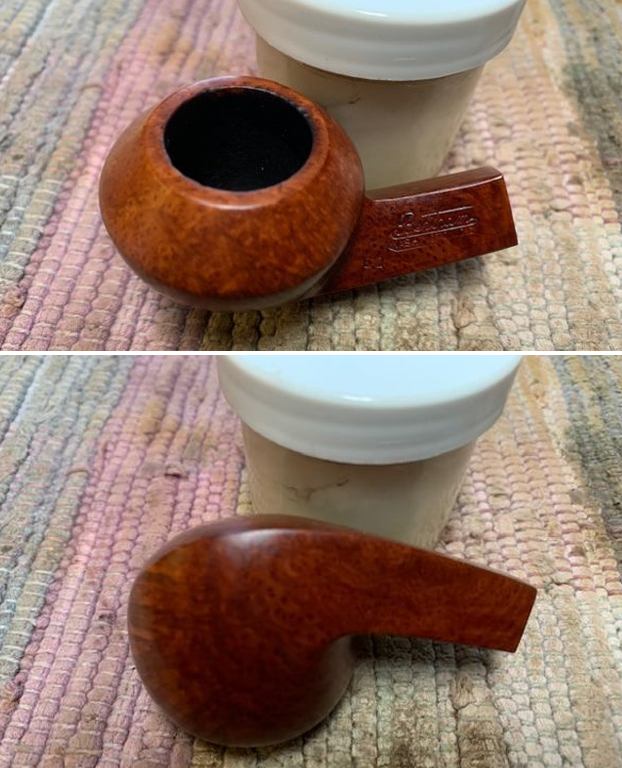
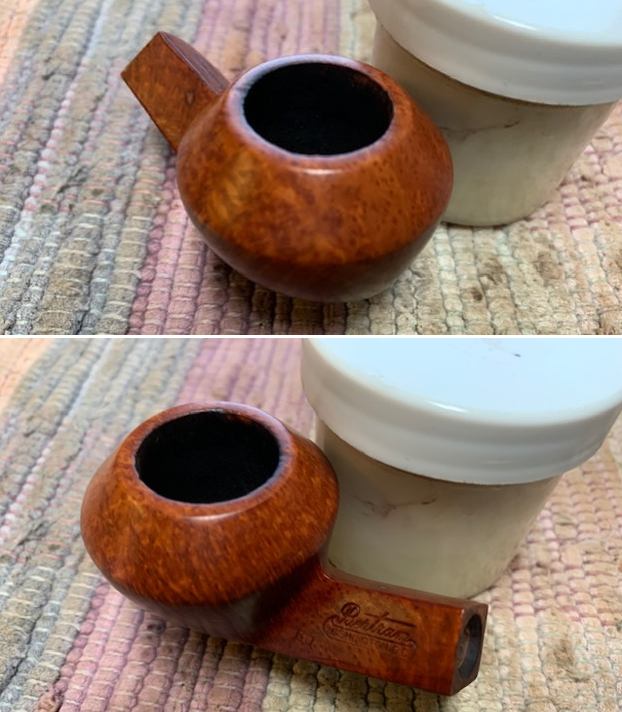
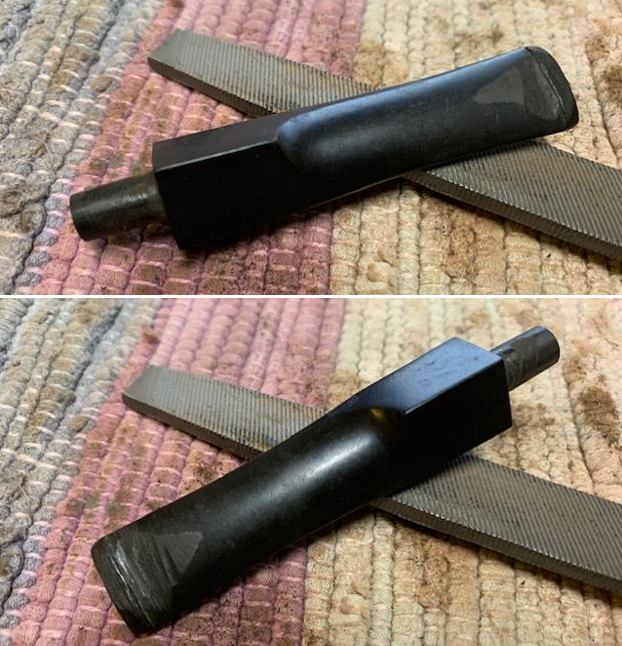
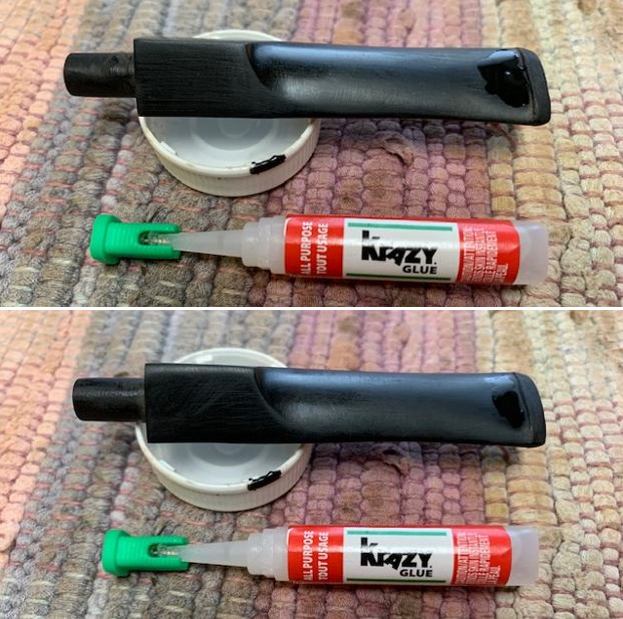
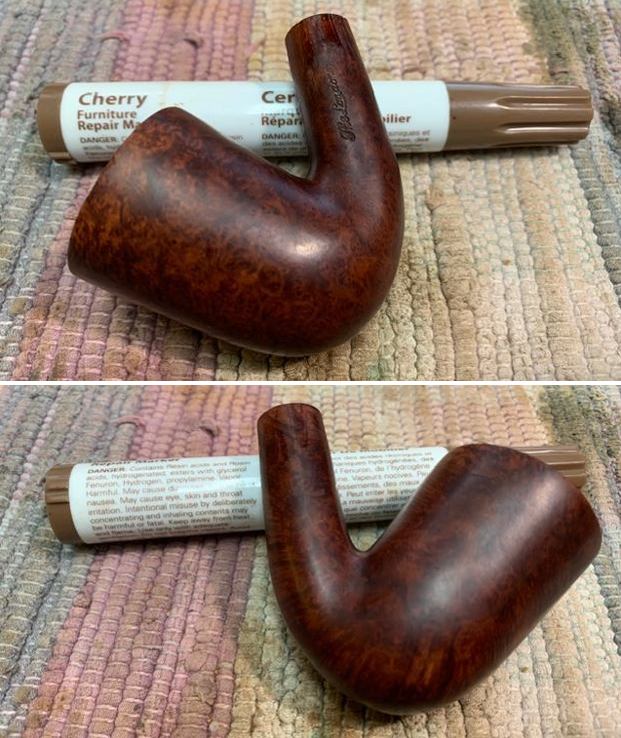
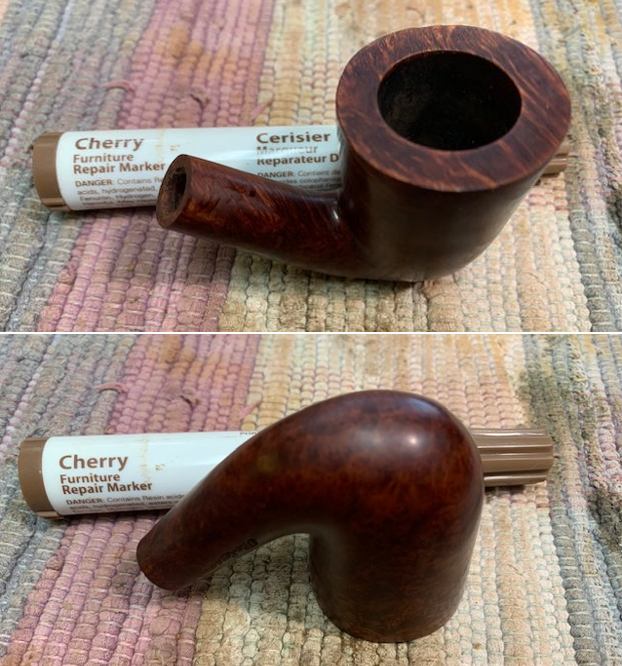
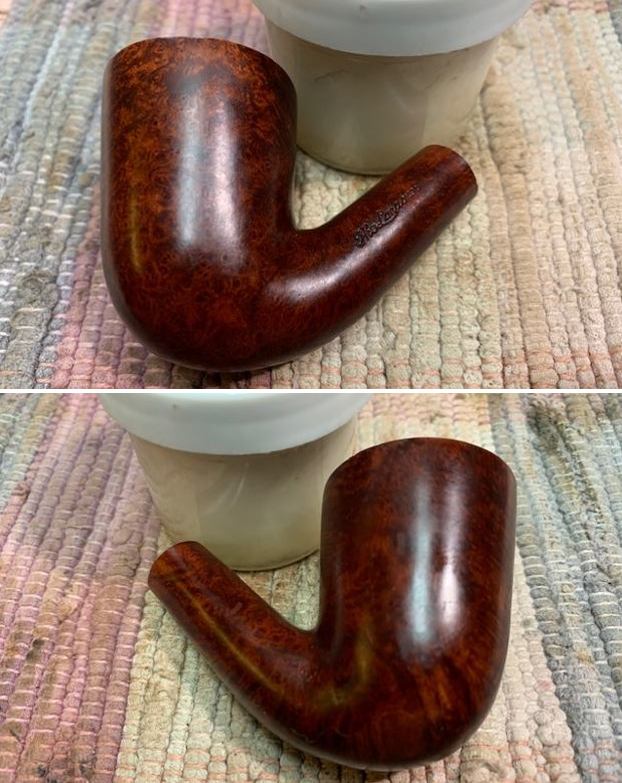
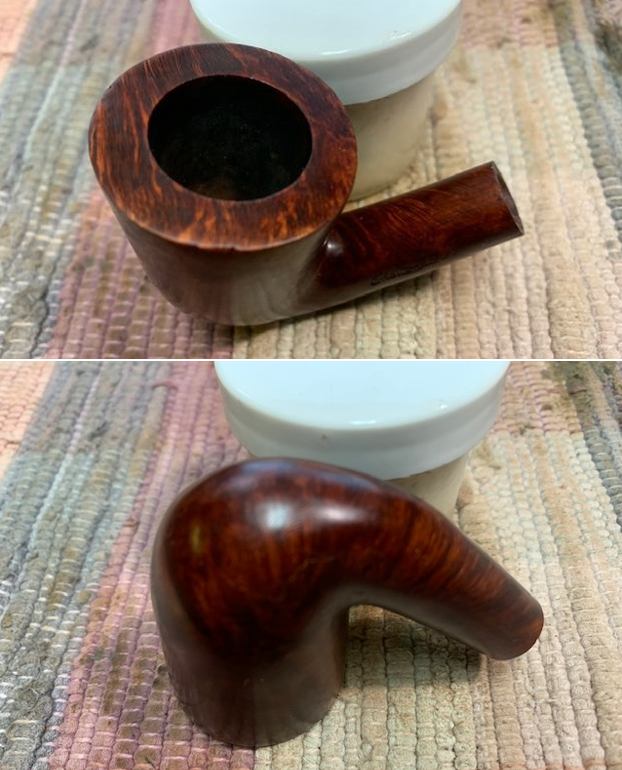
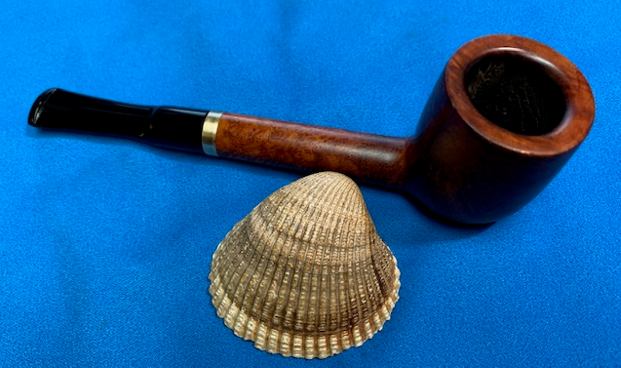
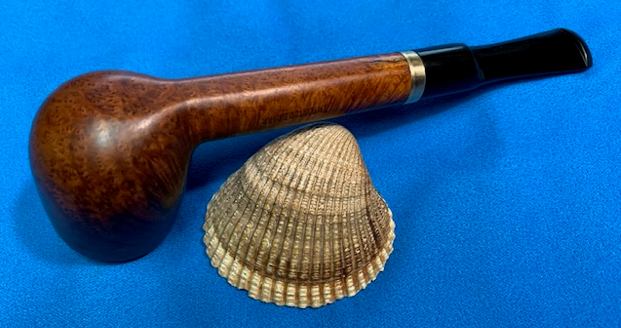
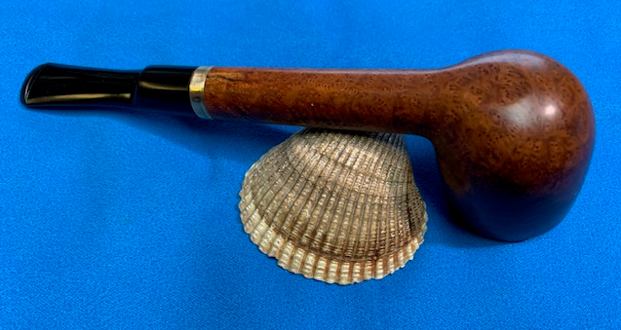
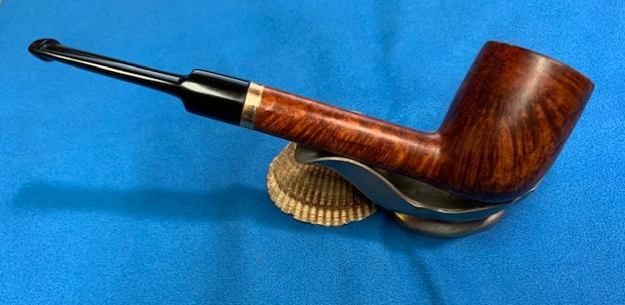
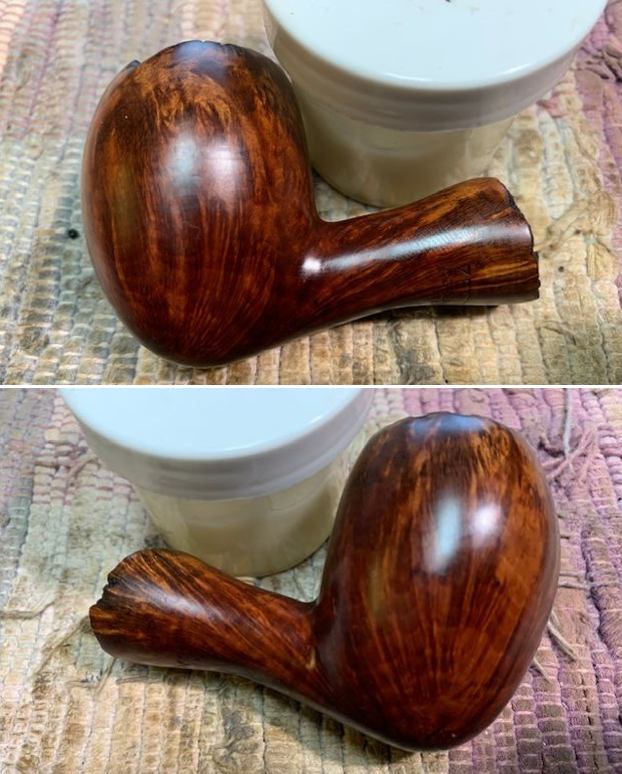
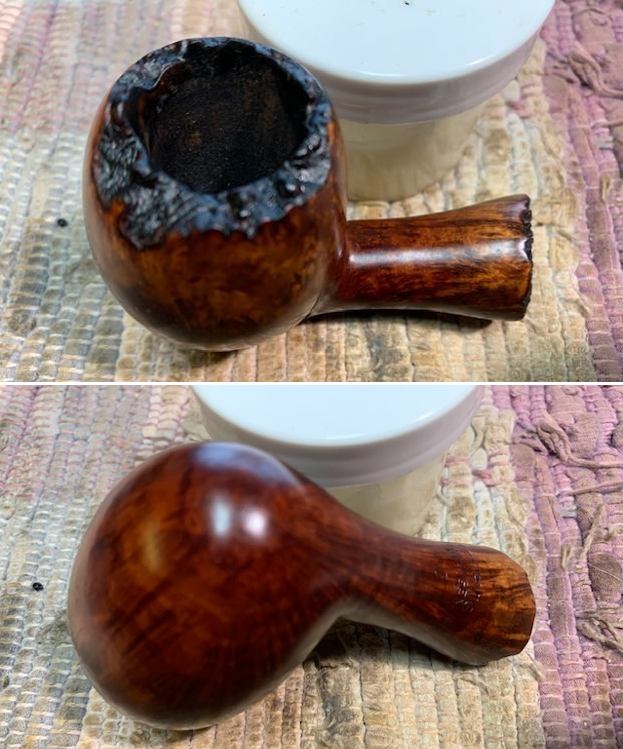
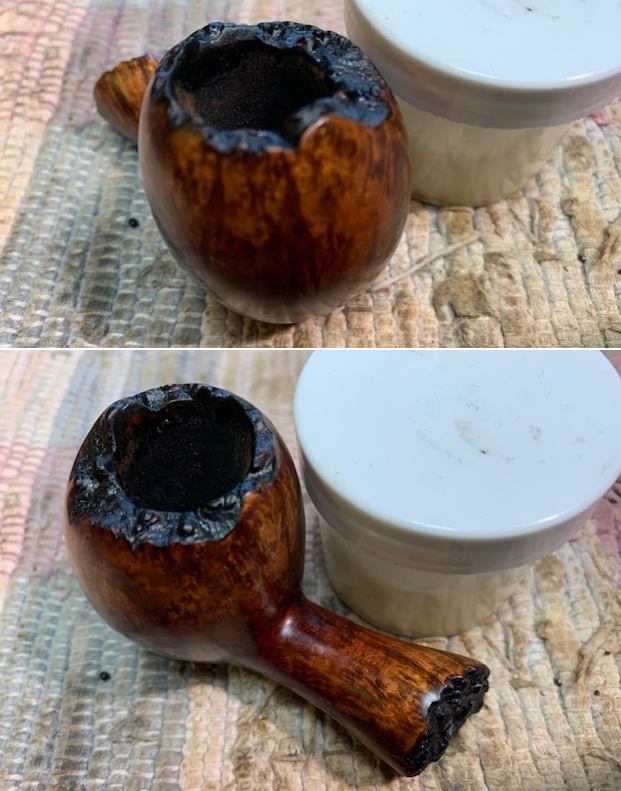
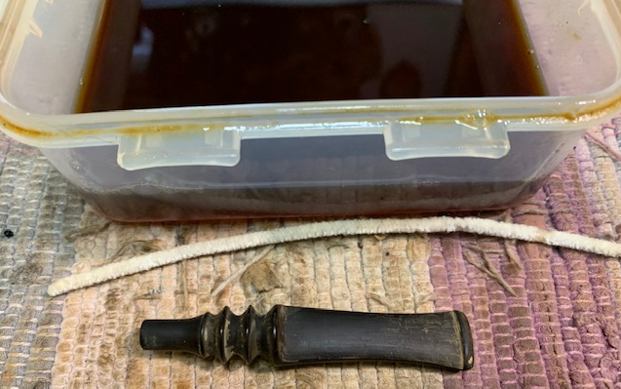
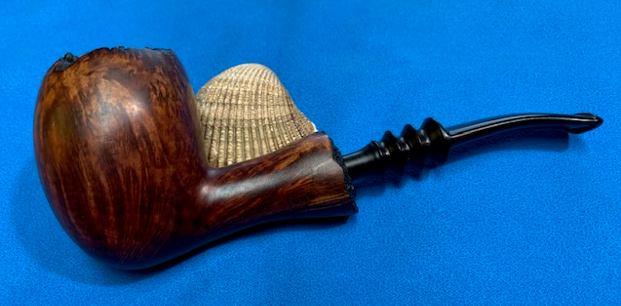
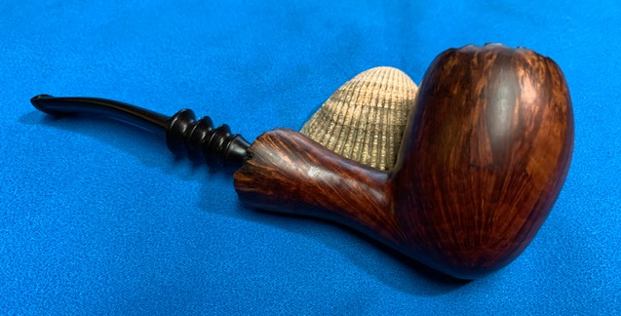
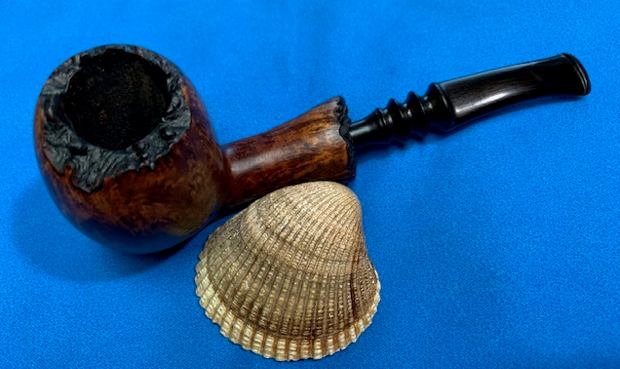
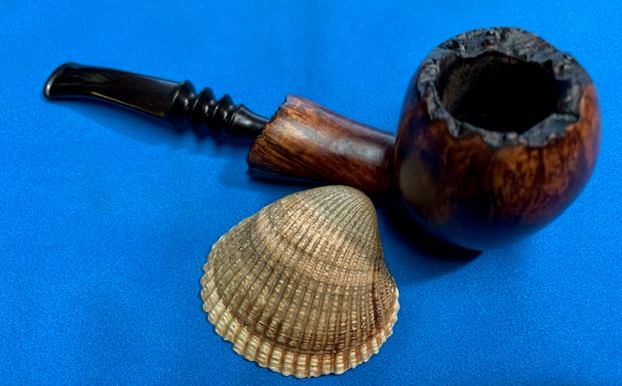
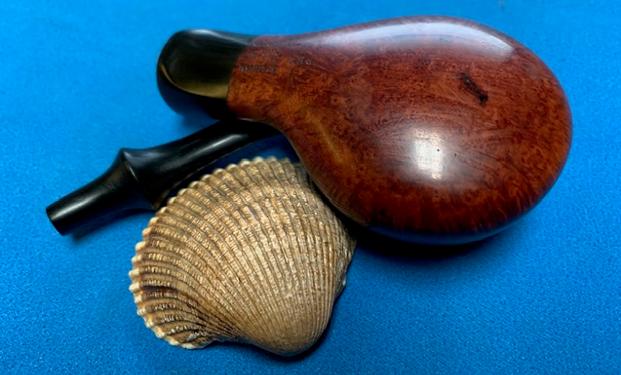
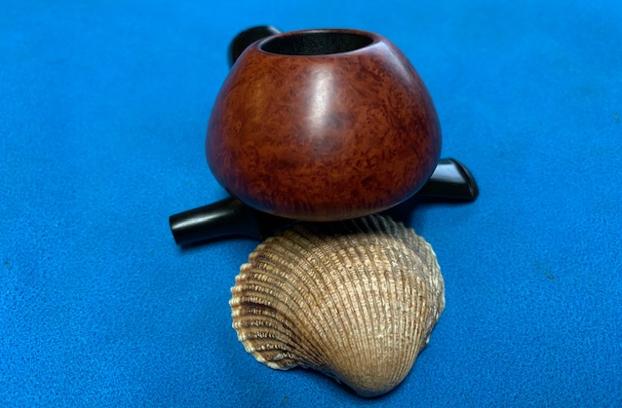
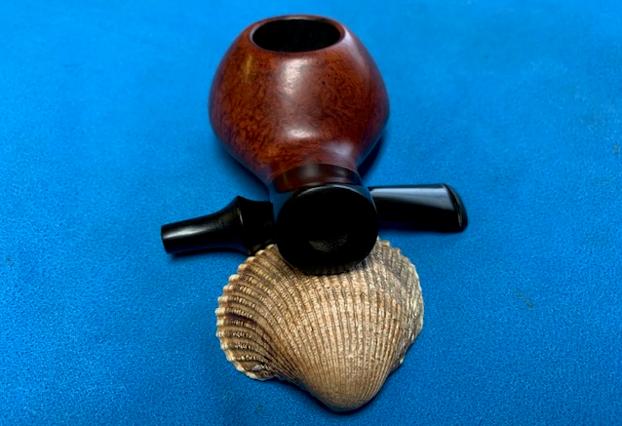
Tag Archives: restemming a pipe

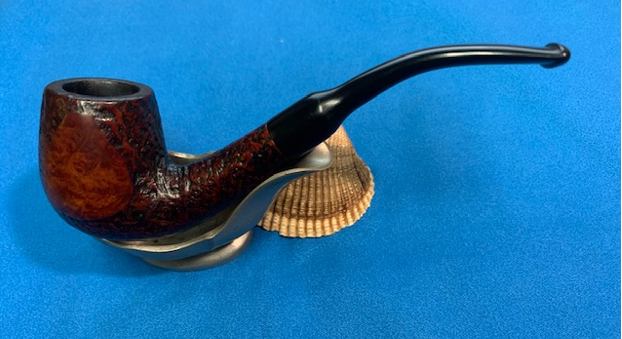
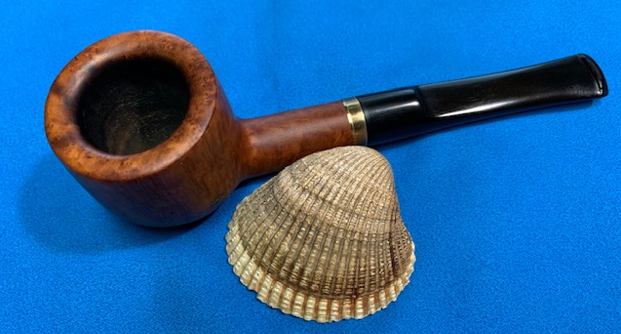
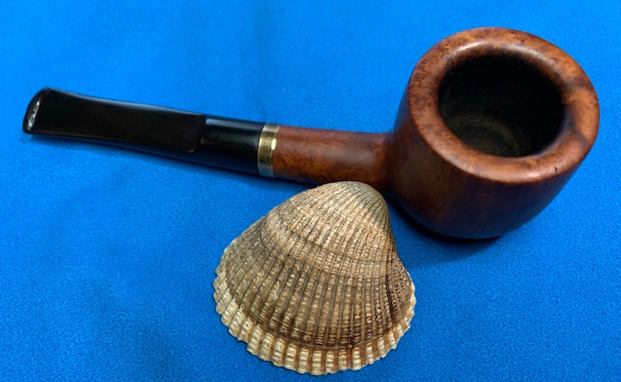
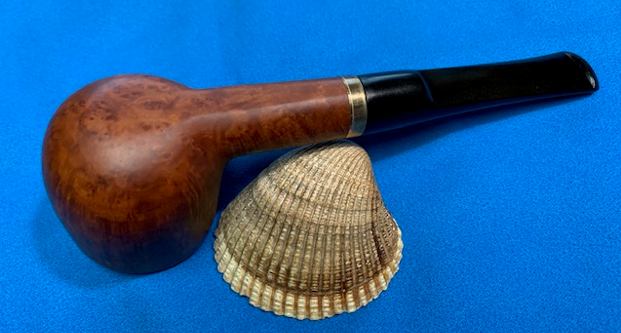
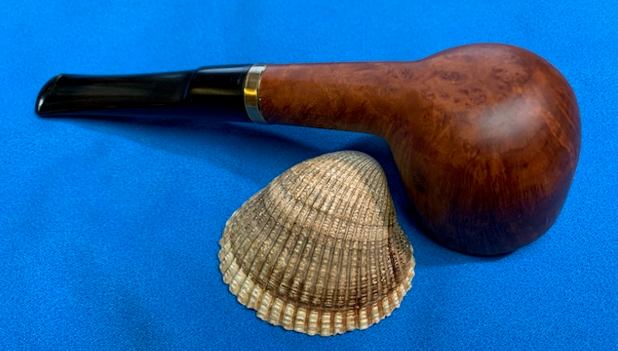
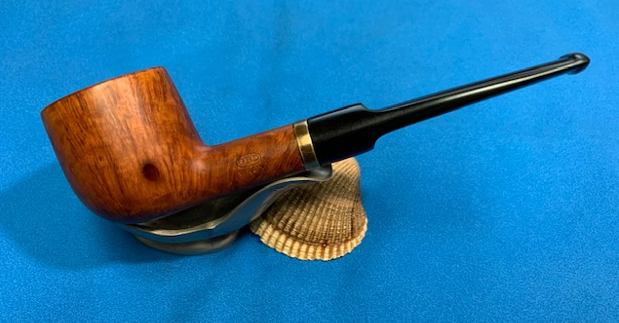
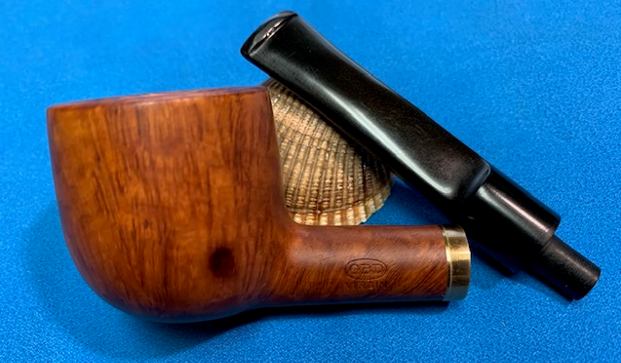
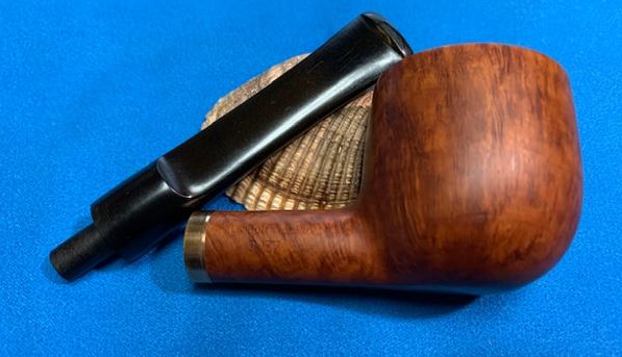
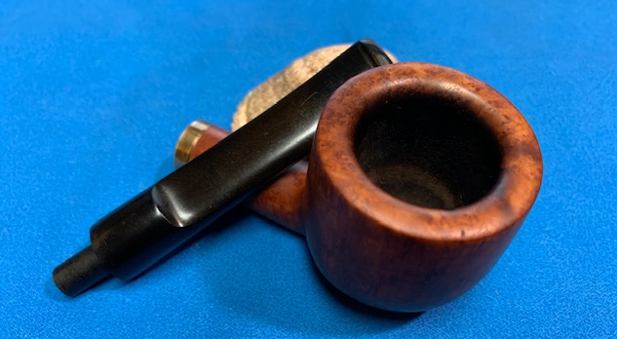
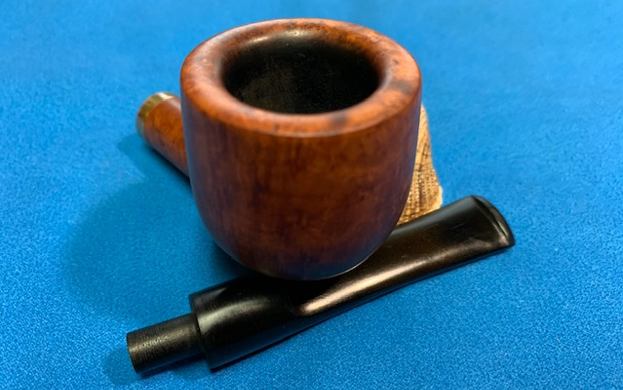
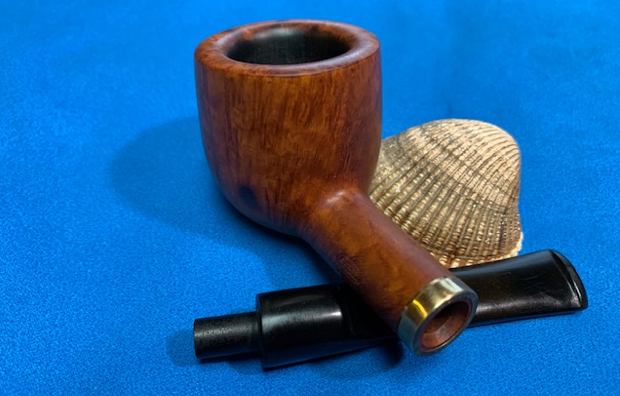
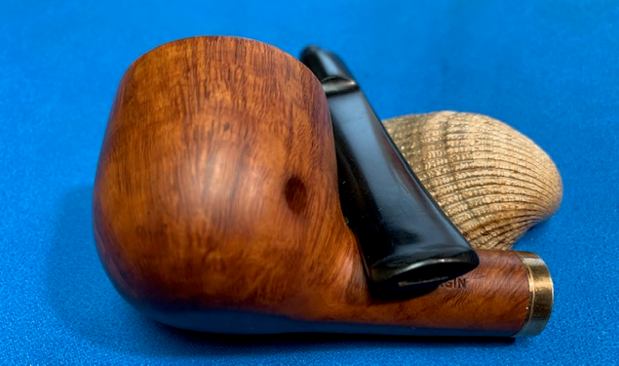
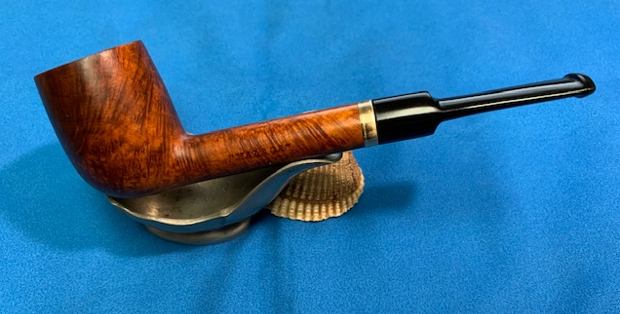
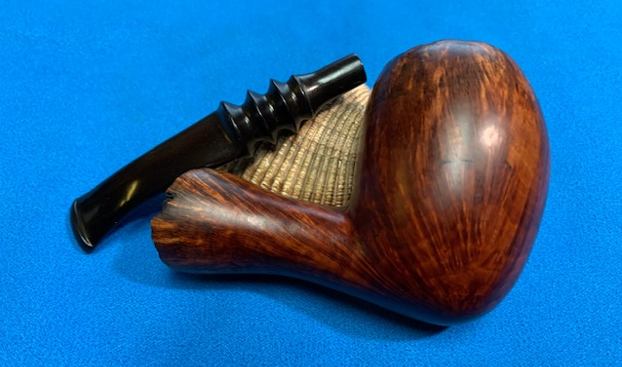
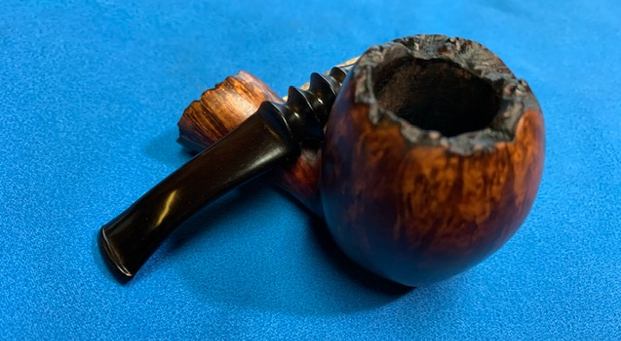
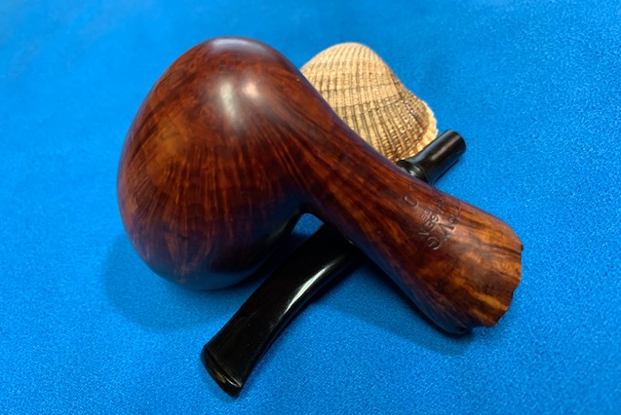
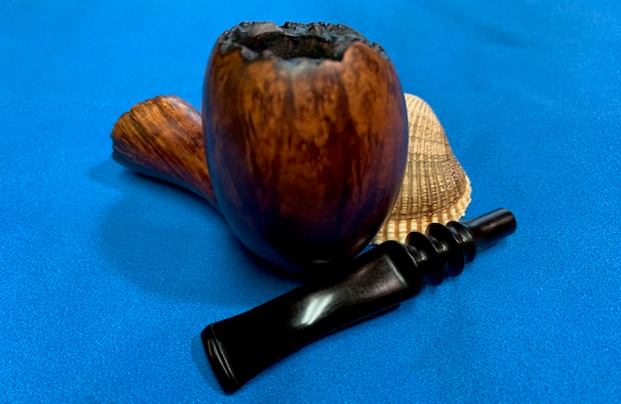
Restemming & Restoring a Weber Custom Made Bullmoose


Blog by Steve Laug

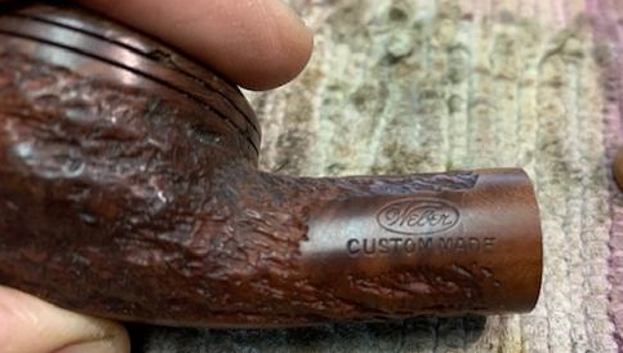
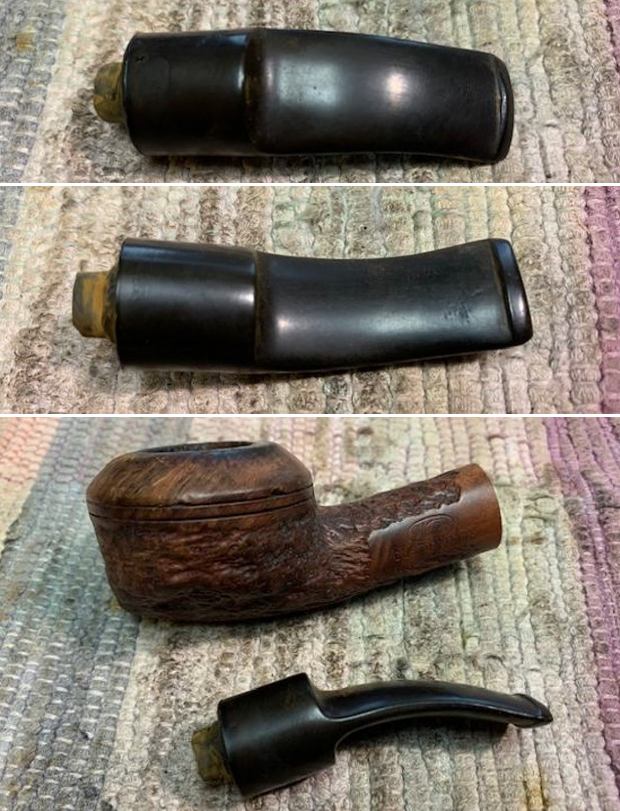
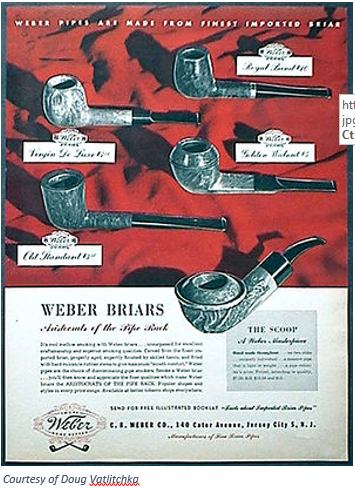
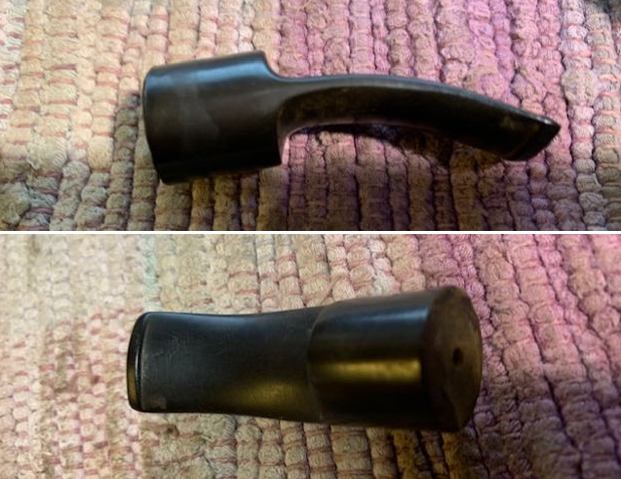
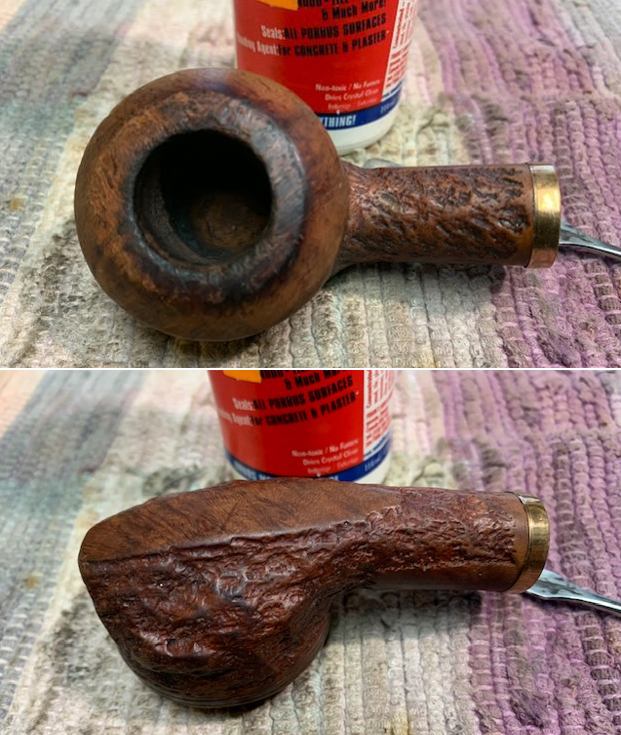
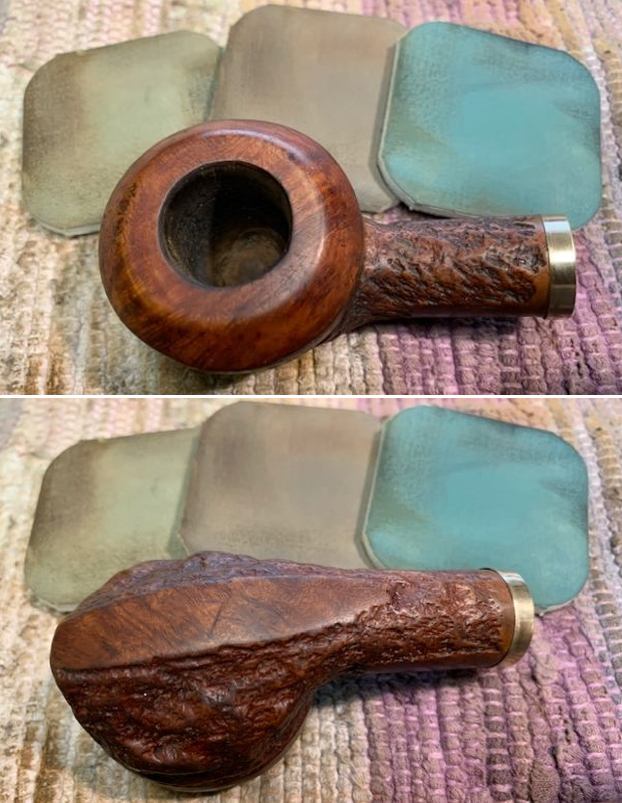
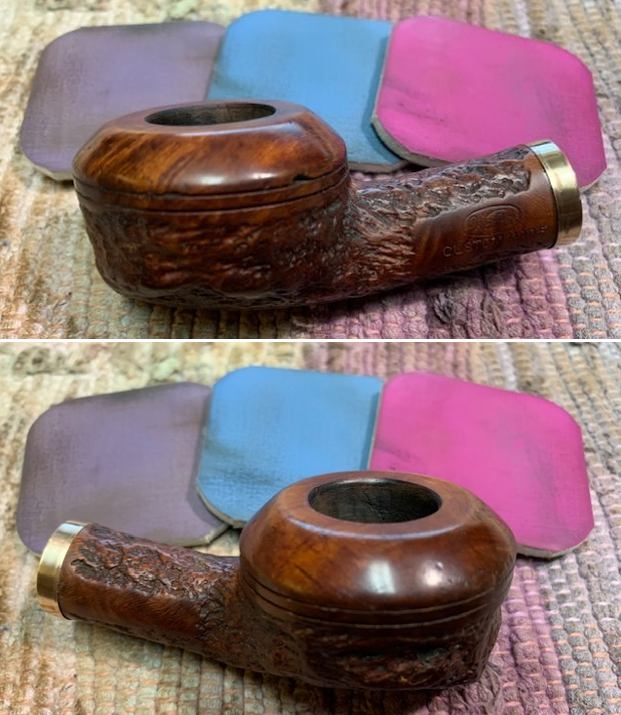
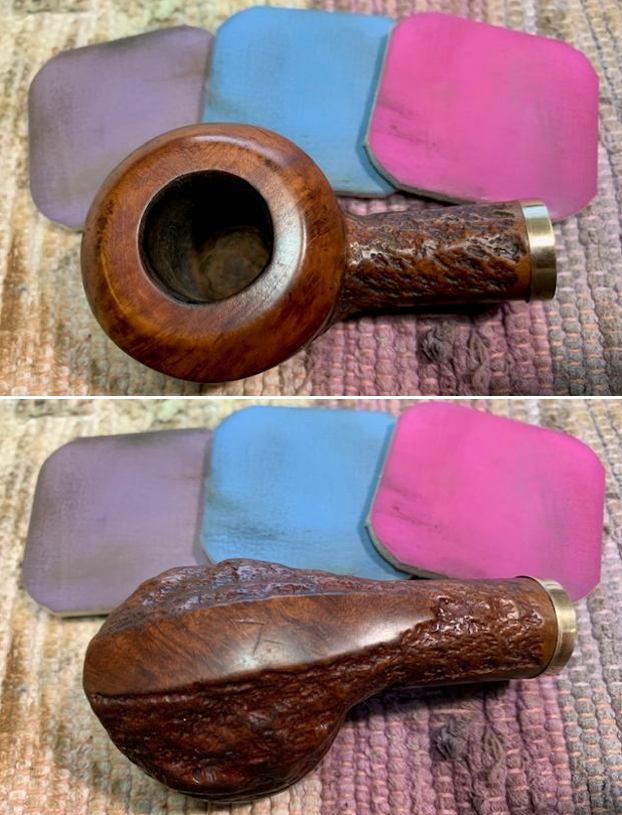
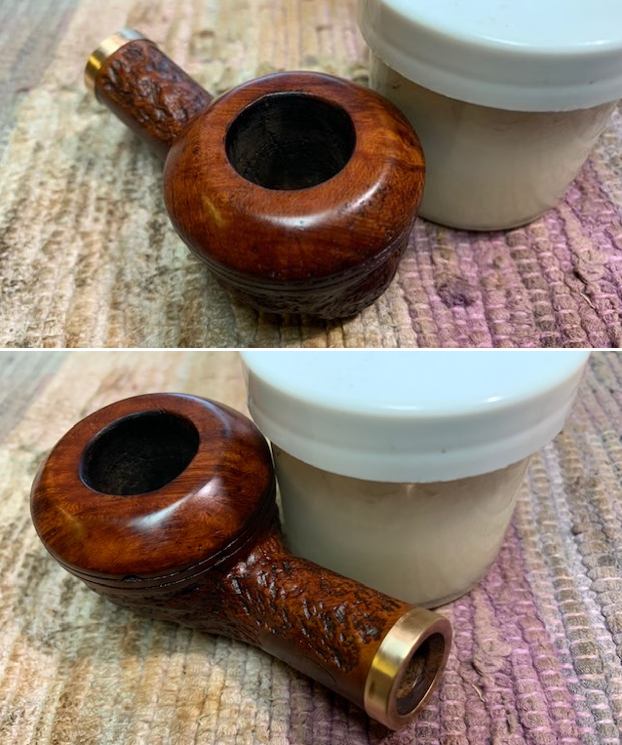
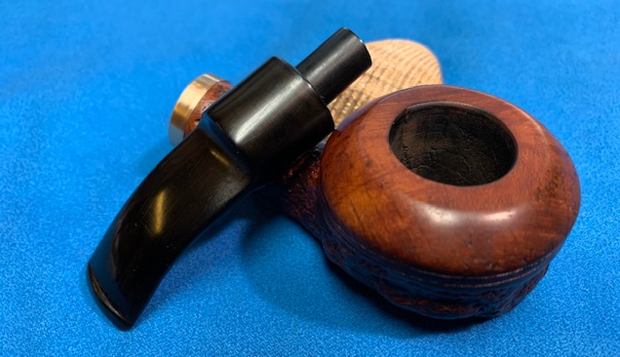
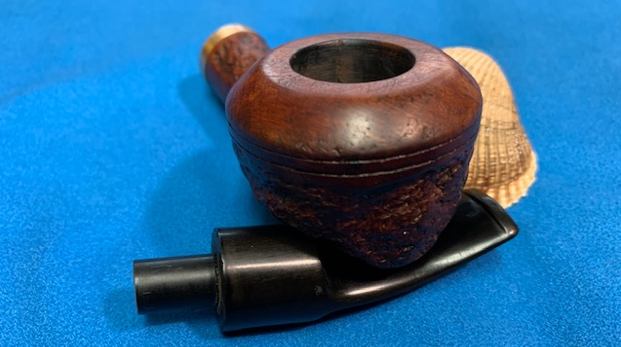
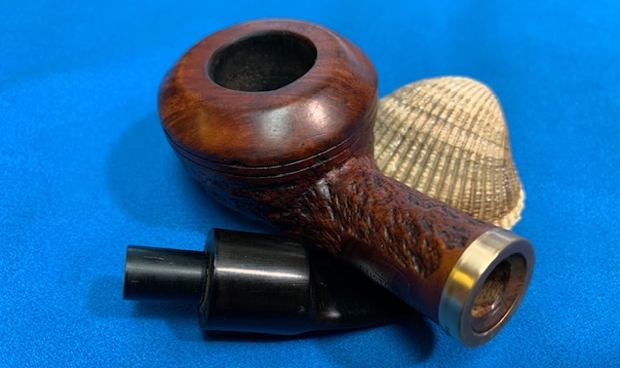
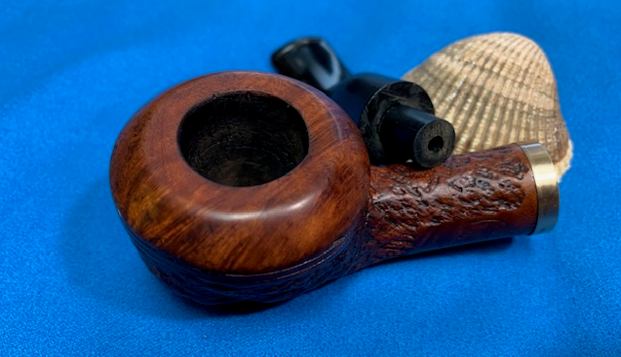
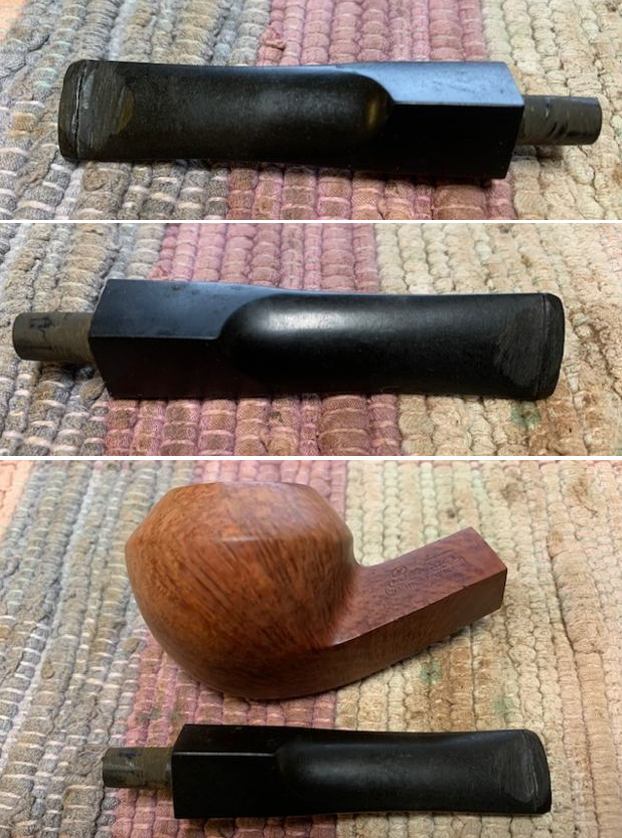
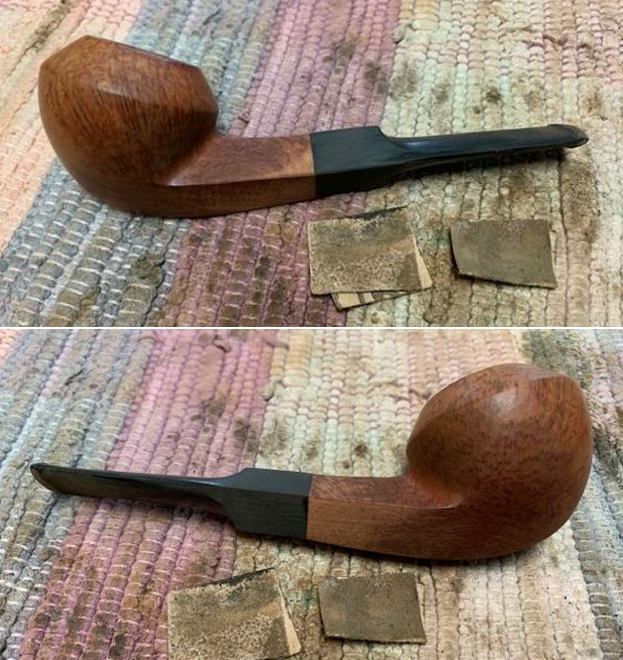
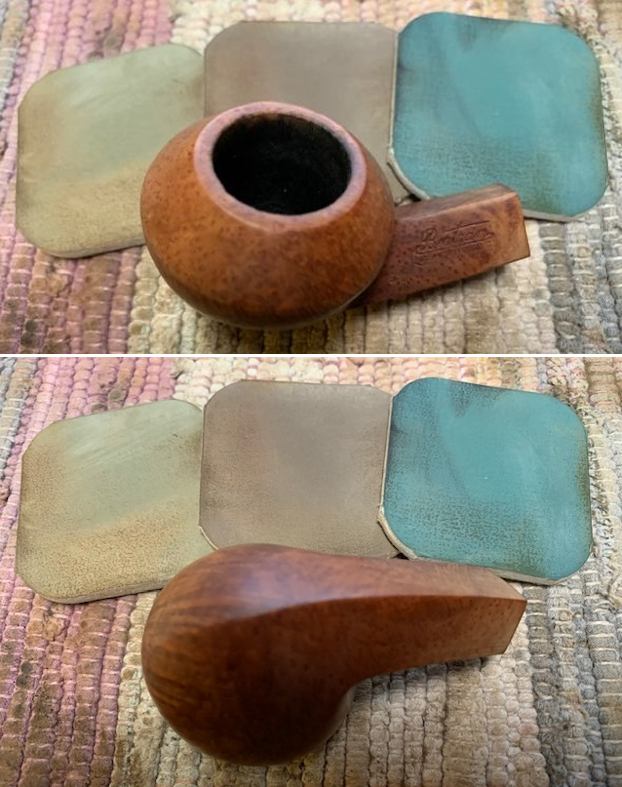
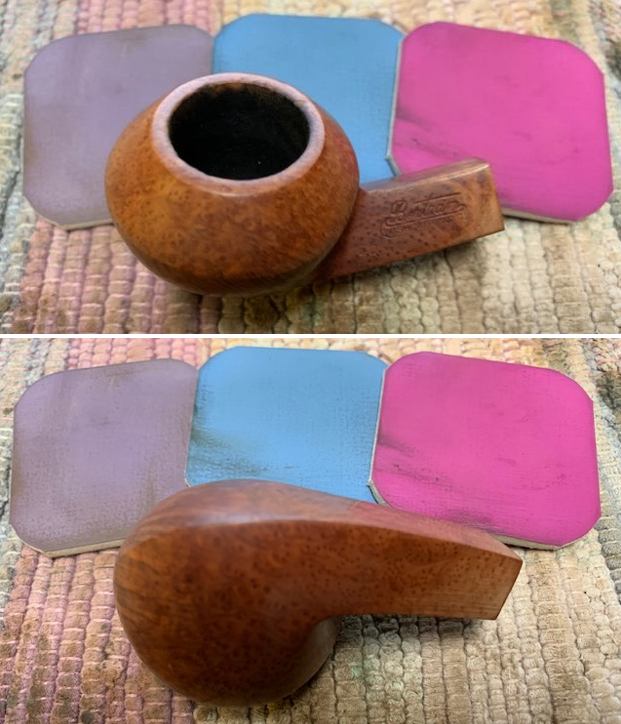
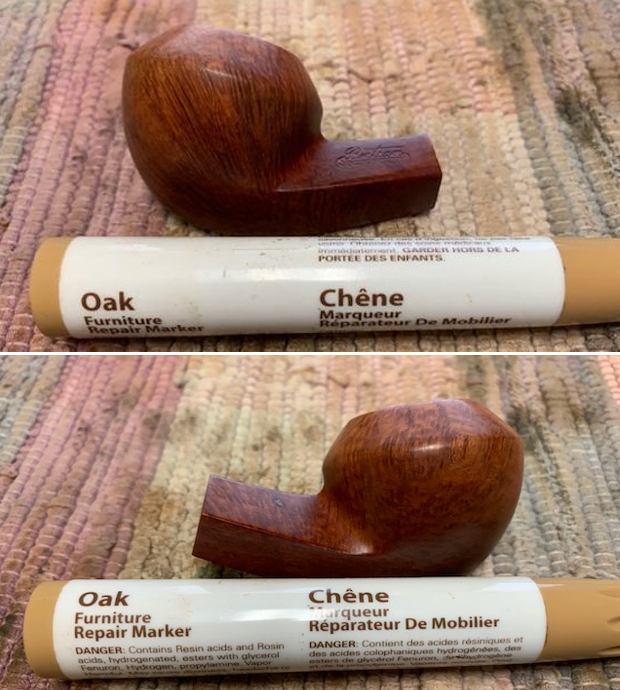
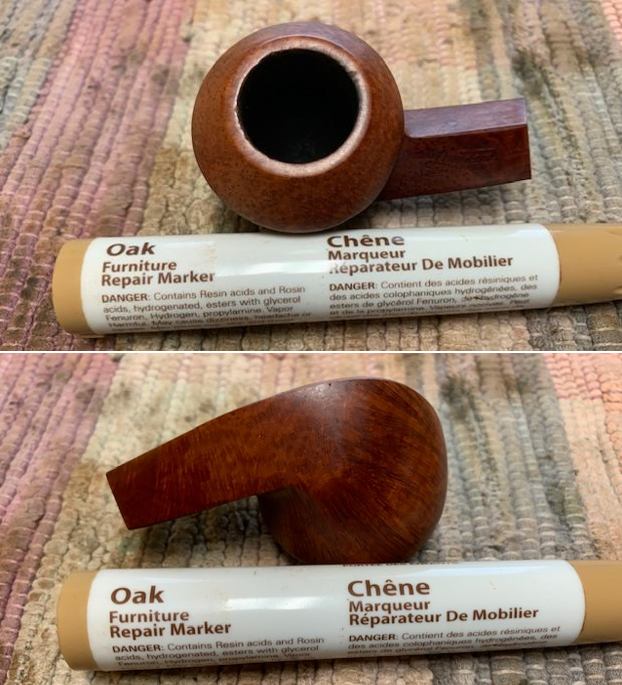
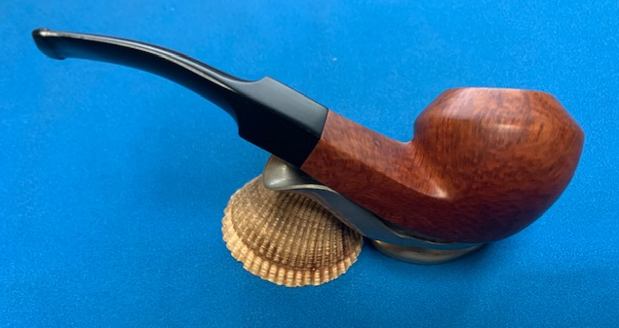
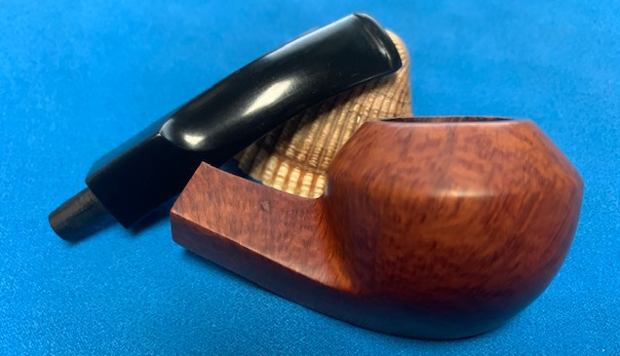
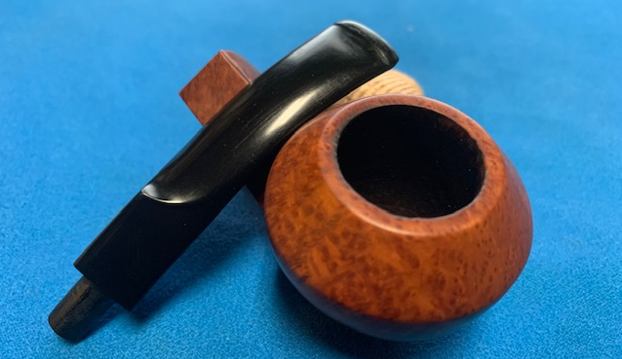
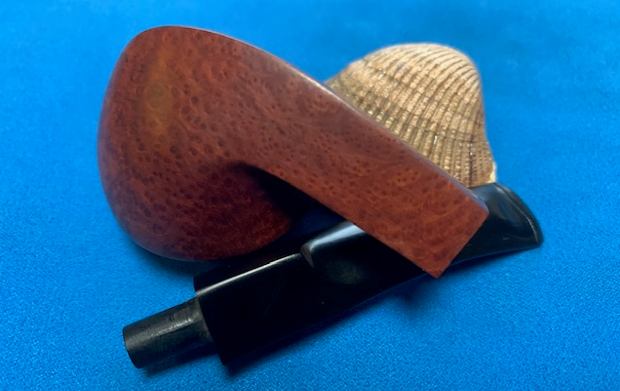
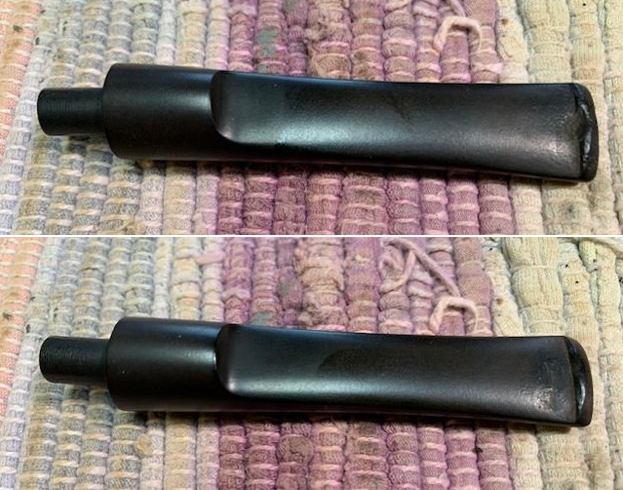
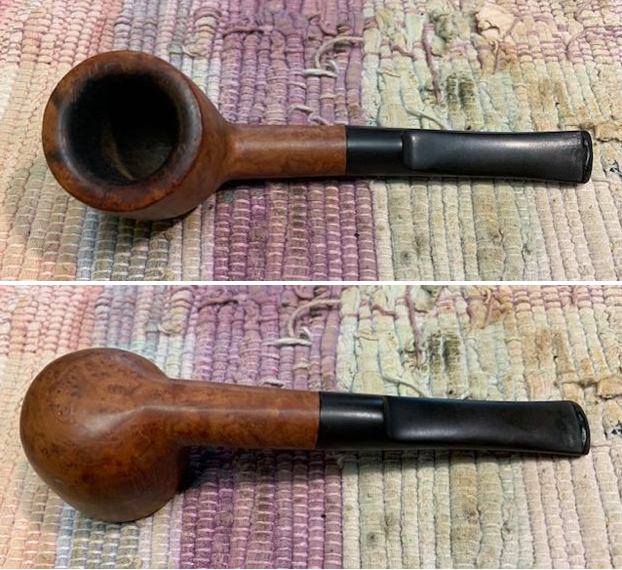
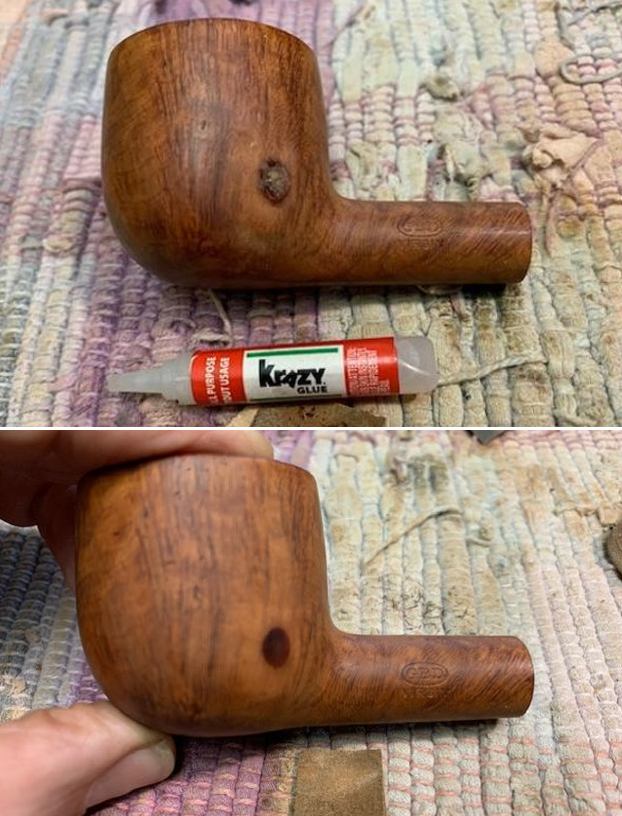
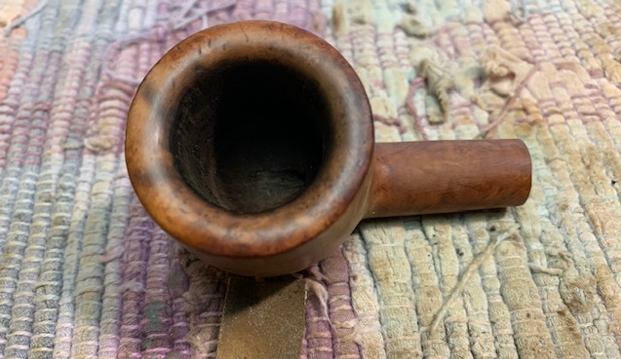
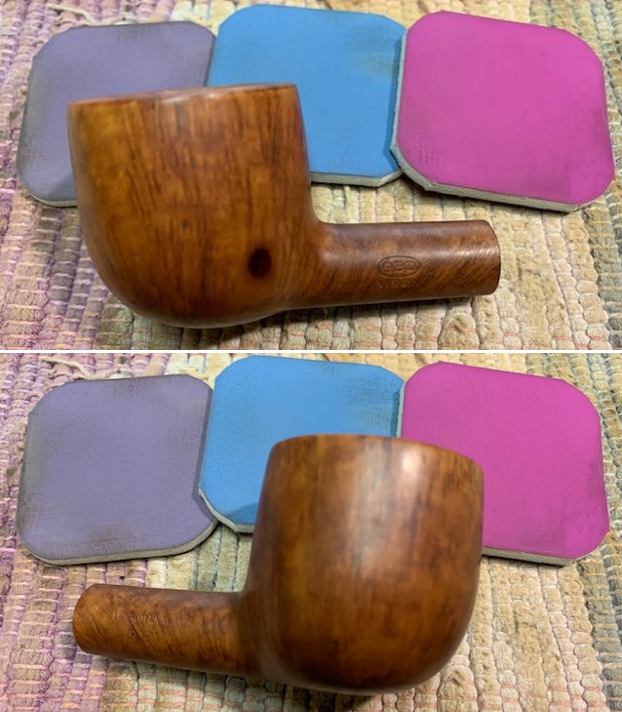
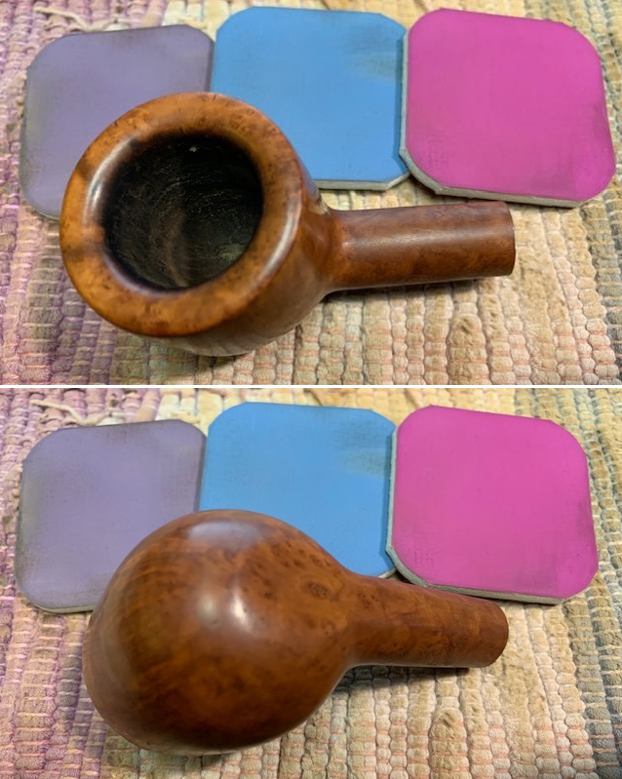
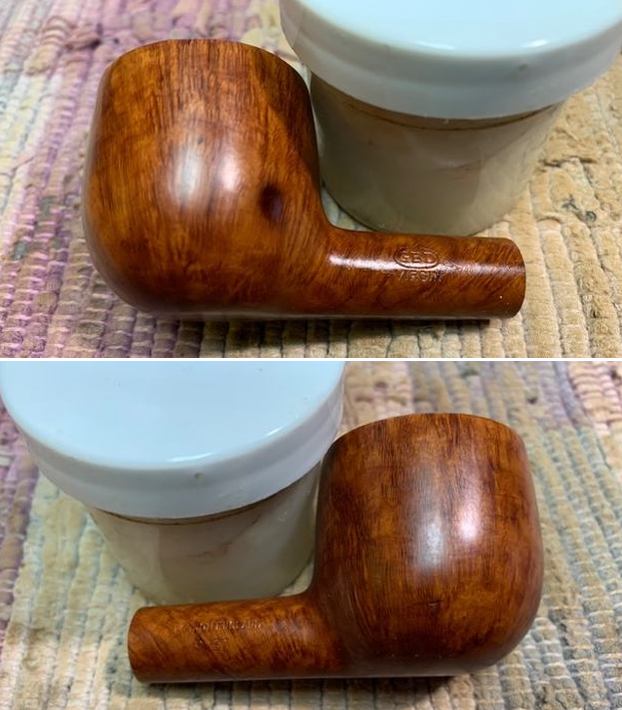
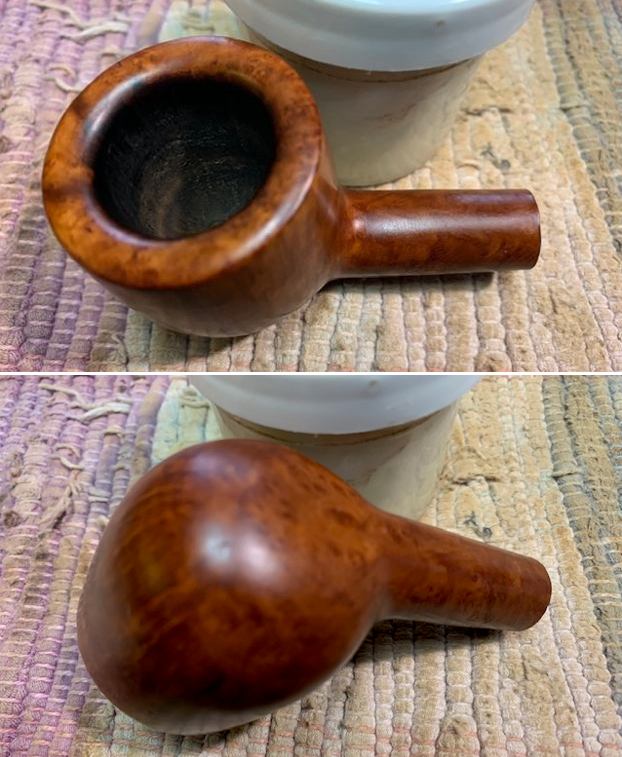
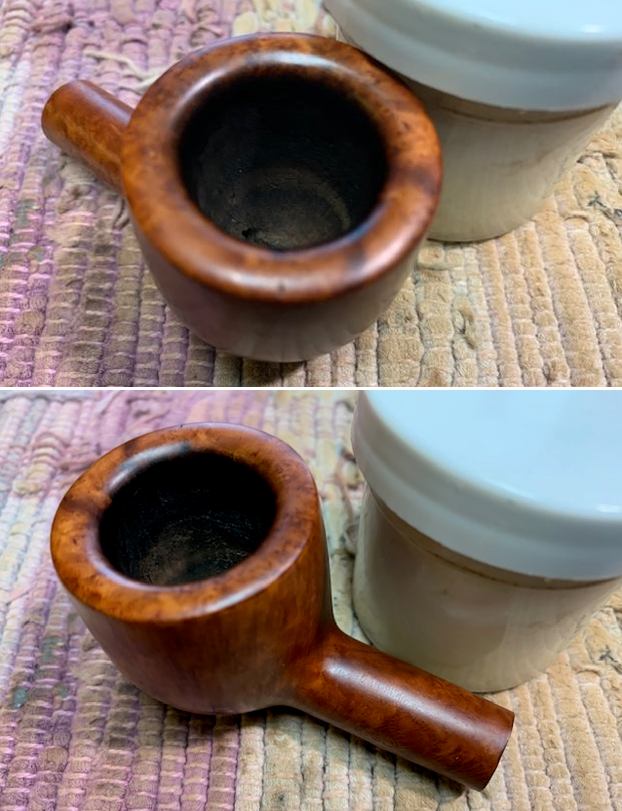
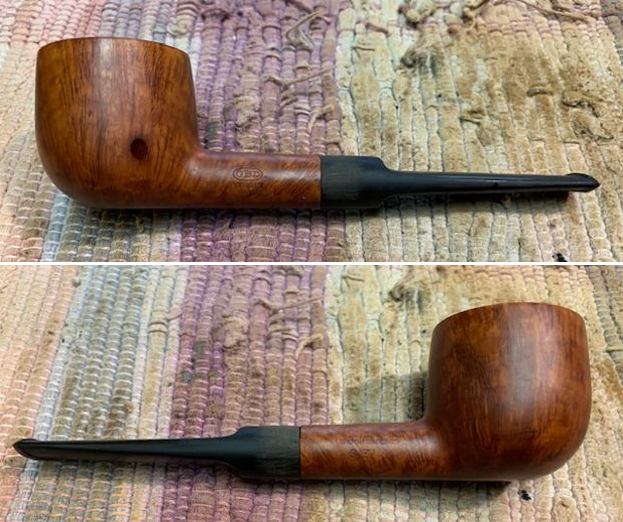
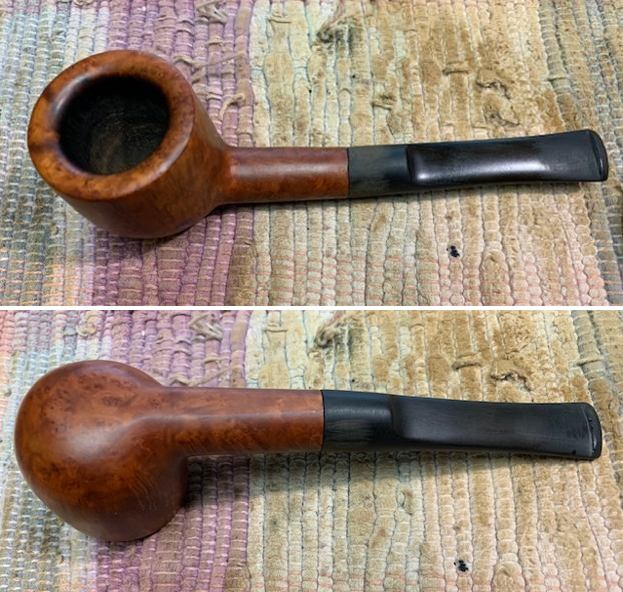
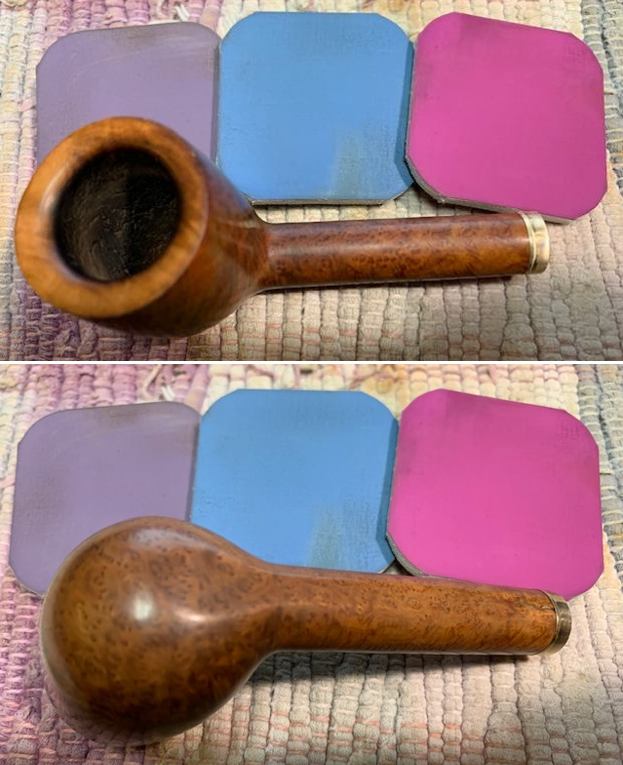
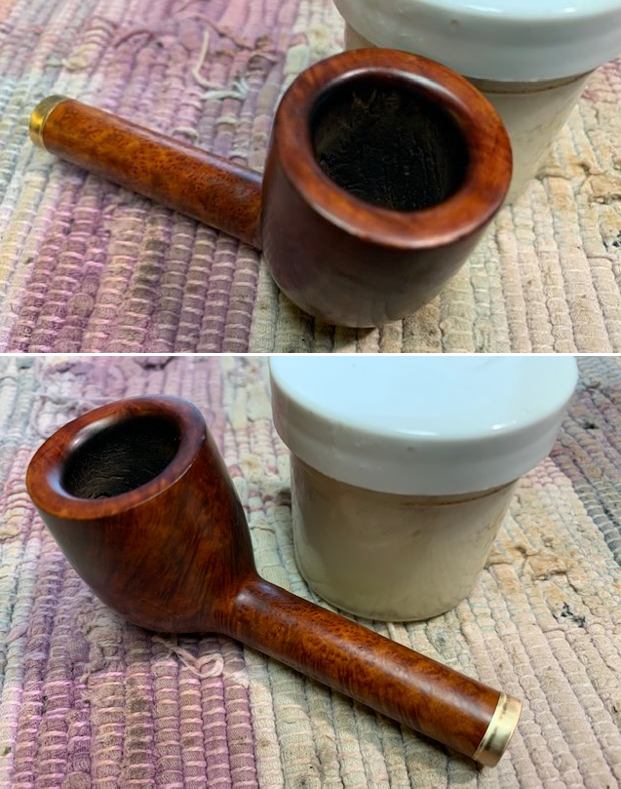
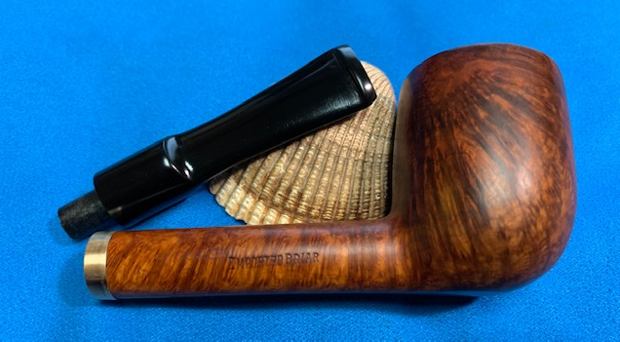
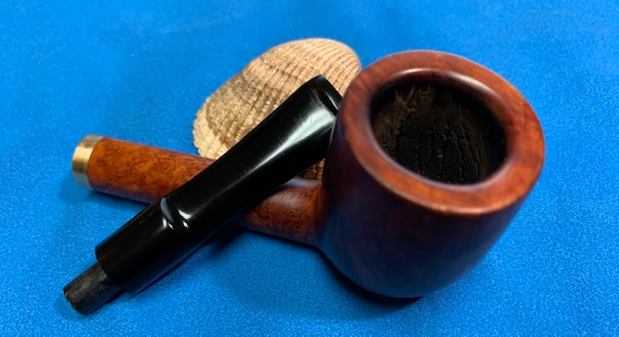
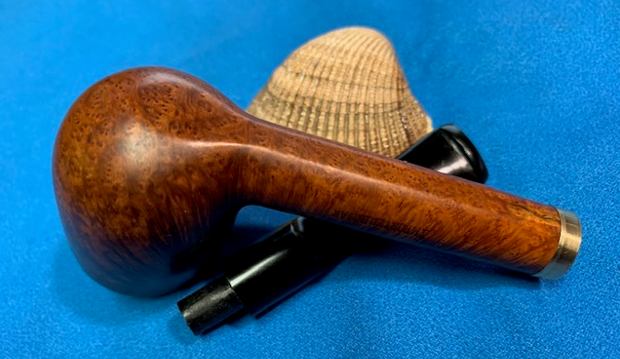
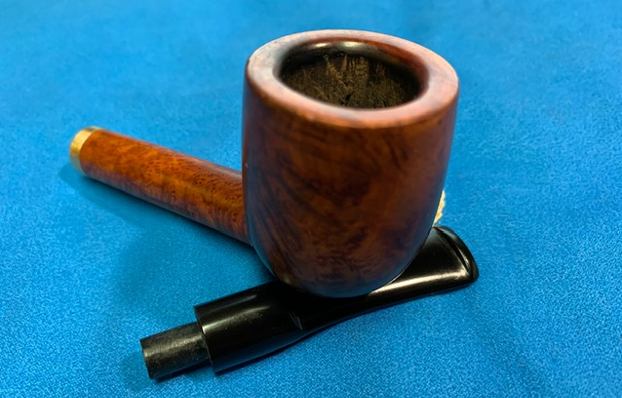
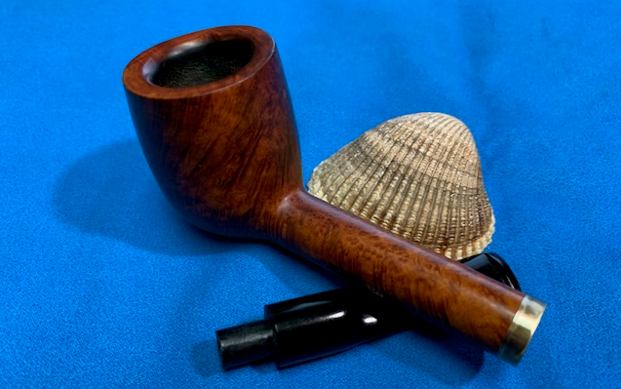
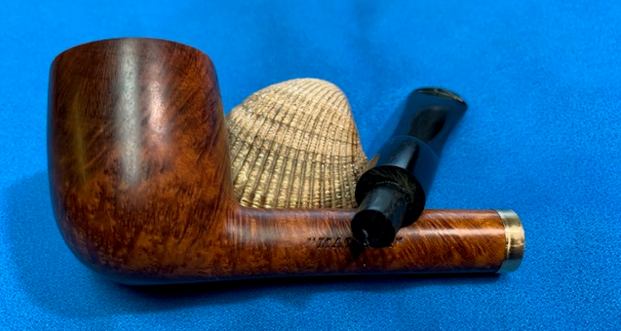
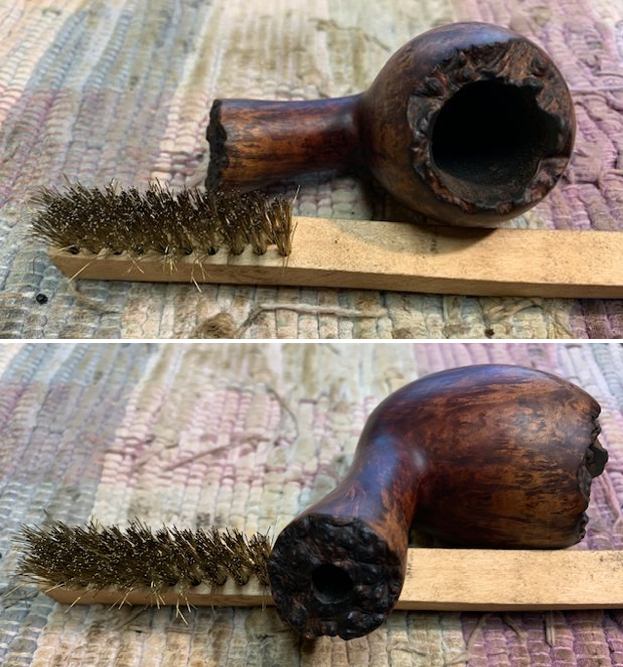
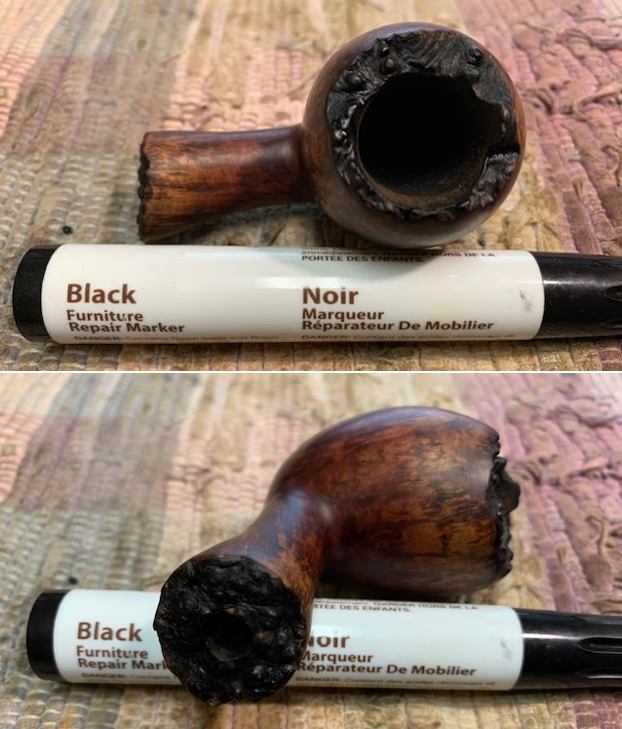
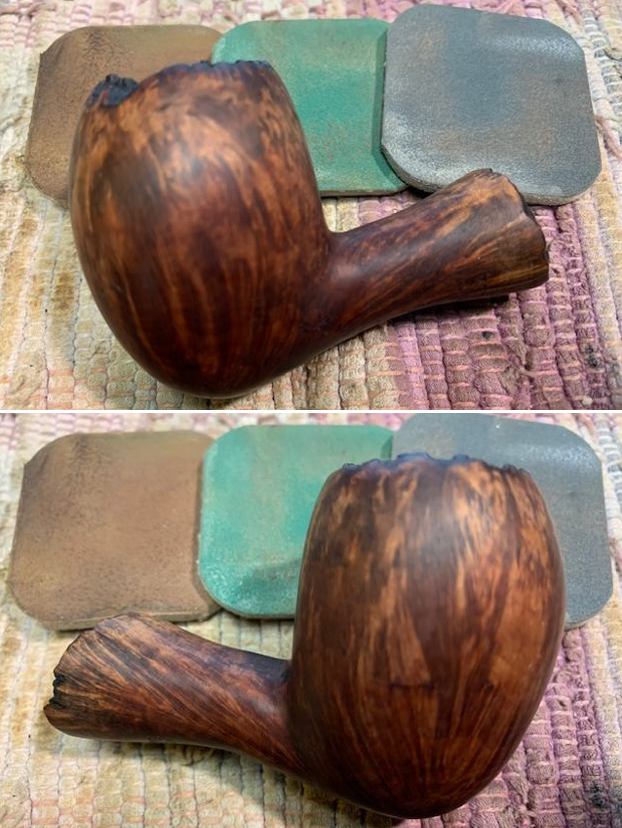
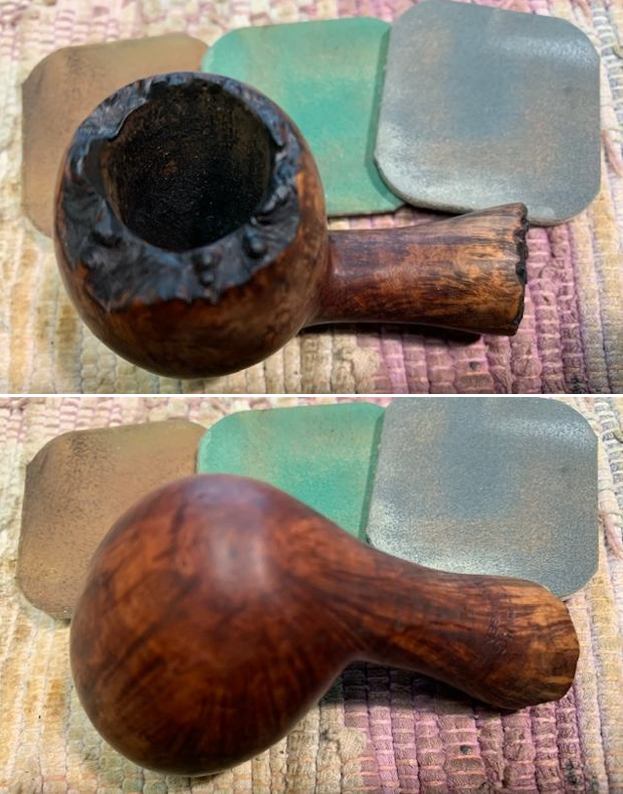
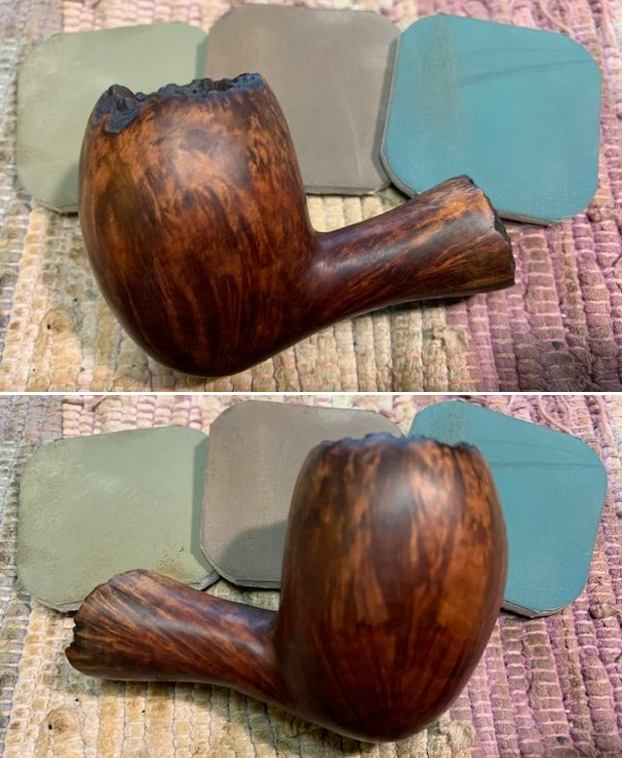
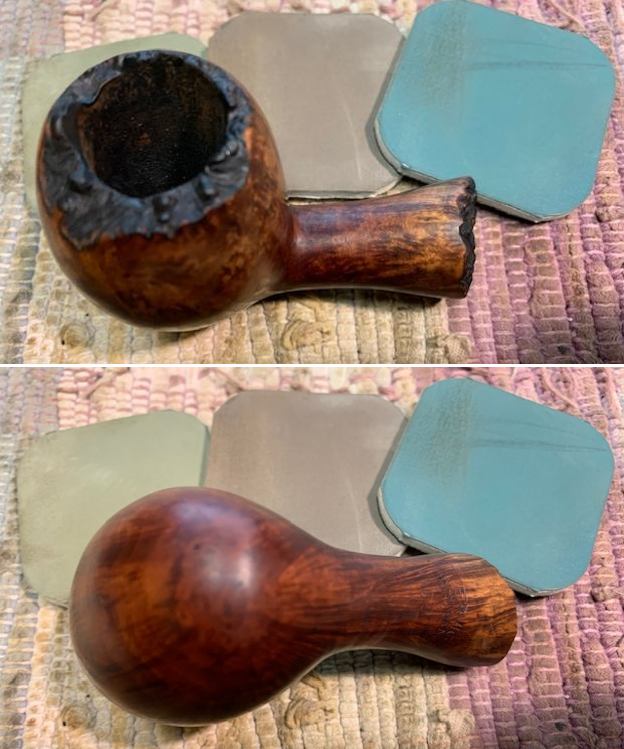
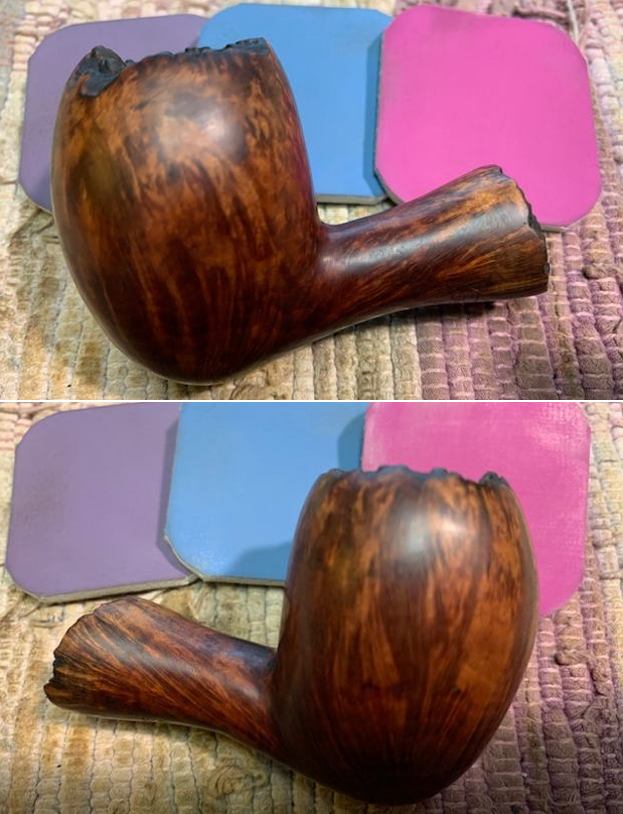
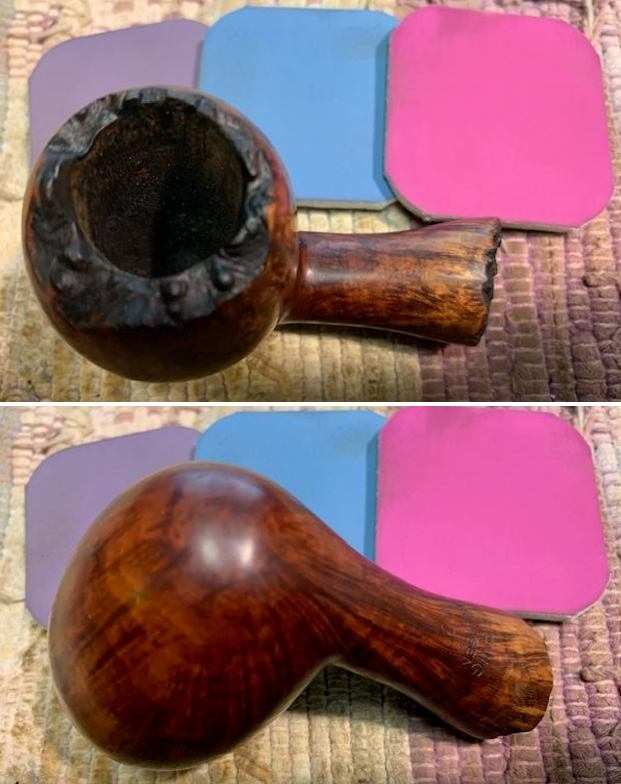
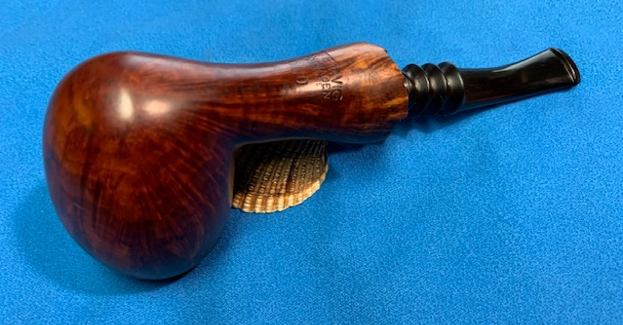
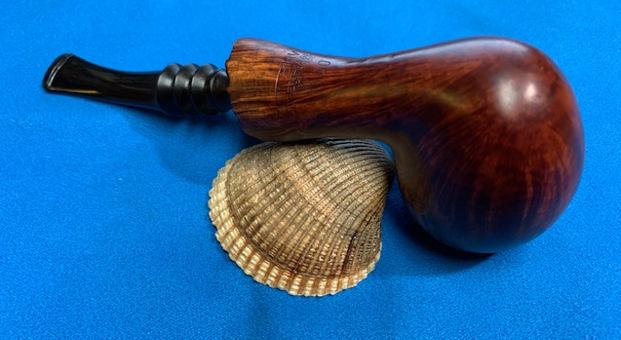
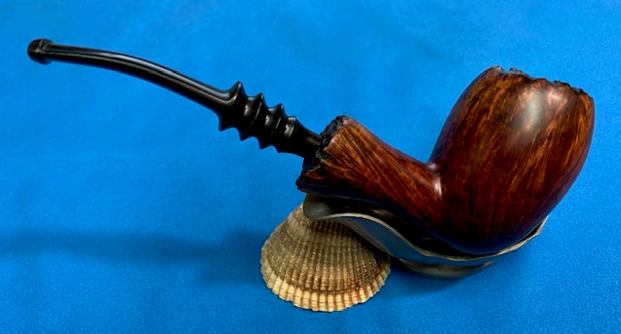
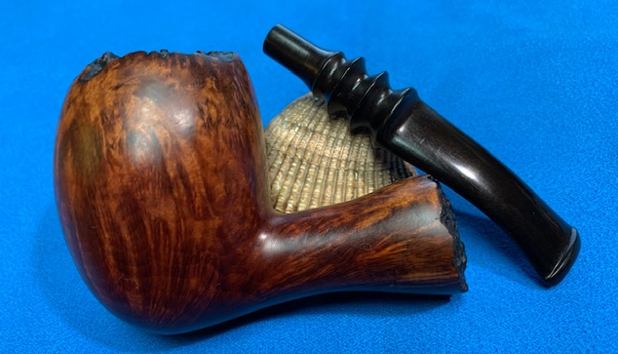
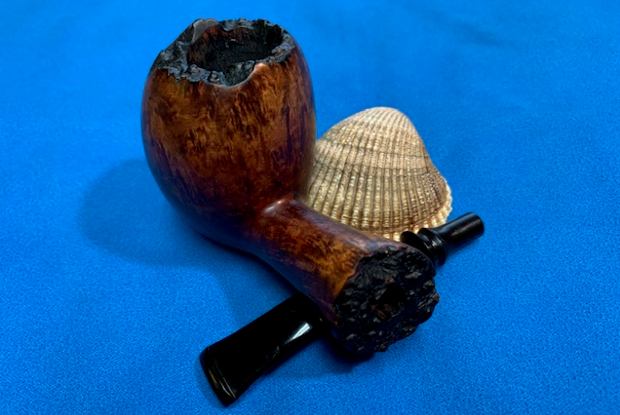
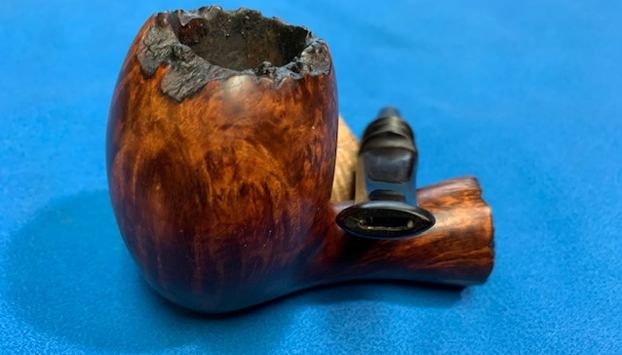
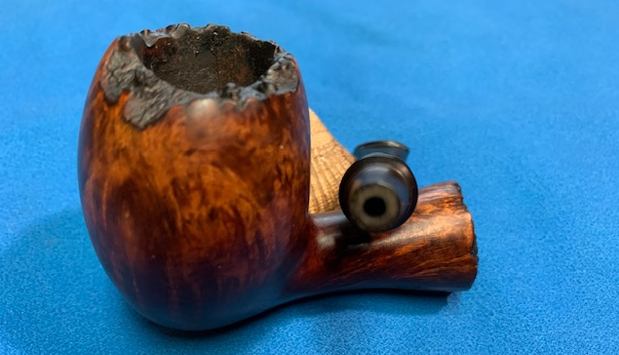
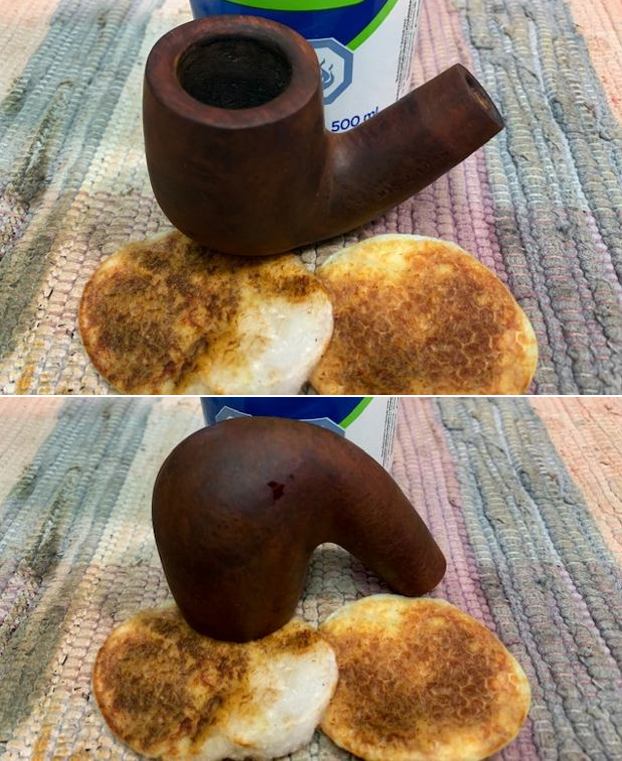
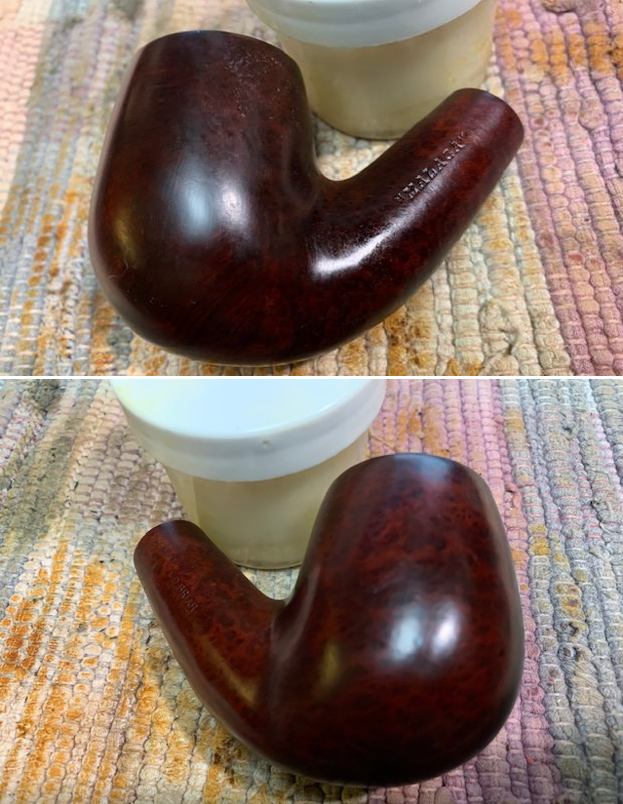
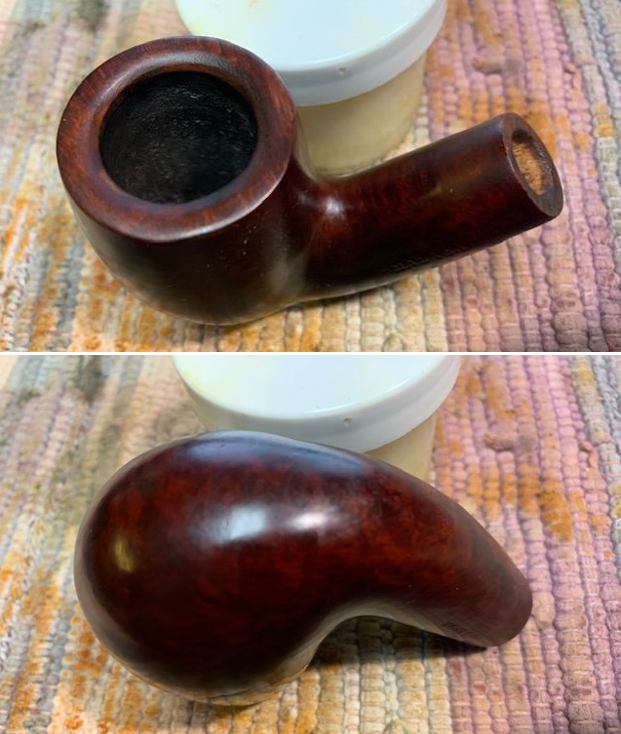
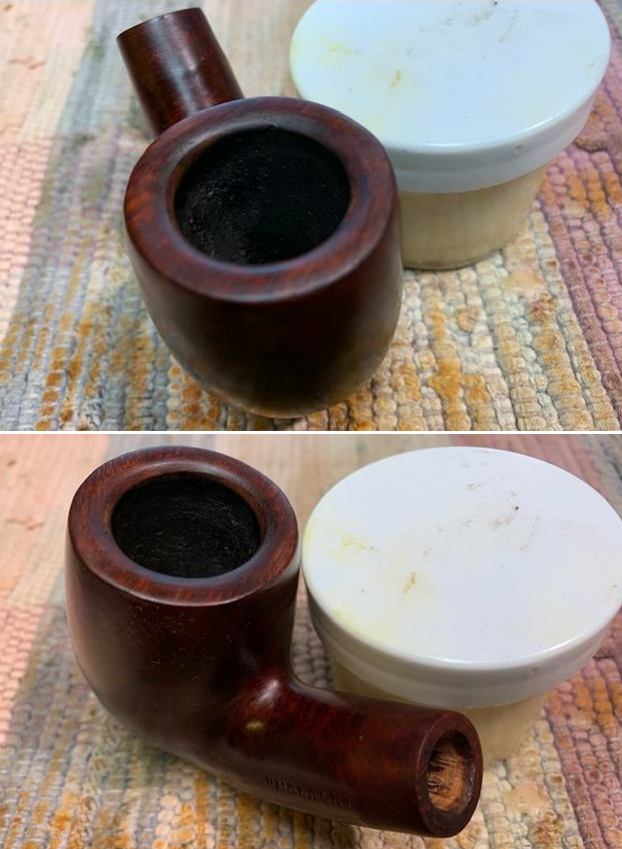
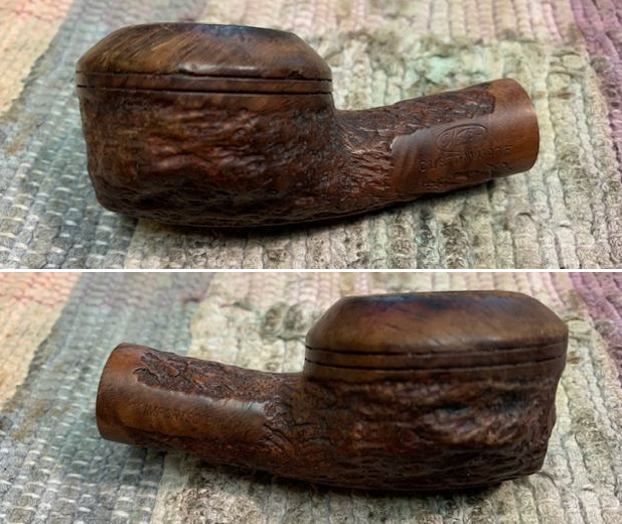
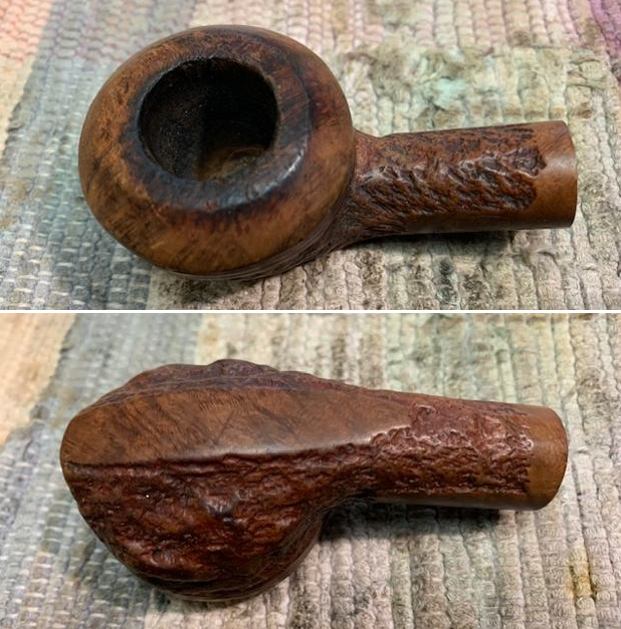
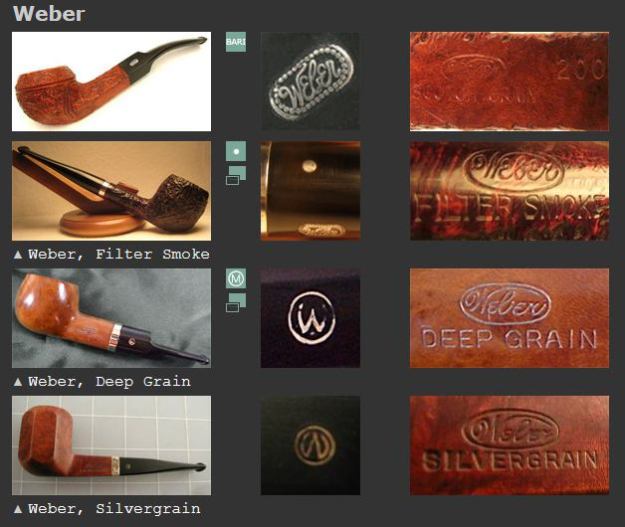
I think I must be on a bit of a roll with restemming some of the bowls I have collected over the years. I decided to do yet another one that has been here for a very long time. The pipe I chose to work on next is a lovely Bullmoose rusticated stummel with a smooth rim top and twin rings around the cap of the bowl. The bowl looked very good. The rustication while not deep was quite nice and an interesting texture. The rim top was a bit rough with nicks and dings in the rim top and wear on the front edge of the cap. There were also burn marks and darkening on the outer edge of the cap. The interior of the bowl was clean and there were not any chips, cracks or checking on the walls. The finish was dull and bit and tired but still quite redeemable. The stamping on the pipe was clear and readable in smooth panels on the shank. On the left side it read Weber in a circle [over] Custom Made. On the right it read Imported Briar. I took some photos of the bowl before I started to work on it. I took a photo of the stamping on the left side of the shank. It reads as noted above and is clear and readable. (I forgot to take a photo of the Imported Briar stamp on the right side). You can also see some of the chips in the twin rings around the bowl – particularly on the cap edge. I went through some of stems and found this saddle style stem that was close to the right diameter but would need to have a tenon replacement. It has a few tooth marks and chatter near the button but it would clean up well. I took a photo of the bowl and stem together to show what the look would be once I fit the stem.I worked on quite a few Weber pipes in the past but decided to have a look on Pipephil anyway (http://pipephil.eu/logos/en/logo-w2.html). I have included a screen capture of the information that was present there.I turned to Pipedia found that it gave significant amount of history and some advertising on the brand as well (https://pipedia.org/wiki/Weber_Pipe_Co.). I quote from the article below:
Carl B. Weber was a German from Bavaria. Aged 21 he emigrated to the USA in 1911. In 1938 he established Weber Briars Inc. in Jersey City, New Jersey. Later renamed in Weber Pipe Co.

The firm grew to be one of the giants of American pipe industry focusing itself in the middle price and quality zone. Trademark: “Weber” in an oval. Beside that Weber – especially in the years after 1950 – was a most important supplier for private label pipes that went to an immense number of pipe shops. Alone in New York, exactly the same pipes were found at Wilke’s, Barclay Rex, Trinity East, Joe Strano’s Northampton Tobacconist in Ridgewood, Queens, Don-Lou in Bensonhurst, Brooklyn… Nearly all pipes for Wilke were unstained and many models, for example the “Wilke Danish Bent”, could hardly deny originating of Weber.

Among other well reputated pipe makers Anthony Passante[1] worked for Weber.

Weber Pipe Co. owned and manufactured Jobey pipes – when mainly sold in the USA by the Tinder Box from 1970’s – 80’s. In addition Jobey / Weber bought Danish freehands from Karl Erik (Ottendahl). These pipes were offered as Jobey Dansk. Ottendahl discontinued exports to the United States in 1987 and in the very same year – obviously only as a ghost brand – Jobey was transferred to Saint-Claude, France to be manufactured by Butz-Choquin.

Carl B. Weber is the author of the famous book “Weber’s Guide to Pipes and Pipe Smoking”.

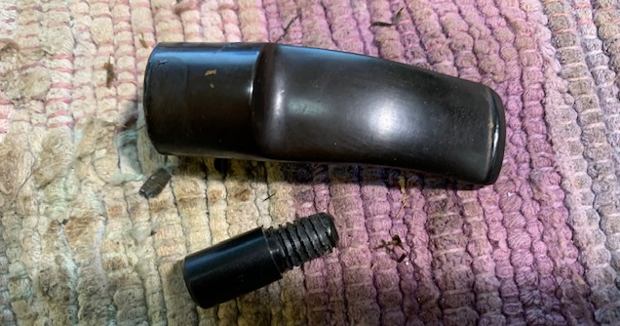
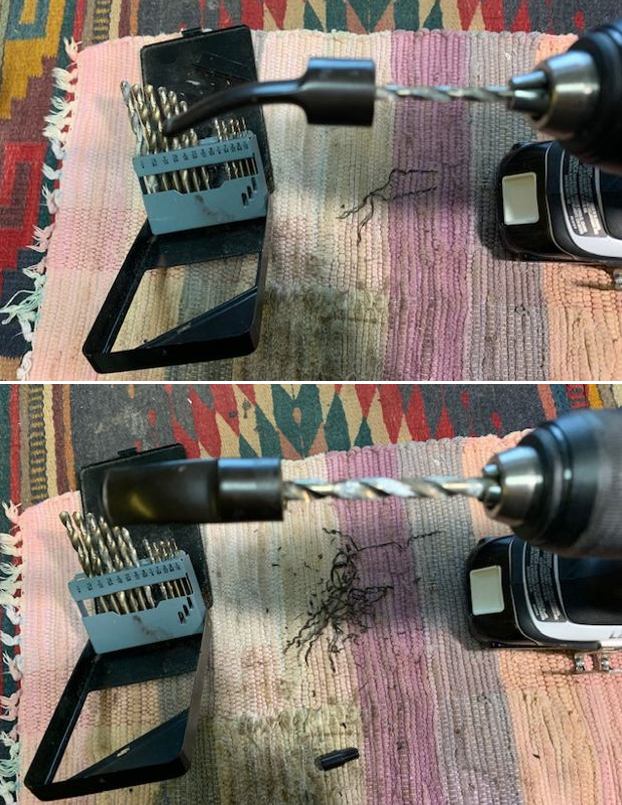
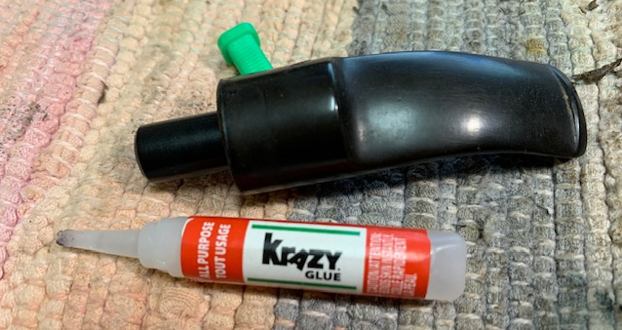
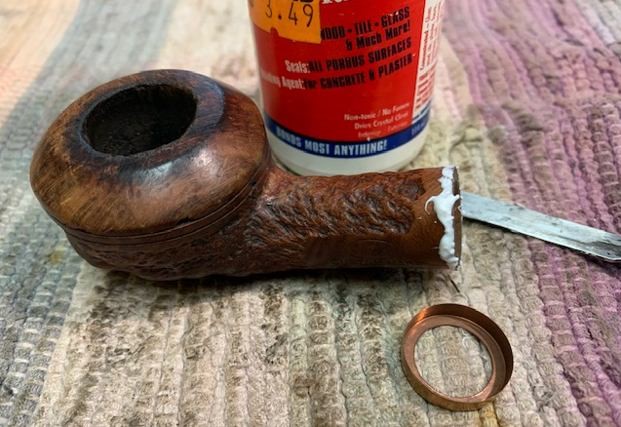
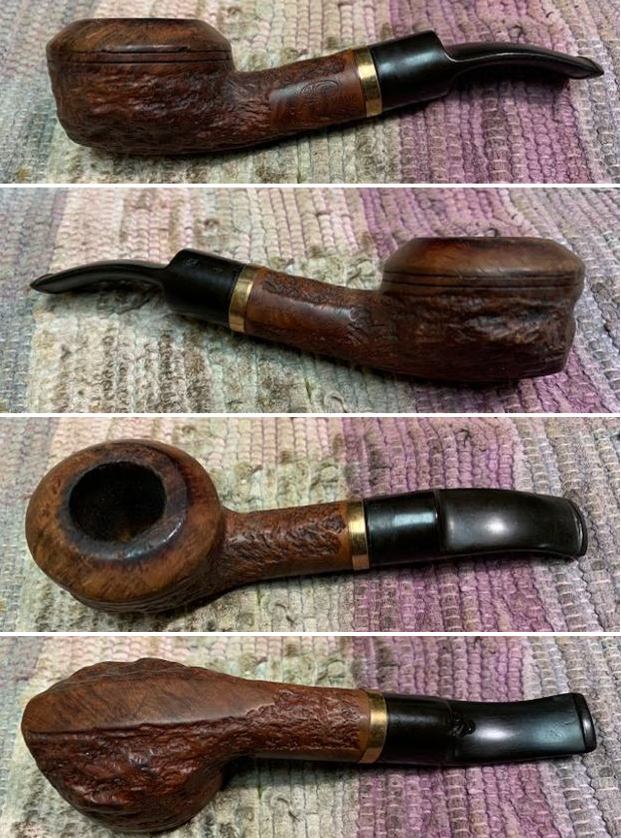
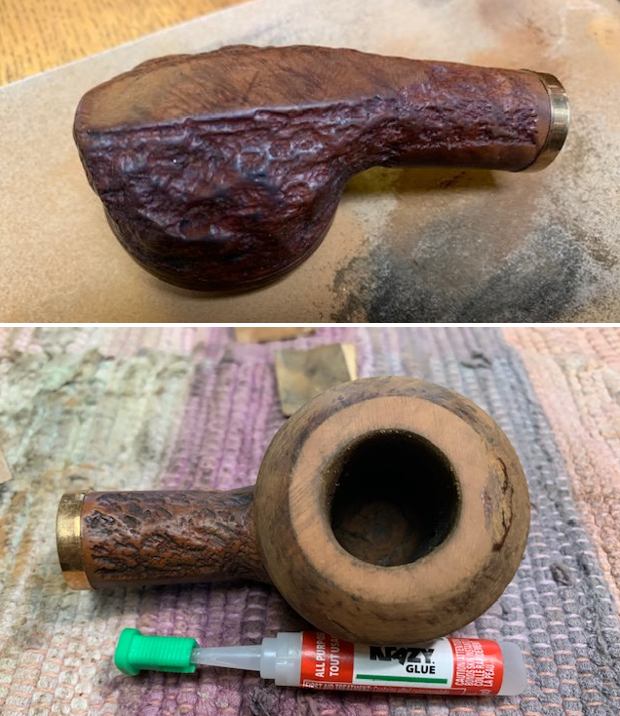
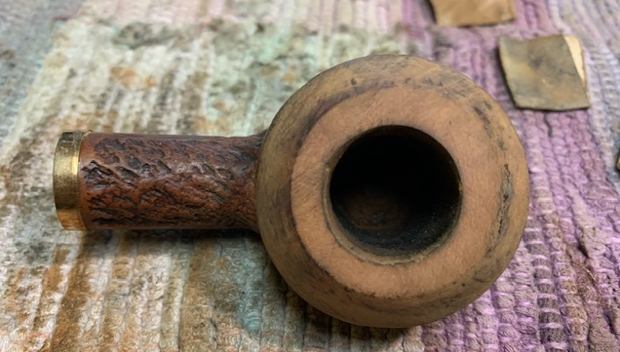
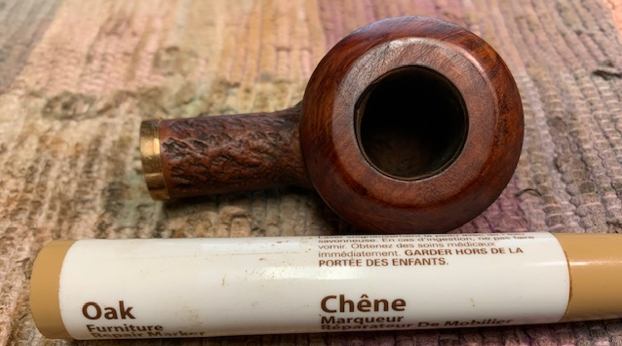
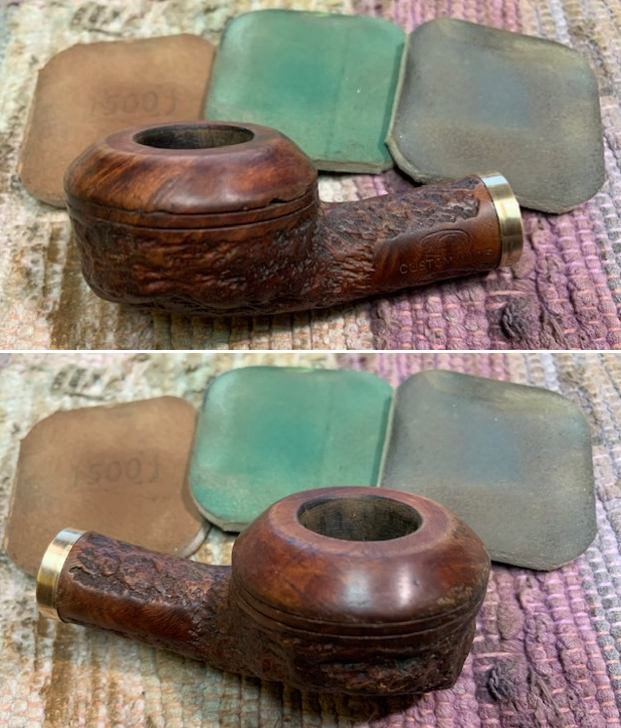
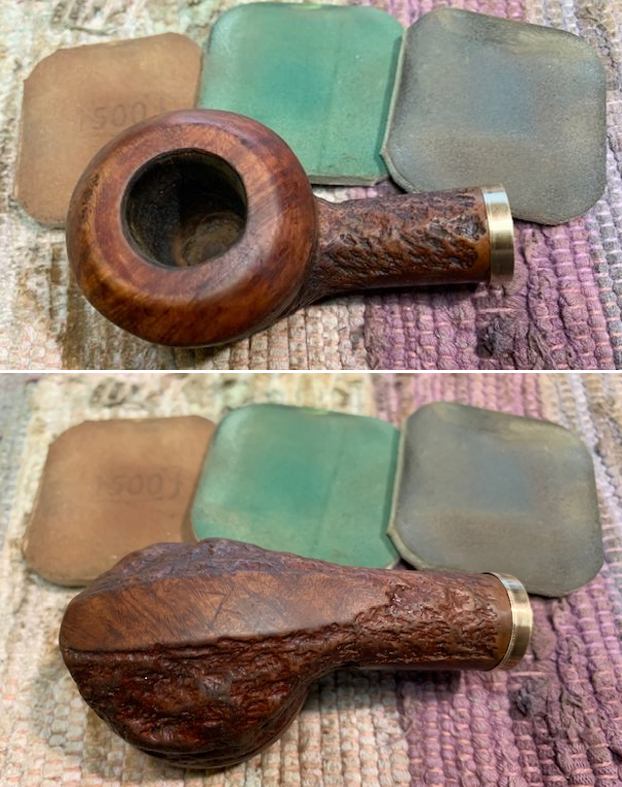
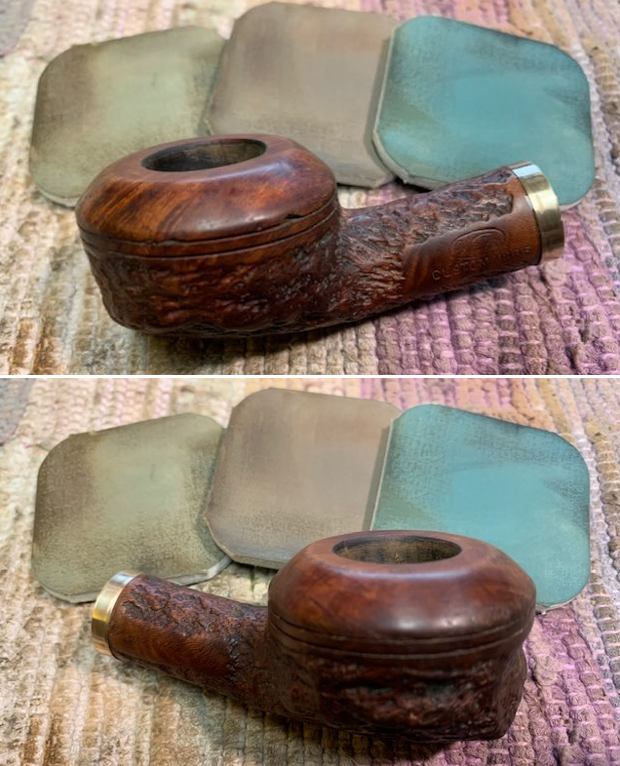
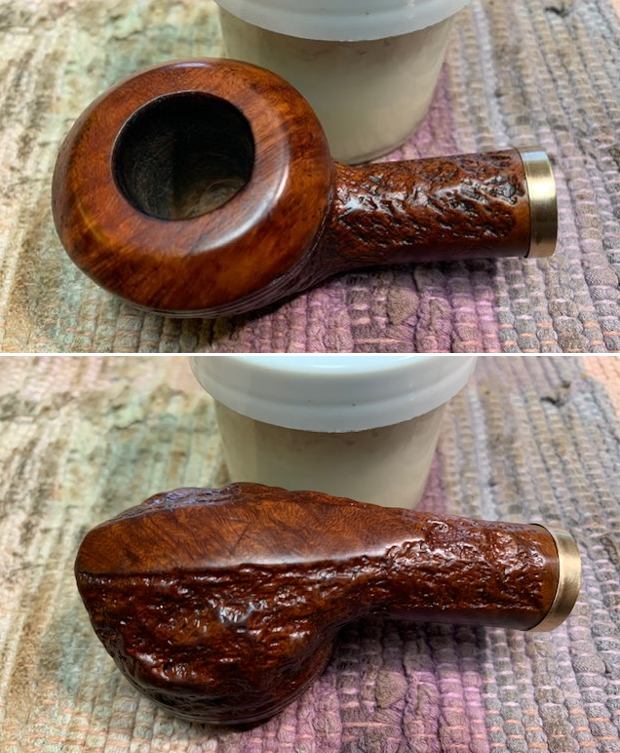
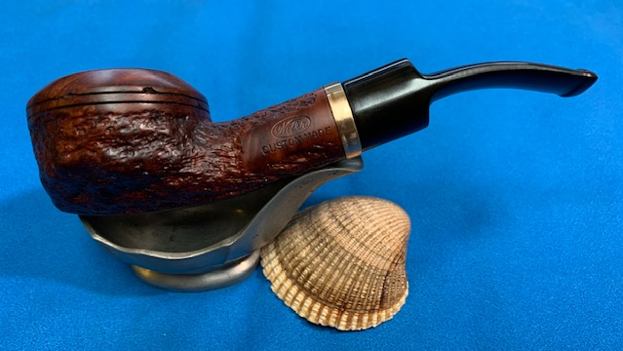
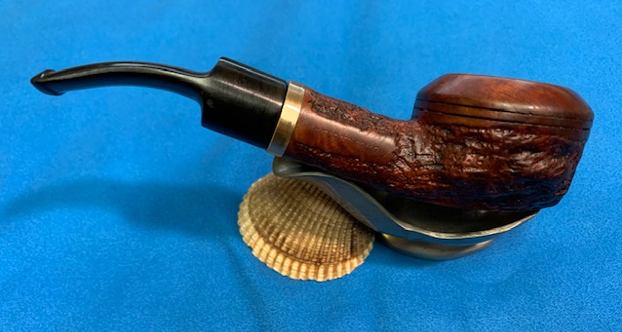
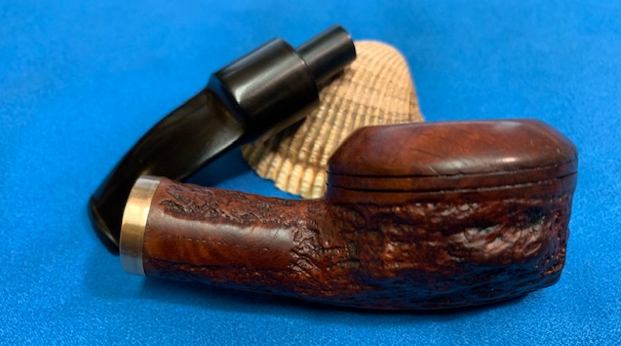
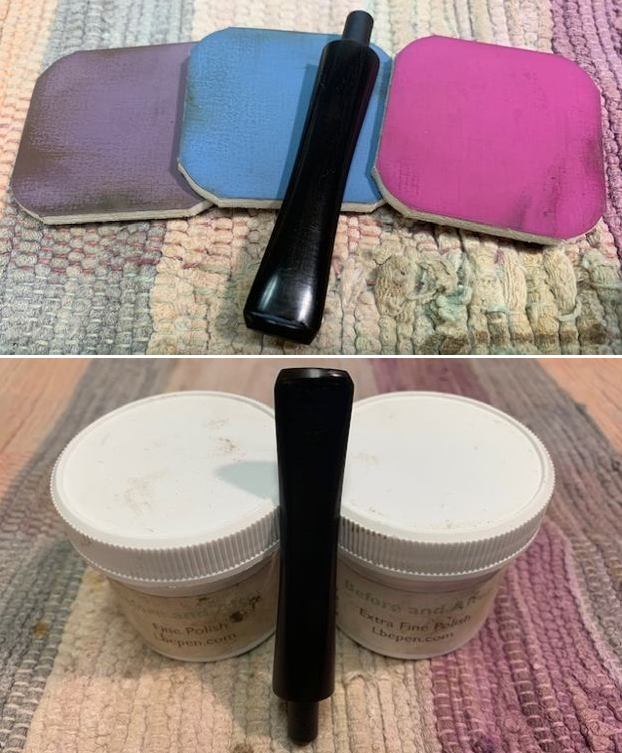
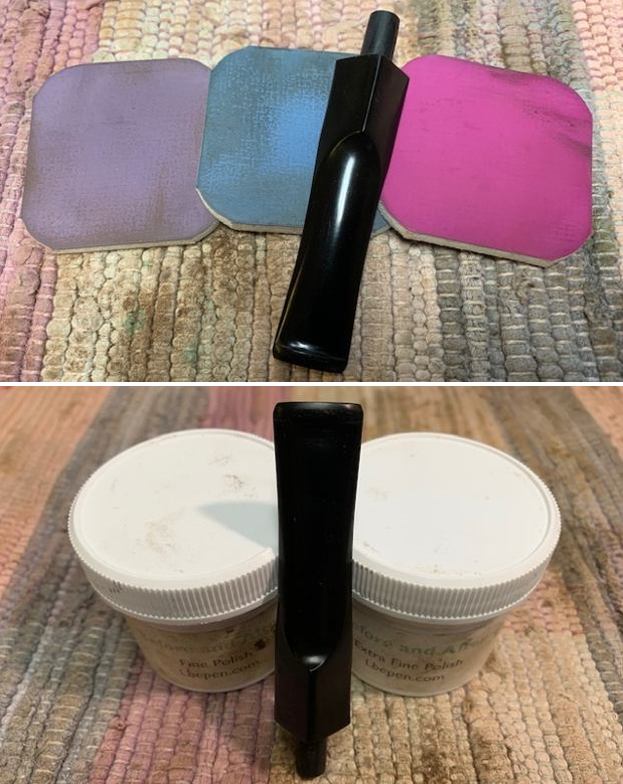
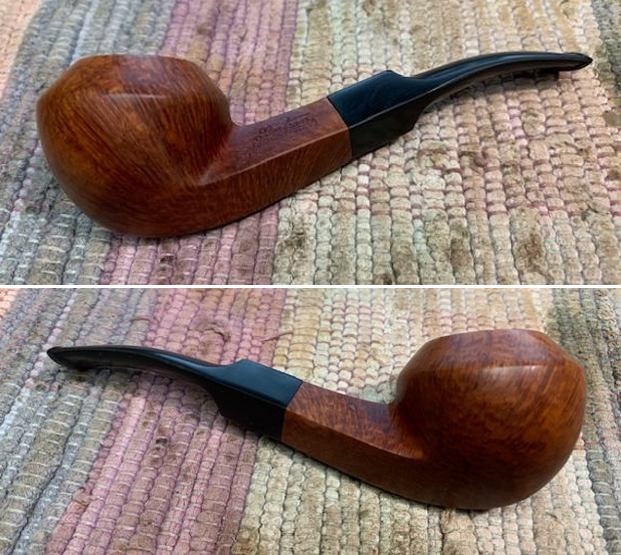
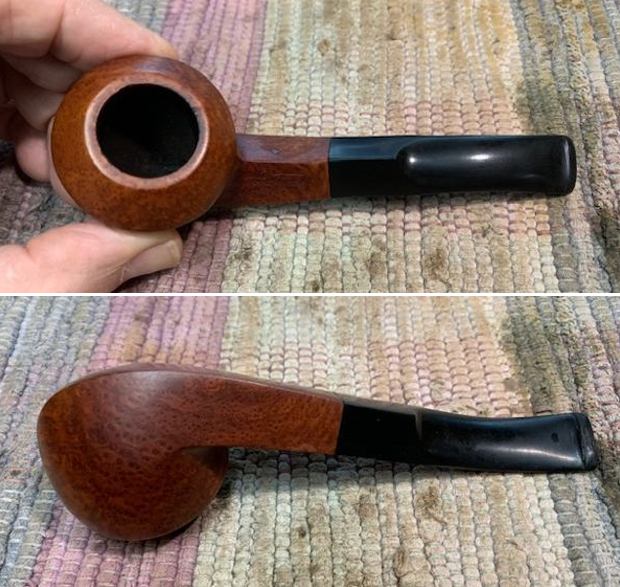
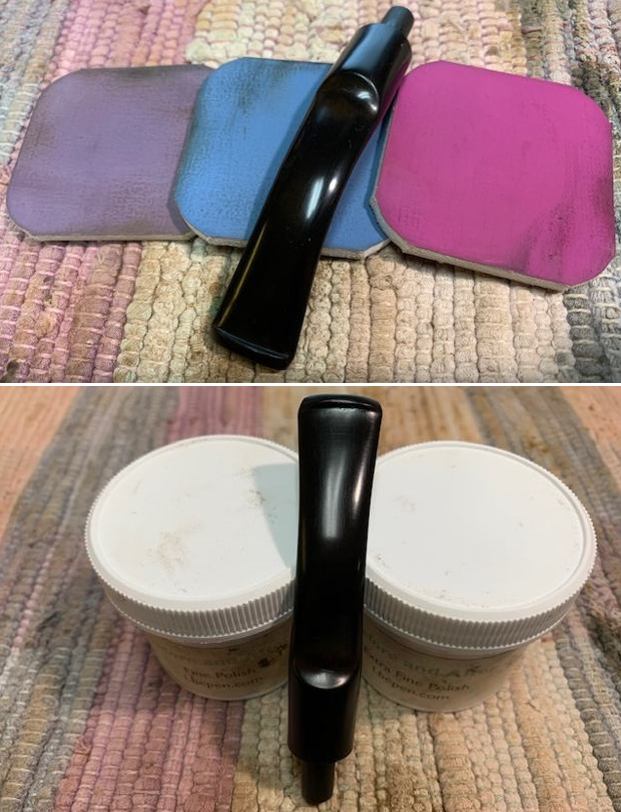
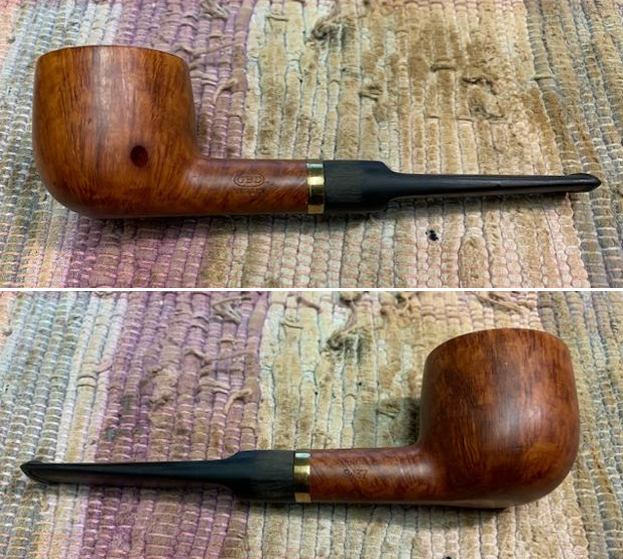
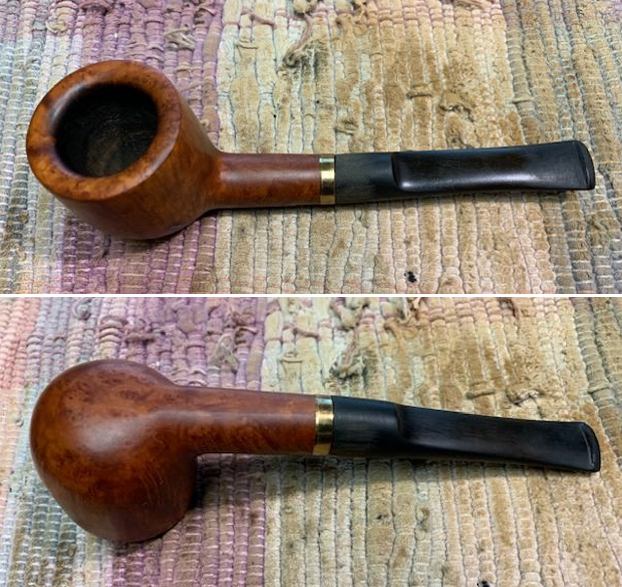
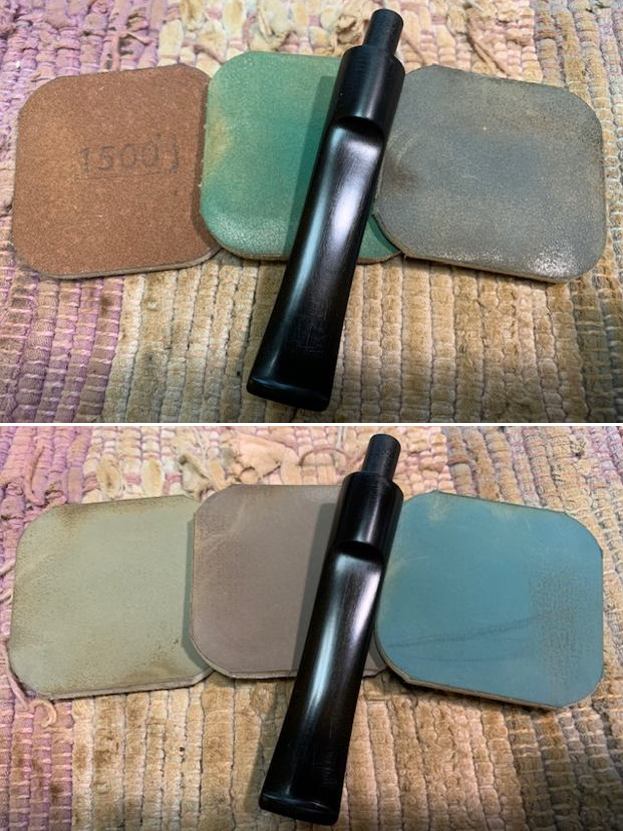
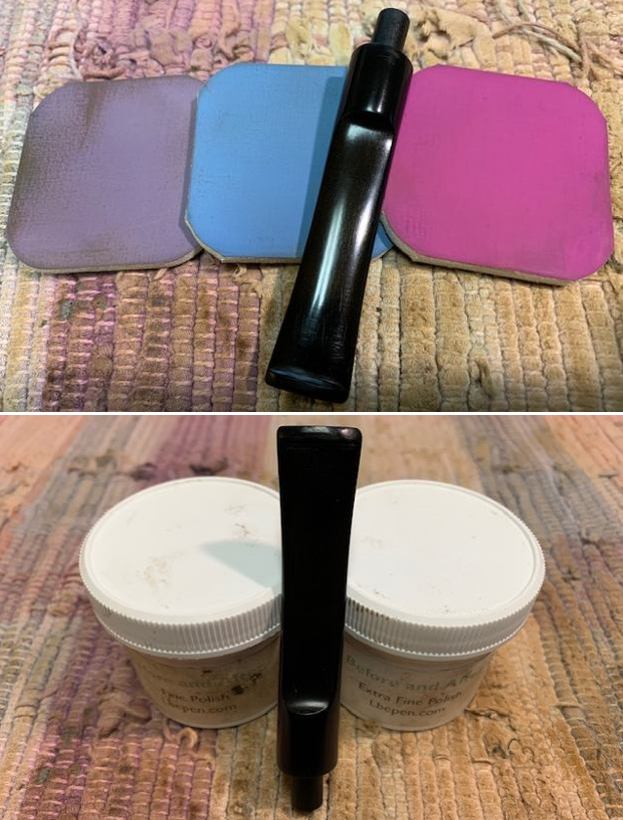
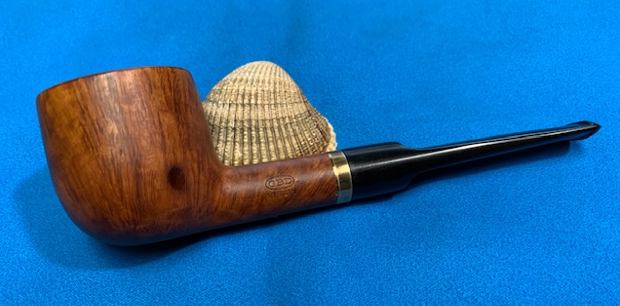
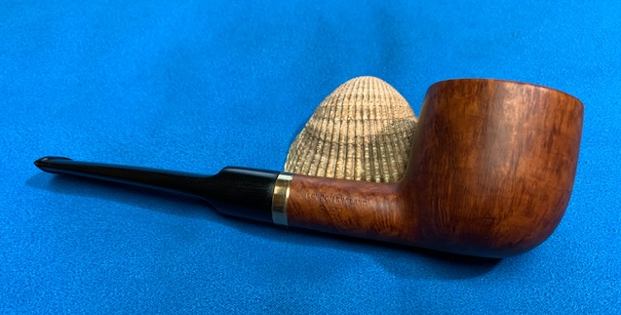
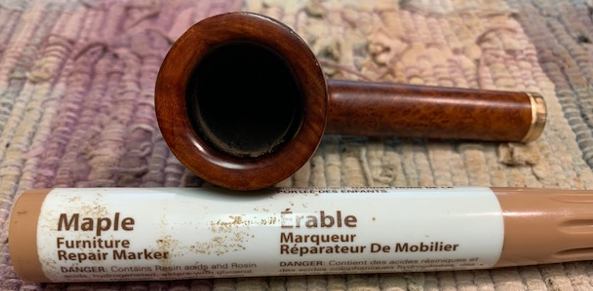
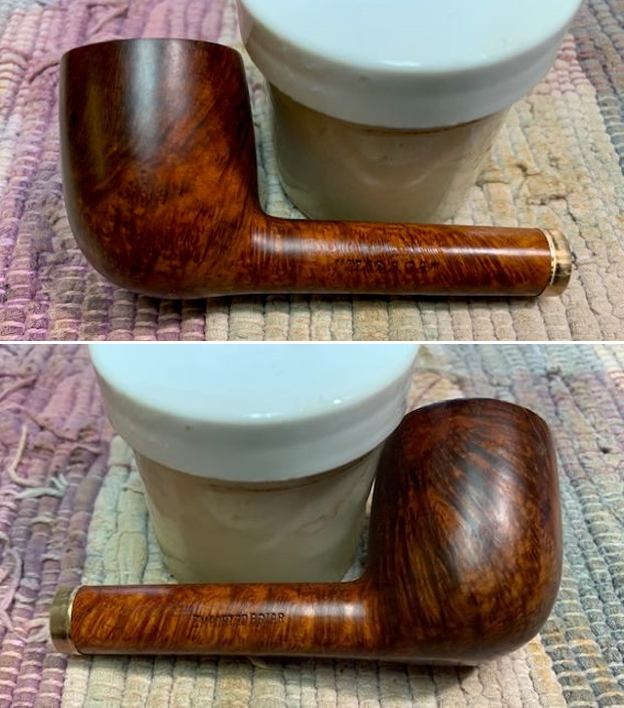
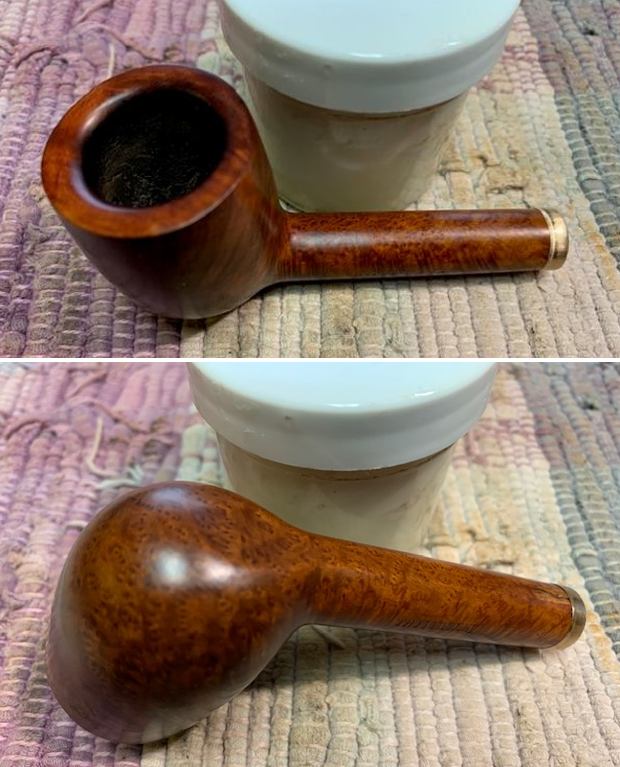
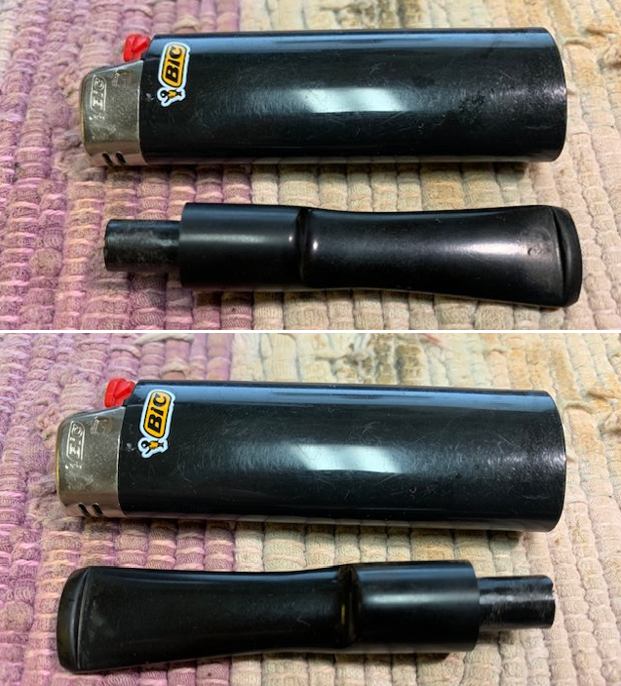
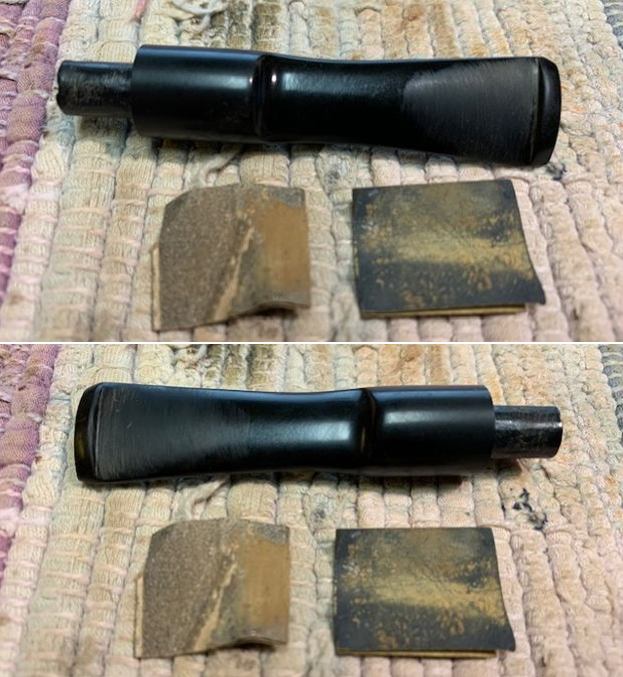
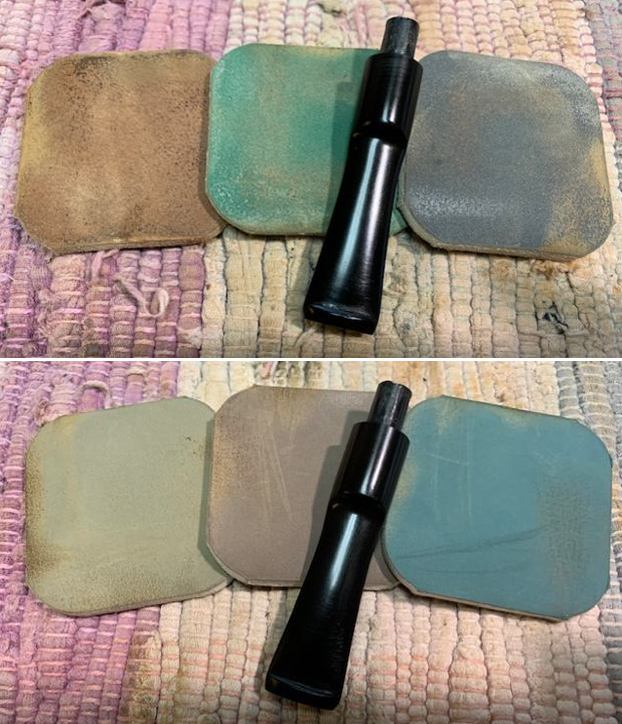
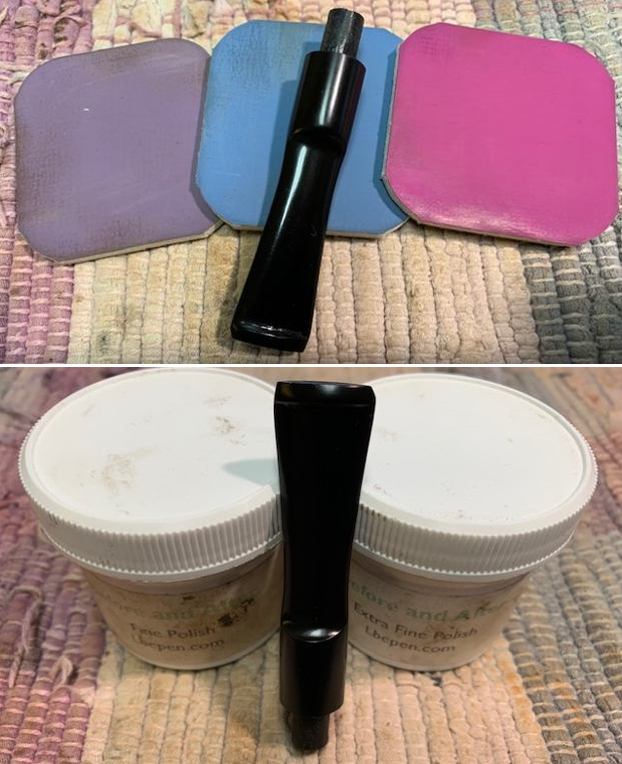
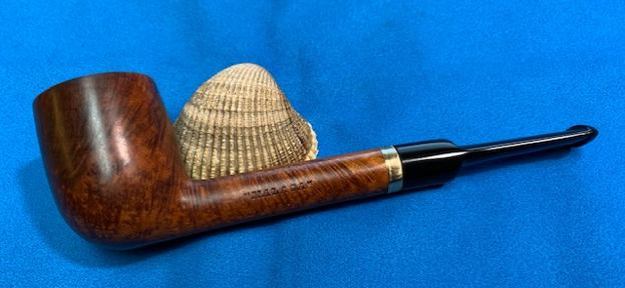
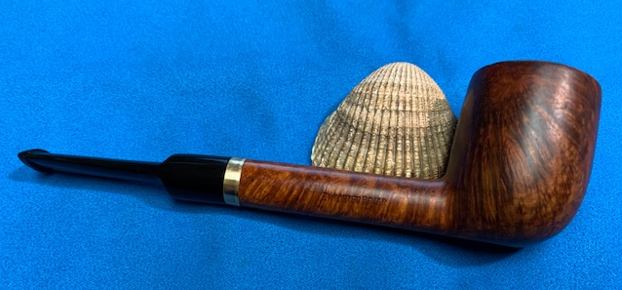
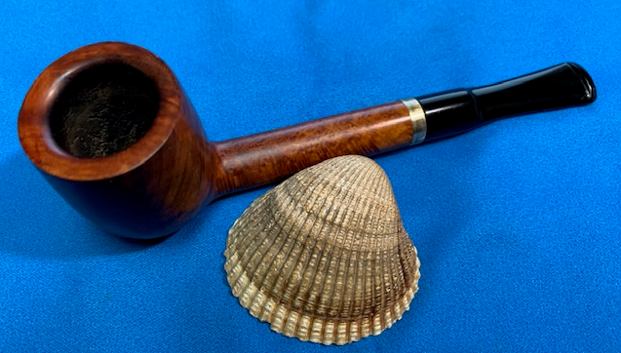
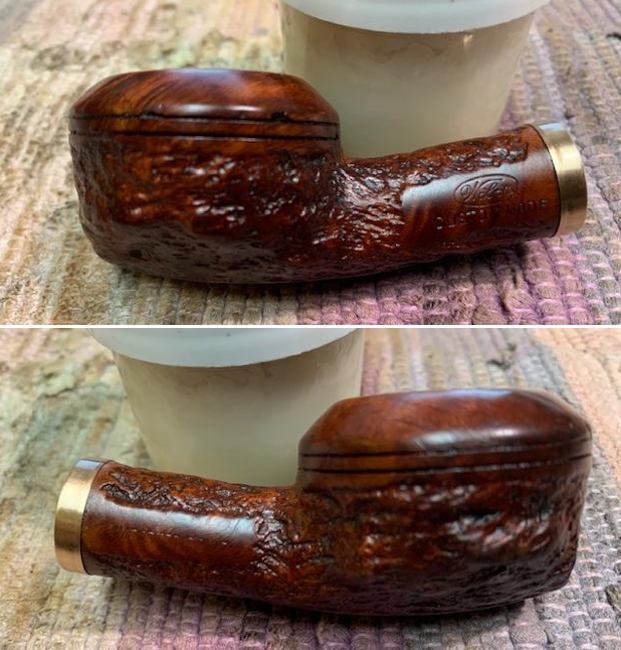
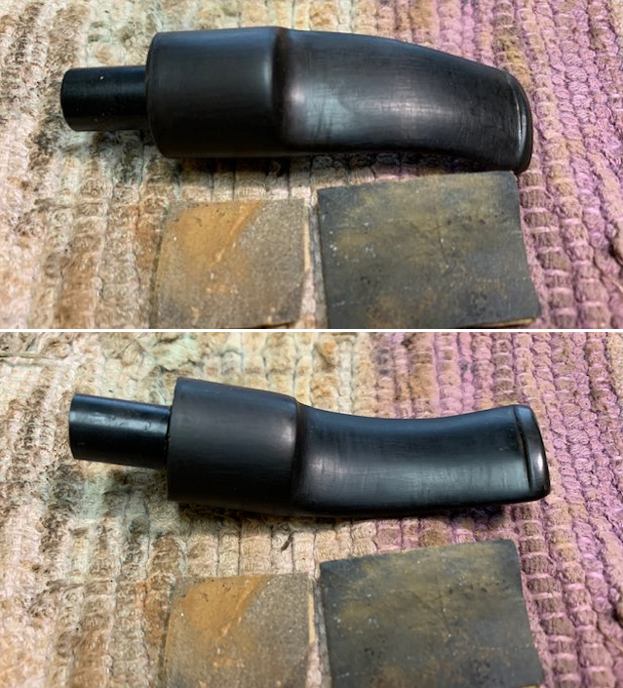
Armed with the confirmation about the maker of the pipe it was time to work on the pipe itself. I started my work on it by replacing the tenon on the stem. I flattened the short stubby tenon with a Dremel and sanding drum to make the surface flat. I found the proper replacement tenon in my box of tenons. I used a cordless drill and a series of bit to drill out the airway to receive the new tenon replacement. I lined up the stem and tenon with the shank and then glued the tenon in the stem with clear CA glue. I set the stem aside to let the glue cure.I decided to put a decorative band on the shank of the pipe. It was not necessary but I liked the look of it. I used a dental spatula to spread the glue on the shank end. I pressed the brass band in place on the shank, wiped off the excess glue with a damp cloth and set it aside to dry.Once the glue on the band and the tenon cured I put the stem in place on the shank and took photos of the new look of the Weber. I have always liked Weber Golden Banded pipes so this brass band approximates that look. Still a lot of work to do on the fit of the stem and the clean up of the rim and top of the bowl.I removed the stem and turned my attention to the bowl of the pipe. I started the clean up of the rim by topping it on a topping board with 220 grit sandpaper. I rebuilt the outer edge with a little bit of CA glue and briar dust and then topped it again to smooth it out. I cleaned up the inner edge of the bowl and the cap of the rim with folded 220 grit sandpaper. It took some work but it looked much better when finished.I wiped off the rim cap and smoothed it with some 400 grit wet dry sandpaper. I wiped it down with a damp cloth. I stained it with an Oak stain pen to match the rest of the bowl and shank.I polished the briar with micromesh sanding pads – dry sanding it with 1500-12000 grit pads. I wiped it down after each pad with a damp cloth. The briar began to take on a rich shine. I worked some Before & After Restoration Balm into the surface of the briar with my finger tips and a shoe brush to get into the valleys and crevices of the blast finish. The product is amazing and works to clean, enliven and protect the briar. I let it sit on the briar for 10 or more minutes and then buff it off with a soft cloth. It really makes the briar come alive and look quite rich. I set the bowl aside and turned my attention to the stem. I sanded out the tooth chatter and the deep scratches on the saddle portion of the stem with 220 grit sandpaper. I started polishing the stem with 400 grit wet dry sandpaper.I polished the stem with micromesh sanding pads – dry sanding with 1500-12000 grit pads. I wiped the stem down after each pad with a cloth and Obsidian Oil. I finished the polishing with Before & After Pipe Stem Polish – both Fine and Extra Fine. I gave it a final coat of Obsidian Oil. I put the pipe together – the bowl with its new stem. This restored and restemmed Weber Custom Made Bullmoose (or Scoop) turned out to be a real beauty. I think the brass band and the chosen stem works well with it. The finish on the bowl came alive with the buffing. I used Blue Diamond on the buffing wheel on both the bowl and stem. I gave both multiple coats of carnauba wax on the wheel then buffed it with a clean buffing pad to raise the shine. I hand buffed it with a microfibre cloth to deepen the shine. The Weber Custom Made feels great in the hand. It is lightweight and the contrast in the browns of the briar, the gold of the band and the polished vulcanite stem with the popping grain on the mixed brown stained bowl is quite amazing. The dimensions of the pipe are Length:5 ½ inches, Height: 1 ½ inches, Outer diameter of the bowl: 1 ¾ inches, Chamber diameter: ¾ of an inch. The weight of the pipe is 1.62 ounces/46 grams. It really is a beauty. I will be putting it on the rebornpipes store in the American (US) Pipe Makers section shortly if you are interested in adding it to your collection. Thanks for walking through the restemming and the restoration with me. Cheers.

Restemming & Restoring a Royal Danish 983 Bent Billiard


Blog by Steve Laug

I think I must be on a bit of a roll with restemming some of the bowls I have collected over the years. I decided to do yet another one that has been here for a very long time. The pipe I chose to work on first is a lovely Bent Billiard stummel with a sandblast finish and a smooth panels on the sides of the bowl. The bowl looked very good. The blast, while not deep was quite nice and a the smooth panels had some interesting grain. The rim top was in excellent condition. The interior of the bowl was clean and there were not any chips, cracks or checking on the walls. The finish was dull and bit and tired but still quite redeemable. The stamping on the pipe was clear and readable. On the underside of the bowl an shank it read 983 followed by Royal Danish [over] Made in Denmark. I took some photos of the bowl before I started to work on it. I took a photo of the stamping on the left side of the shank. It reads as noted above and is clear and readable.I went through some of stems and found this fancy saddle style stem that was close to the right diameter and had a tenon that would work as well. It has a few tooth marks and chatter near the button but it would clean up well.I knew that I was working on a Stanwell second from previous experience but decided to have a look on Pipephill anyway (http://pipephil.eu/logos/en/logo-r6.html). I have included a screen capture of the information that was present there.Pipedia also verifies that it is a Stanwell second (https://pipedia.org/wiki/Royal_Danish).
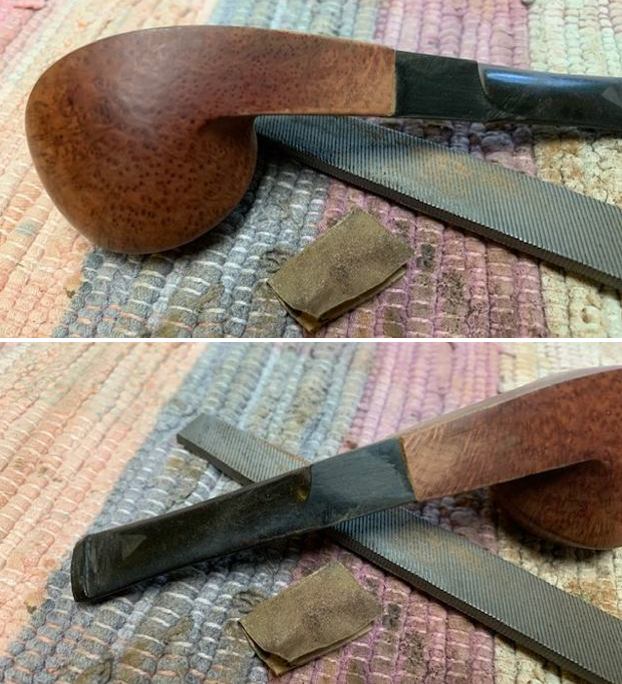
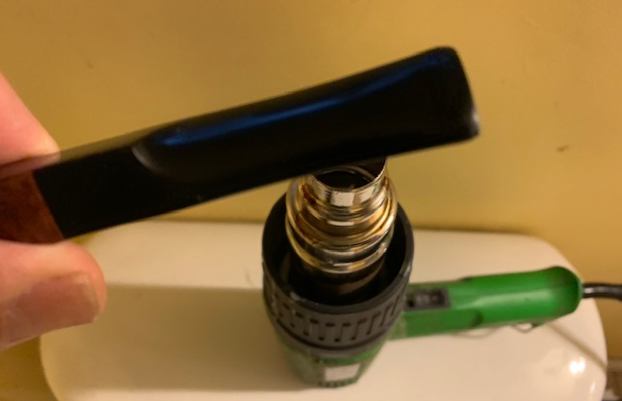
Armed with the confirmation about the maker of the pipe it was time to work on the pipe itself. I started my work on it by fitting the new stem to the shank. I trimmed down the tenon diameter slightly with a file so that the fit in the shank was snug. The stem diameter needed more work so I worked on it with 180 grit sandpaper to match it to the shank. I sanded it with 220 grit sandpaper to smooth out the shank fit. I heated the stem with a heat gun to bend it to the correct angle to match the flow of the bowl and shank.I removed the stem and turned my attention to the bowl of the pipe. I sanded the inside of the bowl with a piece of dowel wrapped 2w9th 220 grit sandpaper to smooth out the walls and further check them for issues. Fortunately the bowl was in excellent condition. I used a brass bristle wire brush to clean off the remaining debris in the sandblast finish on the rim top.I cleaned out the internals of the pipe and the stem with alcohol, cotton swabs and pipe cleaners to remove the sanding debris on both. It also removed any remnants of tars and oils in the shank and stem.I worked some Before & After Restoration Balm into the surface of the briar with my finger tips and a shoe brush to get into the valleys and crevices of the blast finish. The product is amazing and works to clean, enliven and protect the briar. I let it sit on the briar for 10 or more minutes and then buff it off with a soft cloth. It really makes the briar come alive and look quite rich. I set the bowl aside and turned my attention to the stem. I sanded out the tooth marks and smoothed out the sanding I had done on the diameter of the saddle portion of the stem with 220 grit sandpaper. I started polishing the stem with 400 grit wet dry sandpaper.I polished the stem with micromesh sanding pads – dry sanding with 1500-12000 grit pads. I wiped the stem down after each pad with a cloth and Obsidian Oil. I finished the polishing with Before & After Pipe Stem Polish – both Fine and Extra Fine. I gave it a final coat of Obsidian Oil. I put the pipe together – the bowl with its new stem. This restored and restemmed Royal Danish 983 Sandblast Bent Billiard turned out to be a real beauty. I think the chosen stem works well with it. The finish on the bowl came alive with the buffing. I used Blue Diamond on the buffing wheel on both the bowl and stem. I gave both multiple coats of carnauba wax on the wheel then buffed it with a clean buffing pad to raise the shine. I hand buffed it with a microfibre cloth to deepen the shine. The Royal Danish Bent Billiard feels great in the hand. It is lightweight and the contrast in the browns of the sandblast and smooth briar and the polished vulcanite stem with the popping grain on the mixed brown stained bowl is quite amazing. The dimensions of the pipe are Length:5 ½ inches, Height: 1 ¾ inches, Outer diameter of the bowl: 1 1/8 inches, Chamber diameter: ¾ of an inch. The weight of the pipe is 1.16 ounces/33 grams. It really is a beauty. I will be putting it on the rebornpipes store in the Danish Pipe Makers section shortly if you are interested in adding it to your collection. Thanks for walking through the restemming and the restoration with me. Cheers.
Restemming a No Name (Anonymous) Oval Shank Sandblast Billiard


Blog by Steve Laug

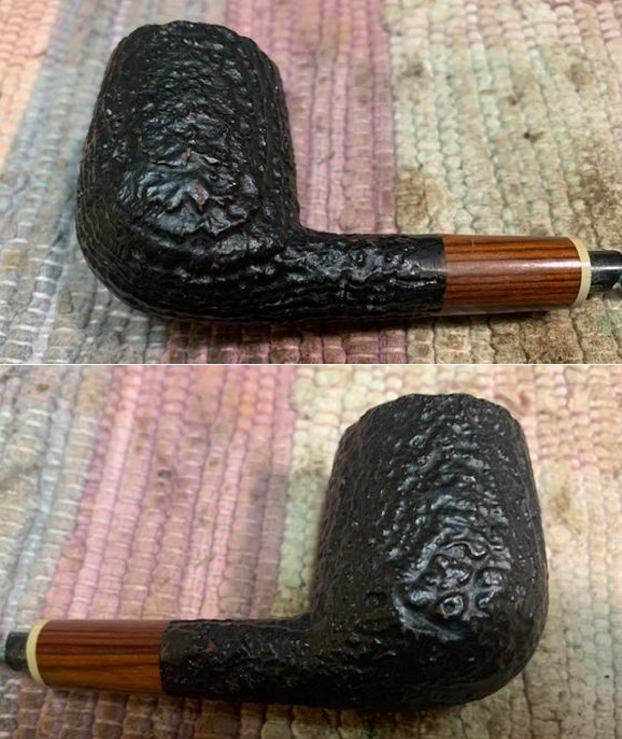
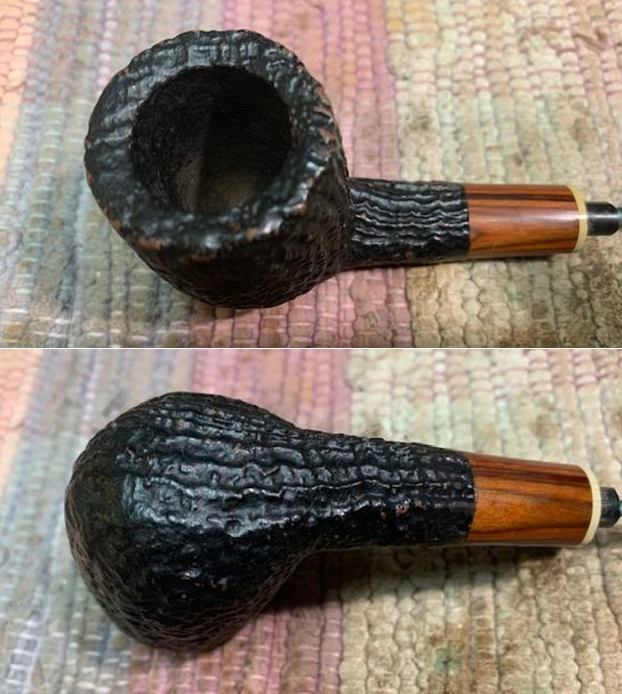
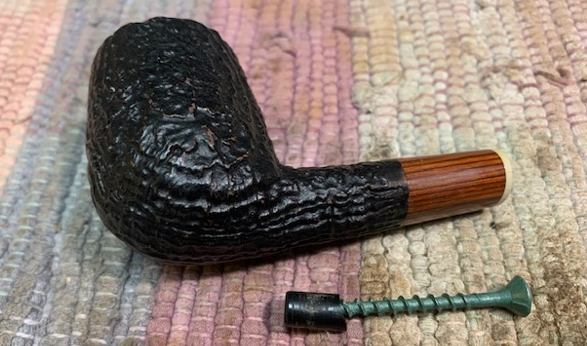
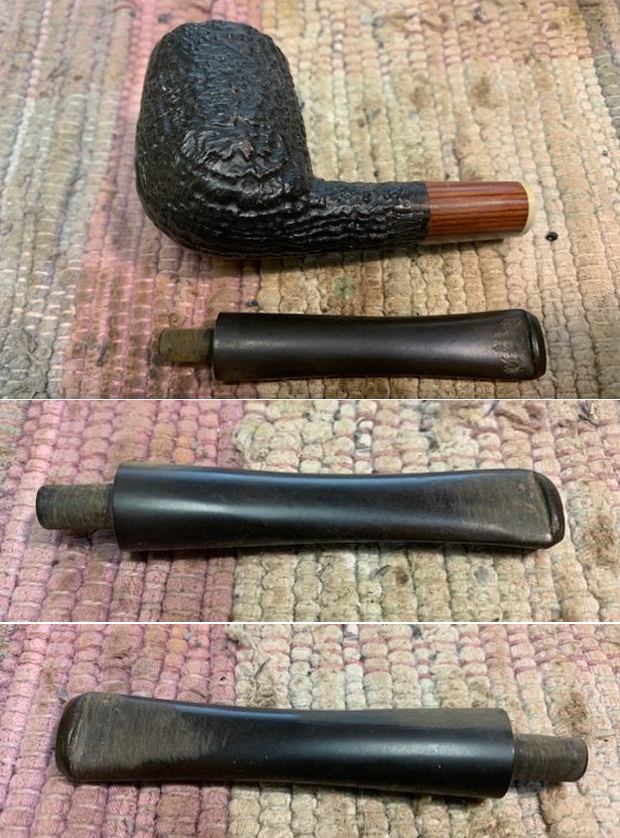
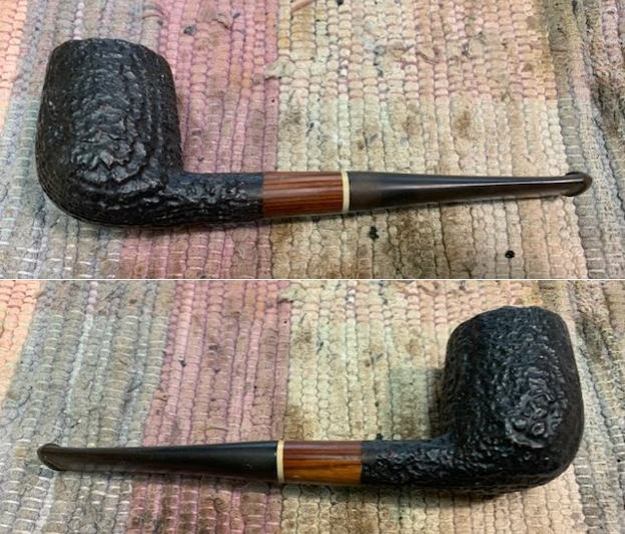
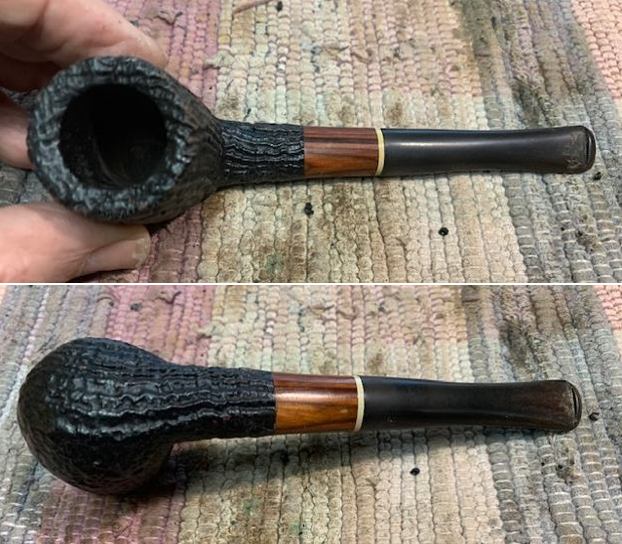
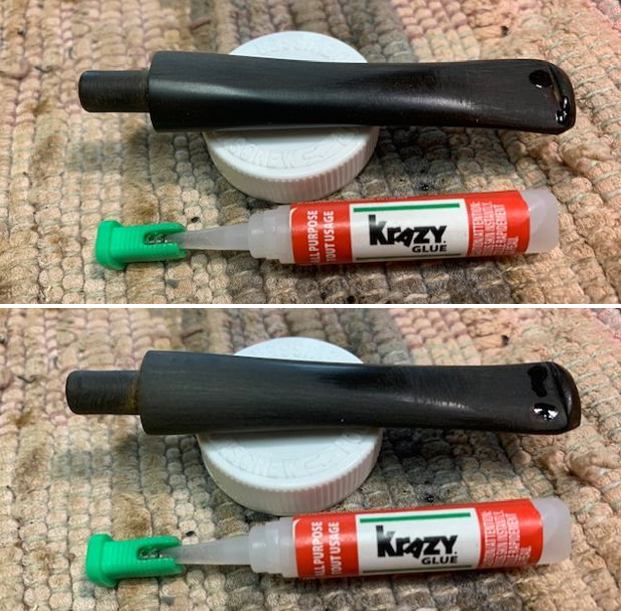
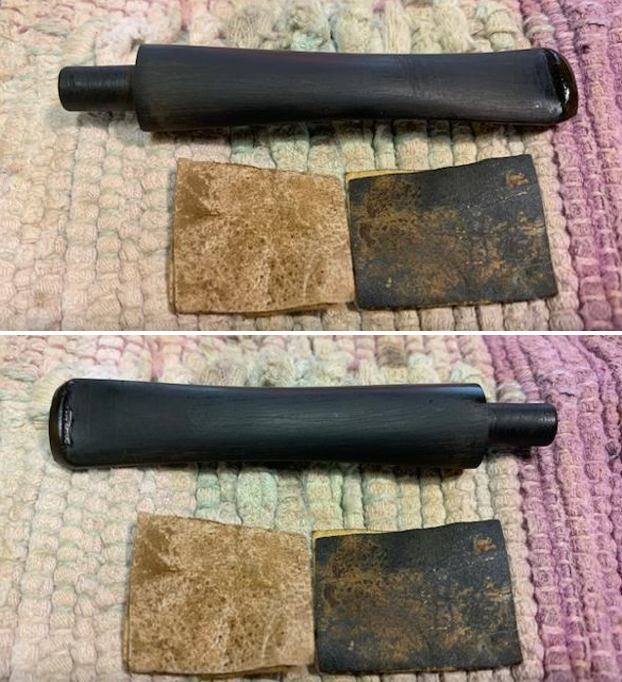
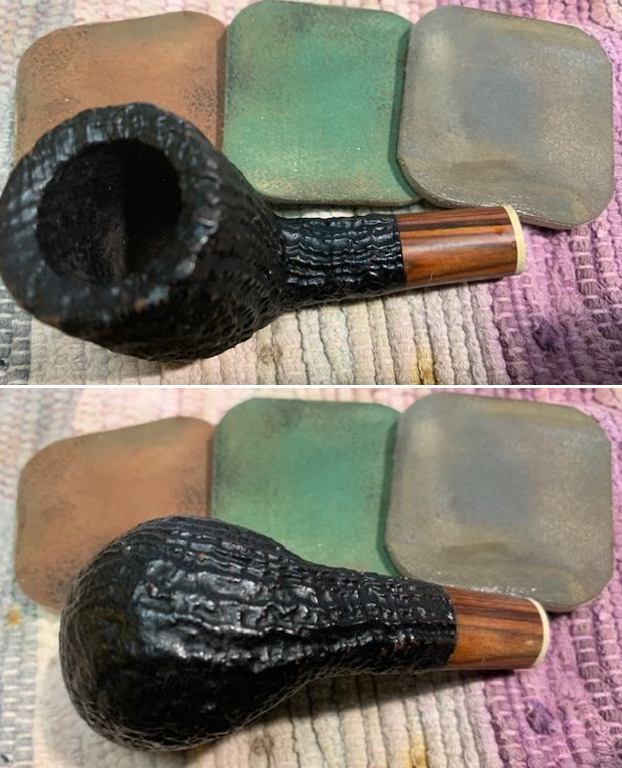
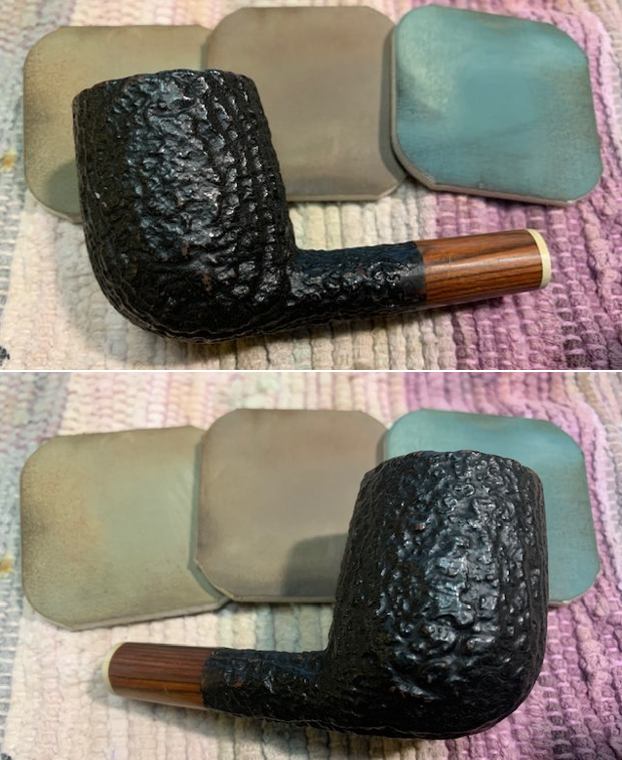
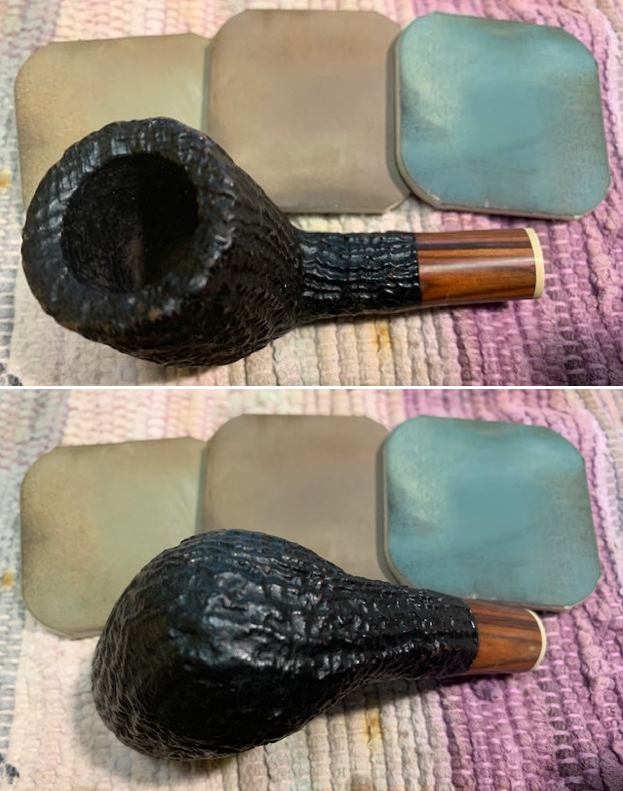
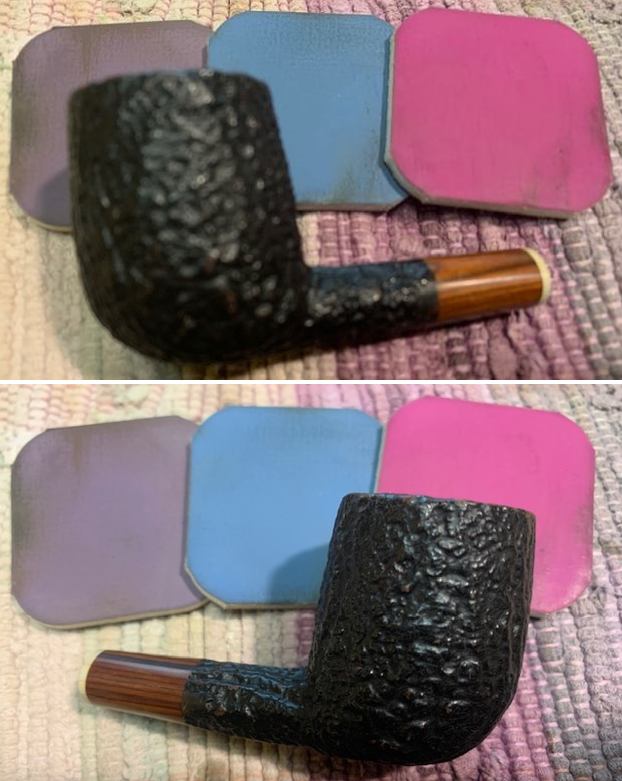
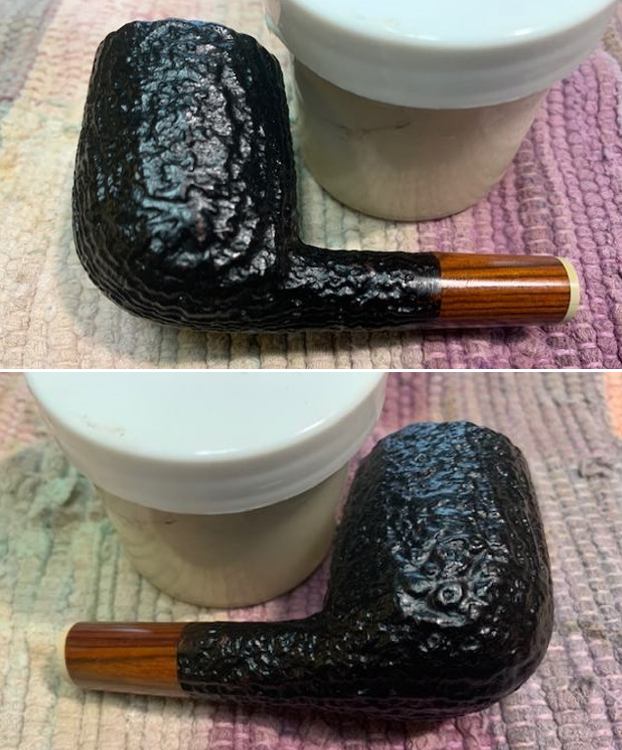
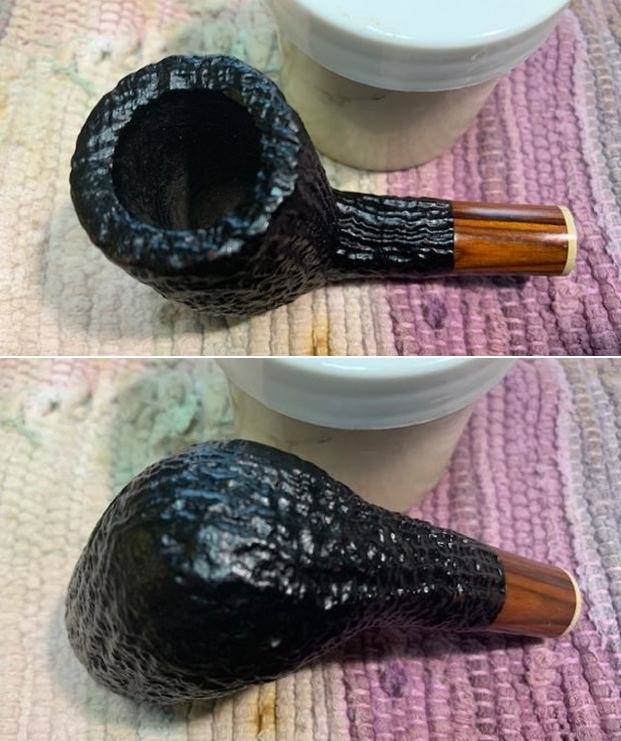
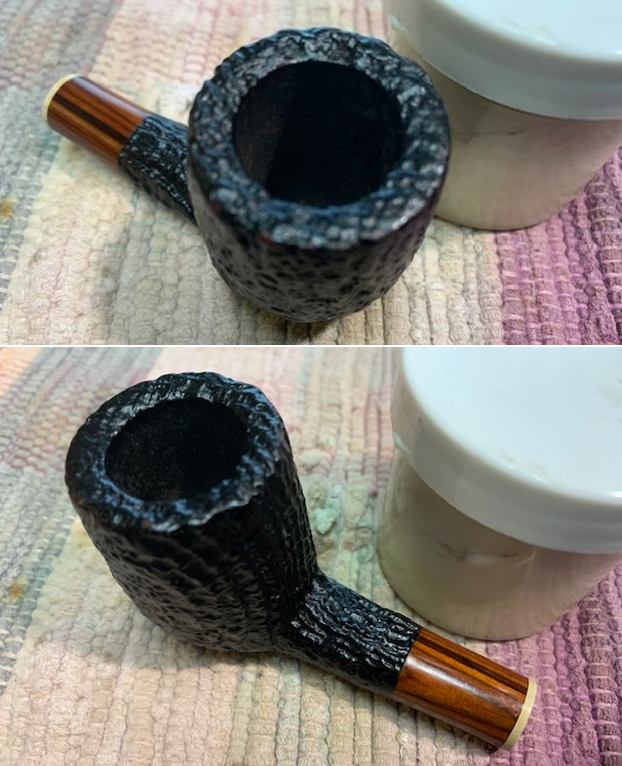
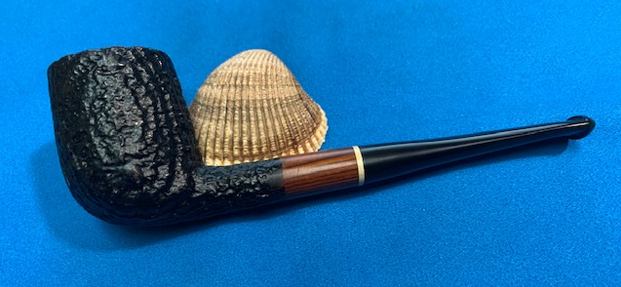
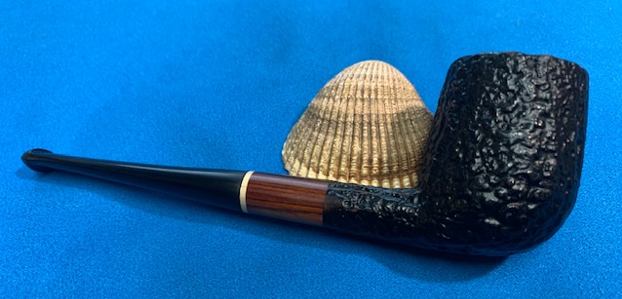
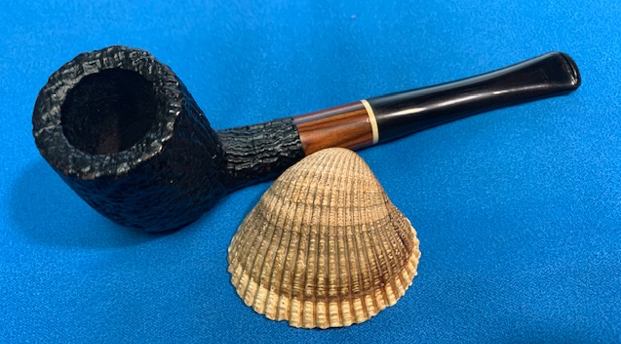
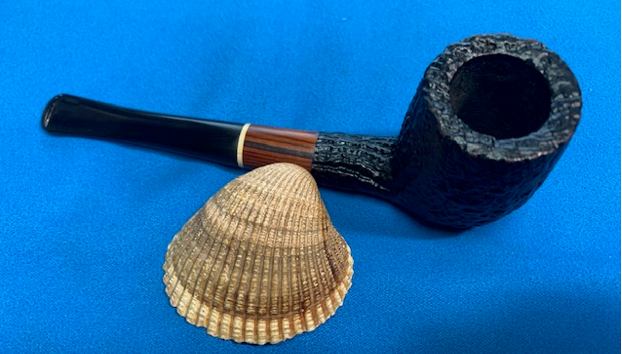
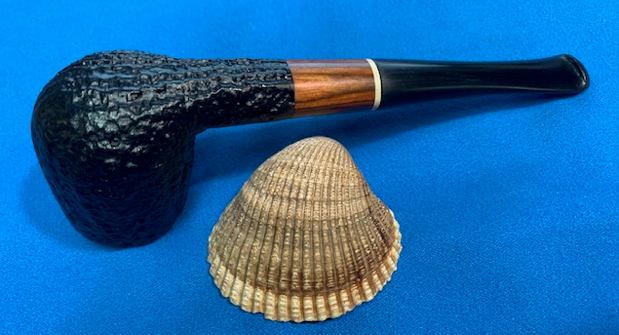
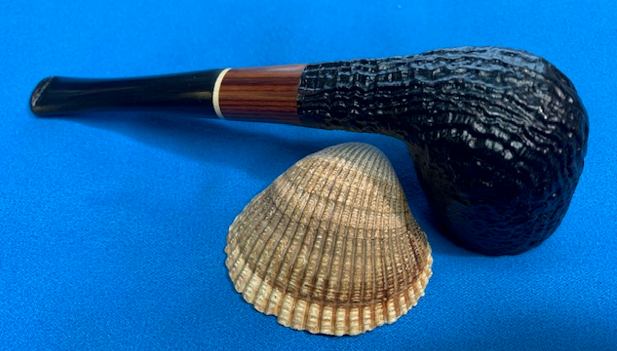
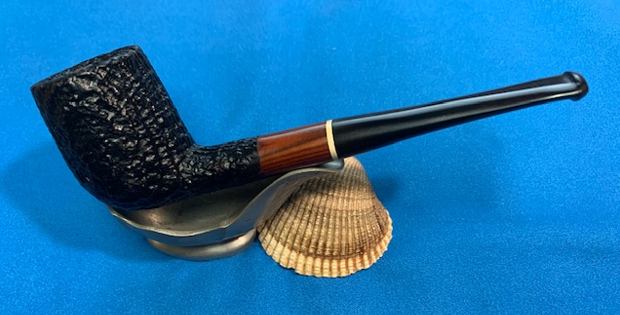
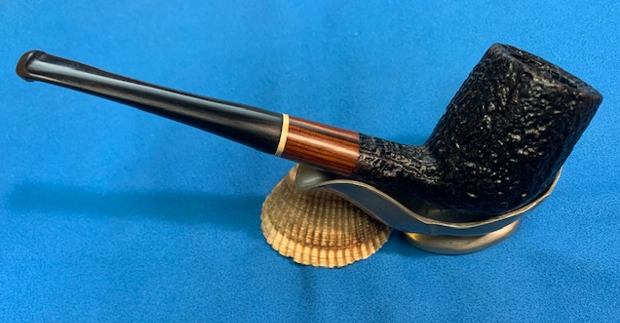
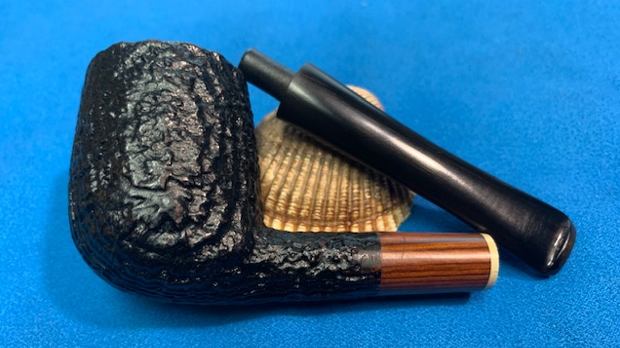
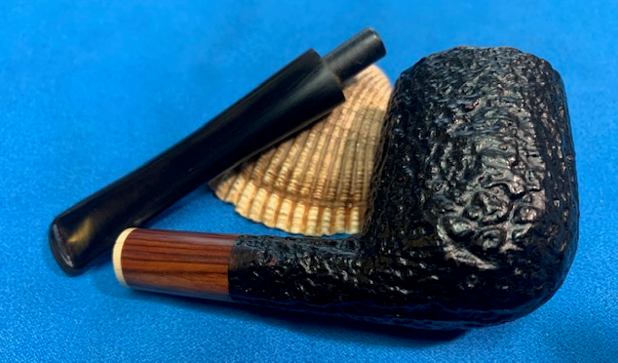
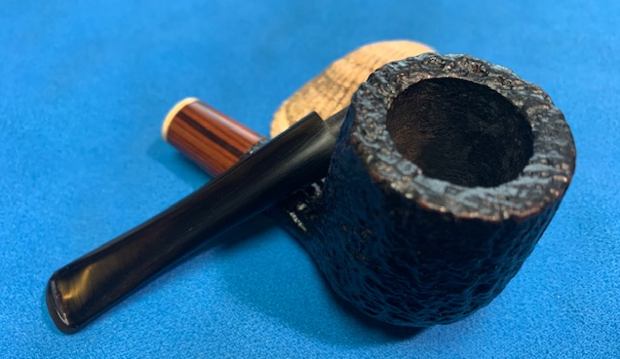
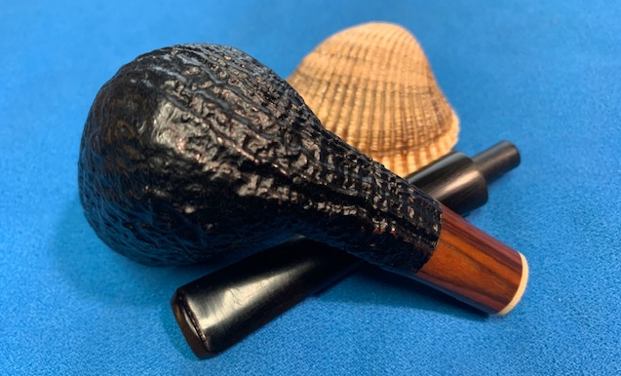
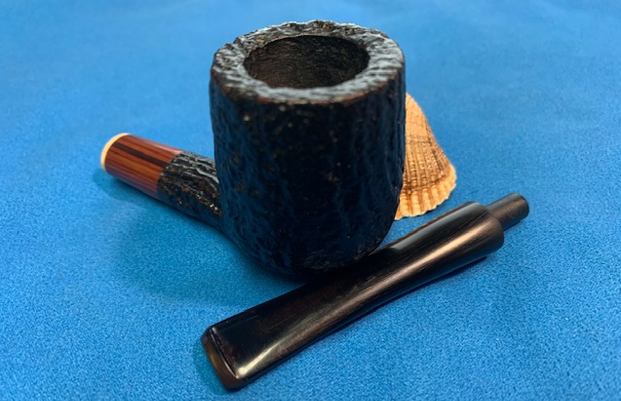
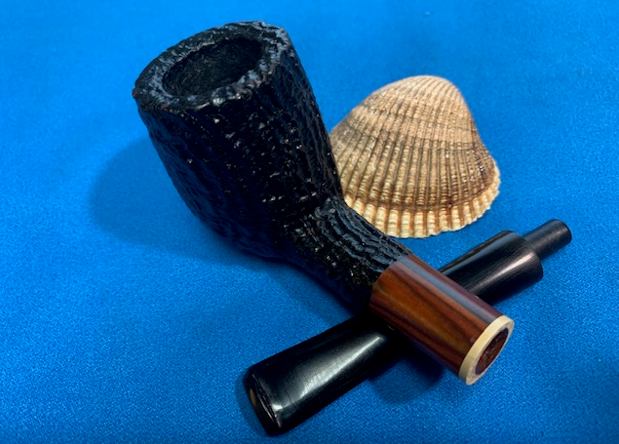
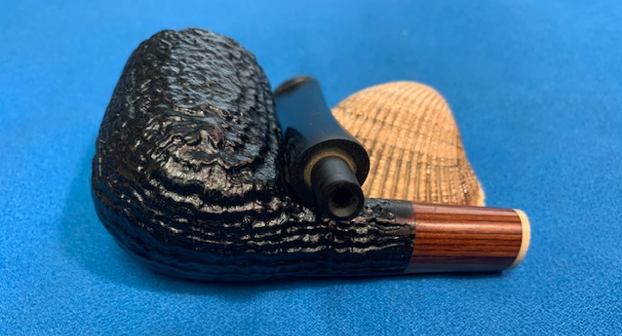
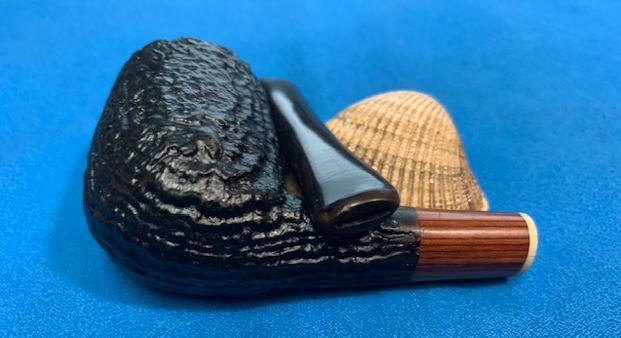
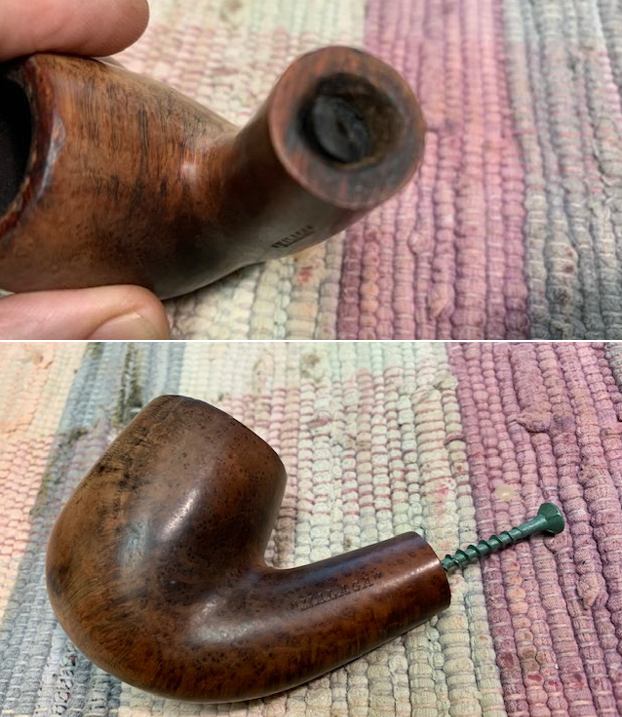
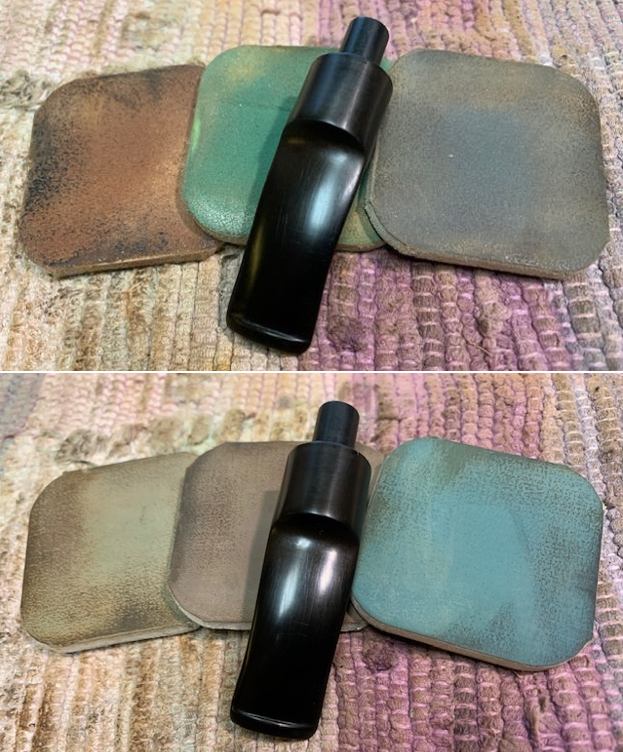
The next pipe is bowl that I have had in the box for a very long time. The rugged and very tactile sandblast really caught my eye and the cocobolo shank extension (at least it looks like that to me) and the thin ivory coloured spacer looked really good. I figured some day I would restem it and bring it back to life again. Since I am in the mood to restem a few pipes today turned out to be that day! It had a broken tenon in the shank when I put it away but the stem had disappeared long before it arrived in my care. The sandblast is very visible in the photos below. The pipe was very clean with no cake in the bowl and a decent finish in good condition. The cocobolo wood shank extension was lightly scratched but otherwise in good condition. It really is a beautiful looking oval shank Billiard. (I had already started wiggling out the broken tenon when I remembered to take these photos.)    I started to work on the pipe quickly as there was no stamping or identifying features that I could dig into regarding the maker of the pipe. The first thing that had to be done was to remove the broken tenon from the shank. I used a drywall screw with coarse threads to lock into the airway in the tenon and remove it. It took a bit of wiggling to do so but it came out.I went through a can of stems that I have here and almost immediately found one that looked like it would work with the pipe. I took some photos of it. There were some tooth marks and chatter on both sides near the button. The tenon fit perfectly. The stem was a little wide on the right side and would need to have the shape reduced to fit snugly against the shank like the left side. Otherwise it was a perfect fit. I have to say that does not happen very often but it keeps me picking up used stems because one day “I will need them!”. In the second and third photo below I gave them a quick sand to see how deep the tooth marks were. I was pleasantly surprised.I wiped off the stem with some Obsidian Oil and put it in place in the shank. I took photos of the fit to the shank to give a clear picture of what the stem looked like. It would only take a bit of adjusting on the right side and clean up of the tooth marks. It would be a great looking pipe with the addition of this stem. I moved on to sand the shape of the stem fit it evenly to the shank. The stem diameter needed more work so I worked on it with 180 grit sandpaper to match it to the right side of the shank. I sanded it with 220 grit sandpaper to smooth it out. I repaired the tooth marks on each side o f the stem at the same time. I smoothed out the repairs with 220 grit sandpaper. I started the polishing of the stem with 400 grit wet dry sandpaper. I set the stem aside and polished the cocobolo shank extension with micromesh sanding pads – dry sanding with 1500-12000 grit pads and wiping it down with a damp cloth after each pad. It really began to shine.I worked some Before & After Restoration Balm into the surface of the smooth briar with my finger tips. The product is amazing and works to clean, enliven and protect the briar. I let it sit on the briar for 10 or more minutes and then buff it off with a soft cloth. It really makes the grain sing. I set the bowl aside and turned my attention back to the stem. I polished the stem with micromesh sanding pads – dry sanding with 1500-12000 grit pads. I wiped the stem down after each pad with a cloth and Obsidian Oil. I finished the polishing with Before & After Pipe Stem Polish – both Fine and Extra Fine. I gave it a final coat of Obsidian Oil. I put the pipe together – the bowl with its new stem. This restored and restemmed No Name (Anonymous) Sandblast Oval Shank Billiard is quite stunning and I think the chosen stem works well with it. The sandblast on the bowl came alive and showed the depth of the crevices with the polishing. I used Blue Diamond on the buffing wheel on both the shank extension and stem (carefully avoiding the bowl so as not to fill in the crevices). I gave the bowl multiple coats of Conservator’s Wax and the stem carnauba wax on the wheel then buffed it with a clean buffing pad to raise the shine. I hand buffed it with a microfibre cloth to deepen the shine. The attractive Anonymous Sandblast Billiard feels great in the hand. It is lightweight and the contrast in the browns of the briar, the cocobolo shank extension and the polished vulcanite stem is quite amazing. The dimensions of the pipe are Length:5 ¾ inches, Height: 1 ¾ inches, Outer diameter of the bowl: 1 ¼ inches, Chamber diameter: ¾ of an inch. The weight of the pipe is 1.34 ounces/38 grams. It really is a beauty. I will be putting it on the rebornpipes store in the American Pipe Makers section shortly if you are interested in adding it to your collection. Thanks for walking through the restemming and the restoration with me. Cheers.
Restemming & Restoring a Bertram 60 Bent Bulldog


Blog by Steve Laug

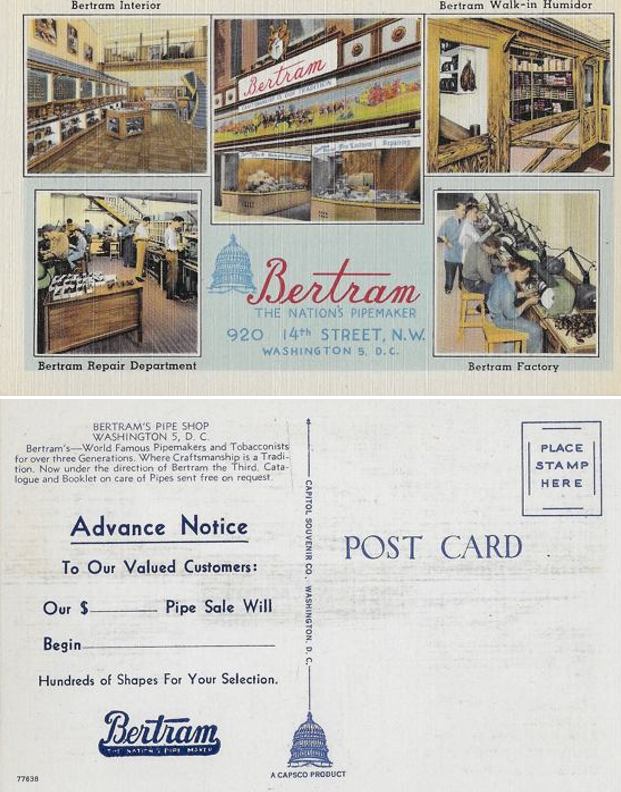
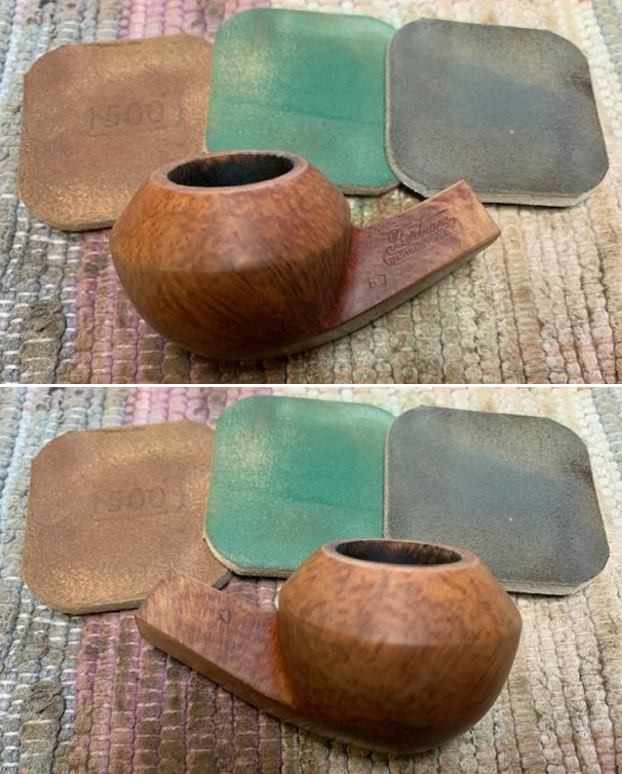
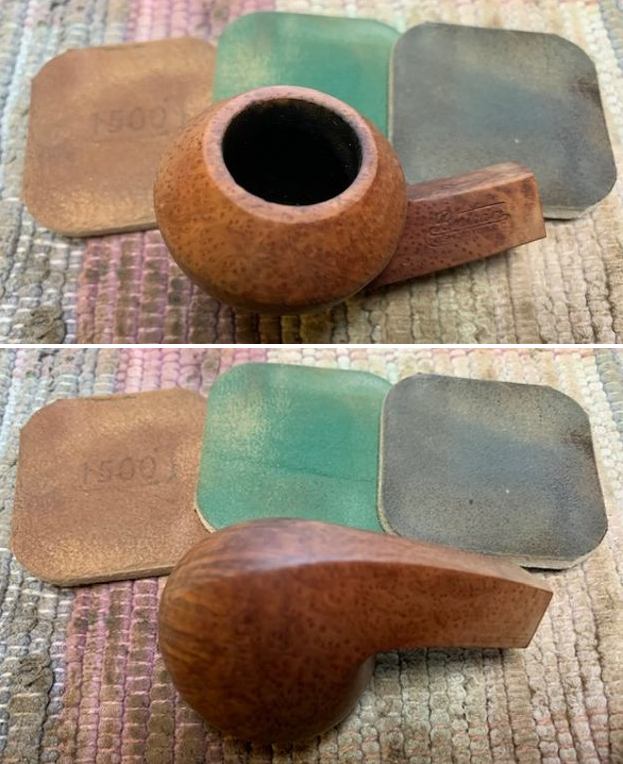
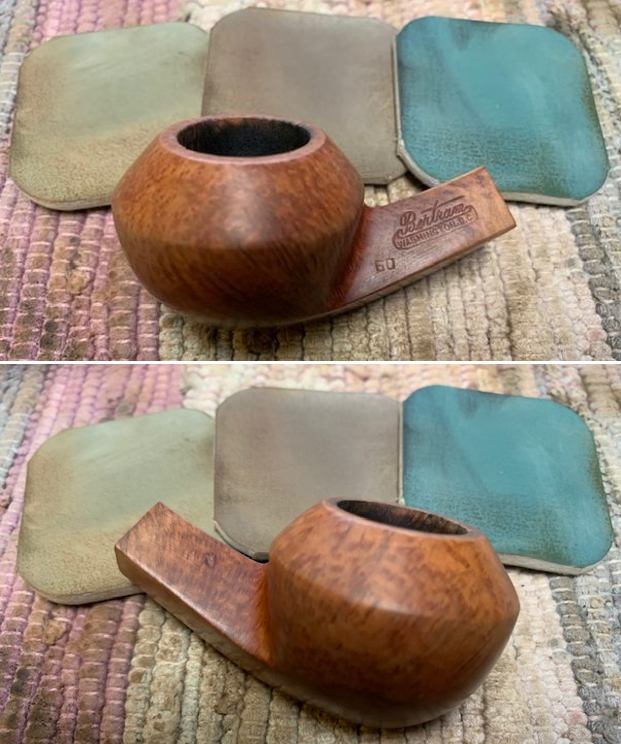
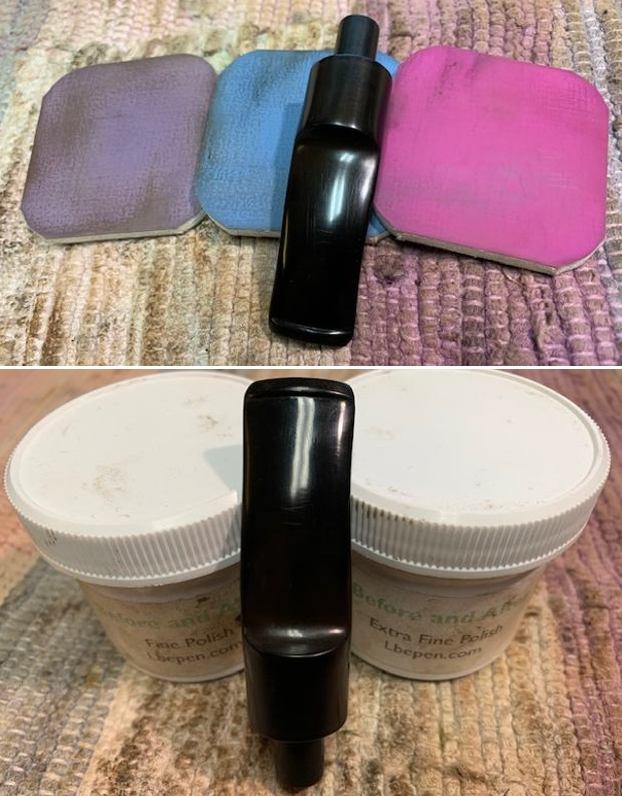
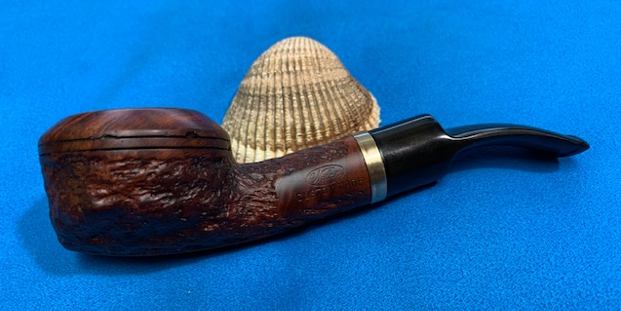
Sometimes the repetitive work on similar pipes and stems gets tiring to me and to alleviate the inevitable boredom I change things up a bit to refresh me. I have a box of stummels (bowls) here that I periodically go through and see if I have a potential stem that would fit them. Sunday afternoon I went through the box and picked out two bowls and found workable stems for them both. They were in different states of need but all had been thoroughly cleaned before I boxed them up. The pipe I chose to work on next is a nicely grained Bulldog stummel. The bowl looked very good. The grain around the sides was quite nice and a mix of flame and birdseye grain. There was one small fill on the right side of the shank but it was in good condition. The rim top was in excellent condition with a bit of darkening toward the rear of the bowl. The interior of the bowl was clean and there were not any chips, cracks or checking on the walls. The finish was dull and bit and tired but still quite redeemable. The stamping on the pipe was clear and readable. On the left side it read Bertram in script [over] Washington DC in a ribbon. The grade 60 stamp was on the same side near the bowl/shank junction. I took some photos of the bowl before I started to work on it.   I took a photo of the stamping on the left side of the shank. It reads as noted above and is clear and readable.I went through some of stems and found this diamond saddle style stem that was close to the right diameter and had a tenon that would work as well. It has some file damage on the surface near the button but it would clean up well. I also took a photo of the stem and bowl together to give a sense of the look.The pipe is a Bertram from the Bertram Pipe Shop in Washington DC. I have posted a lot of different blogs on the brand so the information available is quite accessible. I am including pic of a post card that a reader of the blog sent me. It is a great memento that I love to spend time looking at. I started my work on the pipe by fitting the new stem to the shank. I trimmed down the tenon diameter slightly with a file so that the fit in the shank was snug. The stem diameter needed more work so I worked it with a file to match it to the shank. I sanded it with 220 grit sandpaper to smooth it out. I removed the stem and polished the briar (bowl and sanded shank end) with micromesh sanding pads – dry sanding with 1500-12000 grit pads and wiping it down with a damp cloth after each pad. It really began to shine. I restained the shank end where I had sanded it to make the transition to the new stem smooth with an Oak stain pen. The colour was a perfect match. Once the bowl was buffed the newly stained section will blend in even better. I worked some Before & After Restoration Balm into the surface of the smooth briar with my finger tips. The product is amazing and works to clean, enliven and protect the briar. I let it sit on the briar for 10 or more minutes and then buff it off with a soft cloth. It really makes the grain sing. I set the bowl aside and turned my attention to the stem. I flattened out the file marks as much as possible with a flat file. I knew I would not remove them this way but I wanted make them flatter. I filled in the deeper cut marks with clear CA glue and once it was hard smoothed out the repairs with 220 grit sandpaper and started polishing the stem with 400 grit wet dry sandpaper. I polished the stem with micromesh sanding pads – dry sanding with 1500-12000 grit pads. I wiped the stem down after each pad with a cloth and Obsidian Oil. I finished the polishing with Before & After Pipe Stem Polish – both Fine and Extra Fine. I gave it a final coat of Obsidian Oil. I used my heat gun to bend the vulcanite stem to match the angles of the bowl and give it a proper Bent Bulldog look. I put the pipe together – the bowl with its new stem. This restored and restemmed Bertram Washington DC Grade 60 Bent Bulldog is a real beauty and I think the chosen stem works well with it. The grain on the bowl came alive with the buffing. I used Blue Diamond on the buffing wheel on both the bowl and stem. I gave both multiple coats of carnauba wax on the wheel then buffed it with a clean buffing pad to raise the shine. I hand buffed it with a microfibre cloth to deepen the shine. The Bertram Bent Bulldog feels great in the hand. It is lightweight and the contrast in the browns of the briar and the polished vulcanite stem with the popping grain on the mixed brown stained bowl is quite amazing. The dimensions of the pipe are Length:5 ½ inches, Height: 1 ¾ inches, Outer diameter of the bowl: 1 ¾ inches, Chamber diameter: ¾ of an inch. The weight of the pipe is 1.31 ounces/37 grams. It really is a beauty. I will be putting it on the rebornpipes store in the American Pipe Makers section shortly if you are interested in adding it to your collection. Thanks for walking through the restemming and the restoration with me. Cheers.
Restemming & Restoring a “The Londoner” Bent Dublin


Blog by Steve Laug

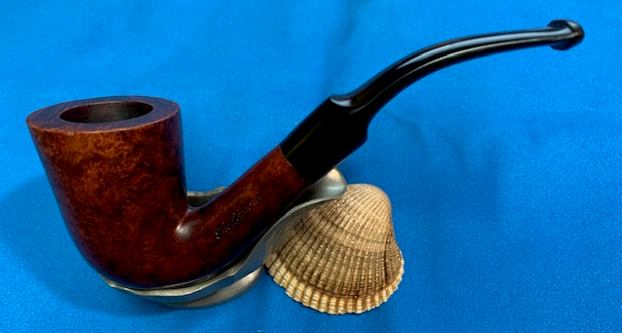
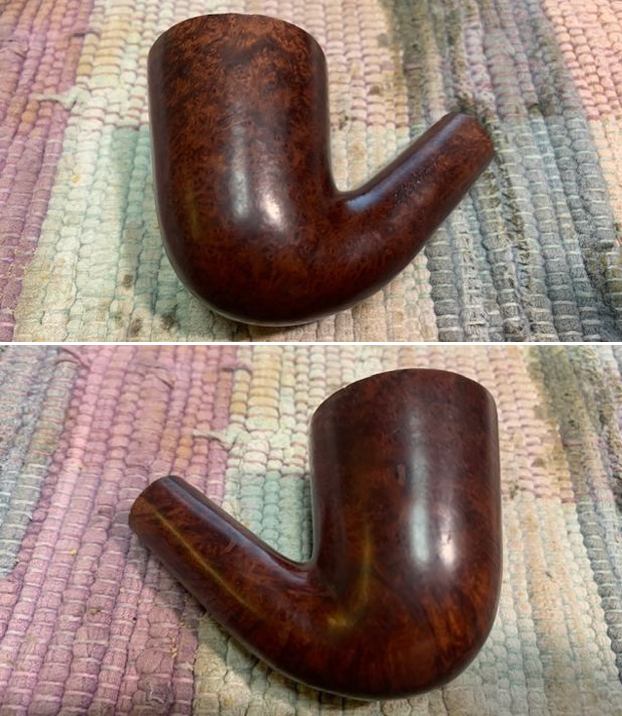
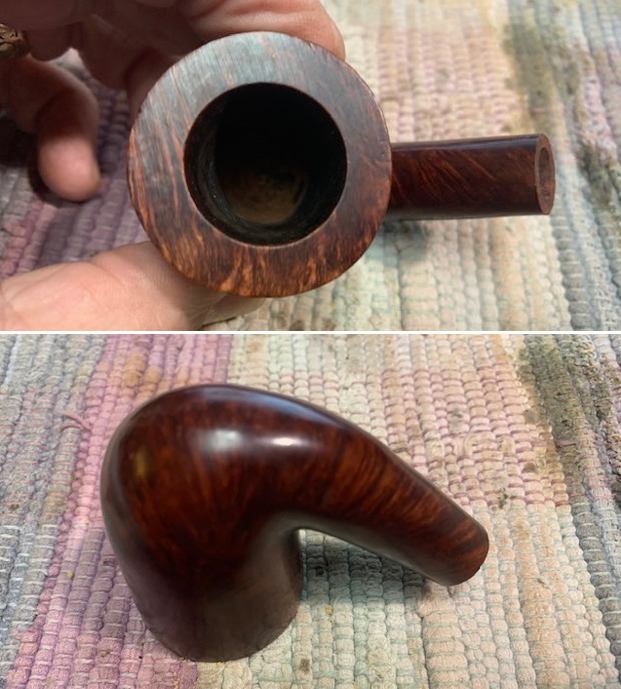
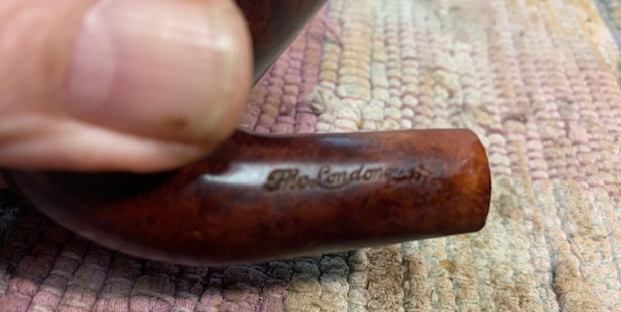
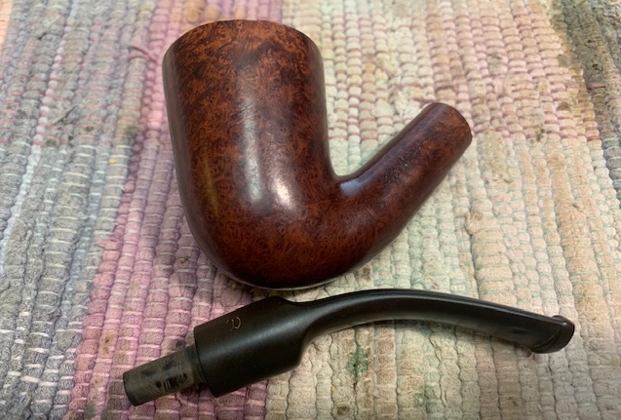
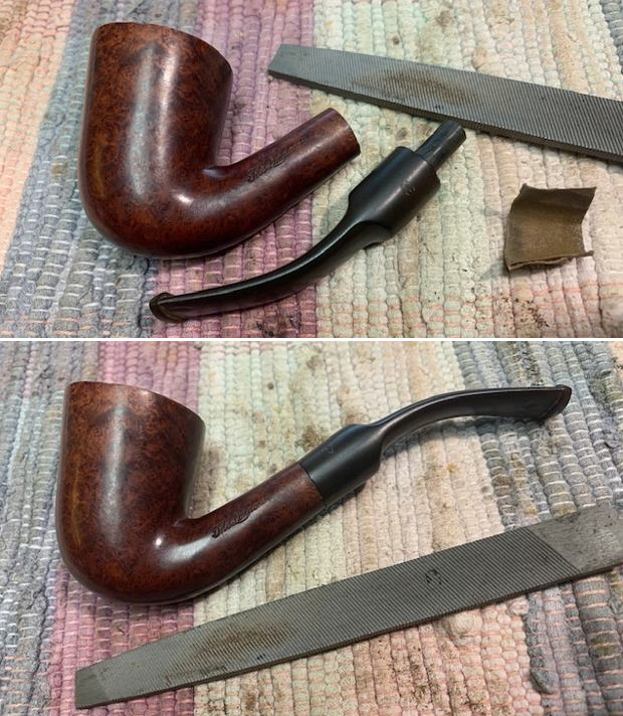
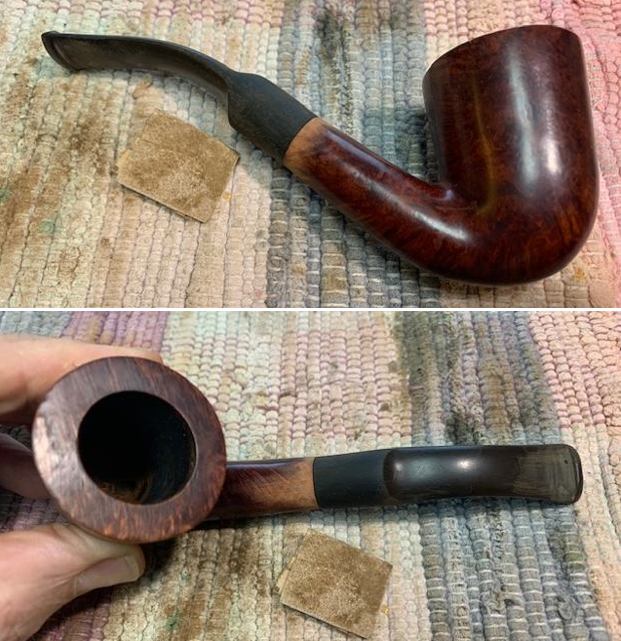
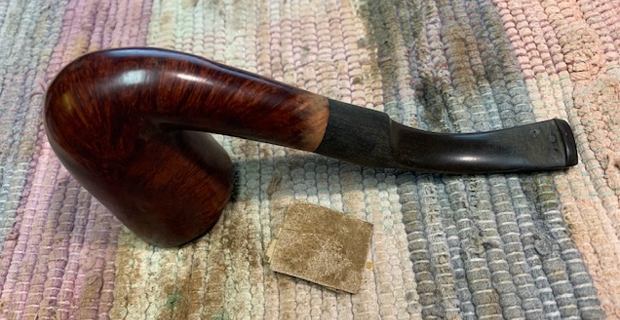
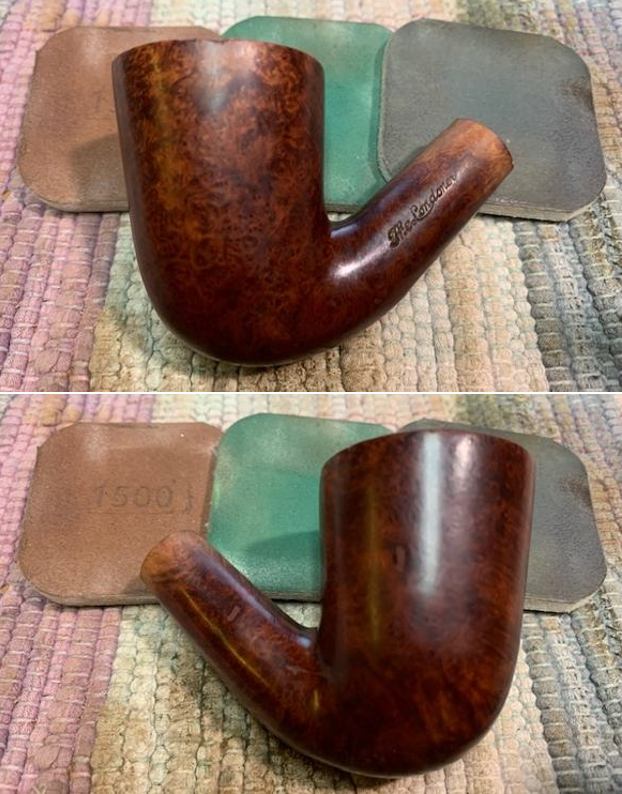
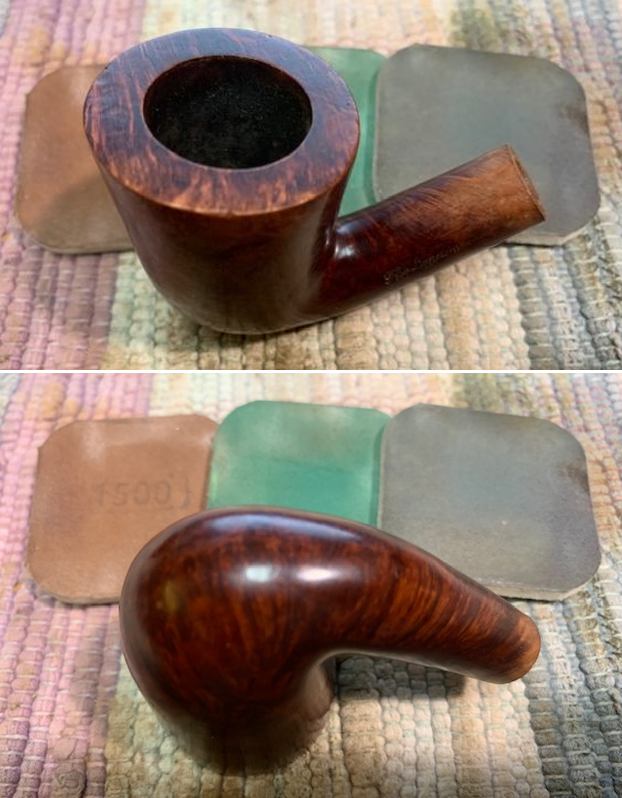
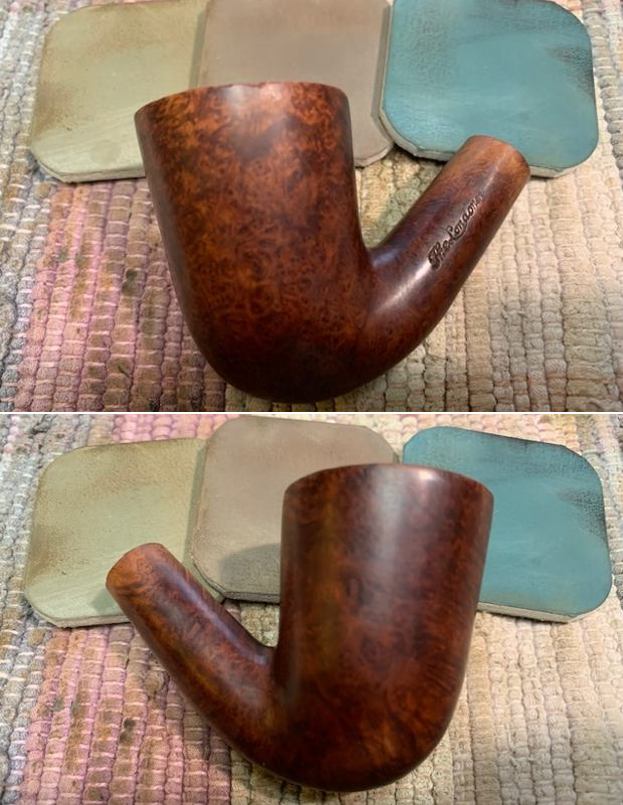
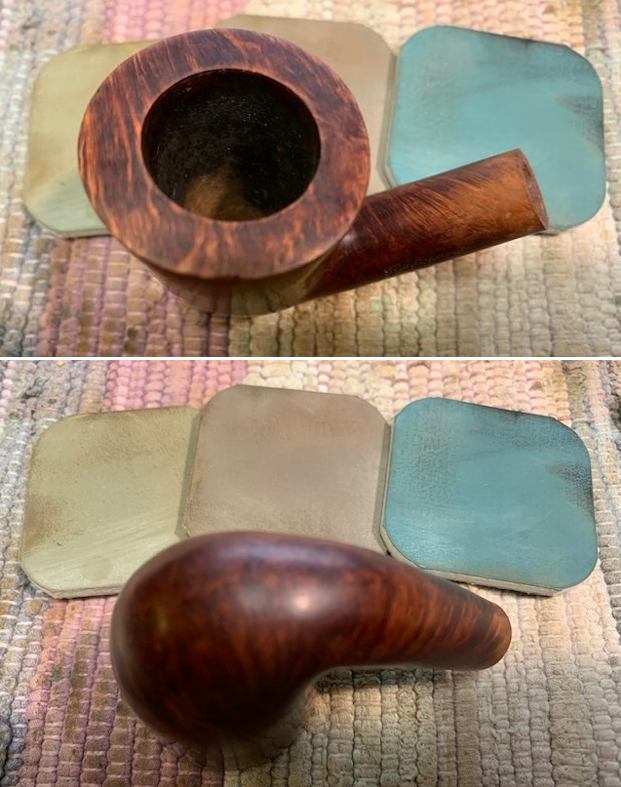
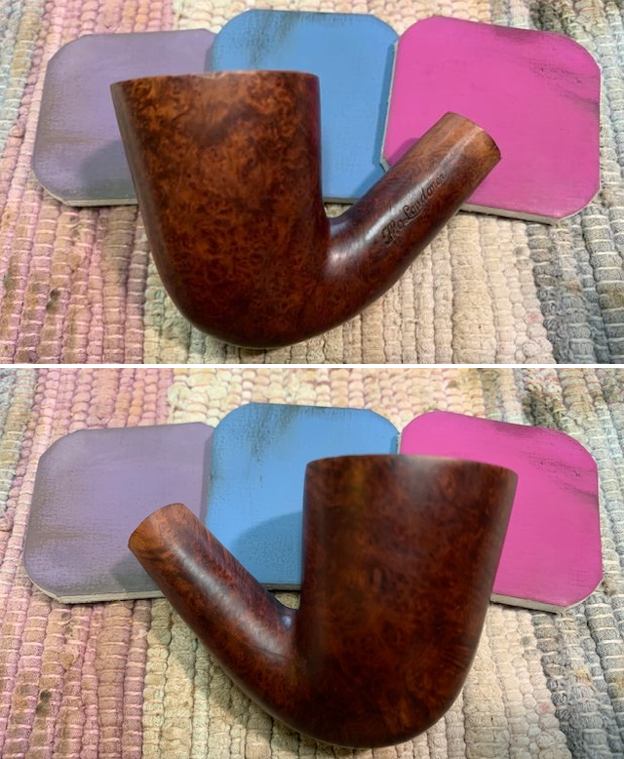
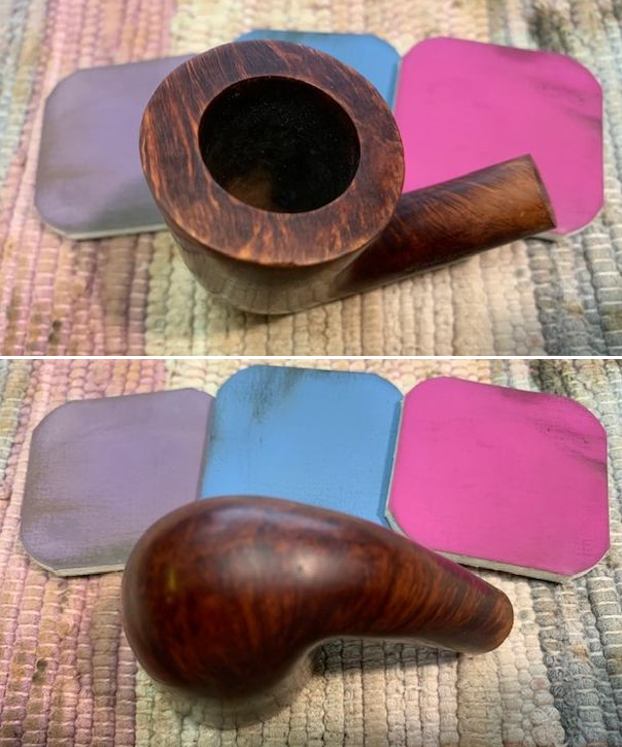
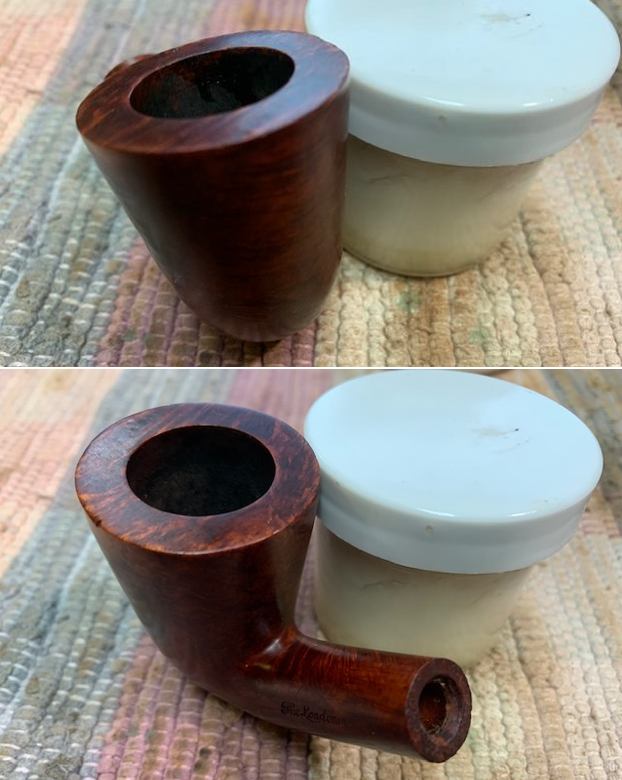
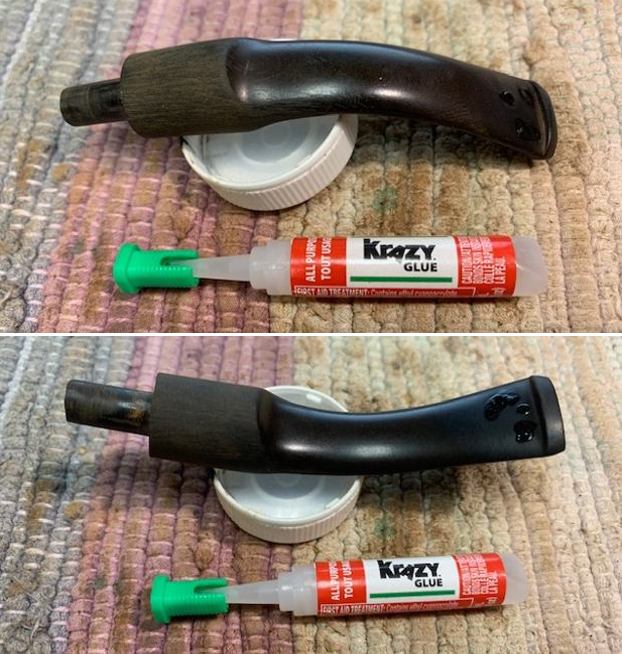
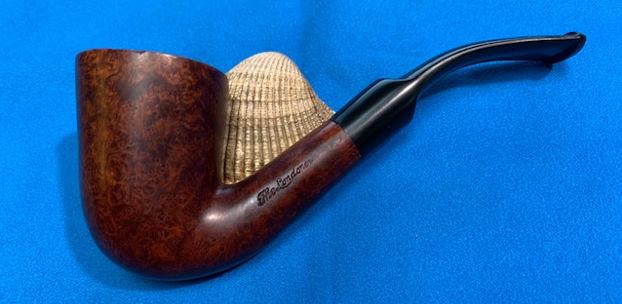
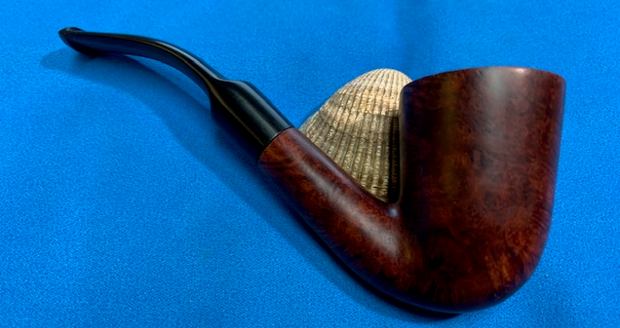
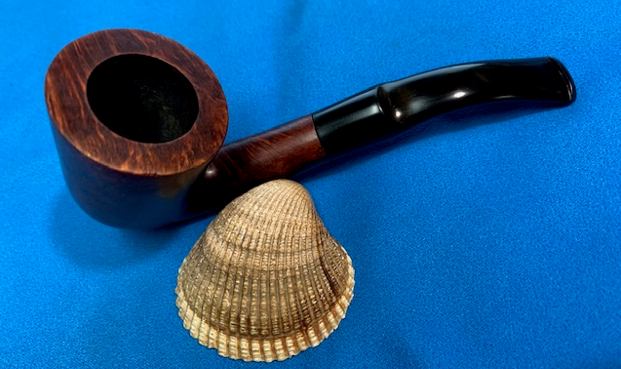
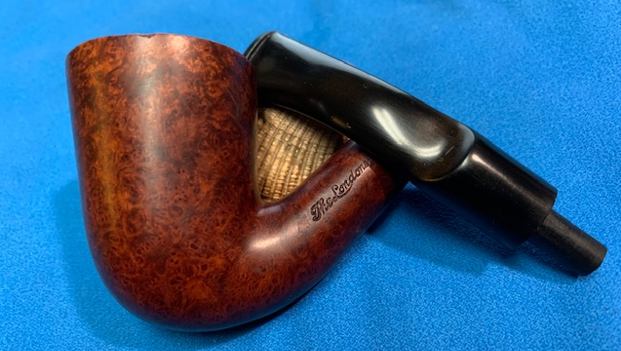
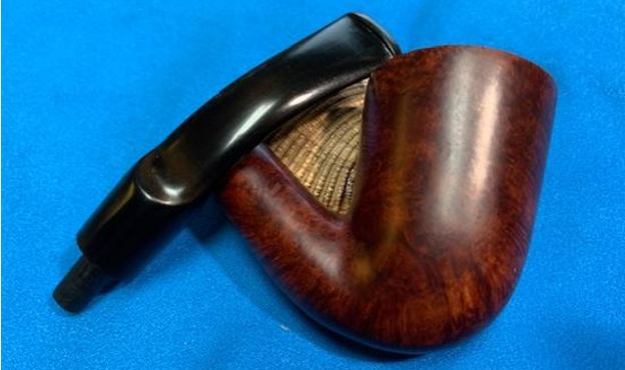
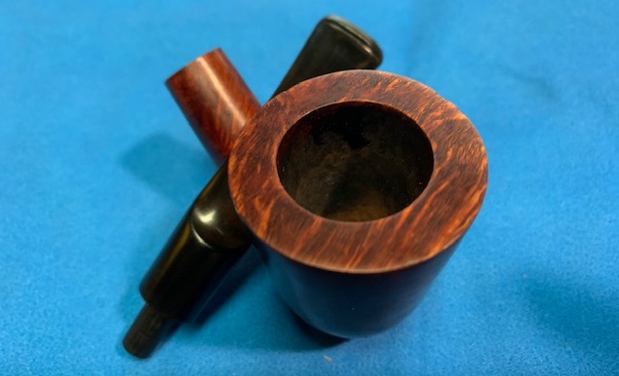
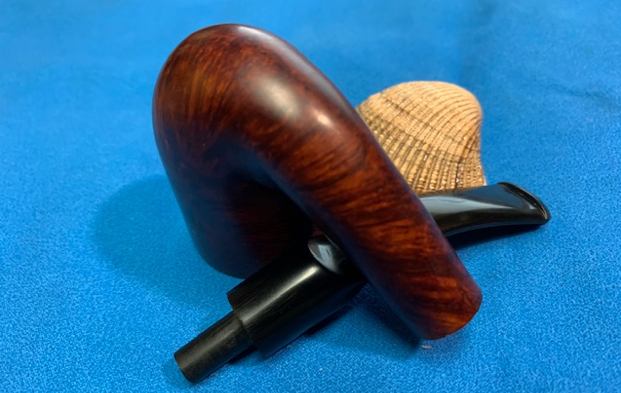
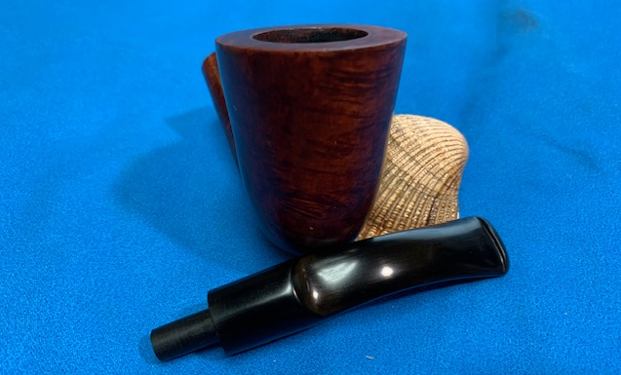
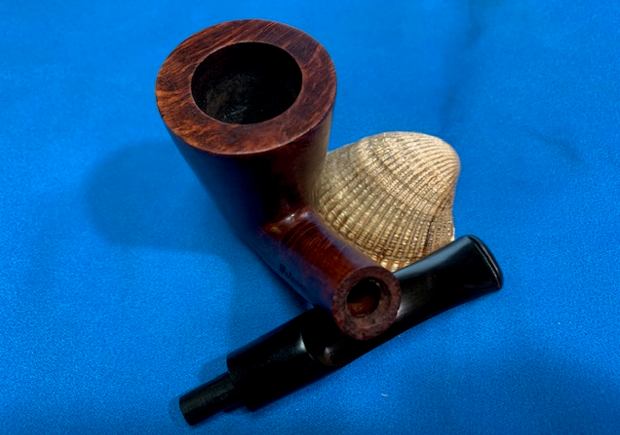
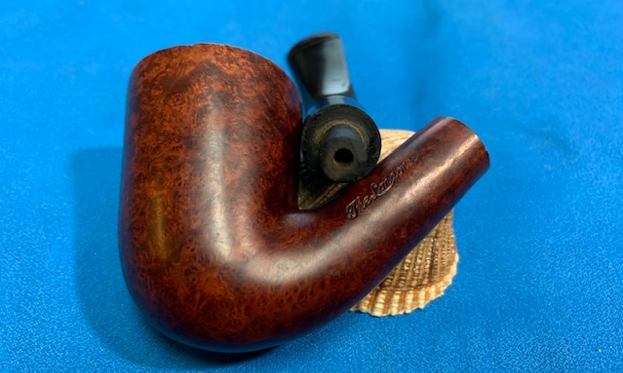
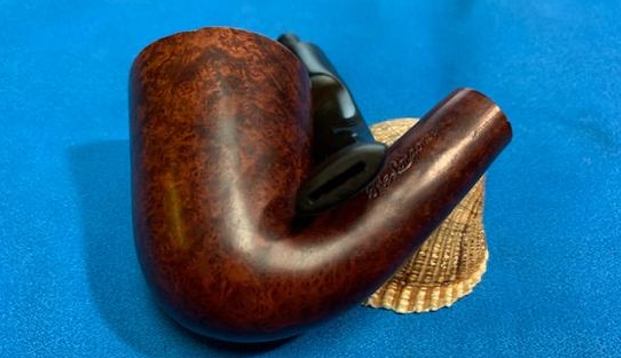
Sometimes the repetitive work on similar pipes and stems gets tiring to me and to alleviate the inevitable boredom I change things up a bit to refresh me. I have a box of stummels (bowls) here that I periodically go through and see if I have a potential stem that would fit them. Sunday afternoon I went through the box and picked out two bowls and found workable stems for them both. They were in different states of need but all had been thoroughly cleaned before I boxed them up. The pipe I chose to work on first is a lovely Bent Dublin stummel. The bowl looked very good. The grain around the sides was quite nice and a mix of flame and birdseye grain. There were a few fills on the right side of the bowl and shank but there were in good condition. The rim top was in excellent condition. The interior of the bowl was clean and there were not any chips, cracks or checking on the walls. The finish was dull and bit and tired but still quite redeemable. The stamping on the pipe was clear and readable. On the left side it read The Londoner in script and there are no other stamping on the pipe. I took some photos of the bowl before I started to work on it.   I took a photo of the stamping on the left side of the shank. It reads as noted above and is clear and readable.I went through some of stems and found this saddle style stem that was close to the right diameter and had a tenon that would work as well. It has a few tooth marks and chatter near the button but it would clean up well.The pipe is stamped “The Londoner” which is not listed with that style of stamp on either Pipephil or Pipedia. There was a Londoner made by Barlings but it is stamped differently than this one and does not have the article in front of the name. So the maker of the pipe remains a mystery for now. Now it is time to work on the pipe.

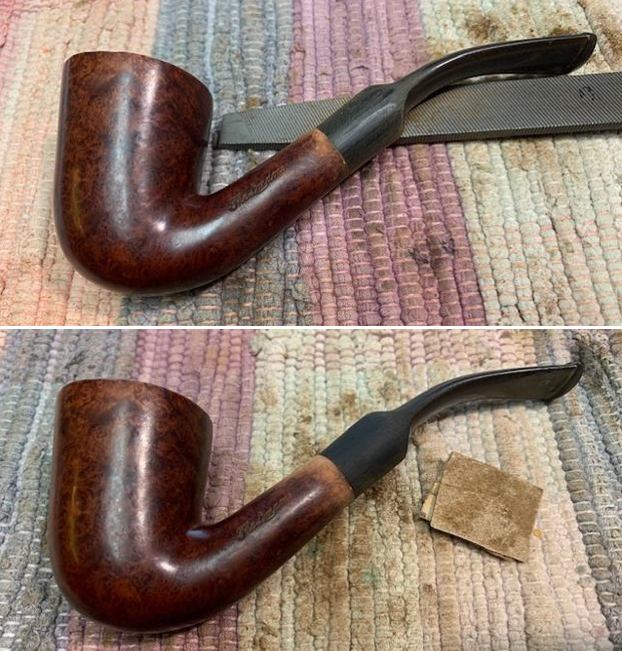
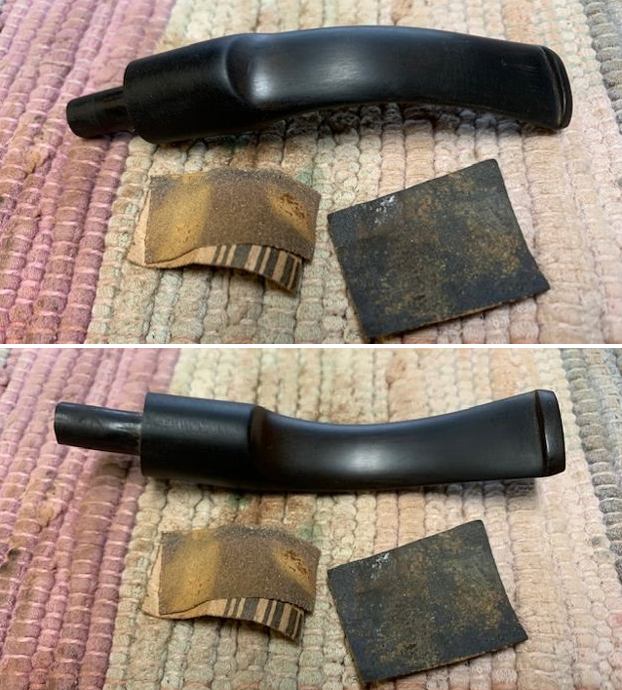
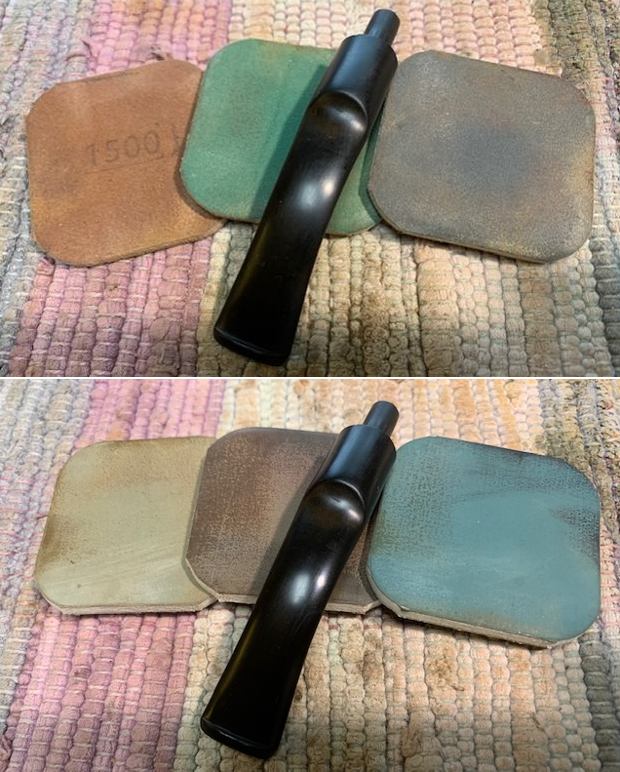
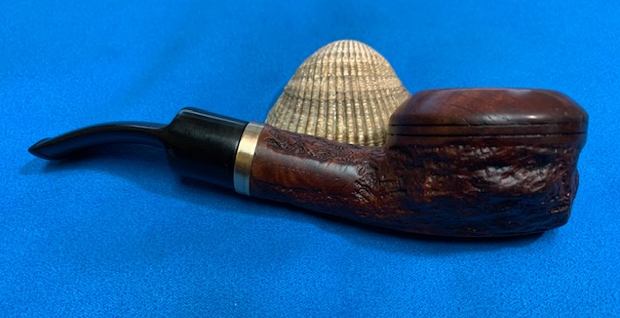
I started my work on the pipe by fitting the new stem to the shank. I trimmed down the tenon diameter slightly with a file so that the fit in the shank was snug. The stem diameter needed more work so I worked it with a file to match it to the shank. I sanded it with 220 grit sandpaper to smooth it out. I removed the stem and polished the briar (bowl and sanded shank end) with micromesh sanding pads – dry sanding with 1500-12000 grit pads and wiping it down with a damp cloth after each pad. It really began to shine. I restained the shank end where I had sanded it to make the transition to the new stem smooth with a Cherry stain pen. The colour was a perfect match. Once the bowl was buffed the newly stained section would blend in well. I worked some Before & After Restoration Balm into the surface of the smooth briar with my finger tips. The product is amazing and works to clean, enliven and protect the briar. I let it sit on the briar for 10 or more minutes and then buff it off with a soft cloth. It really makes the grain sing. I set the bowl aside and turned my attention to the stem. I “painted” the stem surface with a Bic lighter flame to raise the tooth marks (no pictures). I was able to lift some of them to the surface. I filled in the remaining spots with clear CA glue and once it was hard smoothed out the repairs with 220 grit sandpaper and started polishing the stem with 400 grit wet dry sandpaper. I polished the stem with micromesh sanding pads – dry sanding with 1500-12000 grit pads. I wiped the stem down after each pad with a cloth and Obsidian Oil. I finished the polishing with Before & After Pipe Stem Polish – both Fine and Extra Fine. I gave it a final coat of Obsidian Oil. I put the pipe together – the bowl with its new stem. This restored and restemmed “The Londoner” Bent Dublin is a real beauty and I think the chosen stem works well with it. The grain on the bowl came alive with the buffing. I used Blue Diamond on the buffing wheel on both the bowl and stem. I gave both multiple coats of carnauba wax on the wheel then buffed it with a clean buffing pad to raise the shine. I hand buffed it with a microfibre cloth to deepen the shine. “The Londoner Dublin” feels great in the hand. It is lightweight and the contrast in the browns of the briar and the polished vulcanite stem with the popping grain on the mixed brown stained bowl is quite amazing. The dimensions of the pipe are Length:5 ½ inches, Height: 2 inches, Outer diameter of the bowl: 1 ½ inches, Chamber diameter: 7/8 of an inch. The weight of the pipe is 1.62 ounces/46 grams. It really is a beauty. I will be putting it on the rebornpipes store in the British Pipe Makers section shortly if you are interested in adding it to your collection. Thanks for walking through the restemming and the restoration with me. Cheers.
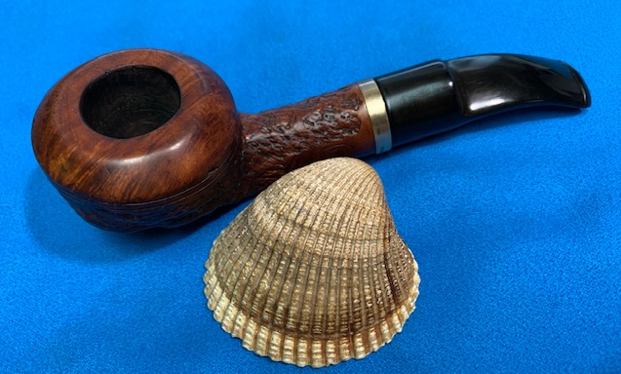
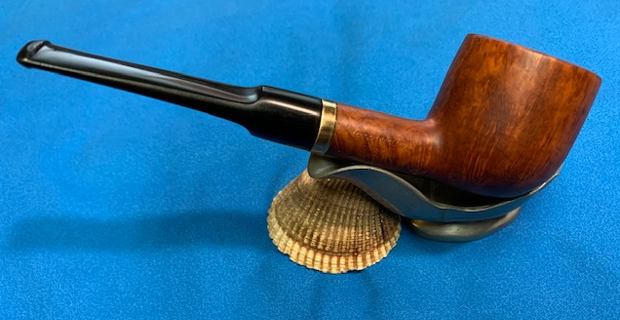
Restemming & Restoring a GBD Virgin London England 9437 Pot


Blog by Steve Laug

Sometimes the repetitive work on similar pipes and stems gets tiring to me and to alleviate the inevitable boredom I change things up a bit to refresh me. I have a box of stummels (bowls) here that I periodically go through and see if I have a potential stem that would fit them. Yesterday when I finished the old timer on my work I went through the box and picked out three bowls and found workable stems for them. All were in different states of need but all had been thoroughly cleaned before I boxed them up. The first restemmed and restored was a ZETTERVIG Copenhagen Handmade 900 Egg (https://rebornpipes.com/2021/09/04/restemming-restoring-a-zettervig-copenhagen-hand-made-900-egg/). The second pipe was a nice Malaga Lumberman (https://rebornpipes.com/2021/09/05/restemming-restoring-a-malaga-lumberman/). The next one was the last of the bowls I had chosen – a nicely grained GBD Virgin 9437 Pot.

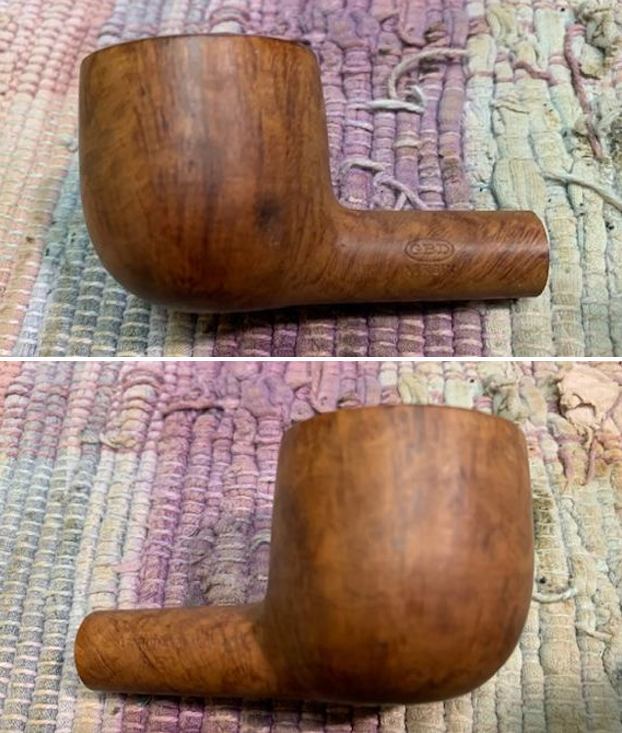
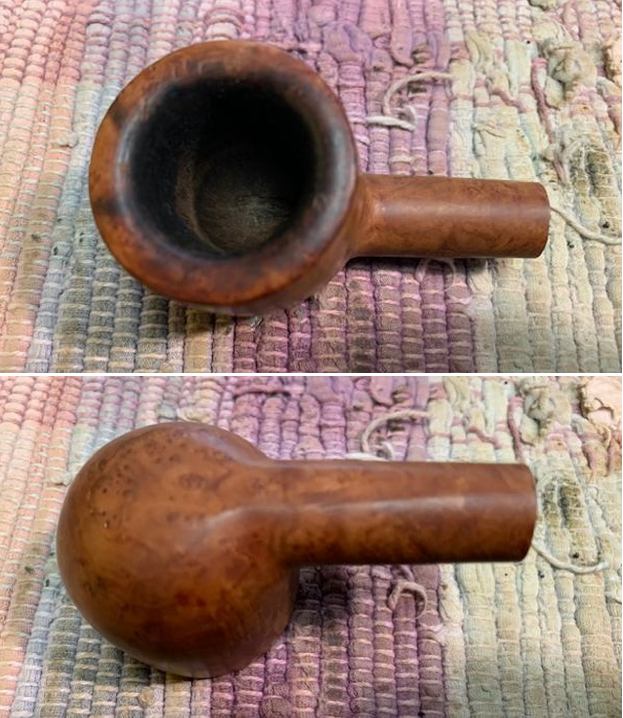
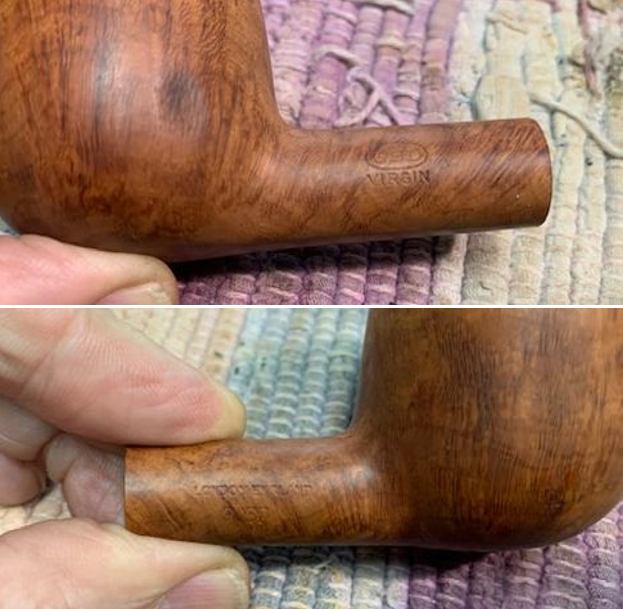
The bowl looked very good. The grain around the sides was quite nice and a mix of flame and straight grain around the bowl sides and birdseye grain on the bottom of the bowl. The rim top had some darkening on the top and inner edges. There was a small burned divot low on the left side of bowl near the shank. It looked as if the pipe had been set in an ashtray on a cigarette or a live ash. It was not deep but it was very present on the bowl side. The interior of the bowl was clean and there were not any chips, cracks or checking on the walls. Examining the mortise it was clean and well drilled with no issues. The finish was washed out and bit and tired but still quite redeemable. The stamping on the pipe was clear and readable. On the left side it read GBD in an oval [over] VIRGIN and on the right side it read London England [over] 9437. I took some photos of the bowl before I started to work on it. I took a photo of the stamping on the sides of the shank. It reads as noted above and is clear and readable.I went through some of stems and found this saddle style stem that perfectly fit the shank. The diameter of the shank and the diameter of the saddle were not quite even. The saddle on the right half of the saddle was slightly larger than the shank. The left side was perfect. It had a few tooth marks and chatter near and on the button but it would clean up well. I put it on the shank and took some pictures of the look before my work on it.I addressed the burn damage dip in the lower left side of the bowl. I sanded it and filled it in with a drop of clear CA glue. I smoothed it out with a folded piece of 220 grit sandpaper. It is smooth too touch but it is definitely darker than before I filled it in. At this point it was smooth and clean feeling.With that repaired I turned to deal with the rim top issues. I sanded the beveled rim top with 220 grit sandpaper and smoothed out the damage – both burns and nicks. I polished the briar with micromesh sanding pads – dry sanding with 1500-12000 grit pads and wiping it down with a damp cloth after each pad. It really began to shine. I worked some Before & After Restoration Balm into the surface of the smooth briar with my finger tips. The product is amazing and works to clean, enliven and protect the briar. I let it sit on the briar for 10 or more minutes and then buff it off with a soft cloth. It really makes the grain sing. I set the bowl aside and turned my attention to the stem. I filled in the tooth marks and rebuilt the edge of the button with clear CA glue. Once it cured I used a small file to recut the edge of the button and flatten the repairs. I smoothed out repairs with 220 grit sandpaper to blend them in further to the stem surface. I started polishing the stem with 400 grit wet dry sandpaper.I fit the stem on the shank. It looked pretty good but seemed to be a bit blah. I took a set of photos to show the look of the new stem on the shank. For the fun of it I put a band on the shank and refit the stem on the shank. The shank is perfect there were no cracks and no issues so the band was just adding a touch of bling that works with the pipe. What do you think? With or without the band? I am leaning toward the banded version to be honest. I think it looks really good.

Without the band? With the band? I left the band on the shank but it is not glued in place and can be removed. Let me know what you think – one way or the other.

I polished the stem with micromesh sanding pads – dry sanding with 1500-12000 grit pads. I wiped the stem down after each pad with a cloth and Obsidian Oil. I finished the polishing with Before & After Pipe Stem Polish – both Fine and Extra Fine. I gave it a final coat of Obsidian Oil. I put the pipe back together – the bowl with its new stem. This restored & restemmed GBD Virgin 9437 Pot turned out really well. The pipe (even with the burn mark on the left side of the bowl) really is a beauty and I think the brass band and the chosen stem works well with it. Remember I have not set the band in place so it can be removed. What do you think of it? Yea or Nay? The grain on the bowl came alive with the buffing. I used Blue Diamond on the buffing wheel on both the bowl and stem. I gave both multiple coats of carnauba wax on the wheel then buffed it with a clean buffing pad to raise the shine. I hand buffed it with a microfibre cloth to deepen the shine. The GBD Virgin Pot feels great in the hand. It is lightweight and the contrast in the browns of the briar, the brass of the band and the polished vulcanite stem with the popping grain on the mixed brown stained bowl is quite amazing. The dimensions of the pipe are Length: 6 inches, Height: 1 ½ inches, Outer diameter of the bowl: 1 ½ inches, Chamber diameter: 1 inch. The weight of the pipe is 1.45 ounces/41 grams. It really is a beauty. I will be putting it on the rebornpipes store in the British Pipe Makers section shortly if you are interested in adding it to your collection. Thanks for walking through the restemming and the restoration with me. Cheers.
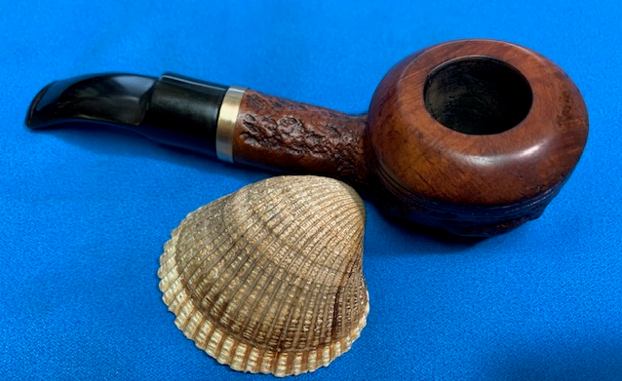
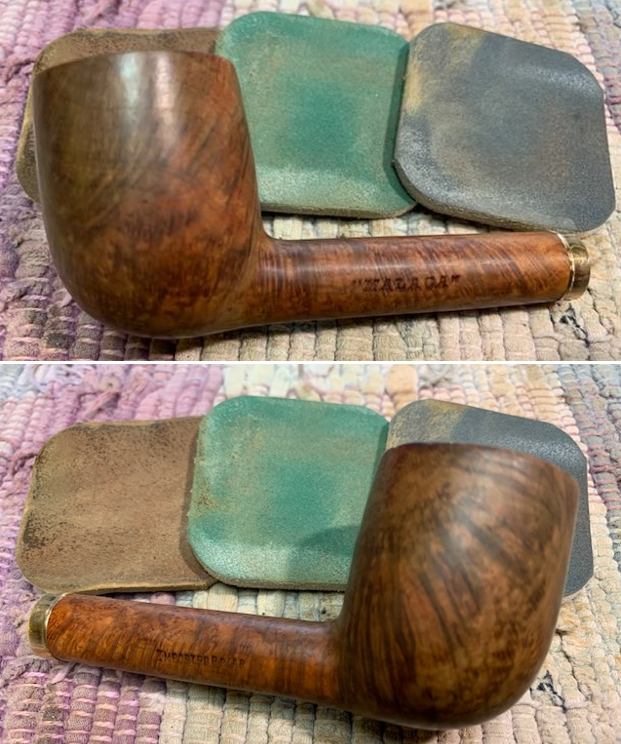
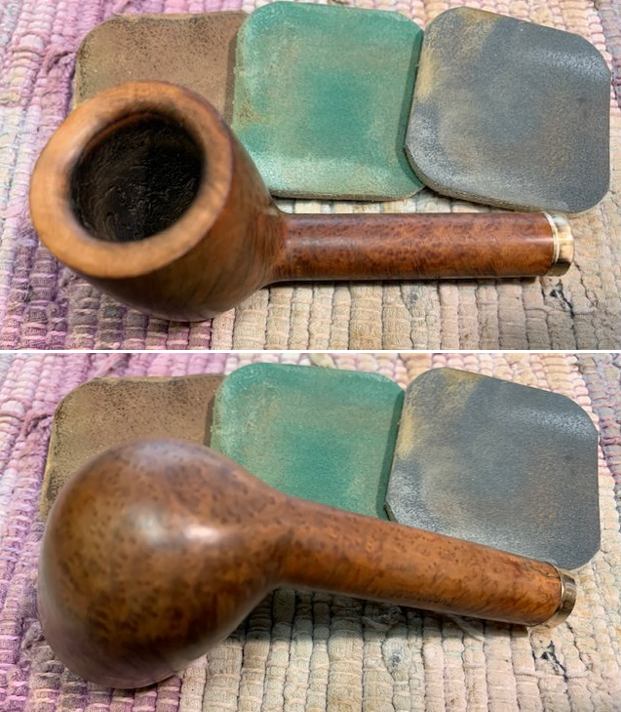
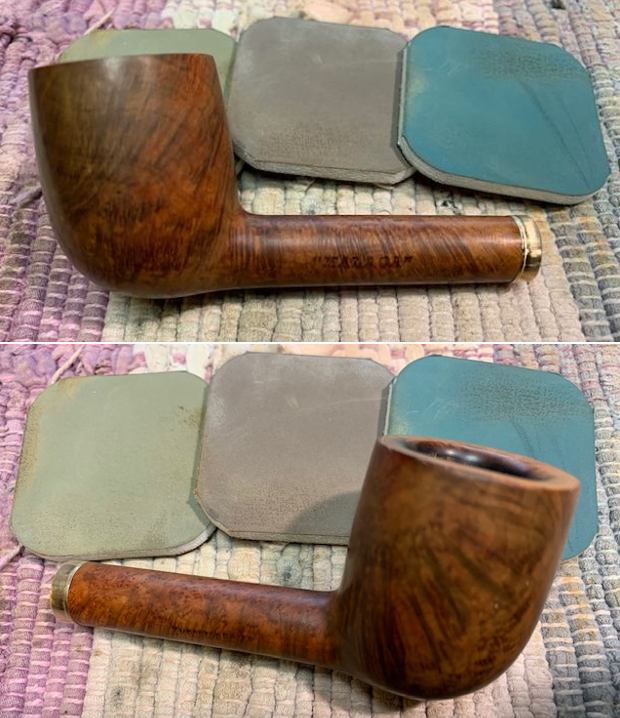
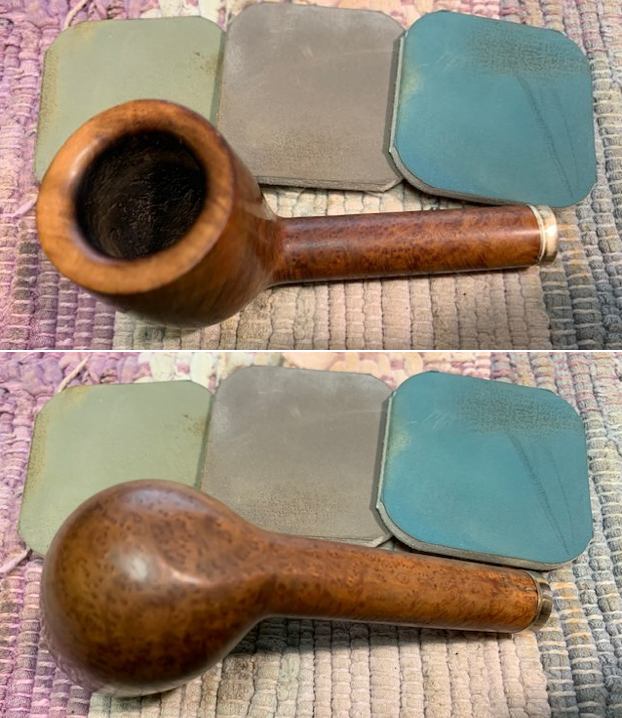
Restemming & Restoring a “Malaga” Lovat


Blog by Steve Laug

Sometimes the repetitive work on similar pipes and stems gets tiring to me and to alleviate the inevitable boredom I change things up a bit to refresh me. I have a box of stummels (bowls) here that I periodically go through and see if I have a potential stem that would fit them. Yesterday when I finished the old timer on my work I went through the box and picked out three bowls and found workable stems for them. All were in different states of need but all had been thoroughly cleaned before I boxed them up. The first restemmed and restored was a ZETTERVIG Copenhagen Handmade 900 Egg (https://rebornpipes.com/2021/09/04/restemming-restoring-a-zettervig-copenhagen-hand-made-900-egg/). The next one I chose to work on is a lovely Malaga Lovat stummel.  I have worked on a lot of Malaga pipes in the past so I am not a stranger to the brand. I have included the link below to a bit of history on the brand that I compiled.

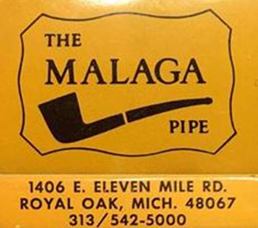
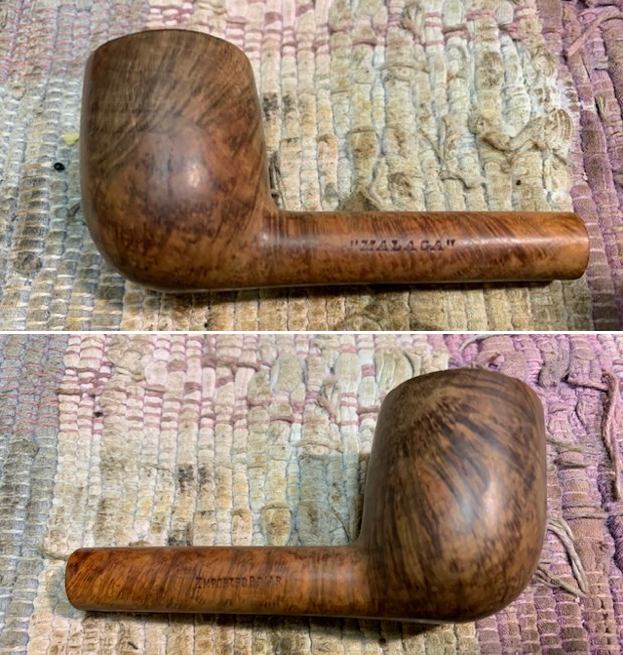
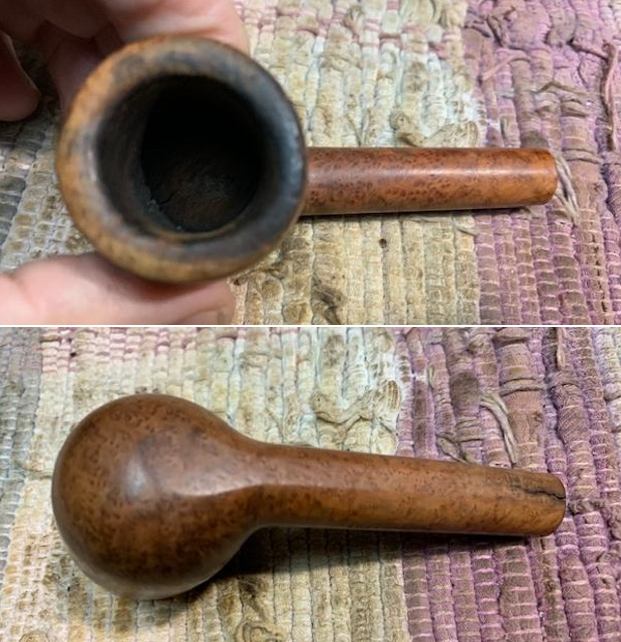
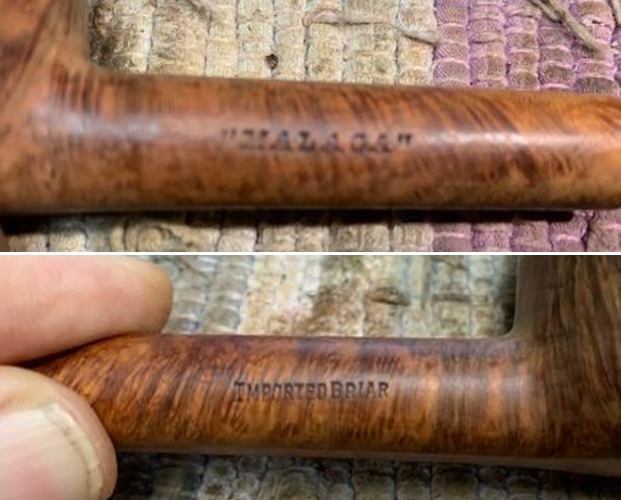
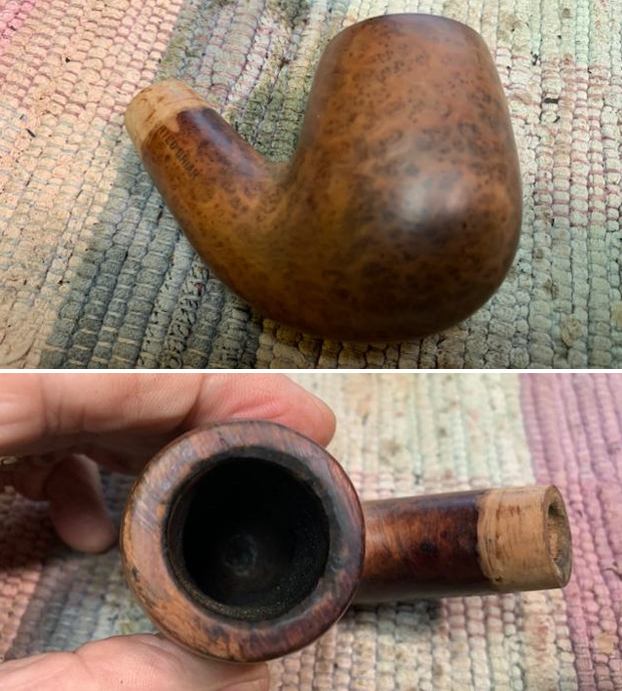
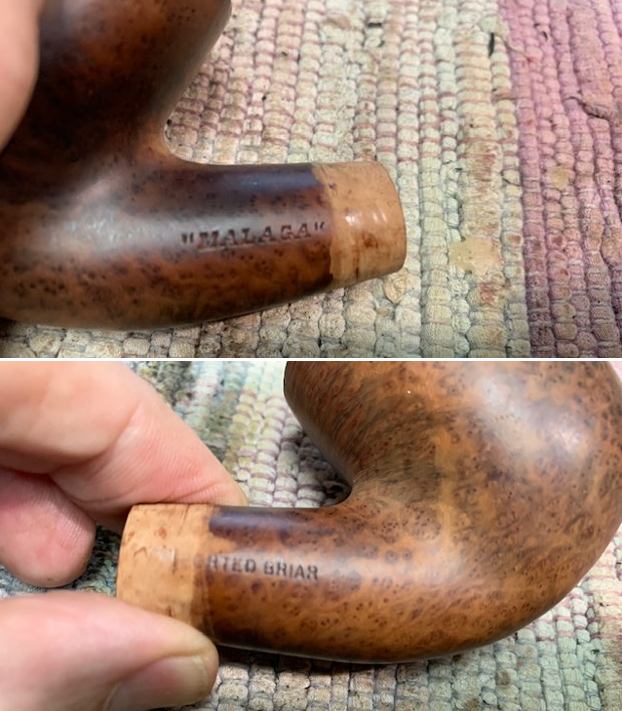
The bowl looked very good. The grain around the sides was quite nice and a mix of flame and birdseye grain. The rim top had some burn damage on the rear top and inner edge and some darkening all the way around. The bowl was slightly out of round. There was a crack in the underside of the shank that extended about ½ inch up the shank. The interior of the bowl was clean and there were not any chips, cracks or checking on the walls. Examining the mortise it was clean and well drilled with no issues other than the previously noted crack. The finish was washed out and bit and tired but still quite redeemable. The stamping on the pipe was clear and readable. On the left side it read “MALAGA” and on the right side it read IMPORTED BRIAR. I took some photos of the bowl before I started to work on it. I took a photo of the stamping on the sides of the shank. It reads as noted above and is clear and readable.I went through some of stems and found this saddle style stem without a tenon. It had been drilled for a tenon but it had never been finished. It was the right diameter and it fit the shank and the look of the pipe very well. It has a few tooth marks and chatter near the button but it would clean up well.I have worked on quite a few Malaga pipes and blogged their restorations, so rather than repeat previous blogs, I am including the link to one that gives some of the history of the Malaga brand and the Malaga Pipe Shop in Royal Oak, Michigan in the USA from a catalogue. It gives a sense of the brand and the history in their own words. Follow the link to get a feel for the brand and the pipemaker – https://rebornpipes.com/2013/02/09/george-khoubesser-and-malaga-pipes/.

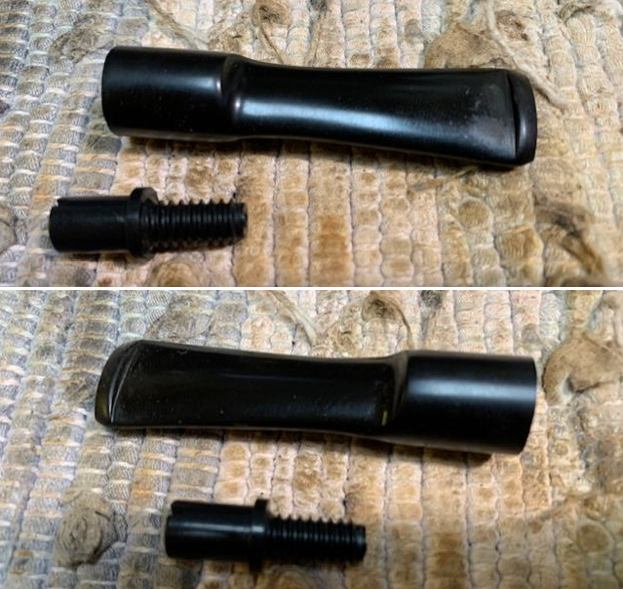
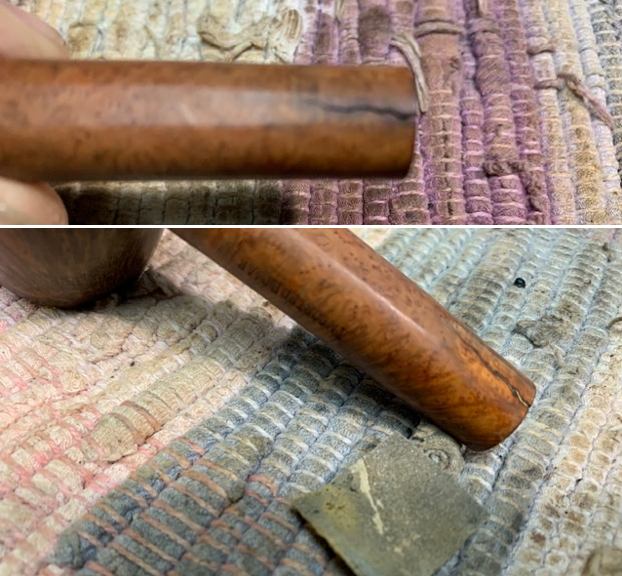
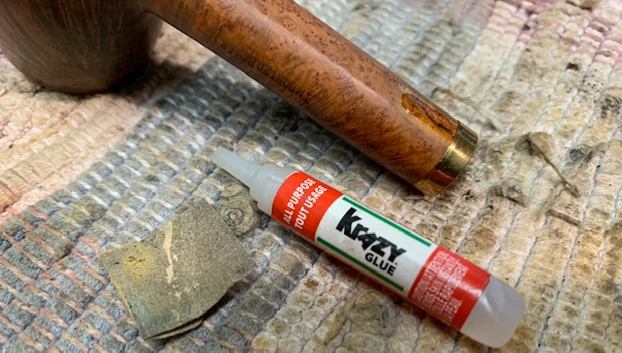
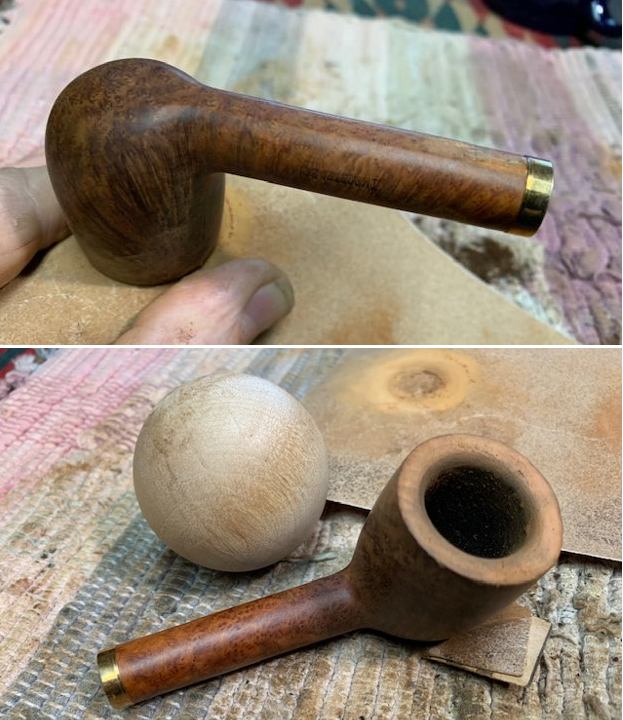
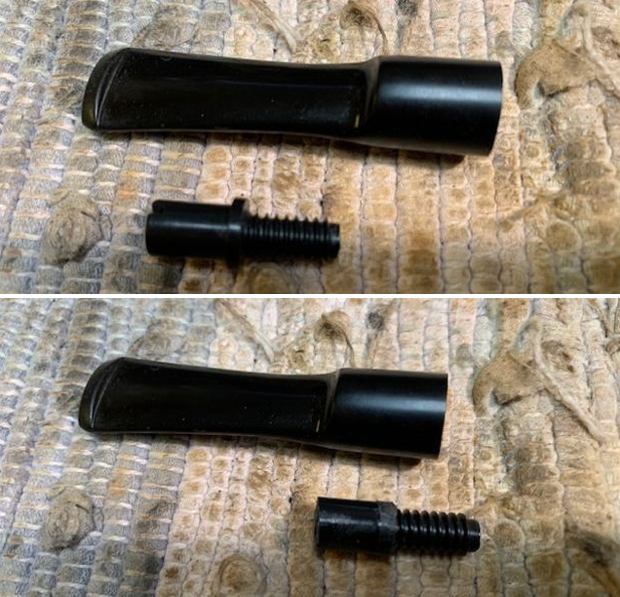
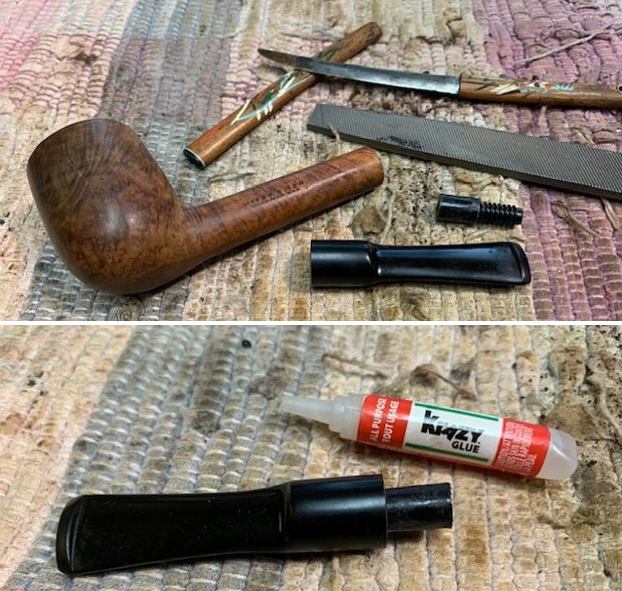
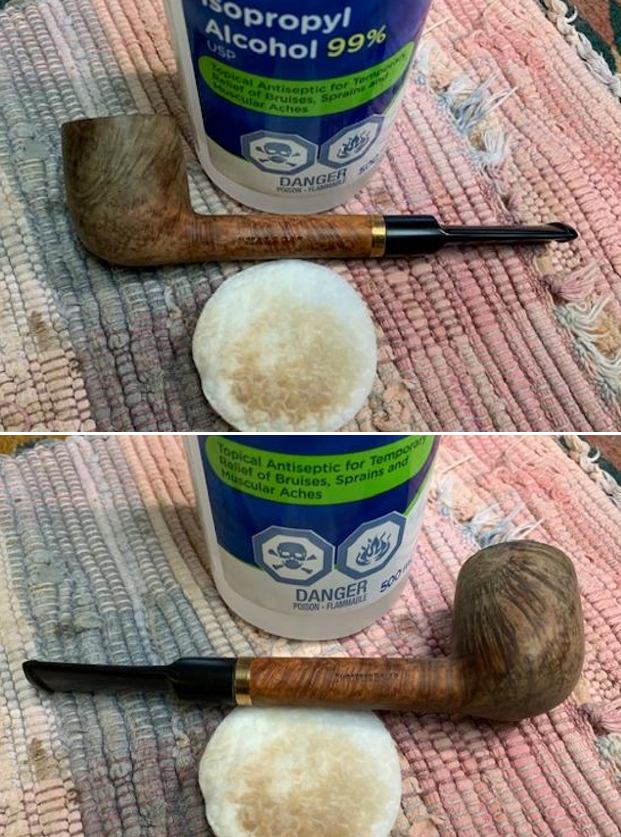
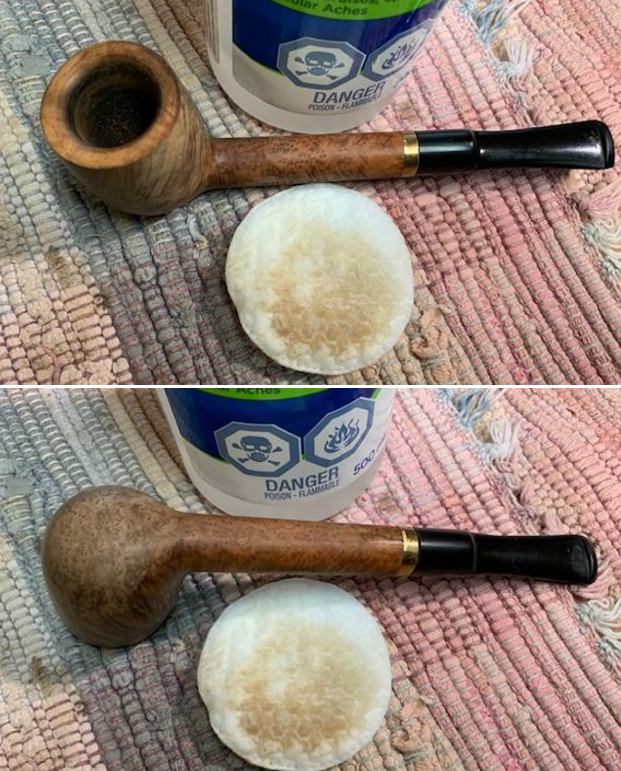
With that information in hand I turned to work on the bowl. I addressed the crack in the shank first. I cleaned it and smoothed it out. I used an awl and pressed a small hole in the shank at the end of the crack. I filled in the crack with clear CA glue and pressed it together until it cured. I pressed a brass band onto the end of the shank to further address the crack. It serves that function and also gives it a bit of bling. With that repaired I turned to deal with the rim top issues. I topped the bowl on a topping board with 220 grit sandpaper to smooth out and minimize the damage on the rim top. I used a small wooden ball that Kenneth gave me recently to give the inner edge a bevel to minimize the burn on the inner edge and bring the bowl back to round.I shortened the tenon to fit the shank of the pipe. I used the Dremel and sanding drum to remove the shoulder at the top of the tenon above the threads. I shaped the tenon fit with a small file and sanded it smooth. I glued the threaded end of the tenon with clear CA glue and pressed it into the stem. It cures quickly so it is key to move quickly and set it well as  you only get one chance! I put the stem in shank for a sense of the look of the pipe and then wiped the bowl down with alcohol on a cotton pad to remove the debris from the sanding and that was still in the surface of the briar. I liked what I saw. The grain was really quite nice and the band and new stem worked well with the pipe. I removed the stem and polished the briar with micromesh sanding pads – dry sanding with 1500-12000 grit pads and wiping it down with a damp cloth after each pad. It really began to shine. I stained the rim top and edges with a Maple stain pen to match the rest of the stain around the bowl sides. The rim top and inner edge look very good.I worked some Before & After Restoration Balm into the surface of the smooth briar with my finger tips. The product is amazing and works to clean, enliven and protect the briar. I let it sit on the briar for 10 or more minutes and then buff it off with a soft cloth. It really makes the grain sing. I set the bowl aside and turned my attention to the stem. I “painted” the stem surface with a Bic lighter flame to raise the tooth marks. I was able to lift all of them to the surface. I smoothed out what remained with 220 grit sandpaper and started polishing the stem with 400 grit wet dry sandpaper.I polished the stem with micromesh sanding pads – dry sanding with 1500-12000 grit pads. I wiped the stem down after each pad with a cloth and Obsidian Oil. I finished the polishing with Before & After Pipe Stem Polish – both Fine and Extra Fine. I gave it a final coat of Obsidian Oil. I put the pipe back together – the bowl with its new stem. This restored “Malaga” Imported Briar Oil Cured Lovat is a real beauty and I think the brass band and the chosen stem works well with it. The grain on the bowl came alive with the buffing. I used Blue Diamond on the buffing wheel on both the bowl and stem. I gave both multiple coats of carnauba wax on the wheel then buffed it with a clean buffing pad to raise the shine. I hand buffed it with a microfibre cloth to deepen the shine. The “Malaga” Lovat feels great in the hand. It is lightweight and the contrast in the browns of the briar, the brass of the band and the polished vulcanite stem with the popping grain on the mixed brown stained bowl is quite amazing. The dimensions of the pipe are Length: 6 inches, Height: 1 ¾ inches, Outer diameter of the bowl: 1 ¼ inches, Chamber diameter: 7/8 of an inch. The weight of the pipe is 1.34 ounces/38 grams. It really is a beauty. I will be putting it on the rebornpipes store in the American (US) Pipe Makers section shortly if you are interested in adding it to your collection. Thanks for walking through the restemming and the restoration with me. Cheers.
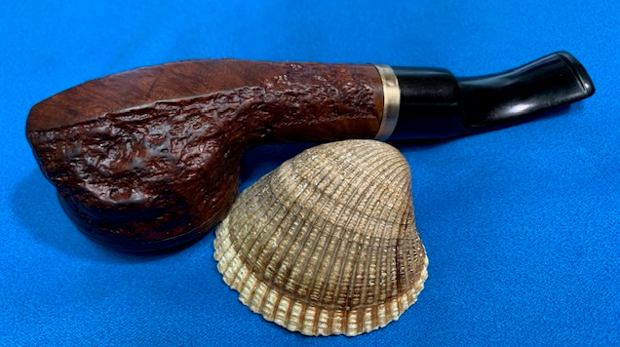
Restemming & Restoring a Zettervig Copenhagen Hand Made 900 Egg


Blog by Steve Laug

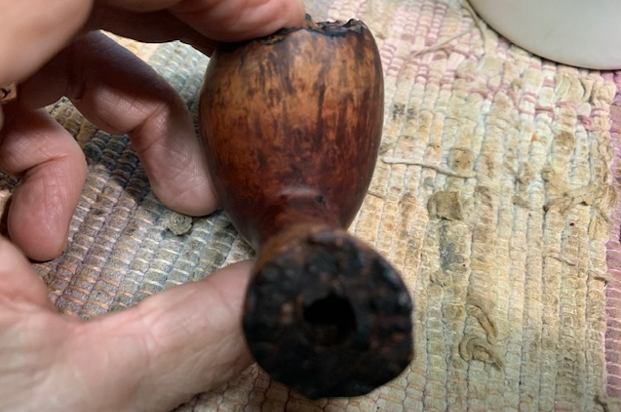
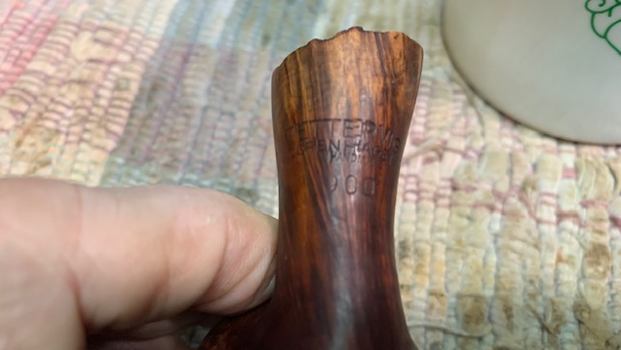
Sometimes the repetitive work on similar pipes and stems gets tiring to me and to alleviate the inevitable boredom I change things up a bit to refresh me. I have a box of stummels (bowls) here that I periodically go through and see if I have a potential stem that would fit them. This morning when I finished the last old timer I went through the box and picked out three bowls and found workable stems for them. All were in different states of need but all had been thoroughly cleaned before I boxed them up. The first of these was an interesting egg shaped freehand. It is stamped on the underside of the shank and reads ZETTERVIG (double stamped) [over] Copenhagen (also double stamped) [over] Handmade [over] 900. It had some great grain around the bowl and plateau on the rim top and shank end that was interesting.  I have worked on other Zettervig pipes in the past so I am not a stranger to the brand. I have included links to two different pipes that I worked on (https://rebornpipes.com/2013/12/05/a-complete-reworking-of-a-zettervig-freehand/)(https://rebornpipes.com/2018/07/28/restoring-and-restemming-a-zettervig-handmade-351-freehand/).

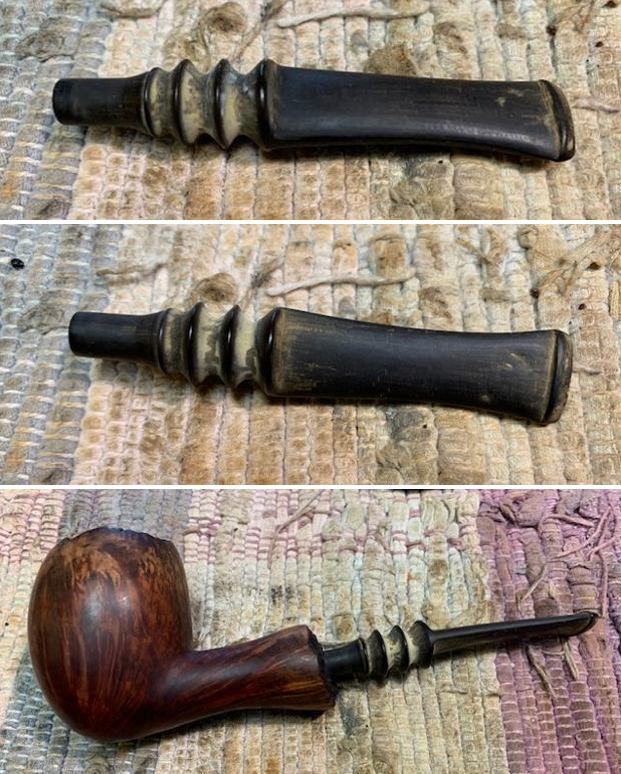
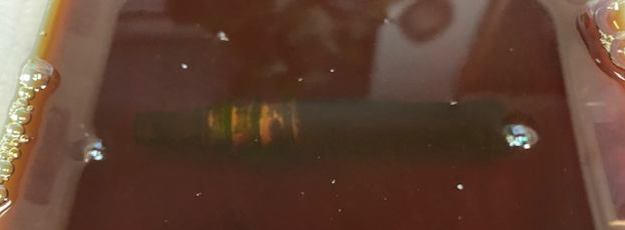
The bowl looked very good. The grain around the sides was quite nice and a mix of flame and straight grain. The plateau on the rim top and shank end looked good but the rim top was faded and worn. The shank end was black and looked very good. The bowl was clean and there were not any chips, cracks or checking on the walls. Examining the mortise it was clean and well drilled with no issues. The finish was washed out a bit and tired but still quite redeemable. I took some photos of the bowl before I started to work on it. I took a photo of the double stamping on the underside of the shank. It reads as noted above and is surprisingly clear and readable.I went through some of the fancy, turned freehand style stems and found this old timer. It is quite heavily oxidized and has some deep tooth marks but I think it will work with the Zettervig. I put the stem in place and took a photo to have a look at it in situation. What do you think? With the stem chosen I dropped it in a bath of Briarville’s Pipe Stem Deoxidizer that I have here. It is getting a bit tired but it still works. I let it sit while I worked on the bowl.While the stem soaked in the bath and before I started to work on the bowl I decided that I would look up some information on the Zettervig brand before I started the clean up on the pipe. I looked up information on two of my favourite sites. The first was Pipedia. Here is the link: https://pipedia.org/wiki/Zettervig. I quote in full:

In the 1960’s and into the early 1970’s Ole Zettervig had a shop in Copenhagen, Denmark where he was carving high quality pipes equal to Stanwell, Larsen, Anne Julie, Thurmann, Bang and others. These early pipes were marked “Copenhagen” and are very collectible. He sold his shop at some point in the 70’s and moved to Kolding and continued to produce pipes as a hobby, but the quality of briar and workmanship is said to not equal the early production. The later pipes he now marked as Kobenhaven rather than Copenhagen, and these were sold by Ole at flea markets throughout Europe.

That information told me I was working on an early one of his pipes from the 1960s to early 1970s as it is stamped Copenhagen.

I turned to Pipephil’s site and did a screen capture of the information that was there. There was no addition info but it did show one of the pipes (http://www.pipephil.eu/logos/en/logo-z.html). You can also see the style of the stem and the Z on the top of the stem. The one I have chosen is very different but I think it will still work.With that information in hand I turned to work on the bowl. I used a brass bristle wire brush to clean out the remaining debris and lava in the grooves of the plateau rim top and to remove the dust from the plateau shank end. Once it was clean I used a Black Stain Pen to stain it black as it was originally. I polished the briar with micromesh sanding pads – dry sanding with 1500-12000 grit pads and wiping it down with a damp cloth after each pad. It really began to shine. I worked some Before & After Restoration Balm into the surface of the smooth briar with my finger tips and into the plateau rim top and shank end with a horsehair shoe brush. The product is amazing and works to clean, enliven and protect the briar. I let it sit on the briar for 10 or more minutes and then buff it off with a soft cloth. It really makes the grain sing. With the bowl finished I turned my attention to the stem. It had been sitting in the bath for several hours. I removed it and ran a pipe cleaner and alcohol through the airway to remove any remaining soak. I wiped the stem down with a paper towel to remove the oxidation that had been loosened. It looked much better than when I put it in the bath.I “painted” the stem surface with a Bic lighter flame to raise the tooth marks. I was able to lift many of them to the surface. What remained I would fill in later. I scrubbed the stem surface with cotton pads and Soft Scrub to remove the remaining oxidation. The stem was really starting to look very good. I cleaned out the ends of the stem and button with a pipe cleaner and alcohol to remove the bits of Soft Scrub that had gotten into the airway. I heated the stem and gave it a slight bend to fit the flow of the pipe better.I filled in the remaining divots and marks in the stem with clear CA glue. Once it had cured used a small file to flatten the repair and sharpen the edge of the button. I sanded it smooth with 220 grit sandpaper to blend it into the stem. I started the polishing with 400 grit wet dry sandpaper. I polished the stem with micromesh sanding pads – dry sanding with 1500-12000 grit pads. I wiped the stem down after each pad with a cloth and Obsidian Oil. I finished the polishing with Before & After Pipe Stem Polish – both Fine and Extra Fine. I gave it a final coat of Obsidian Oil. I put the pipe back together – the bowl with its new stem. This restored Zettervig Copenhagen Handmade 900 Egg is a real beauty and I think the chosen stem works well with it. The grain on the bowl came alive with the buffing. I used Blue Diamond on the buffing wheel on both the bowl and stem. I gave both multiple coats of carnauba wax on the wheel then buffed it with a clean buffing pad to raise the shine. I hand buffed it with a microfibre cloth to deepen the shine. The Zettervig Freehand Egg feels great in the hand. It is lightweight and the contrast in the blacks of the plateau and the polished vulcanite stem with the popping grain on the mixed brown stained bowl is quite amazing. The dimensions of the pipe are Length: 5 ¾ inches, Height: 2 inches, Outer diameter of the bowl: 1 ½ inches, Chamber diameter: ¾ of an inch. The weight of the pipe is 2.05 ounces/59 grams. It really is a beauty. I will be putting it on the rebornpipes store in the Danish Pipe Makers section shortly if you are interested in adding it to your collection. Thanks for walking through the restemming and the restoration with me. Cheers.
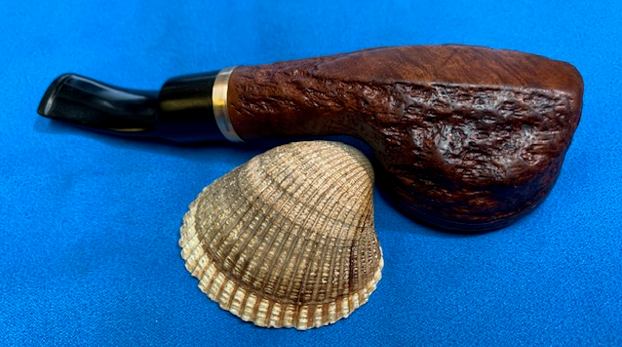
It is about time to Breath Life into a new Frankenpipe


Blog by Steve Laug

I have not created a Frankenpipe for a long time. I call them Frankenpipes with a tip of the hat to Mary Shelley’s grand creation Frankenstein. These remind me of her story what with the gathering of parts, “stitching” them together and breathing life into them. It is a thoroughly creative process I enjoy and I suppose there is always the possibility of crafting of a monster. Over the years I have crafted quite a few of these pipes and they tend to stay in my collection. You can search on the blog and see the variety of Frankenpipes that have come together. I find them incredibly enjoyable because they are very different from a restoration. Truly it is looking at a bunch of parts and imagining combining them into something that reflects the parts but as a whole it very different from any of them.

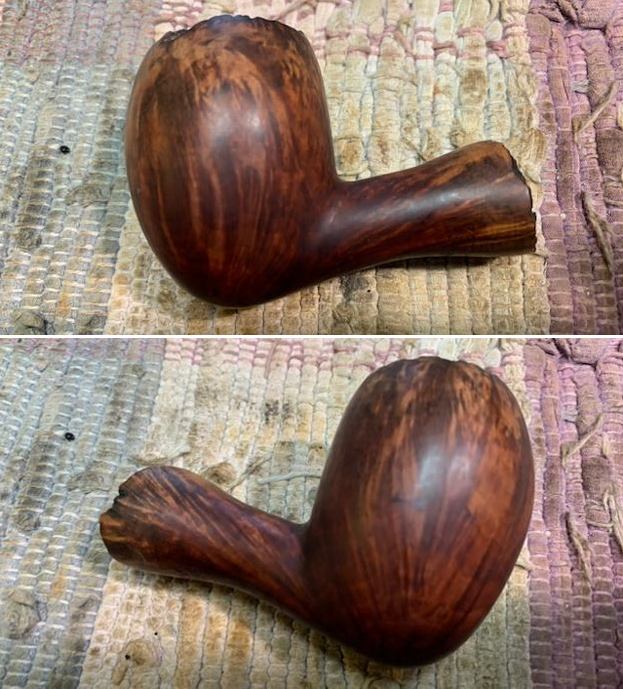
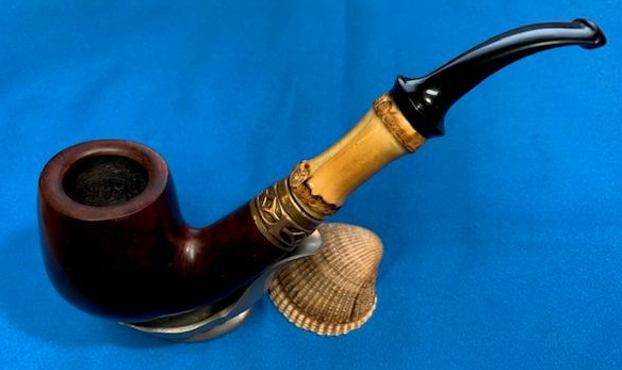
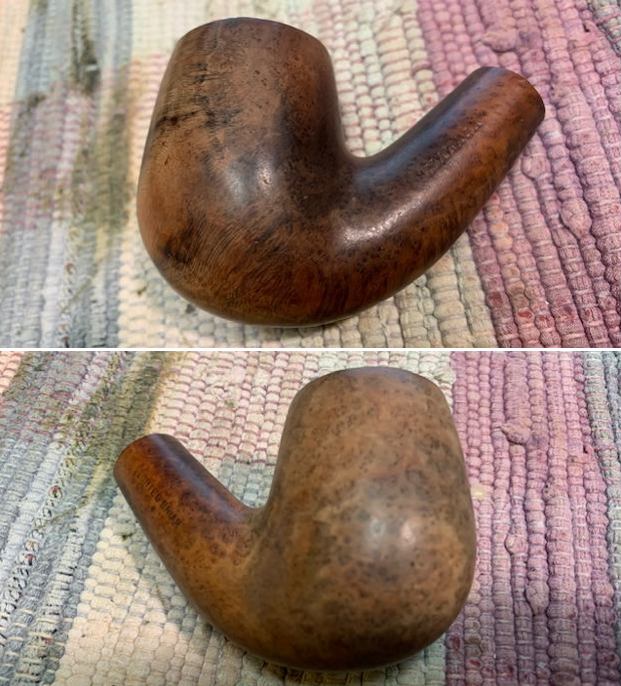
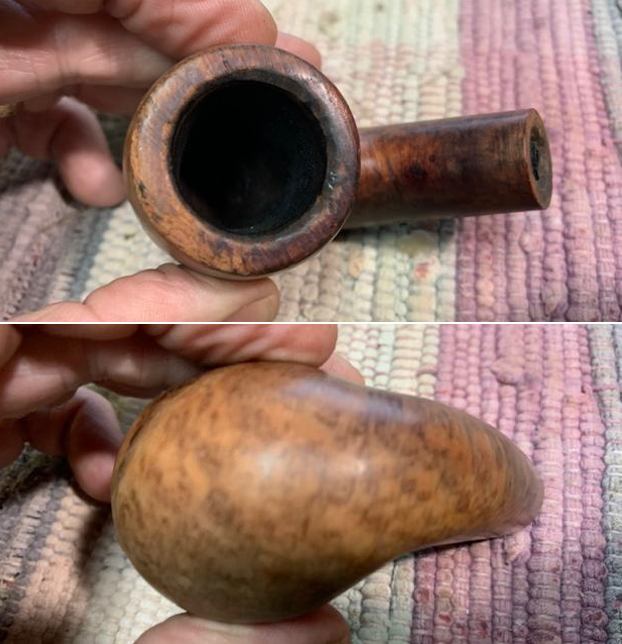
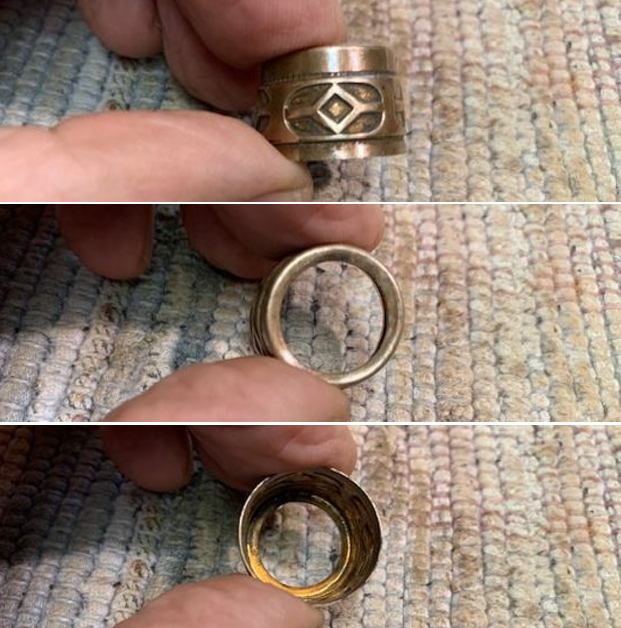
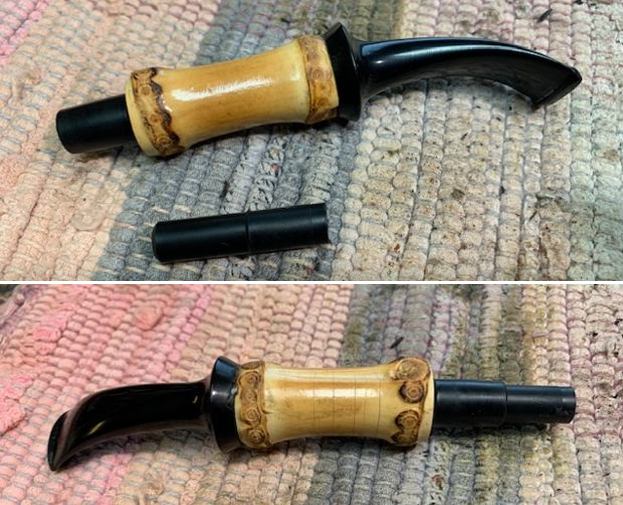
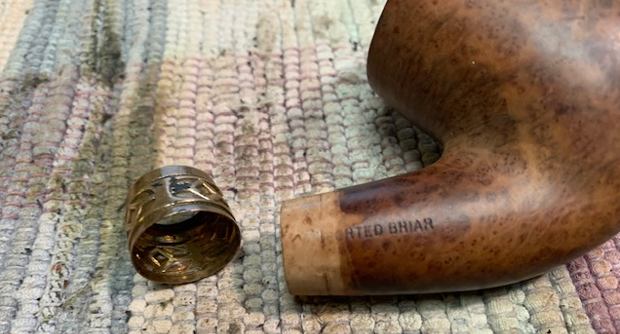
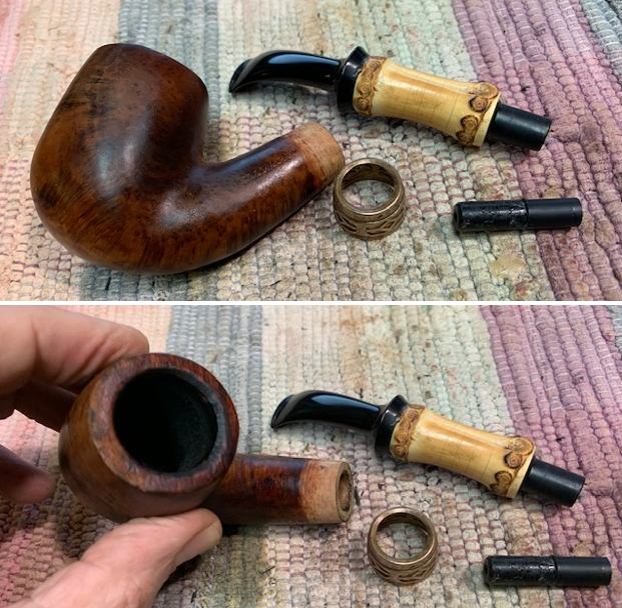
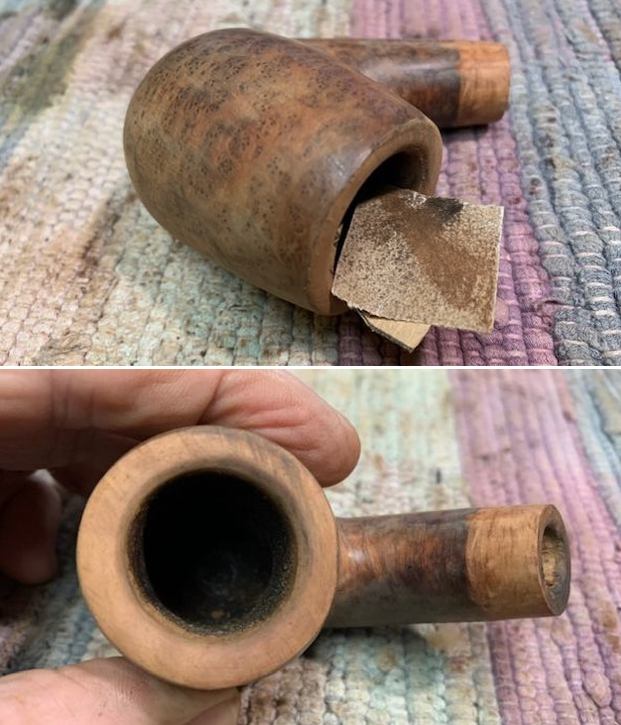
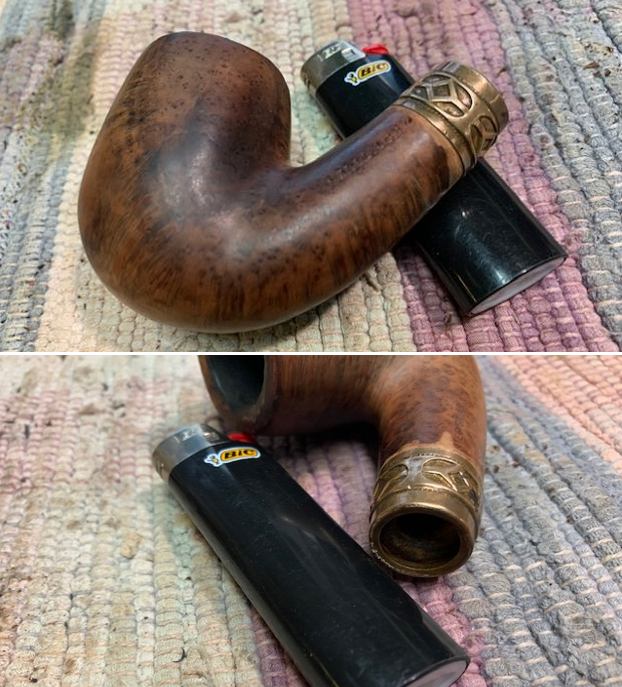
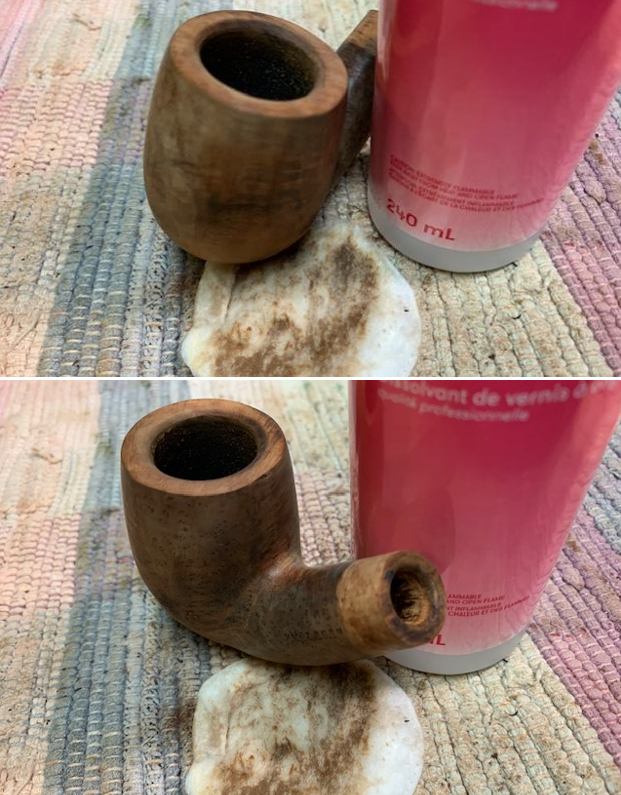
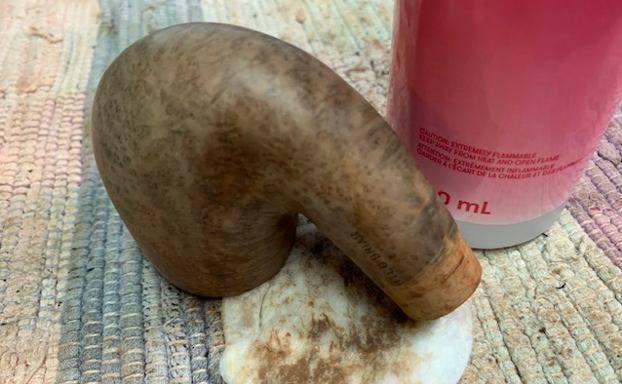
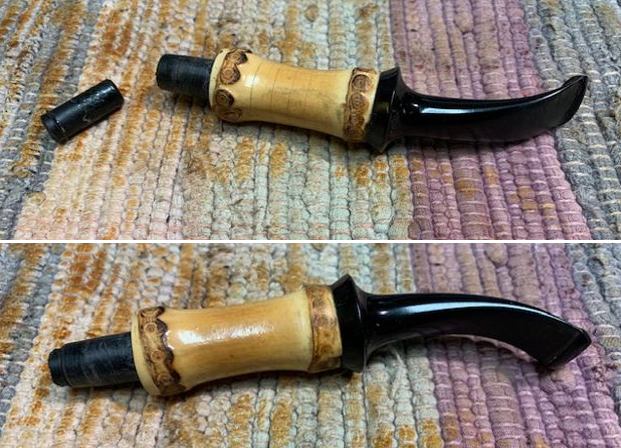
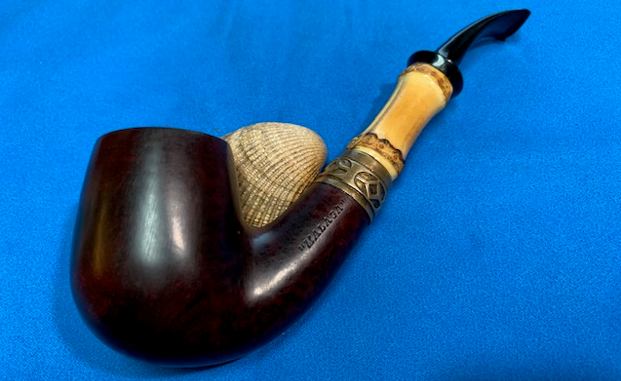
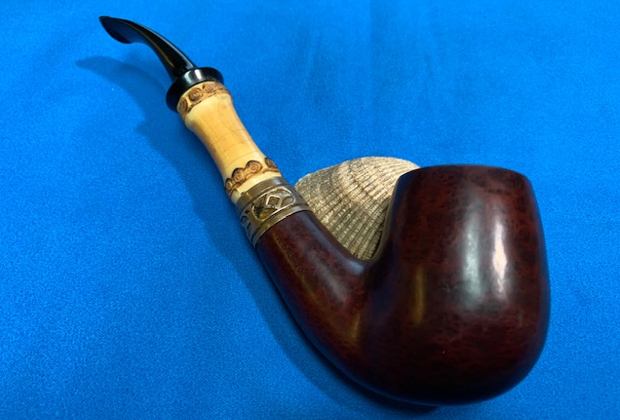
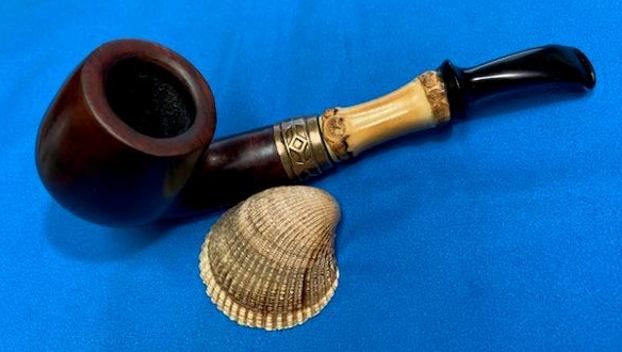
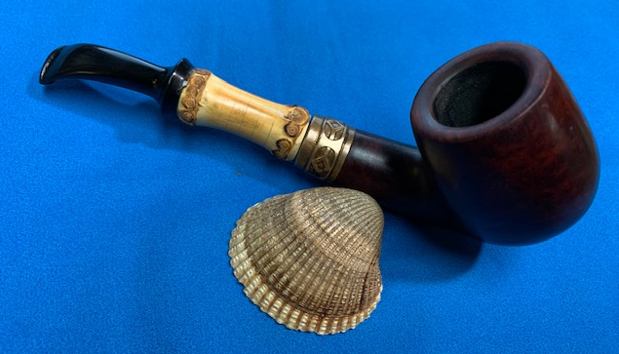
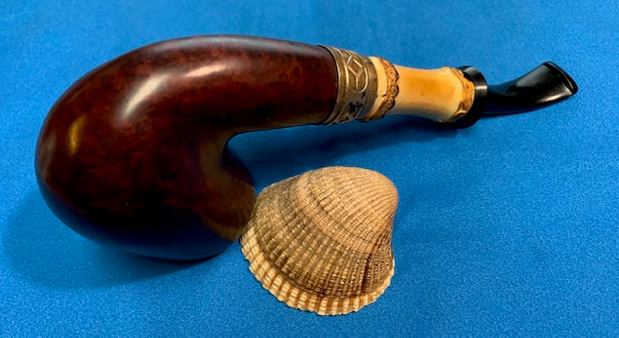
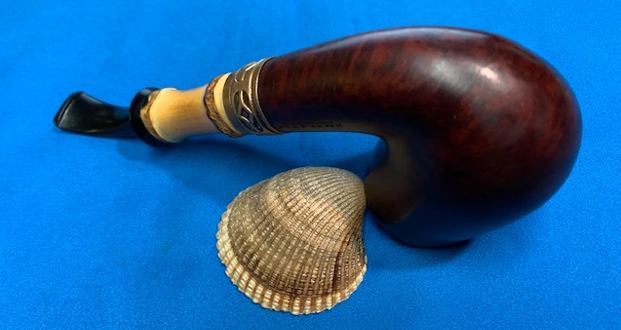
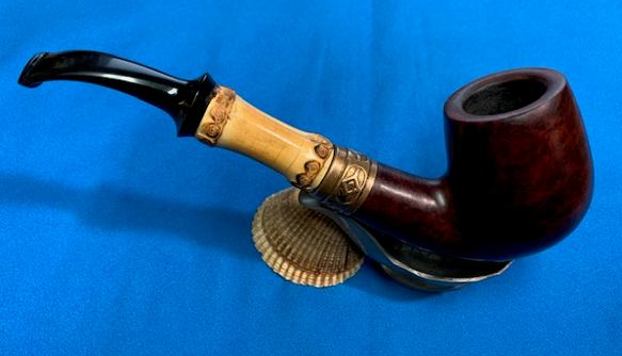
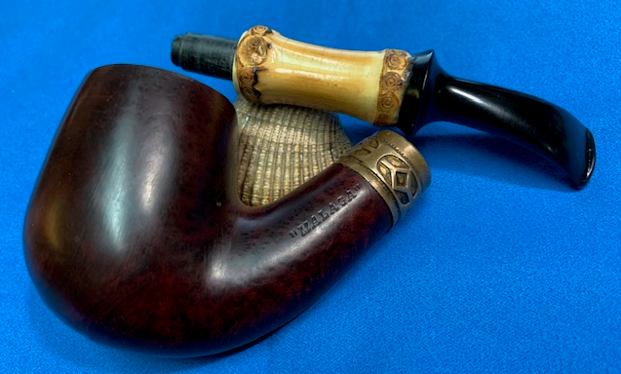
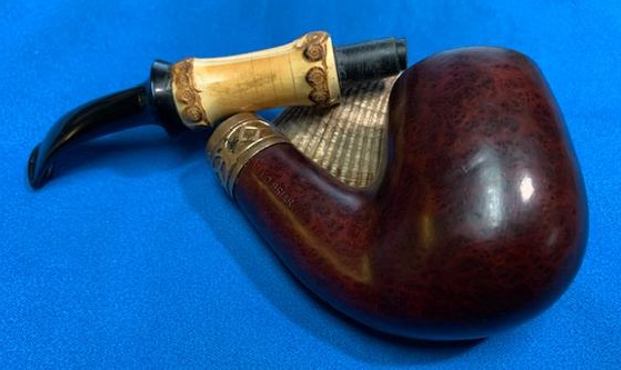
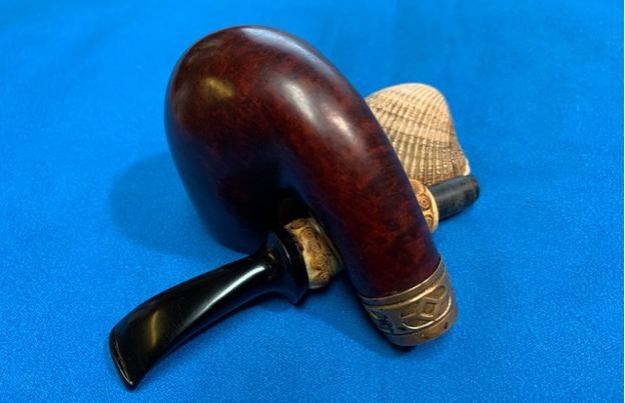
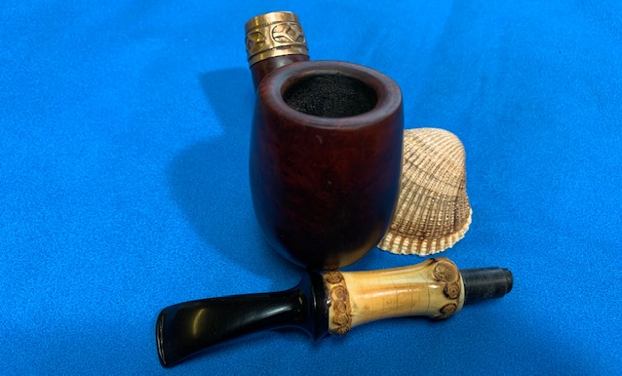
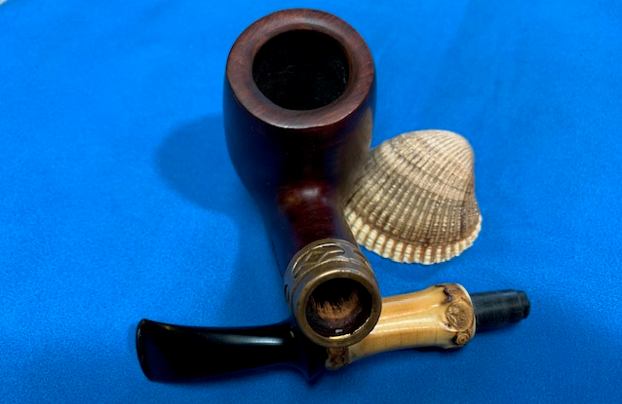
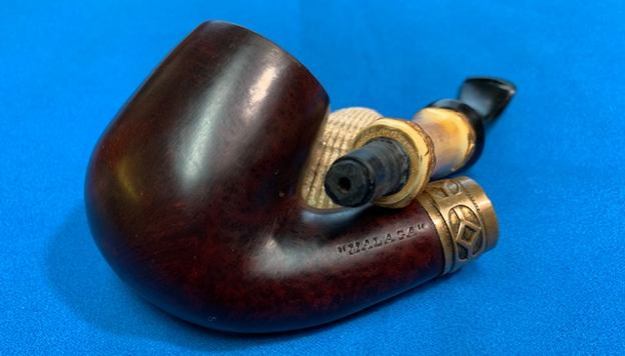
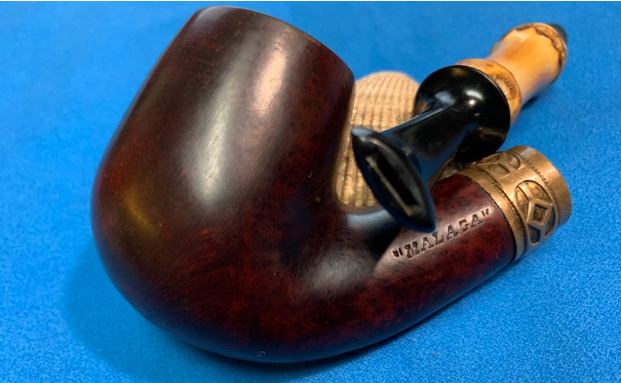
This afternoon I had an urge to make a Frankenpipe so after work I went through my parts. I found some parts that with some imagination could make an interesting looking pipe – at least in my mind’s eye. The parts for this Frankenpipe have all been around for a long time. The bowl is one I have had in a box here that had a snapped tenon in the shank. The stem had disappeared a long time ago and I did not have a stem for it that interested me. It is a large magnum sized “Malaga” bowl. It is far from a perfect piece of briar with a bald spot on the front left of the bowl. The rim top has burn marks and the bowl is out of round – thicker on the front side of the bowl than either side of the back of the bowl. The inner edge had a burned in “bevel” on the back right. The finish was worn and tired with black streaks over the bald spot on the left front of the bowl. It needed some serious TLC to bring life to it. Jeff had done his thorough clean up on the bowl so it was ready to work on. Here is what I saw with the bowl! As I stared at the bowl I thought that a band might look interesting on it. Don’t ask me why because as yet I had not chosen a stem for the bowl. I just thought a band would work. I went through my box of bands and nothing turned my crank or caught my eye. Then I remembered a bag of parts that I have from the mid to late 1800s. In that bag were several unique and original bands. There was one that caught my eye and I really thought it had promise. I took it out of the bag and found that it was in excellent condition and was probably never used. Here are some pictures of the decorative brass band.At that point I had an aha moment. I remembered an odd stem that I had in my collection of stems that just might be the thing that I was looking for on this Frankenpipe. It was unique and one that Jeff had picked up and save for me. I had never found a use for it but now I thought I might have. The two knuckle bamboo shank and acrylic stem is a single that has bend bonded together. The stem is thus a unit with the bamboo and the Delrin tenon on the other end is also integrated. It is drilled for a filter so I found a repair tenon that I could craft into an adapter to convert the tenon to a regular pipe sans filter. It would be removable if needed. Here is what it looked like with and without the tenon adapter. (The adapter would need to be shortened but you get the idea.)All of the parts have been here for quite a while. All of them give silent testimony to my crazy propensity to collect parts!! And all of them would finally come together to form a new Frankenpipe that was more than the sum of its parts. Read along as I walk through my process.

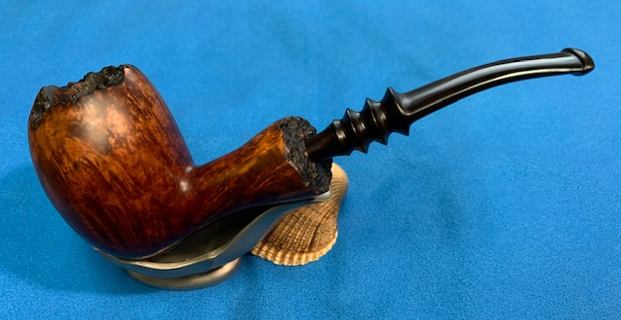
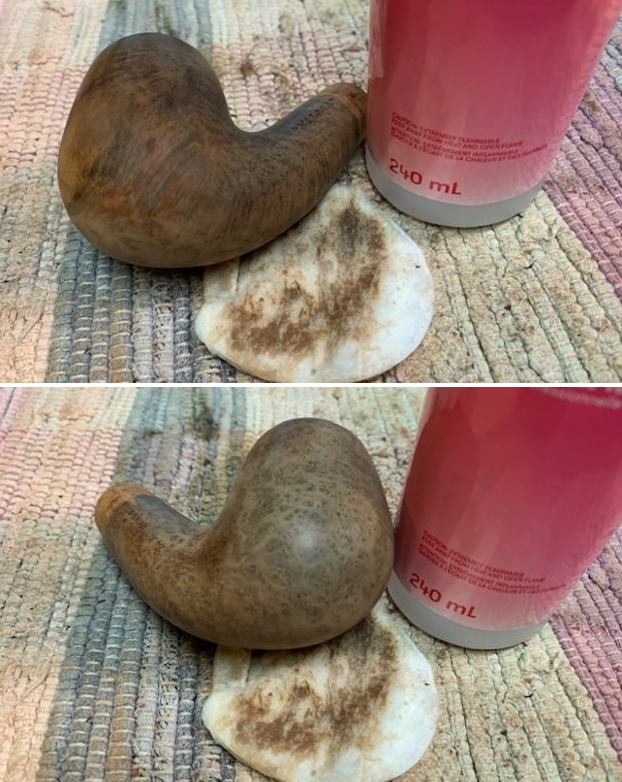
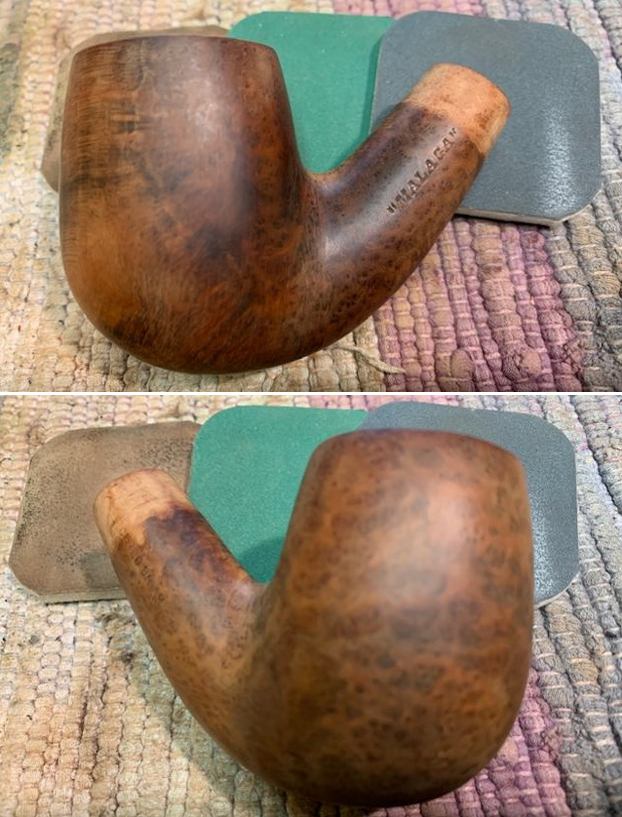
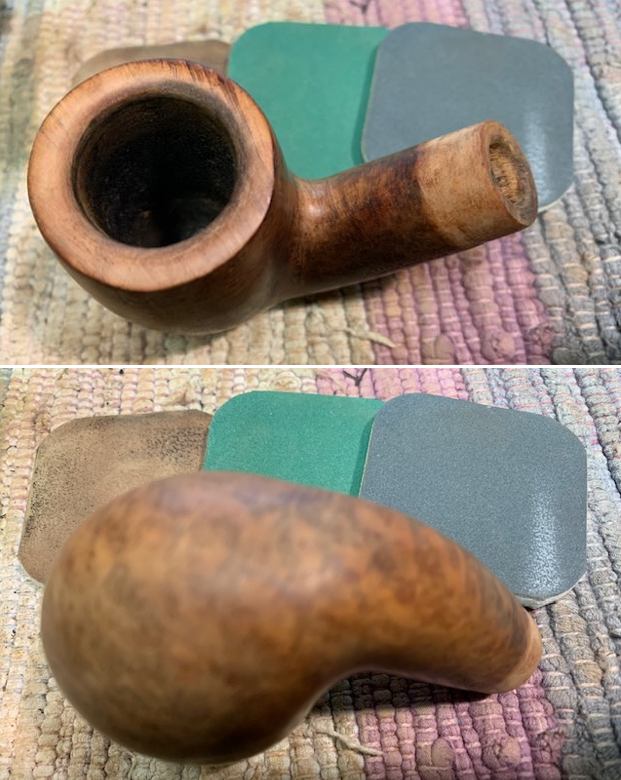
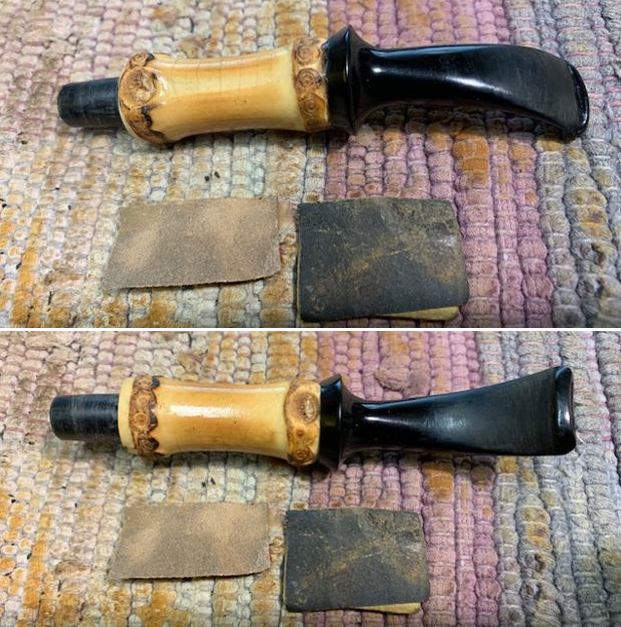
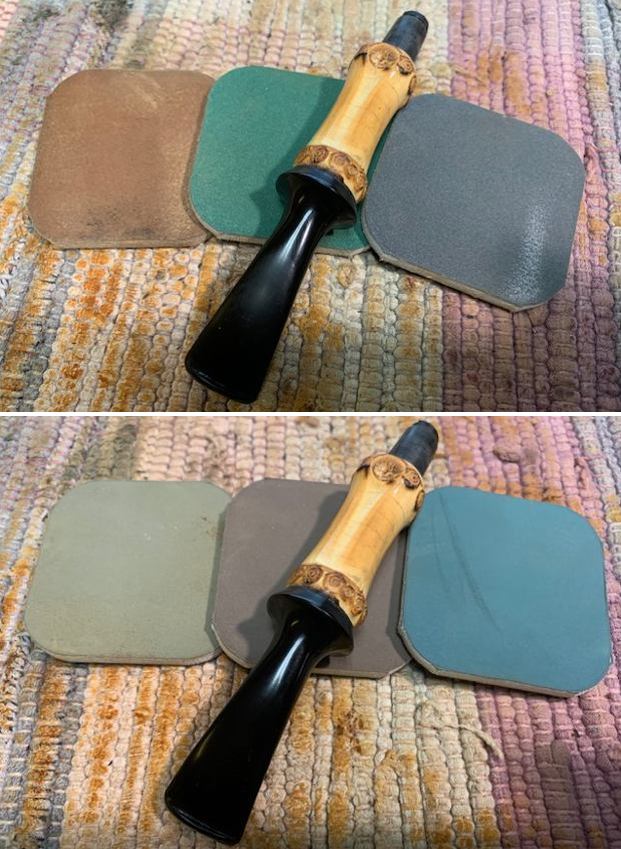
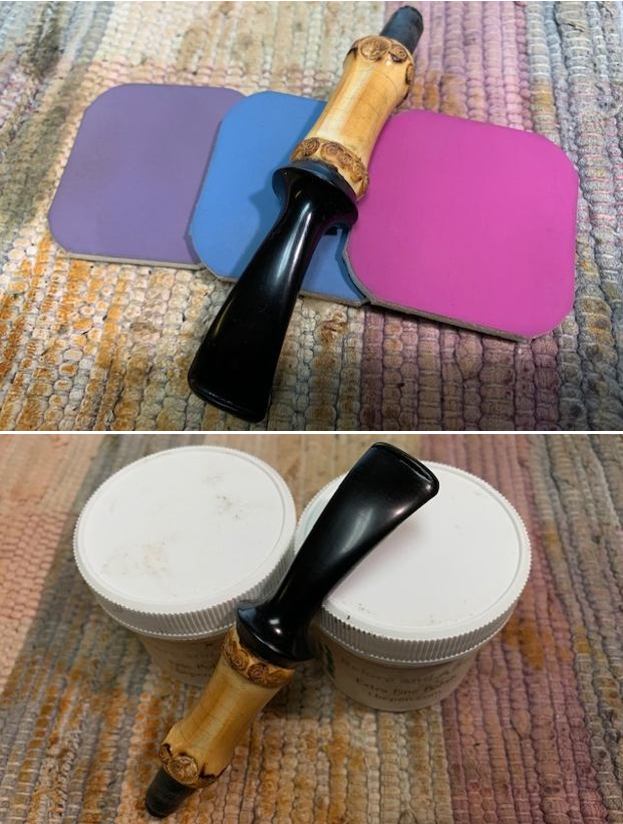
I began the work by addressing the issues with the bowl. I tried to pull the broken tenon with a screw. It was stuck so I put the bowl in the freezer for a little while. After about 10 minutes I tried again and was successful pulling the tenon out of the shank.With that finished I need to address the shank of the pipe to fit the conical ferrule/band that I had chosen. In the next photos you can see that I have chosen to shape the shank end to match the flow of the band. I did this with a Dremel and sanding drum and smooth it out with files and sandpaper. I was careful to leave the original Malaga stamp intact. I was not as concerned with the Imported Briar stamp on the right side of the shank. Progress is being made.I did a bit more shaping on the shank end. The decorative band now fit it quite well. I put the parts side by side and took some photos of the parts of the pipe. I took photos from various angles and sides. Can you begin to see what I am seeing with this pipe? I think it is going to work. Do you? Now back to work on the bowl! I decided to deal with the rim top damage by topping the bowl. It was in rough shape so I used 150 grit sandpaper on a topping board and remove the damaged parts of the rim top. It looked better. I worked over the inner edge of the rim with a folded piece of 150 sandpaper to give it all a bevel to match the burn damage at the back of the bowl. At this point I wanted to try the fit of the band on the shank. I heated it slightly with a lighter and pressed in place. I like what I am seeing. I removed the band once it cooled and went to work some more on the bowl. It needed to be polished and stained before I set the band in place but I wanted to have a look. Didn’t you? I wiped the bowl and shank down with acetone on a cotton pad to try to remove the dark patches and the remnants of the stain. All of this was in preparation for the future staining of the bowl. I polished the bowl with micromesh sanding pads – dry sanding with 1500-12000 grit pads to prepare it for staining. I wiped it down with a damp cloth to remove the debris after each pad. I stained the polished bowl with Fiebings Light Brown aniline stain. I applied the stain, flamed it and repeated the process until I was happy with the coverage. I set it aside to dry.Once the stain dried I wiped the bowl down with alcohol to make the stain more transparent. I buffed the pipe on the buffer with both Red Tripoli and Blue Diamond to further reduce the heaviness of the colour. I worked some Before & After Restoration Balm into the surface of the briar with my finger tips. The product works to clean, enliven and protect the briar. I let it sit on the briar for 10 minutes then buffed it off with a soft cloth. With the bowl finished and the stain cured it was time to press the band in place. I gave it a thin layer of white all purpose glue on the inside of the band and pressed it onto the shank end. It looks quite fetching to me. I set it aside to let the glue cure but I like it! I set the bowl aside and worked on the tenon adapter and the stem surface. I used the Dremel and sanding drum to shorten the adapter until the fit in the tenon allowed the shank to fit snug against the shank end.With the internals finished it was time to work on the tooth marks and chatter on the surface of the acrylic stem. I sanded them smooth with a folded piece of 220 grit sandpaper. I started polishing the stem surface with 400 grit wet dry sandpaper.I polished the stem with micromesh sanding pads – 1500-12000 grit pads. I dry sanded the stem with the pads and wiped it down with a damp cloth after each pad. I finished the polishing with Before & After Pipe Stem Polish – both Fine and Extra Fine. I gave it a final buff with a cloth and Obsidian Oil. I put the parts of the Frankenpipe together and took the pipe to the buffer. I buffed it with Blue Diamond and really like the way the brass and bamboo polished up. They looked great after buffing. The bowl and stem also shone but I expected that really. The combination of the darker stain on the bowl, the antique brass band, the 2 knuckle bamboo with developing patina and the black acrylic stem came together even better than expected. I gave the pipe several coats of carnauba wax on the buffing wheel. I buffed it with a clean buffing pad to raise the shine and hand buffed it with a microfibre cloth to deepen the shine. The finished pipe really shone with rich hues. The dimensions of this Frankenpipe are Length: 5 ½ inches from the front of the bowl to tip of the stem, Height: 2 inches, Outer diameter of the bowl: 1 ¾ inches, Chamber diameter: 7/8 of an inch. The weight of the pipe is 69 grams/ 2.47 ounces. It really surprised me as it looks to be a much bigger pipe than it is. I would say it is Dunhill Group 5 pipe at least in terms of bowl size. It really is a beautiful pipe in person and it will be staying with me along with the other Frankenpipes I have crafted. I am looking forward to enjoying a bowl shortly. It was a fun pipe to work on. I hope you enjoyed the process as you read about it. Thank you for taking time to read about it. As Paresh says – Stay safe/Stay healthy.

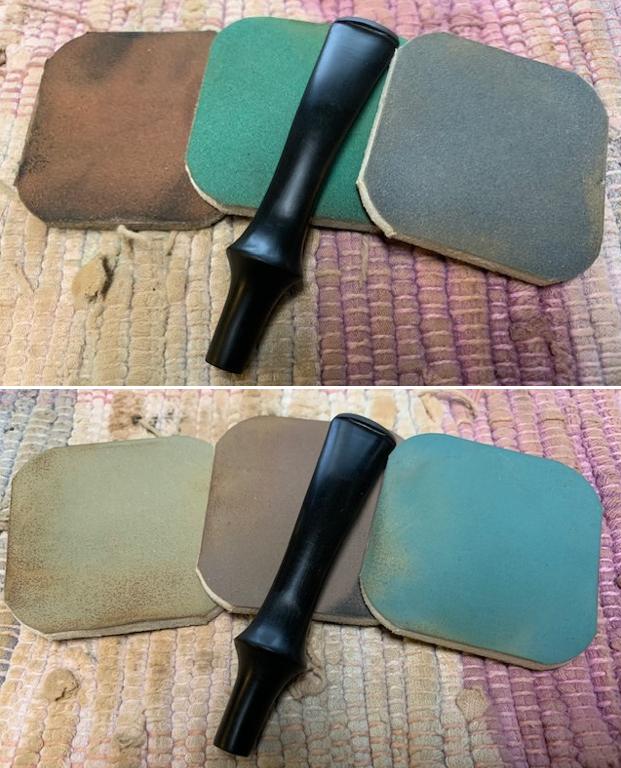
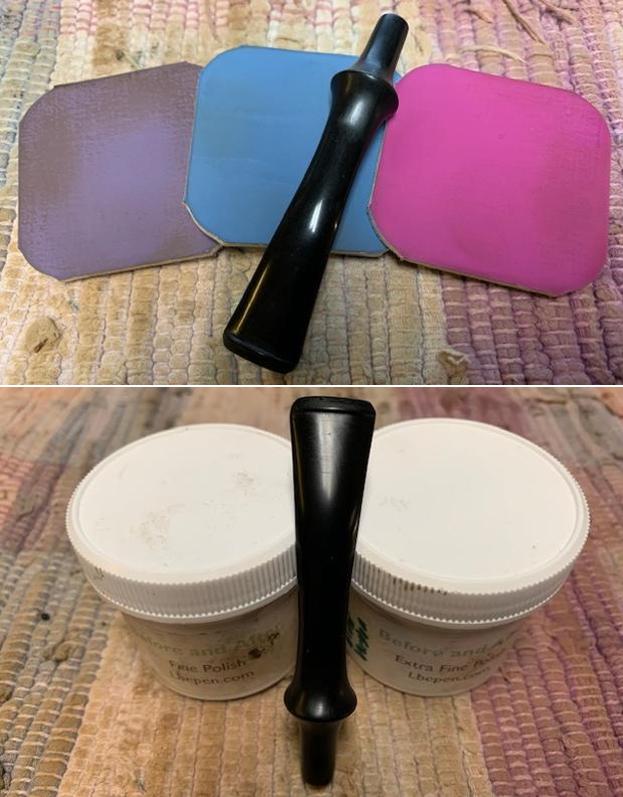
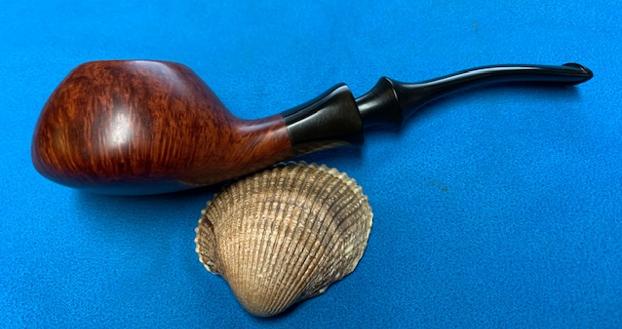
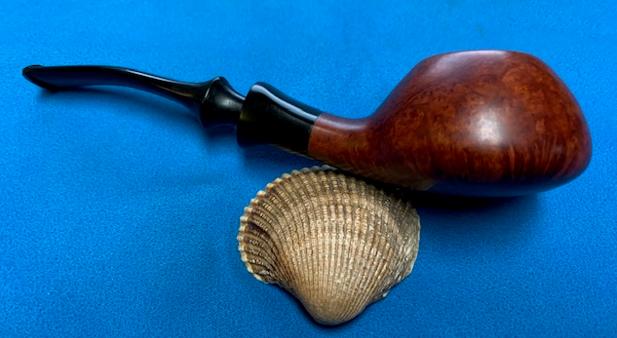
Restemming a Stanwell Design Choice 892 Ukelele with a proper stem


Blog by Steve Laug

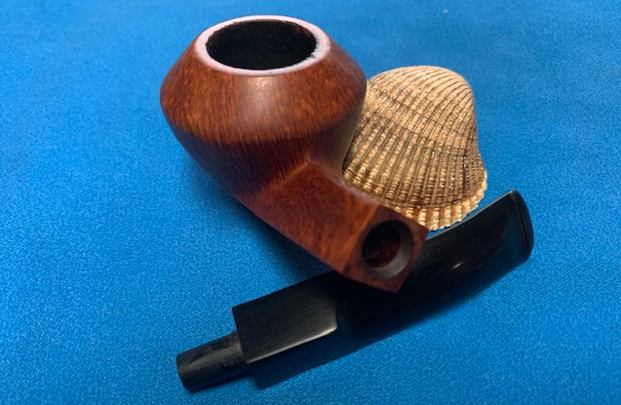
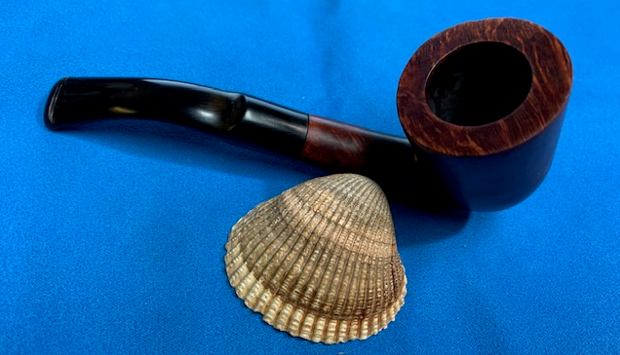
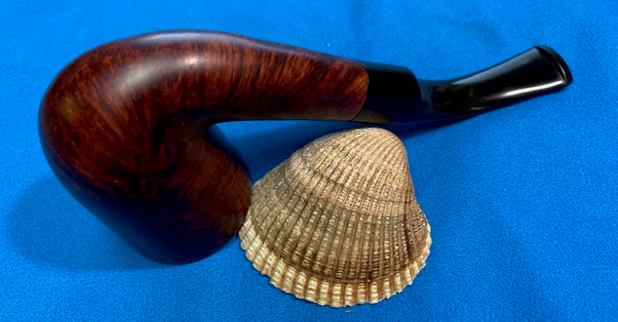
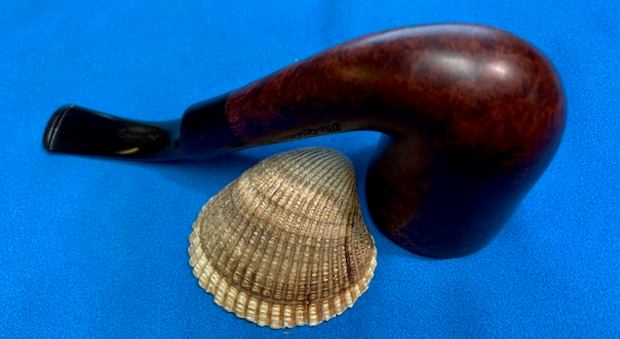
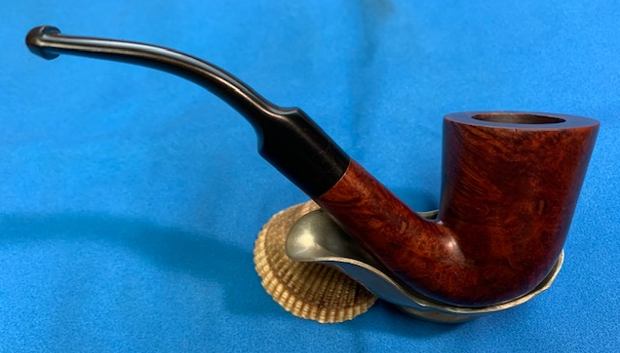
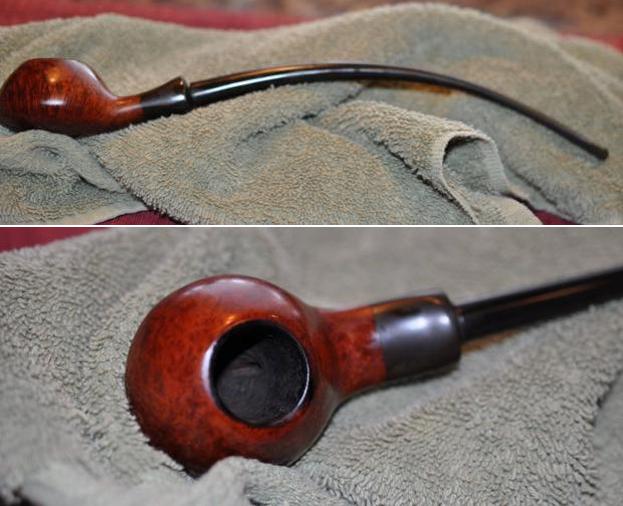
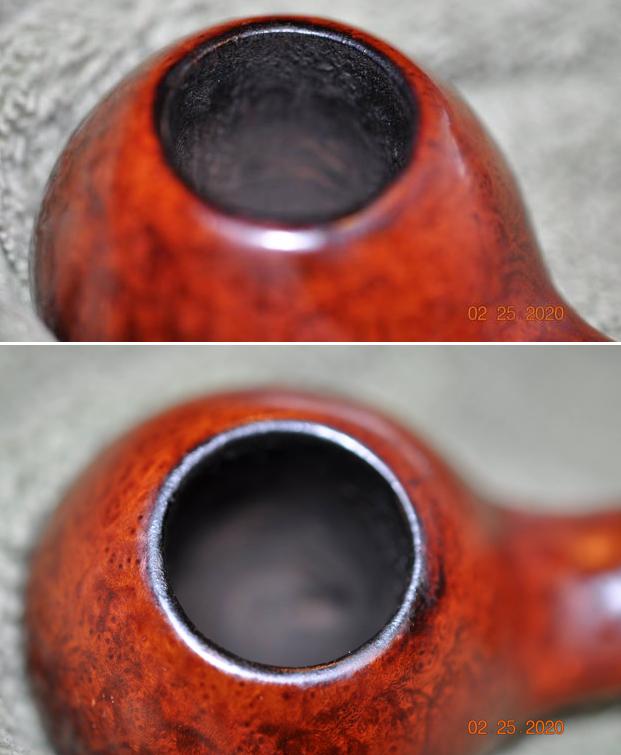
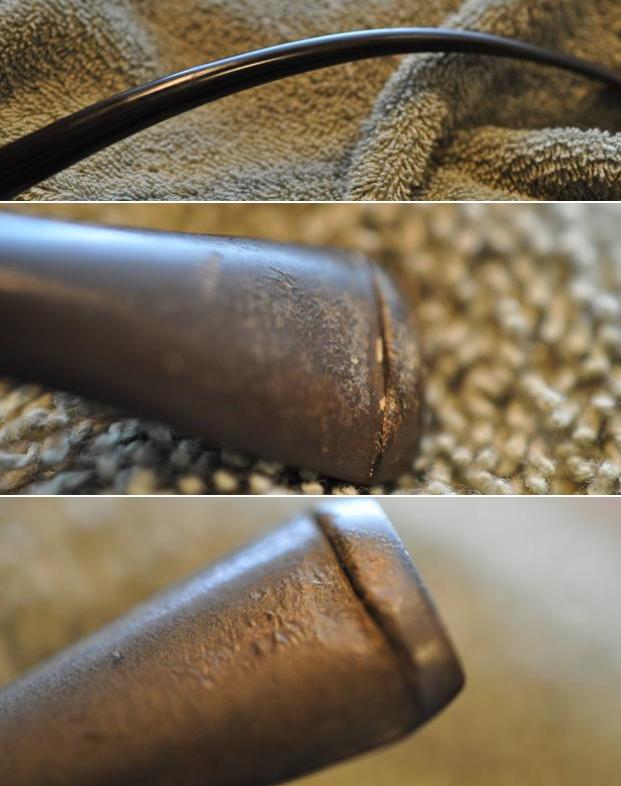
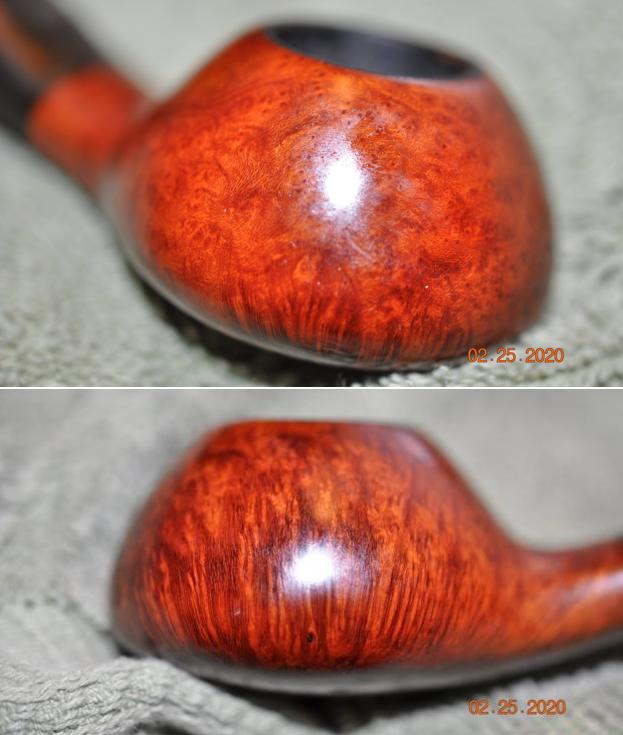
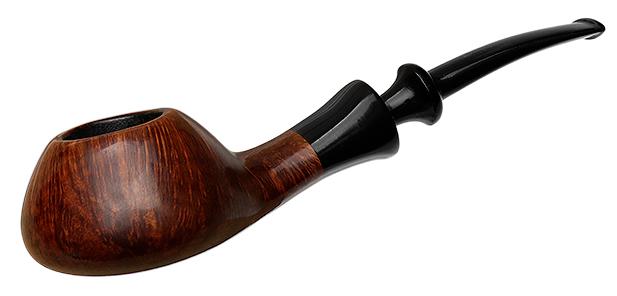
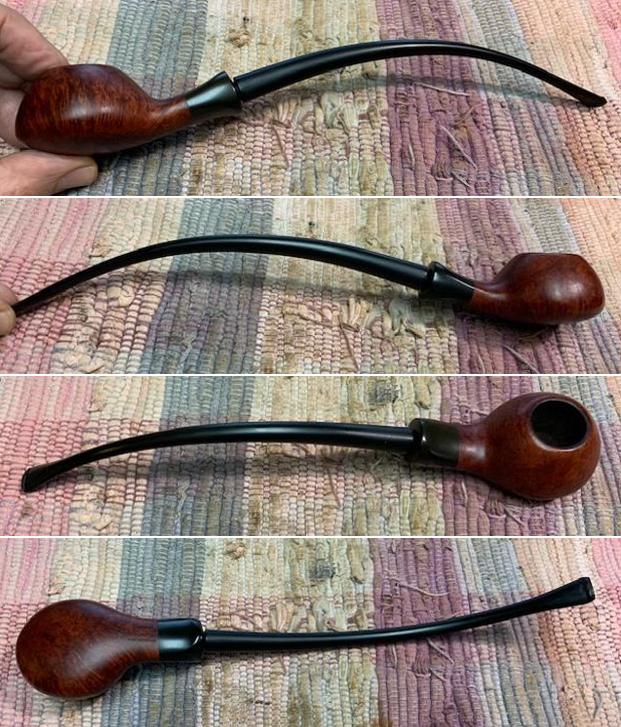
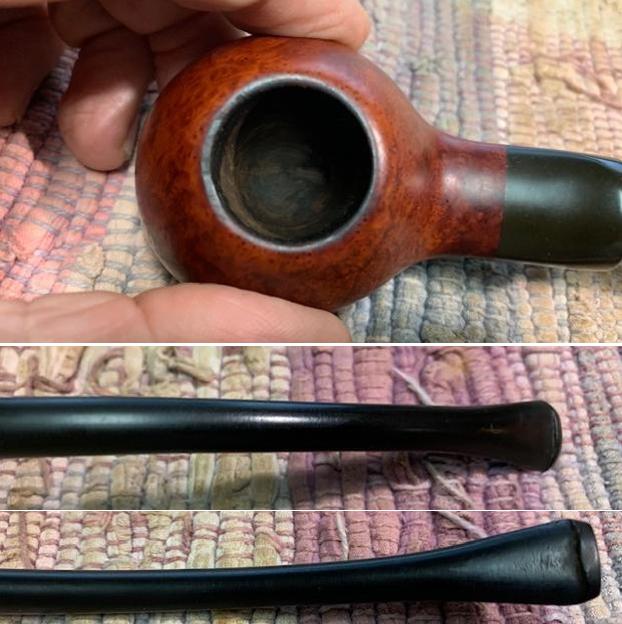
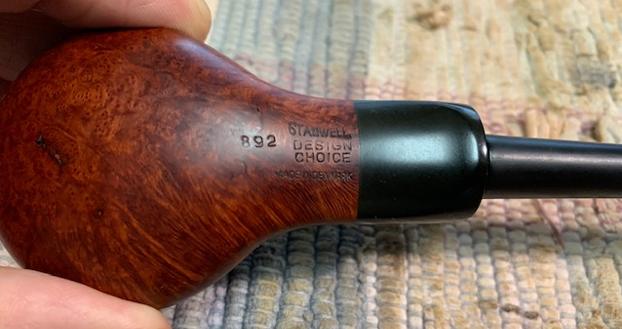
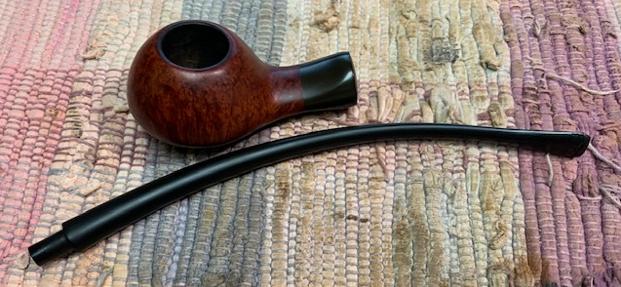
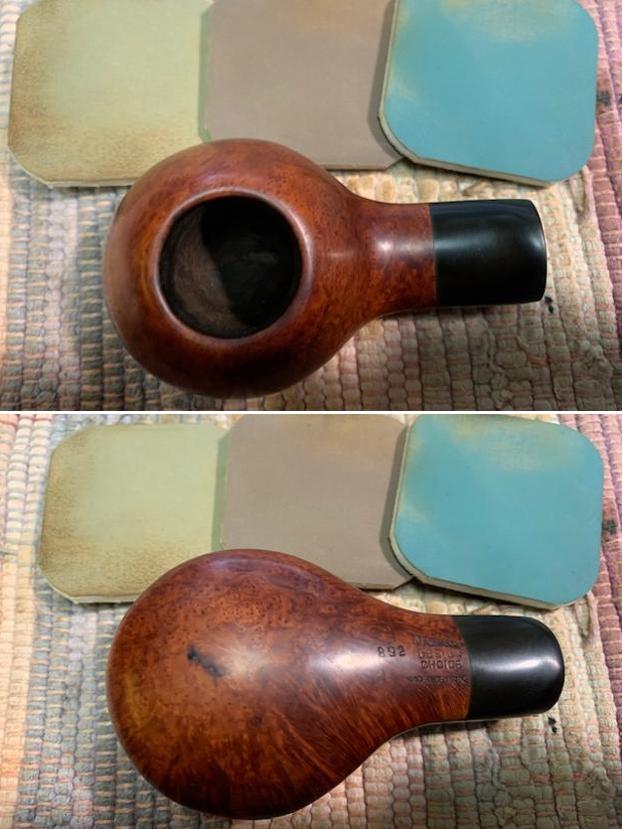
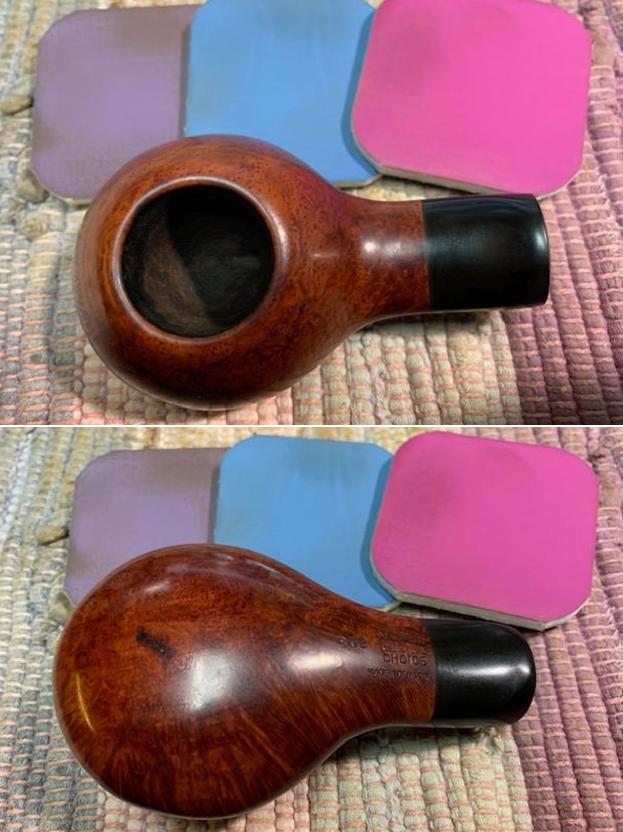
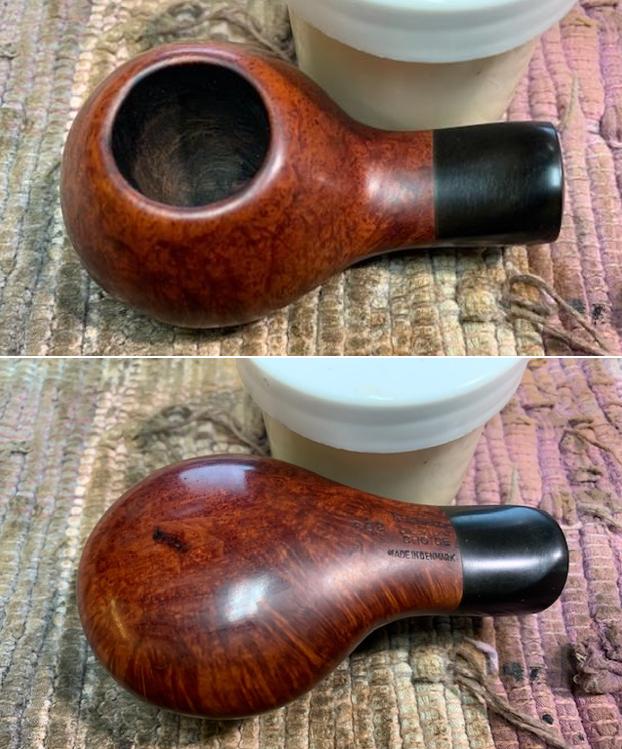
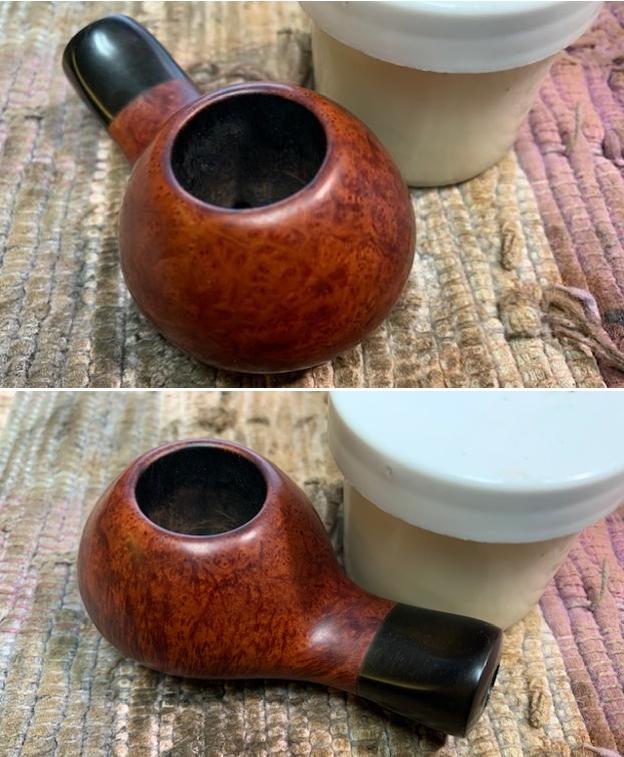
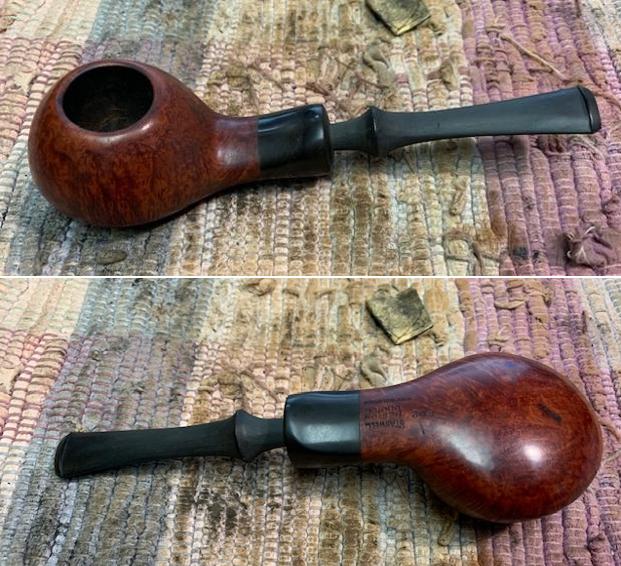
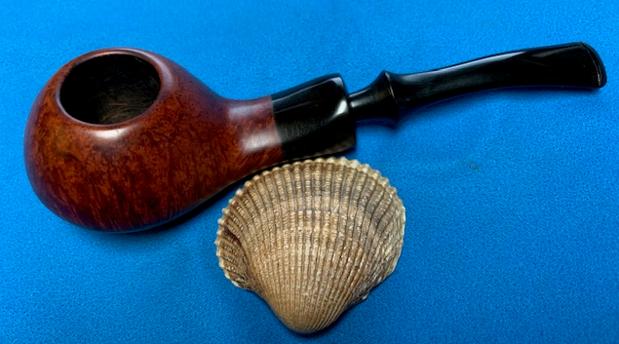
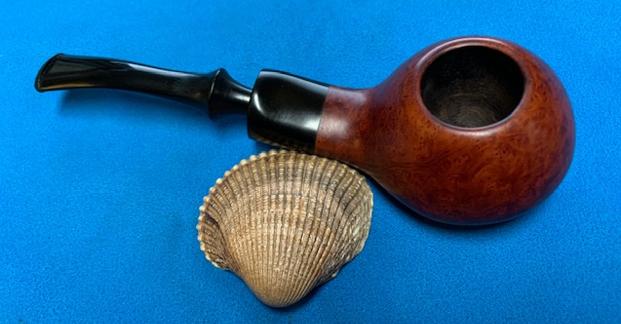
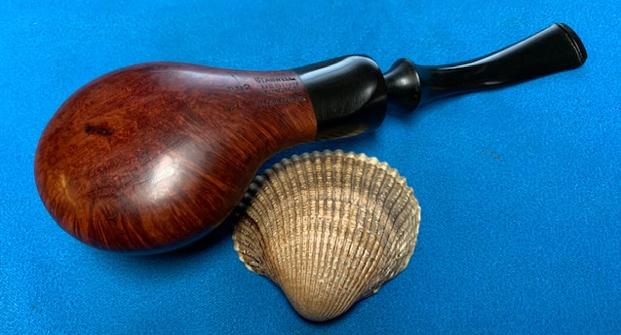
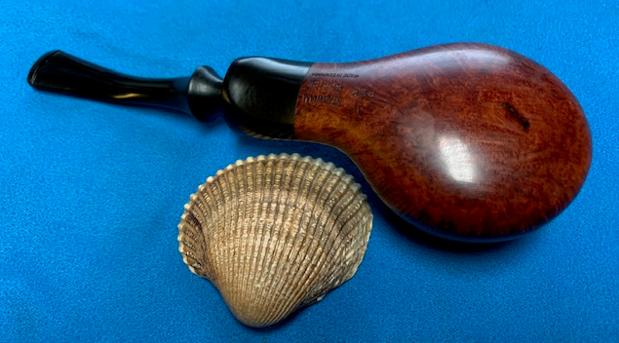
The next pipe on the work table is one that was purchased in 2020 from an auction in Bloomingdale, New York, USA. It has been here for a while and I am just now getting to it. Work has been demanding so it is slowing down my restoration work a bit. This flat bowled volcano shaped pipe obviously has a a poorly fit replacement stem that has made it into an odd shaped churchwarden. I don’t think that it looked like this when it came out but I had no idea what it would have looked like before. It has a really mix of grains around the bowl and shank. It was stamped on the underside of the shank and it reads Stanwell [over] Design [over] Choice [over] Made in Denmark. To the left of this it is stamped with the shape numbers 892. The pipe was dirty with grime ground into the finish. There was a moderate cake in the bowl and lava overflow on the rim top. The inner edge of the rim was covered in lava it was hard to know what was underneath. The vulcanite shank extension was oxidized and worn. The churchwarden stem is overly bent and the fit in the shank extension is not quite right – just a few of several reasons that I knew it was a replacement stem. Jeff took some photos of the pipe before he started to work on cleaning it up for us. Jeff took photos of the rim top and the stem to show the condition of the pipe when we received it. You can see the cake in the bowl and the lava on the rim top and inner edge of the bowl. The oxidized and replacement churchwarden vulcanite stem was over bent and would need to be straightened or replaced with a more original stem. This one has chatter and deep tooth marks on both sides near the button. He took photos of the sides of the bowl and the heel to give an idea of the shape and the condition of the briar around the bowl. It really is a nicely shaped pipe with some great grain. There are some flaws in briar on the bottom of the bowl. The next photo Jeff took shows the stamping on the underside of the shank. It is clear and readable as noted above. I Googled the Stanwell shape 892 Design Choice pipe to see if I could find photos of what the pipe looked like when it was made and to see if I could see if there was information on who had made the pipe originally. I found a link to the shape on smokingpipes.com to the shape number (https://www.smokingpipes.com/pipes/estate/denmark/moreinfo.cfm?product_id=238398). I have included the description from the site below as well as a photo of one of the pipes.

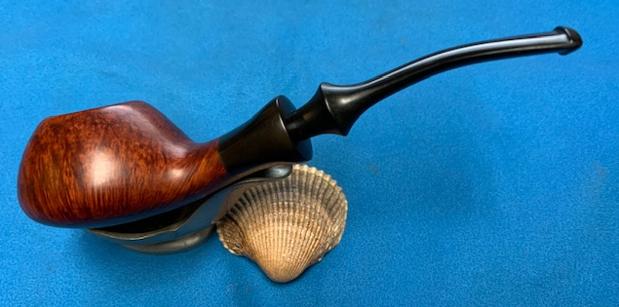
A shape designed for Stanwell by Sixten Ivarsson, this is a take on the Ukelele, with plenty of plump curvature and low-slung charm on display. This example is still in good condition overall, though it has picked up some light scratches around the bowl, and the chamber is slightly out of round.Now I knew that I was dealing with a shape designed by Sixten Ivarrson called a Ukelele that had a short fancy saddle stem and there was no reference anywhere I looked for a churchwarden stemmed Ukelele. I would need to fashion a new stem for the pipe to give the pipe a similar look to the one above.

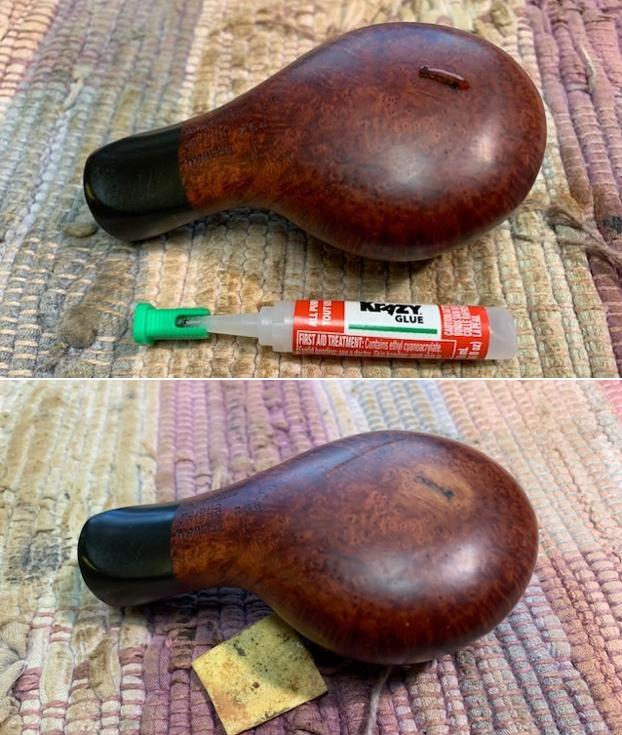
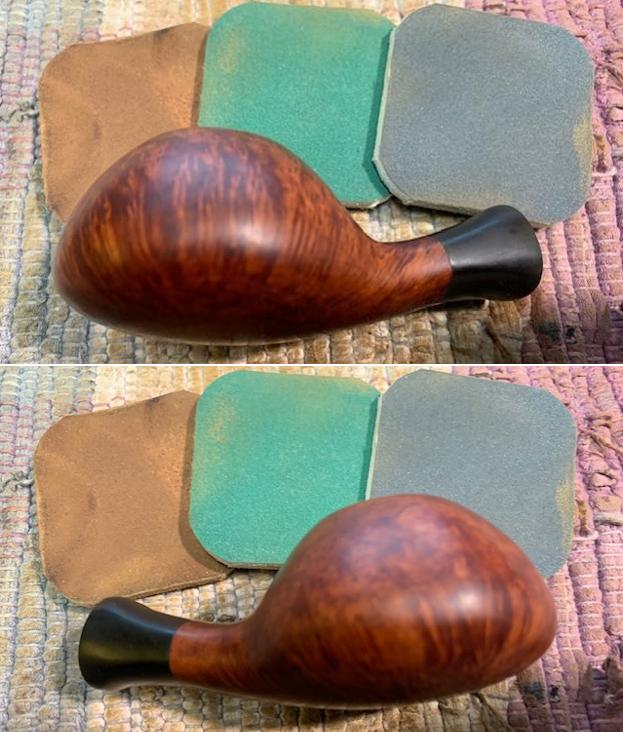
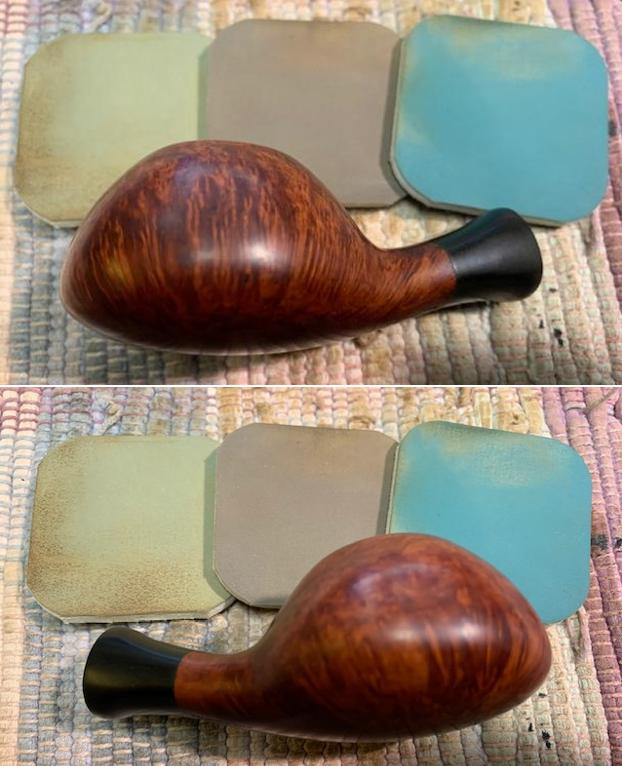
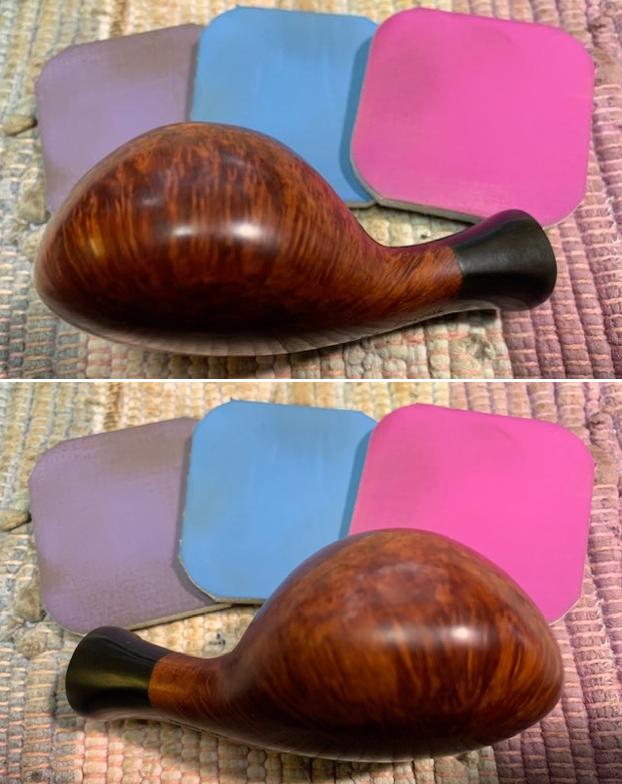
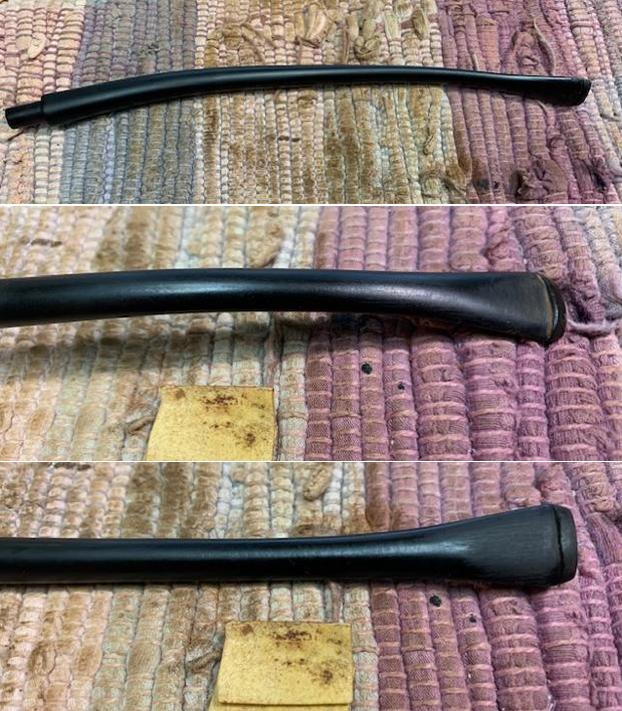
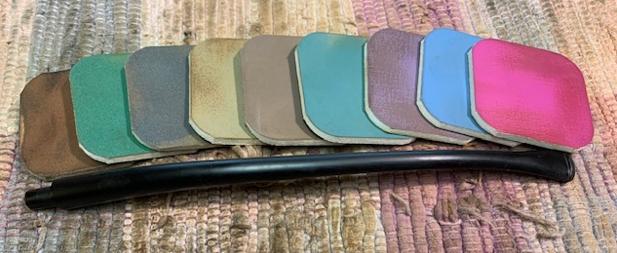
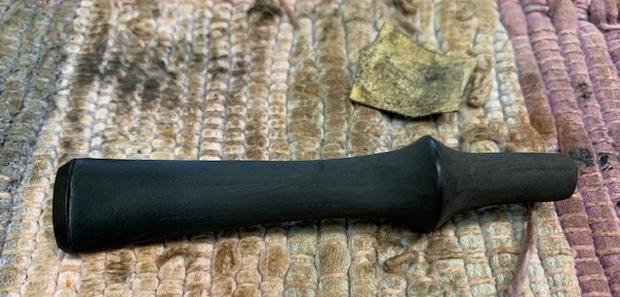
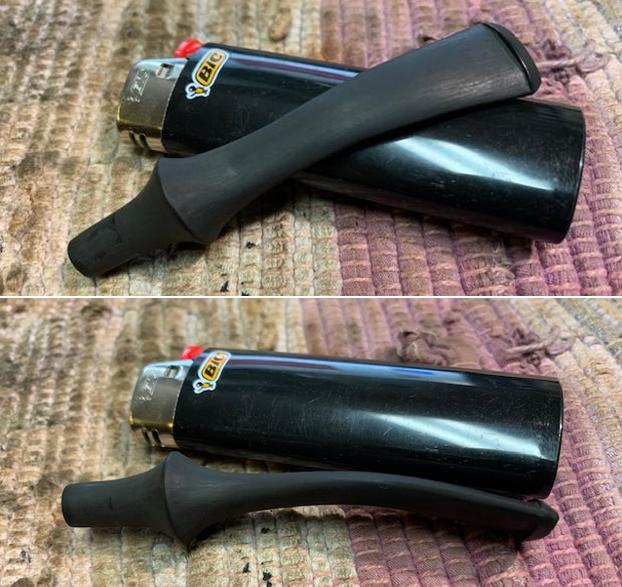
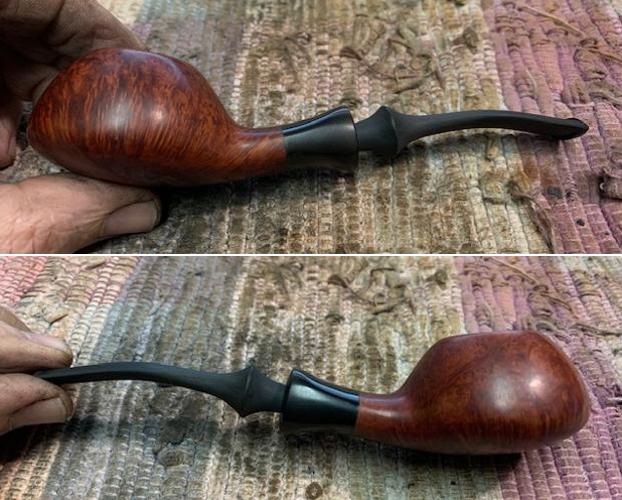
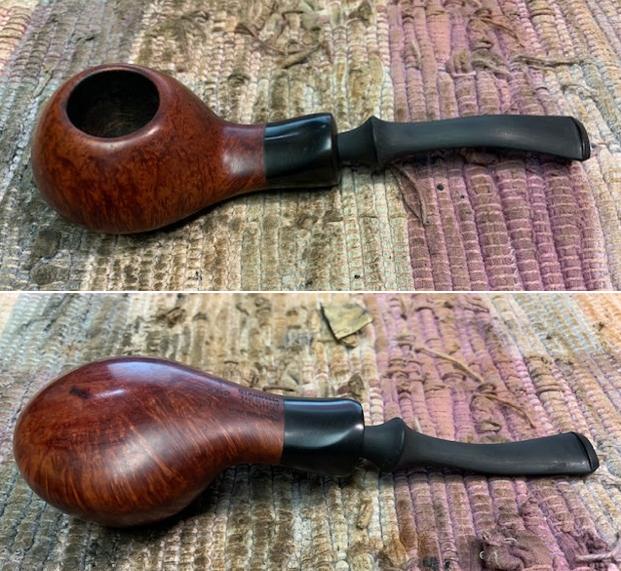
Jeff had cleaned up the pipe following his normal cleaning process. In short, he reamed the bowl with a PipNet pipe reamer and cleaned up the reaming with a Savinelli Fitsall Pipe Knife.  He scrubbed the smooth bowl with undiluted Murphy’s Oil Soap with a tooth brush. He worked over the lava and debris on the rim top and was able to remove it. He rinsed it under running warm water to remove the soap and grime. He cleaned out the inside of the shank and the airway in the stem with alcohol, cotton swabs and pipe cleaners. He scrubbed the stem with Soft Scrub and cotton pads to remove the debris and oils on the stem. He soaked it in a bath of Briarville’s Pipe Stem Deoxidizer to remove the oxidation. He rinsed it with warm water and dried it off. I took photos of the pipe once I received it. It really looked good but I was more convinced than ever that a new stem was needed. I decided that I would work on this stem while I was looking for a new stem.I took close up photos of the stem and the rim top to show both how clean they were and what needed to be addresses with both. The rim top and bowl look good. The edge was clean but there was some damage on the rim top at the front of the bowl. The Churchwarden stem looked better and the tooth marks and chatter were still present. I took a photo of the stamping on the underside of the shank. You can see from the photo that it is readable.I removed the stem from the bowl and took a photo of the parts to give a sense of the beauty of the pipe. I started my work on the pipe by addressing the flaws in the bottom of the bowl. Under a lens there were small sand pits along the line of the CA glue that I filled them with in the photo below. Once the repair cured I sanded it smooth with a folded piece of 220 grit sandpaper to blend it into the surrounding briar. I polished the smooth briar and the vulcanite shank extension with micromesh sanding pads – dry sanding with 1500-4000 grit pads to smooth out the surface of the briar and the repair on the bottom of the bowl. I wiped the bowl down after each sanding pad with a damp cloth to remove the sanding dust. The briar began to take on a shine. I paused after polishing the bowl with the 4000 grit micromesh pad to stain the repair on the bottom of the bowl. I used a Maple stain pen to match the surrounding briar. Once the stain cured I finished polishing the bowl with 6000-12000 grit micromesh sanding pads. The bowl really did begin to shine. I rubbed the bowl down with Before & After Restoration Balm working it into the briar with my finger tips. The product works to clean, revive and protect the briar. I let it sit on the pipe for 10 minutes then buffed it off with a soft cloth.   I set the bowl aside and turned my attention to the stem. I decided to deal with the stem even though I would replace it on the finished pipe. I straightened the churchwarden stem with a heat gun to get the angle more in keeping with the angles of the shank. I sanded out the tooth marks on both sides of the stem at the button with 220 grit sandpaper and started the polishing with 400 grit sandpaper.I polished the stem with micromesh sanding pads – wet sanding it 1500-12000 pads. I wiped it down with some Obsidian Oil each pad to remove the dust and polishing debris. I polished it with Before After Pipe Polish – both Fine and Extra Fine. I gave it a final coat of Obsidian Oil and set it aside to dry. Now that the churchwarden stem was finished I turned my attention to a shorter stem that I shaped to match the one in the photo from smokingpipes.com. I used a stem blank that I shaped with a Dremel and sanding drum. I shaped the saddle above the tenon to flow into the blade of the stem. I also shaped the tenon area to also have the same slope. I wanted  the slope on both sides to match. I used 220 grit sandpaper to smooth out the angles. I took photos of the newly shaped stem in place in the bowl. I like the looks of the pipe with the new stem. I heated the vulcanite with the flame of a lighter to soften the stem and give it a slight bend. The bend fit the angles of the shank and allowed it to sit on the desktop.I put the stem on the pipe and took photos of the pipe with its new stem. I looked very good and the angles were perfect. I liked the way the pipe looked at this point.I polished the new stem with micromesh sanding pads – wet sanding it 1500-12000 pads. I wiped it down with some Obsidian Oil each pad to remove the dust and polishing debris. I polished it with Before After Pipe Polish – both Fine and Extra Fine. I gave it a final coat of Obsidian Oil and set it aside to dry. This is another pipe that I am really happy about the finished restoration. This reborn Stanwell Ivarrson Designed Ukelele turned out really well. I used a blank to shape and craft a new stem for it as the churchwarden stem just did not work well. After restemming I think that it really is a great looking pipe with a great shape and grain. The bowl is flattened volcano shape and the vulcanite shank extension goes well with it. The new vulcanite saddle stem is very close to the original stem that would have come with the pipe when it was new. The polished black of the stem works well with the briar. The briar really came alive with the buffing. The rich brown stains of the finish make the grain really pop with the polishing and waxing. I put the stem back on the bowl and buffed the pipe with Blue Diamond on the buffing wheel. I gave the bowl and the stem multiple coats of carnauba wax on the buffing wheel. I buffed the pipe with a clean buffing pad to raise the shine. I hand buffed the pipe with a microfiber cloth to deepen the shine. The finished Stanwell Design Choice Ukelele really has a unique beauty and feels great in the hand. It looks very good. Give the finished pipe a look in the photos below. The dimensions of the pipe are Length: 6 ¼ inches, Height: 1 ¼ inches, Outside diameter of the bowl: 1 ½ inches, Chamber diameter: 7/8 of an inch. The weight of the pipe is 55 grams/1.98 oz. The pipe will be going on the rebornpipes store soon. It will be in the section on Danish Pipe Makers if you would like to add it to your collection. Thanks for reading this blog and my reflections on the pipe while I worked on it. It was a fun one to work on!