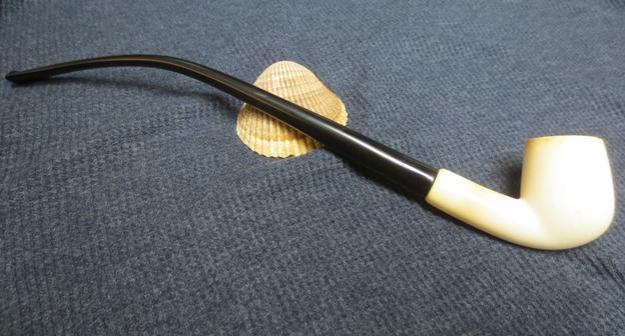
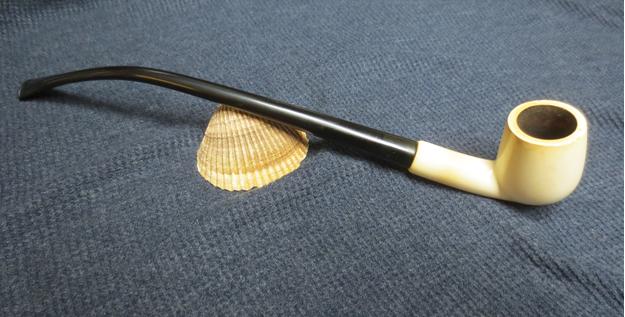
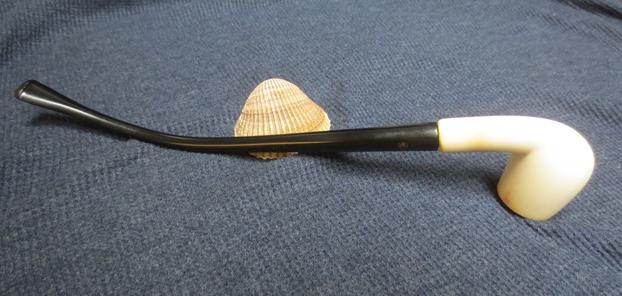
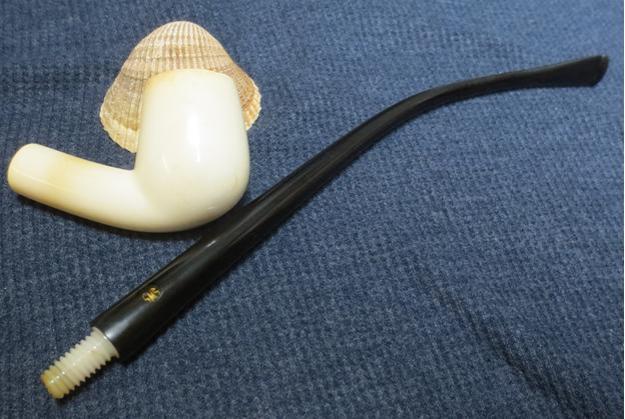
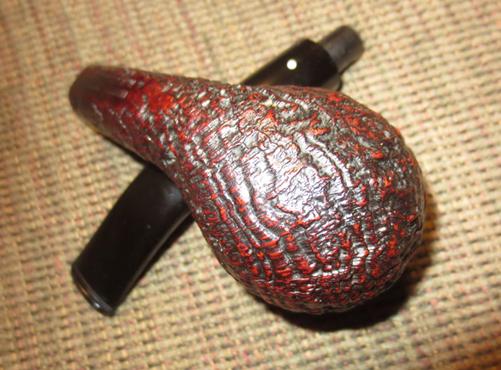
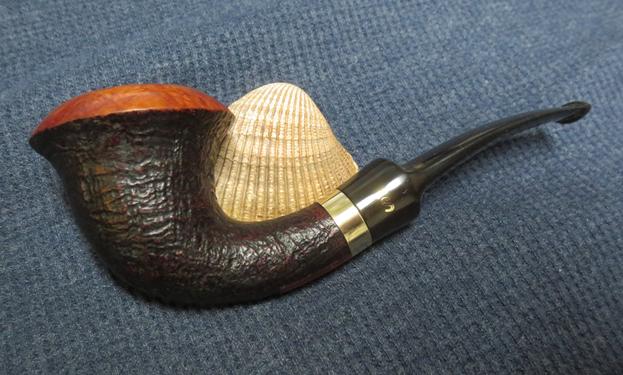
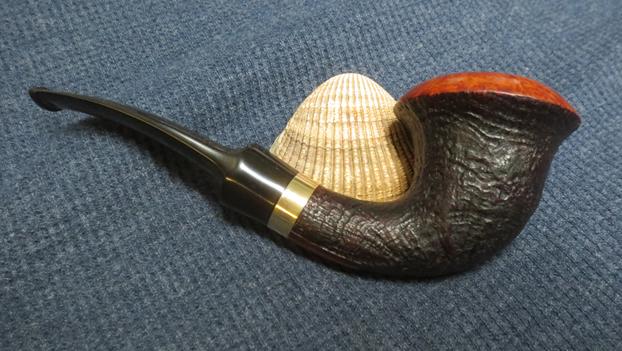
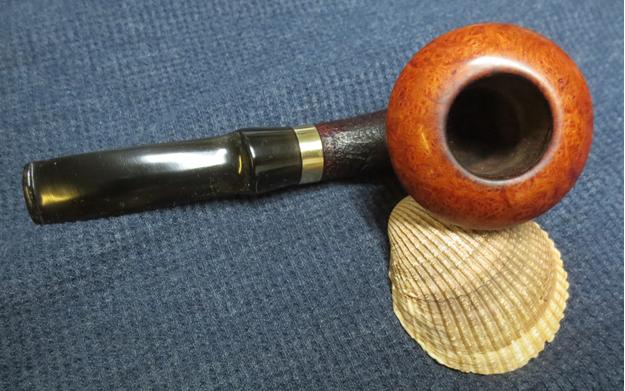
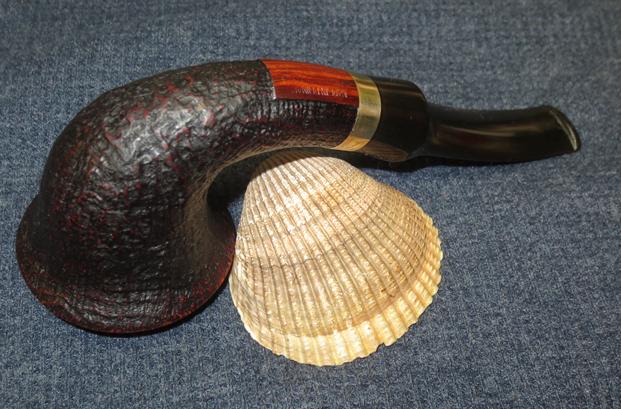
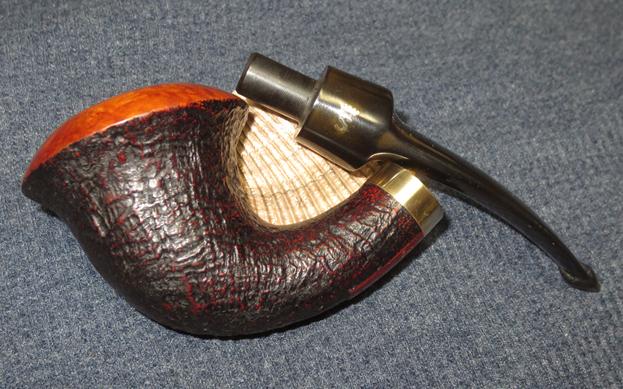
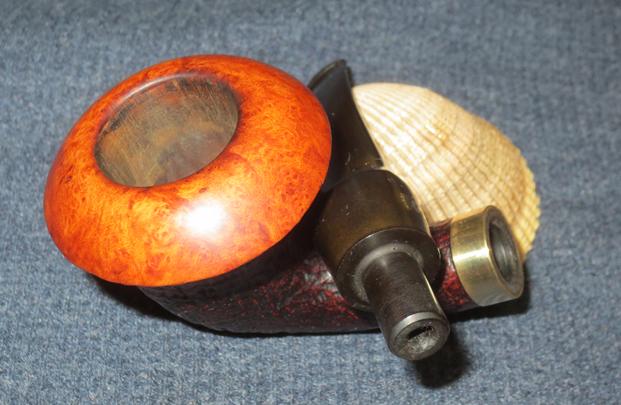
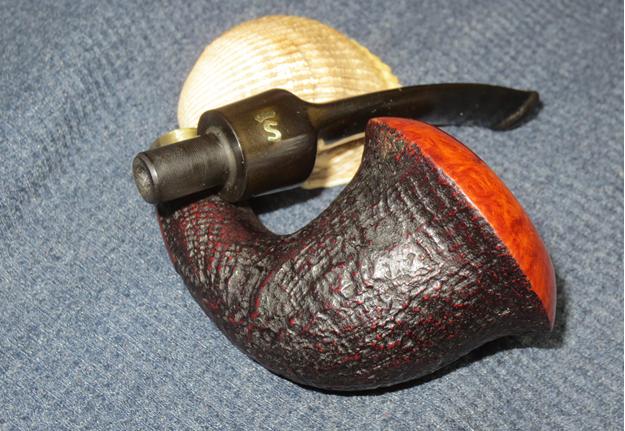
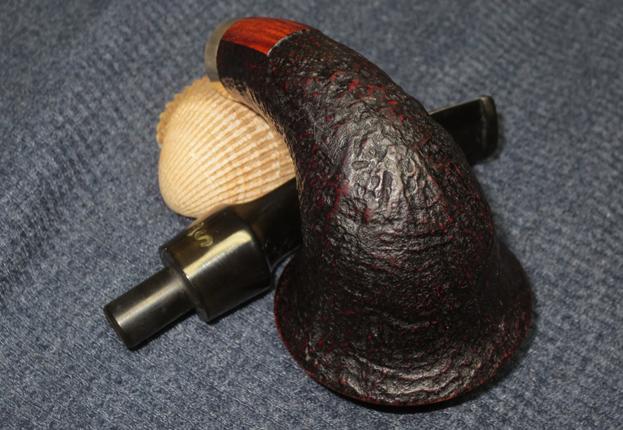
GBD 133 New Era Restored


By Al Jones

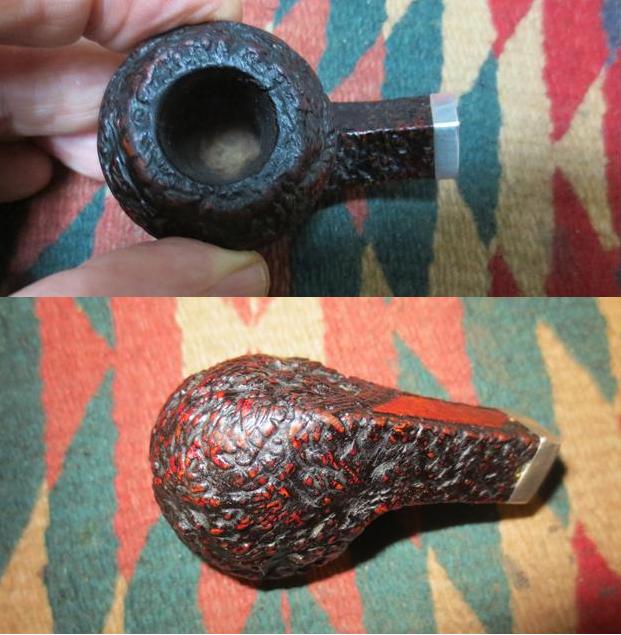
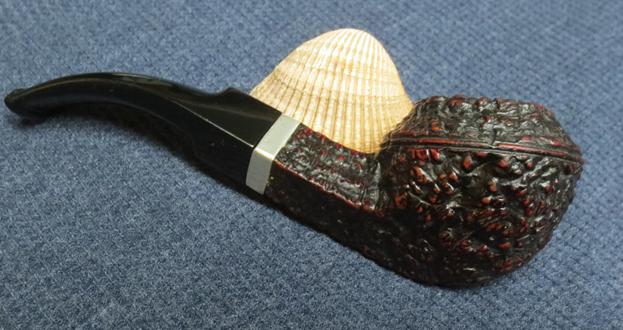
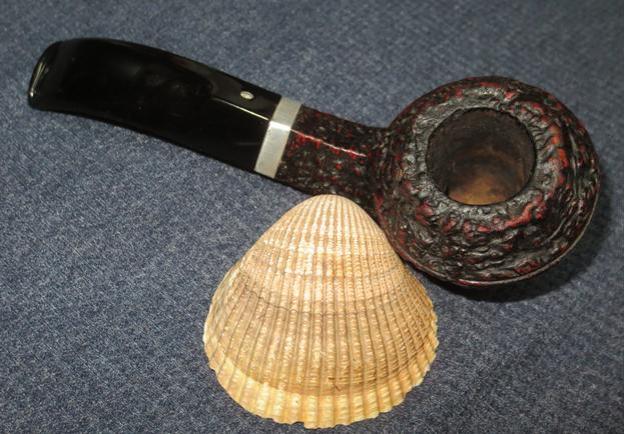
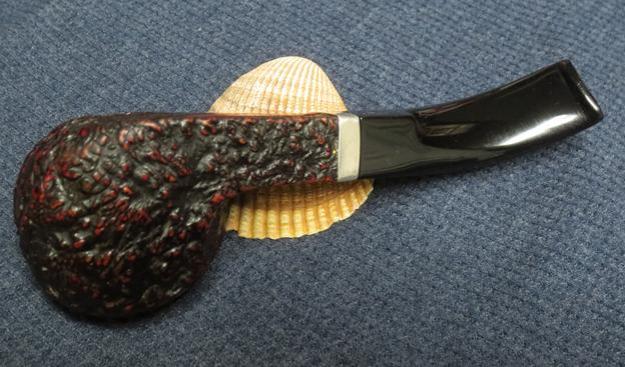
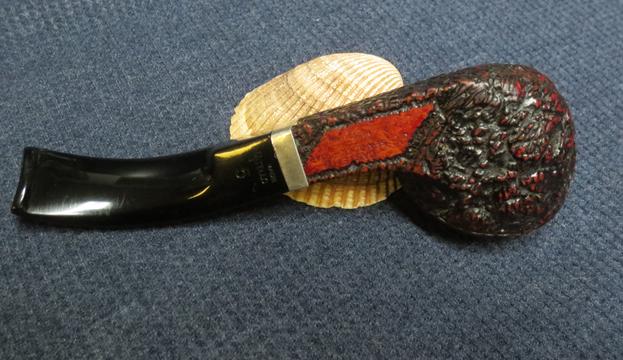
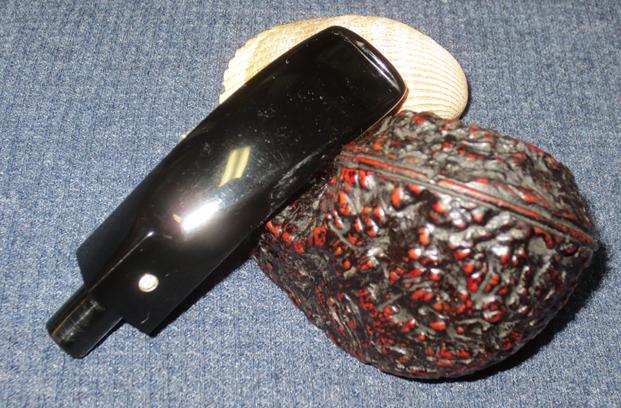
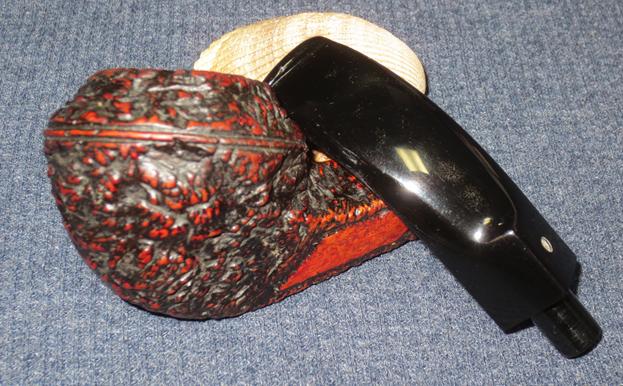
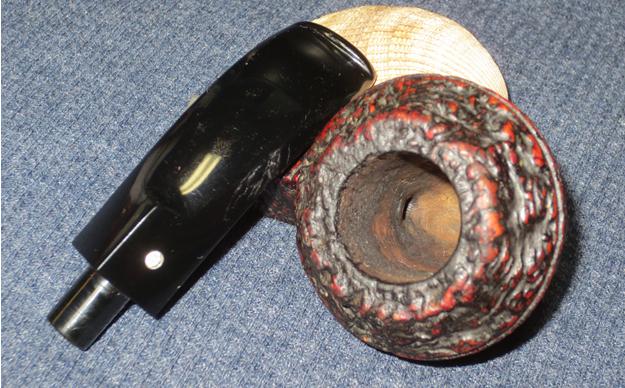
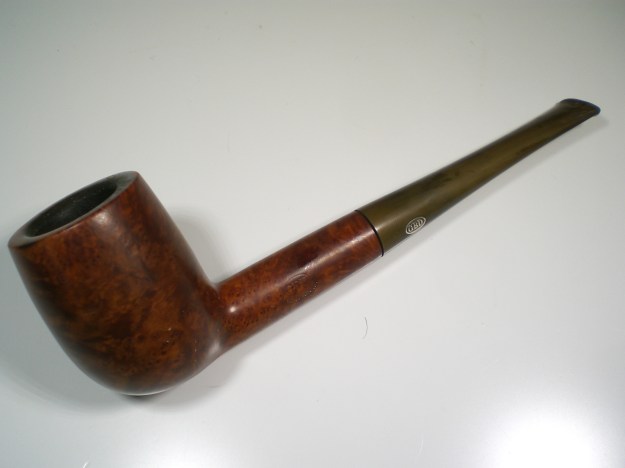
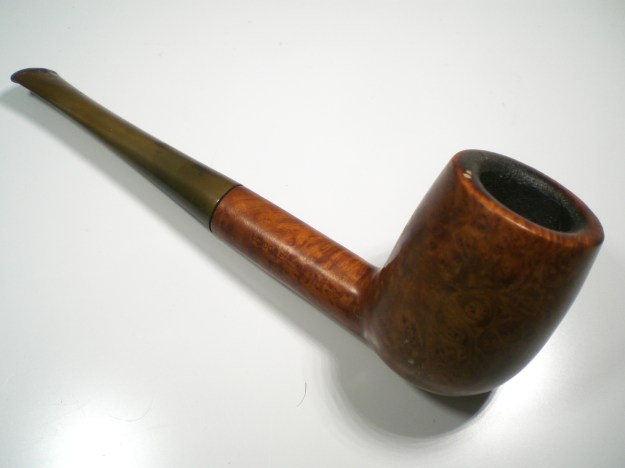
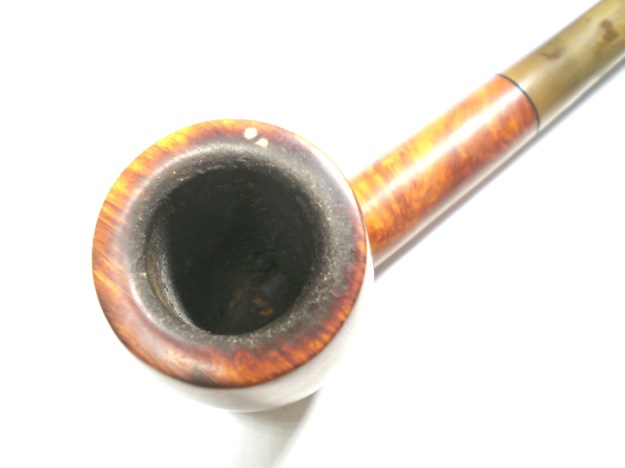
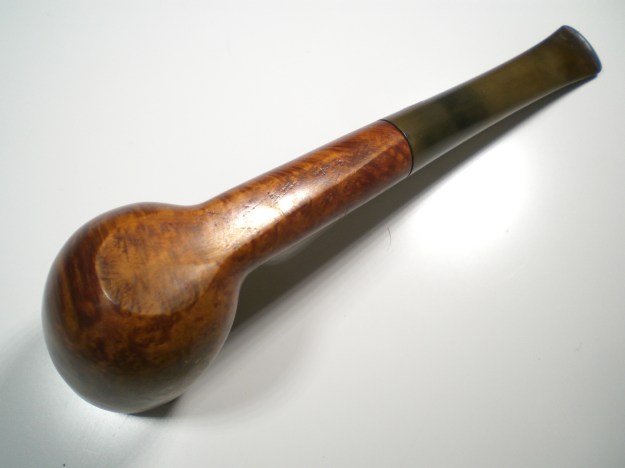
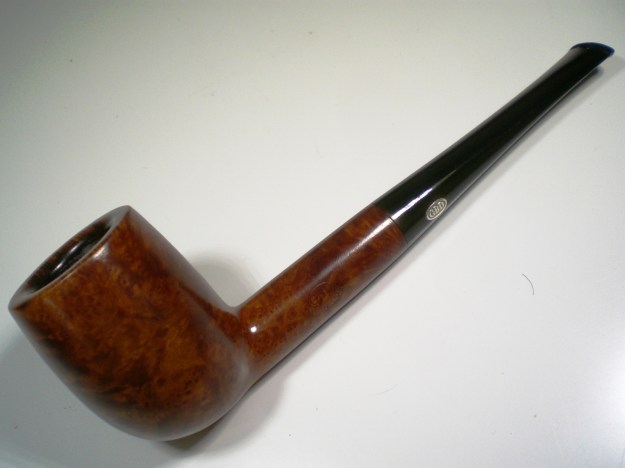
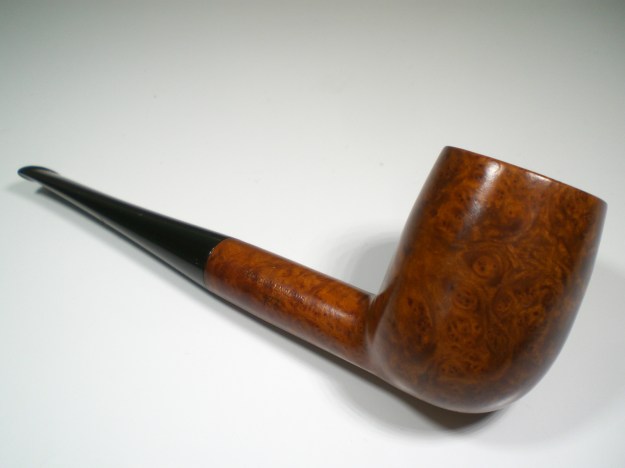
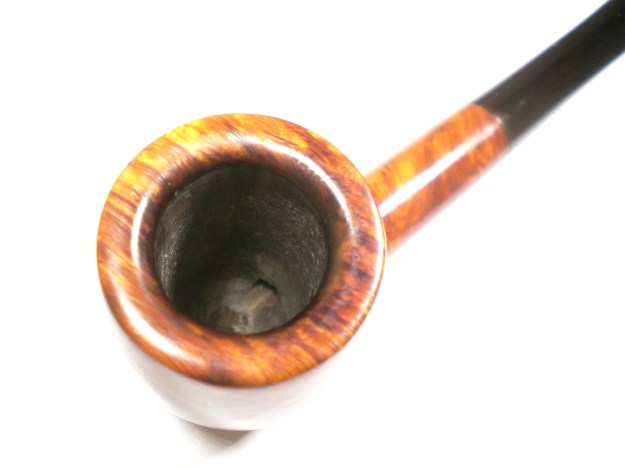
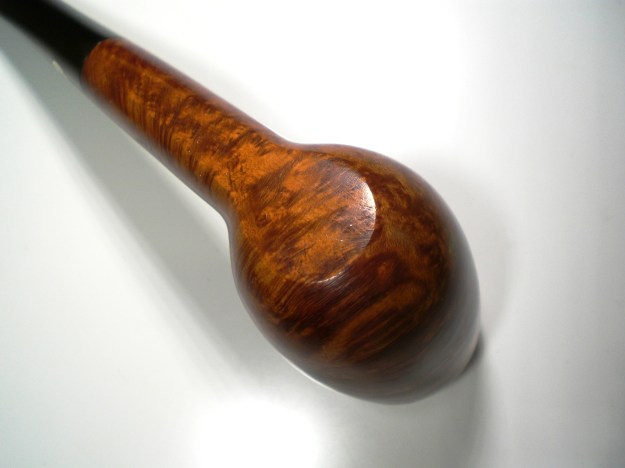
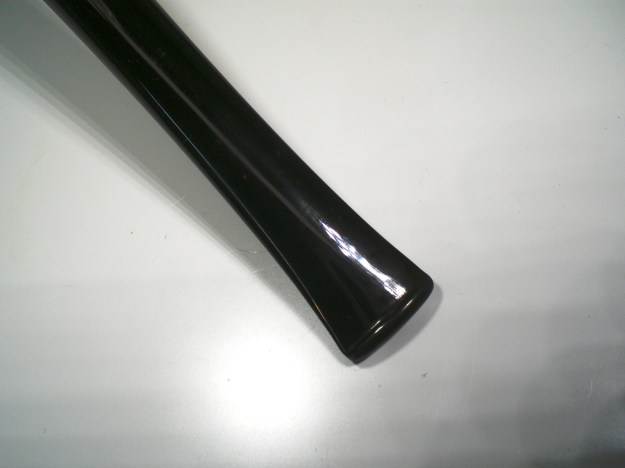
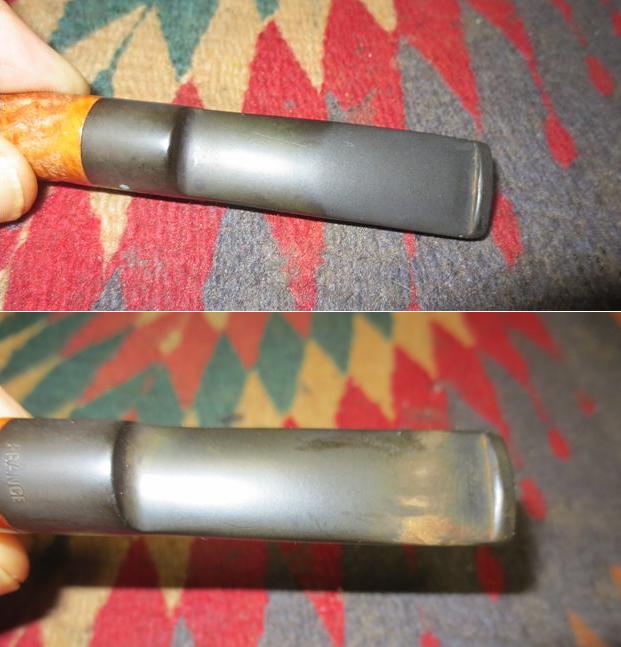
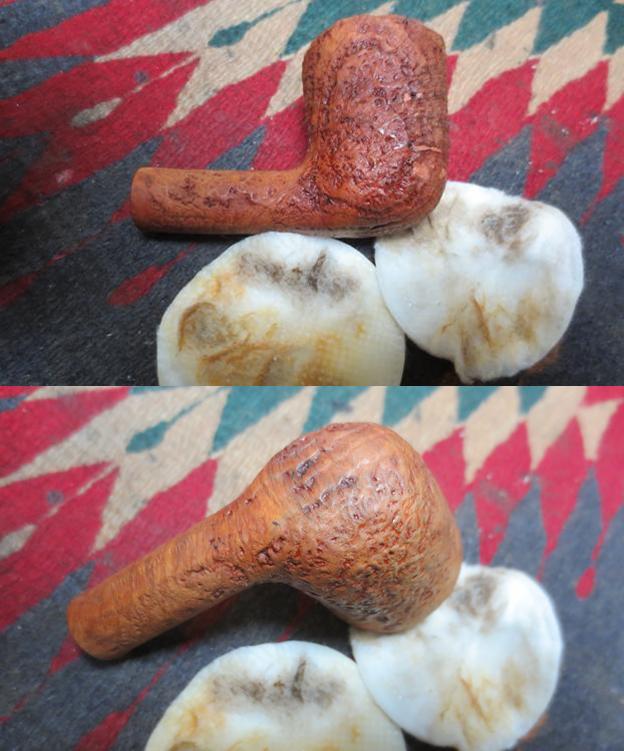
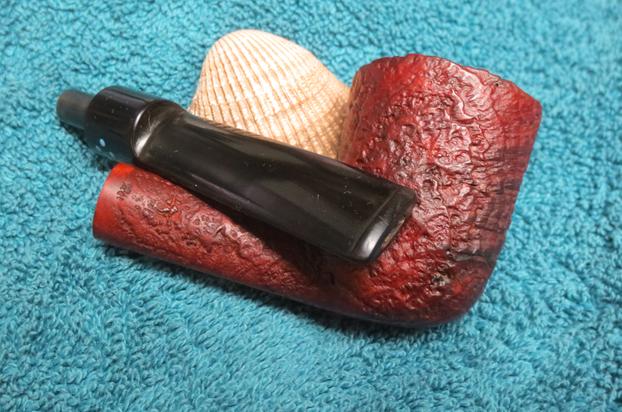
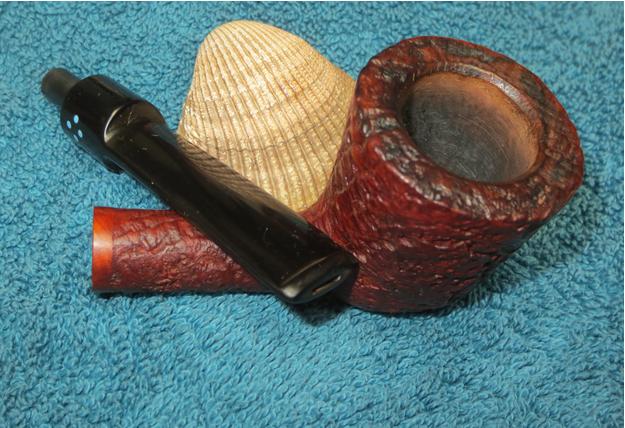
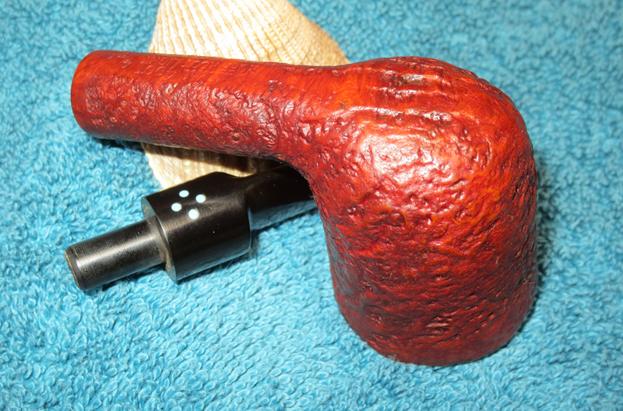
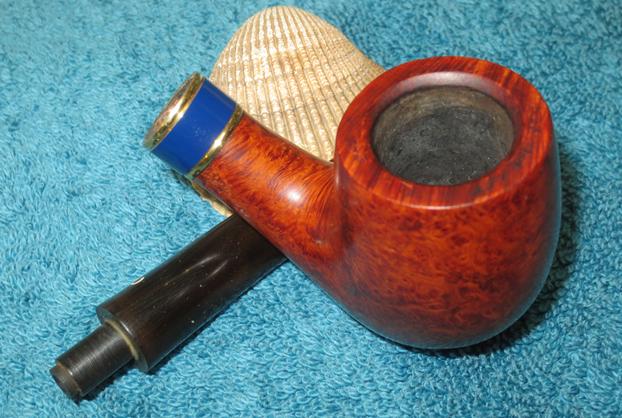
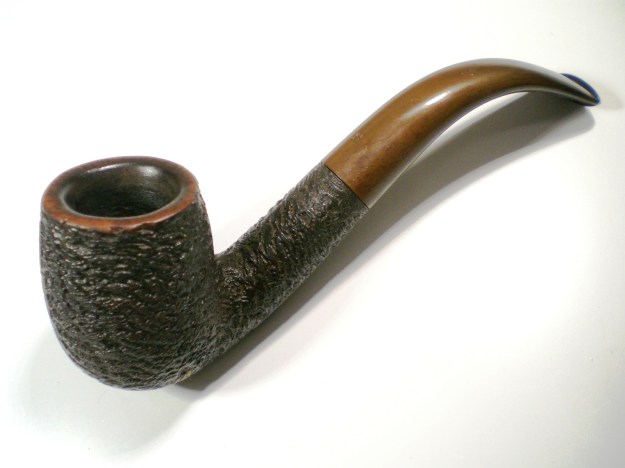
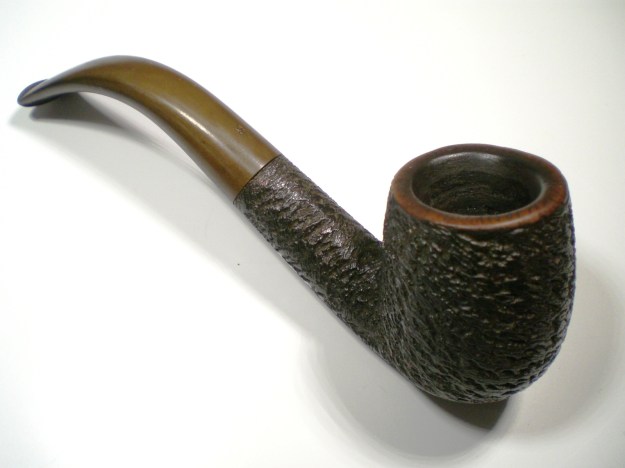
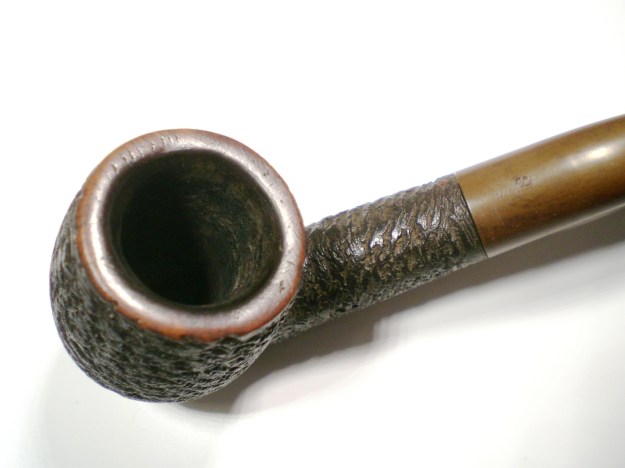
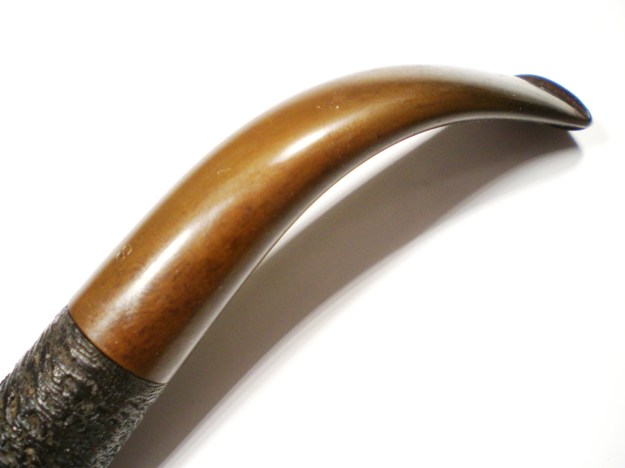
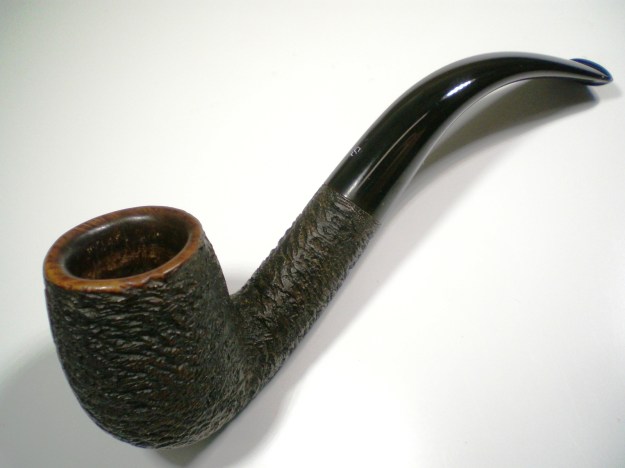
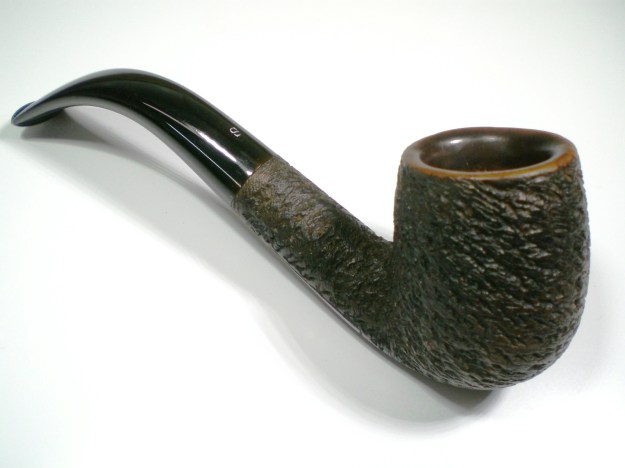
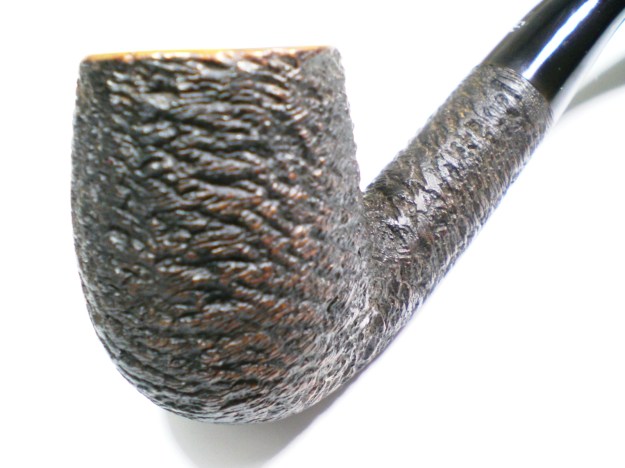
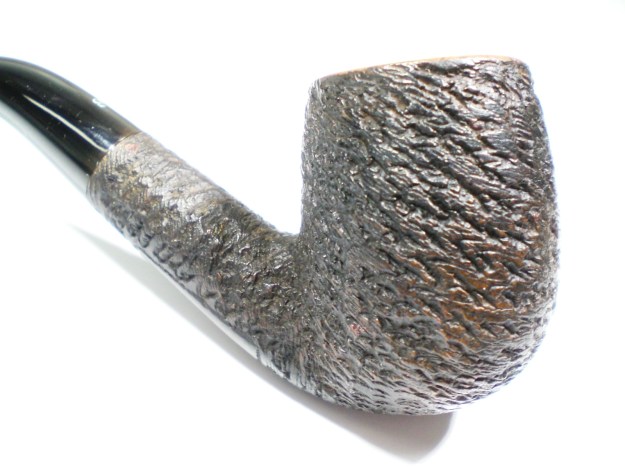
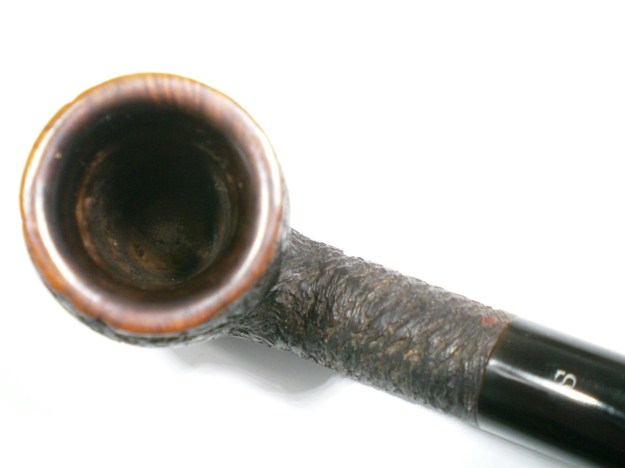
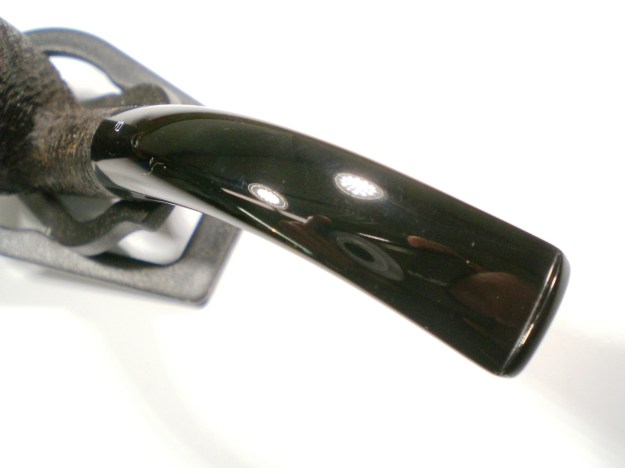
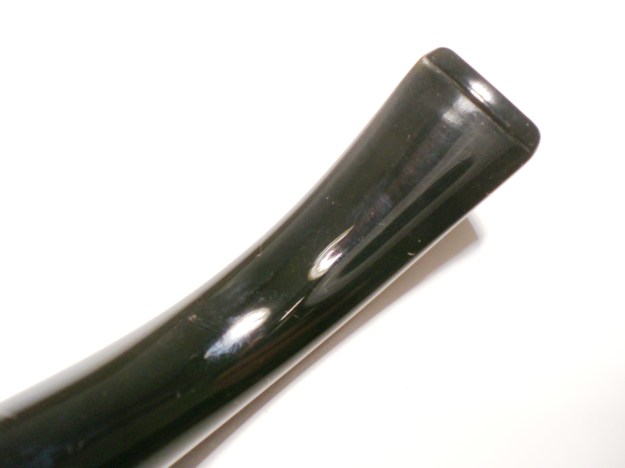
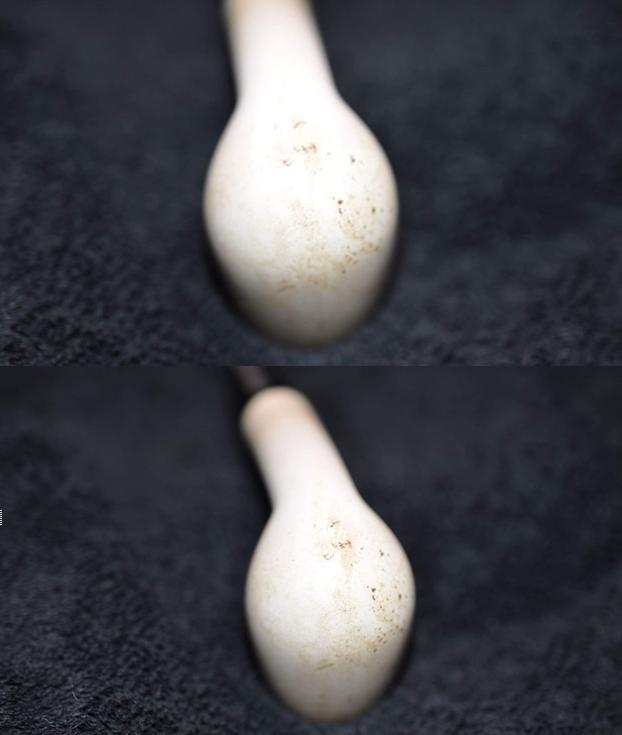
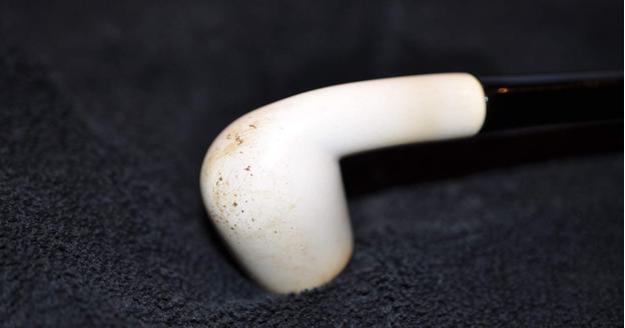
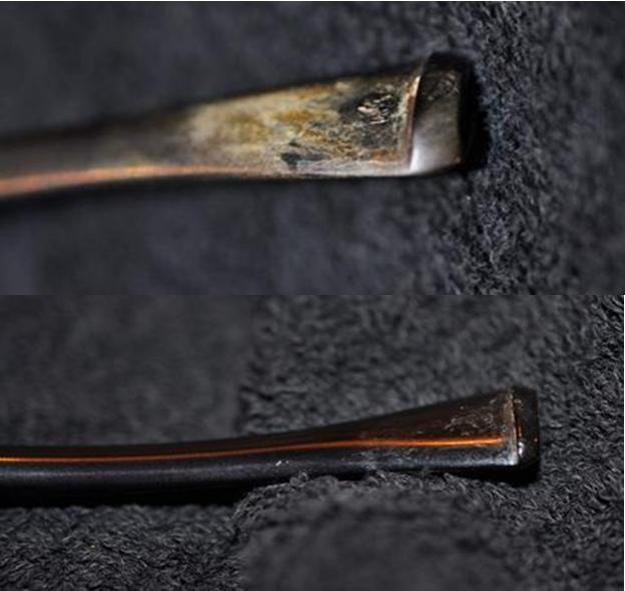
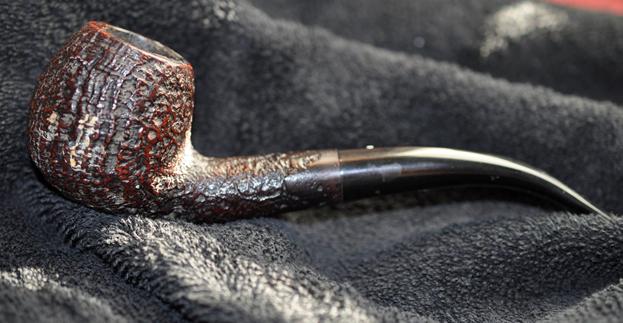
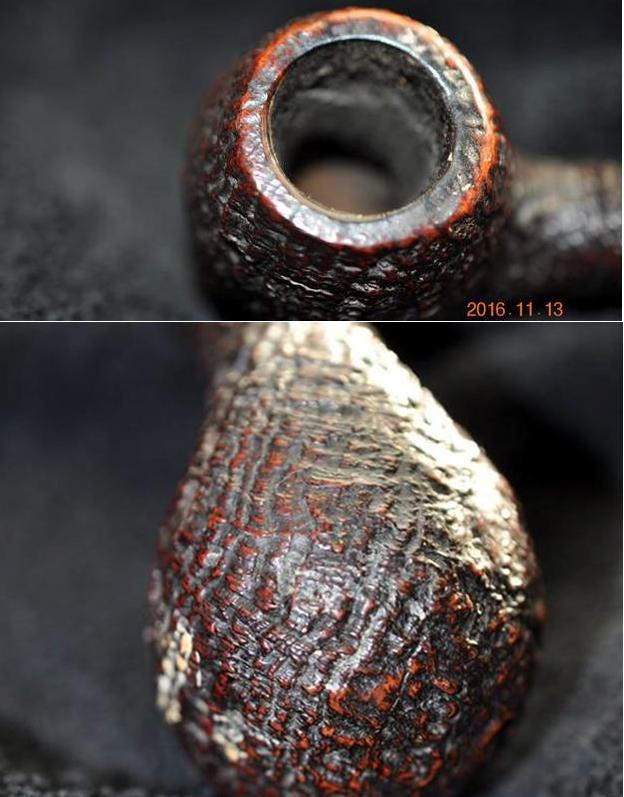
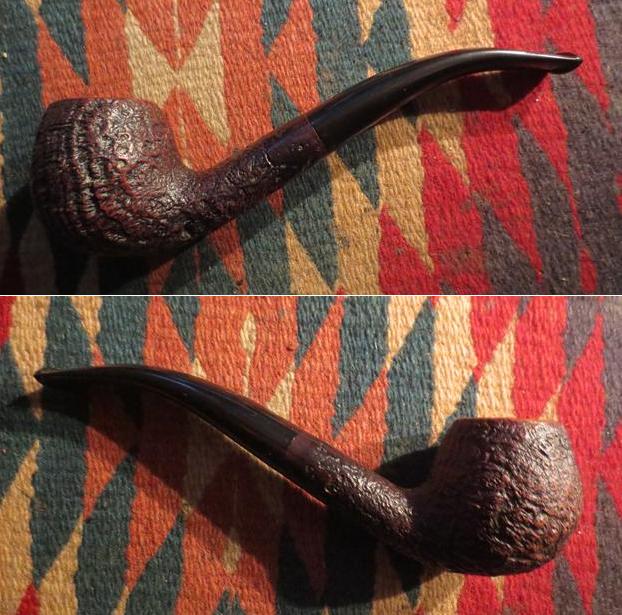
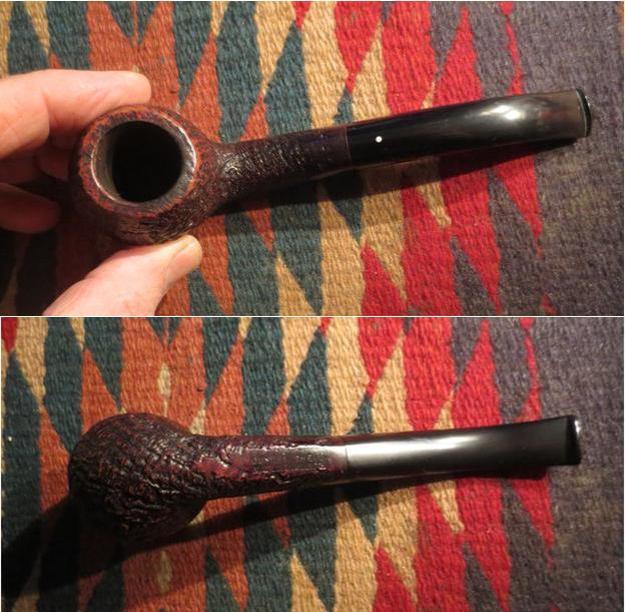
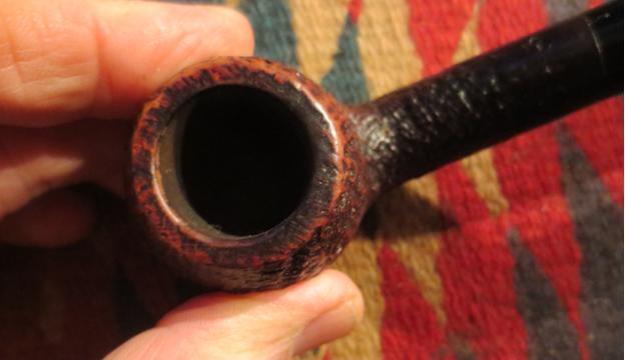
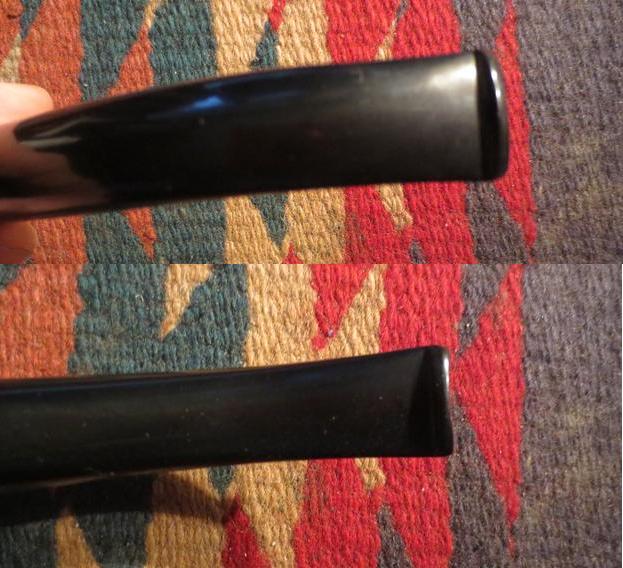
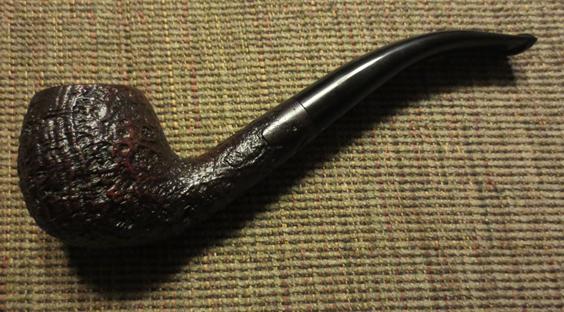
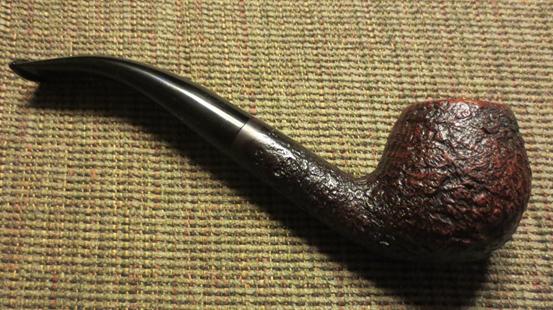
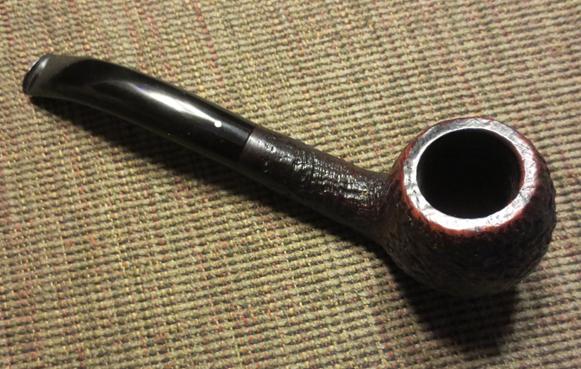
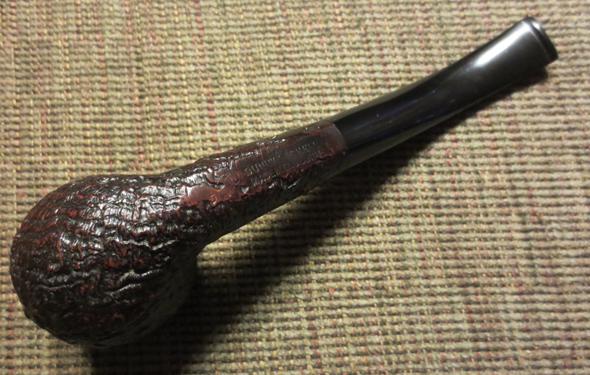
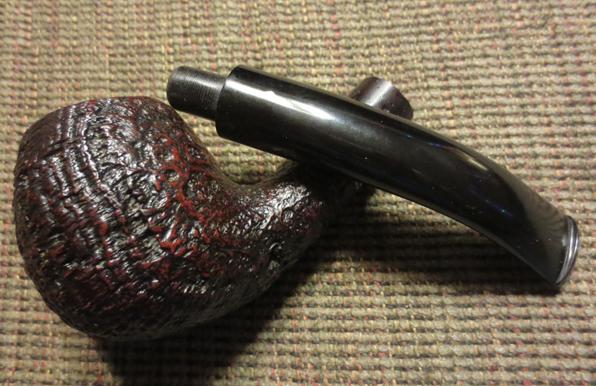
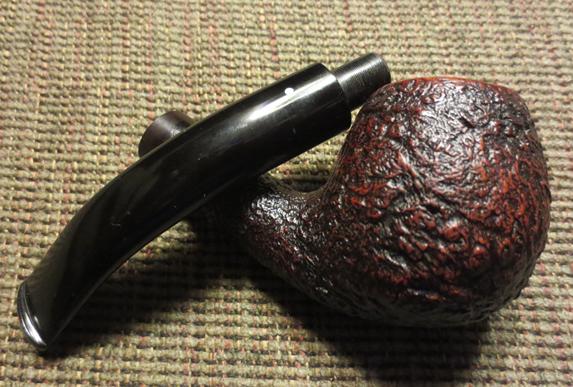
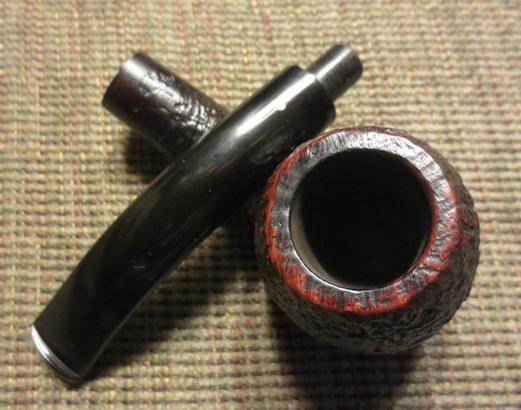
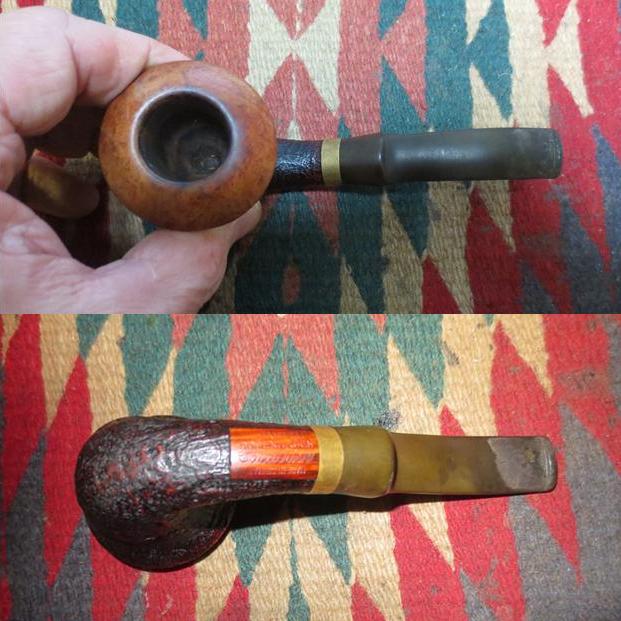
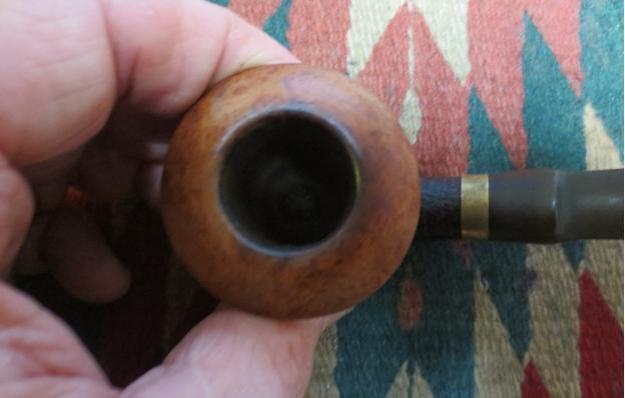
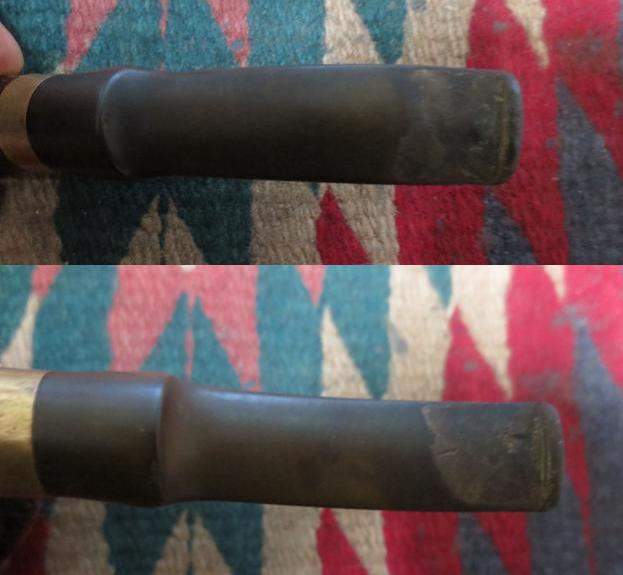
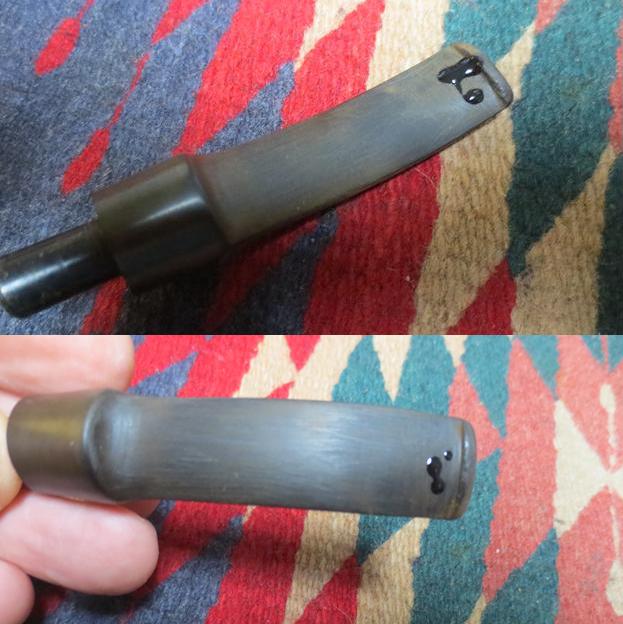
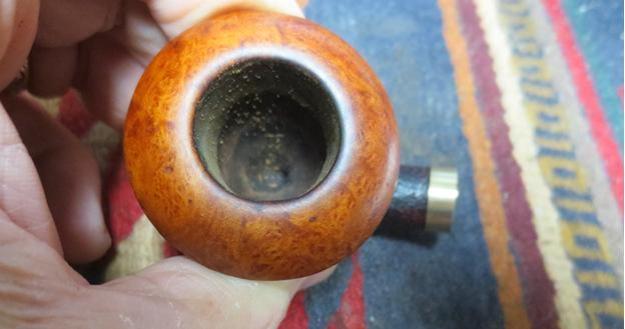
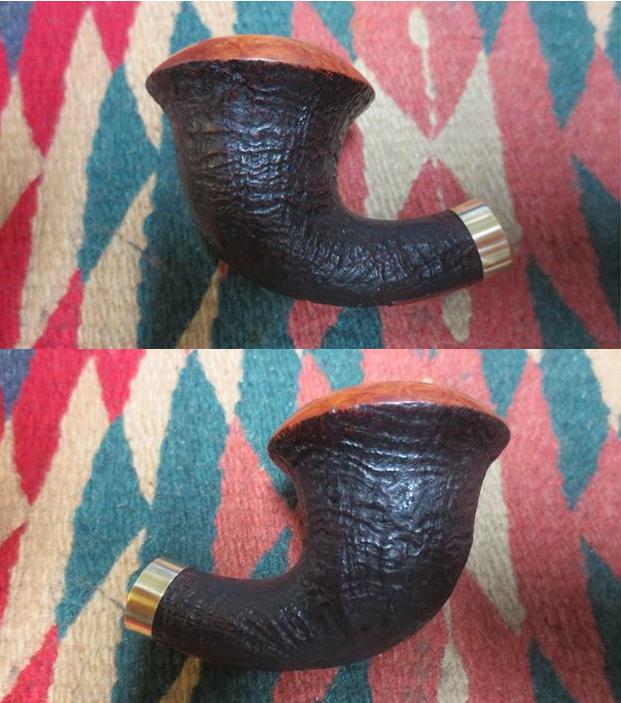
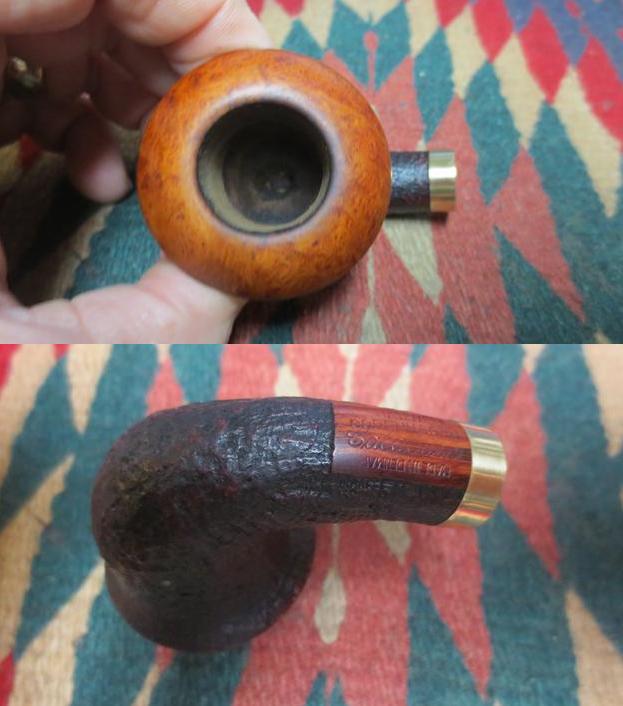
This GBD New Era looked like a simple restore. It held one surprise that was in the sellers photos, but something I had not noticed. At some point in it’s life, a previous owner had put a flat bottom on it, make it a “sitter”. The stem had some mild oxidation, but no teeth marks. There was some darkening of the rim.

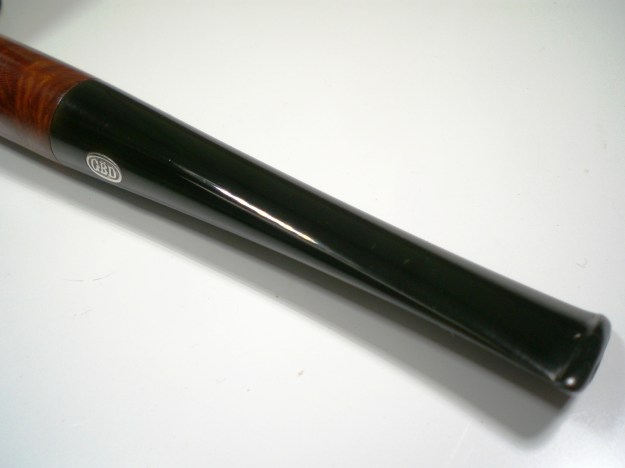
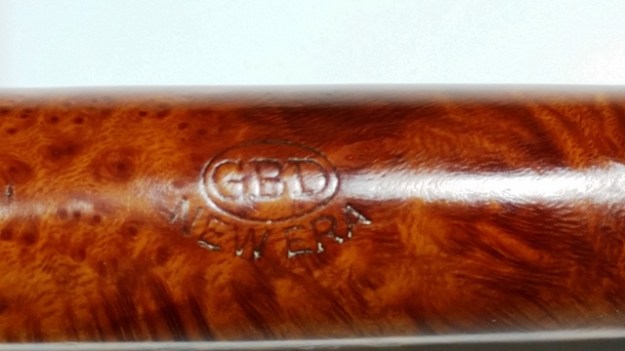
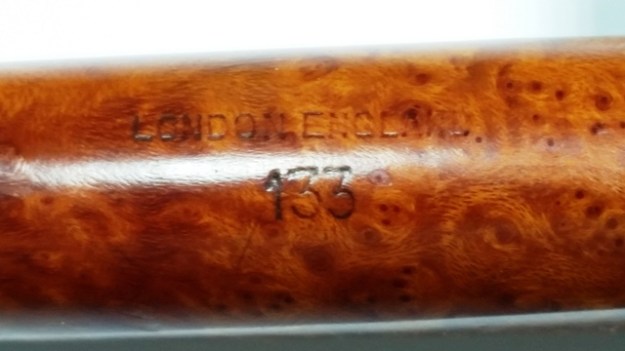
The rondell and stamping identified it as a pre-Cadogan era pipe. New Era grade GBD’s always have nice briar and are a step up from the typical New Standard grade that more often seen.

gbd_133_ne_before-1

gbd_133_ne_before-4

gbd_133_ne_before-2

gbd_133_ne_before-3

Here you can see the flat bottom. Fortunately, only a small portion of the briar had been removed and it should not effect the smoking of the pipe. And, it does sit nicely, which is always convenient.

gbd_133_ne_before-5

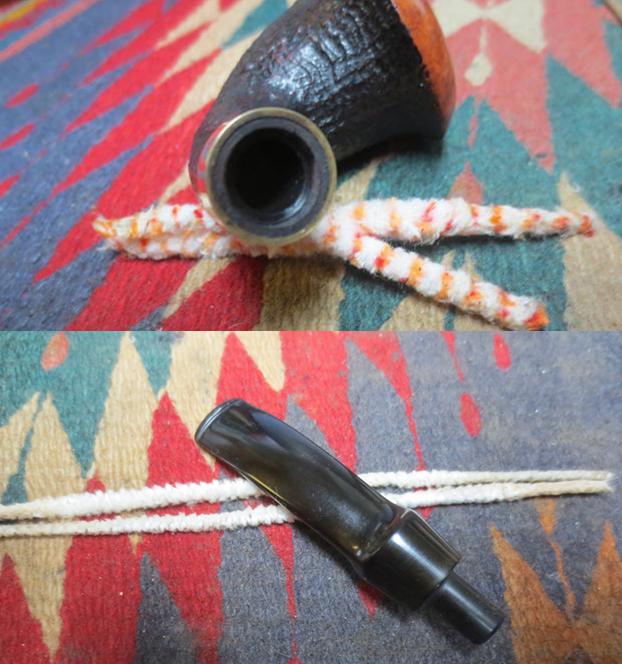
The mild cake was reamed and the bowl soaked with alcohol and sea salt. At the same time, the stem was soaked in a mild Oxy-clean solution with a dab of grease on the rondell.

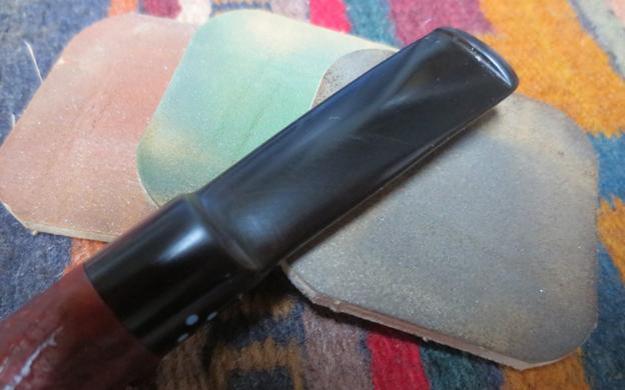
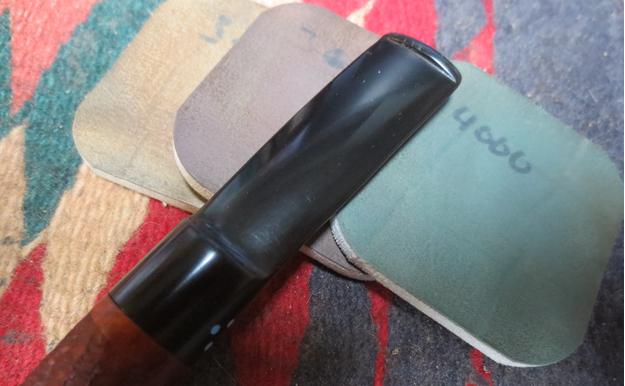
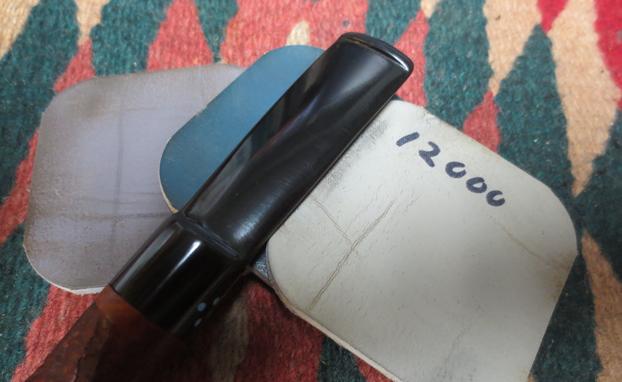
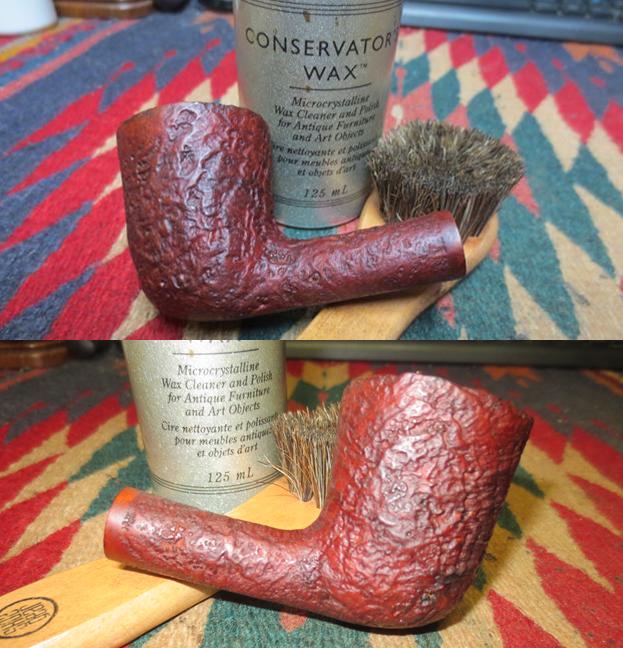
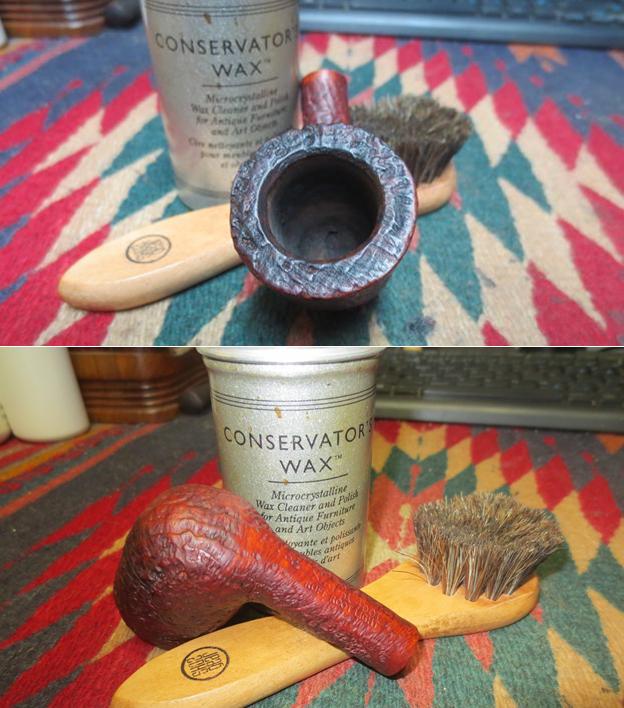
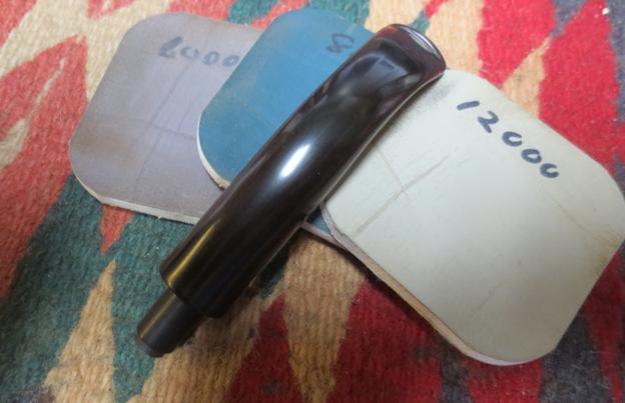
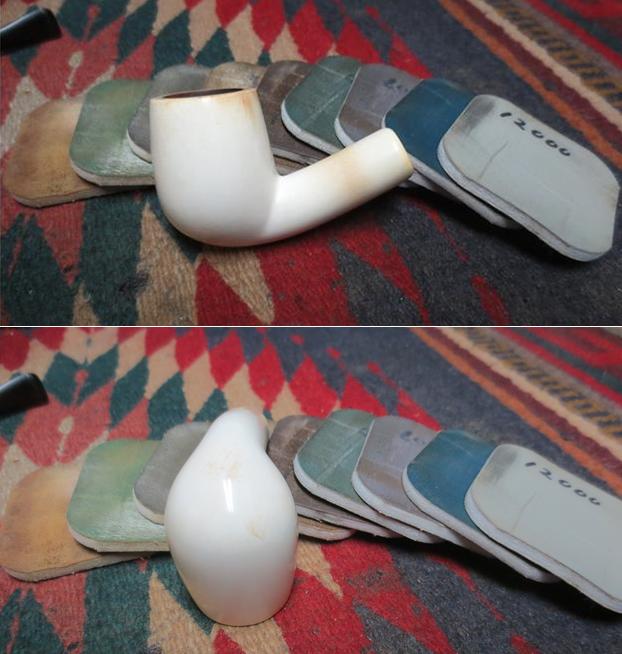
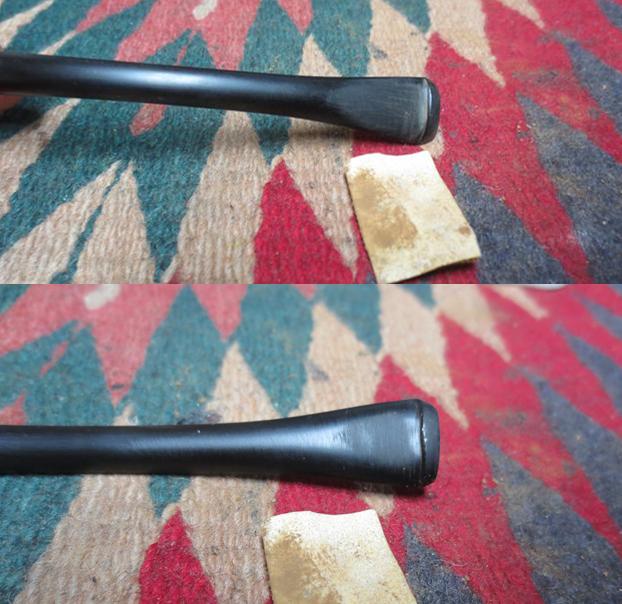
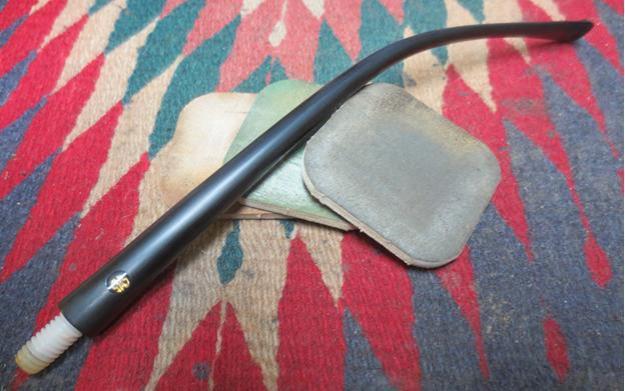
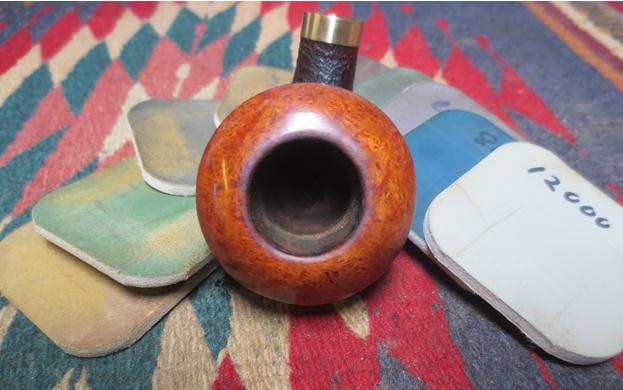
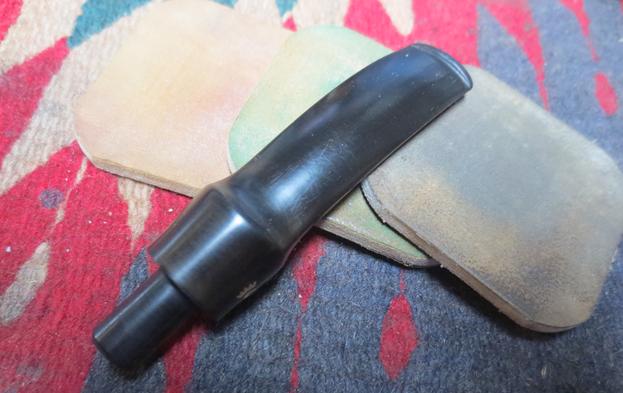
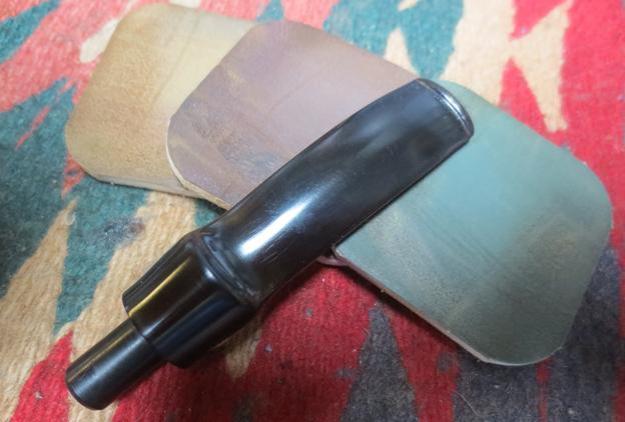
I used some 2000 grade sandpaper to remove the bowl top build-up followed by 8000 micromesh. The stem was mounted and oxidation removed with 800, 1000 and 2000 grade paper. This was followed by 8000 and 12000 grade micromesh sheets. The stem was then buffed with White Diamond and Meguiars Plastic Polish. The briar was buffed lightly with White Diamond and then several coats of Carnuba wax.

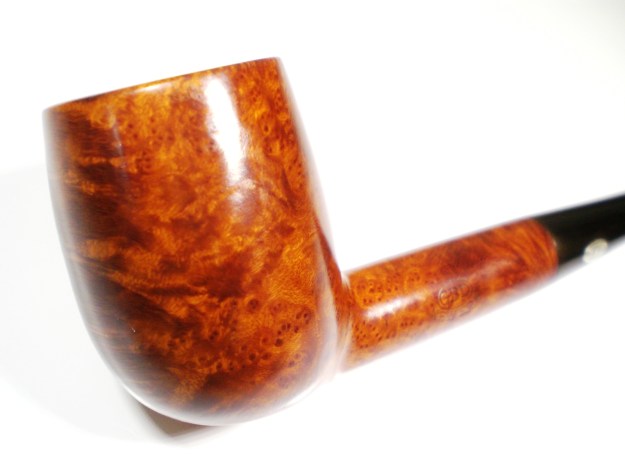
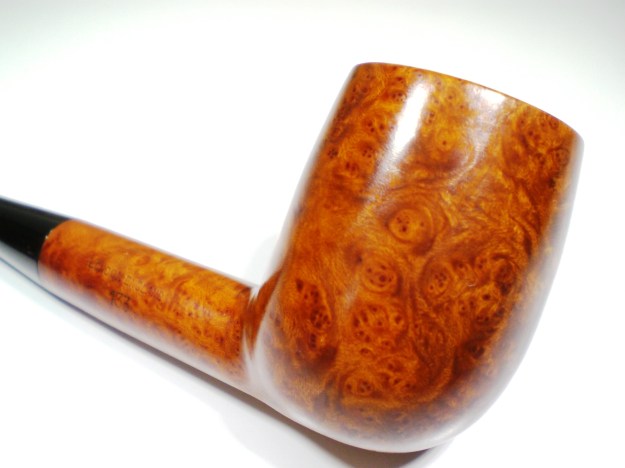
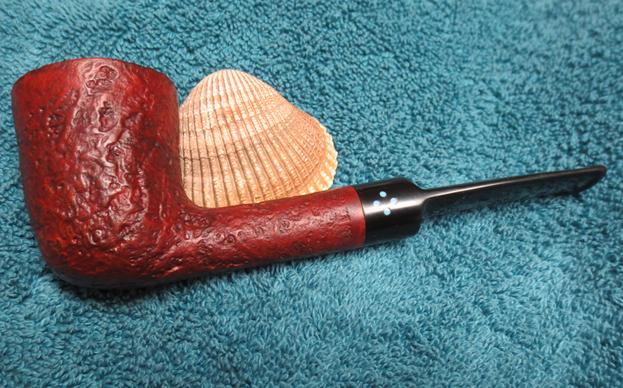
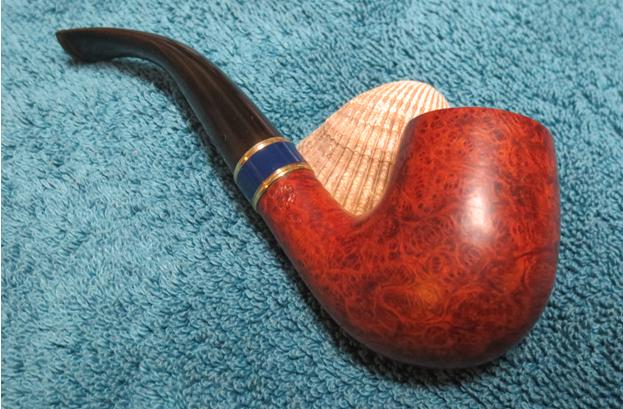
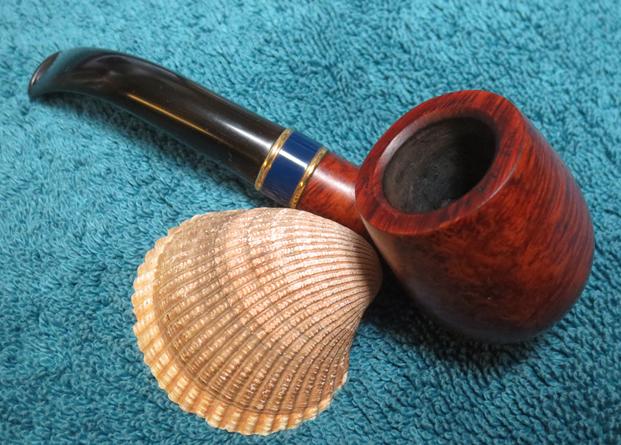
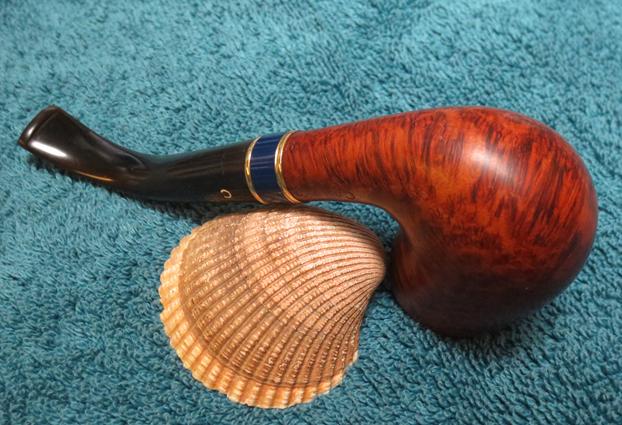
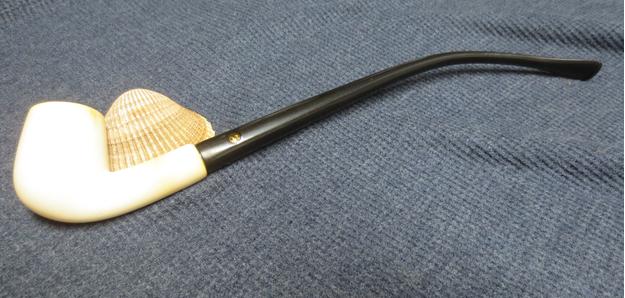
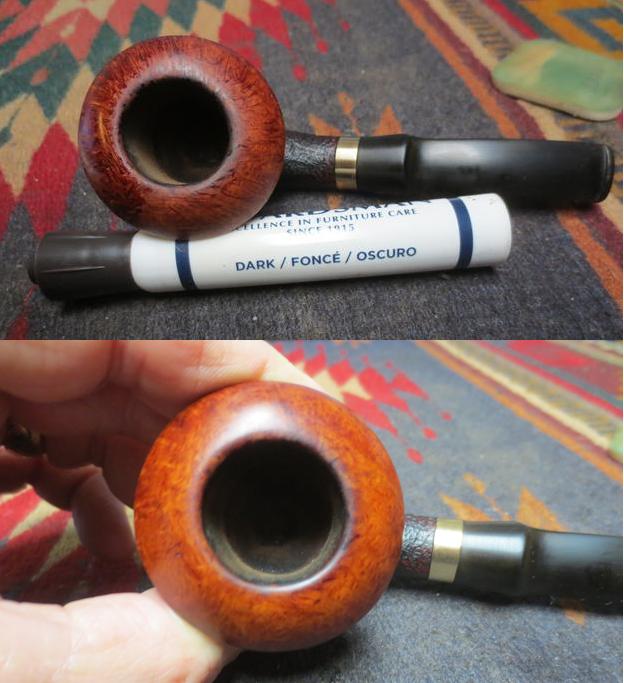
Below is the finished pipe, which is en-route to a new owner on the island of Corfu in Greece.

gbd_133_ne_finish-1

gbd_133_ne_finish-4gbd_133_ne_finish-3gbd_133_ne_finish-5gbd_133_ne_finish-6gbd_133_ne_finish-7gbd_133_ne_finish-2gbd_133_ne_finish-8gbd_133_ne_finish-12

gbd_133_ne_finish-web11

?

gbd_133_ne_finish-web10

?

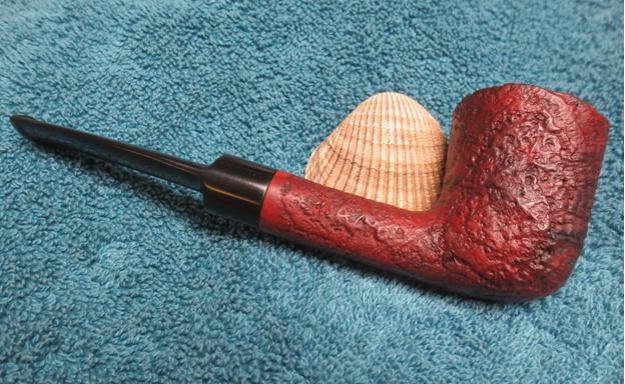
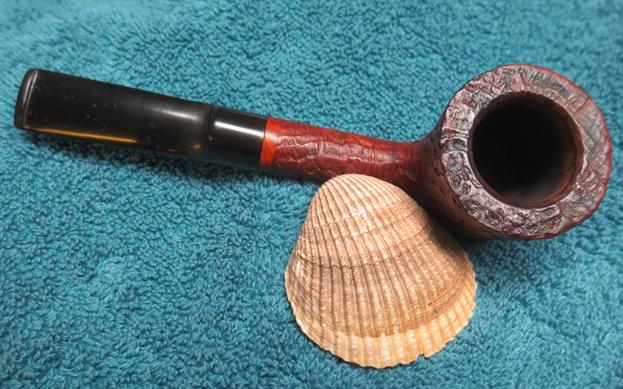
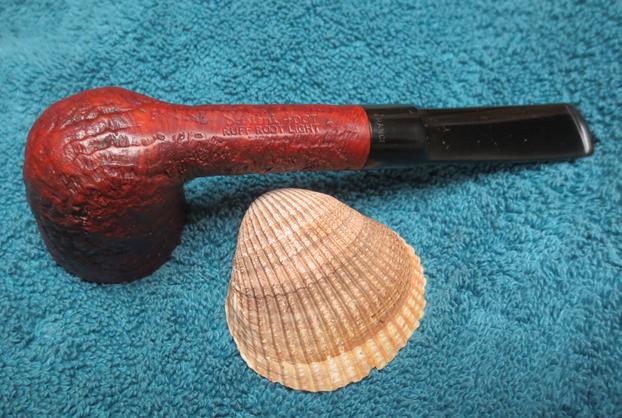
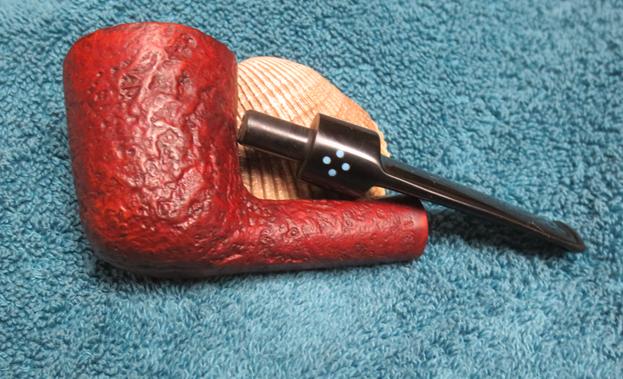
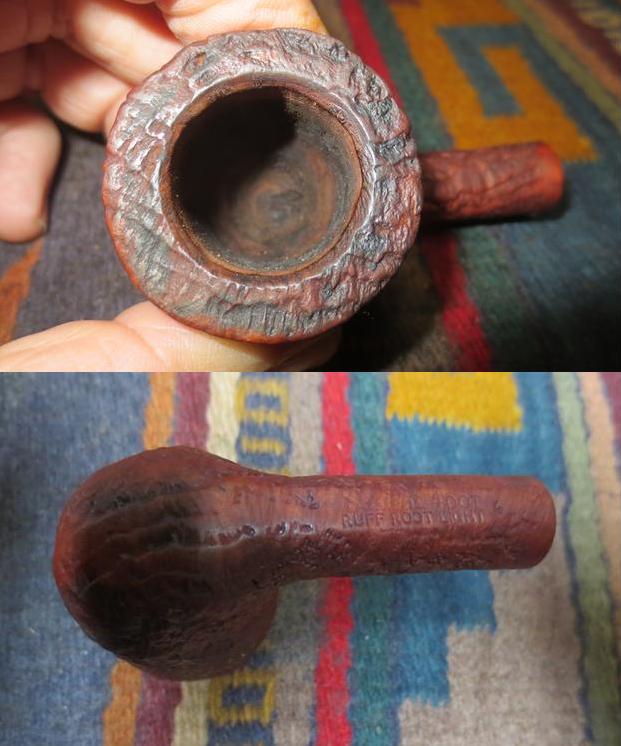
I wonder how old this Sasieni Ruff Root Light 4 Dot Dublin is?


Blog by Steve Laug

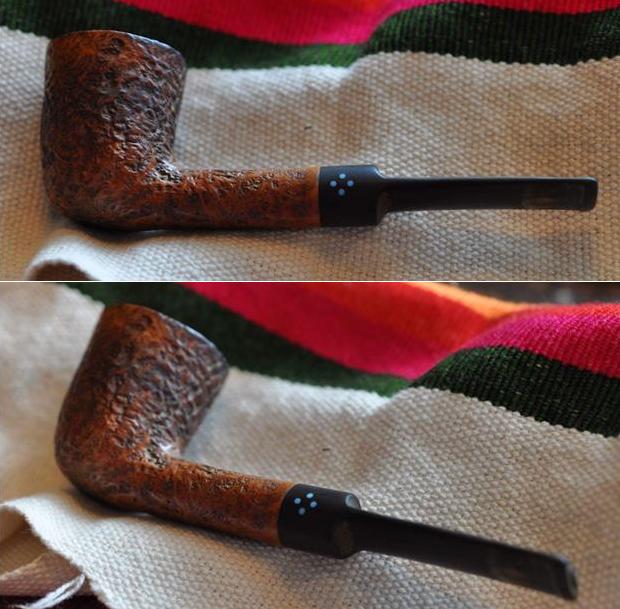
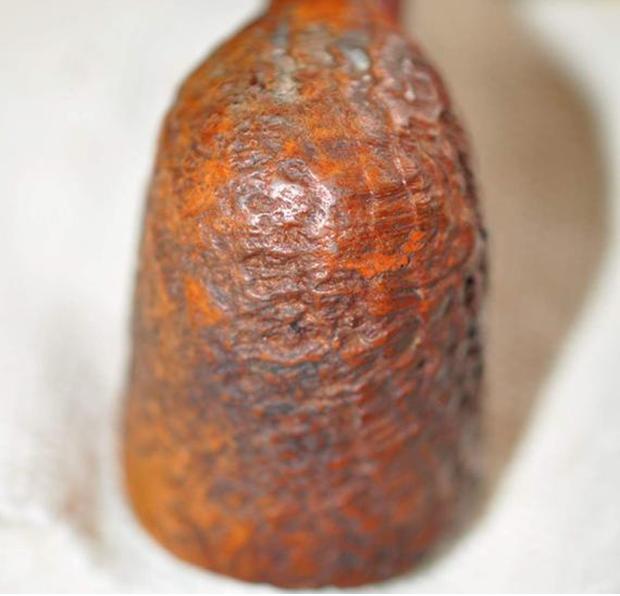
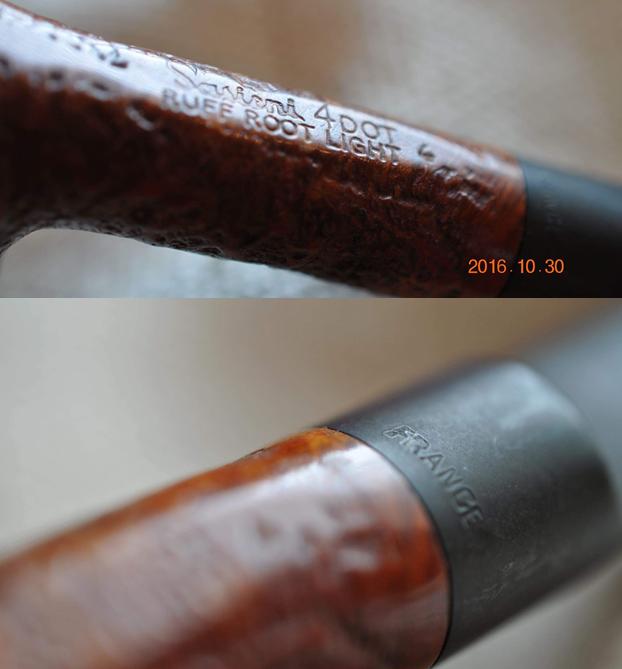
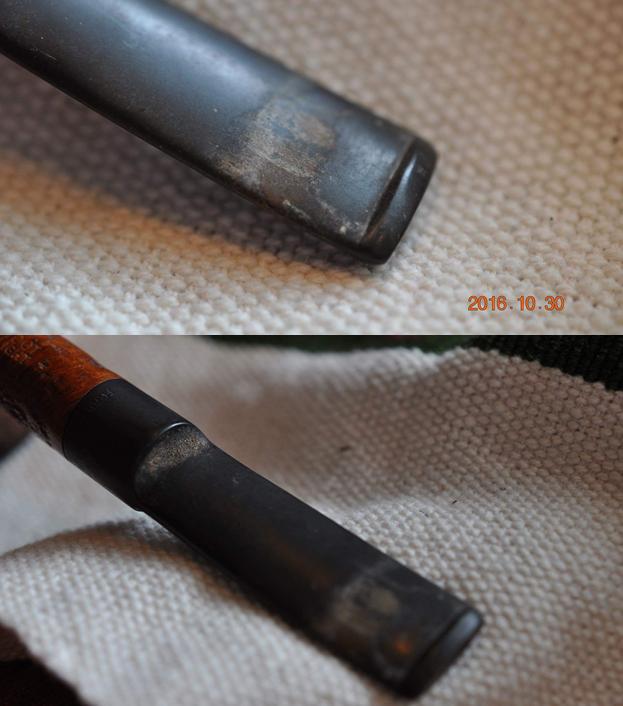
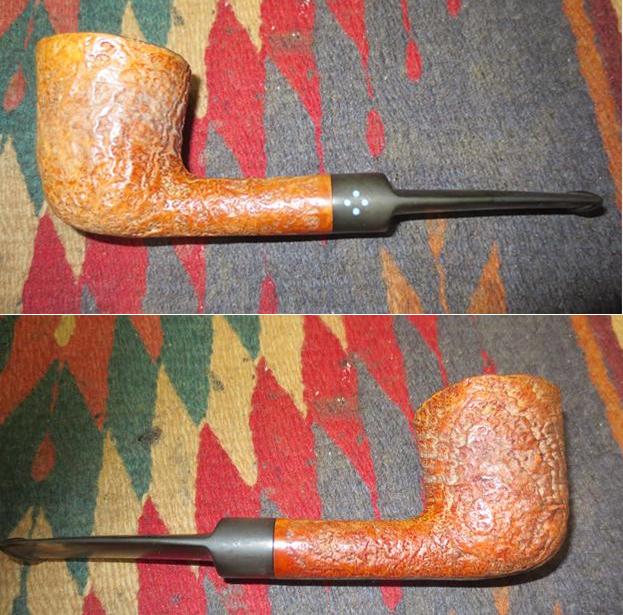
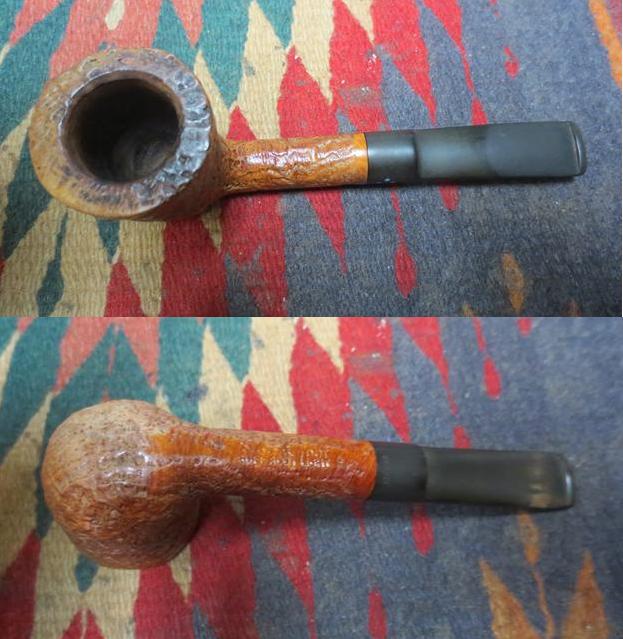
Not being too knowledgeable about the ebb and flow of Sasieni pipe history leaves me with a lot of questions about the latest pipe that my brother sent my way. It is stamped on the underside of the shank Sasieni 4 Dot over Ruff Root Light. There is a 4 stamped at the end of the name stamping next to the stem/shank junction. The stem itself is stamped France. There are four blue dots on the left side of the saddle portion of the stem. He picked it up in a thrift shop in Boise, Idaho along with the Dunhill Shell 5113 I wrote about restoring in an earlier blog (https://rebornpipes.com/2016/12/18/an-unsullied-once-the-paint-was-removed-dunhill-5113-bent-apple/). When my brother first sent the following photos before his cleanup work I was intrigued but the finish looked very spotty. The stem appeared to be in overall good condition with no bite marks or tooth chatter on either side. Can any of you help me regarding the age of the pipe? Any help would be much appreciated.sas1We discussed this a bit and he sent me a photo of the front of the bowl from the bottom side that showed the spotty finish that I noted. There was also a lot of grime in the sandblast grooves on the bowl leaving it with a muddy appearance.sas2The bowl had a thick cake that overflowed over the top of the rim obscuring the blast features on the top side. They also made it hard to tell if there was any damage to the inner or outer edges of the rim.sas3The stamping on the smooth underside of the shank was really quite clear and sharp. The bowl and stem had not been over buffed which were good omens for what it would look like when it was cleaned up.sas4The close up photos of the stem told a little different story than the overall photos. There was light oxidation on the surface and what appeared to be some sticky glue left behind by a price tag from the shop the pipe came from. Just and aside; if you sell pipes in an antique shop or have a booth in an antique mall do not used gummed labels to price your merchandise. It leaves behind residue that is a pain to remove.sas5I was curious to see what the pipe would look like once my brother had worked his cleaning magic on it. I was sure I would be surprised at what it came out looking like. I wondered if the mottled finish would survive the cleanup and whether the stem would be oxidized further as well in the process. When the pipe arrived in Vancouver I took some photos of it to show what it looked like before I worked on it. He had been able to remove much of the mottled finish and the grime in the grooves of the sandblast. The gummy substance on the stem was gone and the stem was not too badly oxidized. There were no tooth marks or chatter on the stem. The reaming job on the bowl had taken care of the cake and the scrubbing had removed most of the buildup on the rim. What remained was a little darkening and some grime deep in the grooves.sas6 sas7I took a close up photo of the rim and bowl. The bowl was reamed clean. The rim needed some more work with a brass bristle brush to clean out the remaining debris deep in the grooves of the blast.sas8I took some photos of the stem to show the overall condition it was in before I started working on it. I was glad to see that there were no deep bite marks or tooth chatter that I would need to deal with on this one. It would be a pleasant change.sas9I scrubbed the rim with a brass bristle tire brush and was able to remove more of the grime in the grooves. I scrubbed down the exterior of the bowl and shank with acetone on a cotton pad to remove the shiny spots of varnish on the finish and even out the mottled appearance.sas10 sas11I used a black Sharpie Pen to add some dark to the rim and to some of the spots on the bowl that appeared to be lighter. I put a cork in the bowl to use as a handle while I stained the bowl with a dark brown aniline stain cut 50/50 with isopropyl alcohol. I was aiming for the brown colour with darker highlights that I had seen on other Ruff Root Light pipes. I flamed the stain and repeat the process until the coverage was even.sas12 sas13Since the oxidation was on the surface and I was not dealing with any tooth marks on the stem I started right away with polishing the stem. I wet sanded it with 1500-2400 grit micromesh sanding pads and rubbed it down with Obsidian Oil. I dry sanded it with 3200-12000 grit pads and gave it a coat of oil after each set of three pads. After the final set of pads I gave it a final coat of oil and set the stem aside to dry.sas14 sas15 sas16I gave the bowl and shank several coats of Conservator’s Wax, let it dry and buffed it with a shoe brush.sas17 sas18I gave the stem multiple coats of carnauba wax and buffed the bowl and stem with a clean buffing pad to raise the shine. I hand buffed it with a microfibre cloth to deepen the shine. The finished pipe is shown in the photos below. I think the look of the finished pipe is pretty close to the original look it must have had when it left the Sasieni factory. The depth of the shine, the multifaceted colours that come through with the browns and black on the sandblast add another dimension to the look of the pipe. The blue four dots on the stem stand out nicely against the shiny and polished vulcanite stem. Overall it is a pleasant looking pipe and one that was a pleasure to restore. Thanks for looking.sas19 sas20 sas21 sas22 sas23 sas24 sas25 sas26

An Aristocob Brochure


Blog by Steve Laug

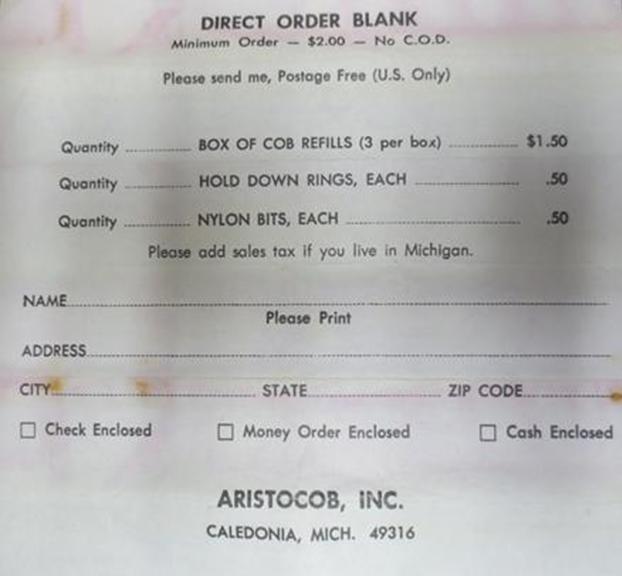
In the recent Aristocob restoration I finished I showed some pictures of the brochure that was included in the box. I wanted to post it here and give all of you a chance to read it. The description is on one side and the catalogue list on the other side of the brochure. Enjoy your read.cob13 cob14

I have always wanted to see one up close – an Aristocob


Blog by Steve Laug

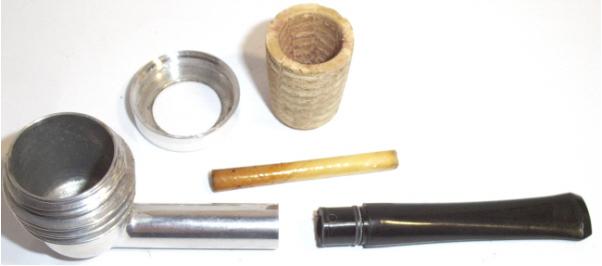
Over the years I have spent quite a bit of quiet time scanning through the smokingmetal.co.uk website reading over all of the various metal pipes that have been made. I love reading and looking at the inventive creations made to capture that illusive grand smoke. One of the pipes that stood out to me on the site was the Aristocob metal bowl that came with two corn cobs that fit inside the bowl, held in place by the screw on metal cap. I wanted to see one of those but somehow always missed them on eBay at the last minute or at an antique shop by a matter of minutes. I included two of the photos from the website. The first one showed a plastic box with a form fitted purple velvet nest for the pipe and the pair of cob inserts that came with it. The pipe had a black nylon stem that held a Medico paper filter in place in the metal shank of the pipe. cobaThe second photo showed the pipe taken apart with a pretty good descriptive view of the metal bowl and cap, the cob insert, the filter and the stem with an O-ring on the tenon to keep it in the metal shank.cobbI remember first reading this description years ago when I looked up the pipe on the site. I was struck then as I am now that I could not have described it any better. I have included it here in full with a link for you to look it up should you desire to do so:

The ARISTOCOB is an American made system pipe with corn cob bowl inserts. Originally the AL-COB CORPORATION out of Grand Haven, Michigan, which later became ARISTOCOB INCORPORATED from Caledonia, Michigan. Later still they were bought out by Missouri Meerschaum Company

Apparently available in the first place in a plastic case containing one pipe, 2 replacement corn cob bowl inserts and instructions for use. The cob inserts were made for some time by The Missouri Meerschaum Company, manufacturer of corn cob pipes in Washington, MO. The box shown is their box. They made the inserts from the early 1970’s until 1983. They are no longer available from that source but do appear on eBay at times

The top of the vaned outer bowl unscrews to enable easy replacement of the bowl insert. An inline filter can be used in the stem. The mouthpiece has been seen in two version, with and without an ‘O’ ring. The patent was filed on 20 Dec 1966 with the US patent # 3,292,639. The inventor was Joesph W. Zarikta of Grand Haven, Michigan USA – the assignor was the Al Cobb Corp. (http://smokingmetal.co.uk/pipe.php?page=56).

I mentioned to my brother to keep an eye open for one of these never expecting him to find what he did. I have not seen a cased version of the pipe in my hunts but have only found the pipe with the inserted cob bowl if I was lucky. He happened to find a boxed set and bought it. He sent me the following photos of the pipe. The next set of photos are the ones that the seller posted on the eBay sale.cob1 cob2 cob3 cob4When the pipe arrived in Idaho my brother took some photos before he cleaned it up. I have included a few of those photos next. The pipe was quite dirty. The rim cap had a buildup of tars and oils on the top. The cob insert was dirty and crumbling on the top edge. The aluminum pipe body was oxidized and dirty as well.cob5When he took it apart, the inside of the aluminum body had also built up tars in the bottom and on the inside walls.cob6The inner edge of the insert was in rough condition. The rest of the bowl appears to be solid. The aluminum disk on the bottom of the bowl was dirty but undamaged.cob7The stem was darkened on the tenon end. The O-ring was still in good condition. The paper Medico Filter in the tenon was dirty and would need to be replaced. The top and undersides of the nylon stem had some tooth chatter on the surface near the button. The inside of the shank was dirty and there was some tarry buildup on the walls of the aluminum.cob8 cob9My brother cleaned up the cap and the interior of the aluminum bowl holder and shank. He cleaned the aluminum with Murphy’s Oil Soap inside and out. He scrubbed out the airway in the shank and stem. He cleaned up the damaged edge of the cob insert. When it arrived in Vancouver, I brought it to the work table and took some photos of the condition it was in before I started.cob10 cob11Inside the plastic box there was a pamphlet that explained the function of the pipe and all of its parts. The description of the pipe and how to use it was a marketing document that sold the pipe and all of its design as the best smoking pipe available.cob13 cob14I polished the aluminum with micromesh sanding pads. I started polishing with 1500-2400 grit pads and wiped it down with a damp cotton pad. I continued to polish it with 3200-12000 pads and the finish began to shine.cob15 cob16I sanded the stem to remove the tooth marks and chatter from the top and bottom sides of the stem. I ran a pair of bristle pipe cleaners and alcohol through the airway in the stem to remove the residue that still remained in the stem.cob17 cob18I polished the stem with micromesh sanding pads – wet sanding with 1500-2400 grit pads and dry sanding with 3200-12000 grit pads. I wiped it down with a damp cotton pad after each set of three pads.cob19 cob20 cob21Because the stem was nylon I decided not to use the buffing wheel. I gave it several coats of Conservator’s Wax and hand buffed it with a microfibre cloth. I lightly buffed the aluminum on the Blue Diamond wheel and then with a clean buffing pad to raise the shine. The finished pipe is shown in the photos below. It makes a great piece of pipe history in the ongoing search for the illusive perfect smoke. It will hold a place in my collection of tobacciana. Thanks for walking through this restoration with me.cob22 cob23 cob24 cob25 cob26 cob27 cob28 cob29

Breathing Life into a Comoy’s Spectrum Boxed Bent Billiard


Blog by Steve Laug

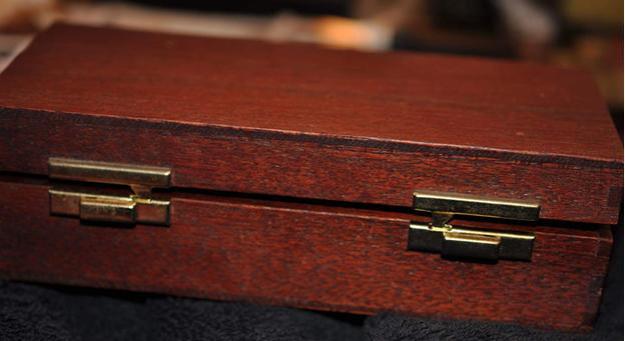
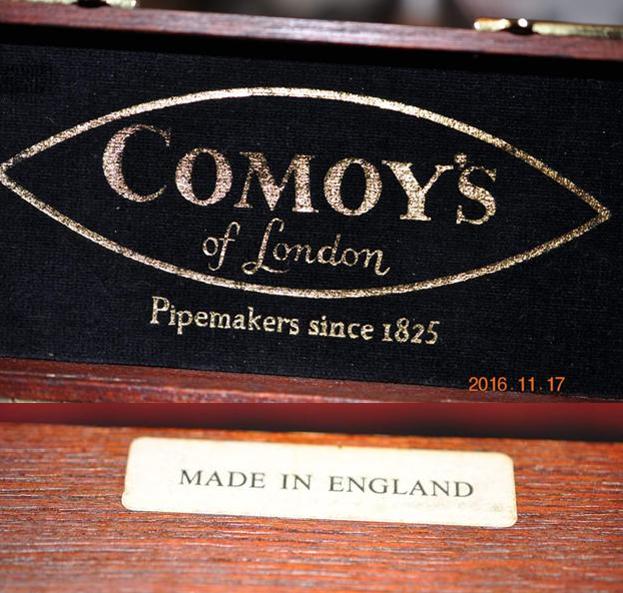
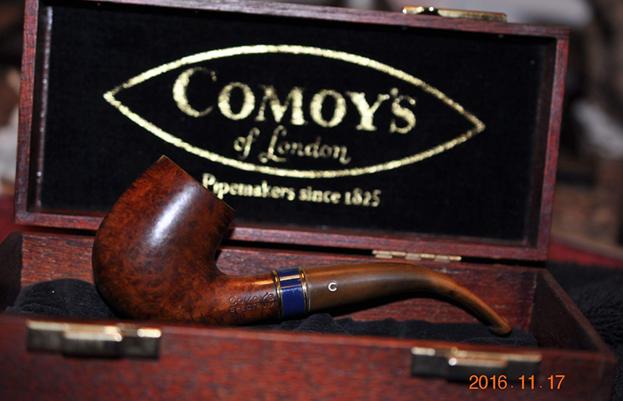
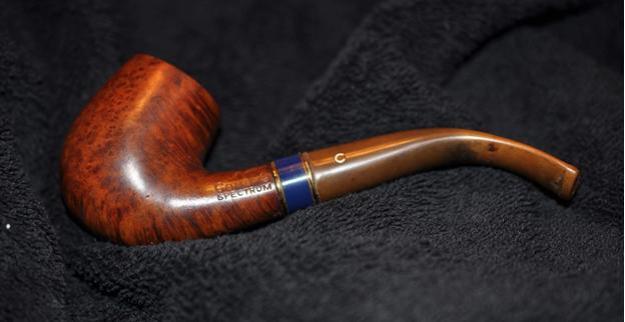
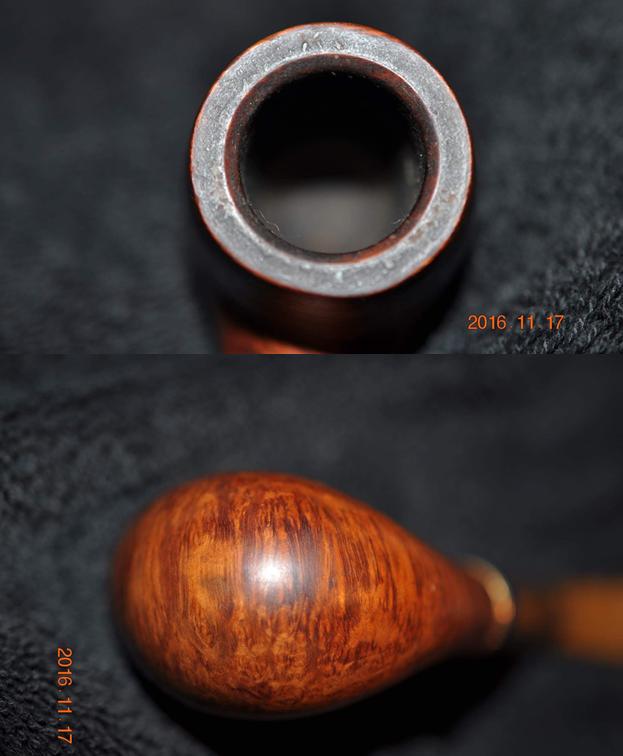
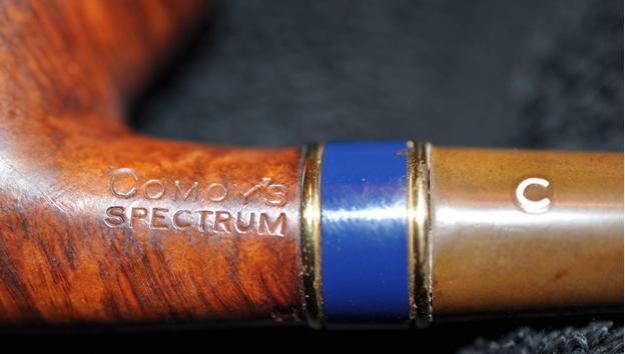
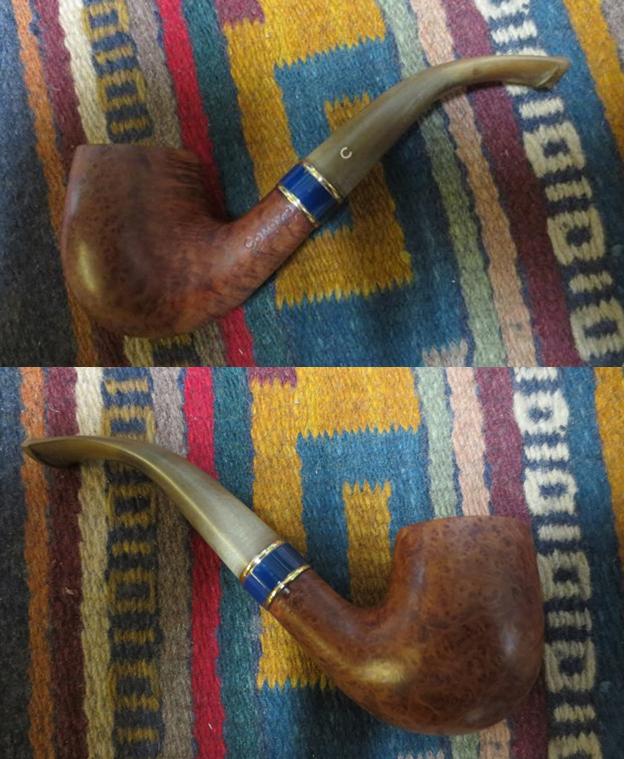
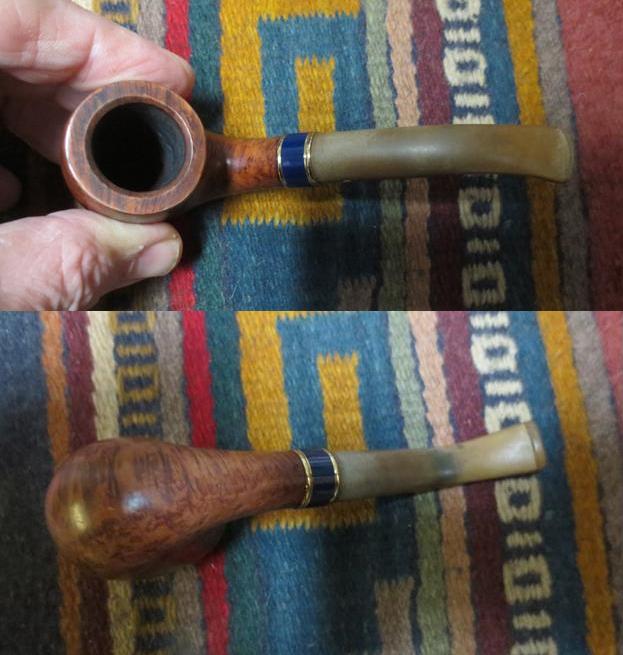
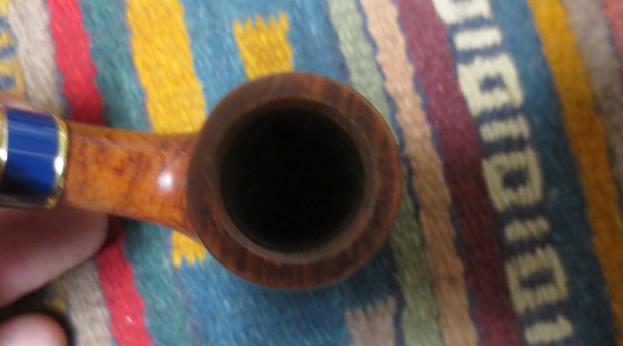
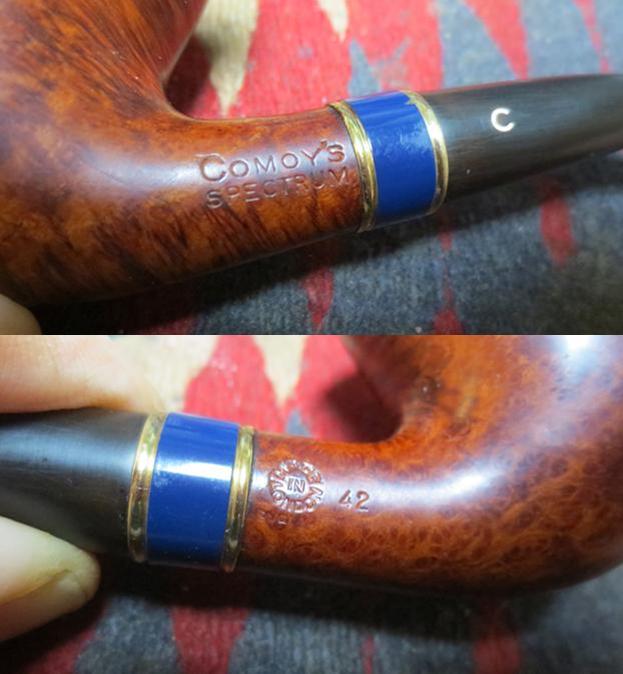
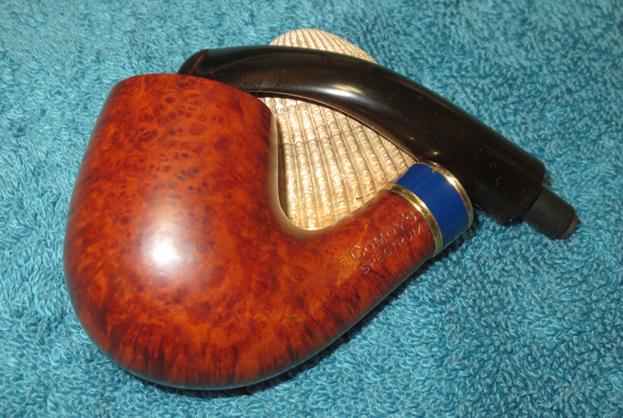
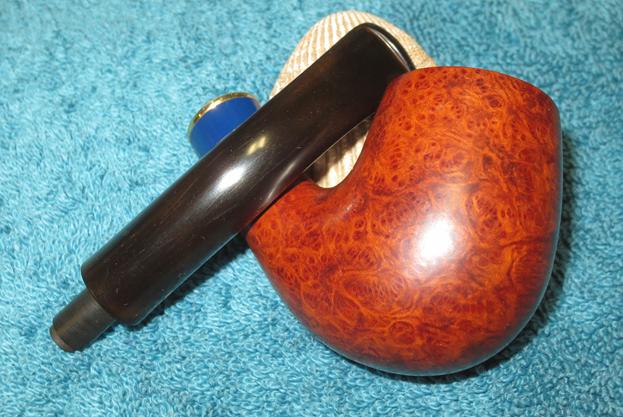
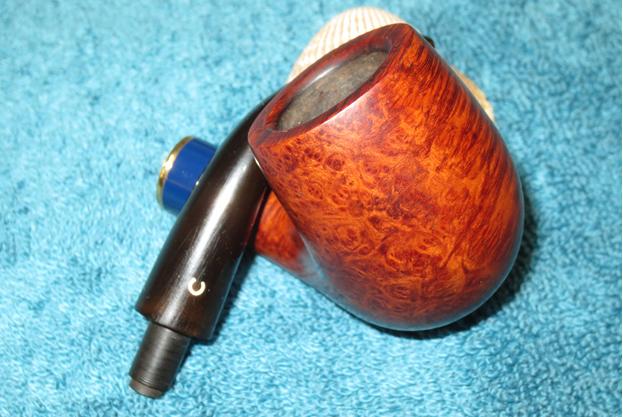
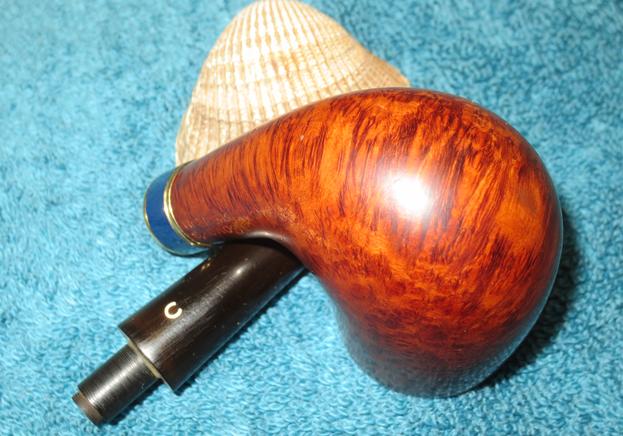
My brother picked an interesting Comoy’s pipe. It is from a line of Comoy’s that I was unfamiliar with. I could not find much information in my online searches either. It was a nicely made Comoy’s with a single drilled letter C on the stem side. It came in a black velvet lined presentation box with the Comoy’s of London logo and Pipemakers since 1825 in gold on black felt on the inside of the lid. The well-made box with dovetailed corners is mahogany that is stained with a rich cherry stain. The gold latches and hinges look very good with the red stain of the wood. On the underside the box is stamped Made in England.comoy1 comoy2Once the box was opened and the pipe visible it clear to see it is a beautiful pipe. I am actually surprised that there is not more information on the line available. It is stamped Comoy’s over Spectrum on the left side of the shank and the COM stamp on the right shank is the expected Made in London circle over England. Next to that the shape number 42 is stamped. Looking that up on Comoy’s Shape Charts shows that it is the number for a medium sized ½ bent billiard. This is exactly what I have here. There is also an H stamped on the underside of the shank next to the brass and blue band.comoy3The pipe appears to have some nice grain in the photos that my brother sent to me. The front, underside and back and top of the shank are beautiful cross grain. The sides of the bowl are full of birds-eye grain. The pipe has a brass band that had a wipe enameled strip of royal blue in between two ridges of polished brass. The stem was oxidized in the early photos but the single drilled C stamp is very clean.comoy4 comoy5My brother took some close up photos of the bowl and rim to give me a clear picture of the pipe. It appeared that the bowl had been reamed and well care for. The rim looked very good – a little bit of lava overflow from the bowl but the inner beveled edges and the outer edges of the rim were both very clean. The rim itself was also undamaged. The underside of the bowl and shank showed beautiful cross grain.comoy6The stamping on the pipe was deep and sharp. It had not been over buffed or damaged. It was readable and clean. The finish was dirty and the buildup of grime and grit on the surface of the bowl and band seemed to be the only major issue on the pipe. You can also see the single drilled C logo on the stem in the photo below.comoy7From the next photos you can see the deep oxidation on the stem. What is not visible at this point is if there was any tooth chatter or damage to the stem. That would have to wait until the pipe arrived in Vancouver.comoy8While I was waiting for the pipe to arrive in Vancouver I did some hunting for information on the Spectrum line of Comoy’s pipes on the internet. Sadly I was unable to find much that was definitive. There was a similar pipe for sale on smokingpipes.com that had a brief write up. From that I learned that the pipe dates after 1980 because of the single drilled C. Evidently that was when Comoy’s no longer used the three-part inlaid C on the stem. I wrote to a friend of mine and writer on rebornpipes, Al Jones and asked what he knew about the line. He wrote back that “they are early post-merger, with the single drill C logo. They usually have an adornment of some kind and box. It was the go-go 80’s, right! They’re most likely made with good stock leftover from pre-merger, so she should be a good smoker. As an added bonus, this pipe comes in wooden box complete with matching tamper.”

This confirmed what I had gleaned online so far. I Googled and found a question and short discussion on alt.smokers.pipes community regarding the line and found some more information from friend, Mike Stanley. He wrote: “The only thing I can pass along is what R.C. hacker wrote in his Ultimate Pipe Book. The Spectrum came with a wooden box and matching tamper with the same brass and enameled ring as the pipe. They were, I suppose, “firsts and fairly pricey. I had one I picked up from ebay. It had no tamp or box. It was a fine enough looking pipe. No putty or sand pits. It was too big for my taste. I re sold it. I would guess that they were made up until the late seventies or early eighties. Just a guess though.” (http://alt.smokers.pipes.narkive.com/yA8KASQj/comoy-s-spectrum)

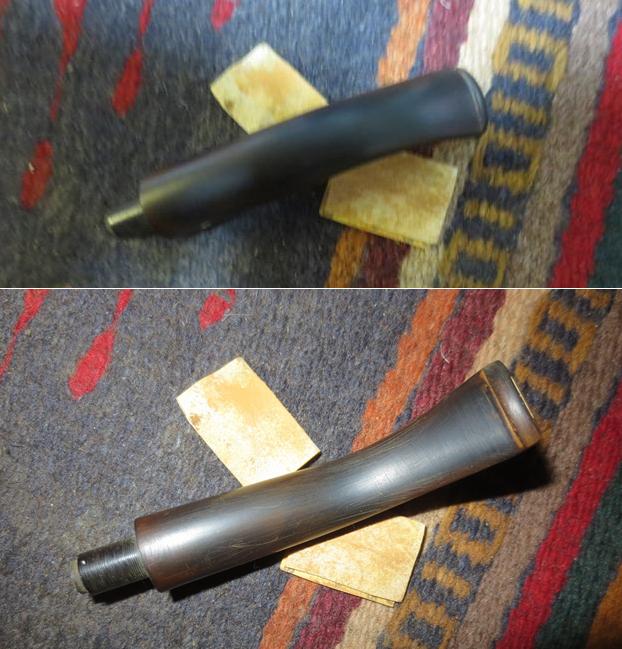
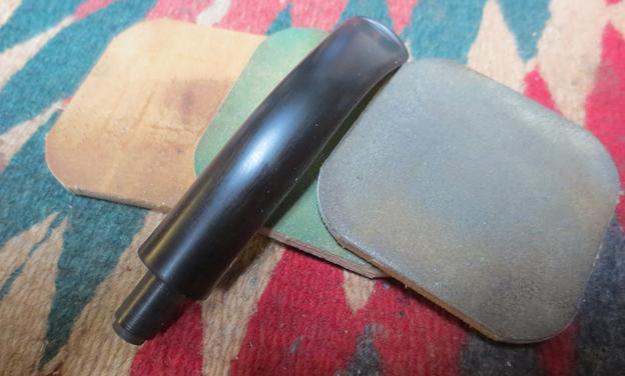
When the pipe arrived in Vancouver and I unpacked it I was amazed at how clean my brother Jeff had gotten the rim and the bowl. The finish was very clean. The enameled band was also clean an undamaged. The oxidation had really come to the surface on the stem. However, all that being said, the briar on the pipe is very stunning. I took some photos of the pipe before I began to work on it to try to capture what it looked like when it arrived.comoy9 comoy10The next picture is a bit out of focus. It will teach me to have a look at the photos before moving on with the cleanup. However, you can see that the rim is spotless. He was able to get all of the darkening and debris off the rim and also ream the bowl clean.comoy11I took photos of the stamping on both sides of the shank. You can see in the first photo the stamping on the left side of the shank. The second shows the COM stamp and shape number on the right side.comoy11aI took photos of the stem to show the oxidation and to try to capture the tooth chatter and tooth marks on both sides of the stem near the button. They are hard to see through the oxidation. The ones on the topside of the stem are not too bad. The ones on the underside are a little deeper. Once I clean off the oxidation a bit I will be able to assess how bad they are.comoy12I sanded the stem with 220 grit sandpaper to break up the oxidation on the surface and also to sand out the tooth chatter and tooth marks on the stem. I was able to remove all of them as they proved to be fairly shallow and superficial.comoy13I polished the stem with micromesh sanding pads – wet sanding with 1500-2400 grit pads and dry sanding with 3200-12000 grit pads. I rubbed the stem down with Obsidian Oil after each set of three pads. After rubbing it down with the final coat of oil I set the stem aside and let it dry.comoy14 comoy15 comoy16I buffed the bowl and stem with Blue Diamond on the buffing wheel. I avoided buffing the enameled band on the shank. I gave the stem and bowl multiple coats of carnauba wax and buffed it with a clean buffing pad to shine it. I hand buffed it with a microfibre cloth to deepen the shine. The finished pipe is shown in the photos that follow. It is a beautiful pipe with stunning grain. The contrast of the black vulcanite, the blue and brass enameled band and the cross grain and birds-eye grain formed a great contrast. It comes with the velvet lined mahogany case with brass clasps and hinges. The only thing lacking was the tamper that originally came with the pipe. Thanks for walking through this restoration with me.comoy17 comoy18 comoy19 comoy20 comoy21 comoy22 comoy23 comoy24 comoy25

Sasieni “Sashar” Restoration


By Al Jones

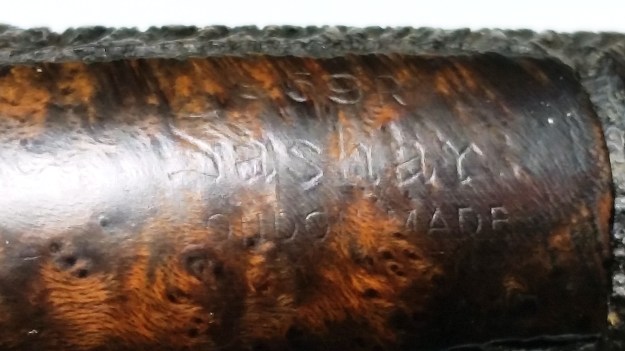
When I spied this pipe, I wasn’t familiar with the Sashar line or that it was a Sasieni 2nd’s line. The shape and style spoke to me as Sasieni and sure enough, the nomenclature read “London Made By Sasieni”. Upon receipt of the pipe, which came via England, I could see the stem also had a Sasieni feel. The pipe is rusticated, but with a texture and detail that I’ve not seen before. The rustication on Sasieni Rustic pipes is lovely, but I think this method may have a nicer hand feel. I’m familiar with the other Sasieni 2nd’s: Mayfair, Fantail and Olde English but Sashar was new to me. The pipe was stamped with the shape 959R. It is similar to the Viscount Lascelles, but on a slightly smaller scale. The nomenclature was lightly stamped, but completely visible. I didn’t capture it well on my photo below, but it reads:

959R
Sashar
London Made
By Sasieni
Made in England (straight line)

The pipe had a badly oxidized stem and some wear marks on the polished bowl top. The “S” stem logo imprint was still visible.

sashar_959r_before-1

sashar_959r_before-4

sashar_959r_before-3

sashar_959r_before-2

I reamed the slight cake from the bowl and found an interior in excellent condition. The bowl was soaked with sea salt and alcohol. The stem was soaked for several hours in a mild solution of Oxy-Clean, with a dab of grease on the logo.

I smoothed the nicks on the bowl top with some 800 grit, then 1000 and 2000 grade wet papers. The bowl top was buffed with White diamond and several coats of Carnuba wax.

The stem was mounted and heavy layer of oxidation removed with 800 grade paper, followed by 1000 and 2000 grades. That was followed with micro-mesh sheets in 8,000 and 12,000 grades. The stem logo was brightened with a dab of white Acrylic paint. After it started to harden, I wiped it off leaving paint in the recess. It was set aside to dry overnight. The stem was then buffed with White Diamond and Meguiars Plastic polish.

Below is the finished pipe. To my eye, the tapered stem Bent Billiard epitomizes the British briar pipe. I reluctantly packed up the pipe. It was sold and is now heading to a new owner on the Greek island of Corfu.

sashar_959r_finish-1

sashar_959r_finish-3

sashar_959r_finish-2

sashar_959r_finish-4

sashar_959r_finish-5

sashar_959r_finish-6

sashar_959r_finish-7

?

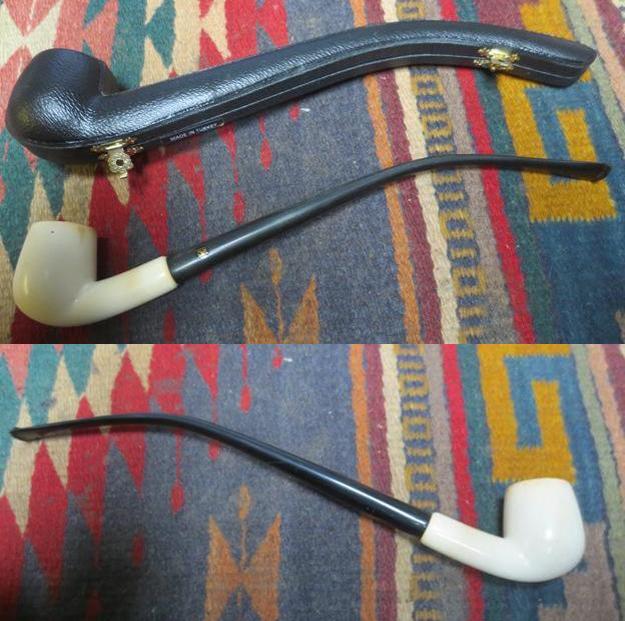
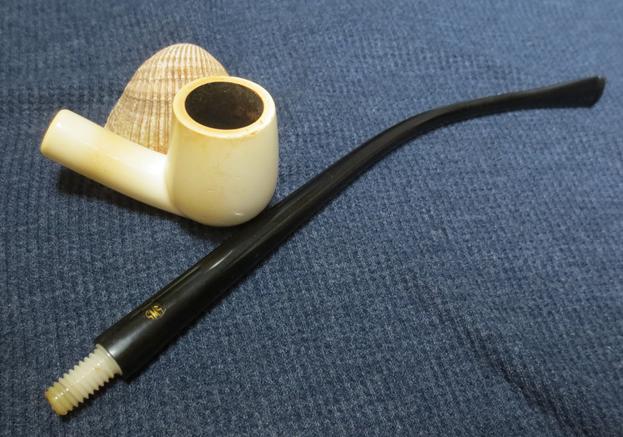
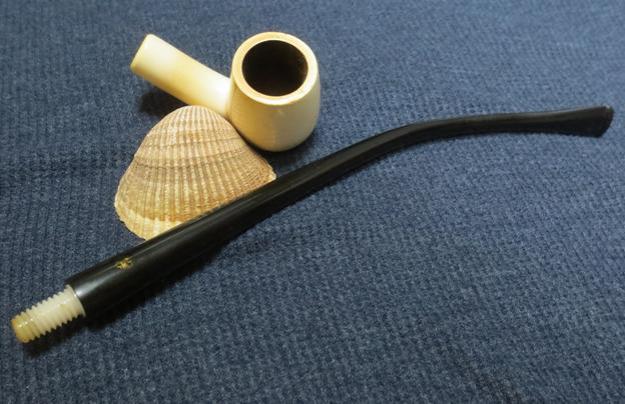
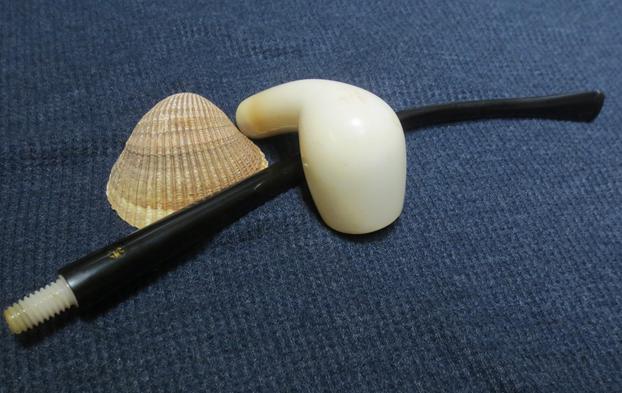
Cleaning a Turkish SMS Meerschaum Churchwarden


Blog by Steve Laug

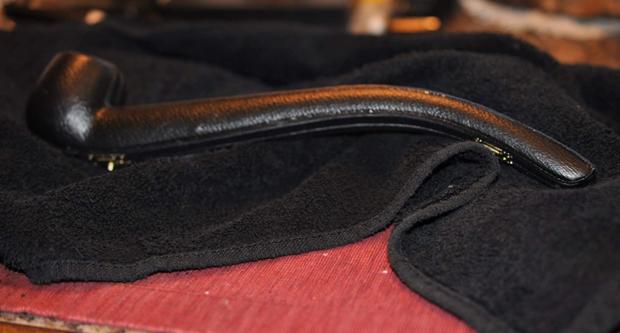
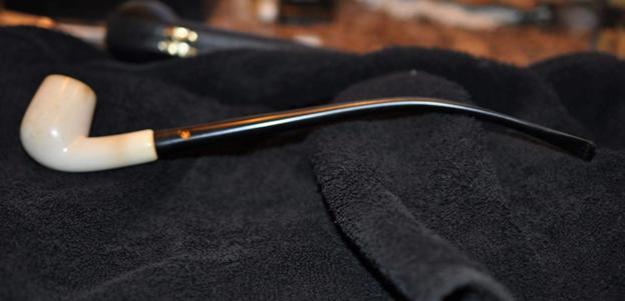
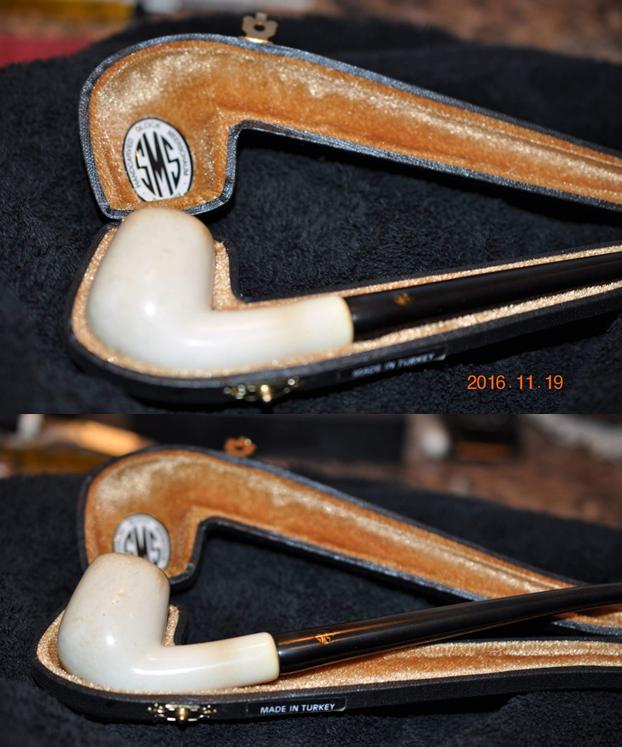
This long stemmed Meerschaum Churchwarden is another one of my brother’s finds at the estate sale in the Boise, Idaho area. He found the case sitting on the table of pipes and pipe racks and has been hunting long enough that I think he must have expected it to be empty when he picked it up to have a look.chu1Those of you who have gone pipe hunting enough know the rush that goes with opening an old leather covered pipe case like this and finding the Churchwarden that the case was made for still resident inside. There are a lot of empty pipe cases selling on eBay daily that give witness to the fact that the case and the pipe that should be inside often have parted company. In this case though when he opened the case I think he was surprised. I certainly was when he sent me a text with the photo. Inside was a smooth block meerschaum pipe with a long stem that was in relatively decent shape. The stem was intact and there were no large nicks or bumps on the bowl sides or shank. The stem aligned correctly with the shank and the whole thing appeared to be functional. These are the kinds of finds right up there with finding that illusive $10 Dunhill that keep me always looking inside cans, boxes and even pipe cases to see if something has been overlooked. You never know what kind of treasure might be hidden awaiting your discovery.

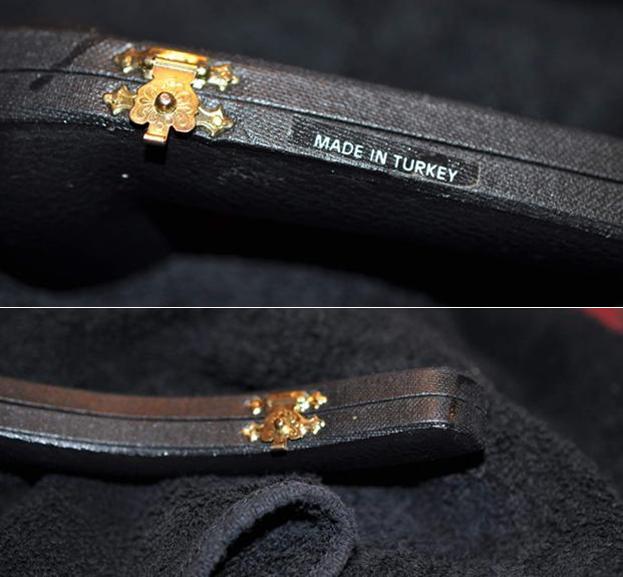
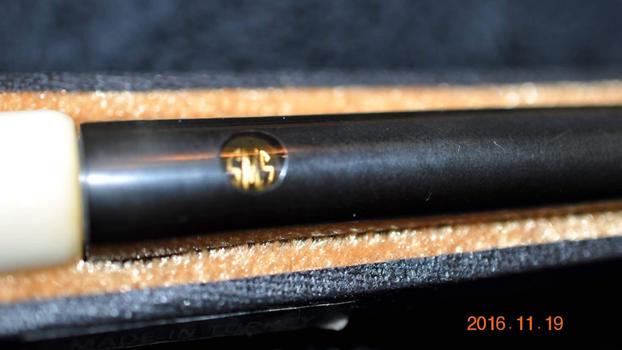
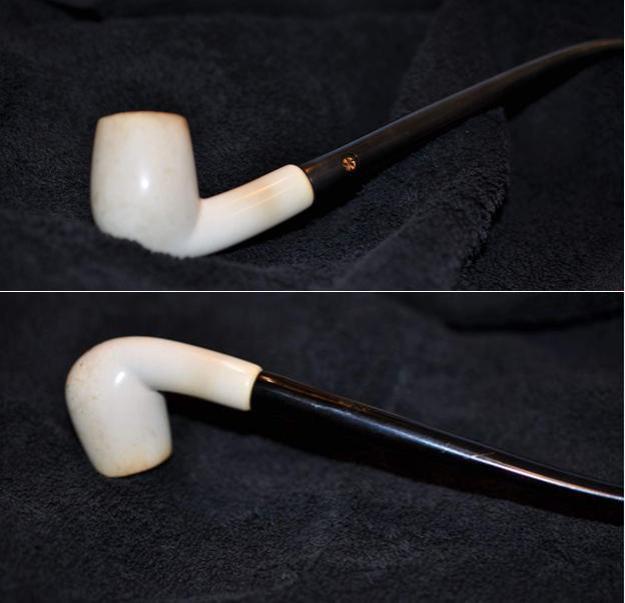
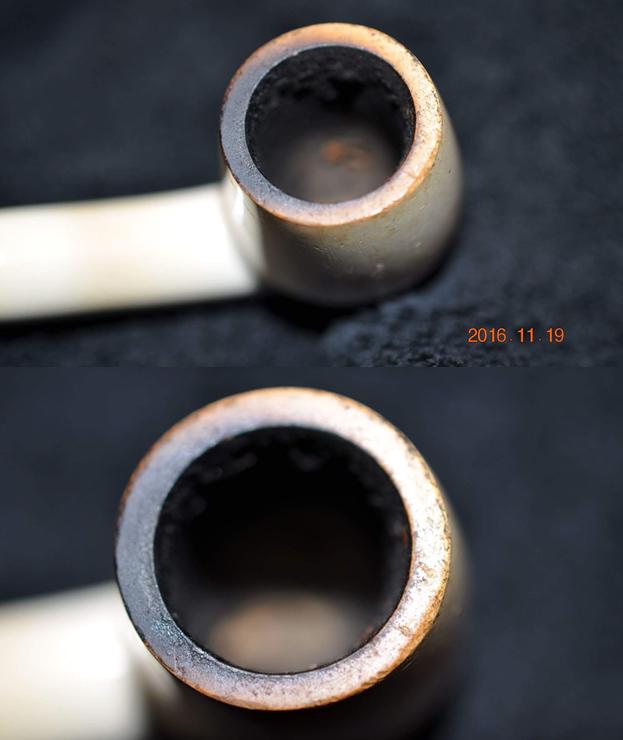
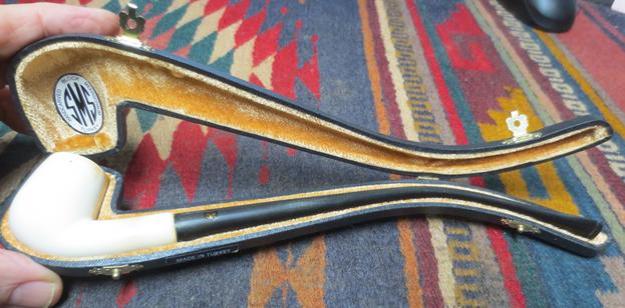
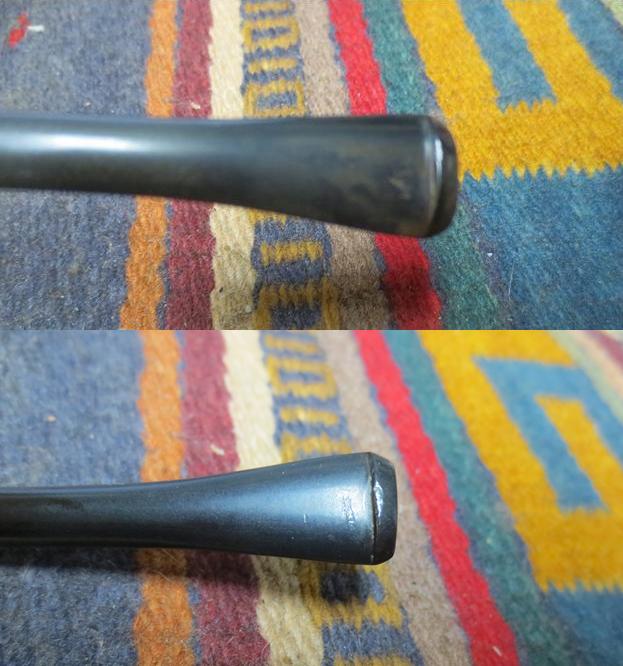
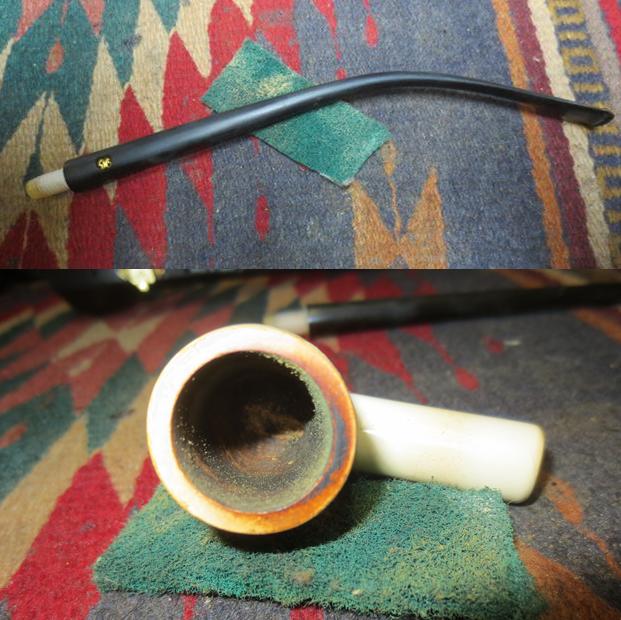
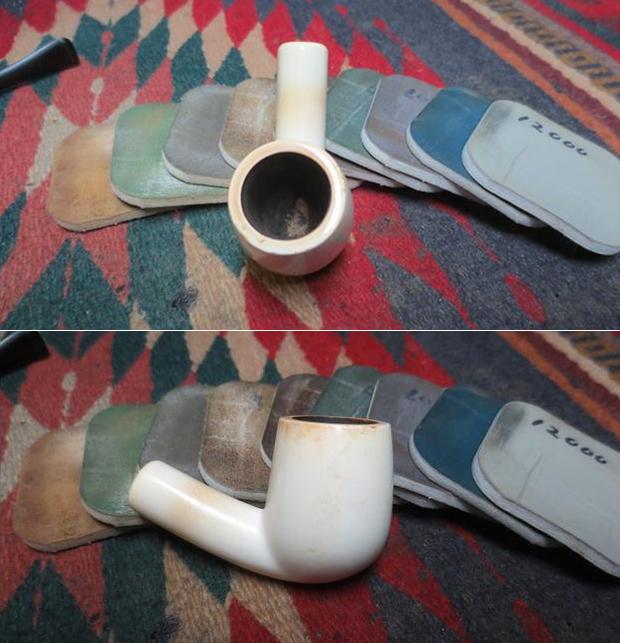
The next photos show what the pipe looked like when he found it and before he cleaned it up a bit to send my way. It is an elegant looking pipe in the photos and even more so in hand.chu2The leather (probably a leather like vinyl) covered case was in great shape. The exterior was not even worn. The polished brass hinges and clasps looked good with the shiny leather. The front of the case had two clasps and next to the left one is the tag reading Made in Turkey. On the back side there are two hinges that are hidden beneath the leather. Four small brass brads hold each hinge in place. The hinges are not sprung or damaged in any way.chu3My brother took a few photos of the pipe in the case to give an idea of what he saw when he opened the lid. The inside was lined with a rich golden coloured soft fabric that protected the meerschaum and held the pipe firmly in place. In the inside top cover there was the SMS logo that reads Handcarved Block Meerschaum Turkey around the stylised SMS. On the left side of the stem is the same logo inset in clear acrylic in the vulcanite.chu4 chu5He removed the pipe from the case and you can see the beauty and simplicity of the shape. The shank and the rim edge are starting show some colour with a faint brown hue.chu6He took some close up photos to show the condition of the rim. The bowl had a cake developing in it that went about half way down the bowl sides. The tars had darkened the rim on the back side and the outer edges of the rim had a few nicks and scratches. It would be interesting to see how much of this was surface damage once I had the pipe in hand in Vancouver.chu7He took photos of the underside of the bowl and the sides as well to show some of the spotty dirt and debris that were there. It was hard to tell from the photos if these were merely on the surface or had penetrated the surface and left scratches on the bowl sides and bottom. I would see once I had it in hand.chu8 chu9The stem appeared to be in pretty decent shape but the first inch on both sides of the stem at the button had some tooth marks, chatter and calcification. It appeared that the previous owner had smoked the pipe with a Softee Bit to protect the stem from his bite but even that had not kept all the tooth marks off the stem. Perhaps he or she had smoked it, seen the damage and put the rubber Softee on to protect it from further damage.chu10My brother did a great clean up on the stem and shank internals and cleaned out the cake in the bowl with his Savinelli Fitsall Knife. He had removed some of the tars and oils on the top of the bowl and scrubbed the exterior with a soft cloth and Murphy’s Oil Soap. When it arrived in Vancouver it looked far better than it had in the earlier photos. I took the next five photos to record my first look at the pipe as I opened the case and removed it from its nest.chu11 chu12 chu13I took some close up photos of the bowl, rim and stem to show what it looked like after my brother’s work on it. He had been able to get a lot of the tars and oils off the rim top and had cleaned the sides of the bowl. The second photo shows the SMS logo in acrylic on the left side. The stem showed some oxidation spots and a spot where obviously a label had been glued. He had been able to get the calcification off the stem at the button and also had managed to lift out some of the tooth chatter. The top edge of the button on both sides showed some wear.chu14 chu15I started cleaning the exterior of bowl and stem with a green nylon scrubber. It is a great tool that I learned the use of through Troy (one of the contributors to the blog). I scrubbed the exterior of the stem and was able to remove much of the oxidation. I also used it to scrub the rim. I wet the scrubber with tap water to help with the scrubbing and it did a great job on the rim and stem.chu16I continued to scrub the rim with the pad and then shifted to polishing the bowl and rim with micromesh sanding pads. I wet sanded the entirety of the pipe with 1500-2400 grit sanding pads and dry sanded it with 3200-12000 grit pads. The finished bowl and rim are shown in the next four photos. I was able to remove the tars and the scratches from the bowl and rim and leave behind a polished bowl that still maintained the patina that had begun to develop.chu17 chu18I ran a pipe cleaner with alcohol through the stem and the shank of the pipe and as usual my brother had done a thorough job removing the oils and tars from those places.chu19I sanded the tooth marks and chatter on both sides of the stem at the button with 220 grit sandpaper to remove the damaged areas. I was fortunate that none of the tooth marks were deep enough to warrant repairs. I removed all of them by sanding the stem.chu20I wet sanded the stem with 1500-2400 grit micromesh sanding pads and dry sanded it with 3200-12000 grit pads. I rubbed the stem down with Obsidian Oil after each set of three pads. After the final rub down I set the stem aside to dry.chu21 chu22 chu23I buffed the bowl and stem with Blue Diamond on the buffing wheel and gave the stem several coats of carnauba wax. I gave the bowl a few coats of Clapham’s Beeswax Polish (a white beeswax polish) and buffed bowl and stem with a clean buffing pad. I hand buffed the pipe with a microfibre cloth to put the final touches on it. The finished pipe is shown in the photos below. It really is a nicely made meerschaum and the fact that it is a Churchwarden is bonus. The weight of the pipe and the feel of it in the hand will make this pipe a winner. Thanks for looking.chu24 chu25 chu26 chu27 chu28 chu29 chu30 chu31 chu32

An Estate Sale Find – A Castello Sea Rock SC 54P Bulldog


Blog by Steve Laug

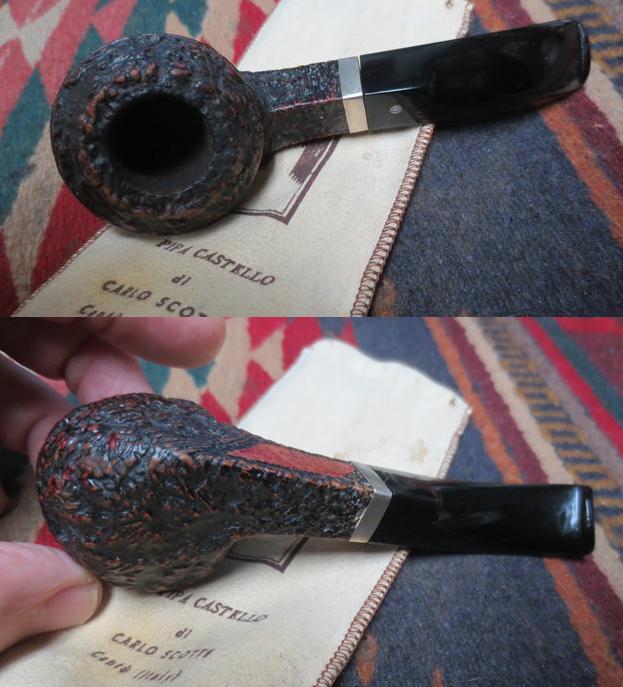
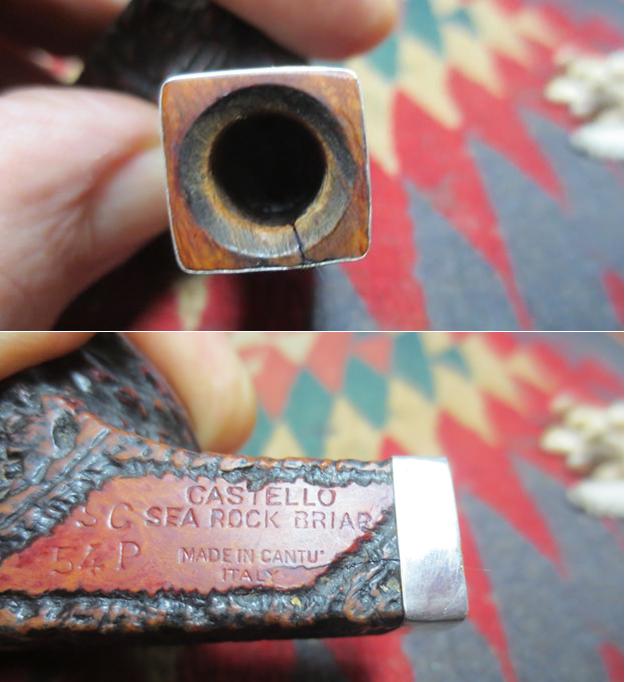
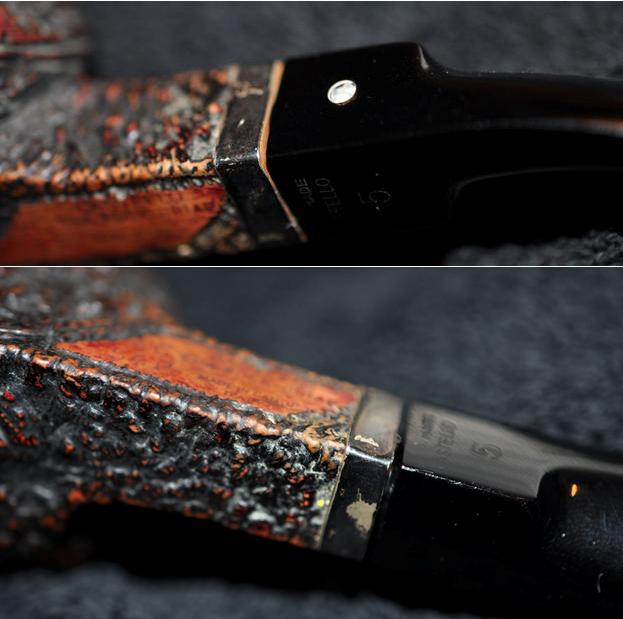
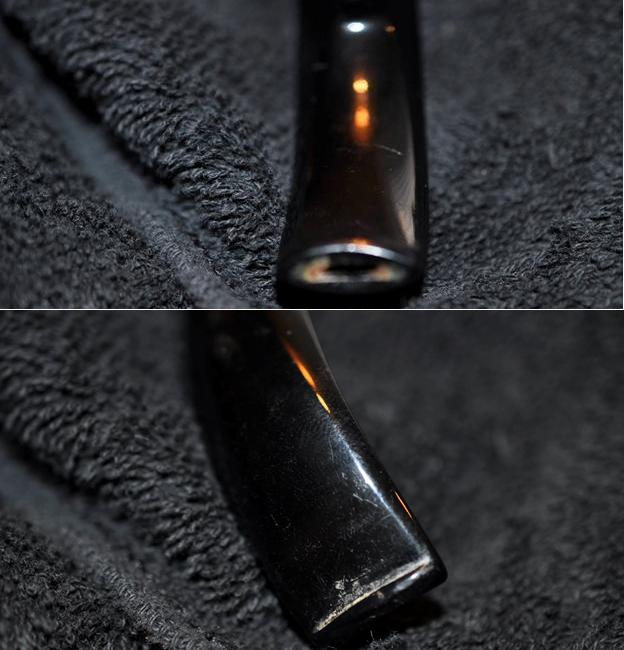
My brother Jeff is truly the king of estate sale, junque store and antique store pipe finds. He seems to have not only developed an eye for a good pipe but seems to have an uncanny ability to find them. A few months back now he messaged me from an estate sale he had gone to near Boise, Idaho. He had driven to the town the evening before so he was first in line for the sale. He found some great pipes in that sale and on that trip. I wrote about the finds he came home with on that trip in a previous blog (https://rebornpipes.com/2016/10/31/sometimes-you-just-get-lucky-an-amazing-pipe-hunt/). This little Castello Sea Rock 54P Bulldog came home with him on that trip. From his description and the photos that he sent along the pipe showed lots of promise. The Sea Rock Finish was dirty and the crevices had dust in them. The rim was tarred with overflow of cake from the heavily smoked bowl. The pipe seemed to sport an after factory band as there were no Castello marks on the silver. The stem was in good shape though it had tooth marks on the top and bottom sides next to the button. It had the diamond logo on the side of the saddle stem which I knew meant it was made for the United States market.castello1My brother took some close up photos of the rim top and the cake in the bowl to show what it looked like when he found it. You can see how thick the cake is and how much of the rim rustication has filled in with the overflow.castello2Other than being dirty, the finish was in very good shape. There were no chips of dings in the surface of the rim or on the bowl or the shank.castello3The silver band was tarnished and seemed to have some flaking on the surface. I am not sure if the silver plate is peeling or if it is just left over remnants of the sticky tag that had been there with the price. The stamping was very clear on a smooth patch on the left underside of the diamond shank and read Castello over SC Sea Rock Briar. Underneath that and to the left it read 54P (which is the shape number) and Made in Cantu over Italy. The underside of the left side of the Lucite stem also had stamping that read Hand Made over Castello and the number 5. The stamping of Hand is faint though it can be seen with a magnifying glass.castello4The fit of the stem against the shank was off – it looked as if the mortise was filled with oils and had pushed the stem out. It did not fit snugly against the shank. The faux diamond circle on the saddle portion of the stem is also visible in the photo below. The second photo below shows the debris on the silver band and the grime in the rustication of the shank.castello5The last two photos that my brother sent show the condition of the stem. It is hard to see the tooth marks near the button on both sides of the stem but you can see the chatter on the underside and the “gunk” (technical term) that had built up in the corners of the slot in the button.castello6Before I worked on the pipe I wanted to do a bit of research to see if I could shed some more light on the pipe I had in hand. I learned from the pipephil website that the rhinestone logo was originally on pipes for the US market. There was no hint as to why that was done only that it was and that it is occasionally still used http://www.pipephil.eu/logos/en/logo-castello.html
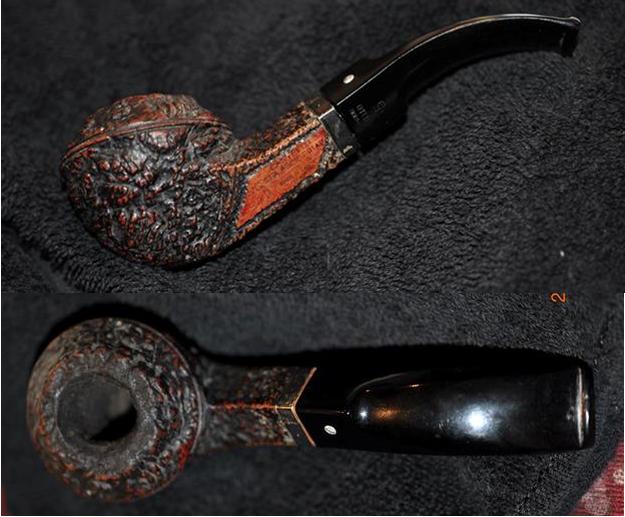
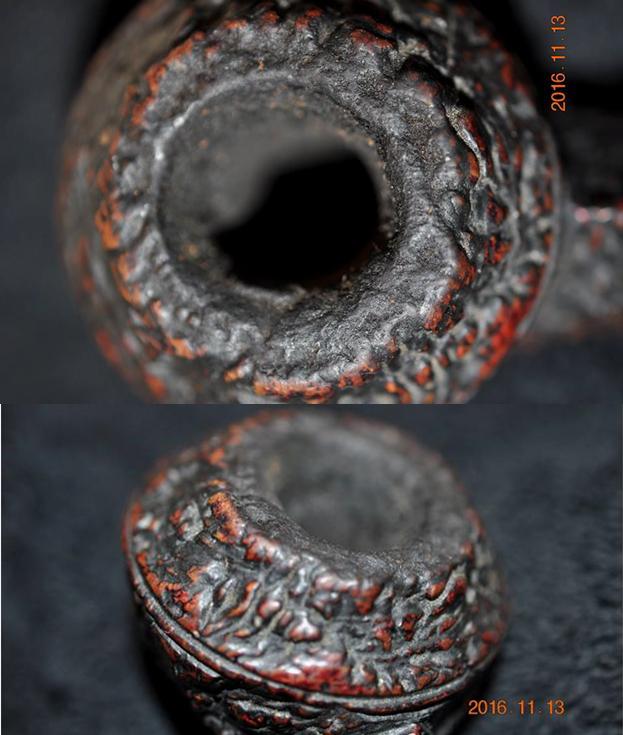
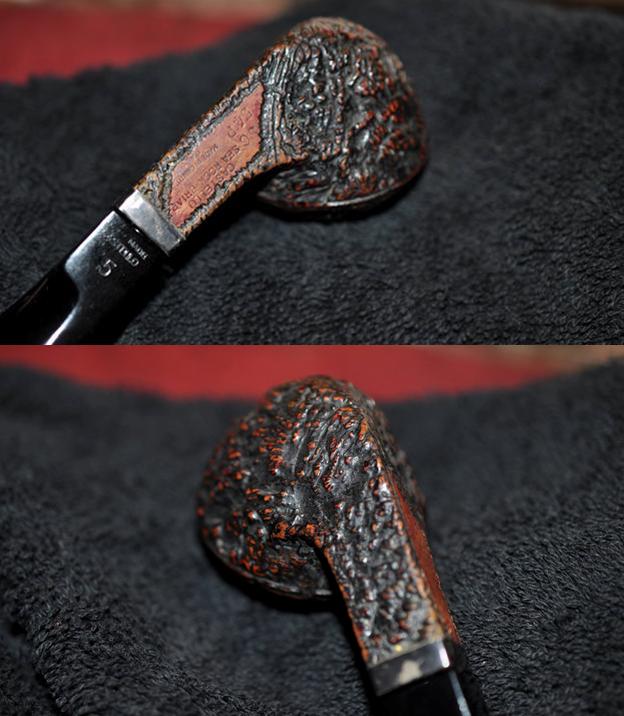
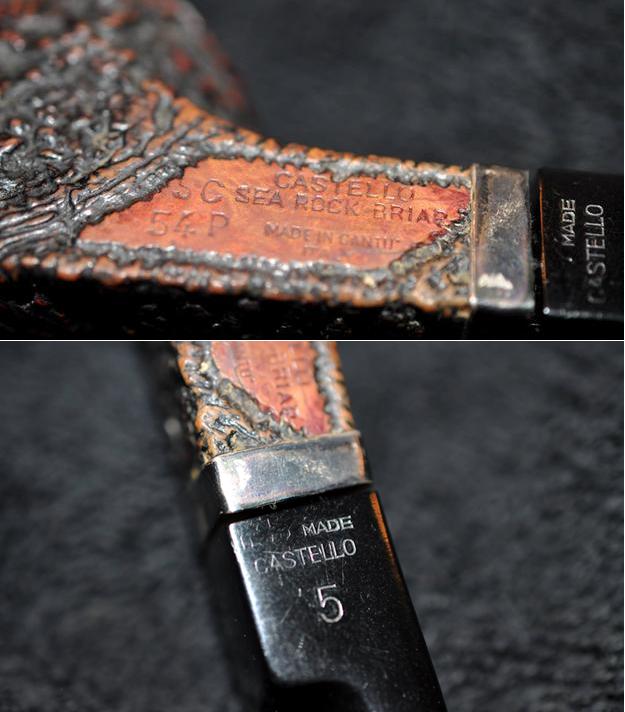
I have an older article called PCCA’s Castello Grade & Style Guide. It was written by Robert C. Hamlin (c) 1988, 1992, 1994. Robert gathered some remarkable information on the Castello lines and I have often used his guide in the past to give me pertinent data. There I found more information regarding the shiny logo on the side of the stem.

“American logo’d Castello pipes use a small round “Diamond” (referred to and looking like, but it is NOT actually a diamond) inlaid into the mouthpiece. This was originally done so that the standard Castello white bar logo did not conflict with another brand and logo that was sold by Wally Frank called the “White Bar Pipe” (in the 1950’s).”

The above quote and the remainder of those following come from the same article by Robert Hamlin. You can read the full article at the following link: http://www.pipes.org/BURST/FORMATTED/196.016.html

I read further in the article to help me understand the stamping on the underside of the shank. My knowledge of Castello pipes is pretty limited so when I get one to restore I resort to this article and others to try to make heads or tails of the stamping. First of all I had no idea what the SC stamped ahead of the Sea Rock Briar stamping meant. I had seen Castello’s with the signature of Carlo Scotti on them but not this stamping. Robert gave me the information I needed.

“Older Castello pipes will usually include the “REG No.” and have the letters “SC” stamped as a part of the nomenclature. The SC stamp was for Scotti, Carlo (in Italy all names are listed last, first). Today the full name of Carlo Scotti, contained in a small oval, has replaced the SC stamp.”

I learned that the Sea Rock Briar stamp also signified something and told me more about the pipe. Robert pointed out:

“SEA ROCK [Carved Black or dark brown]: This is the lowest grade of the Castello line and is the most common in the USA. Sea Rocks are produced by taking a smooth bowl that has not been “final finished” and surface carving the finish with tools. This “carved” finish is then evened out using a steel wire brush, stained and then waxed. The Natural Vergin carved finish is left unstained and unwaxed as a rule, although we have seen waxed and partially waxed “Vergins”.” 

The remaining mystery for me was the meaning of the stamping on the stem. I of course understood the Hand Made and the Castello stamping but the number 5 was a mystery to me. I was not sure what it referred to. So once again Robert’s article gave me the information I needed to understand that last piece of the mystery.

“#2: All Castello standard shaped pipes have a number (3, 4, 5 or 6) stamped on the mouthpiece or sometimes on the lucite ferrule. What does this number mean? Not much really, it is the number of the size for the proper straw tube or reed that fits the shank and stem of the pipe. These straw tubes are rarely used in the United States. The Castello reed is considered superfluous and useless to most, but with this number you will always know which one fits (the different numbers have to do with length, not diameter).”

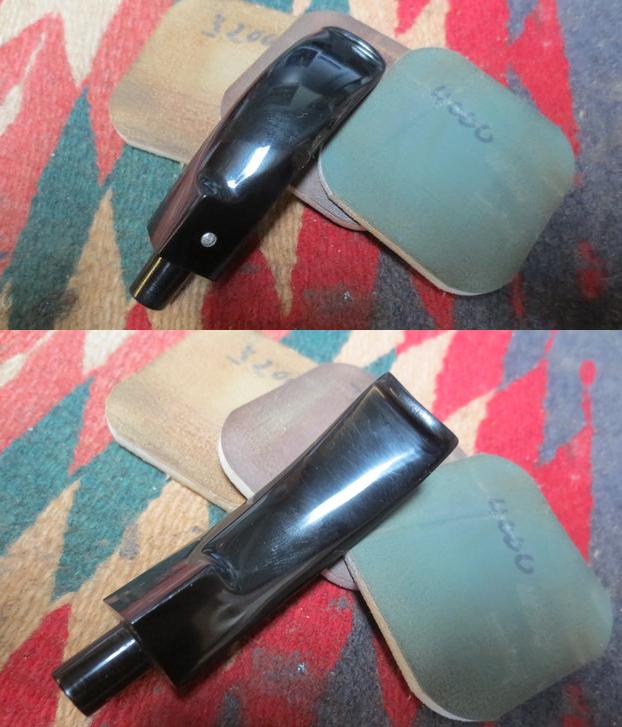
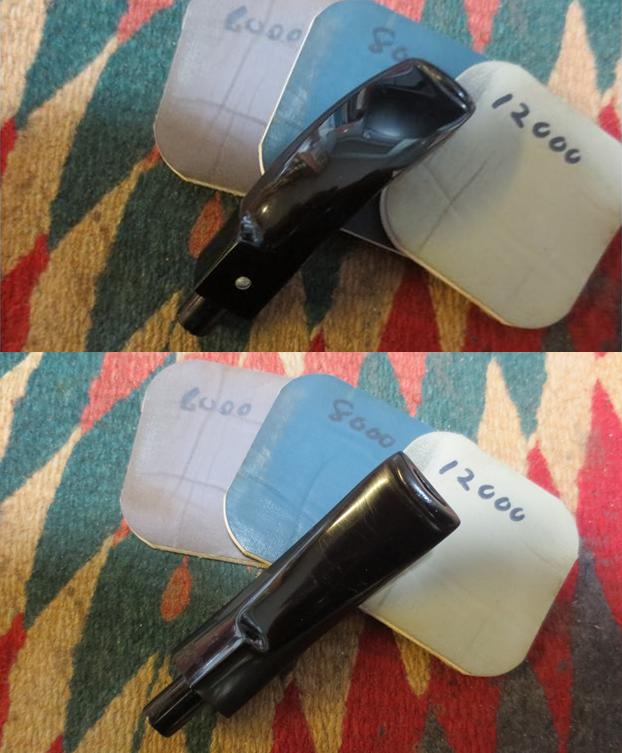
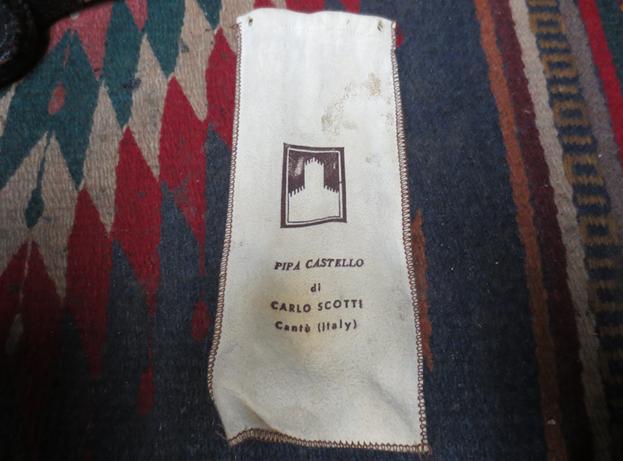
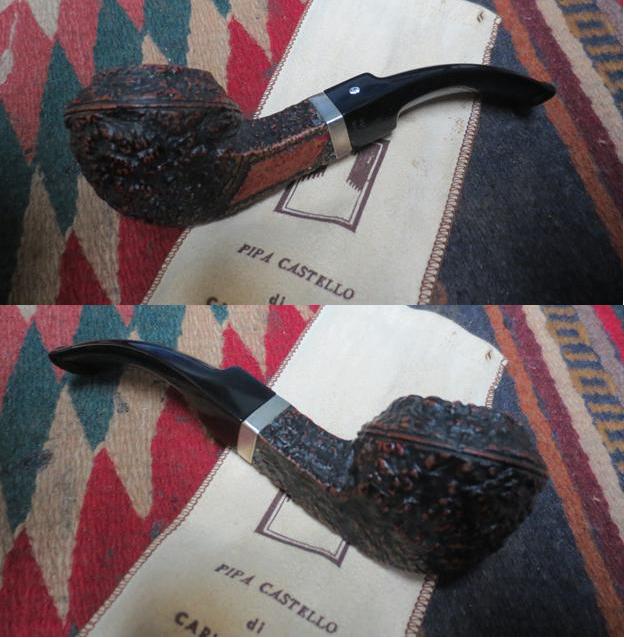
When the pipe arrived in Vancouver it was inside of a Castello suede bag missing only the drawstrings at the top. It bore the classic Castello Castle logo and reading Pipa Castello di Carl Scotti Cantu (Italy) stamped on the front in brown paint/ink. castello7I tipped the pipe out of the bag to see what my brother had done with it. He had written and warned me that he had done a minimal clean up on the pipe as he did not want to damage it. I was not sure what I would see when I removed it from the bag. The four photos below show the state of the pipe when it arrived.castello8 castello9Examining the pipe closely I could see that he had reamed the bowl and cleaned up the rim to remove the tars and oils that had overflowed onto the top of the rim. He had also cleaned the finish on the pipe quite nicely. The internals were cleaner but would need some more work but the pipe looked pretty good.castello10I took some photos of the stem to show the tooth marks on the top and underside near the button. In the first photo of the top, you can see the tooth mark neat the button and the one on the top edge of the button. In the second photo you can see the damage to the underside of the stem near the button and on the top of the button there as well.castello11I used a brass bristle tire brush to clean up the small particles that still remained in the grooves on the rim of the bowl. It did not take too much to remove what was left and leave the rim clean.castello12I wiped off the sticky spots on the silver band with a little alcohol on a cotton pad. I could see that the band had been stamping diagonally in several places with letters from the word silver but that none of them spelled it out completely. I was pretty certain from Robert’s article above that the silver band was after market and may be part of a repair to a cracked shank. Cleaning the pipe further would either confirm or deny that assumption on my part. I polished the band with micromesh sanding pads from 1500-12000 grit pads. The polished band is shown in the photo below.castello13I sanded the tooth marks out on both sides of the stem at the button using 220 grit sandpaper and also sanded the damage to the button surface itself. There was also slight damage to the slot itself on the end of the button. I sanded the slot and cleaned up the damaged areas there. castello14I used micromesh sanding pads to polish the newly sanded areas on the Lucite stem surface. I wet sanded with 1500-2400 grit pads and wiped the stem down with a damp cotton pad. I dry sanded it with 3200-12000 grit pads and wiped it down with the damp pad several times throughout the process. In doing so I was able to remove all signs of the damage to stem in those spots along the edge and top of the button.castello15 castello16 castello17With stem exterior finished other than buffing I ran a pipe cleaner with alcohol through to remove any sanding debris from my clean up and sanding of the surface and the slot. It was remarkably clean.castello18I cleaned out the shank with alcohol, pipe cleaners and cotton swabs to remove the tars and oils that kept the stem from properly seating against the end of the tenon. It was pretty thickly tarred and took some scrubbing to remove the grime. While I was cleaning the interior of the grime I found what I had surmised was under the band. The end and inside of the mortise revealed a small crack underneath the grime. It looked like it had been repaired somewhere along its life. The end of the crack on the shank end was the worst part of the damage. The hairline crack on the exterior of the shank – almost an underline of the word Cantu showed signs of having been glued and clamped until it sealed. That settled my question regarding the purpose of the aftermarket silver band on the shank.castello19 castello20With the internals cleaned and the crack examined with a lens and deemed solid I polished the silver band with a jeweler’s cloth to further remove any remnants of tarnish and give it a deeper shine and protection. I hand waxed the bowl with some Conservator’s Wax and buffed it with a shoe brush to raise the initial shine on the briar. The photos below show the bowl after the waxing and polishing.castello21 castello22I put the stem in place in the shank. The fit was perfect and it sat snuggly against the end of the mortise as it did when it left Cantu. I buffed the stem with Blue Diamond polish on the buffing wheel avoiding the silver band and the briar. I waxed the stem with carnauba wax on the wheel and buffed the entire pipe with a clean buffing pad to raise the shine. I hand buffed it with a microfibre cloth to deepen the shine. The finished pipe is shown in the photos below. It is truly a beautiful little bulldog. The shape and the rustication make it a pleasure to hold in the hand. It fits snuggly with my thumb curled around the back of the bowl and the rest of the fingers holding the bowl. The finish is extremely tactile and should be interesting in hand as the bowl heats up during smoking. For me there is absolutely nothing lacking in the design and form of this old Sea Rock Briar and I think it will be one I hang onto. Thanks for walking with me through the restoration process.castello23 castello24 castello25 castello26 castello27 castello28 castello29 castello30 castello31
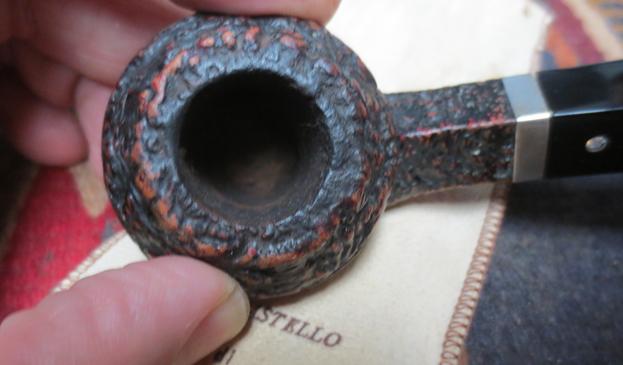
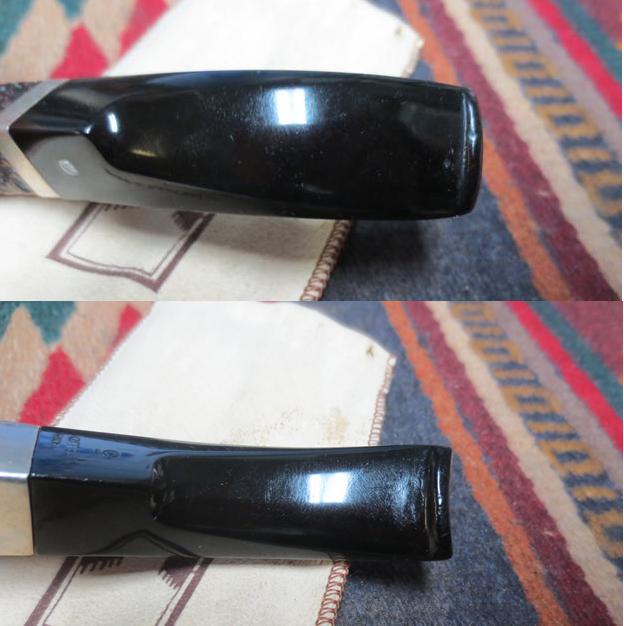
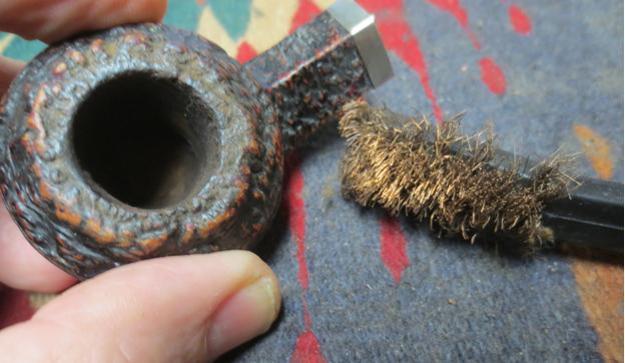
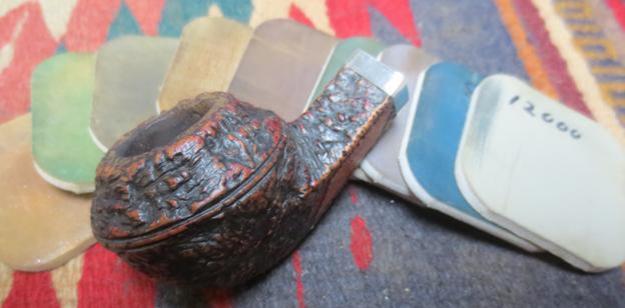
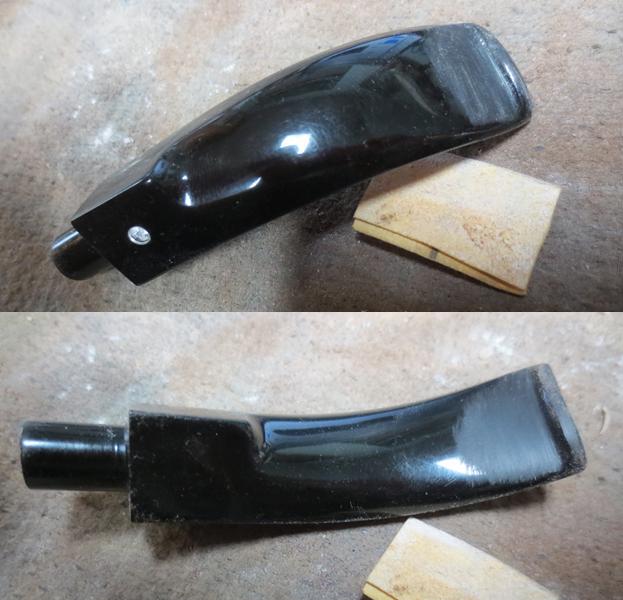
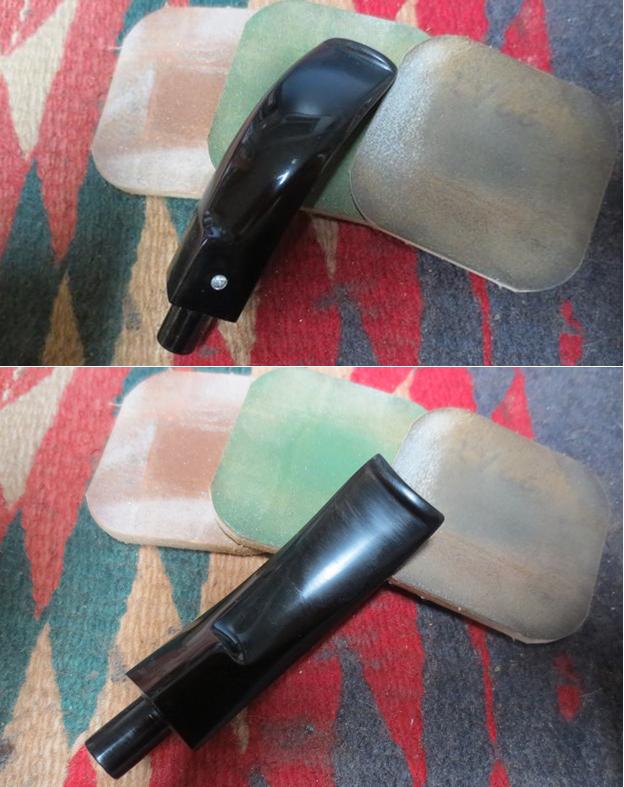
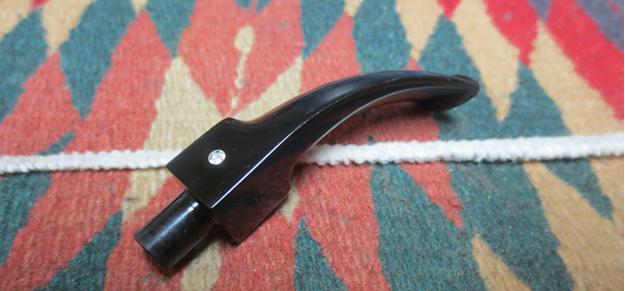
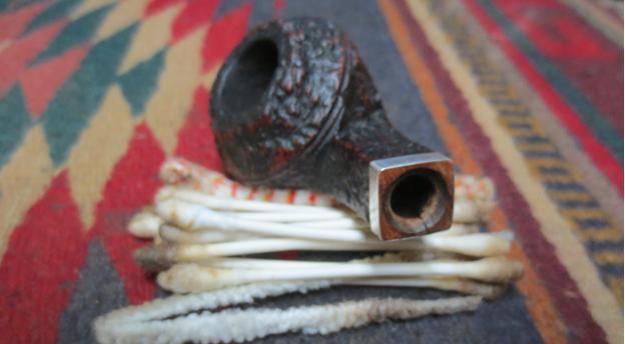
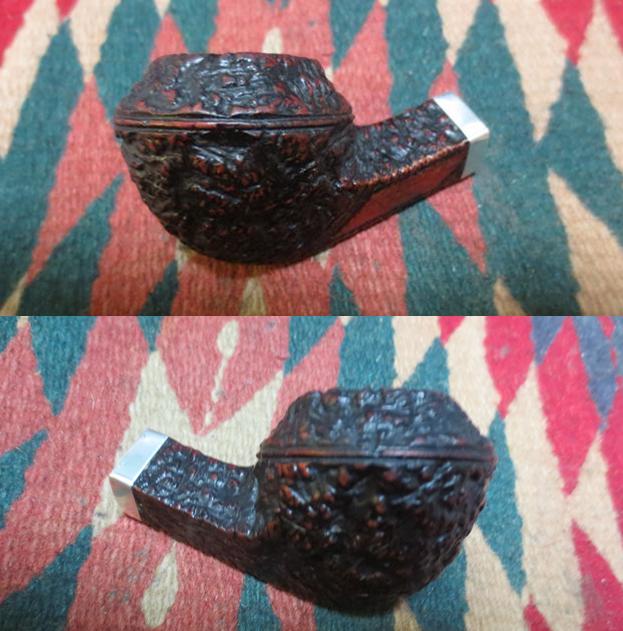
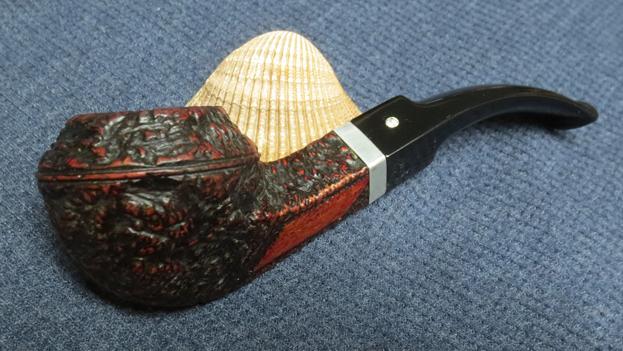
An Unsullied (once the paint was removed) Dunhill 5113 Bent Apple


Blog by Steve Laug

Wikus mentioned in his comment on the post I did on the latest Stanwell Copenhagen Calabash (https://rebornpipes.com/2016/12/17/a-gold-banded-stanwell-copenhagen-calabash/comment-page-1/#comment-19995) that my brother was the MVP of pipe finders. I have to tell you that you all don’t know the half of it. In all the years I have been pipe hunting and sorting and digging through old pipes I have never had the kind of luck or fortune or whatever you want to call it as he does. He has found a total of three Dunhill pipes, a Castello, some great Barlings, a batch of astonishingly beautiful Stanwells and a lot of other amazing pipes in his hunts. The pipe I am working on now at the work table is one he picked up at a St Vincent De Paul Thrift Store in Boise, Idaho on a recent trip to visit an estate sale that had some promising pipes. The amazing thing is he picked up this paint speckled Dunhill for only $9.99. Now that is some great hunting fortune. I can hardly believe the photos that he sends me sometimes.

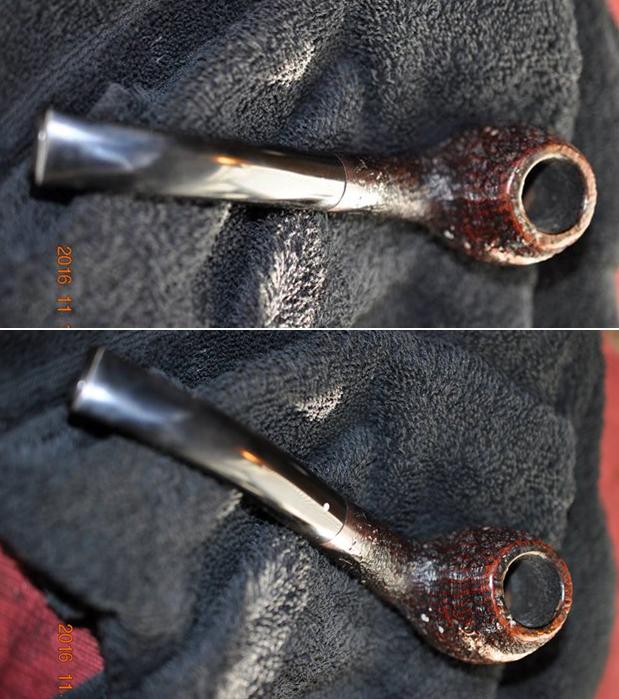
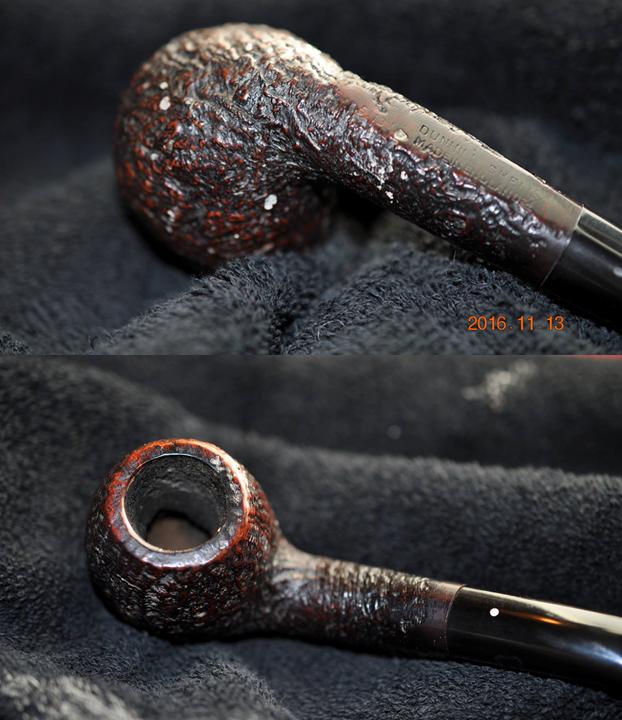
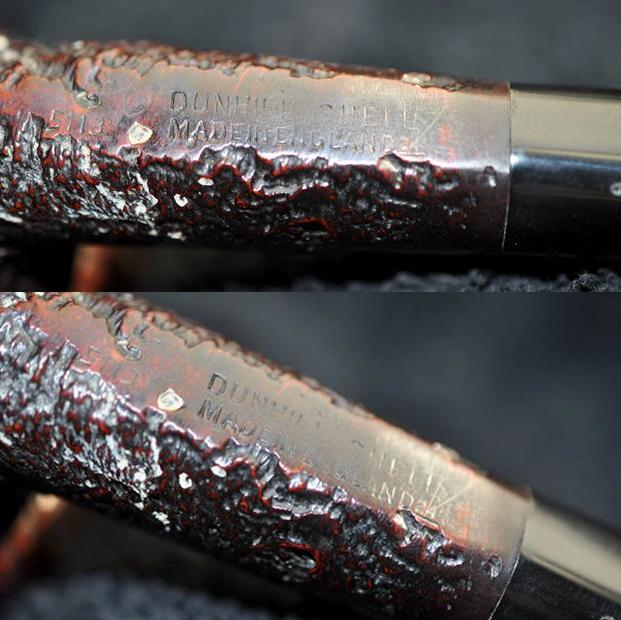
The next group of photos show the pipe as it was when he picked up. There was a lot of debris and grim in the deep blast grooves and on top of that quite a bit of white house paint on the left side of the bowl and spattered around the shank and a bit on the right side of the bowl. It makes me wonder who paints their house smoking a Dunhill pipe. The first three photos show the overall look and condition of the pipe.dunhill1 dunhill2Jeff also took some closer photos of the right side of the bowl and the rim. These were done to give a clear picture of the great sandblast finish that was on the pipe. It really has some deep and craggy looking grooves and ridges. The second photo shows the cake in the bowl and the overall clean look of the rim. The pipe had not been smoked that often and it certainly had not been oversmoked.dunhill3The stamping on the bowl is readable and clear. It reads Dunhill Shell over Made in England with a superscript underlined 24 following the D of England. To the left of the paint spot on the underside of the shank is the four digit shape number 5113. On the Pipephil Logos and Stamping website there is a helpful key to interpreting the shape stamps on Dunhill. Here is the link: http://www.pipephil.eu/logos/en/dunhill/shapes.html. He writes:

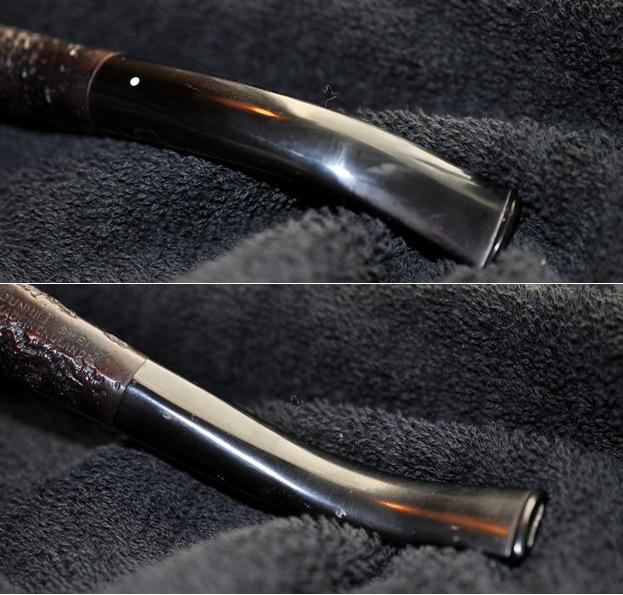
Dunhill pipes are stamped with a four digit code. Digit 1: (from 1 to 6) denotes the size of the pipe (the group). Digit 2: denotes the style of the mouthpiece (0, 1=tapered, 2=saddle). Digit 3 and 4: denote the generic pipe shape. Thus 5113 can be interpreted this way: (5 = size | 1 = tapered stem | 13 = Bent Apple. The dating on these four digit pipes can be determined by starting with the base date of 1960 and adding the superscript underlined number after the D of England. Thus 1960+24 makes this a 1984 pipe. The next two photos show the stamping from a lightly different angle accentuating the year stamp in the second photo.dunhill4The stem was in absolutely perfect shape though there were a few paint flecks on the surface. Underneath those the stem was flawless. There were no tooth marks or chatter at all and no oxidizing either. Along with the condition of the bowl (unsmoked briar at the bottom half of the bowl and a clear briar mortise with no darkening) this stem points to a pipe that was hardly used.dunhill5The next two closeup photos show the rim top with some of the tars and paint flecks in the grooves of the blast and the paint flecks on the bowl side on the left of the second photo of the underside view.dunhill6My brother did a miracle job cleaning up the paint that was all over this beautiful Dunhill. He was able to get it out of all of the deep crevices and crags of the sandblast without damaging the Shell finish. The rim grime and build up also came off and the flecks of paint on the stem came off without oxidizing the stem. He reamed the bowl and cleaned out the internals in the stem and the mortise and shank with alcohol, cotton swabs and pipe cleaners. The pipe smelled clean and was clean. It came to me and looked like the four photos below.dunhill8 dunhill9I took a photo of the rim top to show how clean it was when I received it.dunhill10The stem looks to be in great shape. The surface was very smooth and clean. The internals were also clean. I ran a pipe cleaner through the airway in the stem and the shank as well as the mortise. They were spotless.dunhill11I gave the bowl several coats of Conservator’s Wax and the buffed the stem with Blue Diamond on the buffing wheel and gave it several coats of carnauba wax. I buffed the pipe with a clean buffing pad to raise the shine. I hand buffed the pipe with a microfibre cloth to deepen the shine. The finished pipe is shown in the photos below. It was an easy clean up in terms of many of the pipes that cross my table but the finished pipe is quite stunning. This certainly was quite an amazing find and an incredible purchase for a little under $10. My brother certainly has luck and a good eye for pipes. Thanks for looking.dunhill12 dunhill13 dunhill14 dunhill15 dunhill16 dunhill17 dunhill18 dunhill19
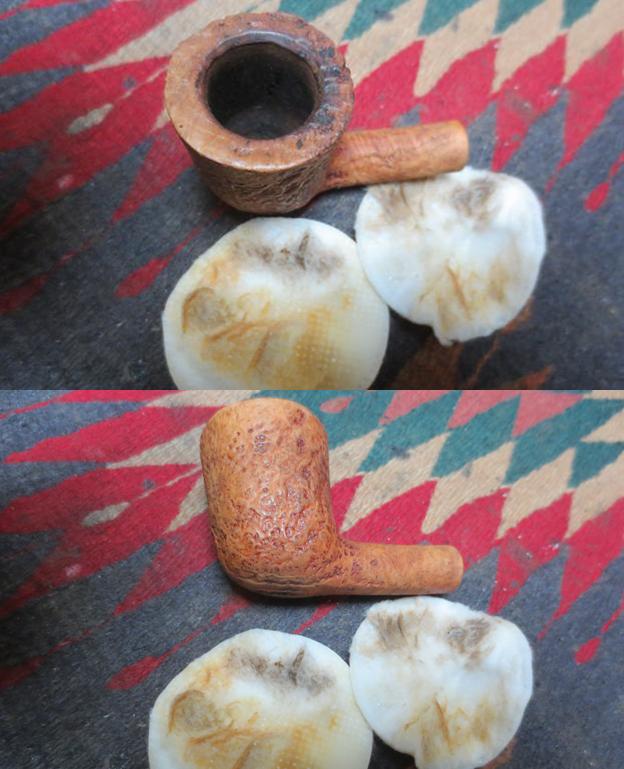
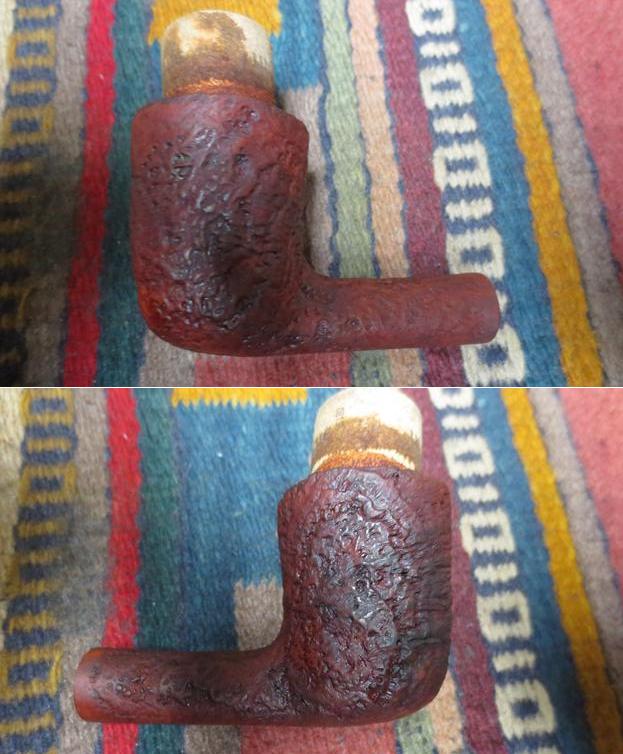
A Gold Banded Stanwell Copenhagen Calabash


Blog by Steve Laug

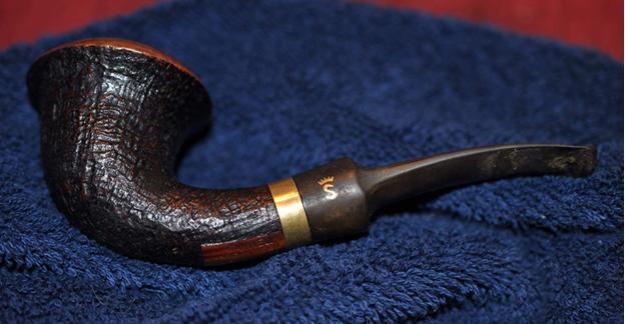
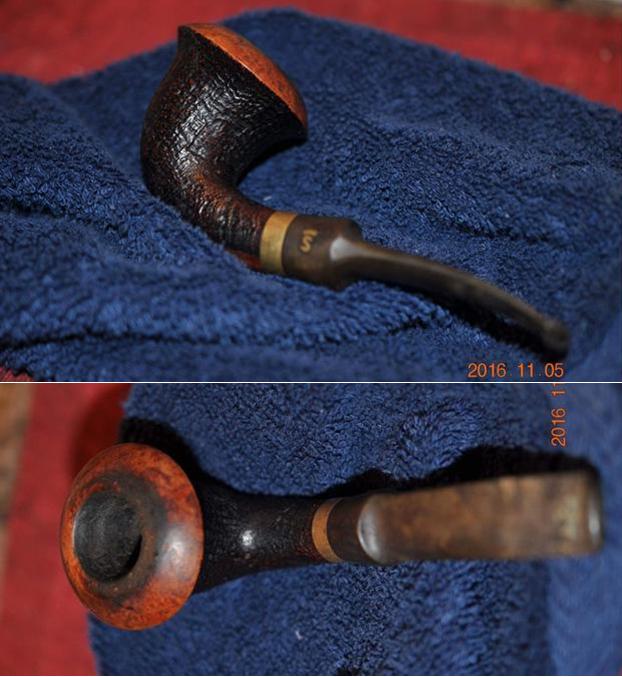
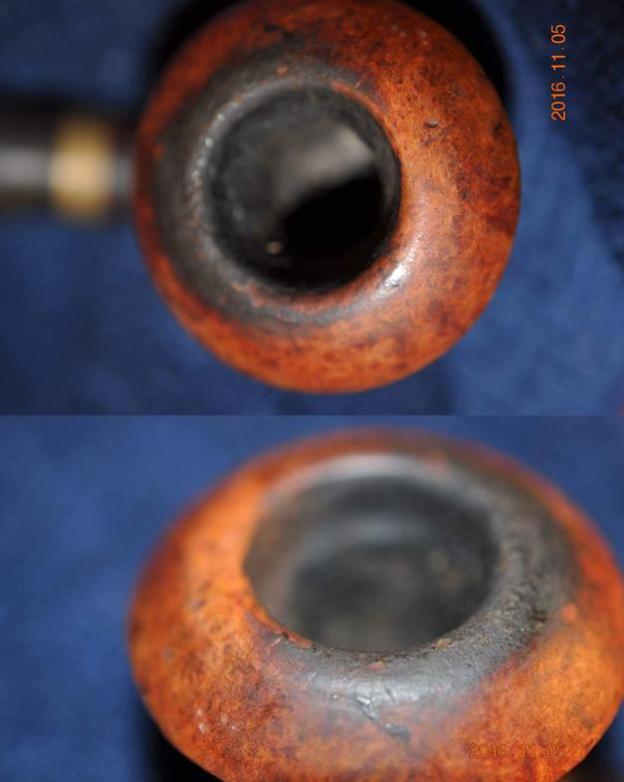
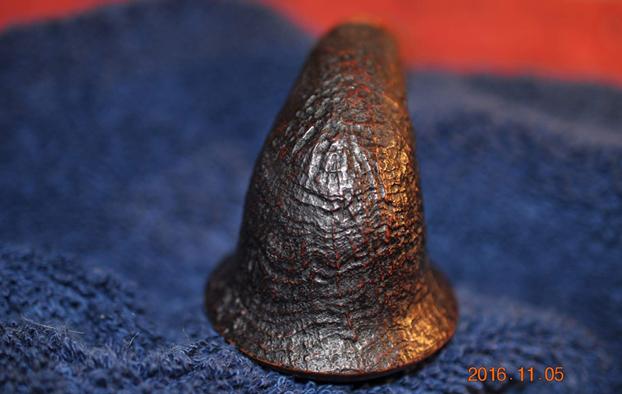
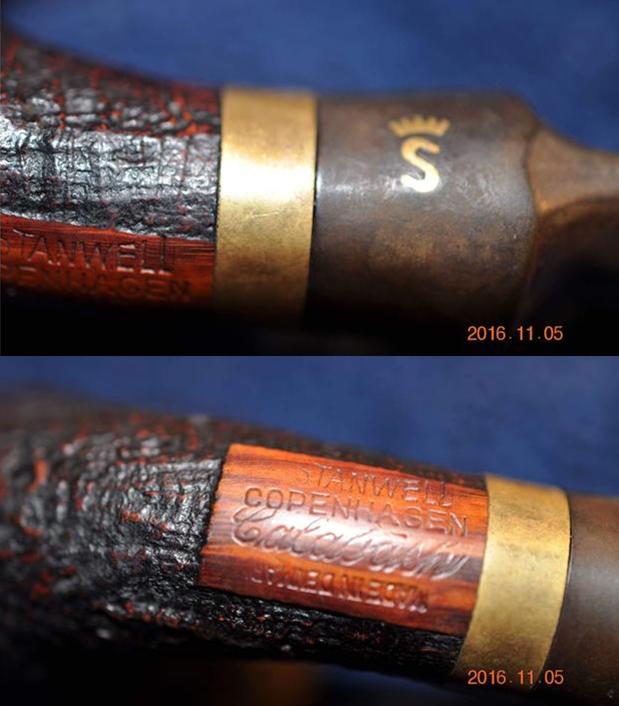
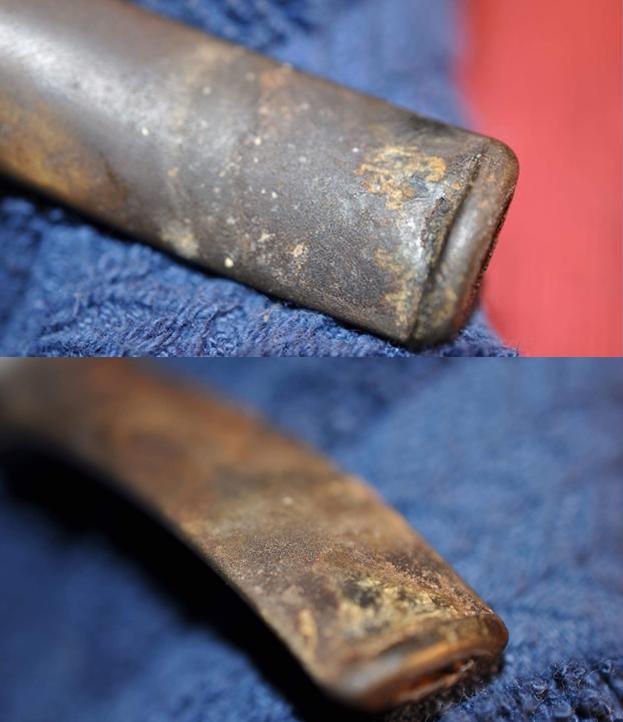
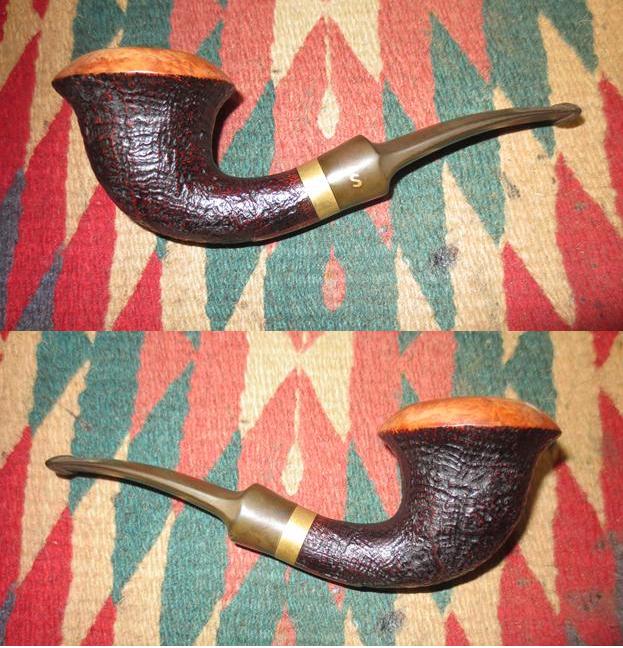
The next pipe on the work table is a striking Stanwell Calabash pipe with sandblasted body and smooth capped rim. The sandblast has exposed some wonderful ring grain around the bowl. The smooth wide rim typical of the calabash shape is wonderful birds-eye grain. The brass collar ring contrasts nicely with the dark stain of the sandblast shank. The gold crown S logo on the left side of the saddle stem combines with the other parts of the pipe to give this one a classic look. My brother Jeff found this Stanwell in an antique shop in Astoria, Oregon. It was on consignment by a widow who was selling her pipe collector husband’s collection. He bought a few of the pipes from her consignment and this is the second one that I have worked on. The first one was also a Stanwell – it was a shape 180 that was designed by Tom Eltang that I wrote about in an earlier blog (https://rebornpipes.com/2016/12/14/a-shape-you-gotta-love-a-stanwell-majestic-180/).cope1The finish on the sandblast portion was in great shape – just dirty with grit and grime. The rim cap however was another story. It had the overflow onto the top of the thick cake that was in the bowl. There was also some darkening of the inner edge of the rim. The brass band and the brass crown S logo on the stem were also dull and lifeless due to tarnishing. The stem was oxidized and had a buildup of calcification on both sides near the button. There were tooth marks and chatter on both sides of the stem and on the button. The slot in the button was nearly closed off with a thick tar.cope2My brother took two close up photos of the rim cap to show the condition of the inside of the bowl and the cap itself. There was a thick coat of tars and oils that is visible flowing over the back side of the cap. There were also several dings and dents in the cape itself though there was some nice birds-eye grain showing through the grime.cope3He also took a photo of the bowl bottom side up. The lovely bell shape of the pipe is visible from this view from the front.cope4The side view of the band and the shank/stem union shows that the connection is tight and clean. There is nothing wrong that a little polishing on the band and some elbow grease to remove the oxidation on the stem won’t take care of. The second photo below shows the stamping on the underside of the shank. It is very sharp and readable. It has the Stanwell stamp over Copenhagen over Calabash in script (it appears to have been double stamped). Beneath that it reads Made in Denmark (it is upside down in orientation to the rest of the stamping).cope5The next photos show the condition of the stem. You can see the tooth marks on the stem itself and the damage marks against the button on both sides. The calcification on the stem may have come for a Softee bit that the original owner had on the stem to protect it from more bite marks.cope6My brother Jeff again did a magnificent job cleaning up the pipe. He was able to get the grim out of the grooves and the majority of the buildup off the rim. He reamed and cleaned the interior of the pipe and stem with alcohol, cotton swabs and pipe cleaners. I took the following photos to show the condition of the pipe when I received. It was on its way to being clean.cope7 cope8I took a close up photo of the rim to show how much of the tars and oils he removed. It is pretty clean. There was some darkening on the inner edge of the rim on the back side that would need to be dealt with.cope9He also removed much of the calcification on the stem and some of the debris on the surface of both sides. The photos also show the tooth marks and chatter that was on the stem.cope10I sanded the stem to remove the rest of the debris and calcification and then wiped the stem down with alcohol on a cotton pad. I cleaned out the tooth marks with cotton swabs and alcohol and then filled them in with black super glue. I set the stem aside to let the repairs dry.cope11I sanded the inner edge of the bowl with 220 grit sandpaper to remove the darkening and then worked over the rim with 1500-1800 micromesh sanding pads to clean up the inner edge and begin polishing the rim cap. You can see the grain on the cap begin to pop and reveal the beautiful birds-eye grain.cope12When the glue had cured I sanded the patches smooth, blending them in with the surface of the stem using 220 grit sandpaper. I sanded the entire stem to work on more of the oxidation that was present on the surface. The photos below tell the story of the repairs and sanding to this point in the process.cope13I polished the bowl rim with 3200-12000 grit micromesh sanding pads and gave the sandblast bowl several coats of Conservator’s Wax. I buffed it with the shoe brush to raise the shine. The photos below show the bowl at this point.cope14 cope15I touched up the stain on the rim with a dark brown stain pen. I buffed it with a microfibre cloth and then polished it with micromesh sanding pads using 1500-12000 grit pads to polish and raise a shine.cope16 cope17I probably should have done this earlier in the process but my brother has been doing such a good job in his cleaning that I honestly forgot. I decided to give the internals of the stem and the mortise and shank a quick cleanup with pipe cleaners, cotton swabs and alcohol.cope18I polished the stem with micromesh sanding pads – wet sanding it with 1500-2400 grit pads and dry sanding it with 3200-15000 grit pads. I rubbed the stem down with Obsidian Oil after each set of three pads. I gave it the last coat of oil and set it aside to dry.cope19 cope20 cope21I polished the pipe and stem with Blue Diamond on the buffing wheel avoiding the sandblast portions of the bowl. I did not want to get the polishing compound in the grooves of the sandblast. It would be hard to get out of the grooves. I gave the sandblast portion several coats of Conservator’s Wax and buffed it with a shoe brush. I gave the stem and rim several coats of carnauba wax and buffed the entire pipe a clean buffing pad to raise the shine. I hand buffed it with a microfiber cloth. The finished pipe is shown in the photos below. It has come a long way from the pipe I started on in the first photos above. It is a classic looking calabash pipe with a great contrast between the smooth briar, the sandblast briar, the gold band and the vulcanite stem. (The brass is so shiny now that it is hard to get the vulcanite not to reflect the brass colour. In person the oxidation is gone and the stem is shiny black.) Thanks for walking through the process with me.cope22 cope23 cope24 cope25 cope26 cope27 cope28 cope29