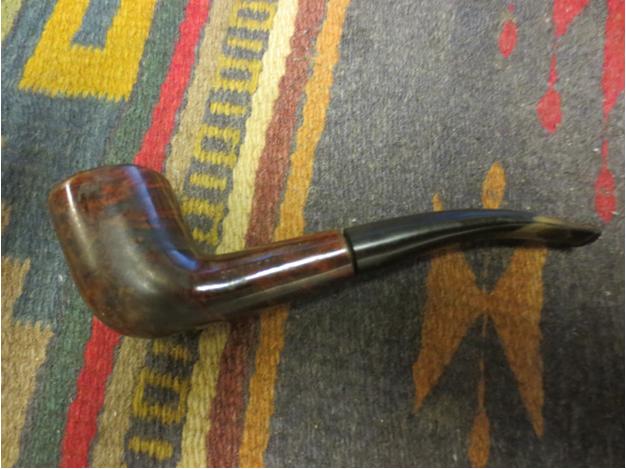
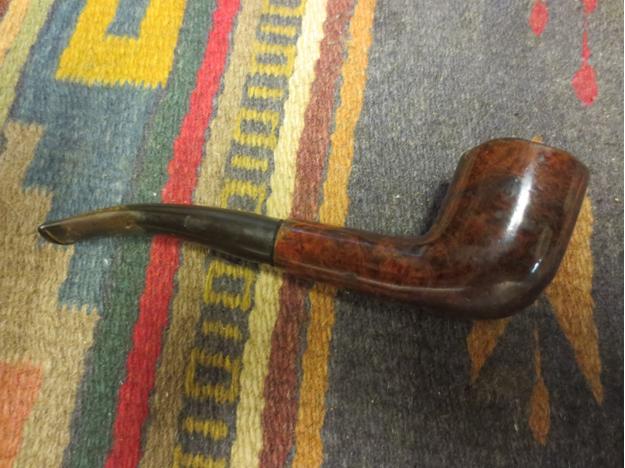
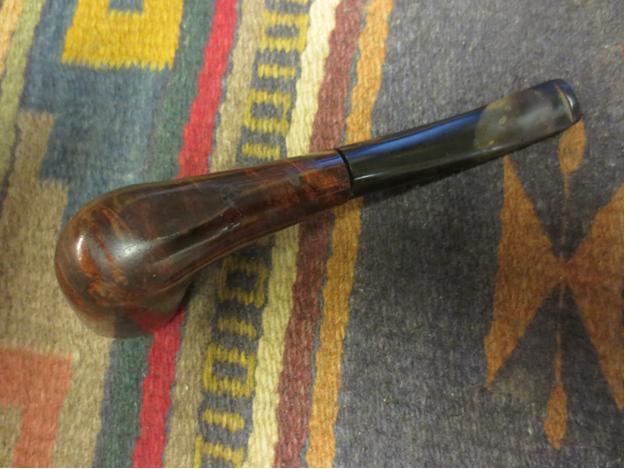
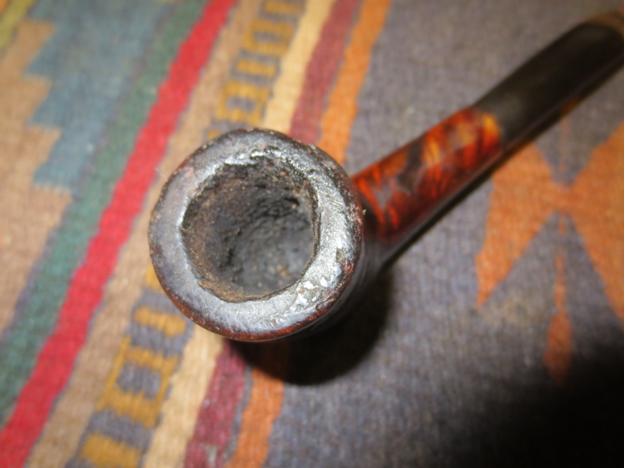
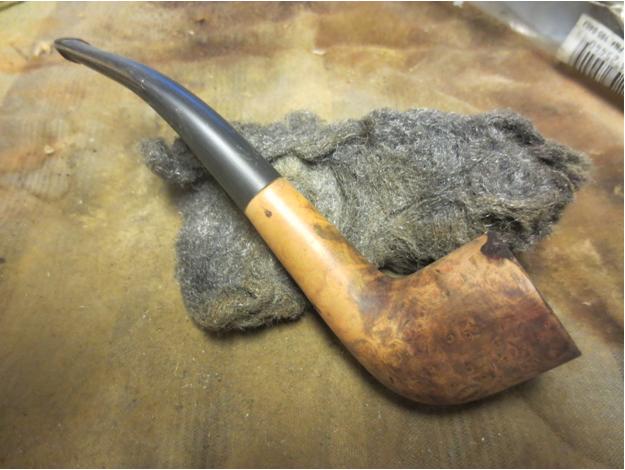
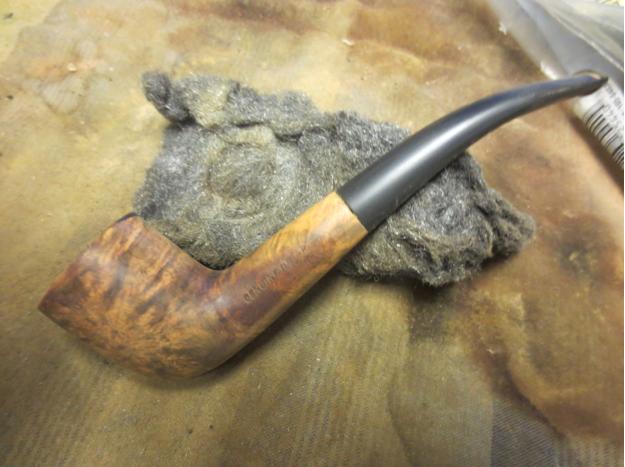
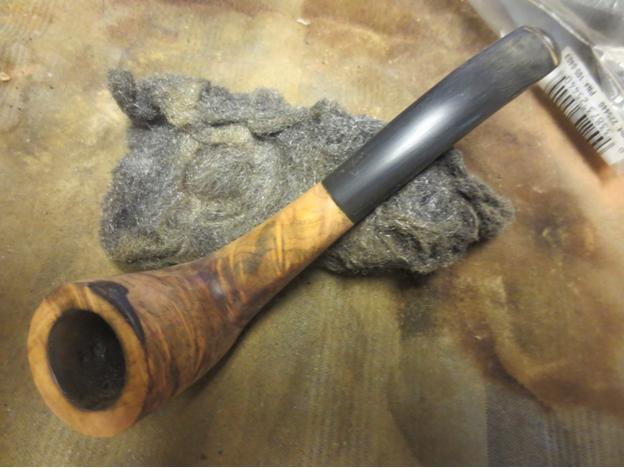
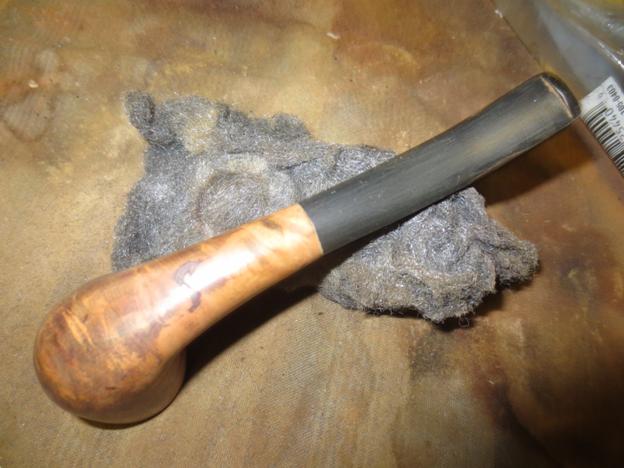
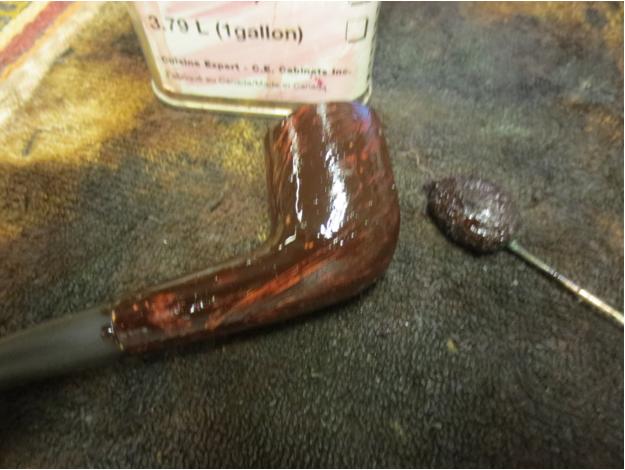
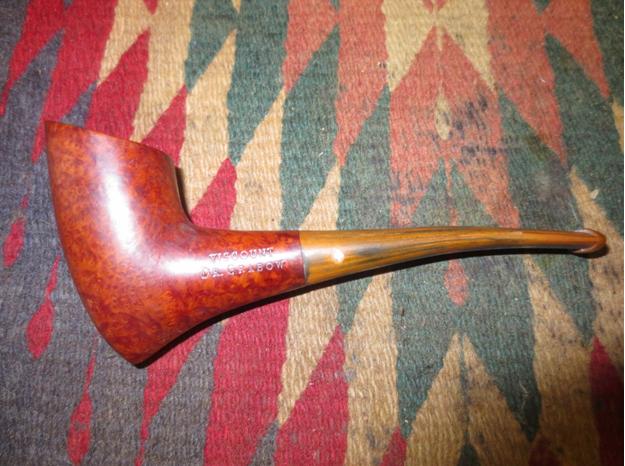
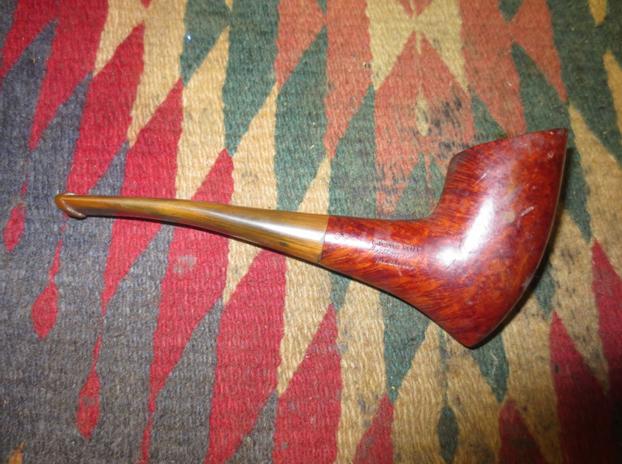
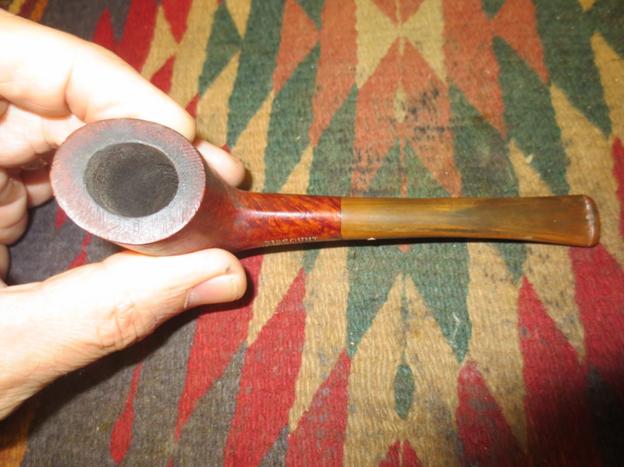
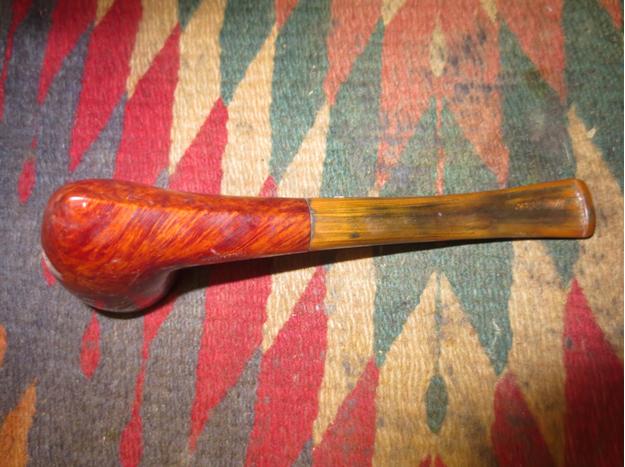
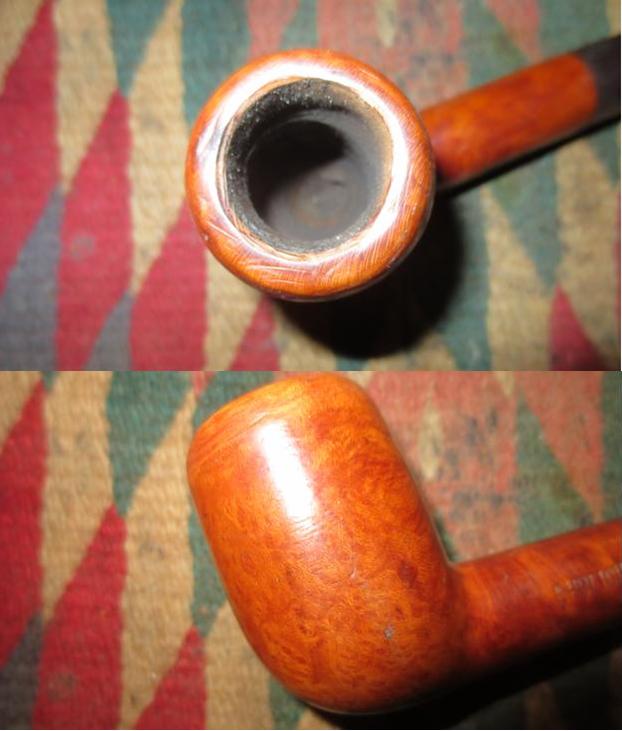
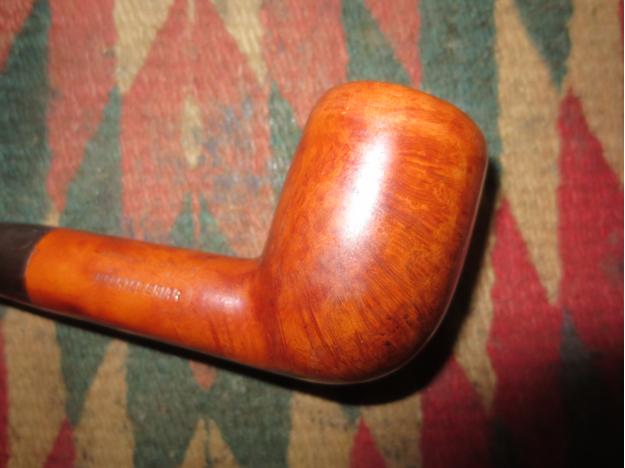
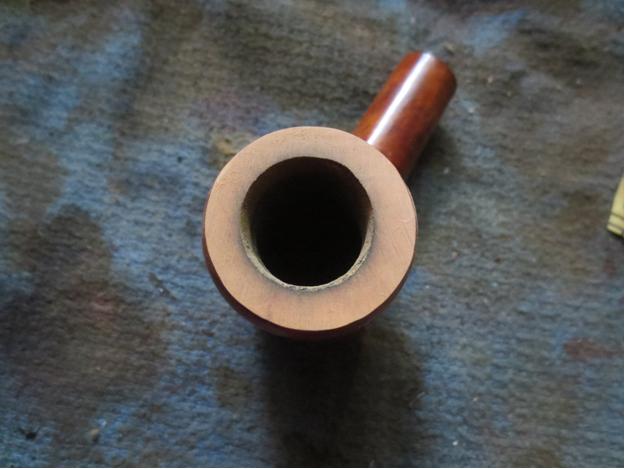
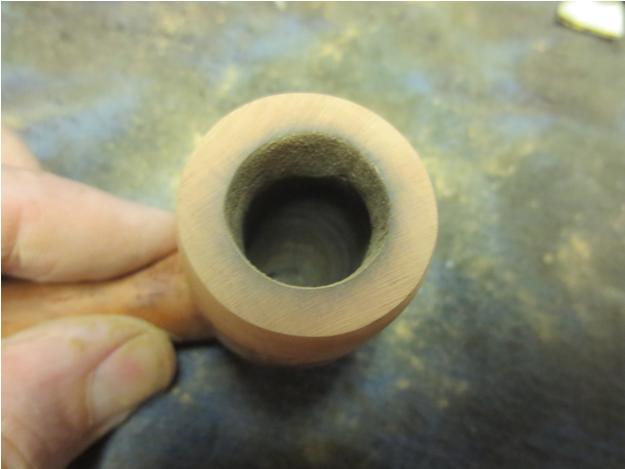
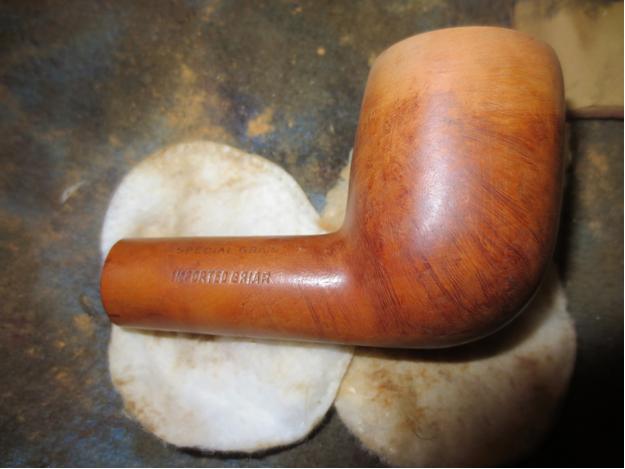
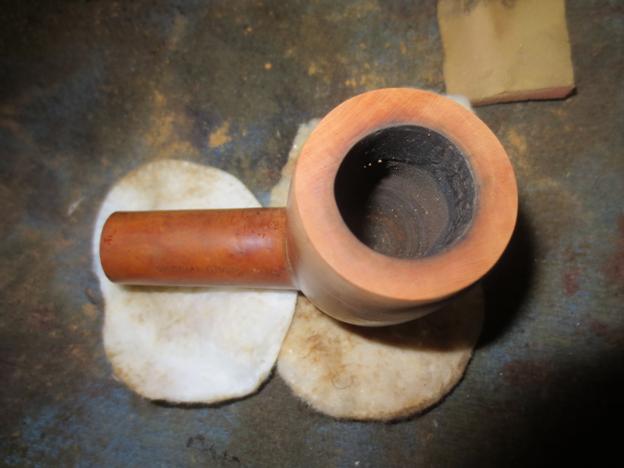
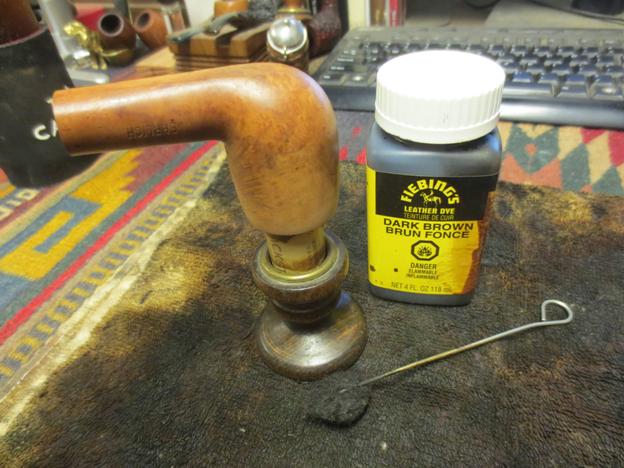
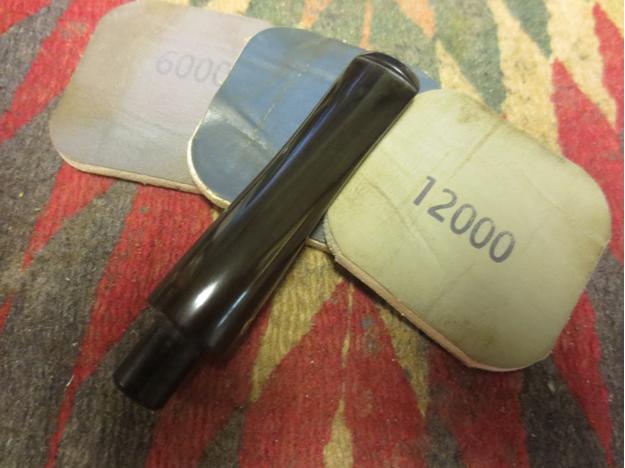
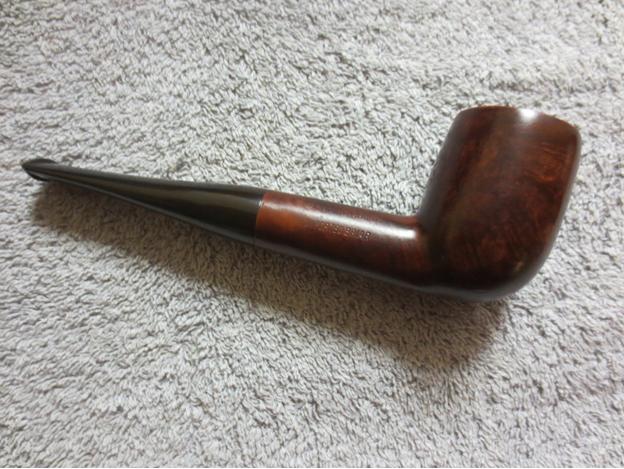
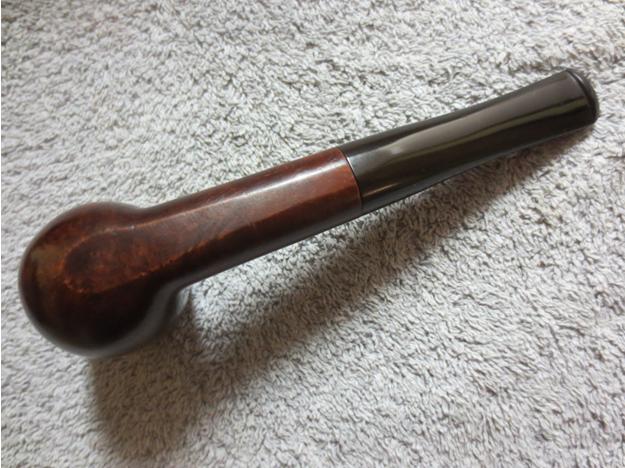
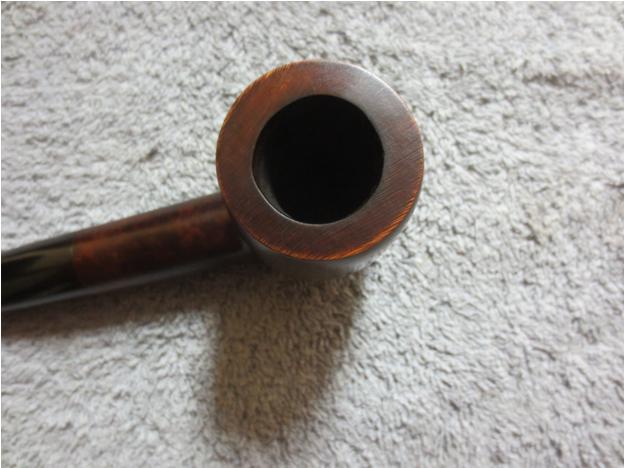
Tag Archives: removing oxidation

NEPAL PROJECT PIPE SALE 6 –Restoring a Bantam ¼ bent Dublin


Blog by Steve Laug

This is the sixth pipe from the box of pipes that I was gifted by a good friend of mine with the instructed purpose of cleaning them up and selling them with all of the proceeds going to the aid of earthquake victims in Nepal. Once again all funds raised will all go to the SA Foundation, and organization that has worked in Nepal for over 15 years helping provide recovery, housing and job training for women who are victims of sexual exploitation and trafficking. The ongoing earthquakes (over 300) that continue to shake Nepal have left much in ruins. The SA Foundation Project there was able to find new housing for the women and help with staff as well. Every dollar raised from the sale of these pipes will go to the work in Nepal.

It is stamped on the left side of the shank, BANTAM with a cursive B on the saddle portion of the stem. On the right side it is stamped with the classic Comoy’s circle Made in London over England then the shape number 1007. On the underside of the shank next to the stem is the stamp O. In checking on the maker of the brand in Who Made That Pipe (WMTP) I found that it was indeed made by Comoy.

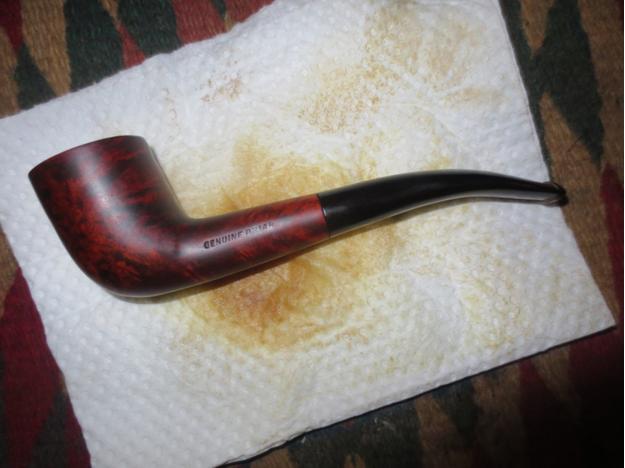
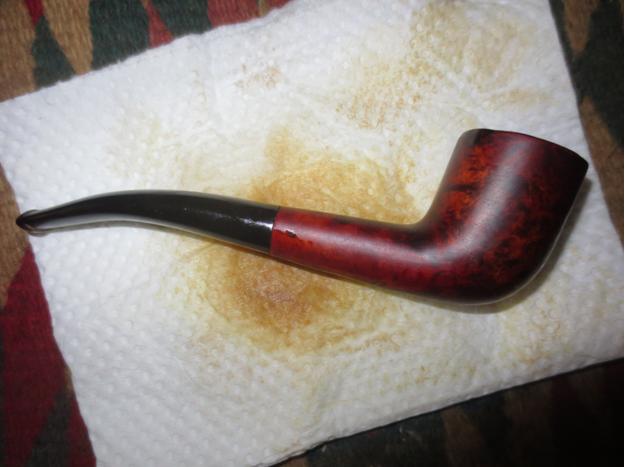
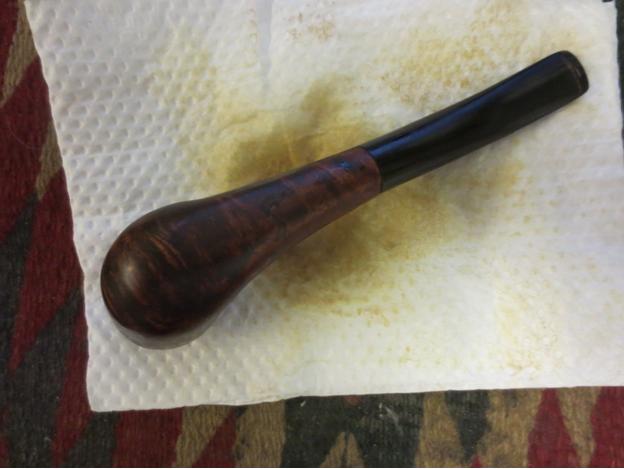
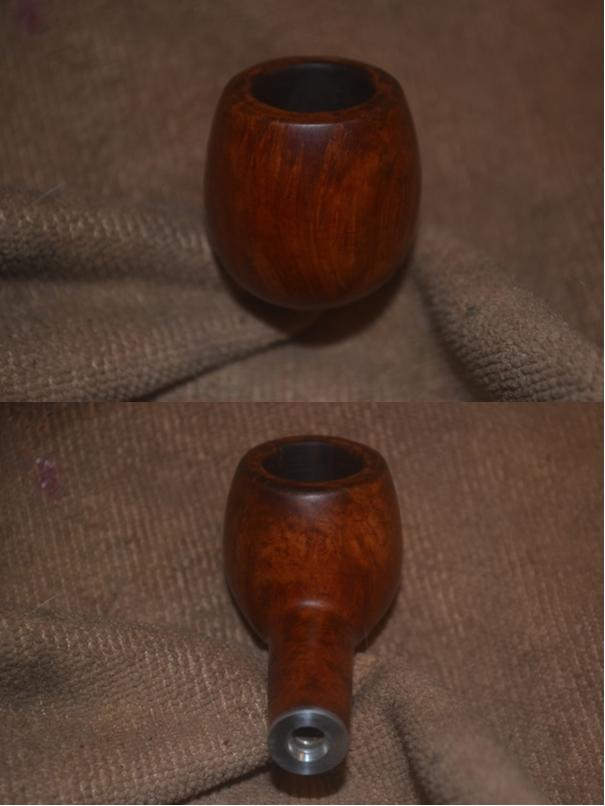
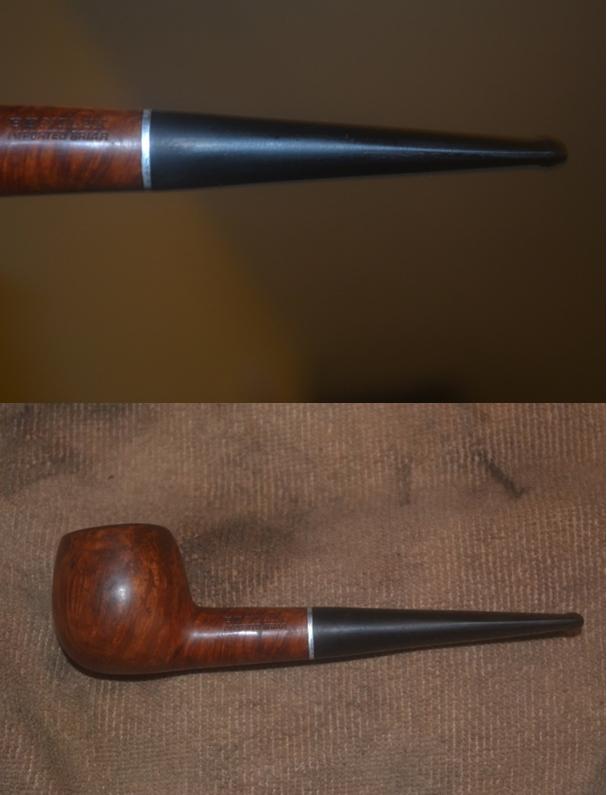
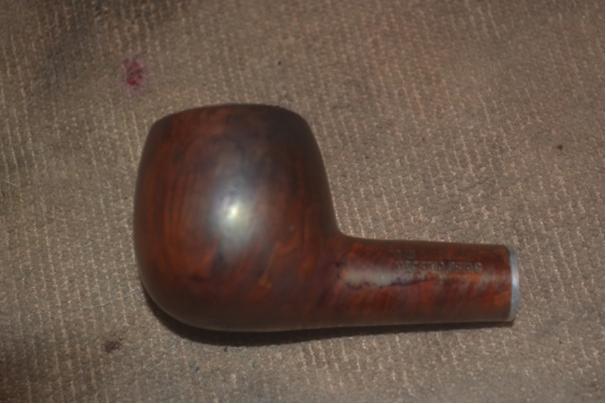
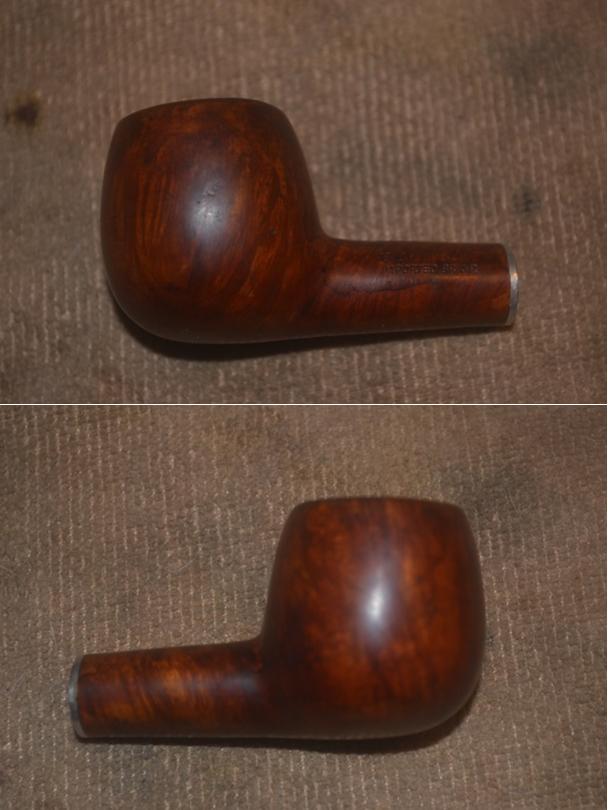
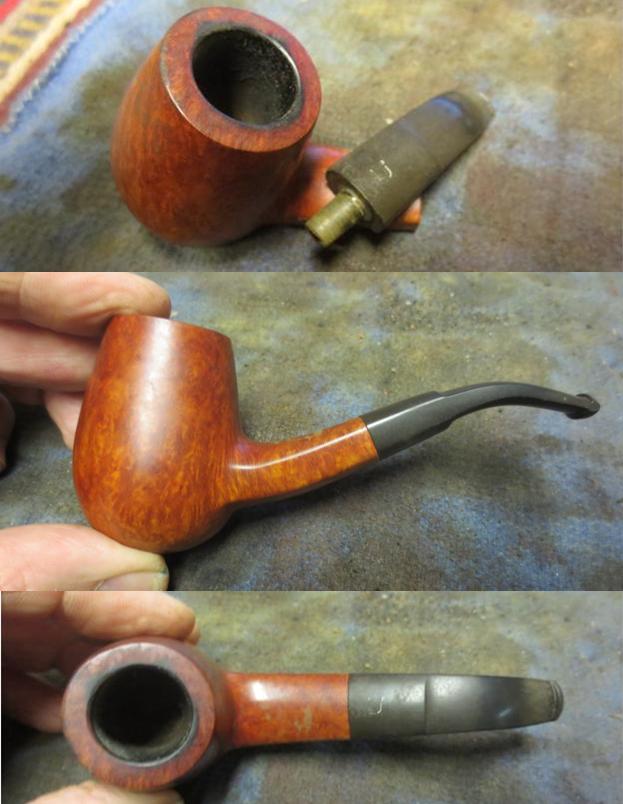
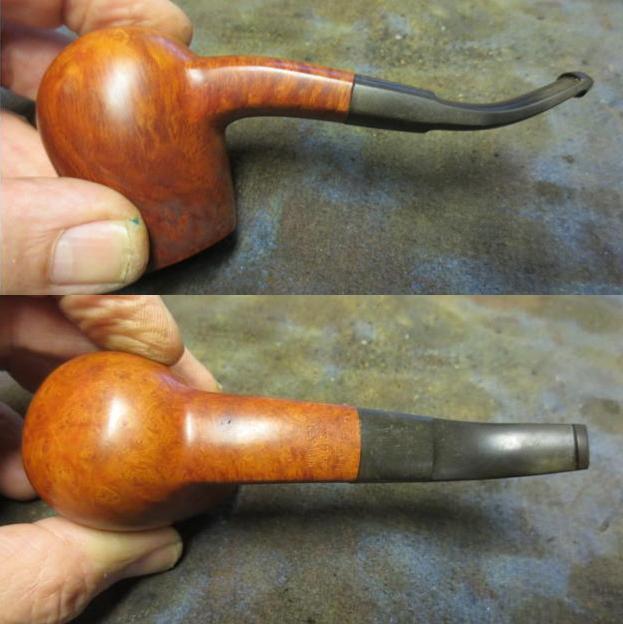
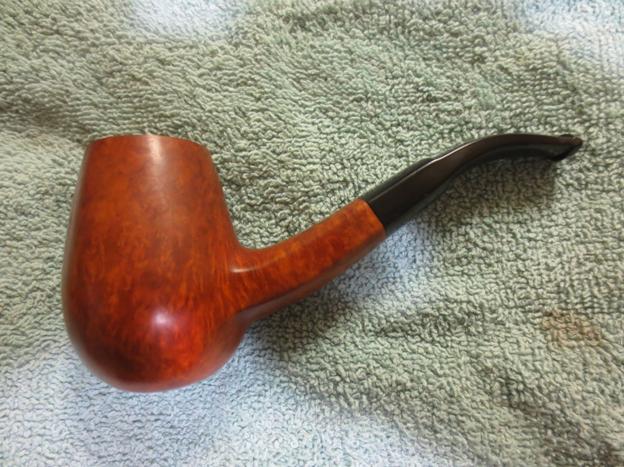
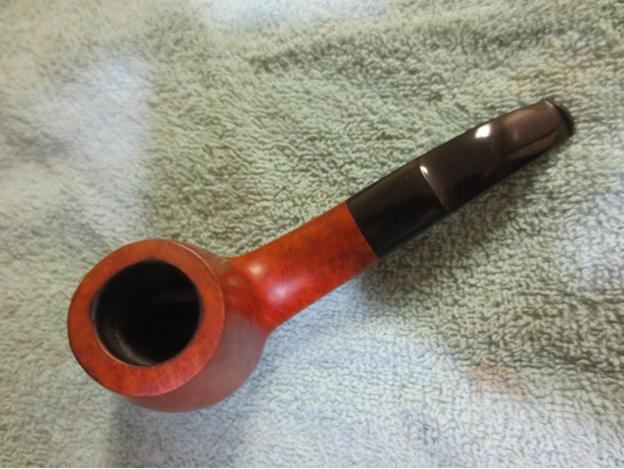
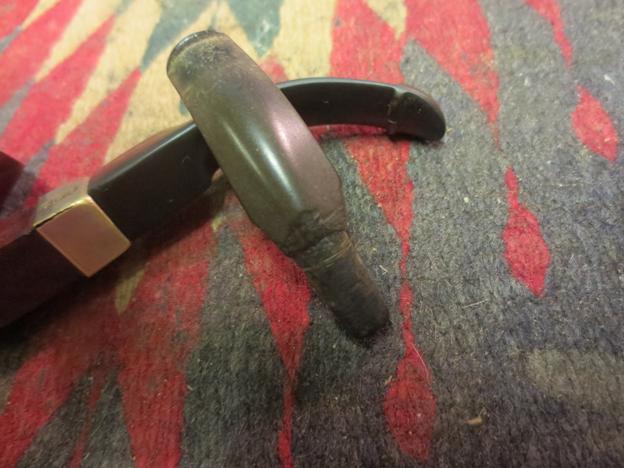
The finish on this one was in decent shape, just a little dirty. The rim had a build of tar on the back quarter that needed to be scraped and cleaned. The rim itself was quite clean and was undamaged on either the outer or inner edge. The stamping was very clear on both sides of the shank as noted above. I am a little mystified by the 1007 shape number on the shank as I can find no mention of that in the catalogues. The stem was oxidized and had a bit of tooth chatter on both the top and bottom sides near the button. The bowl had been reamed and cleaned but the inside of the shank and the stem were very dirty. The slot in the end of the stem was partially clogged and constricted the airflow. The pipe is a delicate Dublin shape around 5 inches long and very light weight.Bantam1

Bantam2

Bantam3

Bantam4 The close-up photo of the rim below shows the tar and oil build up on the back side as well as the ragged cake that had been left behind when the bowl had been reamed previously.Bantam5 I did not take photos of the bowl clean up. I am not sure what happened but I know I was working on several pipes at the same time so somehow I over looked photographing this one. I apologize for that and give you a description of the work I did on the bowl and the interior of the pipe.

I reamed back the rough cake with a sharp pen knife to smooth it out and leave a very thin coating. I scrubbed the rim with saliva and cotton pads and worked on it until I was able to get all of the tarry buildup off the back of the rim. I scrubbed the bowl with a tooth brush and Murphy’s Oil Soap and then rinsed it off with cool water. I dried off the bowl. I then buffed the bowl and rim with White Diamond and gave them a light coat of carnauba wax. I then took the bowl back to the work table and cleaned out the shank and the airway in the stem with pipe cleaners, cotton swabs and alcohol. I scrubbed until the cleaner came out white and the pipe smelled clean and fresh.

I did take a close-up picture of the stem to show the tooth chatter and tooth mark. The other side of the stem had matching tooth marks.Bantam6 I sanded out the tooth marks and the tooth chatter with 220 grit sandpaper followed by a medium and fine grit sanding sponge. Once I had the tooth marks cleaned up and no longer present I sanded the entire stem, carefully working around the stamped logo on the left side of the saddle.Bantam7

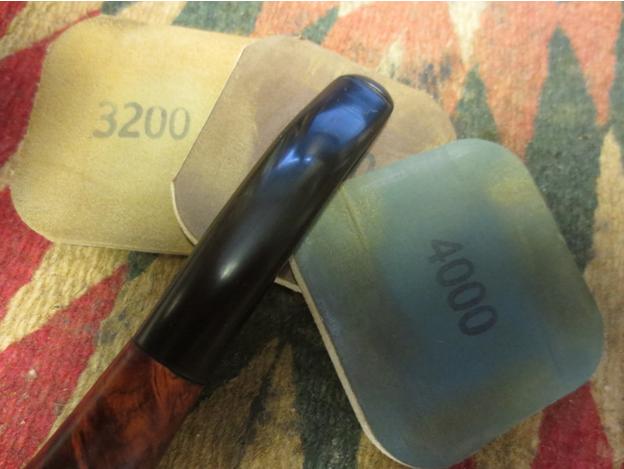
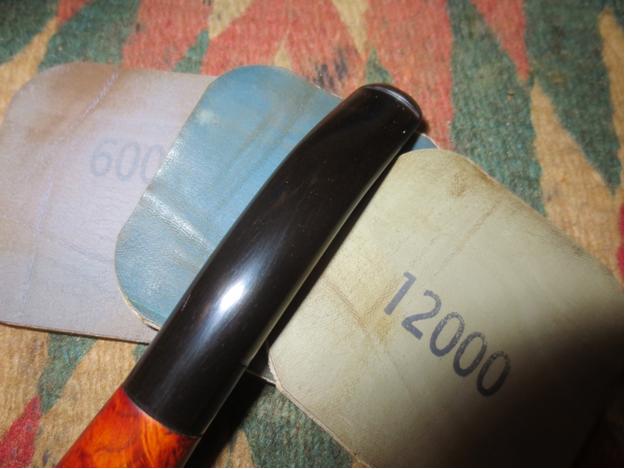
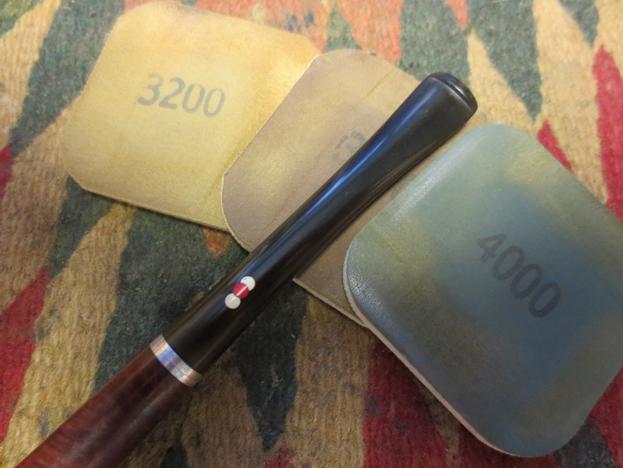
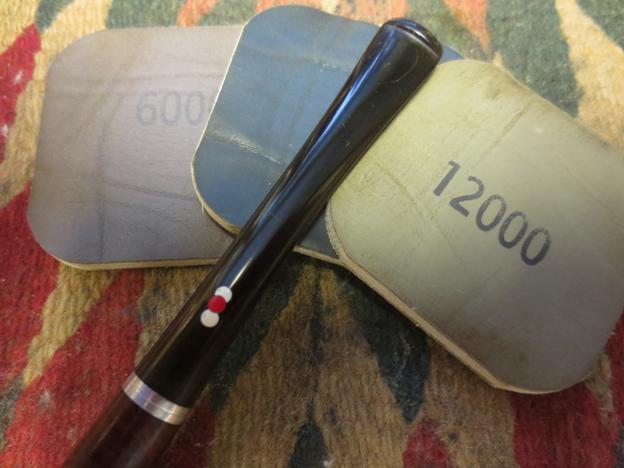
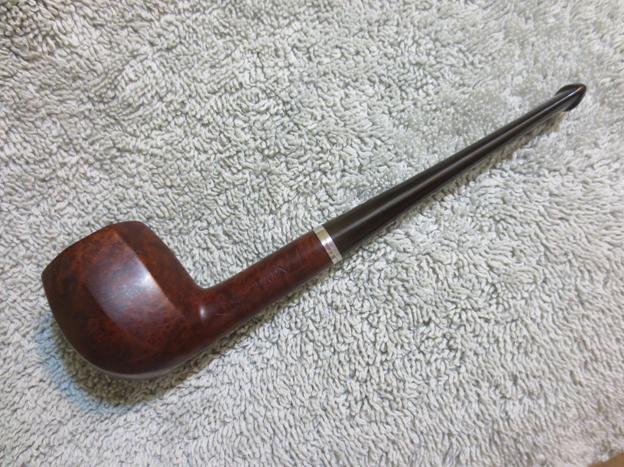
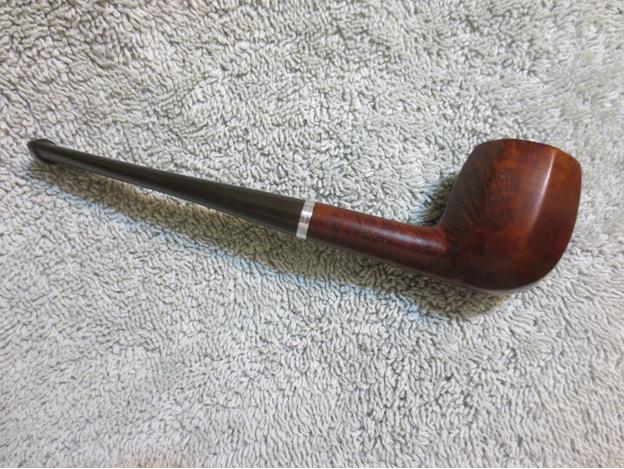
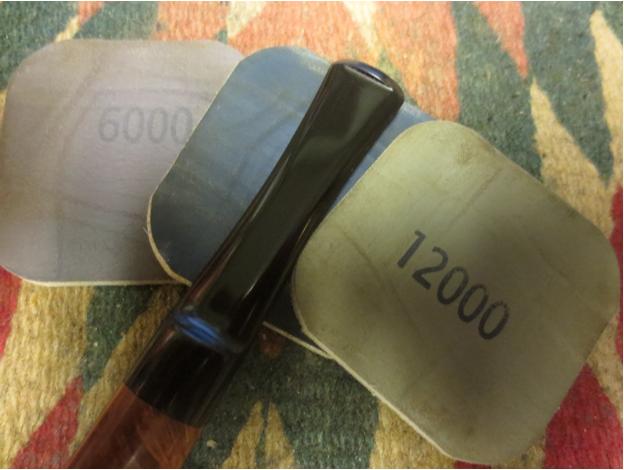
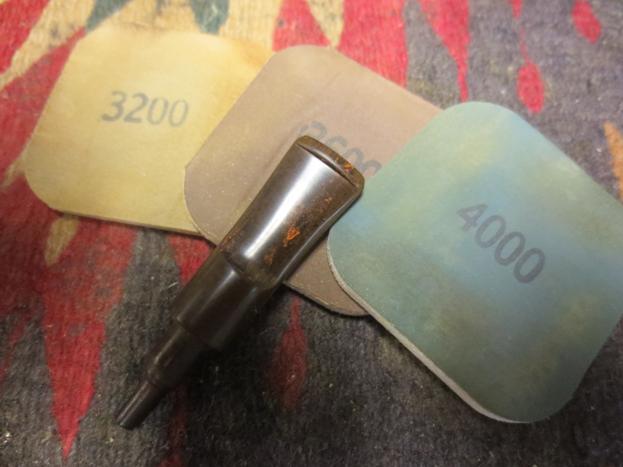
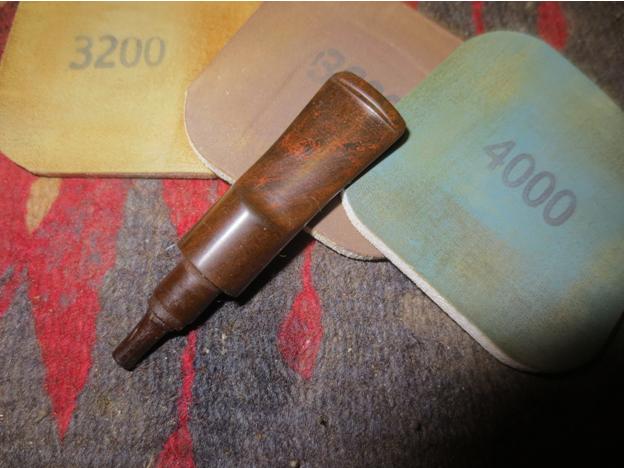
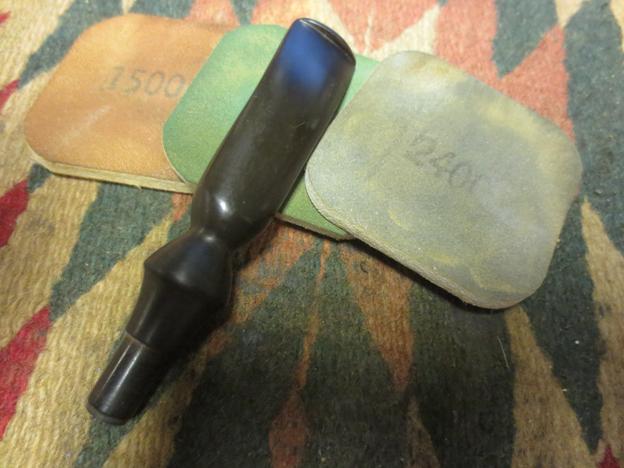
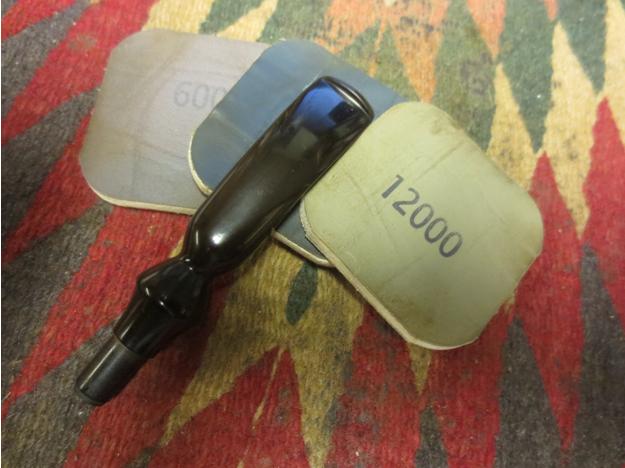
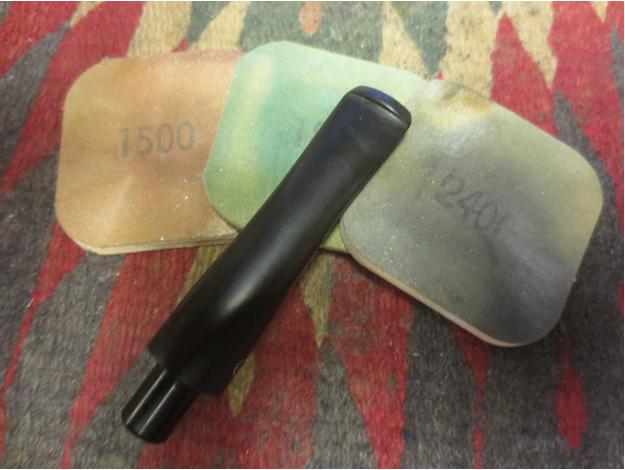
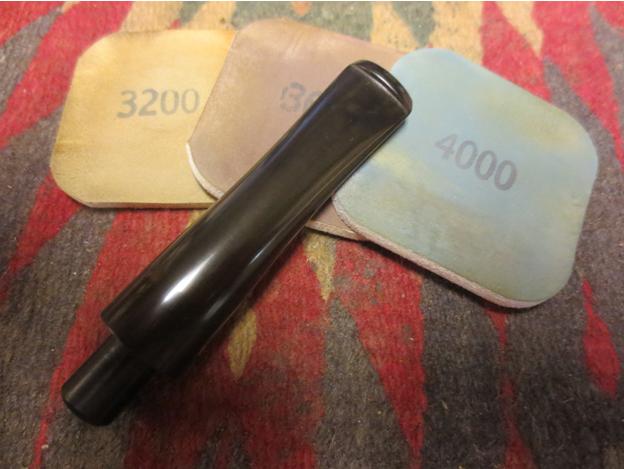
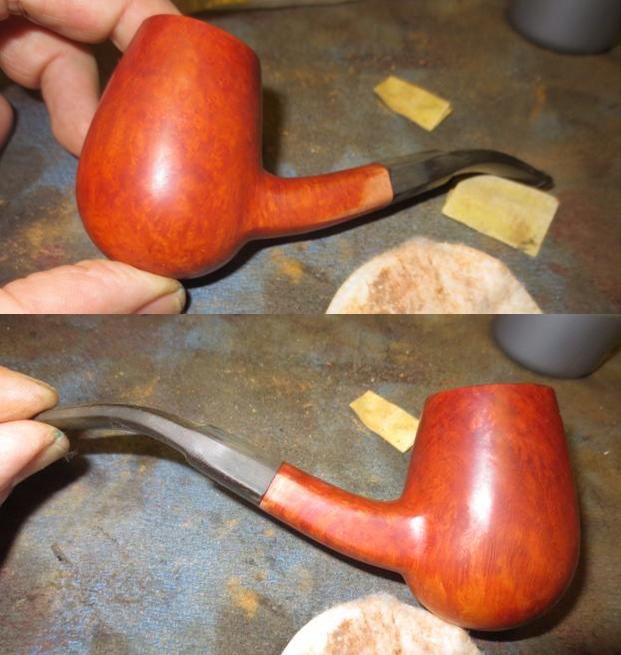
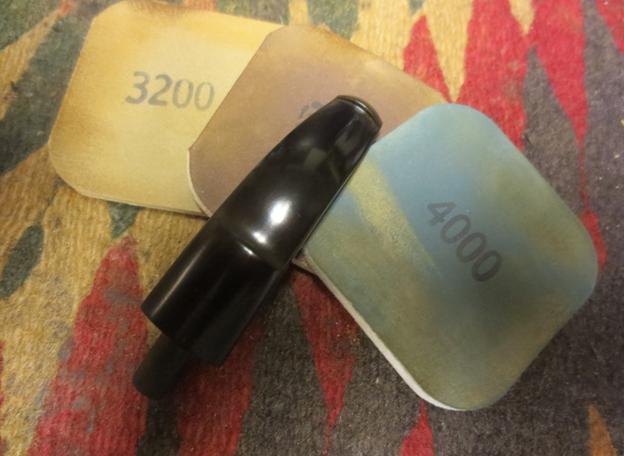
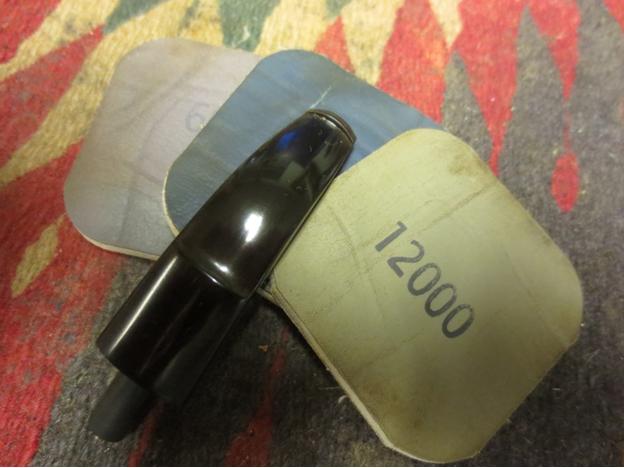
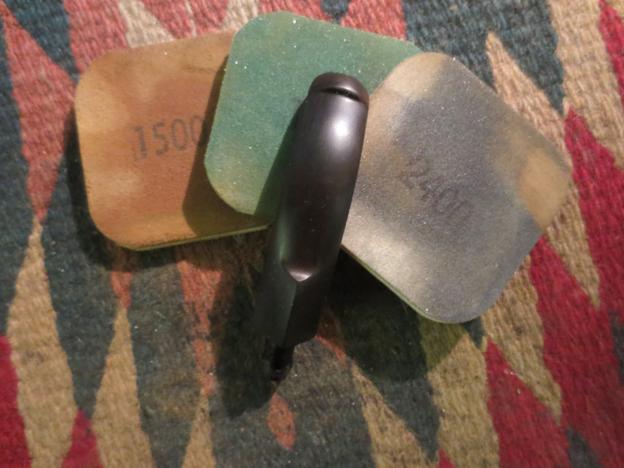
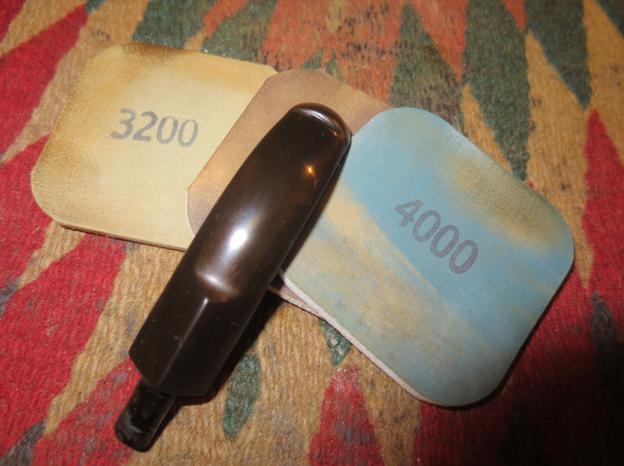
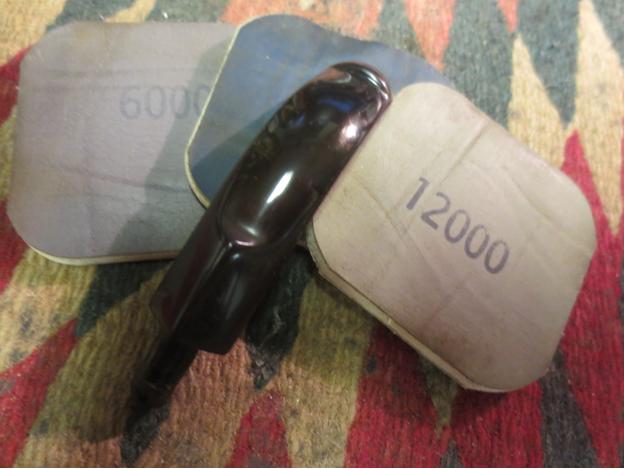
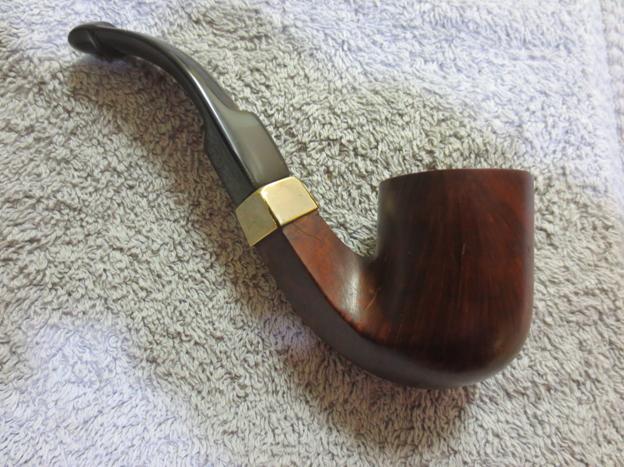
Bantam8 The oxidation on this one was particularly stubborn. I wet sanded it with 1500-2400 grit micromesh sanding pads and repeated that until I had the majority of the oxidation conquered. I rubbed the stem down with Obsidian Oil and took the first photo below. The oxidation still showed up in the bright light of the flash so I started over with this set of micromesh pads and repeated the process until it was clean.Bantam9 When the oxidation was gone I moved on to dry sand with 3200-4000 grit micromesh pads and sanded the stem until it began to shine. I rubbed it down with Obsidian Oil once more and when it dried I buffed the stem with White Diamond on the wheel before continuing with the next set of micromesh pads.Bantam10 I dry sanded with 6000-12,000 grit micromesh pads and then rubbed the stem down again with a final coat of Obsidian Oil.Bantam11 When the oil had dried I buffed the pipe and the stem with Blue Diamond Plastic Polish and then gave them both multiple coats of carnauba wax. The finished pipe is shown below. It is ready for the next owner to load with a bowl of his or her favourite tobacco and enjoy it. It should serve as a good smoke for a long time to come.Bantam12

Bantam13

Bantam14

Bantam15

Bantam16

Bantam17 You can purchase this beautifully shaped English looking Bantam 1007 ¼ bent Dublin and add it to your collection and help out the women of Nepal who are part of the SA Foundation’s project there. If you are interested in purchasing the pipe email me with an offer at slaug@uniserve.com and we can discuss it. The entirety of the sale price will go to the Nepal project. I will pay the postage so that does not get taken off the proceeds. If you are interested in reading about the SA Foundation you can look at their website at http://www.safoundation.com.

Thanks for looking.

NEPAL PROJECT PIPE SALE 5 – Restoring an Orlik De Luxe L206 – an Inclined Bevelled Egg


Blog by Steve Laug

This is the fifth pipe from the box of pipes that I was gifted by a good friend of mine with the instructed purpose of cleaning them up and selling them with all of the proceeds going to the aid of earthquake victims in Nepal. Once again all funds raised will all go to the SA Foundation, and organization that has worked in Nepal for over 15 years helping provide recovery, housing and job training for women who are victims of sexual exploitation and trafficking. The ongoing earthquakes (over 300) that continue to shake Nepal have left much in ruins. The SA Foundation Project there was able to find new housing for the women and help with staff as well. Every dollar raised from the sale of these pipes will go to the work in Nepal. It is stamped on the left side of the shank, Orlik De Luxe over London Made and on the right side of the shank it is stamped with the shape number L206. According to the page from the Orlik shape chart below, the L206 (the bottom pipe on the page) was called an Inclined Bevelled Egg.Egg1 The next four photos show the condition of the pipe when I brought it to the worktable to clean it up. The finish was in very decent shape though soiled and would clean up very nicely. The stamping was clear, though toward the back of the shank it was stamped more lightly than the front half of the shank.Egg2

Egg3

Egg4

Egg5 The next photos are close-up pictures of the outer edge of the rim. The outer edge was damaged around over half of the bowl. Someone along the path this pipe took during its life time had smoothed out the damage and in so doing had rounded the outer edge of the bowl.Egg6

Egg7

Egg8 From the Orlik shape chart and photos on the web I could see that the edge was supposed to be sharp and smooth rather than rounded. The rounding also hid some rough spots in the briar caused by knocking out the pipe against something hard. I decided to top the bowl with a topping board. I used 220 grit sandpaper on the board and sanded the top in a circular motion while pressing it into the sandpaper. I took it down until the damaged sections were gone and the outer edge was sharp once again.Egg9

Egg11

Egg10 I sanded the rim with a medium and fine grit sanding sponge to remove the scratching. I sanded it with 1500-2400 grit micromesh sanding pads to further smooth it out. I buffed the bowl and rim with White Diamond. I used a light and a medium brown stain touch up pen mixed together to match the stain with the rest of the bowl.Egg12 I used a sharp knife to ream cake the bowl, remove the crumbling cake from the bottom portion of the bowl and leave a thin cake on the walls of the bowl. My purpose was to facilitate forming a new cake on the walls.Egg13

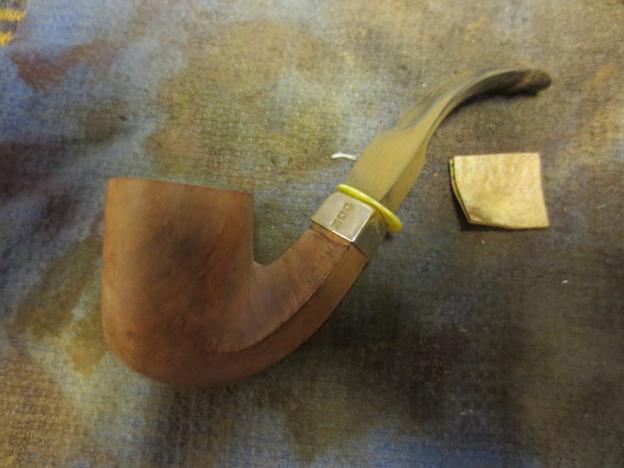
Egg14 I cleaned out the mortise and the airway in the shank and the stem with pipe cleaners, cotton swabs and alcohol until the cleaners came out white.Egg15 With the inside clean I put the stem back in place with a plastic washer on the tenon so that when it was pushed in place it sat between the shank and the stem. This allows me to sand the stem and remove the oxidation without rounding the shoulders or damaging the stain and finish on the shank. I sanded it with a worn piece of 220 grit sandpaper and then with a medium and a fine grit sanding sponge.Egg16

Egg17 With the oxidation removed from the stem I went on to sand it with micromesh sanding pads – wet sanding with 1500-2400 grit pads and dry sanding with 3200-12,000 grit pads. I rubbed down the stem with Obsidian Oil between each set of three pads and then when I had finished the third set I did it again and set it aside to let the oil dry.Egg18

Egg20

Egg19 After the oil dried I buffed the pipe and the stem with Blue Diamond Plastic Polish on the wheel while carefully avoiding the stamping. I gave it multiple coats of carnauba wax and buffed it with a soft, flannel buff to raise the shine. The finished pipe is shown below. It merely waits for the right person to add it to their rack and enjoy a flavourful smoke in a very light weight pipe.Egg21

Egg26

Egg25

Egg24

Egg23

Egg22 This beautifully shaped Danish looking Orlik L206 Inclined Bevelled Egg should make someone a great addition. If you are interested in this pipe email me with an offer at slaug@uniserve.com and we can discuss it. The entirety of the sale price will go to the Nepal project. I will pay the postage so that does not get taken off the proceeds. If you are interested in reading about the SA Foundation you can look at their website at http://www.safoundation.com.

Thanks for looking.

NEPAL PROJECT PIPE SALE 4 – Jobey 300 Bent Diamond Shank Brandy 9mm Meerschaum Filter Pipe


Blog by Steve Laug

This is the fourth pipe from the box of pipes that I was gifted by a good friend of mine with the instructed purpose of cleaning them up and selling them with all of the proceeds going to the aid of earthquake victims in Nepal. Once again all funds raised will all go to the SA Foundation, and organization that has worked in Nepal for over 15 years helping provide recovery, housing and job training for women who are victims of sexual exploitation and trafficking. The ongoing earthquakes (over 300) that continue to shake Nepal have left much in ruins. The SA Foundation Project there was able to find new housing for the women and help with staff as well. Every dollar raised from the sale of these pipes will go to the work in Nepal.

jobeylogoThis one is a little Jobey pipe has the typical Jobey fitment system with the tenon in the shank and the stem sliding over that. However that is where the typical ends. It is open for a 9mm filter and in this case a 9mm meerschaum filter. The pipe is stamped on the underside of the shank on the left side with the words Jobey over Meerschaum over Filter and on the right side it is stamped 300.Jobey1

Jobey2 The finish on the bowl was in great shape, just dirty. The bowl itself needed a light reaming. The stem was dirty, oxidized and had straightened over time. There was a small nick on the top of the stem about mid-point. The inside of the bowl, shank and stem were dirty with tars and oils. There was no filter moldering away inside the shank which I was glad to see.Jobey3

Jobey4 I did some searching to find out about the filters that were used. I found some pictures of the meerschaum filters that were used. I checked and the shank easily holds a regular 9mm filter from Vauen should the new owner wish to use one.Jobey5

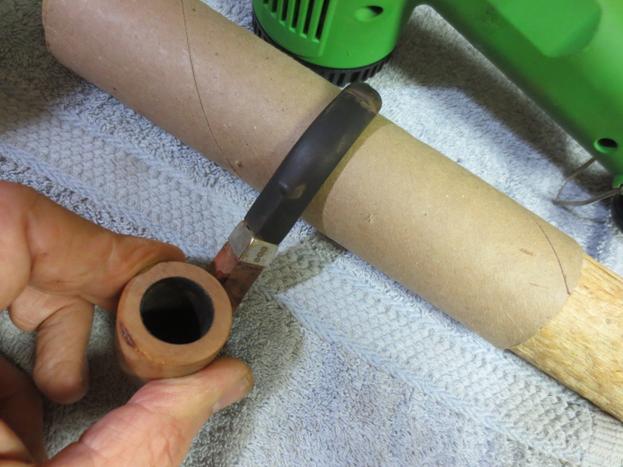
Jobey6 I set up the heat gun and heated the stem to deal with the bend first. I wanted to bend enough to give it a proper look. Once it was flexible I bent it over a wooden rolling pin that I use for this purpose.Jobey7

Jobey8

Jobey9 With that corrected I took it back to the work table to address the cleaning issues. I used a PipNet reamer to ream the cake from the bowl and clean up the inside of the bowl.Jobey10

Jobey11 I cleaned the shank and the airway in the bowl and stem with cotton swabs, pipe cleaners and alcohol until it was clean. It did not take much to clean it out. A few pipe cleaners and cotton swabs and it was clean.Jobey12 I used a medium and a fine grit sanding sponge to knock off the grime on the stem and work over the small nick on the top of the stem. Once I had it cleaned up I moved on to polishing the stem with the micromesh sanding pads. I wet sanded with 1500-2400 grit pads and then dry sanded with 3200-12,000 grit pads. As is my practice, I rubbed the stem down between each set of three pads with my Obsidian Oil Sock to give me continued traction in polishing the stem.Jobey13

Jobey14

Jobey15 When I finished with the micromesh sanding pads I buffed the pipe and stem with Blue Diamond Plastic polish on the wheel and then gave it several coats of carnauba wax to preserve and protect. I finished by giving it a final buff with a clean, soft flannel buffing pad to raise the shine. The finished pipe is shown below. It should make whoever picks it up a decent smoking pipe.Jobey16

Jobey17

Jobey18

Jobey19

Jobey20

Jobey21 This Jobey 300 bent brandy should make someone a great addition. If you are interested in this pipe email me with an offer at slaug@uniserve.com and we can discuss it. The entirety of the sale price will go to the Nepal project. I will pay the postage so that does not get taken off the proceeds. If you are interested in reading about the SA Foundation you can look at their website at http://www.safoundation.com.

Thanks for looking.

NEPAL PROJECT PIPE SALE 11 – Restoring a LHS Certified Purex 97 Squashed Bulldog


Blog by Steve Laug

I decided to add this LHS Bulldog to the sale. It is thus the eleventh pipe from the box of pipes that I was gifted by a good friend of mine with the instructed purpose of cleaning them up and selling them with all of the proceeds going to the aid of earthquake victims in Nepal. Once again all funds raised will all go to the SA Foundation, and organization that has worked in Nepal for over 15 years helping provide recovery, housing and job training for women who are victims of sexual exploitation and trafficking. The ongoing earthquakes (over 300) that continue to shake Nepal have left much in ruins. The SA Foundation Project there was able to find new housing for the women and help with staff as well. Every dollar raised from the sale of these pipes will go to the work in Nepal.

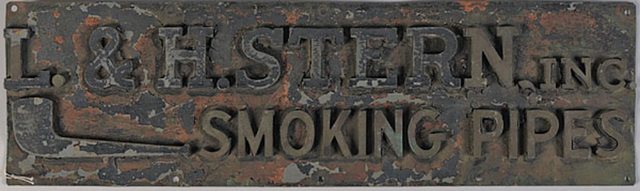
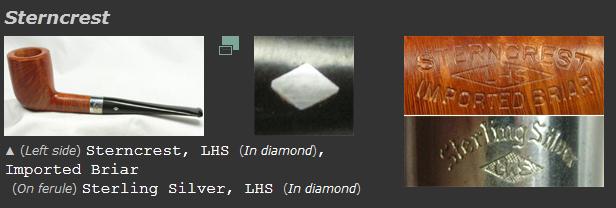
It is an old LHS (LH Stern) Bulldog. It is stamped on the left side of the shank with the shape number 97 and almost over the top of that stamp is the application of a white imprinted logo. The logo reads LHS in a flattened diamond. On the top of the diamond it reads Certified Purex and on the bottom of the diamond it read Imported Briar.Bulldog1 I have had quite a few LHS pipes on my work table over the years but this is the first time I have seen this shape bulldog. It is squat and short but has a large bowl – the size of my thumb and the bowl is quite deep. There are two rings around the bowl and a bulldog cap. The rustication pattern is also quite unique – looking like a thatched pattern. There is an aluminum fitment in the shank of the pipe and an aluminum tenon with a separated stinger that screws into the fitment in the shank. The stem was slightly oxidized and underturned. There were no major tooth marks or chatter on the stem. The finish was in decent shape, just dirty and dusty. The rings around the cap were plugged with debris that would need to be cleaned out. The airway in the bottom of the bowl was very small looking. The bowl had been reamed recently and was clean that way.Bulldog2

Bulldog3

Bulldog4 If you look closely at the alignment of the metal band on the shank with the band on the stem you will see how it is underturned and how the band on the shank is slightly corroded next to the shank.Bulldog5

Bulldog6 The close up of the bowl shows the constricted airway at the bottom of the bowl on the back side. Too me it looked to be almost plugged with tars and would not be too difficult to open.Bulldog7 I unscrewed the stem from the shank to look at the internals. I have found that pipes with the metal fitment in the shank are generally quite dirty on the other side of the metal mortise and take some work to clean. This pipe was no exception. I tapped the metal end against my desk top and a lot of chunks of tar fell out on the desk top. The stinger was inserted into the threaded tenon and also was quite dirty and the slots in it were also restricted with buildup.Bulldog8 I heated the tenon and stinger with the flame of the lighter hoping to loosen the tenon in the shank and straighten the fit in the shank. I heated it until the stem itself was warm and the metal tenon did not budge. I was able to remove the stinger for cleaning.Bulldog9

Bulldog10 I examined the tenon insert in the stem (probably should have done this first). I found that the metal plate that acted as a stem adornment and the tenon were integrated into one piece and no amount of heating would ever loosen the tenon from the shank. I had to come up with another solution. I screwed the stem back on the pipe and set it aside to contemplate my course of action. I thought of adding a thin plate of Lucite or briar between the stem adornment and the shank adornment but decided against that. I let it sit for a while and worked on the stem.

Suddenly I figured out a potential fix. If I were to sand down the shank end enough to allow the stem to sit correctly I could possibly get the alignment correct. I measured the depth of the threads in the shank and then those on the tenon and found that the thread went deeper than the length of the tenon by about 1/8 of an inch. If I could remove some of the aluminum shank end plate I could get it to seat correctly. I used my topping board and pressed the end of the aluminum end plate flat against the board. I carefully worked it in a circular motion on the sandpaper. I checked frequently to make sure I did not take of too much or too little of the aluminum plate.Bulldog11 The next photo shows the end plate after it had been topped sufficiently. The scratches from the sandpaper would easily be polished off with micromesh. I have also included four photos of the different angles on the stem to show how the underturn had been corrected. The fit was perfect.Bulldog12

Bulldog13

Bulldog14

Bulldog15

Bulldog16 With the stem fit corrected I then turned to cleaning out the inside of the stem and the shank. It took many pipe cleaners, cotton swabs and alcohol. I also used the drill bit from the KleenReem reamer to open the airway into the bowl. Bulldog17 I scrubbed the exterior of the bowl down with oil soap and a tooth brush. I picked out the debris in the twin rings around the cap. I sanded the stem down with 220 grit sandpaper and then followed that by sanding with a medium and a fine grit sanding sponge.Bulldog18

Bulldog19 There were two small tooth marks in the vulcanite on the underside of the stem. I repaired those with a drop of clear super glue. I sanded the glue patch with 220 grit sandpaper and then repeated sanding it with the two sanding sponges. When finished I sanded it with micromesh sanding pads – wet sanding with 1500-2400 grit pads and dry sanding with 3200-12,000 grit pads. Between each set of three pads I rubbed the stem down with an Obsidian Oil saturated sock that I use for this purpose. I let it sit for just a few moments before continuing with the next grit of pads. The oil gives traction for polishing the stem.Bulldog20

Bulldog21

Bulldog22 I used the micromesh pads to also polish the aluminum on the shank and the stem. I worked through all of the grits to polish it to a shine. I also used 0000 steel wool to polish the stinger and the tenon. Then I buffed the stem with Blue Diamond Plastic polish to further raise the shine. I put it back on the bowl and buffed the bowl and shank lightly with Blue Diamond. A light touch keeps the buffing compound from collecting in the grooves. I also carefully worked around the white stamping on the shank. I gave the stem several coats of carnauba wax and then rubbed the bowl down with Halcyon II Wax and hand buffed the bowl and shank with a shoe brush. The finished pipe is shown in the photos below. I really like the shape and the rustication on this one. I am looking forward to loading a bowl and enjoying it on the weekend ahead. Thanks John.Bulldog23

Bulldog24

Bulldog25

Bulldog26

Bulldog27

Bulldog28 This LHS Bulldog is a beautiful pipe and the rustication and stain gives it almost a multidimensional look. It should make someone a great addition. The entirety of the sale price will go to the Nepal project. I will pay the postage so that does not get taken off the proceeds. If you are interested in reading about the SA Foundation you can look at their website at http://www.safoundation.com.

Thanks for looking.

Bringing a Comoy’s Grand Slam 5 Straight Bulldog Back to Life


Blog by Steve Laug

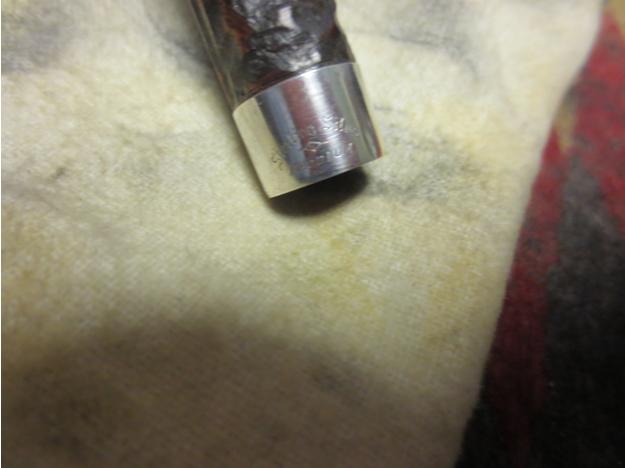
The next pipe on my worktable was a Comoy’s Bulldog. Personally, I think Comoy’s nailed the straight bulldog shape better than most others. It is a perfect bulldog shape and it is a pleasure to hold and smoke. The stamping on the left side of the shank reads Comoy’s over Grand Slam over Pipe. On the left underside of the shank next to the stem it is stamped X7. On the right topside it is stamped in the classic circle reading Made in London with the “in” in the centre of the circle. Underneath the circle it reads England. Further up that side of the shank is a number 5 stamped almost next to the bowl. I examined the C-inlay on the stem to see how it was made. I have learned over time and through research on these pipes that if it’s been applied in three steps, then it was made pre-1980. This one was indeed a three-step C-inlay. Thus I knew it was made earlier than 1980.Comoy1

Comoy2 Like all of the pipes I work on, I took a moment to give the pipe a quick assessment. Before I even start the clean up and restoration I take time to look it over to make sure I see what I have to deal with on a particular pipe. The examination helps me to plan how I am going to address the issues on this particular pipe. The Comoy’s pipe was definitely in need of some TLC. The original finish on the Grand Slam Pipe line was rich and full of life. The contrast of dark stain that highlights the grain and the top coat of stain that varies from a rich red to a dark golden combine together to give a very beautiful finish. There were no major dents in the briar that needed to be addressed, though there was a small one in the shank near the stem junction on the sharp edge on the right side that could not be repaired. The briar itself was lifeless and faded looking dull and flat. There was some dirt and grime on it and particularly at the bowl shank junction.Comoy3 The rim had a thick coating of tars on top and some minimal damage to the inner bevel. The bowl had a light cake and seemed to have been reamed recently. It would need to be tidied up.Comoy4

Comoy5 The stem was badly oxidized and had tooth marks on the top side and the underside near the button. The slot was partially plugged and would need to be opened.Comoy6

Comoy7 I cleaned up the bowl with a wipe down of alcohol on a cotton pad to remove the dirt and grime and begin to soften the tars on the rim. I gave it a light sanding with 1500 grit micromesh sanding pads.Comoy10 Then I wiped it down once more with the alcohol and cotton pads. The buildup was just about gone. Just a little more scrubbing and the rim was finished.Comoy11 I lightly sanded the stem with a medium grit sanding sponge to loosen the oxidation and then dropped it in a bath of Oxyclean to soak overnight. In the photo below you can see the oxidation begin to run off the stem into the white bubbles of the Oxyclean mixture.Comoy8 The next morning when I took it out of the bath the mixture was yellow with the oxidation. I dried off the stem with a coarse cotton towel to remove the softened oxidation. The stem was much cleaner and black of the vulcanite was beginning to show.Comoy9 I put the stem on the shank and sanded it with 220 grit sandpaper followed by a medium grit sanding sponge to remove the oxidation that had come to the surface after the soak.Comoy12

Comoy13

Comoy14

Comoy15 I wiped it down with Obsidian Oil and then took the following photos of the stem to show the progress so far.Comoy16

Comoy17

Comoy18 I cleaned out the deep tooth mark on the underside of the stem with a dental pick and then a cotton pad and alcohol. Once it was clean I used clear super glue to make a patch on the marks. I over filled the repair so that it would dry and not shrink too much requiring a second coat.Comoy19 I set the repaired stem aside to dry for the day while I was at work. After work I sanded it smooth with 220 grit sandpaper and then with a medium and a fine grit sanding sponge. When the surface of the repair matched the stem material the sanding was finished. I then used a flat blade screw driver to unscrew the end of the stinger in the tenon. The cap on the end held a replaceable leather washer in place. Once the cap was off I was able to remove the washer. I then used a pair of needle nose pliers on which I have covered then ends with a thick wrapping of scotch tape. This provides a cushion when grabbing onto metal. The stingers in the Grand Slam were threaded and I heated the metal tenon until the goop holding it tight was loose. I turned it with the pliers until it was free of the tenon.Comoy20 With all of the parts removed from the stinger I cleaned it with a soft bristle brass tire brush to clean off the tars. I cleaned out the interior of the stinger with pipe cleaners, cotton swabs and alcohol. I used the brass brush to also clean the threads on both ends of the stinger. When I had them cleaned I used coated the threads on the front of the stinger with a light coat of Vaseline to protect it and lubricate them when I turned the cap onto the end. I had cleaned it with some soap and warm water and then used the Vaseline to give it some life. With it all cleaned and lubricated I put it back together and set it aside while I cleaned the shank and the stem.Comoy21 I used the drill bit on the KleenReem pipe reamer to clean out the airway from the end of the mortise to the bottom of the bowl. It had almost closed off with the tars. The draught on the shank was very constricted. Once I had run the bit through it several time cleaning out the buildup the draught was open and unrestricted. I cleaned out the shank and airway with alcohol on cotton swabs and pipe cleaners. Once they came out clean the shank was finished and ready for the stem.Comoy22

Comoy23 I cleaned out the stem with pipe cleaners and cotton swabs while I had the stinger out. I was able to remove all of the buildup in the stem and then put it all back together again. The stinger end was lubricated and then threaded back into the tenon. It sits quite deep in the tenon and has a small flange that sits against the tenon end. Here are some photos of the stinger in place in the stem.Comoy24

Comoy25 I used a 1500 grit micromesh pad to further polish the aluminum of the stinger. I sanded the stem with micromesh sanding pads – wet sanding with 1500-2400 grit pads and dry sanding with 3200-4000 grit pads. Between the first set of three pads and after the second set I rubbed the stem down with Obsidian Oil. When it dried I buffed the stem with White Diamond on the wheel to polish the vulcanite. I brought it back to the worktable and gave it a further coat of Obsidian Oil.Comoy26

Comoy27 I finished dry sanding with 6000-12,000 grit micromesh sanding pads. I rubbed the stem down a final time with Obsidian Oil and buffed it with Blue Diamond Plastic Polish on the buffing wheel.Comoy28 I buffed the pipe with Blue Diamond and then gave it multiple coats of carnauba wax. Between each coat of wax I buffed it with a clean, soft flannel buffing pad to raise the shine. The photos below show the finished pipe. It is cleaned, polished and ready for that next inaugural smoke.Comoy29

Comoy30

Comoy31

Comoy32

Comoy33

Comoy34

Comoy35 Thanks for looking.

Midterm Exam #2: Repairing the Leaky Airway on a Champion Deluxe


Blog by Anthony Cook

It’s exam day again. I didn’t get much sleep, but I did have a good breakfast of Pop-Tarts and leftover ramen. So, let’s do this! This time, the exam is based on a bent brandy shaped Champion Deluxe.
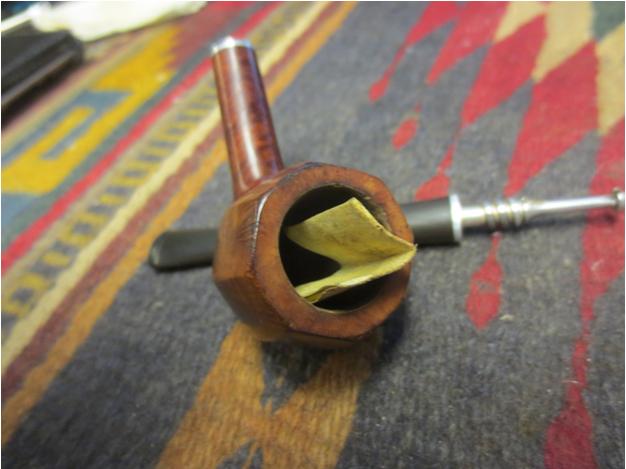
PipePhil provides a little info on the Champion brand:Champ1 The pipe I’m working with has shank stamping and a stem logo that is identical to the middle pipe in the above graphic. The country of origin for the brand is listed as Switzerland, but there must be some French connection. The word “FRANCE” is stamped across the bottom of the shank-end of the stem on my pipe. You can see the pipe for yourself in the photos below, which were taken shortly after its arrival.Champ2 I was really pleased with this one when it arrived. I really liked the size, shape, and rustication pattern. As I turned it over in my hands, it seemed to be in pretty good condition. There were no major cracks or gouges, only a generous amount of grime on the stummel, one or two nicks on the rim, and a little oxidation on the stem. I thought it would clean up nicely and was beginning to look forward to working on it.

Then, I pulled the stem out to check the internals and cringed…Champ3 The airway was drilled so high that it actually penetrated the top of the mortise and only a very thin layer of briar remained between it and the surface of the shank. In fact, the wood was so thin that it had either cracked from heat/moisture expansion or had been punctured by the rustication tool. If you look closely, you can see in the second image that the alcohol from a dampened pipe cleaner would seep out of the airway to the surface of the shank.

I didn’t have the confidence at the time to attempt to repair something as essential and delicate as an airway. So, I reamed the bowl, scrubbed the inside of the shank and stem clean, and then dropped it back into the box where it’s been withering away for several months. So, today I pulled it back out for my second midterm exam.

The airway needed to be sealed before doing anything else. If that wasn’t successful any other work would be pointless. So, I clamped the stummel upside-down in my bench vise using a couple of foam strips to cushion it. I tried to make sure that the airway was as level to the ground as possible. Then, I applied super thin CA inside the airway with an applicator bulb. Since I couldn’t really see inside the shank and bowl, I had previously measured the length of the airway and marked it off on the applicator with a strip of tape. This, along with a slow and steady hand, kept me from dribbling the CA into the bowl.Champ4 Once I was sure that the glue was completely dry, I used 240-grit and 320-grit sanding needles to smooth out any lumps and bumps that the glue may have created in the airway. Then, I prepared my initial test of the patch. I dampened a pipe cleaner with alcohol and inserted it into the airway. I couldn’t see any seepage, but just to be sure I pulled out my jeweler’s loupe to give it a closer inspection. Still nothing. The patch had passed its first test.Champ5 I set up a retort for the next test. If there were any open fissures in the shank, the evaporation from the boiling alcohol would surely seep through. I flushed the shank 10-12 times before setting the pipe aside to cool. The color of the alcohol in the tube is a testament to the merits of a retort. It’s not filthy by any means, but remember, this is a pipe that I once thought was clean.

While the pipe rested, I closely inspected the shank to see if the patch had held. Success! I found no moisture seepage at all. The patch was doing its job and the worst part of the exam was over!Champ6 After another dozen or so flush with the retort the alcohol in the tube was almost completely clean. I let the pipe cool, and then gave it a final, quick scrub the wrap up the internal cleaning.Champ7 I placed the stem into a bath of warm water and Oxyclean and let soak for about an hour before I scrubbed it down with cubes cut from a Magic Eraser pad to remove the oxidation. Once the stem was clean, I applied a black CA glue patch to the remaining dents. I put a drop of activator on the patches to speed up the drying and they were ready to be worked again in about ten minutes. I sanded out the patches with 220-grit (the bottom image in the picture below), 320-grit, and 400-grit paper. Then, I gave the entire stem a light sanding with 600-grit paper to remove any minor scratches.Champ8 The paint in the stem logo was cracked and flaking. So, I picked out the loose paint, and then I began to fill in the area around the logo with a grout pen begin restoring the logo. I was a little worried about how well this was going to turn out since the recessed stamp was very narrow and shallow. I let the “paint” dry for about 20 minutes before carefully sanding it down with 1200-grit paper and I thought that it came out surprisingly well in the end. I finished up work on the stem by lightly sanding it with 1200-grit paper to even everything out, and then polished with micro-mesh pads 1500-12000.Champ9 The stem was finished and the clock on the wall was ticking. Some of the other guys were already turning in their papers. So, it was time to start wrapping things up. I mixed up a 3:1 stain solution of isopropyl alcohol and Fiebing’s black dye and applied it to the stummel. Then I buffed the entire stummel with red Tripoli before sanding out the scratches around the stamping with 400-grit, 600-grit, and 1200-grit sandpaper.Champ10 Then, I applied a 3:1 dilution of Fiebing’s cordovan before polishing the stamping area with micro-mesh pads 3200-12000. I reattached the stem and gave the entire pipe a light buff with white diamond, and waxed the pipe with Halcyon II for the stummel and a few coats of carnauba for the stem. Finally, I applied a bowl coating to promote cake growth, and then turned the exam in with my fingers crossed.
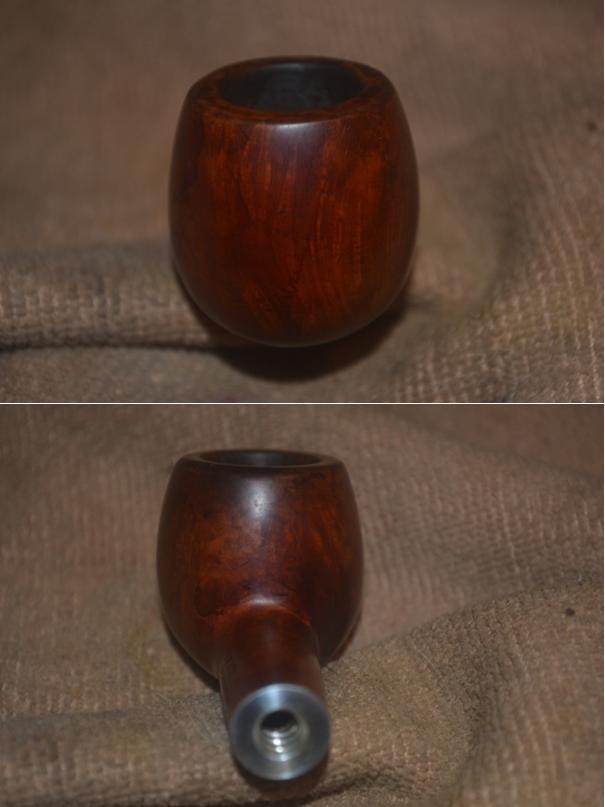
The photos below show how it finally turned out. For some reason, in these photos the cordovan and black blend together in the rusticated areas making them appear much darker. When you have the pipe in hand the cordovan is much more evident. I don’t know why that is. Man, I hope we aren’t being graded on our photography skills as well.Champ11

Champ12

Champ13

Champ14

Champ15 But, wait..!

Okay, I realize that this is a little unusual for an exam, but I’d like to make a bit of a revision. You see, when I ran my first bowl through this Champion the draw was extremely poor and it gurgled so badly that it sounded like an aquarium. To be honest, this wasn’t unexpected. The misalignment of the airway between the mortise was so extreme that it couldn’t help but create a lot of turbulence, and therefore a lot of moisture. I couldn’t let that stand. So, I took the stem back to the worktable to tweak it a little.

I clamped the stem in the vice and used a Dremel to cut off the stepped end of the tenon. You can see the piece I removed lying on top of the vice in the photo below.Champ16 After that, I sanded the face of the tenon smooth and level, and then used a tapered abrasive point in the Dremel to begin funneling the airway. I kept the airway lubricated with mineral oil to prevent the friction from burning or melting the vulcanite. The abrasive point opened up the end of the airway to a 3/16” diameter but transitioned it down to the 1/8” diameter of the original airway. Then, I used 240-grit and 320-grit sanding needles to make sure the transition was smooth. Finally, I used a round abrasive point to create a ¼” diameter chamfer on the tenon face around the airway and the sanding needles again to round off any of the sharp edges. In the picture below, the left image shows the step that I removed balanced on top of the stem for comparison; the right image shows the completed tenon after being reworked.Champ17 I was eager to try it out and the results were amazing for such a simple modification. The bowl smoked all the way to the bottom with no gurgle at all; even when I intentionally tried to build up steam by puffing rapidly (it was for the sake of science). After the pipe had cooled, I removed the stem and found a lot of moisture in the mortise. So, the extra space below the airway was acting like the sump/well of a system pipe. Very cool. The pipe was once again looking good and smoking well. My second exam was in the bag.

Reworking one of my own


Blog by Steve Laug

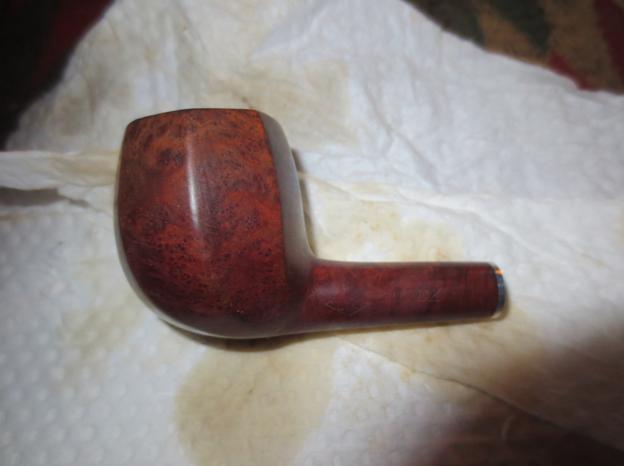
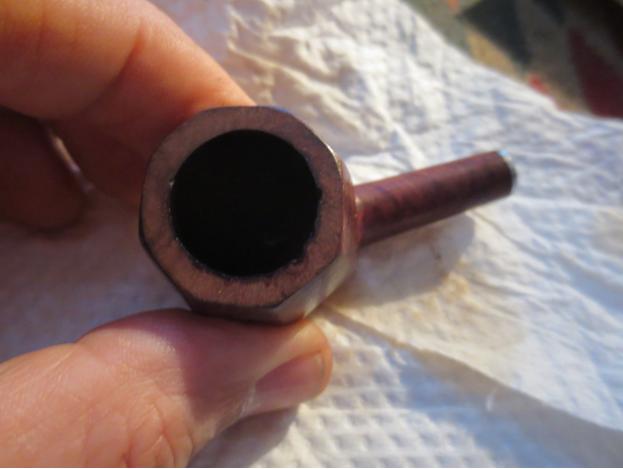
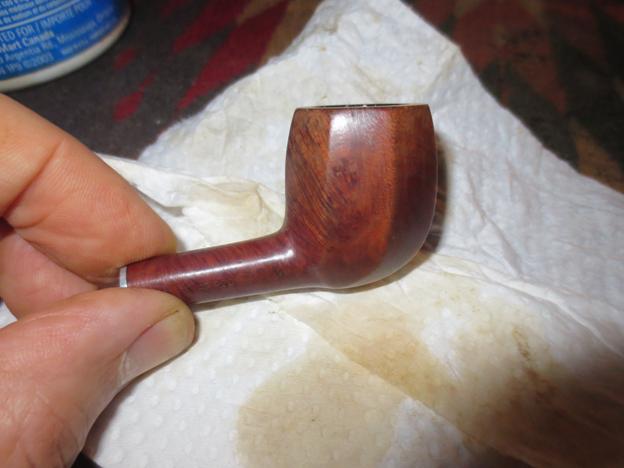
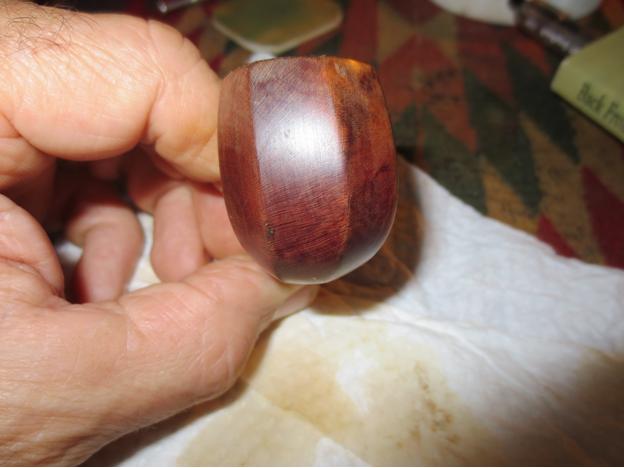
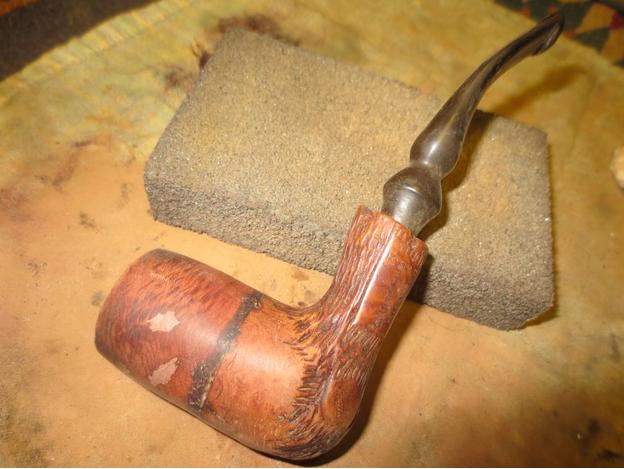
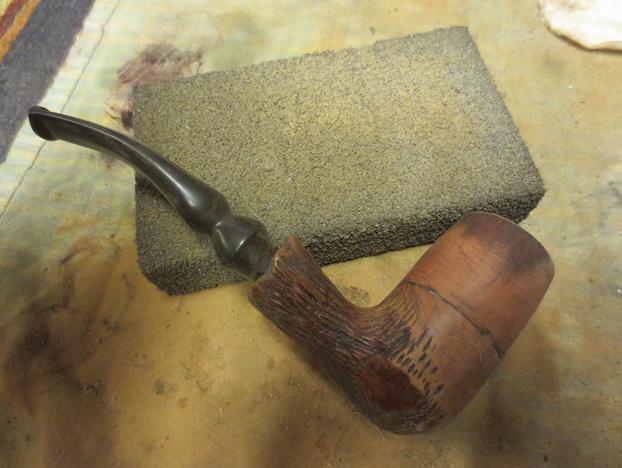
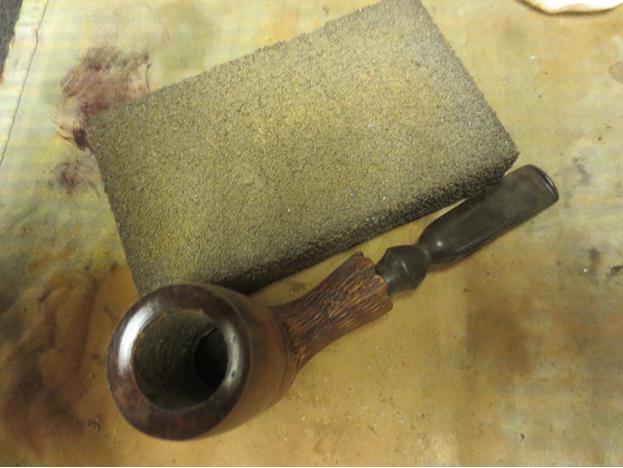
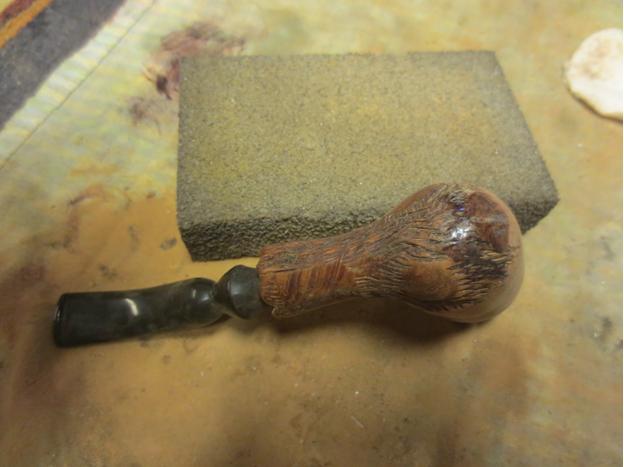
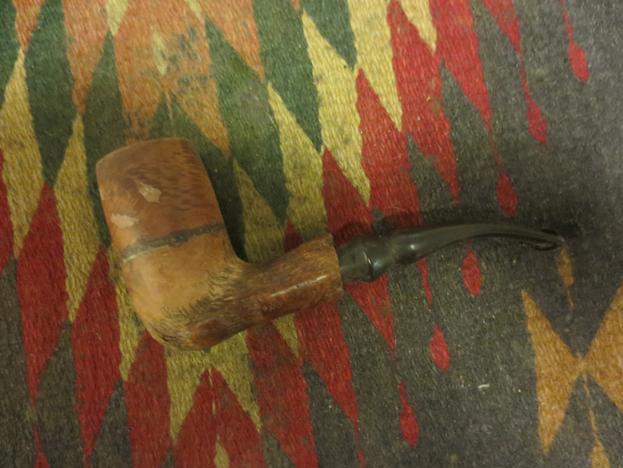
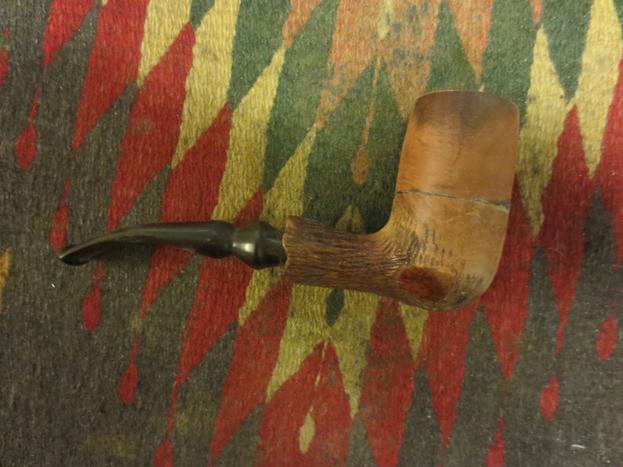
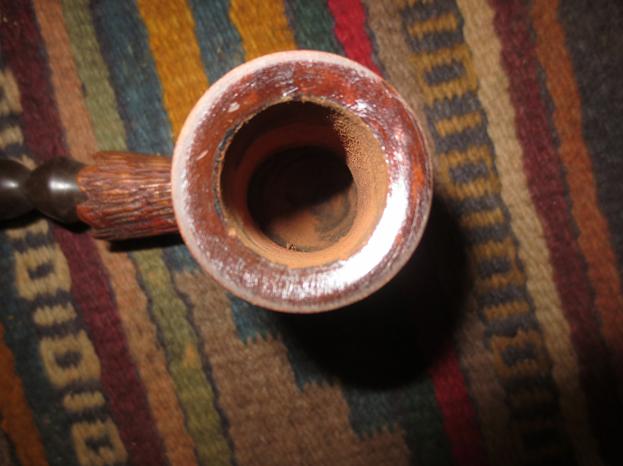
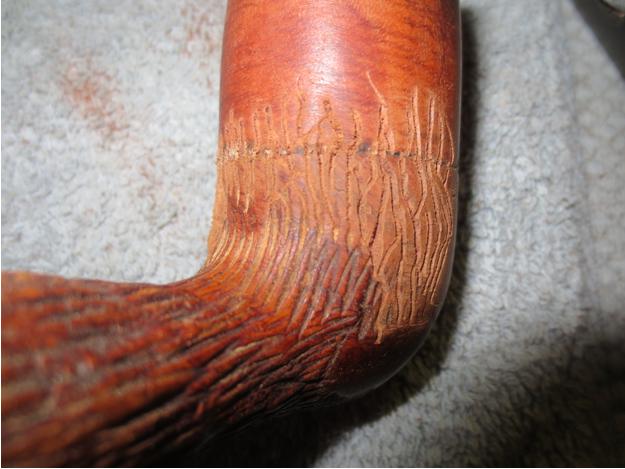
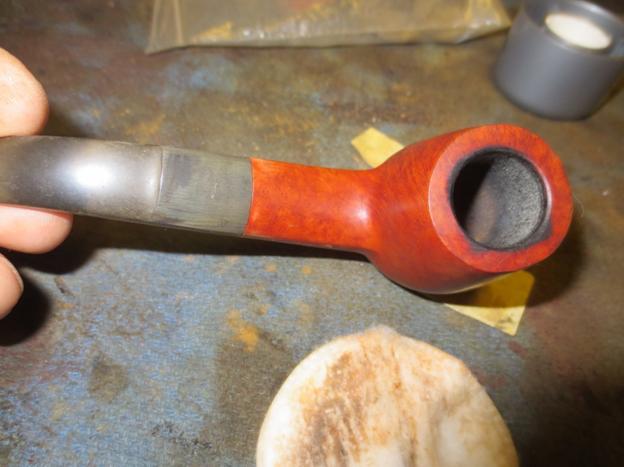
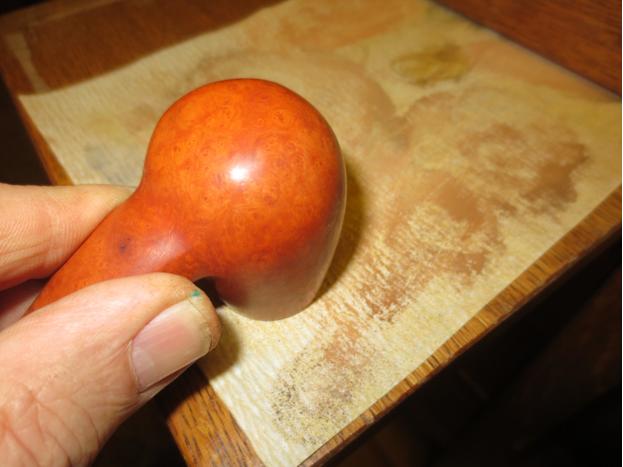
I don’t remember when I carved this pipe I do know it was one of the first I carved. It was a kit and the plateau was on the bottom of the bowl. I did the work with a Dremel and sanding drum. The stem was the one that came in the kit and I just used it. Over the years, probably in the neighbourhood of ten years, I smoked it infrequently but enough to know that it delivered a decent smoke. Looking at it the other day I noticed that it had a thin cake in the bowl so I obviously smoked it more than I remember. When I took it out of the rack the fit of the stem to the shank irritated me. It was a sloppy fit and slightly rounded at the shoulders. The diameter of the shank and the stem were not matched. On and on went the list of imperfections that stood out to me when I looked at it. I love the shape of the bowl, my odd rustication on the bottom of the bowl and shank and the look and feel of the bowl in my hand. But the stem had to go.apple1

apple2

apple3

apple4 I had a little time on my hands so I went through my can of stems and found a stem that was thicker looking and about ½ inch shorter. I fit the tenon in the mortise and the fit against the end of the shank was tight and clean. Personally I liked the chubbier stem and the compact look it gave the pipe. To me it just seemed to work with this bowl. The stem was larger in diameter than the shank so it needed to be brought down to a clean transition between the two.apple5

apple6

apple7

apple8 I worked on the stem diameter with emery cloth and sandpaper taking off the excess material and adjusting the fit to the shank.apple9

apple10 When the fit was better I sanded the stem and the shank with medium and fine grit sanding sponges to minimize the scratches.apple11

apple12 Once I had the fit correct and the transition smooth I took the photo below. I needed to restain the shank when I was finished to match the bowl.apple13 I used a light brown stain pen to match the stain on the bowl. I stained it and hand buffed it out to blend it in. Once the stain was buffed I set up my heat gun and heated the stem to adjust the bend slightly. In the original stem there was an abrupt down turn that did not work for me. I heated the stem and rebent it. Afterward I took the next series of photos to show the state of the pipe after the rebend.apple14

apple15

apple16

apple17 With the stem bent the angle I wanted it was time to polish the stem. I sanded it with a fine grit sanding sponge and the used micromesh sanding pads to finish it. I wet sanded with 1500-2400 grit pads and then rubbed it down with Obsidian Oil. When the oil had been absorbed I dry sanded it with 3200-4000 grit pads. Each successive grit of pad raised more shine in the vulcanite. I rubbed it down again with oil and then continued dry sanding it with 6000-12,000 grit pads. When I finished I rubbed it down a final time with the oil and let it dry.apple18

apple19

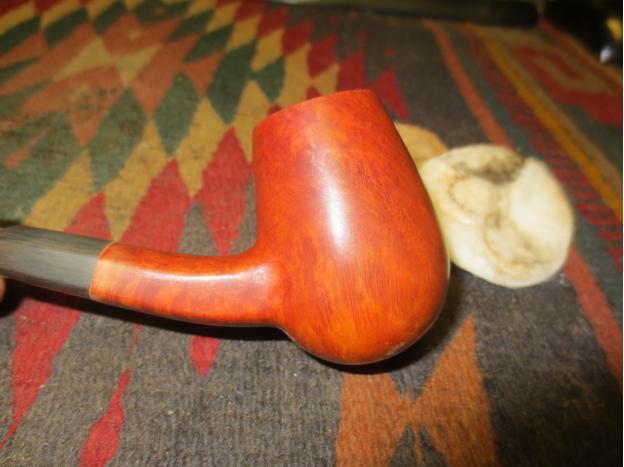
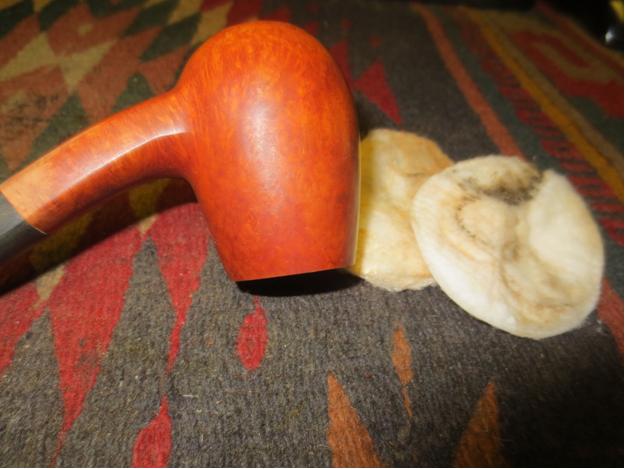
apple20 When it dried I took it to the buffer and buffed it with Blue Diamond Plastic polish and then gave the pipe multiple coats of carnauba wax. I finished by buffing it with a clean flannel buff to give it a finished shine. This one is going as a birthday present to a friend of mine. I gave him a choice of pipes that I had made and he chose this one. It is a great smoking pipe and I think he will enjoy it.apple21

apple22

apple23

apple24

apple25

apple26 It seems that the work never seems to be finished on the pipes I have carved. I always seem to see one more adjustment, one more tweak to get it just right. Ah well, at least I am done with this one. Thanks for looking.

Restoring a 1967 Dunhill Oom Paul 591


Blog by Steve Laug

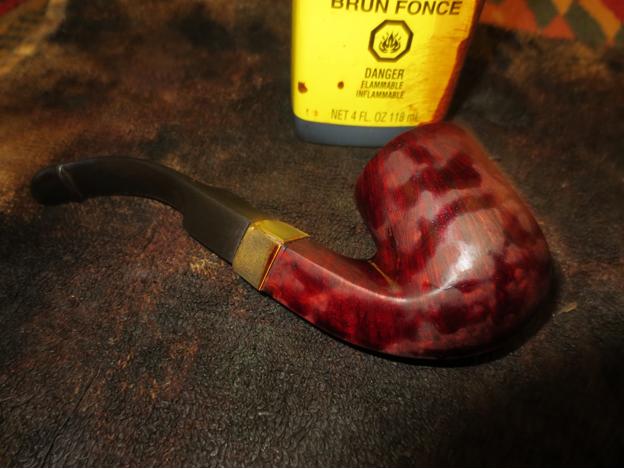
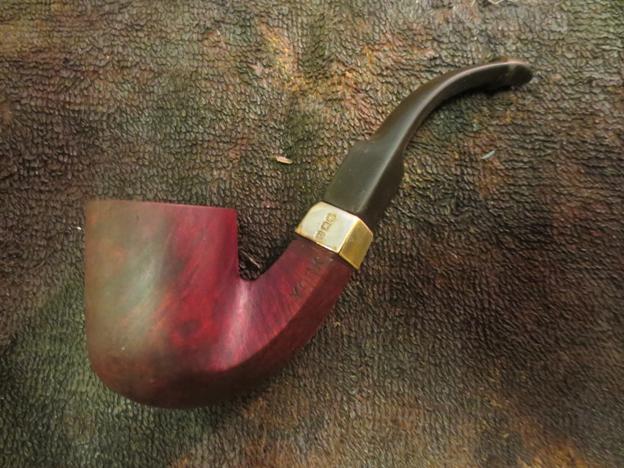
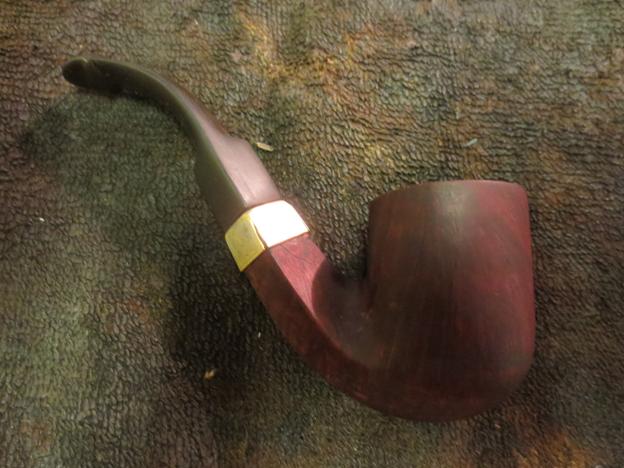
The next one to my work table was a Dunhill Oom Paul 591. It was a Dunhill shape that I had not seen before. The stamping on the left side showed the shape number 591 next to DUNHILL over BRUYERE. On the right side of the shank it was stamped Made in England7 and next to that Circle 4A designating the size of the pipe. From several sources I was able to ascertain that the pipe was made in 1967. The finish on this one was in good shape. There was a light build up on the top of the rim and there was an uneven cake in the bowl. There were some small dents in the sides of the bowl but not enough for me to steam them out and risk harming the original finish. The stem would not fit down into the shank. In the pictures below you can see how far it would go into the mortise. I removed the stem and the mortise was dirty and black. The stem was oxidized and had some minimal tooth chatter on the underside near the button. There was also a shallow tooth mark on the underside amidst the chatter.Dun1

Dun2

Dun3

Dun4 I cleaned out the shank with pipe cleaners, cotton swabs and isopropyl alcohol until the swabs came out clean. I cleaned the airway to the bowl and gave the bowl a light reaming to remove the uneven build up. I scrubbed down the rim and removed the light build up that was there and polished the bowl with carnauba on the buffer.Dun5 I lightly sanded the stem with a medium grit sanding sponge to loosen the oxidation and with 220 grit sandpaper to remove the tooth chatter and small dent.Dun6

Dun7

Dun8

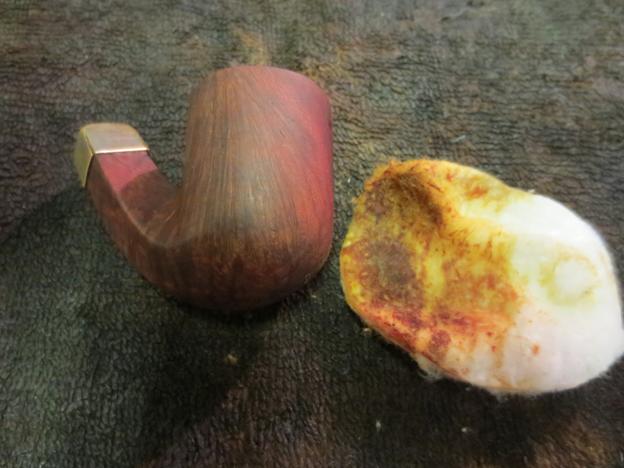
Dun9 I mixed up a batch of oxyclean and put the stem in the bath to soak overnight.Dun10 In the morning I took the lid off the container and removed the stem. The water had turned amber coloured. The oxidation had risen to the surface of the stem and I rubbed most of it off with a coarse cloth. I cleaned out the stem with alcohol and pipe cleaners and used the dental pick to clean out the slot on the stem.Dun11 I sanded it with a medium and a fine grit sanding sponge to remove the softened oxidation.Dun12 Then it was time to polish it with the micromesh sanding pads. I wet sanded with 1500-2400 grit pads and dry sanded with 3200-12,000 grit pads. I rubbed the stem down with Obsidian Oil between each set of three pads. I buffed the stem with red Tripoli after I finished with the 2400 grit pad and with White Diamond after the 12,000 grit pad.Dun13

Dun14

Dun15 There were still some scratches that showed up in the bright light of the flash so I worked it over again with the last set of pads and then buffed it with Blue Diamond Plastic Polish on the wheel. I finished by giving the bowl and stem multiple coats of carnauba wax and then buffing it with a clean, soft flannel buffing pad to raise the shine. The finished pipe is shown below. Somehow in the photos the fluorescent lights lend the photo a yellow tint that I normally do not get. The stem is absolutely shiny and black and the bowl is a rich oxblood red. It is ready to be smoked and enjoyed.Dun16

Dun17

Dun18

Dun19

Dun20

Dun21

Dun22 Thanks for looking.

Midterm Exam #1: Repairing a Cracked Bowl on a Pre-1956 Medico Billiard


Blog by Anthony Cook

Anthony1 The photo above represents the start of my first semester at the University of Reborn Pipes (by the way, Steve, we need T-shirts, a mascot, and a fight song). It was taken several months ago and it shows the first batch of pipes that I had collected for restoration practice. It’s a motley crew to be sure, but I have a special fondness for each of them. You never forget your first, as they say.

I’ve completed the restoration of the majority of these since the photo was taken (sadly, I failed the cob test, but it was rigged I tell you), but four of them were placed back into the box after cleaning and have remained there. Those four had issues that required either tools, materials, or experience that I just didn’t have at that point. Over time, other pipes attracted more of my attention and those remainders continued to linger in the dark and gather dust once again.

Now that I’ve acquired a few credit hours, I thought it might be time to drag them back out into the light; sort of as midterm exams to see if I’ve learned anything. The pipe that is second from the right in the group photo above is the one that I selected for my first exam.Anthony2 It’s an unnamed Medico billiard. The stamping on the shank reads simply “MEDICO” over “IMPORTED BRIAR” and the stem bears the “F” stamp found on some older Medicos. I learned from Dave Whitney, author of Old Briar, that the “F” stamp was probably discontinued in 1955, which gave me some idea of the pipe’s age.

The main reason that this one was shuffled back into the box was because of the extensive damage to the bowl. There were large fills within the carved rustication on the right side and several cracks had developed in the area both outside and inside the bowl. I discovered during cleaning that at least one of them penetrated completely into the chamber.

Below, you can see more of the original pictures that I took of the pipe shortly after it arrived. I had not done anything with it other than ream the bowl at the time these photos were taken.Anthony3

Anthony4

Anthony5 As I mentioned, I had already cleaned the internals of the pipe before dropping it back in the box. So, I started work by dropping the stummel into a jar of alcohol to soften the lacquer finish. The metal ferrule at the end of the shank was loose enough to fall off. So, it was removed it and set aside. After a couple of hours, I removed the stummel from the bath and wiped it down with a cotton cloth. Then, I used acetone and #0000 steel wool to remove the lacquer coating. I also picked out the pinkish-orange putty from the fills, and then used the pick to scrape any loose or charred wood from the cracks.Anthony6 A lot of scratches and gouges were revealed once the rim was clean. So, I set up my topping surface and lightly sanded the majority of the blemishes away using 220-grit and 320-grit sandpaper.Anthony7 I mixed together powdered pumice, activated charcoal, and sodium silicate to make a bowl patch. After protecting the airway with a pipe cleaner, I applied a small amount of the patch mix directly to the cracks with a flat toothpick and firmly tamped to push it into the cracks. Then, I used the scoop on my pipe tool to apply a thin layer across the entire area for protection.Anthony8 Next, I addressed the cracks and pits on the outside of the bowl by filling them with a few layers of briar dust and CA glue. I applied the glue with the end of a toothpick to avoid getting glue into the carved areas as much as I could. After the patches had dried, I sanded them down with 220-grit and 320-grit sandpaper. The same progression of grits was used to put a slight chamfer on the outside of the rim to remove the gouges that remained there. While I was working the bowl, I also sanded the chamber patch smooth with 400-grit paper.Anthony9 I sat the stummel aside for a time to pay some attention to the stem. There was a lot of chatter near the button and tooth dents on both sides of the stem. I applied black CA glue (medium thickness) to the dents with a toothpick and dripped a couple of drops of activator over it to set it up quickly. When it was completely dry, I sanded out the glue patch and leveled the chatter with 220-grit paper. The two photos below show the patch before and after rough sanding.Anthony10 While I was working, I decided that I didn’t like how worn and rounded the edge of the button had become. So, I decided to build a new, sharper edge. I wrapped clear packing tape around the stem to mask it just below the button. I built up the layers until it was the depth that I wanted my new button to be. Then, I used a flat toothpick to “paint” black CA glue (thick) along the edge of the mask and dripped activator over it when I was satisfied with the coverage. Before the glue could completely set up, I quickly peeled the tape away to reveal my new (although rough at this point) button edge.Anthony11 I used 220-grit paper and a sanding file to start shaping the button, and then 320-grit and 400-grit to refine the button shape and further blend the patch area. I also used 400-grit paper to remove the unsightly (to my eyes) molding seams along the sides of the stem. I placed a rubber washer over the tenon to preserve the sharp edge of the stem face and lightly sanded the entire stem with 600-grit and 1200-grit paper.Anthony12 The stem logo was in fair condition, but the paint was cracked and discolored. So, I filled it in using a grout pen and carefully sanded off the excess with 1200-grit paper. The grout paint left a slight, white residue smeared around the logo, but that would be removed with further polishing.Anthony13 Before polishing the stem, I rubbed it down with a drop of mineral oil, let it sit for a couple of minutes, and wiped it away. I hoped that this would moisturize the surface a bit and maybe prevent some of the nylon fiber splintering that always seemed to leave behind fine scratches in the finished stem. Then, I polished with micro-mesh pads 1500-grit to 12000-grit. I added a second and third drop of oil between 2400/3200 and 4000/6000 pads. I was pretty pleased with the results. The final stem was much more blemish-free that the previous nylon stems I’ve worked on.

With the stem finished up, I returned to the metal ferrule that I had set aside earlier. I gave it a once over with #0000 steel wool, and then polished it with Semichrome polishing paste and a soft cloth. I buffed of the excess with my Dremel and a small buffing wheel to give it a nice shine.Anthony14 Back to the stummel, I applied a 3:1 mixture of isopropyl alcohol and Fiebing’s black dye, hand-buffed the stummel with a soft rag to remove the excess, and then used 600-grit paper to remove the scratches and most of the dark stain except for inside of the carved rustications and what had set into the grain. I also made small adjustments to the width and angle of the rim chamfer with the sandpaper to make sure that it was even all the way around.

Next, I applied a 3:1 stain solution of isopropyl alcohol and Fiebing’s dark brown, buffed off the excess by hand, and lightly sanded the entire stummel with 1200-grit sandpaper to smooth the surface and soften the edges of the rim. Then, I applied a 3:1 solution of ox blood stained and hand buffed again.

Finally, I polished the stummel with micro-mesh pads 1500-2400 before applying a 4:1 mahogany dye mix. I wiped the stummel down with an alcohol dampened cloth until I achieved a dark copper color and finished up by polishing with the remaining micro-mesh grits.Anthony15 Then it was time to put all of the pieces back together and give the pipe the final touches. I reattached the ferrule to the stummel with some 5-minute epoxy. When that had set, I applied a bowl coating mix of sour cream and activated charcoal to help promote the cake formation in the repaired chamber. I let that dry for about two hours before reattaching the stem and taking the pipe to the buffer. I buffed the stummel and stem with White Diamond, and then I gave the pipe several coats of carnauba wax.

With all of that done, I turned in my first exam. I’m feeling pretty good about it, but I never really know how I’ve done on these things until the grades finally come back. I’m not going to worry about it now, though. I still need to cram for the second exam. It’s going to be a long night.Anthony16

Anthony17

Anthony18

Anthony19