Tag Archives: sanding a stem

Giving new life to a Kiko 343 Made in Tanganiyka Meer-lined Billiard


Blog by Dal Stanton

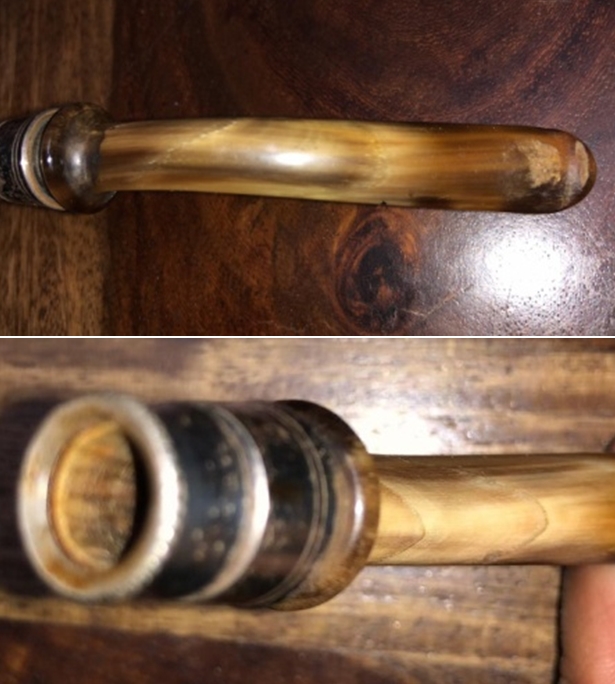
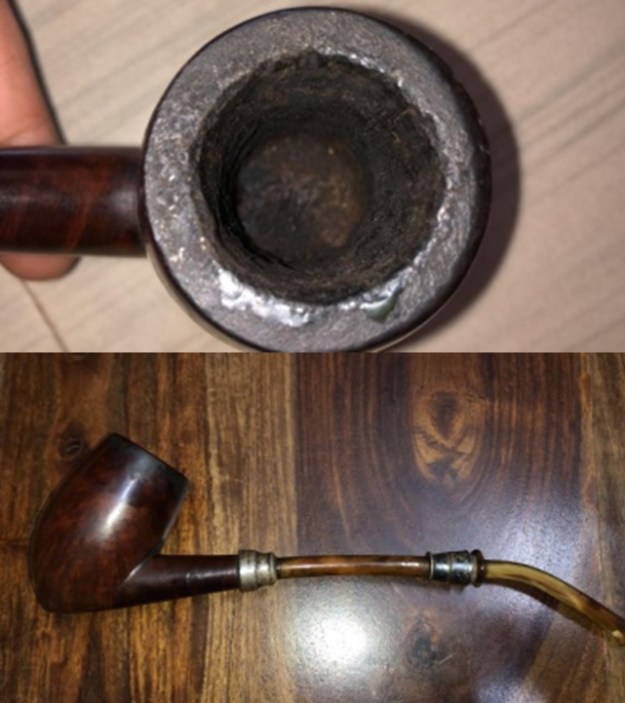
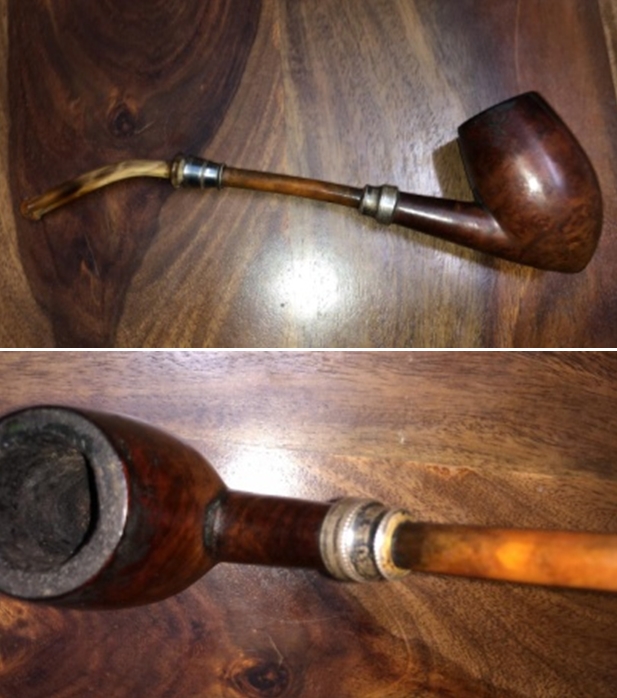
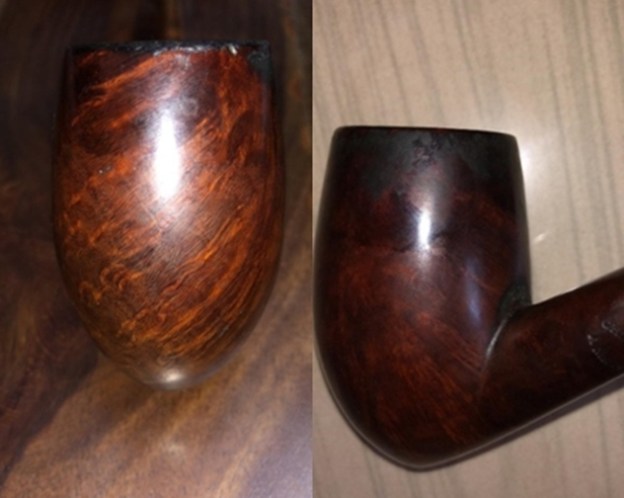
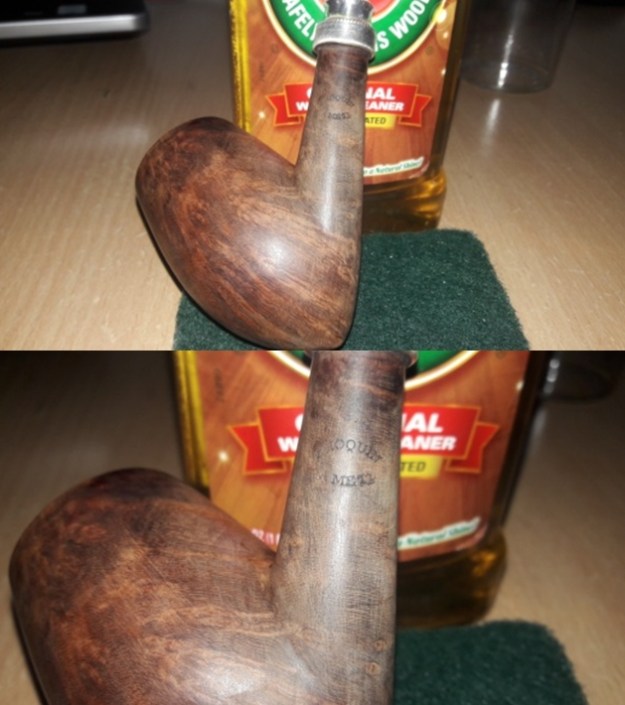
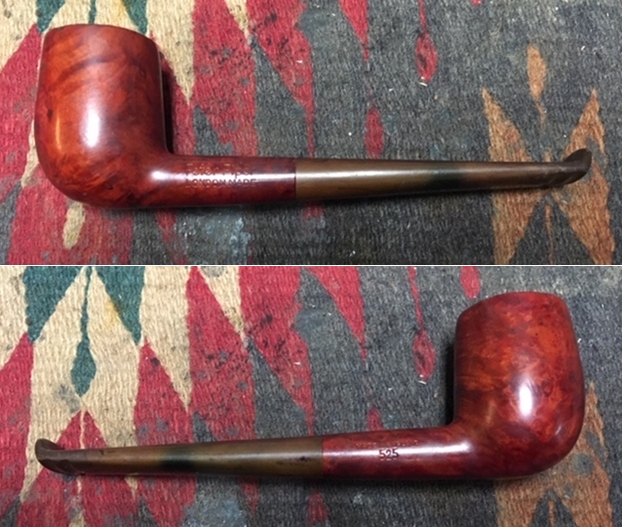
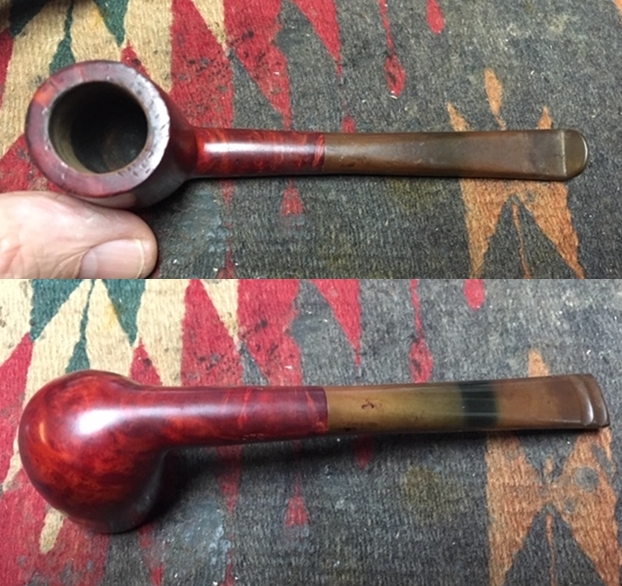
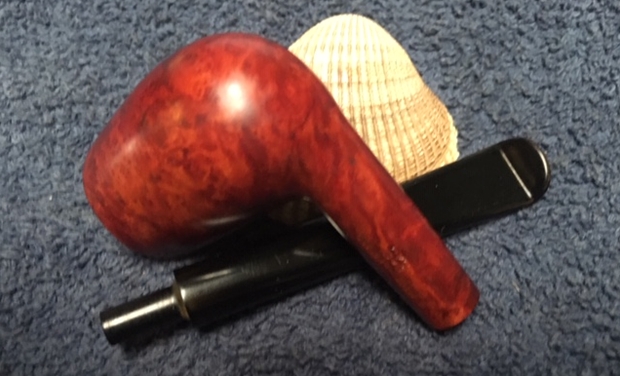
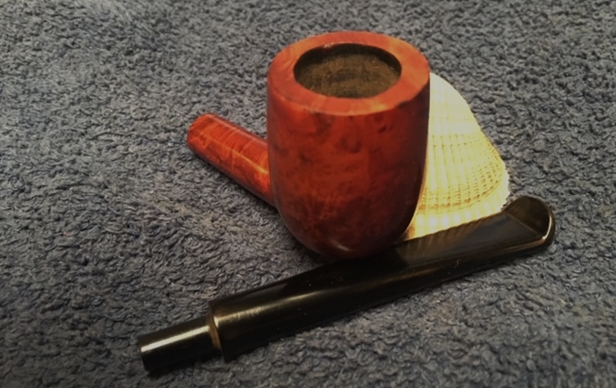
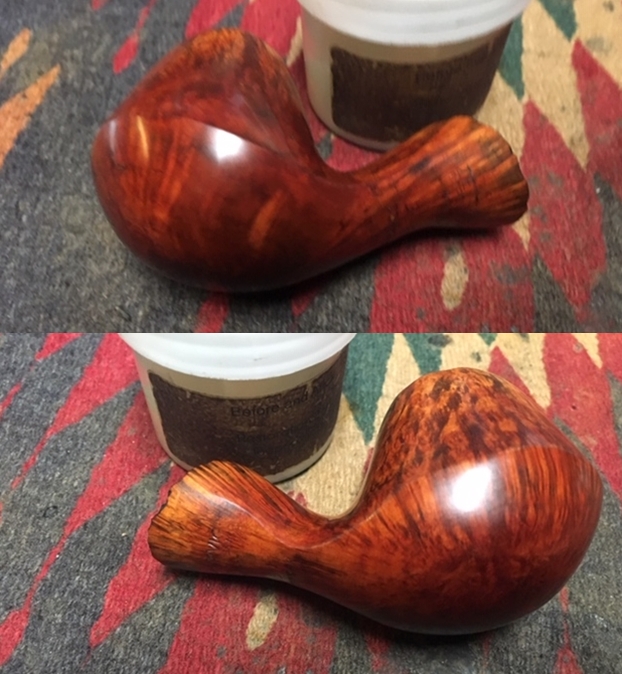
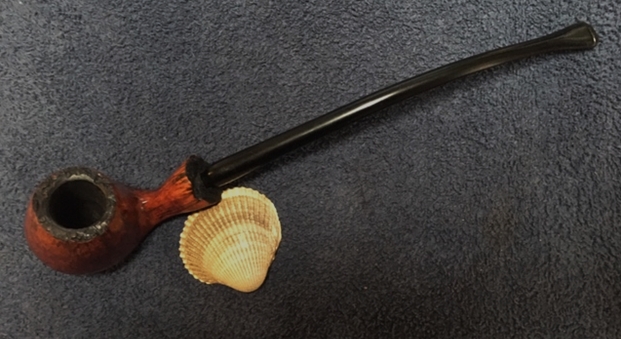
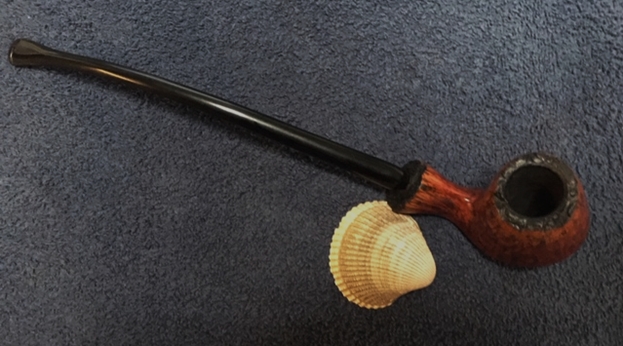
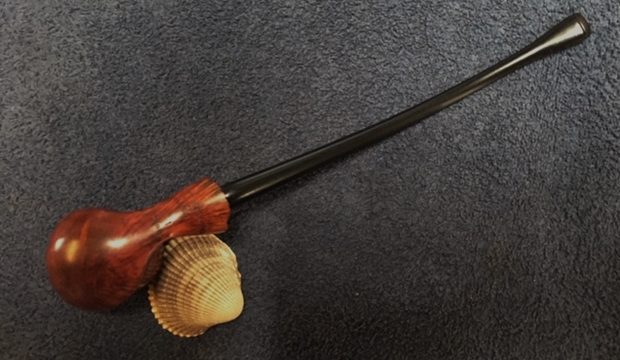
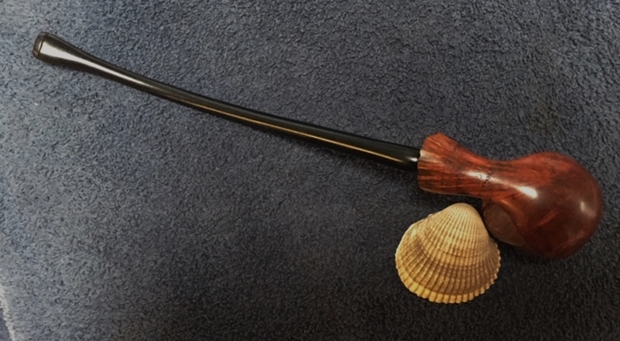
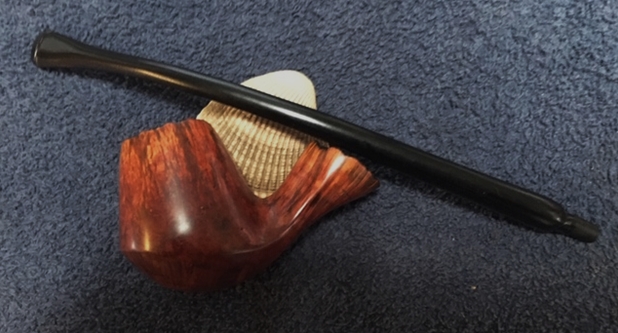
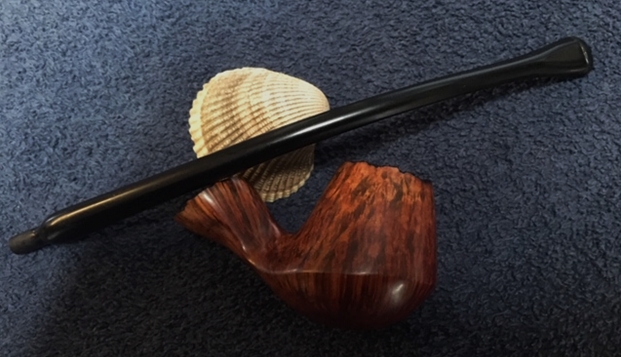
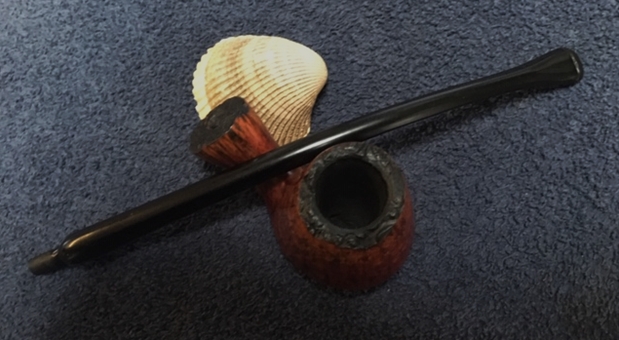
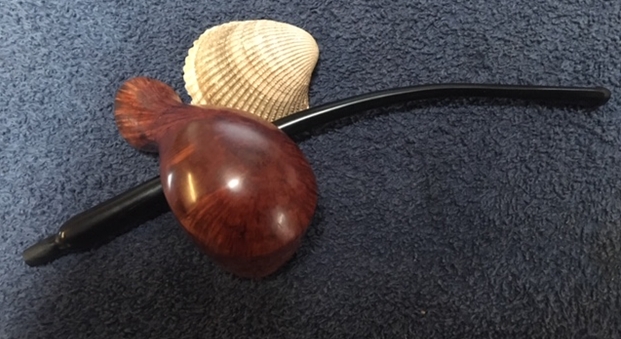
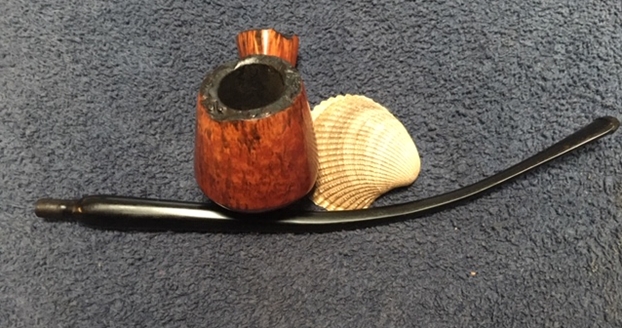
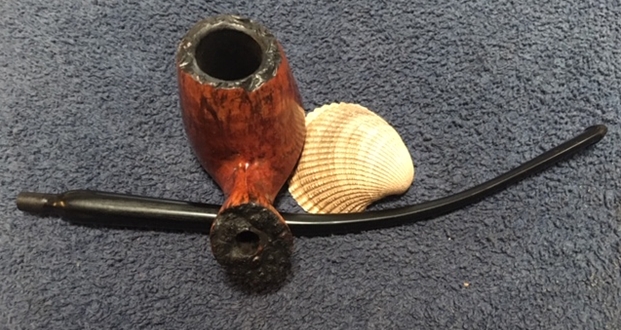
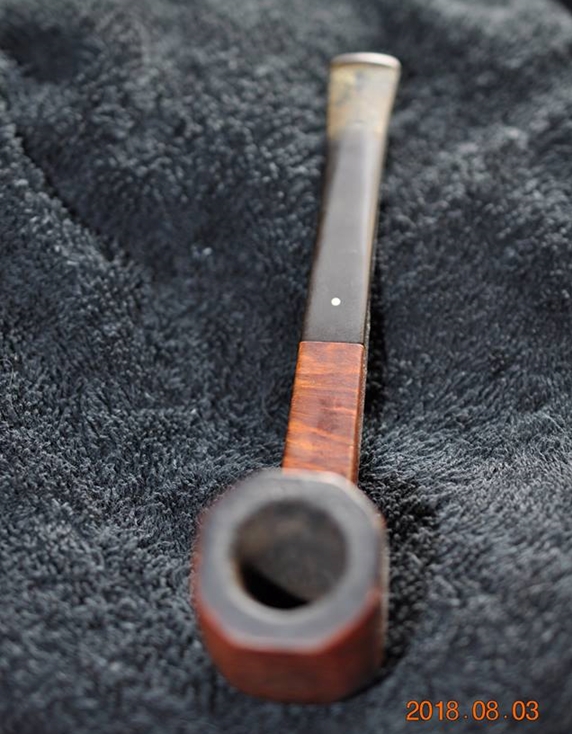
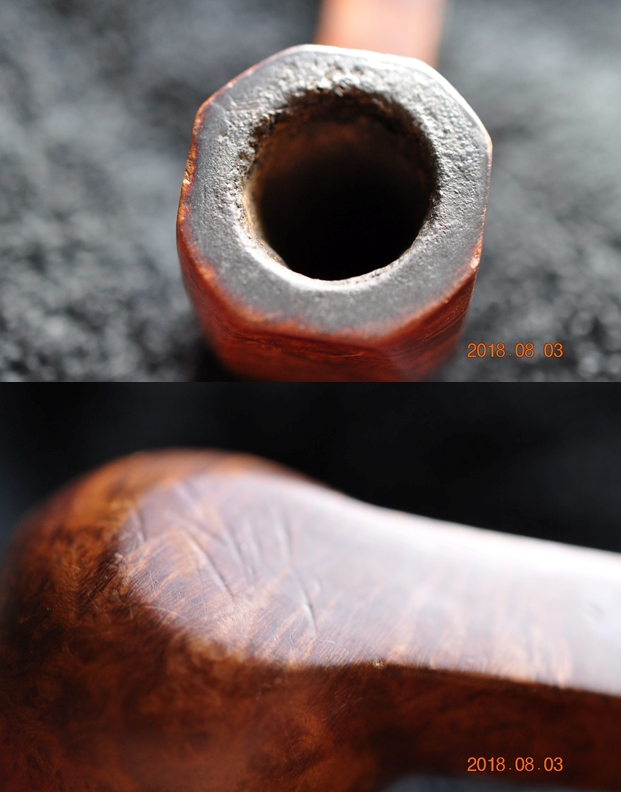
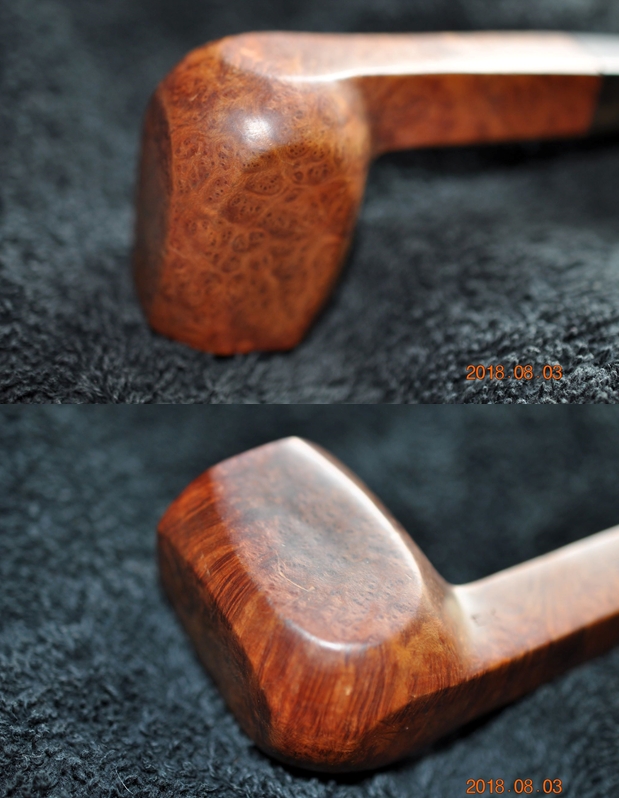
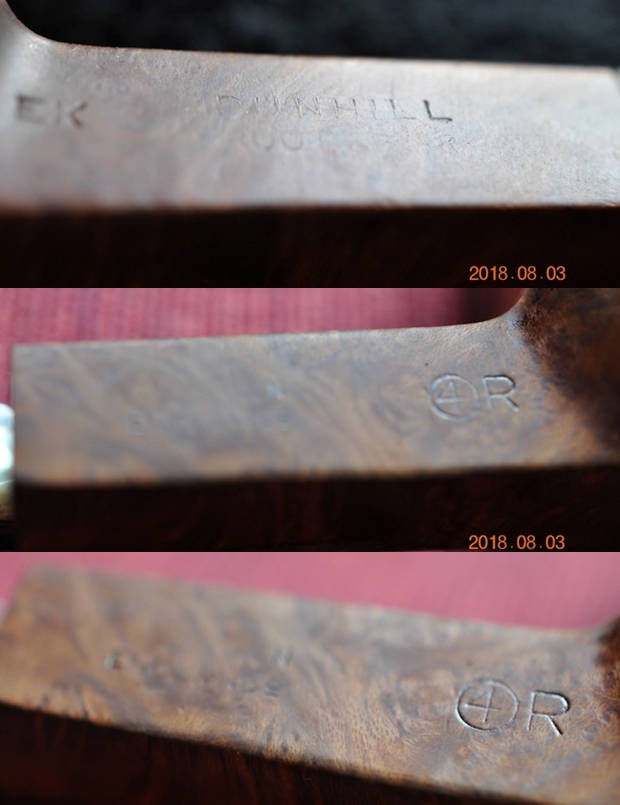
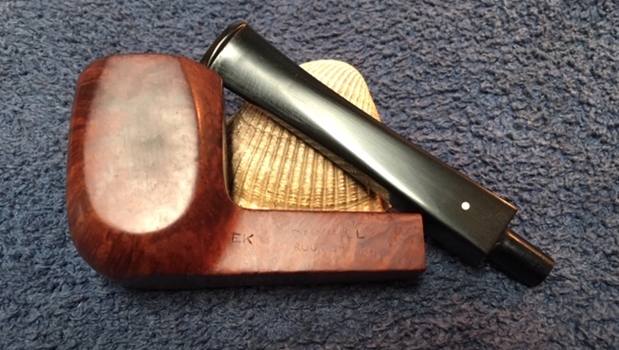
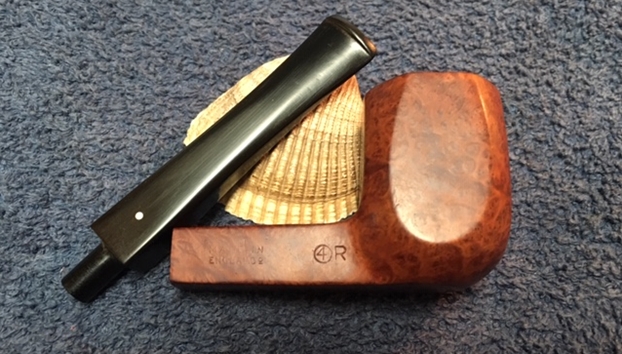
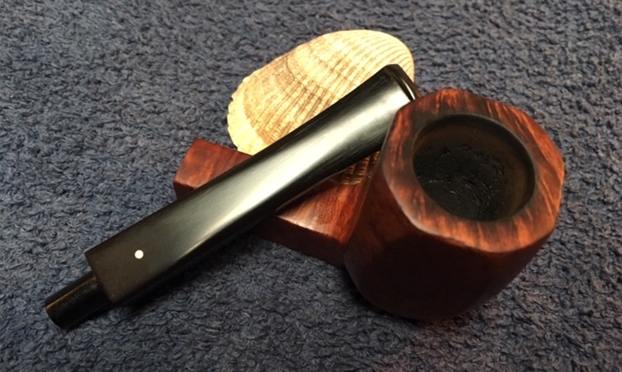
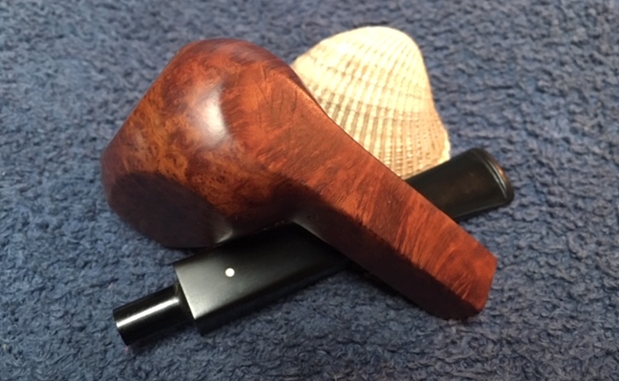
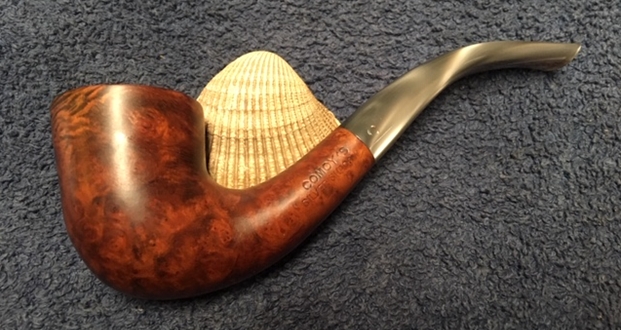
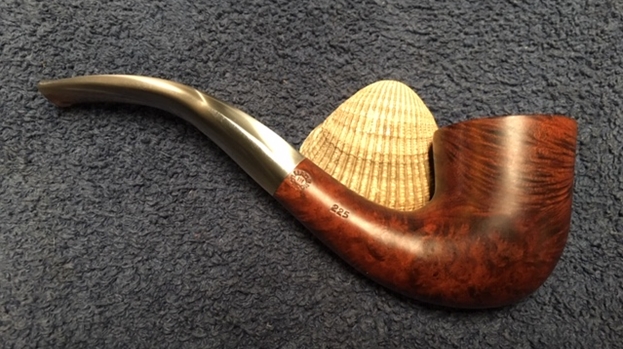
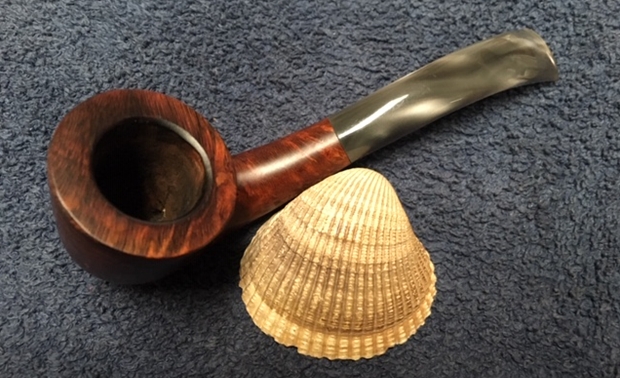
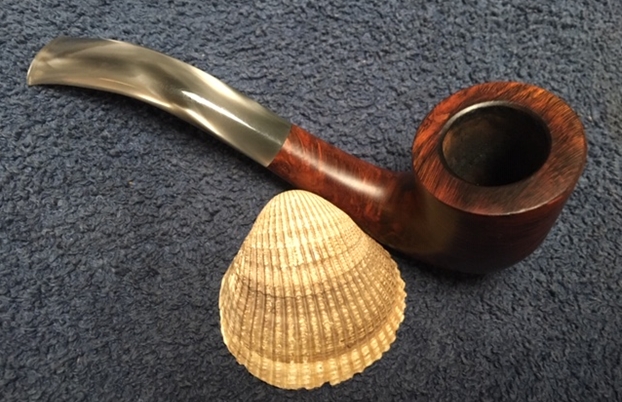
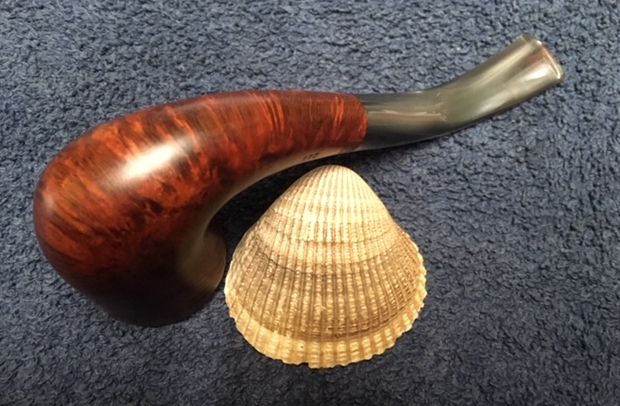
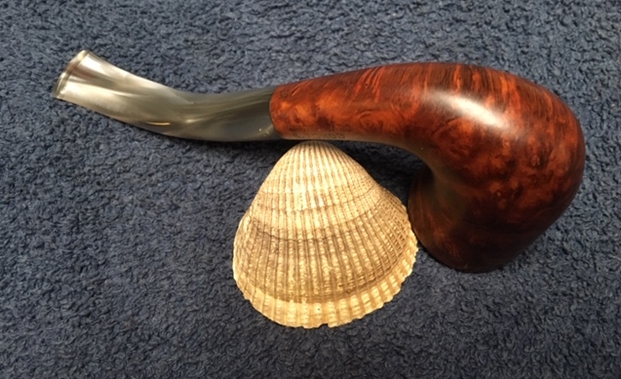
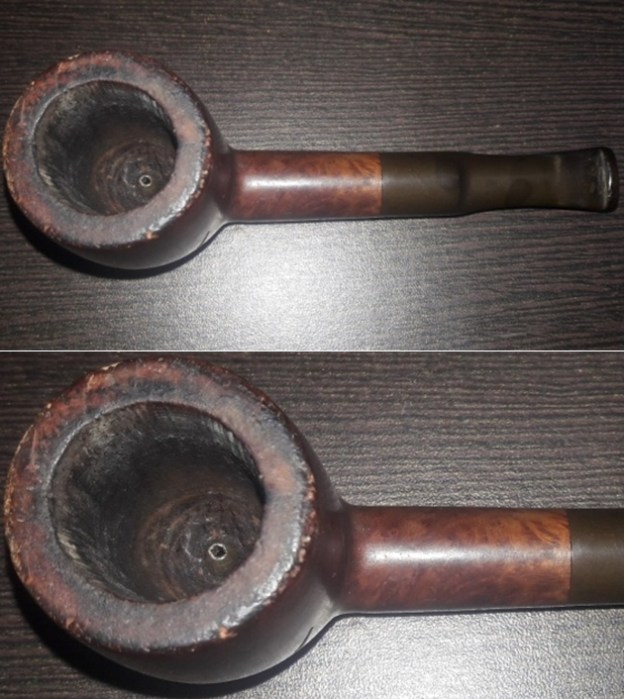
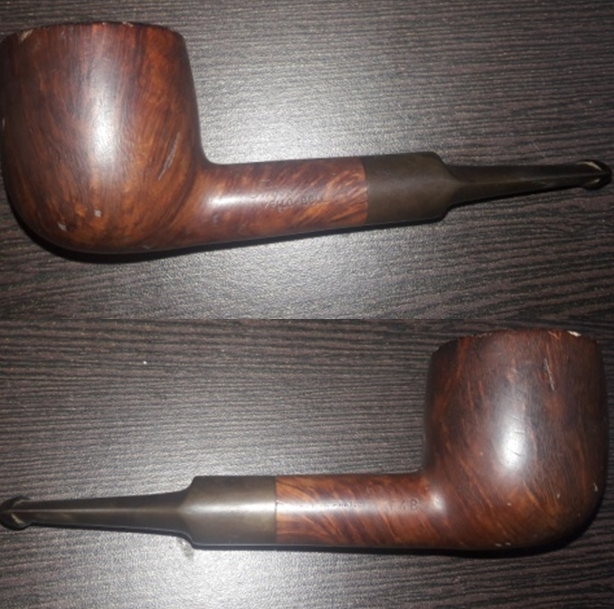
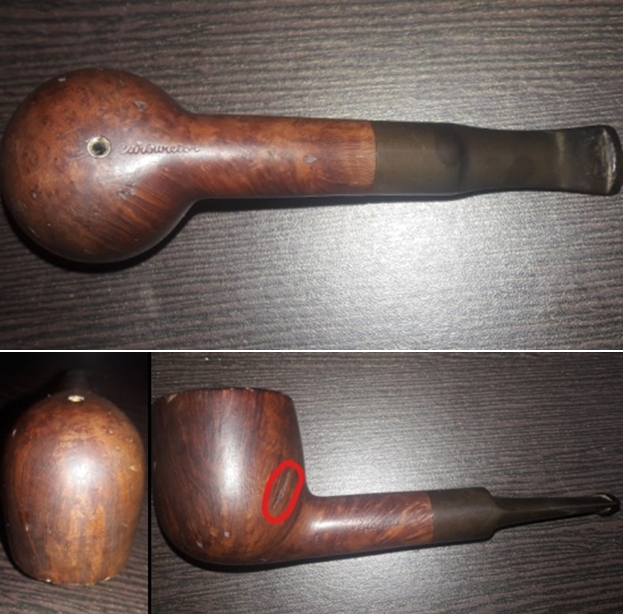
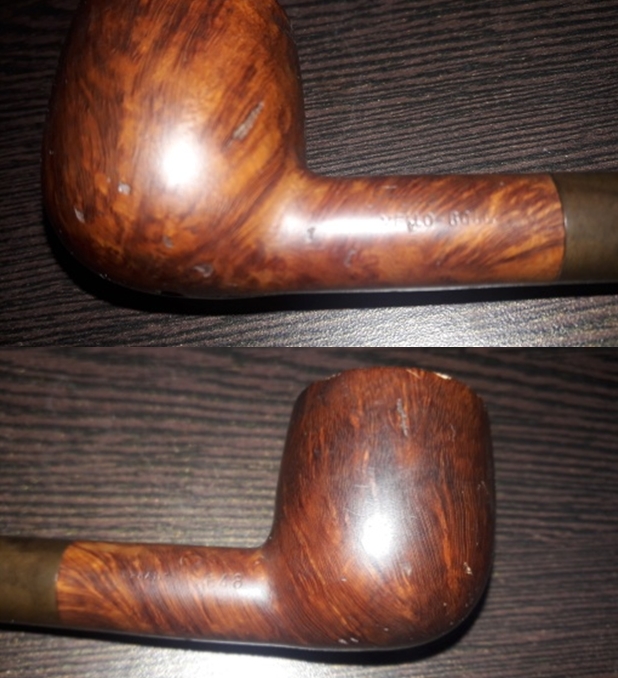
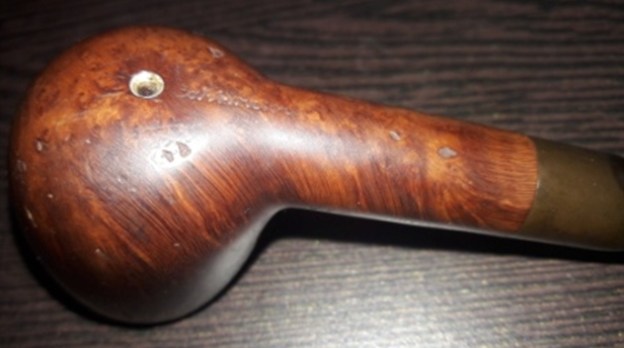
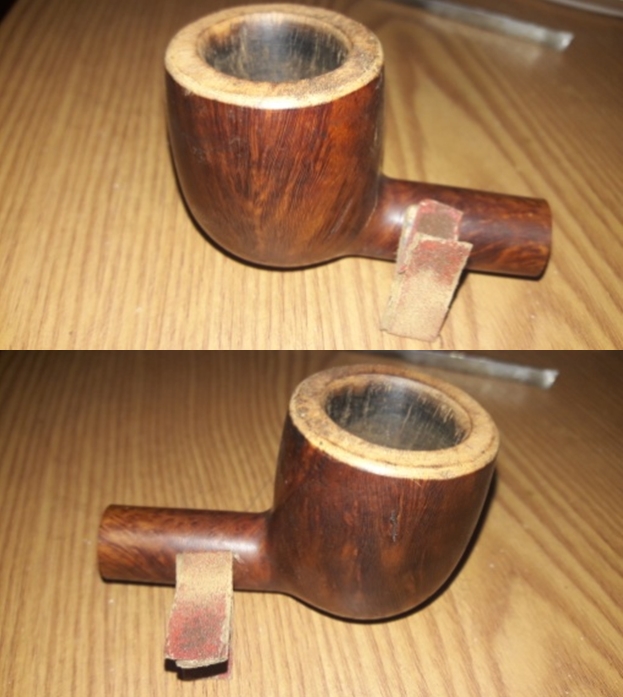
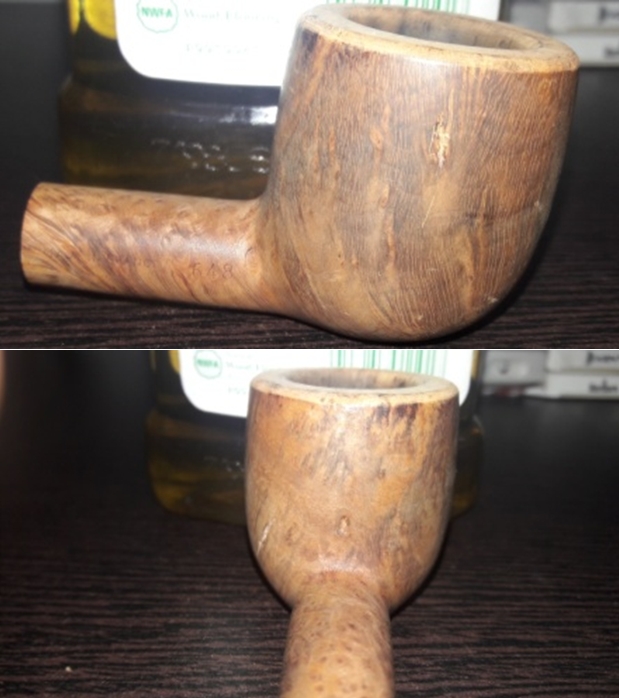
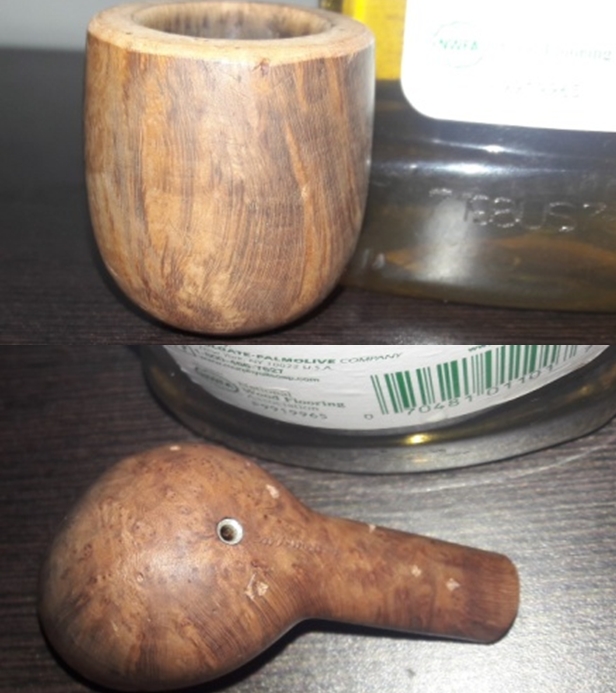
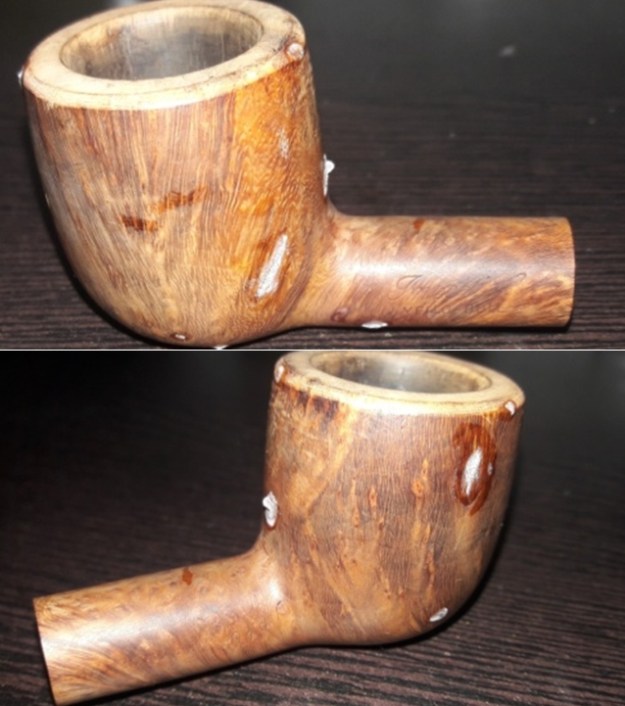
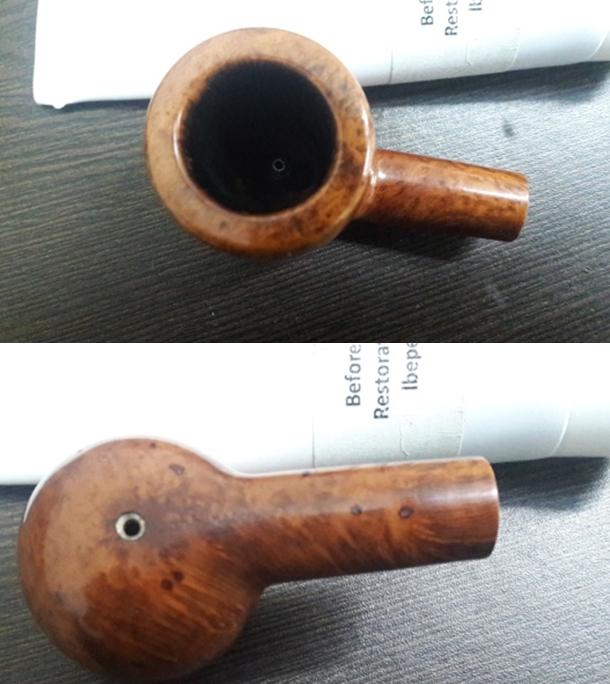
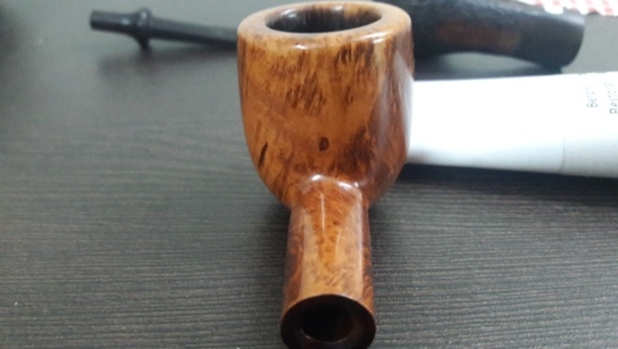
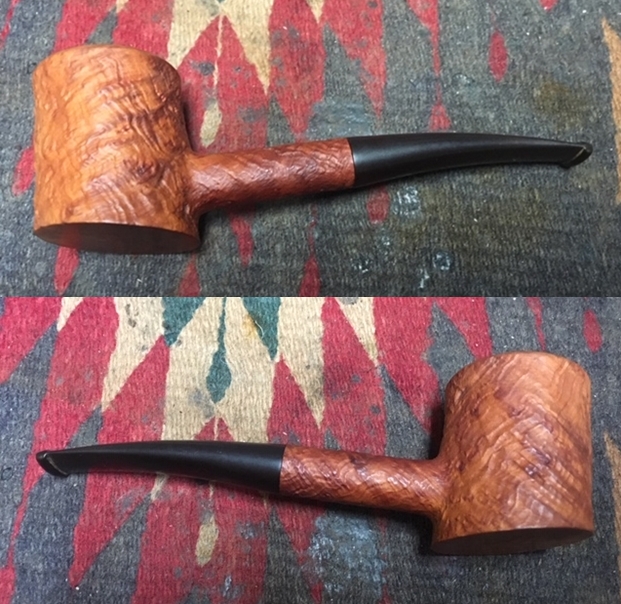
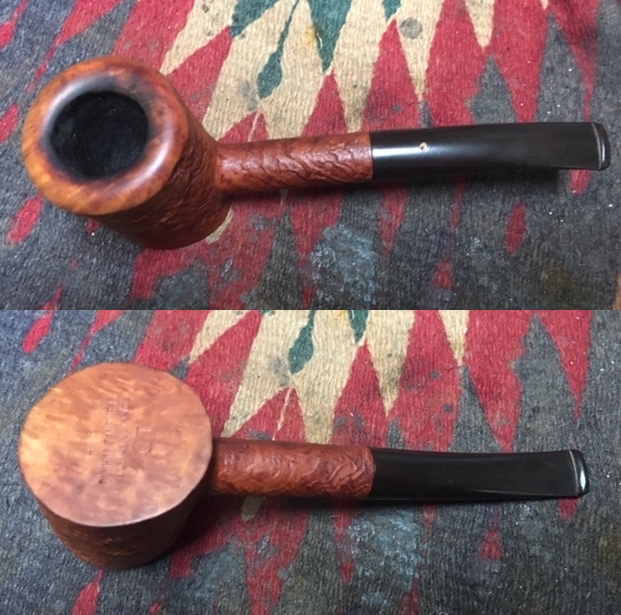
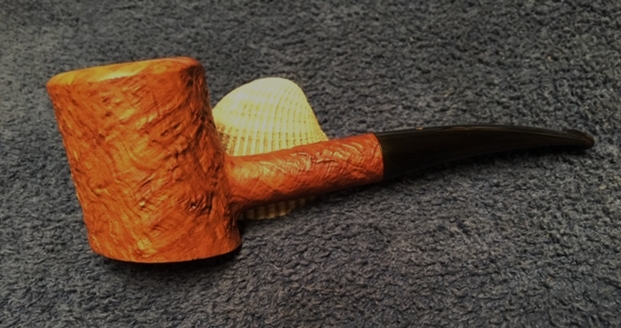
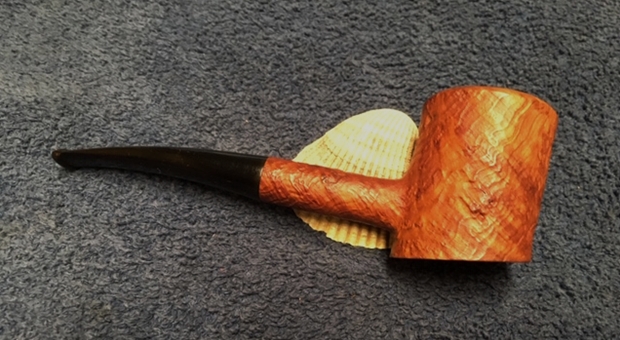
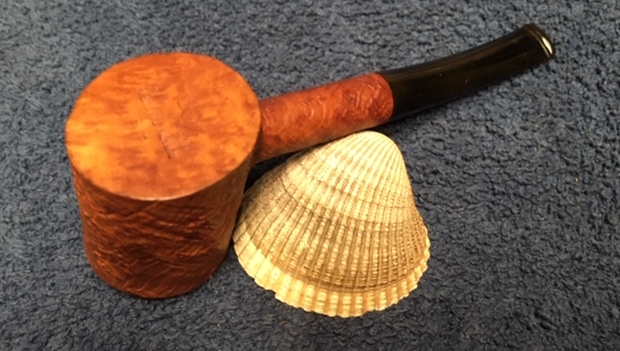
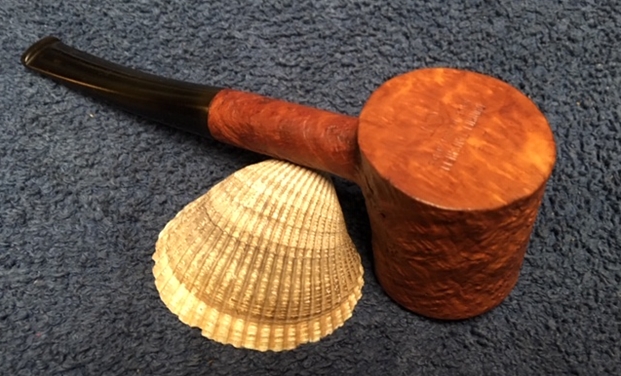
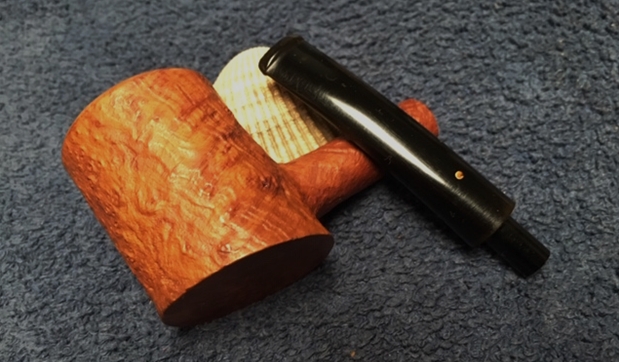
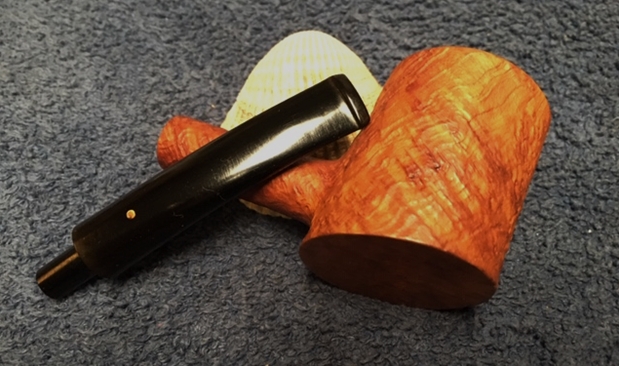
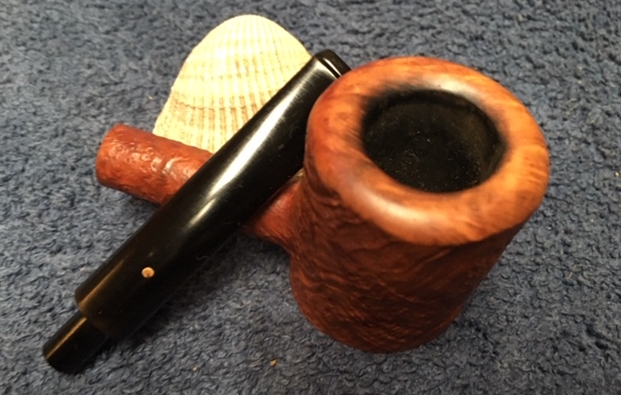
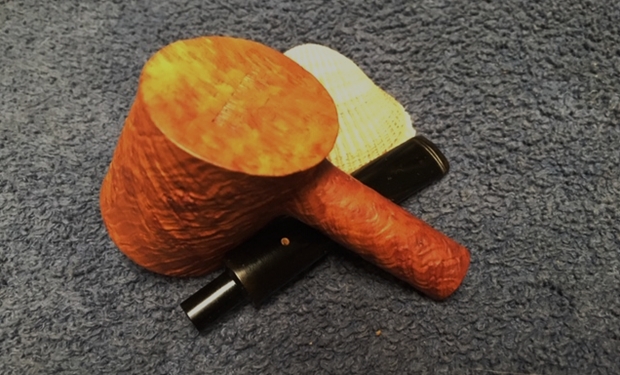
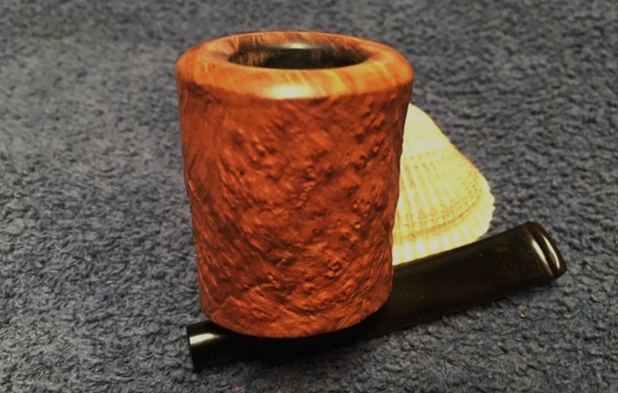
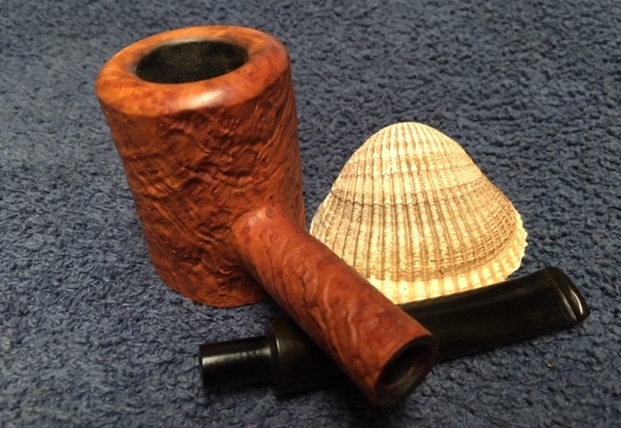
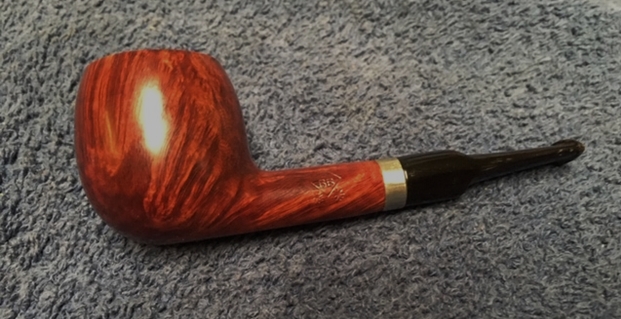
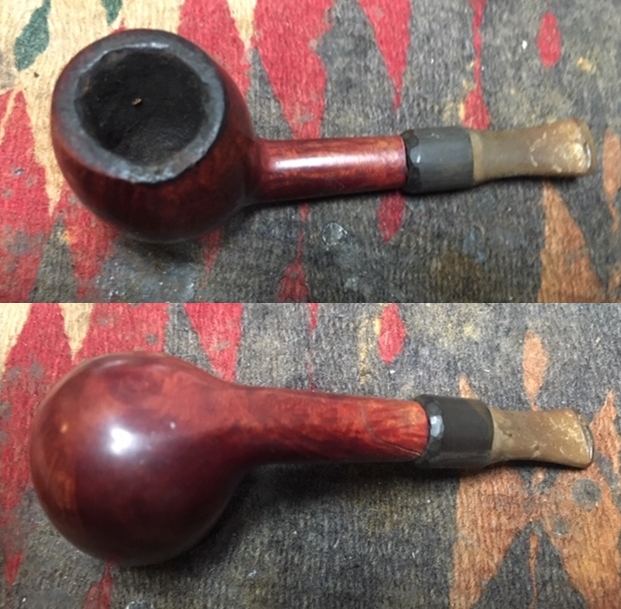
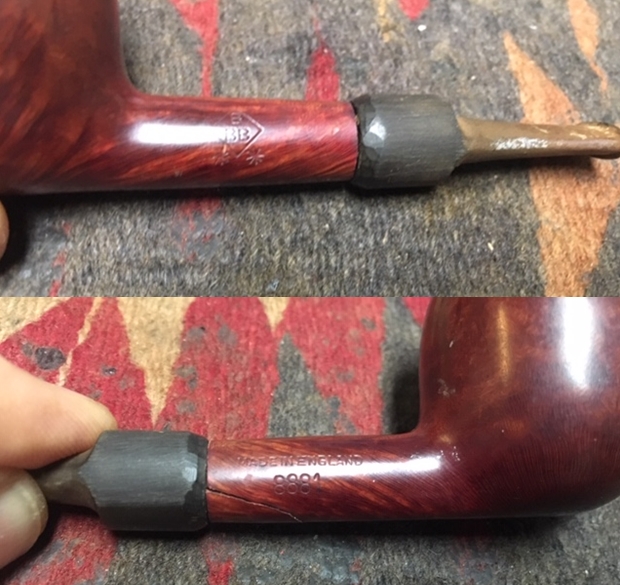
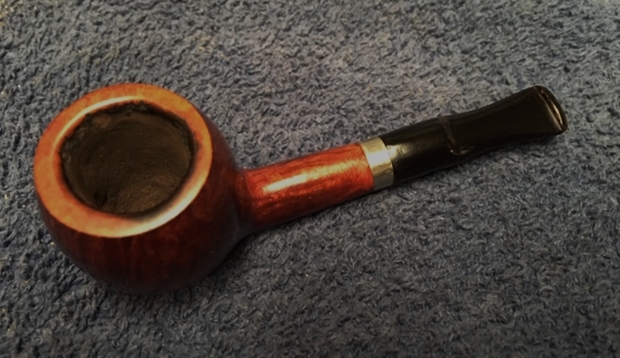
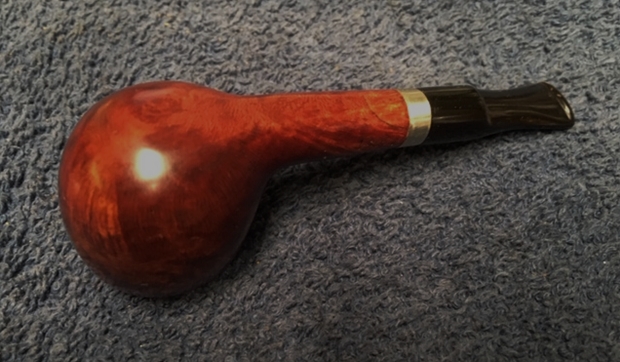
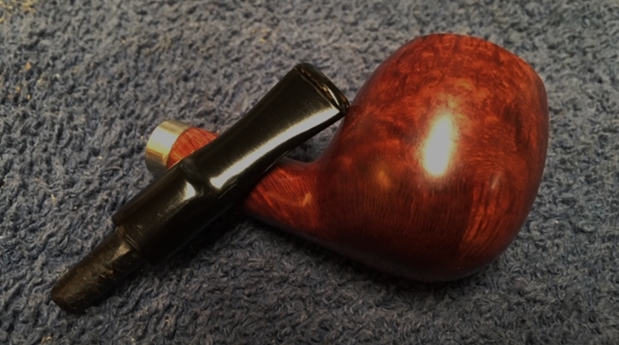
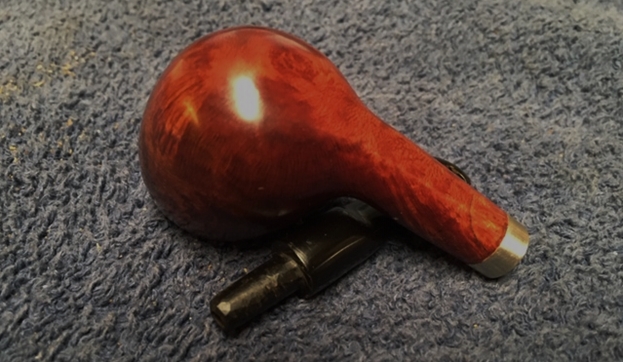
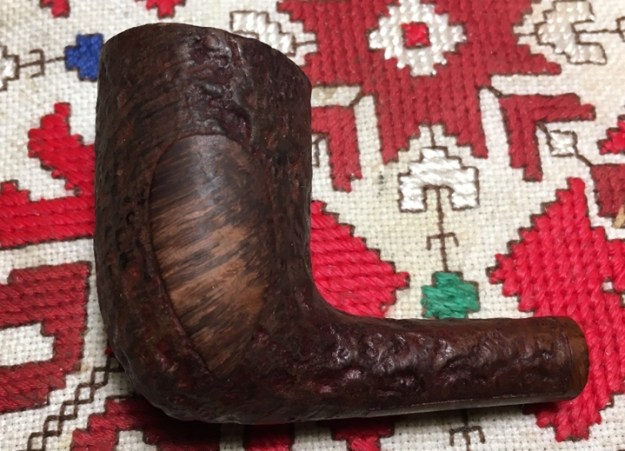
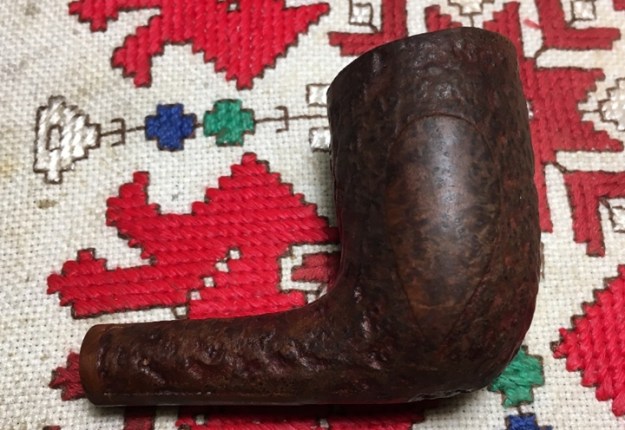
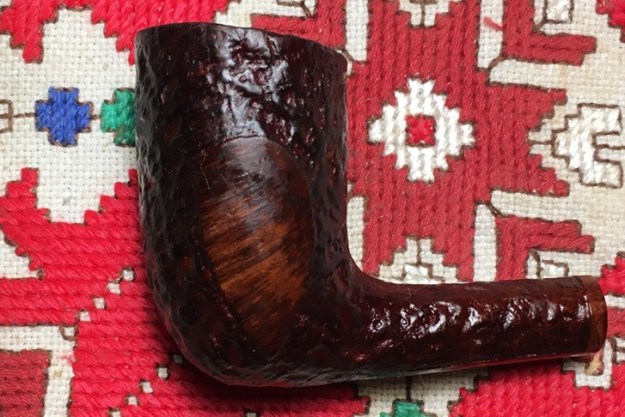
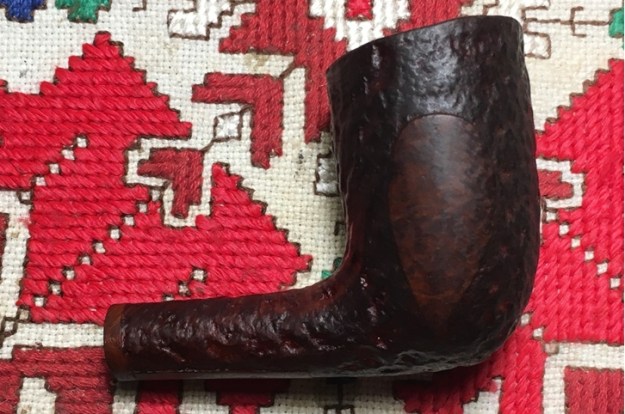
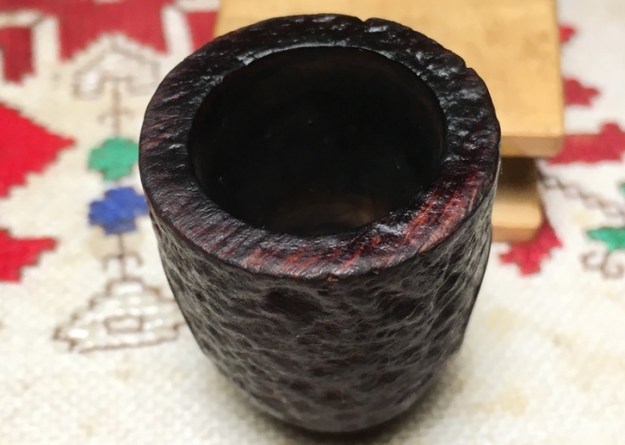
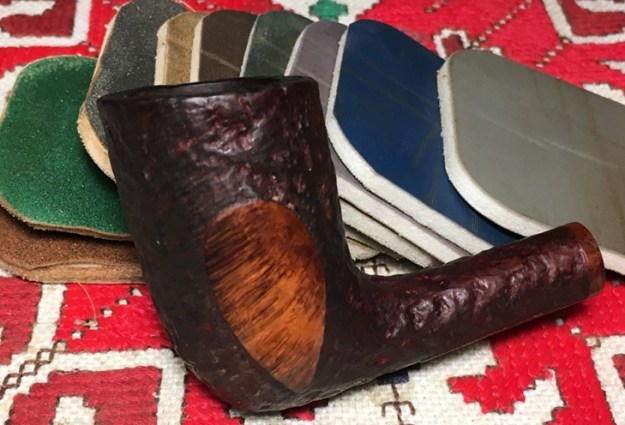
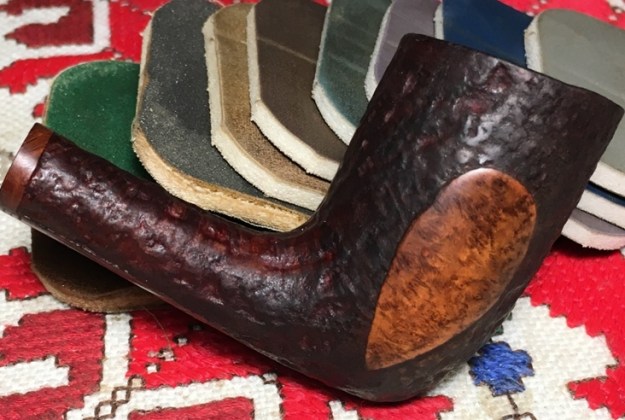
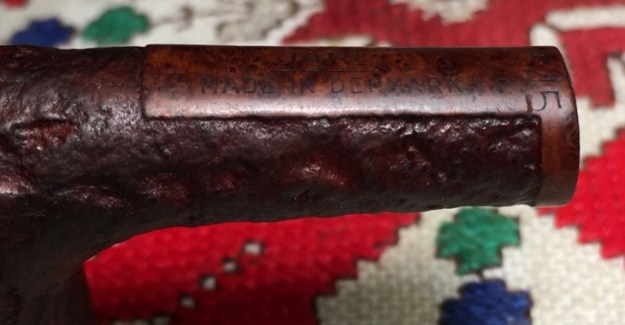
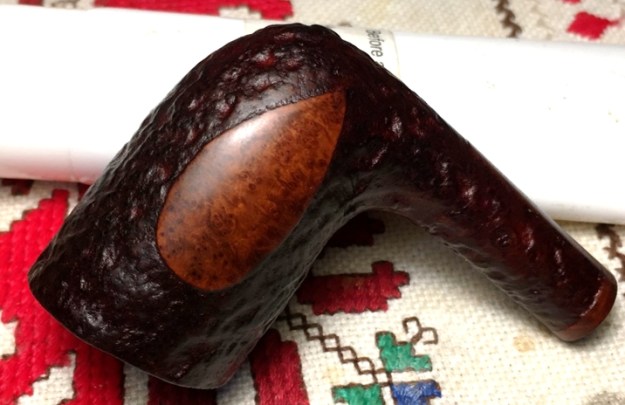
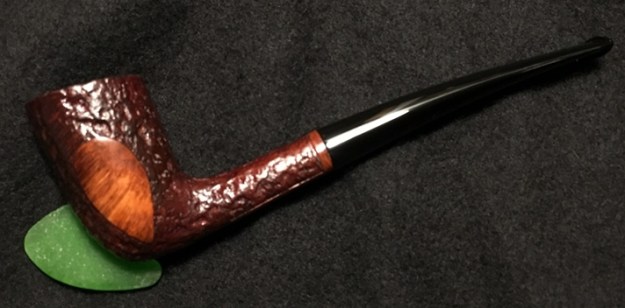
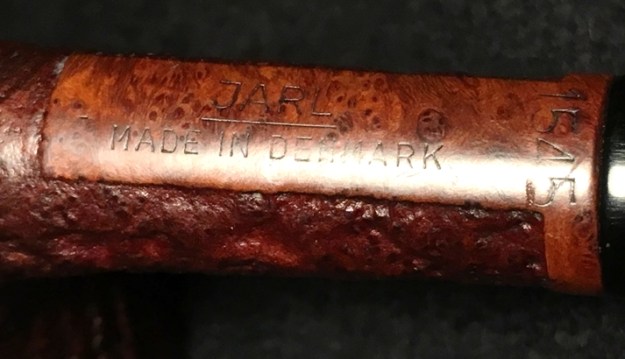
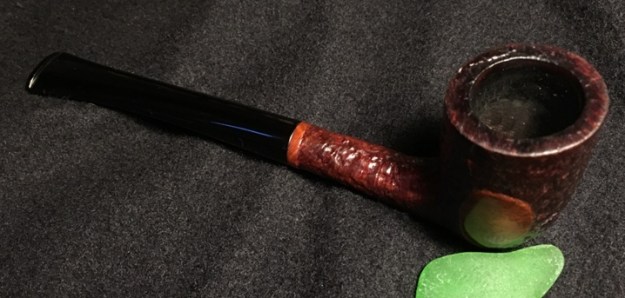
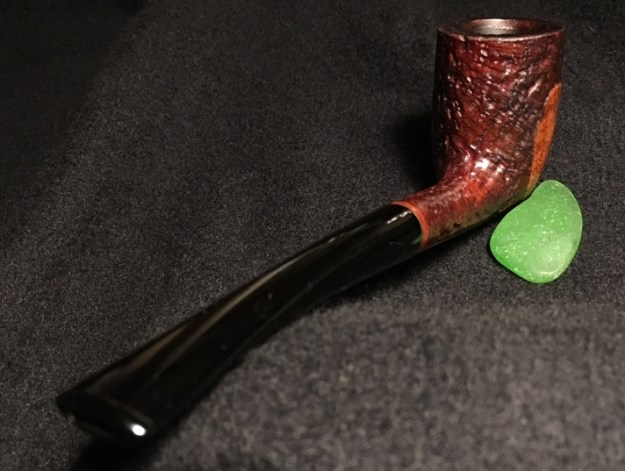
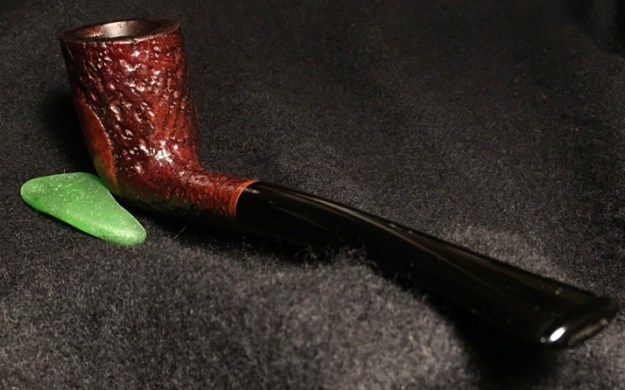
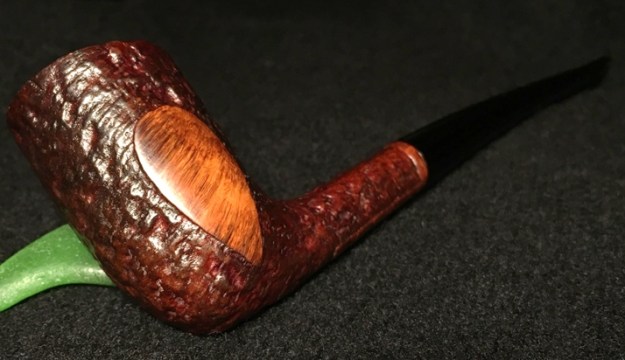
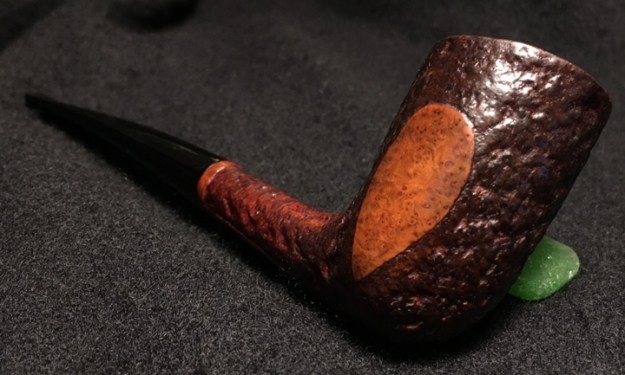
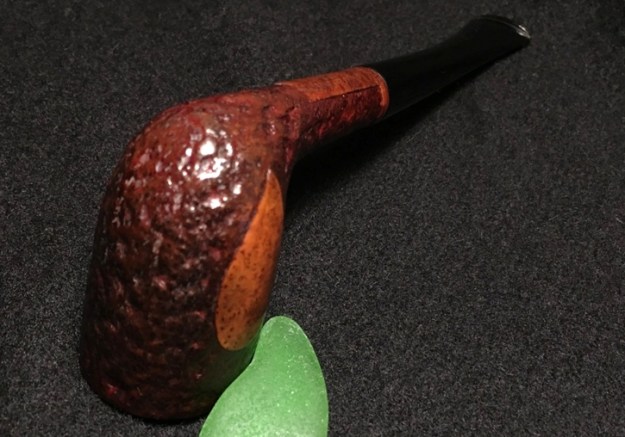
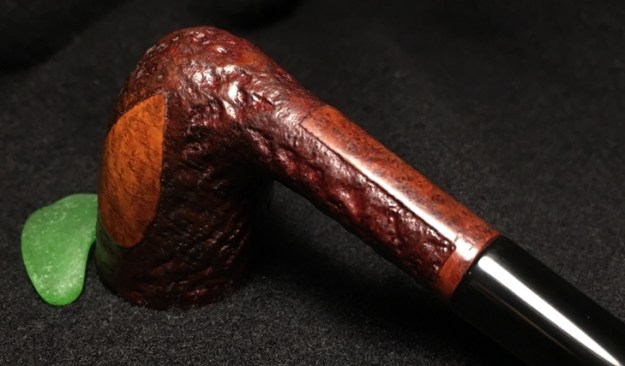
I acquired this interesting Kiko 343 Meer-lined Billiard in a Lot of 66 which has provided many stewards with newly restored pipes.  Aaron saw this uniquely rustified pipe in the “For ‘Pipe Dreamers’ Only!” page on The Pipe Steward site and commissioned it to add to his collection AND this pipe will benefit the Daughters of Bulgaria, our work here in Bulgaria helping women and girls who have been sexually exploited.  Here are the pictures that got Aaron’s attention. I’ve looked forward to working on this pipe because of its country of origin – Made in Tanganyika.  The pipe design itself gives hints of its African origin with a rustification that has a safari motif on a classic Billiard and the stem stamp of an elephant is very cool!  The briar surface also reminds me of cork – a surface that combines smooth and texture which I think is unique.  I assume the shape number 343, stamped on the lower shank, points to the Kiko’s Billiard shape.Dating the minimal age of this pipe is made easy by the fact that Tanganyika is no longer a country.  According to the Wikipedia article, in 1922 the Tanganyika Territory was taken by the British as their share of German East Africa under the League of Nations Mandate.  After WW 2, Tanganyika became a United Nations Trust Territory yet remained part of the British Common Wealth.  Claiming independence from the crown, Tanganyika adopted a new constitution in 1962 that abolished the monarchy and became present day Tanzania.  The picture to the left shows the location of Tanganyika – marked #11. This puts the date of this Kiko at no later than 1962 which gives a bit of vintage as it carries its former Commonwealth history to the present.

I posted some pictures of the Kiko during the restoration on the Facebook group, The Gentlemen’s Pipe Smoking Society, and fellow member, Jonny Mullis commented on the Kiko name that they were wonderful pipes with the animal stamping.  He also said that they were becoming quite collectible and affordable.  That was all good news to me!

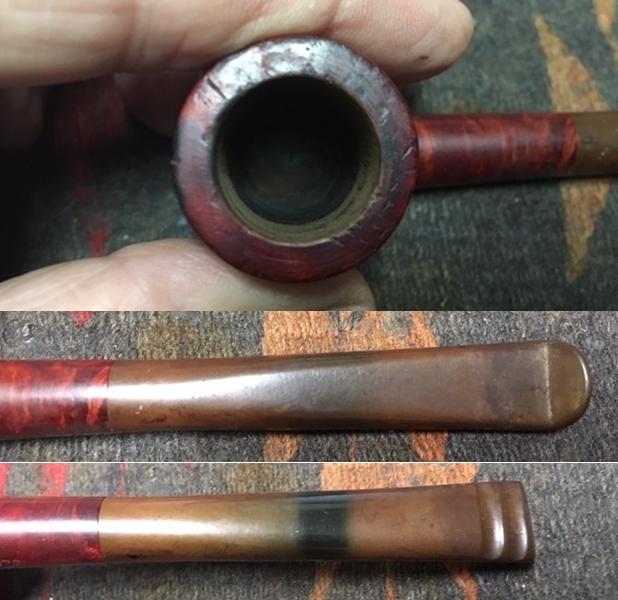
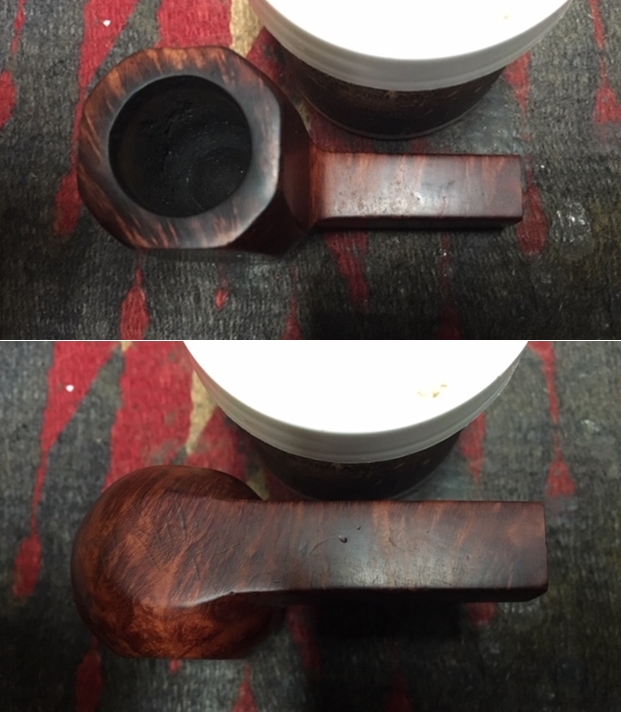
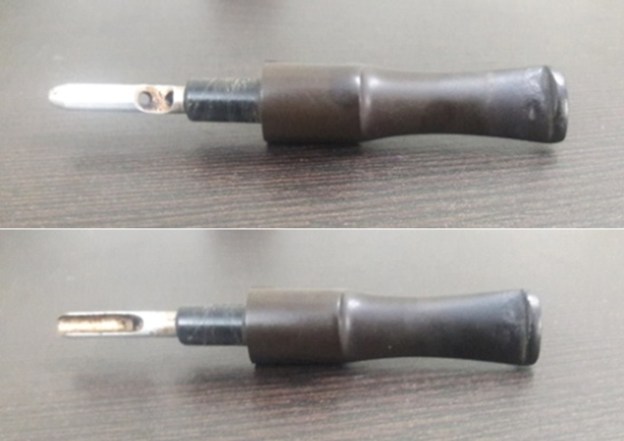
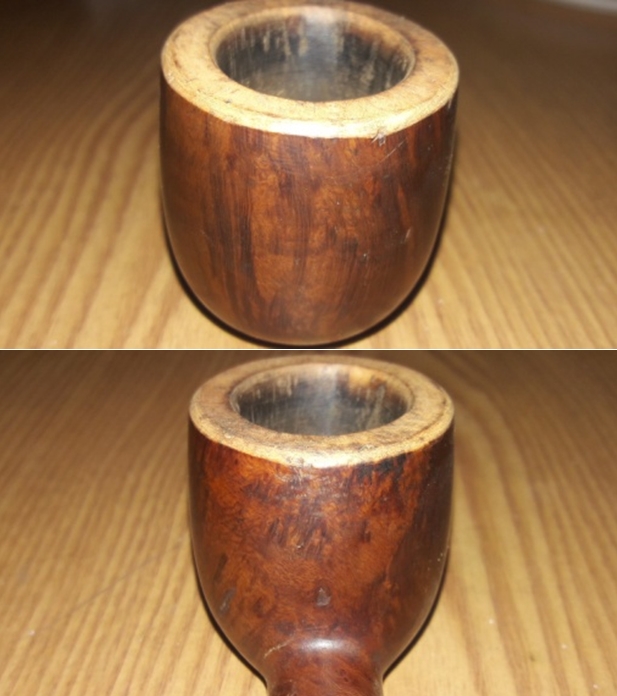
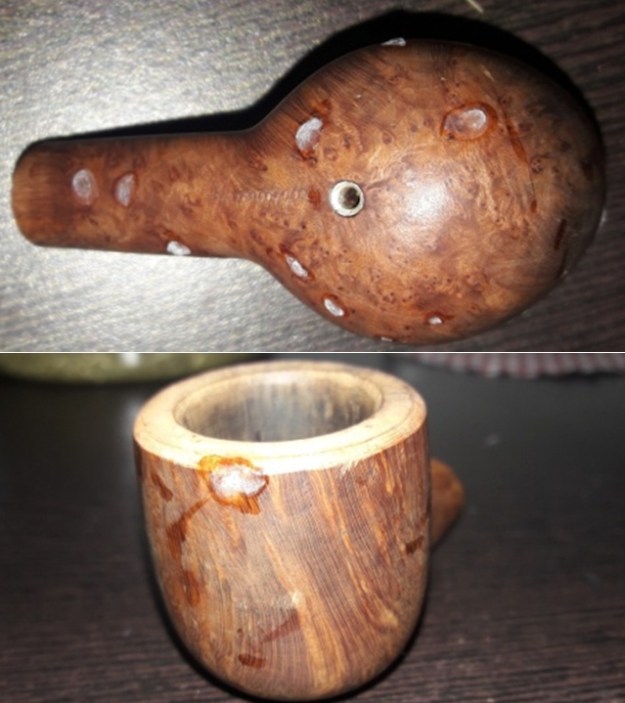
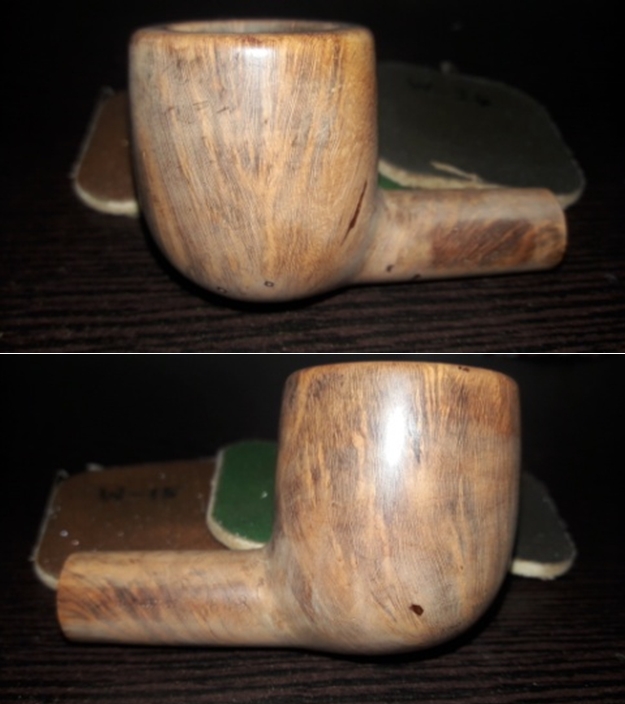
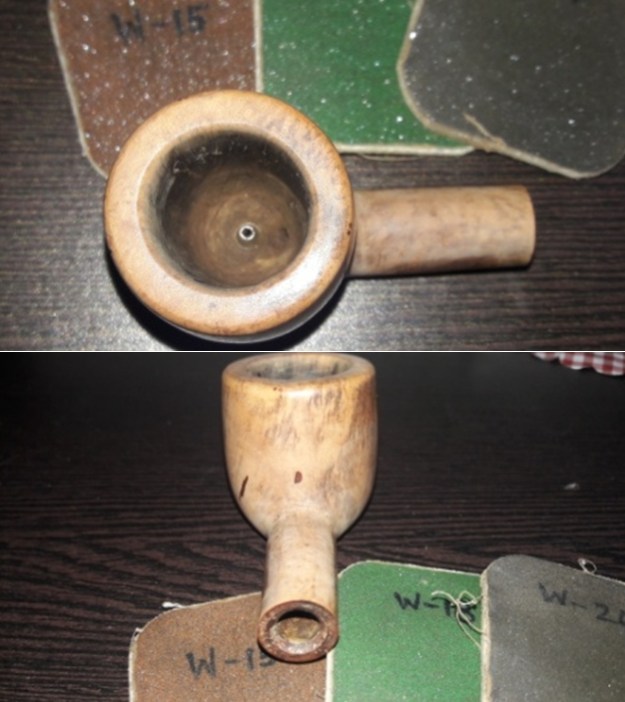
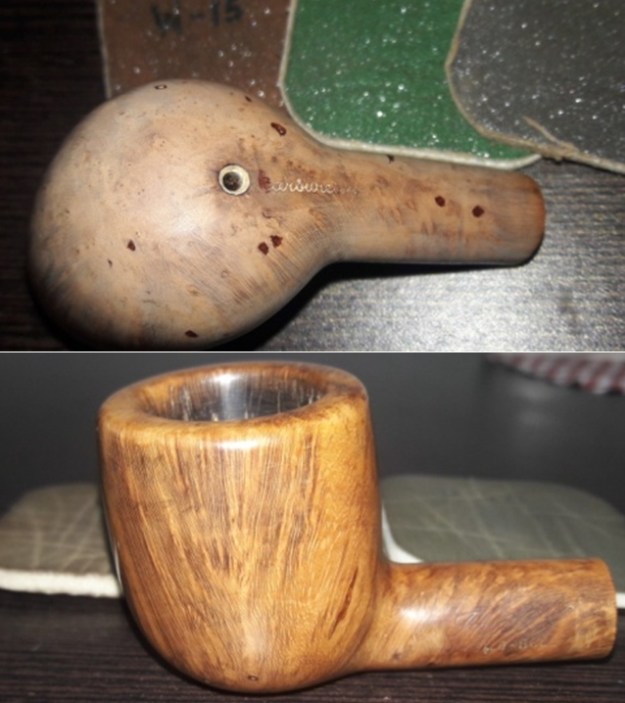
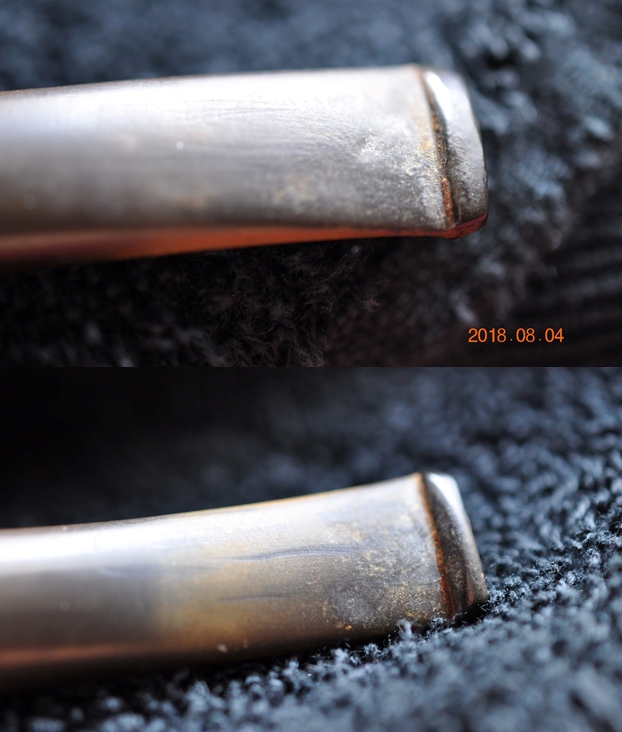
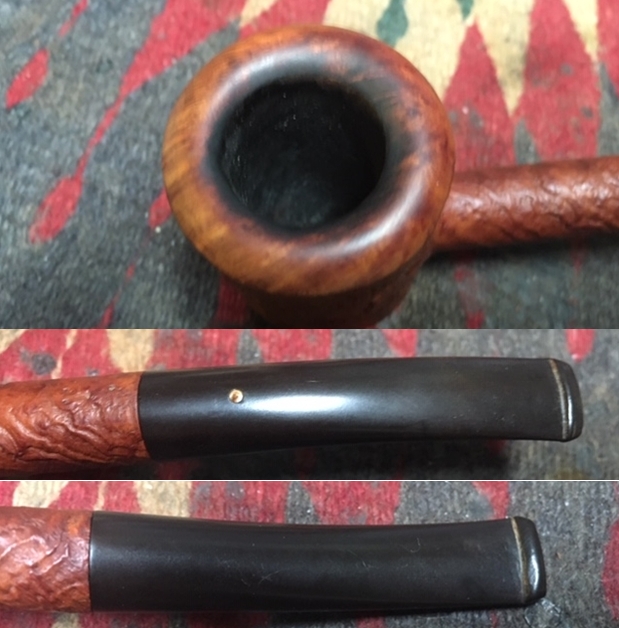
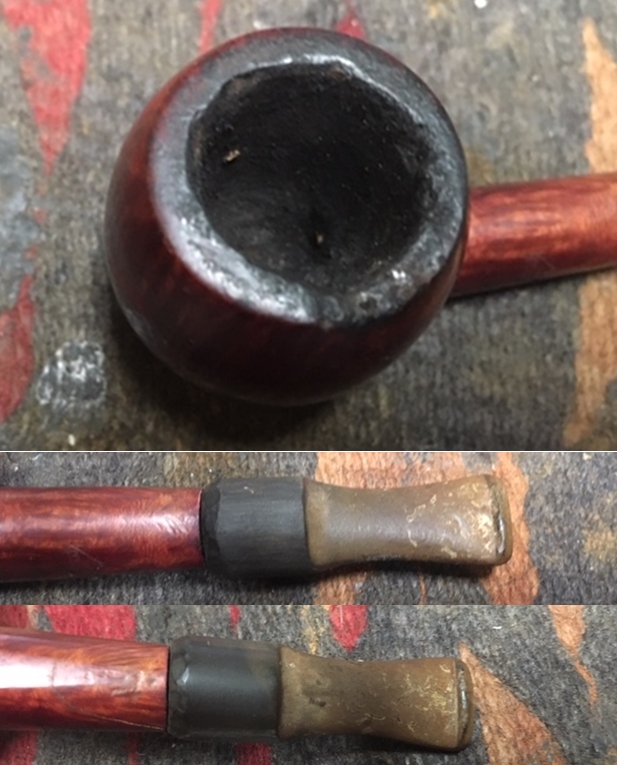
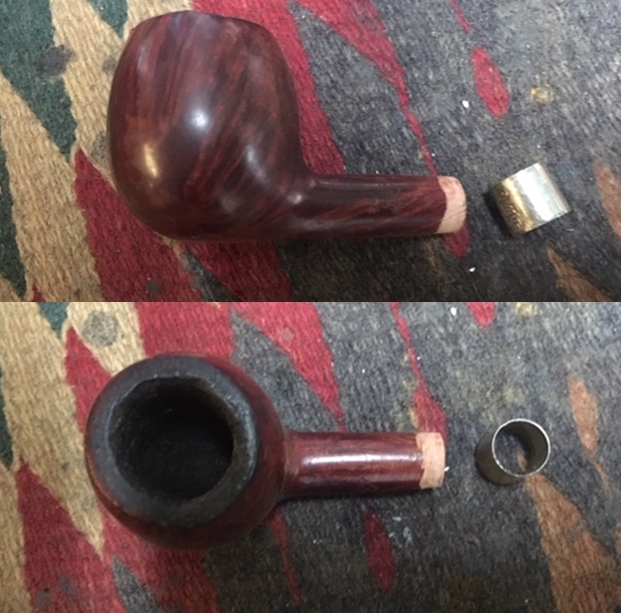
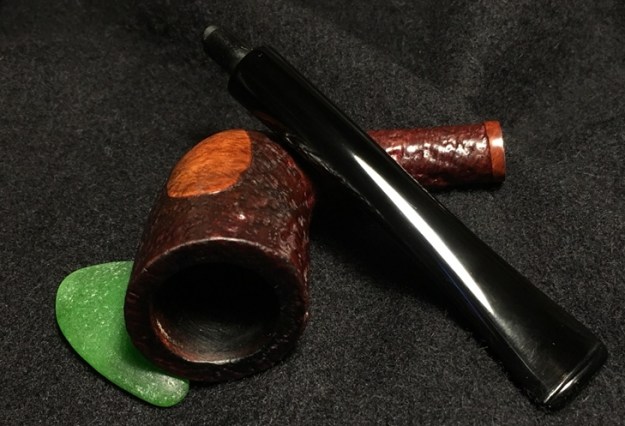
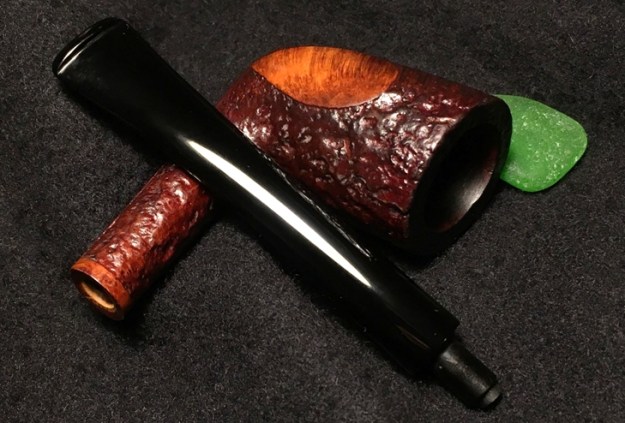
The Kiko seems generally to be in good condition but carries with it some fills that I’ll need to take a closer look. The Meer-lined bowl looks solid, but I will be able to see better after cleaning it.  The rim has a fill or composite material that occupies about a quarter of the rim.  Structurally, the rim looks good and should clean up well.  The saddle stem has some oxidation and tooth chatter on the bit which needs addressing.

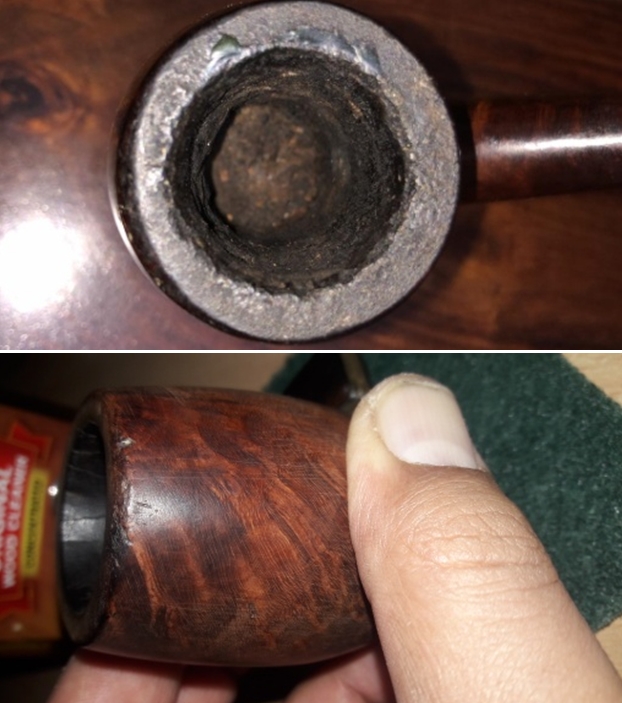
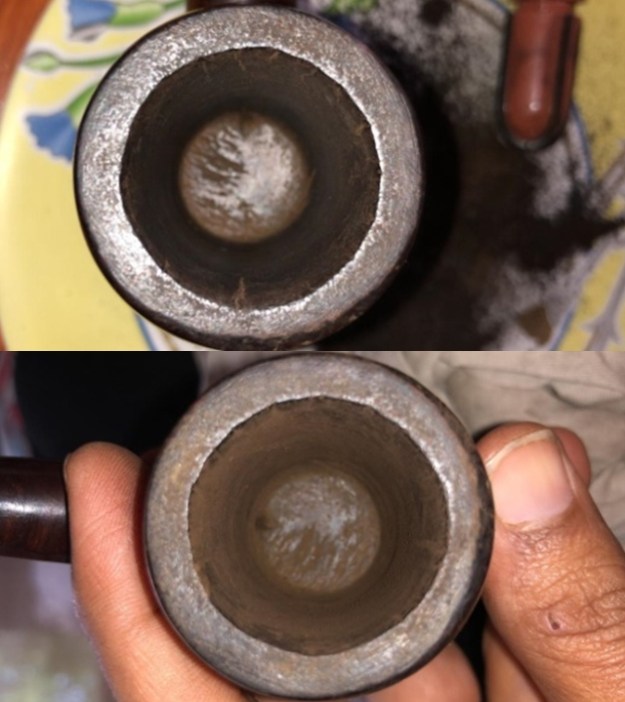
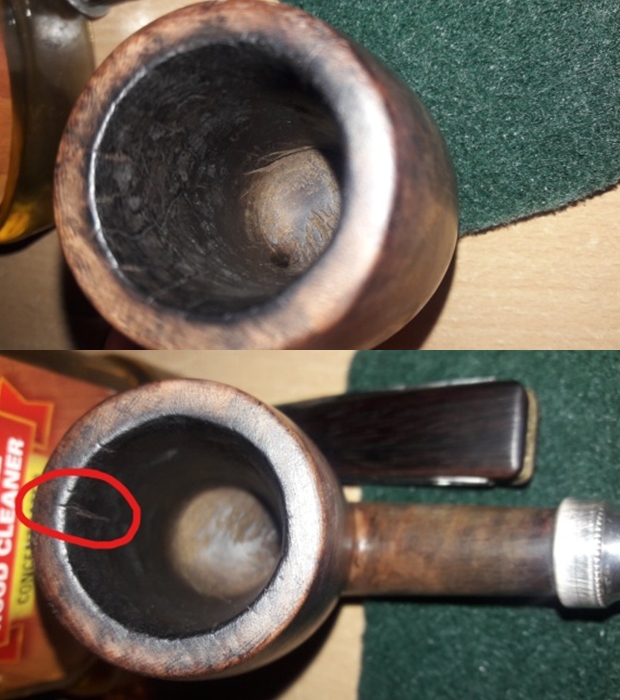
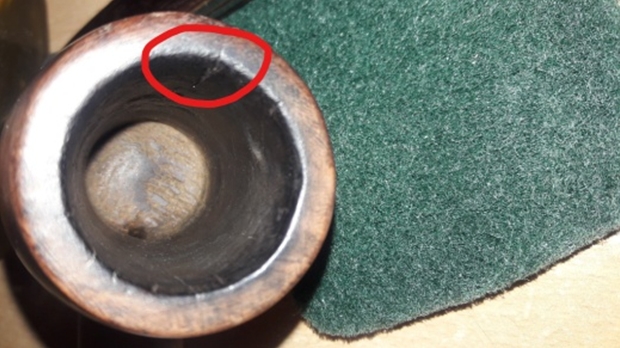
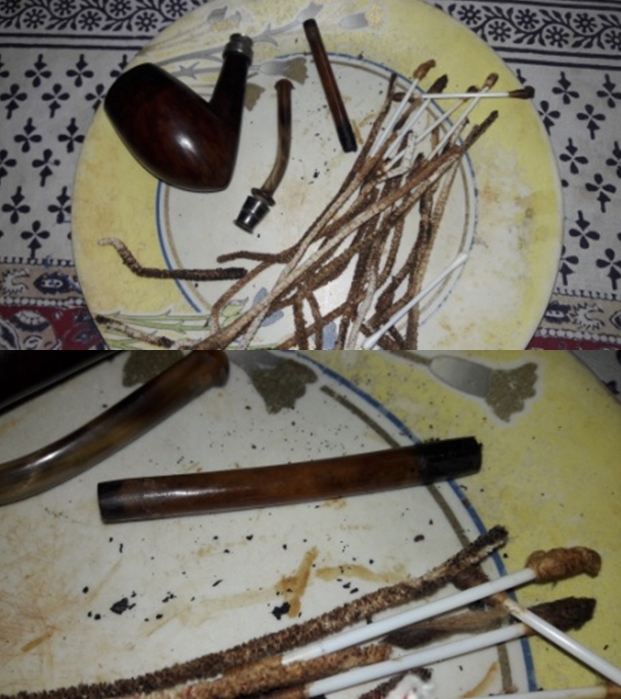
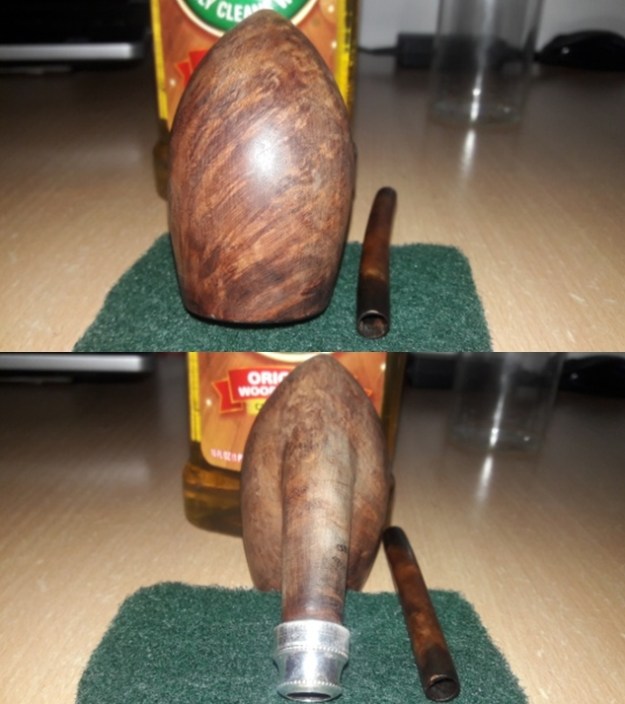
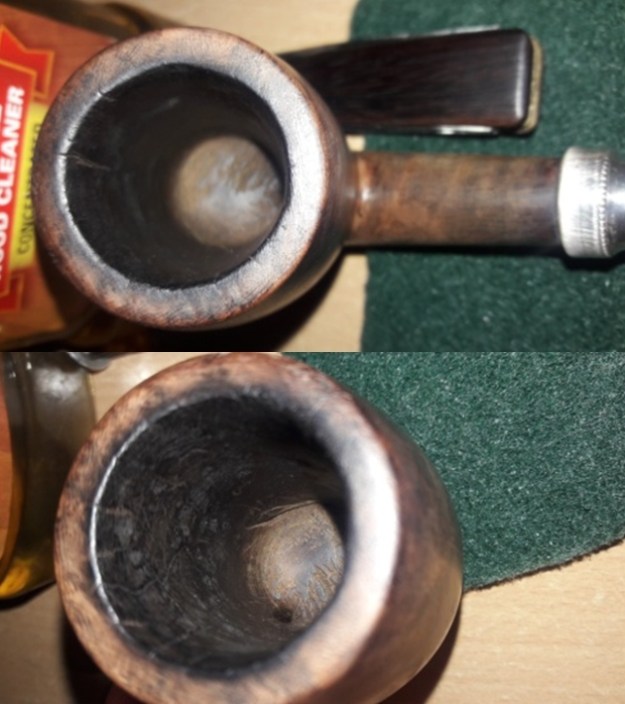
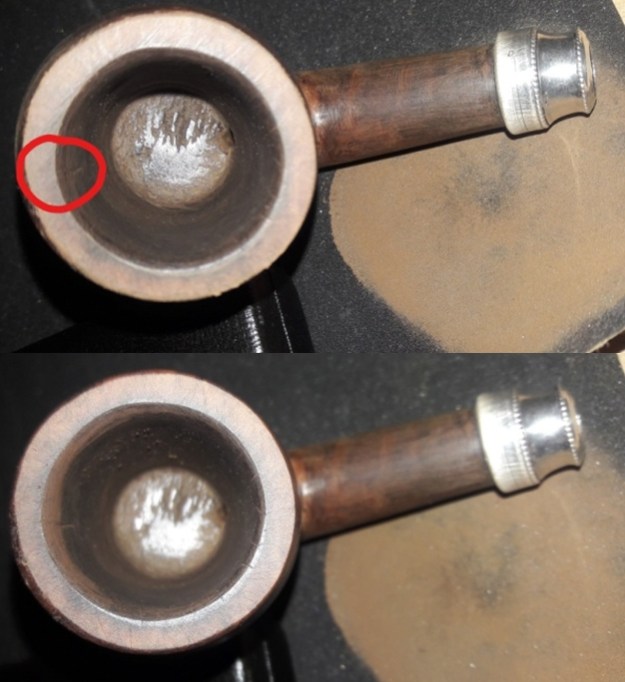
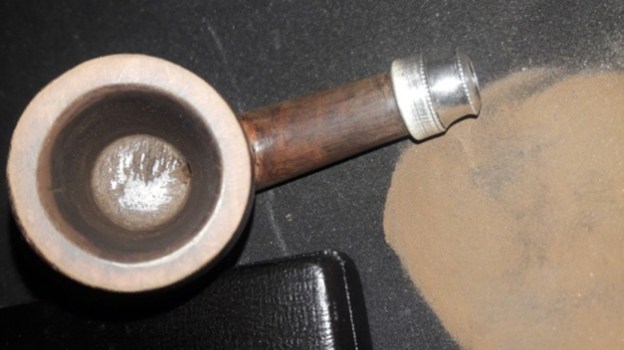
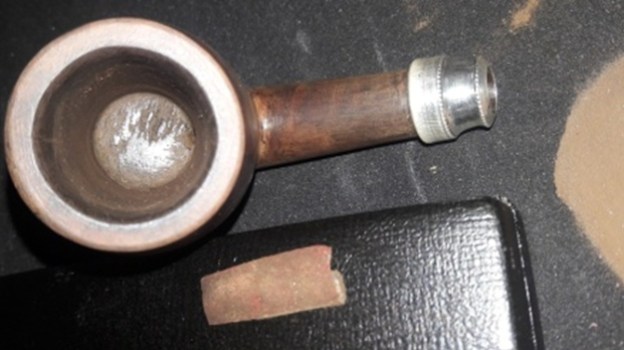
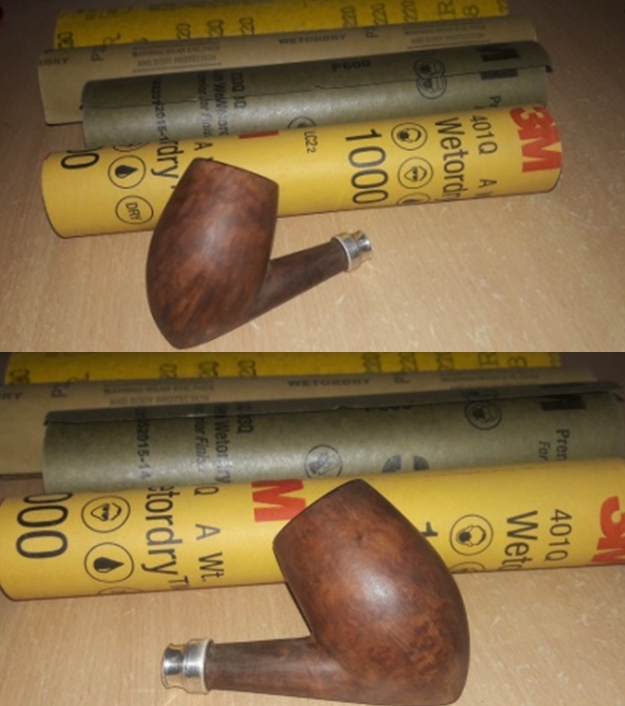
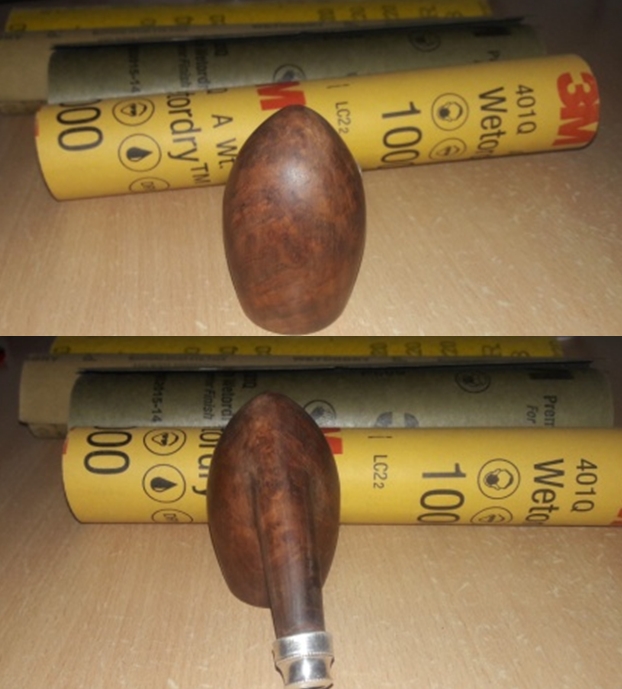
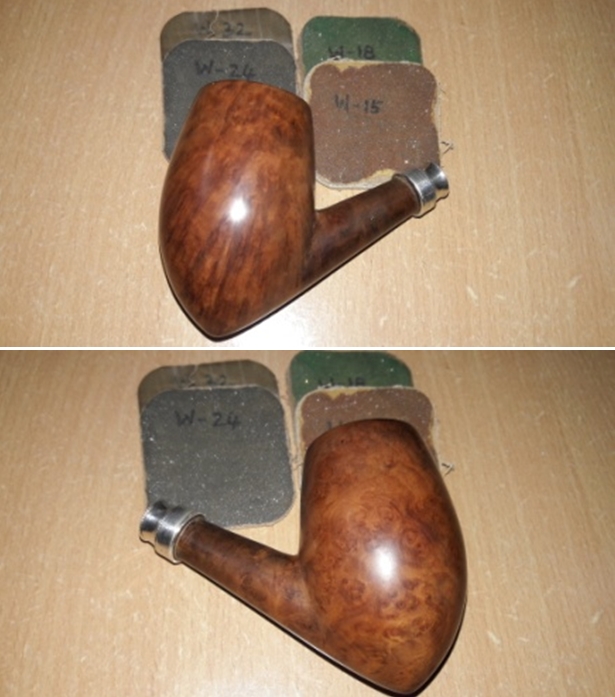
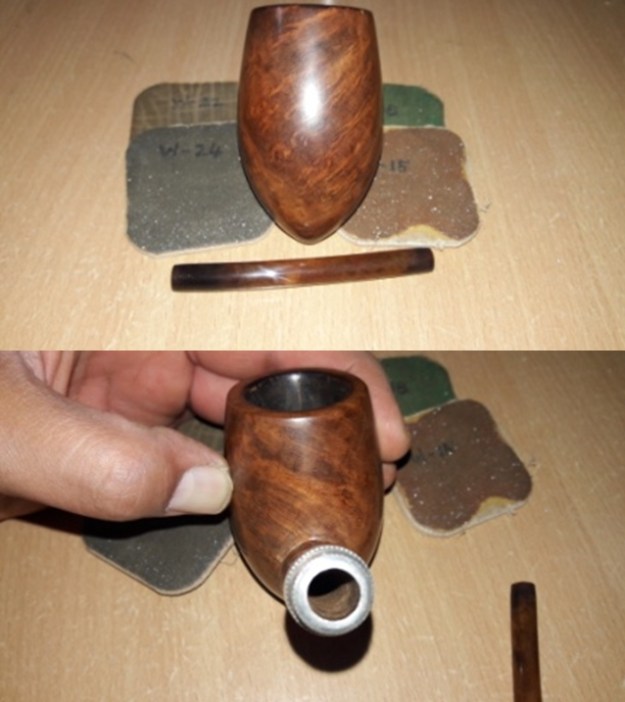
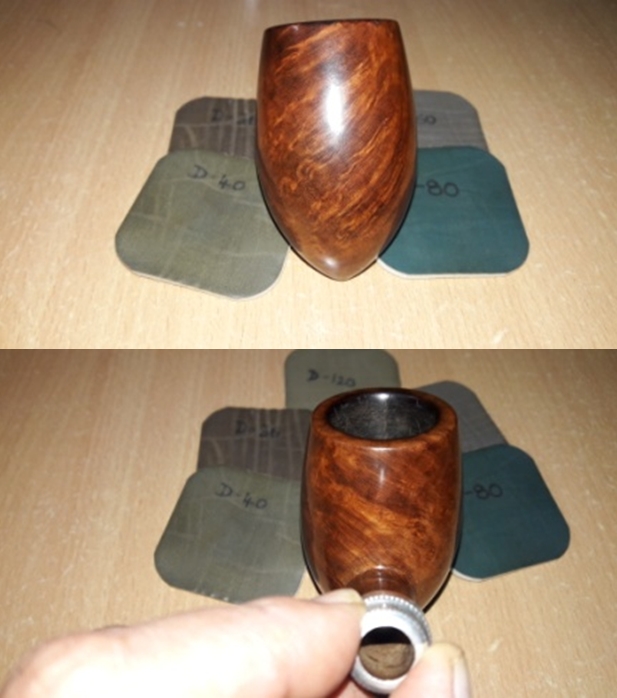
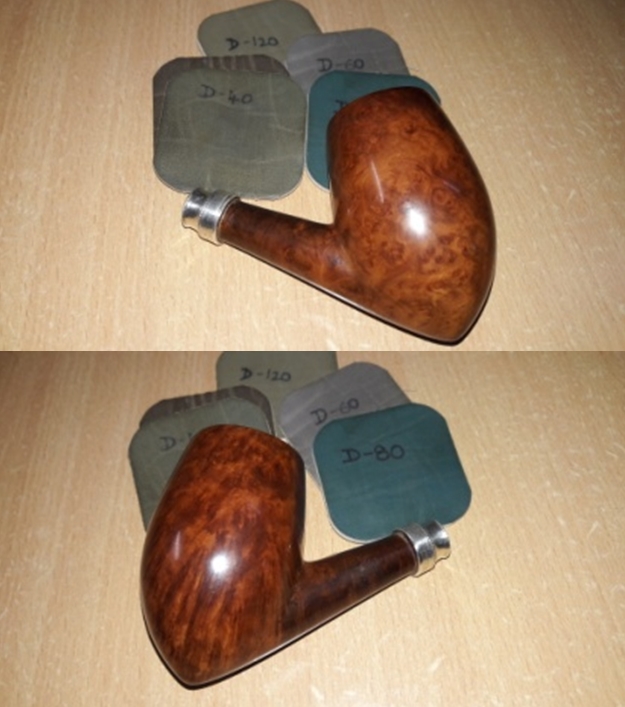
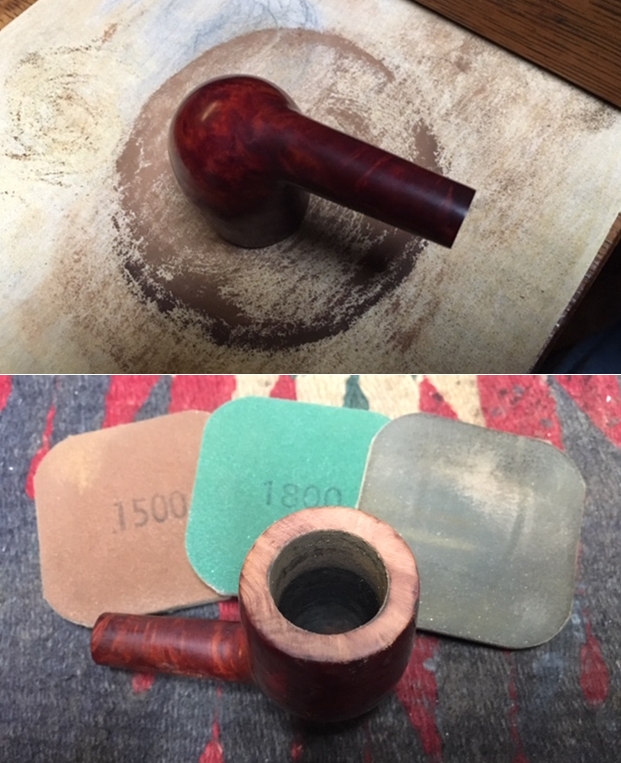
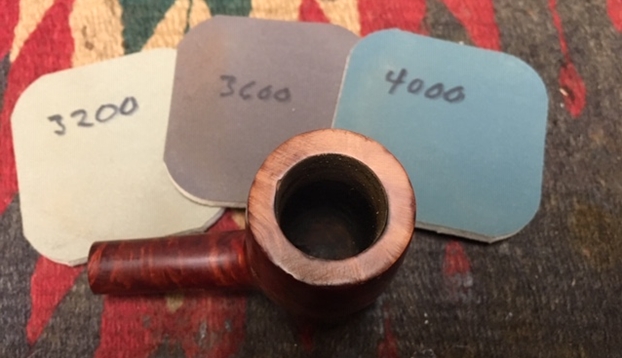
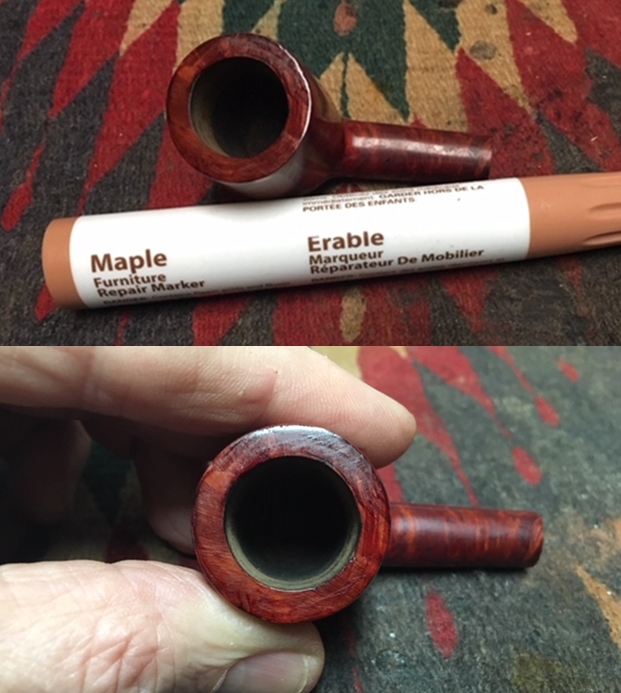
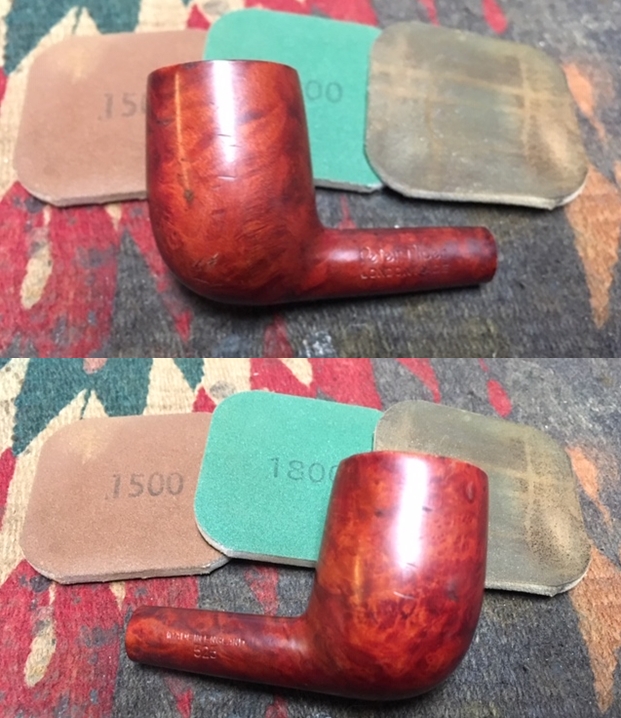
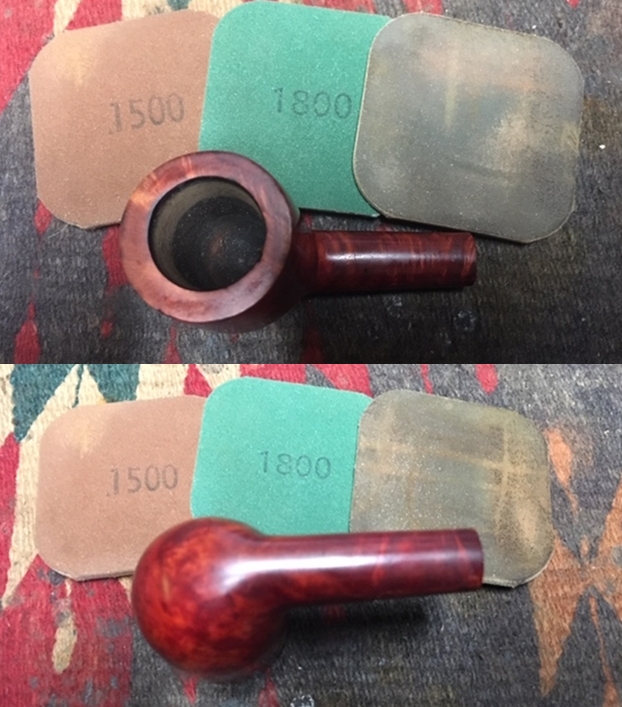
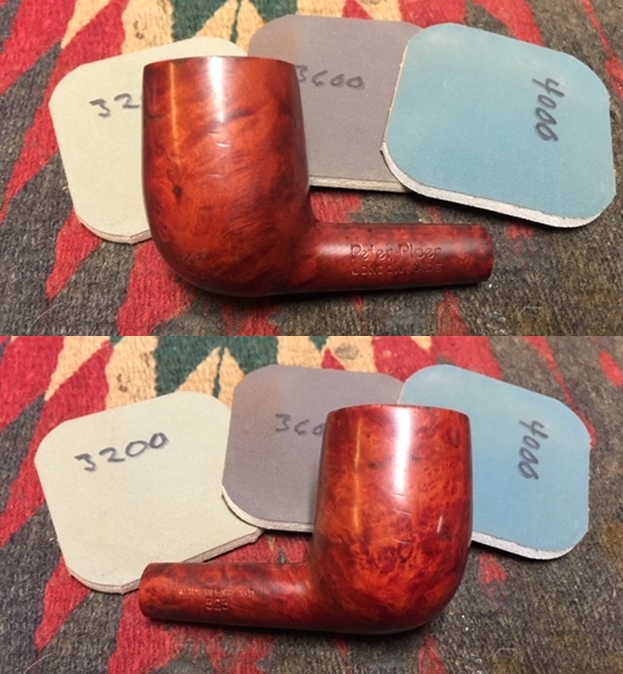
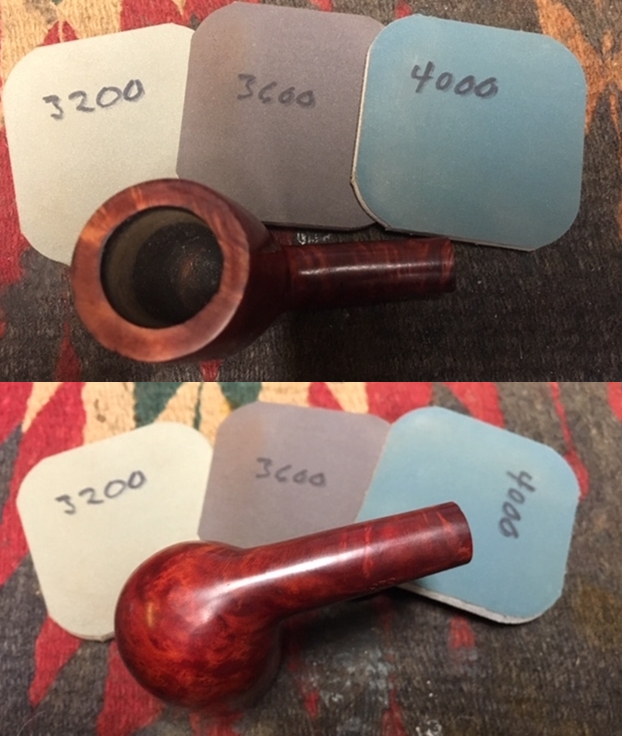
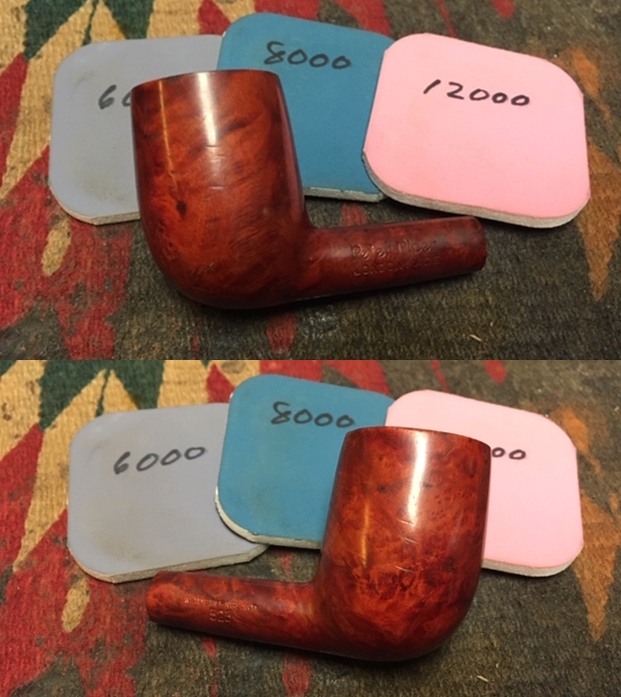
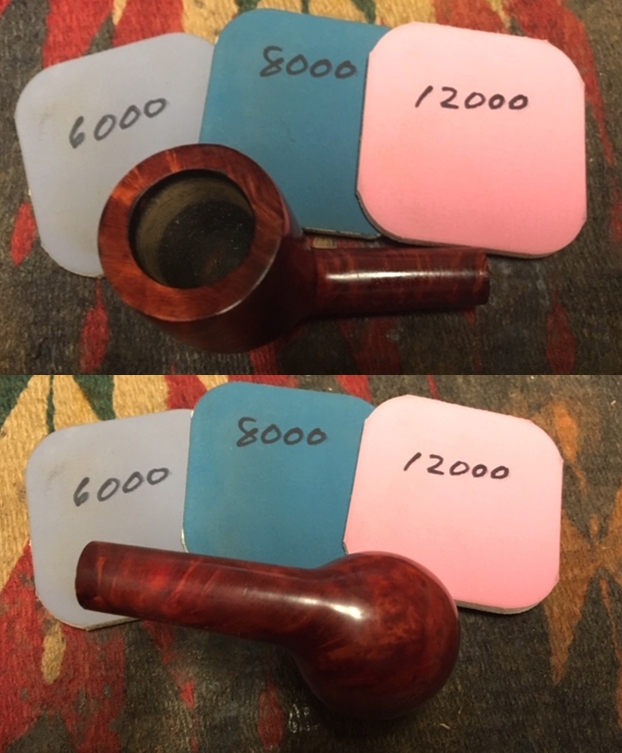
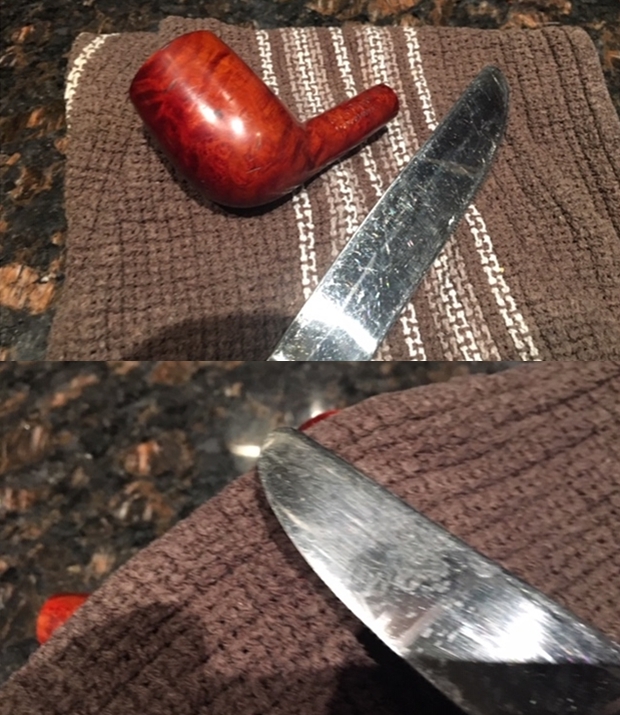
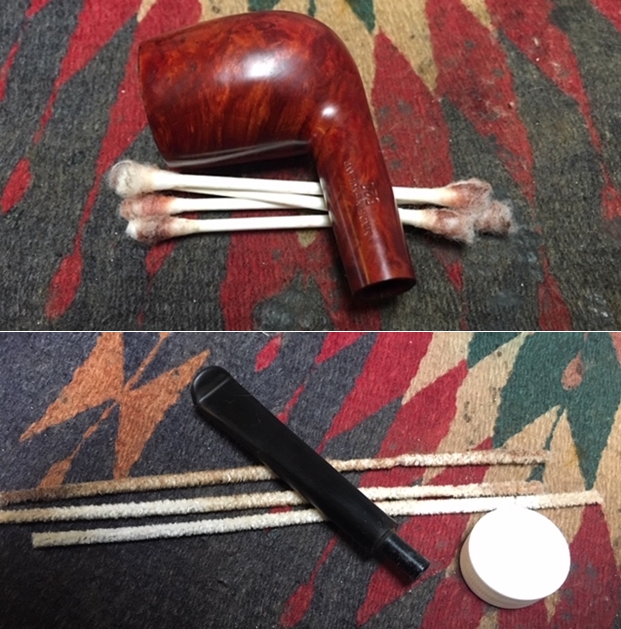
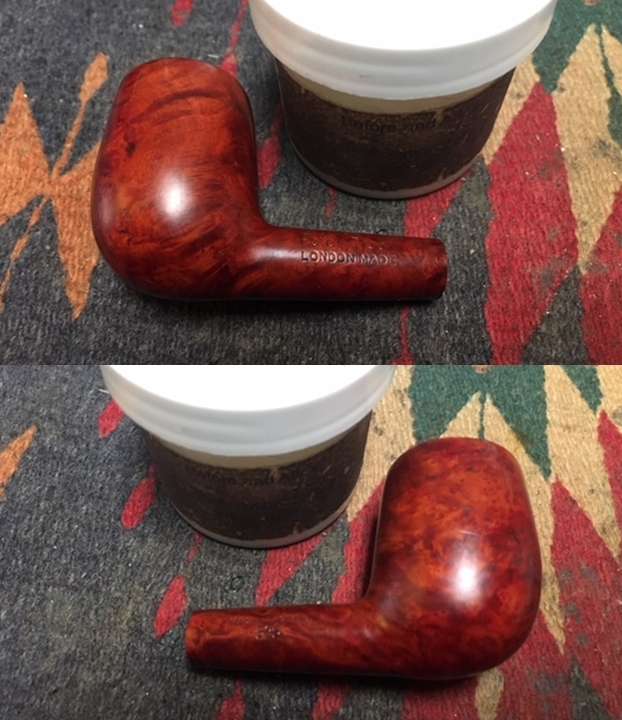
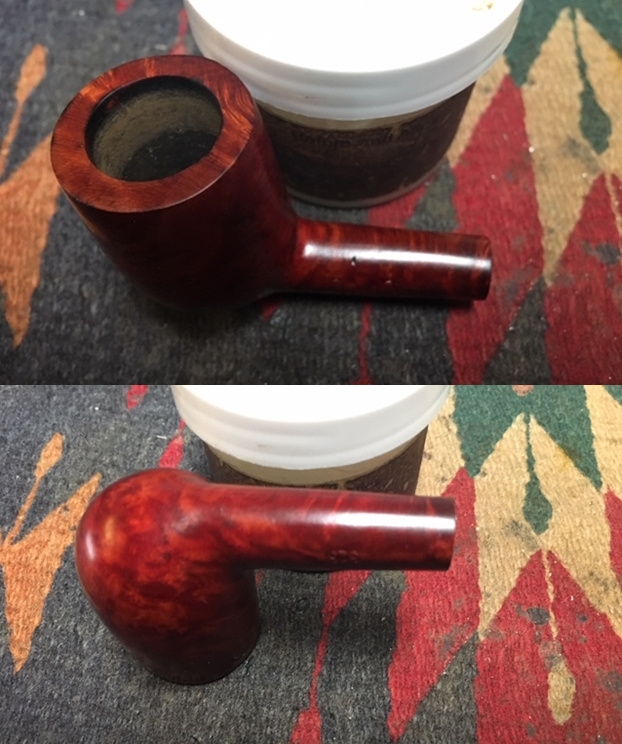
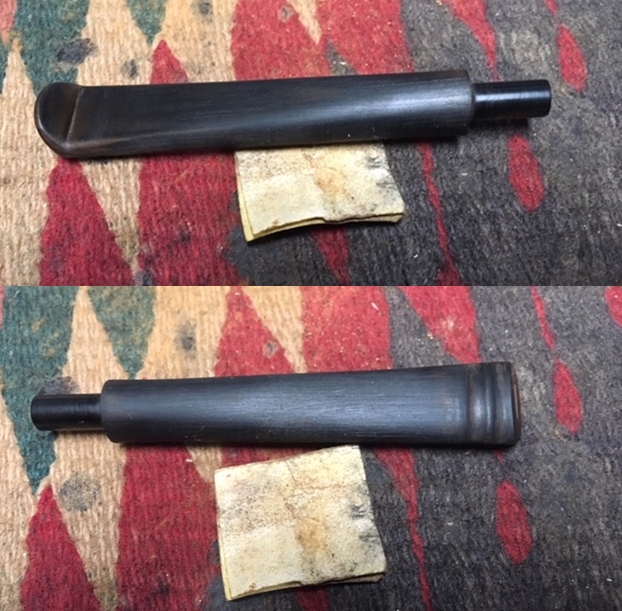
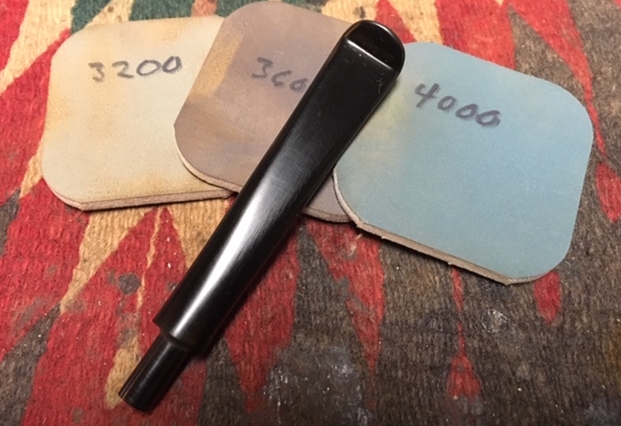
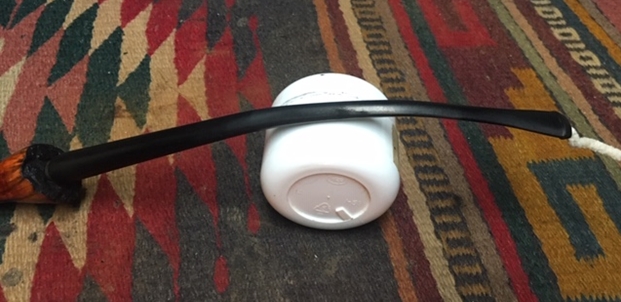
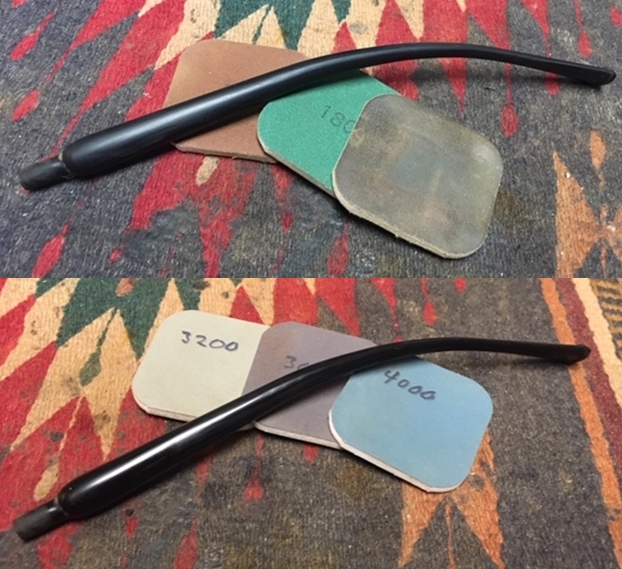
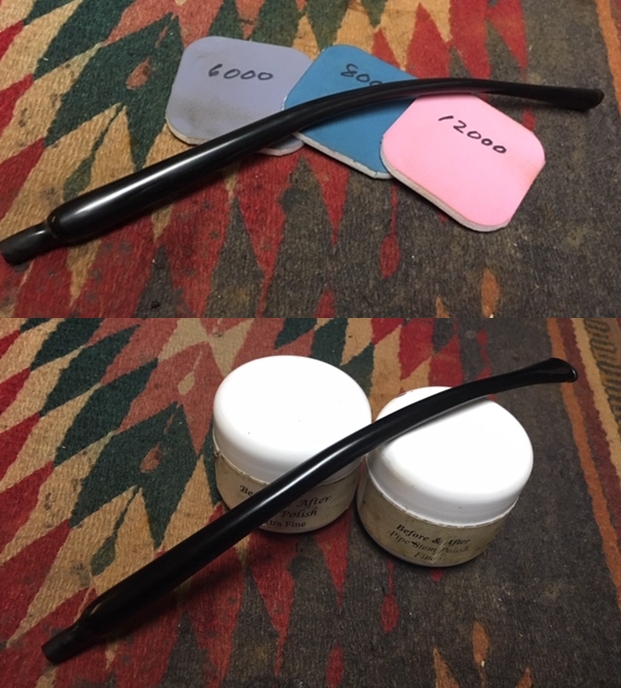
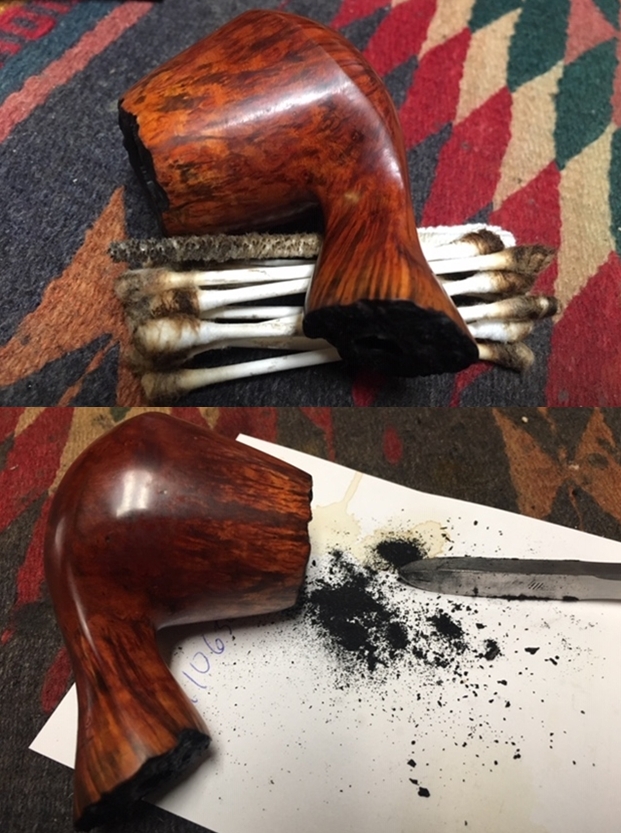
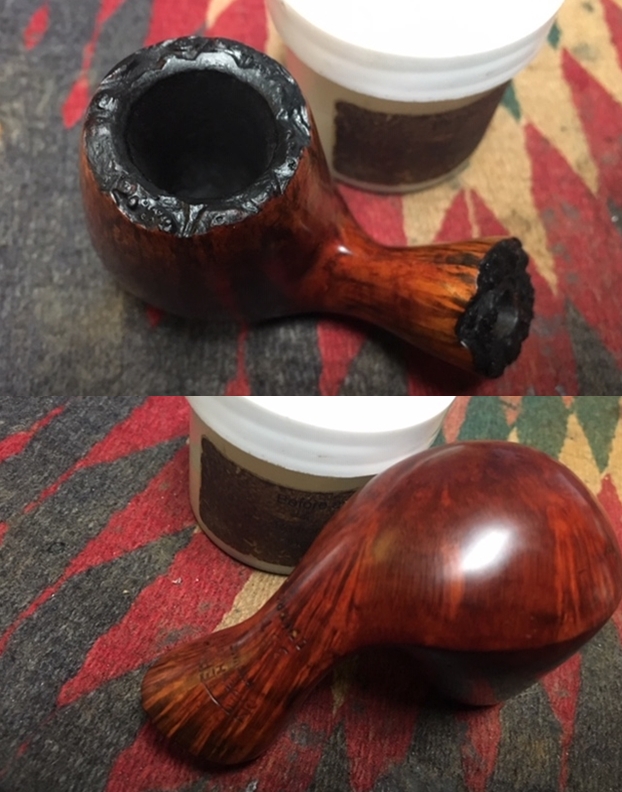
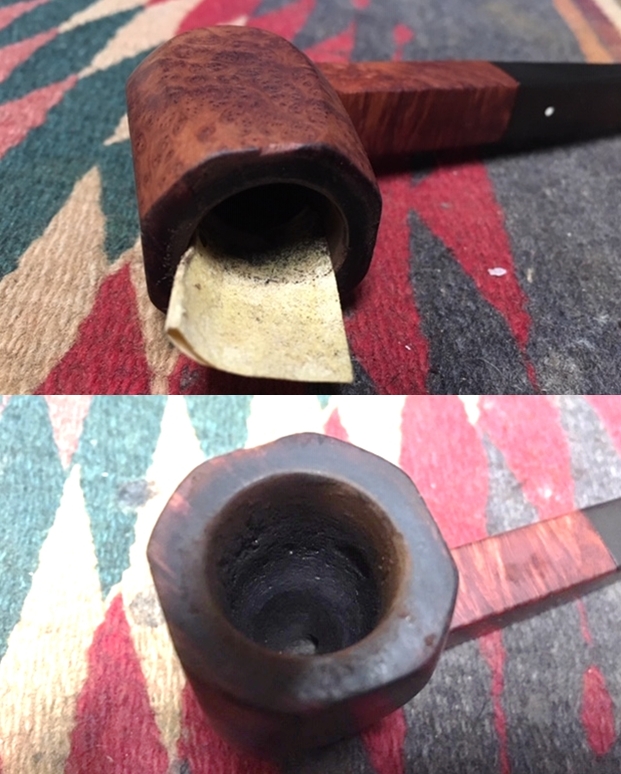
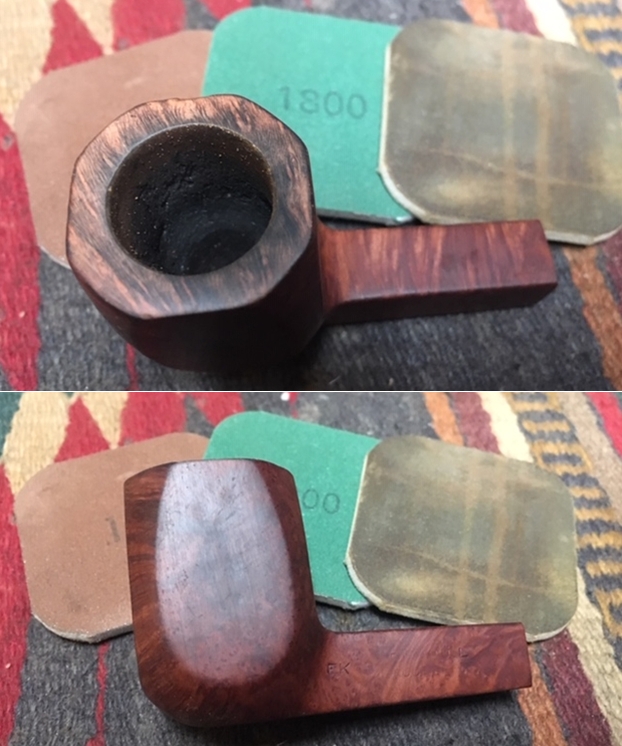
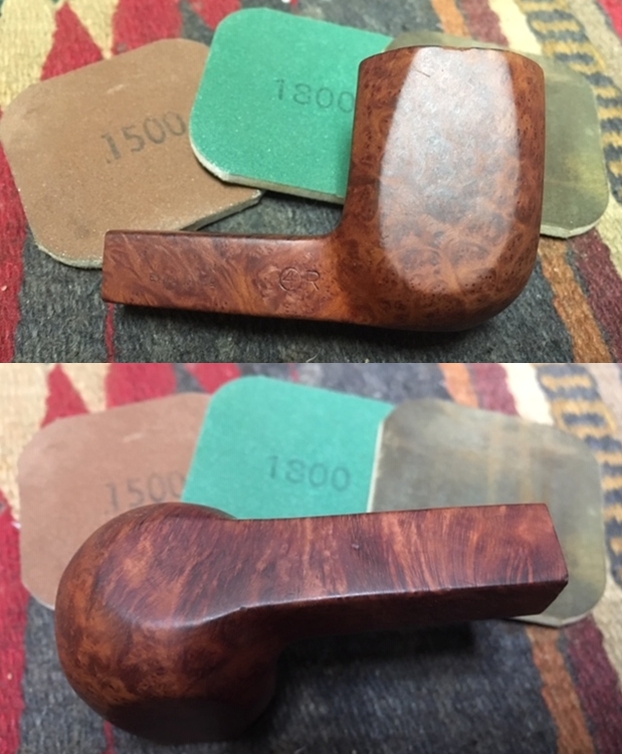
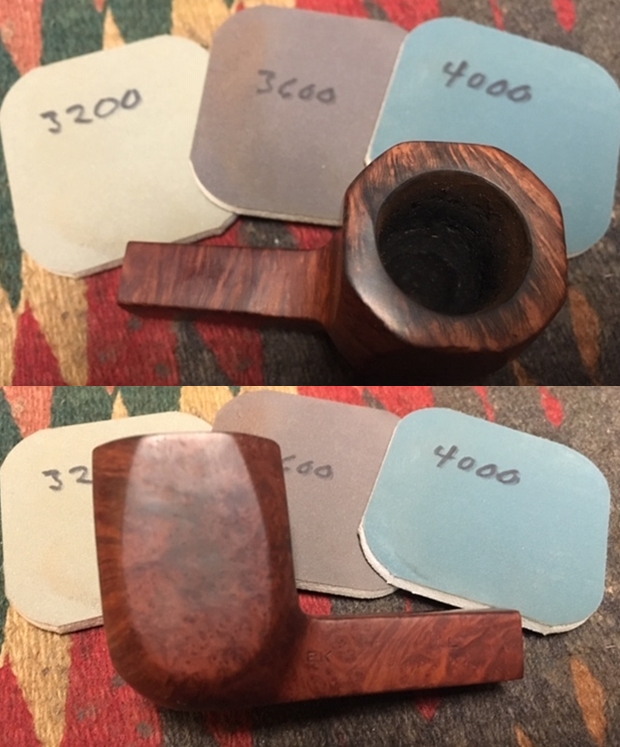
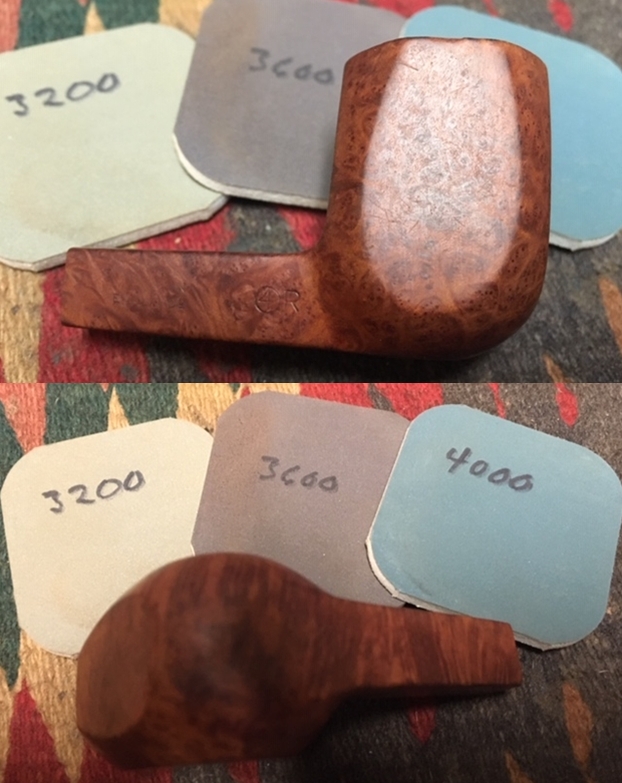
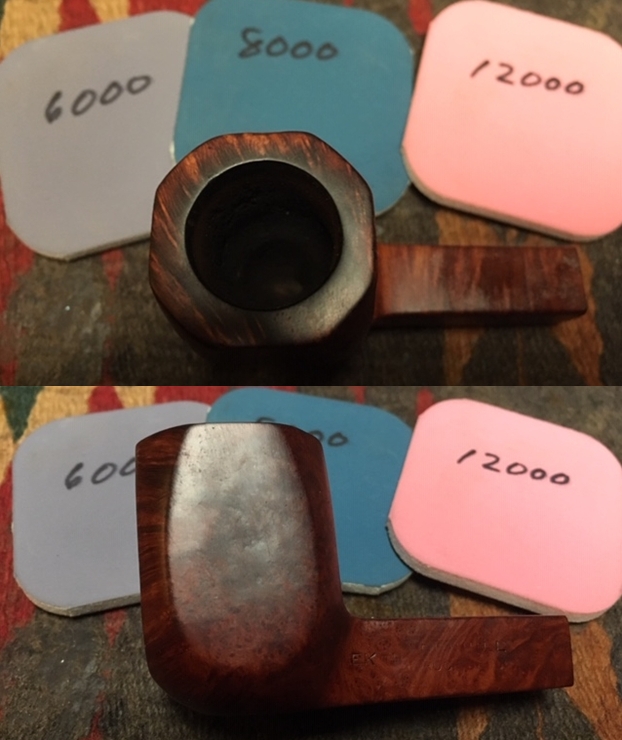
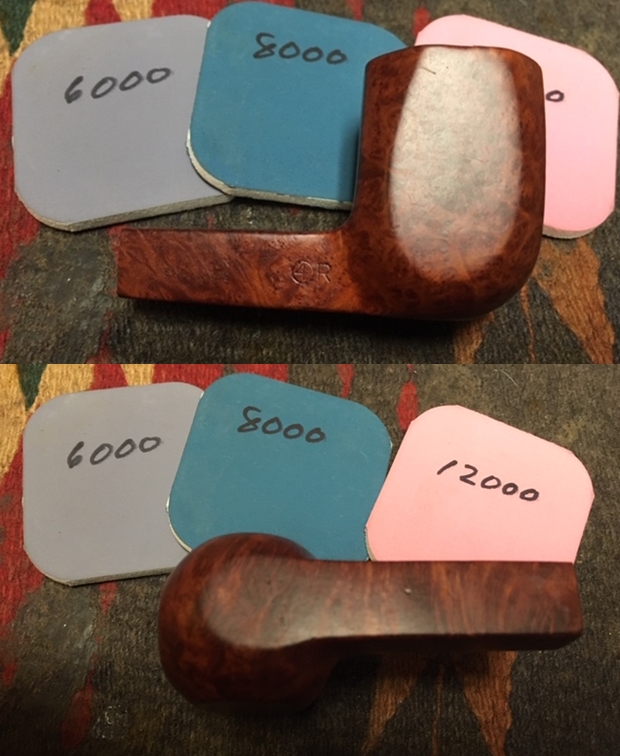
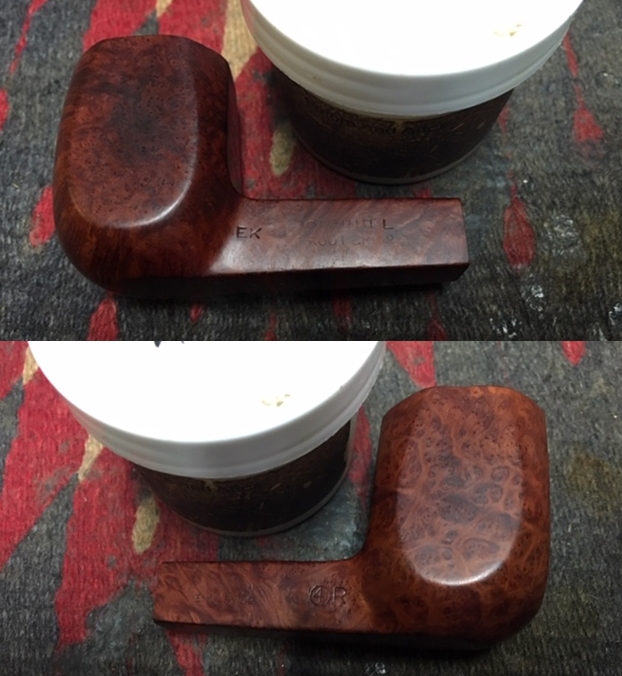
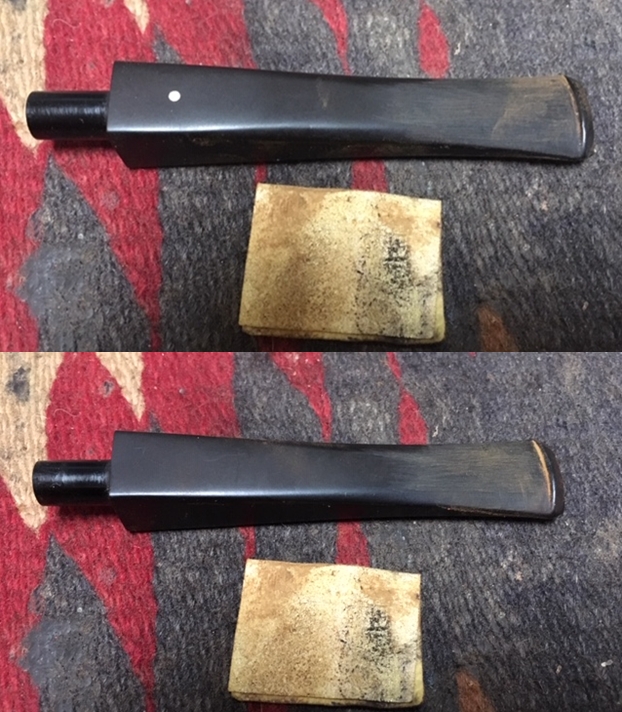
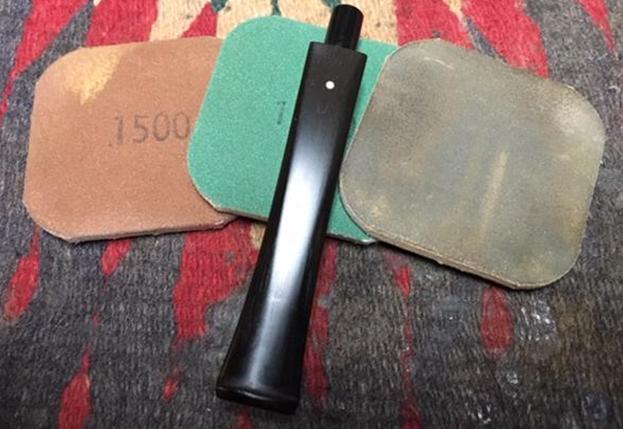
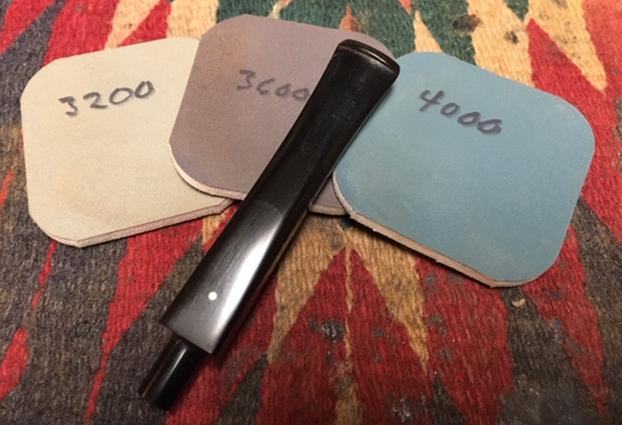
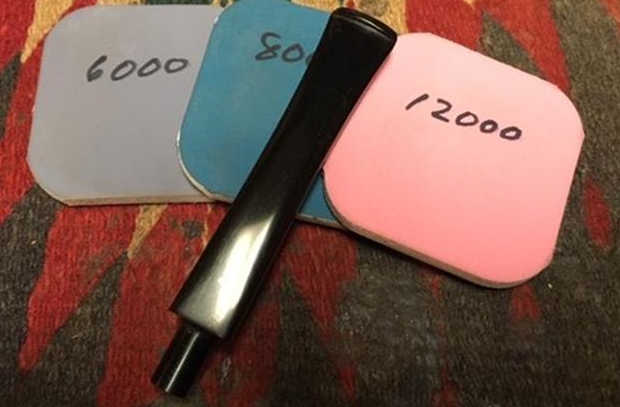
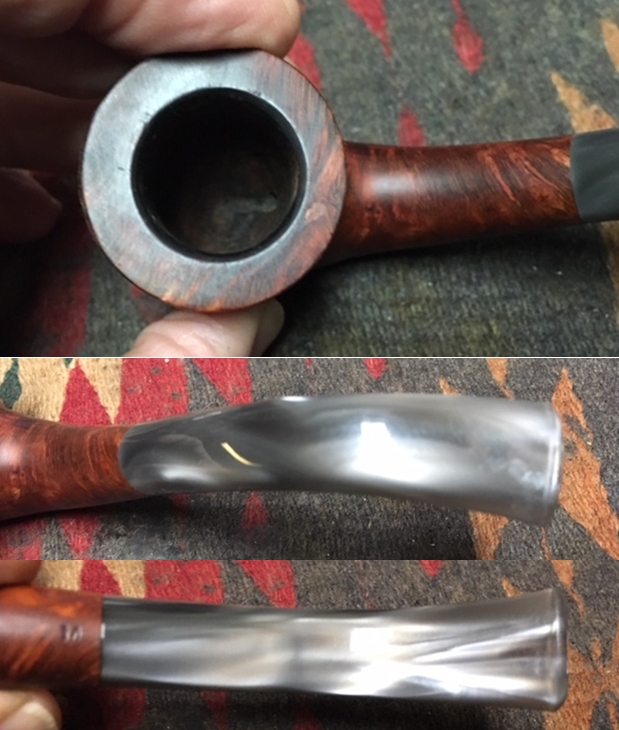
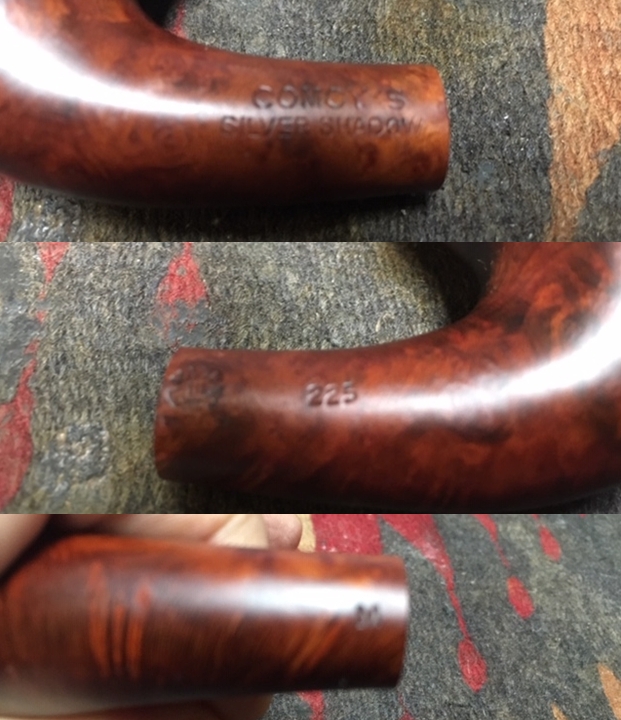
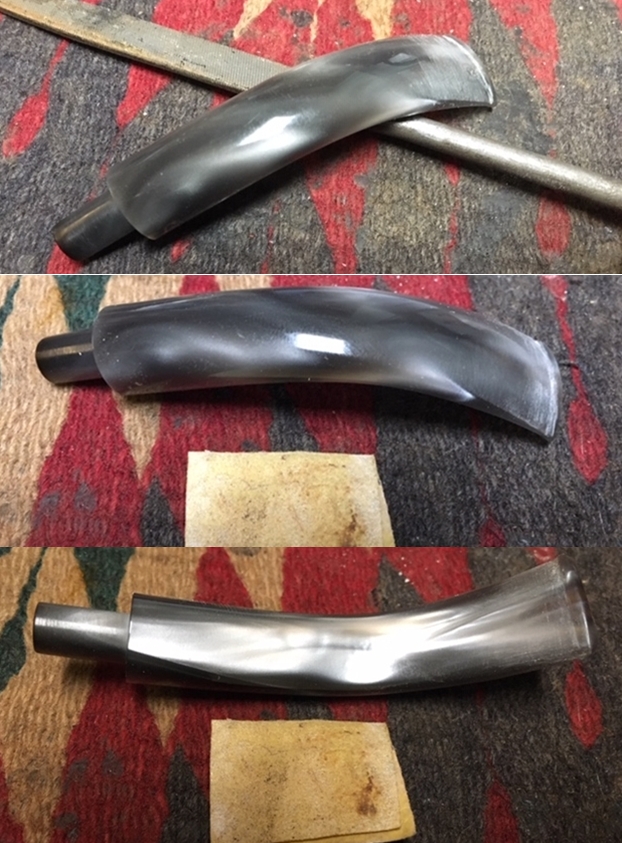
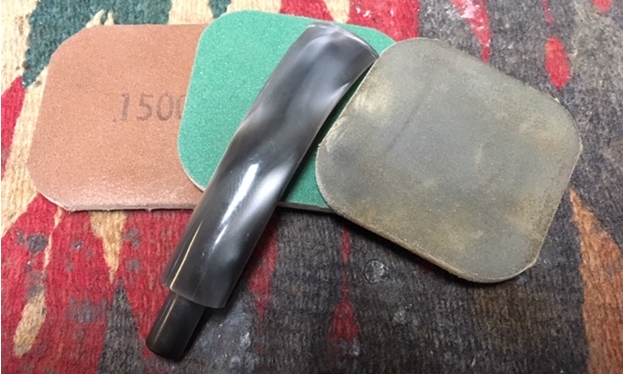
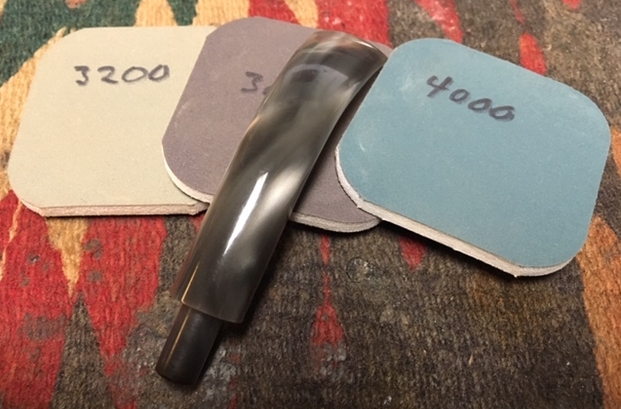
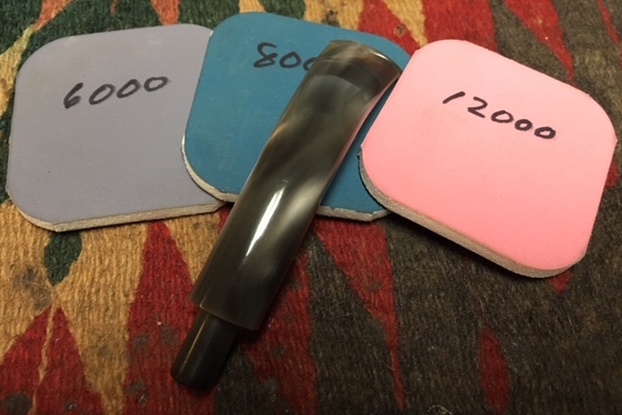
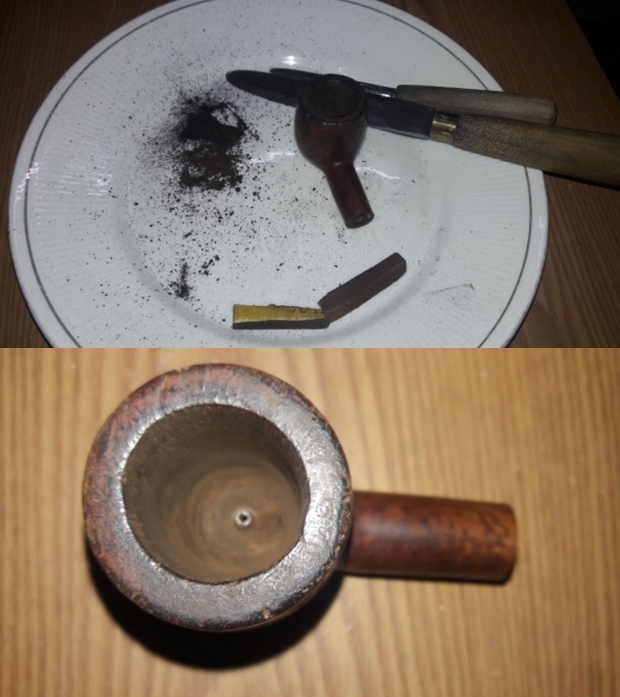
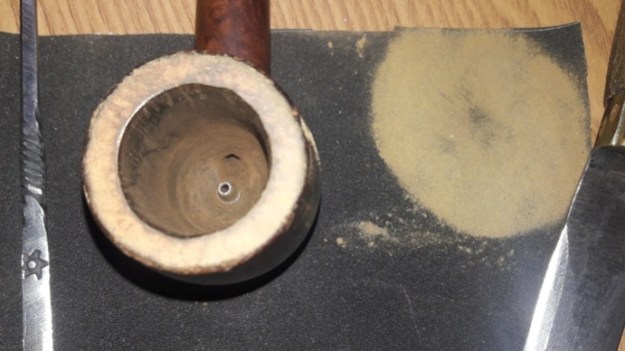
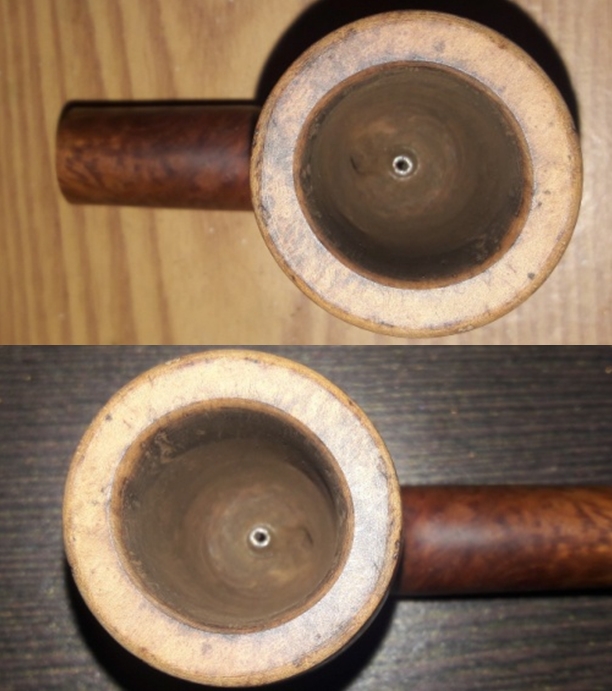
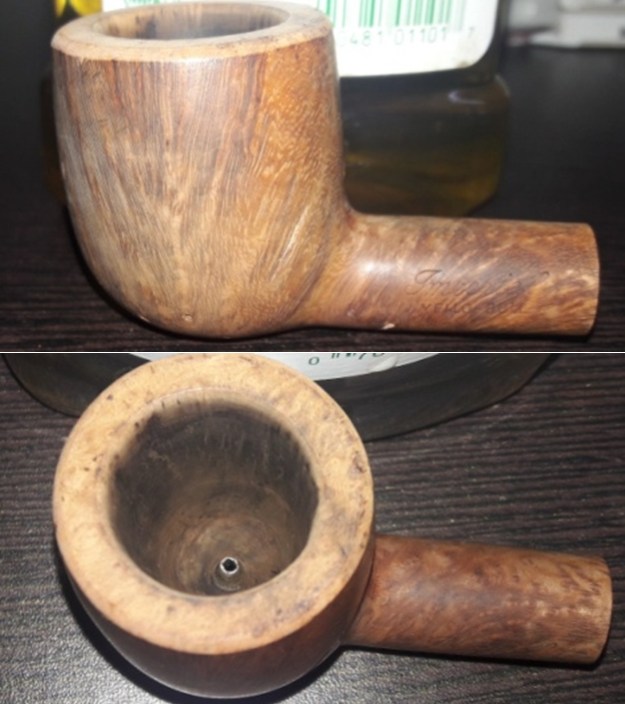
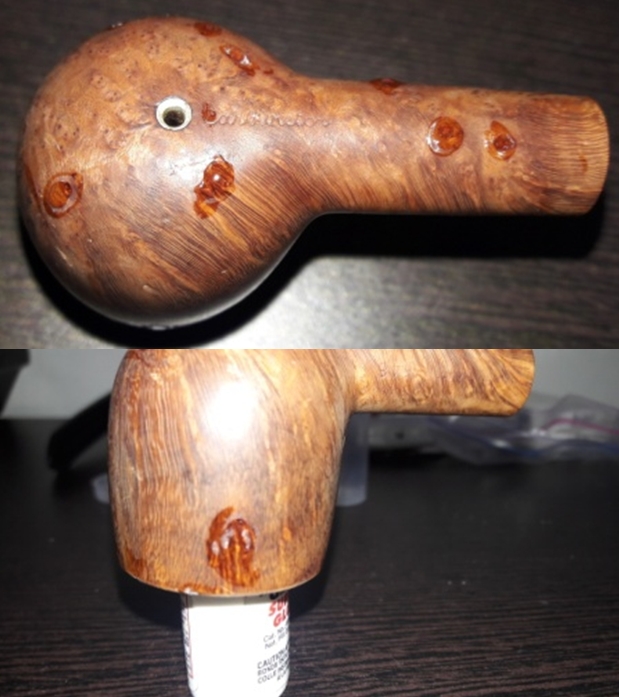
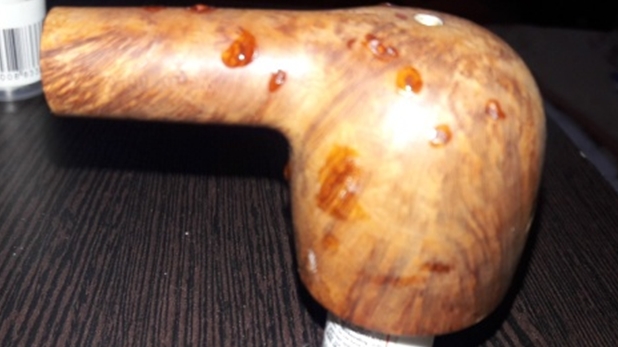
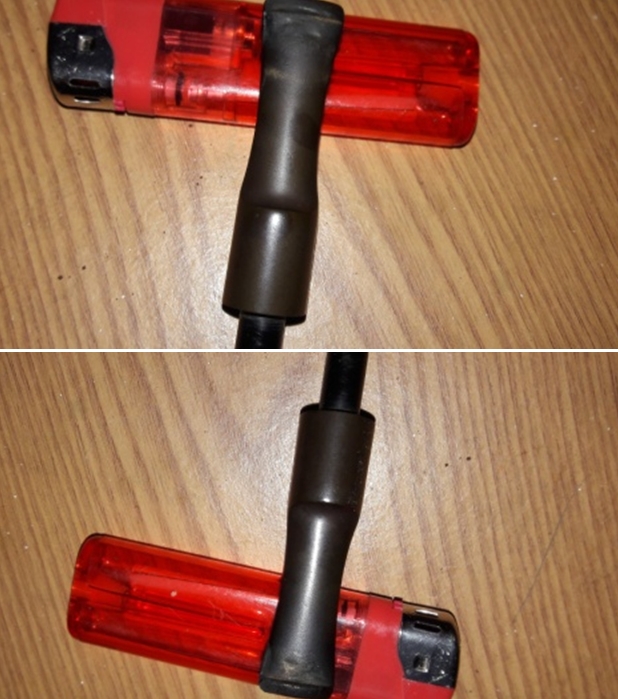
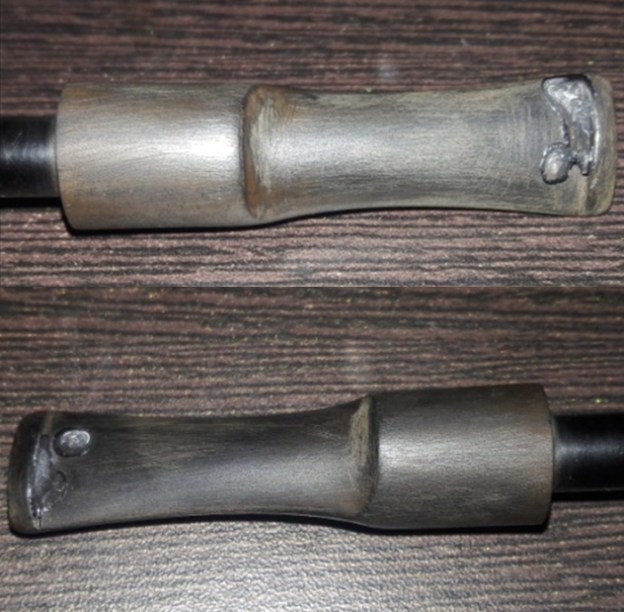
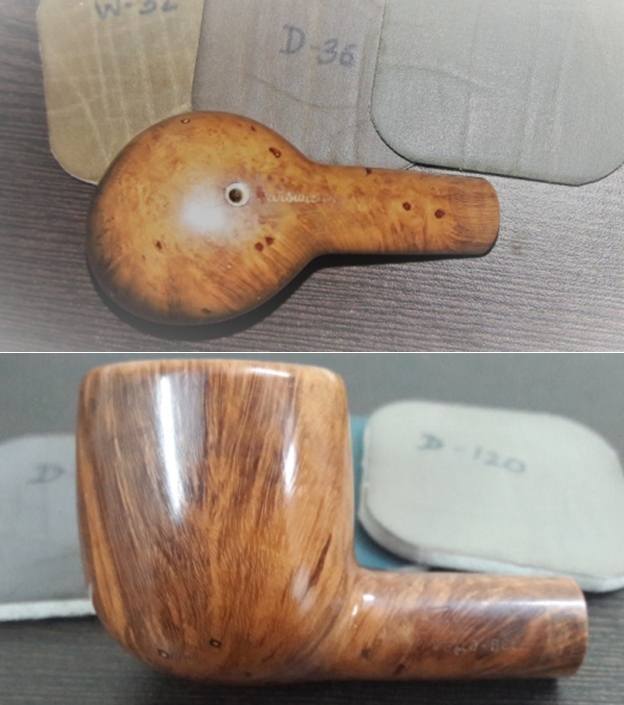
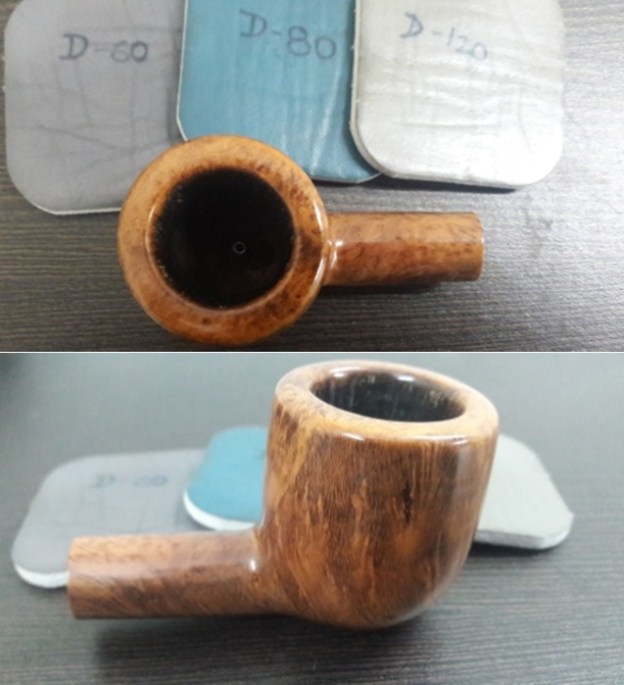
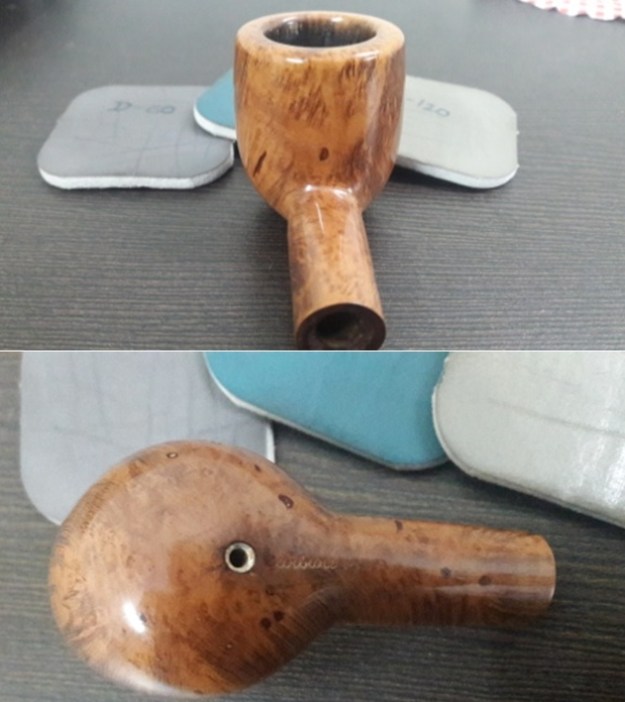
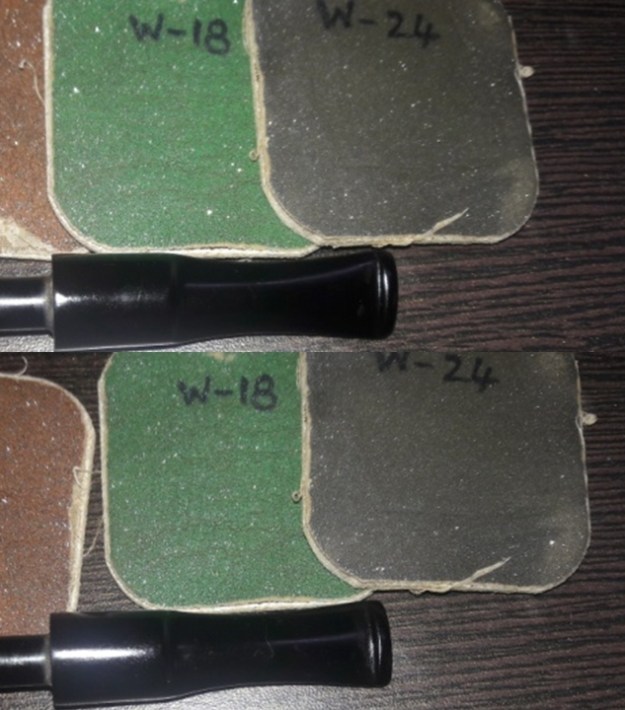
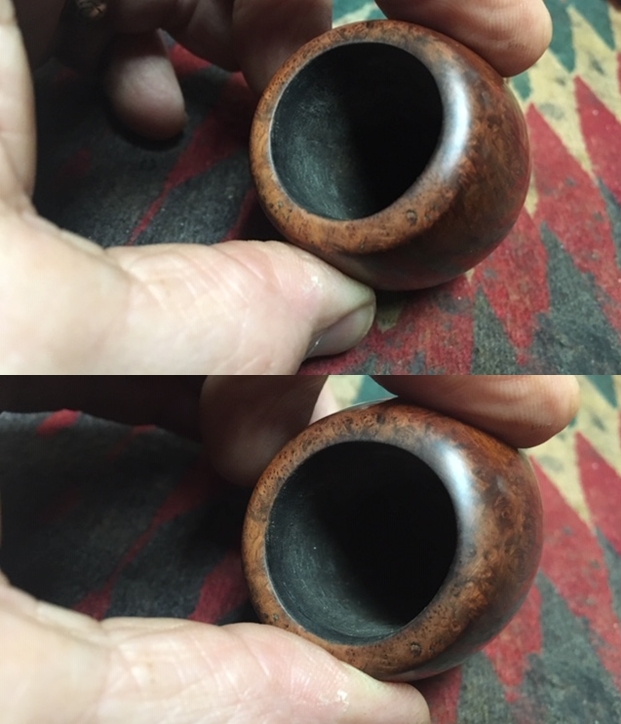
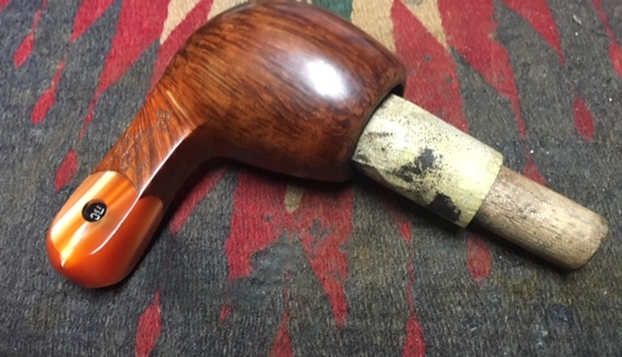
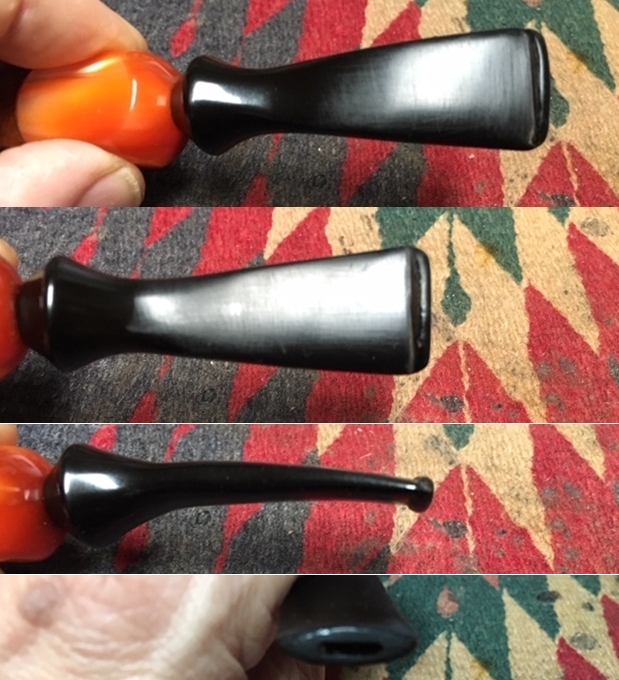
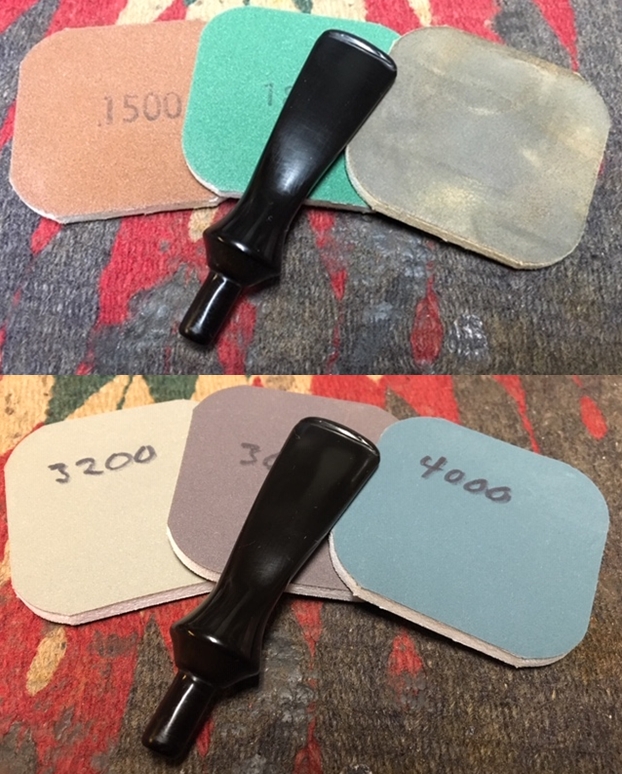
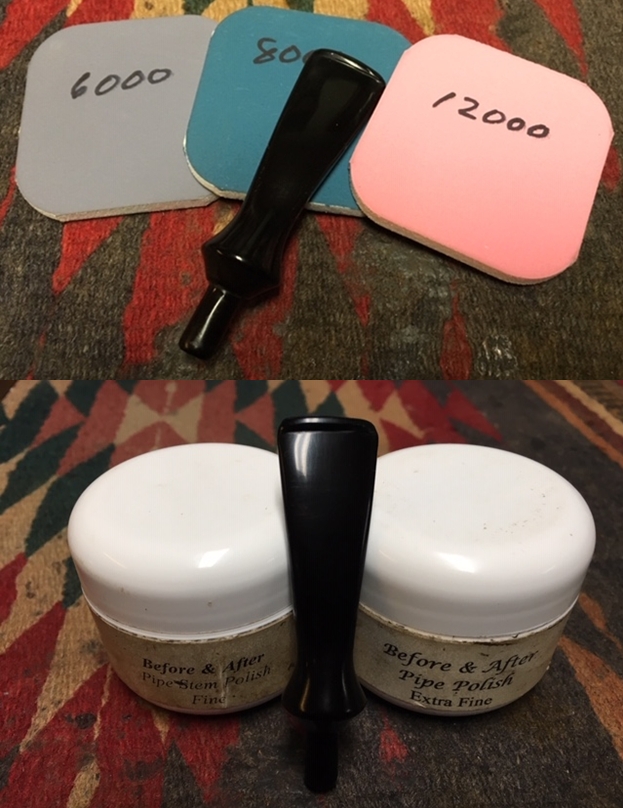
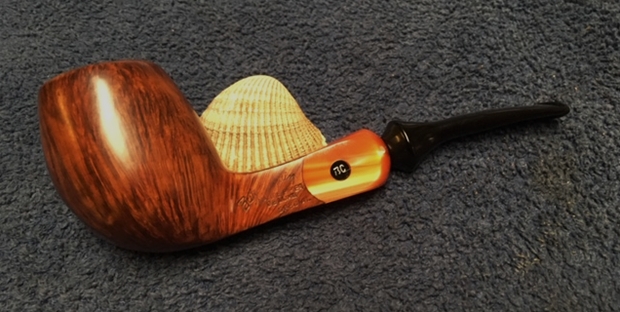
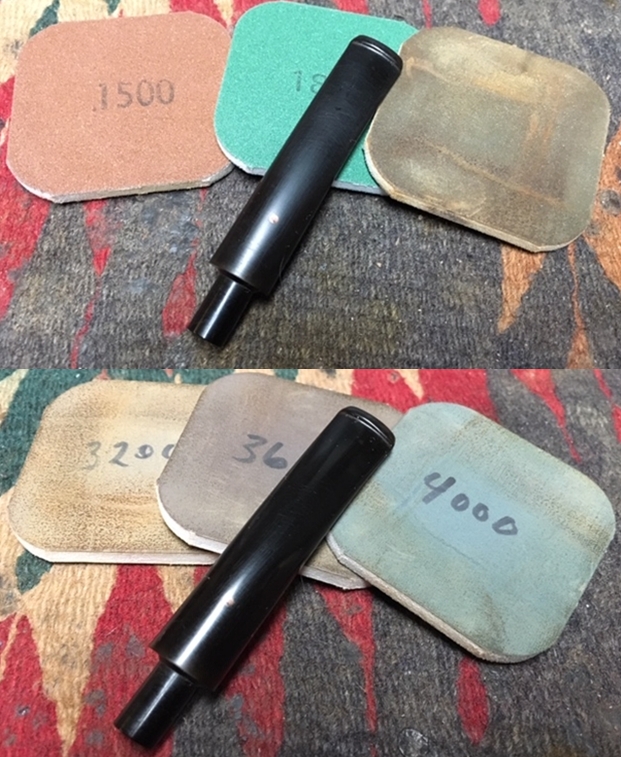
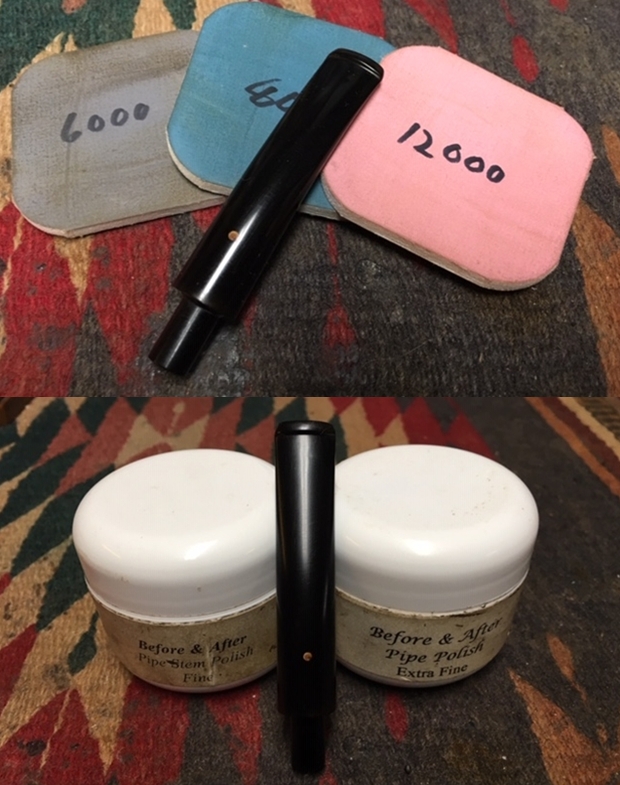
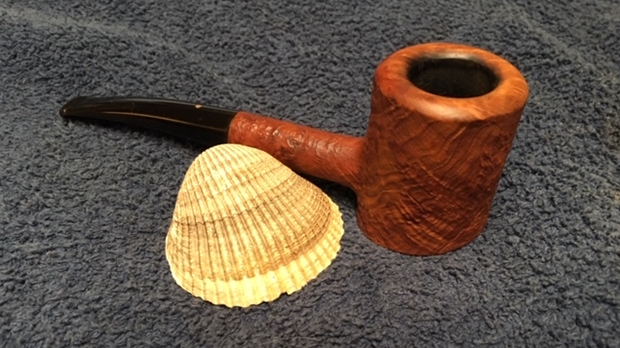
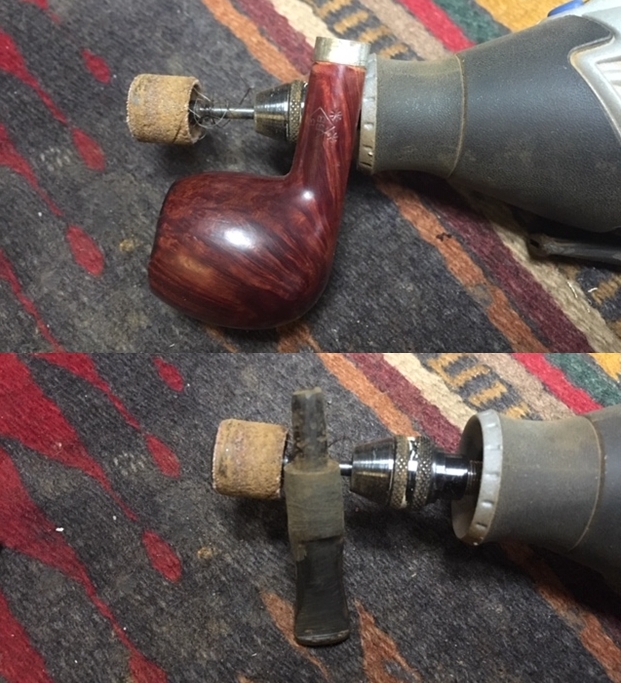
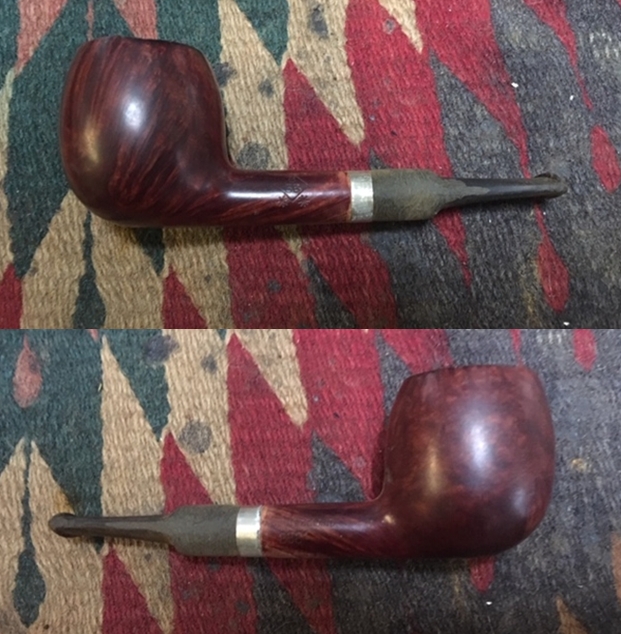
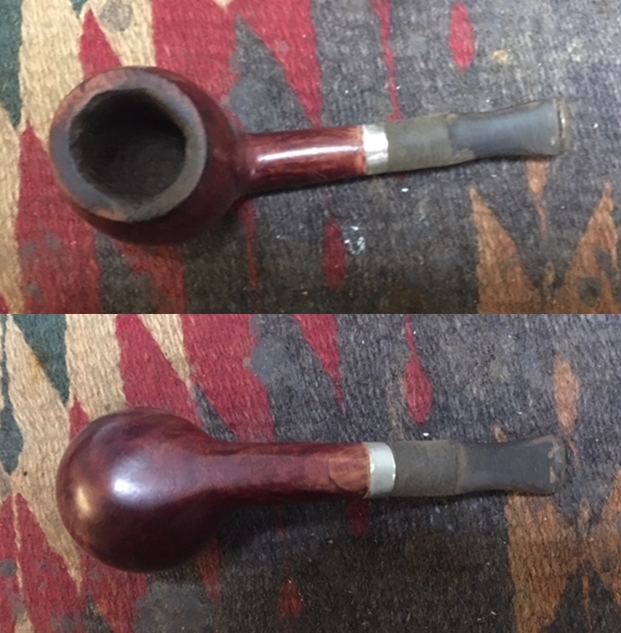
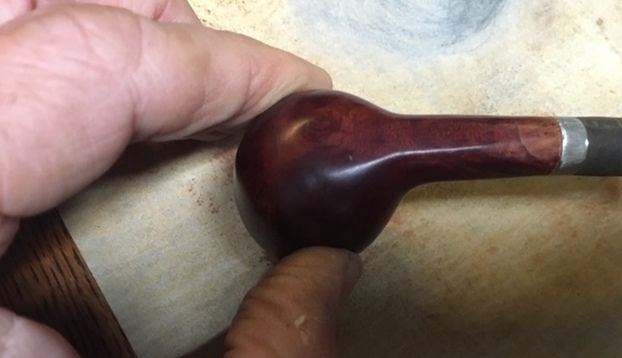
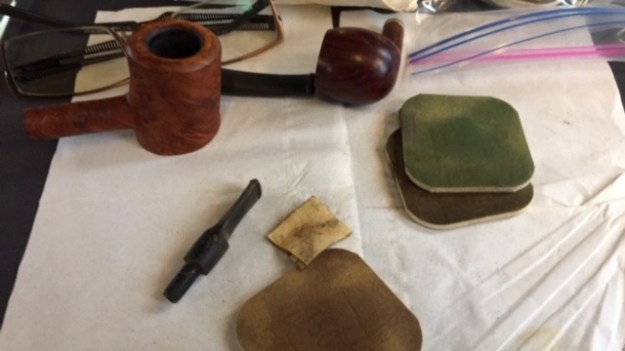
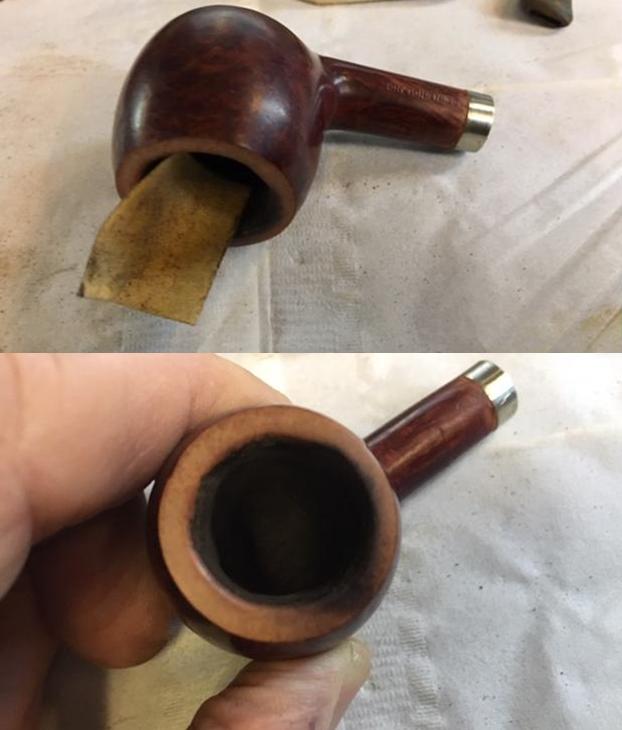
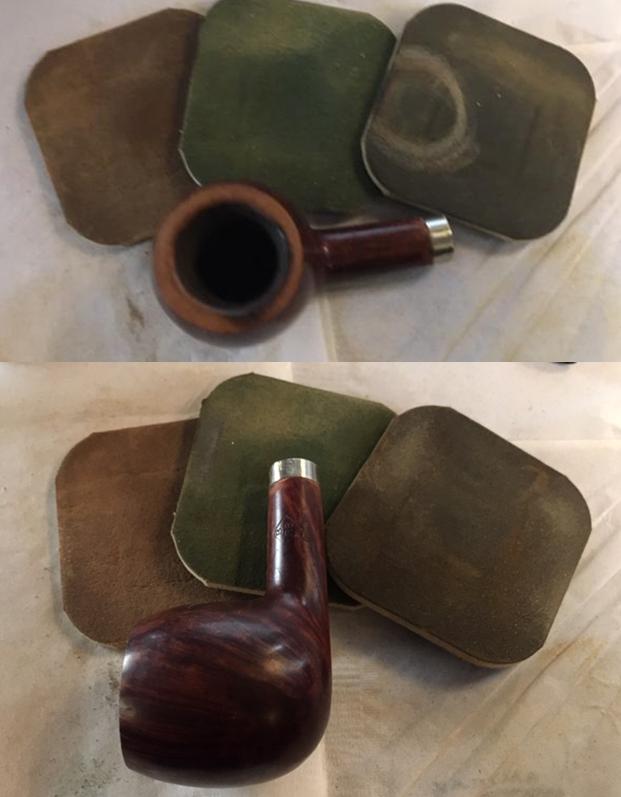
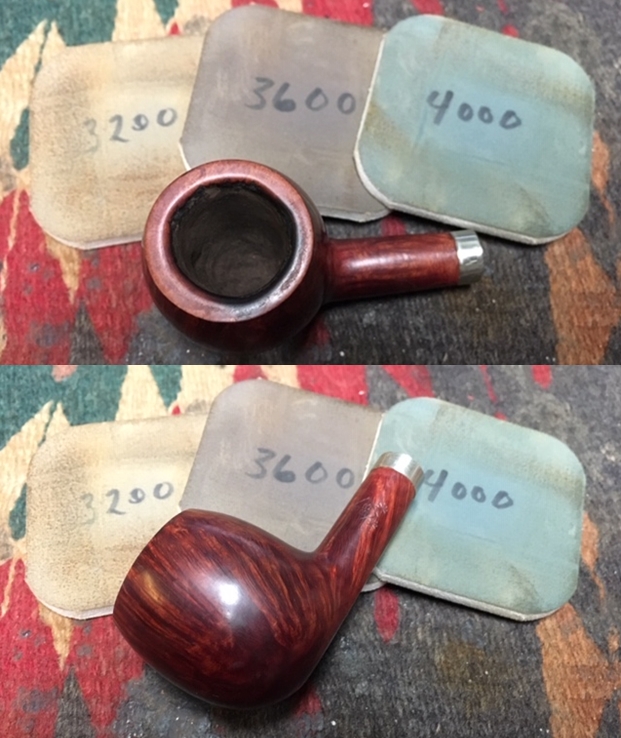
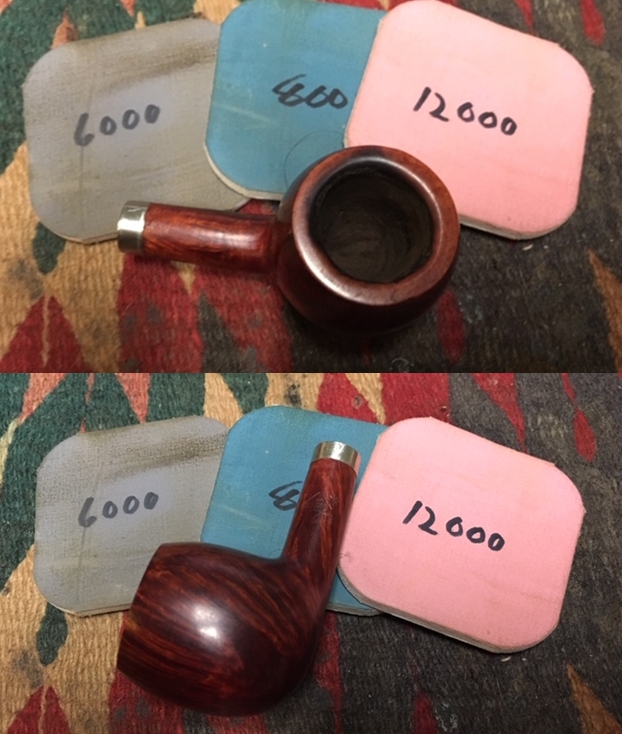
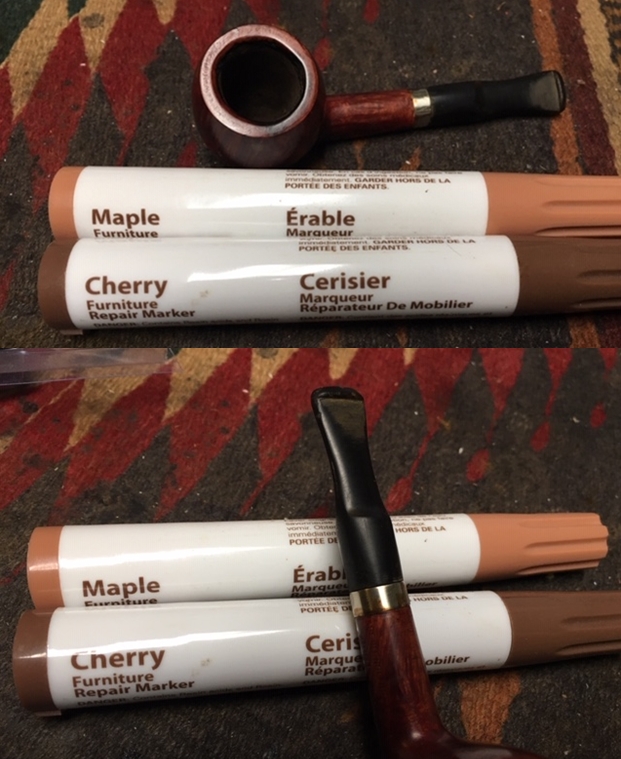
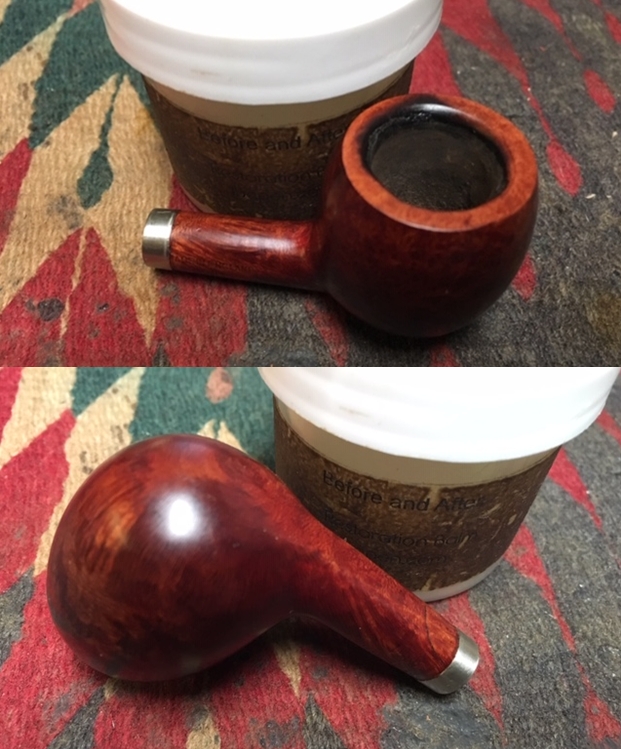
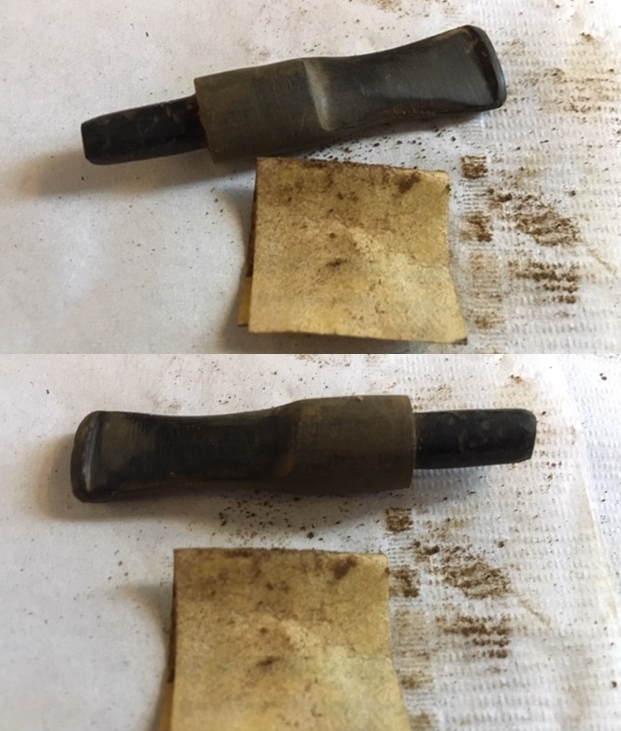
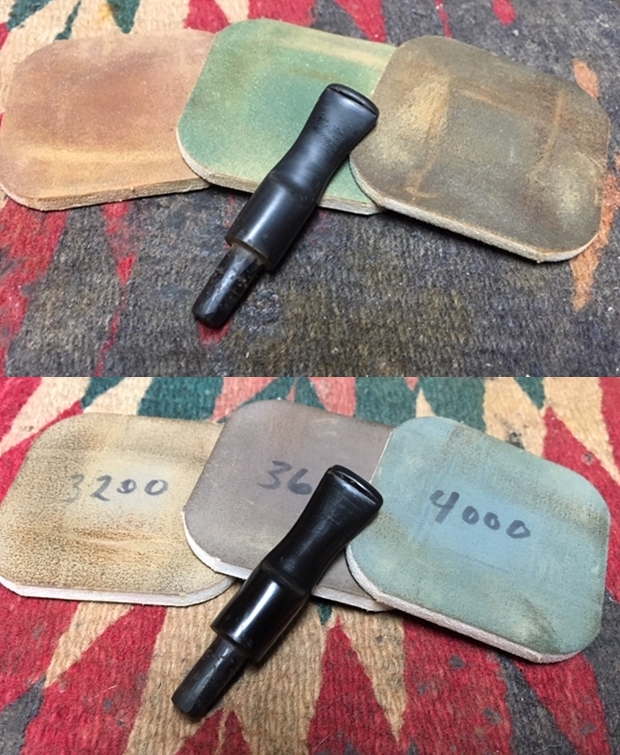
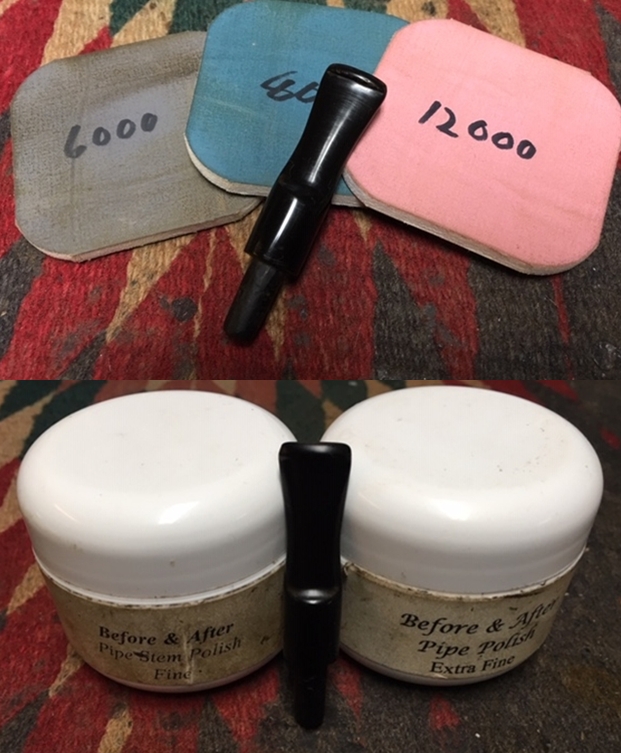
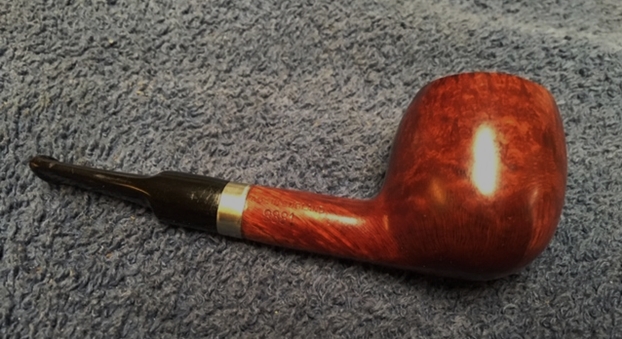
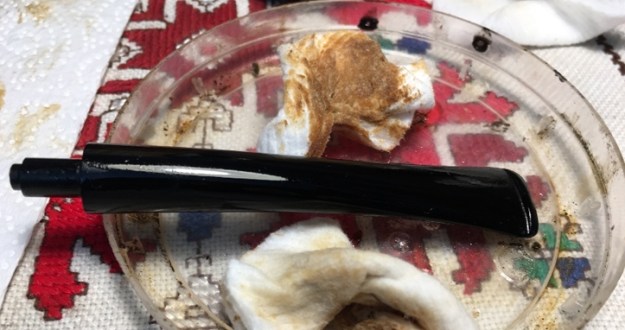
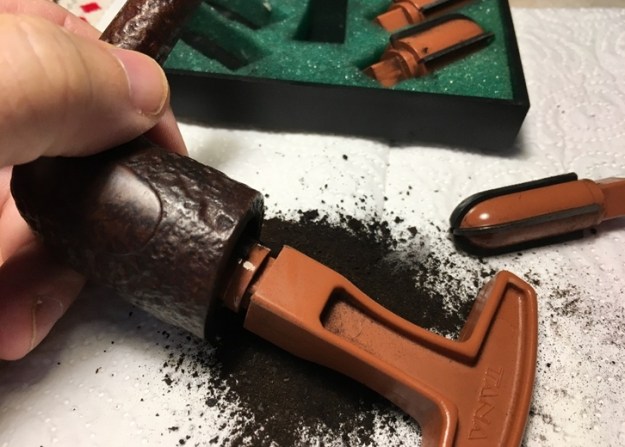
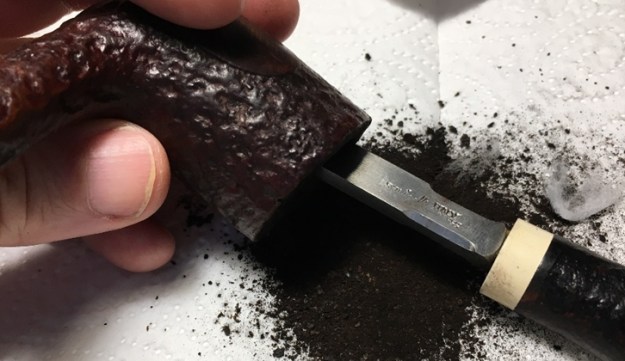
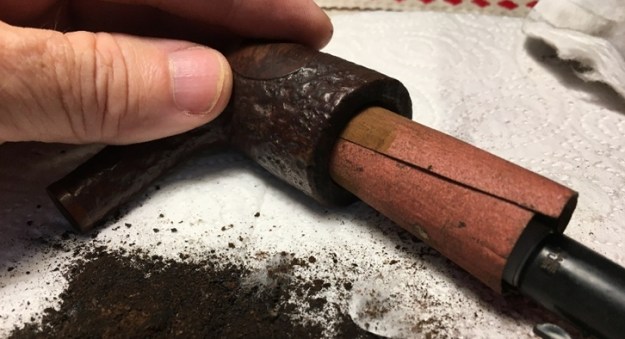
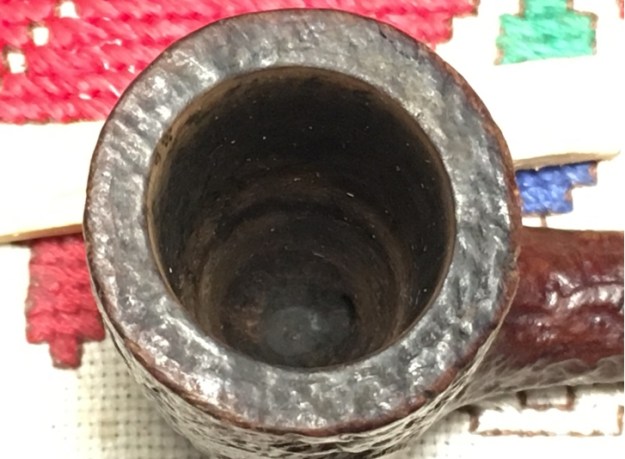
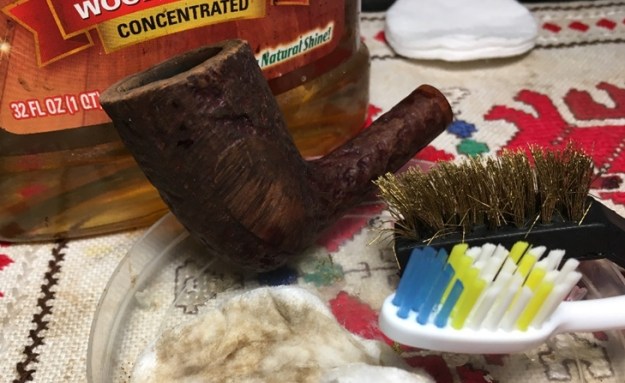
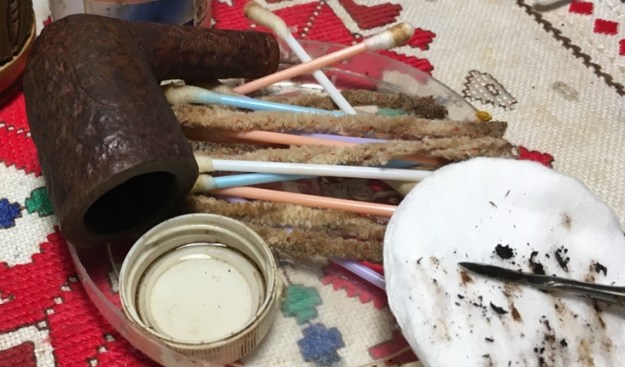
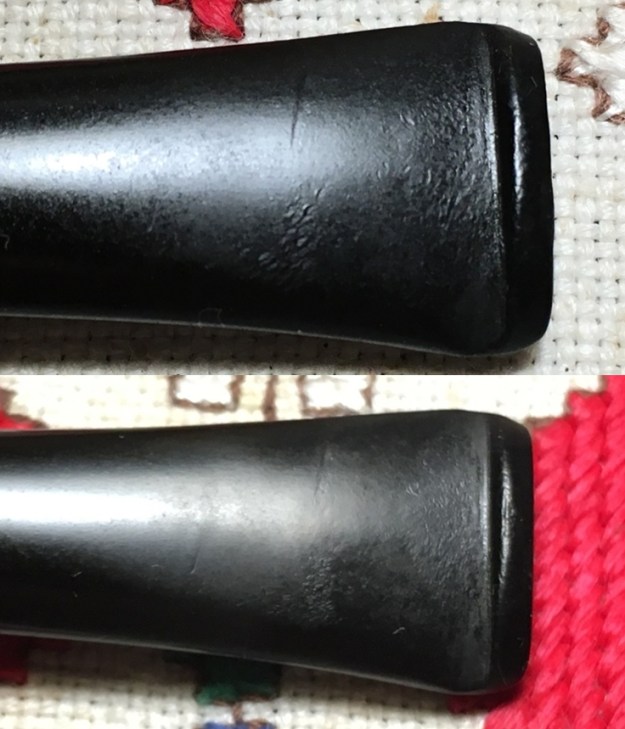
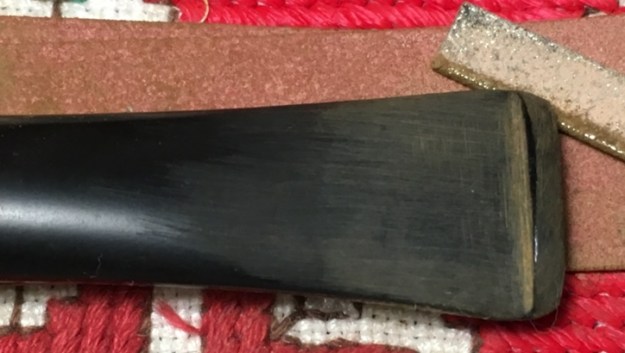
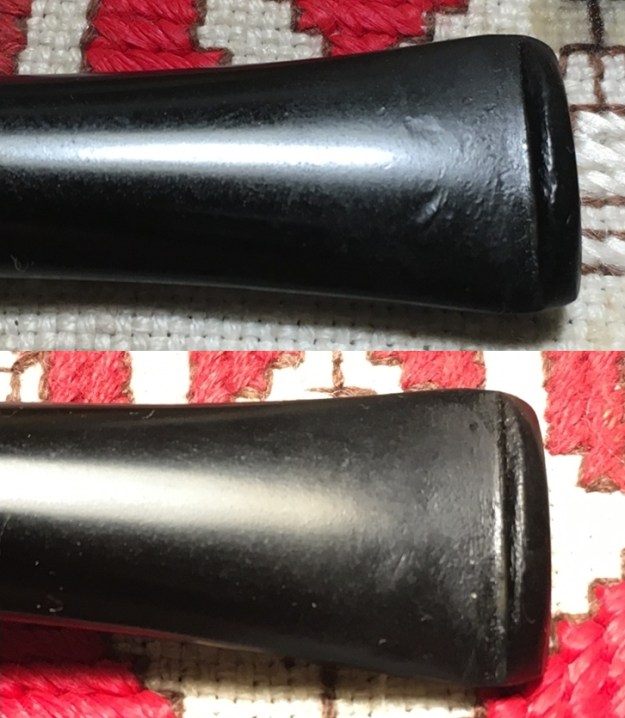
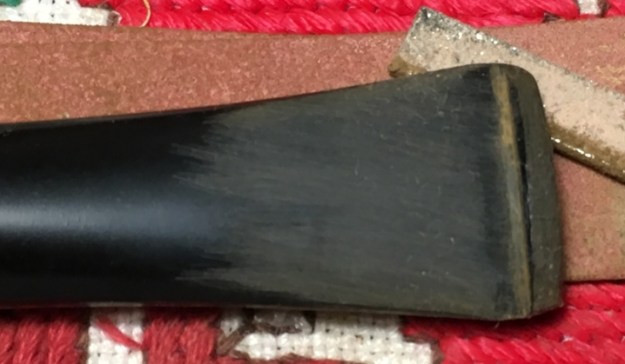
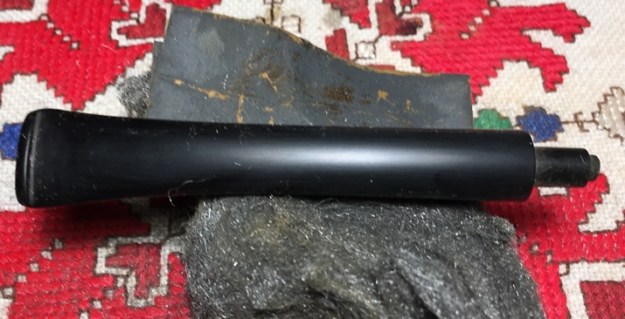
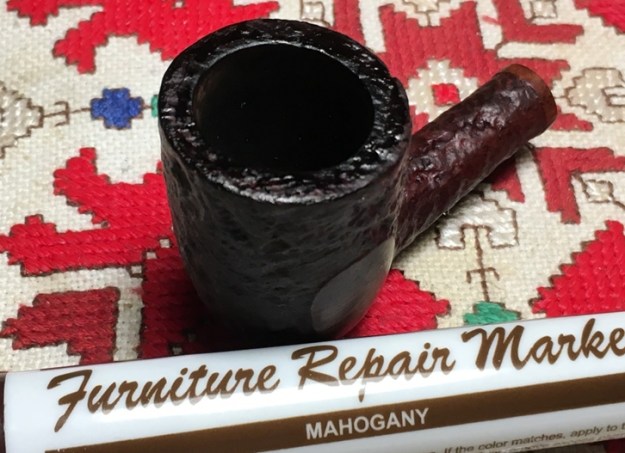
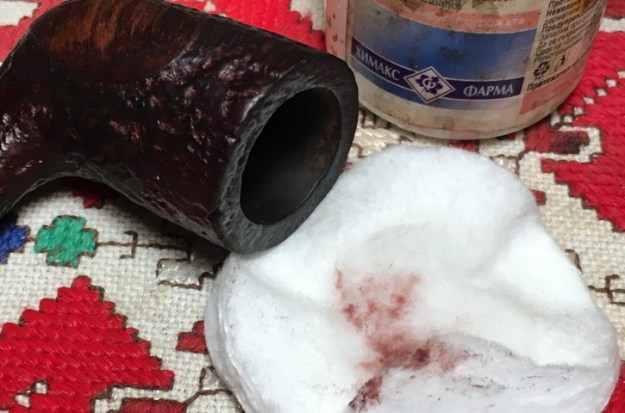
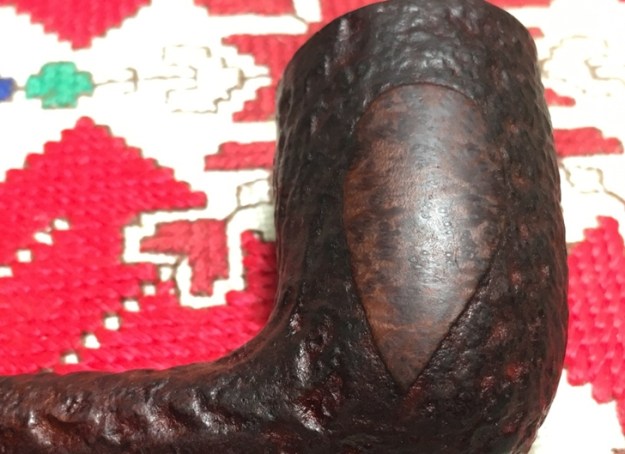
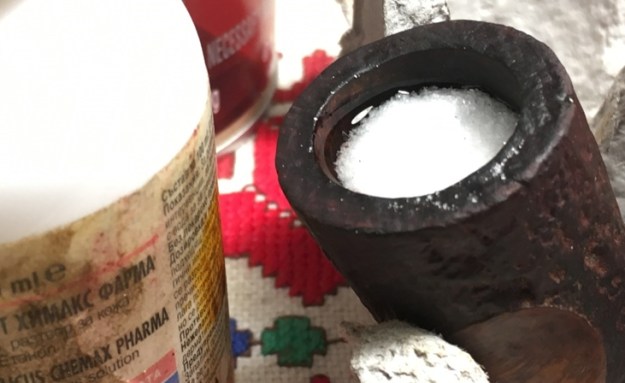
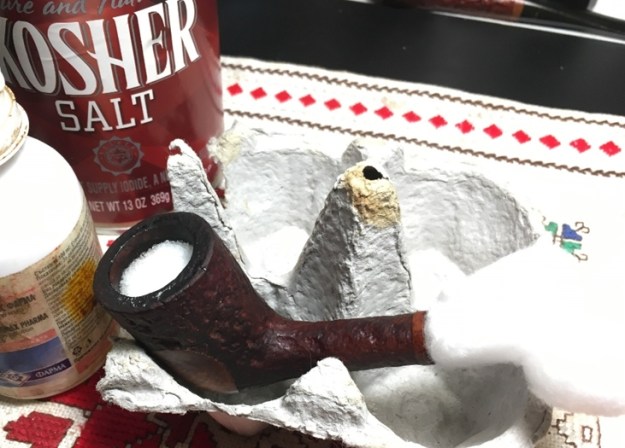
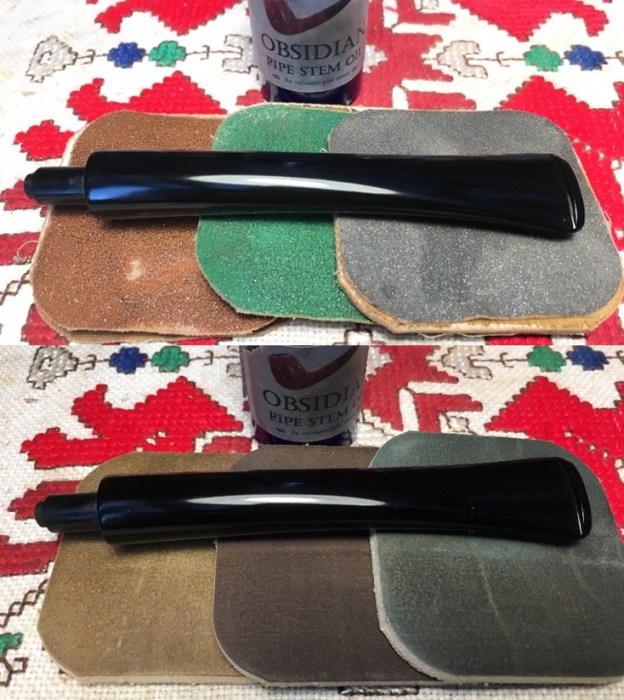
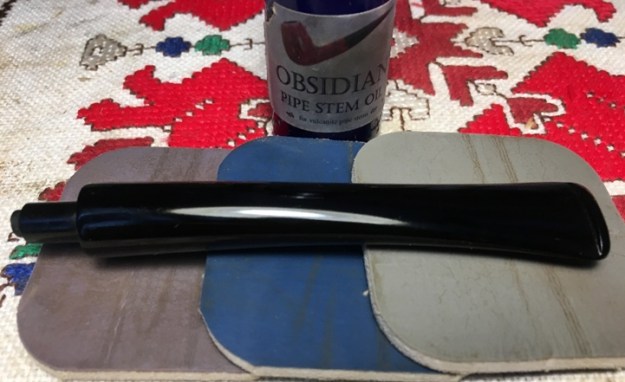
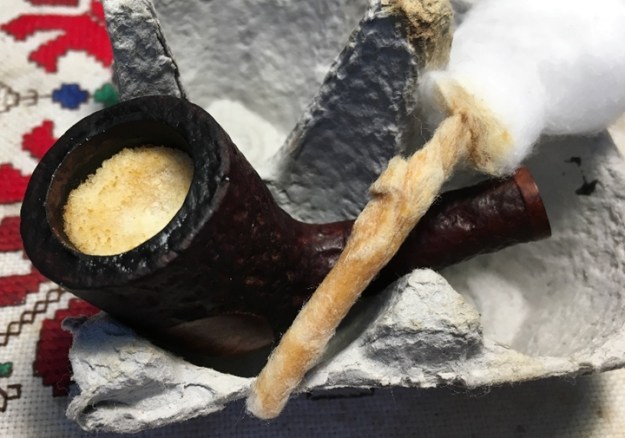
I begin the Kiko of Tanganyika’s restoration by cleaning the airway of the stem with pipe cleaners dipped in isopropyl.  After this, I add it to a soak of Before & After Deoxidizer with several other pipe’s and their stems in the queue for restoration.  I leave the stem in the soak overnight and after fishing it out of the Deoxidizer, I wipe the fluid off with cotton pads wetted with light paraffin oil.  The raised oxidation also is removed as I wipe.  Unfortunately, the paint used for the elephant stamping did not hold.  I should have covered it!  I will need to retouch the stem stamp later.  To be on the safe side, I also use 600 grade sanding paper and wet sand the stem to remove any residual oxidation.  After this, I remember reading a Charles Lemon’s blog on Dad’s Pipes (LINK) about practices he has learned over the years, and one of them was utilizing Tripoli compound and a buffing wheel to remove oxidation.  I decide to try it out.  To do this, I mount a new, clean felt buffing wheel on the Dremel, set at the slowest speed and apply Tripoli over the stem.  It seems to work well as I’m able to concentrate on areas of oxidation – especially around the button and the curve of the saddle that are more difficult to reach.  The pictures show the deoxidation process. Turning now to the Meerschaum lined stummel, I take a picture of the chamber showing the minor cake that has collected on the Meer surface.  Unlike briar pipes, Meerschaum needs no protective cake.  Therefore, the goal in cleaning is to reveal the Meerschaum surface.  To remove the carbon, I begin by gently using the Savinelli Fitsall Tool to scrape the chamber wall.  When the crunchy texture stops as I gently scrape, lets me know that the carbon is removed.  I then follow by sanding with 240 grade paper wrapped around a Sharpie Pen.  I sand it until it is totally smooth in the chamber.  There is still darker Meer in the chamber, but to remove more simply for aesthetics is not necessary. I then wipe the chamber with a cotton pad wetted with isopropyl 95% to remove the Meerschaum dust left behind.  The Meer lining is in good shape – no cracks or crevices in the chamber – though there are some age scratches here and there. The pictures show the progress. Moving to the external surface, I use undiluted Murphy’s Soap with cotton pads to clean.  I also utilize a bristled tooth brush to work the rustification divots.  To freshen the Meer rim top, I use a piece of 240 grit paper to lightly sand and clean the Meer surface.  This enhances the appearance with the contrast between the Meer and the briar rim. I take some pictures of the cleaning process and this is when I discover a problem.  I detect a crack running from the left side of the bowl downward until it disappears when it intersects with the fill that wraps around the heel and up the right side.  The fill looks like a briar dust/CA glue patch material which I use regularly.  The same patch material quarters the rim.  These pictures show the patch material. To address the crack, my first step is to determine the integrity of the old patch material.  I will try to remove the patch material to see what is underneath.  If I can do this, then I can assess the nature of the repair needed.  The crack that is exposed appears to me to be a fresher progression of crack ‘creep’ – that has grown beyond the original patch.  This repair is straight forward by drilling a counter hole at the end of the crack to stop the creep and applying additional patch material. To test the integrity of the patch material I try to remove it by dissolving it with acetone and cotton pads.  The acetone doesn’t make a dent. These patches are solid.  I work the acetone over the rim and it has no effect on the patch material.  I’m not sure what the patch material is, but it’s not going anywhere soon!  At this point, I will repair the exposed crack and shore up some gaps I detect in the old patch material.  The rustic, craggy look is what makes this Kiko stand out and after working on the patches, I’ll seek to blend this rustic look with the finishing process.  To start, to aid me in drilling a hole at the end of the crack to arrest the crack creep, I use a magnifying glass to identify the end and using a sharp dental probe to press a guide hole.  The guide hole helps when drilling.  I mount a 1mm drill into the Dremel and drill – but not too much!  Going through the Meer lining would not be a happy situation.  The black highlighted rustification patterns, make it much easier to blend the repair. To do this, using a toothpick to run a drop off the end, I spot drop Black CA glue into the counter hole and let it cure. After filling the offset hole, using a toothpick in the same way, I run a line of clear, thin CA glue down the crack.  I use the thin CA glue because it penetrates the crevice of the crack for a solid fill.  After the CA glue cures, I spot drop clear CA glue in a few other places where there were gaps around the old patch work. With the CA glue patches curing, I turn to the stem.  Using micromesh pads 1500 to 2400, I wet sand the stem.  Following this, I dry sand using pads 3200 to 4000 and 6000 to 12000.  After each set of three pads, I apply Obsidian Oil to the stem to revitalize the vulcanite. I love the freshly polished vulcanite pop! With the crack patch cured, I start sanding out the excess CA glue using 240 grade paper followed by 600 grade. To bring out the natural briar shine and hue, I run the stummel through the full battery of 9 micromesh pads from 1500 to 12000.  Before I apply any dye color to the stummel to mask and blend the patches, I want to have an idea of the presentation of the briar.As expected, the briar darkened through the micromesh cycles.  There is still a lightened area around the sanded patch areas which I will blend.  I also want to blend the patches more.After applying several different dye sticks and fan blending with a cotton pad wetted with a bit of alcohol, I tried to darken the lower part of the stummel to provide more blending.  I succeeded to a degree, but not enough that would mask the patch areas.  To do that, I would need to stain the entire stummel darker and that would lose the ‘cork’ or safari appearance of this Kiko Billiard made in Tanganyika. That, I’m not willing to do.  His trademark is rough and rustic!  So, with a little embarrassment, I remember that I have not cleaned the internals of the stummel.  After some pipe cleaners and cotton buds dipped in isopropyl 95%, I now have a clear conscience.Reconnecting stem and stummel, I mount a cotton cloth buffing wheel on the Dremel, set the speed at the lowest speed, I apply Blue Diamond compound to both stem and stummel. After completing an application of the compound, I buff the pipe with a felt cloth to clean off the compound dust in preparation for the application of wax.  Before I apply the wax, I have one more project to complete.  The white elephant stamping’s paint disintegrated in the Deoxidation soak and I need to repair this very cool stamping.  Using white acrylic paint, I dab it over the elephant imprint and dab it with a cotton pad to thin it and allow it to dry more evenly.Well…, in the interest of full disclosure, none of the usual methods worked – paint, wipe while wet – paint, let dry fully, scrape off lightly….  At the end of the day, and some hours of experimentation using a paint brush, needles and toothpicks, I finally arrived at an acceptable result for me.  With a picture of the original on my computer screen to compare, I used a toothpick to ‘sculpt’ the acrylic paint onto the Elephant canvas bit by bit.  Then, before the paint dried, I scrape the unwanted portion from the canvas to shape the image.  This was not a straight forward, slam dunk process!  After many starts and restarts working with a magnifying glass to paint, I came to a place where I am satisfied.  I’m not an artist in anyone’s conversations, but through trial and error, the Kiko Elephant mosaic – it’s no longer a stamping, is not perfect, but looks pretty good.  With the Elephant again standing guard on the Kiko’s stem, I mount the Dremel with a cotton cloth buffing wheel, increase the speed to about 40% and apply a few coats of carnauba wax to the stummel and stem.  After applying the wax, I give the pipe a good hand buffing with a clean microfiber cloth to raise the shine on the unique ‘cork’ rustified stummel and stem.

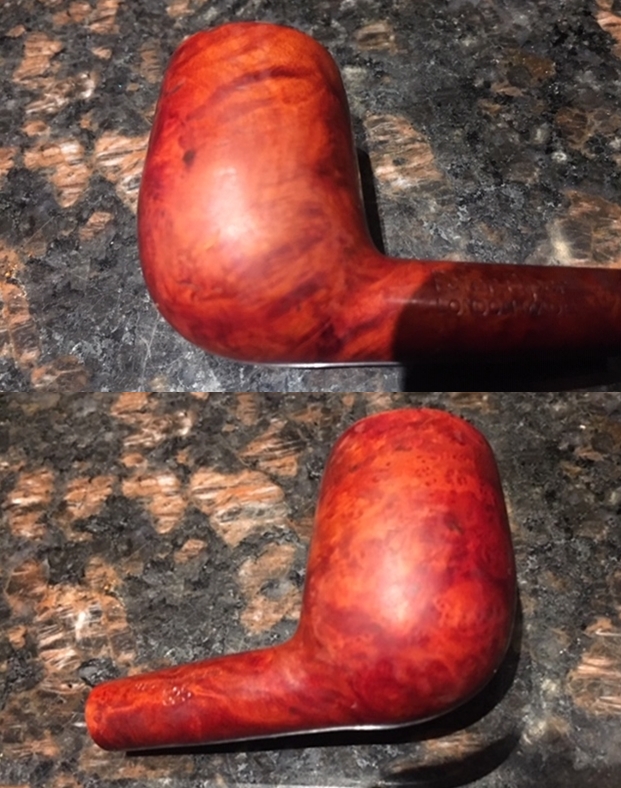
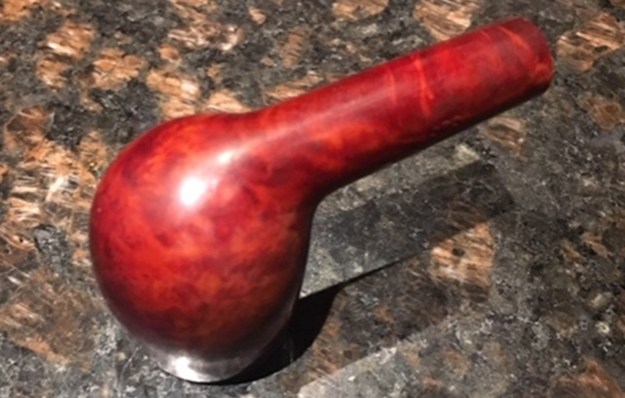
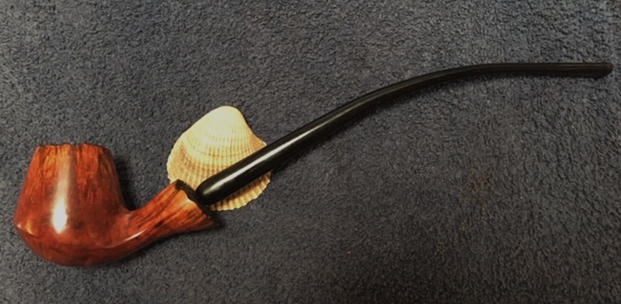
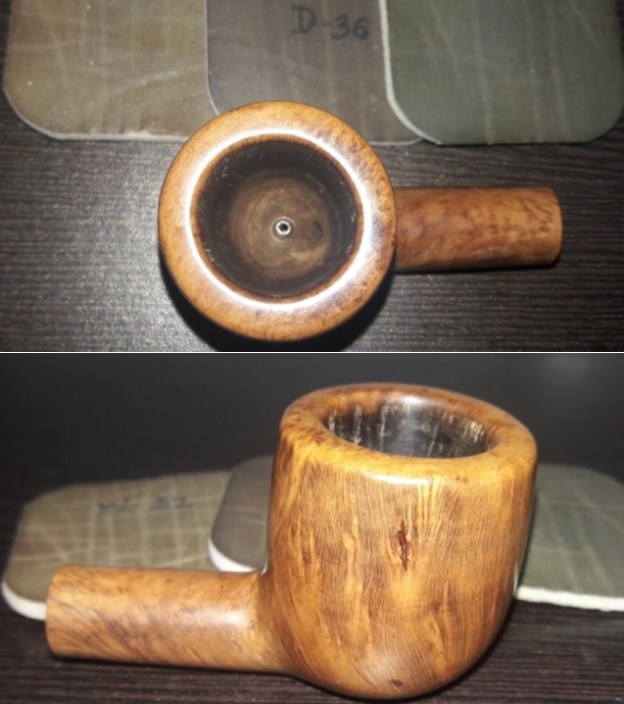
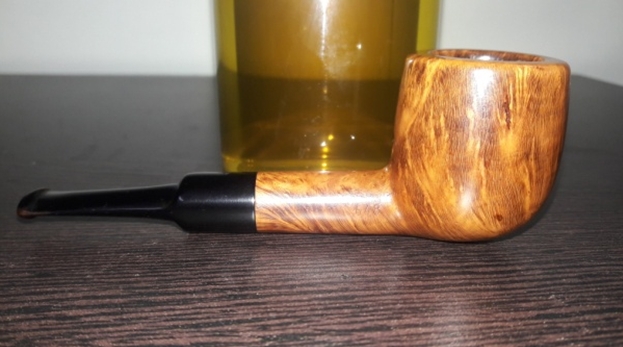
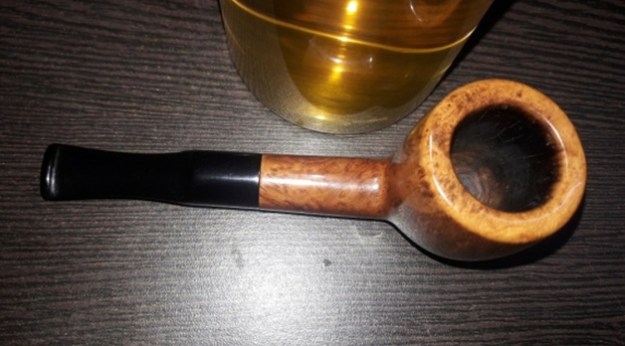
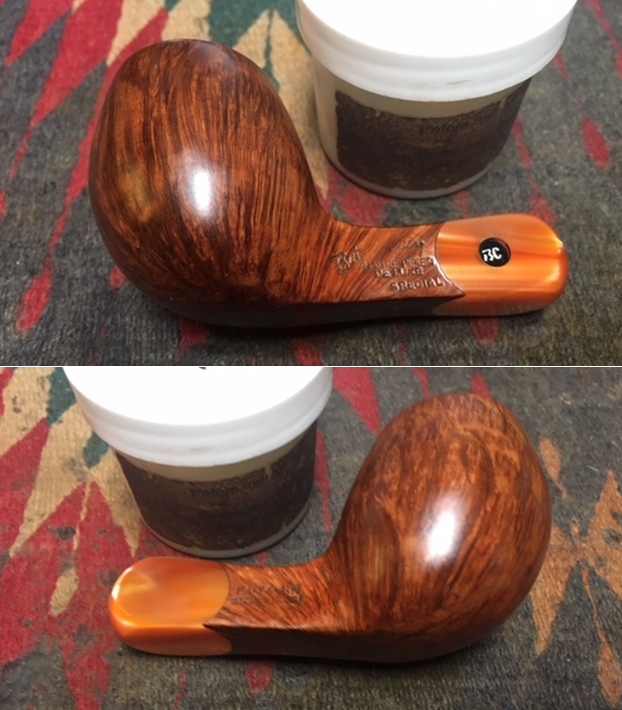
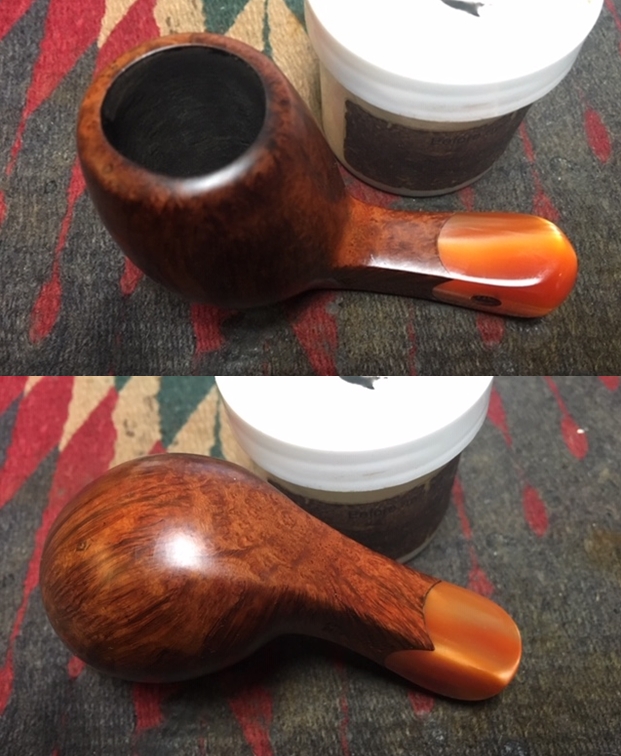
The rustification on this pipe is unique.  It pulls one toward the African roots of Tanganyika, now Tanzania.  The texture reminds me of cork which by the very nature of the material is not perfect.  This Kiko wears his imperfections well – the fills, evident on the stummel surface, belong and mark the difficulties this pipe has had along the way, but now ready to go again.  The grain nuanced as a backdrop to the rustification, has subtle patterns that remind one of tiger fur.  The Meerschaum lining looks great and will provide the Kiko’s next steward the ability to enjoy a bowl of his favorite blend, and immediately reload for another smoke without the need of resting the pipe.  Aaron commissioned this Kiko from the “For ‘Pipe Dreamers’ Only!” page and now he will have the first opportunity to acquire it in The Pipe Steward Store and what is really good, this benefits our work, the Daughters of Bulgaria – helping women and girls who have been trafficked and sexually exploited.  Thanks for joining me!

Ben Wade’s in the House, Part 2


Blog by Joe Gibson

Finished Pipes, ready for an afternoon smoke. The tobacco is last tin of out of production Viking Odin’s Wind.

Which Stem for Which Pipe?

When the Ben Wades arrived, the Martinique came with a beautiful, amber colored but transparent acrylic stem. There was a minor amount of tooth chatter near the bit, but nothing I felt the need to repair. The airway, on the other hand, was black from being smoked. The stem was tight in the mortise and didn’t readily pull out.

The Royal Grain, as I mentioned in the previous post, still had a vulcanite tenon stuck in the mortise. I decided to work on the Martinique stem first and deal with finding a stem for the Royal Grain later.

Cleaning the Perspex Stem

The Perspex stem before cleaning.

The first problem was separating the stem from bowl without breaking anything. Since I planned on soaking the bowl in alcohol, I dipped the pipe and stem in the jar and let it set for a minute or two. The stem then came off the pipe easily and I rinsed it off in clean water.

With oxidized vulcanite stems, I do an Oxyclean soak to bring the oxidation to the surface. I’ve never tried an Oxyclean bath on acrylic or Perspex stems. With those, I usually just wipe the outside down with alcohol and do the inside with pipe cleaners dipped in alcohol. The one thing you never want to do is soak the stems in alcohol. It could possibly cause “crazing” or cracks in the airway. Some

people even report stems breaking after soaking in alcohol.

Tip #1: The shank brush tool is great for cleaning tobacco residue from the bit. I find it does the job faster than just pipe cleaners.

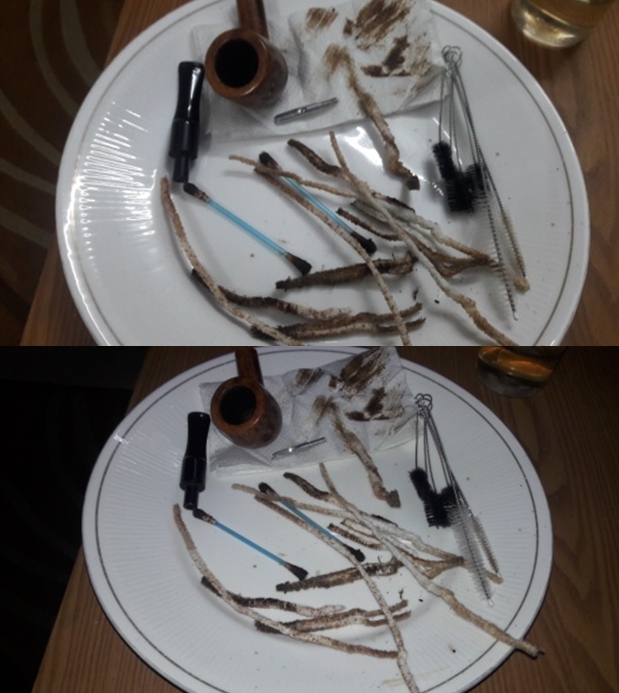
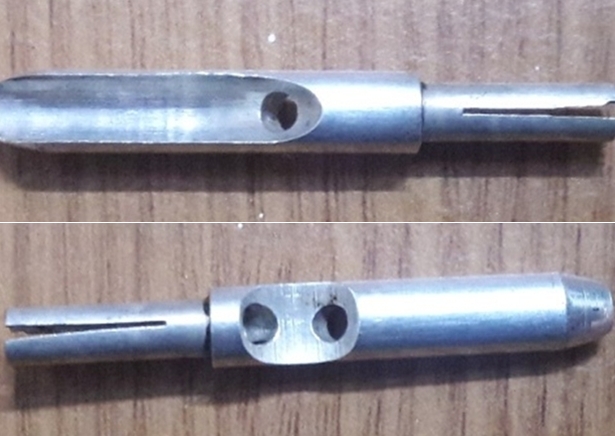
I was hoping dipping regular, tapered pipe cleaners in alcohol would remove the discoloration from the airway and sterilize it. And it did, to an extent. After 10 pipe cleaners the airway was a little cleaner, but I could still see the old tobacco stain. I probably would have gone to my bristle pipe cleaners, but I didn’t The solution for this situation? I switched to a shank brush pipe tool. It’s ideal for cleaning the shank and  the tenon and airway of a pipe stem. I dip it in alcohol and run it through the stem until it comes out fairly clean. I follow that with pipe cleaners dipped in water.

The Royal Grain Stem Replacement. Maybe?

Initially I planned to have a stem made for the Royal Grain. Then I remembered the Preben Holm stem I had sitting in my desk. It’s a mismatched stem from a Søren freehand I bought in early August. I easily removed the broken tenon by inserted a drill bit into the airway by hand and twisting and pulling it out.

Tip #2: When buying pipes in “junktique” shops and malls, check the stems for stamps or logos. It will help you identify the pipes and may also tell you if the stem is the correct one for the pipe. I use mismatch stems as a point in talking the seller into lowering the price.

Black Vulcanite Preben Holm stem and a Perspex Ben Wade

Stems are usually made to fit the pipe it’s going with and I have never found one stem to perfectly fit a pipe other than the one it’s made for.

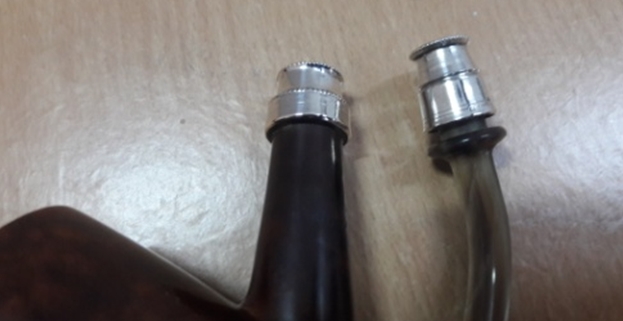
The Preben Holm stem fitted the Royal Grain. Maybe a tighter fit than I like, but it a fit and I can always work on the mortise or tenon to make it better. On top of that, a friend from one of the pipe forums, had a Ben Wade stem he is sending me. One way or the other I have a stem for the Royal Grain. Or, did I?


But Which Stem for Which Pipe?

So, there I was. Sitting with two clean and polished pipe bowls and two stems. I picked up the Perspex stem and inserted it back into the Martinique. And, the bowl almost slipped off the stem. The logo on the Perspex is the Ben Wade logo. This should fit.

I’m guessing that the fit was so tight at the start because both the mortise and the tenon was so dirty. Once the cleaning removed the residue, it became loose.

Just on a lark, I decided to try the Perspex stem on the Royal Grain and it slid into place easily and looked like it was made for it. I also liked the way the amber color matches to the darker finish of the Royal Grain.

I then inserted the vulcanite Preben Holm stem into the Martinique. It is a snug fit but not a tight fit. May not be the original stem, but it is close enough.

Part 1: Ben Wades in the House

© J. Gibson Creative Services. September 5, 2018

Finally a Simple Restoration – A Siena Artistica Oom Paul


Blog by Steve Laug

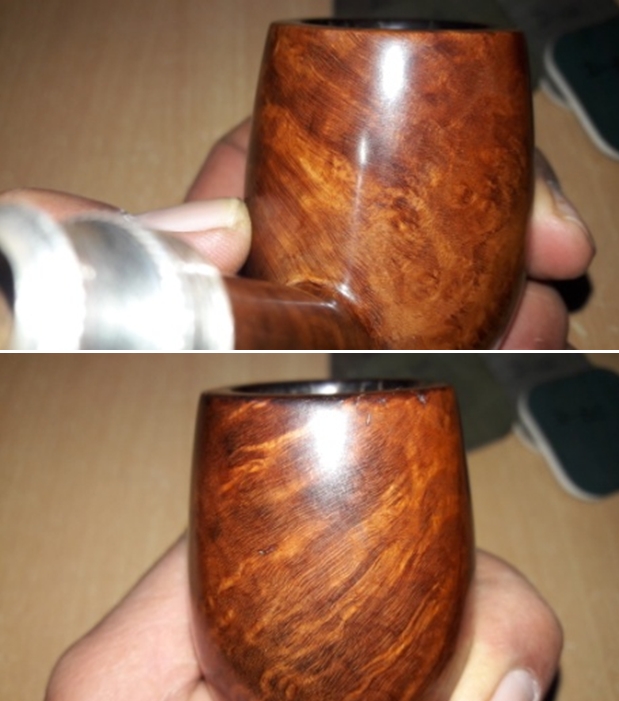
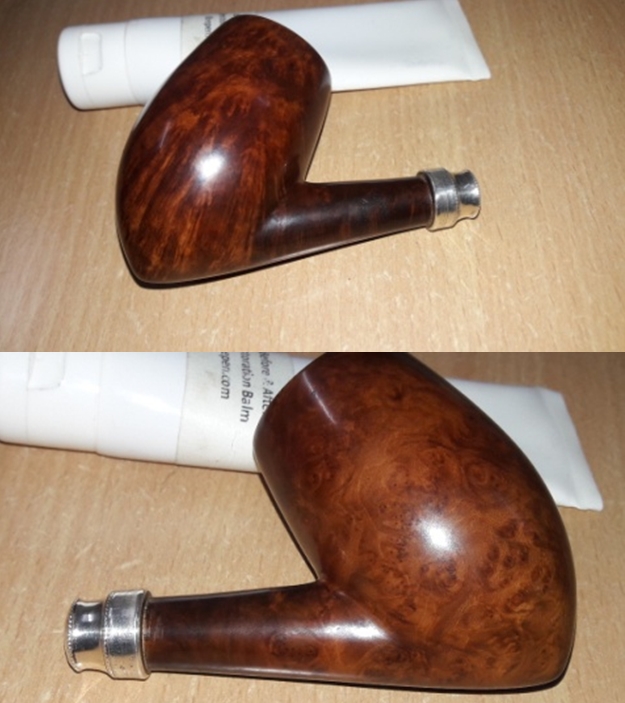
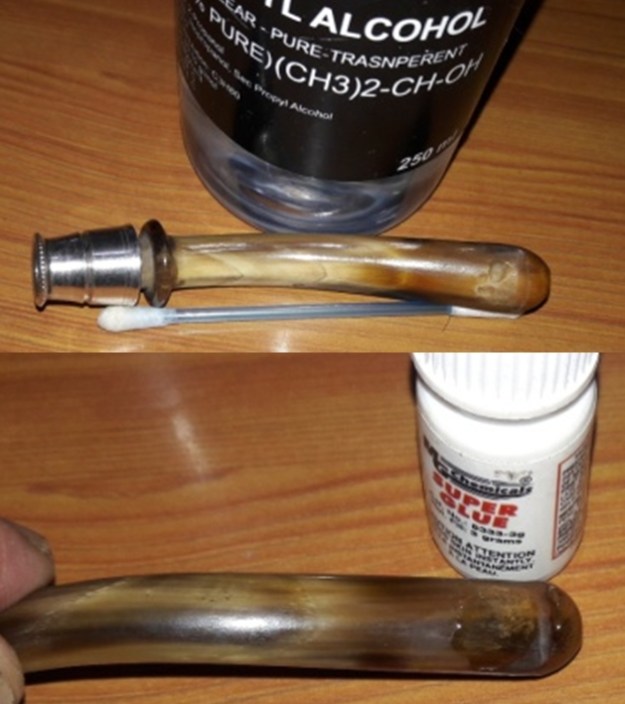
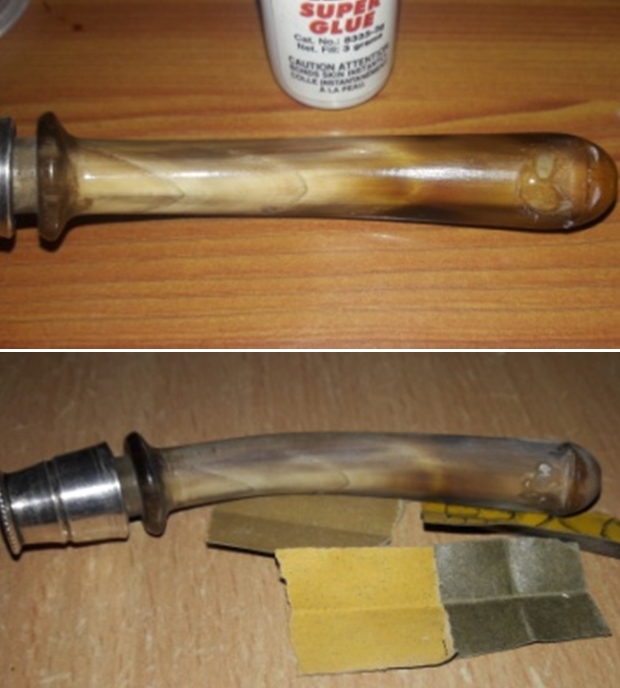
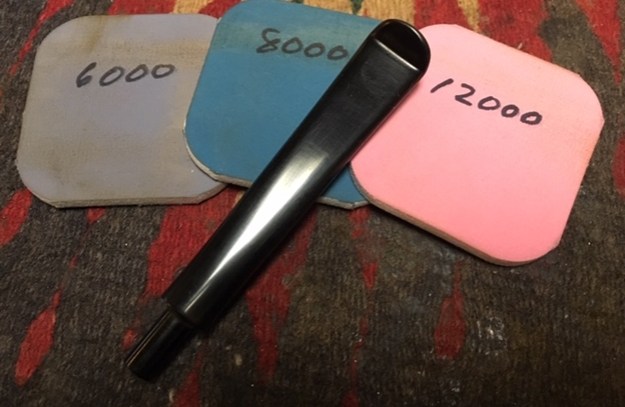
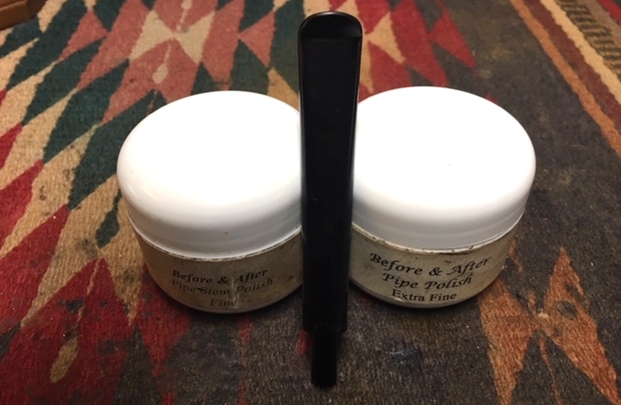
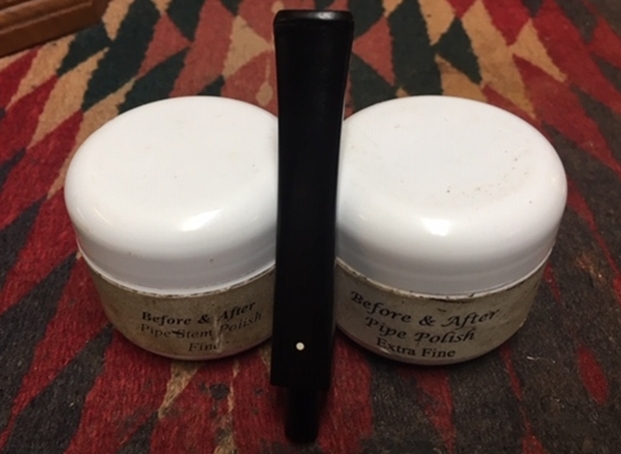
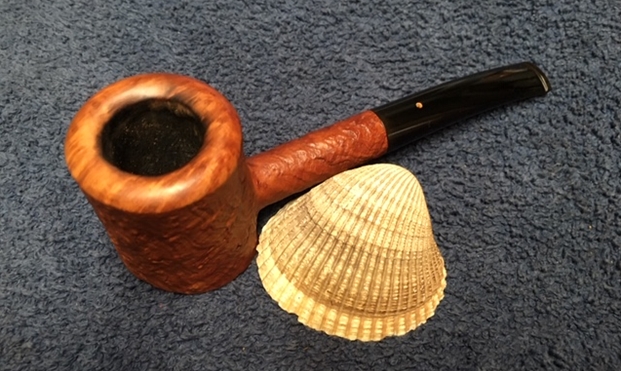
The next pipe on the table was one of a pair of Oom Paul pipes that my brother Jeff picked up in from a guy in Texas. This one is full bent Oom Paul with a gnarly rustication on a classic shaped pipe. It has some great grain underneath the rustication on the bowl and shank. It has a contrast stain with dark brown in the grooves and light/medium brown stain that gives the pipe lots depth and dimension. It is stamped on the left side of the shank Siena Artistica. There is no other stamping on the shank or bowl. The finish was in very good condition. The rim top was clean and there was no damage on the inner and outer edges of the bowl. The bowl had a light cake in it that would be easy to deal with. The stem was acrylic and variegated browns and golds. It had some tooth chatter and scratching on both sides near the button. The stem had an acrylic band that was silver and white. Jeff took photos of the pipe before he started his cleanup up work. He took a clear photo of the rim top showing that it was quite clean. There was some buildup and grime in the grooves of the rustication. The edges of the bowl look very good. There is a light cake in the bowl.The stem was in good condition. There was some tooth chatter and scratches on the top and underside near the button.The stamping on shank read Siena Artistica and is very readable and clean.Jeff had scrubbed the exterior of the bowl with Murphy’s Oil soap and removed the dust and grime that had accumulated there. The finish looked very good once it had been scrubbed. He lightly reamed the bowl with a Savinelli Fitsall Pipe Knife. He cleaned the interior of the mortise and the airway in the shank and the stem with alcohol, cotton swabs and pipe cleaners. The pipe came to me clean and ready to do the restoration. I took some photos of the pipe to show the condition at this point in the process. I took some photos of the rim top and sides of the bowl to show the condition of the surface of the rim. There is some darkening on the inner edge of the bowl. I also took close up photos of the stem to show its condition. There is some light tooth chatter and tooth marks on both sides near the button but otherwise it is in good condition.I rubbed the bowl down with Before & After Restoration Balm to deep clean the briar bowl and the rim top as well as the briar shank. The product works to clean, enliven and protect the briar. I hand rubbed it with my fingers, working it into the exterior of the pipe. I used a horsehair shoe brush to get the product deep in the whirls and swirls of the rustication. After it had been sitting for a little while, I buffed it with a soft cloth to polish it. The pipe really began to have a rich shine. I took some photos of the bowl at this point to mark the progress in the restoration. I set the bowl aside and turned my attention to the stem. I used a folded piece of 220 grit sandpaper to sand out the tooth chatter and marks on both sides of the stem just ahead of the button. They were not deep so it did not take tooth much to remove them.I polished the stem with micromesh sanding pads – wet sanding with 1500-2400 grit pads and dry sanding with 3200-12000 grit pads. I wiped the stem down after each pad with Obsidian Oil to remove the sanding dust on the vulcanite. I finished the polishing process with Before & After Pipe Stem Polish – both Fine and Extra Fine. When I finished polishing and wiping it down I set it aside to dry. I polished stem and bowl with Blue Diamond to polish out the remaining small scratches. I gave the bowl multiple coats of Conservator’s Wax by hand and the stem multiple coats of carnauba wax. I buffed the pipe with a clean buffing pad to raise the shine. I hand buffed it with a microfiber cloth to deepen the shine. The pipe polished up pretty nicely. The contrasting dark and light brown stains on the unique rustication with the polished, brown/gold variegated acrylic stem worked together to give the pipe a unique look. The finished pipe is shown in the photos below. This is a beautiful rusticated Oom Paul with a unique finish that has already found a new home. The shape, finish and flow of the pipe and stem are very well done. The dimensions are Length: 5 3/4 inches, Height: 2 1/2 inches, Outside diameter of the bowl: 1 3/4 inches, Chamber diameter: 3/4 inches. This one will be on its way to the southern states of the US once I finish the second Oom Paul I am working. The pair already has a new home. Thanks for walking through the restoration with me as I worked over this unique Oom Paul. 

New Life for a Chacom Prestige Chubby Billiard


Blog by Steve Laug

The next pipe on the table was one that my brother Jeff picked up somewhere along his travels through antique shops or online auctions. This one is a nice looking chubby billiard with a classic look and shape. It has some great birdseye grain around the sides of the bowl and shank and some cross grain off-center on the front, on the back and on the top and underside of the shank. It has a smooth natural finish to the bowl that highlights the grain. It is stamped on the left side of the shank Chacom over Prestige. There is no other stamping on the shank or bowl. The finish was dull and a little dirty but otherwise very good. The rim top was chipped and dented with a little damage to the inner edge of the bowl. The bowl had a light cake in it that would be easy to deal with.There was one fill on the left side of the bowl toward the bottom. The stem was vulcanite and had some tooth chatter and scratching on both sides near the button. The stem had a silver double Diamond inlay on the left side. Jeff took photos of the pipe before he started his cleanup up work. Jeff took a photo of the rim top and bowl. You can see that the cake is quite thin. The rim is slightly beveled inward and there are some nicks in the edge. The rim top has dents and nicks in it that are quite deep. The outer edge of the bowl looks good.Jeff took close up photos of the stamping on the left side of the shank. You can see that it is sharp and readable. The first photo shows the stamping and the double diamond logo on the stem. The second photo gives a closer look at the stamping on the shank.Jeff had scrubbed the exterior of the bowl with Murphy’s Oil soap and removed the dust and grime that had accumulated there. The finish looked very good once it had been scrubbed. He lightly reamed the bowl with a Savinelli Fitsall Pipe Knife. He cleaned the interior of the mortise and the airway in the shank and the stem with alcohol, cotton swabs and pipe cleaners. The pipe came to me clean and ready to do the restoration. I took some photos of the pipe to show the condition at this point in the process. I took some photos of the rim top and sides of the bowl to show the damage to the surface of the rim. The dark area on the inner edge at the bottom of the photo (left side of the bowl) is a nick and it has been lightly charred. There is also some darkening on the back edge of the bowl and some nicks and dents that need to be removed. I also took close up photos of the stem to show its condition. There is some light tooth chatter and tooth marks on both sides near the button but otherwise it is in good condition.I took some photos of the grain around the bowl. In the first photo you can see the only fill toward the bottom of the left side of the bowl. The grain on the pipe is quite stunning. I have worked on quite a few Chacom pipes over the years so I know most of the history or at least know where to turn to refresh my knowledge of the brand. Chacom tobacco pipes are made by the famous Chapuis-Comoy Company. The Chacom brand, a combination of the first three letters of each of the family names. It is the signature brand out of dozens produced by the nearly 200 year-old pipe-making family. Chacom tobacco pipes where the number one pipes in France, Belgium and The United States after World War II. The history of excellence in french pipe construction continues today ( https://www.tobaccopipes.com/chacom-history/). A good timeline on the brand can be found on Pipedia (https://pipedia.org/wiki/Chacom).

I started my restoration of the pipe by addressing the damage to the rim top. I topped the rim on a topping board using 220 grit sandpaper. I checked the progress repeatedly as I only wanted to remove the damage and not too much of the briar. The second photo shows the rim top with the damaged areas removed and the rim looking very good.I used an Oak stain pen to match the colour on the bowl. I took the photo below to show the quality of the match.I addressed the dented fill on the lower left side of the bowl next. I filled it in with a drop of clear super glue and set it aside to dry. When the glue dried I sanded it flat with a corner of 220 grit sandpaper and blended it into the briar with a 1500 grit micromesh sanding pad. I touched up the stain with an Oak stain pen. The colour was slightly off but once I buffed and polished the bowl it would blend in well.I polished the briar with 1500-2400 grit micromesh sanding pads to smooth the finish and blend in the restained portions of the bowl. Once I had that finished with the 2400 grit pad I checked the rim top and edges and was not happy with the dark spot on the inner edge of the right side. I used a folded piece of 220 grit sandpaper to bevel the edge a bit more to take care of that. I resanded the top with 1500-2400 grit micromesh sanding pads.I finished polishing the briar with micromesh sanding pads – dry sanding with 3200-12000 grit pads. The briar is shining and the repairs have all but disappeared. In some of the photos I notice a bit of carbon on the walls of the bowl so I wrapped a piece of dowel with some 220 grit sandpaper and sanded the walls of the bowl smooth.I rubbed the bowl down with Before & After Restoration Balm to deep clean the briar bowl and the rim top as well as the briar shank. The product works to clean, enliven and protect the briar. I hand rubbed it with my fingers, working it into the exterior of the pipe. After it had been sitting for a little while, I buffed it with a soft cloth to polish it. The pipe really began to have a rich shine. I took some photos of the bowl at this point to mark the progress in the restoration. I set the bowl aside and turned my attention to the stem. I used a folded piece of 220 grit sandpaper to sand out the tooth chatter and marks on both sides of the stem just ahead of the button. They were not deep so it did not take tooth much to remove them.I polished the stem with micromesh sanding pads – wet sanding with 1500-2400 grit pads and dry sanding with 3200-12000 grit pads. I wiped the stem down after each pad with a Obsidian Oil to remove the sanding dust on the vulcanite. I finished the polishing process with Before & After Pipe Stem Polish – both Fine and Extra Fine. When I finished polishing and wiping it down I set it aside to dry. I polished stem and bowl with Blue Diamond to polish out the remaining small scratches. I gave the bowl and the stem multiple coats of carnauba wax and buffed the pipe with a clean buffing pad to raise the shine. I hand buffed it with a microfiber cloth to deepen the shine. The pipe polished up pretty nicely. The contrasting light brown stain on the smooth briar with the polished, black vulcanite stem worked together to give the pipe a unique look. The finished pipe is shown in the photos below. This is a beautiful Chacom Prestige chubby billiard that needs a new home. The shape, finish and flow of the pipe and stem are very well done. The dimensions are Length: 5 3/4 inches, Height: 2 inches, Outside diameter of the bowl: 1 1/2 inches, Chamber diameter: 3/4 inches. This one will be added to the rebornpipes store soon. If you are interested in adding it to your collection send me an email to slaug@uniserve.com or send me a message on Facebook. Thanks for walking through the restoration with me as I worked over this beautiful billiard.

Crafting a New Stem for a Cortina Factory Denmark 22 Freehand Stack


Blog by Steve Laug

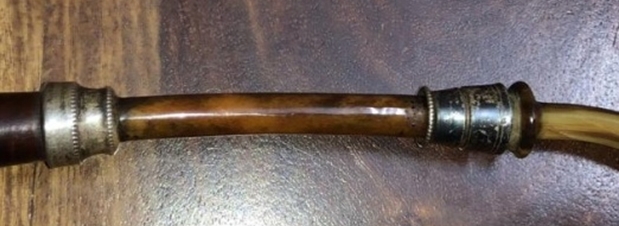
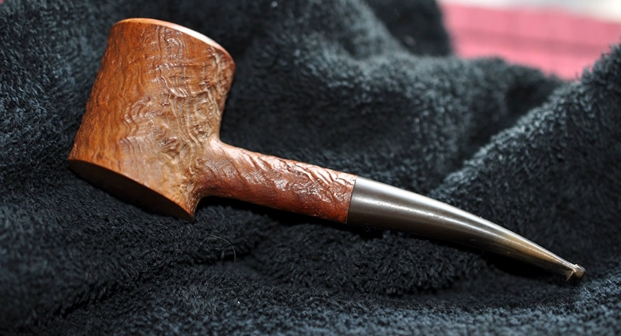
The next pipe on the table was one that my brother Jeff picked up on an eBay auction from a seller in Franklin Tennessee almost two years ago. I know it seems like a long time ago and I suppose it is but I have boxes of pipes to refurbish here and this one came up today! It was in a box with the freehand pipes that I have been working my way through. It is an interestingly shaped sandblast pipe that is a stack. When I first looked at it I did not see any stamping on the shank. As I examined it today I found stamping on the thin band of smooth briar between the horn shank extension and the bowl. It stamped around the band and reads CORTINA FACTORY DENMARK with the shape number 22. The pipe looked pretty good when he got it from the seller. There was dirt and grime in sandblast finish on the bowl. The horn shank extension was oxidized and tired looking. There was a metal mortise inset in the horn to protect it from splitting. There was a light cake in the bowl and the inner and out edges of the bowl were in good shape. The contrast brown finish on the pipe was in excellent condition. I am not sure if the stem on the pipe was the original as the tenon was very long and the fit in the shank was snug but not deep. It was lightly oxidized but in decent condition. I think a stem with a shorter tenon and snug fit to the shank would work well. I would also see if I could shape one to follow the shape of the horn extension. I would have to see what I could find in the can of stems. Jeff took photos of the pipe before he started his cleanup up work. Jeff took photos of the stamping on the pipe. The first photo shows the shape number 22 on the smooth band. The second shows the CORTINA stamp on the smooth band. The third and fourth photos show the stamping Denmark Factory. The next photo shows the shank end – a mottled horn with the metal mortise insert. The stem is in place but you can see that the diameter of the tenon is smaller in diameter than the insert. The second photo below shows the striations in the horn shank extension. The stem was dented and worn. I wanted to replace it with a different stem than the replacement that came in it so I was not too concerned with the stem condition.Jeff had scrubbed the exterior of the bowl with Murphy’s Oil soap and removed the dust and grime that had accumulated there. The finish looked very good once it had been scrubbed. He lightly reamed the bowl with a PipNet reamer and cleaned it up with a Savinelli Fitsall Pipe Knife. He cleaned the interior of the mortise and the airway in the shank and the stem with alcohol, cotton swabs and pipe cleaners. The pipe came to me clean and ready to do the restoration and restemming. I took some photos of the bowl to show the condition at this point in the process. I took some photos of the horn shank extension. At first I thought it was acrylic but as I worked on it I was sure that it was real horn. It was a unique and pretty piece of polished horn. It need to be polished but it was unsplit and in good condition.As has become my practice when working on restoring pipes I did some research on the Cortina Factory Denmark brand name. Pipedia noted the brand but had no information to give in terms of the company or a time frame. I also looked on Pipephil’s site and found a listing for the brand. I have included a screen capture from that site (http://www.pipephil.eu/logos/en/logo-c7.html). The first pipe in the photo shows the Cortina brand and stamp that is the same as on the pipe I am working on. The second one is attached to the Georg Jensen brand and the stamping is actually very similar. It makes me wonder if the Cortina was not a line of pipes made by Georg Jensen. I have no proof of that other than the connection shown in the screen capture below.I started my restoration of the pipe armed with the little bit of information that I could find on the brand. I polished the horn shank extension with micromesh sanding pads – wet sanding with 1500-2400 grit pads and dry sanding with 3200-12000 grit pads. I wiped the bowl down with a damp cloth after each sanding pad to remove the sanding dust. Once I had finished with the last pad I wiped it down with Obsidian Oil to enliven the horn and preserve it. I turned from the horn shank extension to work on the sandblast briar of the bowl. I rubbed the bowl down with Before & After Restoration Balm to deep clean the briar bowl and the rim top as well as the briar shank. The product works to clean, enliven and protect the briar. I hand rubbed it with my fingers, working it into the exterior of the pipe. I worked it into the blast with a horsehair shoe brush. After it had been sitting for a little while I buffed it with a soft cloth to polish it. The pipe really began to have a rich shine. I took some photos of the bowl at this point to mark the progress in the restoration. I had a stem in my can of stems that had turned portions that as the shape of the shank extension on the pipe. Once the stem is cleaned up I will point out the shapes more clearly. I sanded the stem with 220 grit sandpaper to shape the tenon to fit in the mortise. I sanded the oxidation to remove it from the rest of the stem. I took a photo of the new stem next to the one that had come with the bowl. You can see the variation in the shape of the stem. The top one has a very long tenon that fit into the shank up to the spot where the oxidation begins. It is longer than the new stem and the shape is not quite right. On the new stem I have boxed in the shapes in red that parallel the shape of the shank extension.I polished the stem with micromesh sanding pads – wet sanding with 1500-2400 grit pads and dry sanding with 3200-12000 grit pads. I wiped the stem down after each pad with a damp cloth to remove the sanding dust on the acrylic. I polished the stem with Before & After Pipe Stem Polish – both Fine and Extra Fine and I set it aside to dry. I polished stem and bowl with Blue Diamond to polish out the remaining small scratches. I gave the bowl multiple coats of Conservator’s Wax and the stem multiple coats of carnauba wax and buffed the pipe with a clean buffing pad to raise the shine. I hand buffed it with a microfiber cloth to deepen the shine. The pipe polished up pretty nicely. The contrasting brown stain on the sandblast, the variegated swirls in the horn shank extension and the polished vulcanite stem worked together to give the pipe a unique look. The finished pipe is shown in the photos below. This is one of those interesting unknown Danish Pipes that I think could possibly lead back to Georg Jensen but we will probably never know for sure. The shape, finish and flow of the pipe and stem are very well done. The dimensions are Length: 6 1/2 inches, Height: 2 1/4 inches, Outside diameter of the bowl: 1 1/4 inches, Chamber diameter: 3/4 inches. This one will be added to the rebornpipes store soon. If you are interested in adding it to your collection send me an email to slaug@uniserve.com or send me a message on Facebook. Thanks for walking through the restoration with me as I worked over this piece of Danish pipe making history.

New Life for an Unusual Freehand pipe – a Granhill Signature 1 50


Blog by Steve Laug

I have been working my way through some freehand pipes that my brother Jeff picked up recently. There are some amazing freehand pipes among them. The one on the work table now is another Granhill Freehand. I have already restored a beautiful large freehand Granhill earlier this summer (https://rebornpipes.com/2018/06/09/another-large-and-unique-freehand-pipe-a-granhill-signature-1-100/). It was a Granhill Signature 1 100 where this new one is a Granhill Signature 1 50. The pipe looked pretty good when he got it. There was dirt and grime in the plateau on the rim top. The edges were clean and undamaged. The bowl had a pretty thick cake inside. The finish on the pipe was an oil finish on natural briar. There were some carved trails up the sides of the bowl and the shank that had been lightly sandblasted and had an interesting texture. The stem was a replacement stem of cast vulcanite. It was oxidized but in decent condition. The acrylic stem on the other Granhill made me want to put the same kind of stem on this one as well. We would have to see. Jeff took photos of the pipe before he started his cleanup up work. Jeff took photos of the rim top to show the grime and dirt in the crevices of the rim top. There was also some darkening around the inner edge of the rim top and some lava build up that was overflowing onto the inner edge.He also took a photo of the stamping on the shank. The stamping is very clear and readable.The stem was in decent condition. The surface of the vulcanite was pitted and oxidized. There was some light tooth chatter on both sides of the stem near the thin button.Jeff had cleaned the rim top and removed the debris in the plateau. He had scrubbed the exterior with Murphy’s Oil soap and removed the dust and grime that had accumulated there. The oil finish disappeared and there was natural unfinished briar and once it was scrubbed it was clean and unstained briar. He lightly reamed the bowl with a PipNet reamer and cleaned it up with a Savinelli Fitsall Pipe Knife. He cleaned the interior of the mortise and the airway in the shank and the stem with alcohol, cotton swabs and pipe cleaners. The pipe came to me clean and ready to do some light touch ups and polishing. The stem was cleaned but had tooth chatter on the top and underside near the button and on the surface of the button itself. I took close up photos of the rim top to show the condition of the plateau. It was very clean and there was no damage to the inner or outer edge of the rim. Jeff had been able to remove all of the tars and oils and lava coat on the edge of the bowl. The photos of the stem to give a clear picture of what it looked like before I cleaned it up. They also show the smooth shank end on this particular pipe. There was a slight bit of plateau on the top of the shank end in the second photo.In my earlier blog on the other Granhill I had done research on Pipedia to find information. I found two potential makers of the brand though they separated the name into two parts Gran Hill. The first possible maker was Michael V. Kabik with some of them stamped Made in Denmark. The spelling of the name was noted to come in other versions: Granhill, Gran-Hill. The second possibility comes from Lopes book where he states that the brand also was used by a Fargo Tobacconist, Lonnie Fay, who made freehands bearing this stamp in the 1970s. To me the similarity of the pipe to other Kabik pipes that I have worked on made me go with him as the maker of this pipe as well.
I went back to Pipedia and spent time reading about Michael Kabik (https://pipedia.org/wiki/Kabik). Here is a summary of what I found.

Michael Victor Kabik or Michael J. Kabik, now retired artisan and pipe repairman, was born in Annapolis, Maryland in 1950. As a student he was fascinated by science, but finally turned to the arts. In the early 1970s he started working as an artisan and designer for Hollyday Pipes Ltd., and when the company closed he set up in his own right.

Kabik writes as follows:

…In the 1960s, I had helped Jay build Jay’s Smoke Shop and was his first employee. Since that time, he had set up one of the very first freehand pipe-making operations in the U.S. along with his partner, Chuck Holiday, called CHP-X Pipes. The staff consisted of four full-timers actually making the pipes and perhaps another four in sales and office work. Chuck, who did the actual design and carving, had long since had serious disagreements with Jay and split. Chuck’s replacement from the staff was quitting, and Jay was in a bind. Jay offered me the job, and I gladly accepted. The fellow quitting was supposed to train me for two months but left after two weeks, leaving me with an awesome responsibility. I felt as though the future employment of all these people depended on me as the designer and cutter…and it did.

…Sadly, CHP-X closed its doors two years after my arrival, due primarily to distribution, sales force problems, and other issues to which I was not privy…In love with a medium that satisfied my creative impulses while, pretty much, paying the bills, I bought up the essential equipment and produced pipes on my own. I did this from a farm house my wife and I rented in Phoenix, Maryland. I produced pipes under the name KANE, Gran Hill and others I can’t remember as well as a private label line for a store in, I believe, South Dakota.

…In 1973, I was approached by Mel Baker, the owner of a chain in Virginia Beach called Tobak Ltd. Mel was interested in producing a freehand pipe line and was alerted to my product by Al Saxon, one of his managers and a former CHP-X employee. Mel wanted to relocate me to Virginia Beach, give me carte blanche, and recreate the CHP-X studio with, of course, a new name for the product. I’m sure my answer came very quickly.

…We decided on the name Sven-Lar. Why? Well, when I bought out CHP-X, I also got a small drawer full of metal stamps that were created for private-label work. The Sven-Lar name was conceived but never realized. Aside from having the stamp already made, there were other reasons we chose Sven-Lar. First, we were making a line of pipes in the Danish freehand tradition and also, sadly, we knew the difficulty American pipe makers had breaking the foreign market mystique barrier. The latter certainly played a big part in the demise of CHP-X.

After rereading the previous blog I was pretty certain that the pipe I was working on was another one made by Kabik. I turned my attention to restoring the pipe. I started with the clean bowl, I rubbed the bowl down with Before & After Restoration Balm to deep clean the briar bowl and the rim top as well as the briar shank. The product works to clean, enliven and protect the briar. I hand rubbed it with my fingers, working it into the exterior of the pipe. I worked it into the plateau top with a horsehair shoe brush. I wiped it off and buffed it with a soft cloth to polish it. The pipe really began to have a rich shine. I took some photos of the bowl at this point to mark the progress in the restoration. I wrapped a piece of dowel with 220 grit sandpaper and sanded out the inside of the bowl to smooth the walls. I removed all of the remaining cake on the walls of the bowl.I set the bowl aside and turned my attention to the stem. I looked over the replacement stem and decided to not use it. I went through my stem collection and found a nice brown swirled acrylic stem that I thought would look good with the pipe bowl.  It was very similar to the stem on the other Granhill I worked on so I decided to use it instead. I took photos of the two stems side by side for comparison.I sanded the tenon end with a Dremel and sanding drum and smoothed it out with 220 grit sandpaper to adjust the tenon to the same diameter as the tenon on the replacement stem. It did not take too much work to adjust the fit to the shank.I sanded out the tooth marks out of both sides of the stem with 220 grit sandpaper. I worked over the surface with sandpaper to remove the tooth chatter, marks and to smooth out the surface. There were tooth deeper tooth marks on the top side of the stem that I would need to fill in and work on. I filled in the dents with clear super glue. Once the glue cured I sanded them smooth with 220 grit sandpaper to blend them into the surface of the acrylic. I polished the stem with micromesh sanding pads – wet sanding with 1500-2400 grit pads and dry sanding with 3200-12000 grit pads. I wiped the stem down after each pad with a damp cloth to remove the sanding dust on the acrylic. I polished the stem with Before & After Pipe Stem Polish – both Fine and Extra Fine and I set it aside to dry. I polished the briar with micromesh sanding pads – wet sanding with 1500-2400 grit pads and dry sanding with 3200-12000 grit pads. I wiped the bowl down with a damp cloth after each sanding pad to remove the sanding dust. Once I had finished with the last pad I wiped it down with a light coat of olive oil to collect the dust and to give some depth to the finish. I polished stem and bowl with Blue Diamond to polish out the remaining small scratches. I gave the bowl and the stem multiple coats of carnauba wax and buffed the pipe with a clean buffing pad to raise the shine. I hand buffed it with a microfiber cloth to deepen the shine. The pipe polished up pretty nicely. The plateau on the rim top and the smooth natural oiled finish work very well with the swirled brown acrylic stem. The finished pipe is shown in the photos below. While I have worked on other Michael Kabik pipes (a CHIP-X) this is the second Granhill pipe of his that I have restored. It is well crafted and is very similar to the CHIP-X that I worked on in the past. The shape, finish and flow of the pipe and stem are very well done. The dimensions are Length: 6 1/2 inches, Height: 2 1/4 inches, Outside diameter of the bowl: 1 3/4 inches, Chamber diameter: 3/4 inches. This one will be added to the rebornpipes store soon. If you are interested in adding it to your collection send me an email to slaug@uniserve.com or send me a message on Facebook. Thanks for walking through the restoration with me as I worked over this Granhill freehand.


My Preben Holm Story


Blog by Joe Gibson

August has been a good month for rescuing pipes from various antique shops in Mississippi. Earlier this month, I bought a Peterson Kapp-Royal and a Søren Refburg Rasmussen freehand from an antique mall in Picayune, Mississippi.

This past weekend, we visited the antique shops/flea markets in the Meridian, Mississippi area and after not seeing any pipe or tobacco related items (except for 4 brass spittoons), we walked into the last shop on our list. To be honest, we almost didn’t go into Penny’s Little Flea Market. None of the previous shops had air conditioning and were hot. What convinced us to go into Penny’s was the big sign, “Air Conditioned.”

Talk about a lucky sign! The first thing my wife saw was a display case on the counter containing pipes. I could tell before the case was open that these were not the usual suspects – Kaywoodie, Dr. Grabow, Medico pipes. The first three I picked up were a Preben Holm and two Ben Wade freehands. The case also held three pre-1965 Charatan’s Make and four Savinelli’s.

The Preben Holm caught my heart though.

Preben Holm carved and sold his first pipe before he turned 16. By the time he was 22 years old, he had his own shop and employed 45 employees. He is widely considered one of the godfathers of the Danish freehand design. For those wanting more information check out the about Holm on https://pipedia.org/wiki/Holm,_Preben.

Interestingly, Holm also produced the Danish Era Ben Wade pipes. Holm signed on with Herman Lane of Lane, Ltd. in 1971 after his previous distributor could not pay him. That dates the Preben Holm Delight as either pre-1971 or after 1980 according to my research. Since his prior distributor still had a stock of “Preben Holm” pipes, Lane decided to market the pipes under the Ben Wade name. My understanding is that once the old distributor depleted his stock, Holm and Lane reinstated the Preben Holm name on the pipes.

Despite the outside of the bowl being dark and grimy, there was relatively little cake in the pipe when I bought it. The stem was moderately oxidized but hadn’t turned dark orange yet. When I sniffed the bowl, it smelled like old tobacco but didn’t have that funky smell I normally find in pipes at flea markets.

The Cleaning Process

My first cleaning step on this pipe was to scrub it down with a Magic Eraser and undiluted Murphy’s Oil to remove as much of the dirt and grim as I could. I followed that with scrubbing the bowl with isopropyl alcohol and a Scotch Brite pad. It was then packed with cotton balls and saturated with isopropyl alcohol for an overnight soak.

The next morning, I put the stem to soak in an Oxyclean solution to soften the oxidation. After dumping the cotton ball and alcohol, I went to work on the outside of the pipe again. I really wanted to lighten up the smooth portions of the bowl to increase the contrast between smooth and rustication. I started wet sanding with 320 or 400 grit sand paper dipped in the alcohol. After rinsing, I wet sanded with 600 grit until I was happy with the results.

After cleaning the outside of the pipe with isopropyl alcohol and Murphy’s Oil, I sanded the smooth portions with 400 and 600 grit sandpaper.Following the 400 & 600 grit sandings, I used alcohol wipes to remove the dust residue.Next, I move to finishing sandpaper starting with 1000 grit. It removes any residue the alcohol wipe left and starts polishing the pipe. I use 2K, 4K, 8K grits next.I finish this process with 12K grit sandpaper. It requires time and patience, but the result is a nice, glossy shine before applying wax.The same technique is used on the rim. The top of the bowl looks out of round but it was apparently carved like that.I’m a big fan of using finishing sand paper and micro-mesh sanding pads to bring out the grain and shine on pipes. I have been told that I overdo it, but I like my results. I start with 1,000 grit sand paper and move up the scale – 2,000 grit, 4,000 grit, 8,000 grit and finally 12,000. Between each step, I use an alcohol wipe to remove and residue. The end result is always a very smooth feel to the pipe and a glossy shine.  The pipe gets a second overnight alcohol soak after that.

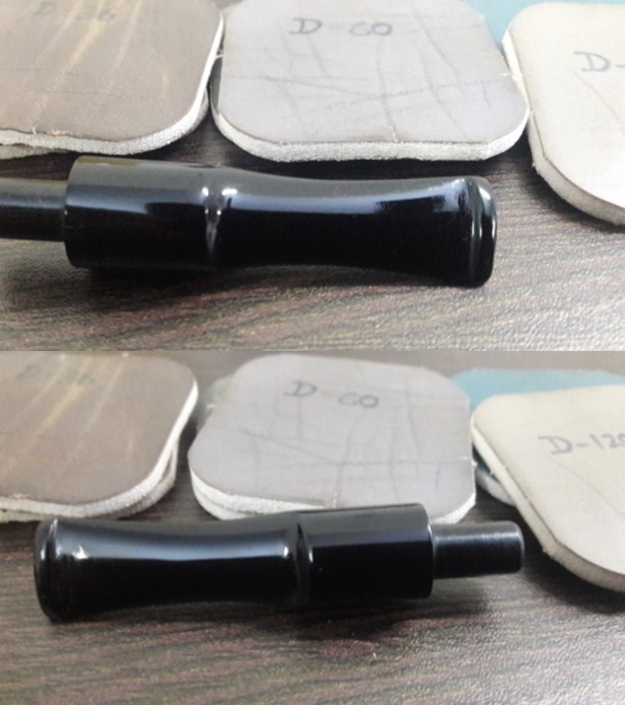
For some reason, the stem was almost more challenging to clean than the pipe. Using micro-mesh pads and a lot of elbow grease usually give me a nice black, semi-glossy stem. This stem didn’t want to cooperate. The micro-mesh removed all of the surface oxidation and looking at it under room lighting, it looked good. When I looked at the stem under sunlight though I could still see discoloration, especially around the curved parts of the stem.

Red Tripoli applied with my buffer reduced the discoloration, but it took over an hour of buffing to remove the last vestiges of the oxidation. A light application of carnauba to the stem and bowl had both gleaming and ready to smoke. 

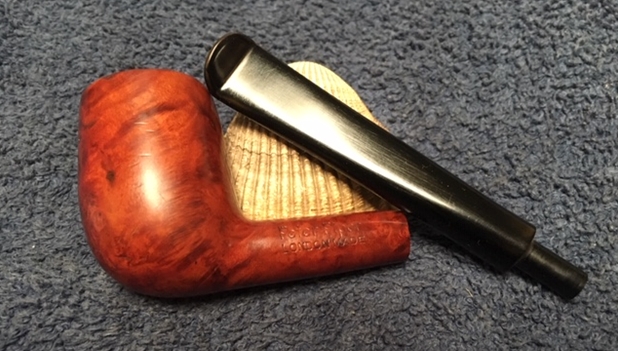
New Life for a Nording A Freehand


Blog by Steve Laug

I don’t remember where this pipe came from but it showed a lot of promise. It is stamped Nording Made in Denmark in a circle with an “A” in the center of the circle on the underside of the shank. The bowl is sandblasted around the bowl and shank. The stamping is on the smooth panel on the underside of the shank. There is a smooth ring of briar on the shank just ahead of the yellow acrylic ring. The ring is asymmetrical like the shank. The rim top is a combination of smooth briar curving upward to plateau on the rim top. The stem was vulcanite and was oxidized and had some calcification on each side of the stem for the first inch ahead of the button. I think that at some point in its life before it came to me it had a rubber Softee bit on the stem to protect it from tooth marks and chatter. It had done its job and there were no tooth marks or chatter on the surface of the stem. I took the following photos of the pipe before I worked on it. I took some close up photos of the rim top and the stem to show the condition it was in when I started the cleanup. The plateau on the rim was dirty with dust and tars in the grooves of the plateau. The grooves of the sandblast were also dusty and dirty. The inside of the bowl appeared to be in good condition under the thin cake. The close up photos of the stem shows the oxidation and calcification on the surface. On the second photo, the top side of the stem you can see the faint remnants of the Nording signature N. There is very little of the stamping left in the vulcanite. The vulcanite stem has an interesting spiral look that gives a sense of whimsy to the pipe that will become more apparent after the polishing.I took a photo of the underside of the shank – you can see the circular Nording Made in Denmark encircling a capital “A”. The yellow acrylic shank extension.I reamed the bowl with a PipNet reamer using the second and third cutting heads to take the cake back to bare briar. I cleaned up the remnants of cake in the bowl with a Savinelli Fitsall Pipe Knife. I finished the cleaning of the inside of the bowl with 200 grit sandpaper wrapped around a piece of dowel. I turned it in the bowl until the bowl was smooth and clean. I scrubbed the exterior of the bowl with a tooth brush and Murphy’s Oil Soap. I scrubbed the plateau rim top with a brass bristle brush to remove the tars and oil in the grooves. I rinsed the bowl with warm water in the sink while scrubbing the finish with the tooth brush to remove the dust and grime. I took photos of the pipe after cleaning. It was starting to look very good. I scrubbed out the mortise and the airway in the shank and stem with pipe cleaners, cotton swabs and alcohol. Once the grime was removed the pipe smelled good and looked good.I rubbed some Before & After Restoration Balm into the surface of the briar to enliven, clean and preserve it. I rubbed it in with my fingertips working it into the briar. I worked it into the plateau rim and the sandblast on the sides of the shank and the bowl. I buffed it into the finish with a horsehair shoe brush. I set it aside for a little while to let the balm do its work. I buffed it off with a cotton cloth and a shoe brush. The photos below show the pipe at this point in the restoration process. I set the bowl aside and turned my attention to the stem. I sanded the oxidation and the calcification on the stem with 220 grit sandpaper. I was able to remove the oxidation and the calcification and the stem actually began to look really good.I polished the stem using micromesh sanding pads – wet sanding with 1500-2400 grit pads and then buffing on the wheel with red Tripoli. I dry sanded the stem with 3200-12000 grit pads to further polish it. After each pad I wiped it down with Obsidian Oil to protect and enliven the stem. When I finished with the final pad I gave it the stem another coat of oil and set it aside to dry. This interesting mixed finish Freehand is a classic Nording. Everything about the shape, style, and the craftsmanship of the stem say Nording. The Nording Made In Denmark stamp with the “A” in the middle gives the grade of the pipe. I am not sure where it fits in the Nording hierarchy but it is a well-made pipe. The shape of the pipe takes full advantage of the sandblast grain on the briar. The mix of grains – straight, flame and birdseye all work together to give the sandblast finish a beautiful look from any direction it is viewed. The reddish colour of the bowl and shank with the bright yellow acrylic shank work together well with the polished black of the vulcanite stem. I buffed the bowl and the stem with Blue Diamond polish to raise the shine on the briar and the vulcanite. I was careful to not buff the stamping and damage it. I gave the bowl and the stem multiple coats of carnauba wax. I buffed the entire pipe with a clean buffing pad to raise the shine. I hand buffed it with a microfiber cloth to deepen the shine. The finished pipe is shown in the photos below. The dimensions of the pipe are: Length: 6 inches, Height: 2 1/4 inches, Outside Diameter: 1 3/4 inches, Diameter of the chamber: 7/8 of an inch. It is an interesting pipe and should make a great addition to anyone’s rack. Thanks for walking through the restoration with me.
Restoring a Mystery Freehand – a Hand Made in Denmark. Is it a Preben Holm?


Blog by Steve Laug

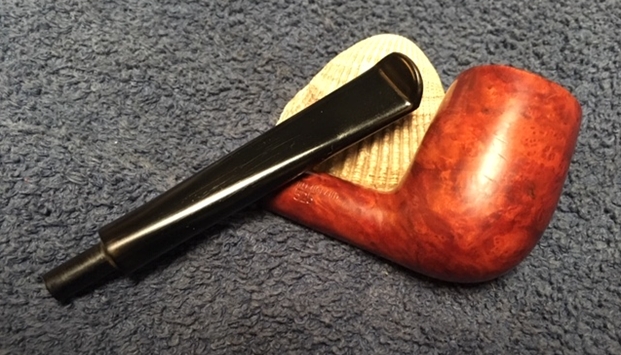
Jeff found this old pipe in an antique shop in Stevensville, Montana. He continues to show that he has an eye for old and unique pipes. This one is a tall, stack Freehand pipe with a large bowl and beautiful grain patterns around the sides of the bowl and shank. There is straight, flame and birdseye grain around the sides, top and bottom of the bowl. The rim cap is smooth and a mix of grain patterns. The finish was dirty but seemed to have a matte finish under the grime and grit. The rim top had an overflow of tars, oils – lava from the thick cake in the bowl. It was truly a mess but the buildup probably protected the inner and outer edges of the rim. It was stamped on the underside of the shank just ahead of where the stem is inserted. It is simply stamped Hand Made over In over Denmark. The stamping is identical to the stamping on Ben Wade Pipes that I have in my collection and something in my memory says I have read that somewhere. The stem has chair leg turnings that are similar to many freehand pipe stems. There is nothing stamped on the side or top of the stem. Jeff took photos of the pipe before he started his cleanup work. Jeff took some close up photos of the rim top to show the condition of the bowl and rim. There was some overflow of lava and dirt on the rim top and there was a pretty thick cake in the bowl. The pipe is quite tall and the cake went to the bottom of the bowl. The inner and outer edges looked to be in good condition.Jeff took photos of the bowl from various angles to show the condition of the finish. The beautiful grain is visible in the photos. The finish is dirty but looks good under the grime.   The stamping on the underside of the shank is clear and readable. It simply reads Hand Made with a faint stamp “In” below that followed by Denmark. The second and third photos below show the damage to the left edge of the shank. There were some chips and nicks in the finish. None were too deep in the briar so would need to rework that area of the shank. The stem was in decent condition. It was oxidized on both sides and there were some nicks and tooth marks and chatter on both sides near the button. There were no deep tooth marks which is really a relief.I reread the articles on Pipedia and Pipephil on both Preben Holm and Ben Wade pipes. I could not find the comment I was looking for on the Hand Made In Denmark stamp. So I would not have the luxury of knowing the history or who the carver was. Many things about the pipe made me still think it was a Ben Wade pipe but I may never know. I am hoping one of you who are reading this might have a clue for me.

Jeff has become a magician in cleaning up pipes. When I get them they are clean to the point of looking almost new. It is nice to work on pipes that he has cleaned up once again. In this case he reamed it with a PipNet reamer and smoothed the walls of the bowl with a Savinelli Fitsall pipe knife. He scrubbed out the mortise and the airway in the shank and the stem with alcohol, cotton swabs and pipe cleaners. He scrubbed the exterior of the bowl, rim and shank with a tooth brush and Murphy’s Oil Soap to the oils and tars on the bowl, rim and shank. He rinsed it under running water. He dried it off with a soft cloth. He was able to remove all of the buildup on the rim top and the grime from the bowl. He soaked the stem in Before & After Deoxidizer and when it had done its work rinsed and cleaned the airway with pipe cleaners and alcohol. The tooth marks were clean but visible. I took photos of the pipe to show its condition before I started my work on it. I took some photos of the rim top to show what it looked like after Jeff had cleaned off the grime and tars. The briar was in good condition but there were some nicks and scratches in the flat top but none appeared too deep. The inner and outer edges of the bowl looked very good. The stem had cleaned up really well with the deoxidizer and need repair and polishing. It showed tooth marks on the underside and some chatter but it was otherwise in good condition. I decided to address the chips on the left side of the shank and reshape the shank end first. I sanded out the chips and reshaped the edge with a folded piece of 220 grit sandpaper. I shaped it to match the shape of the shank edge on the right side of the pipe. I worked on the end view as well. I wiped down the bowl with alcohol on cotton pads to remove the debris and dust from the clean up. I worked on the rim top as well to work on the darkening that was on different parts of the rim. I rubbed some Before & After Restoration Balm into the surface of the briar to enliven, clean and preserve it. I rubbed it in with my fingertips working it into the briar. I worked it into the edges of the shank and the bowl. I set it aside for a little while to let the balm do its work. I buffed it off with a cotton cloth. The photos below show the pipe at this point in the restoration process.The rim top still had some areas on the left side and back edge that would need to be worked on. You can see it as a line around the bowl. I have circled the area in red so that you can see what I am noting at this point.I worked on the rim top and the edge of the shank that I had reshaped with micromesh sanding pads. I wet sanded the rim top and the left side of the shank with 1500-2400 grit pads and was able to remove the circled damage on the rim and blend the edge of the shank. I polished it by dry sanding it with 3200-12000 grit sanding pads. I wiped the areas down after each pad with a damp cloth to remove the dust. I touched up the stain on the top of the rim and left edge of the shank to blend those areas into the colour on the rest of the pipe. I used a Maple and Cherry stain pen to approximate the colour of the pipe. I still need to buff the bowl and shank but the colour appears to be a perfect match. I buffed the bowl and shank with Blue Diamond on the buffing wheel and gave the bowl a coat of carnauba wax. I buffed it with a clean buffing pad to raise a shine and blend the stain into the rest of the finish. I took the following photos to show the bowl at this point in the process. I set aside the bowl and turned my attention to the stem. I wiped down the stem with alcohol and filled in the tooth marks on the top and underside with clear super glue. I set the stem aside to let the repairs cure.When the repairs cured I sanded them with 220 grit sandpaper to blend them into the surface of the vulcanite. I wiped it down with Obsidian Oil and took some photos of the stem at this point.I polished the stem using micromesh sanding pads – wet sanding with 1500-2400 grit pads and then buffing on the wheel with red Tripoli. I dry sanded the stem with 3200-12000 grit pads to further polish it. After each pad I wiped it down with Obsidian Oil to protect and enliven the stem. I polished it further with Before & After Pipe Polish – both Fine and Extra Fine. When I finished with the polish I gave it a final coat of oil and set it aside to dry. This smooth finished stack Freehand is an interesting and unusual piece. The Hand Made In Denmark stamp on the shank I think is one of Preben Holm’s marks but I cannot prove it. The shape of the pipe takes full advantage of the grain on the briar. The mix of grains – straight, flame and birdseye all work together to give this pipe a beautiful look from any direction it is viewed. The reddish brown of the bowl and the black of the vulcanite stem contrast well together. I buffed the bowl and the stem with Blue Diamond polish to raise the shine on the briar and the vulcanite. I was careful to not buff the stamping and damage it. I gave the bowl and the stem multiple coats of carnauba wax. I buffed the entire pipe with a clean buffing pad to raise the shine. I hand buffed it with a microfiber cloth to deepen the shine. The finished pipe is shown in the photos below. The dimensions of the pipe are: Length: 6 inches, Height: 2 3/4 inches, Outside Diameter: 1 1/2 inches, Diameter of the chamber: 7/8 of an inch. It is an interesting old pipe and should make a great collectible piece. Thanks for walking through the restoration with me.

Transforming a Dr. Grabow “Omega”


Blog by Paresh Deshpande

“Mirror, mirror on the wall, who is the prettiest of them all?” asked this “Omega”, looking deeply into my eyes!!!!! How I wish I could have promptly replied that it was “YOU”…. but I could not get myself to say so!!!!! It was then that I decided to work on this pipe and make an attempt at its transformation.

This bent billiards has “OMEGA” stamped on the left side of the shank over “DR. GRABOW” in block capital letters while on the right side it is stamped “IMPORTED BRIAR”. A nickel ferrule adorns the end of the shank and is devoid of any stampings. An “ACE OF SPADES” on the left side breaks the monotonous black of the stem. I searched pipedia.com for information about the brand and try to place the period when this model was introduced by Dr. Grabow. The site has very detailed information about the brand and various models and is a highly recommended read. I have extracted only the relevant portions here:-

Dr. Grabow pipes are the quintessential American brand. Made with care in the Blue Ridge Mountains of North Carolina, this 60-year-old line of inexpensive tobacco pipes is a favorite among new pipe smokers for its consistency and good taste. The famous smoking pipe brand gets its name from the owner Dr Grabow, a general physician who lived in Chicago.

Made in America since the 1930’s, Dr. Grabow tobacco pipes were named after “the good doctor” to help polish the smudged image of smoking a pipe to newly tobacco-leery American public. The line of pipes bearing Dr. Grabow’s name have become one of the best known pipe brands in North America.

The Dr Grabow pipes first began with Louis B Linkman of the M.Linkman and Co of Chicago. The trademark “Dr Grabow” itself actually begun at about 1932 and had the US patent number 1.896,800.

The birth of the Dr Grabow smoking pipe is simple enough. It started off when Dr Grabow himself and his acquaintance Dr Linkman regularly visited the local pharmacist at Brown’s Drug Store in Lincoln Park Chicago.

Dr Linkman was on the lookout for a doctor’s name to Christian an innovative line of pipes in order to mellow out the smoking apparel’s smoggy image. He asked Dr Grabow to allow him to use his name to which he agreed and the name has stuck since then. Linkman continued to manufacture his Dr Grabow pipes until 1953. 

The earliest of these exclusive pipes were stamped both with Linkman’s and Dr Grabow. They included a propeller emblem that was white in color at the top of the mouthpiece.

In 1944 the white propeller emblem was replaced with a white spade, a move that heralded the introduction of Linkman’s new Dr Grabow pipes. All of the newer entries included most of the earlier favorites as well as “TRU-GRAIN” and “SELECT”. Later models of Dr Grabow pipes were described as Imported Briar.

I further searched pipedia.com and found detailed and comprehensive information on the various lines and models of Dr. Grabow through the years and was able to date this Omega to 1975. Here is the link; https://pipedia.org/wiki/Dr._Grabow_Models_(Series,Line)_Names_Through_the_Years

INITIAL VISUAL INSPECTION

The first thing that struck me like a jolt was the reddish brown/ very dark reddish purple, OMG!!!! I cannot even describe the color of the stain on this pipe; it was that unappealing to the eye to say the least. It just surprises me as to why my grand old man even bought it, if he had indeed bought it. You just feel like turning away from it. To add to its color woes, the stummel is covered in dust and grime of storage from all these years. The stummel has Custombilt like rustication emanating from the joint where the shank and stummel meet and move away from the bottom towards the rim top. Within this rustication we have very fine thin lines. The raised portion of these rustication have the same reddish brown coloration while within these rustication, it has dark color. The shank is plain and devoid of any rustication. There appears to be some kind of coat covering the entire stummel. All said and done, this coloration has to go!!!!! How am I going to do it, I really do not know, but IT HAS TO GO!!!!!! The chamber is lightly caked and has overflow of lava on the rim top. This will have to be cleaned and sanded down if the rim top surface is damaged underneath the overflowing lava. The inner and outer edge has minor dents and dings.The stem appears to be ebonite and has a plastic feel to it. The stem is a copy of the famed Peterson’s P-Lip button with the difference in the bore being dead center on the end of the button as opposed to being on the top surface. It has extensive damage to the upper and lower surface of the lip. It is peppered with tooth chatter and has one deep bite mark each on both the surfaces. This will have to be addressed.The mortise is relatively clean and air flows freely through the airway in the pipe and shank.The nickel ferrule has lost its shine and shows minor spots of corrosion. I think it will polish up nicely.THE PROCESS

I had made a promise to this pipe that I shall make it “the prettiest of them all…” (Well, actually it was like “TRY” really) and thus the first and most logical start point was to address the color of the stummel. To make this pipe attractive, I felt that I should attempt to do the following:-

(a) Highlight the rustications.

(b) Get some shine on the stummel.

(c) Attempt to reveal the grains on the smooth shank.

(d) Highlight the contrast between the raised portions of the rustication with that of within the rustication.

Having identified what needs to be done, I turned my attention to how it could be done. SWOT analysis dictated that I needed to adopt processes which did not require any stains or coatings of lacquer as I did not have any. Also since I do not have any mechanical equipment, I had to adopt simpler and manual techniques. I decided that the best and easiest course of action for me would be to get rid of the original stain.

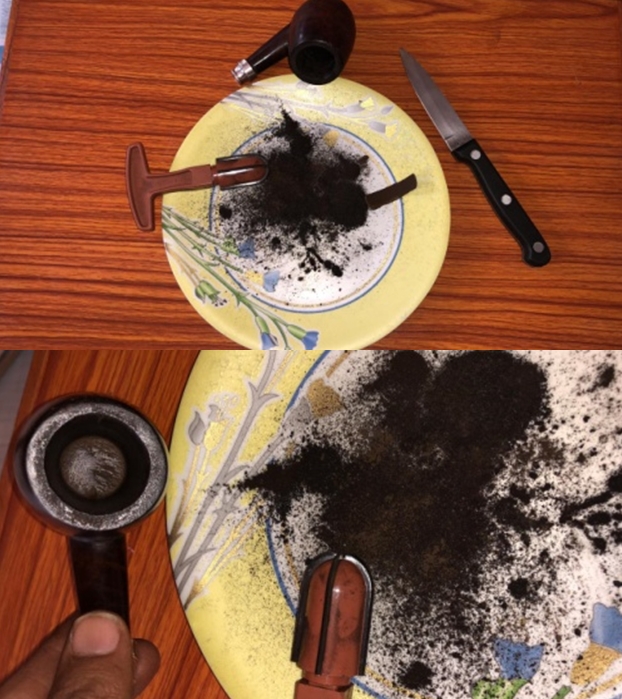
I started by reaming the chamber with a Kleen Reem pipe reamer and fabricated knife. I removed the complete cake from the chamber. I further sanded down the walls of the chamber with a 220 grit sand paper to smooth the walls and took the cake back down to the bare briar. I gently scraped out the little overflow of lava from the rim top. I also cleaned out the mortise and the shank with cue tips and pipe cleaners dipped in alcohol.Once the chamber was cleaned, I turned my attention to the stummel and tried to get rid of the lacquer coating. I started by wet sanding with a 1500 grit micromesh pad and soon realized that it would not work. I tried sanding with 800 grit sand paper without any success. Soon I found myself sanding the stummel with 150 grit sand paper. The lacquer was very difficult to get rid off and after a considerable time, I was finally able to completely remove the lacquer coating. Believe you me, my fingers had started to hurt and sitting at the table for 3-4 hours at a stretch caused cramps in my back. But the end result was pleasing.
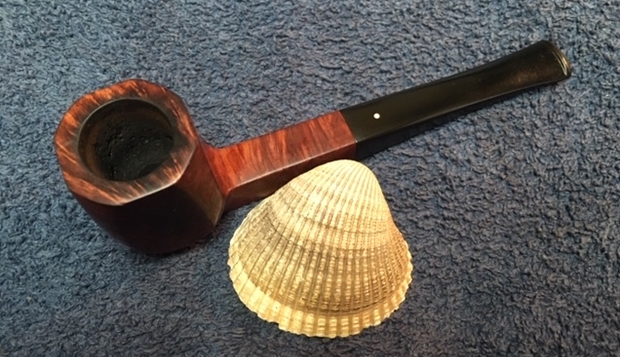
Then began the arduous and time consuming process of sanding the stummel with micromesh pads. I proceeded to sand the stummel with micromesh pads, going through wet sanding with 1500-2400 pads and dry sanding with 3200- 12000 grit pads. I was very pleased with the way the stummel had turned out. I decided that I liked this finish and after further cleaning and polishing, the stummel would look just beautiful. Once I was through with micromesh pads, I cleaned the stummel with undiluted Murphy’s oil soap and tooth brush. I paid special attention to the deep areas of the rustication, thoroughly cleaning it with the brush. I dried the bowl with cotton cloth and paper towels.I rubbed “Before and After Restoration balm” in to the stummel with fingers deep into the rustications and let it rest for a few minutes before I buffed it with a horse hair brush. Finally, I polished the stummel with a soft cotton cloth and muscle power!!!! I also polished the nickel ferrule with a jeweler’s cloth. Luckily, the corrosion was superficial and polished up nicely. Turning my attention to the badly damaged stem, I start by cleaning it with cotton pads dipped in isopropyl alcohol. I flamed the stem surface with a Bic lighter to raise the tooth chatter. The deeper tooth chatter and bite marks were filled with clear CA superglue. Thereafter began the time consuming process of curing, sanding with flat head needle file, 220 grit sand paper and finally by micromesh pads. In all, I had to repeat the fill and sand procedure thrice before resorting to final polish using micromesh pads. I also cleaned out the internals of the stem with pipe cleaners dipped in alcohol. To finish the pipe, I rubbed a small quantity of Halcyon wax II on to the stummel and gave it a nice polish. The pipe now does look stunning. I love the way the pipe has turned out and I can proudly reply back to this Omega “IT’S YOU!!!!!!” The finished pipe is shown below.