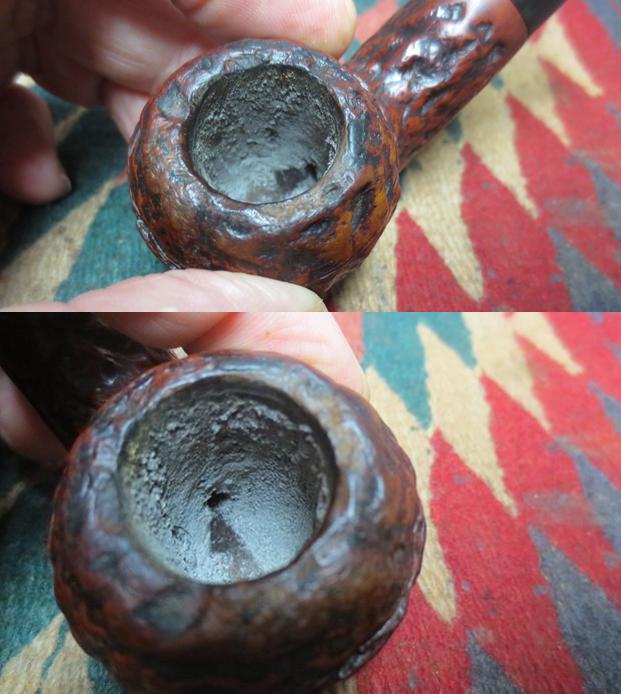
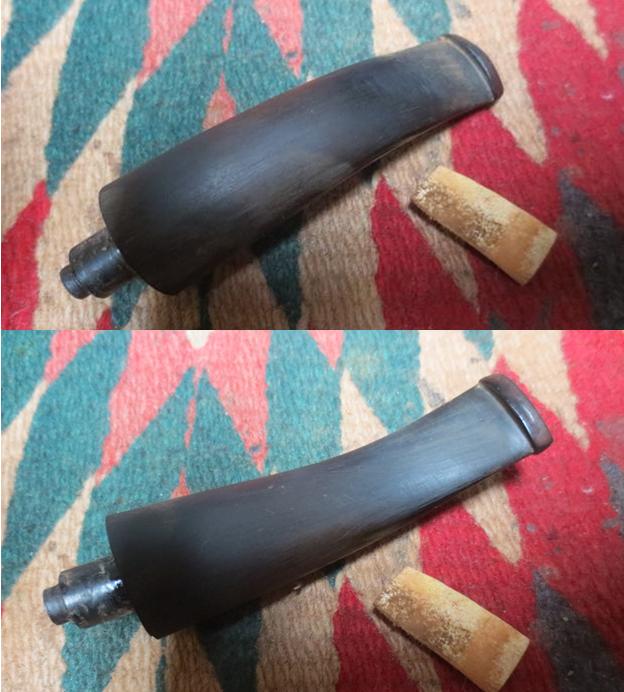
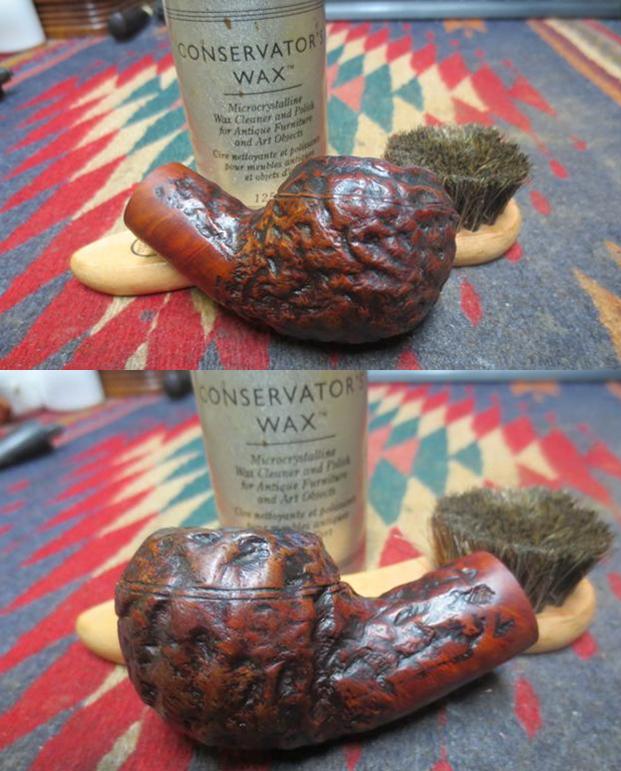
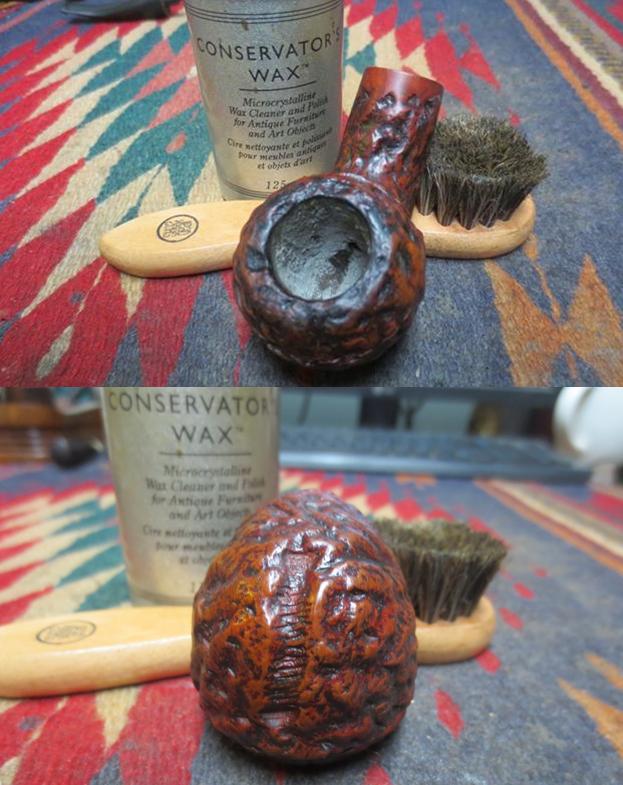
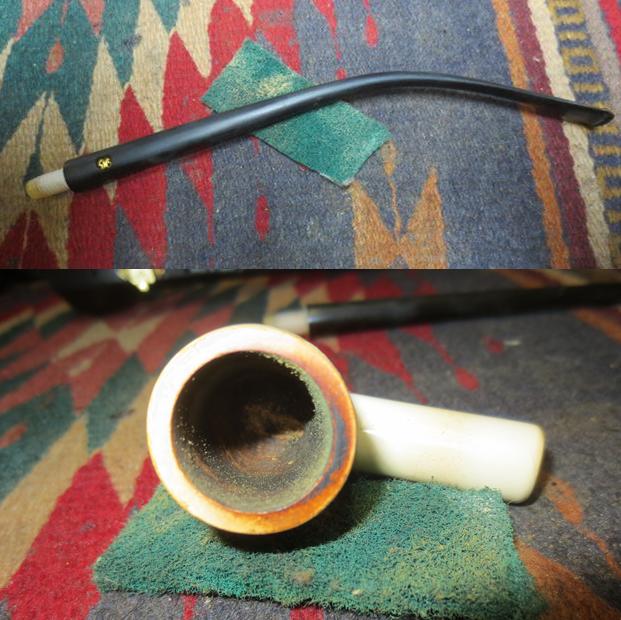
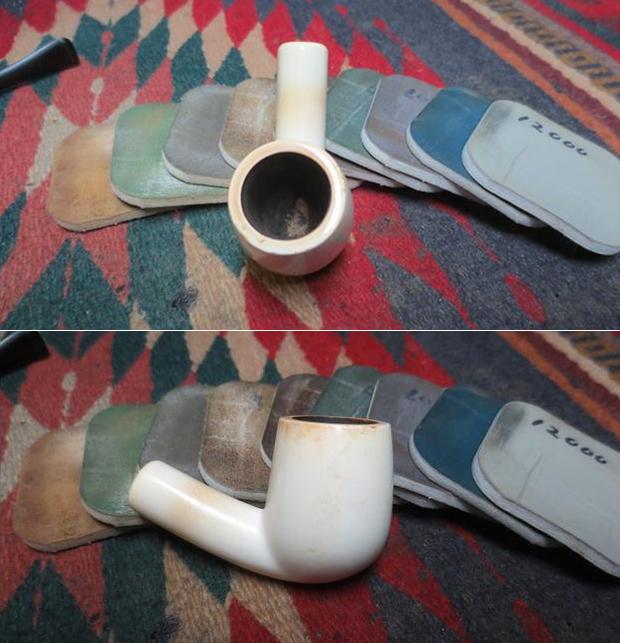
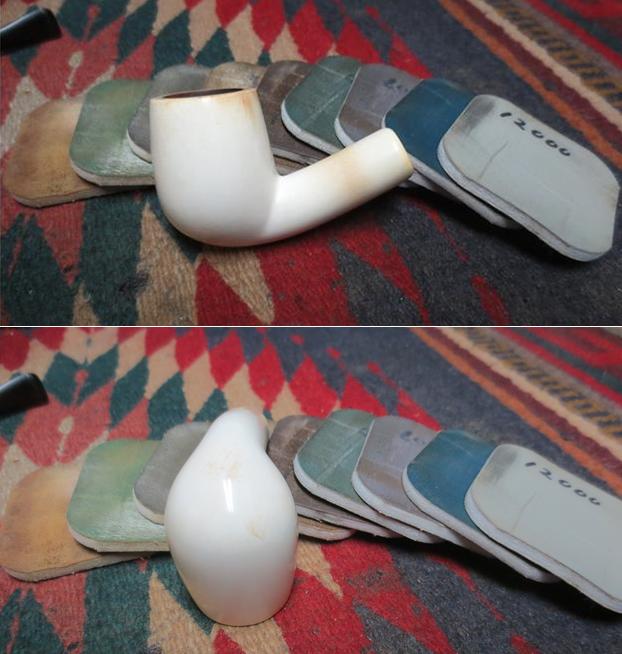
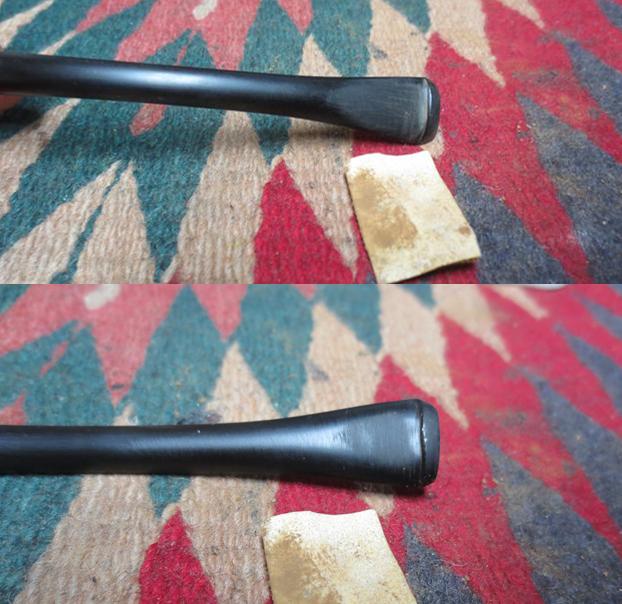
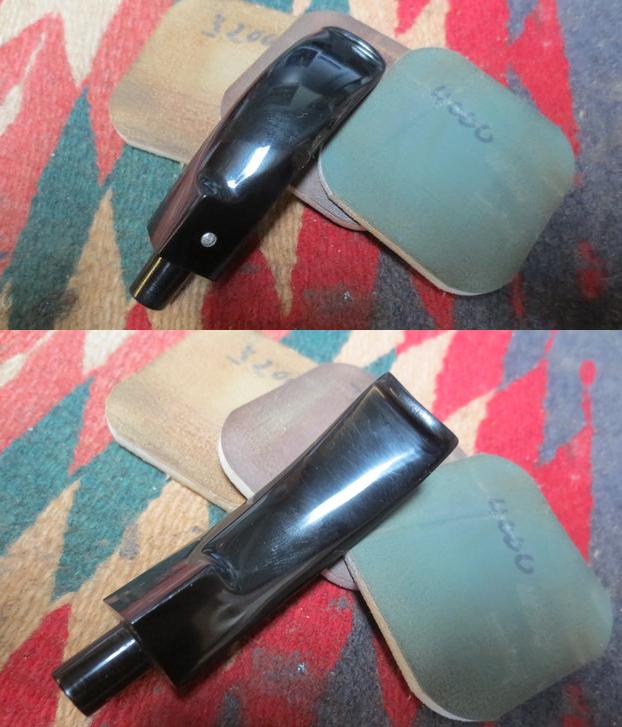
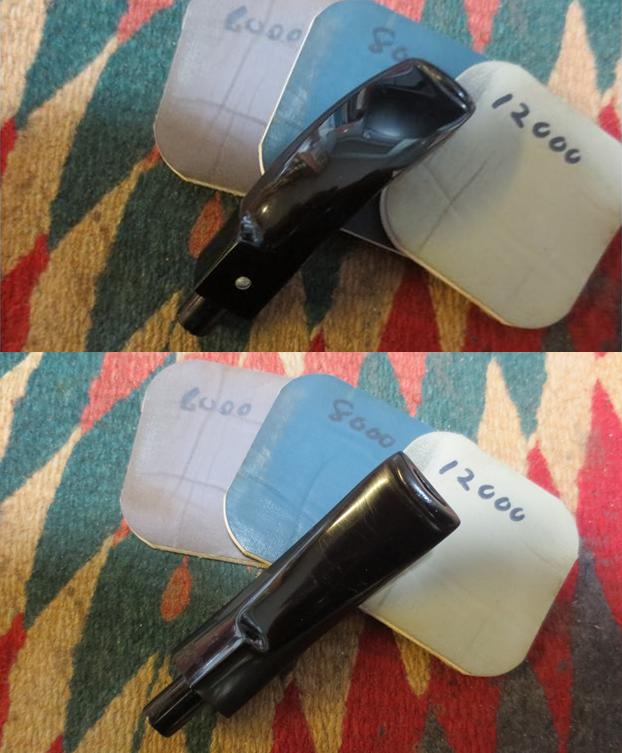
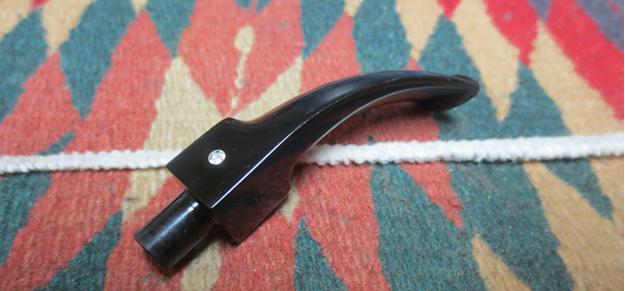
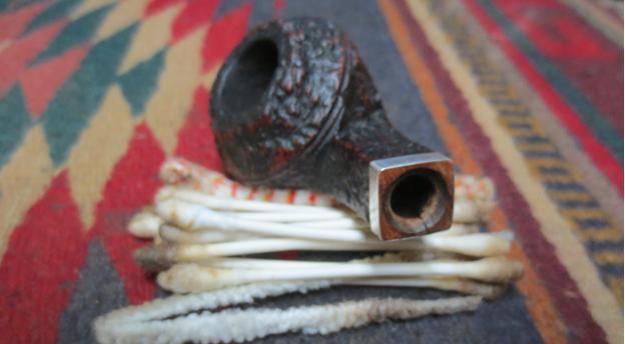
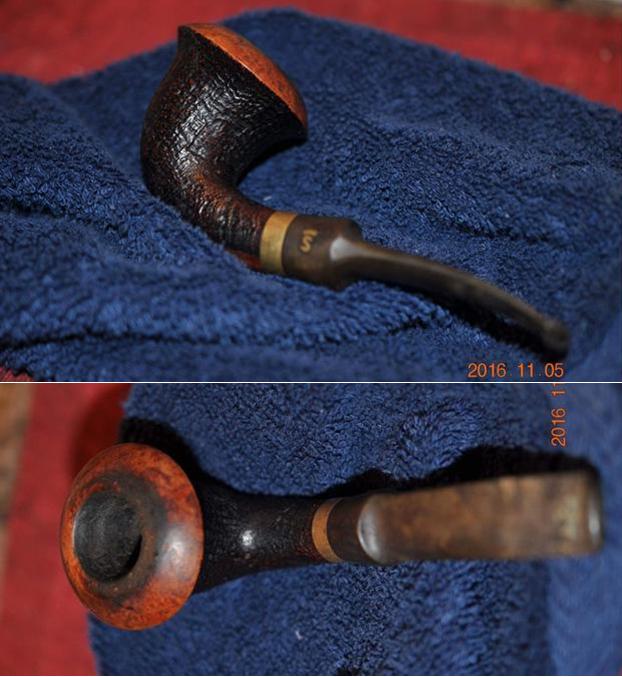
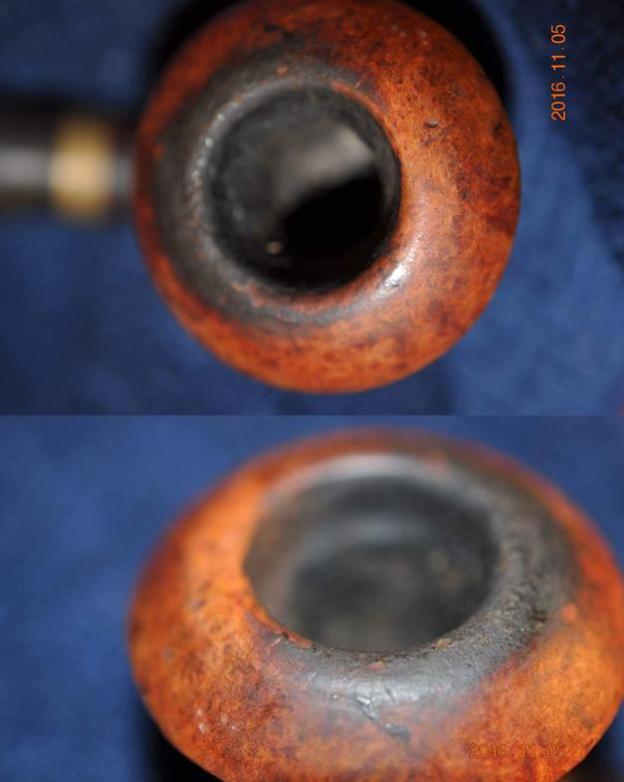
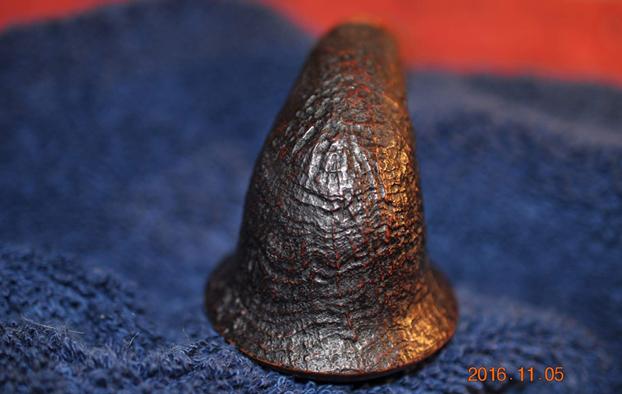
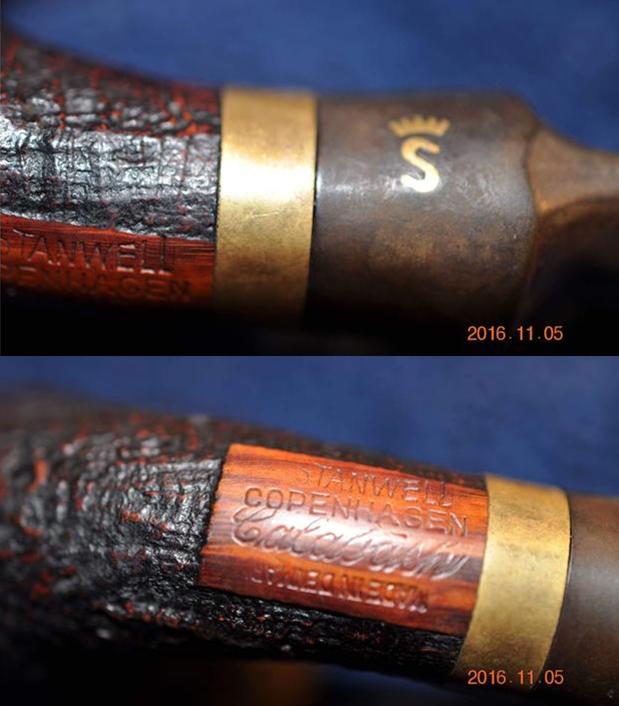
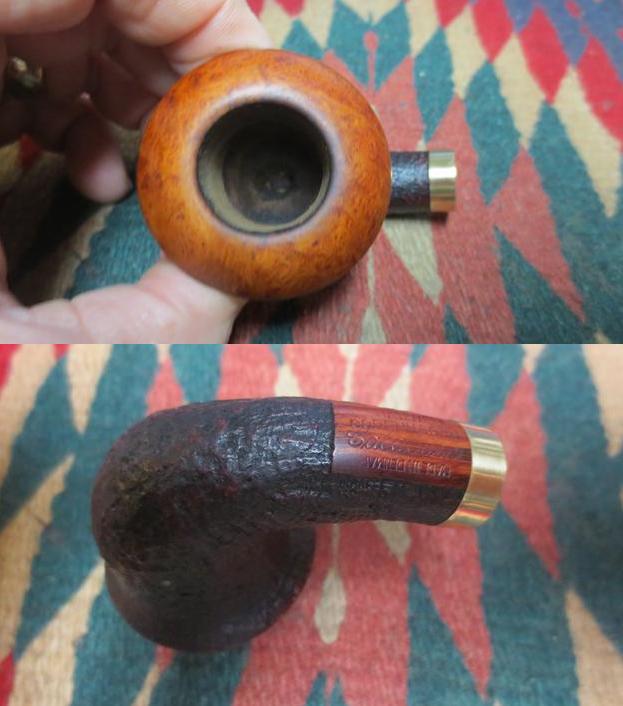
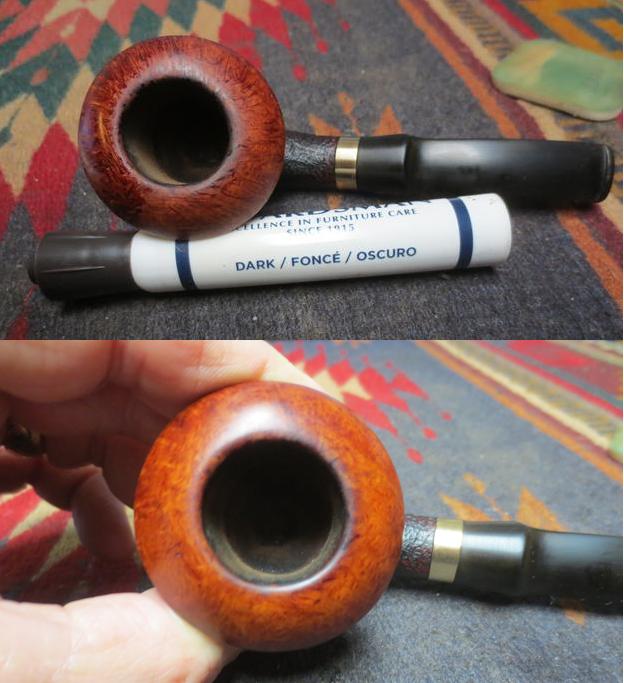
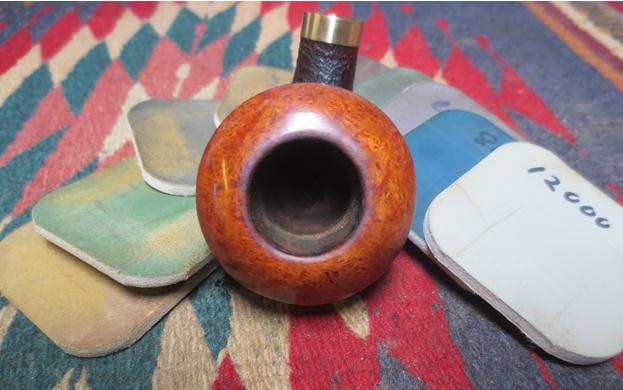
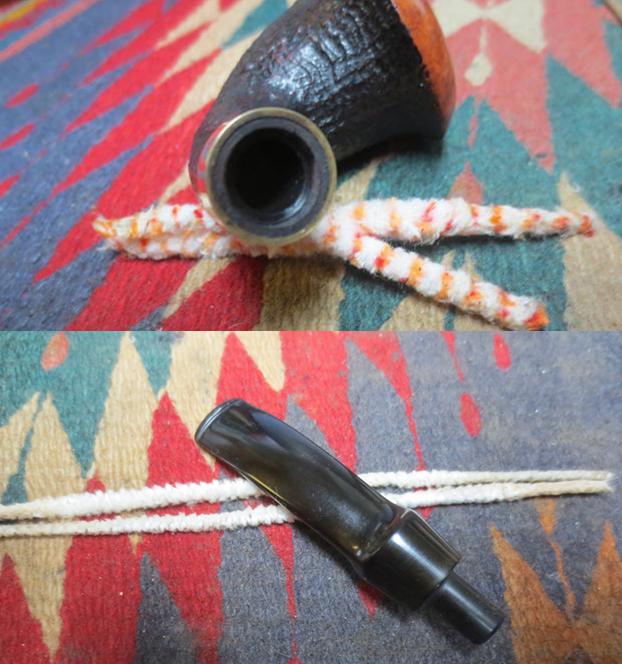
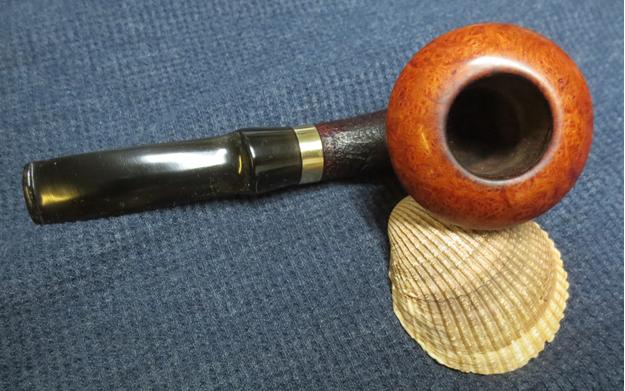
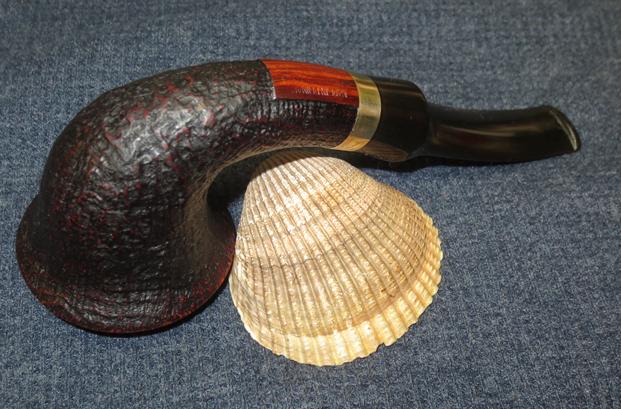
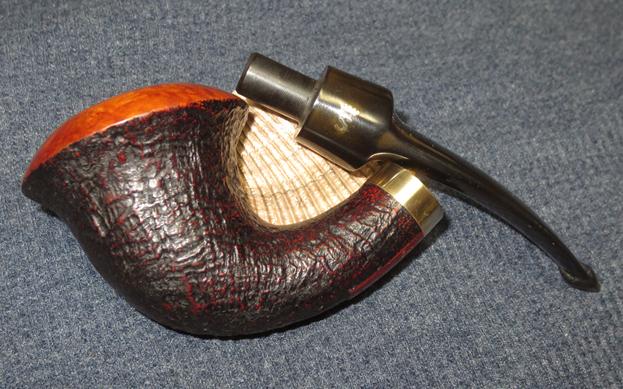
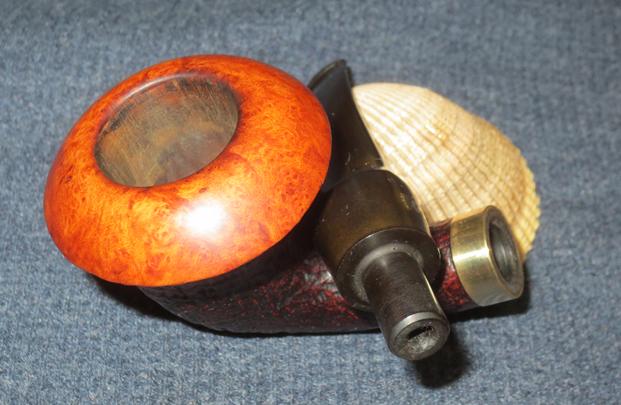
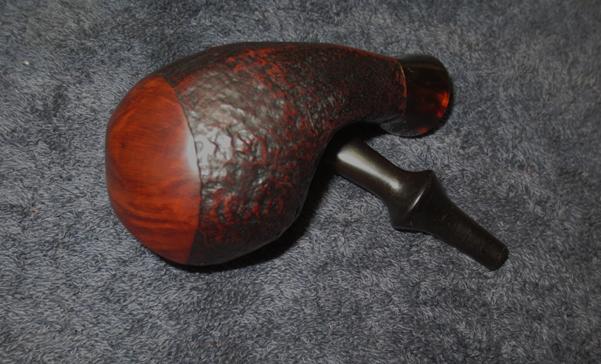
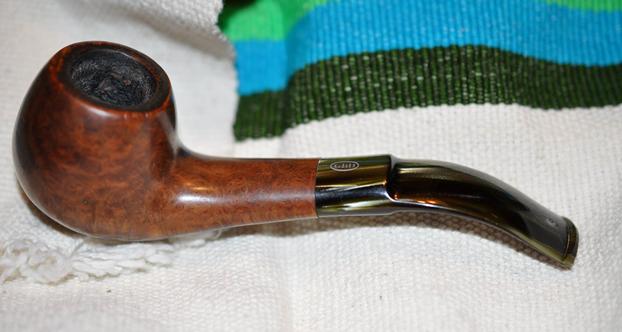
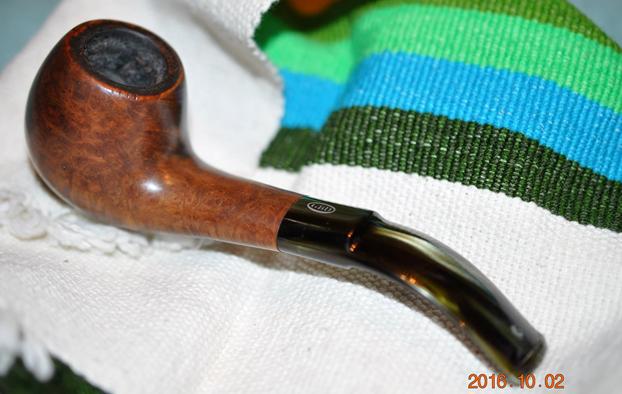
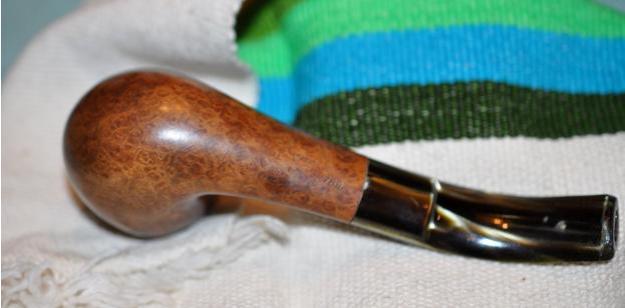
Tag Archives: removing tooth marks

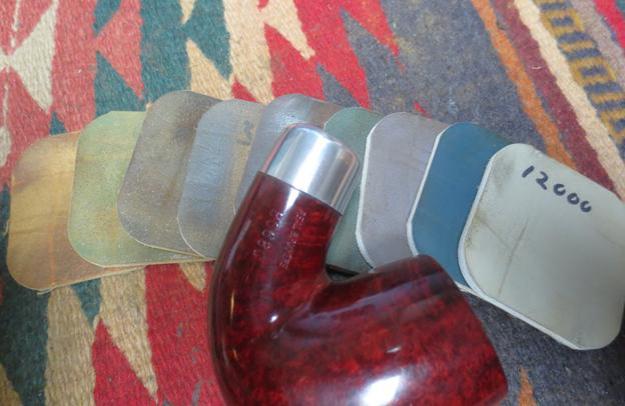
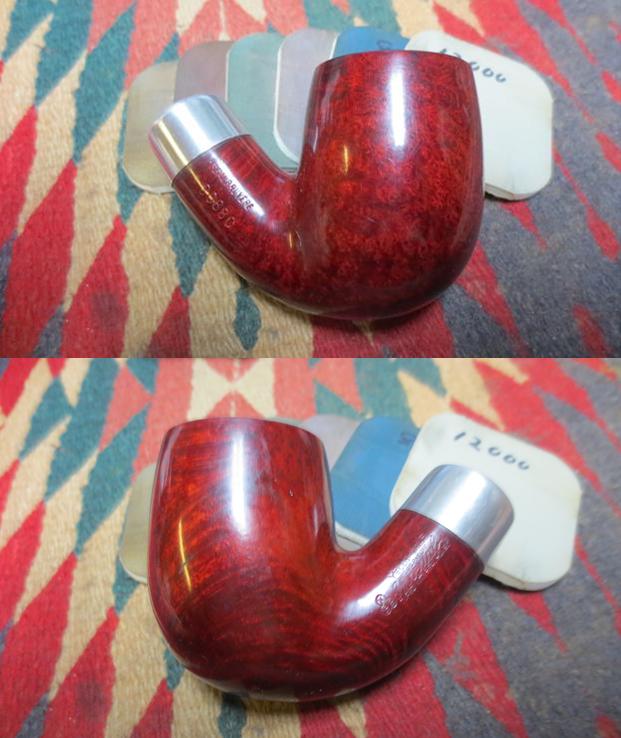
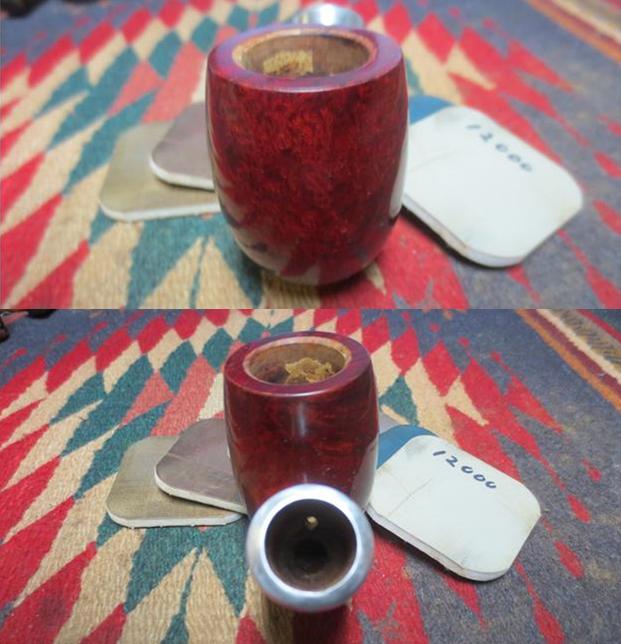
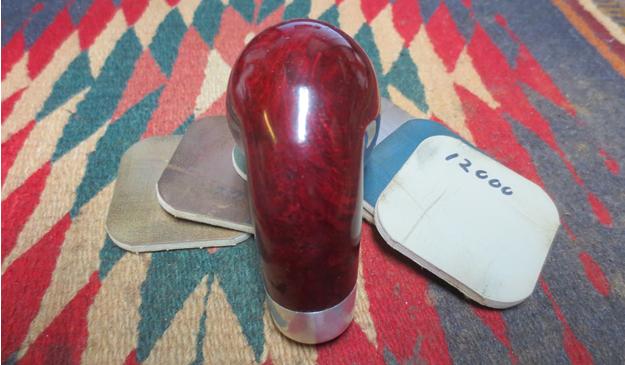
Rejuvenating the first of two Peterson’s System Pipe 1312


Blog by Steve Laug

I have written about the first three pipes from an estate lot that I was tasked to clean up and sell in three previous blogs at https://rebornpipes.com/2016/10/25/this-favourite-gbd-marquis-752-was-a-mess-not-any-more/; https://rebornpipes.com/2016/10/26/rescuing-a-petersons-english-made-203-billiard/;  https://rebornpipes.com/2016/10/27/rejuvenating-a-petersons-system-pipe-1314/. These included a GBD Marquis Author, a Peterson’s English Made 203 billiard and a Peterson’s 312 System Pipe. I am including a short version of the acquisition for those who have not read it. My friend has a pipe shop that is closing and he had some pipes that had belonged to an elderly gentleman who had died. His wife had given him the fellow’s pipes. She wanted to get them cleaned up and sold to folks who would appreciate them. Richard thought I would be interested in the story and have fun cleaning these up and selling them. There some really nice pipes in the lot – GBD’s, Comoy’s, Stanwells, Petersons, two ceramic Goudewaagen pipes, and others. There are just over 50 pipes that I will be cleaning and listing on rebornpipes.

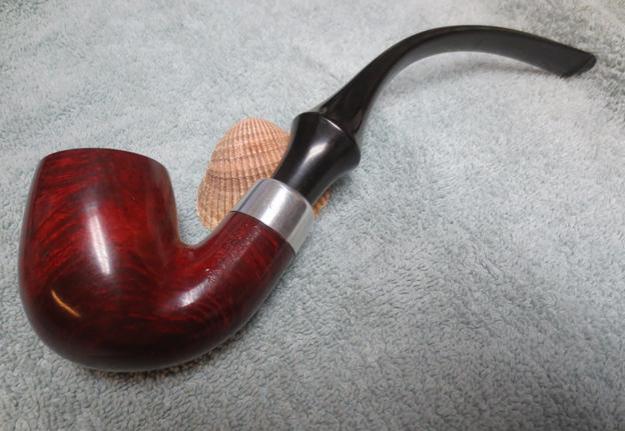
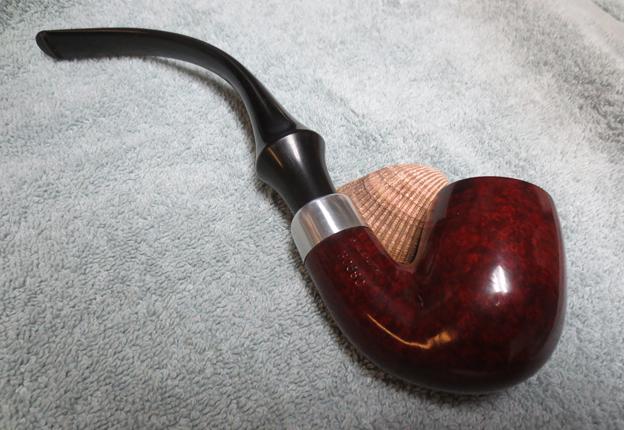
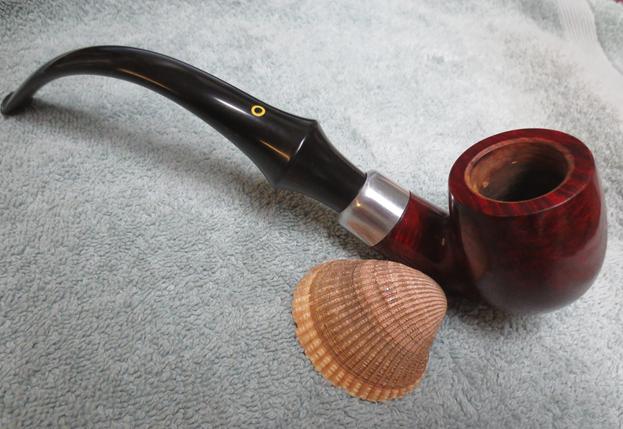
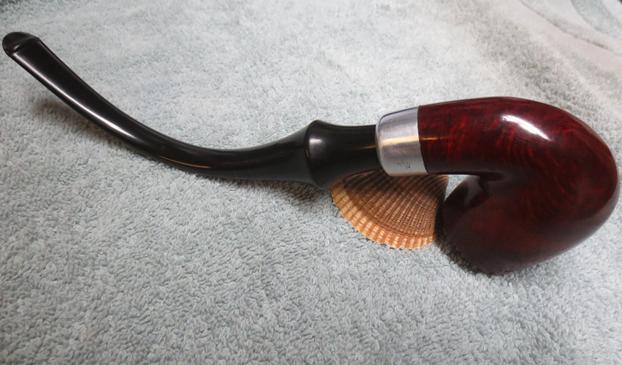
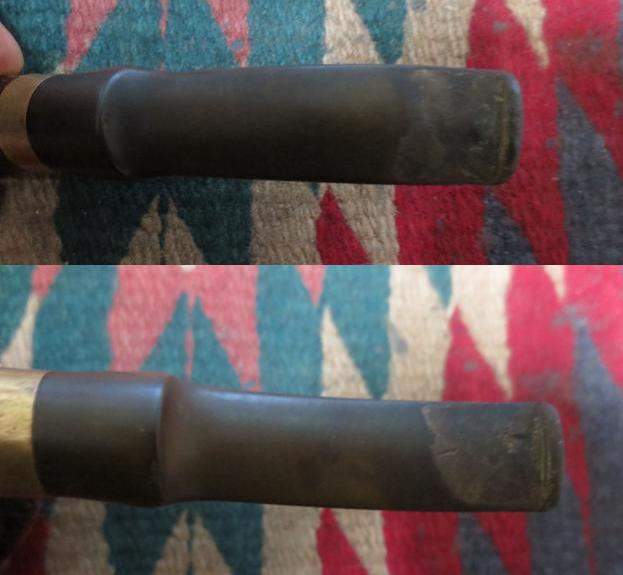
The fourth pipe I chose to work on was another Peterson’s System Pipe. It is stamped Peterson’s System Standard pipe on the left side of the shank. On the right is stamped Made in the Republic of Ireland 1312. The stamping is clear and sharp. The nickel ferrule is stamped K&P Peterson’s and has the three faux hallmarks that are for looks.  The bowl is thickly caked and the rim is dirty. The finish is in decent shape with a medium brown stain over flame and straight vertical grain. The stem is oxidized with some calcification around the P-lip button. Light tooth chatter covers both the top and underside of the stem. There is no P stamping on the P-lip stem but it appears to be an original not a replacement.

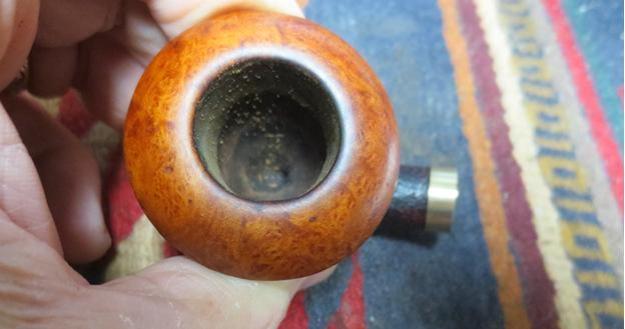
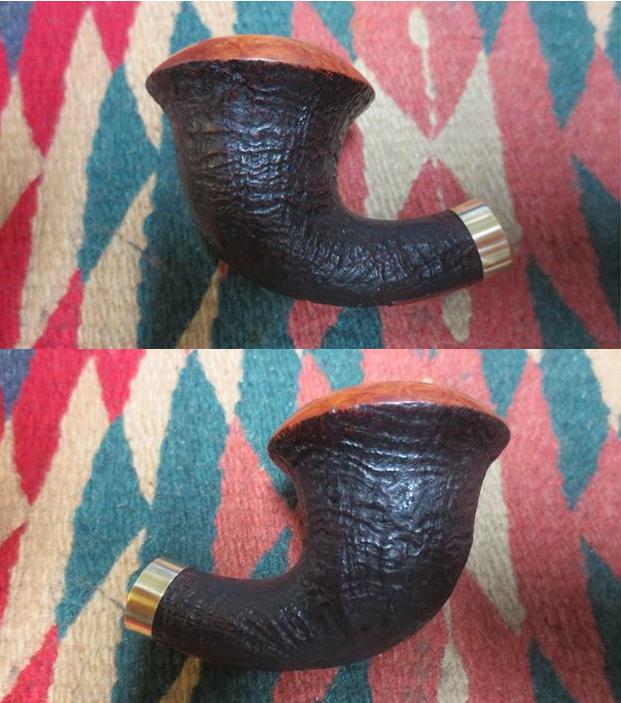
Here are some photos of the pipe when I started cleaning it. The pipe has good lines and some interesting grain underneath the grime.pete1 pete2 pete3I took some close up photos of the bowl, rim, stamping and the stem to give and idea of the issues I had noted above. The first photo shows the thick cake in the bowl and the overflow onto the rim top. The next photos show the oxidized nickel ferrule on the end of the shank and the clear stamping on both sides. The last two photos in this set show the chatter and detail of the stem.pete4 pete5 pete6I reamed the bowl with a PipNet reamer starting with the smallest cutting head and working up to the third cutting head. I took the cake back to bare briar. I cleaned up the inside of the bowl with the Savinelli Pipe Knife. I rolled a piece of 220 grit sandpaper around my finger and sanded out the inside of the bowl and smooth out the inner rim edge.pete7 pete8I scrubbed the exterior of the bowl with alcohol on cotton pads to remove the grime, waxes and oils. It has some beautiful grain shining through on the cleaned briar.pete9 pete10I cleaned the interior of the mortise and the airway in the shank and stem with pipe cleaners, cotton swabs and alcohol until they were clean. I spent extra time in the trap in the bottom of the shank.pete11I polished the ferrule with tarnish remover and silver polish on cotton pads to remove the oxidation. The nickel really shone once the tarnish was removed.pete12I worked on the tooth chatter, oxidation and calcification on the stem with 220 grit sandpaper until I had removed the damage and build up.pete13I polished the stem with micromesh sanding pads – wet sanding with 1500-1200 grit pads and dry sanding with 3200-12000 grit pads. I rubbed the stem down with Obsidian Oil after each set of three pads. After sanding with the final set I rubbed it down once again and set it aside to dry.pete14 pete15 pete16I buffed the pipe and stem with Blue Diamond on the buffing wheel to raise the shine and polish it further. I gave the pipe multiple coats of carnauba wax and buffed it with a clean buffing pad to shine it. I finished by hand buffing the pipe with a microfibre cloth. This adds some depth to the shine. The finished pipe is shown in the photos below. This pipe is for sale along with the others that I have cleaned up from the estate. If you are interested in adding it to your collection send me an email to slaug@uniserve.com or a message on Facebook. Thanks for walking through the process with me.pete17 pete18 pete19 pete20 pete21 pete22 pete23 pete24 pete25 pete26 pete27


Rejuvenating a Peterson’s System Pipe 1314


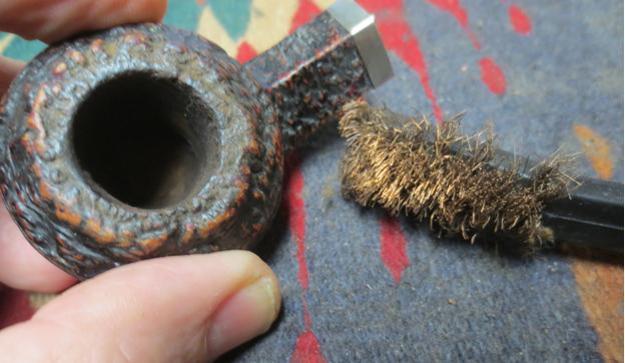
Blog by Steve Laug

I wrote about the first two pipes from an estate lot that I was tasked to clean up and sell on two previous blogs at https://rebornpipes.com/2016/10/25/this-favourite-gbd-marquis-752-was-a-mess-not-any-more/ and https://rebornpipes.com/2016/10/26/rescuing-a-petersons-english-made-203-billiard/  For those who have not read it yet here is the story. About a month ago a friend of mine, Richard who has a tobacco shop here in Vancouver gave me a call and asked me to stop by for a visit. I went on a Sunday afternoon and we visited for a while. At the end of the visit he took me to another counter in his shop and brought out some display cases of pipes – four of them and a small bag. He told the story to me. An elderly gentleman who was a customer of his had died and his wife had stopped by and gave him the fellow’s pipes. She wanted nothing for them she just wanted him to get them cleaned up and sold to folks who would appreciate them. Richard is a reader of the blog and he thought that I would have fun cleaning these up and selling them. As we went through the display cases and bag I was pretty pumped about the collection. There were some really nice GBD pipes, Comoy’s, Stanwells, Peterson’s as well as some brands I was not familiar with.

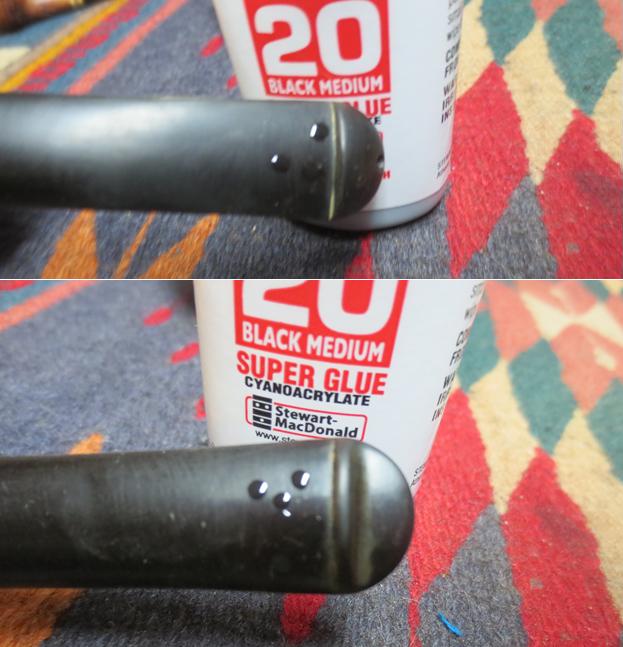
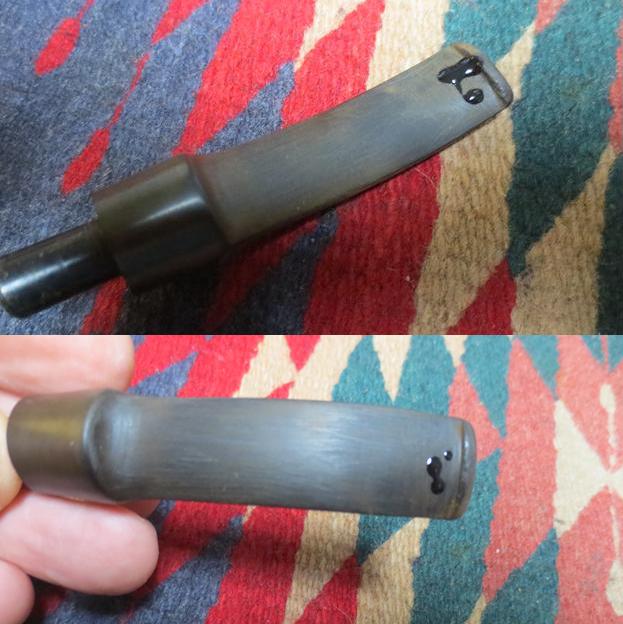
The third pipe I chose to work on was a Peterson’s System Pipe. It was stamped on the left side of the shank Peterson’s System Standard. On the right side of the shank it is stamped Made in the Republic of Ireland and the shape number 1314. The stamping is clear and sharp. The finish is in decent shape with a medium brown stain over flame and straight vertical grain. There is a light, uneven cake in the bowl that had spilled over the rim. There is thin cake in the bowl and some darkening on the rim. There are tooth marks on the top and bottom side of the stem near the button. There is no P stamping on the P-lip stem but it appears to be an original not a replacement. There is calcification from a softee bit on the stem and button. There are several deeper tooth marks and chatter on the top and bottom side of the stem ahead of the P-lip. The button itself was in good shape with a small tooth mark on the top at the sharp edge.

Here are some photos of the pipe when I started cleaning it. The pipe has good lines and some interesting grain underneath the grime.sys1 sys2I took some close up photos of the rim and the stamping to show the condition of the bowl. The rim had some darkening and it was slightly out of round. It looked as if it had been reamed with a knife and the inner edge of the bowl had nicks along the back edge. There was a light cake in the bowl and some shreds of tobacco at the bottom of the bowl. The stamping was readable though light in some places.sys3 sys4The stem was lightly oxidized but there were some deep tooth marks on the top and the underside underneath the calcification and the oxidation on the button end. The sharp edge of the p-lip was worn and would need to be sharpened.sys5I reamed the bowl with a Savinelli Pipe Knife to clean out the light cake and the debris. I took the cake back to bare briar. I sanded the bowl with a rolled piece of 220 grit sandpaper on my finger to clean up any remaining cake.sys6 sys7I scrubbed the top of the rim with cotton pads and saliva and then lightly sanded it with 3200 grit micromesh to polish off the remaining tars.sys8I wiped the bowl down with a light coat of alcohol on a cotton pad to remove the grime in the finish and any sanding dust. I buffed it lightly by hand and took the photos below. There is some nice grain on this old timer the mix of flame and straight grain really stands out and the birdseye on the rim and the bottom of the bowl is quite stunning.sys9 sys10I sanded the stem with 220 grit sandpaper to remove the calcification, oxidation and clean up the tooth chatter. I wiped out the deep tooth marks with a cotton swab and alcohol to get out the dust in them and then filled the divots with black super glue. I set the stem aside to dry while I went to work for the day.sys11When I got home from work I sanded the repairs smooth with 220 grit sandpaper and used a needle file to redefine the sharp edge of the button and underside lip on the stem.sys12I continued to sand the stem with the 220 grit sandpaper until the repairs blended into the surface of the vulcanite and I had removed the oxidation on the remainder of the stem.sys13I worked over the stem with micromesh sanding pads – wet sanding with 1500-2400 grit pads and dry sanding with 3200-12000 grit pads. I rubbed the stem down with Obsidian Oil after each set of three pads. After sanding with the 12000 grit pad I gave it a final rubdown with the oil and set it aside to dry.sys14 sys15 sys16I lightly sanded the bowl and rim with 6000-12000 grit micromesh sanding pads while the stem dried. I put the pipe back together and buffed it with Blue Diamond polish on the buffer. I gave the entire pipe multiple coats of carnauba wax and buffed it with a clean buffing pad. I finished by hand buffing it with a microfibre cloth. The finished pipe is shown below. It is the third of the old gentleman’s estate that I have finished restoring. It is available for sale to anyone who wishes to add it to their collection. The photos below show the finished pipe from a variety of angles. Contact me if you are interested by email at slaug@uniserve.com or send me a message on Facebook. Thanks for walking through this with me.sys17 sys18 sys19 sys20 sys21 sys22 sys23 sys24 sys25 sys26

Rescuing a Peterson’s English Made 203 Billiard


Blog by Steve Laug

I wrote about the estate lot that I was tasked to clean up and sell on a previous blog at https://rebornpipes.com/2016/10/25/this-favourite-gbd-marquis-752-was-a-mess-not-any-more/. About a month ago a friend of mine, Richard who has a tobacco shop here in Vancouver gave me a call and asked me to stop by for a visit. I went on a Sunday afternoon and we visited for a while. At the end of the visit he took me to another counter in his shop and brought out some display cases of pipes – four of them and a small bag. He told the story to me. An elderly gentleman who was a customer of his had died and his wife had stopped by and gave him the fellow’s pipes. She wanted nothing for them she just wanted him to get them cleaned up and sold to folks who would appreciate them. Richard is a reader of the blog and he thought that I would have fun cleaning these up and selling them. As we went through the display cases and bag I was pretty pumped about the collection. There were some really nice GBD pipes, Comoy’s, Stanwells, Peterson’s as well as some brands I was not familiar with.

The second pipe I chose to work on was a Peterson’s Dublin oval shank billiard shaped pipe.The old gentleman seemed to favour Peterson’s as there were quite a few in the estate lot. It was very dirty. It was stamped on the topside of the shank with K&P over DUBLIN. There is also a silver band on the shank that bears three hallmarks over Sterling Silver. On the right side of the shank is the shape number 203. On the underside of the shank it is stamped with a COM (Country of Manufacture) circle that reads Made in England with the “in” stamped in the centre of the circle. The stamping is clear and sharp. The finish is in decent shape with a medium brown stain over mixed grain. There is an uneven cake in the bowl that spilled thickly over the beveled rim. It is hard to tell if there is rim damage as it is so dirty. There were sandpits on the left side of the bowl and on the back side above the shank. There is no P stamping on the P-lip stem but it appears to be an original not a replacement. There is calcification from a softee bit on the stem and button. There are light tooth marks and chatter on the top and bottom side of the stem ahead of the P-lip. The button itself was in good shape.

Here are some photos of the pipe when I started cleaning it. The pipe has good lines and some interesting grain underneath the grime.pete1 pete2I took some close up photos of the bowl, stamping, band and stem to give a good picture of what I needed to work on. The first photo shows the cake in the bowl and the overflow of hard carbon buildup on the rim. The photo of the silver band shows the Sterling Silver stamp and three hallmark symbols. It is hard to read them but with a magnifying lens they read K&P. I was hoping to be able to date the pipe by the hallmarks but no such luck. The photos of the stamping show that they are faint but still readable. The stem photos show the tooth chatter and wear on the button itself.pete3 pete4 pete5When I removed the stem I could see some divots in the end of the shank. There were cutouts that as far as I could see served no purpose. Someone had tried to repair them but left a bit of a mess so the stem did not fit snugly. I cleaned out the divots and smoothed them out with needle files until they matched the inside of the mortise. I filled in the end with some super glue and briar dust to even out the shank end.pete6The lava buildup on the rim top was rock hard. I scrubbed at it but it would not come off. The outer edges of the rim were also damaged from knocking out the pipe on hard surfaces. I lightly topped the bowl to remove the hard tars and clean up the outer edges.pete7I reamed the bowl with the Savinelli Pipe Knife and took the cake back to bare briar.pete8There were some drops of a clear hard substance on the back of the bowl and on the right side that I could not take off without damaging the bowl. I scrubbed them down with some alcohol on a cotton pad and was able to soften them enough to remove them.pete9 pete10I restained the rim to match the bowl using a combination of a medium and a dark stain pen. I also touched up the light areas around the silver band on the shank end.pete11I polished the silver with some tarnish remover applied with cotton pads. I finished polishing it with a jeweler’s cloth. Once I had finished I could see the hallmarks more clearly and they read K&P – each letter in its own cartouche.pete12 pete13 pete16I gave the bowl a quick coat of Conservators Wax and hand buffed it to see where I stood. I chose to leave the sandpits on the left side and back of the bowl as they add character.pete14 pete15I sanded the tooth chatter, reshaped the button and removed the calcification and oxidation on the stem with 220 grit sandpaper.pete17I wet sanded the stem with 1500-2400 grit micromesh sanding pads and dry sanded it with 3200-12000 grit pads. I rubbed it down with a coat of Obsidian Oil after each set of three pads. I gave it a final coat of oil and set it aside to dry.pete18 pete19 pete20With all the parts finished individually I put the pipe back together and buffed it with Blue Diamond on the buffing wheel. The Blue Diamond is a plastic polish and gives the finish a glass like polish. I really like the way it works. I gave the bowl and stem multiple coats of carnauba wax and buffed it with a clean buffing pad. I hand buffed the pipe with a microfiber cloth to finish the polishing process. The finished pipe is shown in the photos below. This second pipe from the older gentleman’s estate is a beauty. The fit and finish give it a look of elegance. This pipe is also available for sale. If you are interested in the pipe let me know via email at slaug@uniserve.com or through a message on Facebook. Thanks for walking through the process of restoration with me.pete21 pete22 pete23 pete24 pete25 pete26 pete27 pete28

This favourite GBD Marquis 752 was a mess – not any more


Blog by Steve Laug

About a month ago a friend of mine, Richard who has a tobacco shop here in Vancouver gave me a call and asked me to stop by for a visit. I went on a Sunday afternoon and we visited for a while. At the end of the visit he took me to another counter in his shop and brought out some display cases of pipes – four of them and a small bag. He told the story to me. An elderly gentleman who was a customer of his had died and his wife had stopped by and gave him the fellow’s pipes. She wanted nothing for them she just wanted him to get them cleaned up and sold to folks who would appreciate them. Richard is a reader of the blog and he thought that I would have fun cleaning these up and selling them. As we went through the display cases and bag I was pretty pumped about the collection. There were some really nice GBD pipes, Comoy’s, Stanwell as well as some brands I was not familiar with.

The first pipe I chose to work on was a GBD author shaped pipe. It was obviously one of the old gentleman’s favourites. It was very dirty. It was stamped on the topside of the shank with GBD in an oval and next to it MARQUIS. There is also the GBD Oval stamped on the topside of the stem. It is not the brass rondel but is stamped into the vulcanite on the top of the saddle. On the underside of the shank the pipe is stamped St Claude France and the shape number 752. The stamping is clear and sharp. The St Claude France stamp is light on the front part of the name. The finish is in decent shape with a medium brown stain over great straight grain. There is a thick cake in the bowl and over the beveled rim. It is hard to tell if there is rim damage as it is so dirty. There were two large fills on the front of the bowl that follow the grain. They were shrunken and not even with the surface. There is calcification from a softee bit on the stem and button. There are some deep tooth marks on the top and bottom side of the stem near the button.

The following photos show the condition of the pipe when I brought it to the work table.gbd1 gbd2I took following close up photos of the pipe. The first shows the rim with all of its tars and oils. The cake is very thick and hard. The second photo shows the fills on the front of the bowl. The third and fourth photos show the stamping on the top and underside of the shank. The last two photos show the stem and the dents and calcification on the stem near the button.gbd3 gbd4 gbd5I reamed the bowl with the PipNet pipe reamer starting with the smallest cutting head and worked my way up to the third cutting head which took the cake back to bare briar. I cleaned up the walls of the bowl with the Savinelli Pipe Knife. gbd6I sanded the bowl and rim edge with 220 grit sandpaper to smooth out the interior of the bowl and the inner edge of the rim. I cleaned the slight bevel on the inner edge as well.gbd7 gbd8To clean the tars and lava on the rim I used a sharp pen knife to scrape the debris free of the rim without damaging the rim surface. I scrubbed it with saliva and a cotton pad to remove the oils and tars that remained on the surface.gbd9I heated the dents in the stem with a lighter and sanded what remained along with the calcification and tooth chatter with 220 grit sandpaper. I cleaned out the tooth marks with alcohol and a cotton swab and filled in the dents with clear super glue. I set the stem aside to let the glue cure. Once it had cured I sanded the repairs smooth with 220 grit sandpaper and wet sanded it with 1500-2400 grit micromesh sanding pads.gbd10I wiped down the bowl with Murphy’s Oil Soap to remove the grime on the surface and give some clarity to the grain. The photos below show the bowl at this point in the process.gbd11 gbd12I scrubbed out the mortise and the airway in the shank and the stem with pipe cleaners, cotton swabs and alcohol until they were clean.gbd13I used European Gold Rub’n Buff to touch up the GBD logo on the stem. I sanded the stem with 1500-12000 grit micromesh sanding pads. After each set of three pads I rubbed the stem down with Obsidian Oil. After sanding with the 12000 grit pad I gave the stem a final coat of oil and set it aside to dry.gbd14 gbd15 gbd16 gbd17While the stem dried I worked on repairing the fills on the front of the bowl. I decided to just top up the fills rather than dig them out and refill them. I used clear super glue to top up the fills. I over filled them slightly so that when they dried they would not shrink and need a second application of glue. I sanded the repair with 220 grit sandpaper to smooth it out. I wet sanded the area with 1500-2400 grit micromesh sanding pads and dry sanded the entire bowl with 3200-4000 grit pads.gbd18I restained the repaired area with a medium and a dark brown stain pen. I streaked the area to look like grain with a black Sharpie pen. I buffed the bowl with Blue Diamond to smooth out the stain and blend it into the rest of the bowl.gbd19I lightly buffed the pipe and stem with Blue Diamond once again to polish it. I gave it multiple coats of carnauba wax and buffed it with a clean buffing pad. I hand buffed it with a microfibre cloth and it was finished. The restored pipe is shown in the photos below. This is the first of about 50 pipes that I received from my friend at the pipe shop. They are all from the same gentleman’s estate and there are some beauties. If you would like to add this one to your rack contact me via email at slaug@uniserve.com or send me a message on Facebook. We will discuss the cost and the shipping. Thanks for looking. gbd20 gbd21 gbd22 gbd23 gbd24 gbd25 gbd26 gbd27

New Life for a Hardcastle’s London Made Reject Pot


Blog by Steve Laug

This perfectly shaped little Hardcastle’s sandblast pot was the next pipe to my worktable. It is a small almost pencil shank pot. It is stamped Hardcastle’s London Made and across that it is stamped Reject. It has a rich blast on the sides of the bowl and shank. There is a smooth portion on the bottom of the bowl and shank for the stamping and allowing it to be a sitter. My brother took the next photos to show the condition of the pipe before he cleaned it up.hard1He took some close up photos of the bowl and stamping. The bowl had a thick cake and a large overflow of lava on the rim. The lava covered the light blast finish on the rim completely and it was hard to tell the condition of the bowl at this point. The finish was worn and dirty but there were no chips or dents marring the finish. The stem is oxidized and you can see the Hardcastle’s H stamp on the left side near the shank. You can see the stamping on the shank and clearly see the REJECT stamp across the initial stamping. I am not sure why this pipe was rejected. It appears to be a decent piece of briar. There were two small sandpits on the sides of the bowl that I suppose may have caused it to be a reject but that is not clear to me.hard2 hard3My brother did his usual great clean up on the exterior of the pipe. He scrubbed it with Murphy’s Oil Soap and a tooth brush and was able to remove the finish. He reamed the bowl and removed the lava build up on the rim and left a slightly darkened rim with no burns or damage to the edges. I took the next set of photos to show what the pipe looked like when it arrived in Vancouver.hard4 hard5I took a close up photo of the rim to show the darkening on the back side of the top. It was clean but darkened. There were no burn marks or damaged briar on the edges of the bowl. The stamping is also shown and it remains sharp and distinct.hard6The stem was lightly oxidized and there were tooth dents and chatter on the top and underside near the button. The button had some flattening and wear as well.hard7I used a brass bristle tire brush to scrub the top of the rim and try to clean out some of the darkening on the rim. I was able to remove some of it and make it less pronounced.hard8I wiped the bowl down with acetone on cotton pads to clean of any remnants of the old finish and to remove the debris from the brass brush work on the rim.hard9 hard10 hard11With the bowl cleaned I stained it with a dark brown aniline stain mixed 50/50 with isopropyl alcohol. I flamed the stain and repeated the process until the coverage was even on the bowl and in the deep pits of the sandblast finish.hard12I took some photos of the pipe at this point in the process. The stain had covered well. The colour was a little dark for my liking and would need to be lightened a bit before I was finished. You can see the sand pits on both sides of the bowl that may have made this pipe a reject. I have circled them in red.hard13 hard14I cleaned the mortise with a dental spatula and then cotton swabs, pipe cleaners and alcohol. I also cleaned out the airway into the bowl and in the stem.hard15To lighten the colour of the stain I washed it down with some alcohol on cotton pads until the colour was more to my liking. The finished colour is shown in the photos below.hard17 hard18I painted the dents in the stem with the flame of a Bic lighter and was able to raise them almost smooth. I sanded the stem with 220 grit sandpaper to smooth out the slight dimples that remained in the surface. I wet sanded the stem with 1500-2400 grit micromesh sanding pads and rubbed it down with Obsidian Oil. I dry sanded it with 3200-12000 grit pads and rubbed it down with the oil after each set of three pads. After the final 12000 grit sanding I gave it a final coat of Obsidian Oil and set it aside to dry.hard19 hard20 hard21I buffed the pipe with Blue Diamond on the buffer and gave the stem multiple coats of carnauba wax. I hand waxed the bowl with Conservator’s Wax. I buffed the bowl and stem with a clean buffing pad and again by hand with a microfibre cloth to raise and deepen the shine on the briar. The finished pipe is shown in the photos below. I am pretty happy with the finished pipe. Thanks for looking.hard22 hard23 hard24 hard25 hard26 hard27 hard28 hard29
Refurbishing a Dulwich Quaint Oom Paul 64


Blog by Steve Laug

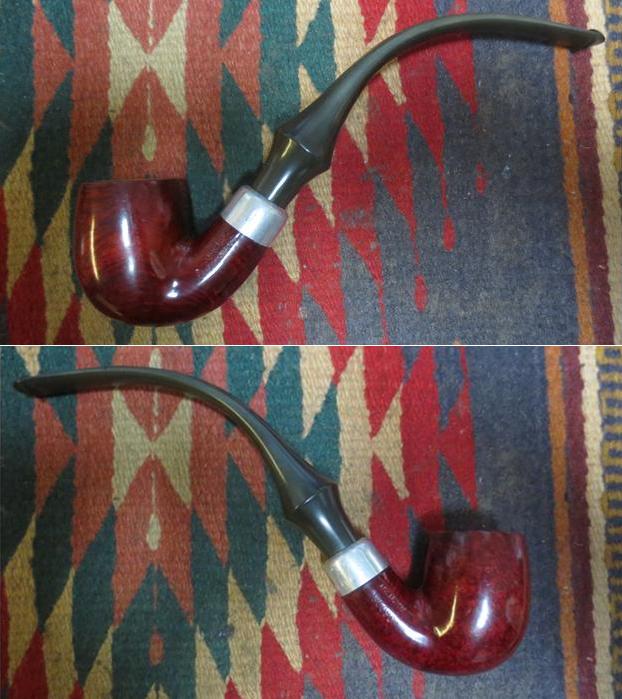
The next pipe I took out of the refurbishing box was an Oom Paul that had a lot of character and some nice grain. It was stamped on the left side with the name Dulwich over Quaint. On the right side it was stamped with the number 64. It was also stamped on the underside, horizontally at the stem shank union with the words Made in England. I have searched for information on the internet for the brand in the past and not been able to find anything helpful. In a previous blog I wrote on a pair of Dulwich Quaint pipes the only link I could find was that the shape number was an Orlik shape number. Here is the link to the other blog: https://rebornpipes.com/2016/03/13/a-rare-find-a-pair-of-fieldcraft-dulwich-quaints/

My brother took some photos of the pipe when he received it and before he had done any cleanup work on it.dul1 dul2He took some close up photos of the pipe. The first photo shows the top of the rim was in good shape. There was some light tars and some scratching on the surface of the rim. The second and third photos show the stamping – first the Dulwich over Quaint and then the Made in England.dul3 dul4Both sides of the stem looked like the photo below. There was a lot of tooth chatter and marks on the stem surface on the top and bottom. The button was worn down by teeth mid button.dul5My brother scrubbed the pipe with his usual mixture of Murphy’s Oil Soap and water. He rinsed the bowl with running water. He scrubbed out the internals of the pipe with pipe cleaners, cotton swabs and alcohol. When it arrived I took the following pictures to show its condition. The finish was worn and uneven all around the bowl. The shank was also unevenly finished. The finish on the rim was also worn.dul6 dul7I took some close up photos of the rim top to show what it looked like before I started. I took some photos of the stem surface to show the condition of the stem. It shows the tooth chatter and some mild oxidation on the stem.dul8 dul9I scrubbed the bowl down with acetone on cotton pads to remove the finish. I also sanded the bowl lightly with a medium grit sanding block to break up the finish that remained on the bowl. I wiped it again to remove all the finish that remained. The clean bowl is shown in the photos below.dul10 dul11I sanded out the tooth chatter and marks on the stem from the button forward. I reshaped the surface of the button with sandpaper to smooth out the tooth marks and redefine the sharp edge of the button on the top and the bottom sides.dul13I removed the stinger from the end of the stem and sanded the saddle portion of the stem to smooth out the scratches.dul14I wiped down the bowl with a light coat of olive oil and hand buffed the bowl to give it a shine. The next photos show the bowl at this point.dul15 dul16I sanded the stem with micromesh sanding pads – wet sanding it with 1500-1400 grit pads and dry sanding it with 3200-12000 grit pads. I rubbed the stem down with Obsidian Oil between each set of three pads. I set it aside to dry once the final pad was used.dul17 dul18 dul19I buffed the bowl and stem with Blue Diamond on the buffing wheel to smooth out the finish and the stem. I gave both multiple coats of carnauba wax and buffed it with a clean buffing pad. It raised a shine on the bowl and stem. I used a microfibre cloth to deepen the shine. I hand buffed it until it shone. The finished pipe is shown in the photos below. It has a wide open draw and should be a delightful smoking instrument. Thanks for looking.dul20 dul21 dul22 dul23 dul24 dul25 dul26 dul27 dul28


A Surprising Collaboration between Sasieni and Tinderbox – an Ivory London Made by Sasieni 107 Freehand


n SanBlog by Steve Laug

My brother sent me this pipe that was stamped on the left side of the shank Ivory over London Made over by Sasieni and on the right side of the shank was the rugby ball shaped stamping Made In England and the shape number 107. When I saw the photos that my brother sent I have to admit, I thought it was an ugly, strangely shaped deformed pipe. I was not sure what to make of it but I ‘knew’ I did not like it. I thought. The shape did not do anything for me and the blandness of the grain that I saw in the left side photo did not help. Too me there was not much redeeming about the look of the pipe. (The next photos are the ones my brother sent me.)ivory1I had not heard of the Ivory made by Sasieni pipe stamping before. It was a new one to me. So I did a little searching. On one of the online forums I found a clue that the Ivory was mentioned in the 1979 Tinderbox catalogue at pipepages. I went to pipepages and found the link to the catalogue: http://pipepages.com/tinderbox.htm. There was a 1979 Tinderbox Catalogue there that had the following quotation regarding the Ivory. “Made to our specifications by Albert Sasieni of London. The Sasieni Ivory is a Tinder Box exclusive.” The mention of the name Albert Sasieni I believe is an error as the company was run by Alfred Sasieni.

I knew from the link that the pipe was made for Tinderbox in 1979, the end of the family era. The collaboration between Tinderbox and Sasieni was established in that catalogue. In a way the Ivory made by Sasienin was like the Unique made by Charatan’s. Both were special orders by Tinderbox from those pipe companies. I have included a copy of the page in the 1979 catalogue from the pipepages site.ivory2I also found a Sasieni Shape Chart online and copied the page that had the 107 shape listed. It is circled in red in the photo below. The 107 is called a Waterloo and has a xs* notation in the catalogue. The note on the top of the page says that the xs* means that the pipe is a premium priced pipe in the 4 dot grades only.ivory3I also looked on pipephil’s logos and stampings site and found the Sasieni Ivory there as well. There was a ivory3agreat photo of the stamping on the shank and the stem. The stamping on the one I have is identical in all but the shape number. Mine is a 107 shape. The S on the stem is also exactly the same and in the same position on the saddle.

My brother also took some close up photos of the stamping on the sides of the shank and the rim to show me the damage to the rim top and the cake in the bowl.ivory4 ivory5He also took a photo of the top side of the stem to show the tooth marks on that surface. There was a matched set on the underside of the stem. Combined with the surrounding tooth chatter the stem was a bit of a mess.ivory6My brother did his usual stellar job of cleaning up the pipe. He scrubbed the exterior of the bowl with a tooth brush and Murphy’s Oil Soap and rinsed it under running water. He was able to remove the wax and oils on the surface of the bowl and leave the briar pretty bare. The rim was better but the burn marks would need more work. He cleaned out the mortise and airway in the shank and stem with pipe cleaners, cotton swabs and alcohol. I took the next photos of the pipe before I started working on it.ivory7 ivory8I took close up photos of the rim and the stem to show what I had to work with on this pipe. My brother was able to get the majority of the stuff off the rim. There was still some remaining buildup and tars on the rim. There were also some burn marks on the rim. The stem closeup photos reveal the dents and tooth marks on both sides of the stem and the damage to the edge of the button.ivory9 ivory10I sanded the rim with 220 grit sandpaper to remove the rim damage. I also sanded the inside edge of rim. I was able to remove the damage to the rim and edge. It is a nice looking piece of briar from the top down.ivory11I sanded the bowl with microfibre sanding pads to polish the briar.  I sanded with 1500-12000 grit sanding pads.ivory12 ivory13 ivory14With the bowl finished I turned my attention to the stem. I heated the dents in the stem to raise them. I was able to raise them a bit and then sanded the stem with 220 grit sandpaper to smooth them out. I wet sanded the stem with 1500-2400 grit micromesh sanding pads. I was able to remove much of the oxidation. I left the area around the S stamp on the left side of the saddle. The stem looks far better at this point in the process than when I started.ivory16I scrubbed the stem with the Before & After Pipe Stem Deoxidizer to work on the oxidation around the S stamp. I was able to remove the majority of the oxidation without damaging the stamping. I scrubbed it with multiple applications of the deoxidizer until the oxidation was gone. I polished it with the Before & After Pipe Stem Polish Fine and Extra Fine.ivory17 ivory18 ivory19I sanded the stem with 3200-4000 grit micromesh sanding pads to further polish it. I rubbed it down with Obsidian Oil. I sanded it with 6000-12000 grit pads and gave it another coat of Obsidian Oil. I set it aside to dry.ivory20 ivory21I decided not to stain the pipe but leave it with a natural finish. I buffed the pipe and stem with Blue Diamond and gave it several coats of Carnauba wax. I buffed it with a clean buffing pad to raise the shine. I received an email from Wikus, a reader in the South Africa asking if I could show some photos of the pipe after the final machine buff and before the hand buffing to show the difference in results of the two techniques. The photos below show the pipe at this point in the process.ivory22 ivory23I took it back to the worktable and hand buffed with a microfibre cloth. The remaining photos were taken after the hand buffing. It removed some of the surface shine on the bowl and added more depth. To me the hand buffing has always improved the quality of the shine and adds another dimension. Overall the restoration on this pipe moved it from a thing of ugliness in my eyes to one that actually had beauty and felt good in the hand. Even the rather bald grain on the left side of the pipe shined up well and reflects the briar nicely. The finished pipe is shown in the photos below. Thanks for looking.ivory24 ivory25 ivory26 ivory27 ivory28 ivory29 ivory30 ivory31
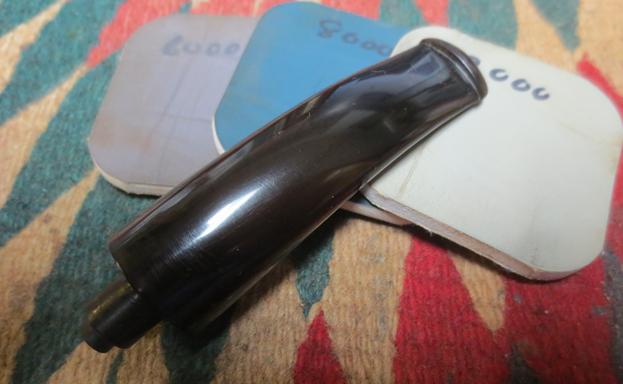


A Worn Royal Danish 936 Wide Oval Shank Pipe given new life


Blog by Steve Laug

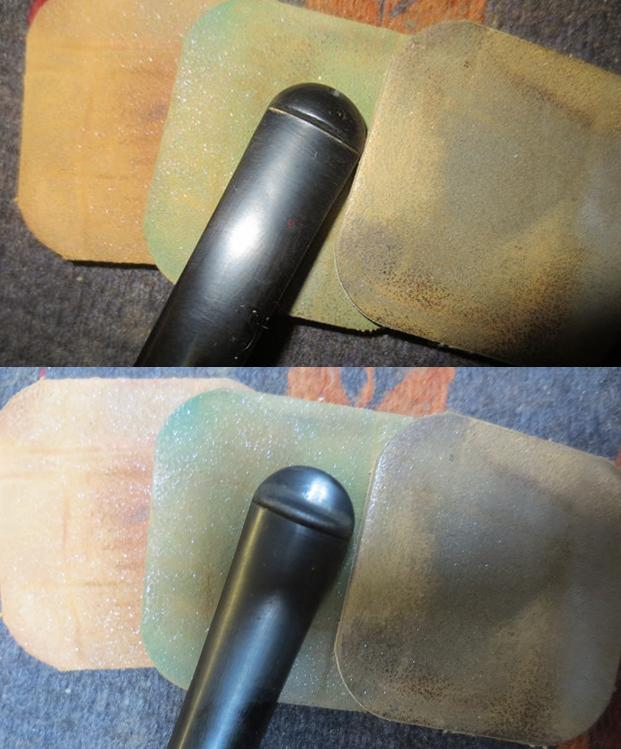
When I saw the pictures of the way this pipe looked – at least the first picture I thought it was in pretty decent shape. The finish was a little worn; particularly some of the high spots on the sand blast had worn off. The smooth patches were also worn and lifeless. The back edge of the rim looked really rough – as if the pipe had been knocked about on concrete or another hard surface to remove the dottle from the bowl. It was ragged. The inner edge of the rim also looked worn and the cake in the bowl was a bit odd looking – as if it was partially removed. It seemed heavier on one side than the other. The stem looked okay in the first picture but the second hinted that all was not well with it either.danish1The close up photos reveal the issues that I hinted at above. The first shows the strangely caked bowl – heavily built up toward the left side and rear of the bowl as well as the rough back rim top and edge of the bowl. The inner edge of the rim also looks like it has taken some damage. The second photo shows the slight cap at the stem junction that to my mind spoke of a tarry and caked mortise that kept the stem from seating properly. The finish also shows some wear in the photos. The pipe is stamped Royal Danish and Made in Denmark. The shape number is 936 which is a Stanwell shape.danish2The next two photos show the issues with the stem. There were tooth marks on the top and underside of the stem that went from quite deep to very shallow. The button top and bottom were worn down and had deep tooth marks. There was also a heavy build up of oxidation on the stem. The stem logo on the top is very faint. It made me wonder if I would be able to feel it with my finger once it arrived in Canada.danish3I am so glad my brother does the heavy work on cleaning out these pipes. I have reamed and cleaned out the shanks of a lot of pipes and I can’t say that I miss it. I still get to do my share of cleanups on pipes that I find but these that he sends me come ready for the restoration process. He scrubbed the exterior of the bowl with Murphy’s Oil Soap and was able to remove the wax and tars on bowl and rim. He reamed the bowl back to bare briar and scrubbed out the mortise and the airway in the shank and stem. When it arrived the stain was quite washed out and the stem was really oxidized. The damaged rim top was very visible and it was in rough shape.danish4 danish5I took some close up photos of the rim and the stem when it arrived here. The roughness of the rim top and inner edge are seen in the first photo. The tooth marks and wear on the stem top and underside in the second and third photos. My brother had cleaned out the mortise so the stem fit tightly against the shank so my guess mentioned above about a dirty mortise appears to have been correct. The crown logo on the top of the stem could hardly be felt by touch.danish6 danish7I started sanding the stem then decided to run a few pipe cleaners and alcohol through the airway in the stem and shank as well as in the mortise. They were quite clean and did not take too much work to remove the little bit of debris that was still left.danish8I sanded the rim lightly to take away the roughness but still leave the finish looking like the sand blasted portion of the rim that had not been damaged. I stained the bowl with a dark brown stain mixed 50/50 with isopropyl alcohol. I applied the stain and flamed it and repeated the process until the coverage was what I was looking for. I wanted the dark stain in the deep grain of blast to show through the brown top stain.danish9I hand buffed the bowl with a microfibre cloth to raise a shine and to give an even look to the finish. The photos below show the pipe at this point in the process.danish10In the second photo below the rim surface is visible. There will need to be some contrast applied to the finish to make it blend in and not look merely “less damaged”.danish11To address the contrast issue on the rim mentioned above I used a black Sharpie Pen to provide some darkening in the crevices of the pitted surface. I used a dark brown stain pen to give the top coat over the black stain.danish12I sanded the inner edge of the rim with a folded piece of 220 grit sandpaper to smooth out the roughened inner edge. In retrospect I probably should have done this before staining the bowl but I did not so I put it in the order I did the work. In the second photo below you can see how the contrast stain worked on the rim top.danish13When I finished sanding I stained the inner edge of the rim with the dark brown stain pen and added some streaks of black Sharpie pen to give it some contrast. I buffed the rim lightly Blue Diamond on the buffing wheel and with a microfibre cloth. The photos below show the pipe bowl after buffing. Notice the change to the rim after the sanding, staining and buffing.danish14 danish15I set the bowl aside and worked on the issues with the stem. I sanded the area around the button on both sides of the stem with 220 grit sandpaper and scrubbed the deeper tooth marks with cotton swabs and alcohol. Once they were clean I filled the deeper marks and built up the button surface with black super glue.danish16I sanded the repairs once they had cured with 220 grit sandpaper to smooth them into the surface of the stem. I reshaped the top of the button on both sides of the stem with the sandpaper.danish17The edge of the button on the underside of the stem was still rough so I used a needle file to shape and sharpen the straight edge.danish18I wet sanded the stem with 1500-2400 micromesh sanding pads. I rubbed the stem down with Before & After Pipe Stem Deoxidizer and a paper towel to further remove the oxidation on the stem. I polished the stem with Before & After Pipe Polish both Fine and Extra Fine with paper towels. The stem was beginning to shine.danish19 danish20I sanded the stem once again with the micromesh sanding pads using 1500-12000 grit pads. Each successive grit of sanding pad added more shine and depth to the shine. The more I polished the stem the more the crown logo disappeared.danish21I buffed the pipe with Blue Diamond on the buffing wheel and then gave the stem multiple coats of carnauba wax. I rubbed the bowl down with Conservator’s Wax by hand. I buffed the pipe with a clean buffing pad to raise the shine. I hand buffed the pipe with a microfibre cloth to deepen the shine. The finished pipe is shown in the photos below. The pipe is clean and looks new. The restoration brought it back to life. Thanks for looking.danish22 danish23 danish24 danish25
Good “bones” make for a beautiful restored pipe – Scandia 792 Squashed Tomato


Blog by Steve Laug

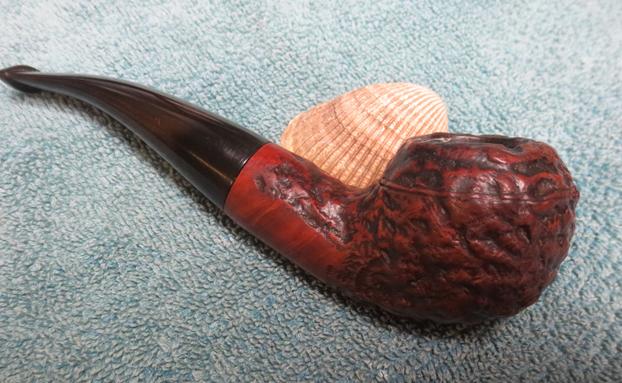
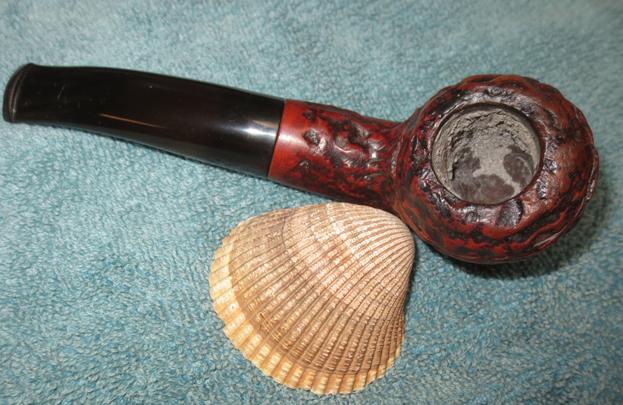
The next pipe I took out of the latest box was a Scandia 792 – a shape I call a squashed tomato. It may be a Danish author shape. It was in decent shape – the stem was lightly oxidized and there were tooth marks and chatter on the top and bottom sides of the stem near the button. The finish was worn but functional, there was a lot of dust and grime in the grooves of the sandblast. The rim had some small chips out of the inner edge. There was also darkening on the top of the bowl. The next photos show the pipe when my brother received it.scan1The next two close up photos show the close up photos of the rim. The chips on the top of the rim and on the inner edge are visible. There was also some tarry buildup on the inner edge and on the top. scan4The next two photos show the stamping on the smooth portion on the bottom of the shank. It is stamped SCANDIA over Made in Denmark and the shape number 792. The second photo shows the SC logo on the shank. Scandia is a Stanwell second line.scan2The next two photos show the tooth chatter and tooth marks on the top and underside of the stem. There was also some slight oxidation. scan3My brother scrubbed the exterior of the pipe with Murphy’s Oil Soap and rinsed it with running water. He reamed the bowl and cleaned out the mortise and airway in the shank with cotton swabs, pipe cleaners and alcohol. When I received it the pipe was in very clean shape. The next pictures show what the pipe looked like when I brought it to the work table.scan6 scan7I took some close up photos of the rim to show the darkening and the wear on the inner and outer edge. There are some chips. I took close up photos of the stem to show the condition and oxidation on the stem.scan8 scan9I sanded it with 220 grit sandpaper to remove all of the tooth chatter and tooth marks. I also sanded it to remove the oxidation.scan10I used the Before & After pipe stem cleaning kit to work on the stem. I scrubbed the stem with the Pipe Stem Deoxidizer and a paper towel until I had removed the surface oxidation. I continued to scrub it until some of the deeper oxidation came out. I polished it the Pipe Stem Fine and Extra Fine polish to further remove the oxidation.scan11 scan12I used a folded piece of 220 grit sandpaper to sand the rim edges and the top. I was able to remove the chips and divots from the inner edge. The second photo shows the rim after sanding.scan13I used Rub ‘n Buff European Gold to highlight the stamping on stem to bring life back into the logo.scan14I wet sanded the stem with 1500-2400 grit micromesh sanding pads and wiped it down with Obsidian Oil. I dry sanded it with 3200-12000 grit pads and rubbed down Obsidian Oil after each set of three pads. After the final rub down of Obsidian Oil I set the stem aside to dry.scan15 scan16 scan17I waxed the bowl with Conservator’s Wax and buffed the pipe with a clean buffing pad. The next four photos show the polished bowl.scan18 scan19I sanded out the bowl with 220 grit sandpaper on around my finger to clean up the scratches and nicks in the bowl interior. I buffed the bowl with a clean buffing pad and gave the stem several coats carnauba. I buffed the stem with a clean buffing pad and then once again with microfibre cloth to raise and deepen the shine. The finished pipe is shown in the photos below. It will one day be on the rebornpipes store, if you would like to add it to your rack email me at slaug@uniserve.com or send me a message on Facebook or a comment on the blog. Thanks for looking.scan20 scan21 scan22 scan23 scan24 scan25 scan26 scan27
 

An Italian Thompson Briar Cherry Wood


Blog by Robert M. Boughton
Member, International Society of Codgers
Member, North American Society of Pipe Collectors
Member, Facebook Gentlemen’s Pipe Smoking Society
https://www.facebook.com/roadrunnerpipes/ Now Open!
https://roadrunnerpipes.wordpress.com/
http://about.me/boughtonrobert

Photos © the Author except as noted

Sittin’ in the mornin’ sun
I’ll be sittin’ when the evenin’ comes
Watchin’ the ships roll in
Then I watch ’em roll away again, yeah
I’m sittin’ on the dock of the bay
Watchin’ the tide roll away, ooo
I’m just sittin’ on the dock of the bay
Wastin’ time.

— Otis Redding (1941-1967), U.S. singer, songwriter, arranger, record producer, talent scout, in “Dock of the Bay.” 1968

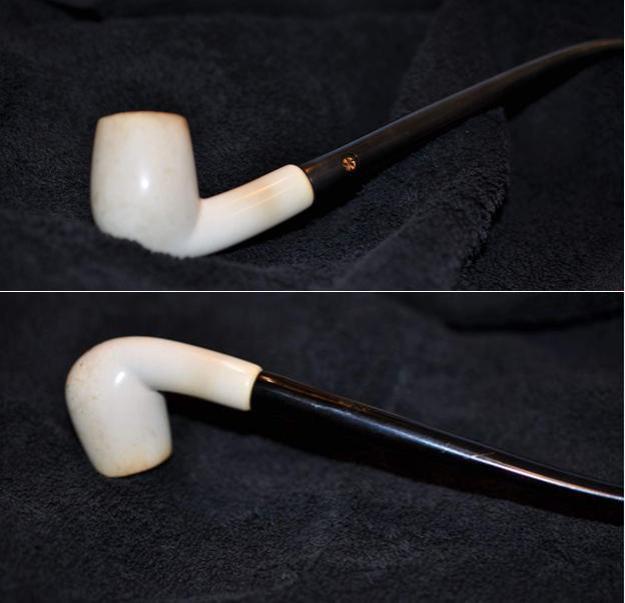
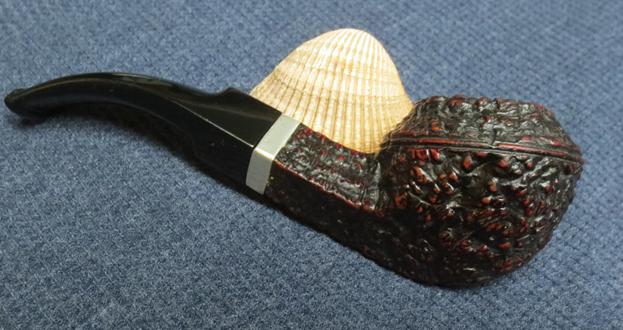
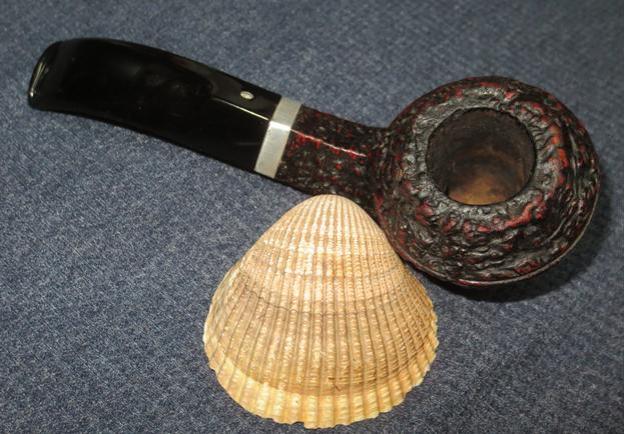
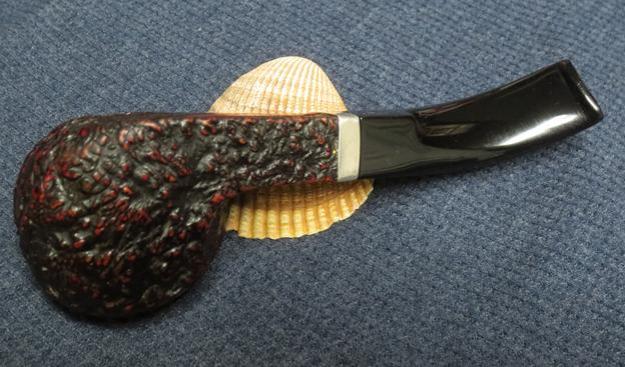
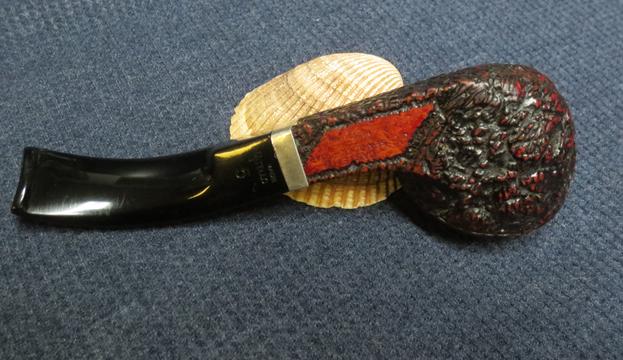
In the late great soul singer’s relaxed, heartfelt poetry, I have ventured upon a quintessential pipe quote.  To me the words evoke certain clear and happy memories of my childhood and the highest objective of all pipe enthusiasts: to sit in peaceful, easy contemplation of life and enjoy its passage with thoughts that may or may not be as eloquent as those of the lyric and stylistic artist, but nevertheless belong to us.  Only fitting, therefore, is the fact that this refurbish concerns a lovely sitter, made of briar but fashioned in the cherry wood shape.

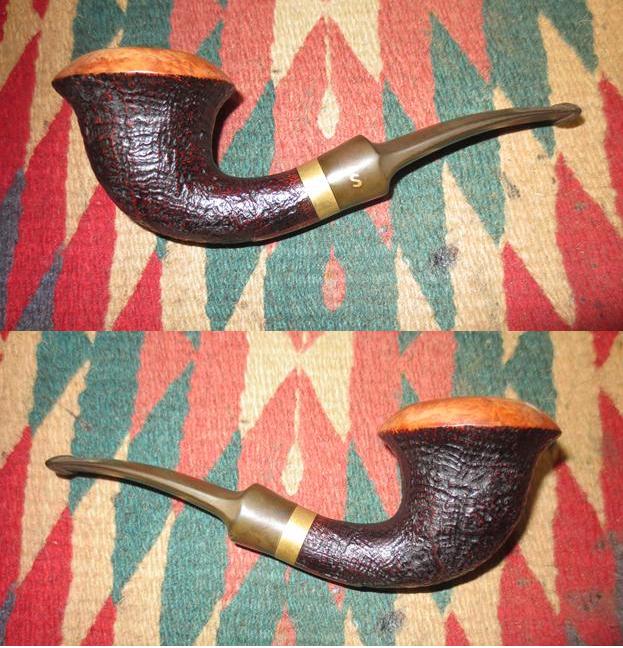
Having the Dutch pipe maker E. Gubbels B.V. of the Netherlands on the brain in recent days, I thought I had an unusual shape of one of its brands, another Thompson.  My first clue that this might be incorrect came upon my initial inspection of the fine specimen, whereupon I discovered a made in Italy stamp under the brand.  Turning to Pipephil, I noted the slight but nevertheless clear difference in the cursive style of the name.  Unless anyone comes up with a better answer, I conclude this beautiful briar pipe with almost seamless birds-eye grain was made for the Thompson Cigar Co., established in 1915, of Tampa, Florida.

I have owned several cherry wood style pipes, and only one that I recall was, to me at least, a dud.  That’s why I let it go to a collector of the brand, which shall remain unnamed despite the fine reputation it enjoys for good reason.  The gentleman snagged the little beauty, with its excellent dark red and orange vertical grain, from my first online business site the day after I blogged and posted it, and wrote to let me know how happy he was in every respect with his purchase.  This anecdote illustrates how the pleasures derived from these diminutive wonders for partaking of the sundry blends of tobaccos are of an intense and personal nature, and every functional pipe is destined, in a way, for a loving keeper.

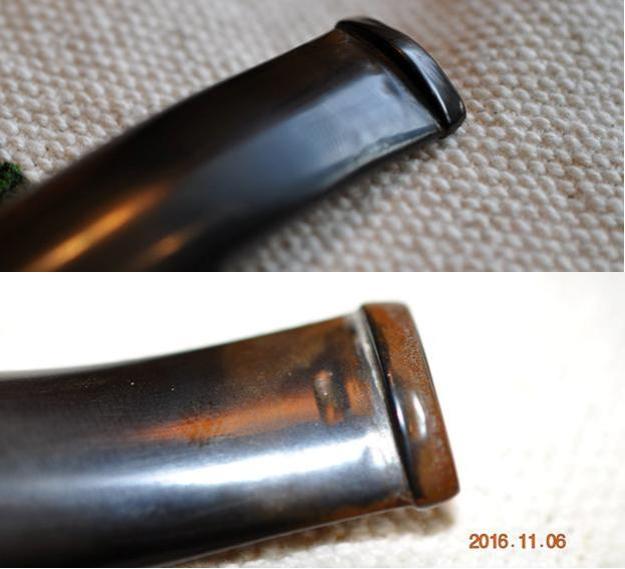
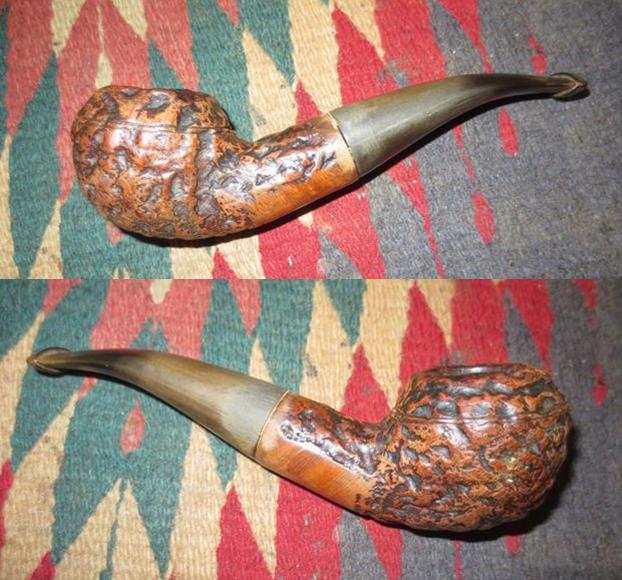
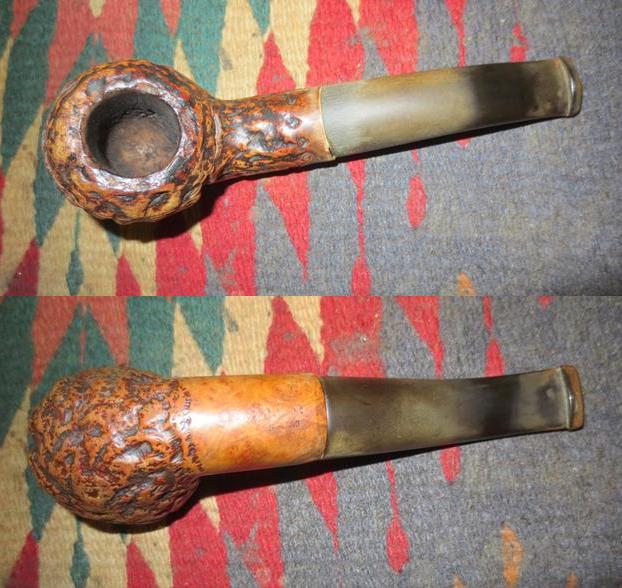
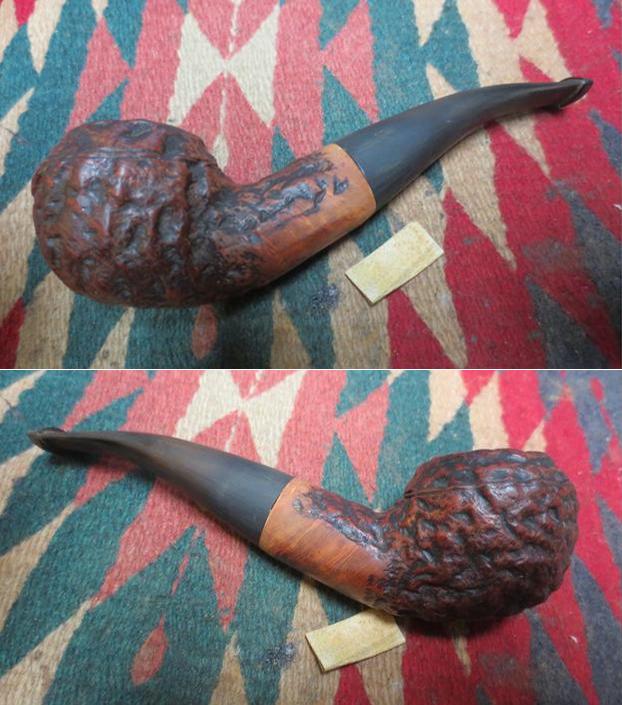
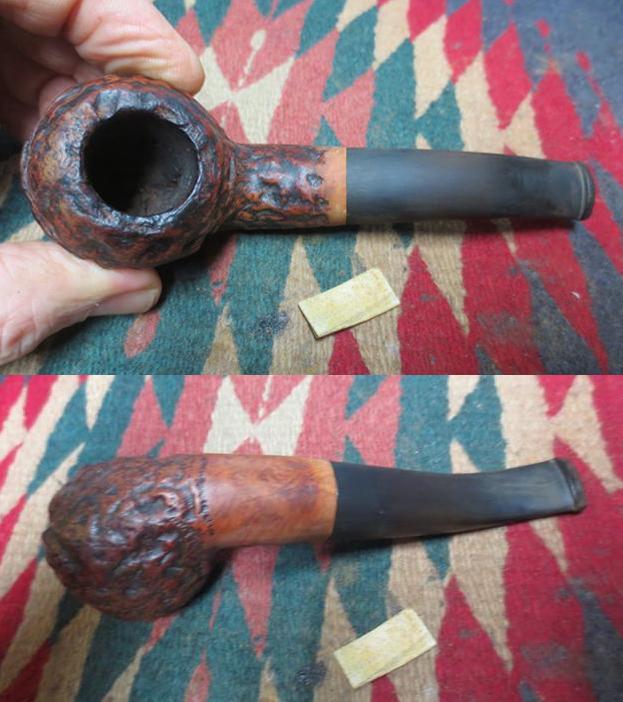
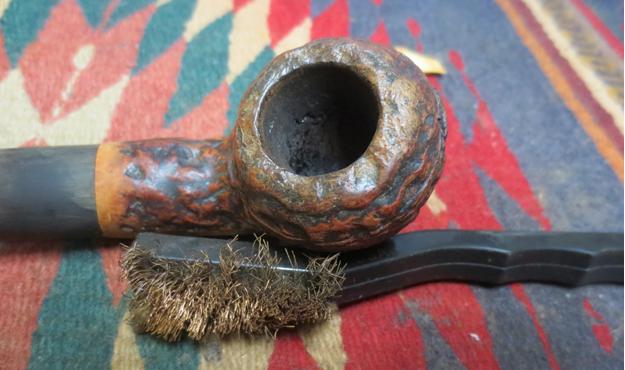
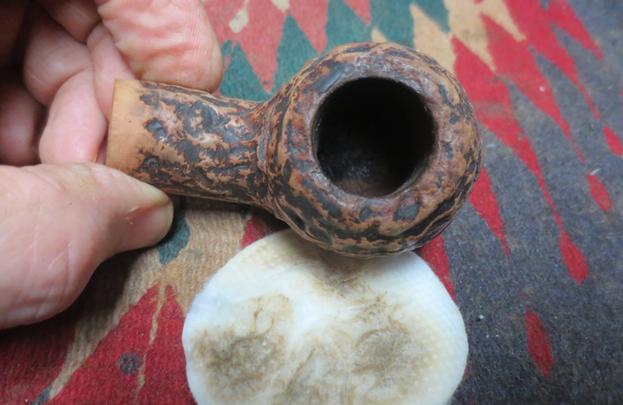
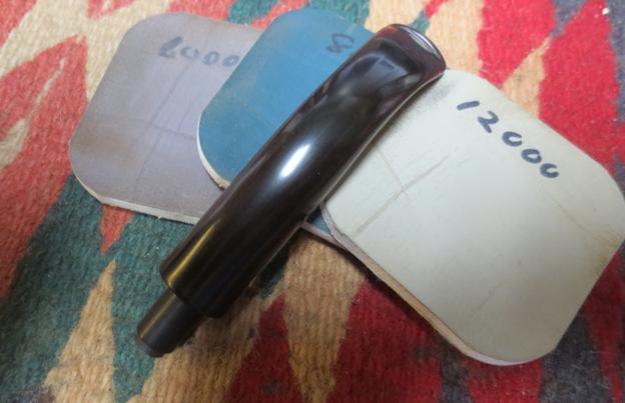
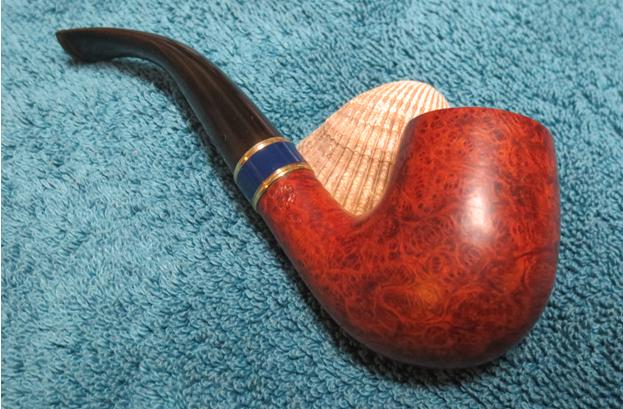
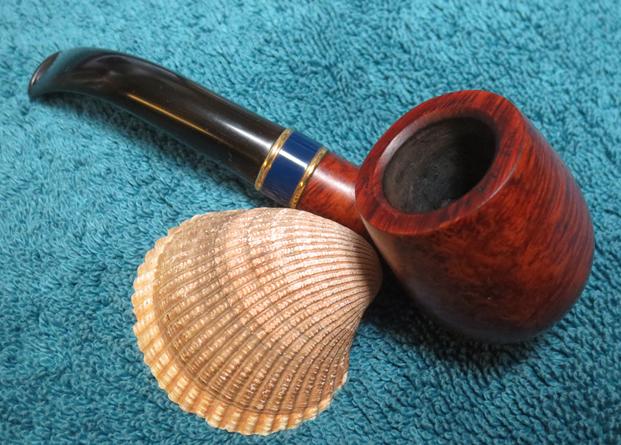
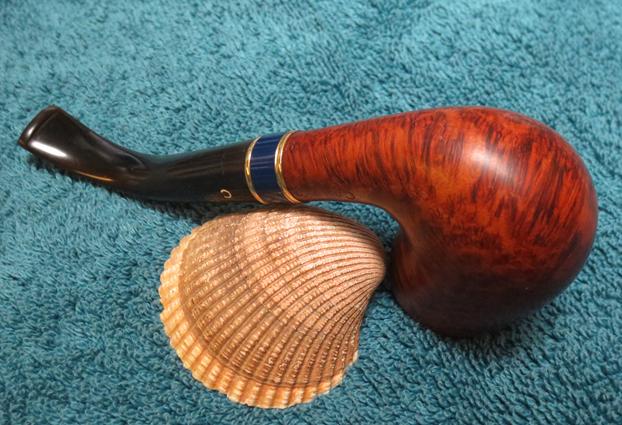
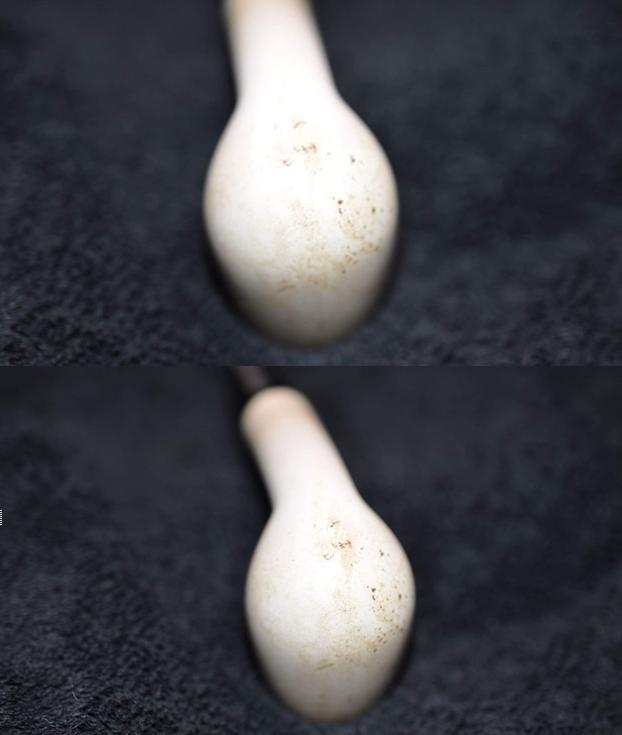
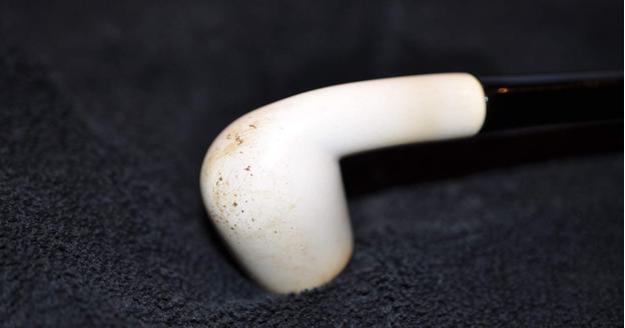
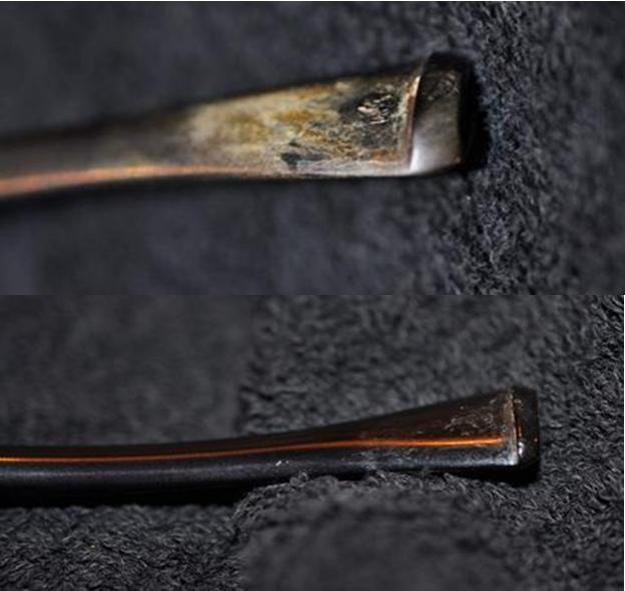
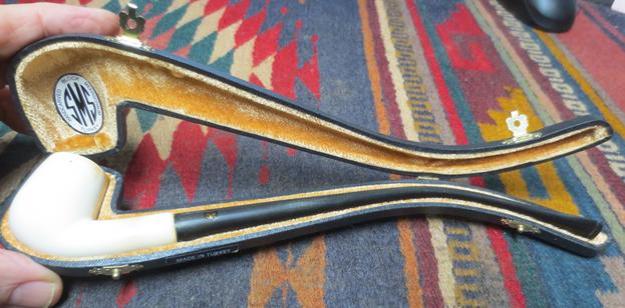
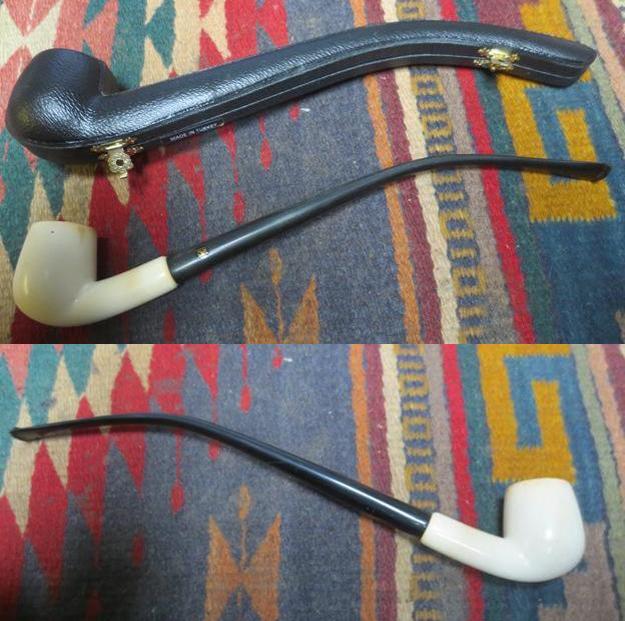
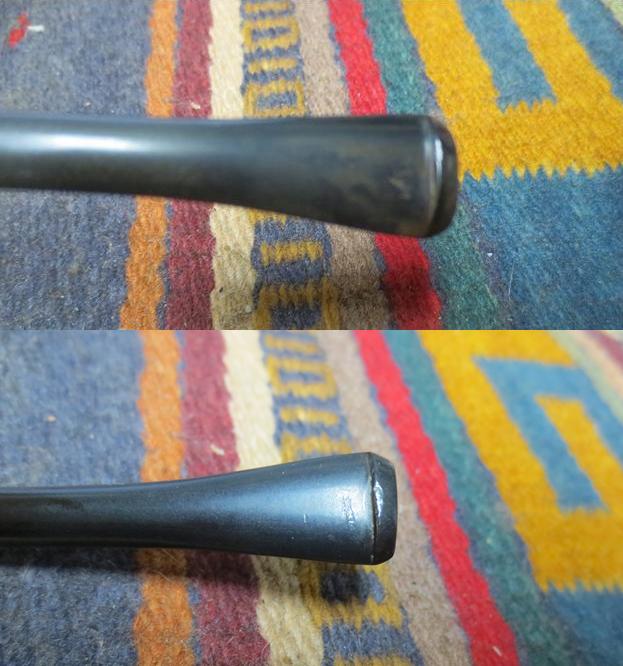
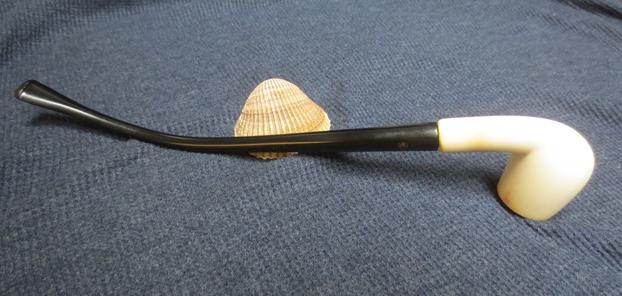
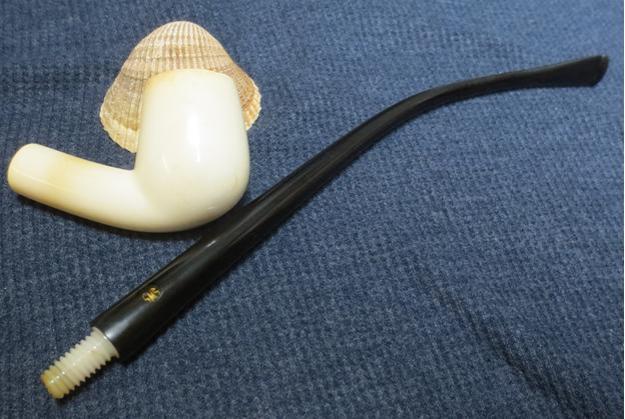
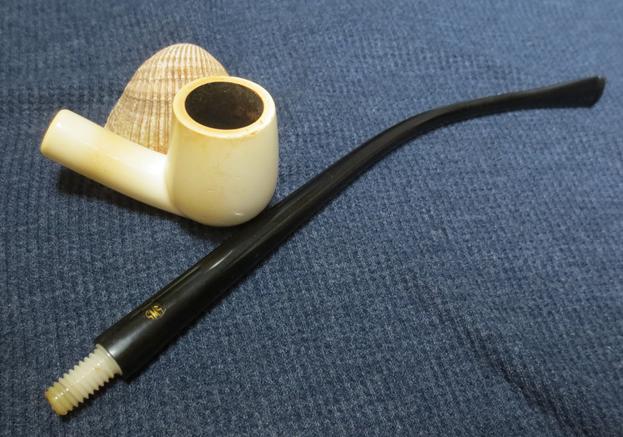
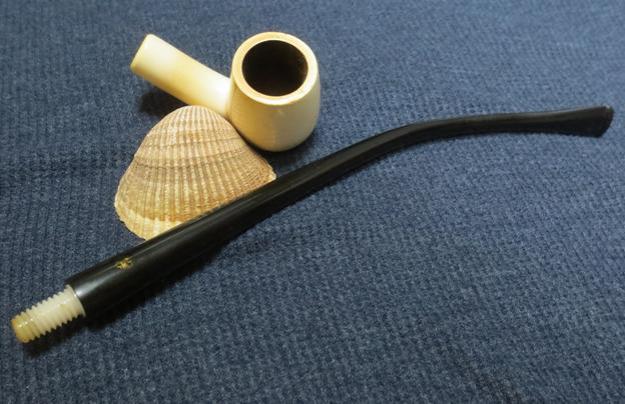
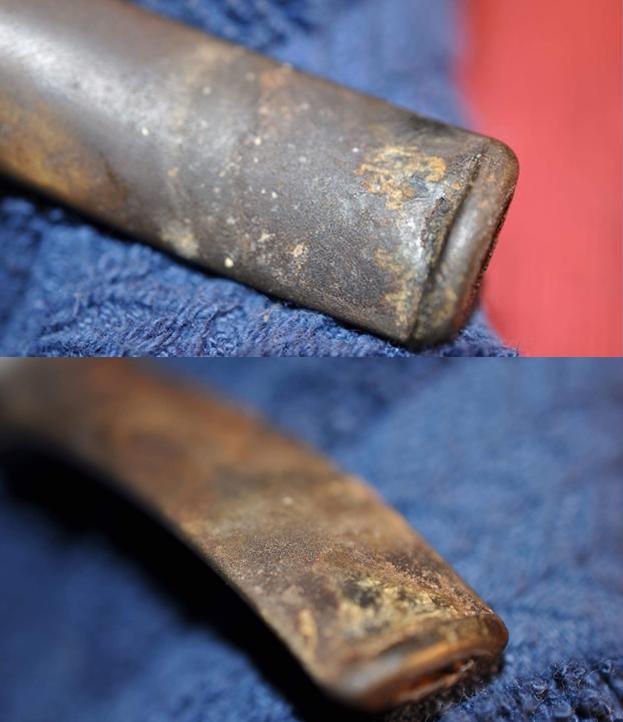
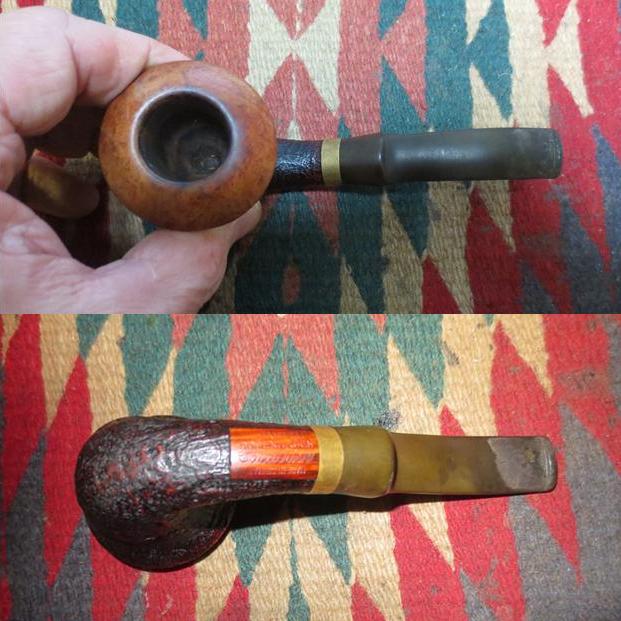
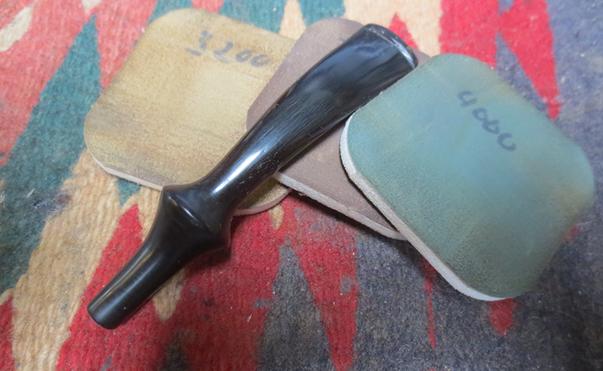
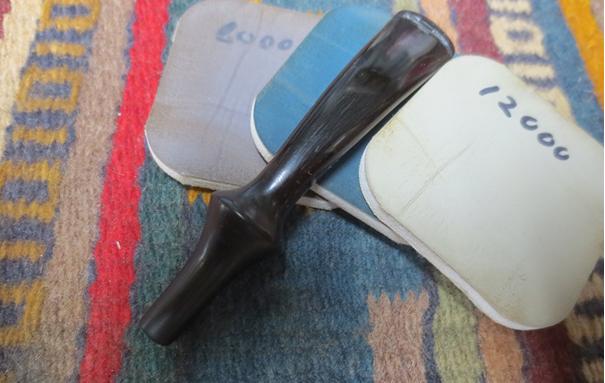
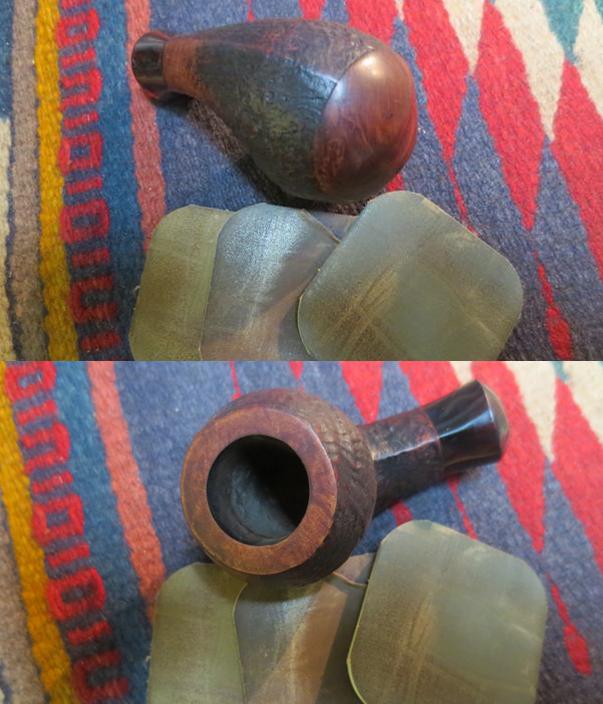
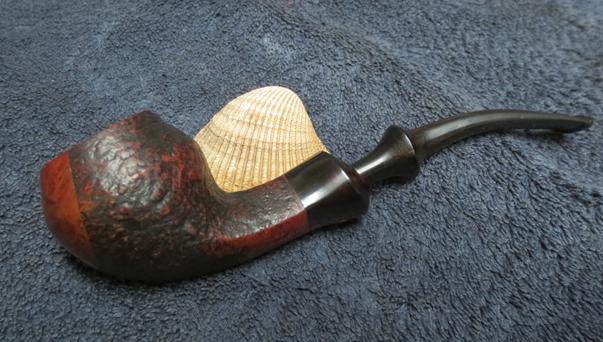
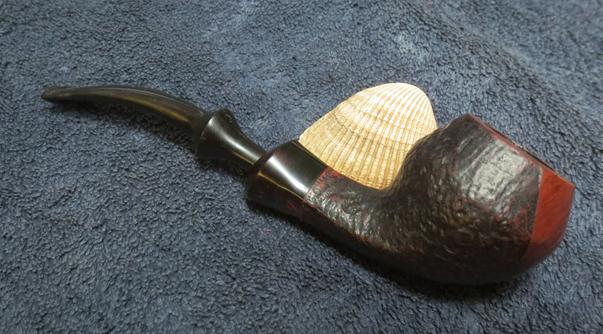
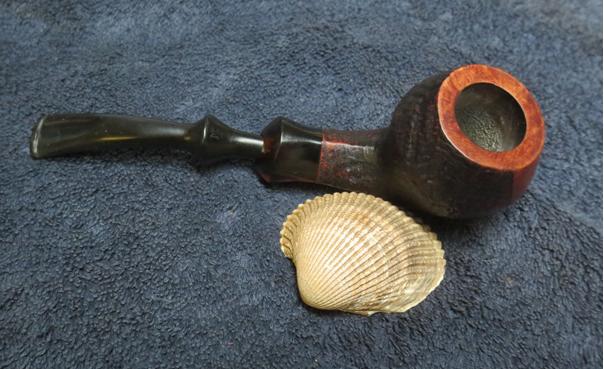
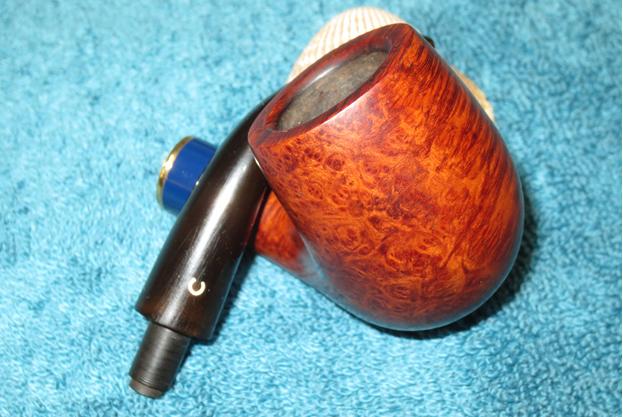
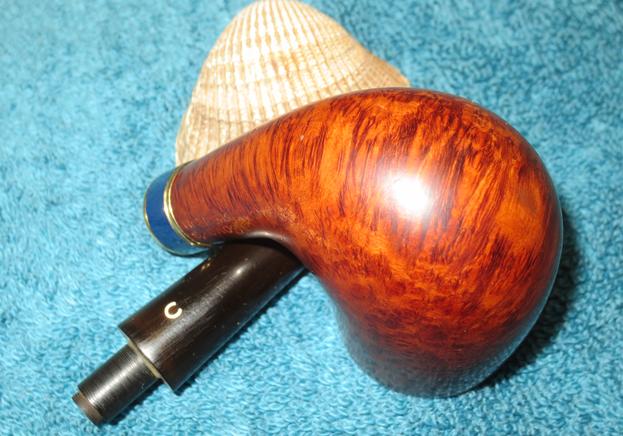
Here are three of the many examples I have owned and come to know on an intimate basis.  The first and last are briars.thompson1thompson2And here is the Thompson I have had the pleasure of cleaning up and savoring on a frequent basis ever since.thompson3thompson4thompson5thompson6The sitter had few signs of wear and tear other than chatter and general abrasions on the bit, and so I commenced the refurbish there with an OxiClean bath.  I followed that step by sanding with 320-grit paper and wet micro meshing from 1500-12000.

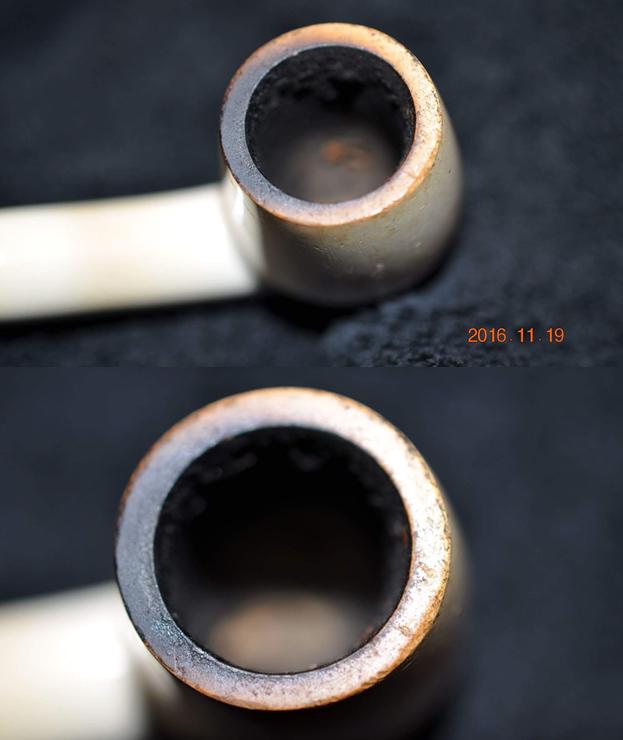
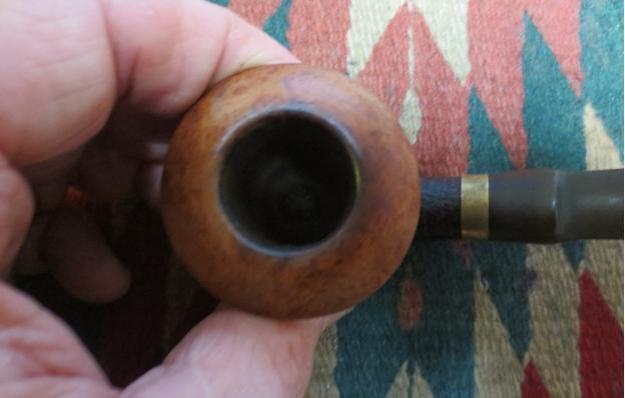
thompson7thompson8thompson9The superfluous system tenon, which was of a variety so popular back in the day when every pipe maker and his brother was in the mad competitive habit of patenting such idiotic devices, was stuck so tight inside the push section that I had to heat and remove it first.  Then I reamed the chamber and sanded it smooth with 150-, 220- and 320-grit paper before running some preliminary Everclear-soaked cleaners through the shank.  As I was keeping the pipe for my own use, I tucked away the unnecessary system nuisance.

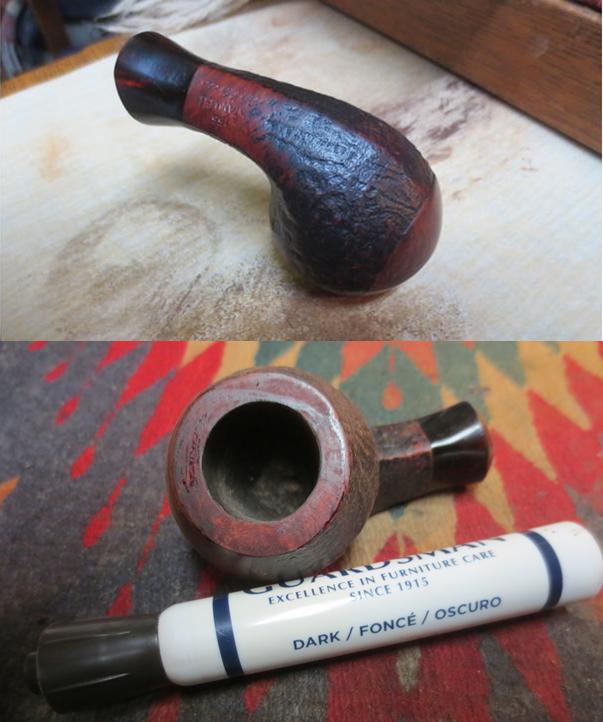
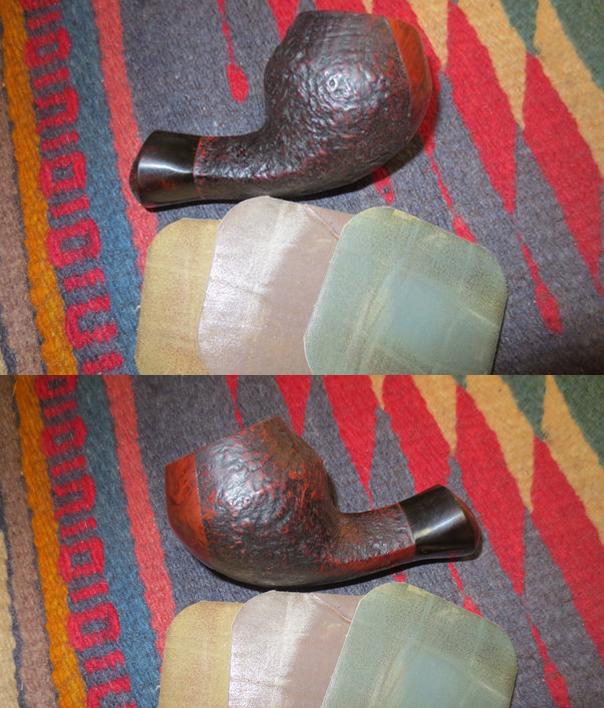
thompson10thompson11The full micro mesh treatment of the stummel was enough to clear away the insignificant blemishes on the wood.  Still, more light work was needed on the rim with 320-grit paper, then another round of micro mesh on that narrow area.thompson12thompson13thompson14Retorting the pipe necessitated several more cleaners through the shank.thompson15This is where a phenomenon I never before saw occurred.  Thinking the stummel ready for waxing, I couldn’t help noticing the inexplicable appearance of a dark red patch that appeared to be an old stain, seeming to have no logical origin, on the top front of the bowl, under the rim.  Blast me for not snapping a shot of the spooky manifestation before I corrected it with spot sanding, again using 320 paper!  I had already applied Halcyon II to the surface and had to spot wax the narrow spot again.thompson16thompson17Following the 15-minute soak-in stage and vigorous buffing with a soft thick cotton cloth, all that was left was a quick spin on the clean electric buffer wheel.thompson18thompson19thompson20 SOURCES
https://www.thompsoncigar.com/section/PIPES/8394.uts
https://wordpress.com/post/roadrunnerpipes.wordpress.com/219