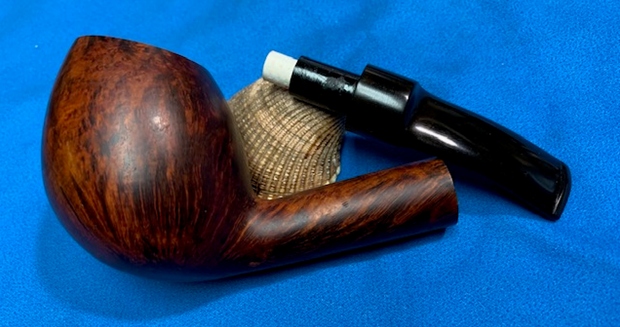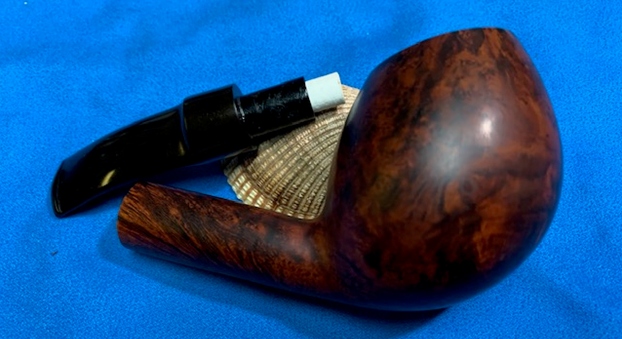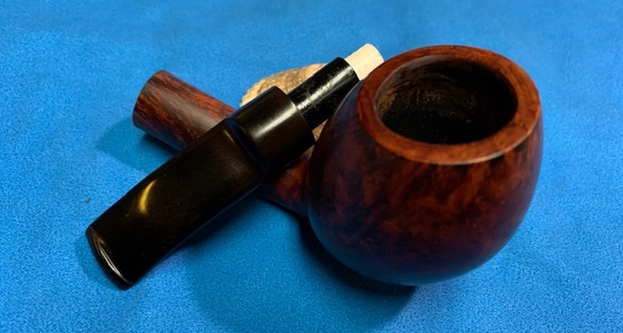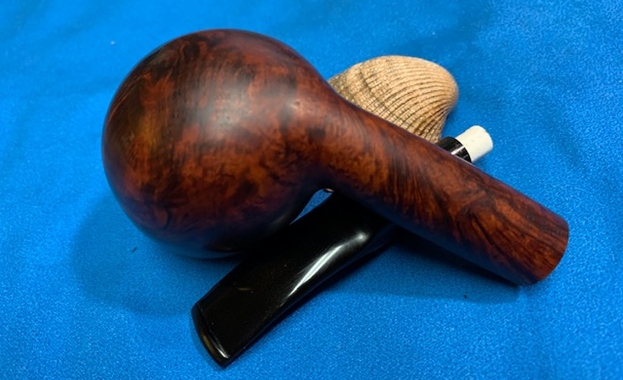
Tag Archives: removing oxidation

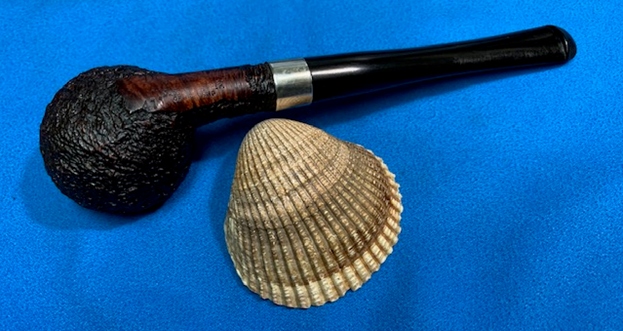
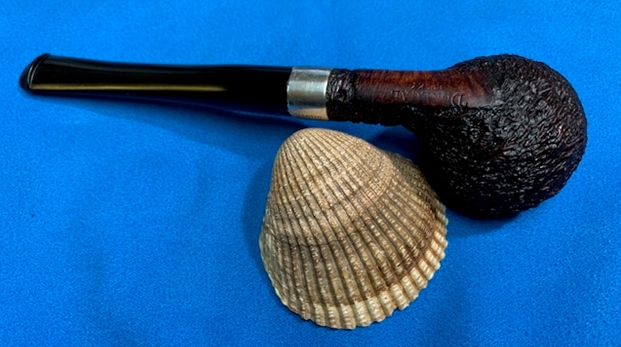
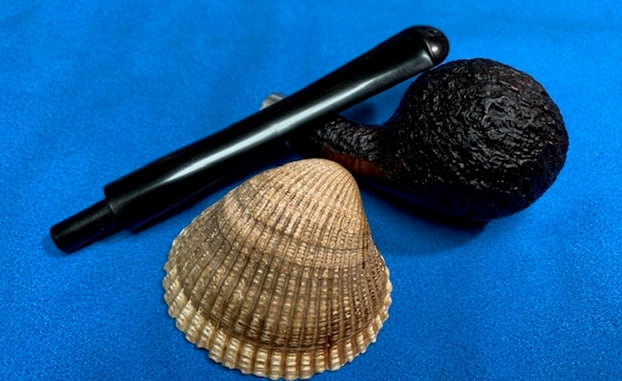
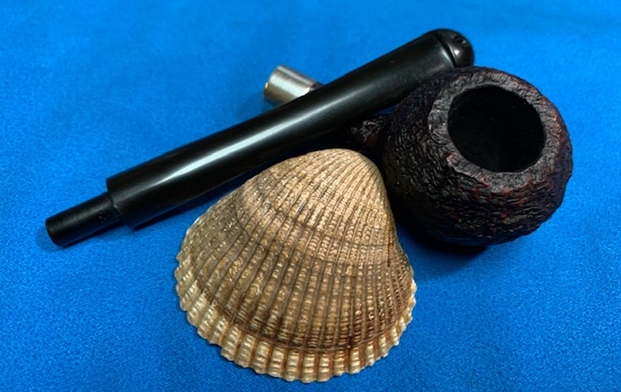
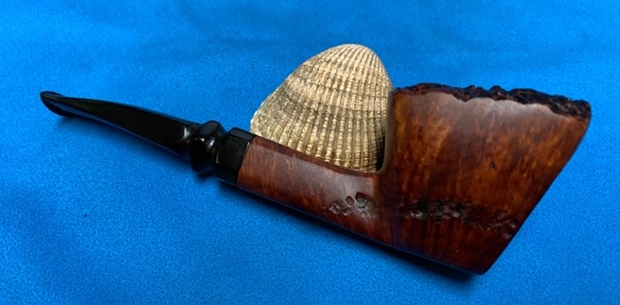
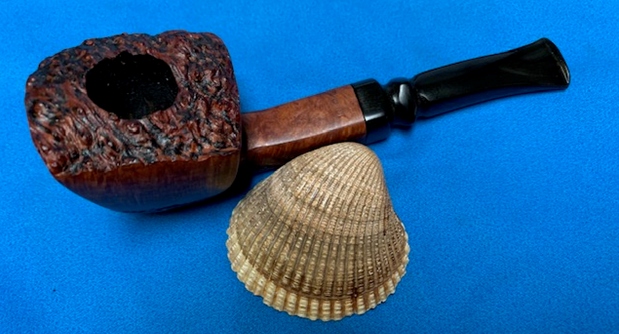
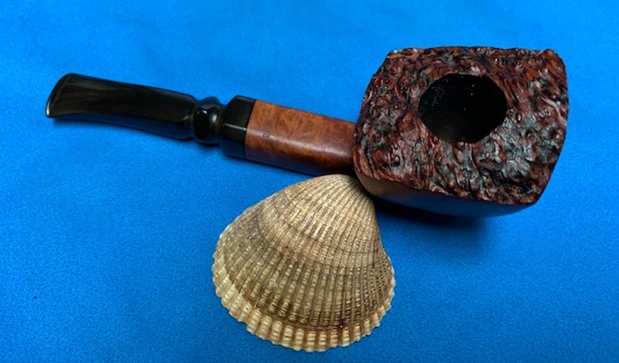
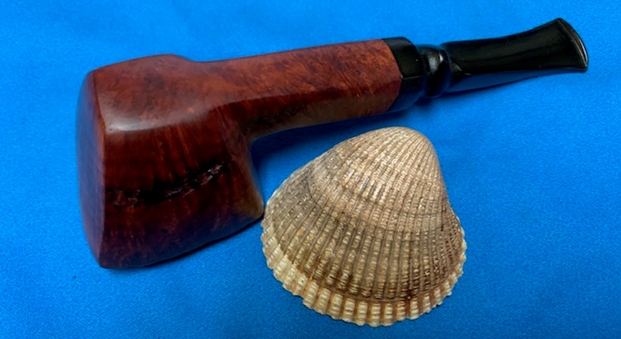
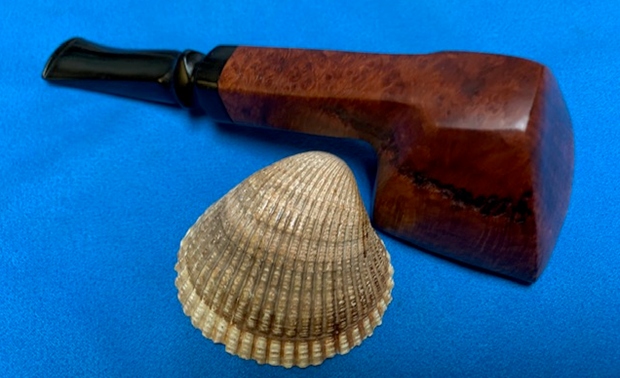
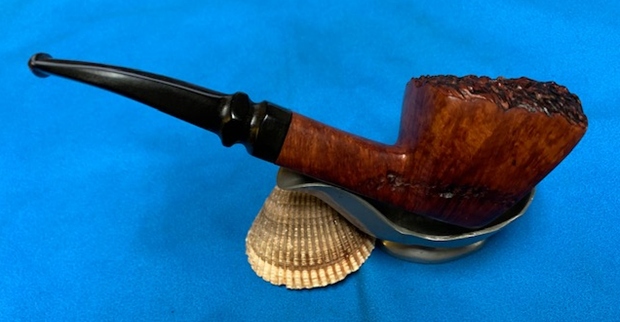
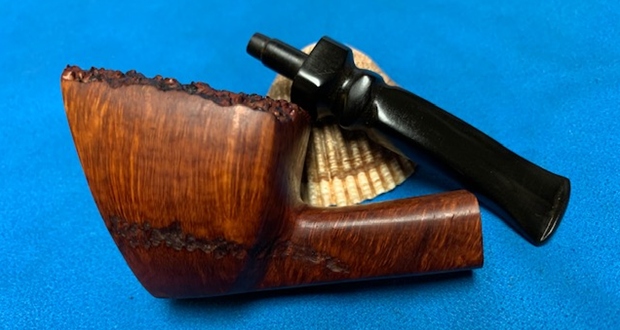
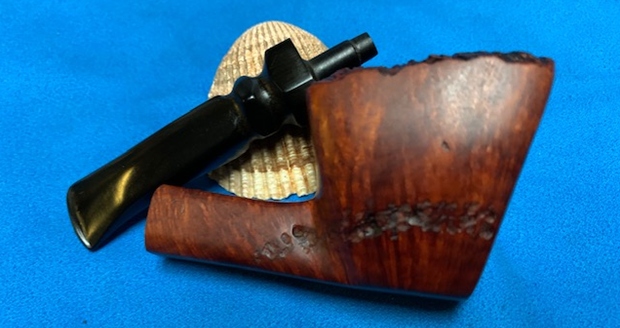
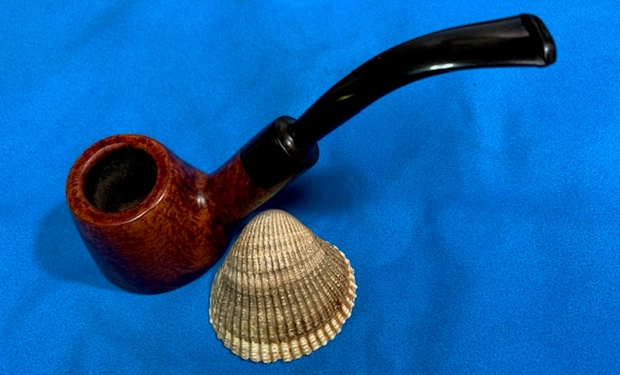
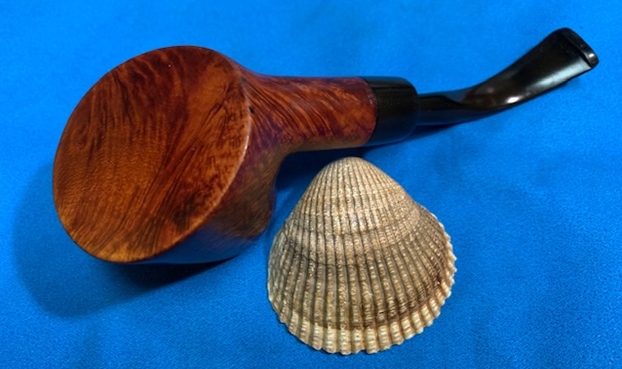
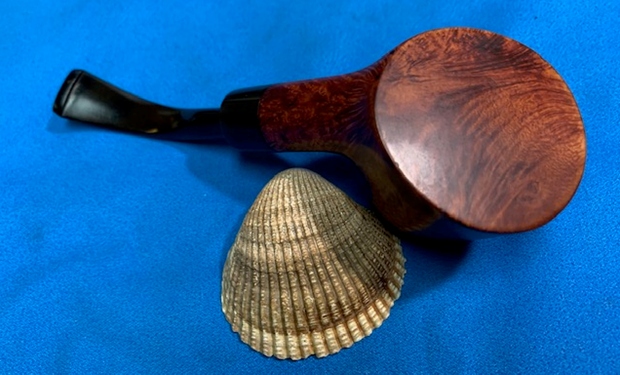
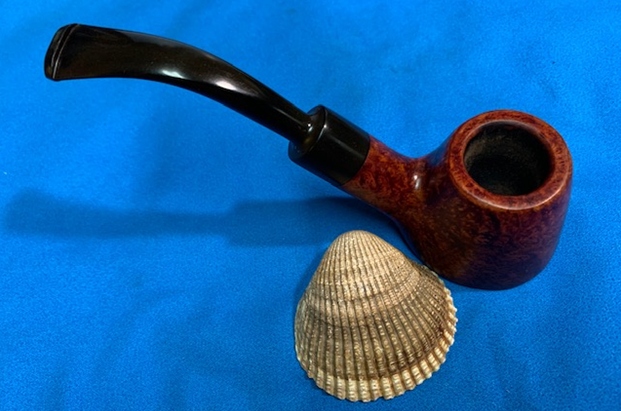
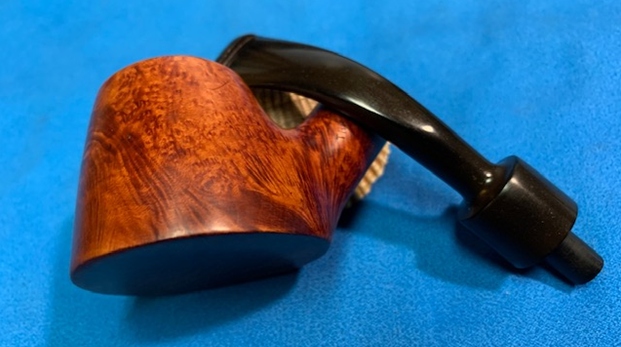
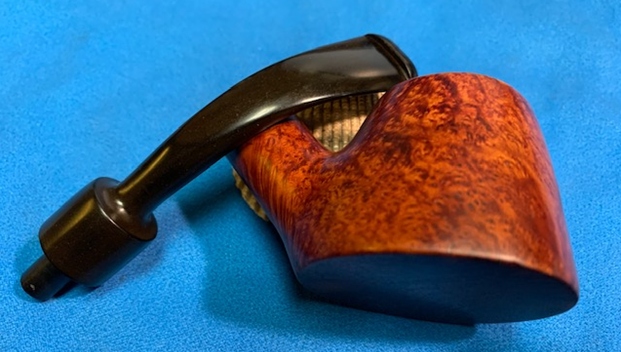
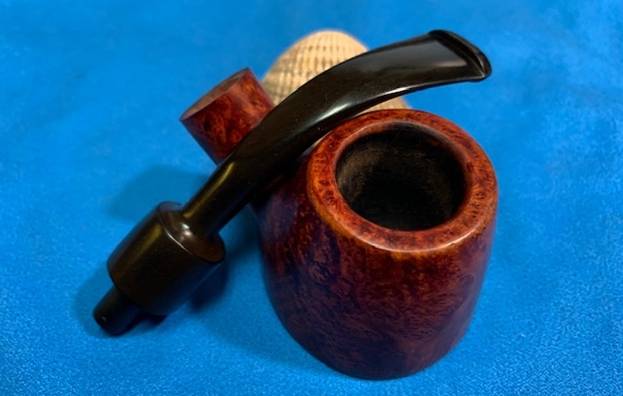
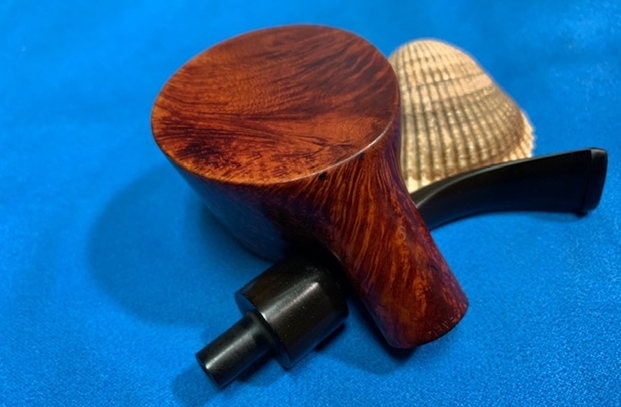
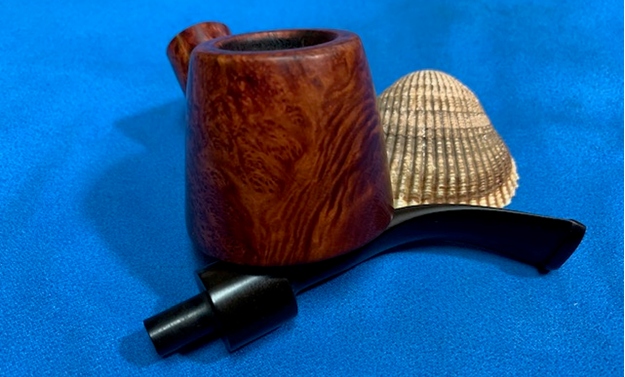
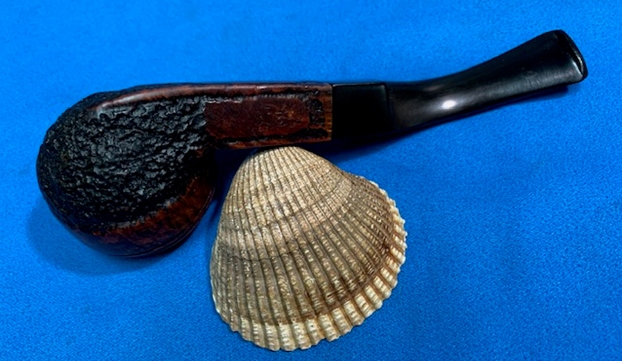
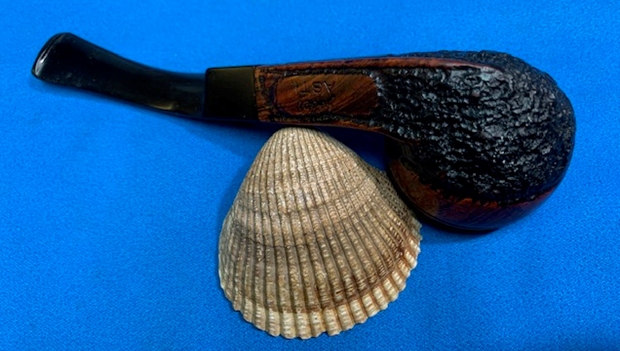
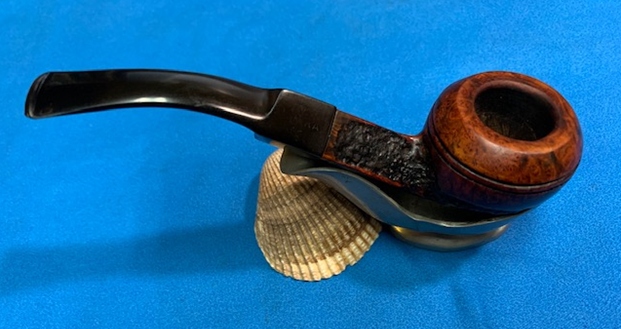
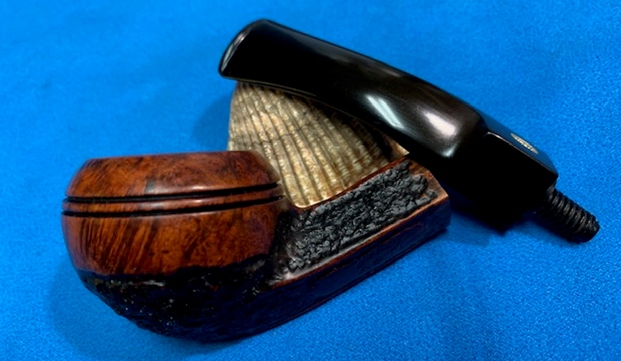
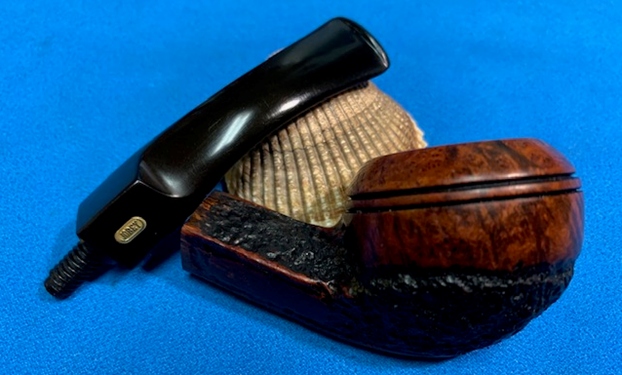
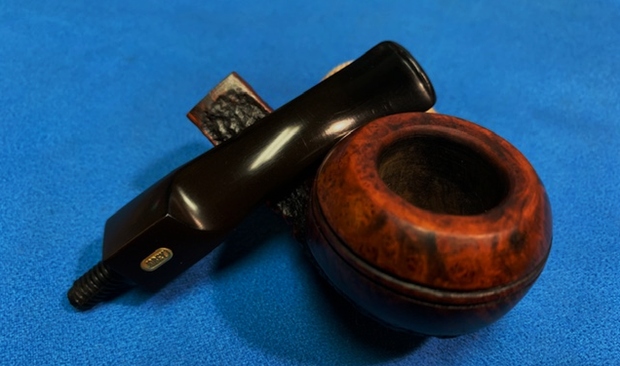
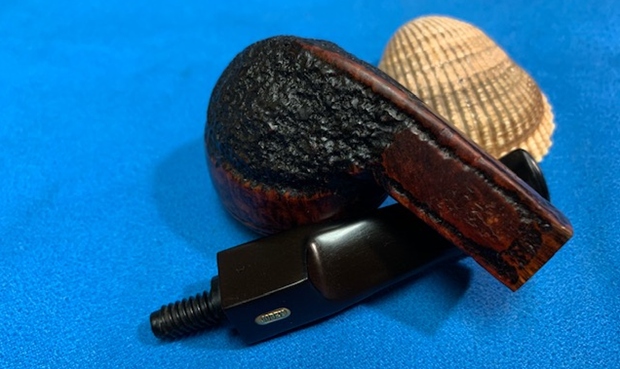
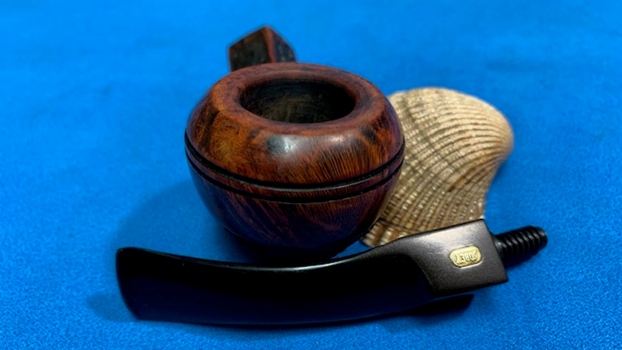
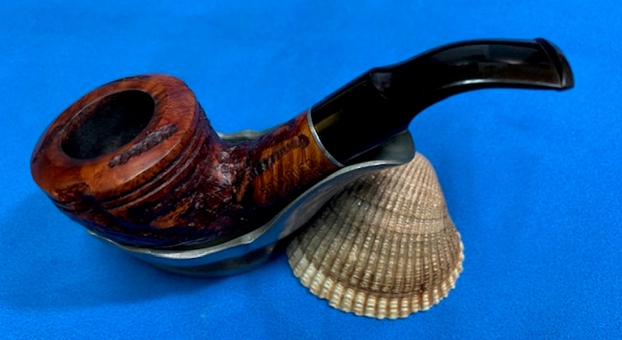
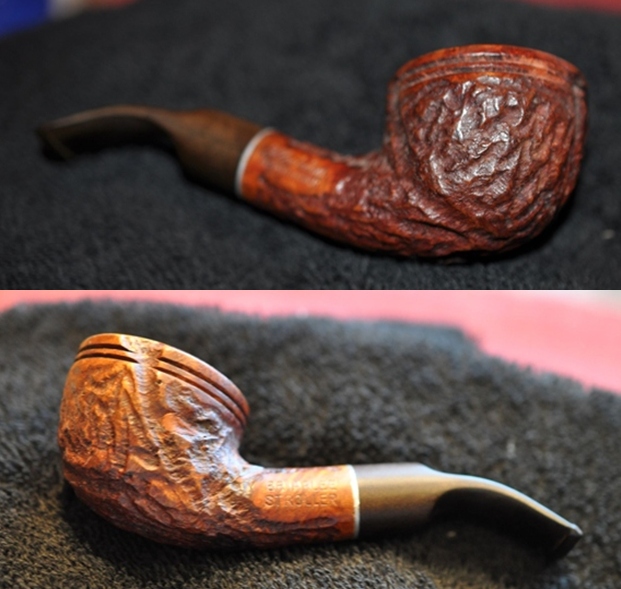
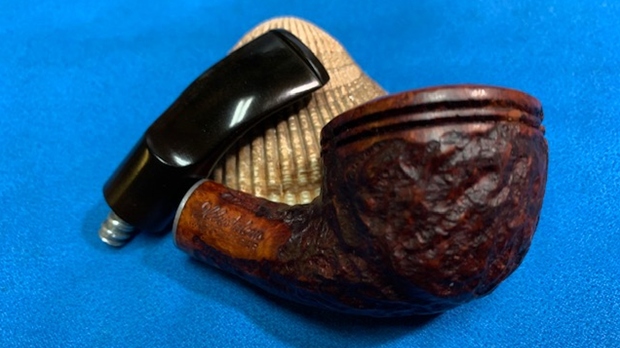
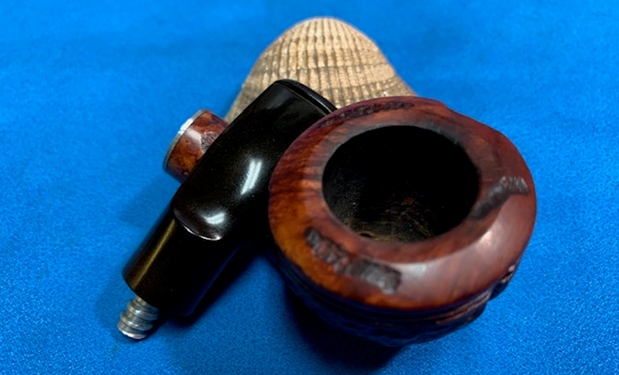
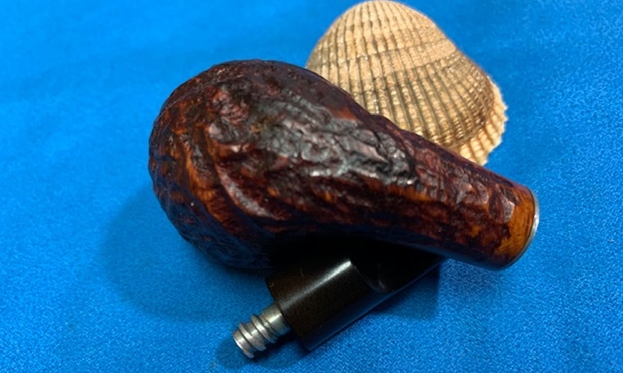
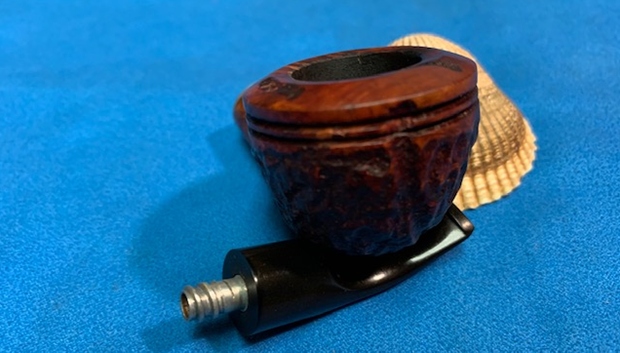
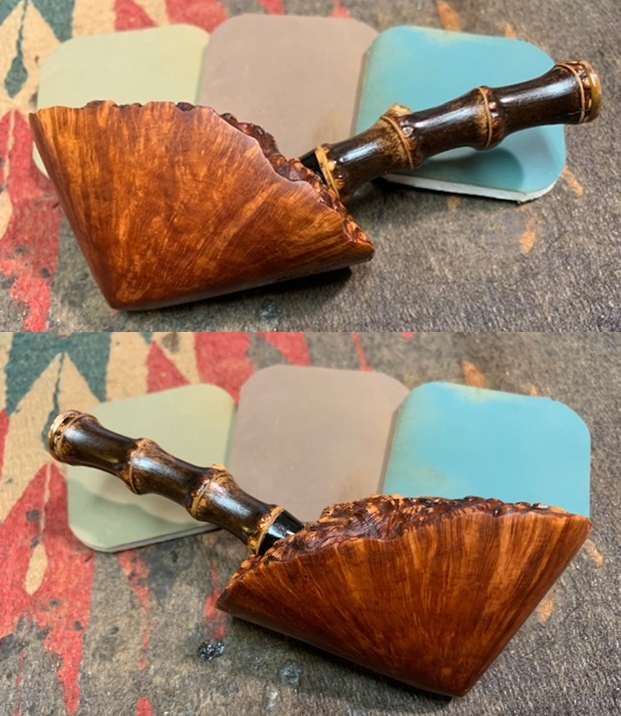
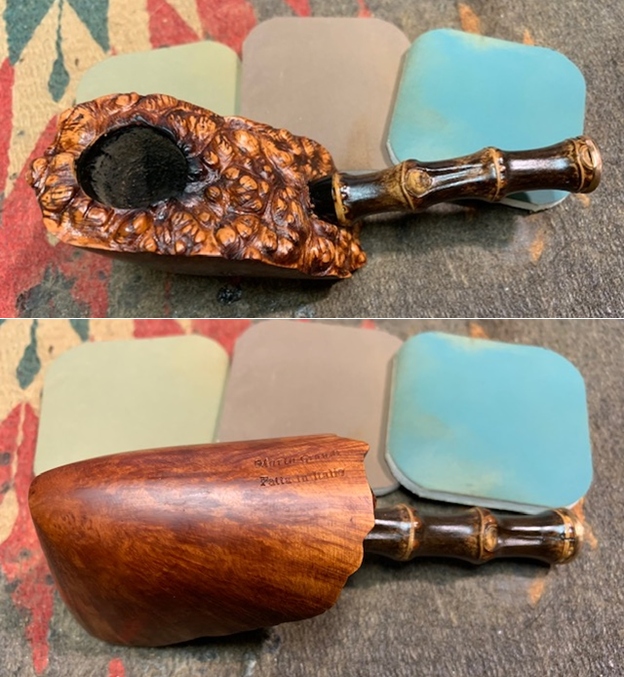
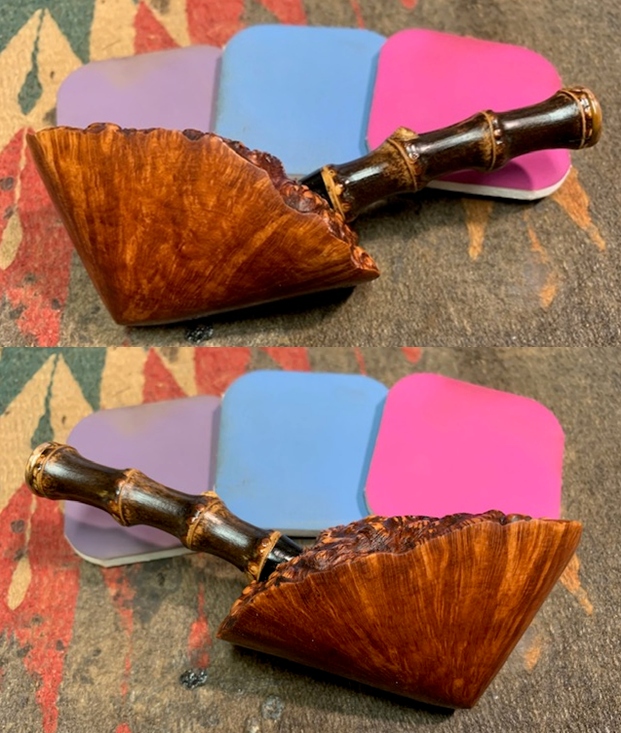
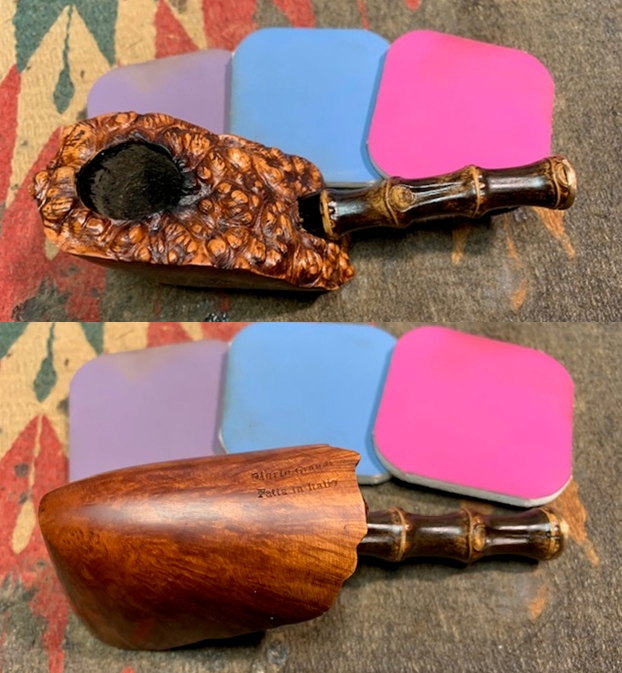
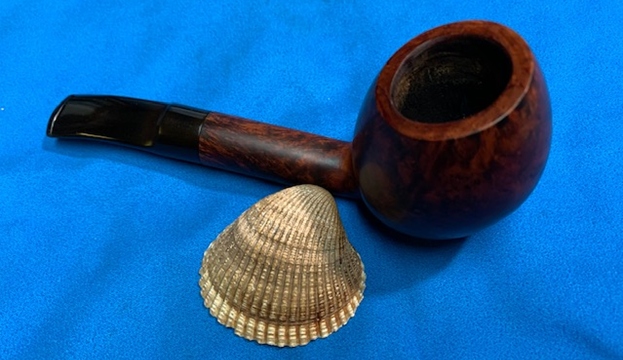
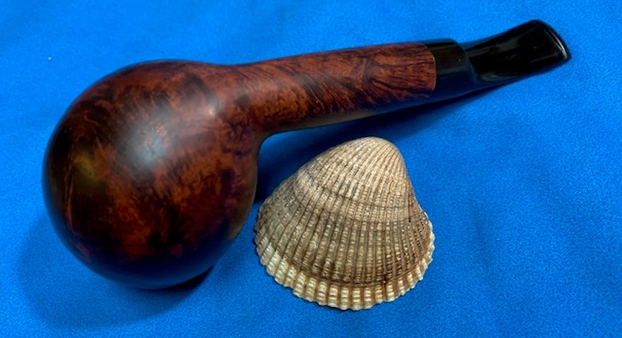
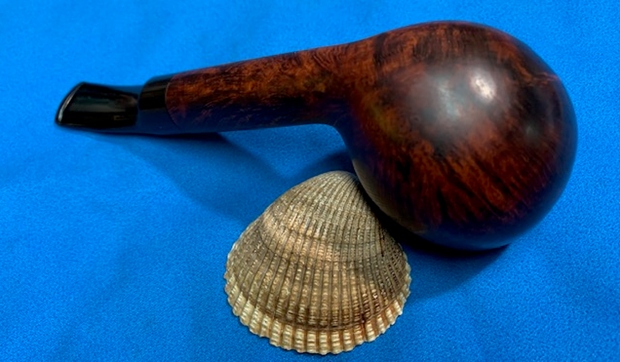
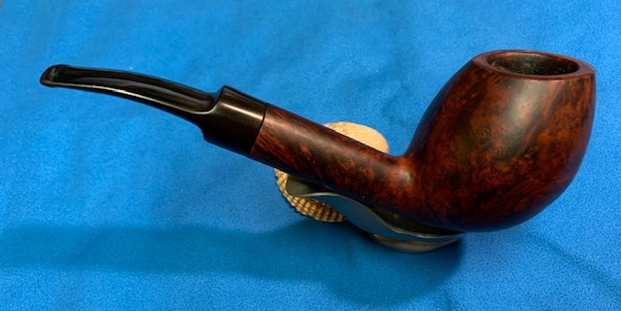
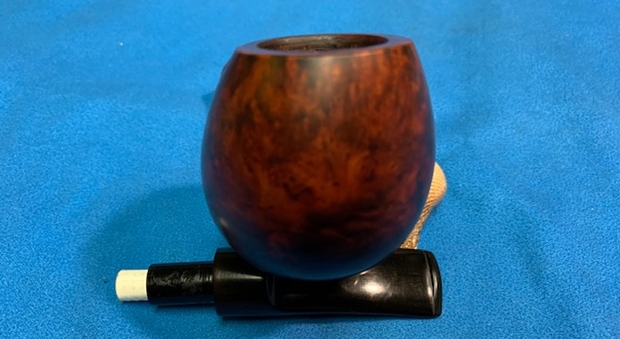
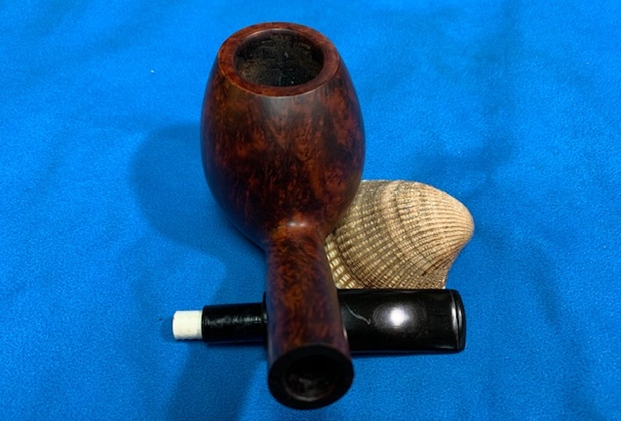
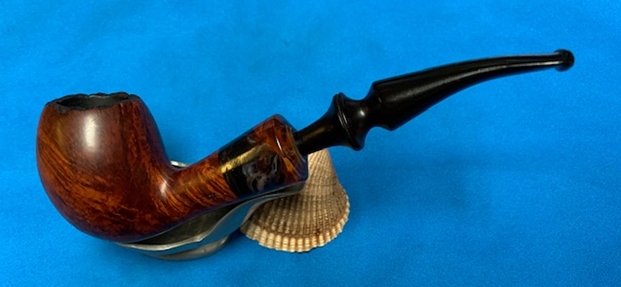
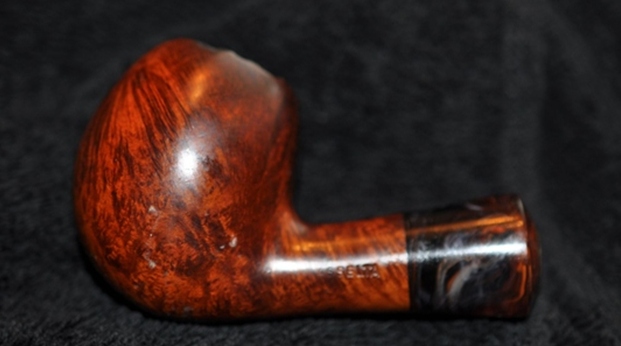
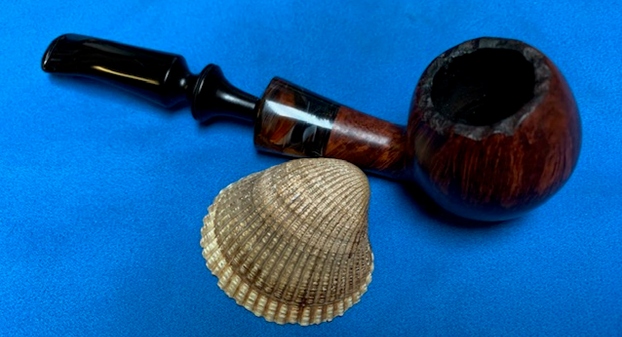
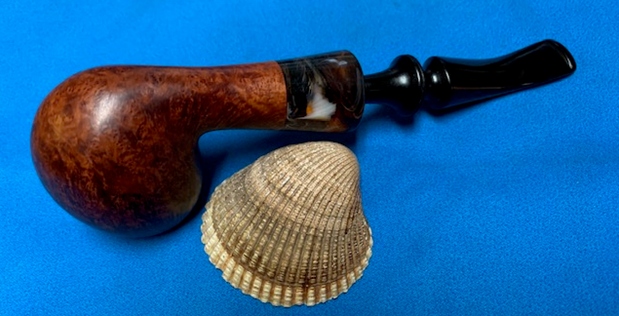
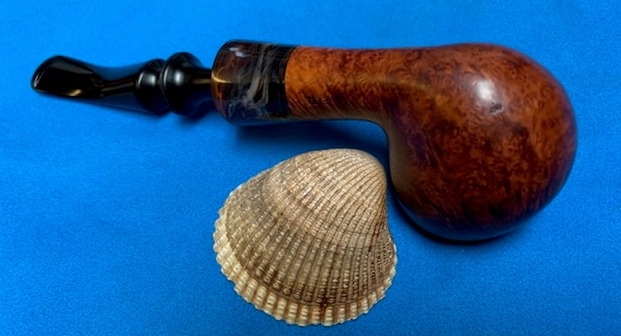
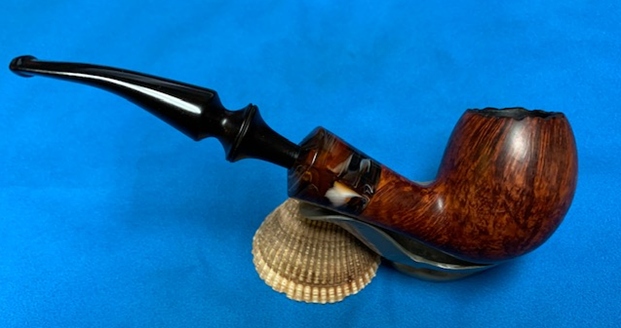
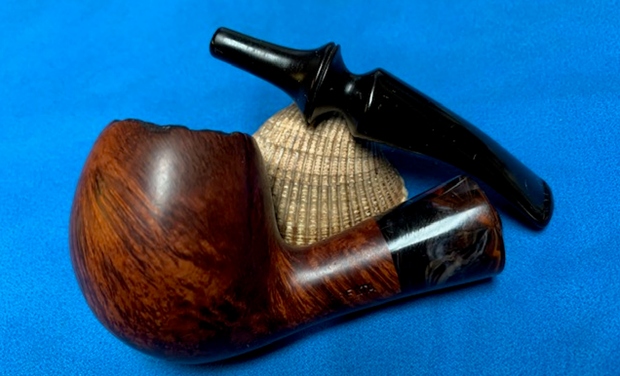
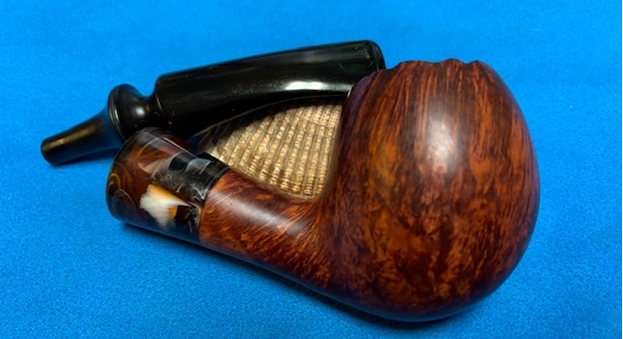
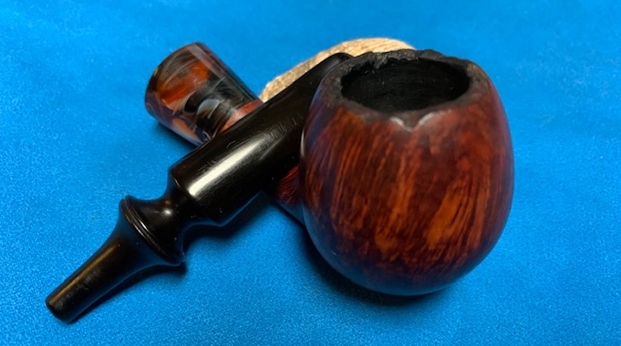
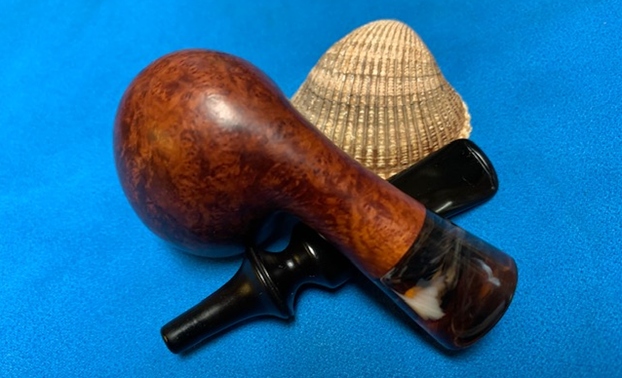
Restoring a Mixed Finish Soren Hand Carved Pedestal Freehand


Blog by Steve Laug

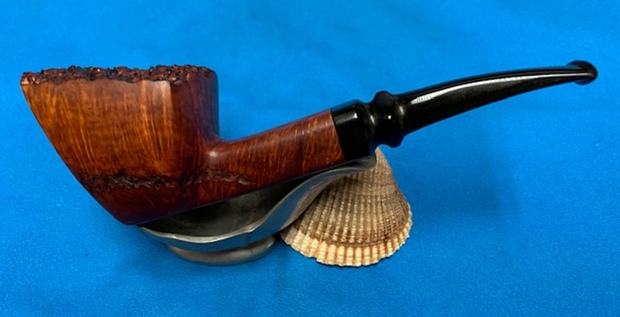
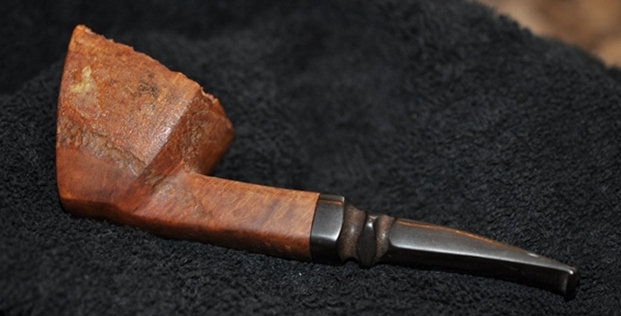
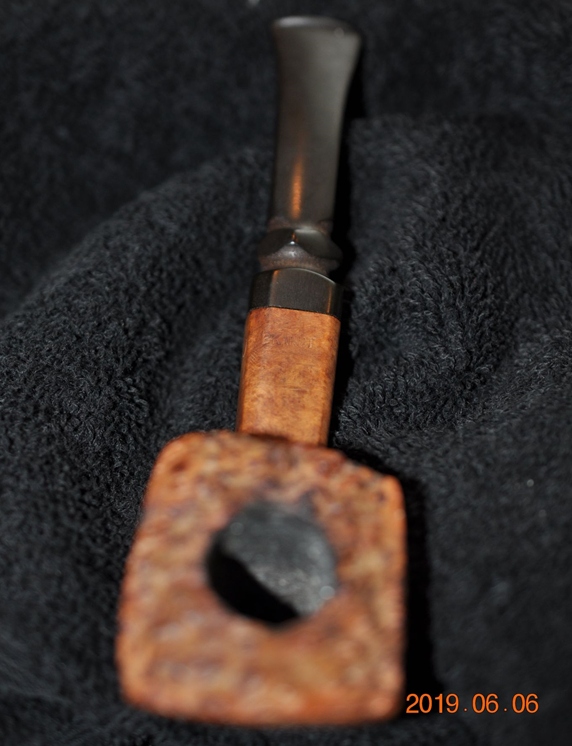
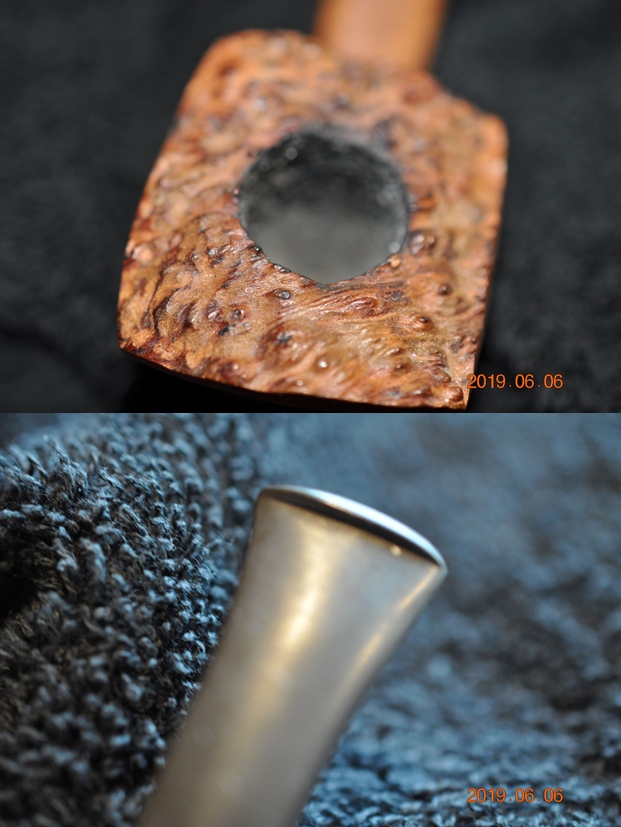
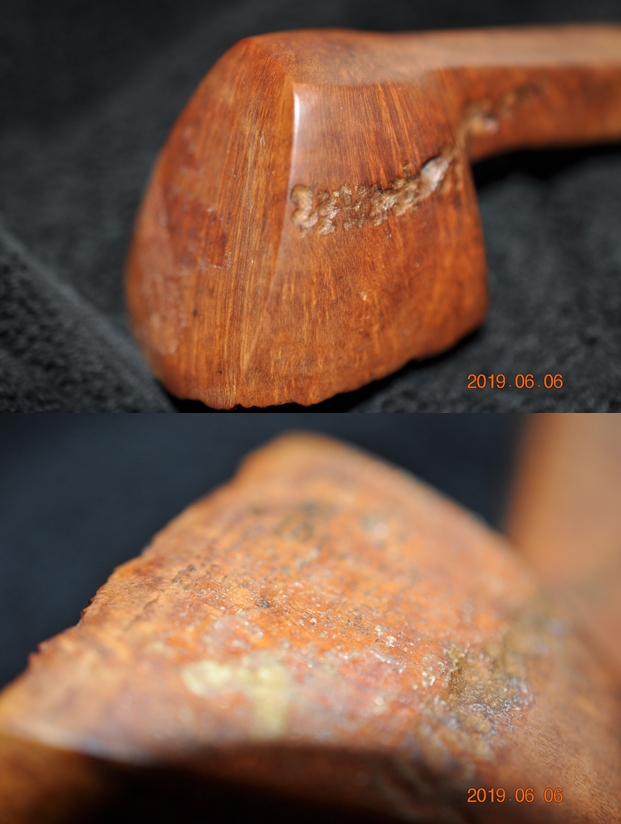
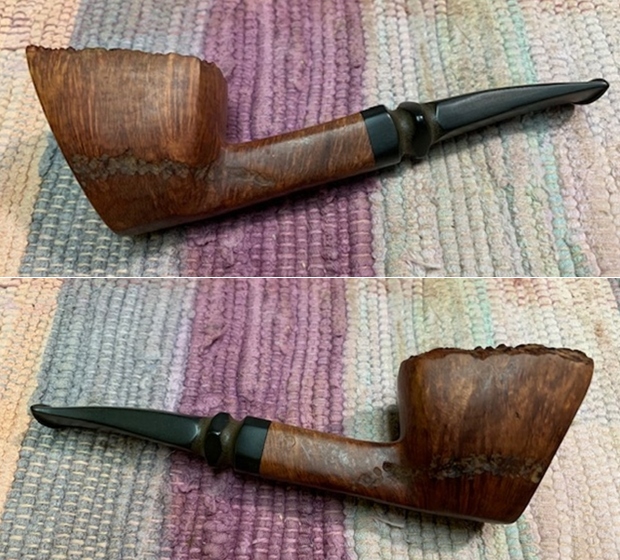
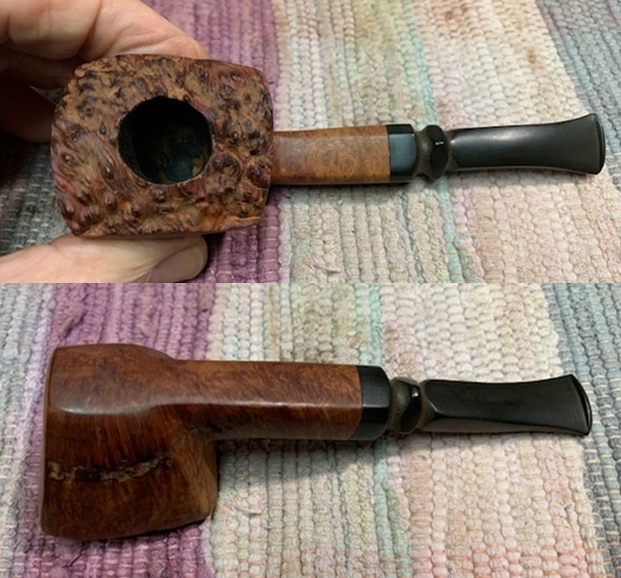
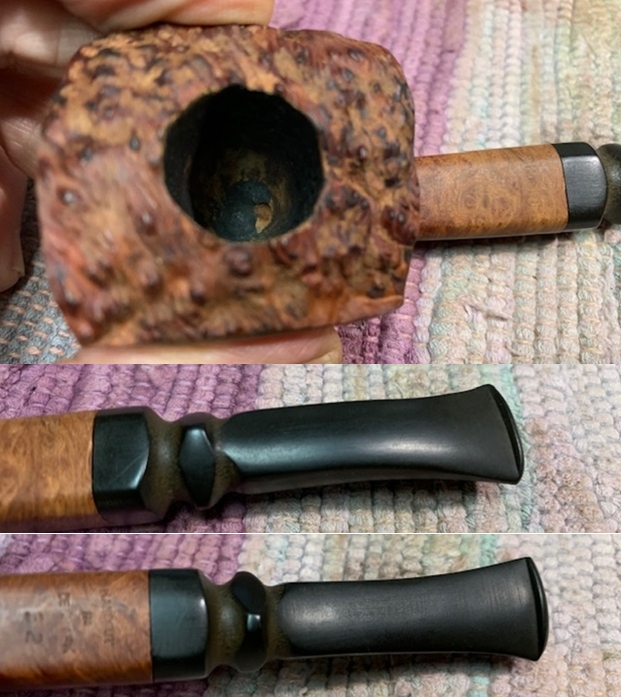
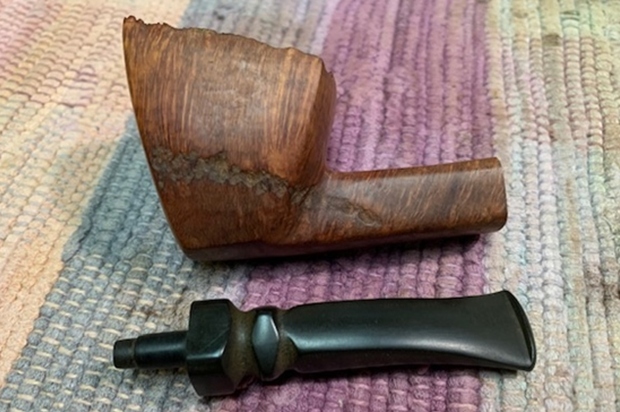
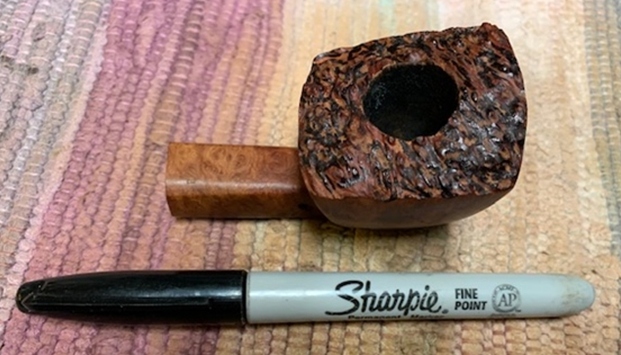
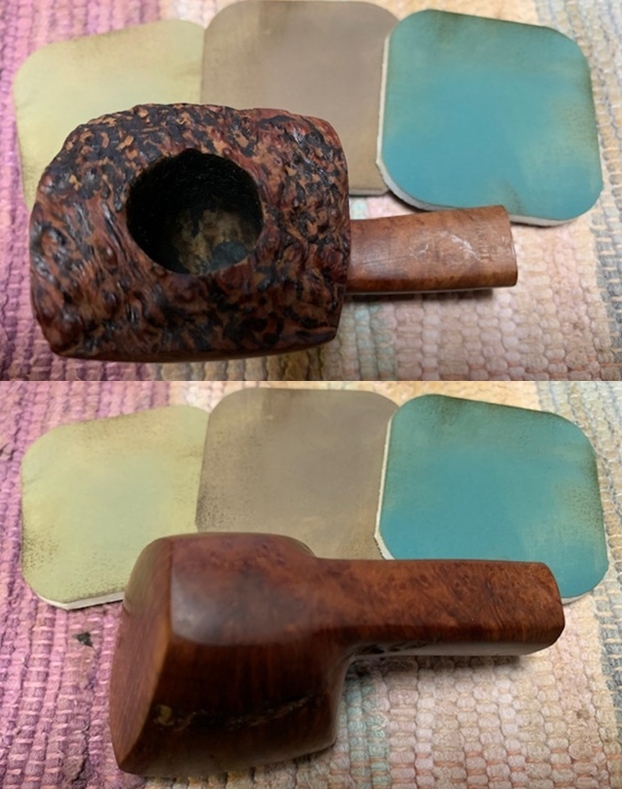
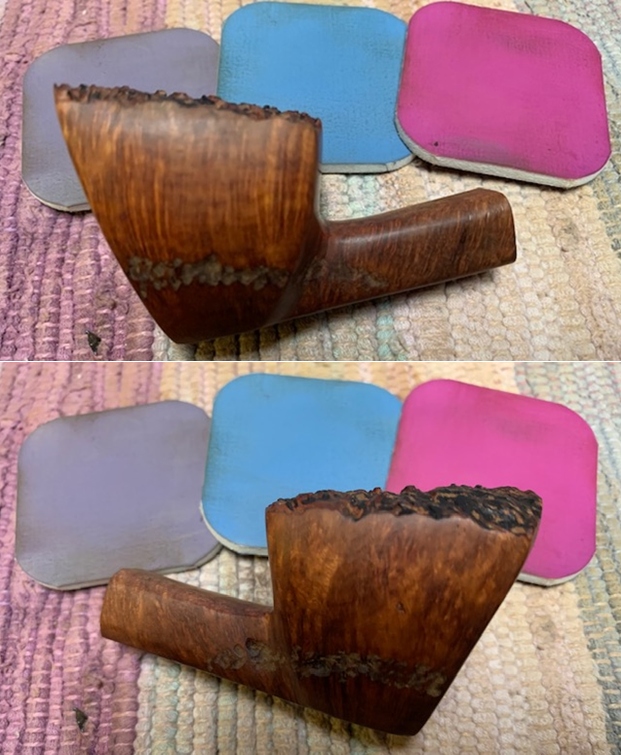
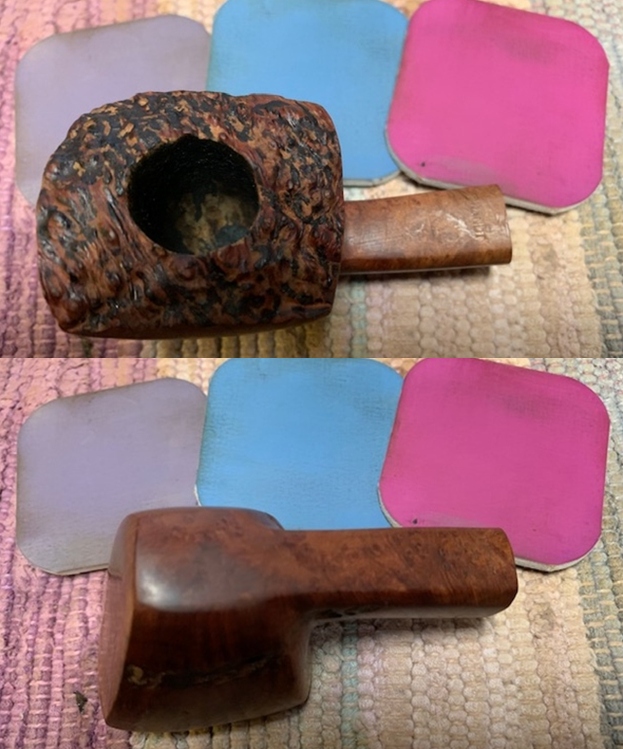
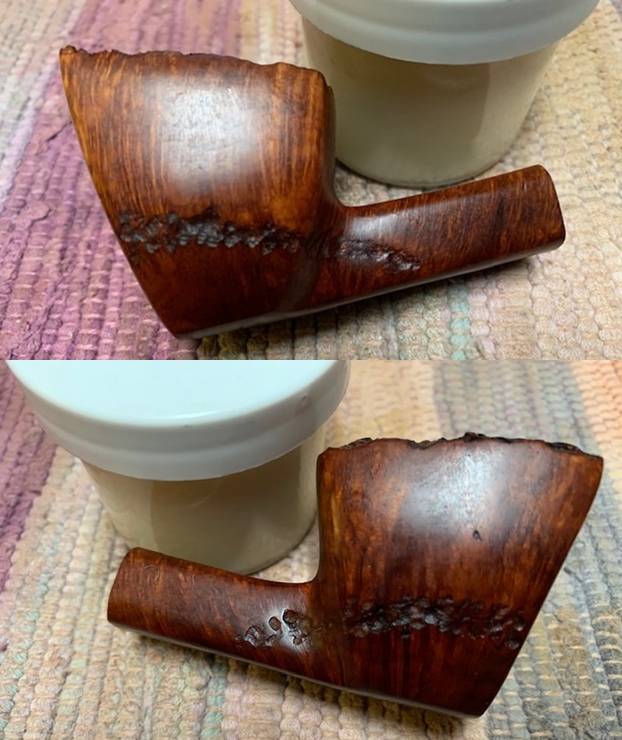
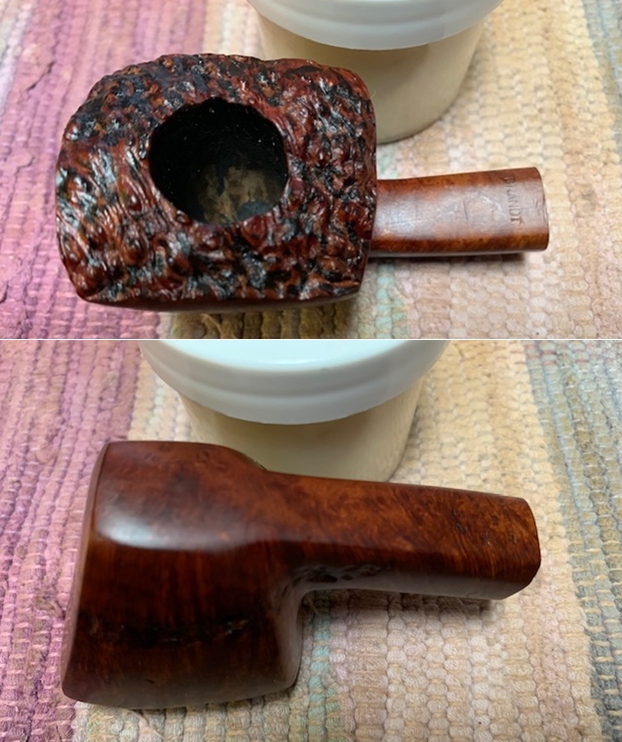
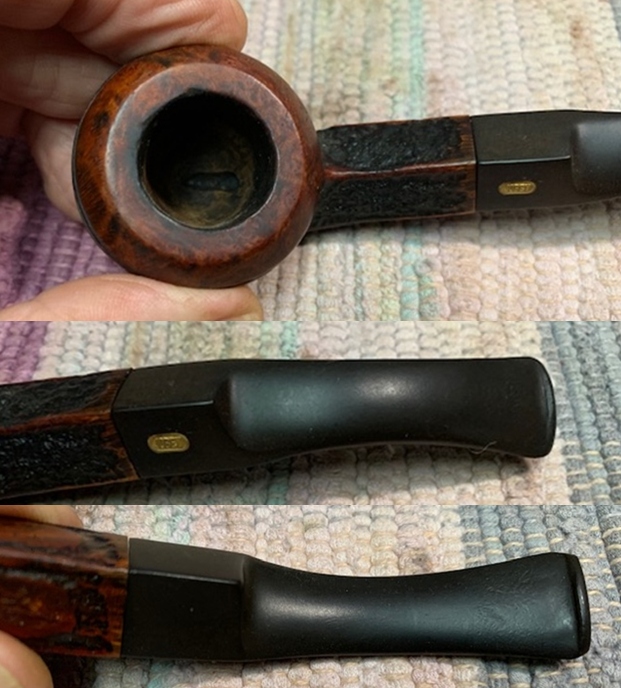
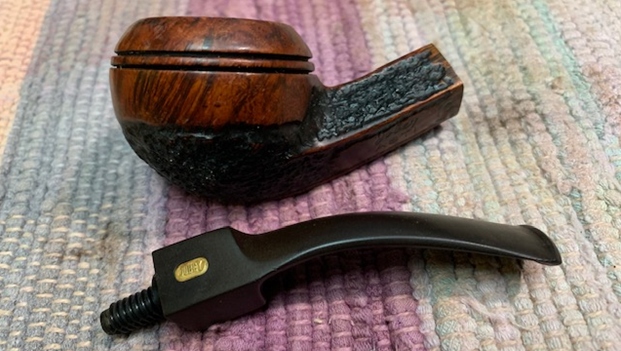
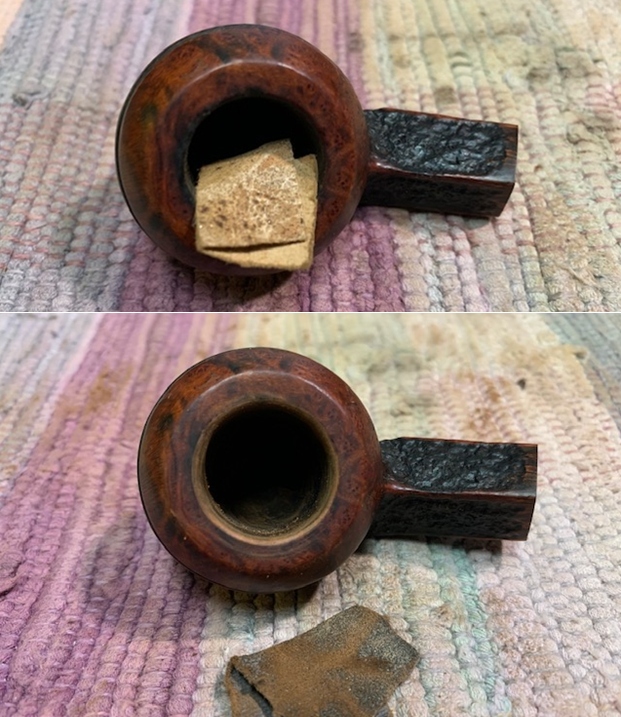
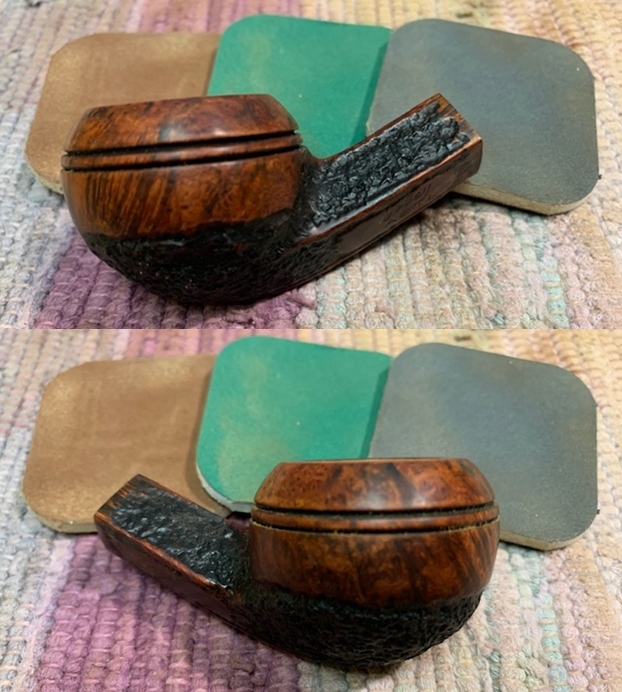
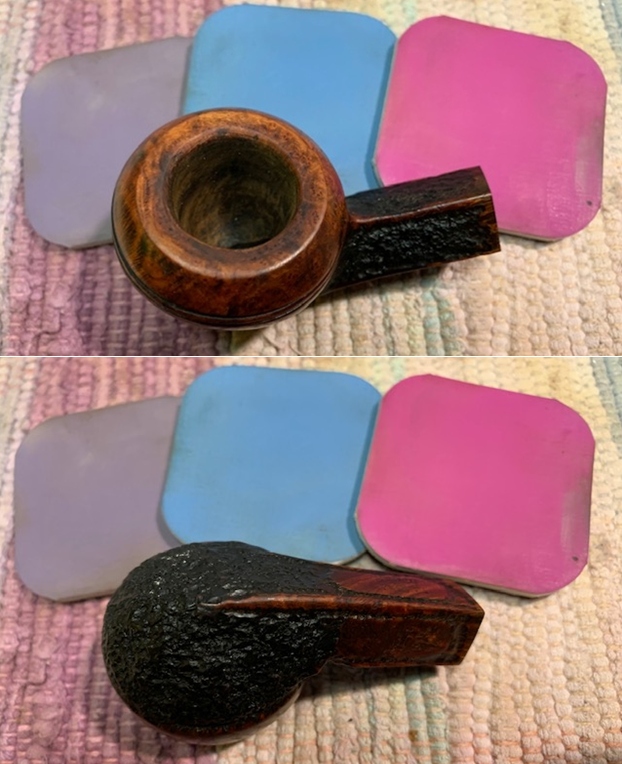
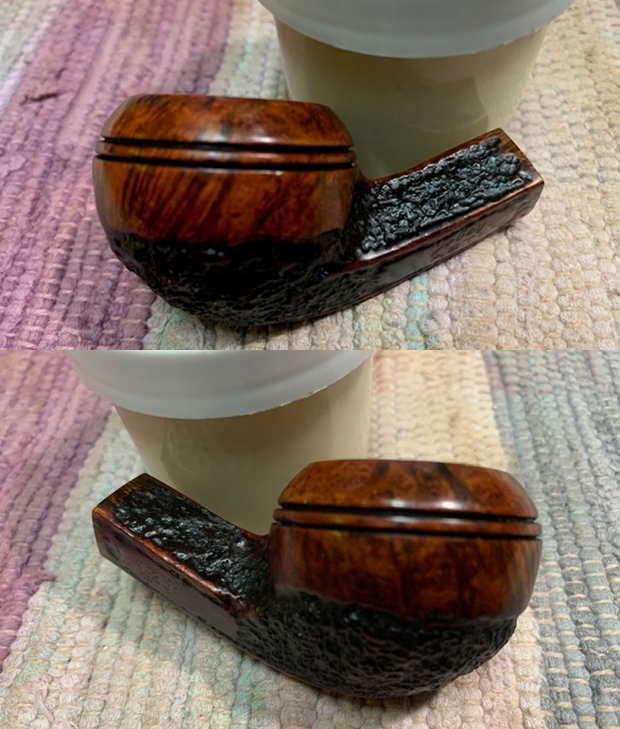
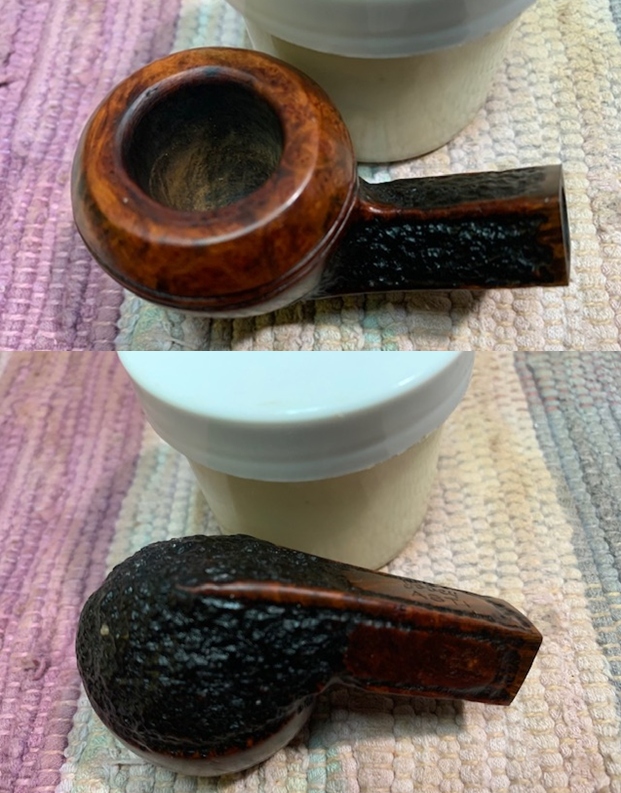
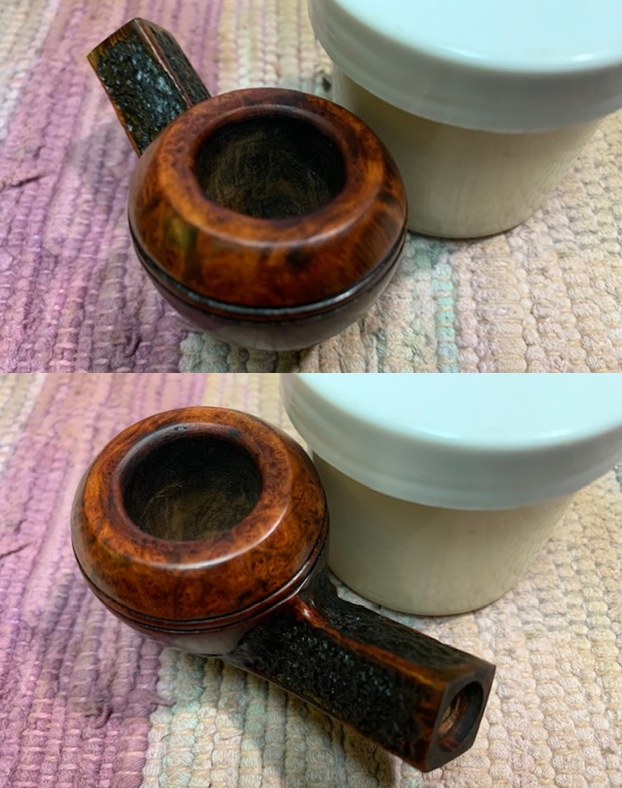
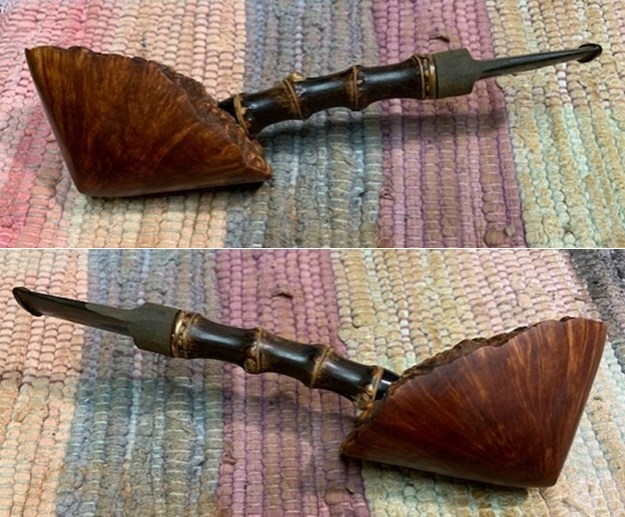
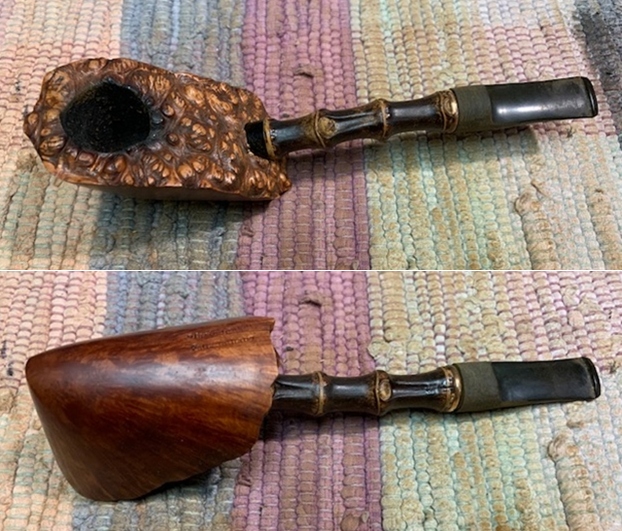
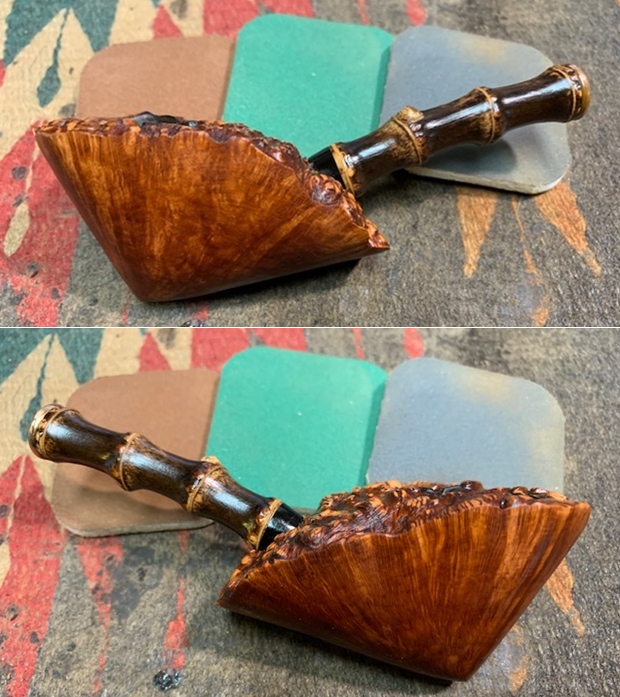
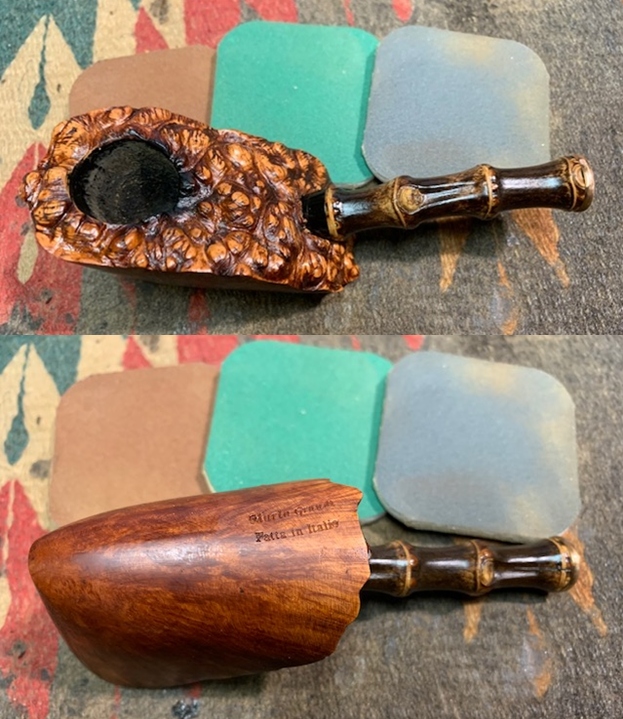
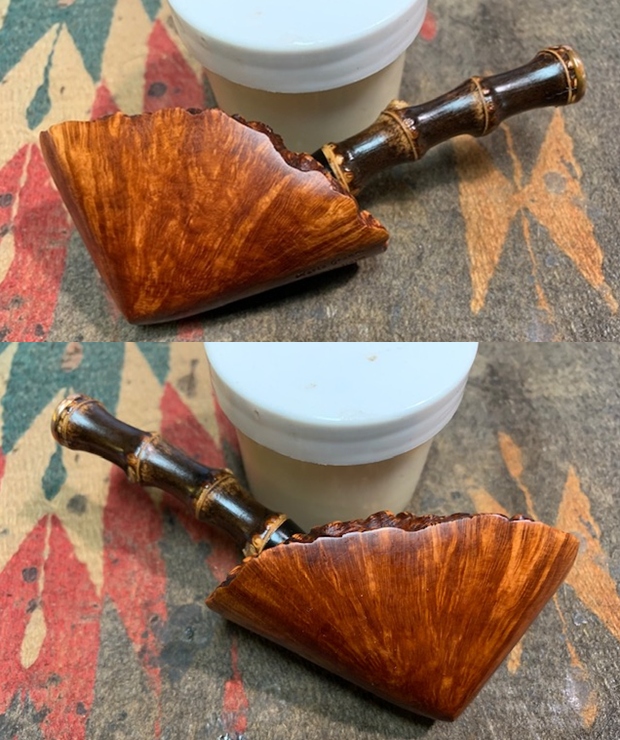
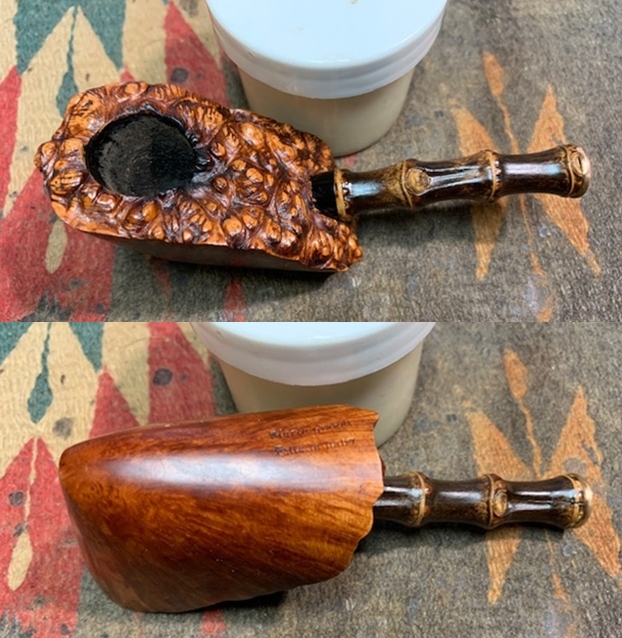
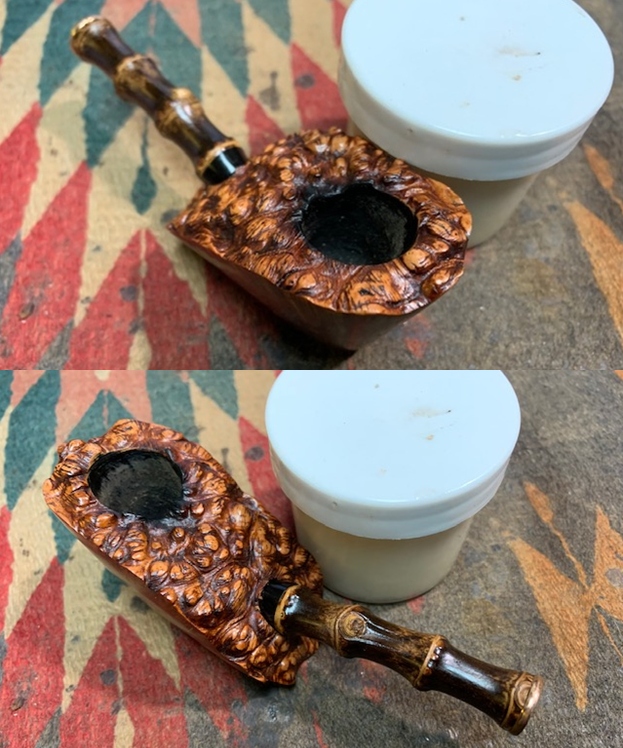
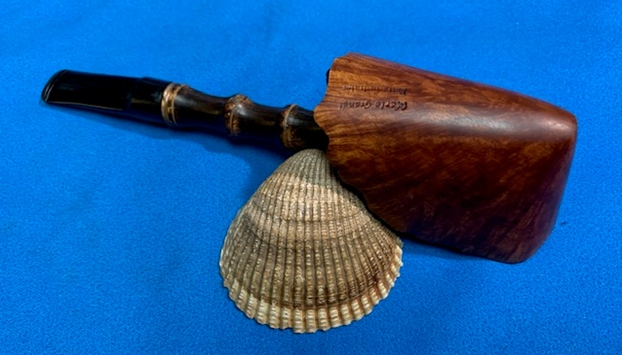
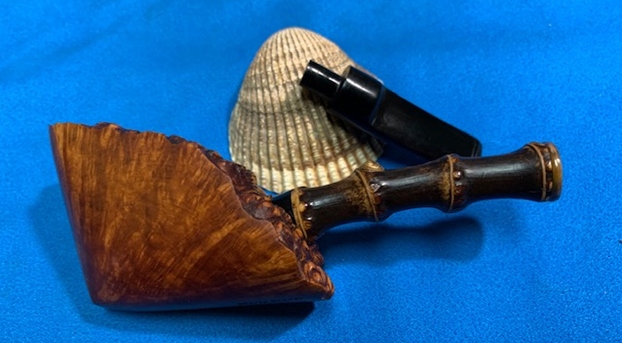
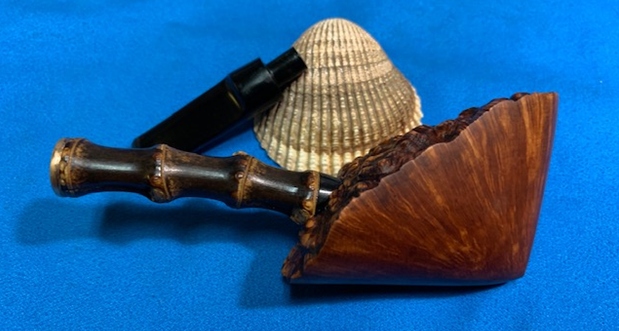
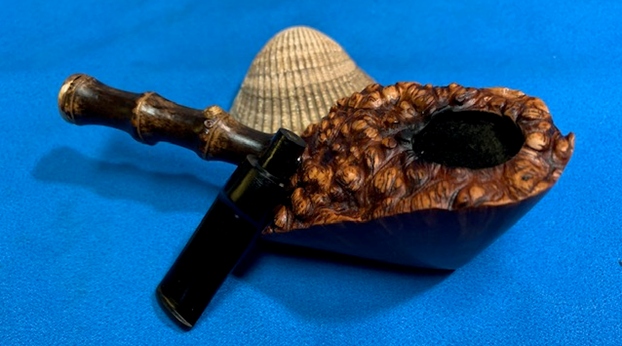
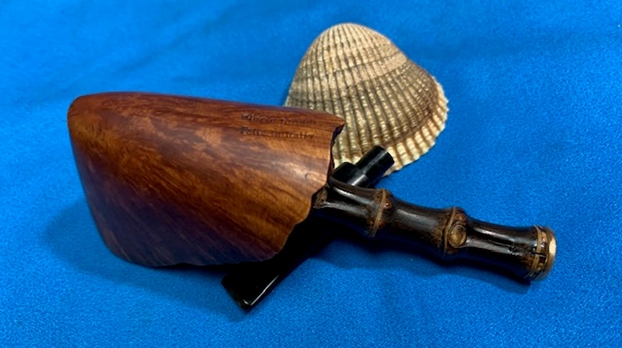
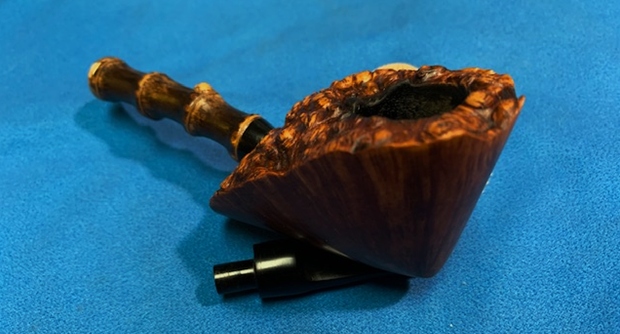
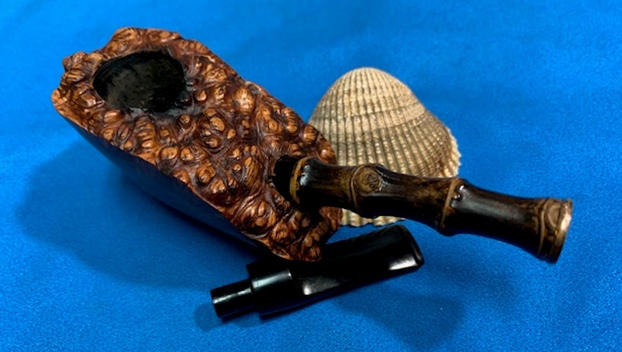
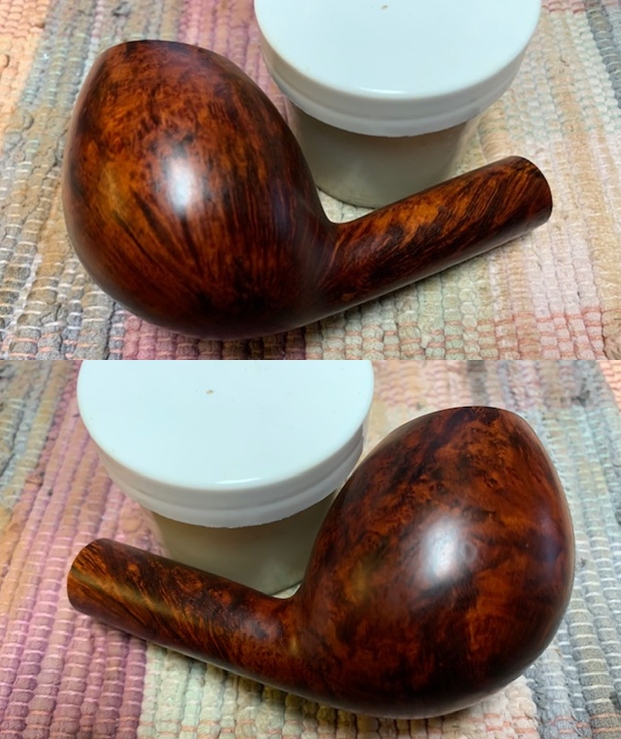
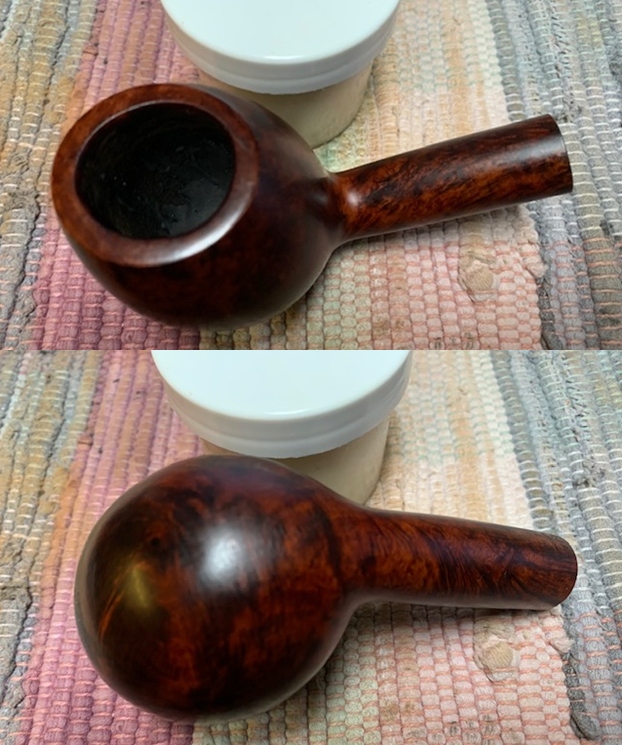
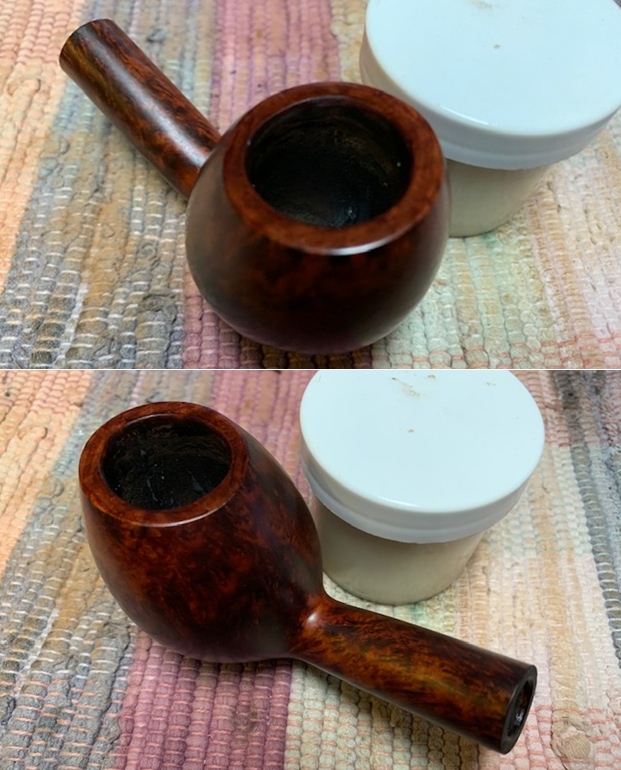
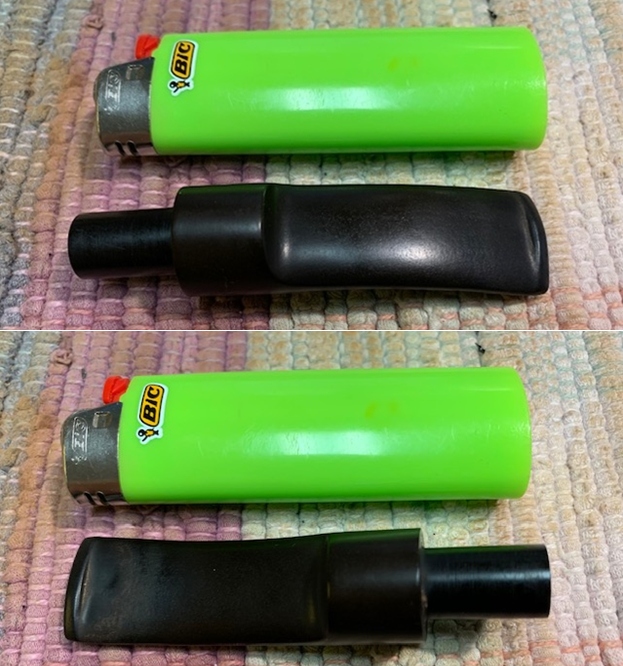
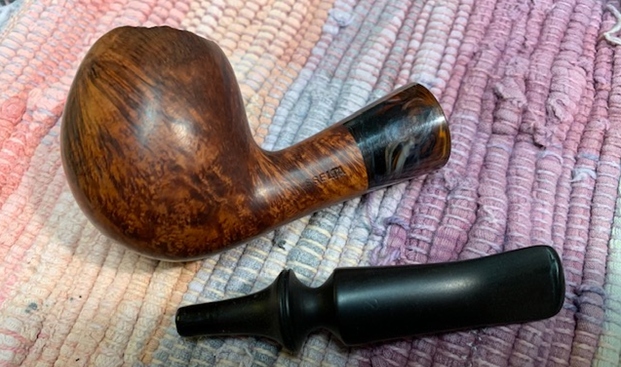
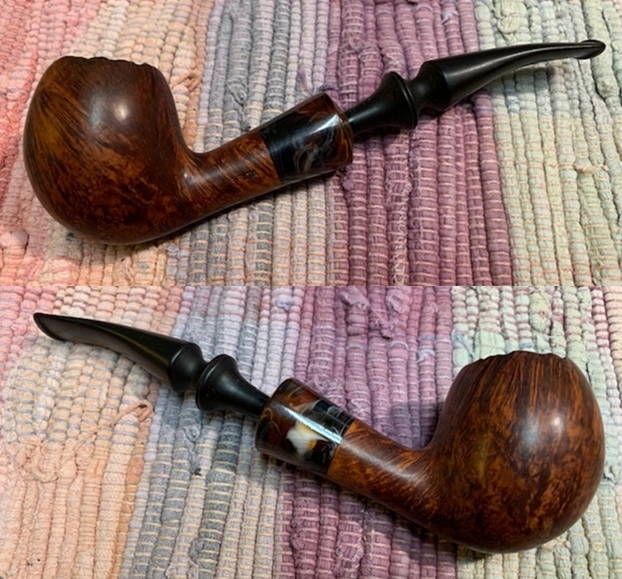
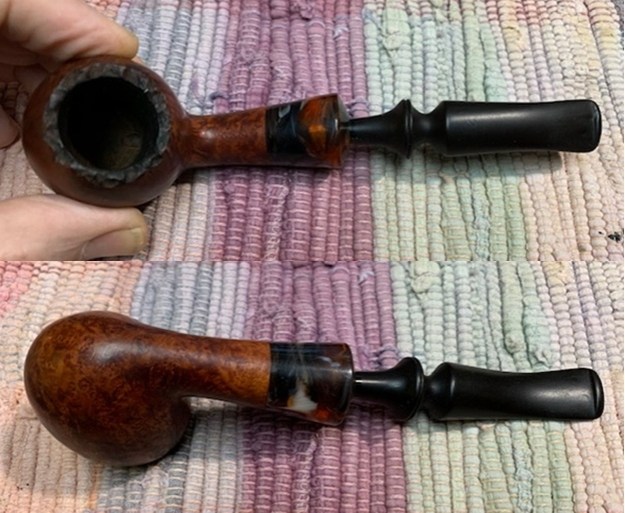
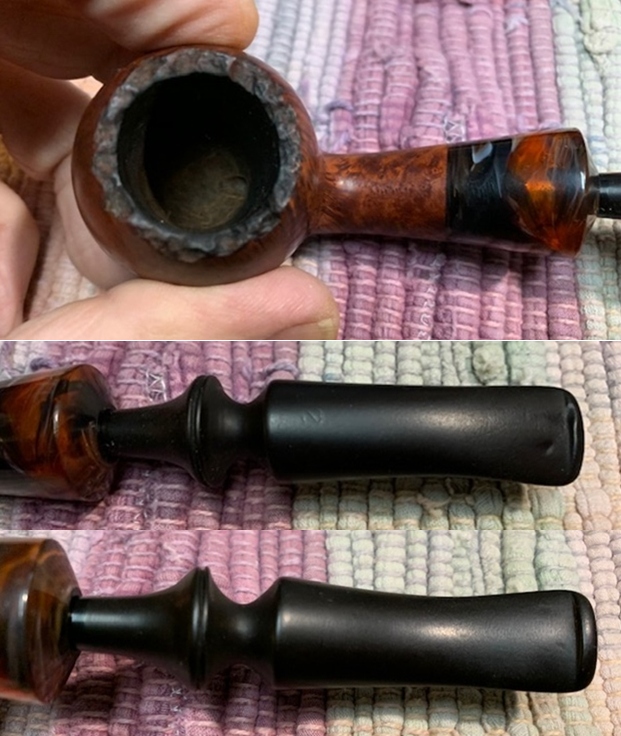
The next pipe on the table came to us in a group of pipes that we picked up from an auction in 2018 in Wilkes Barre, Pennsylvania, USA. It has a mixed sandblast and smooth finish that was a bit dull and lifeless. It showed promise under the grit and grime of the years. On the underside of the shank it was clearly stamped Soren [over] Hand Carved [over] Made in Denmark. When I received it from Jeff somehow the bowl and stem had separated and I had the bowl in hand but no idea what stem fit the shank. I tried a variety of stems that I had but not one of them fit well.

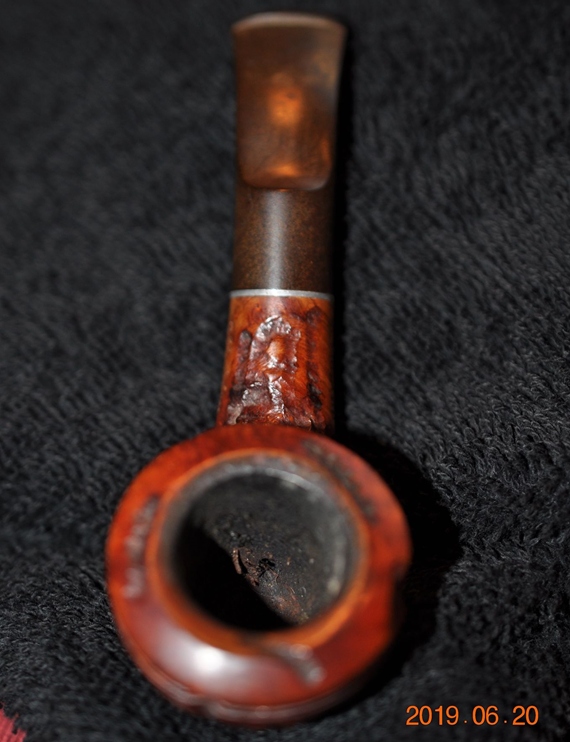
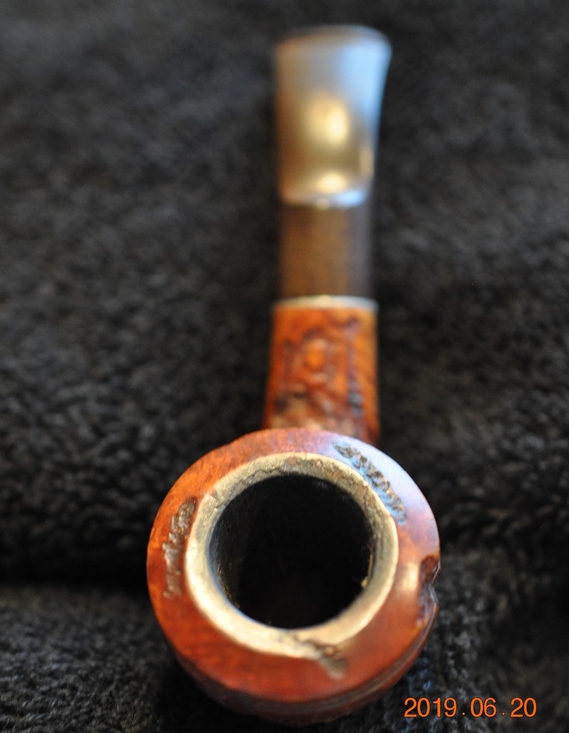
Jeff had cleaned up the pipe with his usual penchant for thoroughness. He reamed the pipe with a PipNet Pipe Reamer and cleaned up the remnants with a Savinelli Fitsall Pipe Knife.  He scrubbed the bowl with undiluted Murphy’s Oil Soap with a tooth brush. He worked over the debris in the plateau on the rim top and shank end and was able to remove it. He rinsed it under running warm water to remove the soap and grime. He cleaned out the inside of the shank and the airway in the stem with alcohol, cotton swabs and pipe cleaners. When I took it out of the box it did not have a stem in the shank. I wrote Jeff and sent him photos of the bowl and asked him if he had photos that showed what the stem looked like. Jeff did a bit of hunting on his hard drive and found the pictures of the pipe with the stem that it had when he started his work. He sent me the following photos of the pipe. The pipe was very dirty with grime and grit ground into the sides of the sandblast and the rim top. The bowl had a thick cake and an overflow of lava on the rim top that obscured the edges of the rim and the plateau finish. To me the stem just did not look like the right one for this kind of freehand pipe. It looked like a replacement stem that was just stuck in the shank. Now I had to see if I could find it in the boxes that he sent. That would be a bit of a treasure hunt. He took photos of the rim top and bowl to give a clear picture of the thickness of the cake and the lava on the plateau finish of the rim top. There is dust and debris stuck to the walls of the bowl clearly visible in the photos. He also took photos of the top and underside of the stem that came with it to show the chatter and tooth marks. Jeff took a photo of the sides and heel of the bowl to give a picture of what the sandblast on the briar looked like. The pedestal on the heel of the bowl is a unique feature of this pipe.He took photos of the stamping on the shank. It reads as noted above and is clear and readable. I found the stem that was pictured above in the photos in one of the bags of stems that I had put together in the bottom of one of the boxes. I took photos of the stem to give an idea of the appearance. Jeff had done a great job cleaning it. The tenon was very short and stubby and there were casting marks on the side of the stem blade. I put the stem on the bowl and took a photo of the stem that Jeff had sent with the pipe. I have worked on quite a few Soren pipes over the years and turned to one of the blogs that I wrote  on another interesting Soren Freehand Sitter (https://rebornpipes.com/2020/02/26/this-interesting-soren-hand-carved-freehand-turned-out-to-be-more-work-than-expected/). I quote from that blog below.

I looked up the brand on Pipephil (http://www.pipephil.eu/logos/en/logo-s10.html) and found that the brand was carved by Søren Refbjerg Rasmussen. Pipes that he made for the European market were mostly stamped “Refbjerg” while those made for the US market were stamped “Soren”. Thus I knew that one I was working on was imported into the US market.

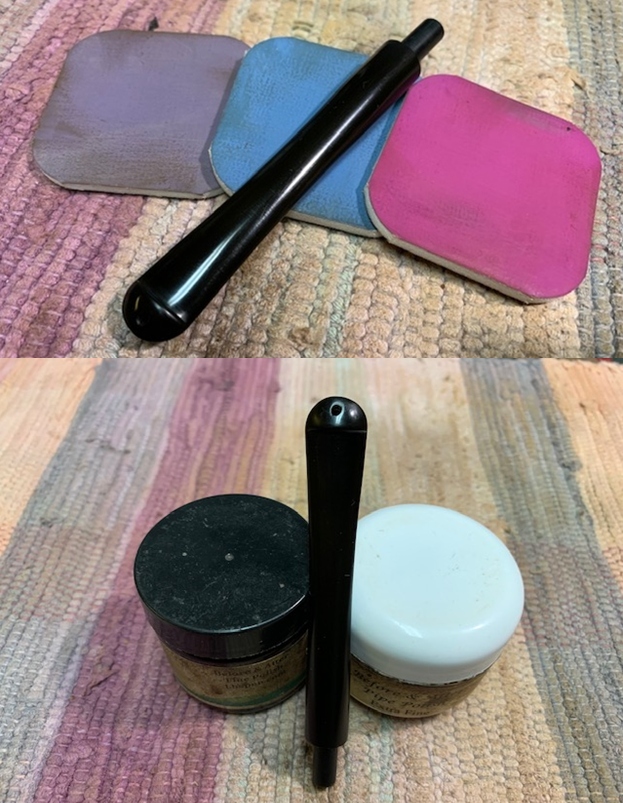
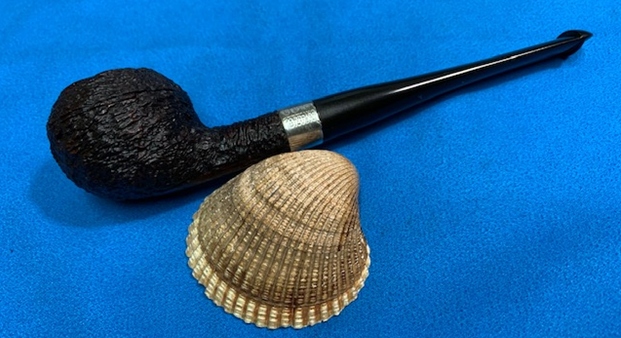
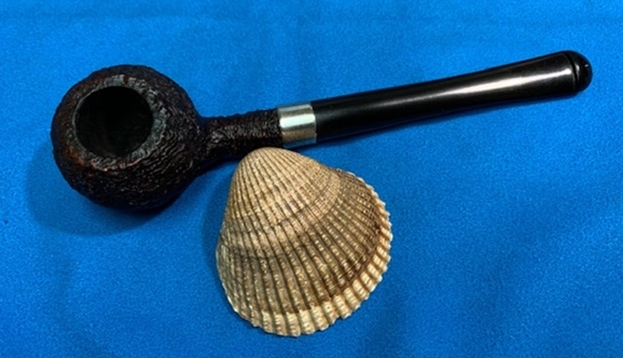
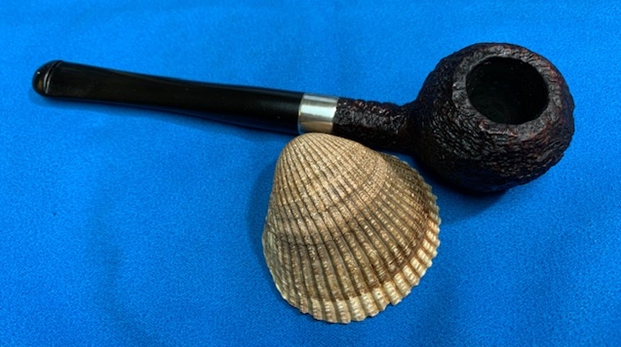
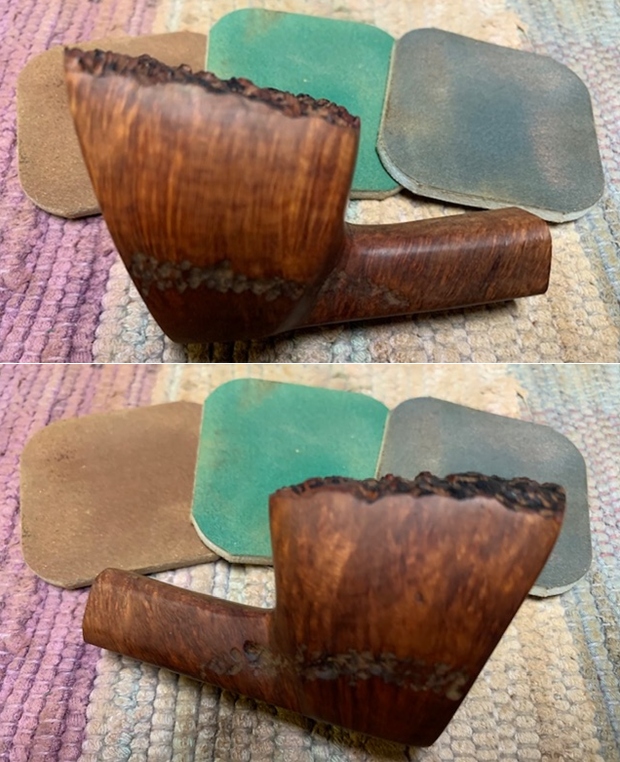
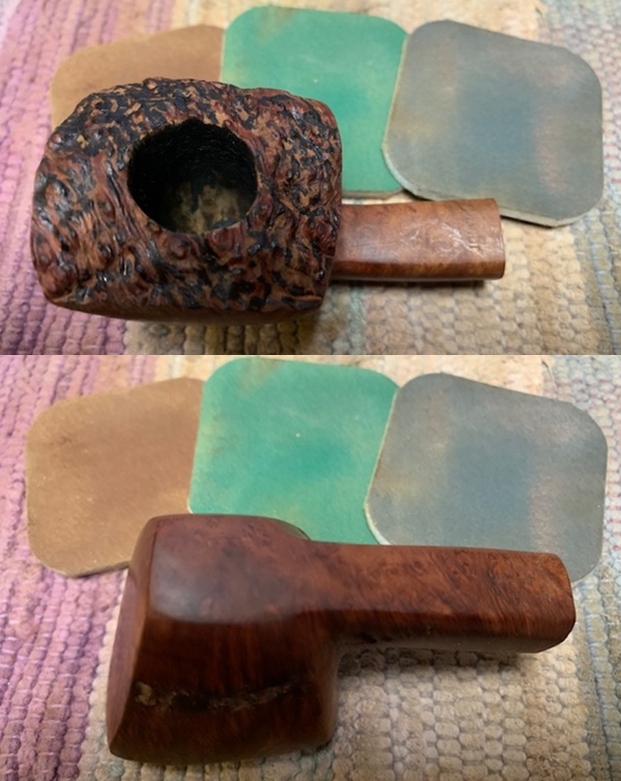
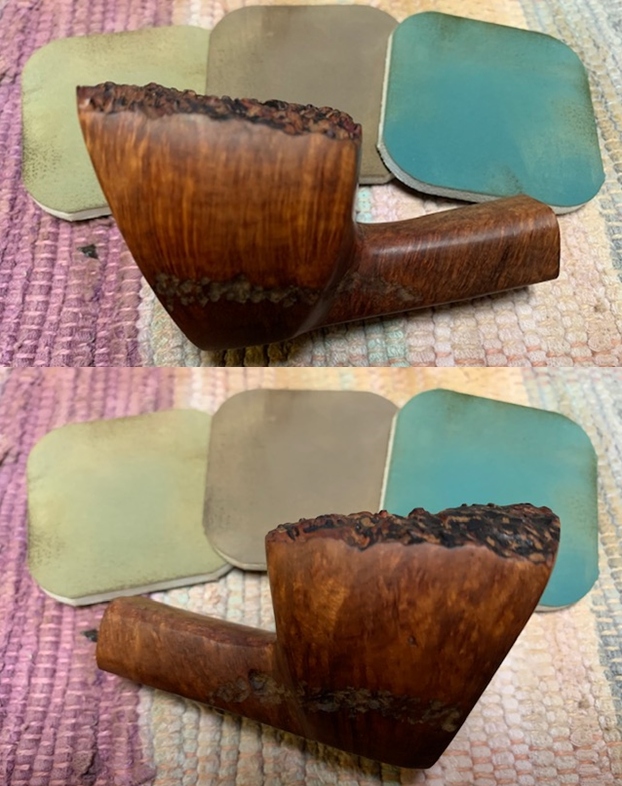
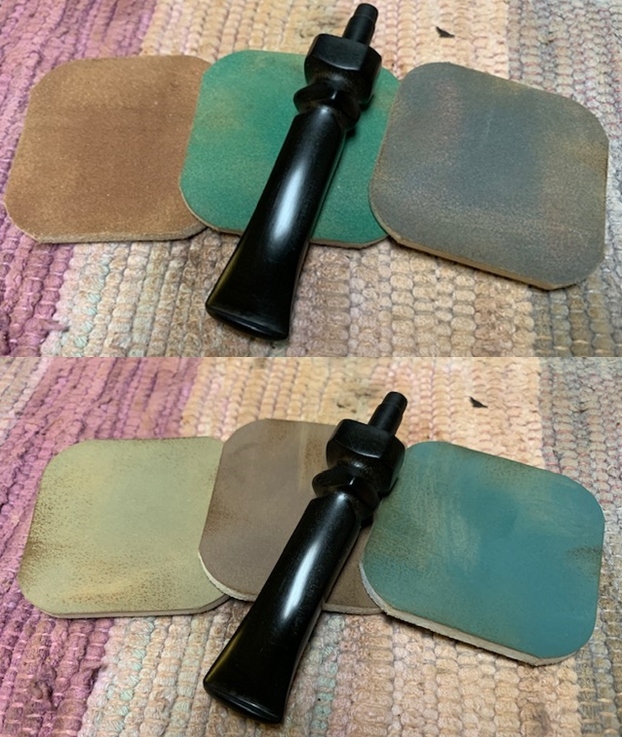
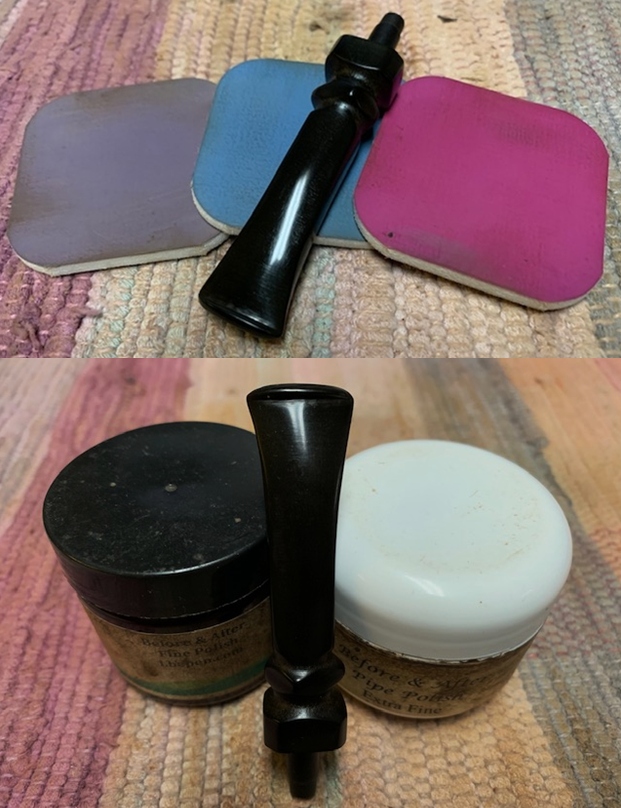
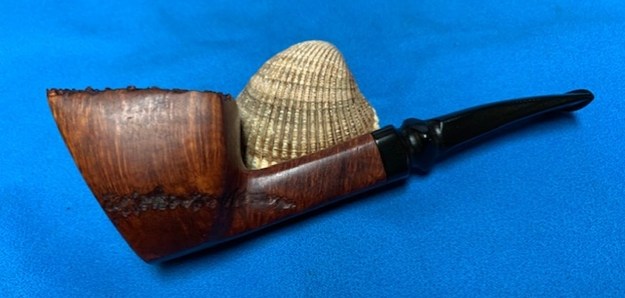
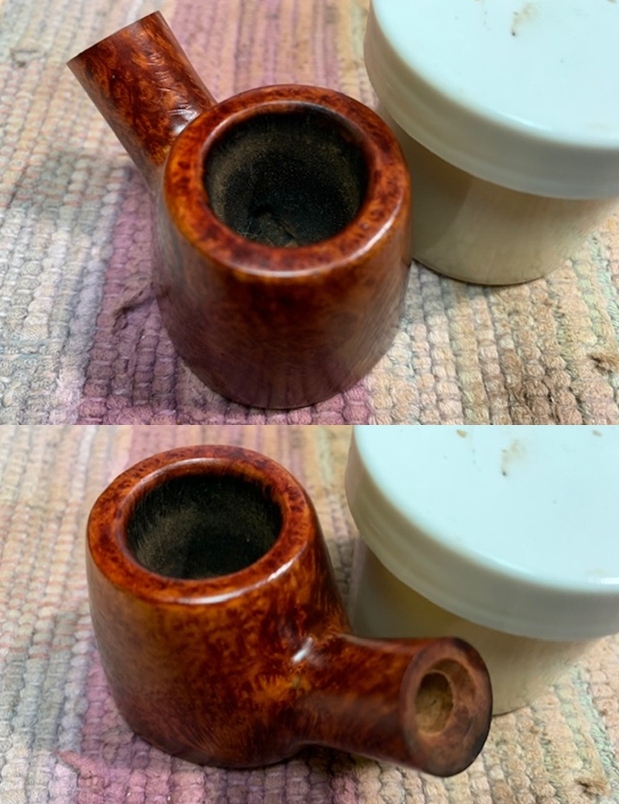
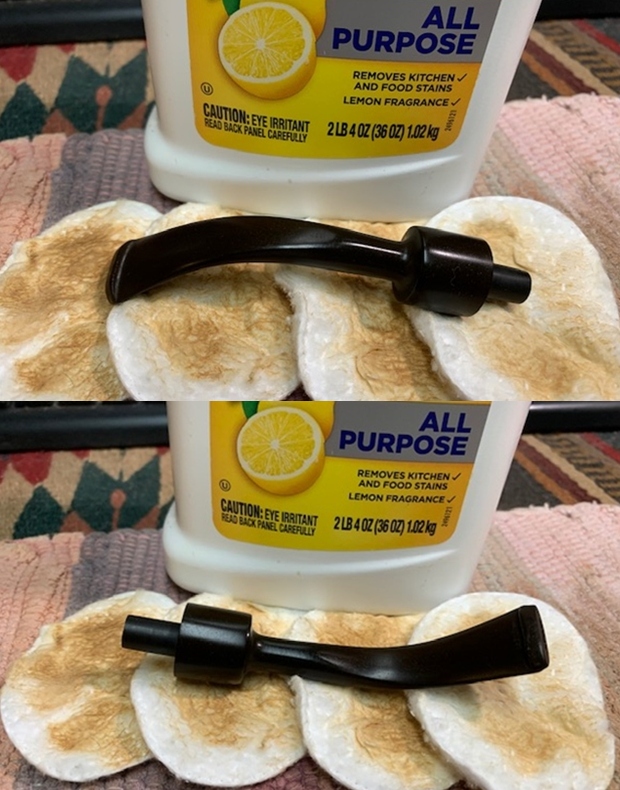
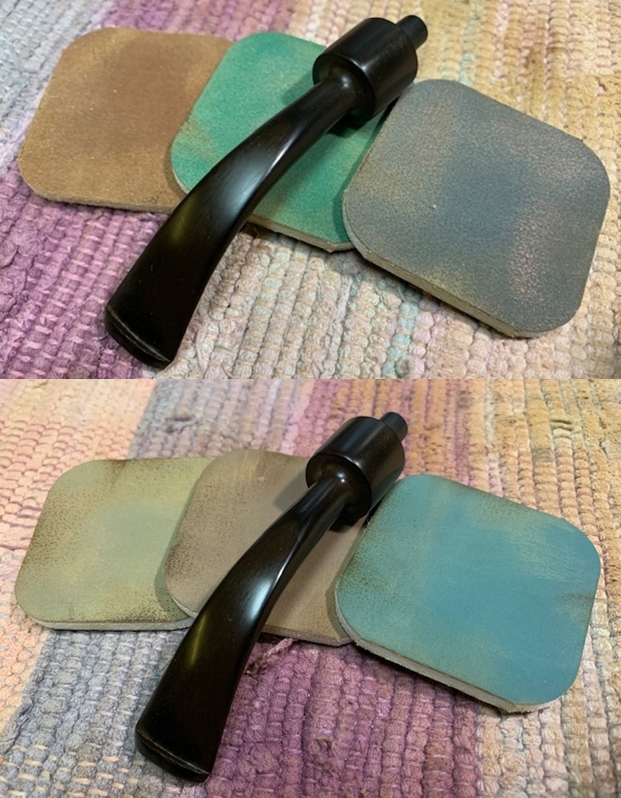
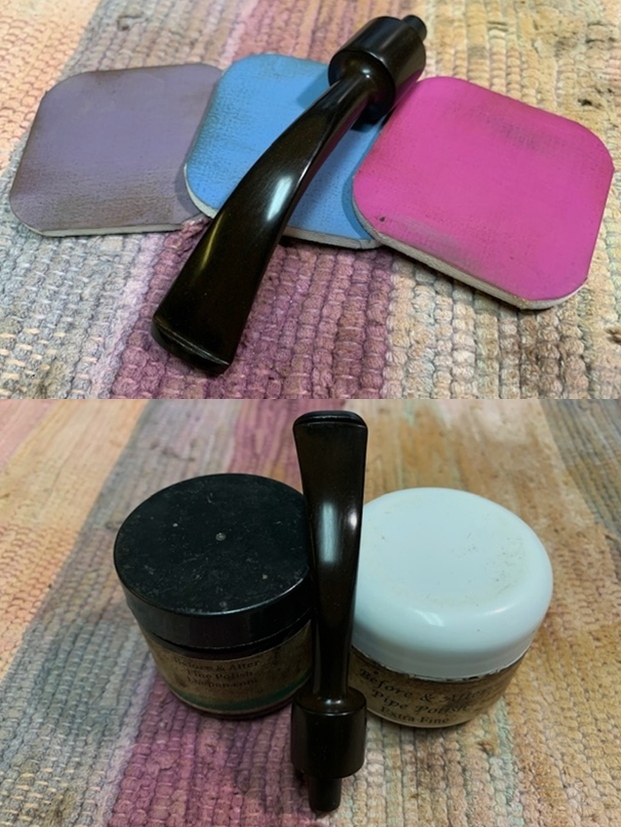
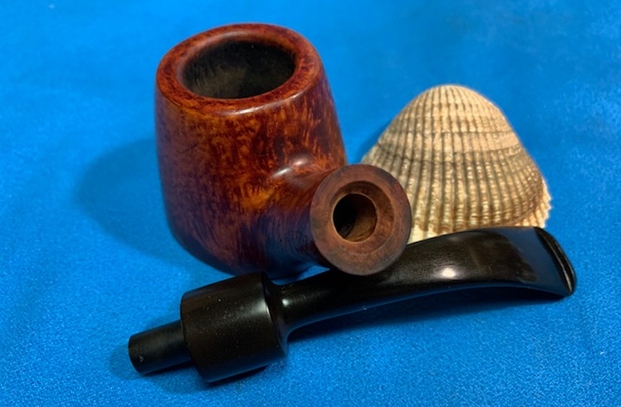
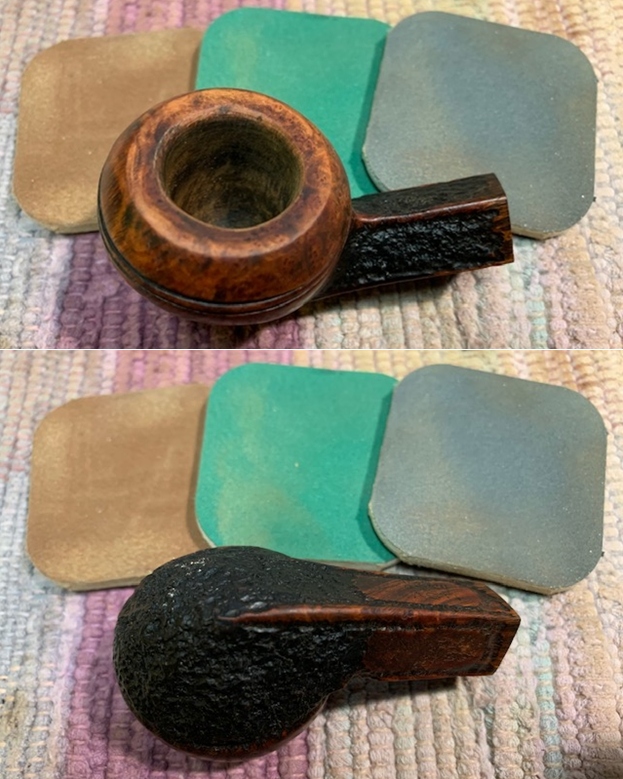
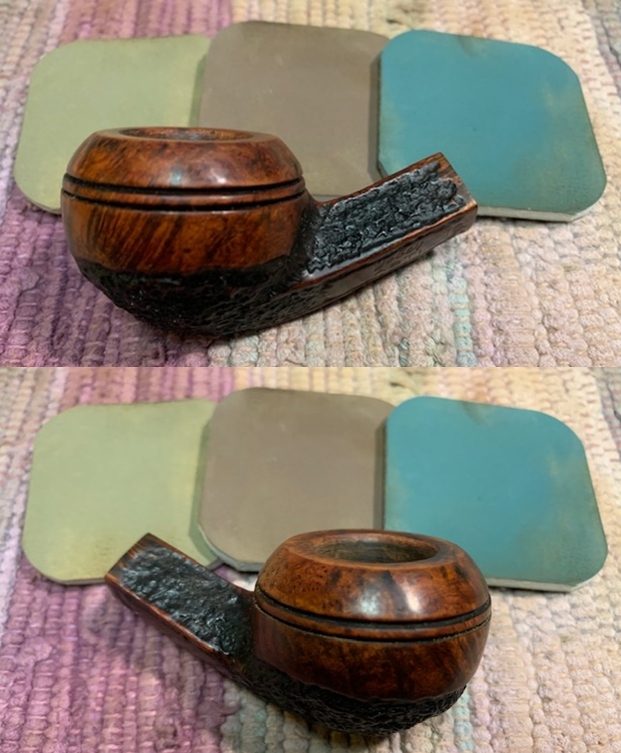
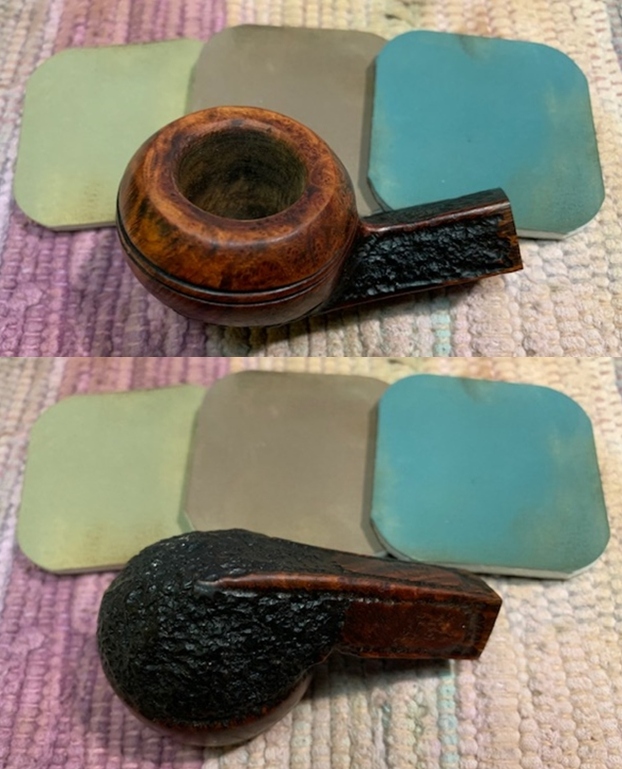
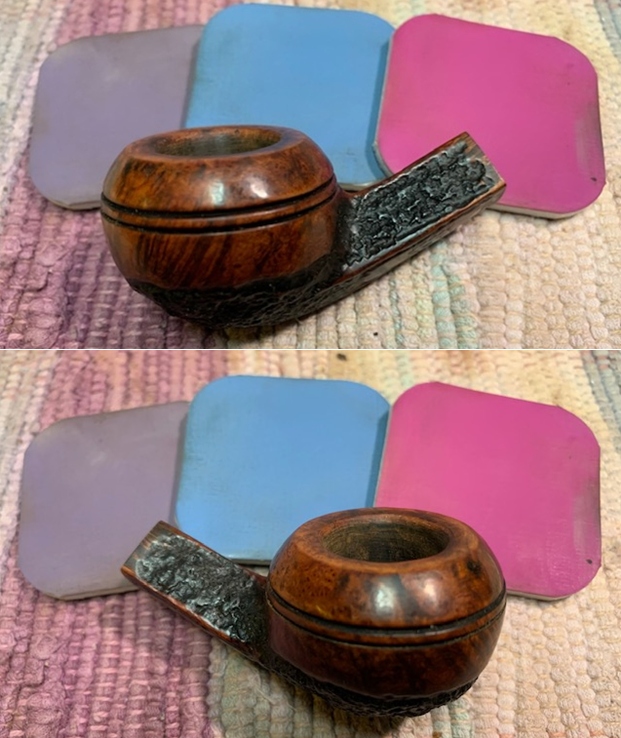
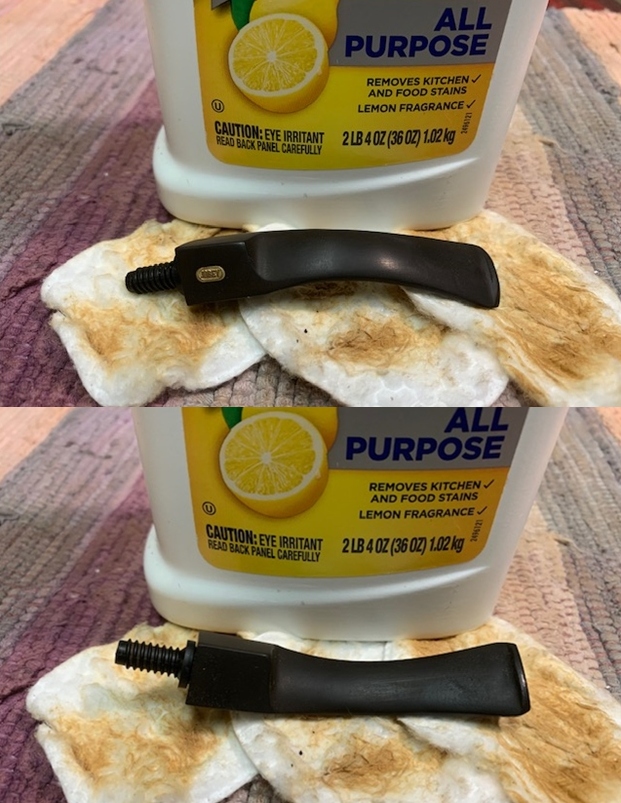
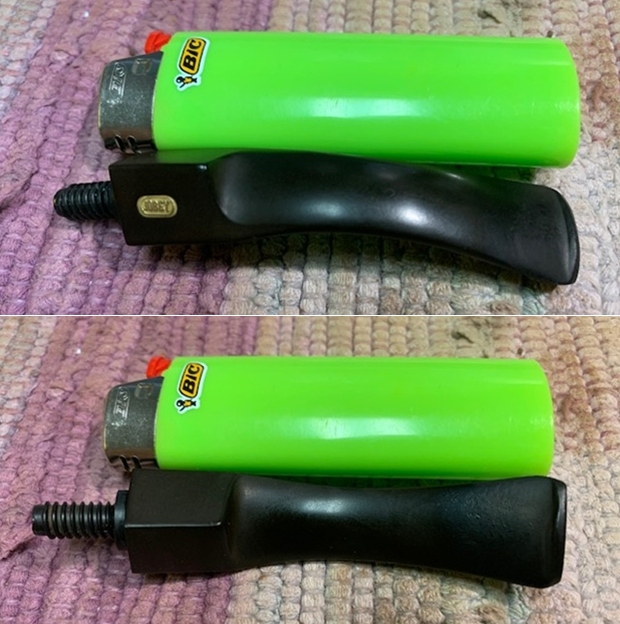
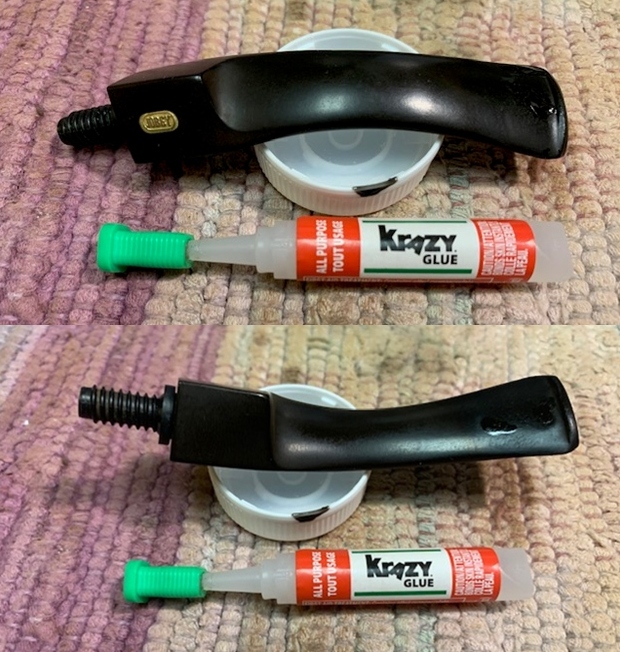
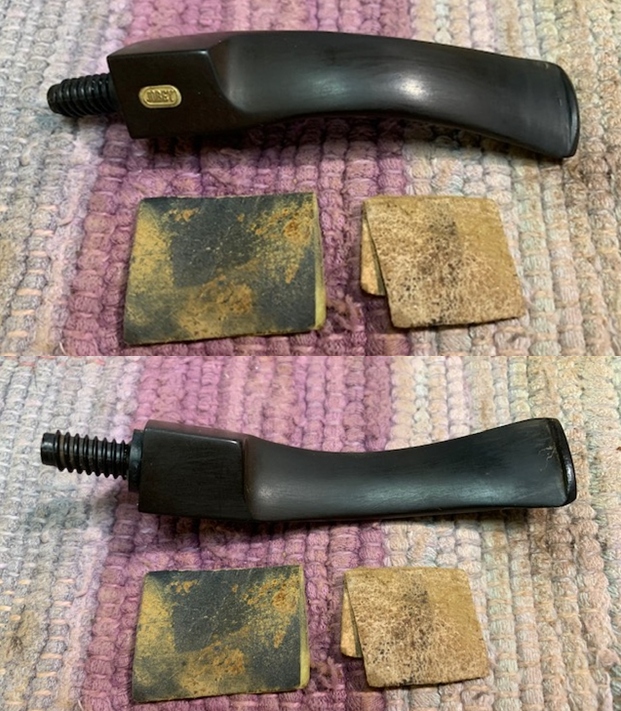
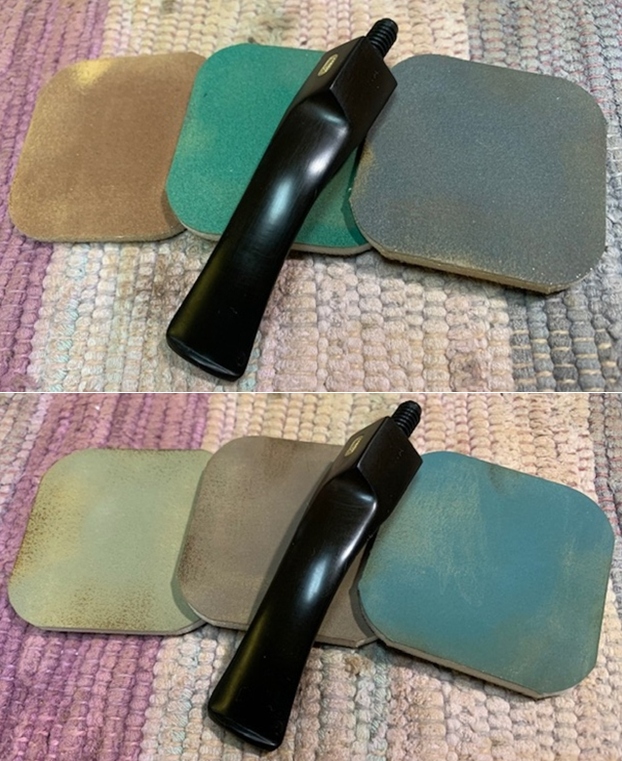
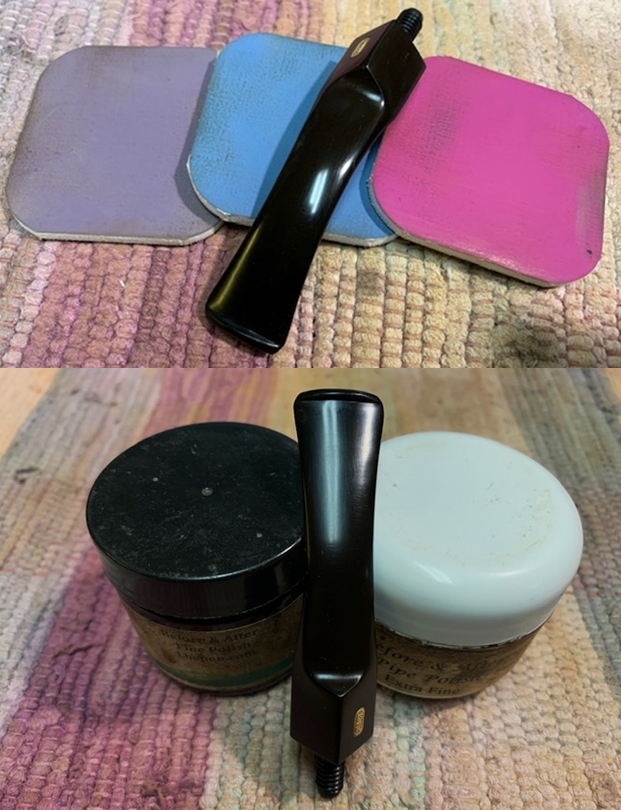
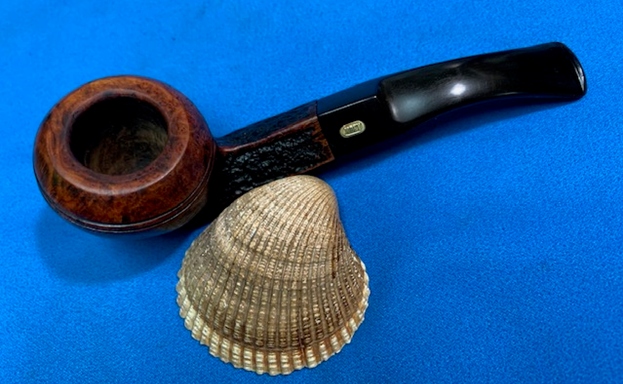
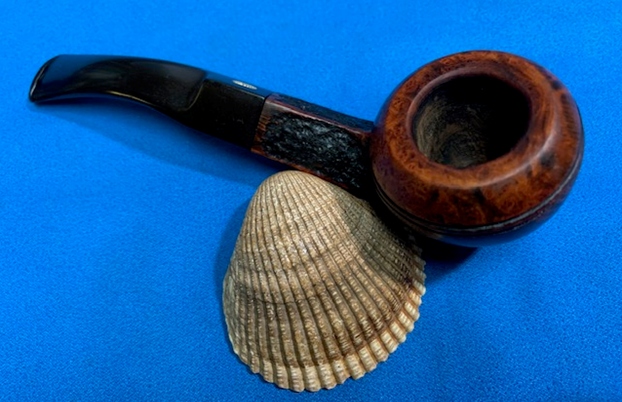
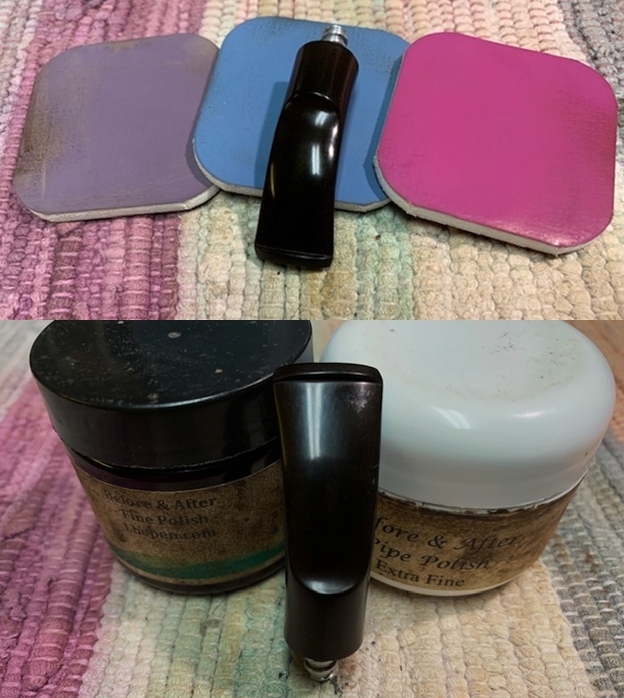
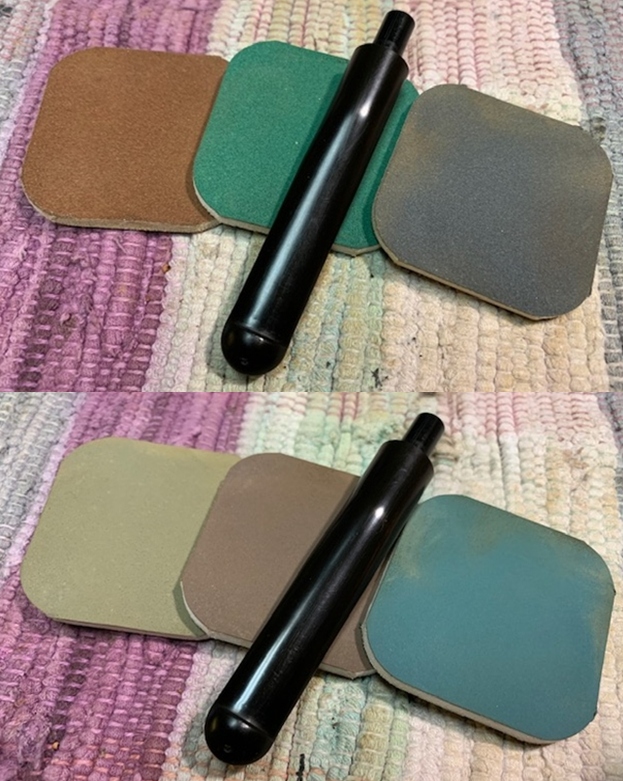
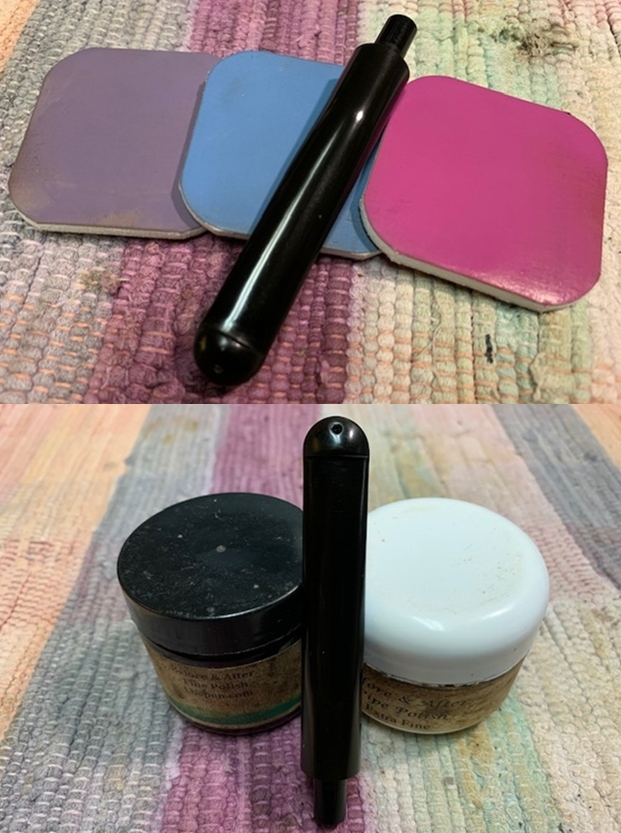
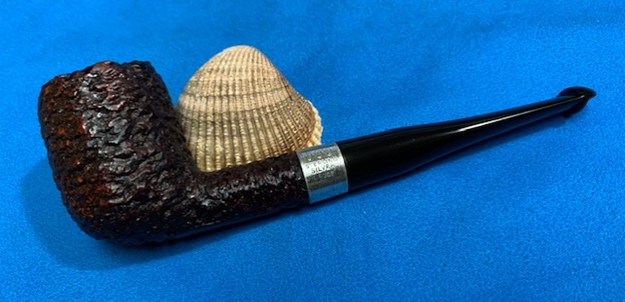
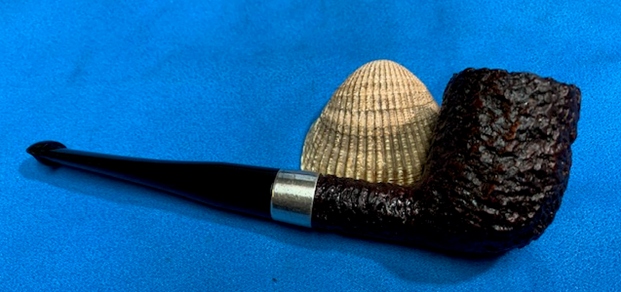
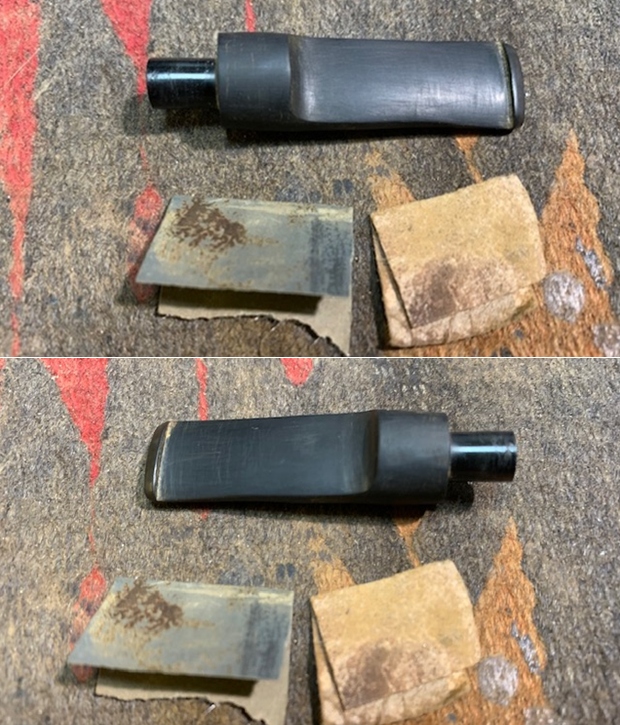
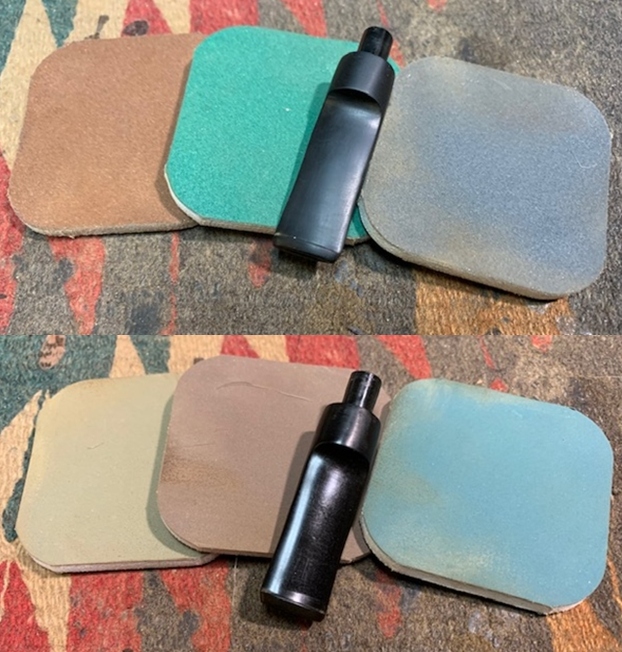
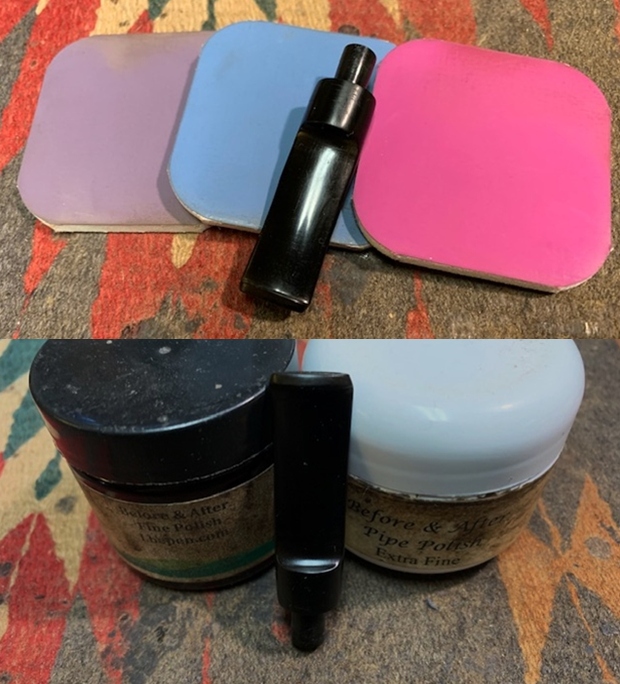
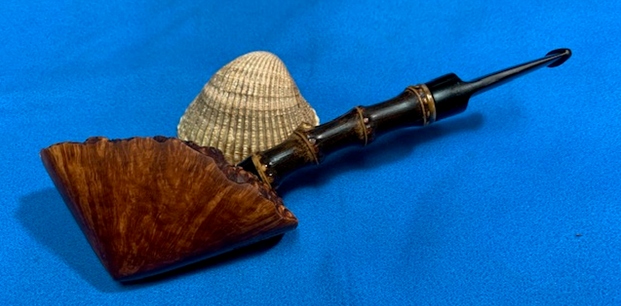
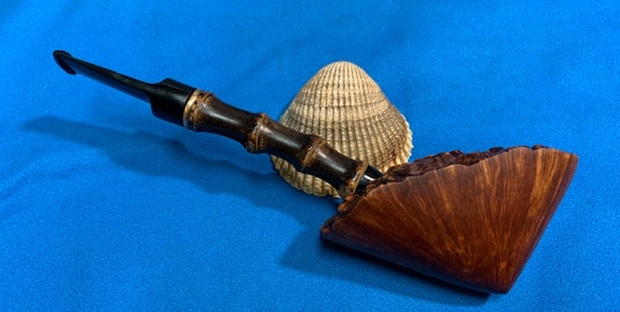
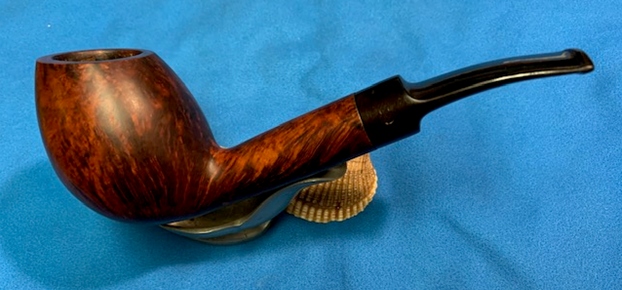
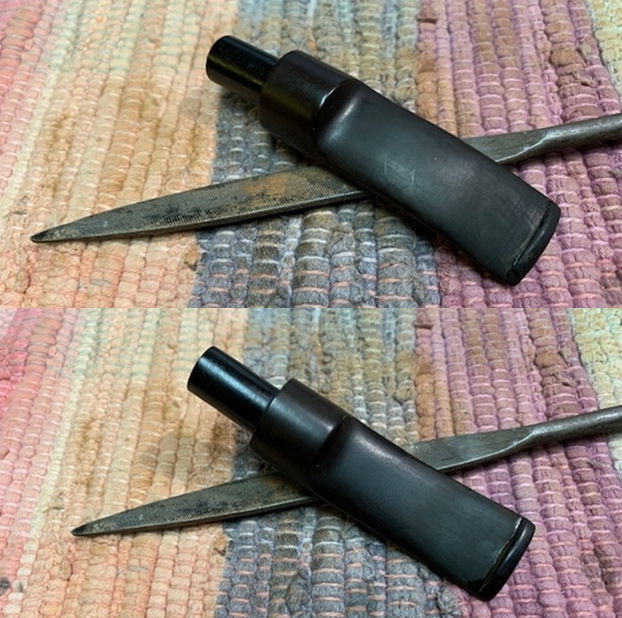
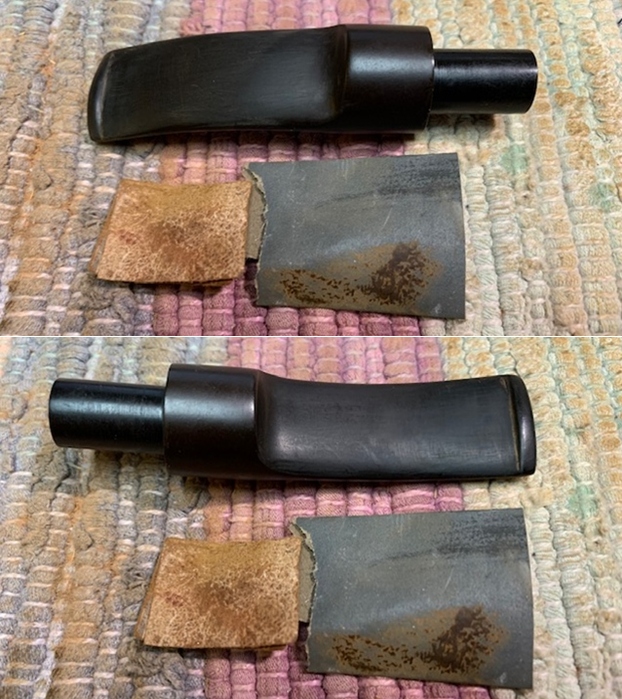
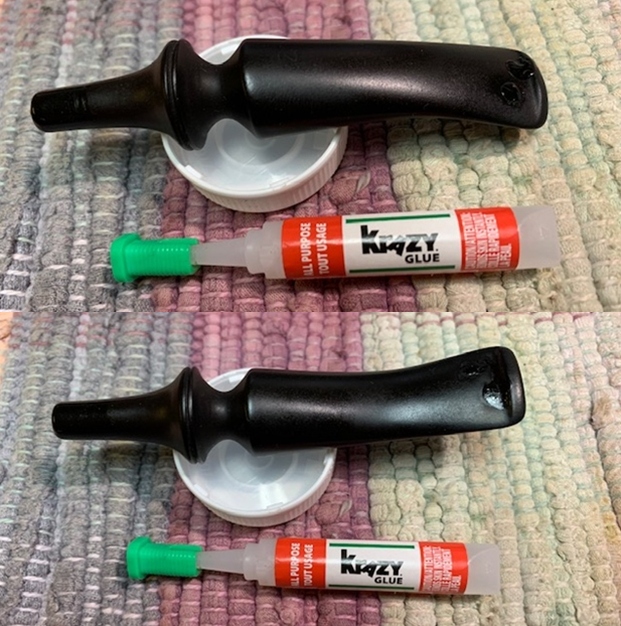
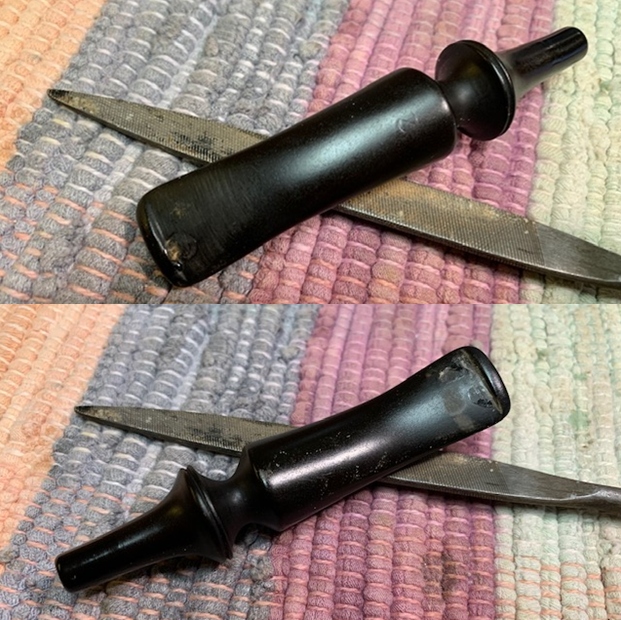
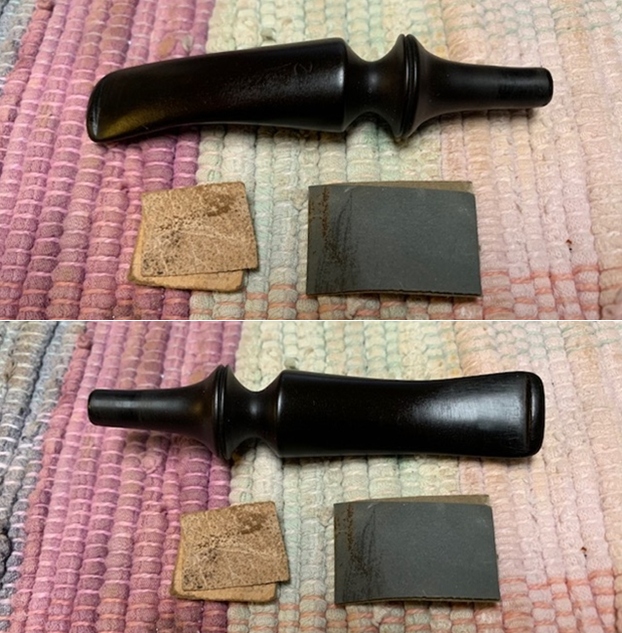
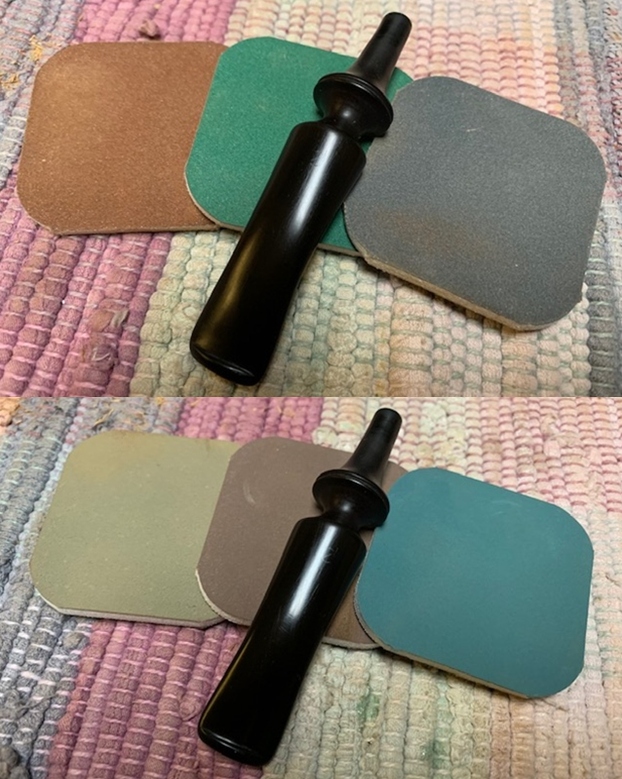
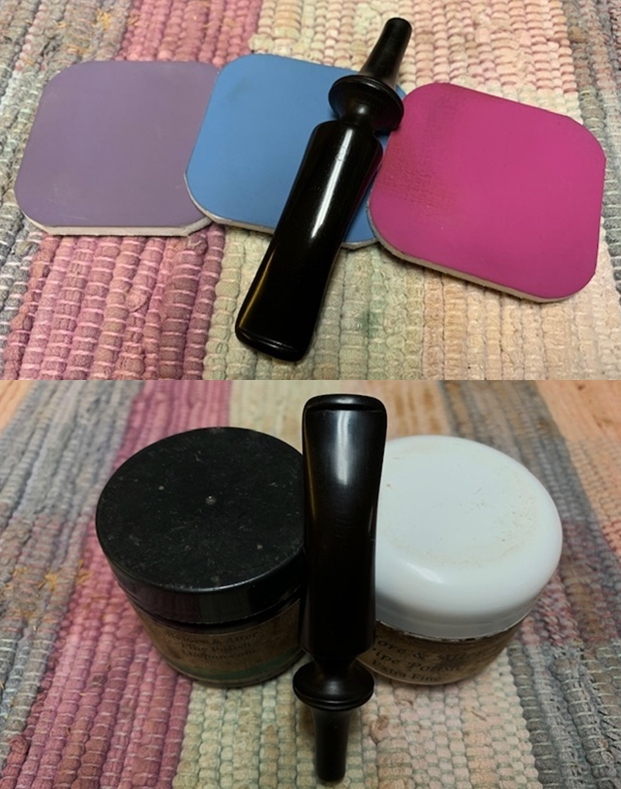
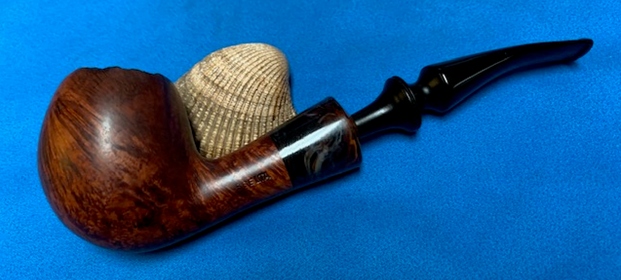
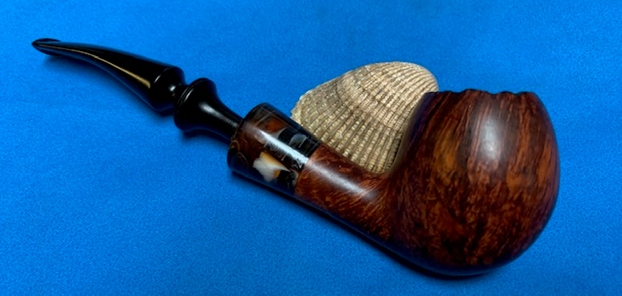
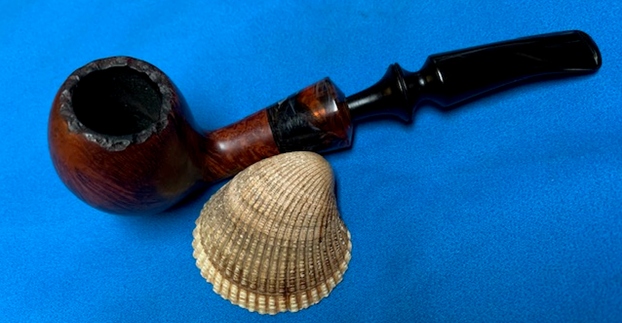
I decided to set the stem aside and see what I could find in my cans of stems here. I found an interesting turned stem that had a lot of potential. It had some oxidation, calcification and deep tooth marks on the surface. The tenon was a perfect fit in the shank so I would just need to clean it up and repair the tooth marks. Here are some photos of the stem as it looked before I worked on it.   I put the stem on the pipe and took some photos of the look of the “new” stem on the bowl. I think that with some work this was the right stem for the pipe.  I took a close up photo of the bowl and the stem to give an idea of what I had to work with. The bowl was very clean and it would polish up nicely. There was still some darkening in the plateau on the back side of the bowl that would need to be dealt with. The stem photos show the oxidation, calcification and deep tooth marks on both sides near the damaged button surface. It was badly damaged but showed a lot of promise. I removed the stem from the shank and dropped in a bath of Briarville’s Pipe Stem Deoxidizer to soak while I worked on the bowl. I figured the soak would bring the oxidation to the surface and clean the surface so that I could do the repairs to the stem surface once it was clean.While the stem soaked in the deoxidizer I worked on the bowl. I scrubbed the rim top with a brass bristle brush to remove the darkening and deep grime. Once it was finished it looked much better. I stained it black with a black stain pen. I used the wire brush again to clean up some of the high spots leaving the stain in the grooves. I also lightly sanded the rim top with a 1500 grit micromesh sanding pad to further highlight the high spots. I like the look of the rim at this point though with more polishing and Balm it would come alive. I polished the smooth portions of the bowl sides with micromesh sanding pads – dry sanding with 1500-12000 grit sanding pads. I wiped the bowl down with a damp cloth after each pad. With the smooth portion of the briar polished I rubbed the bowl and shank down with Before & After Restoration Balm. I worked it into the surface of the bowl sides and shank with my fingertips and into the plateau rim top and sandblast with a horsehair shoe brush. The product works to clean, enliven and protect the briar. I let the Balm sit for 15 minutes and then buffed with a cotton cloth to raise the shine. While the Balm did its work I worked on the “new stem”. I set the bowl aside and turned my attention to the stem. I removed it from the Deoxidizer bath and rubbed it down with a coarse cloth to dry it out. It had brought oxidation to the surface and made it easier to deal with but it had not removed it. The good news for me was that it had done a great job removing it from the tooth marks. I “painted” the surface of the vulcanite with the flame of a lighter to lift the dents as much as possible. I was able to lift them significantly. I filled in the remaining divots with black super glue. I chose to use black glue this time just in case there were some remaining spots of oxidation in the tooth marks. The black would take care of that. Once the repairs had hardened I scrubbed the remaining oxidation in all of the grooves of the fancy stem with Soft Scrub all purpose cleaner. I was able to get into the grooves with the product and the cotton pads that I used to scrub it. It was beginning to look better.   I cleaned out the stem with alcohol and pipe cleaners to remove the tars and the debris that was loosened by the deoxidizer bath.I smoothed out the repairs and recut the button edges with a rasp and a file. The stem was taking shape.  I smoothed out the remaining repair marks and the file marks with 220 grit sandpaper. I started the polishing with 400 grit wet dry sandpaper. I polished the vulcanite stem with micromesh sanding pads – 1500-12000 grit pads. I wiped it down with a damp cloth after each sanding pad. I used Before & After Pipe Polish – both Fine and Extra Fine to further polish the stem.  This beautiful Soren Hand Carved Pedestal Freehand with a fancy, turned vulcanite replacement stem is a great looking pipe now that it has been restored. I put the stem back on the bowl and carefully buffed the pipe with Blue Diamond on the buffing wheel using a light touch on the briar. I gave the bowl and the stem multiple coats of carnauba wax on the buffing wheel and followed that by buffing the entire pipe with a clean buffing pad. I hand buffed the pipe with a microfiber cloth to deepen the shine. The finished Soren Hand Carved fits nicely in the hand and feels great. Give the finished pipe a look in the photos below. The dimensions of the pipe are Length: 6 ½ inches, Height: 2 ½ inches, Outside diameter of the bowl: 1 ¾ inches, Chamber diameter: 7/8 of an inch. The weight of the pipe is 72grams/2.54oz. I will be adding it to the rebornpipes online store in the Danish Pipemakers section. If you are interested in adding this pipe to your collection send me a message or an email. Thanks for reading this blog and my reflections on the pipe while I worked on it. There are many more to come!

Breathing New Life into a WDC Wellington Jumbo French Briar


Blog by Steve Laug

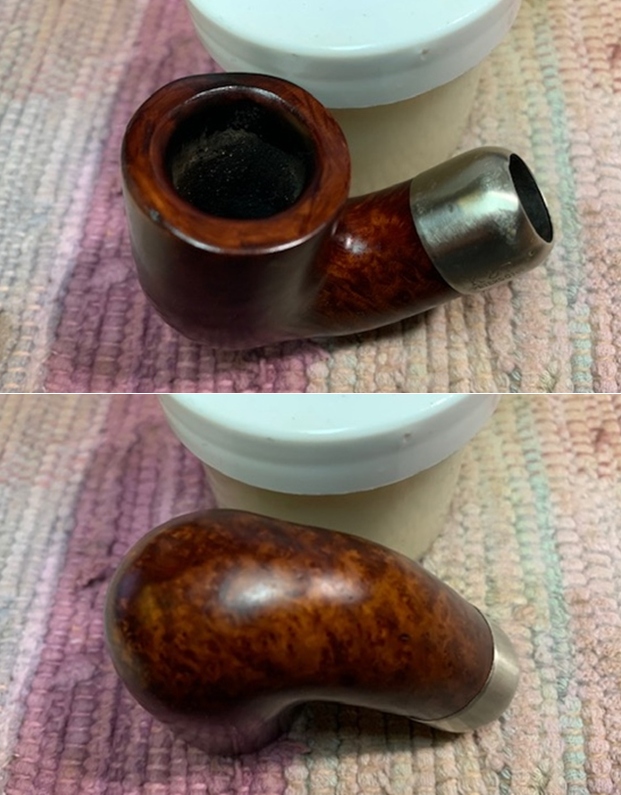
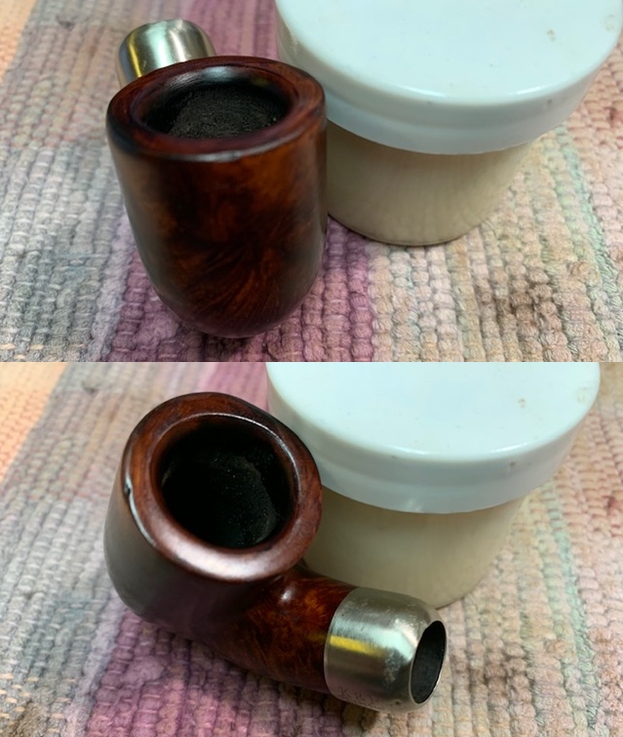
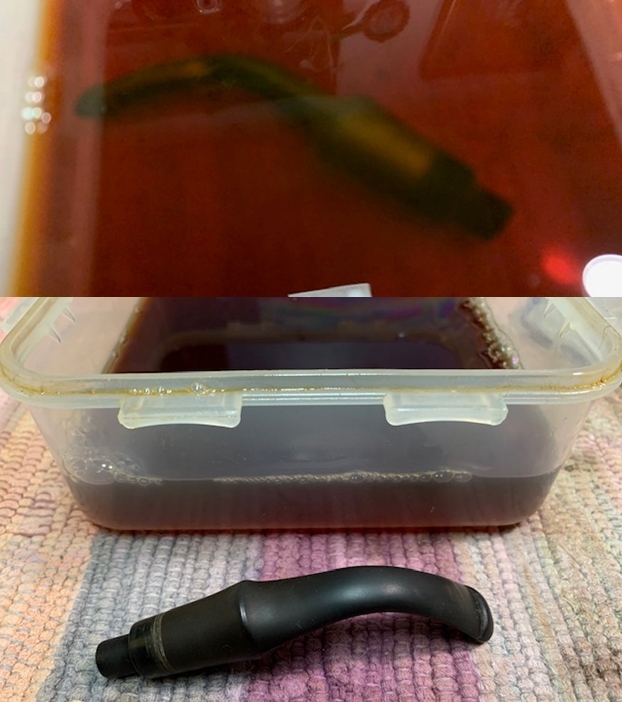
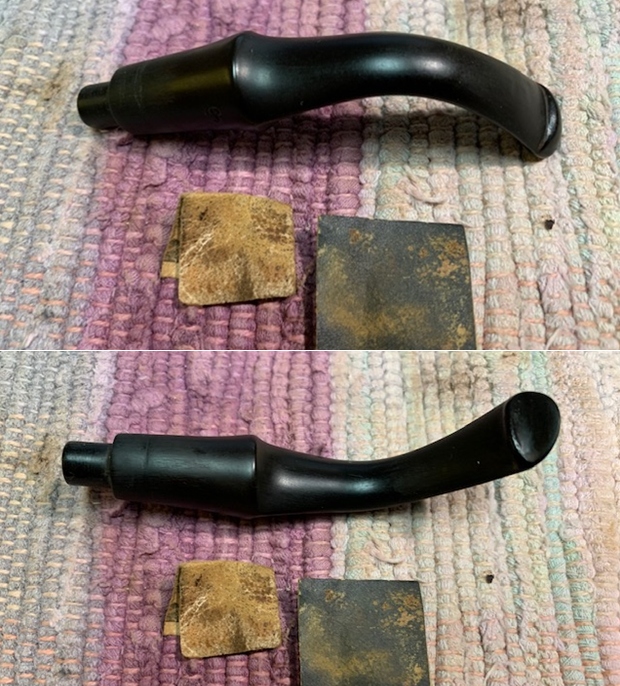
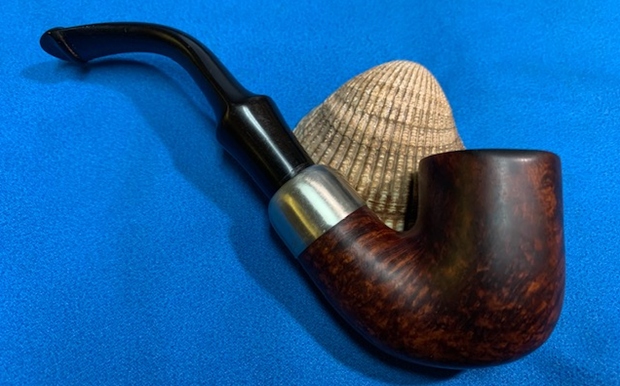
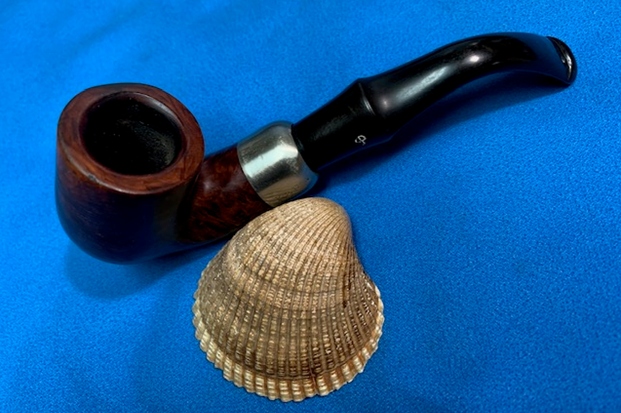
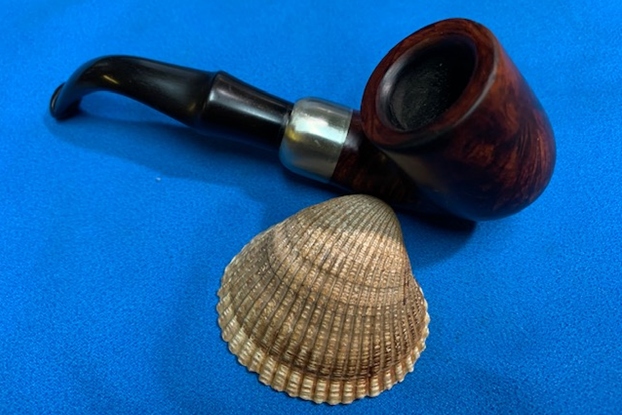
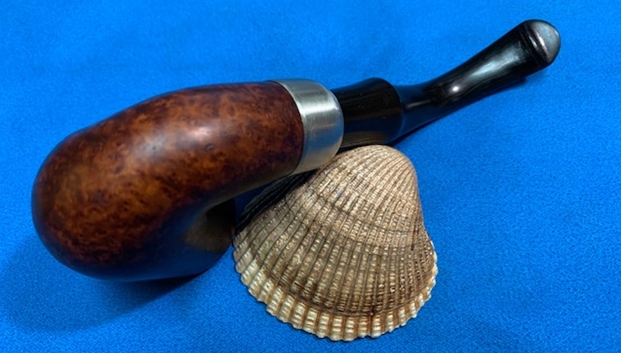
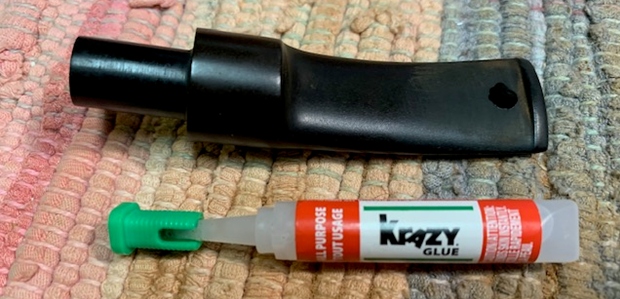
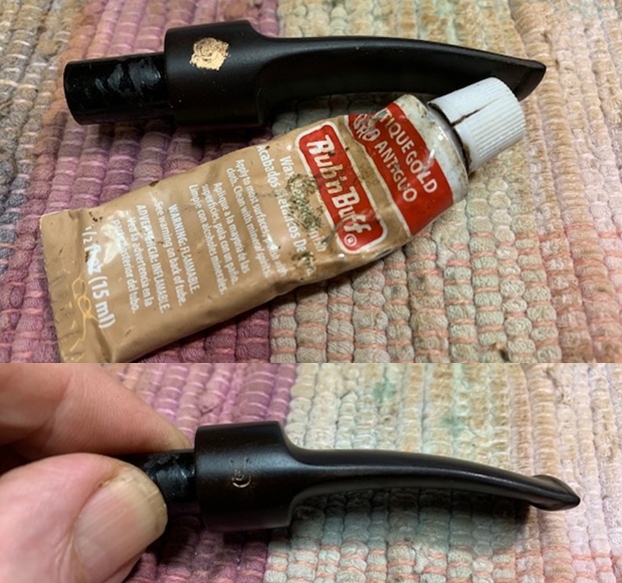
The next pipe on the work table came to us from a group of pipes that we purchased from an antique mall in 2018 in Newport, Oregon, USA. It is a large WDC Wellington Jumbo Pipe with a fancy hard rubber stem. The pipe is stamped on the left side of the shank and reads Wellington [over] French Briar separated by the WDC Triangle. The right side is stamped Made in U.S.A. There is a stamp on the metal shank cap/ferrule that reads Nickel Plated. This is a nice piece of briar with interesting grain all the way around the bowl. The finish had a lot of grime ground into it. There is also a large area of road rash on the front of the bowl where it has obviously been dropped on a hard surface. The bowl was moderately caked and there was a lava coat on the top and the inner edge of the rim. The rim top has deep scratches in the surface and the bowl appears to be out of round under the lava coat. The stem was oxidized, calcified and had tooth chatter and marks on the top and underside near the button. The bent stem had straightened over time and would need to be re-bent. The stem bore the WDC Triangle logo stamped on the top ahead of the saddle. It was also stamped Wellington in an arch under the triangle logo. The pipe showed promise but it was very dirty. Jeff took photos of the pipe before he started his cleanup work.    He took photos of the rim top and bowl to give a clear picture of the thickness of the cake and the condition of the rim top and beveled inner edges. You can see the cake in the bowl, the lava on the rim top and the damage to both the top and inner edge. He also took photos of the top and underside of the stem to show the oxidation, calcification and chatter and tooth marks.  There are also flecks of metal in the hard rubber stem that I have seen in pipes of this time period in the past.   Jeff took a photo of the right side and heel of the bowl to give a picture of what the briar looked like.He took photos of the stamping on the shank and the stem. It reads as noted above and is clear and readable. I turned to Pipedia’s article on WDC (William Demuth) pipes. It is a great read in terms of the history of the brand (https://pipedia.org/wiki/William_Demuth_Company). I have included one of the advertising flyers on the Wellington Jumbo below. Look at the price of this pipe when it was sold.Now it was time to work on the pipe. Jeff had cleaned up the pipe with his usual penchant for thoroughness. He reamed the pipe with a PipNet Pipe Reamer and cleaned up the remnants with a Savinelli Fitsall Pipe Knife.  He scrubbed the exterior of the pipe and bowl with undiluted Murphy’s Oil Soap and a tooth brush. He rinsed it under running warm water to remove the soap and grime. He cleaned out the inside of the shank and the airway in the stem with alcohol, cotton swabs and pipe cleaners. He soaked the stem in Before & After Deoxidizer and rinsed it off with warm water. I took photos of the pipe once I received it.   The rim top and edges of the rim were in rough condition. The rim top was chipped, scratched and had gouges in the surface. The inner edge of the bowl was out of round and had burn and reaming damage. The outer edge also showed nicks and damage as well. The stem surface looked very good with some tooth marks and chatter on both sides near the button.I took photos of the stamping on the shank. It is clear and readable as noted above. I removed the stem and took a photo of the pipe to give a sense of the whole. The stem is a fancy saddle version. I decided to start my work on the pipe by addressing the damage on the rim top and the edges of the bowl. I topped the bowl on a topping board with 220 grit sandpaper to remove the damage on the flat surface and clean up the edges at the same time. I worked over the out of round inner edge of the bowl with a folded piece of 220 grit sandpaper until I had brought it back to round. I gave it a slight bevel to take care of the burn damage and chipping. I decided to address the road rash on the bowl front next. There were deep gouges and nicks in the surface of the briar. Interestingly when Jeff cleaned the pipe some of them were raised. What was left behind would not be lifted any further. I filled in the remaining marks in the briar with clear super glue. Once the glue cured I sanded it smooth and blended it into the surrounding briar. I would polish it with micromesh when I worked on the rest of the bowl surface.   I polished the briar with micromesh sanding pads – dry sanding with 1500-12000 grit sanding pads. I wiped the bowl down with a damp cloth after each sanding pad.  The pipe was in such good condition that started by rubbing it down with Before & After Restoration Balm. I worked it into the surface of the bowl sides and shank with my fingertips. The product works to clean, enliven and protect the briar. I let the balm sit for 15 minutes and then buffed with a cotton cloth to raise the shine.     I set the bowl aside and turned my attention to the stem. I decided to deal with bending it to the proper angle first. I inserted a long pipe cleaner in the stem heated the stem with my heat gun until the rubber was flexible. I carefully bent it so that it matched the flow of the stem. I cooled it with running cool water to set the bend.  Once it cooled I inserted it in the stem and took photos. Now it was time to work on the tooth marks on the stem. I sanded them out with 220 grit sandpaper and started polishing the stem surface with 400 grit wet dry sandpaper. Note the white specks on the black rubber ahead of the button and on the button edge in the photo below. Those are actually bit of metal in the rubber. This was typical of pipes made during the war when recycled tires were used to make rubber stems.I polished the vulcanite stem with micromesh sanding pads – 1500-12000 grit pads. I wiped it down with a damp cloth after each sanding pad. I used Before & After Pipe Polish – both Fine and Extra Fine to further polish the stem. I touched up the gold stamping in the logo on the top of the saddle stem with Rub’n Buff Antique Gold. It is a great product and easy to apply. I rubbed it into the stem with a tooth pick and once it was well worked in I wiped the stem down with a soft cloth to remove the excess. The resulting stamp looked very good!   This WDC Wellington Jumbo French Made Bent Billiard with a the polished briar, polished nickel ferrule and fancy saddle stem is a great looking pipe now that it has been restored. The parts all come together to form a great looking piece. The beautiful grain that shines through the polished finish is stunning. I put the stem back on the bowl and carefully buffed the pipe with Blue Diamond on the buffing wheel. I gave the bowl and the stem multiple coats of carnauba wax on the buffing wheel. I buffed the entire pipe with a clean buffing pad which really brings the shine out with the wax. I hand buffed the pipe with a microfiber cloth to deepen the shine. The finished Wellington Jumbo fits nicely in the hand and feels great and will truly be a pipe to be smoked while sitting and reading or listening to music. Give the finished pipe a look in the photos below. The dimensions of the pipe are Length: 10 inches, Height: 2 ¼ inches, Outside diameter of the bowl: 1 ½ inches, Chamber diameter: 1 inch. The weight of the pipe is 93gr/3.25oz. I will be adding it to the American Pipe Maker section of the rebornpipes store soon. If you are interested in adding this pipe to your collection send me a message or an email. Thanks for reading this blog and my reflections on the pipe while I worked on it. There are many more to come!
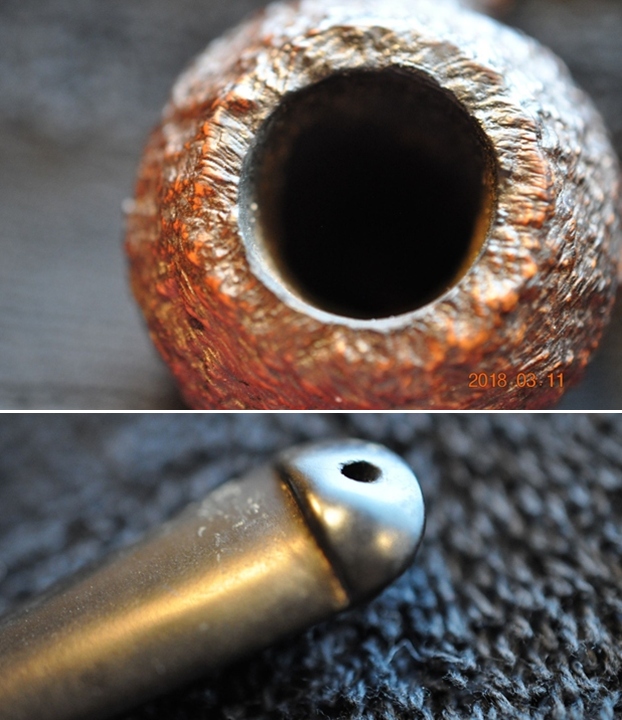
This long shank Bulldog really came out looking amazing


Blog by Steve Laug

The next pipe on the work table is one that came to us from a pipe hunt that Jeff or I did and we cannot remember where and when we picked it up. Our memory is that it has been sitting around for a while waiting to be restored. It does not have and stamping on the left side of the shank. On the right side it reads Made In [over] London, England. The vulcanite saddle stem has no identifying marks that help with identification. The pipe has an interesting mix of grain – swirls, birdseye and cross grain around the bowl and long shank. When the pipe arrived here it was very clean. Jeff had done his usual thorough job in removing all of the cake in the bowl and the lava on the rim top. He had reamed the bowl with a PipNet Pipe Reamer and cleaned up the remnants with a Savinelli Fitsall Pipe Knife. He took the cake back to bare briar so we could check the walls for damage. He scrubbed the exterior of the bowl with Murphy’s Oil Soap and a tooth brush to remove the grime on the bowl and rim and was able to remove the lava and dirt. He cleaned out the interior of the bowl and shank with pipe cleaners, cotton swabs and alcohol until they came out clean. He cleaned the stem with Soft Scrub to remove the grime on the exterior and cleaned out the airway with alcohol, cotton swabs and pipe cleaners. I took photos of the pipe before I started my part of the work. I took photos of the rim top and the stem. The photo of the rim top shows how clean the bowl looks and some of the damage to the inner edge of the bowl. There is also a small sand pit in the middle of the rim top at the back of the bowl. The stem still had some oxidation that would need to be worked on. The photos also show the tooth marks and chatter on both sides at the button. I took photos of the stamping on the left side of the shank. The stamping is clear and reads as noted above. I removed the stem from the shank and took a photo of the parts to give an idea of the flow and form of the pipe. It is a nice looking Bulldog. The pipe reminded me of another long shank Bulldog I had restored previously so I turned to the blog about that restoration and reread the article. That pipe had been stamped ROTA’S, Made in London, England and was a Bulldog (https://rebornpipes.com/2020/04/20/restoring-a-bit-of-a-mystery-rotas-made-in-london-england-long-shank-bulldog/). I have included a photo of the finished sandblast pipe below.When I worked on above ROTA’S Pipe I recalled thinking that it reminded me of another pipe. I quote what I wrote in that blog below.

While I was working on the pipe there was something about the shape, particularly the cap above the twin rings and the way the bottom of the bowl flowed into the diamond shank that reminded me of some GBD Bulldogs that I had worked on. I searched online for long shank GBD Bulldogs and found the one that I was thinking about. The link led me to a pipe on the site smokingpipes.com – a GBD Celebrity 268 Bulldog. I am including both the link and a picture below (https://www.smokingpipes.com/pipes/estate/england/moreinfo.cfm?product_id=141918). While the GBD has a slightly shorter shank on it you can see the similarity to the Rota’s pipe and the no name Made in London England pipe on the table now. There is certainly a possibility that both pipes came from the GBD factory in London. However the mystery still remains cloaked in uncertainty.

Now it was time to work on the pipe itself. I used a folded piece of 220 grit sandpaper to clean up the damaged inner edge of the rim. I cleaned up the edge and removed the damaged briar on that portion of the bowl. Once I finished it looked much better than when I started. I polished the bowl and rim top with micromesh sanding pads – wet sanding with 1500-12000 grit pads and wiping the briar down with a damp cloth after each sanding pad.  I rubbed the bowl down with Before & After Restoration Balm. I worked it into the surface of the briar with my fingertips to clean, enliven and protect it. I let the balm sit for 15 minutes and then buffed with a cotton cloth to raise the shine.   I set the bowl aside and turned my attention to the stem. I “painted” the surface of the stem with the flame of a Bic lighter to lift the tooth marks on the surface of both sides. It worked very well and I would be able to buff the remnants out with micromesh. I scrubbed the stem with Soft Scrub All Purpose Cleaner and cotton pads to remove the remaining oxidation in the vulcanite.  I polished the vulcanite with micromesh sanding pads – 1500-12000 grit pads. I wiped it down with a damp cloth after each sanding pad. I used Before & After Pipe Polish – both Fine and Extra Fine to further polish the stem.     Once again I am the part of the restoration that I always look forward to – the moment when all the pieces are put back together. I put the Made in London, England Long Shank Bulldog back together and buffed the bowl and stem with Blue Diamond on the buffing wheel. I gave the bowl and the stem multiple coats of carnauba wax. I buffed the pipe with a clean buffing pad to raise the shine. I hand buffed it with a microfiber cloth to deepen the shine. It is fun to see what the polished bowl looks like with the rich brown stains around the bowl. The black vulcanite saddle stem stands out as a shiny black contrast to the colours of the bowl. It is a light weight pipe that could be clenched and smoked while doing other things. Have a look at it with the photos below. The dimensions of the pipe are Length: 5 ¾ inches, Height: 2 inches, Outside diameter of the bowl: 1 ¼ inches, Chamber diameter: ¾ of an inch. The weight of the pipe is 38grams/1.34oz. This one will soon be on the rebornpipes online store in the British Pipe Makers section. Thanks to each of you who are reading this blog. Remember we are not pipe owners; we are pipemen and women who hold our pipes in trust until they pass on into the trust of the next generation.

New Life for a Butz-Choquin Virginia 1027 Bulldog


Blog by Steve Laug

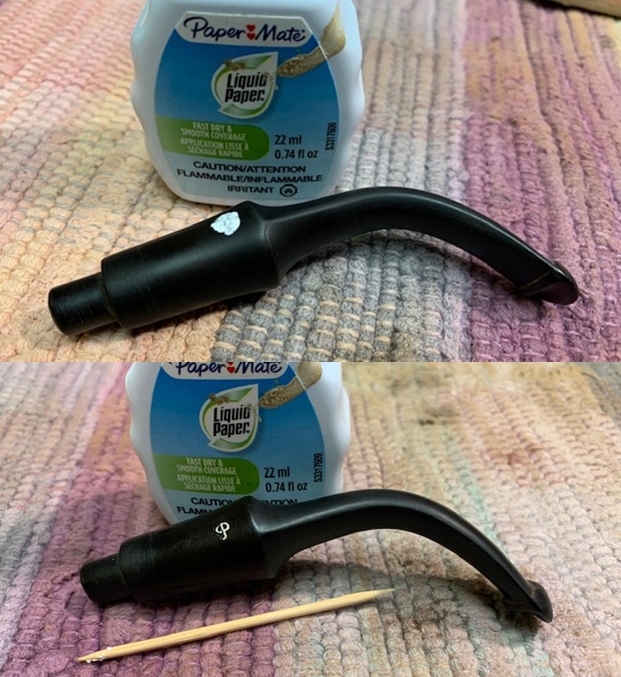
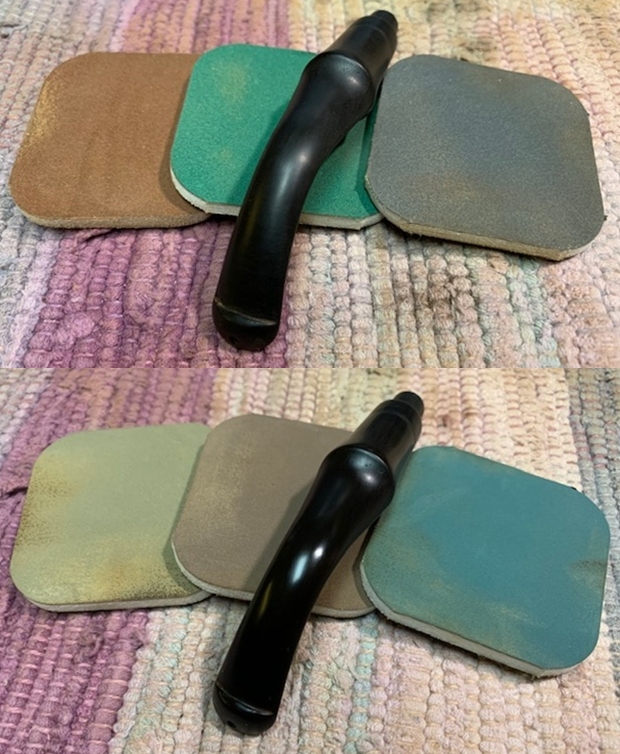
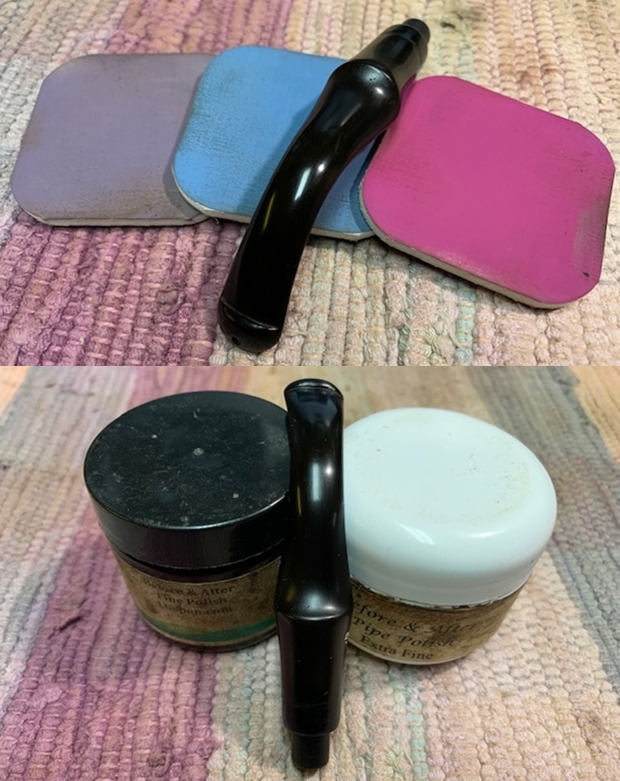
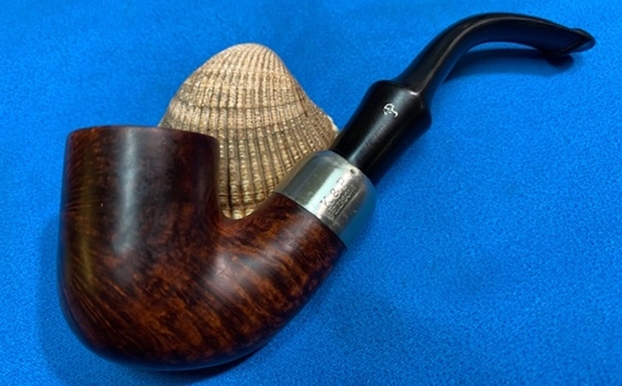
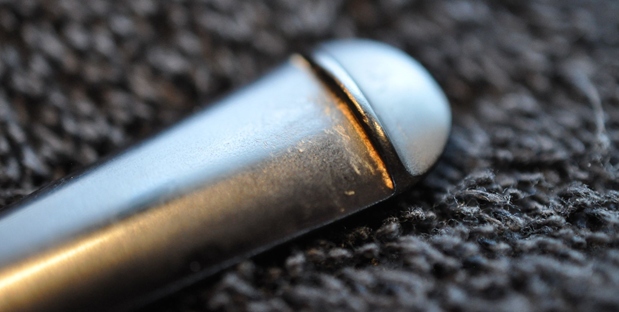
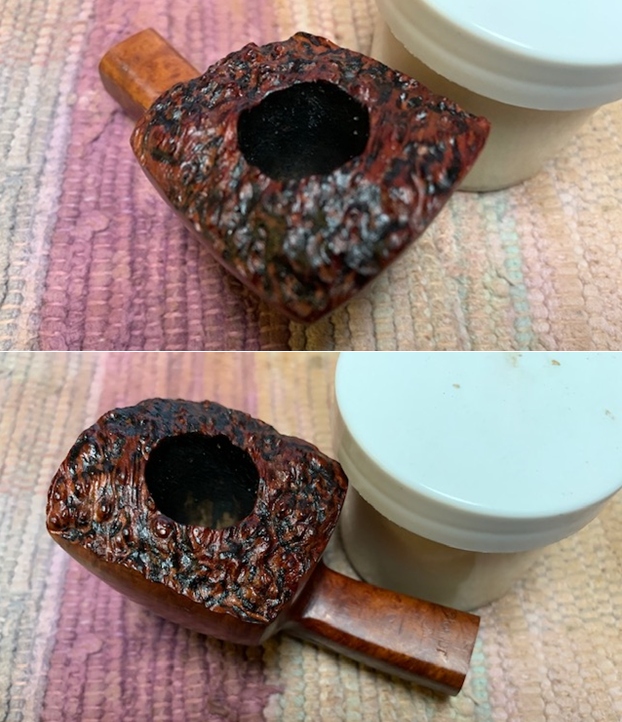
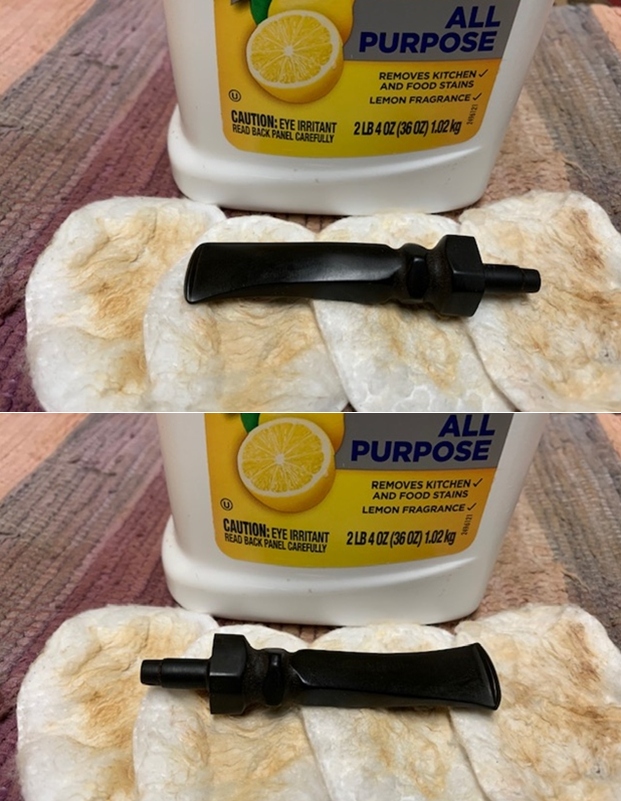
The next pipe on the work table came to us from a group of pipes that we purchased from a fellow in Los Angeles, California, USA. It is a beautiful grained Bent Bulldog pipe with a saddle vulcanite bent stem. The pipe is stamped on the left side of the shank and reads Butz-Choquin [over] Virginia. On the right side of the shank it reads St. Claude [over] France [over] the shape number 1027. The stain highlights the nice grain around the bowl. The finish had a lot of grime ground into it. The bowl was moderately caked and there was a light lava coat on the top and the inner edge of the rim. The edges looked to be in excellent condition. The stem was oxidized and had tooth chatter and marks on the top and underside near the button. There was a stamped white BC on the left side of the saddle stem. The pipe showed promise but it was very dirty. Jeff took photos of the pipe before he started his cleanup work. He took photos of the rim top and bowl to give a clear picture of the thickness of the cake and the condition of the rim top and beveled inner edges. He also took photos of the top and underside of the stem to show the oxidation, calcification and chatter and tooth marks. Jeff took photos of the sides and heel of the bowl to give a picture of what the briar around the pipe looked like.        He took photos of the stamping on the shank and the stem. It reads as noted above and is clear and readable.    Now it was time to work on the pipe. Jeff had cleaned up the pipe with his usual penchant for thoroughness. He reamed the pipe with a PipNet Pipe Reamer and cleaned up the remnants with a Savinelli Fitsall Pipe Knife.  He scrubbed the exterior of the pipe and bowl with undiluted Murphy’s Oil Soap and a tooth brush. He rinsed it under running warm water to remove the soap and grime. He cleaned out the inside of the shank and the airway in the stem with alcohol, cotton swabs and pipe cleaners. He soaked the stem in Before & After Deoxidizer and rinsed it off with warm water. I took photos of the pipe once I received it.   The rim top and inner edge of the rim looked very good. The stem surface looked very good with some light tooth marks and chatter on both sides near the button.    I took a photo of the stamping on the shank. It is clear and readable as noted above.    I removed the stem and took a photo of the pipe to give a sense of the whole. The stem is a taper stem. The BC logo stamp on the stem is faded so it will need to be touched up. I polished the briar with micromesh sanding pads – dry sanding with 1500-12000 grit sanding pads. I wiped the bowl down with a damp cloth between each sanding pad.  As I polished the bowl the fills around the cap and left side became visible. They were tiny but they were present. I rubbed the briar down with Before & After Restoration Balm. I worked it into the surface of the bowl sides and shank with my fingertips. The product works to clean, enliven and protect the briar. I let the balm sit for a little while and then buffed with a cotton cloth to raise the shine. The fills while still present blended into the surrounding briar better after the balm.  I “painted” the stem surface with the flame of a lighter and was able to lift all of the tooth marks in the surface and return it to a smooth finish. This was truly a best case scenario!   I polished the vulcanite stem with micromesh sanding pads – 1500-12000 grit pads. I wiped it down with a damp cloth after each sanding pad. I used Before & After Pipe Polish – both Fine and Extra Fine to further polish the stem. I touched up the stamping on the stem with Paper Mate Liquid Paper. I rubbed it into the stamp with a tooth pick and then scraped it off.  This Butz-Choquin Virginia 1027 Bent Bulldog  with saddle vulcanite taper stem is a great looking pipe now that it has been restored. The stamped BC logo on the left side of the stem looks very good. The beautiful grain that shines through the polished finish is stunning. I put the stem back on the bowl and carefully buffed the pipe with Blue Diamond on the buffing wheel. I gave the bowl and the stem multiple coats of carnauba wax on the buffing wheel. I buffed the entire pipe with a clean buffing pad which real brings the shine out with the wax. I hand buffed the pipe with a microfiber cloth to deepen the shine. The finished BC Virginia Bulldog fits nicely in the hand and feels great. Give the finished pipe a look in the photos below. The dimensions of the pipe are Length: 5 ½ inches, Height: 1 ½ inches, Outside diameter of the bowl: 1 ½ inches, Chamber diameter: ¾ of an inch. The weight of the pipe is 39gr/1.38oz. I will be adding it to the French Pipe Makers section of the rebornpipes store shortly. If you are interested in adding this pipe to your collection send me a message or an email. Thanks for reading this blog and my reflections on the pipe while I worked on it. There are many more to come!
Breathing New Life into a GBD Oom Paul 235


Blog by Steve Laug

The next pipe on the work table came to us from a group of pipes that we purchased from a fellow in Los Angeles, California, USA. It is a beautiful darkly stained Oom Paul pipe with a tapered vulcanite bent stem. The pipe is stamped on the left side of the shank and reads GBD in an oval logo [over] Oom Paul. On the right side of the shank it reads London, England over the shape number 235. The dark stain hides the grain around the bowl. The finish had a lot of grime ground into it. The bowl was moderately caked and there was a light lava coat on the top and the inner edge of the rim. The edges looked to be in excellent condition. The stem was oxidized and had tooth chatter and marks on the top and underside near the button. There was a brass GBD roundel on the left side of the taper stem. The pipe showed promise but it was very dirty. Jeff took photos of the pipe before he started his cleanup work.    He took photos of the rim top and bowl to give a clear picture of the thickness of the cake and the condition of the rim top and beveled inner edges. He also took photos of the top and underside of the stem to show the oxidation, calcification and chatter and tooth marks. Jeff took photos of the sides and heel of the bowl to give a picture of what the briar around the pipe looked like.      He took photos of the stamping on the shank and the stem. It reads as noted above and is clear and readable. Now it was time to work on the pipe. Jeff had cleaned up the pipe with his usual penchant for thoroughness. He reamed the pipe with a PipNet Pipe Reamer and cleaned up the remnants with a Savinelli Fitsall Pipe Knife.  He scrubbed the exterior of the pipe and bowl with undiluted Murphy’s Oil Soap and a tooth brush. He rinsed it under running warm water to remove the soap and grime. He cleaned out the inside of the shank and the airway in the stem with alcohol, cotton swabs and pipe cleaners. He soaked the stem in Before & After Deoxidizer and rinsed it off with warm water. I took photos of the pipe once I received it. The rim top and inner edge of the rim looked very good. The stem surface looked very good with some light tooth marks and chatter on both sides near the button. I took a photo of the stamping on the shank. It is clear and readable as noted above.    I removed the stem and took a photo of the pipe to give a sense of the whole. The stem is a taper stem. It has a small stinger in place. I removed the stinger as it is short and loose in the tenon.   I wiped the bowl down with isopropyl alcohol and cotton pads to make the stain more transparent and make the grain more visible.    I polished the briar with micromesh sanding pads – dry sanding with 1500-12000 grit sanding pads. I wiped the bowl down with a damp cloth between each sanding pad. The pipe was in such good condition that started by rubbing it down with Before & After Restoration Balm. I worked it into the surface of the bowl sides and shank with my fingertips. The product works to clean, enliven and protect the briar. I let the balm sit for a little while and then buffed with a cotton cloth to raise the shine.    I polished the vulcanite stem with micromesh sanding pads – 1500-12000 grit pads. I wiped it down with a damp cloth after each sanding pad. I used Before & After Pipe Polish – both Fine and Extra Fine to further polish the stem. This GBD Oom Paul 235 Dark Stained Briar Pipe with a full bent taper vulcanite taper stem is a great looking pipe now that it has been restored. The brass GBD Logo is inlaid in the left side of the taper stem and looks very good. The beautiful grain that shines through the polished finish is stunning. I put the stem back on the bowl and carefully buffed the pipe with Blue Diamond on the buffing wheel. I gave the bowl and the stem multiple coats of carnauba wax on the buffing wheel. I buffed the entire pipe with a clean buffing pad which real brings the shine out with the wax. I hand buffed the pipe with a microfiber cloth to deepen the shine. The finished GBD Dark Stained Oom Paul fits nicely in the hand and feels great. Give the finished pipe a look in the photos below. The dimensions of the pipe are Length: 5 ¾ inches, Height: 2 ¼ inches, Outside diameter of the bowl: 1 ½ inches, Chamber diameter: ¾ of an inch. The weight of the pipe is 63gr/2.22oz. I will be adding it to the British Pipe Makers section of the rebornpipes store shortly. If you are interested in adding this pipe to your collection send me a message or an email. Thanks for reading this blog and my reflections on the pipe while I worked on it. There are many more to come!
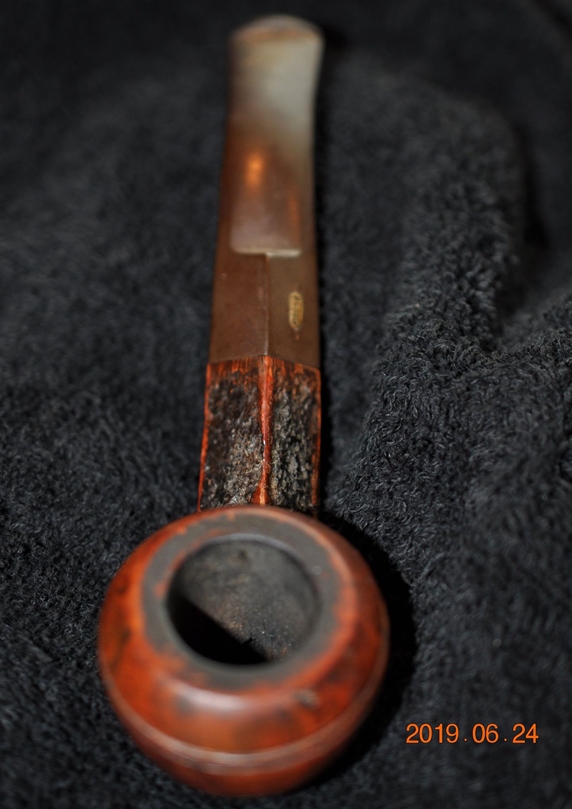
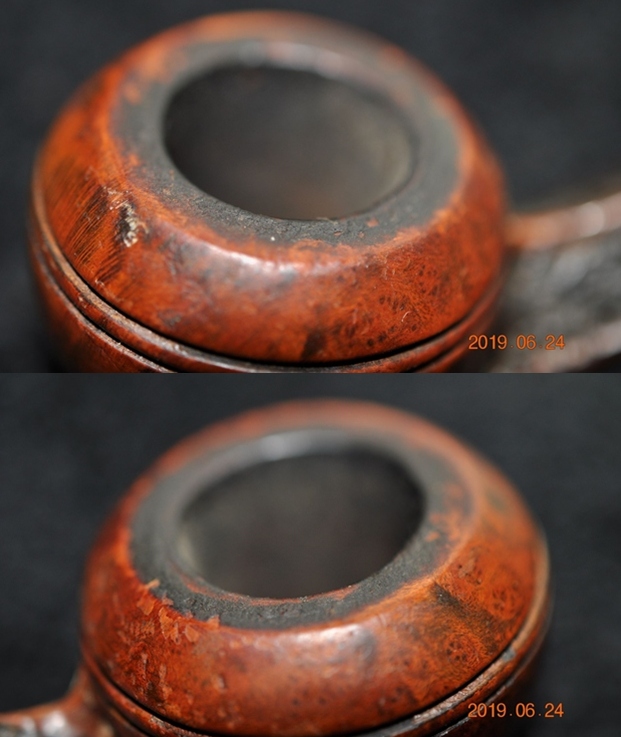
Breathing New Life into a Peterson of Dublin Kinsale XL13 Straight Bulldog


Blog by Steve Laug

The next pipe on the work table came to us from a group of pipes that we purchased from a fellow in Los Angeles, California, USA. It is a beautiful rusticated Peterson’s Bulldog pipe with a tapered vulcanite stem. The pipe is stamped on the left underside of the shank and reads Peterson [arched over] of Dublin [over] Kinsale. That is followed by the shape number XL13. This is a nice piece of briar with interesting grain showing through the rustication all the way around the bowl. The finish had a lot of grime ground into it. The bowl was moderately caked and there was a lava coat on the top and the inner edge of the rim. The edges looked okay but we would know more after the cleanup. The stem was oxidized, calcified and had tooth chatter and marks on the top and underside near the button. There was a gold stylized Peterson “P” on the top left side of the diamond shaped taper stem. The pipe showed promise but it was very dirty. Jeff took photos of the pipe before he started his cleanup work.   He took photos of the rim top and bowl to give a clear picture of the thickness of the cake and the condition of the rim top and beveled inner edges. He also took photos of the top and underside of the stem to show the oxidation, calcification and chatter and tooth marks.    Jeff took photos of the sides and heel of the bowl to give a picture of what the rusticated briar around the pipe looked like. He took photos of the stamping on the shank and the stem. It reads as noted above and is clear and readable. I am including the information from Pipedia’s article on Peterson pipes. It is a great read in terms of the history of the brand (https://pipedia.org/wiki/Peterson). I have included some information on Kinsale pipes. Kinsale pipes are based on the Sherlock Holmes Collection, a quality larger briar. All shapes are available in either a smooth burnt orange or rustic finish. They have either a Peterson Lip or a Fishtail mouthpiece. I found the following Kinsale Shape Chart on the site (https://pipedia.org/images/e/e3/Kinsale.jpg). I have boxed the XL13 with red.I turned to the Peterson Pipe book by Mark Irwin and Gary Malmberg and could find nothing in the index. I wrote Mark for help locating the brand in the book and he wrote back that what I needed was on Page 306, toward the bottom of the middle column. Sure enough it was there. Essentially it confirmed what I have already included above with the addition of the details about the brass band and nickel inlay. It also stated that the pipe originally came out in 1997. Mark mentioned that as far as he knew it was more or less discontinued and he had not seen a new one since 2015. Thanks Mark. That gave me some parameters for the age of the pipe – made between 1997-2015. I was closer to a date and probably as close as I was going to get with this one.

Now it was time to work on the pipe. Jeff had cleaned up the pipe with his usual penchant for thoroughness. He reamed the pipe with a PipNet Pipe Reamer and cleaned up the remnants with a Savinelli Fitsall Pipe Knife.  He scrubbed the exterior of the pipe and bowl with undiluted Murphy’s Oil Soap and a tooth brush. He rinsed it under running warm water to remove the soap and grime. He cleaned out the inside of the shank and the airway in the stem with alcohol, cotton swabs and pipe cleaners. He soaked the stem in Before & After Deoxidizer and rinsed it off with warm water. I took photos of the pipe once I received it. The rim top and inner edge of the rim looked very good with a bit of damage on the inner bevel of the rim surface. The stem surface looked very good with some tooth marks and chatter on both sides near the button.I took a photo of the stamping on the shank. It is clear and readable as noted above.     I removed the stem and took a photo of the pipe to give a sense of the whole. The stem is a fancy saddle version. The pipe was in such good condition that started by rubbing it down with Before & After Restoration Balm. I worked it into the surface of the bowl sides and shank with my fingertips and a horse hair shoe brush. The product works to clean, enliven and protect the briar. I let the balm sit for a little while and then buffed with a cotton cloth to raise the shine.     I polished the vulcanite stem with micromesh sanding pads – 1500-12000 grit pads. I wiped it down with a damp cloth after each sanding pad. I used Before & After Pipe Polish – both Fine and Extra Fine to further polish the stem.    This Peterson of Dublin Kinsale Straight XL13 Bulldog with a diamond shaped vulcanite taper stem is a great looking pipe now that it has been restored. The brass shank adornment with the inlaid silver piece in the center looks very good. The beautiful grain that shines through the polished finish is stunning. As the pipe is smoked the patina should develop and look even better. I put the stem back on the bowl and carefully buffed the pipe with Blue Diamond on the buffing wheel. I gave the bowl multiple coats of Conservator’s Wax and the stem multiple coats of carnauba wax on the buffing wheel. I buffed the entire pipe with a clean buffing pad which real brings the shine out with the wax. I hand buffed the pipe with a microfiber cloth to deepen the shine. The finished Peterson of Dublin XL13 Bulldog fits nicely in the hand and feels great. Give the finished pipe a look in the photos below. The dimensions of the pipe are Length: 5 ½ inches, Height: 2 ¼ inches, Outside diameter of the bowl: 1 ¾ inches, Chamber diameter: ¾ of an inch. The weight of the pipe is 54gr/1.90oz. If you are interested in adding this pipe to your collection send me a message or an email. Thanks for reading this blog and my reflections on the pipe while I worked on it. There are many more to come!

New Life for a Don Style Billiard with Vulcanite Military Bit Stem


Blog by Steve Laug

The next pipe on the work table is another mystery pipe for Jeff and me. It does not have any stamping on the bowl heel or on the shank. Jeff thinks he may have picked it up in Montana but it not certain. The pipe is a classic billiard shaped pipe with a bit of a cant forward. It could well be someone’s repair on a broken shank but there is something about it that makes me think it was originally made this way. There was a lot of grime ground into the finish on the briar. The bowl was moderately caked and the rim top had a light overflow of lava on the top and edges of the bowl. The rim top and the inside edge showed some damage. The stem was a straight military stem with a metal fitment on the bowl end. It was dirty and lightly oxidized. It had tooth chatter and marks on the top and underside near the button and on the button edge. It was small billiard shaped bowl with a pencil style military stem and it had promise but it was very dirty. Jeff took some photos of the pipe before he started his cleanup work. He took photos of the rim top and bowl to give a clear picture of the condition of the bowl. You can see the cake in the bowl as well as the lava and the damage on the rim top and edges. He also took photos of the top and underside of the stem to show the light oxidation and the chatter and tooth marks.   Jeff took photos of the sides and heel of the bowl to give a picture of what the briar looked like. There is some great grain under the grime coat on the bowl sides. I turned to work on the pipe itself.  Jeff had cleaned up the pipe with his usual penchant for thoroughness. He reamed the pipe with a PipNet pipe reamer and removed the rest of it with a Savinelli Fitsall Pipe Knife.  He scrubbed the bowl with undiluted Murphy’s Oil Soap with a tooth brush. He rinsed it under running warm water to remove the soap and grime and all of the peeling varnish coat. He cleaned out the inside of the shank and the airway in the stem with alcohol, cotton swabs and pipe cleaners. He soaked the stem in Before & After Deoxidizer and rinsed it off with warm water. I took photos of the pipe before I started my part of the restoration work.   The rim top cleaned up really well. The rim top and outer edge of the bowl show some darkening and damage. There was damage to the inner edge and it was rough. The stem surface looked very good with a few small tooth marks and chatter on both sides near the button. I forgot to take pictures of the areas on the stem that were damaged before I filled them in with super glue but you can see the general condition even with the repairs.  I started my work on the pipe by addressing some of the damage to the rim top edges. I topped the rim on a topping board with a piece of 220 grit sandpaper. I also flattened the area where the stem inserted into the bowl as it was damaged.I polished the bowl with micromesh sanding pads – dry sanding with 1500-12000 grit pads. I wiped the bowl down with a damp cloth after each sanding pad.   I rubbed the bowl down with Before & After Restoration Balm. I worked it into the surface of the bowl sides and shank with my fingertips to clean, enliven and protect the briar. I let the balm sit for 15 minutes and buffed with a cotton cloth to raise the shine. The grain came alive. I set the bowl aside and turned my attention to the stem. I filled the deep tooth marks next to the button with clear super glue. Once the glue cured I flattened it out with a file to blend it into the stem surface.  I sanded the repairs with 220 grit sandpaper to further blend them into the stem surface. I started polishing the stem with 400 grit wet dry sandpaper. I polished the vulcanite stem with micromesh sanding pads – 1500-12000 grit pads. I wiped it down with Obsidian Oil after each sanding pad. I used Before & After Pipe Polish – both Fine and Extra Fine to further polish the stem.   This Billiard Shaped Bowl on a Don Style Pipe is a great looking pipe now that it has been restored and the stem reshaped. The grain around the bowl is quite beautiful and works well with both the shape and the polished vulcanite taper stem. I put the stem back on the bowl and carefully buffed the pipe with Blue Diamond on the buffing wheel using a light touch on the briar. I gave the bowl and the stem multiple coats of carnauba wax on the buffing wheel and followed that by buffing the entire pipe with a clean buffing pad. I hand buffed the pipe with a microfiber cloth to deepen the shine. The finished Don Style Billiard is another pipe that fits nicely in the hand and feels great. Give the finished pipe a look in the photos below. The dimensions of the pipe are Length: 5 ¼ inches, Height: 1 ½ inches, Outside diameter of the bowl: 1 1/8 inches, Chamber diameter: ¾ of an inch. The weight of the pipe is 16g/.60oz. I will be putting it on the rebornpipes store in the Metal and Other Types of Pipe Section shortly. If you are interested in adding this pipe to your collection send me a message or an email. Thanks for reading this blog and my reflections on the pipe while I worked on it. There are many more to come!

New Life for a Don Style Brandy with Vulcanite Military Bit Stem


Blog by Steve Laug

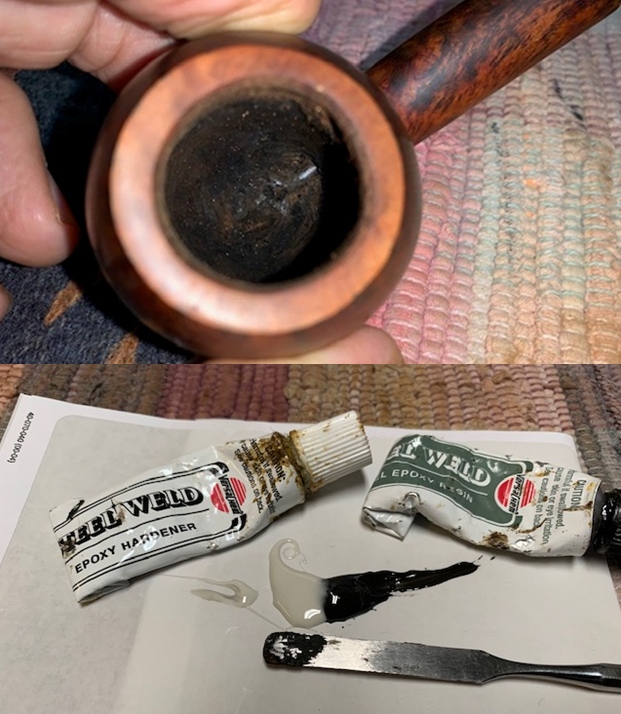
The next pipe on the work table is a bit of a mystery pipe for Jeff and me. It does not have any stamping on the bowl heel or on the shank. The stem was seriously over bent to the point of being impossible to smoke. The pipe is a classic Brandy shaped pipe with peeling varnish around the bowl sides and rim top. There was a lot of grime ground into the finish on the briar. The bowl was moderately caked with tobacco debris in the bowl. The rim top had a light overflow of lava on the top and edges of the bowl. The inside edges looked to be in good condition. The stem was dirty and lightly oxidized. It had casting marks on both sides of the stem. It had tooth chatter and marks on the top and underside near the button and on the button edge. There was some light oxidation on the stem surface. It was a large apple shaped bowl with a pencil style military stem and it had promise but it was very dirty. Jeff took some photos of the pipe before he started his cleanup work. He took photos of the rim top and bowl to give a clear picture of the thickness of the cake and tobacco debris as well as the lava and the peeling varnish on the rim top. He also took photos of the top and underside of the stem to show the casting marks on the side of the stem, the light oxidation and the chatter and tooth marks.    Jeff took photos of the sides and heel of the bowl to give a picture of what the briar looked like. There is some great grain under the peeling varnish coat on the bowl sides. I turned to work on the pipe itself.  Jeff had cleaned up the pipe with his usual penchant for thoroughness. He reamed the pipe with a PipNet pipe reamer and removed the rest of it with a Savinelli Fitsall Pipe Knife.  He scrubbed the bowl with undiluted Murphy’s Oil Soap with a tooth brush. He rinsed it under running warm water to remove the soap and grime and all of the peeling varnish coat. He cleaned out the inside of the shank and the airway in the stem with alcohol, cotton swabs and pipe cleaners. He soaked the stem in Before & After Deoxidizer and rinsed it off with warm water. I took photos of the pipe before I started my part of the restoration work.   The rim top cleaned up really well. The rim top and outer edge of the bowl look very good. There were still bits of varnish on the rim top. The stem surface looked very good with a few small tooth marks and chatter on both sides near the button.    I cleaned up the rim top with a folded piece of 220 grit sandpaper. I scrubbed the bowl with alcohol and a cotton pad to remove the remaining finish on the bowl.   The bowl had been over reamed and there was a dip/pit in the bottom of the bowl that made the bottom seem quite thin. I mixed a batch of JB Weld and applied it to the dip in the bowl bottom with a folded pipe cleaner. I set it aside to allow the repair to cure.   I polished the bowl with micromesh sanding pads – dry sanding with 1500-12000 grit pads. I wiped the bowl down with a damp cloth after each sanding pad.    I rubbed the bowl down with Before & After Restoration Balm. I worked it into the surface of the bowl sides and shank with my fingertips to clean, enliven and protect the briar. I let the balm sit for 15 minutes and buffed with a cotton cloth to raise the shine. The grain came alive.     I set the bowl aside and turned my attention to the stem. The over bent stem needed to be addressed. I took photos of the stem as it looked when I received it. I painted the vulcanite with a lighter flame to soften it. Once it was pliable I straightened it out leaving a slight bend in the to match the flow of the bowl.One the stem was straightened out I sanded out the casting marks on the sides and the tooth marks and chatter on the top and underside near the button.  I polished the vulcanite stem with micromesh sanding pads – 1500-12000 grit pads. I wiped it down with Obsidian Oil after each sanding pad. I used Before & After Pipe Polish – both Fine and Extra Fine to further polish the stem.   This Don Style pipe with a Brandy Shaped Bowl is a great looking pipe now that it has been restored and the stem reshaped. The grain around the bowl is quite beautiful and works well with both the shape and the polished vulcanite taper stem. I put the stem back on the bowl and carefully buffed the pipe with Blue Diamond on the buffing wheel using a light touch on the briar. I gave the bowl and the stem multiple coats of carnauba wax on the buffing wheel and followed that by buffing the entire pipe with a clean buffing pad. I hand buffed the pipe with a microfiber cloth to deepen the shine. The finished Don Style Brandy is another pipe that fits nicely in the hand and feels great. Give the finished pipe a look in the photos below. The dimensions of the pipe are Length: 5 ½ inches, Height: 1 ½ inches, Outside diameter of the bowl: 1 ¼ inches, Chamber diameter: ¾ of an inch. The weight of the pipe is 25g/.88oz. I will be putting it on the rebornpipes store in the Metal and Other Types of Pipe Section shortly. If you are interested in adding this pipe to your collection send me a message or an email. Thanks for reading this blog and my reflections on the pipe while I worked on it. There are many more to come!

New Life for a Chunky Rusticated Champion Giant ¾ Bent Billiard


Blog by Steve Laug

The next pipe on the work table came to us from a fellow in Scottsdale, Arizona, USA. The pipe is a classic Chunky rusticated Bent Billiard shaped pipe with an interesting rustication around the bowl and shank. It is a match in style to the large chunky Billiard I just finished. The pipe is stamped on a smooth panel on the left side of the shank and reads Champion [over] Giant. On the top of the shank next to the stem it is stamped FRANCE and on the underside of the shank it is stamped next to the stem/shank junction and reads ALGERIAN BRIAR. There were three small dots in a row on the left side of the bent saddle stem. There was a lot of grime ground into the rusticated finish on the briar. The bowl was moderately caked with tobacco debris in the bowl. The rim top had an overflow of lava on the filling in the rustication and the inner edge of the rim. The inside edges looked to be in good condition. The stem was dirty and lightly oxidized. It had tooth chatter and marks on the top and underside near the button and on the button edge. There was some light oxidation on the stem surface. It was a large, chunky pipe and it had promise but it was very dirty. Jeff took some photos of the pipe before he started his cleanup work. He took photos of the rim top and bowl to give a clear picture of the thickness of the cake and tobacco debris as well as the lava on the rim top. He also took photos of the top and underside of the stem to show the light oxidation and the chatter and tooth marks.    Jeff took photos of the sides and heel of the bowl to give a picture of what the briar looked like. The rustication pattern around the bowl is unique and interesting. It is a really tight pattern. The stamping on the left side of the shank and shank ends are clear and readable and read as noted above. I turned to Pipephil (http://www.pipephil.eu/logos/en/logo-c8.html) to get a quick view of the Champion Brand. I had worked on several of the brand in the past but could not remember anything about the brand. Turns out it is Swiss Made and the three dots on the left side of the stem in the first picture below match the one I am working on. The issue from me is that it is stamped France on the band around shank end. That leaves me with a question mark.    Armed with that information I turned to work on the pipe itself.  Jeff had cleaned up the pipe with his usual penchant for thoroughness. He reamed the pipe with a PipNet pipe reamer and removed the rest of it with a Savinelli Fitsall Pipe Knife.  He scrubbed the bowl with undiluted Murphy’s Oil Soap with a tooth brush. He rinsed it under running warm water to remove the soap and grime. He cleaned out the inside of the shank and the airway in the stem with alcohol, cotton swabs and pipe cleaners. He soaked the stem in Before & After Deoxidizer and rinsed it off with warm water. I took photos of the pipe before I started my part of the restoration work. The rim top cleaned up really well. The rim top and outer edge of the bowl look very good. There was some debris in the rim top. The stem surface looked very good with a few small tooth marks and chatter on both sides near the button.     The stamping on underside of the shank is clear and readable. It is stamped as noted above.I removed the stem and took a photo of the pipe to give a sense of the whole. The wide taper stem is nice and the photo shows the stinger in the tenon.I cleaned up the rim top with a brass bristle wire brush. I scrubbed off the top of the rim with the brush and was able to remove the tars and lava in the rustication on the rim.   The bowl was in excellent condition so started by rubbing the bowl and shank down with Before & After Restoration Balm. I worked it into the surface of the bowl sides and shank with my fingertips and a horsehair shoe brush to clean, enliven and protect the briar. I let the balm sit for 15 minutes and buffed with a cotton cloth to raise the shine. The grain came alive. I set the bowl aside and turned my attention to the stem. I pulled the pressure fit stinger out of the tenon. I would leave it out to improve the airflow in the pipe.I polished the vulcanite stem with micromesh sanding pads – 1500-12000 grit pads. I wiped it down with Obsidian Oil after each sanding pad. I used Before & After Pipe Polish – both Fine and Extra Fine to further polish the stem.   This Champion Giant Algerian Briar French Made Rusticated Chunky Bent Billiard is a great looking pipe now that it has been restored. The style of rustication that is used around the bowl is quite beautiful and works well with both the shape and the polished vulcanite taper stem. I put the stem back on the bowl and carefully buffed the pipe with Blue Diamond on the buffing wheel using a light touch on the briar. I gave the bowl multiple coats of Conservator’s Wax and the stem multiple coats of carnauba wax on the buffing wheel and followed that by buffing the entire pipe with a clean buffing pad. I hand buffed the pipe with a microfiber cloth to deepen the shine. The finished Champion Chunky Bent Billiard is another pipe that fits nicely in the hand and feels great. Give the finished pipe a look in the photos below. The dimensions of the pipe are Length: 5 ½ inches, Height: 2 ¼ inches, Outside diameter of the bowl: 1 ½ inches, Chamber diameter: 7/8 of an inch. The weight of the pipe is 80g/2.79oz. I will be putting it on the rebornpipes store in the French Pipe Makers Section shortly. If you are interested in adding this pipe to your collection send me a message or an email. Thanks for reading this blog and my reflections on the pipe while I worked on it. There are many more to come!

New Life for a Chunky Rusticated Champion Giant Billiard


Blog by Steve Laug

The next pipe on the work table came to us from a fellow in Scottsdale, Arizona, USA. The pipe is a classic Chunky rusticated Billiard shaped pipe with an interesting rustication around the bowl and shank. The pipe is stamped on a smooth panel on the underside of the shank and reads Champion [over] Giant. On the top of the shank next to the stem it is stamped FRANCE and on the underside of the shank it is stamped next to the stem/shank junction and reads ALGERIAN BRIAR. There were three small dots in a row on the left side of the taper stem. There was a lot of grime ground into the rusticated finish on the briar. The bowl was heavily caked with tobacco debris in the bowl. The rim top had an overflow of lava on the filling in the rustication and the inner edge of the rim. The inside edges looked to be in good condition. The stem was dirty and lightly oxidized. It had tooth chatter and marks on the top and underside near the button and on the button edge. There was some light oxidation on the stem surface. It was a large, chunky pipe and it had promise but it was very dirty. Jeff took some photos of the pipe before he started his cleanup work. He took photos of the rim top and bowl to give a clear picture of the thickness of the cake and tobacco debris as well as the lava on the rim top. He also took photos of the top and underside of the stem to show the light oxidation and the chatter and tooth marks.   Jeff took photos of the side and heel of the bowl to give a picture of what the briar looked like. The rustication pattern around the bowl is unique and interesting. It is a really tight pattern. The stamping on the underside of the shank and shank ends are clear and readable and read as noted above.   I turned to Pipephil (http://www.pipephil.eu/logos/en/logo-c8.html) to get a quick view of the Champion Brand. I had worked on several of the brand in the past but could not remember anything about the brand. Turns out it is Swiss Made and the three dots on the left side of the stem in the first picture below match the one I am working on. The issue from me is that it is stamped France on the band around shank end. That leaves me with a question mark.Armed with that information I turned to work on the pipe itself.  Jeff had cleaned up the pipe with his usual penchant for thoroughness. He reamed the pipe with a PipNet pipe reamer and removed the rest of it with a Savinelli Fitsall Pipe Knife.  He scrubbed the bowl with undiluted Murphy’s Oil Soap with a tooth brush. He rinsed it under running warm water to remove the soap and grime. He cleaned out the inside of the shank and the airway in the stem with alcohol, cotton swabs and pipe cleaners. He soaked the stem in Before & After Deoxidizer and rinsed it off with warm water. I took photos of the pipe before I started my part of the restoration work. The rim top cleaned up really well. The rim top and outer edge of the bowl look very good. The inner edge has some damage on the front of the bowl. The stem surface looked very good with a few small tooth marks and chatter on both sides near the button.     The stamping on underside of the shank is clear and readable. It is stamped as noted above.I removed the stem and took a photo of the pipe to give a sense of the whole. The wide taper stem is nice and the photo shows the inner tube in the tenon.I cleaned up the rim top with a brass bristle wire brush. I scrubbed off the top of the rim with the brush and was able to remove the tars and lava in the rustication on the rim.   The bowl was in excellent condition so started by rubbing the bowl and shank down with Before & After Restoration Balm. I worked it into the surface of the bowl sides and shank with my fingertips and a horsehair shoe brush to clean, enliven and protect the briar. I let the balm sit for 15 minutes and buffed with a cotton cloth to raise the shine. The rustication came alive. I set the bowl aside and turned my attention to the stem. I sanded out the tooth chatter and marks ahead of the button with 220 grit sandpaper. I started polishing the stem with 400 grit wet dry sandpaper.   I polished the vulcanite stem with micromesh sanding pads – 1500-12000 grit pads. I wiped it down with Obsidian Oil after each sanding pad. I used Before & After Pipe Polish – both Fine and Extra Fine to further polish the stem. This Champion Giant Algerian Briar French Made Rusticated Chunky Billiard is a great looking pipe now that it has been restored. The style of rustication that is used around the bowl is quite beautiful and works well with both the shape and the polished vulcanite taper stem. I put the stem back on the bowl and carefully buffed the pipe with Blue Diamond on the buffing wheel using a light touch on the briar. I gave the bowl multiple coats of Conservator’s Wax and the stem multiple coats of carnauba wax on the buffing wheel and followed that by buffing the entire pipe with a clean buffing pad. I hand buffed the pipe with a microfiber cloth to deepen the shine. The finished Champion Chunky Billiard is another pipe that fits nicely in the hand and feels great. Give the finished pipe a look in the photos below. The dimensions of the pipe are Length: 5 ½ inches, Height: 2 ¼ inches, Outside diameter of the bowl: 1 ½ inches, Chamber diameter: 7/8 of an inch. The weight of the pipe is 83g/2.93oz. I will be putting it on the rebornpipes store in the French Pipe Makers Section shortly. If you are interested in adding this pipe to your collection send me a message or an email. Thanks for reading this blog and my reflections on the pipe while I worked on it. There are many more to come!