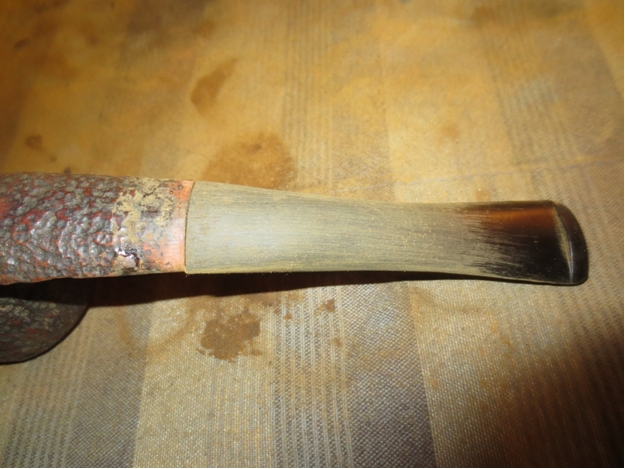
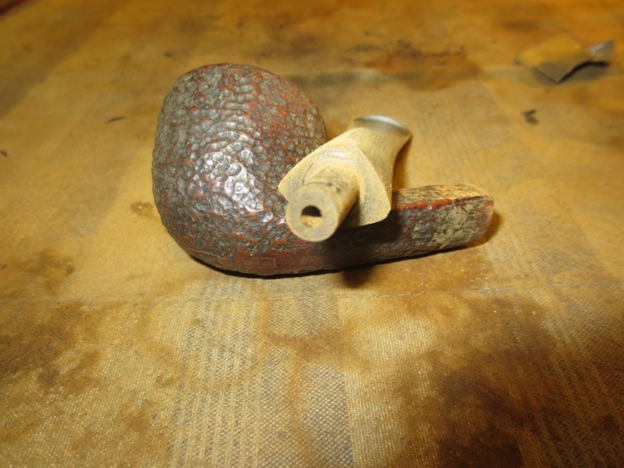
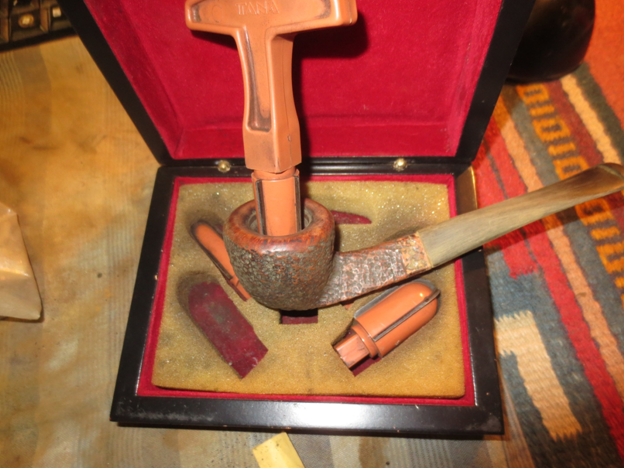
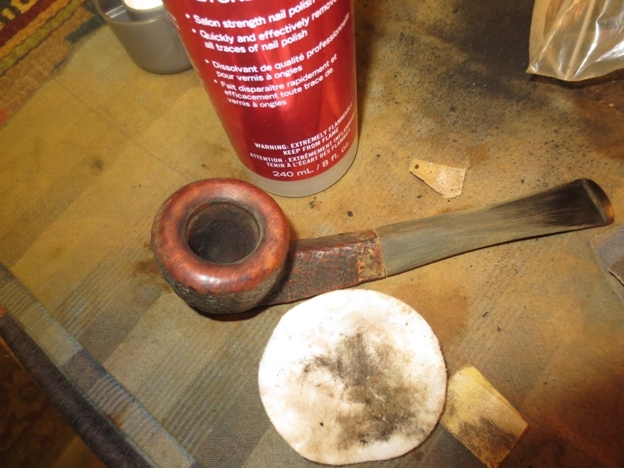
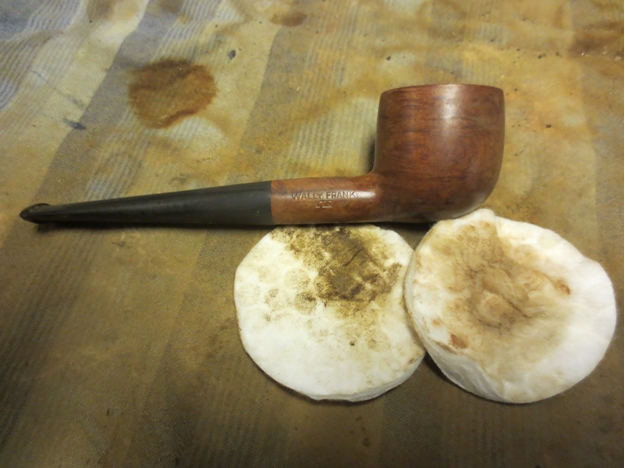
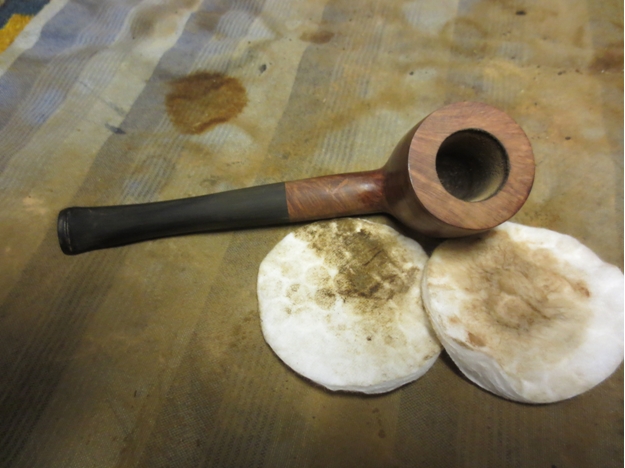
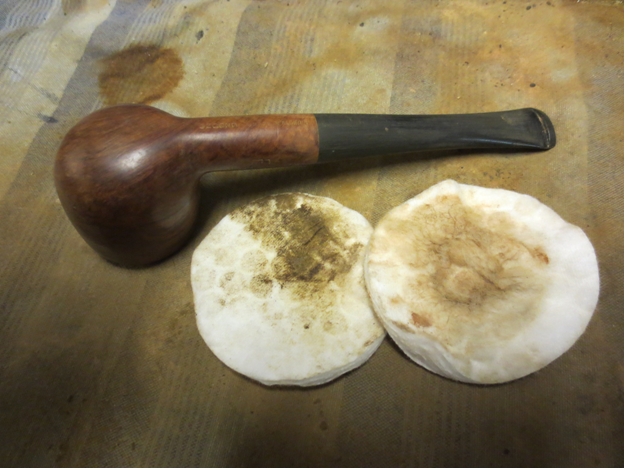
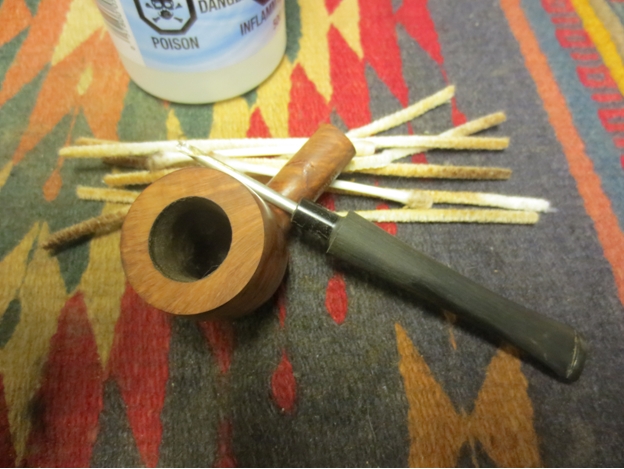
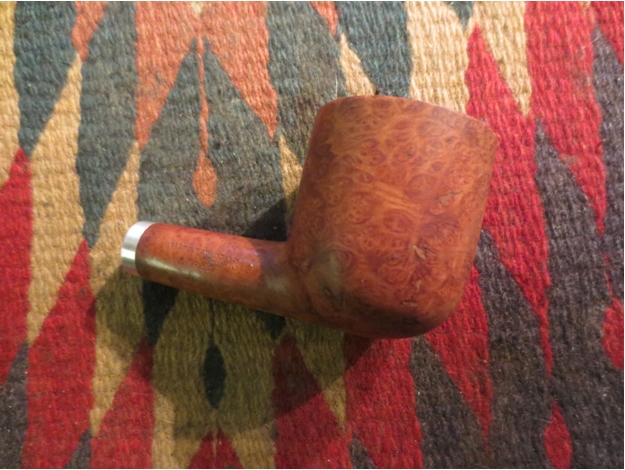
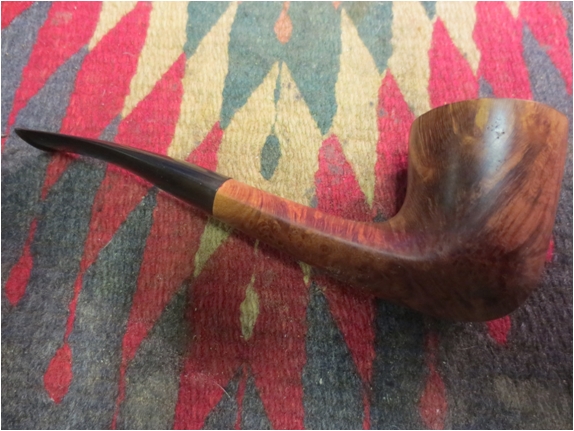
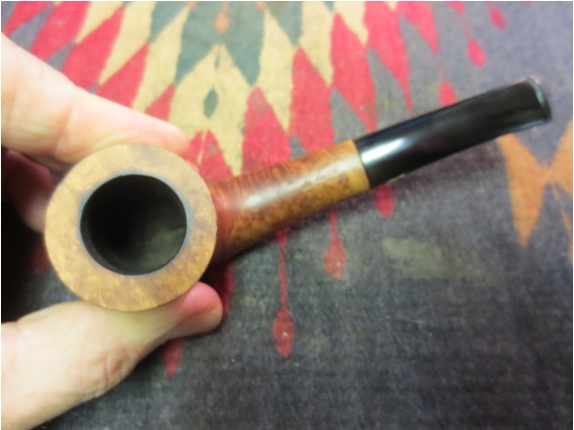
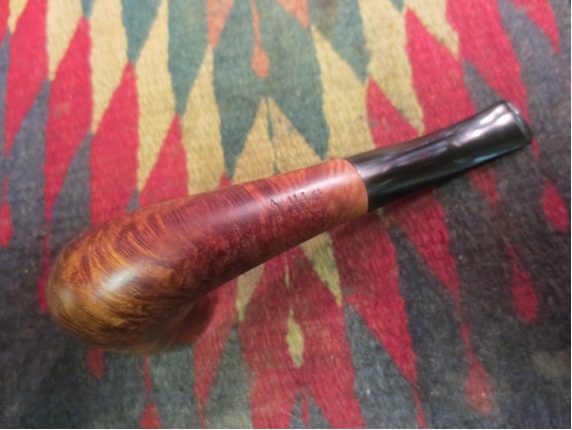
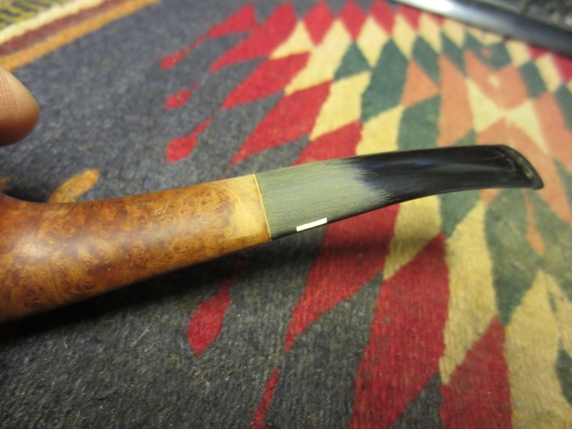
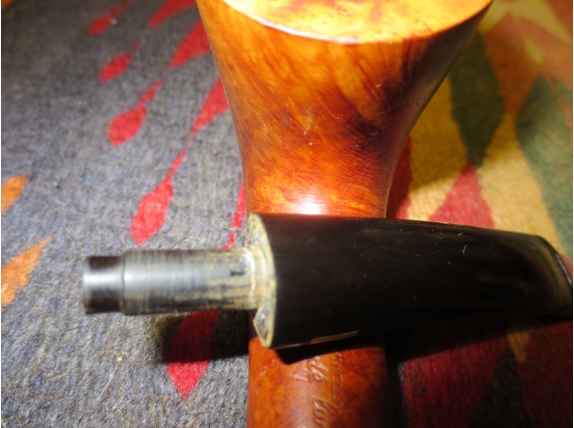
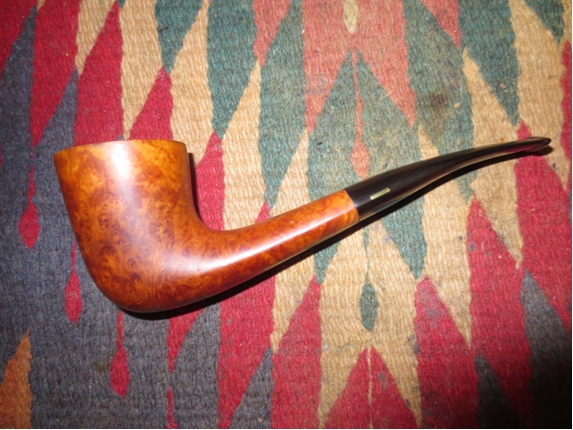
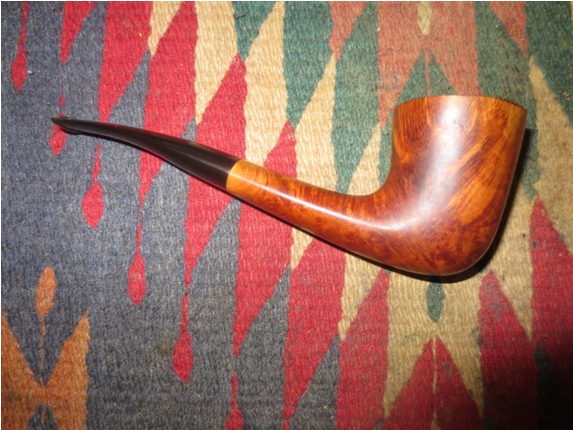
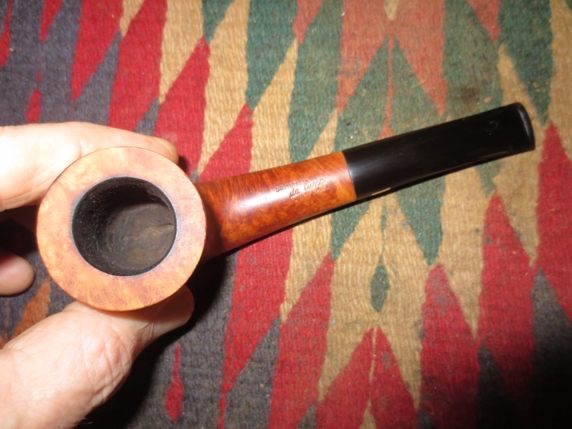
Tag Archives: fitting a stem

A Dodgy Rogers: Restoring and Modifying a Rogers Standard


Blog by Anthony Cook

I was recently engaged in a conversation with another member of an online pipe tobacco forum and I learned that he had been smoking a pipe for six months and had only one pipe. I’ve been there, man. From what I’ve seen, six months seems to be the sweet spot for new pipe smokers. They’re likely to stick with it if they’ve made it that far, but everything is still new enough that even simple things can be a challenge. I’m sure that most of you will agree that smoking a pipe isn’t rocket science, but the initial learning curve can be fairly steep all the same. So, I offered to send him a pipe to give his faithful companion a break, reward his perseverance, and encourage him to hang in there.

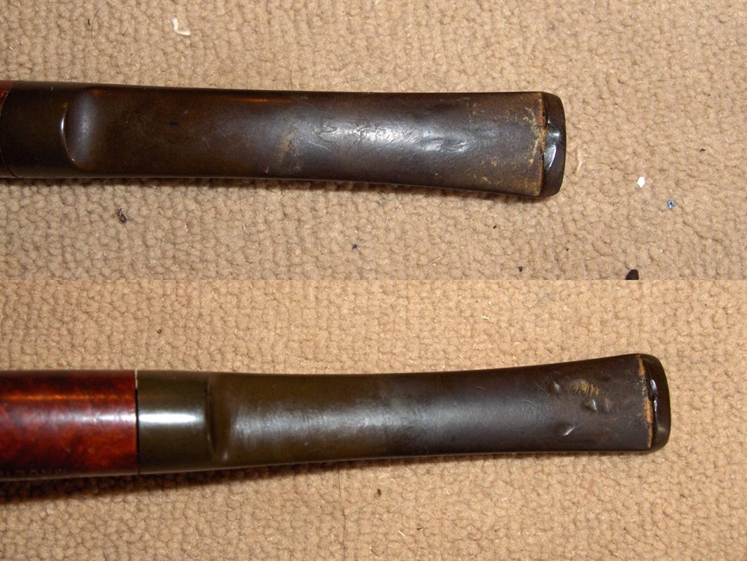
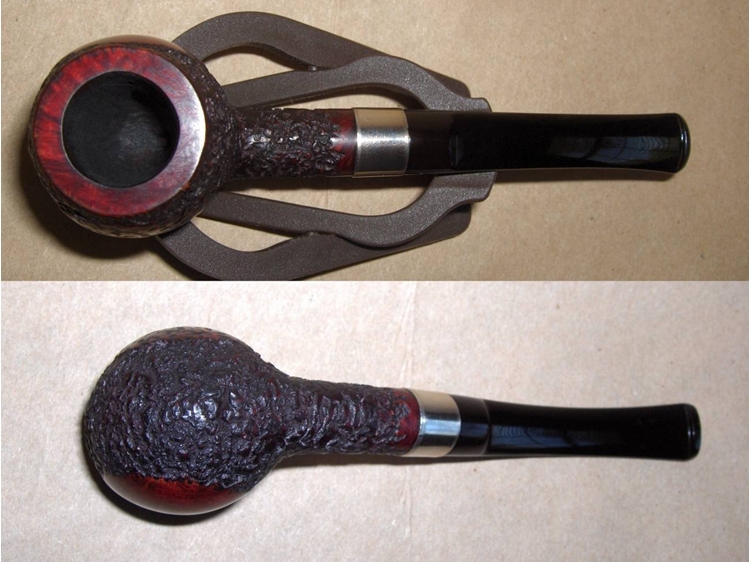
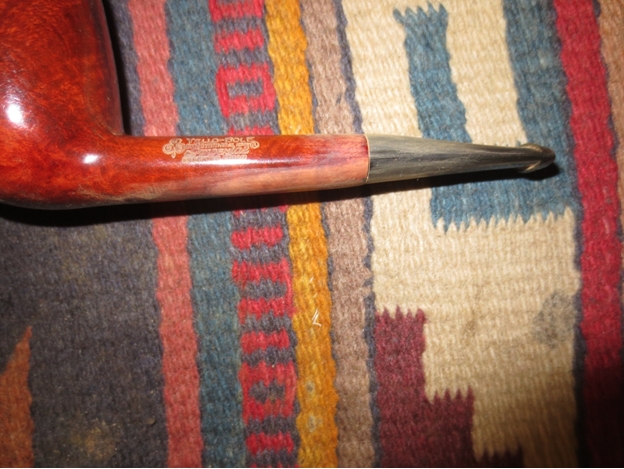
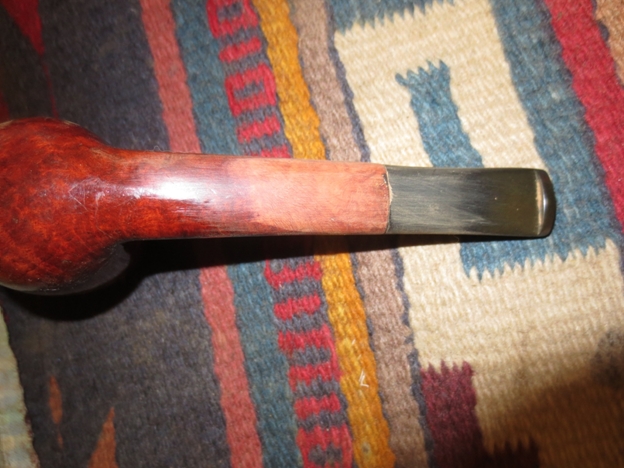
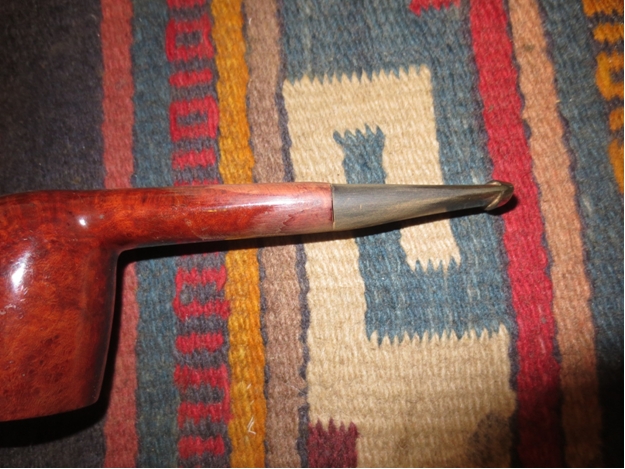
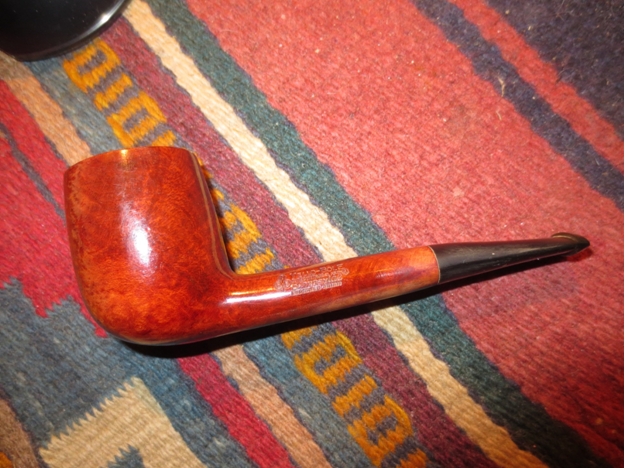
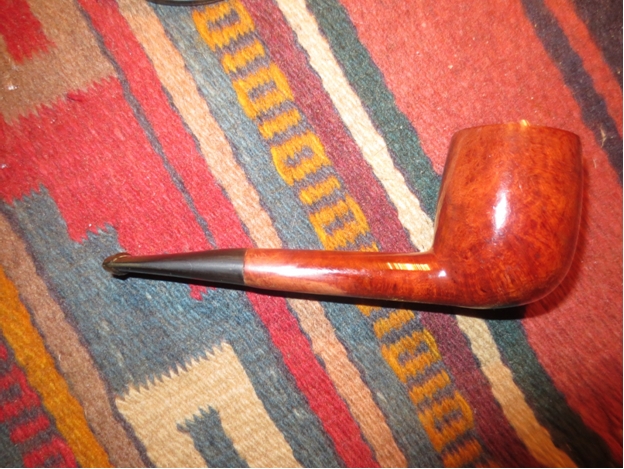
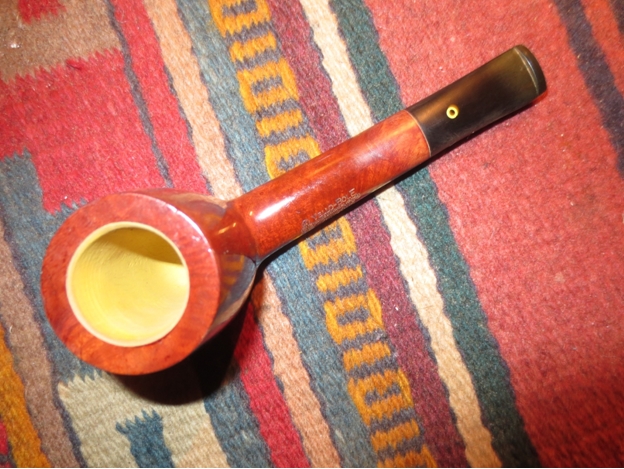
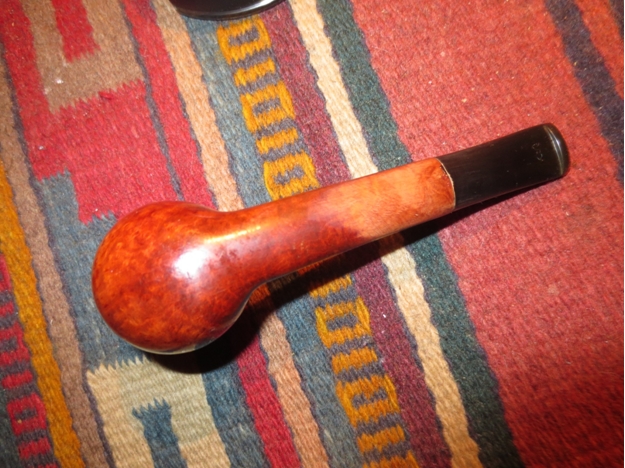
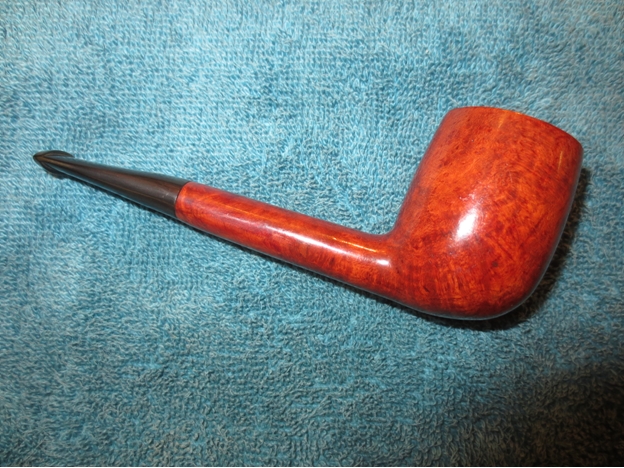
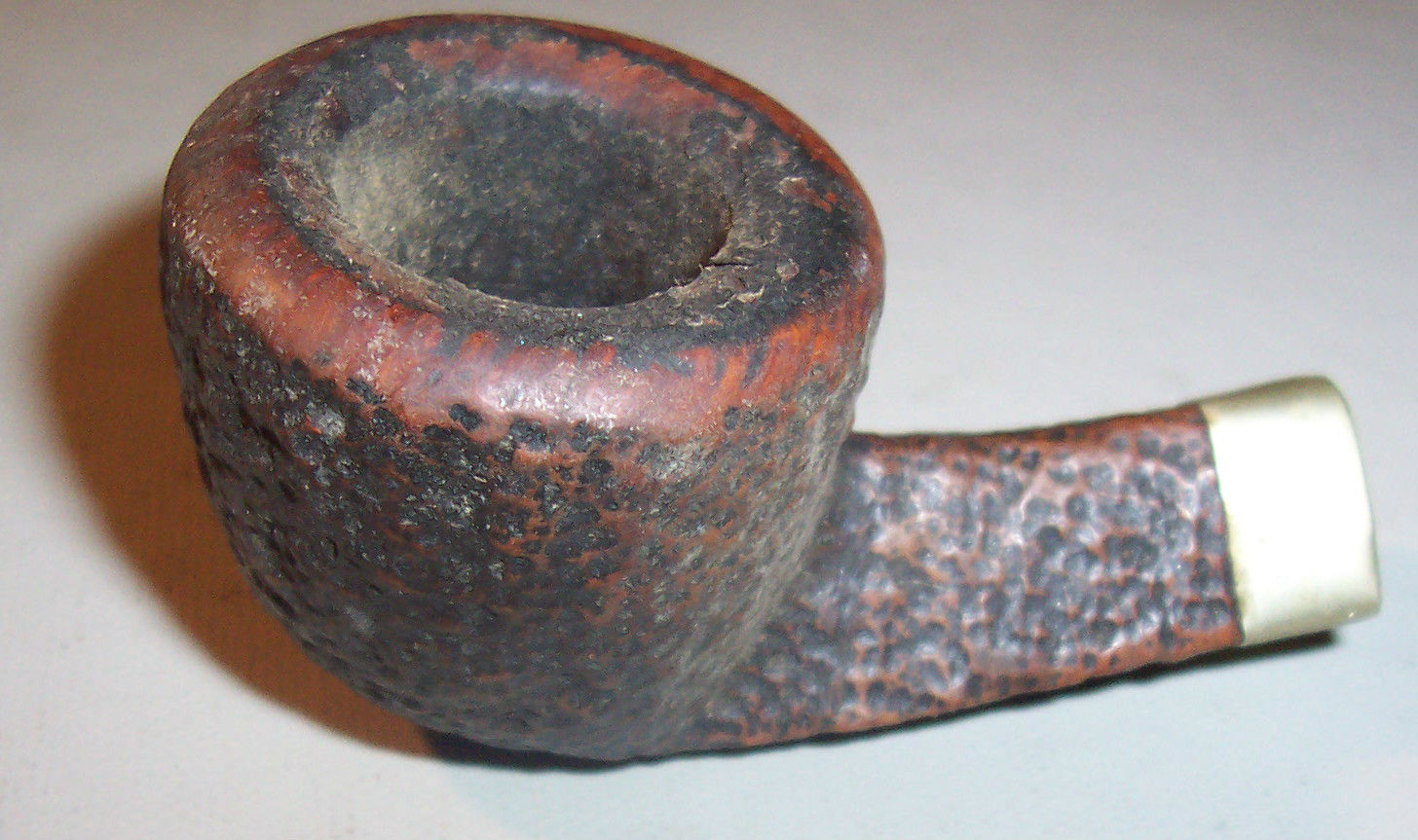
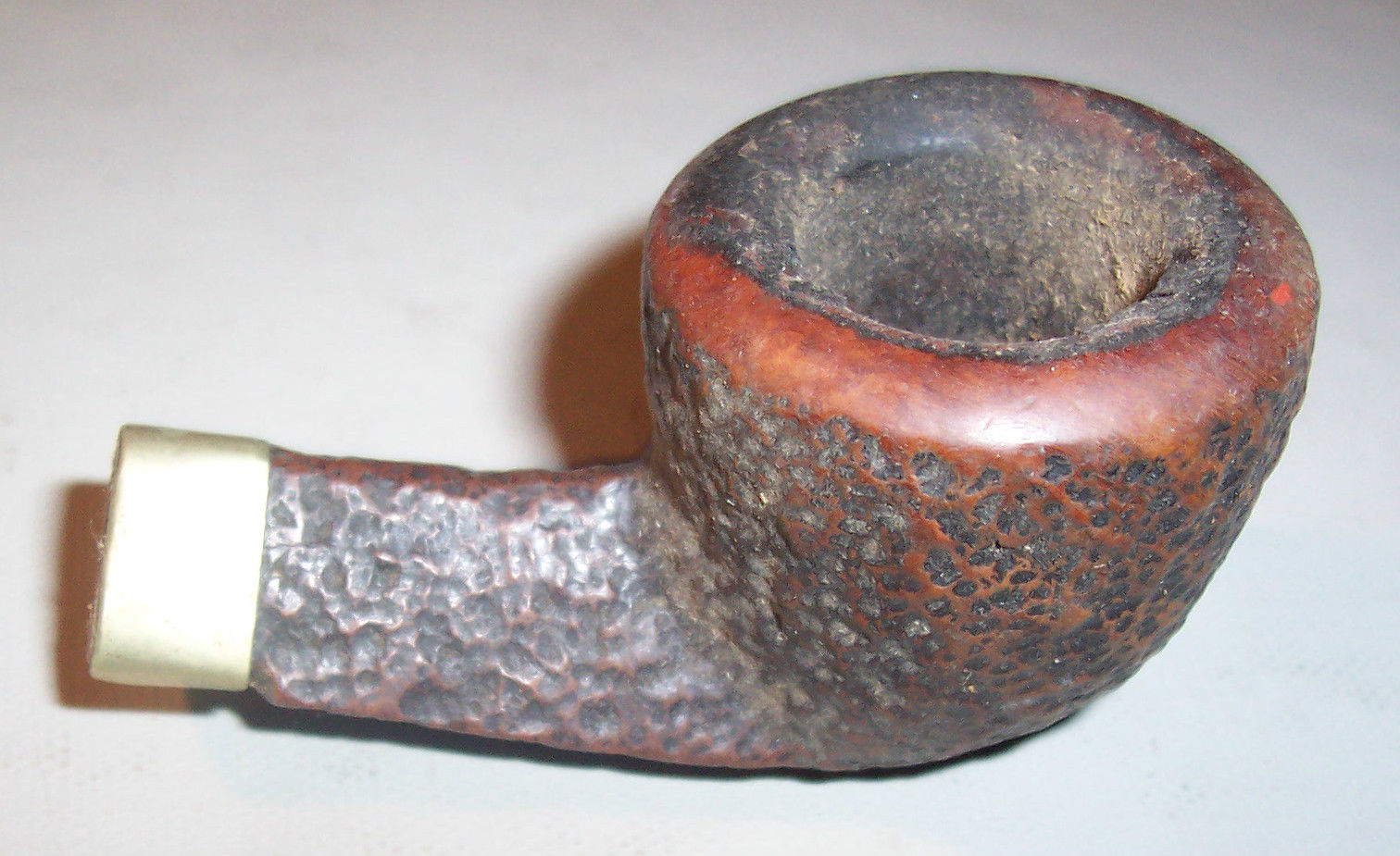
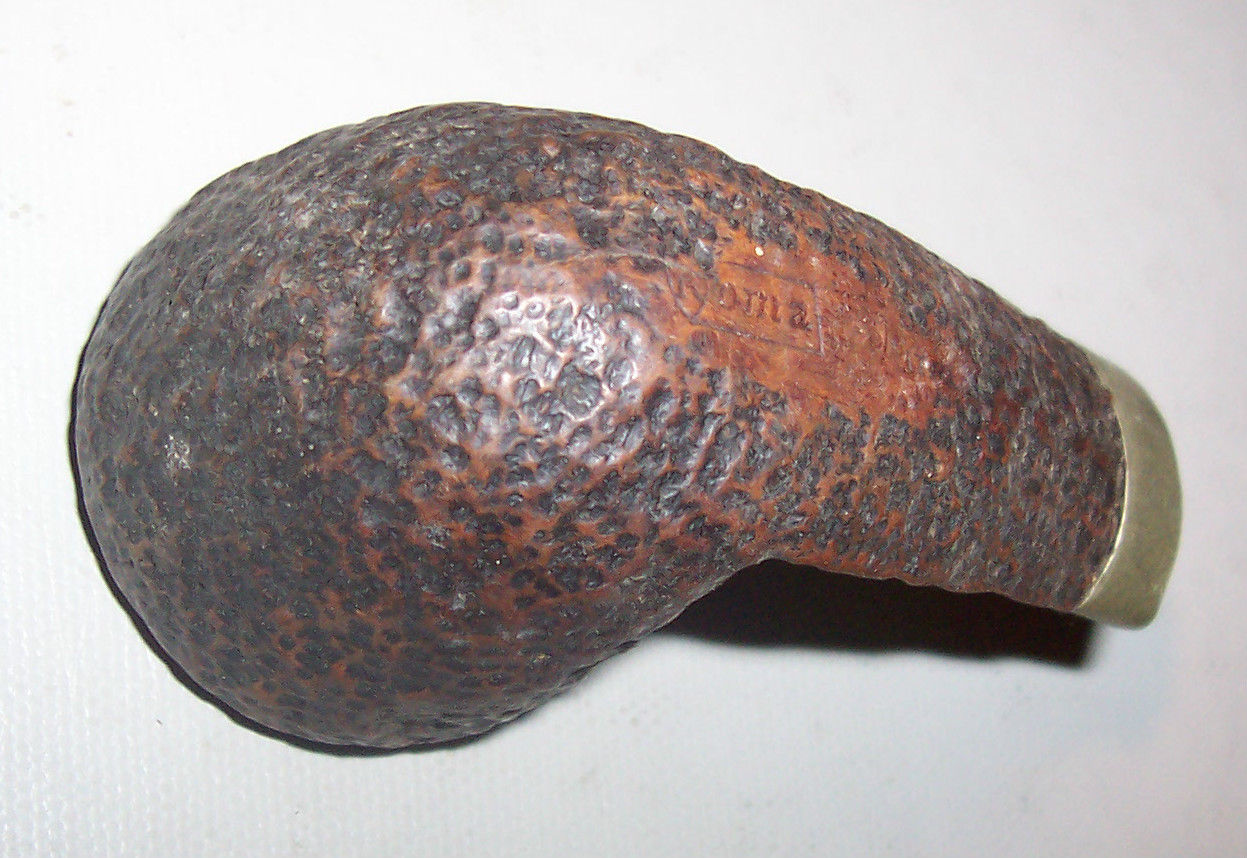
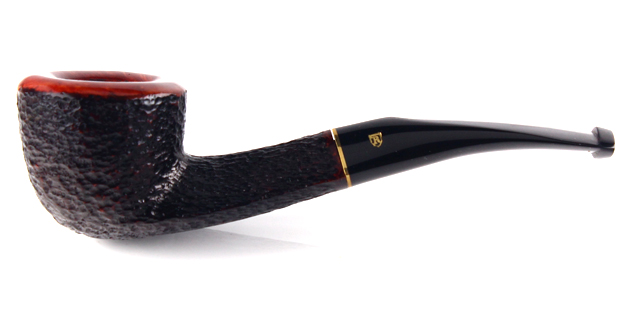
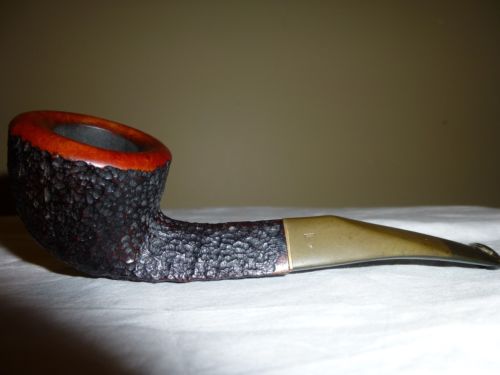
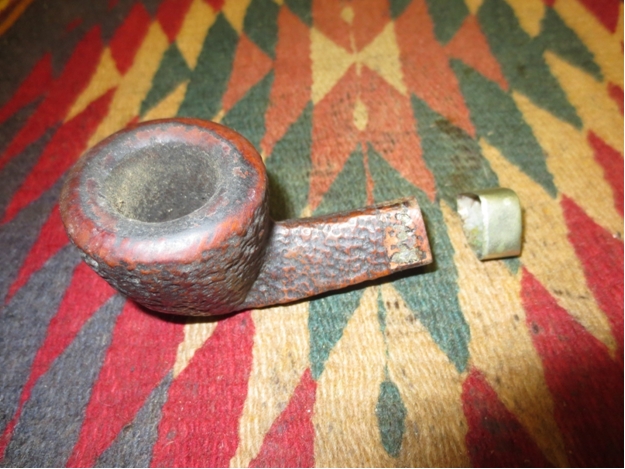
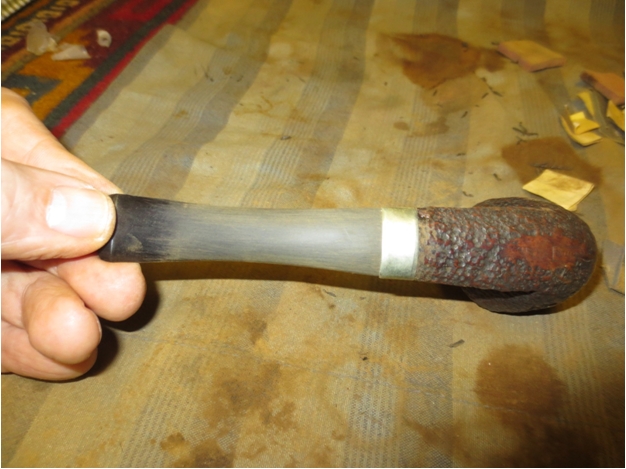
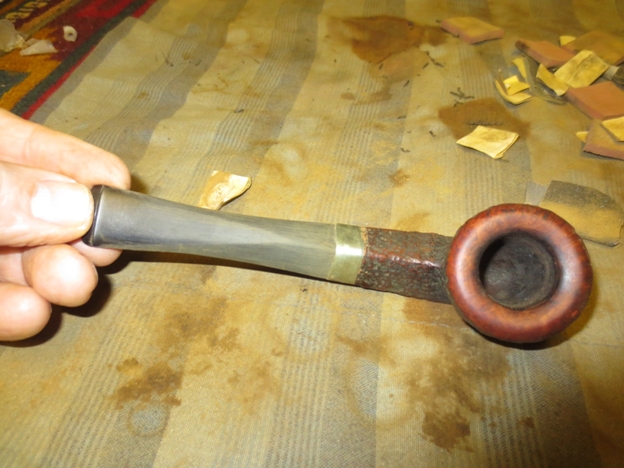
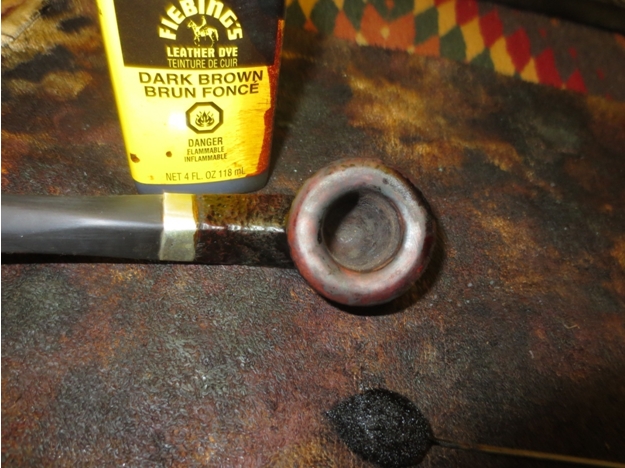
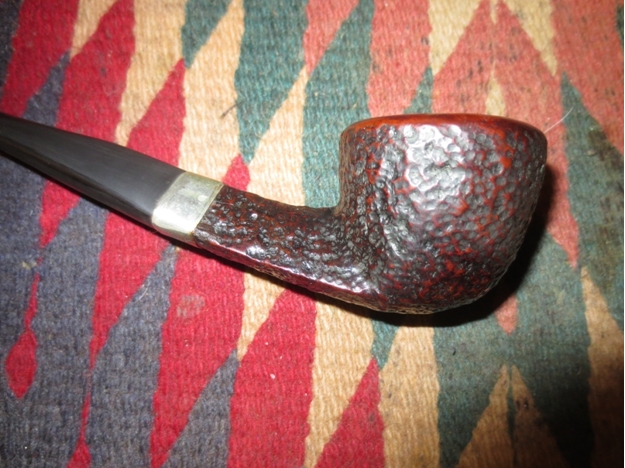
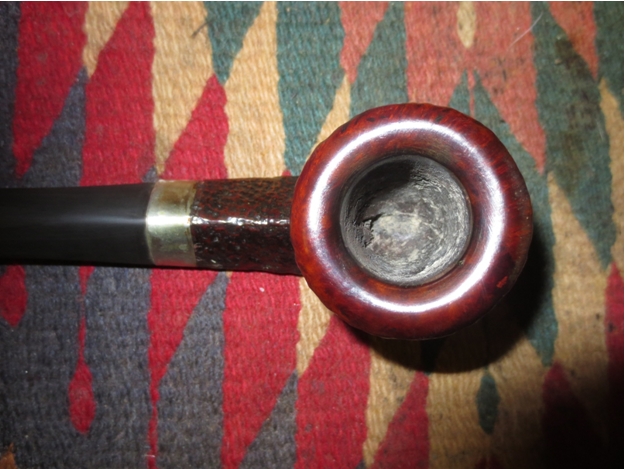
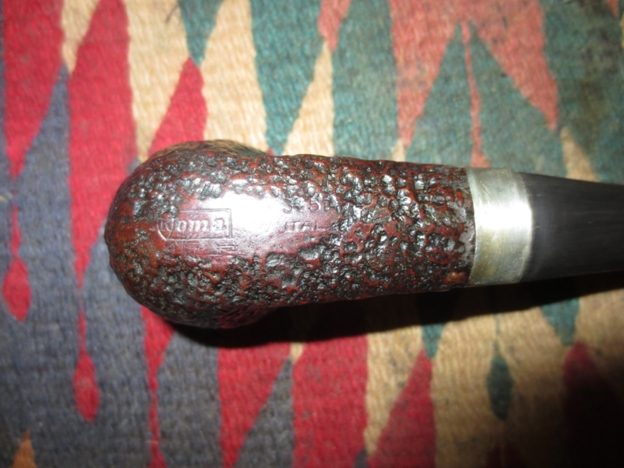
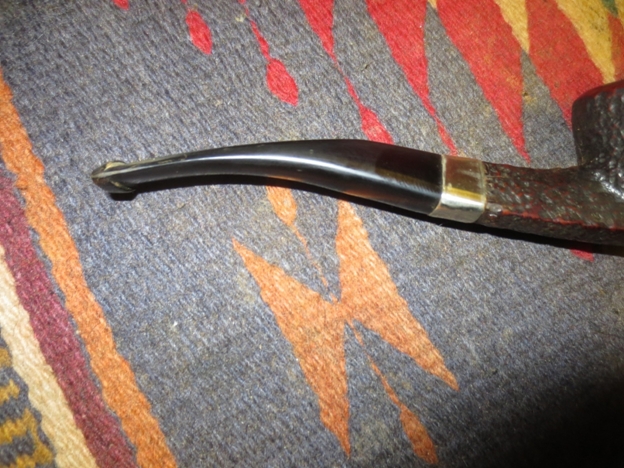
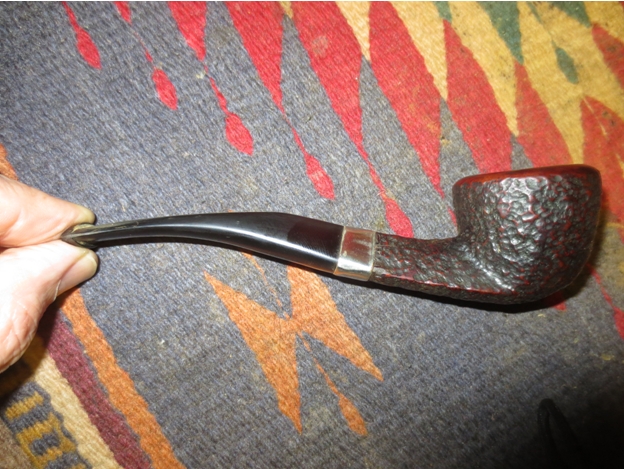
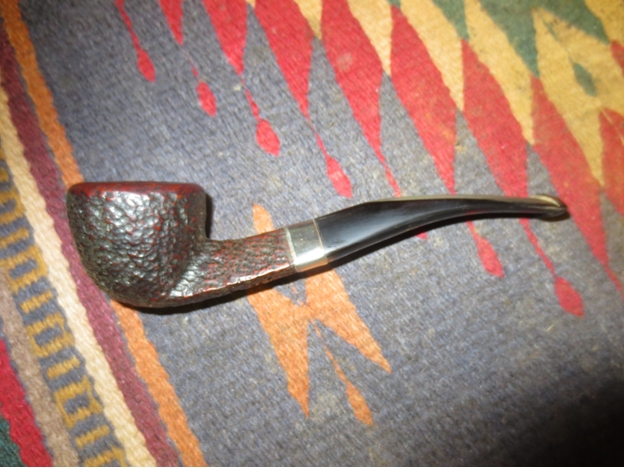
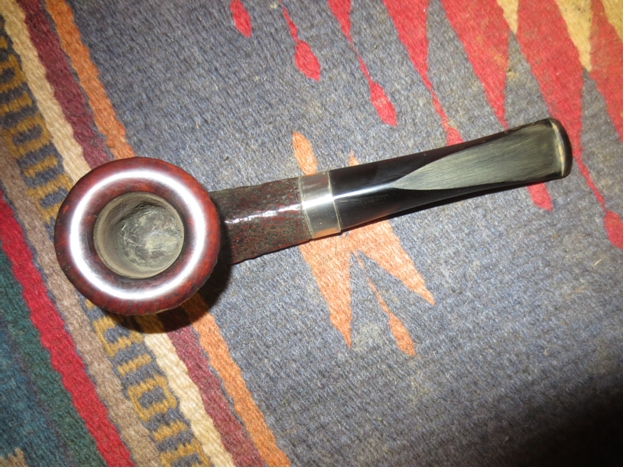
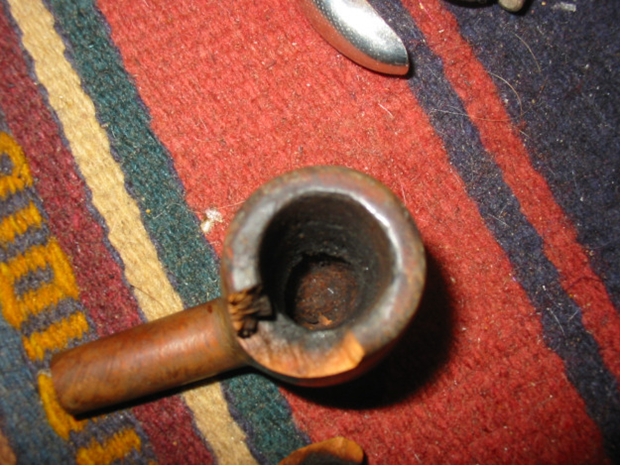
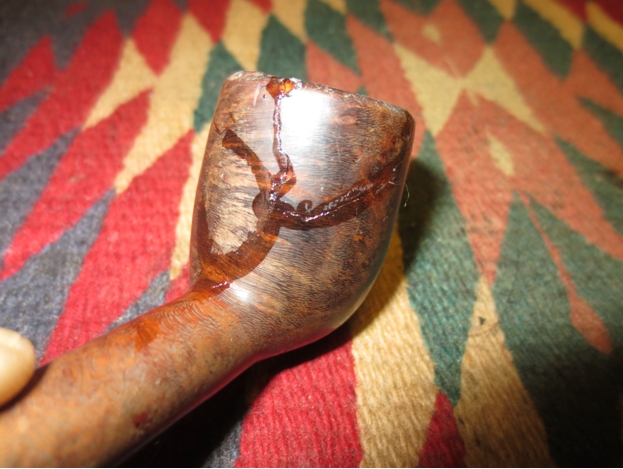
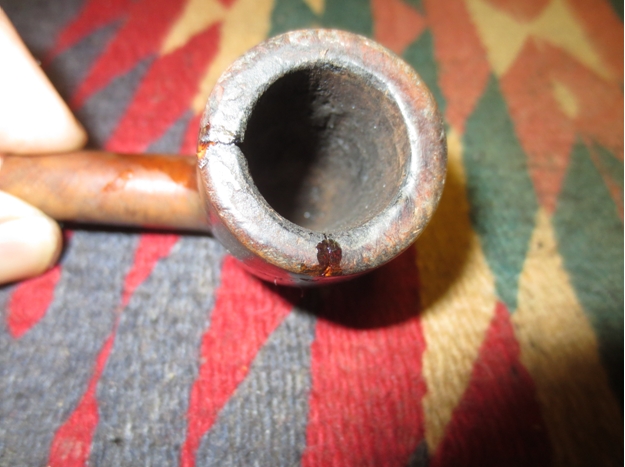
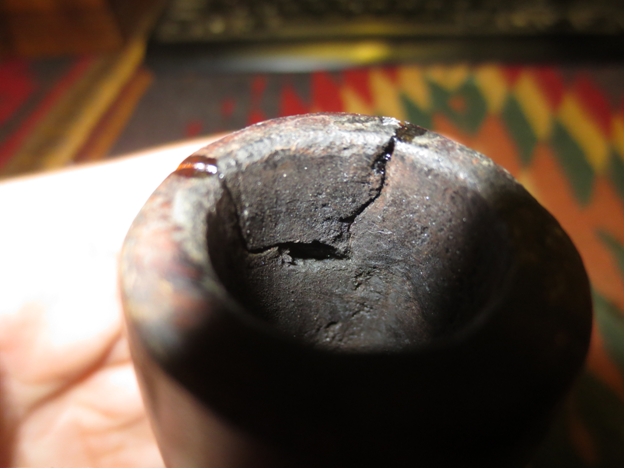
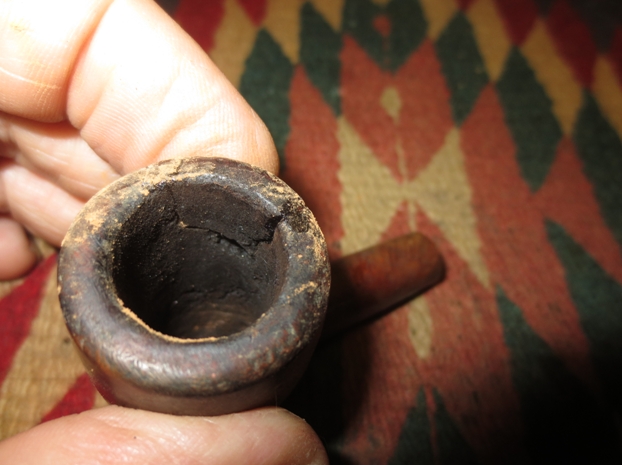
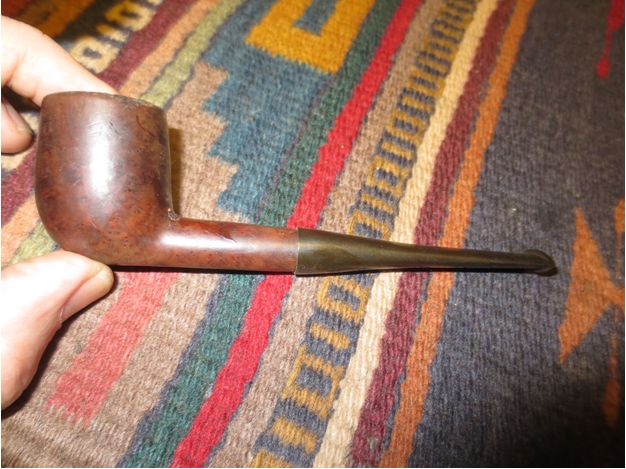
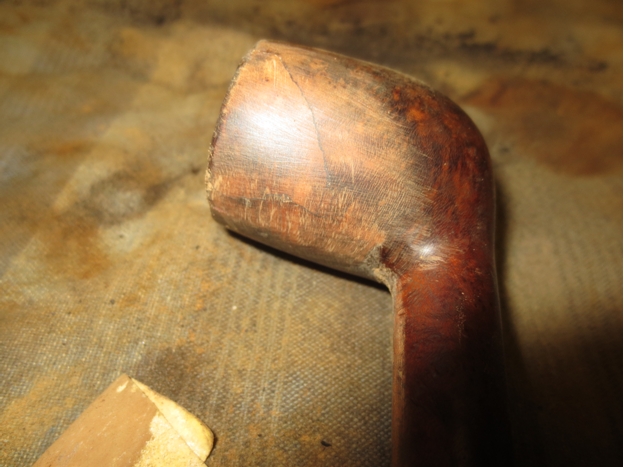
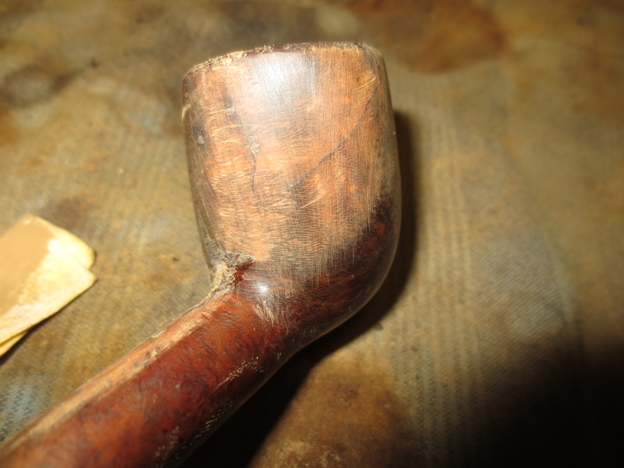
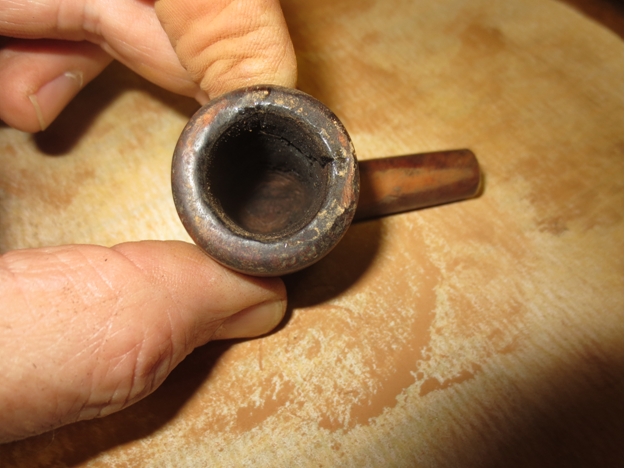
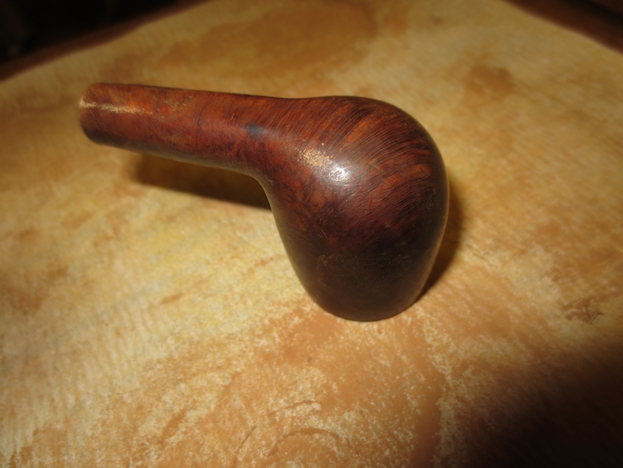
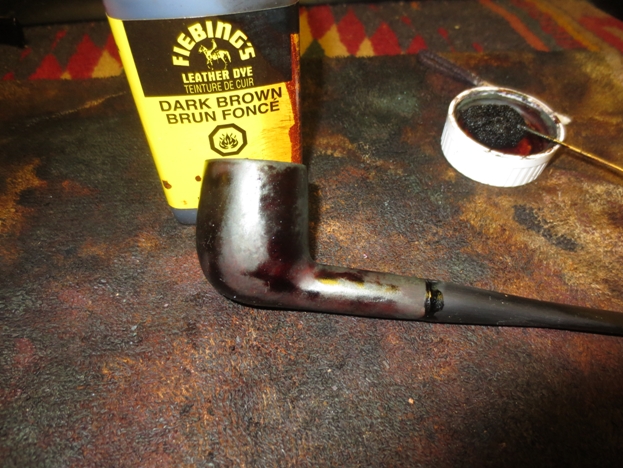
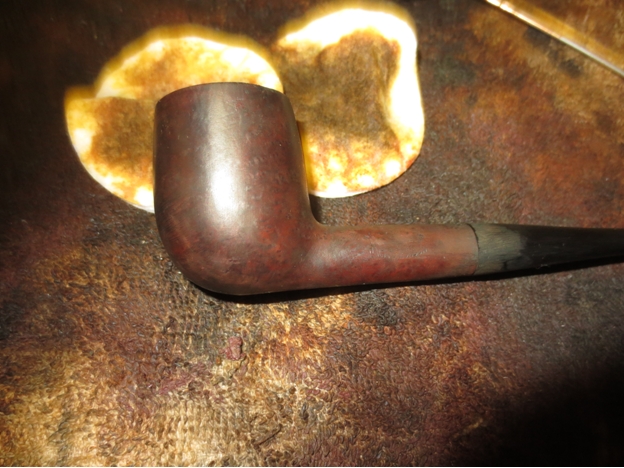
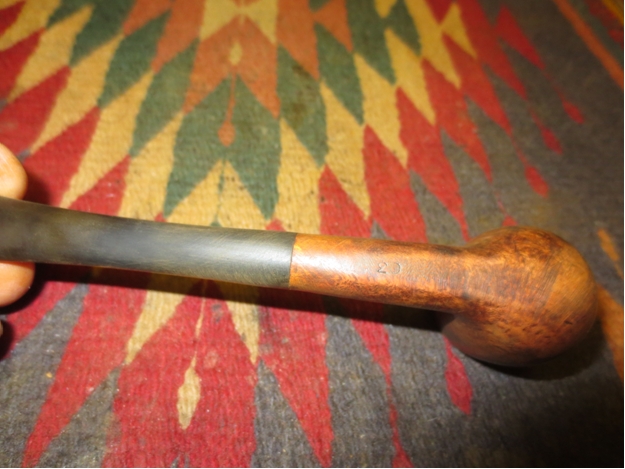
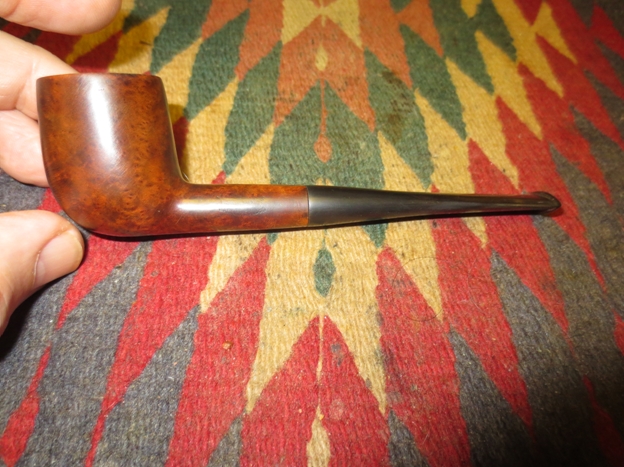
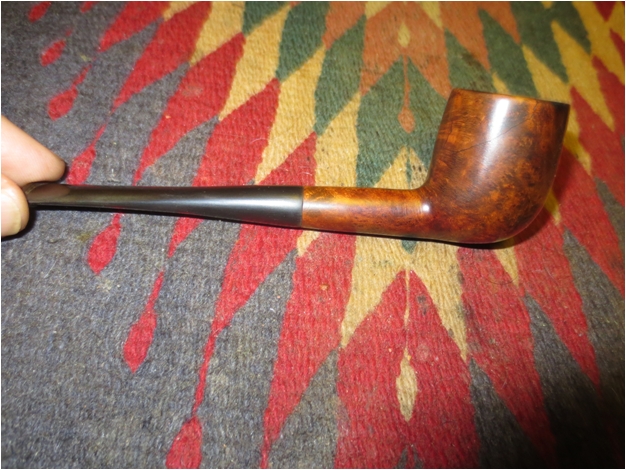
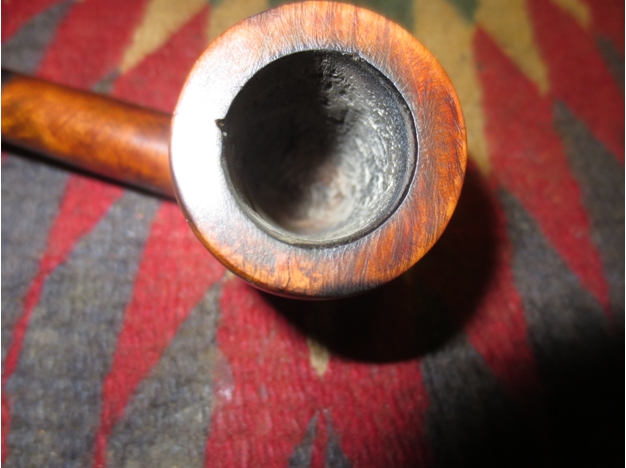
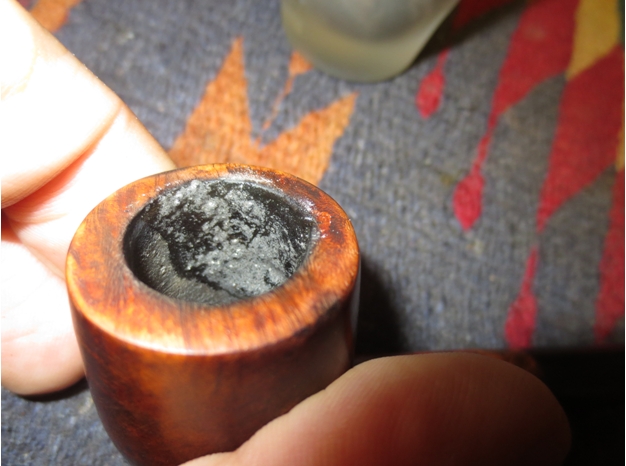
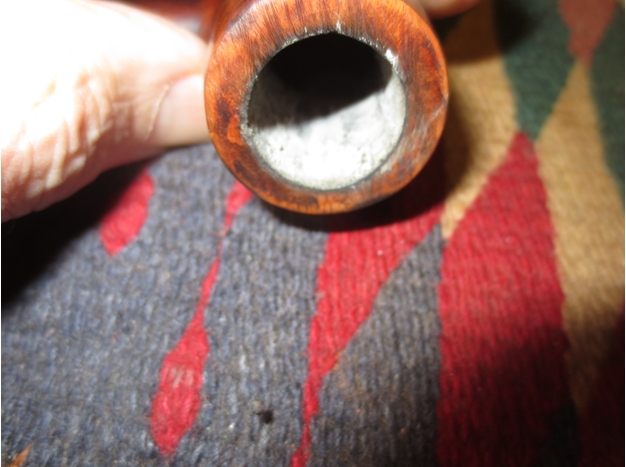
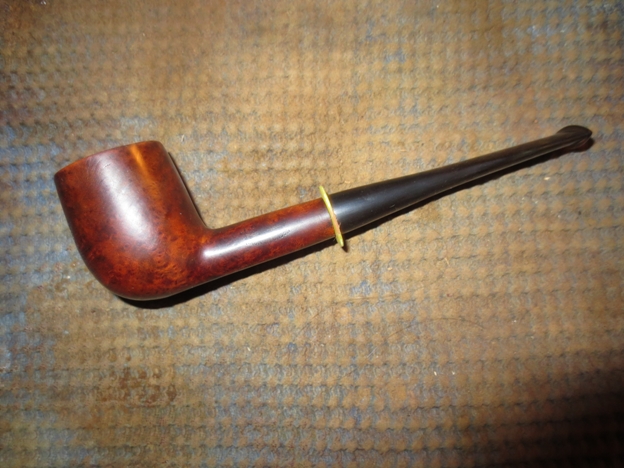
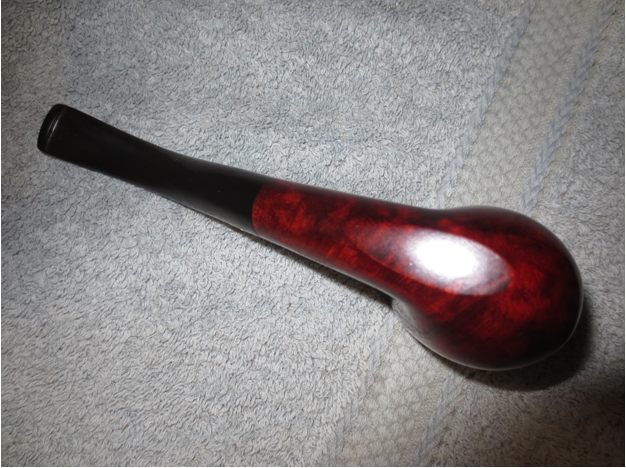
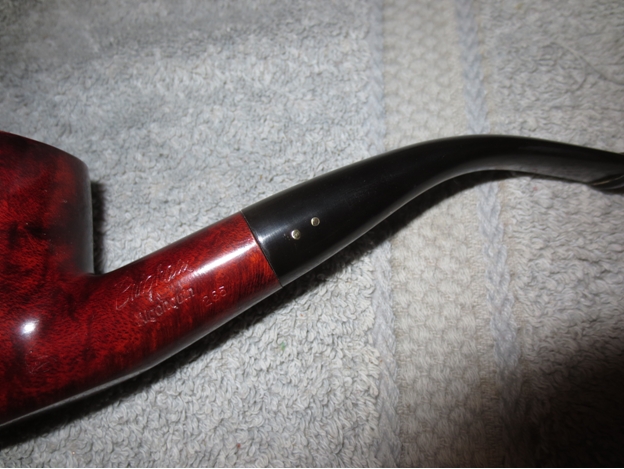
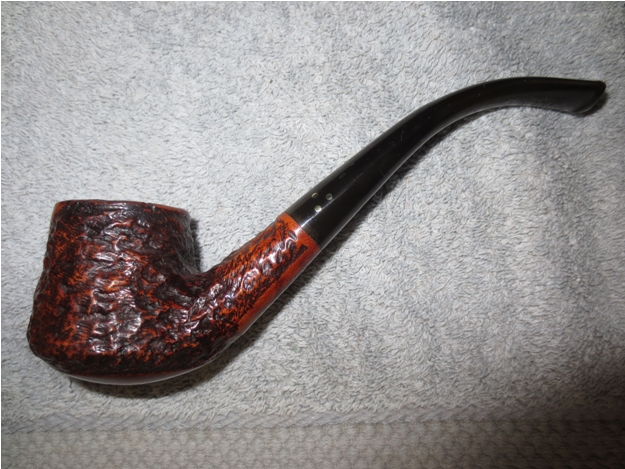
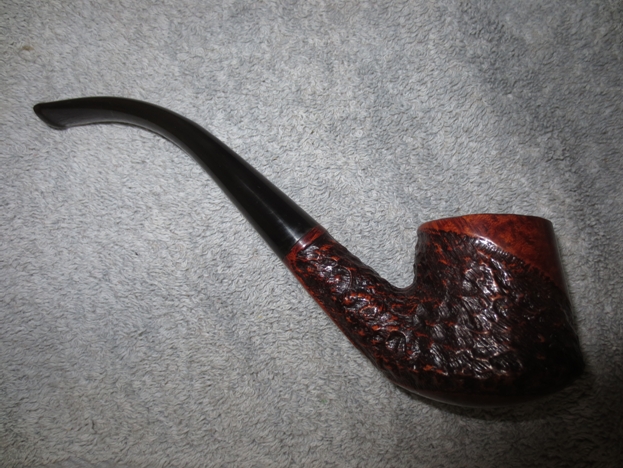
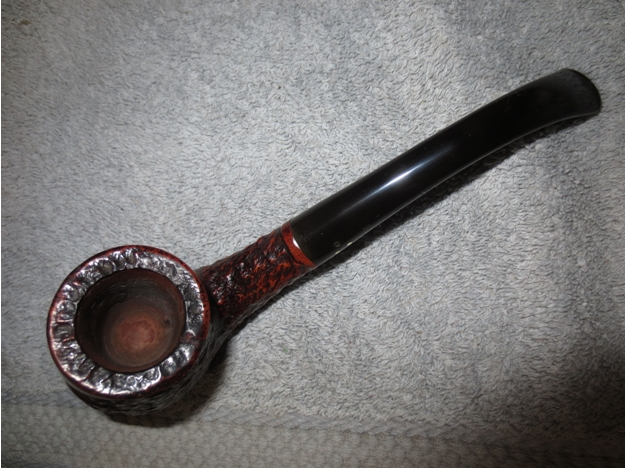
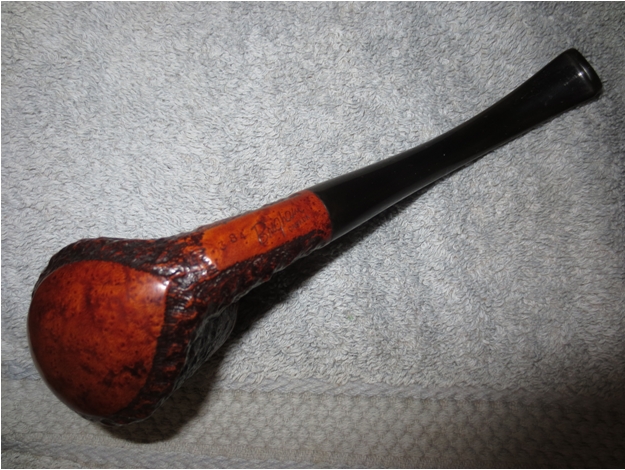
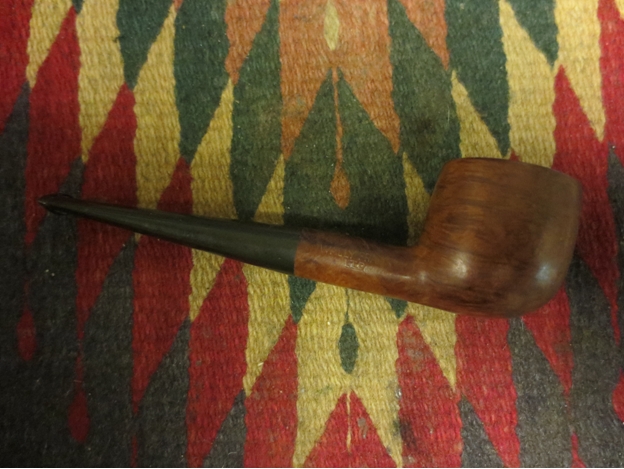
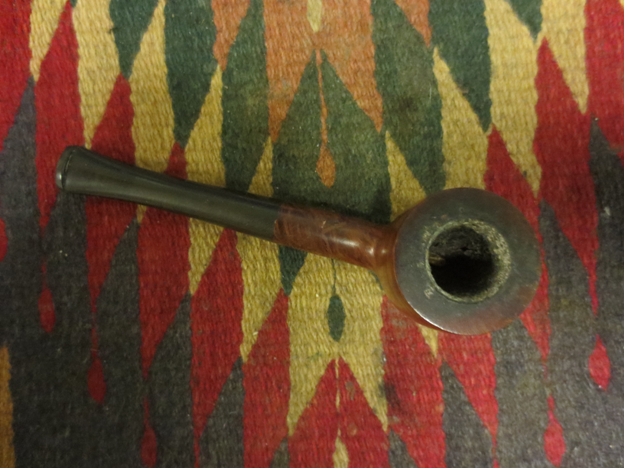
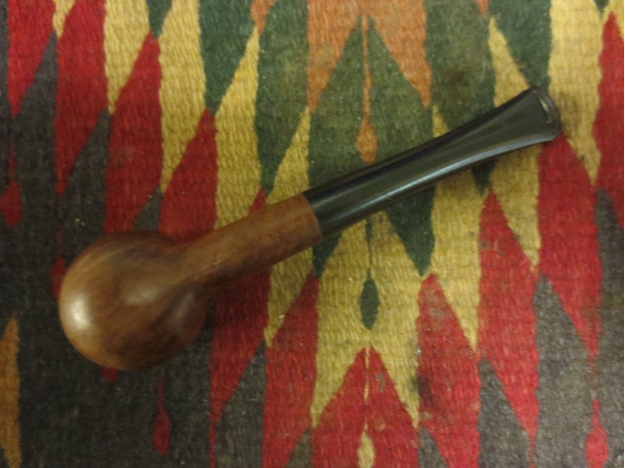
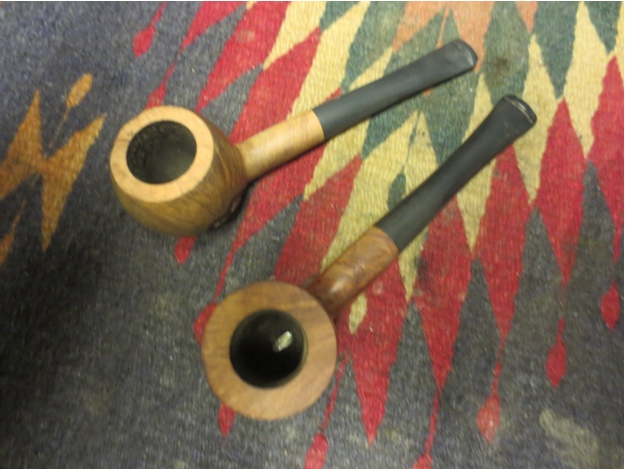
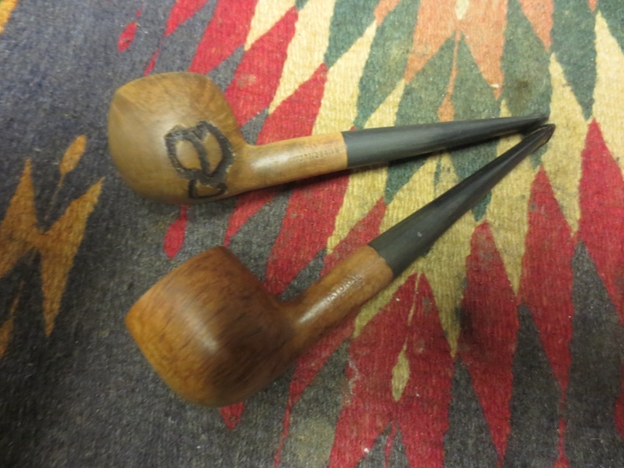
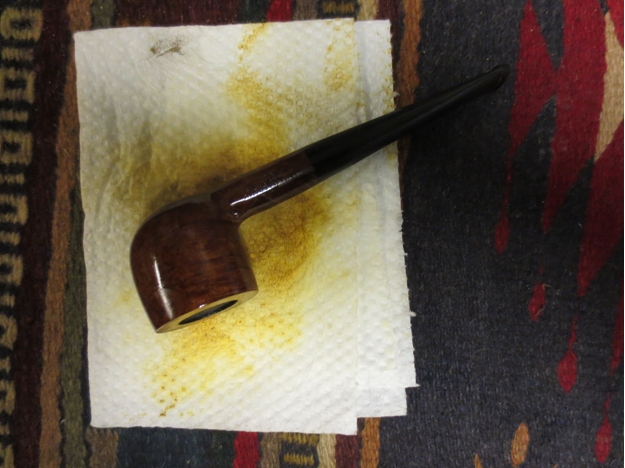
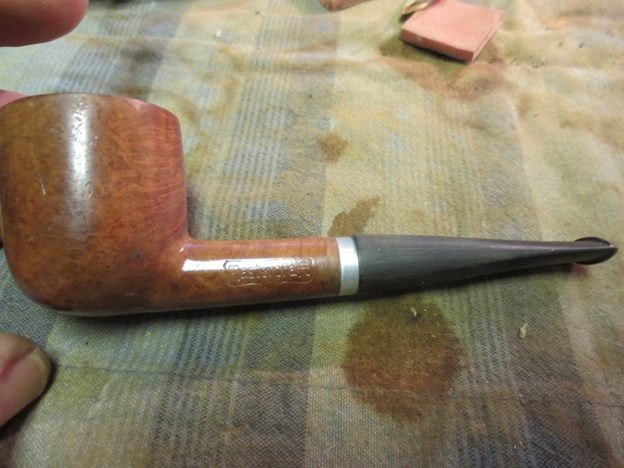
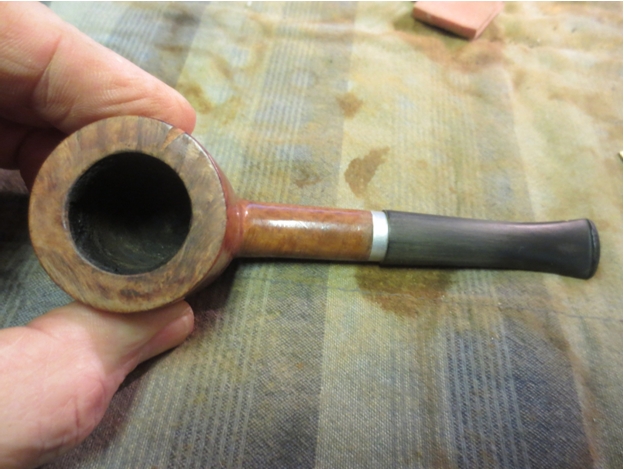
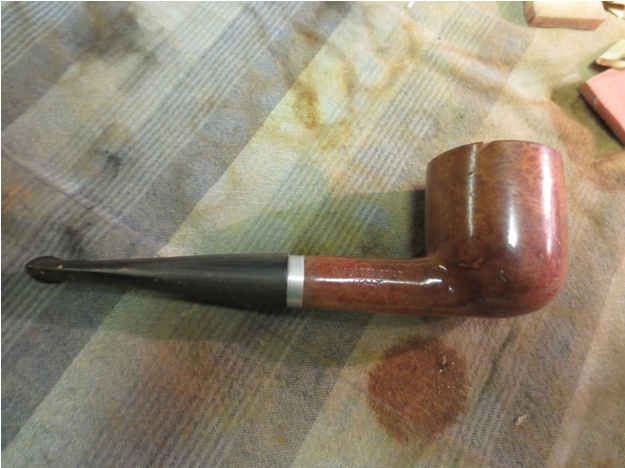
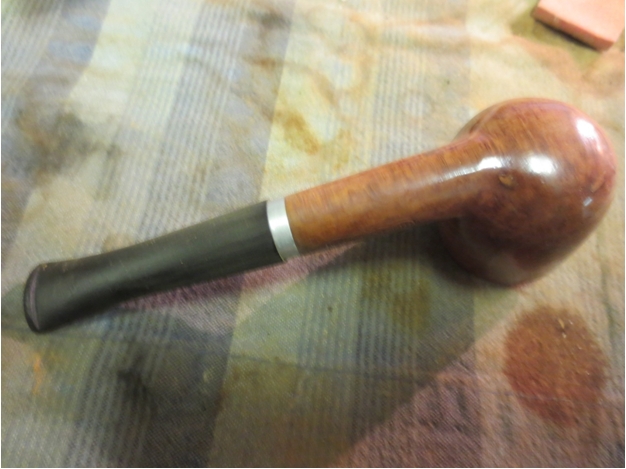
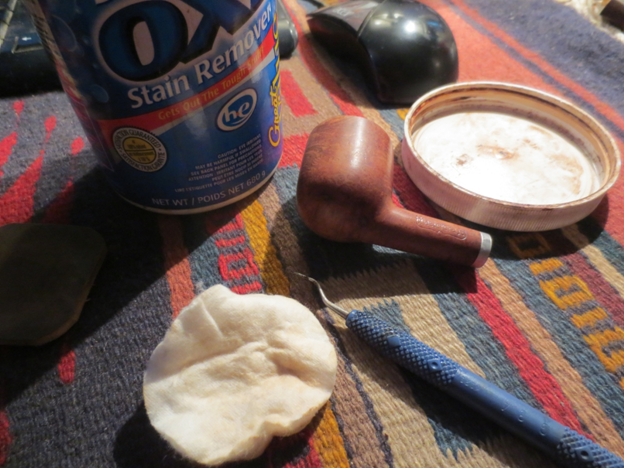
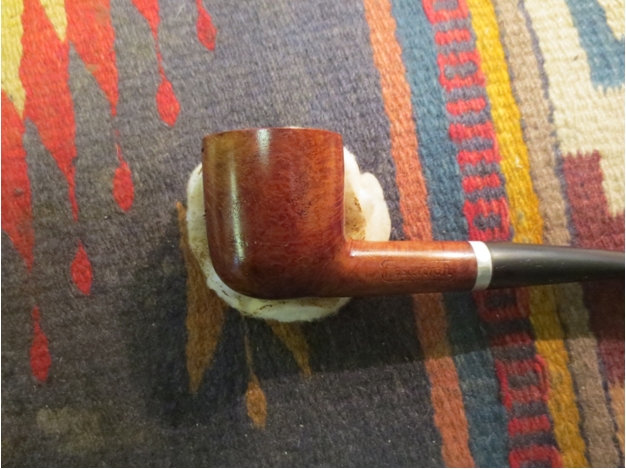
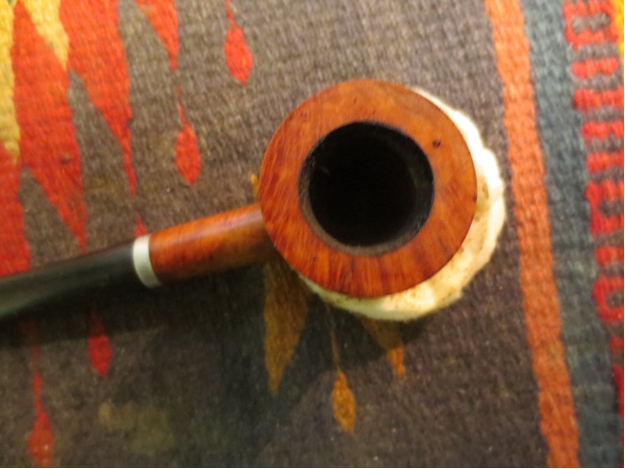
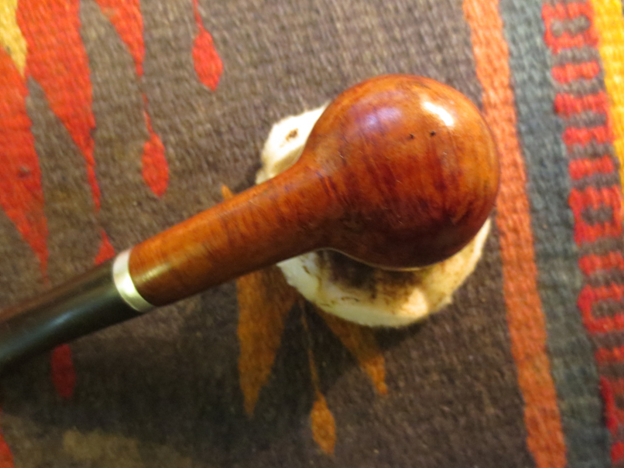
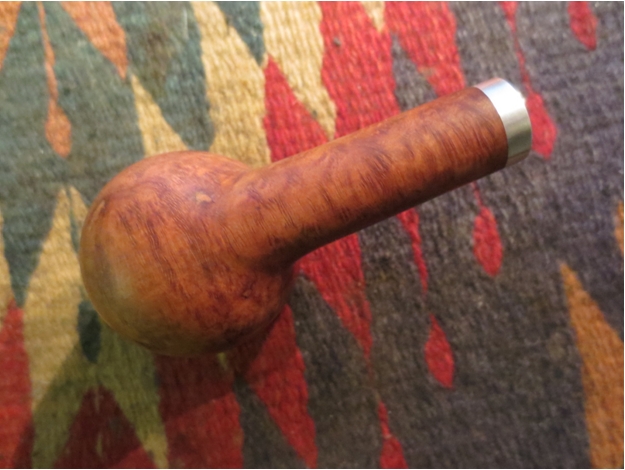
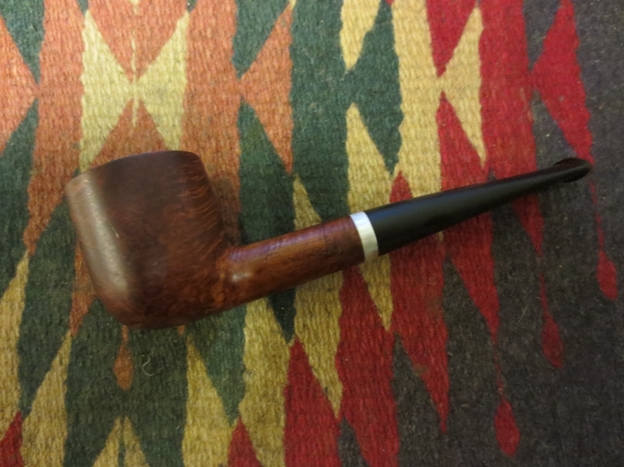
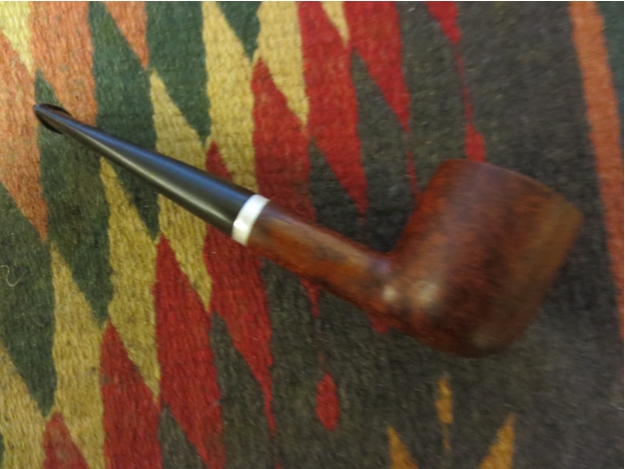
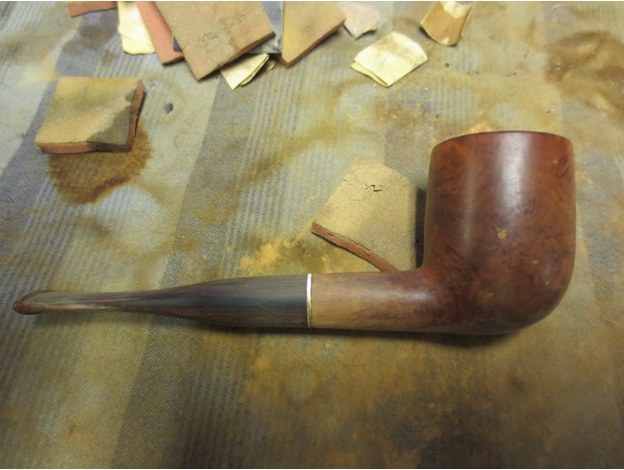
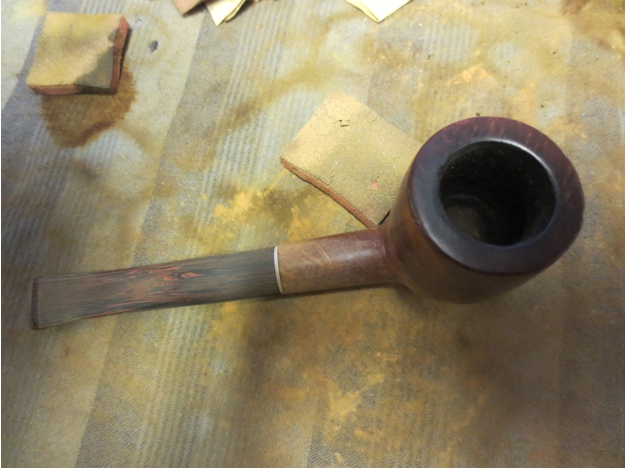
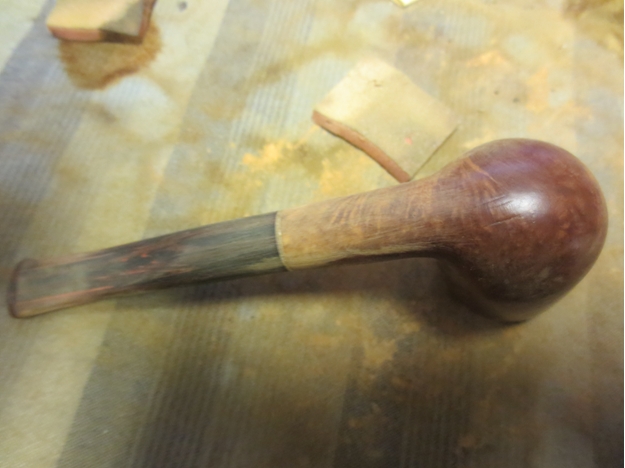
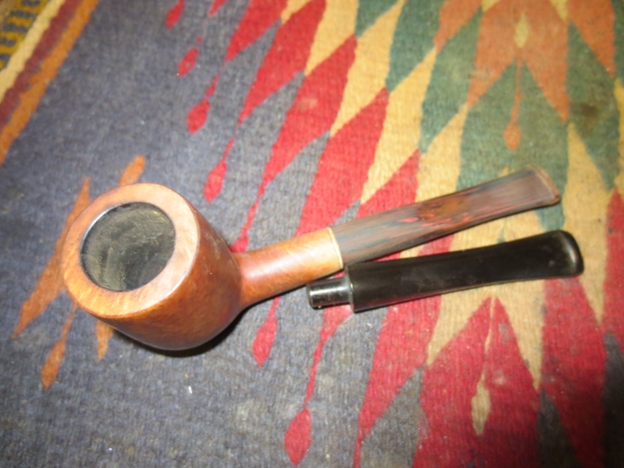
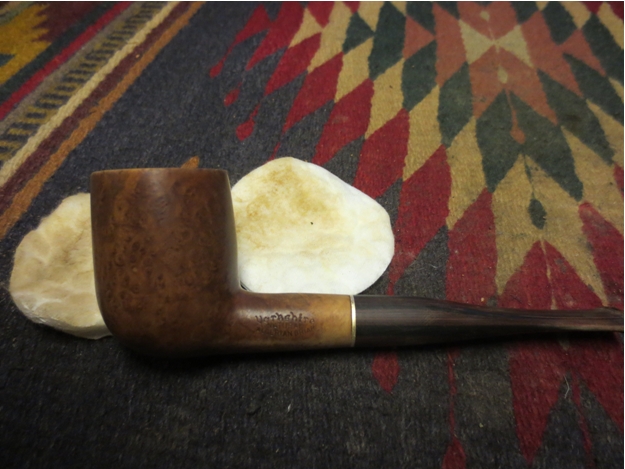
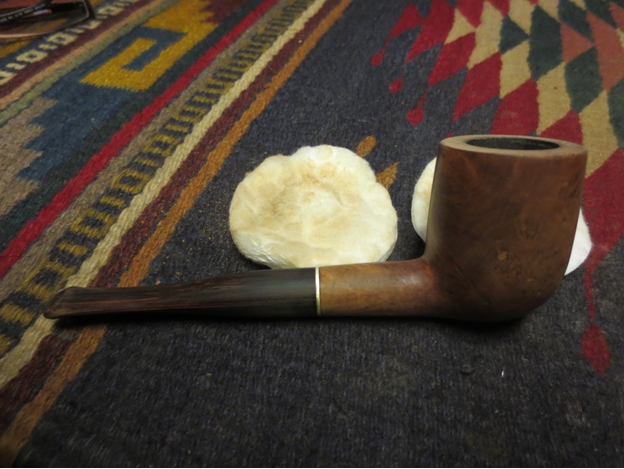
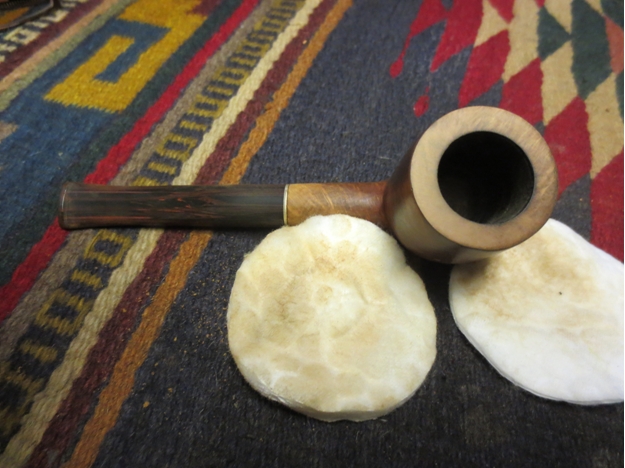
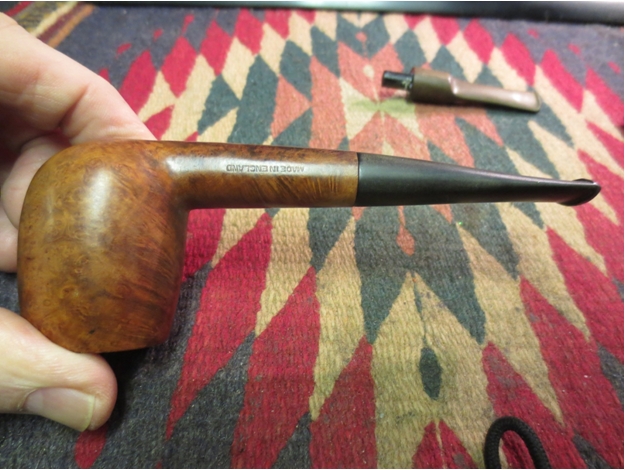
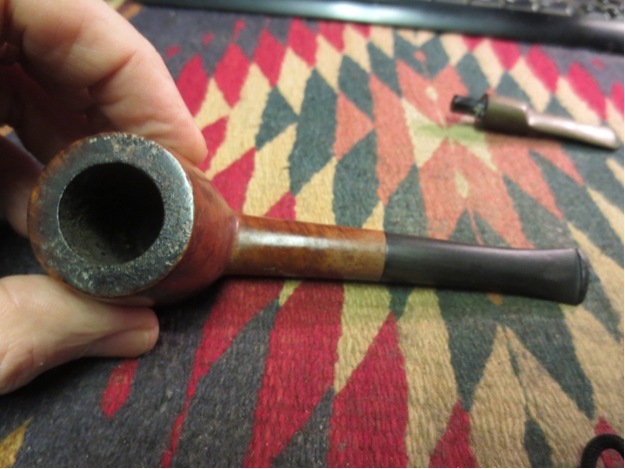
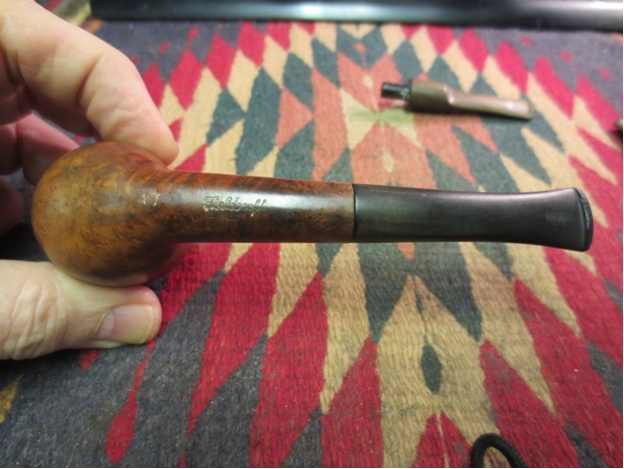
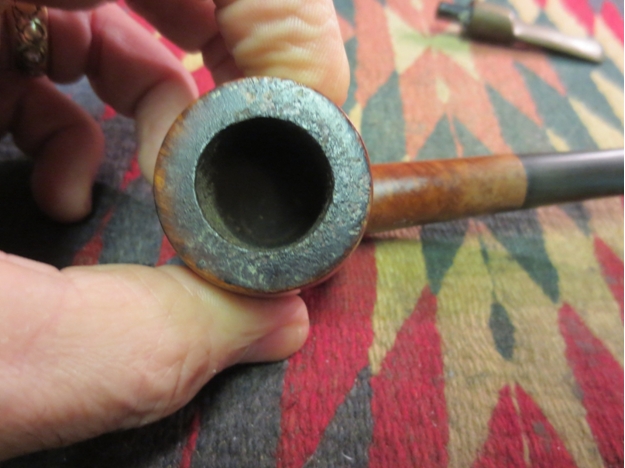
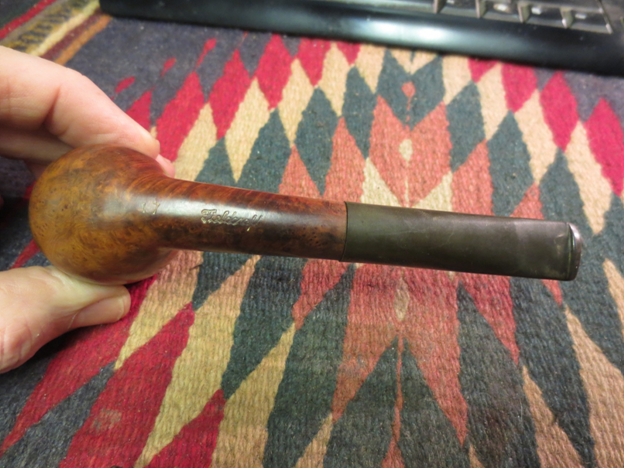
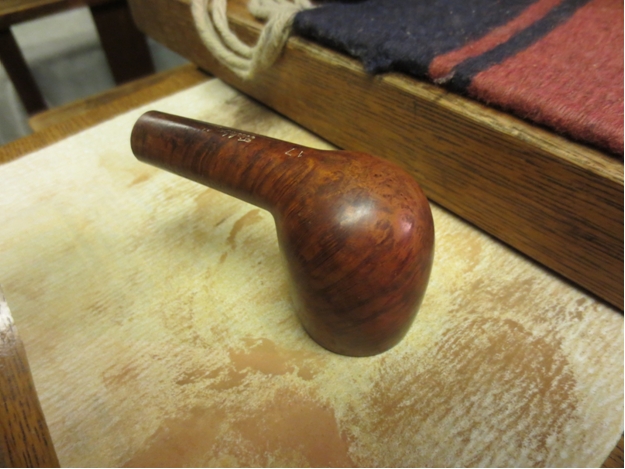
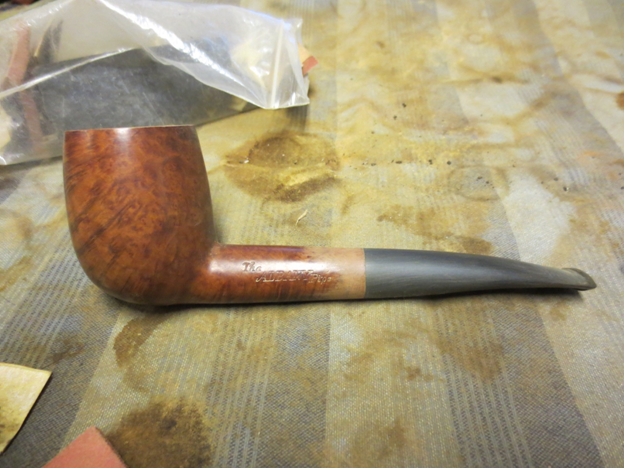
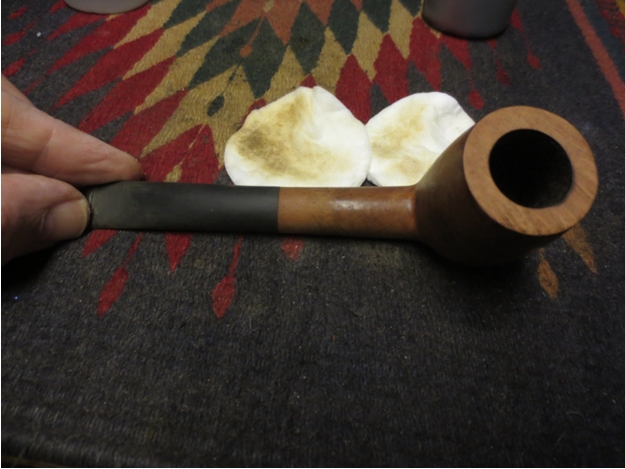
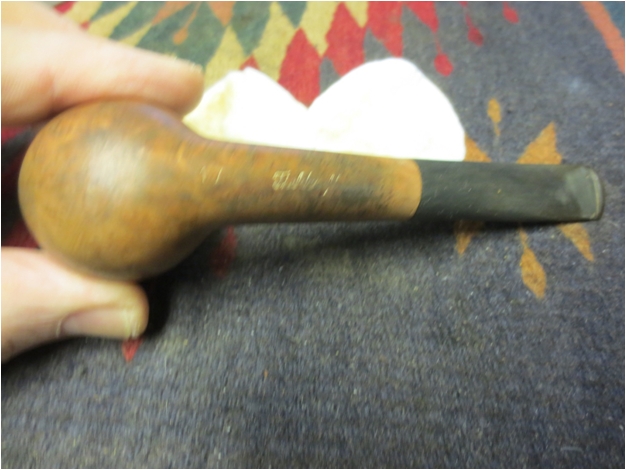
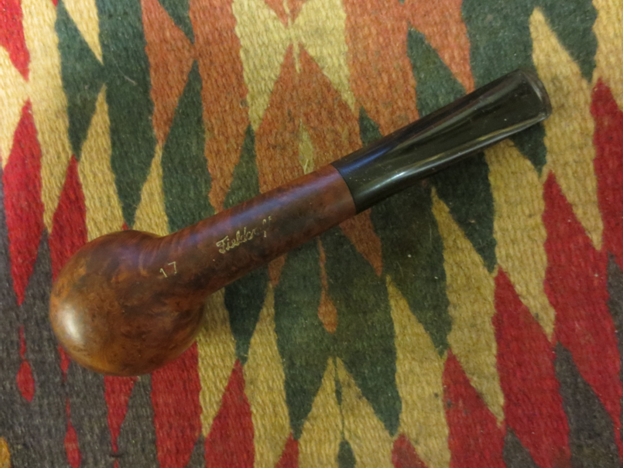
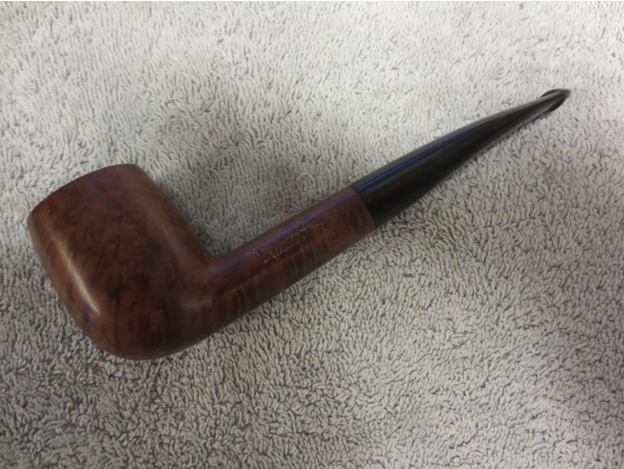
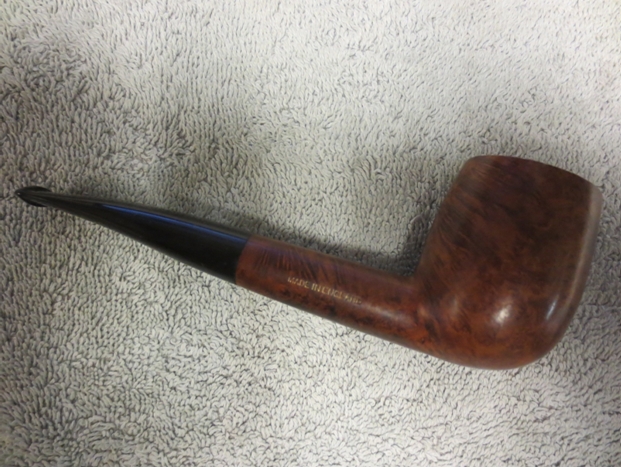
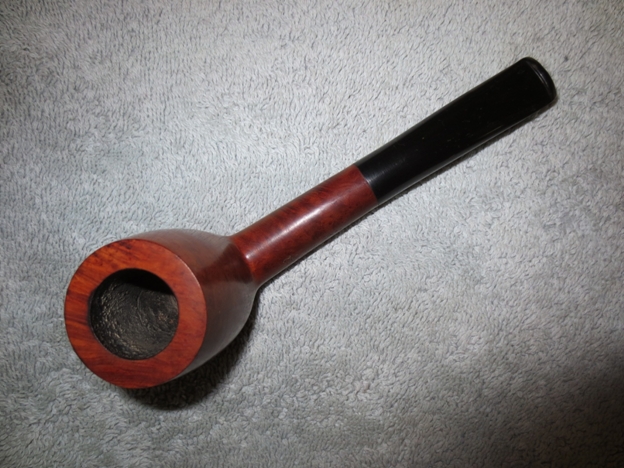
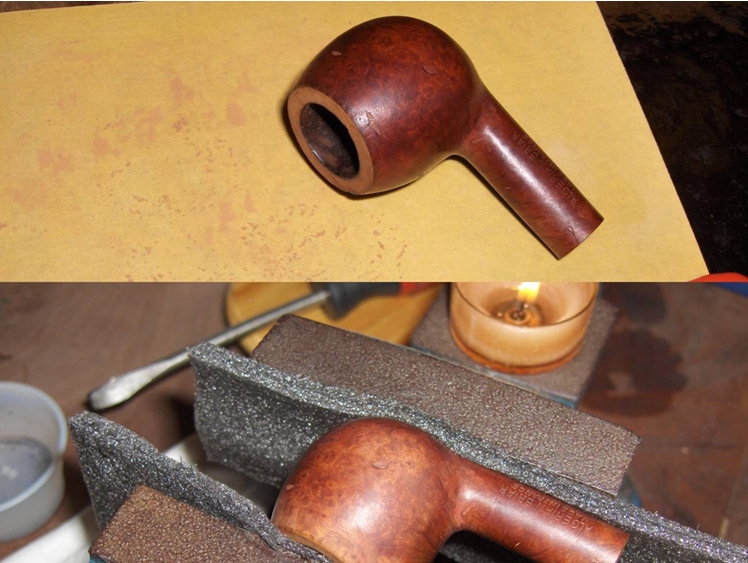
I sent him a photo of a few pipes that I had on hand. I told him to pick one and I’d send it along. I half expected him to balk after seeing the photos. None of the pipes had been restored at all. If you’re not used to dealing with estate pipes, it can be difficult to see one as anything other than what it is; grime, tar, fills, and all. So, to ease any concerns that he may have I sent him a few before/after photos of some of my work and promised that I would make sure that his pipe was clean and pretty. He responded quickly with his choice, and to my surprise, it was probably the grungiest in appearance of the lot. Here it is…An1 The pipe is a Rogers Standard. I think the unique shaping is what attracted him and I can understand why. The slightly longer shank paired with the short saddle on the stem give it a quirky look that’s still classy. Here are a few more photos to give you an idea of what I was working with.An2
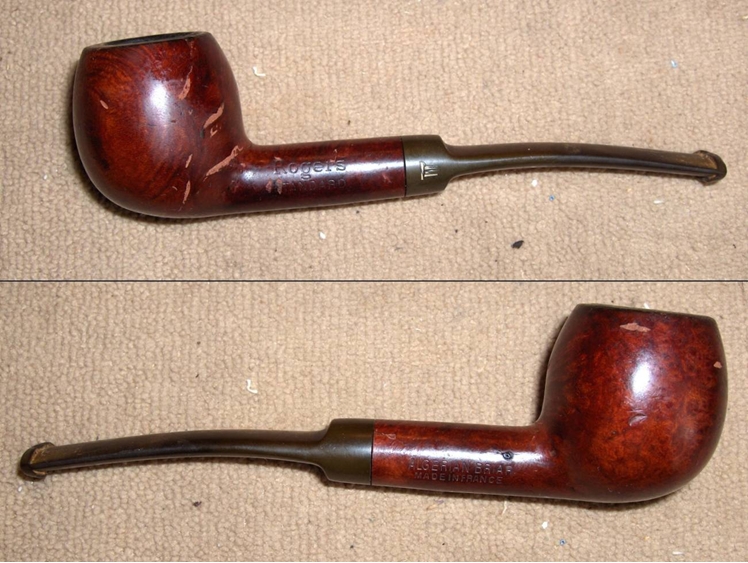
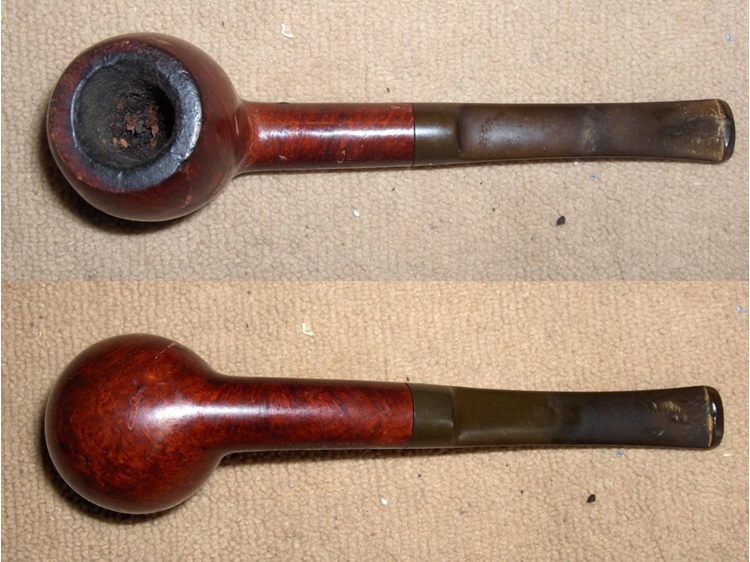
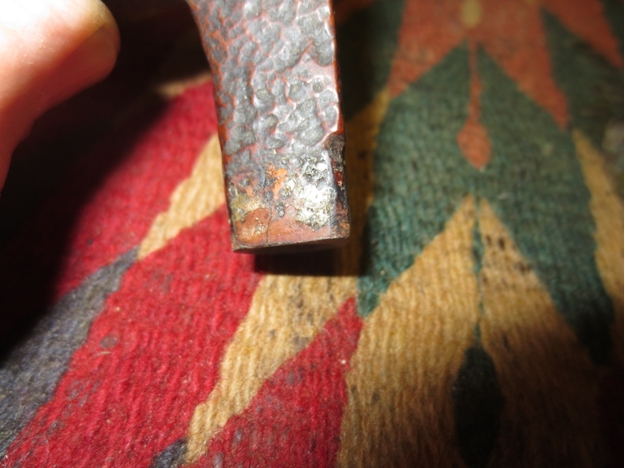
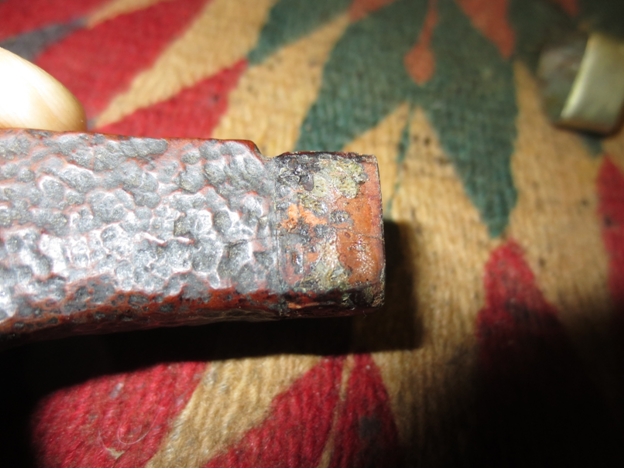
An3

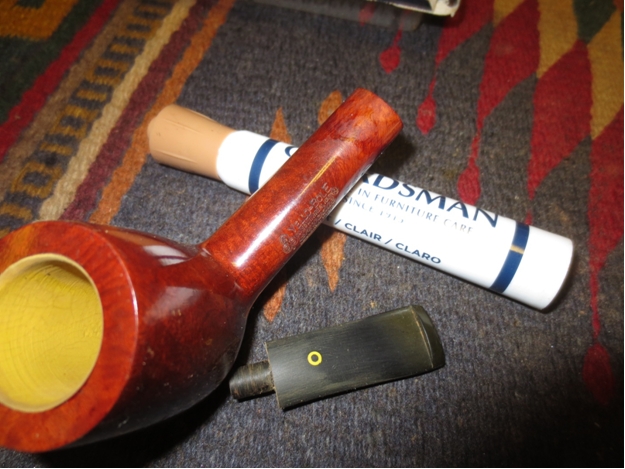
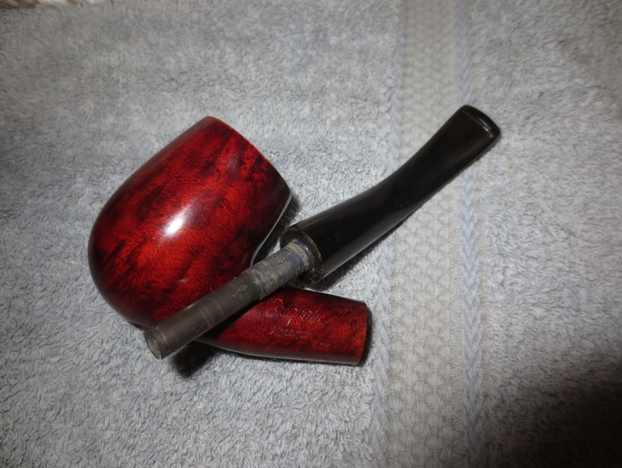
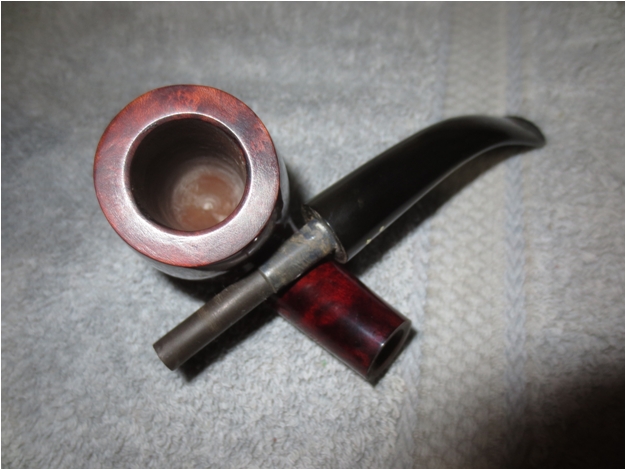
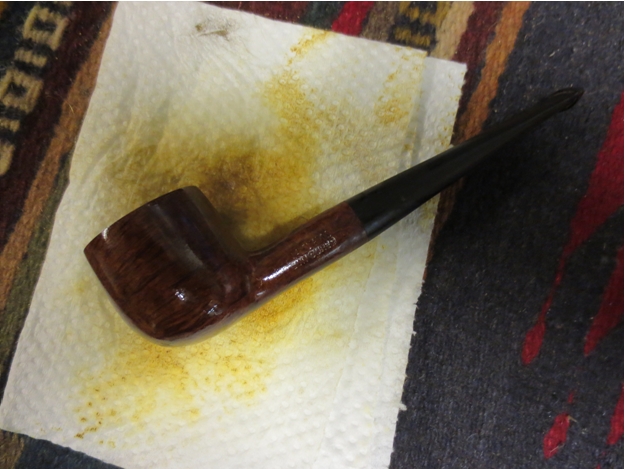
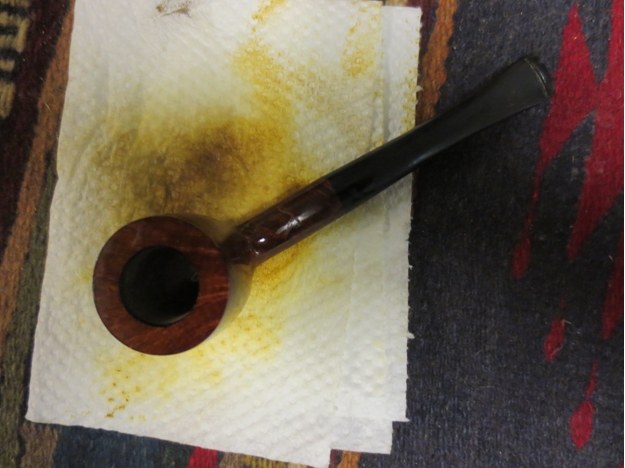
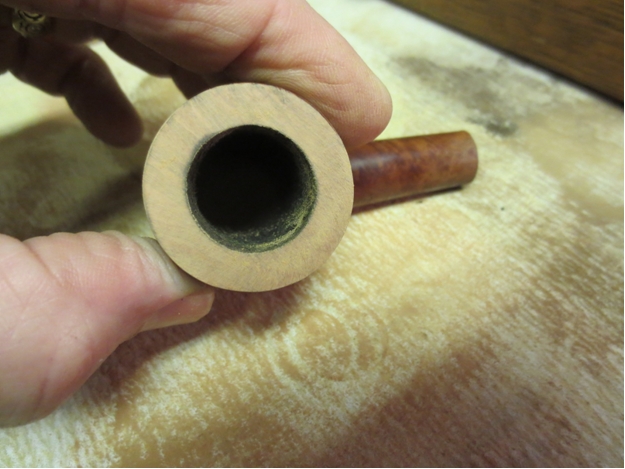
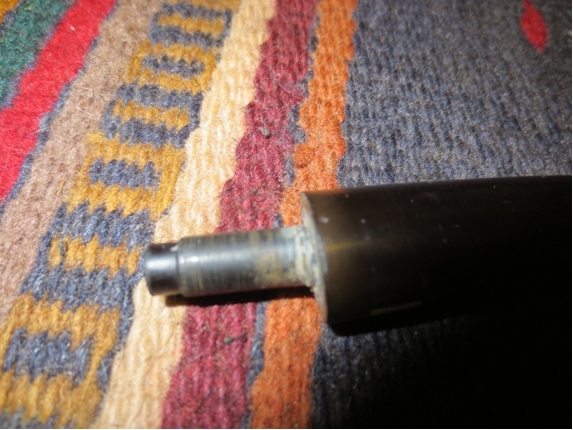
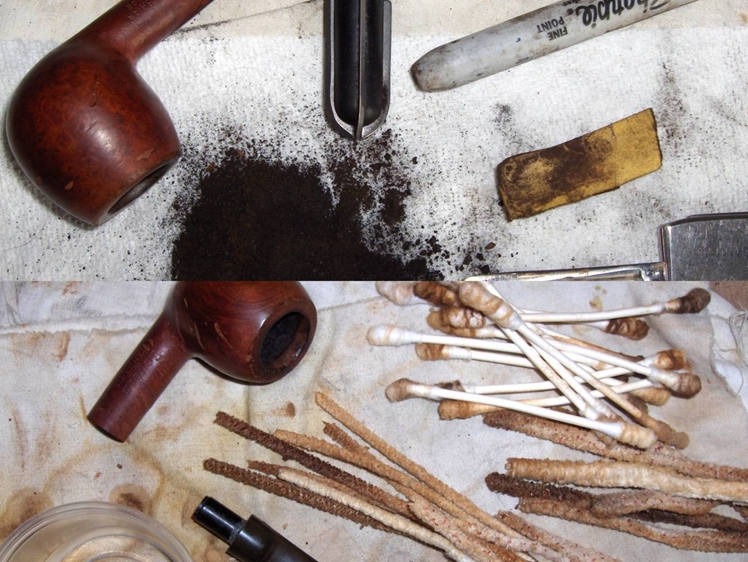
An4 The stem was stuck tight on this one, but a couple of hours in the freezer took care of that. Once the stem was removed, I found a grimy, spiral stinger in the tenon. It too was stuck. So, I dripped alcohol into and around the tenon to soften the tar that was gluing it in. After a few minutes, I wrapped it in several layers of soft cloth to protect it and pulled it out with a pair of pliers. I dropped it into a container of alcohol for about an hour, and then scrubbed it with a pipe cleaner until it was as good as new.An5 I gave the stummel an alcohol bath to remove the old, lacquer finish. Several hours later, I removed it and wiped it down. Only about the top two-thirds of the bowl was caked to any degree, but what was there was thick, uneven, and harder than chicken lips. In the end, it took a group effort to ream the bowl back to bare wood the way I like it, but a T-handle reamer, a pipe knife, 400-grit paper wrapped around a Sharpie pen, and a little elbow grease got the job done.

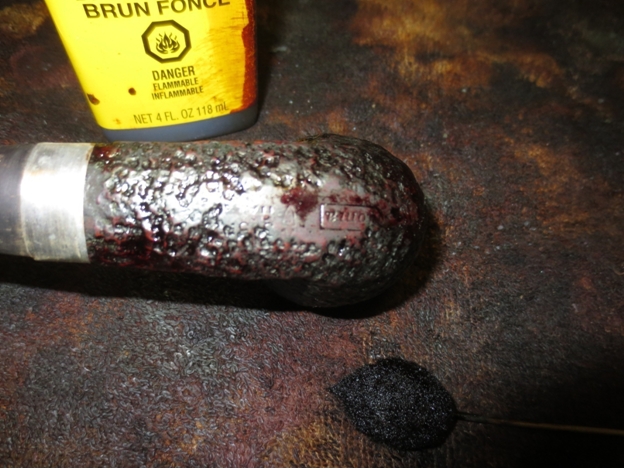
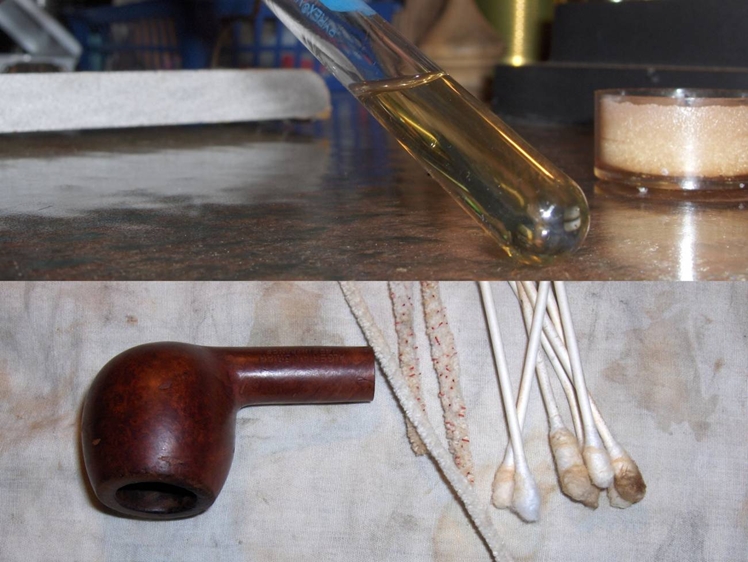
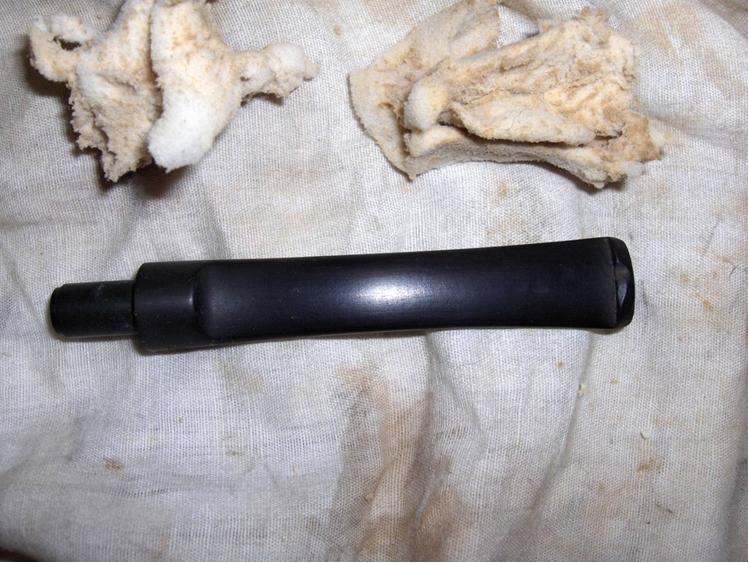
I’ve added a retort to my tool chest since I last posted here, but I still like to scrub out the solid debris and lumpy build-ups by hand before using it. The Rogers took a whole handful of pipe cleaners, cotton swabs, and a couple of shank brushes before I was satisfied enough to move on.An6 I set up the retort and flushed the stem and shank several times before setting it aside to cool for about 15 minutes. Then, I refilled with clean alcohol and flushed several more times. After the second retort, the alcohol was nearly clear. So, I considered the retort to have done its job and gave the stummel and stem one last quick scrub to remove any remaining tar.An7 While I had been retorting the stummel, the stem had been soaking in an Oxyclean bath. I removed it and scrubbed it down with a couple of 1” cubes cut from a Magic Eraser pad to remove the oxidation. There is one thing to note though. I noticed that the paint had come out of the stem stamping during the bath despite my attempt to protect it with a dab of petroleum jelly. I’ve never really trusted this method of protection and I think I’m going to explore some others ideas in the future.An8You may have noticed from the photos that this pipe had a few fills. Okay… It had a lot of fills and the ones that concerned me the most were a few that were right inside the stamping on the shank. I was considering what to do about them when the thought occurred to me that it might be best to leave it up to the guy that was going to smoke the pipe. I contacted the future owner and presented him with a few option: (1) I could patch the fills with briar dust and CA that would blend well into the final finish, but some of the stamping would be sacrificed, (2) I could leave the stamping intact, but there would be some obvious fills on the shank of the finished pipe, or (3) I could rusticate the pipe, which would completely obliterate the stamping but the pipe would be unique. He chose to go with rustication.
So, once I knew the direction in which I was heading, I set up my topping surface to remove the scratches and charring on the rim. I sanded with a progression of 220-grit, then 320-grit, then 400-grit paper until I was satisfied that all of the scratches were gone. I also softened the inside and outside edge of the rim by light sanding with 400 grit paper (not pictured).

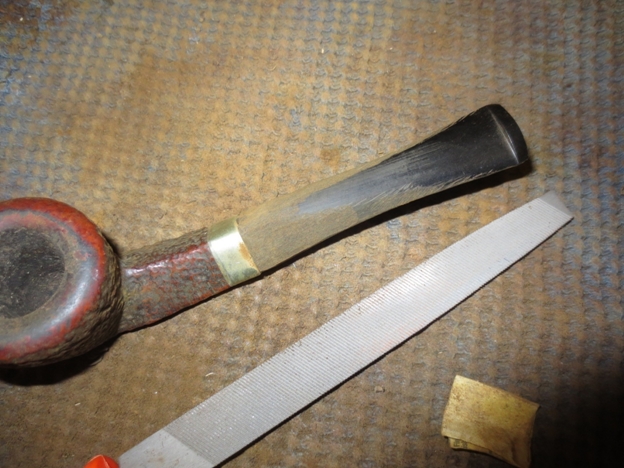
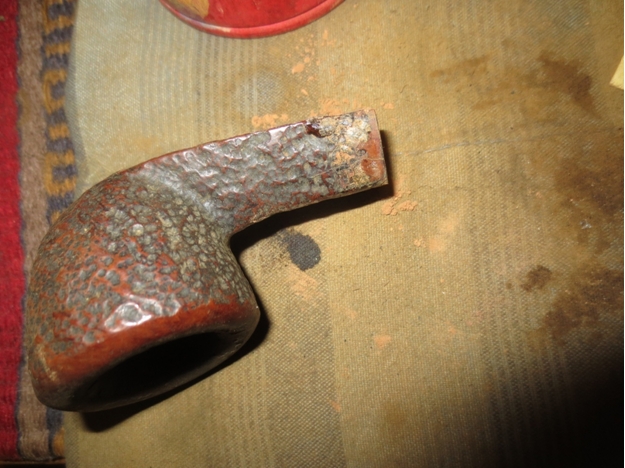
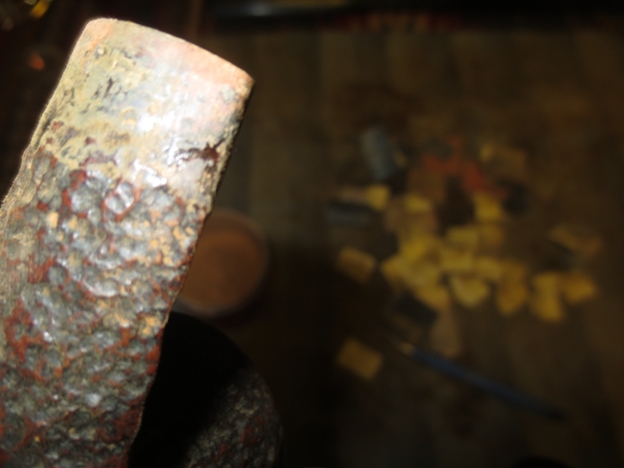
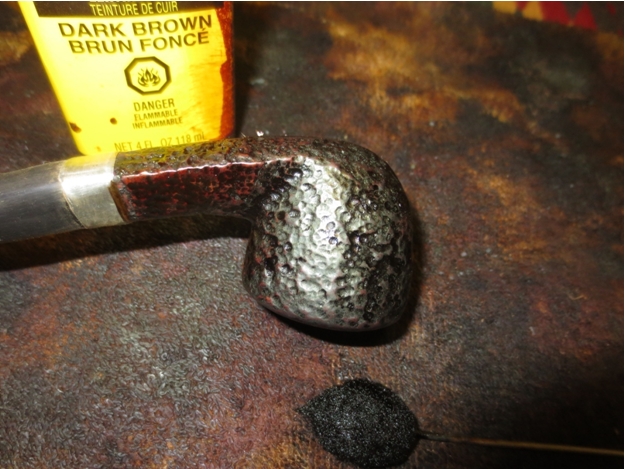
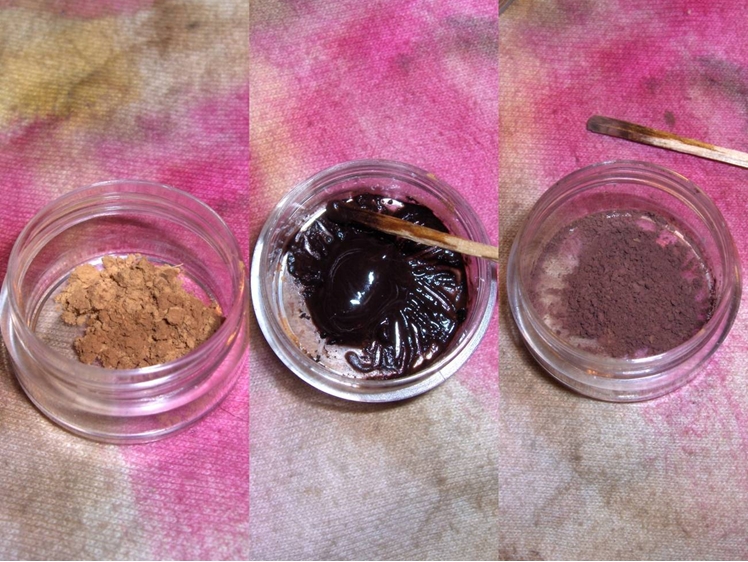
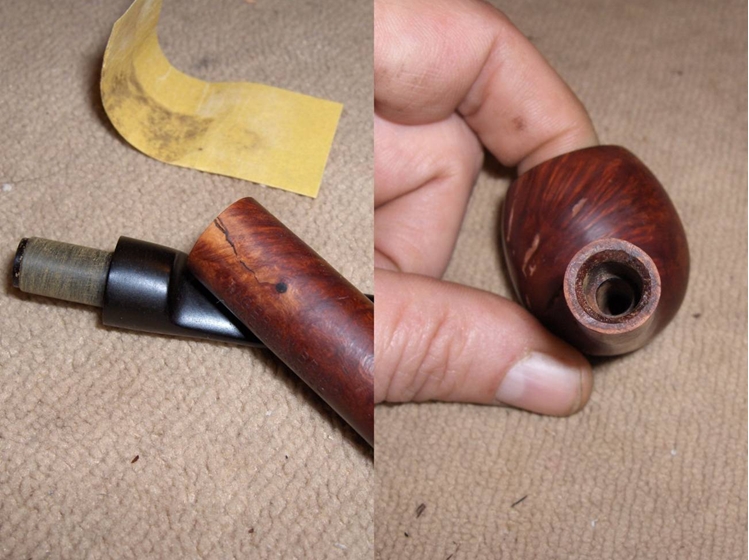
My rustication plan called for a round, smooth button on the right side of the bowl where there were few fills and some fairly decent bird’s eye. There were also a few dents in the area. So, I clamped the stummel in a vice and tried to steam them out by pressing a heated screwdriver into a wet cloth placed over the dents. Most of them were removed successfully, but one large dent with sharp edges still remained. You win some. You lose some.An9 Nobody wants a pipe that looks like it has the measles and those pink putty fills will show through and ruin even a rusticated finish. So, I picked them all out. I also discovered that the wood inside the mortise directly beneath the shank crack was weak and spongy. I scraped it out easily with a pick, but left behind a disconcertingly large gouge in the mortise.An10 I had been experimenting with pre-staining briar dust for patches and fills, but I hadn’t had the opportunity to put it into practice until this pipe. I dripped a couple of drops each of Fiebing’s black and oxblood into a bit of briar dust, and then added a few drops of isopropyl alcohol to spread it evenly. After mixing it up and sitting it under a warm lamp for about 30 minutes, I had a batch of stained briar dust.An11 The stained dust and a bit of CA glue were used to patch the dent and a large fill on the right side of the bowl. I also used unstained dust and CA to fill in the area of missing wood in the mortise.An12 The bowl patches were sanded out with 220-grit, then 320-grit, sandpaper. In the mortise, I used 240 and 320-grit sanding needles. When I inserted the stem to test the fit, I heard a sharp “snap”. Uh-oh.
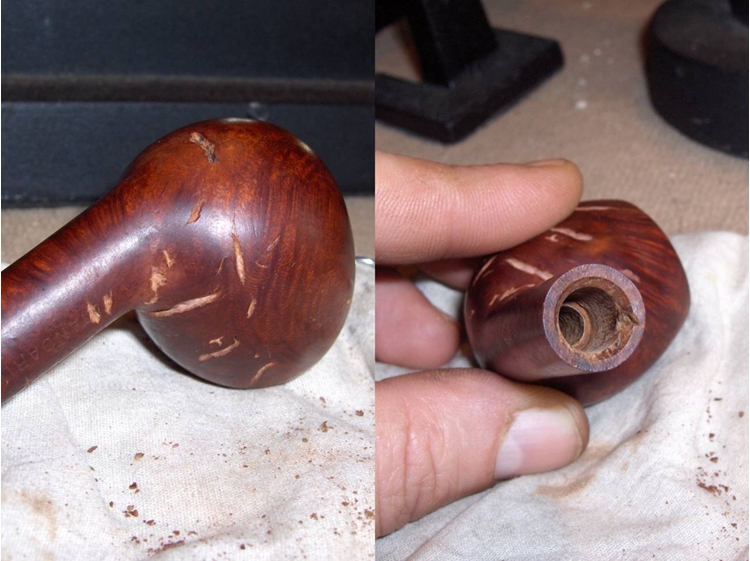
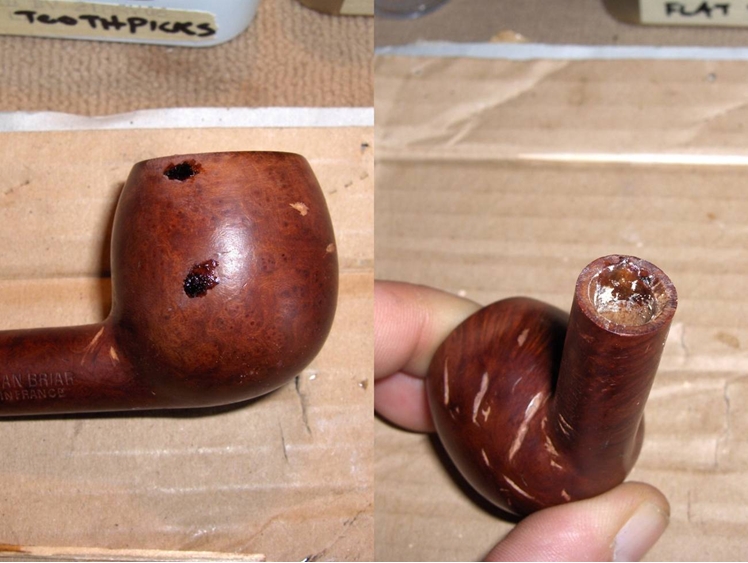
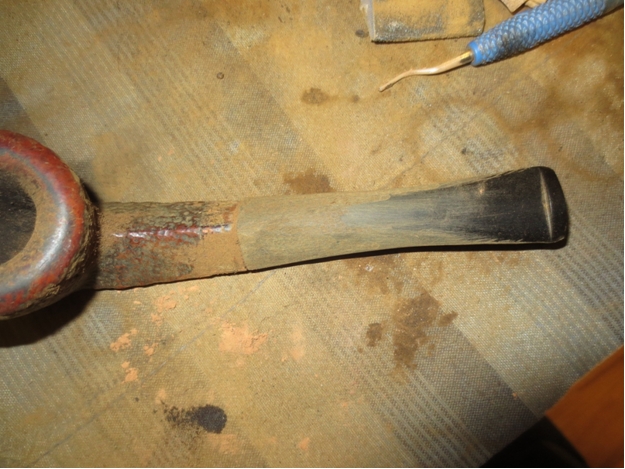
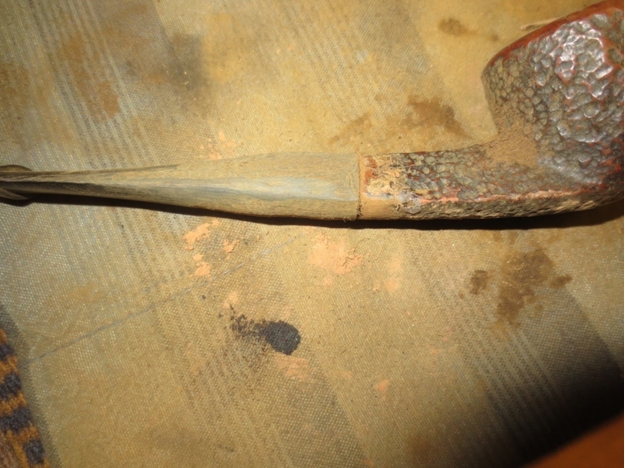
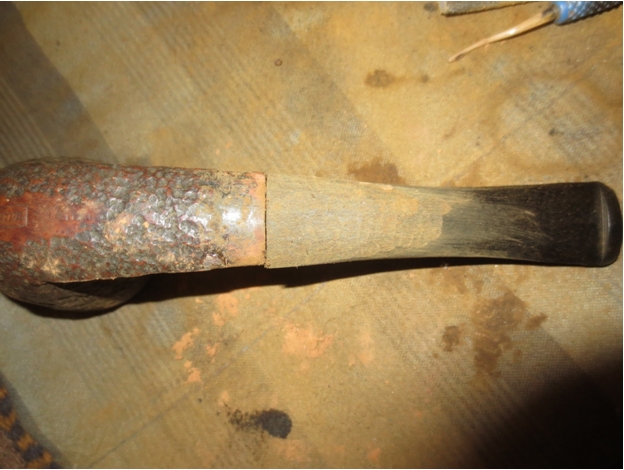
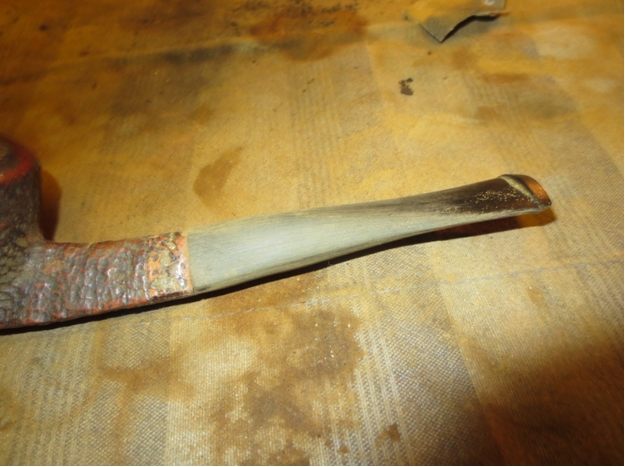
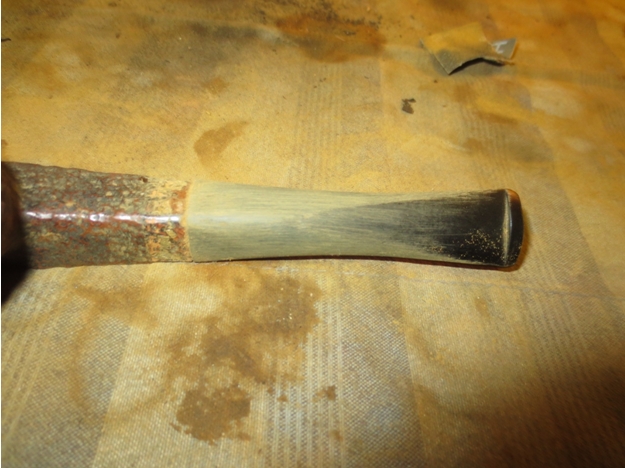
When I flipped the pipe over I saw that the shank had cracked again. This one began about 1mm below the patched crack and was also longer than that one. I used a 1/32” drill bit to make a small hole at the end of the crack to stop the run. I didn’t drill all the way through, only a hair’s width below the crack. Then, I inserted the stem (after smearing petroleum jelly on the tenon) to widen the crack and filled the crack and drill hole with stained dust and CA. Once the patch had set up, I removed the stem, wiped the petroleum jelly from the mortise, and added more briar dust and CA there to add the strength that it obviously needed.An13 The new patches were sanded out once dry and I used a strip of 400-grit paper to reduce the diameter of the tenon before trying to insert is again. The fit was snug but not overly tight, and best of all, there were no new cracks.An14 Since the shank crack had been opened up and then filled, the overall diameter of the shank had increased slightly. So, I used 220-grit, then 320-grit, sandpaper to bring it back into register with the stem.
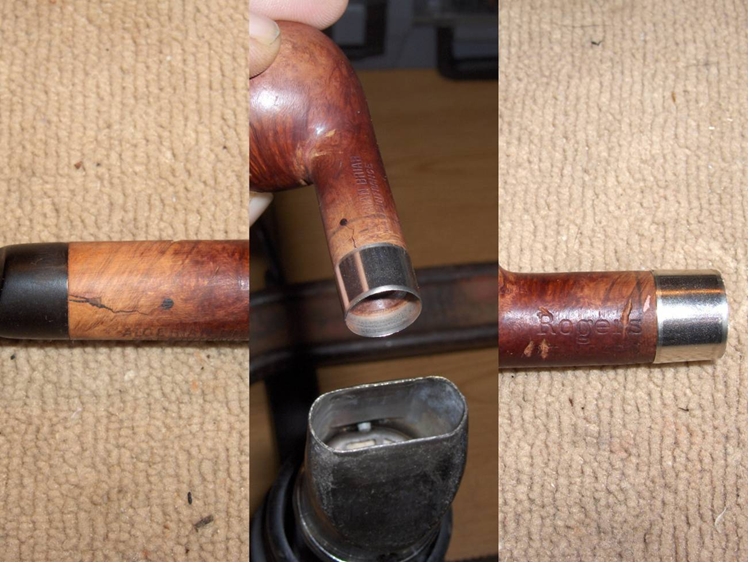
Then it was time to strike up the band. I selected a band from my box that was large enough to fit over the end of the shank, but not so large that I could slide it all of the way up by hand. With the band partially in place over the shank, I heated it with a heat gun to expand the metal, and then pressed it into place on a hard, cushioned surface.An15 The mortise had been constricted by the placement of the band. So, again, I had to do a bit of sanding with 220-grit, 320-grit, and 400-grit paper to turn the tenon down enough to make a good, snug fit.
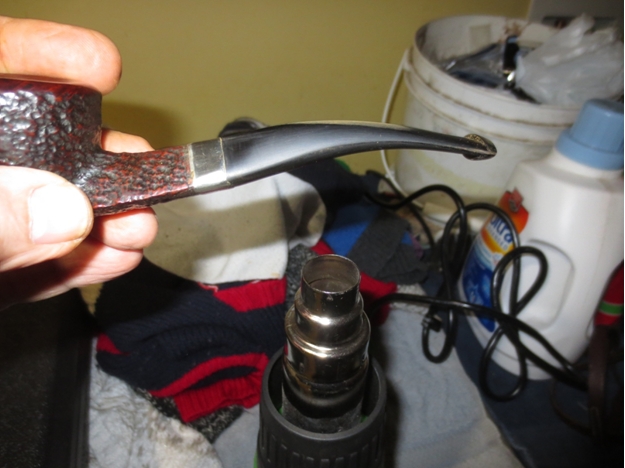
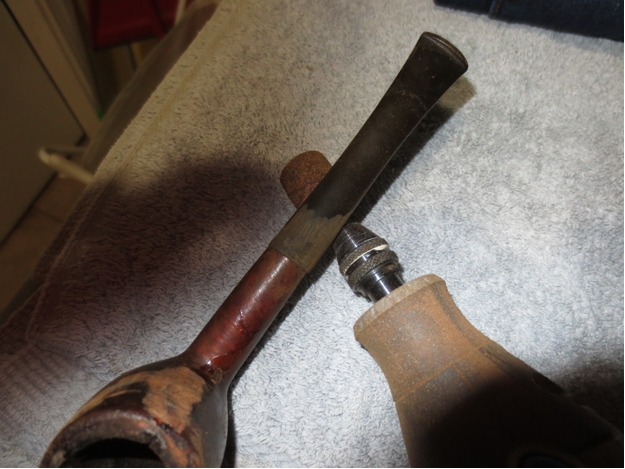
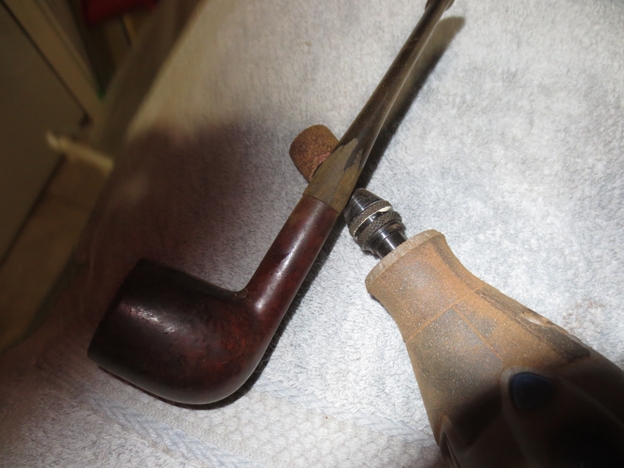
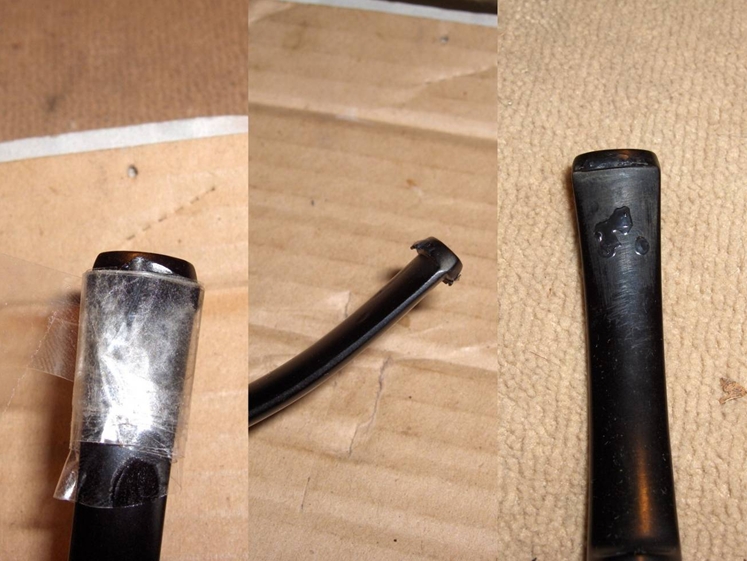
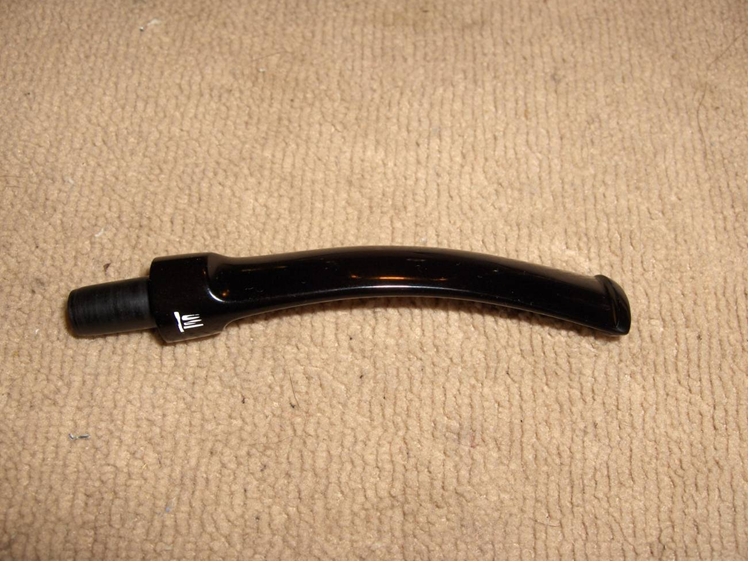
The heat gun was already set up. So, I used it to heat the stem to see if I could raise some of the tooth dents. It did a fair job, but a few still remained after the heat treatment. I also took the opportunity to add a few more degrees of bend in the stem to give it a more elegant flow (at least to my eyes).An16 The stem button had a couple of chunks bitten out of it that needed to be repaired. I borrowed Andrew Selking’s idea of wrapping the area below the button with tape to keep a crisp edge before applying black CA glue to the gouges. The middle picture in the image below shows the button just after removing the tape. There was a bit of overhang at the lip that would have to be taken off, but the area where the button meets the stem is crisp and clean. That would save a lot of work. Thanks, Andrew!

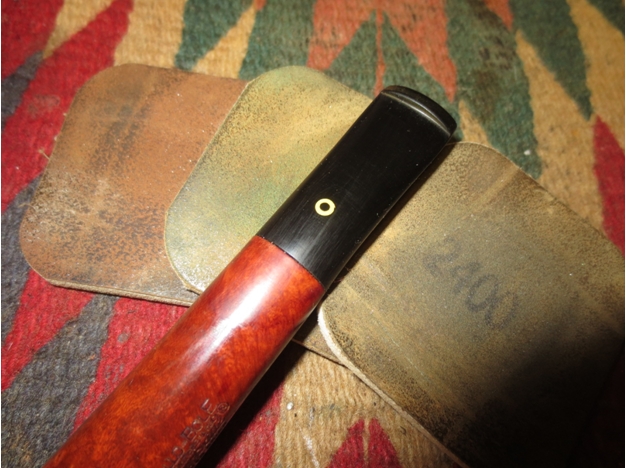
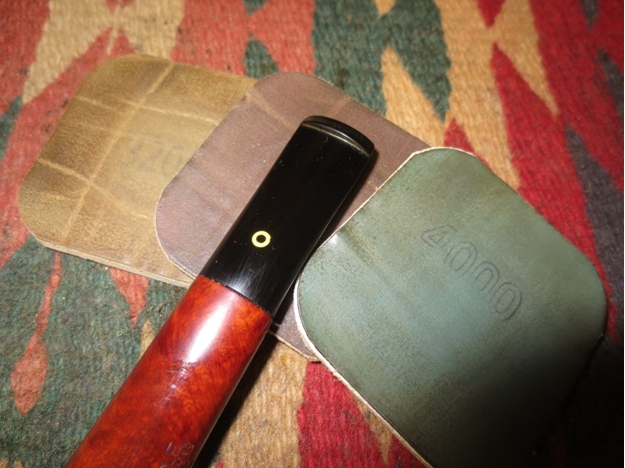
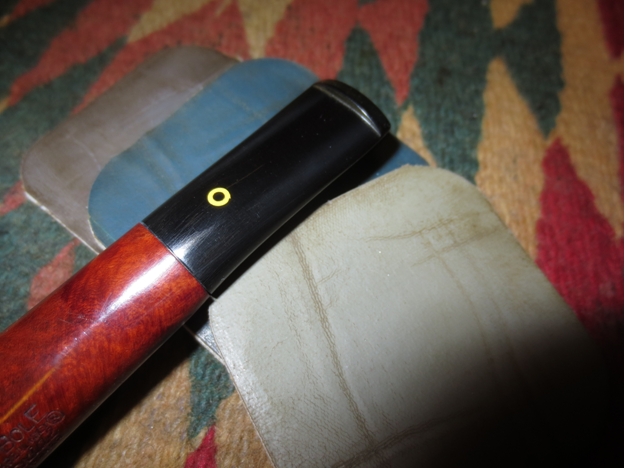
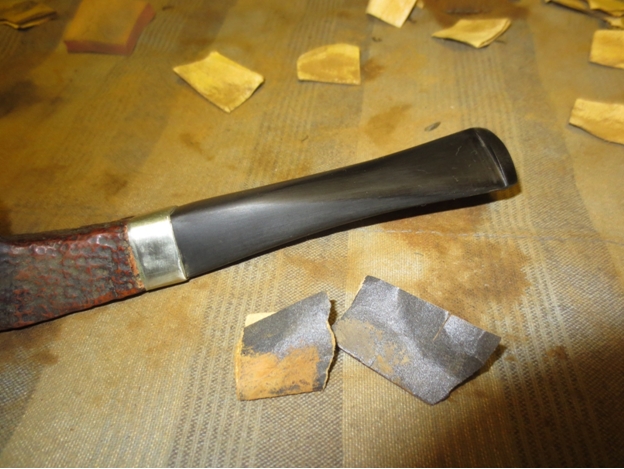
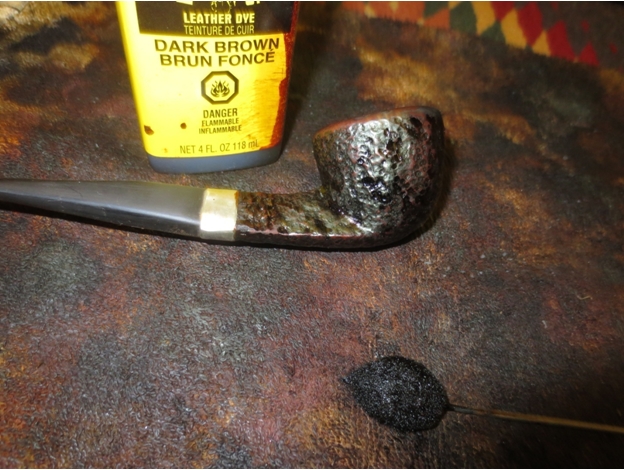
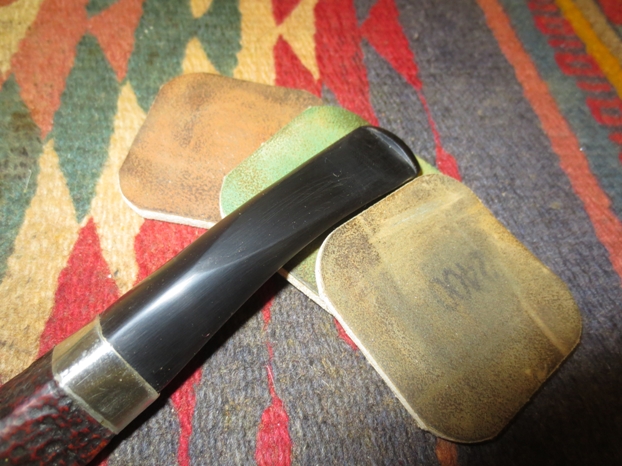
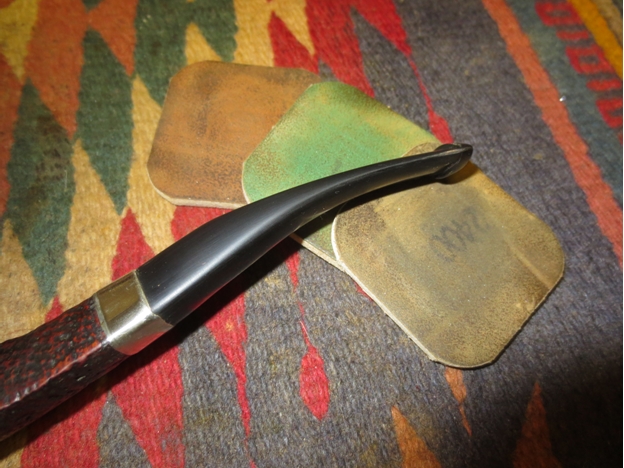
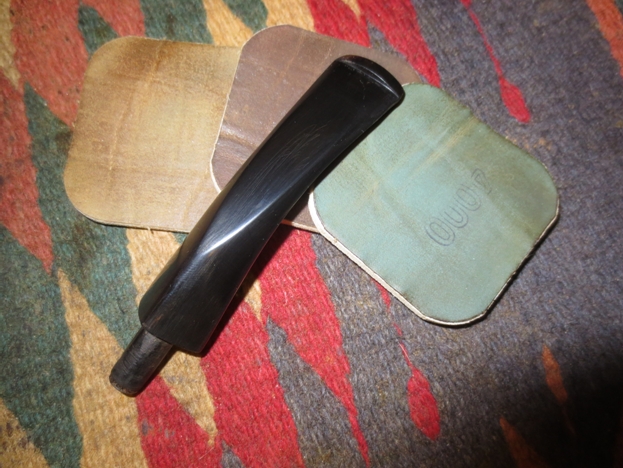
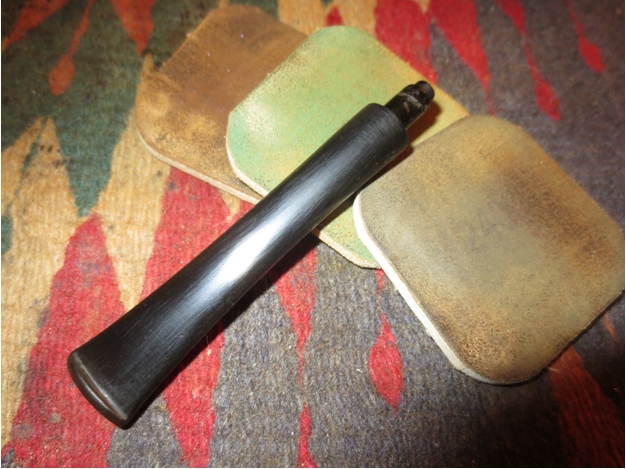
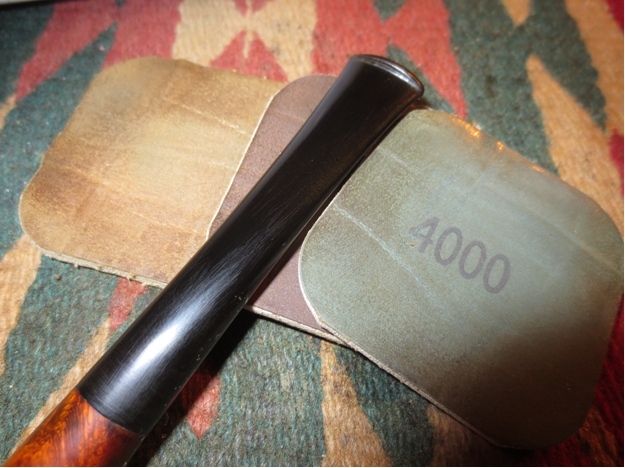
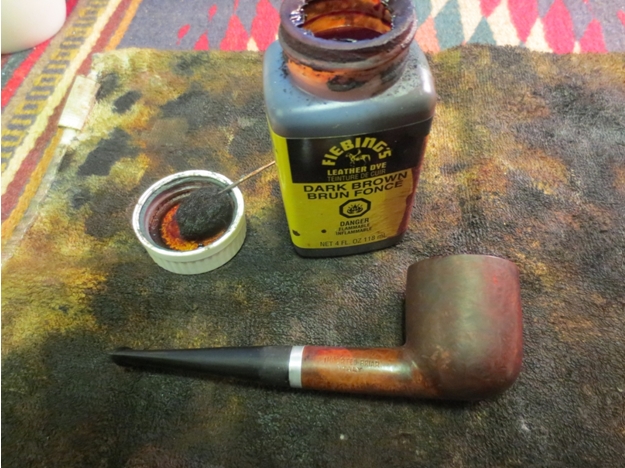
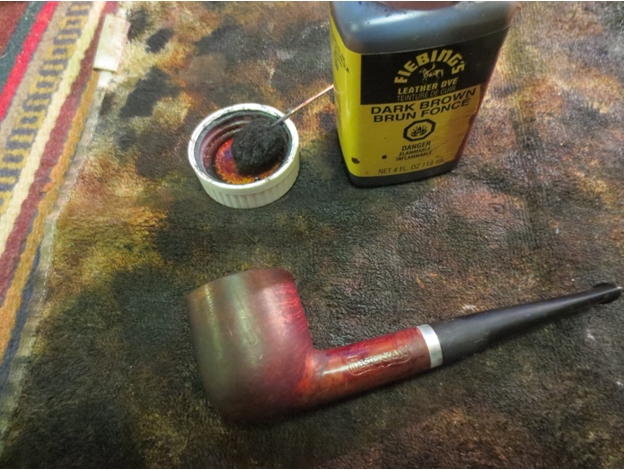
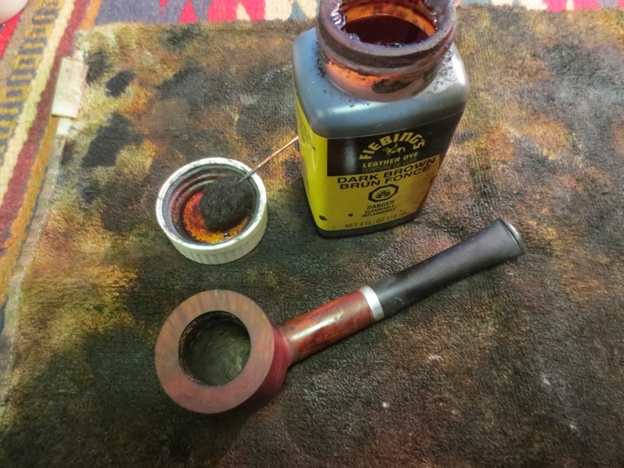
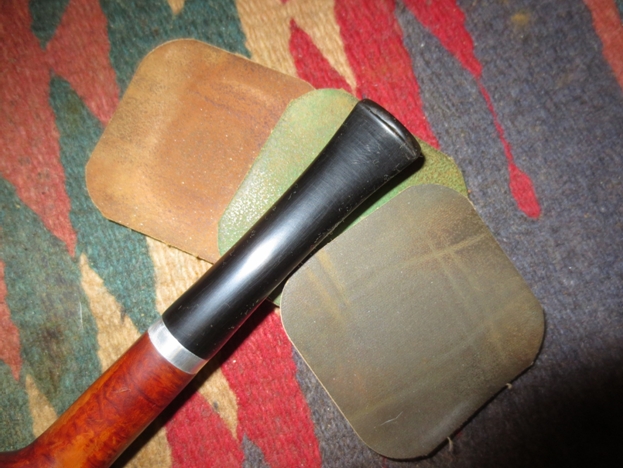
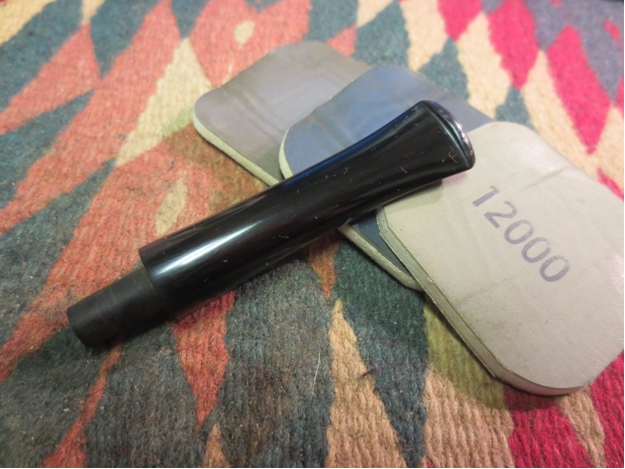
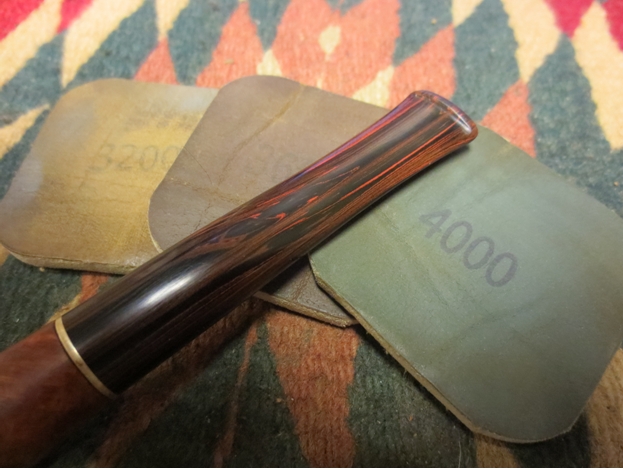
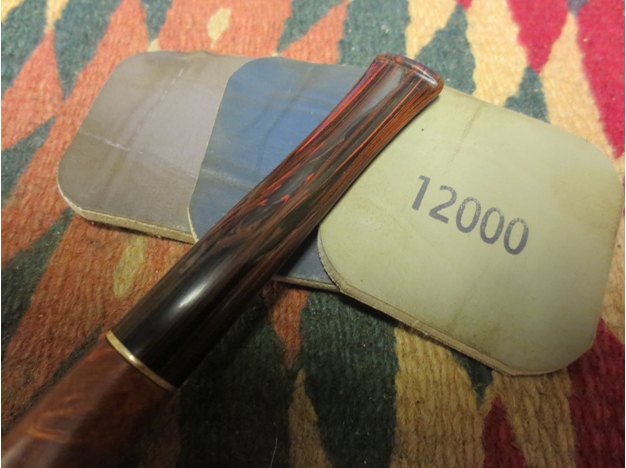
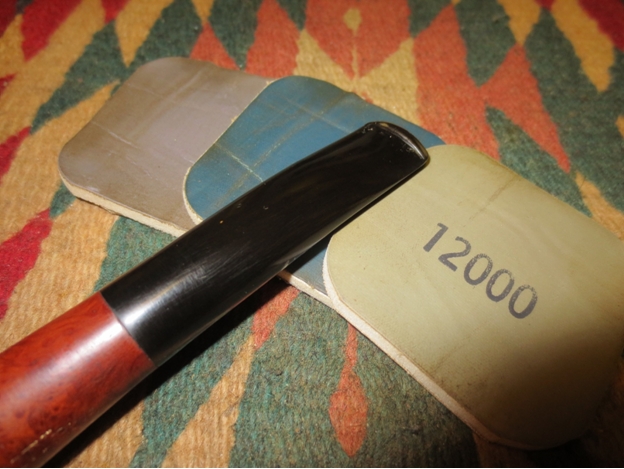
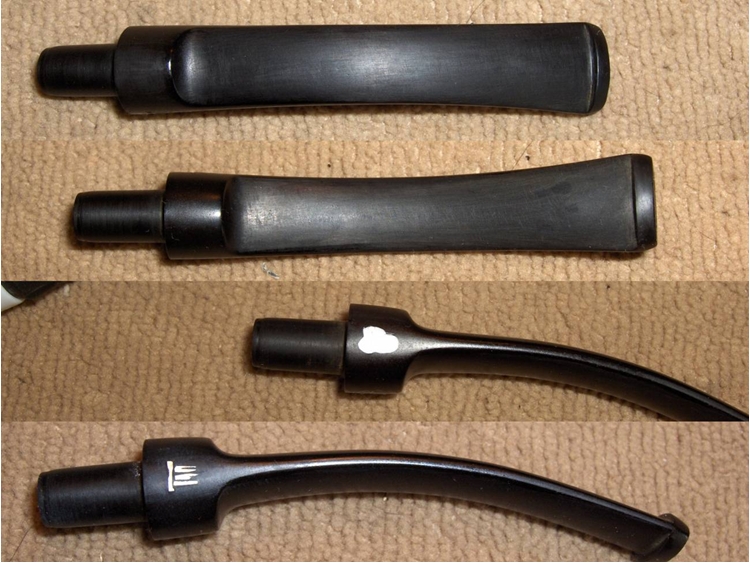
I sanded out the lighter dents on the stem with 220-grit paper. For the deeper dents, I patched them with a bit of black CA glue applied with a toothpick.An17 When the stem patches where dry I sanded them down with 220-grit paper, and used 320-grit and 400-grit to blend them into the rest of the surface and to shape the button. Then, I lightly sanded the entire stem with 600-grit paper to remove any scratches and pits in the vulcanite. I also used a grout pen to paint in the stamped logo. Some of the logo area had been worn smooth over time. So, the resulting logo didn’t look as good as the example over at PipePhil.eu, but I think it looks better than it did originally.An18 For comparison, here’s the logo example from PipePhil.eu (first image), the original logo (second image), and the repainted logo (third image):An19 The stem was polished with micro-mesh pads 1500-grit to 12000-grit. I applied a drop of Obsidian Oil to the stem, let it sit for a couple of minutes, and then wiped off the excess to finish up the work on the stem.An20 I decided to go for three levels of texture in the partial rustication and hoped that would give the pipe a unique appearance. I used a felt pen to mark an oval-shaped guideline on each side of the bowl. I started carving with a Dremel and a 3/32” engraving burr. Basically, I just scribbled around the stummel avoided the areas that I wanted to leave smooth to create the base for the medium texture. Then, I used a variety of hand-cut bits and tools to really get in there and remove some wood to create the craggy texture around the ovals that I had marked. To finish up the rustication, I used a 1/32” engraving burr to touch up a few of the places where the rustication met the smooth areas.An21 It turned out to be a rather lengthy process to get the final color and finish the way that I wanted it. So, I won’t go into a lot of detail, but here’s the gist of it:
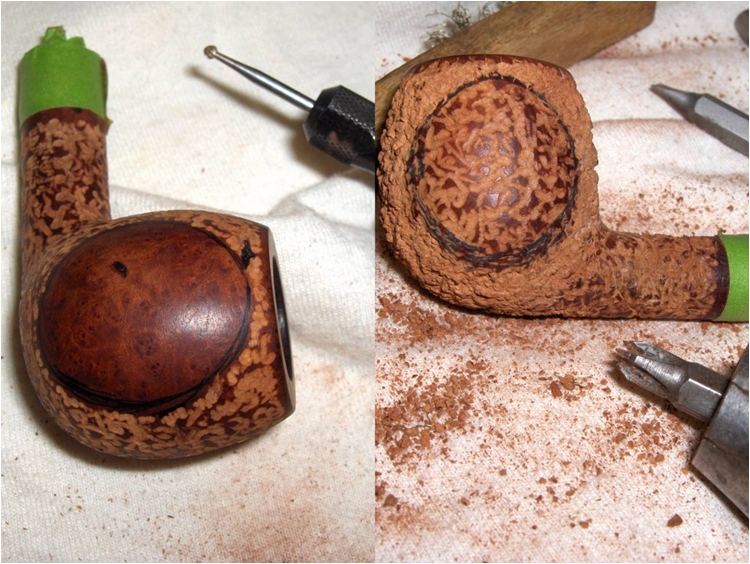
1) Applied black stain, sanded smooth areas and rustication high spots with 400-grit, and buffed with Tripoli
2) Applied mahogany stain, lightly sanded smooth areas and brushed the rustication high spots with 600-grit, and buffed with a clean wheel.
3) Applied ox blood stain to the rusticated areas only, hand buffed, sanded smooth areas with 1200-grit (Not pictured below. Oops).
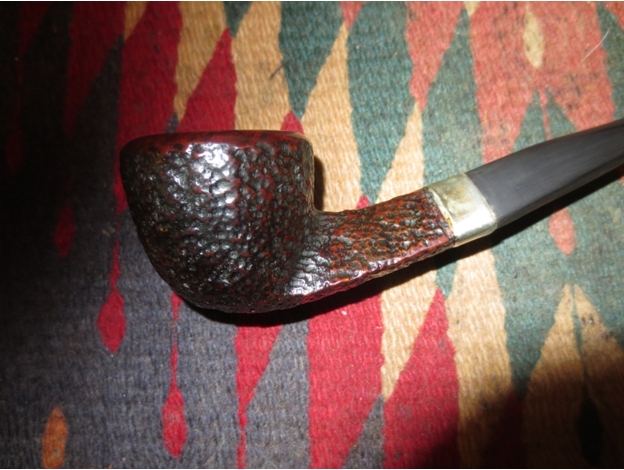
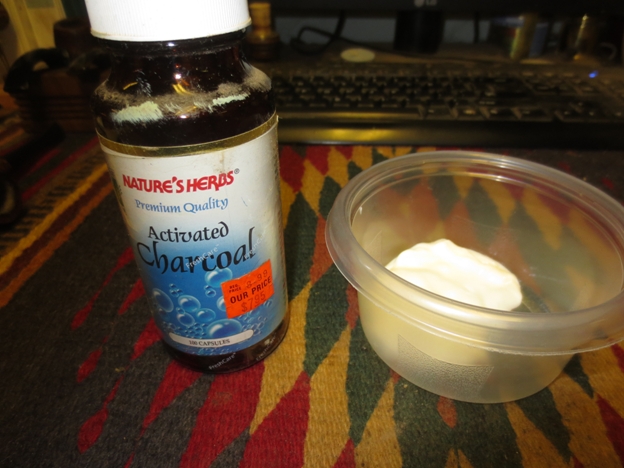
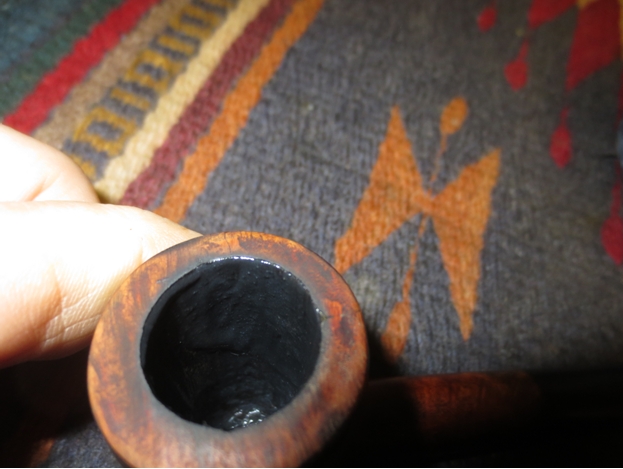
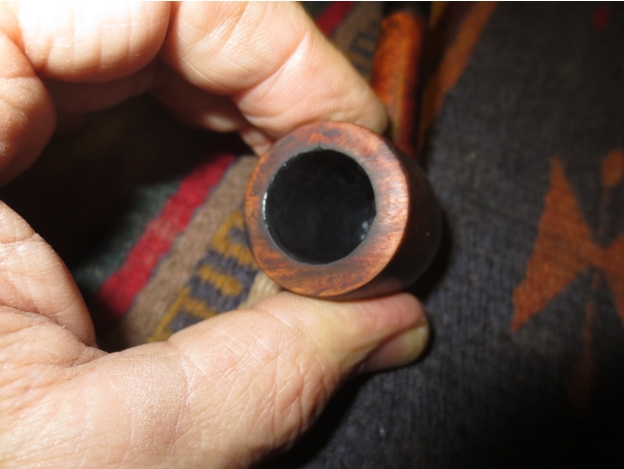
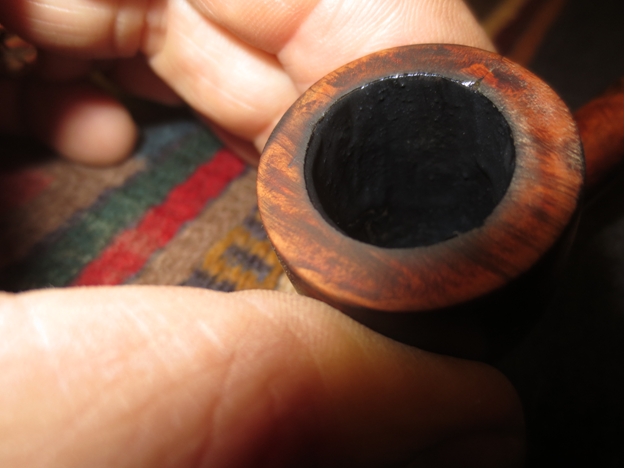
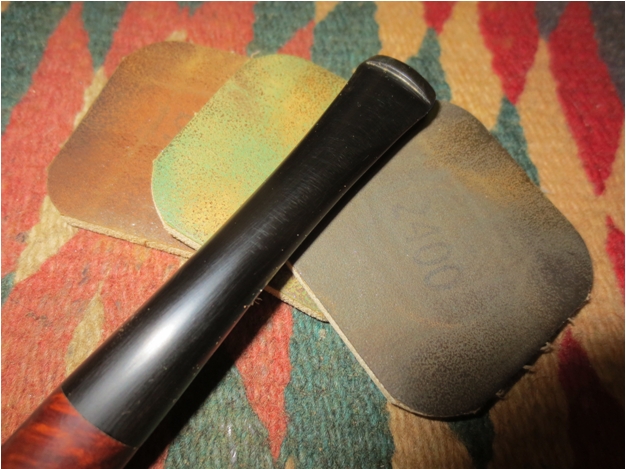
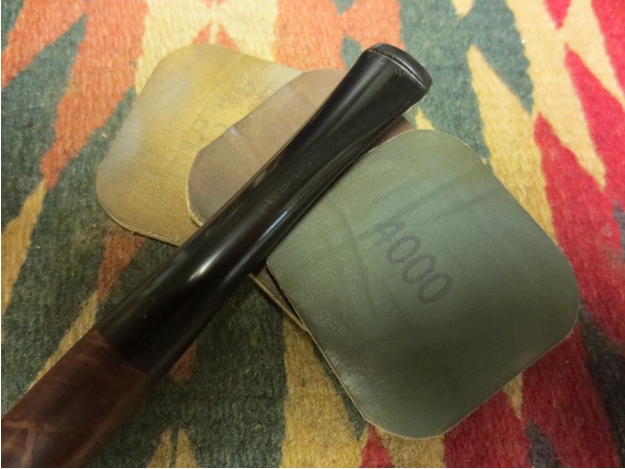
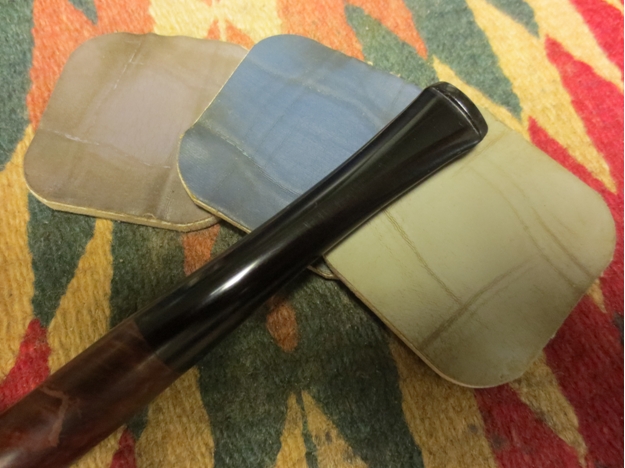
4) Polished with micro-mesh 1500-grit to 2400-grit, applied red stain to smooth areas only, buffed with a clean wheel, continued polishing smooth areas with micro-mesh 3200-12000.An22 After the final micro-mesh polish, I reattached the stem and buffed the entire pipe with White Diamond. I then applied Halcyon II wax to the stummel and carnauba wax to the stem and buffed the pipe with a clean wheel. Lastly, I painted the walls of the chamber with a sour cream and activated charcoal bowl coating to add some temporary insulation until a good cake could form.
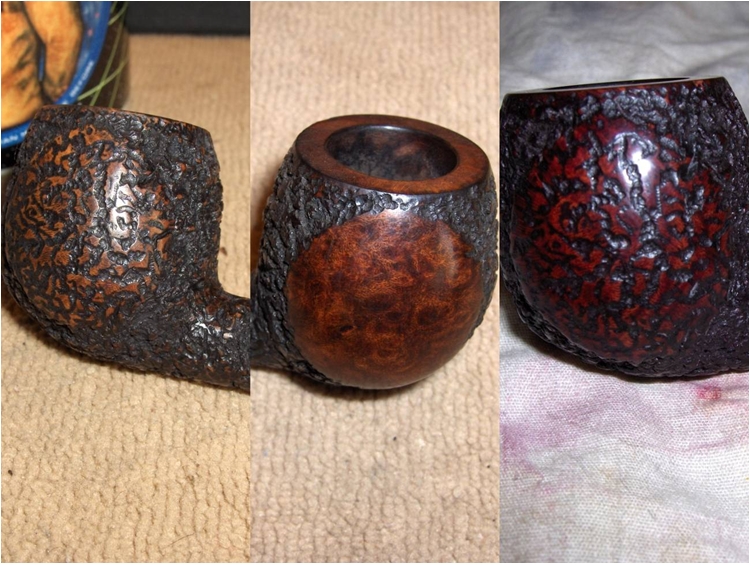
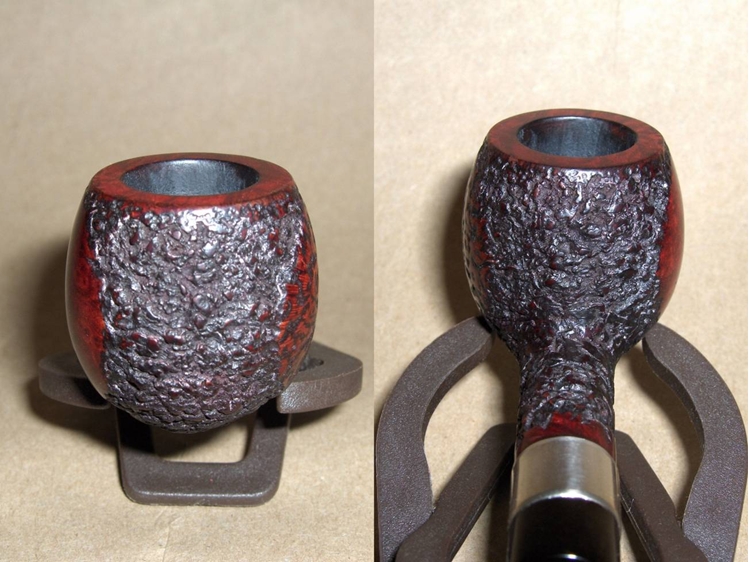
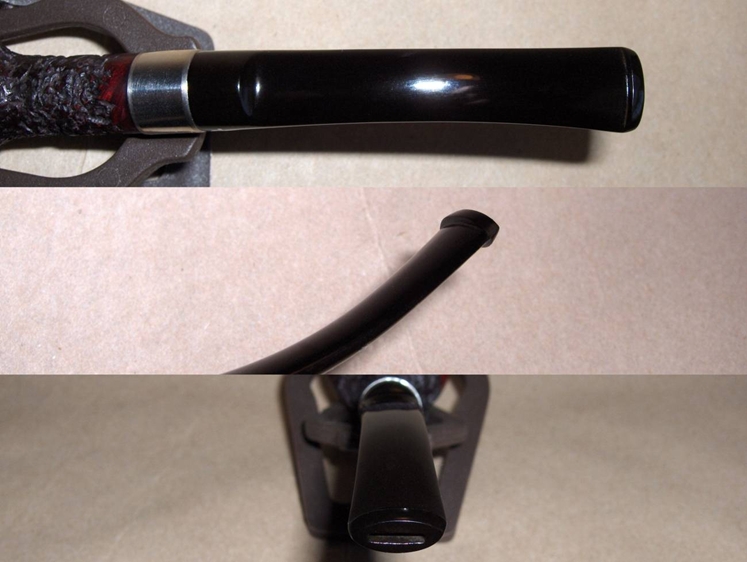
The finished pipe is very different from what it was when I started. It has lost its pedigree, but it has gained a unique, one-of-a-kind appearance. I’m quite pleased with the way that it turned out and I’m hoping that the new owner will be too. It’s in the mail, Dustin. Smoke it well, brother!An23
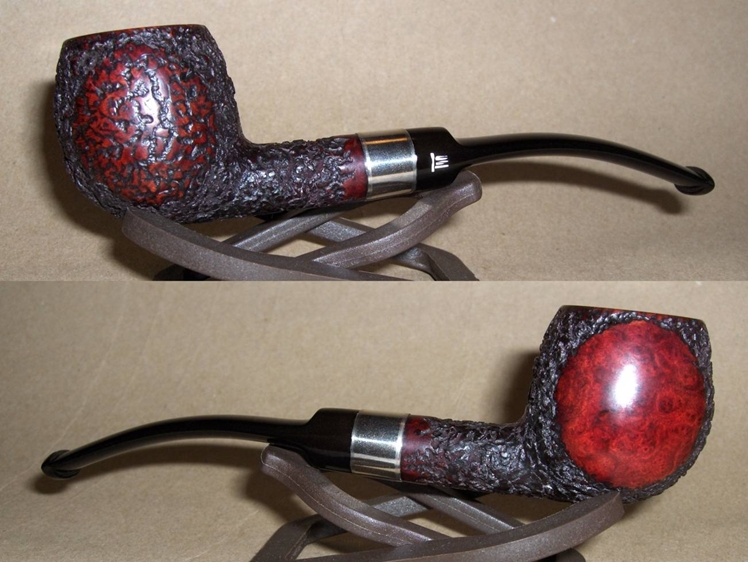
An24

An25

An26

An Odd Yello Bole Imperial Nosewarmer Canadian worth saving


Blog by Steve Laug

The second pipe that Troy Wilburn sent me to restem was a short Canadian with a large bowl. It was a bit of an odd pipe – no shape number and no catalogue shape that matched it. It was almost like a Canadian that had been cut off somewhere along the way. However it was sent out from the factory like this. It is stamped on the top rolling down the left side of the shank with the older KBB in a cloverleaf. Next to that it reads Yello Bole. Underneath it reads cured with real honey and an R in a circle. Underneath that is stamped Imperial in Script with small block letters reading IMPORTED BRIAR.

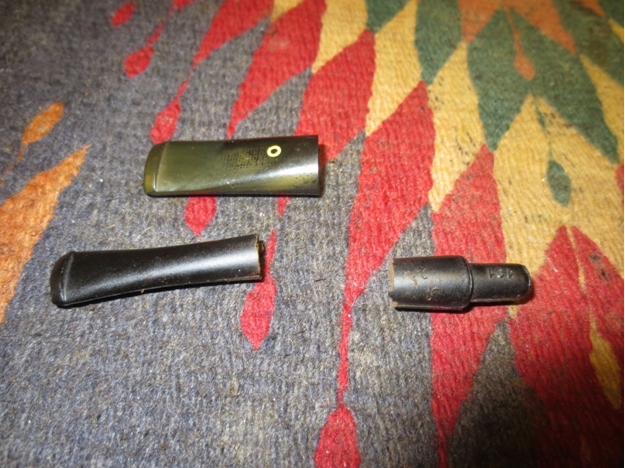
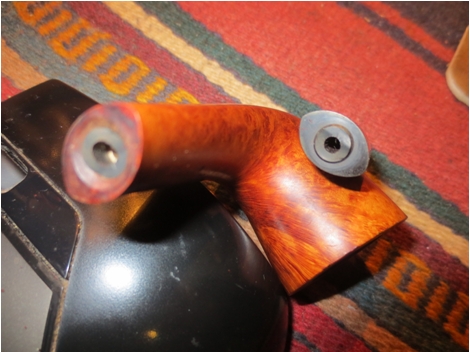
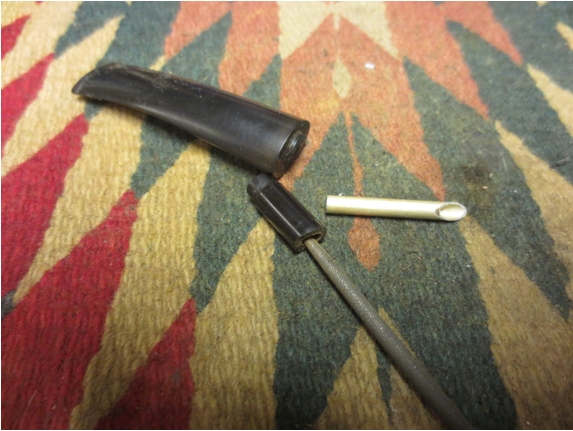
It came to Troy as New Old Stock or NOS – unsmoked pipe. It had a strange tenon repair that someone had made some time in its history. The tenon had broken off in the shank and rather than remove it, the decision had been made to leave it in the shank. In the first photo below you can see the broken tenon and at the end of it is the YB stinger apparatus still sitting in the shank. There was a notch taken out of the shank on the left underside near the end of the mortise and in the mortise end. The repair that had been made was to smooth out the end of the stem and insert a stainless steel rod in the stem. The rod was the same diameter as the inside of the tenon. Effectively it was like the repair I did on Troy’s other pipe. The problem with this one was the very constricted draw due to the narrow airway constricted by the tenon. With the notch in the end of the mortise the fit of the stem against the shank was also compromised. This pipe was going to be a bear to get all of the alignments straight. The airway drilled in the stem for the metal tenon was slightly off centre and a little angular. The notch in the shank would need to be corrected or removed. The fit in the shank would need to be adjusted. You can see that this NOS pipe would take a bit of creativity to reconstruct.YB1 I began the reconstruction of a new tenon by addressing the constricted airway and broken tenon in the shank of the pipe. I used a drill bit that fit well against the end of the tenon that was stuck in the shank and slowly drilled into the broken tenon. My hope was that the drill bit would catch on the material of the tenon and I would be able to back it out of the shank. It worked on the first try. The bit stuck in the bit and I reversed the direction of the drill and the broken tenon came out on the drill bit. Once it was free I was able to shake out the stinger from the airway and the shank was clear. This unsmoked pipe now had an unconstricted airway. The first part of the repair had gone off without a hitch.YB2 The next photo shows the parts that were in the shank. The broken tenon piece and the spoon shaped stinger are to the left of the end of the shank. You can also see the short metal tenon that had been inserted in the stem end.YB3 I gripped the end of the metal tenon with needle nosed pliers and wiggled it free of the stem. It had not been glued but rather heated and inserted deep in the airway of the stem. With very little effort I was able to remove the tube from the stem. The next two photos give two different views of the tenon and the end of the stem. You can see in the second photo that the airway had been drilled open to take the metal tube tenon. It would not take much to open it slightly larger to put a repair tenon in place.YB4

YB5 With the airway opened I decided to address the notch out of the end of the shank. I did this by using super glue and briar dust to build up the shank end. The trick was to keep the glue isolated to the shank end and not let it run on the finish of the shank bottom.YB6 I carefully put a few drops of glue in the notch and then packed in briar dust with a dental pick. I repeated this process until I had built up the notch slightly higher than the flat end of the shank. I then used the topping board and carefully stood the pipe against the sandpaper and slowly worked the filled area smooth with the paper. I repeated the process until the area was evenly built up and the notch was gone. There remained a little darkening at the edge of the repair on the bottom edge of the shank end but the notch was gone. Once the stem is repaired and is in place the notch will be virtually invisible. I cleaned up any of the glue bits and briar dust in the shank with the dental pick and a sharp knife.YB7

YB8

YB9 The next three photos show the shank end from different angles to show the state of the repair at this point in the process. It still needs to be cleaned up and touched up once the stem is fit in the shank, however the notch itself is virtually gone and the stem (sans tenon) sits smoothly against the shank end.YB10

YB11

YB12I decided that rather than wait for a new tenon to arrive I would make my own. I had a very small stem that I knew would work well to fashion a tenon. I used a hacksaw to cut off a portion of the stem to use for the tenon. I purposely cut it long to give me material to work with.YB13

YB14

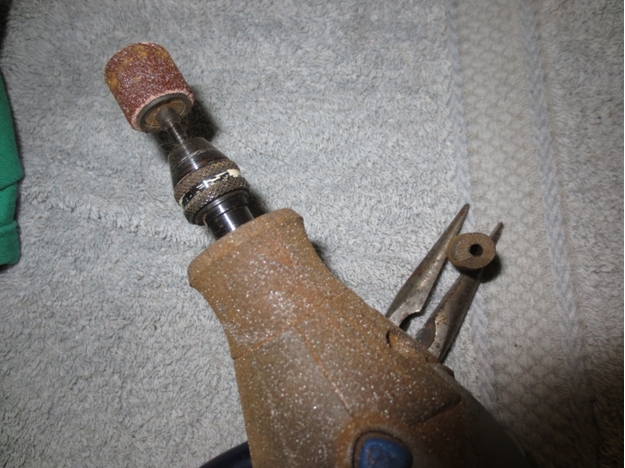
YB15 The cut off portion is shown in the photo below. I held the smaller portion in the tip of a pair of needle nose pliers and used the Dremel with a sanding drum to bring down the larger portion to match the smaller one. I would sand until I had a vulcanite tenon that I could insert into the stem.YB16

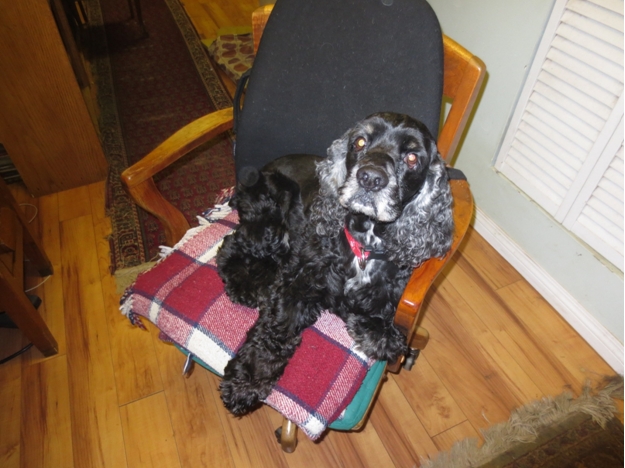
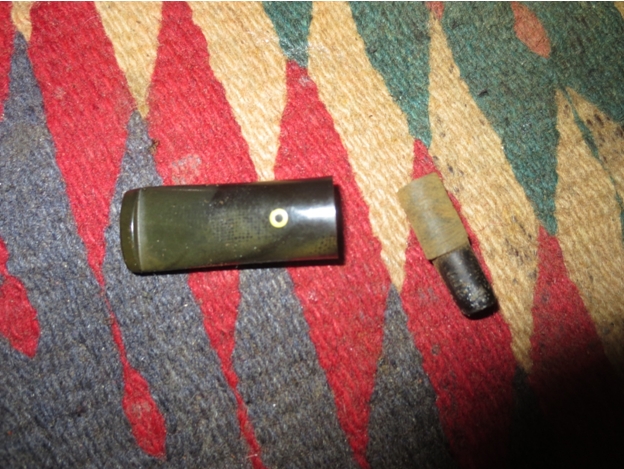
YB17 Here is a photo of the shop “foreman” sitting in my chair while I worked on the tenon. Spencer loves to hang out with me while I work.YB18 The thinner part of the tenon in the photo below will be the part I insert in the stem once it is drilled out. The larger part will need to be turned down to fit in the mortise.YB19

YB20 I started by using a drill bit that was slightly larger than the airway that had been opened in the stem for the metal tenon. I worked my way up to a drill bit that would open the airway and deep enough to take the new tenon and provide stability.YB21 When I had drilled the opening in the stem as large as I could, given the taper of the stem I needed to take down the diameter of the replacement tenon I had made. I used a Dremel to take off the excess material to reduce it to the same size as the stem opening. Once I got close in diameter with the Dremel I hand sanded it to fit.YB22

YB23 When the tenon end fit snugly in the stem, I squared off the end of the tenon and then superglued it in place in the stem. I coated the tenon with the glue and pressed it into place. The tenon itself would also need to be turned to fit the shank of the pipe.YB24 I used the Dremel and sanding drum to sand down the tenon and then used sand paper to get a snug fit.YB25 Once it fit well I polished it with fine grit sanding sponges and micromesh.YB26 The fit in shank was good and snug. It was at this point that the alignment issues became clear. I would need to do some work on the shank to clean up the repair and also get a good transition from the shank to the stem. The fit on the topside was slightly high and the fit on the underside was a little low. I needed to sand the shank anyway to clean up the repaired notch on the underside so to sand it a bit more was not an issue.YB28 I sanded the shank and stem with 220 grit sandpaper to smooth out the transition between the two and to give a better flow to the taper on the stem.YB28

YB29

YB30

YB31 I sanded the stem and shank with a medium and a fine grit sanding block to make the transition smooth and remove the scratches left behind by the sandpaper.YB32

YB33

YB34

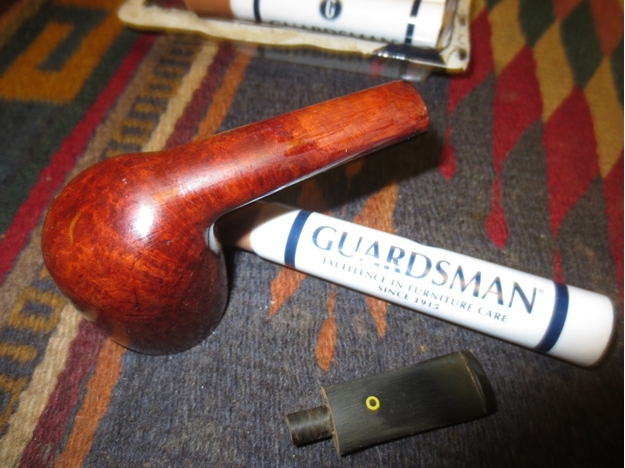
YB35 Once the transition was smooth I sanded the briar with micromesh sanding pads from 2400-4000 grit and then used the Guardsman brand stain pens to stain the shank. I used the lightest stain pen first and finished with the medium stain pen. Once it dried I buffed the pipe with Blue Diamond to raise the shine on the shank and to even out the stain.YB36

YB37 I sanded the stem with micromesh sanding pads – wet sanding with 1500-2400 grit pads and dry sanding with 3200-12,000 grit pads. I buffed the stem with White Diamond and Blue Diamond and then buff the shank with the same once again.YB38

YB39

YB40 I buffed the stem and the shank with Blue Diamond on the wheel and then gave the pipe several coats of carnauba wax. I finished by buffing it with a soft flannel buffing pad. The finished pipe is shown below.YB41

YB42

YB43

YB44 The next two photos show a close up of the fit of the stem to the shank. I am pleased with the way it turned out.YB45

YB46 The last two photos are of a regular sized Yello Bole Canadian (top pipe) and the little nose warmer (bottom pipe). I put these together to give a bit of perspective. The bowl on the nose warmer is larger and the shank is definitely shorter.YB47

YB48 Thanks Troy for the challenge on this little Canadian. It was a pleasure to work on it. Each time I work on putting a new tenon on a pipe I learn something new. This time around, between the new tenon on the billiard, the insert in the cracked shank and the new tenon on this little one I had a good week in pipe school. They will soon be on their way back to you Troy. I hope they smoke well and you enjoy them.

Restoring and Shaping a New Stem for a Savinelli Roma 305


Blog by Steve Laug

When I saw this old Savinelli Roma on eBay I decided to bid on it and see what I could do with it. It had a triangular shank without a stem. The bowl had a cake build-up and the rim was covered with tars that were flaking off. The finish was dirty and worn as these pipes usually have a contrast dark stain on the bowl and a lighter stain on the rim. The rim is chamfered or bevelled inward toward the bowl. The edges of the rim – both inner and outer – were in great shape. The bowl was still in round.Roma1 The band was an aftermarket addition and from the looks of it covered a cracked shank. In the photo below you can see the band has been pressed into place and damaged the shape of the shank on the bottom right side. Notice the step down from the band to the bottom edge of the shank and you will see what I mean.Roma2

Roma3 I have included the next photo of the Savinelli Roma 305 to show what the pipe originally looked like. The triangular shank and matching stem are attractive. This should be interesting to duplicate on a replacement stem! The round rim and the contrast colour of the bowl and rim look very good. The thin metal spacer between the stem and shank would have been connected to the stem and with the cracked shank on the one I picked up will not be possible to duplicate.Roma5 I have also included a picture I found on the web of a badly oxidized stem. I saved this because it gives a good close up of the angles on the stem that I will need to duplicate.Roma4 When the pipe arrived I took it out of the package and gave it a thorough inspection. As I suspected the band was an added feature. It was pressed loosely in place to deal with a crack in the right side of the shank and also on the bottom edge. It was poorly fit and would need shaping before I put it permanently in place. I would also need to address the cracks in the shank and the missing notch on the right side of the shank.Roma6 The next group of three photos shows the damaged areas on the bowl and shank. The crack is visible in the first photo and the missing notch is visible in the second photo. The third photo gives a close up of the bowl and rim.Roma7
Roma8

Roma9 I slipped the band in place and took a photo of the end of the shank to give an idea of what the shape of the stem will need to be when I worked on it. You can see the poor fit of the band at this point as well.Roma10 I went through my can of stems to find one that fit. I tried diamond shaped stems and none had a wide enough diameter to match the width of the shank without being too long to look right. I finally settled on a round stem blank that had the correct diameter. I turned the tenon down with a PIMO Tenon turning tool until it fit the shank. In the photo below you can see the stem and the stem before I corrected the tenon.Roma11 With the tenon turned to fit I pushed it into the shank of the pipe.Roma12

Roma13 Using a rasp and files I roughed in the shape of the new stem. I used a Dremel and sanding drum to take it down as close as possible to the finished shape and then brought it back to the work table to use the files again. The photo below shows the roughly shaped stem. Much more sanding will be necessary before this stem is finished.Roma14 I slipped off the band from the shank and worked on the area on the right side of the shank where there was a large divot in the shank. I also cleaned the cracks on that side of the shank and the underside of the shank with alcohol. I picked out the loose briar with a dental pick and then filled in the divot with briar dust and superglue. I built it up to match the current level of the shank and carved it with the dental pick and needle files to match the finish around the repair. I put super glue in the cracked areas on the shank as well and pressed them until the glue set.Roma15

Roma16 The next photo shows the repaired edge of the shank. The shiny area on the right side of the photo is the glue and briar dust repair.Roma17 With the band off and the repairs made I inserted the stem and used the files to further shape the angles on the stem. I sanded it with 100 grit emery cloth to smooth out the file marks and further shape it.Roma18

Roma19

Roma20

Roma21 After more sanding with 180 grit sandpaper the stem is finally beginning to take shape. You can see the shape in the photos below.Roma22

Roma23

Roma24

Roma25 I decided to clean up the bowl before continuing further on the stem. I reamed it with a PipNet reamer and took it back to a thin cake. I would sand it smooth later in the process.Roma26 With hard sanding work done on the stem I worked on the bowl. I scrubbed down the bowl and shank with acetone to remove the remaining finish and scrubbed and scraped the buildup of tars on the rim. I used a small piece of folded 220 grit sandpaper to clean up the rim further.Roma27

Roma28 I scrubbed the rim with acetone and elbow grease and was able to remove all of the tars on the rim.Roma29 I put some wood glue on the shank and pressed the band into place. I wiped off the excess glue with a little alcohol on a cotton pad. I sanded the stem with 220 grit sandpaper to continue shaping and fitting it against the shank. I would need to clean up the straight edges on the sides of the stem and the flattened top portion before I was finished but I wanted to get the shank fit done first.Roma30

Roma31

Roma32

Roma33 I sanded the stem (particularly working on the shank stem junction) with 600 grit wet dry sandpaper. I also sanded the bottom and the sides of the stems at the same time.Roma34 I stained the bowl with a dark brown aniline stain, flamed it and repeated the process.Roma35

Roma36

Roma37

Roma38 I buffed the pipe with White Diamond to even out the stain and bring some shine to it.Roma39

Roma40

Roma41

Roma42 Then it was time to bend the stem to match the original in the photo that I had. I heated it with a heat gun until it was flexible and then bent it over a rolling pin that I use to get an even and straight bend.Roma43 I took the pipe back to the worktable and took the following photos so I could compare the stem with the original photo. The bend looked correct.Roma44

Roma45 However, the top of the stem needed to be flattened more and lose the arched look. I used a flat file that I have and worked on the top of the stem to flatten it.Roma46

Roma47

Roma48

Roma49 The next three photos show the stem after I had filed and flattened the top of the stem to get the angles correct.Roma50

Roma51

Roma52 I sanded the stem with 220 grit sandpaper, medium and fine grit sanding sponges and with 600 grit wet dry sandpaper. I moved on to polishing it with the micromesh sanding pads – wet sanding with 1500-2400 grit pads and dry sanding with 3600-12,000 grit pads.Roma53

Roma54

Roma55

Roma56 I buffed the stem with White Diamond and Blue Diamond plastic polish to further shine the stem.Roma57

Roma58 I polished the band with micromesh sanding pads and then buffed the pipe with Blue Diamond to bring out a shine. I then gave it multiple coats of carnauba wax and buffed it with a soft flannel buff to lift the shine even higher. The finished pipe is shown in the photos below.Roma59

Roma60

Roma61

Roma62

A Bit of an Experiment – Restoring a Broken Bowl on a Hardcastles Jack o’ London Billiard


Blog by Steve Laug

Having had a long week at work with nary a break in the busyness I needed a bit of a diversion on the weekend. I had an old Hardcastle’s Jack o’ London billiard in the cupboard that I probably should have thrown away but did not. I picked up the nice little billiard on one of my pipe hunts months ago. When I reamed it after I brought it home the bowl cracked and a large piece fell out of the right back side of the bowl. Up on examination it was on its way to being a burn out as the interior wall on the crack was charred and damaged. I took pictures of the bowl to show the damage at that time. For some reason I did not throw it away but rather put it in the cupboard and figured I could use the briar for other repairs.

But this weekend I took it out and decided to experiment with it and see what I could do with the damaged bowl. I debated whether to cannibalize it and save the parts or to rework it. I had already scavenged the stem and reused it on another Hardcastle’s pipe bowl that I restored so I only had the bowl. If the repair worked I would have to fit a new stem on the pipe before I could smoke it.

Here are some photos I took when the bowl cracked during the initial reaming. I took quite a few because I had not had that happen before in my experience. Looking at the photos you can clearly see the damage to both the remaining bowl and the chunk of briar that fell out. It was seriously damaged and one that I seriously considered throwing away that day. The rim was a mess as well besides being cracked and broken and the inner edge was out of round and the top beaten around the outer edge. The bowl was heavily caked and it looked to have been a good smoking pipe for the previous pipeman. There were even some fragments of unsmoked tobacco in the bottom of the bowl.Jack1

Jack2

Jack3

Jack4

Jack5

Jack6 Out of boredom and the need for something to keep my hands busy while my dog was being groomed I decided to experiment with repairs on the bowl. I cleaned up the broken pieces of the briar both the edges on the bowl and broken pieces with alcohol and cotton swabs and picked out any remaining loose pieces of briar or charred pieces of briar. I knew that I could easily patch the external side of the bowl and make it look acceptable but I was not sure what I would do with the internal side. I used a pen knife to scrape out the remaining cake in the bowl and to make sure there was no loose carbon that would get in the way of the repair before gluing in the piece. I applied clear super glue to both the bowl and the chunk of briar being careful to keep it out of the interior of the bowl and pressed the piece in place. In the photos below you can see how the glue ran down the exterior of the back side of the bowl but not on the inside.Jack7

Jack8 I applied some more glue to the cracks on the outside of the bowl so that I could push briar dust into any spaces or chips in the briar between the pieces.Jack9

Jack10 With the chunk of briar glued in place and the external cracks patched it was time to look at the damage on the inside of the bowl and determine what to do. I know that in the past I have used J.B. Weld and Greg and others have used fireplace cement to repair the inside surfaces of the bowl but I had in mind a different experiment. Both the J.B. Weld and the fireplace cement dry and are neutral after curing. They are both impervious to heat or moisture but I wanted to see if I could use all natural substances and work a repair that would hold up. I knew that only time would tell if it actually worked but I figured that I had nothing to lose with this old pipe. If it did not work it would go back to the scrap yard and come back to life in repairs on other pipes. But if it did work I would have a useable yard pipe that I could smoke while working with little concern of damaging or ruining it in the process. Too me it was worth a try.

The next series of two photos show the inside of the bowl. The cracks and damage to the inside of the bowl was quite extensive. But it was still worth trying a repair.Jack11

Jack12 I fit a stem on the shank from my can of stems with minimal sanding of the tenon for a good fit in the shank. The diameter of the stem would need to be adjusted but that would not be too much of a problem.Jack13

Jack14

Jack15 The next two photos show the variation in diameter of the shank and the stem.Jack16

Jack17 I use a Dremel and sanding drum to take down the excess material as close to the shank as possible without damaging the shank. I also decided to use the Dremel and sanding drum on the overflow of super glue and briar dust on the outside of the bowl as I planned on sanding the bowl anyway.Jack18

Jack19

Jack20

Jack21 Once I had the fit of the stem close and the majority of the glue and briar dust patch smoothed out I took it back to the work table and sanded both the bowl and the stem with 220 grit sandpaper to smooth out the scratches in the briar and the vulcanite.Jack22

Jack23 The rim needed to be topped to smooth out the damage to the top and the outer edges. I set up the topping board with 220 grit sandpaper and pressed the bowl flat against the sandpaper. I sanded it in a circular motion until I had removed the damaged rim surface and the damaged out edge.Jack24

Jack25

Jack26 I forgot to take a photo of the rim at this point but you can see in the photos of the staining that it is sharp and clean on the outer edge. I sanded the briar with a medium and a fine grit sanding sponge to minimize the scratches even more and then heated the bowl before I applied a dark brown aniline stain. I applied the stain, flamed it and repeated the process until I had good even coverage on the bowl.Jack27

Jack28 The dark brown stain was quite opaque so I wiped down the bowl with isopropyl alcohol on cotton pads to remove and thin down the stain coat.Jack29

Jack30 The top of the rim can be seen in the next photo. The damage to the rim top has been minimized and the surface is smooth. There is still some damage on the inner edge but that will be addressed when I do the internal repairs to the bowl walls.Jack31 I buffed the bowl with Red Tripoli and then wiped it down again with alcohol. The colour was just what I was looking for at this point in the process. It was a rich brown stain that allowed the grain – birdseye and mixed to show through the finish. It also did a decent job covering the repair to the other side of the bowl.Jack32

Jack33

Jack34

Jack35 I buffed it again with White Diamond to raise the shine. The stem still needed some fine tuning for a better fit against the shank and some sanding to remove the oxidation and scratches but the pipe was beginning to look good.Jack36

Jack37

Jack38

Jack39 I took the next close up photos to show the work that still needed to be done on the rim and the look of the repairs on the right side of the bowl. The bowl surface and rim surface was very smooth but still needed to be sanded with micromesh pads to take out the scratches and polish the briar to a deep shine.Jack40

Jack41 With exterior at a good place to take a break it was time to address the inside of the bowl. I mixed a batch of pipe mud using cigar ash and water. I mixed it to a thicker than usual consistency so that I could press it into the damaged area of the bowl wall. I did not want it runny or soupy but I still wanted it wet enough that the mud was well mixed and would stick. I painted it on the wall in the damaged area with a folded pipe cleaner and pressed it into the cracks with the spoon end of a pipe nail. I also pressed it in with the end of my finger. I repeated the application of the mud until the surface of the wall was smooth and showed no pits or divots. I set the bowl aside to dry over night as I wanted the mud to harden and also wanted to see if it was solidly stuck in the damaged areas.Jack42

Jack43 In the morning, after curing over night I inspected the patch on the inside of the bowl. I used my dental pick to make sure that the patch was well set in the divots in the wall of the bowl and then smooth out the surface with a pen knife.Jack44

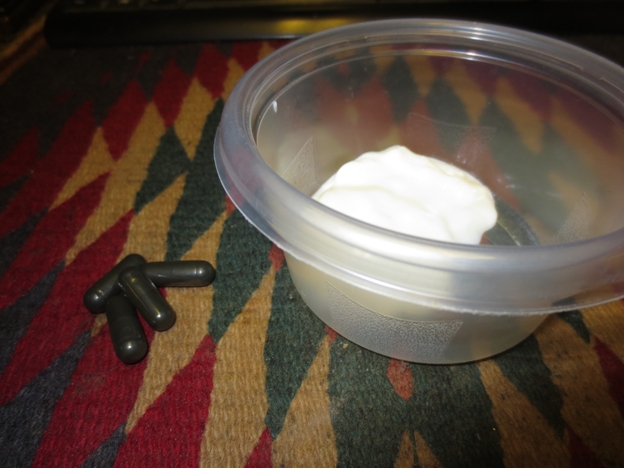
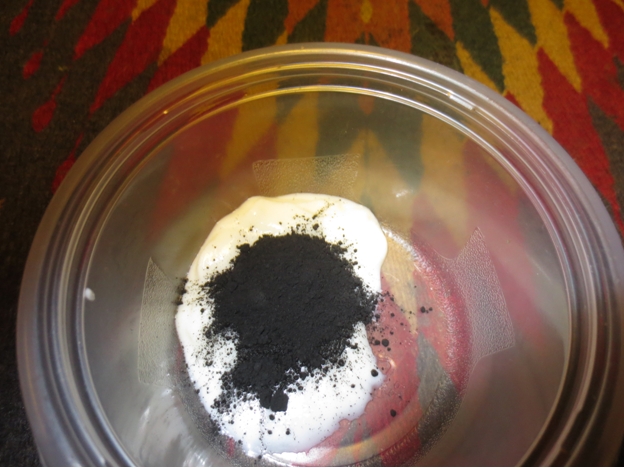
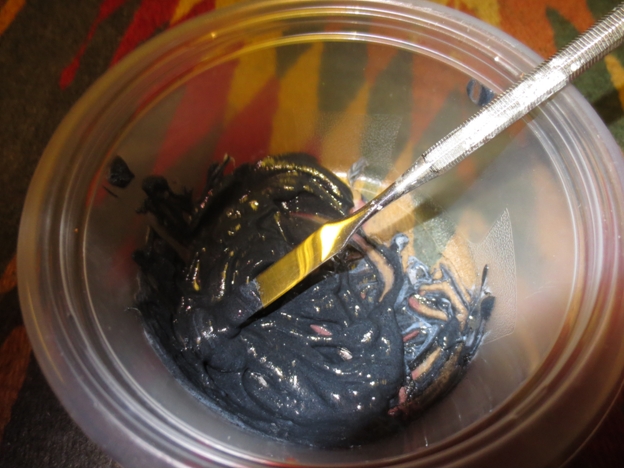
Jack45 I let it dry for about four more hours while I did other things and then decided to mix a batch of bowl coating to paint the bowl interior. I mix a batch of bowl coating using sour cream and activated charcoal powder. I use a finely ground powder that comes in capsules.Jack46

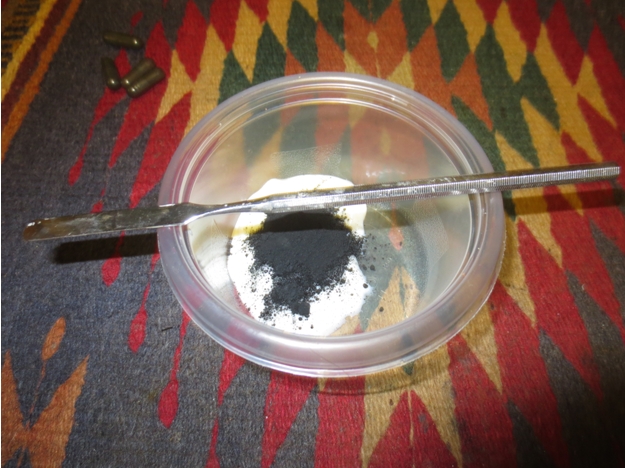
Jack47 I take apart the capsules and dump the charcoal powder into the sour cream.Jack48 I use a dental spatula to mix the charcoal and sour cream into a black paste. I work the paste until all the sour cream and charcoal are combined.Jack49

Jack50 I used the spatula to apply the paste to the walls of the pipe and then smoothed it out using a folded pipe cleaner.Jack51 The entire bowl is coated with the paste and after smoothing it out with the pipe cleaner looks like a dark grey almost black coating around the sides and bottom of the bowl. I put a pipe cleaner in the airway so that I would not get the paste in the airway when smoothing it out.Jack52

Jack53

Jack54 I wiped down the top of the rim with a bit of saliva on a cotton pad and then set the bowl aside to let the coating cure. Once the coating cured it would provide a protective layer over the bowl interior and facilitate the buildup of a new cake.

While the bowl coating was drying I worked on the stem. I sanded it with 220 grit sandpaper with a plastic washer between the shank and stem to smooth out the transition between the two. When I had finished sanding the stem with the 220 grit sandpaper I sanded it with a medium and a fine grit sanding sponge.
Jack55

Jack56

Jack57

Jack58 I wet sanded the stem with 1500-2400 grit micromesh sanding pads to minimize the scratches.Jack59 I dry sanded the stem with 3200-4000 grit micromesh sanding pads and then buffed the stem with Red Tripoli to further polish the stem.Jack60 I brought it back to the work table and dry sanded it with 6000-12,000 grit sanding pads. I buffed the stem with Blue Diamond on the wheel and then rubbed it down with Obsidian Oil and let it soak in.Jack61 I sanded the bowl and shank with micromesh sanding pads – wet sanding 1500-2400 grit pads and dry sanding with 3200-12,000 grit pads. I buffed the bowl with Blue Diamond to polish the briar. There are some fine scratches that seem to be around the junction of the shank and stem. I buffed it with Red Tripoli again and with White Diamond and then with Blue Diamond. I polished the stem and bowl with carnauba wax and buffed it to a shine with a clean buffing pad to raise the shine. The finished pipe is shown in the photos below.Jack62

Jack63

Jack64

Jack65 The next photos are close up pictures of the repair. They also that the carbon/sour cream bowl coating has dried and is a dark grey colour. The cracks on the exterior are smooth to touch and do not feel like cracks. The repairs to the top of the rim still show as a red coloured spot at the back of the rim. The stain took to the patch a little lighter than the rest of the bowl. It is smooth to the touch but still shows. The internal bowl coating has dried to the touch and gives a nice coat that is cover the repairs on the bowl wall. The carbon bowl coating has small particles of carbon in the finish. These will provide something for the new cake to bind to when it is smoked. All that remains is to let the coating cure for a few days and then load a bowl and smoke it.Jack66

Jack67

Jack68

Jack69

Repaired a couple of Brighams for a friend


Blog by Steve Laug

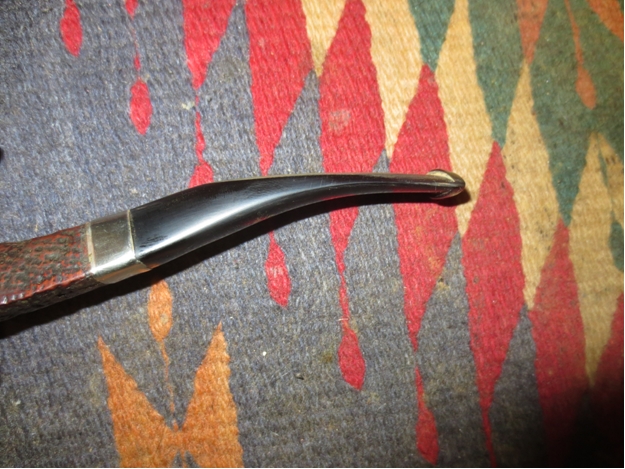
The pipe at the top of the photo is a Brigham Algonquin shape 265. It is a newer Brigham and has the nylon tenon and system. The second pipe is a Brigham 384 volcano. The stem of that one is shown in the photo below. A friend and reader of the blog, Joe Iacobellis sent me a note to see if I could help him out on these two. He had restored the bowls on both pipes but the stems were giving him fits. The Algonquin was completely restored and he put the stem on the finished pipe to have a look. When he took the stem off the tenon and system apparatus remained in the bowl. It was stuck and would not come out. The two brass dots or pins had come loose from the tenon and though the stem fit well the tenon would not come out of the shank or stay in the stem. The stem on the Volcano was a mess. There seemed to have been a coating of varnish or something on the stem and when he worked on it the surface came off pitted and scarred. He wanted me to help on these two issues so I had him send them to me.Brig1 When I came home from a recent trip for work the pipes were waiting for me. The issues that Joe had mentioned in his email were right on. The tenon on the Algonquin was torn where the pins had come free from the nylon. The tenon was stuck in the shank and would not move. I put the bowl in the freezer over night and let it sit. When I took it out in the morning I used a pair of needle nose pliers to carefully twist the tenon out of the shank. I cleaned out the shank with pipe cleaners and cotton swabs and isopropyl alcohol to make sure that shank was not the issue. I put the tenon back in place on the stem and it was fairly tight. I twisted it back into the shank and it fit well. When I removed the stem the tenon was once again stuck in the shank. I used the needle nose to twist it out again. I used an ice pick to push the pins further out of the inside of the stem so that the surface was smooth. I used some clear super glue and coated the end of the tenon and pressed it into place in the stem.

After the glue set I used the ice pick and a small furniture hammer to tap the pins back into the tenon. I tapped lightly so as not to damage the tenon or the stem. I pushed the stem into the shank and twisted it out several times to make sure that the fit was good and the tenon would remain in the stem instead of the shank. It worked! I then cleaned up the tenon and the stem with micromesh sanding pads to polish it. I buffed it on the buffer with Blue Diamond and then carnauba wax. I gave the rim of the bowl a light coat of cherry stain to bring it closer to a match on the bowl. I buffed the rim and gave it a coat of carnauba. The finished pipe is shown below.Brig2
Brig3

Brig4

Brig5

Brig6

Brig7

Brig8 The stem on the volcano took some work. The surface of the vulcanite was rough and somewhat ridged from the varnish or clear coat on it. I used some 220 grit sandpaper to clean up the surface of the stem and remove the oxidation around the shank/stem junction. I sanded it with a medium and a fine grit sanding sponges. I then wet sanded it with 1500-2400 grit micromesh sanding pads. I buffed it with Tripoli before dry sanding it with 3200-12,000 grit sanding pads to finish polishing the stem. Once completed I gave it a light buff with Blue Diamond and then gave it several coats of carnauba wax.Brig9

Brig10

Brig11

Brig12 Joe, the pipes are finished. I will get them wrapped up and in the mail as soon as possible. I think they came out great and hope you will get a lot of use out of them. Enjoy! Thanks for sending them to me to work on, I enjoyed it.

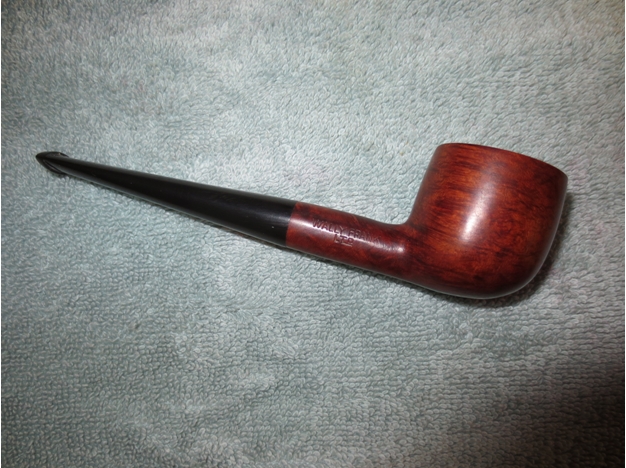
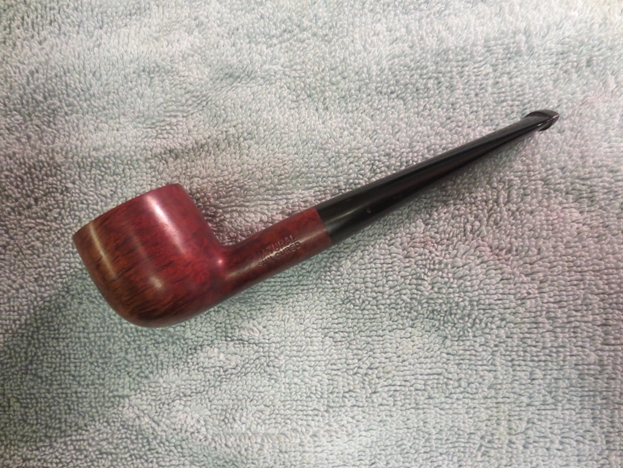
Restoring a Wally Frank Natural Sun Cured Algerian Made Pot


Blog by Steve Laug

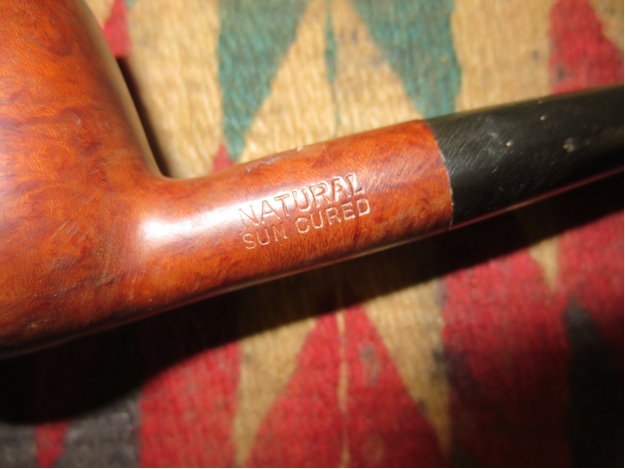
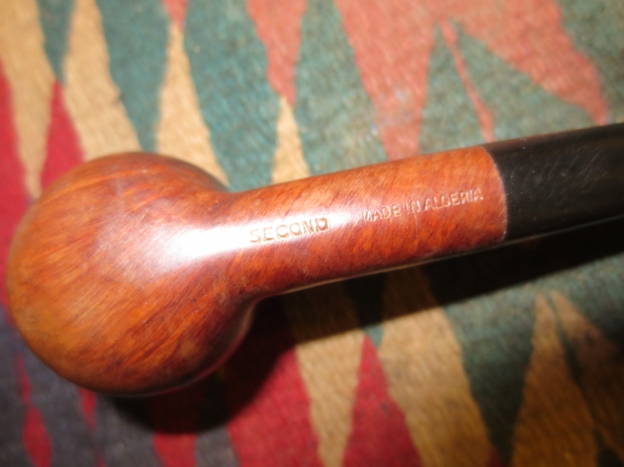
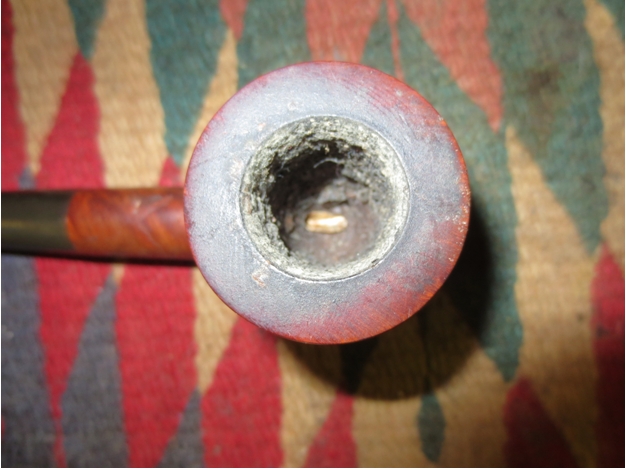
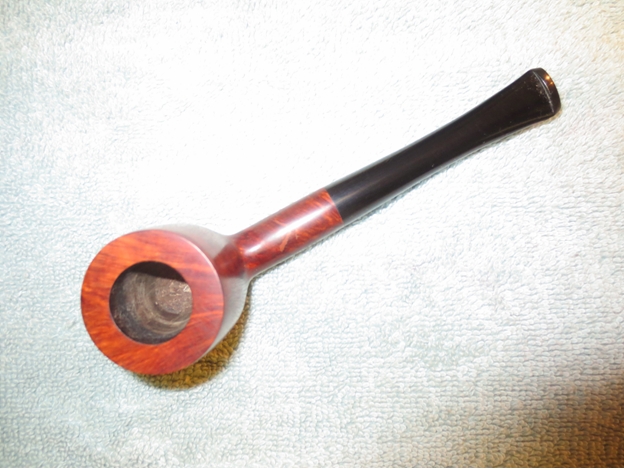
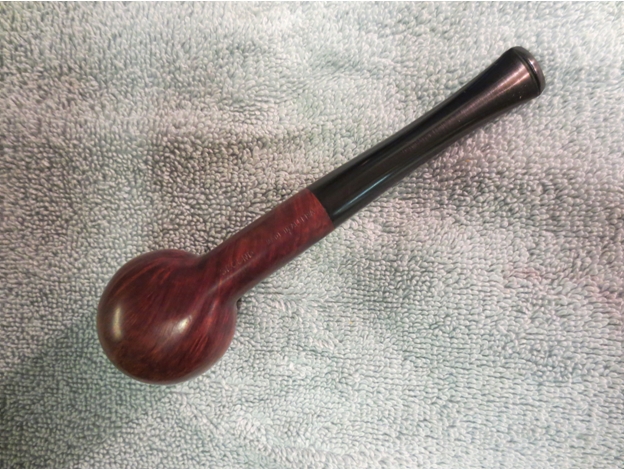
This older Wally Frank Pot shaped pipe came in the same gift box as the little no named prince that I restored recently. In fact it was the second pipe in the photos included with the prince. It was a fairly decent piece of briar with one large fill on the top of the shank in the middle. The putty used was brown rather than pink coloured putty so it would blend fairly well. The briar was darkened from use with oils and dirt. There was a thick build up of tar and oil on the rim that was rock hard. The cake in the bowl was thick and hard. The stem was good quality vulcanite and did not have much oxidation. There were deep scratches around the stem near the stem shank junction. There were also flecks of metal in the vulcanite that makes me think that the pipe is a war years pipe as often the rubber stems were made from recycled tires. There was a slight buildup of calcium on the stem just ahead of the button. The tenon had an aluminum inner tube that sat ran the length of the shank and ended with a diagonal cut end in the bottom of the bowl.Frank1

Frank2

Frank3

Frank5 The next three photos show the stamping on the pipe. The pipe was stamped on the left side of the shank Natural over Sun Cured and on the right side Wally Frank Ltd. On the underside of the shank it was stamped Second and Made in Algeria. I have seen plenty of pipes that were stamped Algerian Briar but this is the first stamped Made in Algeria that I have seen.Frank6

Frank7

Frank8 The next photo is a close-up of the rim and bowl. It shows the cake and the build-up on the rim as well as the inner tube sitting in the bottom of the bowl.Frank9 I reamed the bowl with a PipNet reamer starting with the smallest cutting head and working up to the head that was the same diameter as the bowl. I reamed the bowl back to bare wood and wiped down the inside of the bowl with cotton swabs and alcohol to remove the dust that remained in the bowl.Frank10 I scrubbed the exterior of the bowl and rim with acetone on cotton pads. I scrubbed until the oils and dirt were gone from the bowl and the rim was clean. There was some nice grain showing on the bowl – cross cut on the side and birdseye on the front and back.Frank11

Frank12

Frank13

Frank14 I sanded the stem and shank with 220 grit sandpaper to remove the scratches around the stem at the junction. I sanded both the shank and stem with medium and fine grit sanding sponges. I sanded the bowl and rim with a fine grit sanding sponge. I cleaned out the shank and the stem with pipe cleaners, cotton swabs and alcohol until they came out clean. The shank was remarkably clean considering how caked the bowl was. I wonder if the inner tube was not responsible for that.Frank15 The next two photos show the pipe along with the no name prince that I recently restored. Both had a natural finish that probably was oiled originally.Gen13

Gen14 I decided to rub this pipe down with olive oil as I did the prince. I rubbed on the oil with a paper towel and let the wood absorb it. I wiped off the excess and hand rubbed it until the wood had a rich glow.Frank16

Frank17

Frank18

Frank19 I buffed the bowl with White Diamond to give it a shine and then gave it a coat of carnauba wax. I then worked on the stem with micromesh sanding pads. I wet sanded the stem with 1500-2400 grit sanding pads and dry sanded with 3200-12,000 grit pads. I rubbed it down with Obsidian Oil between each set of three pads.Frank20

Frank21

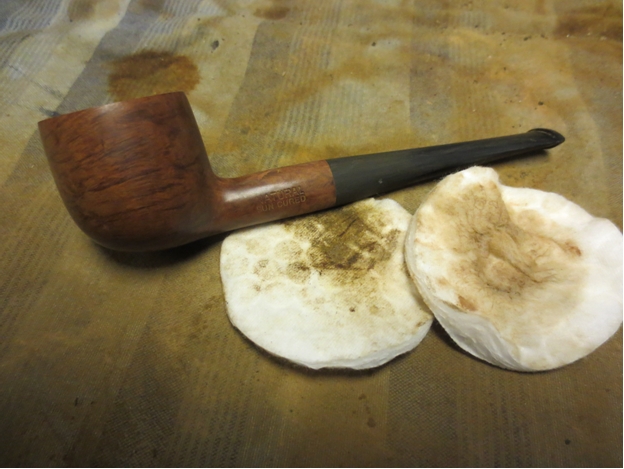
Frank22 I buffed the pipe and stem with White Diamond and worked it over the stem and bowl until the feel was smooth. I also buffed it with Blue Diamond. I gave it several coats of carnauba wax and buffed it with a soft flannel buff to raise the shine. The finished pipe is shown in the photos below.Frank23

Frank24

Frank25

Frank26

Frank27

Frank28

Frank29

Frank30

Frank31

Frank32

Frank33

Restemming & Working on New Staining Techniques on a Mastercraft Pot


Blog by Steve Laug

The next pipe from the gift box is a Mastercraft Pot. It is stamped Mastercraft in a shield on the left side of the shank and Imported Briar over Italy on the right side. There are no shape numbers. There are a lot of fills on the bottom of the bowl and the right side of the bowl. The finish is a thick coat of what appears to be urethane – almost plastic looking. Someone had previous started refurbishing it – to bowl had been carefully reamed and the bowl topped. There was a large fill on the rim that was loose that ran from the middle of the right side of the bowl almost all the way across the rim. This pipe would be a great one to experiment with using different stains to blend the fills and highlight the grain. The urethane coat would prove a challenge to remove completely but once gone it would prove a perfect candidate for the new staining techniques I wanted to learn. The band on the shank is aluminum and is oxidized and dull. The stem is a replacement that is poorly fit. It is loose in the shank and does not fit against the shank well. The tenon is very short and almost conical in shape. I will break the work on this pipe into two parts: Part 1: Fitting a Stem and Part 2: The Staining Experiment and a Conclusion called Finishing Touches.Mas1

Mas2

Mas3

Mas4 I took a few close-up photos of the rim and the stem. These will help to give an idea of the state of affairs when I brought the pipe to the work table.Mas5

Mas6

Mas7

Mas8
Part 1: Fitting a Stem

I removed the stem and found two possible replacements in my stem can. The original replace in the one at the bottom of the photo below. The two options were a longer taper and a saddle stem. Both of them worked well with the length of the shank. They looked better than the one the pipe arrived with.Mas9 I tried the bowl with each of the stems to get an idea of the look of the pipe. I made a decision for the taper once I had seen them both in place in the shank.Mas10

Mas11 The taper stem was slightly larger in diameter than the shank so I would need to adjust the diameter. I cleaned out the shank and the stem with pipe cleaners, cotton swabs and isopropyl alcohol to remove the tars and oils from the shank. Because someone had already started the process on this pipe it was not a long clean. It took very few cleaners before the shank was clean.Mas12

Mas13

Mas14

Mas15 I sanded the stem with 220 grit sandpaper to start and then decided it was taking too much time. I used the Dremel with a sanding drum and quickly removed the excess material.Mas16

Mas17 I brought it back to the work table and sanded it with 180 and 220 grit sandpaper to smooth out the marks left by the sanding drum. I needed to fine tune the fit but it was working with the bowl.Mas18

Mas19
Part 2: The Staining Experiment

To prepare the bowl for staining I needed to do the repairs and remove the old finish. I decided to re-top the bowl to remove some of the damage and smooth out the area around the fill on the right side top and edge. I wanted to bring the top down to lessen the area that the fill intruded on.Mas20 I wiped the bowl down with acetone to remove the finish only to find that it did not work to cut through the finish. Before I intruded on the finish with my next measure I decided to repair the fill on the outer edge of the rim on the right side. I used briar dust and super glue to repair the fill on the side and top of the rim. Most of the fill had been smoothed out on the top but there was some of the fill missing on the edge of the rim. I cleaned and sanded the repair to blend it into the finish. When that was smoothed out I sanded the bowl with a medium grit sanding sponge to break the gloss of the finish and then dropped it into the alcohol bath.Mas21 When I took it out of the bath the finish was dulled but still not broken. This top coat was a real bear to remove. I needed to do quite a bit more sanding on the coating to remove the finish.Mas22 Once the finish was gone and I was at bare wood I decided I would use a three part staining process to try to hide the fills and blend them into the briar. I wanted to try something new as well with the staining of this pipe. I wiped it down a final time with acetone to clean off the dust and any remnants of finish, scrubbing hard around the stamping on the shank. I stained it with a medium walnut stain, flamed it and buffed it.Mas23

Mas24

Mas25

Mas26 When the stain dried I gave it a light buff with a cloth and a shoe brush and then gave it the second coat of stain. This time I gave it a coat of oxblood coloured stain. I wanted to bring out the grain on the sides and front and back of the bowl and try to blend the fills more. I stained it and flamed the stain.Mas27

Mas28

Mas29

Mas30 When that stain dried I buffed the bowl with White Diamond and wiped it down with isopropyl to even out the stain coat. I hand buffed it afterwards with a soft cloth. The bowl was beginning to take on the colour I wanted from these first two coats of stain.Mas31

Mas32

Mas33

Mas34

Mas35

Mas36 Then it was time for the third coat of stain. I stained the pipe with a dark brown aniline stain. I applied it and flamed it and repeated the process until I had good coverage on the pipe. The dark brown looked opaque when first applied.Mas37

Mas38

Mas39 I buffed the pipe with White Diamond on the wheel and gradually the grain began to show through the finish. The combination of stains gave the pipe precisely the colour I was wanting – a warm reddish brown with dark highlights in the grain patterns. The fills though still present, did not stick out as badly and seemed to blend into the finish.Mas40

Mas41

Mas42

Mas43
Conclusion: Finishing Touches

With the finish on the pipe completed I worked on the stem. I sanded it with a fine grit sanding sponge and then with micromesh sanding pads. I also sanded the band on the shank with the micromesh pads at the same time. I wet sanded with 1500-2400 grit pads and sanded the band without the stem present. You have to be careful with the pads when polishing metal as they will leave a dark stain on the briar and the vulcanite.Mas44 I rubbed the stem down with Obsidian Oil and dry sanded the stem with 3200-12,000 grit pads. I polished the band with the same and also with a silver polishing cloth. After each set of three pads I rubbed the stem down with the oil. When I had finished the stem I gave it a final coat of the oil and then let it dry.Mas45

Mas46 The next photos show the finished pipe. It is a rich brown/red colour that has warmth and depth to it. The silver band and the new stem make the pipe look quite rich. I figure it is at least as nice or nicer than when it left the Mastercraft warehouse.Mas47

Mas48

Mas49

Mas50

Mas51

Mas52

Mas53

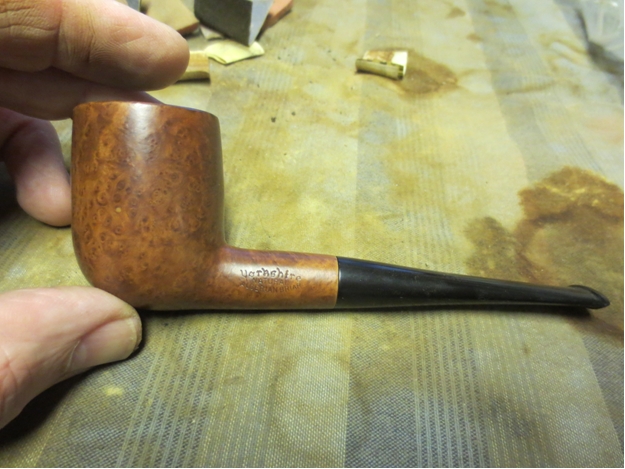
Giving a Yorkshire Natural Billiard a new look – Restain & Cumberland Stem


Blog by Steve Laug

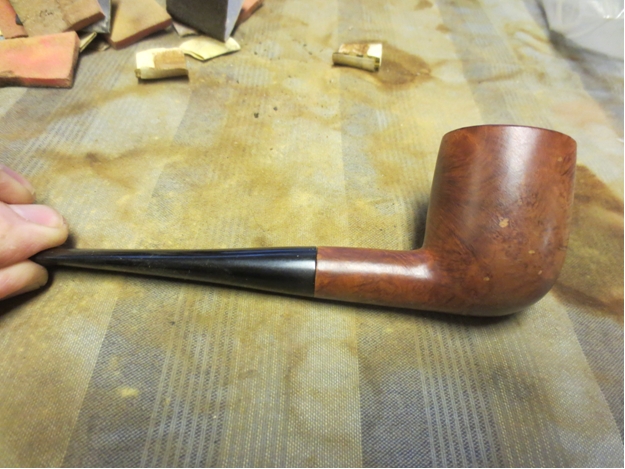
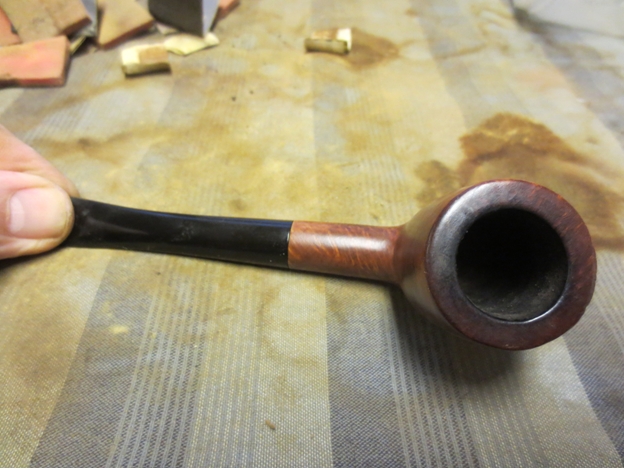
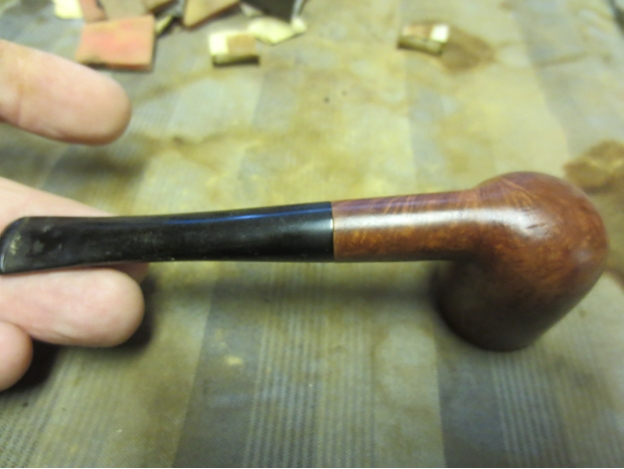
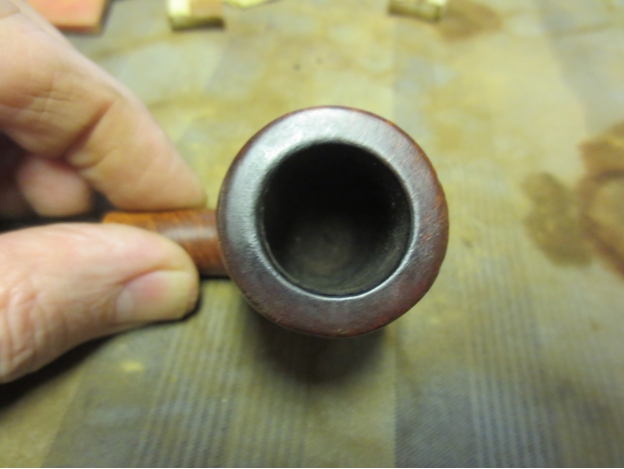
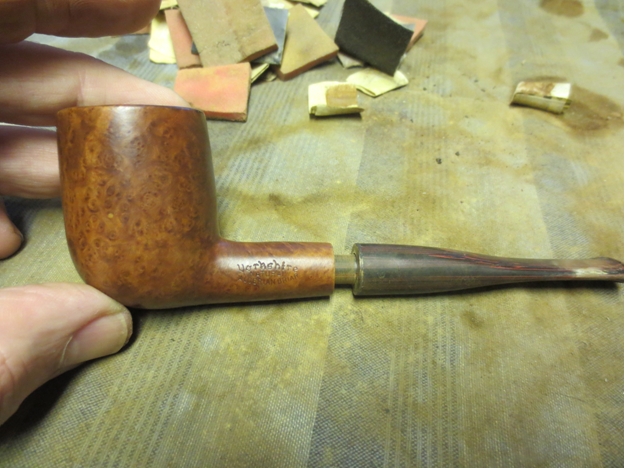
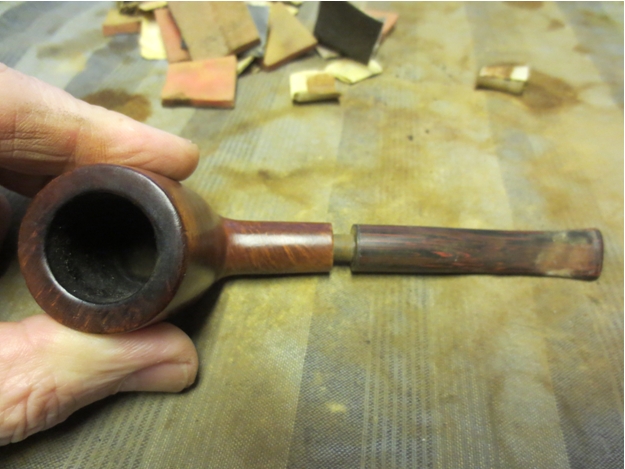
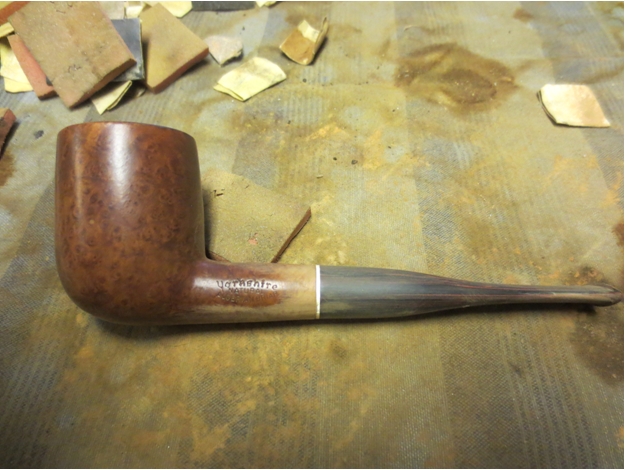
I am slowly but surely working my way through the gift box of pipes I received. The next one that I chose to work on was a billiard. It is stamped Yorkshire in an arch over Natural and another reverse arch with the words Algerian Briar.York1 The stem on it was a replacement and did not fit well on the shank. It was slightly smaller in diameter and also had rounded shoulders. The angles and flow of the stem did not work well with the pipe in my opinion as the taper on the top of the stem was different from the one on the bottom side. The bowl itself was clean but and the finish dirty. The rim had been damaged around the outer edge on the front of the bowl rounding it slightly. The stamping was clear and distinct. From what I can find on the internet the Yorkshire brand is a US Made pipe that came from Barnaby Briars (smoking pipe retailer) that was located at 28 Powell St. in Brooklyn (NY). They also made pipes stamped Barnaby. The Germanic Script differentiates it from the other Yorkshire Brand that was made in Italy by Gasparini for Sears and Roebuck.York2 The right side of the bowl had the only fills present on the pipe – and there were about five of them visible. The largest is almost in the middle toward the back. These fills were hard, smooth and tan in colour.York3

York4

York5 The close-up photo of the rim below shows the rounding of the edges on both the front and the back sides of the rim.York6 I absolutely hated the look of the stem on this pipe so I went through my can of stems until I found one that would work well. It was a well broken in stem that had a lot of oxidation and calcification on the top and bottom of the stem. There were no tooth marks which were a bonus and the stem was Cumberland! Once I had cleaned up the bowl and the stem the combination would look really good.

The tenon was slightly larger than the mortise so I used a Dremel with a sanding drum and took some of the Cumberland material off the tenon. I worked on it until it was close to fitting. Then I took it back to the work table and use a folded piece of sandpaper to get a good snug fit in the mortise. I had no idea that there was a brass band that was a part of the stem until I began to clean it up.York7

York8 When the stem was in place I sanded the stem and the junction of the shank and stem to make sure that the fit was smooth and the transition was as seamless as I could make it. I sanded with 220 grit sandpaper to even things out. As I did it I found that there was a brass coloured band that was a part of the stem. I removed the stem and cleaned off the face of the stem and found the band extended across the face of the stem like a washer around the tenon. I really liked the way the stem tapered quickly to from the shank to the button.York9

York10

York11

York12 I topped the bowl on a topping board to remove the damage on the rim and clean up the outer edges. I wanted to remove the damaged, rounded edges. I also sanded the scratches on the underside of the bowl.York13 I sanded the stem and shank with a medium and a fine grit sanding sponge. I also sanded the brass shank adornment to remove the scratches and polish it. I wiped it down with a wet cloth to remove the sanding dust. The Cumberland is coming to life the more I sand it and remove the oxidation and buildup. The lines of red and burgundy flow through the stem horizontally along the taper and the sides.York14

York15

York16

York17 I took a picture of the pipe and stem with the old stem beside it for comparison sake. The stem is about ¼ inch longer than the old one and the taper more radical. The Cumberland looked better with the briar than the old as well.York18 I wiped down the bowl and shank with acetone on cotton pads to remove the oils and grime that was on the surface of the briar. I wanted to bring the rest of the briar as close to the colour of the sanded rim and shank.York19

York20

York21

York22 I cleaned out the shank and the stem with cotton swabs, pipe cleaners and isopropyl alcohol to remove the tars and oils.York23

York24 I sanded the stem and shank with micromesh sanding pads – wet sanding with 1500-2400 grit pads and dry sanding with 3200-12,000 grit pads. I rubbed the stem down with Obsidian Oil between each set of three pads. I did not let the oil dry between rub downs as I find that the oil gives the micromesh some cut on the surface of the stem. The translucence of the Cumberland really shows through the shine.York25

York26

York27 I rubbed the bowl and down with olive oil and let it soak into the briar. The oil brought out the reddish brown tones of the briar and made the grain stand out. Sadly it also made the fills on the right side of the bowl stand out as well.York28

York29

York30

York31 While the brown tones stood out well I wanted to bring out some of the red tones in the briar. To highlight the reds I stained the bowl with a coat of oxblood stain. Before I stained the briar I used a permanent black marker to darken the fills on the side of the bowl. When it had dried so that it would not rub off when I put the stain coat on the bowl. I applied the stain with a cotton pad and then flamed it. Once it dried I polished the bowl with White Diamond on the buffing wheel. The finished pipe is shown below.York32

York33

York34

York35 The rich colours of the briar work really well with the reds of the Cumberland stem. The light brass band that separates the stem and the shank adds a light brass coloured horizontal line that breaks up the vertical Cumberland and the horizontal grain of the briar.York36

York37 The sharp edges of the rim and the grain on the surface look far better than the round outer edge of the bowl.York38

York39

York40

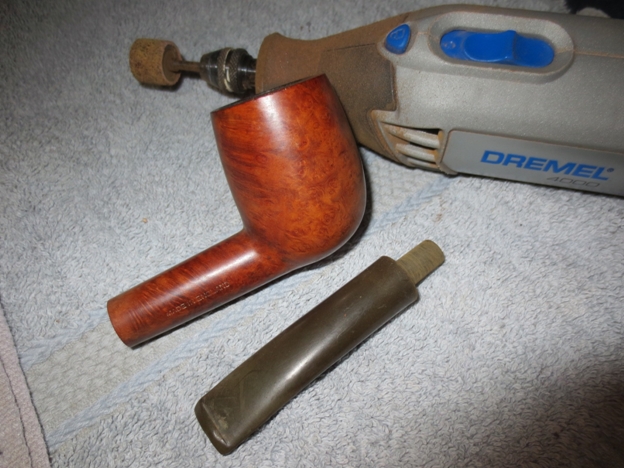
Restemming and Restoring The Albany Pipe by ?Orlik?


Blog by Steve Laug

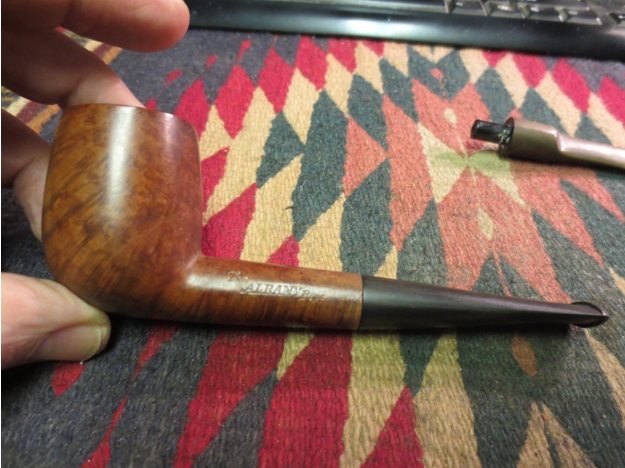
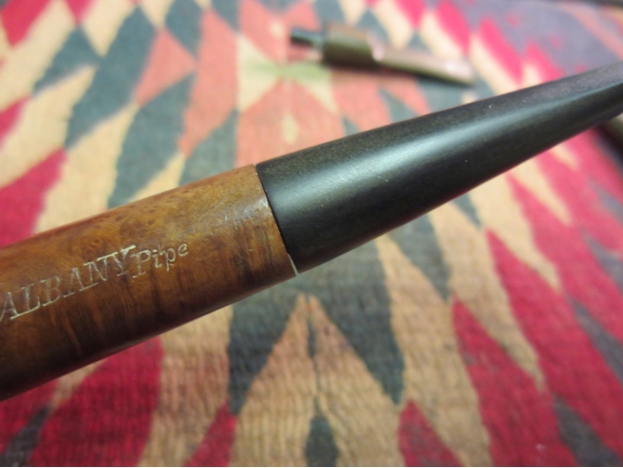
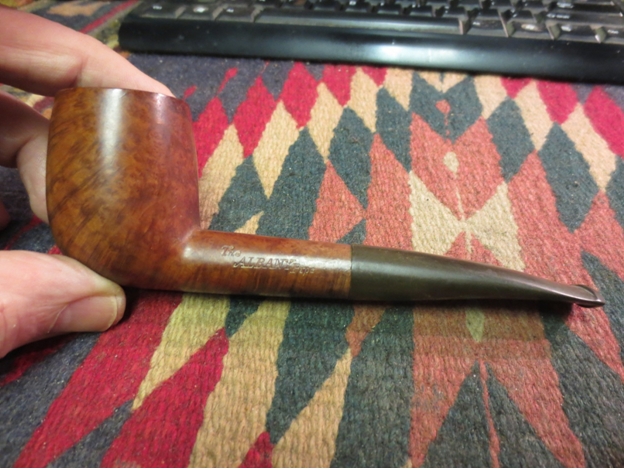
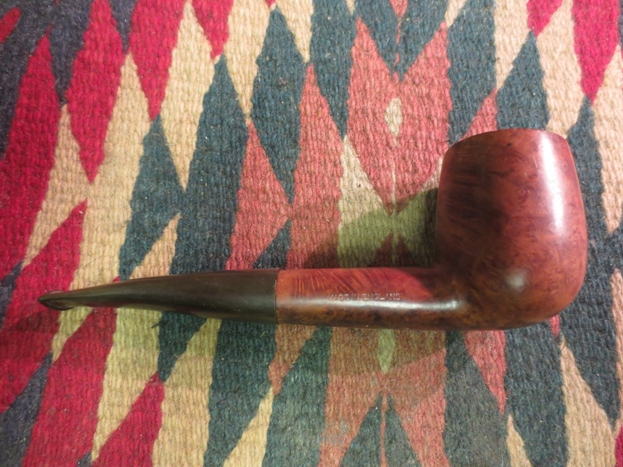
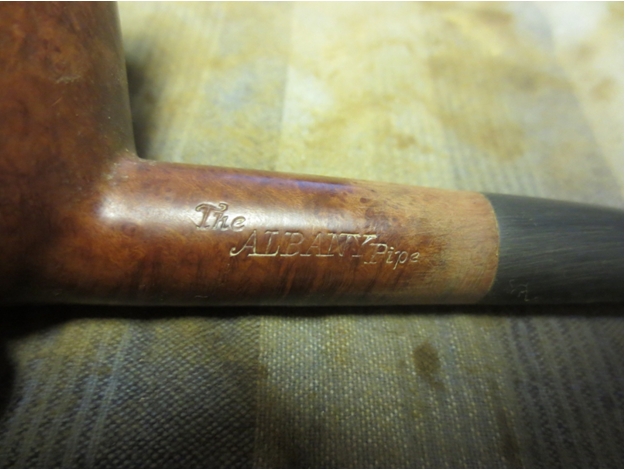
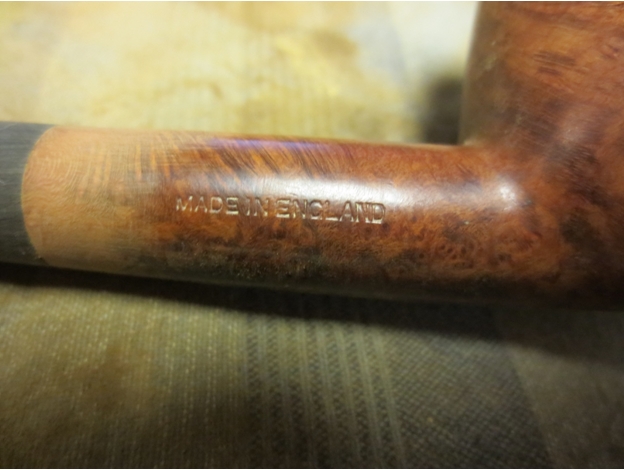
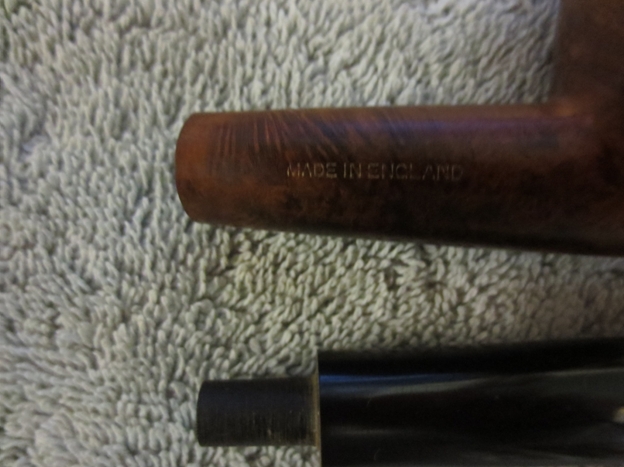
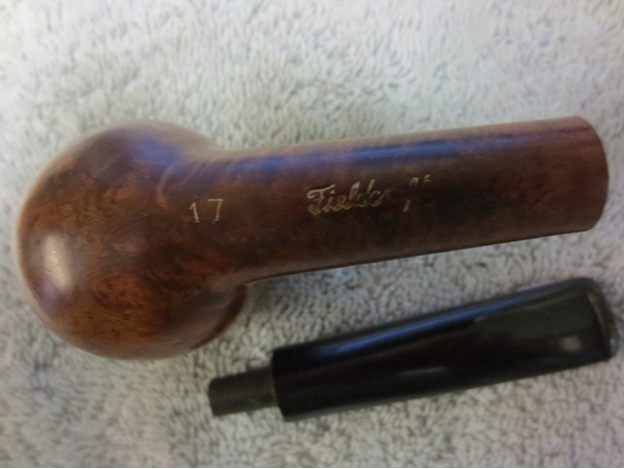
In a recent gift box of pipes there was a billiard that had a replacement stem. The stem did not fit correctly and when it was rotated in any other way but the one it did not fit and showed light between the shank and stem. The diameter of the shank and that of the stem did not match either and the shoulders on the stem were rounded – one of my pet peeves. The pipe is stamped with gold on the left side of the shank The Albany Pipe. On the right side it is gold stamped Made in England. On the bottom of the shank it is gold stamped 17 and Fieldcraft in script.Albany1

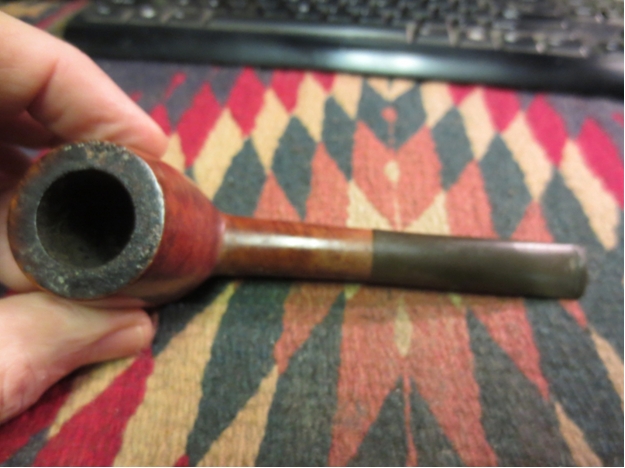
Albany2 The finish was natural – no stain and had begun to pick up a patina of age. The stamping was clear but the gold was faded and missing in some parts. The rim was dirty and also damaged on the outer edge and had some deep scratches in the top. The stem was not original. The bowl had a light cake and looked like someone had reamed it recently.Albany3

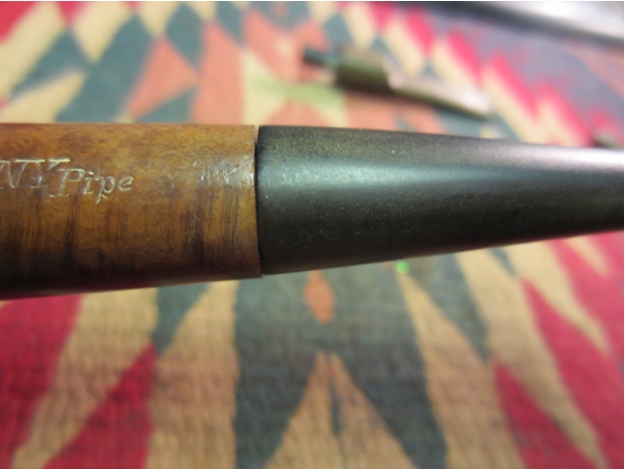
Albany4 I took a few close-up pictures of the rim and the stamping to give a clear picture of the state of the pipe when I brought it to the work table. You can also see the poor fit of the replacement stem in the photos as well.Albany5

Albany6

Albany7 The brand is one that I am unfamiliar with though in the back of my mind I have a memory of seeing it somewhere listed as a second line of a major English brand. I just cannot find it now. Does anyone have any ideas regarding the maker? I have looked in WMTP and on PipePhil and Pipedia and found nothing so far. I like knowing some of the history of the brands I restore so I am still digging on this one.

One suggestion in response to a post I made on Smokers Forums was from flatticus (Chris) who wrote the following: “Steve, I think The Albany Pipe must be the tobacconist (there was The Albany Pipe Hospital circa 1920?) and Fieldcraft must be the brand of the pipe. There was another Fieldcraft marked for Frederick Tranter Pipe Shop in Bath, England which came up on eBay some years back, unfortunately too long ago to link properly. I can’t find a thing (trademarks, old ads, what have you) mentioning the Fieldcraft name in relation to pipes, but Tranter is still in business. I wonder if someone there would know who used to make their pipes. They were bought out by Havana House, but only about 4 years ago, so you may get lucky.”

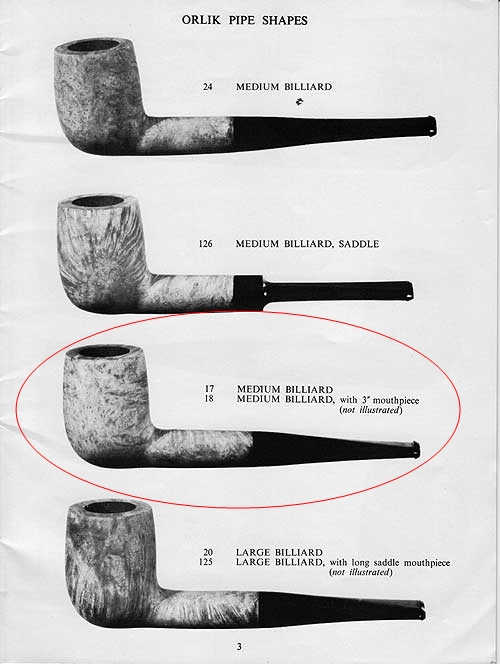
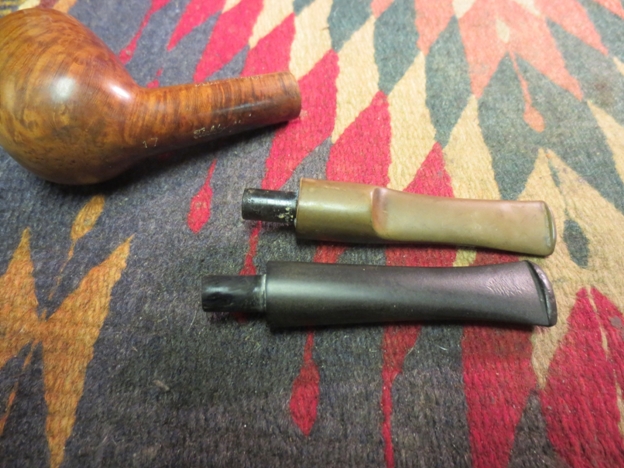
Thanks Chris I will keep looking. I did a bit more digging on PipePhil’s site and looked at the major English brands and sub-brands. The Made in England stamping looks much like that on Orlik Pipes. The shape number 17 also fits one shown in the Orlik Catalogue on Chris Keene’s Pipe pages.Albany8 I removed the stem and looked through my can of stems to find one that would work better for this billiard bowl. Two options came to the front. The first is shown in the photo below next to the replacement stem that came on the pipe. It is a saddle stem that could have worked but the tenon was too small for a snug fit in the shank.Albany9 The second stem I chose was a fat taper stem that had a tenon that was a little too large. I decided to use that one. I used a Dremel with a sanding drum to reduce the tenon enough that I could get a snug fit.Albany10 The next four photos show the pipe with the new stem. It has a slight bend in it that looks dapper on the bowl. There was light oxidation on the stem and tooth marks on the top and underside of the stem next to the button. Other than that the stem was in great shape. It was also slightly larger in diameter than the shank and would need to be fit properly.Albany11

Albany12

Albany13

Albany14 I decided to clean up the bowl before working on the fit of the stem. I lightly topped the bowl to remove the damage to the surface of the rim. I also scraped the remaining cake out of the bowl with a PipeNet pipe reamer.Albany15

Albany16 With the bowl cleaned I put the stem back on the shank and worked on the fit of the stem at the junction of the two. I sanded the stem and lightly sanded the shank, being careful of the stamping to clean up the transition. Because the bowl did not have a stain coat and was natural briar I figured this would be easy to blend in later when I worked on the finish. I used 220 grit sandpaper and medium and fine grit sanding sponges to blend the transition.Albany17

Albany18

Albany19

Albany20 I took several close-up photos of the transition to show the finished fit of the stem and shank. They also show the gold stamping on the bowl.Albany21

Albany22

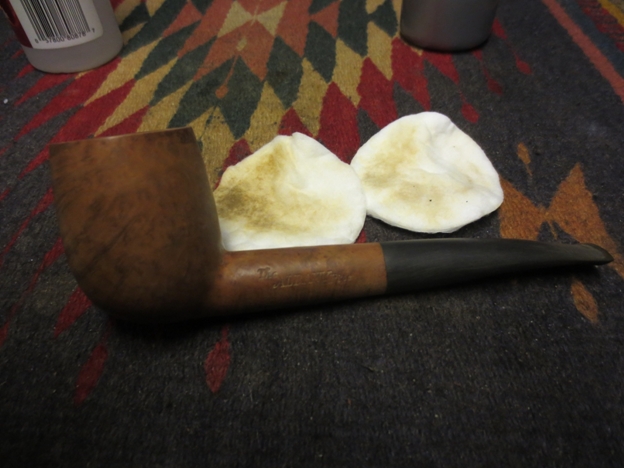
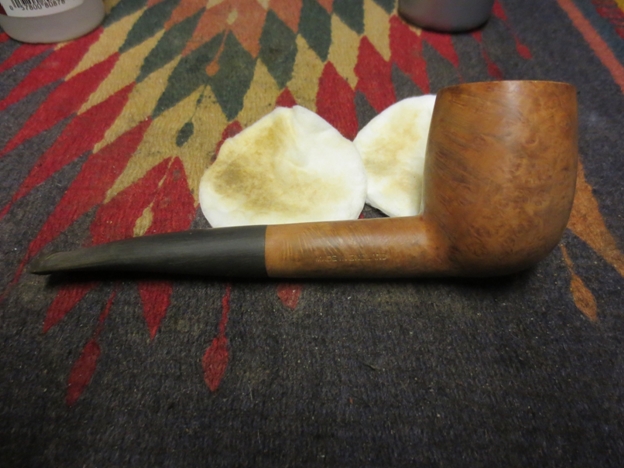
Albany23 I wiped down the bowl with acetone on cotton pads. I did not worry too much about the gold stamping as I have some rub and buff that I could use to redo the gold once I cleaned up the pipe.Albany24

Albany25

Albany26

Albany27 I sanded the stem and worked out the tooth marks with 220 grit sandpaper and then with medium and fine grit sanding sponges. I followed that with micromesh sanding pads – wet sanding with 1500-2400 grit pads and dry sanding with 3200-12,000 grit pads. I continue to use Obsidian Oil in between each set of three pads.Albany28

Albany29

Albany30 I buffed the stem with White Diamond and then gave it several coats of carnauba wax to protect and shine. I used the Rub and Buff antique gold on the stamping to give it the same look as before and then rubbed down the bowl with a light coat of olive oil before calling it a night. The olive oil soaked in and blended the sanded area of the shank and the topped rim with the rest of the pipe. I sanded the rim, shank and bowl with micromesh sanding pads to smooth out any scratches left behind by the sanding sponges. I usually do this while the oil is on the surface of the briar as the oil gives bite to the micromesh sanding pads. The next four photos show the pipe as it looked when I quit for the evening.Albany31

Albany32

Albany33

Albany34 In the morning I buffed the pipe with a Blue Diamond wheel and then gave it multiple coats of carnauba wax to bring a shine to the pipe. The finished pipe is shown below. I am still undecided if I will leave the slight bend in the stem or not. We shall see.Albany35

Albany36 The next two photos – top and bottom view turned out more read in the photos than they are in real life. The colour of the bowl is more properly shown in the photos above and the close-up photos following them.Albany37

Albany38

Albany39

Albany40

Albany41

Albany42

Albany43

A Savinelli de Luxe Milano 431KS Reborn Twice – PART 2: repairing a broken tenon


Blog by Steve Laug

In Part One I wrote about the refinishing of this pipe and how I cut off the broken stem and reshaped the button. I wrote of the time and energy it took to rebirth this pipe. I also ended with the sound of the click as the pipe hit the floor and the tenon snapped off in the shank. You have to understand the sick feeling that settled into the pit of my stomach. I knew I could cut a new stem and reshape it to fit the pipe – no problem. I knew I could drill out the stem and put in a new replacement tenon – again no problem. I had done both of those things many times. But you also need to understand that I am stubborn. I hated, having invested the time and energy into this repair to this point to throw it away and start over. To me that is a frustration that I did not want to deal with. Besides I would lose the straight brass insert in the stem that is so much a part of these older Savinellis.

I laid the pipe aside and went to bed. I was irritated and frustrated with myself for even carrying it upstairs in the first place. A good night’s sleep would give me a different perspective. I woke up with a kernel of an idea regarding the broken pipe. Really it was a bit of an experiment for me as I had never tried the idea in reality. I think it was born out of conversations with Troy about repairing a cracked shank on a LHS billiard that he was working on and from my recent putting together my latest Frankenpipe. If a metal tube could provide a strong bond in joining two parts of a shank together why wouldn’t it work to bond a broken tenon to the stem? I know that the repair works well on a stable, unmovable shank but would it work on a removable stem and tenon? Would it be stable enough to endure repeated removal from the shank for cleaning and just observing that pipe smokers do? I had no idea but figured it was an experiment worth trying and also worth documenting.

In Part 2 I want to look at that experiment in from the idea to the execution and see what develops. I want to look at the challenges and the issues that arose in executing this repair. And ultimately I want to document it so that I can come back to it and report on its durability and feasibility as a long term solution to a broken tenon. I took the first photo below just after the event happened. I took the pipe back to the worktable to lay it aside and before I did I thought I would take a photo to document the damage. Those of you who have snapped a tenon will well know the thoughts going through my mind. And those of you who restore old pipes only to have a fiasco occur at the end of a long clean up will know the “pain” of the moment.Sav47 In the morning when I got up I pulled the tenon out of the shank using a screw that I keep on the work table for that purpose. I screw it into the tenon and then work the tenon out of the shank. This time it would be both easy and difficult. The shank was clean and the pipe had not been smoked so it would not be stuck in the shank – that was the easy part. The hard part was the metal inner tube that was in the end of the tenon. It would be in the way of the screw when I turned it into the shank. On an off chance that the tube would pop free of the tenon I inserted an ice pick into the end of the shank and push on the tube. I let out a sigh of relief when I heard it drop into the airway and bowl. I inserted the screw and with no effort popped the broken tenon free. I tipped the shank back and the tube fell out of the airway. It was at this moment that my idea was born. The metal tube lay on the table next to the tenon and stem. Why not use that already fitting tube to try to join the broken parts? It was worth a try.Sav48 I tried to run the tube through the broken tenon only to find that it did not go all the way through. It stopped ¾ of the way in and would not go through. I used a needle file to open up the airway until the tube could be pressed all the way through. I removed the tube and opened it further so that once it had a coat of epoxy on it the tube would still fit through the airway. I had decided to sacrifice the inner tube to this purpose.Sav49 With the tube easily fitting through the tenon I then tackled the airway in the stem portion of the break. It was too small for the tube to fit. It would need to be opened up considerably for the tube to slide in place with the epoxy. I decided to begin opening it with a drill bit. I set up my cordless drill with the proper sized bit and hand turned the stem on the bit. I do this without powering up the drill as I find that I can turn it by hand without risking going too far with the bit.Sav50 Once I had the airway opened far enough into the stem to give it a decent depth for the tube when inserted I cleaned up the airway with needle files to ensure a smooth transition from the tube to the remainder of the airway. I did not want a lip between the two that a pipe cleaner would catch on when cleaning the pipe.Sav51

Sav52 With the airway open on the tenon and the stem I used a flat knife blade needle file to score the smooth surface of the inner tube. Smooth aluminum does not provide a surface that epoxy will bind to so I need to score. I then coated the sharp end of the tube with a two part epoxy and pushed the tube into the stem portion of the break. I slide the tenon on to ensure that the tube was straight and the tenon when glued on would still fit tightly against the shank.Sav53 When the epoxy had set in the stem I gave the tube a quick once over with the file to further score the surface and then brushed on the epoxy mix. I pressed the tenon onto the tube and before pressing it in place used a tooth pick to coat the broken surfaces of the tenon and stem with epoxy.Sav54 When pushed into place the excess epoxy squeezed out.Sav55

Sav56 The next photo shows the fit of the tenon on the metal tube. I pushed it in just below the surface of the face of the tenon.Sav57 I used a dental pick to clean off the excess epoxy from the joint then set aside the stem to let the epoxy set and cure for several days.Sav58

Sav59

Sav60 Once I figured that the epoxy had cured and the joint was solid I cleaned it off with a dental pick, a sharp knife and sandpaper. I did not want a ridge at the joint that would catch when the tenon was pushed into the shank. I still needed to sand the joint and clean it up but the repair seems strong.Sav61

Sav62 I put the stem back in the shank and found that I had not let the epoxy cure enough. When I removed the stem from the shank the tenon remained in the shank. The epoxy holding the tenon to the tube was solid and rock hard. The epoxy on the stem side was dry but soft. It had not hardened enough. I am wondering if I should have glued it into the stem side first and let it harden before putting the tenon in place. Well, I will never know with this one. I cleaned off the metal tube and the airway in the stem and mixed a second batch of epoxy. I roughed up the surface of the metal tube even more to give the glue something to bite onto. I pressed the stem in place. This time I will let it cure for a longer before fussing with it. I wonder if the fact that it is in a confined space with limited airflow makes it take longer for the epoxy to harden. Time will tell. I am hoping that the fix works.

I let it dry for two days and then did some sanding with micromesh sanding pads to polish the stem. I did not put it into the shank at this point as I wanted it to have at least another day to cure. I did a quick, wet sand with 1500-2400 grit micromesh pads and then rubbed it down with Obsidian Oil then dry sanded with the 3200-4000 grit pads. I cleaned up the excess epoxy with a flat needle file to smooth out the joint and to clean up the face of the stem. All of this was done to prepare for refitting the stem in the shank.Sav63 After another day sitting and curing I decided to carefully put the stem in place. I once more sanded the tenon to make sure it was clean and smooth. I wanted a snug fit but not a tight fit.Sav64 I put the first half of the tenon into the shank, literally holding my breath as I pushed it carefully into the shank. I was fully expecting the epoxy to break loose again and leave the tenon in the shank. But it did not. I push the stem in and took it out carefully several times to check the joint. I checked the crack that I had repaired and it was holding. I let out the breath I must have been holding. It was working.Sav65

Sav66

Sav67

Sav68

Sav69 With the stem in place and apparently solid I turned the pipe over in my hands to check it out. You cannot imagine the frustration when I saw that somehow the tenon was slightly lower than it had been and now the fit against the shank did not match. The two edges along the shank and the stem no longer lined up but were both equally off – maybe 1/16 of an inch, but off nonetheless. I set the pipe down and took a deep breath. I was not going to leave this alone. I was going to make the fit perfect. I sanded the shank and stem junction carefully with 220 grit sandpaper to smooth out the transition and remove the excess briar on the top of the junction and the excess vulcanite on the bottom of the junction. I worked on the sharp edge on both sides of the stem and shank to bring them back into alignment. Once I was done with the sandpaper I took a few photos to check the alignment.Sav70

Sav71

Sav72 I sanded the stem and shank with a medium and a fine grit sanding sponge to minimize the scratches left by the sandpaper and smooth out the surface of both.Sav73

Sav74 I wiped off the sanding dust and rubbed the stem down with Obsidian Oil and took the next two close-up photos.Sav75

Sav76 I took the stem off the pipe and cleaned out the sanding dust that had slipped in the joint of the stem and shank. I pushed the stem back in place and worked it over with micromesh sanding pads – wet sanding with 1500-2400 grit pads and dry sanding with 3200-12,000 grit pads. I rubbed the stem down with Obsidian Oil after each set of three pads.Sav77

Sav78

Sav79

Sav80 After all of the sanding I was worried that I might have jarred the repair to the tenon so I took the stem out and took a close look. The crack was still solidly close and the repair was holding well.Sav81 I put the stem back in place and took the next four photos of the pipe with the stem in place. The repair had worked so far.Sav82

Sav83

Sav84

Sav85 I wanted the portion of the shank that I had sanded match the colour of the rest of the pipe. Since I had oiled the bowl with olive oil, I did the same again. I rubbed the bowl and shank down with the oil and let it absorb. I then gave the bowl and stem several coats of Conservator’s Wax and hand buffed it with a shoe brush. The finished pipe is shown below. The repair is holding well and the pipe looks good as new. The new button on the stem worked well and the repaired tenon worked. Now comes the period of waiting to see if it will hold up to regular use and cleaning. Smoking it should be no problem as the airway is open and has a clean draught. All that remains is to fire up a bowl… and wait.Sav86

Sav87

Sav88

Sav89

Sav90

Sav91

Sav92

Sav93