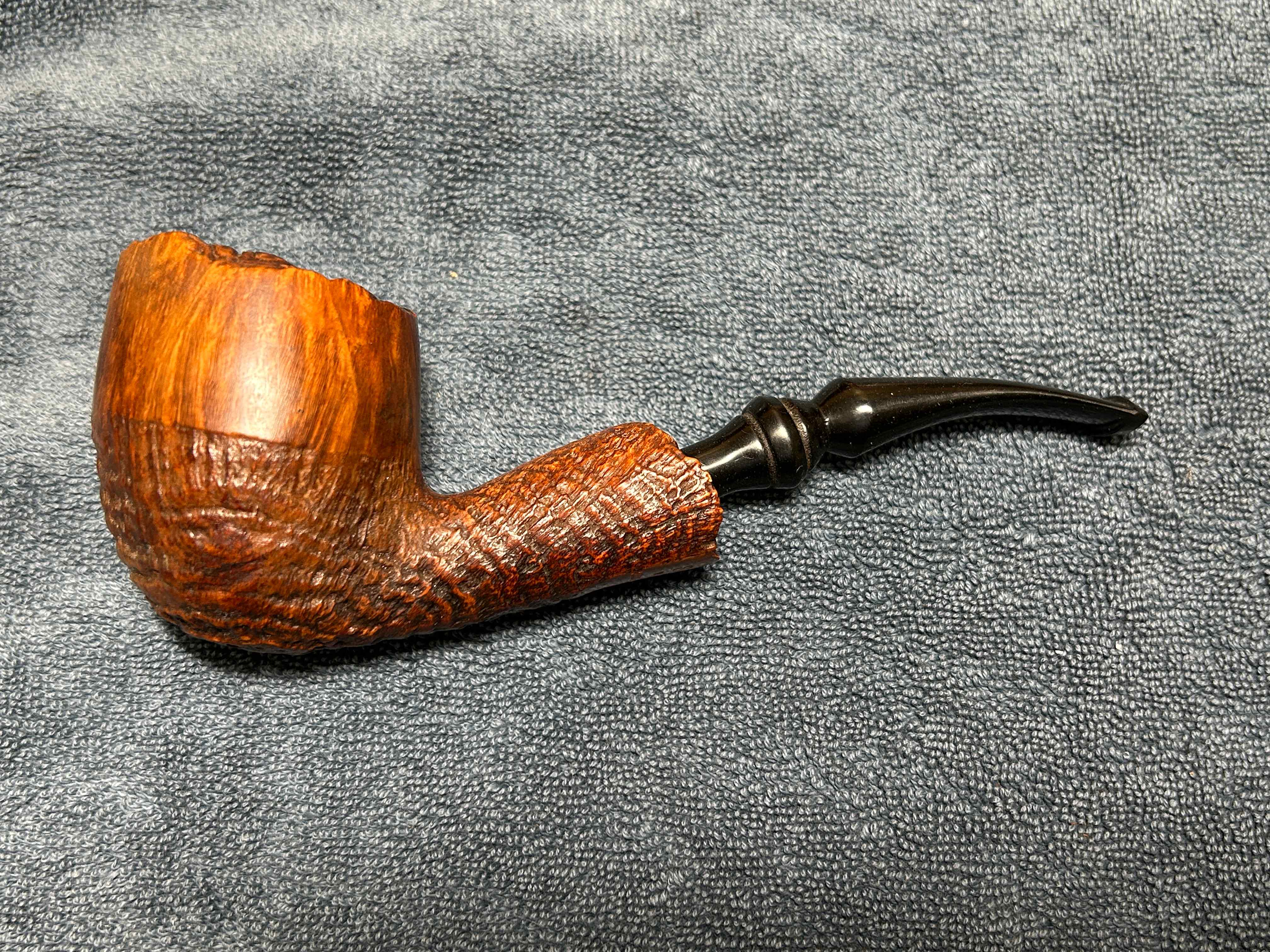
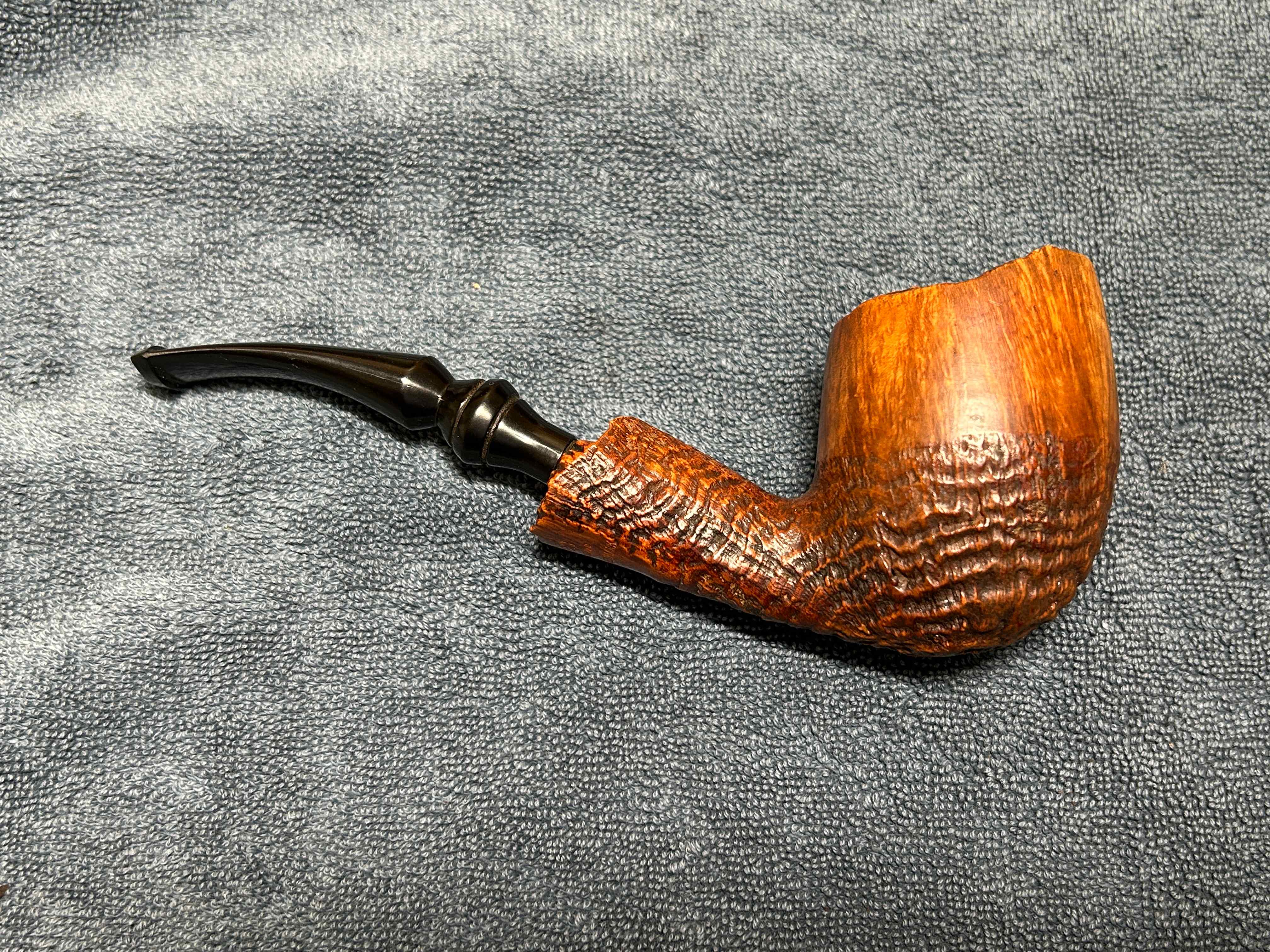
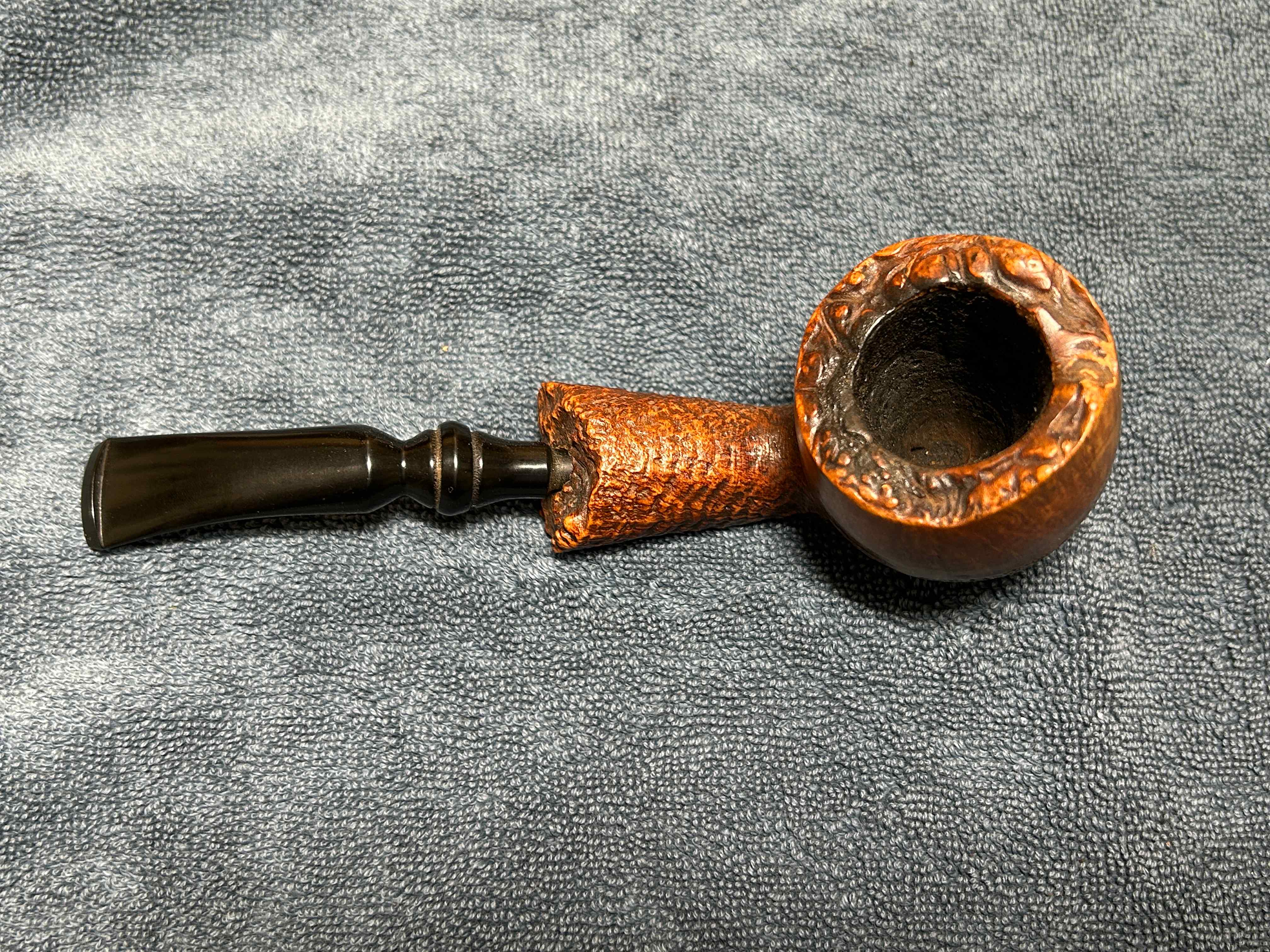
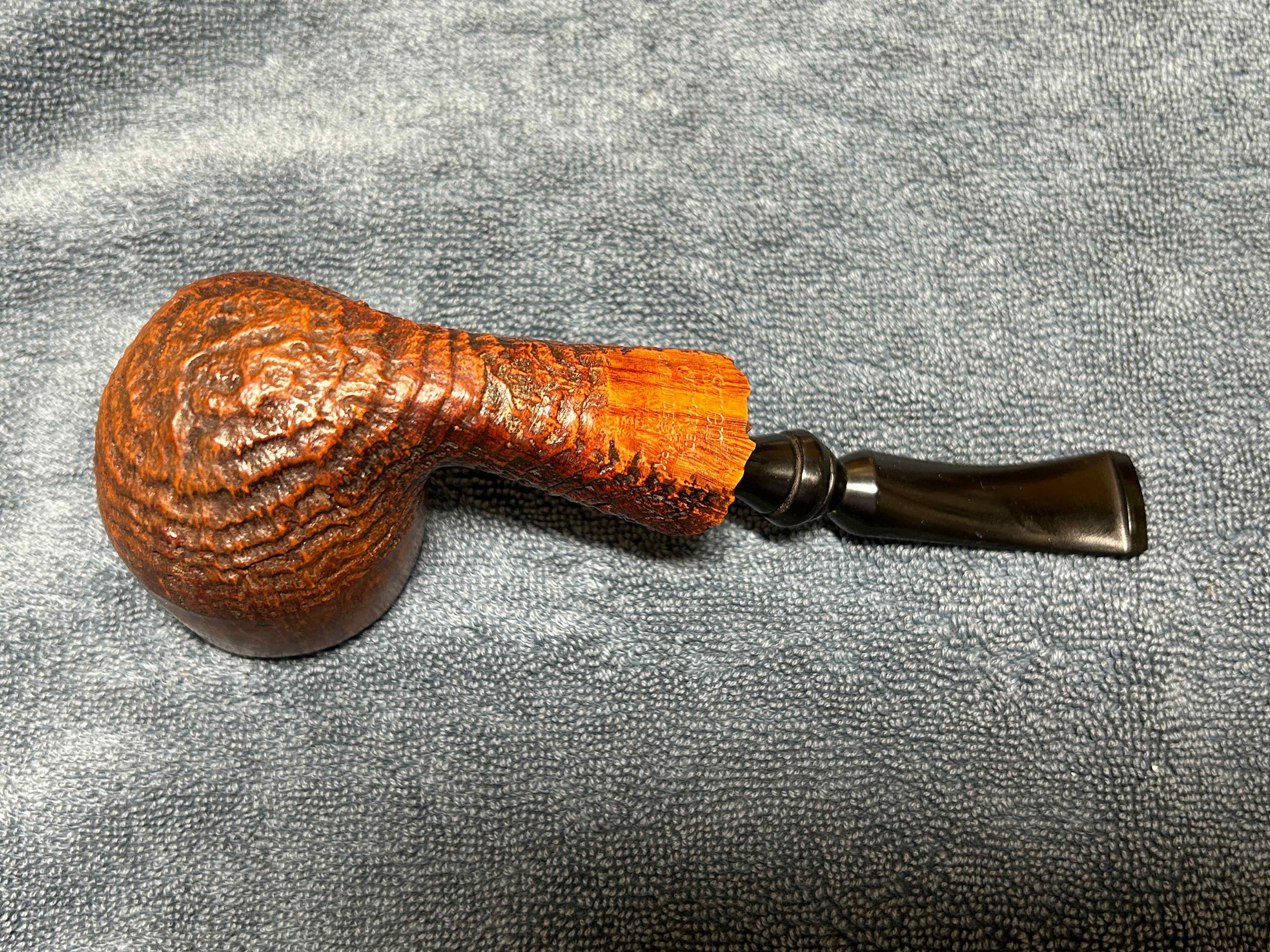
Tag Archives: bite marks

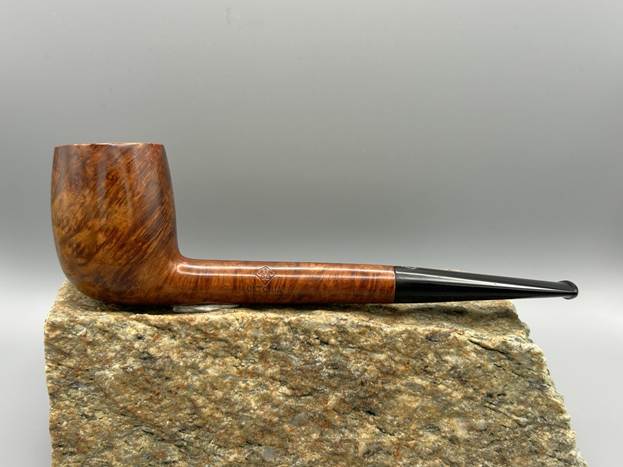
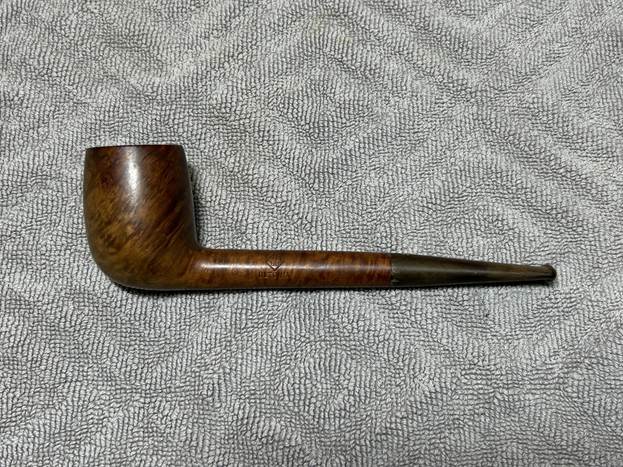
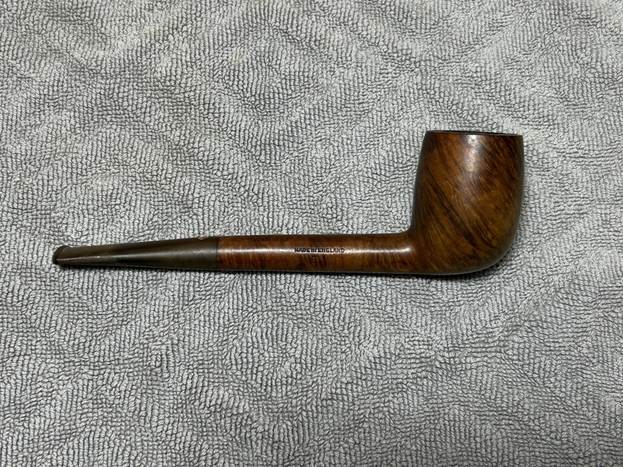
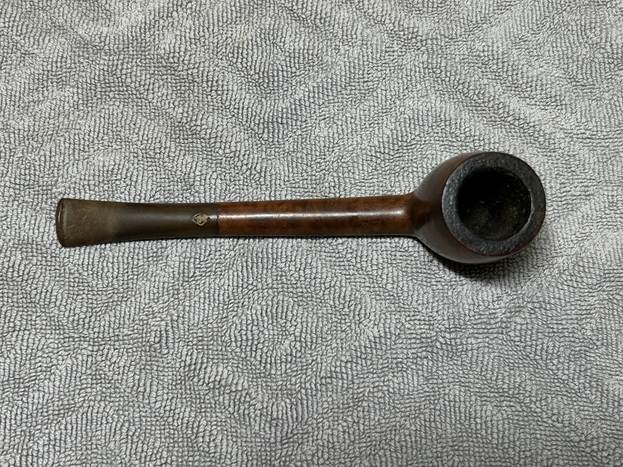
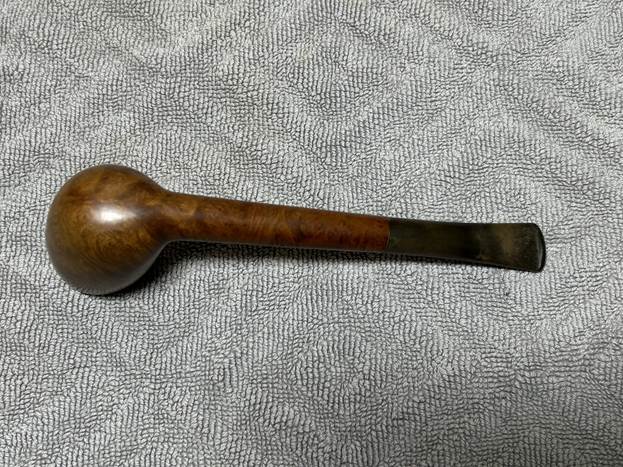
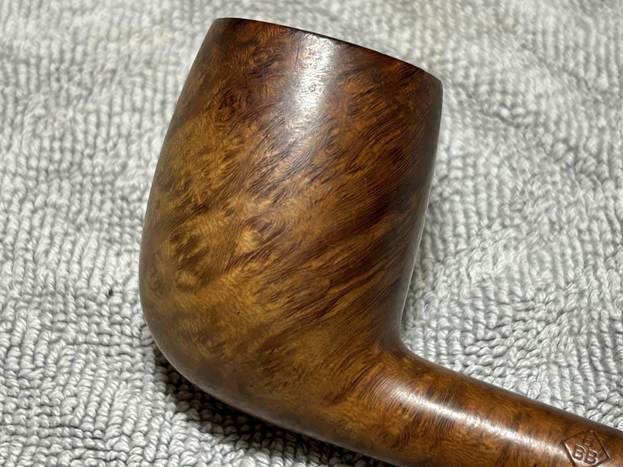
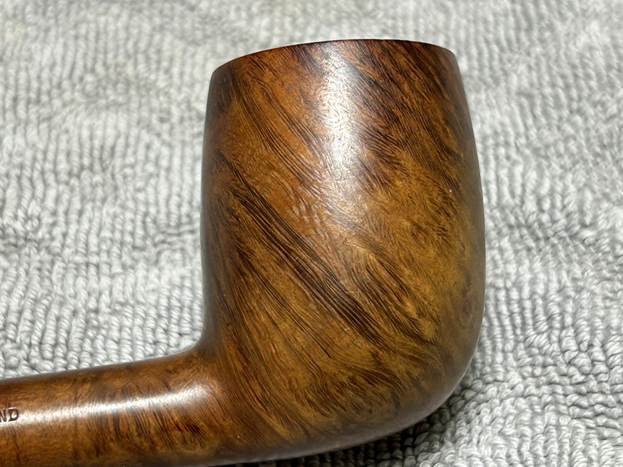
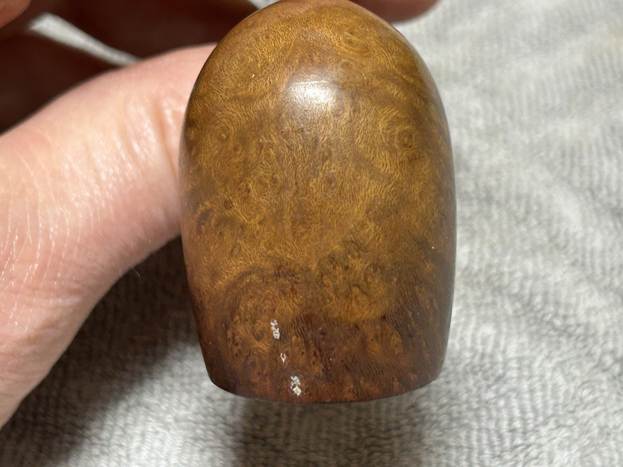
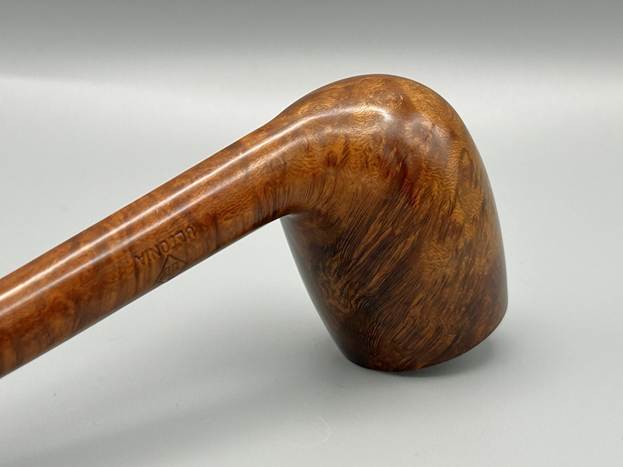
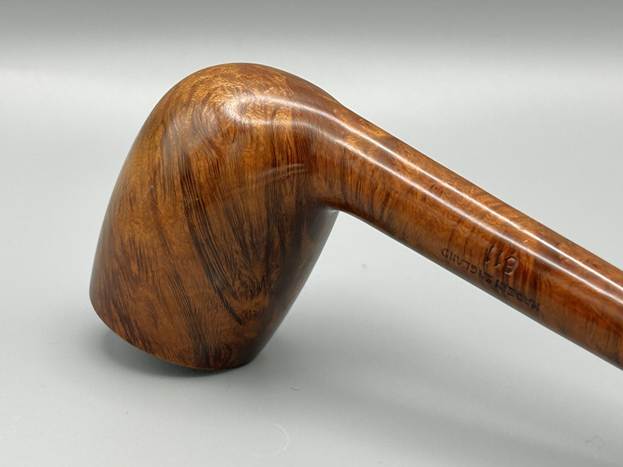
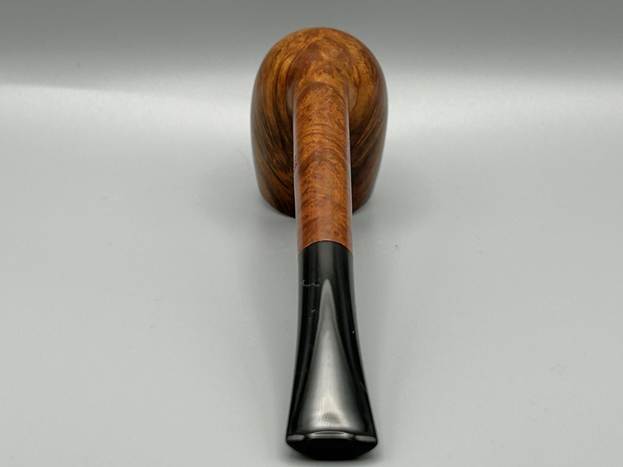
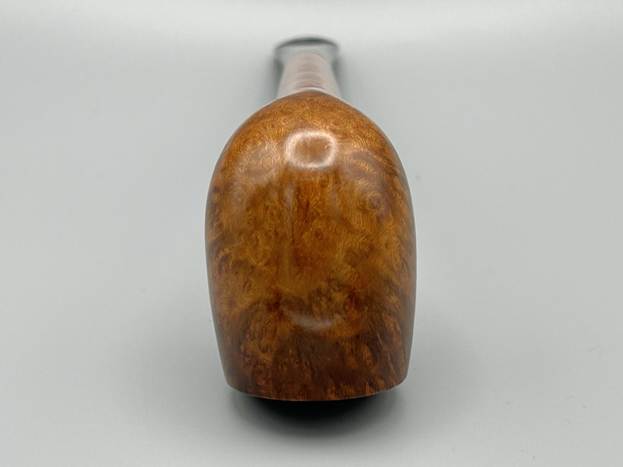
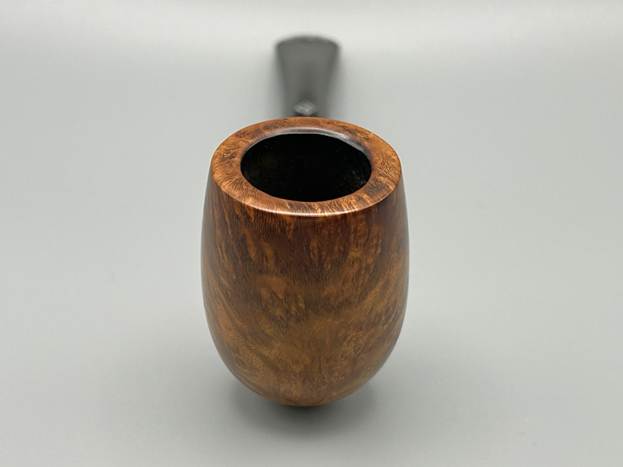
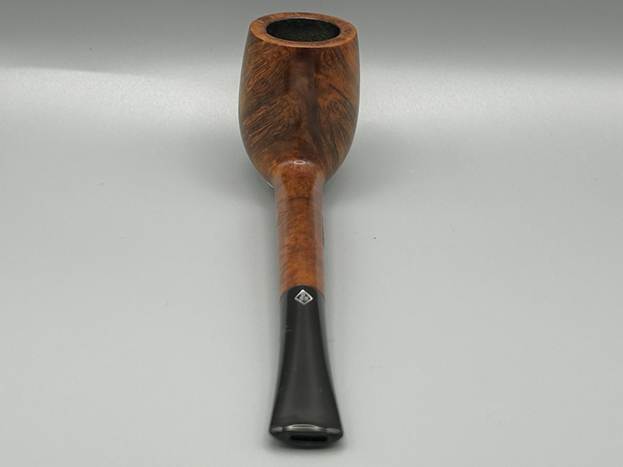
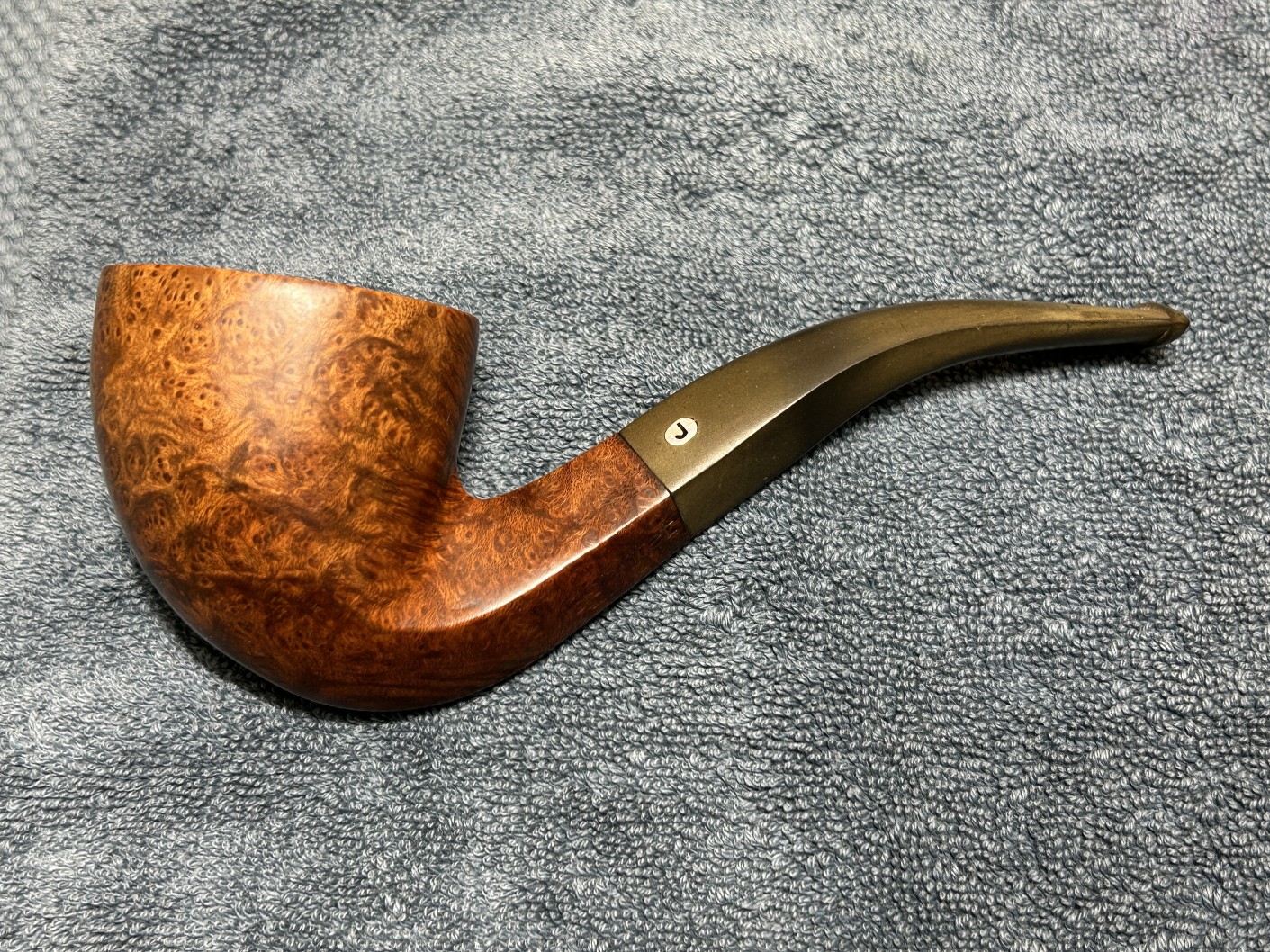
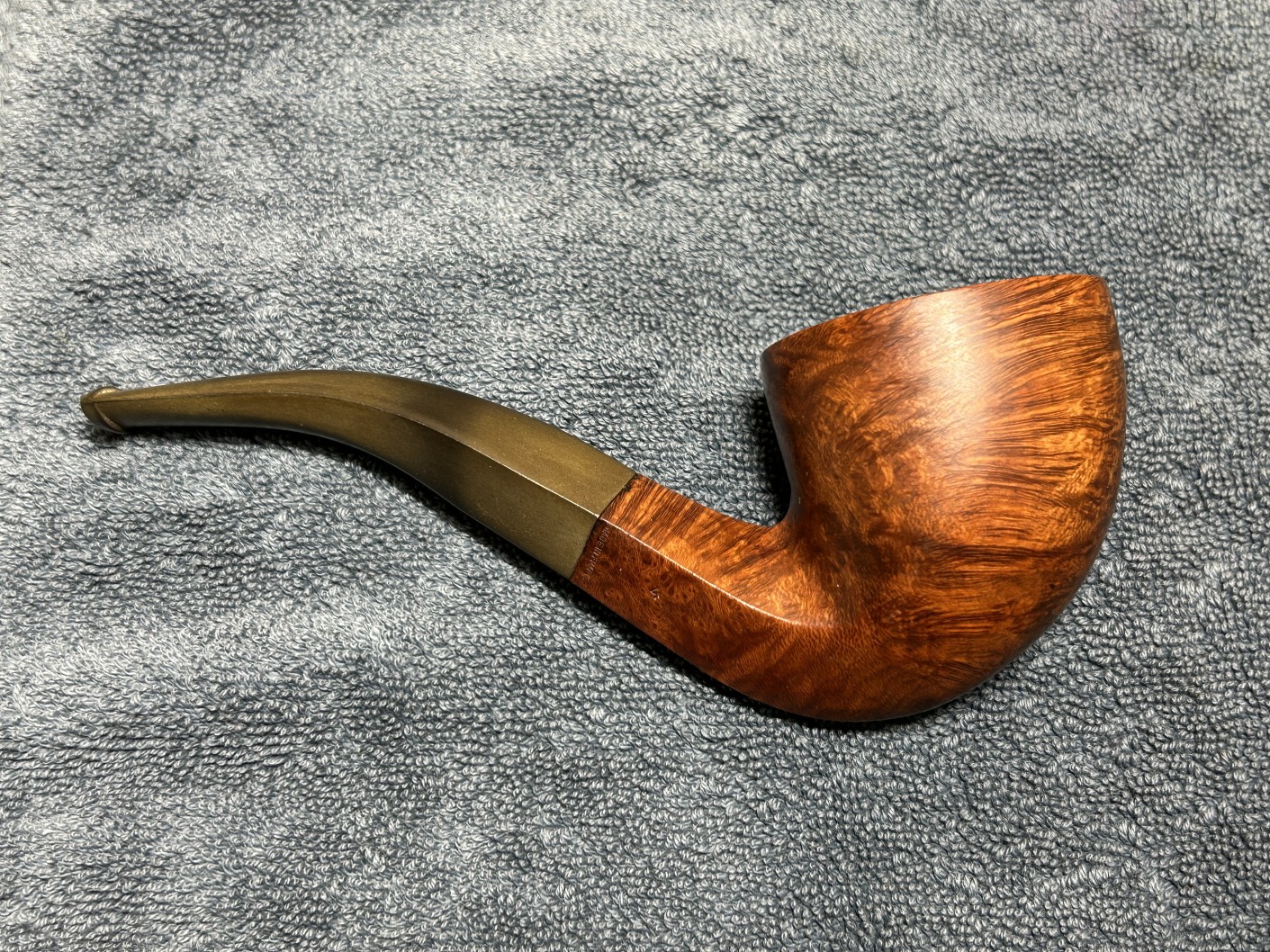
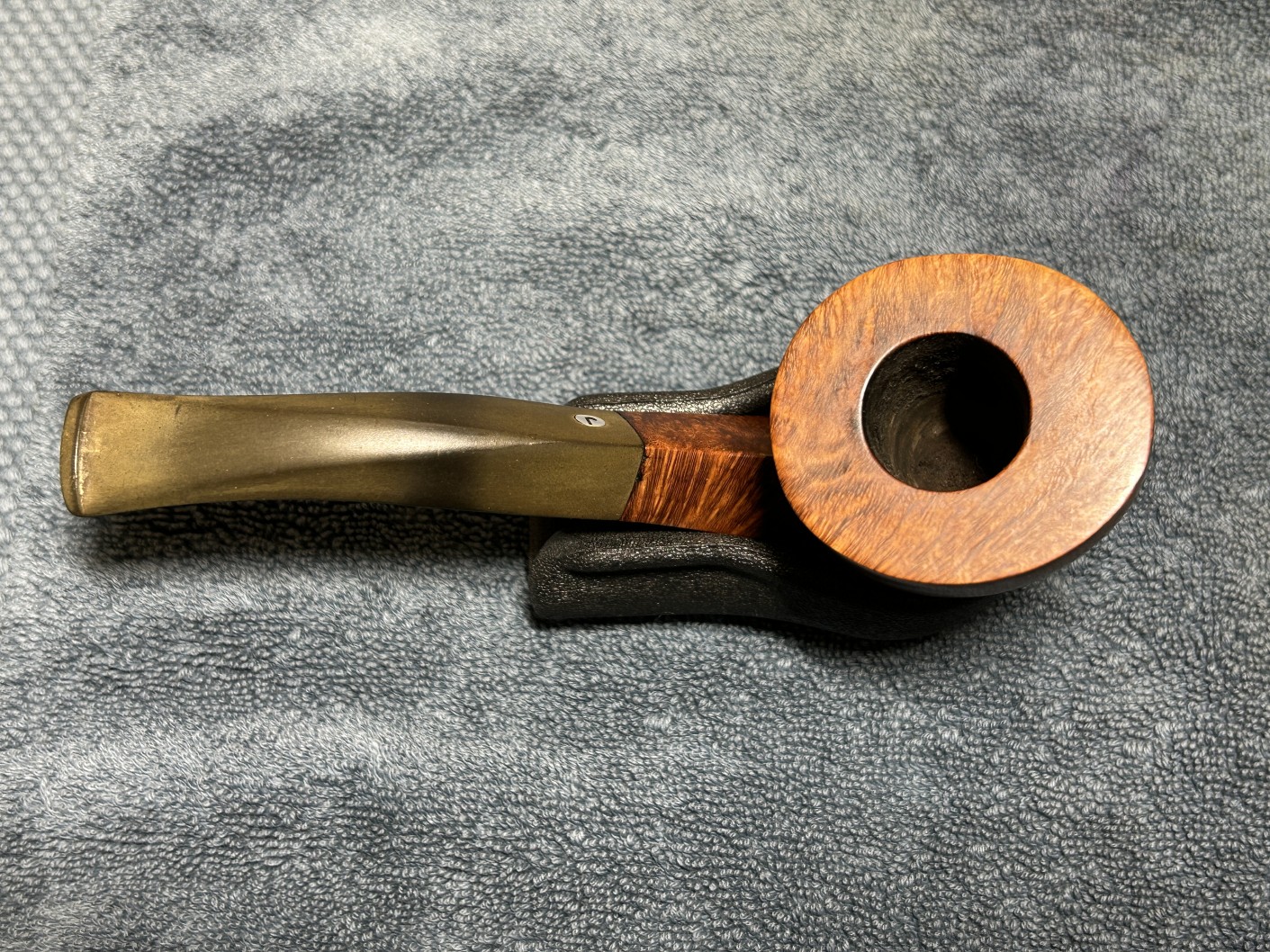
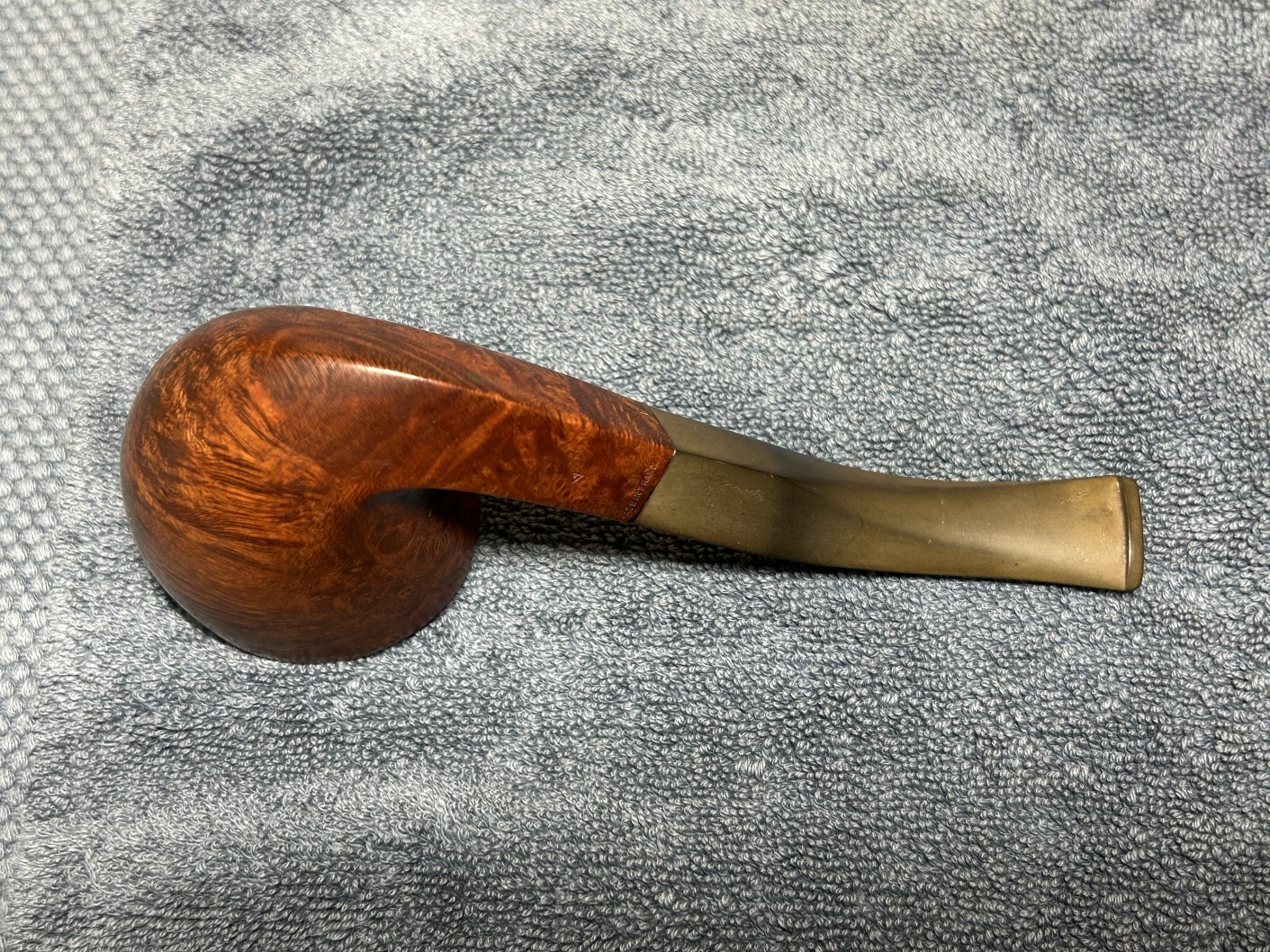
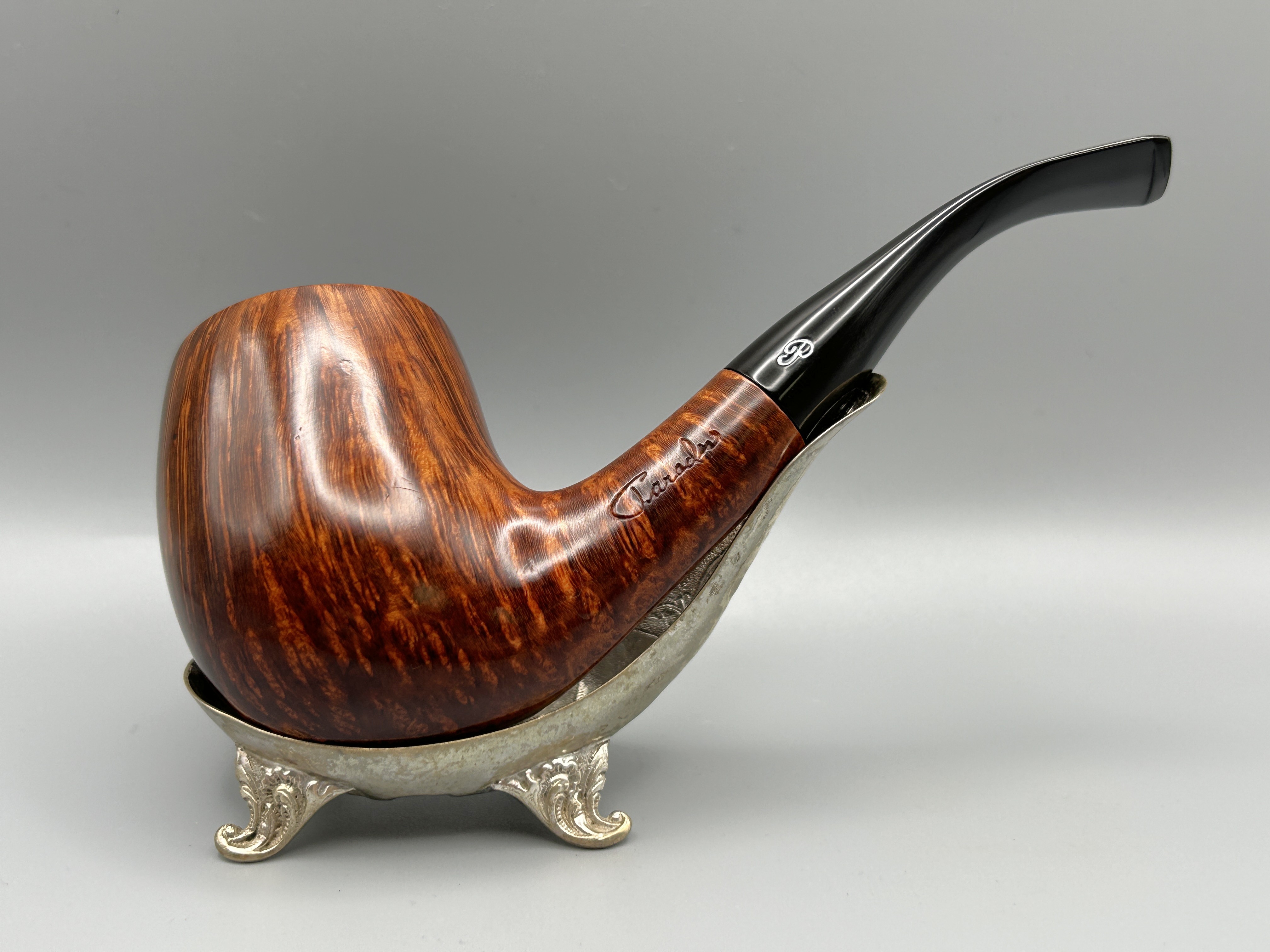
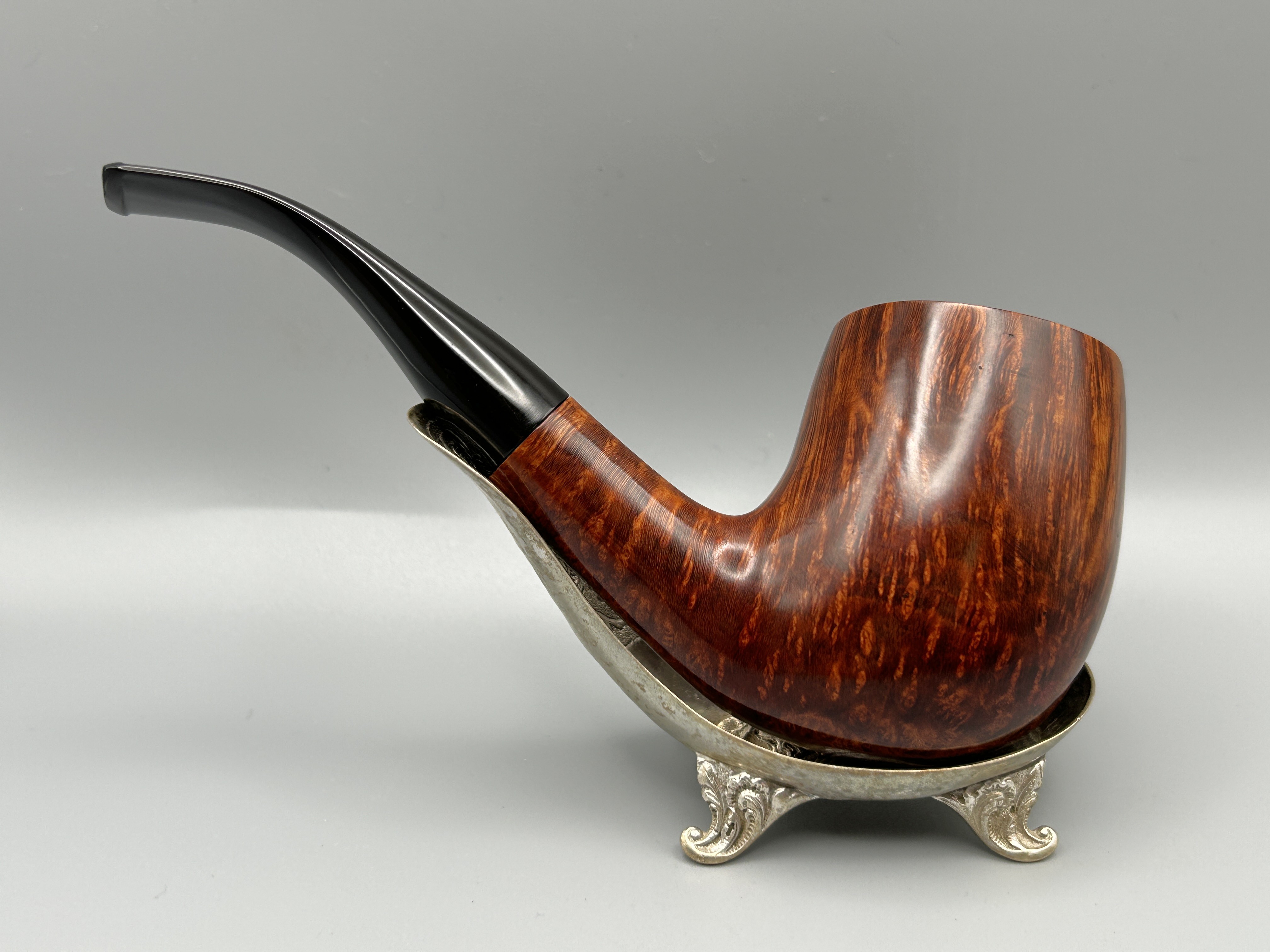
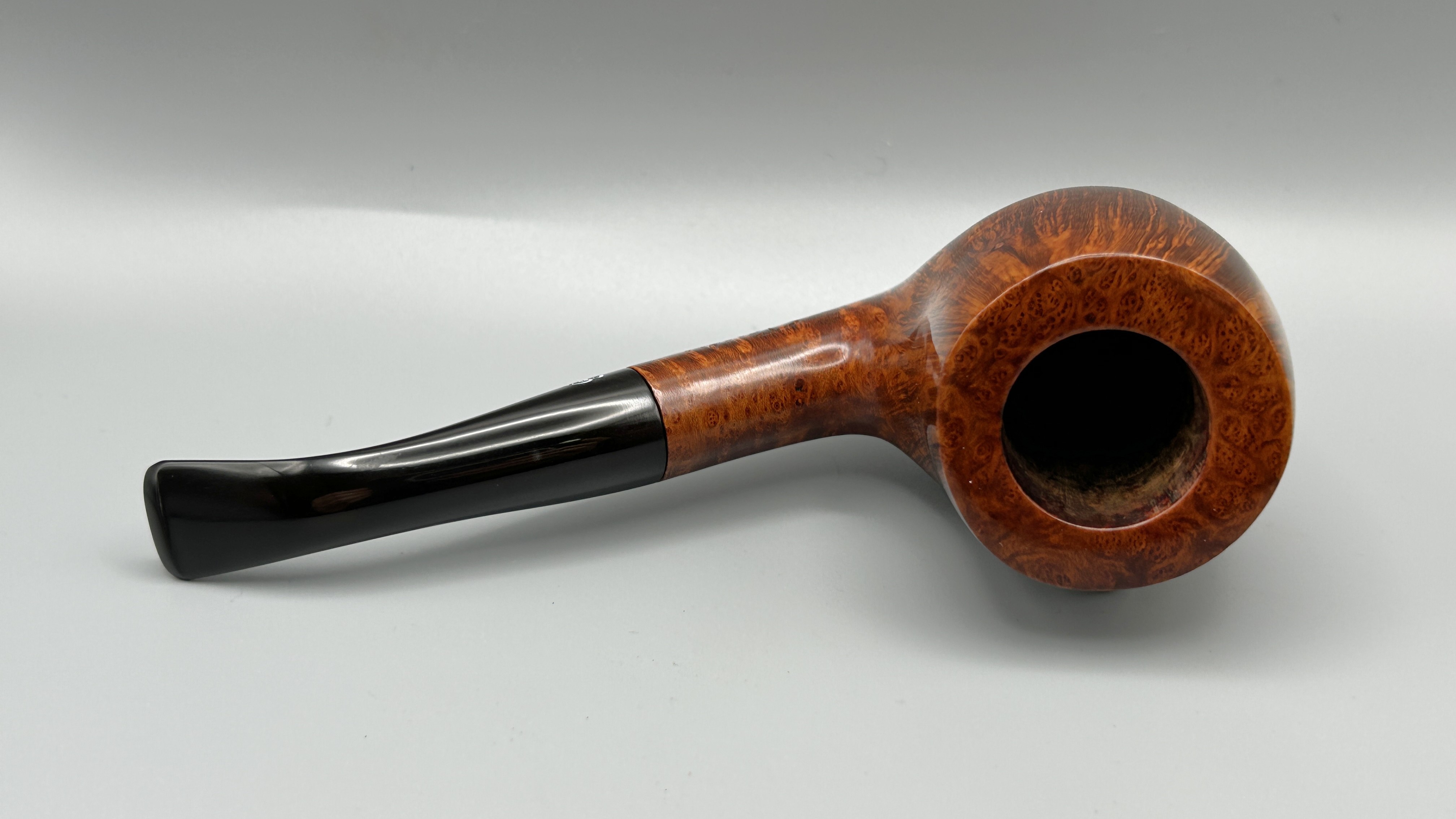
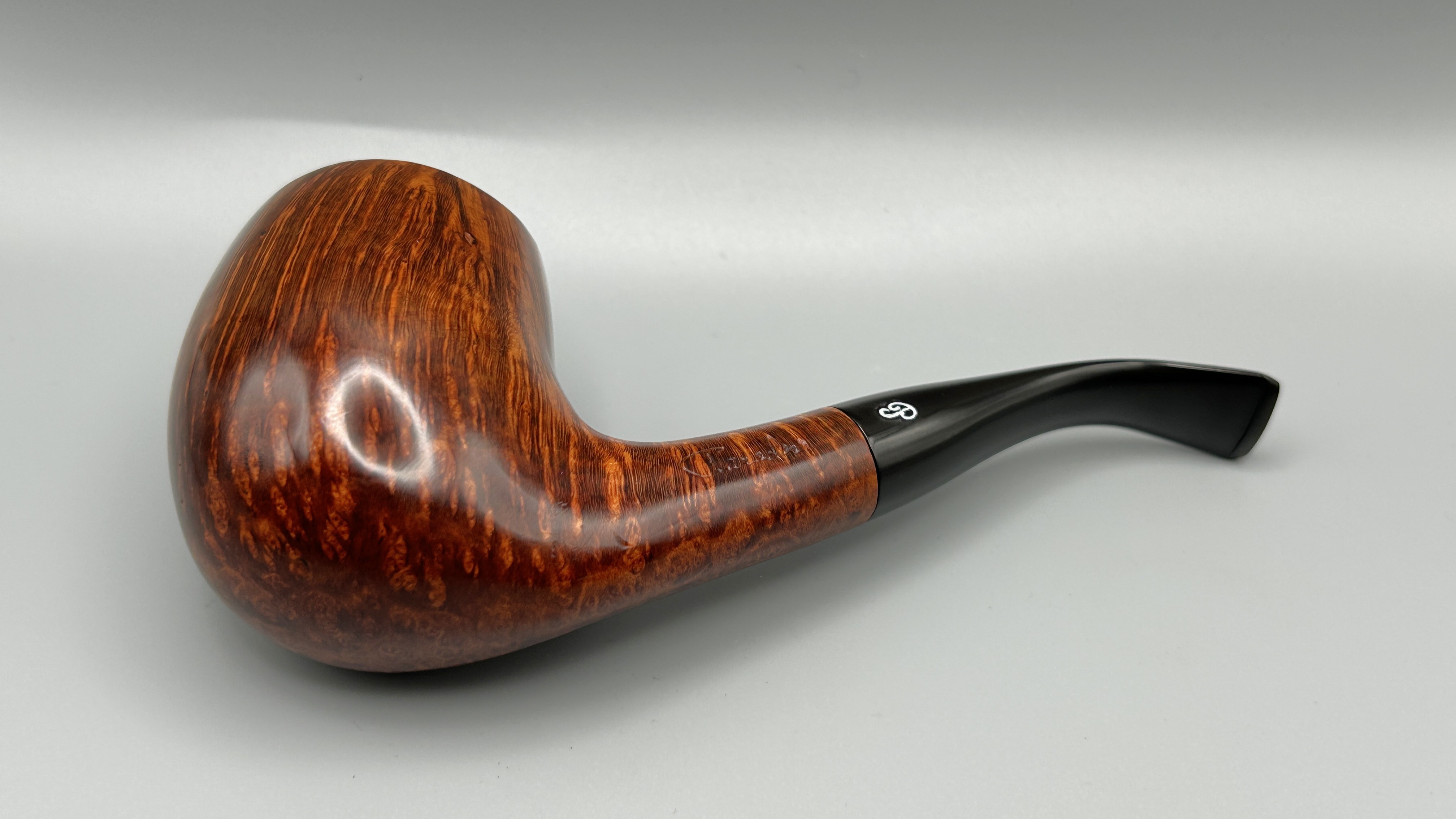
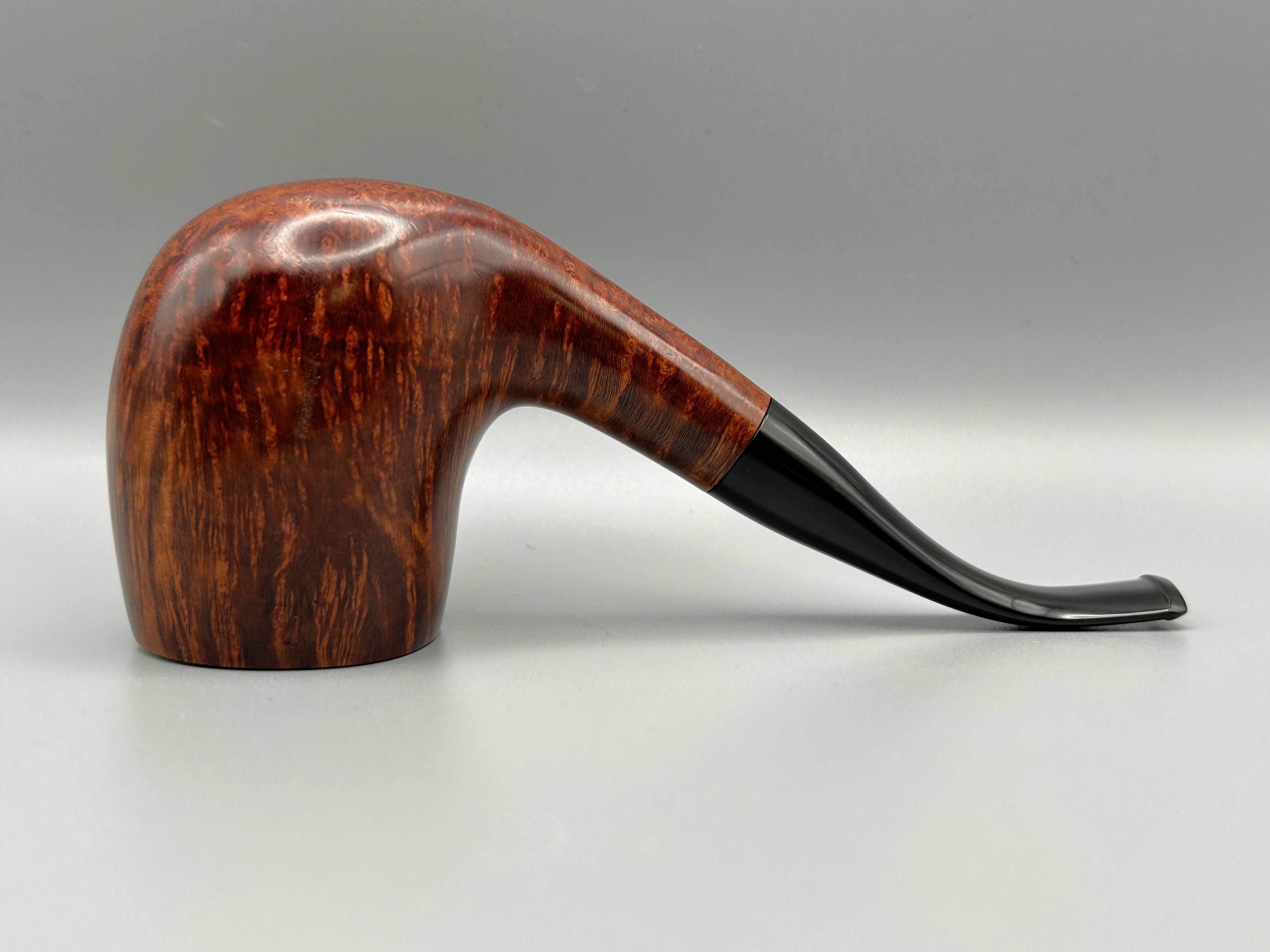
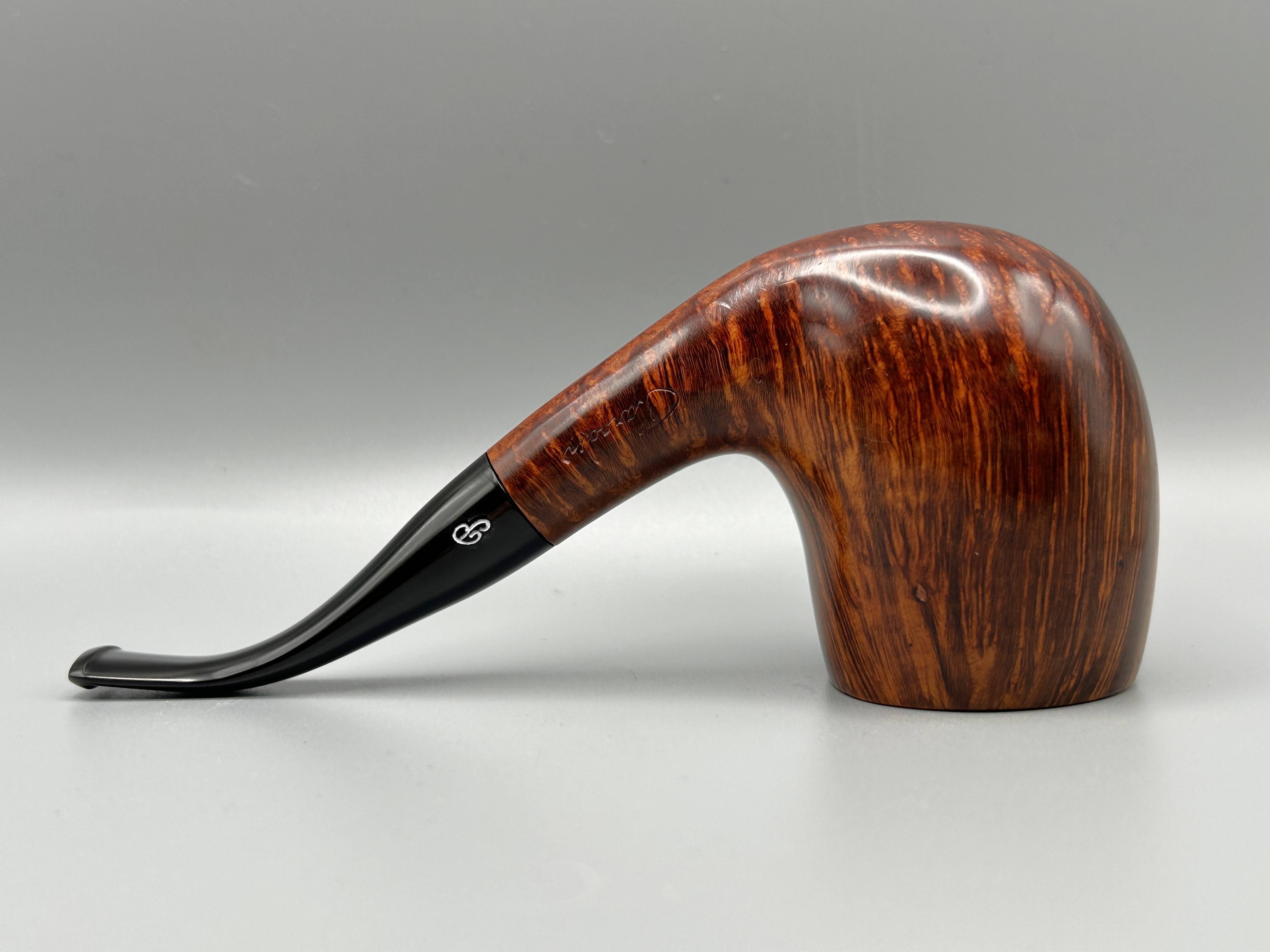
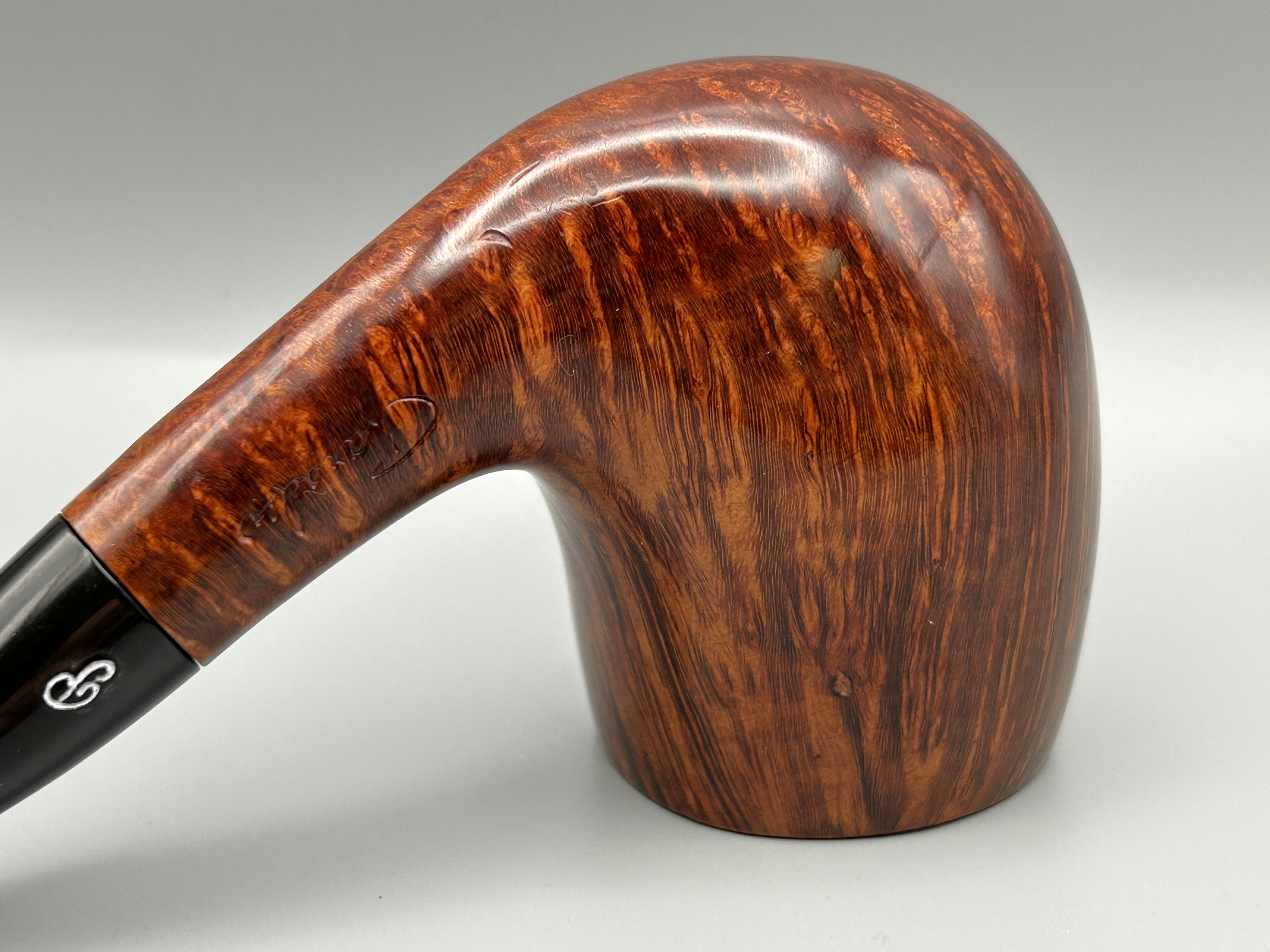
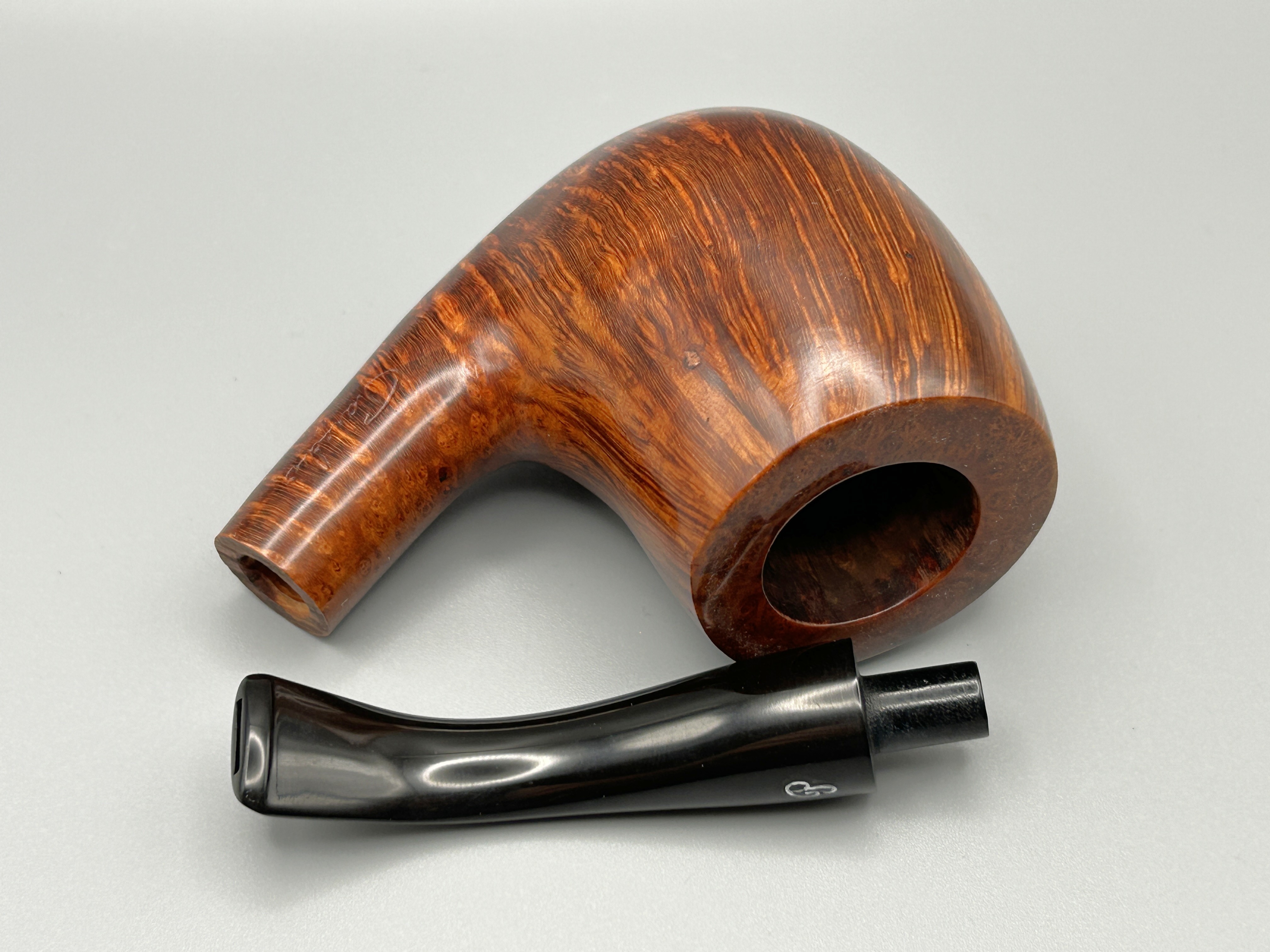
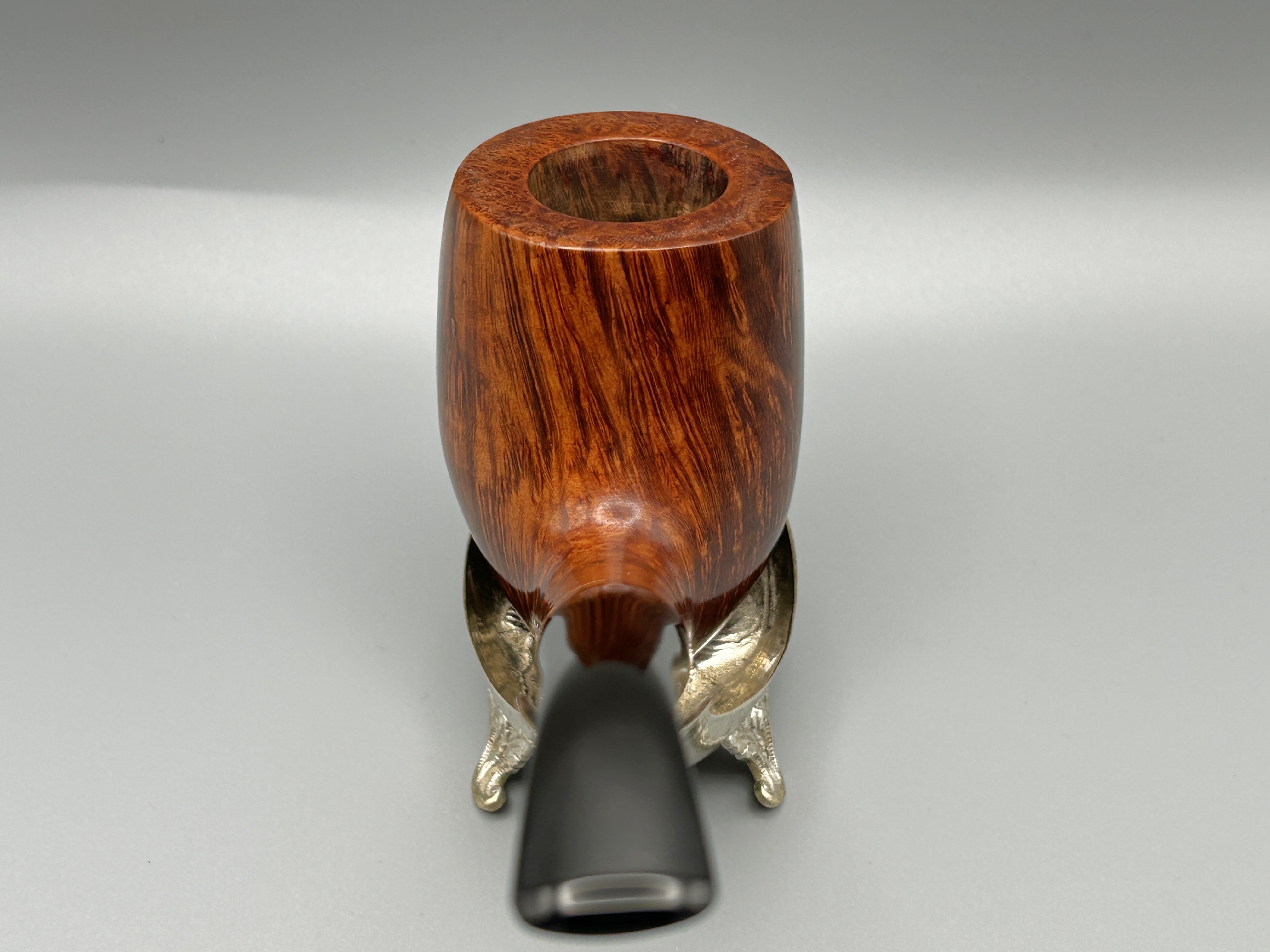
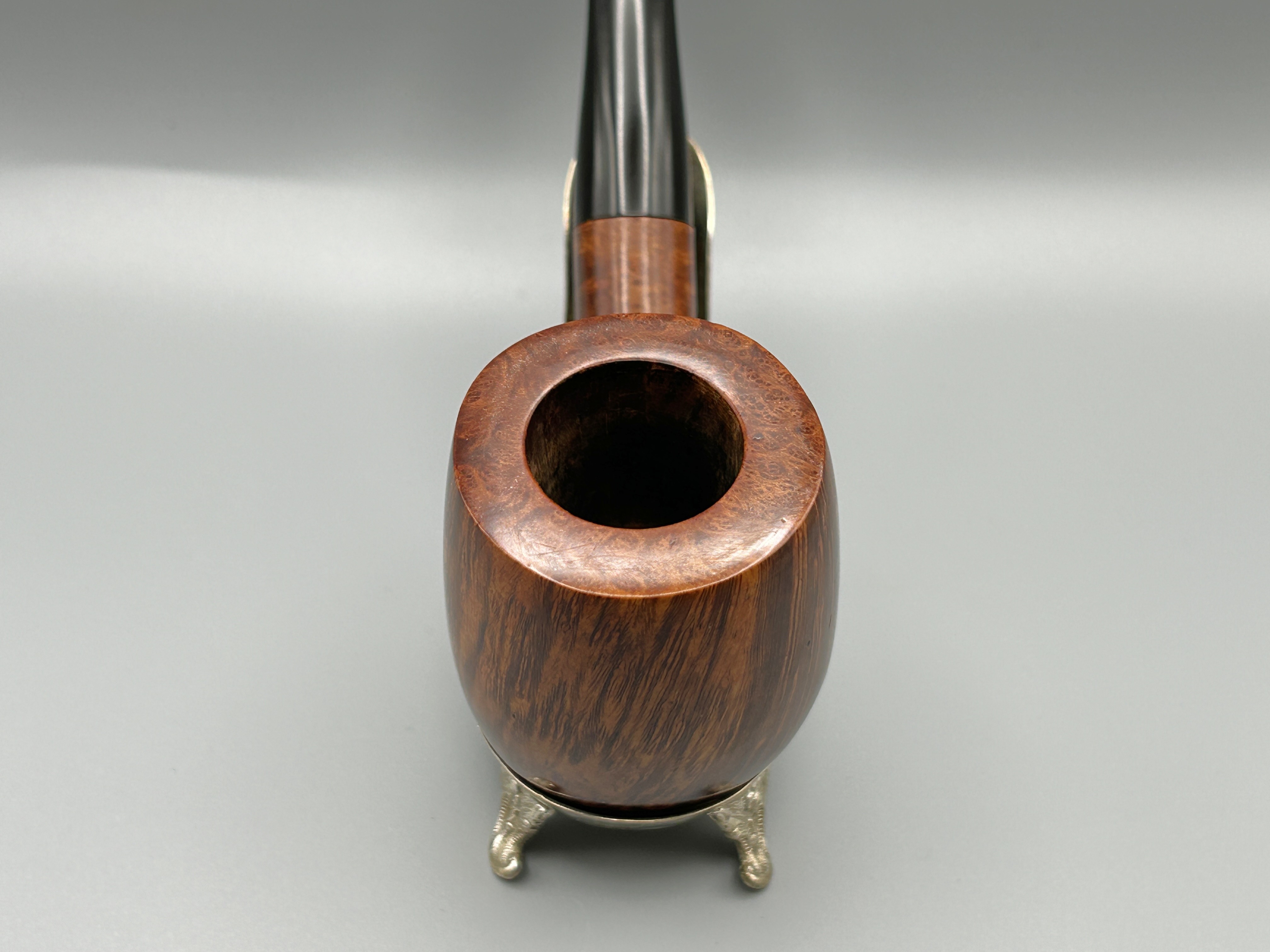
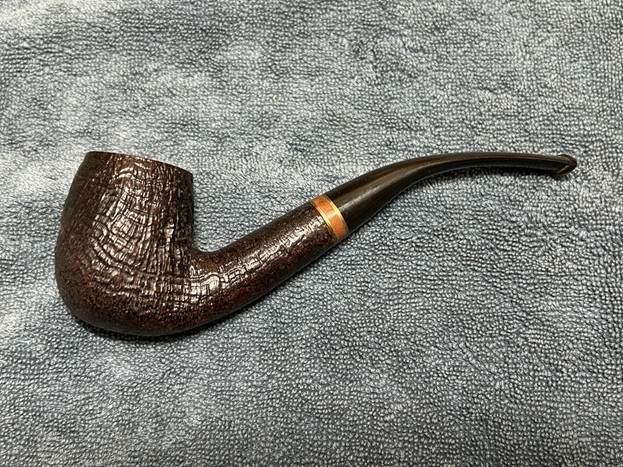
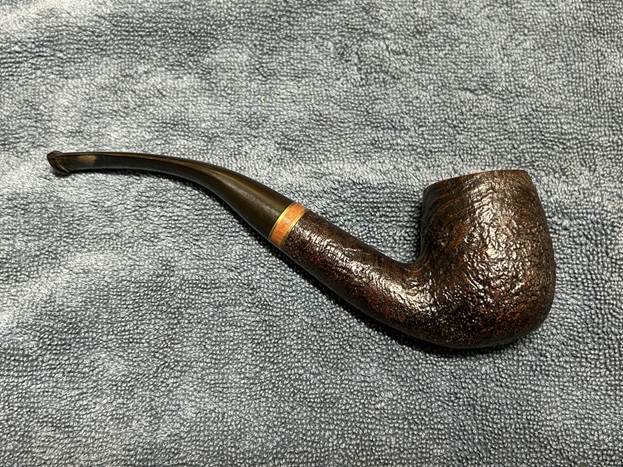
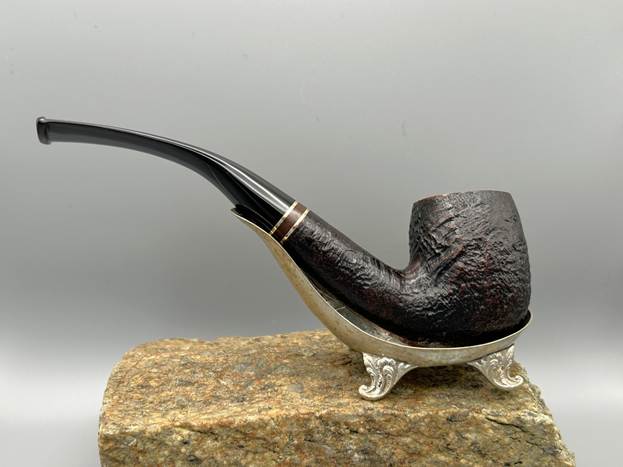
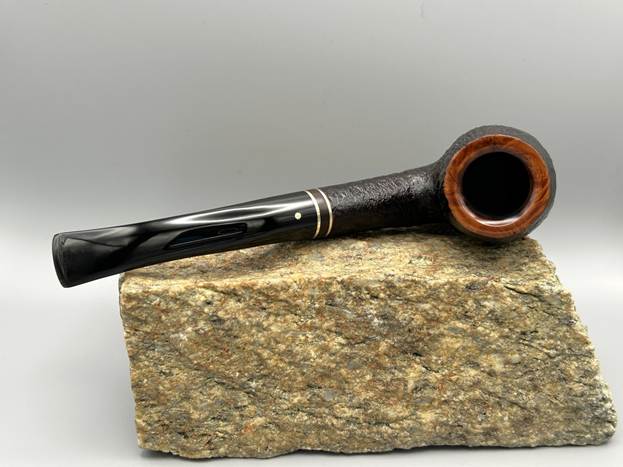
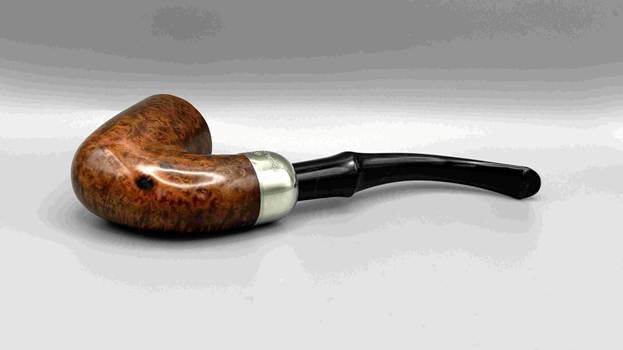
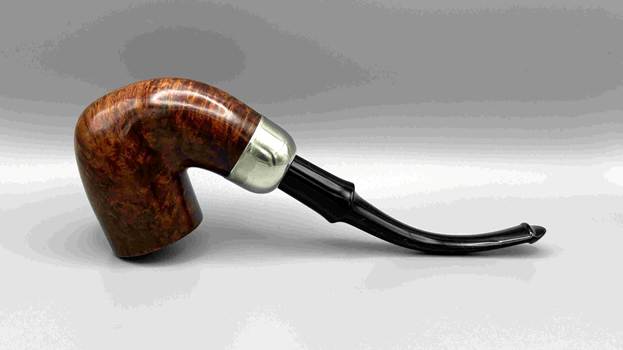
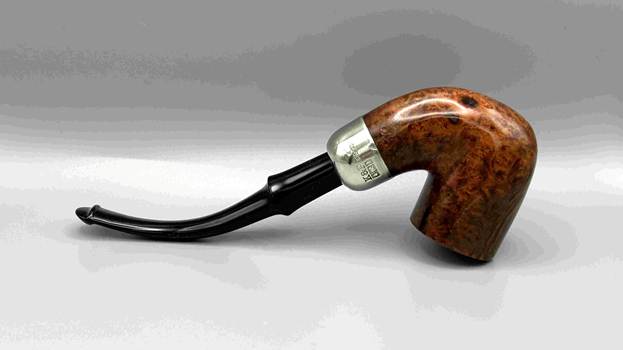
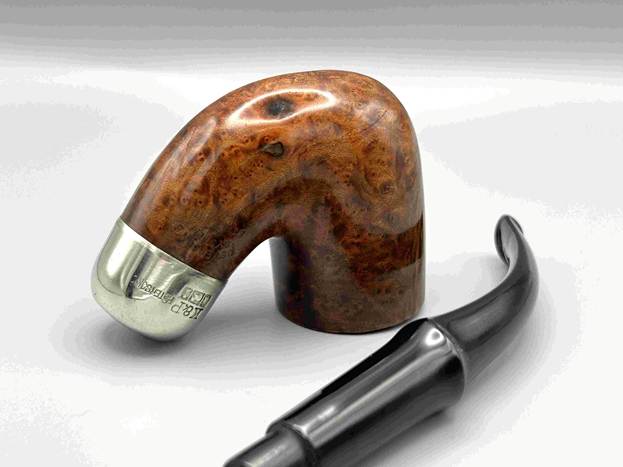
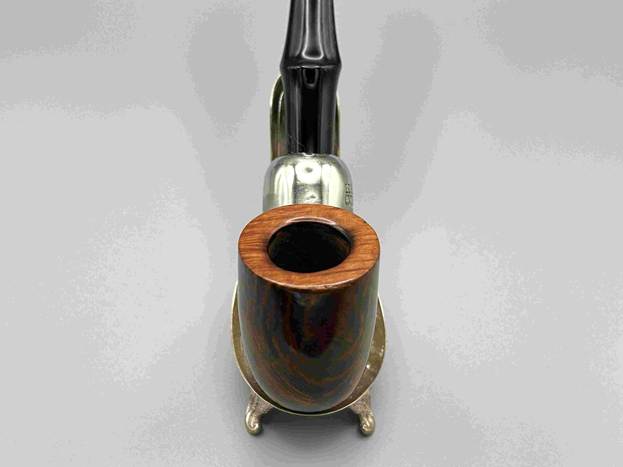
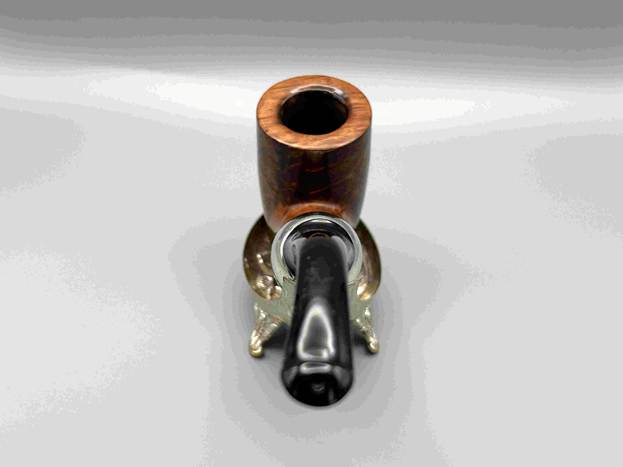
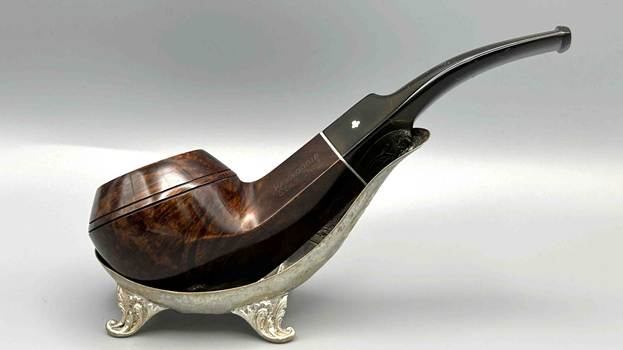
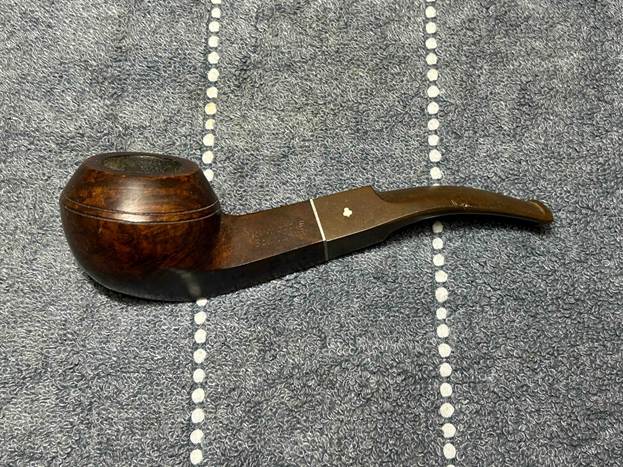
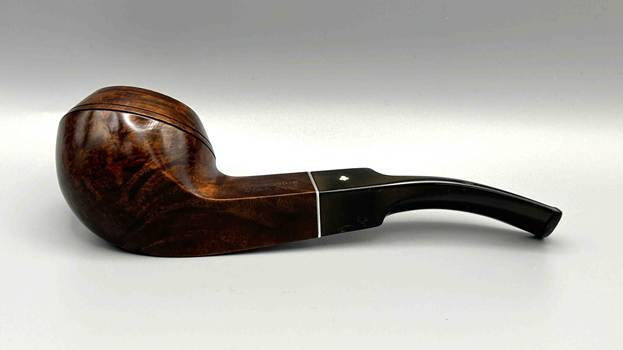
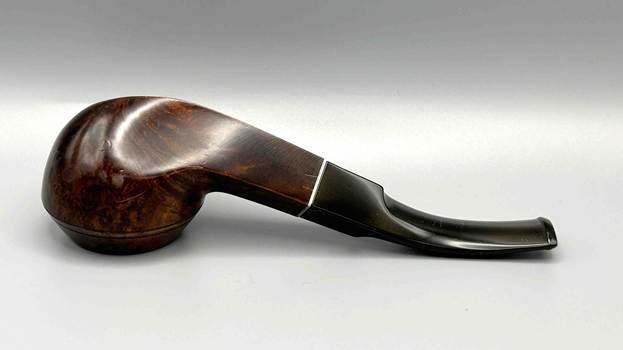
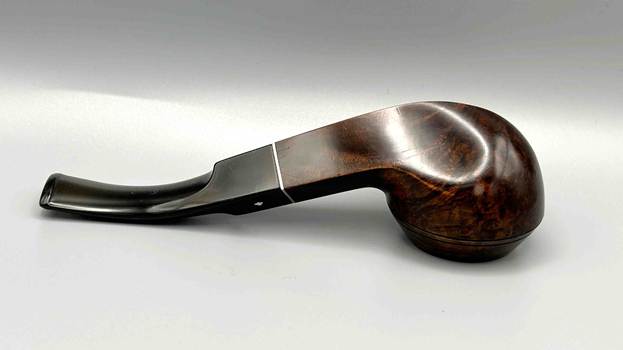
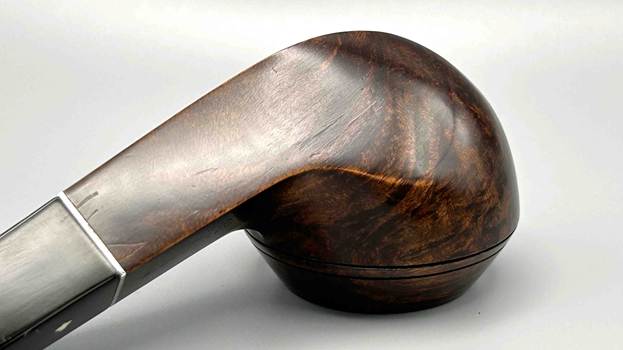
What a Lovely Captain Pete Made in Ireland 69 Bent Billiard


by Steve Laug

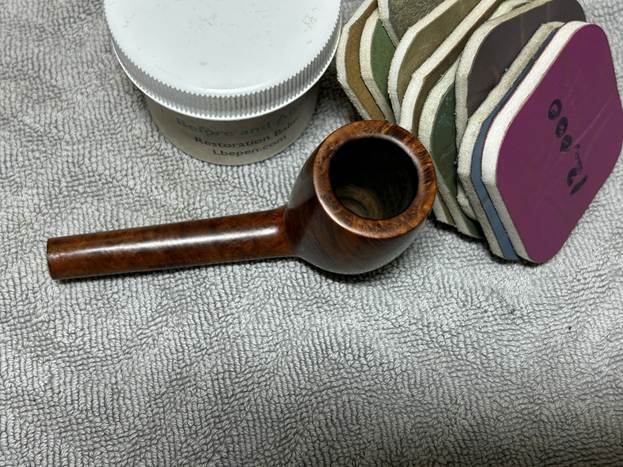
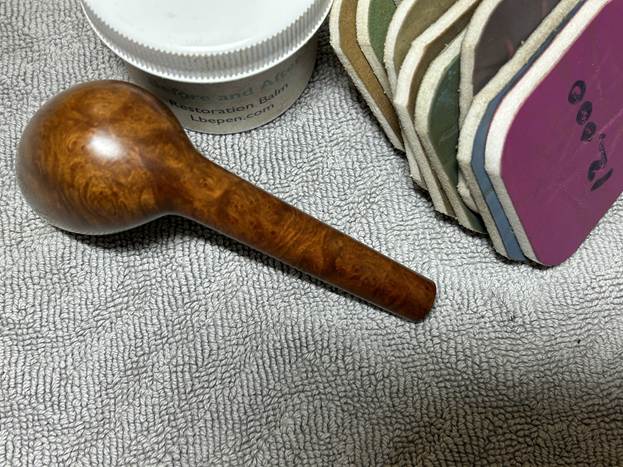
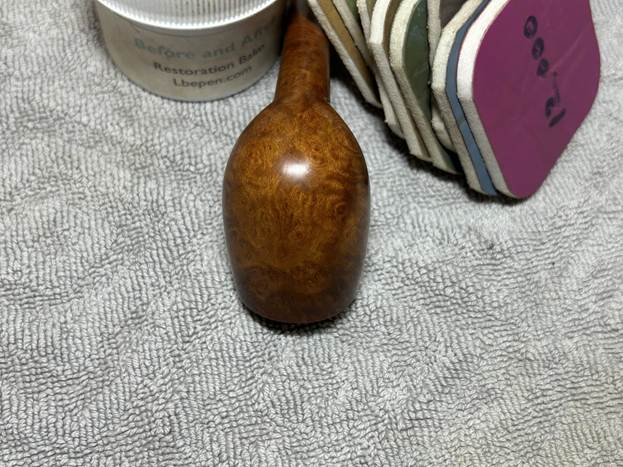
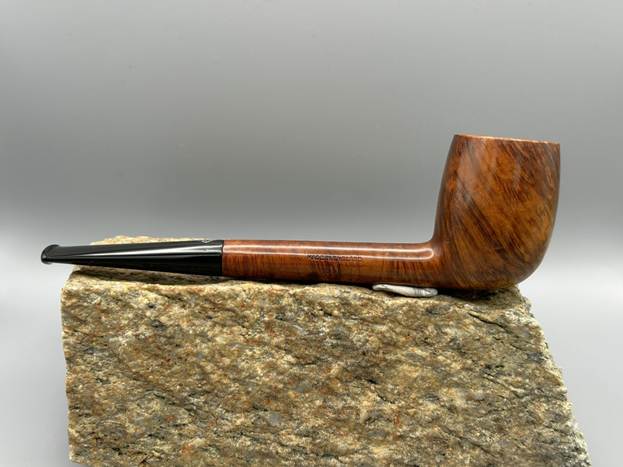
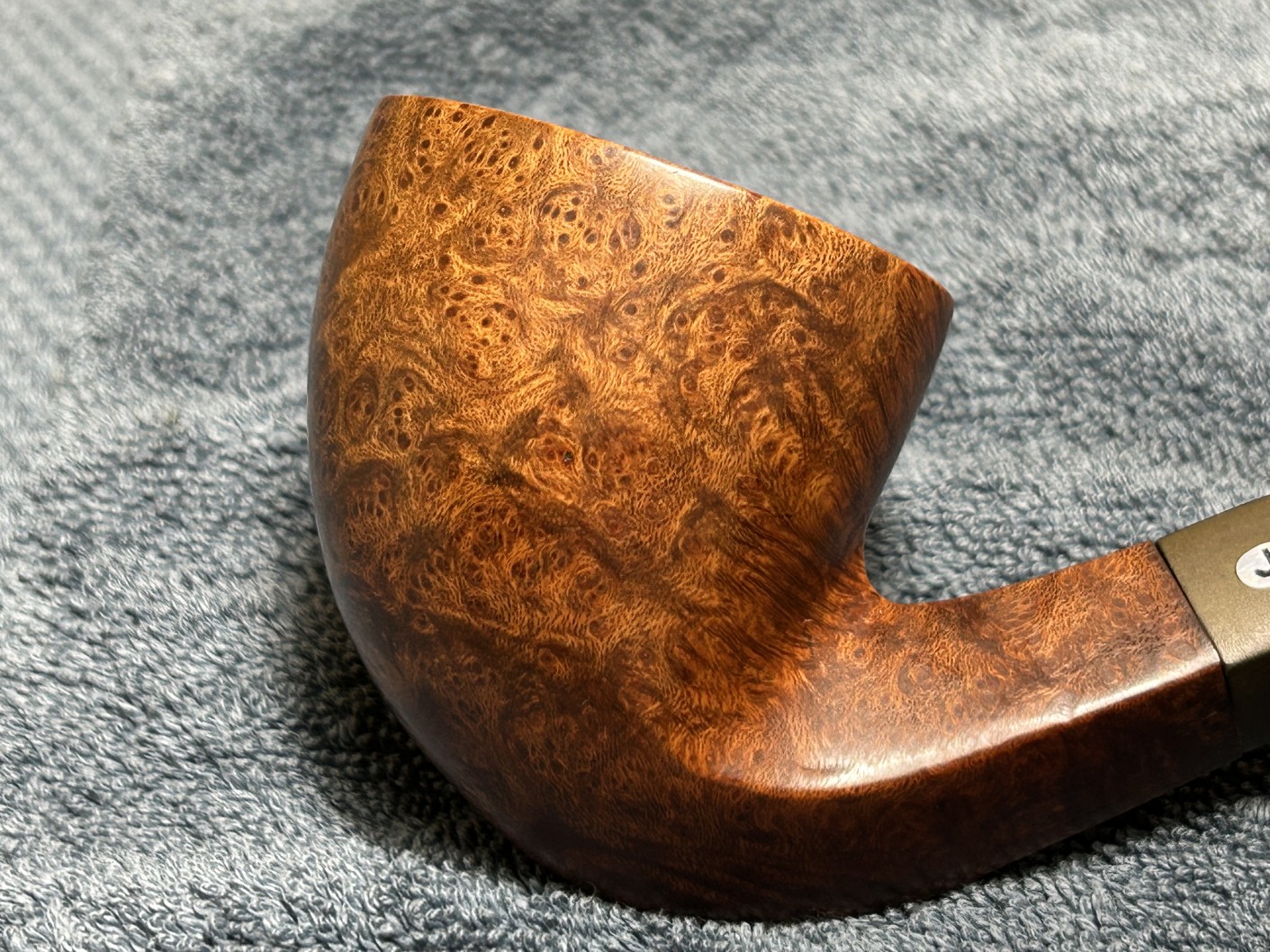
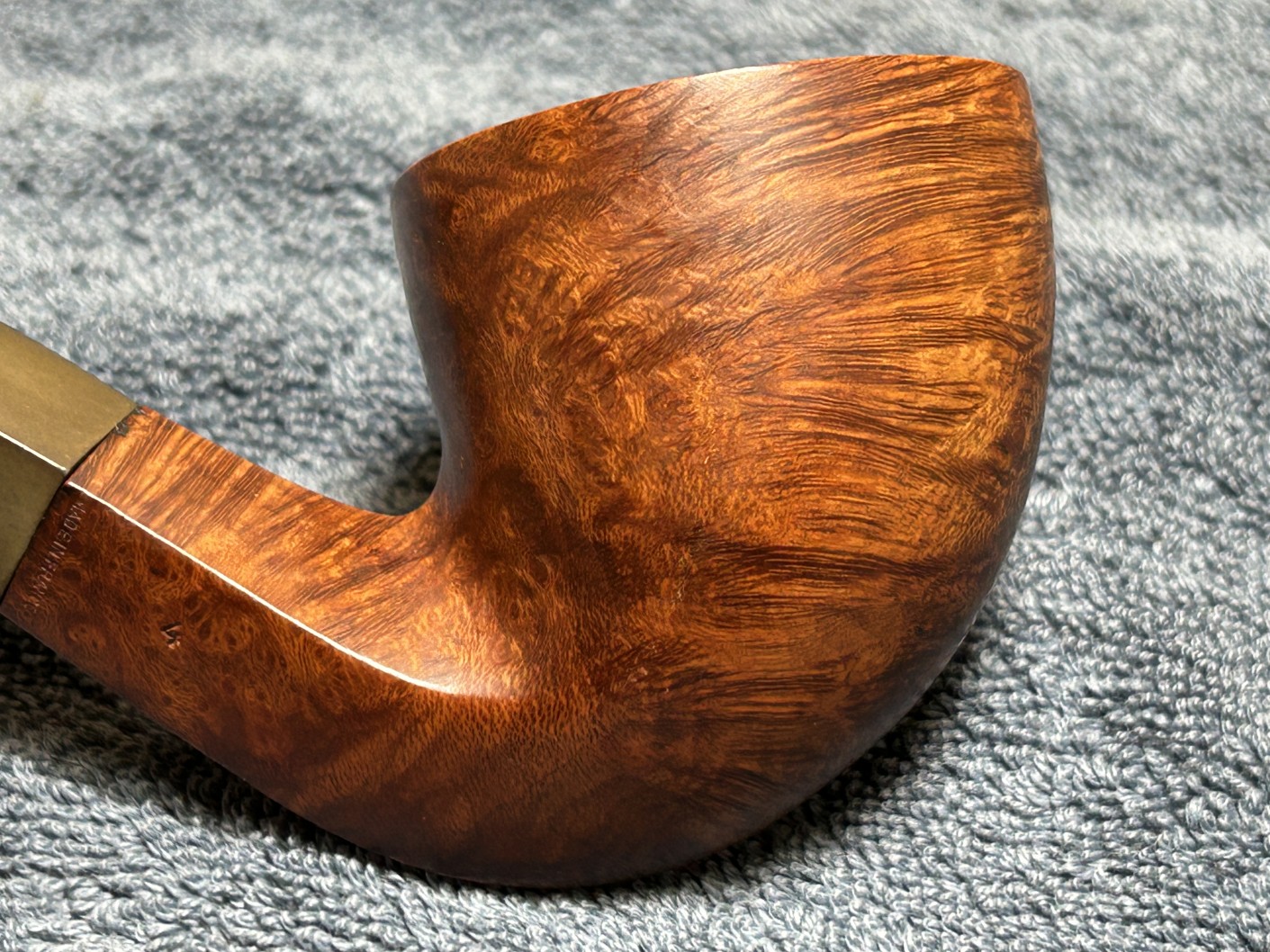
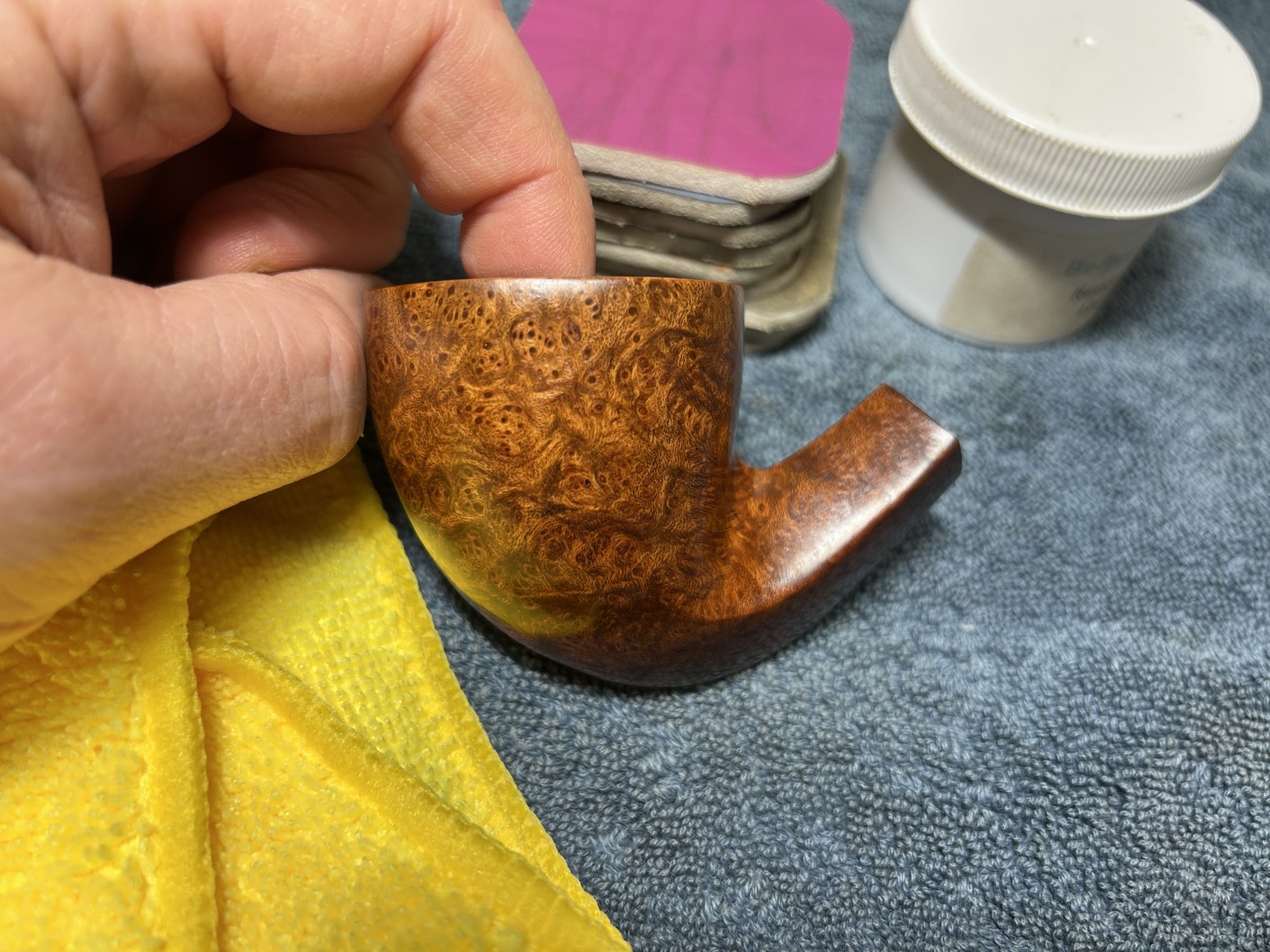
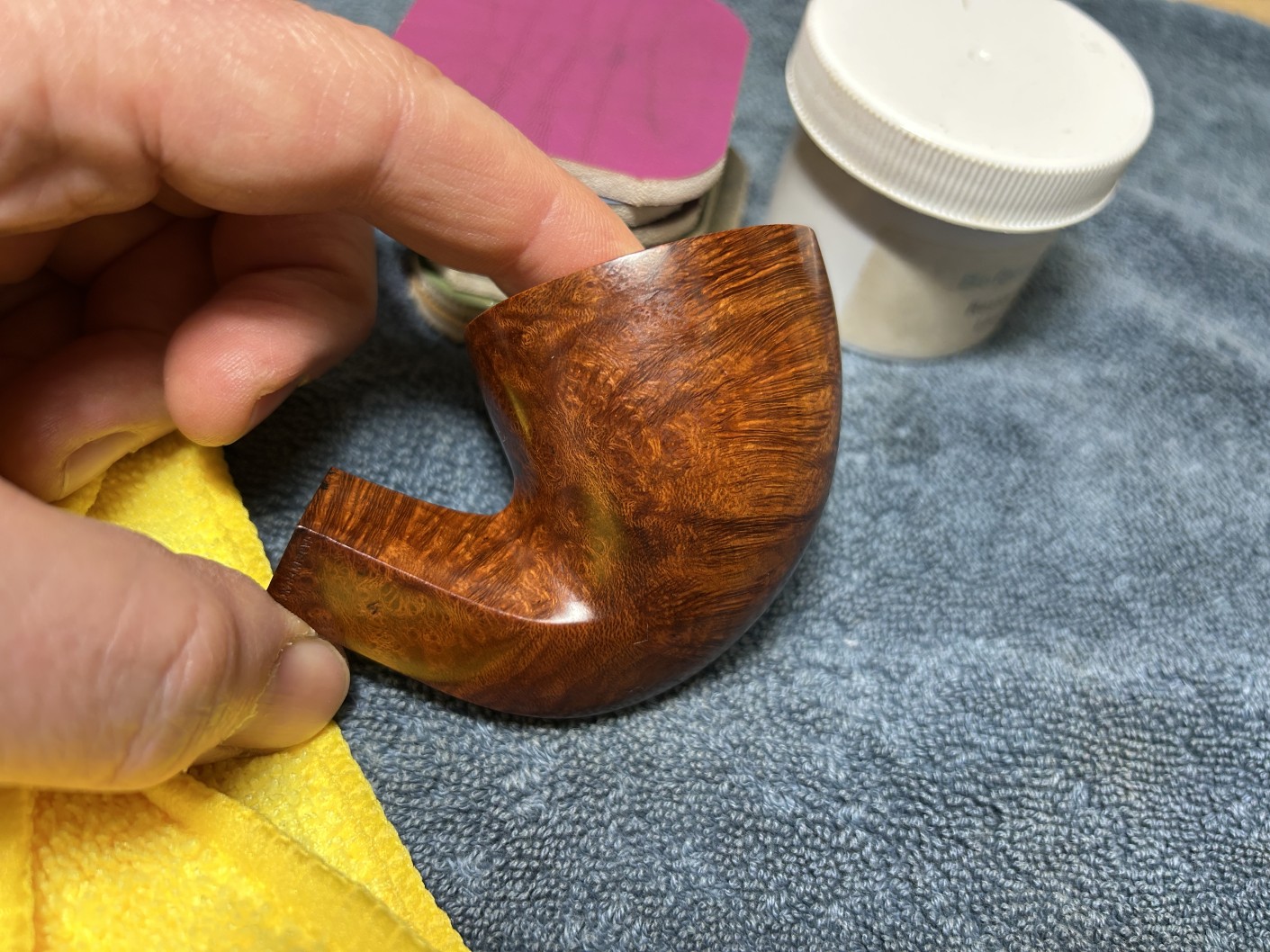
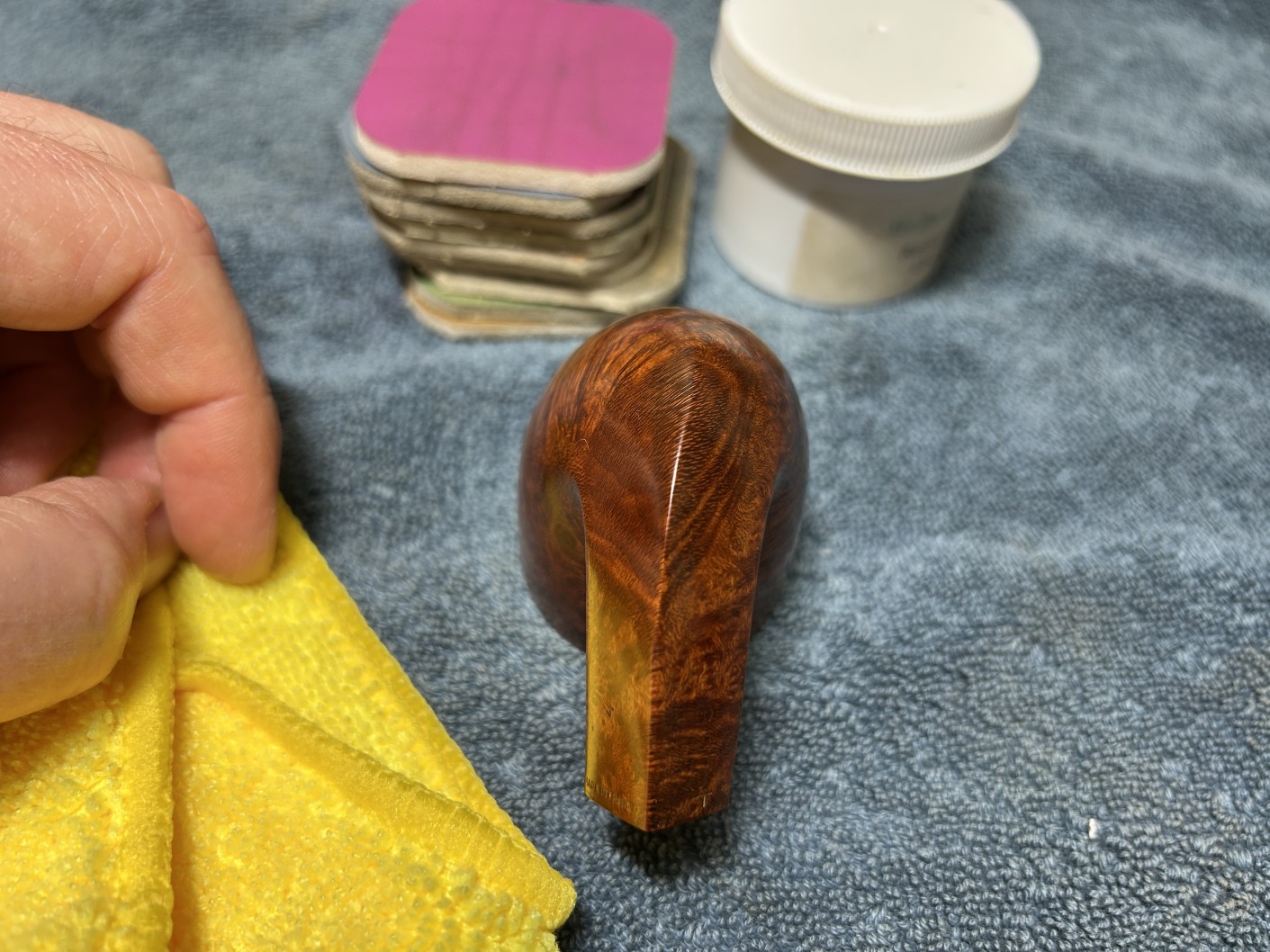
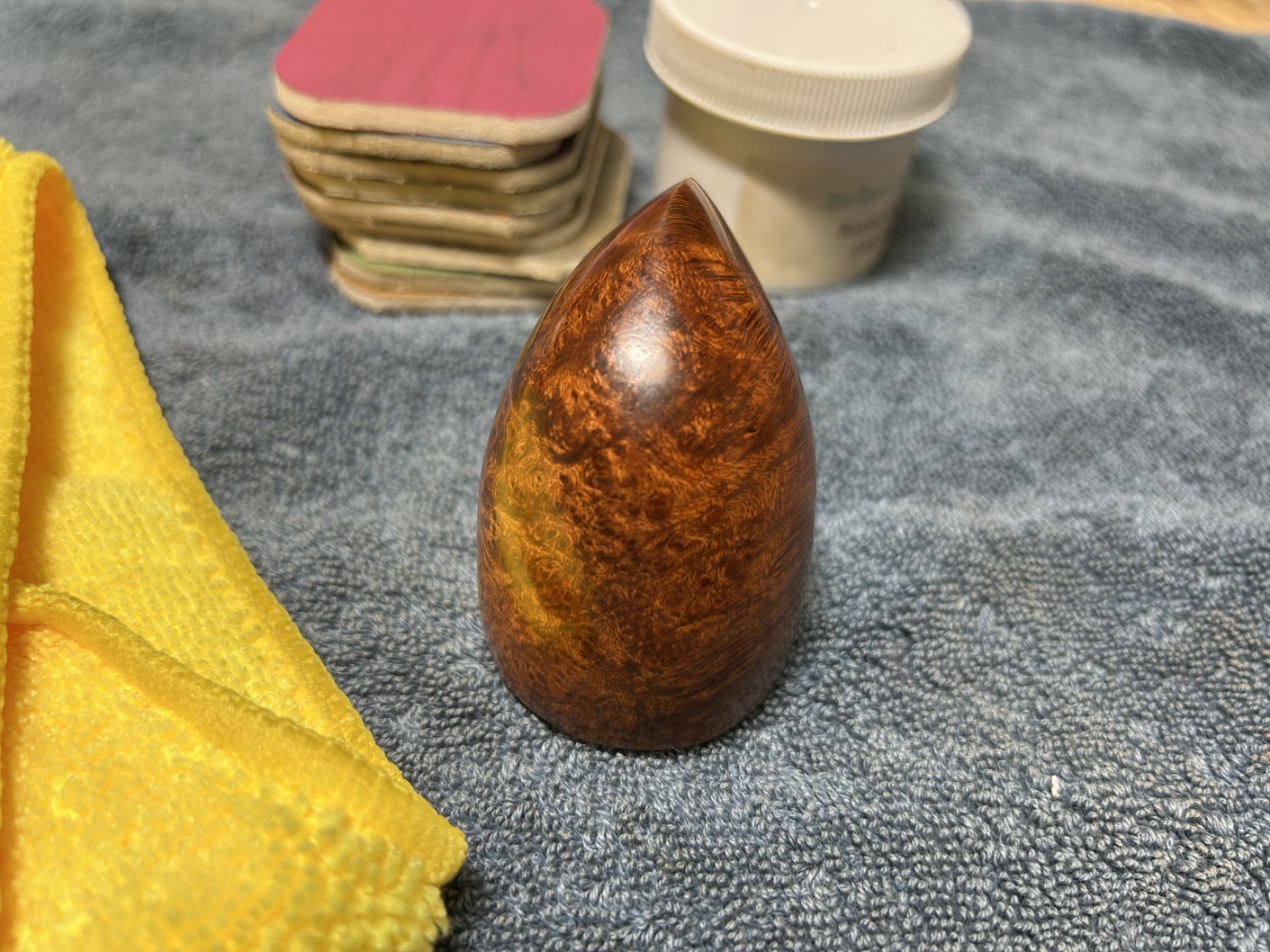
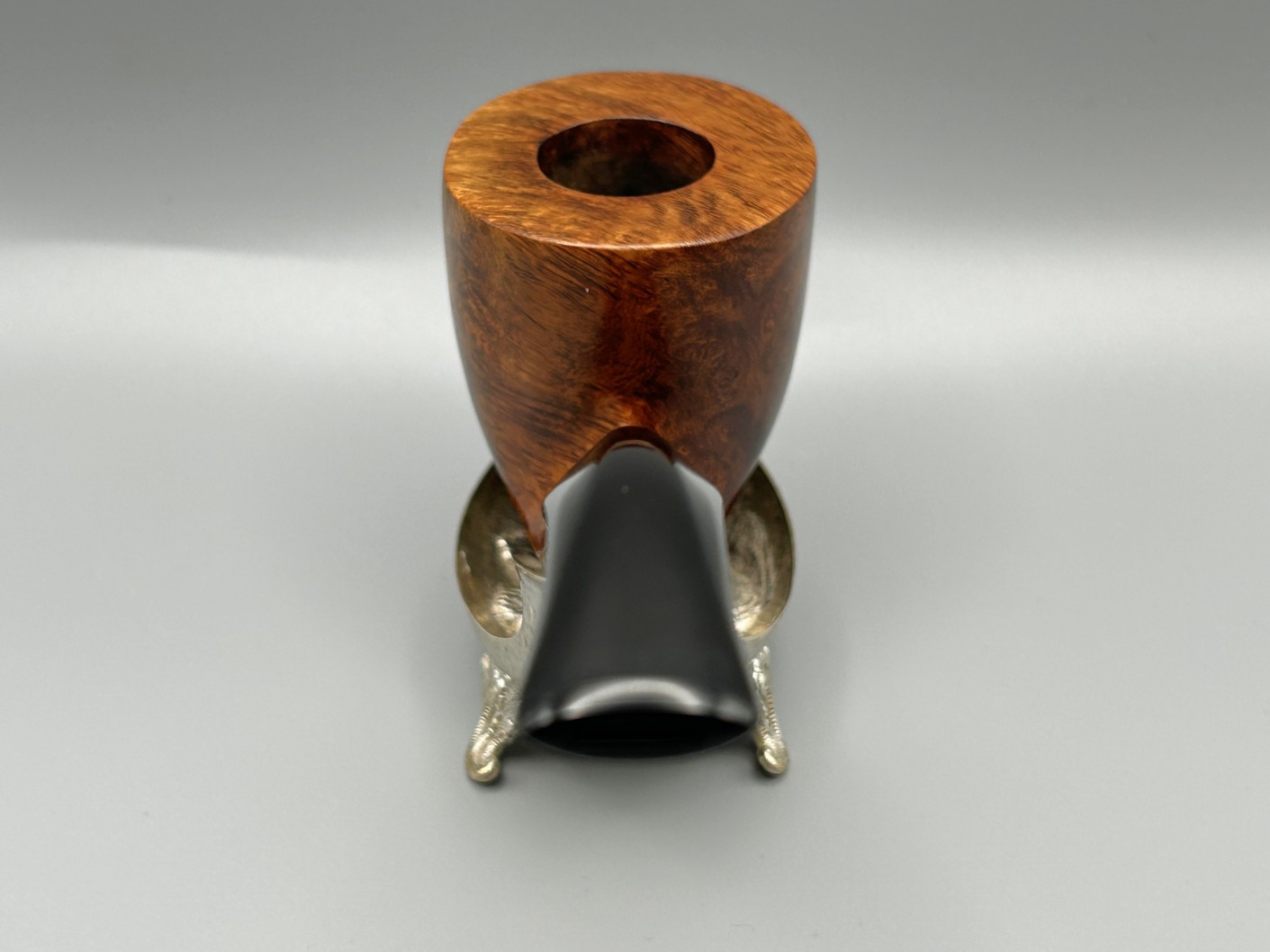
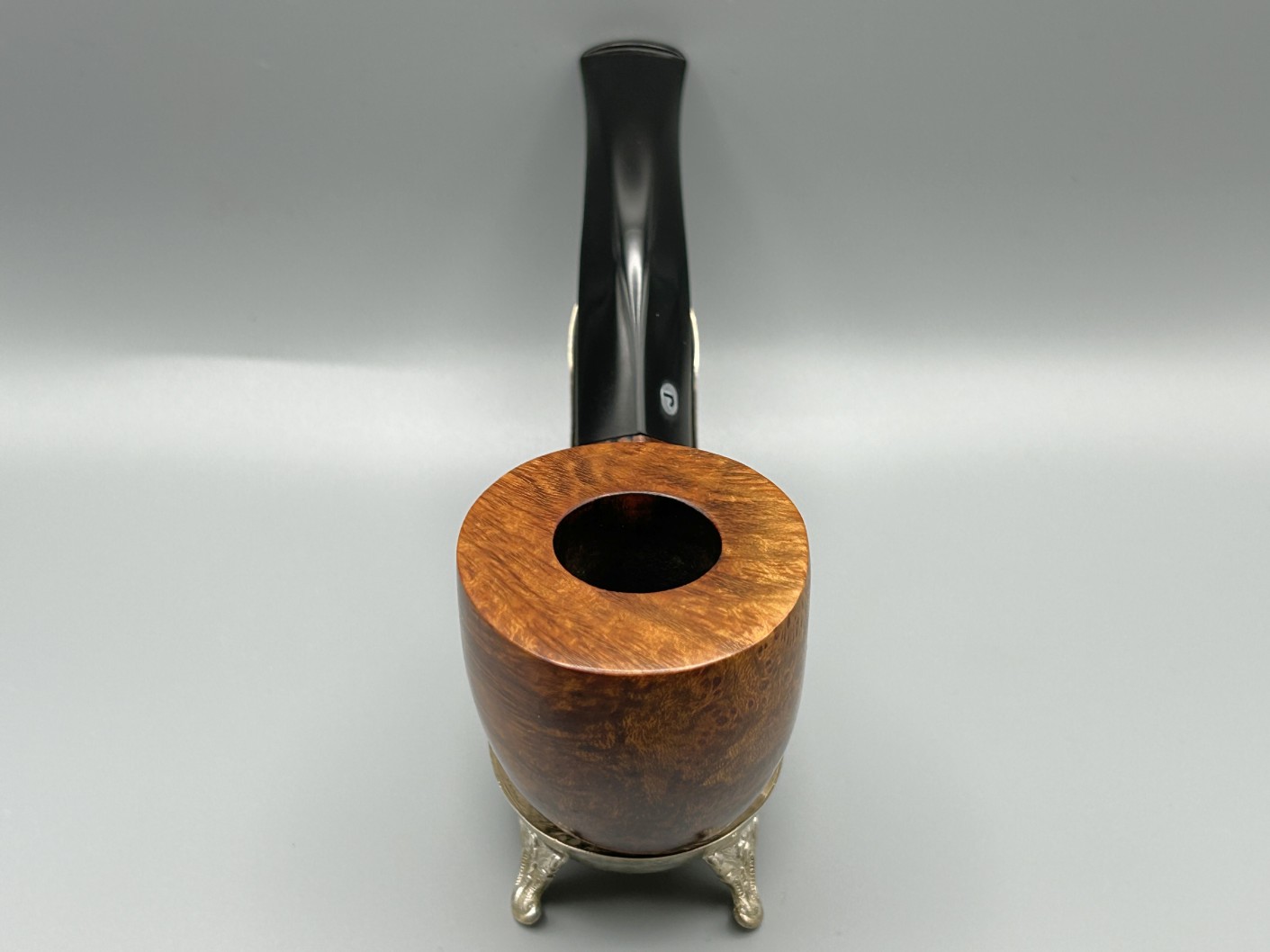
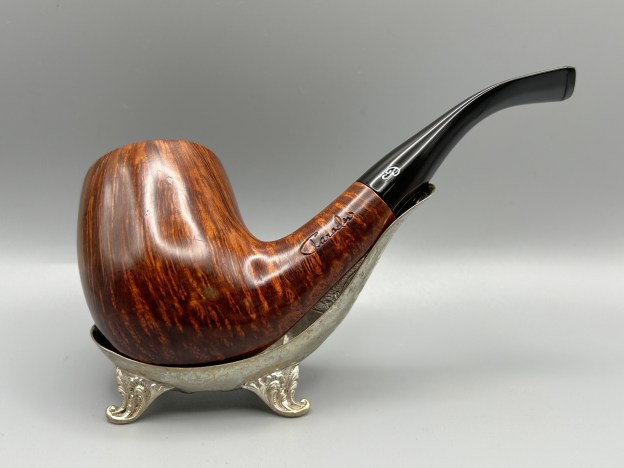
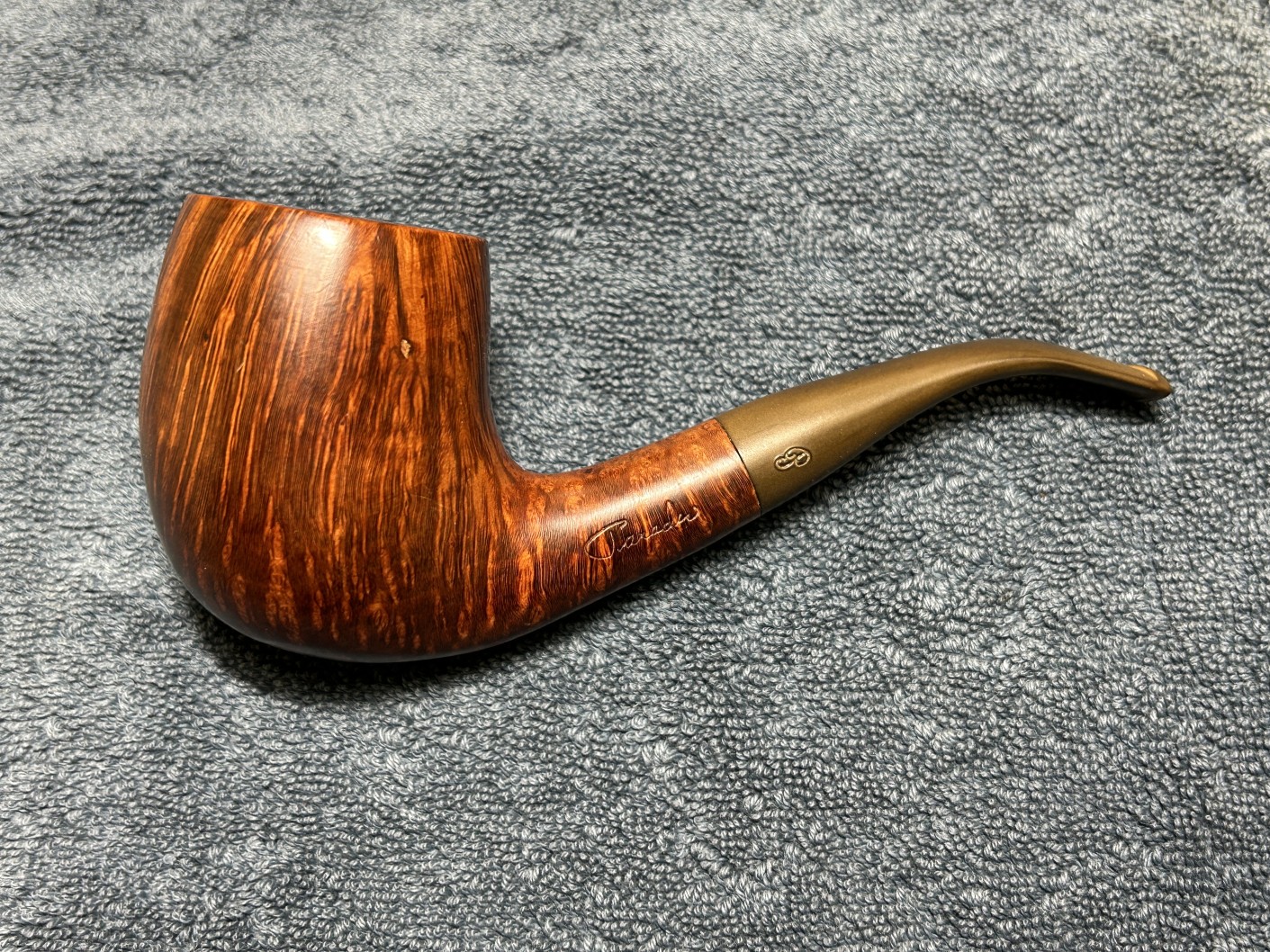
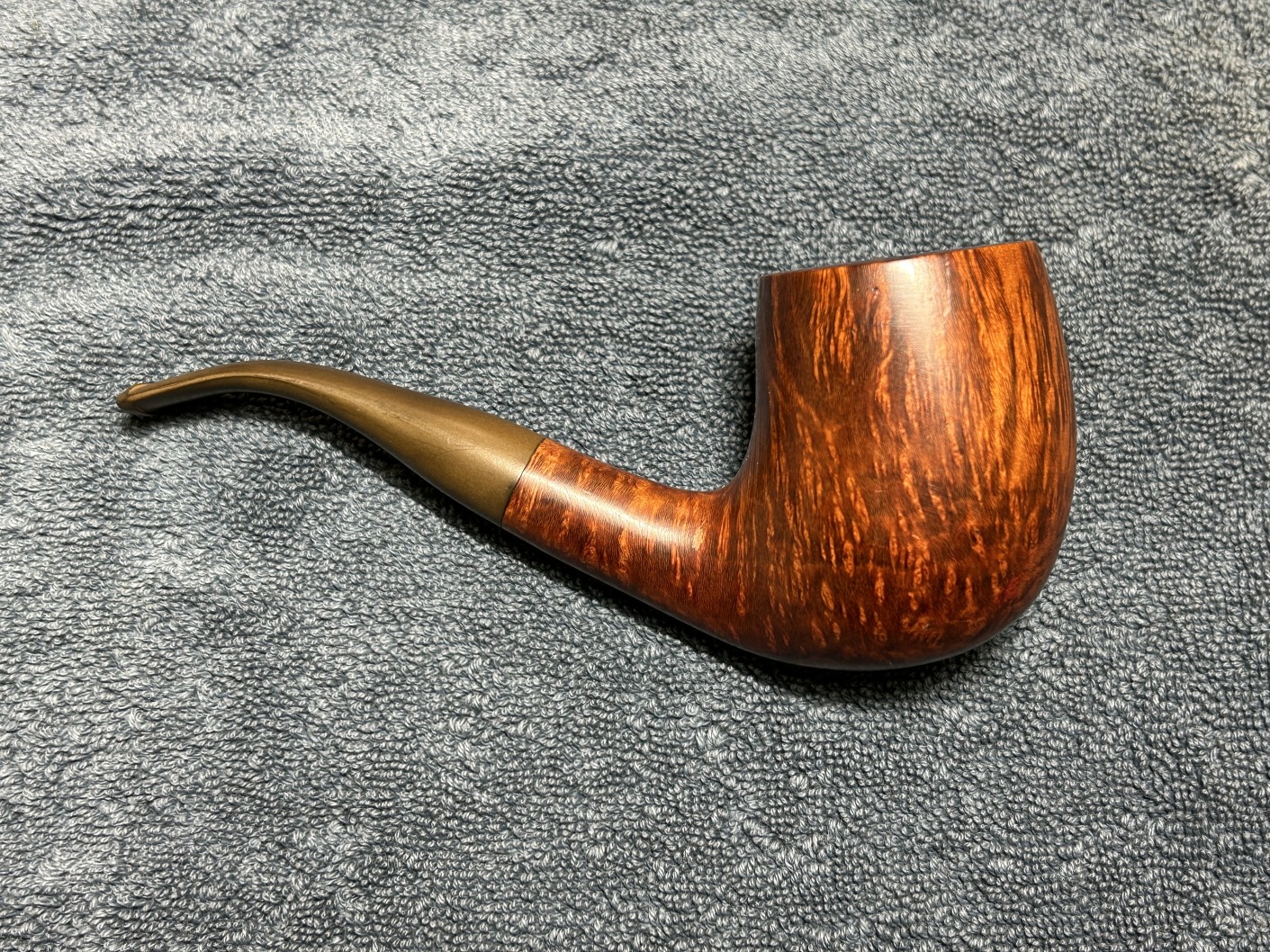
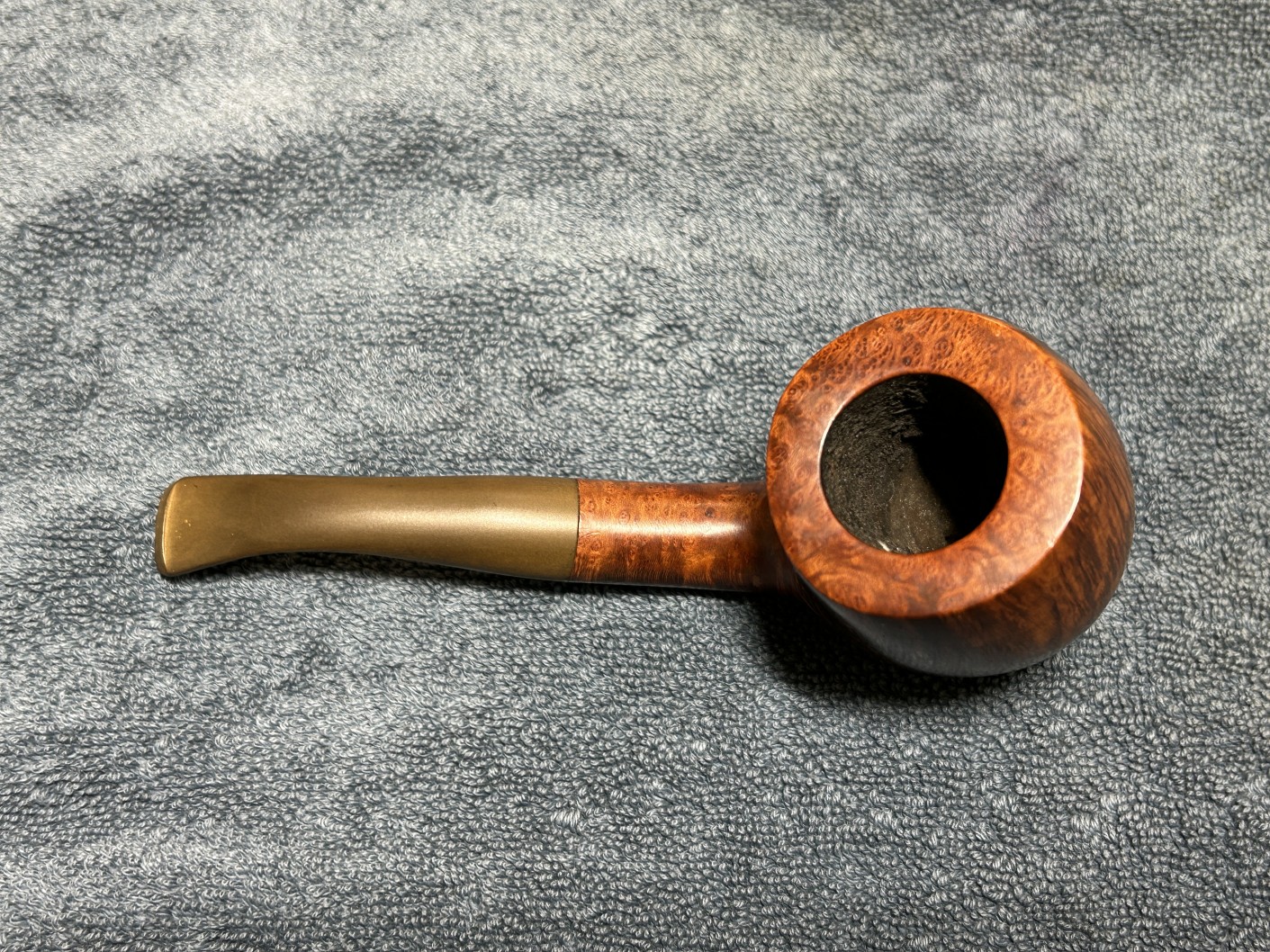
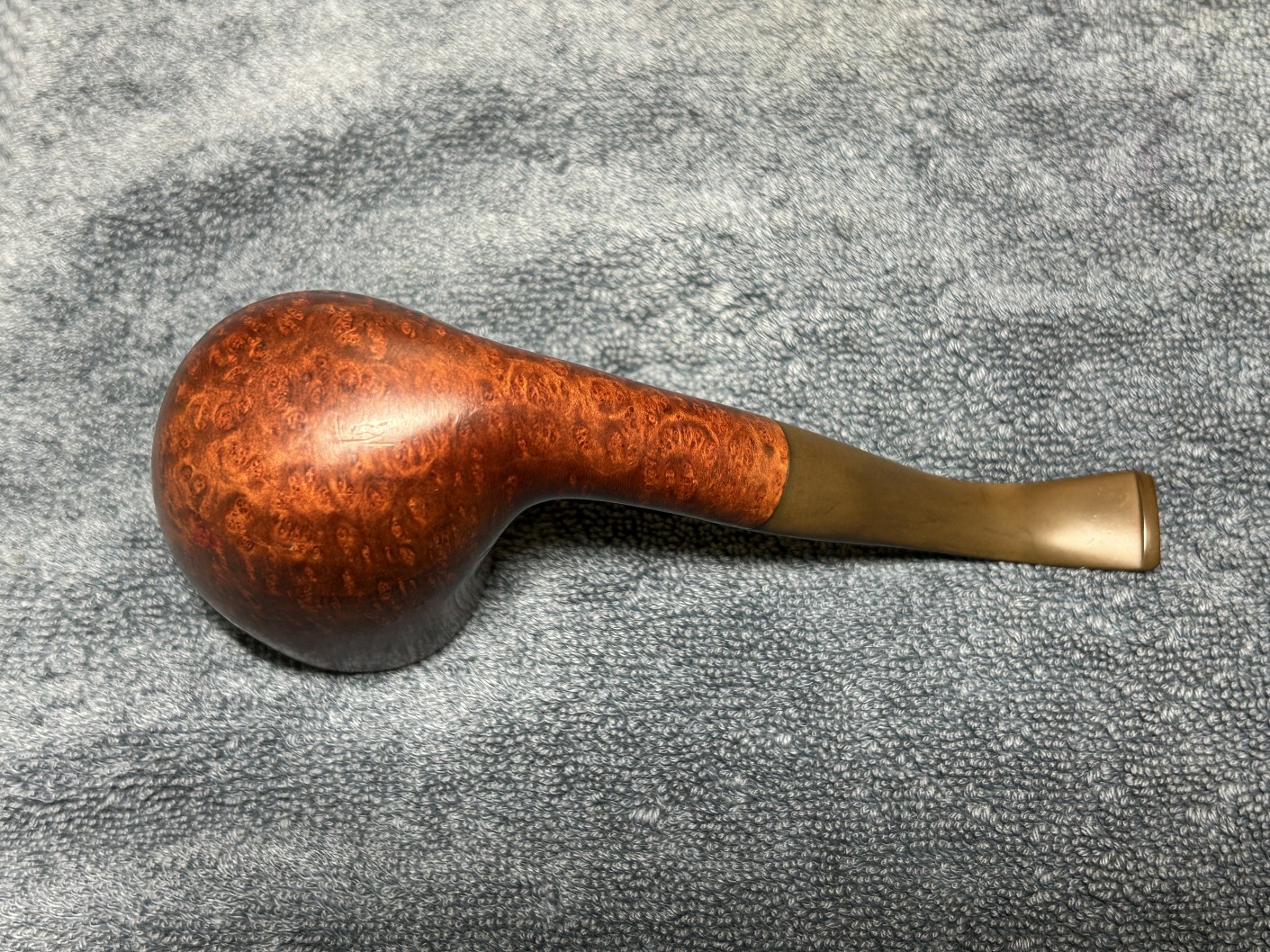
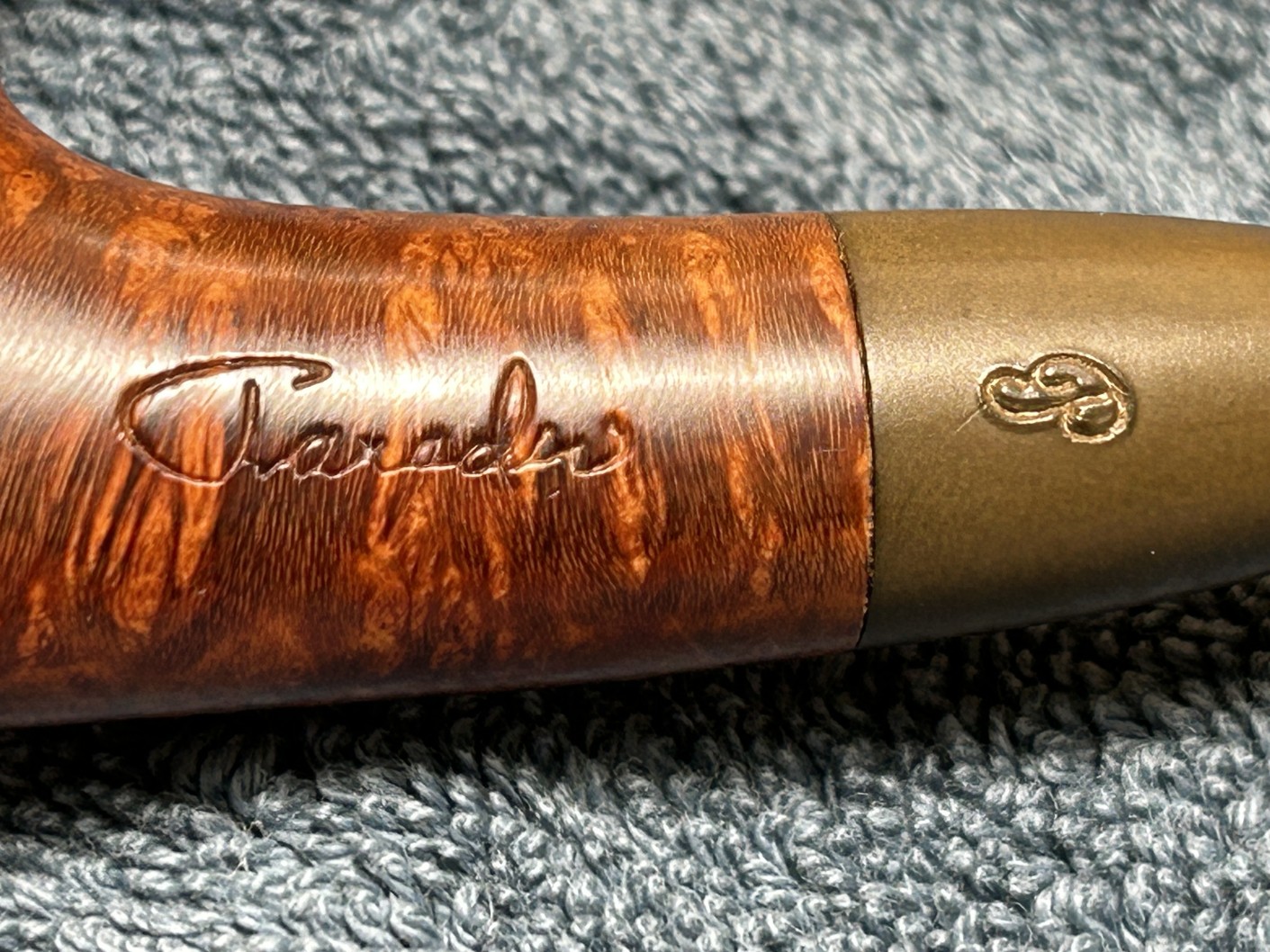
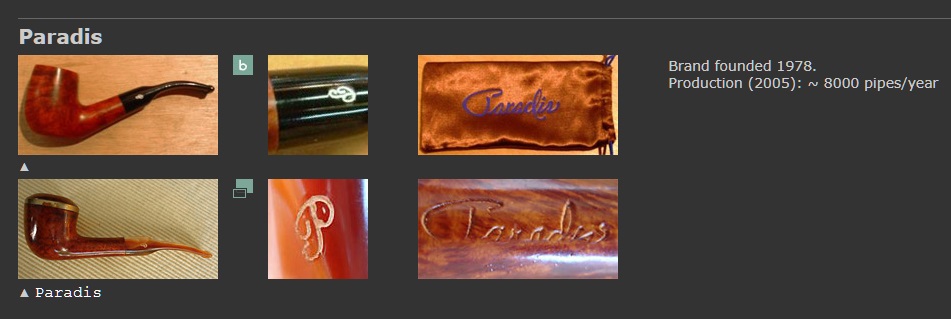
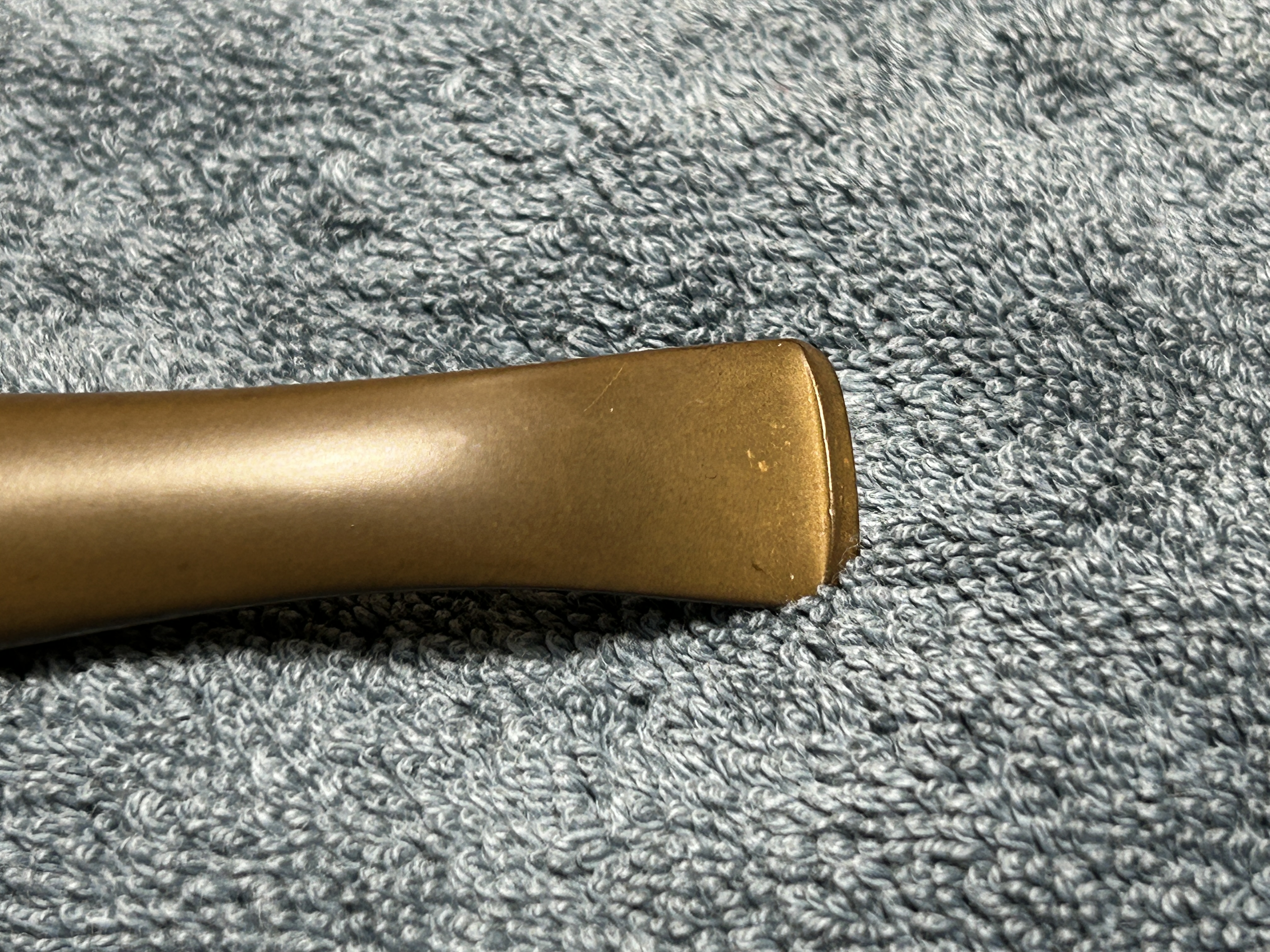
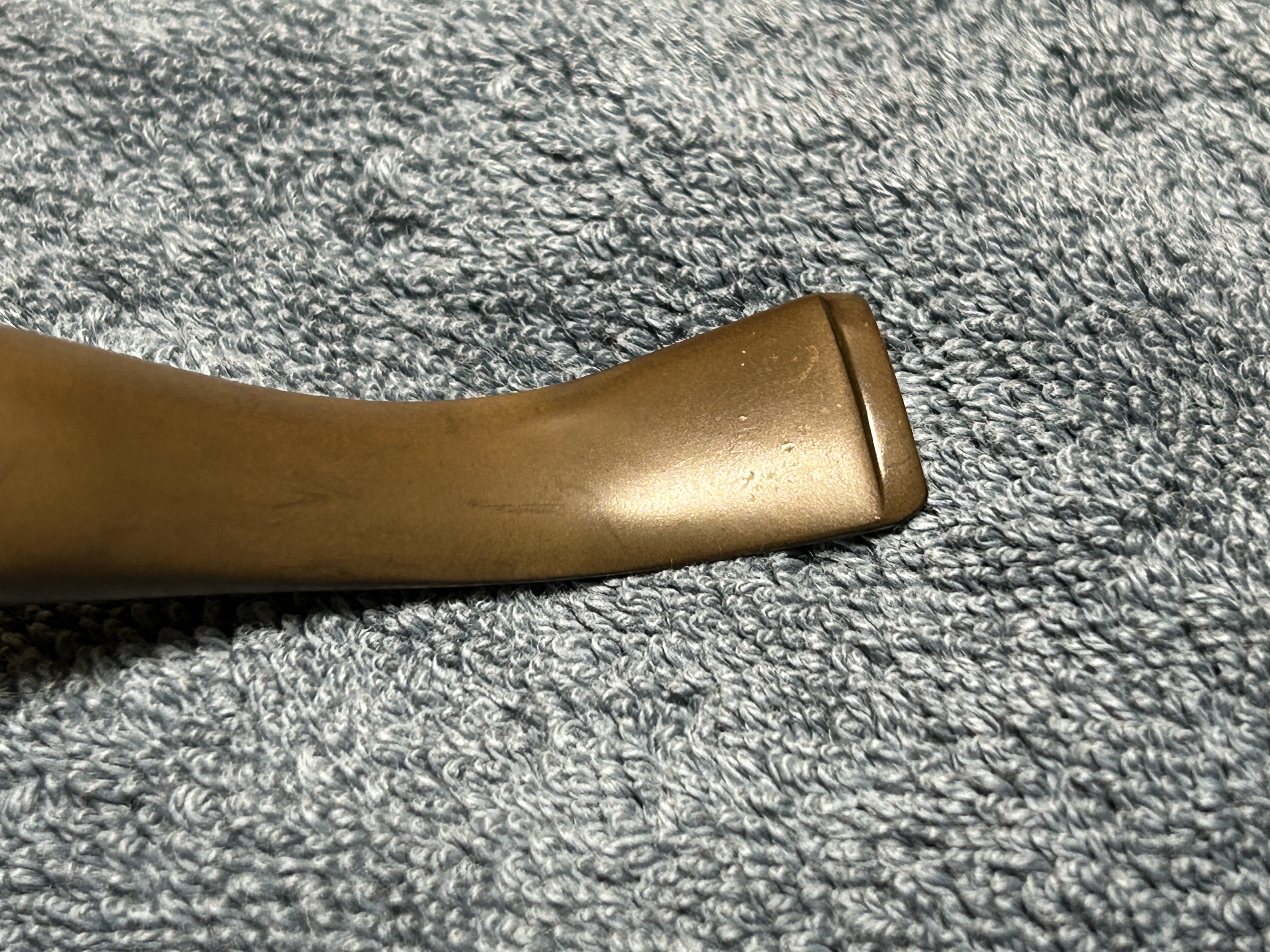
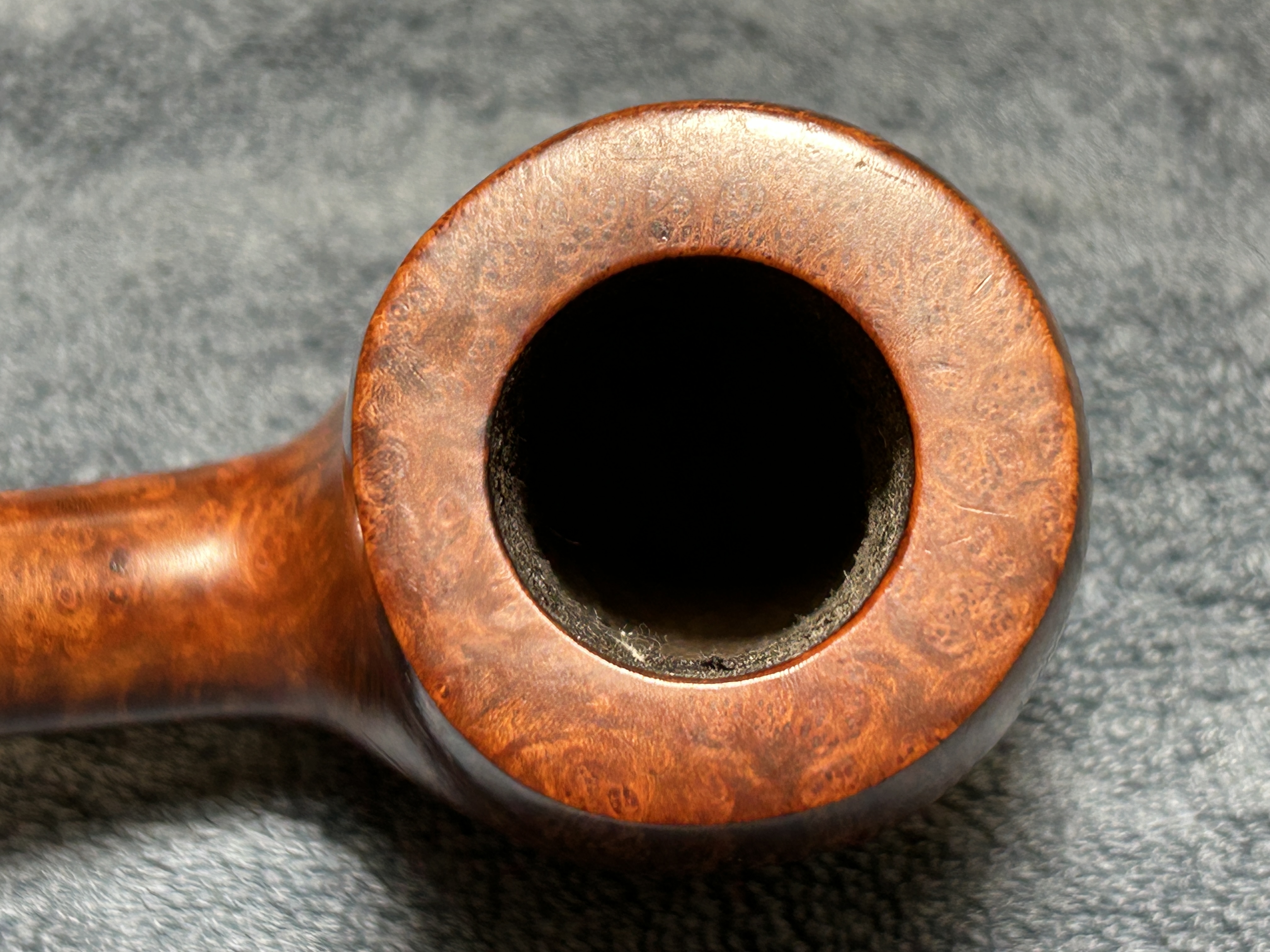
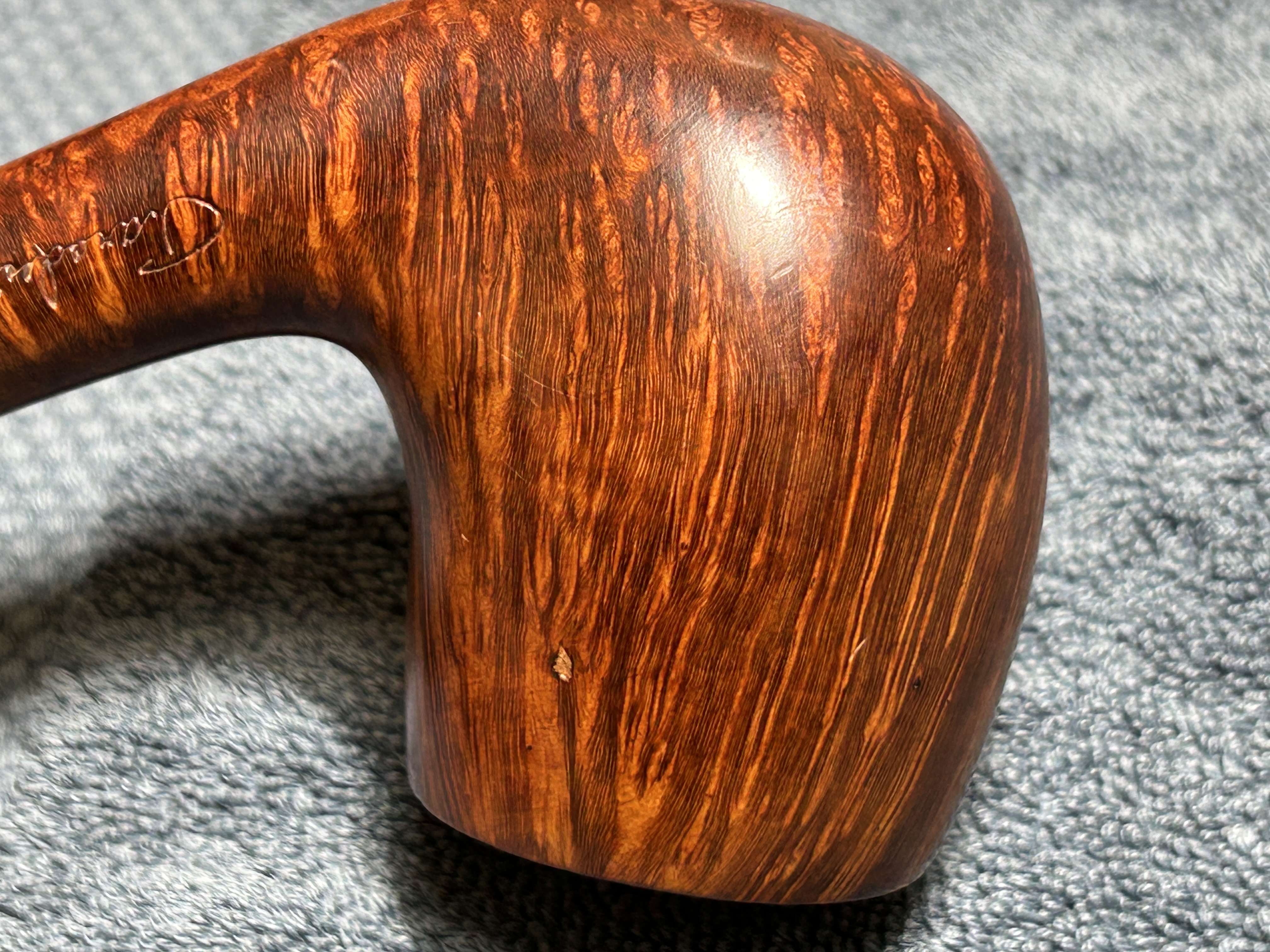
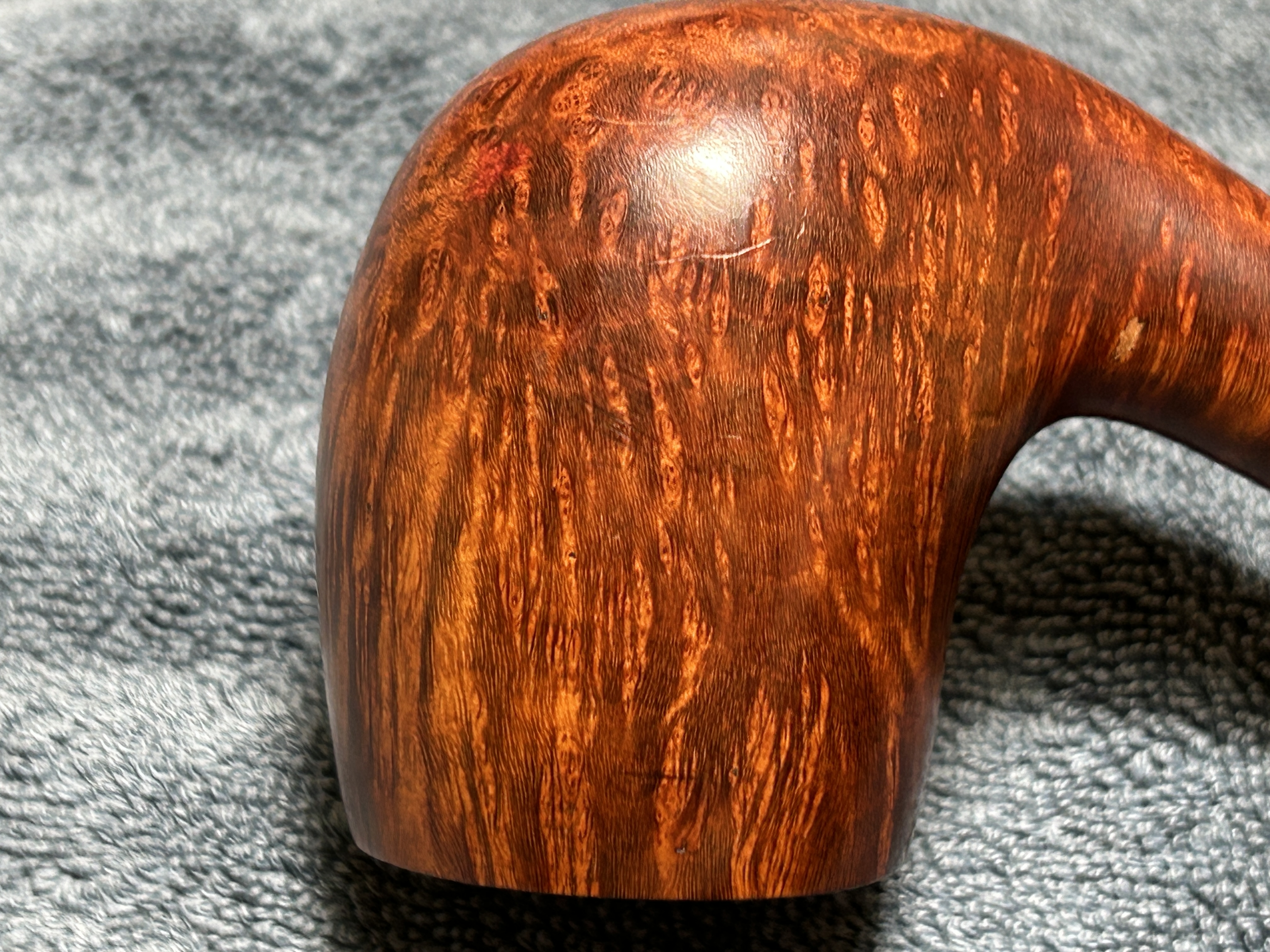
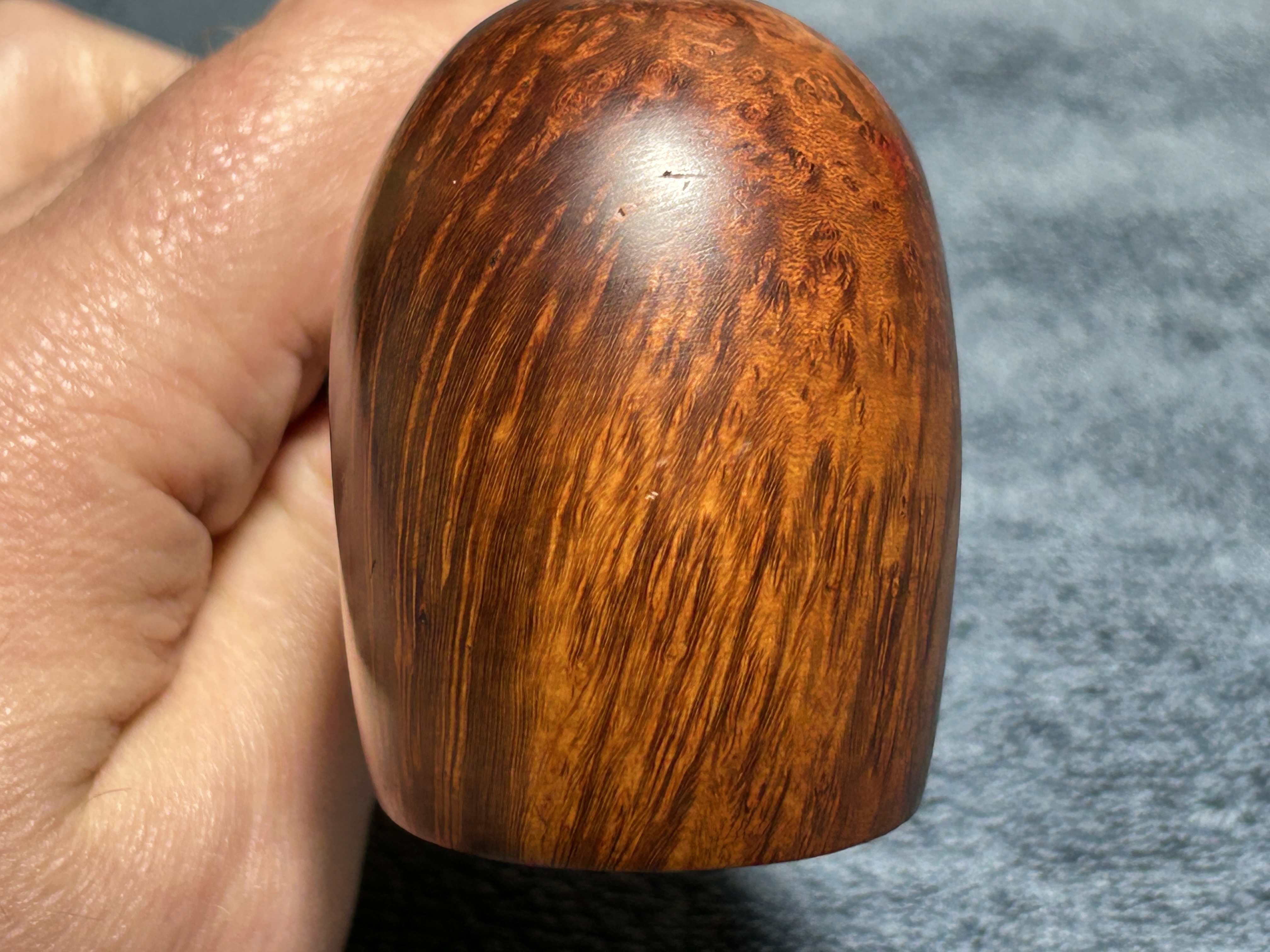
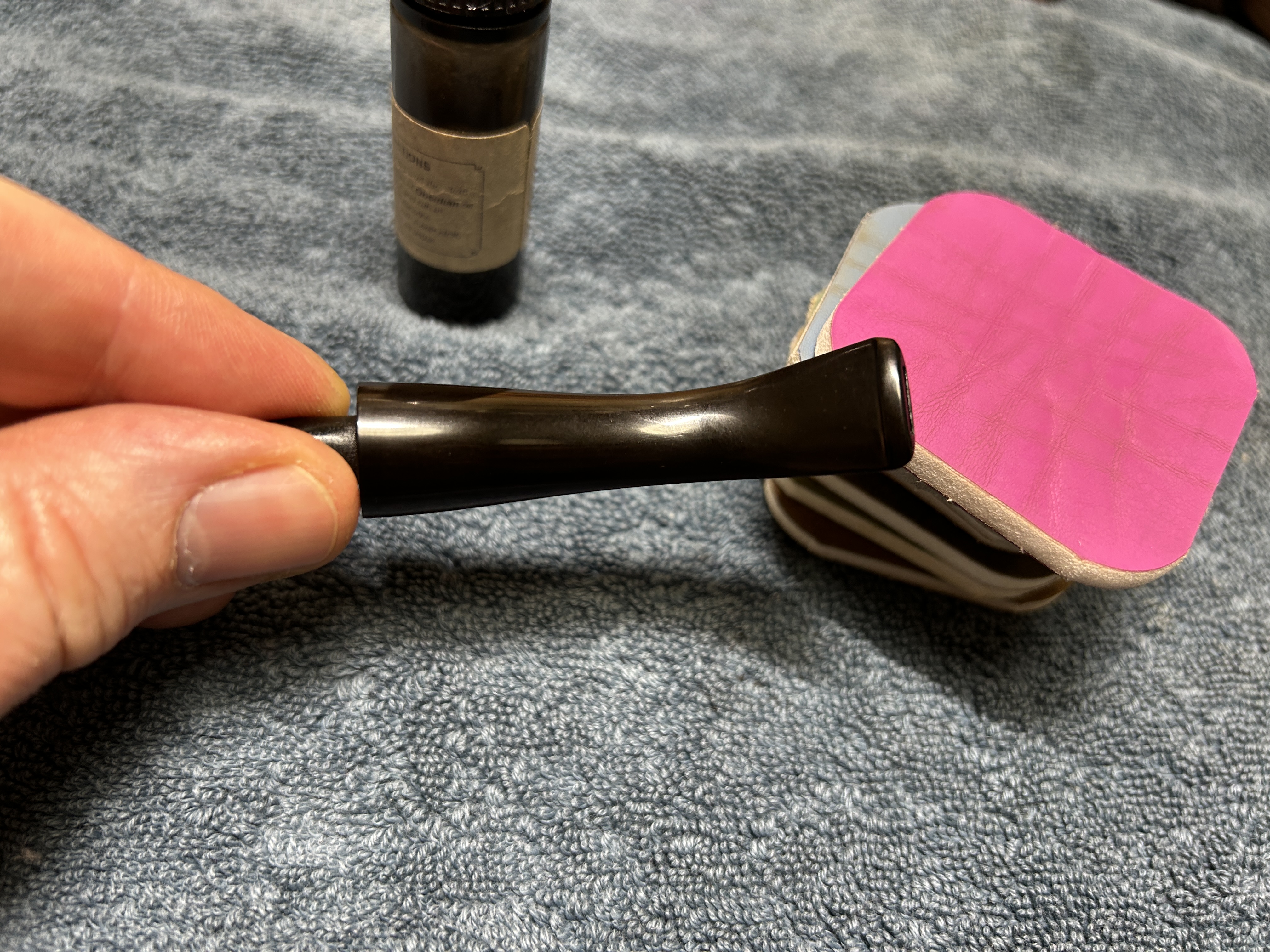
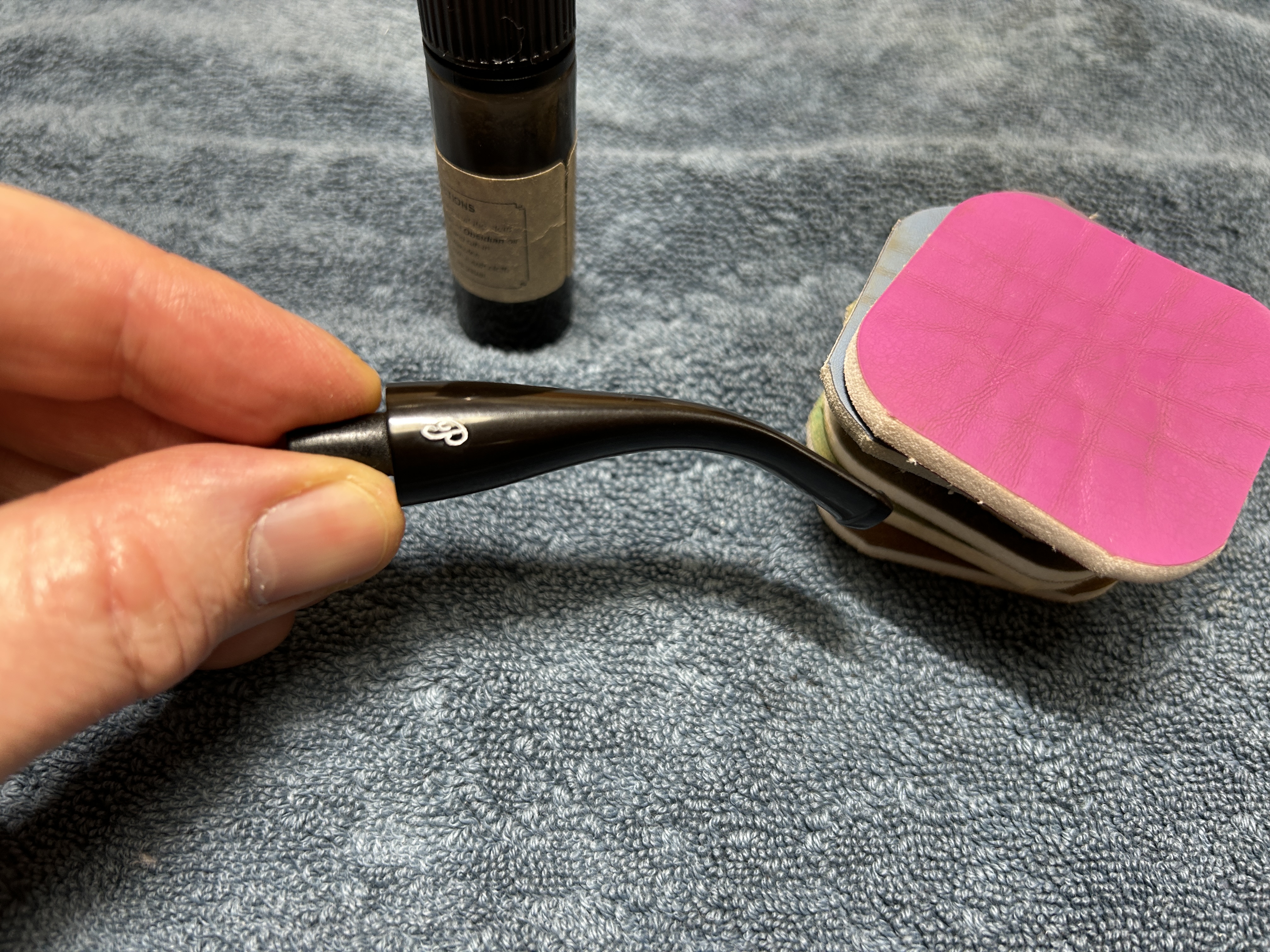
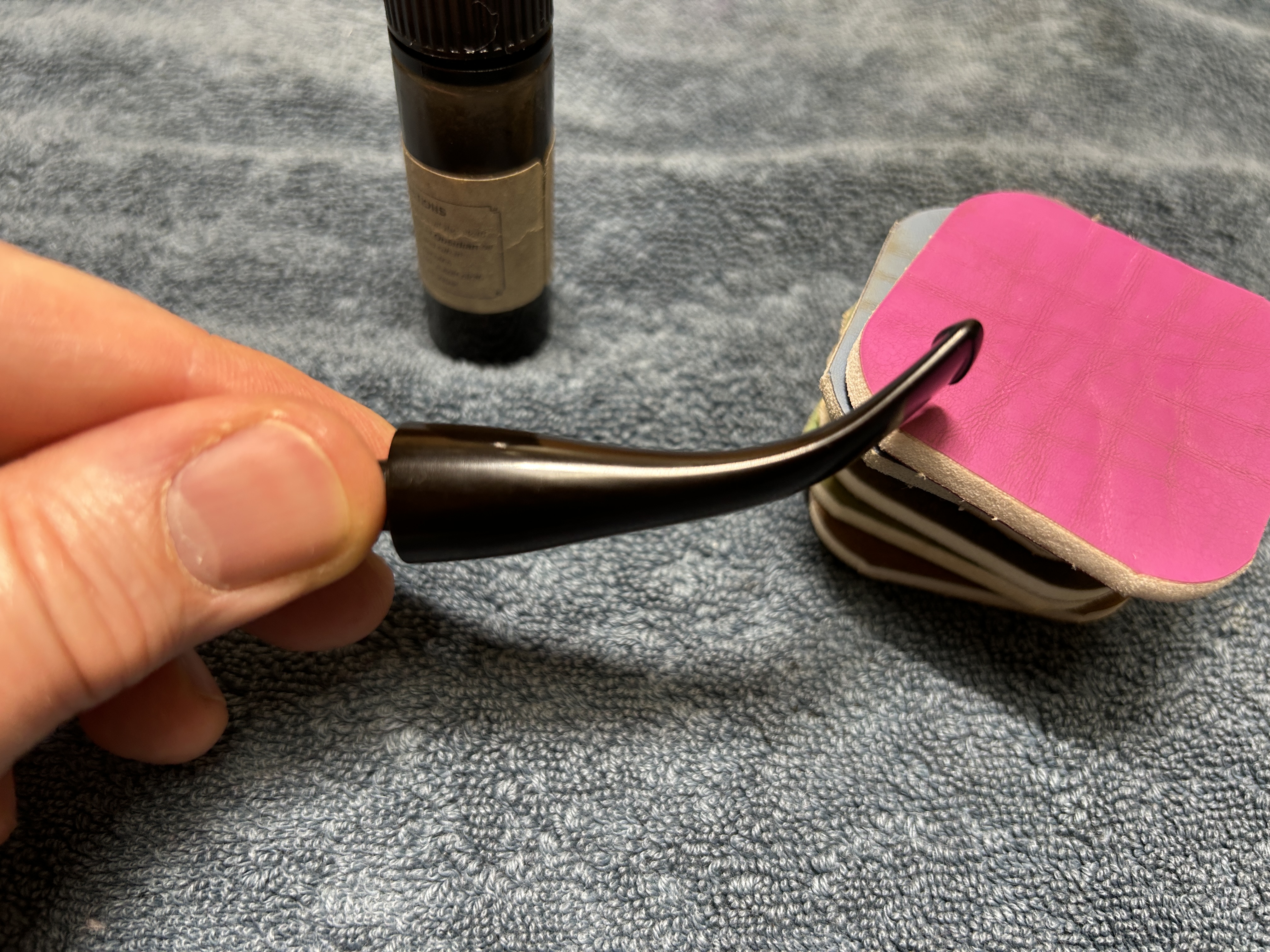
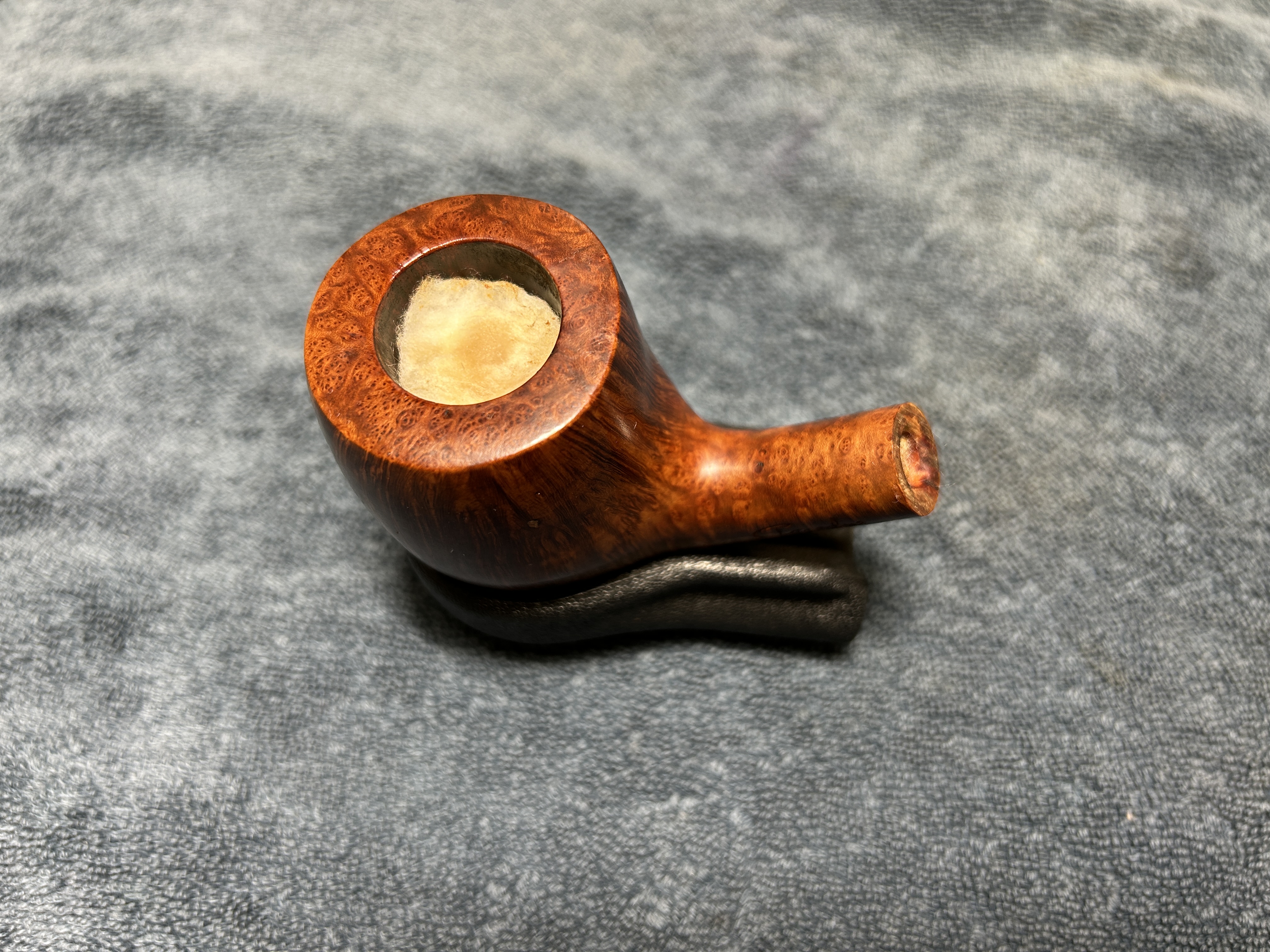
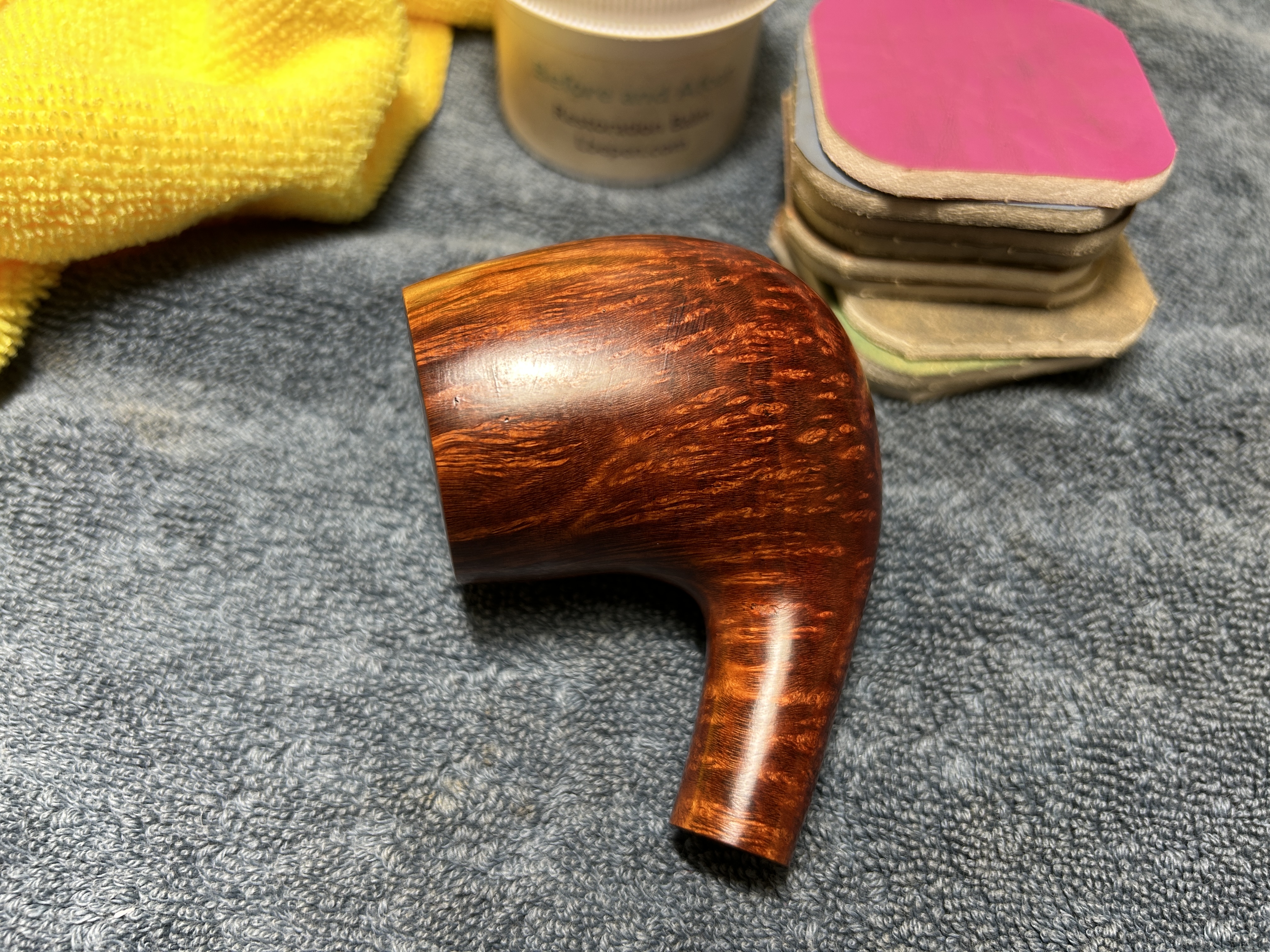
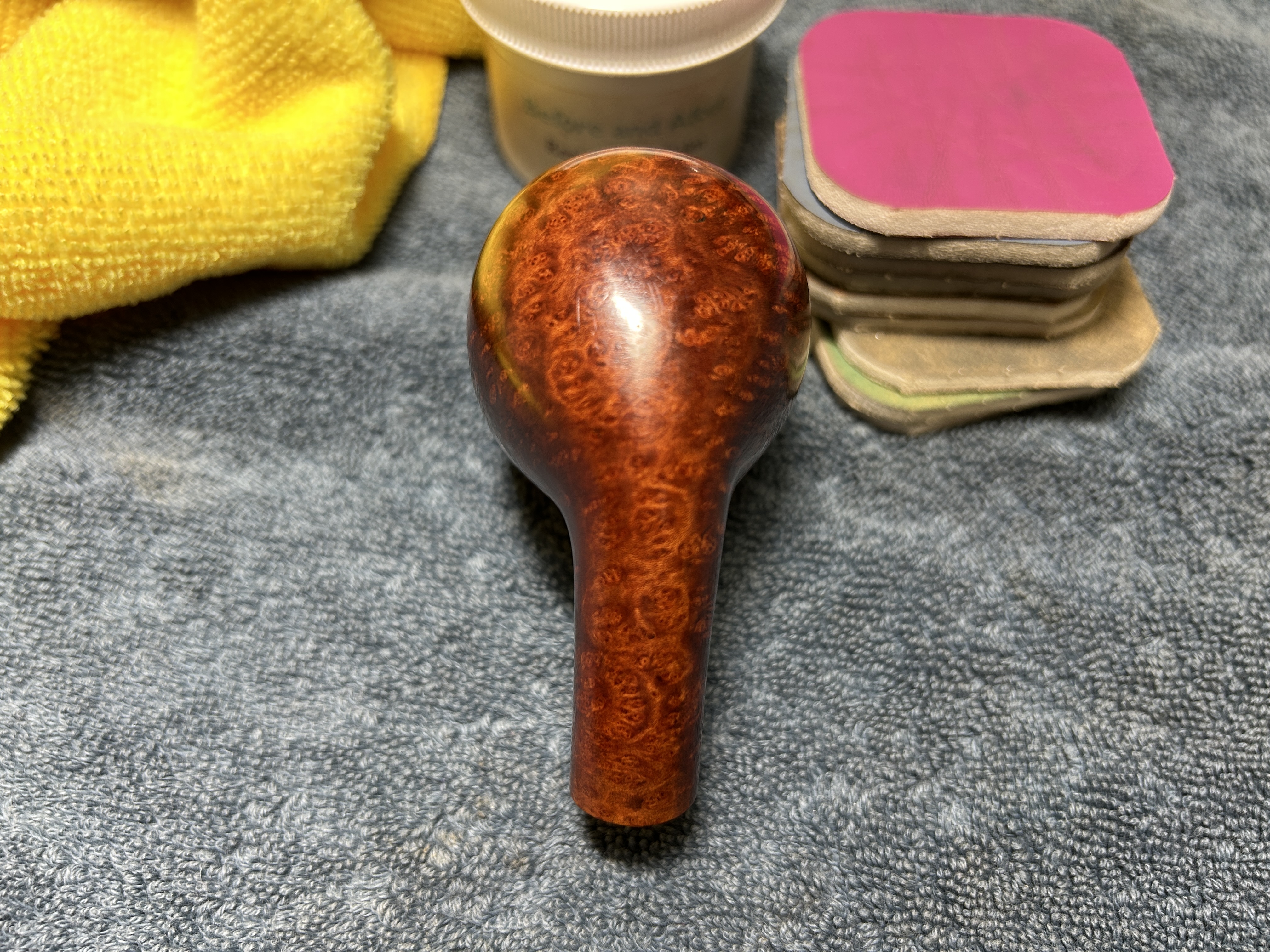
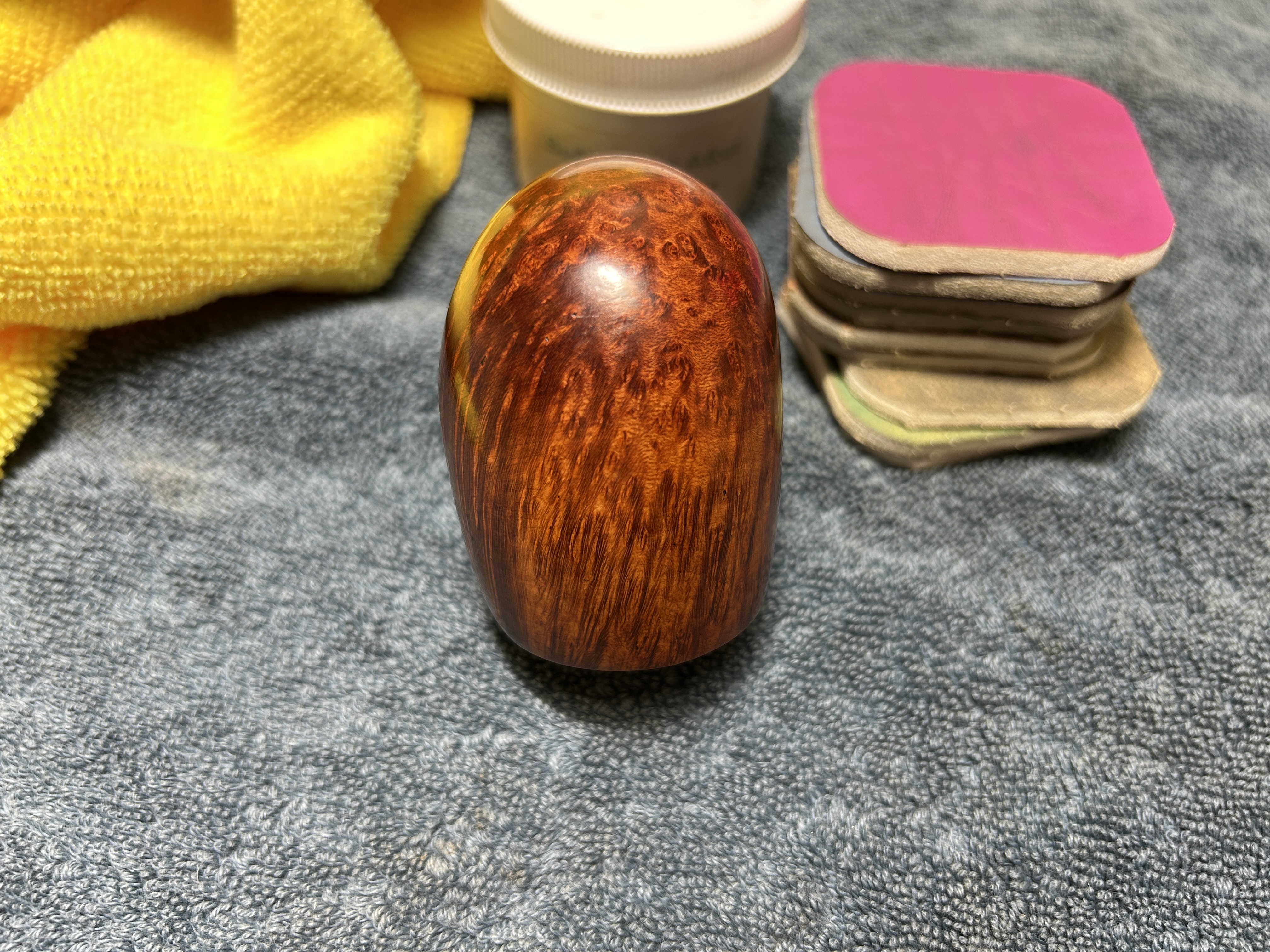
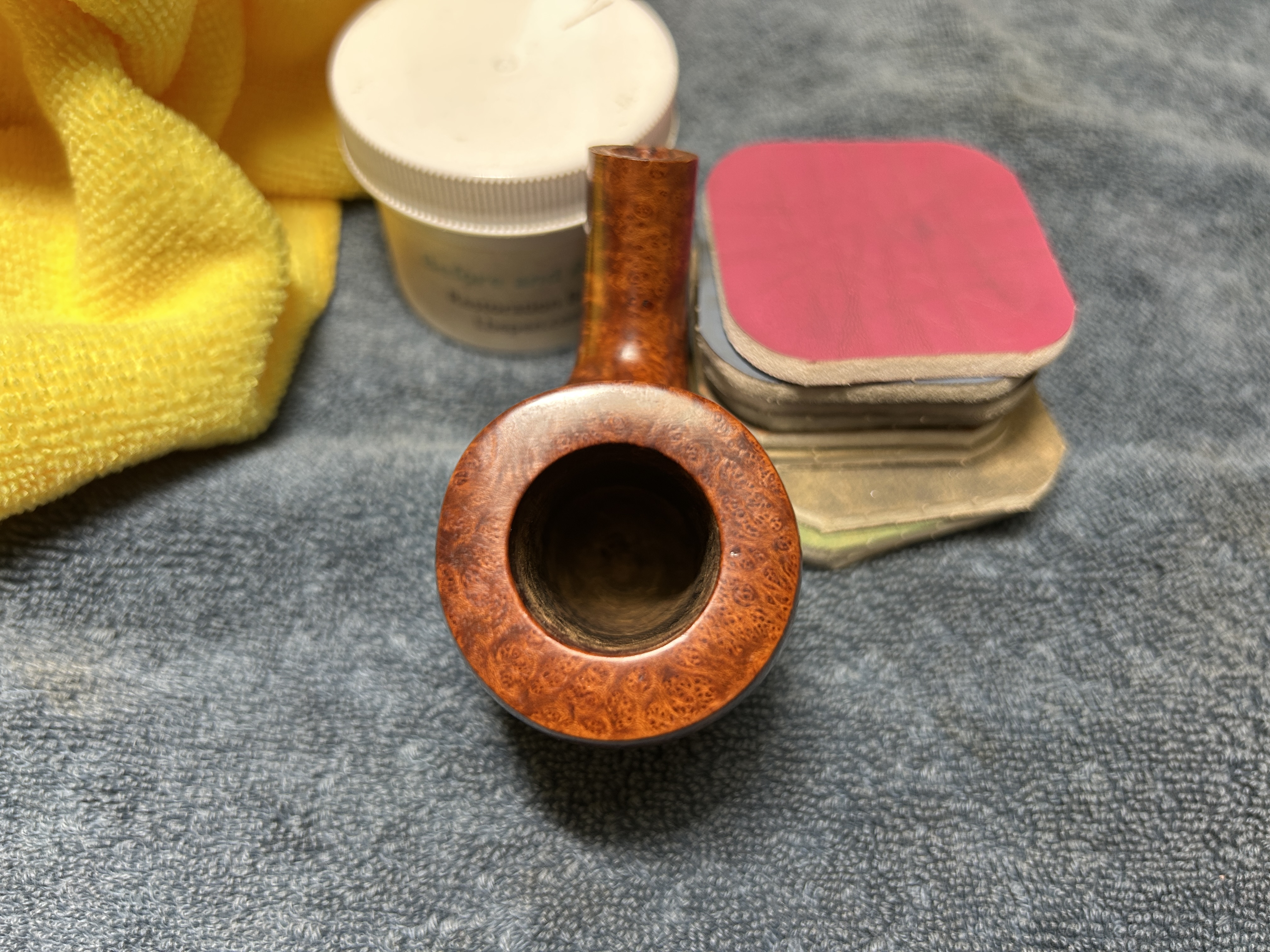
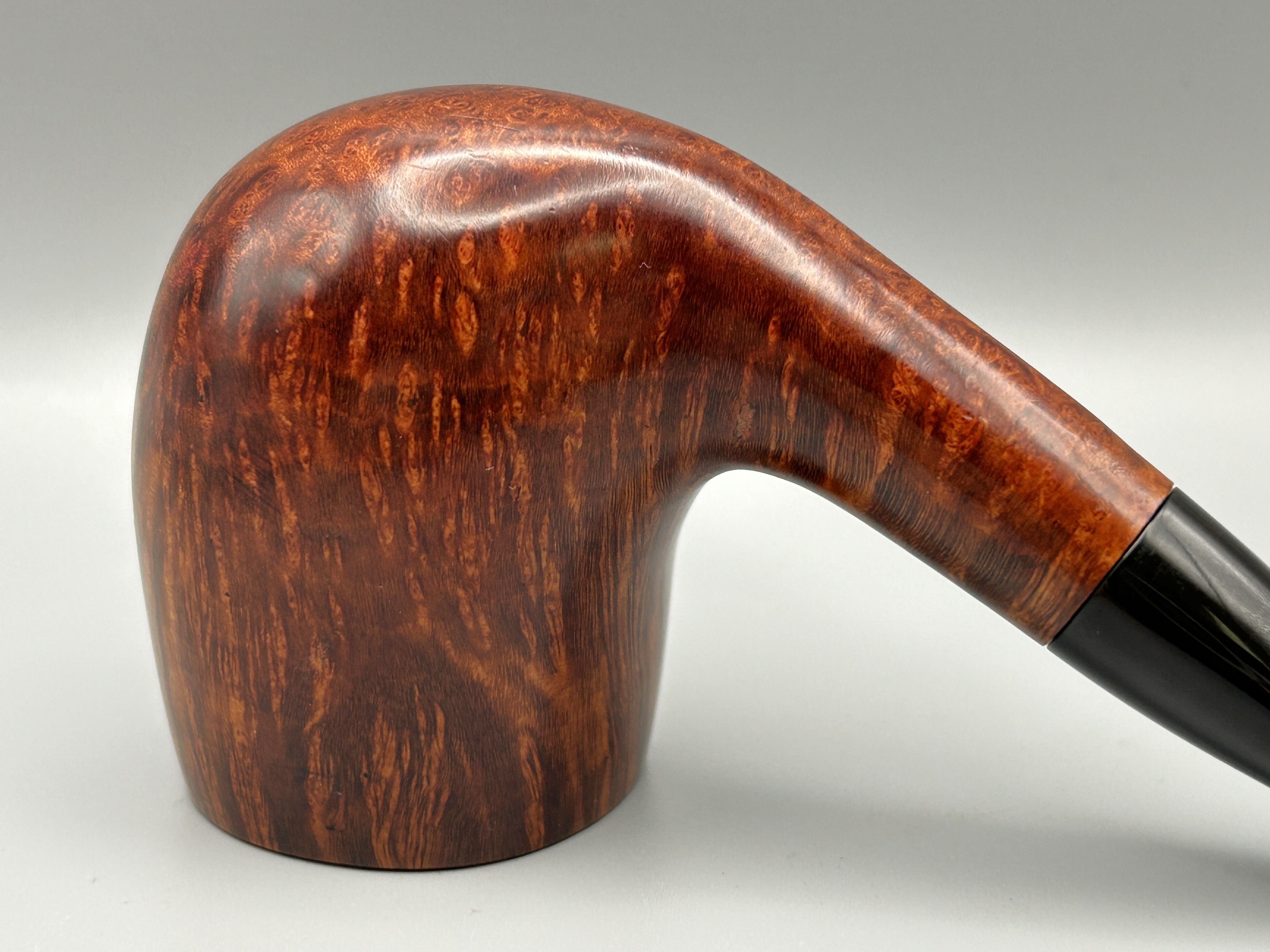
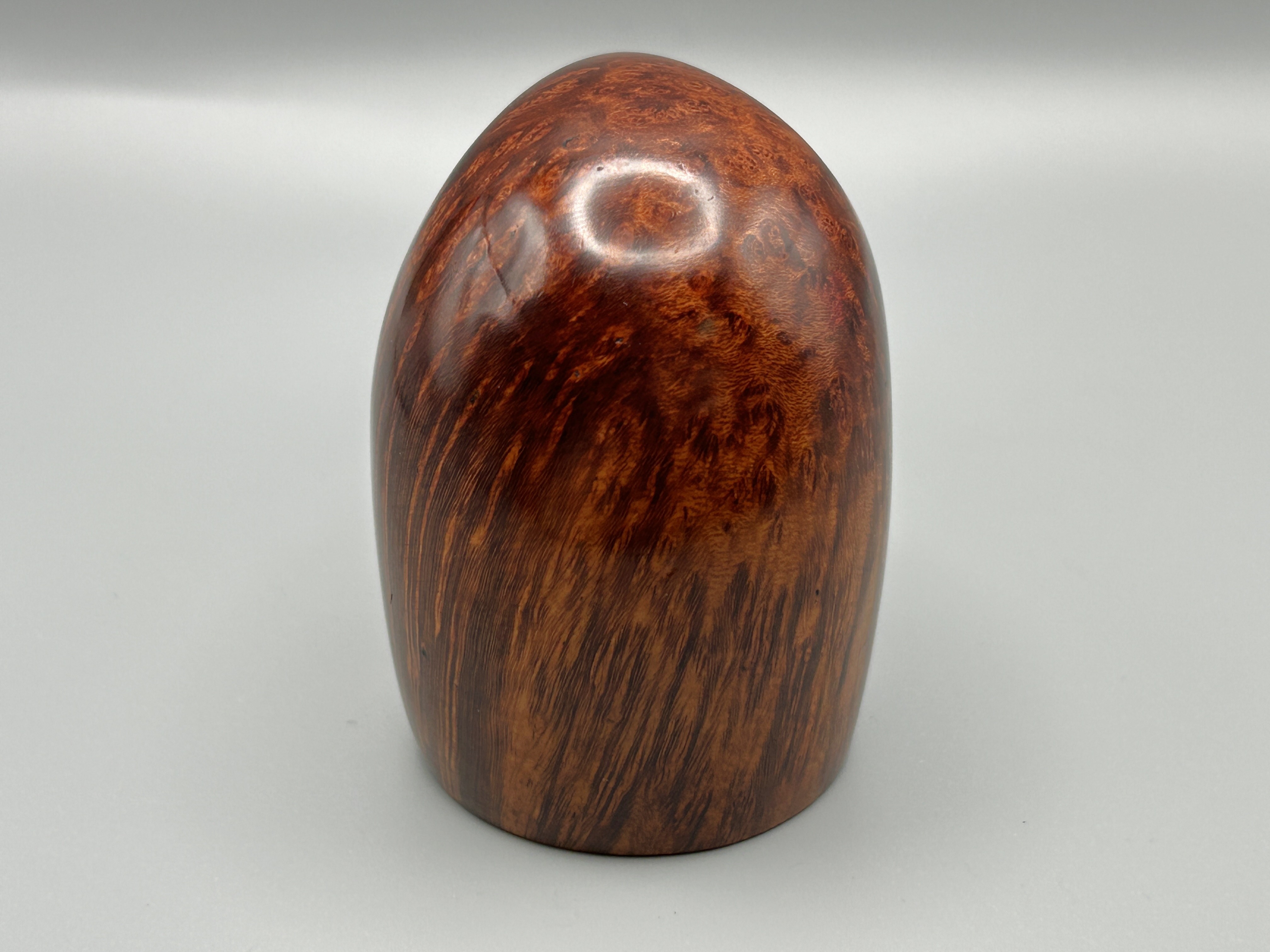
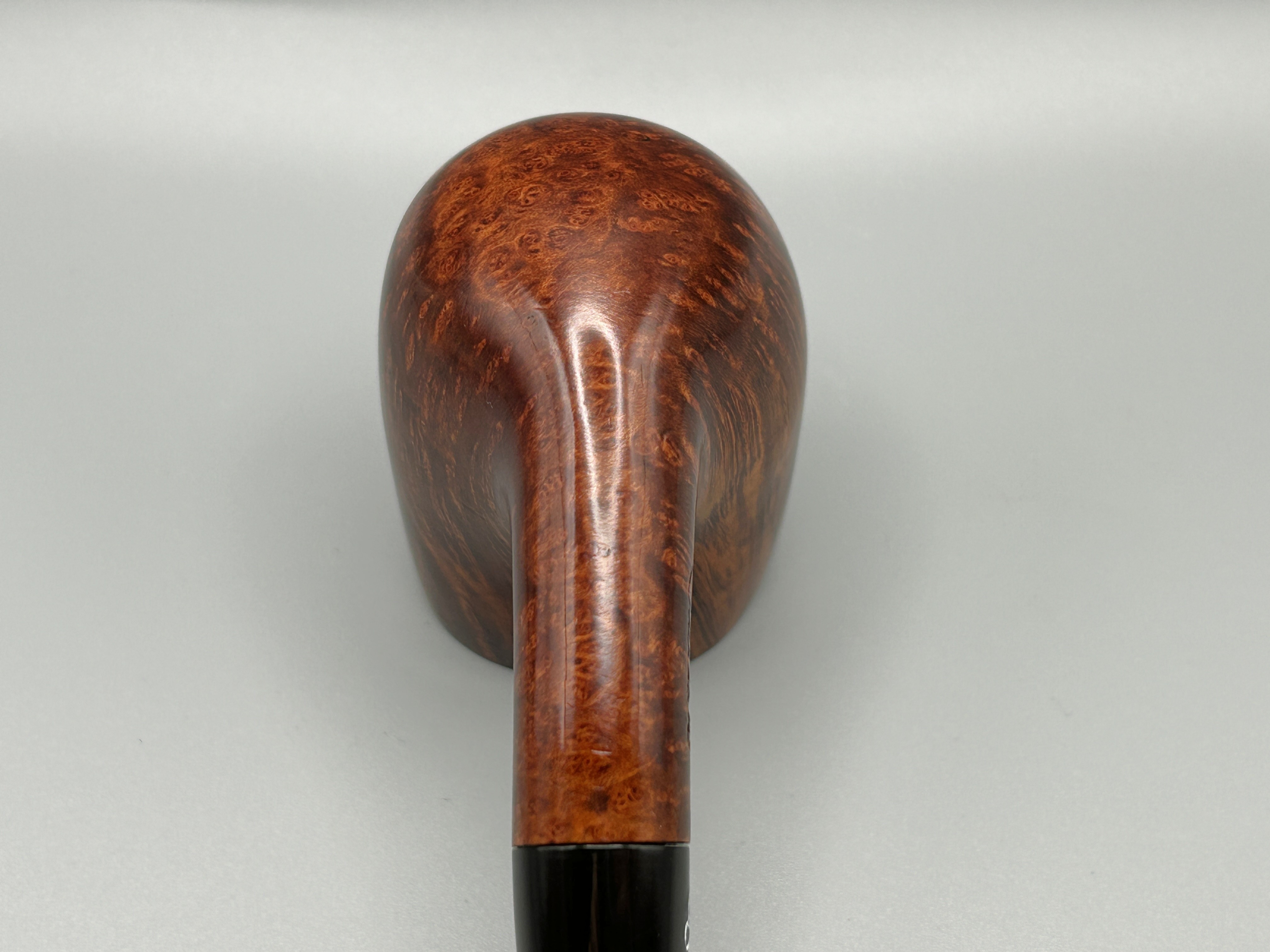
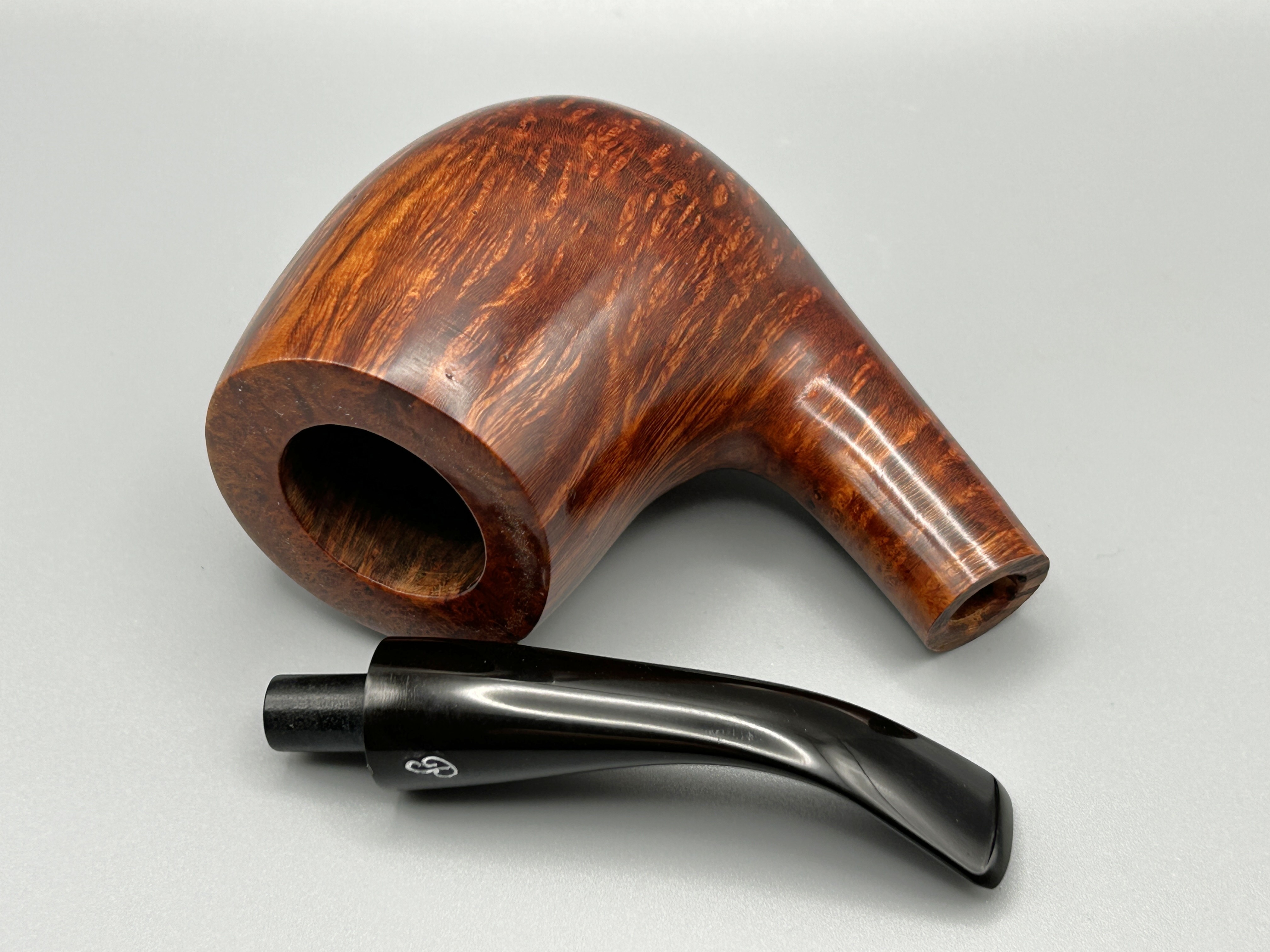
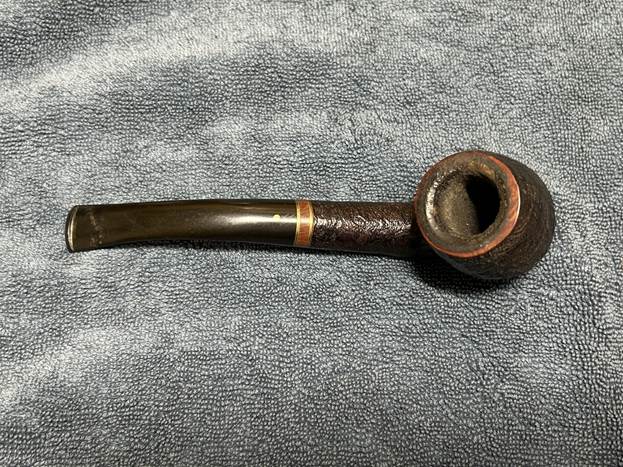
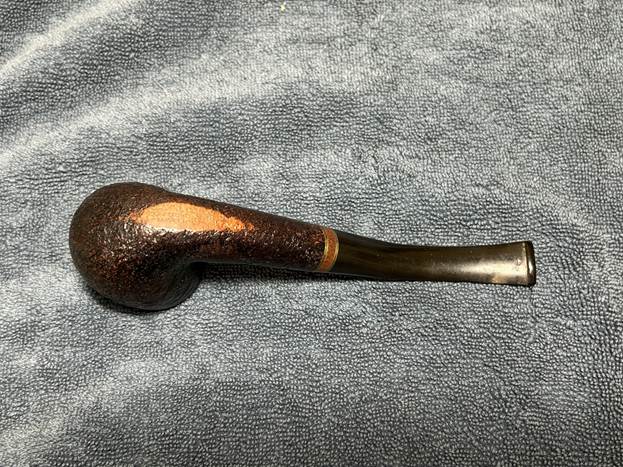
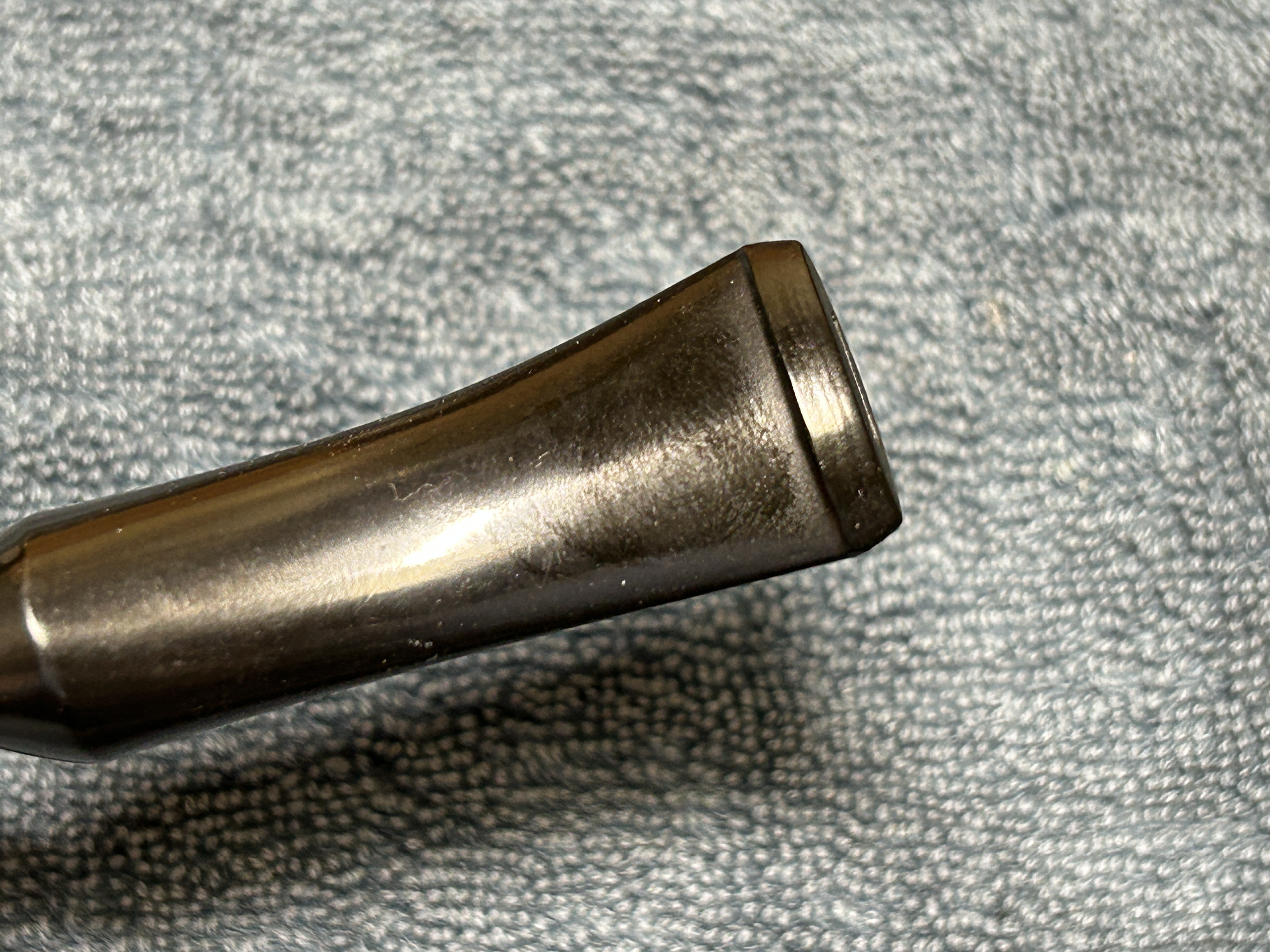
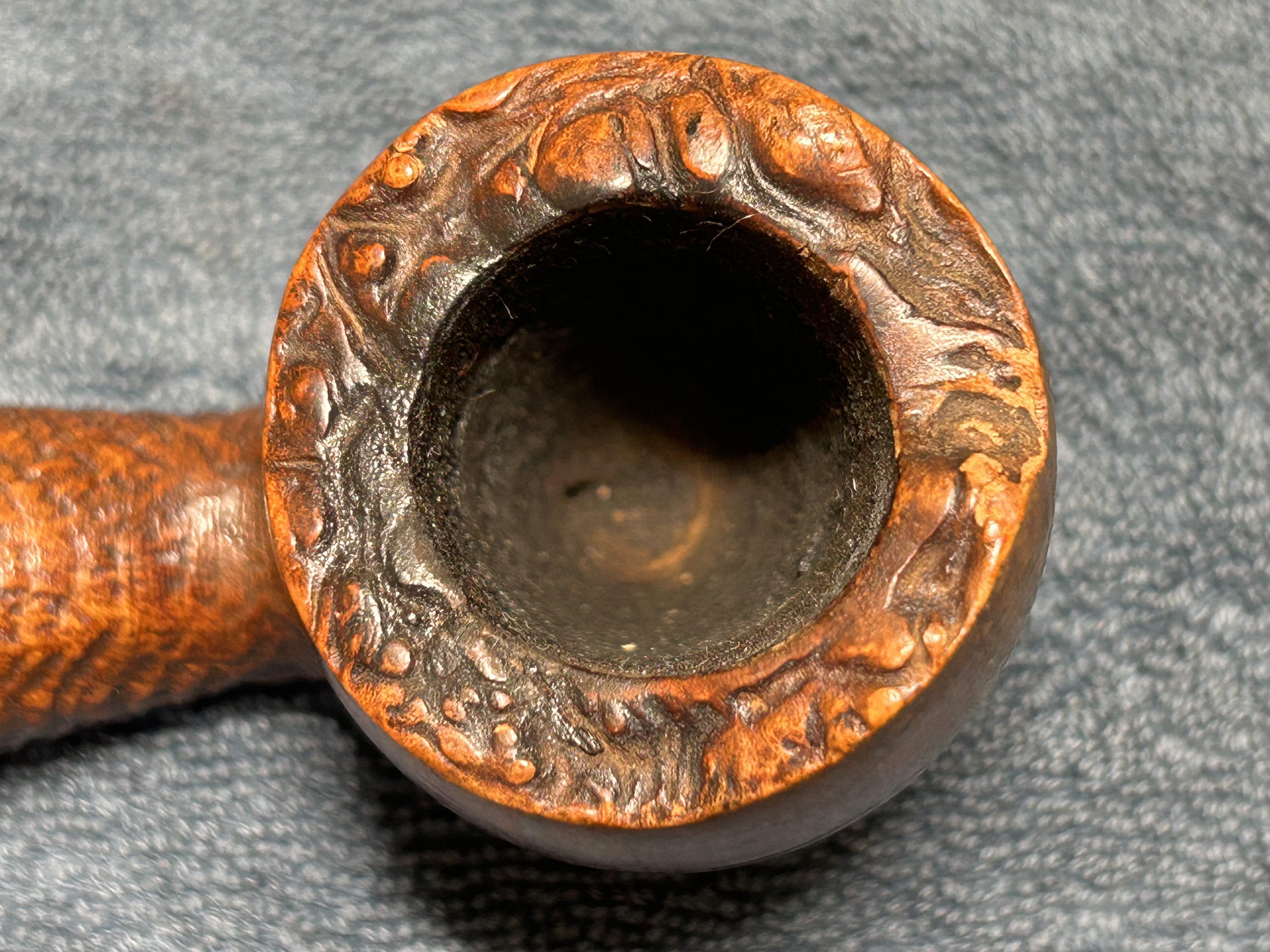
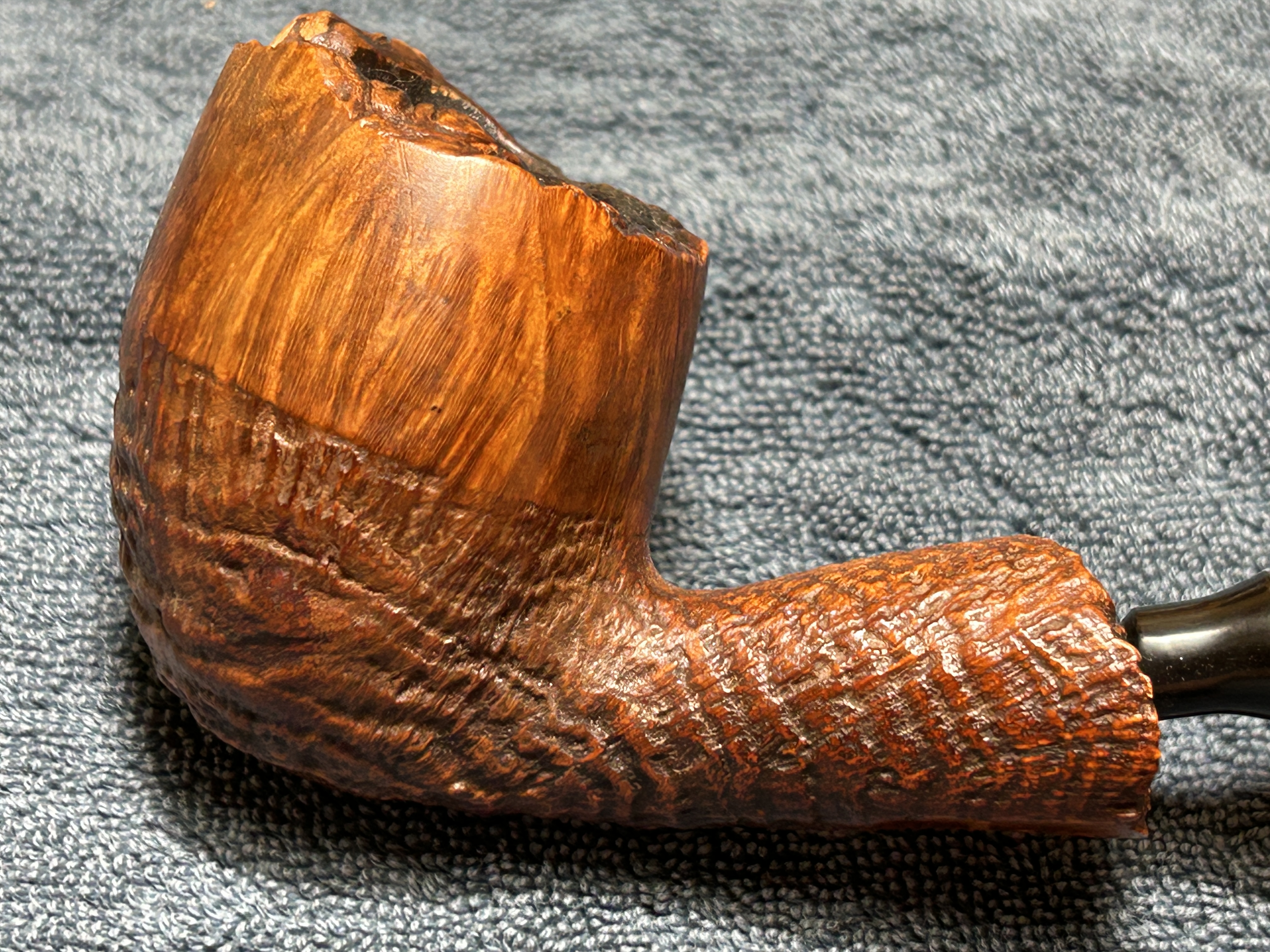
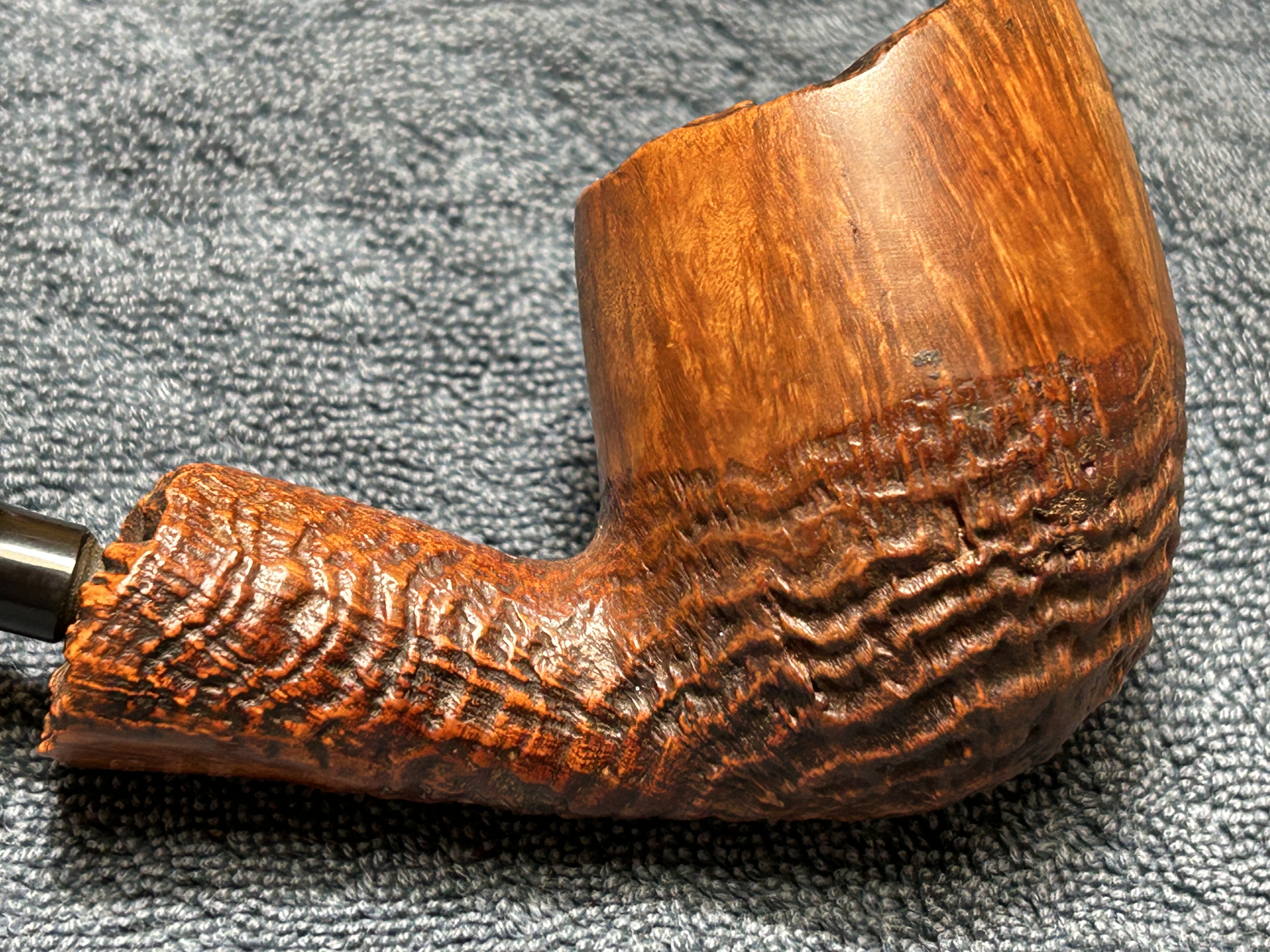
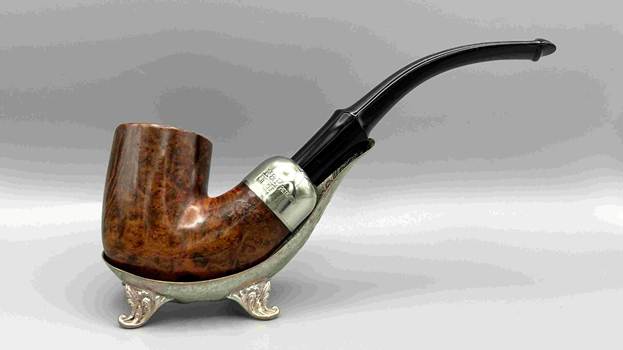
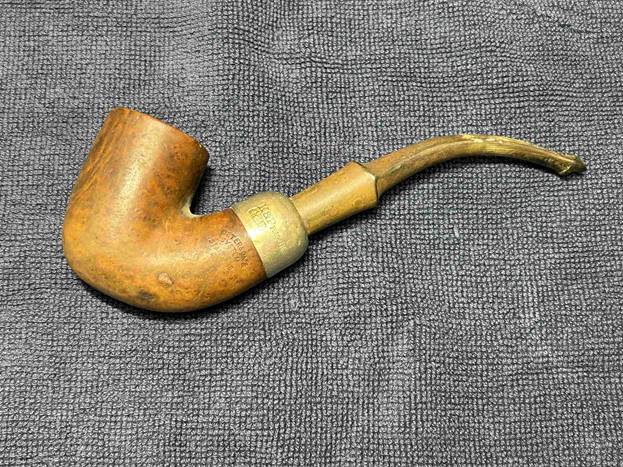
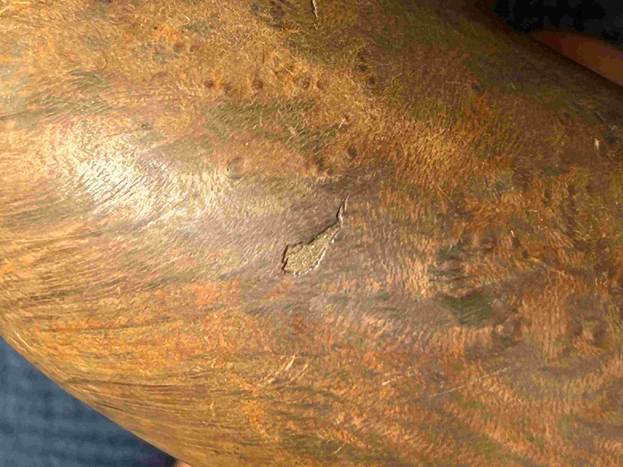
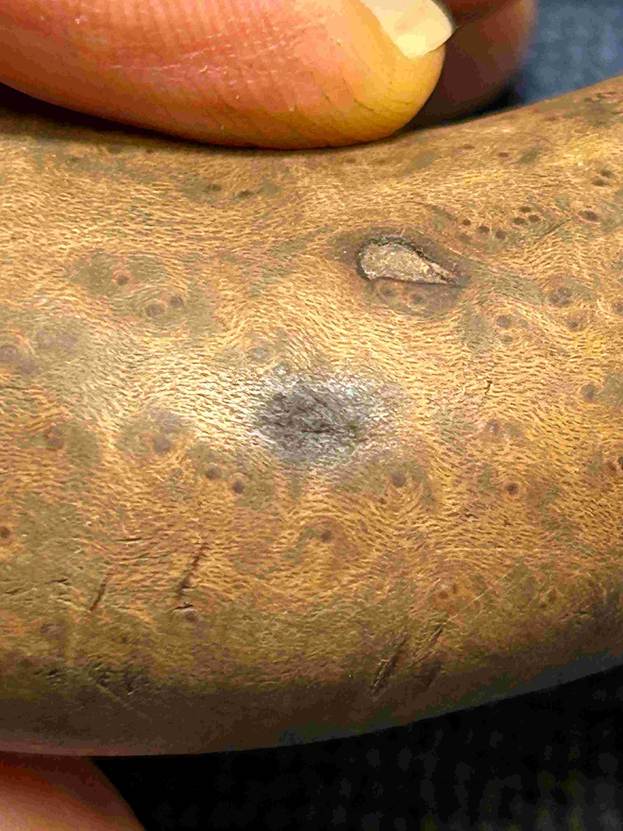
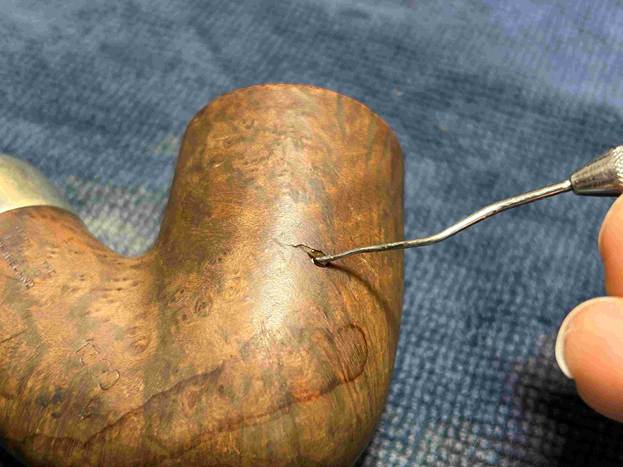
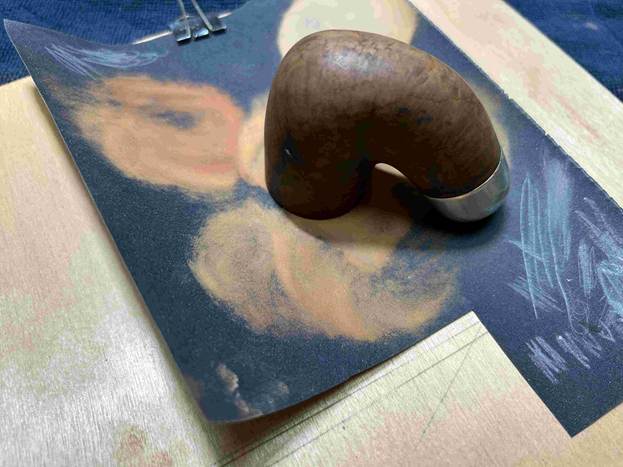
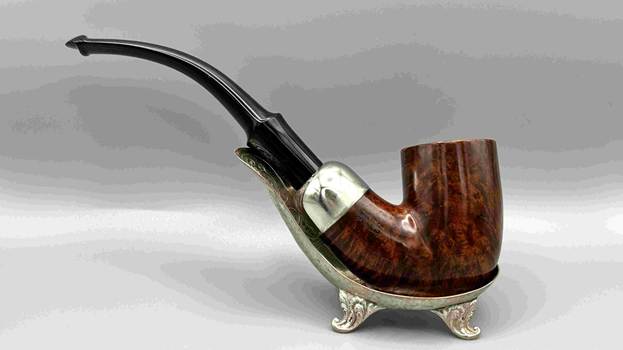
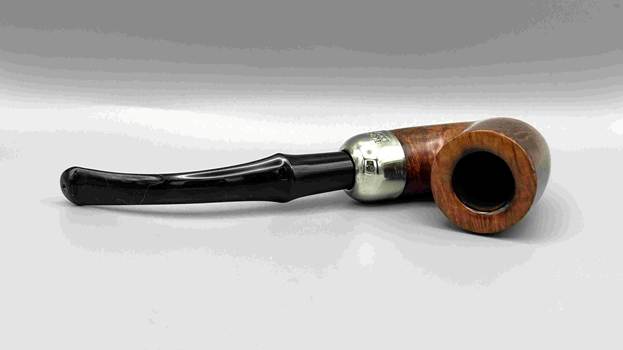
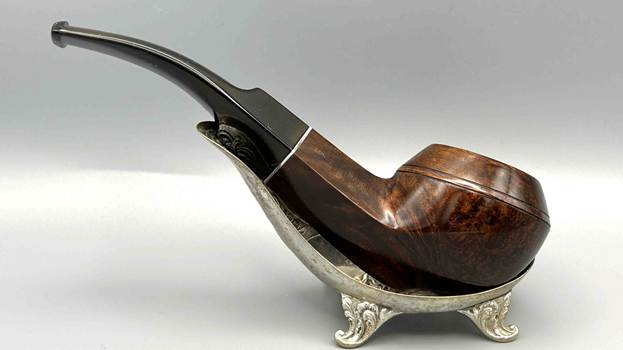
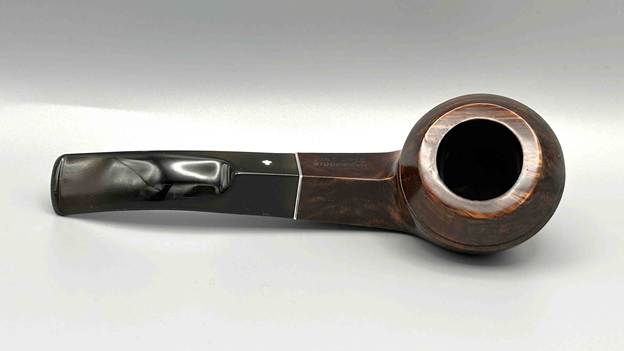
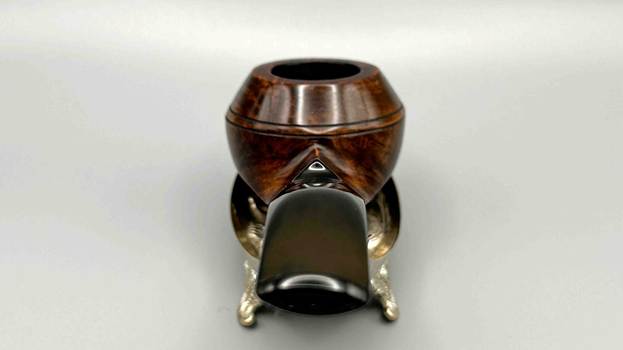
This smooth finish, beautifully grained taper stem was purchased on 01/20/2026 from a Facebook seller in Quaker Town, Pennsylvania, USA. It is a great Bent Billiard with a rich brown smooth finish on the bowl and shank. The stem is a vulcanite taper stem. The bowl is stained with a mix of browns that highlight the grain around the bowl and shank. It is stamped on the left side of the shank and reads Captain [over] Pete. On the right side of the shank it is stamped Made in Ireland in a circle. That is followed by the shape number near the bowl/shank junction and reads 69. The bowl had a thick cake and some tobacco debris on the walls. There was an overflow of lava on the rim top that was heavier toward the back of the bowl. There was grime ground into the finish which left the finish looking quite dull. The vulcanite taper stem has a C circled around a P logo on the left side. There was some light oxidation on the surface and some light tooth marks and chatter on both sides of the stem ahead of the button. Jeff took photos of the pipe before he started his work on it.   He took a photo of the rim top and bowl to show the current condition. The bevelled inner edge and the rim top showed darkening and spots of lava as mentioned above. The photos of the bowl show the cake on the walls. The stem photos show the oxidation and light marks on the rim top on both sides. Jeff took photos of the sides and heel of the bowl to give a sense of the condition of the bowl and the grain around the bowl. The shape 69 is a beautiful Bent Billiard shape. He took photos of the stamping on the shank sides and the stem to show the condition. They are cleaned readable as noted above. The stamp on the left side of the stem was deep but was lacking in the white colour in the stamp. I have included the information from the previous Captain Peterson restoration. For me this is a part of the restoration. I turned first to Pipephil’s site where I found both Captain Pete and Captain Peterson (http://www.pipephil.eu/logos/en/logo-peterson-rep.html#captainpete). I have included a screen capture of the Captain Pete information and also one of the Captain Peterson information. I also included the sidebar information as well.Captain Pete was a brand of Peterson’s English branch (1899-1960). Dublin continued to produce Captain Petes a couple of years after 1960. At the end of the eighties just as the Sherlock Holmes range was being issued, Peterson reintroduced the modern Captain Pete series.Captain Peterson was a brand of Peterson’s English branch. This English made pipe was crafted prior to 1960.

From there I turned to the “Peterson Pipe – The Story of Kapp & Peterson” by Mark Irwin and Gary Malmberg, page 295 to see what information I could find there. I quote:

Captain Pete – This line’s name was derived from the nickname of Charles Peterson, known affectionately by friends and employees as “Captain Peterson.” The first issue. C. 1940-62, was in a smooth finish produced for Rogers Imports with a white stamped P inside C or a circled P on the mouthpiece. CAPTAIN over PETE on shank, and MADE IN IRELAND in a circle. English made versions show CAPTAIN over PETE on the shank or “CAPTAIN PETERSON” and a PETERSON’S PRODUCT over MADE IN ENGLAND or LONDON MADE over ENGLAND. The second issue (1998-), features an XL bowl with Sherlock Holmes shapes and compact stems, in rustic or combination of smooth and rustic finish, with a nickel band between two narrow brass bands.

I knew that I was working on a pipe made before 1960 in Ireland. Thus, the pipe was a first issue C. 1940-62. It is a beautiful pipe that will need some work but overall was in very good condition for a pipe made before 1960. It was time to start my work on the pipe.

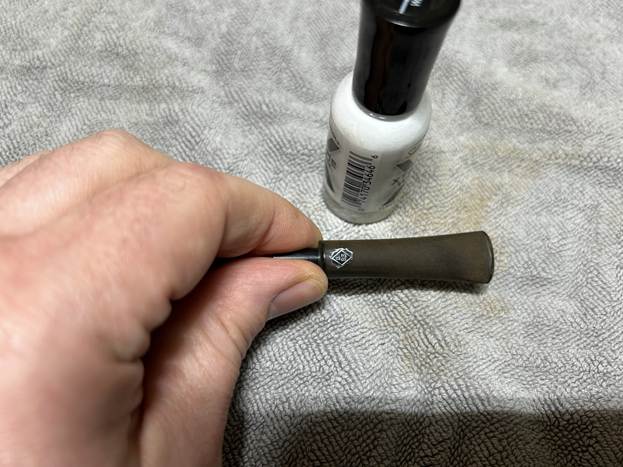
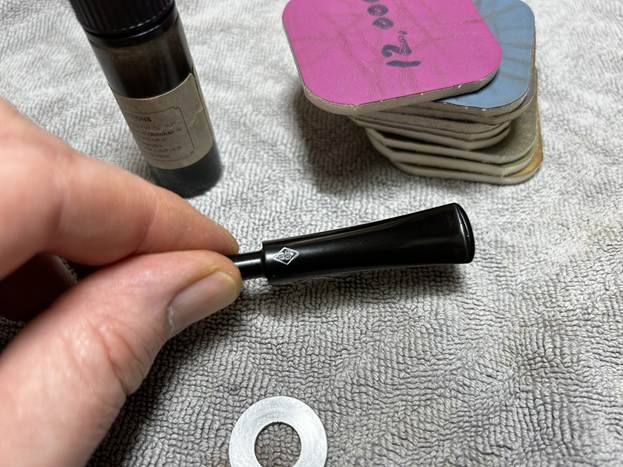
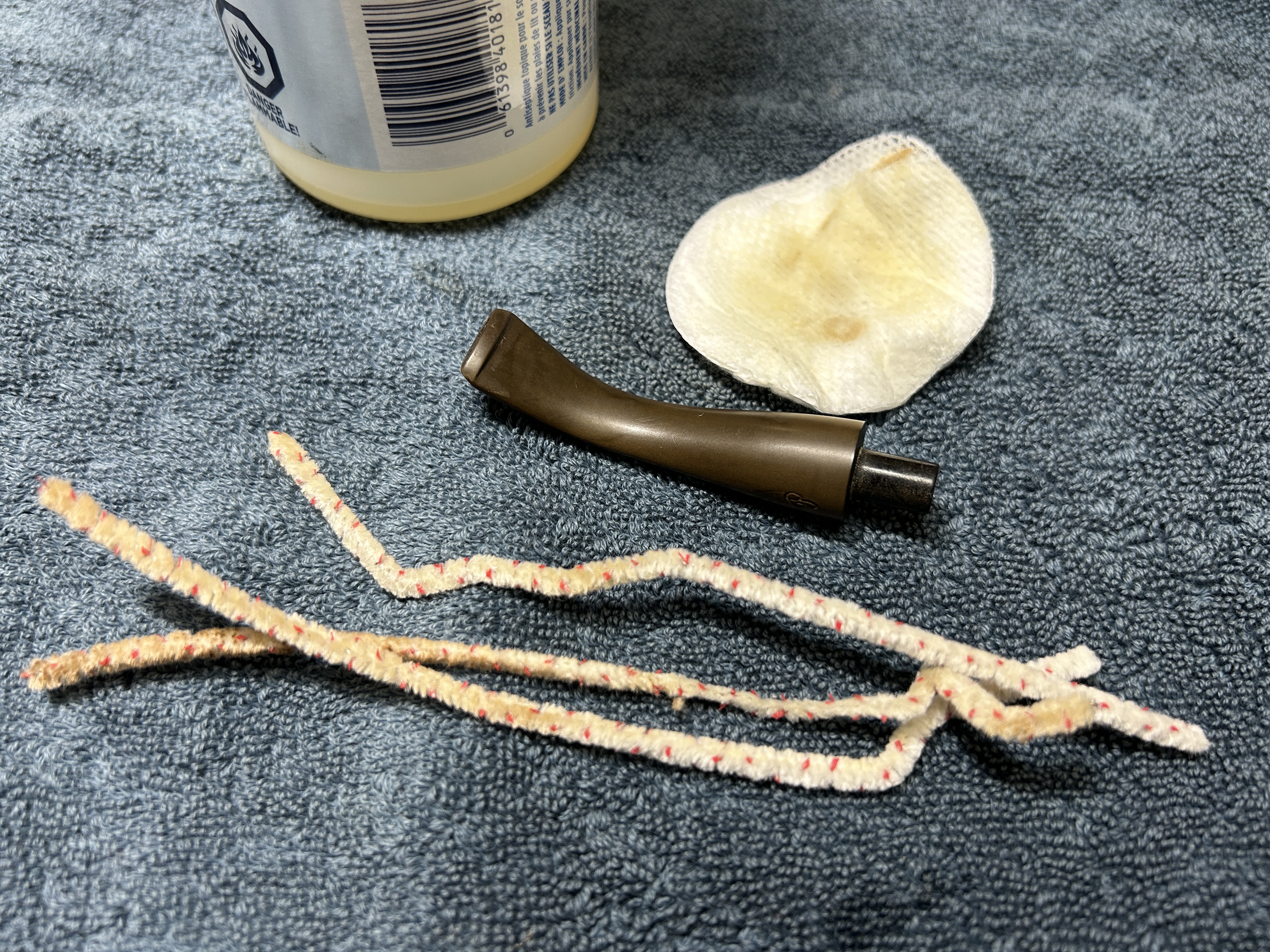
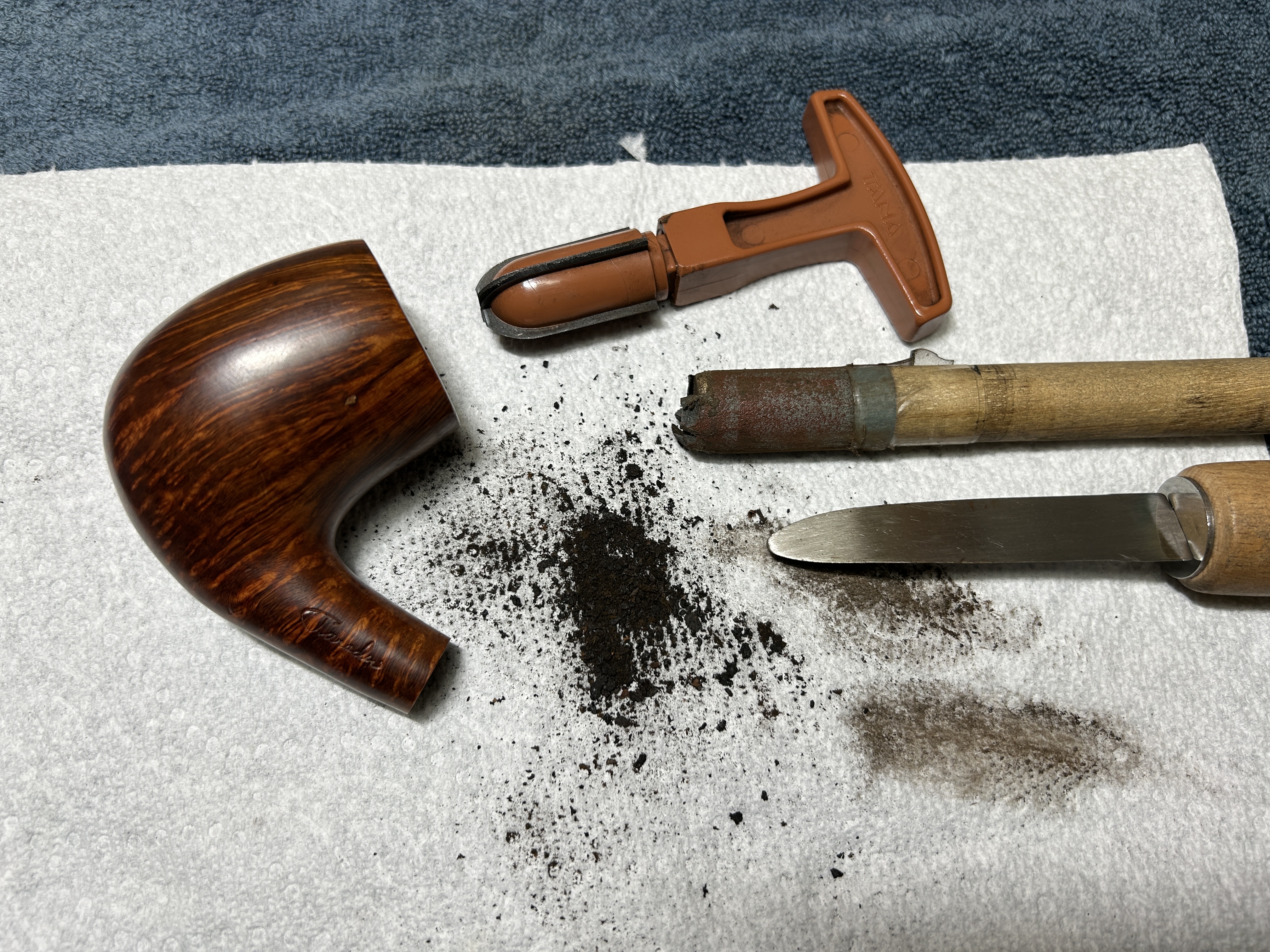
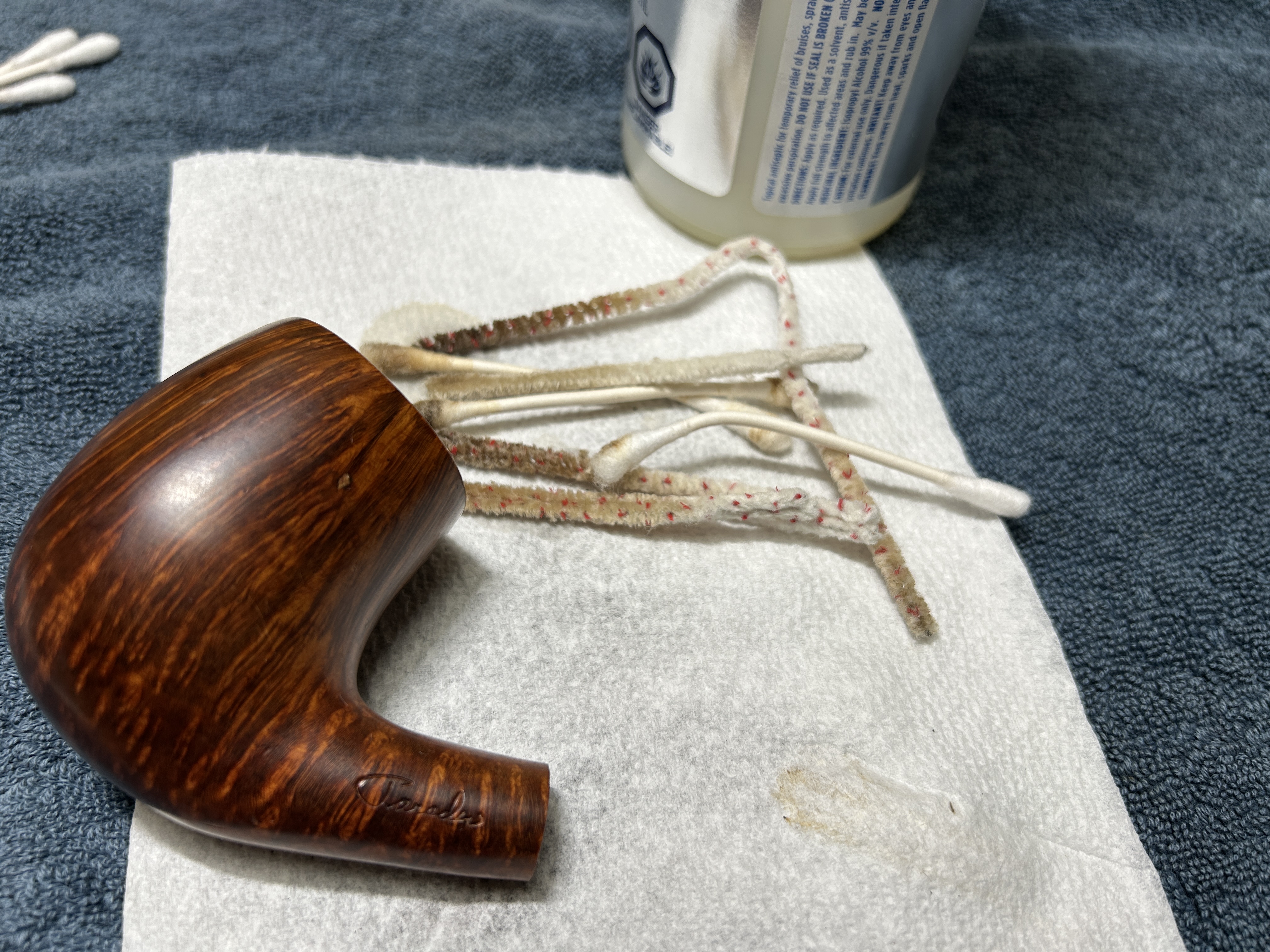
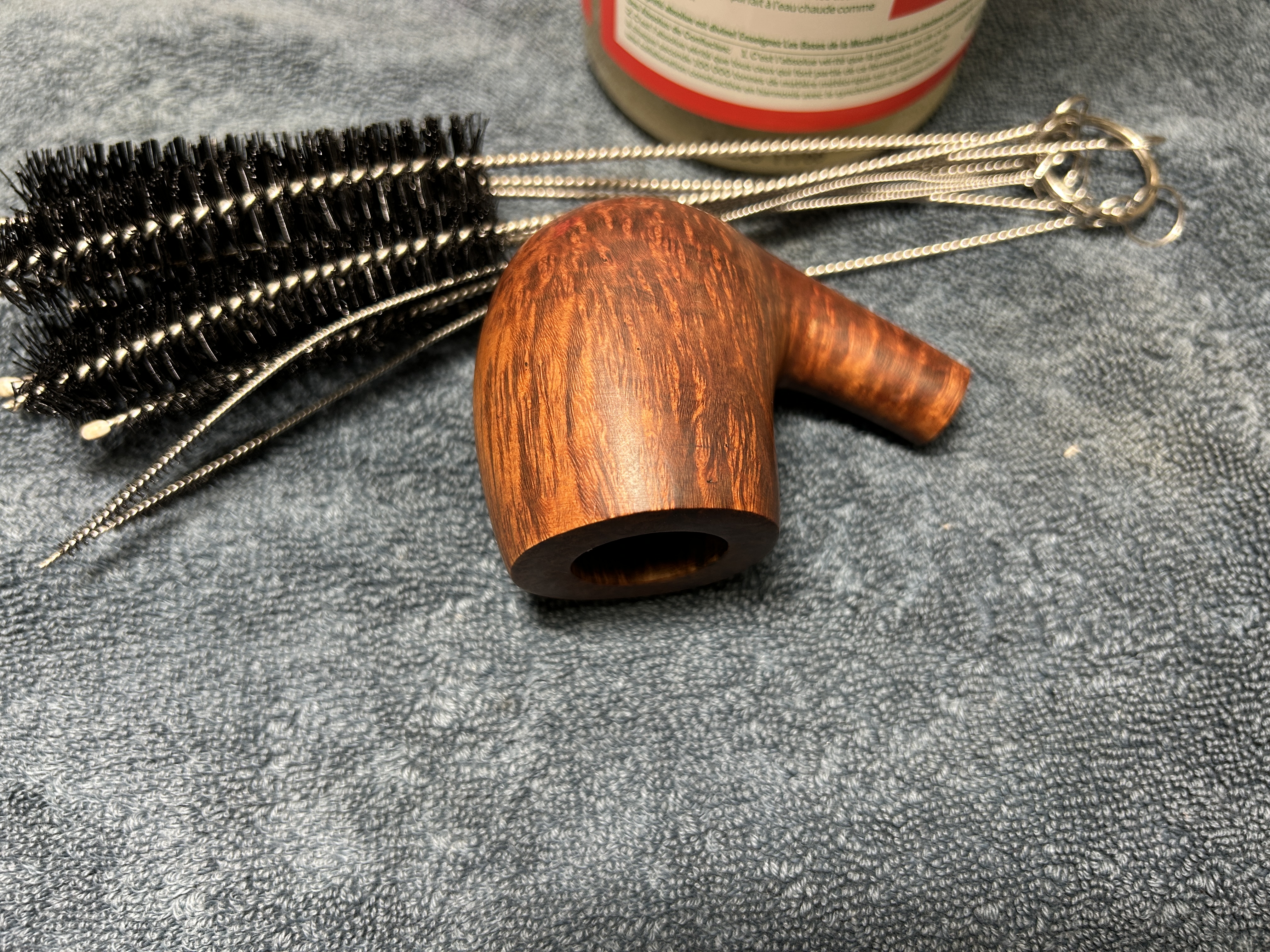
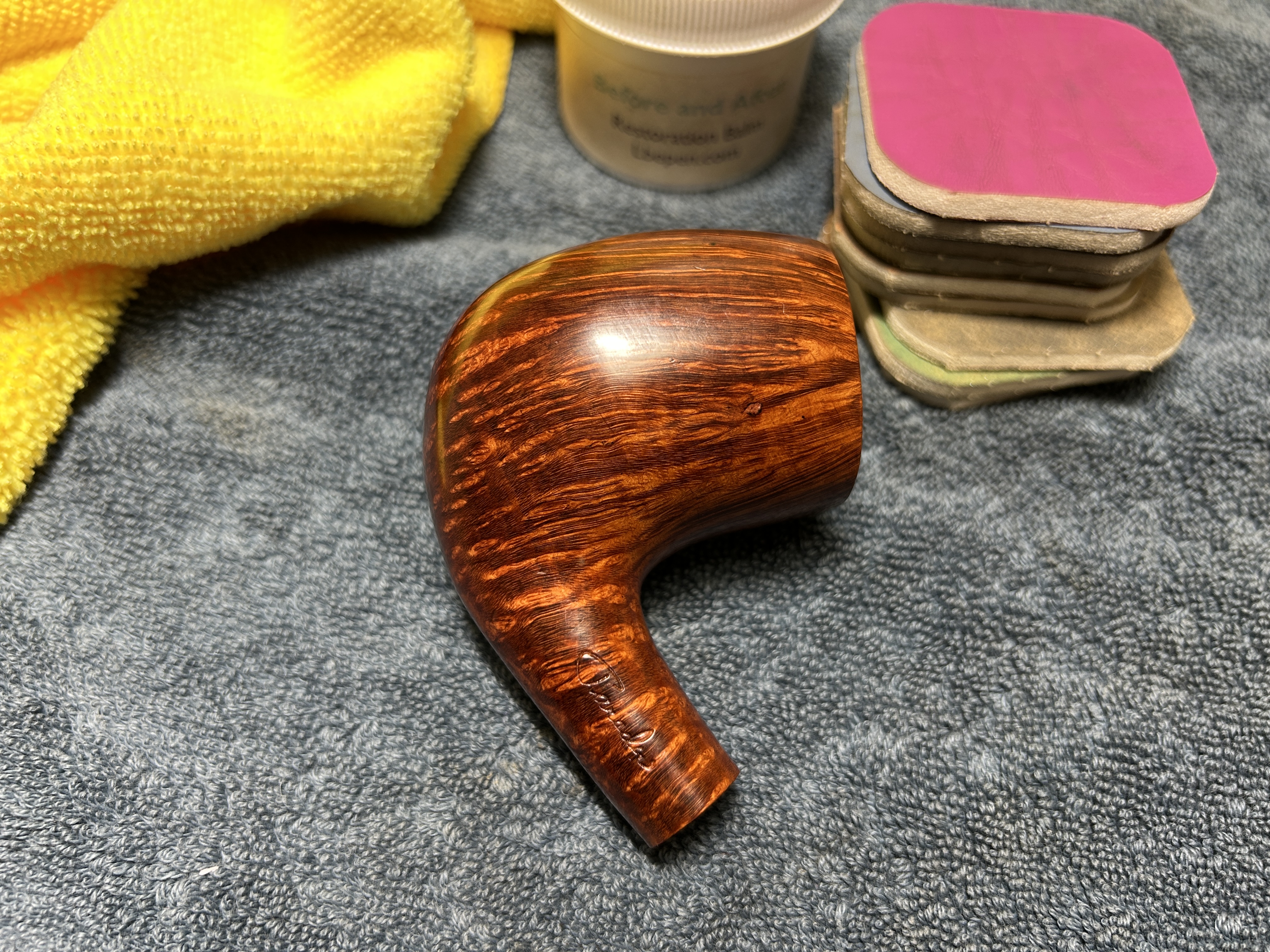
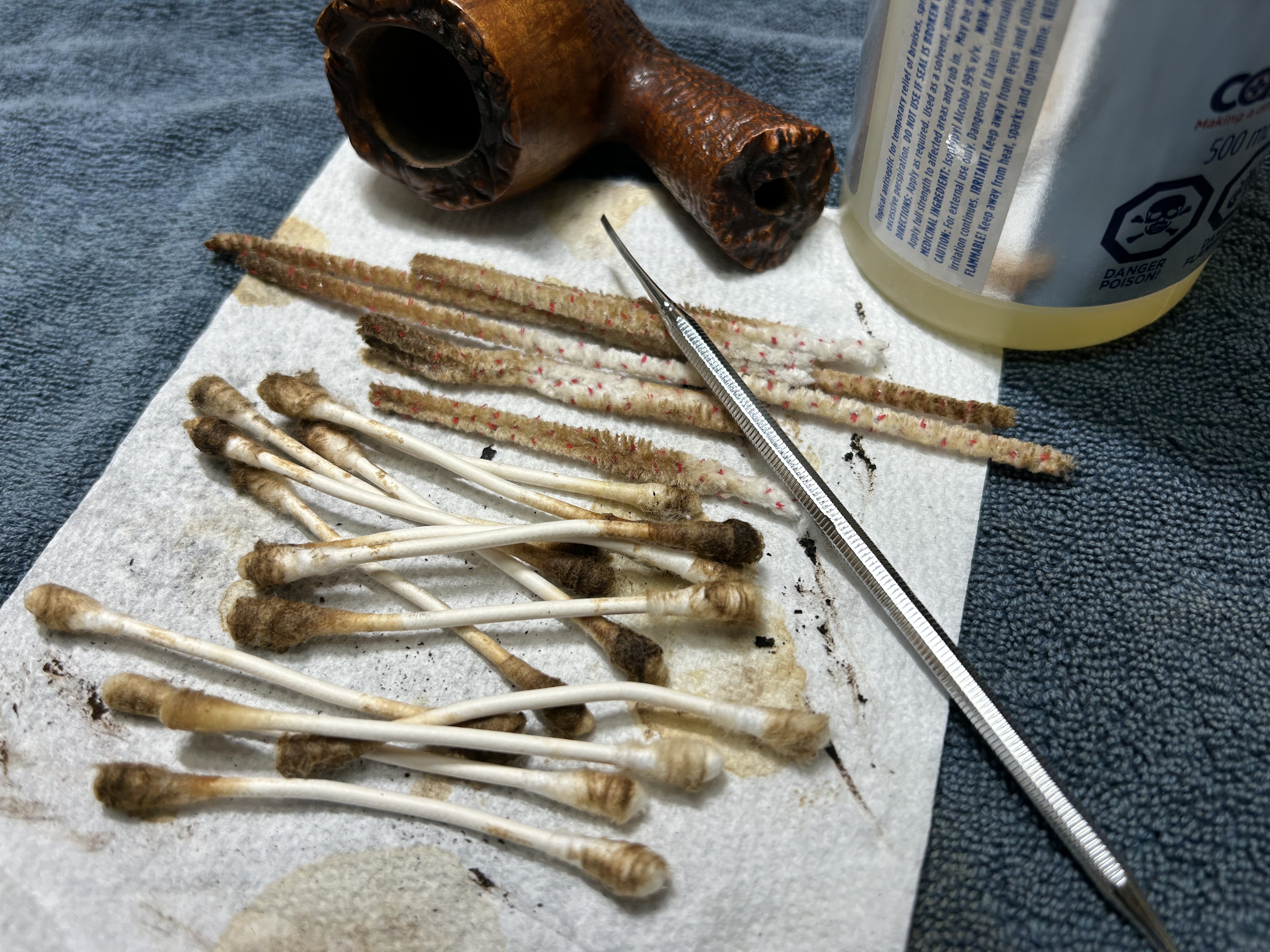
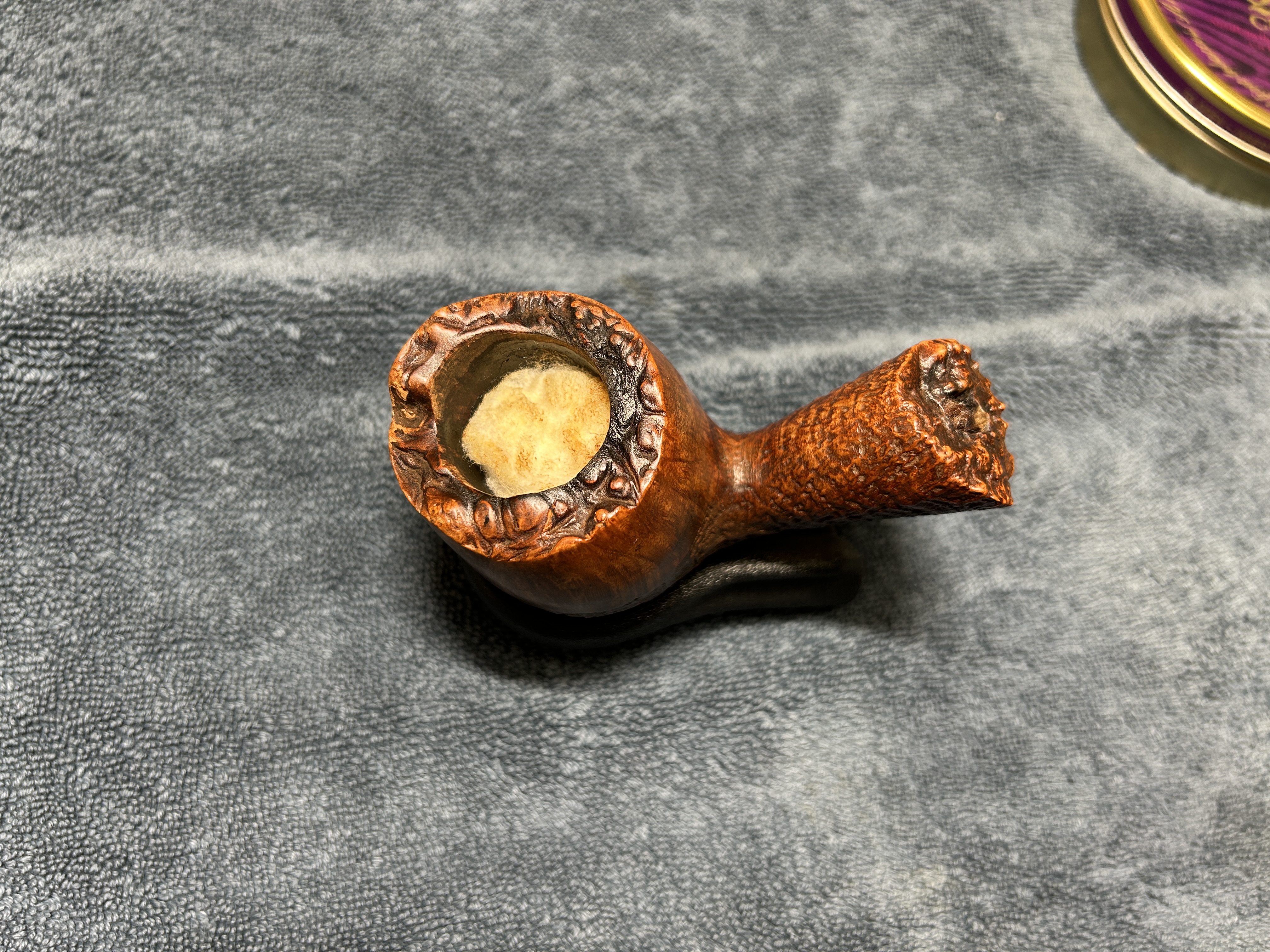
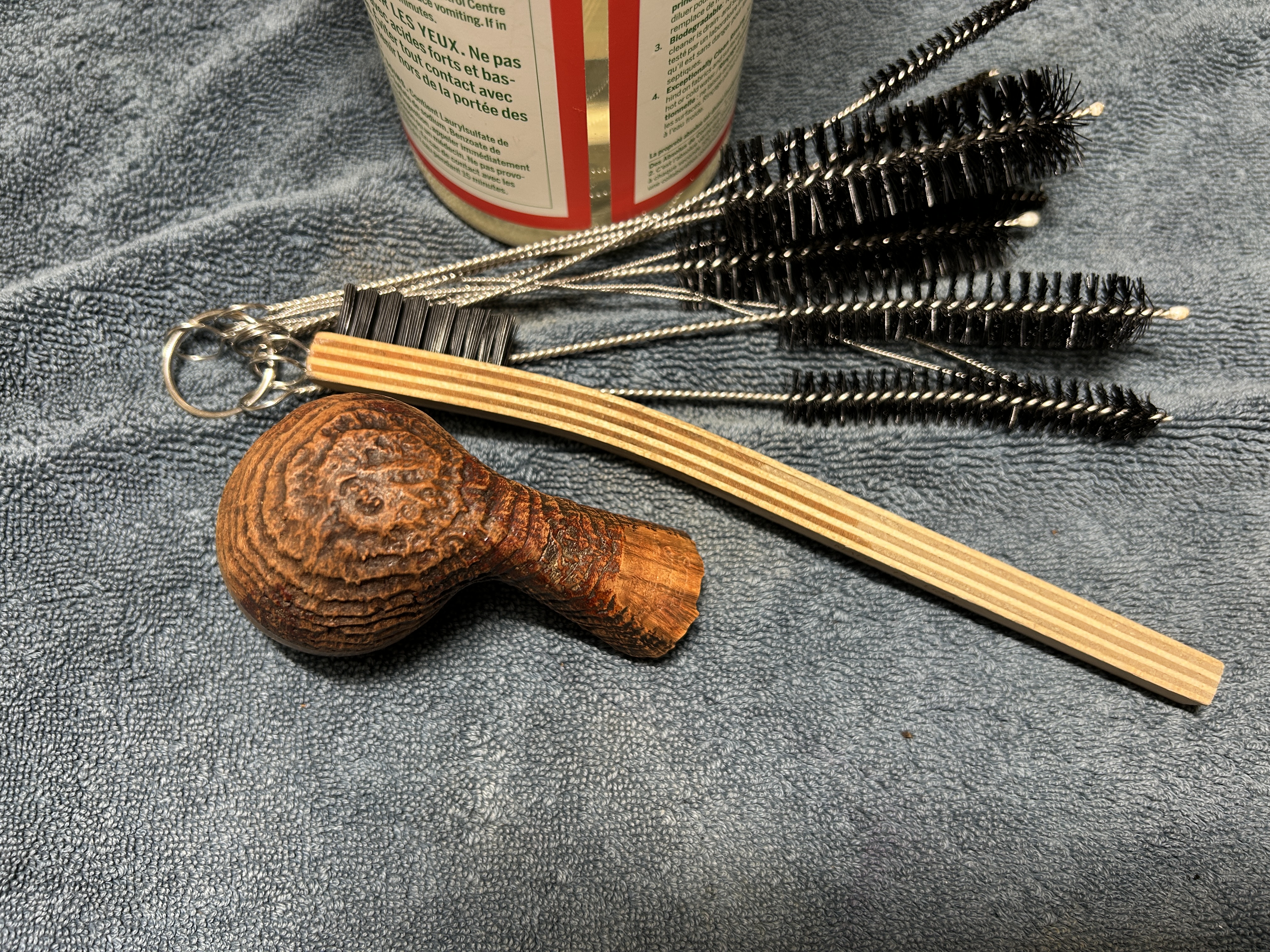
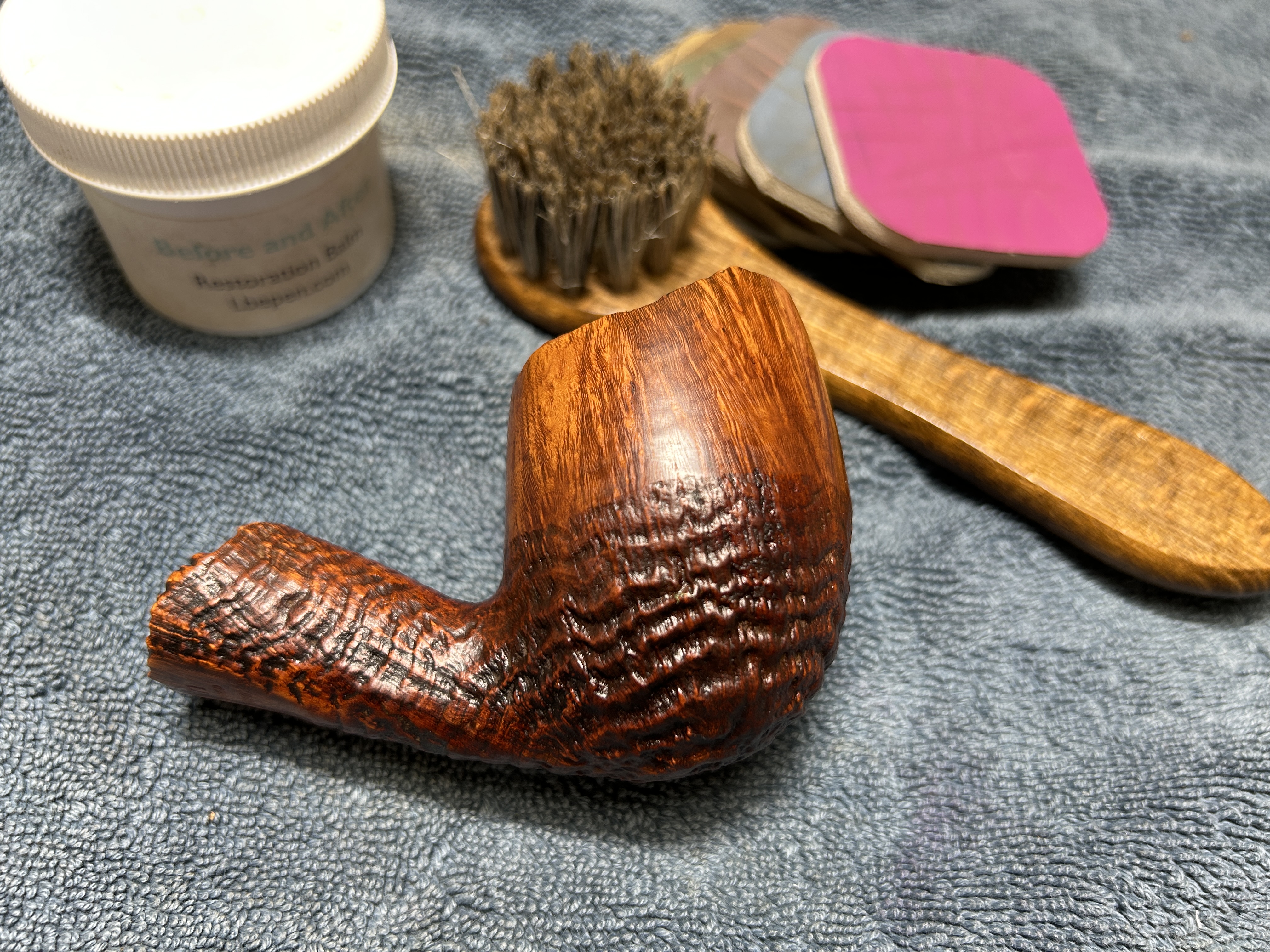
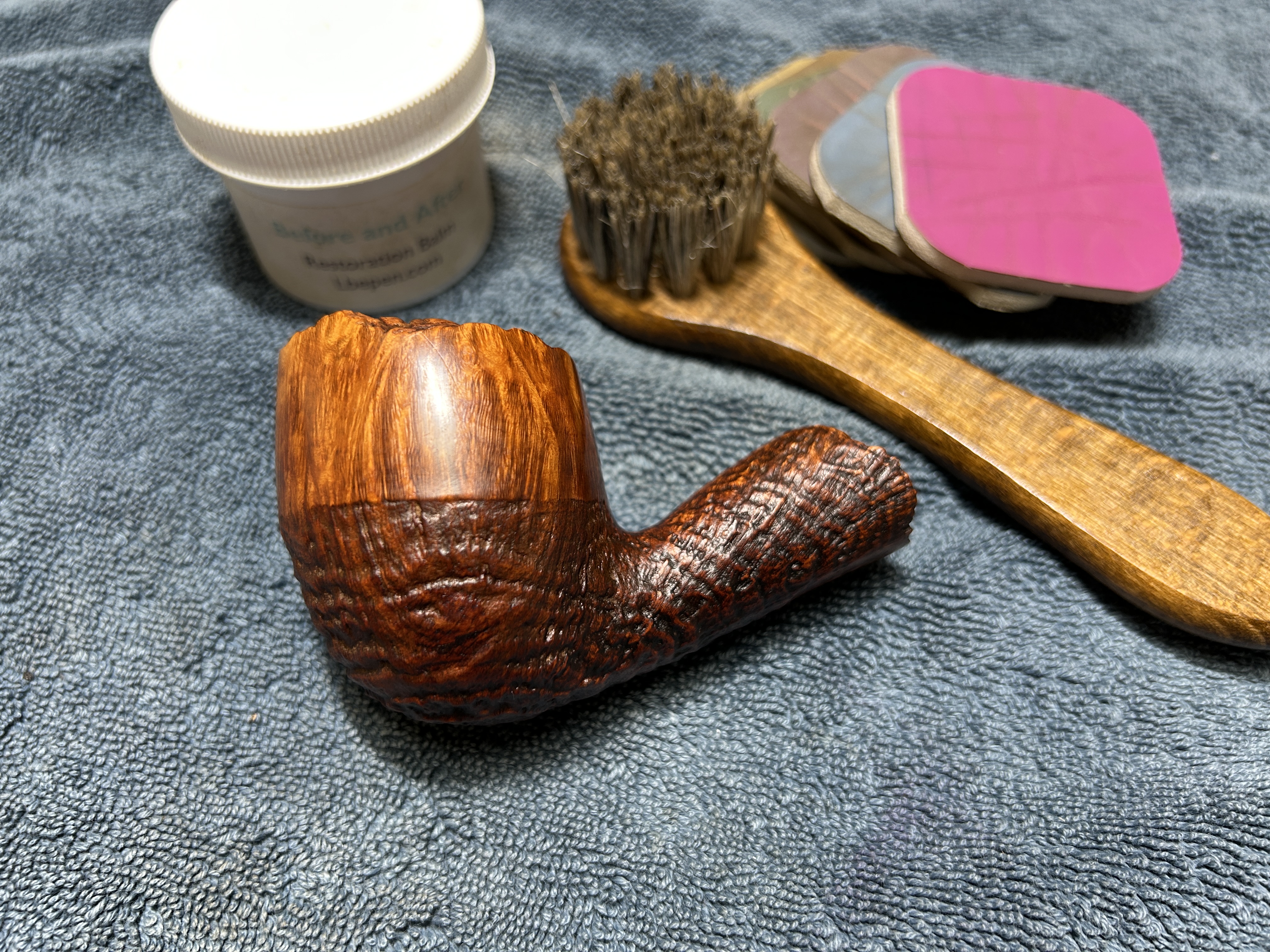
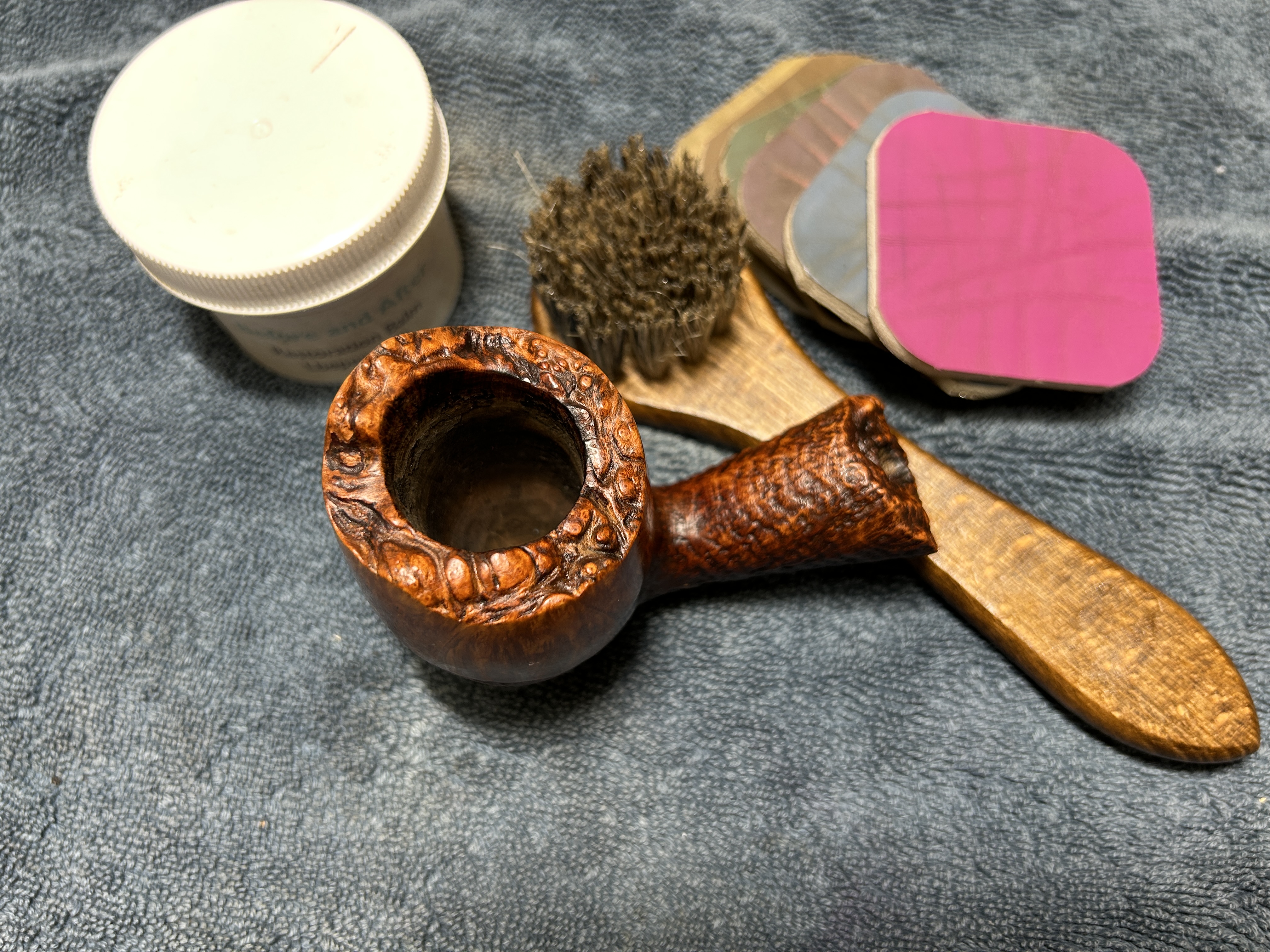
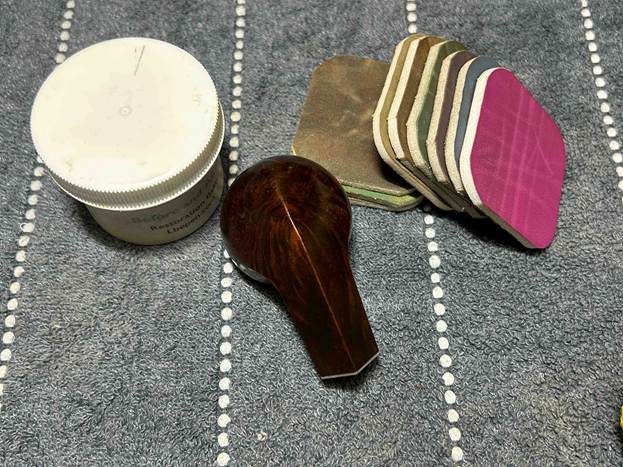
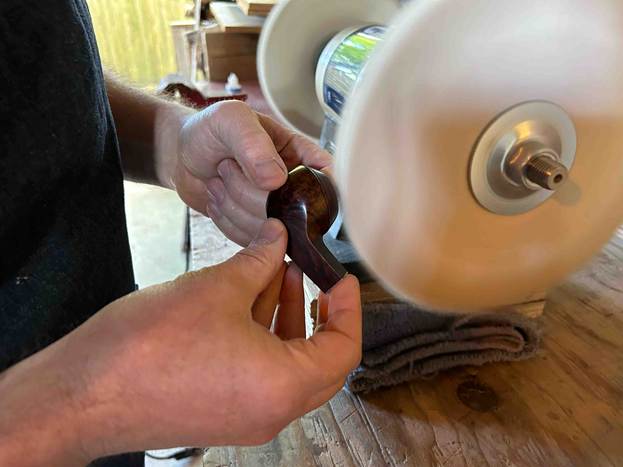
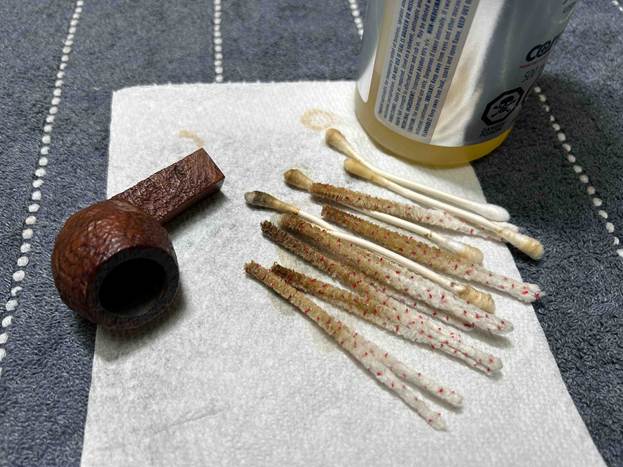
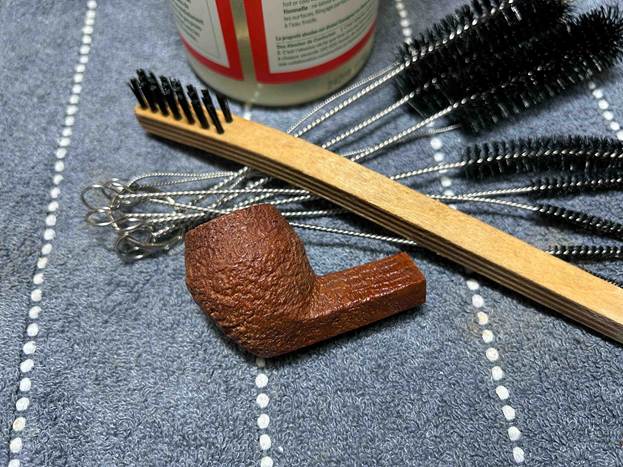
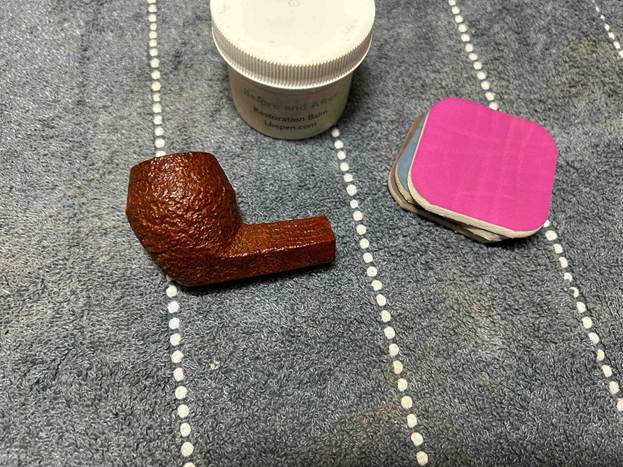
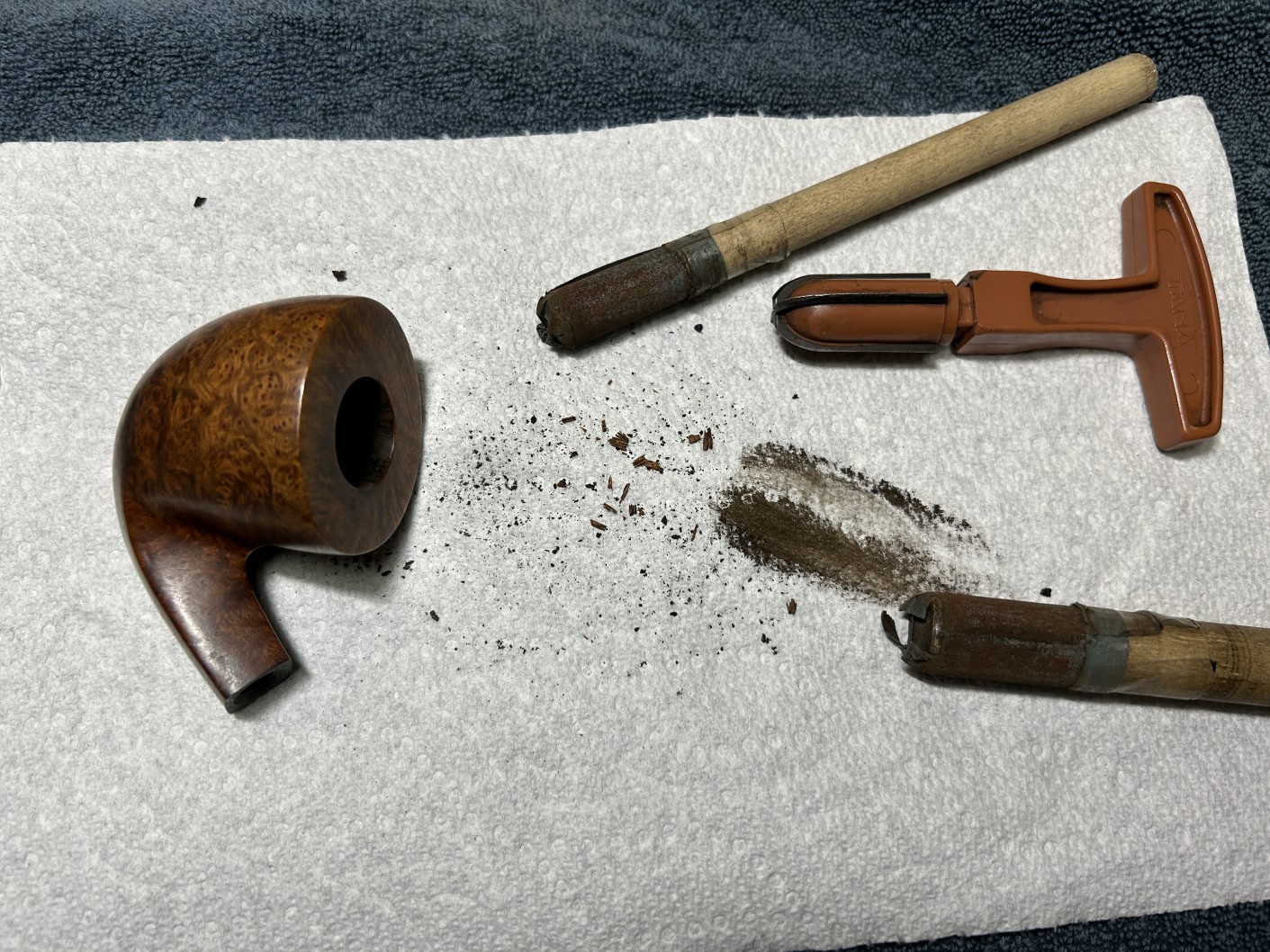
Now it was time to work on the pipe. Since Jeff always follows the same pattern of work in his cleanup we do not include photos but rather just a simple summary. Jeff reamed the bowl with a PipNet pipe reamer and followed up with a Savinelli Fitsall pipe knife to remove the cake. He scrubbed out the mortise and the airway in the shank and the stem with alcohol, cotton swabs, shank brushes and pipe cleaners. He scrubbed the exterior of the bowl, rim, shank and stem with a tooth brush and Murphy’s Oil Soap to remove the oils and tars on the rim and the grime on the finish of the bowl. He rinsed it under running water. He dried it off with a soft cloth. He was able to remove the spotty lava build up on the rim top and you could see the marks on the top and edges of the rim. He soaked it in Briarville’s Pipe Stem Deoxidizer and rinsed it with warm water to rinse off the residue. The stem was clean and the oxidation was gone. I took photos of what the pipe looked like when I brought to my worktable. I took close up photos of the bowl, rim top and stem to show how clean the pipe was. The bowl was clean and the rim top and the inner edge looked good. The stem was clean and there were light tooth marks on the top and underside of the stem.I took photos of the stamping on the sides of the shank and is readable as noted above. I also removed the stem from the shank and took photos of the pipe to show the look of the parts. I sanded the bowl with 320-3500 grit 2×2 inch sanding pads. I wiped it down with a damp cloth after each sanding pad to remove the debris. It began to look very good. I polished the briar with micromesh sanding pads – dry sanding the bowl and shank with 1500-12000 grit pads and wiping it down with a damp cloth between each sanding pad. The bowl took on more of a shine with the completion of each sanding pad. I worked some Before & After Restoration Balm into the briar with my fingertips. I let it sit on the bowl for 15 minutes. I buffed it off with a soft cotton cloth to raise the shine. It was a beautiful piece of briar. With the bowl finished other than the final buffing I set it aside and turned my attention to the stem. I filled in the deep tooth marks on the button edge and the top and underside of the stem with a black extra strength rubberized CA glue. Once it cured I flattened the repairs with a small file and followed that up with a folded piece of 220 grit sandpaper. I sanded the stem surface with 320-3500 grit 2×2 inch sanding pads. I wiped it down with a cloth impregnated with Obsidian Oil after each sanding pad to remove the debris. It began to look very good.I touched up the logo the left side of the stem with some white acrylic fingernail polish. Once it dried I sanded off the excess and the logo looked very good. I polished it with micromesh sanding pads – dry sanding with 1500-12000 grit pads. I wiped the stem down between each pad with a cloth impregnated with Obsidian Oil. By the final pad the pipe stem looked very good.  I am excited to finish the easy restoration of this Captain Pete Made in Ireland 69 Bent Billiard. I put the pipe back together and buffed it with Blue Diamond on the buffing wheel. I gave the bowl and the stem multiple coats of carnauba wax. I buffed the pipe with a clean buffing pad to raise the shine and hand buffed it with microfiber cloth to deepen the shine. It is fun to see what the polished bowl looks like with the polished black, taper vulcanite stem was beautiful. This Captain Pete Made in Ireland 69 Bent Billiard turned out very well and feels great in my hand. It is light and well balanced. Have a look at it with the photos below. The dimensions are Length: 5 ½ inches, Height: 1 ¾ inches, Outside diameter of the bowl: 1 ¼ inch, Chamber diameter: ¾ of an inch. The weight of the pipe is 1.55 ounces/44 grams. It is a beautiful pipe and one that I will be putting on the rebornpipes store in the Irish Pipe Makers Section. If you are interested in carrying on the trust of this let me know through a message or an email to slaug@unserve.com . Thanks for walking through the cleanup with me as I worked over this pipe.

New Life for a Jarl Chieftan Made in Denmark 15116 saddle stem


by Steve Laug

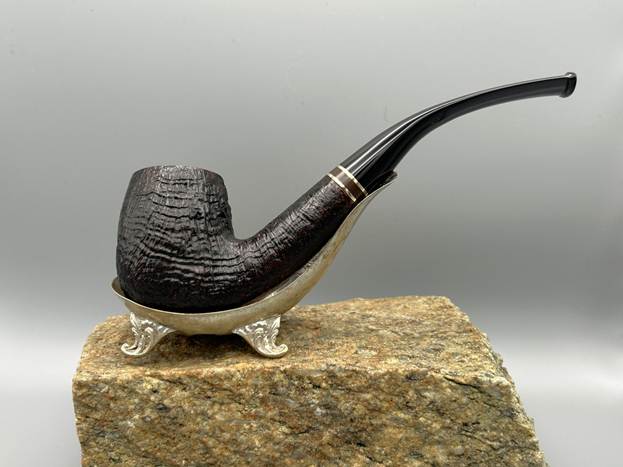
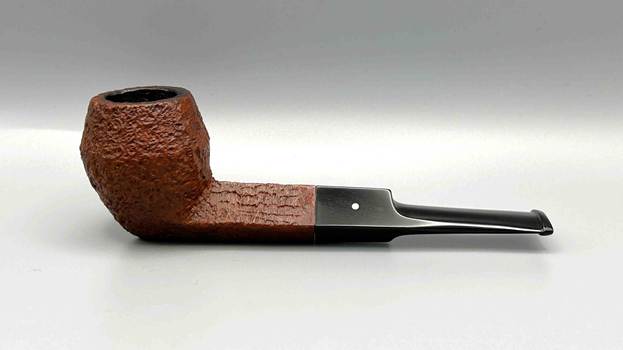
This reddish, brown mixed finish, beautifully grained, saddle stem was purchased on 01/20/2026 from a Facebook seller in Quaker Town, Pennsylvania, USA. It is a great looking ¼ Bent Billiard with a sandblast finish on most of the bowl and shank and a smooth patch on both sides, the rim top and a band on the shank end. The stem is a vulcanite saddle stem. The bowl is stained with a contrast of browns that highlight the grain around the bowl and shank. It is stamped on the underside of the shank and reads Jarl Chieftan [over] Made in Denmark. On the underside of the shank band it is stamped with the shape number 15116. The bowl had a thick cake and some tobacco debris on the walls. There was an overflow of lava on the rim top and some spots of darkening on the back left and right front of the rim top. There was grime ground into the finish which left the finish looking quite dull. The vulcanite saddle stem was stamped with an upper case “J” and there was some light oxidation on the surface and light tooth marks and chatter on both sides of the stem ahead of the button. Jeff took photos of the pipe before he started his work on it.   He took a photo of the rim top and bowl to show the current condition. The inner edge and the rim top showed darkening and spots of lava as mentioned above. The photos of the bowl show the cake on the walls. The stem photos show the oxidation and light marks on the rim top on both sides. Jeff took photos of the sides and heel of the bowl to give a sense of the condition of the bowl and the grain around the bowl. It reminds me of a Stanwell Vario. He took photos of the underside of the shank to capture the stamping. They were clear and readable as noted above. Jeff did not capture the shape number on the underside of the shank which was also clear.Before I started working on it I did a bit of research on the brand to remind myself of what I knew of the maker. I turned to Pipephil’s site first (http://www.pipephil.eu/logos/en/logo-j1.html#jarl). I did a screen capture of the information on the site. I did a screen capture of the pertinent information and have included it below.I then turned to Pipedia and found that a very short article that confirmed that the pipes were made by Niels Mogens Jorgensen (https://pipedia.org/wiki/Jarl). I have included the article in its entirety below.

In December of 2010 Ellen Jarl wrote that Jarl pipes were made by her grandfather, Niels Mogens Jørgensen in a little factory in the town of Bramdrupdam, just outside Kolding, Denmark. We have no reason to doubt that Niels Mogens Jørgensen is the maker of these pipes.

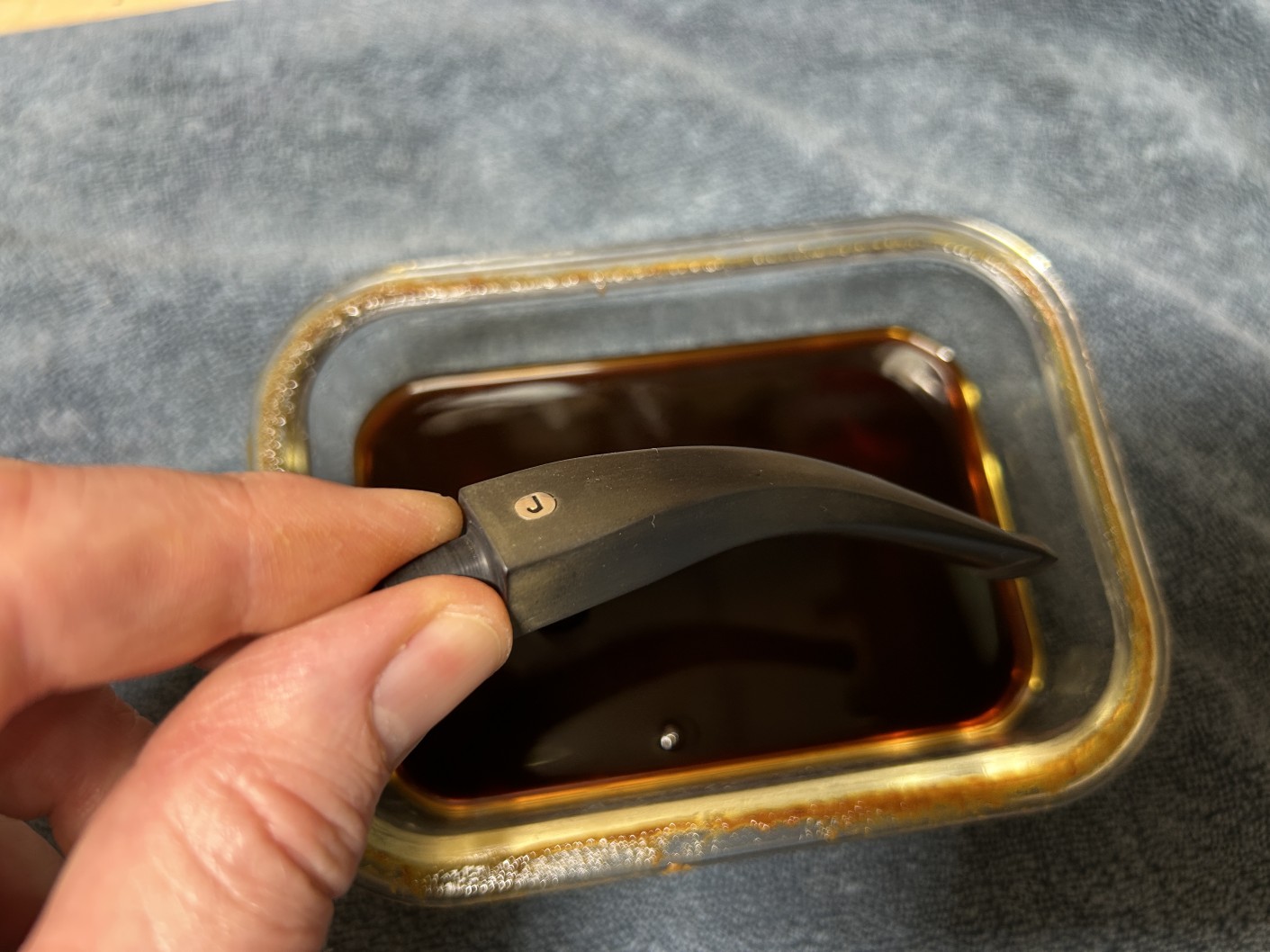
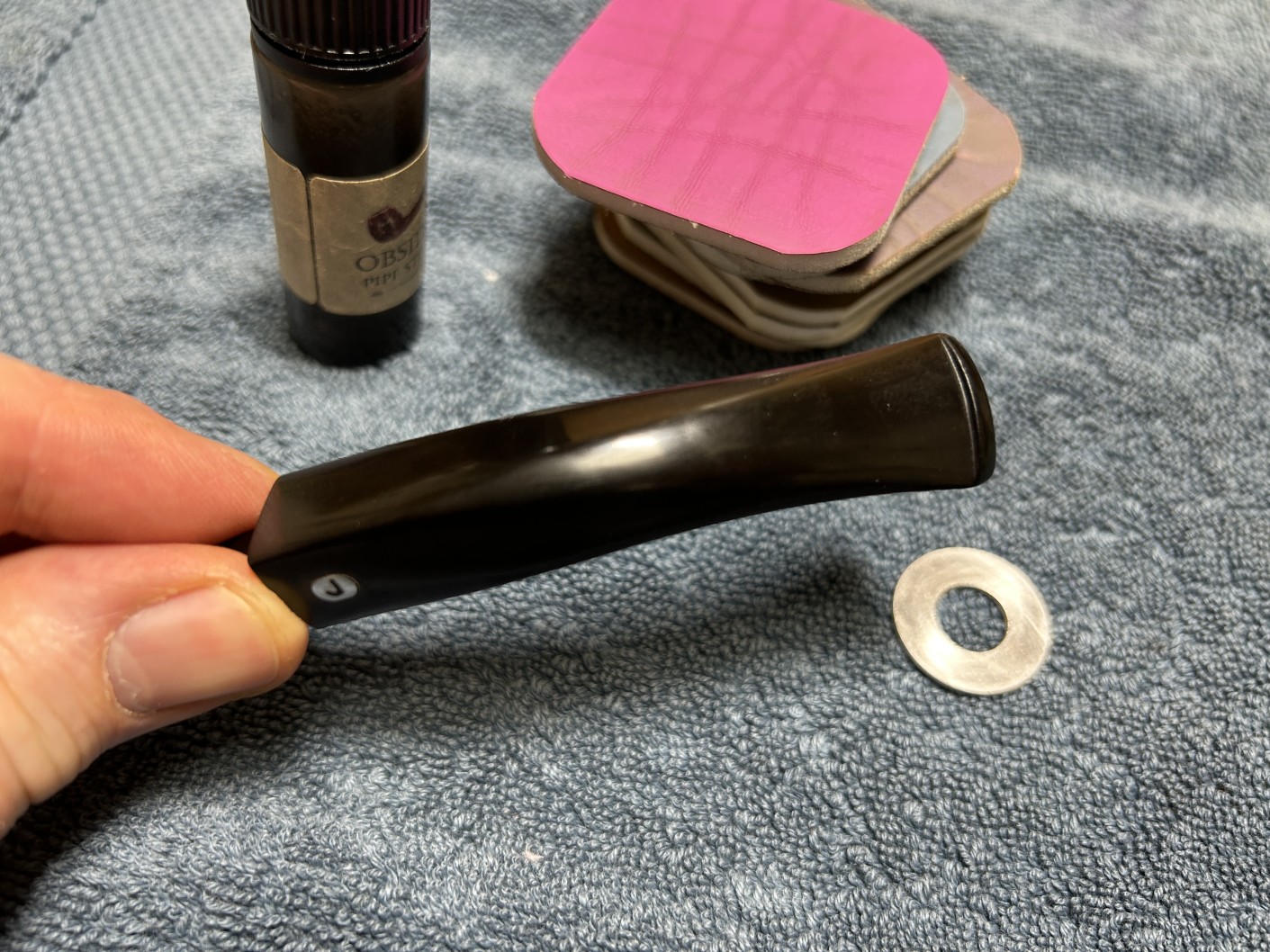
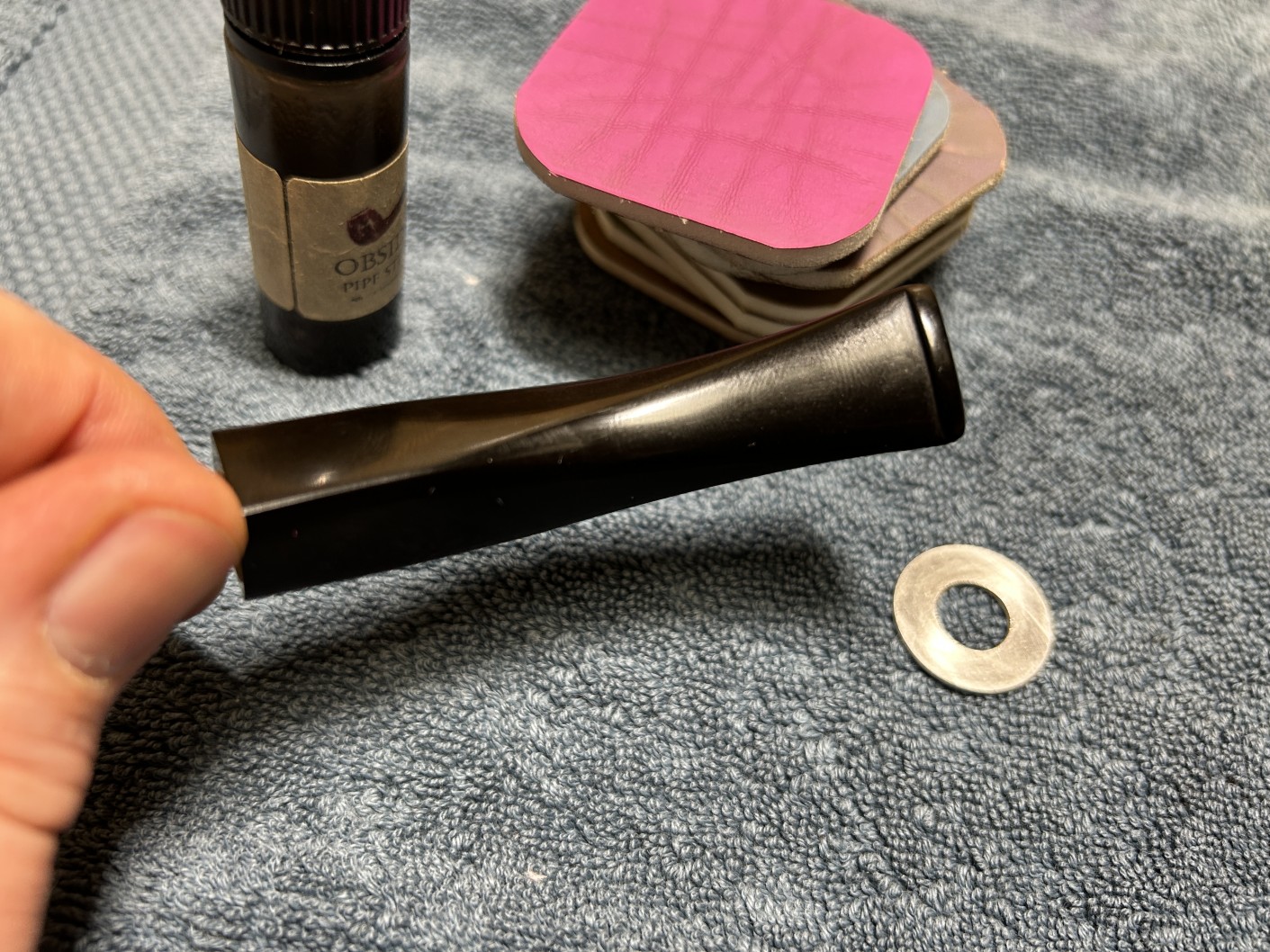
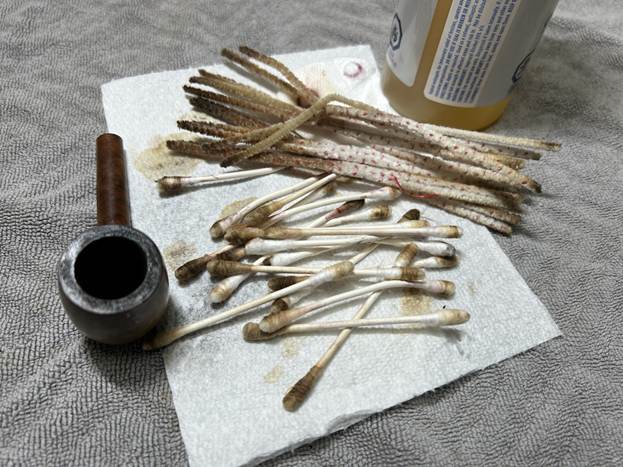
Now it was time to work on the pipe. Since Jeff always follows the same pattern of work in his cleanup we do not include photos but rather just a simple summary. Jeff reamed the bowl with a PipNet pipe reamer and followed up with a Savinelli Fitsall pipe knife to remove the cake. He scrubbed out the mortise and the airway in the shank and the stem with alcohol, cotton swabs, shank brushes and pipe cleaners. He scrubbed the exterior of the bowl, rim, shank and stem with a tooth brush and Murphy’s Oil Soap to remove the oils and tars on the rim and the grime on the finish of the bowl. He rinsed it under running water. He dried it off with a soft cloth. He was able to remove the spotty lava build up on the rim top and you could see the marks on the top and edges of the rim. He soaked it in Briarville’s Pipe Stem Deoxidizer and rinsed it with warm water to rinse off the residue. The stem was clean and the oxidation was gone. I took photos of what the pipe looked like when I brought to my worktable. I took close up photos of the bowl, rim top and stem to show how clean the pipe was. The bowl was clean and the rim top and the inner edge looked good. The stem was clean and there were light tooth marks on the top and underside of the stem.I took photos of the stamping on the sides of the shank. It is faint in spots but still readable and read as noted above. I also removed the stem from the shank and took photos of the pipe to show the look of the parts. I polished the smooth portions of the briar with micromesh sanding pads – 1500-12000 grit sanding pads. I wiped the bowl surface down with a damp cloth after each sanding pad to remove the sanding dust. Once I finished the exterior of the briar was clean and the grain really stood out. I worked some Before & After Restoration Balm into the surface of the briar with my fingertips to clean, enliven and protect the briar. I let the balm sit for 15 minutes and then buffed with a cotton cloth to raise the shine. The photos show the bowl at this point in the restoration process. I set the bowl aside and turned my attention to the stem. As I examined the underside of the stem I found two deeper grooves from teeth. I filled in these marks with extra strength black CA glue. Once it cured I sanded the surface and the repairs with a folded piece of 220 grit sandpaper. It blended the marks and repairs into the surrounding surface. I touched up the “J” logo stamp on the left side of the saddle with White acrylic fingernail polish. Once it hardened I scraped off the excess and sanded the area around the stamp with a 1500 grit micromesh sanding pad. I sanded the surface of the stem with 320-3500 grit sanding pads. I wiped the stem down after each pad with an Obsidian Oil impregnated cloth. It began to look very good.I set the bowl aside and turned to the stem. I polished the stem with micromesh sanding pads – wet sanding with 1500-12000 grit pads. I wiped the stem down after each sanding pad with Obsidian Oil. I polished it with Before & After Pipe Stem Polish – both Fine and Extra Fine. Once I had finished the polishing I gave it final coat of oil and set it aside to dry. I am excited to finish this Jarl Chieftan Made in Denmark ¼ Bent Billiard 15116 with a vulcanite saddle stem. I put the pipe back together and buffed it with Blue Diamond on the buffing wheel. I gave the bowl and the stem multiple coats of carnauba wax. I hand buffed the pipe with a clean buffing pad to raise the shine. It is fun to see what the polished bowl looks like with the mix of grain on the sides of the bowl. Added to that the black vulcanite saddle stem was beautiful. This smooth Jarl Chieftan ¼ Bent Saddle Stem Billiard is great looking and the pipe feels great in my hand. It is light and well balanced. Have a look at it with the photos below. The dimensions are Length: 5 ½ inches, Height: 2 inches, Outside diameter of the bowl: 1 1/8 inches, Chamber diameter: ¾ of an inch. The weight of the pipe is 40 grams /1.41 ounces. It turned out to be a beautiful pipe. I will be putting it on the rebornpipes store in the Danish Pipe Makers section. If you are interested in adding it to your rack let me know by message or by email to slaug@uniserve.com. Thanks for your time reading the blog. I appreciate it.

Restoring A Great Looking The Doodler Imported Briar Pot with a filter stem


by Steve Laug

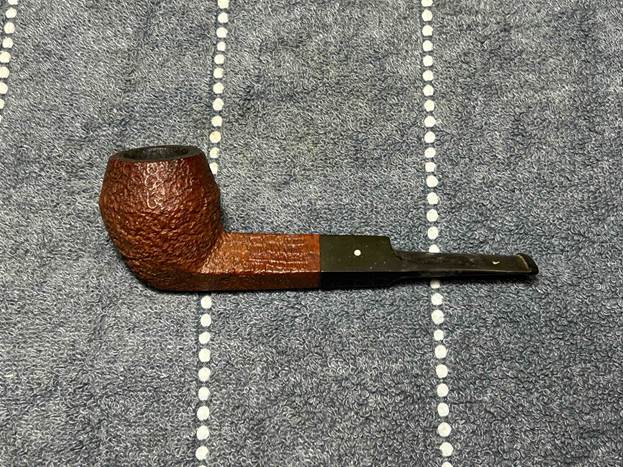
This darker beautifully grained saddle stem pot was purchased on 08/10/2025 from a seller in Livingston, New Jersey, USA. It is a great looking Pot with a rusticated finish on the bowl and shank. The stem is a vulcanite saddle stem made for a Medico style filter. There is also a nickel band on the shank for decorative purposes. The bowl is stained with a contrast of various browns that highlight the grain around the bowl and shank. It is stamped on the left side of the shank and reads The Doodler [over] Imported Briar. The bowl had a thick cake and an overflow of lava on the inner edge and rim top the unique Doodler bowl. There was grime ground into the grooves and bands around the bowl sides which left the finish looking quite dull. The vulcanite saddle stem was oxidized, calcified and had tooth marks and chatter on both sides of the stem at the saddle area and ahead of the button. Jeff took photos of the pipe before he started his work on it.   He took photos of the rim top to show the condition of the top and edges of the bowl. It is dull but quite clean with no lava. It is uniquely a beautiful pipe. The stem had light tooth marks and chatter on both sides ahead of the button. He took photos of the sides and heel of the bowl to show the finish around the bowl and the condition of the pipe. You can see the grime ground into the surface of the briar. The stain combination really makes the grain stand out. I look forward to seeing it once it is clean and polished.He took photos of the stamping on the sides of the shank. It is clear and readable as noted above. The Doodler pipe designed and made by Tracey Mincer of Custombilt/Custom Bilt fame has always intrigued me. It may be the oddity of the design that first caught my attention. The rusticated bowl with one, two or three grooves around the circumference of the bowl and then holes drilled vertically connecting the rim to the bottom of the last ring just had my attention. I continue looking for them, both on eBay and on my treasure hunts through antique malls and thrift shops. When I had seen the drawings and photos in Bill Unger’s book on Custombilt pipes I picked up some of them. I enjoy the look and the smoking of them. If you are a pipeman you should at least give one a smoke and see what you think.

Jeff carefully reamed this Doodler with a PipNet pipe reamer and then cleaned up the inside of the bowl with a Savinelli Fitsall Pipe Knife. He scrubbed the briar with undiluted Murphy’s Oil Soap and a tooth brush to remove the grime on the rim top and bowl sides. He scrubbed the internals of the shank and stem with pipe cleaners, cotton swabs, shank brushes and alcohol until the airways were clean and the pipe smelled fresh. He scrubbed the stem with Soft Scrub to remove the oxidation and then let it soak in Briarville’s Pipe Stem Deoxidizer. He rinsed it with warm water when he took out of the soak. The pipe looked much better once the bowl and stem were clean. Before I started my part of the work I took photos of the pipe. It is a pretty pipe. I took close up photos of the bowl and the rim top to show the condition. It looked better and the inner edge and top were in very good condition. I also took photos of both sides of the stem to give a sense of the condition of both sides at the button. There were light tooth marks on both sides ahead of the button.I took photos of the stamping on the sides of the shank and stem. It reads as noted above and is very clear and readable. The circle B logo on the stem is faded but should be easy to repair. I took the stem off the shank and took photos of the pipe to give a sense of its beauty and proportions. I worked over the darkening on the rim top and rings on the bowl with a folded piece of 220 grit sandpaper. It cleaned it up and it looked much better.I sanded the smooth parts of the bowl and rim with 320-3500 grit 2×2 inch sanding pads. I wiped the briar down after each pad to remove the sanding debris. It looked much better. I polished the bowl and rim top with micromesh sanding pads – dry sanding with 1500-12000 grit pads and wiped down the bowl down with a damp cloth after each sanding pad. The finish looked very good (forgot to take photos). I rubbed the bowl and shank down with Before & After Restoration Balm. I worked it into the surface of the bowl sides and shank with my fingertips to get it into the grain. The product works to clean, enliven and protect the briar. I let the balm sit for a little while and then buffed with a cotton cloth to raise the shine. The Balm did its magic and the grain stood out. I sanded the stem to remove the chatter and tooth marks with a folded piece of 220 grit sandpaper. There were marks on the top and underside against the button and also against the saddle stem. There were also marks on the bevelled edges of the stem surface.I sanded the stem with 320-3500 grit 2×2 inch sanding pads to start the blending process. It looks significantly better at this point. I wiped it down with an Obsidian Oil cloth after each sanding pad.I polished the stem with micromesh sanding pads – dry sanding with 1500-12000 grit sanding pads. I wiped it down after each sanding pad with Obsidian Oil. I polished it with Before & After Pipe Stem Polish – both Fine and Extra Fine. I gave it another coat of Obsidian Oil and set it aside to dry. I used some white acrylic fingernail polish to touch up the faint star logo on the left side of the saddle stem. I scraped off the excess white acrylic and buffed it clear. It is faint but slightly visible on the left side.I fit the metal tenon with a Medico paper filter and put the pipe back together. It looks quite good at this point. I am excited to put the final touches on this interesting piece of the Tracer Mincer story. It is a beautiful Three Ring The Doodler Imported Briar Billiard shaped pipe with a vulcanite filter stem. I put the pipe back together and buffed it with Blue Diamond on the buffing wheel. I gave the bowl and the stem multiple coats of carnauba wax. I hand buffed the pipe with a clean buffing pad to raise the shine. It is fun to see what the polished bowl looks like with beautiful grain on the bowl sides, top and bottom. The polished black vulcanite stem combined with the bowl to make a stunning pipe. This Three Ring The Doodler Imported Briar Billiard is great looking and the pipe feels great in my hand. It is light and well balanced. Have a look at it with the photos below. The dimensions are Length: 6 inches, Height: 1 ¾ inches, Outside diameter of the bowl: 1 ½ inches, Chamber diameter: 7/8 of an inch. The weight of the pipe is 42 grams/1.45 ounces. I will be adding it to the Americsn Pipemakers Section of the rebornpipes store shortly. If you want to add it to your collection let me know. Thanks for walking through the restoration with me as I worked over this pipe. Thanks to each of you who are reading this blog.

Restoring a Tom Howard Saddle Stem Bullmoose Rhodesian


by Steve Laug

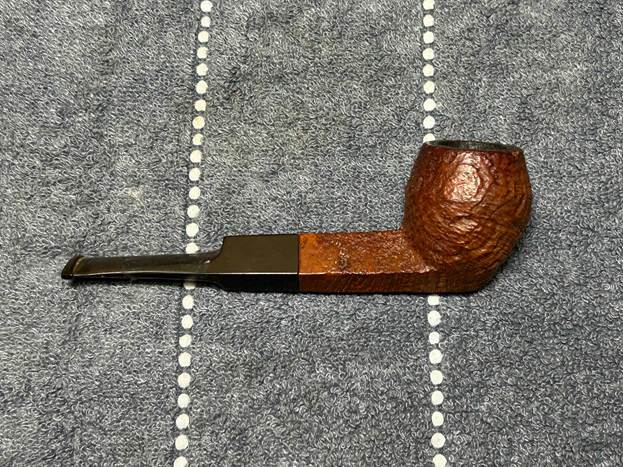
The next pipe on the table was purchased on 01/28/2026 from a seller in Delafield, Wisconsin, USA. It is a rusticated squat Bullmoose Rhodesian that is in fair condition. It is stamped on the sides of the shank. On the left side it is stamped Tom Howard. On the right side it is stamped Imported Briar. The stamping is clear and readable. I have worked on quite a few of Tom Howard’s pipes in the past and later in the blog will give a bit of the history (thanks to Dal or Pipesteward.com). At this point I have to say that the pipe is well made and actually has a similar rugged beauty and finesse to a Tracy Mincer Custom-Bilt in my opinion. The age of the pipe and the oils in the finish has given the pipe a rich reddish brown finish. There is also some nice grain that the shape follows well. The finish was dirty with dust around the nooks and crannies of the worm trail rustication. There were some spots between the twin rings around the bowl cap that were chipped but it stilled looked good. There was a thick cake in the bowl and the rim top showed darkening and some lava. The inner edge appeared to be in good condition. The vulcanite saddle stem was oxidized, calcified and had tooth marks and chatter ahead of the button on both sides.  Jeff took photos of the pipe to show what it looked like before he started working on it. He took photos of the bowl and rim top to show the thickness of the cake and the darkening and lava overflow on the rim top. The photos of the stem show the oxidation, calcification and tooth marks and chatter on the surface and on the button on both sides. The photo of the side and heel of the bowl shows the carved worm trail rustication and the grain on the smooth portions of the pipe. You can also see the nicks in between the twin rings around the bowl cap. It looks quite nice under the grime and dust. The stamping on the sides of the shank is shown in the photos below. It looks very good and readable. It reads as noted and explained above. Before I started my work on the pipe I wanted to refresh my memory of the brand. I remembered that Tom Howard was a notable figure beyond pipe making. I also remembered that Dal Stanton had worked on one and done a great job ferreting out the history of the brand and the maker. I turned to his blog on the brand and read what he had written during his restoration of one of the Howard pipes (https://rebornpipes.com/2018/09/16/the-vintage-notoriety-of-tom-howard-and-his-jumbo-squat-rustified-tomato/). I have included the portion of the blog on the history below for ease of reference. (Thanks Dal!)

I had never heard of a Tom Howard stamp on a pipe and after I put the name in search tool on Pipedia I was surprised to find what I found.  Tom Howard was a vintage celebrity in America during the 1940s and 50s.  Here’s what Pipedia said about Tom Howard the man:

Tom Howard was a popular comedian and personality in the 1940s/50s, known for vaudeville stage and radio work. But he also was a skilled pipe maker. In a Popular Mechanic article from 1947 he is written up as the “Hobbyist of the Month, Tom Howard.” He made pipes in his workshop outside his home in Red Bank, NJ. Starting about 1939 and looks like into the late 1940’s or later. He purchased briar blocks by the bag as well as stem blanks, and in his well-equipped shop he handcrafted his pipes, in about three hours on average. He was a true craftsman, also specializing is intricate model boats, trains and brass canons, all built to scale.

I was intrigued – this vaudeville and stage comedian made pipes and this pipe came from his workshop made by his hands.  How cool is that?  Desiring to find out more about Tom Howard the man, I searched Wikipedia and found a fun and informative article about his professional life and how he hosted a I was intrigued – this vaudeville and stage comedian made pipes and this pipe came from his workshop made by his hands.  How cool is that?  Desiring to find out more about Tom Howard the man, I searched Wikipedia and found a fun and informative article about his professional life and how he hosted a zany Q&A game show that was spoofing the ‘serious’ Q&A game shows.  It was called “It Pays to Be Ignorant”.   Here is what the Wikipedia article said:

It Pays to Be Ignorant was a radio comedy show which maintained its popularity during a nine-year run on three networks for such sponsors as Philip Morris, Chrysler, and  DeSoto. The series was a spoof on the authoritative, academic discourse evident on such authoritative panel series as Quiz Kids and Information Please, while the beginning of the program parodied the popular quiz show, Doctor I.Q. With announcers Ken Roberts and Dick Stark, the program was broadcast on Mutual from June 25, 1942 to February 28, 1944, on CBS from February 25, 1944 to September 27, 1950 and finally on NBC from July 4, 1951 to September 26, 1951. The series typically aired as a summer replacement.

Snooping a bit more, I found an online site that had the July 5, 1951 episode of ‘It pays to Be Ignorant’ available for viewing.  I watched it and it was like I was in a time machine!  The video also included period advertising for cars and tobacco and Tom Howard in form, dawning a professorial gown and a gravelly 1950s vaudeville tin can voice.  It’s great! I clipped a picture of the episode.  If you want to see it yourself, here’s the link:  The Internet Archive.

The Pipedia article I included above, referenced one more source to learn a bit more about Tom Howard.  In a 1947 Popular Mechanics edition he was named ‘Hobbyist of the Month’ – but it didn’t say which month!  With a little bit of help from Google, I found Archive.org that housed old editions of many periodicals including Popular Mechanics.  I started in January and started searching – thankfully they had a search tool I utilized for each month.  Finally, I found the article in the Popular Mechanic 1947 June’s edition.   For the absolute nostalgia of it, and for the interesting information it adds about Tom Howard and especially his pipe production, I’m including the pages here for you to read – including the cover page!  I couldn’t pass it. Armed with the great information Dal had provided it was time to work on the pipe. Jeff had carried out his thorough cleanup of the pipe. He had reamed it with a PipNet reamer to remove the cake and cleaned the reaming up with a Savinelli Fitsall Pipe Knife. He scrubbed the internals of the bowl and stem with alcohol, cotton swabs, shank brushes and pipe cleaners. He scrubbed the externals with undiluted Murphy’s Oil Soap and rinsed the bowl off with running water. He soaked the stem in Briarville’s Pipe Stem Deoxidizer and once it had soaked rinsed it off with warm water to remove the residual solution. He dried it off and rubbed it down to remove any oxidation that was still on the stem. The pipe looked much better when I received it. I took a photo of the rim top to show the condition. It looks good with the tars and oils removed from the rim top. The condition of the bowl and rim top were very good. The vulcanite stem looked much better with some light chatter on the top and underside ahead of the button.I took photos of the top and underside of the shank to show the stamping. The stamping is clear and reads as noted above. It was hard to capture in the photos. I removed the stem from the shank and took photo to show the overall look of the pipe. I decided to start the restoration on this one by working on the damage and darkening on the inner edge and the rim top. I sanded them with 220 grit sandpaper and gave the inner edge of the bowl a slight bevel to remove the damage and blend it into the rest of the rim edge. I polished the smooth parts of the briar with micromesh sanding pads – dry sanding with 1500-12000 grit pads. I wiped the bowl down with a damp cloth after each sanding pad. I used a Walnut stain pen and a black Sharpie pen to restain the chipped areas between the twin rings. Once they were stained they looked significantly better.I rubbed the briar down with Before & After Restoration Balm. I worked it into the briar with my fingertips and a horsehair shoe brush to work it into the nooks and crannies of the rusticated finish. The product works to clean, enliven and preserve the briar. I let it sit for 10 minutes while I worked on the stem. After the time passed I buffed it with a cotton cloth to deepen the shine. The briar really comes alive with the balm. I set the bowl aside and turned to the sten. I polished the vulcanite with micromesh sanding pads – 1500-12000 grit pads. I wiped it down with Obsidian Oil after each sanding pad. I used Before & After Pipe Polish – both Fine and Extra Fine to further polish the stem. This Tom Howard Imported Briar Bullmoose Rhodesian turned out to be a great looking pipe. The rusticated finish looks quite good while not obscuring the grain around the bowl. The stain used on the bowl served to highlight the grain on the bowl. The polished black vulcanite saddle stem adds to the mix. With the dust gone from the finish and the bowl it was a beauty and is eye-catching. I put the stem back on the bowl and buffed the pipe with Blue Diamond on the buffing wheel being careful to not buff the stamping. I gave the bowl and the stem multiple coats of carnauba wax on the buffing wheel and followed that by buffing it with a clean buffing pad. I hand buffed the pipe with a microfiber cloth to deepen the shine. The finished Tom Howard Rhodesian is a large pipe and feels great in the hand. Give the finished pipe a look in the photos below. I can only tell you that like the other pipes I am working that it is much prettier in person than the photos capture. The dimensions of the pipe are Length: 5 inches, Height: 1 ½ inches, Outside diameter of the bowl: 2 inches, Chamber diameter: 7/8 of an inch. The weight of the pipe is 63 grams/2.22 ounces. I will be adding it to the American Pipe Makers Section soon if you would like to add it to your collection. Thanks for walking through the restoration with me as I worked over another beautiful pipe.

Remember we are not pipe owners; we are pipemen and women who hold our pipes in trust until they pass on into the trust of the next generation.

Cleaning Up an Aged Algerian Churchwarden


by Kenneth Lieblich

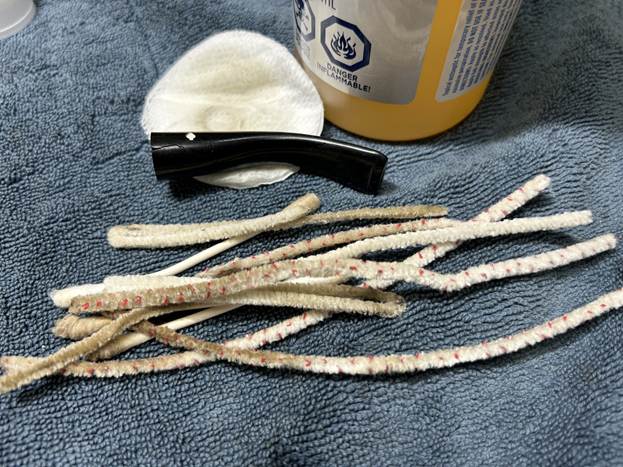
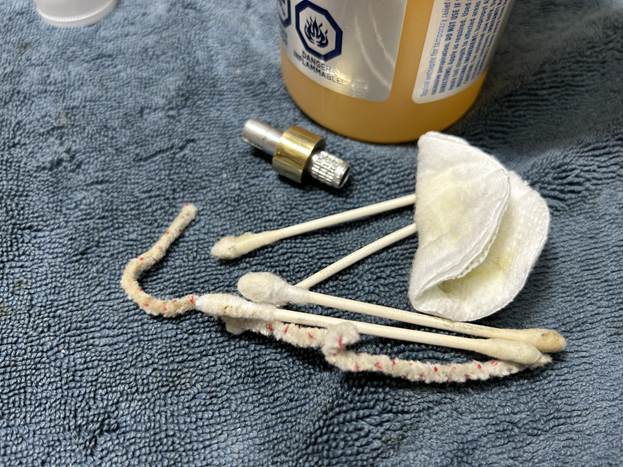
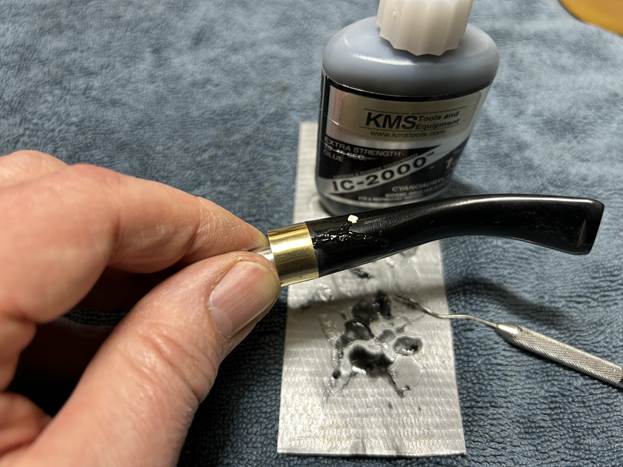
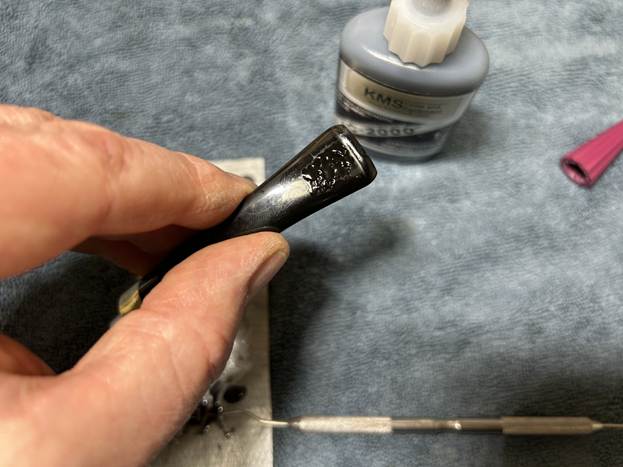
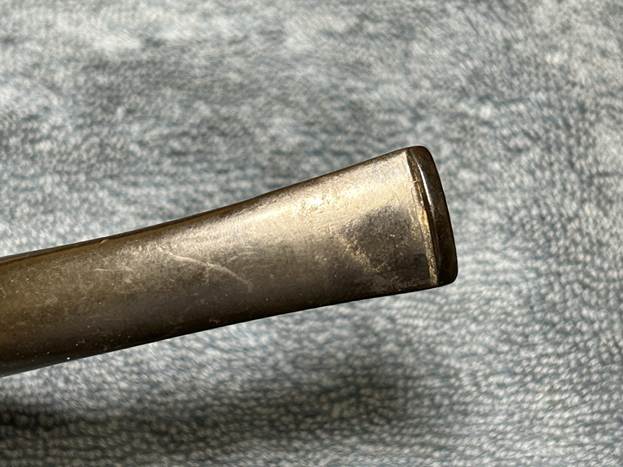
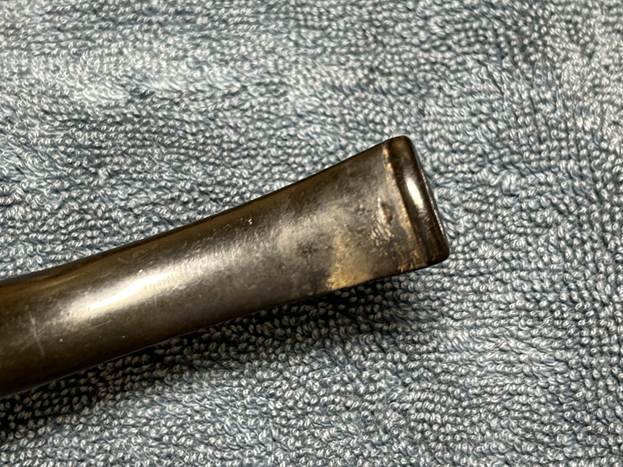
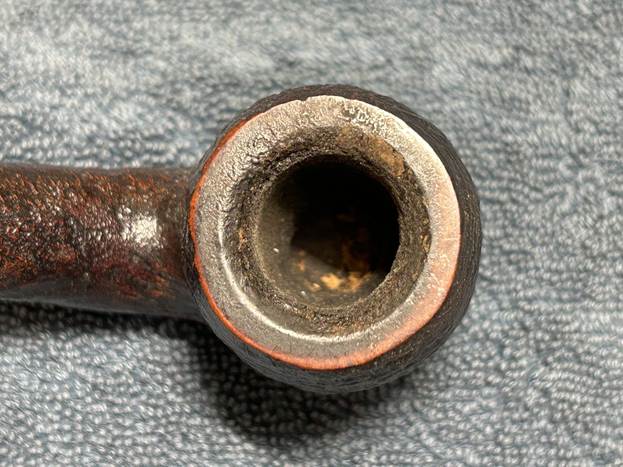
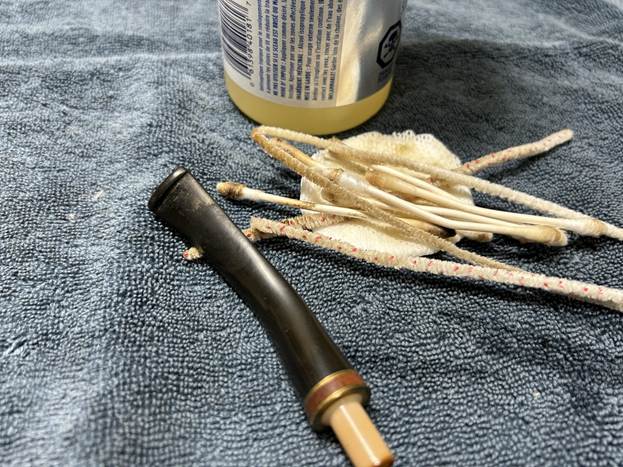
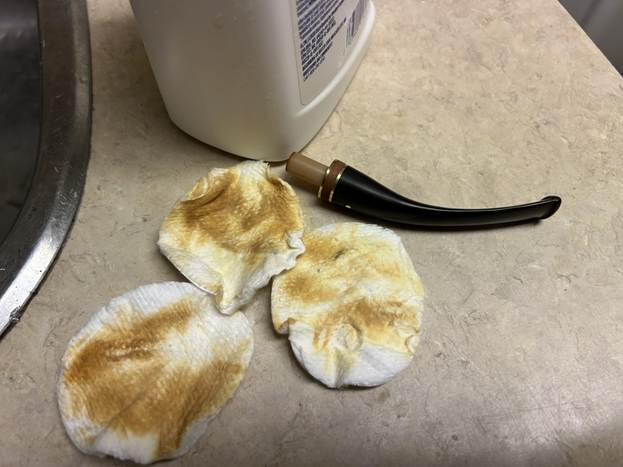
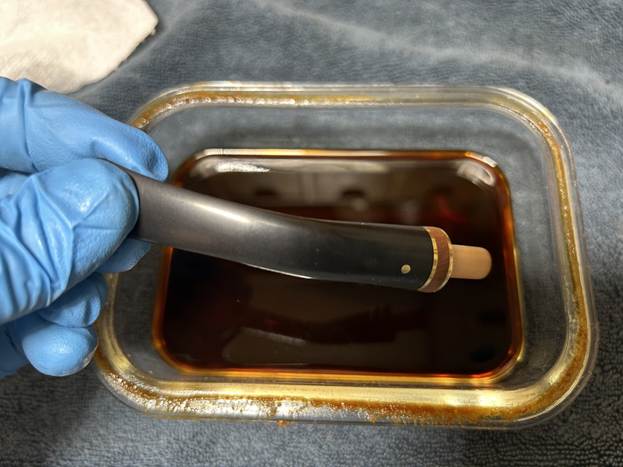
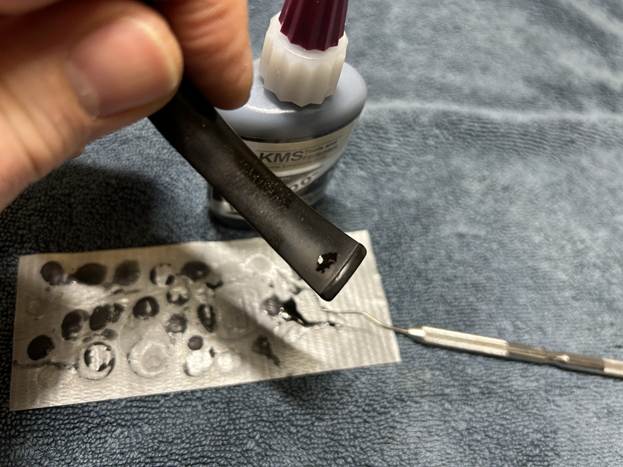
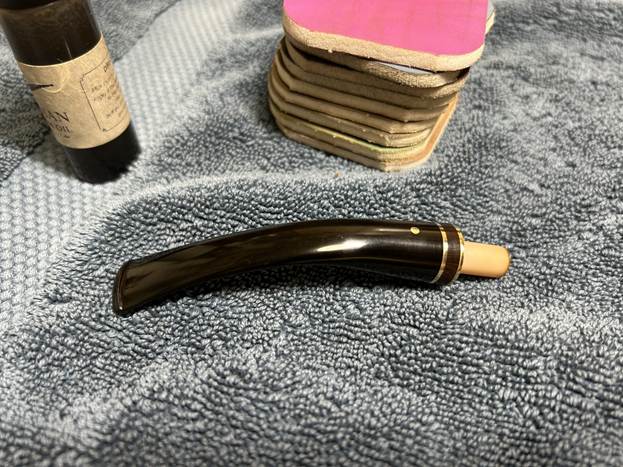
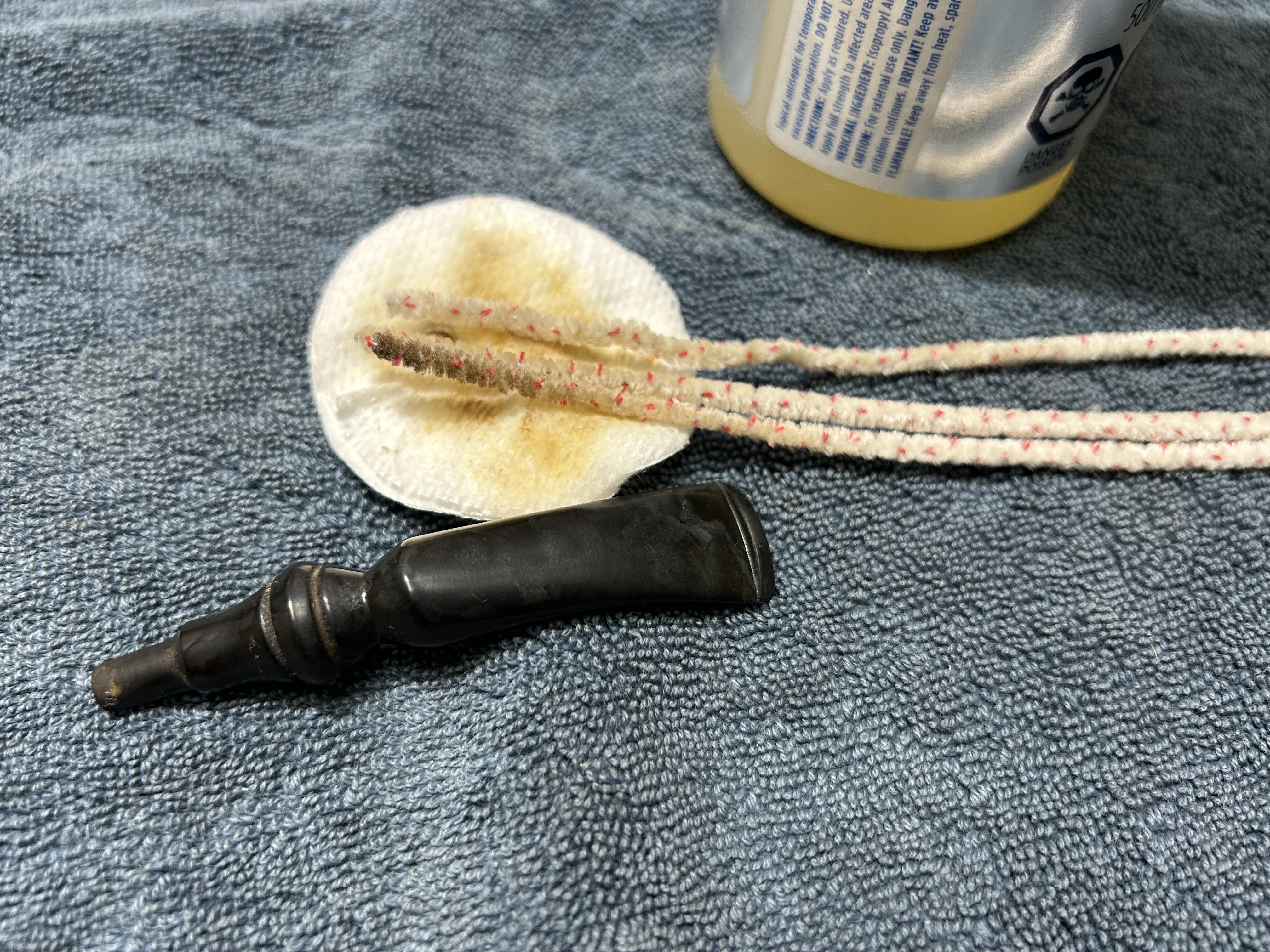
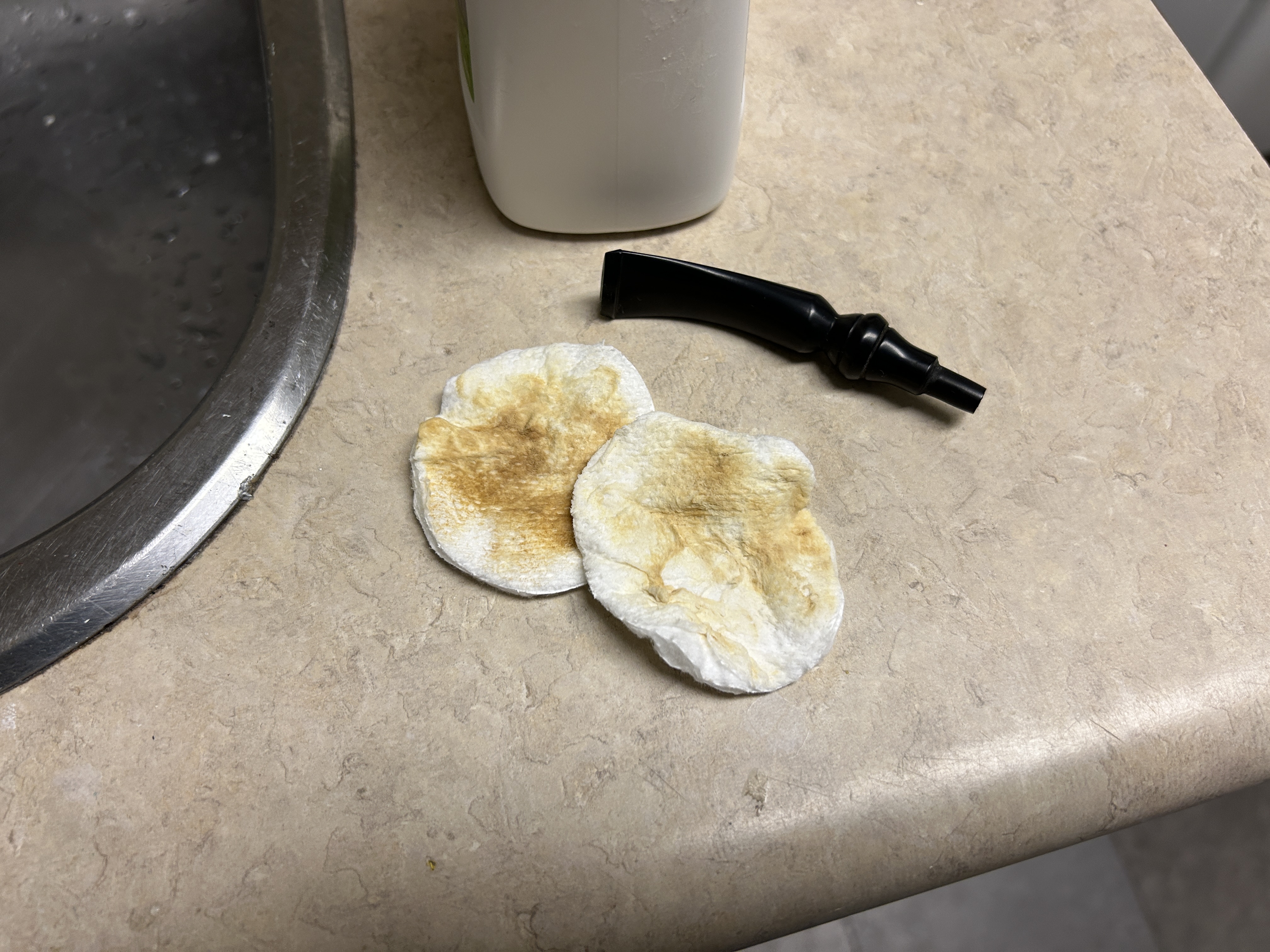
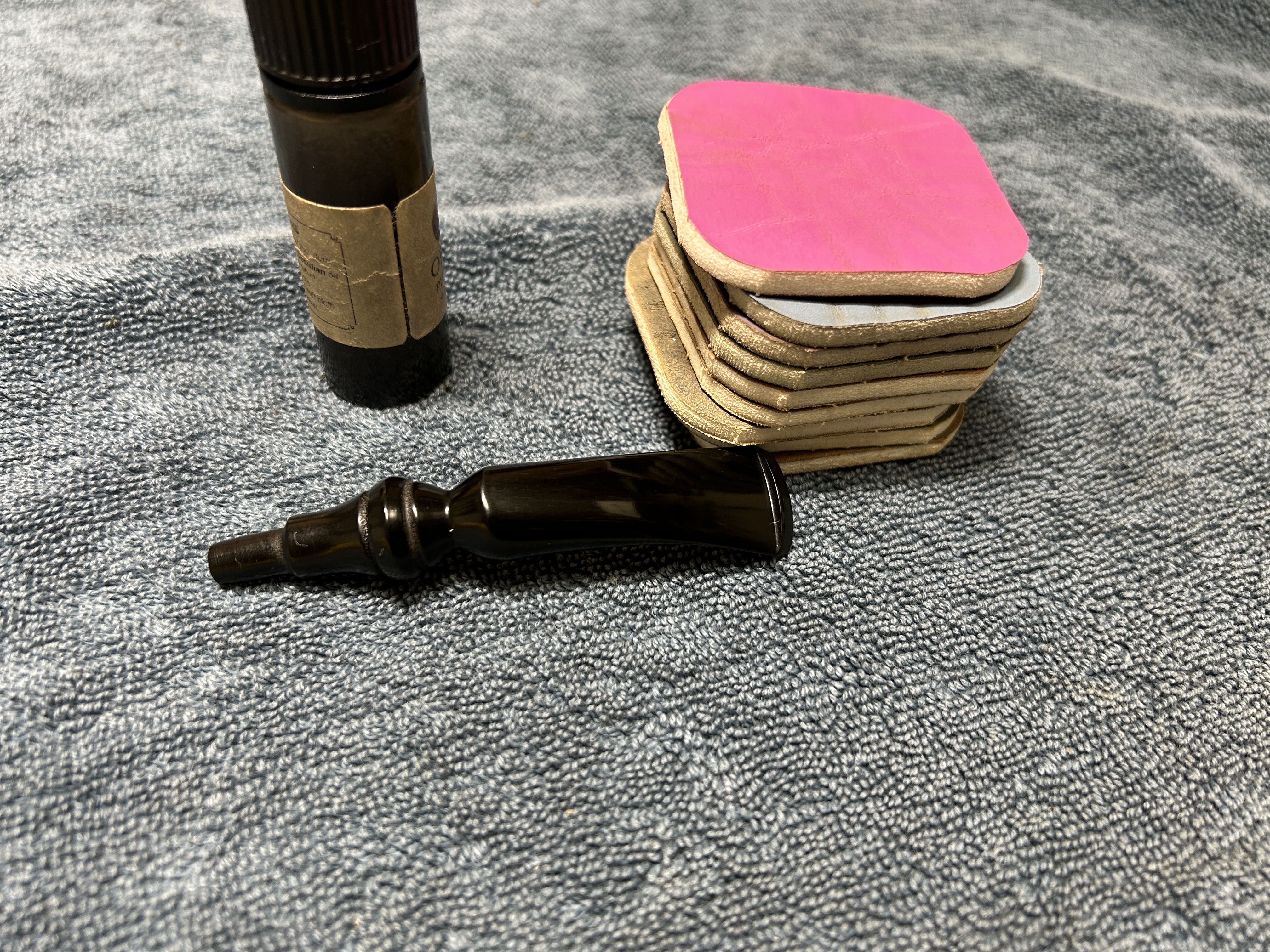
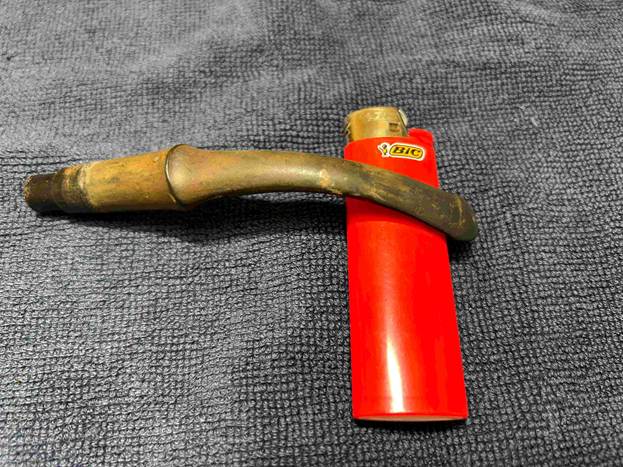
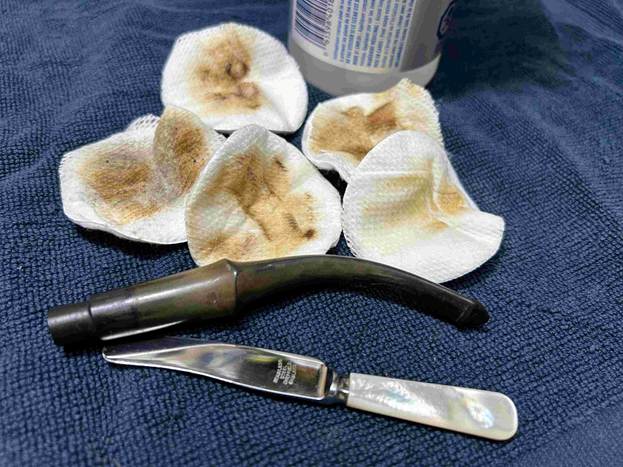
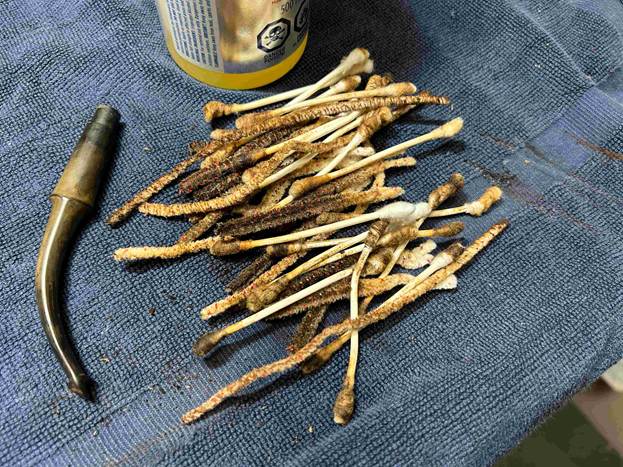
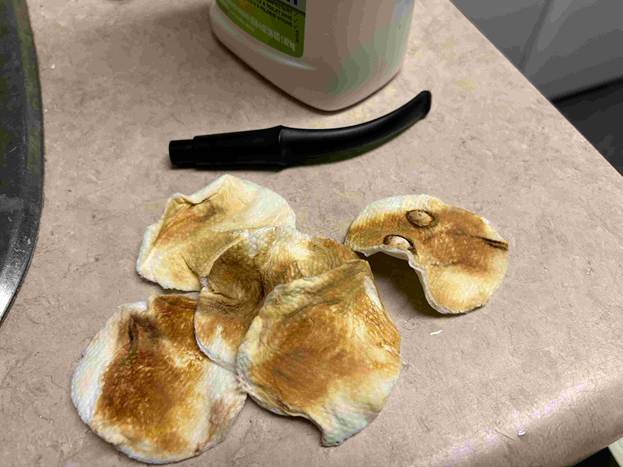
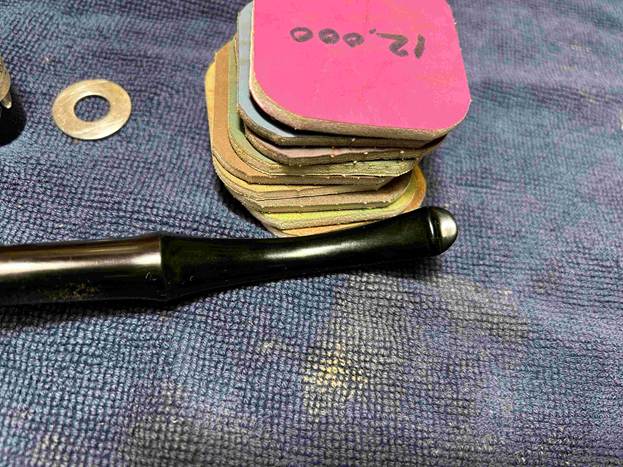
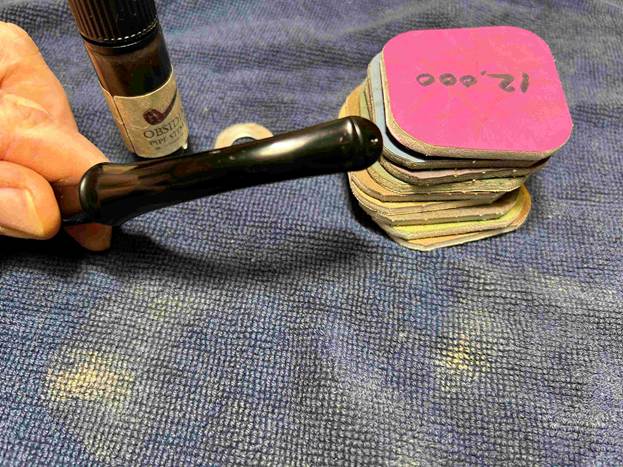
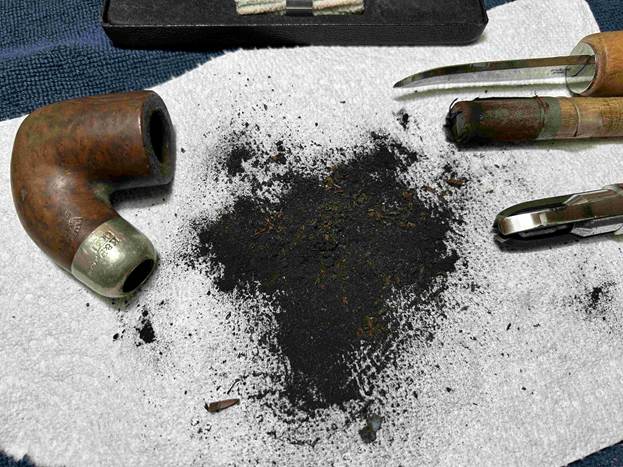
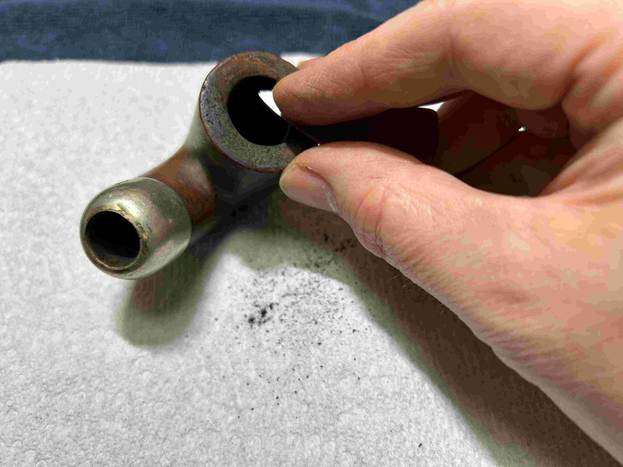
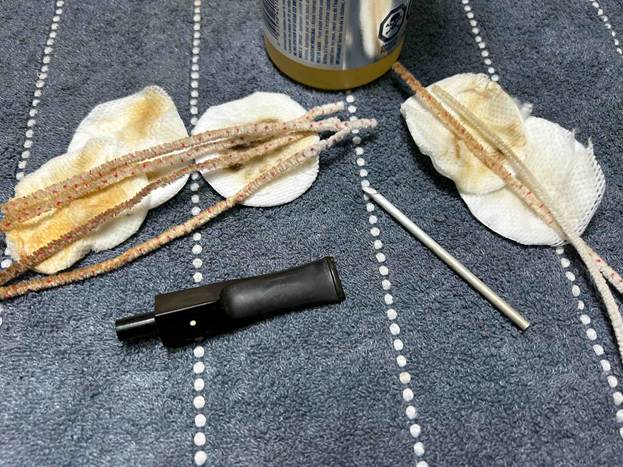
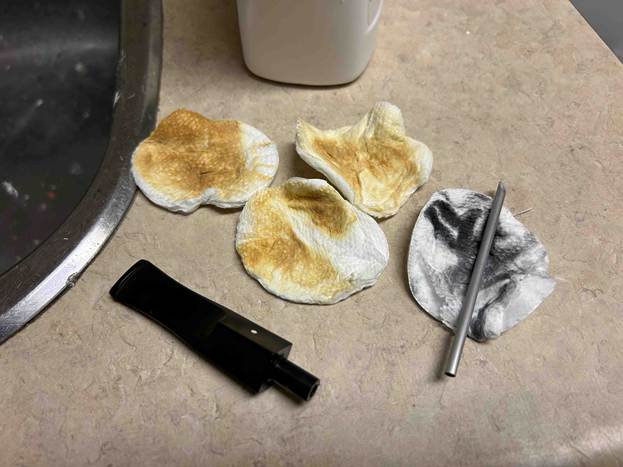
Next up is a charming billiard churchwarden that I found in one of my bins and it piqued my interest. It’s got the typical shape and feel of a regular churchwarden, but this one is a full-length one – a full twelve inches. It’s hard to know how old this one is, but it feels like it’s been around for a few decades. I’m looking forward to cleaning this one. Frankly, this one didn’t look like it had been smoked much. It was certainly dirty, but that seemed to be from questionable storage rather than much smoking. The only markings were on the left side of the shank: Aged Algerian. There is also a nice sterling silver band on the shank which reads, appropriately, Sterling Silver. Those weren’t exactly helpful in identifying the origins of the pipe, but Steve said that it looked American and could have been made by an outfit like Bertram’s or Ansell’s, in Washington, DC. Having looked at their respective markings, it seems quite similar to an Ansell. So maybe that is it.The pipe is in good condition. There are some dark marks on the briar of the stummel and a bit of cake in the bowl. Nothing serious. The stem is just fine, aside from some tooth chatter. Let’s get on with it. I used isopropyl alcohol on a few cotton rounds and wiped down the stem to provide an initial cleaning of filth before moving on to the next steps. The primary cleaning came next. I disinfected the inside of the stem with both pipe cleaners and cotton swabs dipped in lemon-infused 99% isopropyl alcohol. I scrubbed thoroughly to make sure the interior was very clean.The goal of the next step is the removal (or minimization) of oxidation. Going to my sink, I used cream cleanser, cotton rounds, and a toothbrush, and scoured the stem to remove as much surface oxidation as possible. As the photos show, the result was a hideous, ochre-coloured mess – but better off the stem than on it.As the stem was now clean and dry, I set about fixing the marks and dents in the vulcanite. This was done by filling those divots with black cyanoacrylate adhesive, impregnated with carbon and rubber. I left this to cure and moved on.The penultimate step for the stem is sanding. First, with my set of needle files, I reduced the bulk of the cyanoacrylate repairs. I removed the excess adhesive as near to the surface as possible, without cutting into the vulcanite. Following that, I used all nine of the micromesh sanding pads (1,500 through 12,000 grit) to sand out flaws, even out the vulcanite, and provide gentle polishing of the finished surface. I also applied pipe-stem oil while using the last five micromesh pads. There was a wonderful, deep black shine to the stem when I was done.As the stem was (nearly) complete, I moved on to the stummel. The first step was to ream out the bowl – that is to say, remove all the cake inside the bowl. This accomplished a couple of things. First (and most obviously), it cleaned the bowl and provided a refurbished chamber for future smoking. Second, when the old cake was removed, I could inspect the interior walls of the bowl and determine if there was damage or not. I used a pipe knife and a piece of sandpaper taped to a wooden dowel. Collectively, these ensured that all the debris was removed. But I took the silver band off first.Similar to the stem, I then cleaned the stummel with both pipe cleaners and cotton swabs dipped in lemon-infused 99% isopropyl alcohol. With a pipe this dirty, it took quite a while and much cotton to clean.I then decided to ‘de-ghost’ the pipe – that is to say, exorcize the remaining filth from the briar. I filled the bowl and the shank with cotton balls, then saturated them with 99% isopropyl alcohol. I let the stummel sit overnight. This caused the remaining oils, tars and smells to leach out into the cotton.To tidy up the briar, I wiped down the outside, using a solution of a pH-neutral detergent and some distilled water, with cotton rounds. This did a good job of cleaning any latent dirt on the surface of the briar. The last step of the cleaning process was to scour the inside of the stummel with the same mild detergent and tube brushes. This was the culmination of a lot of hard work in getting the pipe clean. I used all nine micromesh pads (1,500 through 12,000 grit) to sand the outside of the stummel and finish it off. This sanding minimizes flaws in the briar and provides a beautiful smoothness to the wood.I rubbed some LBE Before & After Restoration Balm into the briar and let it sit for 30 minutes or so. The balm moisturizes the wood and gives a beautiful depth to the briar. I then buffed the stummel with a microfibre cloth. I also glued the silver band back in place and gave it a polish with my jewellery cloth. For the final step, I took the pipe to my bench polisher and carefully buffed it – first with a blue diamond compound, then with three coats of carnauba wax. This procedure makes the pipe look its best – the stummel sings and the stem glows.All done! This Aged Algerian churchwarden looks fantastic again and is ready to be enjoyed by its next owner. I am pleased to announce that this pipe is for sale! If you are interested in acquiring it for your collection, please have a look in the ‘American’ section of the store here on Steve’s website. You can also email me directly at kenneth@knightsofthepipe.com. The approximate dimensions of the pipe are as follows: length 12 in. (305 mm); height 1⅞ in. (47 mm); bowl diameter 1⅜ in. (36 mm); chamber diameter ¾ in. (20 mm). The weight of the pipe is 1½ oz. (43 g). I hope you enjoyed reading the story of this pipe’s restoration as much as I enjoyed restoring it. If you are interested in more of my work, please follow me here on Steve’s website or send me an email. Thank you very much for reading and, as always, I welcome and encourage your comments.

Rebirth of a Hilson Epoque Largo 170/S Belgian Made Sandblast Dublin


by Steve Laug

This Sandblast Dublin with a Saddle stem was purchased on 01/20/2026 from a Facebook seller in Quaker Town, Pennsylvania, USA. It is a great looking Dublin with a blast that shows the flow of the grain.  The stem is a vulcanite saddle stem. The bowl is stained with a contrast of blacks and browns that highlight the grain around the bowl and shank. It is stamped on the flat underside of the bowl and shank. It reads 170/S the shape number on the heel of the bowl followed by Hilson [over] Epoque [over] Largo. That is followed by Made in Belgium. The bowl had a thick cake and some tobacco debris on the walls. There was an overflow of lava on the rim top that was heavier toward the back of the bowl. There was grime ground into the finish which left the finish looking quite dull. The slightly oxidized saddle vulcanite stem has a Hilson H logo on the left side. There are light tooth marks and chatter on both sides of the stem ahead of the button. Jeff took photos of the pipe before he started his work on it.   He took photos of the rim top to show the condition of the top and edges of the bowl. It is dull and has the lava on the rim top and bevelled edge of the rim. It is uniquely a beautiful pipe. The stem had light tooth marks and chatter on both sides ahead of the button. The pipe has some nice grain that is highlighted by the stain and the sandblast. The difference adds a visual and tactile variation on the pipe. The pipe is stamped in a smooth section on the underside of the shank. On the left end it reads 170/2 which is the shape number. That is followed by the brand name Hilson over the line name Epoque [over] Largo. To the right end of the shank near the shank/stem junction it reads made in Made in Belgium. The photos below show that the stamping is very clean and readable. Before I started the refresh of the pipe, I did a quick review of the history of the brand because I like having that information in mind when I work on a pipe. I remembered at some point Hilson had been sold to Gubbels who made the Big Ben pipe. At that time, it moved from being a Belgian made pipe to being made in the Netherlands.

I turned first to Pipephil’s site to read what he had for information on the Hilson’s Epoque (http://www.pipephil.eu/logos/en/logo-h3.html). There were not any photos of the line on the listing. However, it is an interesting piece and I have included the sidebar information below the screen capture.In 1846 a German named Jean Knödgen started to produce clay pipe in Belgium. In the late 19th century Jean Hillen who married into the Knödgen family took over the company and changed the firm in order to manufacture briar pipe. Jean Hillen had 2 sons: Jos Hillen was responsible for sales and Albert Hillen was responsible for the production. After WWII Albert founded the HILSON brand (Hillen and Son) and exported his pipes all over the world.

In 1980 after having gone bankrupt, the Belgian brand from Bree (Limburg) was taken over by the Royal Dutch Pipe Factory.

From there I turned to Pipedia and read the entry on Hilson (https://pipedia.org/wiki/Hilson). It is a great read on the history of the brand. I am including it below.

Jean-Claude Hillen (other sources: Jean-Paul) founded a trading company in the City of Bree in 1846. He soon turned his main interest on pipes and other tobacco related goods.

Particularly in the 1960’s and still throughout the 1970’s the brand Hilson of Broers Hillen B.V. (Hillen Bros. Co.) was quite successful in many European countries. They produced large numbers of machine made pipes covering the whole range of shapes and finishes. The pipes were well respected for good quality and craftsmenship at very moderate prices.

Rarely seen there are also nice freehands from this era stamped MASTRO and signed by A.M. Sanoul, who is otherwise completely unknown as a pipemaker.

All the same, in 1980 Hillen faced major financial problems. At this time there was only a second manufacturer of briars pipes in the Benelux countries, the Elbert Gubbels & Zonen B.V. in the Netherlands. The Belgian competitor being in trouble, Gubbels used the favour of the hour and bought up the company. The reason is plausible: in some countries, particularly in Germany, Hilson held larger market shares than Gubbels’ mainstay brand Big Ben.

The Hillen plant in Bree was closed down shortly after and ever since then Hilson pipes are manufactured in Roermond, NL.

Given that the plant in Bree, Belgium closed around 1980 after Gubbels had purchased the company, I knew that the pipe I was working on had been made prior to 1980. The Made in Belgium stamp on the underside of the shank gave that information. I am not sure that I can get any closer in terms of a date for the pipe.

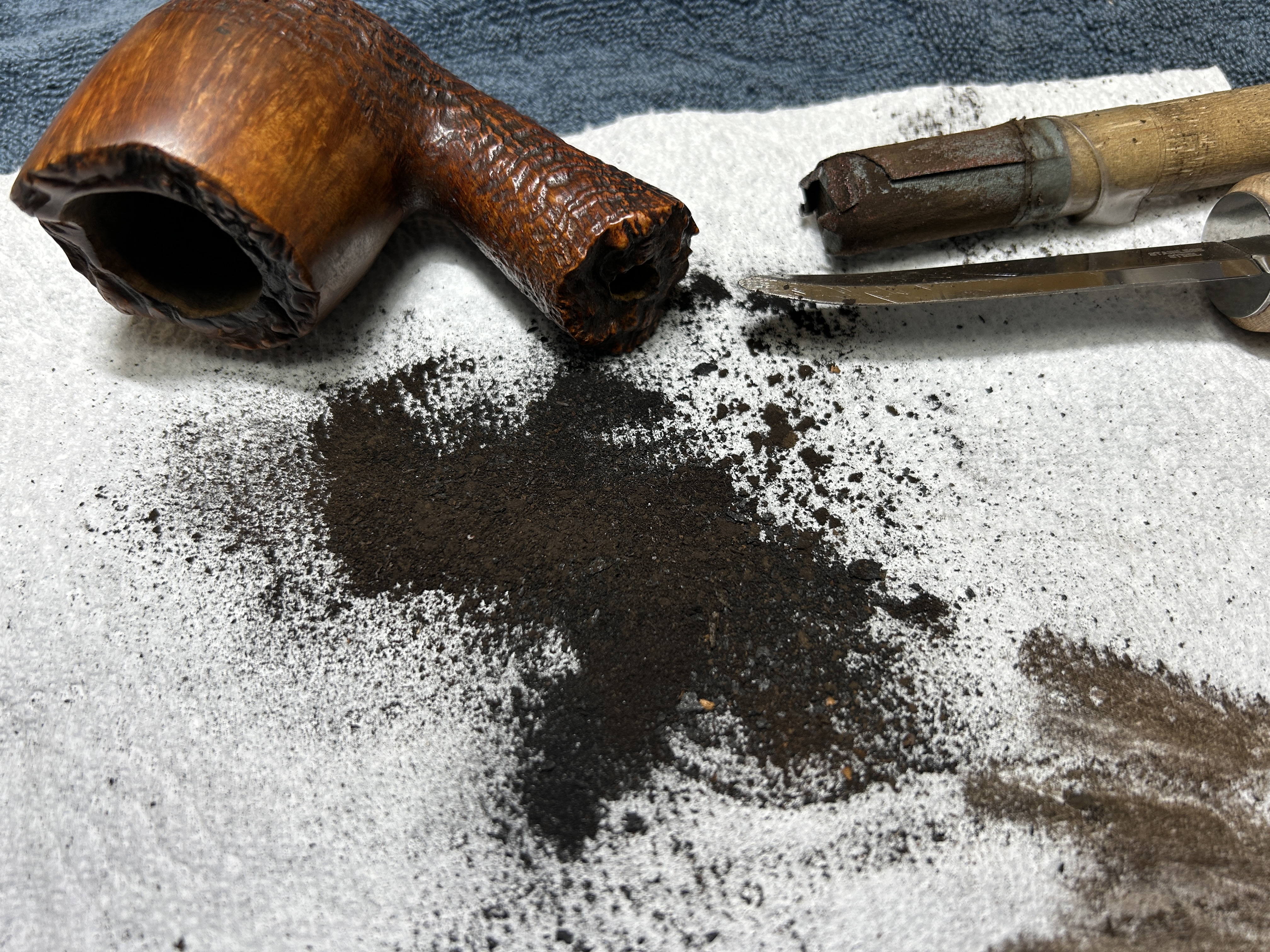
On this pipe, my brother’s cleanup work was the lion’s share of what needed to be done to revitalize it. He reamed the bowl with a PipNet reamer to remove the cake and cleaned up after the reaming with a Savinelli Fitsall pipe knife. He scrubbed the finish with a tooth brush and Murphy’s Oil Soap to remove the grit and grime. He scrubbed the rim top and was able to loosen the debris that had built up there. He rinsed the bowl under running water and dried it off. He soaked the stem in Briarville’s Pipe Stem Deoxidizer and when he removed it he rinsed off the debris and product with warm water. He scrubbed out the airway in the bowl, shank and stem with pipe cleaners, shank brushes, cotton swabs and alcohol. When I received the pipe I was amazed at how good it looked. The stem would need some attention but that was about it. The bowl could be waxed and buffed with little other work. Jeff had done a great job. I took photos of what the pipe looked like when it arrived in Vancouver.
I took close up photos of the bowl and the rim top to show the condition. It looked better and the inner edge and top were in very good condition. I also took photos of both sides of the stem to give a sense of the condition of both sides at the button. There were light tooth marks and chatter on both sides ahead of the button.I took a photo of the stamping on the underside of the shank. It reads as noted above and is very clear and readable. I forgot to take a photo of the H logo on the stem but other than being faded is in excellent condition. I took the stem off the shank and took photos of the pipe to give a sense of its beauty and proportions.I rubbed the bowl and shank down with Before & After Restoration Balm. I worked it into the surface of the bowl sides and shank with my fingertips to get it into the grain. The product works to clean, enliven and protect the briar. I let the balm sit for a little while and then buffed with a cotton cloth to raise the shine. The Balm did its magic and the grain in the sandblast stood out. I set the bowl aside and turned to the stem. I “painted” the surface of the stem with the flame of a Bic lighter to lift the tooth marks. I filled in those that remained with Extra Strength CA glue – strengthened with rubber. Once it cured I used a small flat file to flatten the repairs and recut the button. I blended the repairs further with a folded piece of 220 grit sandpaper. I sanded the stem with 320-3500 grit 2×2 inch sanding pads. I wiped the stem down with a damp cloth after each pad. By the last sanding pad, it began to take on a deep shine. I touched up the H logo on the left side of the saddle stem with white acrylic fingernail polish. It was faint in spots but I worked it into the stamp with a tooth pick. Once it cured I sanded off the excess with worn 1500 grit micromesh pad. It looked better.I polished it with micromesh sanding pads – dry sanding with 1500-12000 grit sanding pads. I wiped it down after each sanding pad with Obsidian Oil. I polished it with Before & After Pipe Stem Polish – both Fine and Extra Fine. I gave it another coat of Obsidian Oil and set it aside to dry. I am excited to put the final touches on this interesting piece of Hilson’s Made in Belgium Pipe History. It is a beautiful Hilson Epoque Largo 170/S Sandblast Dublin shaped pipe. I put the pipe back together and buffed it with Blue Diamond on the buffing wheel. I gave the bowl and the stem multiple coats of carnauba wax. I hand buffed the pipe with a clean buffing pad to raise the shine. It is fun to see what the polished bowl looks like with beautiful grain on the bowl sides, top and bottom. The polished black vulcanite saddle stem combined with the bowl to make a stunning pipe. This older Hilson Epoque Largo 170/S is great looking and the pipe feels great in my hand. It is light and well balanced. Have a look at it with the photos below. The dimensions are Length: 5 ¾ inches, Height: 2 inches, Outside diameter of the bowl: 1 ¾ inches, Chamber diameter: 7/8 of an inch. The weight of the pipe is 42 grams/1.52 ounces. It is a beautiful pipe that I will soon be adding to the rebornpipes store in the Pipes from Various Makers Section. If you would like to add it to your collection let me know. It should be a great smoking pipe. Thanks for walking through the restoration with me as I worked over this pipe. Thanks to each of you who are reading this blog.

Comet Resurrection!


by Kenneth Lieblich

It’s Eastertide and so, only too fitting that a veritable pipe resurrection is next up. Friends and family often accuse me of taking on some crazy pipe projects. Well, if ever there was a quixotic pipe restoration, it is this one. I found this pipe at an antique shop in our local Fraser Valley and it was in sorry shape. Honestly, I probably should have left it – but then I wouldn’t have this crazy blog to post. This was a very challenging restoration – showing, once again, that any pipe can be restored. Whether any pipe should be restored is quite a different question. This is an uncommon pipe and it deserves respect. But this may be a pipe for your collection, rather than for your regular rotation. So, what on earth is this thing? Good news! It’s not from earth – it’s called the Comet. This pipe has no markings, but I already knew the general family this pipe was from. It is related to the Thoro-Kleen, made by the Greenwich House Corporation of New York. When Steve last restored one of these, he described it as reminding him of the Jetsons from Saturday morning cartoons! It certainly does have a futuristic, out-of-this-world look. To me, it is a good example of mid-twentieth-century design.

Our friends at Pipedia have a brief writeup on the Thoro-Kleen, which I copy here in its entirety:

The Greenwich House Thoro-Kleen was a metal pipe system sold with both a metal outer bowl with a briar insert and a full briar bowl. They are from the same family as the Roybrooke, Comet, and Original Gridiron pipes, and parts from all are believed to be interchangeable. The pipes were sold by the Greenwich House Corporation, located in 1947 at 939-M 8th Avenue, N.Y. 19, N.Y. The pipe set sold for $2.50 in 1947.

Similarly, Smoking Metal (a website dedicated to metal pipes) also has a short writeup:

This family of pipes have been seen as Knowles Air Lite (believed to be Canadian version), Roybrooke, Comet, Original Gridiron and the Greenwich House Thorokleen. Seemingly sold in sets that comprised a normal briar bowl as well as the metal outer with a briar insert. The body of the pipe can be hexagonal, square (Thoro Kleen only seen this shape) or circular in cross section. Regardless of variant all parts are interchangeable. The unmarked version tends to be regarded as the COMET, all the others being stamped with a name.

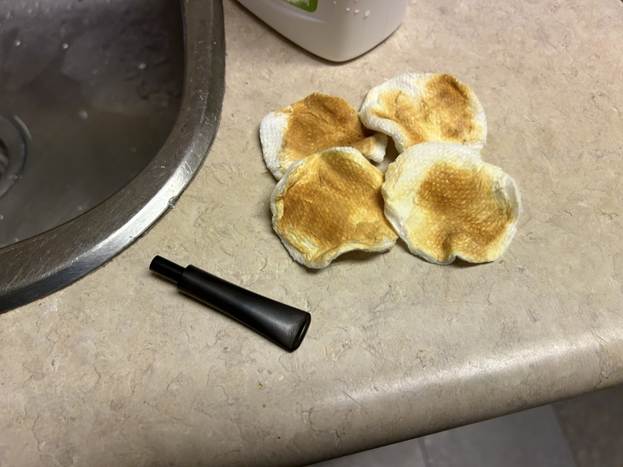
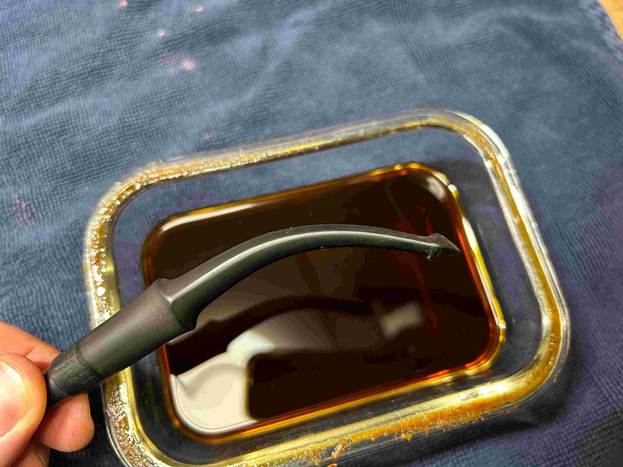
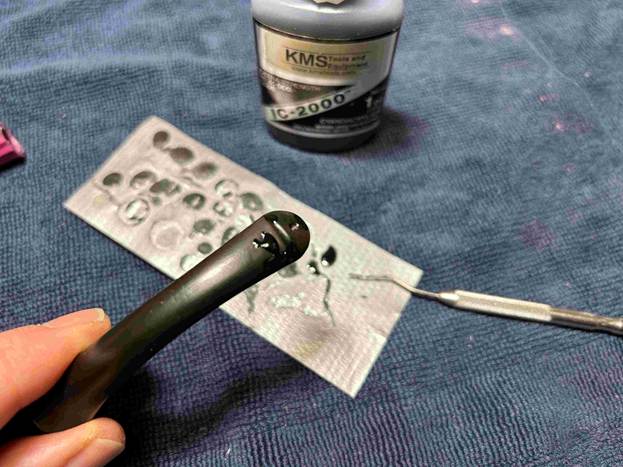
Some instances of this pipe appeared with an entirely briar bowl, and some came with a metal bowl and briar insert. Some sources indicate that the pipes came with both bowls, and you could take your pick, but the one I have has only the metal bowl and briar insert. Here’s a photo of an original:This pipe was a mess from every perspective. The vulcanite stem had some dents in it and was oxidized. The briar bowl insert was broken in half (literally) The metal components were dirty, dull, and scratched. The insides were filthy. There were nicks in the metal and – most significantly – the end of the shank had tiny cracks. This was going to be a tall order. The first thing I did was glue the two halves of the bowl insert back together. I liberally applied some wood glue and let it set overnight in a bar clamp.While the wood glue was drying, I moved on to the stem. I used isopropyl alcohol on a few cotton rounds and wiped down the stem to provide an initial cleaning of filth before moving on to the next steps. The primary cleaning came next. I disinfected the inside of the stem with pipe cleaners dipped in lemon-infused 99% isopropyl alcohol. I scrubbed thoroughly to make sure the interior was very clean.The goal of the next step is the removal (or minimization) of oxidation. Going to my sink, I used cream cleanser, cotton rounds, and a toothbrush, and scoured the stem to remove as much surface oxidation as possible. As the photos show, the result was a hideous mess – but better off the stem than on it.As the stem was now clean and dry, I set about fixing the marks and dents in the vulcanite. This was done by filling those divots with black cyanoacrylate adhesive, impregnated with carbon and rubber. I left this to cure and moved on.The penultimate step for the stem is sanding. First, with my set of needle files, I reduced the bulk of the cyanoacrylate repairs. I removed the excess adhesive as near to the surface as possible, without cutting into the vulcanite. Following that, I used all nine of the micromesh sanding pads (1,500 through 12,000 grit) to sand out flaws, even out the vulcanite, and provide gentle polishing of the finished surface. I also applied pipe-stem oil while using the last five micromesh pads. There was a wonderful, deep black shine to the stem when I was done.Since most of the pipe was made of aluminum, the cleaning procedures were different than usual. The inside of the shank was much more ‘cavernous’ than normal, too. I started with pipe cleaners and cotton swabs for the inside, but that only worked so well. I ended up using both acetone and isopropyl alcohol (separately) to clean the metal shank, especially the interior – and I made extensive use of some metal tube brushes because the gunk was really tough. The metal bowl was also cleaned with acetone and isopropyl alcohol, but it wasn’t so bad, as it hadn’t been in contact with the burning tobacco. I also soaked the smaller components overnight in acetone. It took a very long time, but I eventually got all of the metal clean. Back to the briar bowl insert. I scraped and sanded off the excess wood glue. I then reamed out the bowl – that is to say, removed all the cake inside the bowl. This accomplished a couple of things. First (and most obviously), it cleaned the bowl and provided a refurbished chamber for future smoking. Second, when the old cake was removed, I could inspect the interior walls of the bowl and determine if there was damage or not. I used a piece of sandpaper taped to a wooden dowel and got the thing clean.To tidy up the briar, I wiped down the outside, using a solution of a pH-neutral detergent and some distilled water, with cotton rounds. This did a good job of cleaning any latent dirt on the surface of the briar. The damage to the rim was significant. In order to lessen the burns and nicks on the rim, I ‘topped’ the pipe – that is to say, I gently and evenly sanded the rim on a piece of 400-grit sandpaper. This effectively minimized the damage, without altering the look of the pipe.

Given the state of the inside of the briar bowl insert, I used an epoxy adhesive that is extremely hard, resistant to high temperatures, and completely inert when cured. It worked superbly. I lined the affected area with the epoxy and let it cure for a full 24 hours. The next day, I roughened up the epoxy’s surface with my rotary tool for the next step. I thinly coated the inside of the bowl with a mixture of my wife’s homemade yogurt and activated charcoal. Once hardened, this provided a good, faintly rough surface for a new cake to build. I used all nine micromesh pads (1,500 through 12,000 grit) to sand the outside of the bowl insert and finish it off. This sanding minimizes flaws in the briar and provides a beautiful smoothness to the wood. This piece was never going to be easy on the eyes, but I did manage to make it look so much better.Back to the shank – the main body of the pipe. The end of the pipe had tiny cracks, as I mentioned, but was also slightly out of round. So, I gently adjusted it with pliers to close the gap in the cracks and return the circular shape. To repair the cracks, I decided to try something new: a different kind of epoxy, one specifically formulated for metal repairs and impregnated with steel. For the first step, I applied it on the inside of the shank and held everything tight with a hose clamp lined with duct tape. I used duct tape to protect the metal from scratches and in case the epoxy oozed out. This worked well and I let it cure overnight.I then moved on to applying the same epoxy to the outside of the shank. Same formulation, just different location. However, a problem then manifested itself. When the epoxy had cured, and I started sanding the metal, a couple of other micro-cracks also appeared. These were not visible before the sanding. Giant sigh. So, I had to repeat the metal epoxy procedure from the beginning to factor in these new, incredibly small marks. Eventually, I got it done. Once the epoxy had cured again, I sanded it again with my micromesh pads. This time everything looked good. The gleam on the metal was very satisfying. I polished the grooves in the bowl with some pipe cleaners that had been rubbed with red Tripoli compound, then cleaned it up. In preparation for final buffing, I filled those grooves with new, clean pipe cleaners so that compound didn’t get stuck in there. For the final step, I took the pipe to my bench polisher and carefully buffed it. The stem was done with a blue diamond compound. The metal bowl and shank were done, first, with red Tripoli and then with the blue diamond too. This procedure makes the pipe look its best – the metal really shines and the stem glows.

This Greenwich House Comet metal pipe looks fantastic again and is ready to be enjoyed by its next owner. I am pleased to announce that this pipe is for sale! If you are interested in acquiring it for your collection, please have a look in the ‘American’ section of the store here on Steve’s website. You can also email me directly at kenneth@knightsofthepipe.com. The approximate dimensions of the pipe are as follows: length 5⅓ in. (136 mm); height 1½ in. (38 mm); bowl diameter 1½ in. (38 mm); chamber diameter ¾ in. (19 mm). The weight of the pipe is 1⅝ oz. (48 g). I hope you enjoyed reading the story of this pipe’s restoration as much as I enjoyed restoring it. If you are interested in more of my work, please follow me here on Steve’s website or send me an email. Thank you very much for reading and, as always, I welcome and encourage your comments.


Restoring a Mauro Armellini Naturale Italy Acrylic Stem Rusticated Billiard


by Steve Laug

The next pipe on the table is a great looking heavily rusticated saddle stem Billiard. It was one purchased on 01/20/2026 from a Facebook seller in Quaker Town, Pennsylvania, USA. The bowl and the shank are deeply rusticated with deep coral like finish that still shows the colours of the briar beneath. The top of the bowl continues the rustication and is also very tactile. There is a thin brass band on the shank end between the acrylic stem and the briar. It is a great looking pipe. It is stamped on a smooth panel on the left side of the shank and reads Mauro Armellini [over] Naturale. Next to the shank end and brass band it is stamped Italy. The finish was dirty and had a lot of grime and oils ground into the rustication. The brass band is very loose. The rim top and inner edge of the bowl is dirty with a lava flow on the edge and the top that was heavier toward the back of the bowl. There is a thick cake in the bowl. The variegate gold acrylic saddle stem is dirty and has light tooth marks and chatter on the surface on both sides ahead of the button. On the top of the stem is that Armellini white dot in a brass circle logo. Jeff took photos of the pipe before he started his clean up work. It showed a lot of promise. Jeff took photos of the rim top and stem to show the general condition of the pipe. The bowl is heavily caked and there was heavy lava in the rustication on the rim top and inner edge. I am hoping that once the lava is removed the edge will be okay. The stem looked good under the dirt and grime. It had some light tooth marks or chatter. It should cleanup very well. Jeff took photos of the bowl sides and heel to show the details of the heavy rustication that was around this bowl even though the grime on the finish hides it some. The pipe had obviously been well loved and enjoyed by the previous pipeman. He took photos of the left side of the shank to show the stamping. The stamping is clear and readable as noted above. The stem had a large Armellini white Dot surrounded by a brass circle on the topside. I decided to hunt down a bit of background on the brand before I started my clean up on the pipe. I turned to Pipephil’s site (http://www.pipephil.eu/logos/en/logo-a7.html). It had a great summary listing and photos. I did a screen capture of the section and the side notes and have included them below.After Mauro Armellini passed (1936 – † 2004), his daughter Vilma Armellini answered for the brand’s destiny. Seconds: Mauro, Converti

For more detail on the brand than the notes above gave me about Armellini, I turned to Pipedia (https://pipedia.org/wiki/Armellini). I quote:

Mauro Armellini and Vilma Armellini. Courtesy of italianpipemakers.com

Mauro Armellini factory has born in 1960. When he was 24, my father decided to begin this business and after several difficult years, he was able to produce freehand pipes for foreign markets. Our factory has always been on the surf(?) because it has solid bases: quality and price.

I have always worked with my father and when I lost him, back in 2004, I had to learn to “walk on my own two legs”.

Someone called me “white fly” because I am probably the only women in Italy making pipes. I only work with briar which has been seasoned for at least one year; I think that after one year of seasoning the briar becomes old and dark. I prefer hand crafting, using only very few machines: in this way I am able to extol my predilection for freeforms.

Over the sale of pipes, I think that this work should transmit the genuineness and love for the pipe and for those who smoke it; The philosophy of the factory is the same that moves my work: quality and price

Mauro Armellini stands for the true meaning of self-made and self-taught pipe makers. He started his pipe making career back in the early 1960s, working at the famous Italian pipe factory “Rossi”. Years later, and when the Rossi factory shut its door, Armellini moved to Savinelli where he stood out immediately. He perfected the rustication technique and till today some of the most famous rusticated finishes, such as the “Roccia” and the “Corallo” exist only thanks to him. He worked for Savinelli for several years and till the day he realized that he decided to create his own workshop and make pipes under his own name. At those times, and in spite of the fact that the pipe market was huge, it was a big risk to start his own pipe brand, due to the costs involved and the difficulty of obtaining the right equipment and tools.

Once the name Armellini found its rightful place on a piece of briar, Armellini never looked back. Thanks to his friend and neighbor, Alberto Paronelli, he was able to attract foreign markets, such as the US one and that of other European countries. Armellini’s four daughters slowly and gradually became involved in the business by lending their dad a helping hand whenever possible. However, it was Wilma that became truly interested in the business and gradually became her father’s right hand, not only in the administrative aspect of the business, but also, and above all, the actual pipe making in all its various stages. Indeed, and many years later, Armellini retired from full-time pipe making, and it was Wilma who took over.

When Armellini passed away recently, it was natural, and yet very difficult, for Wilma to decide and continue the Armellini production, according to her father’s own standards and vision. What encouraged her is the fact that for over 20 years she had been making pipes, from A to Z, and so, she knew that the quality Armellini has always been known for could and would continue.

Today, in the small town Barasso, in northern Italy, Wilma and her 20-year-old son are running the workshop and producing all of the Armellini pipes. Matteo, Wilma’s son, is an enthusiastic young man with a love for pipes and pipe making that he could have only inherited from his grandfather. He’s determined to carry on and keep alive his grandfather’s pipe making tradition while creating new shapes and finishes that he is confident his grandfather would be proud of.

Today the name Armellini bears the dreams, the dedication, the passion, and the pipe making talent and expertise of three different generations, united by one objective: Offering the best pipes possible, out of the best material possible, at the lowest price possible. The legacy lives on …

Jeff did a great job cleaning off the debris and grime on this old pipe. He reamed it with a PipNet reamer and smoothed the walls of the bowl with a Savinelli Fitsall pipe knife. He scrubbed out the mortise and the airway in the shank and the stem with alcohol, cotton swabs and pipe cleaners. He scrubbed the exterior of the bowl, rim and shank with a tooth brush and Murphy’s Oil Soap to the oils and tars on the bowl, rim and shank. He rinsed it under running water. He dried it off with a soft cloth. Once the grime was removed the finish underneath was in stellar condition. The rich patina of the rusticated briar looked great. He scrubbed the exterior of the stem with Soft Scrub. He rinsed off the deoxidizer with warm water and wiped the bowl and stem down with a light coat of olive oil to rehydrate both. The pipe really was quite stunning. I took photos of the pipe to show its condition before I started my work on it. I took a close up photo of the rim top and edges to show how well they had cleaned up. The rim top and sides look very good. I also took close up photos of the stem to show the light tooth chatter on the surface ahead of the button on both sides.I took a photo of the stamping on the left side of the shank. It is readable as noted above. I removed the stem and took a photo of the parts to show the proportions of the pipe. It is a beauty.I started my work by gluing the thin brass spacer on the end of the shank in the stepped down area. I used an all purpose glue to bind it to the shank. I worked some Before & After Restoration Balm into the surface of the briar with my fingertips and a shoebrush to work it into the heavily rusticated briar. The product works to clean, enliven and protect the briar. I let the balm sit for 15 minutes and then buffed with a cotton cloth to raise the shine. The photos show the bowl at this point in the restoration process.I started my work by gluing the thin brass spacer on the end of the shank in the stepped down area. I used an all purpose glue to bind it to the shank. I worked some Before & After Restoration Balm into the surface of the briar with my fingertips and a shoebrush to work it into the heavily rusticated briar. The product works to clean, enliven and protect the briar. I let the balm sit for 15 minutes and then buffed with a cotton cloth to raise the shine. The photos show the bowl at this point in the restoration process. I set the bowl aside and turned my attention to the stem. I sanded the tooth marks and chatter out with a folded piece of 220 grit sandpaper. It looked much better.I sanded the stem with 320-3500 grit 2×2-inch sanding pads to smooth out the tooth chatter. The pipe stem was looking very good.I polished the stem with micromesh sanding pads – dry sanding with 1500-12000 grit sanding pads. I wiped it down after each sanding pad with Obsidian Oil. I polished it with Before & After Pipe Stem Polish – both Fine and Extra Fine. I gave it another coat of Obsidian Oil. As usual at this point in the restoration process I am excited to be on the homestretch. I look forward to the final look when it is put back together, polished and waxed. I put the Mauro Armellini Naturale Italy Rusticated Billiard with a variegated golden saddle stem back together. I polished the bowl and the stem with Blue Diamond to polish out the scratches in the briar and the acrylic. I gave the bowl multiple coats of Conservator’s Wax and the stem multiple coats of carnauba wax. I buffed the pipe with a clean buffing pad to raise the shine. I hand buffed it with a microfiber cloth to deepen the shine. The pipe polished up pretty nicely. The rustication depths really pops with the wax and polish. The shiny acrylic golden saddle stem is a beautiful contrast to the various browns of the bowl. This Mauro Armellini Naturale Italy Rusticated Billiard was a great pipe to spruce up. It is a very comfortable pipe to hold in the hand. The finished pipe is shown in the photos below. The dimensions of the pipe are Length: 5 ½ inches, Height: 1 ¾ inches, Outside diameter of the bowl: 1 ¼ inches, Chamber diameter: ¾ of an inch. The weight of the pipe is 38 grams/1.34 ounces. This pipe will be going on the Italian Pipe Maker section of the rebornpipes store if you are interested in adding it to your collection. Thanks for reading this blog and my reflections on the pipe while I worked on it. This is an interesting estate to bring back to life.

Cleaning Up a Handsome Gourd Calabash


by Kenneth Lieblich

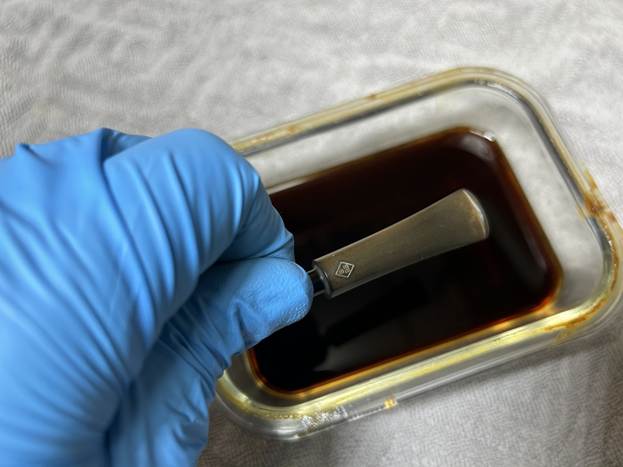
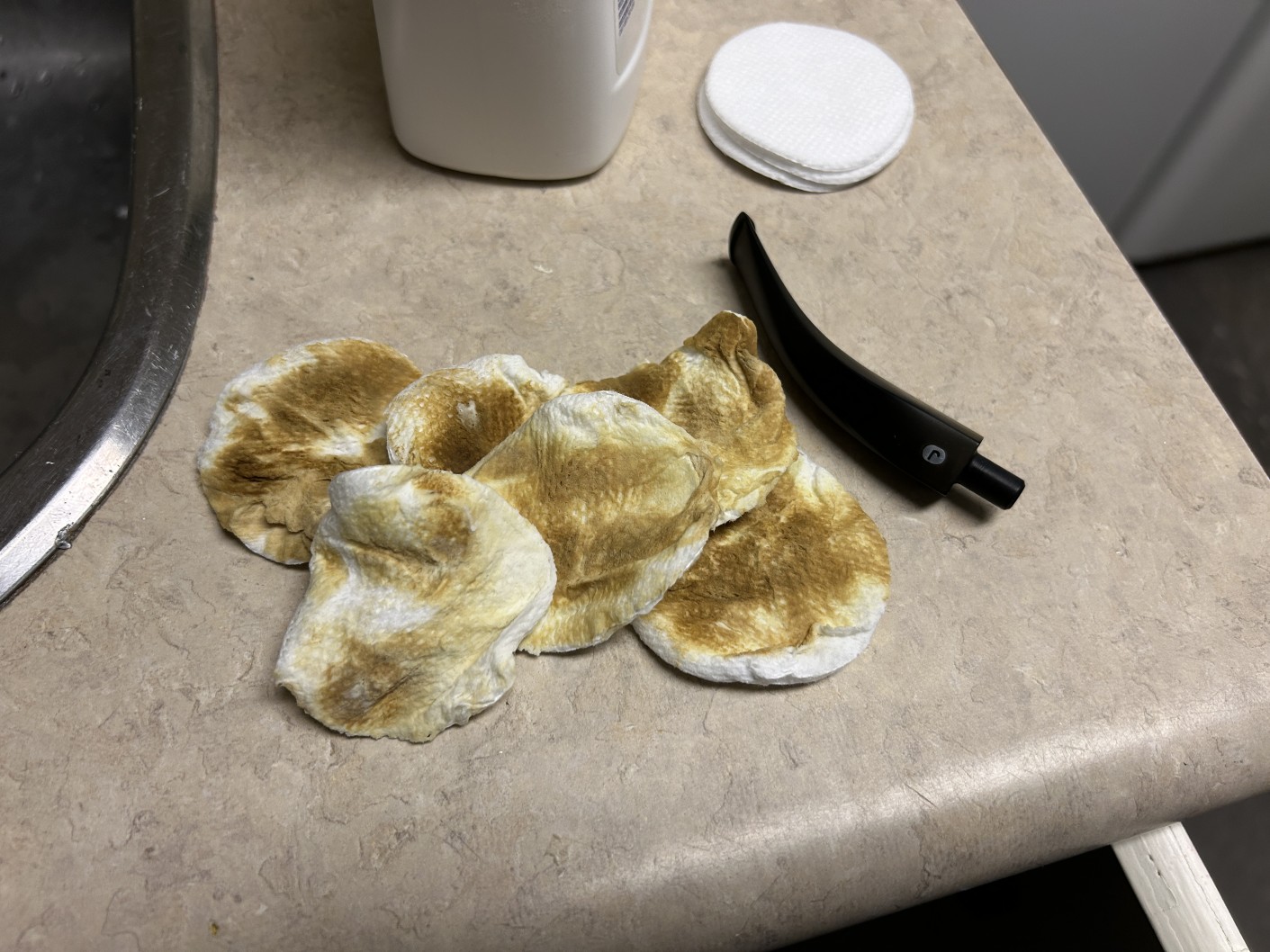
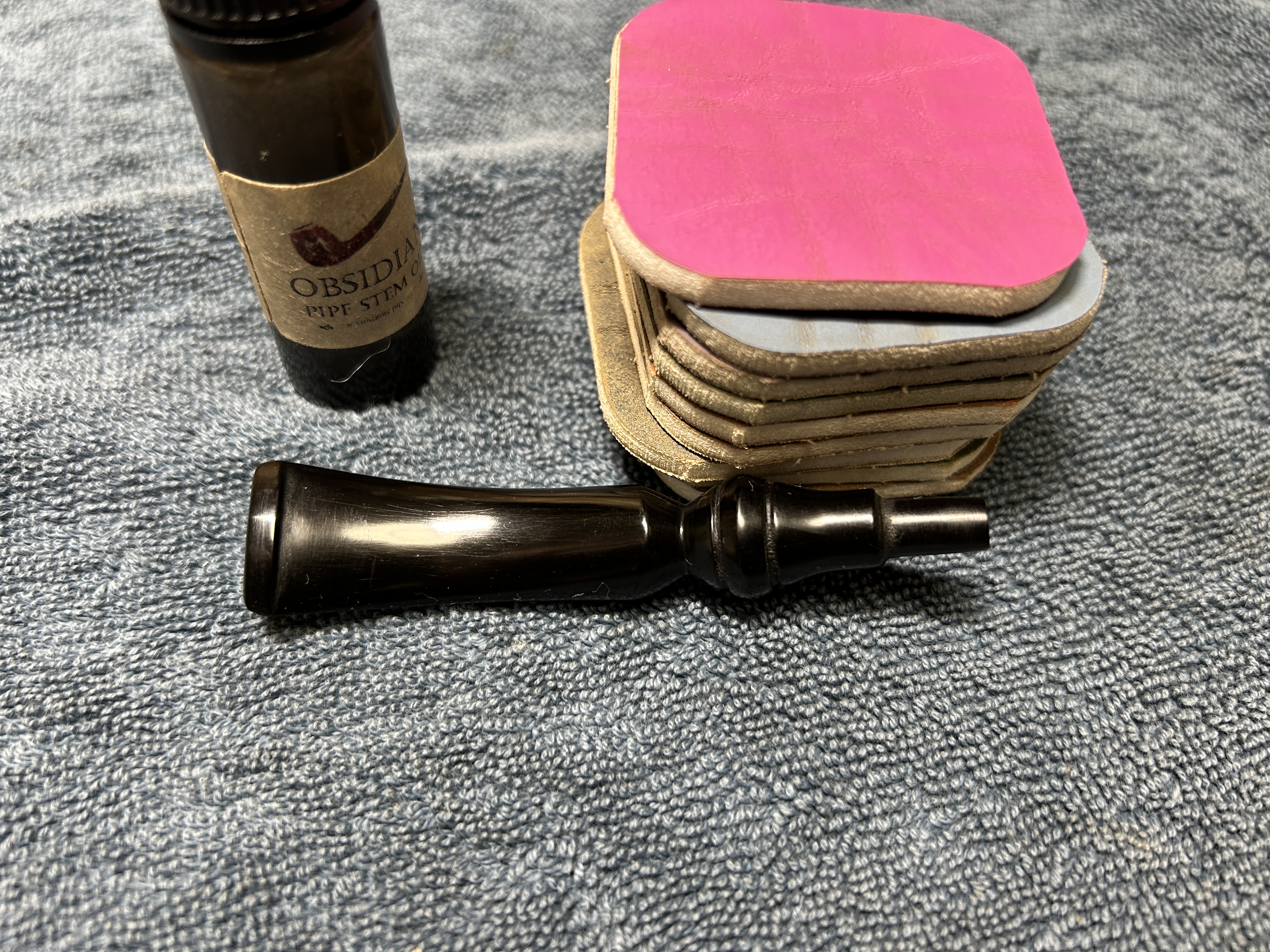
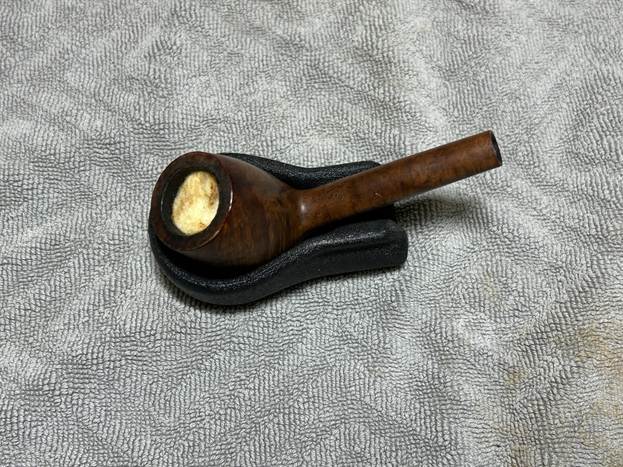
A friend of mine recently returned from a local gun show and, as it so happened, someone was selling a few pipes there too. So, my buddy found this very nice (and very dirty) gourd calabash and bought it for a good price. He asked if I could bring some ‘vim and vigour’ back to this old boy. No problem, I said. Happy to help. No markings at all on this pipe, but no matter. Let’s take a closer look at the condition of the pipe. The bowl is beautifully-shaped meerschaum. It has some minor signs of wear, but nothing serious. Similarly, the gourd is in lovely condition. No external wear to speak of and the cork gasket is in good shape. The gourd also has an acrylic shank extension in nice shape. However, the inside of the gourd was filthy beyond words! Finally, the vulcanite stem is also in good nick (as my English friends would say). It has some oxidation and some tooth marks, but nothing to worry about. First things first. For the life of me, I could not remove the meerschaum bowl from the gourd. It was like concrete. I didn’t want to cause any damage, so I stopped and grabbed my heat gun. This softened some of the interior goo and – finally – allowed me to unscrew it.The stem’s calcification was quite substantial. I used an old butter knife and gently scraped some of the thicker accretion off. Doing this now helps later in removing the oxidation. I used isopropyl alcohol on a few cotton rounds and wiped down the stem to provide an initial cleaning of filth before moving on to the next steps. The primary cleaning came next. I disinfected the inside of the stem with both pipe cleaners and cotton swabs dipped in lemon-infused 99% isopropyl alcohol. I scrubbed thoroughly to make sure the interior was very clean.The goal of the next step is the removal (or minimization) of oxidation. Going to my sink, I used cream cleanser, cotton rounds, and a toothbrush, and scoured the stem to remove as much surface oxidation as possible. As the photos show, the result was a hideous, ochre-coloured mess – but better off the stem than on it.Once the stem was reasonably clean, I soaked it overnight in some Briarville Stem Oxidation Remover. This solution works to draw oxidation in the stem to the surface of the vulcanite. This is a major aid and an important step in ensuring a clean stem. The following day, I drew out the stem from its bath and scrubbed the lingering fluid with a toothbrush.As the stem was now clean and dry, I set about fixing the marks and dents in the vulcanite. This was done by filling those divots with black cyanoacrylate adhesive, impregnated with carbon and rubber. I left this to cure and moved on.The penultimate step for the stem is sanding. First, with my set of needle files, I reduced the bulk of the cyanoacrylate repairs. I removed the excess adhesive as near to the surface as possible, without cutting into the vulcanite. Following that, I used all nine of the micromesh sanding pads (1,500 through 12,000 grit) to sand out flaws, even out the vulcanite, and provide gentle polishing of the finished surface. I also applied pipe-stem oil while using the last five micromesh pads. There was a wonderful, deep black shine to the stem when I was done. As the stem was (nearly) complete, I moved on to the bowl. The inner side of it was caked with old tobacco filth, so I grabbed a piece of machine steel and gently scraped the lava away. The metal’s edge is sharp enough to remove what I need, but not so sharp that it damages the meerschaum. I then had to ream it out – that is to say, remove all the cake inside the bowl. This accomplished a couple of things. First (and most obviously), it cleaned the bowl and provided a refurbished chamber for future smoking. Second, when the old cake was removed, I could inspect the interior walls of the bowl and determine if there was damage or not. Meerschaum is too fragile for a proper reamer, so I used 220-grit sandpaper on the end of a wooden dowel to clean out the bowl and it turned out very well. One of the frustrations of cleaning meerschaum is that once smoked, the stains never go away. However, I did what I could and it definitely improved. I sanded down the entire piece of meerschaum with my micromesh pads. I also rubbed some Clapham’s Beeswax into the meerschaum. Then I let it sit for 20 minutes, buffed it with a microfiber cloth and then repeated the beeswax process. Worked like a charm! Next, I had to do something about the incredible amount of filth inside the gourd. The photos don’t quite do it justice. This was no easy task, as the gourd is relatively thin and fragile. To use an oxymoronic term, I was aggressively delicate in my work. I used several items: pipe cleaners, a wire brush attached to my rotary tool, my pipe knife, and some dental and scraping tools. I had to use all of my experience and judgement here – I wanted to remove as much as possible, but not at the risk of any damage to the pipe. Fortunately, I managed to walk that fine line. I wiped down the outside of the gourd, using a solution of a pH-neutral detergent and some distilled water, with cotton rounds. I was pleased with the results.I sanded down the acrylic shank extension (but not the gourd) with only the finest of the micromesh pads. I also cleaned out the inside with cotton swabs and alcohol. It wasn’t very dirty. I then coated the gourd with LBE Before & After Restoration Balm and let it sit for 30 minutes. After that, I buffed it with the microfibre cloth. Finally, I applied some light lubricant to the cork gasket. Even though the gasket was in perfect shape, it’s a good idea to lubricate it in this way in order to maintain its elasticity. I set it aside to absorb and moved on.

Before I went off to the buffer, I gave the meer and the gourd another going over with Clapham’s beeswax rub. This really worked well. I only took the stem to the buffer, as meerschaum and gourds don’t tolerate those high speeds very well!

All done! This gourd calabash looks fantastic again and I am delighted with the results. I’m sure my friend will be too. Stupidly, I forgot to take measurements of the pipe before I returned it to him. However, I hope you enjoyed reading the story of this pipe’s restoration as much as I enjoyed restoring it. If you are interested in more of my work, please follow me here on Steve’s website or send me an email at kenneth@knightsofthepipe.com. Thank you very much for reading and, as always, I welcome and encourage your comments.
Restoring a Shamrock Billiard made in Ireland 105 Billiard with a Maltese Cross on the shank


by Steve Laug

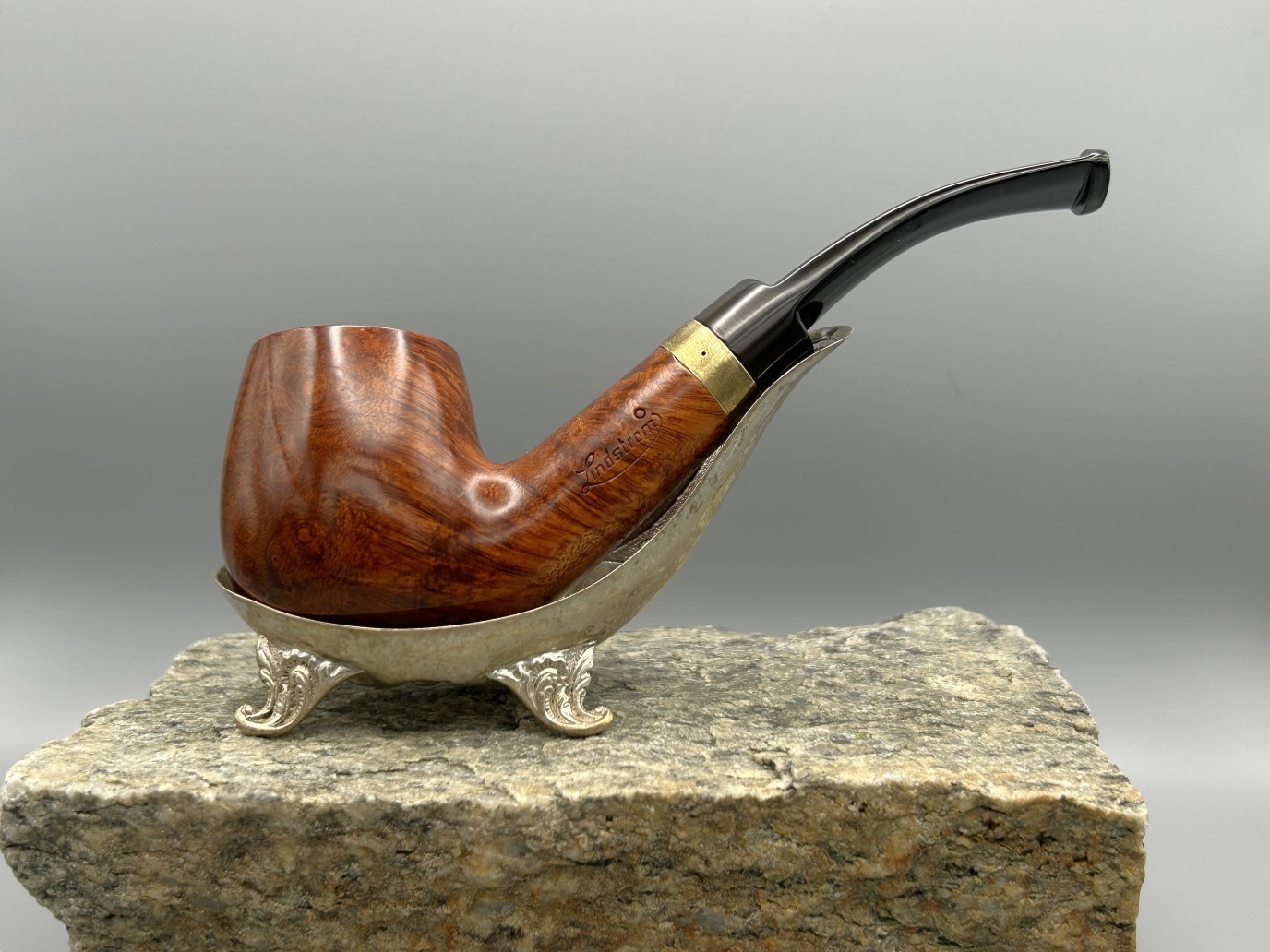
The next pipe was a mess and one that obviously had been “ridden hard and put away wet”. The finish and condition were filthy. It was definitely a stranger to any cleaning! This one is a smooth Billiard that has a rich coloured finish around the bowl sides and shank under the grit and grime of years. This pipe was purchased from an antique mall on 08/31/2024 in Hillsboro, Oregon, USA. The finish is dark and dull, so dirty that it obscures the grain in the finish. It was stamped on the left side of the shank and read SHAMROCK. It was stamped to the right of the shank and reads MADE IN IRELAND (in a circle) with the shape number 105 preceded by what looks like a Maltese Cross. Together they are next to the bowl. It was filthy when Jeff brought it to the table. There was a thick cake in the bowl and lava on the rim top and the inner edge of the bowl. There were nicks in the inner edge all the way around. The polished nickel band was stamped with a Shamrock [over] three faux hallmarks – a shamrock, an Irish Wolfhound and a tower with a door. The vulcanite stem was oxidized, calcified and had tooth marks and chatter on the top and underside ahead of the button. Jeff took photos of the pipe before his cleanup work.
Jeff took photos of the rim top and stem to show the general condition of the pipe. The bowl is heavily caked so it is hard to know the condition of the edges under the lava overflow. The stem was oxidized, calcified and had tooth marks on the top and underside. Jeff took photos of the bowl sides and heel to show the grain that was around this bowl. You can see the mix of grain and the small sandpits in the finish in the photos below. Even so, it is a nice looking pipe. He took a photo of the sides of the shank to show the stamping. The stamping is clear and readable as noted above. He also captured the stamping on the polished nickel band on the shank. It is also very clear. I always try to research the brand and the stamping on a pipe so I can better understand its background and history before I start my work on it. The stamping on this pipe have a rich history that I wanted to understand. I am including the link to the Pipedia’s article on Peterson pipes. It is a great read in terms of the history of the brand (https://pipedia.org/wiki/Peterson).

I turned to “The Peterson Pipe” by Mark Irwin and Gary Malmberg to get some background on the Peterson’s Shamrock Pipe. On page 312 it had the following information.

Shamrock (c1941-2009) Originally stamped SHAMROCK with no brand name, an inexpensive line first described in George Yale (New York) mail order booklet in 1941, imported by Rogers Import. The line was actively promoted beginning in ’45, aggressively promoted in US by Rogers from early ‘50s when they registered the Shamrock logo with US Patent Office, claiming propriety since ’38. Over the years offered with P-lip or fishtail mouthpiece, with or without nickel band, with or without Shamrock logo on the band, with or without S stamped in white or later in gold on mouthpiece. Appearing in 2008 as unstained smooth and rustic, fishtail mouthpiece with gold impressed P on the stem. COMS of MADE IN over IRELAND (C1945-1965), MADE IN IRELAND forming a circle (c1945-1965), “A PETERSON’S PRODUCT” over MADE IN IRELAND (c1945-1965), MADE IN THE over REPUBLIC over OF IRELAND9c1948-1998). Model is always difficult or impossible to date.

Judging from the description above, the pipe I am working on is stamped with the stamp noted in red above. Made in Ireland in a circle which narrows the date to between approximately 1945-1965. It is just stamped SHAMROCK with no brand name and no stamping on the stem.

From there I turned to page 302 in the above book to unpack the stamping on the nickel band on the shank. There was a listing on the nickel mounted markings such as those used on the band on the shank of this pipe. I quote:

Nickel-Mount Markings. Often called faux hallmarks or faux marks by Peterson collectors, this set of three little images of a shamrock, an Irish wolfhound and a round tower appear within rectangular shapes as decorations on nickel mountings. Very early nickel mounts (1891-c. 1920) had no such decorations, only the same stamps used on sterling but without the hallmarks. As a stamp, the set of decorations began to appear at the beginning of the Irish Free State era, sometimes alone but often under K&P and over block lettered PETERSON over DUBLIN, although the  three emblems appeared on K&P’s Irish Carving Shamrocks pipes since 1896. The stamp was used until about 1963, when hand soldered nickel bands and ferrules were replaced by pressed ferrules and premade bands…The shamrock is the emblem of Ireland; the Irish wolfhound has long been used for both hunting and protection, and is an emblem of strength; the round tower a symbol of Ireland’s early religious power. These decorations were stamped at the factory on non-sterling mounts only, and the assay office has nothing to do with them…

I have also included the following photo of the stamping on the nickel band below. It is as described above.That still not cover the Maltese Cross on the right side of the shank ahead of the shape number 105. I have seen these before but I wanted to document what I had found on Peterson’s Pipe Notes blog. I have included that below (https://petersonpipenotes.org/276-kps-pipes-for-the-illuminati-na-heireann/). I quote:

Two of the foremost researchers among the P.G. (Peterson Geeks) Irregulars are Lance Dahl and Scott Forrest, who independent of one another came up with compelling evidence regarding an unknown stamp on a number of pipes in their collections. The stamp looks like a Maltese cross and appears either singly or doubled on pipes from the Patent era through the Éire and Early Republic. Because pipemen can sometimes be quite dogmatic about what they read in a forum or imagine the case to be (“don’t confuse me with the facts, my minds made up”), I should let everyone know that Scott’s background is in historical research and Lance worked in government intelligence before his retirement, giving them that “Thinking Man” spirit we routinely find in our fellow CPGs…

SCOTT: It’s crazy to speculate on the such scanty information, but since that’s what pipe smokers do almost every day regarding the origin of their pipes, here’s my take. This wasn’t an auxiliary of the Irish republicans. The Maltese cross is always thought of first as a symbol of protection, although to be sure numerous religio-political military organizations attached themselves to its use (like the Order of St. John, but there’s dozens of them). I say that because of what we know Charles Peterson’s own political views. But his cousin Conrad wasn’t adverse to using violence to bring about political change and neither was his own wife, right? So who knows? But it’s interesting that the Maltese cross pops up in these “Peace” advertisements in the 1910s, isn’t it?

LANCE: I think I’d have to agree with Scott’s theory, based on the text at St. Patrick’s. The motives and purpose of the group seem outside the normal purview of the Irish republicans. While the book is about anti-Papal groups, but the two paragraphs on this group don’t say they were anti-Catholic per se so much as suggest they should be considered anti-Catholic because they were motivated by some kind of tolerance or pacificism like we find in the Mennonites of Ukraine, the Moravians, Quakers, Molokons or whoever. But the use of the Maltese crosses (three), the all-seeing Eye and the shamrock is interesting, isn’t it? Obviously the “watching” thing is there, the idea of enlightenment or secret understanding. Then there’s the symbol of Ireland, which is also a symbol of the Trinity used in the St. Patrick legend. The last line of the text from the seminary reads Hic coetus doctrinam suam non a Patriciis, sed a Sanctis Celticis habere videtur, something like “the society takes its spiritual doctrine not from Patrick but the Celtic saints before him.” So I don’t know, at least not until something more turns up.

The blog also includes a lot more information on the Maltese Cross or Crosses on Peterson’s Pipes. Give it a read as it very interesting. Now it was time to work on the pipe.

I was utterly surprised when I took this pipe out of the box and compared it to the before photos. Jeff had done a great job cleaning up the pipe as usual. He reamed the pipe with a PipNet reamer and cut back the cake back to the bare briar. He cleaned up the walls with a Savinelli Fitsall Pipe Knife. Surprisingly the walls looked unscathed from the heavy cake. He scrubbed the interior of the bowl and shank with pipe cleaners, cotton swabs, shank brushes and alcohol to remove the tars and oils. He scrubbed the exterior of the pipe with Murphy’s Oil Soap and a tooth brush to remove the grime from the finish. He worked on the rim top lava and darkening with the soap and tooth brush. He scrubbed the inside of the stem with alcohol and pipe cleaners. He scrubbed the exterior of the stem with Soft Scrub and then soaked it in Briarville’s Deoxidizer. He washed it off with warm water to remove the Deoxidizer. The pipe looked far better when it arrived. The cleaned up rim top revealed very damaged inner edge and the top. There were nicks in the surface of the rim and the edges. I took some close up photos of the rim top and the stem to show the condition of both. You can see the deep tooth marks and damage to the button edges on both sides.I took photos of the stamping on the sides of the shank. It is faint but still readable. It reads as noted above. I took a photo of the stamping on the shank. It is clear and readable. I removed the stem and took a photo of the pipe to have a look at the parts and overall look. I used a folded piece of 220 grit sandpaper to clean up the inside edge of the bowl and smooth out the damage on the rim top. I gave it a slight bevel to minimize the damage.I sanded the bowl and rim with 320-3500 grit 2×2 inch sanding pads. I wiped the bowl down with a damp cloth after each pad to remove the sanding debris. It began to take on a shine by the final pad. I polished the briar with micromesh sanding pads – dry sanding with 1500-12000 grit sanding pads. I wiped the bowl down with a damp cloth after each sanding pad. The bowl developed a rich shine. I worked some Before & After Restoration Balm into the surface of the briar with my fingertips to clean, enliven and protect the briar. I let the balm sit for 15 minutes and then buffed with a cotton cloth to raise the shine. The photos show the bowl at this point in the restoration process. I set the bowl aside and turned to the stem. I “painted” the stem surface with the flame of a lighter to lift the tooth marks. I was able to lift some of them. I filled in the remaining marks in the surface with extra strength, rubberized CA glue. I set it aside to cure. I sanded the marks smooth with a folded piece of 220 grit sandpaper. I sanded the stem with 320-3500 grit sanding pads to further blend the repairs into the stem. I wiped the stem down after each pad with an Obsidian Oil cloth. It began to look much better.I polished the stem with micromesh sanding pads – wet sanding with 1500-12000 grit sanding pads. I wiped it down after each sanding pad with Obsidian Oil. I polished it with Before & After Pipe Stem Polish – both Fine and Extra Fine. I am excited to finish this Older Made in Ireland Shamrock 105 Maltese Cross Billiard. I put the pipe back together and buffed it with Blue Diamond on the buffing wheel. I gave the bowl and the stem multiple coats of carnauba wax. I hand buffed the pipe with a clean buffing pad to raise the shine. It is fun to see what the polished bowl looks like with beautiful mixed grain all around it, looks great with the new black vulcanite stem. This smooth Classic Shamrock 105 Maltese Cross Billiard is great looking and the pipe feels great in my hand. It is light and well balanced. Have a look at it with the photos below. The dimensions are Length: 5 ½ inches, Height: 1 ¾ inches, Outside diameter of the bowl: 1 ¼ inches, Chamber diameter: ¾ of an inch. The weight of the pipe is 42 grams/1.48 ounces. It turned out to be a beautiful pipe. I will be putting on the rebornpipes store in the Irish Pipe Makers Section. Thanks for walking through the restoration with me. Any questions or observations are always welcome.