Monthly Archives: May 2019

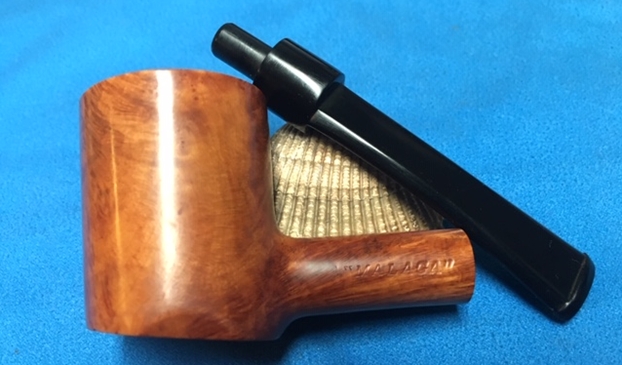
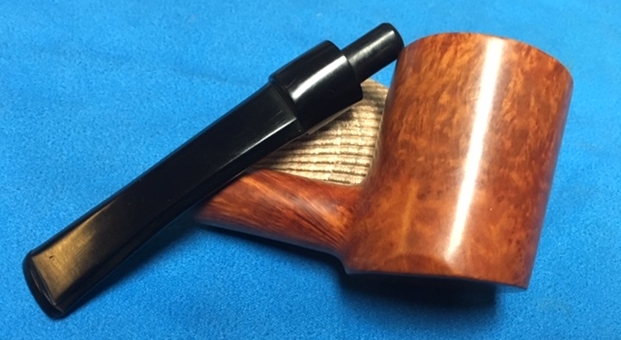
Giving New Life to a “Malaga” Cherrywood Sitter


Blog by Steve Laug

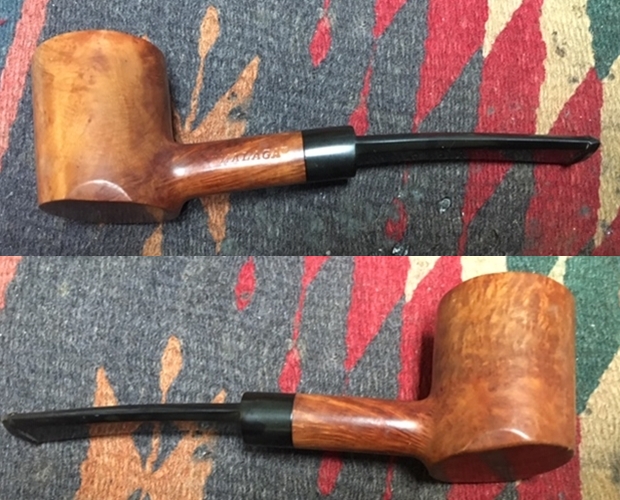
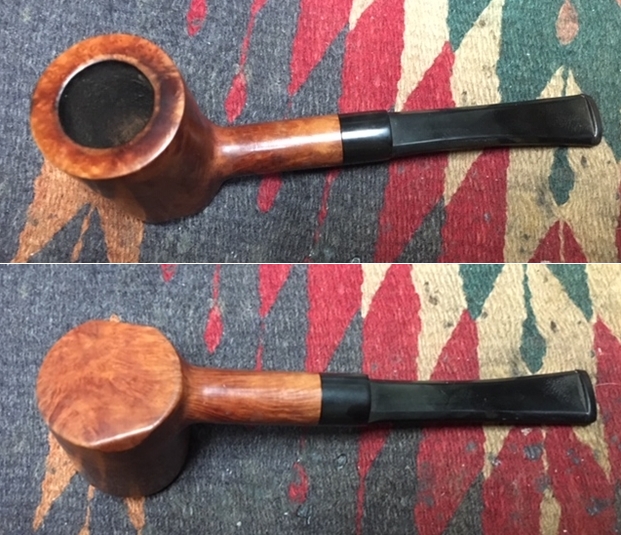
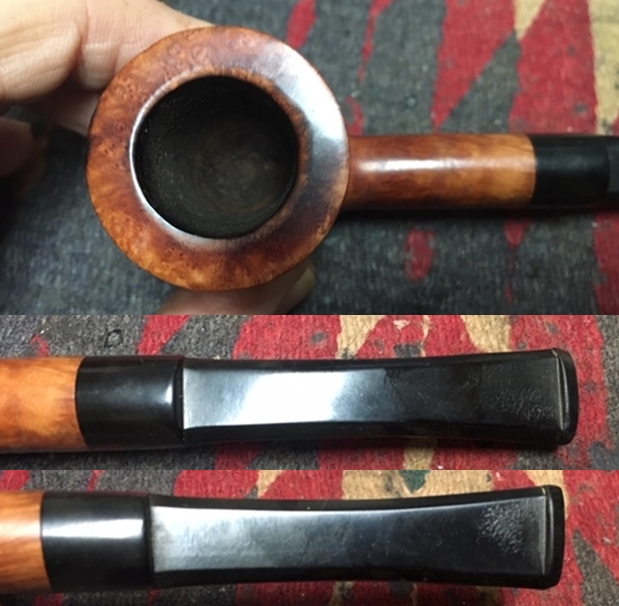
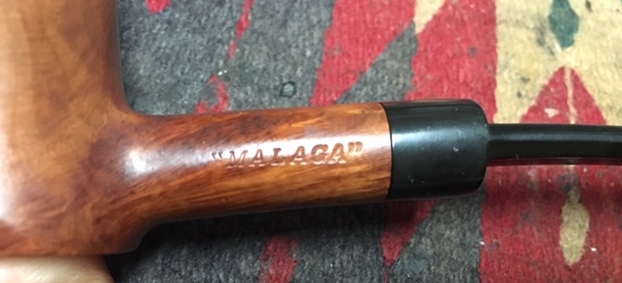
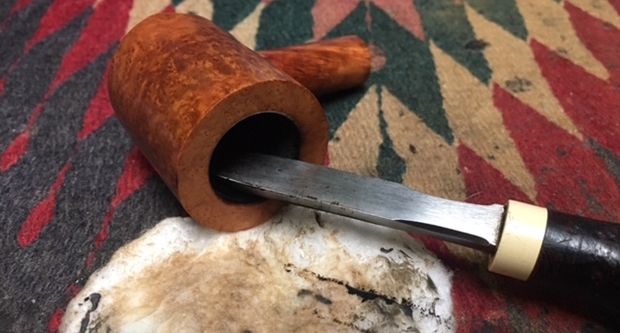
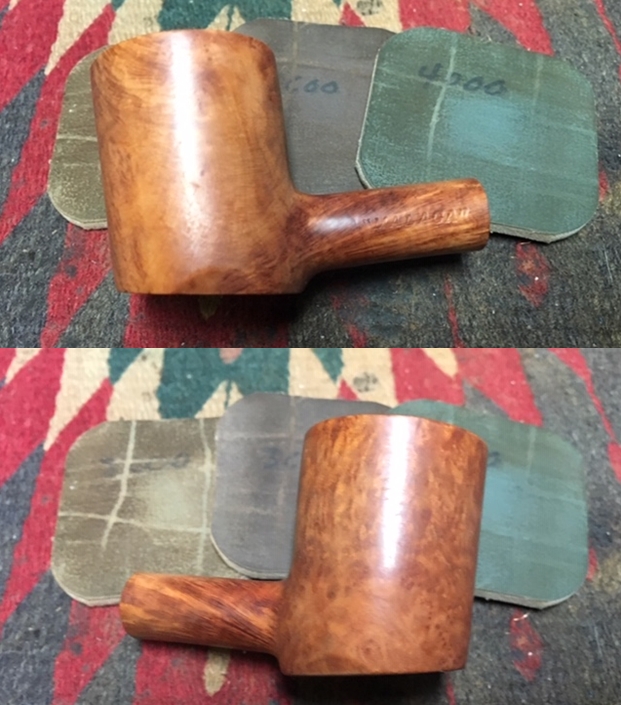
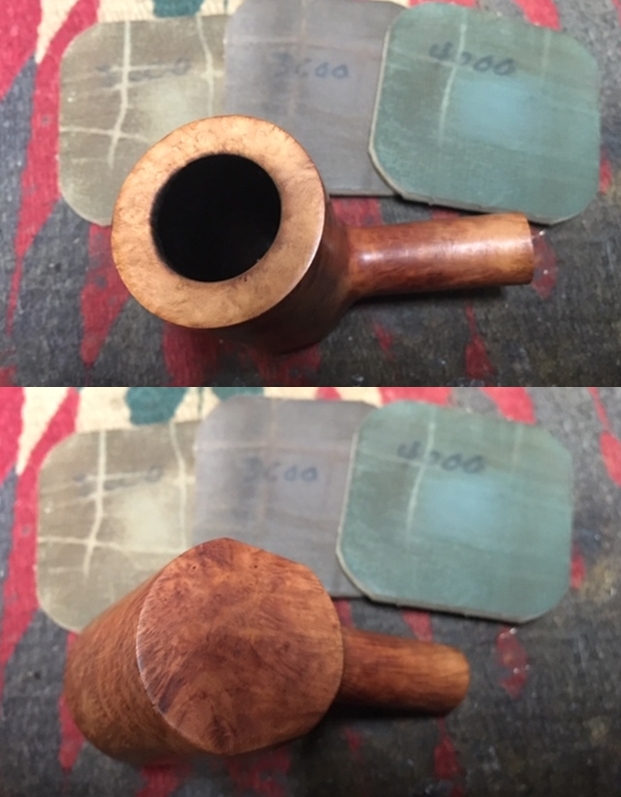
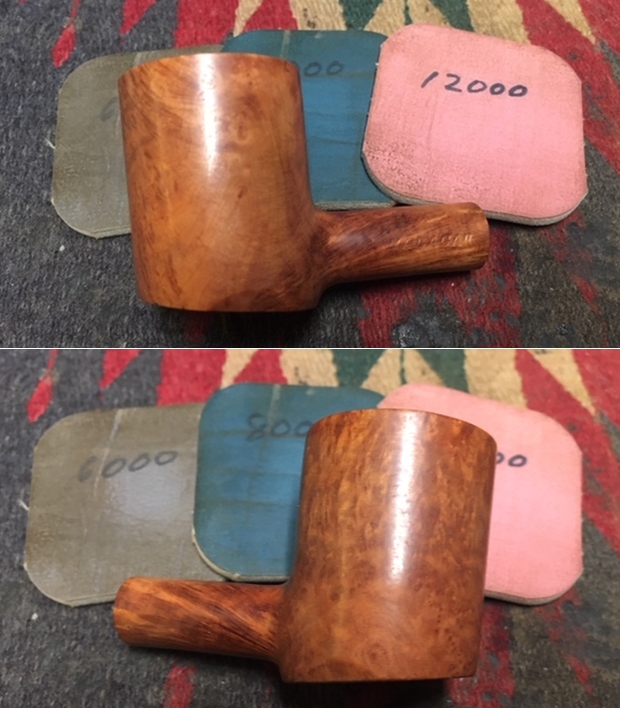
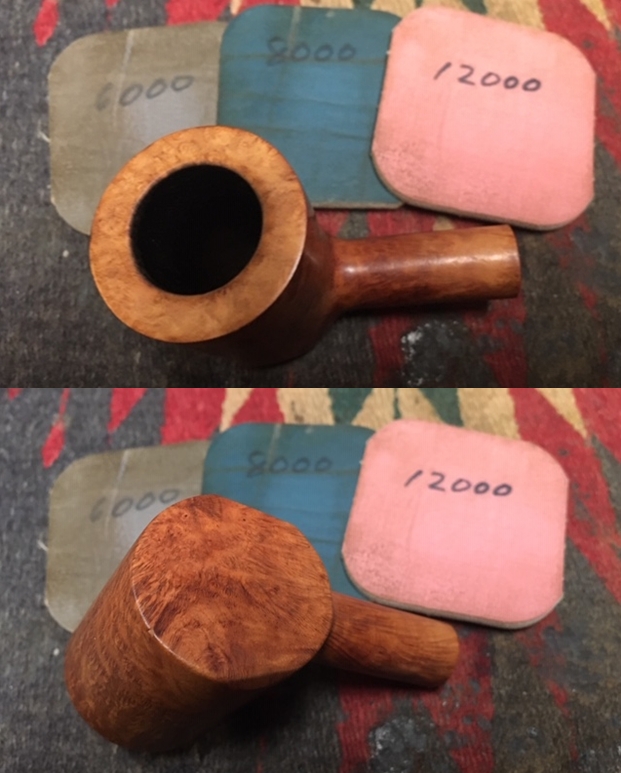
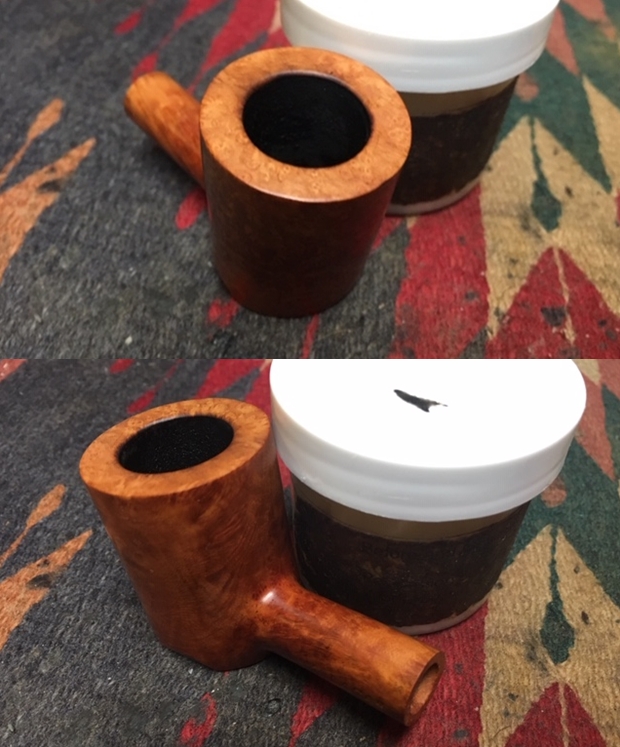
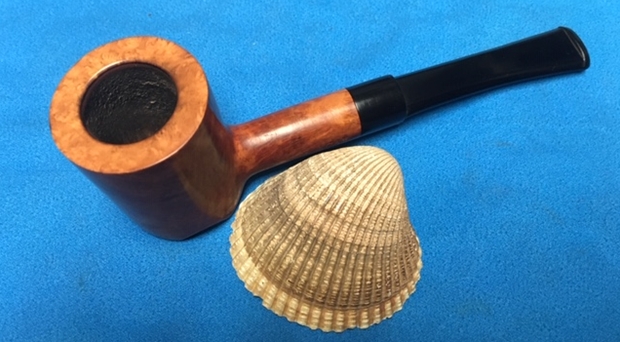
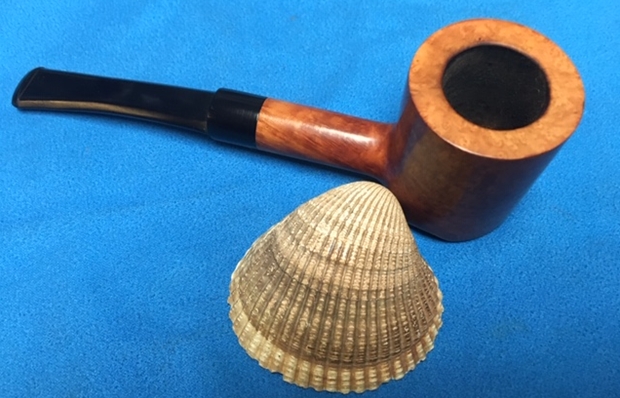
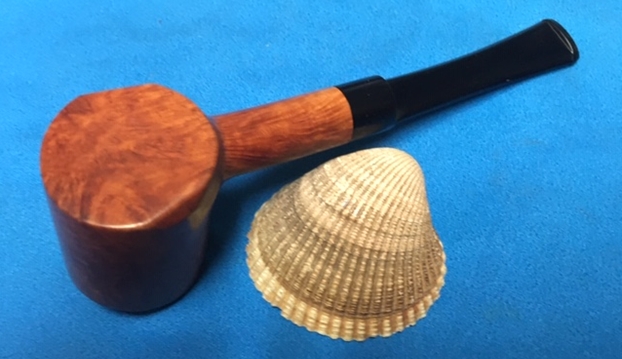
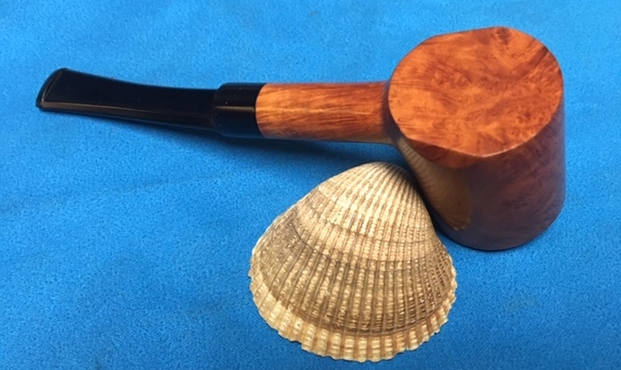
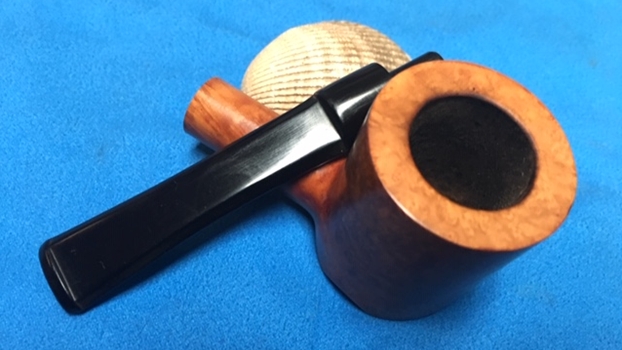
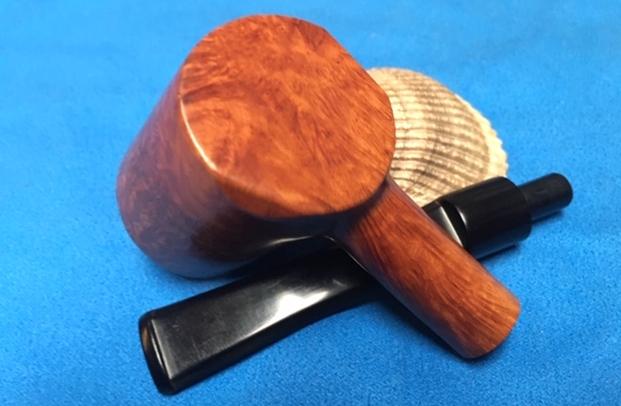
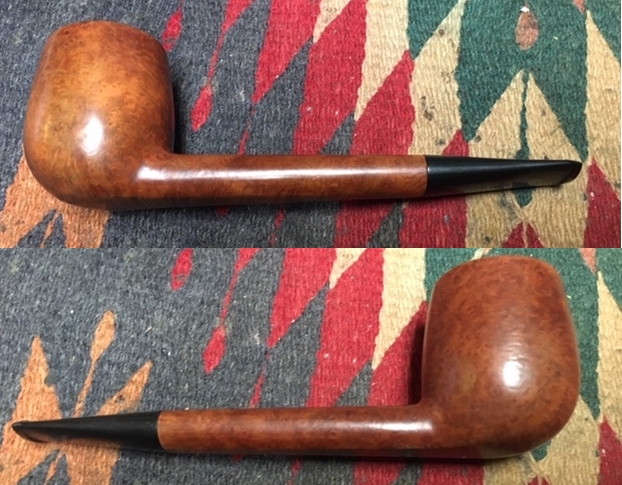
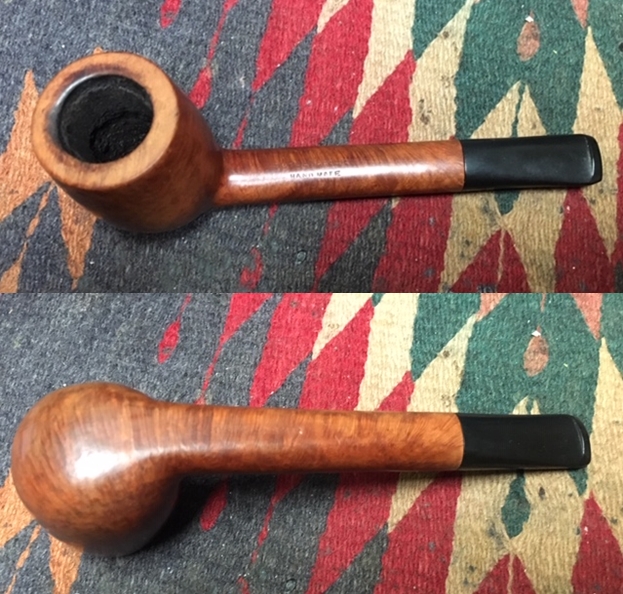
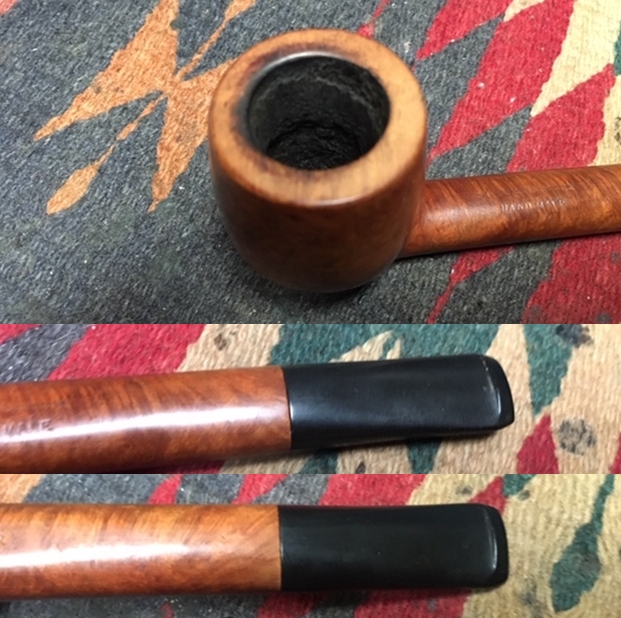
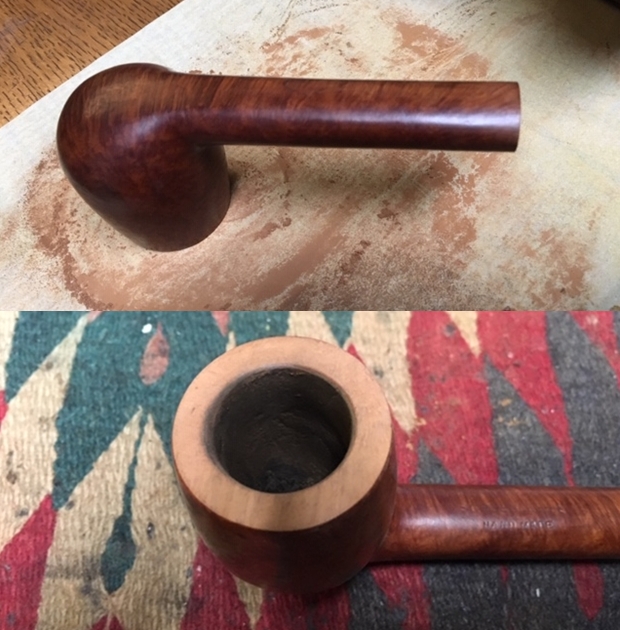
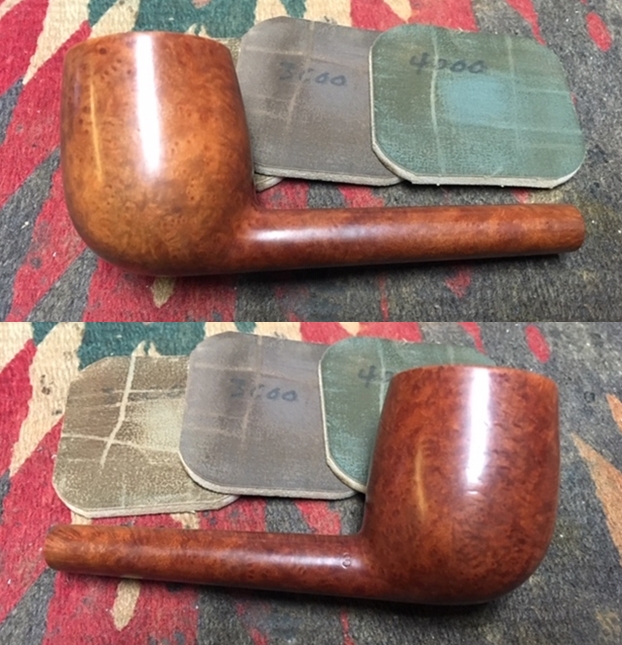
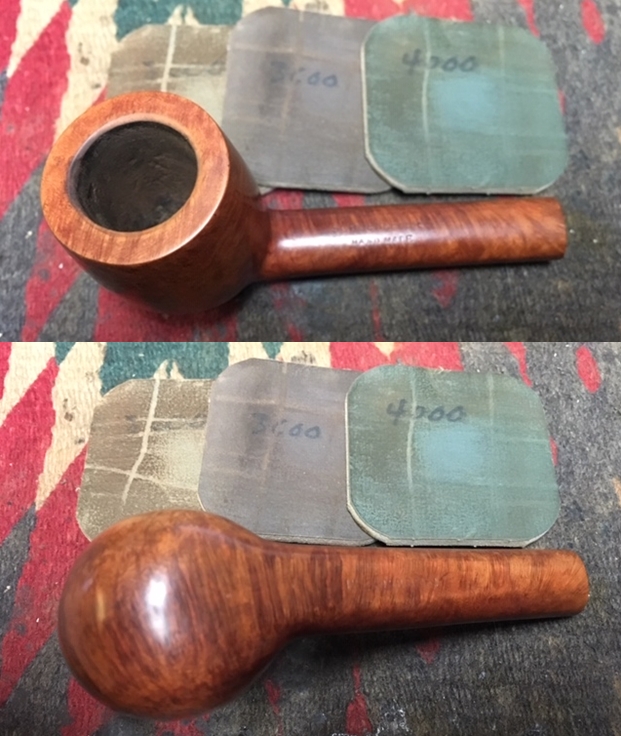
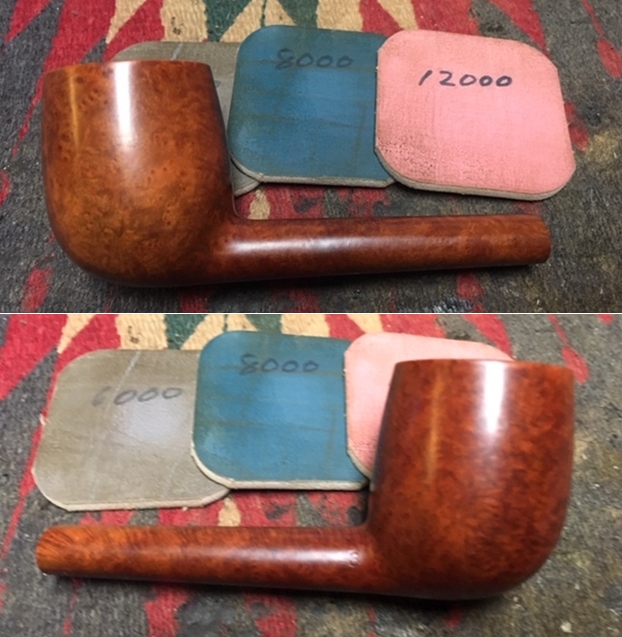
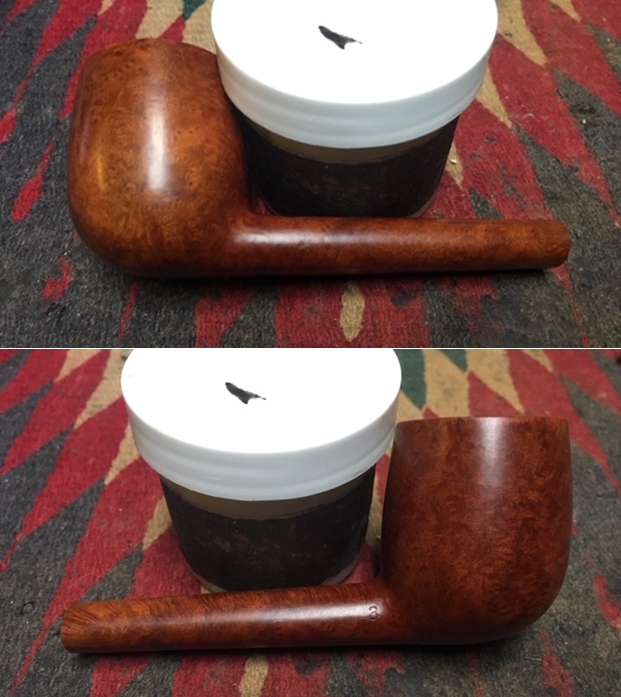
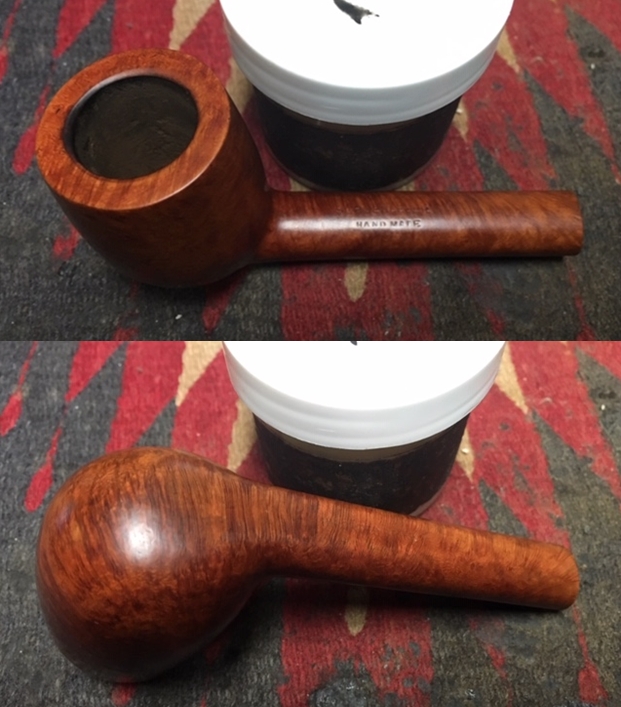
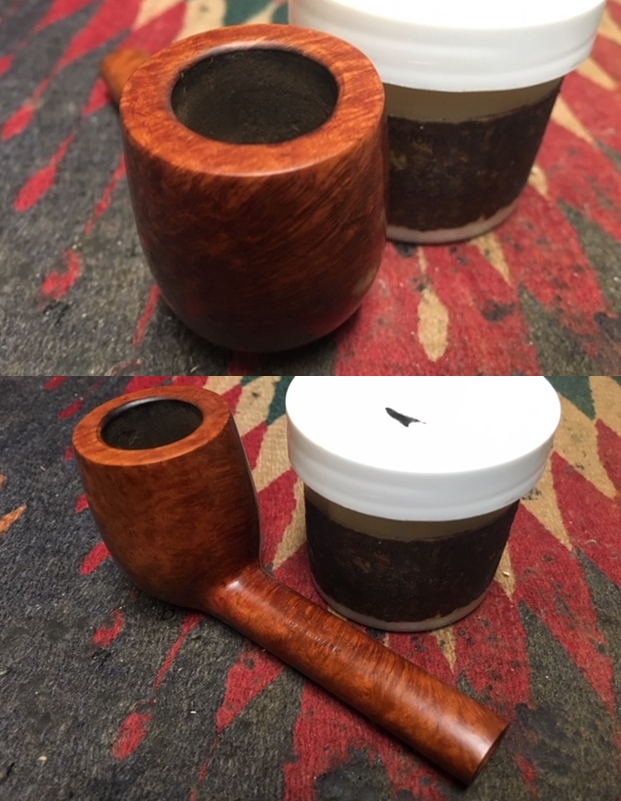
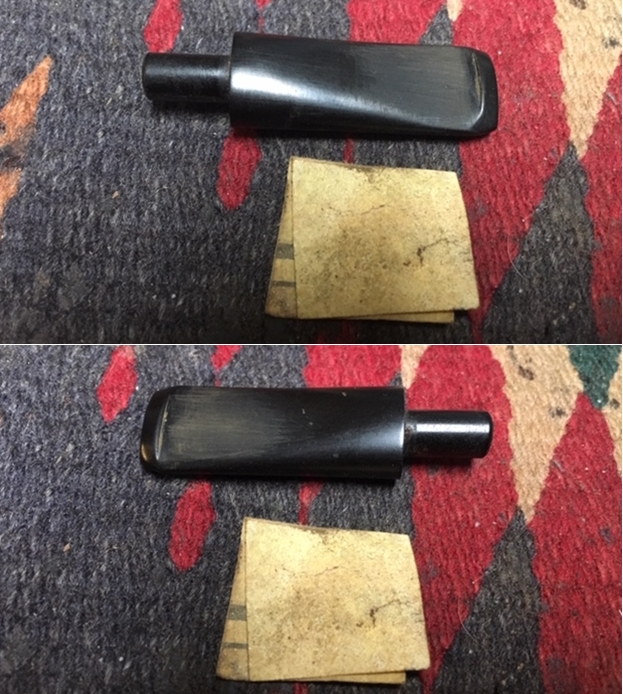
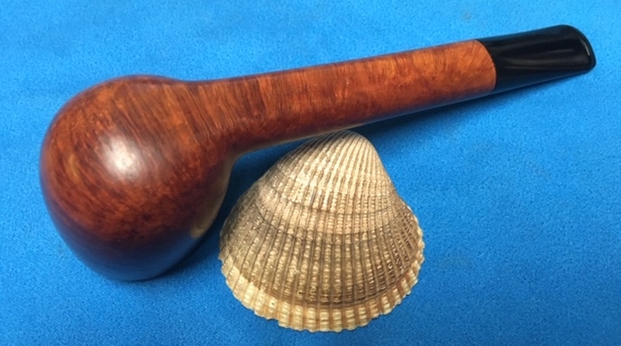
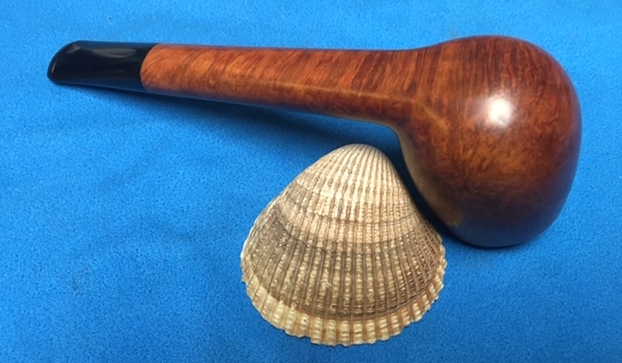
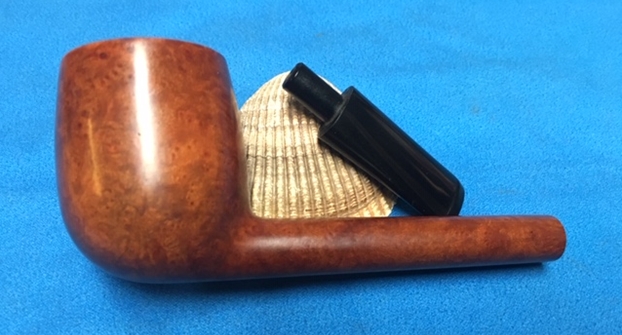
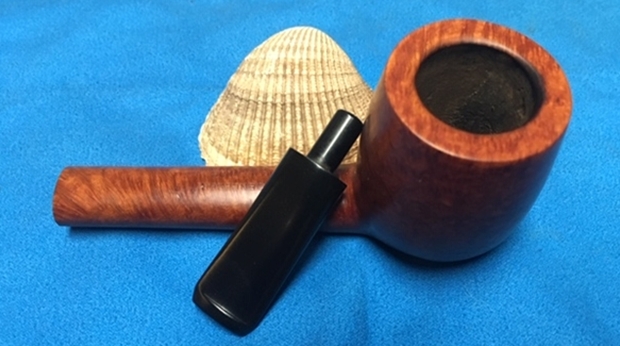
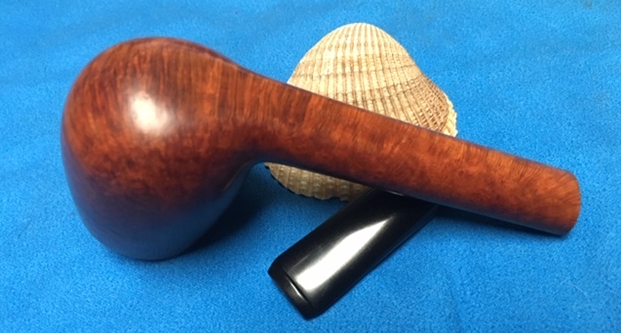
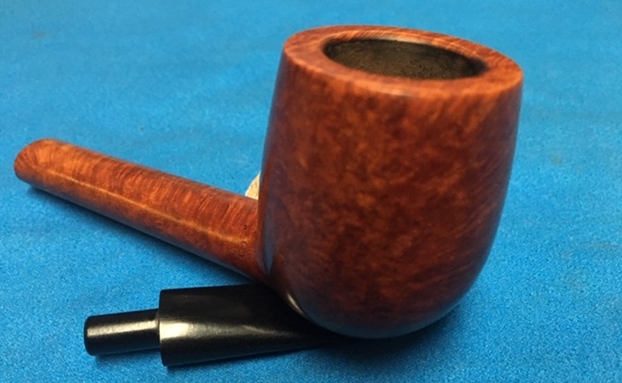
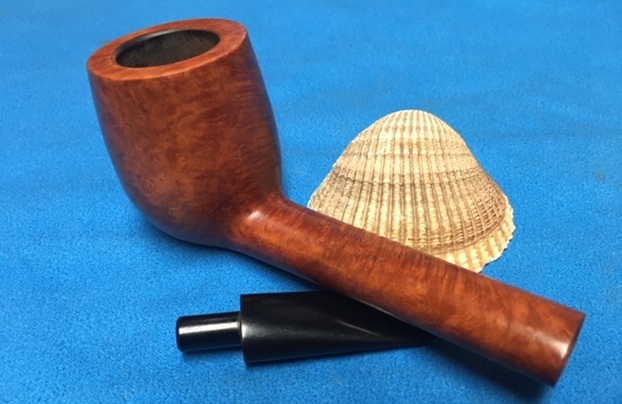
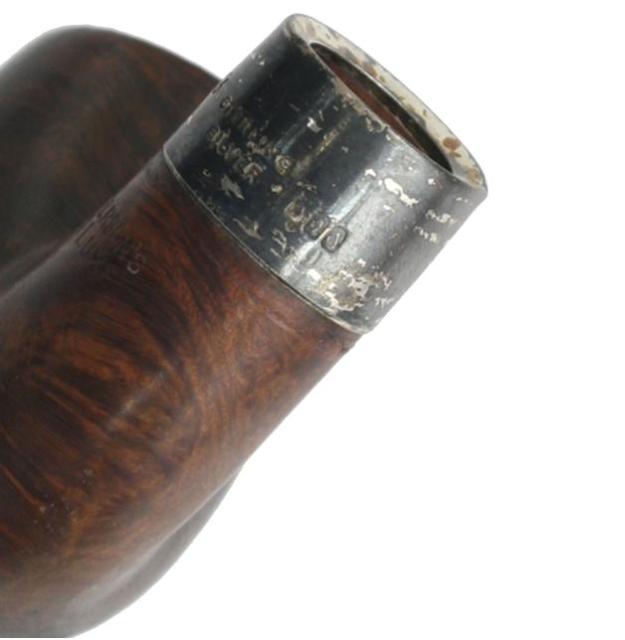
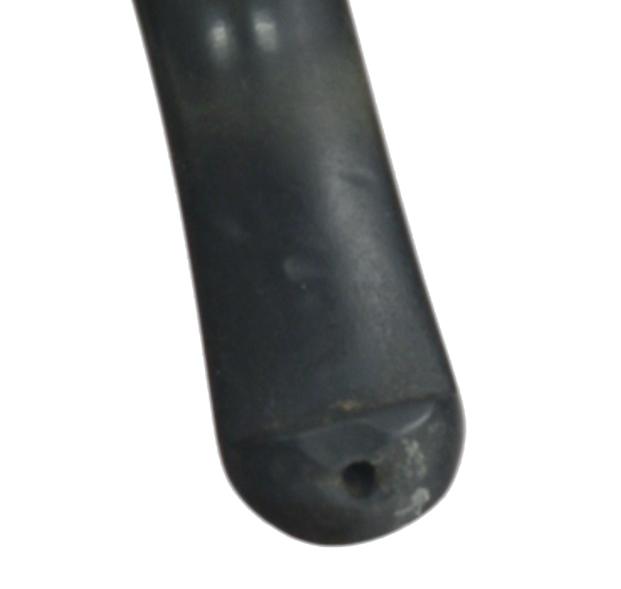
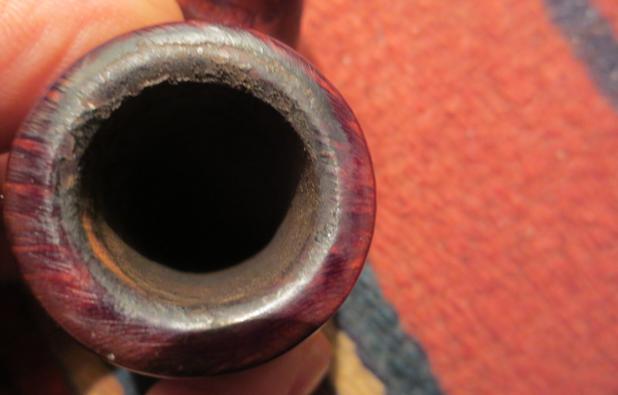
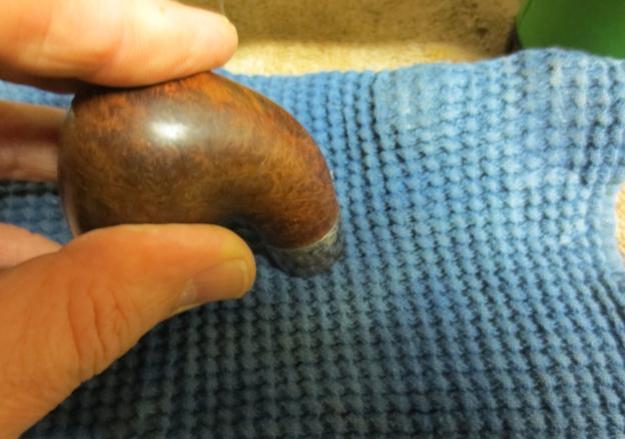
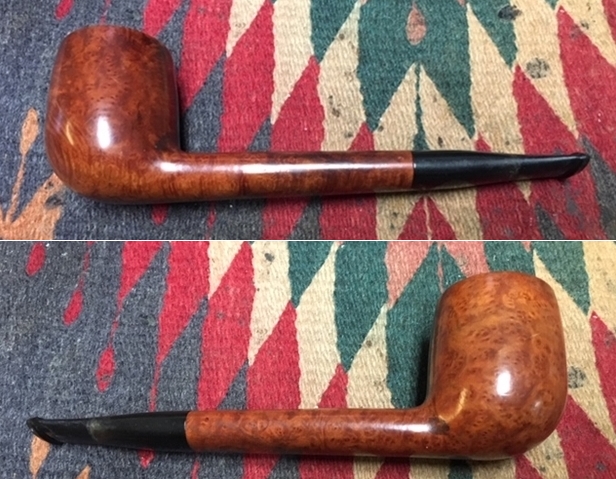
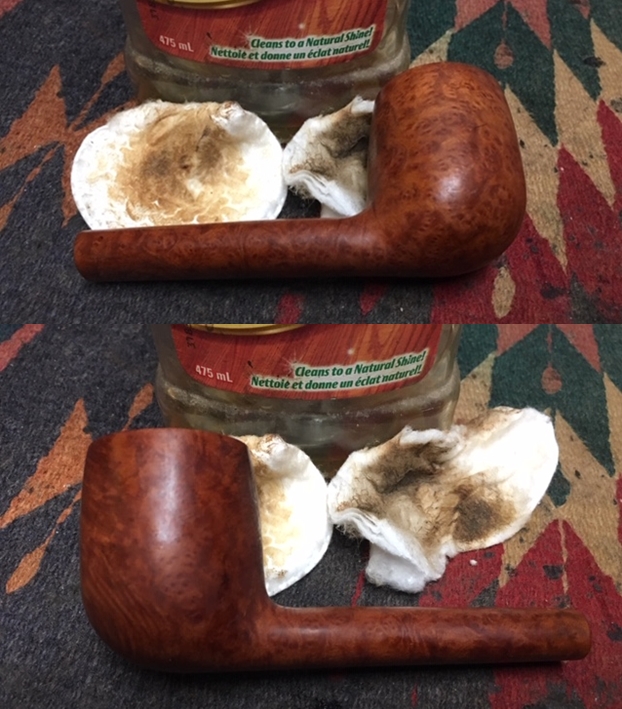
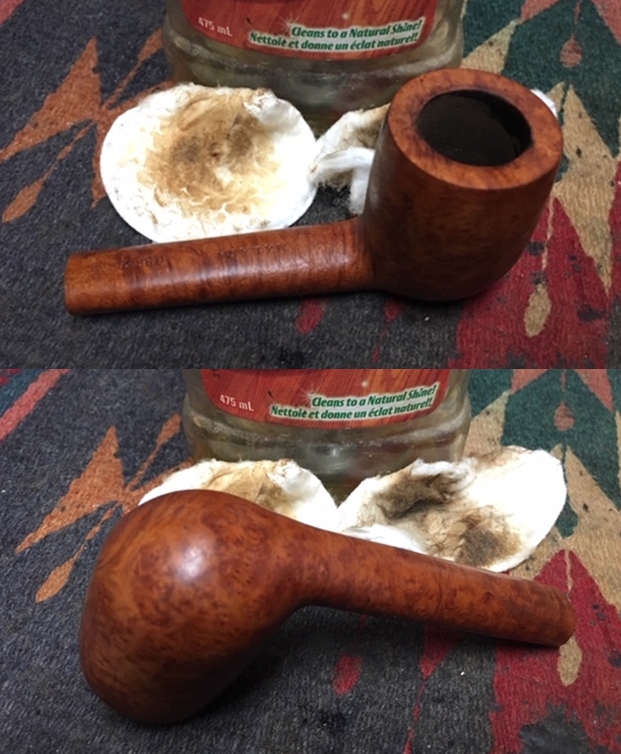
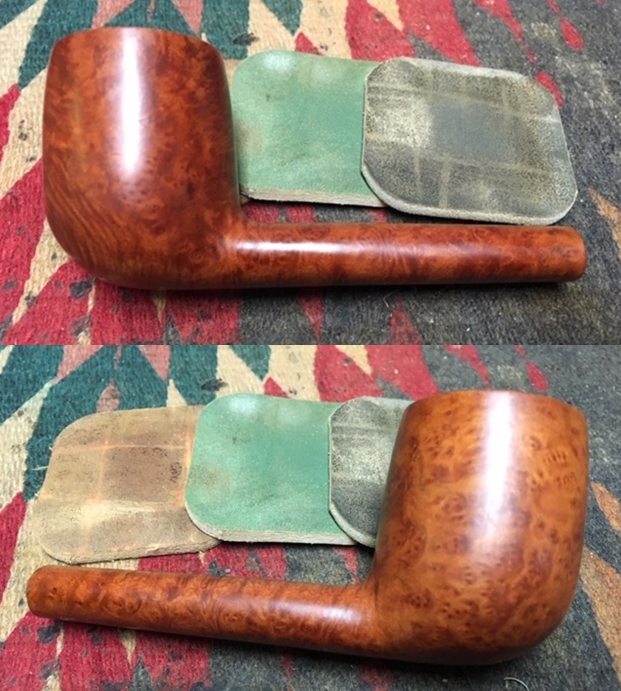
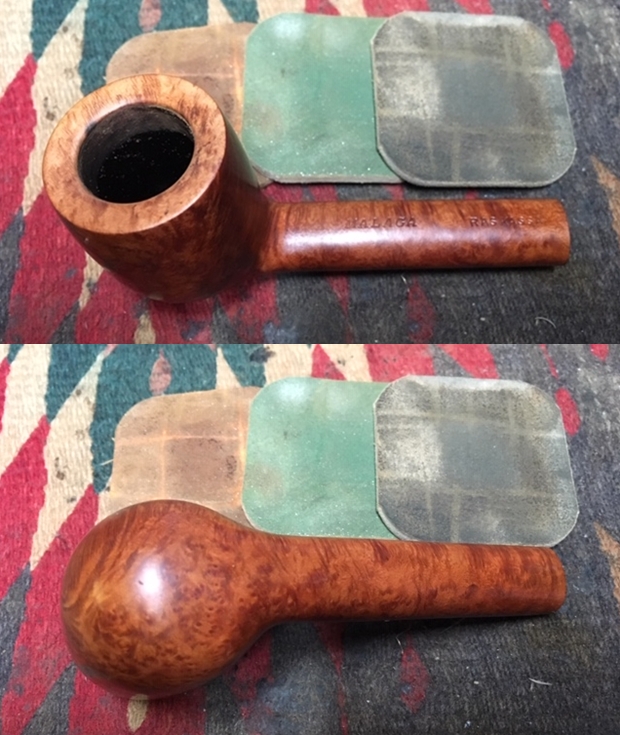
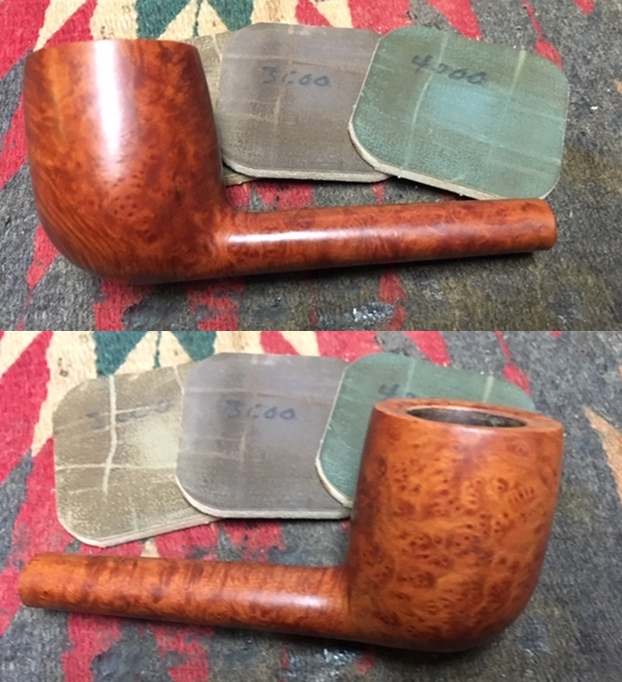
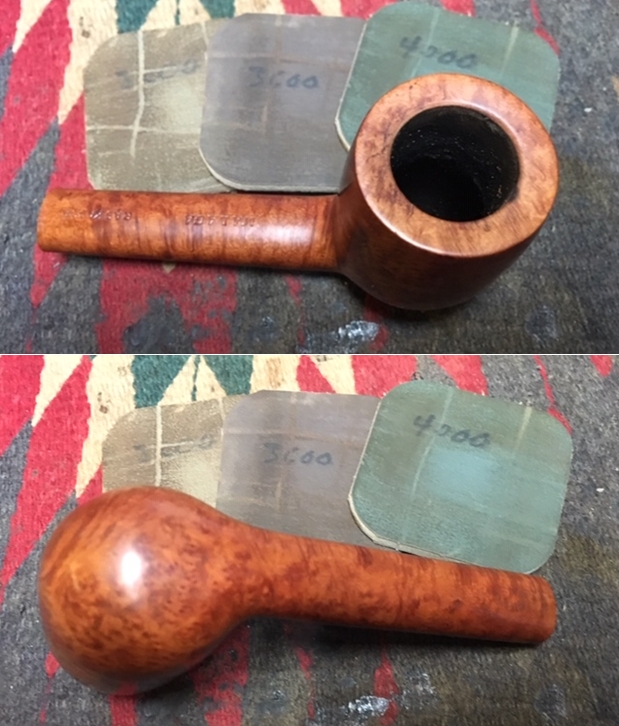
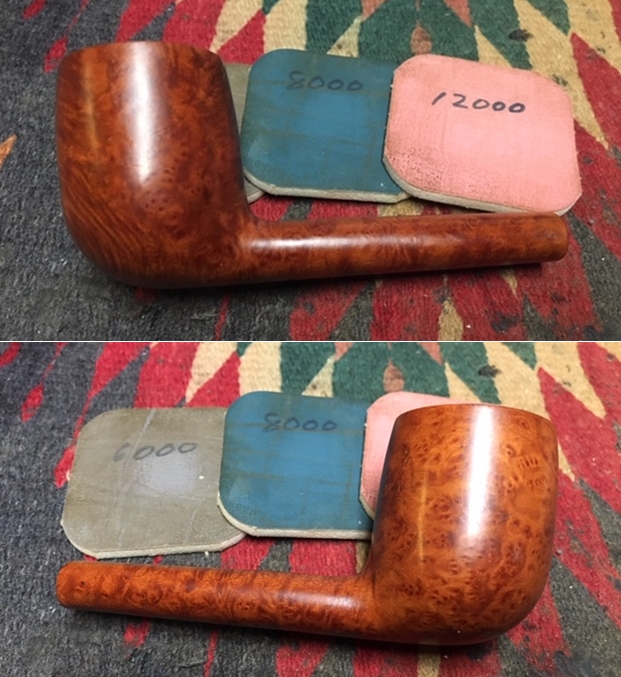
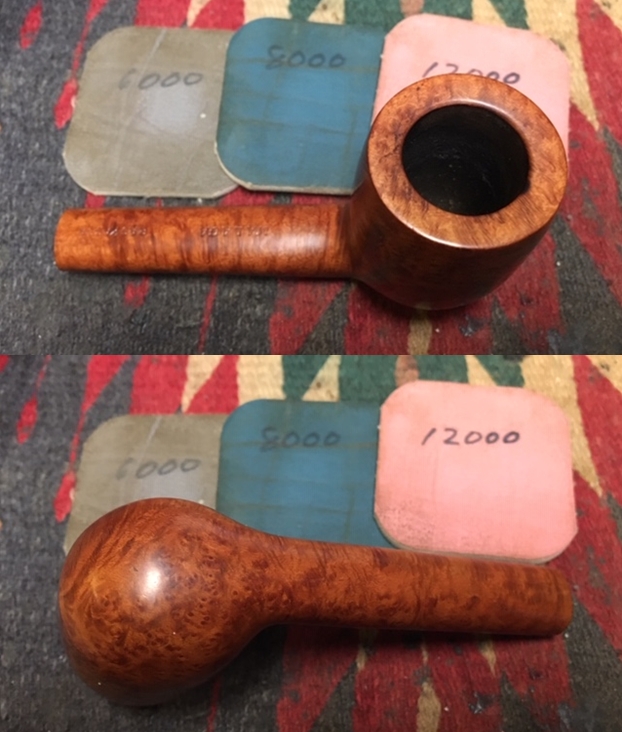
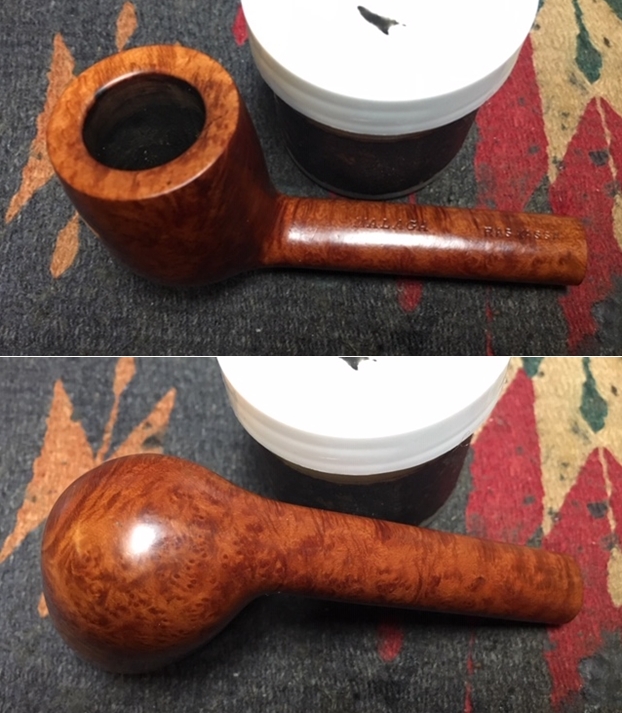
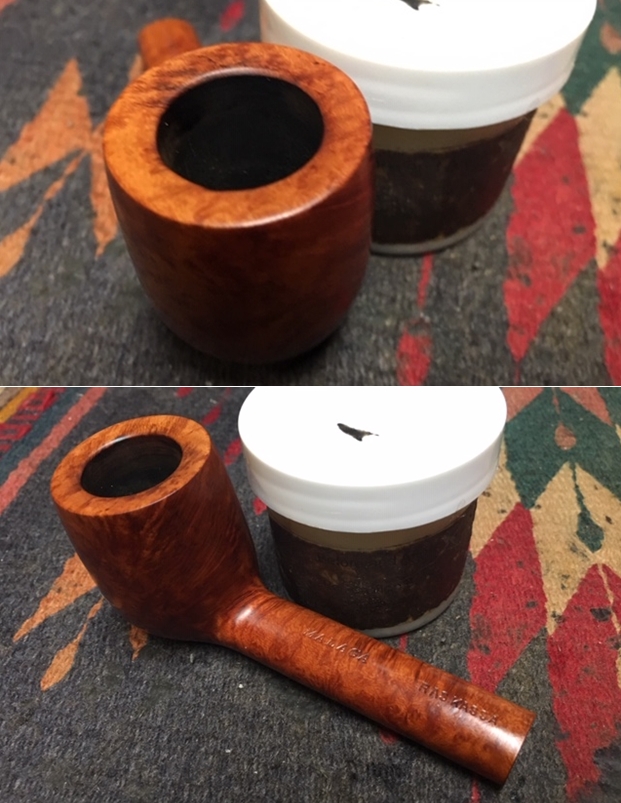
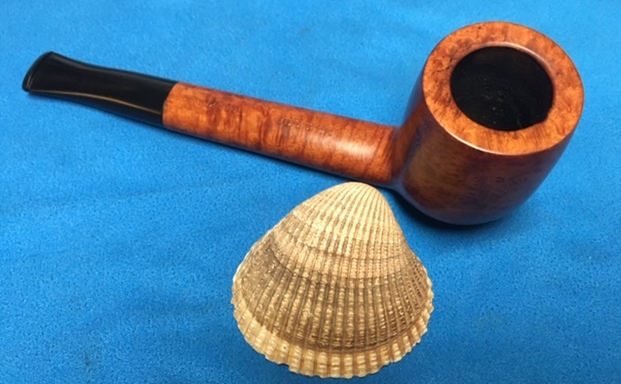
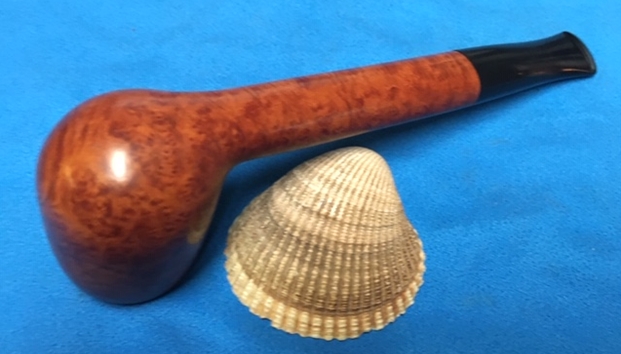
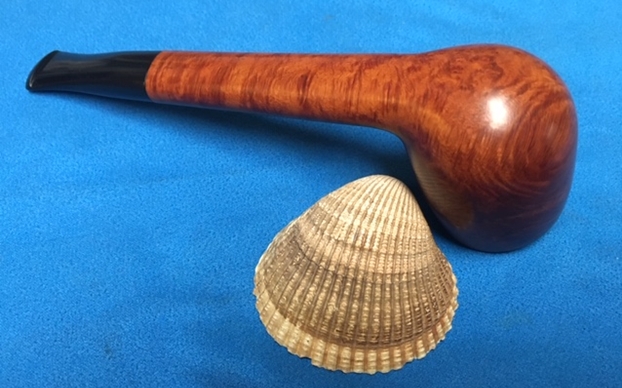
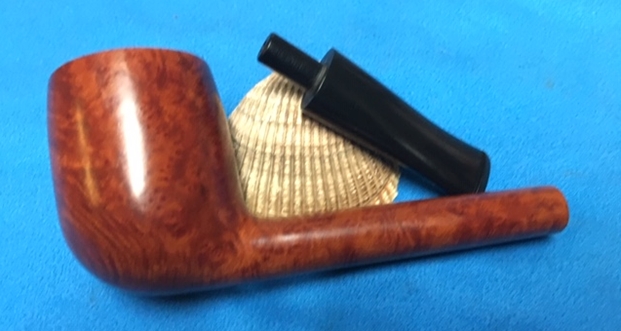
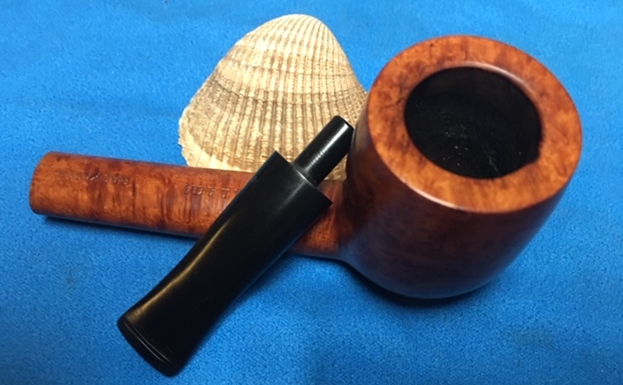
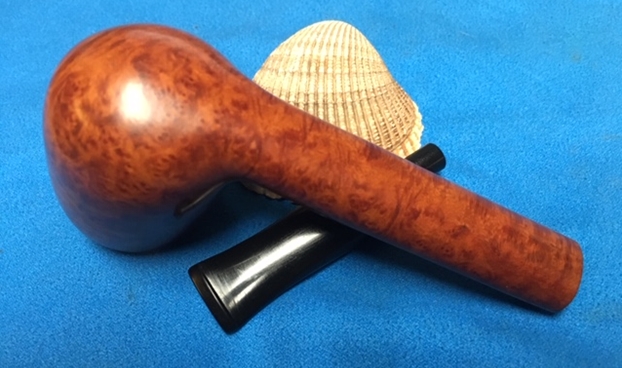
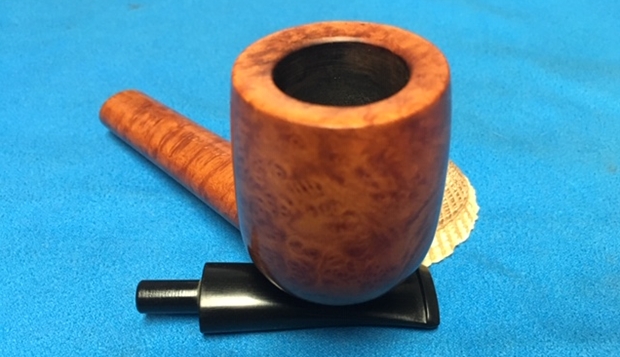
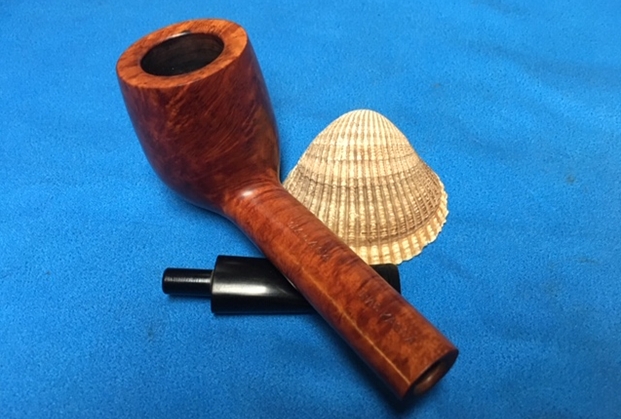
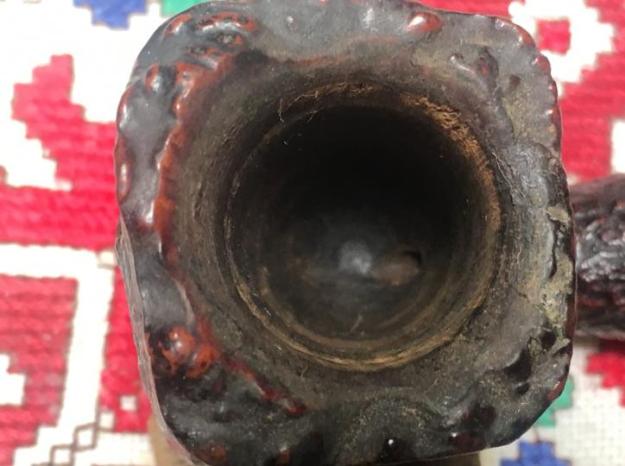
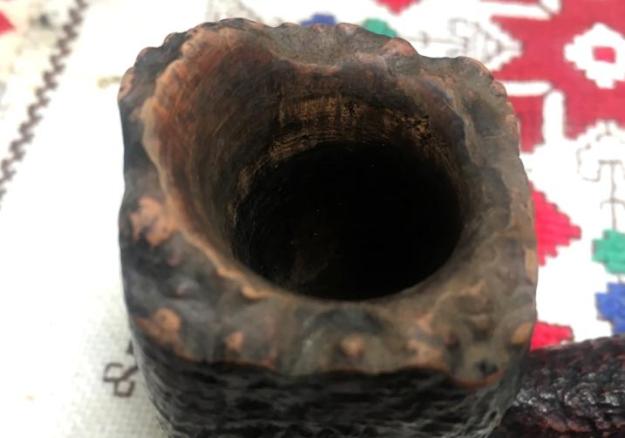
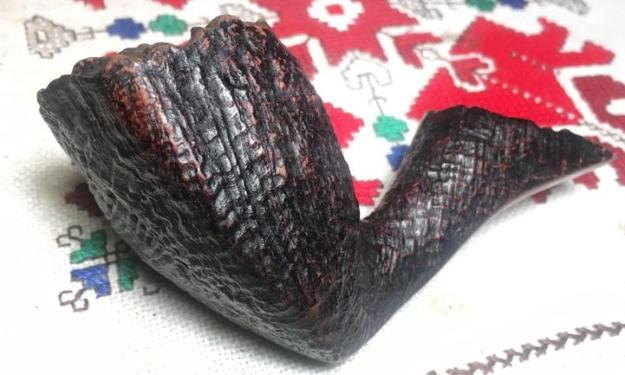
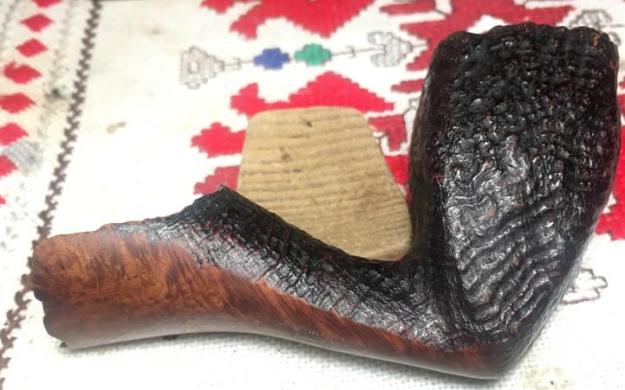
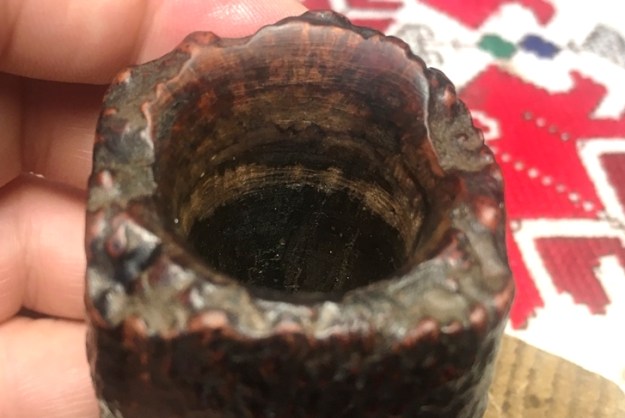
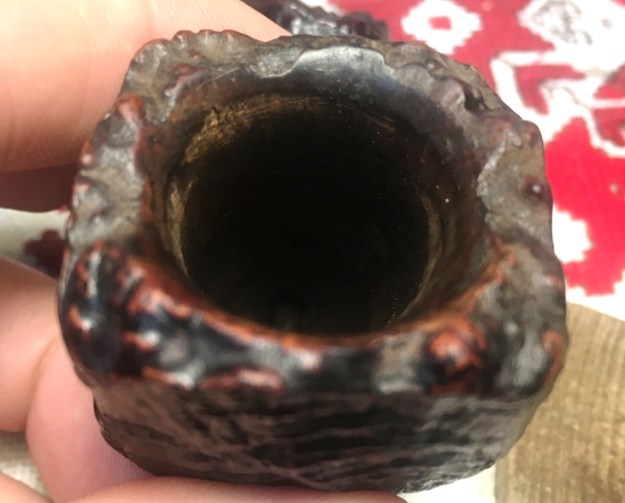
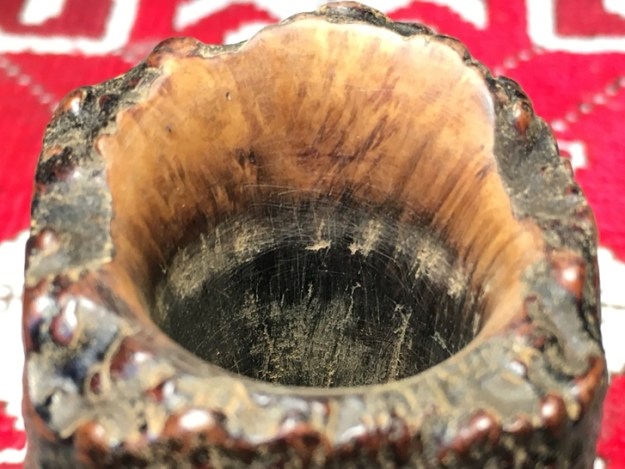
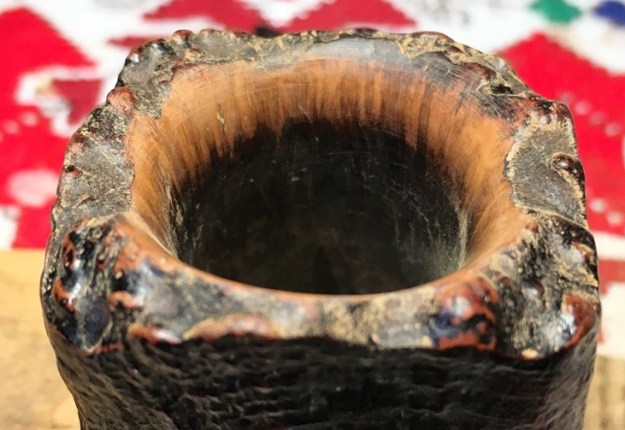
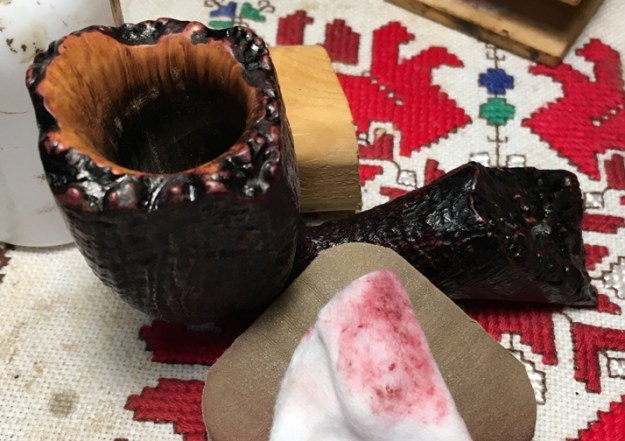
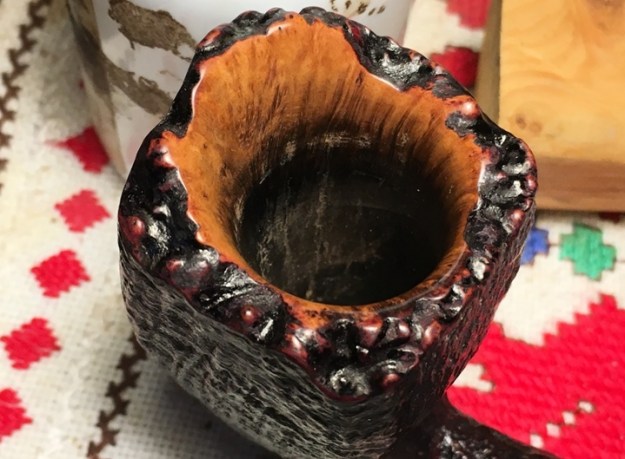
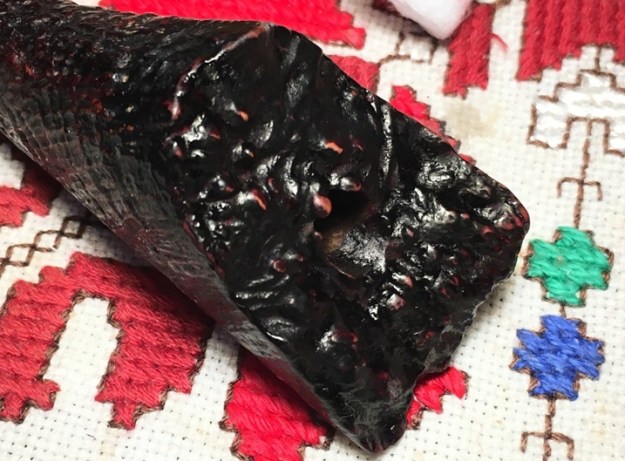
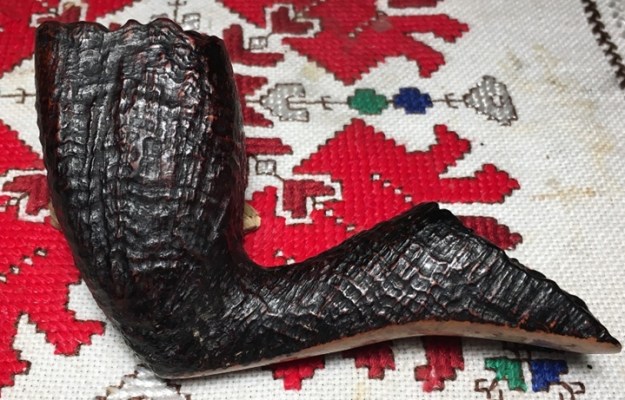
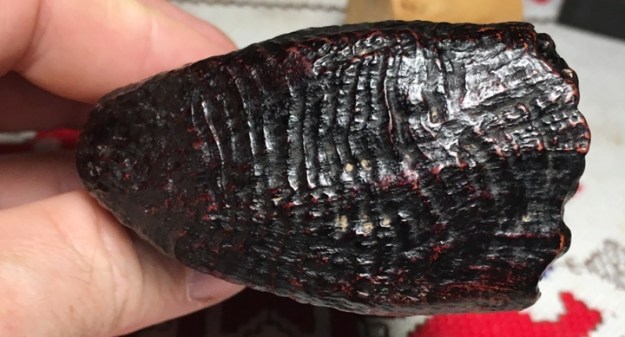
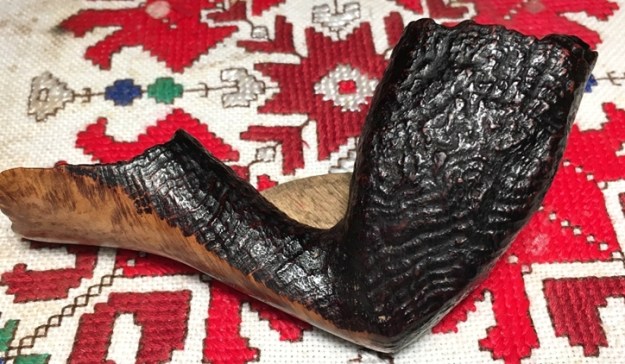
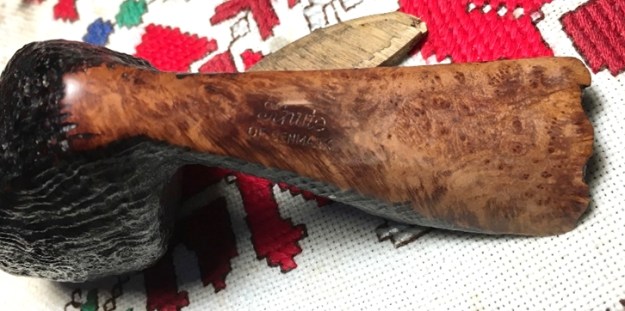
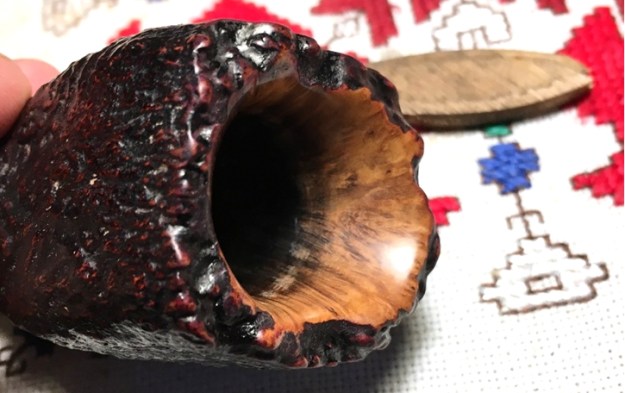
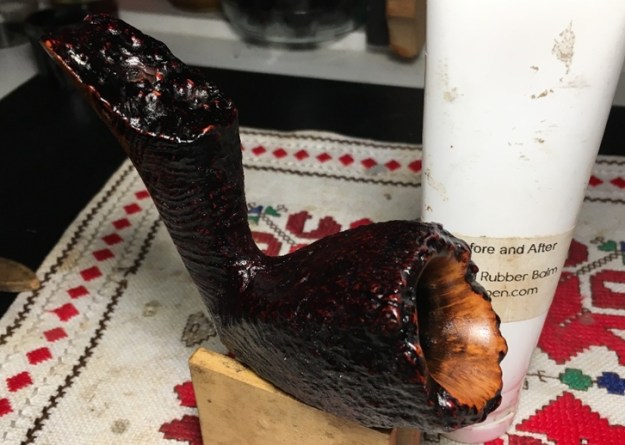
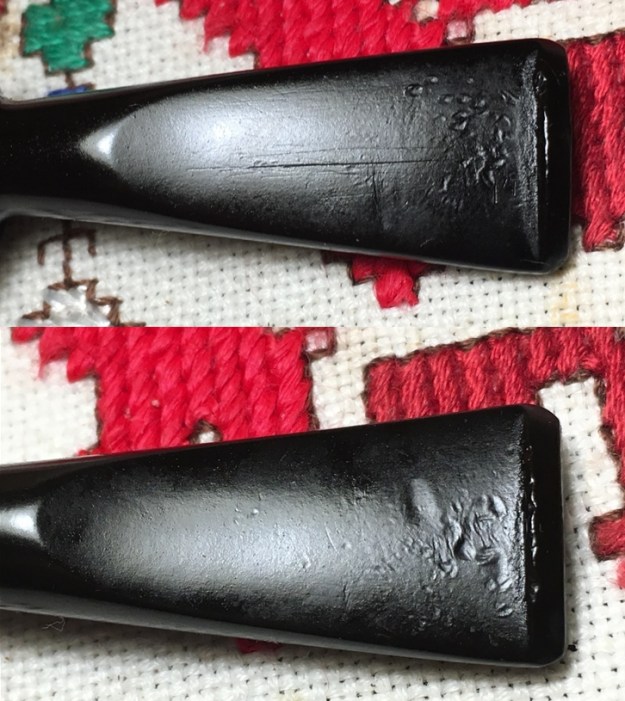
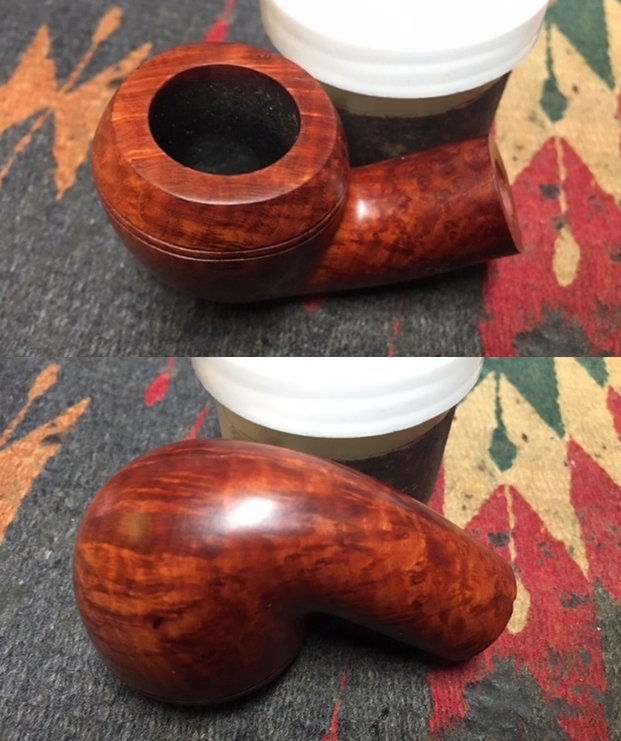
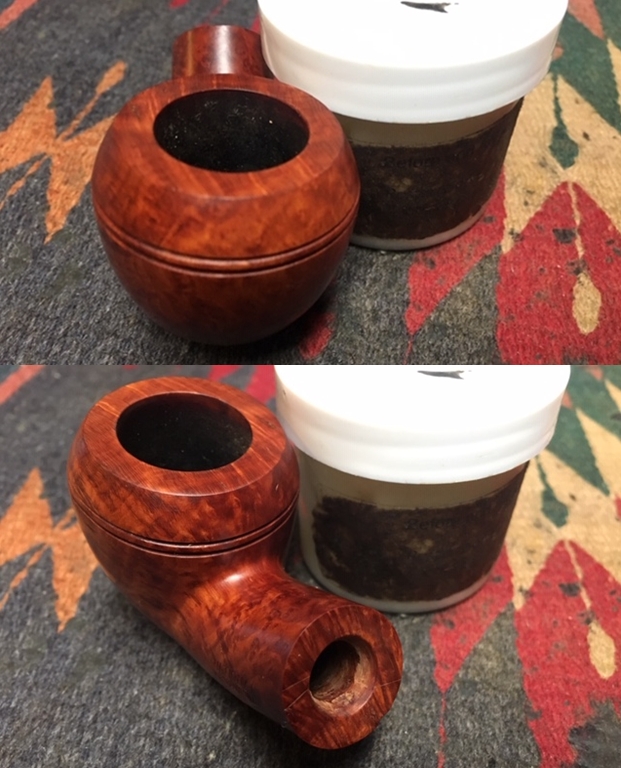
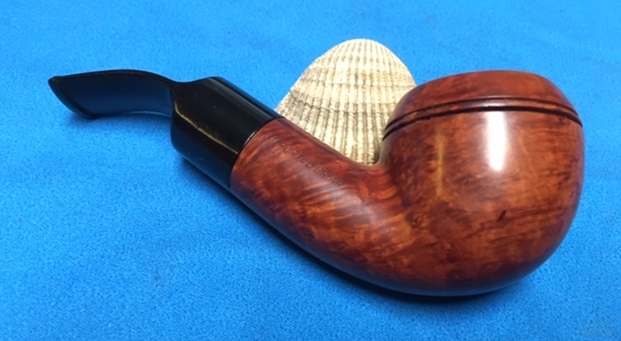
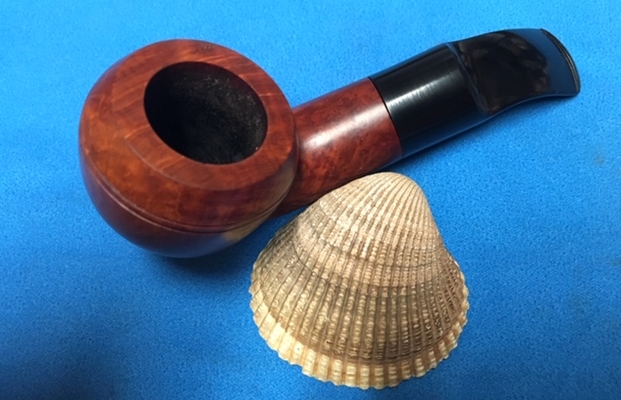
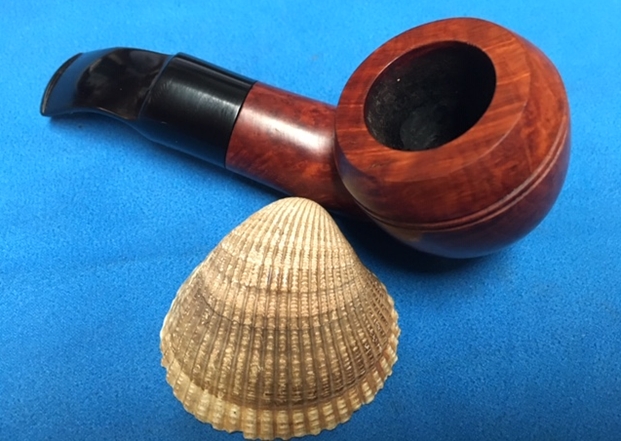
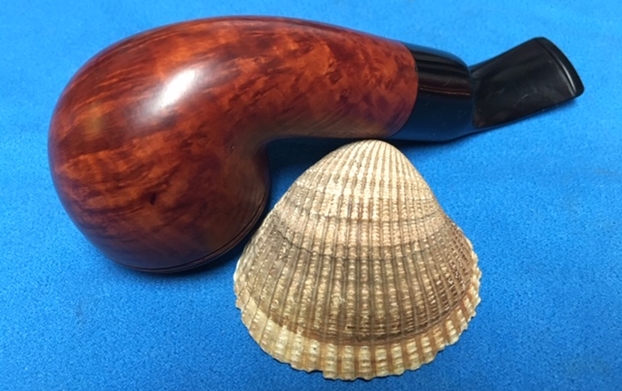
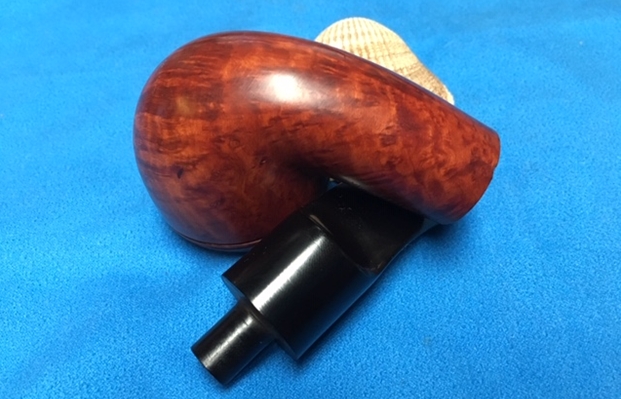
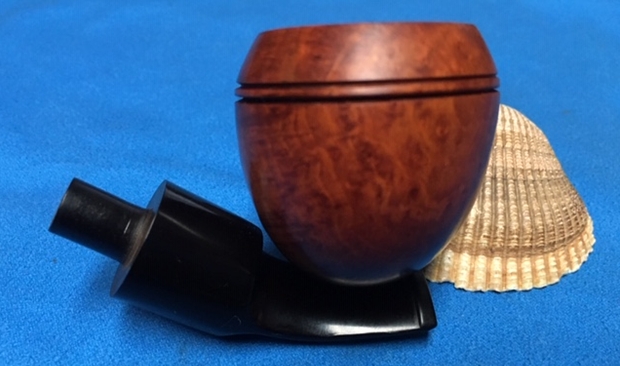
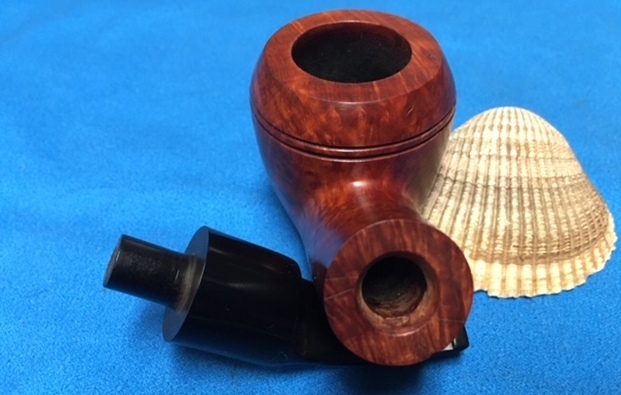
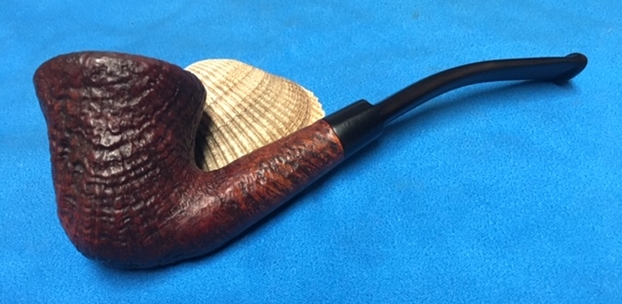
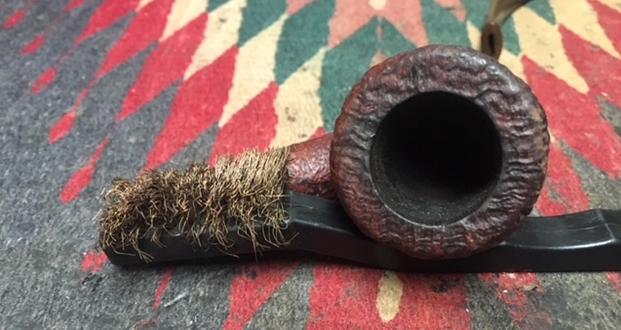
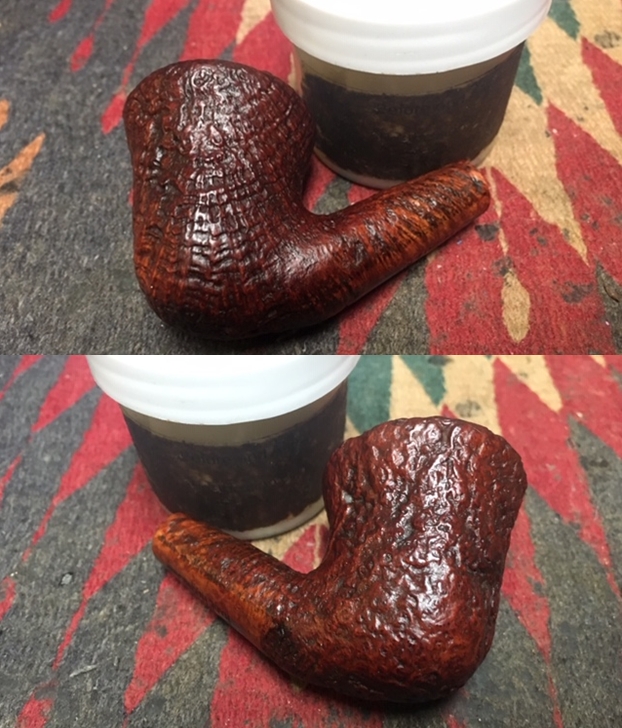
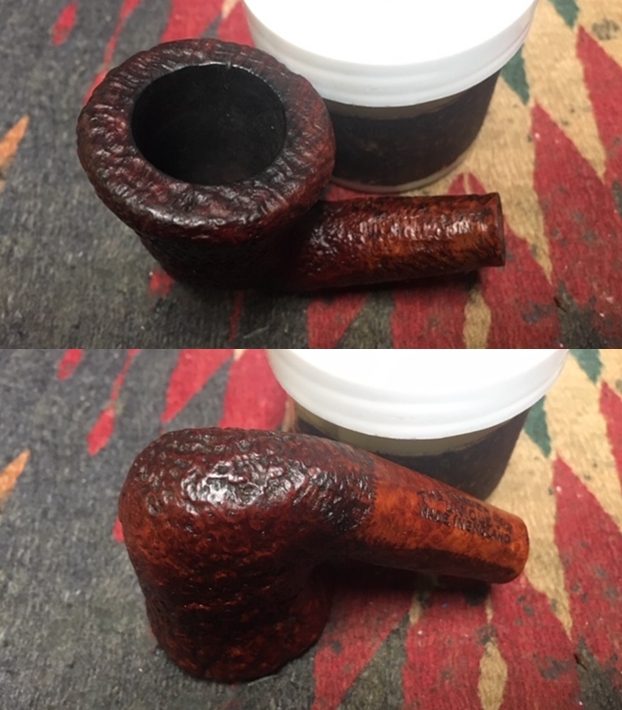
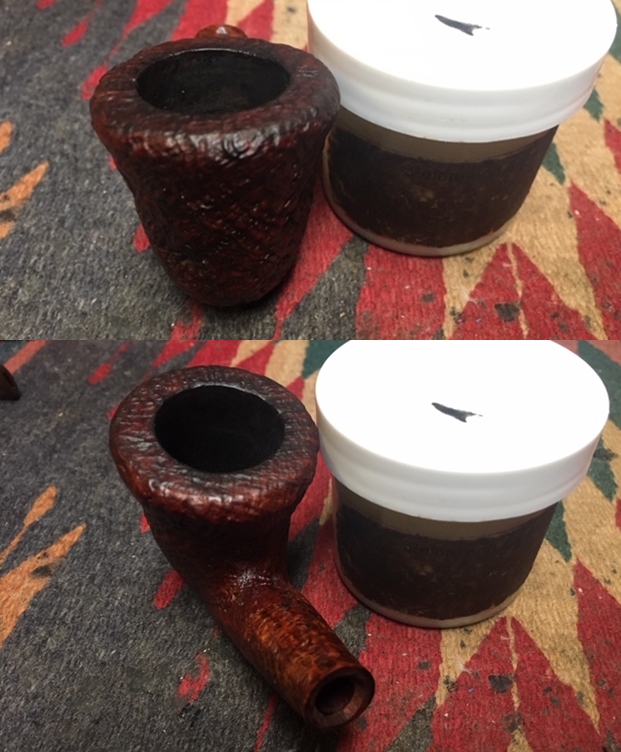
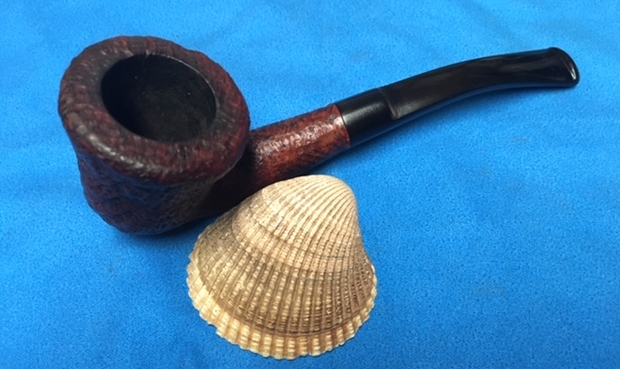
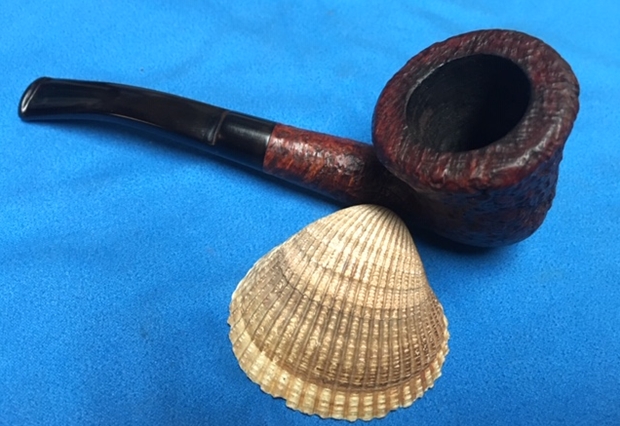
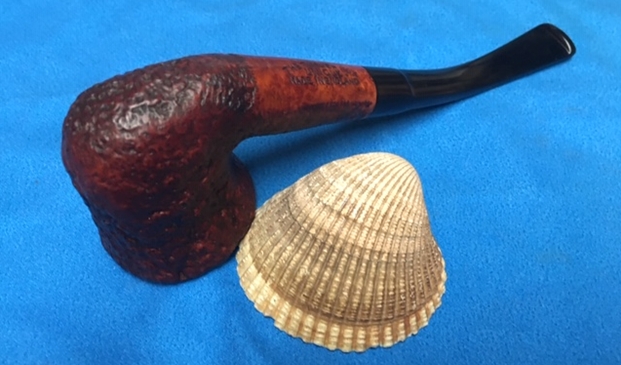
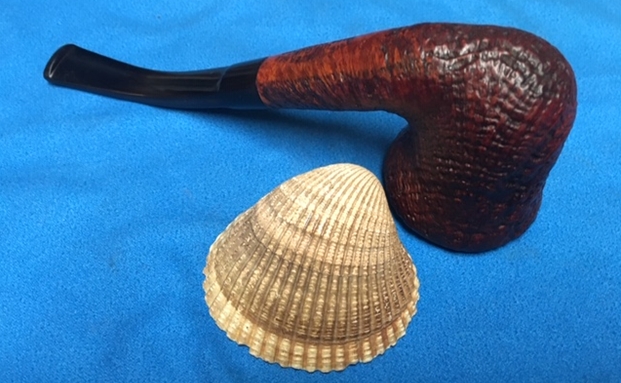
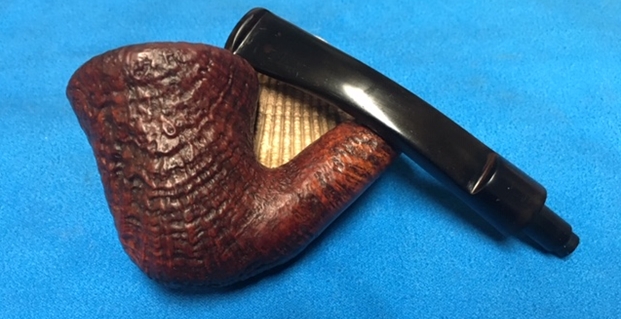
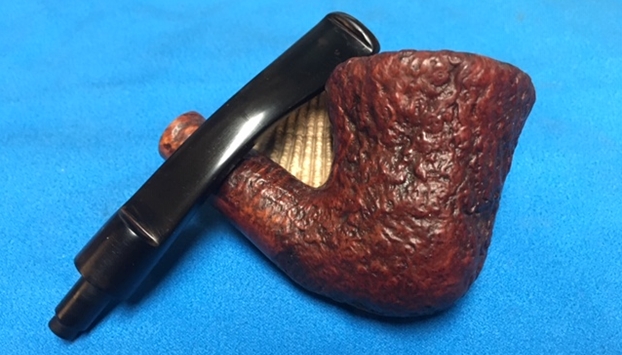
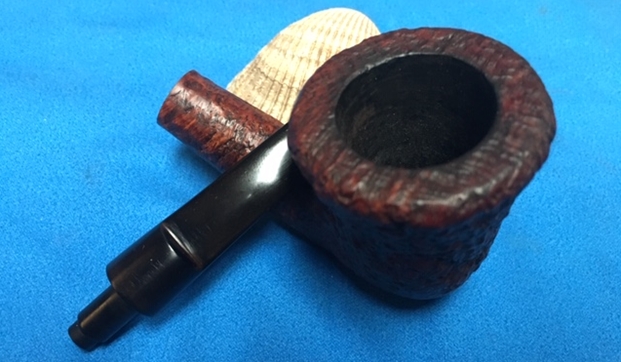
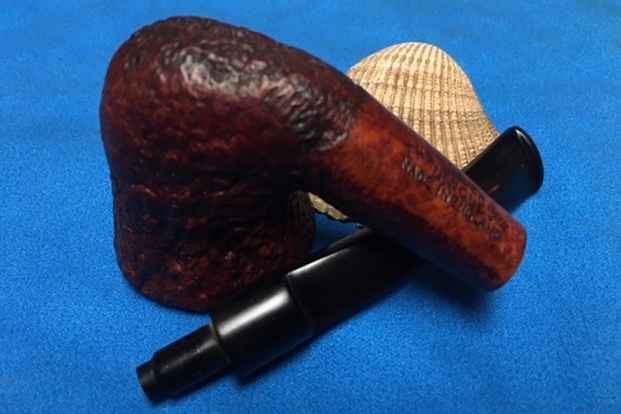
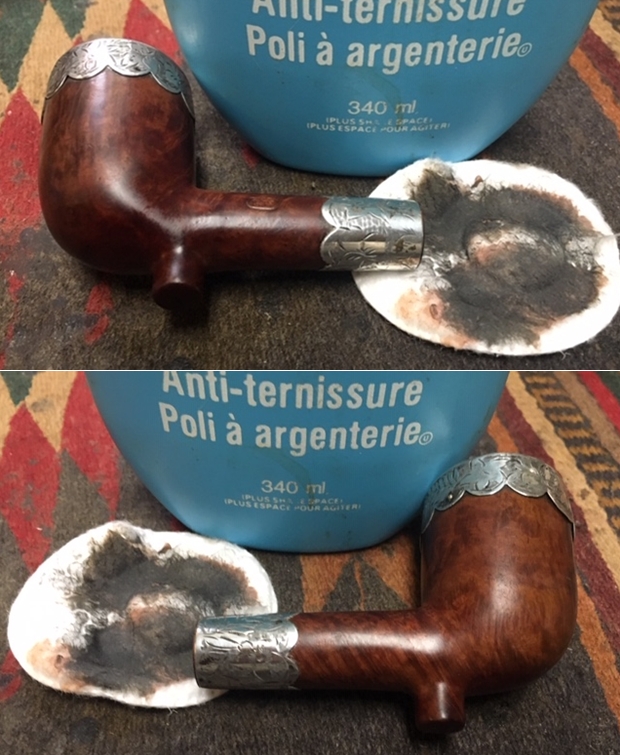
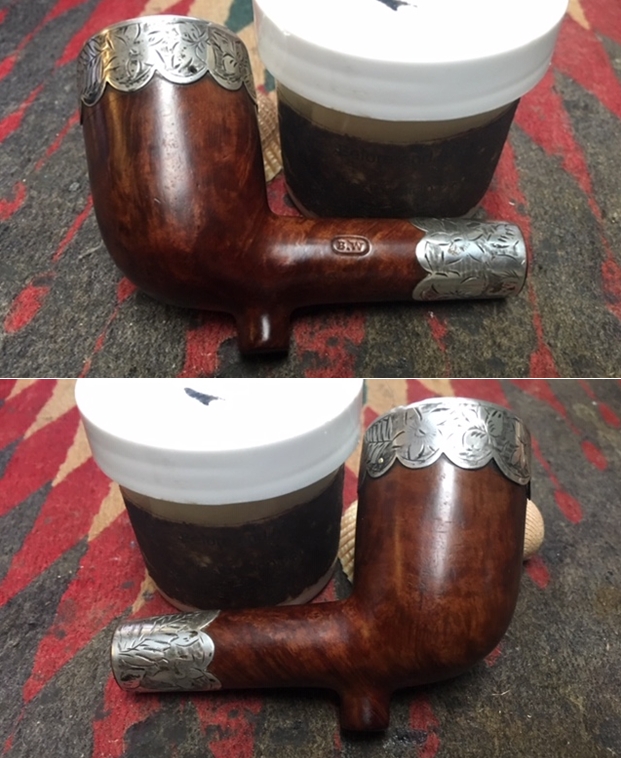
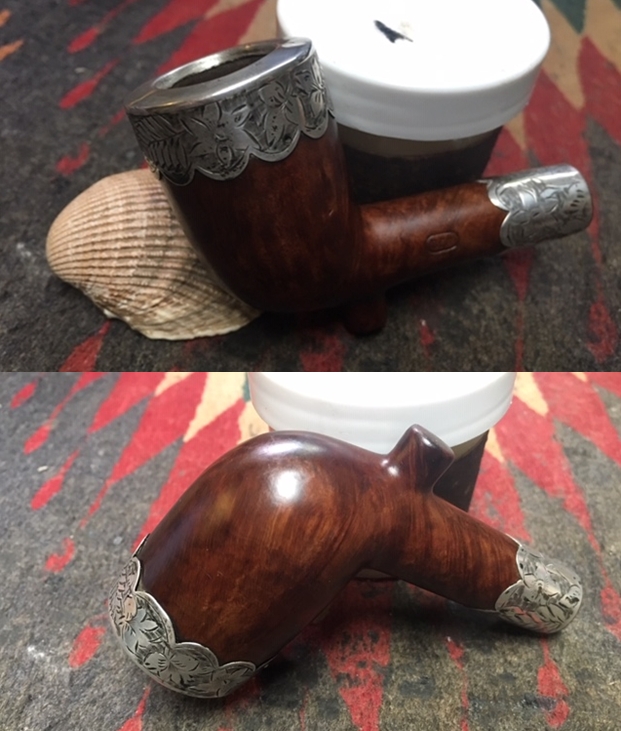
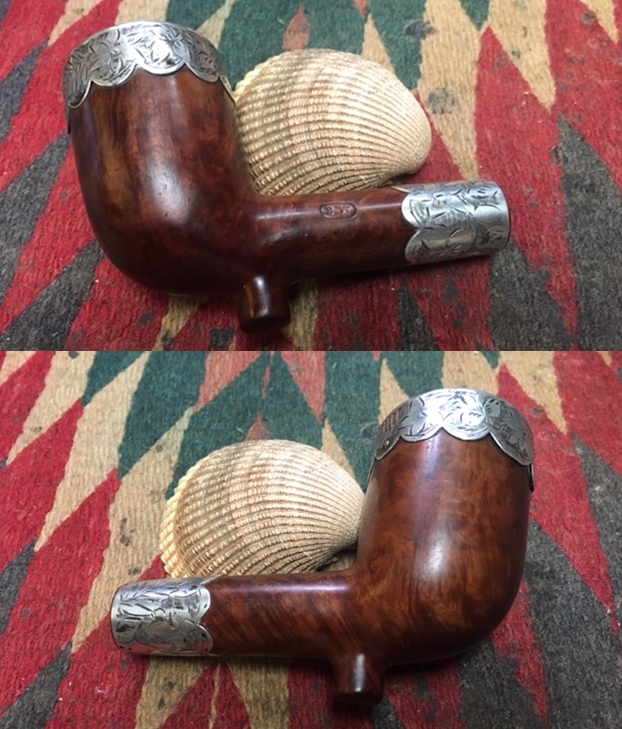
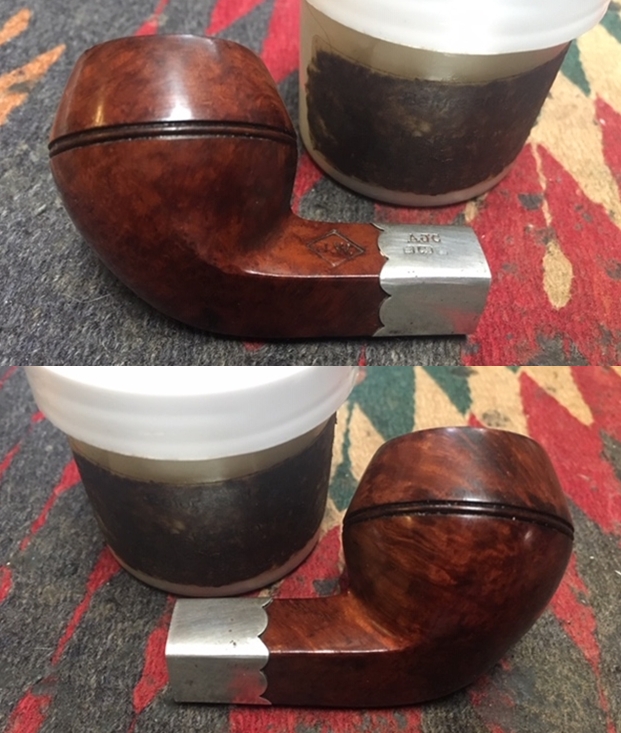
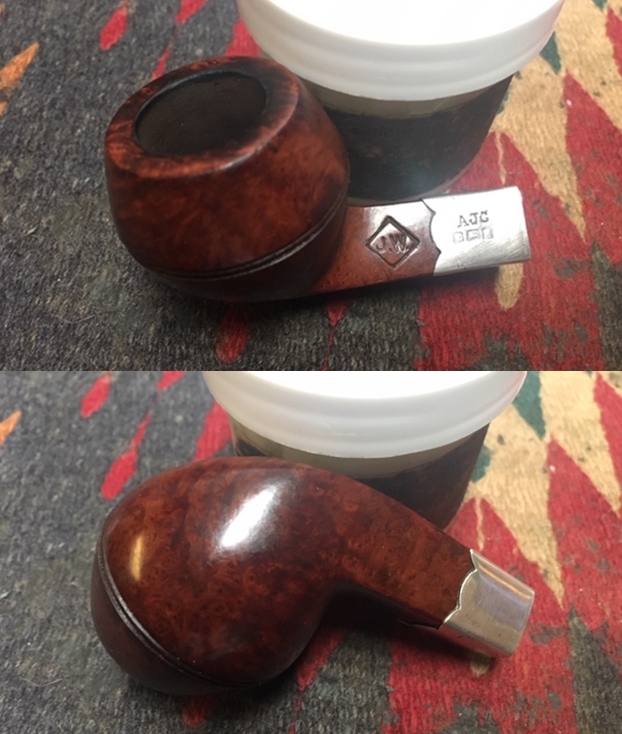
The next pipe in the queue is another pipe from the batch of pipes I am cleaning up for Alex – this one is another “Malaga” –a Cherrywood with some interesting grain around the oil cured bowl and shank. There was a “bald” spot on the left side of the bowl but otherwise there was great grain around the rest of the bowl. There is some beautiful birdseye grain around the bowl and cross grain on the shank. The pipe has not been stained but sports the usual Malaga oil cured look. The carver did a great job utilizing the block of briar to maximize the grain. The pipe is stamped on the left side of the shank. It reads “MALAGA”. The saddle stem is vulcanite and has no marking or stamping. This is the first Cherrywood Malaga that I have been working on. It is a nice looking piece much like many of the pipes Alex is picking up. The bowl had been reamed and was in decent condition. There were some burn marks on the front outer edge of the bowl and some darkening on the rim top toward the back. The exterior of the briar was dusty with grime on the shank and bowl. The stem is lightly oxidized and there was some tooth chatter and marks on the top and underside near the button. The stem was in good condition under the grime. The photos below tell the story and give a glimpse of the pipe before clean up. I took a photo of the bowl and rim to capture the condition of the pipe before I started my cleanup work. The rim top was clean but there was burn damage on the front outer edge of the rim. There was some darkening on the back topside of the rim. The inner edge of the rim was damaged at the back side and had been poorly beveled inward to mask it. The stem was in decent condition. There was some light oxidation on the stem. There was also some tooth marks and chatter on the top and underside of the stem at the button.I also took a photo of left side of the shank to show the stamping. The stamping is readable in the photo below and is as noted above – “MALAGA”.For those of you who are unfamiliar with the brand, I am also including the link to a blog that I wrote that gives some of the history of the Malaga brand and the Malaga Pipe Shop in Royal Oak, Michigan in the USA. Here is the link – https://rebornpipes.com/tag/malaga-pipes/. That blog also includes links to a catalogue and the history of the pipemaker George Khoubesser. If you are interested to learn more then I invite you to follow the link to get a feel for the brand and the pipemaker.

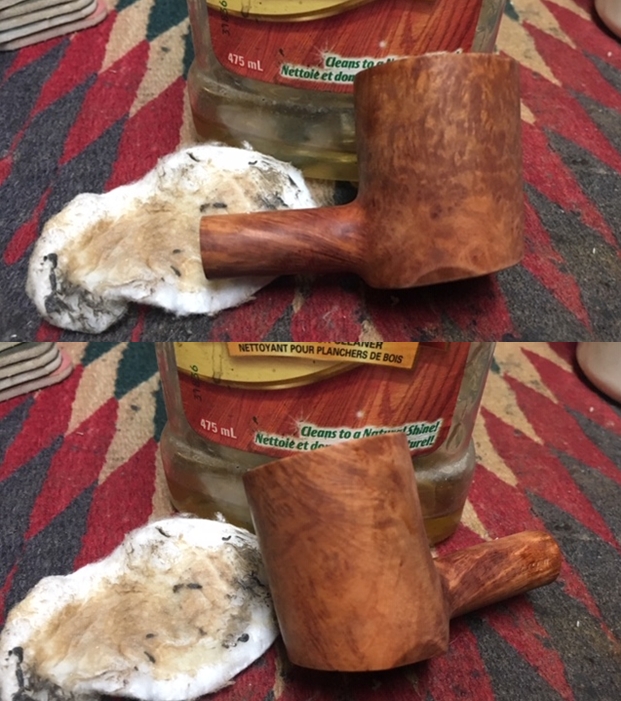
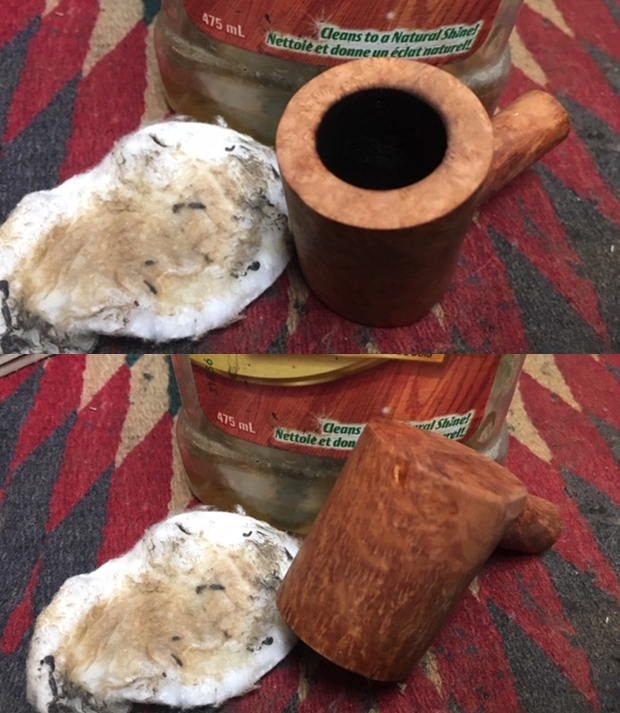
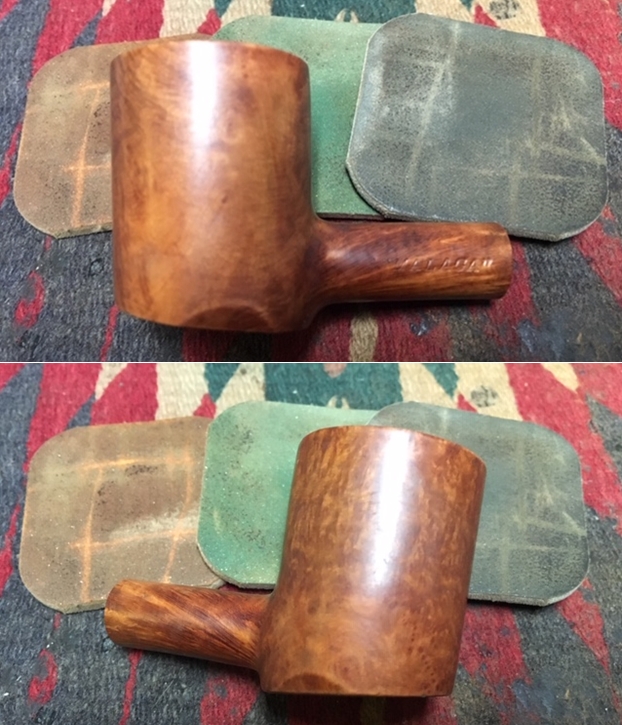
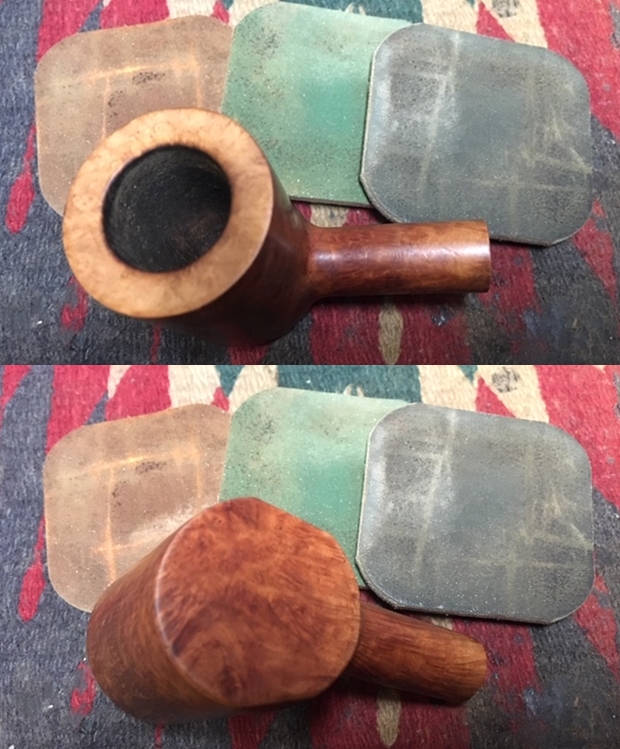
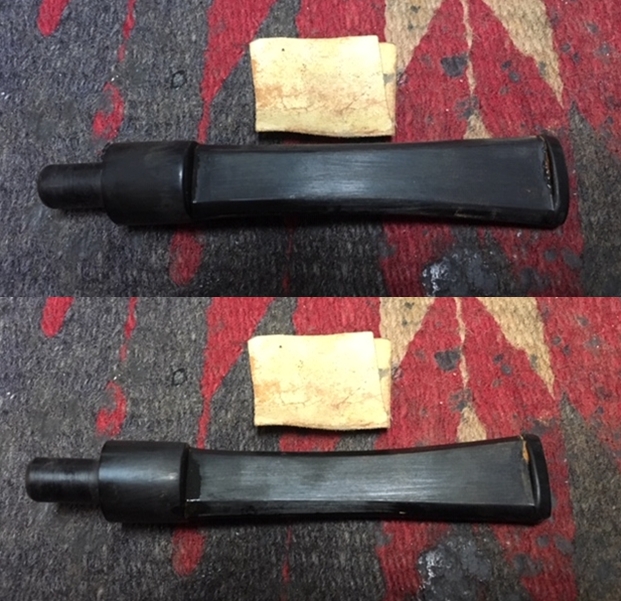
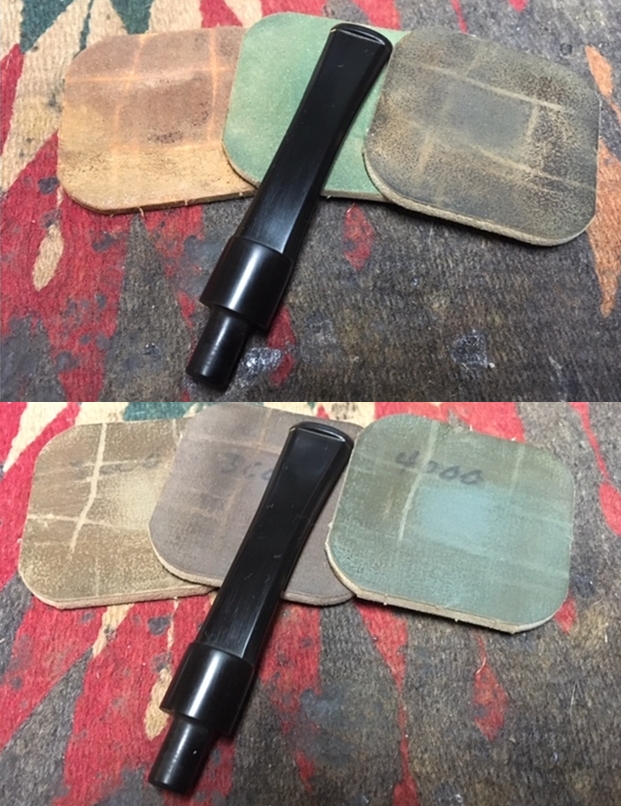
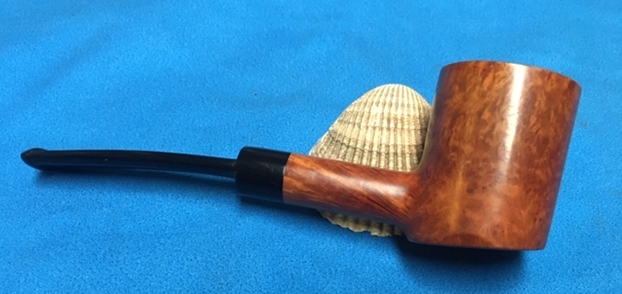
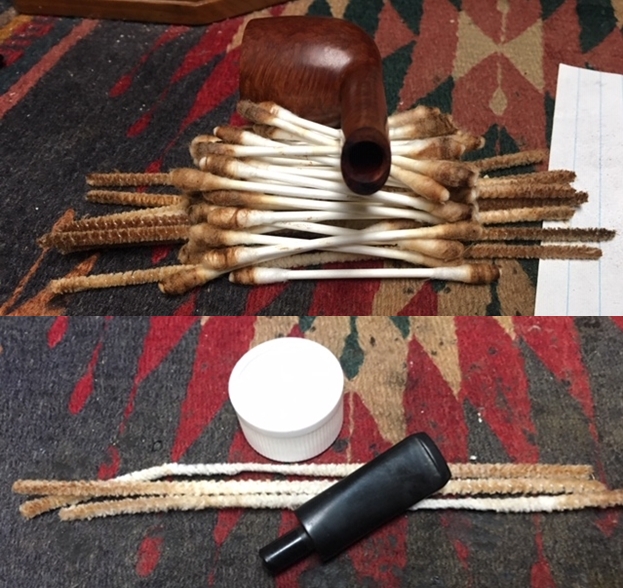
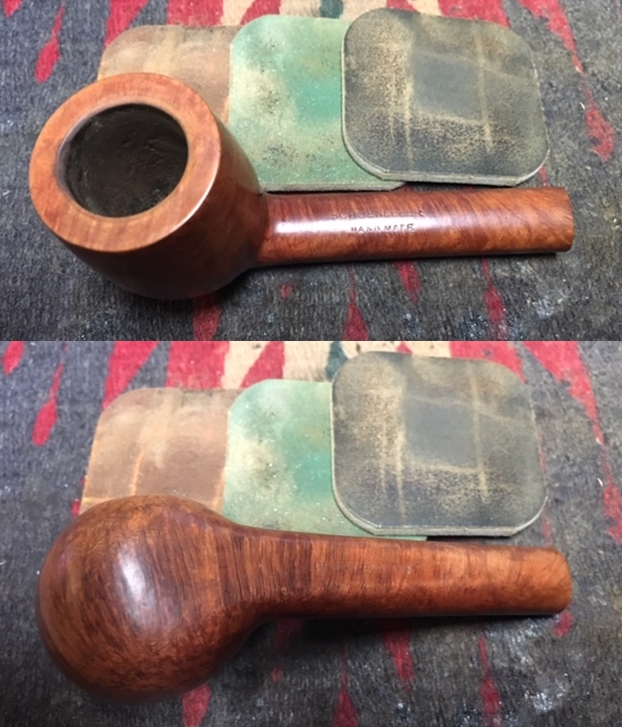
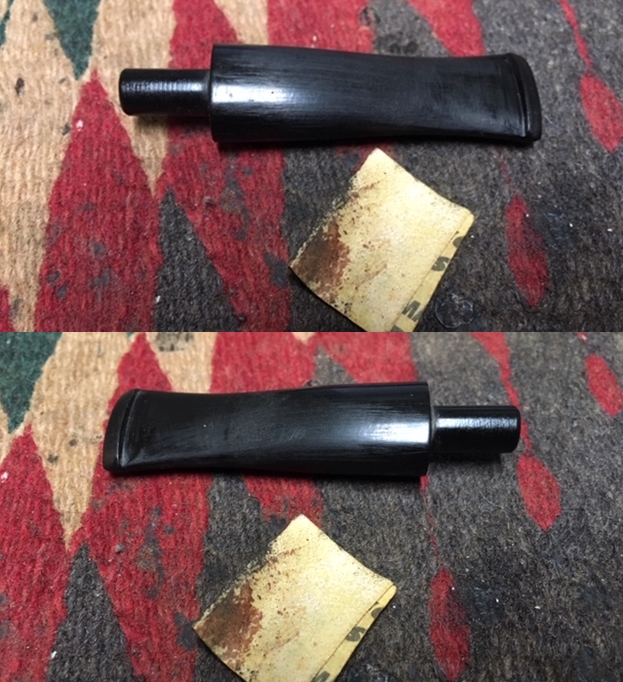
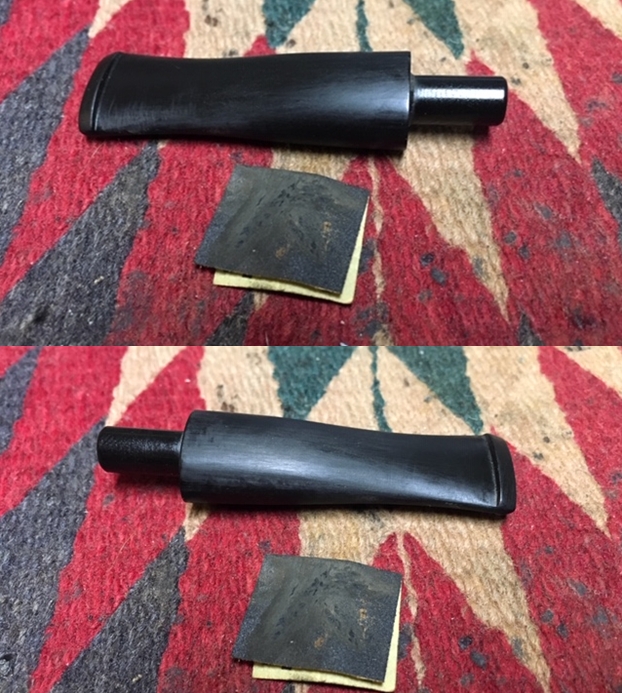
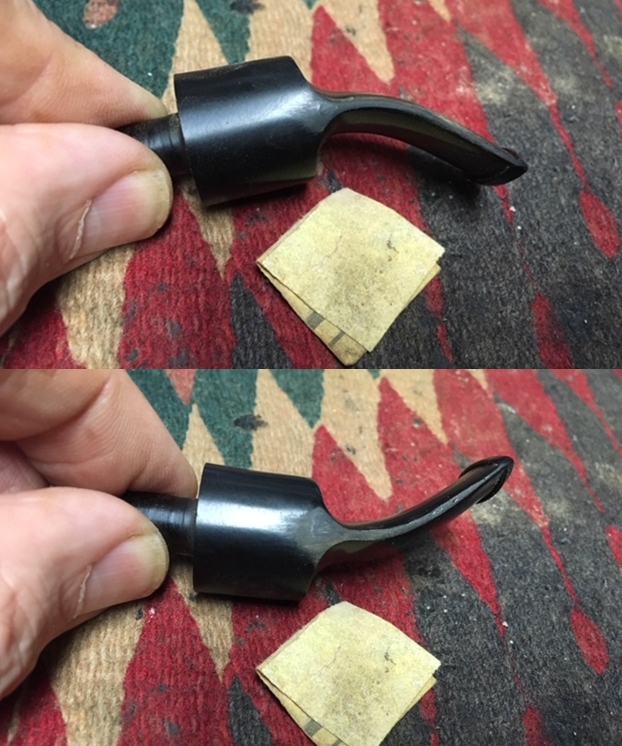
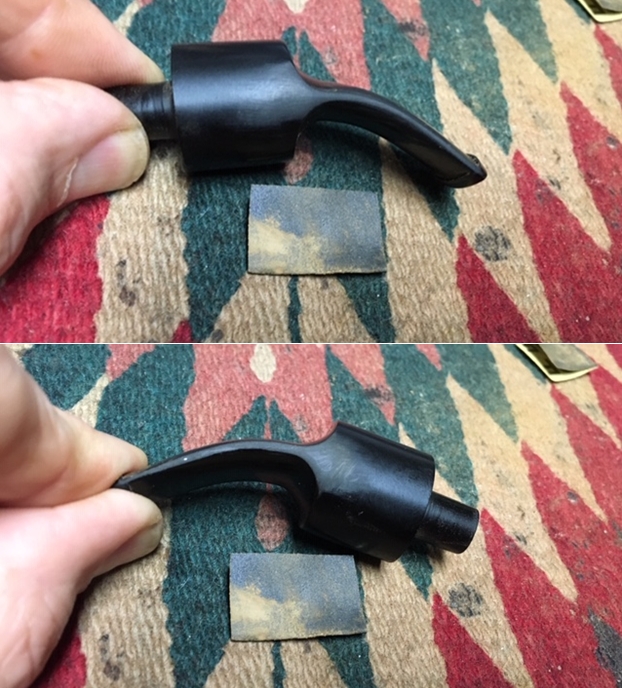
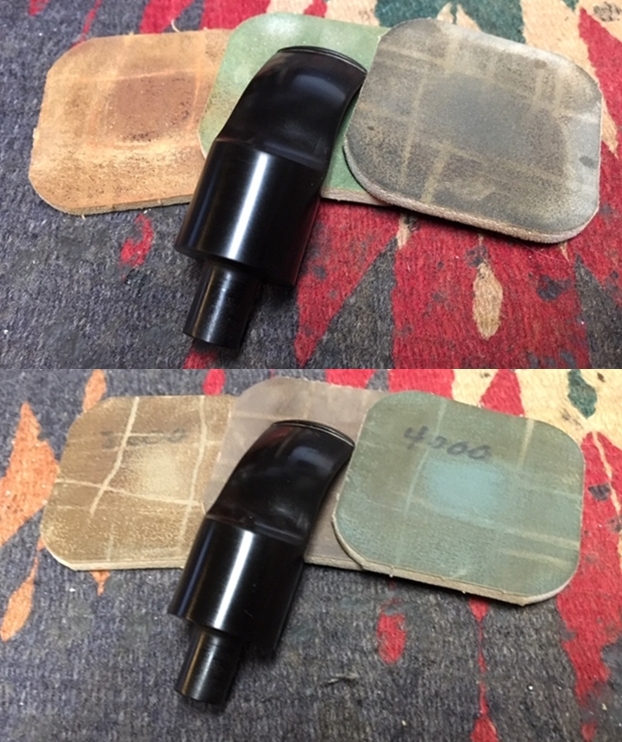
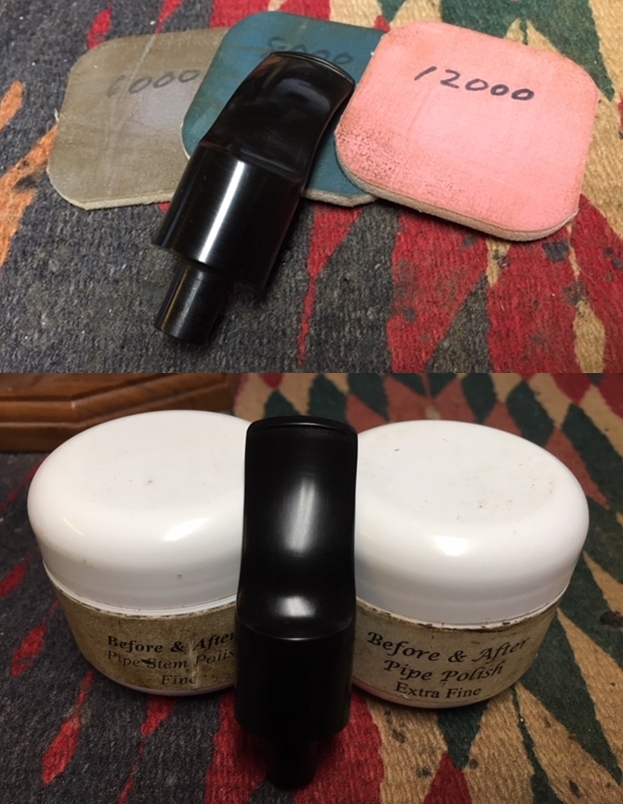
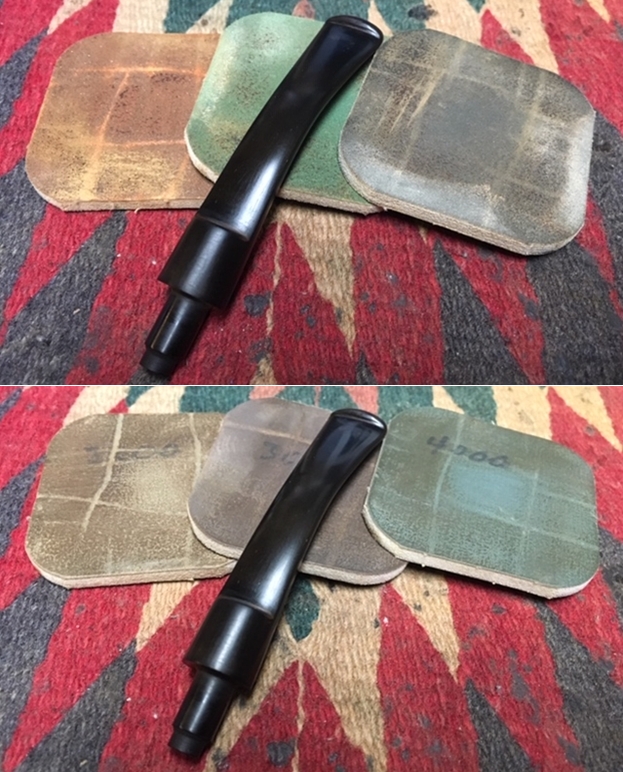
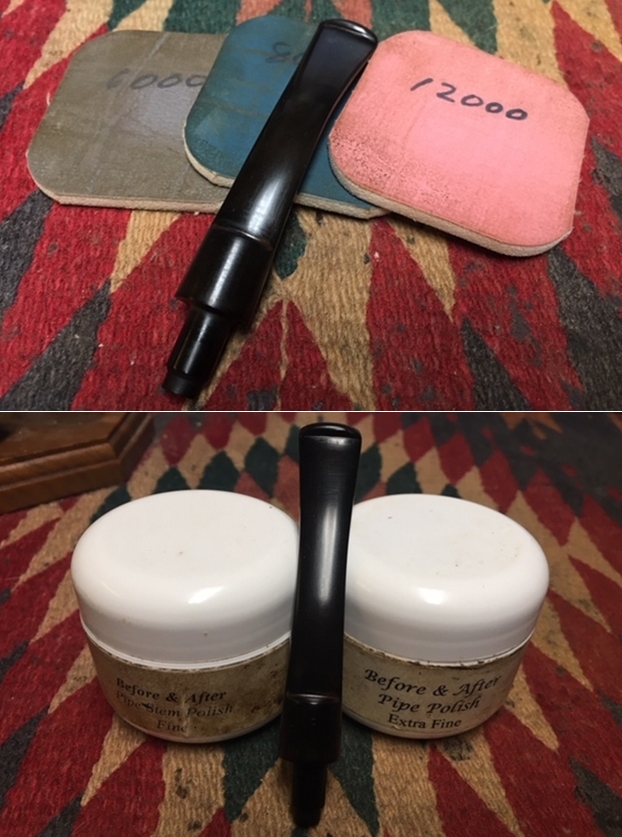
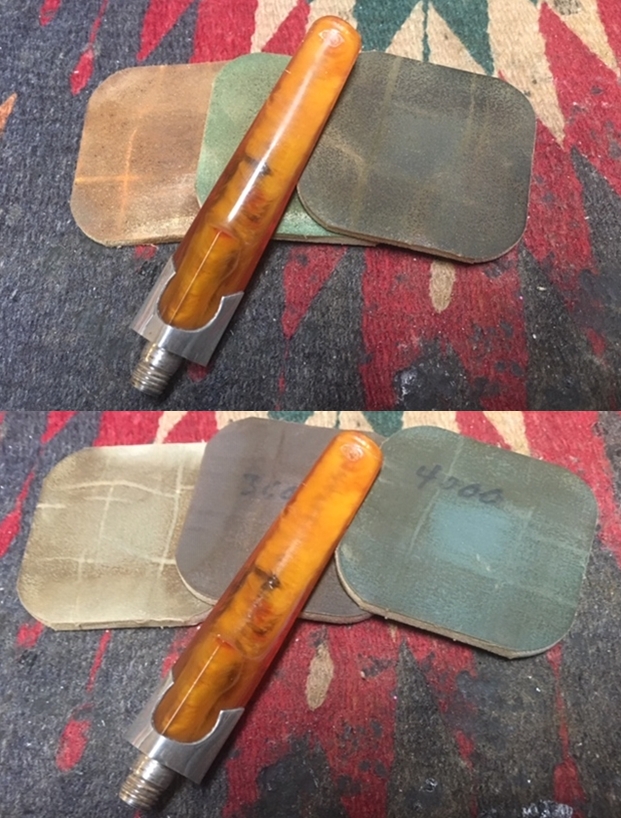
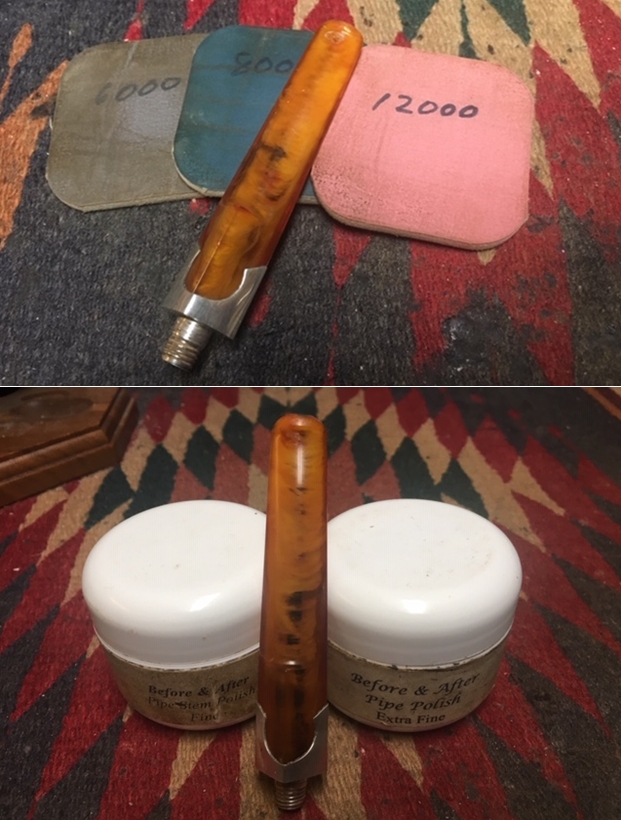
Since the pipe had been cleaned and reamed by the pipe shop that sold the pipe to Alex I decided to check out the clean up. The bowl had been well reamed. I used a Savinelli Fitsall Pipe Knife to scrape out the slight cake remnants that remained. I then turned to address the damage to the outer and inner edge of the rim by topping it on a topping board with 220 grit sandpaper. I was able to remove the damage and the burned areas. I also sanded to remove the darkening and burn marks on the rim top. I used a folded piece of 220 grit sandpaper to smooth out the inner edge of the bowl. I decided to check on the cleanup work on the inside of the shank and mortise. I scraped the mortise with a dental spatula to check on tar build up and it was clean. I then ran some cotton swabs through the shank and found that it was filthy. Upon that discovery I scrubbed out the mortise and the airway in the shank and the stem with alcohol, cotton swabs and pipe cleaners. I also cleaned out the airway in the stem using pipe cleaners and alcohol. I scrubbed out the airway in the stem in the same manner.I scrubbed the bowl with a cotton pad and undiluted Murphy’s Oil Soap. I rinsed the bowl under running water to wash off the soap and the grime that had been loosened. I polished the outside of the bowl with micromesh sanding pads – wet sanding with 1500-12000 grit pads. I wiped the bowl down after each pad to remove the sanding debris. I worked some Before & After Restoration Balm into the surface of the briar with my fingertips to clean, enliven and protect it. I let the balm sit for a little while and then buffed with a cotton cloth to raise the shine. With the bowl finished I set it aside and turned my attention to the stem. I sanded the stem surface with 220 grit sandpaper to remove the oxidation and the tooth marks and chatter on both sides ahead of the button. I am happy with the stem surface once that was done. I started the polishing of the surface with 400 grit wet dry sandpaper. I polished the stem with micromesh sanding pads – wet sanding it with 1500-12000 grit pads. I wiped the stem down with a damp cloth after each pad. I further polished it with Before & After Pipe Polish – both Fine and Extra Fine. I wiped it down with a coat of Obsidian Oil and set it aside to dry. With both parts of the pipe finished, I polished the bowl and the stem with Blue Diamond polish on the buffing wheel. I gave the bowl and the stem multiple coats of carnauba wax. I buffed the pipe with a clean buffing pad to raise the shine. I hand buffed it with a microfiber cloth to deepen the shine. The pipe polished up pretty nicely. The oil cured finish and the grain came alive with the buffing. The rich finish on the briar works well with the polished black vulcanite stem. The finished pipe is a well-proportioned, nicely grained classic Cherrywood Sitter. Have a look at it with the photos below. The dimensions are Length: 5 1/2 inches, Height: 1 ¾ inches, Outside diameter of the bowl: 1 3/8 inches, Chamber diameter: 3/4 of an inch. This unique shaped Malaga, one I had not seen before. The Cherrywood Sitter will be going back to Alex to add to his rack of Malaga pipes that are in his collection. Thanks for walking through the restoration with me on another of Alex’s Malaga collection.

Another Rebirth – A Schoenleber Hand Made 3 Canadian


Blog by Steve Laug

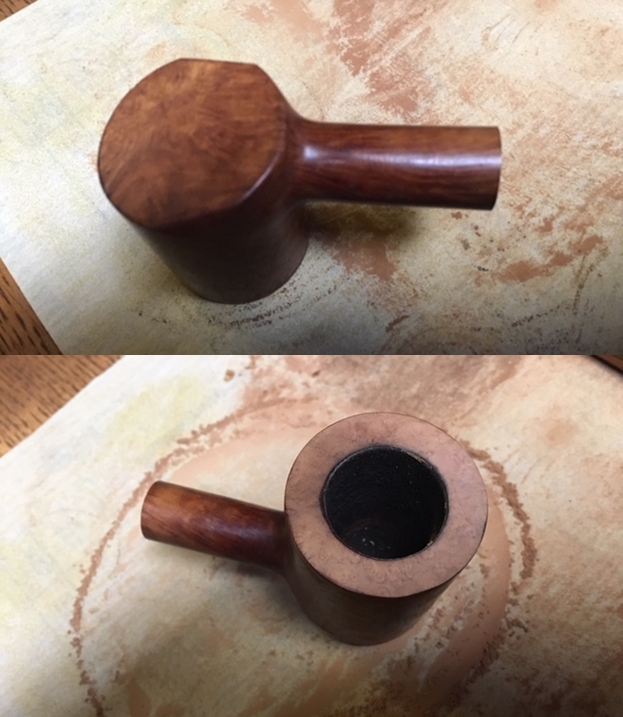
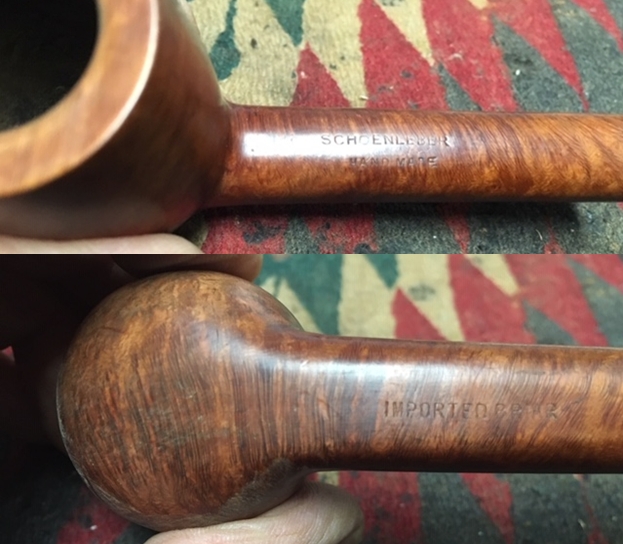
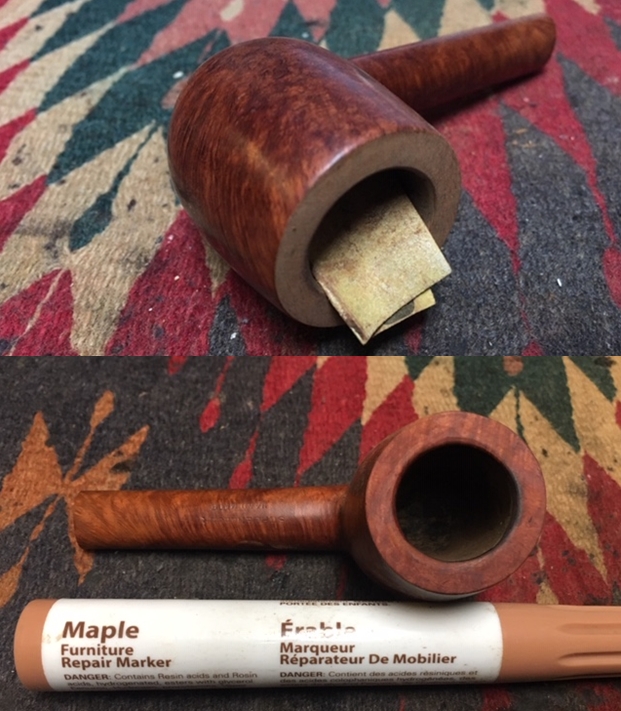
The next pipe in the queue is another pipe from the batch of pipes I am cleaning up for Alex – this one is a Schoenleber Hand Made – a Canadian with some beautiful grain around what appears to be an oil cured bowl and shank. The entire pipe has some beautiful birdseye grain around the bowl and cross grain on the front and back of the bowl. The pipe does not appear to have been stained but sports the same look as the Malaga pipes that I have been working on. The carver did a great job utilizing the block of briar to maximize the grain. The pipe is stamped on the top side of the shank. It reads Schoenleber over Hand Made. On the underside of the shank it is stamped Imported Briar. On the right side next to the bowl/shank junction there is a number 3 which is either a shape number or size designation. The tapered stem is vulcanite and has no marking or stamping. This is another nice looking piece much like many of the pipes Alex is picking up. There was cake in the bowl and a burn mark on the front inner edge of the bowl and darkening on the rim top. The exterior of the briar was dusty with grime and sticky spots on the shank and bowl. The stem is lightly oxidized and there light tooth chatter on both sides near the button. The photos below tell the story and give a glimpse of the pipe before clean up. I took a photo of the bowl and rim to capture the condition of the pipe before I started my cleanup work. There was burn damage on the front of the inner edge and top of the rim. There was a thick cake in the bowl. The outer edge of the bowl appeared to be in excellent condition. The stem was in decent condition. There was some light oxidation on the stem. There was also some tooth chatter and marks at the button on both sides of the stem. I also took a photo of top and underside of the shank to show the stamping. The stamping is readable in the photo below and is as noted above – Schoenleber Hand Made. On the underside it reads Imported Briar. There is also a 3 at the shank/bowl junction on the right side.I remember working on a Schoenleber pipe in the past and had a memory of the pipe being made for a shop in the New York area but could not remember much more than that. I quickly googled the brand to see what I could learn and found a link on Pipedia. Here is that link. I quote the article in full (https://pipedia.org/wiki/Schoenleber).

Louis Schoenleber lived in North Arlington N.J. and was an Austrian immigrant and skilled artisan in pipe making. His hand carved pipes were available in his shop, ‘Schoenleber’s Newark Pipe Shop’, at 26 Branford Pl., Newark NJ, thought to open in the 1920’s. Schoenleber’s carried a full line of tobaccos as well as related pipe smoking accessories. It’s thought the shop operated until the late 1960’s, and Louis Schoenleber died in 1976. It’s also fairly certain they may have sold to other brands such as Jelling, also in Newark and are very similar in design and finish.

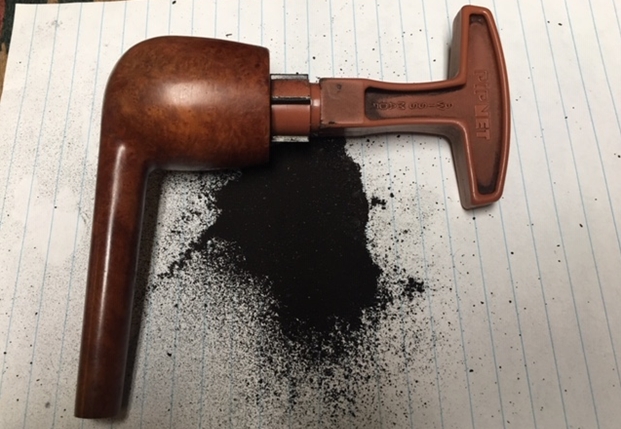
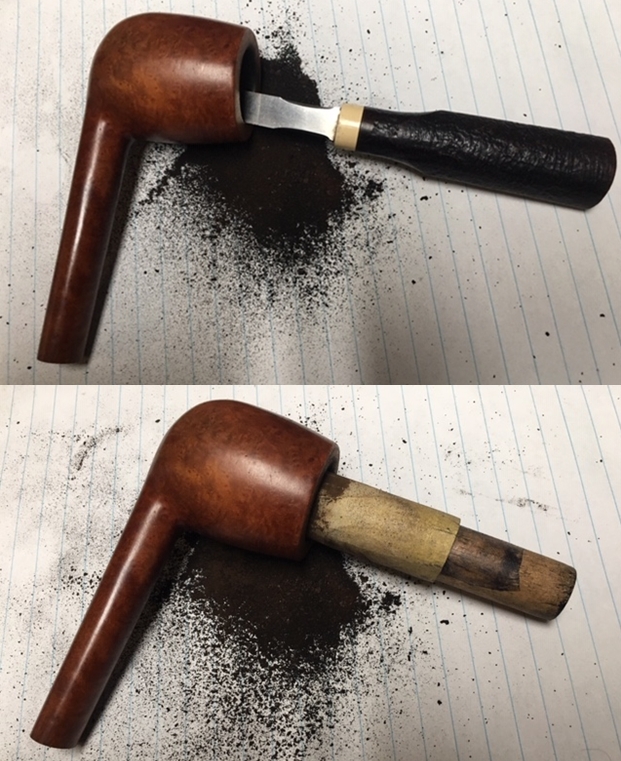
There was also an advertising card on the site that I have included below. It speaks to my assumptions about the curing process and the finishing process on the pipe. It also connects the pipe to Schoenleber’s Newark Pipe Shop in Newark, N.J. It also has a comment on the fact that pipes were made to order.I started the restoration by reaming the bowl with a PipNet pipe reamer using three of the four cutting heads to take the cake back to bare briar. I followed by using a Savinelli Fitsall pipe knife to remove the remnants of the cake on the walls in the heel. I sanded the inside of the walls with a dowel wrapped with 220 grit sandpaper. I worked on the slight damage to the inner edge of the rim by lightly topping the bowl to remove as much of the damaged rim top as possible without changing the shape. Once it was topped I sanded the inner edge of the bowl with a folded piece of 220 grit sandpaper. I was able to remove the damage and the burned areas. I stained the rim top with a Maple stain pen to match the colour of the rest of the pipe. I scraped the mortise with a dental spatula to remove the hardened tars and oils on the walls. I then scrubbed out the mortise and the airway in the shank and the stem with alcohol, cotton swabs and pipe cleaners. I also cleaned out the airway in the stem using pipe cleaners and alcohol.I polished the outside of the bowl with micromesh sanding pads – wet sanding with 1500-12000 grit pads. I wiped the bowl down after each pad to remove the sanding debris. I worked some Before & After Restoration Balm into the surface of the briar with my fingertips to clean, enliven and protect it. I let the balm sit for a little while and then buffed with a cotton cloth to raise the shine. With the bowl finished I set it aside and turned my attention to the stem. I sanded the stem surface with 220 grit sandpaper to remove the tooth chatter and marks on both sides of the stem. I am happy with the stem surface once that was done. I started the polishing of the surface with 400 grit wet dry sandpaper. I polished the stem with micromesh sanding pads – wet sanding it with 1500-12000 grit pads. I wiped the stem down with a damp cloth after each pad. I further polished it with Before & After Pipe Polish – both Fine and Extra Fine. I wiped it down with a coat of Obsidian Oil and set it aside to dry. With both parts of the pipe finished, I polished the bowl and the stem with Blue Diamond polish on the buffing wheel. I gave the bowl and the stem multiple coats of carnauba wax. I buffed the pipe with a clean buffing pad to raise the shine. I hand buffed it with a microfiber cloth to deepen the shine. The pipe polished up pretty nicely. The rich oil cured finish and the grain came alive with the buffing. The finish on the briar works well with the polished black vulcanite stem. The finished pipe is a well-proportioned, nicely grained classic Canadian. Have a look at it with the photos below. The dimensions are Length: 5 1/2 inches, Height: 1 3/4 inches, Outside diameter of the bowl: 1 3/8 inches, Chamber diameter: 3/4 of an inch. This Schoenleber Hand Made Shop pipe will be going back to Alex soon to join his growing collection of American made pipes. Thanks for walking through the restoration with me on another of Alex’s pipes.

Restoring your own Peterson Pipe – Part 2


Blog by Steve Laug

I originally wrote this blog for the Peterson’s Pipe book that Mark Irwin and Gary Malmberg coauthored and just published. Parts of it have been included in the Peterson book but I am including it here so that it can be kept with the blogs of other pipes that I have restored. Part of the reason for rebornpipes is a repository for my learning of this restoration art. It is a beautiful pipe that I am enjoying today after my work on it. Thanks Mark for including it in the book. – Steve

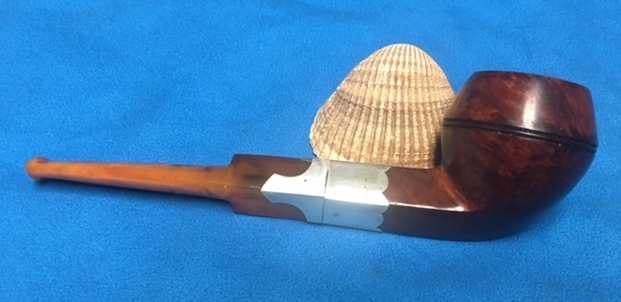
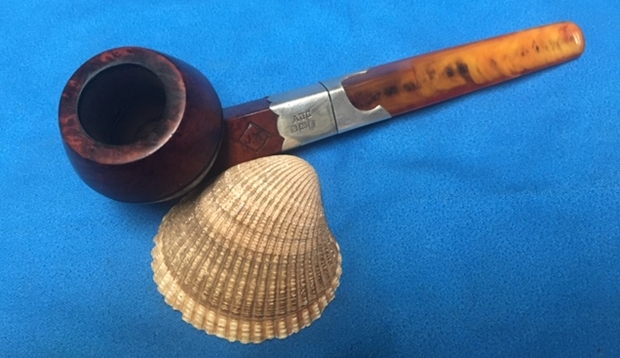
The second Peterson pipe that is up for restoration is a Deluxe 11S. As I did with the first pipe, I detail Mark’s comments below in italics and follow that with my own observations once the pipe arrived on my work table. Before I begin any restoration or refurbishing of a pipe I take time to look it over and get an idea of what the work will entail. I do a thorough analysis of the pipe to determine both the time it will take to restore it and what challenges I will face in the process. This old Peterson came with some interesting challenges on the stem and very few on the bowl.

Preliminary Observations:
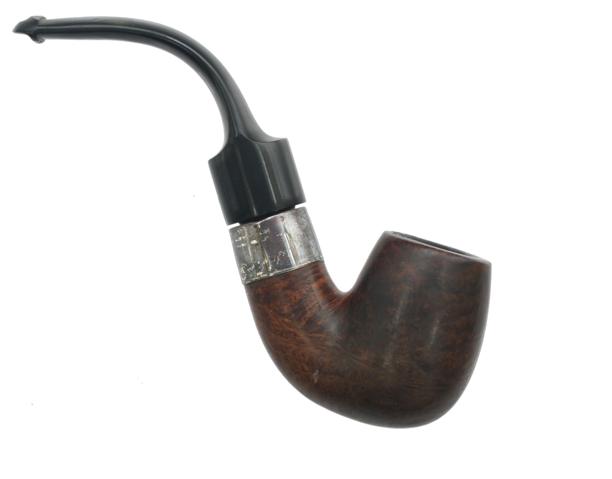
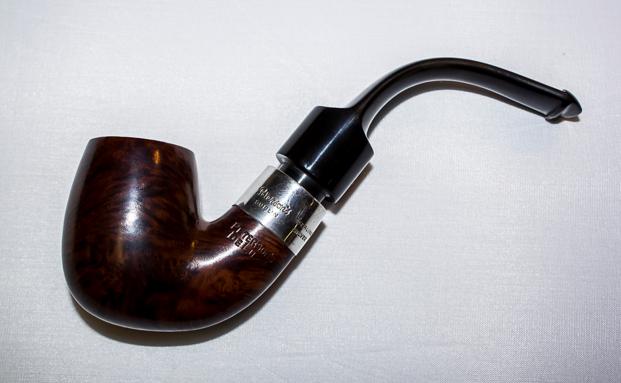
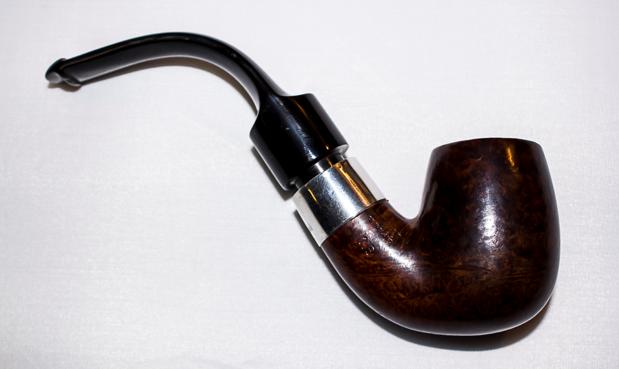
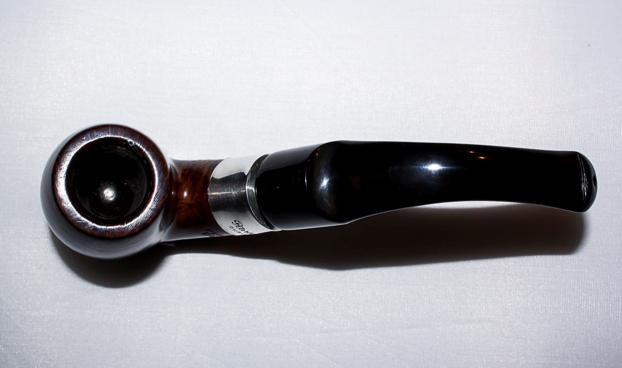
Pipe #2. An 11S System billiard from 1973, hand cut stem, really tired. Interesting stem and button problems—none too severe. The sterling band has been removed and reglued (old glue marks still plainly visible) slightly higher; band top bent down all around mortise to allow stem to appear closer to stummel—a bit of “retro” nostalgia, perhaps. Carbon build up on rim and in bowl commensurate with pipe’s age. Bowl dark from long use and little care.

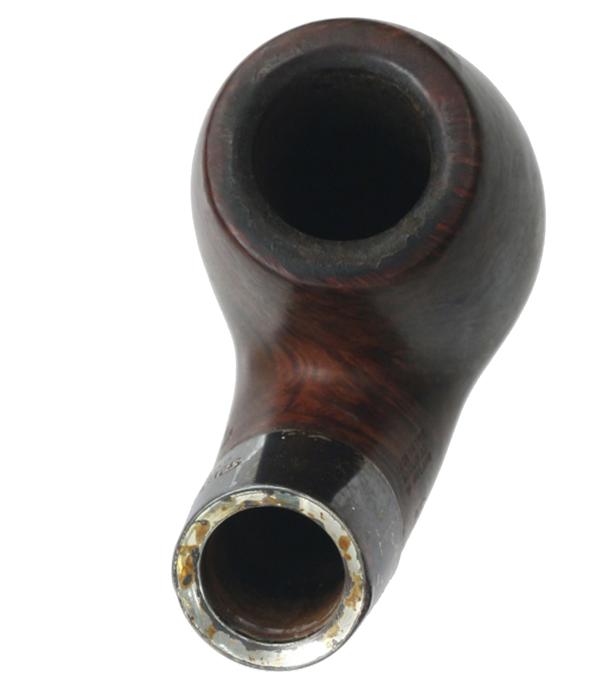
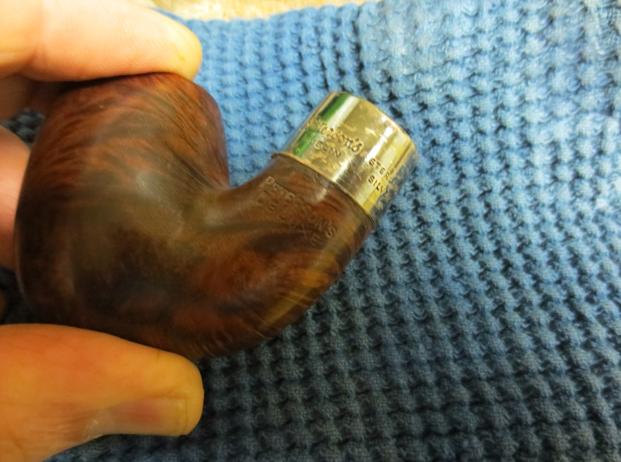
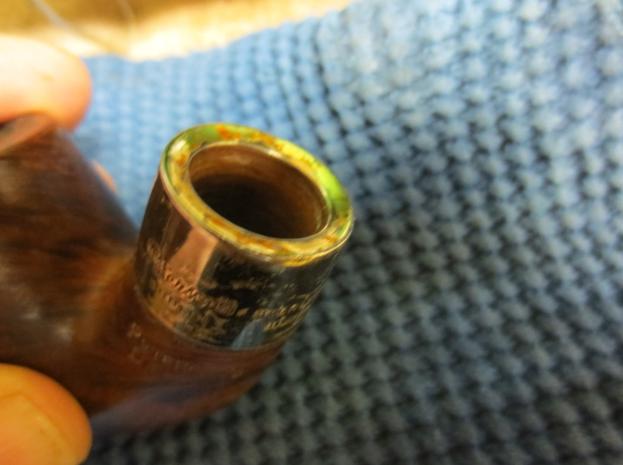
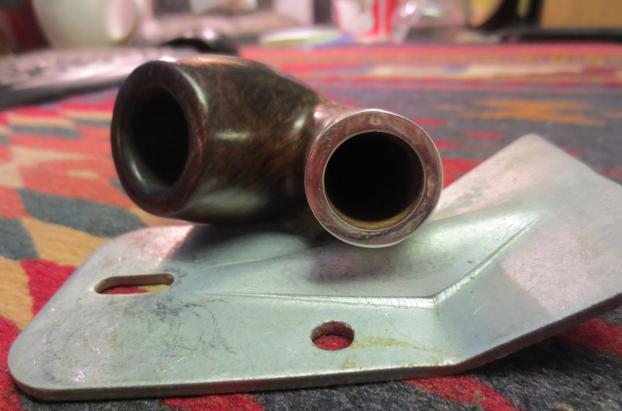
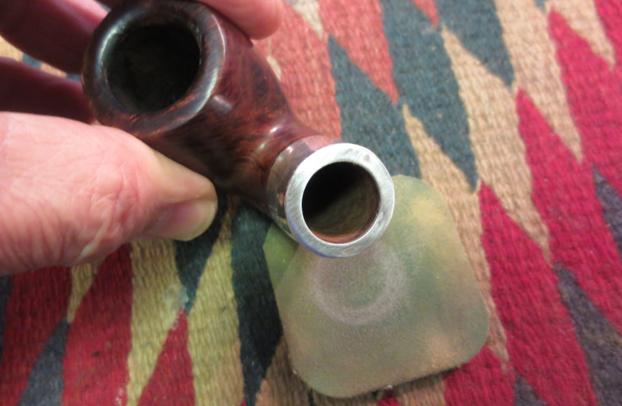
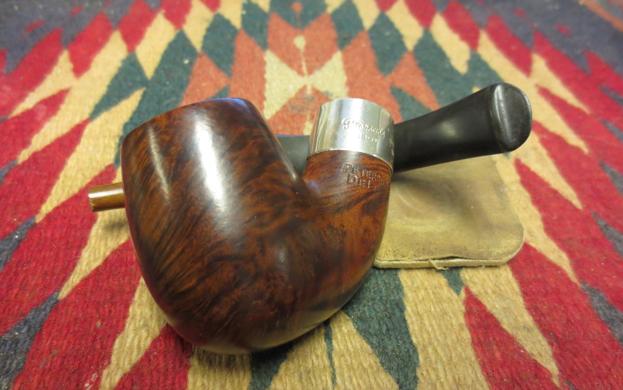
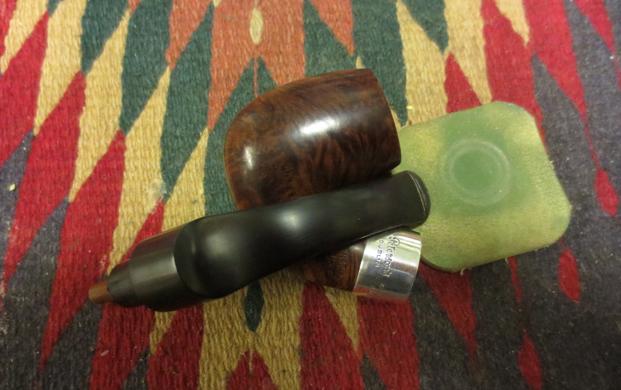
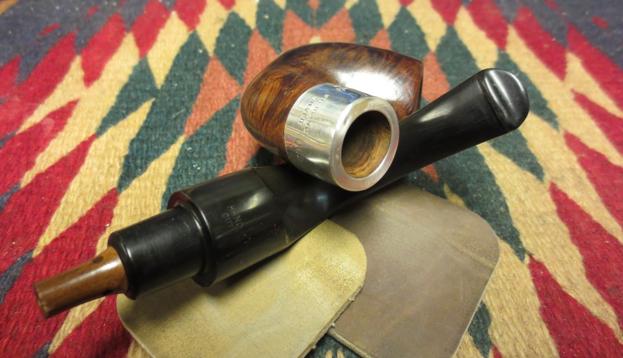
Pipe #2.The pipe is stamped on the left side of the shank Peterson’s Deluxe. On the right side it is stamped Made in the Republic of Ireland and the shape number 11S. The silver band is stamped Peterson’s over Dublin on the left side. Next to that is the stamp Sterling over Silver. On the underside it bears the three hallmarks, the last of which is a lower case “d” which dates the pipe as having been made in 1971 as opposed to the date of 1973 Mark noted above. A first pass over the pipe showed that the finish was in quite good shape. I was dirty and a thin coat of grime and oily dirt had dulled the finish of the bowl. The stain looked to be in excellent shape under the grime. There were no serious dents or scratches on the bowl or rim (Photos 1 – 2). As Mark noted the silver band had been removed and reglued. Not only the old glue marks showed that but also the spillage of over filled glue and the gap between the folded shank end of the silver and the briar inside the band. The gap accounted for the difference between the old glue and the new. In examining the band it appears to be beveled inward rather than bent inward to appear closer to the stummel. The band had also been put on incorrectly in terms of the alignment of the stamping. It was turned to the right about a 1/8 turn so that the Peterson’s stamp was not aligned as it was in the pictures that I looked at for comparison. The silver had one significant dent in it on the right top edge – a slight pucker outward on the side and inward on the top of the shank. I was also very tarnished, a blue black in colour making it hard to read the hallmarks. Moving to the rim I was pleased to see that it had been well cared for. The inner and the outer edge of the rim were both undamaged. The slight chamfer on the inner rim was also undamaged. The cake was broken and full of pits and holes. The back edge of the rim had a build up on it that was not too thick and would quite easily be remedied.

Photo 1 Left Side View

Photo 2 Right Side View

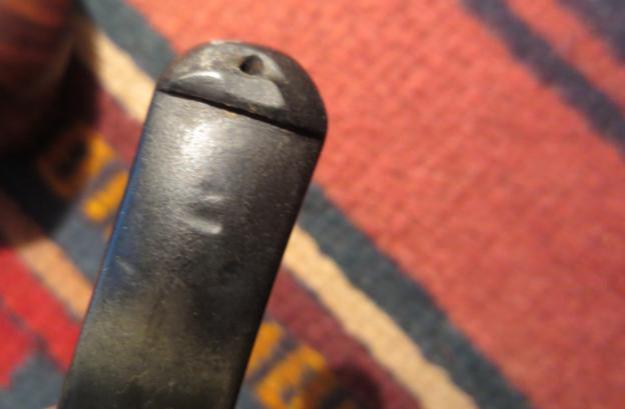
Removing the stem I could see a gap between the top of the shank and the folded top edge of the silver band. It matched the distance between the bottom of the band and the glue line on the shank. That explained the gap. The band had been reglued higher on the shank, possibly to accomplish what Mark noted above – to bring the stem closer to the shank. The interior of the mortise and the sump was actually pretty clean. There was no grime or tarry buildup in the shank or sump. I was quite surprised. It looked as if it had been recently cleaned. The bowl smelled of latakia and strong English tobacco (Photo 3 – 4). The stem itself was good at the insert end. The screw in plastic tip that is on the Deluxe Peterson pipes was in place and in good shape. There was one flattened spot on it but it easily unscrewed from the tenon. The top side and underside of the stem near the button were dented with tooth marks. The ones on the underside were quite shallow. On the top surface there were 6 dents and several were quite deep, several actually had broken the surface of the vulcanite rather than denting it. The 90 degree top edge of the button had been flattened by tooth marks. There was a large piece missing. It was no longer sharp and distinct. There were also several tooth marks cutting into the edges of the air hole in the button. The stem was not too badly oxidized and should clean up quite easily (Photo 5 – 6). The underside of the stem is stamped Hand Cut. The photos below highlight the areas of concern that would need to be addressed in a restoration/refurbishment.

Photo 3 Top view of the bowl and the metal cap/band

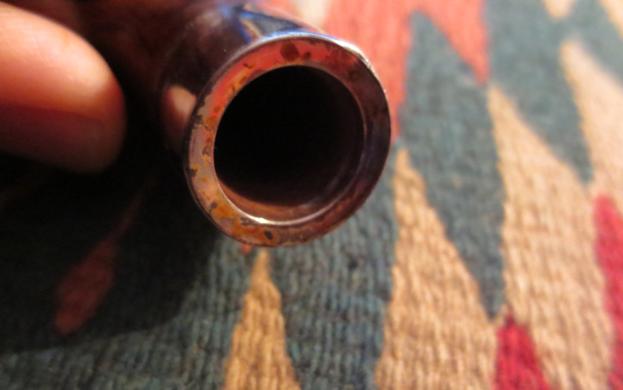
Photo 4 Bottom view showing the inner chamfering of the end of the band/cap

Photo 5 Top view of stem damage

Photo 6 Underside view of the stem

I began the restoration, as has become a natural rhythm, by cleaning the internals of the pipe. I reamed the bowl with a PipNet reamer. It is pictured in Photo 7 as a T handle and 4 different cutting heads. I generally start with the smallest head or the one that fits most easily into the bowl. I am careful to hold the head straight up and down while I am working on the bowl as it is easy to misalign the reamer and cut the bowl out of round. I work from the smallest head that fits until I get to the one that takes the cake back until the briar is bare. When I am working on a pipe that I intend to keep for myself I like to remove the cake and start over. Photos 8 – 10 show the process of the reaming with the PipNet and the finished bowl after reaming.

Photo 7 Pip Net set and Peterson 11S before reaming

Photo 8 Peterson Bowl with #1 Pip Net head inserted

Photo 9 Peterson Bowl with #2 Pip Net head inserted

Photo 10 Peterson Bowl after reaming

Sometimes at this point I will clean the internals but the band bothered me so I decided to address that issue next. It was not only lifted about a 1/8 inch leaving a gap between the end of the shank and the end of the cap, it was also turned in such a way that the stamping was not aligned as it originally had been (Photos 11 – 12). The band was turned about a 1/8 turn to the right. I found photos of the 11S on the internet that showed the original position of the band and I wanted to bring this band back to match the position shown in the photos.  I heated the band with my heat gun to soften the glue so that I could turn the band to the correct position and also press it back into place on the end of the shank (Photos 13 – 17). Eventually I wanted to flatten he beveled edge of the band to make the surface flush once again but would do that a little later in the process.

Photo 11 Gap between end cap/band and the end of the shank

Photo 12 Heating the band to adjust and reset it

Photo 13 Heating the band

Photo 14 pressing the band into place

Photo 15 Adjusting the stamping on the band – putting it in place

Photo 16 The gap is closed

Photo 17 End view of the closed gap

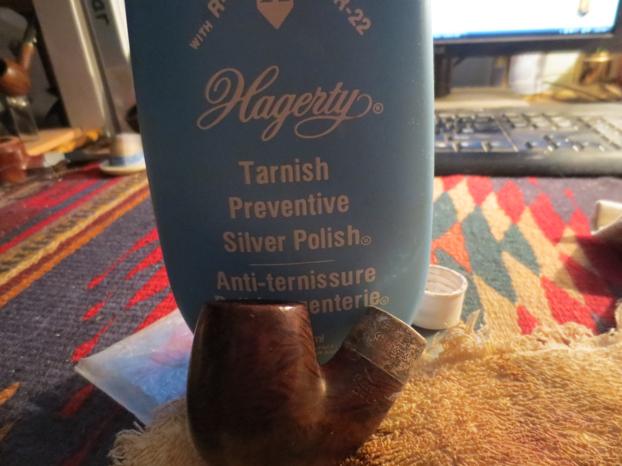
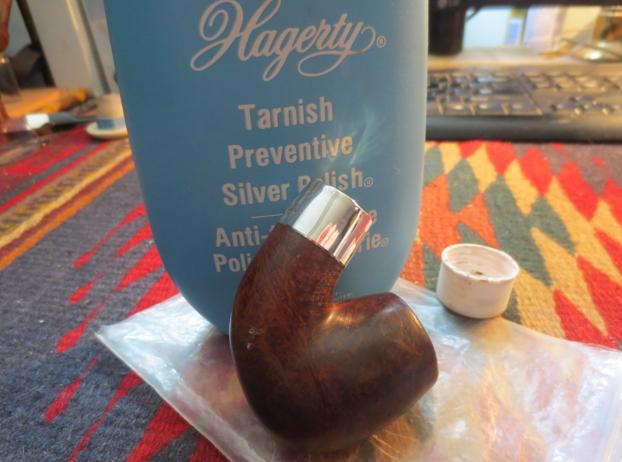
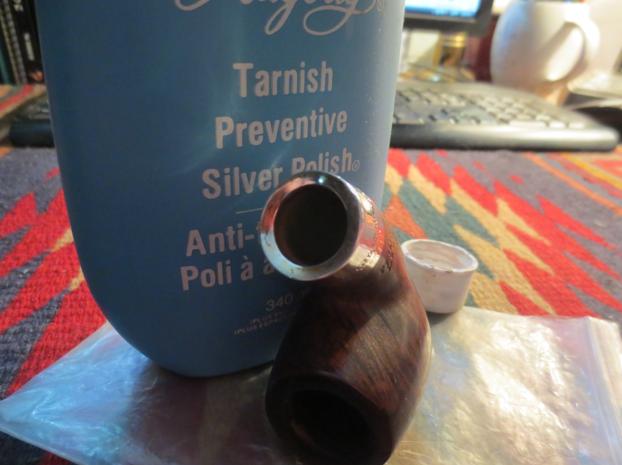
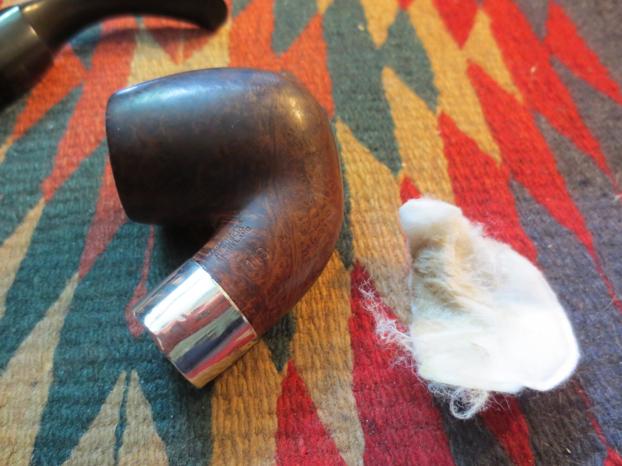
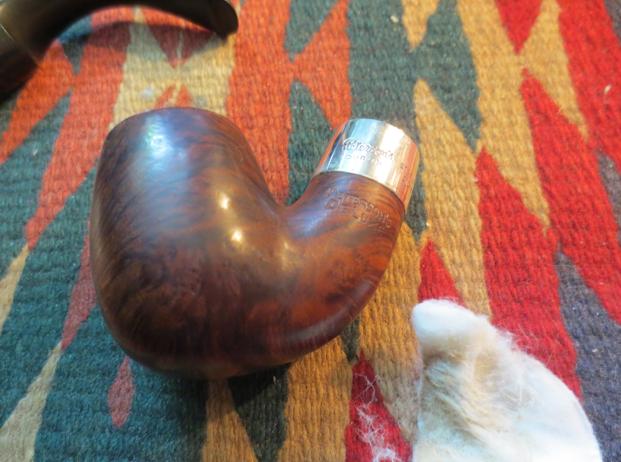
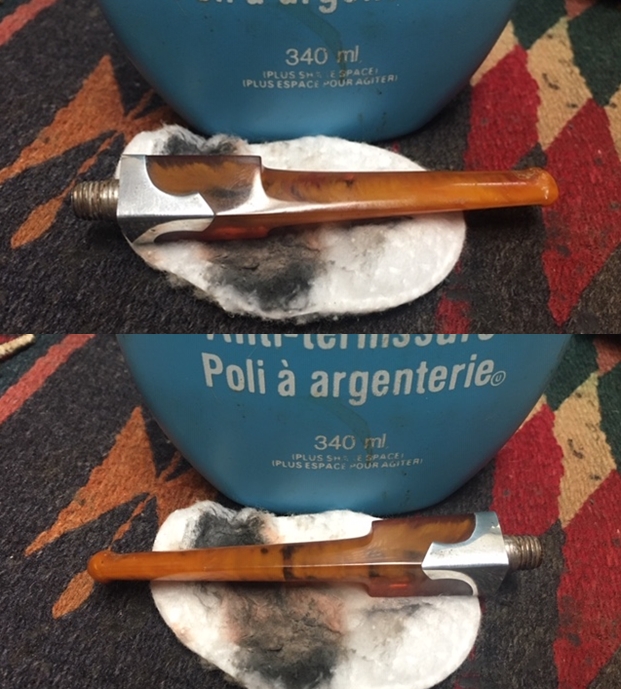
I decided to clean up the band with silver polish and remove the tarnish from the surface. All of this was preparatory for the work I would do later to flatten the end of the band against the shank. In order to do that correctly I needed to clean off any of the build up so that as I flattened the band it would not have ripples or added dents in the surface (Photos 18 – 21). I use Hagerty Tarnish Preventive and Silver Polish to clean up a band as badly tarnished as this one. The jeweler’s cloth is far more labour intensive and this polish really cuts the tarnish and raises a shine. I apply it with a finer and rub it into the surface and then scrub it off with a cotton pad. Once I have removed the tarnish I finish by wiping down the band with the jeweler’s cloth.

Photo 18 Polishing the silver

Photo 19 Polishing the silver

Photo 20 Polishing the silver

Photo 21 Polishing the silver

To clean up the exterior of the bowl I use Everclear on a cotton pad. I wetted the pad with Everclear and wiped down the exterior of the bowl to remove the grime and build up. I have found that the alcohol removes the grit and grime as well as the wax that has been used on the bowl but does not damage the stain like an acetone wipe would. For the rim I scrubbed it down with the Everclear and then used a fine grit sanding sponge to loosen the hard tars that remained. I scrubbed, sanded and scrubbed until the rim was smooth and clean. This scrub down gives a clean surface to work with when doing the repair on the band (Photos 22 –27). When I had finished the cleaning both the bowl and the band the dents in the band were very visible and I knew clearly what I was working with in the upcoming repair.

Photo 22 Wiping down the rim with Everclear

Photo 23 Wiping down the rim with Everclear

Photo 24 Bowl after cleaning with Everclear

Photo 25 Bowl after cleaning with Everclear

Photo 26 Rim after cleaning with Everclear

Photo 27 Rim after cleaning with Everclear

I then cleaned out the shank and sump area to remove the tars and oils. I wanted to do this prior to heating the end of the band/cap with the heat gun. I have found that if I do not clean it prior to heating the oils and tars melt with the heat and make a huge mess of the work area. I used Everclear and cotton swabs to clean the shank and sump. It generally takes many swabs before the shank is clean (Photos 28 – 29).

Photo 28 Cleaning the shank and reservoir prior to heating

Photo 29 Shank and reservoir cleaned and ready

I took the pipe bowl to my heat gun and held the bowl shank down over the heat source. At this point I wanted to both soften the glue a second time and also soften the silver in order to be able to press it flat (Photo 30). I held it in position as long as I was able, took a break to cool the fingers and then did it a second and third time. I wanted silver very pliable. Once it was heated I pressed hard against a steel plate that I use for pressure fitting bands into place (Photo 31). I repeated the heating and the pressing until the end of the band was once again flat against the end of the shank. Photos 32 and 33 show the end of the band/cap after pressing it flat the first time.

Photo 30 Heating the end of the cap

Photo 31 pressing the cap on a steel plate to flatten it

Photo 32 After pressing it flat the first time

Photo 33 End view after pressing it flat

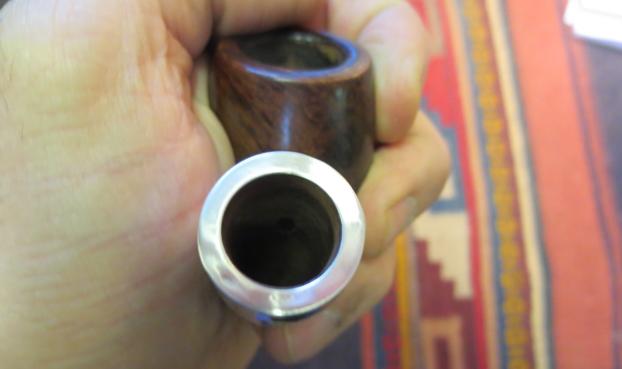
I then sanded the band surface with micromesh sanding pads. I started with 1800 grit and then polished the end with each successive grit of micromesh from 2400-12,000 (Photos 34 – 35). By the end of the sanding and polishing process the surface of the band is flat and relatively smooth. I was able to remove many of the dents with the repeated heating and pressing against the steel surface. In Photo 35 you can still see the few remaining dents that I was not able to remove. The overall look is greatly improved and with the stem in place the pipe looks as it supposed to in terms of the gap between the end cap and the stem.

Photo 34 Polishing the silver end cap with micromesh

Photo 35 End view after polishing

With the work on the bowl finished to this point, I gave the silver band a quick polish with the jeweler’s cloth and rubbed down the bowl with some Conservator’s Wax and hand buffed it. I set it aside and turned my attention to the stem. The condition of the stem would make it necessary to use several of the tricks I have learned over the years to deal with dents, tooth marks and bite marks. Dents are always relatively easy and can be dealt with by heating the stem surface with either a Bic lighter or a heat gun to lift the vulcanite back into place. Vulcanite has memory so heat causes the surface to expand back to fill the dents and some of the shallow tooth marks. Bite marks are another problem all together. The surface of the stem has actually been cut and no amount of heat will lift the surface. A different method needs to be used to repair this kind of damage. This stem had both problems (Photos 36 – 37). There were also some divots or missing parts of vulcanite on the top edge of the button and around the opening into the airway on the button. This would need to be addressed in a different way.

Photo 36 View of the tooth mark on the underside of the stem

Photo 37 View of the tooth damage on the top side of the stem

I heated the top and underside of the stem with a Bic lighter. The key in this process is moving the flame of the lighter quickly across the surface of the vulcanite. Never leave it in one place as it will burn the vulcanite and cause more damage. Move the flame across the surface until it is heated. The lesser damaged areas will lift with this kind of heat very easily and then will need to be lightly sanded to remove the damage (Photos 38 – 39). A heat gun will be used to lift the larger dents.

Photo 38 Tooth marks after heating with a Bic lighter to lift the dents

Photo 39 Underside of the stem after heating with a Bic lighter to lift the dents

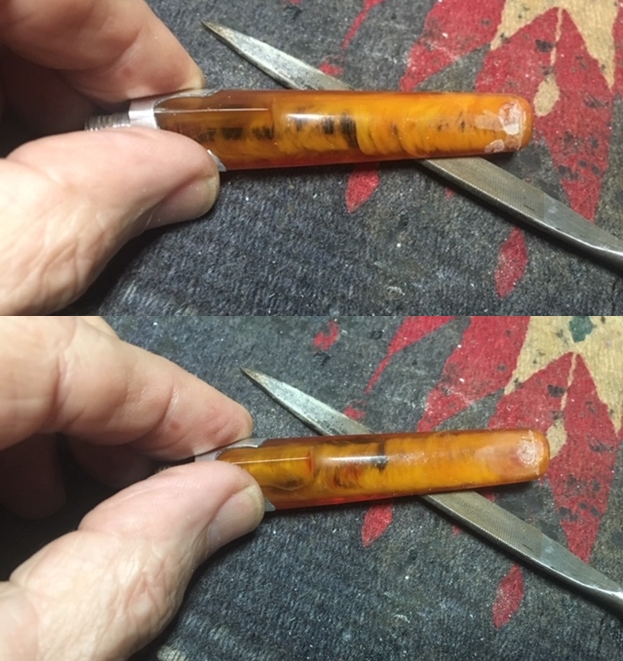
I followed up the heating with the lighter by sanding the surface of the stem with 220 grit sandpaper. Sanding has a dual purpose – it removes the signs of the small dents and at the same time highlights the areas that will need to be addressed with other methods. Photo 40 shows the top of the stem after sanding. There are three large spots that are actually both dents and cuts in the surface. The divot on the button is also very clear in this photo. Photo 41 shows the underside of the stem and the two remaining shallow dents that more heat will lift and remove.

Photo 40 Tooth marks after sanding with 220 grit sandpaper

Photo 41 Tooth marks on the underside of the stem after sanding with 220 grit sandpaper

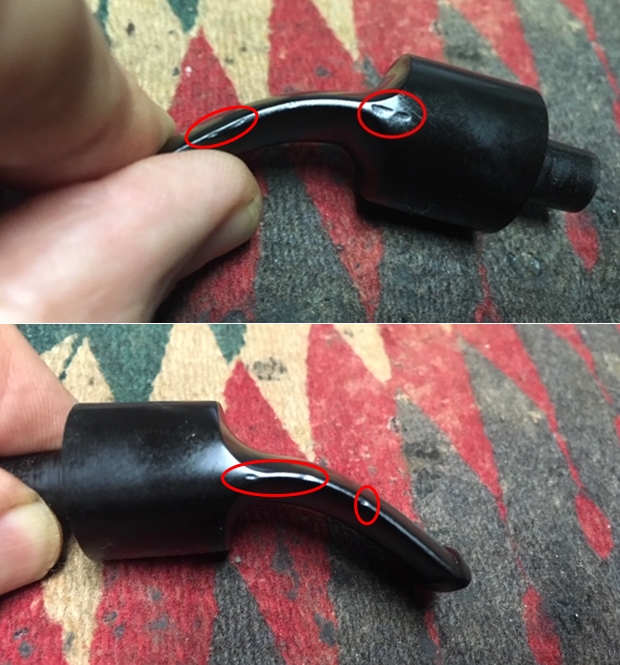
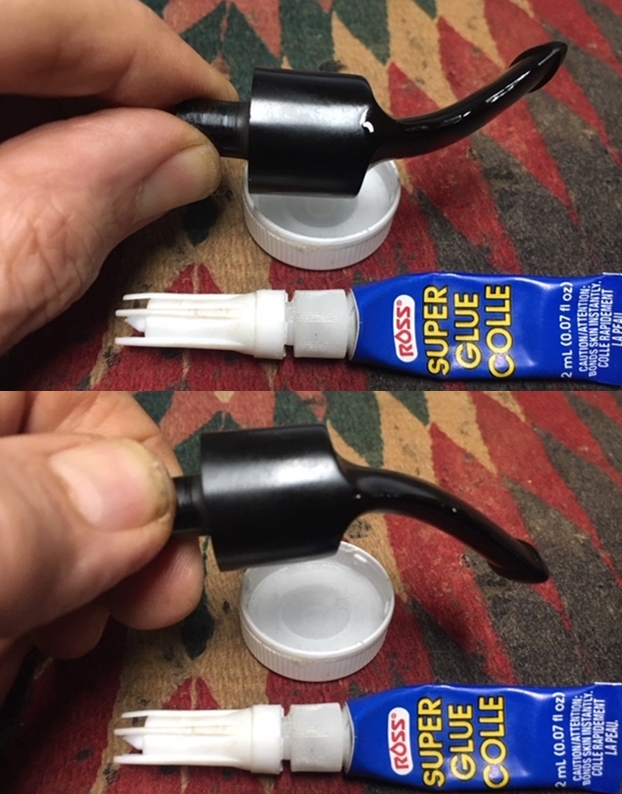
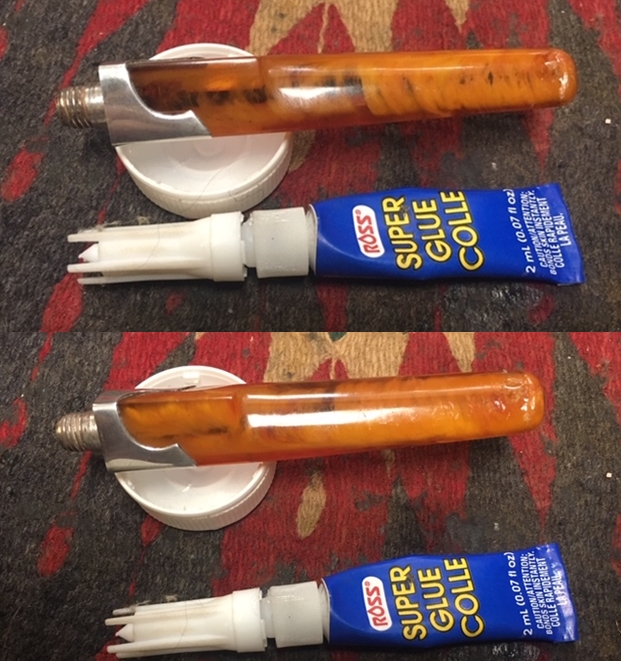
To further work on the tooth marks I took the stem to the heat gun. I held the stem surface1-2 inches above the tip of the gun (Photo 42). Again the idea is to keep the stem moving over the heat. If it is held still in one place too long the vulcanite burns and the damage that occurs is worse than the dents. The heat lifted the remaining small dents on the underside of the stem and they were invisible after sanding. The dents on the top of the stem lifted considerably but not totally. The smaller ones only needed a little sanding to disappear. The large cut area I filled in with black super glue. I used black super glue to also build up the divot area on the button and the deeper dents and divots around the airhole (Photos 43 – 44). Once the glue was in place I set the stem aside in an upright position so that the super glue would dry and not run off the surface. Drying generally takes 6-8 hours to dry to touch. Once it is dry to touch I sand the excess away and add a second coat in the places that need more building up (Photos 45 – 46). Photo 47 shows the side profile of the button after the superglue has dried and the surface has been sanded.

Photo 42 Heating the dents with a heat gun

Photo 43 Building up the divot on the button with black superglue

Photo 44 Black super glue build up on the button

Photo 45 Super glue cleaned up with sand paper. Second coat applied to the divot area

Photo 46 second coat of superglue on the divot on the button

Photo 47 Stem profile after building up with black super glue

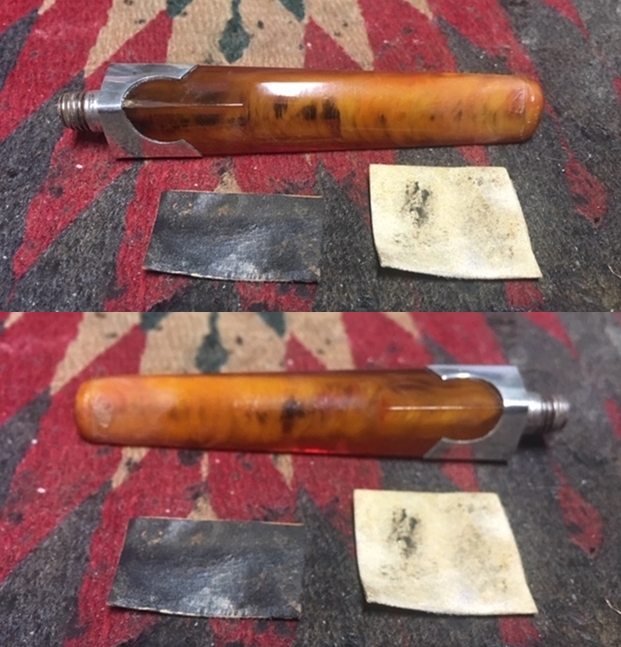
After I have reshaped the button and repaired the divots and cut areas on the stem it was time to sand the whole stem with the micromesh sanding pads. The sanding process blends in the repaired areas with the rest of the stem surface. I started sanding the stem with 1500 grit micromesh and worked on the edges of the button on the top side and also the ridge on the underside. I wanted these sharp edges to be clearly defined so I spent extra time with the coarser grit in order to sharpen these edges (Photos 48 – 49). I sanded with 1800 grit micromesh and further defined the edges and blended the patches into the stem surface (Photos 50 – 51).

Photo 48 Superglue repair after sanding with 220 grit sandpaper and 1500 grit micromesh. Tooth marks are also gone

Photo 49 the underside of the stem – sans tooth marks

Photo 50 – sanding the top of the stem with 1800 grit micromesh

Photo 51 sanding the underside of the stem with 1800 grit micromesh

The next series of photos (Photos 52 – 58) shows the progressive shine that the micromesh sanding pads bring to the surface of the vulcanite. Each of the successive grits of micromesh gives a deeper polish and a higher sheen. It always is amazing to me to see the difference in shine between the last four grits – 4000, 6000, 8000 and 12,000. Each one takes the shine to another level. When the sanding is completed all that remains is to buff the stem with White Diamond on the buffing wheel and then give it multiple coats of wax to protect the shine and prevent oxidation.

Photo 52 Sanding with 3200 and 3600 grit micromesh

Photo 53 sanding with 3200 and 3600 grit micromesh

Photo 54 sanding with 4000 and 6000 grit micromesh

Photo 55 sanding with 4000 and 6000 grit micromesh

Photo 56 sanding with 8000 and 12,000 grit micromesh

Photo 57 sanding with 8000 and 12,000 grit micromesh

Photo 58 End view of the button after sanding

I rubbed down the pipe with the Conservationist’s Wax and set it aside to dry for a few moments while I cleaned up the sanding pads. Once it was dry I hand buffed it with a soft cotton cloth to give it an initial shine and to highlight any areas that had scratches that I needed to sand some more before buffing it on the buffer (Photo 59).

Photo 59 Coated with Conservationist’s Wax

After hand buffing, I took the pipe to the buffing wheel and buffed it with White Diamond. The next series of photos shows the pipe after buffing with White Diamond (Photos 60 –65).

Photo 60 right side after buffing with White Diamond

Photo 61 left side after buffing with White Diamond

Photo 62 top view after buffing with White Diamond. Note how the patch on the stem surface is blended into the shine

Photo 63 bottom view after buffing with White Diamond

Photo 64 pipe in pieces after buffing with White Diamond

Photo 65 pipe in pieces after buffing with White Diamond

The next five photos show the finished pipe after several coats of carnauba wax and a buff with a clean flannel buffing pad on the buffer. The stem looks new and the shine is deep and rich. The silver has a warm glow and the briar is clean and fresh looking. The top of the band on the shank is smooth with just a few small dents that could not be removed. The rim has been cleaned and restored. It is polished but it is not flawless, it does show its age but it shows it well.

Photo 66 The finished view of the left side of the pipe

Photo 67 The finished view of the right side of the pipe

Photo 68 Bottom side view of the finished pipe. The stem is undented and looks new

Photo 69 Top side view of the finished pipe

Photo 70 Another top side view of the finished pipe

Rebirthing a “Malaga” Ras Kassa Canadian


Blog by Steve Laug

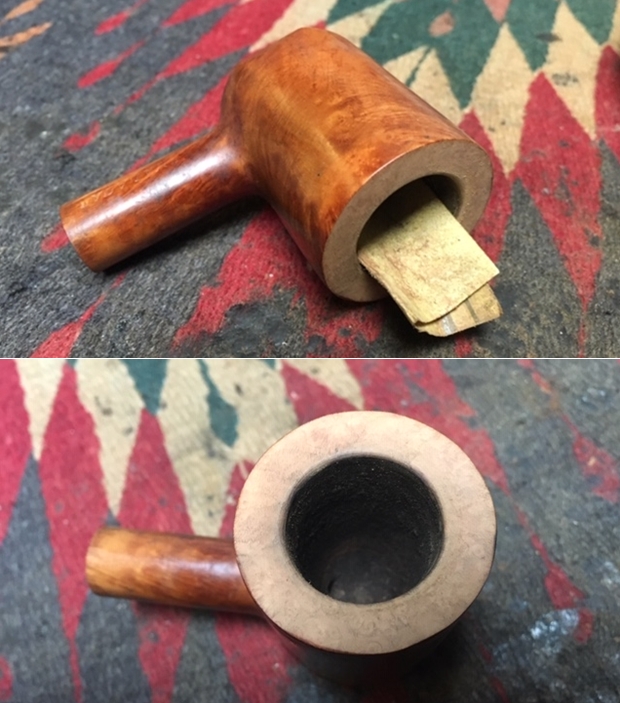
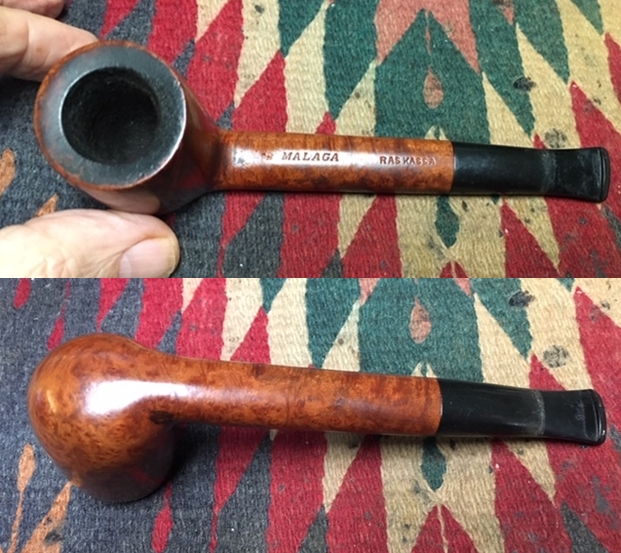
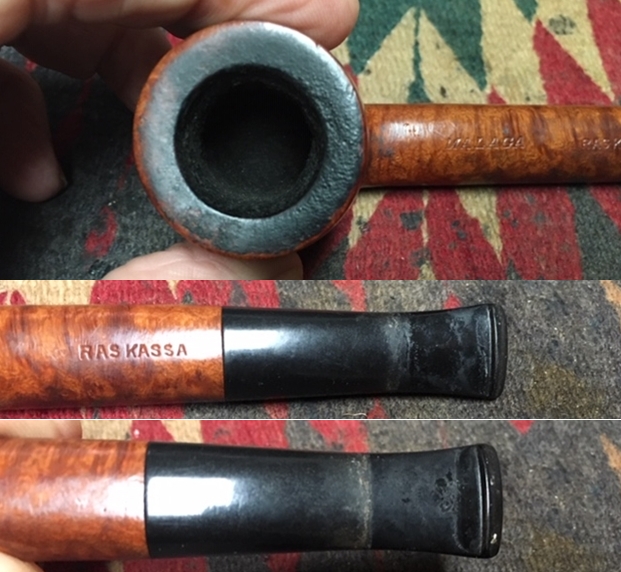
The next pipe in the queue is another pipe from the batch of pipes I am cleaning up for Alex – this one is another “Malaga” – this one a Canadian with some beautiful grain around the oil cured bowl and shank. The entire pipe has some beautiful birdseye grain around the bowl and cross grain on the front and back of the bowl. The pipe has not been stained but sports the usual Malaga oil cured look. The carver did a great job utilizing the block of briar to maximize the grain. The pipe is stamped on the top side of the shank. It reads MALAGA followed by RAS KASSA. The tapered stem is vulcanite and has no marking or stamping. This is another nice looking piece much like many of the pipes Alex is picking up. There was cake in the bowl and some lava overflow and darkening on the rim top. The exterior of the briar was dusty with grime and sticky spots on the shank and bowl. The stem is lightly oxidized and there a line of stickiness that appeared to be left behind from a Softee Bit protector. The stem was in good condition under the grime. The photos below tell the story and give a glimpse of the pipe before clean up. I took a photo of the bowl and rim to capture the condition of the pipe before I started my cleanup work. There was a thick coat of lava on the rim top and it was hard to know what the inner edge of the rim looked like. The was a thick cake in the bowl. The outer edge of the bowl appeared to be in excellent condition. There was a slight inward bevel to the rim top. The stem was in decent condition. There was some light oxidation on the stem. There was also a line of stickiness that seemed to be a build up where there had been a Softee Bit Protector.I also took a photo of top side of the shank to show the stamping. The stamping is readable in the photo below and is as noted above – MALAGA RAS KASSA.For those of you who are unfamiliar with the brand, I am also including the link to a blog that I wrote that gives some of the history of the Malaga brand and the Malaga Pipe Shop in Royal Oak, Michigan in the USA. Here is the link – https://rebornpipes.com/tag/malaga-pipes/. That blog also includes links to a catalogue and the history of the pipemaker George Khoubesser. If you are interested to learn more then I invite you to follow the link to get a feel for the brand and the pipemaker.

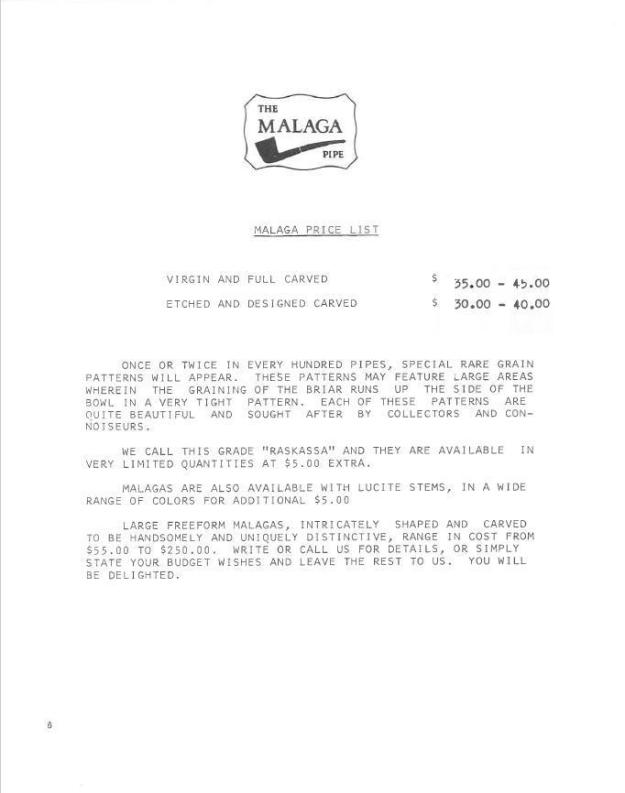
I am also am including some printed material on the Malaga brand that came to me from the daughter of George Koch to help identify the particular stamping on the pipe. The link takes you to the entire collection of materials that were sent to me. I am also including one particular page that helps identify the RAS KASSA stamping on the pipe. https://rebornpipes.com/2019/02/27/malaga-pipes-catalogue-of-pipes-and-tobaccos/

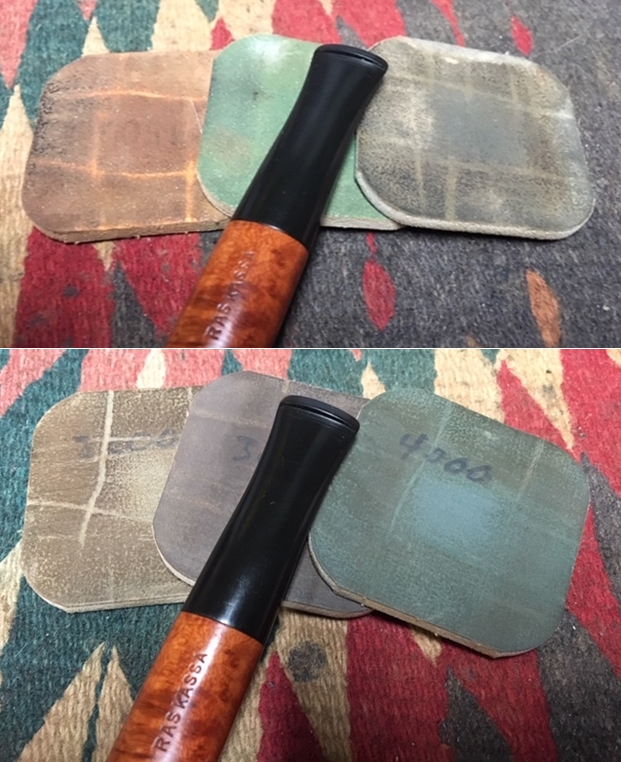
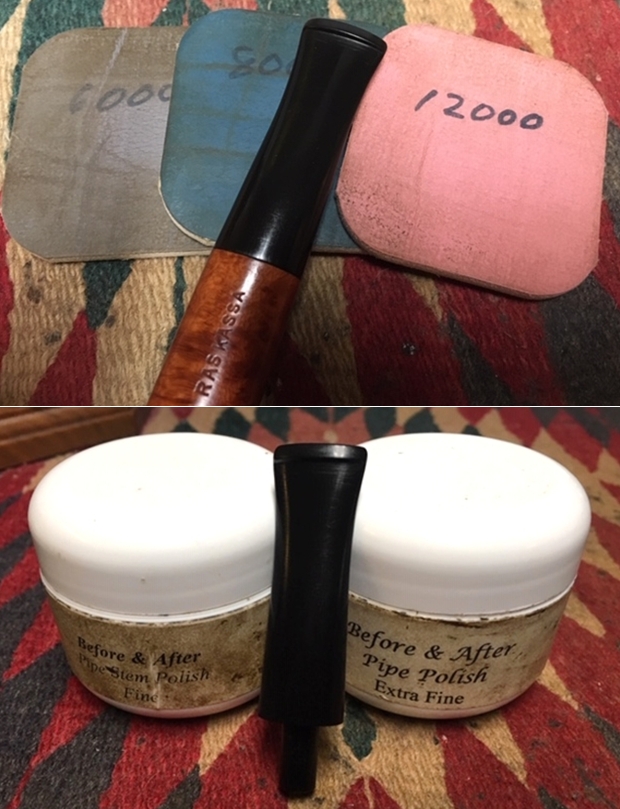
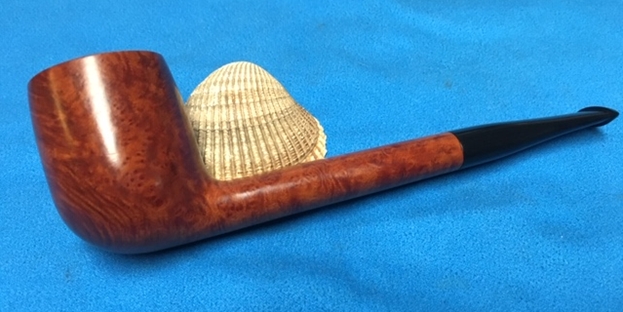
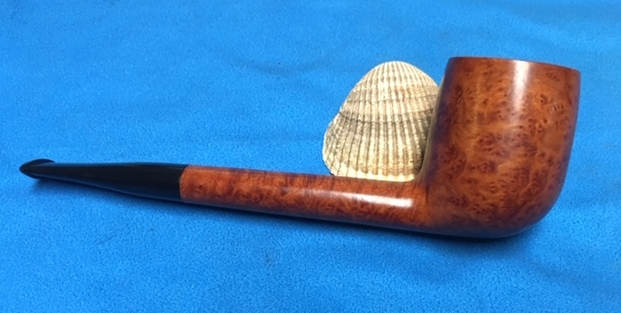
It basically says that the stamping is applied to pipes with special rare grain patterns in the briar. These appear to be straight grain, birdseye, swirled grains etc. that are tight patterns. They are rare – 1 or 2 in every hundred pipes. This pipe is one of those. You can read the description in the detailed explanation below.I started the restoration by reaming the bowl with a PipNet pipe reamer using three of the four cutting heads to take the cake back to bare briar. I followed by using a Savinelli Fitsall pipe knife to remove the remnants of the cake on the walls in the heel. I sanded the inside of the walls with a dowel wrapped with 220 grit sandpaper. I worked on the slight damage to the inner edge of the rim by sanding it with a folded piece of 220 grit sandpaper. I was able to remove the damage and the burned areas. I also sanded to remove the darkening and burn marks on the rim top.I scraped the mortise with a dental spatula to remove the hardened tars and oils on the walls. I then scrubbed out the mortise and the airway in the shank and the stem with alcohol, cotton swabs and pipe cleaners. I also cleaned out the airway in the stem using pipe cleaners and alcohol.I scrubbed the bowl with a cotton pad and undiluted Murphy’s Oil Soap. I rinsed the bowl under running water to wash off the soap and the grime that had been loosened. I polished the outside of the bowl with micromesh sanding pads – wet sanding with 1500-12000 grit pads. I wiped the bowl down after each pad to remove the sanding debris. I worked some Before & After Restoration Balm into the surface of the briar with my fingertips to clean, enliven and protect it. I let the balm sit for a little while and then buffed with a cotton cloth to raise the shine. With the bowl finished I set it aside and turned my attention to the stem. I sanded the stem surface with 220 grit sandpaper to remove the oxidation the buildup left behind by the Softee Bit Protector. I am happy with the stem surface once that was done. I started the polishing of the surface with 400 grit wet dry sandpaper. I polished the stem with micromesh sanding pads – wet sanding it with 1500-2400 grit pads and dry sanding it with 3200-12000 grit pads. I wiped the stem down with a damp cloth after each pad. I further polished it with Before & After Pipe Polish – both Fine and Extra Fine. I wiped it down with a coat of Obsidian Oil and set it aside to dry. With both parts of the pipe finished, I polished the bowl and the stem with Blue Diamond polish on the buffing wheel. I gave the bowl and the stem multiple coats of carnauba wax. I buffed the pipe with a clean buffing pad to raise the shine. I hand buffed it with a microfiber cloth to deepen the shine. The pipe polished up pretty nicely. The oil cured finish and the grain came alive with the buffing. The rich finish on the briar works well with the polished black vulcanite stem. The finished pipe is a well-proportioned, nicely grained classic Canadian. Have a look at it with the photos below. The dimensions are Length: 6 inches, Height: 2 inches, Outside diameter of the bowl: 1 3/8 inches, Chamber diameter: 7/8 of an inch. This rarer Malaga Ras Kassa will be going back to Alex to add to his rack of Malaga pipes that are in his collection. Thanks for walking through the restoration with me on another of Alex’s Malaga collection.

A Knute of Denmark Freehand – a Special Gift for My Son


Blog by Dal Stanton

This story begins in October of 2017 and concludes less than a week ago with the graduation of my son who received a master’s degree in counseling.  My wife and I have lived in Europe over 25 years and periodically we return to the US for several months from Bulgaria, to visit friends, family, and supporters of our work in Bulgaria.  It’s a great time renewing relationships and we travel a lot during these visits – often very tiring!  One of our favorite things to do as we travel (when we’re not flying over America from airport to airport) is to rent a car and drive off the interstates on the ‘Old Roads’ when we are visiting and speaking about Bulgaria.

On one such road trip, we were traveling from visiting our son (in St. Louis) and our daughter and her husband (in Nashville) and we were returning to home base near Atlanta, Georgia – to a little hamlet railroad stop called, Palmetto.  As often as possible when time allows, we break off from the interstates and cling to two lane highways that trace our path through small towns and villages.  Of course, I’m always looking for the antique and second-hand shops along the way to do pipe-picking!  We came across one such place in a small crossroads town of Alabama which was a great place to stop and rest and to search for pipe treasures!

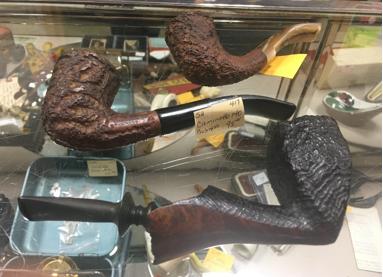
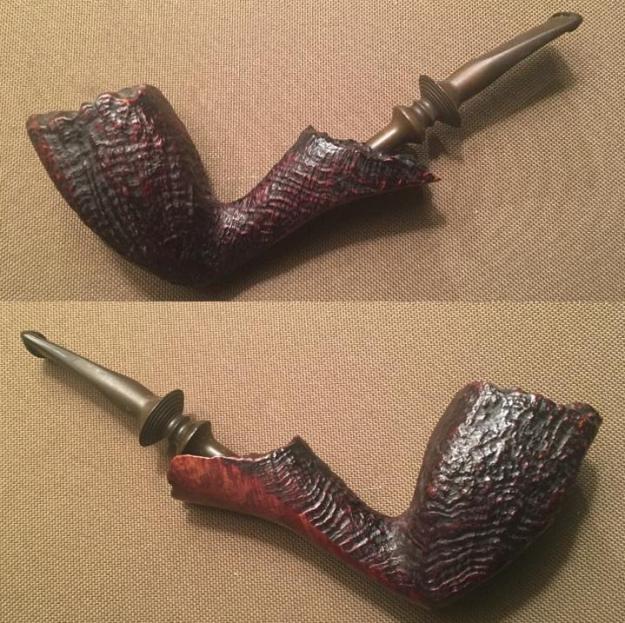
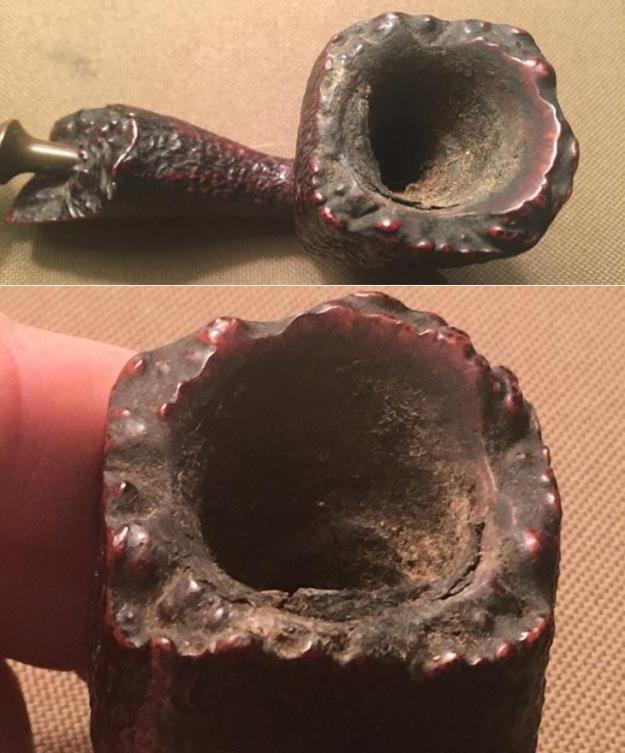
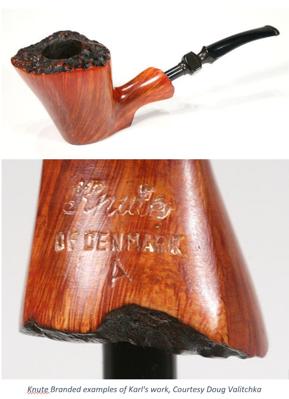
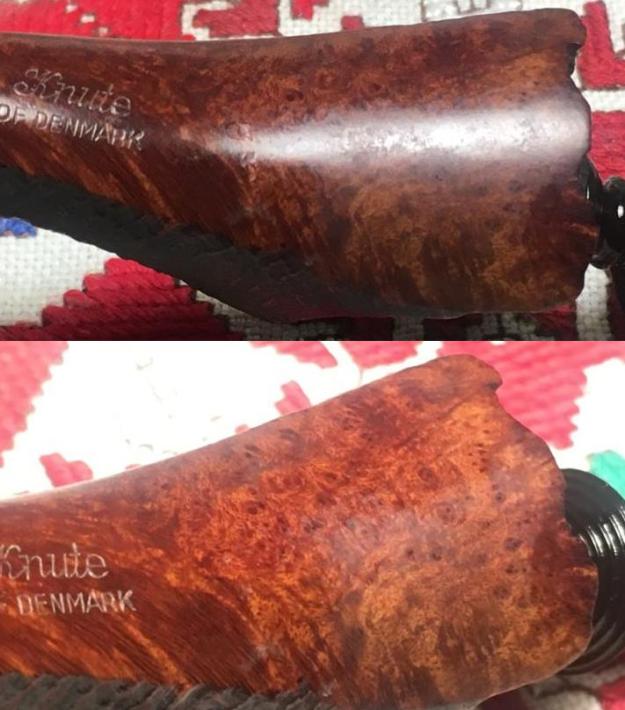
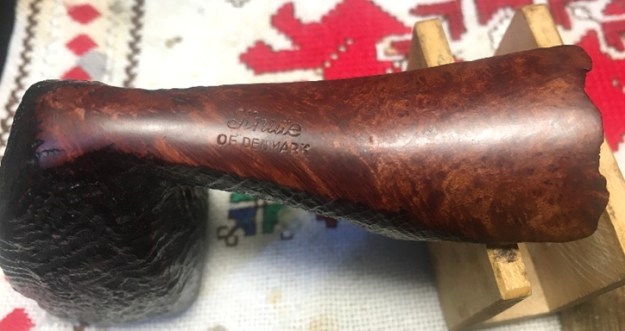
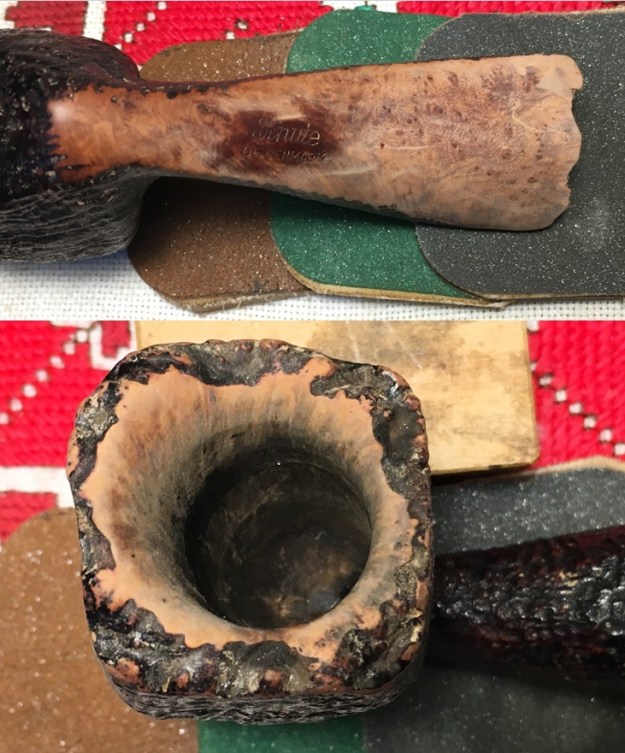
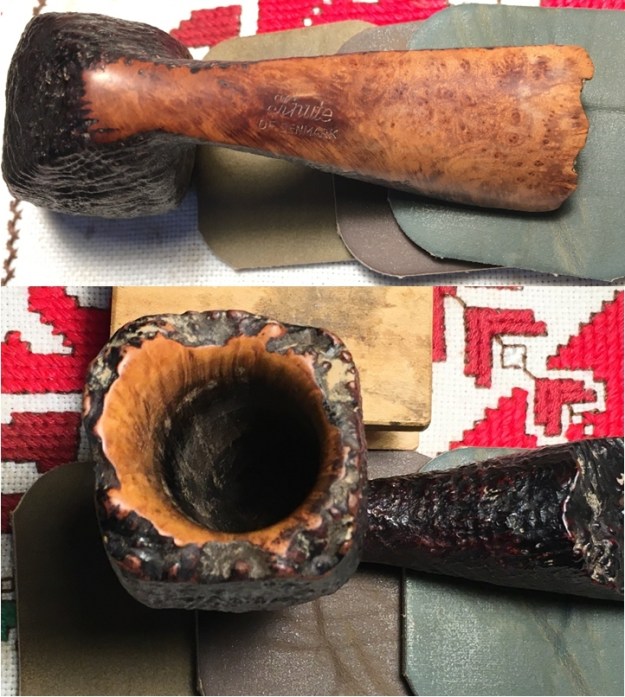
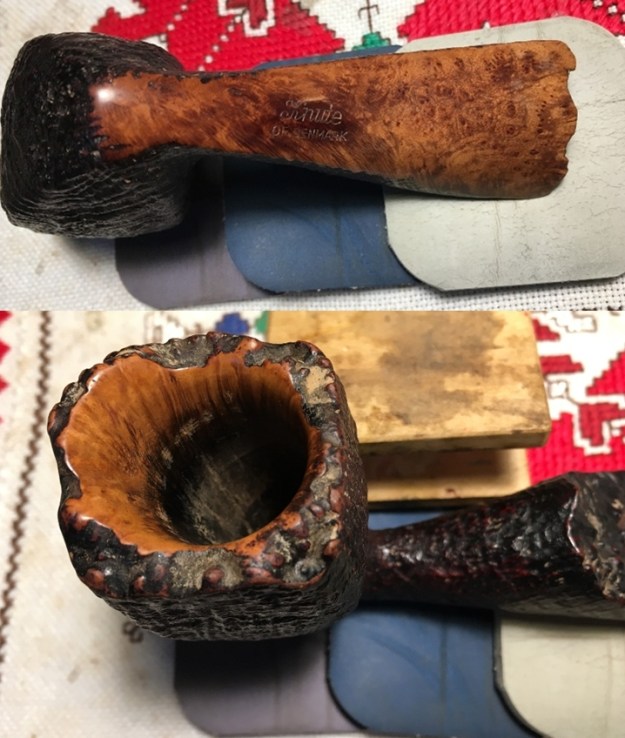
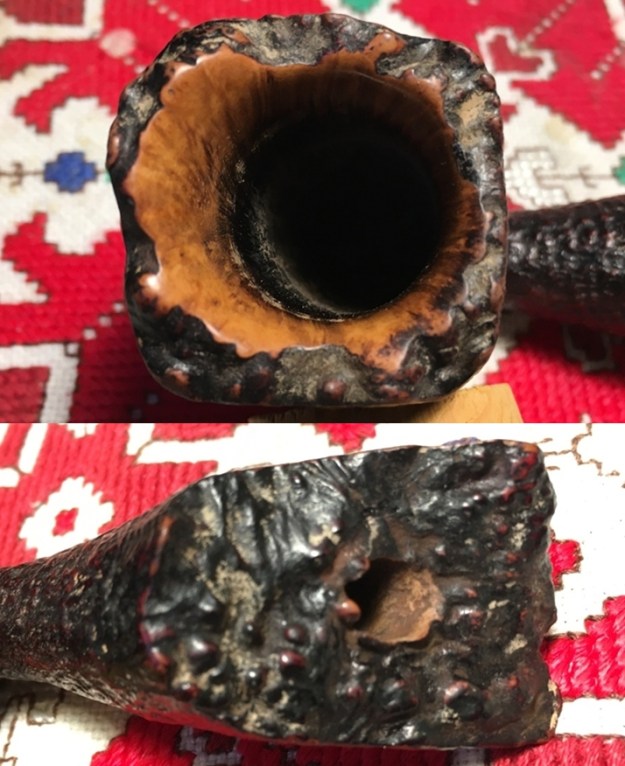
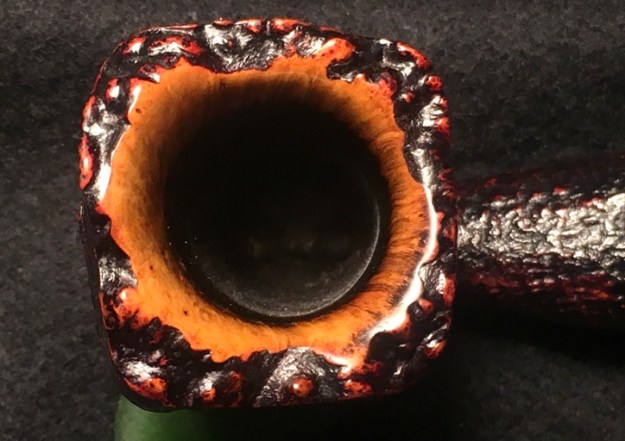
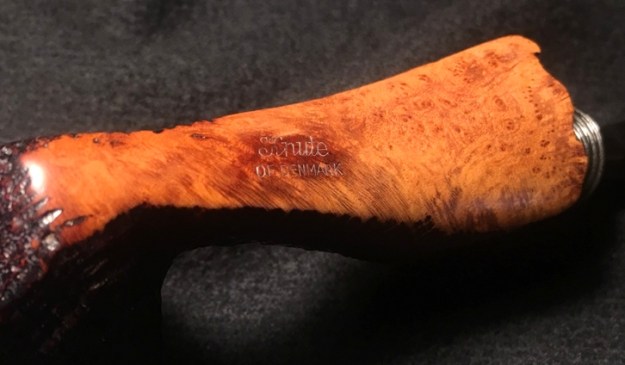
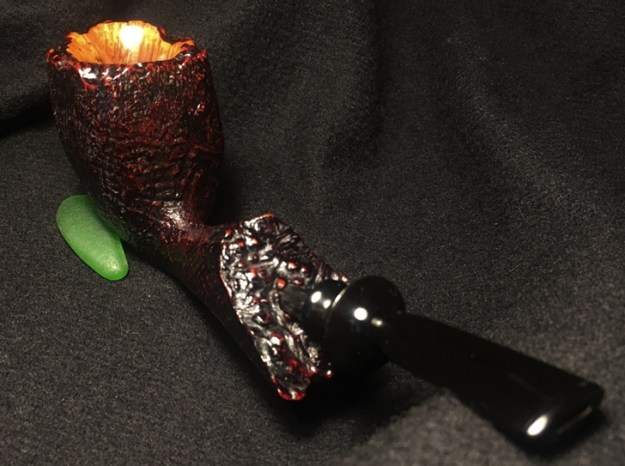
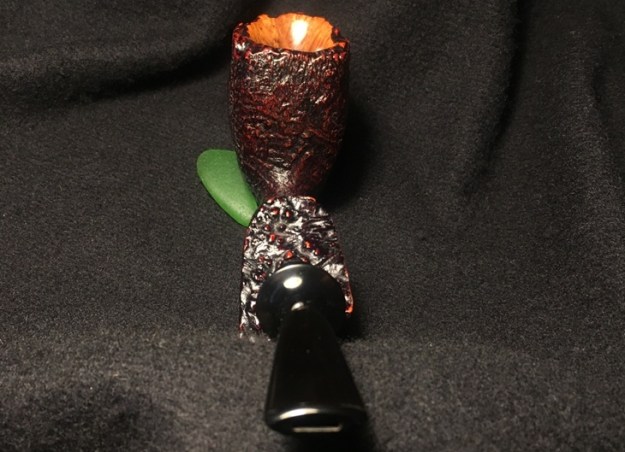
I found 3 pipes that were candidates, but the one that received the lion’s share of my attention was the Knute of Denmark, a stout Freehand that had a beautiful balance of upper blasted briar and a large underside shank of smooth briar that encased the Danish nomenclature.   The bowl’s plateau was striking but the shank plateau facing sloping toward and tying in the fancy stem was frosting on an already nice-looking cake!  I was fully present in the moment of this exceptional find – a find that I would keep for myself and add the first freehand to my collection of vintage pipes.

I left the 3 at the front of the shop while I did a walk about through the shop.  While doing this, I was also researching the ‘Knute of Denmark’, the sole marks on the pipe.  I discovered that ‘Knute’ was a second of well-known Danish Freehand pipe maker and manufacturer, Karl Erik Ottendahl – this sweetened the pot considerably!

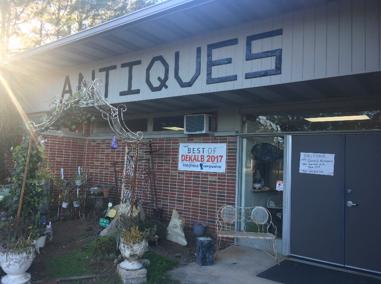
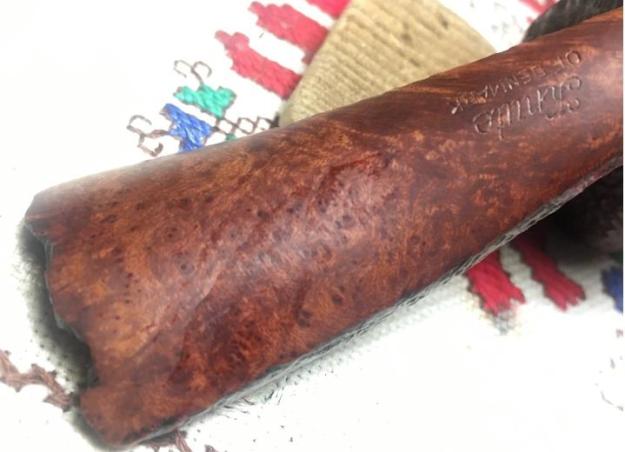
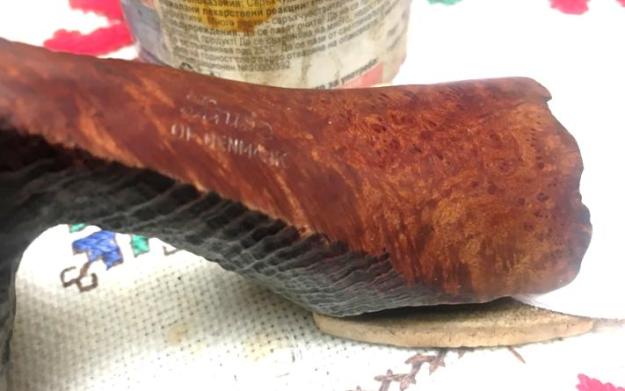
Dave’s Antiques was primarily a consignment shop and the desk person, perhaps it was Dave, had the number of the owner of the Knute and called him with my counter offer.  To my surprise and gratification, the owner accepted my offer.  The Knute Freehand joined me when my wife and I returned to Bulgaria and has waited patiently in my own personal “Help Me!” basket for his turn on the work table.  Here are some pictures of the Knute of Denmark I took while still in the US on that trip. Pipedia’s listing for Knute provided helpful information to appreciate more my newest acquisition and the Karl Erik name behind it:

Karl Erik Ottendahl

Knute of Denmark pipes are said to be made by Karl Erik, see his listing herein. Karl Erik Ottendahl was born in Aalborg in 1942, just a few miles from the very northernmost tip of Denmark. He began his career as a Lithographer as an apprentice in the craft at the age of 16. While working as an apprentice he began hand carving pipes as a hobby and to give as gifts to his more senior colleagues. He began his career making pipes for various labels in Denmark and the United States. Often, he would make the higher-grade pipes for a well-known brand that was known for their midrange or low-end pieces such as Wally Frank. While doing this he administered a factory of fifteen craftsmen. During this period, he did make some of his own handmade pipes, but he felt that the responsibility of managing the factory did not give him the freedom he wished he had.

Other brands confirmed to be from Karl Erik are: Champ of Denmark, HTL, Jobey Dansk, Knute, Golden Danish, Lars of Denmark, Larsen & Stigart (Copenhagen pipe shop), Shelburne, Sven Eghold and Wenhall (for Wenhall Pipes, New York), some Ben Wade and pipes marked IS and IIS.

One other paragraph from the Karl Erik article in Pipedia referenced above is noteworthy in understanding this pipe man who died in 2004:

As one of the few notable Danes Karl Erik Ottendahl dedicated himself to the needs of the normal pipe smoker with a normal income. In the end he was one of the last of this tier. He never made any pretense of the fact that his “hand mades” were prefabricated to a large extent on automated machines and only the last steps of fine-shaping and finishing were carefully made by hand. But he never employed a copy milling, so many KE pipes may look very similar but no two are identical. As well the bulk of the stems was supplied by Stanwell in a close-to-finished state. Stanwell also did the sand blasting for KE to a large extent.

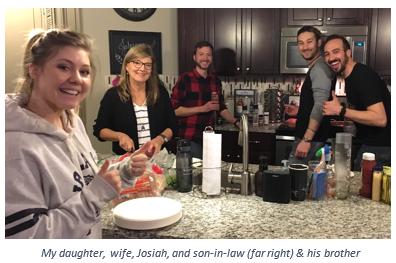
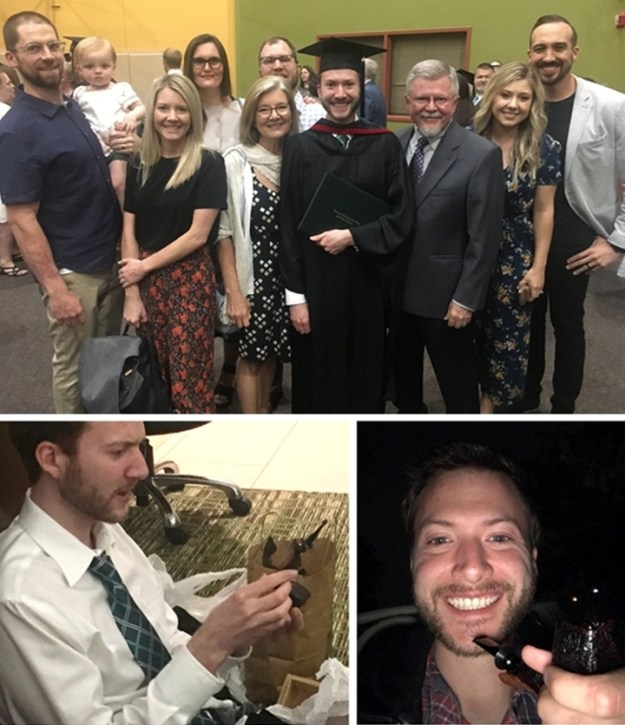
I’m thankful for my family.  We’ve been spread out all over the world for many years, but we stay close.  My son, Josiah, is number 4 of our 5 children.  He’s pictured to the right of his baby sister and my wife, when we were in Nashville during our Christmas visit to the States last year.  Soon, we’ll be heading to the US again in May to join Josiah with other gathered family members as he graduates with a master’s degree in counseling from Covenant Seminary in St. Louis.  During his years in college and seminary, as a younger pipe man, he has enjoyed a bowl now and again.  He has gifted me with pipes that are special to me because they came from him AND they are very nice pipes as well after restoring them!  My first Peretti came from Josiah.  I have gifted all my kids, sons and daughters, with pipes that I’ve restored.  It gives me joy to pass pipes on which then become family heirlooms because ‘the ole man’ restored them.

I had been thinking for some time which pipe I could give to Josiah commemorating this great milestone accomplishment in his life.  The Knute of Denmark waiting for restoration came to mind.  Several weeks ago, when Josiah and I were Face Timing, he in St. Louis and I in Sofia, I asked him if he would like this Freehand as a graduation present?  His response did not take long!  I have viewed that Knute somewhat as a ‘Pearl of Great Price’ – looking forward to restoring it and recommissioning it into my collection and service.  Yet, for Josiah to have it to commemorate his graduation is something that will always be important.  When he goes through the ritual of taking the pipe from the rack, methodically packing the bowl with his favorite blend, lighting and reflecting upon life and faith – he will remember his accomplishment as well as how proud his family is of him.

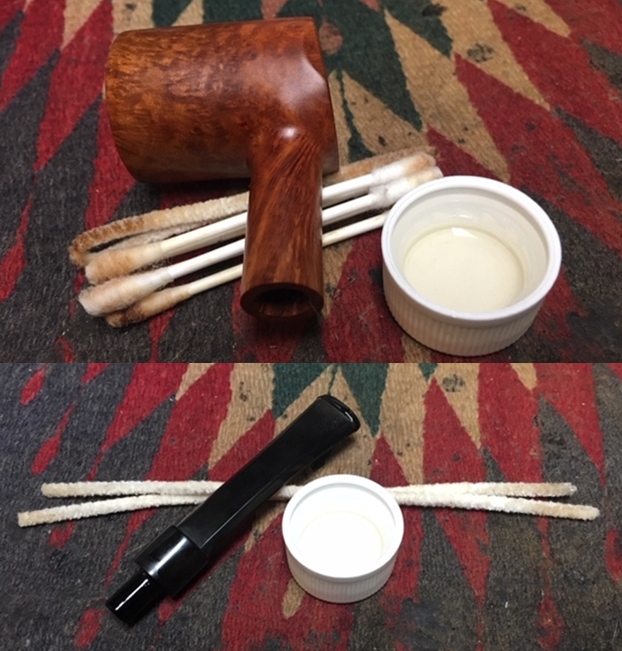
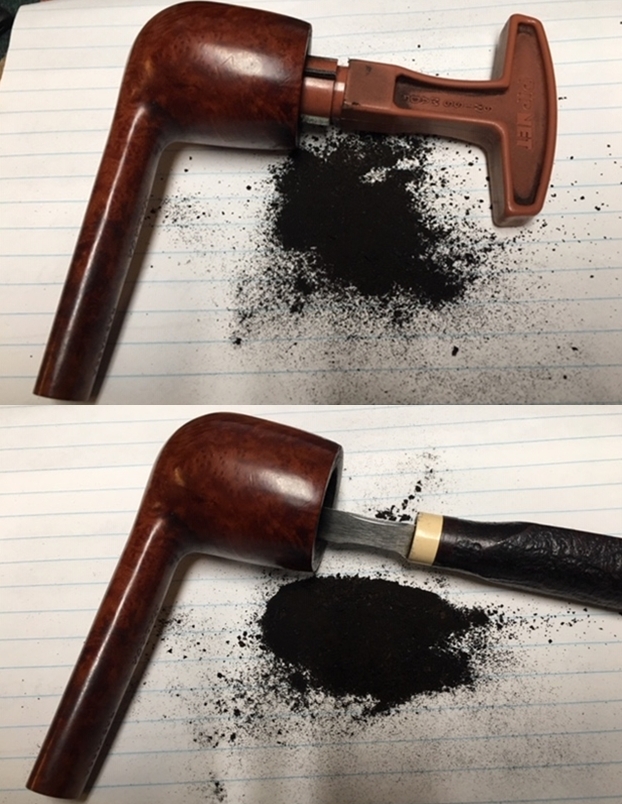
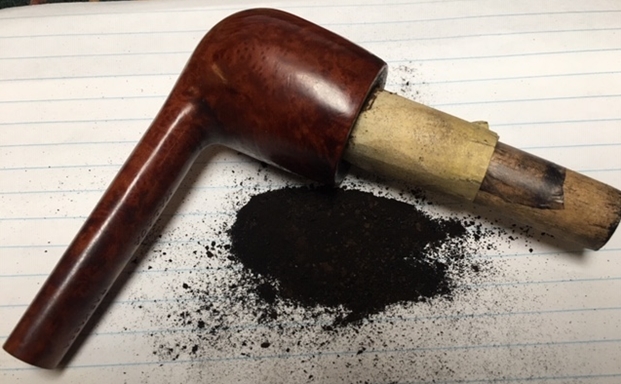
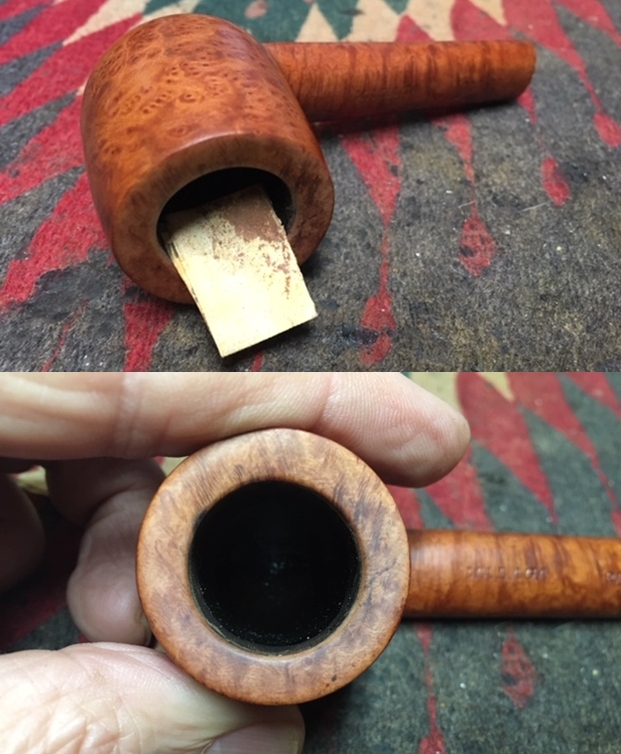
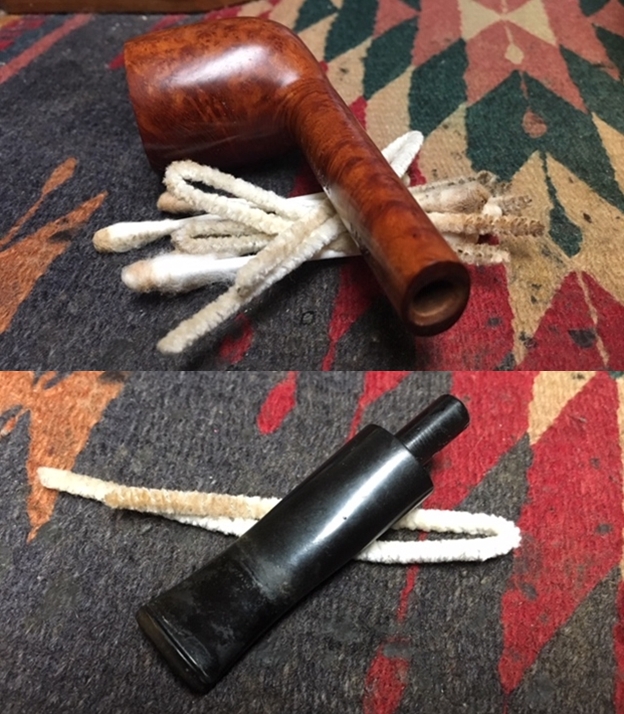
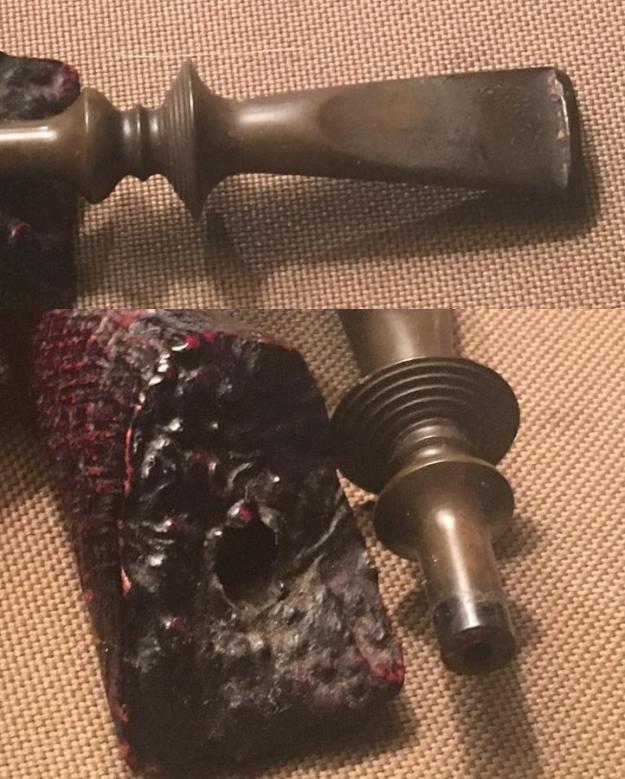
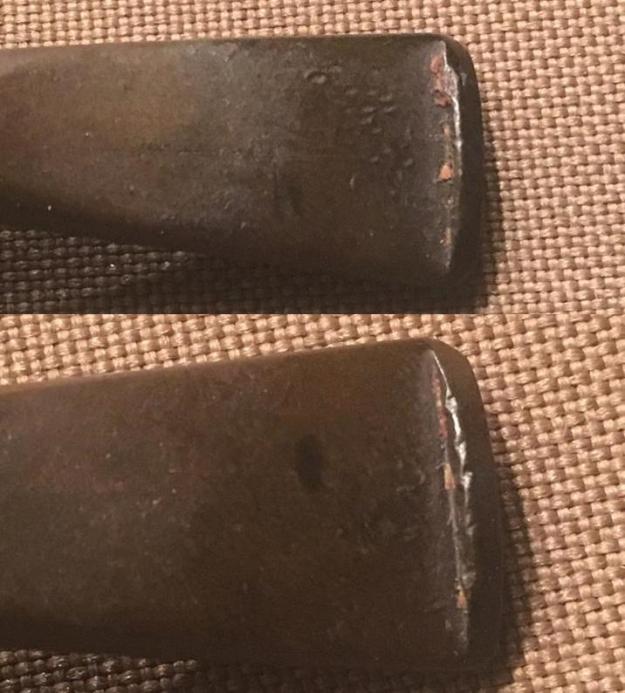
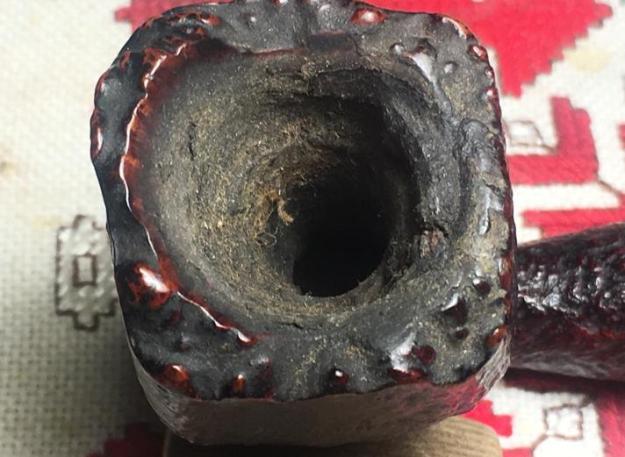
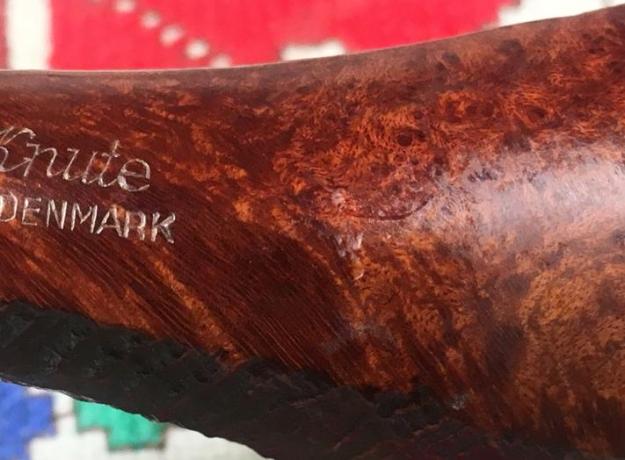
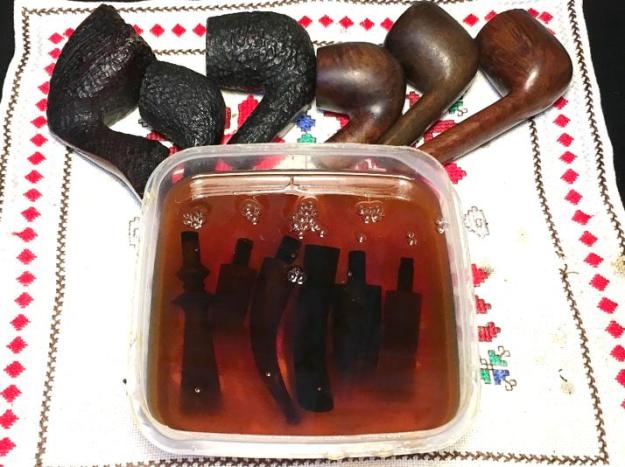
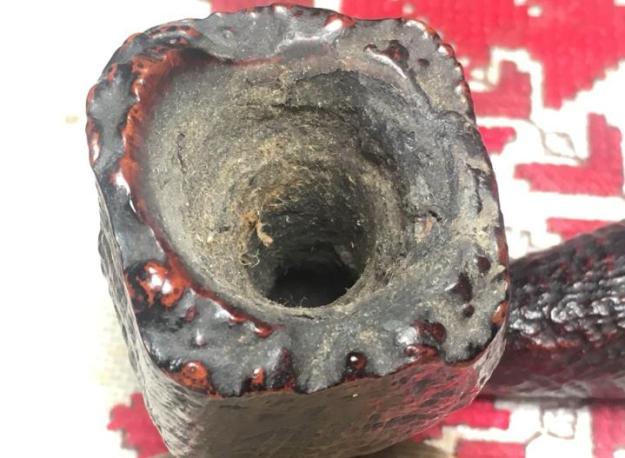
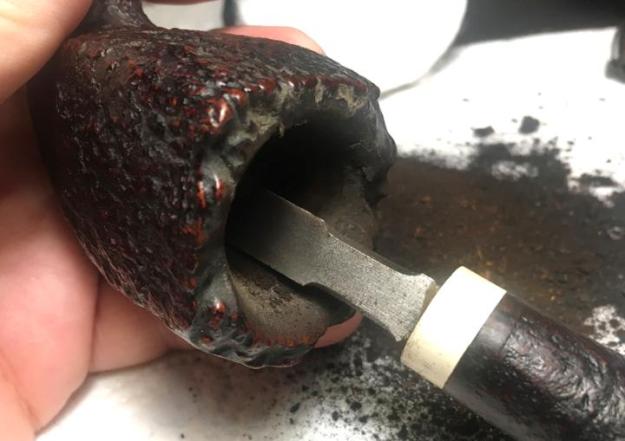
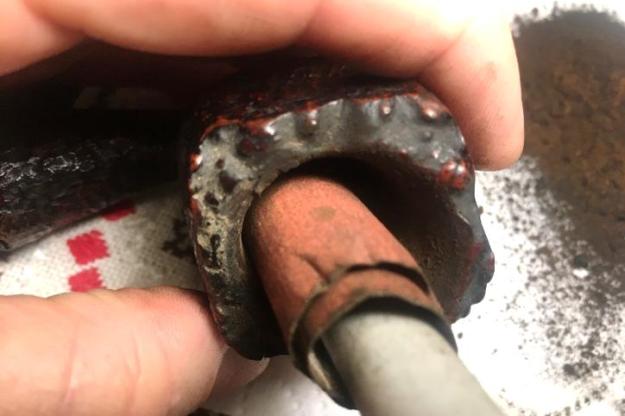
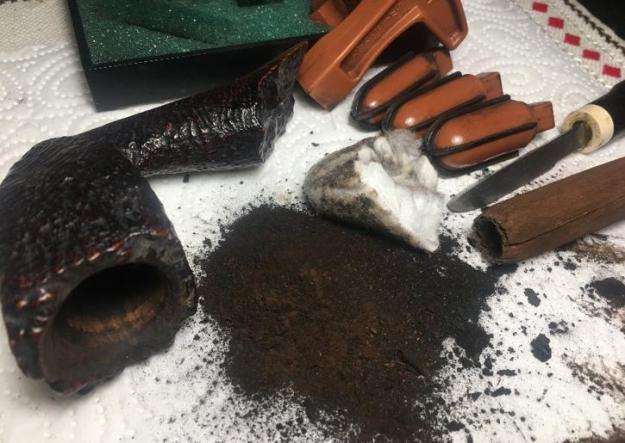
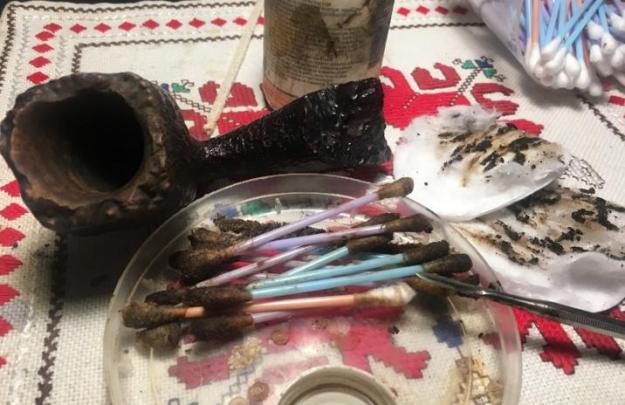
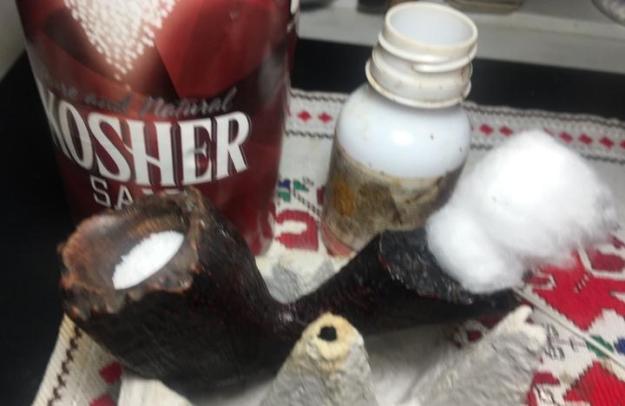
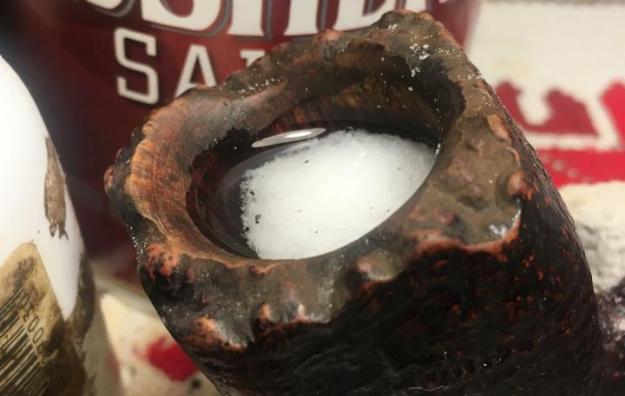
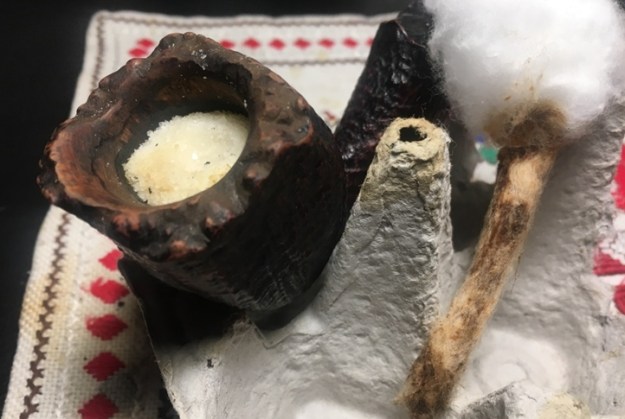
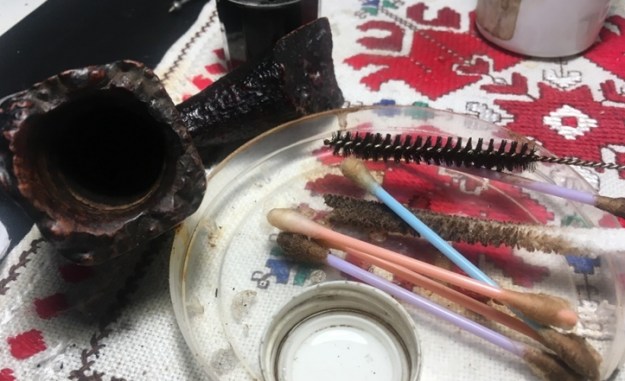
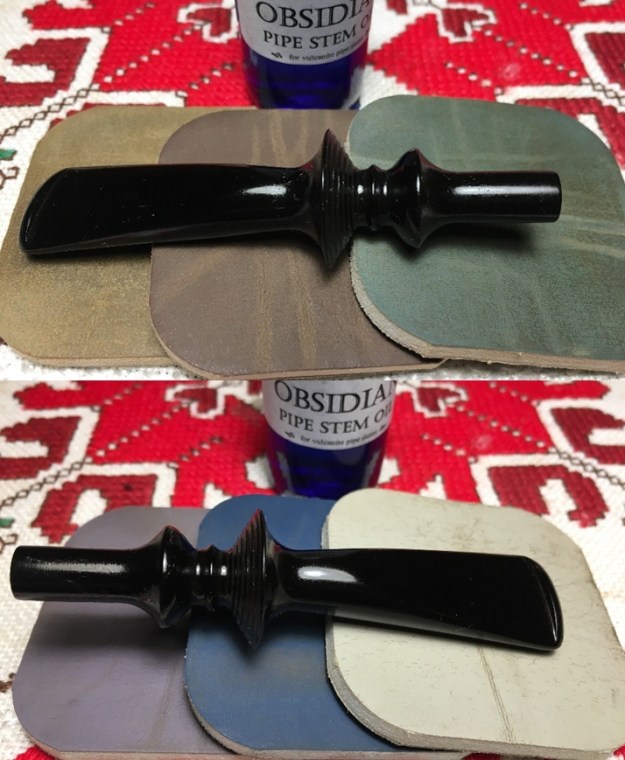
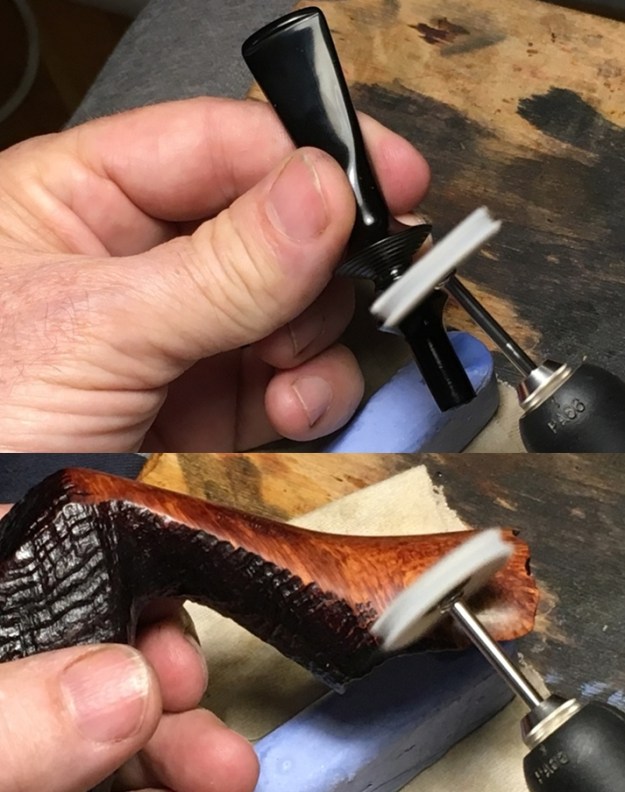
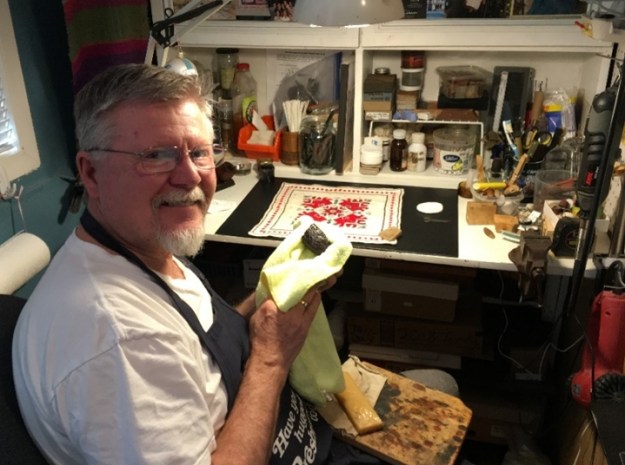
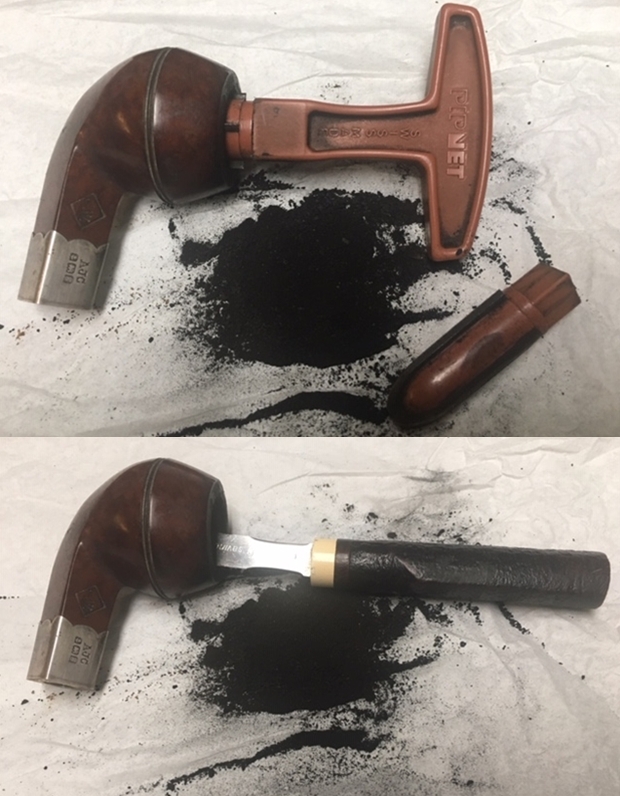
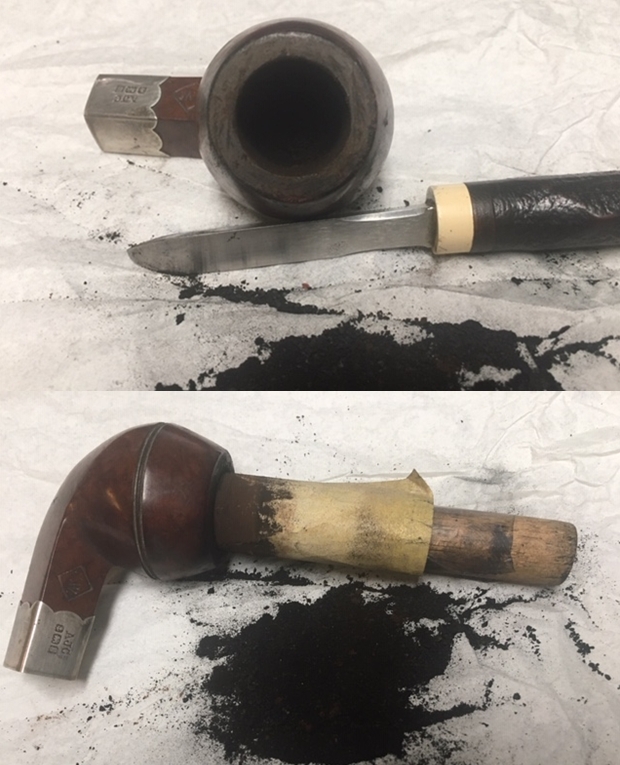
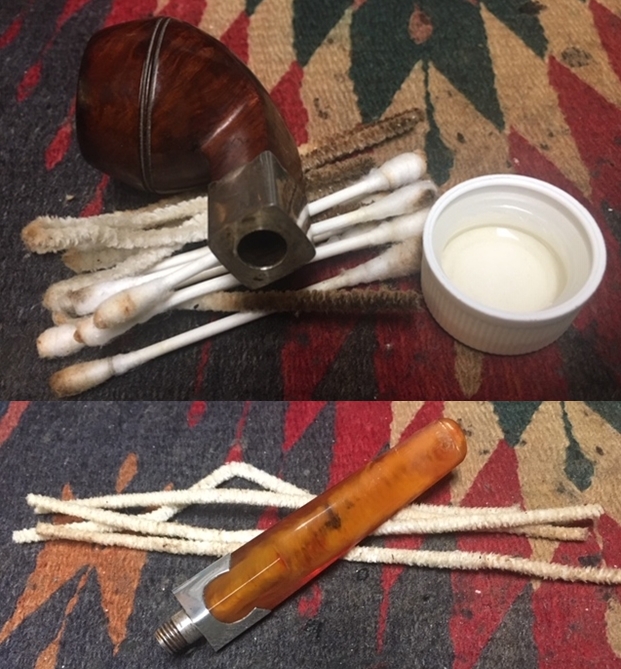
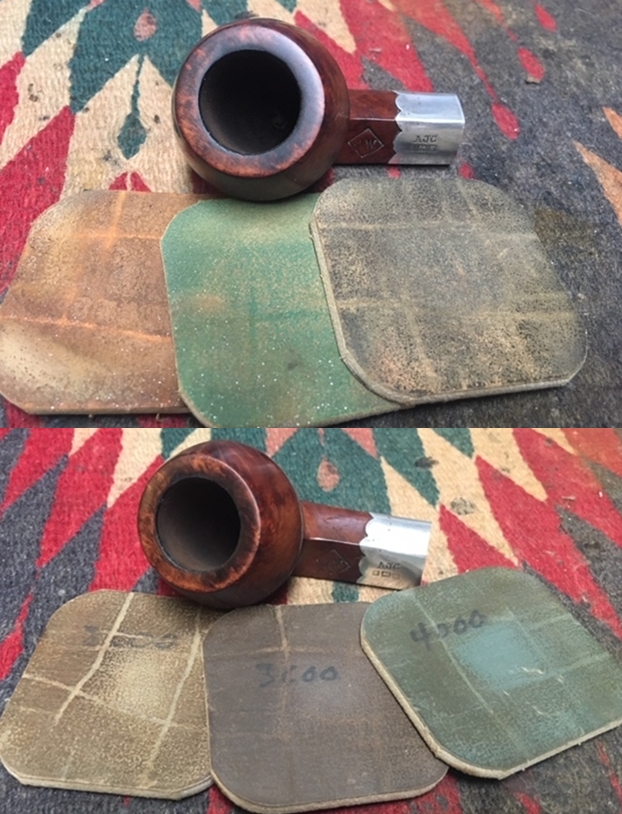
With Josiah’s master’s graduation present now on my worktable, I look more closely at the pipe itself to assess its needs and issues.  The narrowing chamber has thick cake.  The attractive squared plateau is covered with lava flow and there is much dirt and grime lodged in the valleys between the ridges.  The sandblasted stummel is beautiful, but is also covered with grime, but I see no problems with the briar.  The same observation of much needed cleaning is also true for the shank facing plateau. The lower side with the smooth briar is blotched because the finish seems thin and uneven.  I also detect a few nicks where it looks like it was knocked on the edge of something – just to the lower right of the Knute of Denmark stamping.  The fancy stem has some oxidation and tooth chatter and compressions show on the stem bit.  I take a few fresh pictures to look more closely at the plateau and the smooth briar underside.  I begin the restoration of the Knute of Denmark by using a pipe cleaner wetted with isopropyl 95% and cleaning the fancy stem’s airway.  I then add the stem to a soak of Before & After Deoxidizer along with other pipes in the queue. After several hours soaking, I fish out the fancy stem and run another pipe cleaner wetted with isopropyl 95% and clear the airway of the Deoxidizer.  I also use cotton pads wetted with alcohol and wipe off the raised oxidation.  The Deoxidizer does a great job.  The fancy stem looks good.To start the process of rejuvenating the vulcanite stem, I wipe it down with paraffin oil, a mineral oil, and set is aside to absorb and dry.Looking now at the Freehand stummel, I use the Pipnet Reaming Kit and start removing the thick cake in the chamber.  I put down paper towel to catch the excavated carbon. Starting with the smallest blade head I begin reaming the chamber. Wow, the carbon cake is as hard as a brick!  I’m careful not to force the blade head too much but allow the metal blades to crush the carbon cake gradually as I rotate the handle.  I take a picture at the starting point and then about half way down the chamber that shows how the chamber has narrowed over time. I finally break through to the floor of the chamber and I’m careful not to over ream – to continue forcing the blade downwardly which would begin to damage the briar.  I continue with the next two blade heads, using 3 of the four available in the kit.I then switch to the Savinelli Fitsall Tool – the name of this tool is apropos, as it not only scrapes the chamber walls further but also reaches down and works around the draft hole – removing cake that is hard to reach.To clean further I also sand the chamber using 240 grade paper which I wrap around a Sharpie Pen using it as a dowel rod.  With this configuration I’m able to reach down into the huge chamber cavity and sand with some leverage.  This does a great job cleaning the chamber and removing the last vestiges of cake.Finally, I wipe the chamber with a cotton pad wetted with isopropyl 95% to remove the carbon dust left behind.  I take a picture of the pile of carbon cake removed from the chamber and the full arsenal used.After the reaming, I inspect the chamber and it shows no problems with heating cracks or fissures.  I move on!I’m anxious to see how the external blasted surface cleans up as well as the smooth briar – will the cleaning remove the thin finish?  The plateaus are full of grime as well.  I use undiluted Murphy’s Oil Soap on a cotton pad to begin the scrubbing.  I use a bristled tooth brush as well on the blasted surface and the plateaus.  To help clean the lava on the rim plateau I also employ a brass wire brush that will not damage the briar.  The cleaning did well. The rim plateau cleaned up but also lightened in the process – not unexpected.  The rest of the blasted stummel looks good. The picture below shows the blotch of old, thin finish.  The cleaning with Murphy’s did not remove it.  To clean it off and give the smooth briar under-panel a cleaned surface, I use a cotton pad wetted with alcohol to do the job.  I wipe it and it comes off.  The surface looks good now. With the external briar surface cleaned, I now start working on the internals.  Using pipe cleaners and cotton buds I go to work…, and I work!  The internals are very dirty and there seems to be no end to the cotton buds coming out looking like nothing was happening.  I also use a smaller, dental spoon to reach into the mortise to scrape the tars and oils which have accumulated on the internal briar surface.  I continue until the hour of the night is too late and I decide to change gears.Before going to bed I continue the cleaning effort on the internals by using a kosher salt and alcohol soak.  To do this I first create a cotton mortise wick by pulling and twisting a cotton ball and then stuffing it down the airway with the help of a stiff hanger wire.  I then fill the ample bowl with kosher salt and place it securely in an egg crate.  Then, using a large eye dropper, I fill the internal chamber with isopropyl 95% until it surfaces over the salt in the chamber.  After waiting a few more minutes, I top off the alcohol once more and turn out the lights!  Hopefully, through the night progress will be made as the cotton wick and salt draw the tars and oils from the internal briar. The next morning, the cotton wick was very soiled showing that progress was made through the night.  I remove the soiled and expended salt from the chamber to the waste and clean the remaining salt crystals using paper towels and blowing though the mortise. I follow with more pipe cleaners and cotton buds wetted with isopropyl 95% and at first, I was worried that I still had a ways to go!  But after a few times through, the cotton buds removed the remaining tars and oils drawn from the briar and started to emerge much lighter!  Success in hand, I move on.Looking at the external stummel, I have essentially 2 projects to consider, the sanding of smooth briar and color repair to both rim and shank plateaus.  After the cleaning process to the plateaus, the wood has lightened and there are bald spots that need to be colored to blend.  I decide to do this after sanding.  The large underside of the Freehand is beautiful and has a few very minor nicks. The other sanding needed is to clean up the internal chamber wall that rises to form the forward crest of the rim plateau.  This will clean up very nicely and should provide a striking contrast to the rough, rusticated plateau.  This ridge rise continues around the circumference of the upper chamber. I start by using a coarse 120 grade paper to work on mainly the gouges and scratches to the upper chamber wall where it appears that cleaning tools were a little too anxious!  This injury is primarily on the shorter rise on the back of the chamber (picture immediately above, to the left a bit).  After I work out these larger gouges, I switch to 240 grade paper and work it around the entire upper chamber area.  Then, I finalize the inner upper chamber with 470 then 600 grade papers.  I like it! Switching to the underside, but also including the upper chamber, I go directly to using micromesh pads by wet sanding with pads 1500 to 2400 followed by dry sanding with pads 3200 to 4000 then 6000 to 12000.  I’m careful to keep my thumb over the nomenclature stamping, Knute of Denmark on the underside.  Wow!  The smooth briar contrasts are taking shape and I like what I’m seeing. Now, the second project – repairing the briar coloration on the plateaus.  I take a few close ups of both the rim and shank facing plateaus.  I have been thinking a lot about my approach to this.  I’m satisfied with the condition of the color of the blasted surface – it has a classy looking weathered and rustic appearance with the dark stain that appears to have an oxblood or mahogany lean and is flecked with reds. I also take a closeup of the stummel surface to show what I’m seeing. I begin by cleaning each plateau with alcohol using a cotton bud – careful not to spread alcohol on the stummel surface.  Color matching is more of a dance or an artform rather than a science.  I use a cotton pad as a canvas and use different dye sticks to identify the best match for the darker overcoat color.  I have two brands of mahogany that are the two marks – the upper one is darker, and I like it better.  The cotton bud on the top is Fiebing’s Oxblood Leather Dye.  I like this for the undercoat.With a cotton bud I apply Fiebing’s Oxblood to both plateaus which serve as the undercoat. After waiting about 15 minutes to make sure that Oxblood was dry, I then use the Mahogany Dye Stick and go over the Oxblood application.  I do this for both plateaus. In the next picture it shows the Oxblood colored edge which is not the finished product!  I will address this.To help erase this edge line, as well as to lightly sand the plateaus to bring out the oxblood flecks, I use a 3200 grade micromesh pad and sand over the tops of the ridges of the rusticated plateaus.  This removes a bit of the darker overcoat and exposes the oxblood undercoat.  I also use the micromesh pad to reestablish the line of the smooth upper chamber briar helping to remove the line of oxblood.  I follow the 3200 grade pad and go through the remaining 5 pads to sand and polish the smooth upper chamber briar.  Lastly, I do a light wipe with a cotton pad wetted with alcohol to remove excess and blend the dyes on the plateaus.I like the results!  Both rim plateau and shank facing plateau look refreshed and emulate the flecking that is evident on the Knute stummel. With the plateaus completed, I condition the rest of the stummel using Before & After Restoration Balm aiming to bring the rest of the stummel into a harmonious alignment with the refreshed plateaus.  My hope and expectation are that it will deepen and darken the beautiful blasted surface.  It will be equally enriching to the smooth briar patches.  I take ‘before’ pictures to compare, but I doubt whether the pictures will detect the darkened tones.  We’ll see. I put a generous amount of the Balm on my fingers and work it into the blasted stummel surface, the rusticated plateaus and on the smooth briar patches.  I can immediately see the briar responding to the Balm.  Josiah is going to love this beautiful Karl Erik Knute Freehand!  After saturating the surface with the Balm, it gradually thickens to a wax-like viscosity as I work it in.  Finally, I place it on the pedestal to allow the Balm to do its thing as the briar absorbs it.  I take this picture during this period.  After about 15 or 20 minutes, I use a microfiber cloth to wipe off the excess Balm and buff the stummel rigorously making sure the excess balm has been removed from the nooks and crannies of the rustication and blasted surface.  I love it!  As hoped, the stummel’s enrichment with the Balm darkened it and both plateaus and stummel are closer in shade, but the plateaus, by design, just a wee bit darker.  Yes!The fancy stem is waiting in the wings.  The Before & After Deoxidizer did a great job removing the oxidation.  Now to address the tooth chatter and bites on the button.  The stem has a very slight bend to it to mark the orientation.  The upper bit has tooth chatter and a compression, but also long scratches along the length.  The Lower bit also has tooth chatter and compressions – the button is chewed as well.  When you freehand it with a Freehand you’re bound to see evidences of clamping. To begin to address these issues, I use the heating method to see if the compressions will lessen.  Using a Bic lighter, I paint the areas with the flame.  As the vulcanite heats, it expands, and the hope is that the compressions disappear or are much lessened.  I apply the flame on both sides, and it does make a difference in lessening the compressions.  I move on to using 240 grade paper to sand both the upper and lower sides.  I also use the flat needle file to freshen the button lips edges.  The compressions sand out nicely.  The pictures show the results with the upper and lower bit. Next, I wet sand the entire stem using 600 grade paper. I then buff the stem with 0000 steel wool.I see that the slot is not smooth, and I use rounded needle file to file the edges.Next, I apply the full regimen of micromesh pads to the stem.  I begin by wet sanding with pads 1500 to 2400 and then dry sanding with pads 3200 to 4000 and 6000 to 12000.  After each set of 3 pads, I apply a coat of Obsidian Oil to revitalize the vulcanite.  As expected, the Knute fancy stem now has that glossy shine – like new and better. I’m in the home stretch. I keep the stem and Freehand stummel separated for now as I apply Blue Diamond compound and wax.  It’s easier this way to manipulate the pieces.  I mount a cotton cloth buffing wheel on to the Dremel, set the speed at 40% of full power, and I apply Blue Diamond compound to both stummel and stem.  When finished, I buff both with a felt cloth to remove compound dust from the surfaces.  I use a bristled brush as well to make sure the rusticated and blasted areas are free of dust.  I use the felt cloth again.  I don’t usually have these action pictures, but with my wife’s help here are a few.Then I change buffing wheels on the Dremel, maintain the same speed, and apply a few coats of carnauba wax to the Knute stummel and stem.  I then hand buff the stummel and stem with a microfiber cloth to blend and collect any excess wax and raise the shine more.  Again my wife provides the picture and a good shot of The Pipe Steward workstation on the 10th floor of a formerly Communist apartment complex ‘block.’  All the tools of the trade!  I finish the restoration of the Karl Erik Knute, by rejoining the stem and stummel.After completing the Knute of Denmark, I slipped it into a black, pull string pipe sock and placed it in a Bulgarian ornate lidded wooden box to serve as the protector of the Knute of Denmark and the gift box for my son’s graduation gift.  When my wife and I flew to St. Louis from Bulgaria for the graduation ceremony, the pipe was safely stowed in my backpack.  Most of our family was able to gather from all over the United States to celebrate Josiah’s achievement.  Family is special – a gift from God to remind us of the way He created us – to be in loving and supportive relationships. Our family gathering around Josiah’s celebration was rich blessing for me and my wife since we live so far away.  Admittedly, often words fail to express the depths of a father’s pride for his son – for all his children and grandchildren.  They fail me now. During the ceremony we watched as Josiah was donned by his professors with his master’s degree hood.  Afterwards, we gathered together as a family in our hotel room where we enjoyed the precious moments and gifts were given.  Among them was the Knute of Denmark which met his new steward – a gift expressing the pride and love of a father for his son, and carrying a blessing of,  “Well done, son!”

Thanks for joining me!


Doing Some Cosmetic Work on a National Pipes Rhodesian


Blog by Steve Laug

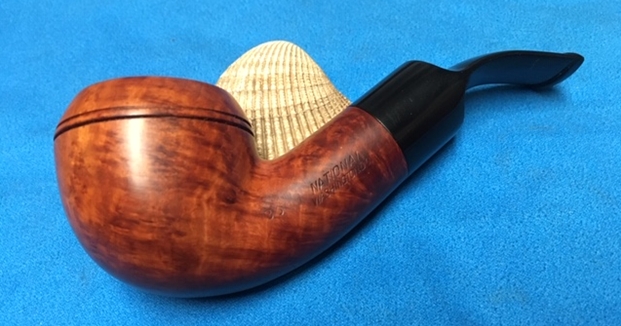
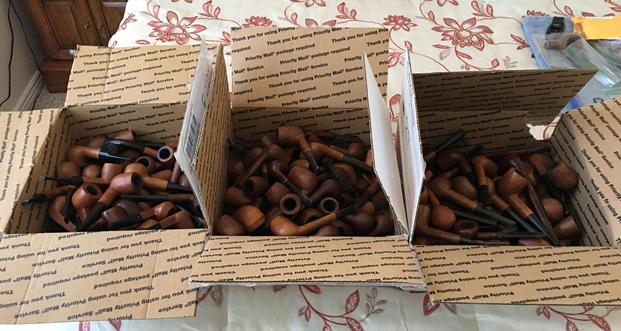
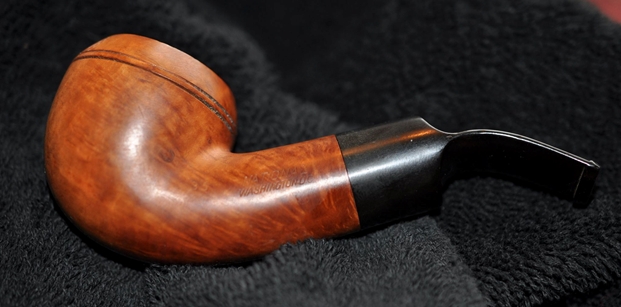
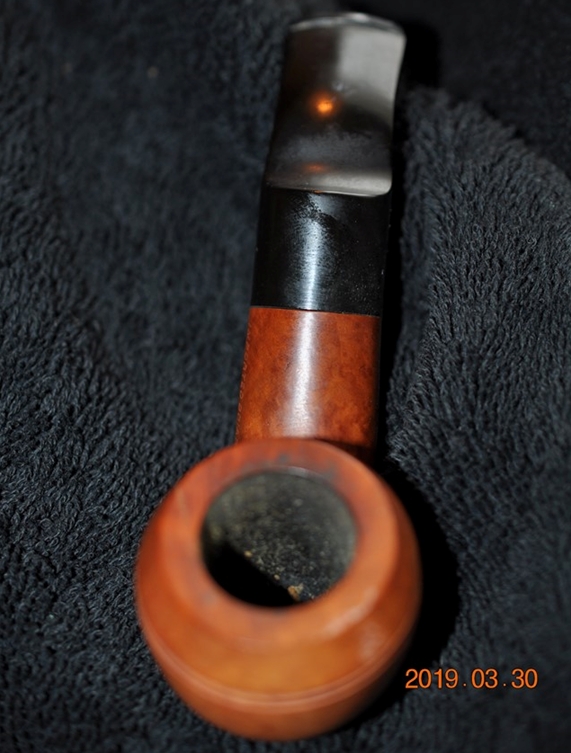
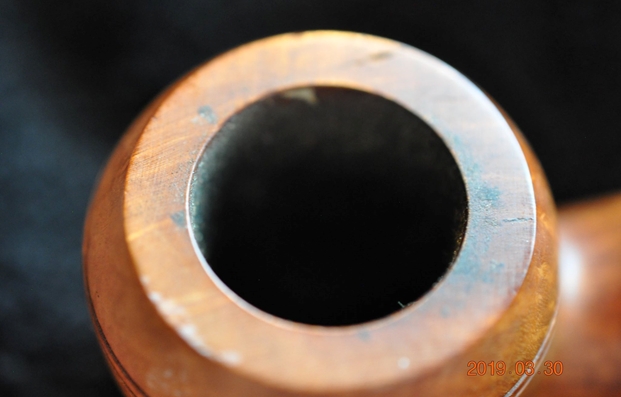
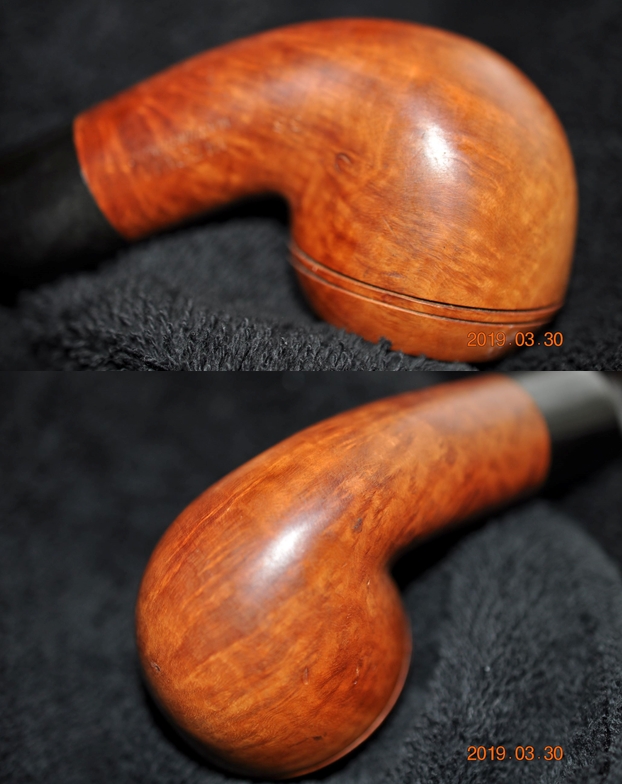
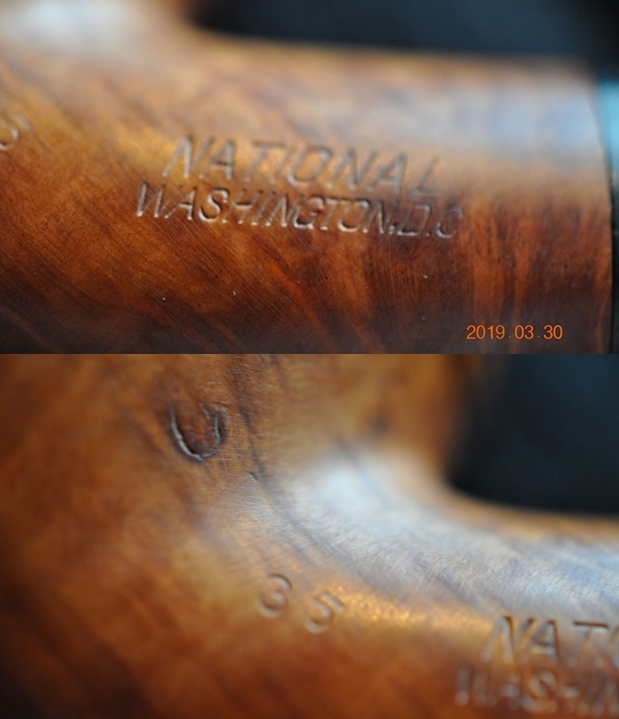
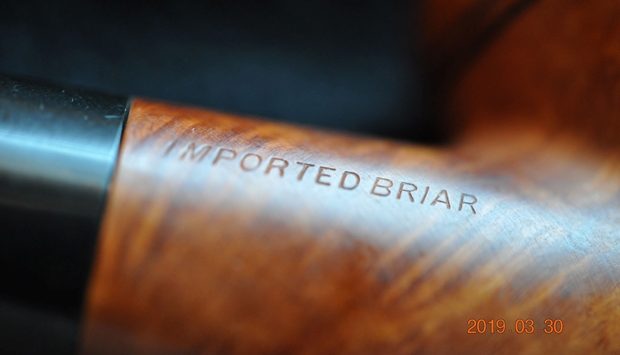
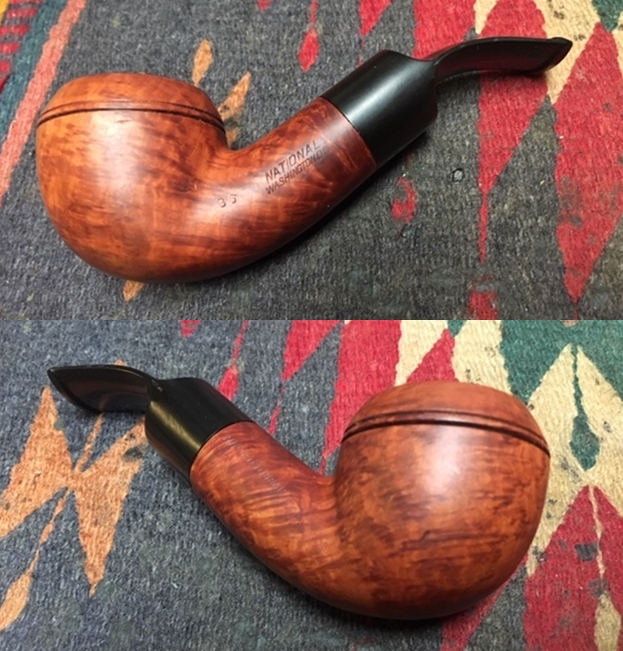
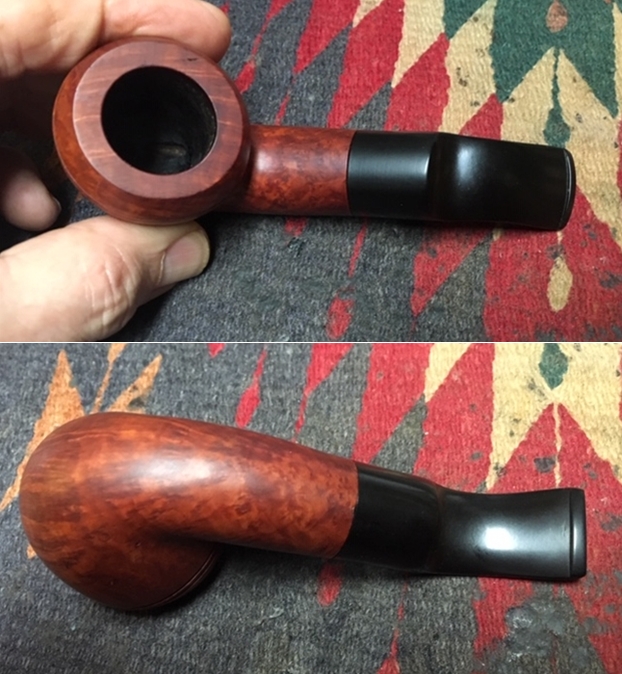
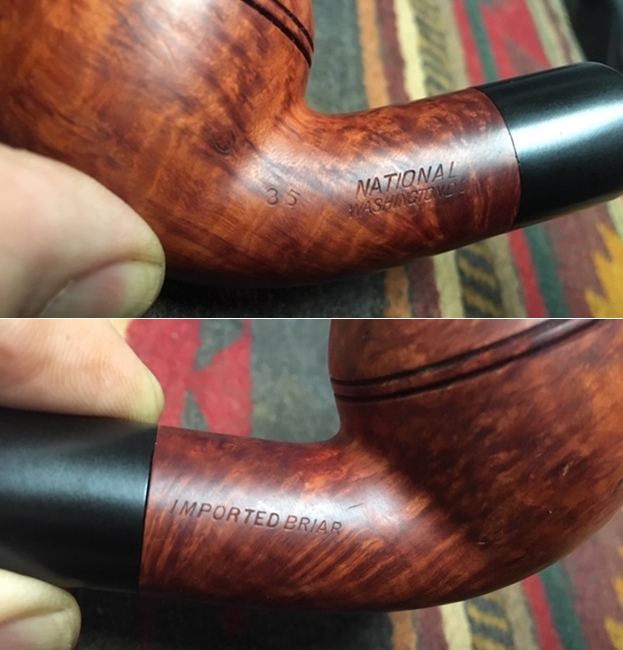
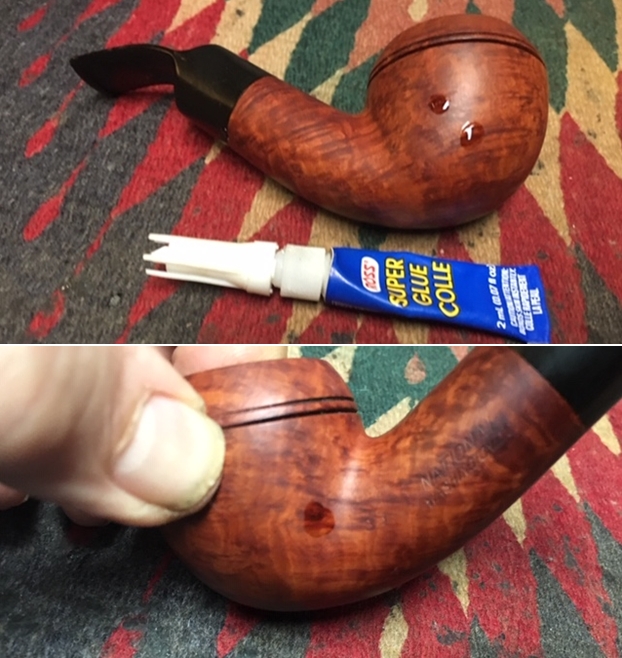
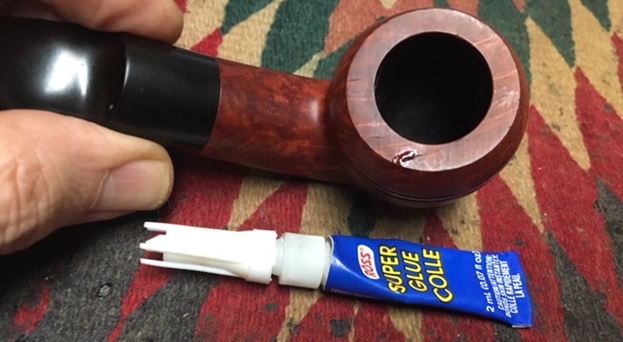
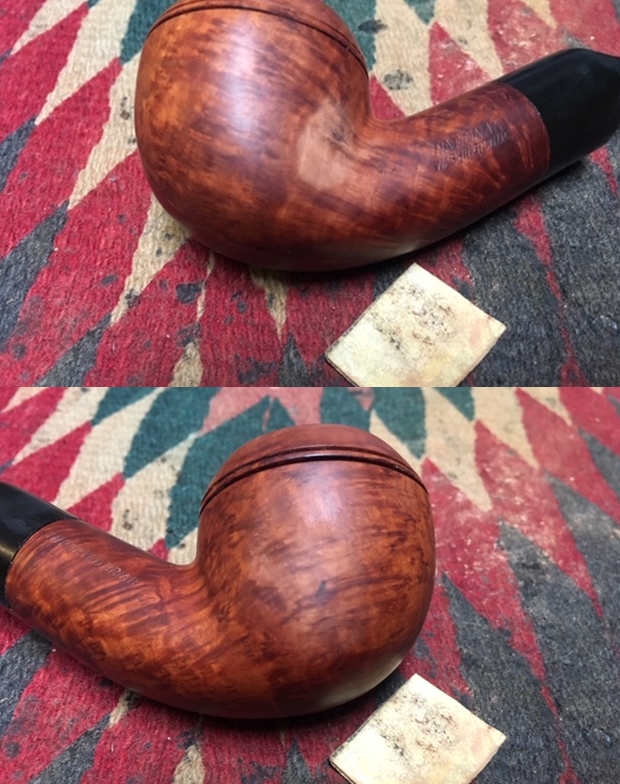
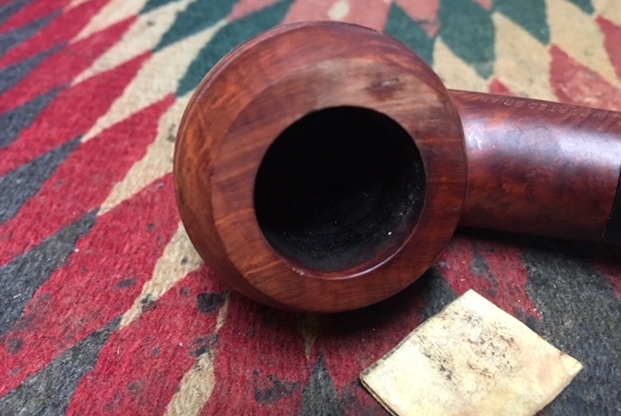
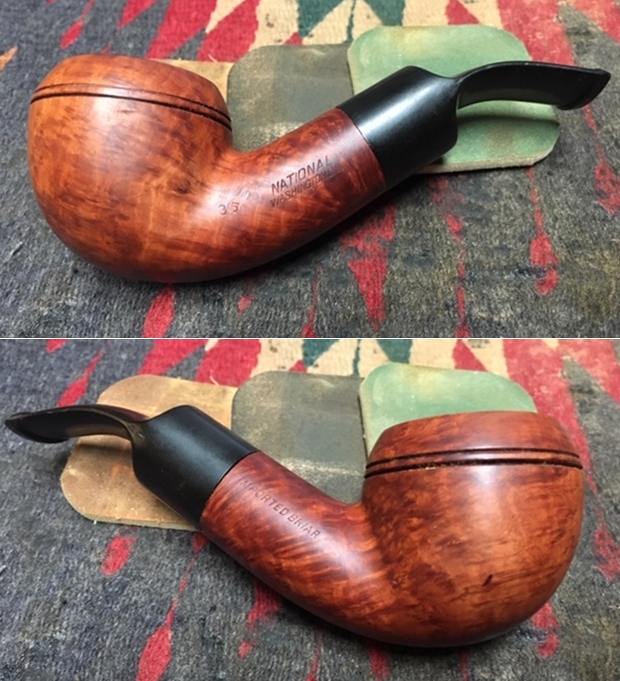
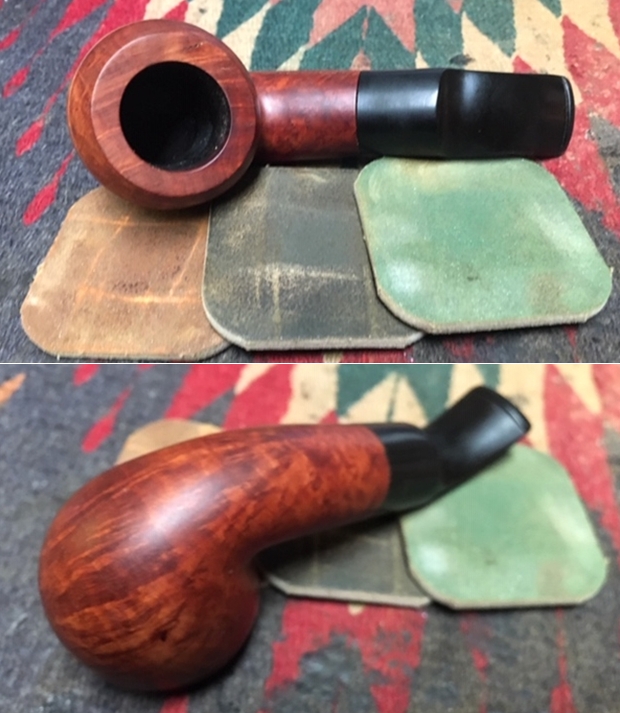
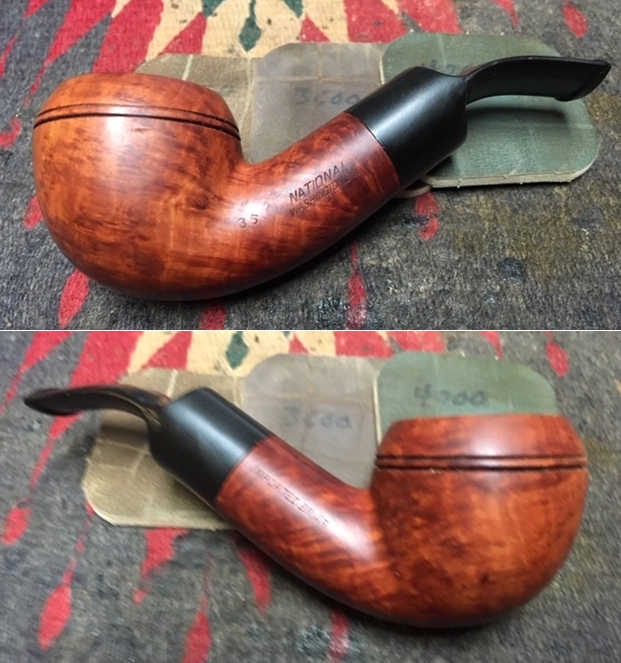
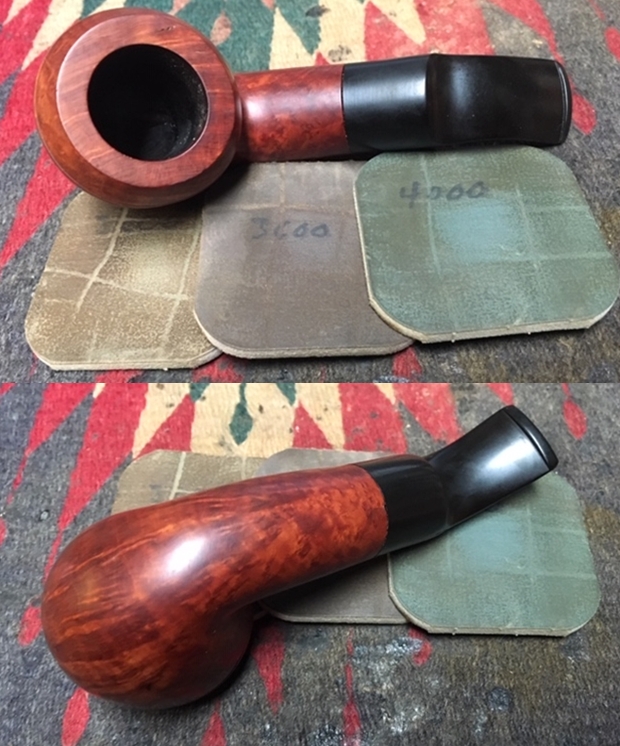
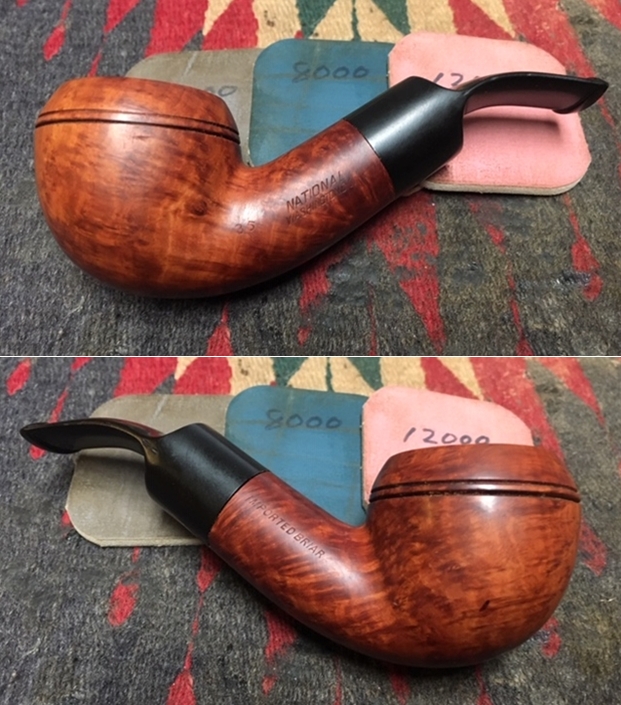
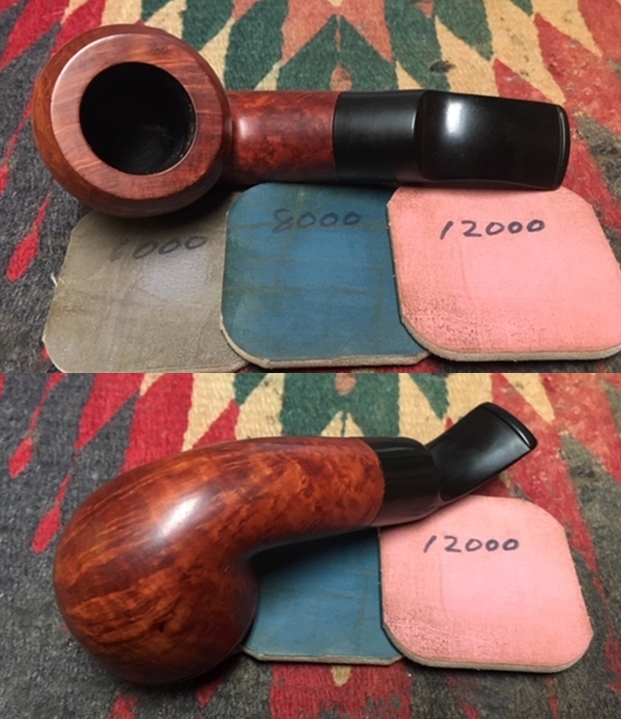
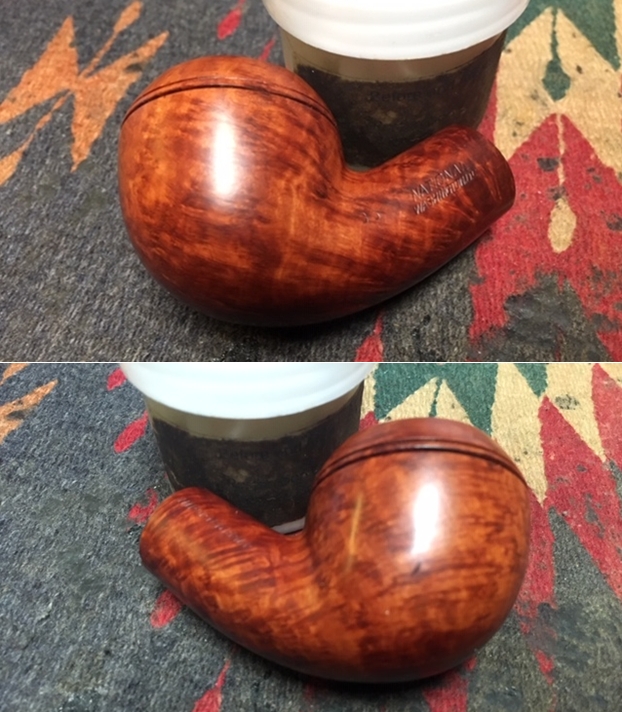
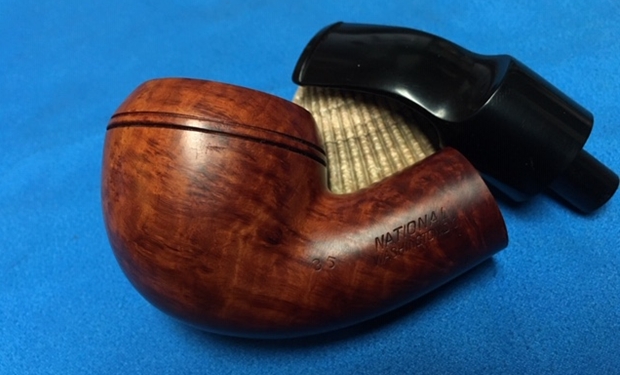
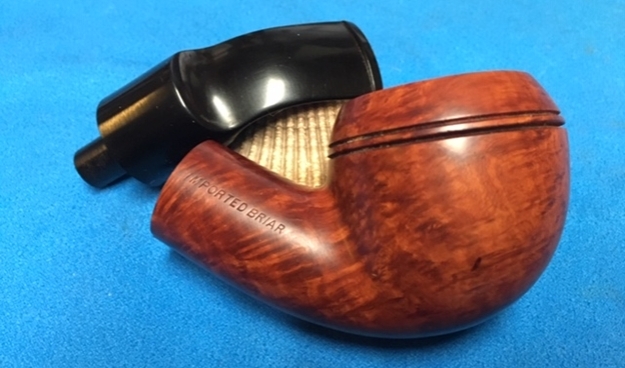
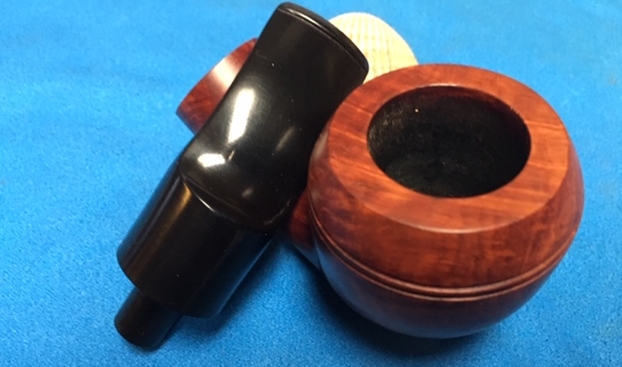
Rather than repeat myself and give the blog readers grief with the repetition please refer to the previous blog posts on the Bertrams to learn about how my brother and I picked up this pipe collection. Just know that we have a collection of Bertrams and a smattering of other brands that when they were unwrapped filled three boxes. The photo below is included to show the size of the collection we had purchased. To be honest it was a bit overwhelming to see all of the collection in boxes. We were looking at a lot of work to bring these back to life.I cannot tell you how glad I am that Jeff is working through the clean up on this lot as they are really quite dirty and there are so many! It would be a more daunting task than it already is if I had to clean and restore all of them. I am leaving it to him to choose which pipes to work on. He has chosen some interesting shaped ones to restore. Here is how we are working out the transfer from him to me. As he finishes a batch of them he boxes them up and sends them to me. I have received two boxes so far. From the first box he sent, I chose a beautifully shaped and grained Rhodesian that is stamped National over Washington D.C. to be the next pipe that I would work on. This pipe was another very dirty one! The smooth finish was grimy and dusty but some interesting grain shone through showing me that this was a beautiful pipe. There were a few rough fills and nicks on the right and left backside of the bowl. It was a large thick shank bent Rhodesian shaped pipe with a saddle stem. There was a thick cake in the bowl and some lava overflowing on to the rim top. The condition of the edges appeared to be pretty good but reaming would give an definitive clue on that. There was one small flaw on the smooth rim top on the rear right side that would need attention. The stem was dirty and showed some light oxidation but there were not any deep tooth marks. There were some flaws on the sides of the saddle stem that needed to be addressed. The photos below tell the story and give a glimpse of the pipe.  Jeff took close-up photos of the bowl and rim to capture the condition of the pipe when it arrived. The rim top had a thick coat of lava and the bowl had a thick cake.Jeff took pictures of the bowl sides and the heel to show the marvelous grain on the bowl. It really is quite stunning and very dirty!The next three photos show the stamping on the sides of the bowl. The left side is stamped with the shape number 35 followed by National over Washington, D.C. The right side is stamped Imported Briar. The second photo also shows a deep flaw in the surface of the briar. Jeff did not take photos of the stem to show its condition. By and large it was in good condition with some manufacturing flaws on both sides of the stem where the saddle met the blade of the stem. Before I started my restoration work I wanted to refresh my memory about the brand. I remembered from previous National Pipes that I had worked on that there was a tie to the Bertram Pipe Company in Washington, D.C. I also knew that it was a very different company than the National Briar Pipe Company of Jersey City, New Jersey but that is where all the trails let in terms of Pipedia and Pipephil’s site. I turned back to a previous blog that I had written on the brand when I restored a pipe with the same stampings to review the history and connection of the brand to Bertram. https://rebornpipes.com/tag/national-washington-d-c-pipes/. I knew that the fact that there were several of these included with the large lot of Bertram pipes that Jeff and I purchased was not accidental. Here is the link to that previous blog. I quote in part:

I had a gut feeling that the pipe had some connection to Bertram Pipe Company of Washington DC but only the vaguest memory of that connection. I could not remember where I picked that up but just had the memory. I did some searching on the Internet and found a National Briar Pipe Company of Jersey City, New Jersey with no clear ties to Washington DC on the Pipedia site. This was the company that purchased the Doodler after Tracy Mincer died. I could see that the Jersey City pipes were stamped differently and all had line names stamped on them. On the Pipephil site I found an English version that had very different stamping on the left side of the shank as well as Made in England on the right side of the shank.

Thus I was reminded of the non-connection to the New Jersey Pipe Company. The blog went on to record some information that tied the National Washington, D.C. company to Bertram more definitively. I quote

I…posted a question on Smokers Forum (SF) and Pipe Smokers Unlimited regarding the brand. I received several responses that gave me information. One of them on SF came from Ed Klang and provided me with some confirmation regarding my memory of the connection with Bertram. I quote him in full, “In the history of the Bertram company, after the fire at the Washington, D.C. facility and the decision was made to discontinue Bertram production a group of employees and a few investors wanted to buy the rights to the Bertram name, which was turned down and it was then proposed that they would rebrand the pipes as National, no mention was made whether anything ever came of that proposal. Supposedly this group did produce pipes for a while but the effort was finally abandoned and I have never been able to reliably confirm this. Just bits and pieces here and there.” Thanks Ed. This is the random memory that I was trying to dig up.

I also received a reply on SF from Radiobob that read as follows: “National Pipe and Tobacco was located on the 1700 block of Pennsylvania Avenue in Washington, D.C., just about a block from where I worked. I still have two Canadians that I bought there, as well as a Comoy’s Patina Apple. In my recollection, it closed down–much to my regret–in the mid to late 1980s.”

Those responses gave me the kind of details that I always find helpful in my restoration work. I will continue to do some digging on the company and see what I can find but that bit confirmed the visual tie to the Bertram Company of DC. Thank you for your help Ed and Bob.

Once more I had the confirmation I needed to link the two brands – Bertrams and National! On with the cleanup and restoration on this Rhodesian.

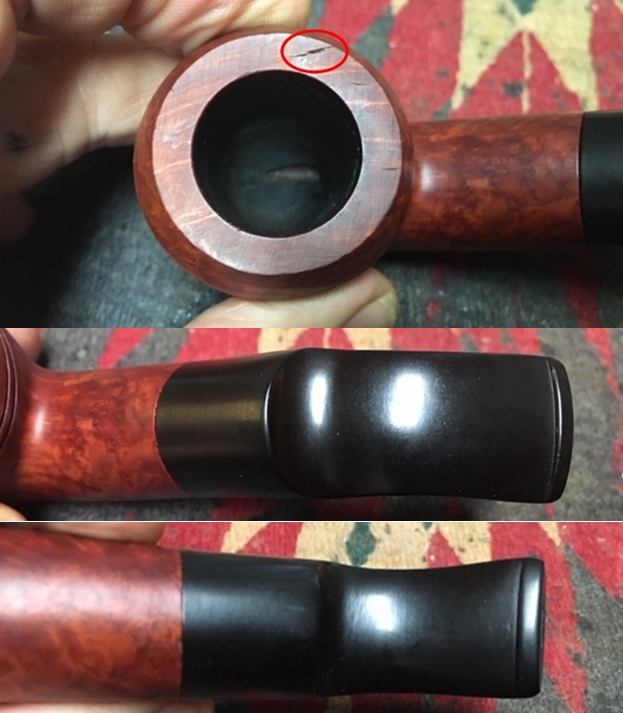
When I received the pipe Jeff had already reamed the bowl with a PipNet pipe reamer and followed up with a Savinelli Fitsall pipe knife to remove the cake. He had scrubbed out the mortise and the airway in the shank and the stem with alcohol, cotton swabs and pipe cleaners. He had scrubbed the exterior of the bowl, rim, shank and stem with a tooth brush and Murphy’s Oil Soap to remove the oils and tars on the rim and the grime on the finish of the bowl. He had rinsed it under running water. He dried it off with a soft cloth. He was able to remove lava build up on the rim top and you could see the great condition of the bowl top and edges of the rim. There was still some darkening to the rim top toward the back of the bowl. He soaked the stem in Before & After Deoxidizer to remove the oxidation. I took photos of the pipe before I started my work on it. I took a close up photo of the rim top to show the condition of the bowl and rim after Jeff had cleaned up the grime and lava and in doing so revealed the flaw on the right side of the rim. I have circled it in red. Both the inner edge and the outer edge of the rim look good. The stem photos show that the oxidation is gone. The surface of the vulcanite looked very good. There were some casting marks on both sides of the stem where the blade flowed from the saddle.I also took a photo of the stamping on the left and right side of the shank showing how the stamping was laid out. I repaired the flaws on the sides and top of the bowl with clear super glue. I used a small drop of the clear glue to fill in the spots. You can see them in the photos below. There were two on the right side, one on the left near the shank/bowl junction and one on the rim top on the right side. Once the repairs cured I blended them into the surface of the surrounding briar with a folded piece of 220 grit sandpaper. The photos below show the sanded repairs. I polished the bowl and rim top with micromesh sanding pads – wet sanding it with 1500-12000 grit pads. I wiped the bowl down with a damp cloth after each pad to remove the sanding debris. After the final sanding pad I hand buffed it with a cotton cloth to raise a shine. I worked some Before & After Restoration Balm into finish of the briar with my fingertips to clean, enliven and protect it. I let the balm sit for a little while and then buffed with a cotton cloth to raise the shine. The Restoration Balm really makes the grain stands out beautifully. I set the bowl aside and turned my attention to the stem. The first two photos show the damage to the stem sides – the casting marks on both sides of the stem. I have circled them in red to highlight the damaged areas that needed to be repaired. I filled in the damaged areas with clear super glue and set the stem aside until the repairs cured. I used a folded piece of 240 grit sandpaper to blend the tooth marks and chatter into the surface of the stem. Once the surface was smooth I sanded out the scratch marks and started the polishing of the stem with a folded piece of 400 grit sandpaper. I wiped the stem down with Obsidian Oil. I polished the stem with micromesh sanding pads – wetsanding it with 1500-12000 grit pads. I wiped the stem down with Obsidian Oil after each pad. I polished it with Before & After Pipe Polish – both Fine and Extra Fine and gave it a final coat and set it aside to dry.  I put the stem and bowl back together and buffed the pipe with Blue Diamond on the buffing wheel. I polished the briar and the minute scratches still in the vulcanite of the stem until there was a rich shine. This National is another Washington, D.C. pipe that has a classic bent Rhodesian shape with a natural finish that highlights some amazing grain on a proportionally well carved pipe. Once I buffed the pipe the briar came alive and the mixture of grain – straight, cross, flame and birdseye – popped with polishing. The black vulcanite stem had a rich glow. The finished pipe is a beautiful grained Rhodesian. Like the other pipes I have worked on from this lot this one fits well in the hand and sits right in the mouth. Have a look at it with the photos below. The dimensions are Length: 5 inches, Height: 1 3/4 inches, Outside diameter of the bowl: 1 1/2 inches, Chamber diameter: ¾ of an inch. Thanks for walking through the restoration with me as it was a pleasure to work on.

Restoring Another of Jennifer’s Dad’s Pipes – A Tinder Box Unique English Made


Once again time to get back to Jennifer’s Dad’s pipes. The next pipe on the worktable is from the estate of George Rex Leghorn. You may not have read about this estate before, so I will retell the story. I received an email from Jennifer who is a little older than my 64+ years about whether I would be interested in her Dad’s pipes. My brother Jeff and I have been picking up a few estates here and there, so I was interested. Here is the catch – she did not want to sell them to me but to give them to me to clean up, restore and resell. The only requirement she had was that we give a portion of the sales of the pipes to a charity serving women and children. We talked about the organization I work for that deals with trafficking and sexual exploitation of women and their children and she decided that would be a great way to carry on the charitable aspect of her Dad’s character. With some great conversation back and forth she sent the pipes to Jeff and he started the cleanup process on them. Once he had finished cleaning them all he sent them to me to do my work on them.

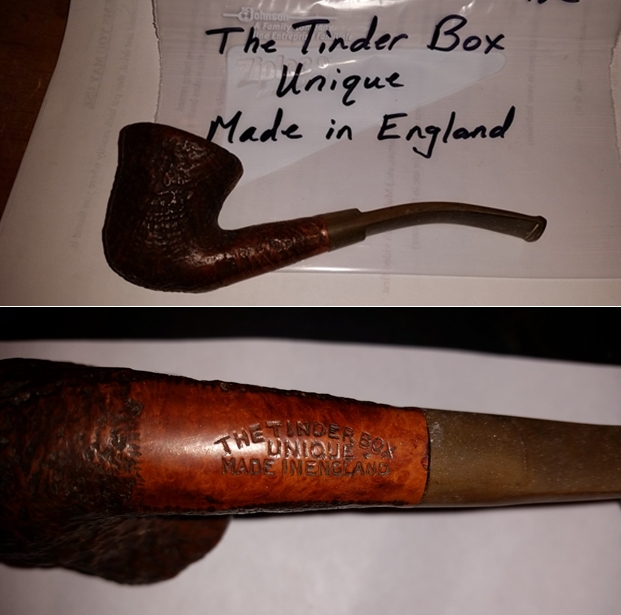
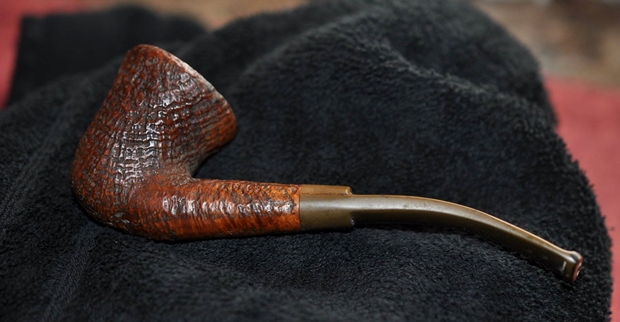
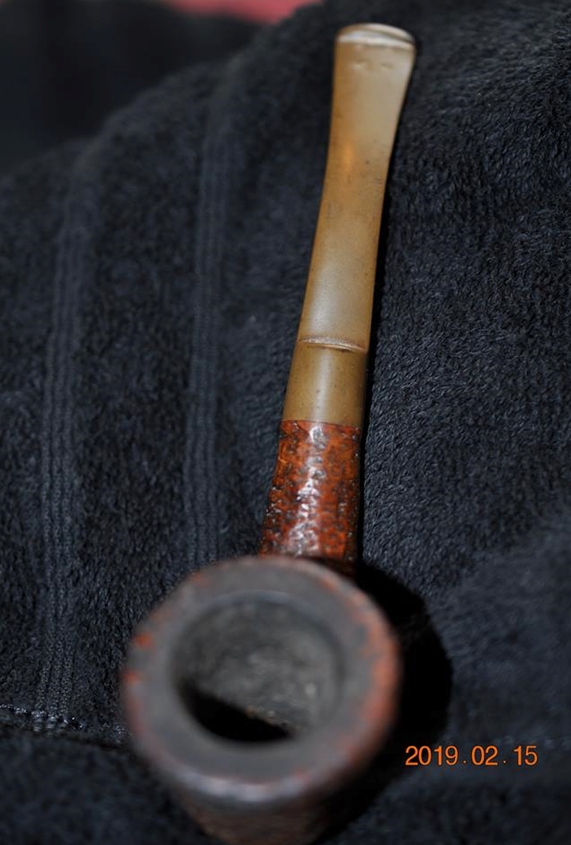
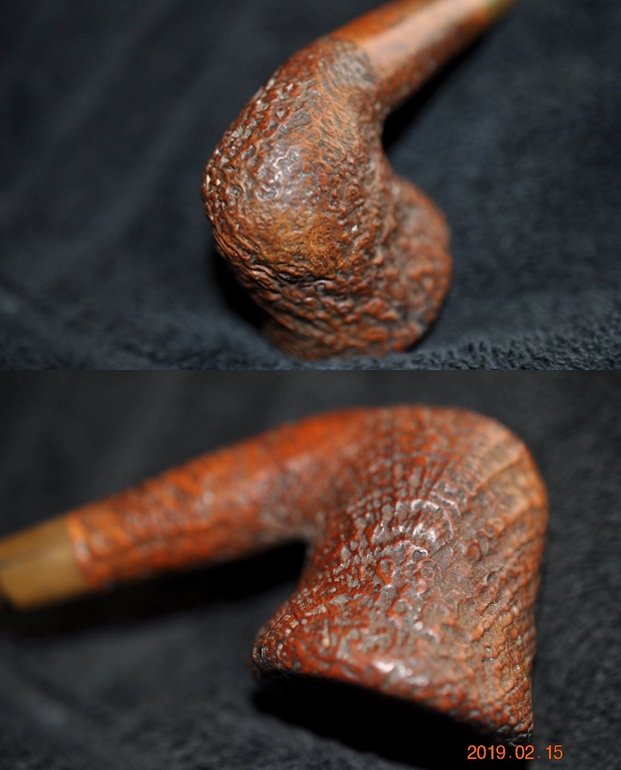
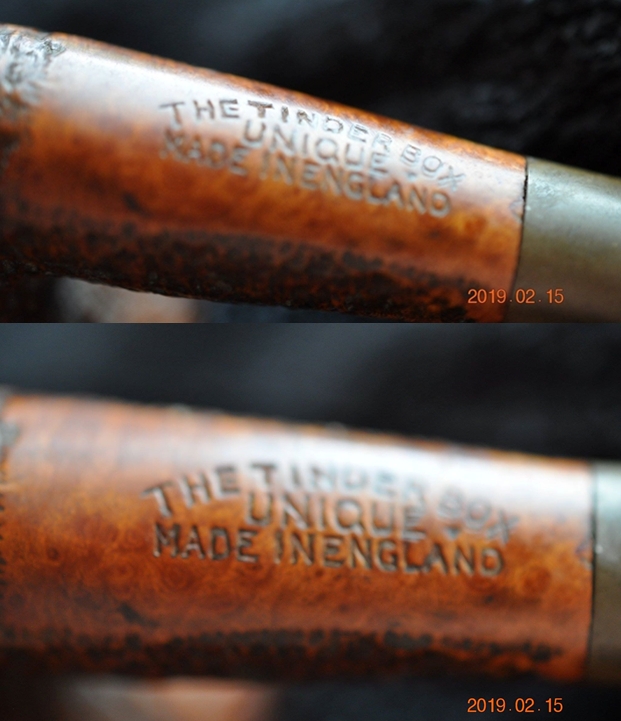
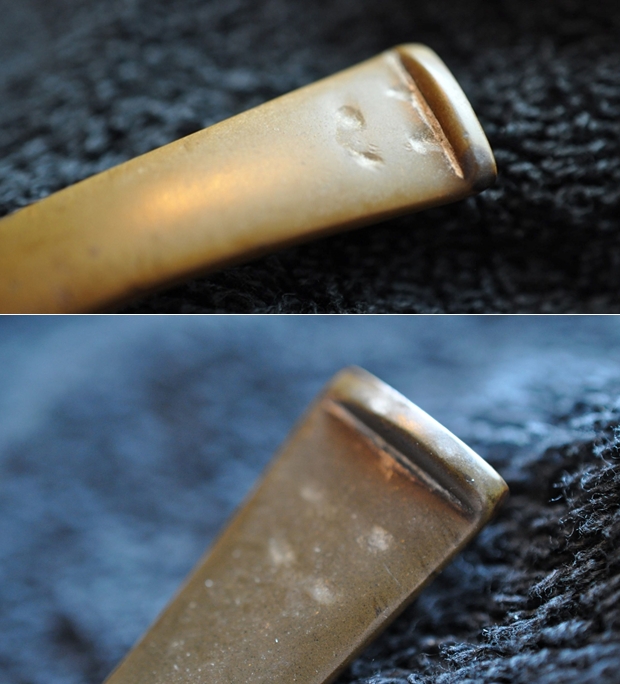
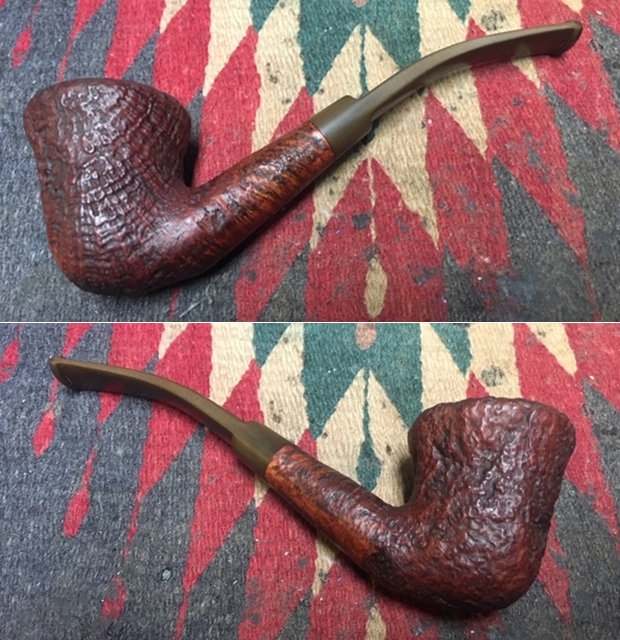
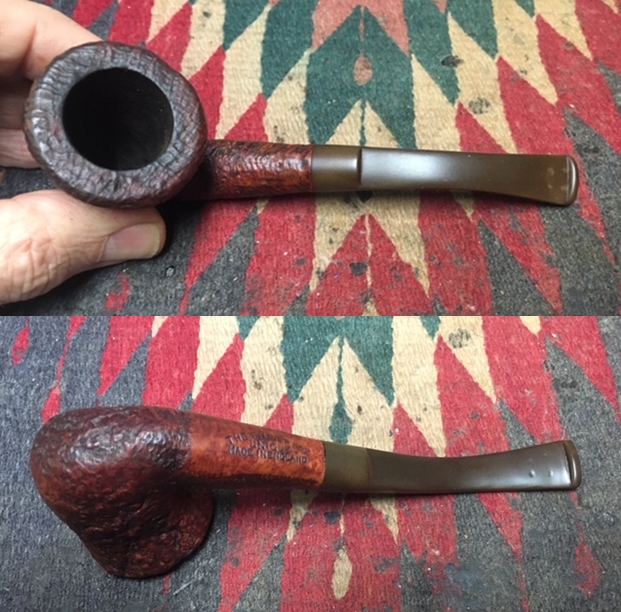
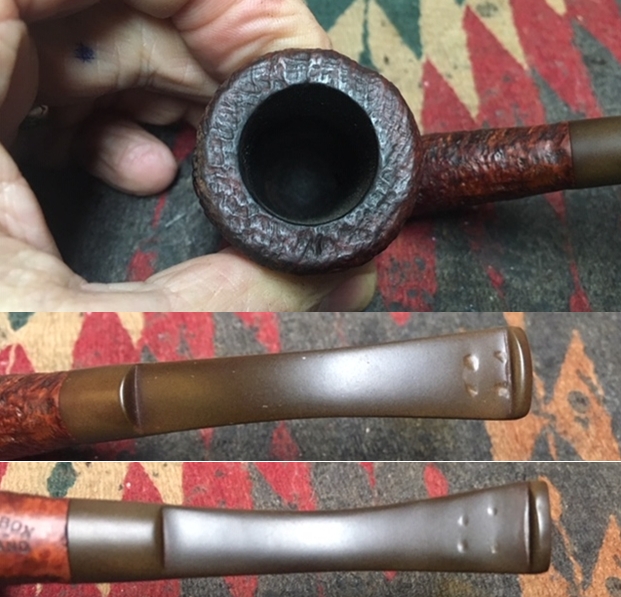
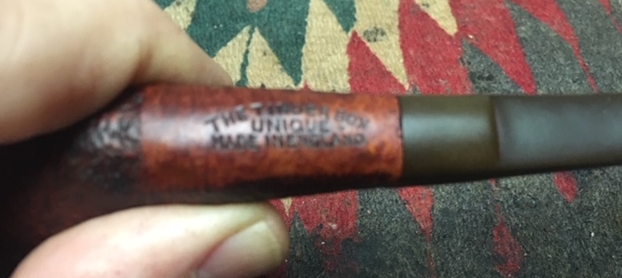
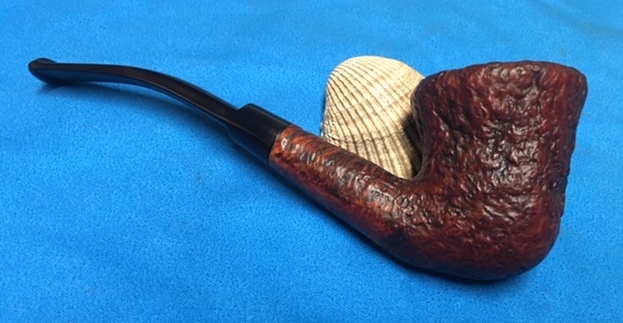
The next pipe I chose to work on from the lot was an interesting Calabash Shaped sandblast pipe stamped The Tinderbox Unique over Made in England pipe with a saddle stem. It has some beautiful mixed grain on the bowl sides and shank. It had a rich reddish brown stain but it was dirty and hard to see the colour well. The stem was badly oxidized with tooth marks and chatter on the top and underside near the button. The button was in excellent condition. There was a thick cake in the bowl and it had overflowed with lava was dirty and tired looking. It had been sitting in boxes for a lot of years and it was time to move ahead with the restoration. Jennifer took photos of the pipes she was sending. I have included two she included from this pipe.When the box arrived from Jennifer, Jeff opened it and took photos of each pipe before he started his cleanup work on them. This petite looking Tinderbox Unique Calabash with a flat rim top appeared to be in good condition underneath the grime and oxidation on the bowl and stem. The finish looked intact under the grime. The bowl had a thick cake that had hardened with time. The lava overflow on the rim but it could very well have protected the rim from damage. We won’t know what is under it until Jeff had cleaned it off. The stem was worn looking with a lot of deep oxidation and scratches in the vulcanite on both surfaces. There was some tooth chatter and bite marks on both sides at the button. Jeff took photos of the bowl and rim top to show the cake in the bowl and the lava build up on the edges of the bowl. It was thick and hard but hopefully it had protected the rim and edges from damage. The third photo shows the lava flowing down the outside of the bowl leaving a thick dark ring around the outside of the bowl. Jeff took photos of the sides and heel of the bowl to show the condition of the finish – the grime and grit in the grooves of the sandblast. Jeff took photos of the stamping on the underside of the shank. The stamping was very readable. On the underside of the shank on a smooth panel it read The Tinder Box arched over Unique. Under that it was stamped Made in England. Jeff took photos of the top and underside of the stem showing the scratching, oxidation and light tooth damage to the stem surface and slight wear to the edges of the button. When I looked on the Pipedia website there was a tie between Charatan and the Tinderbox Unique brand (https://pipedia.org/wiki/Charatan). It appears that the brand was carved by Charatan for Tinderbox. The pipe that I am working on is clearly a Charatan shape and the Made in England stamp is also a Charatan stamp.

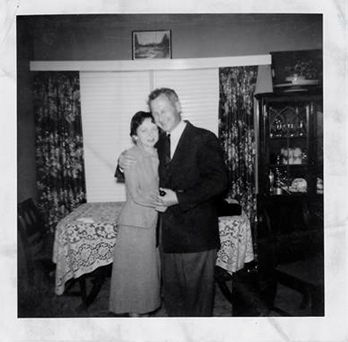
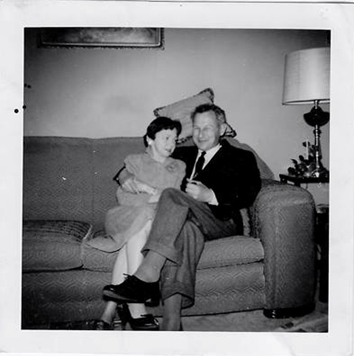
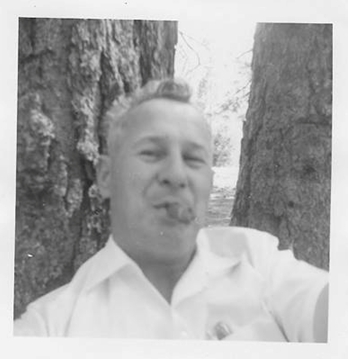
Before I get on to cleaning up the pipe I thought I would once again include the tribute that Jennifer wrote to her Dad for the blog. She also sent some photos and an article that her Dad wrote for Jeff and me to be able to get a feel for him. I have included those below. Note in each of them that he is holding a pipe in his left hand. I asked her to also send me an email with a brief tribute to her Dad. Here is her tribute from an email to me.

Steve, I want to thank you again for accepting my dad’s pipes.  They were so much a part of my dad’s life that I could not simply discard them. But as his daughter, I was not about to take up smoking them either. *laughing* I think my dad would like knowing that they will bring pleasure to others.  I know that I do.

I’m not sure what to say about his pipes. I always remember Daddy smoking pipes and cigars.

First a bit about my dad. Though my father, George Rex Leghorn, was American (growing up in Alaska), he managed to join the Canadian Army at the beginning of WWII, but in doing so lost his American citizenship.  He was fortunate to meet a Canadian recruiting officer who told him the alphabet began with “A” and ended with “Zed” not “Zee”, and also told him to say that he was born in a specific town that had all its records destroyed in a fire.  When the US joined the war my dad, and thousands of other Americans who had made the same choice*(see the link below for the article), were given the opportunity to transfer to the US military, and regain their citizenship.

After WWII, my dad, earned his degree at the University of California Berkeley and became a metallurgist. There is even a bit about him on the internet.

He loved taking the family out for a drive, and he smoked his cigars on those trips. (As a child, those were troubling times for my stomach.)

I most remember my father relaxing in his favorite chair with a science fiction book in one hand and a pipe in the other… Sir Walter Raleigh being his favorite tobacco… and the pipes themselves remind me of him in that contented way.  If I interrupted his repose, he’d look up, with a smile on his face, to answer me.

It seemed he smoked his Briarwood pipes the most, though he had others.  At the time, it was only the Briarwood I knew by name because of its distinctive rough shaped bowl.  And it was the Anderson Free Hand Burl Briar, made in Israel, which I chose for his birthday one year, because I thought he might like that particular texture in his hand.

At least two of his pipes, he inherited from his son-in-law, Joe Marino, a retired medical laboratory researcher (my sister Lesley’s late husband)… the long stemmed Jarl (made in Denmark), and the large, white-bowled, Sherlock Holmes style pipe.  I believe Joe had others that went to my dad, but Lesley was only sure about those two.

The Buescher, corncob pipe my older sister Lesley bought for Daddy while on one of her travels around the States.

A note on the spelling of my sister’s name…

My dad met my mother, Regina, during WWII and they married in Omagh, Ireland.  My mother was English and in the military herself.  The English spelling of Lesley is feminine, and Leslie masculine, in the UK… just the opposite of here in the United States.  I guess my mom won out when it came to the spelling of the name.

I’ll send you photos of my dad soon, along with his WWII experience story.

Jennifer

*https://www.thestar.com/news/world/2013/10/22/the_americans_who_died_for_canada_in_wwii.html

Once again Jeff cleaned the pipe with his usual penchant for thoroughness that I really appreciate. This one was a real mess and I did not know what to expect when I unwrapped it from his box. He reamed it with a PipNet pipe reamer and cleaned up the reaming with a Savinelli Fitsall Pipe Knife. He scrubbed out the internals with alcohol, pipe cleaners and cotton swabs until the pipe was clean. He scrubbed the exterior of the bowl with Murphy’s Oil Soap and a tooth brush to remove the grime and grit on the briar and the lava on the rim top. The finish looks very good with mixed grain around the bowl and shank. There was still some darkening on the right side of the outer edge of the rim toward the back of the bowl (I have circled the spot in red in the second photo below). He soaked the stem in Before & After Deoxidizer to remove the oxidation on the rubber. When the pipe arrived here in Vancouver for the second stop of its restoration tour it looked very good. I took photos before I started my part of the work. I took some close up photos of the carved blackened rim top and stem surface. I wanted to show what an amazing job Jeff did in the cleanup of the rim top. It looked almost flawless. I also took close up photos of the stem to show the light tooth marks and chatter in front of the button on both sides. I also took photos of the stamping on the pipe on the underside of the shank. It read as noted above.There was some rim top darkening that needed to be dealt with. I scrubbed it with a brass bristle wire brush to remove the darkening and some of the debris that was still in the grooves of the finish. It did not take too much to make it clean.I worked some Before & After Restoration Balm into the sandblast finish of the bowl and the rim top with my fingertips to clean, enliven and protect it. I worked it deep into the finish with a horsehair shoe brush. I find that the balm really makes the briar come alive again. The contrasts in the layers of stain really made the grain stand out. I let the balm sit for a little while and then buffed with a cotton cloth to raise the shine. The pipe really looks good at this point. I am very happy with the results. I painted the surface of the stem with the flame of a Bic lighter to raise the tooth marks in the surface of the stem on both sides. I was able to raise the ones on the underside more than the ones on the topside.  I sanded the stem with 220 grit sandpaper to blend the tooth marks and chatter in and to remove some of the oxidation. I was able to remove much of the damage to the surface. What remained I filled in with clear super glue. I set the stem aside to let the repairs cure.  Once the glue had cured I sanded the repairs with 220 grit sandpaper to blend them into the surface of the vulcanite. I followed that by sanding with 400 grit sandpaper to start the polishing process.  I shaped the button and polished the stem with micromesh sanding pads – wet sanding it with 1500-12000 grit pads. I polished it further with Before & After Pipe Stem Polish – both fine and extra fine. I finished by wiping it down with Obsidian Oil after each pad and set it aside to dry. I put the stem back on the bowl and polished the bowl and stem with Blue Diamond polish on the buffing wheel. I gave the bowl and the stem multiple coats of carnauba wax. I buffed the pipe with a clean buffing pad to raise the shine. I hand buffed it with a microfiber cloth to deepen the shine. The multi coloured stained finish on this briar is quite beautiful and the shine on it makes the variations of colour really pop. The pipe polished up really well. The wax and the contrasting stain on the bowl made the grain just pop on the briar. The polished black vulcanite seemed to truly come alive with the buffing. The petite pipe feels great in my hand and when it warms with smoking I think it will be about perfect. It must have been a fine smoking pipe judging from the condition it was when we received it from Jennifer. There should be a lot of life left in this Charatan made pipe. Have a look at it with the photos below. The dimensions are Length: 5 1/2 inches, Height: 2 inches, Outside diameter of the bowl: 1 1/2 inches, Chamber diameter: ¾ of an inch. This is one that will go on the rebornpipes online store shortly. If you want to carry on the pipe trust of George Leghorn let me know. Thank you Jennifer for trusting us with his pipes. Thanks to each of you who are reading this blog. Remember we are not pipe owners, we are pipemen and women who hold our pipes in trust until they pass on into the trust of the next pipeman or woman.

Restoring your own Petersons Pipes – Part 1


Mark Irwin sent me two pipes from the late Mike Leverette’s estate. He had been tasked with selling some of Mike’s pipes for his wife Jeanette. I asked him to pick out a pipe or pipes for restoration that covered the gamut of restoration issues for this article. Mark chose well – a reproduction 1910 Straight Bulldog and Deluxe 11S. He emailed me the descriptions of the pipes (Mark’s description of Pipe #1 is included in italics below and the description of Pipe #2 is in italics in Part 2 of this article) before I actually had the pipes in hand.

Pipe #1 –A Reproduction 1910 straight Bulldog (from the Antique Collection) that looks like it has either been left out in the sun or someone has attempted to remove the original stain. In addition, it has been poorly reamed, with what looks like a pocket knife. Stem and ferrule oxidation, no real dental damage to button.

When the pipes arrived I was excited to open the box and see them in person. It is my habit to spend time looking over a pipe very carefully before I start working on them. In this case I wanted to see the issues that Mark noted firsthand and to note others as well. I decided to work on the two pipes separately. I began with the little Reproduction 1910 Straight Bulldog.  I recorded my observations to give a clear idea of the work that needed to be done. They were as follows:
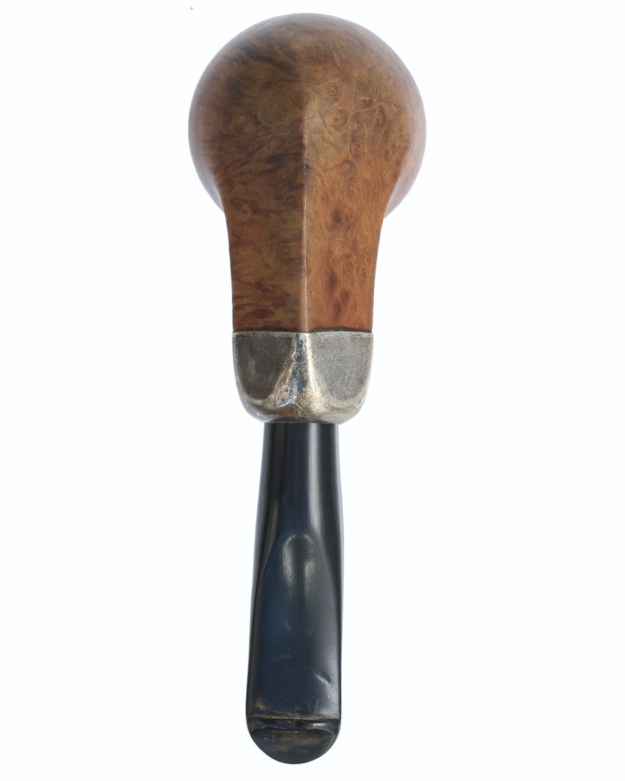
Photo 1 Bottom side of the pipe and stem

Pipe #1. The pipe is stamped on the left side of the shank Peterson’s over Dublin. On the right side it is stamped Made in Ireland. The stamp has classic Pre-Republic era stampings (the forked tail on the P and “Made in Ireland”). The silver ferrule/end cap is stamped K&P over three hallmarks, the last is a cursive capital “J” which dates the pipe as having been made in 1995. These are stamped above Peterson’s of Dublin on the left side and on the right side of the cap it is stamped 1910 which indicates the year this Bulldog shape first appeared in Peterson’s offer. A first pass over the pipe showed that the finish was as Mark had noted – very faded. The stain was virtually gone and the briar was a dull grey brown in colour. The silver was dented and tarnished; so much so that it was hard to read the hallmarks. The double ring around the bowl was packed with grit and grime as well as some older stain that had bunched up in balls in the grooves. Moving to the rim I could see what Mark had noted regarding the poor reaming. It was very roughly reamed and the nicks from the knife blade were many. This left the bowl out of round. The cake was hard and the surface of the rim had a build up on it that was also quite thick. Removing the stem I could see that the upper right edge of the mortise had a large crack/gap in it where a chunk of briar was missing. The mortise was tarry and dark. The chamber/sump region in the mortise was also quite full of tarry build up and grit. The stem itself was good at the insert end. There were no cracks or missing pieces, which I expected after the chip in the shank. The top side and underside of the stem were dented with tooth marks that had been worked on. The surface had deep scratches and pits in it from the previous work. It looked like the stem had been treated with bleach to deal with the oxidation which leaves the surface pitted. The top 90 degree edge of the button had a divot taken out of it. The hole in the top also was out of round with several small divots removed from the surface. On the underside of the button the ridge/shelf that goes across the bottom of the P-lip had a divot missing as well – a tooth dent that was very evident. The portion of the tenon that sat in the shank was dark and black while the rest of the stem was oxidized and had slight brown tints. The five photos below highlight the areas of concern that would need to be addressed in a restoration/refurbishment.

Photo 1 Bottom side of the pipe and stem

Photo 2 Right side view
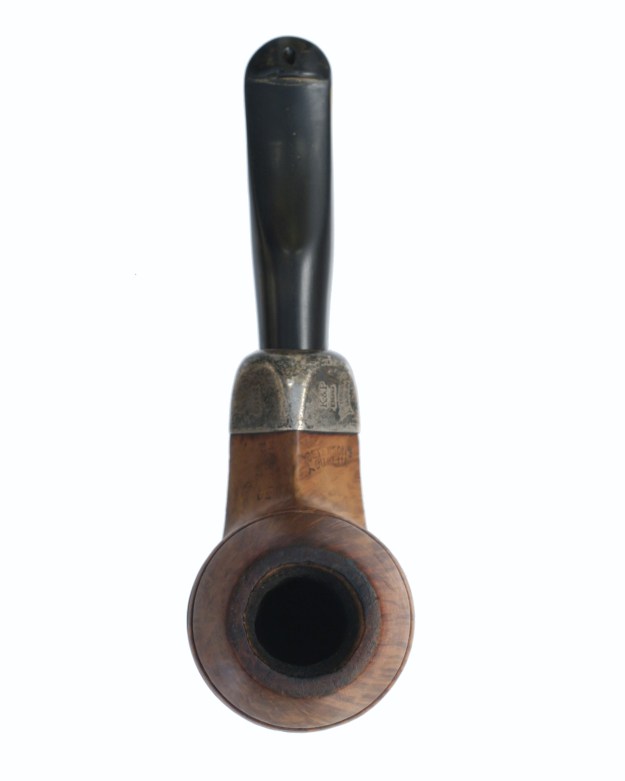
Photo 3 Top view
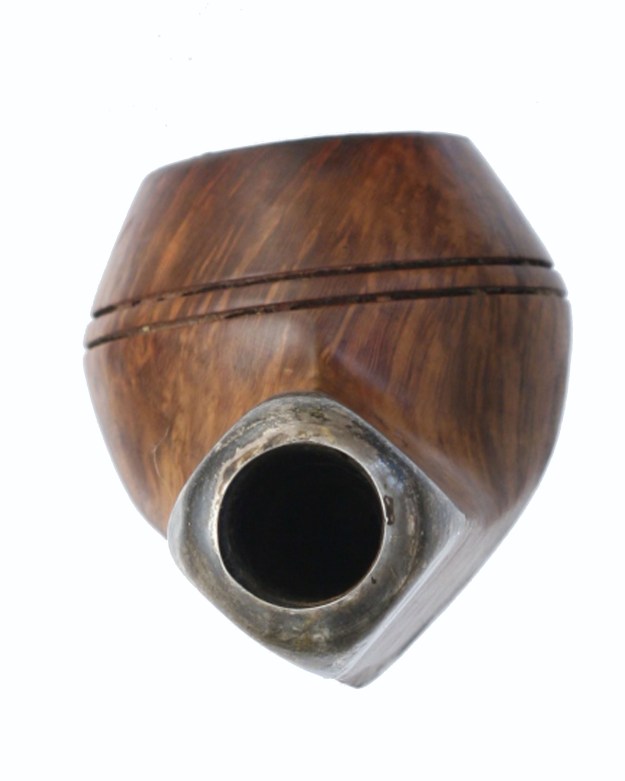
Photo 4 Looking into the shank
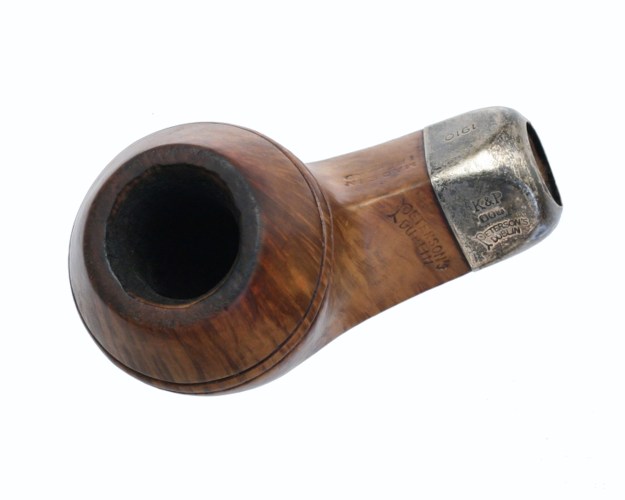
Photo 5 Top view of the bowl and shank

After completing my observation of the pipe, I decided to begin the work by cleaning up the inside before dealing with the externals. I reamed the bowl with a PipNet reamer – a T handle with four different sized cutting heads (Photo 6). I started with the smallest head and worked up to the size that fit the internals of the bowl (Photos 8 – 10). My objective was to take the cake out completely bringing the bowl back to briar so that I could reshape the inner edge of the rim and clean up the mess left by the knife reaming job.
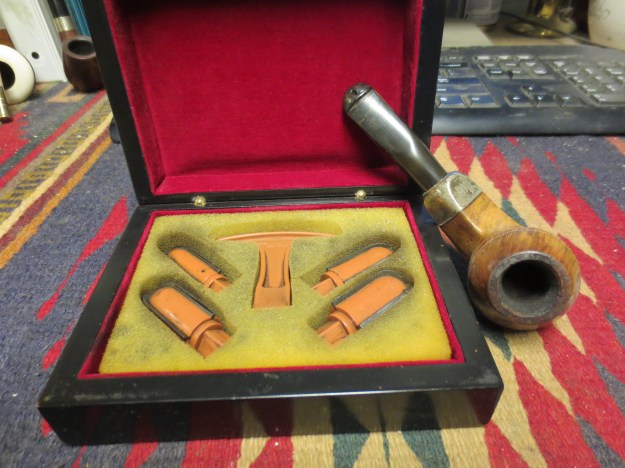
Photo 6 PipNet Reamer set
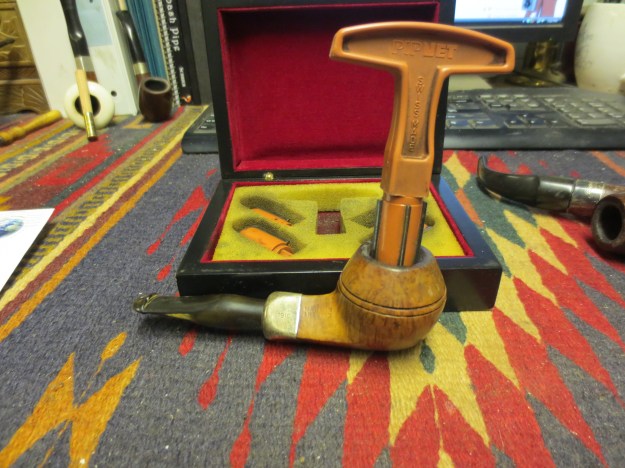
Photo 7 Reaming with the second cutting head
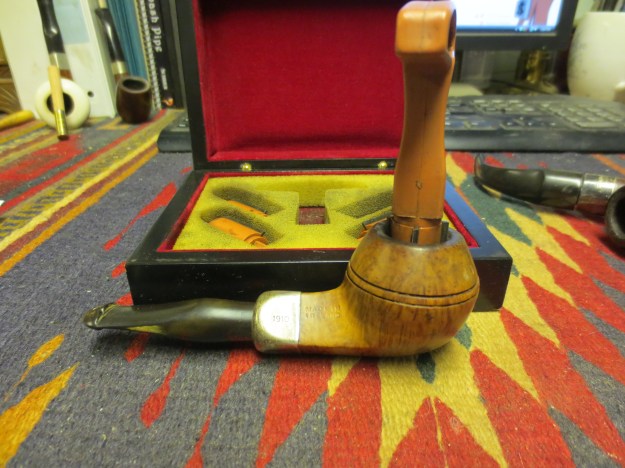
Photo 8 Second Cutting head
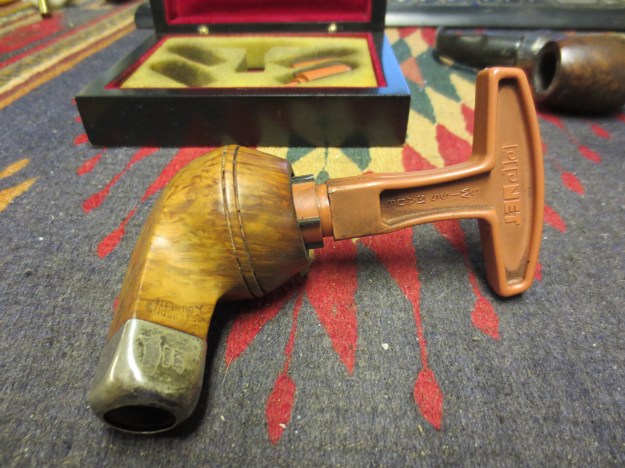
Photo 9 Reaming with the third cutting head
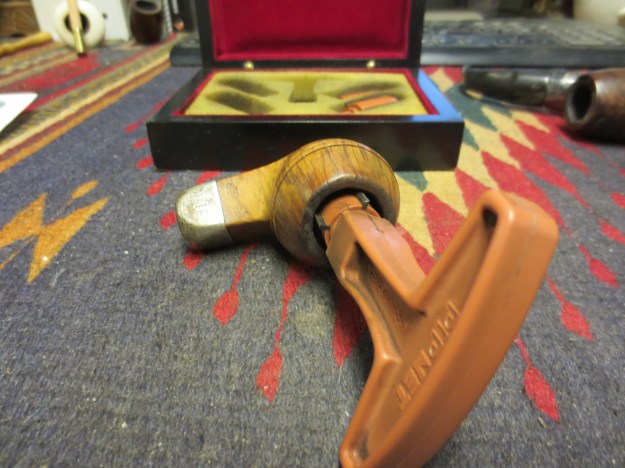
Photo 10 Third cutting head

The finished bowl, after reaming with the various cutting heads, is shown in Photo 11 below. Once the cake was gone from the inside of the bowl I could clearly see what needed to be done to bring the bowl back into round and repair the damage to the inner rim. It was at this point I decided to top the bowl. Photo 12 below shows the process of setting up a piece of sandpaper on a hard, flat surface and sanding the bowl top by pressing it into the sandpaper and rotating it to slowly remove damaged briar from the top of the bowl. For this particular bowl I used 220 grit sandpaper. I did not want to leave deep scratches in the rim, but I wanted to smooth out the surface and remove the damaged material. Photo 13 shows the finished bowl top. I removed enough of the surface to get rid of the knife cut angles on the inner edge. Photos14 – 16 show how I sanded the inside edge of the rim using a folded piece of medium grit emery paper. The idea was to work on the inner edge and slowly and carefully bring it back to round and remove the remaining damage left by the knife. After the cleanup I used a fine grit sanding sponge to remove the remaining scratch marks left in the surface of the rim (Photo 17).
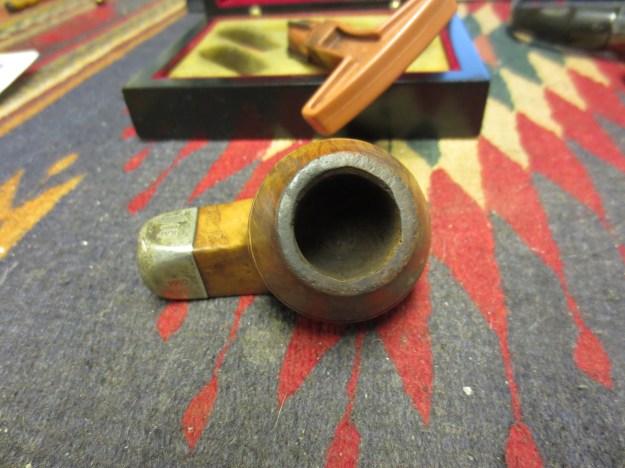
Photo 11 After reaming
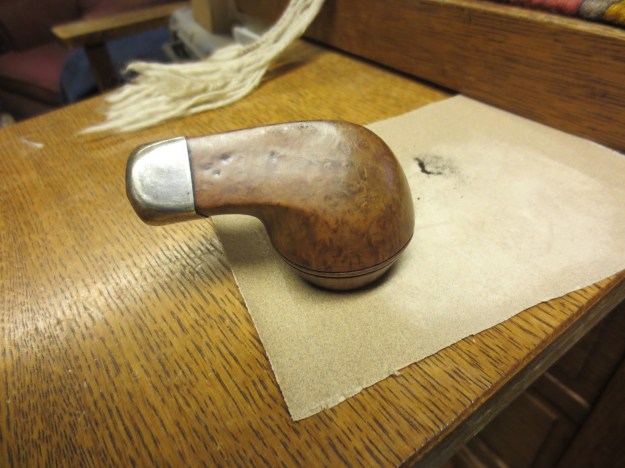
Photo 12 Topping the bowl
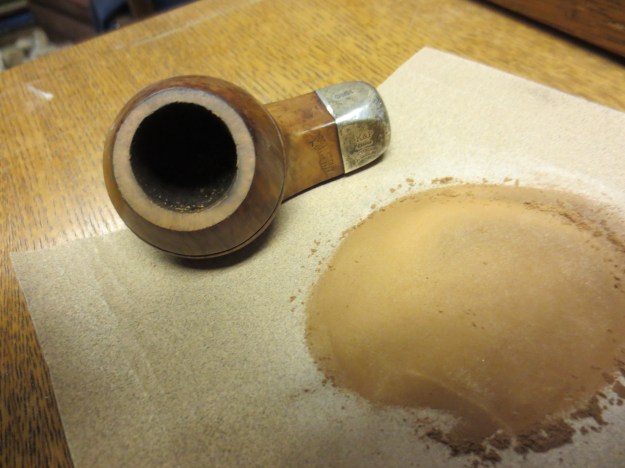
Photo 13 Topped bowl
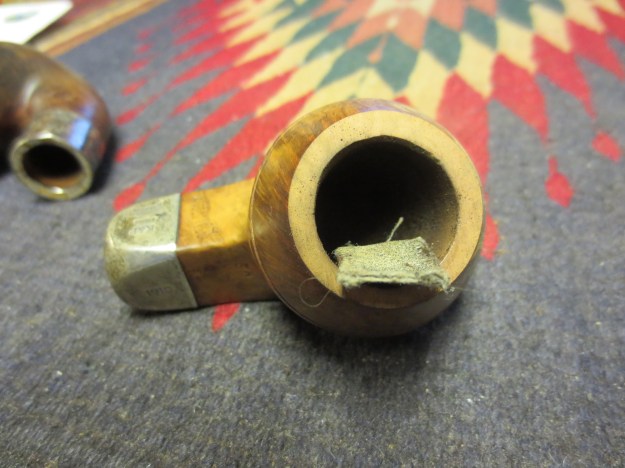
Photo 14 Smoothing the inner edge
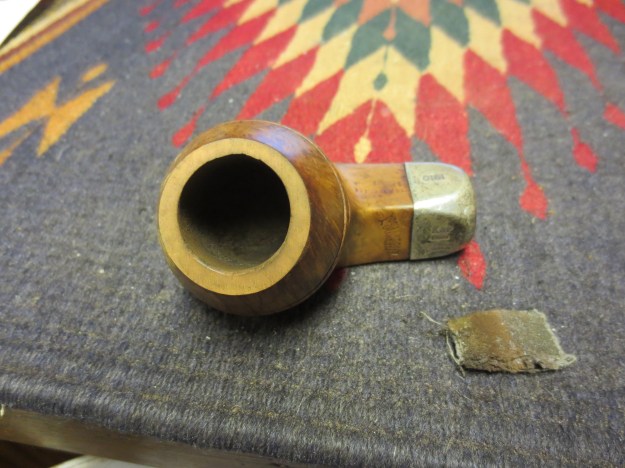
Photo 15 Inner edge after smoothing
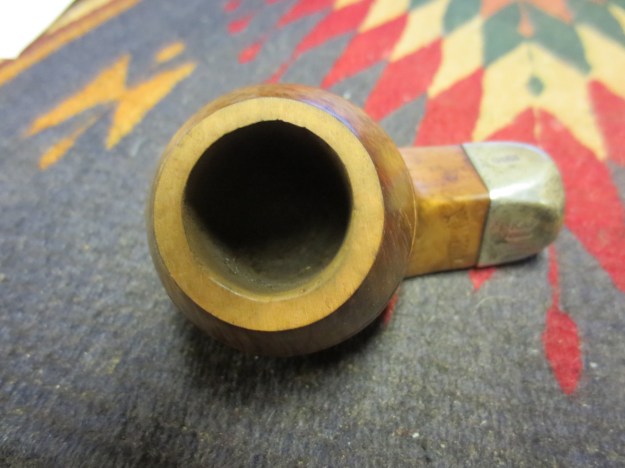
Photo 16 Close up of the inner edge
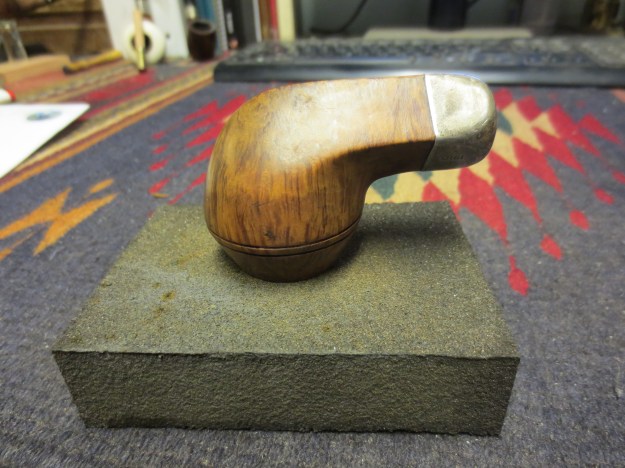
Photo 17 Sanding with a fine sanding sponge

With the bowl back in shape and the rim cleaned and sanded it was time to remove the remnants of the finish on the bowl. I wiped the bowl down with acetone on a soft cotton makeup removal pad (Photos 18 – 20). For the acetone I use fingernail polish remover. I have found that it removes the grit and oils that have ground into the bowl as well as the finish. I wiped the bowl down until I was satisfied that I had removed the finish. The best way to tell this is when the pads come back clean and fresh after wiping the bowl down.
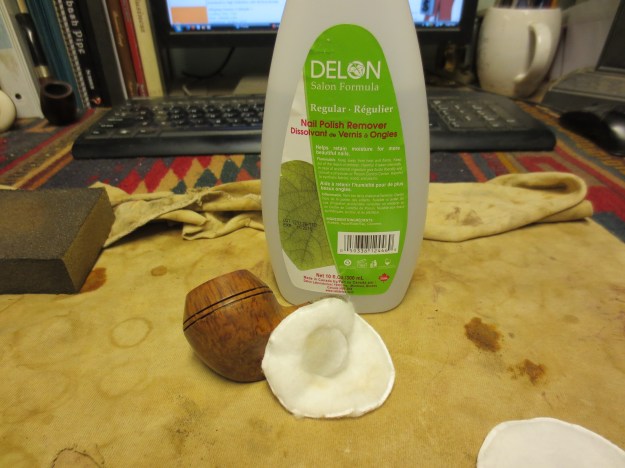
Photo 18 Acetone and cotton pads
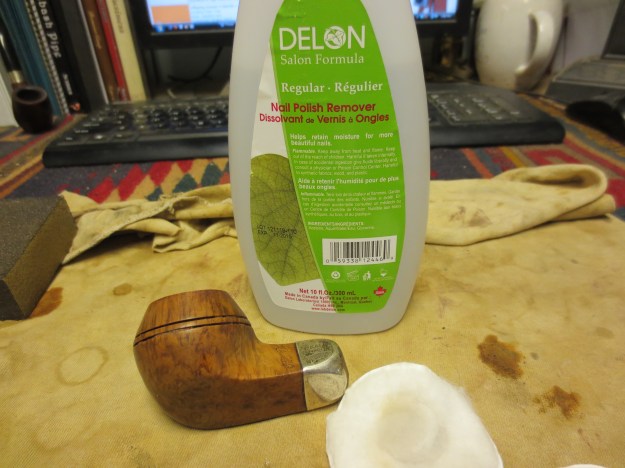
Photo 19 Acetone and cotton pads
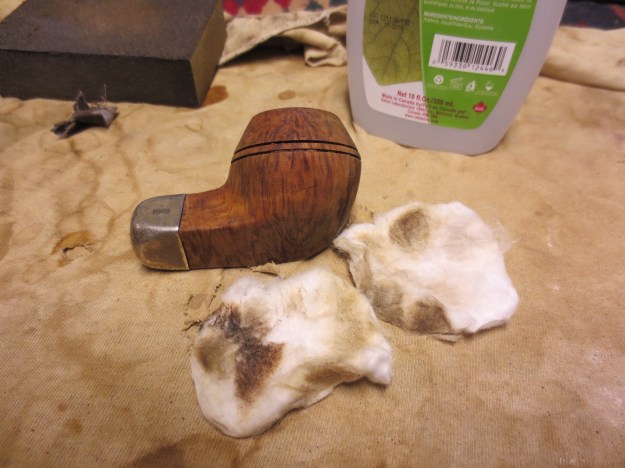
Photo 20 The bowl and cotton pads after being wiped down

In Photo 21 below, the bowl is dry and clean. The finish is gone. At this point I used the drill bit in the handle of the KleenReem tool to clean out the airway in the shank and bowl. I find that this tool quickly removes the buildup in the airway and is the best way to minimize the number of pipe cleaners used to clean out the shank. I carefully twist the bit into the airway making sure not to twist it through the airway and into the other side of the bowl bottom (Photos 22 – 23).
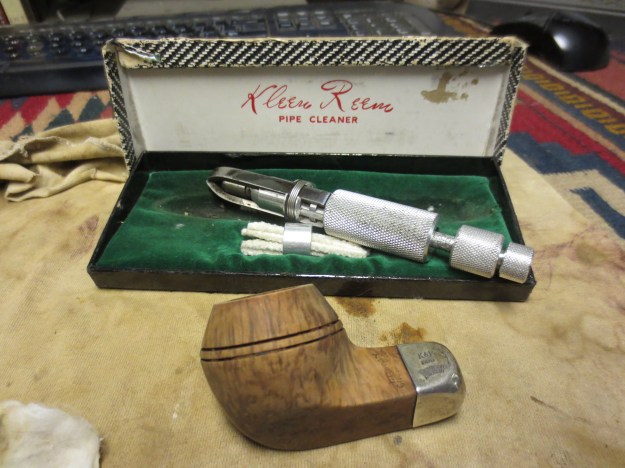
Photo 21 Clean bowl with KleenReem Pipe Cleaner
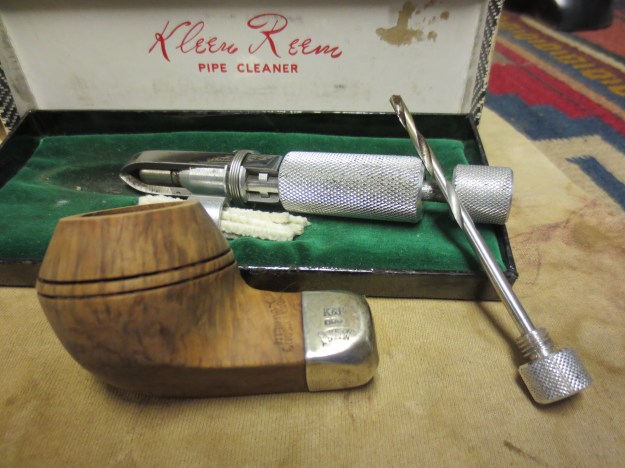
Photo 22 Drill bit from the handle

Photo 23 Drill bit inserted into the airway

I cleaned out the double rings around the bowl using a dental pick. I wiped the bowl down with Everclear as I ran the dental pick in the grooves on the bowl. The amount of dried stain and grit that comes out of the rings makes me always take this step when I am cleaning a bulldog or Rhodesian shaped bowl (Photos 24 – 25).
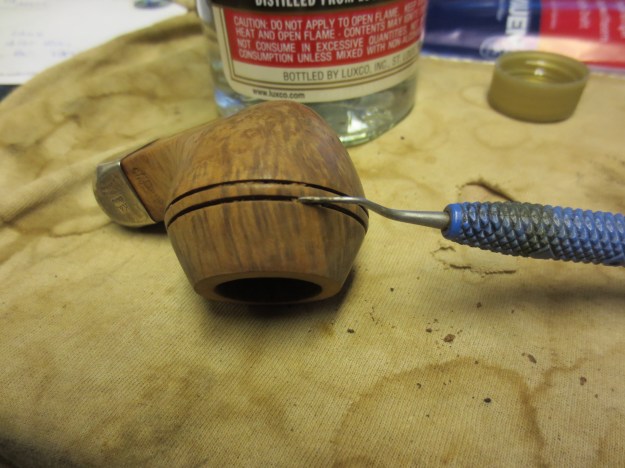
Photo 24 Cleaning the rings

Photo 25 Rings cleaned

Now it was time to turn my attention to the internals of the shank – both the airway and the condensation chamber in the Peterson pipes. In the bents this is the area I call the sump. It collects a lot of tar and oils from the smoke that is drawn through it. It takes detailed work to remove all of the grime. In this case I used many pipe cleaners – both bristle and fluffy as well as cotton swabs to clean out the area. I folded the pipe cleaners in half to give me the area needed to clean out the walls of the shank. Photos 26 – 28 show the work and the resultant pile of cleaners. I cleaned out the area until the pipe cleaners came out clean and the pipe smelled clean.
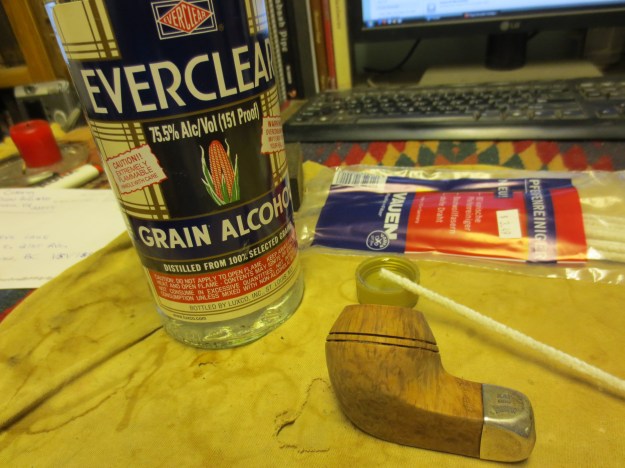
Photo 26 Time to clean the shank
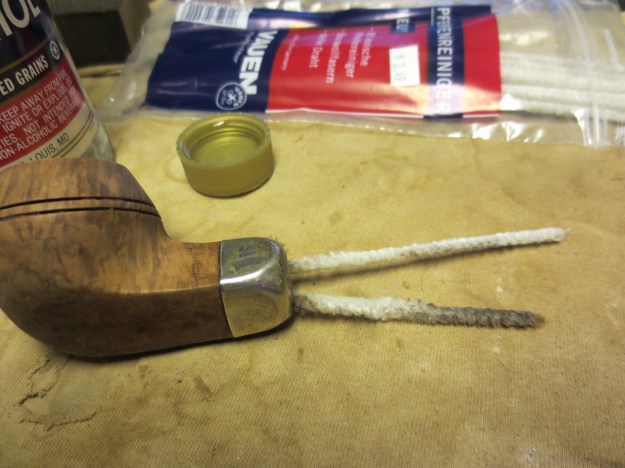
Photo 27 Folded and inserted
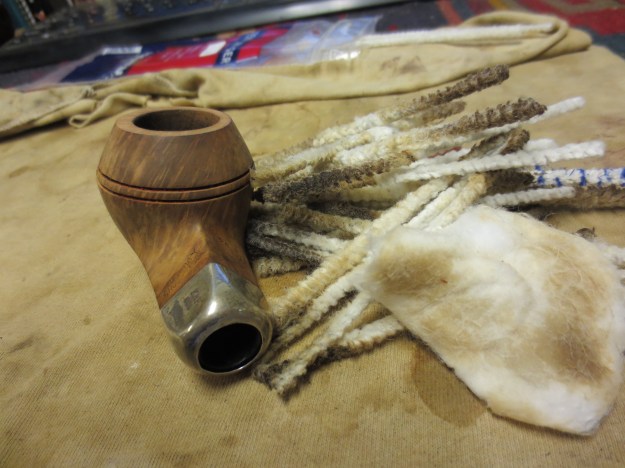
Photo 28 Many pipe cleaners later

For the silver ferrule/cap on the shank I used a jeweler’s cloth that I purchased at a local jewelry shop. It is impregnated with a cleaning solution that effectively removes the level of tarnish found on this cap. I wiped down the cap with the cloth repeatedly until the tarnish was gone and the silver gleamed. Photos 29 – 31 show the polished cap and the cleaned bowl.
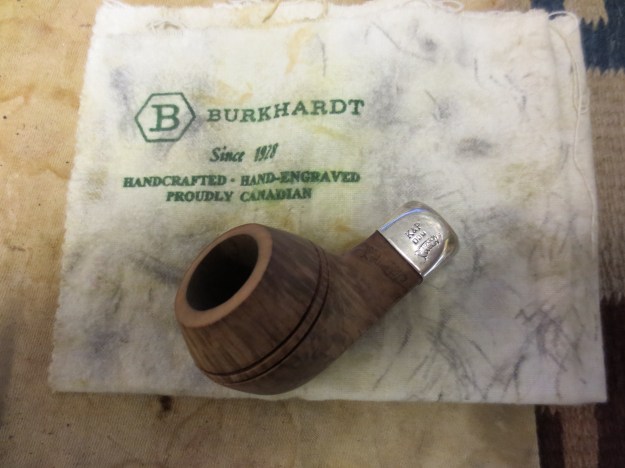
Photo 29 Polished cap
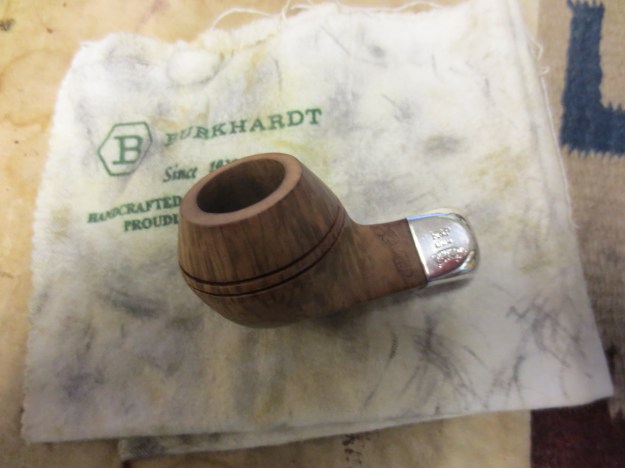
Photo 30 Polished cap
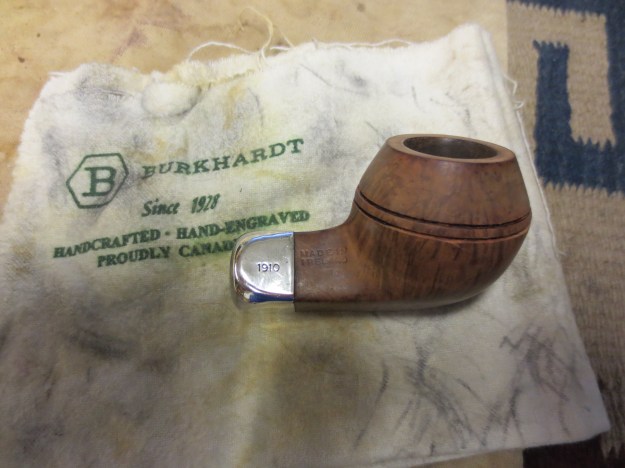
Photo 31 Polished cap

With the bowl ready to restain, it was time to turn my attention to the stem. As mentioned above there were some dents and divots in the stem and button area. These would take some work. There are several different procedures that I used in addressing the issues in this stem. I always begin by sanding the area around the dents with 220 grit sandpaper to better assess the damaged areas. If the dents are merely dents then heat will lift them and the stem will return to its smooth surface. If however the dents have edges that are cut then no amount of heat will lift the areas and other methods will need to be employed. In this case the dents were indeed just dents and heat would lift those (Photos 32 – 33). The divots out of the top side of the button and the underside ridge were another matter. To reshape the 90 degree angle on the top side of the button I used a square needle file. I cleaned up the edge of the button and the place it met the surface of the stem (Photos 34 – 35). I used the same file on the bottom side of the button ridge/shelf as well. Again the idea was to clean up the edges and sharpen them the angles (Photo 36). These areas needed to be redefined in order to have the sharp and distinct edges that were originally there.
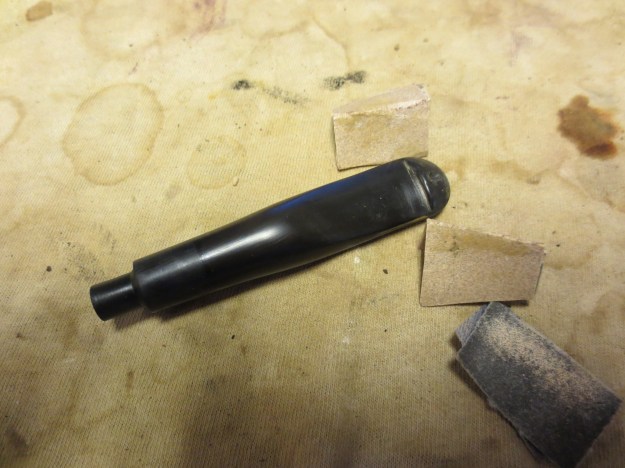
Photo 32 Topside after sanding
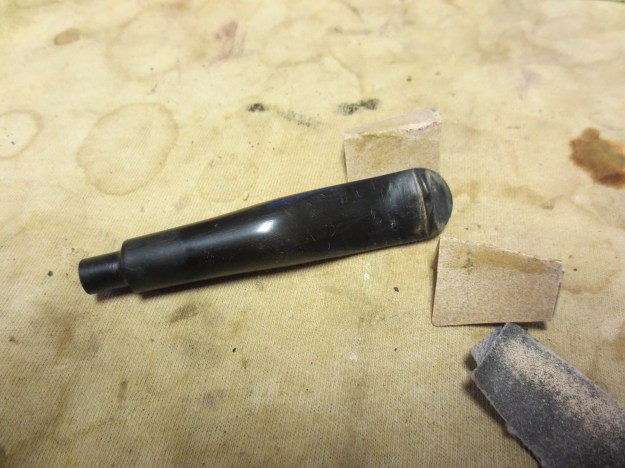
Photo 33 Bottom side after sanding
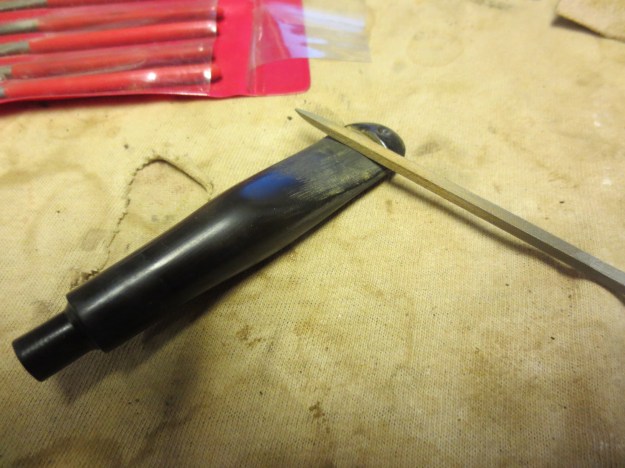
Photo 34 Reshaping the angles on the button topside
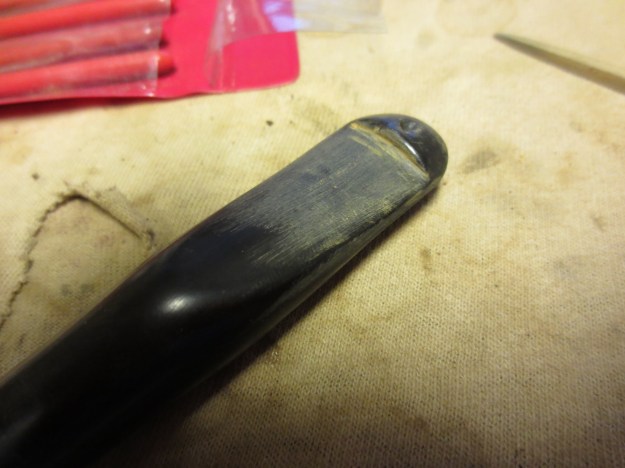
Photo 35 Angles reshaped with files
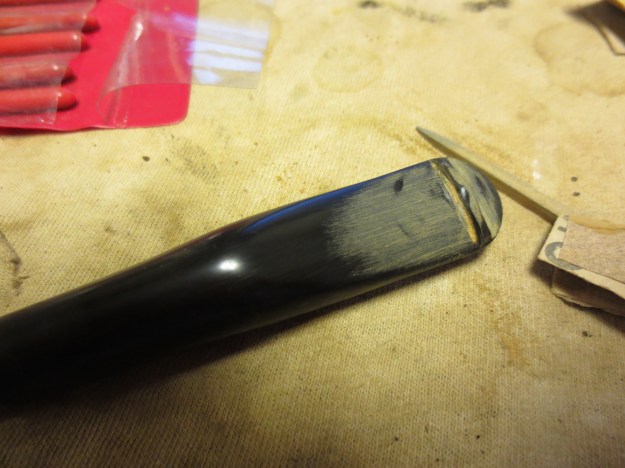
Photo 36 Reshaping the angles on the button bottom side

I used a Bic lighter to heat the stem surface. The key to this is to quickly move the flame across the surface of the dented areas. Do not leave it in one place too long as it will burn the vulcanite. Quickly passing it over the surface repeatedly and checking often I was able to lift the dents from both the topside and underside of the stem (Photos 37 – 39).
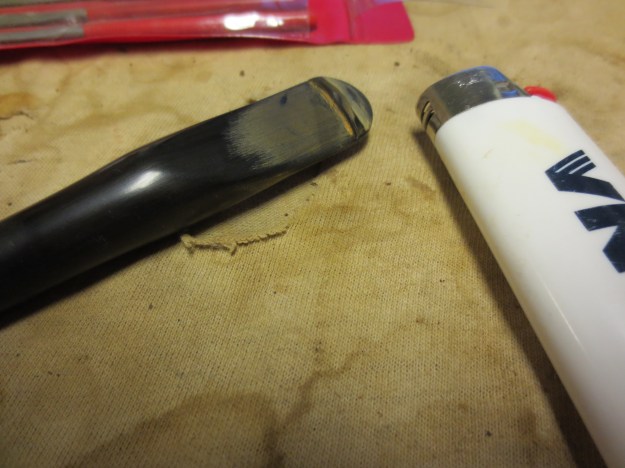
Photo 37 Using a Bic Lighter to lift the dents on the underside of the stem
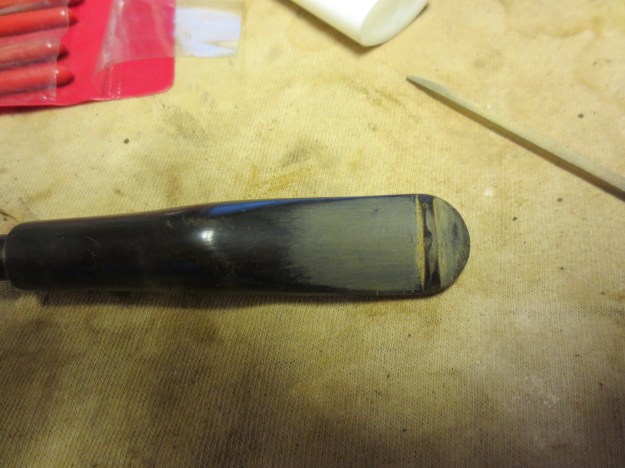
Photo 39 Underside of the stem after heating
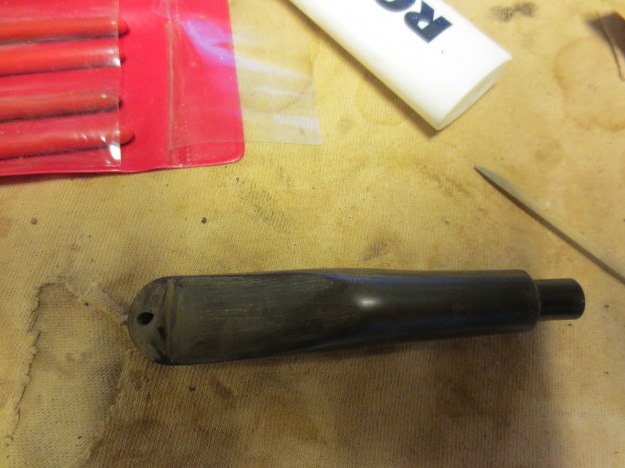
Photo 38 Using a Bic Lighter to lift the dents on the top side of the stem

I sanded the newly smoothed surface with a medium grit sanding sponge. When I finish heating a stem, whether I use a Bic lighter or a heat gun, I sand it to ensure that I have finished lifting the dents. It is easy to be fooled when removing it from the heat. If it needs a bit more heat after the sanding it is a simple task and best done before progressing to the next steps of sanding the stems (Photos 40-41).
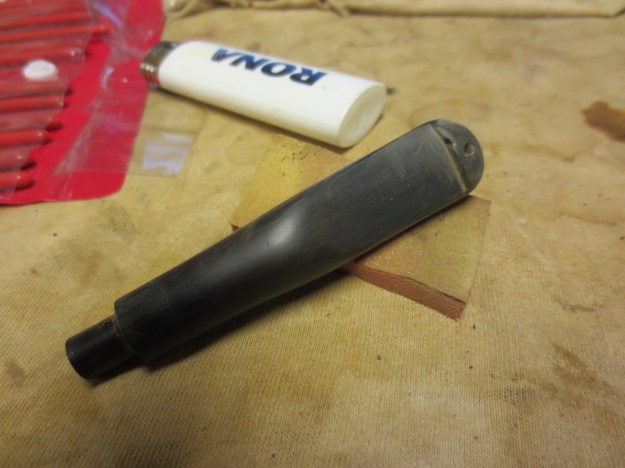
Photo 40 Top side sanded with a sanding sponge
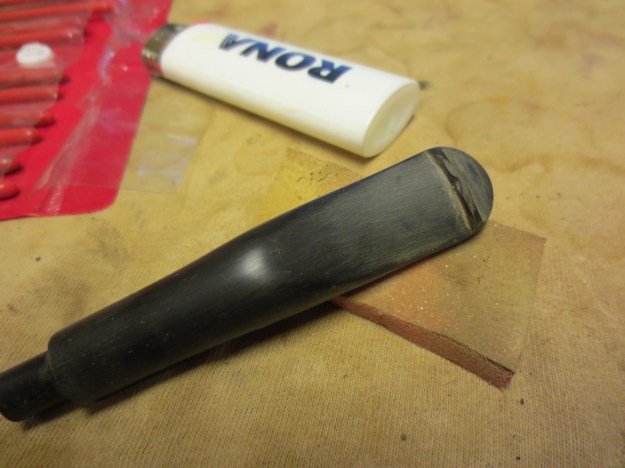
Photo 41 Underside sanded with a sanding sponge

To repair the missing chunk of briar from the inside of the shank I used some Weldbond wood glue and briar dust. It is water soluble until it dries and then is hard and impermeable. I cleaned the surface area of the shank and then put the glue in place. I moved it around the area, pressed briar dust into the glue and cleaned up the surrounding area with a dental pick (Photo 42). I set it aside to dry while I returned to the stem cleanup.

Photo 42 Shank repair

For several years now I have been using black superglue (cyanoacrylate) to repair divots from the button and stem areas. It is glue that has been used medically in the field by medics to repair tears in the skin so I believe it is safe. It dries very hard and shiny black and does not disintegrate with cleaning once it is cured. Once the stem is buffed and polished the repair is virtually invisible. On this pipe I needed to build up the divots on the edge of the button on the topside and the ridge on the underside. I purchased the black superglue from Stewart Macdonald, a supplier of repair products for musical instruments (http://www.stewmac.com/). It is slow drying so you may want to consider purchasing an accelerator product from them as well. I apply the glue to the areas I am repairing and set it aside overnight (Photos 43 – 45). It dries hard in about 6-8 hours and cures in just over twelve hours. I find that once it is dry to touch I can sand the surface and blend it into the stem.

Photo 43 Black Superglue on the ridge of the button

Photo 44 Black Superglue on the topside divot on the button
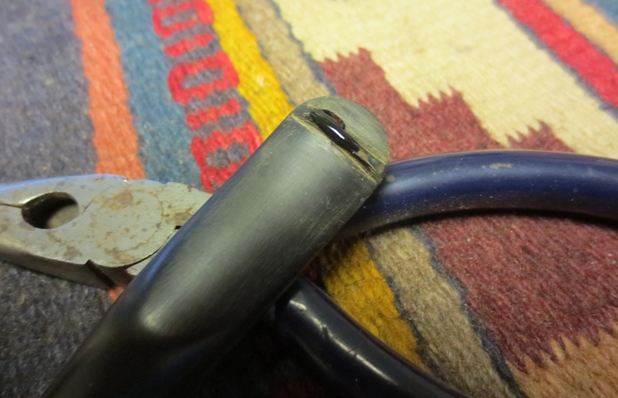
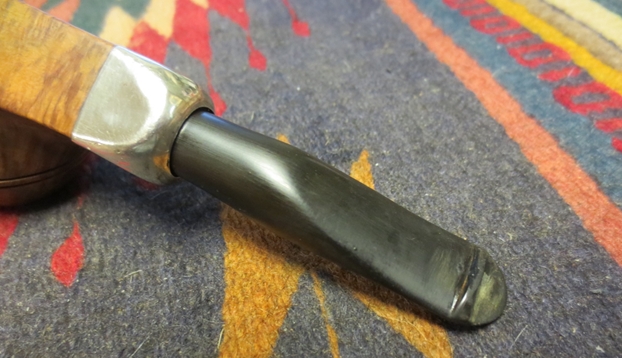
Photo 46 Superglue dried on the underside ridge

Photo 47 Glue dried on the topside

The next series of photos show the progressive sanding of the stem with 1500-12,000 grit micromesh sanding pads (Photos 48 – 59). These are also available through Steward Macdonald as well as other fine woodworking stores or can be ordered online.

Photo 48 Sanding the topside with 1500 grit micromesh
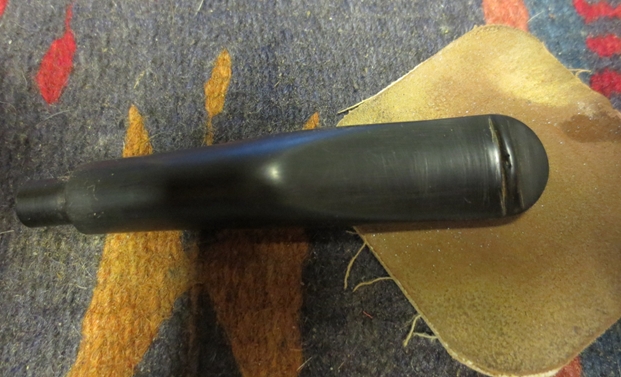
Photo 49 Sanding the underside with 1500 grit micromesh
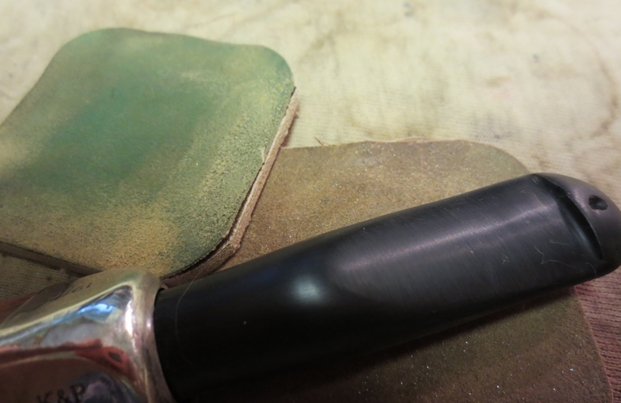
Photo 50 Sanding the topside with 1800 grit micromesh
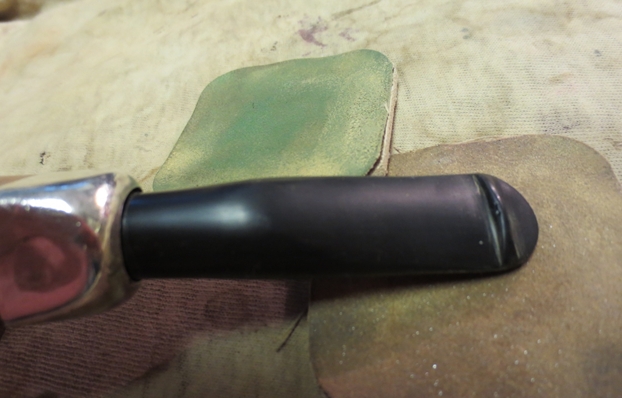
Photo 51 sanding the underside with 1800 grit micromesh

Photo 52 Sanding the topside with 2400 grit micromesh
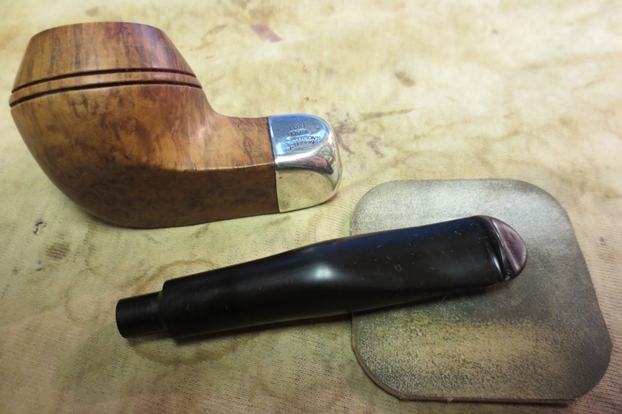
Photo 53 Sanding the underside with 2400 grit micromesh
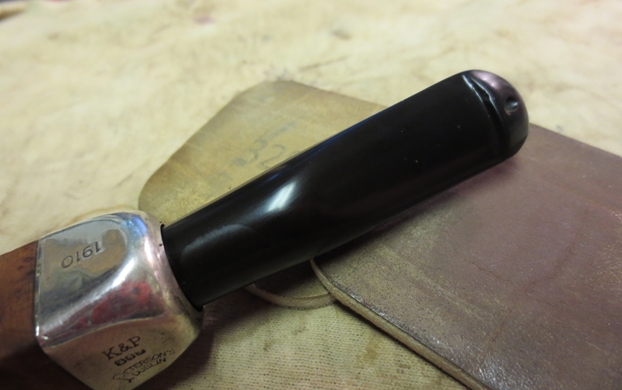
Photo 54 Sanding the topside with 3200 and 3600 grit micromesh
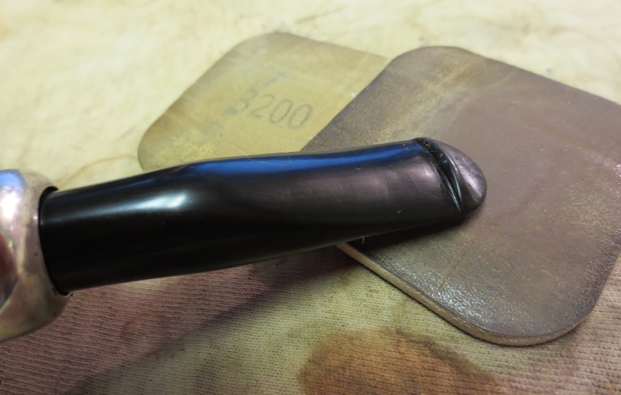
Photo 55 Sanding the underside with 3200 and 3600 grit micromesh
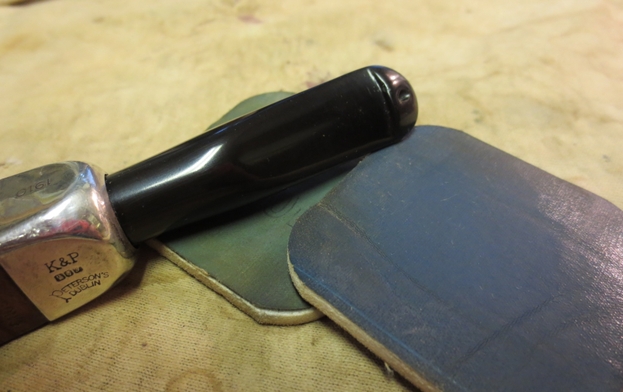
Photo 56 Sanding the topside with 4000 and 6000 grit micromesh
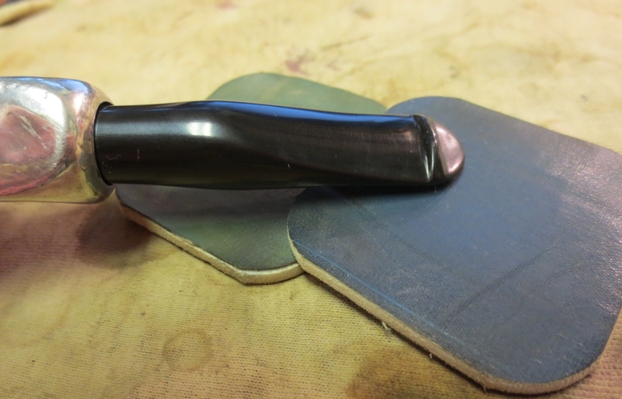
Photo 57 Sanding the underside with 4000 and 6000 grit micromesh
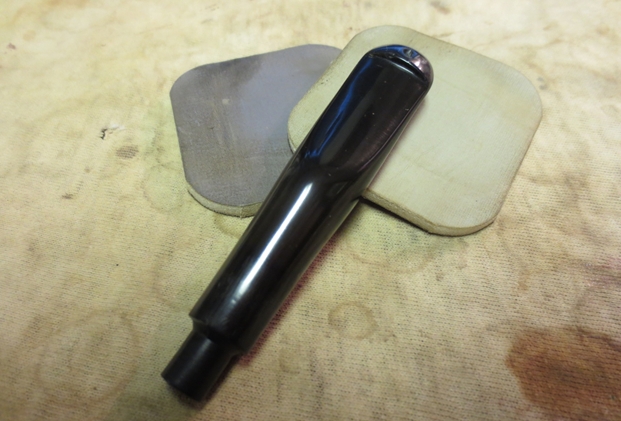
Photo 58 Sanding the topside with 8000 and 12,000 grit micromesh
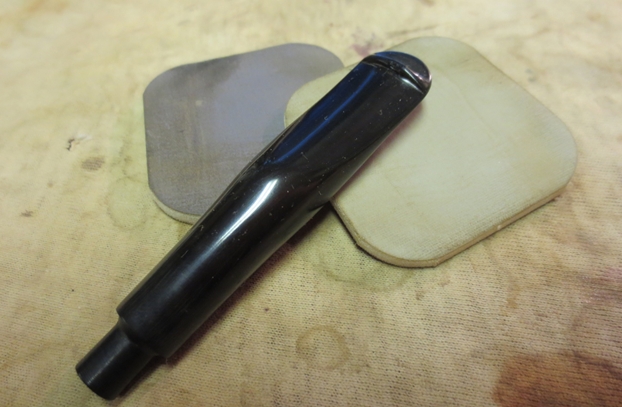
Photo 59 Sanding the underside with 8000 and 12,000 grit micromesh

By this time the shank repair was dry. Photos 60 and 61 show the dried and finished repair. I used a small piece of folded 220 grit sandpaper to smooth out the repaired area.
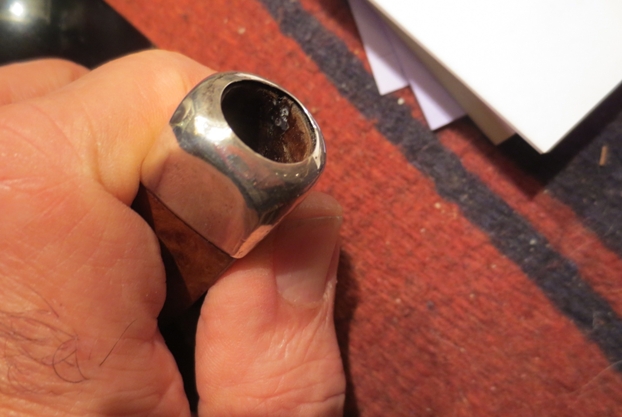
Photo 60 Finished shank repair
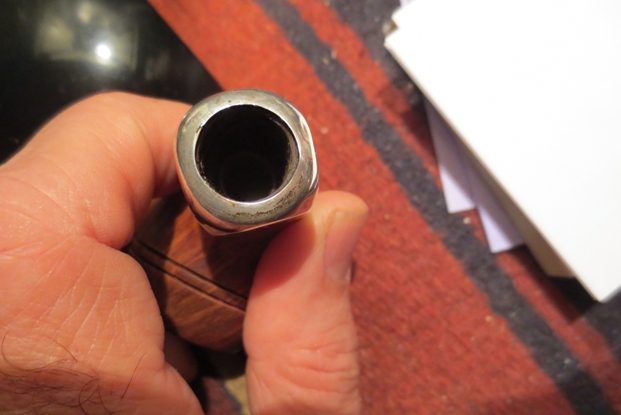
Photo 61 Finished shank repair

I wanted to match the stain on the pipe to the original stain on this line of pipes so I researched the line on the internet and found the picture below (Photo 62) that gave me a good idea of what the stain colour should be. In studying the photo I could see both brown and red stains were used to bring out this colouration. For me this would be a two step staining process.
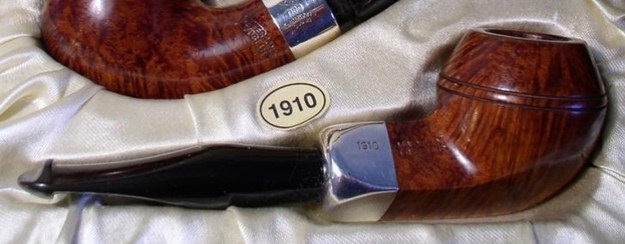
Photo 62 Correct stain colour

I started with a dark brown aniline stain. I have used Feibing’s Leather Dye for years as it is an aniline based stain and works very well. I thinned it 2:1 with Isopropyl alcohol to get the brown I wanted in the undercoat (2 parts stain to 1 part alcohol). I remove the stem for the staining and insert a dental pick in the shank for a handle to hold while I turn the bowl in my hands during the staining. I applied it to the bowl with a folded pipe cleaner. Once the bowl was covered with stain and while it is wet I light it on fire with a lighter. This is called flaming. It burns off the alcohol and sets the stain more deeply into the grain of the briar. Generally I start by staining the bottom of the pipe first as the stain runs toward the top naturally and then follow up with the side, back and front of the bowl. I stain the rim last and am careful to not get stain inside the bowl. I repeat the process of staining and flaming the bowl until I am happy with the coverage. Photos 63 – 66 show the bowl after it has been stained, flamed, and stained and flamed again.
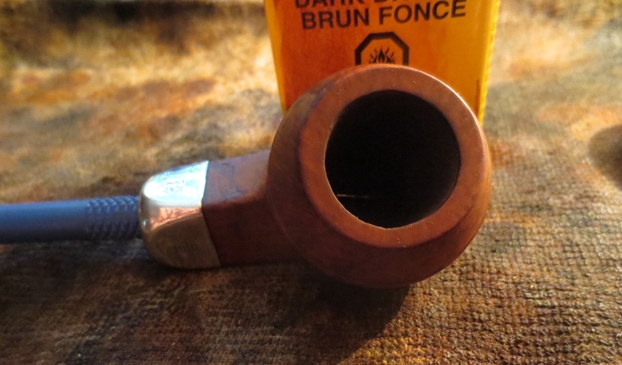
Photo 63 Stained bowl topside view
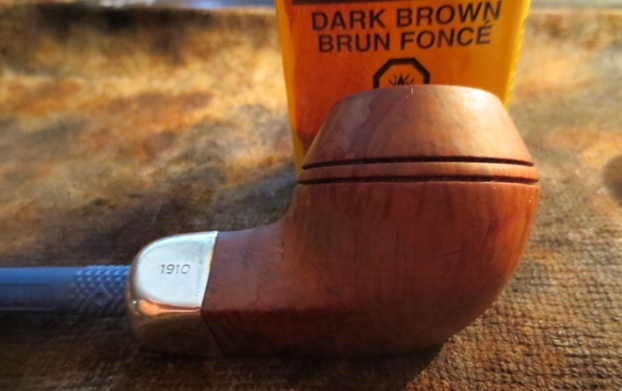
Photo 64 Stained bowl right side
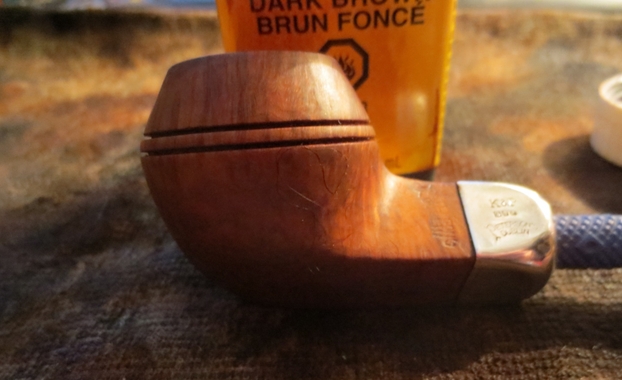
Photo 65 Stained bowl left side
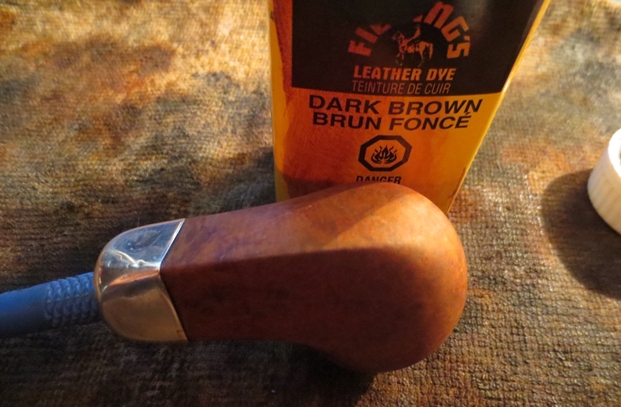
Photo 66 Stained bowl underside

I hand buffed the newly stained pipe with a soft cotton terry cloth (old piece of bath towel) until the finish had a shine. I do this to check the coverage of the undercoat. I want to make sure that the coverage is even and that there are no heavy spots or weak spots before I give the pipe the next coat of stain (Photos 67-68).
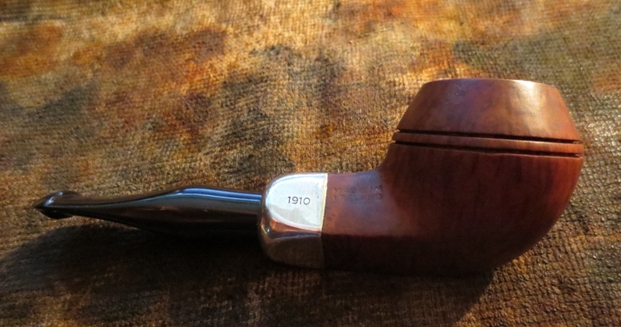
Photo 67 Right side after hand buffing
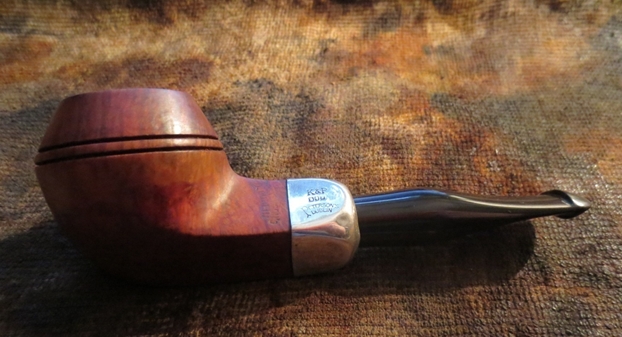
Photo 68 Left side after hand buffing

I applied the second stain to the bowl. For this I used an oxblood coloured aniline paste stain. I don’t worry about getting it on the stem as it is thicker and does not run when applied. I start at the bottom of the bowl out of habit with this stain. I work my way around the bowl, making sure to get an even coverage of stain and finish the process by carefully staining the rim (Photos 69 – 70). Once it is applied I let it dry for about 3 minutes and then wipe it off with a soft cloth and cotton pads. I want the colour to stay in the briar but not be wet on the surface (Photos 71 – 73). Again I check for coverage to make sure I have an even colour over the entire bowl. I reapply stain to weak spots to blend them into the colour. I want an even stain coat on the entire bowl. I hand buffed the bowl a second time to check on the colour and compare it against the photograph that I had found online (Photos 74 – 77).
Photo 69 Oxblood stain applied

Photo 70 Oxblood stain applied
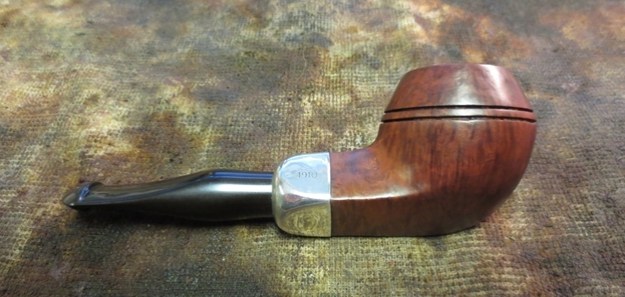
Photo 71 Right side after being wiped down
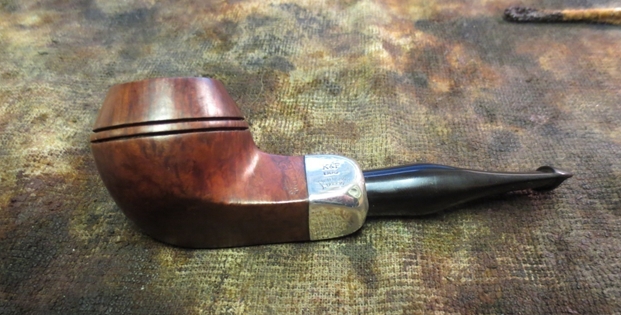
Photo 72 Leftside after being wiped down
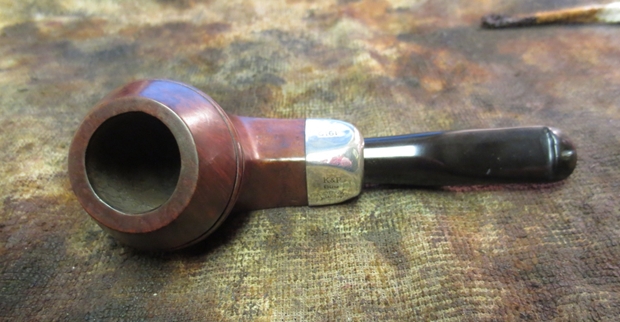
Photo 73 Top side after being wiped down.
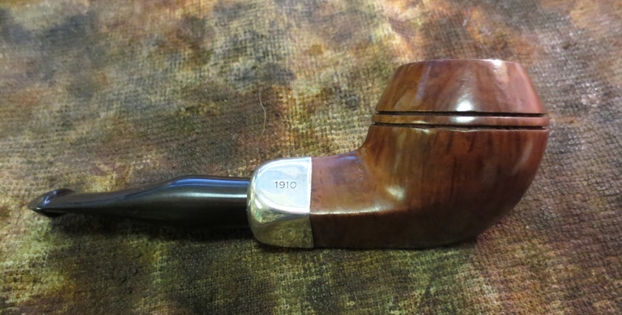
Photo 74 Right side after hand buffing
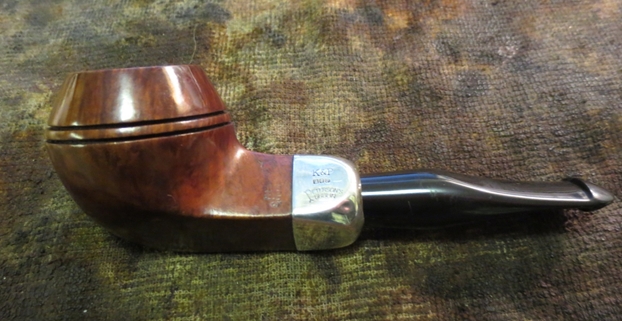
Photo 75 Leftside after hand buffing
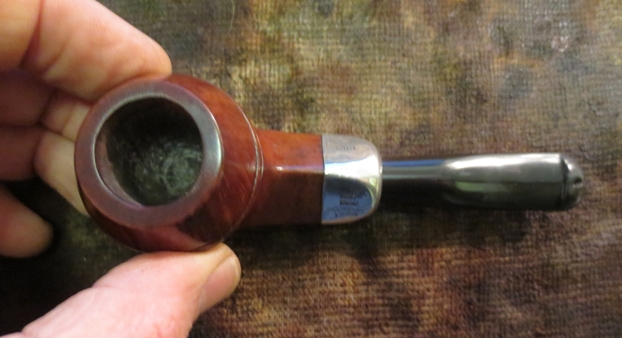
Photo 76 Top side after hand buffing
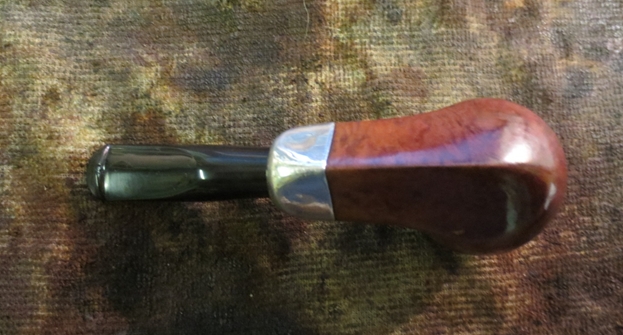
Photo 77 Underside after hand buffing

While I liked the colour of the bowl I found that it was too dark to really match the photo colour. I wet a cotton pad with acetone and wiped the bowl down to reduce the opacity of the stain and lighten it slightly. I only wiped it down once and carefully covered the whole bowl in one detailed wipe down to keep the coverage even. The new colour look lighter and almost appears to be too light but I have learned that after I buff it and give it several coats of wax it will be a match.
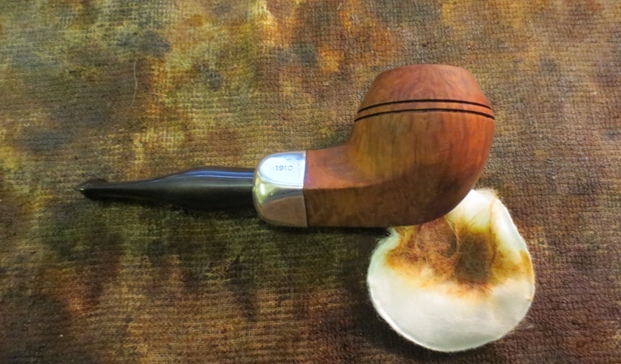
Photo 78 Right side after being wiped down with acetone
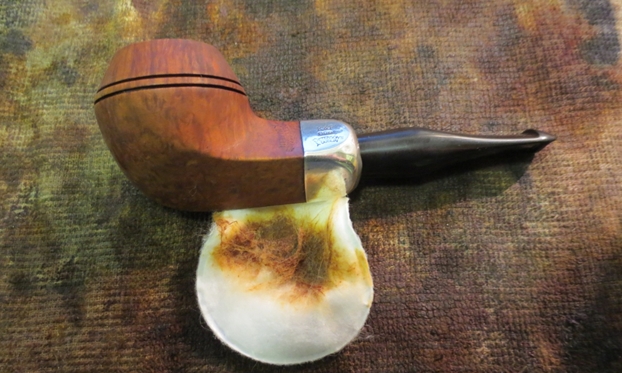
Photo 79 Leftside after being wiped down with acetone
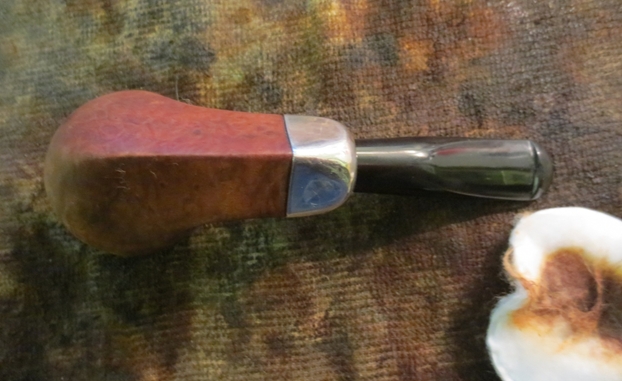
Photo 80 Underside after being wiped down with acetone
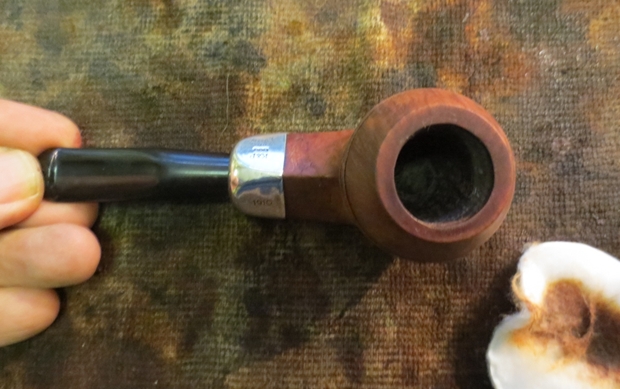
Photo 81 Topside after being wiped down with acetone

I took the bowl to the buffer and gave it a quick buff with White Diamond on the buffing wheel. It gave the bowl a good shine. I brought it back to my work table and applied a coat of Conservator’s Wax which is a microcrystalline wax and cleaner. I have found that this gives the bowl a deeper polish and shine. After that I generally take it to the buffing wheel and give it multiple coats of carnauba wax (Photos 82 – 83).
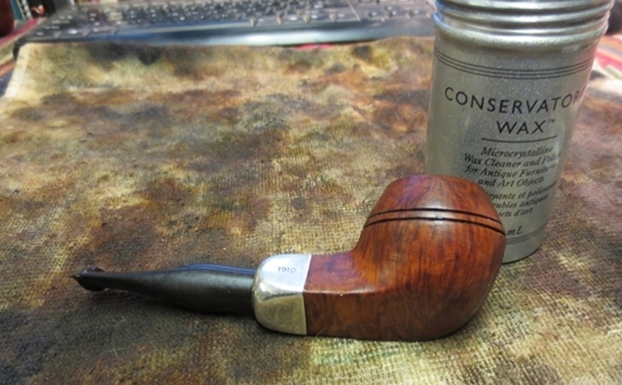
Photo 82 After buffing and waxing

Photo 83 After buffing and waxing

At this point in the process of refurbishing the work is just about finished. The cleanup and restoration work is done and all that remains is to apply the final coats of carnauba wax to polish and protect the “new” look of your pipe.

The final photos show the finished pipe. It has had several coats of carnauba wax and was buffed with a clean flannel buffing pad on the buffer. The shine is deep and rich. The stem looks new and the rich dark shine reflects light well.The tooth marks are gone and there is no sign of their earlier presence. The bowl is back in round and ready to load up and smoke.
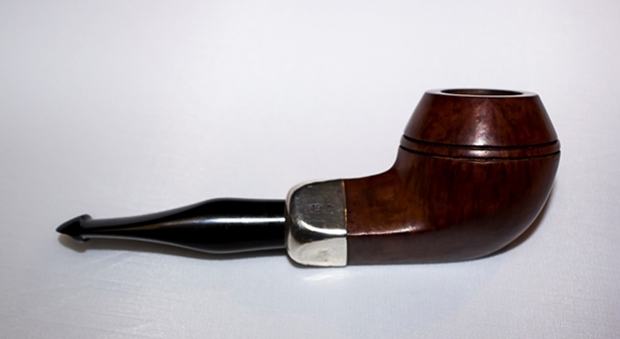
Photo 84 Right side view of the finished pipe.
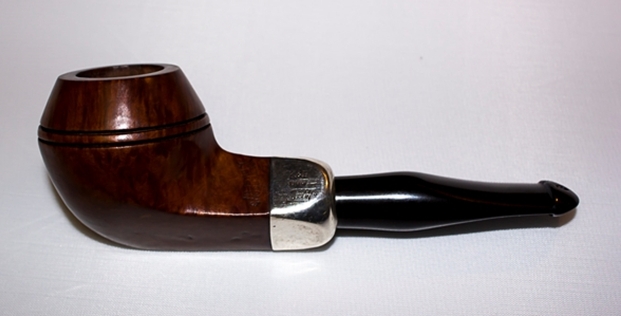
Photo 85 Left side view of the finished pipe
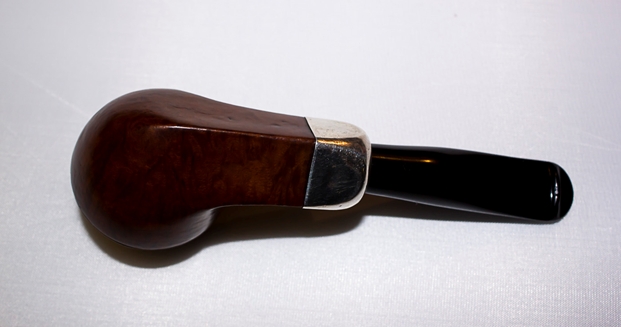
Photo 86 Bottom side view of the finished pipe

Photo 87 Top view of the finished pipe
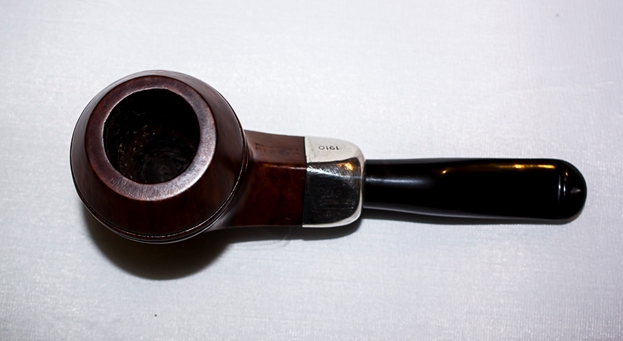
Photo 88 Top view of the finished pipe

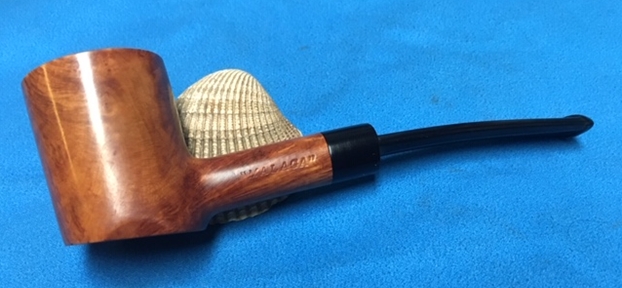
Restoring & Restemming an 1851 Ben Wade Silver Clad Cutty


Blog by Steve Laug

Over the past months in preparation for our trip to visit Paresh and his family in Pune, India we talked about what pipes we would work on while visiting. We had the notion that it would be the first ‘International’ gathering of Pipe Restorers. After all Dal Stanton was coming from Bulgaria, Jeff from US, Paresh and Abha and family from India and I was coming from Canada. It was going to be a grand time of restoring and sharing our tips and processes. I brought along a potential stem for either a meerschaum that Paresh had inherited from his Grandfather or from an early Ben Wade Fancy cutty. In the course of our time there Paresh and I looked over the stem I brought with me and tried it on the meerschaum and the Ben Wade. We chose not to use the stem on the meerschaum and it was too large in diameter for the Ben Wade. We decided that I would bring it home and see what I had in my can of stems.

I took photos of the bowl prior to my cleanup and restemming. The pipe came to me with a bone tenon in the mortise. In the process of cleaning the pipe and working to remove the tenon it cracked off in the shank leaving a broken tenon stuck in the shank. Since it was a threaded tenon removing it would be a matter of drilling out the broken portion of the tenon. Other than that the briar was dirty and the varnish finish was spotty. The silver leaves around the rim top and shank end were also tarnished and dirty. There were some dents in the rim top. The shank would have to wait for checking until I removed the broken tenon. The silver shank cap had a series of hallmarks on the top left of the cap. There were three running from the left of the photo to the end of the shank on the right. The first hallmark is a passant lion in a cartouche which signifies that the band is silver and that it was crafted by a British silversmith. The second hallmark was a shield shaped cartouche with three towers in it – two on the wider part of the shield and one below toward the point. This hallmark identifies the city in England where the silver was crafted – in this case Newcastle. The third hallmark was a square cartouche with the capital letter “M” in the box. The “M” is a date letter that will give me the year of the making of the pipe.I turned to a website that I use for dating English silver hallmarks. It is a British Hallmark site that gives the information necessary to interpret the hallmarks on silver items made in Britain (https://www.925-1000.com/dlNewcastle.html). On a chart from silver made in Newcastle from 1702-1884 I found what I was looking for. I have included the chart below with the date letter circled in red.Armed with that information, it was time to start working on the pipe itself. I started by reaming the bowl with a PipNet pipe reamer using the first two cutting heads to take the cake back bare briar. I followed that by cleaning up the reaming with a Savinelli Fitsall Pipe Knife. I sanded the walls of the bowl with a piece of dowel wrapped with 220 grit sandpaper. I sanded the inner edge of the rim with a folded piece of worn 220 grit sandpaper to clean off the silver edge of the cap folded into the bowl. I wanted the walls bare of cake so that I could check the walls for heat fissures or cracking. I cleaned out the inside of the shank and mortise with pipe cleaners, cotton swabs and alcohol until the swabs came out clean. I was quite surprised that the pipe was as clean as it was given its age and the condition of the cake in the bowl.I wiped down the bowl with acetone on cotton pads to clean off the varnish on the outside of the bowl. I scrubbed it until the finish was natural briar and the grain began to come to the surface of the bowl. I cleaned the tarnish on the silver rim top cap and the shank end cap with a tarnish remover and silver polish. I removed darkening in the carved leaves and flowers on the silver. I scrubbed the silver with a cotton pad to remove the tarnish. I worked some Before & After Restoration Balm into finish of the briar with my fingertips to clean, enliven and protect it. I let the balm sit for a little while and then buffed with a cotton cloth to raise the shine. The Restoration Balm really makes the grain stands out beautifully.  I buffed the bowl with a microfiber cloth to raise a shine on the bowl and the silver. I took photos of the pipe bowl as it stood at this point in the restoration process. It is a beautiful pipe with an elegance that speaks of the years in which it was manufactured.  I set the stem aside and worked on the stem that I had chosen for a replacement. The amber colour and the flow of the colour in the stem make it a great candidate for an amber look alike replacement stem. Once the airway was drilled the diameter of the replacement tenon I used a tap to cut new threads in the airway of the stem to receive new tenon. I threaded the new tenon into the tapped airway in the stem and took photos at this point in the process. I glued the tenon in the stem with clear super glue and let the glue set. Once it had cured I sanded the stem surface with 220 grit sandpaper to smooth out the new stem. I followed that by sanding the stem with 400 grit sandpaper to smooth out the scratches in the surface of the stem. I turned the stem onto the shank to get a feel for what the pipe would look like when it was completed. The following photos show the look of the finished pipe. I still need to polish the stem with micromesh sanding pads and buff it to raise the shine. But I like the way the pipe is beginning to look.  I polished the stem with micromesh sanding pads – wetsanding it with 1500-2400 grit pads and dry sanding it with 3200-12000 grit pads. I wiped the stem down with Obsidian Oil after each pad. I polished it with Before & After Pipe Polish – both Fine and Extra Fine and gave it a final coat and set it aside to dry.  I carefully buffed the pipe bowl with Blue Diamond polish on the buffing wheel. I lightly buffed the stem with Blue Diamond to raise a shine. I gave the bowl and stem multiple coats of carnauba wax and buffed it with a clean buffing wheel to raise the shine. I polished the silver rim top cap and the band with a jeweler’s cloth once more, then hand buffed the entire pipe with a microfiber cloth to deepen the shine. This 168+ year old restemmed and restored Ben Wade Cutty is really a beautiful pipe. The grain really stands out with a combination of birdseye, cross grain and swirls surrounding the bowl give it a rich look. The rich contrasting brown stains makes the grain stand out against the silver adornments. It is a proportionally well carved pipe. The polished black acrylic stem had a rich glow. The finished pipe is a beautiful straight Cutty that feels good in the hand and the mouth. Have a look at it with the photos below. The dimensions are Length: 6 inches, Height: 2 inches, Outside diameter of the bowl: 1 1/4 inches, Chamber diameter: ¾ of an inch. This pipe will be going back to Paresh in Pune, India very soon. I am excited to hear what he thinks of this beauty. Thanks for walking through the restoration and restemming with me as it was a pleasure to work on.
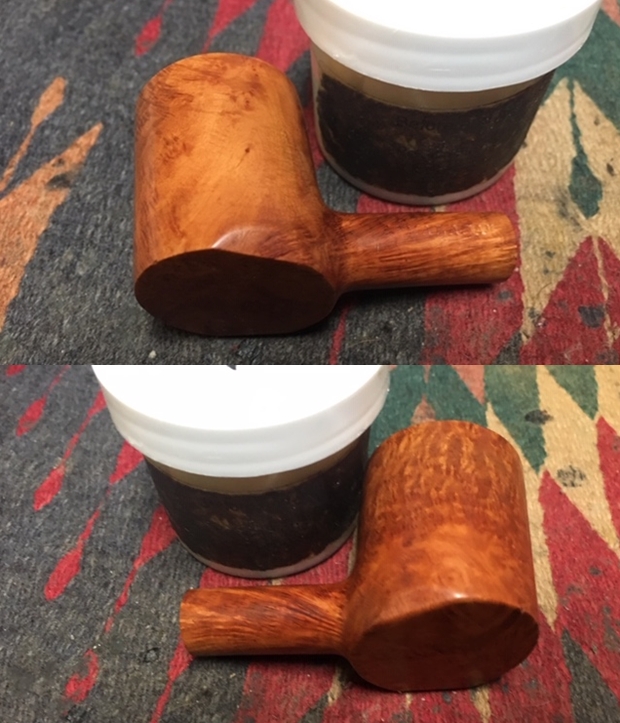
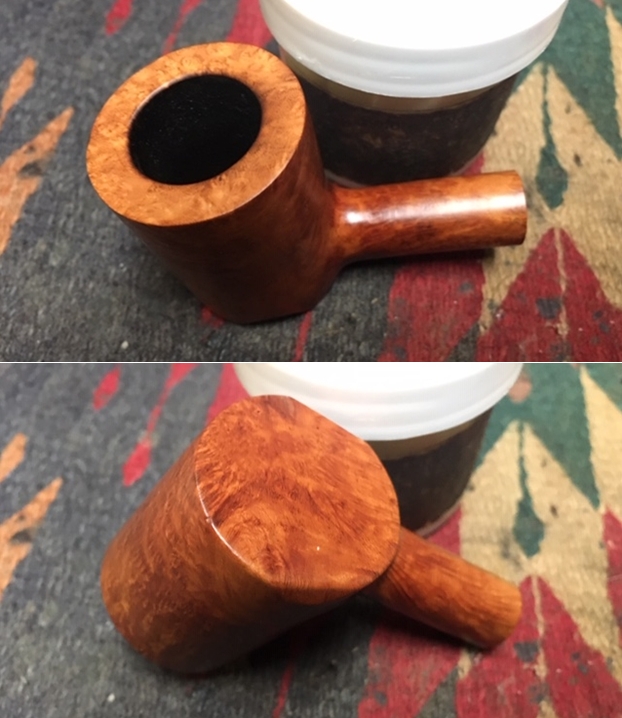
Restoring a Cased 1906 JW Straight Shank, Amber Stemmed Bulldog


Blog by Steve Laug

It seemed to have been a time for taking a look at unique pipes. Before I left for my work trip to Nepal and India I received another email from a reader of the blog in Australia regarding an old 1906 pipe that had purchased. I am including a series of emails here at the beginning of this blog for the information that he included.

Steve, I saw (only photos) of an antique pipe – briar bulldog from 1906, with sterling silver mount and amber stem. It looked in good condition – bowl needed reaming and cleaning. I have asked for more photos of the amber stem. Would you be able to restore the pipe for me if I do go ahead with the purchase.

Best Regards, Ray

I wrote him back and in the course of our conversation via email I decided to take on this unique restoration if indeed he purchased it. He immediately sent several more emails about the pipe giving me more information and convincing me even more of the need to take on this project.

Hi Steve, Thanks for offering to make an exception and to help out with the restoration. I will send photos of the pipe if I decide to go ahead with the purchase. I have really enjoyed reading your (and the other guests’) articles on pipe restoration.
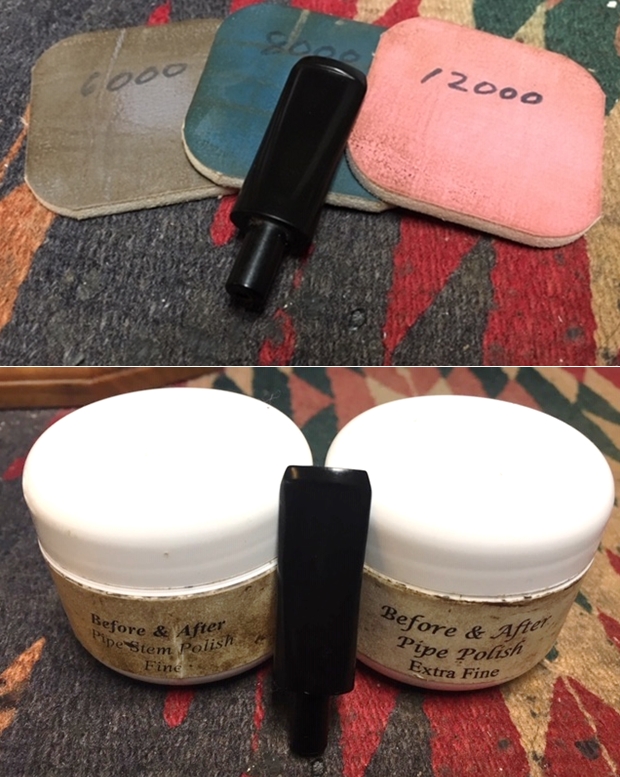
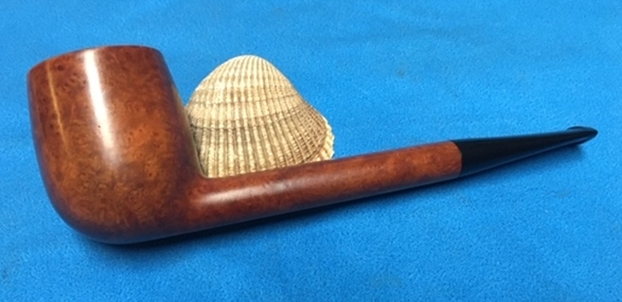
There is a sense of wonderment seeing these black/darkened objects with caked bowls reveal their lovely grain and colour – like old paintings restored to their original colours… 

If we do go ahead, please understand I am in NO HURRY for this job to get done – you will be doing me a HUGE favour. I’ll keep you posted.

Best Regards, Ray

After that email a few weeks went by and I received another email from Ray letting me know that he purchased the pipe and had received it. He included some photos of the pipe.

Hi Steve, I received the pipe today – Here are some photos. It seems in pretty decent shape – bowl needs reaming and rim needs cleaning. There are a few minor issues with the bowl and shank. The amber stem has some chatter and a rather small area next to the silver mount needing a “fill”. The case is in better shape than I thought from the photos I saw, and my contacts should be able to advise me on how to restore it.

I don’t want a “new” look – it is over 100 years old, and I’m happy for it to reflect its age. I will be posting the pipe to you in the next few days. Please ask if you have any queries or need more photos… My thanks, in advance,

Ray

The pipe arrived in Vancouver just a few days before I left for my trip. I looked it over and wrote to Ray about what I thought I needed to do. He responded that he was looking forward to seeing what I could do with it.

I have included the pictures Ray sent me below. For me they only added to the temptation to do the restoration on this old timer. Even though I have a huge backlog of pipes this one was very intriguing to me. There was something interesting and even compelling about this old pipe. The age and condition interested me as did the brand. I am unfamiliar with the maker of the pipe but it spoke to me. The case was leather and though in somewhat rough condition it had protected the pipe well. The inside lining on the top of the case read “Sterling Silver” over “Vienna Make”. There was no other makers name or markings on the case to help with the identification. Ray included close up photos of the bowl and rim top. It showed clearly that the bowl had a thick cake with a thick overflow of lava on the rim top. The amber stem was in decent condition though there were some deep tooth marks in the surface ahead of the button on both the top and underside.Ray also included the following photos of the bowl from various angles. The first shows the front of the bowl with a deep nick in briar. The second photo shows a small nick in the briar just ahead of the silver shank cap. The third photo shows a deep nick on the left side of the heel of the bowl. The fourth photo shows the stamping on the left side of the shank and band. The week I returned from Nepal and India I decided to start working on this old pipe. I figure it is a good week to start on this 1906 and also the 1919 AGE pipe. The bowl had some deep nicks and dings in the finish that Roy had photographed clearly. The exterior of the pipe was dirty with grime and grit rubbed into the surface of the finish as well as in the twin rings around the bowl cap. The silver band was tarnished and dirty but the stamping and hallmarks were quite readable. The rim top was thickly lava coated. The inner edge of the bowl looked very good. The stamping on the left side of the shank was readable. It read J.W. in a Diamond. The silver band was also stamped and read AJC. There were also hallmarks under the AJC stamp as shown in the photo above. The stem sat well in the shank. The stem had some tooth marks in front of the button on both sides as Roy had shown in the photos. The silver cap on the end of the stem was tarnished by otherwise clean. I took close up photos of the bowl and rim as well as the stem to show the condition of the pipe when it arrived. You can see the thick cake in the bowl and the lava on top and inner edge. The oxidation on the silver band and the tooth damage to the stem and button edges on both sides of the stem. I also took a photo of the shank and the band to show the stampings in the silver. I took a photo of the stem removed from the shank to show the condition of the metal tenon. The pipe has a very unique metal mortise lining and tenon that are part of the silver shank and stem cap. The mortise and tenon were both very dirty but the alignment was fine.I received another email from Ray in Australia – seems that we were both doing research on the brand to try and figure out the purveyance. Here is his email and the information that he included regarding the brand.
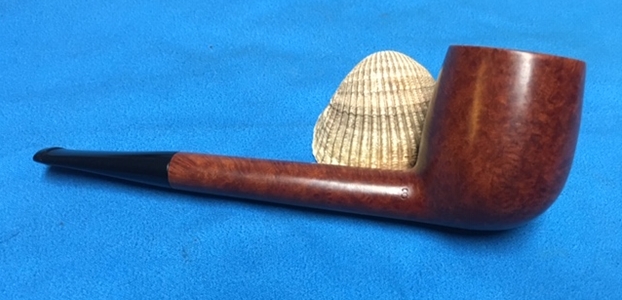
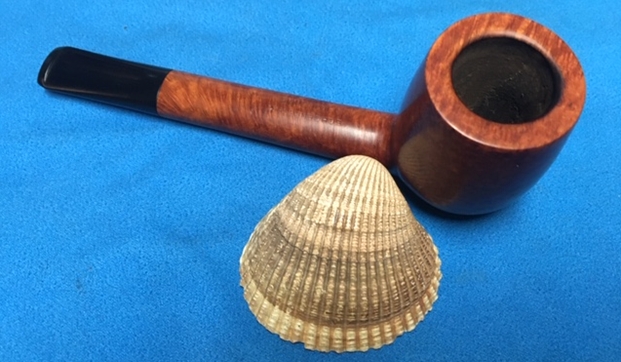
Steve, I’ve been trying to research the origin of the pipe. The case has “Vienna Made”  – does this refer to the case or the pipe? There are 2 marks on the shank. “AJC” on the silver mount very likely is the mark of Alfred Walter Cheshire of Birmingham. He registered his mark in 1893/4, so the date ties in. “JW” on the shank – I can’t find a pipemaker with those initials either in Vienna, Austria, Birmingham or the UK.

However, there is a pipe mounter JF Walter of Birmingham working from 1890’s – could “JW” refer to him, or am I barking up the wrong tree?

I marvel (all the time) at the historical information you manage to uncover on the pipes/pipemakers/pipe merchants you restore. Perhaps you may have access to further archival information on the possible maker of this pipe.

Cheers, Ray

With Ray’s work behind me, I checked my usual sources on I found absolutely no information on the AGE brand. There was no info on the Pipedia website or on the Pipephil site on the brand. I also checked on Who Made That Pipe by Wilczak and Colwell. There was no information there on the brand either. So my usual sources came up with nothing. Now I needed to confirm the information that Ray had found.

I turned first to a website on English silver marks. I was specifically looking for information on the A.J.C. stamp on the silver to help identify the silversmith. I did a screen capture of the section on the A.J.C. stamp matching the one on the silver band on the pipe in question. Here is the link to the website: http://www.silvercollection.it/englishsilvermarksXA2.html. It identifies the AJC as Alfred James Chesire rather than Alfred Walter Chesire as noted by Ray. There is also an address for the silversmith in Birmingham, England.As Ray noted above, there was no pipe maker in Birmingham with the JW in a diamond as a mark. The shank mark did not tell me much. However, his find on JF Walter a Birmingham pipemounter is certainly a good possibility.

Now it was time to try to figure out the date of the pipe from the hallmarks on the band. I examined them with a lens and found the following information. The first hallmark was an Anchor in a shield signifying that the silversmithing was in Birmingham, England. The second hallmark was a lion passant in a shield. The emblem connects the pipe to London as well as other British assay offices. It also identifies the band as being silver. The third hallmark was the leter”g” in a shield that would give the date of the pipe.
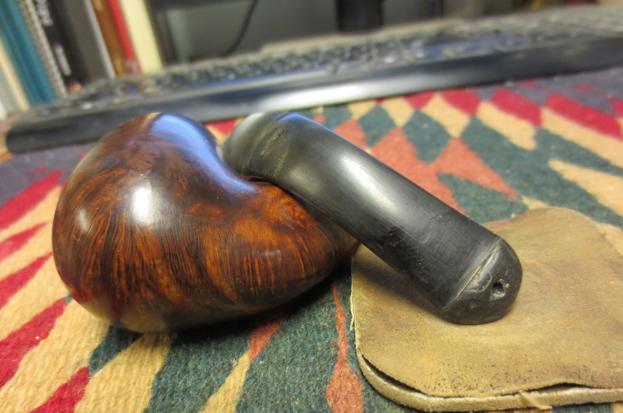
I knew now that the pipe was London Made with a silver hallmark identifying a London silversmith identified by the A.J.C. stamp noted above as Alfred James Cheshire. The only thing left to fully learn about the pipe from the stamp was the date to be determined from the “g” stamp.

I turned to a website that I regularly use to identify the dates on English made hallmarks. The link is: http://www.silvercollection.it/englishsilverhallmarksBIR.html.The screen capture of the chart below shows the dates and letter marks from 1900-1917.

Ray had correctly identified the date of the pipe as being made in 1906 confirmed by the chart on the left. I always love when the pieces all come together and I can arrive at both a manufacturer and a date for the pipe.

Armed with this information I turned to work on the pipe. I started by cleaning up the silver with silver polish to remove the tarnish from the shank end. I rubbed the material on the shank ferrule/band and polished it with a cotton pad to remove both the tarnish and polish the silver. I reamed out the bowl with a PipNet pipe reamer using the first two cutting heads to remove the cake. I wanted to see the inside of the bowl to check on damage to the internals of the chamber. I cleaned up the remnants of cake and scraped the rim top with a Savinelli Fitsall knife and then sanded the bowl insides with sandpaper on a dowel. Afterwards I examined the bowl and could see that the walls were solid and that inner edge of the bowl was in excellent condition. I cleaned the internals of the pipe and the stem with pipe cleaners, cotton swabs and alcohol to remove the debris inside the metal mortise insert. I scraped the mortise walls with a dental spatula to remove the tars that had hardened on the walls. To deal with the darkened and damaged rim top I polished it with 400 grit wet dry sandpaper and polished it with micromesh sanding pads – wetsanding with 1500-12000 grit pads as suggested by Paresh on my recent trip to Pune, India. I have to say that is working very well. I wanted to polish out the scratches so that I could work on matching the stain on the rest of the pipe and finish that portion of the restoration. I cleaned out the damaged areas on the front of the bowl cap and on the left underside of the shank. I filled in the areas with a drop of clear superglue. When the repairs had cured I used a needle file to smooth out the repaired areas. I worked on them until they were smoothed out and close to the surface of the surrounding briar. I followed that by sanding the repaired areas with 220 grit sandpaper to smooth them out and blend them into the briar. I used a reddish, brown (Cherry) and black stain pen to blend a stain to match the colour of the rest of the bowl. I rubbed it into the surface of the repaired areas on the front of the bowl cap and on the left underside of the shank. I blended the stains with an alcohol dampened cotton pad. I was able to get a perfect match to the bowl colour.I rubbed the bowl down with Before & After Restoration Balm, working it into the grain of the briar. The balm enlivens, refreshes and protects the briar. In this case it brought life back into the old piece of briar. While some of the dents and scratches were gone others remained. I left the remaining dents in the briar as ongoing testimony to the journey of this pipe. I only wish that it could tell its story. I let the balm sit on the briar and then buffed it out with a soft cotton cloth to raise the shine. I set the bowl aside and turned my attention to the stem. I started the clean up work on the stem by polishing the silver end cap on the amber stem with a silver polish and tarnish remover. It did not take too much scrubbing to remove the tarnish and give the cap a shine. The stem had deep tooth marks on the top and underside near the button. I filled them in with clear superglue and set the stem aside to cure. Once the repairs cured I used a needle file to redefine the button edge and also smooth out the repairs to the dent. I sanded the stem with 220 grit sand paper and 400 grit wet dry sandpaper to smooth out the sanding marks in the amber. I polished the amber stem with micromesh sanding pads – wet sanding with 1500-12000 grit pads. I have been trying wet sanding with all of the pads after discussions with Paresh while we were in Pune, India. It does seem to give the stem a good shine and reduce the scratching. I finished the polishing with Before & After Pipe Polish – both fine and extra fine polishes. I put the stem back on the bowl and buffed the pipe with Blue Diamond polish on the buffing wheel. I gave the bowl and stem multiple coats of carnauba wax and buffed it with a clean buffing wheel to raise the shine. I polished the band with a jeweler’s cloth once more, then hand buffed the entire pipe with a microfiber cloth to deepen the shine. This 113 year old JW Amber Stemmed Bulldog is a beautiful pipe. The grain really stands out with a combination of birdseye, cross grain and swirls surrounding the bowl give it a rich look. The rich contrasting brown stains makes the grain stand out while hiding the repaired areas-+. It is a proportionally well carved pipe. The polished black vulcanite stem had a rich glow. The finished pipe is a beautiful straight Bulldog that feels good in the hand and the mouth. Have a look at it with the photos below. The dimensions are Length: 5 ¾ inches, Height: 1 3/4 inches, Outside diameter of the bowl: 1 1/4 inches, Chamber diameter: ¾ of an inch. This pipe will be going back to Ray in Australia next week. I am excited to hear what he thinks of this beauty. Thanks for walking through the restoration with me as it was a pleasure to work on.