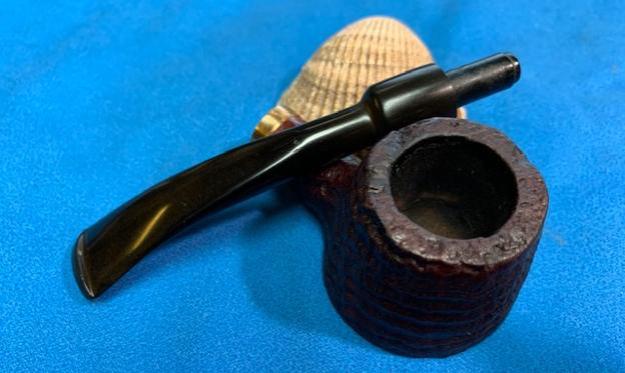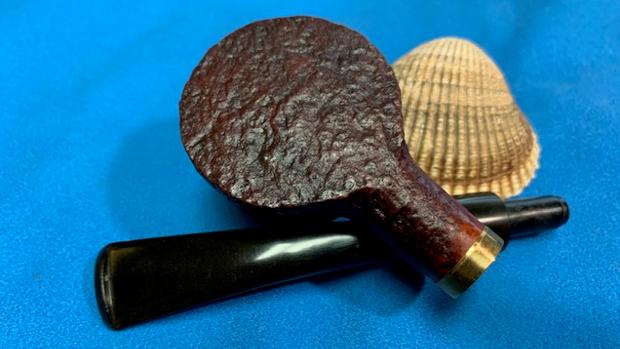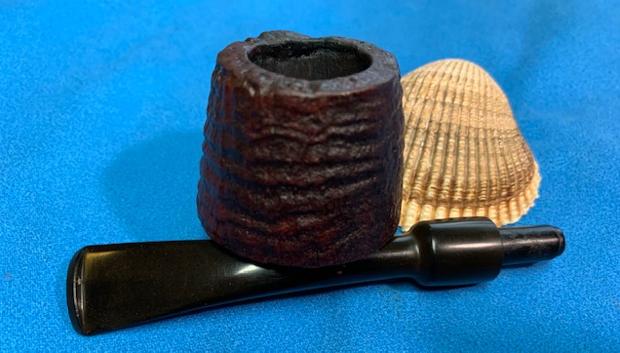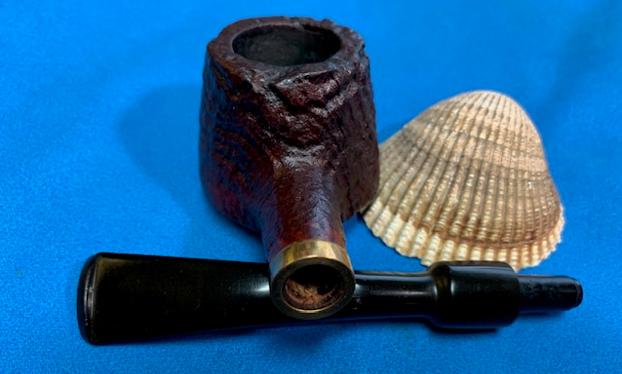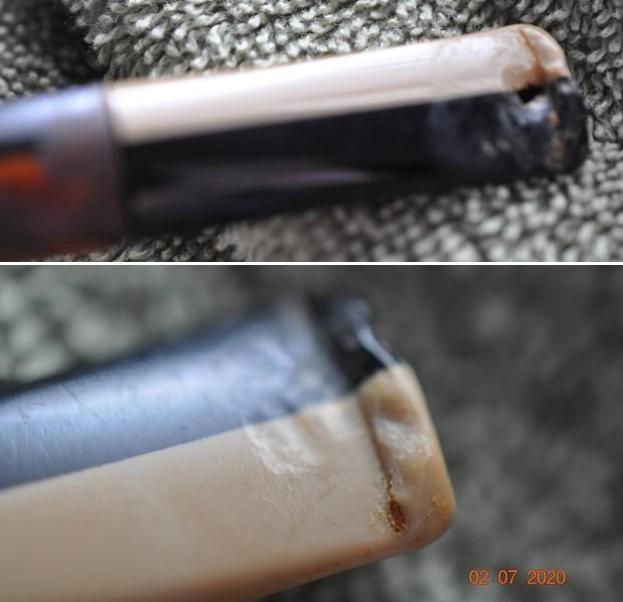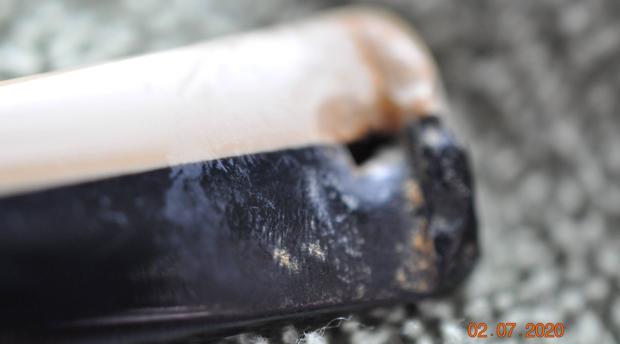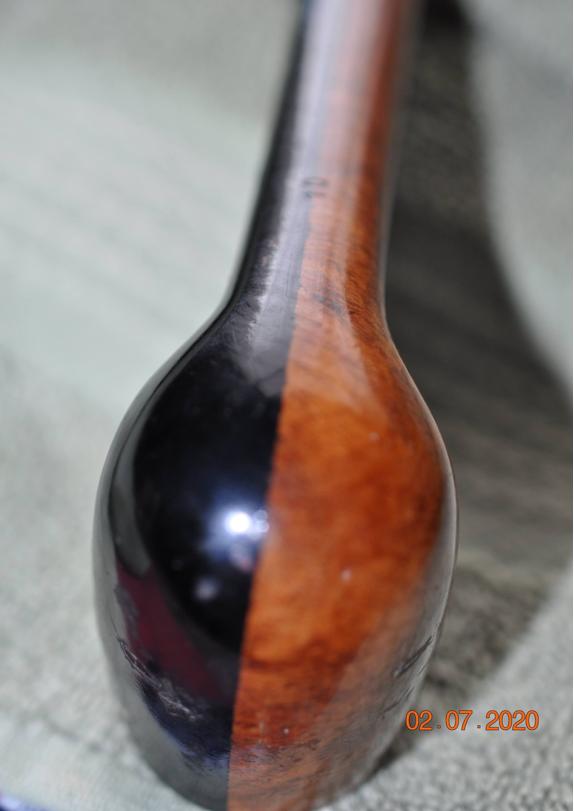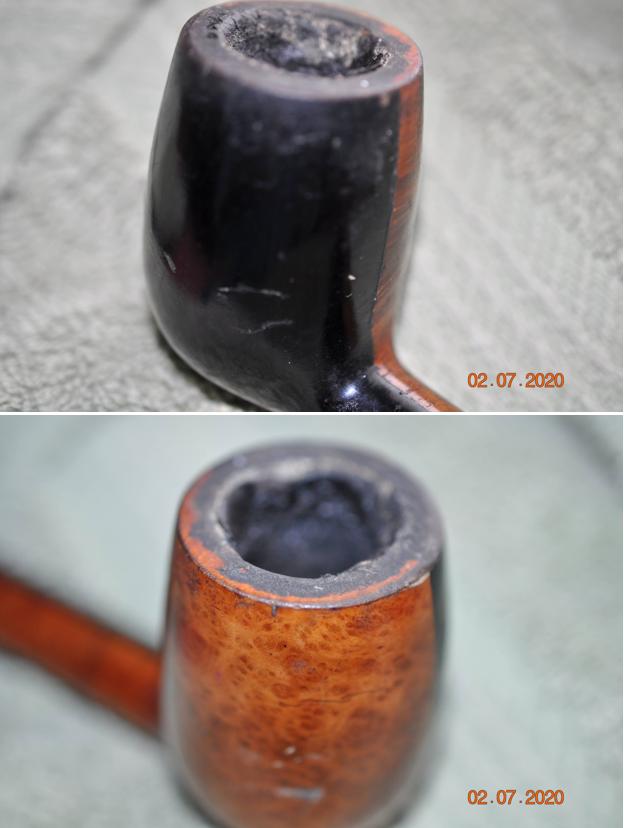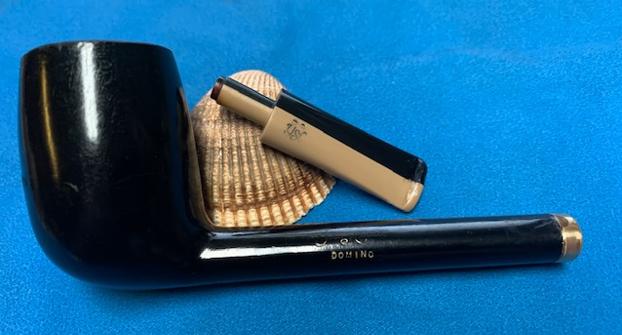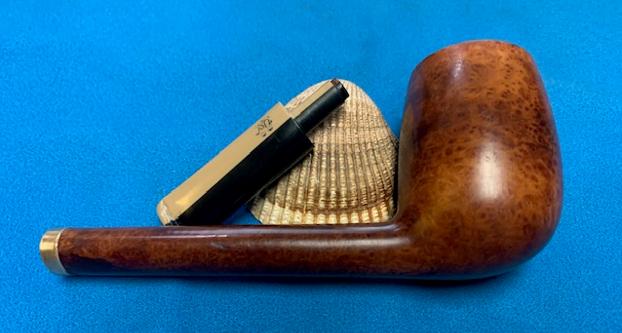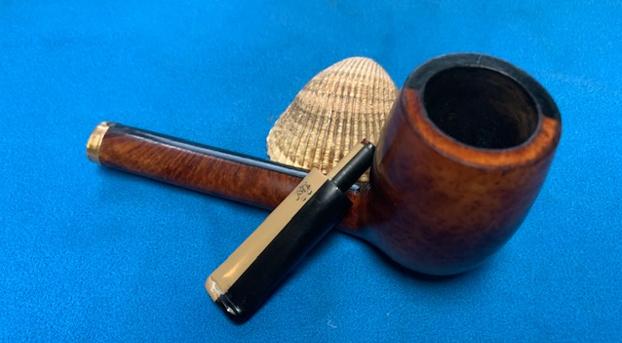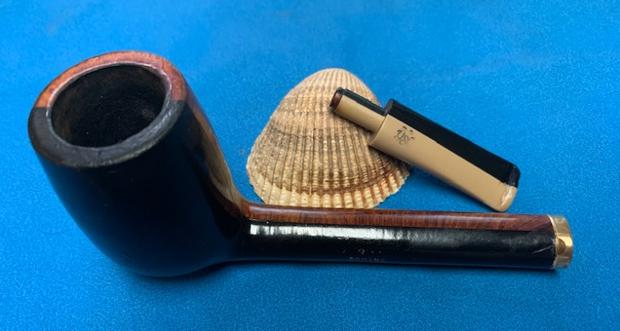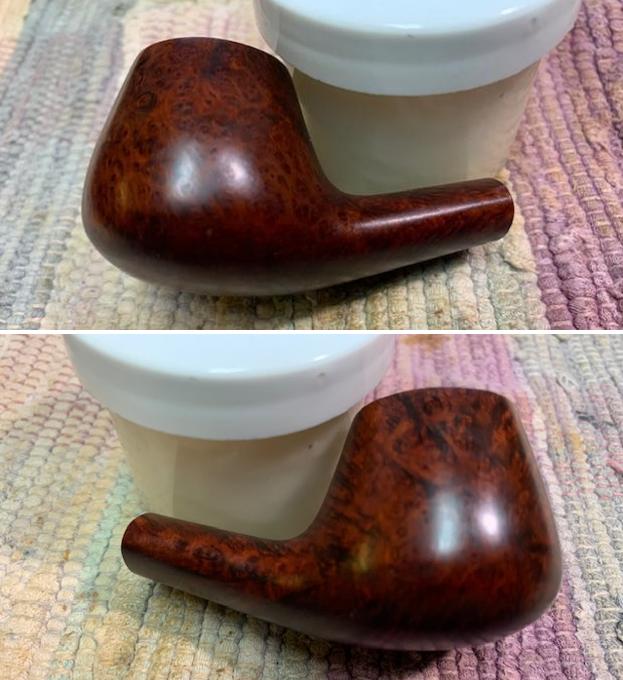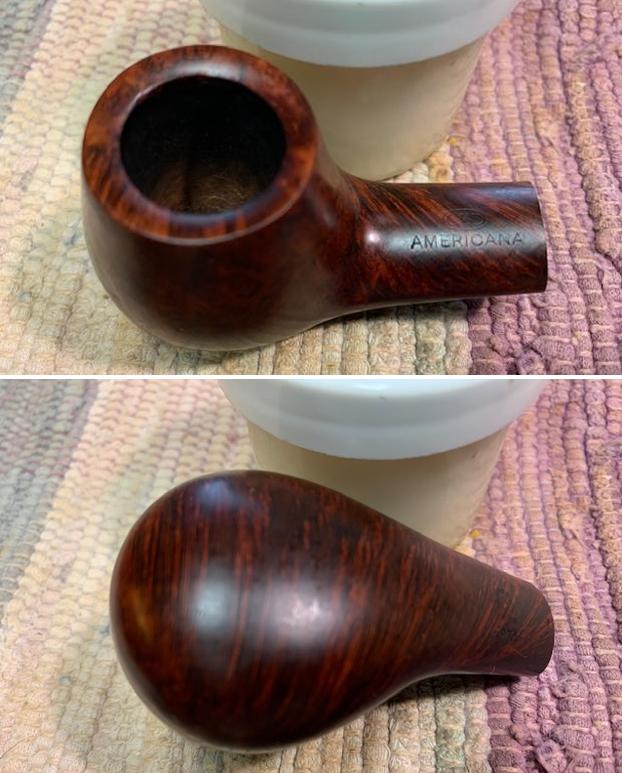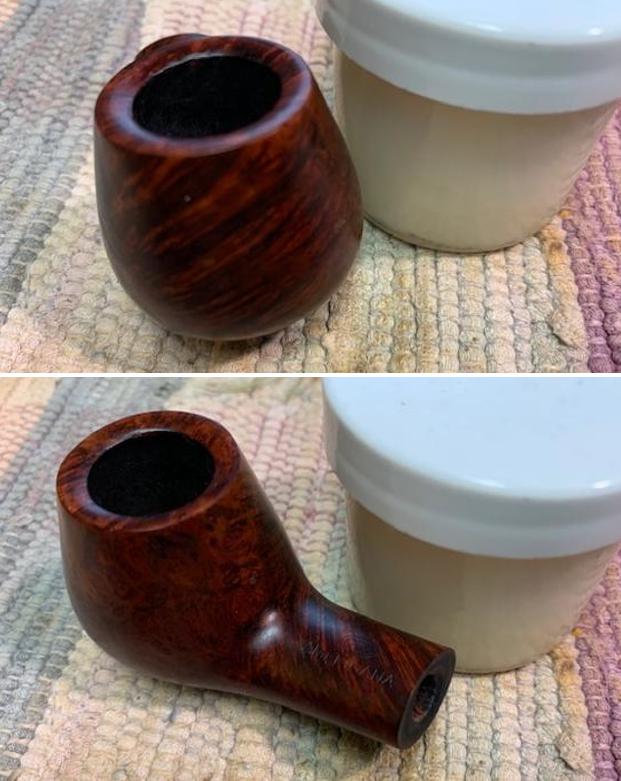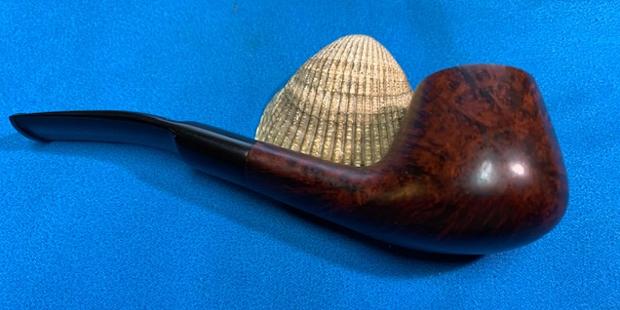
Tag Archives: vulcanite

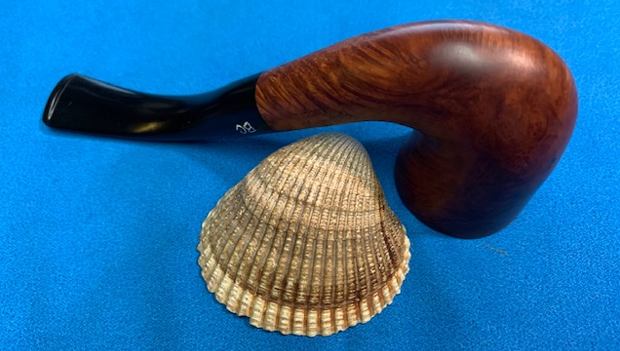
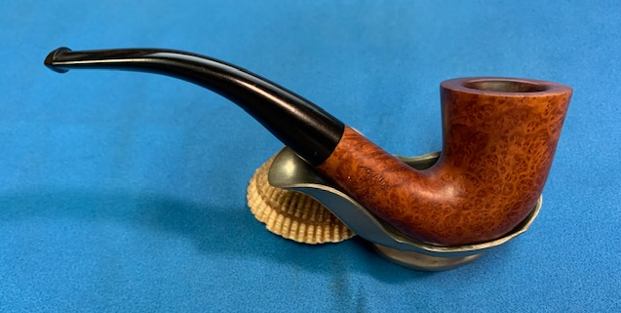
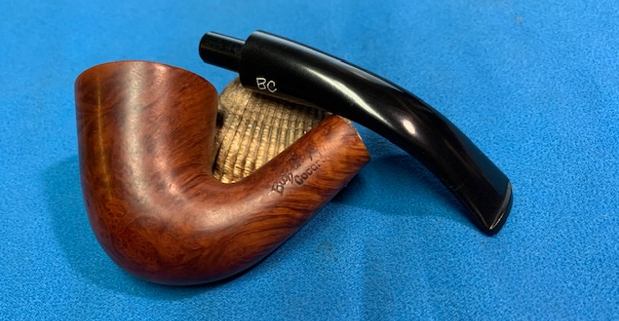
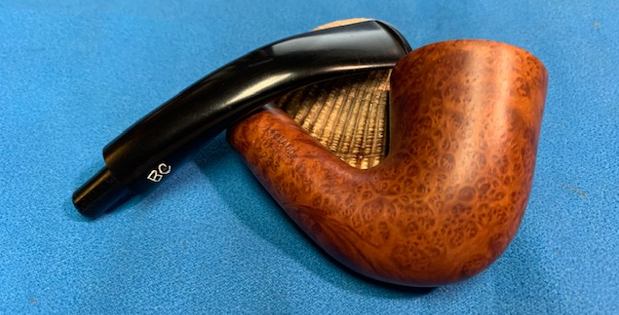
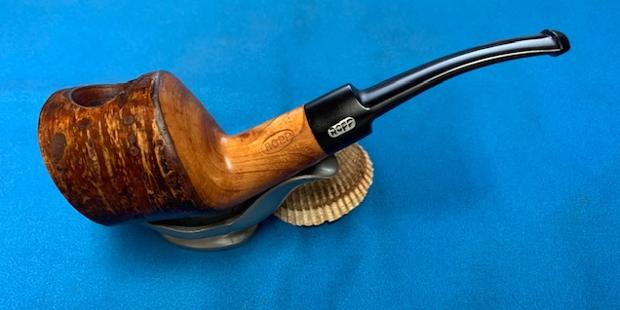
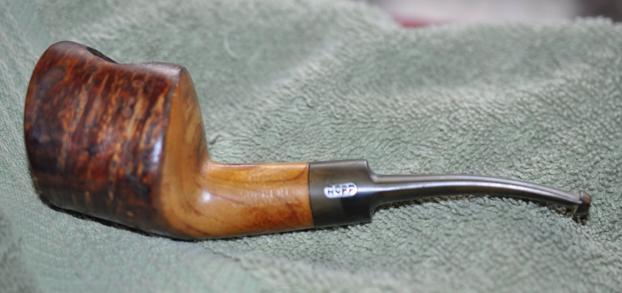
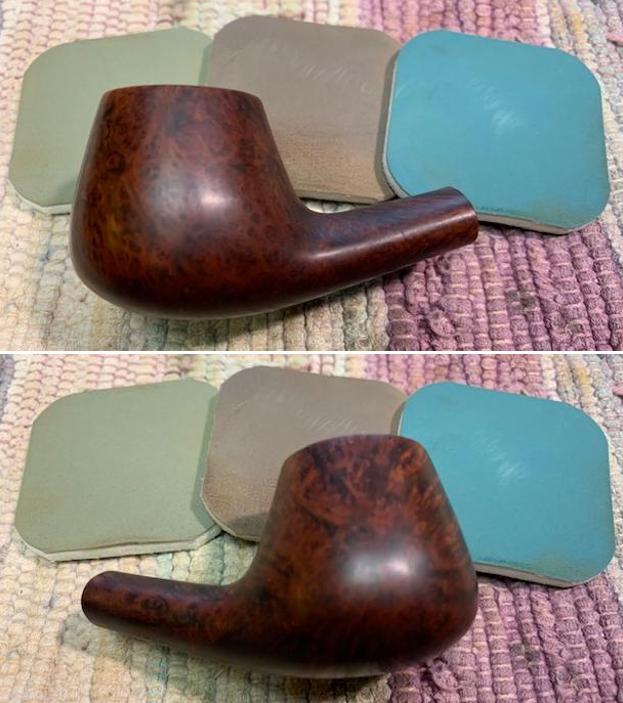
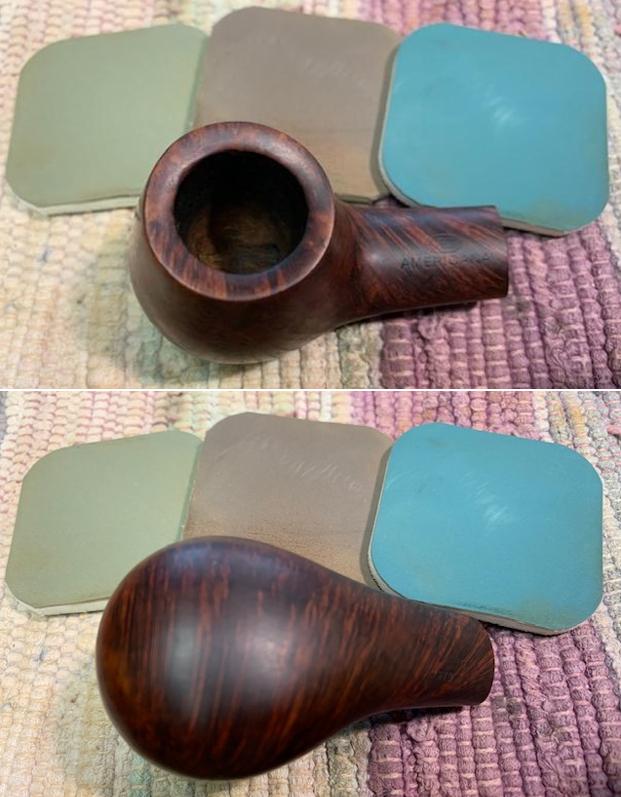
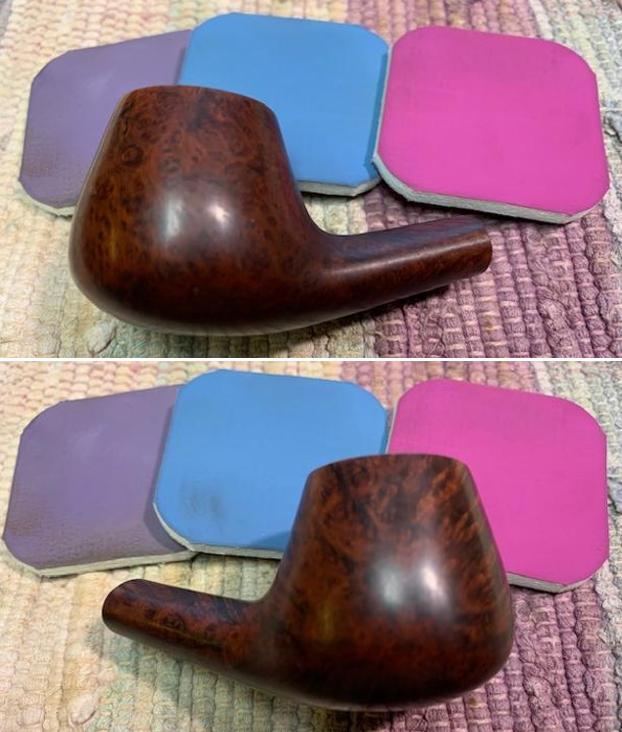
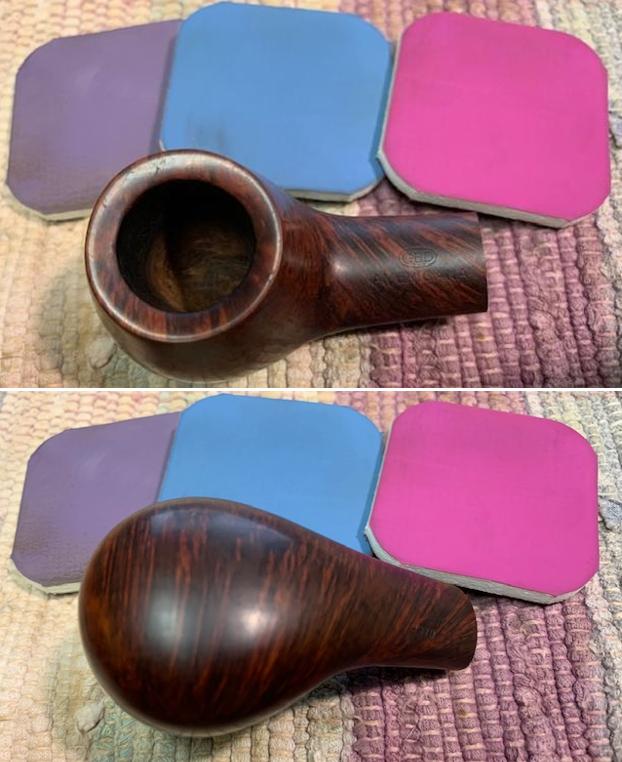
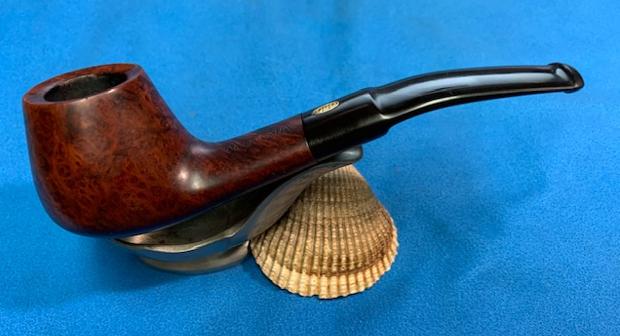
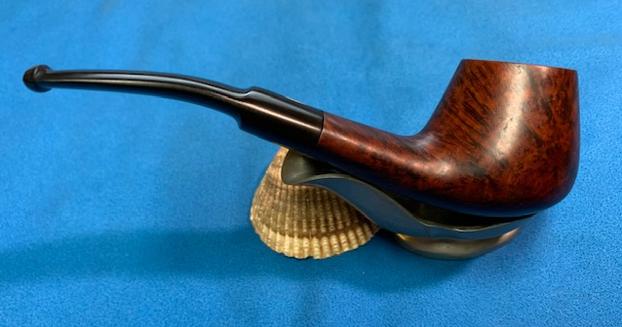
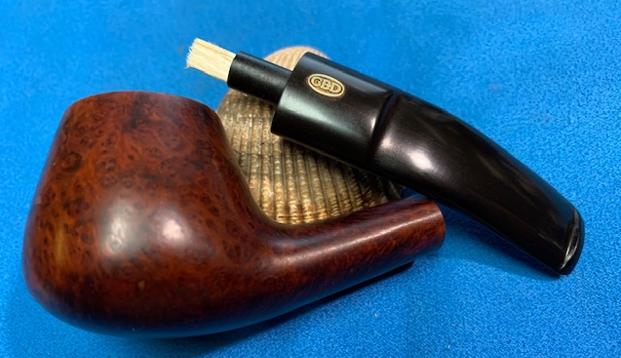
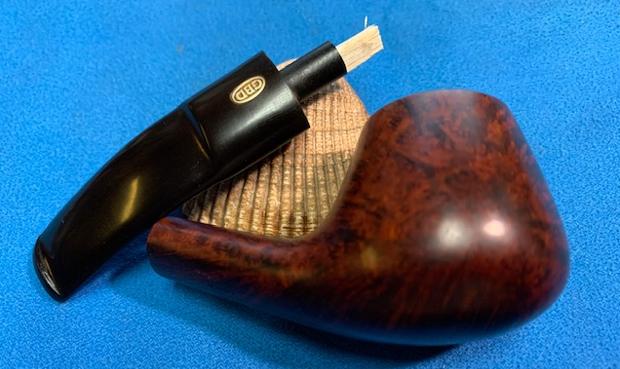
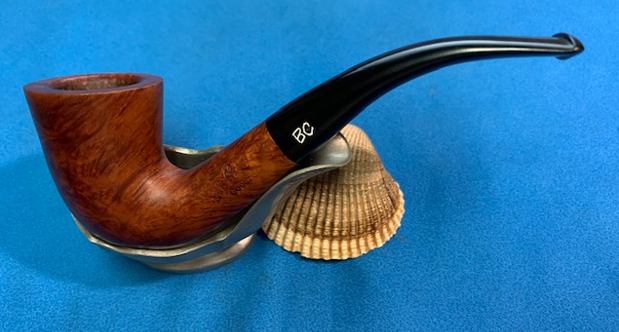
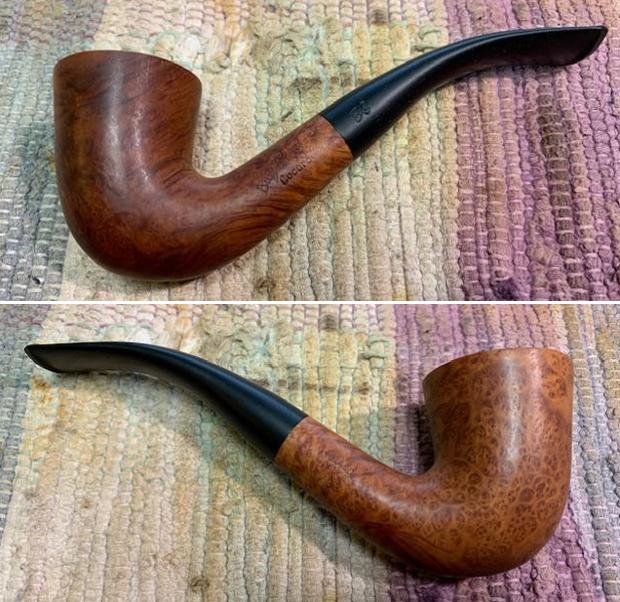
New Life for a Great Looking Butz-Choquin Cocarde 1283 Calabash


Blog by Steve Laug

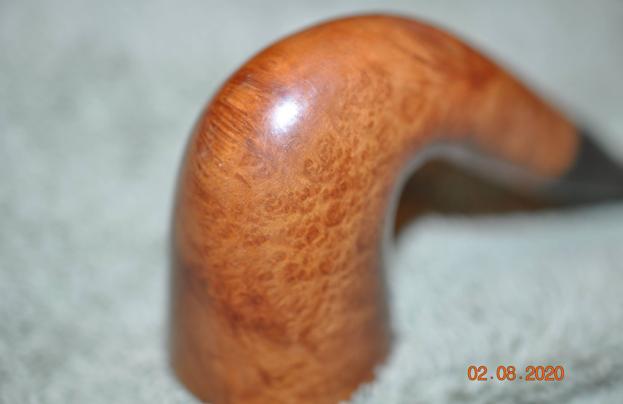
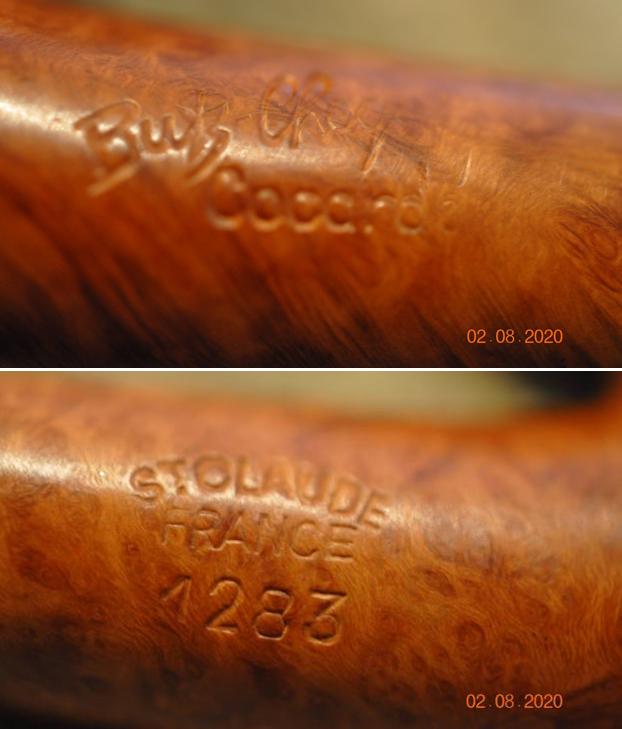
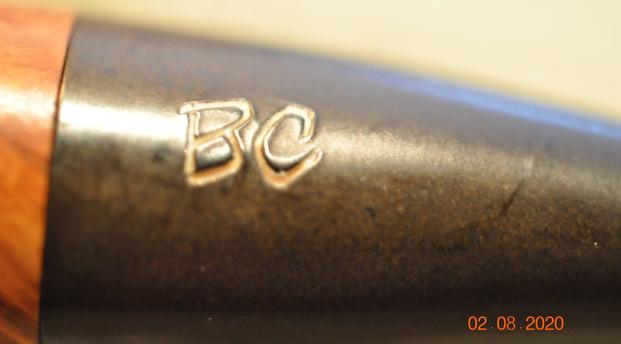
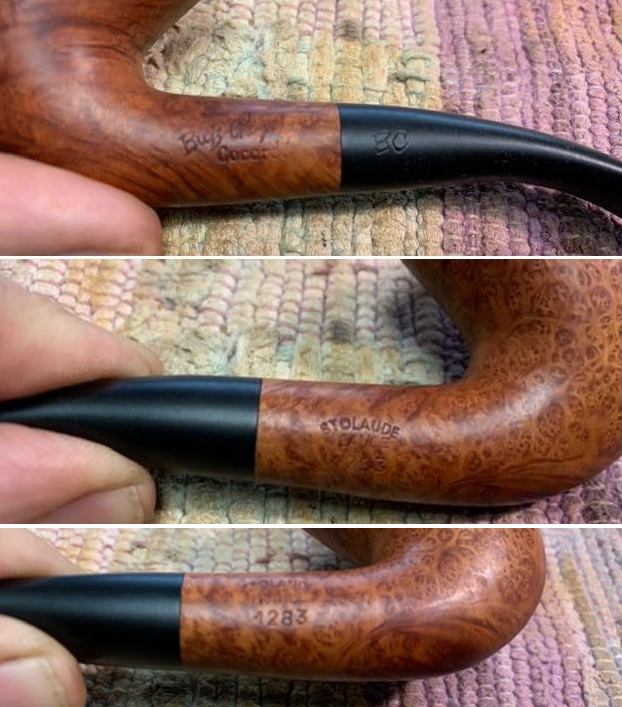
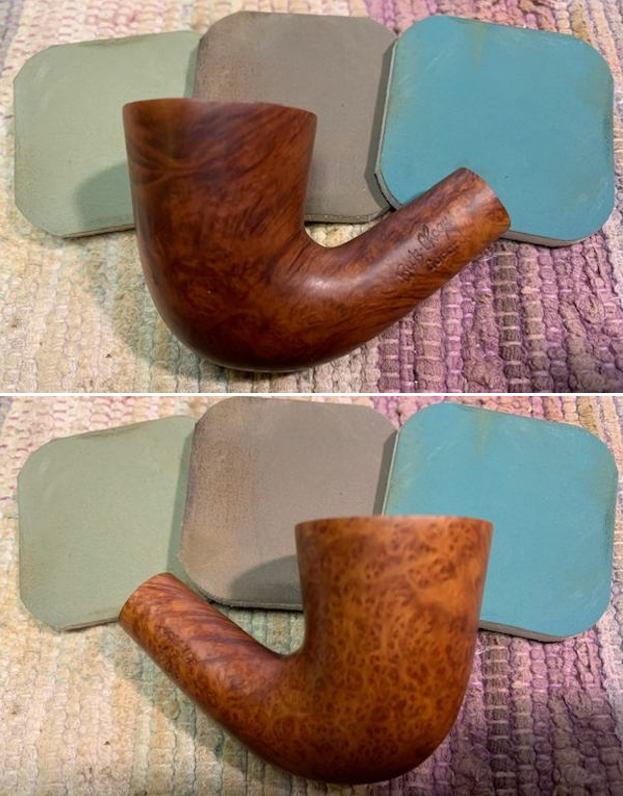
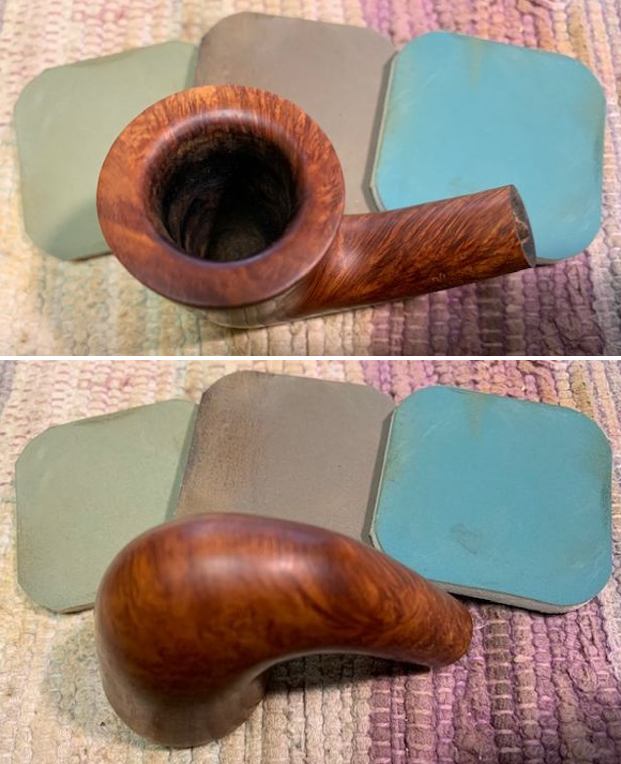
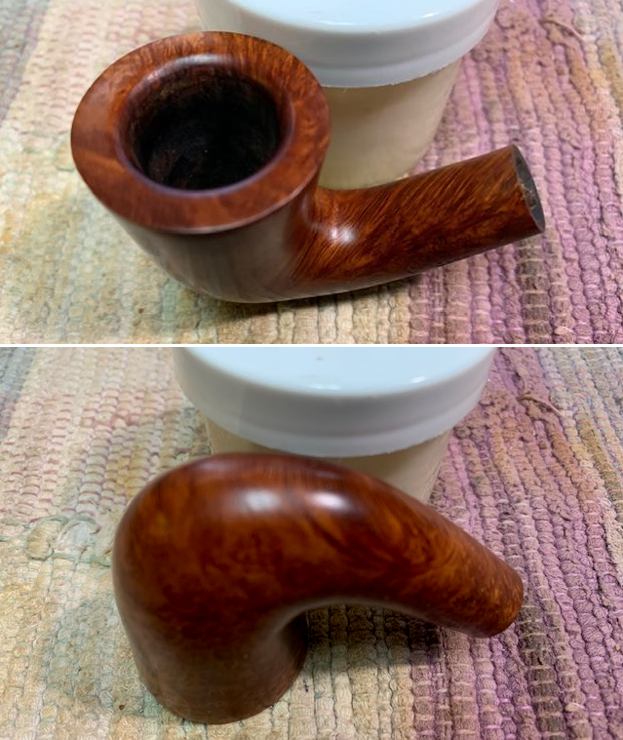
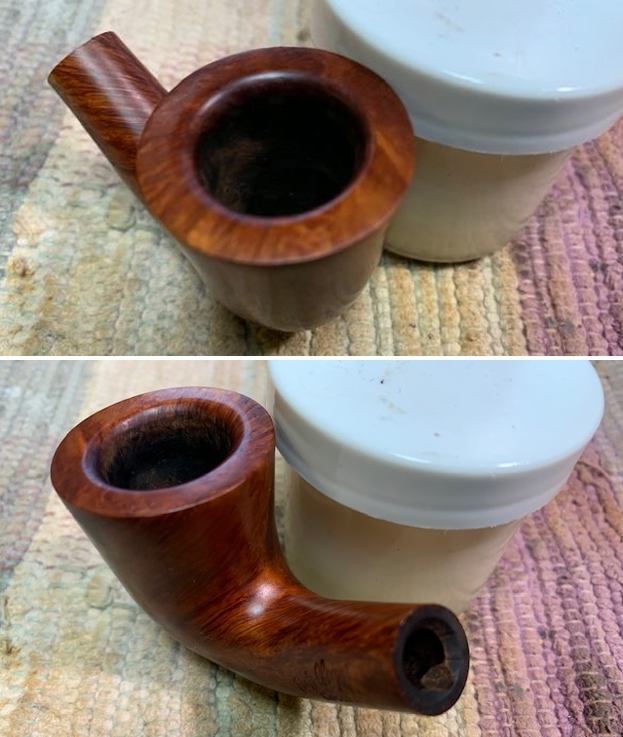
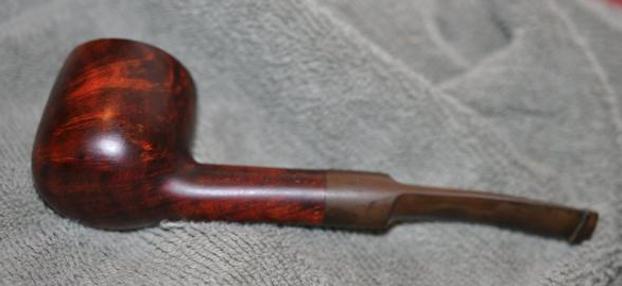
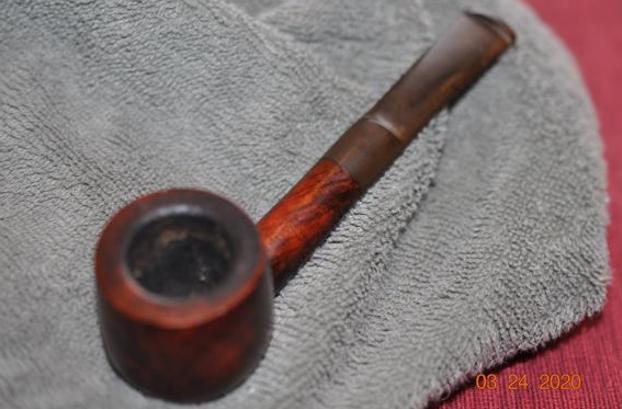
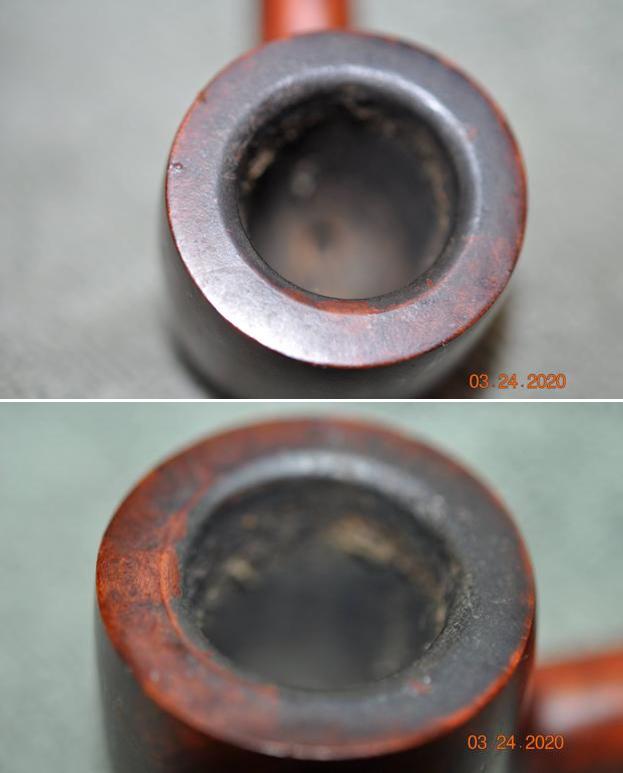
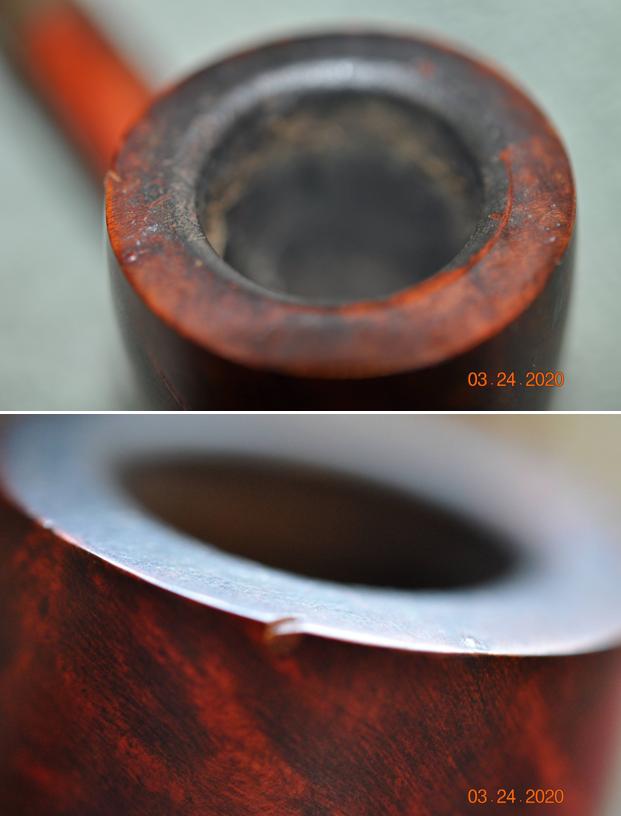
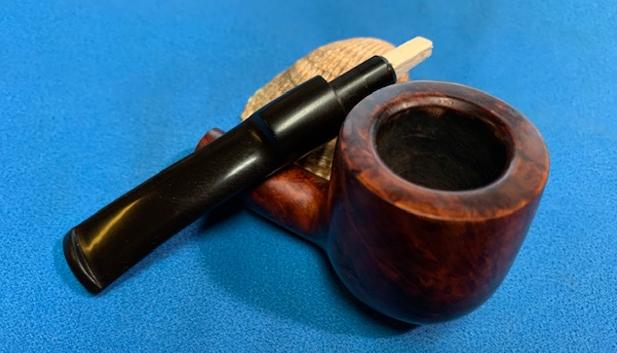
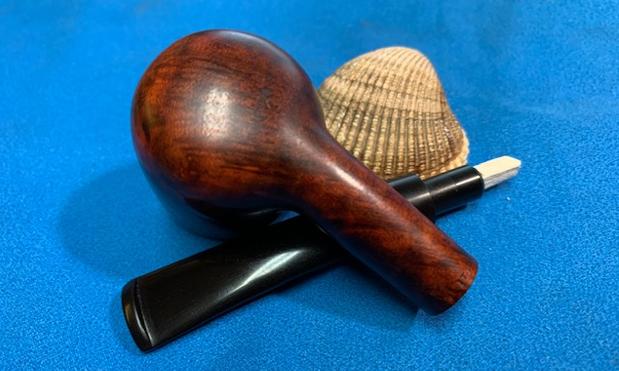
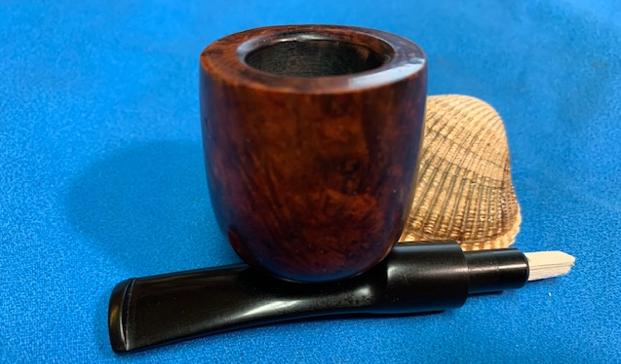
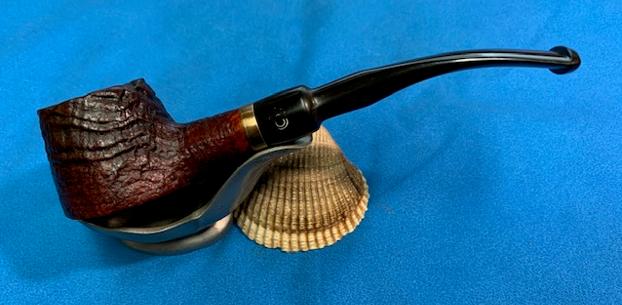
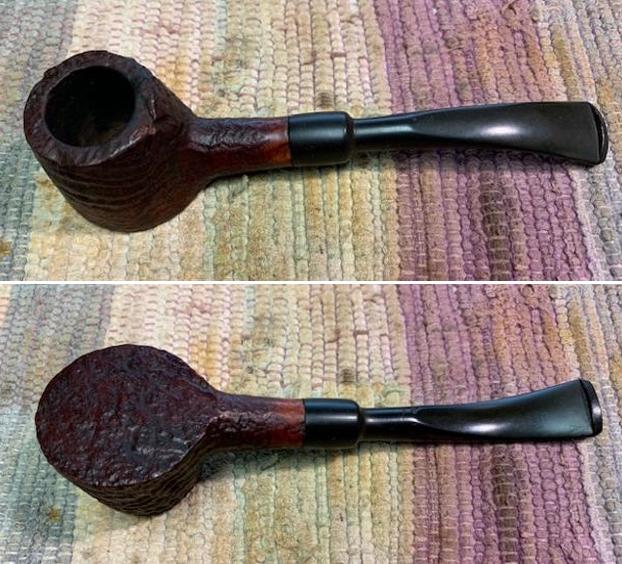
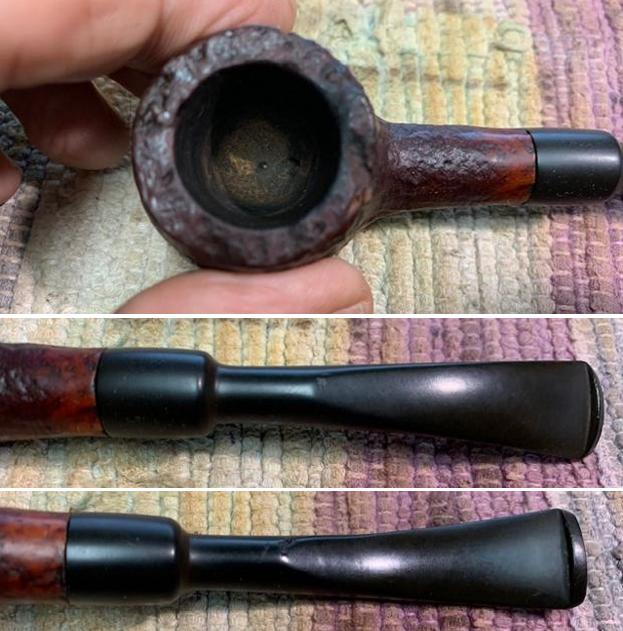
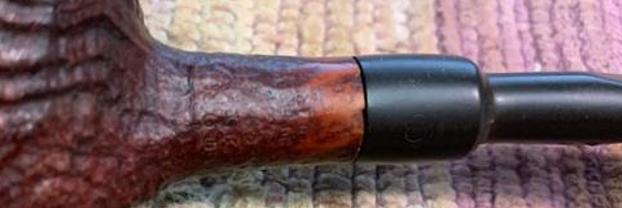
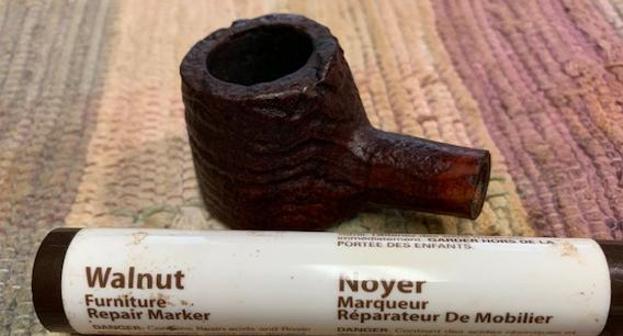
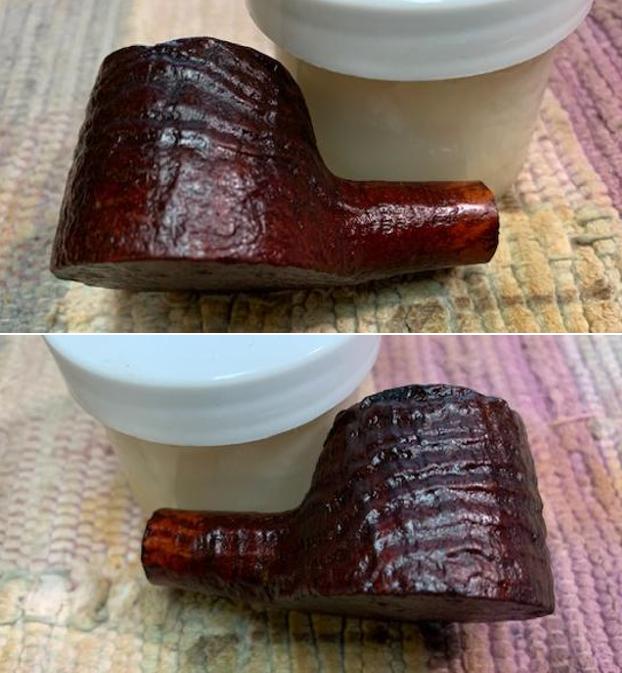
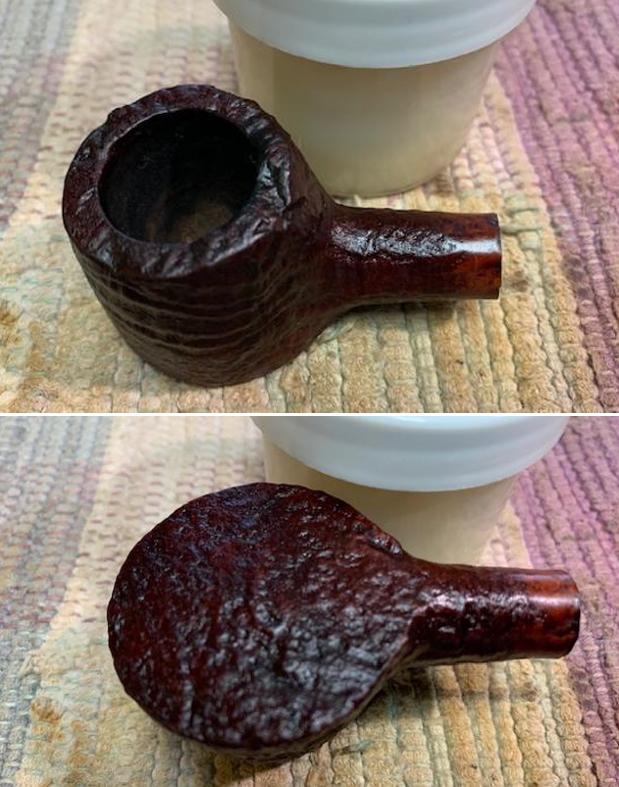
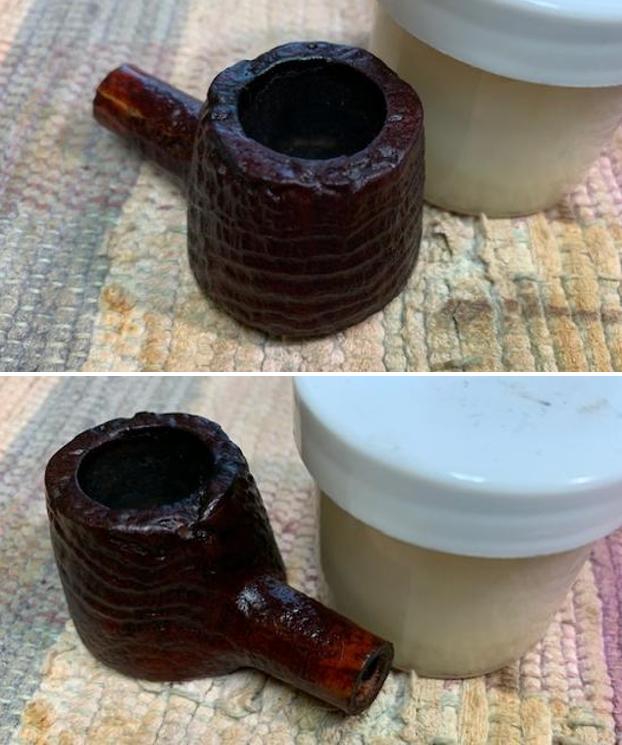
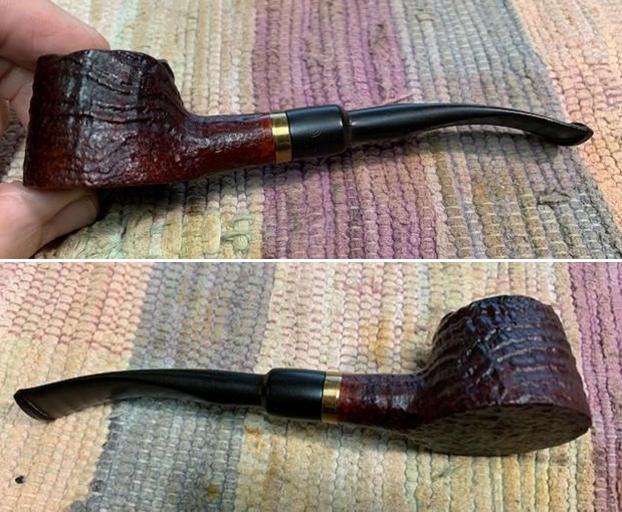
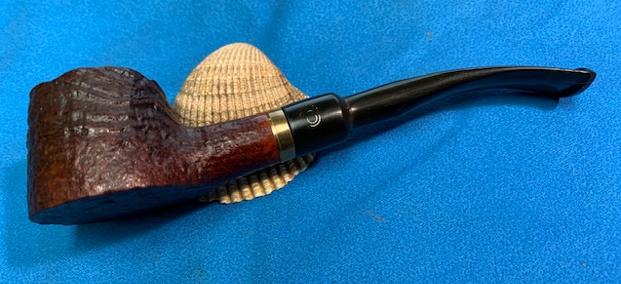
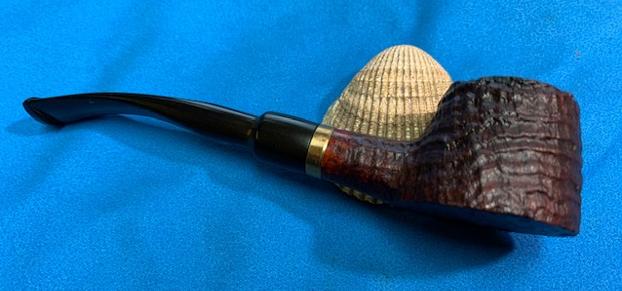
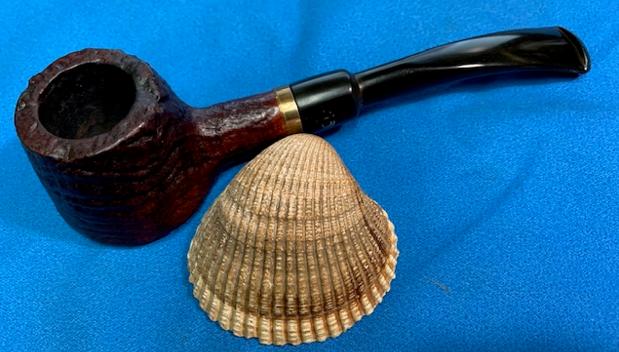
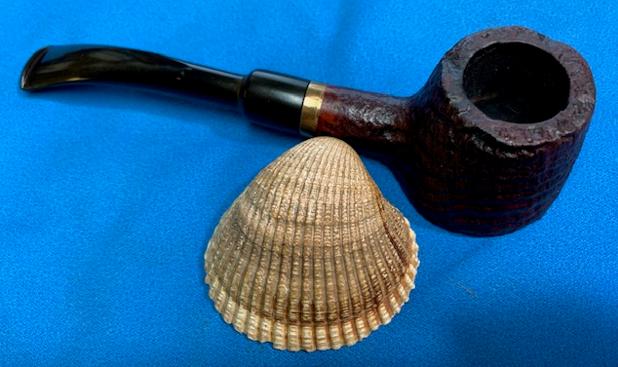
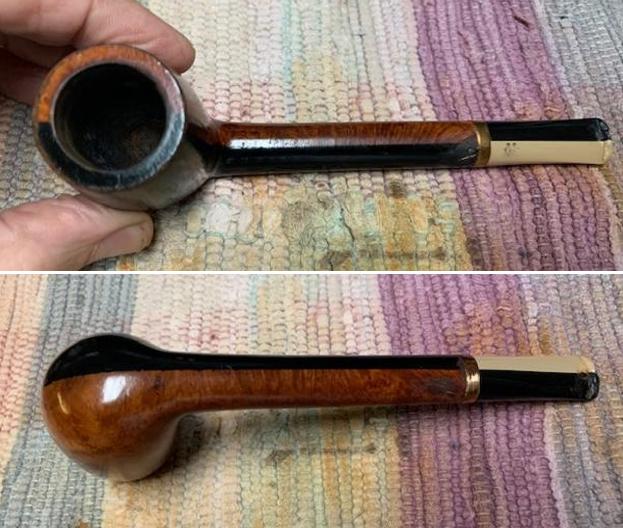
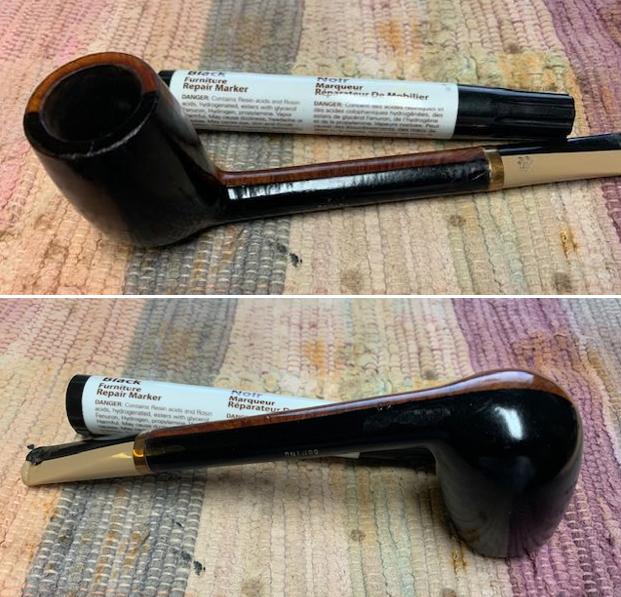
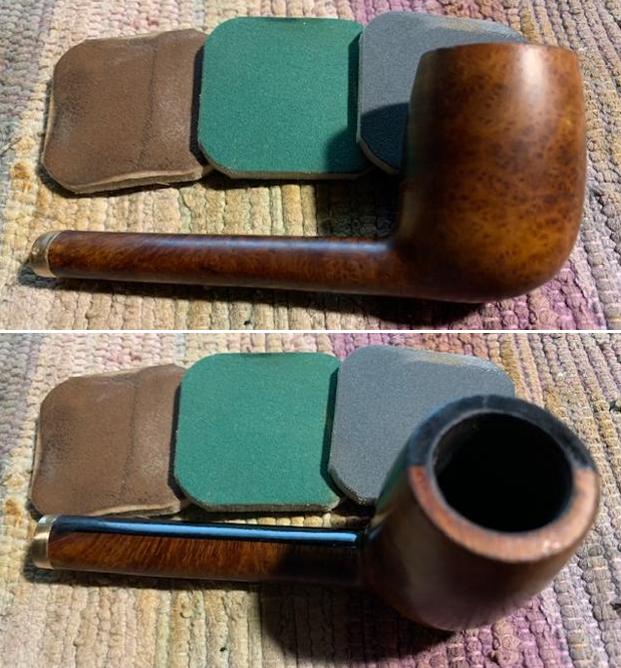
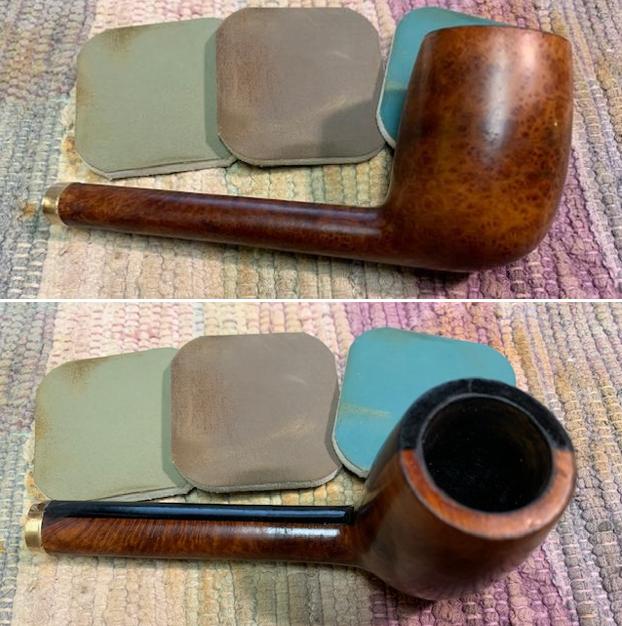
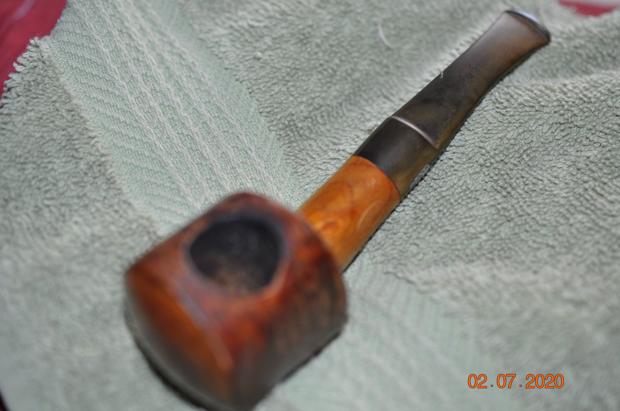
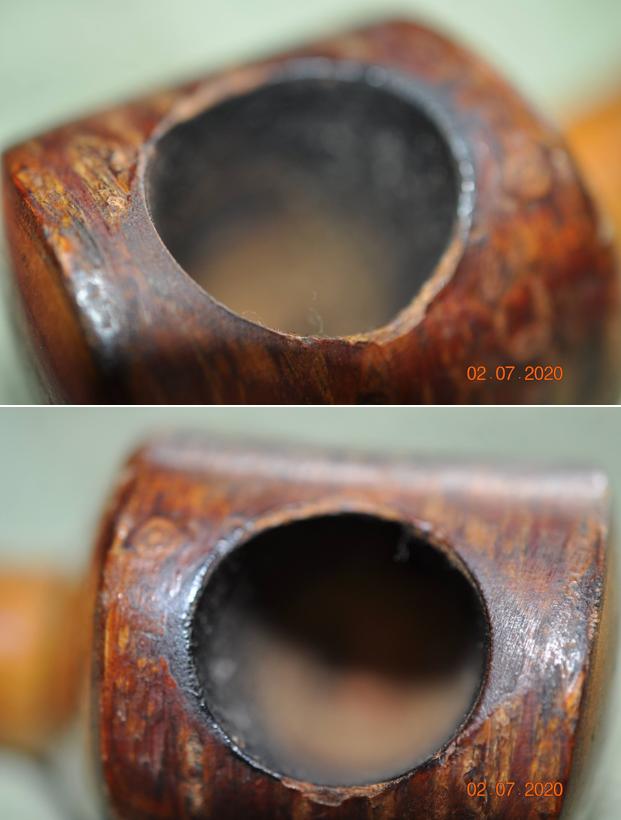
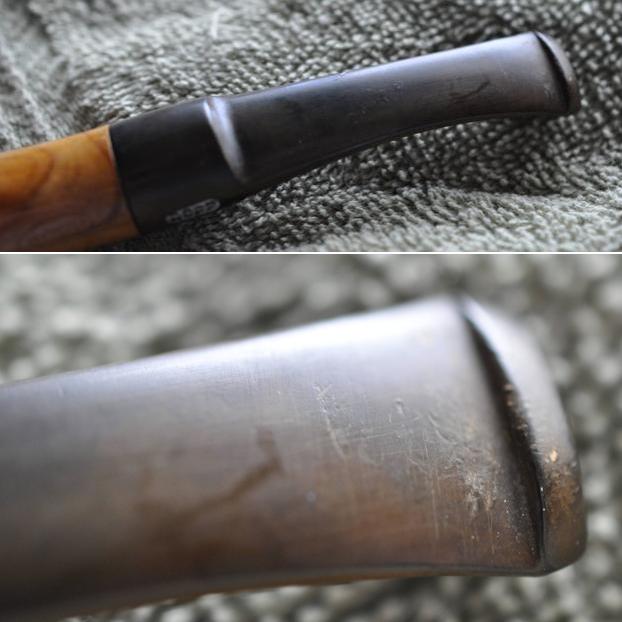
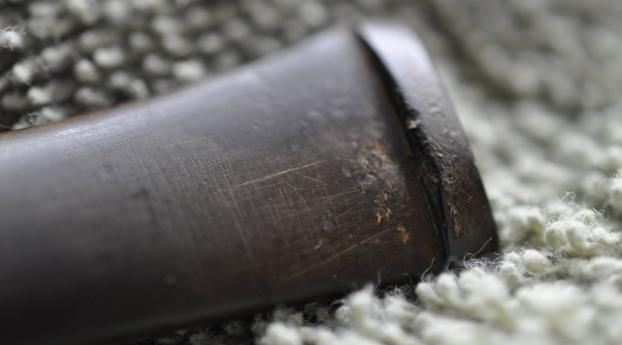
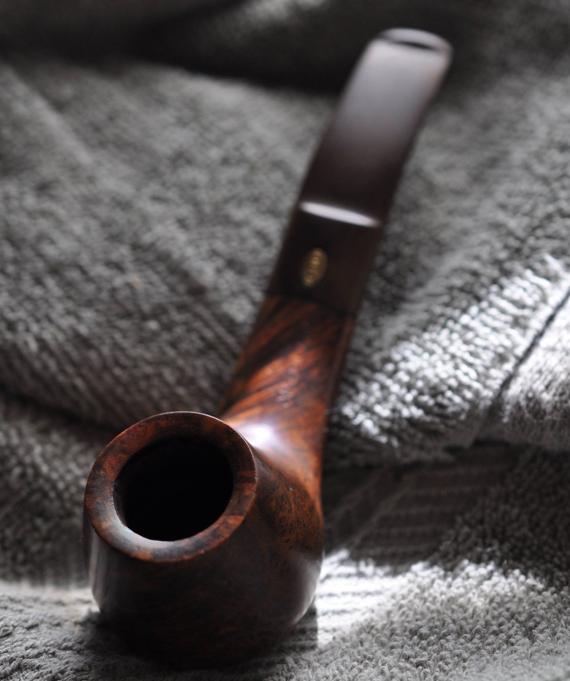
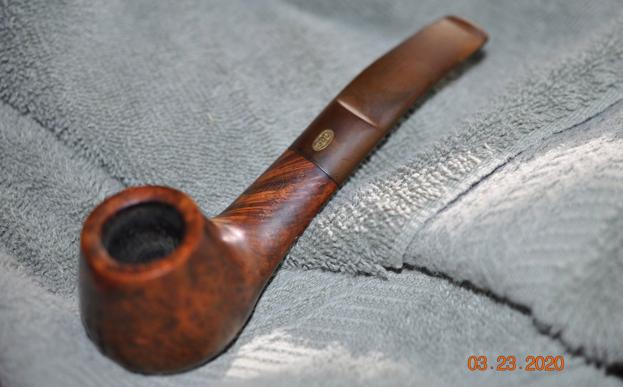
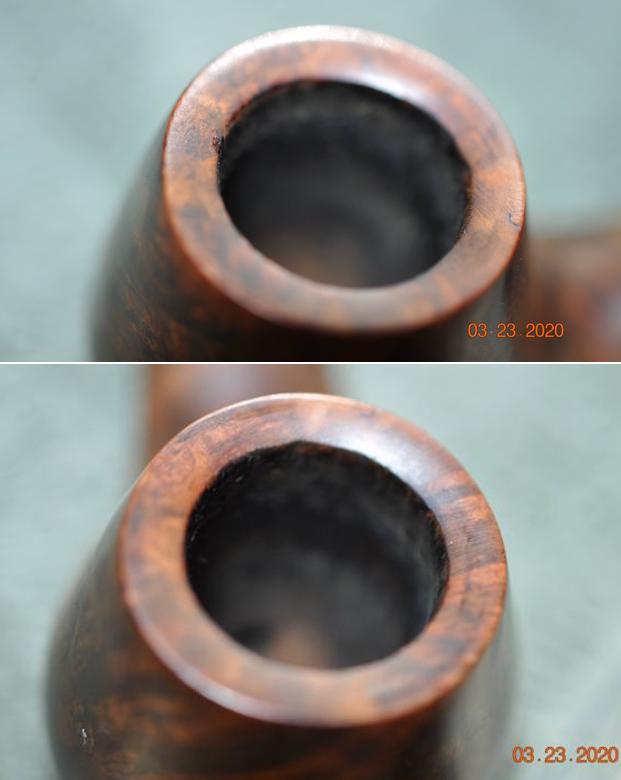
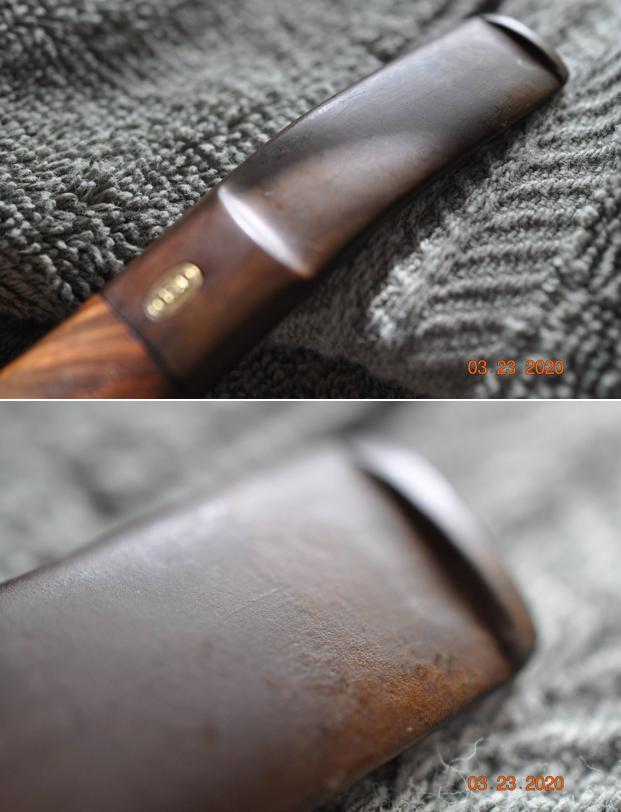
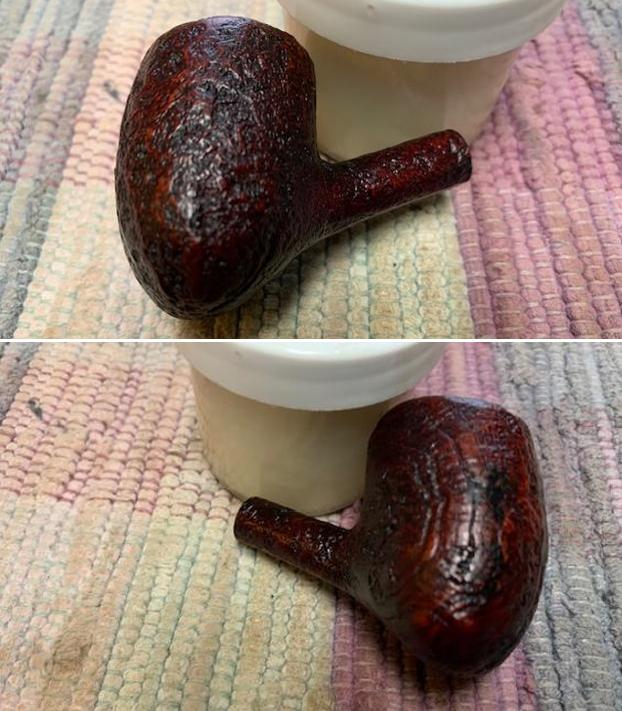
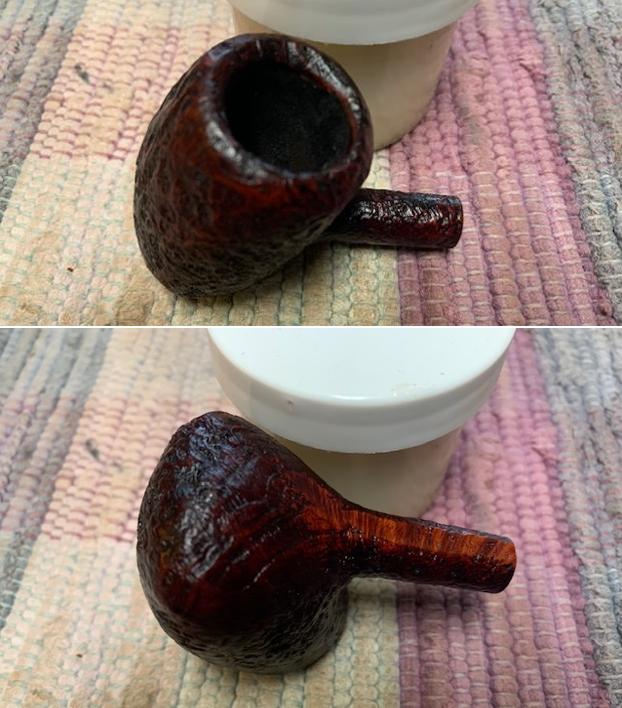
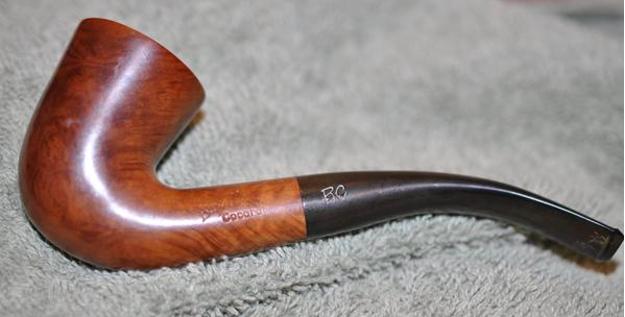
This July long weekend has been a bit of rest and relaxation for me as I have been able to take time in the basement at my work table and deal with pipes that have been piling up in the boxes around the table. I have posted two I have worked on already – both French Made – a Butz-Choquin Optima, a Chatham Volcano as well as a Savinelli Duca Carlo Pot. They were all interesting pipes because of the shape and style. This next one was more of a relaxed restoration because it was a classic shape and did not present too many challenges. Jeff purchased this pipe from an antique mall Ogden, Utah, USA. It had an interesting light brown finish on it that reminded me of a darkened natural briar. The bowl was classic Calabash shape. There was a thick cake in bowl and lava on the rim top and the inner bevel. The finish was filthy with grit and grime ground into the surface of the briar. The pipe is stamped on the left side of the shank Butz-Choquin at an angle [over] Cocarde and on the right side it was stamped St Claude in an arch over France [over] the shape number 1283. The stem was oxidized and had light tooth marks and chatter on both sides at the stem. The BC logo on the left side of the taper was faded and needed to be touched up. Jeff took photos of the pipe before he started his clean up work. I like to have an idea of how the pipe was smoked before we got it and what the bowl and rim top looked like. Jeff always takes some photos of the bowl and rim from various angles to show what it looked like. The stem looked very good under the oxidation.He took photos of the sides and heel of the bowl to give a sense of the grain on the pipe. The next two photos show the stamping on the left and right side of the shank. It is clear and readable as noted above. Jeff also captured the BC stamp on the left side of the taper stem. I did a quick scan of the rebornpipes blog and found a link to the Butz-Choquin Cocarde pipe that Dal Stanton had restored (https://rebornpipes.com/2021/01/08/a-christmas-vacation-pipe-from-nashville-a-butz-choquin-cocarde-geante-plus-st-claude-france-1397-tabac-st-michel-paris/).  I always appreciate the research that Dal does when he works on pipes because it is what I like doing when I am restoring the pipes on my table. I quote from the portion of the blog that gives the background information on the brand. (Thanks Dal for the leg work on this one!)
The history of the Butz-Choquin name is concisely put on Pipephil.eu and its helpful to me for the refresher.

The origin of the brand reaches back to 1858 when Jean-Baptiste Choquin in collaboration with his son-in-law Gustave Butz created their first pipe in Metz (France). Since 1951 Butz-Choquin  is a brand of the Berrod-Regad group (Saint-Claude, France).

Jean Paul Berrod managed the company from 1969 to 2002 when he retired and sold the corporate to Mr Fabien Gichon. Denis Blanc, already owner of EWA, took over the S.A. Berrod-Regad in 2006.

I could not find anything specific in Pipedia about the ‘Cocarde’ line, but a simple search on the internet will show many different shapes available in the Cocarde line from Butz-Choquin.  I did find a shapes chart pictured in the Butz-Choquin Pipedia article that included the 1397 Geante Plus.  Unfortunately, there is no reference to the date of the catalogue.  A quick look at Google Translate gave a translation of the Geante Plus as ‘Giant More’ – which is no surprise.  The photo below sets the Geante Plus apart with the 1397 shape number as unique to this designation.  The Giant Billiard seems to be the unique bearer of this designation.

Dal had found a catalogue link for the pipe he was working on but the 1283 shape was not listed in the catalogues on the side.

On another blog he wrote Dal had some more information on the Cocarde line of Butz-Choquin pipes (https://rebornpipes.com/2017/02/21/hole-in-the-wall-gold-mine-butz-choquin-cocarde-major-rhodesian/).

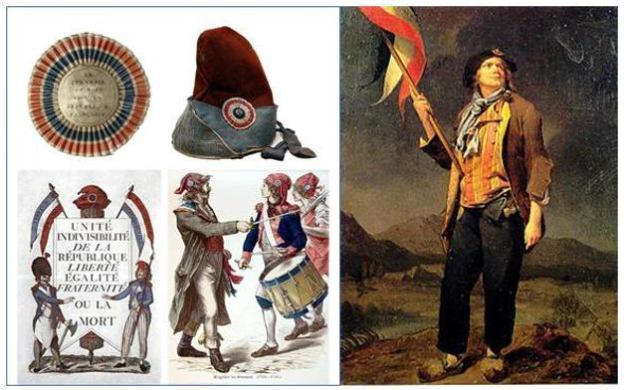
When I take the BC Cocarde Major out of the basket, I am anxious to recommission this nice-looking Rhodesian, I decide.  The first thing I do is pull up Google Translator and insert Cocarde Major in the French to English machine.  I did not study French in school so help is appreciated.  I want to know if special meaning is attached to this St. Claude BC.  Cocarde translated into English as the word, ‘Cockade’ which was defined as, a rosette, roundel or knot of ribbons worn in a hat as a badge of office or party, or as part of a livery. With a little looking on the internet, I found these interesting French examples of Cocardes.With this meaning for ‘Cocarde’ it put doubt in my mind regarding my original thought that ‘Major’ referred to large or big.  Attaching Major to the idea of the French symbol of national pride, it is most likely pointing to a level of rank, or when ‘Major’ is attached to another rank (e.g., sergeant-major) it denotes the ranking of one superior among those of the same rank.  I emailed a colleague living and working in Toulouse, France, whose command of the language could help.  His comments confirmed what I was thinking:

The word cockade refers to a national symbol for the French, like “cocarde tricolore’ refers to the French flag which is, of course, one of the most important symbols of the French people and national pride.  It has many meanings, but for example official cars or planes have this symbol on it.  You are right about the word Major, referring to a military grade. Used as an adjectif, “majeur” it means big.   I would conclude that this is simply the name of the pipe.  You can’t translate it literally.  The pipe’s name implies in my opinion that it is a symbol of French pride, like the French insignia for a general in the military.

With the symbols of French pride stamped on this BC Rhodesian, I have a greater appreciation for the pipe when I take more pictures now on my worktable.

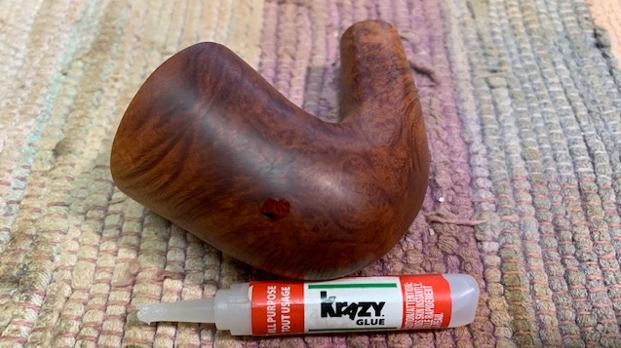
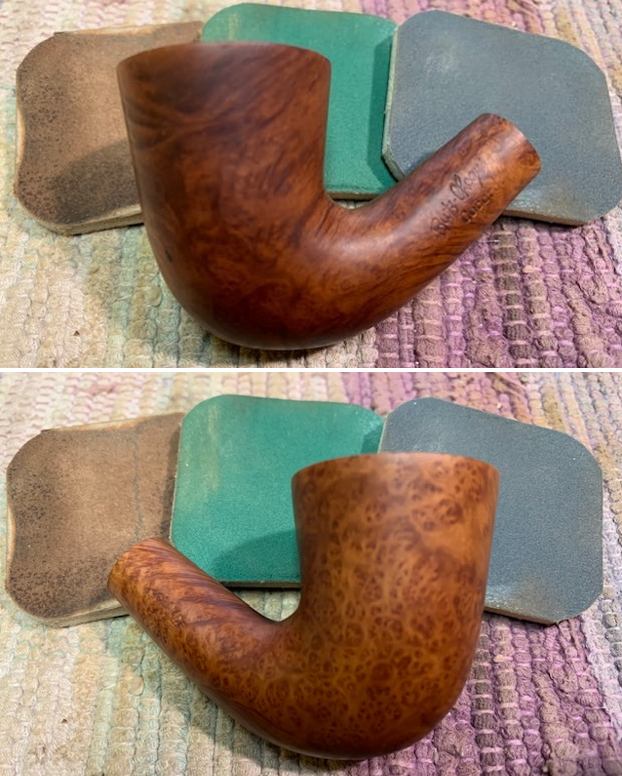
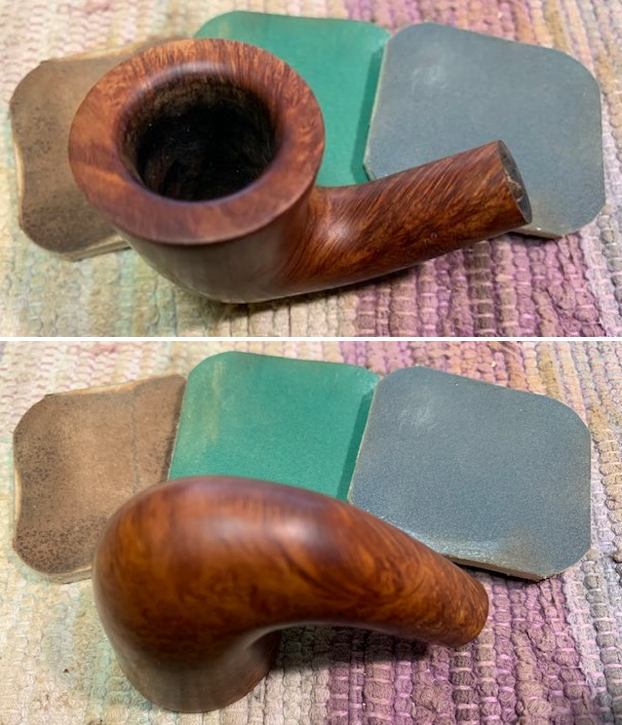
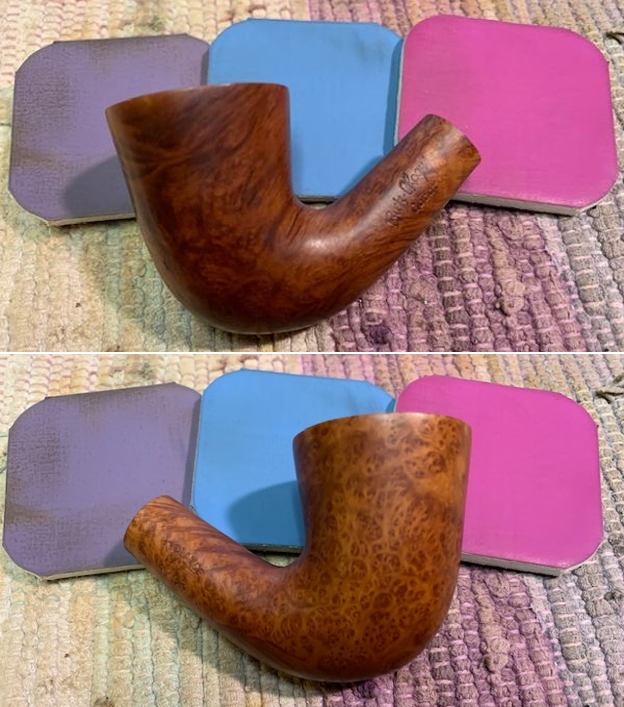
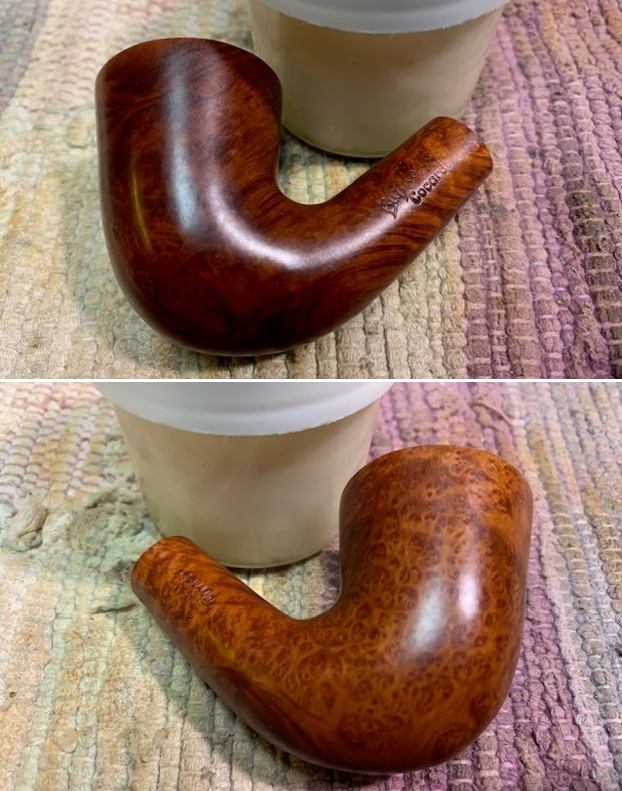
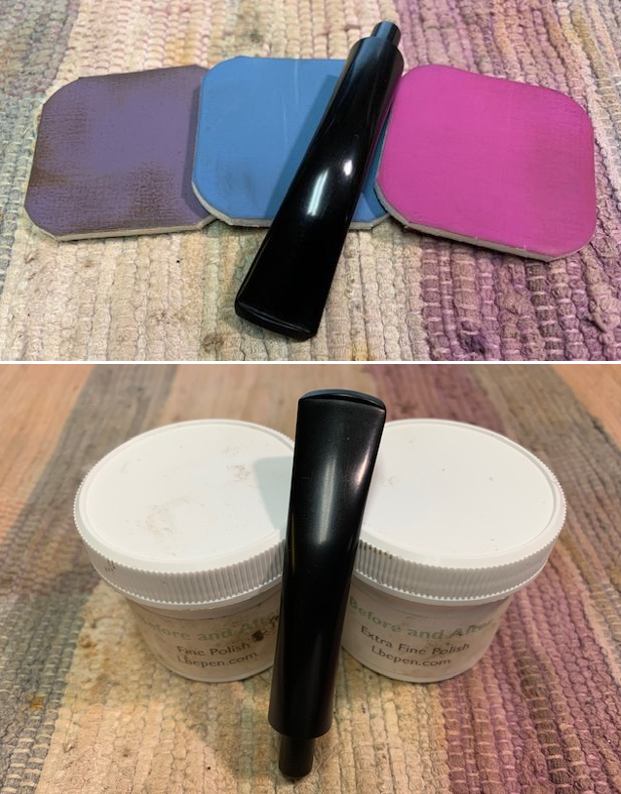
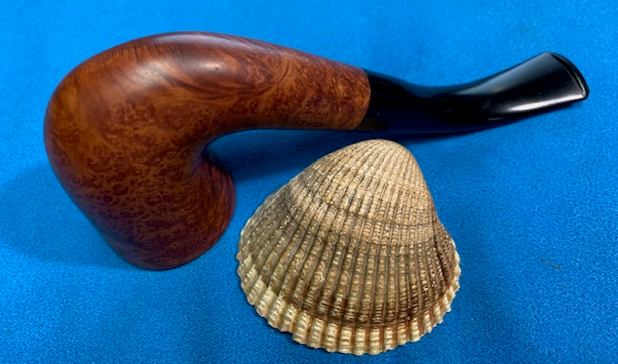
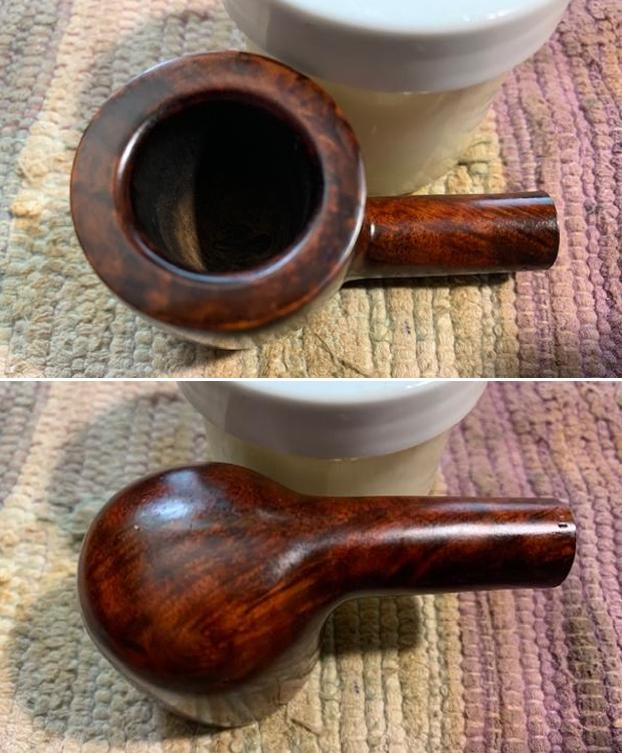
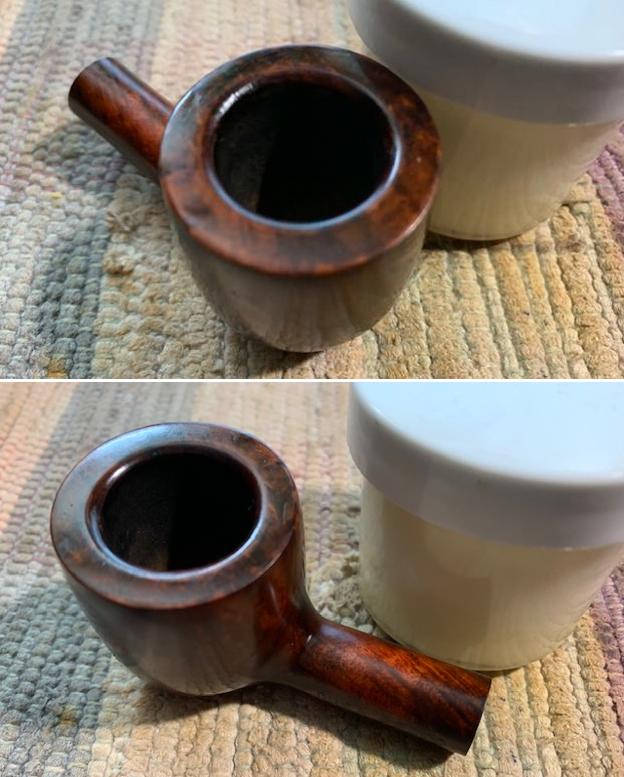
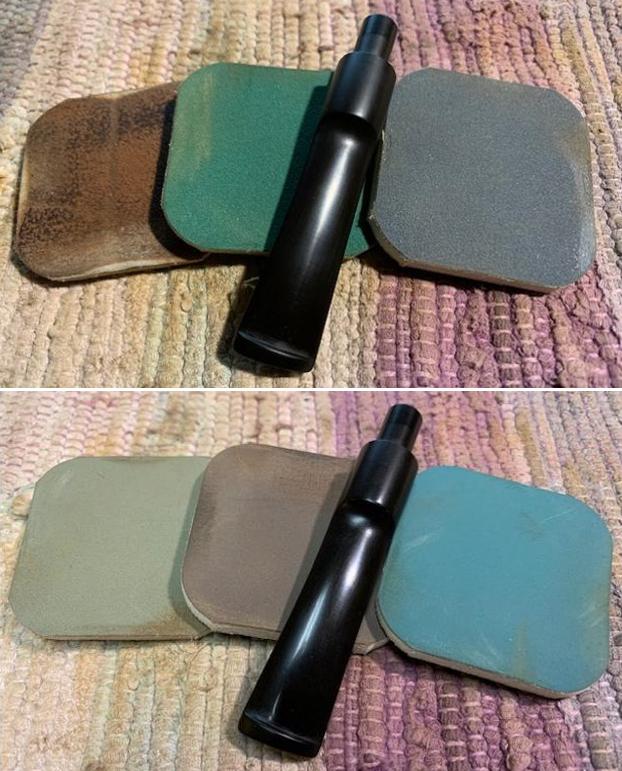
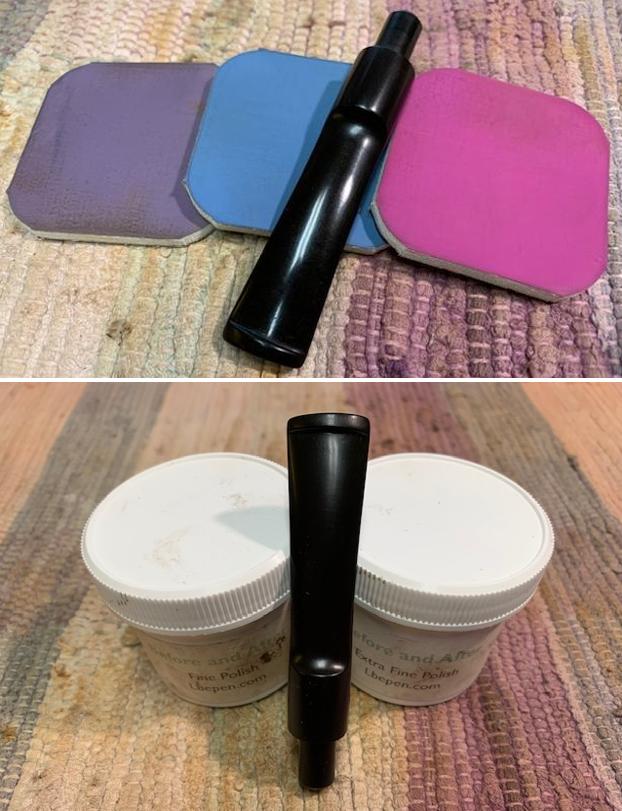
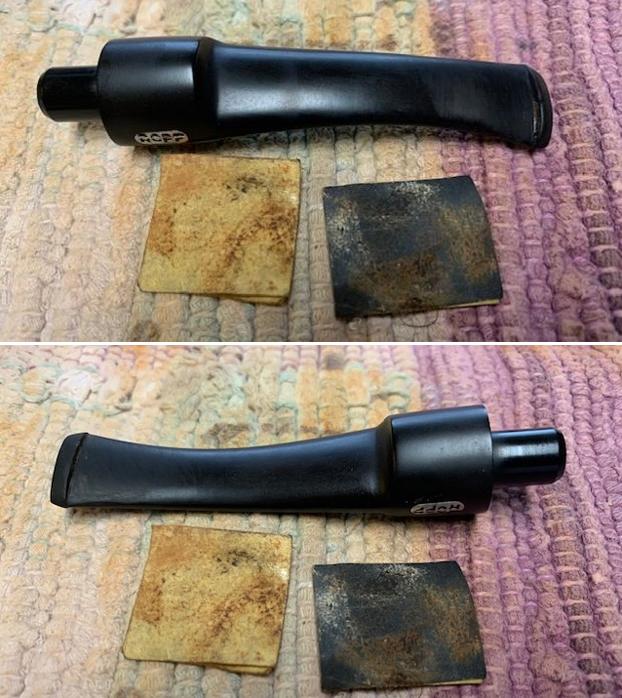
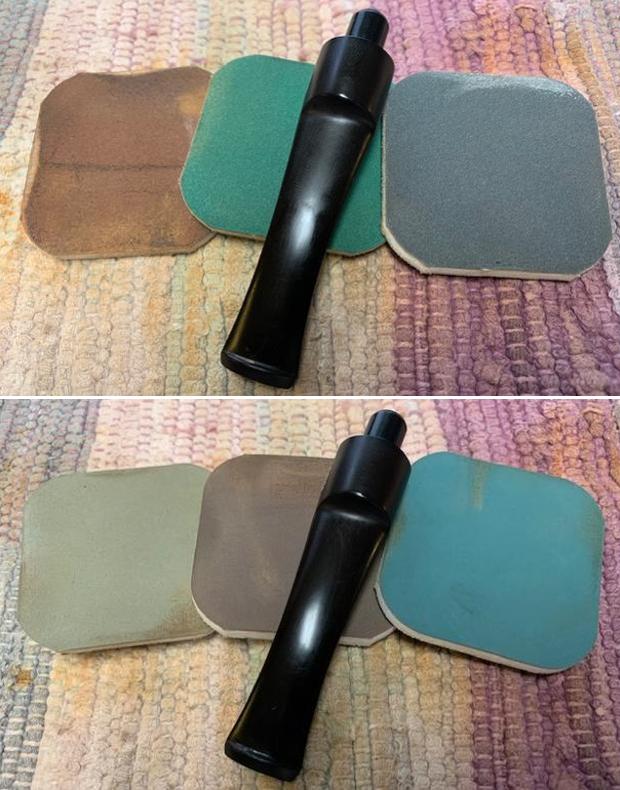
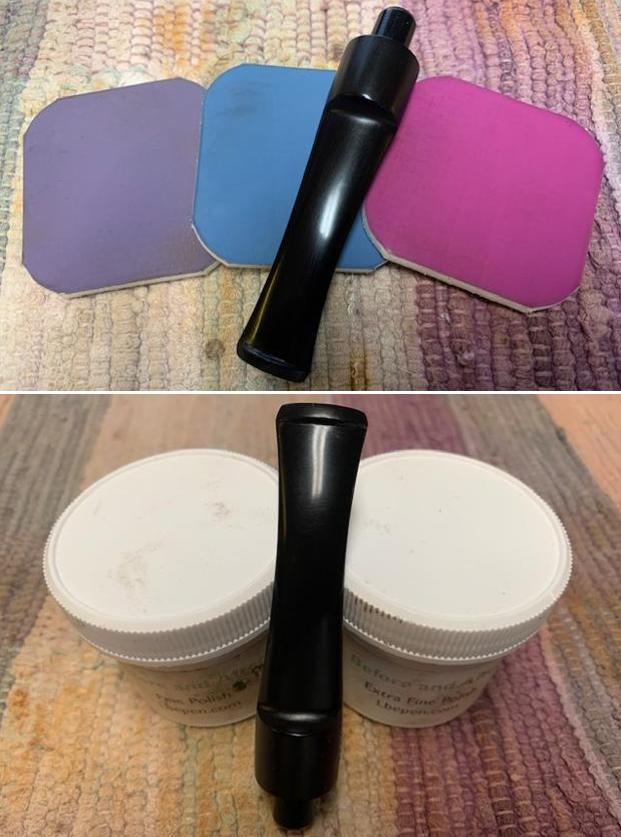
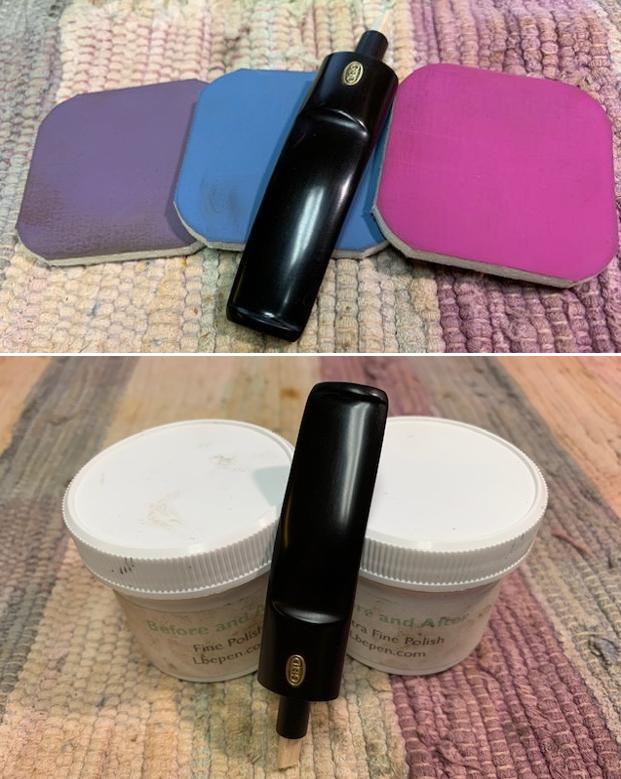
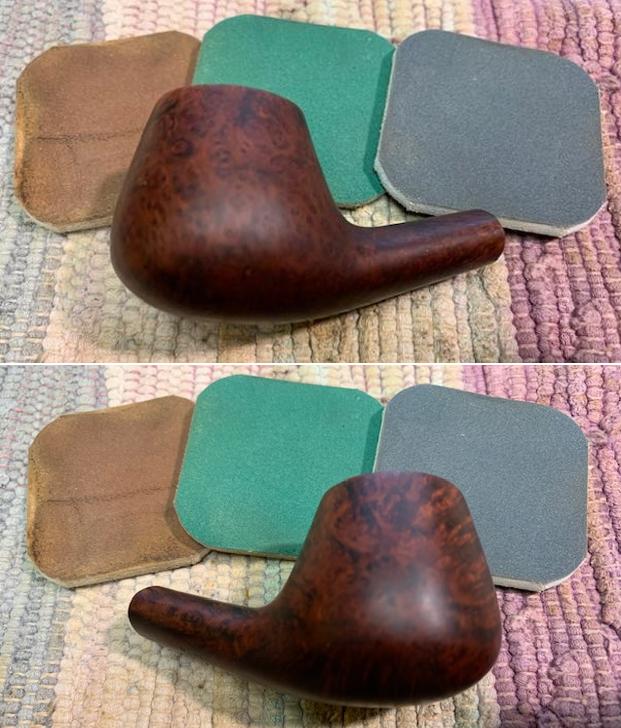
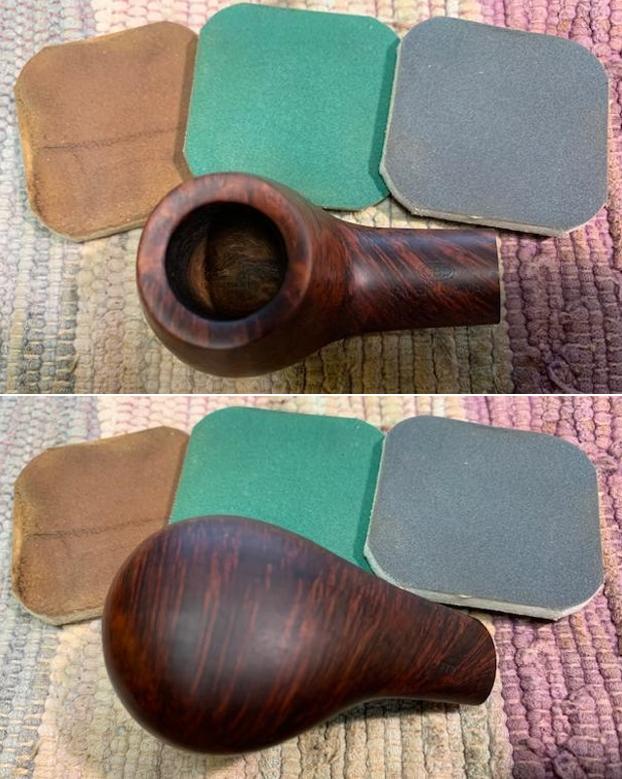
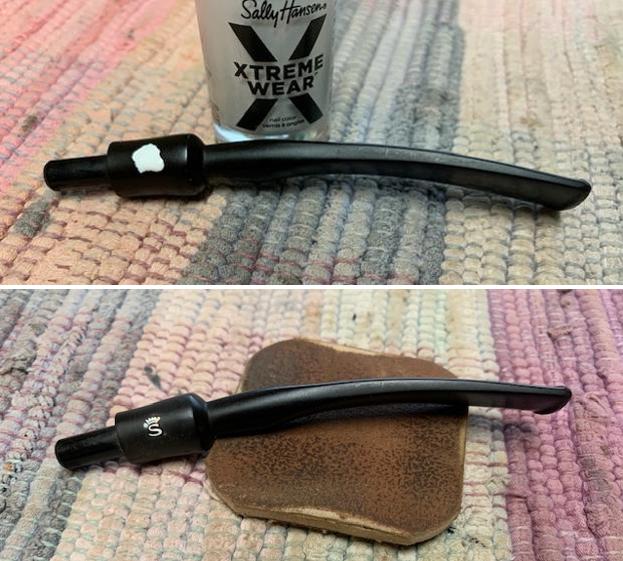
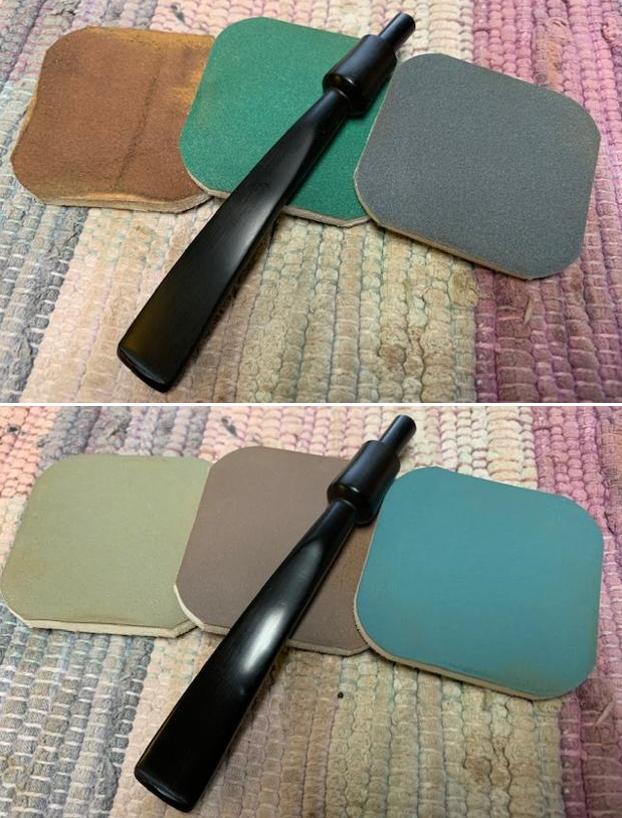
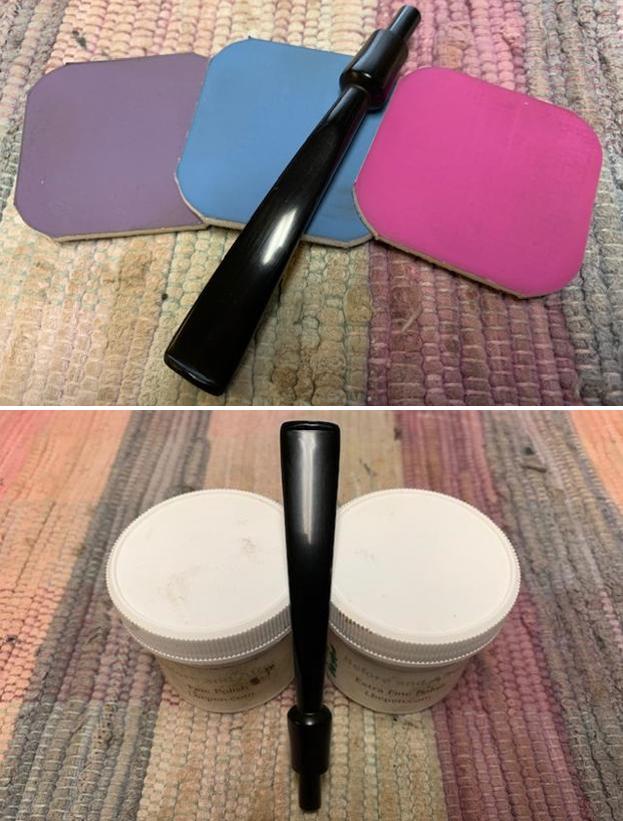
Armed with the information that I had gleaned from Dal’s blog, I turned my attention to the pipe itself. Jeff had done a great cleanup on the pipe. He reamed the bowl with a PipNet pipe reamer and followed up with a Savinelli Fitsall pipe knife to remove the cake. He scrubbed out the mortise and the airway in the shank and the stem with alcohol, cotton swabs and pipe cleaners. He scrubbed the bowl exterior with a tooth brush and Murphy’s Oil Soap to remove the grime on the finish of the bowl and the lava from the rim top. He rinsed it under running water. One of the benefits of this scrub is that it also tends to lift some of the scratches and nicks in the surface of the briar. He dried it off with a soft cloth. He cleaned the internals and externals of the stem with alcohol, pipe cleaners and cotton swabs. He soaked the stem in Briarville’s Pipe Stem Deoxidizer and rinsed it off with warm water and cleaned out the airway in the stem with alcohol. When I received it the pipe looked very good. I took a photo of the rim top and stem to show the condition. The rim top and the inner edge of the bowl were in good condition. The stem was vulcanite and there were some light tooth marks and chatter on both sides ahead of the button. The stamping on the pipe is clear and readable as noted above. The BC logo on the stem is deep and needs to be repainted with white.I removed the stem from the shank and took a photo of the pipe to give a sense of the whole. I started my work on this pipe by filling in a small chip on the left front of the bowl. Once the repair cured I polished the briar with 1200-1500 micromesh sanding pads and wiping it down with damp cloth after each sanding pad. As I worked through the cycle of pads the shine developed with each change of pad. The pipe looks very good. I rubbed the bowl and shank down with Before & After Restoration Balm. I worked it into the surface of the bowl sides and shank with my fingertips to clean, enliven and protect the briar. I let the balm sit for 10 minutes, then buffed with a cotton cloth to raise the shine. The Balm did its magic and the grain stood out on the briar. I set the bowl aside and turned my attention to the stem. I touched up the BC stamp on the left side of the stem with white acrylic nail polish (thanks again for the reminder Al!). I worked it into the stamp with a tooth pick and then sanded off the excess once it had dried with a 1500 micromesh sanding pad.I polished it with micromesh sanding pads – 1500-12000 grit pads. I wiped it down with Obsidian Oil after each sanding pad. I used Before & After Pipe Polish – both Fine and Extra Fine to further polish the stem. The photos below show the polished stem. This Butz-Choquin Cocorde 1283 Calabash with a vulcanite stem is a great looking pipe now that it has been restored. The rich browns of the stain made the grain come alive with the polishing and waxing. I put the stem back on the bowl and carefully buffed the pipe with Blue Diamond on the buffing wheel using a light touch on the briar. I gave the bowl and the stem multiple coats of carnauba wax on the buffing wheel and followed that by buffing the entire pipe with a clean buffing pad. I hand buffed the pipe with a microfiber cloth to deepen the shine. The finished BC Cocorde 1283 Calabash really is a beauty and fits nicely in the hand and looks very good. Give the finished pipe a look in the photos below. The dimensions of the pipe are Length: 5 ¼ inches, Height: 2 inches, Outside diameter of the bowl: 1 ¼ inches, Chamber diameter: ¾ of an inch. The weight of the pipe is 1.31oz./37grams. This beauty will be going on the rebornpipes store in the French Pipe Makers section. Let me know if you are interested in adding it to your collection. Thanks for reading this blog and my reflections on the pipe while I worked on it. There are many more to come!

How about a Danish for Breakfast?


Blog by Kenneth Lieblich

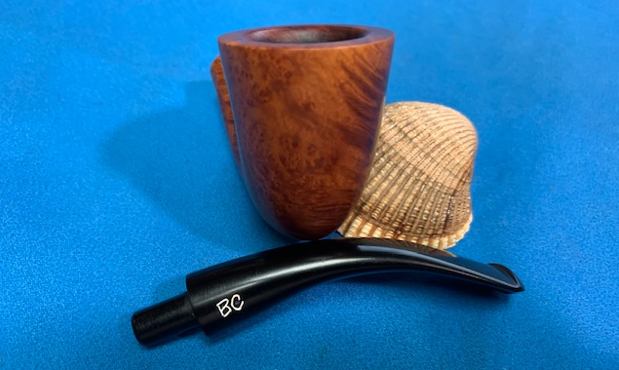
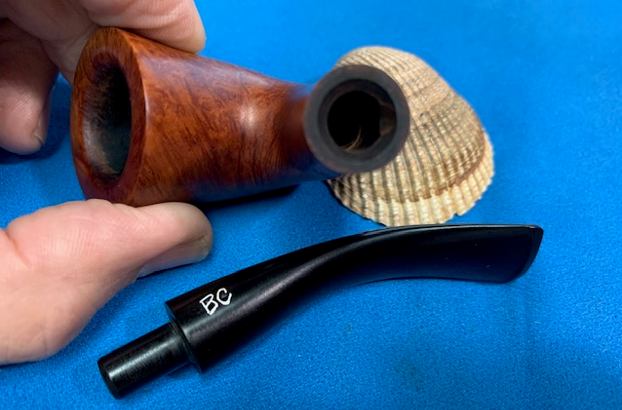
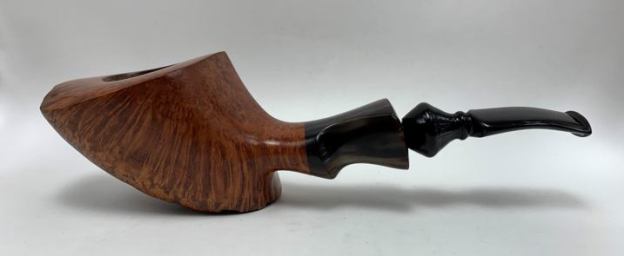
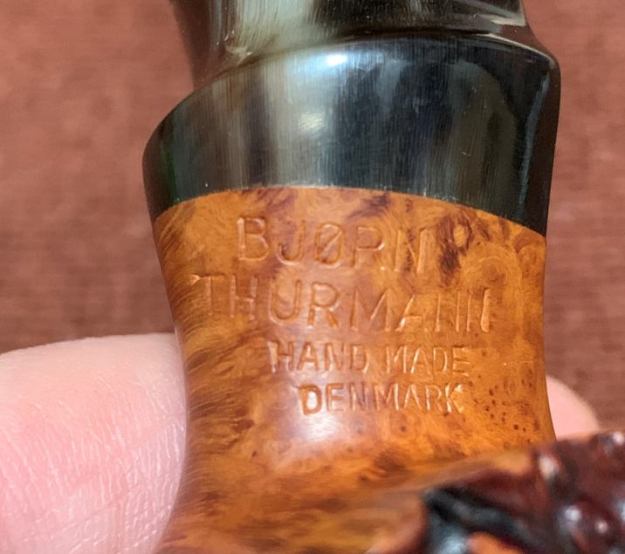
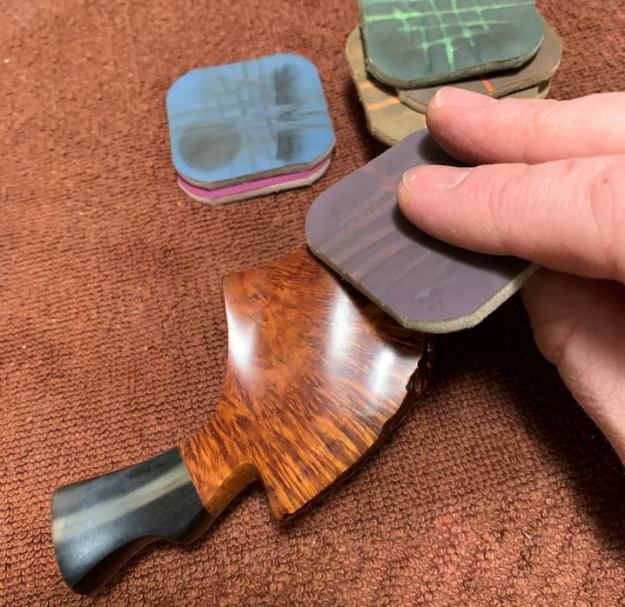
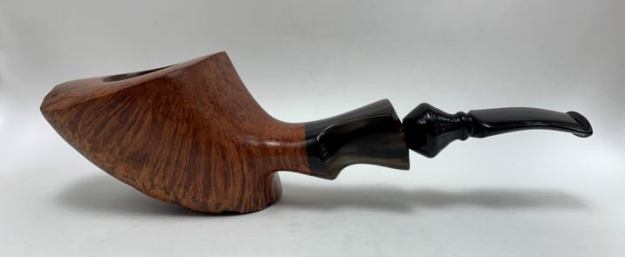
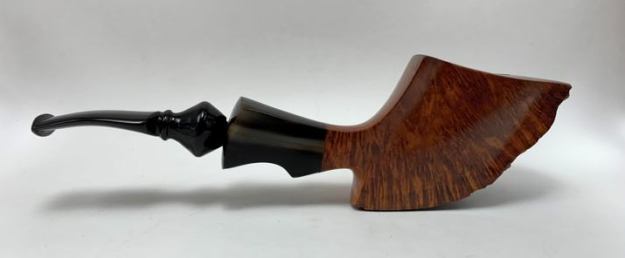
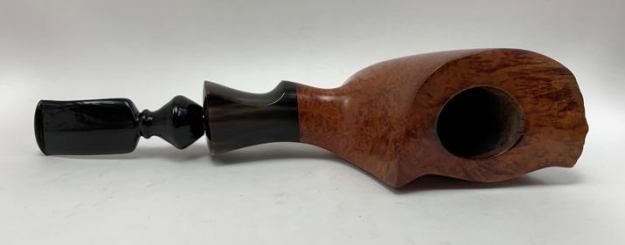
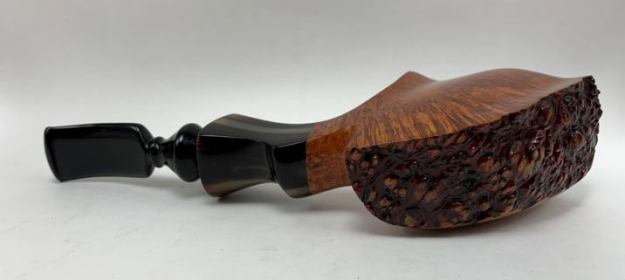
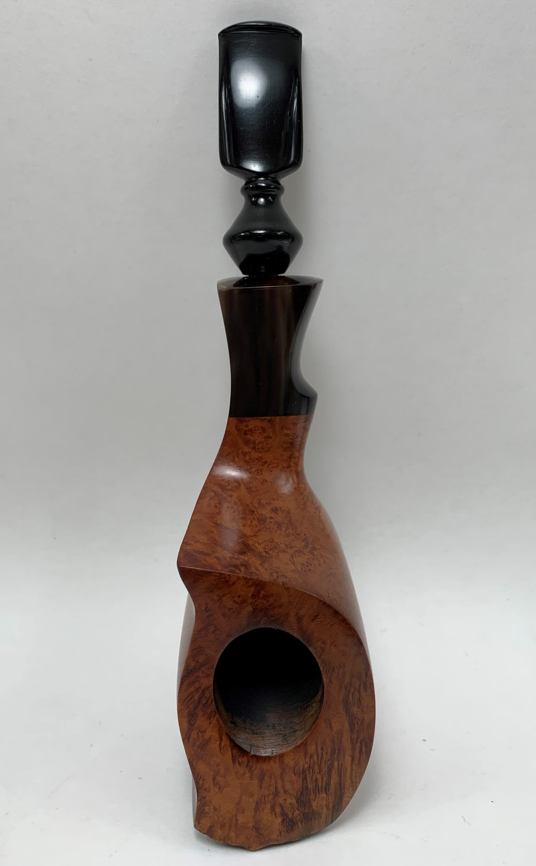
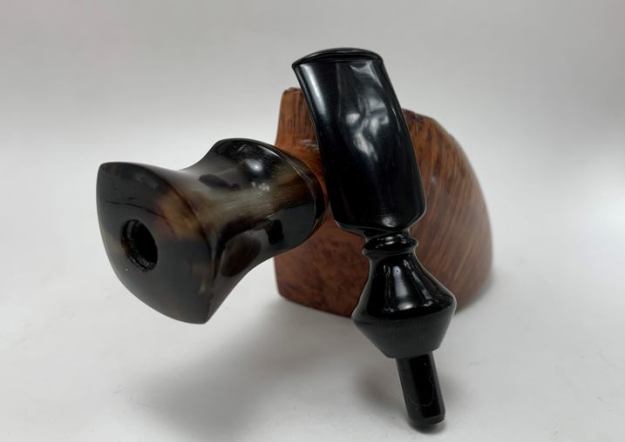
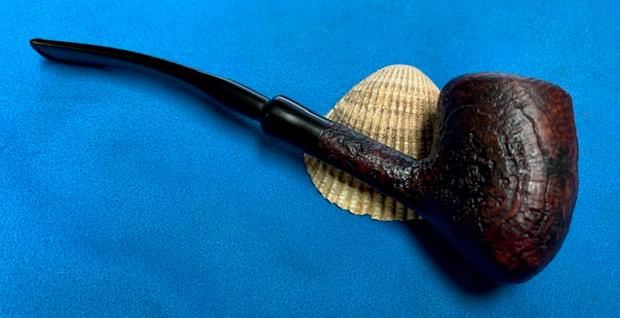
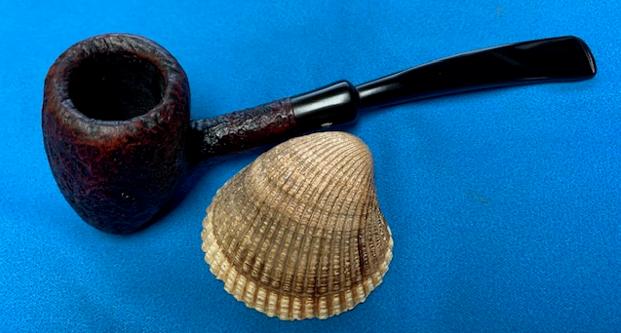
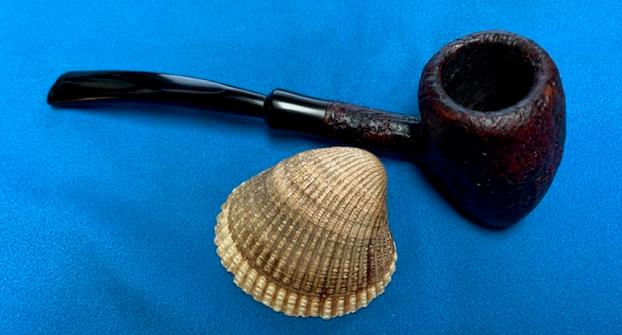
This spectacular pipe came in a lot of freehand pipes that I bought recently. It seemed to me that I needed to restore a Danish freehand pipe in order to earn my pipe-restoring stripes, so-to-speak. The pipe is absolutely beautiful and a superb example of Danish pipe-making craftsmanship. But right at the start, I want to apologize for the dearth of photographs in this post. I guess I was so delighted at the prospect of working on this pipe that I occasionally forgot to capture the moment on camera.The pipe is a Danish freehand pipe by the esteemed pipemaker, Bjørn Thurmann. The gorgeous briar wood transitions seamlessly into the horn ferrule. It really makes an impression. I am not able to date the pipe, as the photo shows all of the markings to be seen. Thurmann passed away a few years ago, but his company, Thurmann Piber, is still well known in Copenhagen for the fine quality of his work. The reference book, Scandinavian Pipemakers by Jan Andersson, provides us with a nice overview of his background and work. I will quote a bit of it here:

Bjørn Thurmann was born in 1946 – some would say, born into the tobacco trade. In 1953, his parents opened a pipe shop in central Copenhagen and Bjørn helped them there from the beginning, mainly by sorting pipes. Initially, the pipes were bought from a firm called Larsen & Stigart, but eventually they decided to start their own production.

Bjørn’s parents thought that their son ought to widen his views and get some international experience, so, in 1968, he was sent to London to work in different tobacconists shops, a period of learning that ended at Dunhill’s famous shop on Duke Street. After returning home, he almost immediately received an offer to work for Iwan Ries & Co. in Chicago, an offer that was hard to resist, so off he went.

In 1976, Bjørn established himself as an independent pipemaker, and since then he has had shops in several places in Copenhagen. Bjørn has also written a book called Pibemagerens Handbog (The Pipemakers Handbook), which tells how to make pipes using simple tools most people have at home.Clearly, Thurmann was a vastly experienced and talented pipe man. I am delighted to be able to work on a pipe like this. One can not only see, but also feel, the quality of the briar. First of all, I am pleased to report that the stummel of this pipe was in good condition. There was some burning around the rim and there was a small nick along one edge of the rim and another small nick on the top of the rim. Otherwise, the wood just needed to be made a bit more spiffy. Meanwhile, the stem needed some attention. It showed signs of oxidation and had been well chewed. The stem was first on my list. I took a BIC lighter and ‘painted’ the stem with its flame in order to lift the tooth marks. This was only slightly successful in raising the dents. Then, I cleaned out the insides of the stem with pipe cleaners and isopropyl alcohol. Once this process was done, the stem went for an overnight soak in the Before & After Hard Rubber Deoxidizer. The following day, I cleaned all of the de-oxidizing sludge off with alcohol, pipe cleaners, et cetera. The oxidation had migrated to the surface and would be fairly straightforward to remove. I scrubbed vigorously with SoftScrub to remove the leftover oxidation. Before I moved on to the Micromesh pads, I built up both dents and the squashed button on the stem with cyanoacrylate adhesive and let them fully cure. I used my miniature files to do a proper cutting of the new button – this ensures that it keeps its shape and looks like it should. I then sanded it down with 220-, 400-, and 600-grit sandpapers to meld seamlessly into the stem. I did the same to the remaining tooth marks. I then used all nine Micromesh pads (1,500 through 12,000 grit) to bring out the lovely black lustre on the stem. I also used Obsidian Pipe Stem Oil in between each pad scrubbing.On to the stummel, and the usual cleaning procedures were in order for this pipe. I used both the PipNet Reamer and the KleenReem to remove the built-up cake and take the bowl down to bare briar, as I wanted to ensure there were no hidden flaws in the walls of the bowl. Fortunately, there were none. I then proceeded to clean out the insides of the shank with Q-tips, pipe cleaners, and isopropyl alcohol. There was some nastiness inside this stummel, but fortunately not too much – it only took a handful of pipe cleaners etc. to sort that out. I followed that up by cleaning the insides with some dish soap and tube brushes. I then moved on to cleaning the outside of the stummel with Murphy’s Oil Soap and some cotton pads. That removed any latent dirt. As I mentioned earlier, there were some small burn marks on the rim of the stummel that also needed to be addressed. A lot of this was removed by the Murphy’s. For the burns that remained, I took some oxalic acid on a Q-tip and rubbed and rubbed. As you will see, the treatment worked very well and the rim is much improved. I completed this part by gently sanding the rim edge to remove the roughness that remained.Then I addressed the two nicks on the rim – both were relatively straightforward. The first one required a touch of light sanding with the Micromesh pads and then the merest bit of stain with one of my furniture pens. Looks fantastic now. The other nick was solved by filling it with cyanoacrylate adhesive and letting it fully cure. After this, the entire stummel was treated to a rub-down with all nine Micromesh pads (1,500 through 12,000 grit). A light application of Before & After Restoration Balm brought out the best in the stummel’s grain. There is some beautiful wood on this Danish pipe! Now it was off for a trip to the buffer. A dose of White Diamond and a few coats of carnauba wax were just what this pipe needed. I had to be especially careful with the bench polisher, since the sharp edges had a tendency to catch on the buffing wheels. I have to admit, this did put my heart in my throat a few times!

This pipe was a delight from the start and its beauty only increased through the restoration process. Finally, I am pleased to announce that this pipe is for sale! If you are interested in acquiring it for your collection, please have a look in the ‘Danish’ pipe section of the store here on Steve’s website. You can also email me directly at kenneth@knightsofthepipe.com. The approximate dimensions of the pipe are as follows: length 180 mm; height 55 mm; bowl diameter 55 × 39 mm; chamber diameter 25 × 21 mm. The mass of the pipe is 77 grams. Thank you very much for reading and, as always, I welcome and encourage your comments.

Breathing Life into this Savinelli Made Duca Carlo Pot


Blog by Steve Laug

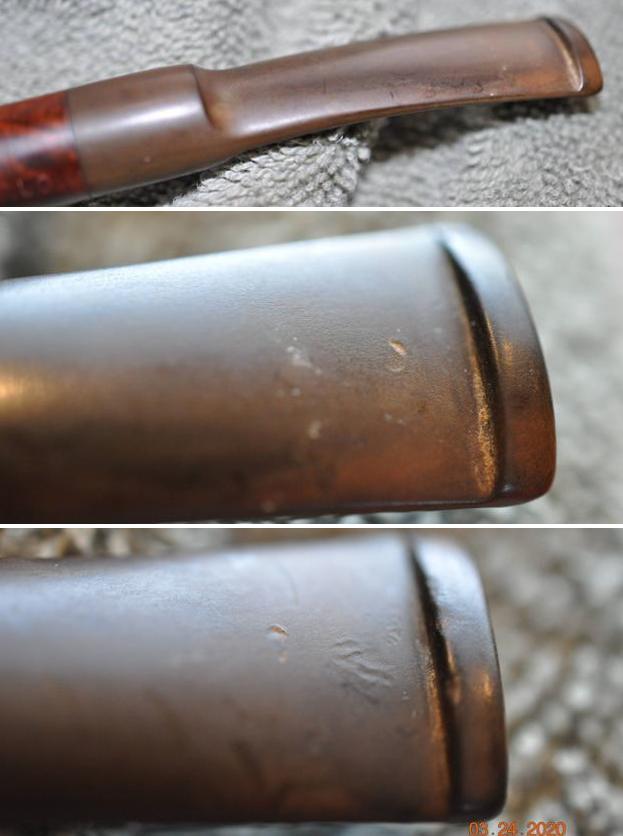
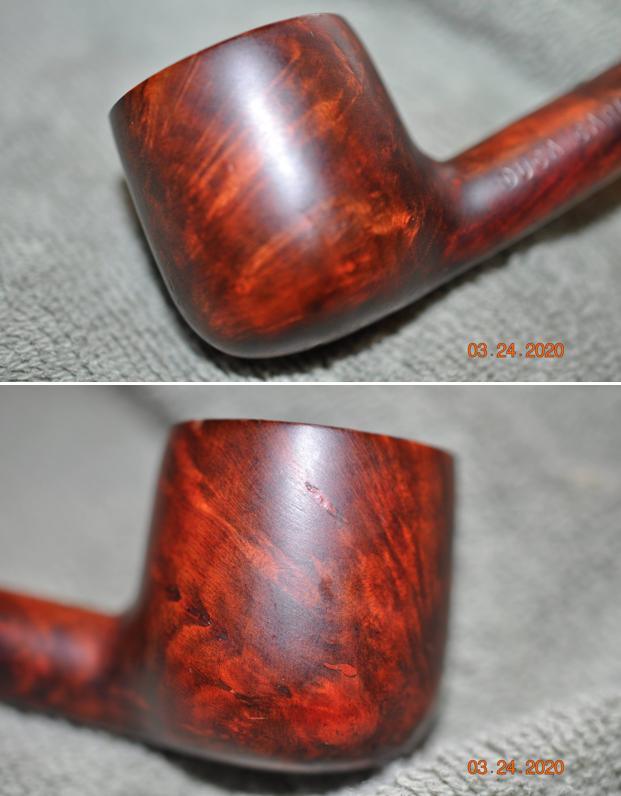
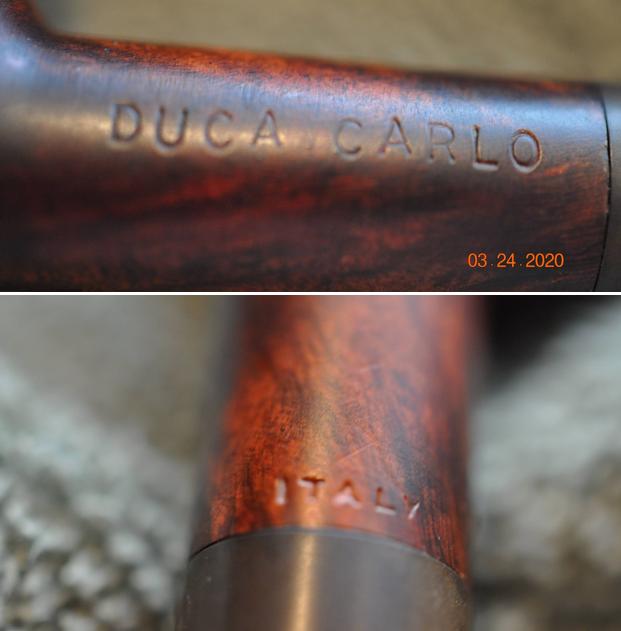
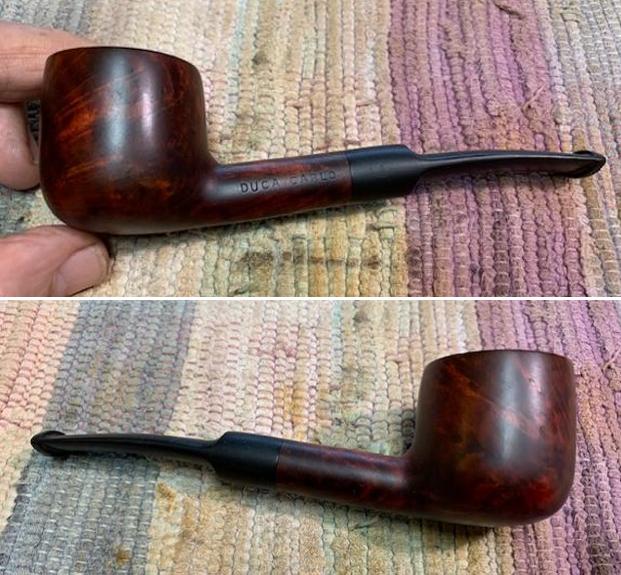
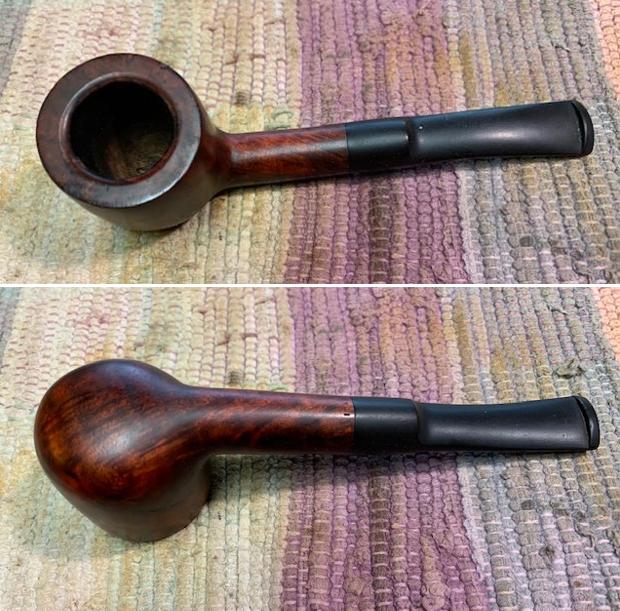
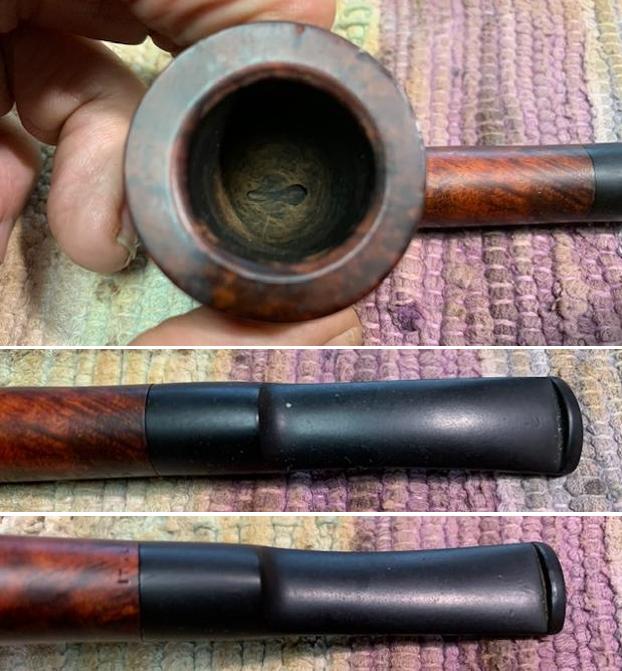
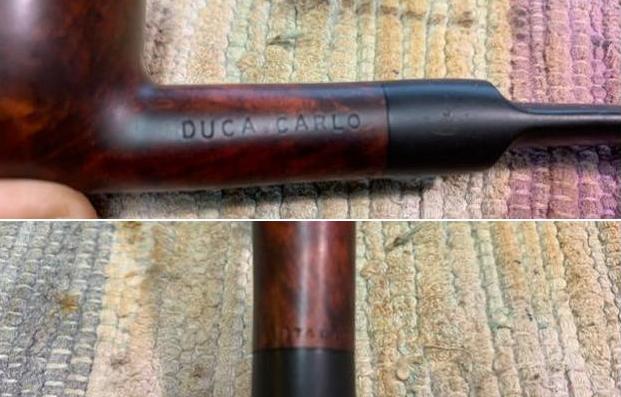
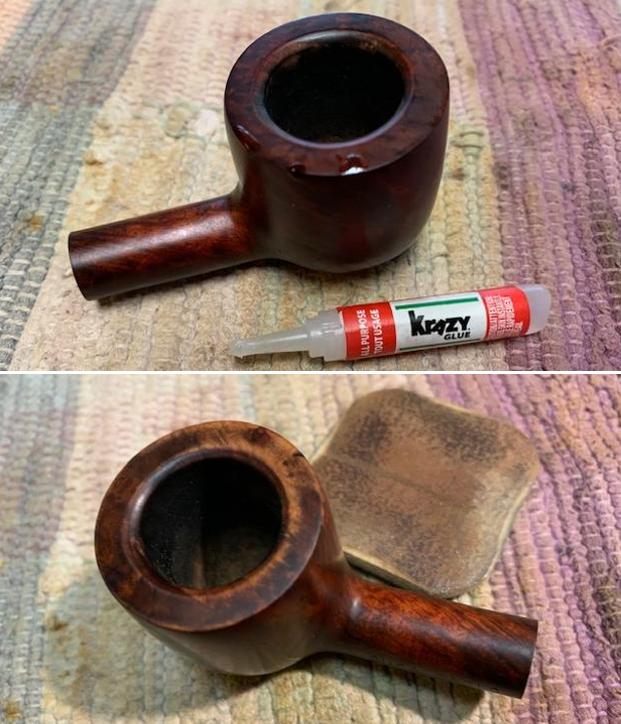
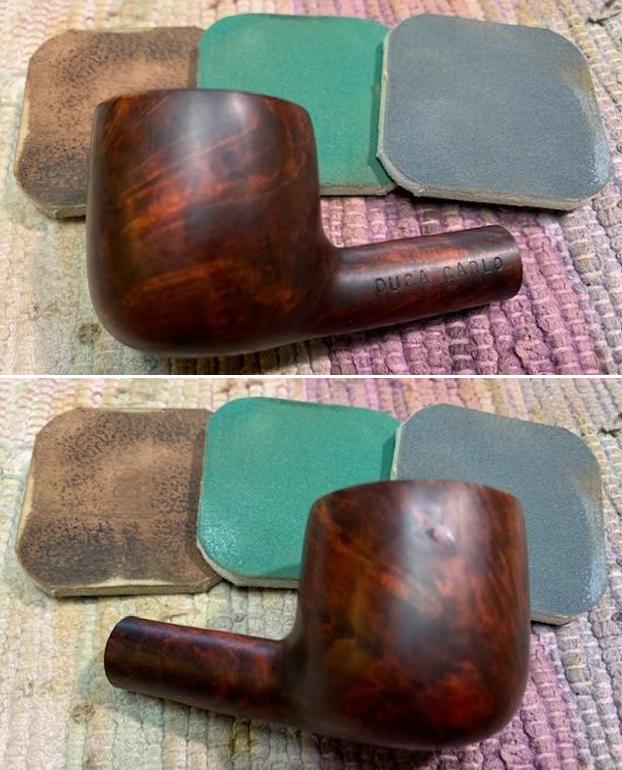
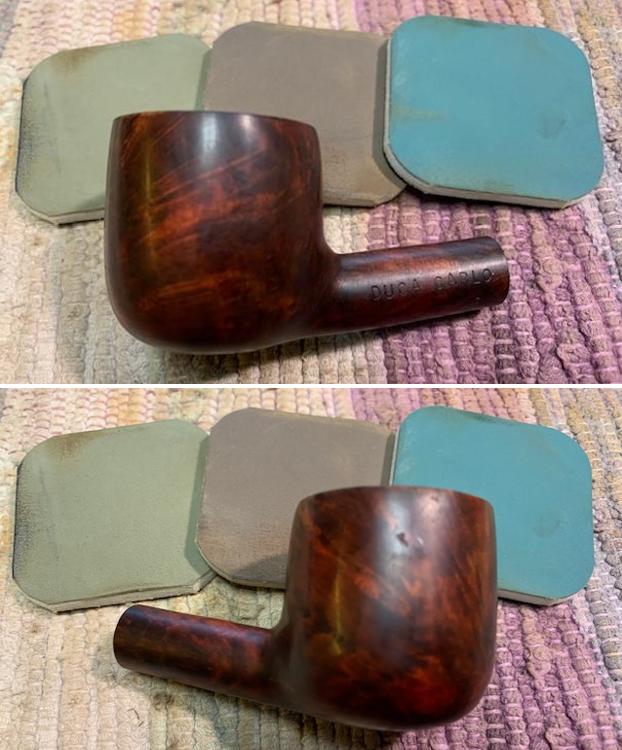
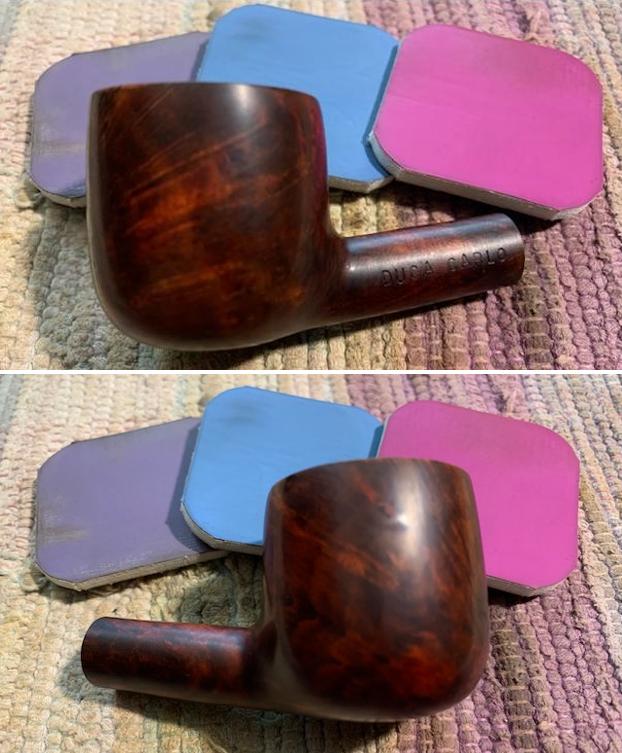
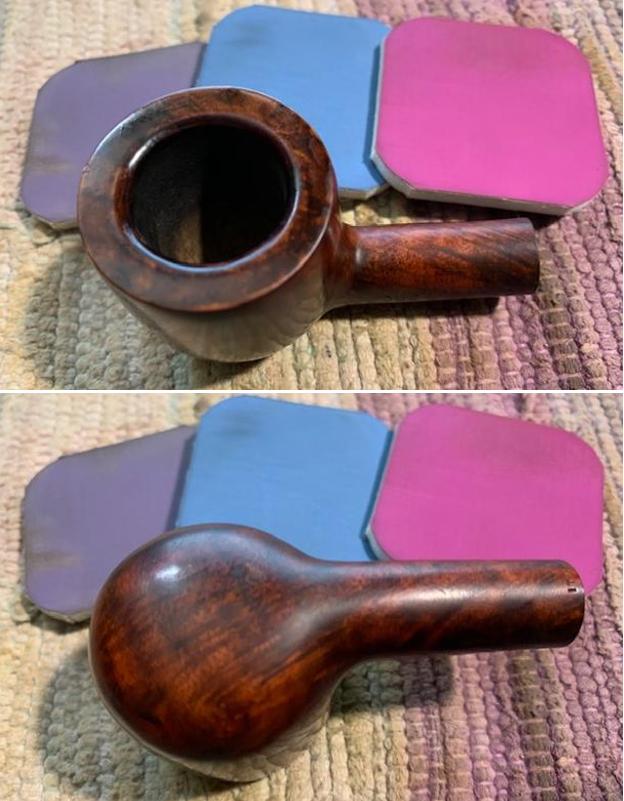
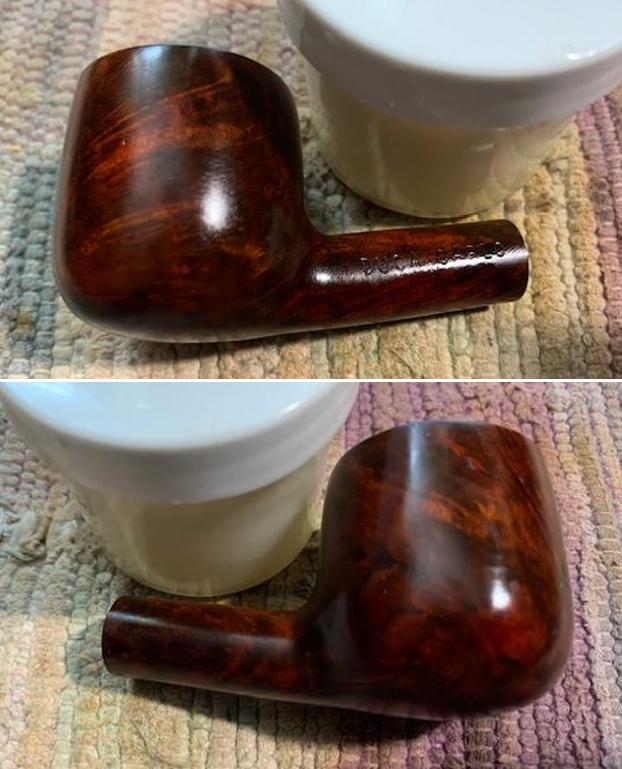
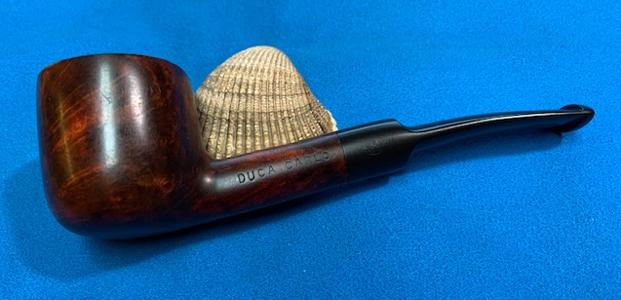
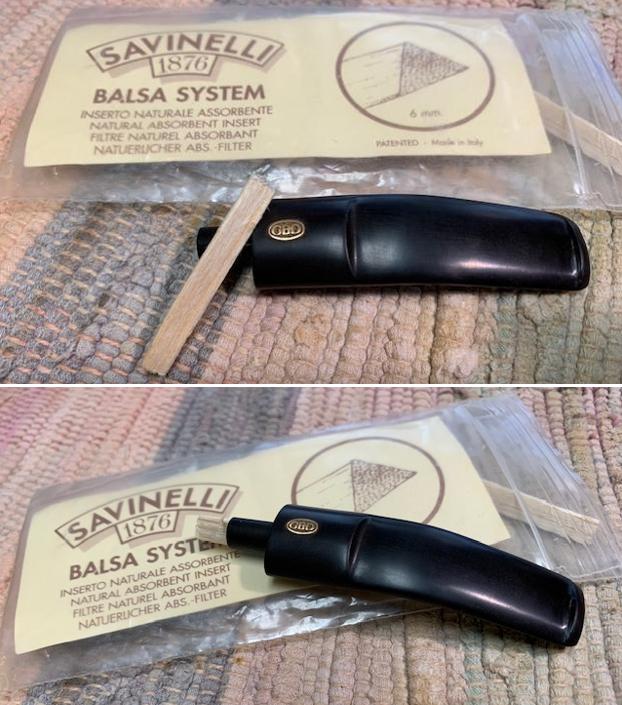
This July long weekend has been a bit of rest and relaxation for me as I have been able to take time in the basement at my work table and deal with pipes that have been piling up in the boxes around the table. I have posted two I have worked on already – both French Made – a Butz-Choquin Optima and a Chatham Volcano. They were interesting pipes because of the shape and style. This one was more of a relaxed restoration because it was a classic shape and did not present too many challenges. Jeff purchased this pipe from an antique mall Logan, Utah, USA. It had an interesting fire-like finish on it that reminded me of molten lava. The bowl was classic Pot shaped. There was a thick cake in bowl and lava on the rim top. There were nicks around the out edge of the rim  on the right side. There were several fills around the bowl sides. The finish was filthy with grit and grime ground into the surface of the briar. The pipe is stamped on the left side of the shank DUCA CARLO and on the underside across the shank just below the shank/stem union it was stamped ITALY. I remembered that the pipe was a Savinelli made pipe but I could not remember how it was connected. I would need to check the blog. The stem was oxidized and had light tooth marks and chatter on both sides at the stem. Jeff took photos of the pipe before he started his clean up work. I like to have an idea of how the pipe was smoked before we got it and what the bowl and rim top looked like. Jeff always takes some photos of the bowl and rim from various angles to show what it looked like. He also captured the nicked right outer edge. The stem looked very good under the oxidation. He took photos of the sides and heel of the bowl to give a sense of the grain on the pipe. You can also see the fills on the right side of the bowl. The next two photos show the stamping on the left side and underside of the shank. It is clear and readable as noted above.I did a quick scan of the rebornpipes blog and found a link to the Duca Carlo pipe that Dal Stanton had restored (https://thepipesteward.com/2021/05/04/liberating-the-grain-of-a-candy-apple-finish-a-savinelli-duca-carlo-poker-of-italy/). I always appreciate the research that Dal does when he works on pipes because it is what I like doing when I am restoring the pipes on my table. I quote from the portion of the blog that gives the background information on the brand. (Thanks Dal for the leg work on this one!)

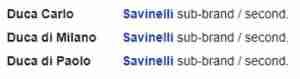
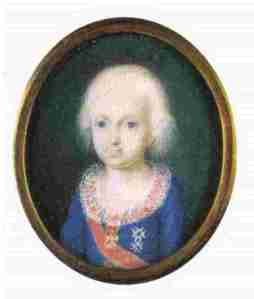
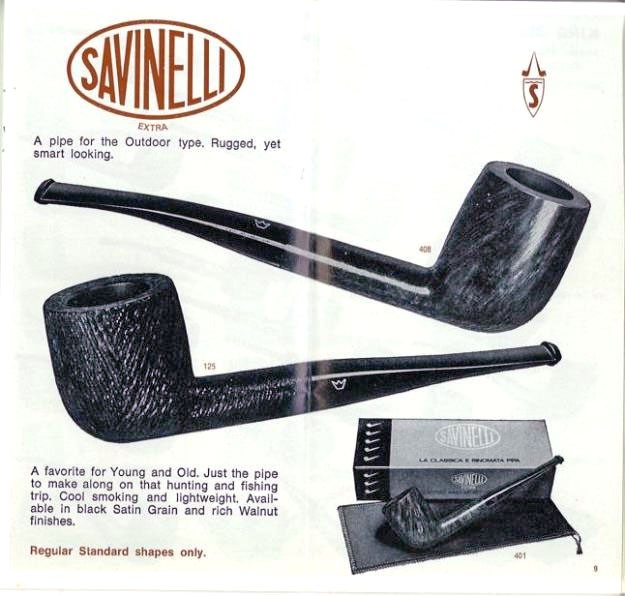
Whenever I work on a pipe, I’m always interested to know something of the pipe.  My first stop at Pipedia reveals that the Duca Carlo is a second of Savinelli, the well-known Italian pipe manufacturer.Savinelli’s history as an Italian pipe maker goes back to 1876 – a rich history and tradition which can be read in Pipedia’s Savinelli article.  The Duca Carlo is listed in the main Savinelli article within an extensive listing of “Savinelli made sub-brands, seconds & order productions”.  The Duca (Duke) Carlo is listed with the Duca di Milano and Duca di Paolo giving the impression that Savinelli produced these as special lines commemorating these historical figures.  With a quick internet search brings me to a Wikipedia article.  Duca Carlo reveals an interesting story of a child that died of smallpox at age 3 (See: Carlo, Duke of Calabria):

Carlo of Naples and Sicily (ItalianCarlo Tito Francesco Giuseppe; 4 January 1775 – 17 December 1778) was Duke of Calabria as heir to Naples and Sicily. Born at the Caserta Palace near Naples, he was known as the Duke of Calabria at birth as the heir apparent to his father’s throne. His mother was a daughter of Empress Maria Theresa and thus sister of Marie Antoinette.

A member of the House of Bourbon, he was a prince of Naples and Sicily by birth. He was the hereditary prince of Naples. His birth allowed his mother to have a place in the Council of State, pursuant to his parents’ marriage contract.

Carlo died of smallpox[1] aged 3. Six of his younger siblings would die of smallpox also: Princess Maria Anna (in 1780), Prince Giuseppe (in 1783), Prince Gennaro (in 1789), Prince Carlo Gennaro (also in 1789), Princess Maria Clotilde (in 1792) and Princess Maria Enricheta (also in 1792).  He was buried at the Church of Santa Chiara in Naples.

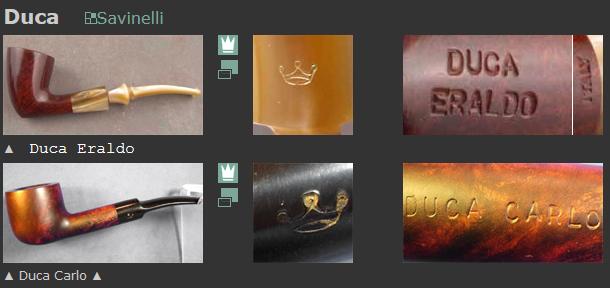
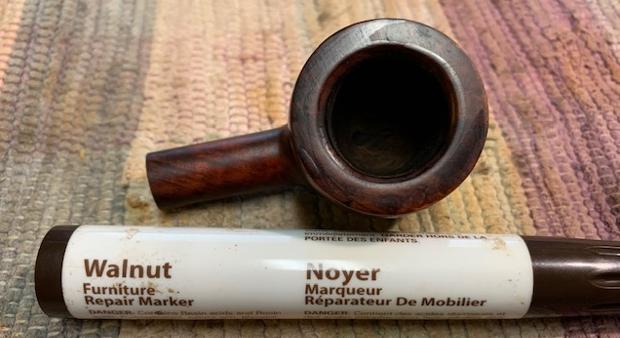
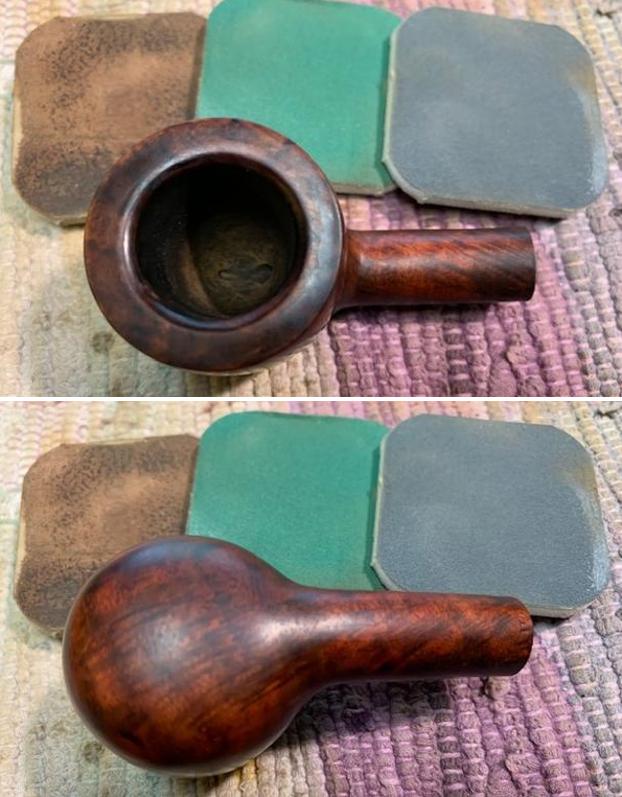
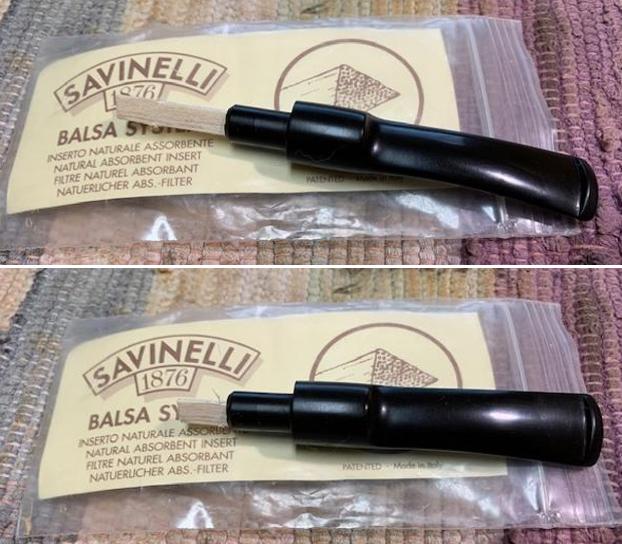
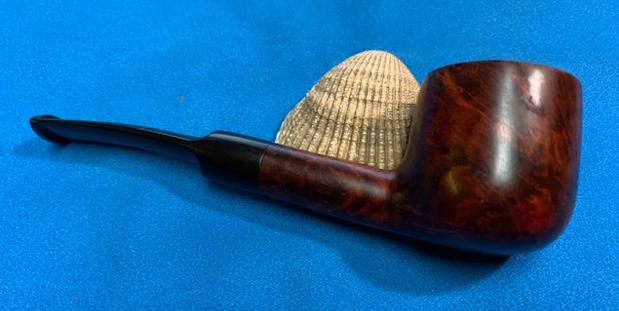
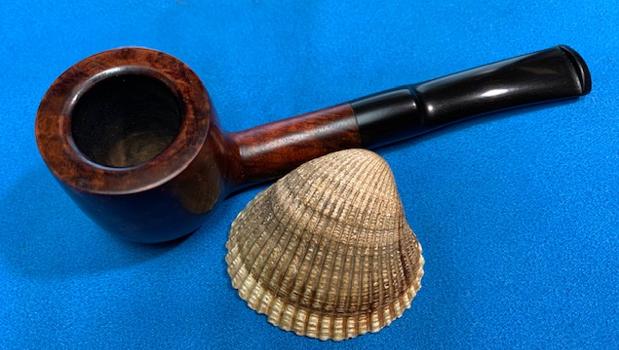
The only other reference to the Duca series in the Savinelli Pipedia article comes from a photo that does not mention a name, but the stem stamping is clearly from the Duca series of pipes listed.  No dating on the picture can be seen.The Savinelli Duca line is confirmed by my next stop. Pipephil (http://pipephil.eu/logos/en/logo-d9.html) gives two examples of Savinelli Ducas – a Duca Carlo and Duca Eraldo.  Consistent between each example is the crown stem stamping.Armed with the information that I had gleaned from Dal’s blog, I turned my attention to the pipe itself. Jeff had done a great cleanup on the pipe. He reamed the bowl with a PipNet pipe reamer and followed up with a Savinelli Fitsall pipe knife to remove the cake. He scrubbed out the mortise and the airway in the shank and the stem with alcohol, cotton swabs and pipe cleaners. He scrubbed the bowl exterior with a tooth brush and Murphy’s Oil Soap to remove the grime on the finish of the bowl and the lava from the rim top. He rinsed it under running water. One of the benefits of this scrub is that it also tends to lift some of the scratches and nicks in the surface of the briar. He dried it off with a soft cloth. He cleaned the internals and externals of the stem with alcohol, pipe cleaners and cotton swabs. He soaked the stem in Briarville’s Pipe Stem Deoxidizer and rinsed it off with warm water and cleaned out the airway in the stem with alcohol. When I received it the pipe looked very good. I took a photo of the rim top and stem to show the condition. The rim top and the inner edge of the bowl were in good condition. There were some nicks on the right outer edge of the bowl but otherwise it looked good. The stem was vulcanite and there were some tooth marks and chatter on both sides ahead of the button. The stem is made for a 6mm filter or a Savinelli Balsa Filter System.The stamping on the pipe is clear and readable as noted above. There are the remnants of the crown stamp on the left side of the saddle stem.I removed the stem from the shank and took a photo of the pipe to give a sense of the whole. I started my work on this pipe by addressing the nicks along the edges. I filled them in with a clear CA glue and set them aside to cure. Once cured I blended them into the surrounding briar with a 1500 grit micromesh sanding pad. I touched up the rim top with a Walnut stain pen to blend it into the surrounding briar. I would probably need to do a bit more work on it but I liked what I saw. I sanded the bowl with micromesh sanding pads, dry sanding with 1500-12000 grit sanding pads and wiping it down with damp cloth after each sanding pad. As I worked through the cycle of pads the shine developed with each change of pad. The pipe looks very good. I rubbed the bowl and shank down with Before & After Restoration Balm. I worked it into the surface of the bowl sides and shank with my fingertips to clean, enliven and protect the briar. I let the balm sit for 10 minutes, then buffed with a cotton cloth to raise the shine. The Balm did its magic and the grain stood out on the briar. I set the bowl aside and turned my attention to the stem. I polished it with micromesh sanding pads – 1500-12000 grit pads. I wiped it down with Obsidian Oil after each sanding pad. I used Before & After Pipe Polish – both Fine and Extra Fine to further polish the stem. The photos below show the polished stem. I fit the stem with a Savineli 6mm Balsa System filter. The fit was perfect and the draw seems remarkably open. This Savinelli Made Duca Carlo Italian Pot with a vulcanite saddle stem is a great looking pipe now that it has been restored. The rich browns and blacks of the contrasting stains came alive with the polishing and waxing. I put the stem back on the bowl and carefully buffed the pipe with Blue Diamond on the buffing wheel using a light touch on the briar. I gave the bowl and the stem multiple coats of carnauba wax on the buffing wheel and followed that by buffing the entire pipe with a clean buffing pad. I hand buffed the pipe with a microfiber cloth to deepen the shine. The finished Duca Carlo Pot is a beauty and fits nicely in the hand and looks very good. Give the finished pipe a look in the photos below. The dimensions of the pipe are Length: 5 ¾ inches, Height: 1 ½ inches, Outside diameter of the bowl: 1 ½ inches, Chamber diameter: 7/8 of an inch. The weight of the pipe is 1.31oz./37grams. This beauty will be going on the rebornpipes store in the Italian Pipe Makers section. Let me know if you are interested in adding it to your collection. Thanks for reading this blog and my reflections on the pipe while I worked on it. There are many more to come!
A Mystery Pipe that turned out to be a Chatham Bruyere Flat Bottom Volcano


Blog by Steve Laug

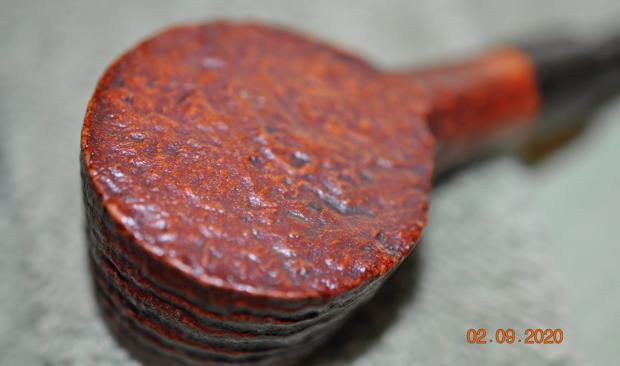
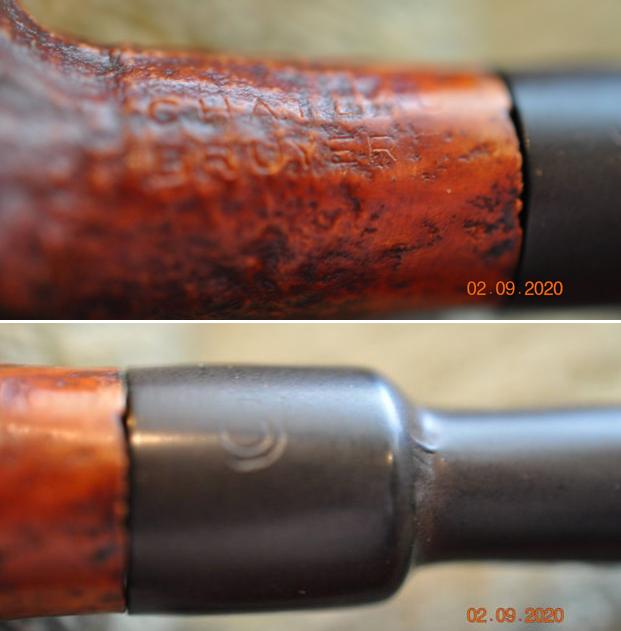
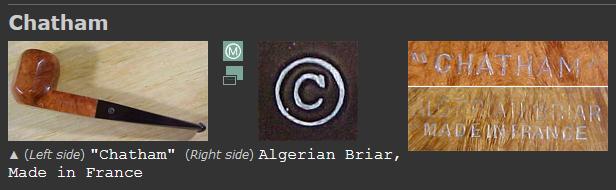
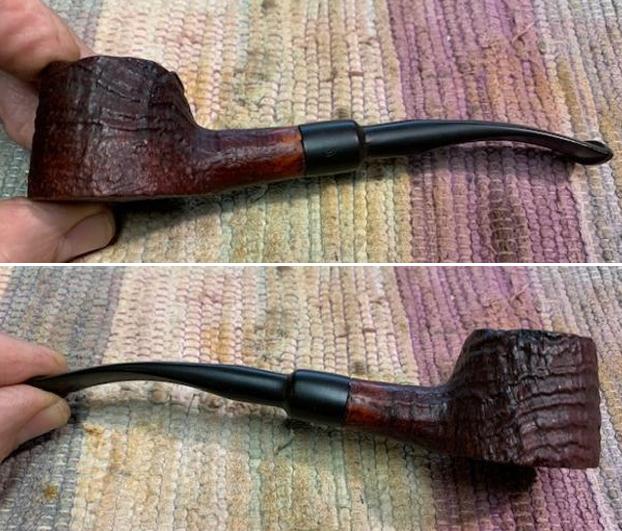
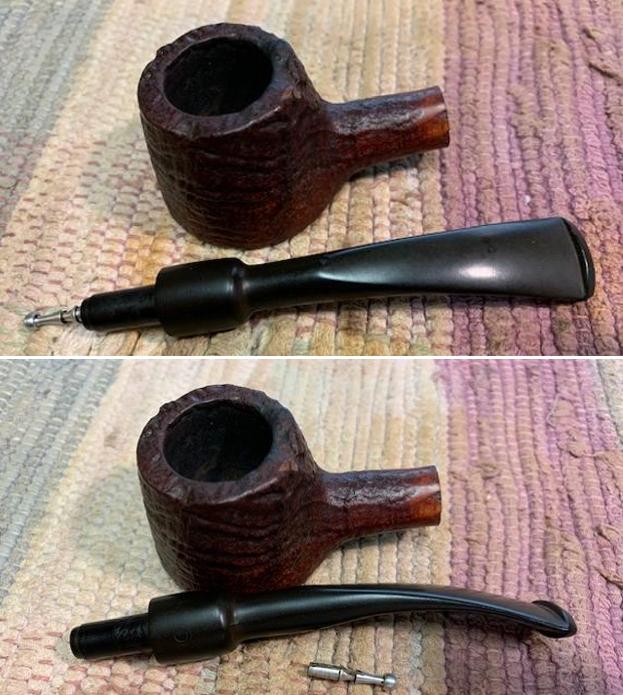
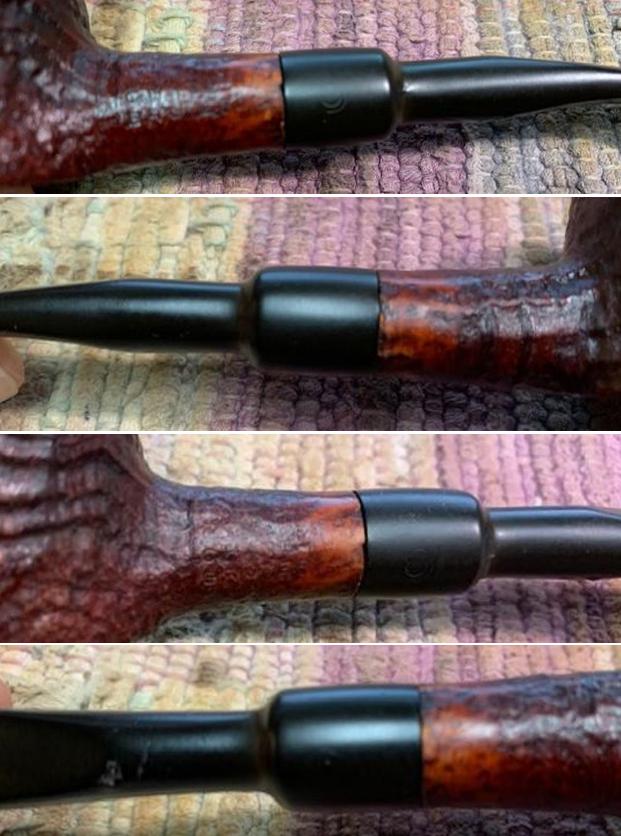
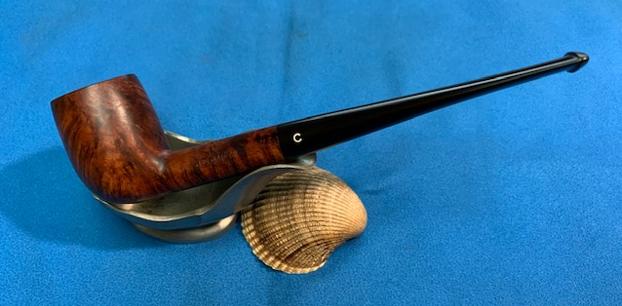
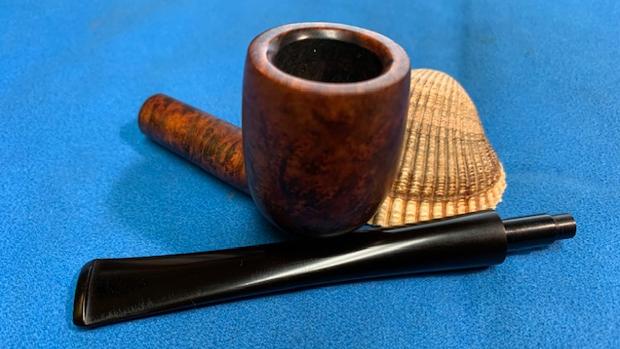
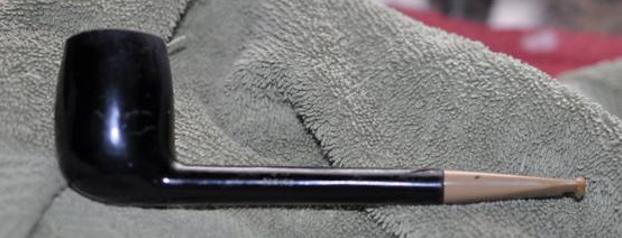
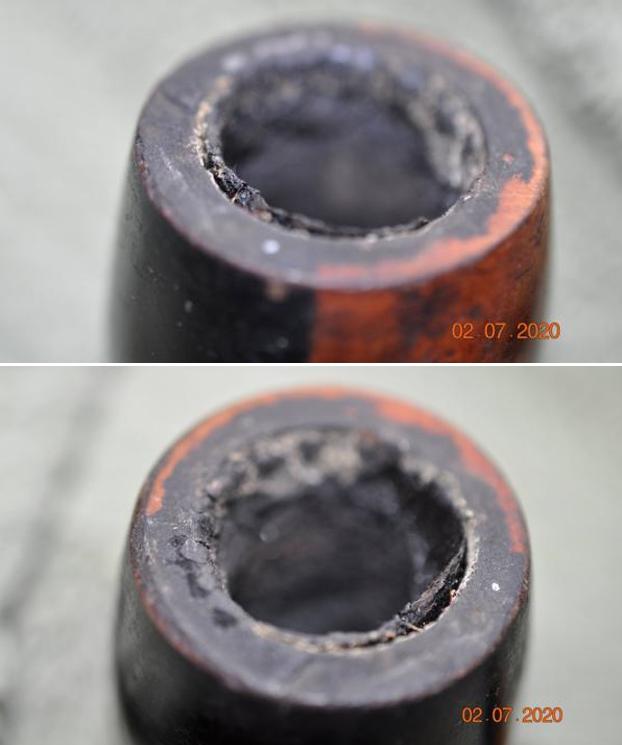
The next pipe that I chose to work on is a bit of a mystery pipe that Jeff and I picked up but have no real memory of when or where. It is a sandblast volcano pipe that has a flat bottom making it a sitter. The pipe was coated in a heavy coat of varnish that made it shiny and a mess. There was a chip on rear outer edge of the bowl. It was stamped on the underside of the shank and reads CHA…[over] Bruyere. The finish was dirty and tired but had a great sandblast with grain that. The bowl had a moderate cake inside and a lava overflow and darkening on the back rim edge and top. The vulcanite stem was oxidized and had light tooth chatter and marks on the stem near the button on both sides. It had a white circle C stamp on the left side of the stem. It had a great shape to it and the blast was well done. Jeff took photos of the pipe before his cleanup. He took photos of the rim top to show the condition of the top and edges of the bowl. The cake in the bowl, the lava on the back side of the rim top and the wear on the outer edges are visible. The stem had light tooth marks and chatter on both sides ahead of the button. Jeff took the stem off the pipe and took some photos of the stinger apparatus in the tenon and the look of the shank end and mortise.He took photos of the sides and heel of the bowl to show the sandblast around the bowl and the condition of the pipe. It is a very unique looking pipe. You can also see the peeling and chipping varnish coat on the bowl sides. He took photos of the stamping on the underside of the shank and also of the Circle C stamp on the left side of the saddle stem. It is clear and readable as noted above.I turned first to Pipephil’s site to have a look at what was listed there in terms of pipes with stamping starting with a CHA… I wanted to see if I could decipher the mystery of the brand on this pipe. I scrolled through the list of pipes beginning with those three letters to see if any stood out as possible candidates. There were so many options and nothing stood out. Then it dawned on me that there was also a circle C stamp on the left side of the saddle stem. Perhaps with those two pieces in place I could connect the dots and find the brand. Then it was clear that I was dealing with a CHATAM Pipe. I did a screen capture of the section and have included it below (http://pipephil.eu/logos/en/logo-c4.html). I turned to Pipedia to see what I could learn. There was nothing that I could find listed there so I was limited to the information on Pipephil’s site.

I knew that I was dealing with a Chatham pipe. It was stamped Chatham Bruyere on the underside of the shank. The Circle C stamp on the left side of the saddle was also the piece that gave me the link to the brand. Knowing that I had the background I needed for the brand and it was time to work on the pipe itself.

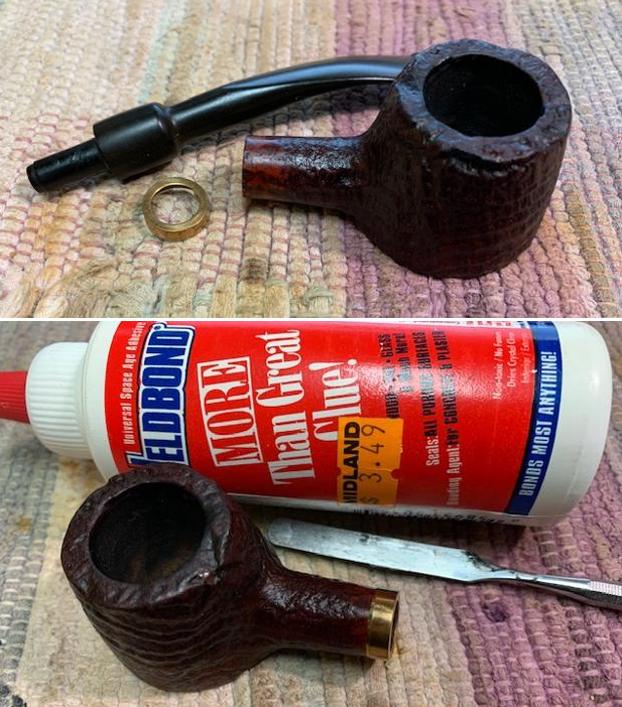
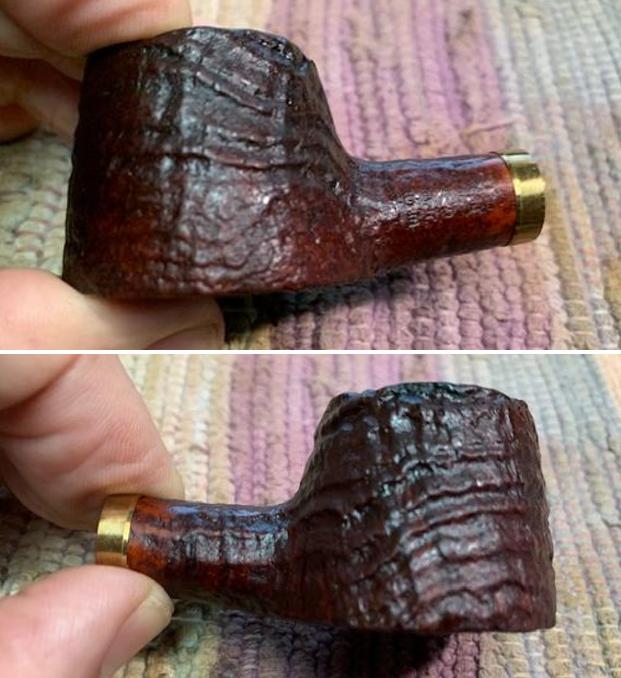
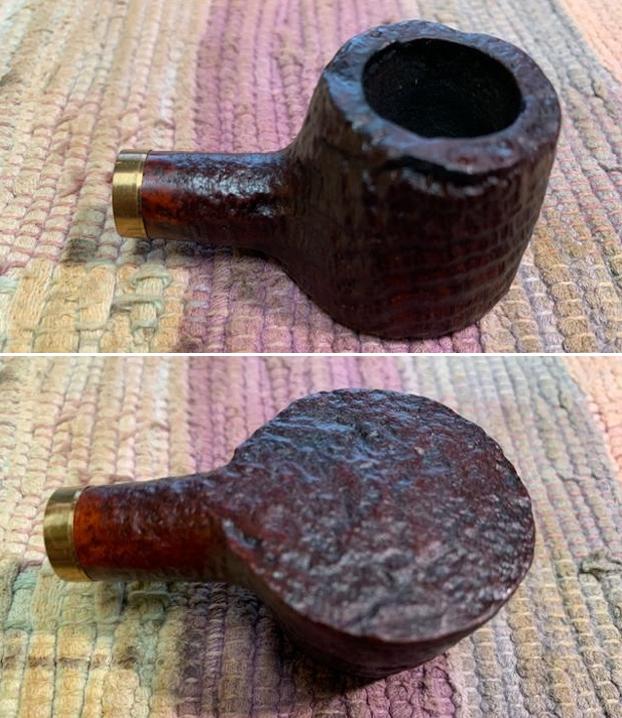
As usual Jeff had done an cleanup on the pipe. He reamed the bowl with a PipNet pipe reamer and followed up with a Savinelli Fitsall pipe knife to remove the cake. He scrubbed out the mortise and the airway in the shank and the stem with alcohol, cotton swabs and pipe cleaners. He scrubbed the exterior of the bowl, rim, shank and stem with a tooth brush and acetone to cut through the varnish coat on the finish. Once it was cleaned off the finish he scrubbed the bowl with a tooth brush and Murphy’s Oil Soap to remove the remaining grime on the finish of the bowl. He rinsed it under running water. One of the benefits of this scrub is that it also tends to lift some of the scratches and nicks in the surface of the briar. He dried it off with a soft cloth. He cleaned the internals and externals of the stem with alcohol, pipe cleaners and cotton swabs. He soaked the stem in Briarville’s Pipe Stem Deoxidizer and rinsed it off with warm water and cleaned out the airway in the stem with alcohol. When I received it the pipe looked very good.  I took a photo of the rim top and stem to show the condition. The rim top and the inner edge of the bowl were in good condition. There were some nicks on the back outer edge of the bowl but otherwise it looked good. The stem was vulcanite and there were some tooth marks and chatter on both sides ahead of the button.The stamping on the pipe is well hidden in the sandblast of the pipe. If you look at the photo below carefully you will see the stamping as noted above. I removed the stem from the shank and took a photo of the pipe to give a sense of the whole. The first photo shows the stinger in the tenon and the second shows the stinger removed.I started working on the pipe by touching up the chipped area on the back outer edge of the rim top. The chipped area was not large and it could be blended in well with the surrounding sandblast. I stained it with a walnut stain pen and it looked good. I rubbed the bowl and shank down with Before & After Restoration Balm. I worked it into the surface of the bowl sides and shank with my fingertips to clean, enliven and protect the briar. I rubbed it into the vulcanite shank extension to we what it would do. I let the balm sit for 10 minutes, then buffed with a cotton cloth to raise the shine. I studied look of the bowl and shank and it appeared to me that the shank had been sanded down as there was a swale or dip between the shank end and the end of the blast. I put the stem back on the shank and took a few photos. The gap between the shank and the stem was also uneven. The more I looked the more I knew that it would look good with a thin band and the band would take care of the swale in the sanded part and the unevenness of the shank/stem joint.The photos show the variation in the diameter of the shank and the poor fit of the stem. I was more convinced than ever than the band was a good option. I went through my bands and found one that was a perfect fit. It was going to be a cosmetic band rather than one to repair a cracked shank. I used a dental spatula to put a ring of all purpose glue on the shank end. I pressed the band into place and I liked the looks of it. I took photos of the looks of the banded shank.I put the stem in place and took a photo of the new look of the pipe. I was liking what I saw as I look it over. I set the bowl aside and turned my attention to the stem. There was a large chip out of the stem on the right underside of the stem. I filled it in with clear CA glue and set it aside to cure. Once the repair had hardened I sanded it smooth with 220 grit sandpaper to blend it into the stem surface.I touched up the stamp on the left side of the saddle stem with White Acrylic fingernail polish. I pressed it into the stamp with a tooth pick. Once it cured I polished off the excess with a 1500 grit micromesh pads. The stamping was too faint on the top portion of the C and the Circle to hold the acrylic but it is visible in person.I polished the stem with micromesh sanding pads – 1500-12000 grit pads. I wiped it down with Obsidian Oil after each sanding pad. I used Before & After Pipe Polish – both Fine and Extra Fine to further polish the stem. The photos below show the polished stem. This sandblasted finish on this French Made Chatham Bruyere is beautiful. The volcano shape on the bowl and the flat bottom worked well to make it a great sitter that could be stationed next to a mug of coffee or a favourite drink while you work. The mixture of rich brown stains looked amazing and with the polishing it really came alive with buffing and waxing. I put the stem back on the shank and carefully buffed the pipe with Blue Diamond on the buffing wheel using a light touch on the briar. I gave the bowl multiple coats of Conservator’s Wax and the stem multiple coats of carnauba wax on the buffing wheel. I buffed the pipe with a clean buffing pad to raise the shine. I hand buffed the pipe with a microfiber cloth to deepen the shine. The finished Chatham Bruyere Volcano Sitter is a beauty and feels great in the hand and looks very good. Give the finished pipe a look in the photos below. The dimensions of the pipe are Length: 5 ¾ inches, Height: 1 ¼ inches, Outside diameter of the bowl: 1 ¼ inches, Chamber diameter: ¾ of an inch.The weight of the pipe is 1.20 ounces/34 grams. This pipe will soon be on the French Pipe Makers section of the rebornpipes store if you are interested in adding it to your rack. Thanks for reading this blog and my reflections on the pipe while I worked on it. There are many more to come!
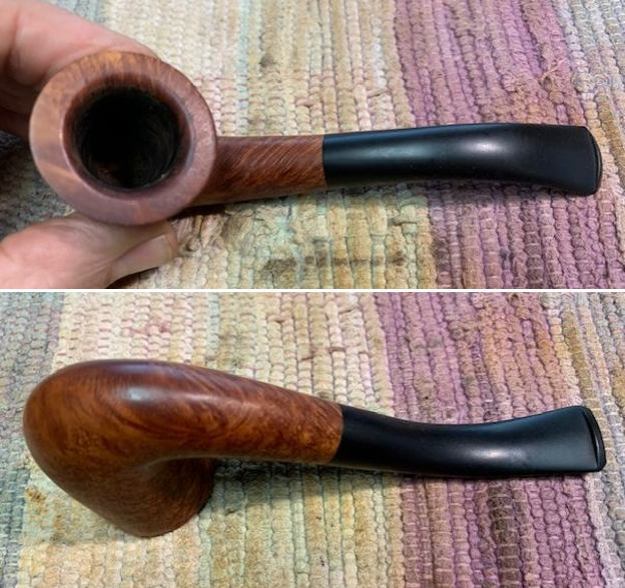
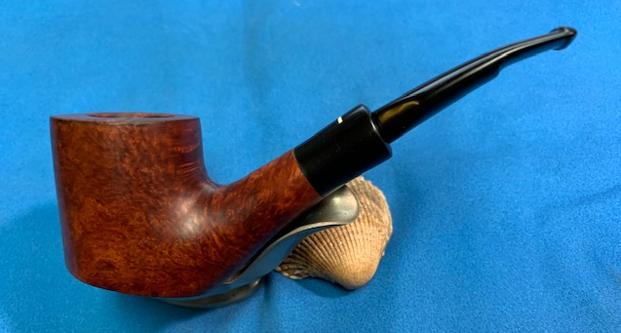
A Butz-Choquin Optimal 122 sitter that can sit flat on the heel or on the bowl front


Blog by Steve Laug

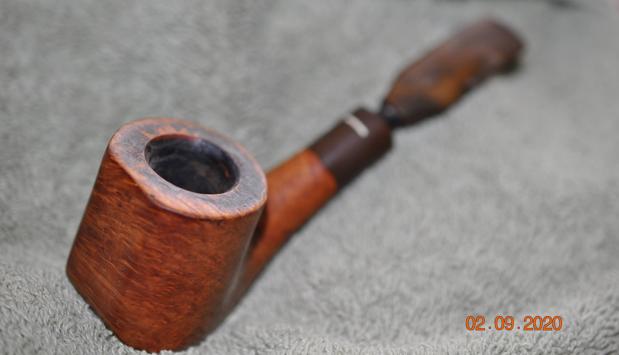
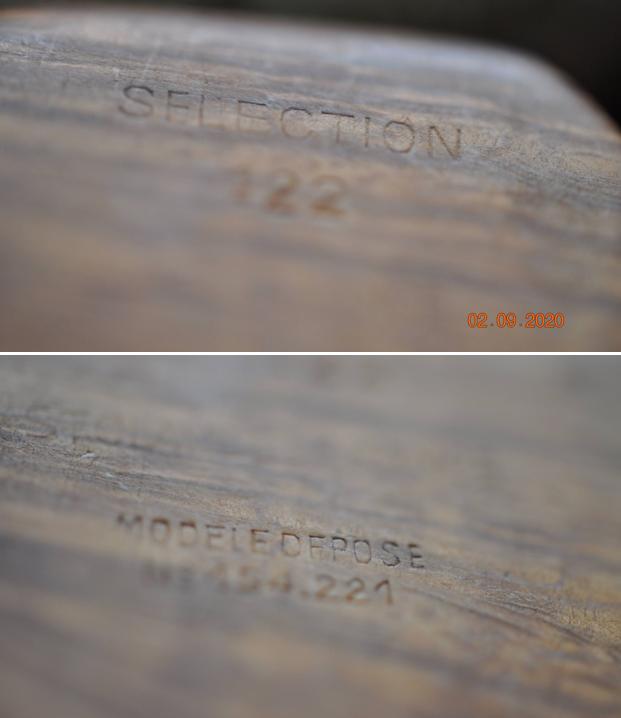
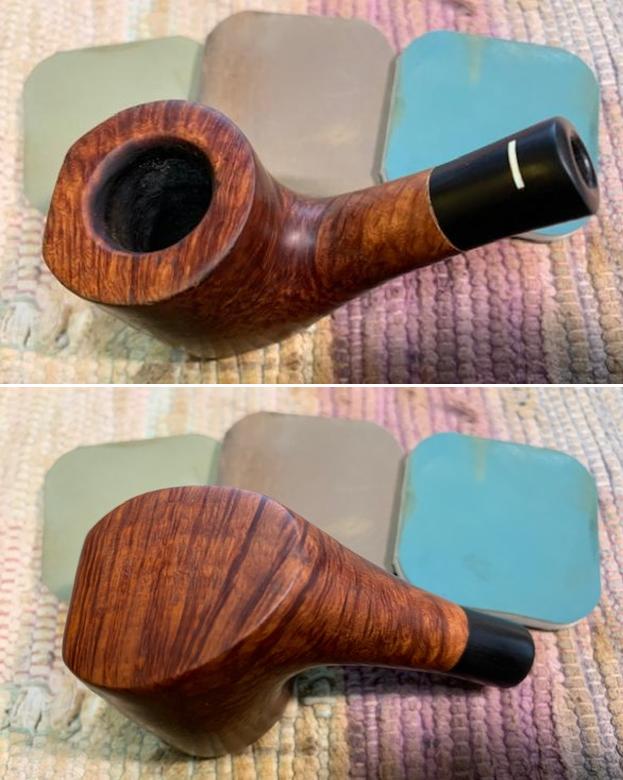
The next pipe that I chose to work on is an interesting looking short pipe that Jeff and I picked up this pipe in 2019 from an antique mall in Airdrie, Alberta. We finally got around to cleaning it up a year later and restoring it two years later. That is what happens when you have a lot of pipes to work on around you every day. It has a flat bottom making it a sitter. It also was flattened on the front of the bowl which allows the smoker to stand it on the front as well. The pipe was stamped on the flat front of the bowl and reads Optimal [over] Butz-Choquin [over] des.J. Colombo. On the heel of the bowl it is stamped: Selection [over] 122 [over] Made in France [over] Modele Depose [over] No.154221. The finish was dirty and tired looking but had some great grain poking through the grime. The bowl had a thick cake inside and a lava overflow on the rim edges and top. The vulcanite shank extension was oxidized and the glue anchoring it to the shank end had dried and it come loose. It had a white bar inlay going horizontally across the top.  The short, stubby vulcanite saddle stem was oxidized and had tooth marks and chatter on both sides near the button. Jeff took photos of the pipe before his cleanup. He took photos of the rim top to show the condition of the top and edges of the bowl. The thick cake in the bowl, the lava on the rim top and the wear on the edges are visible. The stem had light tooth marks and chatter on both sides ahead of the button. Jeff took photos of the shank extension removed from the shank  and also the stem removed from the extension.He took photos of the sides and heel of the bowl to show the grain around the bowl and the condition of the pipe. It is a very unique looking pipe. He took photos of the stamping on the front and heel of the bowl. It is clear and readable as noted above. I turned first to Pipephil’s site to have a look at what was listed there and did a screen capture of the section (http://www.pipephil.eu/logos/en/logo-butzchoquin.html). In the side bar of the listing on the Optimal I found that pipes that were stamped like the one I was working on with des. J. Colomo dated from the 1960s and were designed by Joe Colombo. There was a photo of the designer on the site that gave an good look at the designer. It was a nice plus to be able to connect the stamping to the man who had designed the pipe.
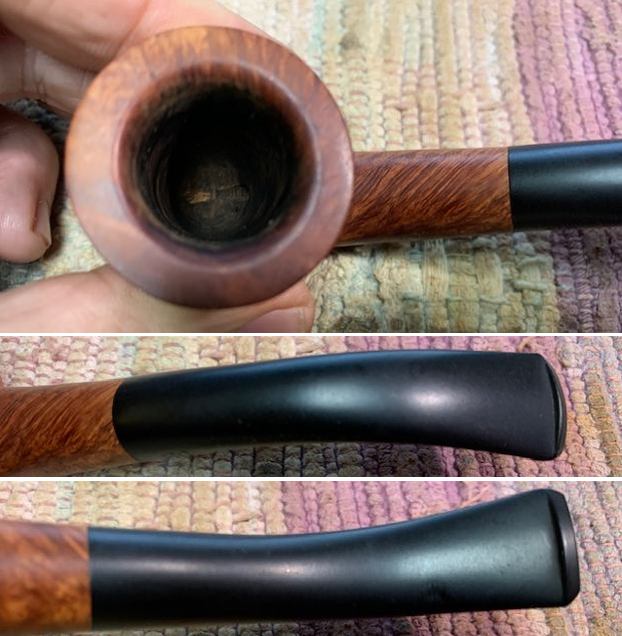
I turned to Pipedia (https://pipedia.org/wiki/Butz-Choquin) to see what I could learn. I found a great read on the history of the brand but nothing on the specific Optimal brand.

I knew that I was dealing with a pipe that was designed by Joe Colombo and was made in the 1960s. He had designed some unique looking pipes and I was fortunate to be working on this unusual sitter. Knowing that I had a new appreciation for the brand and it was time to work on the pipe itself.

As usual Jeff had done a thorough cleanup on the pipe. He reamed the bowl with a PipNet pipe reamer and followed up with a Savinelli Fitsall pipe knife to remove the cake. He scrubbed out the mortise and the airway in the shank and the stem with alcohol, cotton swabs and pipe cleaners. He scrubbed the exterior of the bowl, rim, shank and stem with a tooth brush and Murphy’s Oil Soap to remove the oils and tars on the rim and the grime on the finish of the bowl. He rinsed it under running water. One of the benefits of this scrub is that it also tends to lift some of the scratches and nicks in the surface of the briar. He dried it off with a soft cloth. He cleaned the internals and externals of the stem with alcohol, pipe cleaners and cotton swabs. He soaked the stem in Briarville’s Pipe Stem Deoxidizer and rinsed it off with warm water and cleaned out the airway in the stem with alcohol. When I received it the pipe looked very good.  I took a photo of the rim top and stem to show the condition. The rim top and the inner edge of the bowl were in good condition. There were some nicks on the inner edge of the bowl and some nicks in the rim top but otherwise it looked good. The shank extension was loose and would need to be reglued. The stem was vulcanite and there were some tooth marks and chatter on both sides ahead of the button.The stamping on the front of the bowl and the heel are clear and readable as noted above.I removed the stem from the shank and took a photo of the pipe to give a sense of the whole. It is a unique looking Canadian and I am looking forward to seeing what I can do with it.I started working on the pipe by reattaching the shank extension to the shank. I painted the shank extension tenon with white all purpose glue and aligned the part in the shank. I pressed it home in the shank end and wiped off the excess glue that squeezed out. I set it aside for the glue to cure.During their separation the shank somehow was slightly larger in diameter than the extension. It was not a huge difference but it was bothersome to me. I sanded shank and the extension to remove the excess on the shank itself. I used a folded piece of 220 to smooth out the transition. It took a bit of work but it was finally suitable. I worked over the damage on the rim top and on the inside of the rim edge with a folded piece of 220 grit sandpaper. With a bit of effort the rim top and edge were in good order.I sanded the bowl and vulcanite shank extension with micromesh sanding pads, dry sanding with 1500-12000 grit sanding pads and wiping it down with damp cloth after each sanding pad. As I worked through the cycle of pads the shine developed with each change of pad. The pipe looks very good.I rubbed the bowl and shank down with Before & After Restoration Balm. I worked it into the surface of the bowl sides and shank with my fingertips to clean, enliven and protect the briar. I rubbed it into the vulcanite shank extension to we what it would do. I let the balm sit for 10 minutes, then buffed with a cotton cloth to raise the shine. The Balm did its magic and the grain stood out on the briar and the vulcanite shank extension took on a rich shine. I set the bowl aside and turned my attention to the stem. I heated the stem with the flame of a lighter until the vulcanite softened. Once it was soft I bent it so that it was like the bend in the one in the photo from Pipephil’s site.I sanded the stem surface with 220 grit sandpaper blend in the tooth marks and scratches into the surrounding surface of the stem and started polishing the stem with 400 grit wet dry sandpaper. I polished the stem with micromesh sanding pads – 1500-12000 grit pads. I wiped it down with Obsidian Oil after each sanding pad. I used Before & After Pipe Polish – both Fine and Extra Fine to further polish the stem. The photos below show the polished stem. This smooth finished Butz-Choquin Optimal Selection 122 Sitter designed by Joe Columbo with a flat heel and flat bowl front on which it could be laid or stood on a flat top. The rich medium brown finish looked amazing and with the polishing it really came alive with buffing and waxing. I put the stem back in the shank extension on the bowl and carefully buffed the pipe with Blue Diamond on the buffing wheel using a light touch on the briar. I gave the bowl and the stem multiple coats of carnauba wax on the buffing wheel. I buffed the pipe with a clean buffing pad to raise the shine. I hand buffed the pipe with a microfiber cloth to deepen the shine. The finished Butz-Choquin Optimal Sitter is a beauty and feels great in the hand and looks very good. Give the finished pipe a look in the photos below. The dimensions of the pipe are Length: 5 inches, Height: 1 ¾ inches, Outside diameter of the bowl: 1 ½ inches, Chamber diameter: ¾ of an inch.The weight of the pipe is 2.12 ounces/60 grams. This pipe will soon be on the French Pipe Makers section of the rebornpipes store if you are interested in adding it to your rack. Thanks for reading this blog and my reflections on the pipe while I worked on it. There are many more to come!
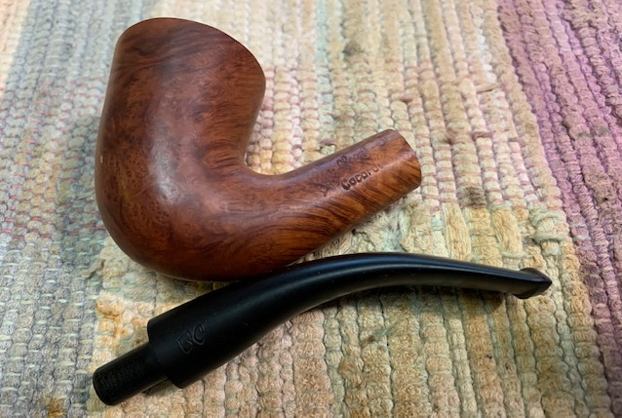
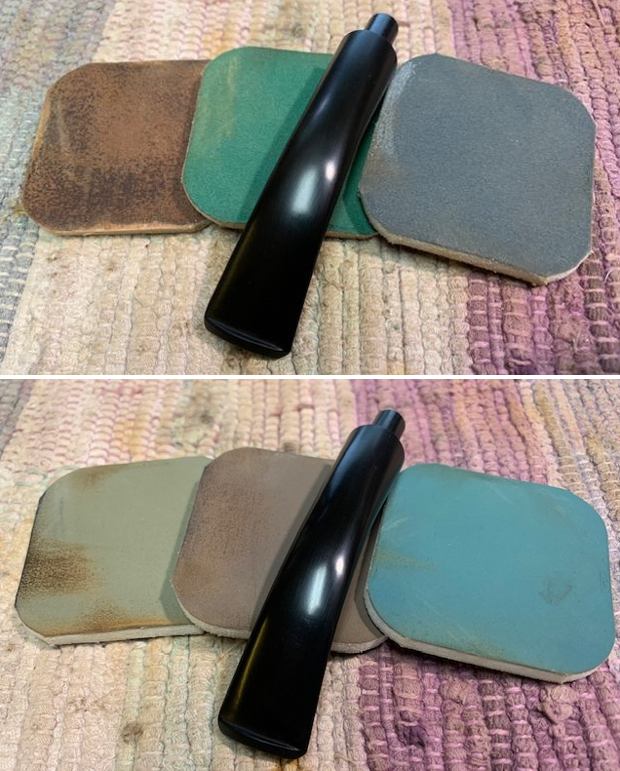
A Tale of the Rebirth of a Comoy’s Tradition 206 Long Billiard


Blog by Steve Laug

The next pipe on the work table came to us from an online auction Hatboro, Pennsylvania, USA. It is a nice looking long shank billiard in a classic British and Comoy’s shape. The pipe is stamped on the left side of the shank and reads Comoy’s [over]Tradition. On the right side is the shape number 206 near the bowl/shank union followed by the circular COM stamp Made in London [over] England. It is a beautiful mixed grained Comoy’s small billiard that really is a pipe of Pipe Smoking History. The finish had a lot of grime ground into the smooth finish on the bowl and some darkening around the sides of the bowl. The bowl had a heavy cake there was an overflow of thick lava on the top of the rim and on the inner bevel of the bowl. It was hard to know what the rim top and inner edge of the bowl looked like under the grime. The stem was oxidized and there were a lot of tooth marks and chatter on both sides ahead of the button. There was a three part inlaid C on the left of the taper stem. The pipe had promise but it was very dirty. Jeff took photos of the pipe before he started his cleanup work.    He took photos of the rim top to show the condition of the top and edges of the bowl. It is a heavily smoked pipe with a lot of build up and tar. The lava overflow on the inner bevel of the rim is also quite think. The stem was heavily oxidized and had light tooth marks and chatter on both sides ahead of the button. He took photos of the sides and heel of the bowl to show the grain around the bowl and the condition of the pipe. It is going to be a great looking pipe.     He took photos of the stamping on the left side of the shank. It is clear and readable as noted above. He did not take a photo of the shape number and COM stamp on the right side.He also took photos of the 3 part C insert on the left side of the taper stem.  I looked on Pipephil’s site for information on the Comoy’s Tradition and found the following information I have included a screen capture (http://www.pipephil.eu/logos/en/logo-comoy.html). It has the three part C which dated it to 1946 and following. The stamping is the same as the one I am working on. I turned to the article on Pipedia about dating Comoy’s pipes but the style of the stamping (https://pipedia.org/index.php?title=Comoy%27s_Dating_Guide#1917_to_the_end_of_the_1930.27s_.28at_least_1938.29). I have include the section in the screen capture below that date this pipe to the 1950s.

Now the Comoy’s stamp can be found in three variants in the 1950s

  1. A simple block-letter style without serifs but with the C larger than the other letters and the apostrophe before the “S”.
  2. A return to the slightly more fancy block letters with serifs and the apostrophe. (It seems that some grades carried different stamps, or at least that the stamping changed in different years for some grades.)
  3. A simple block-letter style without serifs and without the apostrophe and with the “C” the same size as the rest of the letters. This stamp was probably not used very long.
  4. A simple block-letter style without serifs but with the apostrophe before the “S” and with the “C” the same size as the rest of the letters.

Inlaid “C”

C” was first inlaid in the side of the mouthpiece around 1919. This was a complex inlay needing three drillings. First, a round white inlay was inserted, then the centre of the white was drilled out, and a smaller round black inlay was inserted. Finally, another drilling was made to remove the open part of the “C,” and an even smaller black inlay was inserted. This inlaid “C,” known as the “three-piece C,” was continued until the Cadogan era in the 1980s. However, the “C” in the 1920s and early 30s is much thinner and more delicate than the one post-WW II.

That article gave me some helpful information regarding the pipe that I was working on. I knew that the stamping and logos identified the pipe as having been made in following WW2 and from what I can see from the above information it is a 1950s era pipe.

Reminded of the above information on the Comoy’s Tradition line it was now time to turn to the pipe itself and do my part of the work. As usual Jeff had done a thorough cleanup on the pipe. He reamed the bowl with a PipNet pipe reamer and followed up with a Savinelli Fitsall pipe knife to remove the cake. He scrubbed out the mortise and the airway in the shank and the stem with alcohol, cotton swabs and pipe cleaners. He scrubbed the exterior of the bowl, rim, shank and stem with a tooth brush and Murphy’s Oil Soap to remove the oils and tars on the rim and the grime on the finish of the bowl. He rinsed it under running water. One of the benefits of this scrub is that it also tends to lift some of the scratches and nicks in the surface of the briar. He dried it off with a soft cloth. He cleaned the internals and externals of the stem with alcohol, pipe cleaners and cotton swabs. He soaked the stem in Briarville’s Pipe Stem Deoxidizer and rinsed it off with warm water and cleaned out the airway in the stem with alcohol. When it arrived here the pipe looked good.    I took a photo of the rim top and stem to show the condition. The rim top and the beveled inner edge of the bowl were in excellent condition. The long vulcanite taper stem looked good and the oxidation was gone. There were light tooth marks and chatter on both sides ahead of the button.I took photos of the stamping on both sides of the shank. They read as noted above. I also included a photo of the 3 part C logo on the left side of the taper stem.     I removed the stem and took a photo of the pipe to give a sense of the whole. It is a nicely grained and well shaped billiard. Once the stem was off you can see the step down tenon that was on these older Comoy’s pipes.I polished the bowl and the rim top, sides and shank with micromesh sanding pads – wet sanding with 1500-12000 grit pads and wiping it down after each pad with a damp cloth. I carefully avoided the stamping on the shank so as not to damage the stamping. I rubbed the bowl and shank down with Before & After Restoration Balm. I worked it into the surface of the bowl sides and shank with my fingertips to clean, enliven and protect the briar. I let the balm sit for a little while and then buffed with a cotton cloth to raise the shine.     I set aside the bowl and turned my attention to the stem. I sanded the remaining repairs with 220 grit sandpaper to further blend it into the stem surface. I started polishing it with 400 grit wet dry sandpaper.         I polished the vulcanite stem with micromesh sanding pads – 1500-12000 grit pads. I wiped it down with a damp cloth after each sanding pad. I used Before & After Pipe Polish – both Fine and Extra Fine to further polish the stem.     This 50s era Comoy’s Tradition 206 Long Billiard with a vulcanite taper stem is a great looking pipe now that it has been restored. The rich browns and blacks of the contrasting stains came alive with the polishing and waxing. I put the stem back on the bowl and carefully buffed the pipe with Blue Diamond on the buffing wheel using a light touch on the briar. I gave the bowl and the stem multiple coats of carnauba wax on the buffing wheel and followed that by buffing the entire pipe with a clean buffing pad. I hand buffed the pipe with a microfiber cloth to deepen the shine. The finished Comoy’s Tradition Billiard is a beauty and fits nicely in the hand and looks very good. Give the finished pipe a look in the photos below. The dimensions of the pipe are Length: 6 inches, Height: 1 ½ inches, Outside diameter of the bowl: 1 ¼ inches, Chamber diameter: ¾ of an inch. The weight of the pipe is .95oz./27grams. This beauty will be going on the rebornpipes store in the British Pipe Makers section. Let me know if you are interested in adding it to your collection. Thanks for reading this blog and my reflections on the pipe while I worked on it. There are many more to come!

New Life for an Yves St. Claude Domino 10 Canadian


Blog by Steve Laug

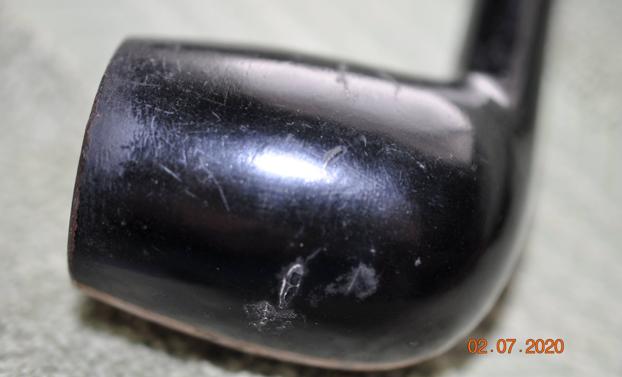
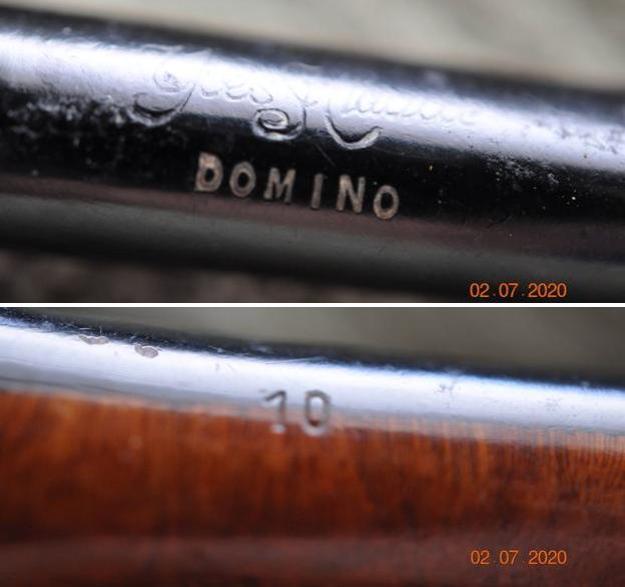
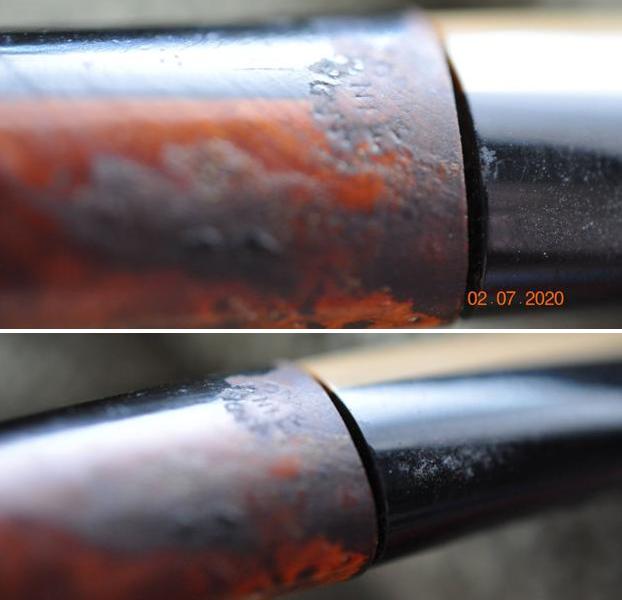
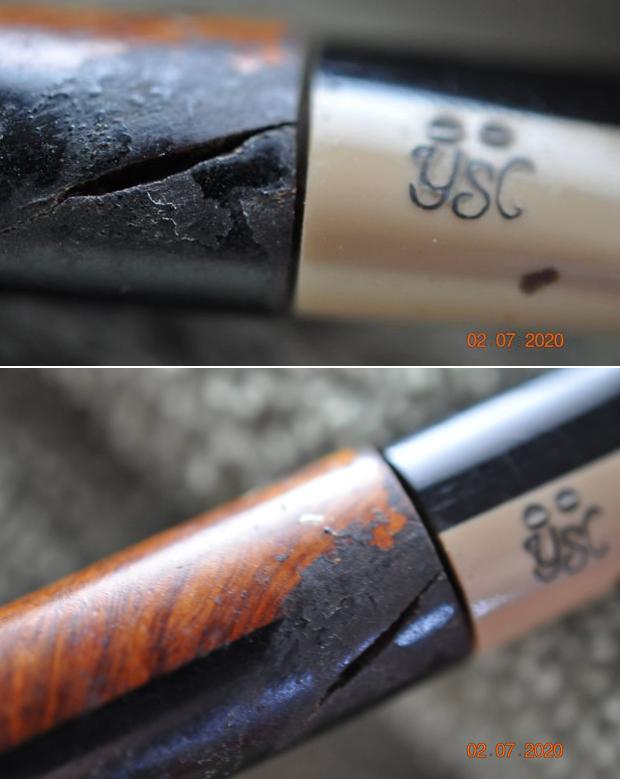
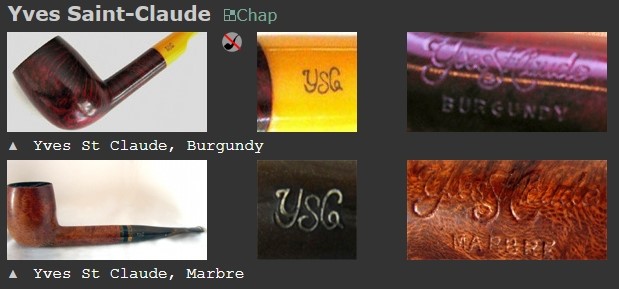
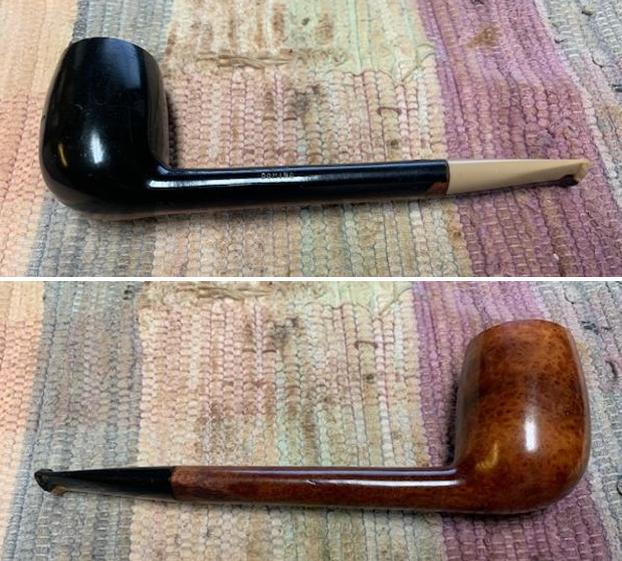
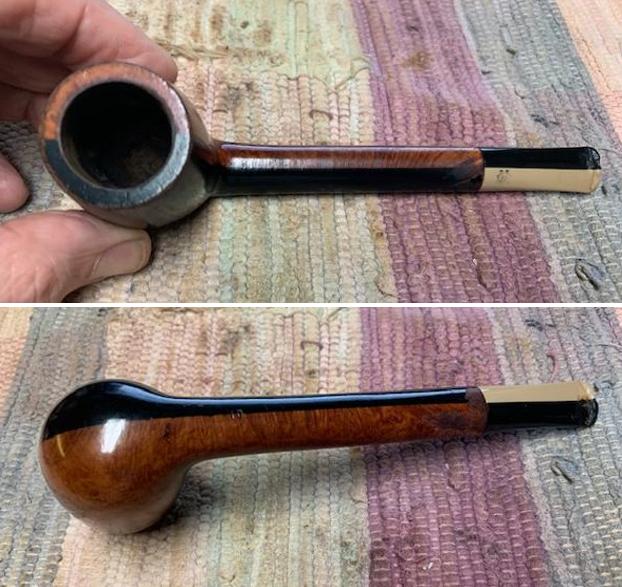
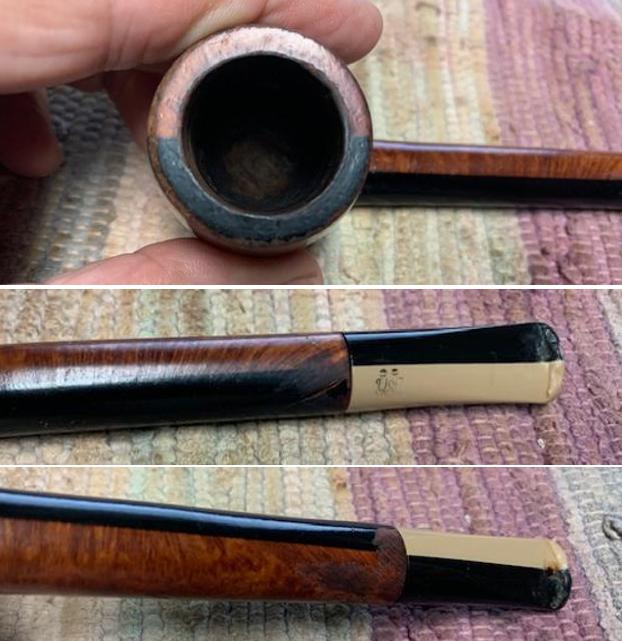
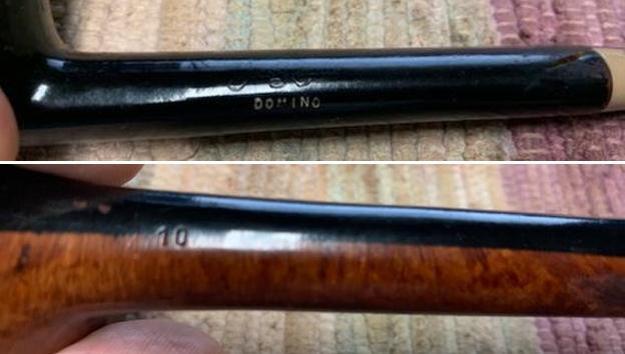
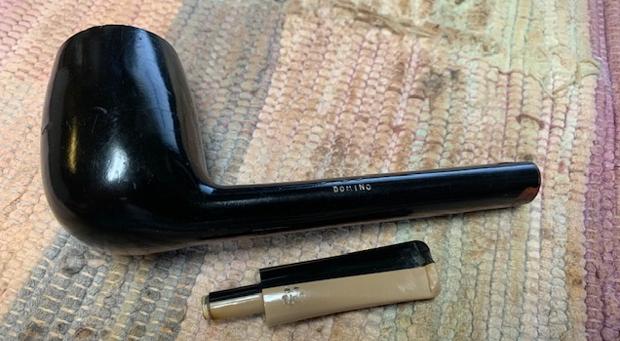
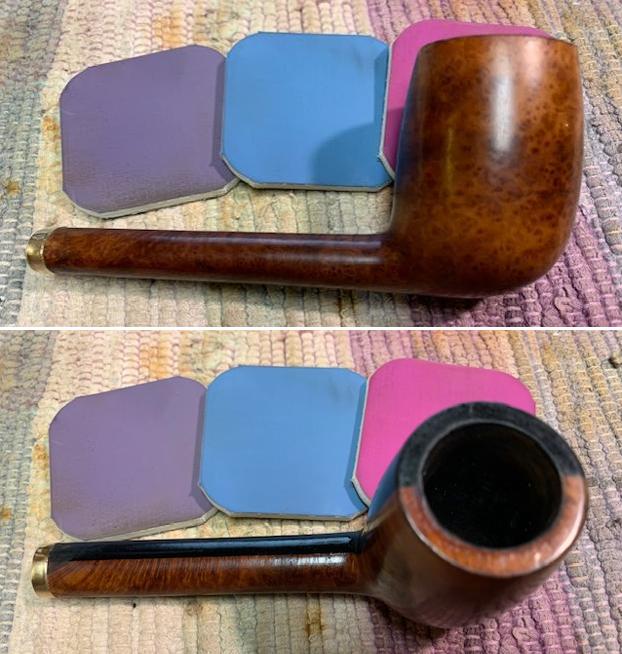
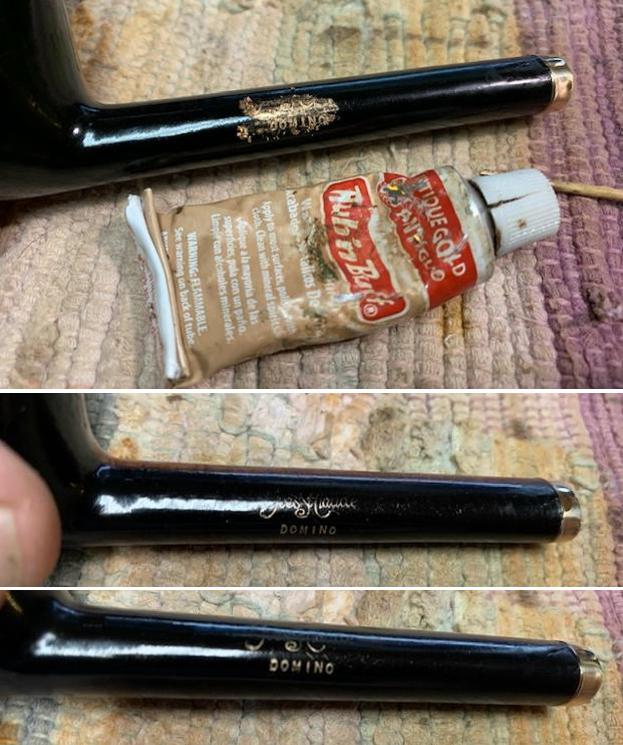
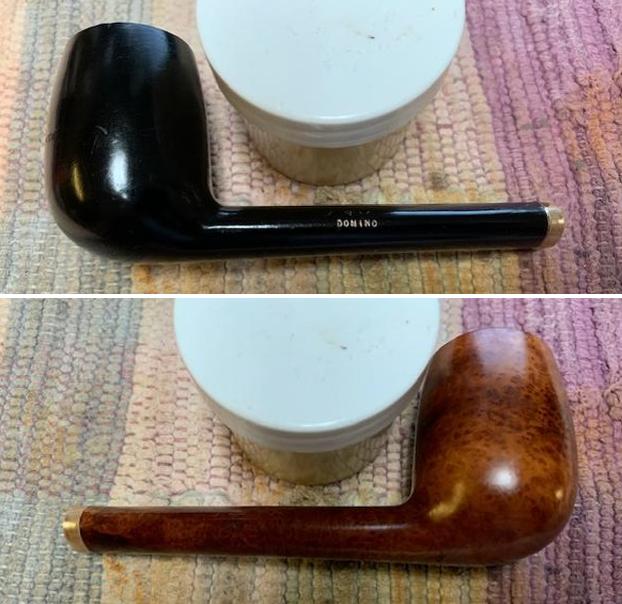
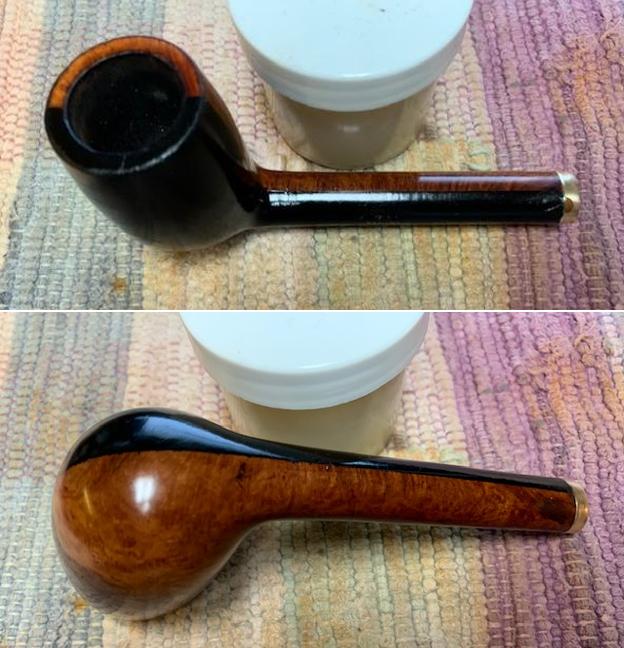
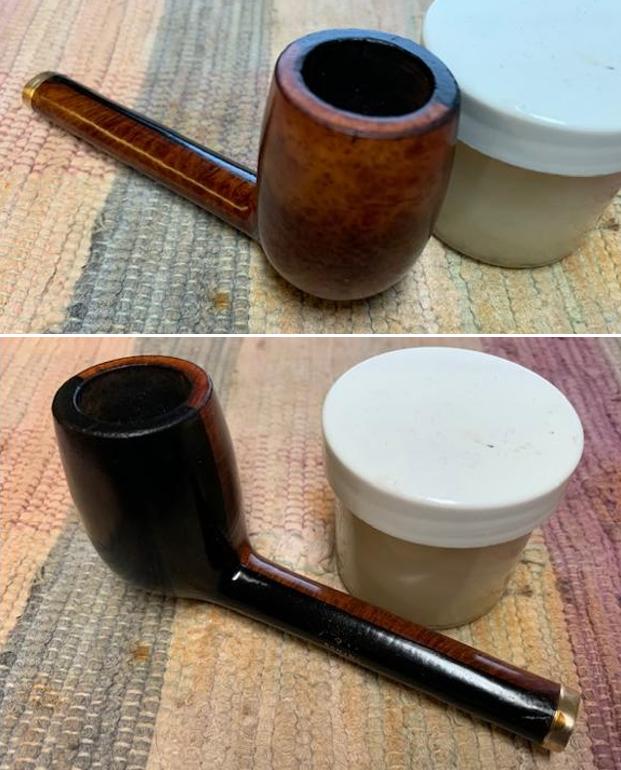
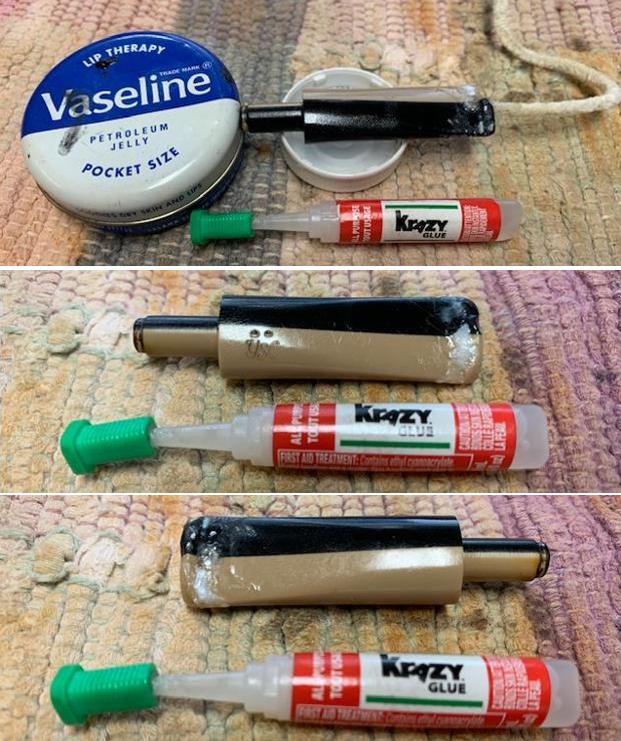
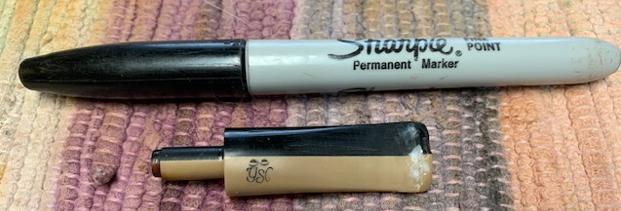
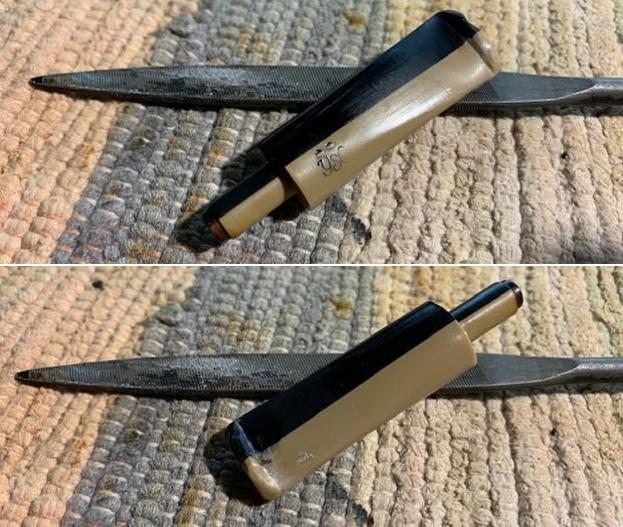
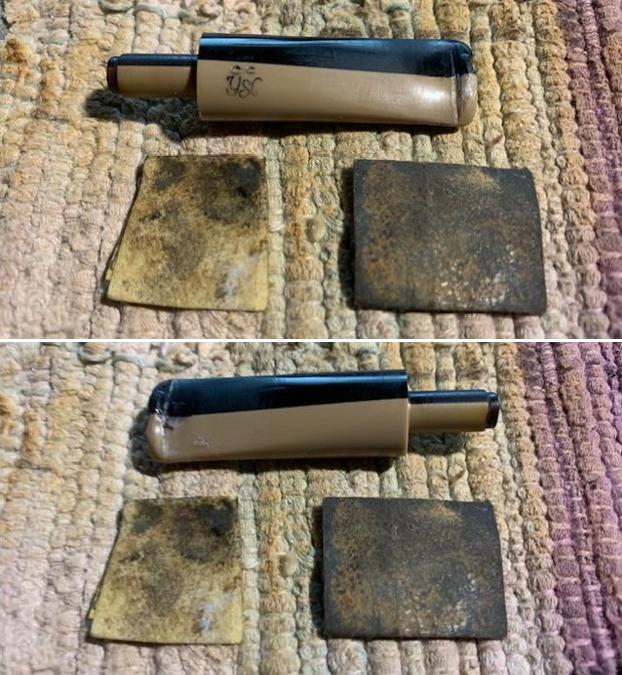
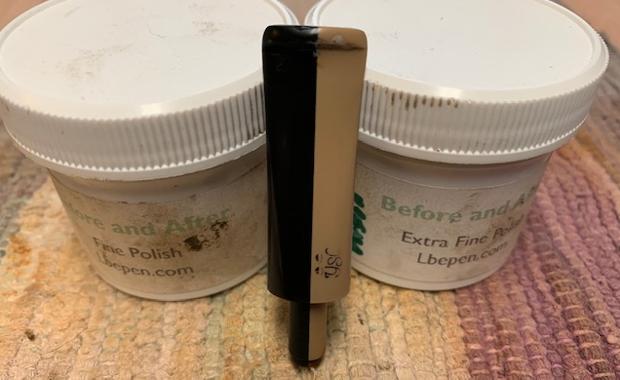
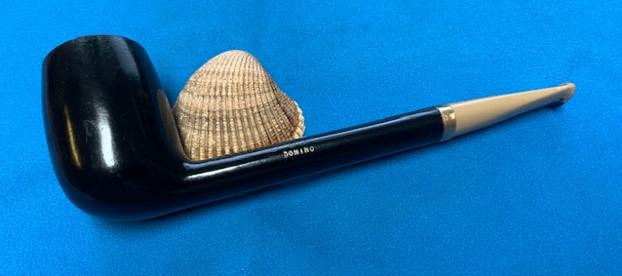
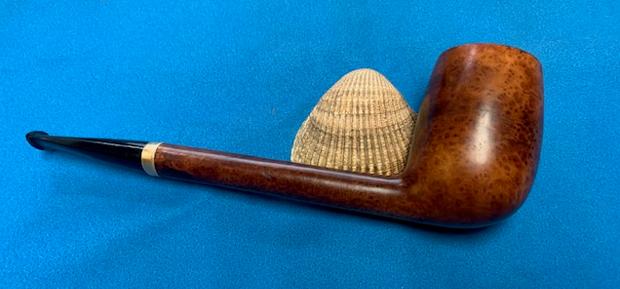
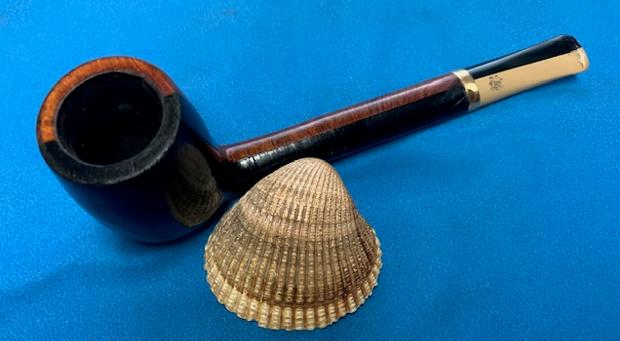
The next pipe on the work table came to us from an online auction in 2020 from Meridian, Idaho, USA. It is a unique looking smooth Canadian unlike any pipe that I have seen or worked on in the past. The left side of the pipe was a dress black and the right side being medium brown stained briar. The stem is also tan on the left side and black on the right side. It had a mix of nice grain around the right side of the bowl and shank. The finish was a bit rough in that the bowl had nicks in the left side and there was a large crack on the top left of the shank that had spread open. There was grime on the surface of the briar. This pipe is stamped on the left side of the shank and reads Yves St. Claude [over] Domino in gold stamping. On the underside of shank it has the shape number 10 and just ahead of the stem/shank union it was stamped with a Made in France circular COM stamp. The bowl had a thick cake and a thick coat of lava had overflowed onto the rim top. It was a dirty pipe. There was a stylized YSC stamped on the top left side of the stem. There were some tooth marks and chatter on both sides of the stem near the button. There was a bite through next to the button on the underside of the stem. The button surface itself was misshapen. Jeff took photos of the pipe before his cleanup. He took photos of the rim top to show the condition of the top and edges of the bowl. It is a beautiful lightly smoked pipe with a carbonized bowl coating. The stem had light tooth marks and chatter on both sides ahead of the button. He took photos of the sides and heel of the bowl to show the grain around the bowl and the condition of the pipe. It is a very unique looking pipe. He took photos of the stamping on the sides of the shank. It is clear and readable as noted above. He also took photos of the YSC stamp on the left top side of the taper stem. The next photos show that large wide open crack in the shank on the top side (primarily in the black half of the shank). There was a lot of tar and oil seepage in that area as can be seen in the next two photos. I turned first to a blog I had written on the restoration of previous YSC pipe that I received (https://rebornpipes.com/2020/04/23/next-on-the-table-an-yves-st-claude-marbre-75-bulldog/). I quote what I learned about the brand in that blog below.

In the previous blog that I cited above I had found several references to Yves Grenard, trained in Comoy’s England factory, purchasing the Chacom plant in St. Claude. He managed the factory and it passed on to his son afterward. I am pretty certain that this Yves St. Claude pipes was made by Chacom in France with the stamping bearing Yves name.

I turned back to Pipephil’s site to have a look at what was listed there and did a screen capture of the section (http://www.pipephil.eu/logos/en/logo-y.html).I turned to Pipedia and in the listing of French Brands and Maker I found a connection of the brand to Chapuis-Comoy and that the YSC brand was made primarily for Tinder Box (https://pipedia.org/wiki/French_Pipe_Brands_%26_Makers_U_-_Z). I followed that up by turning to the Chapuis-Comoy article from Pipedia (https://pipedia.org/wiki/Chapuis-Comoy).

French factory, in St. Claude. It began with Francois Comoy who, in 1825, was making pipes in boxwood and other types, as well as in clay, for the armies of Napoleon. In 1856, the Comoy factory was the first to produce briar bowls at St. Claude. In 1870, Francois’s grandson, Henri Comoy (1850-1924) was taken prisoner in Switzerland whilst serving in the French army during the Franco-Prussian war, where he found his cousins, the Chapuis. This meeting produced the idea of an association, which only became a reality in 1922, with the creation of Chapuis-Comoy. After Henri’s death, his sons Paul and Adrien, took over the company with the support of their cousins, Emile and Louis Chapuis Sr., and in 1928 they created the Chacom brand.

In 1932, due to the economic crisis at Saint-Claude, the factory merged with La Bruyère, adopting that name, and becoming one of the biggest pipe companies in the world, with 450 workers. Louis Chapuis Jr., joined the company in 1938 and Pierre Comoy in 1947. The name Chapuis-Comoy returned in 1957 (125 workers), due to the success of the Chacom brand in France. In 1971, the London factory (see Comoy’s) became independent, and Yves Grenard, second cousin to Pierre, took over Saint-Claude, and is still running it. Between 1987 and 2001, the factory, which employed over 40 people, joined the Cuty-Fort Enterprises SA holding and, in 1994, included the Ropp brand it its catalog.

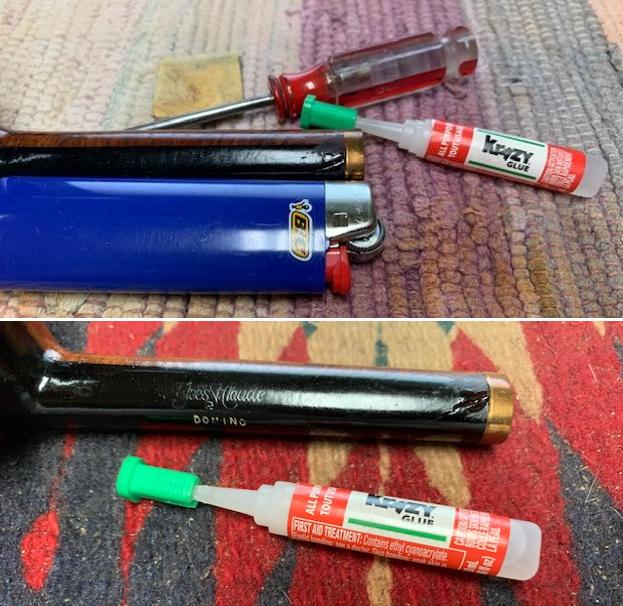
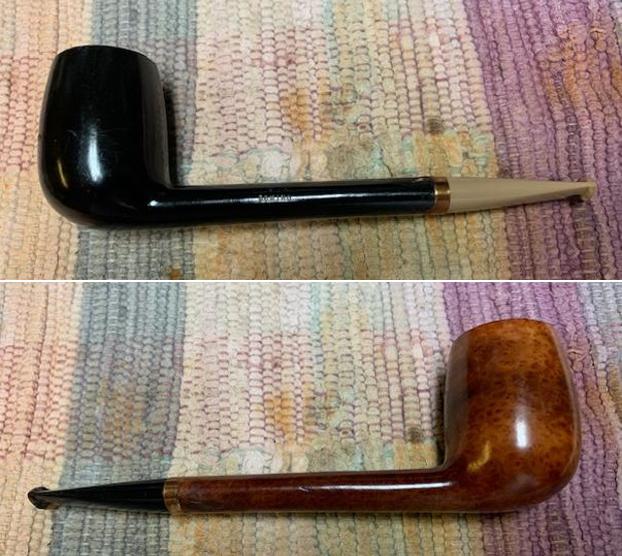
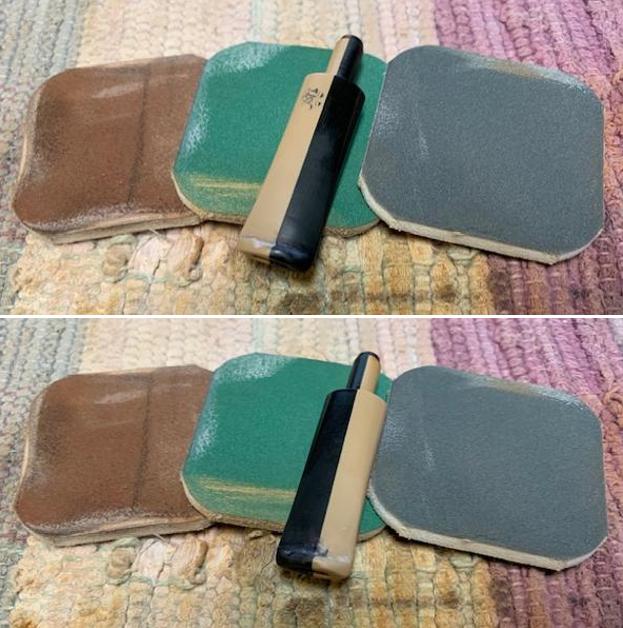
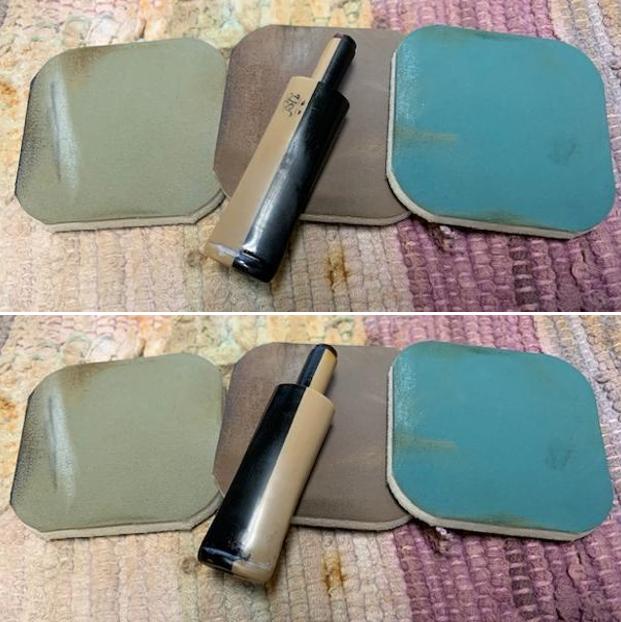
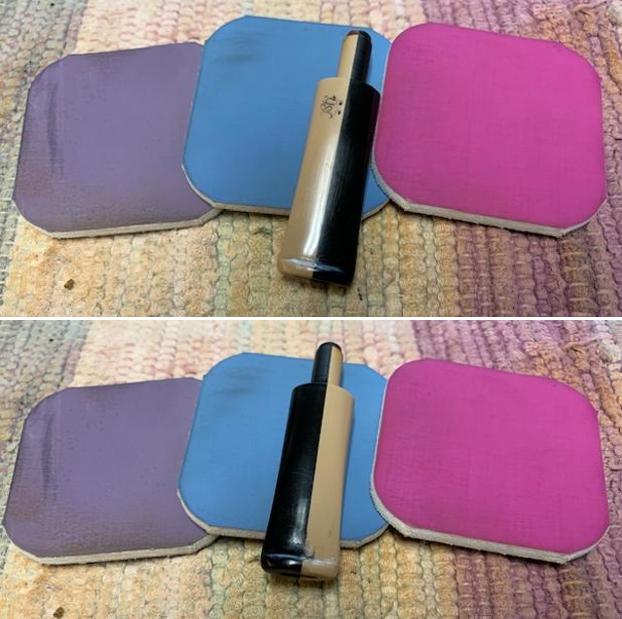
Reminded about the Chacom connection for the YSC brand it was now time to turn to the pipe itself and do my part of the work. As usual Jeff had done a thorough cleanup on the pipe. He reamed the bowl with a PipNet pipe reamer and followed up with a Savinelli Fitsall pipe knife to remove the cake. He scrubbed out the mortise and the airway in the shank and the stem with alcohol, cotton swabs and pipe cleaners. He scrubbed the exterior of the bowl, rim, shank and stem with a tooth brush and Murphy’s Oil Soap to remove the oils and tars on the rim and the grime on the finish of the bowl. He was also able to get rid of the tarry build up on the outside and inside of the cracked shank. He rinsed it under running water. One of the benefits of this scrub is that it also tends to lift some of the scratches and nicks in the surface of the briar. He dried it off with a soft cloth. He cleaned the internals and externals of the stem with alcohol, pipe cleaners and cotton swabs. He soaked the stem in Briarville’s Pipe Stem Deoxidizer and rinsed it off with warm water and cleaned out the airway in the stem with alcohol. Other than the small nicks and the cracked shank the pipe looked good.   I took a photo of the rim top and stem to show the condition. The rim top and the inner edge of the bowl were in good condition. The divided colour on it made it a difficult rim to top or change so I would have to look at other options. The stem could be acrylic but I am uncertain. The heavy tooth chatter and marks on both sides ahead of the button and on the button edges as well as the bite through will make the cleanup and repair of the stem problematic and complicated. The stamping on the left side and underside of the shank is clear and readable as noted above. The COM stamp is damaged from the poorly done repairs to the cracked shank.     I removed the stem from the shank and took a photo of the pipe to give a sense of the whole. It is a unique looking Canadian and I am looking forward to seeing what I can do with it.I started working on the pipe by addressing the cracked shank. Unfortunately the tars and oils had stained the natural briar shank with dark spots on the top and underside where the colours came together. I squeezed the crack together and heated a thin brass band with the flame of a lighter and pressed in place on the shank end. The fit was very tight and it pulled the crack together tightly. I filled in the crack with clear CA glue and briar dust to build it up and make it even with the rest of the shank.    I put the stem on the shank to see what the pipe would look like with the addition of the band. I have to say that I really like the dressy look of the pipe with the band!  I used a black stain pen to touch up the damaged areas on both top and underside of the shank to help blend in the repair. It looks much better in the photos below even though there is still along ways to go.   To remove the shiny varnish coat on the smooth briar side of the bowl and shank I sanded it with micromesh sanding pads, dry sanding with 1500-12000 grit sanding pads and wiping it down with damp cloth after each sanding pad. I decided to leave the dress black side alone preferring to leave the small nicks on the bowl surface rather than trying to match them to the black of the bowl finish.   I touched up the gold stamping with Rub’n Buff Antique Gold. I rubbed it on to the stamp on the briar with my finger tip and worked it in to the stamp with a tooth pick. I buffed it off with a soft cloth. The stamp is readable and clear.    I rubbed the bowl and shank down with Before & After Restoration Balm. I worked it into the surface of the bowl sides and shank with my fingertips to clean, enliven and protect the briar. I let the balm sit for a little while and then buffed with a cotton cloth to raise the shine. The Balm did its magic and the grain stood out on the natural finished part and the dress black portion look shiny and nice.  I set the bowl aside and worked on the stem. I greased a pipe cleaner with Vaseline and inserted it in the stem below the bit through. Once I had it situated I had a decision to make. The bite through was centered on the underside of the stem surface evenly split between tan and black. I decided to do the repair with clear CA glue hoping that it would pick up the colour of the underlying material. In the best case scenarios it works very well. In this case it went a bit crazy. The repairs cured over both areas in a milky white colour! Fortunately I overfilled the repairs so I was hoping that once I filled them and sanded them the repair would at least be less noticeable.   While the repair hardened I used a black Sharpie Pen to restain the YSC stamp on the top of the taper stem. It was in the tan area so I was hesitant but did it anyway. Once I had it in place I sanded the stem surface with 1500 grit micromesh to remove the excess stain and it cam out really well.I used a small file to reshape the button, cut the sharp edge and flatten out the repairs. It worked amazingly well. The topside was perfect and the bit through was far better than I expected. I sanded the repaired areas with 220 grit sandpaper blend them into the surrounding surface of the stem and started polishing the stem with 400 grit wet dry sandpaper.  I polished the stem with micromesh sanding pads – 1500-12000 grit pads. I wiped it down with Obsidian Oil after each sanding pad. I used Before & After Pipe Polish – both Fine and Extra Fine to further polish the stem. The photo below shows the polished stem. You can see that the top repair came out very well. The repair on the underside is better than it was when I started but you can clearly see the repair.     This nice smooth finished Yves St. Claude Domino 10 Canadian with a black and tan taper stem even with the visible repairs and banded shank still is a great looking pipe. The rich medium brown finish on the right half of the pipe and the dress black finish on the left half works well with the split black and tan stem. The briar is clean and really came alive. The rich natural finish gave the grain on the right side a sense of depth with the polishing and waxing. The painted dress black left side also looks good. The repairs on the stem are solid yet visible on the underside due to the dual colour of the stem (I have yet to figure out a tan colour fill). I put the stem back on the bowl and carefully buffed the pipe with Blue Diamond on the buffing wheel using a light touch on the briar. I gave the bowl and the stem multiple coats of carnauba wax on the buffing wheel. I buffed the pipe with a clean buffing pad to raise the shine. I hand buffed the pipe with a microfiber cloth to deepen the shine. The finished YSC Domino Canadian is a beauty and feels great in the hand and looks very good. Give the finished pipe a look in the photos below. The dimensions of the pipe are Length: 6 ½ inches, Height: 2 inches, Outside diameter of the bowl: 1 ¼ inches, Chamber diameter: ¾ of an inch.The weight of the pipe is 1.69 ounces/48 grams. This pipe will soon be on the French Pipe Makers section of the rebornpipes store if you are interested in adding it to your rack. Thanks for reading this blog and my reflections on the pipe while I worked on it. There are many more to come!
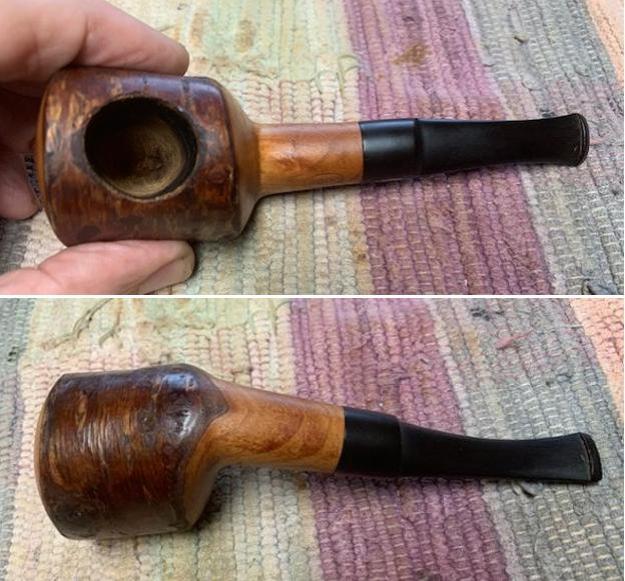
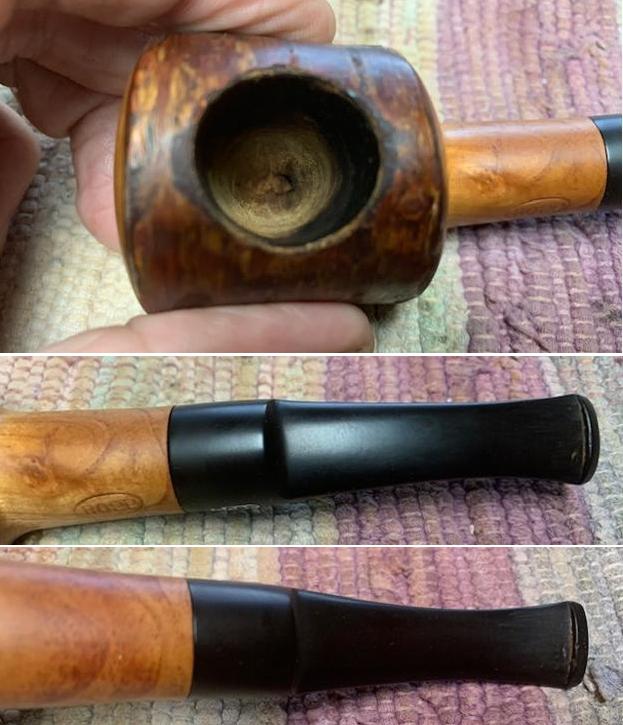
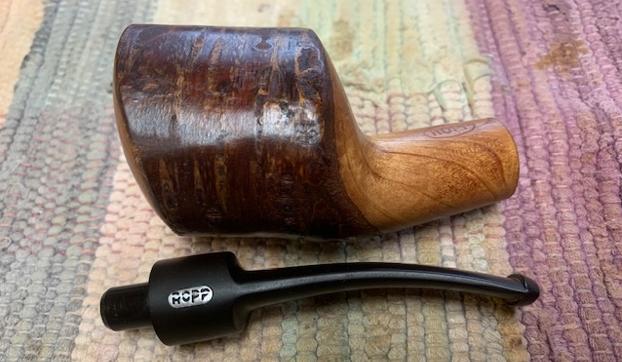
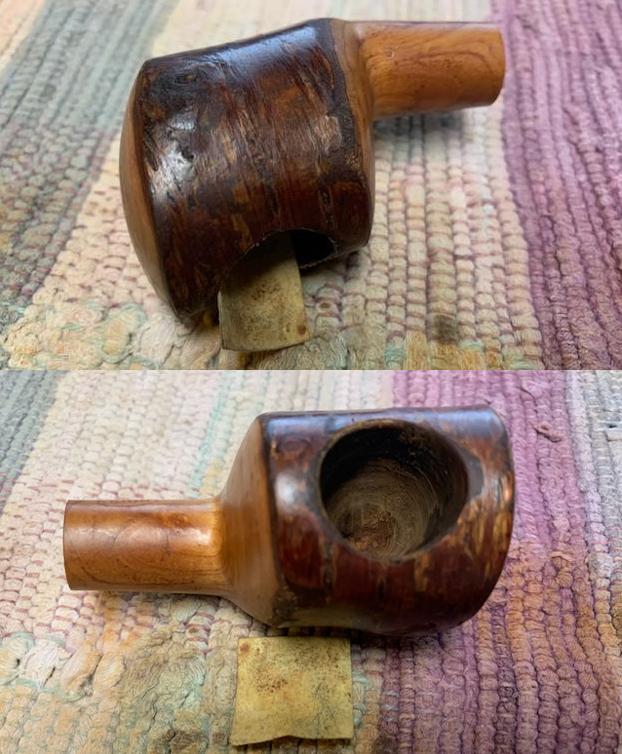
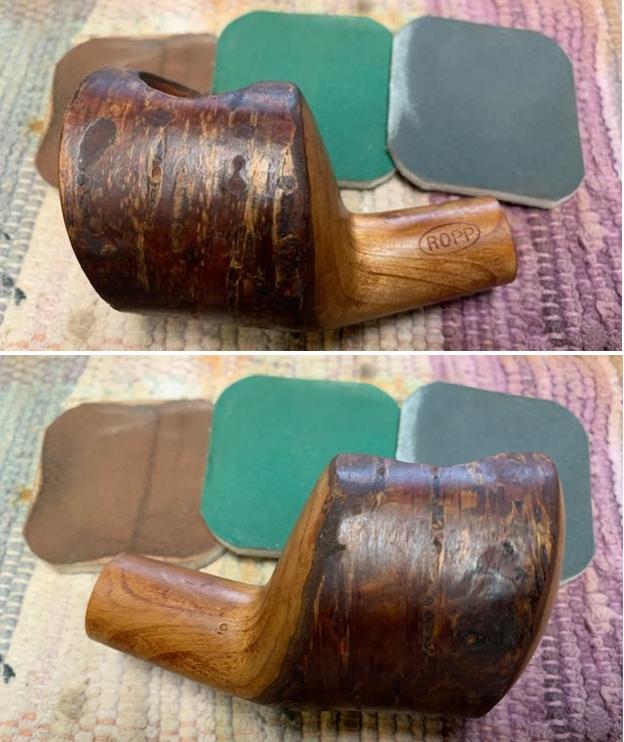
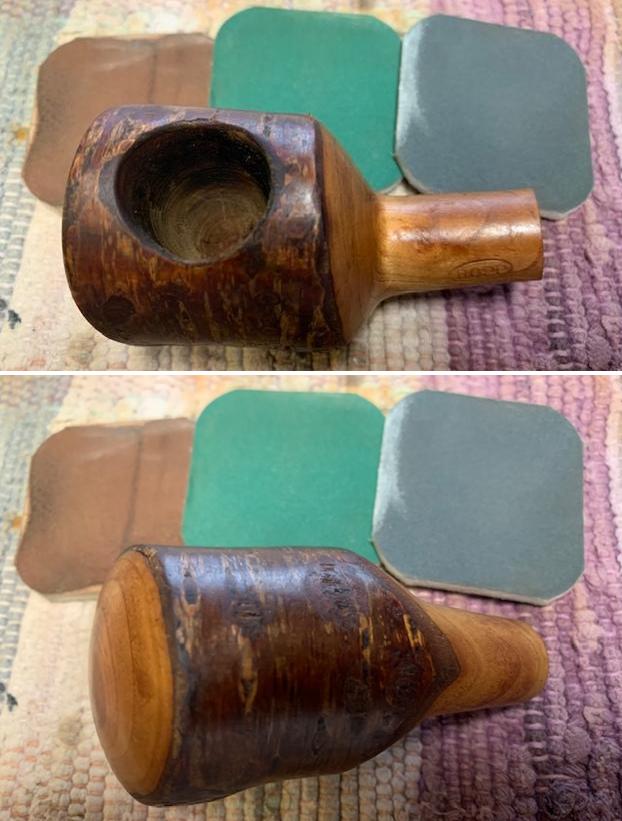
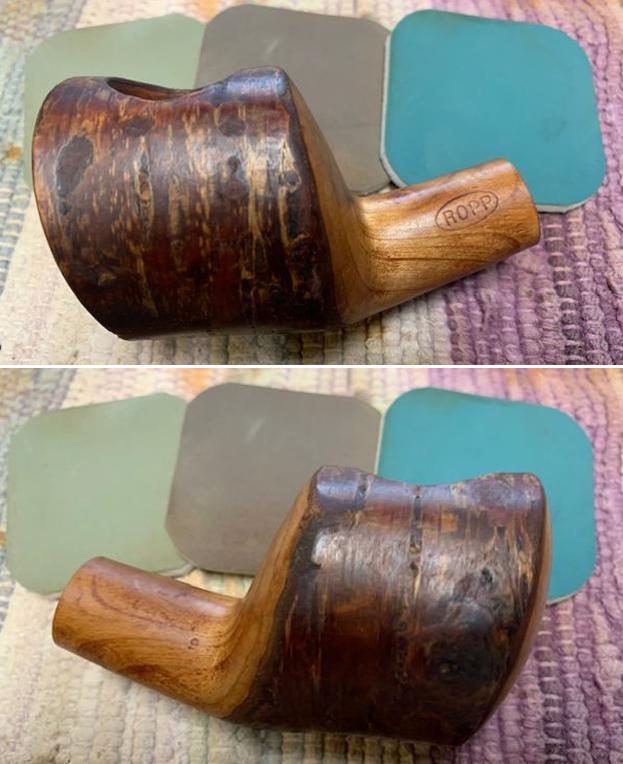
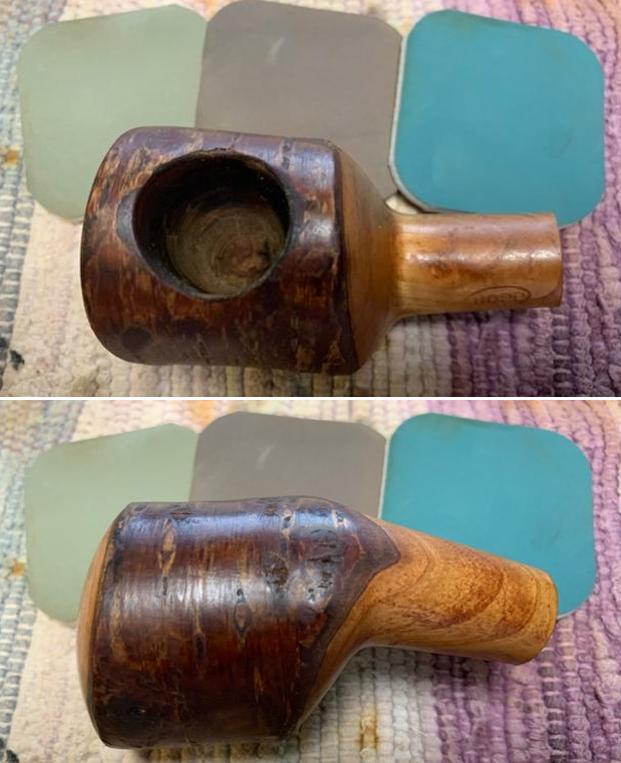
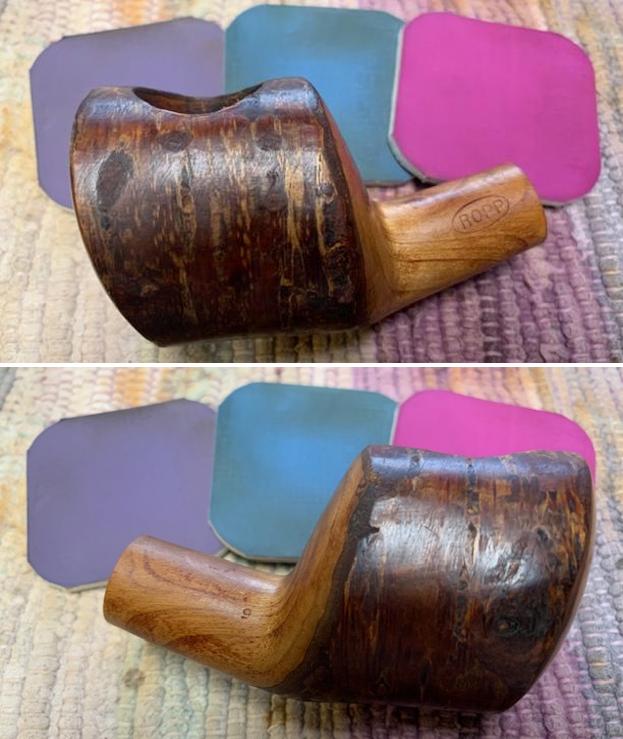
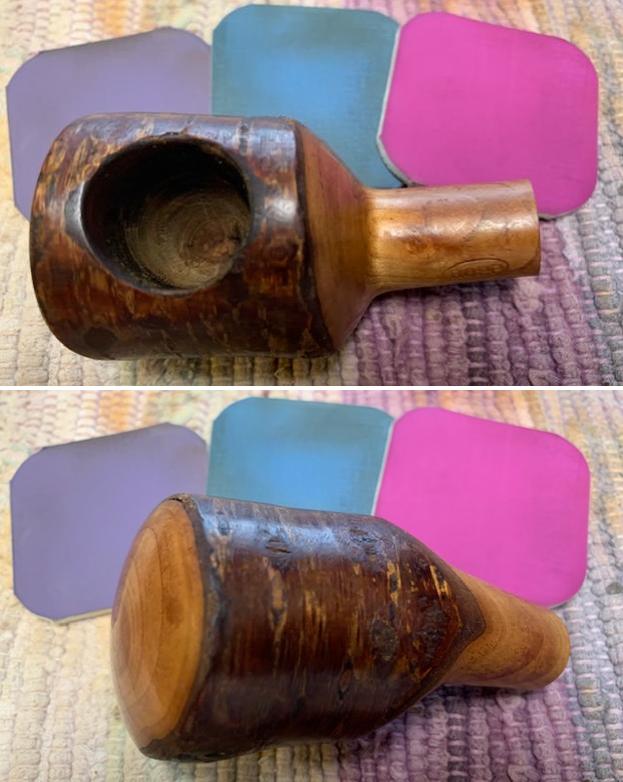
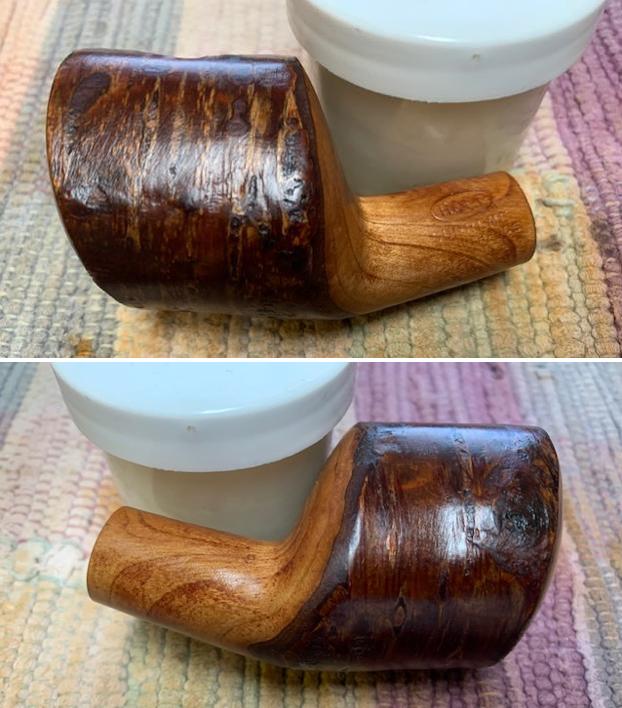
New Life for an older Ropp Supreme 9 Cherrywood Billiard


Blog by Steve Laug

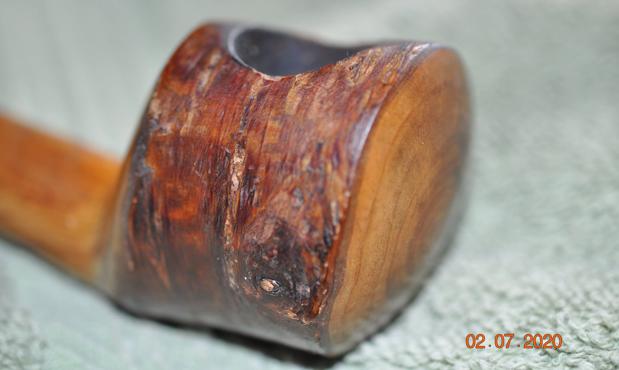
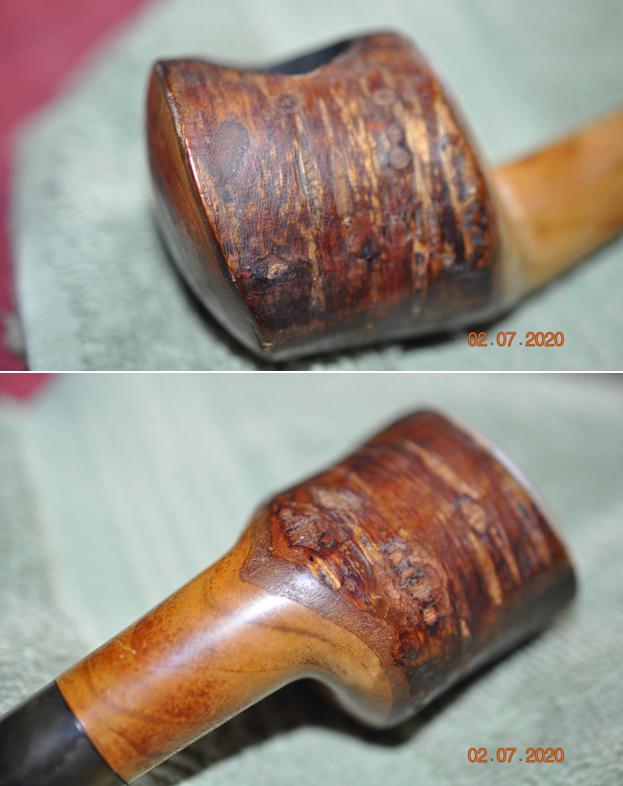
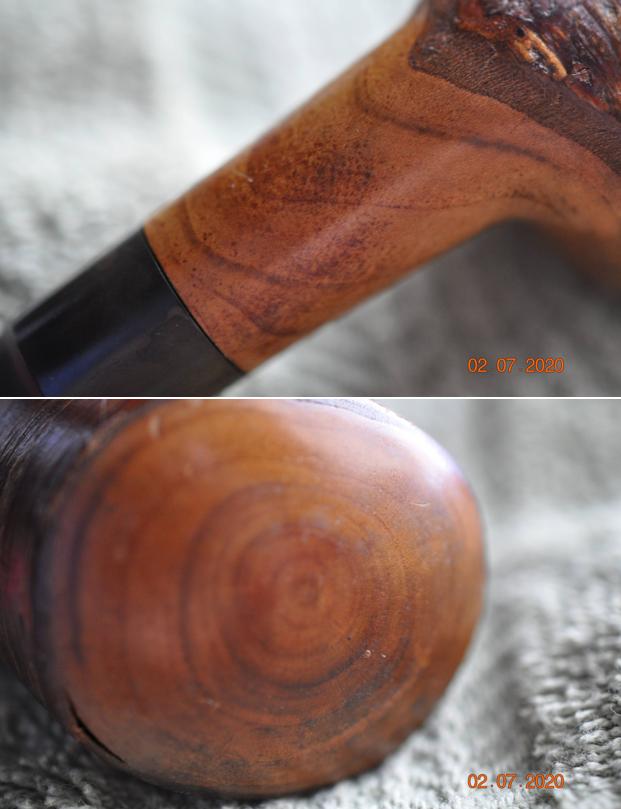
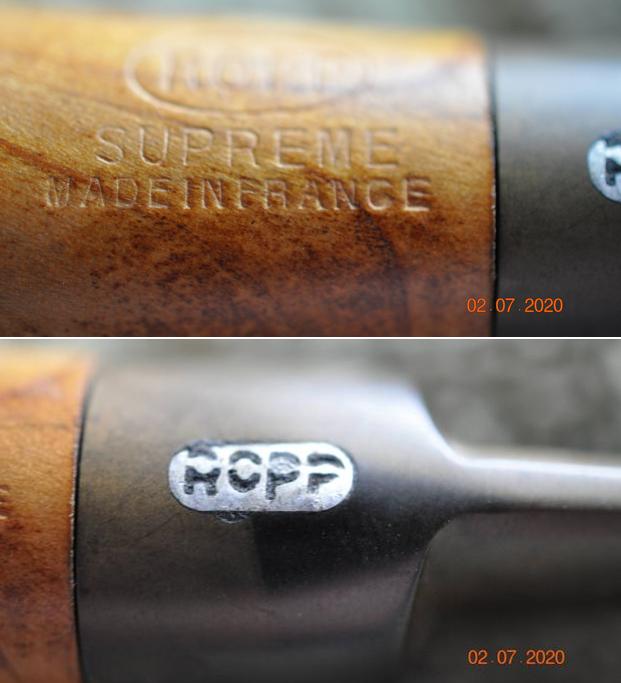
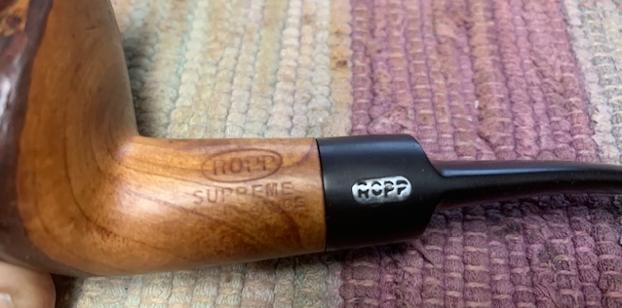
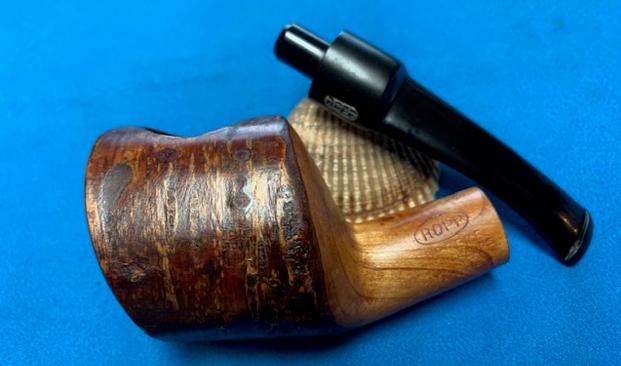
For a guy who has never really liked Ropp Cherrywood pipes I have had a lot of them over the years. I have had full bents, half bents, billiards but never one quite like this one. Jeff picked this pipe up at an antique store in Idaho Falls, Idaho, USA. It is kind of a 1/8 bent billiard with a smooth shank and a smooth oval shaped panel on the front and rear of the bowl. The right and left side, top and bottom of the bowl were left with the bark in place. You can see the knot holes in the bowl where branches were snipped off. The bark around the bowl sides is in decent condition as is the bottom of the bowl. The rim top has some damage on the inner edge of the rim on both the front and the back. There was a cake in the top half of the bowl and the bottom half was pristine and still not blackened. The pipe is stamped on the left side of the shank and reads Ropp in an oval [over] Supreme [over] Made in France. On the left side it bears the shape number 9. The stem is vulcanite with the silver Ropp oval on the left side of the saddle. It is oxidized and has light tooth chatter  and marks on both sides near the button. Jeff took these photos before he started his clean up work. Jeff took photos of the rim edges and top to show the damage that was there. It would take a bit of work to smooth out the edge and clean it up but it was not to bad. He took photos of the stem surface as well to show the condition as noted above. Jeff took photos of the bowl sides, heel and front  of the bowl and the shank to give a sense of the condition of the bark around the sides of the pipe. It is a unique one. You can see where the branches had been lopped off on both sides. He took a photo of the stamping on the left side of the shank and the inset Ropp oval logo on the left side of the stem. Both are readable and clear as noted above.I turned to Pipephil (http://pipephil.eu/logos/en/logo-ropp.html) to get a bit more background on the brand before I did my work on the pipe. No matter how many I have worked on I seem to forget the history of the cherrywood pipes. I quote:

Brand created by Eugène-Léon Ropp (1830 – 1907) and continued throughout 3 generations. “GBA Synergie” run by Bernard Amiel (†2008) bought back Ropp in 1988 and owned it until 1991.The company was taken over by Cuty-Fort Entreprises (Chacom, Vuillard, Jean Lacroix…) in 1994.

I have also included a screen capture of a Cherry wood pipe. The one I am working on is significantly different that this but it has he bark left on the pipe as noted below.I turned to Pipedia for a bit more detailed history of the brand (https://pipedia.org/wiki/Ropp). I quote below.

Eugène-Léon Ropp (1830 – 1907) had acquired a patent for a cherrywood pipe (wild cherry, lat.: Prunus avium) in 1869. In 1870 he established a workshop to manufacture such pipes in Büssingen (Bussang, Vosges mountains). Around 1893 the business moved into the former mill of Sicard (part of the community of Baume-les-Dames – Département Doubs, Upper Burgundy – from 1895 on).

The pipes were a big success in the export as well. Shortly before 1914 Ropp designated A. Frankau & Co. (BBB) in to be the exclusive distributor in the UK and it’s colonies.

Probably in 1917 a workshop in Saint-Claude in the Rue du Plan du Moulin 8 was acquired to start the fabrication of briar pipes. In 1923 a small building in the environment of Saint-Claude, serving as a workshop for polishing, was added.

Even though cherrywood pipes were the mainstay of Ropp until the company finally closed down in September 1991. The company was taken over by Cuty-Fort Entreprises (Chacom, Jeantet, Vuillard, Jean Lacroix…) in 1994.

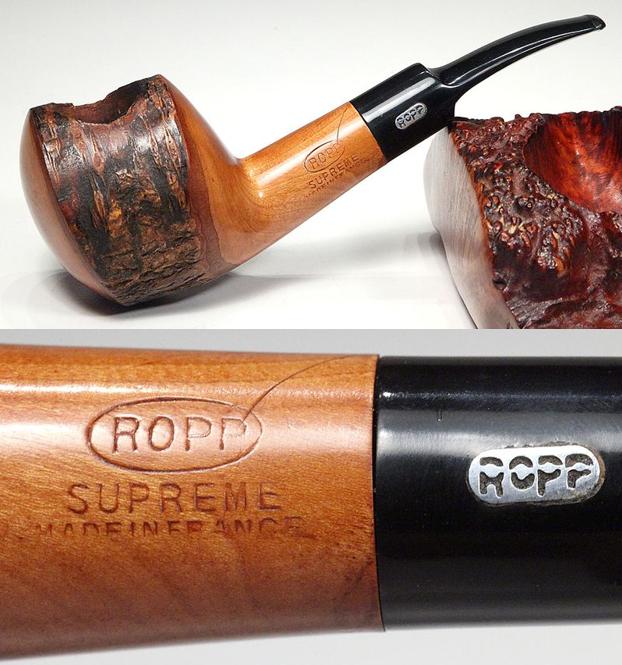
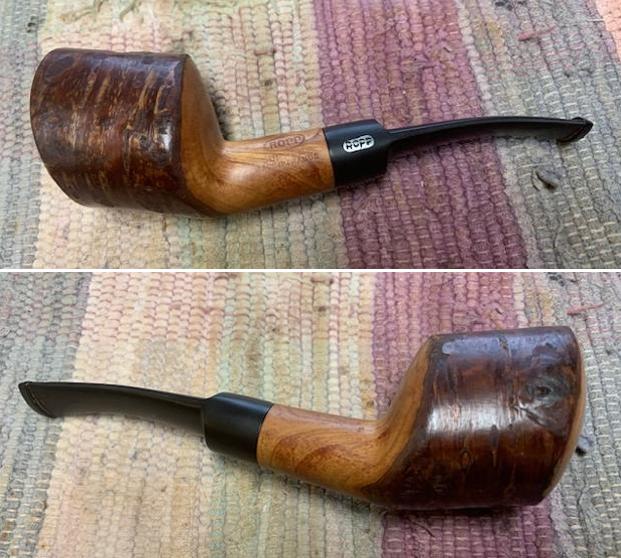
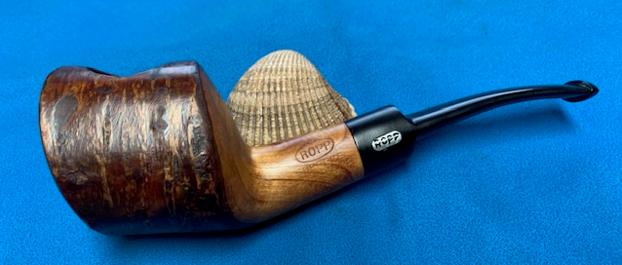
There was also a photo of the Ropp Supreme pipe that was remarkably like the one that I was working on. I have included that  photo as well as the photo of the stamping below.Reminded about the background on the Ropp Family and their Cherrywood pipe it was now time to turn to the pipe itself and do my part of the work. As usual Jeff had done a thorough cleanup on the pipe. He reamed the bowl with a PipNet pipe reamer and followed up with a Savinelli Fitsall pipe knife to remove the cake. He scrubbed out the mortise and the airway in the shank and the stem with alcohol, cotton swabs and pipe cleaners. He scrubbed the exterior of the bowl, rim, shank and stem with a tooth brush and Murphy’s Oil Soap to remove the oils and tars on the rim and the grime on the finish of the bowl. He rinsed it under running water. He dried it off with a soft cloth. He cleaned the internals and externals of the stem with alcohol, pipe cleaners and cotton swabs. He scrubbed the exterior of the stem with Soft Scrub and a cotton pad. Once finished he soaked the stem in Briarville’s Pipe Stem Deoxidizer and rinsed it off with warm water and cleaned out the airway in the stem with alcohol. Other than the damaged rim top the pipe looked good. I took a photo of the rim top and stem to show the condition. The rim top and the inner edge of the bowl had some damage and darkening on the front and the back of the bowl. The vulcanite saddle stem had light tooth chatter and marks on both sides ahead of the button.The stamping on the side of the shank is clear and readable as noted above.I removed the stem from the shank and took a photo of the pipe to give a sense of the whole. It is a nice looking billiard with a slight bend in great condition. I started working on the pipe by addressing the damage to the rim edges and top with a folded piece of 220 grit sandpaper. I gave it a very slight bevel to smooth out the edges and give it a clean look.I polished the bark and clean cherrywood with micromesh sanding pads, dry sanding with 1500-12000 grit sanding pads and wiping it down with an damp cloth after each sanding pad. I rubbed the bowl and shank down with Before & After Restoration Balm. I worked it into the surface of the bowl sides and shank both (smooth and bark covered) with my fingertips to clean, enliven and protect the briar. I let the balm sit for about 10 minutes then buffed it with a cotton cloth to raise the shine. The Balm did its magic and the grain stood out.    I set the bowl aside and worked on the stem. I “painted” the stem surface with the flame of a lighter to lift the tooth marks. I worked very well. I used a small file to sharpen the edge of the button and remove the light chatter on the edge. I sanded out the remnants of tooth marks with 220 grit sandpaper and started polishing the stem with 400 grit wet dry sandpaper. I polished the vulcanite stem with micromesh sanding pads – 1500-12000 grit pads. I wiped it down with Obsidian Oil after each sanding pad. I used Before & After Pipe Polish – both Fine and Extra Fine to further polish the stem. The photo below shows the polished stem. This nice Cherrywood finished ROPP Supreme Made in France 9 Billiard with a black vulcanite saddle stem is a great looking pipe. The rugged bark finish on the sides highlights the grain on the cherrywood bowl front and back side and shank. The black saddle stem works really well with the pipe as a whole. The wood is clean and really came alive. The rich medium brown of the wood gave the grain a sense of depth with the polishing and waxing. The grain really popped. I put the stem back on the bowl and carefully buffed the pipe with Blue Diamond on the buffing wheel using a light touch on the briar. I gave the bowl and the stem multiple coats of carnauba wax on the buffing wheel. I buffed the pipe with a clean buffing pad to raise the shine. I hand buffed the pipe with a microfiber cloth to deepen the shine. The finished ROPP Supreme Cherrywood is a beauty and feels great in the hand and looks very good. Give the finished pipe a look in the photos below. The dimensions of the pipe are Length: 6 inches, Height: 2 inches, Outside diameter of the bowl: 1 ½ inches wide by 1 ¾ inches long, Chamber diameter: ¾ of an inch. The weight of the pipe is 2.29 ounces/65 grams Thanks for reading this blog and my reflections on the pipe while I worked on it. There are many more to come!
I like the shape & finish of this GBD Americana 1970 Diplomat


Blog by Steve Laug

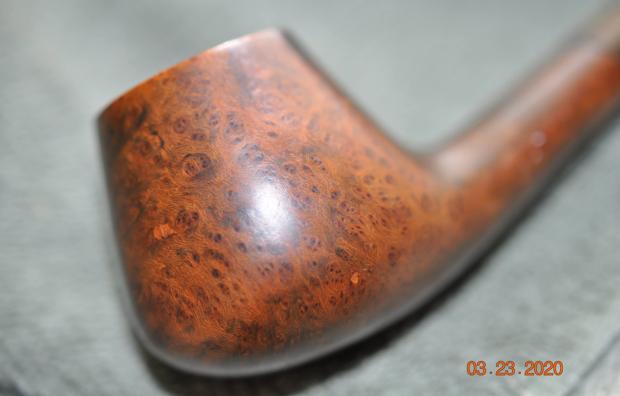
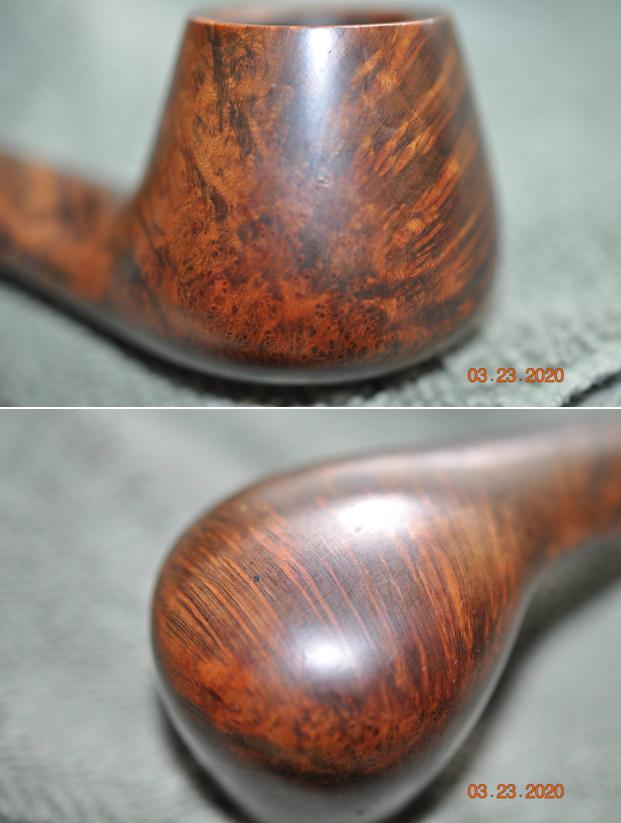
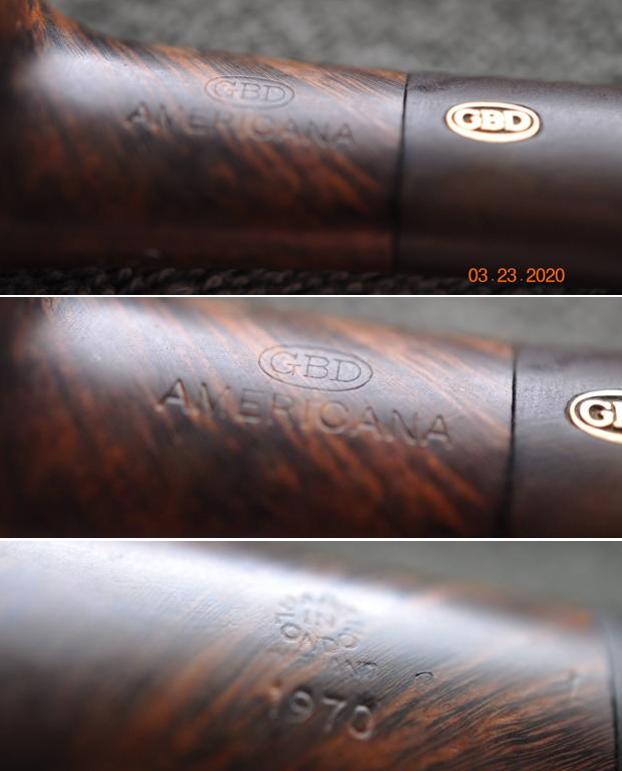
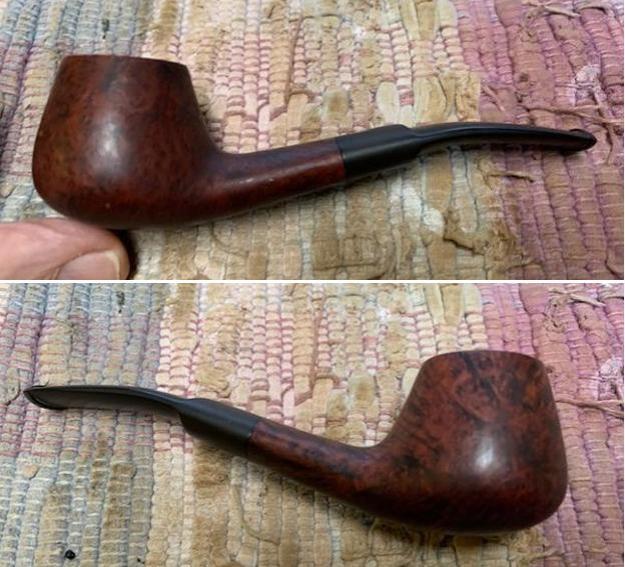
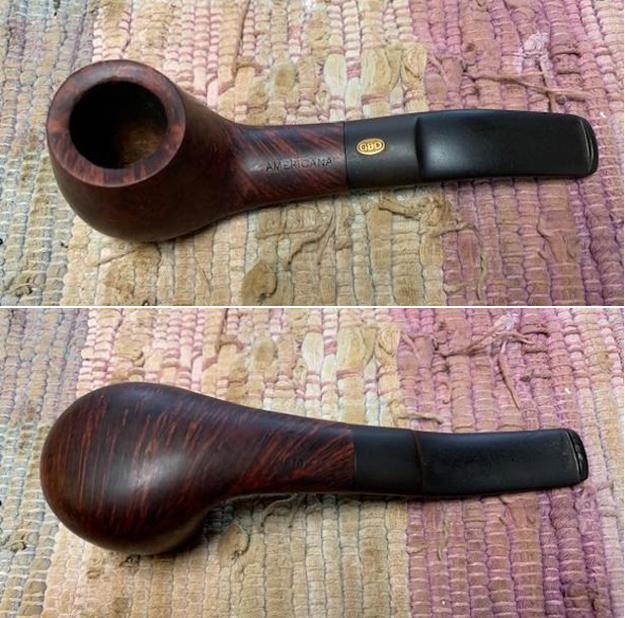
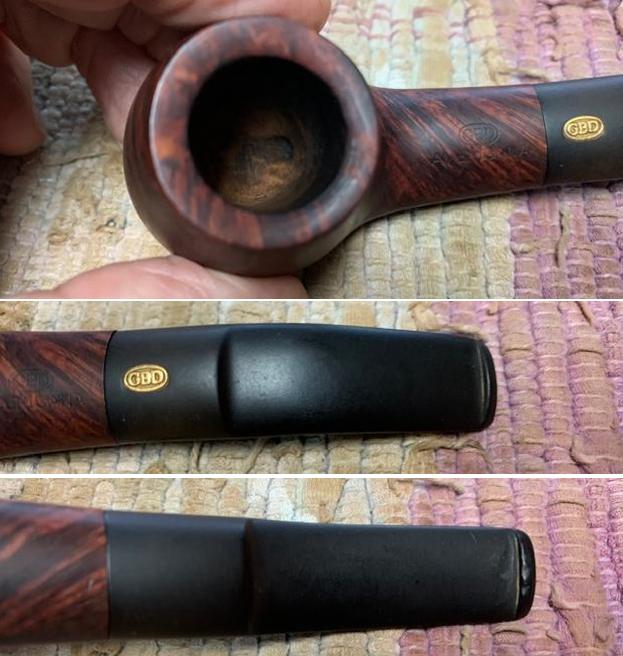
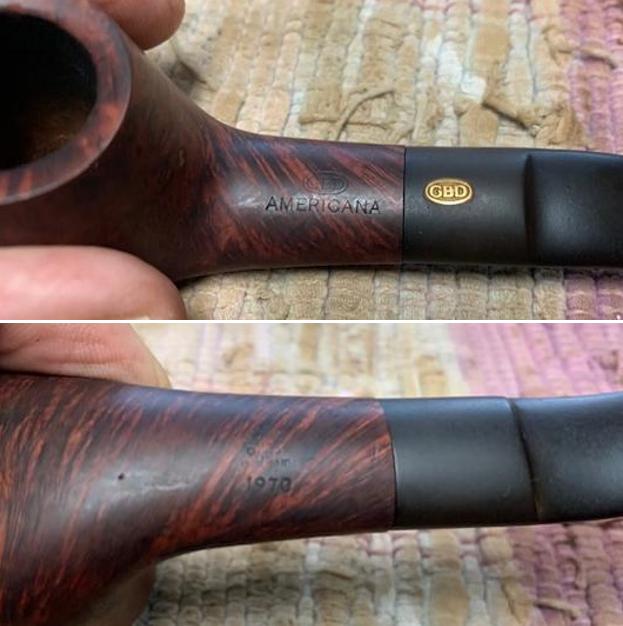
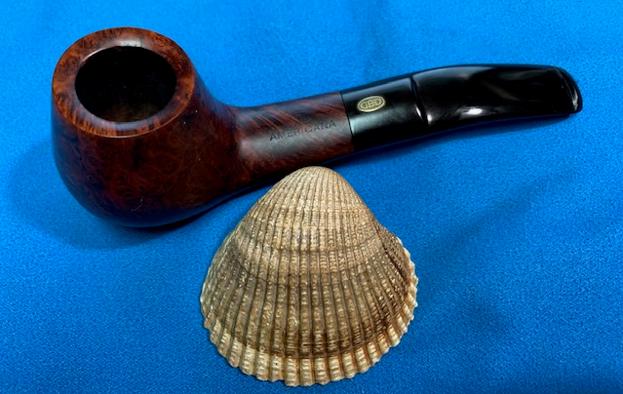
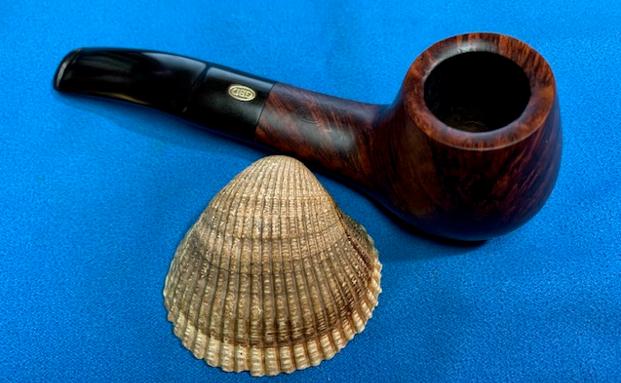
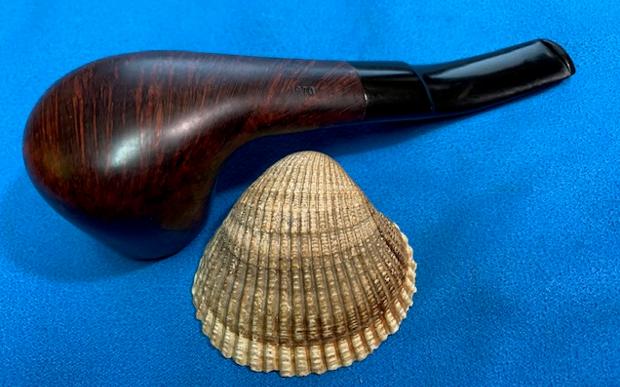
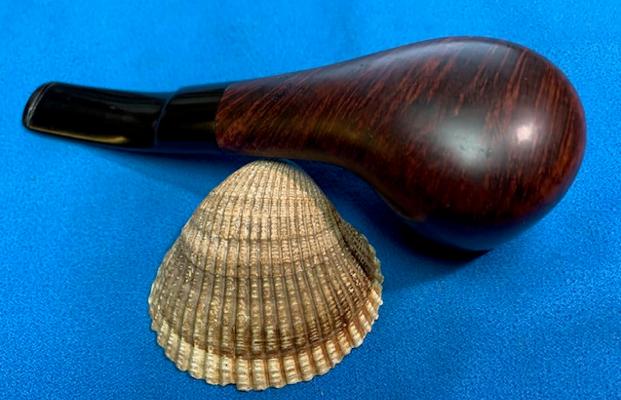
The next pipe on the work table is a pipe was that was purchased from an antique mall in Northern Utah, USA early in 2020 and I am finally getting to it. It is a nice looking GBD with a smooth finish and a vulcanite saddle stem. It is stamped on the top side of the shank GBD in an oval logo [over] Americana. On the underside of the shank it is the stamped with the circular Made in London over England [over] the shape number 1970. The vulcanite saddle stem had a brass inlaid GBD oval. The finish was absolutely filthy with grime ground into the smooth finish. There was a light cake in the bowl and no real overflow on to the rim top. The stem was oxidized, calcified and had some tooth marks and chatter on both sides near the button. The stem was fitted with a filter tenon. Jeff took some photos of the pipe before he did any clean up.   He took photos of the rim top and the stem to show the condition of both. The photo of the rim top shows how clean the rim top actually was – other than some grit and grim it is smooth. The stem photos show tooth chatter and tooth marks and chatter on both sides. Jeff took photos of the sides and heel of the bowl to give a sense of the grain and finish on the pipe and the sheer filthy condition of the finish. There is still something attractive about the bowl even with the fills visible on the bowl sides. He took photos of the stamping on the top and underside of the shank. The stamping is clear and reads as noted above. You can also see the top of the stem with the brass GBD logo. I turned to Pipedia and read the history section to see if I could find any information on the Americana Line. There was nothing specific in the main article there.

I turned to the related article on Shape numbers for GBD pipe to see if I could find anything about the 1970 shape (https://pipedia.org/wiki/GBD_Shapes/Numbers). I found the following listed item:There was a slight issue in the information above. I would indeed call the shape a Diplomat and it has a 1/8 bent stem. However, the shank is oval not round.

I turned to another Pipedia article (https://pipedia.org/wiki/GBD_Model_Information) looking for information on the Americana line. I found it listed under the heading of a  List of GBD “Seconds”

It said: The lines listed below are either 2nds or lines made for other makers/pipeshops. Please send me any corrections or additional information you might have on these.

Americana — Factory unknown.

I knew that I was working on a GBD second labeled Americana. It was a decent looking pipe with some nice grain. Now it was time to work on the pipe.

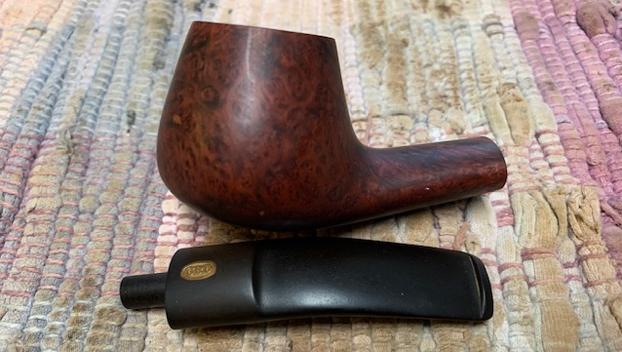
Jeff had cleaned up the pipe following his normal cleaning process. In short, he reamed the bowl with a PipNet pipe reamer and cleaned up the reaming with a Savinelli Fitsall Pipe Knife.  He scrubbed the smooth bowl with undiluted Murphy’s Oil Soap with a tooth brush. He worked over the lava and debris on the rim top and was able to remove it. He rinsed it under running warm water to remove the soap and grime. He cleaned out the inside of the shank and the airway in the stem with alcohol, cotton swabs and pipe cleaners. He scrubbed the stem with Soft Scrub and cotton pads to remove the debris and oils on the stem. He soaked it in a bath of Briarville’s Pipe Stem Deoxidizer to remove the oxidation. He rinsed it with warm water and dried it off. I took photos of the pipe once I received it. It really looked good.   I took close up photos of the stem and the rim top to show both how clean they were and what needed to be addresses with both. The rim top and bowl edges look very good. The stem looked better and the tooth marks and chatter were very visible. I took a photo of the stamping on the top and underside of the shank. You can see from the photo that it is readable. I removed the stem from the bowl and took a photo of the parts to give a sense of the beauty of the pipe. I decided to start my work on this pipe with the stem. I “painted” the stem with a Bic lighter to try and lift the tooth marks in the surface of the vulcanite. I was able to lift them quite a bit. I filled in the remaining marks with clear CA glue and set it aside to cure. Once the repairs cured I used a file to recut the edge of the button and reshape it. I sanded the stem surface with 220 grit sandpaper to remove the tooth marks and chatter and blend them into the surface of the acrylic. I started polishing the stem with 400 grit wet dry sandpaper. I polished the stem with micromesh sanding pads – 1500-12000 grit pads. I wiped it down with a damp cloth after each sanding pad. I used Before & After Pipe Polish – both Fine and Extra Fine to further polish the stem.    The tenon was drilled for a 6mm filter. I fit a Savinelli Balsa Wood Filter in the tenon and the fit is perfect. I am assuming it will take all 6mm filters without any issue.   I set the stem aside and turned to the bowl. I polished the briar with micromesh sanding pads – dry sanding with 1500-12000 grit pads. I wiped the bowl down after each sanding pad with a damp cloth to remove the dust and debris. The began to take on a deep shine.    I rubbed the it down with Before & After Restoration Balm. I worked it into the surface of the bowl with my fingertips to get it into the briar. The product works to clean, enliven and protect the briar. I let the balm sit for 15 minutes and then buffed with a cotton cloth to raise the shine.     Once again I am the part of the restoration that I always look forward to – the moment when all the pieces are put back together. I put the GBD Americana 1970 Diplomat back together and buffed the bowl and stem with Blue Diamond on the buffing wheel. I gave the bowl and the stem multiple coats of carnauba wax. I buffed the pipe with a clean buffing pad to raise the shine. I hand buffed it with a microfiber cloth to deepen the shine. It is fun to see what the polished bowl looks like with the grain peeking through the dark finish. The vulcanite saddle stem stands in contrast to the dark colours of the bowl. It is a light weight pipe that could be clenched and smoked while doing other things. Have a look at it with the photos below. The dimensions of the pipe are Length: 5 ½ inches, Height: 1 ½ inches, Outside diameter of the bowl: 1 ¼ inches, Chamber diameter: ¾ of an inch. The weight of the pipe is 40 grams/1.41 oz. This one will soon be on the British Pipe Makers Page on the rebornpipes online store. Thanks to each of you who are reading this blog. Remember we are not pipe owners; we are pipemen and women who hold our pipes in trust until they pass on into the trust of the next generation.

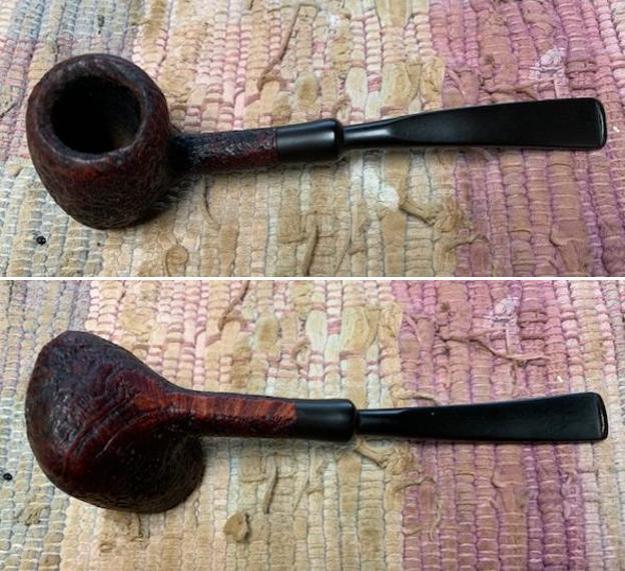
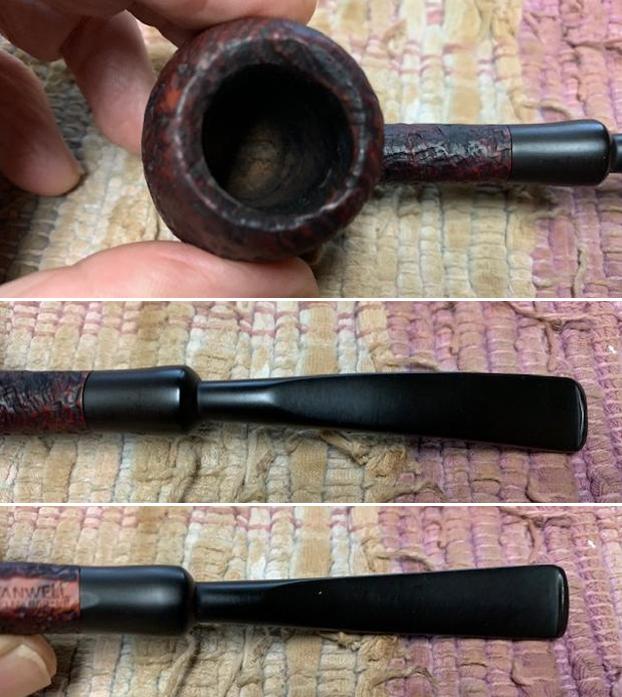
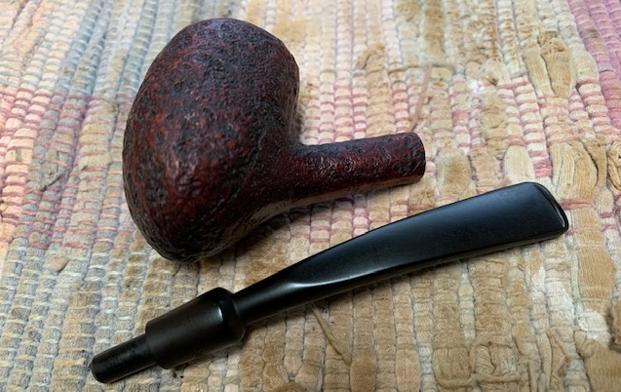
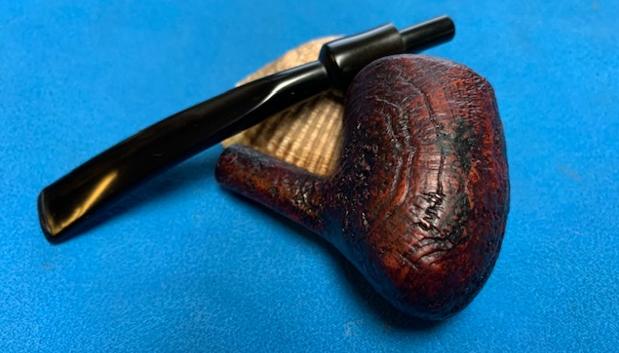
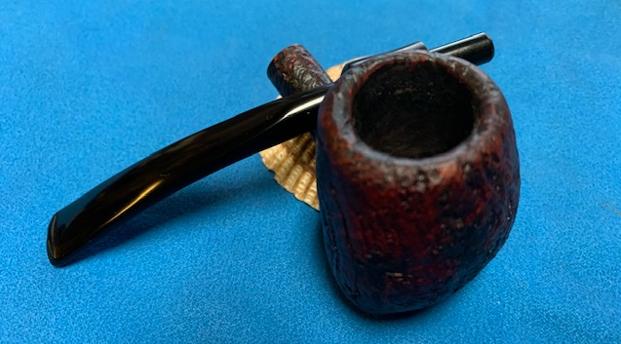
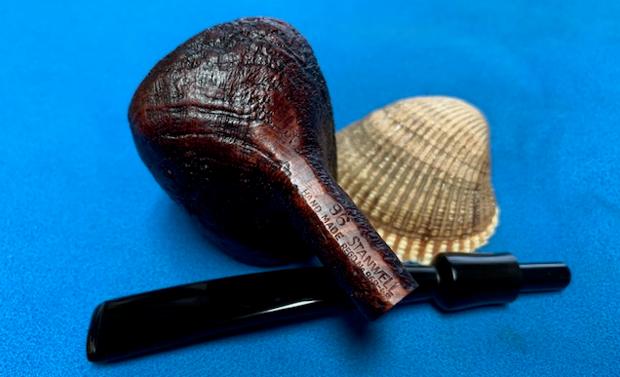
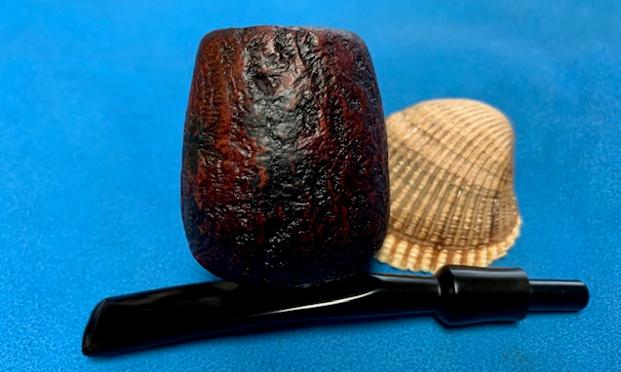
This Rare Sixten Ivarrson Design Stanwell Shape 96 – a shape I have never understood


Blog by Steve Laug

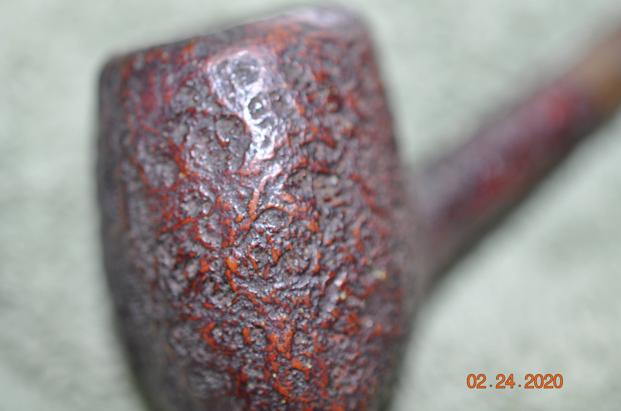
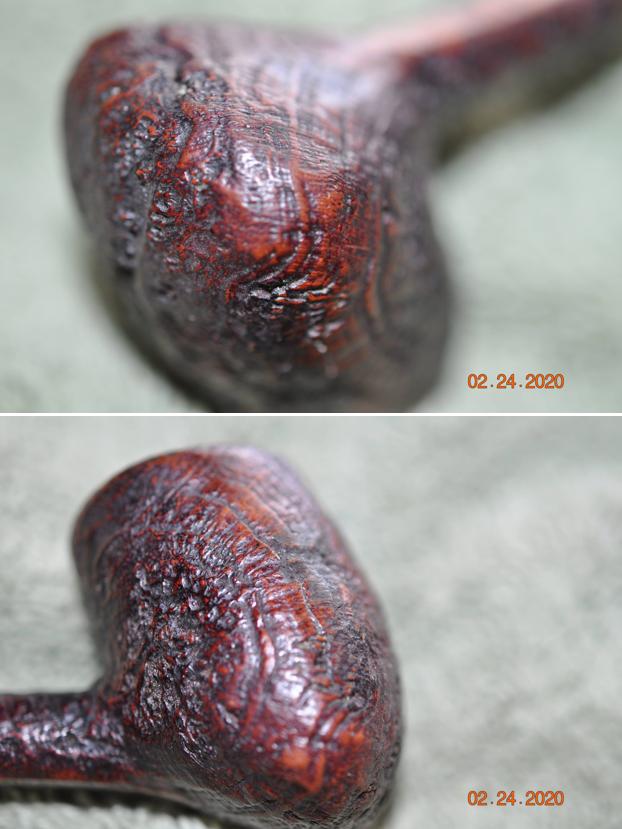
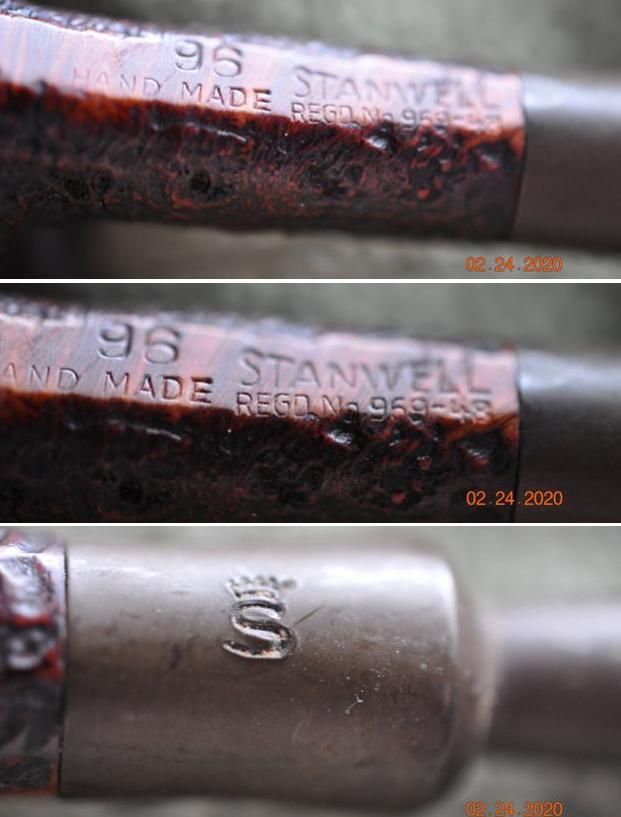
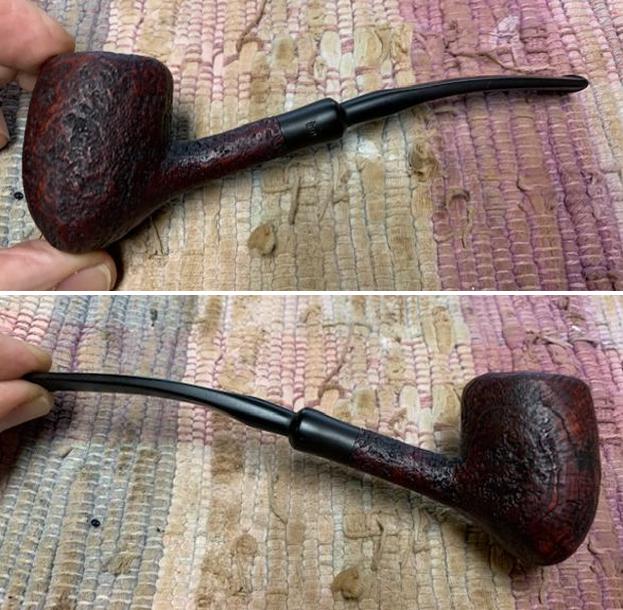
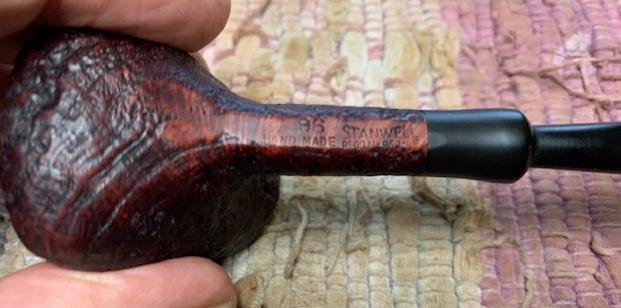
The next pipe on the work table was purchased from a fellow in Los Angeles, California, USA. This one is obviously a Stanwell made pipe from just looking at it. The sandblast finish is quite beautiful even through the grime. The shape of the pipe is very odd in my opinion – almost oval but odd and designed to sit on the desk top. There is a Crown S stamped in the left side of the saddle stem. It was stamped on the underside of the shank on a smooth panel. The shape number 96 is stamped mid shank. Under that it reads Hand Made. Next to that it reads Stanwell [over] Regd. No. 969-48. With the Regd. No. I know it is an older pipe. The finish was dirty with dust and grime ground into the nooks and crannies of the sandblast finish. There was a thick cake in the bowl and lava overflow on the rim top. The inner edge of the rim was covered so thickly in lava it was hard to know what was underneath. The vulcanite fancy saddle stem was calcified, oxidized and had tooth marks and chatter ahead of the button on both sides. Jeff took some photos of the pipe before he started to work on cleaning it up for us. Jeff took photos of the rim top and the stem to show the condition of the pipe when we received it. You can see the thick cake in the bowl and the heavy coat of lava filling in the blast on the rim top and inner edge of the bowl. The stem is calcified and oxidized with light tooth chatter and marks on both sides near the button. He took photos of the sides of the bowl and the heel to give an idea of the shape and the condition of the briar around the bowl. It really is a strangely shaped pipe in my opinion but it has a great sandblast around the sides. The next photo Jeff took shows the stamping on the underside of the  shank. It is clear and readable as noted above. The Crown S logo is also visible on the left side of the saddle stem.Before I started working on it I did a bit of research on the brand to get a feel for where it fit in the Stanwell line. I turned to Pipephil’s site to see if I could some information on the shape or line (http://www.pipephil.eu/logos/en/logo-r6.html). While there was a lot of information on the brand there was nothing on this particular shape. There was a note on one of the shapes regarding the “Regd. No.” stamping being discontinued in late 1960s to very early 1970s. That helped to pin down and end date for the manufacture of this pipe.

I then turned to Pipedia and quickly scanned the article on Stanwell getting a great overview of the history. I went through the photos and did not find the shape of the pipe that I was working on (https://pipedia.org/wiki/Stanwell).

I followed one of the links at the end of the site to an article on rebornpipes written by Bas Stevens on the shape numbers and the designers who originally carved those shapes for Stanwell (https://pipedia.org/wiki/Stanwell_Shape_Numbers_and_Designers).

The shape number 96 is listed as follows: 96. Freehand, oval bowl, long saddle mouthpiece by Sixten Ivarsson. It also appears to be a rare shape that has been compared to a potato sack.

Jeff had cleaned up the pipe following his normal cleaning process. In short, he reamed the bowl with a PipNet pipe reamer and cleaned up the reaming with a Savinelli Fitsall Pipe Knife.  He scrubbed the smooth bowl with undiluted Murphy’s Oil Soap with a tooth brush. He worked over the lava and debris on the rim top and was able to remove it. He rinsed it under running warm water to remove the soap and grime. He cleaned out the inside of the shank and the airway in the stem with alcohol, cotton swabs and pipe cleaners. He scrubbed the stem with Soft Scrub and cotton pads to remove the debris and oils on the stem. He soaked it in a bath of Briarville’s Pipe Stem Deoxidizer to remove the oxidation. He rinsed it with warm water and dried it off. I took photos of the pipe once I received it. It really looked good. I took close up photos of the stem and the rim top to show both how clean they were and what needed to be addresses with both. The rim top and bowl edges look very good. The stem looked better and the tooth marks and chatter was very light.I took a photo of the stamping on the underside of the shank. You can see from the photo that it is clear and readable.I removed the stem from the bowl and took a photo of the parts to give a sense of the beauty of the pipe.The bowl was in such good condition that I started by rubbing the bowl down with Before & After Restoration Balm working it into the briar with my finger tips and into the blast and plateau with a shoe brush. The product works to clean, revive and protect the briar. I let it sit on the pipe for 10 minutes then buffed it off with a soft cloth. I set the bowl aside and turned my attention to the stem. Continuing with Al’s (upshallfan) recommendation I applied some acrylic white nail polish to the stamping on the stem side. I was paying so much attention to getting it in the stamp that I forgot to take a photo until after I cleaned it up. The nail polish worked great. Thanks again for the reminder Al!I polished out the tooth chatter and marks on the stem with micromesh sanding pads – wet sanding it 1500-12000 pads. I wiped it down with some Obsidian Oil each pad to remove the dust and polishing debris. I polished it with Before After Pipe Polish – both Fine and Extra Fine. I gave it a final coat of Obsidian Oil and set it aside to dry. This is another pipe that I am really happy about the look of the finished restoration. This reborn Sixten Ivarrson Design Stanwell 96 Sandblast Freehand turned out really well. I think that it really is a great looking pipe with a great shape and grain. The freehand/plateau top bowl and the vulcanite saddle stem goes well together. The polished black of the stem works well with the briar. The briar really came alive with the buffing. The rich brown stains of the finish make the grain really pop with the polishing and waxing. I put the stem back on the bowl and buffed the pipe with Blue Diamond on the buffing wheel. I gave the bowl and the stem multiple coats of carnauba wax on the buffing wheel. I buffed the pipe with a clean buffing pad to raise the shine. I hand buffed the pipe with a microfiber cloth to deepen the shine. The finished Stanwell 96 Sandblast Freehand really feels great in the hand and it looks very good. Give the finished pipe a look in the photos below. The dimensions of the pipe are Length: 5 ¾ inches, Height: 2 inches, Outside diameter of the bowl: 1 ¼ inches, Chamber diameter: ¾ of an inch. The weight of the pipe is 34 grams/1.20 oz. The pipe will be going on the rebornpipes store soon. It will be in the section on Danish Pipe Makers if you would like to add it to your collection. Thanks for reading this blog and my reflections on the pipe while I worked on it. It was a fun one to work on!