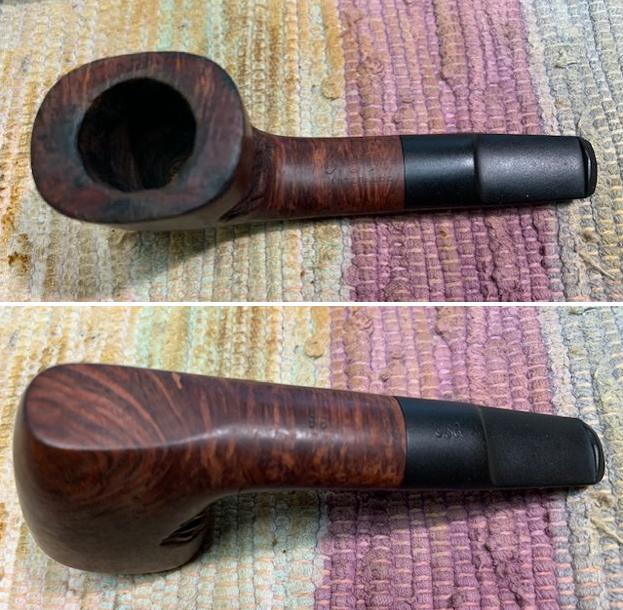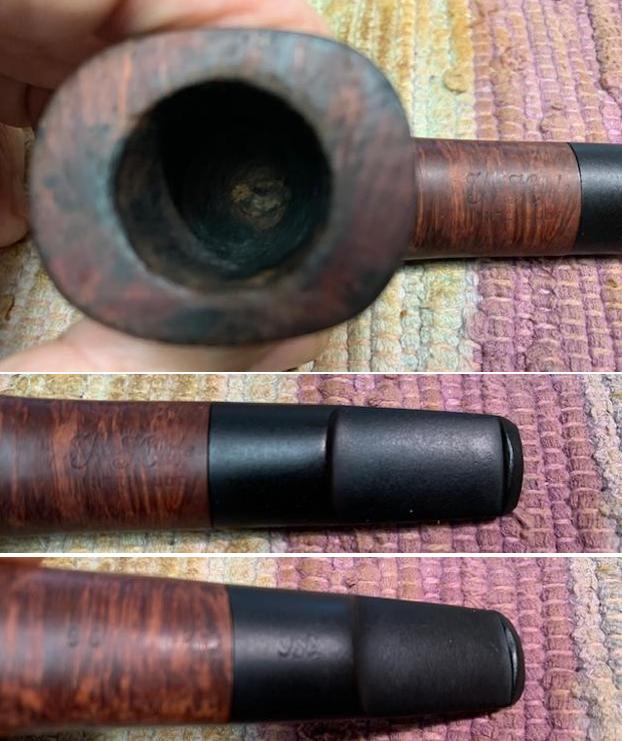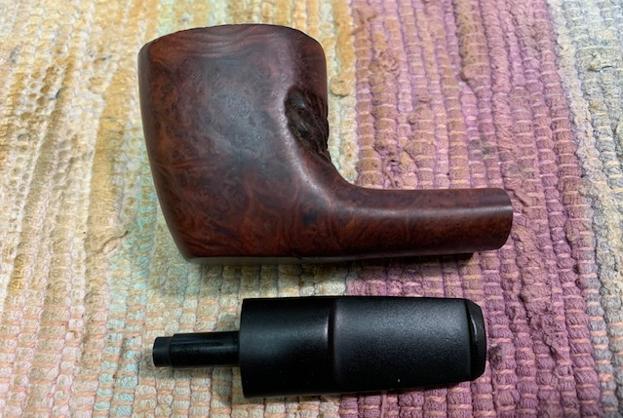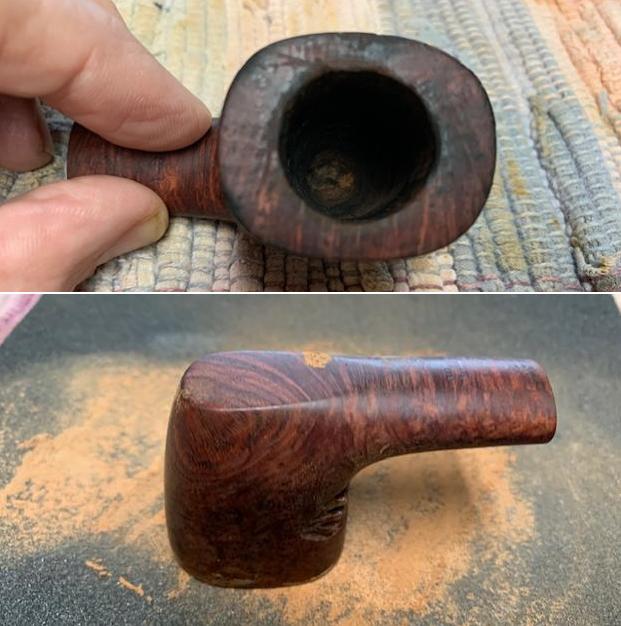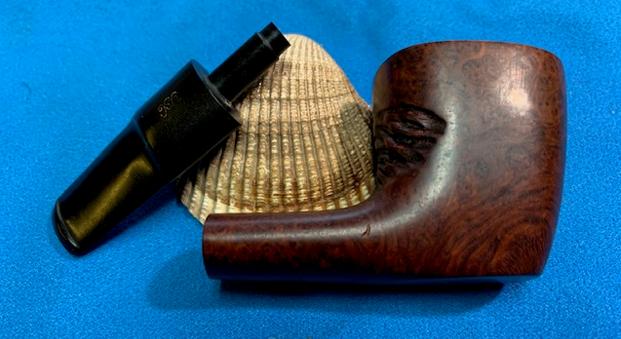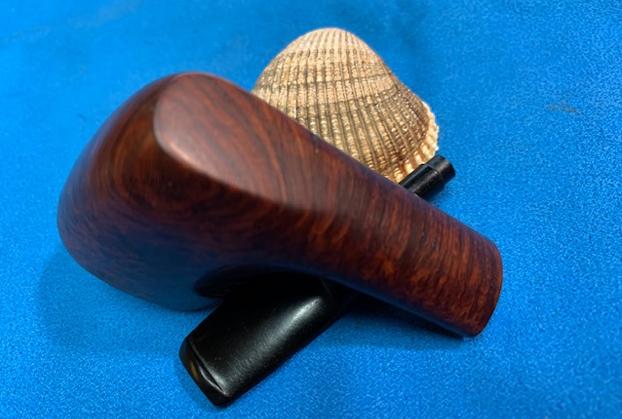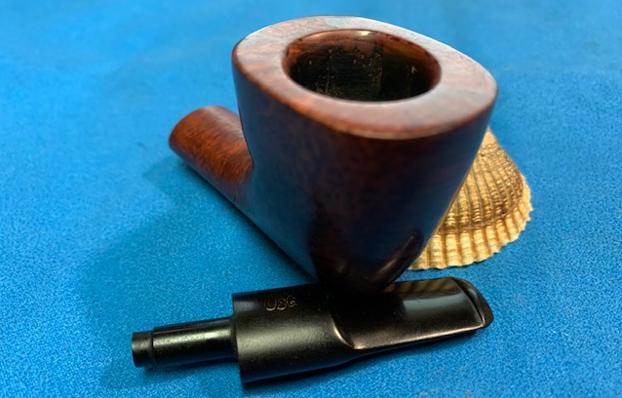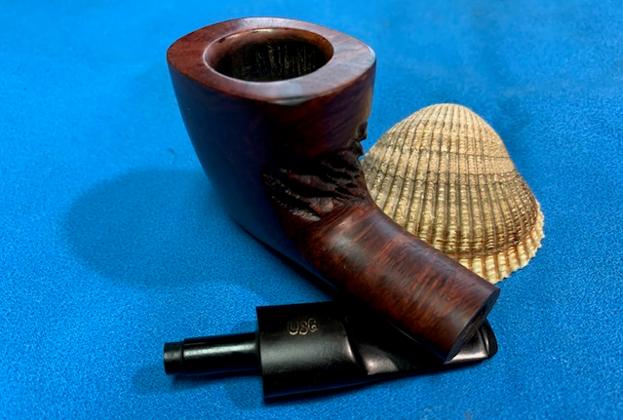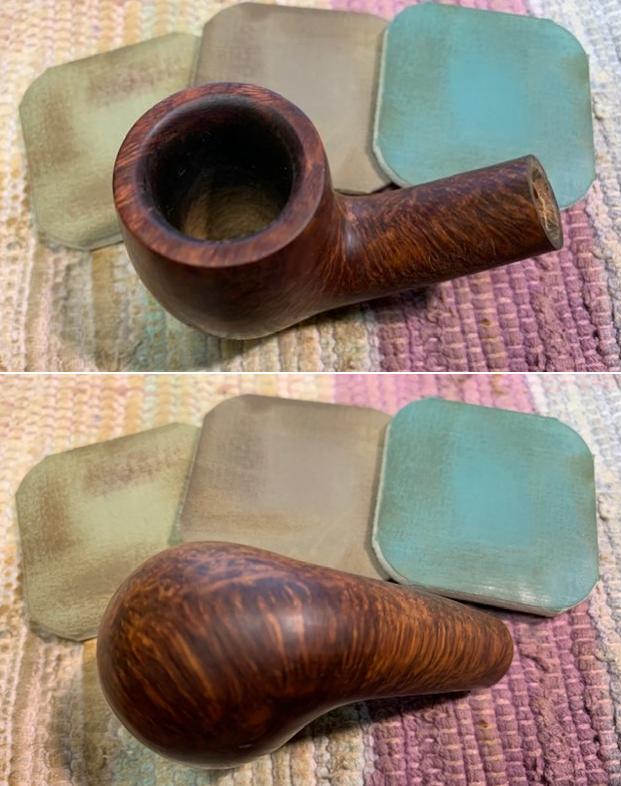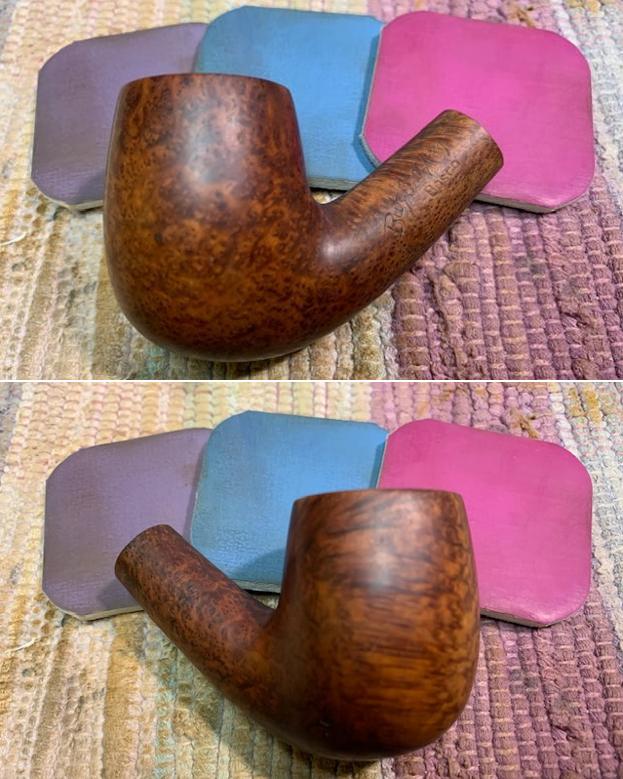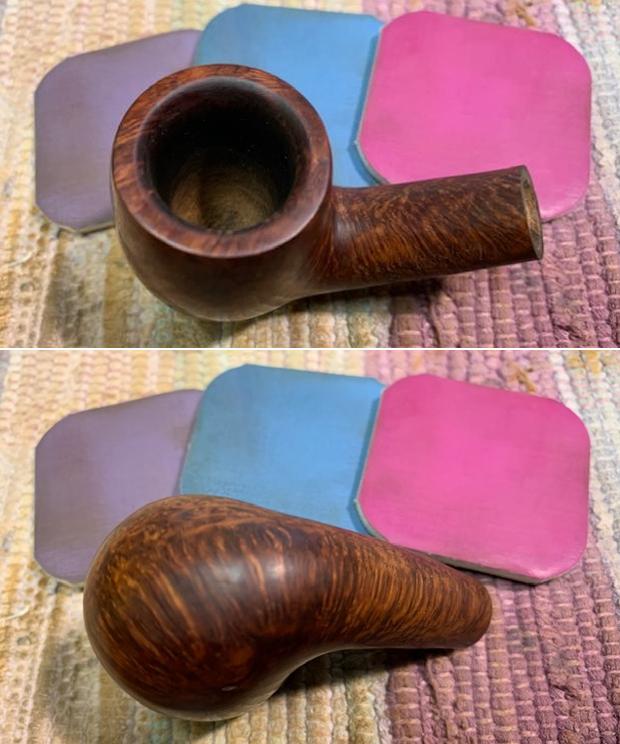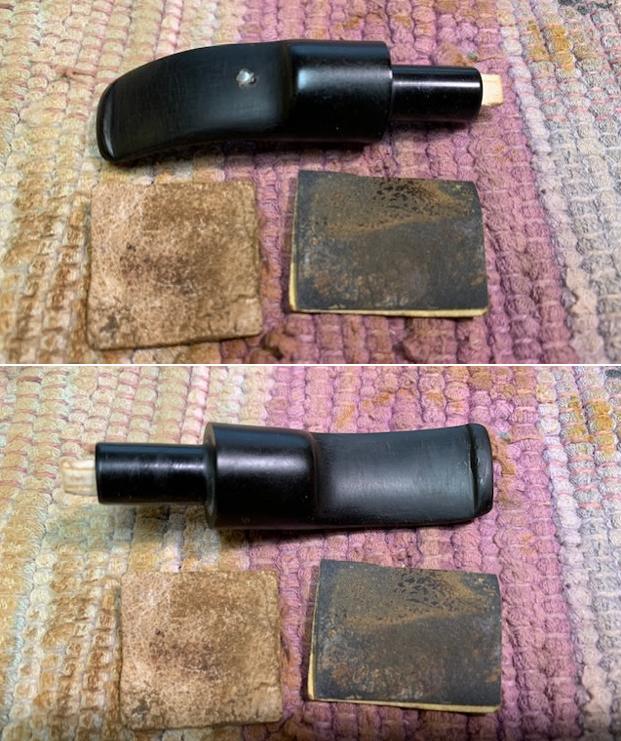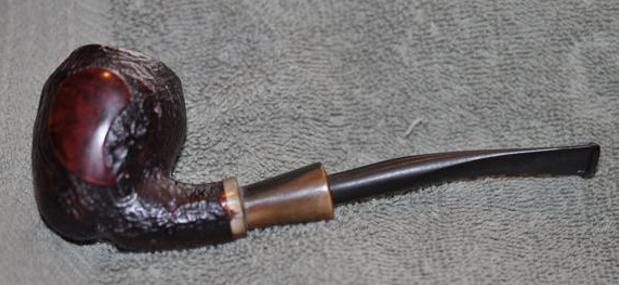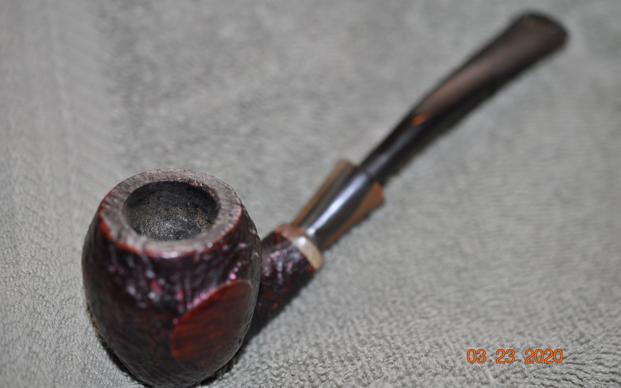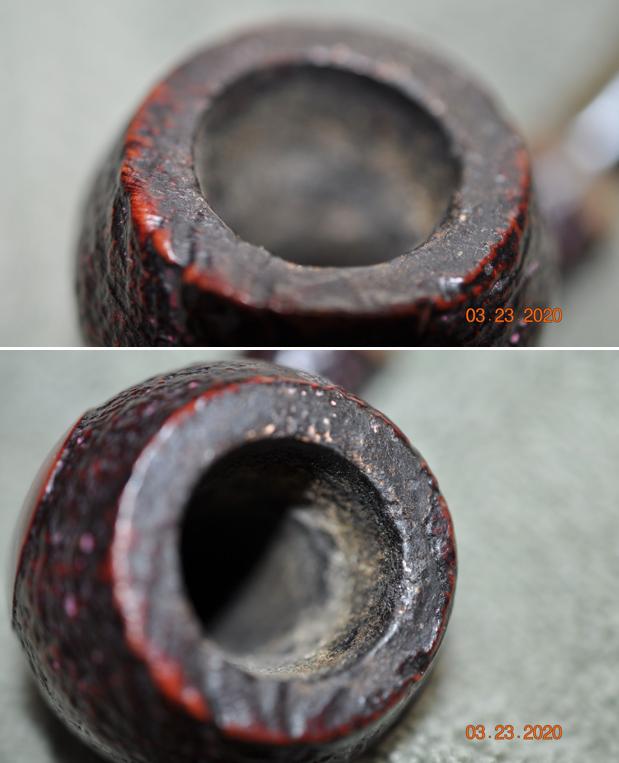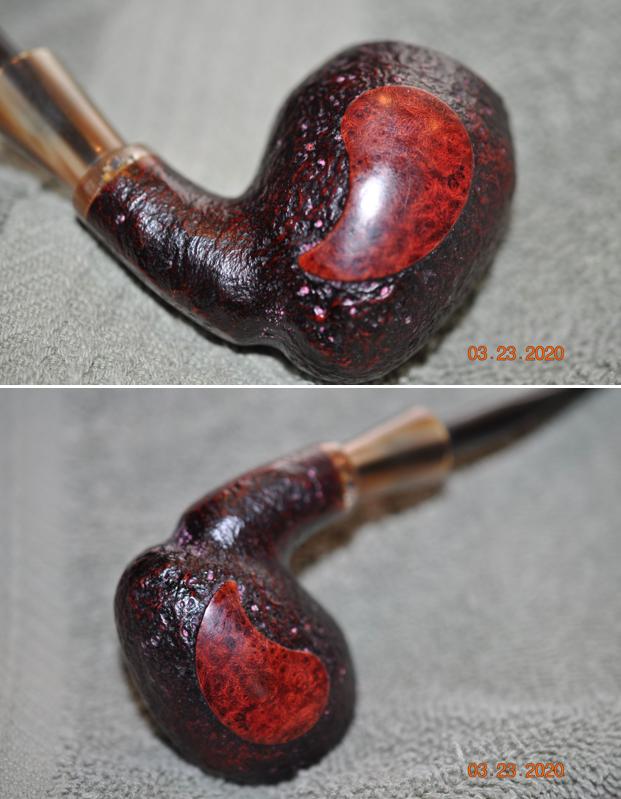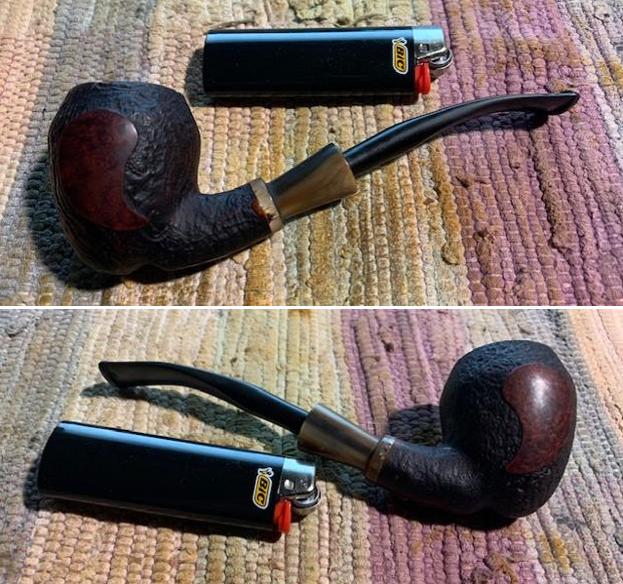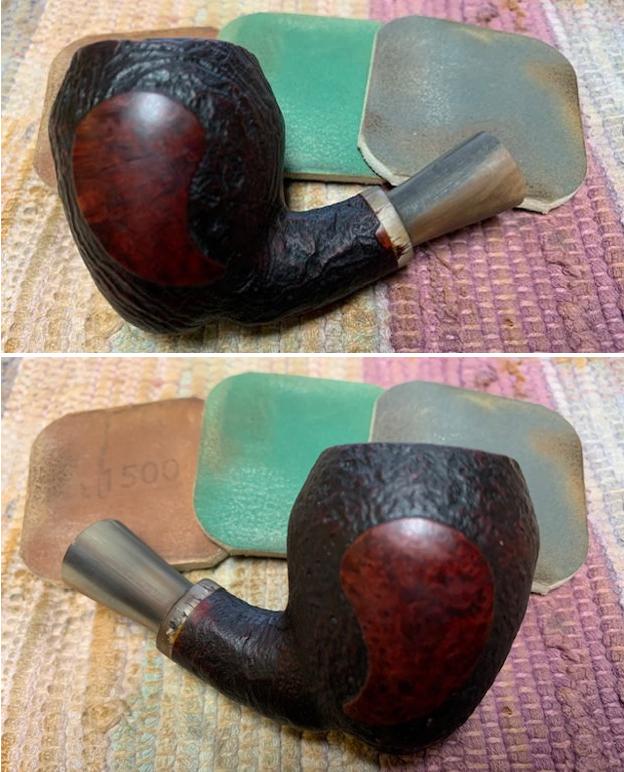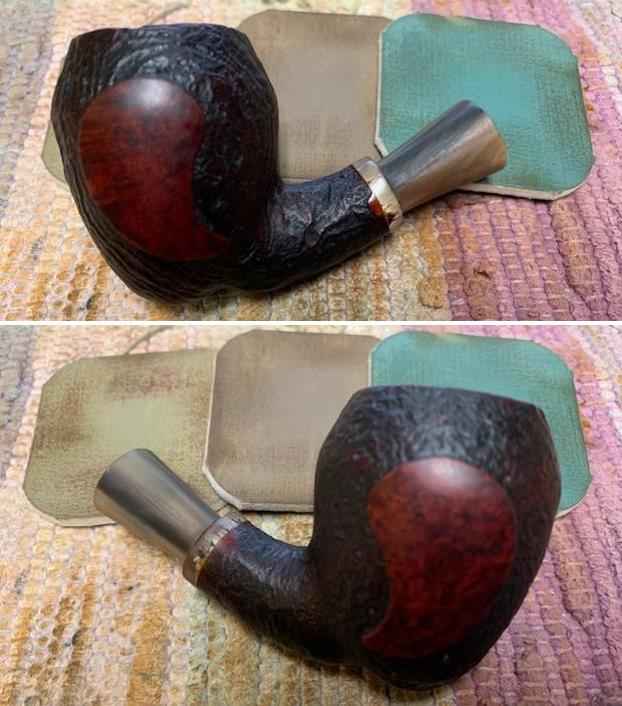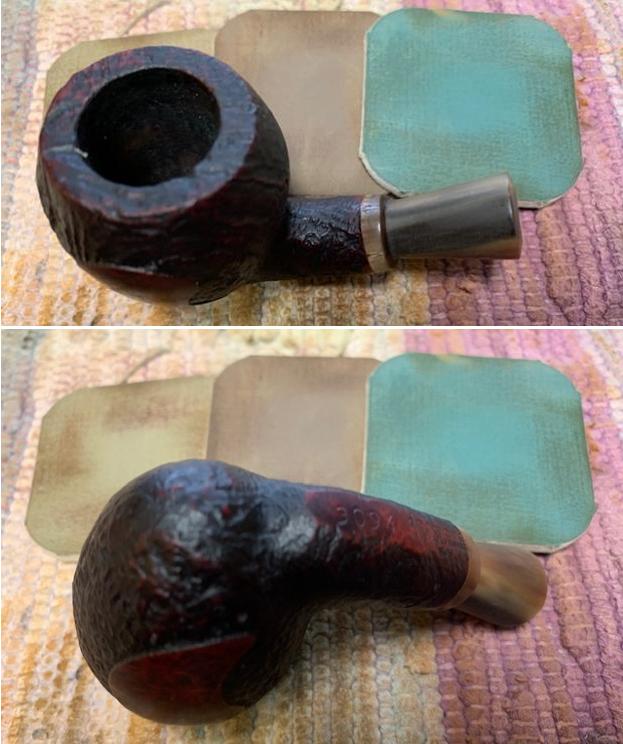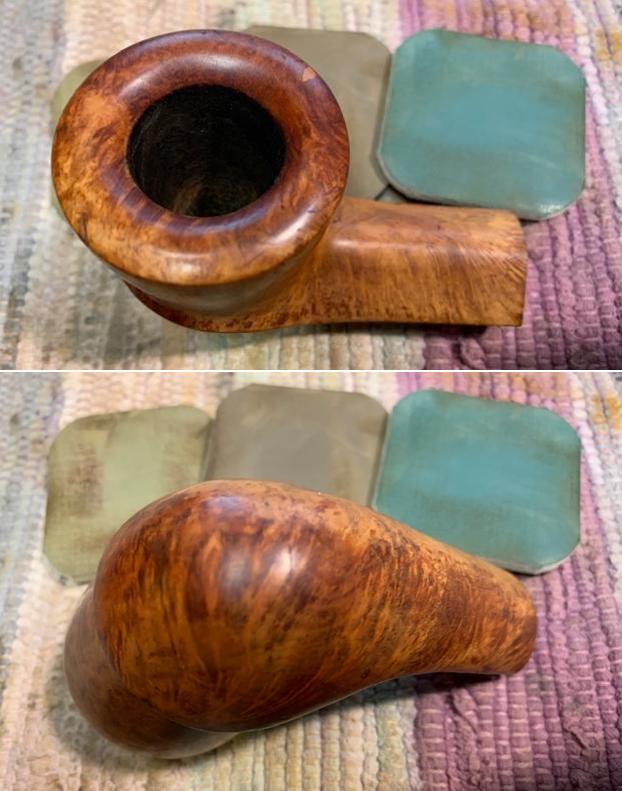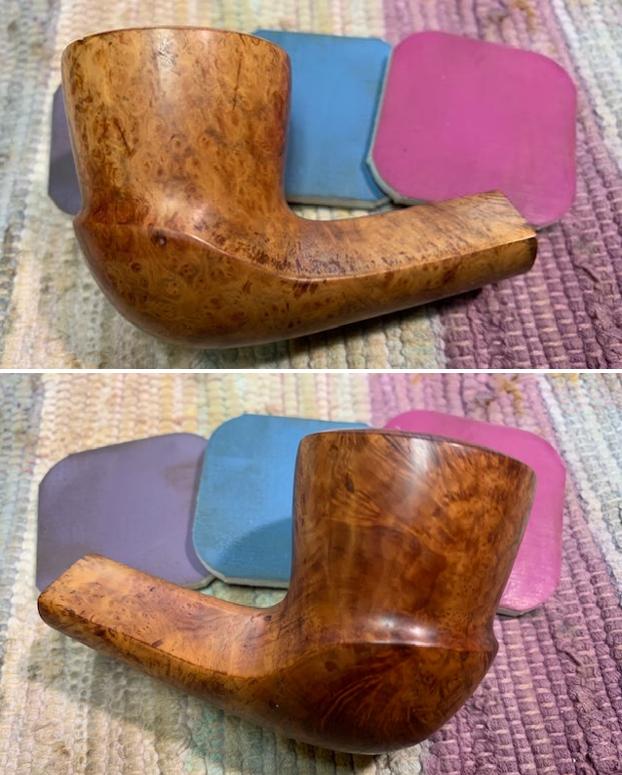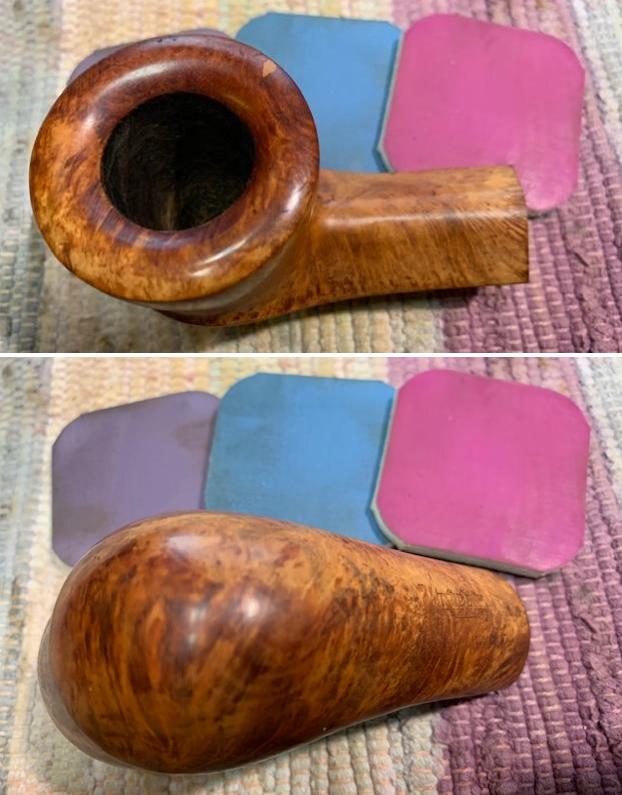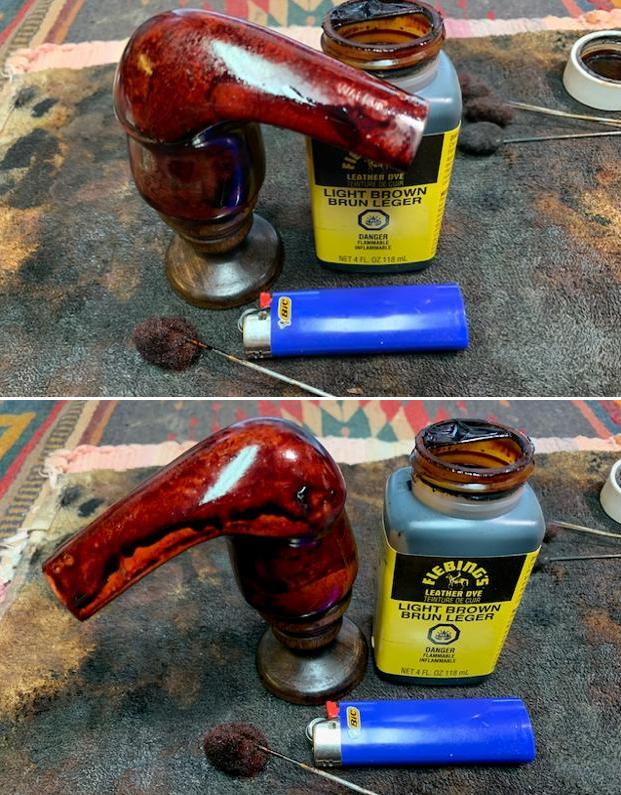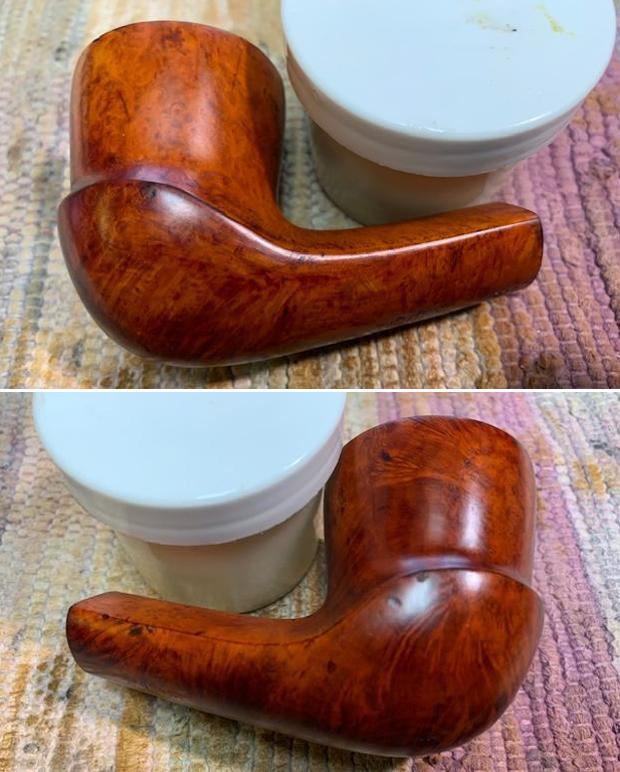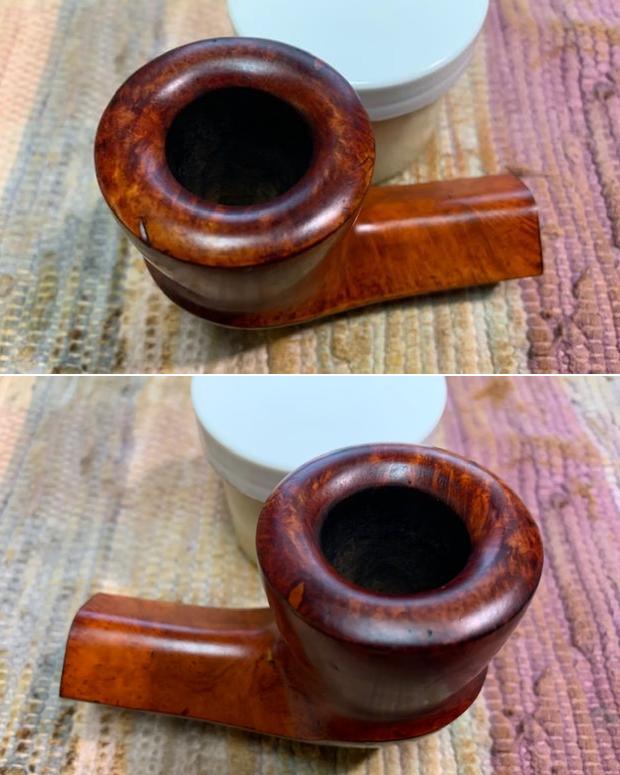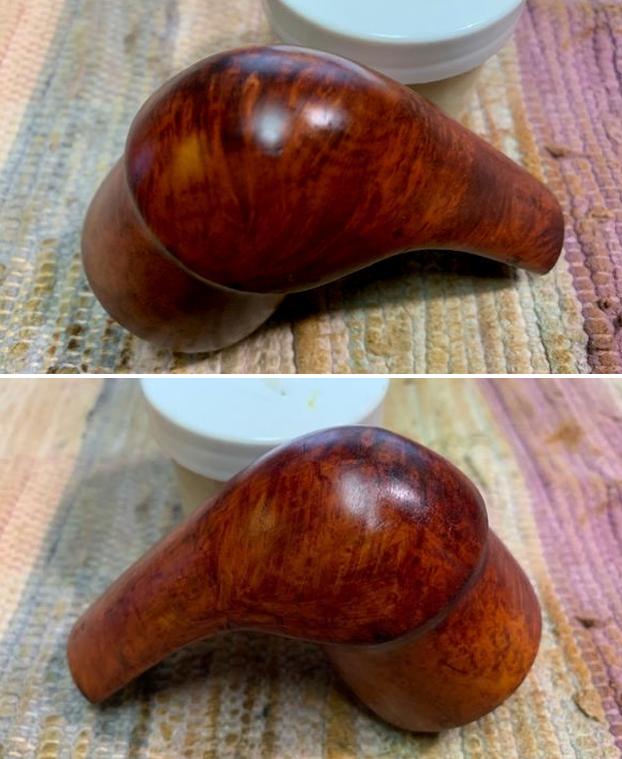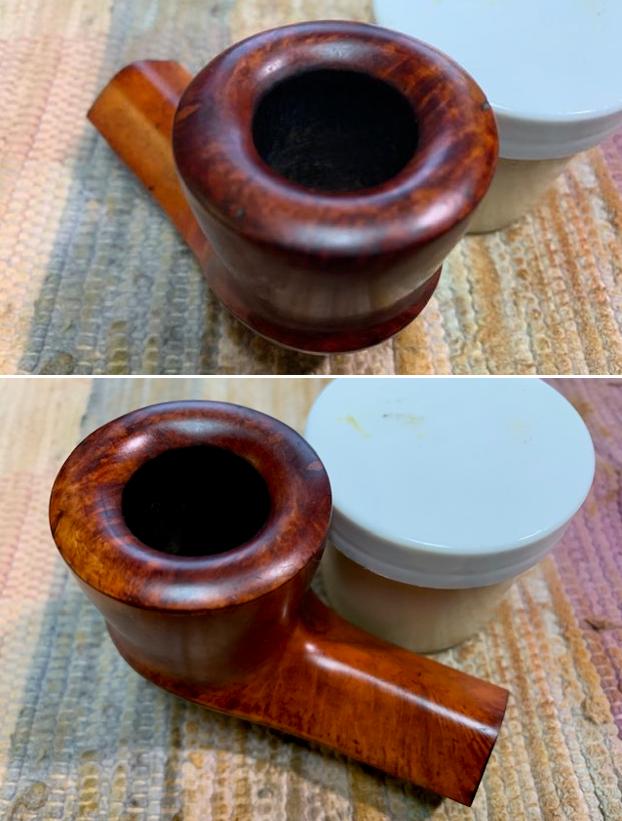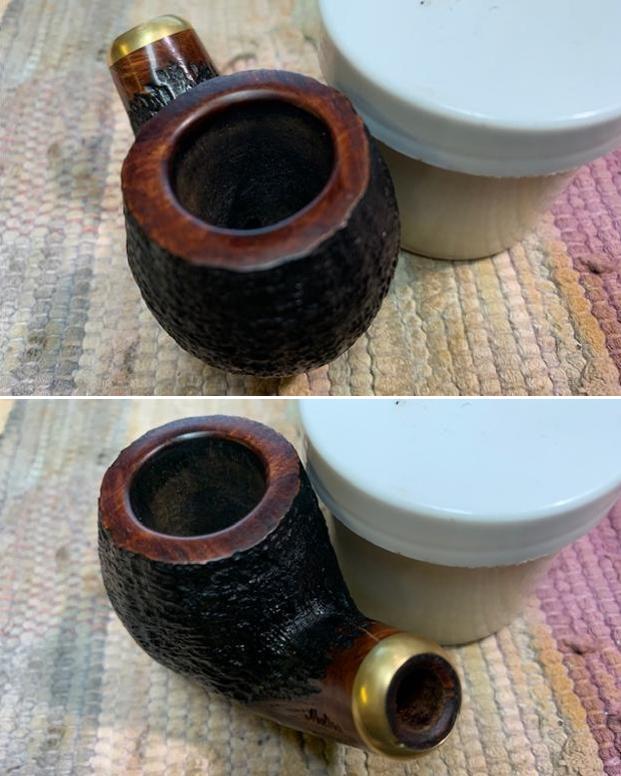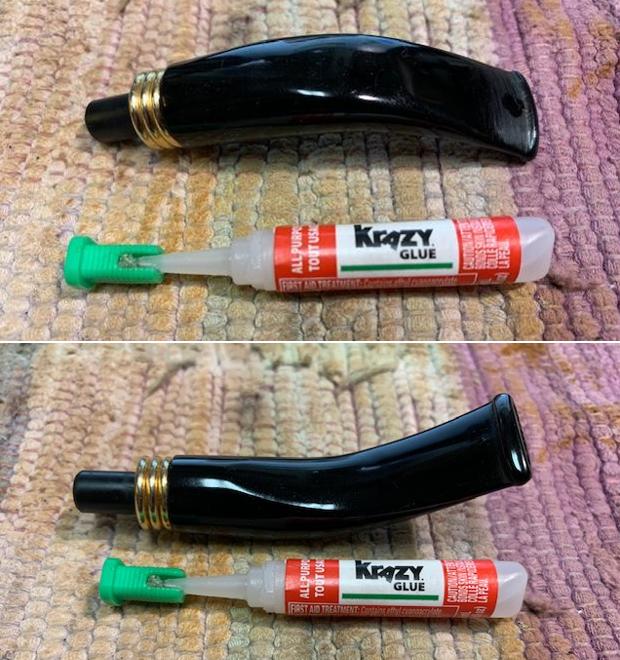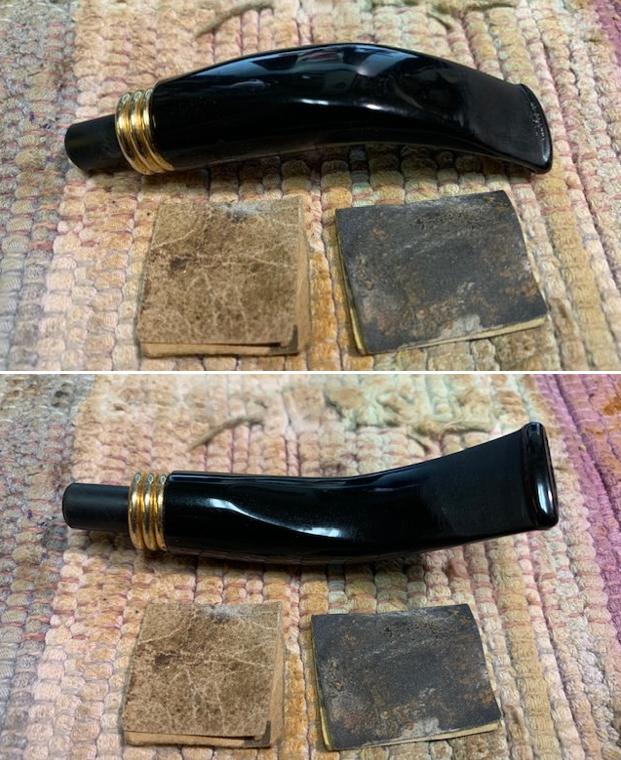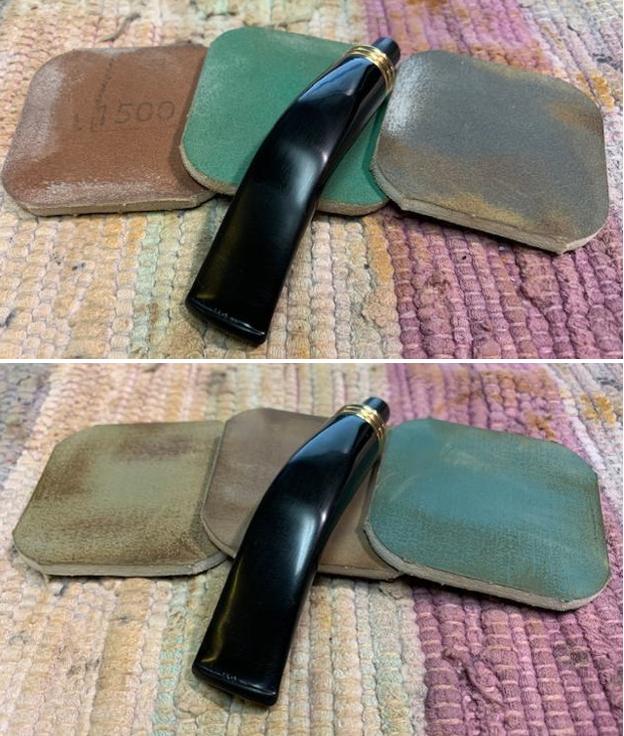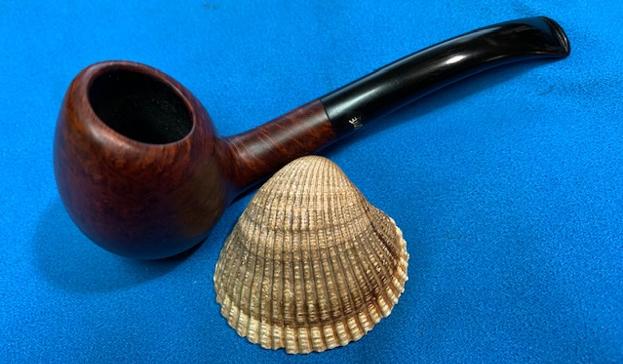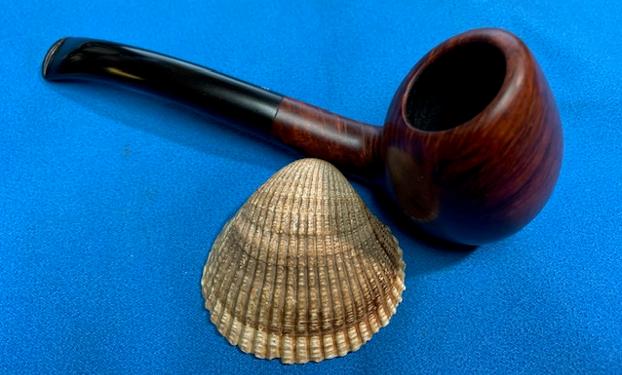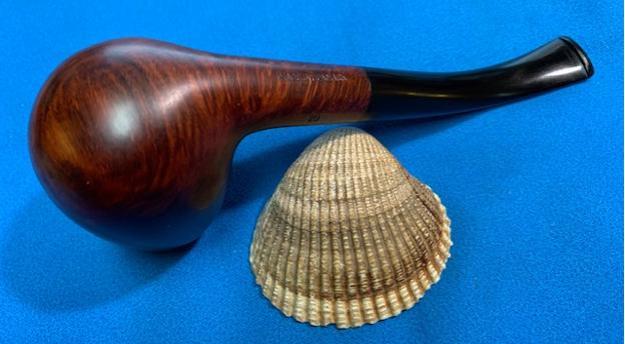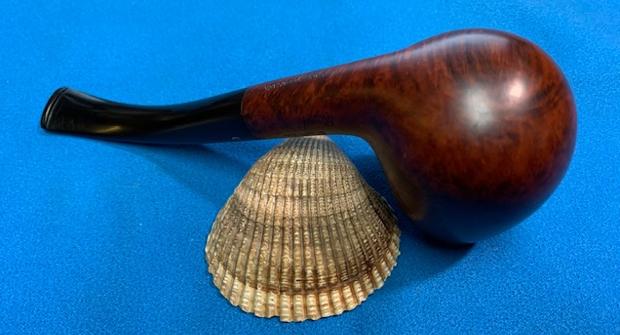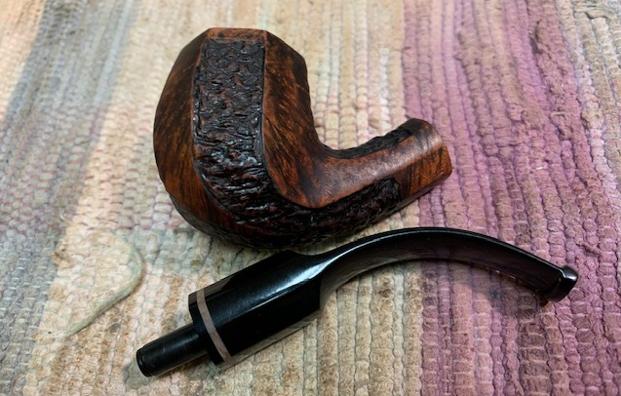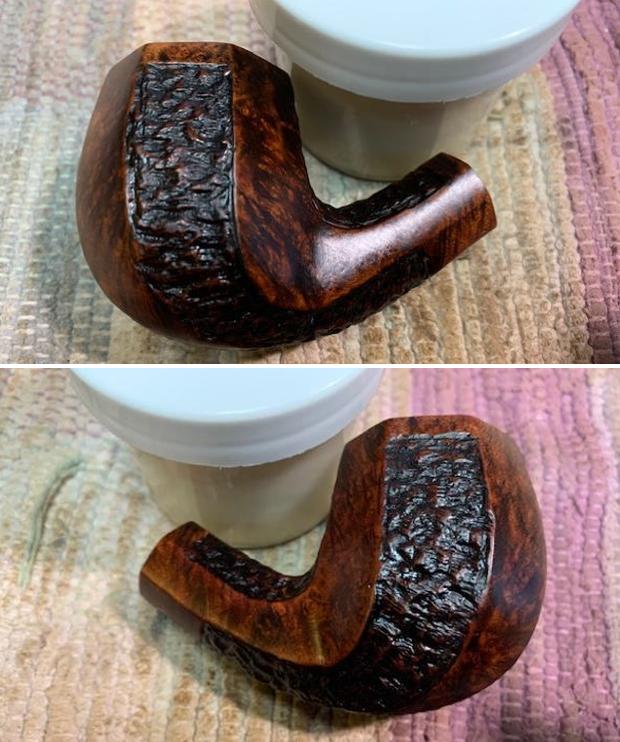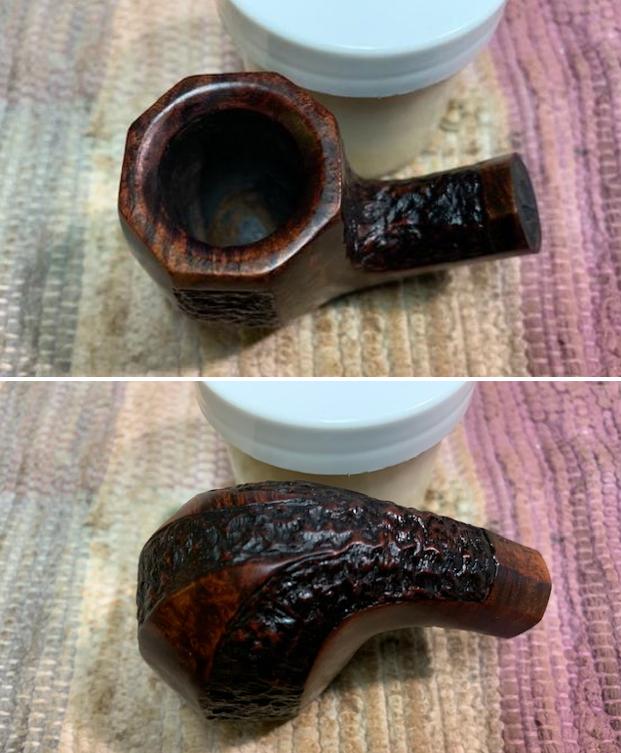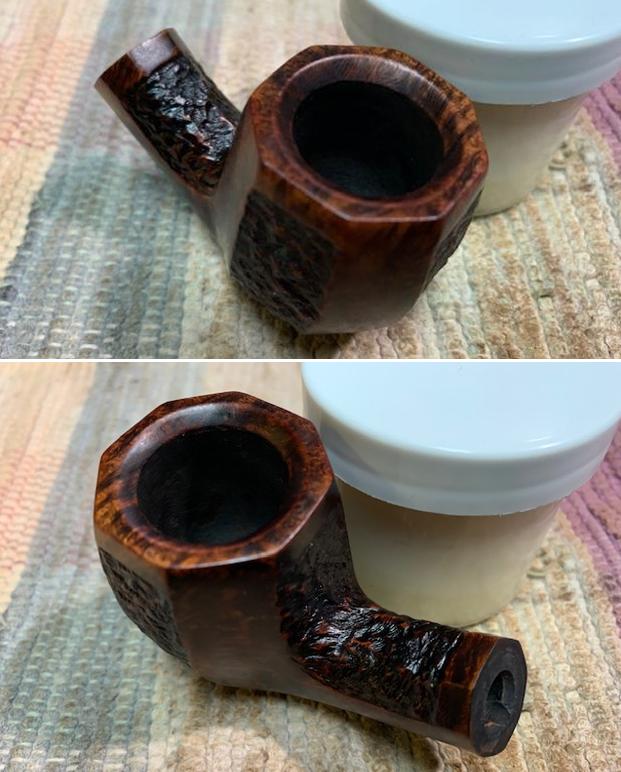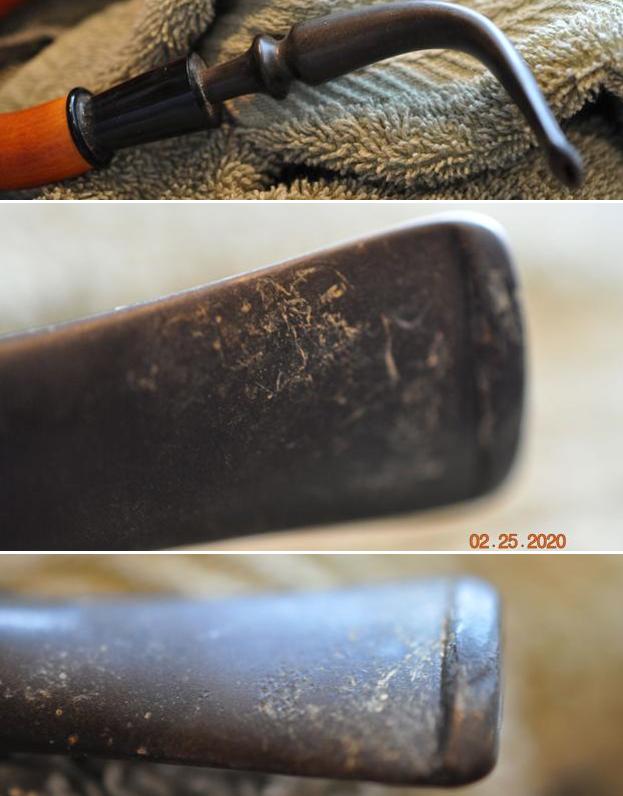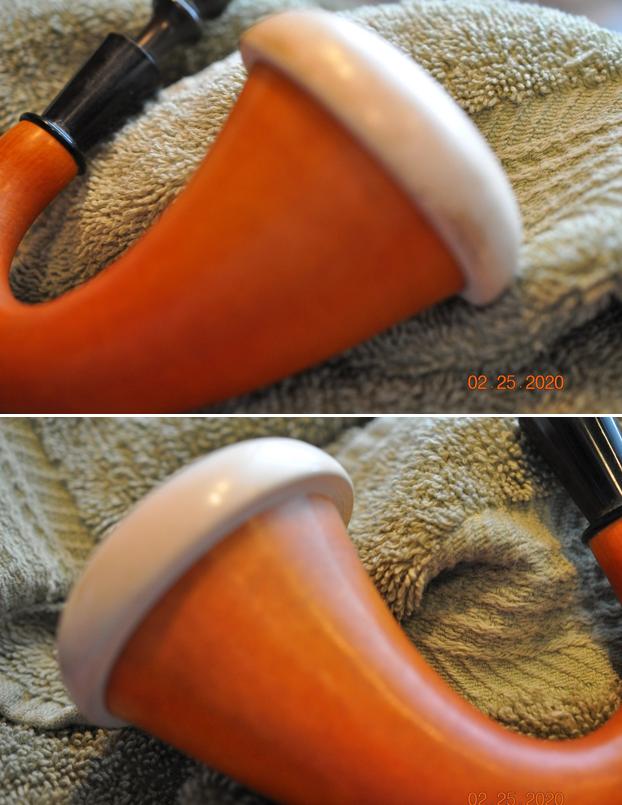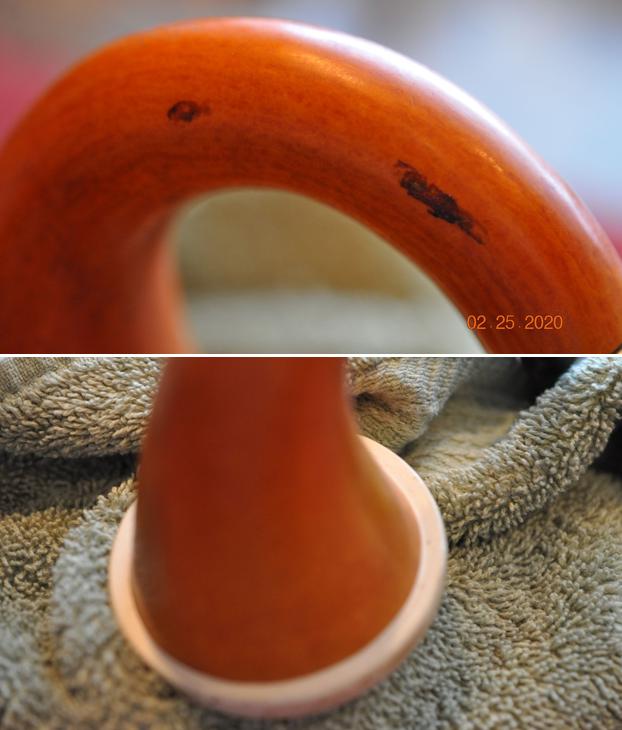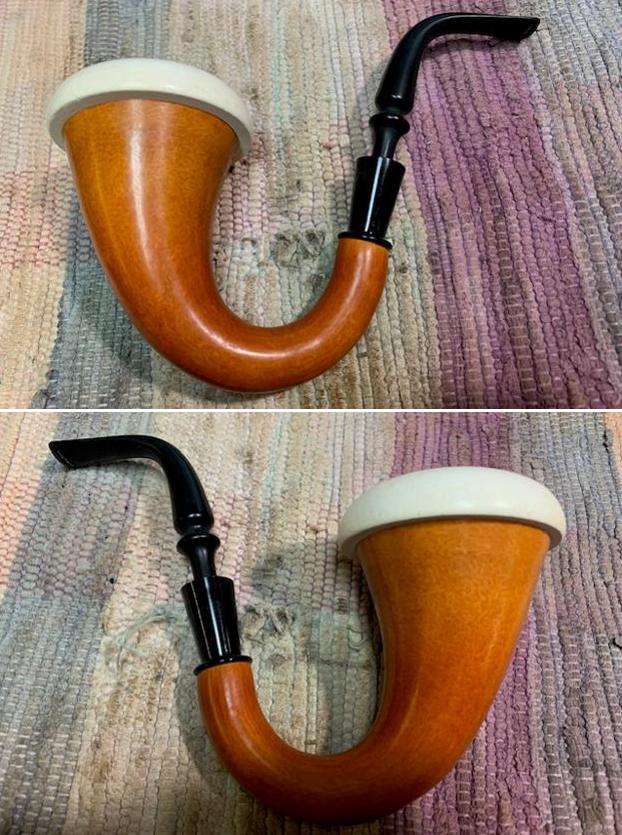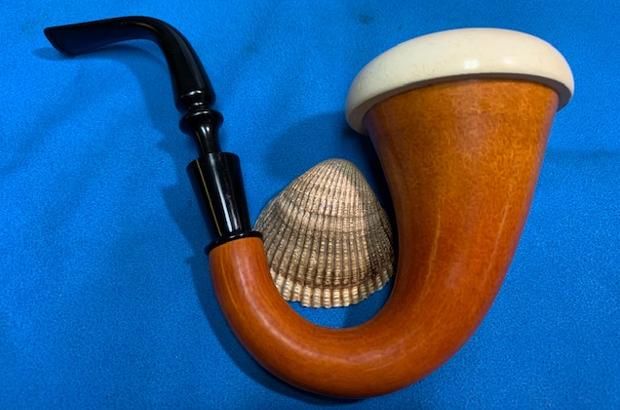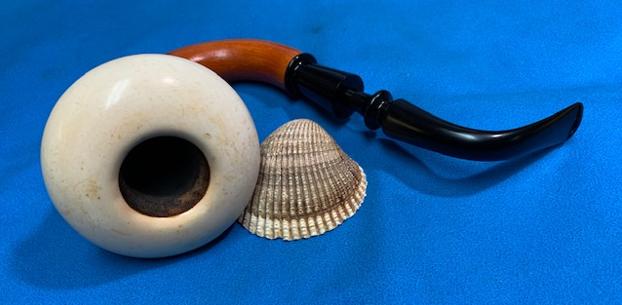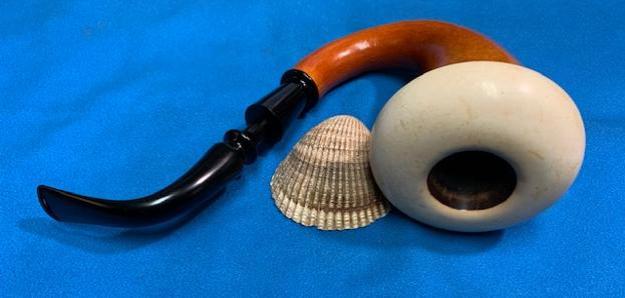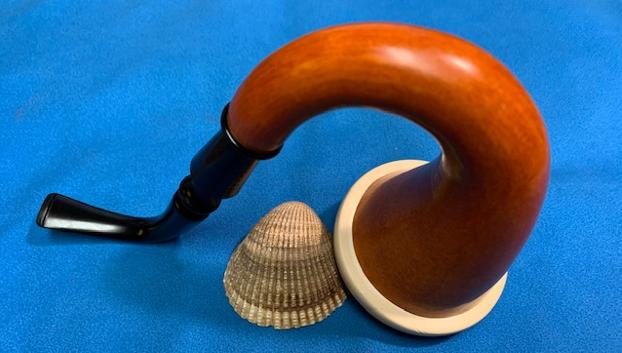
Tag Archives: Stem repairs

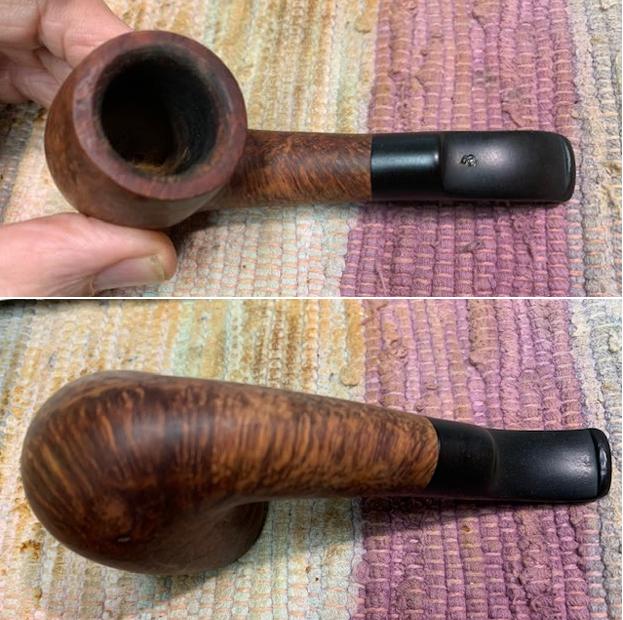
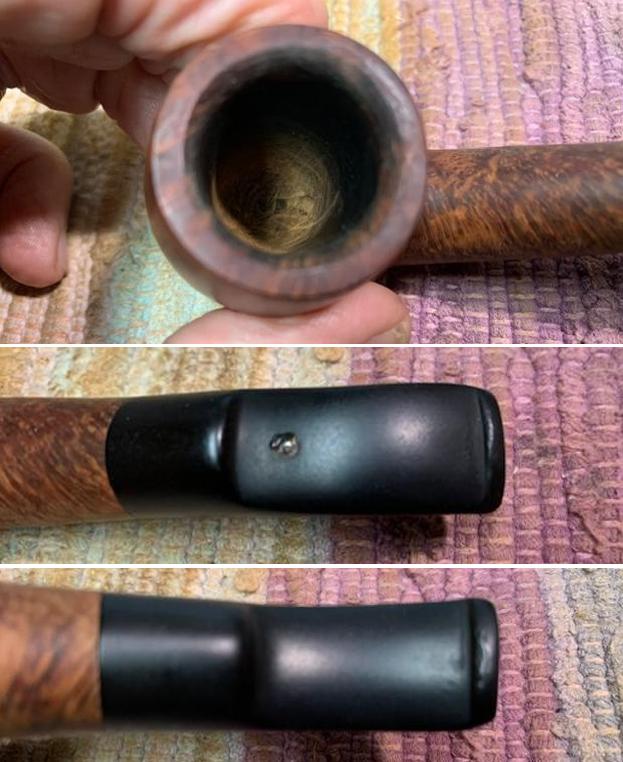
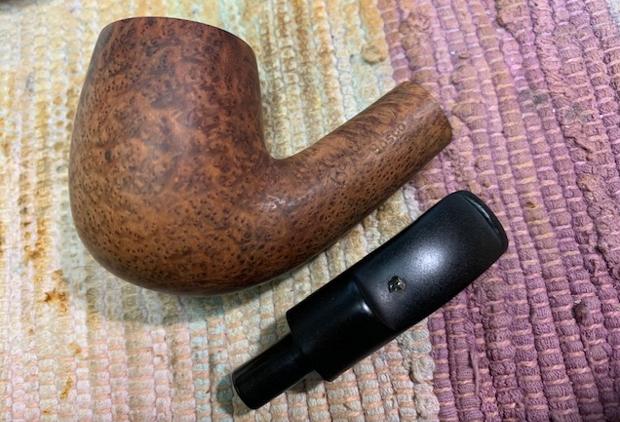
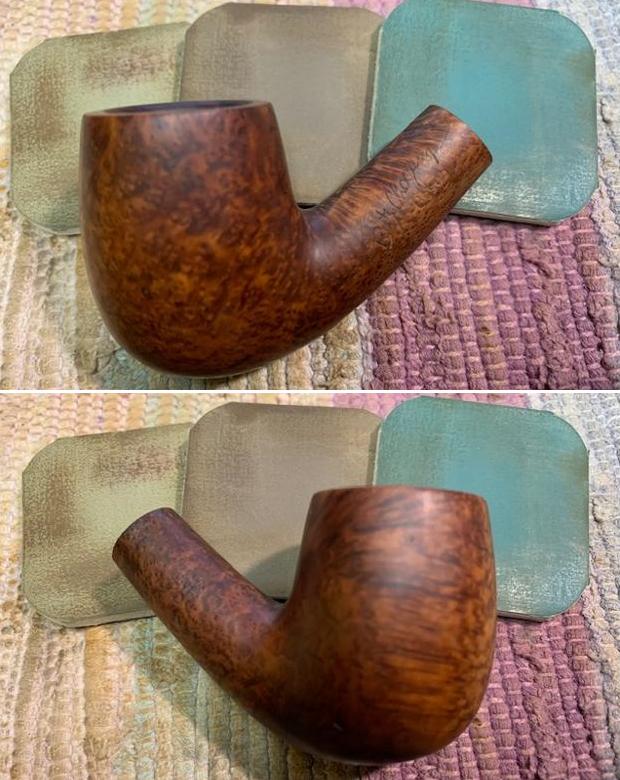
This Beat up Yves St. Claude Interlude 96 Pocket Pipe Needs an Interlude


Blog by Steve Laug

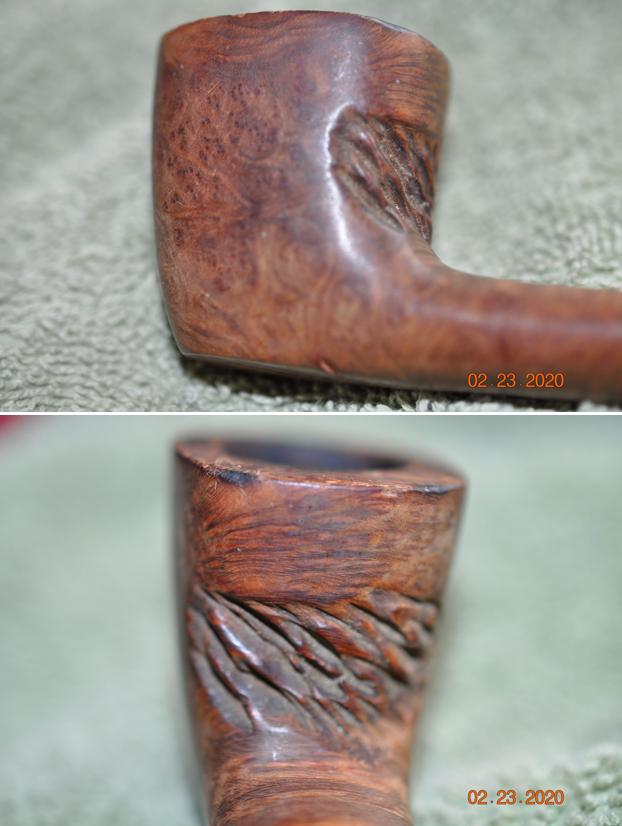
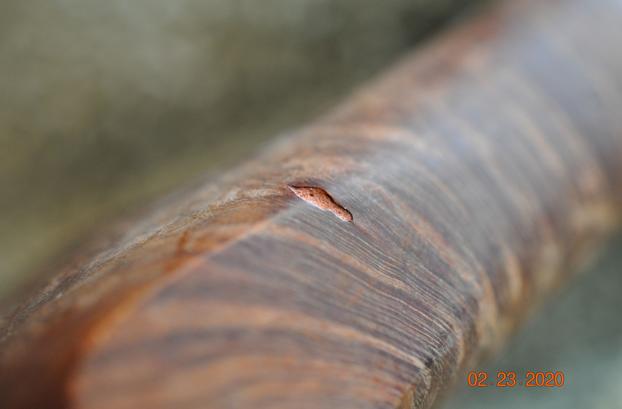
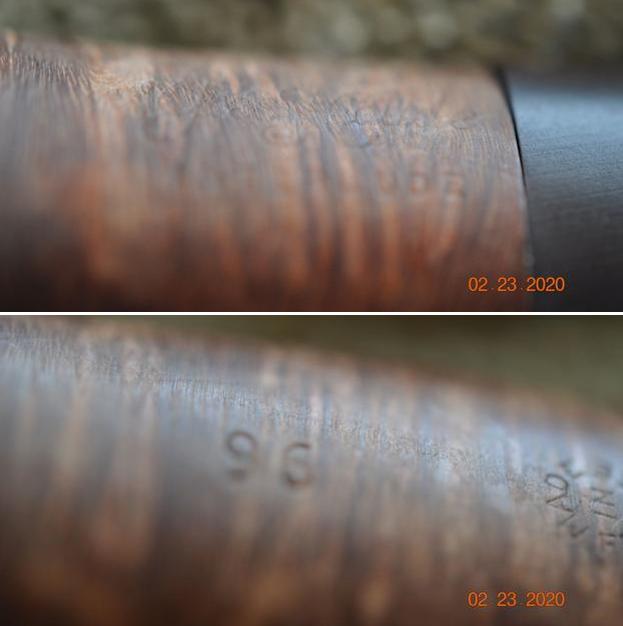
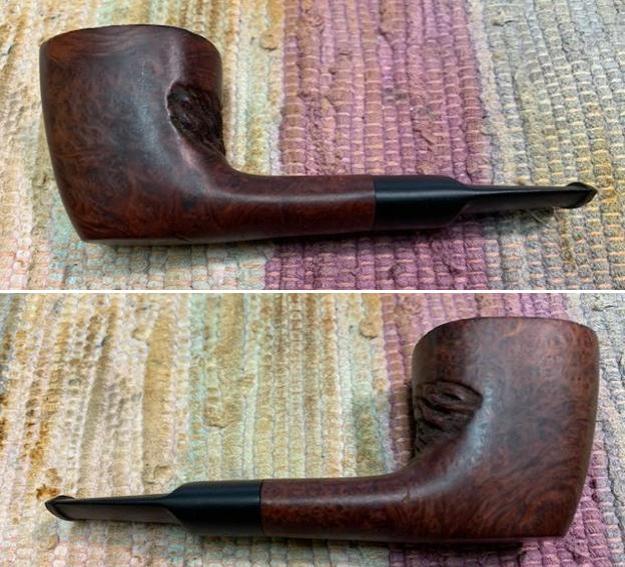
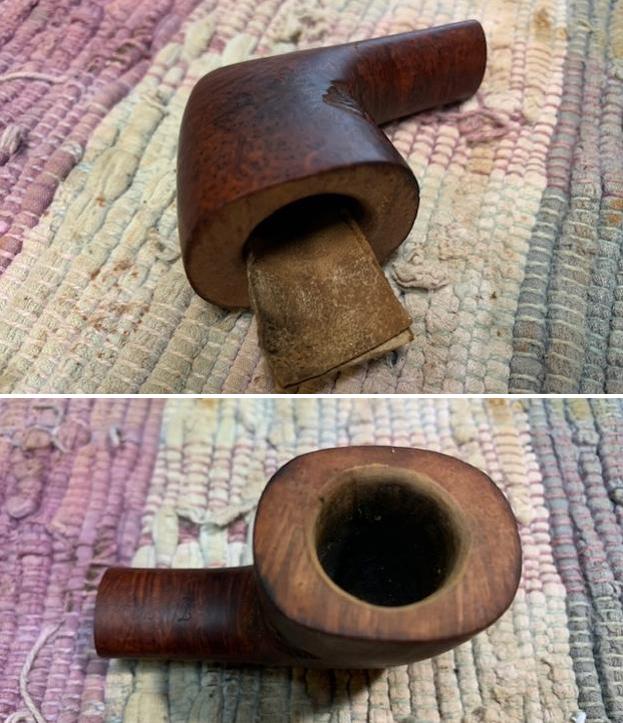
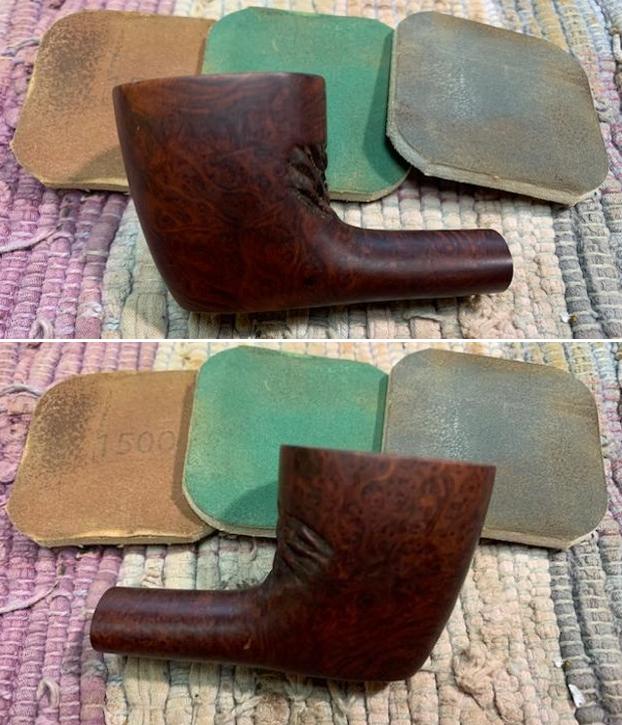
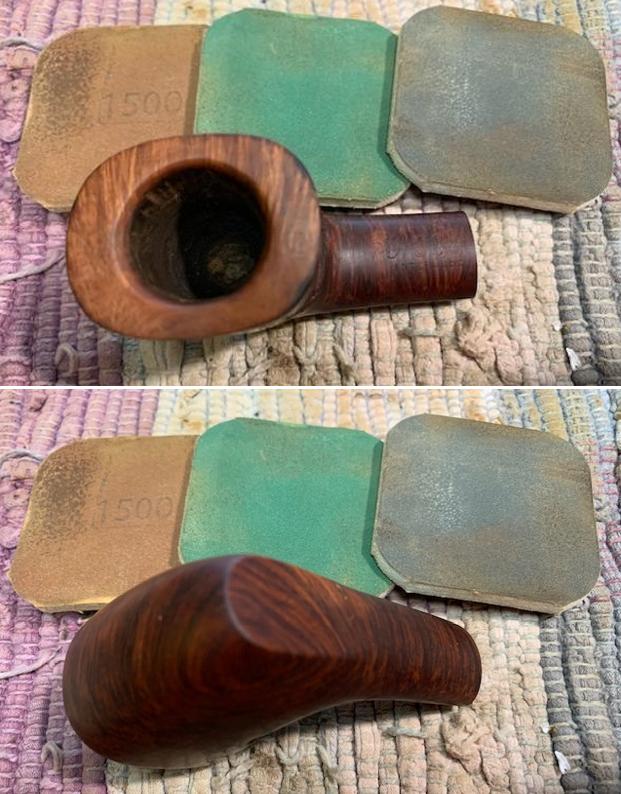
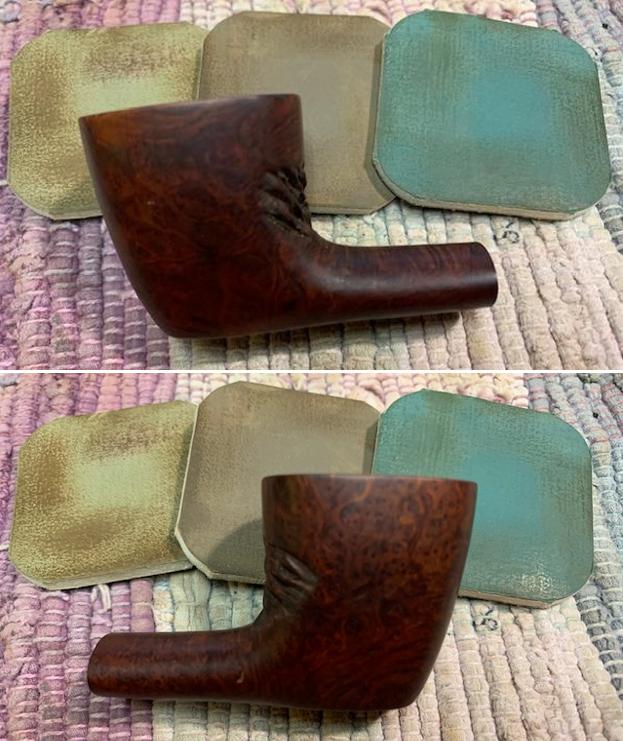
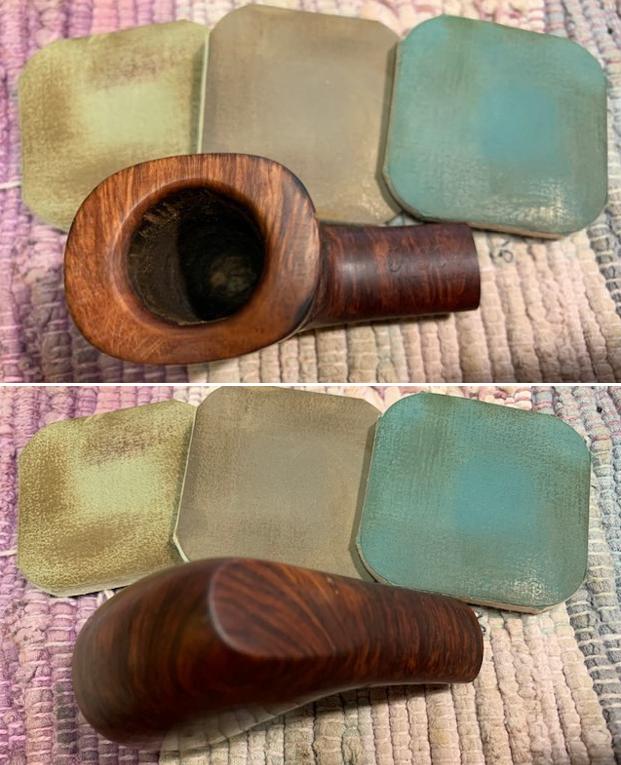
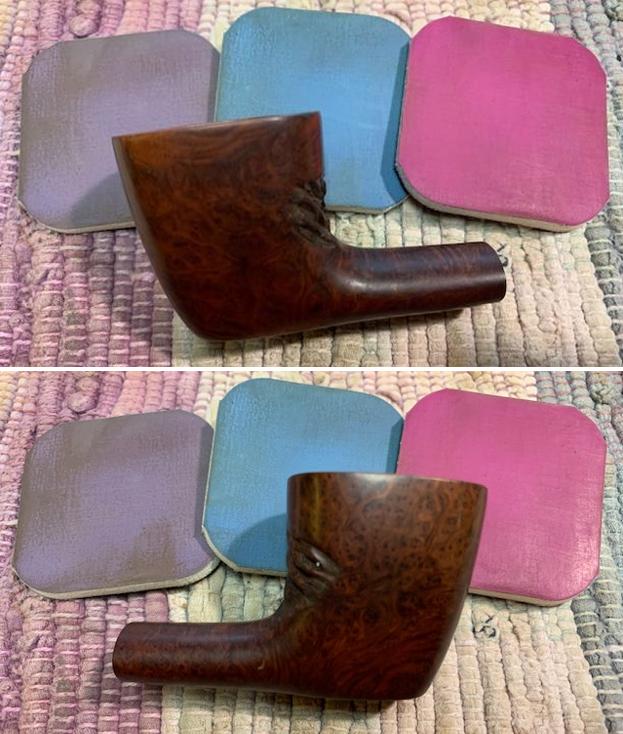
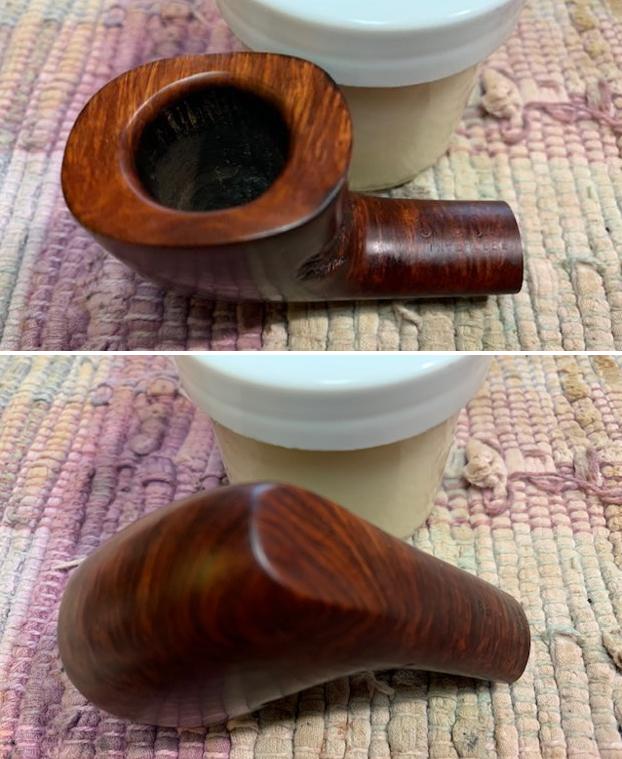
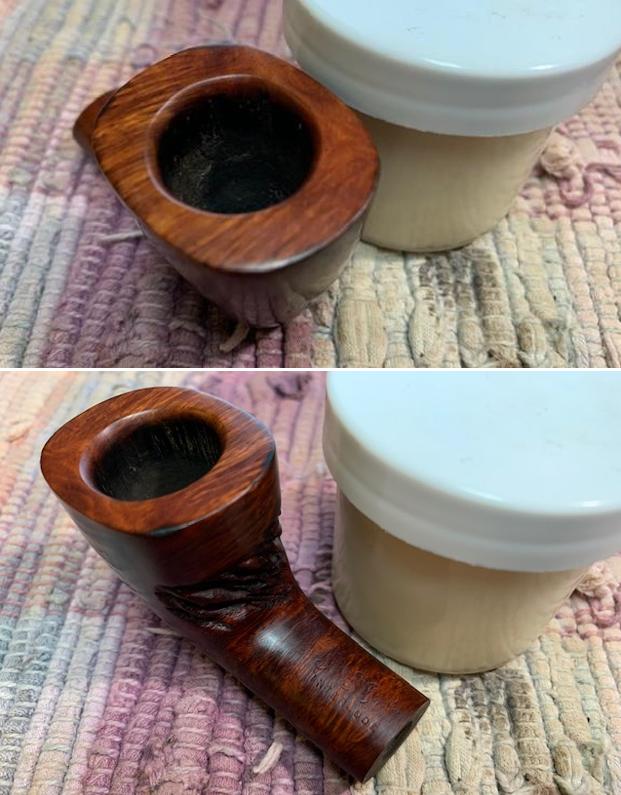
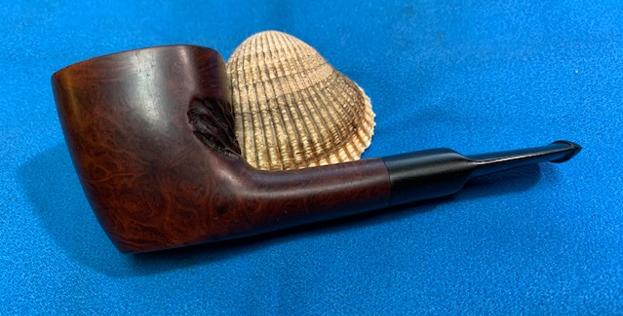
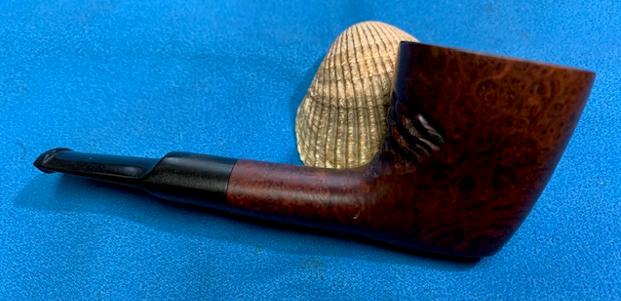
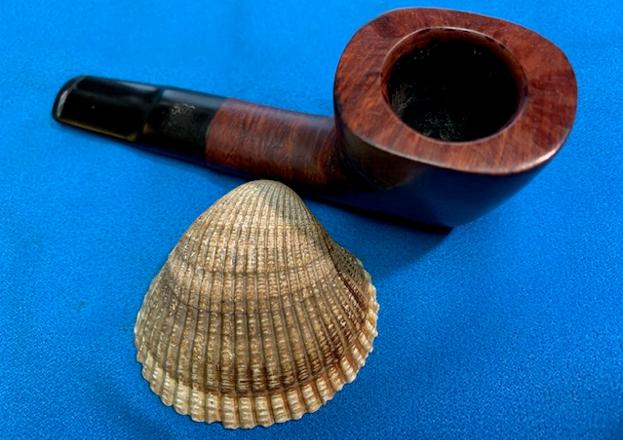
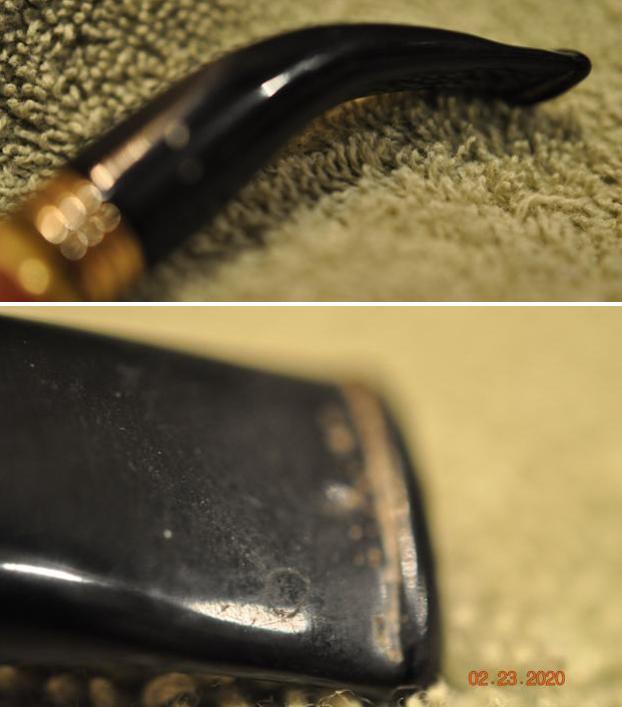
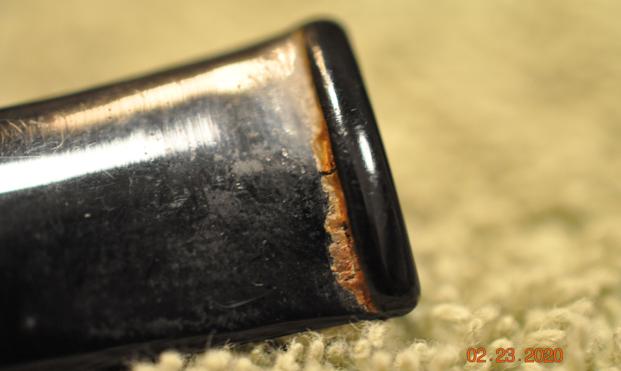
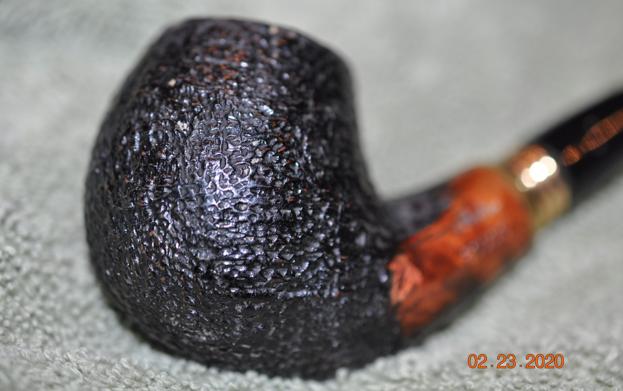
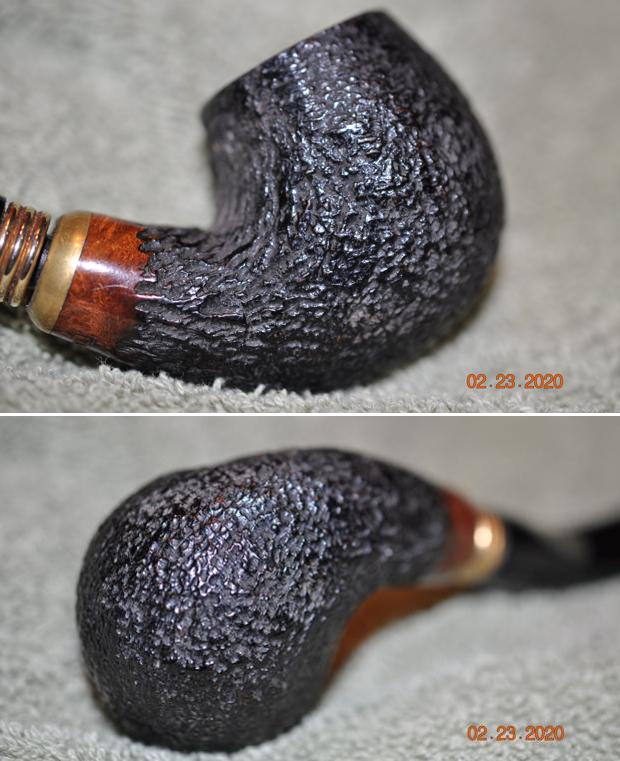
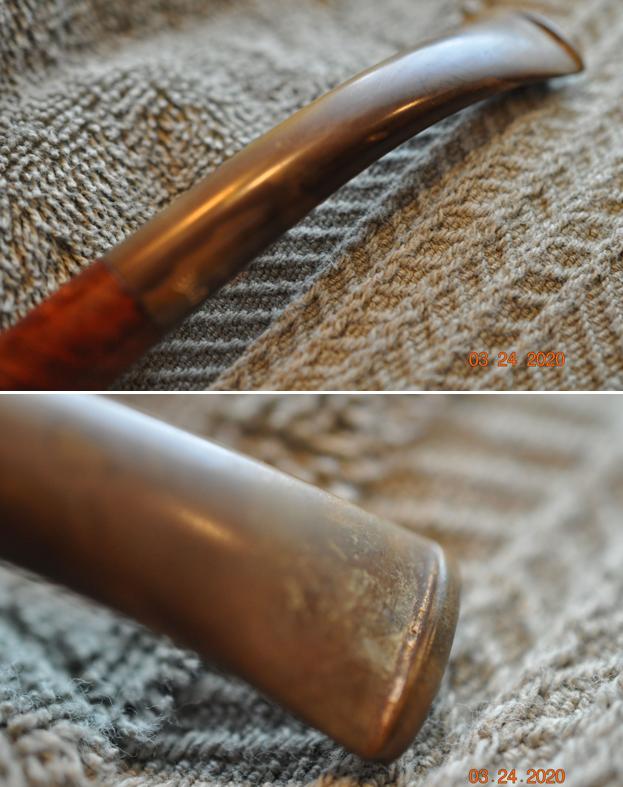
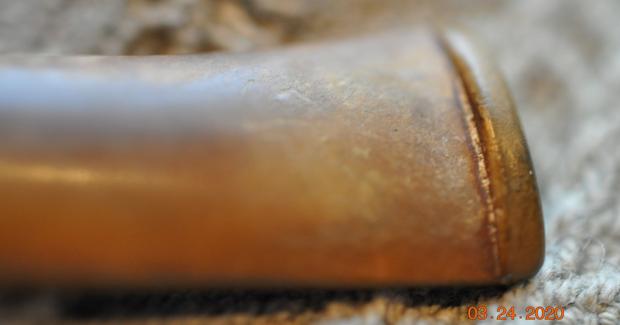
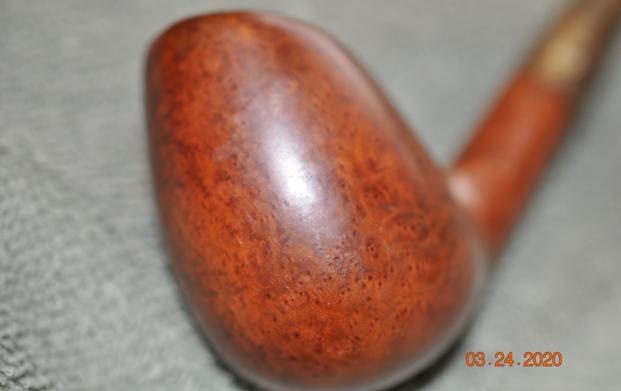
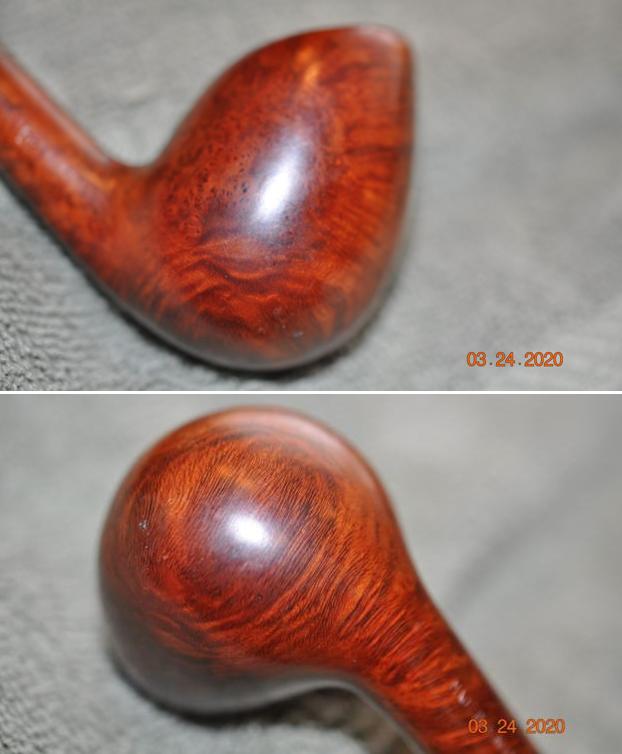
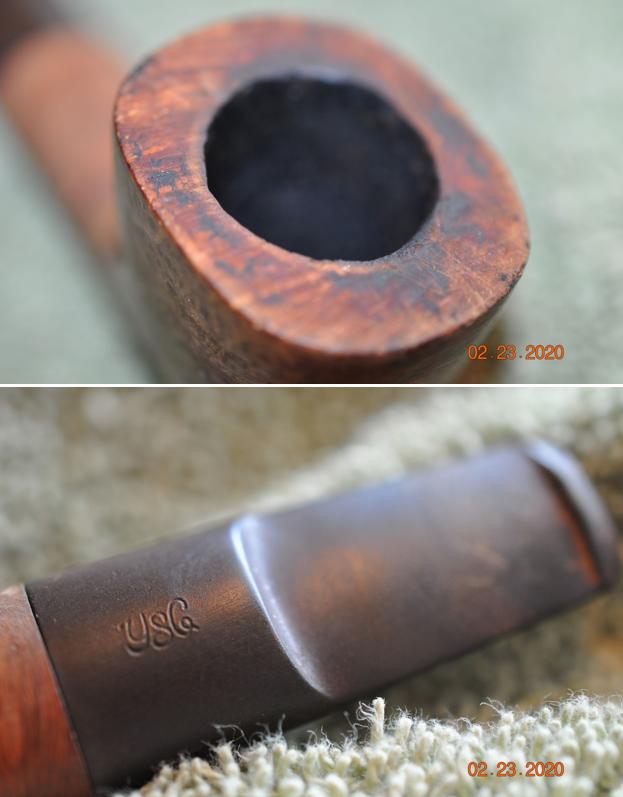
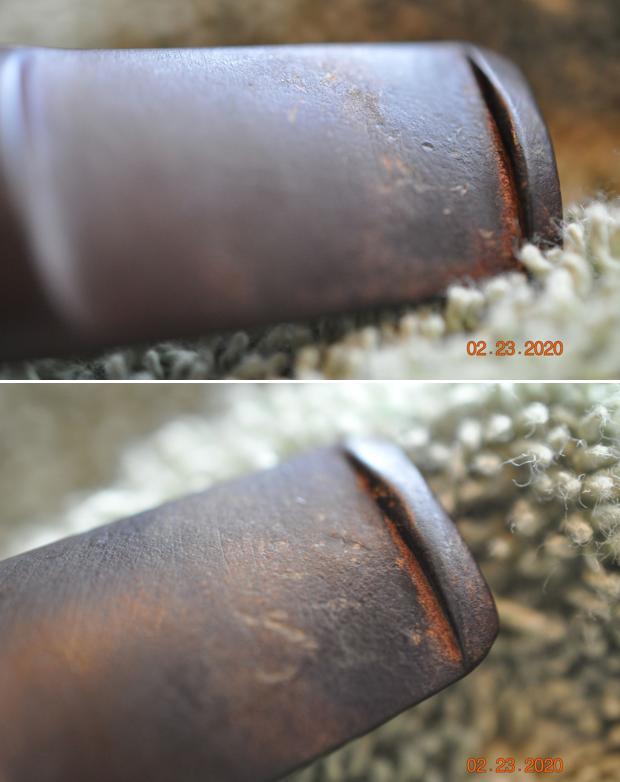
The next pipe on the work table came to us from a fellow in Brazil, Indiana, USA earlier this year. It is a small pocket pipe with flat sides and an oval shank. There is some nice grain on the bowl and there is carved pattern on the back side of the bowl. The rim top is pretty beat up and has some ground in grime and lava build up. The inner edge of the rim is in rough shape and there is damage and burn marks on the outer edge as well. The finish on the bowl is very worn and dirty but there is still something intriguing about the pipe even with the grime on the surface of the briar. There is a large shrunken fill on the left side of the heel of the bowl. This pipe is stamped on the topside of the shank and reads Yves St. Claude [over] Interlude. On the underside of shank it has the shape number 96 followed by the Made in France circular COM stamp. There was a stylized YSC stamped on the top of the oval saddle stem. The pipe is heavily smoked with a moderate cake in the bowl that has been poorly reamed. There were some tooth marks and chatter on both sides of the stem near the button. The pipe is in a condition that is a challenge to bring back to life. Jeff took photos of the pipe before he started his cleanup. He took photos of the rim top to show the condition of the top and edges of the bowl. It is a heavily smoked and well worn older pipe that must have been someone’s favourite. The stem had tooth marks and chatter on both sides ahead of the button.He took photos of the sides and heel of the bowl to show the interesting grain around the bowl and the condition of the pipe. He also captured the carving on the back of the bowl. It is a unique looking pipe. He took a photo of the shrunken fill on the left side of the heel of the bowl. It was a large fill that had chipped and left a pit.He took photos of the stamping on the sides of the shank. It is clear and readable as noted above. He also took photos of the YSC stamp on the left side and Hand Cut on the right side of the taper stem.   I turned first to a blog I had written on the restoration of previous YSC pipe that I received (https://rebornpipes.com/2020/04/23/next-on-the-table-an-yves-st-claude-marbre-75-bulldog/).
In the previous blog that I cited above I had found several references to Yves Grenard, trained in Comoy’s England factory, purchasing the Chacom plant in St. Claude. He managed the factory and it passed on to his son afterward. The shape of this Yves St. Claude pipe makes me believe that it may have been made by Chacom in France with the stamping bearing Yves name.

I turned back to Pipephil’s site to have a look at what was listed there and did a screen capture of the section (http://www.pipephil.eu/logos/en/logo-y.html).I turned to Pipedia and in the listing of French Brands and Maker I found a connection of the brand to Chapuis-Comoy and that the YSC brand was made primarily for Tinder Box (https://pipedia.org/wiki/French_Pipe_Brands_%26_Makers_U_-_Z). I followed that up by turning to the Chapuis-Comoy article from Pipedia (https://pipedia.org/wiki/Chapuis-Comoy).

French factory, in St. Claude. It began with Francois Comoy who, in 1825, was making pipes in boxwood and other types, as well as in clay, for the armies of Napoleon. In 1856, the Comoy factory was the first to produce briar bowls at St. Claude. In 1870, Francois’s grandson, Henri Comoy (1850-1924) was taken prisoner in Switzerland whilst serving in the French army during the Franco-Prussian war, where he found his cousins, the Chapuis. This meeting produced the idea of an association, which only became a reality in 1922, with the creation of Chapuis-Comoy. After Henri’s death, his sons Paul and Adrien, took over the company with the support of their cousins, Emile and Louis Chapuis Sr., and in 1928 they created the Chacom brand.

In 1932, due to the economic crisis at Saint-Claude, the factory merged with La Bruyère, adopting that name, and becoming one of the biggest pipe companies in the world, with 450 workers. Louis Chapuis Jr., joined the company in 1938 and Pierre Comoy in 1947. The name Chapuis-Comoy returned in 1957 (125 workers), due to the success of the Chacom brand in France. In 1971, the London factory (see Comoy’s) became independent, and Yves Grenard, second cousin to Pierre, took over Saint-Claude, and is still running it. Between 1987 and 2001, the factory, which employed over 40 people, joined the Cuty-Fort Enterprises SA holding and, in 1994, included the Ropp brand it its catalog.

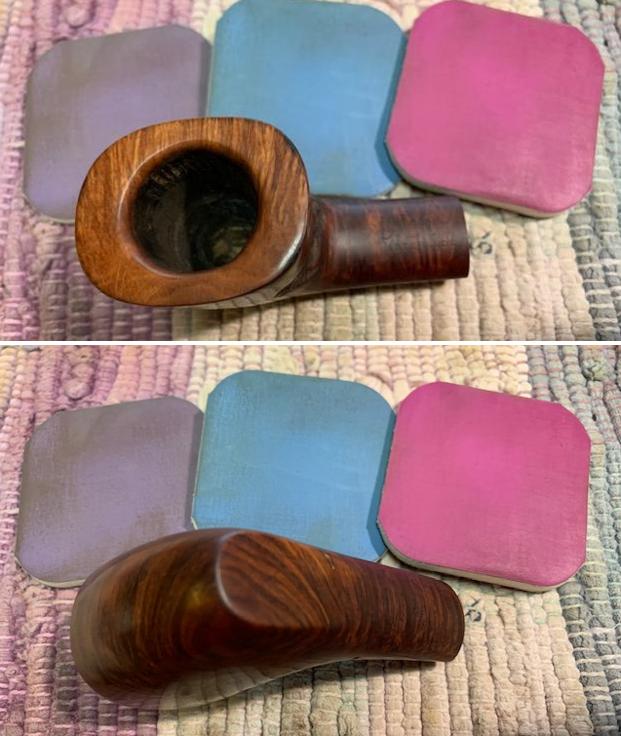
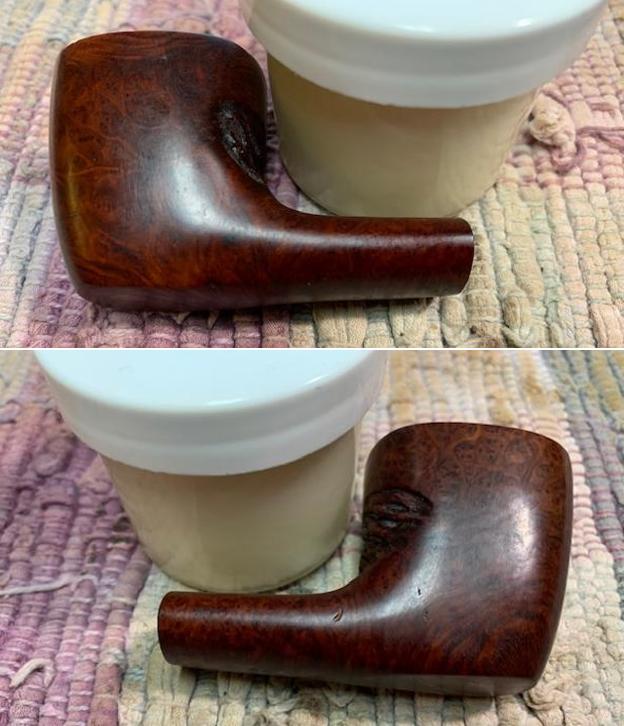
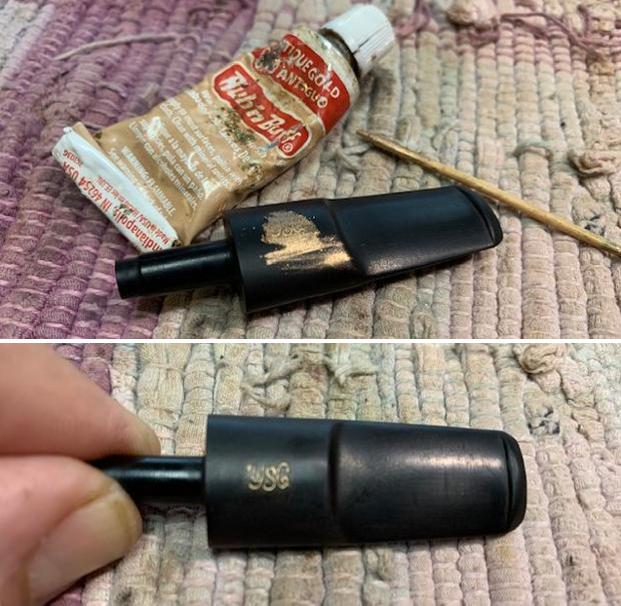
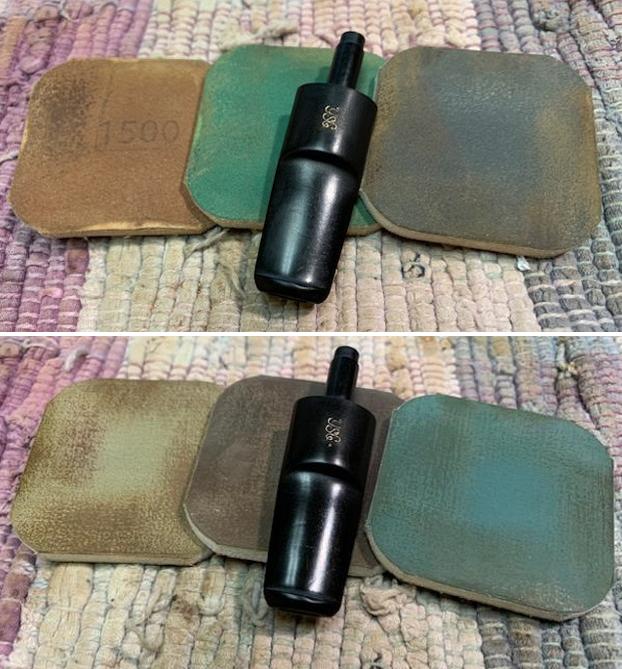
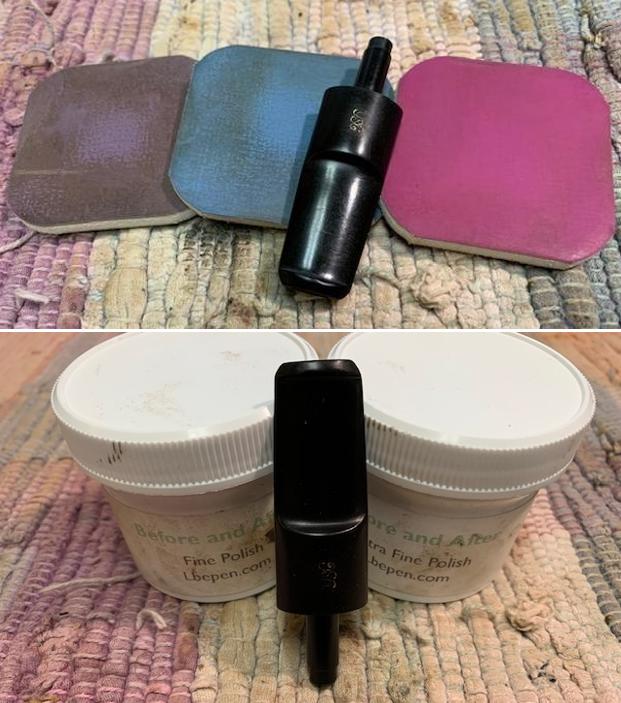
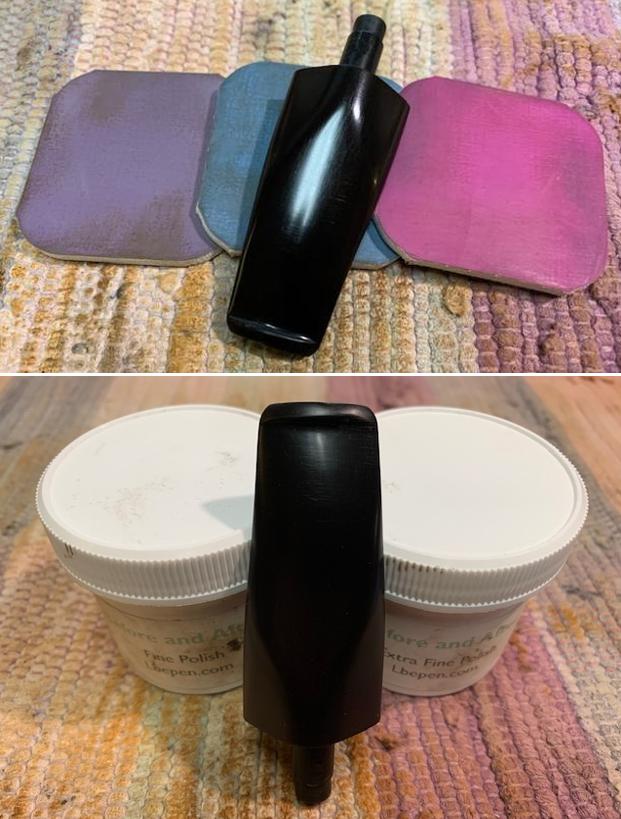
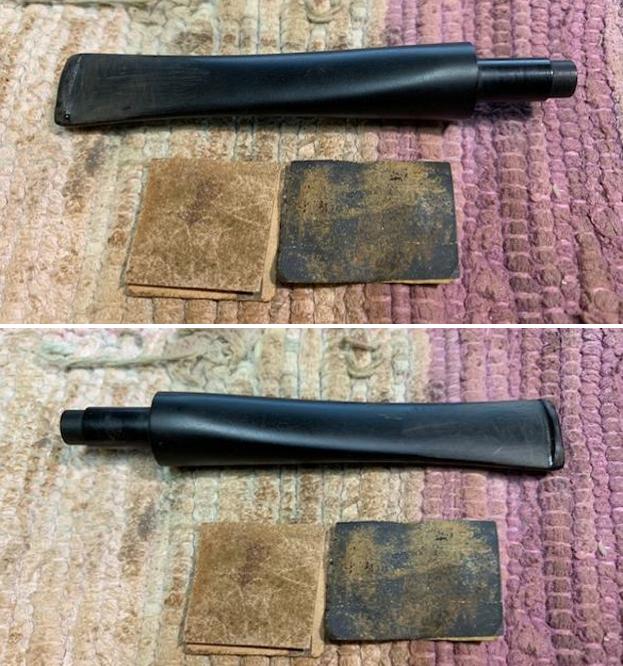
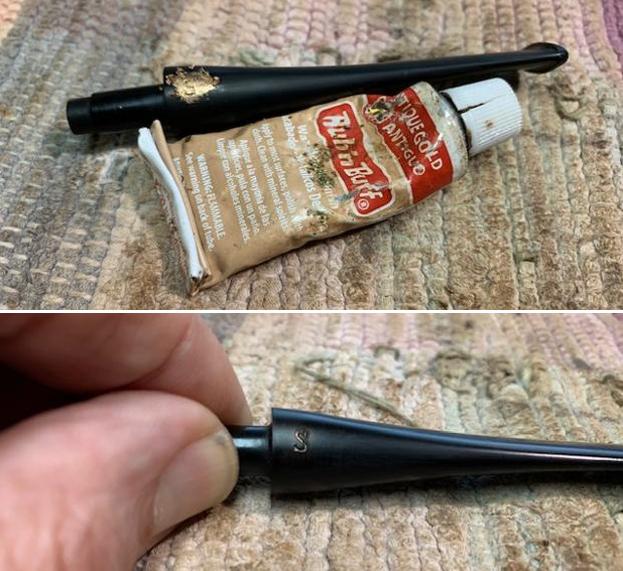
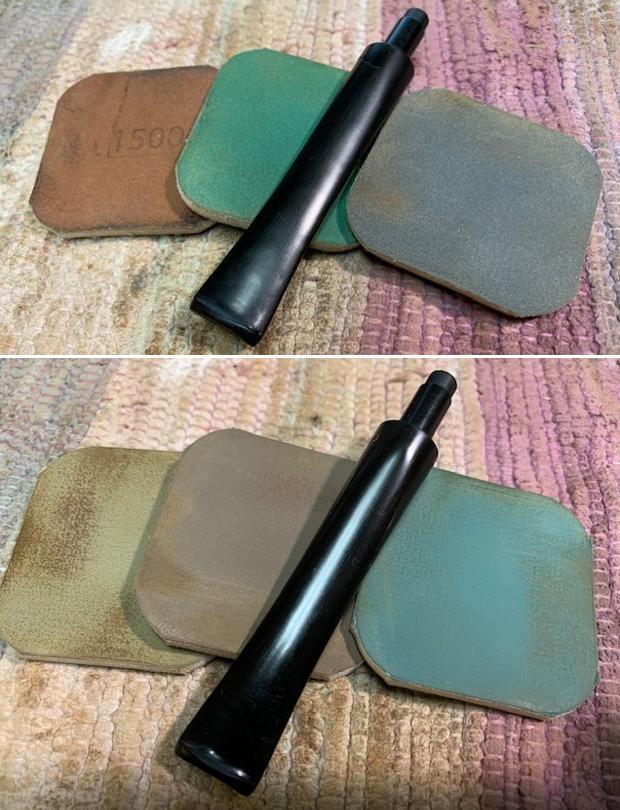
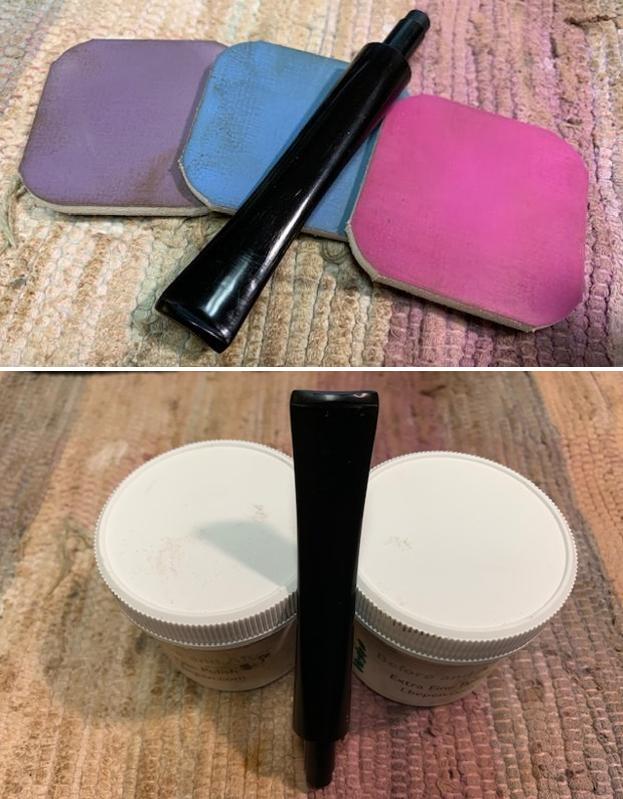
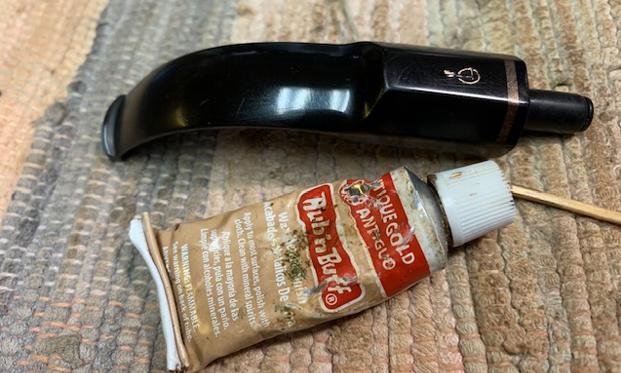
Reminded about the Chacom connection for the YSC brand it was now time to turn to the pipe itself and do my part of the work. As usual Jeff had done a thorough cleanup on the pipe. He reamed the bowl with a PipNet pipe reamer and followed up with a Savinelli Fitsall pipe knife to remove the cake. He scrubbed out the mortise and the airway in the shank and the stem with alcohol, cotton swabs and pipe cleaners. He scrubbed the exterior of the bowl, rim, shank and stem with a tooth brush and Murphy’s Oil Soap to remove the oils and tars on the rim and the grime on the finish of the bowl. He rinsed it under running water. One of the benefits of this scrub is that it also tends to lift some of the scratches and nicks in the surface of the briar. He dried it off with a soft cloth. He cleaned the internals and externals of the stem with alcohol, pipe cleaners and cotton swabs. He soaked the stem in Briarville’s Pipe Stem Deoxidizer and rinsed it off with warm water and cleaned out the airway in the stem with alcohol. Other than the damaged rim top and edges the pipe looked good. Strangely, I did not notice I had put the stem on upside down until I looked through these pictures. I have the YSC stamp on the underside of the stem rather than the top! Oops. I will fix that.I took a photo of the rim top and stem to show the condition (though it is a little blurry it is clear enough to see the damage). The edges of the bowl are in rough condition. The oval vulcanite saddle stem had tooth chatter and marks on both sides ahead of the button and on the edges. The stamping on the sides of the shank is faint but readable as noted above.       I removed the stem from the shank and took a photo of the pipe to give a sense of the whole. It is unique looking pipe that is carved with a notch for the thumb of either hand when it is wrapped around the bowl. I started working on the pipe by topping the damaged rim top on a topping board with 180 grit wet dry sandpaper. I wanted to minimize the damage to the rim top and the inner and outer edges as much as possible. I used a folded piece of 180 grit sandpaper to clean up the inner edge and give it a slight bevel. I repaired the flaw on the left side of the heel of the bowl with briar dust and super glue. Once it dried I sanded it smooth with 220 grit sandpaper to blend it into the surrounding briar.  I sanded it with micromesh sanding pads, wet sanding with 1500-12000 grit sanding pads and wiping it down with an alcohol dampened pad after each sanding pad. I rubbed the bowl and shank down with Before & After Restoration Balm. I worked it into the surface of the bowl sides and shank with my fingertips to clean, enliven and protect the briar. I let the balm sit for a little while and then buffed with a cotton cloth to raise the shine. The Balm did its magic and the grain stood out.   I set the bowl aside and worked on the stem. I touched up the YSC stamp on the top of the saddle stem with Antique Gold Rub’n Buff working it into the stamp with a tooth pick. I buffed it off with a soft cloth.   I polished the vulcanite stem with micromesh sanding pads – 1500-12000 grit pads. I wiped it down with Obsidian Oil after each sanding pad. I used Before & After Pipe Polish – both Fine and Extra Fine to further polish the stem. The photo below shows the polished stem. This nice smooth finished Yves St. Claude Interlude 96 Pocket Pipe with a vulcanite saddle stem is a great looking pipe. The rich medium brown finish and the black stem work really well together. The briar is clean and really came alive. The rich medium brown stain gave the grain a sense of depth with the polishing and waxing. The grain really popped. I put the stem back on the bowl and carefully buffed the pipe with Blue Diamond on the buffing wheel using a light touch on the briar. I gave the bowl and the stem multiple coats of carnauba wax on the buffing wheel. I buffed the pipe with a clean buffing pad to raise the shine. I hand buffed the pipe with a microfiber cloth to deepen the shine. The finished YSC Interlude Pocket Pipe is a beauty and feels great in the hand and looks very good. Give the finished pipe a look in the photos below. The dimensions of the pipe are Length: 4 ½ inches, Height: 1 ¾ inches, Outside diameter of the bowl: 1 ¼ inches wide x 1 ½ inches long, Chamber diameter: ¾ of an inch. The weight of the pipe is 36 grams/1.27 ounces. If you are interested in adding it to your collection let me know. I will be adding to the French Pipe Makers section of the rebornpipes store shortly. Thanks for reading this blog and my reflections on the pipe while I worked on it.

What an Odd Little Butz Choquin Bosco 1040 Snub Nose Bent Billiard


Blog by Steve Laug

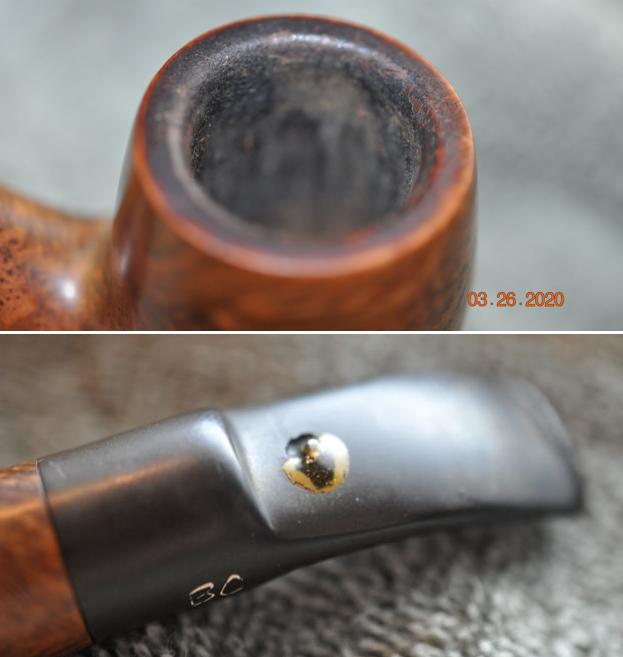
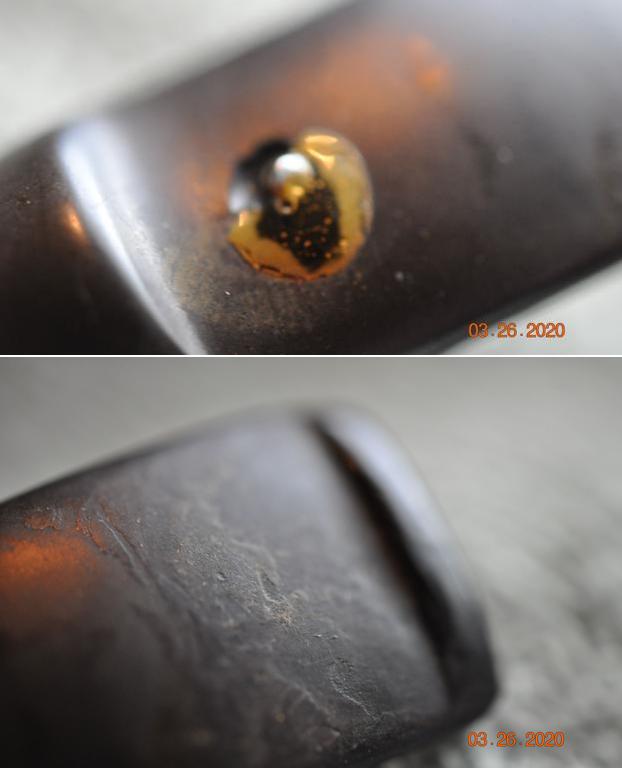
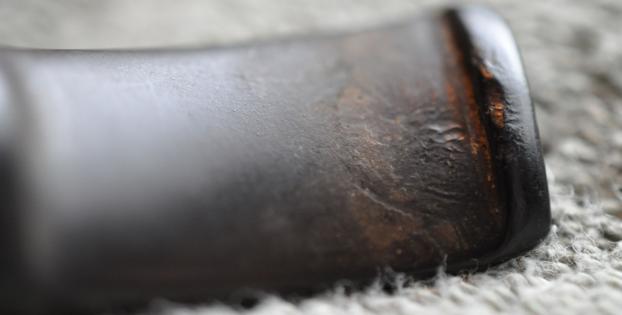
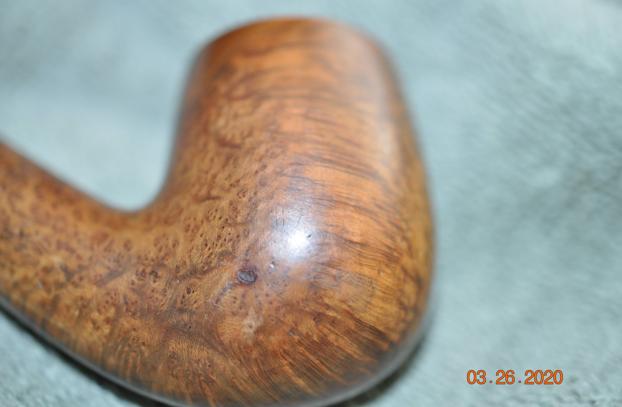
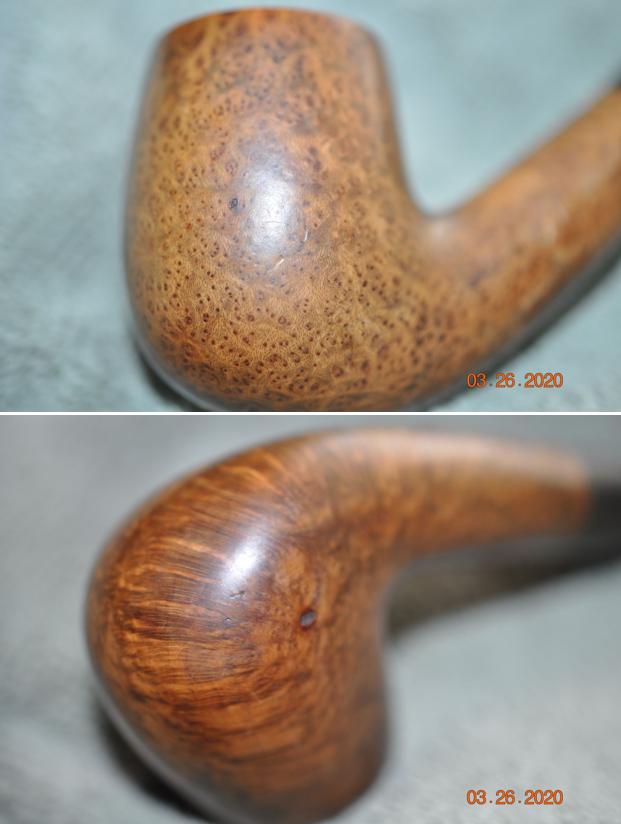
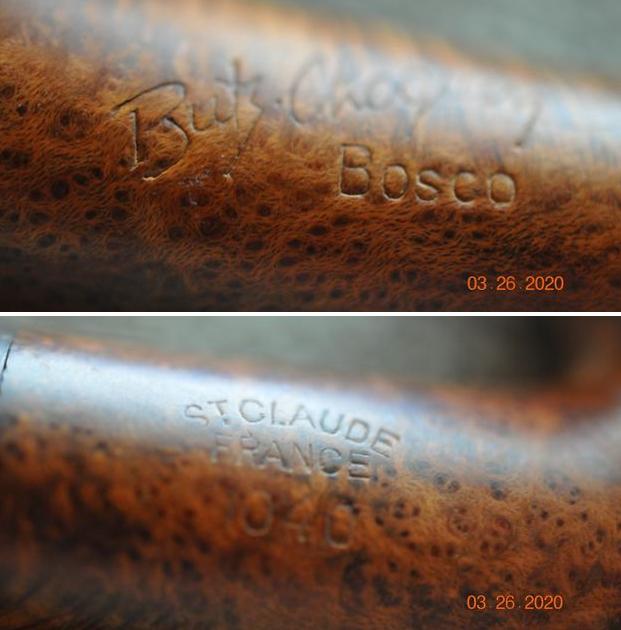
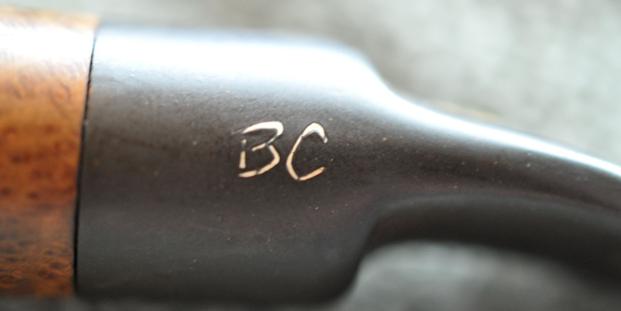
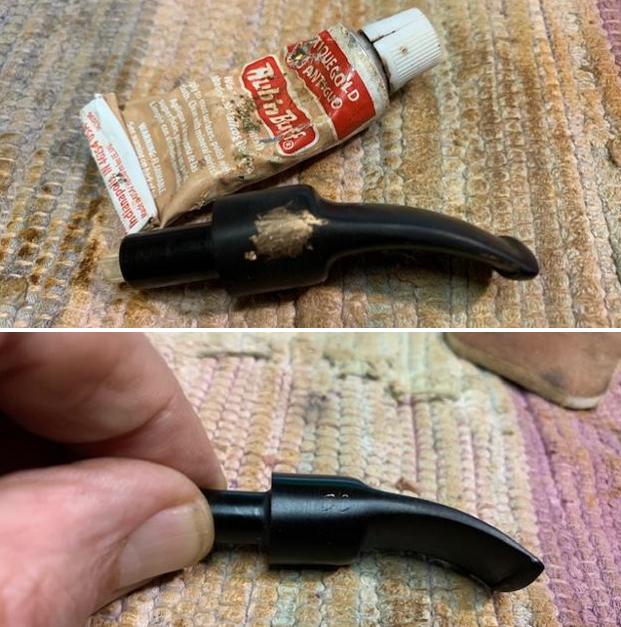
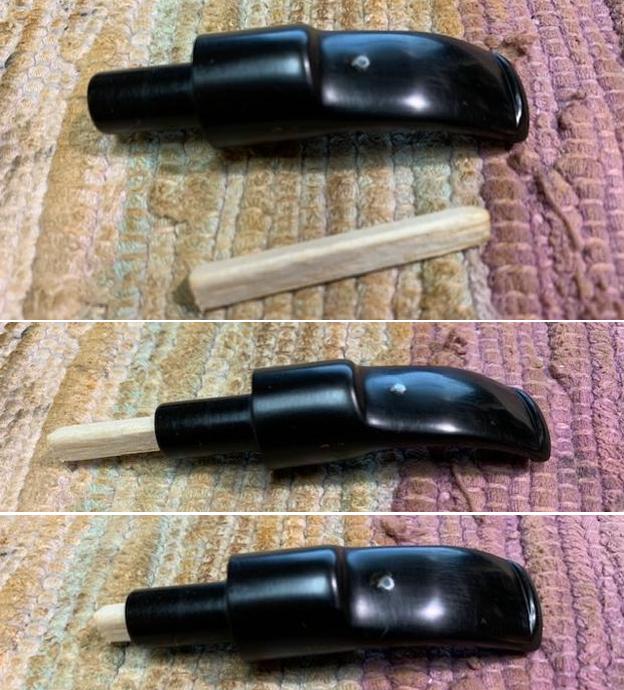
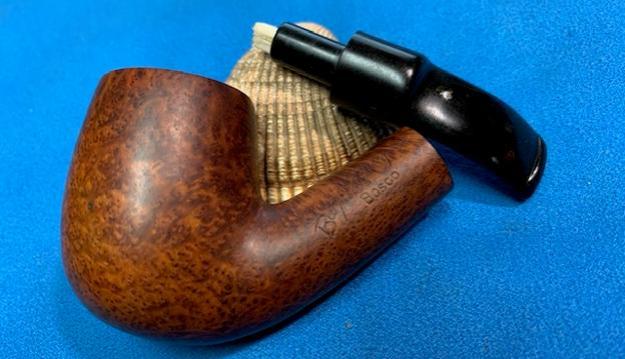
The next pipe on the work table came to us from an antique mall in Logan, Utah, USA early in 2020. It is a unique snub nose bent Billiard with cross grain and birdseye grain and has a short saddle vulcanite stem. The bowl has a rich medium brown colour combination that highlights grain. The pipe has some grime ground into the surface of the briar. It really has some stunning grain on the bowl and shank. This pipe is stamped on the sides of the shank. On the left it reads Butz Choquin [over] Bosco. On the right it read St. Claude [over] France [over] the shape number 1040. There is a moderate cake in the bowl and a thick overflow of lava on the rim top and edges. The rim top looks good but it is hard to be certain with the lava coat. The saddle stem has BC stamped on the left side. There is also a strange metal pin in the top below the saddle stem. It had been filled in with a clear/golden epoxy that was chipped and broken. I have no idea if this is original or some previous pipe owner’s addition. There were some tooth marks and chatter on both sides of the vulcanite stem near the button. The pipe looks to be in good condition under the grime. Jeff took photos of the pipe before he started his cleanup. He took photos of the rim top to show the thick cake and the thick lava coat. It is hard to know what the condition of the rim top and edges is like under that thick lava. It is an incredibly dirty pipe but obviously one that was a great smoker. The stem is another strange part of the pipe. It is short and stubby but is original. It has that odd pin and gold epoxy on the top of the stem. The stem also has tooth marks and chatter on both sides ahead of the button. The stem was made for a 6mm filter.He took photos of the sides and heel of the bowl to show the beautiful grain around the bowl and the condition of the pipe. You can see the grime ground into the surface of the briar as well as the sandpits. He took a photo of the stamping on the sides of the shank. It is clear and readable as noted above. He also captured the BC stamp on the saddle stem. I wondered about the name of the pipe and did a quick Google search on the word as a name. the search turned up the following:
Italian: topographic name for someone living or working in a wood, from Late Latin boscus ‘shrub’, ‘undergrowth’ (of Gallic or Germanic origin), or a habitational name from a place named with this word.

It turns out to be a fitting name for a pipe made of the shrub Briar! I like the connection but I am not certain that it is what is referred to… but it could be right?

I turned then to Pipephil’s site to look at the Butz Choquin write up there and see if I could learn anything about the line (http://www.pipephil.eu/logos/en/logo-butzchoquin.html). There was a nothing listed for the Bosco pipe but there was a short history of the brand that is worth a read.

I looked up the Parker brand on Pipedia to see if I could find the Butz-Choquin Bosco Line (https://pipedia.org/wiki/Butz-Choquin). There was nothing that tied directly to the line I am working on. There is a detailed history of the brand there that is a good read.

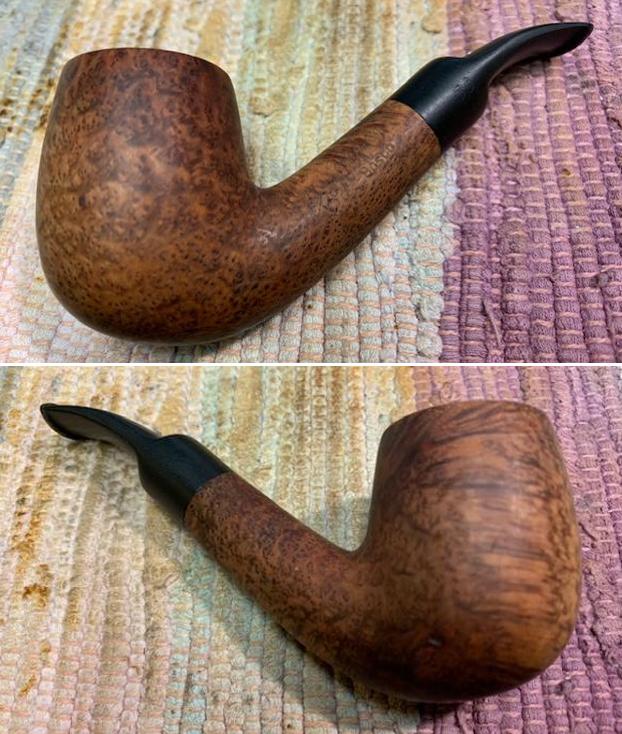
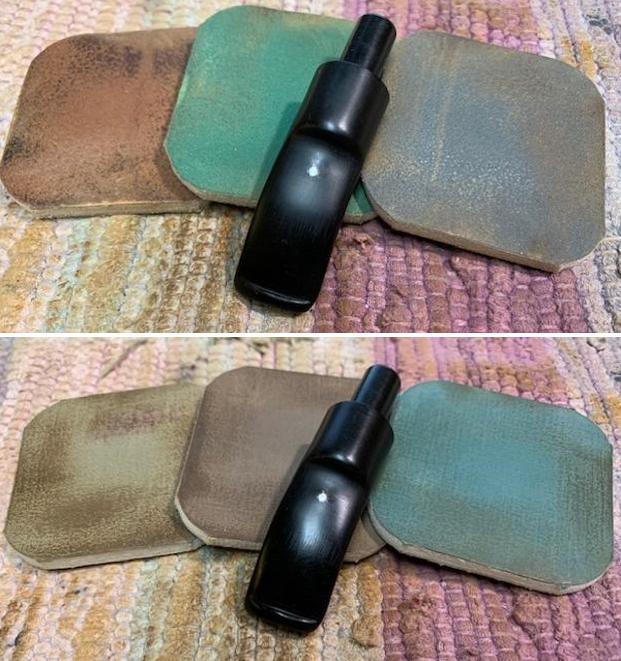
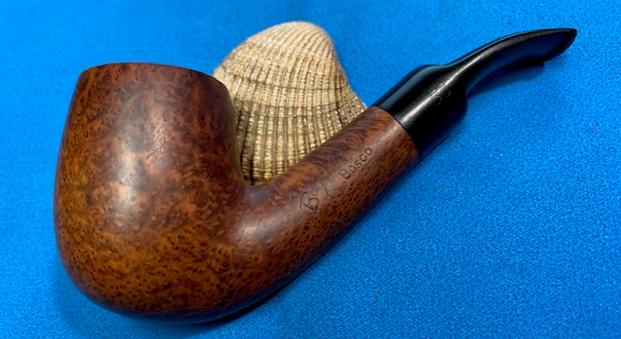
It was time to work on the pipe. As usual Jeff had done a thorough cleanup on the pipe. He reamed the bowl with a PipNet pipe reamer and followed up with a Savinelli Fitsall pipe knife to remove the cake. He scrubbed out the mortise and the airway in the shank and the stem with alcohol, cotton swabs and pipe cleaners. He scrubbed the exterior of the bowl, rim, shank and stem with a tooth brush and Murphy’s Oil Soap to remove the oils and tars on the rim and the grime on the finish of the bowl. He rinsed it under running water. One of the benefits of this scrub is that it also tends to lift some of the scratches and nicks in the surface of the briar. He dried it off with a soft cloth. He cleaned the internals and externals of the stem with alcohol, pipe cleaners and cotton swabs. He soaked the stem in Briarville’s Pipe Stem Deoxidizer and rinsed it off with warm water and cleaned out the airway in the stem with alcohol. This odd little pipe actually was quite stunning! I took a photo of the rim top and stem to show the condition. The rim top looked very good. The rim top and the inner edge of the bowl had darkening and the varnish coat had peeled. The vulcanite saddle stem had light tooth chatter and marks on both sides ahead of the button and on the button edges.I removed the stem and the extension from the shank and took a photo of the pipe to give a sense of the whole. It is a nice Straight Grain Billiard that should clean up very well.   I polished the briar with micromesh sanding pads – wet sanding with 1500-12000 grit pads and wiped down the bowl after each sanding pad.    I rubbed the bowl and shank down with Before & After Restoration Balm. I worked it into the surface of the bowl sides and shank with my fingertips to clean, enliven and protect the briar. I let the balm sit for a little while and then buffed with a cotton cloth to raise the shine. The Balm did its magic and the grain stood out.     I set the bowl aside and turned my attention to the stem. I filled in the tooth marks near the button and the pitting around the pin in the top of the stem. Once the repairs cured I used a small file to flatten out the repairs and start to blend them into the stem surface. I sanded the repairs with 220 grit sandpaper and started the polishing process with 400 grit wet dry sandpaper. I used Rub’n Buff Antique Gold to fill in the BC stamp on the left side of the saddle stem. I rubbed it on with a cotton swab and buffed it off with a cotton pad. The stamp is faint but readable.   I polished the vulcanite stem with micromesh sanding pads – 1500-12000 grit pads. I wiped it down with Obsidian Oil after each sanding pad. I used Before & After Pipe Polish – both Fine and Extra Fine to further polish the stem. The photo below shows the polished stem.     While working on the stem I decided to see what would fit in the wide open tenon. It was obviously drilled for a 6mm filter. I did not have any, but I did have a Savinelli 6mm Balsa wood filter. Some how a pipe with the name Bosco (shrub/wood) just matched that style of filter. I fit it in place. Then it dawned on me that the pin on the top of the stem was made to keep the filter from going to deep in the stem. It worked well.   This nicely grained Butz Choquin Bosco 1040 Bent Billiard Nosewarmer with a vulcanite saddle stem is a great looking pipe now that it has been restored. The briar is clean and really came alive. The rich brown stains gave the grain a sense of depth with the polishing and waxing. The grain really popped. I put the vulcanite stem back on the bowl and carefully buffed the pipe with Blue Diamond on the buffing wheel using a light touch on the briar. I gave the bowl and the stem multiple coats of carnauba wax on the buffing wheel. I buffed the pipe with a clean buffing pad to raise the shine. I hand buffed the pipe with a microfiber cloth to deepen the shine. The finished Short Butz Choquin Bent Billiard is a beauty and feels great in the hand and looks very good. Give the finished pipe a look in the photos below. The dimensions of the pipe are Length: 4 ¼ inches, Height: 2 inches, Outside diameter of the bowl: 1 ¼ inches, Chamber diameter: ¾ of an inch. The weight of the pipe is 41grams/1.45oz. The pipe will be going on the rebornpipes store soon. It will be in the section on French Pipe Makes if you would like to add it to your collection.Thanks for reading this blog and my reflections on the pipe while I worked on it. There are many more to come!

This Mixed Finish Danmore 3094 Acorn is a Unique Piece


Blog by Steve Laug

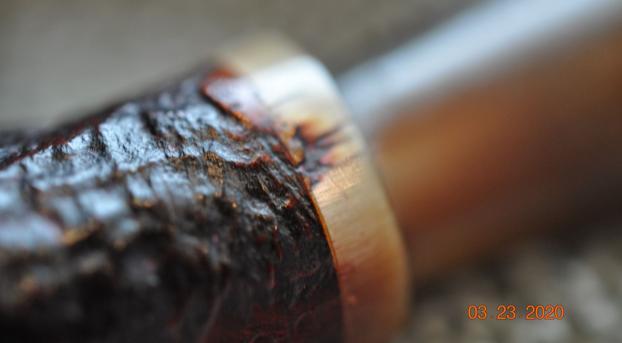
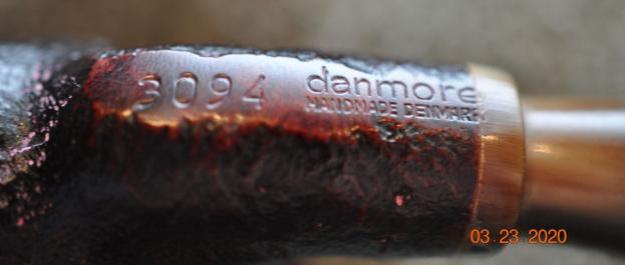
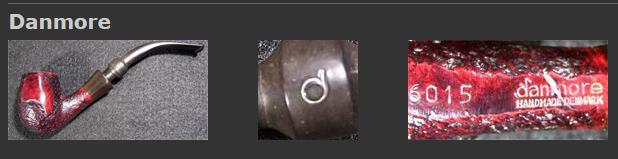
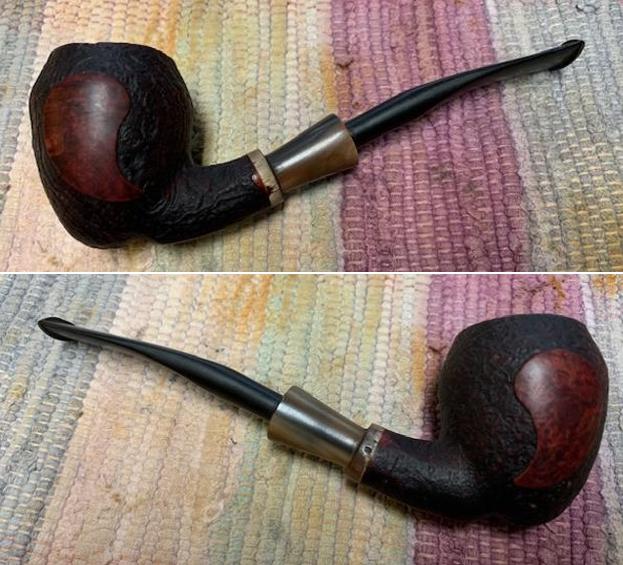
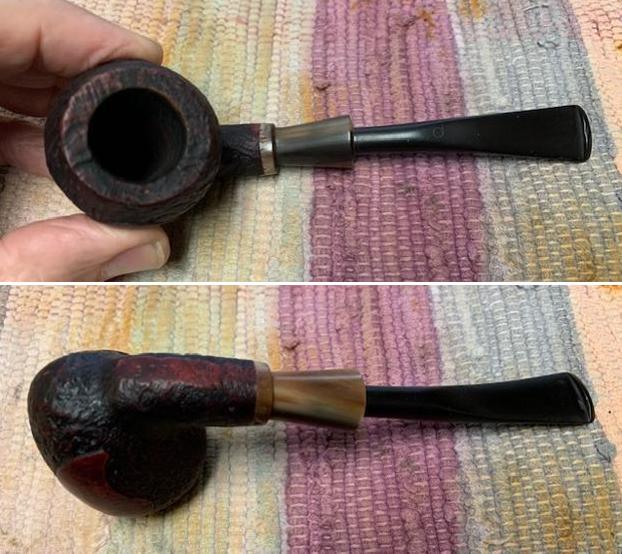
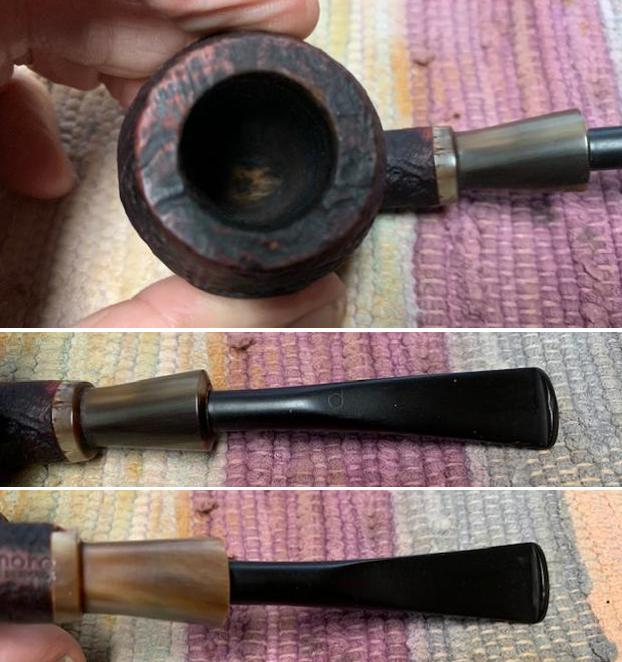
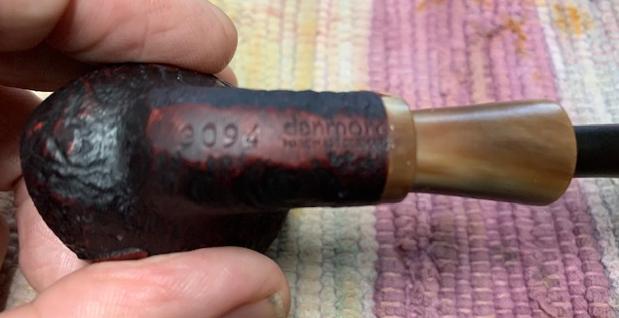
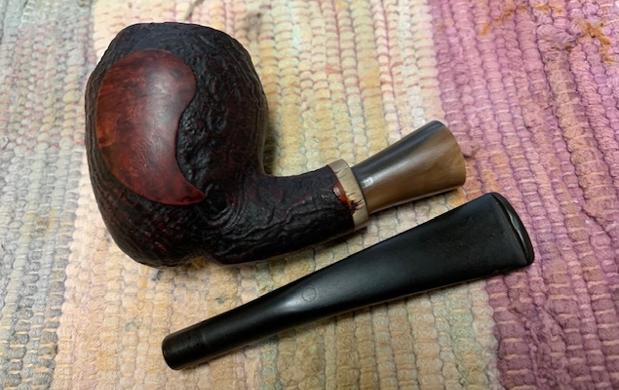
I am enjoying an evening free to work on a few pipes. The next pipe on the table came from an antique mall in Logan, Utah, USA in March of 2021. Even though the finish was a dirty and worn it had an interesting mixed finished bowl with smooth patches on the sides of the bowl and a nice sandblast showing through the grit and grime of the years. On the underside of the shank it was stamped with the shape number 3094 followed by Danmore [over] Hand Made in Denmark. The pipe is an acorn shaped bowl with a horn shank extension. The finish is filthy with grime and oil ground into the briar of the bowl and shank sides. The bowl had a thick cake and there was an overflow of lava on the top and edges of the rim. The horn shank extension had some nicks and chips in the band next to the sandblast. The stem was a vulcanite military bit stem that fit snugly in the horn shank extension. There was the faint remnant of stamping on the topside of the stem. The vulcanite was oxidized, calcified and had tooth marks and chatter on both sides ahead of the button. The bend in the stem had also straightened over time. Jeff took some photos of the pipe to show its overall condition before he started his cleanup work. He took photos of the rim top and bowl to give a clear picture of the thickness of the cake and the lava and dust ground into the finish of the rim top and edges. There is dust and debris stuck to the walls of the bowl clearly visible in the photos. He also took photos of the top and underside of the stem to show the oxidation, chatter and tooth marks.Jeff took photos of the sides and heel of the bowl to give a picture of what the briar around the pipe looked like. There was some definite wear on the red and brown stains on the pipe as well as scratches and marks on the smooth portions. There is a nice sandblast grain under the grime and thick debris. The horn ring around the shank end had been sand blasted along with the briar and had some marks showing the blast in the horn.He took a photo of the stamping on the side of the shank. It clearly reads as noted above.I turned to Pipephil to learn who made Danmore pipes (http://www.pipephil.eu/logos/en/logo-d2.html). I have included a screen capture of the pertinent section on the site. It links the pipe to Kriswill. The pipe pictured below is a similar in style to the one that I am working on. The stem and horn shank extension are different but the stamping is very similar. I turned to Pipedia (https://pipedia.org/wiki/Danmore) for further information about the brand. I quote the article in full below.
Danmore was founded by Hans Sørensen in the early 1970s, and produced pipes from that time until the early 1980s, at one point having up to 30 employees. The pipes were sold in the first Dan Pipe catalog. In the early 1980’s, however, production ceased in Denmark due to labor costs, and the company’s production was outsourced to Italy and Spain, and they began to also make pipecleaners and smokers articles.

Sørensen focused on the pipecleaner side of the concern, and eventually bought a share in the factory in the Far East making them. Today the company, owned by Hans’ sons Jesper and Lars Sørensen, no longer makes pipes, and instead makes only pipe cleaners under the name Danmore Hobby Aps, selling only to hobby and craftshops in Denmark and Scandinavia.

Hans Sørensen passed away in 2012. The Sørensen family continues to own the trademarks for the use of the Danmore name in relation to pipes, matches, and tobacco.

I knew that I was working on a pipe made by Hans Sørensen between early 1970s and the early 1980s.Production ceased in Denmark at that time and moved to Italy and Spain. The pipe I am working on is stamped Hand Made in Denmark that leads me to that conclusion. Now it was time to work on the pipe.

Jeff had reamed the bowl with a PipNet Pipe Reamer and cleaned up the remnants with a Savinelli Fitsall Pipe Knife. He scrubbed the exterior of the bowl with undiluted Murphy’s Oil Soap with a tooth brush. He worked over the debris on the rim top and was able to remove it. He rinsed it under running warm water to remove the soap and grime. He scrubbed the horn shank extension at the same time. He cleaned out the inside of the shank and the airway in the stem with alcohol, cotton swabs and pipe cleaners. He soaked the stem in Briarville’s Pipe Stem Deoxidizer and rinsed it off with warm water. He scrubbed the stem with Soft Scrub and cotton pads to remove remaining oxidation on the stem. He rinsed it with warm water and dried it off. I took photos of the pipe once I received it. It really looked good and the bowl was in excellent condition.    The rim top and the inner edge of the rim looked very good. The stem had a few tooth marks and chatter on both sides near the button.I took a photo of the stamping on the underside of the shank. It was clear and read as noted above. I removed the stem and took a photo of the pipe to give a sense of the whole. I “painted” the stem with the flame of a Bic lighter to soften the vulcanite and give the stem a bend that matched the flow of the bowl. It looked much better once I had given it a slight bend.I polished the smooth panels on the bowl sides and the horn shank extension and band with micromesh sanding pads. Dry sanding it with 1500-12000 grit pads and wiping it down after each pad with Obsidian Oil. I rubbed the bowl and shank down with Before & After Restoration Balm. I worked it into the surface of the bowl sides and shank with my fingertips. The product works to clean, enliven and protect the briar. I let the balm sit for 15 minutes and then buffed with a cotton cloth to raise the shine.I filled in the deep tooth marks on the stem surface with clear CA glue and set it aside to cure. Once it had hardened I sanded the surface smooth with 220 grit sandpaper and started polishing the stem with 400 grit wet dry sandpaper. I polished the vulcanite stem with micromesh sanding pads – 1500-12000 grit pads. I wiped it down with a damp cloth after each sanding pad. I used Before & After Pipe Polish – both Fine and Extra Fine to further polish the stem. This beautiful Mixed Finish – Sandblast/Smooth panel Danmore 3094 Acorn with a horn shank extension and a military vulcanite stem is a great looking pipe now that it has been restored. I put the stem back on the bowl and carefully buffed the pipe with Blue Diamond on the buffing wheel using a light touch on the briar. I gave the bowl and the stem multiple coats of carnauba wax on the buffing wheel and followed that by buffing the entire pipe with a clean buffing pad. I hand buffed the pipe with a microfiber cloth to deepen the shine. The finished Danmore 3094 Acorn fits nicely in the hand and the tactile finish feels great. Give the finished pipe a look in the photos below. The dimensions of the pipe are Length: 6 inches, Height: 2 inches, Outside diameter of the bowl: 1 ¼ inches, Chamber diameter: ¾ of an inch. The weight of the pipe is 45grams/1.59oz. I will be adding it to the rebornpipes store shortly in the Danish Pipe Makers Section. Thanks for reading this blog and my reflections on the pipe while I worked on it. There are many more to come!

A British Connection for an Italian Made Trident Walnut 910 Cup and Saucer


Blog by Steve Laug

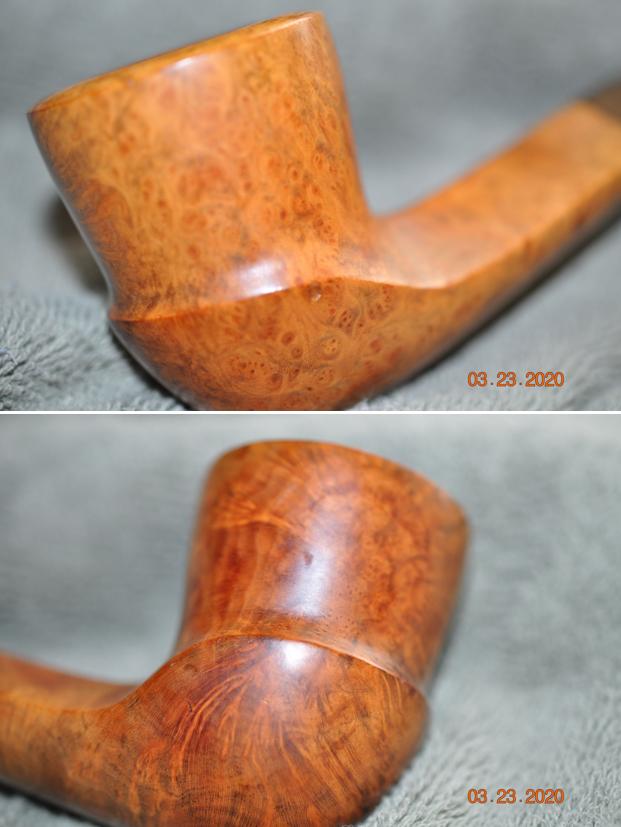
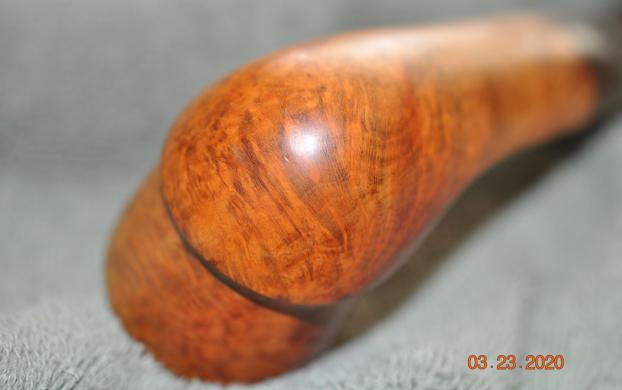
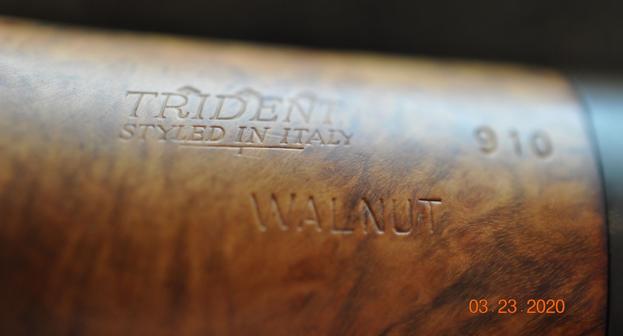
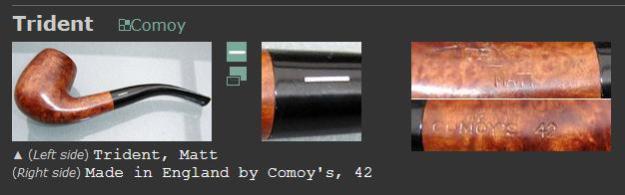
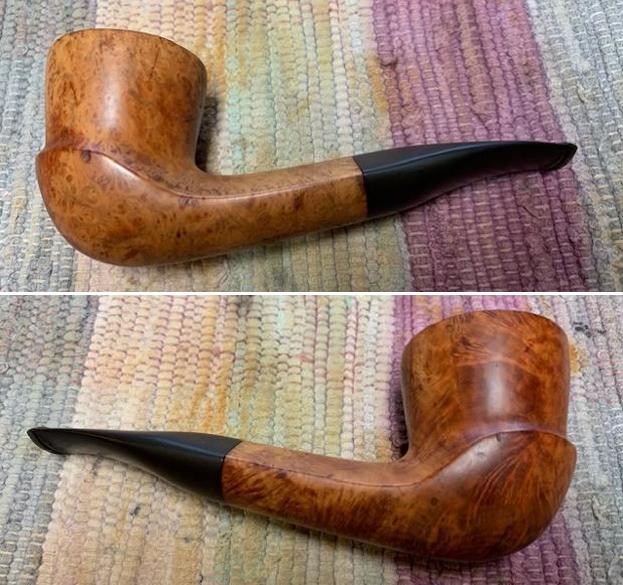
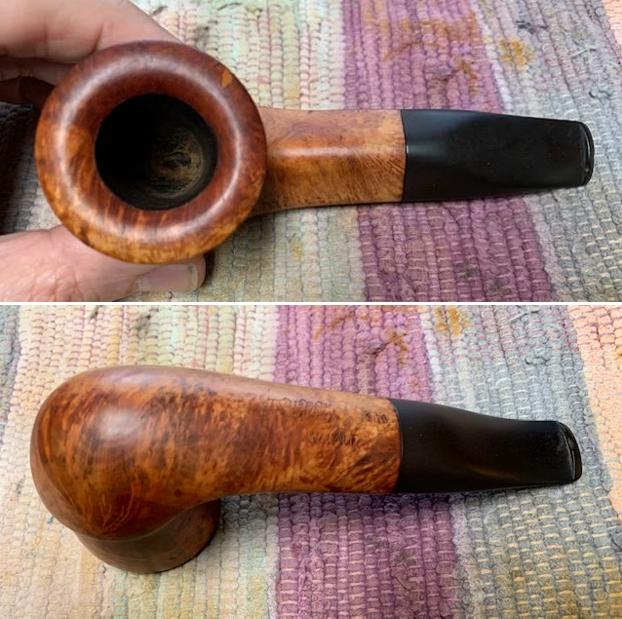
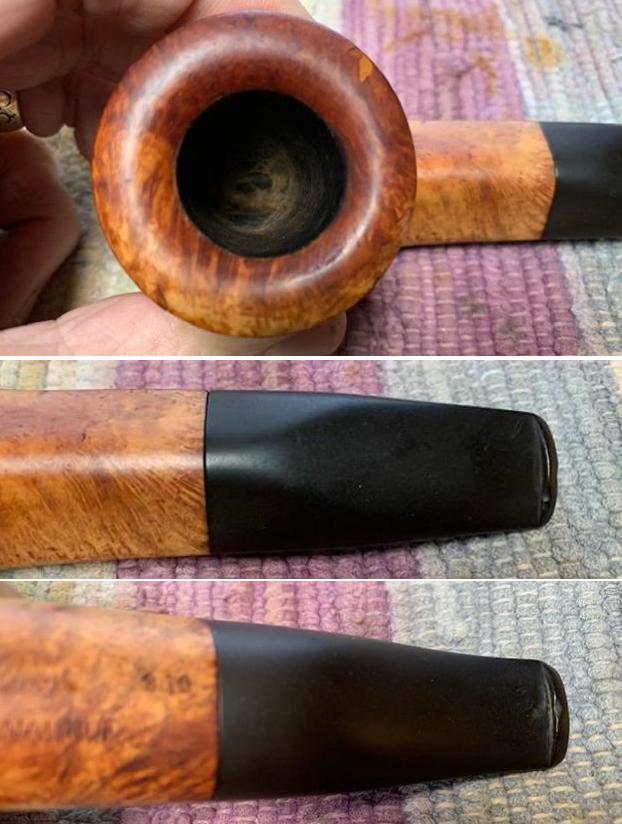
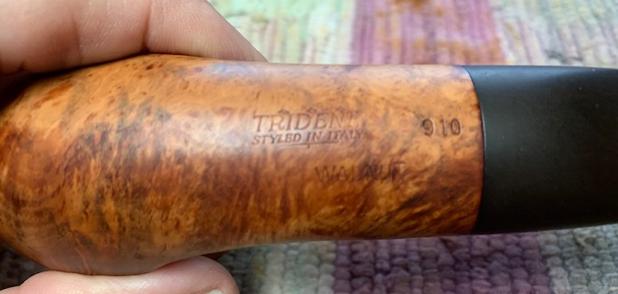
I am enjoying an evening free to work on a few pipes. The next pipe on the table came from an antique mall on 03/05/21 in Logan, Utah, USA. It is a uniquely shaped Italian made pipe that reminds me of a Lorenzo made pipe. The shape and style are much the same as those pipes. This large pipe has a smooth finish on an Italian take on a classic cup and saucer shape. On the underside of the shank it was stamped Trident [over] Styled in Italy [over] Walnut. That is followed by the shape number 910. The finish is filthy with grime and oil ground into the briar of the bowl and shank sides. The bowl was lightly caked and there was some darkening and light lava on the top and edges of the rim. The shank was triangular and the tapered stem followed that shape. There was no stamping or logo on the stem surface. The stem was oxidized and had tooth marks and chatter on both sides ahead of and on the surface of the button. Jeff took some photos of the pipe to show its overall condition before he started his cleanup work. He took photos of the rim top and bowl to give a clear picture of the condition of the bowl and rim top. There is dust and debris stuck to the walls of the bowl clearly visible in the photos. He also took photos of the top and underside of the stem to show the oxidation, chatter and tooth marks. Jeff took photos of the sides and heel of the bowl to give a picture of what the briar around the pipe looked like. There is an interesting grain patterns under the grime and thick debris.    Jeff took photos of the stamping on the left and underside of the shank. It clearly reads as noted above. I turned first to Pipephil’s site to get a quick summary of the background of the Trident pipe. (http://pipephil.eu/logos/en/logo-t8.html). This is fascinating to me as the pipe I have is stamped with the same Trident stamp but is also stamped Styled in Italy. It also had the same matte finish. I vaguely remember a connection between Comoy’s and Lorenzo pipes in Italy. This pipe really has the look of a Lorenzo. Now to dig a bit more deeply.

I turned to Pipedia to see what else I could learn about the brand and found a brief but fascinating article on the brand (https://pipedia.org/wiki/Lorenzo). I quote a part of the article that gives the link to Comoy’s that I had remembered.

In 1983 Lorenzo Tagliabue came to bitter grief: his little daughter, the only child, died of cancer. He lost all interest in the business and retired still in 1983, leaving no heirs who wished to continue the business. Lorenzo Pipes was licensed for and continued for a shorter period by Comoy’s of London (Cadogan / Oppenheimer Group). Then Lorenzo Pipes almost disappeared and Lorenzo Tagliabue passed away in 1987.

But this wasn’t the end. In 1988 Riccardo Aliverti and his wife Gabriella purchased all rights to the Lorenzo trademark from the Tagliabue family and production of the renown Lorenzo Pipes resumed.

The Aliverti family is involved in pipemaking since Romolo Aliverti, the father of the current owners, joined the Lana Brothers in 1920. He later reached the rank of technical director. No wonder that his son Riccardo showed an interest in pipe making. Riccardo began learning the pipemaking trade in 1954 at the age of fourteen under his father’s watchful eyes and succeeded him as technical director upon his father’s retirement in 1973.

Today the third generation of the Aliverti family is working for the company. Massimo Aliverti, Riccardo’s son, has been with the company as sales director since 1991. He works closely with his father and knows all phases of production. Massimo has established a broad customer base for Lorenzo around the world.

I knew that I was working on a Lorenzo made pipe from the period of time (1983) when Comoy’s (Cadogan) managed the brand for them. Now it was time to work on the pipe.

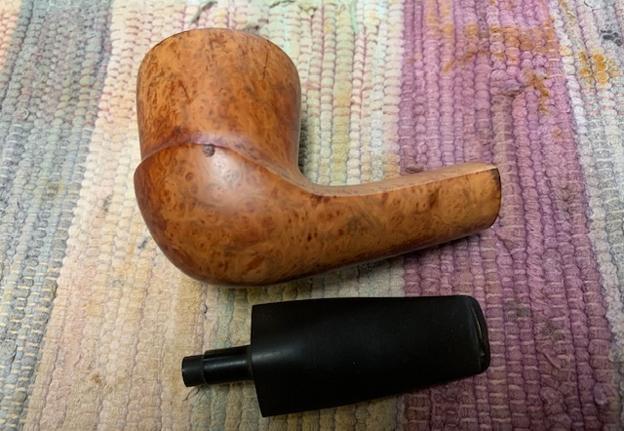
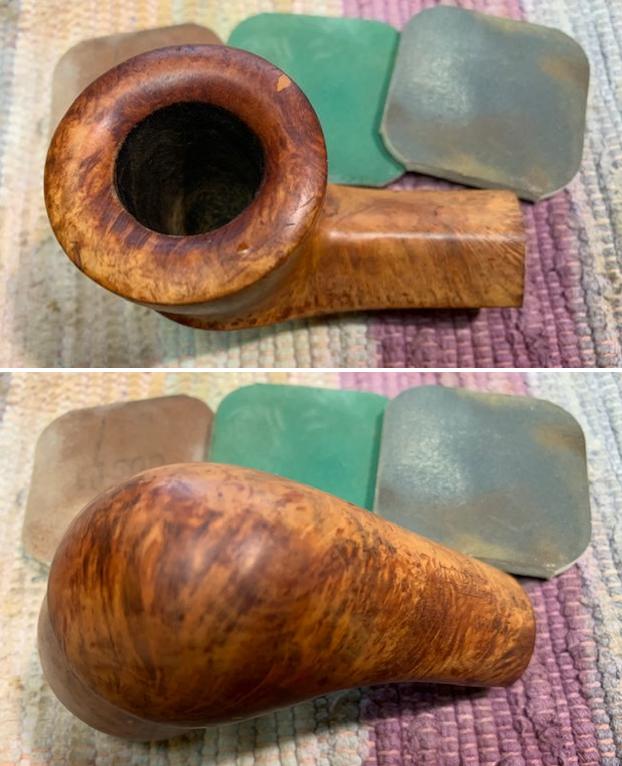
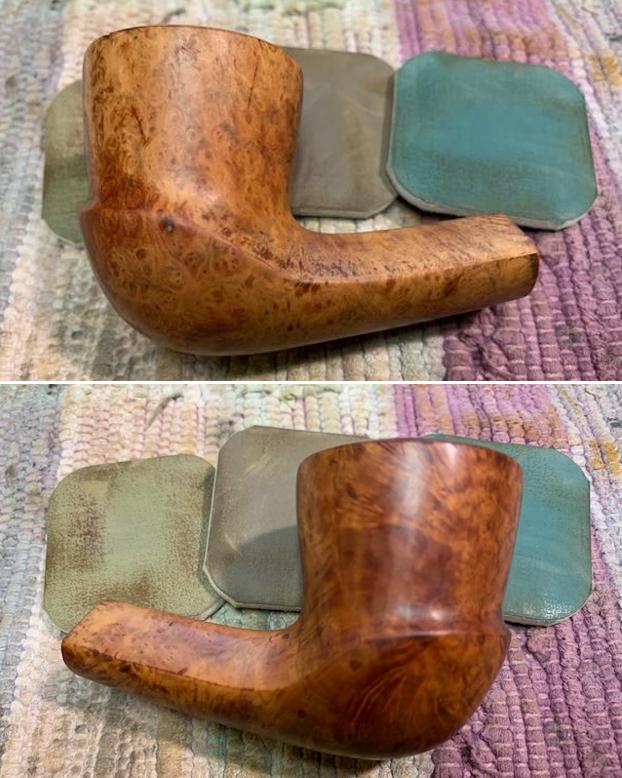
Jeff had reamed the bowl with a PipNet Pipe Reamer and cleaned up the remnants with a Savinelli Fitsall Pipe Knife. He scrubbed the exterior of the bowl with undiluted Murphy’s Oil Soap with a tooth brush. He worked over the debris on the rim top and was able to remove it. He rinsed it under running warm water to remove the soap and grime. He cleaned out the inside of the shank and the airway in the stem with alcohol, cotton swabs and pipe cleaners. He soaked the stem in Briarville’s Pipe Stem Deoxidizer and rinsed it off with warm water. He scrubbed the stem with Soft Scrub and cotton pads to remove remaining oxidation on the stem. He rinsed it with warm water and dried it off. I took photos of the pipe once I received it. Other than the burned area on the rim top and edge it really looked good and the bowl itself was in excellent condition. The rim top and the inner edge look very good. There is a large solid fill on the right side of the rim top near the back of the bowl. The stem had a few tooth marks and chatter on both sides near the button.I took a photo of the stamping on the underside of the shank. It was clear and read as noted.   I removed the stem and took a photo of the pipe to give a sense of the whole. I decided to start my work on this pipe by polishing the briar with micromesh sanding pads – wet sanding with 1500-12000 grit pads to remove the scratching and polishing the fills on the bowl sides and rim top.I stained the briar with a light brown aniline stain and flamed it to set it in the grain. I repeated the process until the coverage was acceptable.I wiped off the excess stain with alcohol on a cotton pad to even out the colour. When it was the way I wanted I rubbed the bowl and shank down with Before & After Restoration Balm. I worked it into the surface of the bowl sides and shank with my fingertips and a horsehair shoe brush to get into the nooks and crannies of the rustication. The product works to clean, enliven and protect the briar. I let the balm sit for 15 minutes and then buffed with a cotton cloth to raise the shine.I set the bowl aside and turned my attention to the stem. I filled in the deep tooth marks on both sides with clear CA glue. Once the repair cured I reshaped the button and flattened the surface of the stem with a small file. I sanded the repairs smooth with 220 grit sandpaper and started polishing the stem with 400 grit wet dry sandpaper. I polished the stem with micromesh sanding pads – wet sanding with 1500-12000 grit pads. I wiped it down with a damp cloth after each sanding pad. I used Before & After Pipe Polish – both Fine and Extra Fine to further polish the stem.   This Trident Walnut 910 Italian Design Tea Cup with a taper vulcanite stem is a great looking pipe now that it has been restored. I put the stem back on the bowl and carefully buffed the pipe with Blue Diamond on the buffing wheel using a light touch on the briar. I gave the bowl and the stem multiple coats of carnauba wax on the buffing wheel and followed that by buffing the entire pipe with a clean buffing pad. I hand buffed the pipe with a microfiber cloth to deepen the shine. The finished Trident Walnut Tea Cup fits nicely in the hand and feels great. Give the finished pipe a look in the photos below. The dimensions of the pipe are Length: 6 inches, Height: 2 ½ inches, Outside diameter of the bowl: 1 ¾ inches, Chamber diameter: 7/8 of an inch. The weight of the pipe is 75grams/2.65oz. I will be adding it to the rebornpipes store shortly in the Italian Pipe Makers Section. Thanks for reading this blog and my reflections on the pipe while I worked on it. There are many more to come!

A Fascinating Piece of Italian Pipe History – A Molina 80993 Bent Apple


Blog by Steve Laug

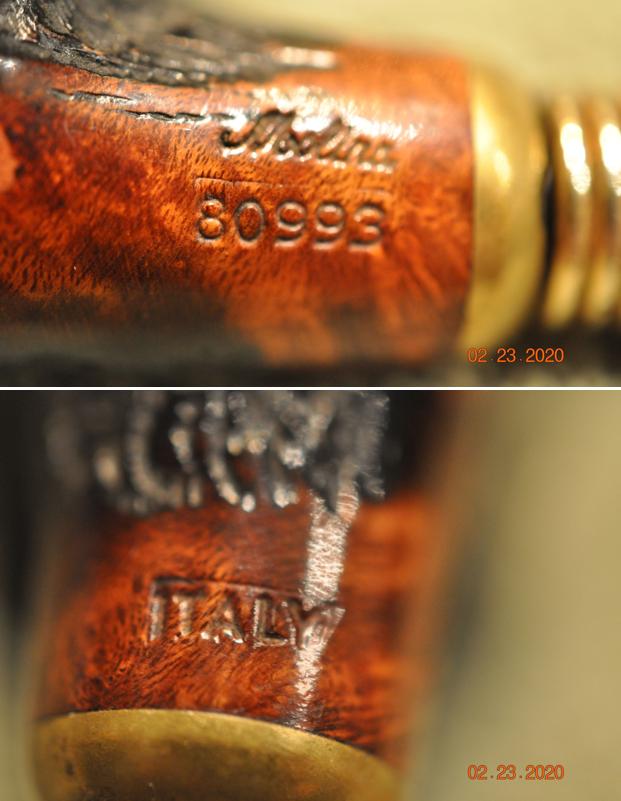
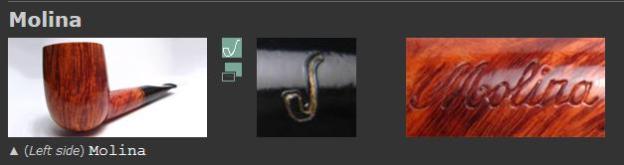
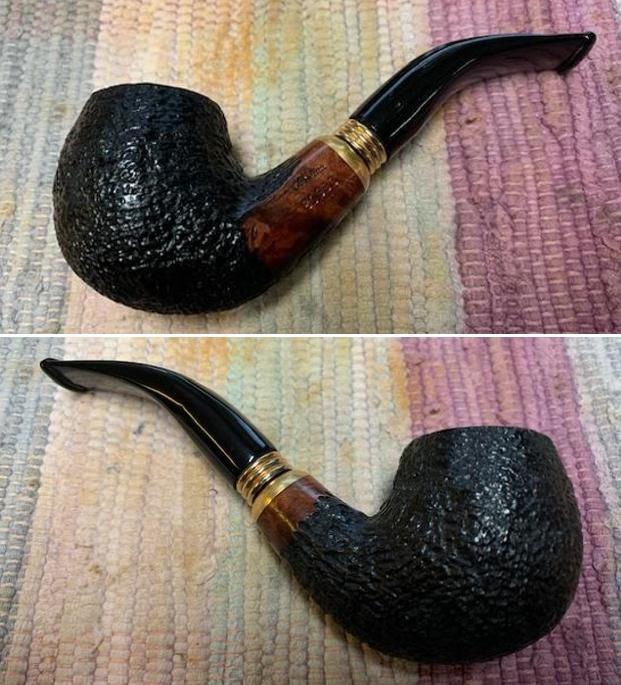
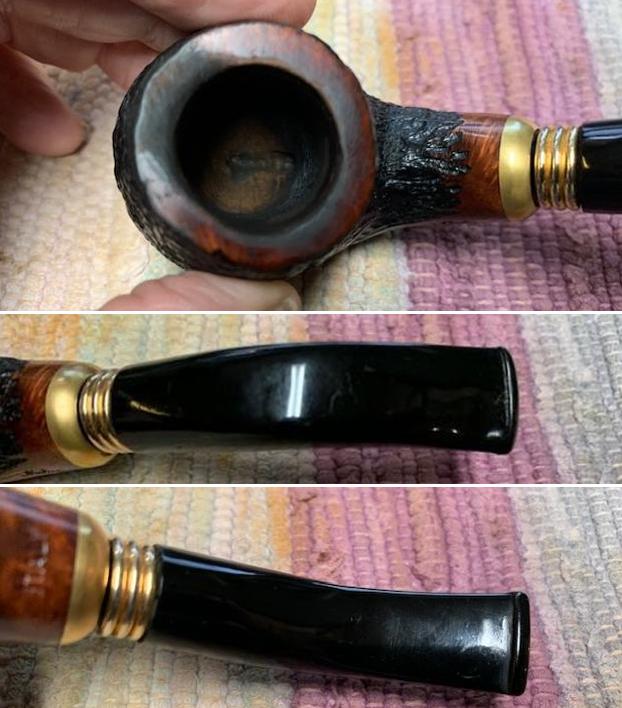
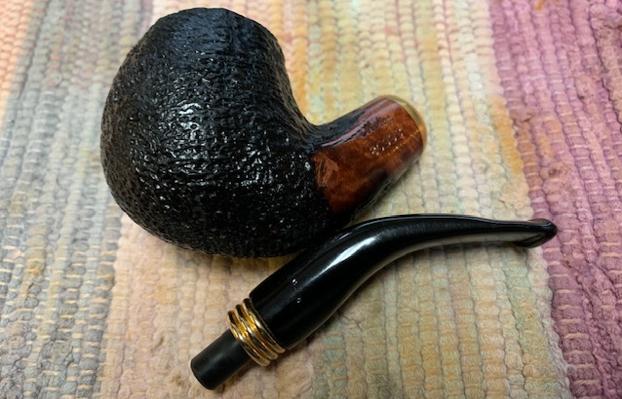
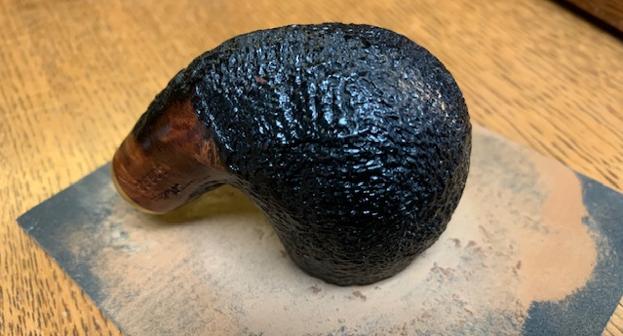
I am enjoying an evening free to work on a few pipes. The next pipe on the table came from an antique auction gallery on 05/22/20 in Mebane, North Carolina, USA. It is a uniquely rusticated Italian made pipe with a smooth rim top and shank end that is capped with a brass ferrule. On the left side of the shank it was stamped Molina [over] the shape number 80993. On the underside of the shank it is stamped Italy. It is a brand I have heard of but know little about so I am glad to learn about it. The pipe is a bent apple that is nicely shape. The finish is filthy with grime and oil ground into the briar of the bowl and shank sides. The bowl was thickly caked and there was an overflow of lava on the top and edges of the rim. The front inner edge and rim top appeared to have burn damage that looked like it had been lit repeatedly with a torch lighter. The stem was a fancy Lucite taper stem that fit snugly in the shank and had brass band that was made to look like three rings. There also appeared to be the remnants of a faint stamp on the left side of the stem. The stem was dirty, calcified and had tooth marks and chatter on both sides ahead of the button. Jeff took some photos of the pipe to show its overall condition before he started his cleanup work. He took photos of the rim top and bowl to give a clear picture of the thickness of the cake and the lava and dust ground into the finish of the rim top and edges. There is dust and debris stuck to the walls of the bowl clearly visible in the photos. You can also see the damage on the inner edge of the bowl on the front. He also took photos of the top and underside of the stem to show the oxidation, chatter and tooth marks.Jeff took photos of the sides and heel of the bowl to give a picture of what the briar around the pipe looked like. There is an interesting rustication under the grime and thick debris. Jeff took photos of the stamping on the left and underside of the shank. It clearly reads as noted above.I turned first to Pipephil’s site to get a quick summary of the background of the Molina pipe. (http://pipephil.eu/logos/en/logo-m6.html). I have included a screen capture of the pertinent section on the site.In the sidebar it included the following information that I have included below.

Artisan: Giovanni Carollo, a former employee of the Rossi factory. Machine crafted mass production. Pipes mainly aimed for German and US market.

I turned to Pipedia to see what else I could learn about the brand and found a brief but fascinating article on the brand (https://pipedia.org/wiki/Molina_Pipe). I quote it in its entirety below.

Molina pipes has it’s origins in Barasso in Lombardy. It was born from what was left of the old Rossi pipes factory, that started in the early 1900s. Molina’s inheritance from Rossi pipes does not only consist of the factory but also the machinery and methods of production. The name Molina refers to a district where you could find mills powered by water.

I followed the trail there to the Molina Pipe website (https://www.molinapipe.it/). It had a great summary of the history.

Molina still lies in part on the antique Rossi factory, a peculiar but not a casual circumstance. it represents an excellent example of industrial archeology. its working environment is enriched with the modernized charm of the past.

Molina’s inheritance from Rossi pipes does not only consist of the factory but also of ancient machinery and methods of production, antique ”secrets” ,antique recipes and production procedures used over 100 years ago.

The name molina has even a longer history, it is up to today used to refer to a district where you could find mills powered by a rush of water.

I knew that I was working on a Molina pipe from the remnants of the old Rossi pipe factory and that the pipes were made mainly for the US and German market. Now it was time to work on the pipe.

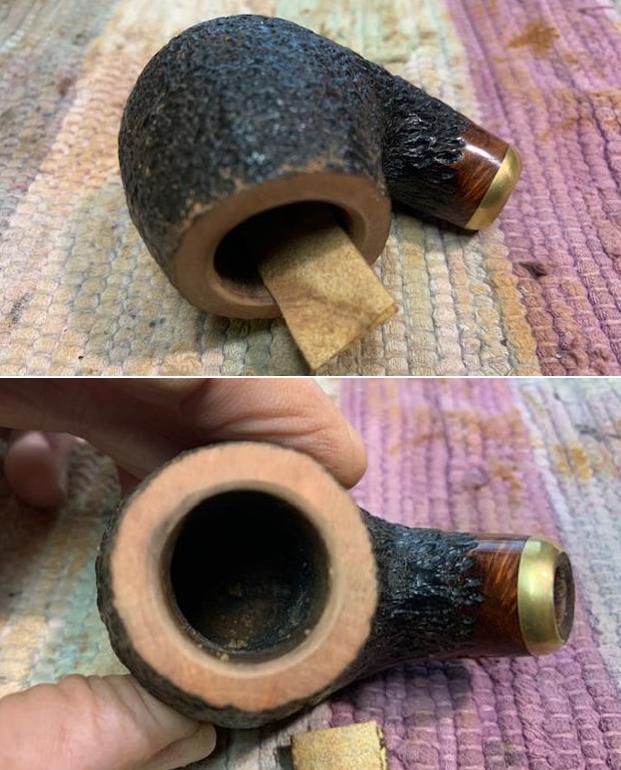
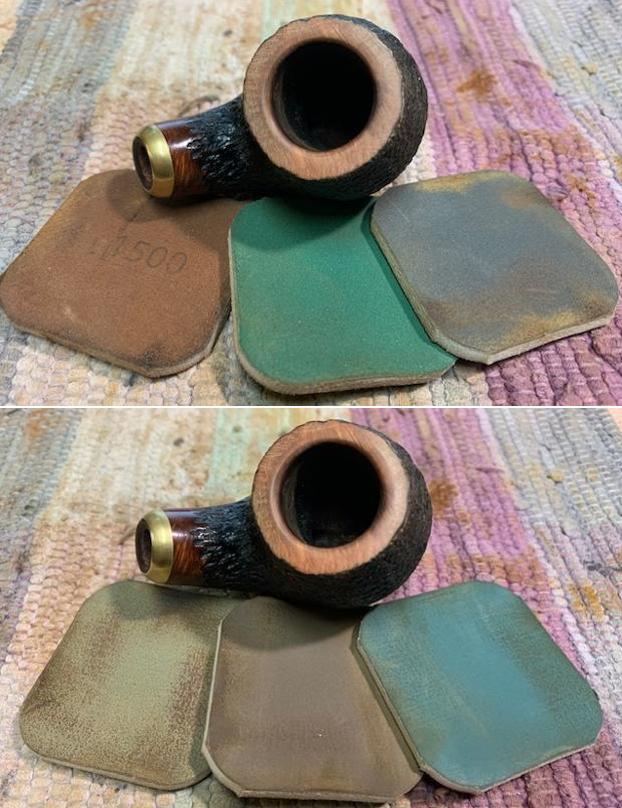
Jeff had reamed the bowl with a PipNet Pipe Reamer and cleaned up the remnants with a Savinelli Fitsall Pipe Knife. He scrubbed the exterior of the bowl with undiluted Murphy’s Oil Soap with a tooth brush. He worked over the debris on the rim top and was able to remove it. The burned area was very clear once he had cleaned it off. He rinsed it under running warm water to remove the soap and grime. He cleaned out the inside of the shank and the airway in the stem with alcohol, cotton swabs and pipe cleaners. He soaked the stem in Briarville’s Pipe Stem Deoxidizer and rinsed it off with warm water. He scrubbed the stem with Soft Scrub and cotton pads to remove remaining oxidation on the ferrule and the stem. He rinsed it with warm water and dried it off. I took photos of the pipe once I received it. Other than the burned area on the rim top and edge it really looked good and the bowl itself was in excellent condition. The rim top and the inner edge had serious burn damage all around but the heaviest damage was on the front of the bowl. It really looked to be the victim of repeated assault by a torch lighter. If you have one keep it away from your pipe. The stem had a few tooth marks and chatter on both sides near the button.I took photos of the stamping on the sides of the shank. It was clear and read as noted above. I removed the stem and took a photo of the pipe to give a sense of the whole. The tenon is Delrin. I decided to start my work on this pipe by addressing the damage to the rim top and inner edge of the bowl. I topped the bowl on a board with 180 grit sandpaper. I chose a lower grit sandpaper because the damage was quite deep. Once I had topped the damaged areas and found solid briar I used a folded piece of 220 grit sandpaper to reshape and rework the inner edge of the rim. It took a bit of work but the rim top looked much better. I polished the rim top and edge with micromesh sanding pads – wet sanding with 1500-12000 grit pads to remove the scratching and polish the smooth briar.    I restained the rim top and edges with a Walnut stain pen to match the other smooth portions of the bowl and shank.I rubbed the bowl and shank down with Before & After Restoration Balm. I worked it into the surface of the bowl sides and shank with my fingertips and a horsehair shoe brush to get into the nooks and crannies of the rustication. The product works to clean, enliven and protect the briar. I let the balm sit for 15 minutes and then buffed with a cotton cloth to raise the shine.    I set the bowl aside and turned my attention to the stem. I filled in the deep tooth marks on both sides with clear CA glue. Once the repair cured I sanded them smooth with 220 grit sandpaper and started polishing the stem with 400 grit wet dry sandpaper.      I polished the stem with micromesh sanding pads – wet sanding with 1500-12000 grit pads. I wiped it down with a damp cloth after each sanding pad. I used Before & After Pipe Polish – both Fine and Extra Fine to further polish the stem. This beautiful Rusticated Molina 80993 Bent Apple with a taper acrylic stem is a great looking pipe now that it has been restored. I put the stem back on the bowl and carefully buffed the pipe with Blue Diamond on the buffing wheel using a light touch on the briar. I gave the bowl multiple coats of Conservator’s Wax and the stem multiple coats of carnauba wax on the buffing wheel and followed that by buffing the entire pipe with a clean buffing pad. I hand buffed the pipe with a microfiber cloth to deepen the shine. The finished Molina Bent Apple fits nicely in the hand and the tactile finish feels great. Give the finished pipe a look in the photos below. The dimensions of the pipe are Length: 5 inches, Height: 1 ¾ inches, Outside diameter of the bowl: 1 ¼ inches, Chamber diameter: ¾ of an inch. The weight of the pipe is 57grams/2.01oz. I will be adding it to the rebornpipes store shortly in the Italian Pipe Makers Section. Thanks for reading this blog and my reflections on the pipe while I worked on it. There are many more to come!

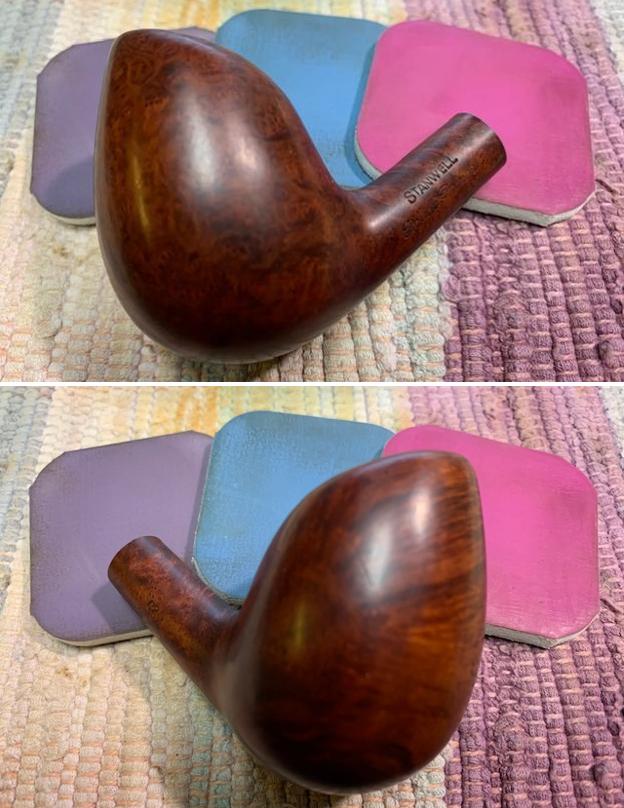
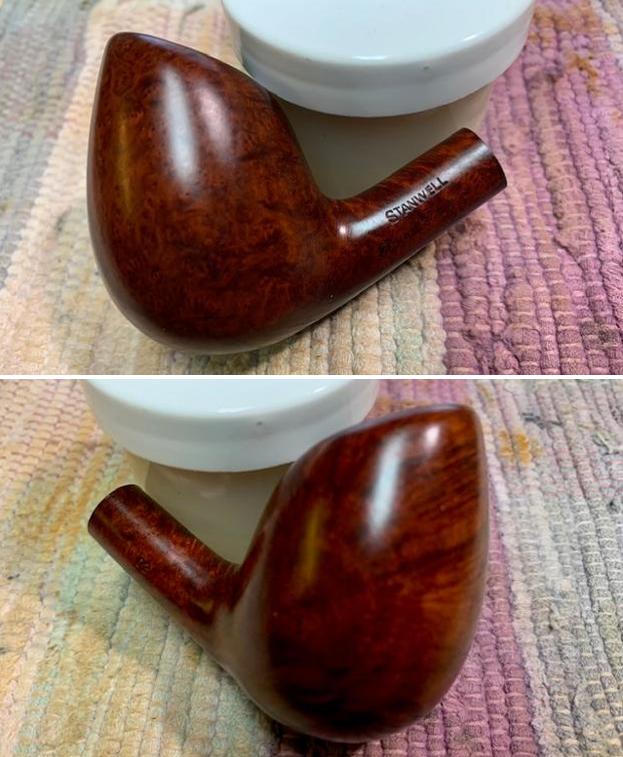
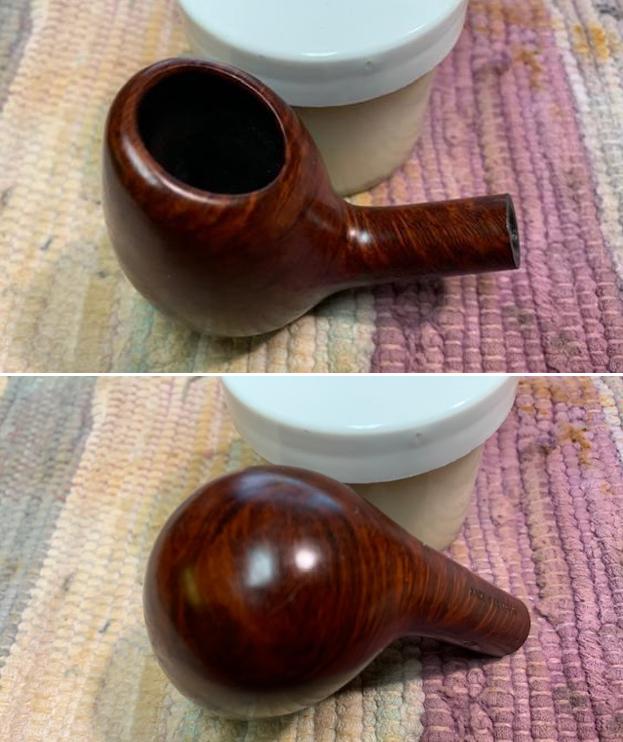
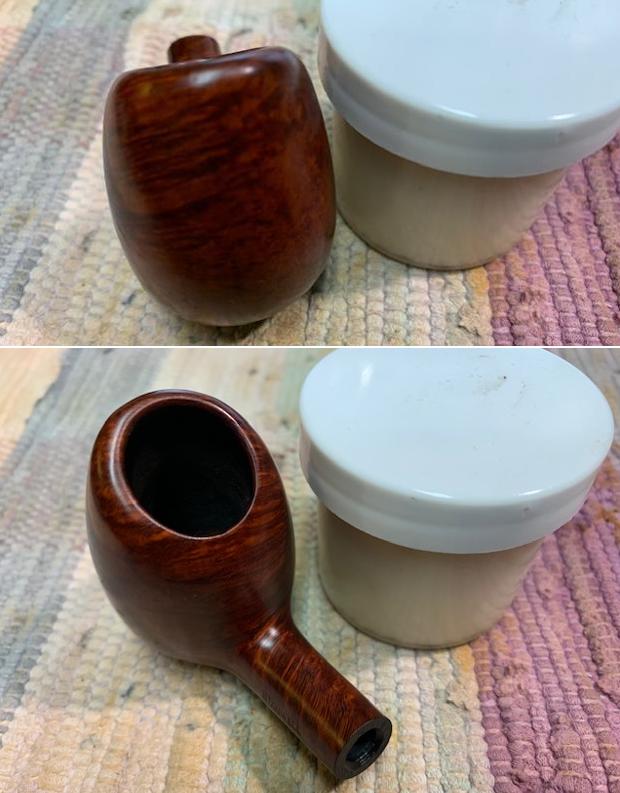
Look at the Birdseye Grain on this Stanwell Royal Prince 02 Bent Egg


Blog by Steve Laug

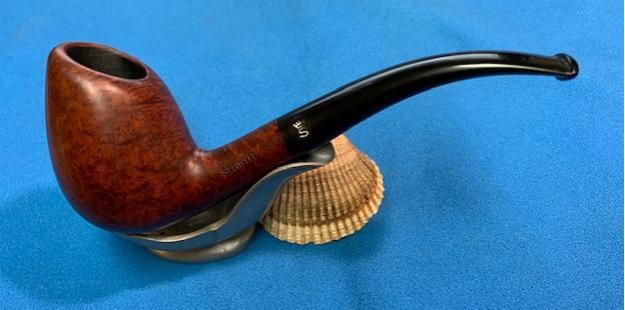
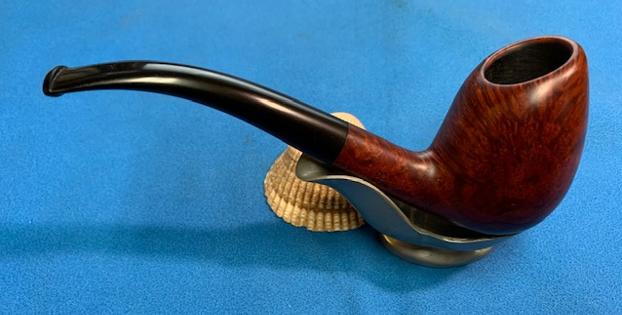
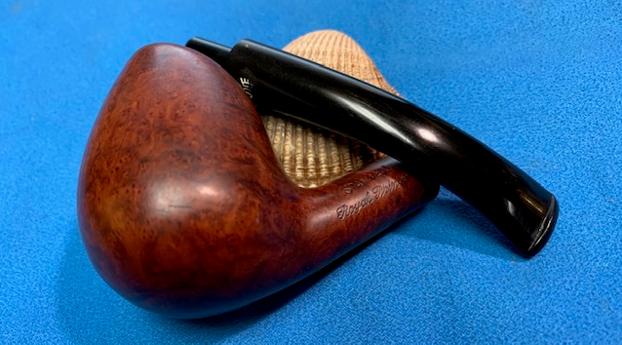
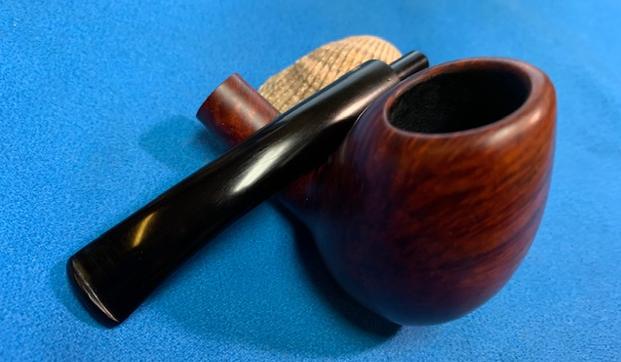
I am enjoying an evening free to work on a few pipes. The next pipe on the table came from an online auction on 02/18/21 in Upland, California, USA. Even though the finish was a dirty and worn it had some amazing grain showing through the grit and grime of the years. On the left side of the shank it was stamped Stanwell [over] Royal Prince. On the right side it is stamped with the shape number 02. On the underside it is stamped Made in Denmark. The pipe is a bent egg and as the shape number identifies. The finish is filthy with grime and oil ground into the briar of the bowl and shank sides. The bowl had a thick cake and there was an overflow of lava on the inner edge of the rim. The stem was a bent vulcanite taper stem that fit snugly in the shank. It had the Stanwell Crown S faintly stamped on the left side of the stem. The vulcanite was oxidized, calcified and had tooth marks and chatter on both sides ahead of the button. Jeff took some photos of the pipe to show its overall condition before he started his cleanup work. He took photos of the rim top and bowl to give a clear picture of the thickness of the cake and the lava and dust ground into the finish of the rim top and edges. There is dust and debris stuck to the walls of the bowl clearly visible in the photos. He also took photos of the top and underside of the stem to show the oxidation, chatter and tooth marks. Jeff took photos of the sides and heel of the bowl to give a picture of what the briar around the pipe looked like. There is some stunning grain under the grime.He took photos of the stamping on the sides of the shank. It read as noted above and is clear and readable. I turned first to Pipephil’s site to get a quick idea of when this pipe line was made and where it stood in the Stanwell hierarchy. I found nothing (http://www.pipephil.eu/logos/en/logo-stanwell.html).

I also turned to Pipedia’s article on Stanwell but it did not add any further information. It is a great read in terms of the history of the brand (https://pipedia.org/wiki/Stanwell).

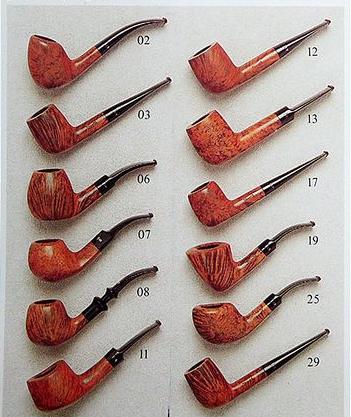
I turned to the section on Stanwell shapes and numbers on Pipedia to see if I could identify the designer (https://pipedia.org/wiki/Stanwell_Shape_Numbers_and_Designers). Finally I found a bit of help there. It stated that the shape number 02 came in two versions – a Freehand, oval bowl and stem designed by Sixteen Ivarsson and a Bent Egg Shaped Bowl sloping top and full mouthpiece. Now I knew that I was dealing with the second. There was also a catalogue photo that I have included below that shows the shape 02 at the top left of the photo.

With that information in hand I knew what I was dealing with in terms of the shape of the pipe. I am pretty sure it is a pipe that was made in the 80s or 90s. I was not certain but that is my educated guess. Now it was time to work on the pipe.

Jeff had reamed the bowl with a PipNet Pipe Reamer and cleaned up the remnants with a Savinelli Fitsall Pipe Knife. He scrubbed the exterior of the bowl with undiluted Murphy’s Oil Soap with a tooth brush. He worked over the debris on the rim top and was able to remove it. He rinsed it under running warm water to remove the soap and grime. He cleaned out the inside of the shank and the airway in the stem with alcohol, cotton swabs and pipe cleaners. He soaked the stem in Briarville’s Pipe Stem Deoxidizer and rinsed it off with warm water. He scrubbed the stem with Soft Scrub and cotton pads to remove remaining oxidation on the ferrule and the stem. He rinsed it with warm water and dried it off. I took photos of the pipe once I received it. It really looked good. The rim top and the inner edge of the rim showed some nicks and marks after the cleaning. The stem had a few small tooth marks and chatter on both sides near the button. I took photos of the stamping on the sides of the shank. It was clear and read as noted above.I removed the stem and took a photo of the pipe to give a sense of the whole. I decided to address the damage to the inner edge of the bowl first. I used a folded piece of 220 grit sandpaper to smooth out the damage and clean up the edge. I was pleased with the reshaped rim top and edge. I polished the briar with micromesh sanding pads – dry sanding with 1500-12000 grit pads and wiping it down after each pad with a damp cloth. I rubbed the bowl and shank down with Before & After Restoration Balm. I worked it into the surface of the bowl sides and shank with my fingertips. The product works to clean, enliven and protect the briar. I let the balm sit for 15 minutes and then buffed with a cotton cloth to raise the shine.I “painted” the stem surface on both sides with the flame of a lighter to lift the tooth marks. I was able to lift all of them on the underside of the stem but one of them on the topside remained. I filled it in with clear super glue. Once the repair cured I smoothed it out and also the tooth chatter on the underside with 220 grit sand paper. I started the polishing with 400 grit wet dry sandpaper.I touched up the stamping on the top of the stem. It was a Stanwell Crown S logo. Parts of it were faint but I was able to get some of the stamping to show up with the Paper Mate Liquid Paper White.I polished the vulcanite stem with micromesh sanding pads – 1500-12000 grit pads. I wiped it down with a damp cloth after each sanding pad. I used Before & After Pipe Polish – both Fine and Extra Fine to further polish the stem. This beautiful Stanwell Royal Prince Sloped Bent Egg with a taper vulcanite stem is a great looking pipe now that it has been restored. I put the stem back on the bowl and carefully buffed the pipe with Blue Diamond on the buffing wheel using a light touch on the briar. I gave the bowl and the stem multiple coats of carnauba wax on the buffing wheel and followed that by buffing the entire pipe with a clean buffing pad. I hand buffed the pipe with a microfiber cloth to deepen the shine. The finished Stanwell Royal Prince Bent Egg fits nicely in the hand and feels great. Give the finished pipe a look in the photos below. The dimensions of the pipe are Length: 6 inches, Height: 2 inches, Outside diameter of the bowl: 1 ¼ inches, Chamber diameter: ¾ of an inch. The weight of the pipe is 46grams/1.62oz. I will be adding it to the rebornpipes store shortly in the Danish Pipe Makers Section. Thanks for reading this blog and my reflections on the pipe while I worked on it. There are many more to come!

What a Mess! A Peterson’s Product Shamrock 15 Billiard


Blog by Steve Laug

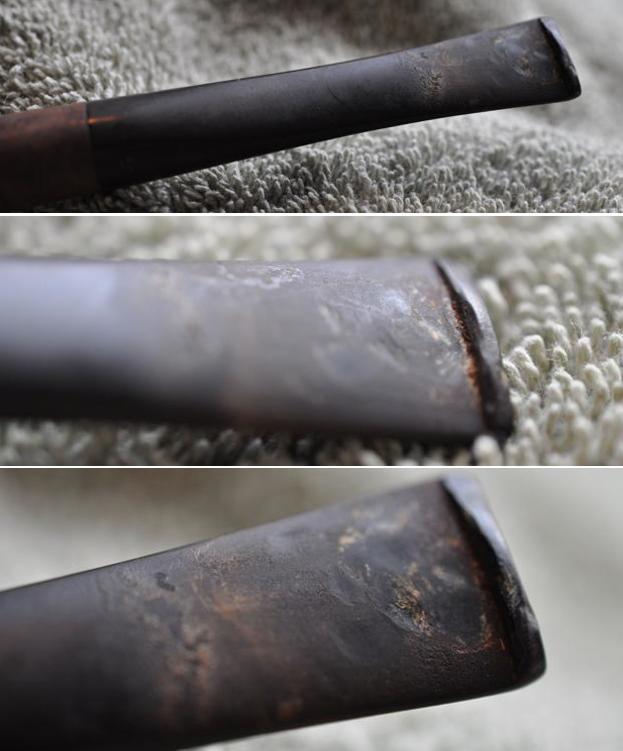
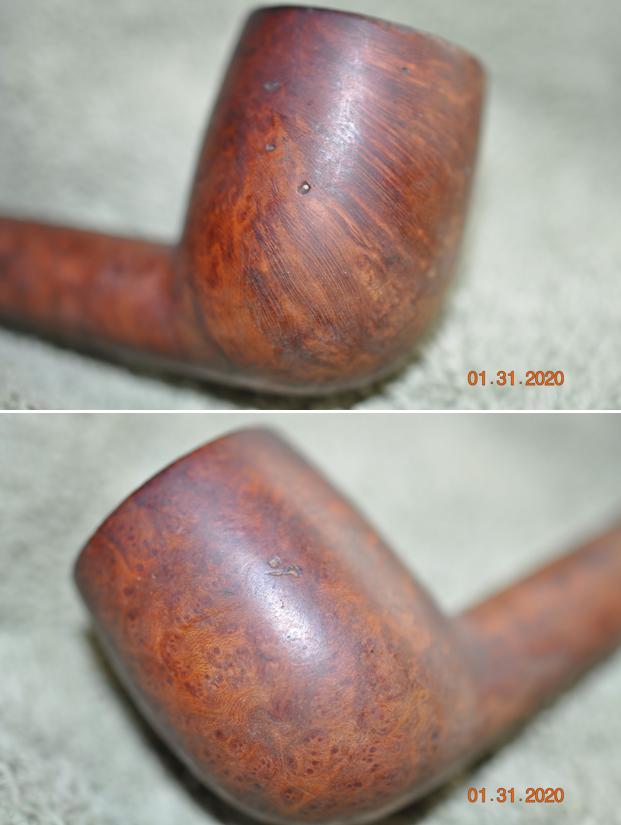
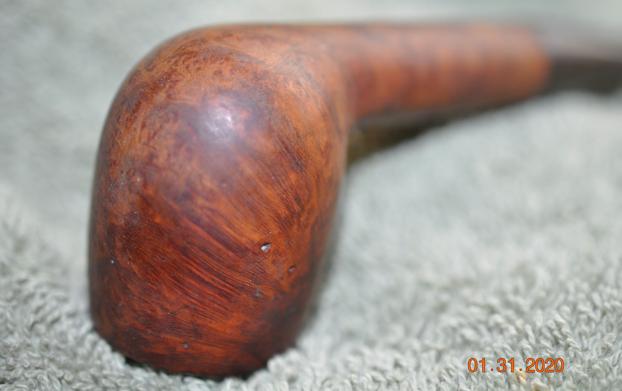
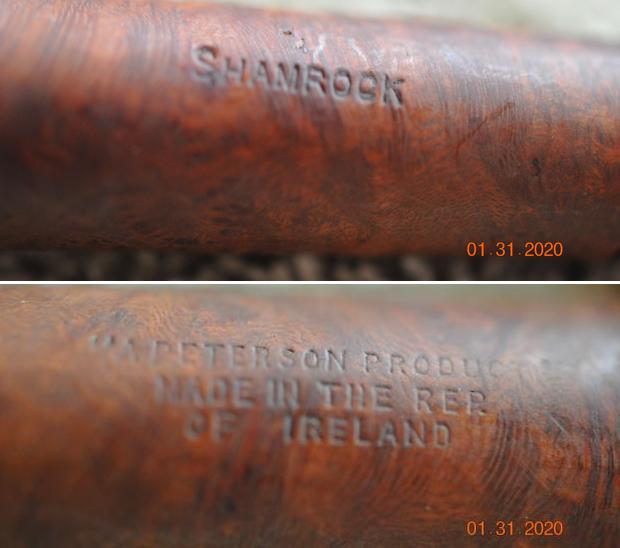
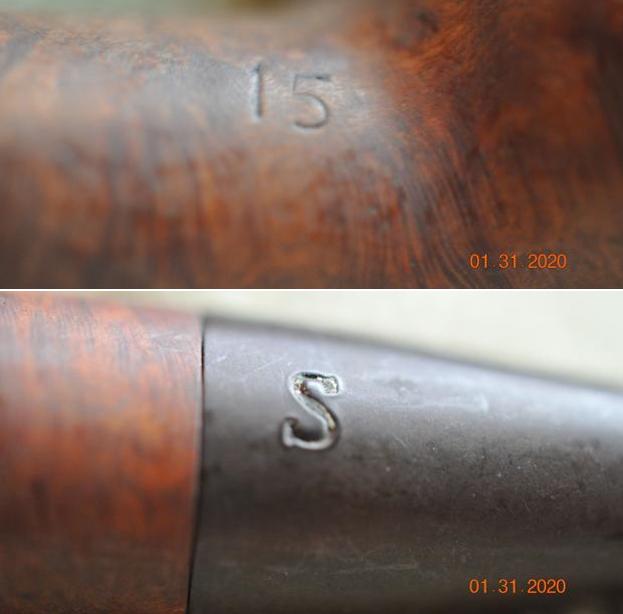
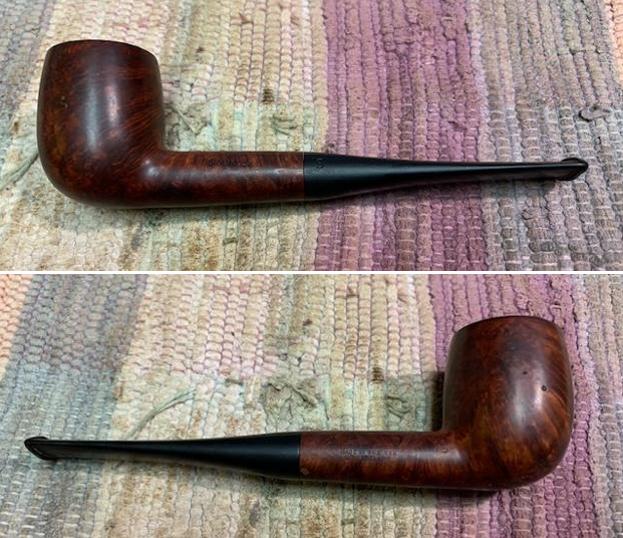
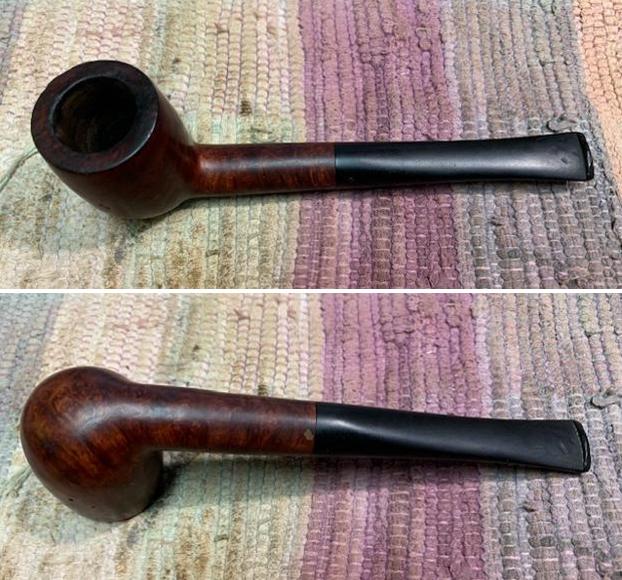
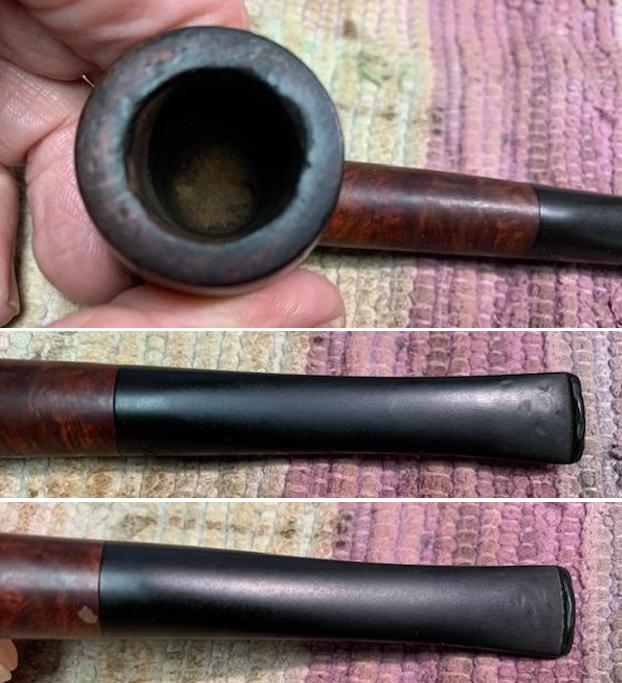
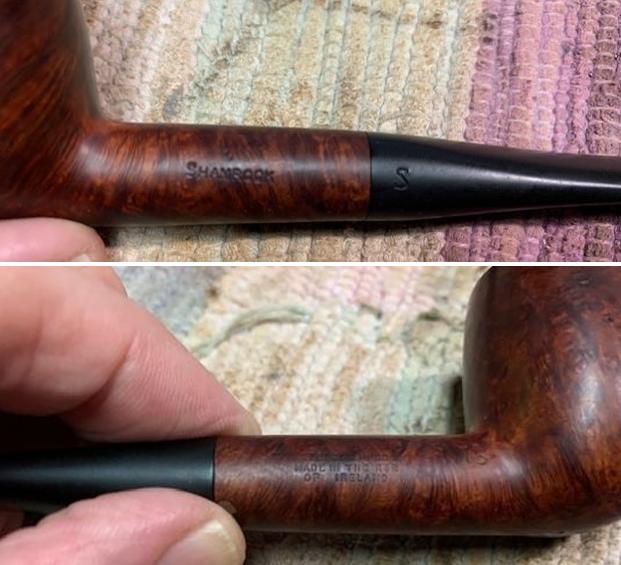
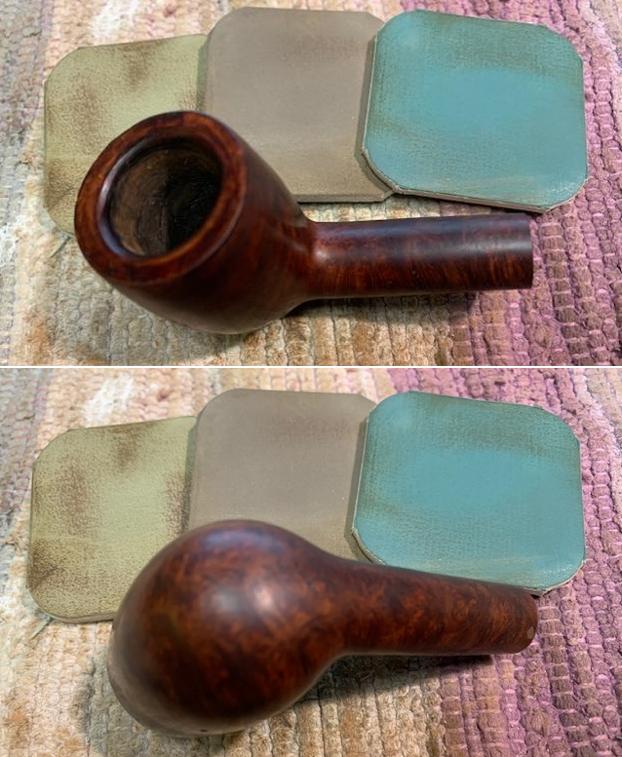
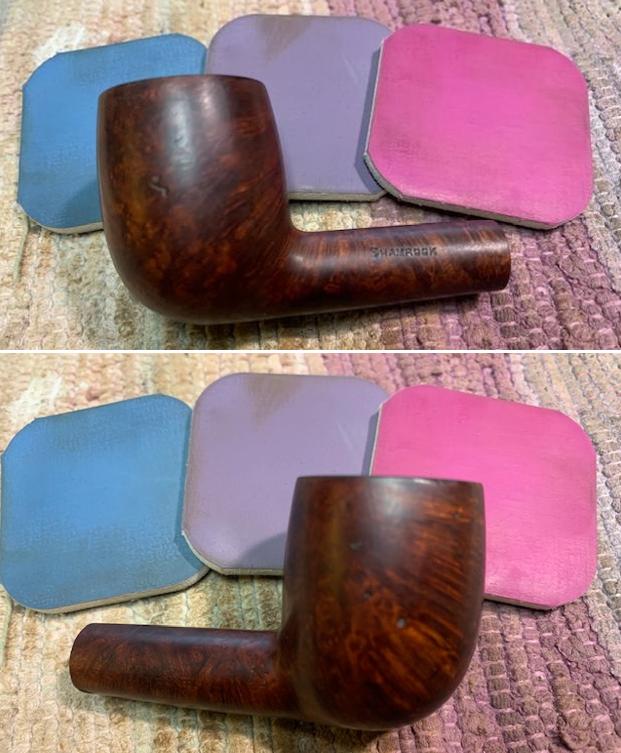
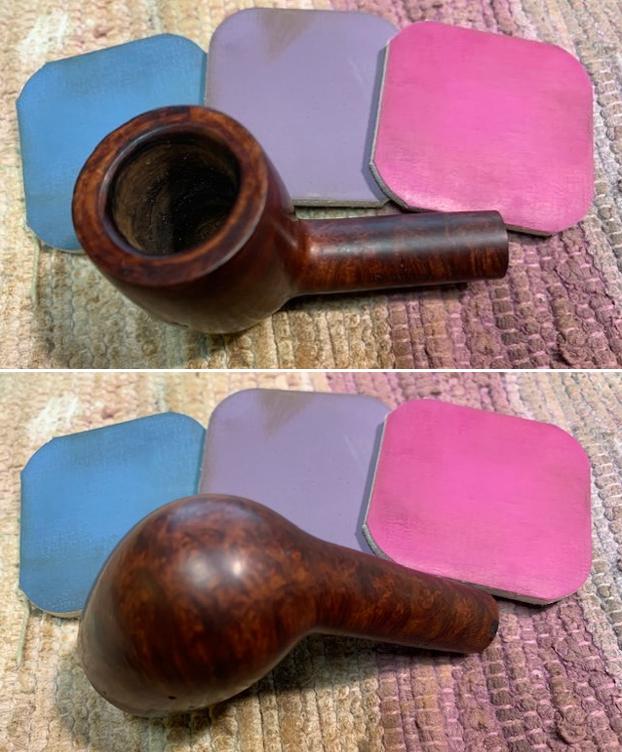
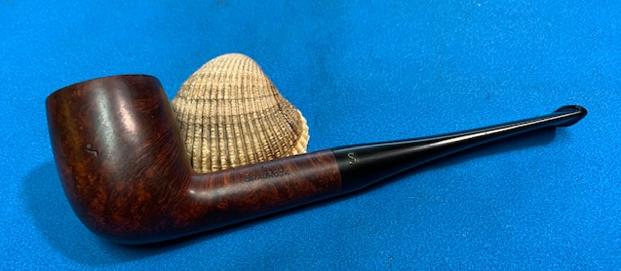
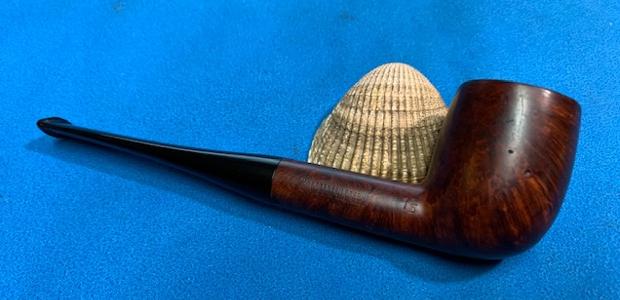
The next pipe was an absolute mess and one that obviously had been “ridden hard and put away wet”. There was little room in the bowl for tobacco and the finish and condition was abysmal. I am pretty sure it came from a classic old time pipeman who smoked a pipe until it was no longer usable and then pitched it for a new on. It was definitely a stranger to any cleaning! This one is a smooth Billiard that has a rich coloured finish around the bowl sides and shank. It came to us on 07/24/18 from a sale in Lickingville, Pennsylvania, USA. The finish is almost bland looking it is so dirty it was hard to know what to expect once it was cleaned. It was stamped on the  left side of the shank and read SHAMROCK. It was stamped to the right of the shank and reads “A PETERSON’S PRODUCT” over MADE IN THE REP. [over] OF IRELAND (3 lines) with the shape number 15 next to the bowl. It was filthy when Jeff brought it to the table. There was a very thick cake in the bowl and lava on the rim top and the inner edge of the bowl. The cake was thick and overflowing so much it was hard to know what the edge looked like. The stem was stamped with the letter S on the left side. It was oxidized and had tooth marks and chatter on the top and underside on and near the button. Jeff took photos of the pipe before his cleanup work. Jeff took photos of the rim top and stem to show the general condition of the pipe. The bowl is so heavily caked it is impossible to know the condition of the edges under the lava overflow. There was still dottle in the bowl from the last smoke of the pipe. The stem is oxidized and grimy. It has some tooth marks on the top and underside near and on the surface of the button itself. Jeff took photos of the bowl sides and heel to show the grain that was around this bowl. You can see the sandpits and nicks in the briar in the photos below. Even so, it is a nice looking pipe.He took photos of the sides of the shank to show the stamping. The stamping is readable in the photos below and is as noted above. I am including the link to the Pipedia’s article on Peterson pipes. It is a great read in terms of the history of the brand (https://pipedia.org/wiki/Peterson).
I turned to “The Peterson Pipe” by Mark Irwin and Gary Malmberg to get some background on the Peterson’s Shamrock Pipe. On page 312 it had the following information.

Shamrock (c1941-2009) Originally stamped SHAMROCK with no brand name, an inexpensive line first described in George Yale (New York) mail order booklet in 1941, imported by Rogers Import. The line was actively promoted beginning in ’45, aggressively promoted in US by Rogers from early ‘50s when they registered the Shamrock logo with US Patent Office, claiming propriety since ’38. Over the years offered with P-lip or fishtail mouthpiece, with or without nickel band, with or without shamrock logo on the band, with or without S stamped in white or later in gold on mouthpiece. Appearing in 2008 as unstained smooth and rustic, fishtail mouthpiece with gold impressed P on the stem. COMS of MADE IN over IRELAND (C1945-1965), MADE IN IRELAND forming a circle (c1945-1965), “A PETERSON’S PRODUCT” over MADE IN IRELAND (c1945-1965), MADE IN THE over REPUBLIC over OF IRELAND (c1948-1998). Model is always difficult or impossible to date.

Judging from the description above, the pipe I am working on is stamped with the stamp noted in red above. It reads “A Peterson’s Product” over Made in Ireland which narrows the date to between approximately 1948-1998. It is just stamped SHAMROCK with no brand name as an inexpensive a fish tail stem. Now it was time to work on the pipe.

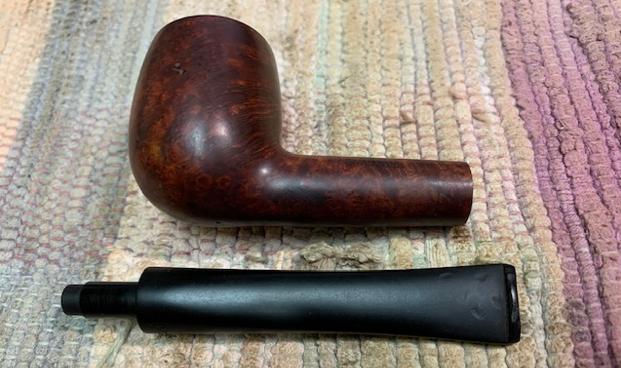
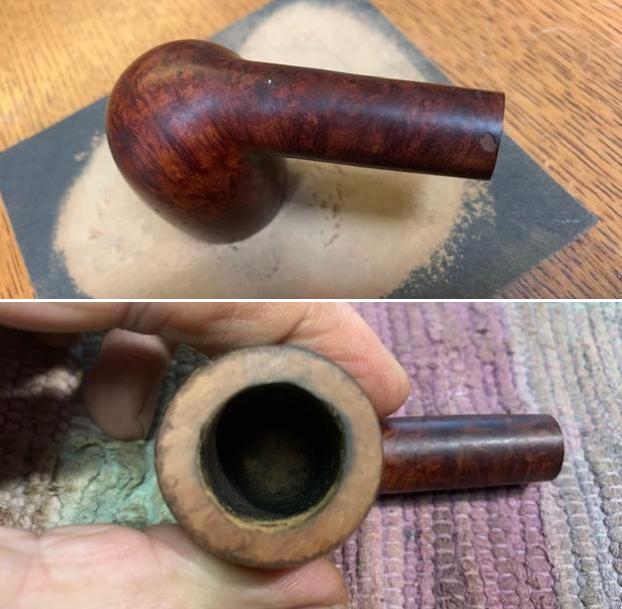
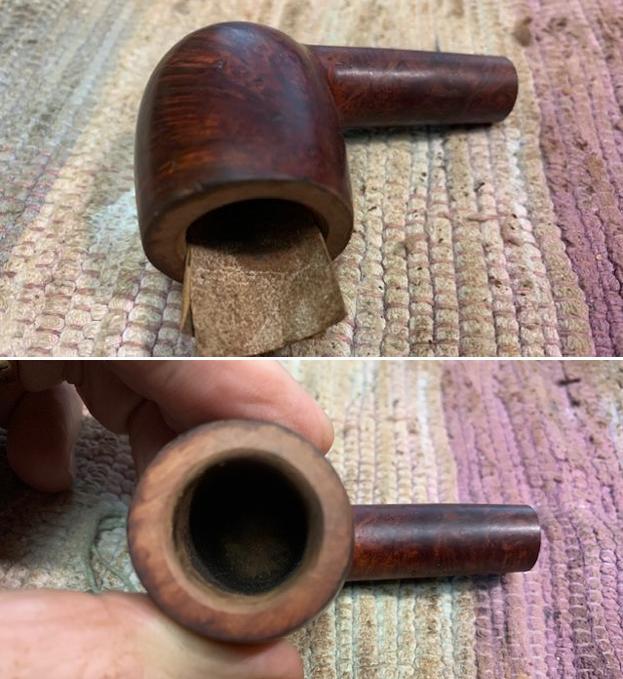
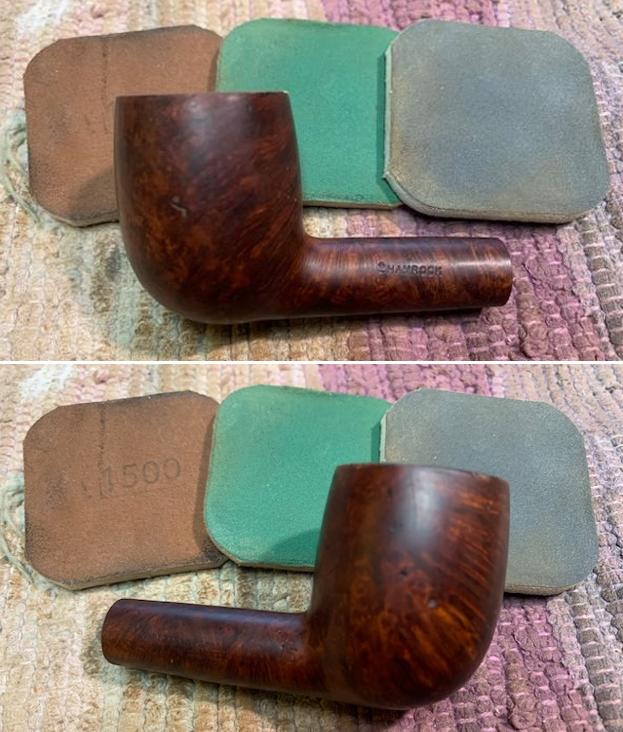
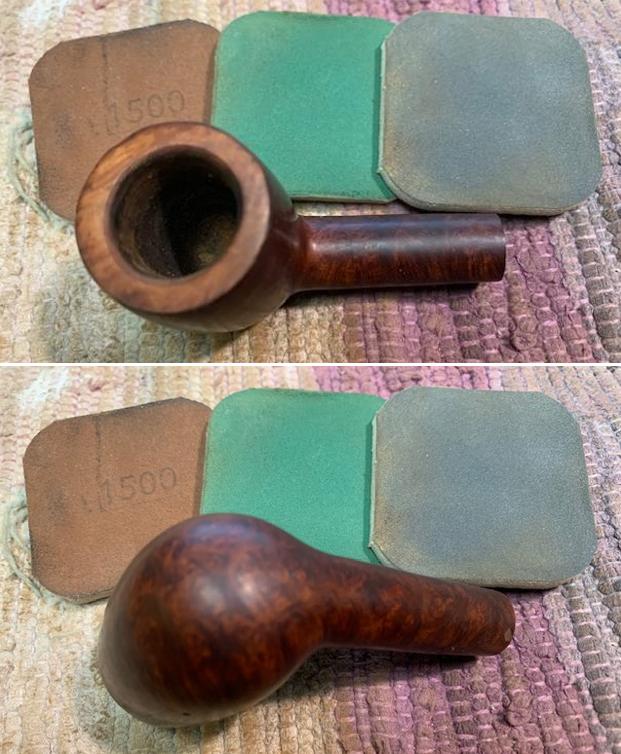
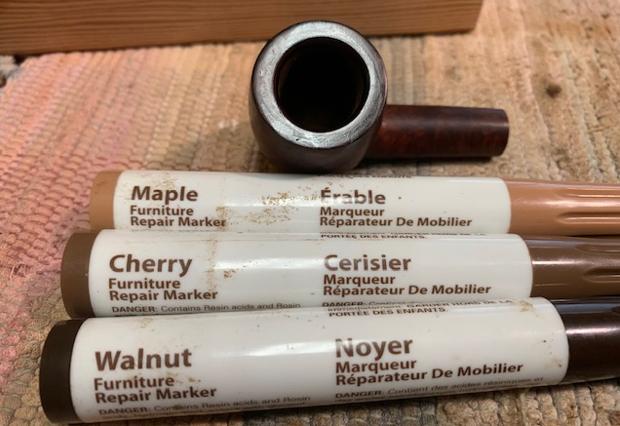
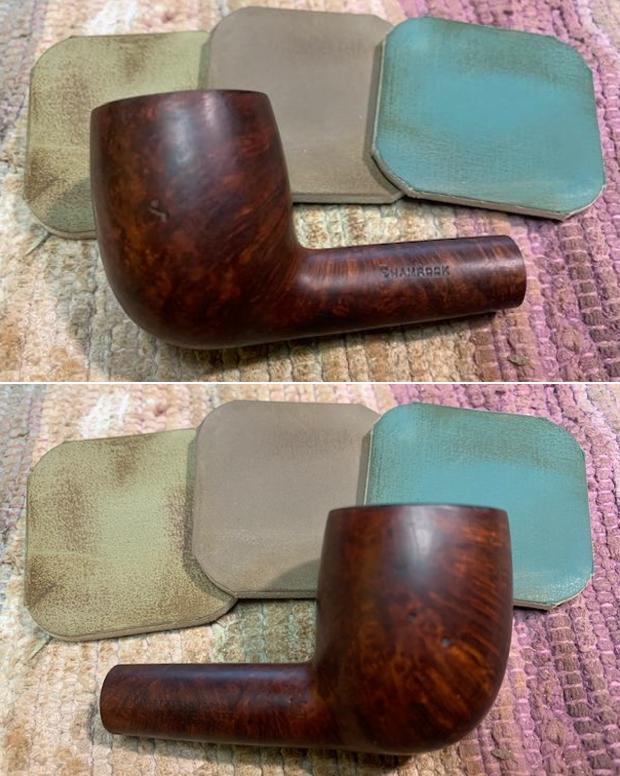
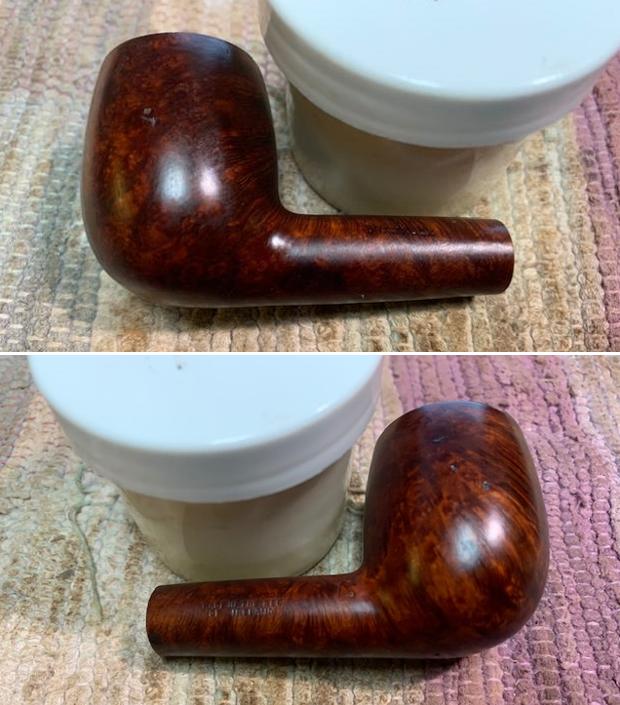
I was utterly surprised when I took this pipe out of the box and compared it to the before photos. Jeff had done a great job cleaning up the pipe as usual. He reamed the pipe with a PipNet reamer and cut back the cake back to the bare briar. He cleaned up the walls with a Savinelli Fitsall Pipe Knife. Surprisingly the walls looked unscathed from the heavy cake. He scrubbed the interior of the bowl and shank with pipe cleaners, cotton swabs and alcohol to remove the tars and oils. He scrubbed the exterior of the pipe with Murphy’s Oil Soap and a tooth brush to remove the grime from the finish. He worked on the rim top lava and darkening with the soap and tooth brush. He scrubbed the inside of the stem with alcohol and pipe cleaners. He scrubbed the exterior of the stem with Soft Scrub and then soaked it in Briarville’s Deoxidizer. He washed it off with warm water to remove the Deoxidizer. The pipe looked far better when it arrived. The cleaned up rim top revealed a very damaged inner edge and top. It was both burned and nicked from what appeared to be a quick ream somewhere in its life with a knife. I took some close up photos of the rim top to show how well it had cleaned up and the damage to the inner edges around the bowl. I also took close up photos of the stem to show the tooth marks on the surface near and on the button itself. I took photos of the stamping on the sides of the shank. It reads as noted above. I removed the stem and took a photo of the pipe to have a look at the parts and overall look.I started my work on this pipe by topping the bowl and reworking the damage to the inner edge. I topped the bowl on a piece of 220 grit sandpaper on a topping board. Once I had it smooth I used a folded piece of 220 grit sandpaper to give the inner edge of the bowl a slight bevel to accommodate the burned areas and blend them into the surrounding briar.I polished the briar with micromesh sanding pads – dry sanding with 1500-12000 grit sanding pads. I wiped the bowl down with a damp cloth after each sanding pad.I interrupted the polishing with the micromesh pads after the 2400 grit pad. I stained the rim top with a Maple, Cherry and Walnut stain pen to blend it into the surrounding briar. Then I continued on my polishing of the briar with 3200-12000 grit micromesh sanding pads. I worked some Before & After Restoration Balm into the surface of the briar with my fingertips to clean, enliven and protect the briar. I let the balm sit for 15 minutes and then buffed with a cotton cloth to raise the shine. The photos show the bowl at this point in the restoration process. I set the bowl aside and “painted” the stem surface with flame of a lighter to lift the tooth marks in the surface. It worked well. I filled in the remaining tooth marks with clear CA glue and set the stem aside to cure. Once it had cured I sanded them smooth with 220 grit sandpaper and started the polishing with 400 grit wet dry sandpaper.From the description I read and quoted above I knew that the stem stamp could well have been gold. I used some Rub’n Buff Antique Gold to fill in the stamp. I worked it into the stamp with a tooth pick. I buffed it off with a soft cloth.I polished the stem with micromesh sanding pads – wet sanding with 1500-12000 grit sanding pads. I wiped it down after each sanding pad with Obsidian Oil. I polished it with Before & After Pipe Stem Polish – both Fine and Extra Fine. I am excited to finish this Older “A Peterson’s Product” Shamrock 15 Straight Billiard. I put the pipe back together and buffed it with Blue Diamond on the buffing wheel. I gave the bowl and the stem multiple coats of carnauba wax. I hand buffed the pipe with a clean buffing pad to raise the shine. It is fun to see what the polished bowl looks like with beautiful mixed grain all around it. Added to that the black vulcanite fish tail stem was beautiful. This smooth Classic Shamrock 15 Billiard is great looking and the pipe feels great in my hand. It is light and well balanced. Have a look at it with the photos below. The dimensions are Length: 5 ¾ inches, Height: 1 ¾ inches, Outside diameter of the bowl: 1 ¼ inches, Chamber diameter: ¾ of an inch. The weight of the pipe is 34grams/1.20oz. It is a beautiful pipe and one will end up on the rebornpipes store in the Irish Pipe makers section. Check there if you want to add it to your collection. Let me know via email or message. Thanks for walking through the restoration with me as I worked over this pipe. Thanks to each of you who are reading this blog.
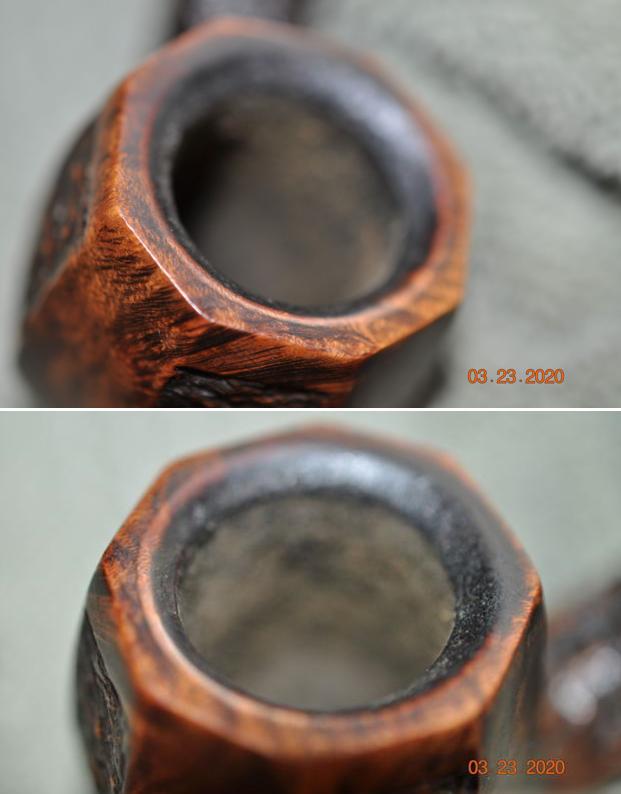
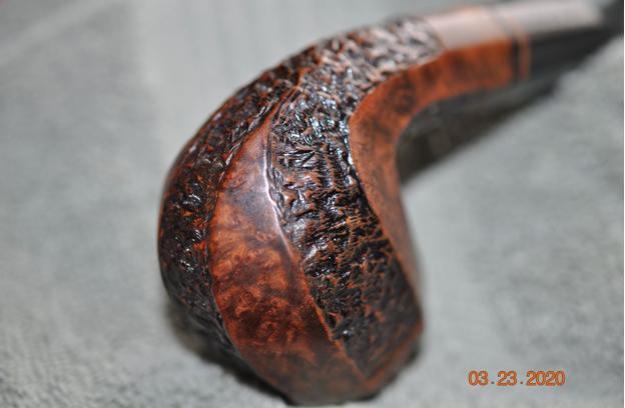
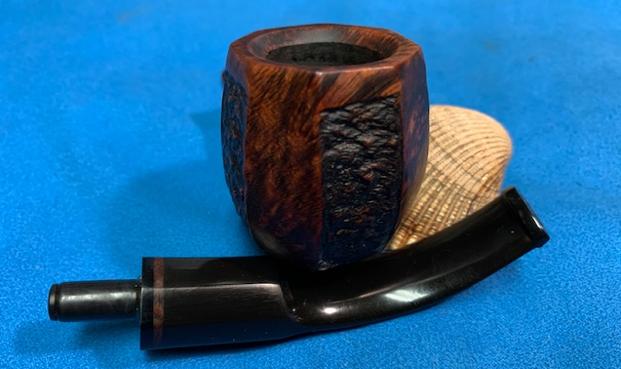
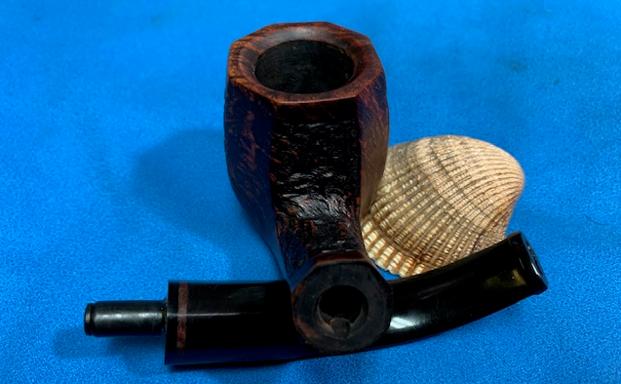
Rebirthing an Oldrich Jirsa Bent Octagonal Panel 138 Billiard


Blog by Steve Laug

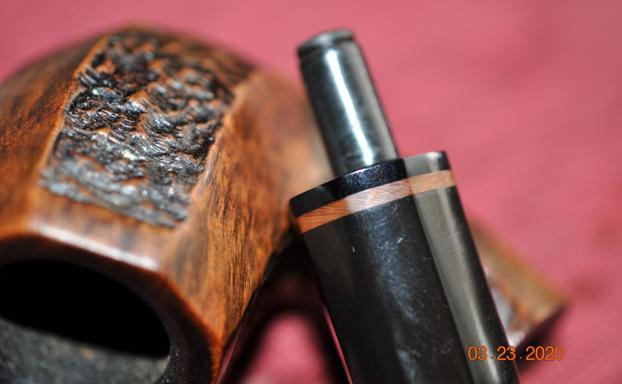
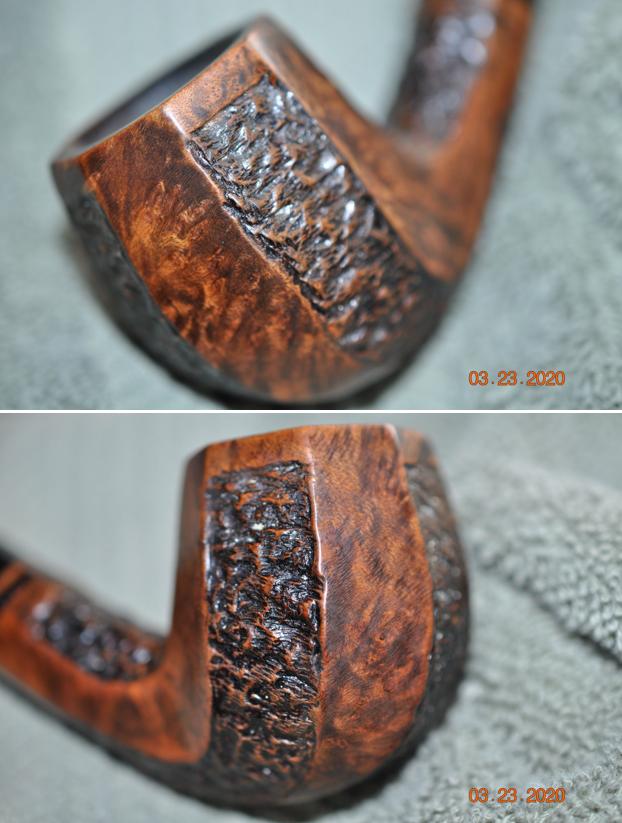
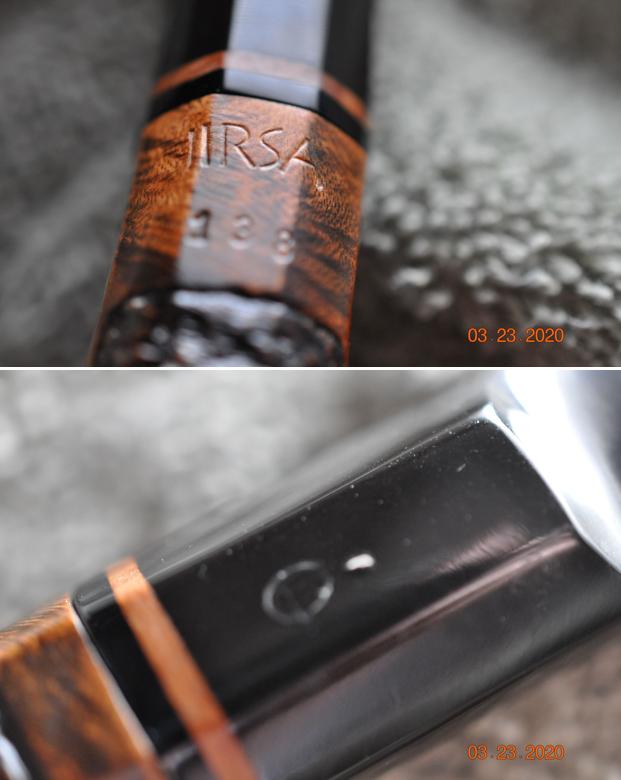
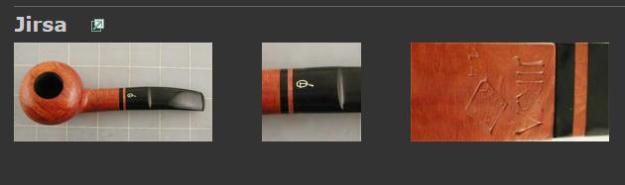
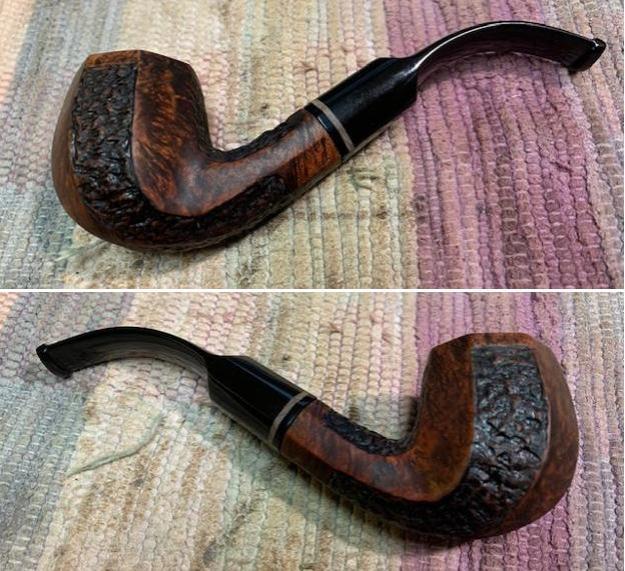
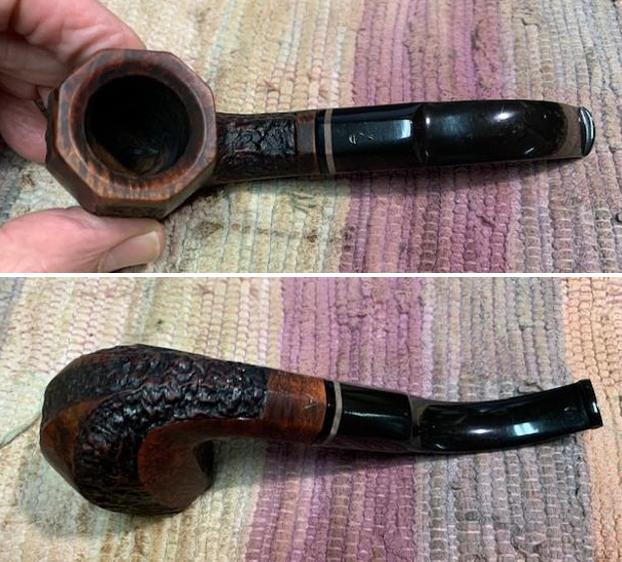
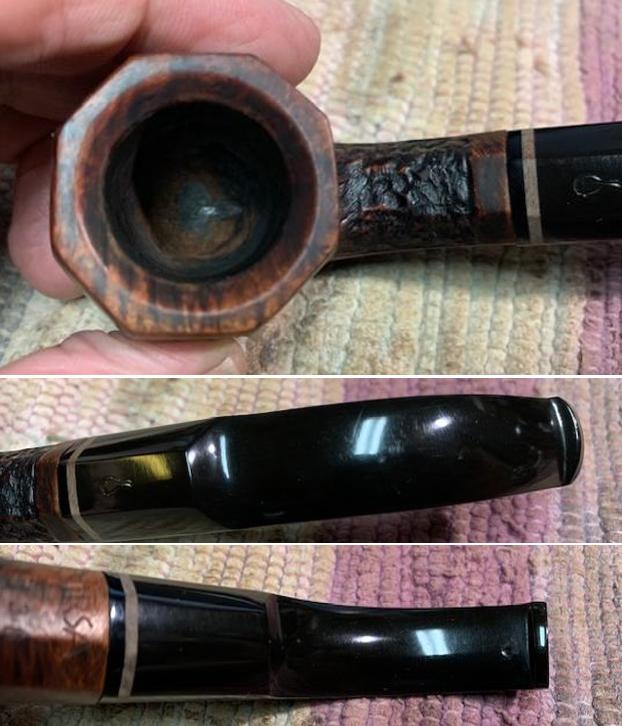
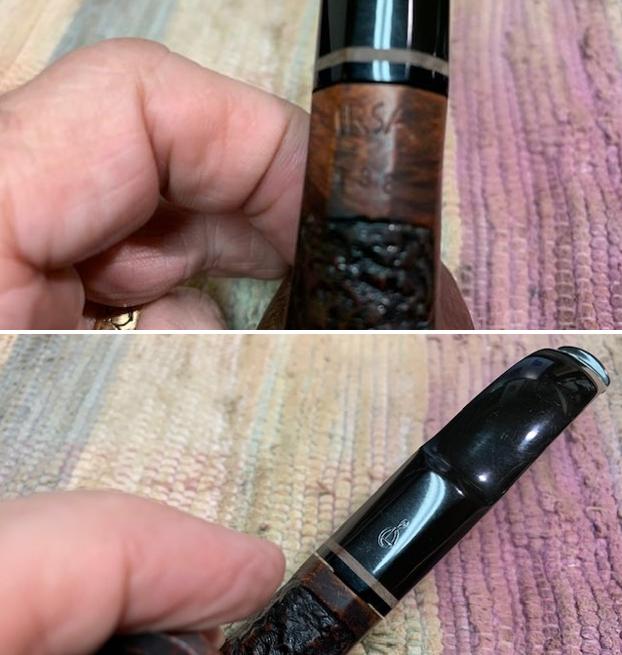
The picture to the left is the pipe carver Oldrich Jirsa (photo from Pipephil). He is the carver of the next pipe I have chosen to work on. It is octagonal paneled pipe with smooth and rusticated finishes around the panels. The rim top is beveled inward and smooth. It is an interesting looking pipe. We purchased it from an antique mall in Utah on 03/05/21. it has a mixture of various brown coloured finishes with amazing grain around the smooth panels on bowl sides and shank and a nice looking rustication on the other panels. It was stamped on the underside of the shank and read Jirsa over the shape number 138. It was in filthy condition when Jeff brought it to the table. There was a thick cake in the bowl and lava and debris rim top and the beveled inner edge of the bowl. The acrylic stem was oxidized and had tooth marks and chatter on the top and underside on and near the button. There is an inserted briar ring around the saddle stem. Jeff took photos of the pipe before his cleanup work to give a picture of its condition. Jeff took photos of the rim top and stem to show the general condition of the pipe. The bowl is heavily caked and the rim top and edges have a thick lava overflow on the beveled inner edge of the bowl and on the rim top. The stem has grime and tooth marks on the top and underside near the button. Jeff took photos of the tenon and the briar insert on the stem.Jeff took some photos of the bowl sides and heel to show the grain that was around this bowl. It is a nice looking pipe. He took photos of the sides of the shank to show the stamping. The stamping is readable in the photos below and is as noted above. The logo stamp is also readable on the top of the saddle stem.I turned to Pipephil’s site to see what he had on the Jirsa brand (http://pipephil.eu/logos/en/logo-j2.html). He had an entry that I did a screen capture of and also the following information on the brand. Artisan: Oldrich Jirsa (born 1962) makes pipes since 1994. I turned to Pipedia for more information on the brand (https://pipedia.org/wiki/Jirsa). I quote from the article below.

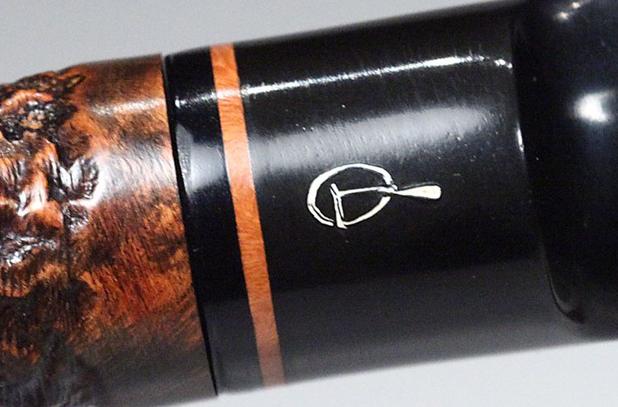
Jirsa is a Czech Republic brand owned by the family company headed by the artisan Oldrich Jirsa. They use Ebonite and cumberland stems. Best Grading: SG (Grain), three stars. Symbol: stylized J coming out of an oval. I knew that I was working on a Czech made pipe by Oldrich Jirsa. The stem on the one I was working on was acrylic and had a briar insert like the one in the photo above. Now it was time to work on the pipe.

Jeff had done a great job cleaning up the pipe as usual. He reamed the pipe with a PipNet reamer and cut back the cake back to the bare briar. He cleaned up the walls with a Savinelli Fitsall Pipe Knife. He scrubbed the interior of the bowl and shank with pipe cleaners, cotton swabs and alcohol to remove the tars and oils. He scrubbed the exterior of the pipe with Murphy’s Oil Soap and a tooth brush to remove the grime from the finish. He worked on the rim top and beveled edge lava and darkening with the soap and tooth brush. He scrubbed the inside of the stem with alcohol and pipe cleaners. He scrubbed the exterior with Soft Scrub and then soaked it in Briarville’s Pipe Stem Deoxidizer. He washed it off with warm water to remove the deoxidizer. The pipe looked very good when it arrived here. I took some close up photos of the rim top and also of the stem surface. The rim top and the beveled inner edge looked very good. The stem was clean and the tooth marks and chatter were few. I took photos of the stamping on the underside of the shank. You can see that it is stamped as noted above. It is clear and readable. The logo on the stem top is also readable. I took the pipe apart and took a photo of the parts. It is a good looking pipe and has some nice looking grain and rustication around the bowl. The briar came out looking very good so I did not need to polish it with micromesh. Instead immediately worked some Before & After Restoration Balm into the surface of the briar with my fingertips and a horsehair shoe brush. The product works to clean, enliven and protect the briar. I let the balm sit for 15 minutes and then buffed with a cotton cloth to raise the shine. The photos show the bowl at this point in the restoration process.I set the bowl aside and turned my attention to the stem. I filled in the deep tooth marks in the acrylic with clear CA glue and set it aside to let the repairs cure. Once they cured and hardened, I sanded out the repairs on the top and underside of the stem ahead of the button with 220 grit sandpaper and started polishing it with 400 grit wet dry sandpaper. I used Rub’n Buff Antique Gold to repaint the logo on the stem top. I worked it into the stamp with a tooth pick and buffed off the excess. It looks quite good.I polished the stem with micromesh sanding pads – wet sanding with 1500-12000 grit sanding pads. I wiped it down after each sanding pad with Obsidian Oil. I polished it with Before & After Pipe Stem Polish – both Fine and Extra Fine.I am excited to finish this Jirsa Octagonal Panel Bent 138 Billiard. I put the pipe back together and buffed it with Blue Diamond on the buffing wheel. I gave the bowl and the stem multiple coats of carnauba wax. I hand buffed the pipe with a clean buffing pad to raise the shine. It is fun to see what the polished bowl looks like with the grain popping all around the smooth panels and the interesting rustication on the other panels. Combining that finish with the black, fancy acrylic stem with a briar ring all work to make this a beautiful pipe. This smooth Octagonal Panel Bent Billiard is nice looking and the pipe feels great in my hand. It is light and well balanced. Have a look at it with the photos below. The dimensions are Length: 6 inches, Height: 2 inches, Outside diameter of the bowl: 1 ¼ inches, Chamber diameter: ¾ of an inch. The weight of the pipe is 55grams/1.94oz. It is a beautiful pipe and one that will be on the PIPES FROM VARIOUS MAKERS – CZECH, BELGIAN, GERMAN, ISRAELI, SPANISH PIPEMAKERS ALONG WITH METAL PIPES section of the rebornpipes store soon. If you are interested in adding it to your collection let me know. Thanks for walking through the restoration with me as I worked over this pipe. Thanks to each of you who are reading this blog.

Beauty or the Beast?


Blog by Kenneth Lieblich

This is the story of a pipe – possibly damaged beyond reasonable limits – which I really liked and decided (against my better judgement) to revivify. I need to make clear from the outset that this is not a pipe like many you see from Steve, Dal, Paresh, Charles, et al, which begin their restoration as the proverbial sow’s ear and naturally end up as the silk purse. No, this is a pipe that came to me as a damaged ‘beast’ and ended up much improved – but a ‘beast’ it remains. There is damage to the pipe which is, despite my best efforts, a permanent attribute. I leave it to your collective judgement on whether it will ever attain the rank of ‘beauty’.

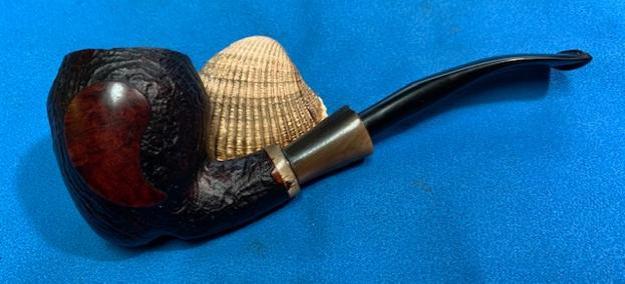
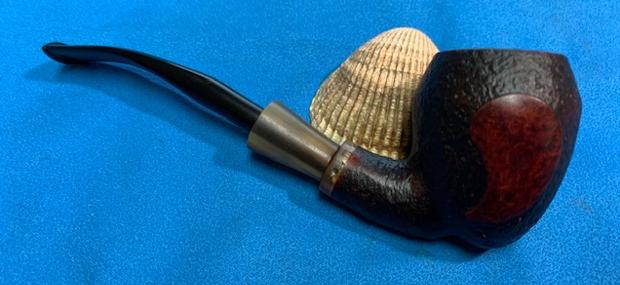
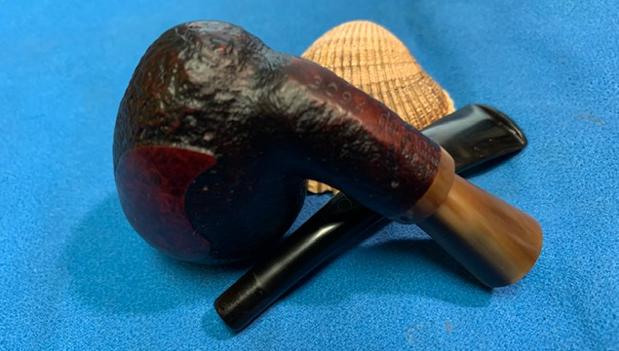
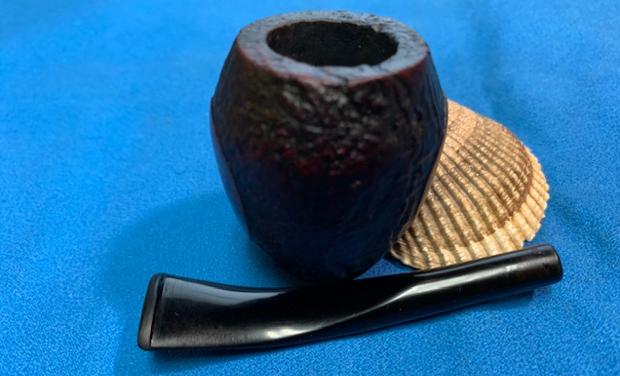
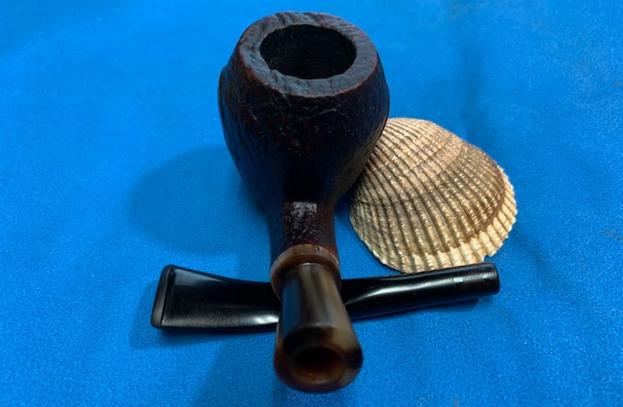
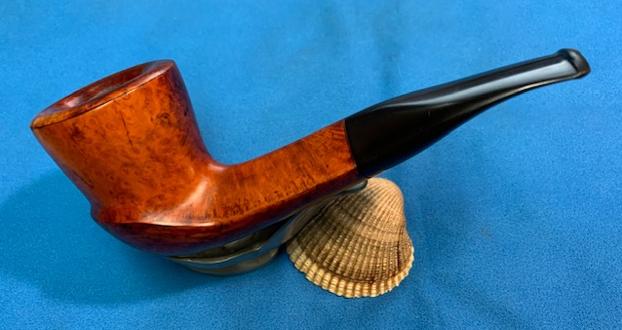
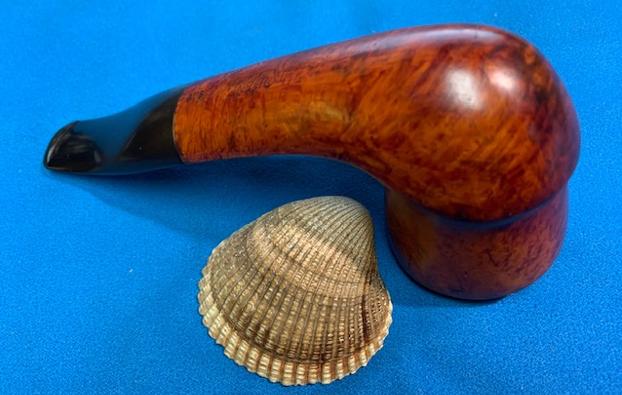
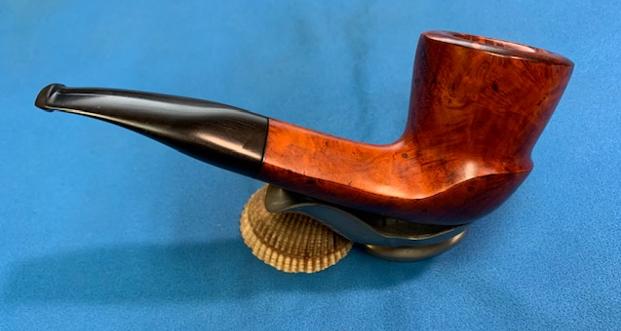
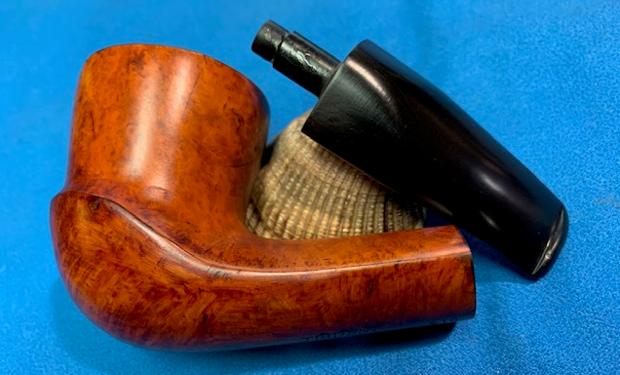
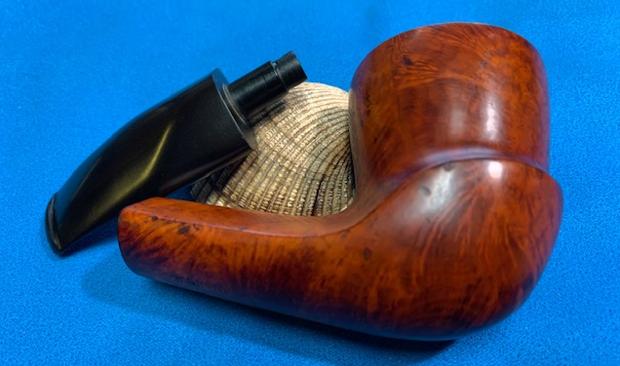
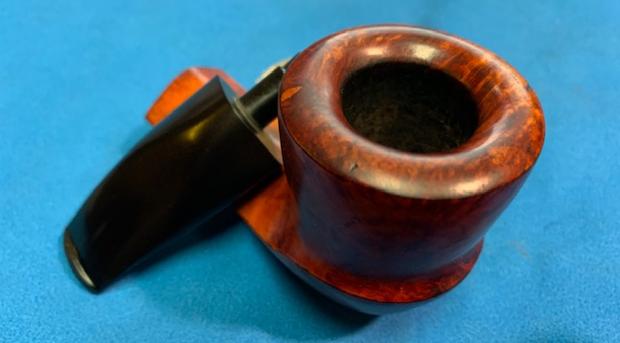
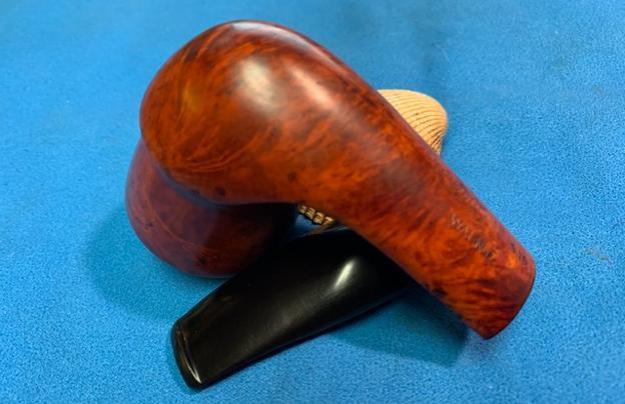
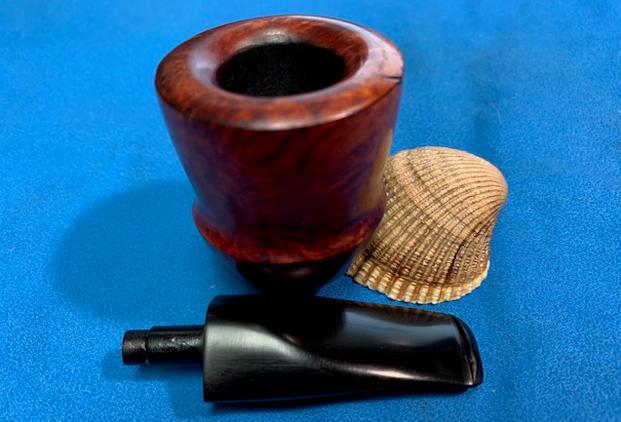
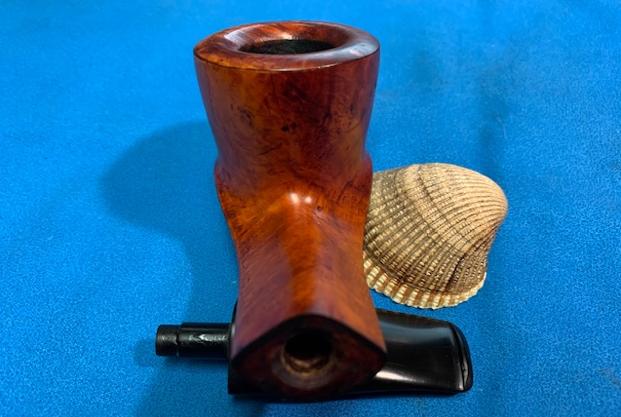
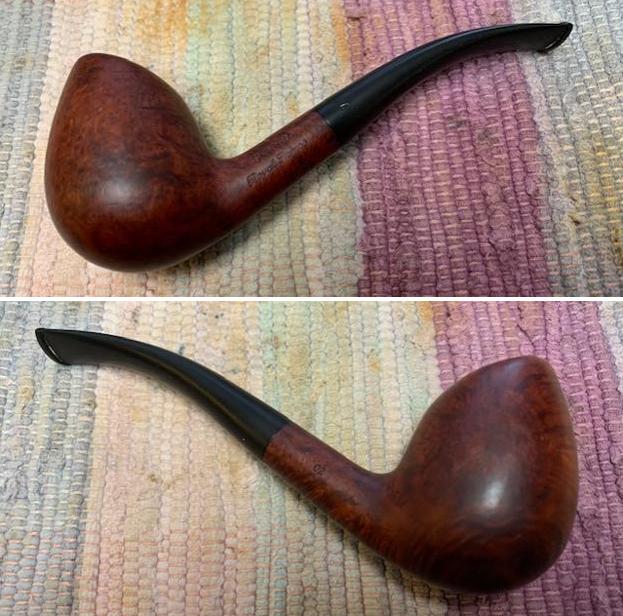
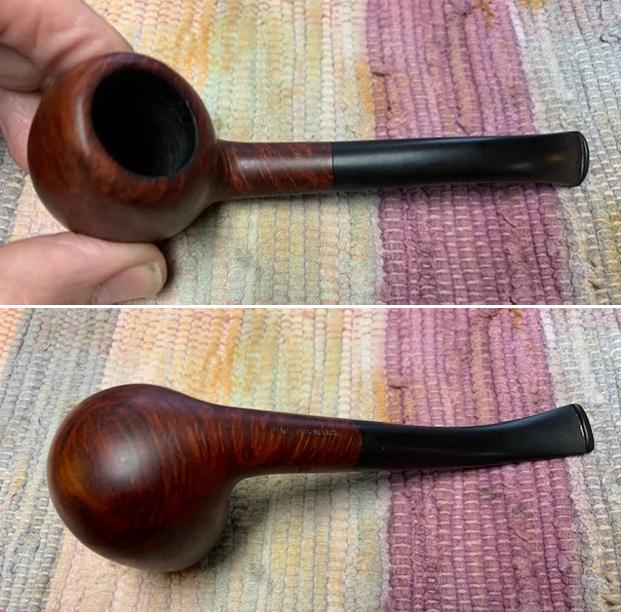
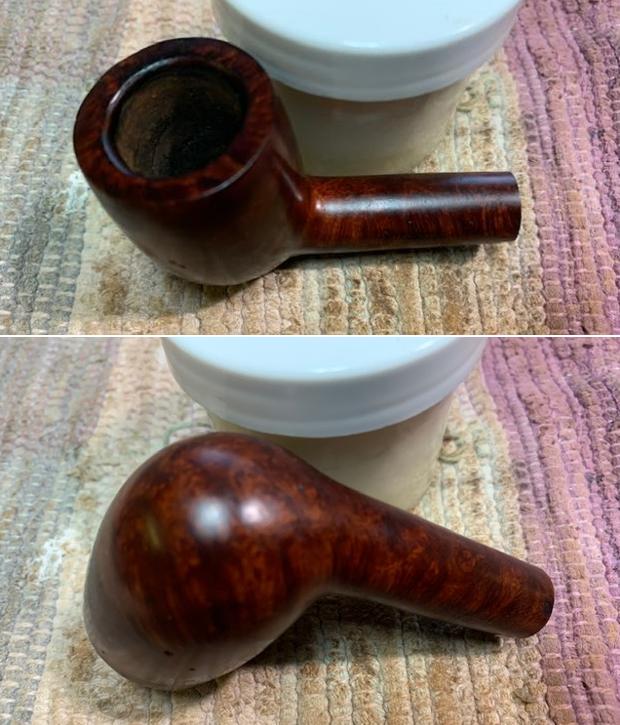
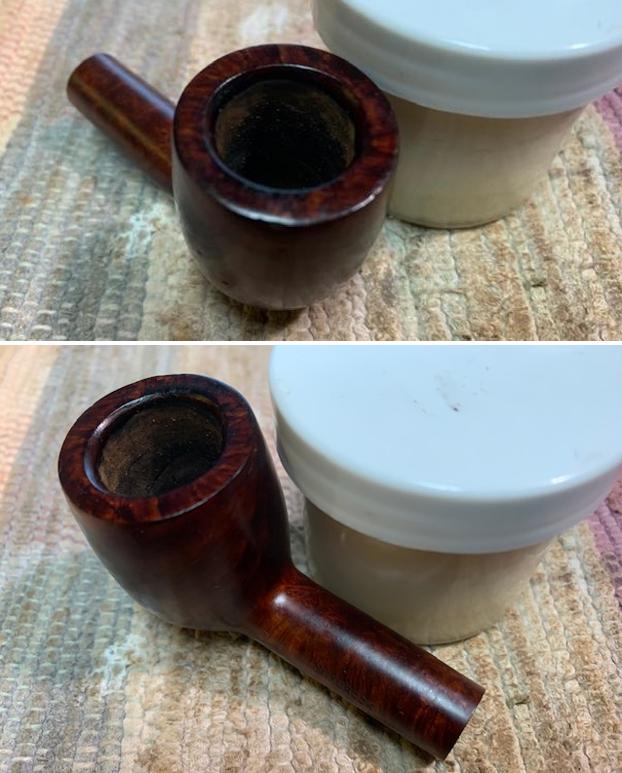
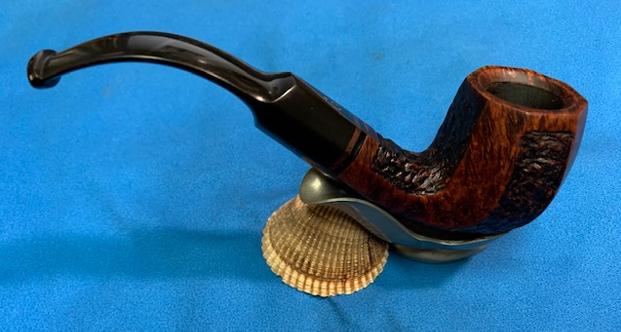
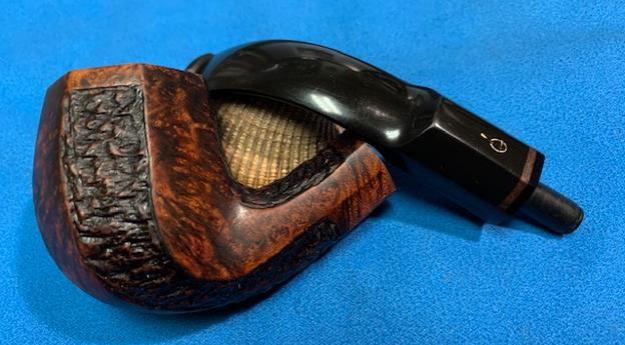
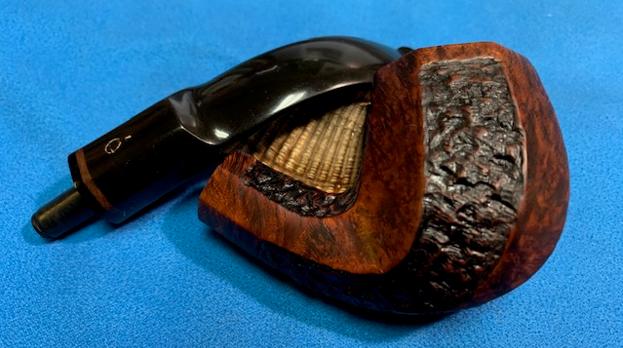
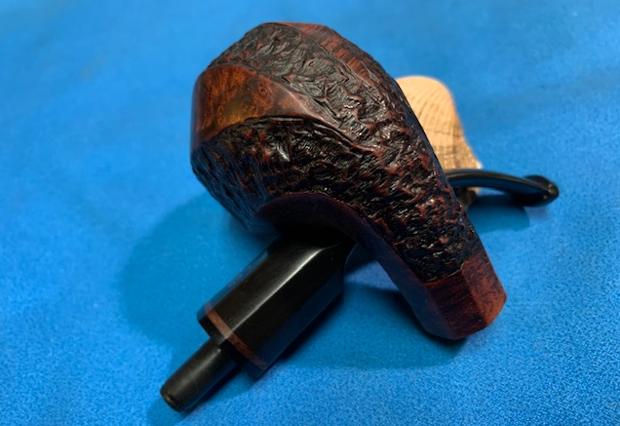
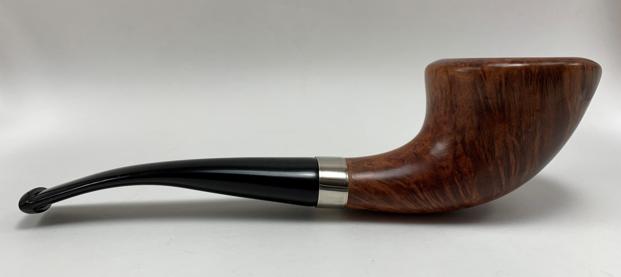
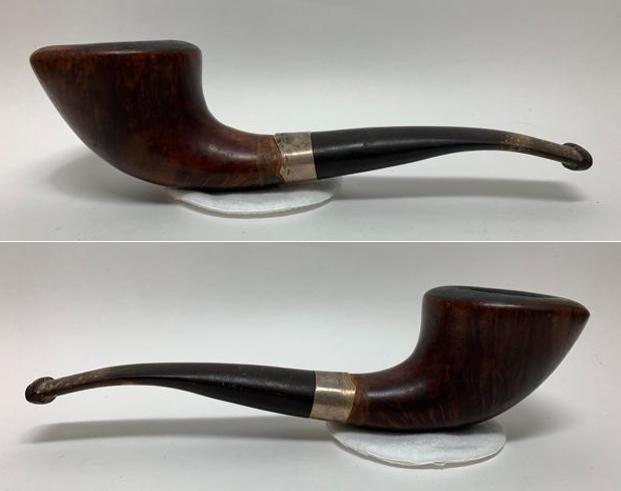
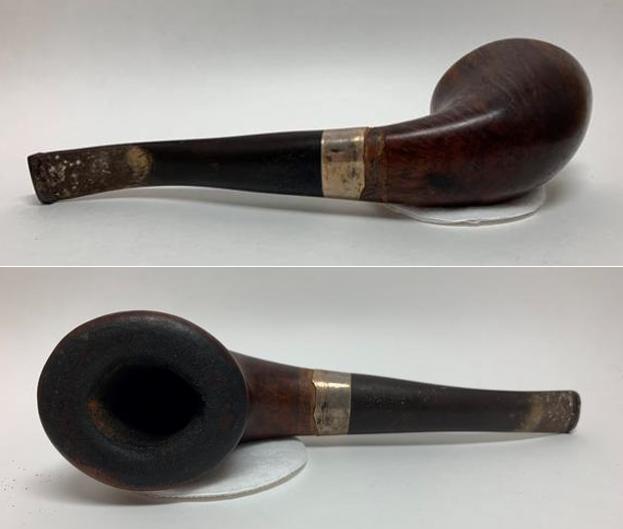
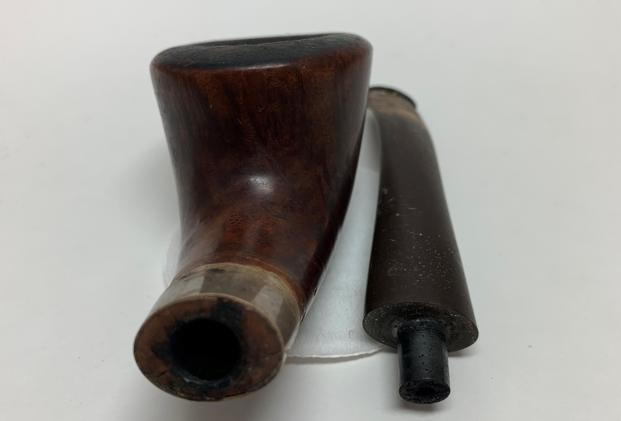
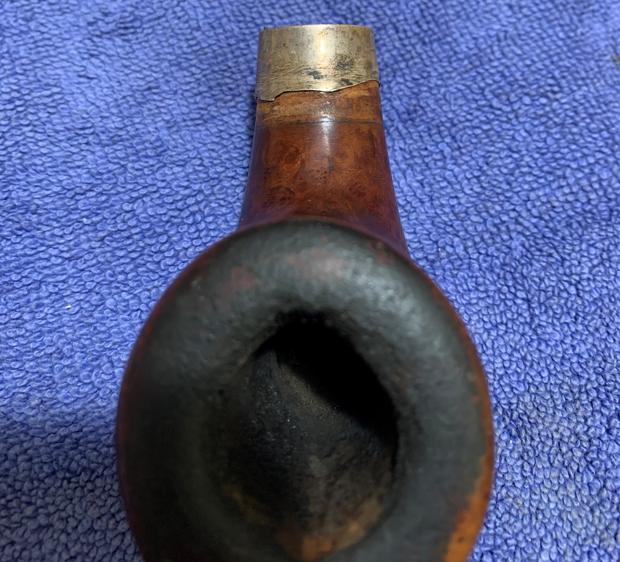
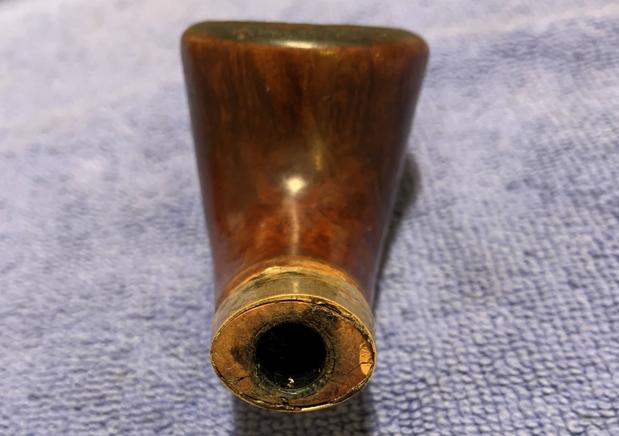
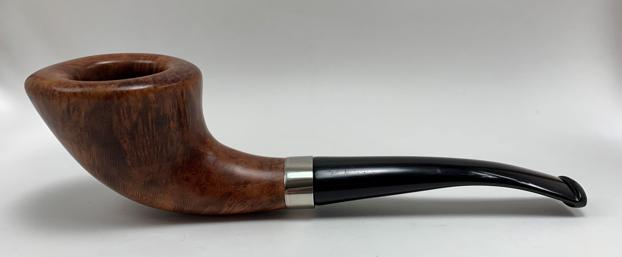
This pipe came from a lot from Sudbury, Ontario. There were literally no marks of any kind on the stummel, stem, or ferrule. In the absence of a name, Steve and I dubbed it ‘The Sudbury’ and that is the name that stuck. Steve thinks that the Sudbury could be of Italian origin, and I have no reason to question that assessment. So let us pretend that it is an Italian ‘scoop’ pipe that arrived from Northern Ontario. If you have any insight into the pipe’s origin, I would love to hear from you. The photos do not quite convey just how bad this pipe looked when it arrived. The stummel was filthy, scratched, dented, cracked, and burned. The bowl was out-of-round, had lots of lava, cake and burns. The stem was oxidized, calcified, and badly pitted (more about the pitting later). The ferrule was dirty, torn, dented, and cheap-looking – it had obviously been put there to address the cracks in the shank. Where to even begin with this mess?

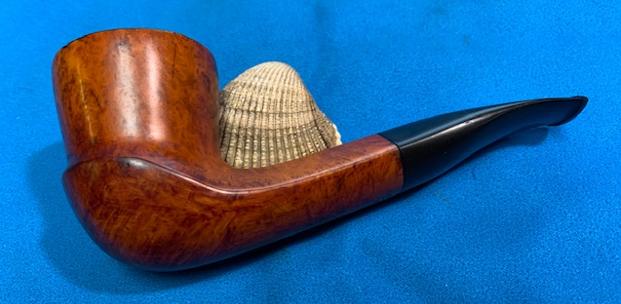
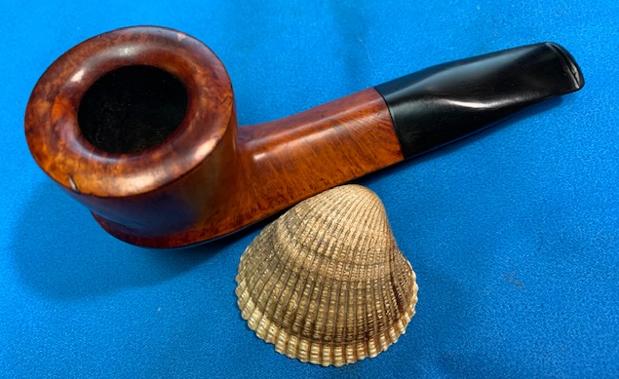
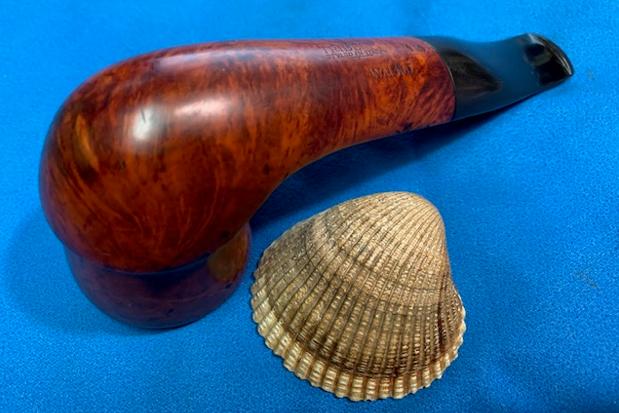
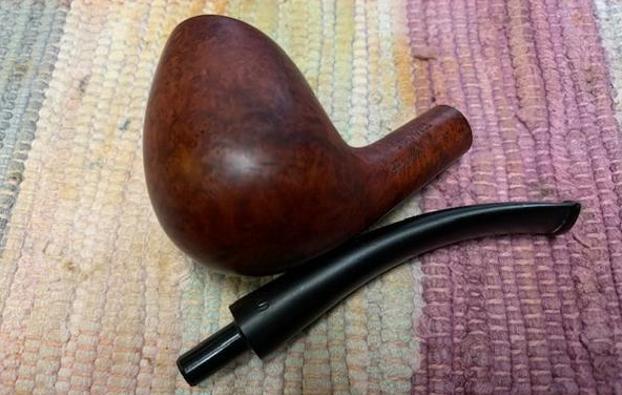
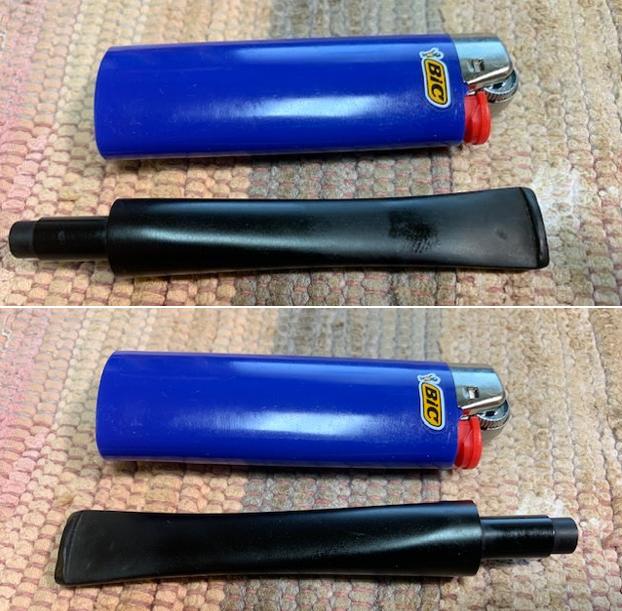
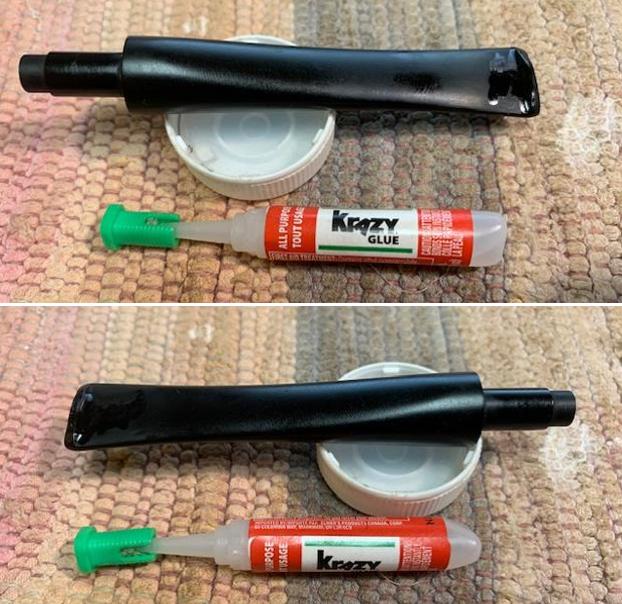
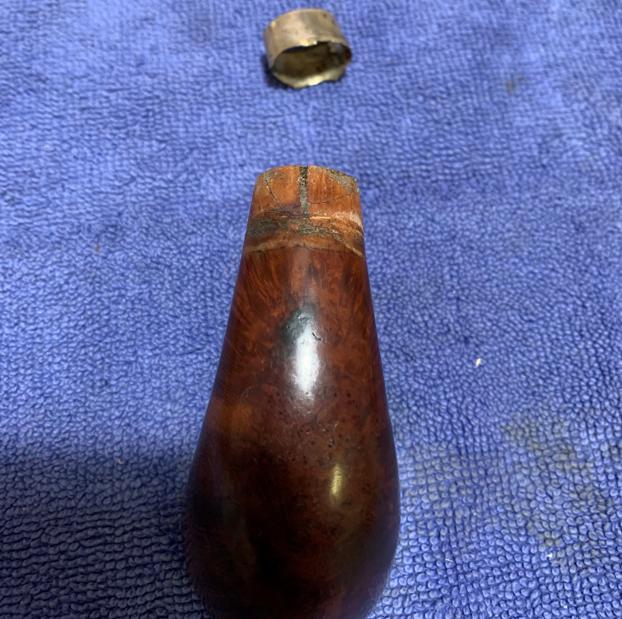
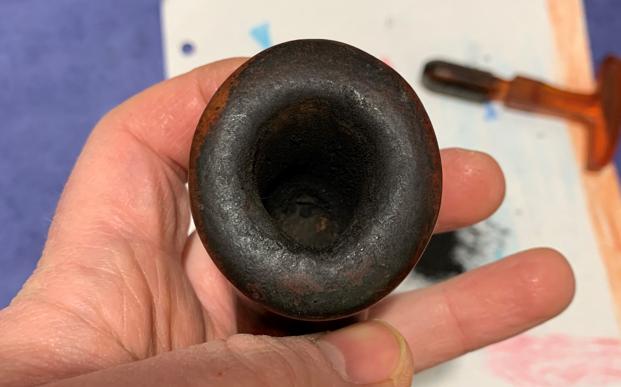
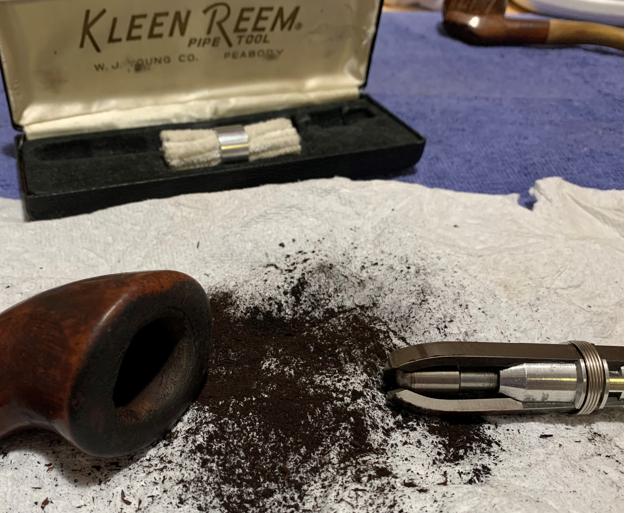
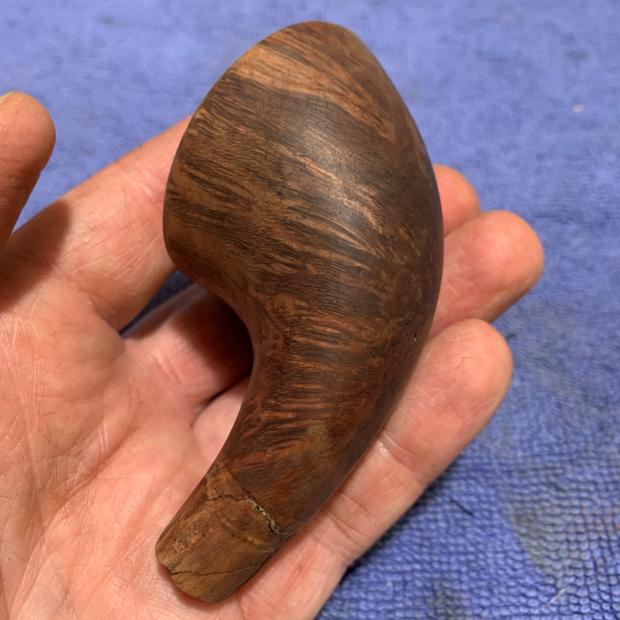
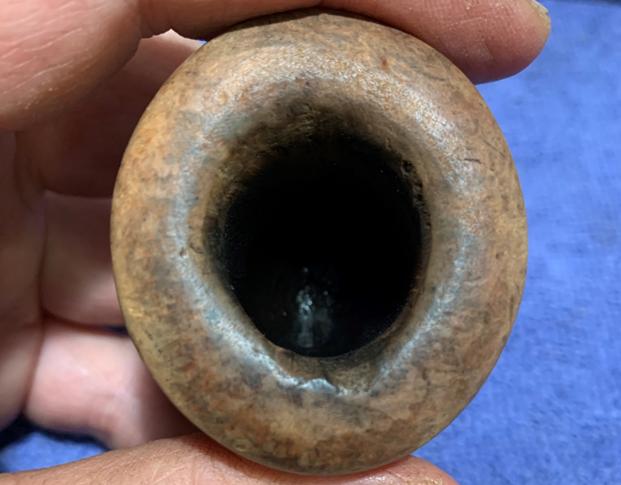
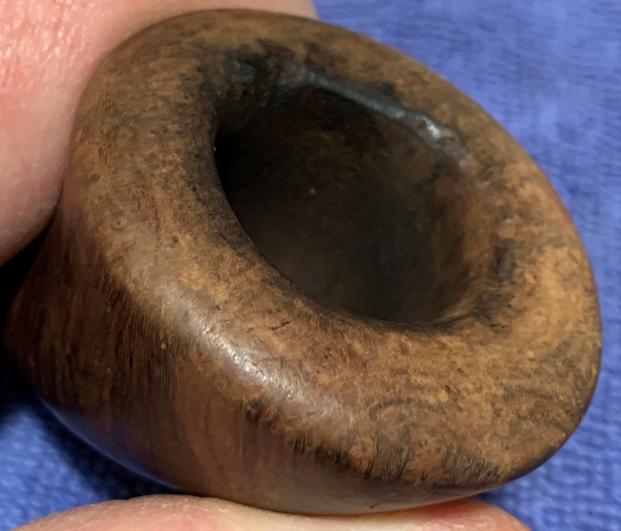
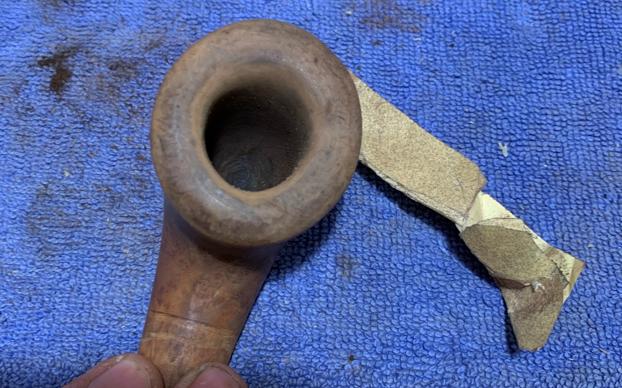
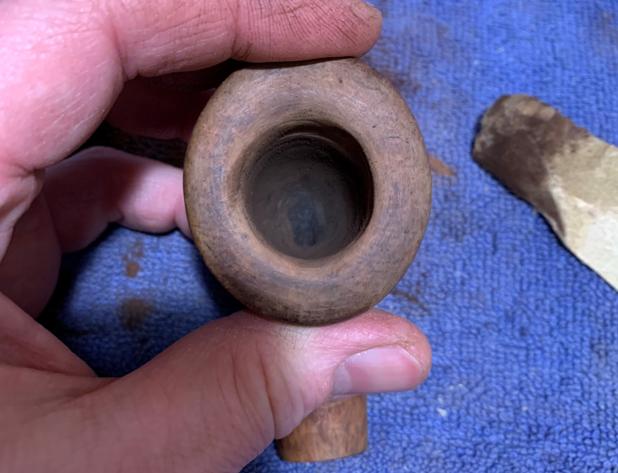
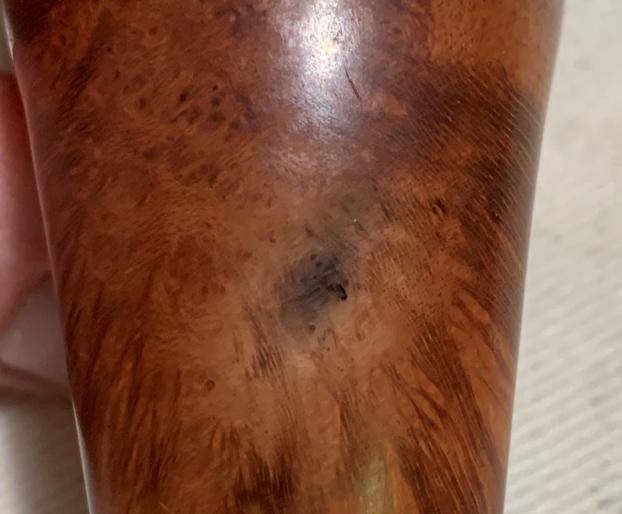
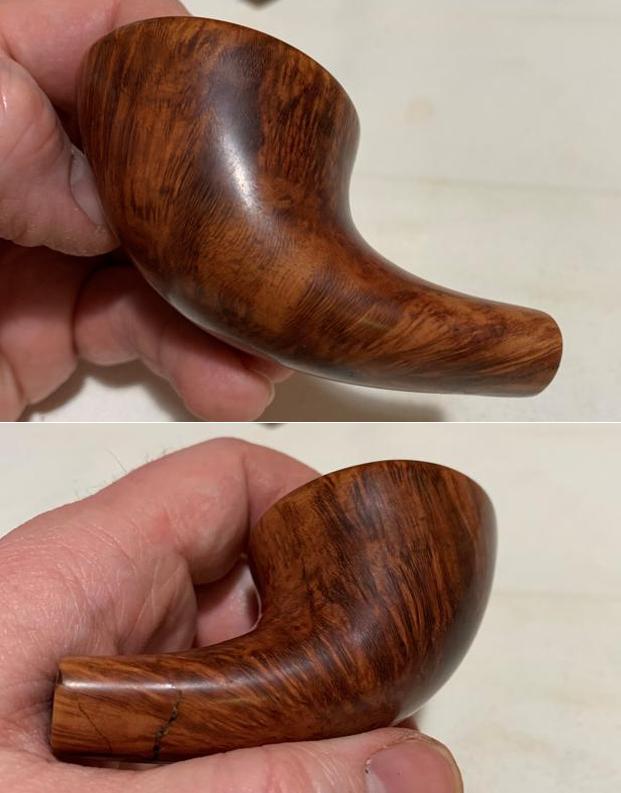
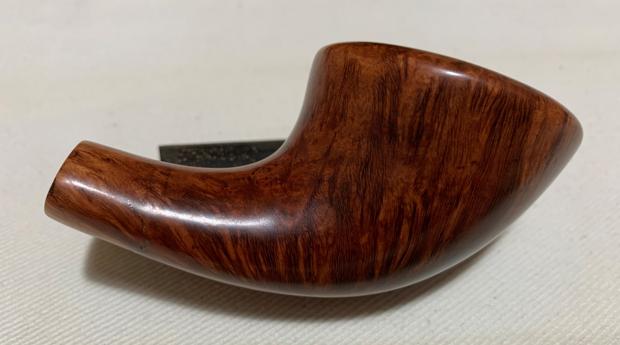
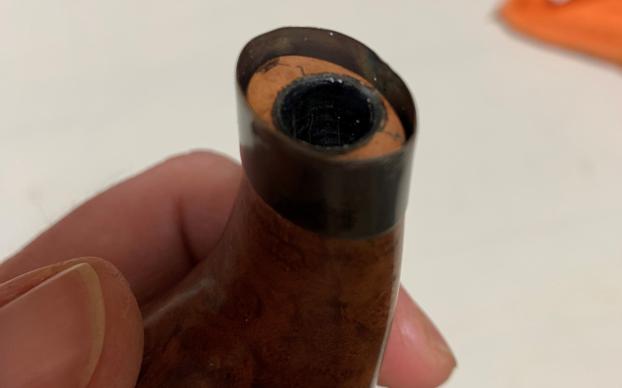
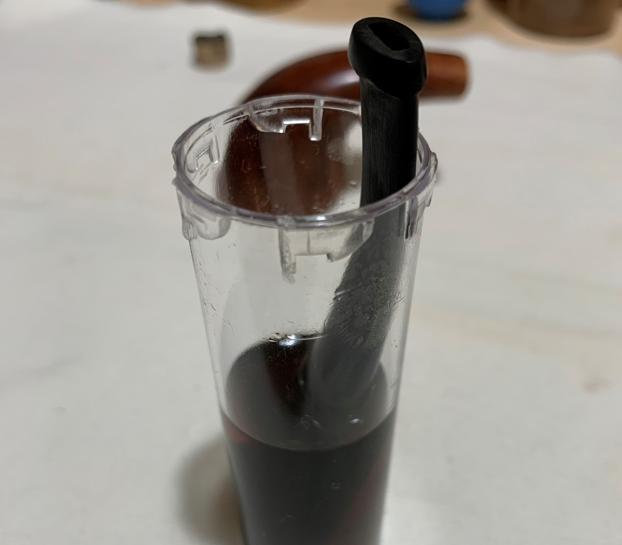
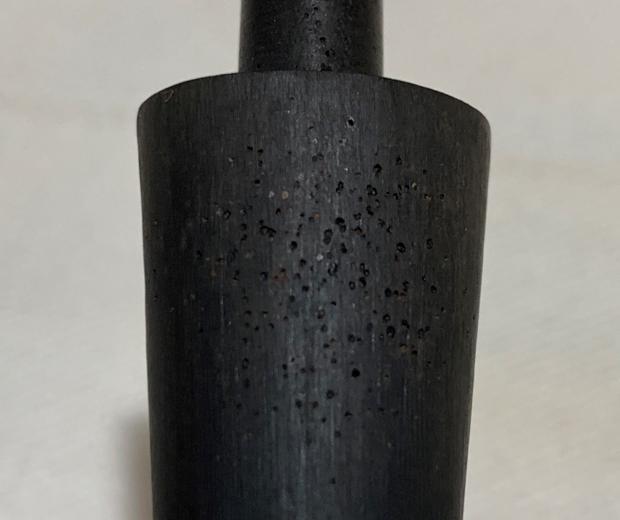
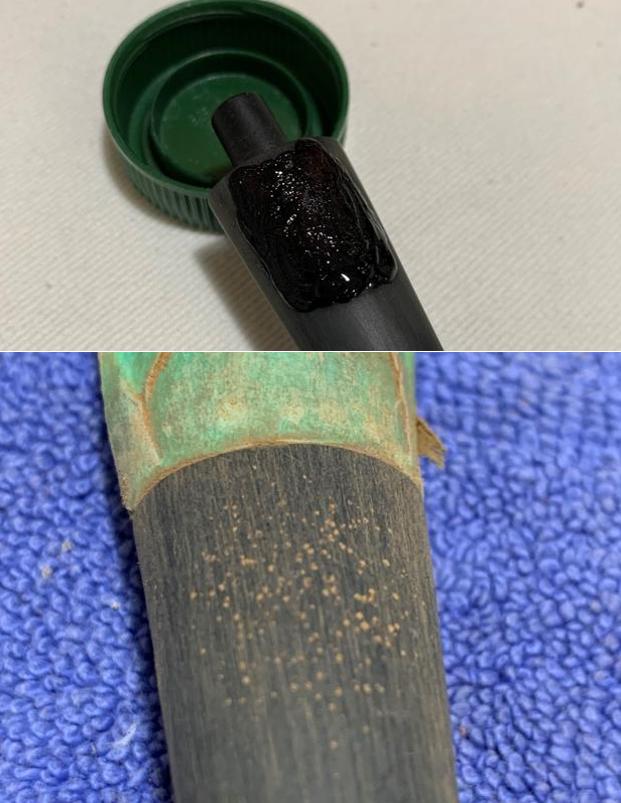
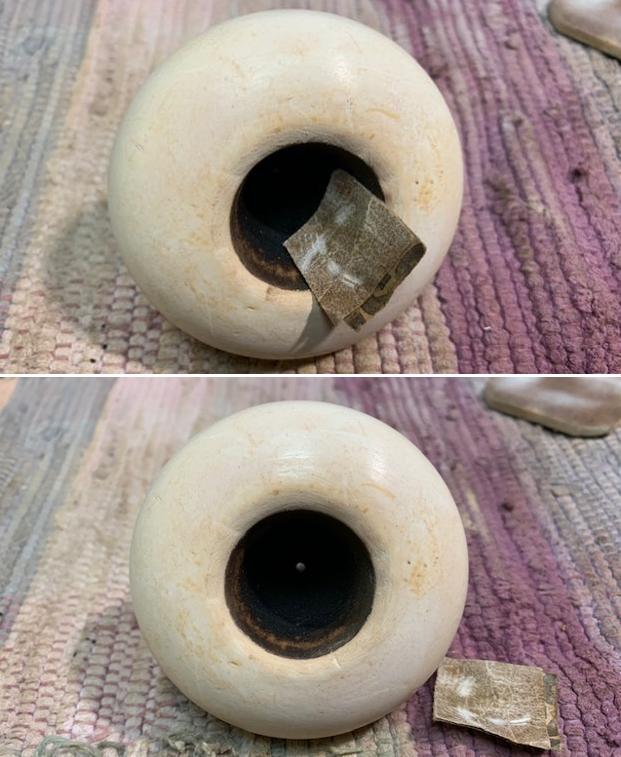
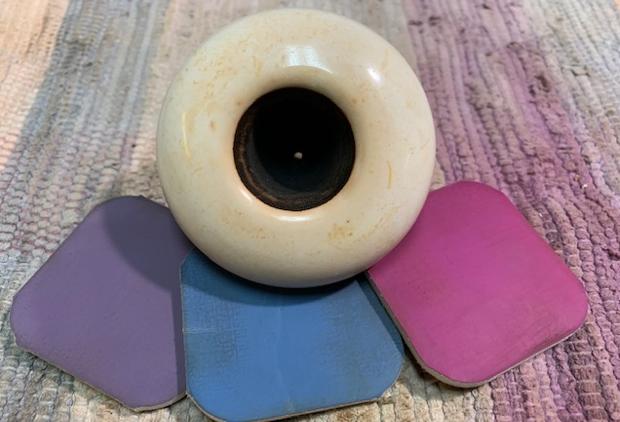
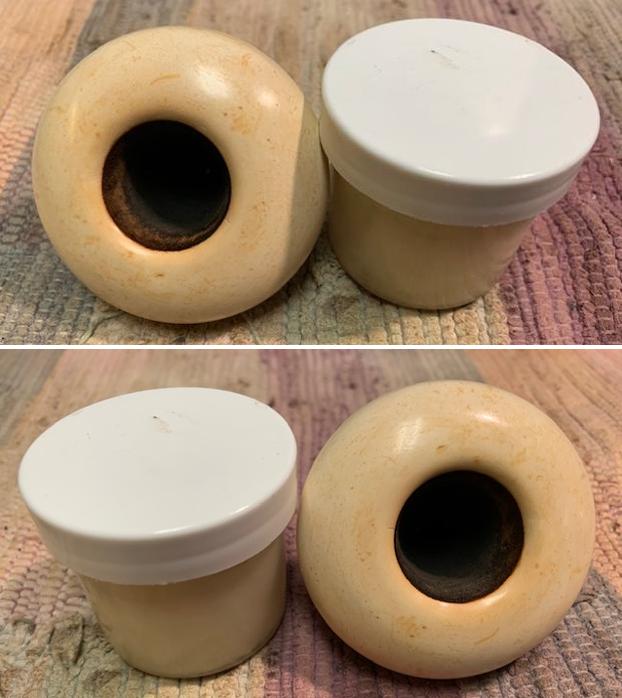
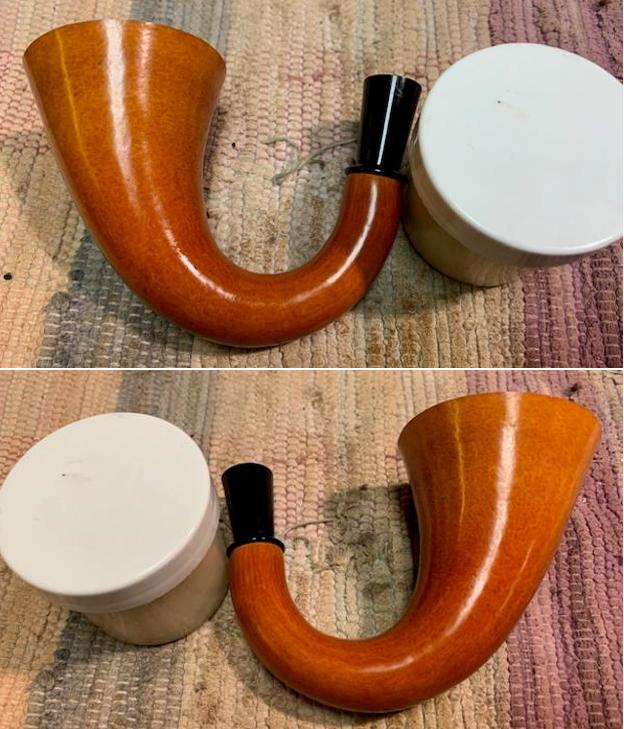
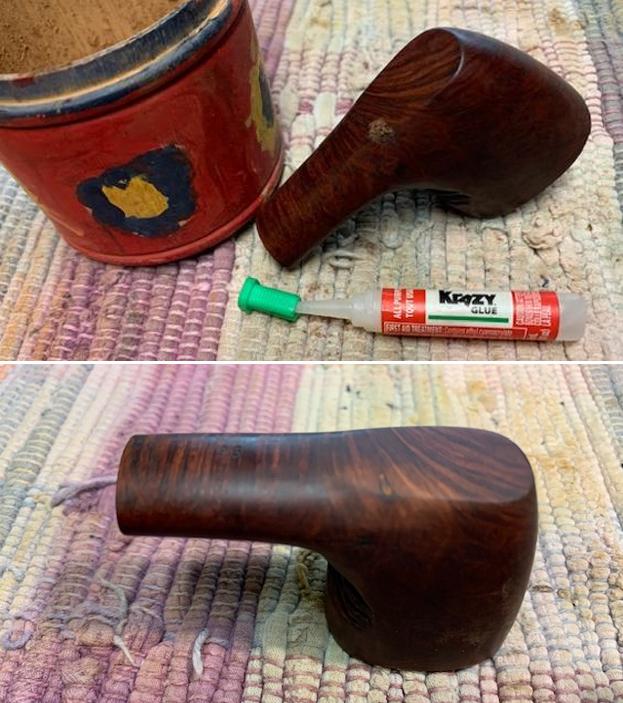
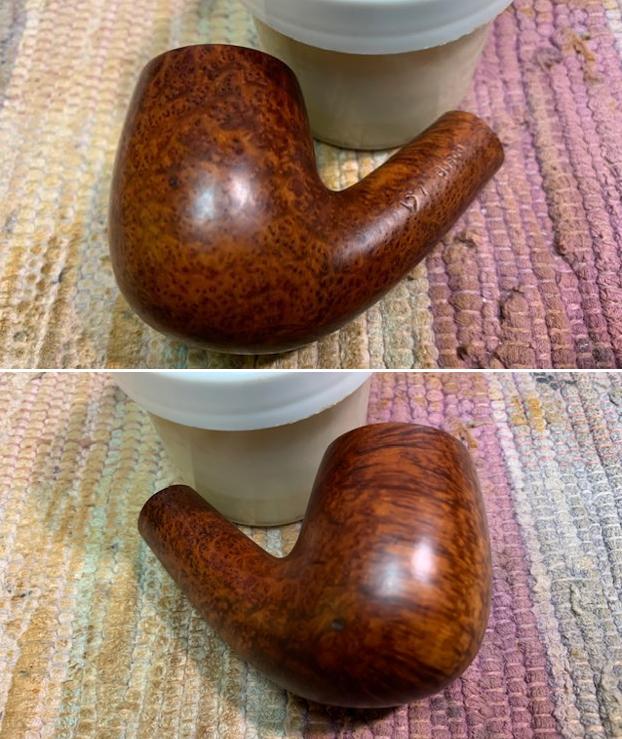
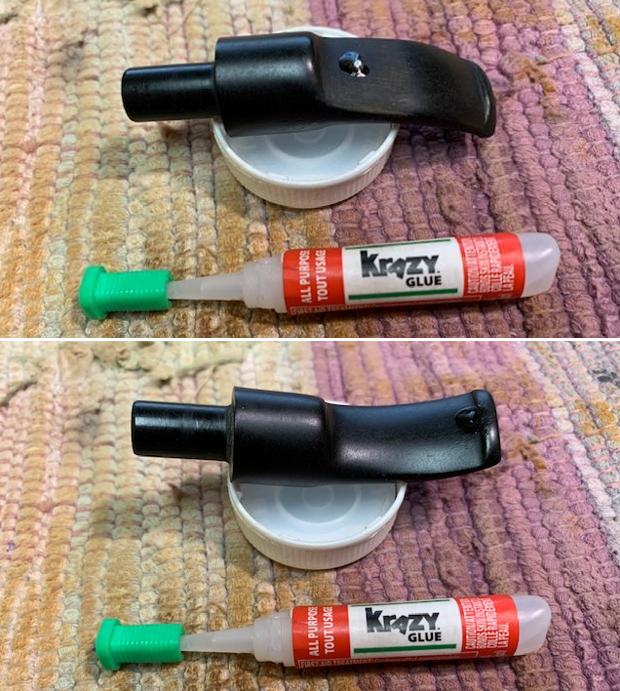
Well, the start came with removing the sorry-looking ferrule, which, quite frankly, inspired more pathos than confidence. This allowed me to have a good look at the cracks (plural) in the shank. As you can plainly see, the cracks were a mess. I removed what I could of lose debris and glue from these fissures, with the intention of refilling them later.Next was reaming out the bowl. This pipe has quite a wide and curved bowl and it required both the PipNet Reamer and the KleenReem. I took it down to bare briar, as I wanted to ensure there were no hidden flaws in the walls of the bowl. Fortunately, there were none. I then proceeded to clean out the insides of the shank with Q-tips, pipe cleaners, and isopropyl alcohol. This is a pipe that really could have used the services of a retort system, but – alas – I do not have one. If anyone has a spare, please let me know. The fellow on eBay who sells them is out of commission for a while. A quick wipe of the outside revealed that there is really some beautiful wood grain in this pipe.A de-ghosting session seemed in order to rid this pipe of the foul smells of the past. This de-ghosting consisted of thrusting cotton balls in the bowl and the shank, and saturating them with 99% isopropyl alcohol. This caused the oils, tars and smells to leech out into the cotton. Finally, a relatively clean and fresh-smelling bowl emerged.While all of that was going on, I cleaned out the insides of the stem with pipe cleaners and isopropyl alcohol. Then the stem went for an overnight soak in the Before & After Hard Rubber Deoxidizer. I knew the stem was going to require a lot of work, but even I did not know what I was getting myself into. The following day, I cleaned all of the de-oxidizing goop (technical term) off with alcohol, pipe cleaners, et cetera. The oxidation had migrated to the surface and would be fairly straightforward to remove.Back to the stummel – and this required addressing two key issues: the badly out-of-round bowl opening and the cracks in the shank that needed to be re-mended. In order to address the out-of-round issue, I took a solid wooden sphere, wrapped sandpaper around it, and sanded thoroughly – until such time as the bowl was returned to round. This process was not difficult, but it was time consuming. I had to ensure that I was sanding down the correct parts that needed it and that I was not removing too much. In the end, I think I got the balance just right.Meanwhile, I had to figure out what could be done with the very noticeable cracks in the shank. The previous ferrule had done a passable job of hiding them, but that ferrule was a non-starter. It was ugly and trashed. Anyway, an application of briar dust and cyanoacrylate adhesive seemed to be the way to go in addressing the cracks. I also had to concede that, no matter what, the cracks were always going to be a visible part of this pipe from now on. There was just no way around it. I sanded down the repairs and left them for a bit later.There was a small burn on the underside of the stummel that also needed to be addressed. I took some oxalic acid on a Q-tip and rubbed and rubbed. The burn did improve but never fully disappeared. I took solace from the fact that the burn was very superficial and did not affect the integrity of the wood at all.After this, I used all nine Micromesh pads (1,500 through 12,000 grit) to sand everything smooth. A light application of Before & After Restoration Balm brought out the best in the stummel’s grain.Steve was kind enough to find me a new ferrule that we could bend to correctly fit the oval shank. This was not as easy as it sounds because the shank’s width tapered away from the end. I used a combination of heat, glue and elbow grease to fit it. I then used metal sandpaper to even out the edge. A quick polish with my cloth made it look pretty good.Now on too the stem. Oh boy – this was a struggle. All the usual things were fine. As I mentioned, the deoxidizing went well; the cleaning of the internals went well; the sanding of the stem with the Micromesh pads went well; the buffing and polishing went well; BUT the pitting was very difficult. In the first place, the pits were all filled with filth and/or oxidation and/or debris from the many years of neglect. In order to dislodge this, I soaked the pitted part of the stem overnight in a lemon-infused, isopropyl alcohol solution. This worked surprisingly well. The debris either dissolved or was easy to scrub out.Now, how to fill these properly so as to create a smooth and (hopefully) invisible repair? Steve assured me that he had successfully filled pits in the past with cyanoacrylate adhesive. Perfect – I set about carefully smearing the adhesive all over the pitting. I left it to set and came back later to sand it down. So far, so good, but some of the pits did not fill (no idea how that happened) and others just looked terrible after sanding. I obviously did something wrong. Steve suggested that we used some black cyanoacrylate adhesive. He very kindly did his own smearing of the black adhesive on my stem. We let it set, did all the right things, and it still looked lousy. I even tried using a black Sharpie to see if that would help – it didn’t. Suffice it to say that I went through this process a total of FOUR times before I had to admit defeat. I will say that the stem looks so much better than when I started, but those pits were *ahem* the pits.I applied more Before & After Restoration Balm, then some wax. I polished it by hand with a microfibre cloth and I was pleased with the results! This pipe was clearly a great beauty on the day it was made. Over the years, abuse, neglect, and the ravages of time turned this charming pipe into a beast. I worked harder on this pipe than I have on any other, but I am proud of it and I am adding it to my collection. I look forward to smoking it for many years to come.
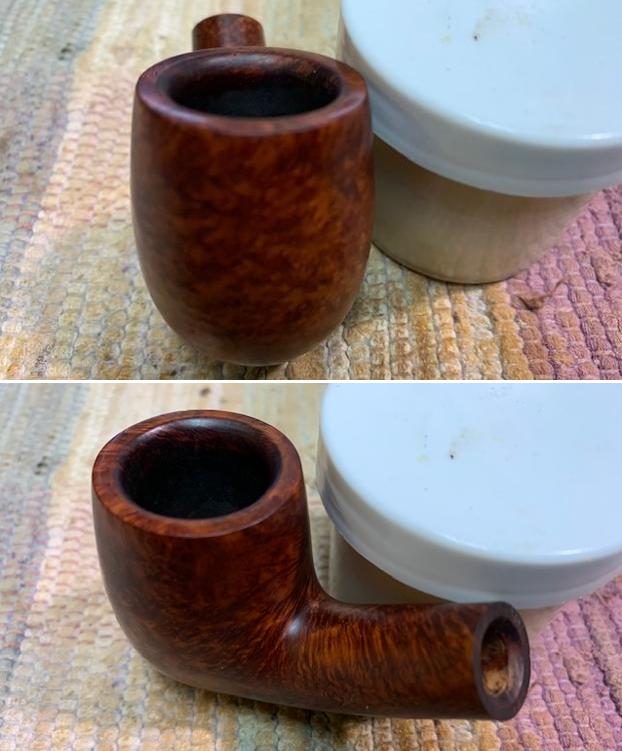
The dimensions of the pipe are as follows: length 164 mm; height 42 mm; bowl diameter 149 × 44 mm; chamber diameter 23 mm. The mass of the pipe is 46 grams. Thank you very much for reading and, as always, I welcome and encourage your comments.

New Life for a Full Bent Gourd Calabash with a Meerschaum Cup


Blog by Steve Laug

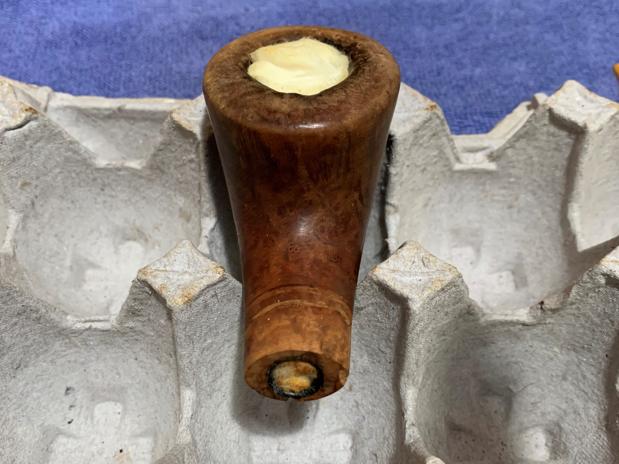
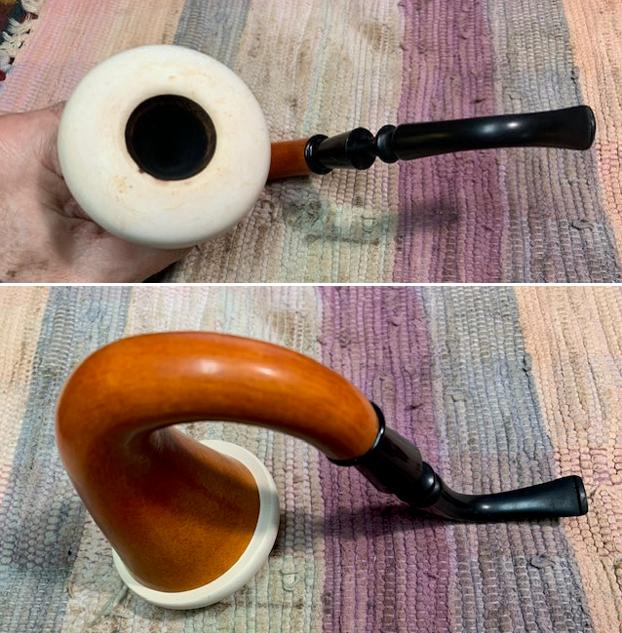
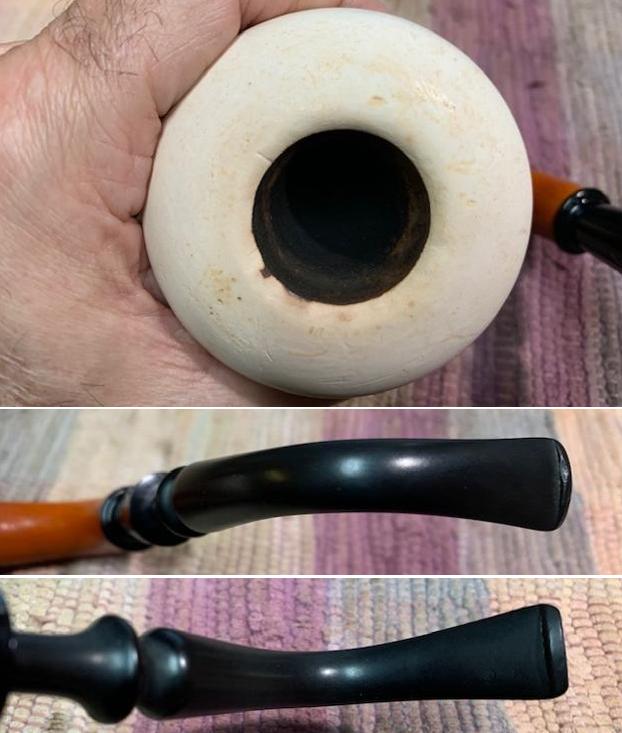
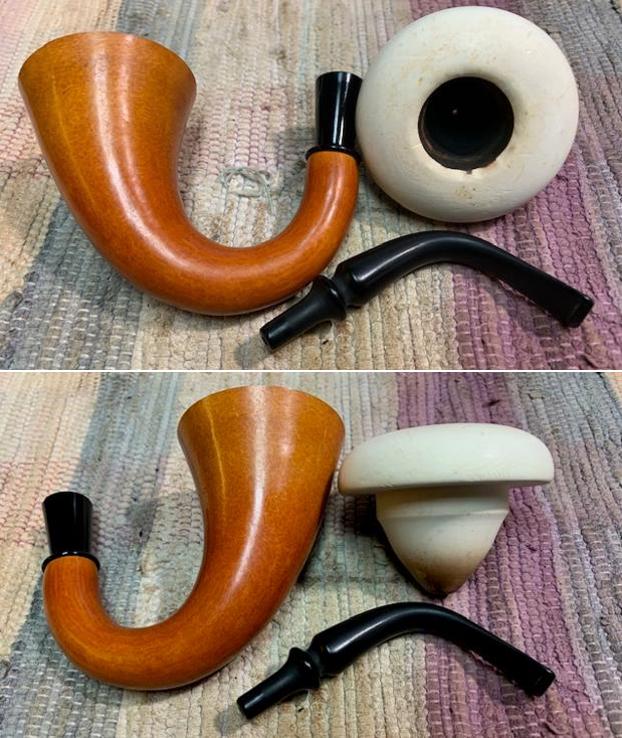
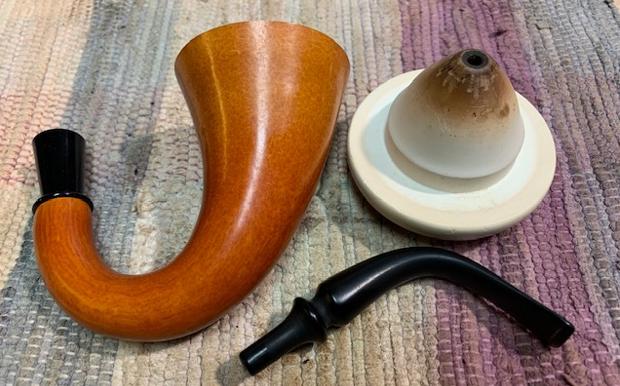
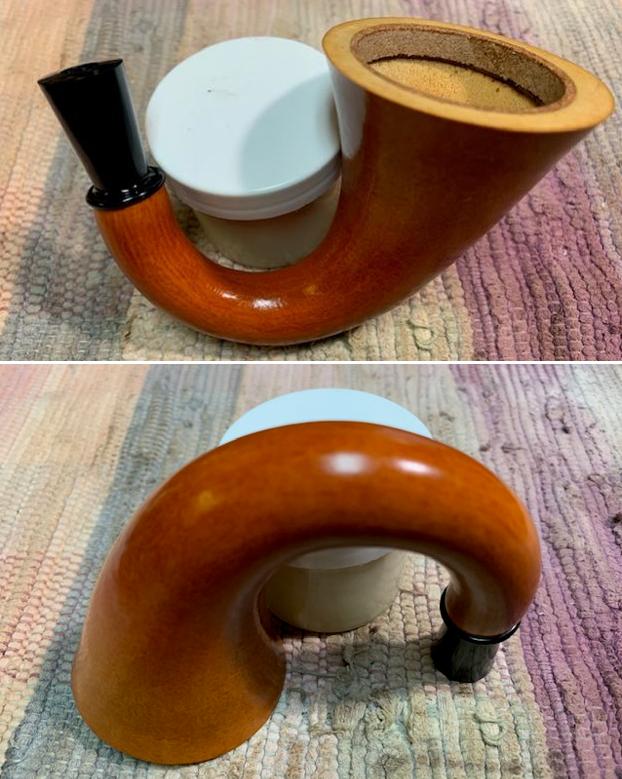
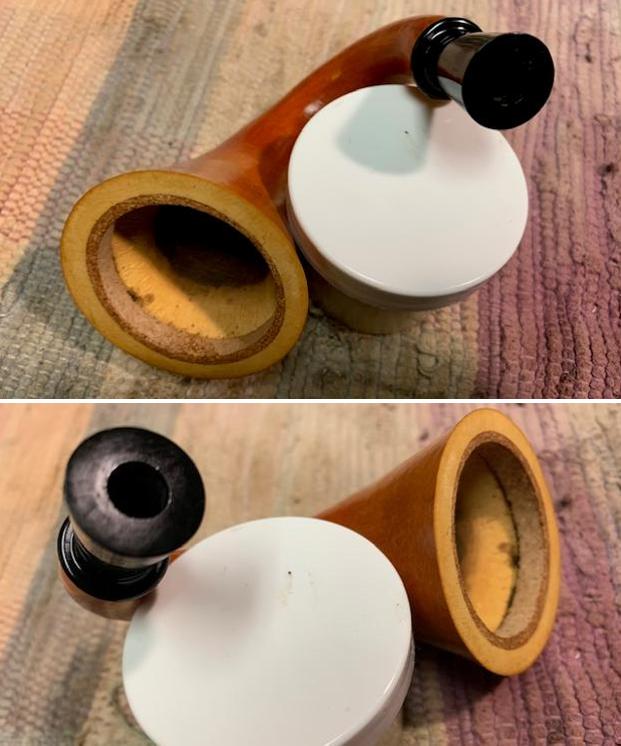
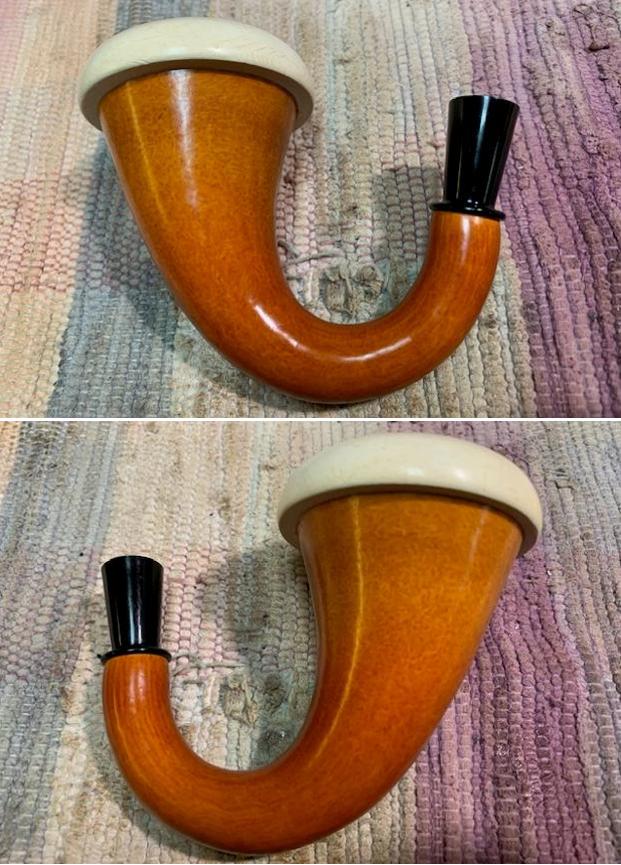
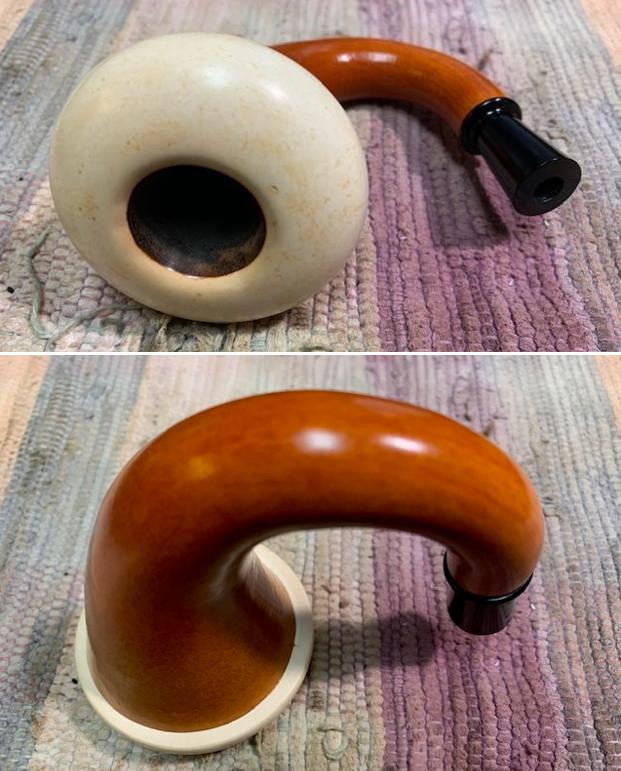
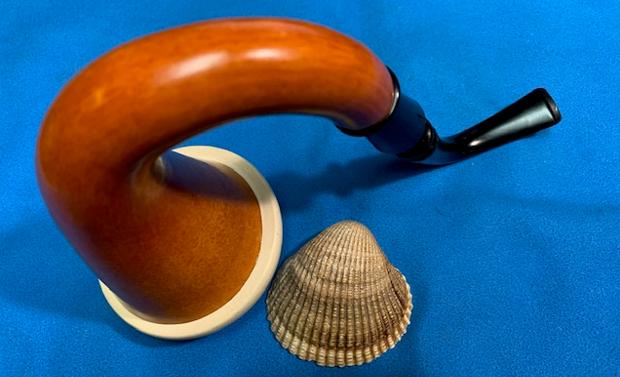
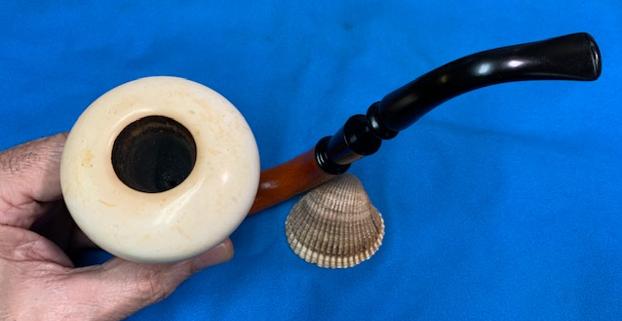
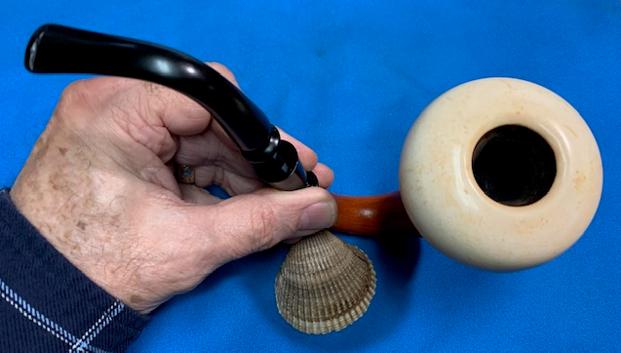
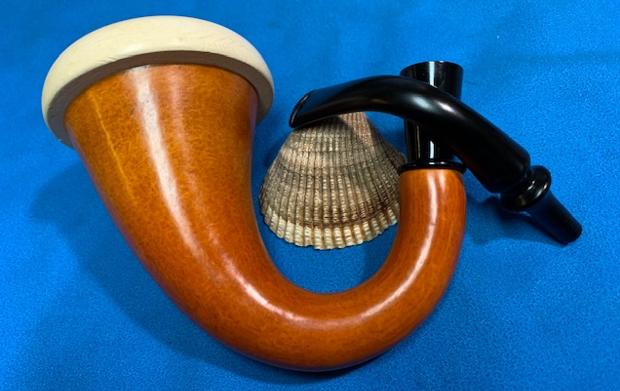
I have several boxes of pipes that Jeff has sent me to work on over the past months that have some great looking pipes in them. I have chosen to work on four Gourd Calabash pipes that he picked up in several places. The last of them is a full bent Gourd with a meerschaum cup, a black acrylic shank end and a bent vulcanite stem. The gourd was very dirty with a lot of dust and grime ground into the finish. The meerschaum cup had a thick cake and an overflow of lava on the rim top. The pipe had obviously been heavily smoked which reflected on it being a great smoking pipe. The vulcanite stem was oxidized and had tooth marks and chatter on both sides ahead of the button. It is a an interesting pipe with a lot of potential under the grime and debris of the years. The  Jeff took some photos of the Gourd Calabash before he worked his magic in cleaning up the pipe. Jeff took photos of the bowl, rim top to show the thickness of the cake in the bowl and the thick lava on the rim top. The rim top and inner edge are thickly covered with lava. The meerschaum has some patina developing. He took photos of the top and underside of the stem showing the tooth marks and chatter on both sides and the overall look of the stem and shank extension on the gourd.Jeff took photos of the sides and heel of the bowl to show the condition of the gourd bowl the developing patina on the meerschaum cup. This Full Bent Gourd Calabash is another interesting looking pipe. The meerschaum bowl has developed a patina and the bent vulcanite stem looks very good with it. Everything about the pipe reminds me of the Gourd Calabash pipes that Pioneer used to make. Could this be one of those? Probably will never know.
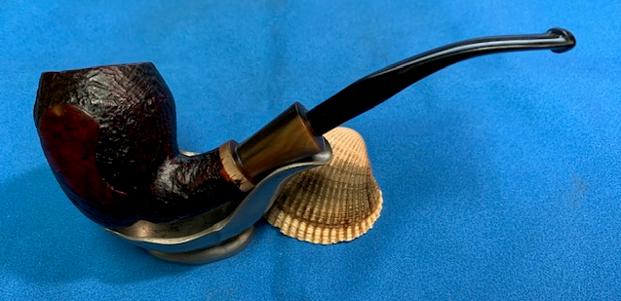
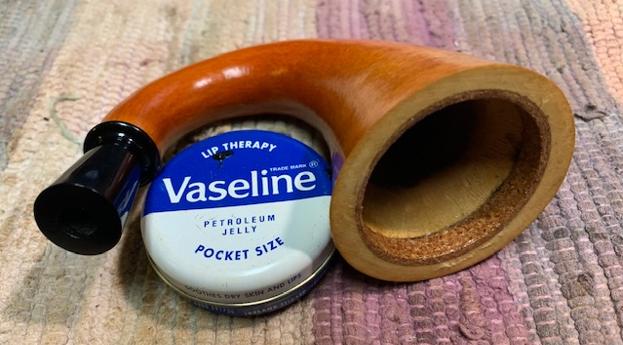
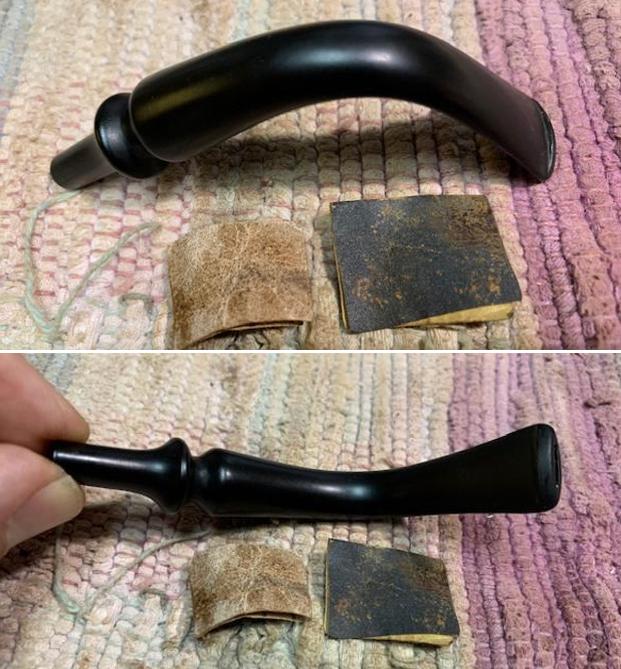
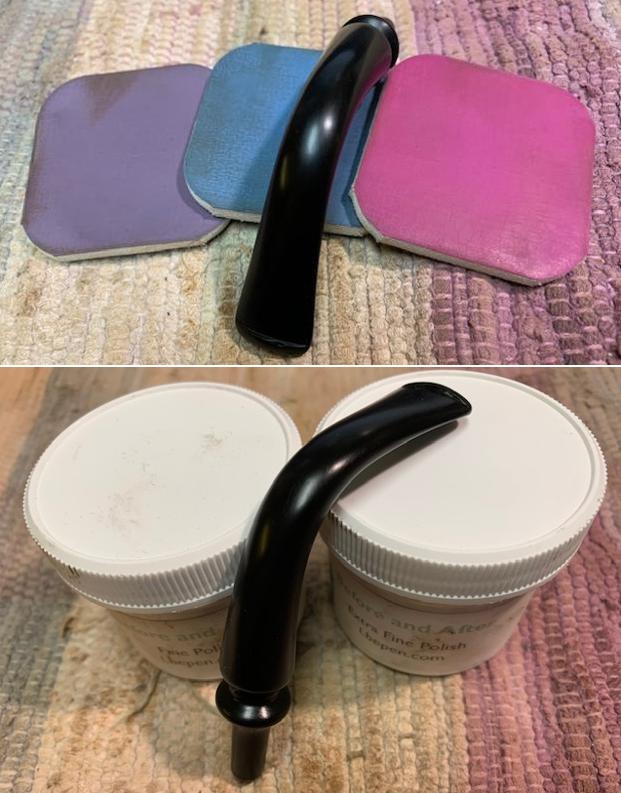
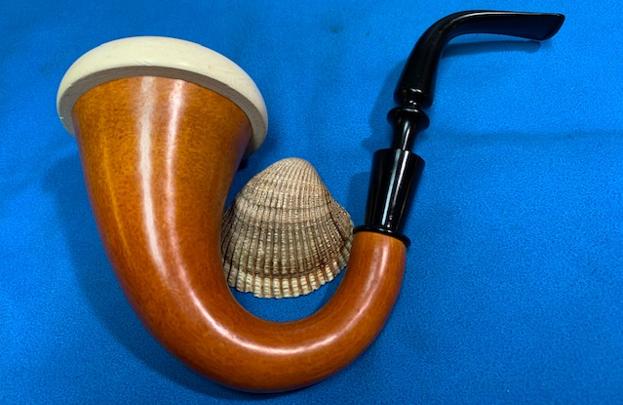
Jeff reamed carefully reamed the meerschaum bowl and the gourd base with a Savinelli Fitsall Pipe Knife. He carefully scrubbed the exterior of the bowl with Murphy’s Oil Soap and a tooth brush to remove the grime and grit on the exterior of the meerschaum cup and rim top and lava on the rim top. He scrubbed out the internals of the bowl and the gourd with Murphy’s Oil Soap and a tooth brush. He cleaned out the shank extension, shank and the stem with alcohol, pipe cleaners and cotton swabs until the pipe was clean. The finish looks much better and has a deep richness in the colour that highlights the patina in the meerschaum and the contrast of the rusticated gourd. He cleaned the internals of the vulcanite stem with alcohol, pipe cleaners and cotton swabs. He scrubbed the externals with Soft Scrub to remove the grime on the surface and soaked it in a bath of Briarville’s Pipe Stem Deoxidizer. He rinsed it and rubbed it down with a bit of olive oil before he sent it to me. When the pipe arrived here in Vancouver I was amazed that it looked so good. I took photos of it before I started my work on the pipe.I took some photos of the bowl and meerschaum cup. The rim top looks very good after the clean up though a bit spotty. There is still some darkening and chips/marks around the inner edge of the bowl that will need to be dealt with. The stem looks good but has light tooth marks and chatter on both sides near and on the surface of the button.I removed the stem from the shank and the meerschaum bowl from the gourd and took photos of the parts from various angles. The underside of the meerschaum cup was in good condition. I started the process of cleaning up the meerschaum bowl by sanding the inner edge and bevel with a folded piece of 220 grit sandpaper. I was able to remove the darkened edges and nicks with the sandpaper. It looked better after I worked on it.I polished the meerschaum rim top with micromesh sanding pads – dry sanding with 1500-12000 grit sanding pads. I wiped the bowl down after each pad with a damp cloth to remove the sanding debris.I rubbed the meerschaum rim cap down with some Before & After Restoration Balm and worked it into the surface with my finger tips. I let it sit for about 15 minutes and then buffed it to a polish. The Balm really highlights the growing patina on the meer bowl. It works to protect and polish the meerschaum.I worked some Before & After Restoration Balm into the surface of the gourd calabash with my fingertips to clean, enliven and protect the briar. I let the balm sit for 15 minutes and then buffed with a cotton cloth to raise the shine. The photos show the bowl at this point in the restoration process. I used some Vaseline Petroleum Jelly to rejuvenate the cork gasket around the inside edge of the gourd. It would make the fit of the meerschaum snug against the gourd and the rejuvenated cork would make it smooth and easy to insert and remove the bowl.I let the cork absorb the Vaseline for about 5 minutes and then fit the bowl in the gourd. The pipe looked very good at this point in the process.I set the bowl aside and turned my attention to the stem. I sanded the tooth marks on the top and underside of the stem with 220 grit sandpaper to smooth out the marks. I started to polish the stem with 400 grit wet dry sandpaper.I polished the stem with micromesh sanding pads – dry sanding with 1500-12000 grit sanding pads. I wiped it down after each sanding pad with Obsidian Oil. I polished it with Before & After Pipe Stem Polish – both Fine and Extra Fine. I gave it a final coat of Obsidian Oil. It looks significantly better!With the bowl and the stem finished I put the beautiful Gourd Calabash with Meerschaum cup and fancy vulcanite stem back together and buffed it the bowl and cup lightly on the wheel using Blue Diamond to give it a shine. I gave the bowl and stem multiple coats of carnauba wax. I buffed the pipe with a microfiber cloth to deepen the shine. The finish on the gourd and meer is a great looking. The fancy vulcanite stem looked very good. The dimensions of the pipe are – Length: 7 ½ inches, Height: 4 inch, Outside diameter of the bowl: 2 ¾ inches, Chamber diameter: 1 inch. The weight of this large pipe is 3.81 ounces /108 grams. This Gourd Calabash is another great find. It is much more beautiful in person than these photos can capture. I will be putting it on the rebornpipes store shortly. If you would like to add it to your rack let me know by email or message. This is another pipe that has the possibility of transporting the pipe man or woman back to a slower paced time in history where you can enjoy a respite. Thanks for walking through the restoration with me.