by Steve Laug
I received an email from a fellow a bit ago about two of his pipes that he wanted me to restore. I have included his email below.
Hey Steve,
It’s been a little while but I’d like to send in the Kaywoodie President for restoration. I also have a Marxman apple that I would like an assessment on–it’s a bit more of a challenge than a standard restoration. Can you let me know if you have an opening and if so, what address to send them to? Thanks! – Devin
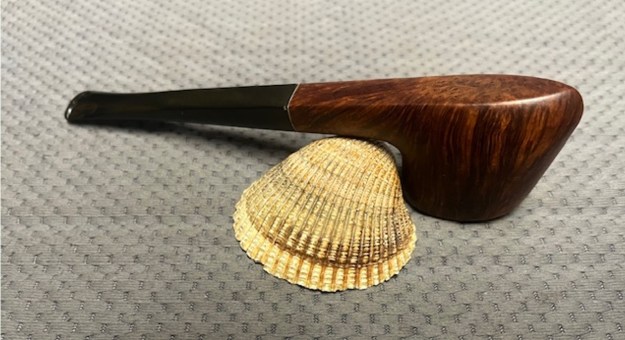
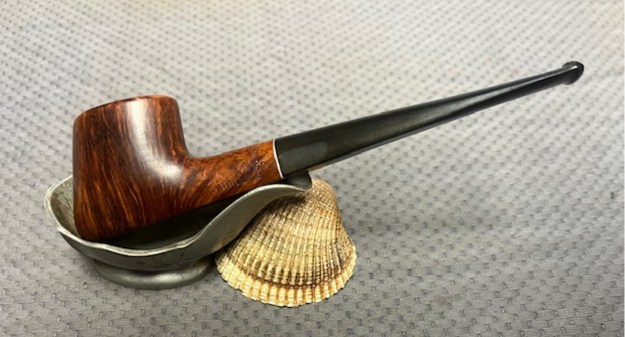
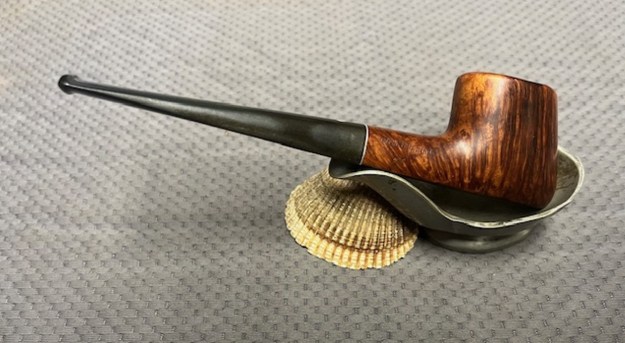
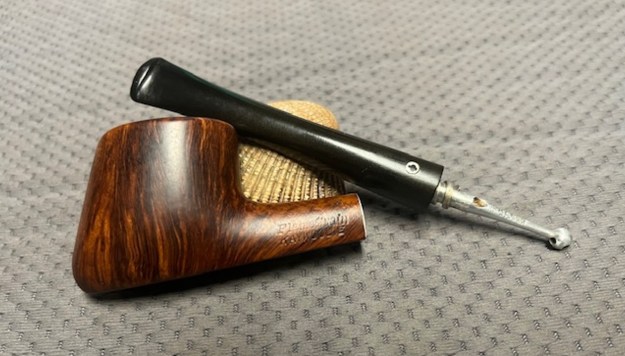
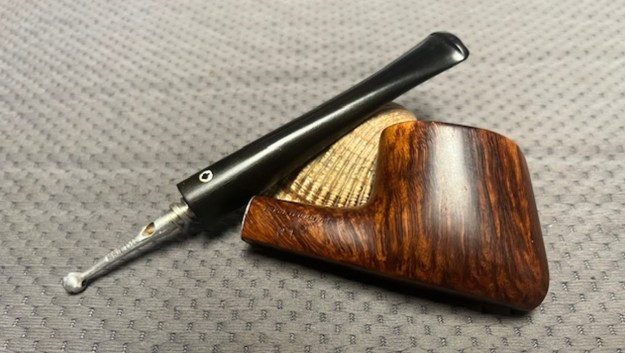
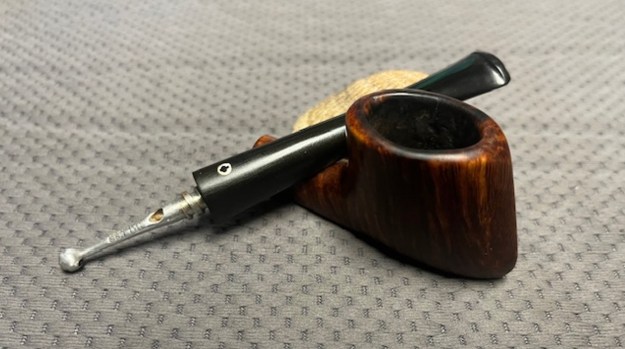
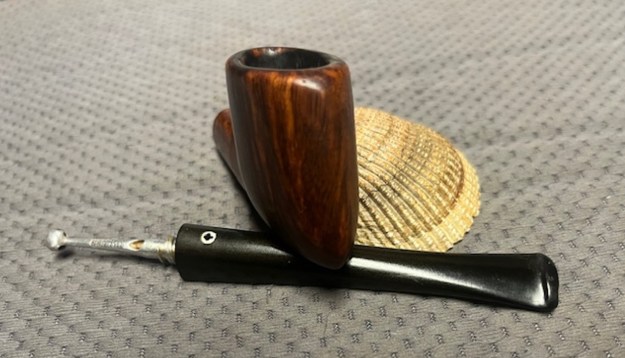
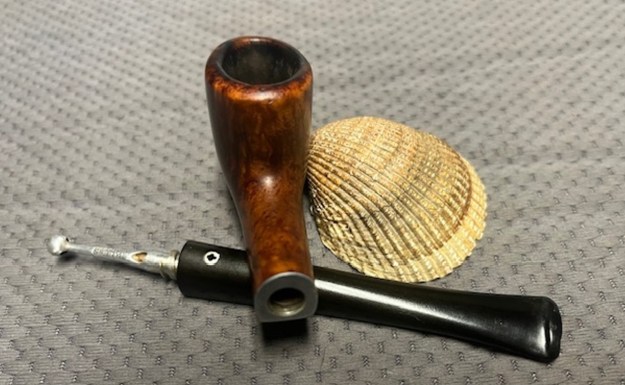
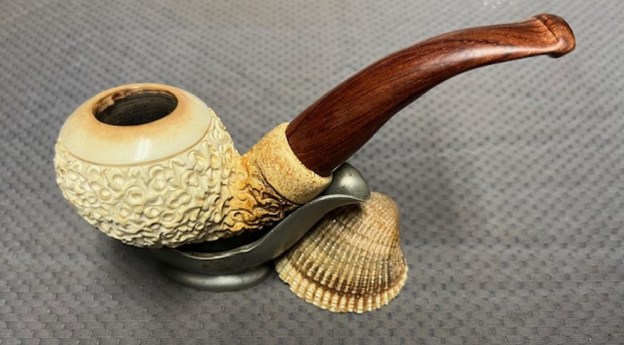
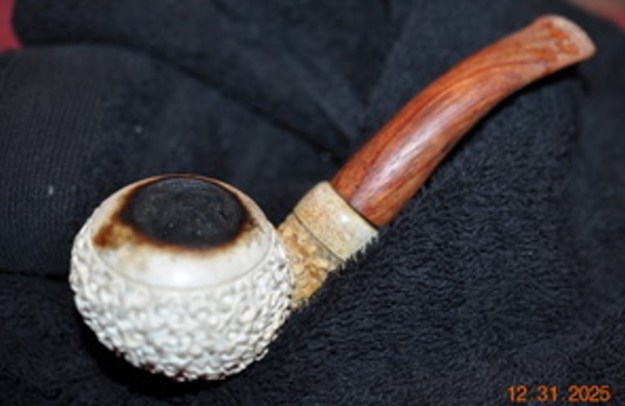
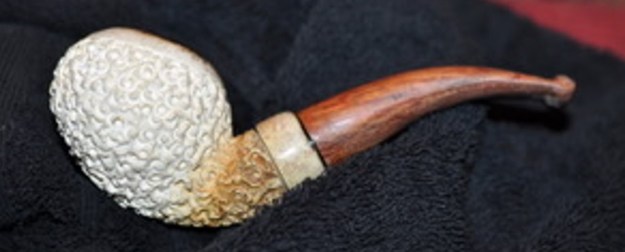
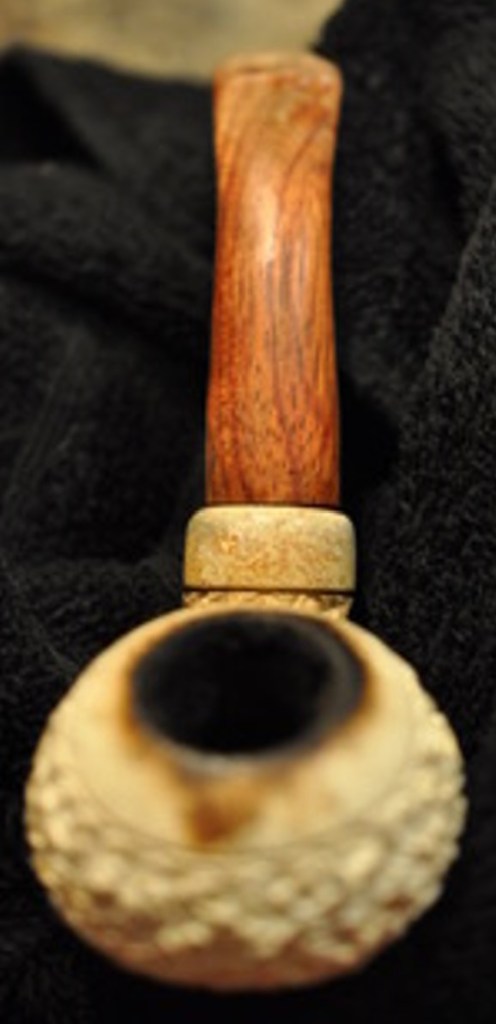
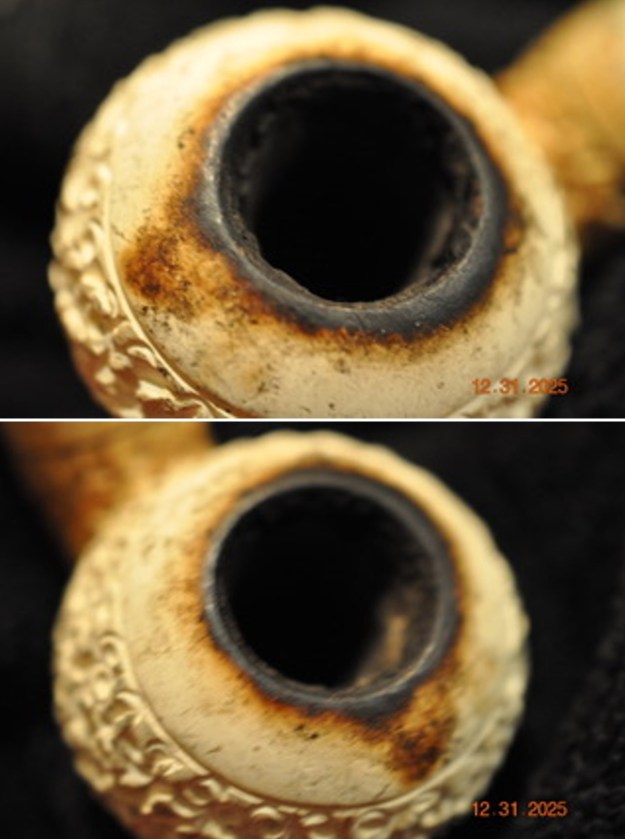
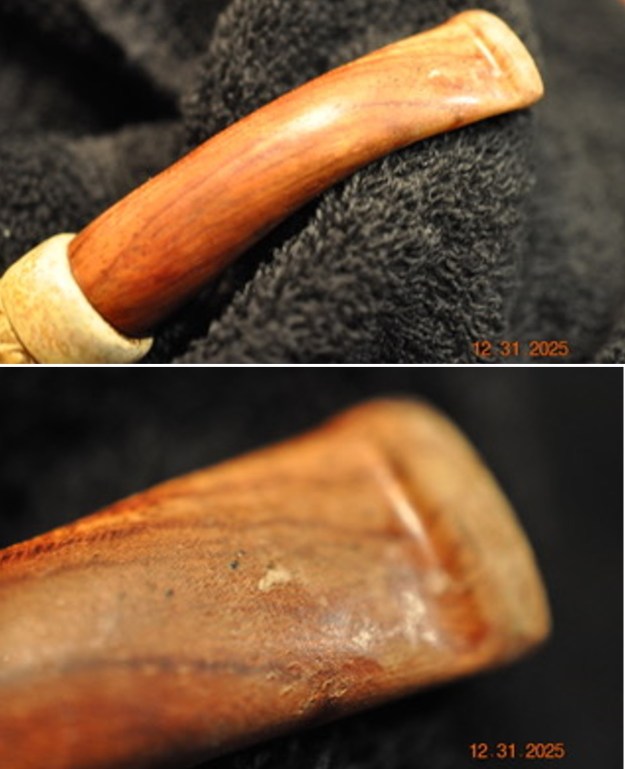
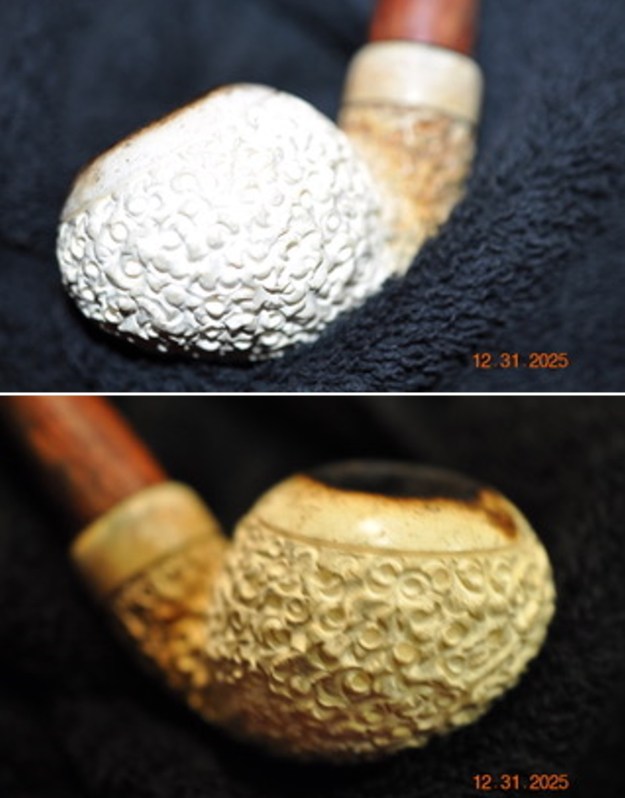
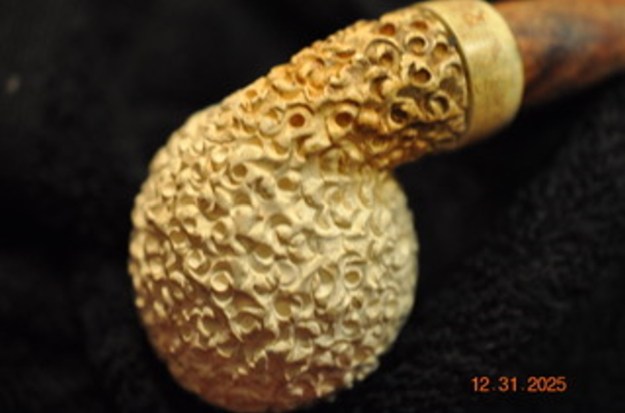
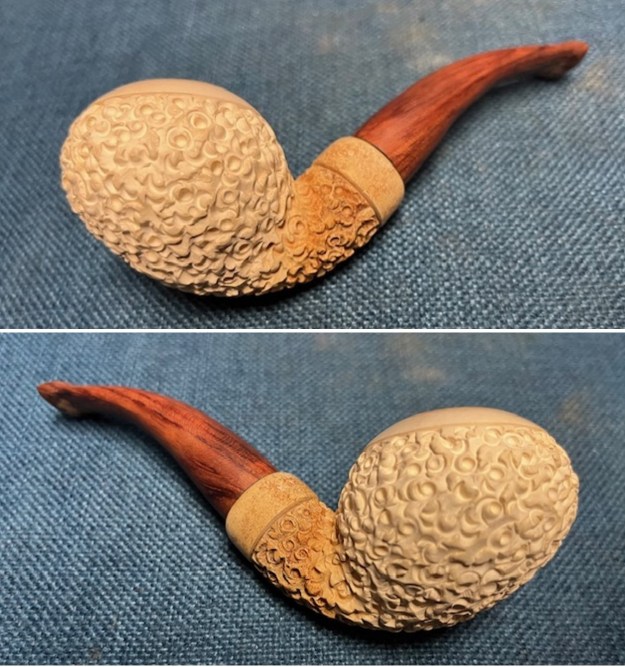
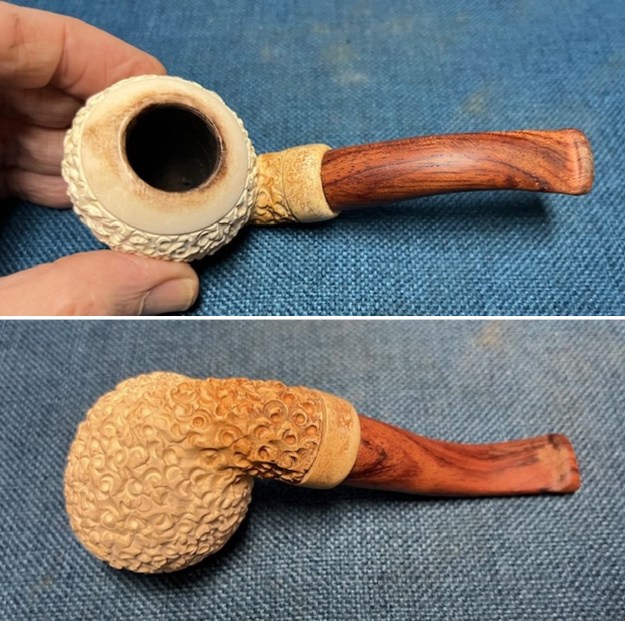
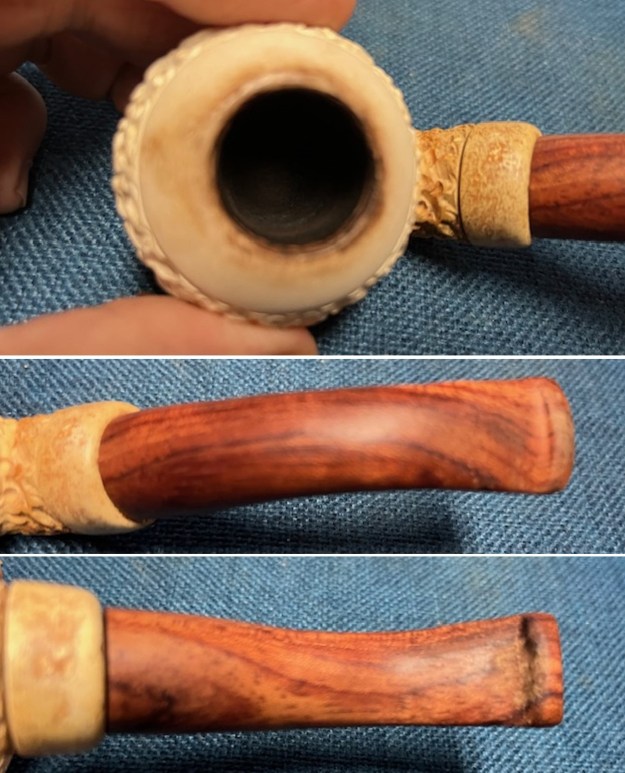
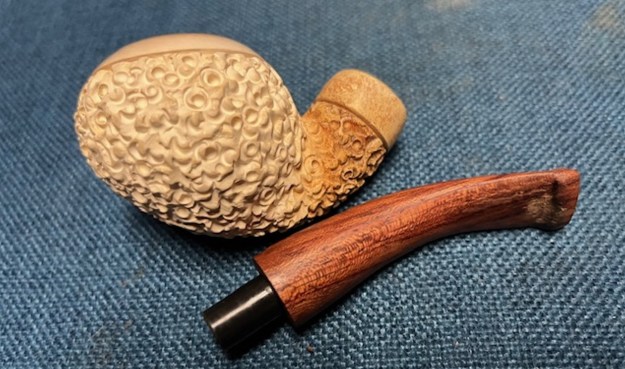
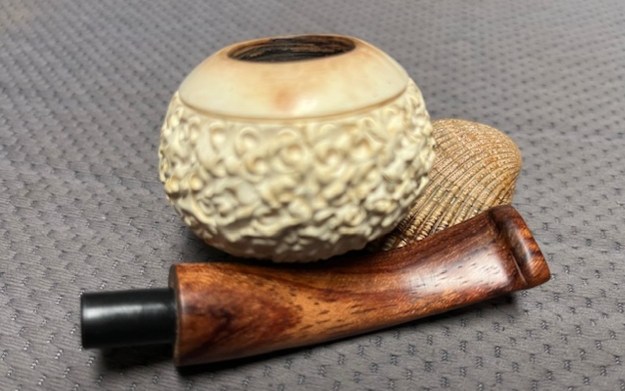
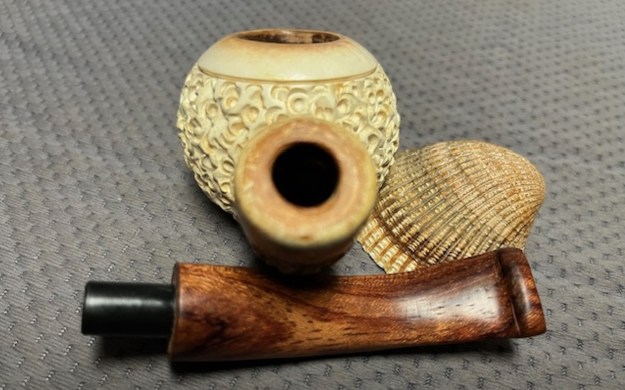
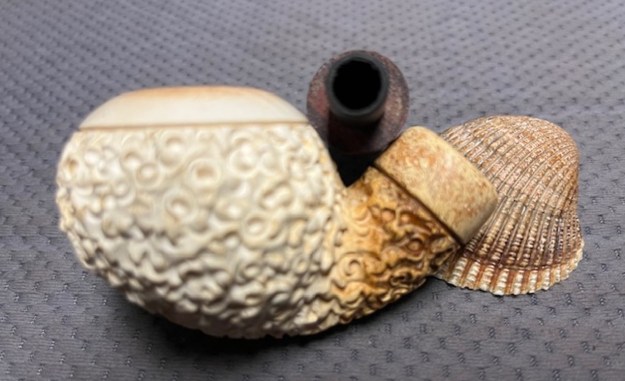
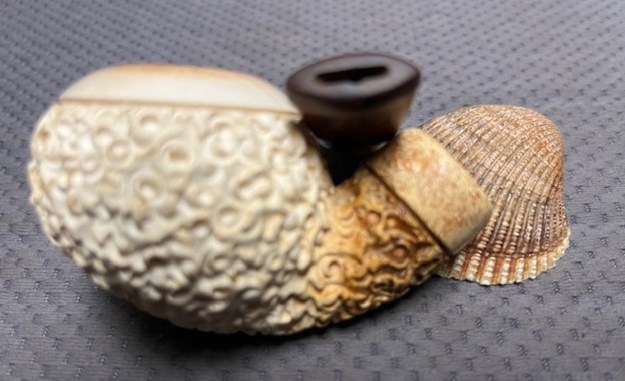
I asked him to send me some photos of the pipes before he shipped them to me. I gave my address and he shipped them to me. Here are the photos of the Marxman pipe that he sent.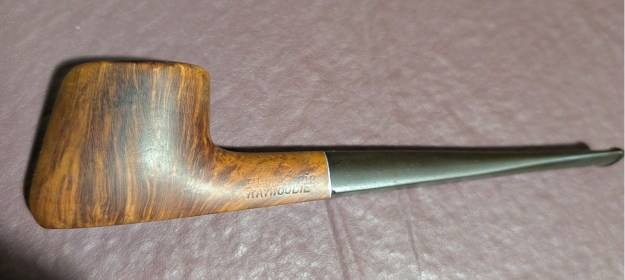 He included some close-up photos of the bowl and shank to show the condition they were in. The photos show the condition the bowl and rim top. There is no cake in the bowl but the rim top and inner edge show damage from burning and possibly overzealous reaming. The stem has a lot of tooth marks and dents in the top and underside ahead of the button. He also removed the stem from the shank and took a photo to show the condition of the aluminum stinger apparatus.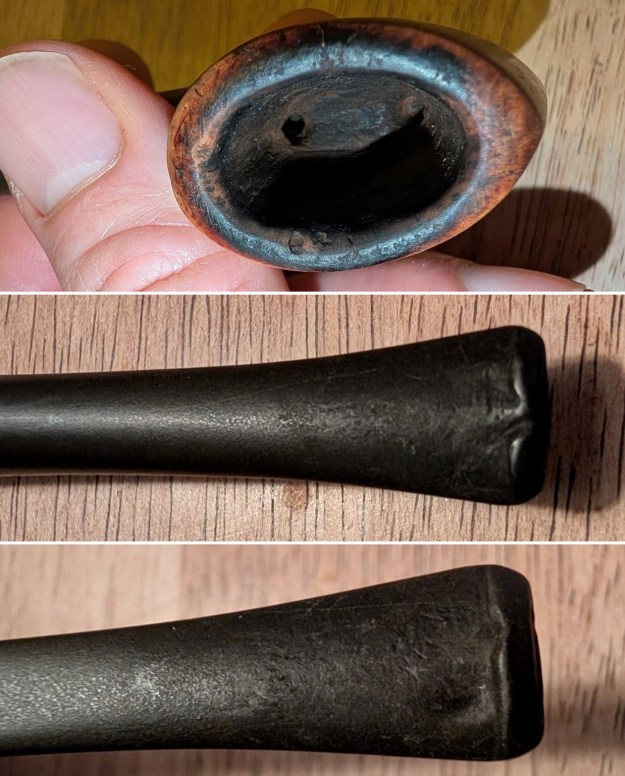
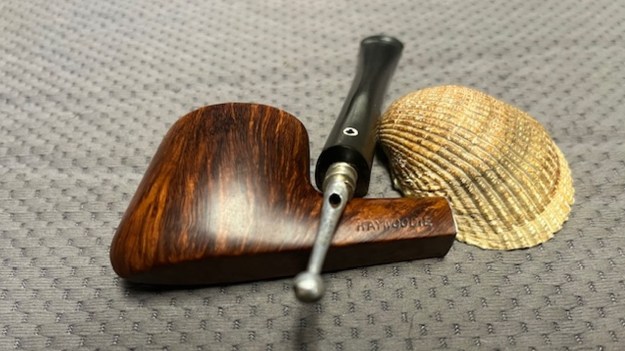
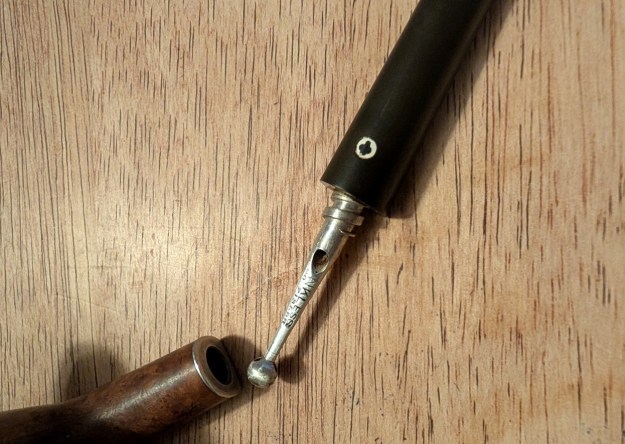 The pipes arrived here last evening. I took the Kaywoodie President to the table to look it over. It was very clean inside and out. The rim top had burn damage on the rim top and inner edge of the bowl. The finish was dirty on the bowl and shank. The pipe was stamped on the left side of the shank read Flame Grain [over] Kaywoodie. On the right side it is stamped Imported Briar [over] the shape number 61. The stamping was clear and quite readable. The stem was oxidized and had tooth damage on the top and underside ahead of the button and on the button edge itself. The vulcanite stem was fat on the bottom side and has the Kaywoodie black clover logo in a white circle on the topside of the stem.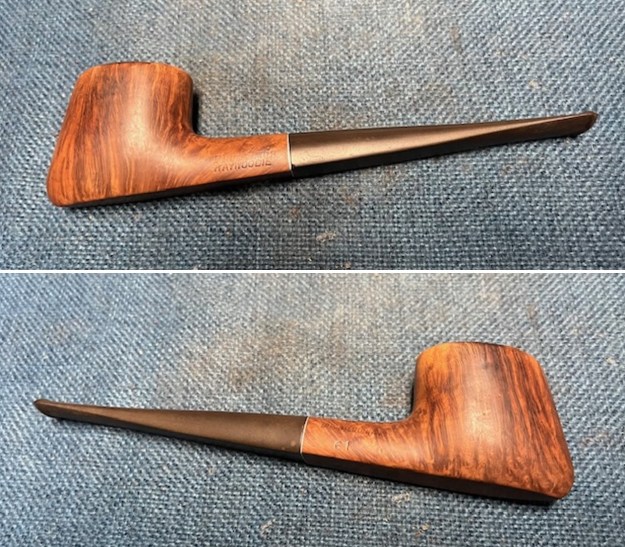
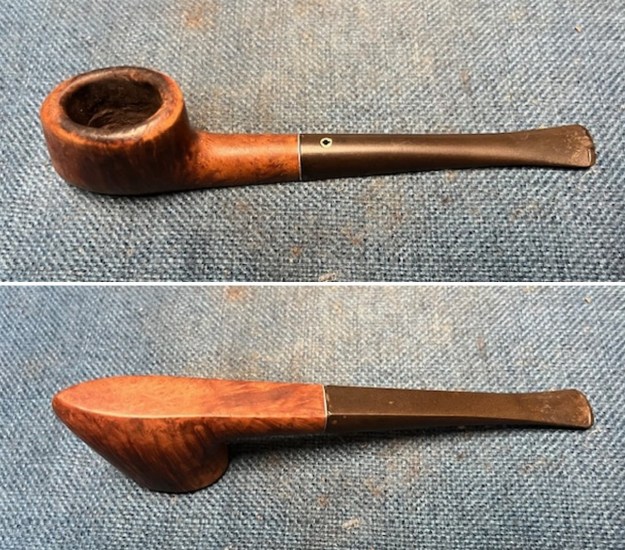 I took a photo of the rim top to show the condition. You can see the bowl has been reamed and the burn damage on the rim top and inner edge of the bowl. It needed some work. The stem was oxidized and has some deep tooth marks on the top and underside ahead of the button and on the edges.
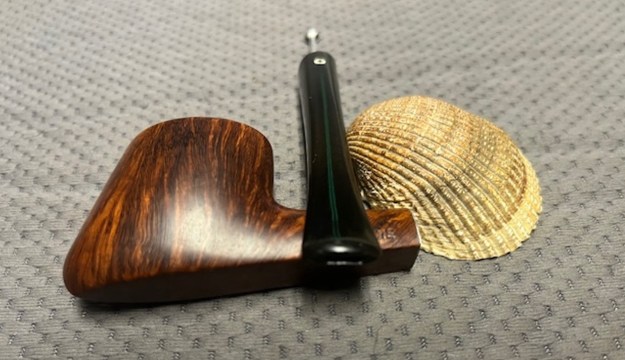
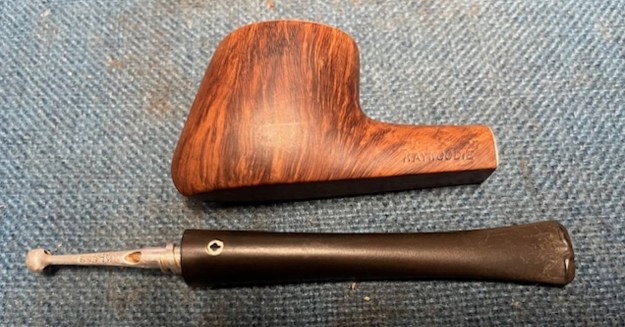
 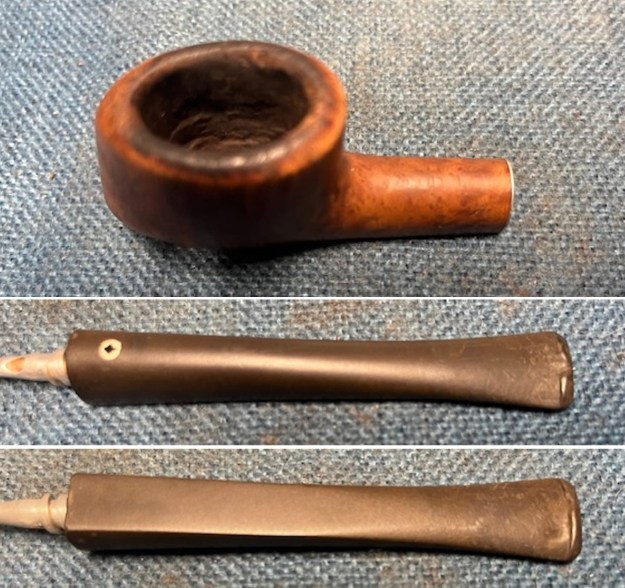 I took photos of sides of the shank to show the stamping. The stamping is clear and readable. I also took a photo of the logo on the stem top. I removed the stem from the shank and took a photo of the pipe parts to show what I was working with. The stinger apparatus is shown in the photo as well. It is a nicely grained unique.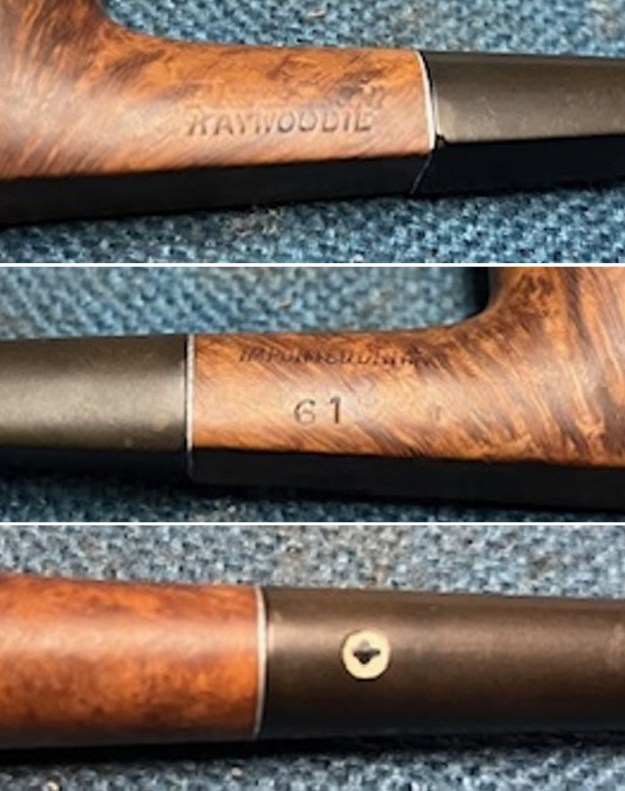
 I turned to Pipephil’s site to look at the data that was available on Kaywoodie President pipes and see if there were any pipes like the bowl I had (http://www.pipephil.eu/logos/en/logo-kaywoodie.html
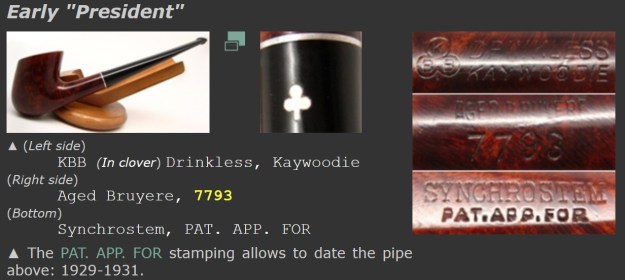 The shape called “President” is a Kaywoodie’s distinctive production. It has never been copied. Until late 1930’s pipes were stamped with a 4 digit code (this pipe: 7793).
- The first 2 numbers (77) designate the style or finish.
- The last 2 are the shape numbers (93).
- The numerical code may be reinforced by a letter for variants.
Thus the small “President” pipes are stamped 93S while the larger bear a 93L (see also this Super Grain pipe).
Later Kaywoodie will cancel the 2 first style/finish numbers keeping the 2 last shape numbers and the letter for variants (i.e. Allbriar or Connoisseur).
I further worked on the name and shape number of this Kaywoodie. It was stamped on the right side of the shank with the shape number 61. I turned to Pipedia to a specific article on the various shape numbers (https://pipedia.org/wiki/Kaywoodie_Shape_Numbers). I found the following line below. It identifies the shape 61 as follows.
61 EZ set Vest pocket President (streamliner shape) oval bowl 1935-1937, 1952-1960
From that information I knew that the pipe originally had been released in 1935-37 and then released again between 1952-60. The pipe in hand was the later release as the earlier version had a different shape number and often had the patent number. This one had a two digit number and no patent.
I turned to Pipedia to the article on Kaywoodie pipes (https://pipedia.org/wiki/Kaywoodie) to see if I could find information on the shape and President line. There was a sales flyer on Kaywoodie pipes for Father’s Day. I have included a copy of the flyer below in a section called Streamliners.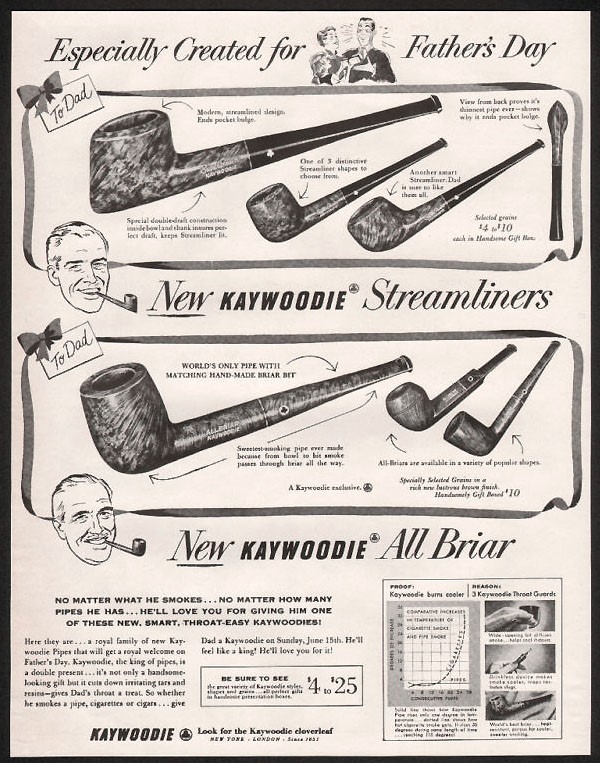 The article also included a shape chart that was helpful. The last shape in the chart was a Kaywoodie 61 E-Z-Set Vest Pocket President which is the same shape as the one that I am working on.
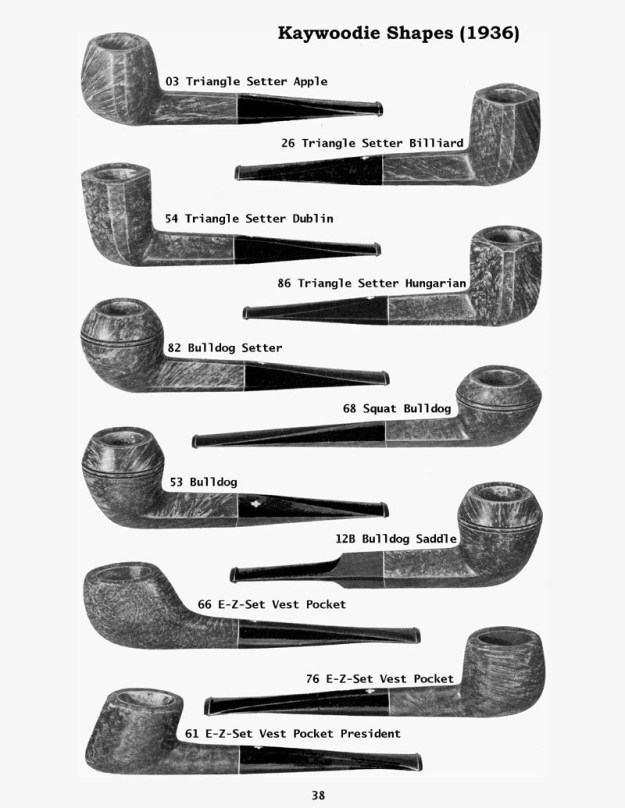 From the above information I knew that I was working on a Kaywoodie President shape 61. It is a great looking unique pipe. It was now time to start working on the pipe.
I cleaned out the shank and the airway in the stem with pipe cleaners – bristle and smooth and cotton swabs and alcohol. It was an incredibly dirty shank and airway in the stem. It smelled significantly better once finished.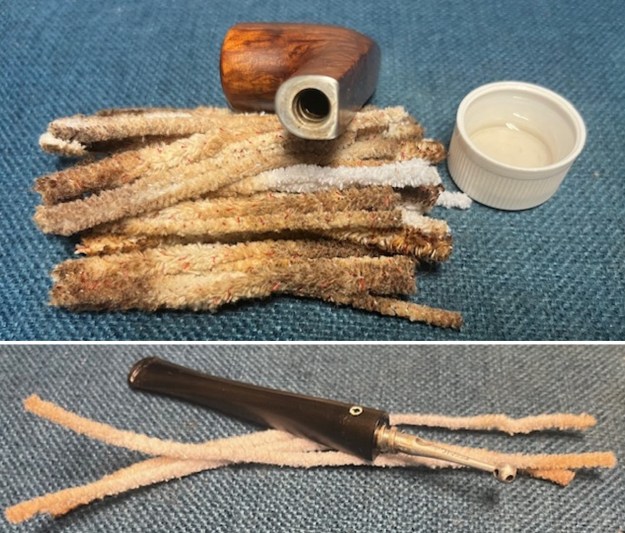 I decided to address the damage on the rim edge and top. I wanted to do so with minimal effect on the shape of the edge and rim. I used a folded piece of 220 grit sandpaper to smooth out the damage on the inner edge of the bowl and to remove the burn damage. It looked much better.
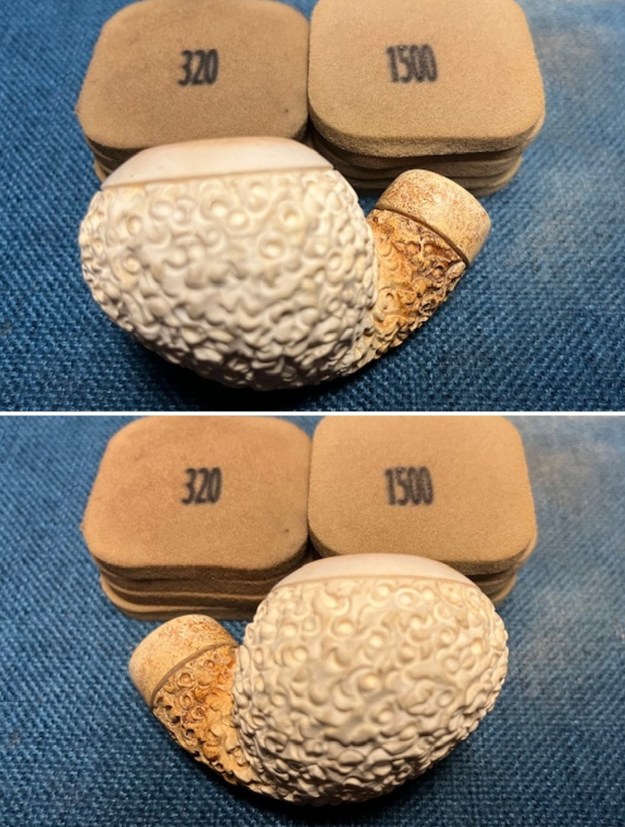
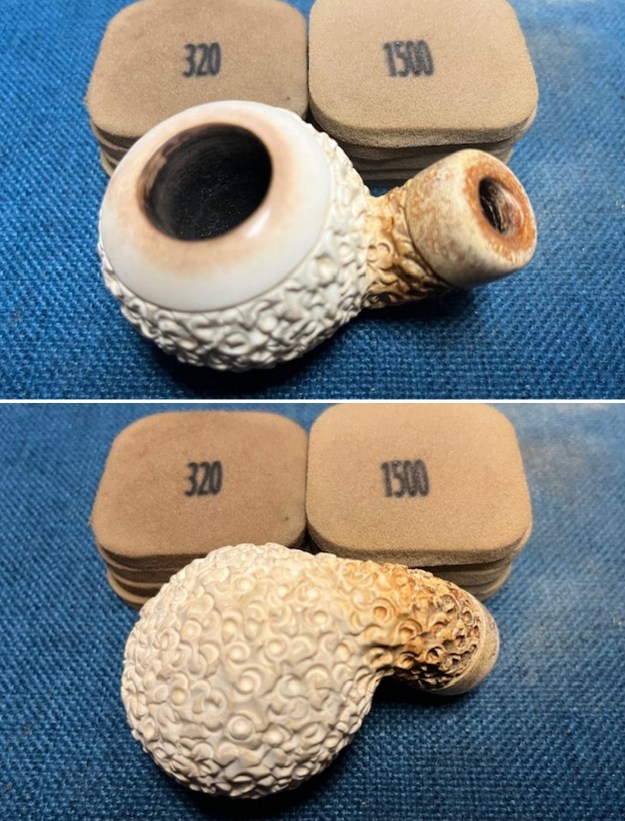
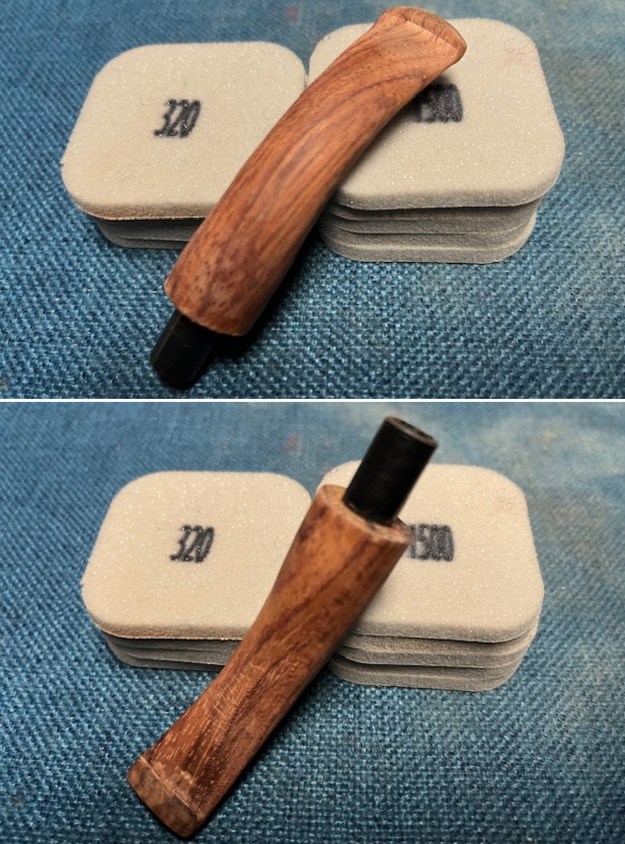
 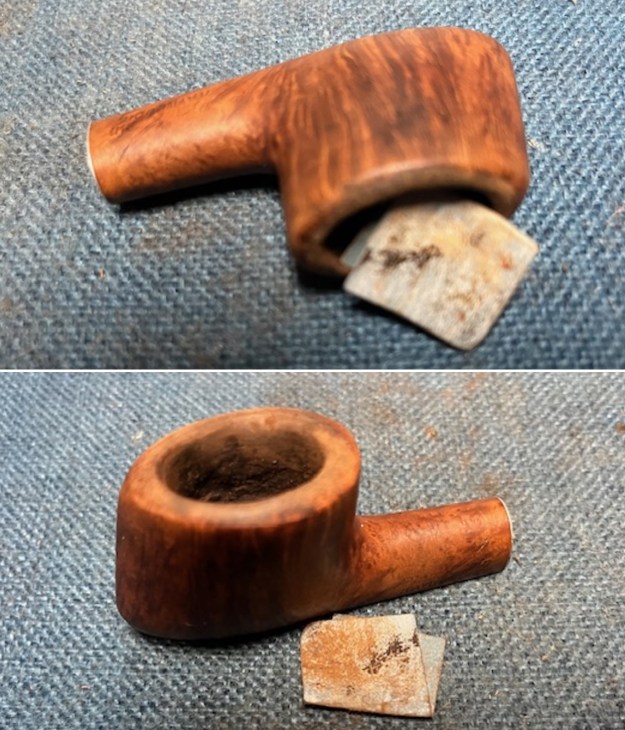 I carefully, gently sanded the surface of the bowl and the shank with 320-3500 grit 2×2 inch sanding pads to remove the scratches in the surface of the briar. The bowl and shank began to look very good.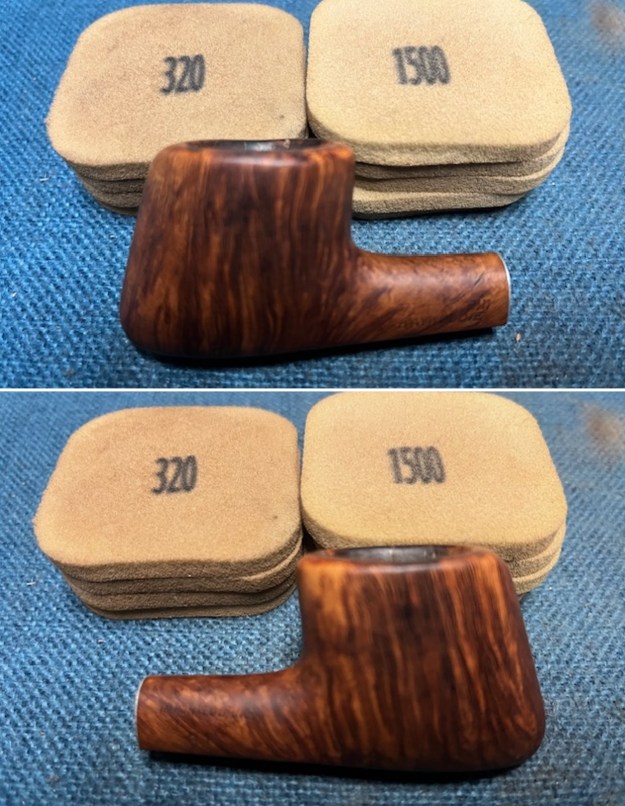
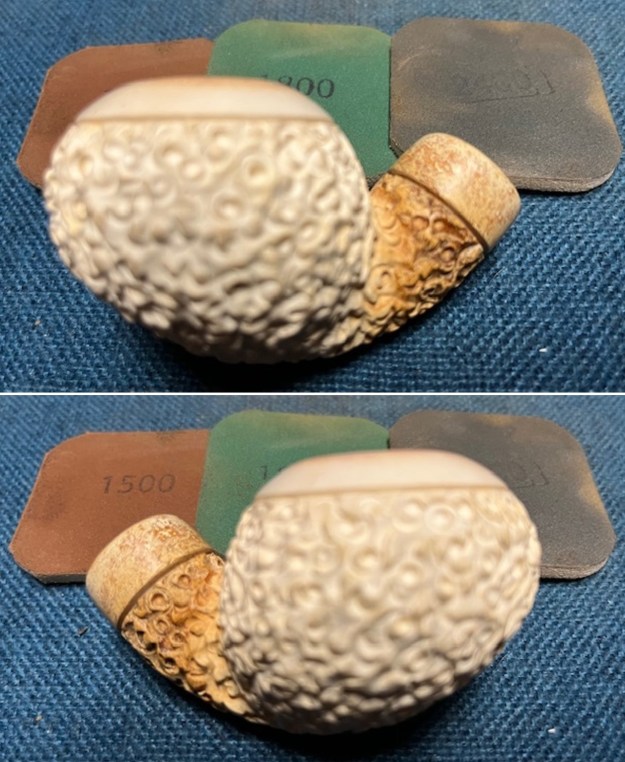
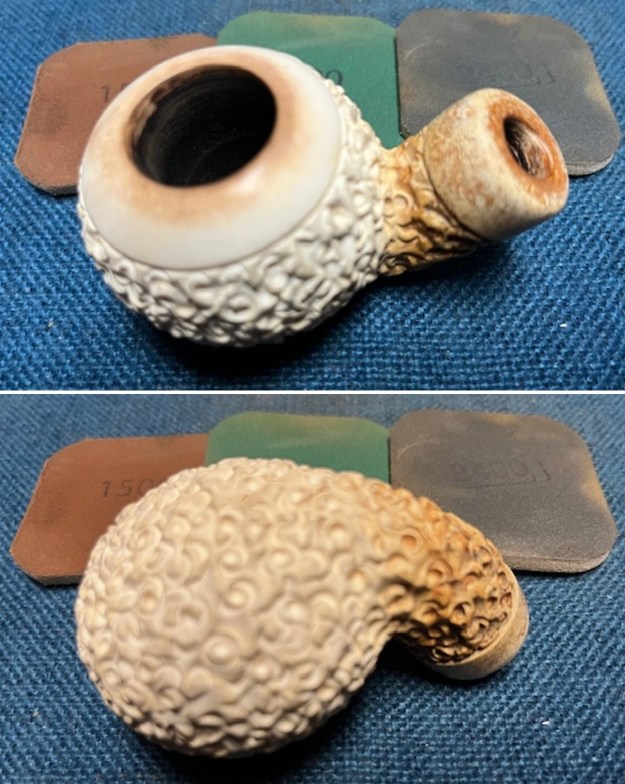
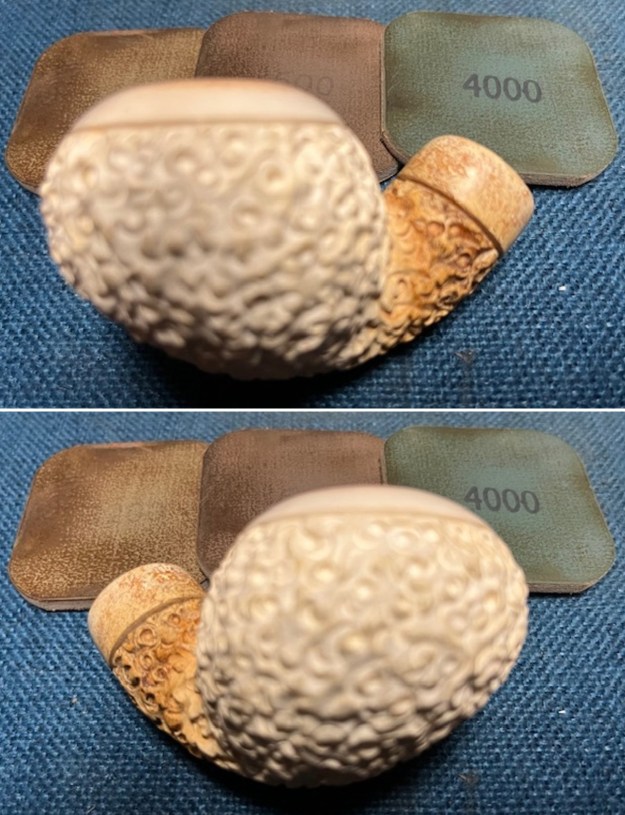
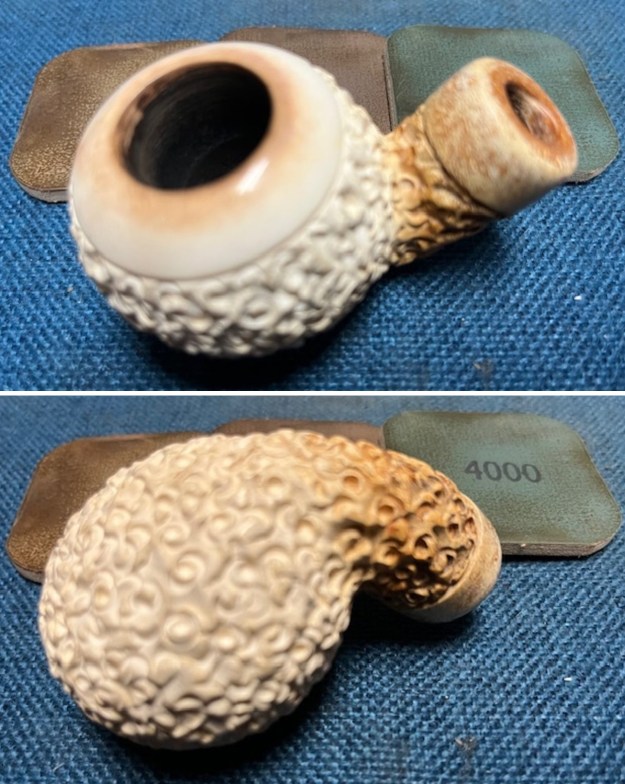
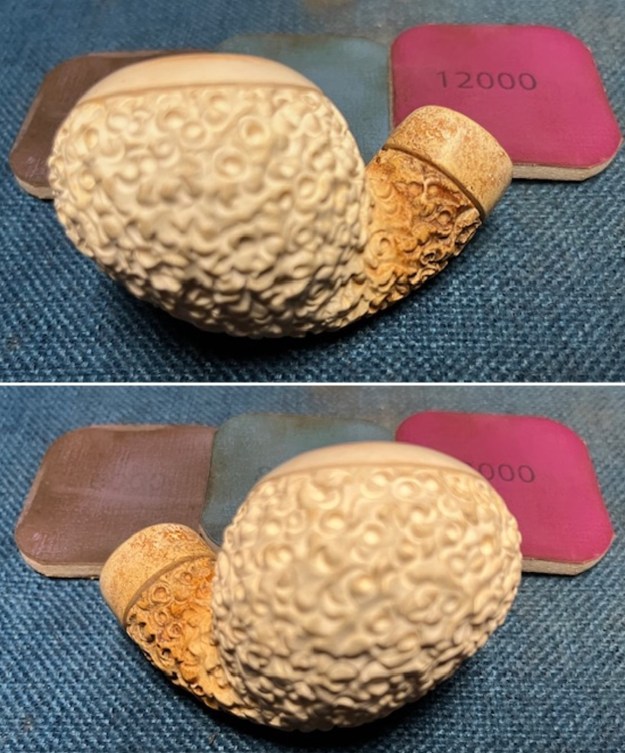
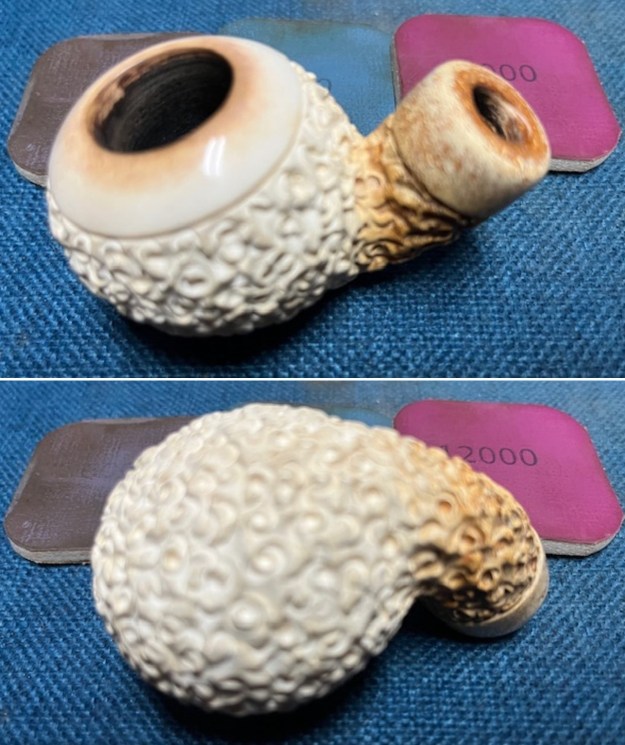
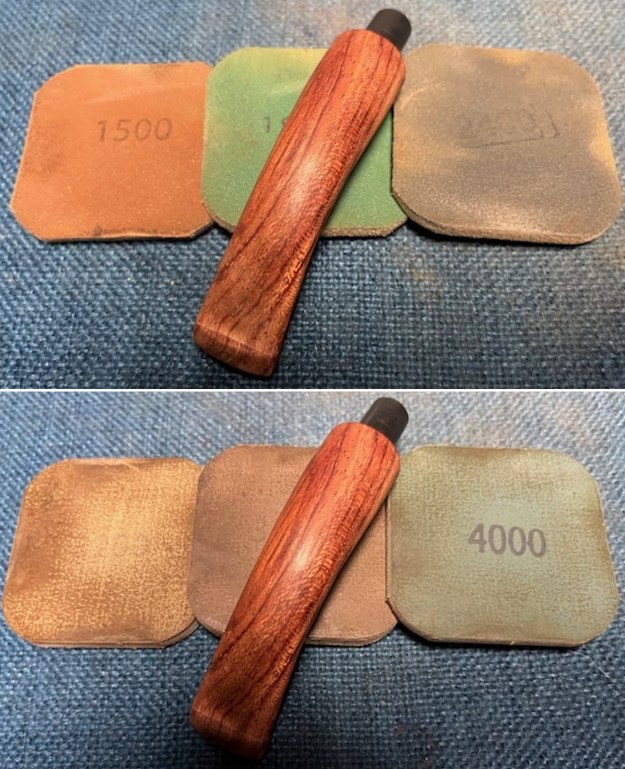
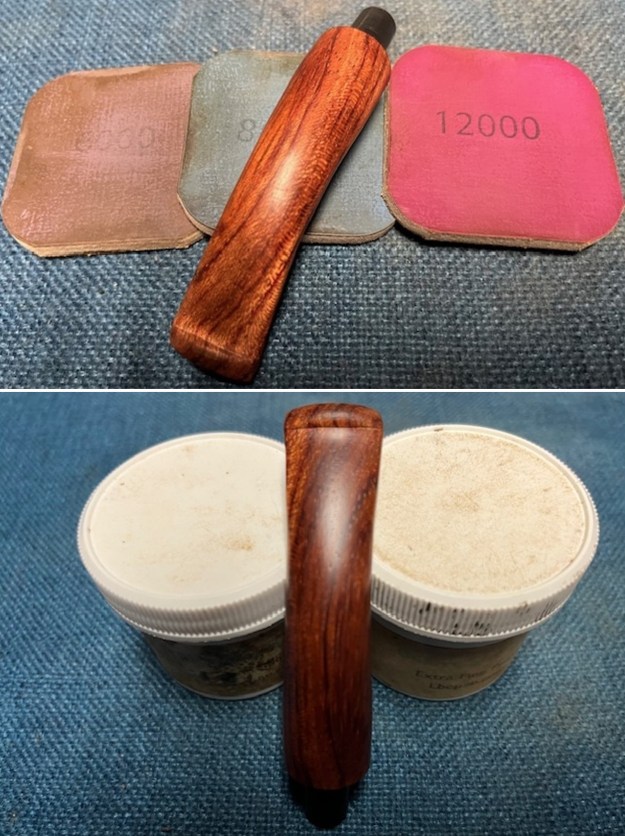
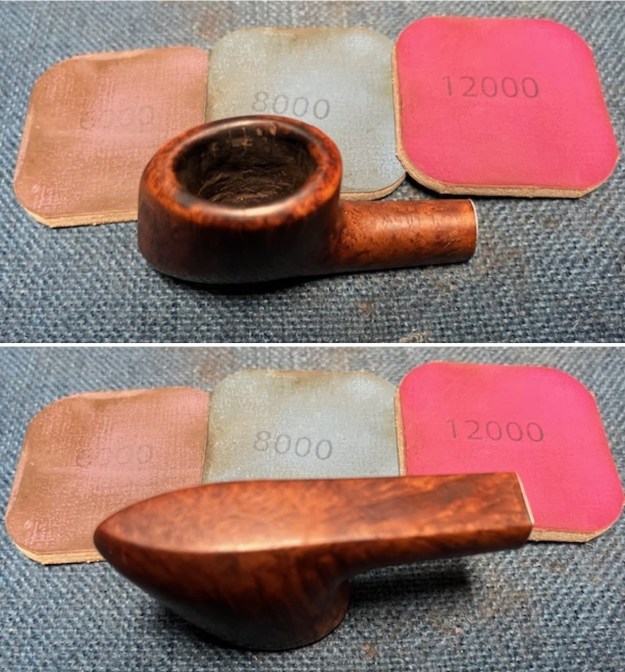
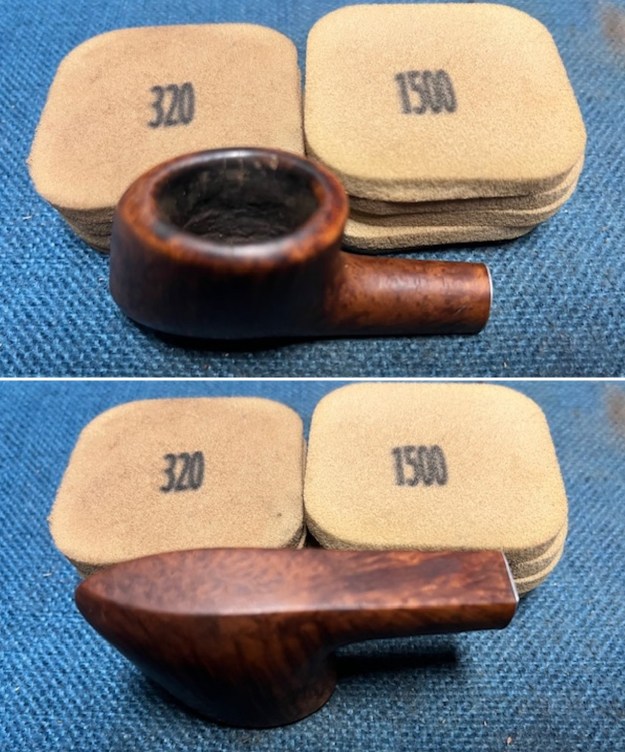 I polished the briar with 1500-12000 grit micromesh sanding pads – dry sanding the briar and wiping down the bowl after each sanding pad. It really began to take on a rich shine and the grain stood out beautifully.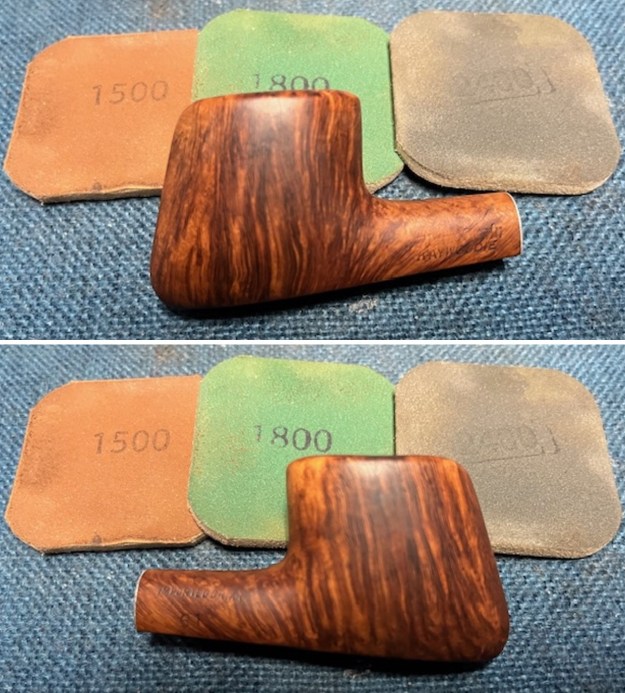

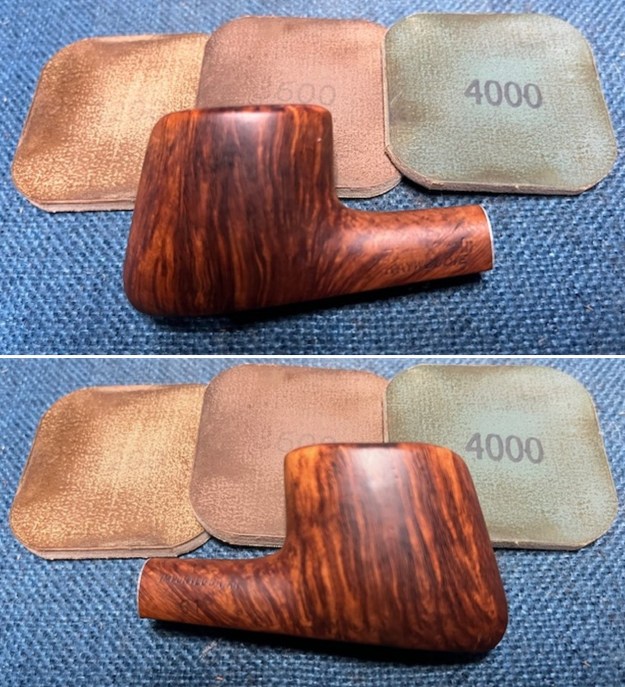
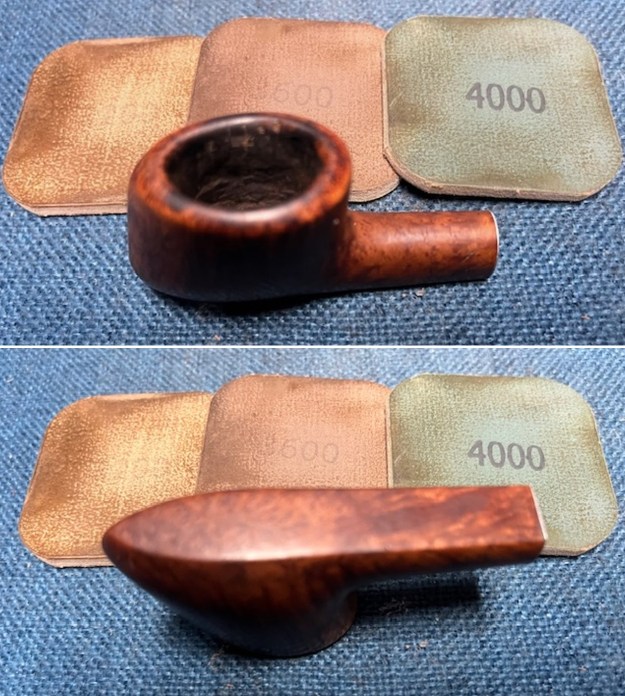
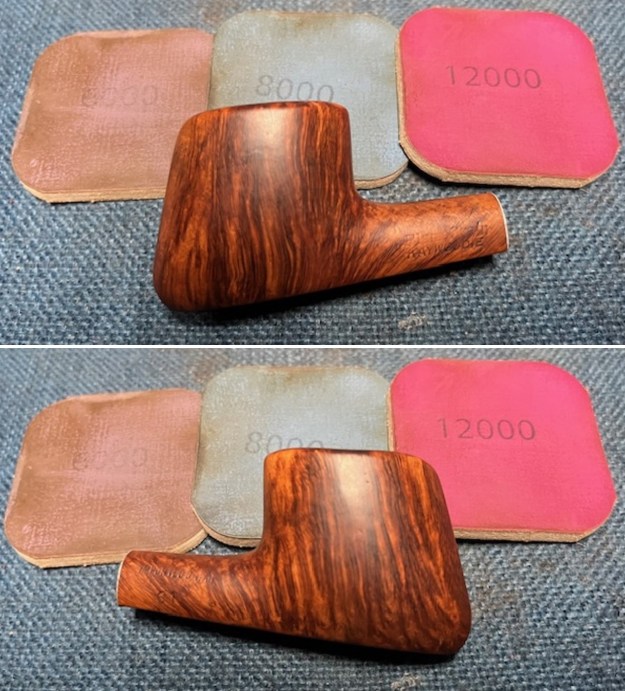
 I rubbed the briar down with Before & After Restoration Balm and worked it into the briar and the repaired areas. The product works to clean, enliven and preserve the briar and give it a rich lustre. The briar came alive and the grain really pops.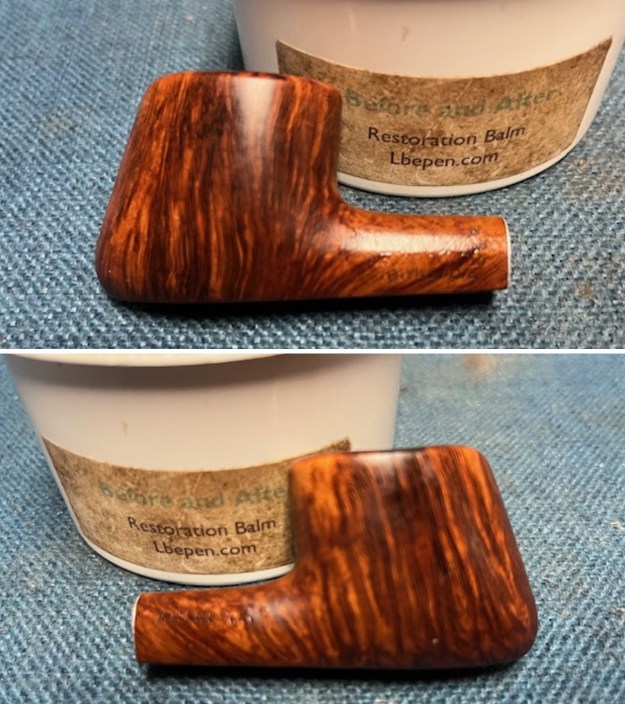
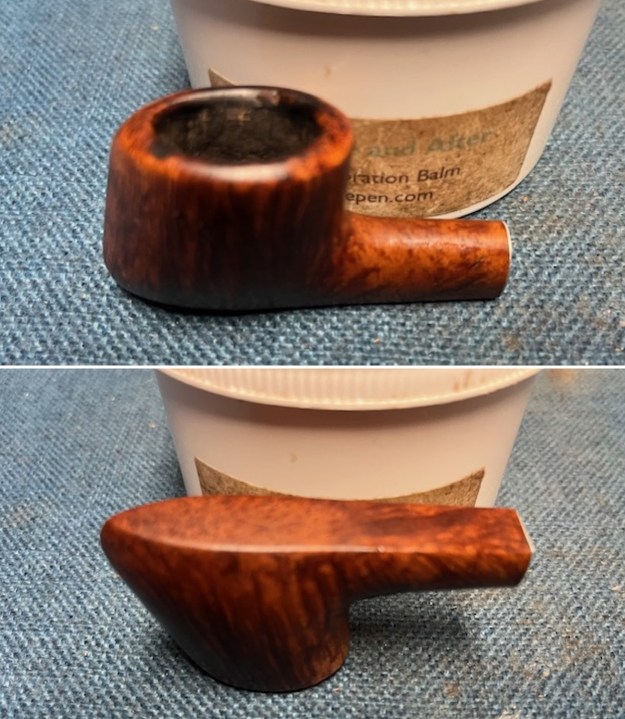
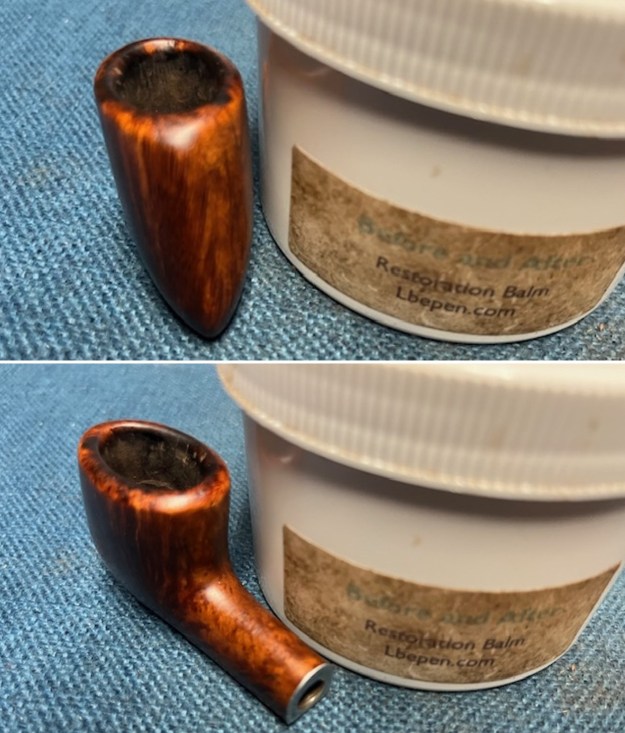 I set the bowl aside and turned my attention to the stem. I forgot to take photos but I “painted” the vulcanite stem surface with the flame of a Bic lighter to lift the tooth marks. I was able to lift the majority of them with the heat. I filled in the deeper marks on the surface of the button and the edge of the button with a rubberized CA glue. I flattened the repairs on the stem and recut the edge of the button with a small file. I flattened the repairs with a folded piece of 220 grit sandpaper. It is starting to look very good.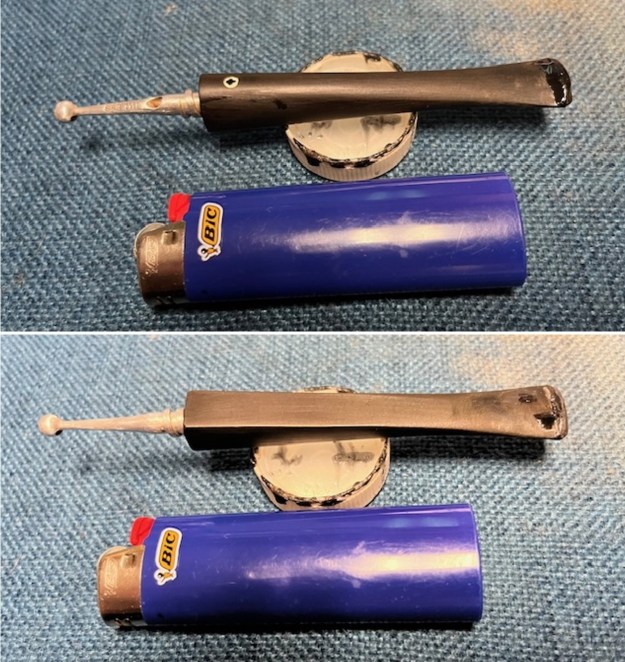
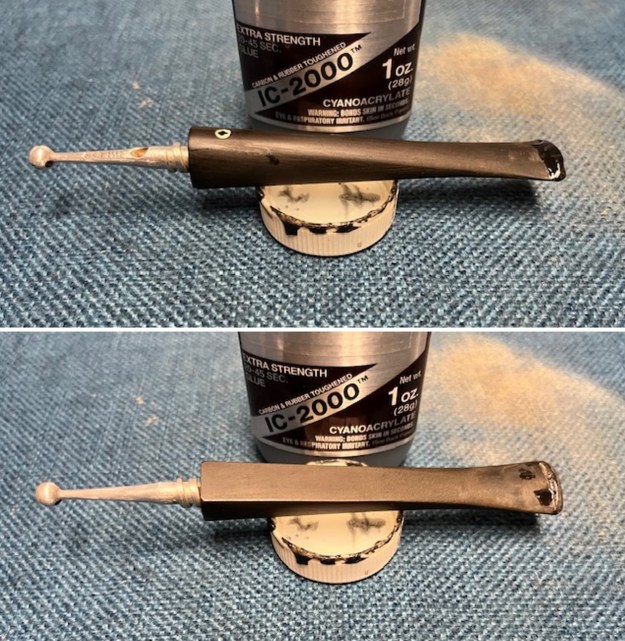
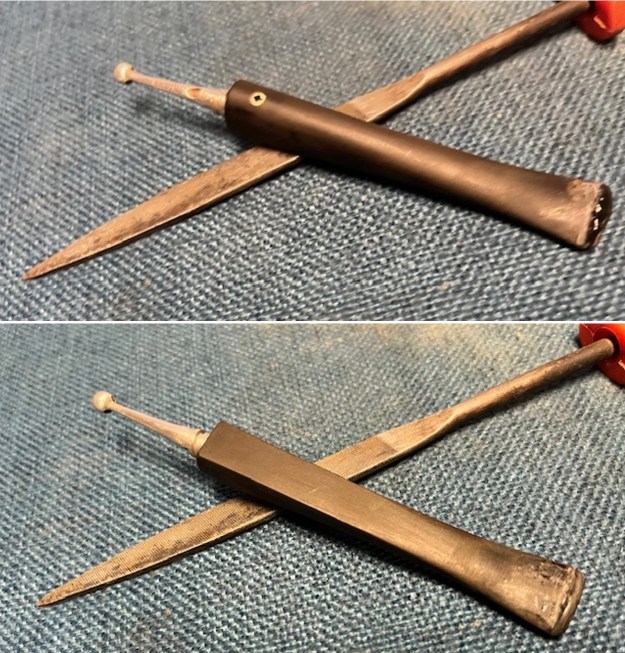
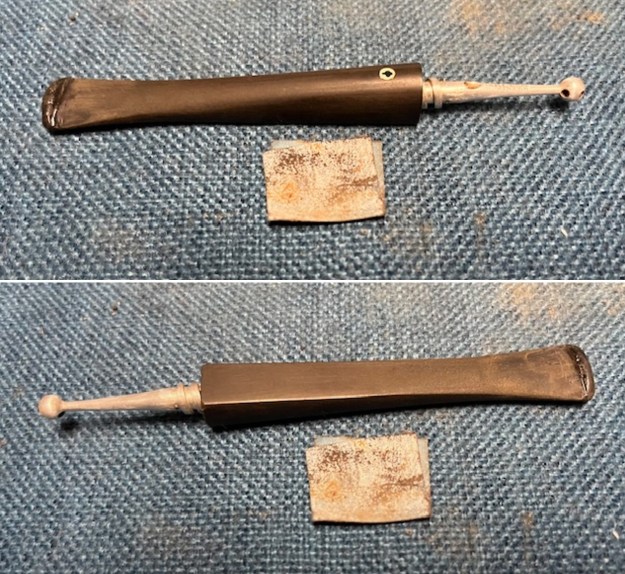 I sanded the stem with 320-3500 grit 2×2 inch sanding pads. The shape and look of the stem looked better and better. The remaining oxidation was gone.
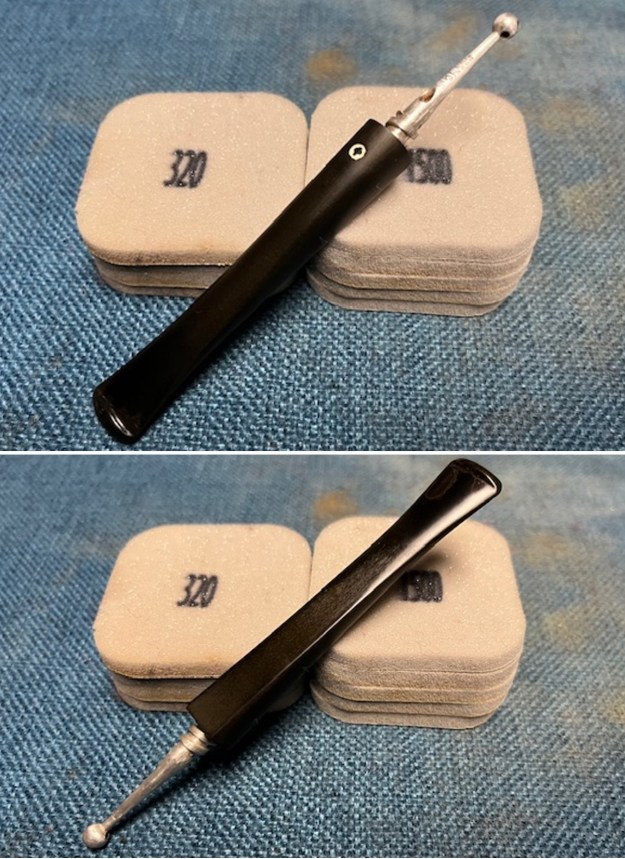 I polished the stem by dry sanding it with 1500-12000 grit micromesh sanding pads. I wiped the stem down after each sanding pad with an Obsidian Oil Cloth. The stem looked very good.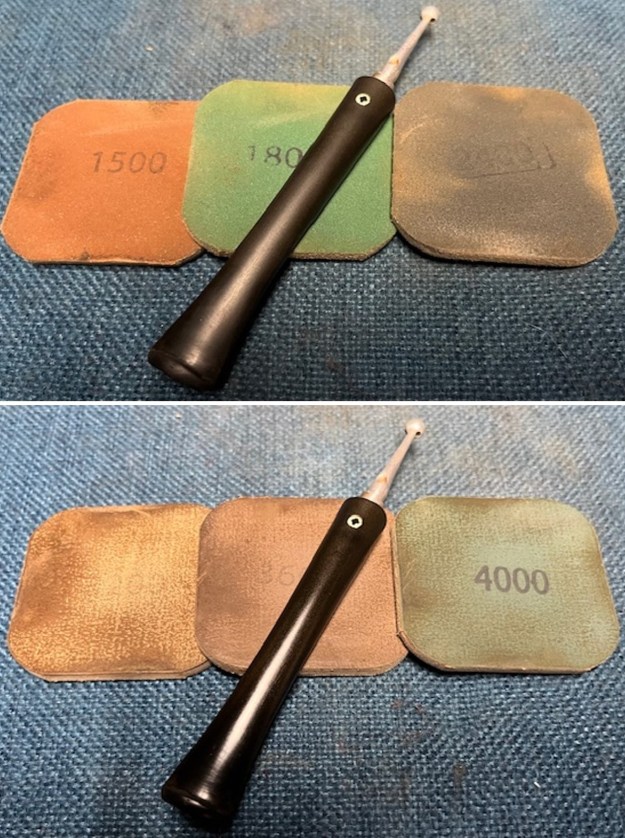
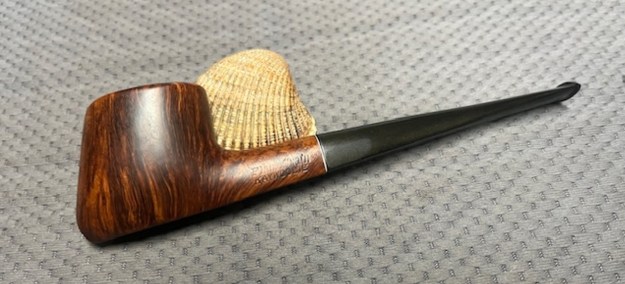
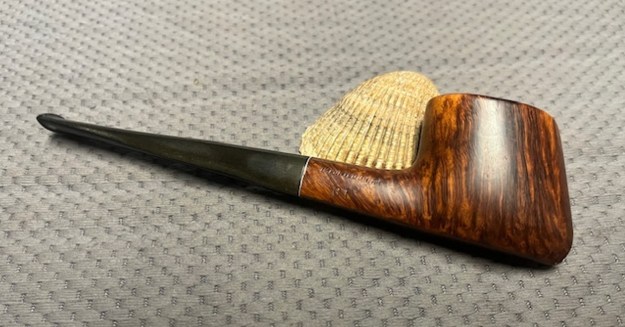
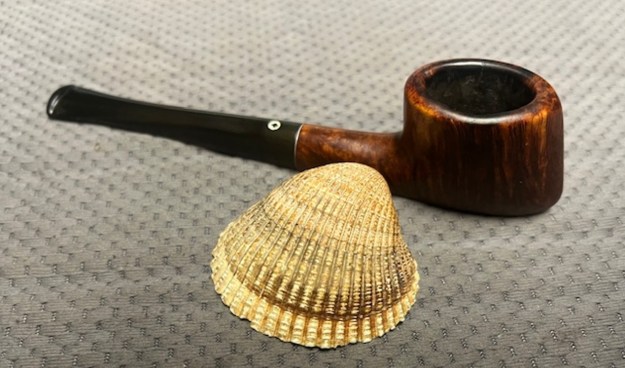
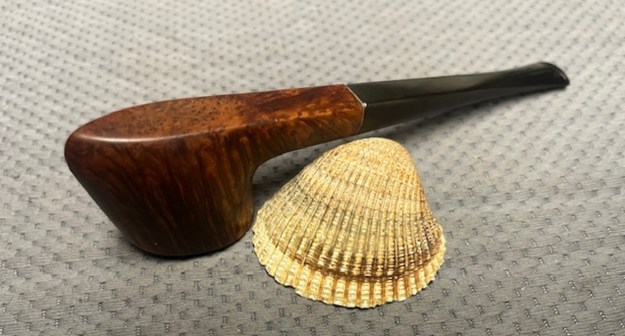
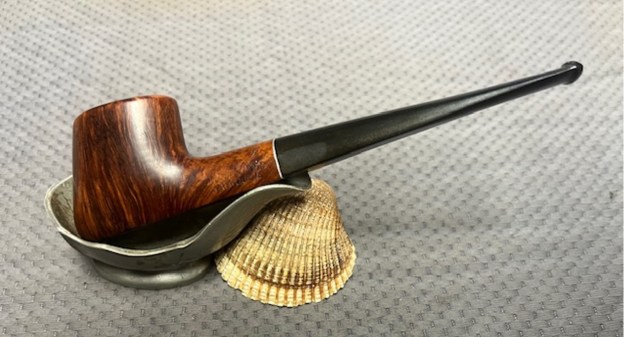
 I put the Kaywoodie Flame Grain Imported Briar 61 President back together and buffed it on the buffing wheel with Blue Diamond. It raised a shine on the briar and the stem and gave some depth to the grain. I gave both the bowl and the stem multiple coats of carnauba wax on the wheel and buffed the pipe with a clean buffing pad to raise the shine. I hand buffed it with a microfiber cloth to deepen the shine. The pipe turned out to be a unique beauty in its own way. I really like the grain and the shape of this Kaywoodie Flame Grain 61 President. The dimensions of the pipe are Length: 6 inches, Height: 1 ½ inches, Outer diameter of the bowl: 1 ¼ inches, Chamber diameter: ¾ of an inch. The weight of the pipe is 1.41 ounces/39 grams. It is a uniquely beautiful pipe. It will join the Marxman Apple on its journey back to Devin early in the week ahead. Thanks for walking through the restoration with me.