Tag Archives: Oxidation

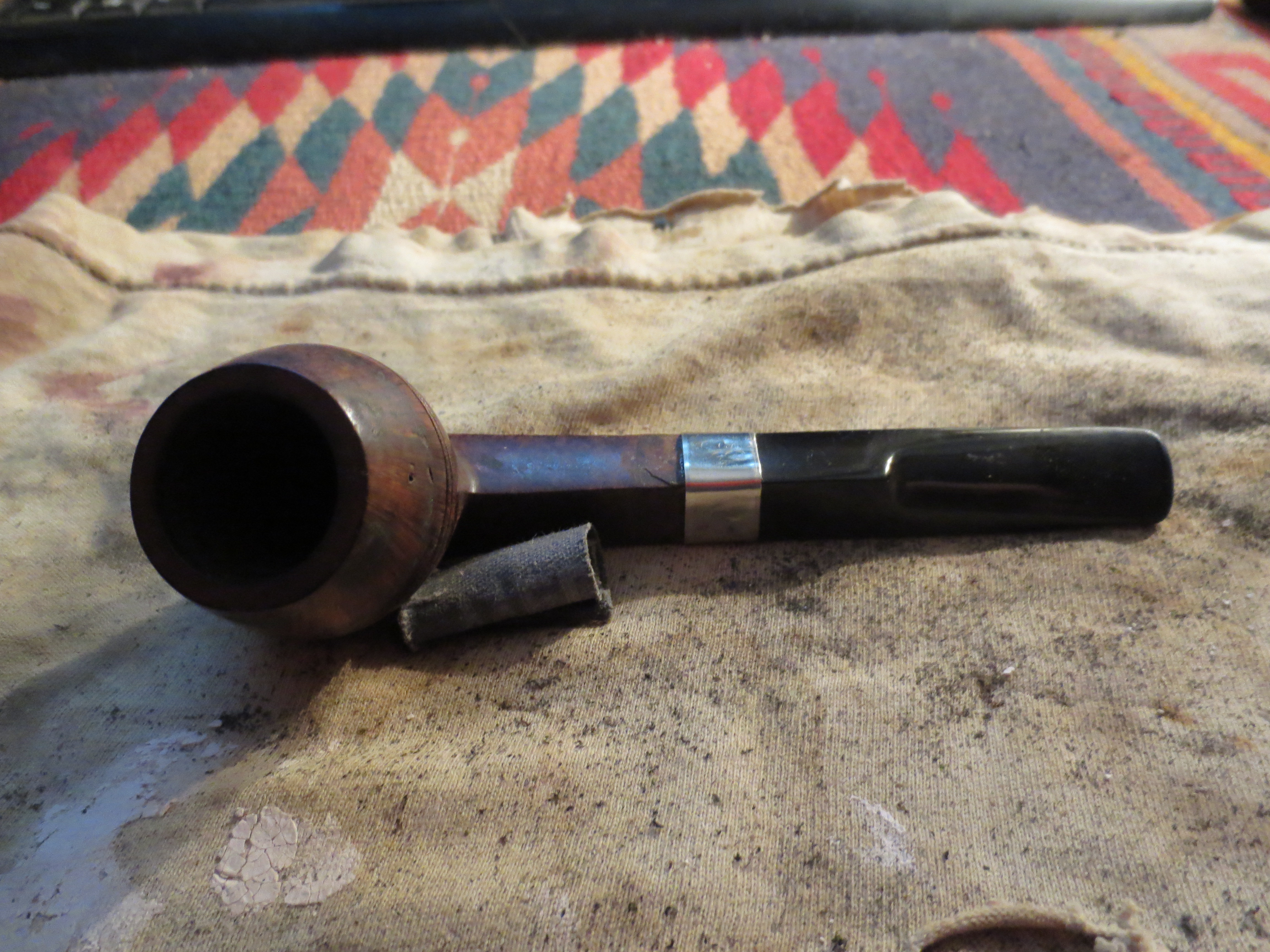
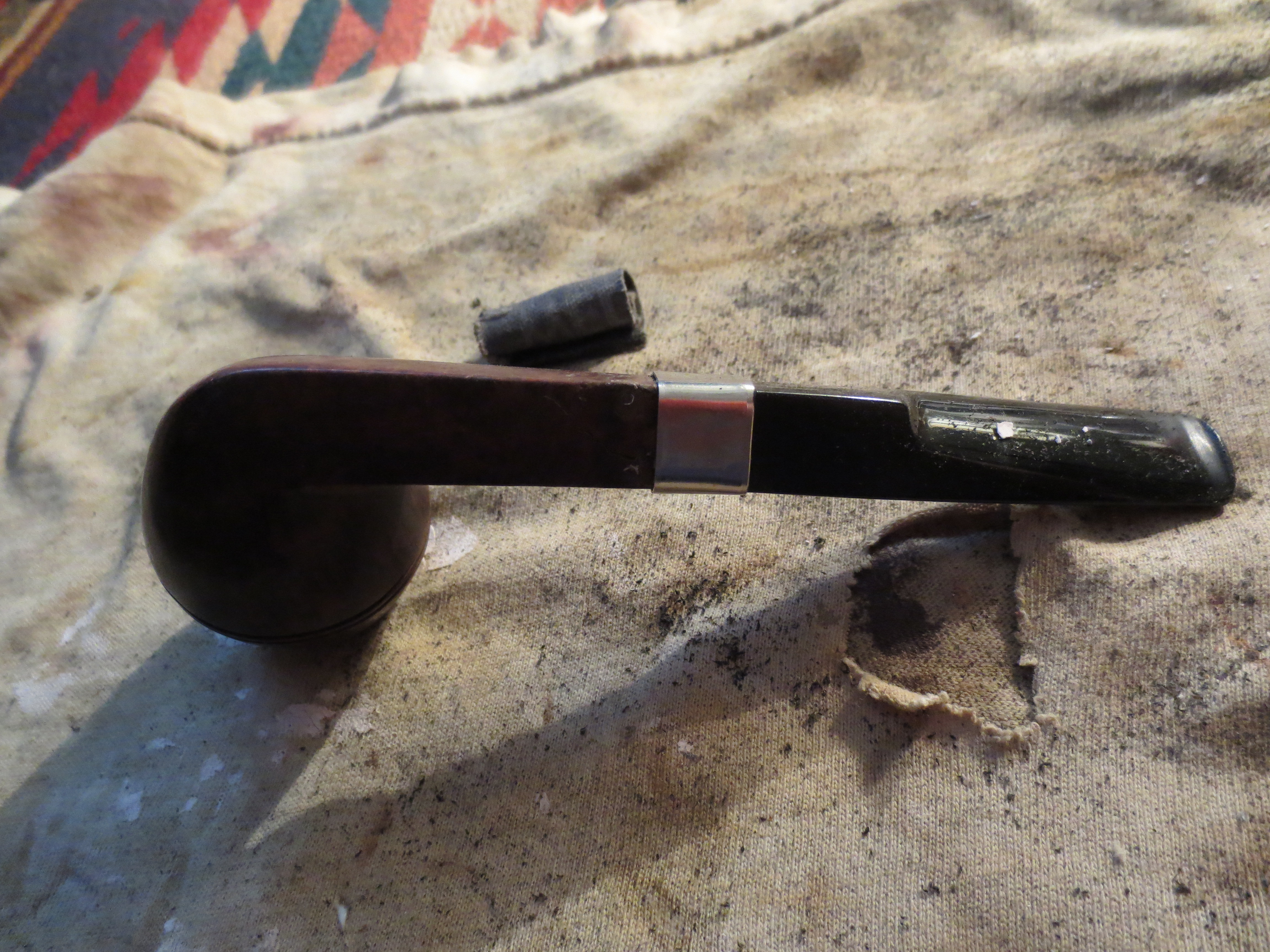
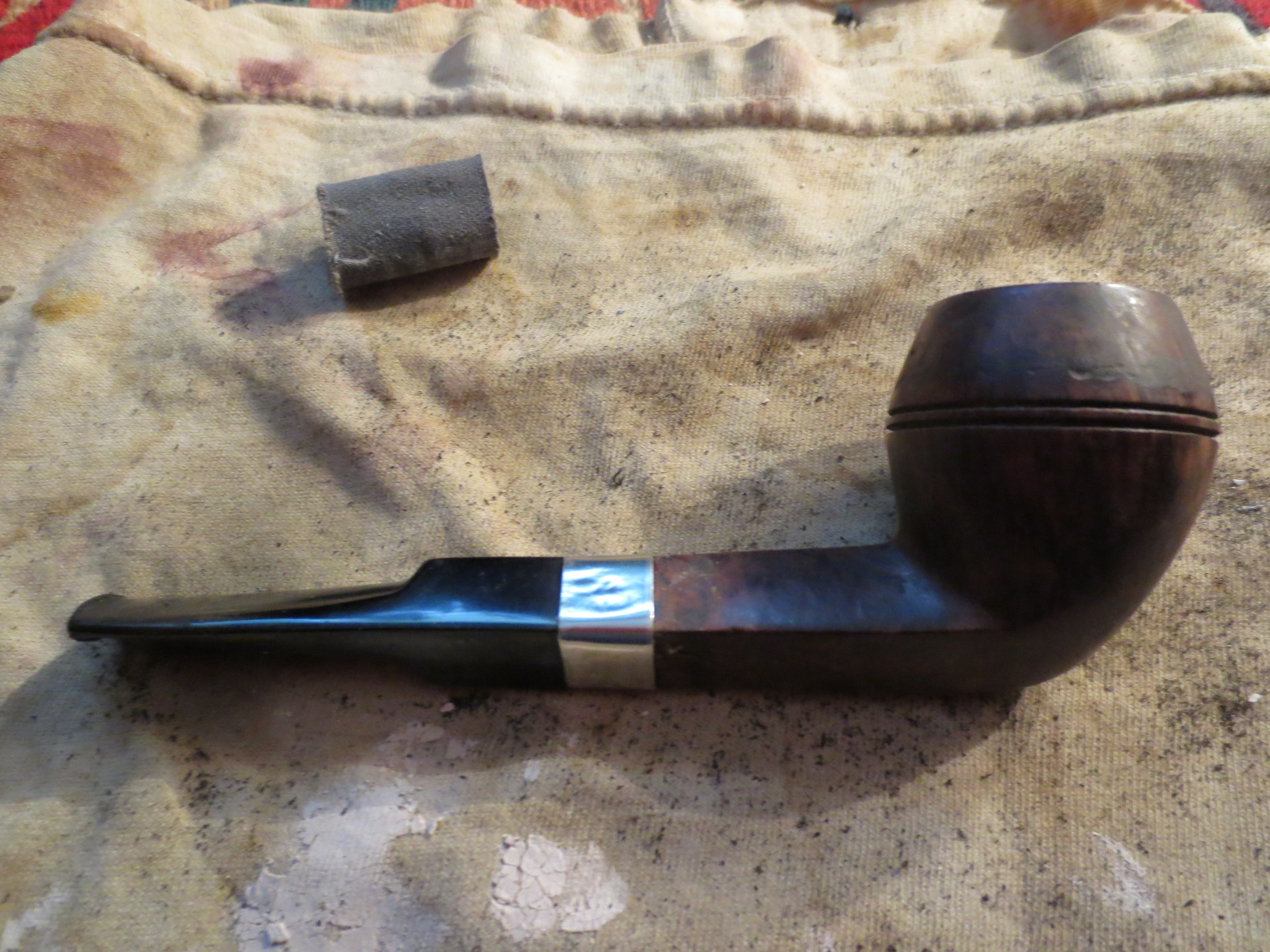
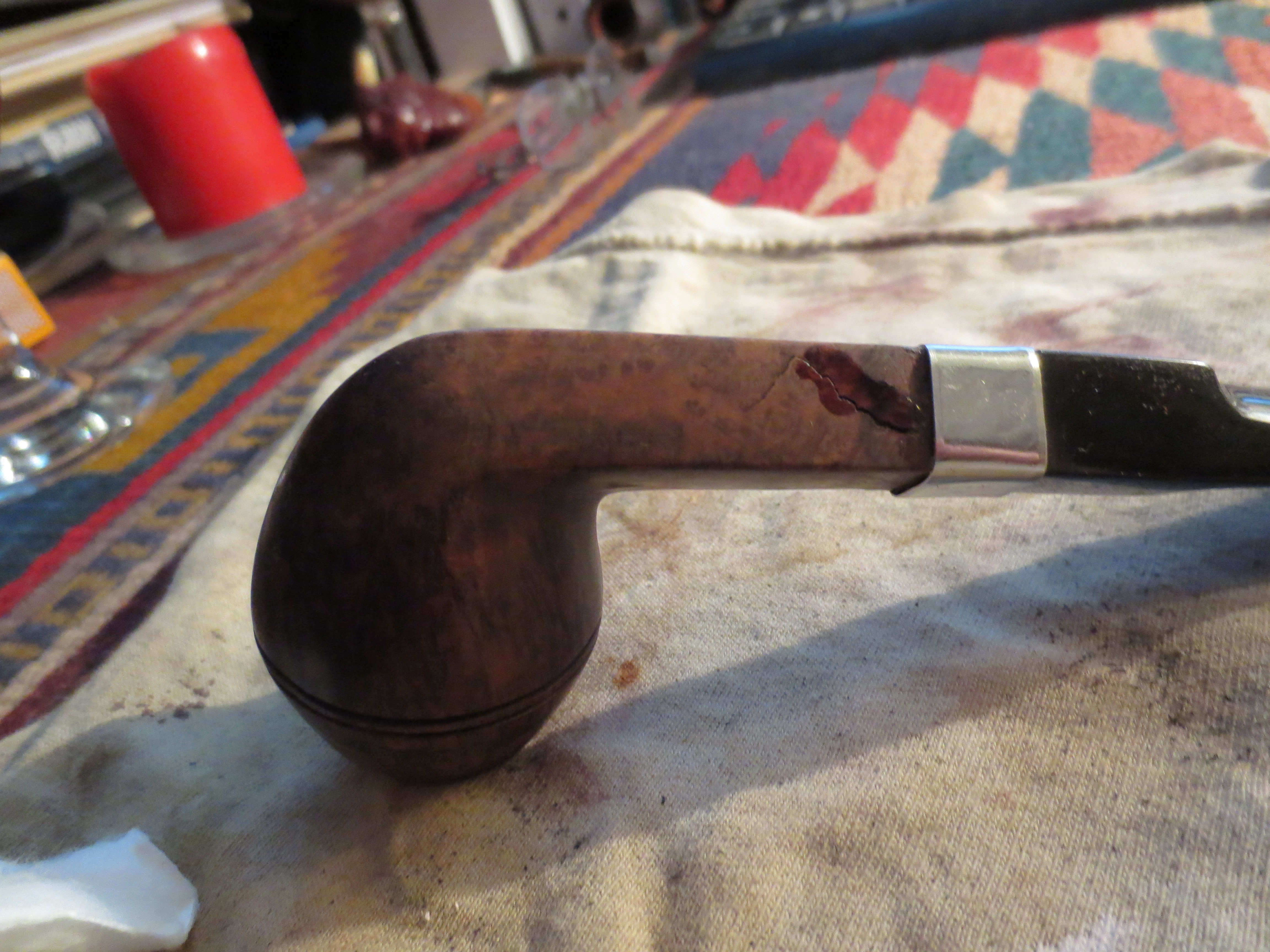
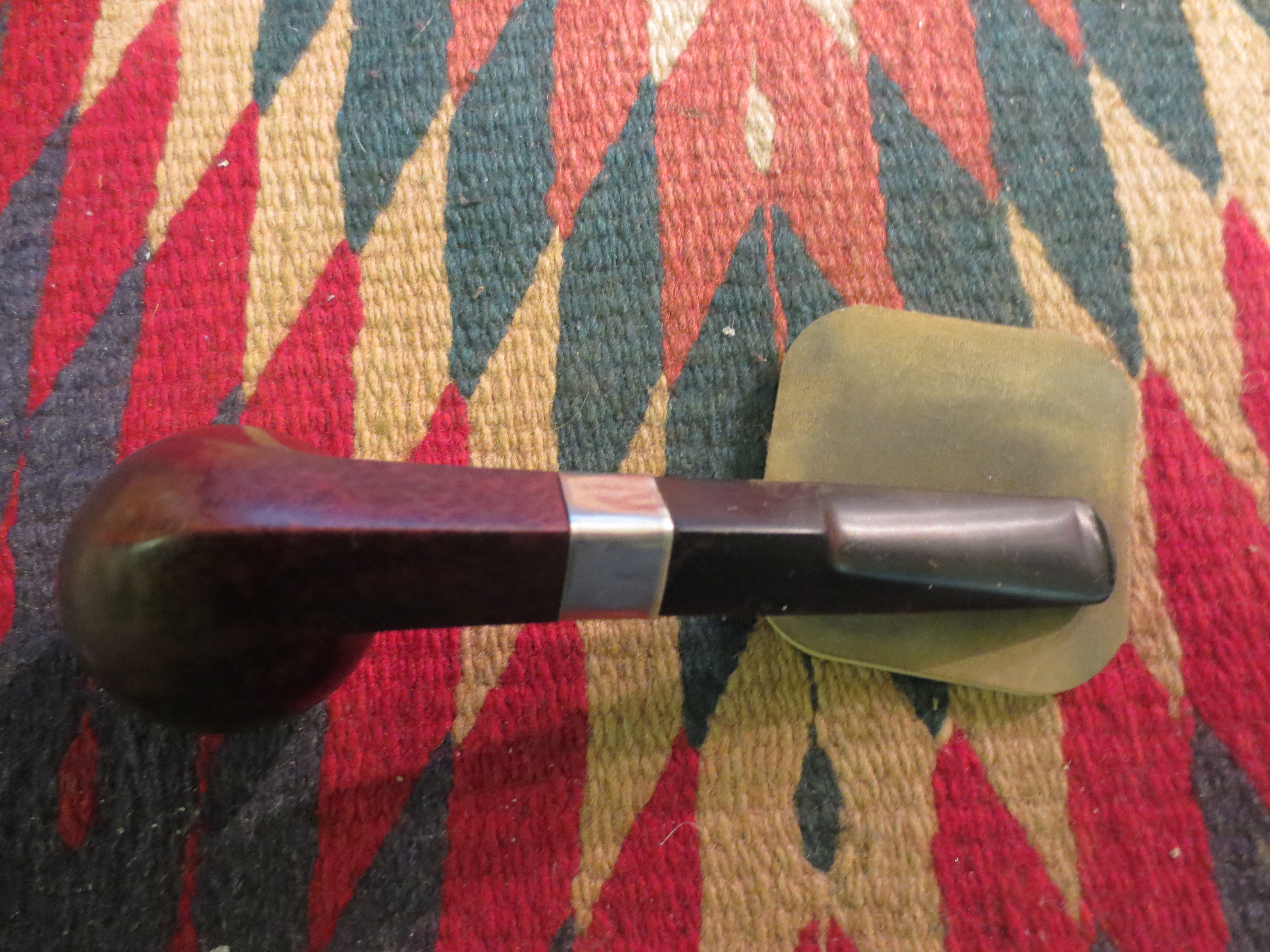
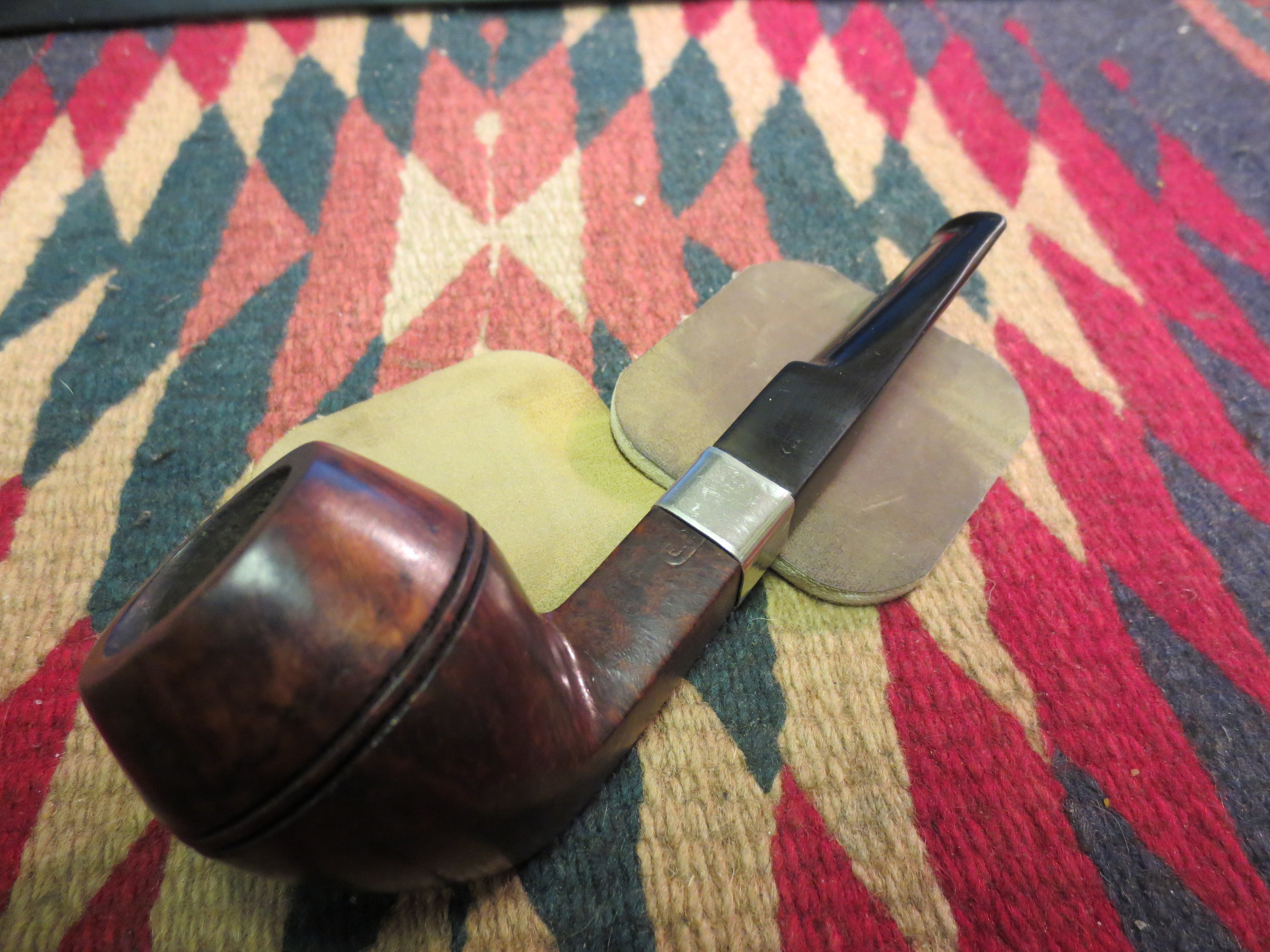
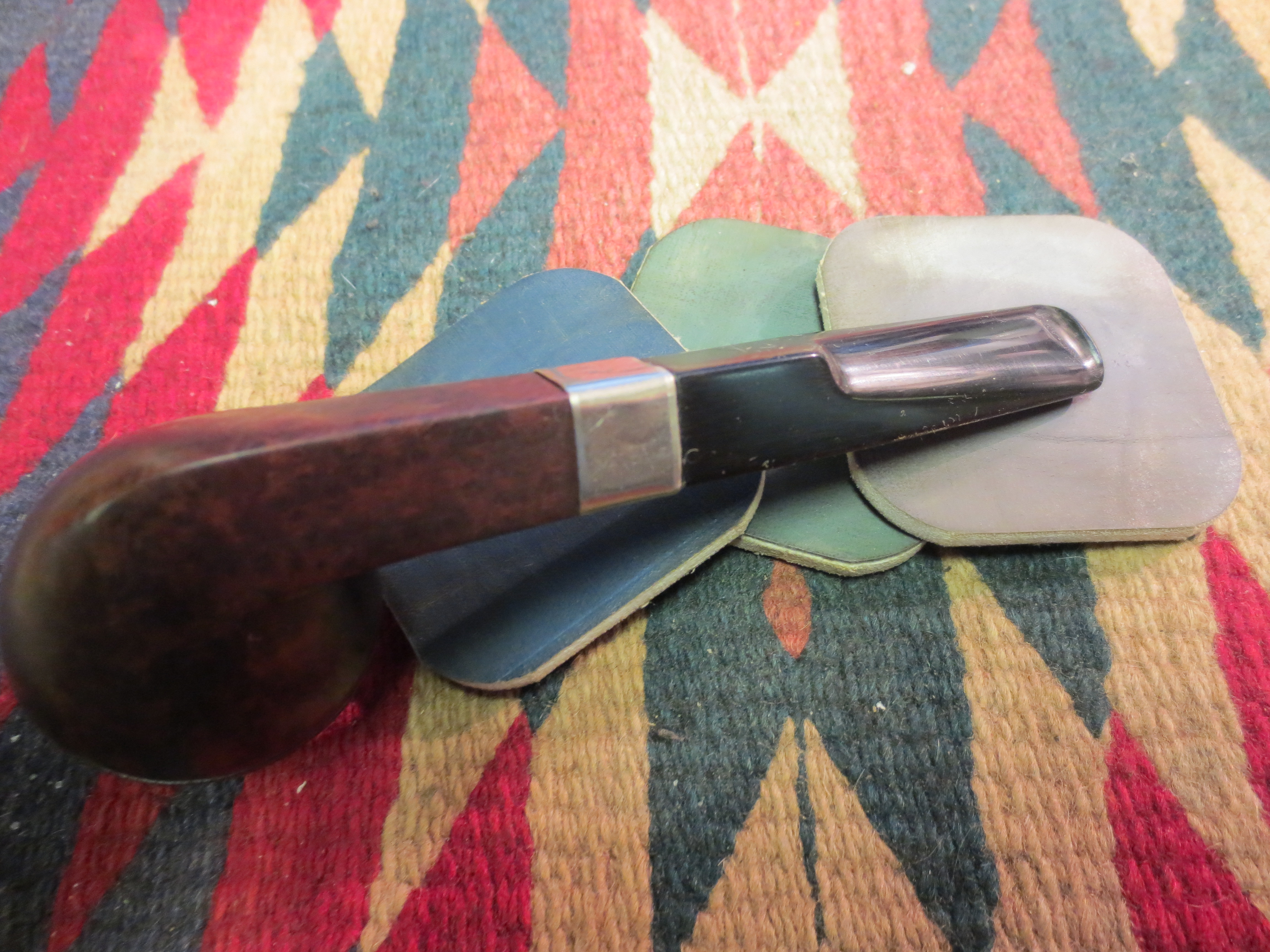
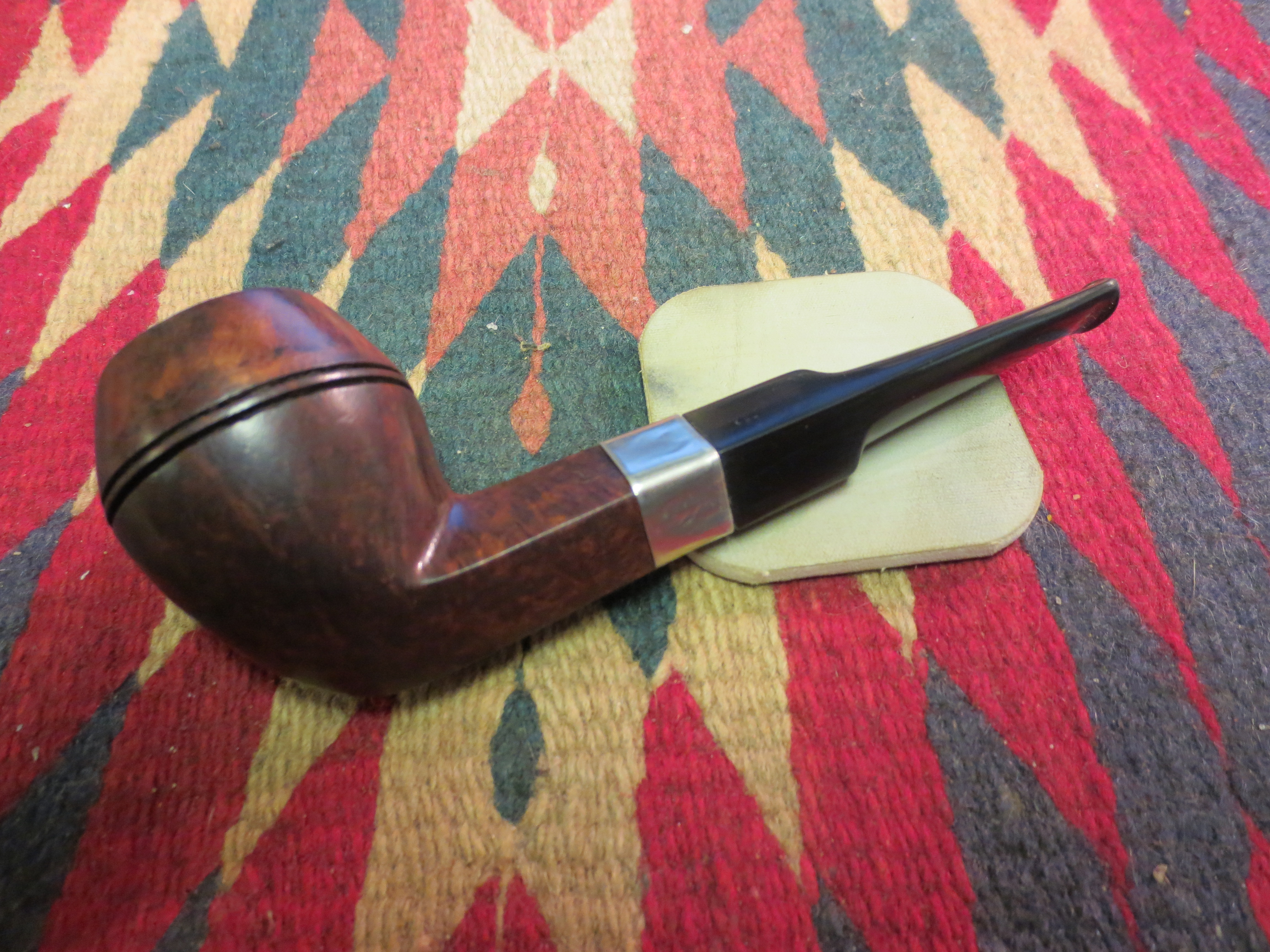
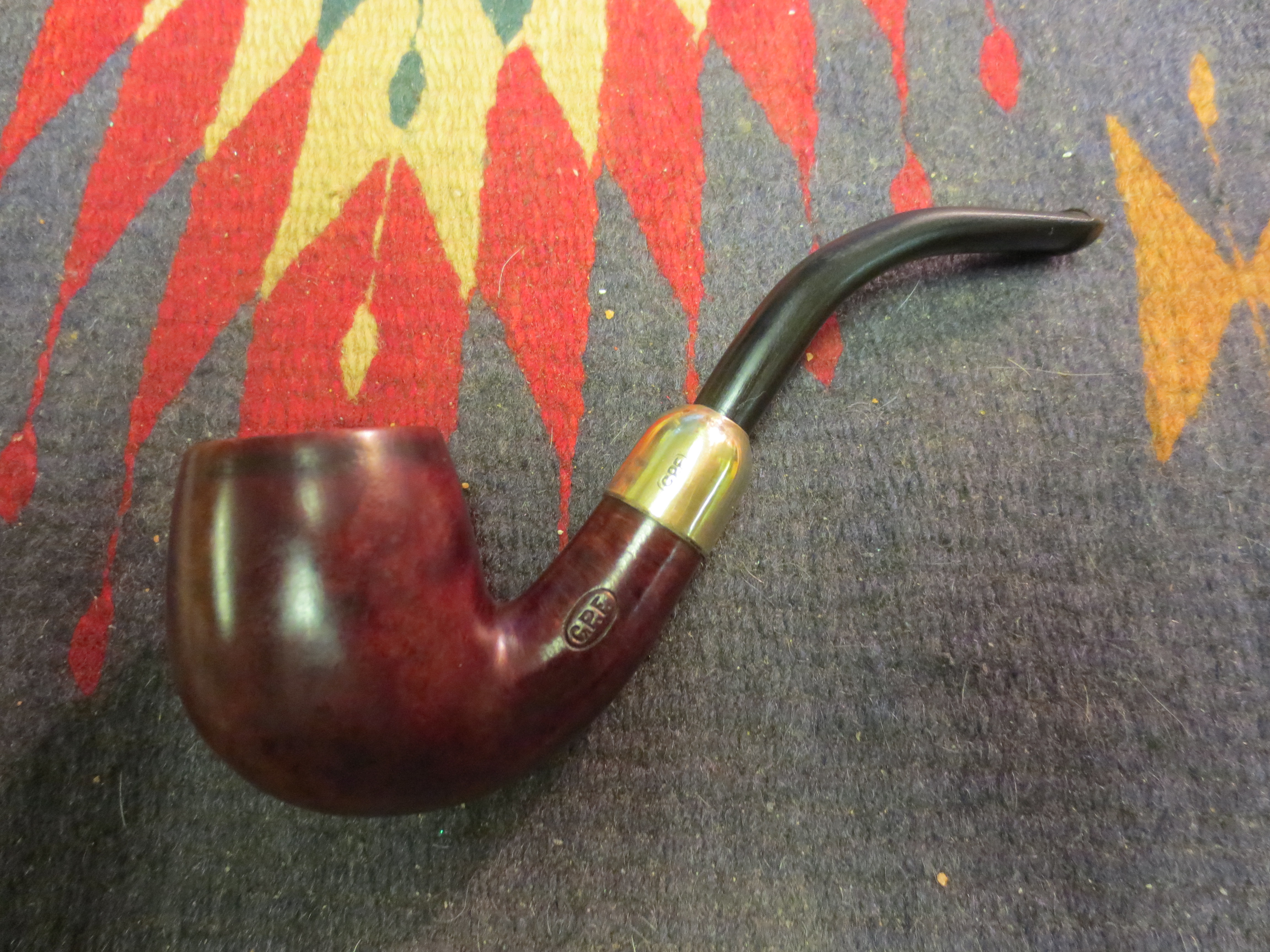
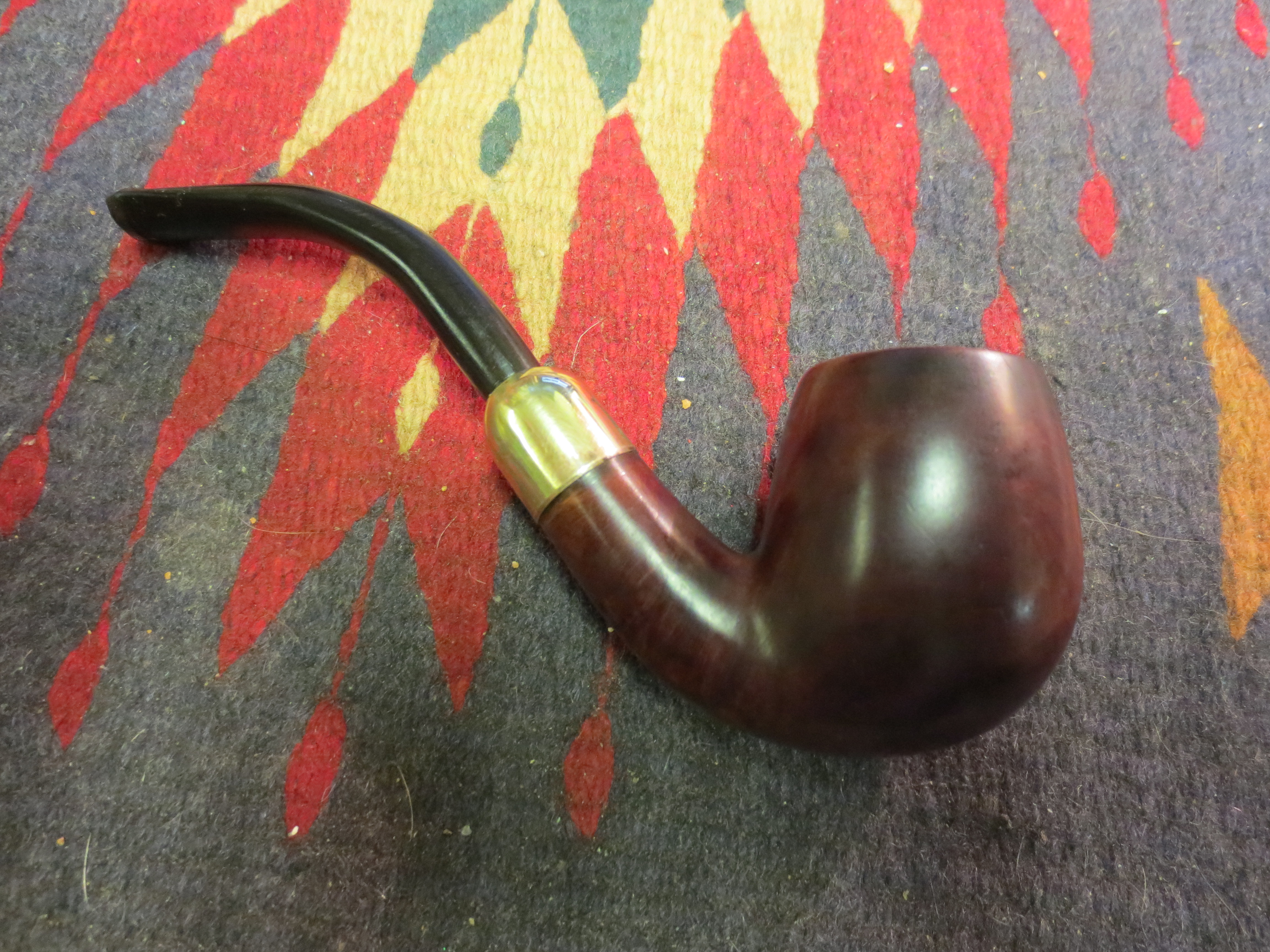
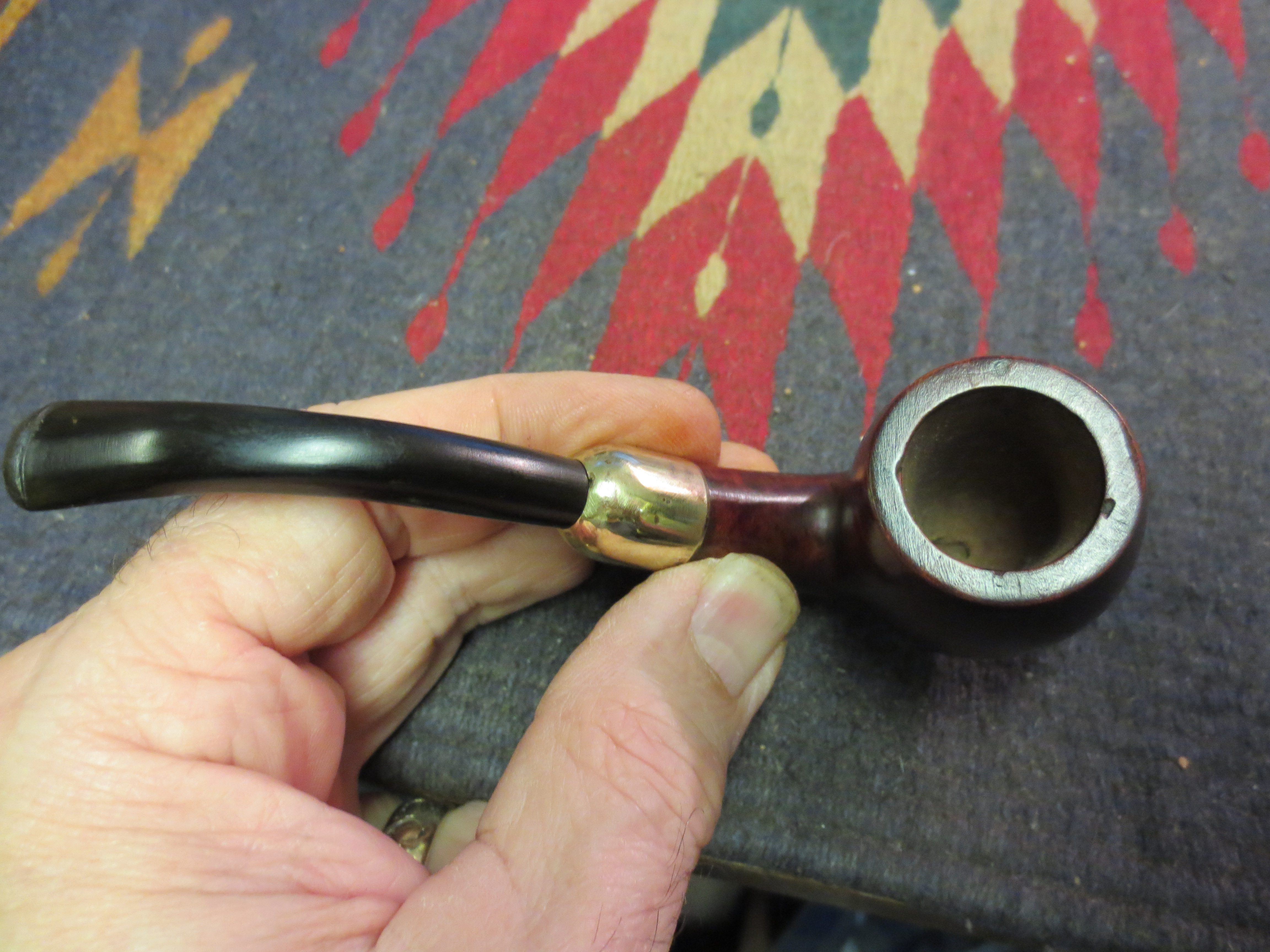
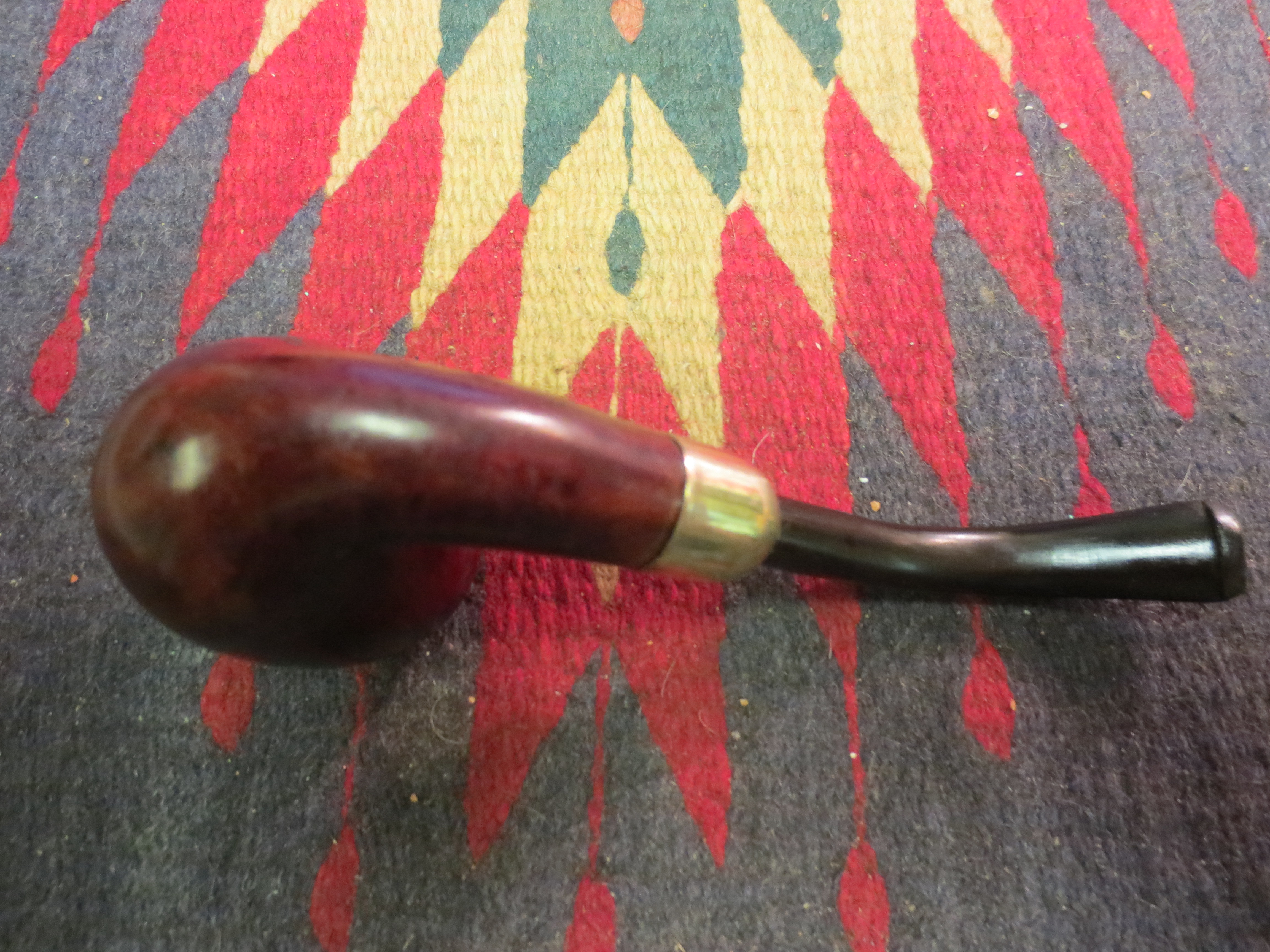
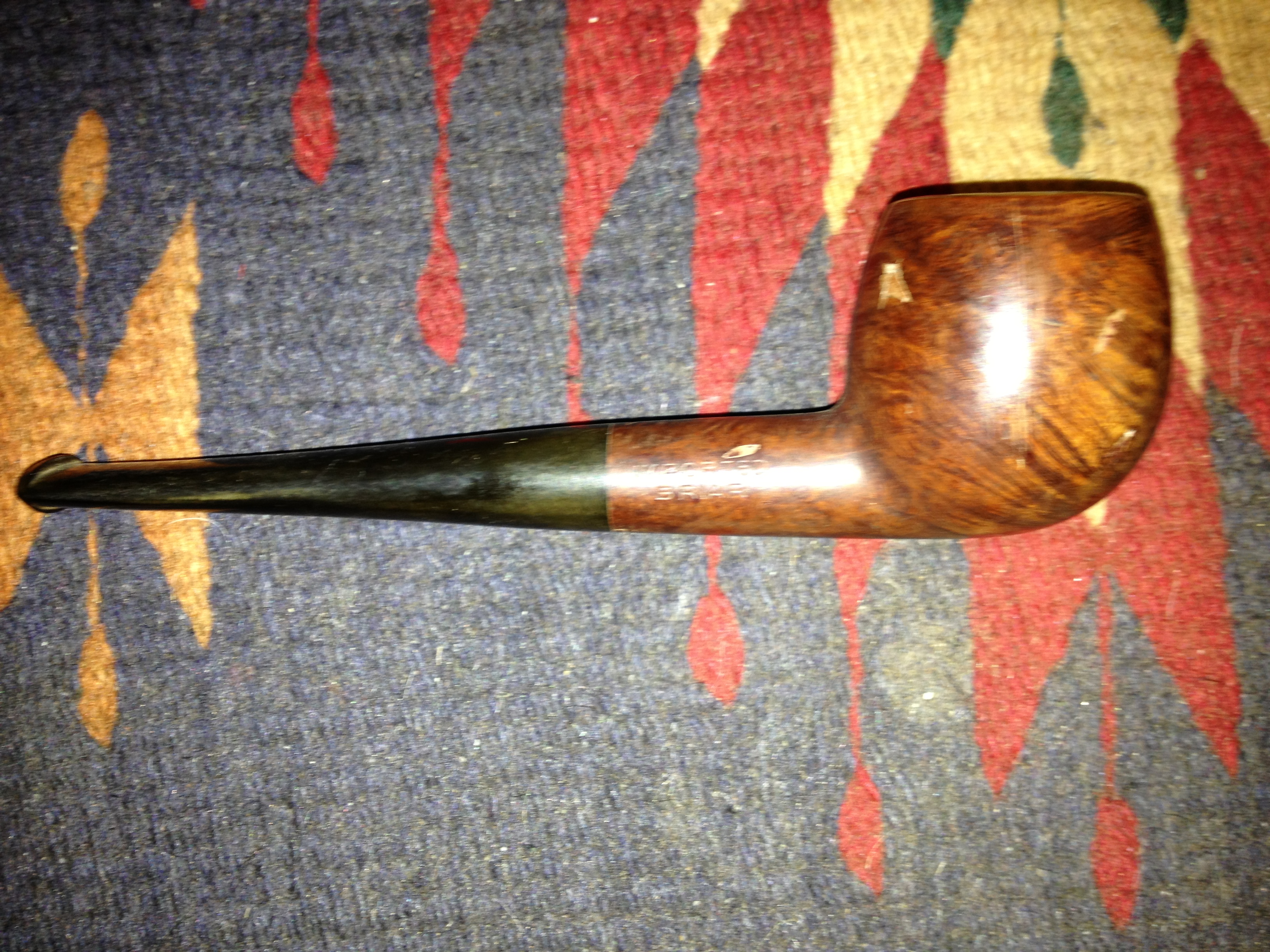
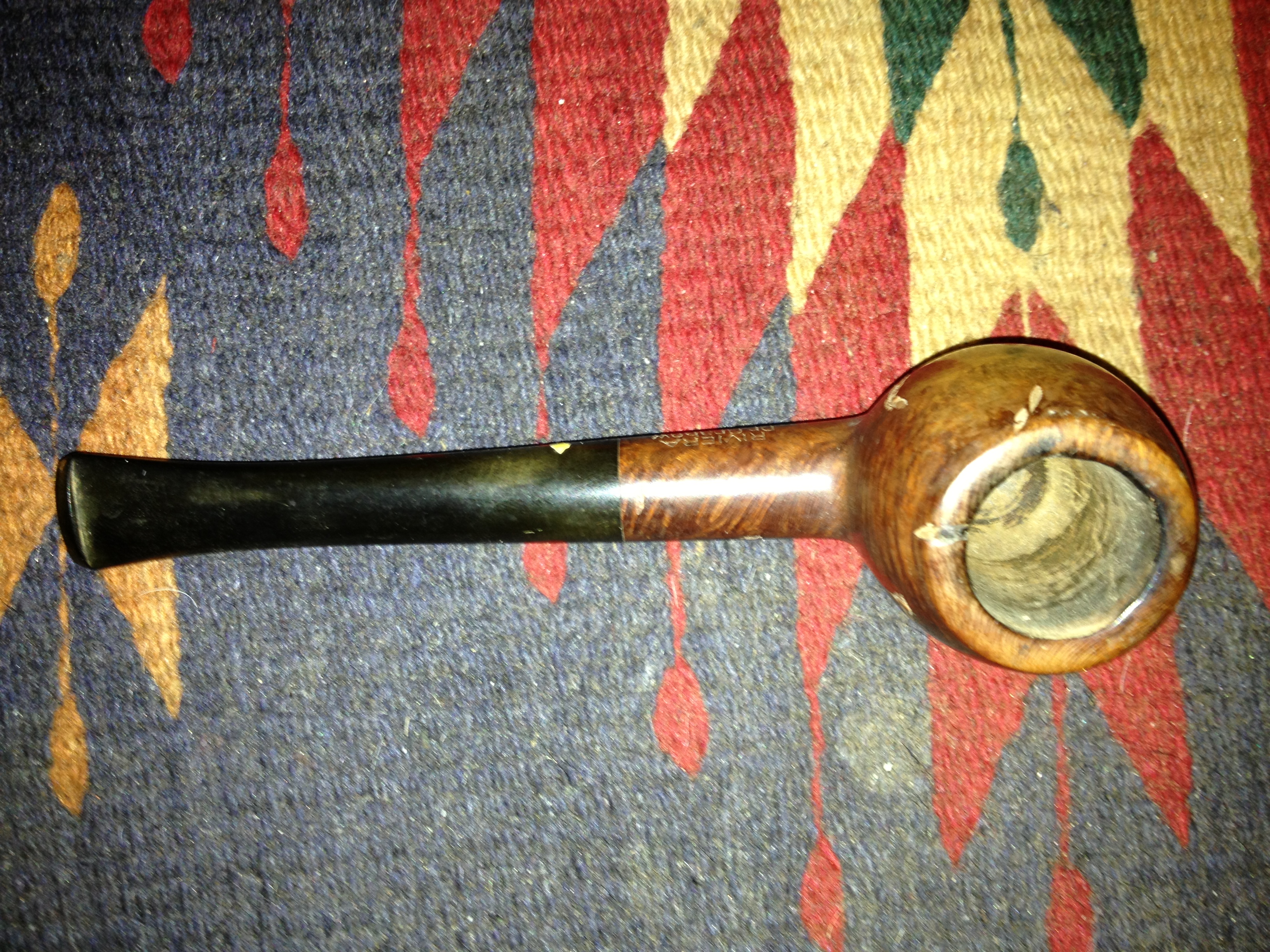
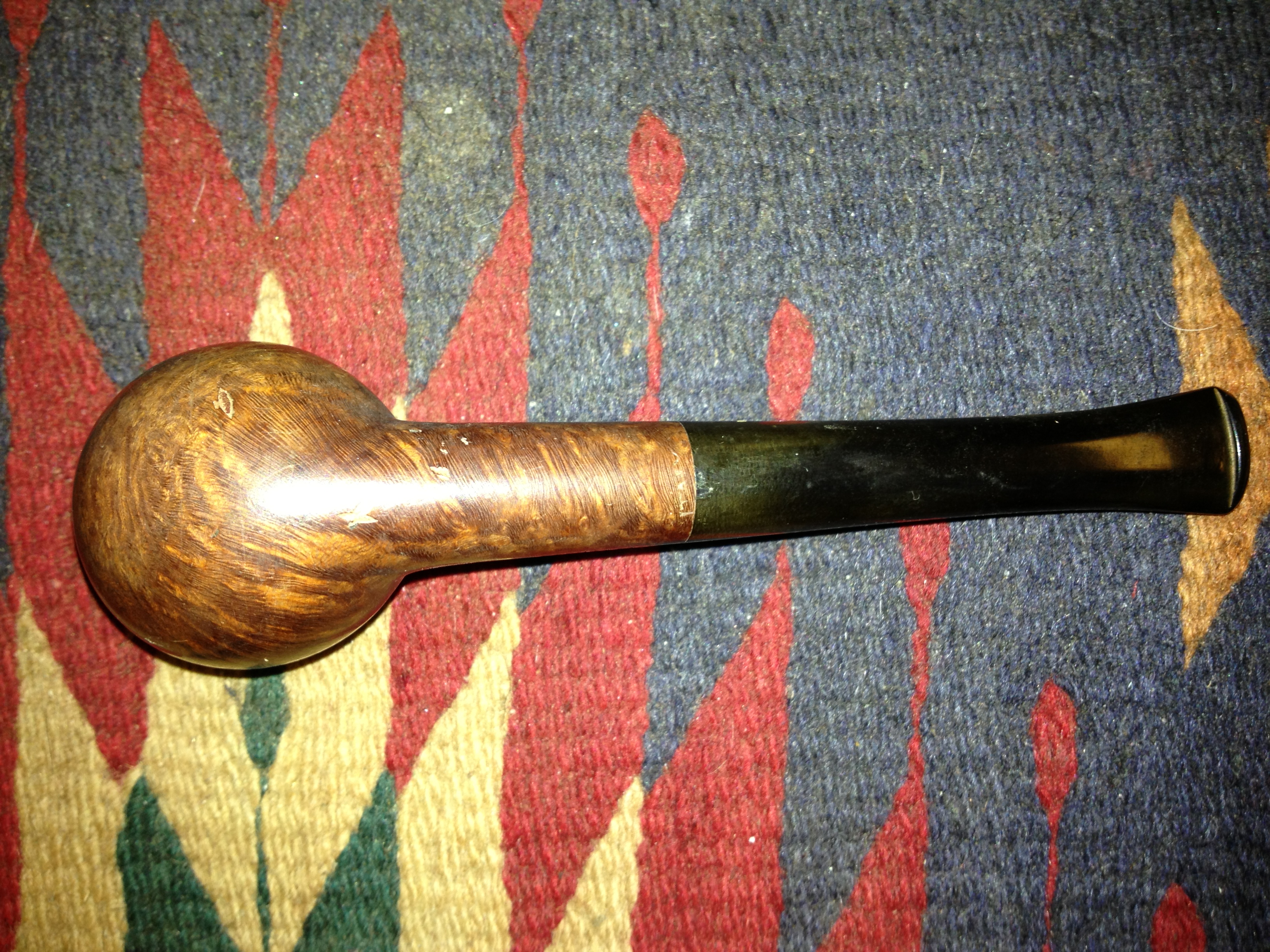
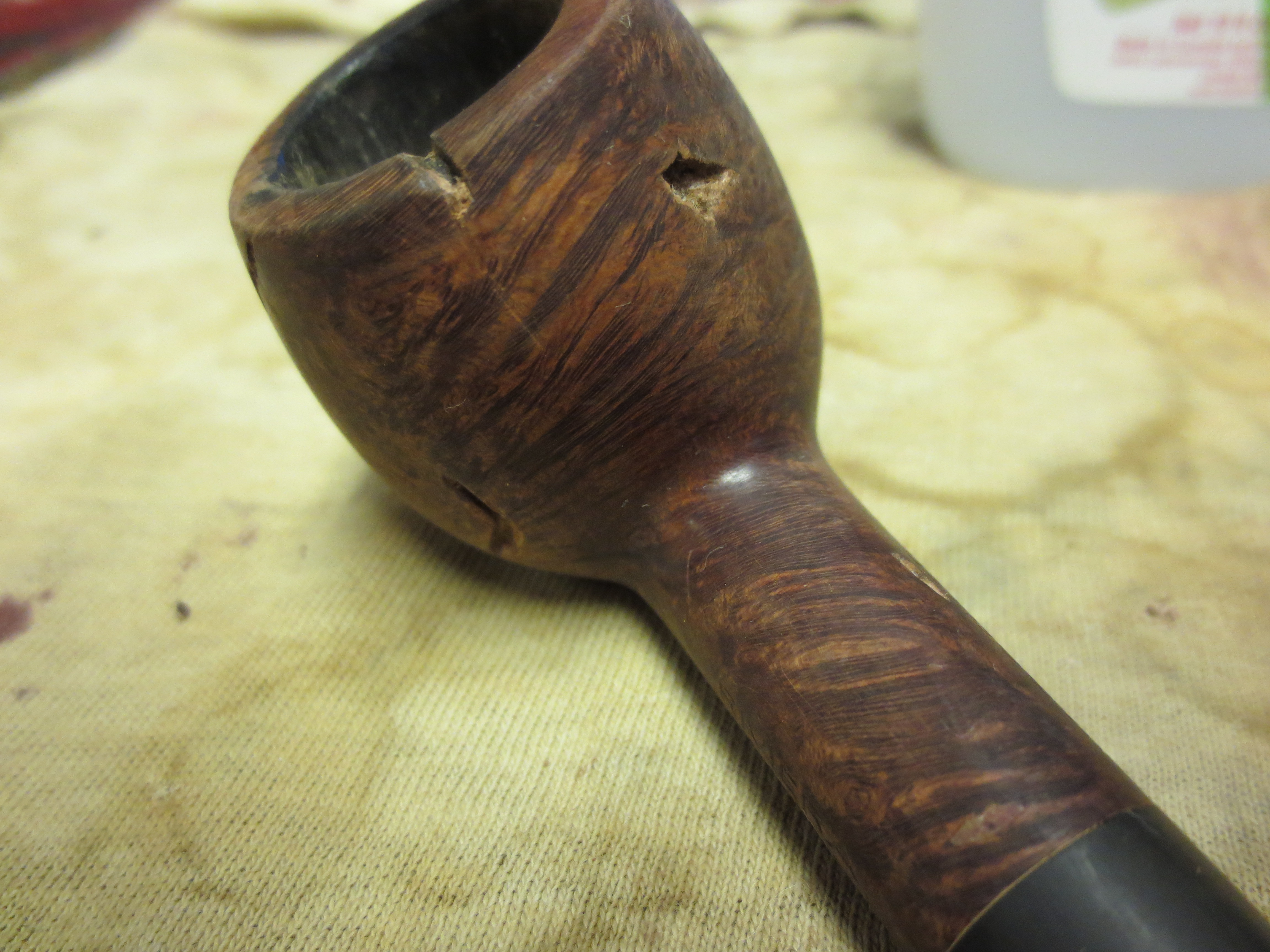
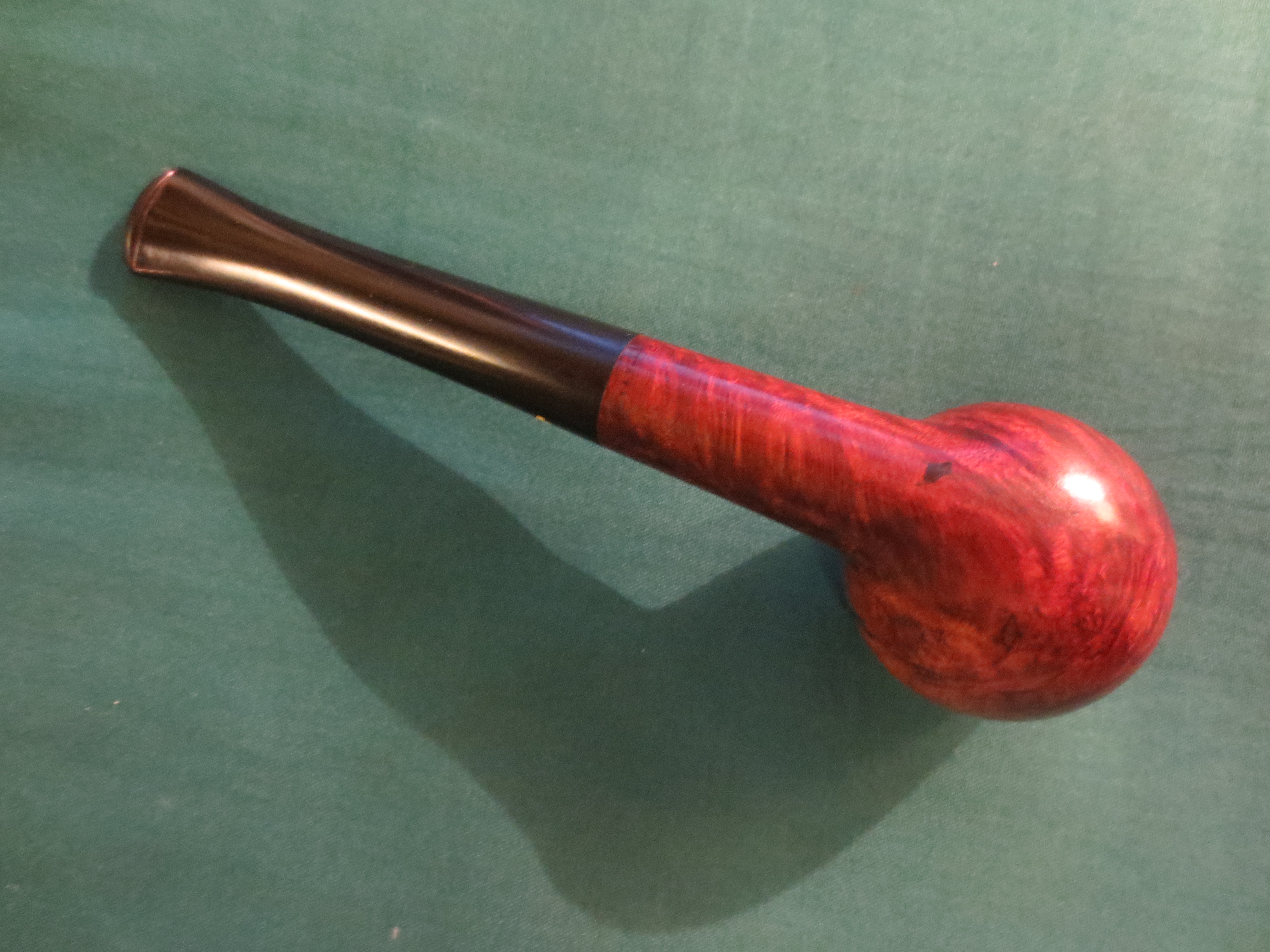
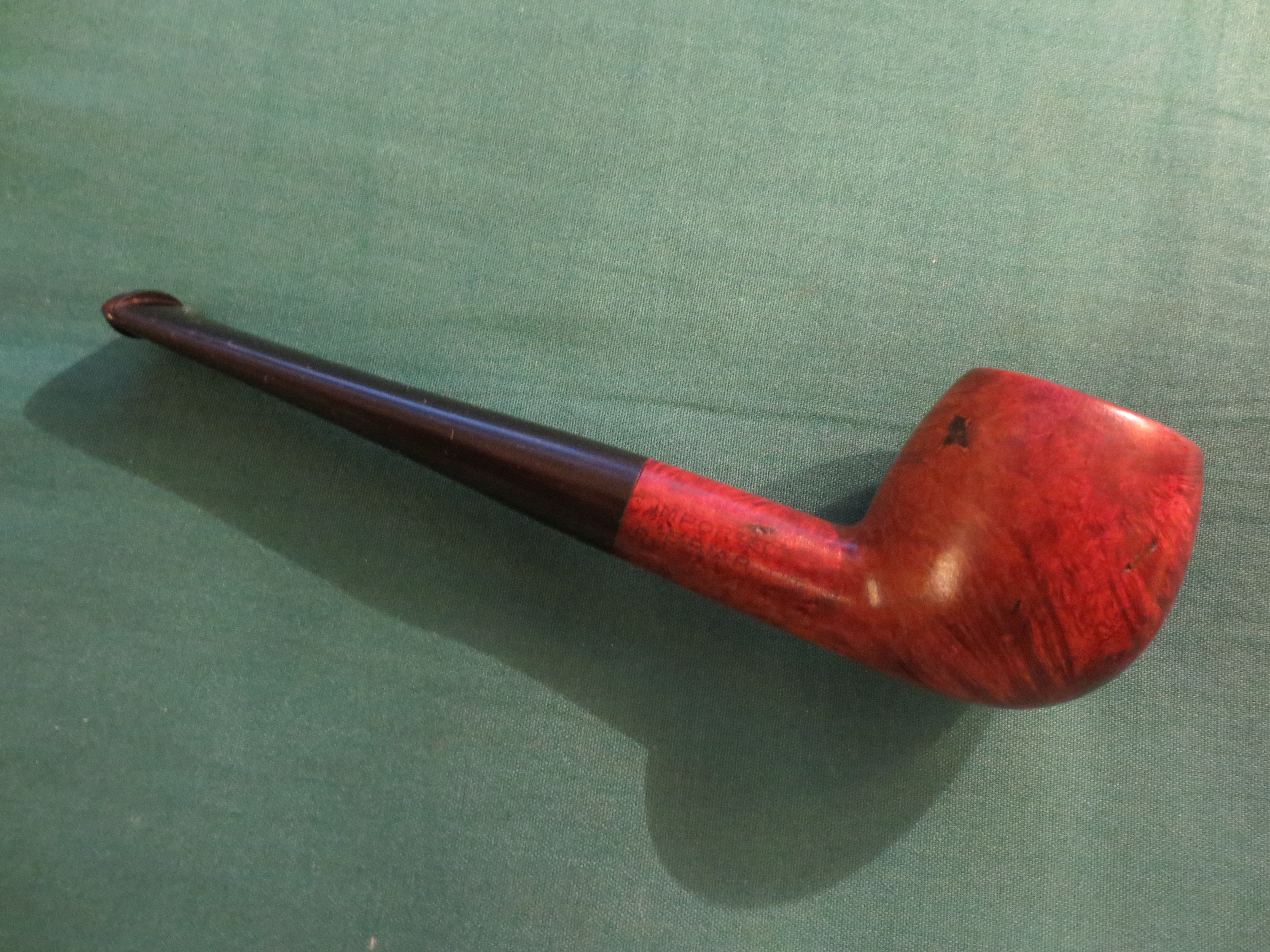
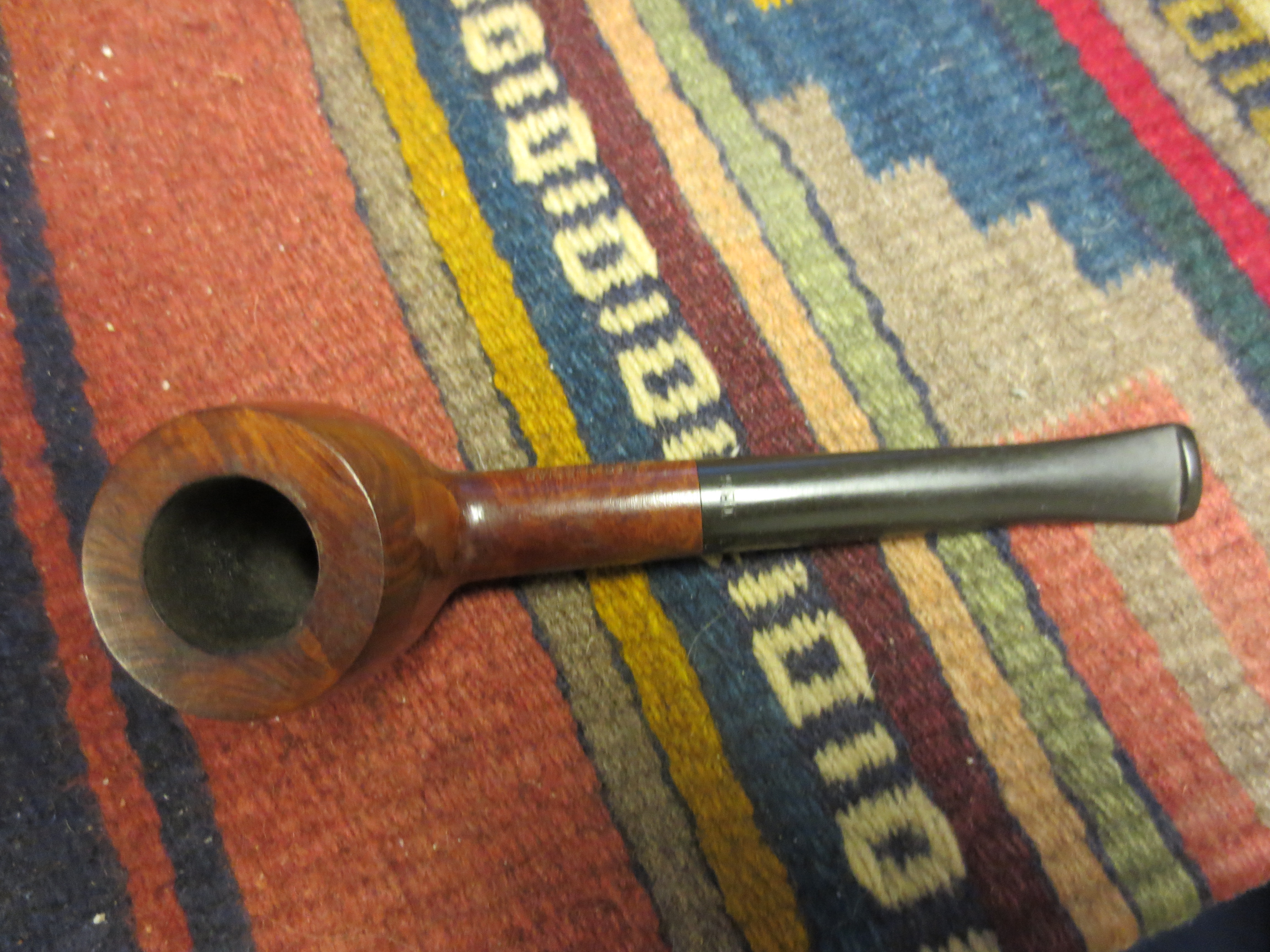
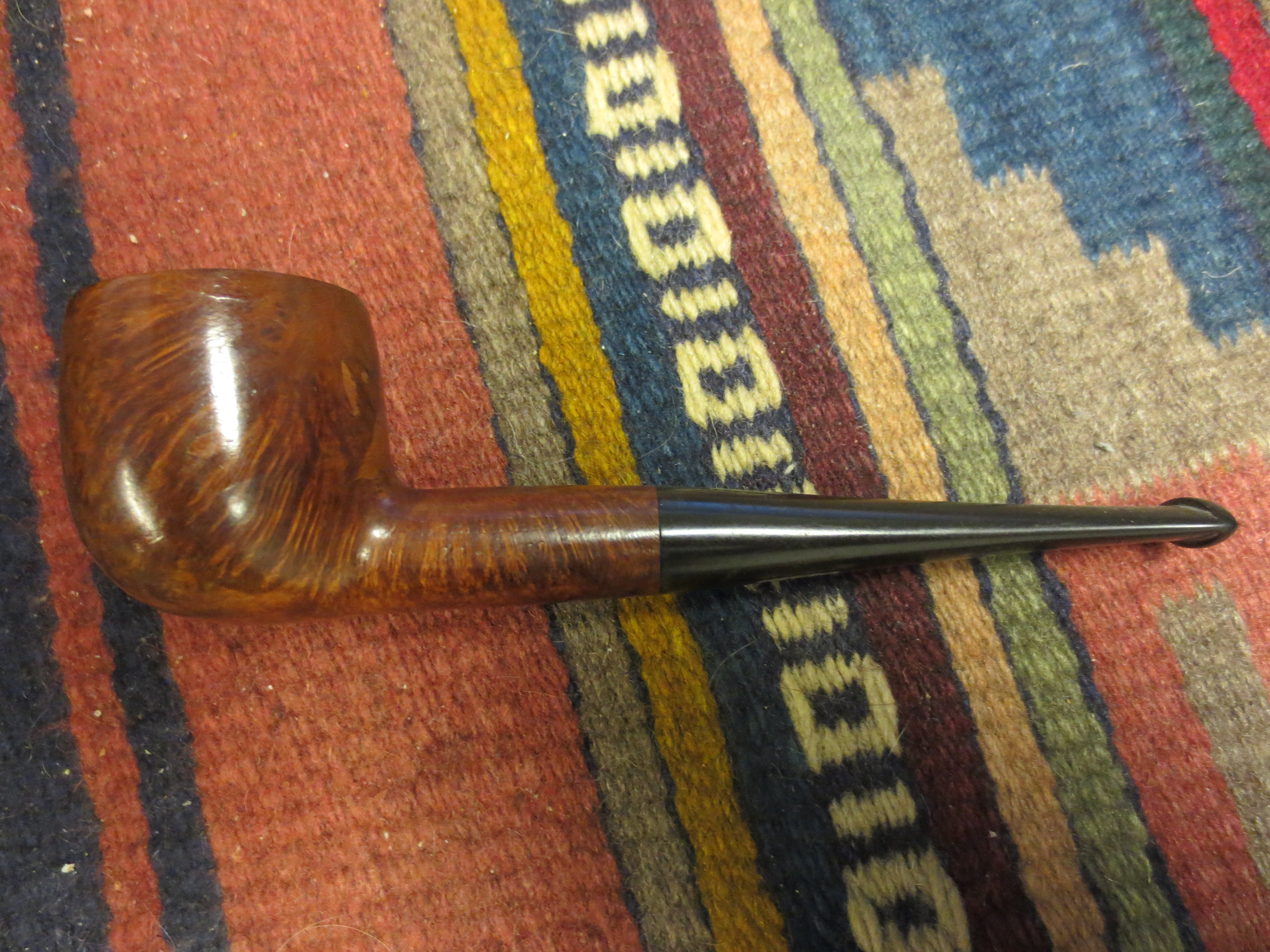
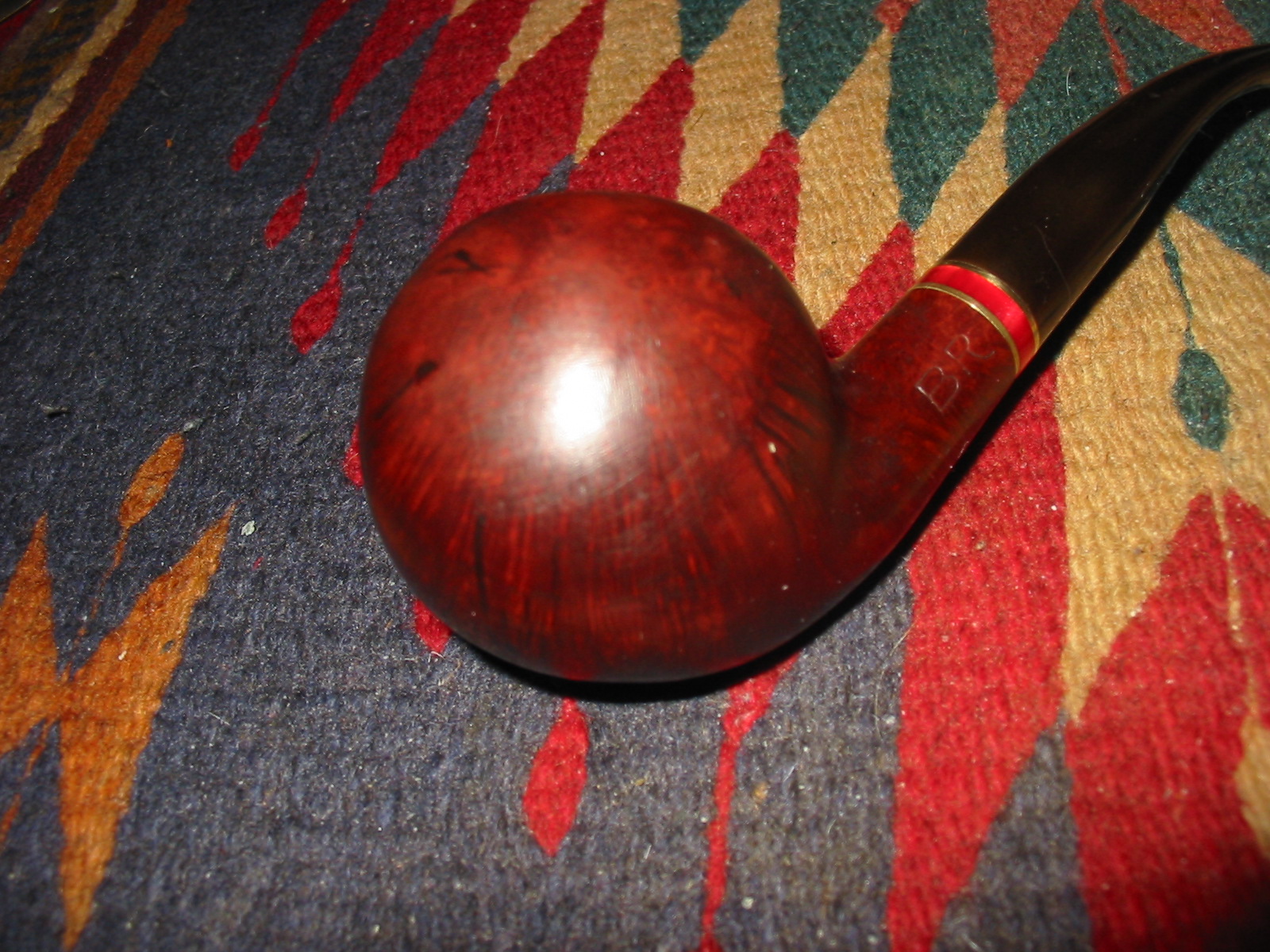
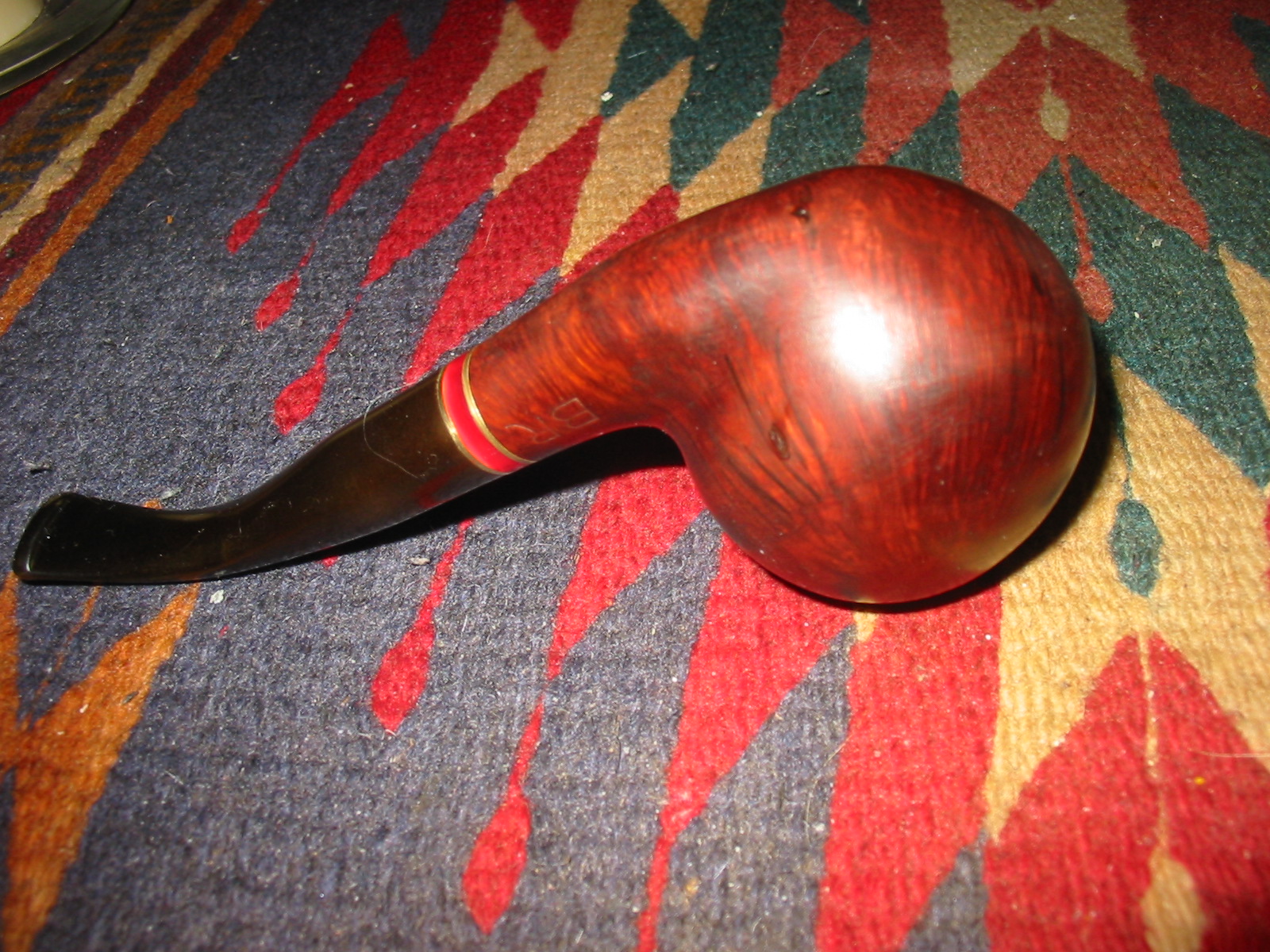
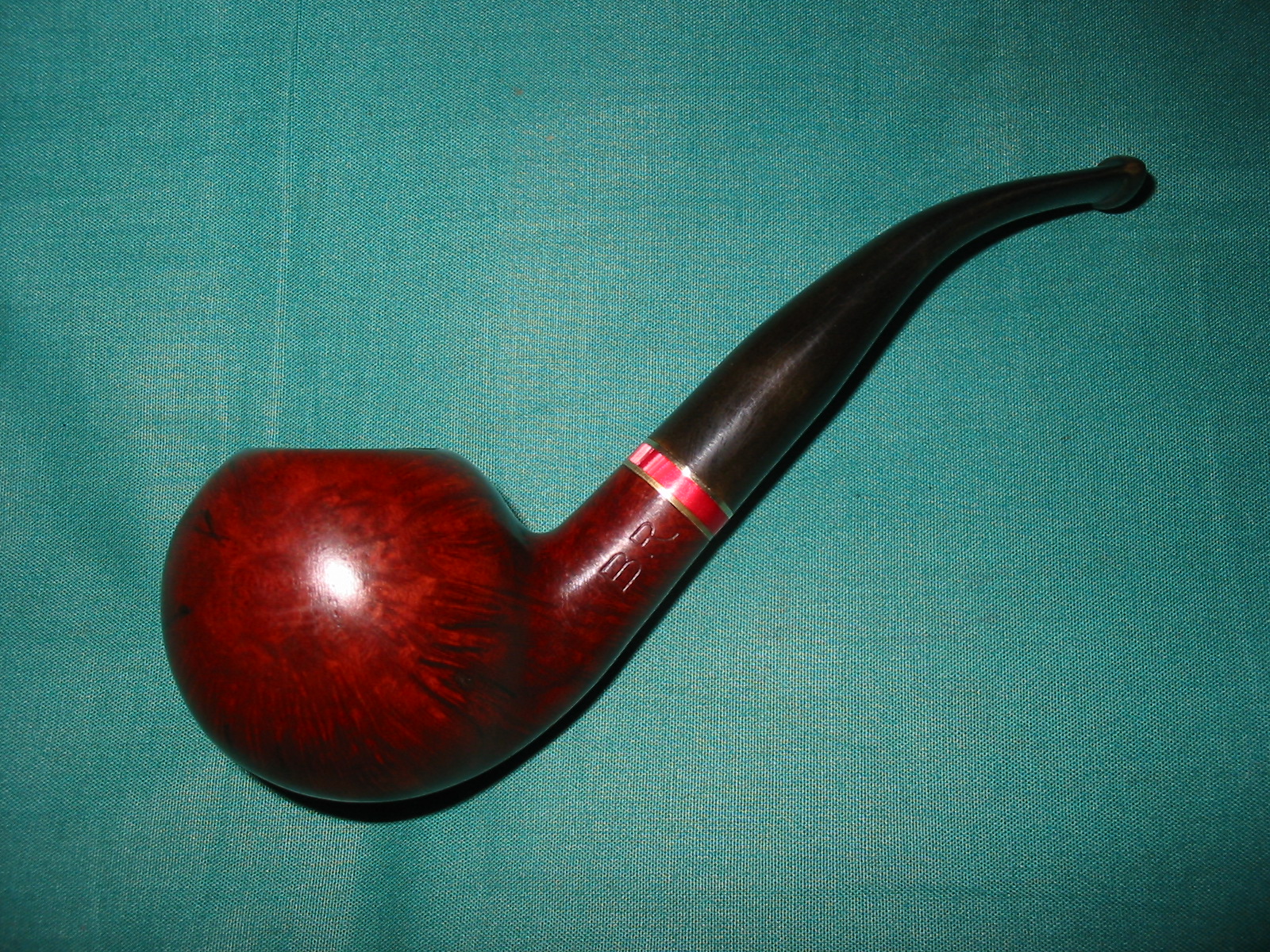
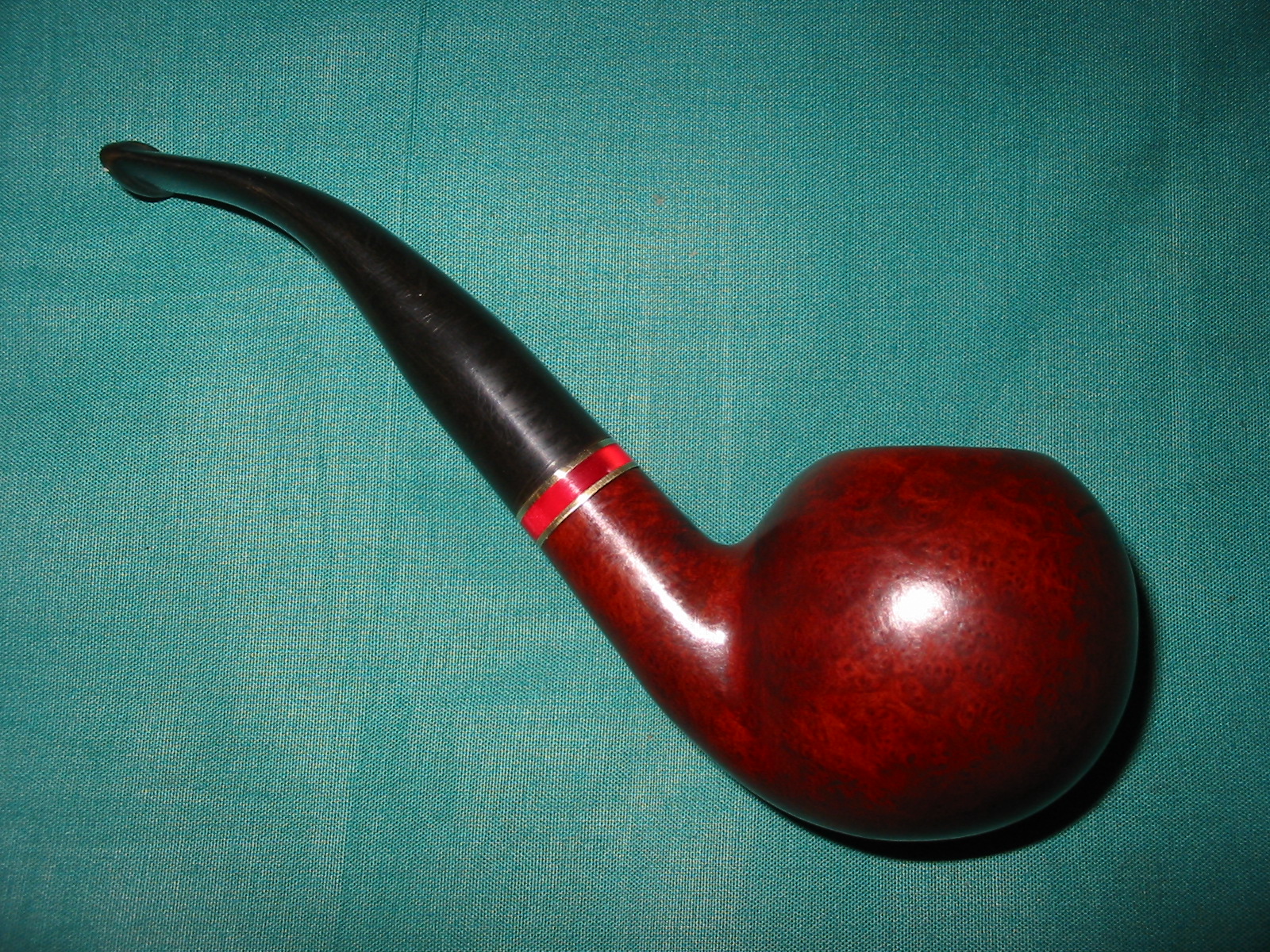
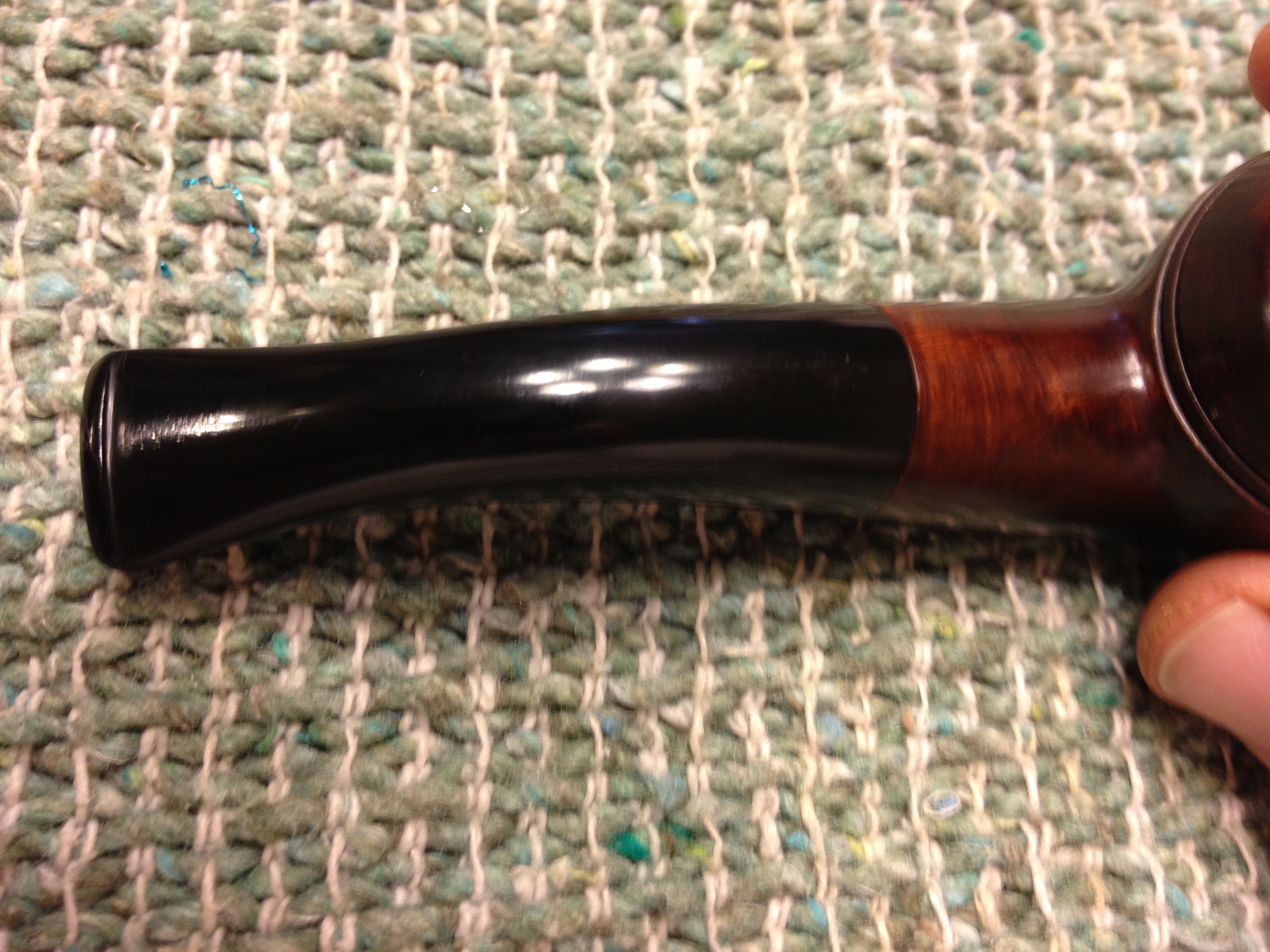
A Chairleg Style Stem on a Clubhouse Apple by GBD


Blog by Steve Laug

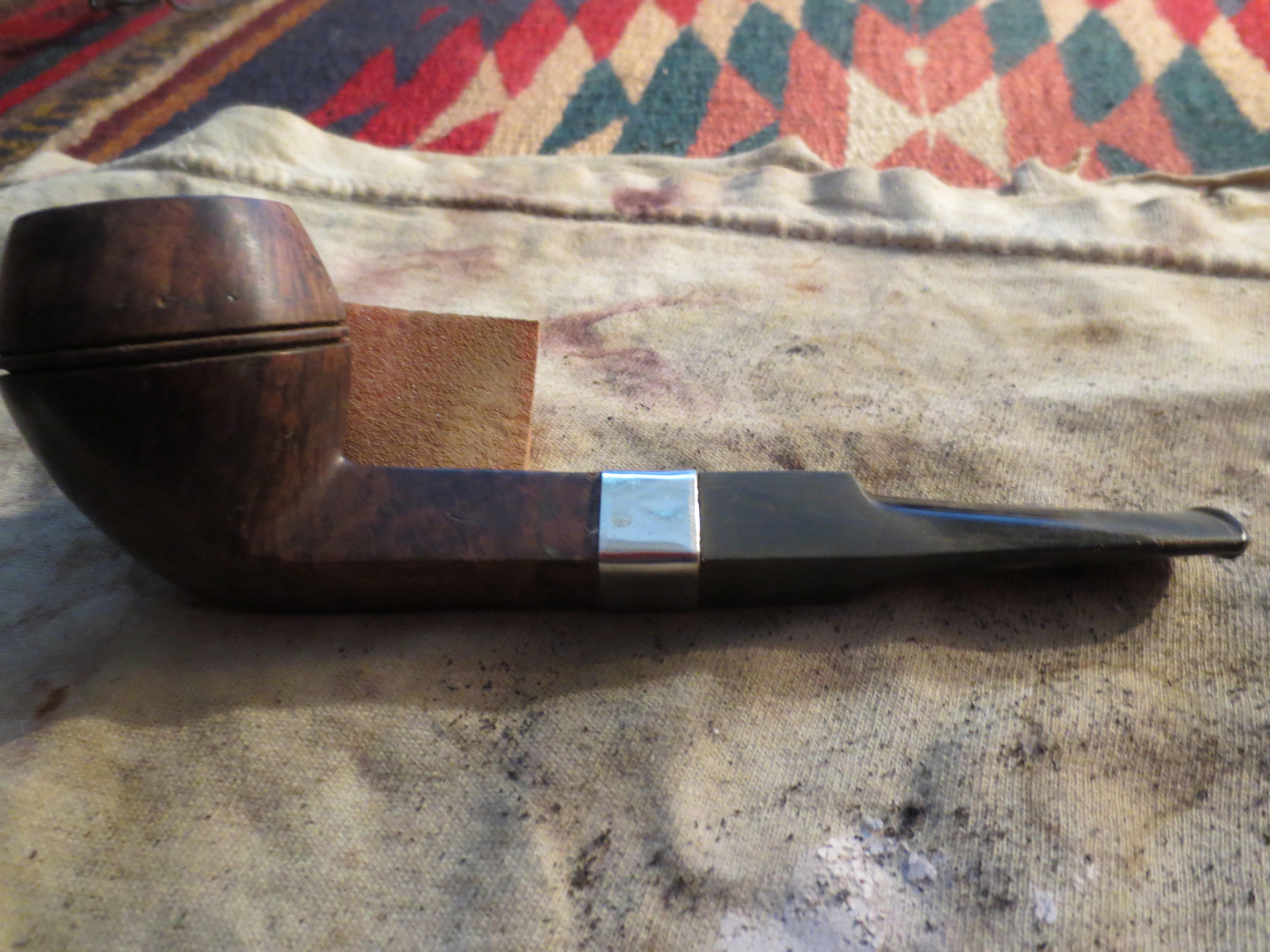
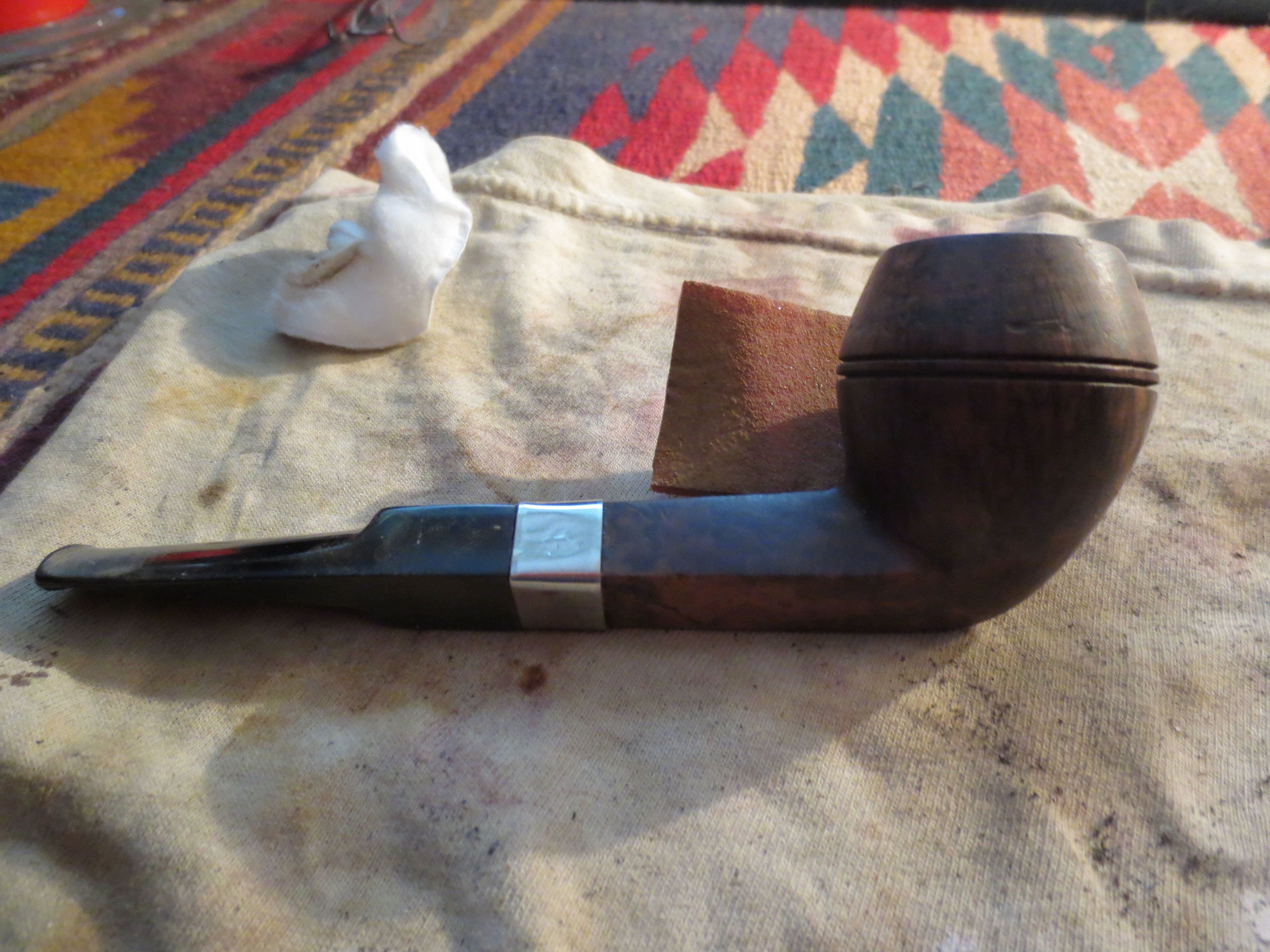
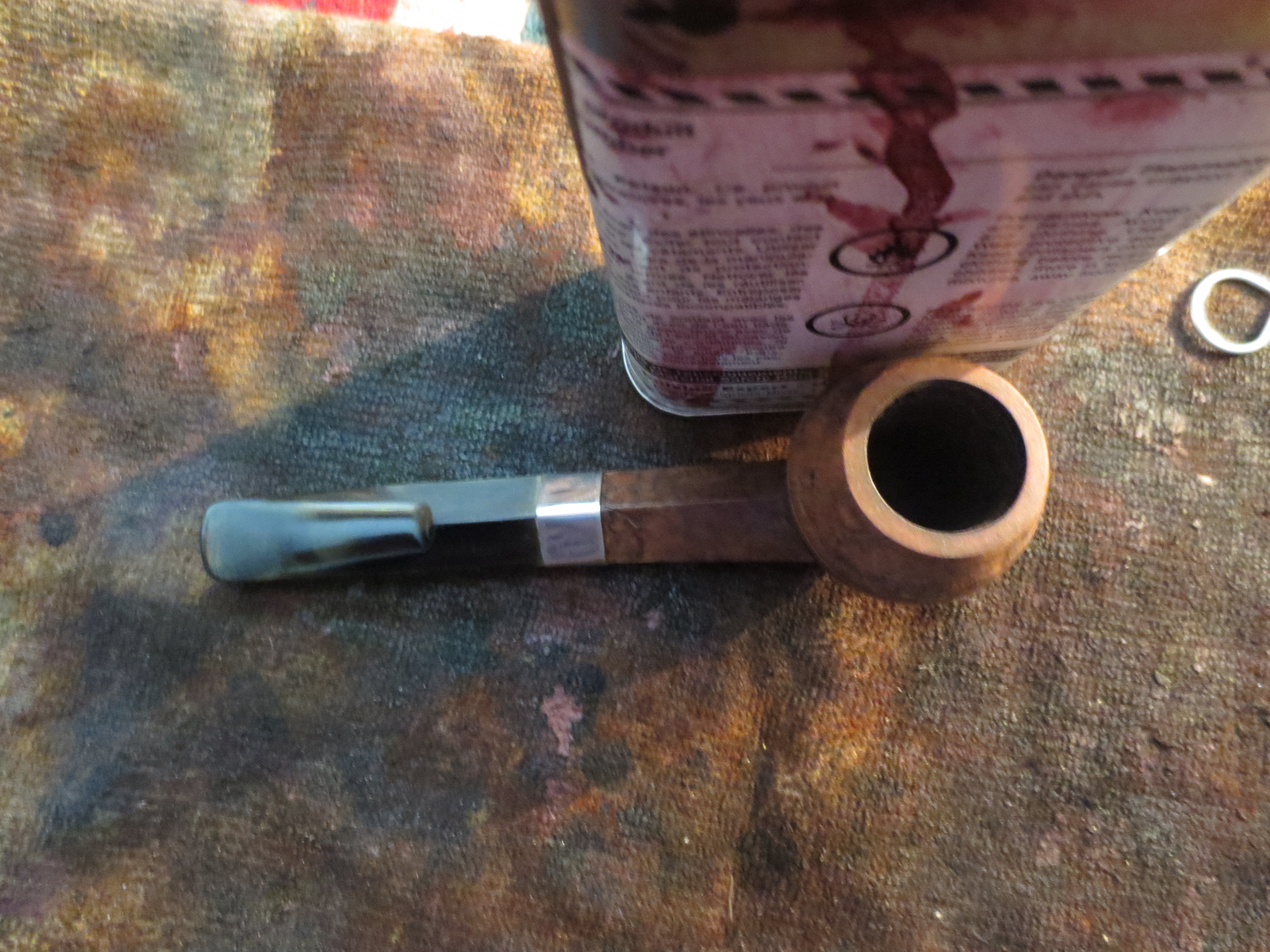
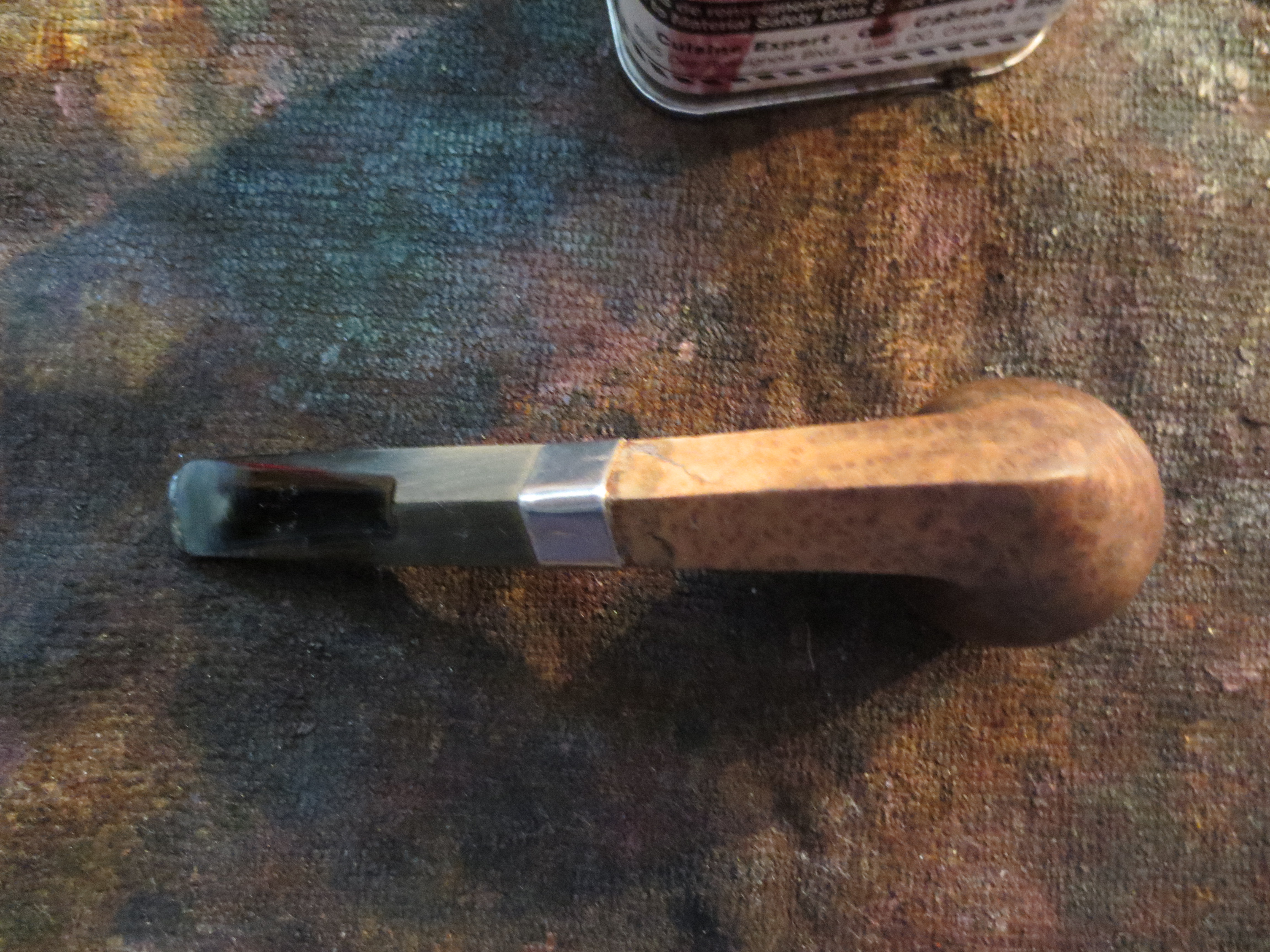
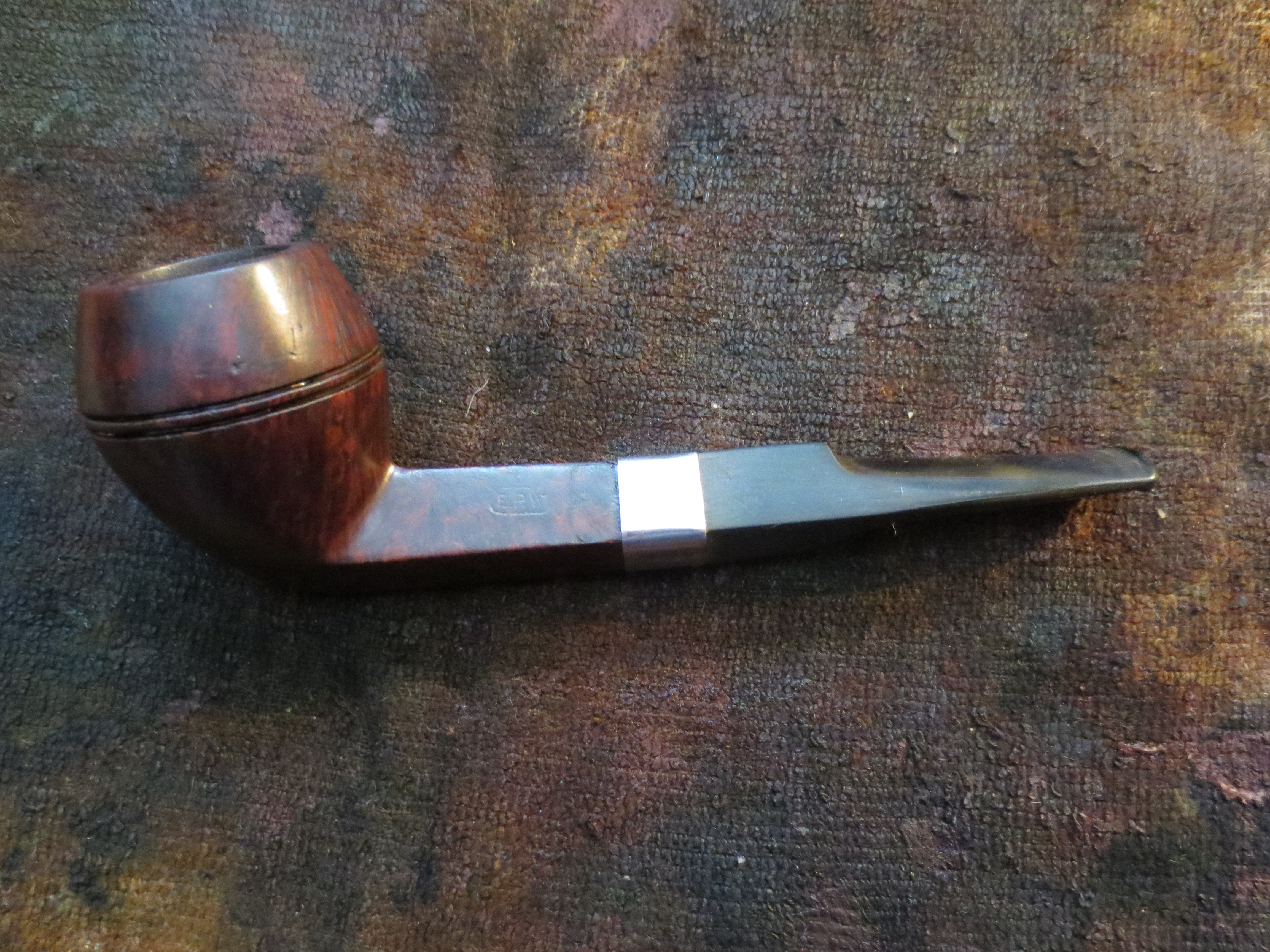
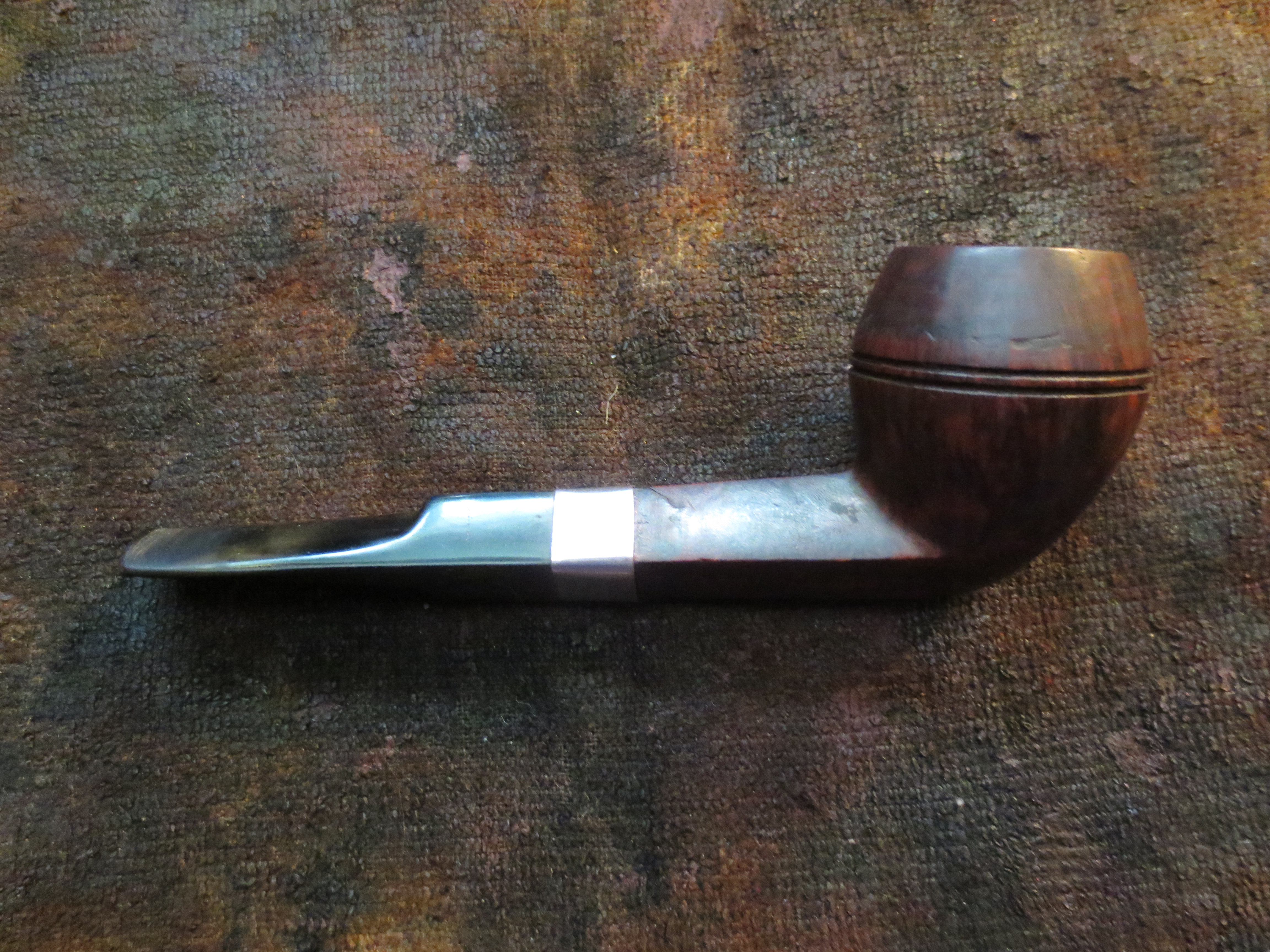
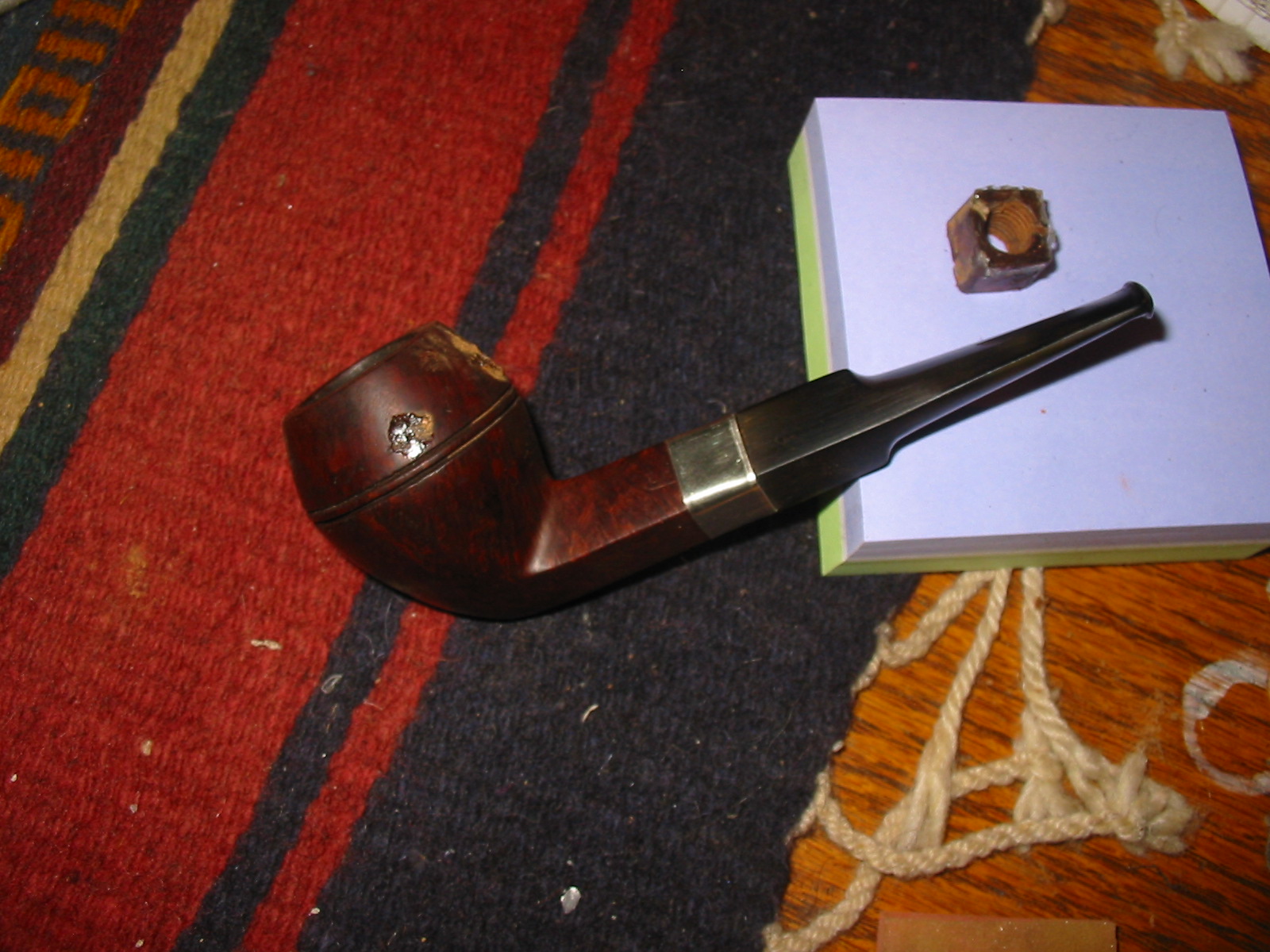
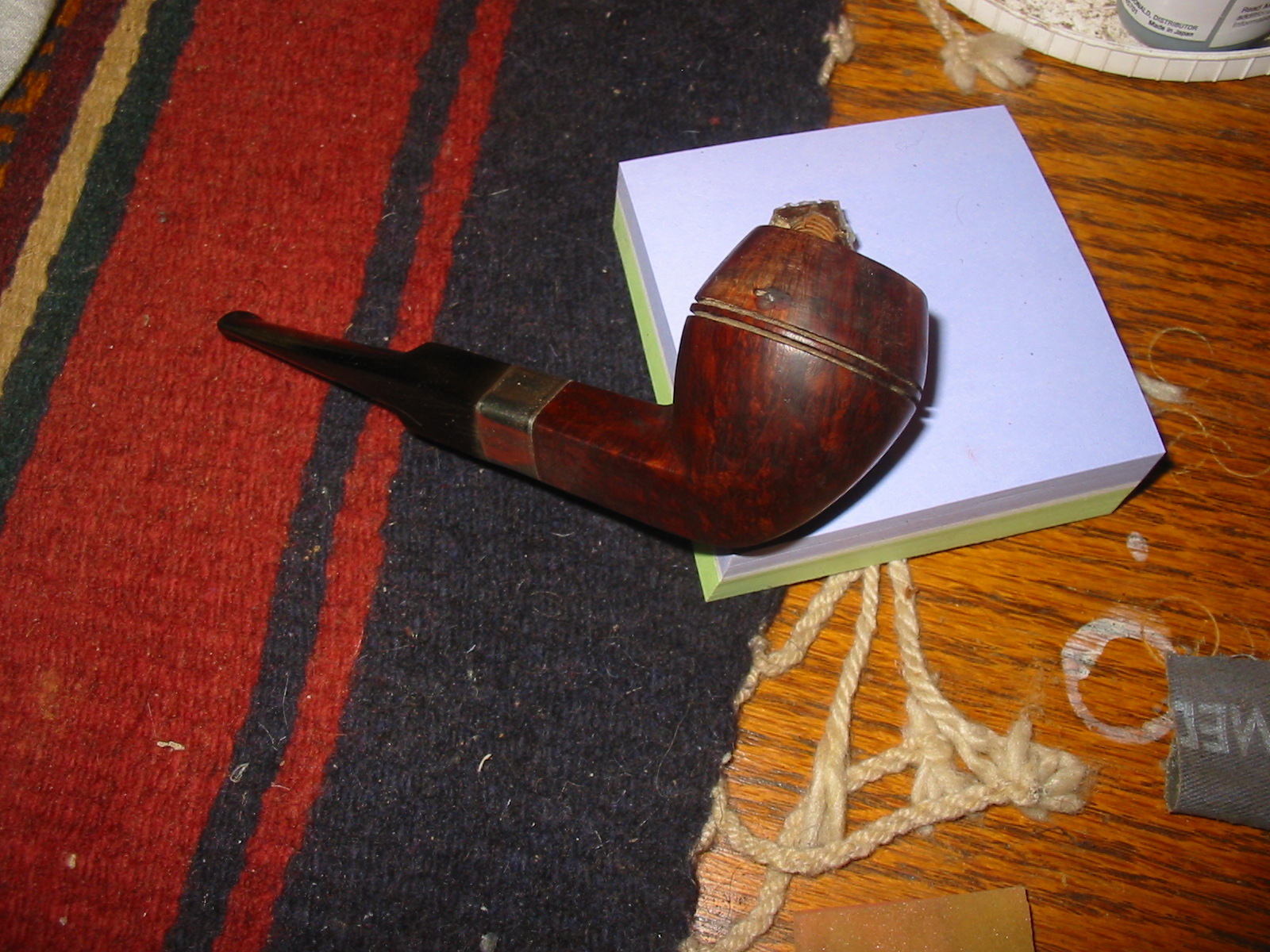
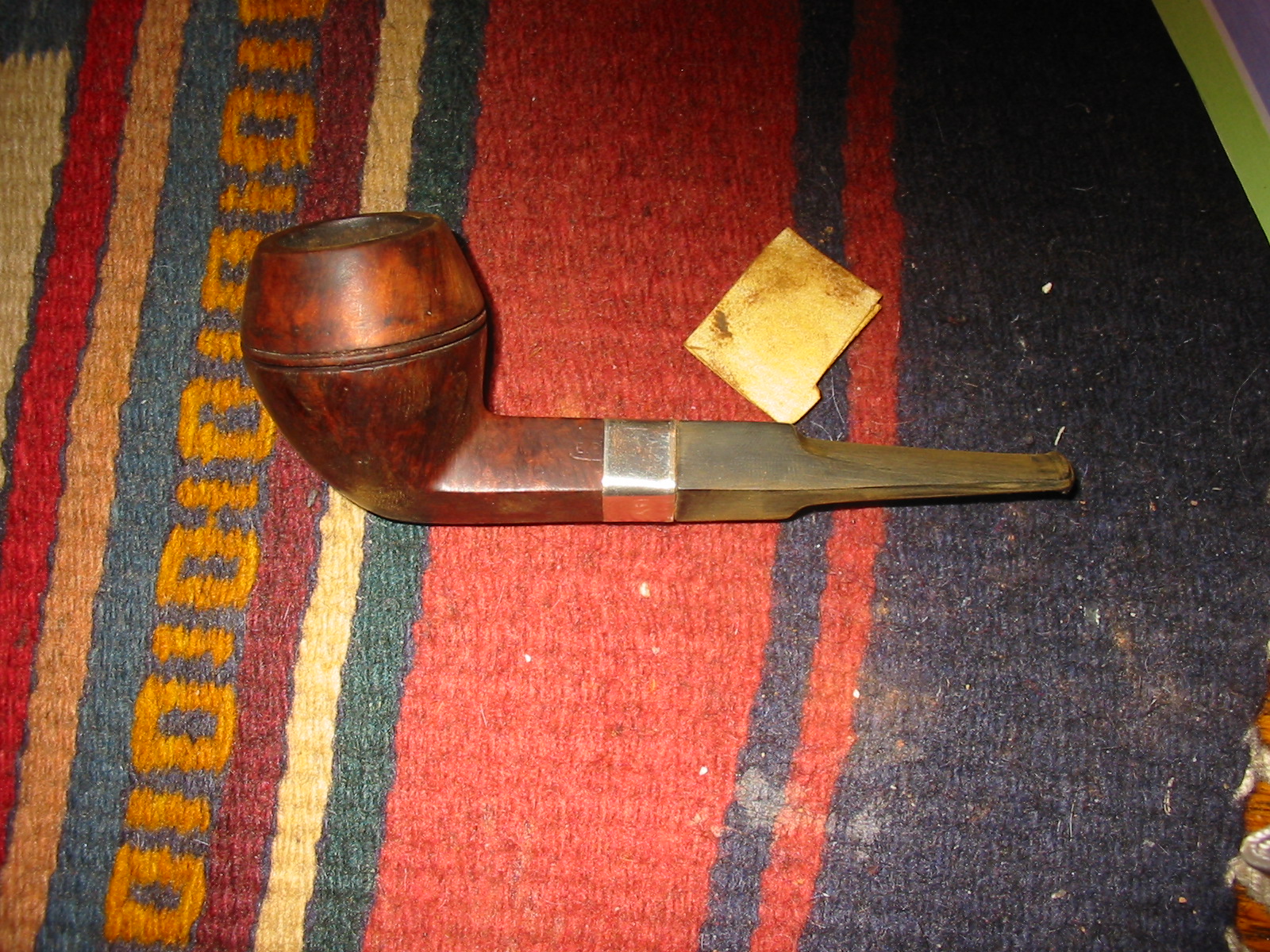
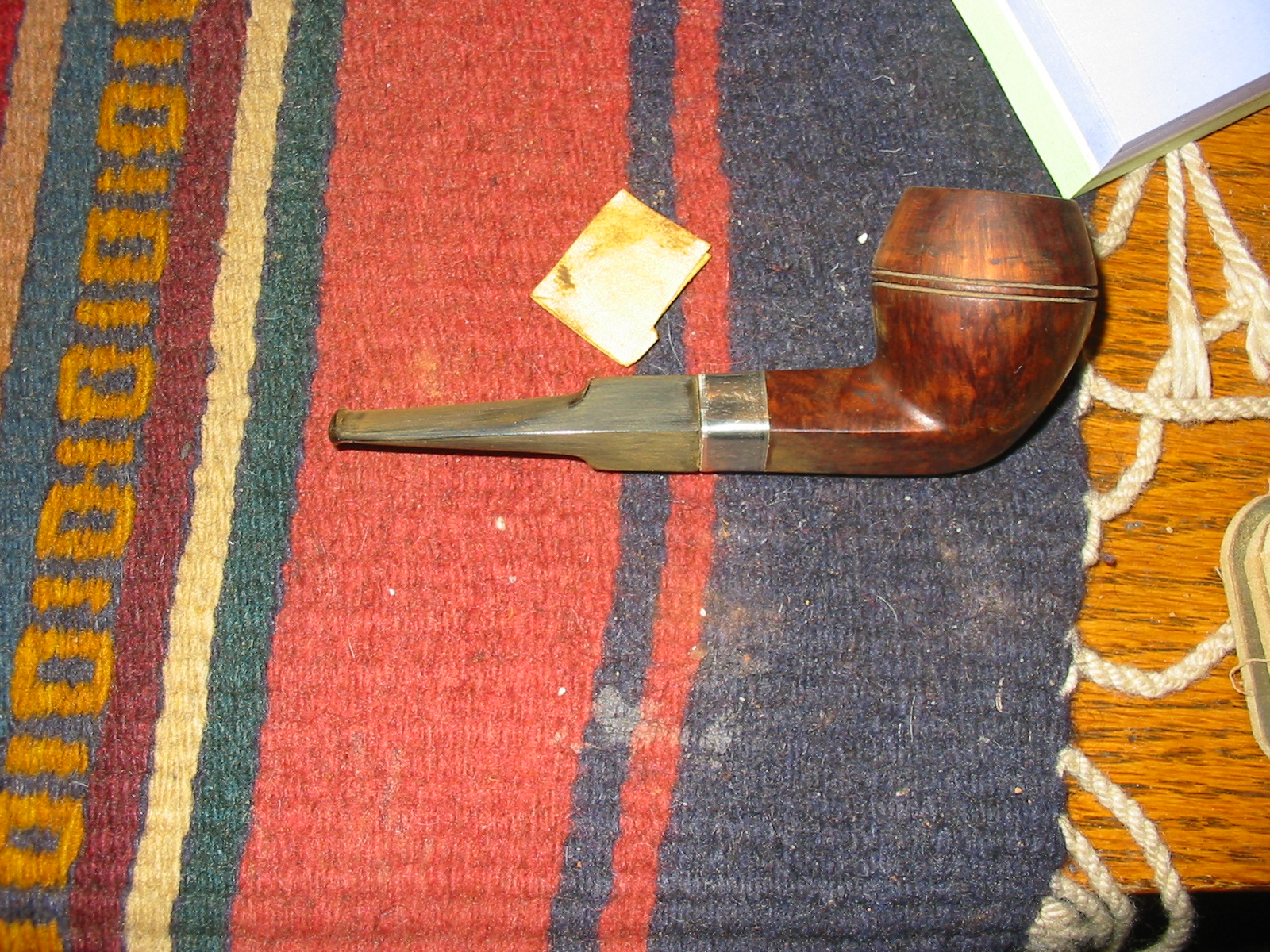
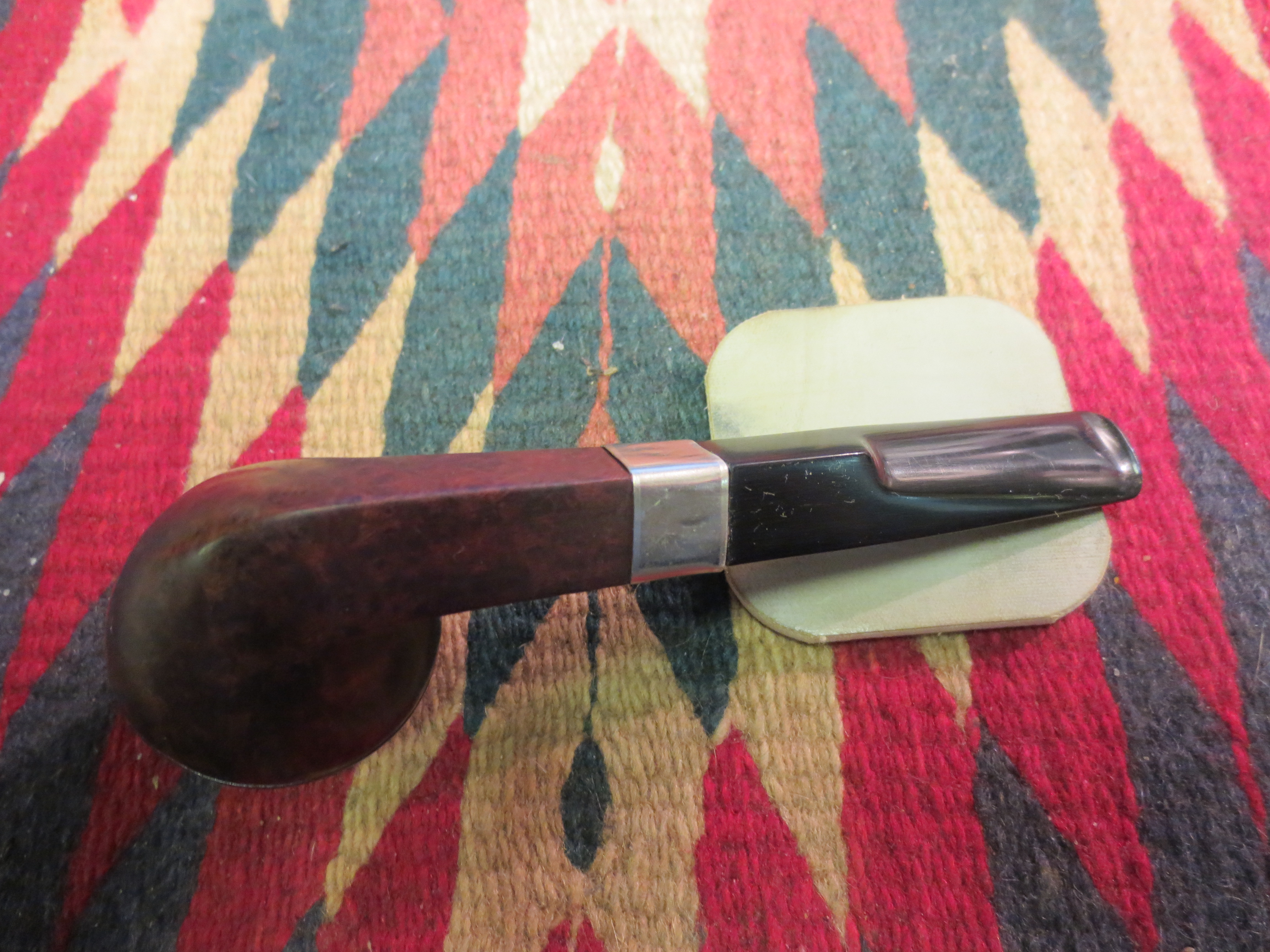
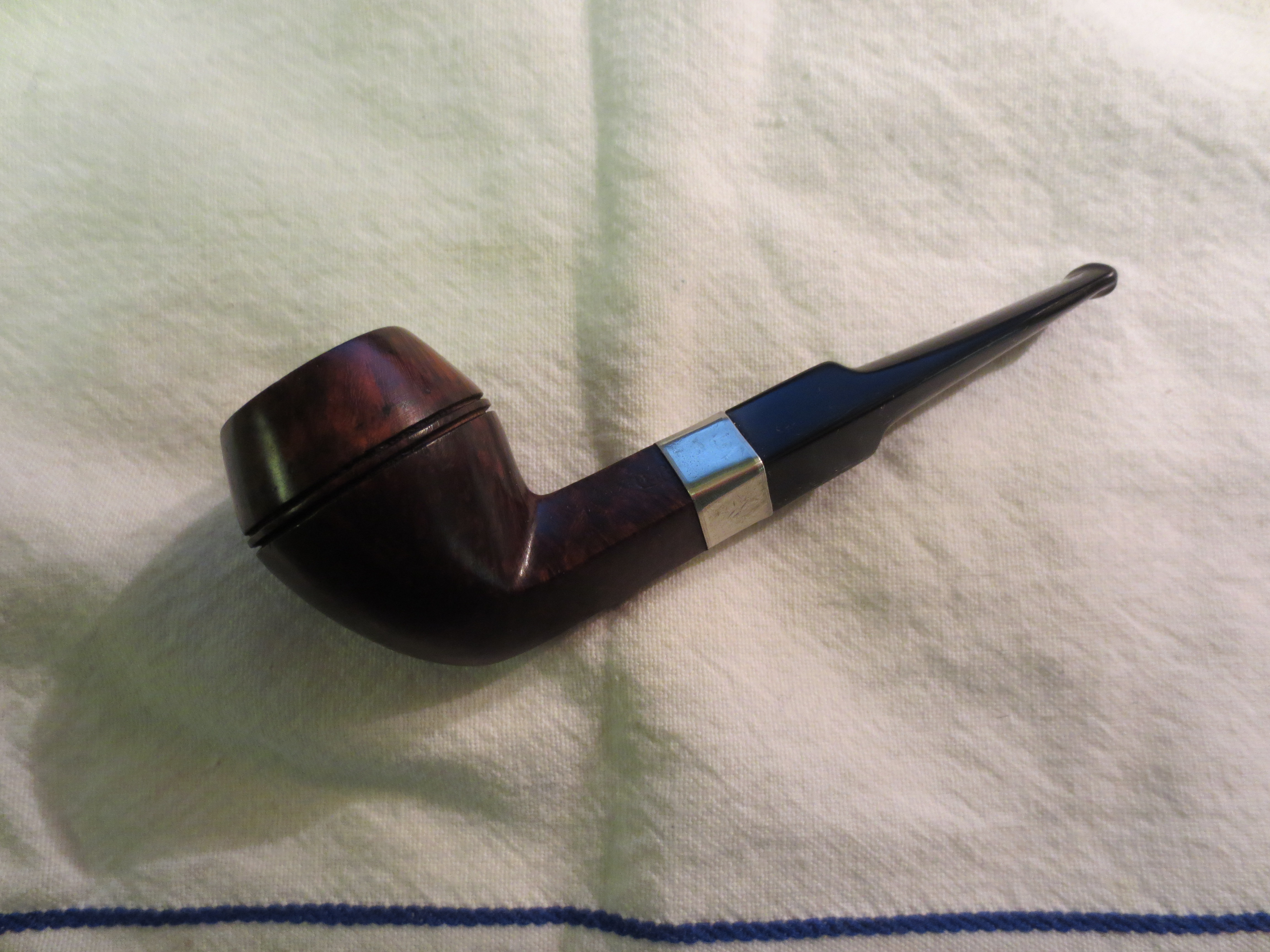
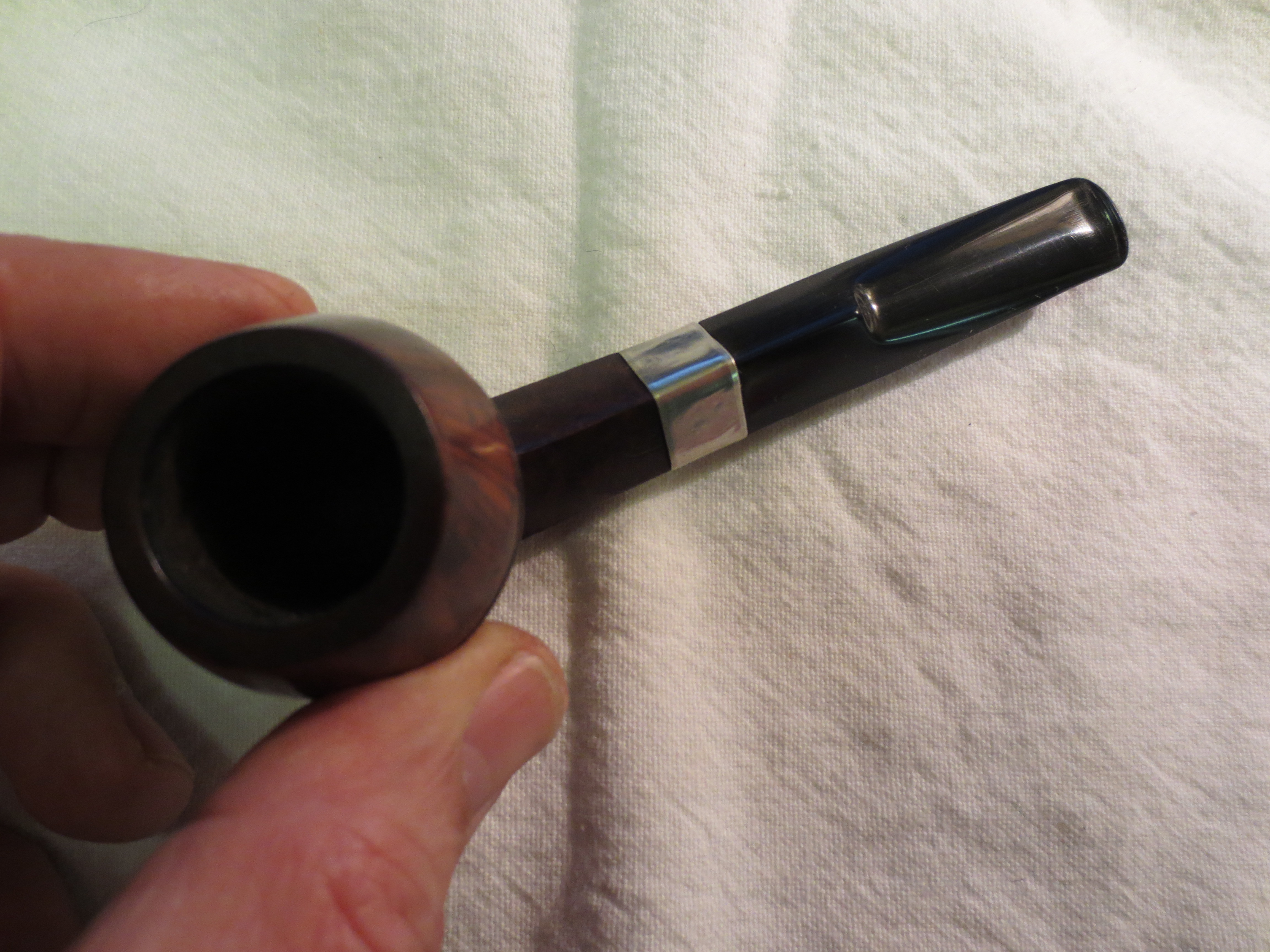
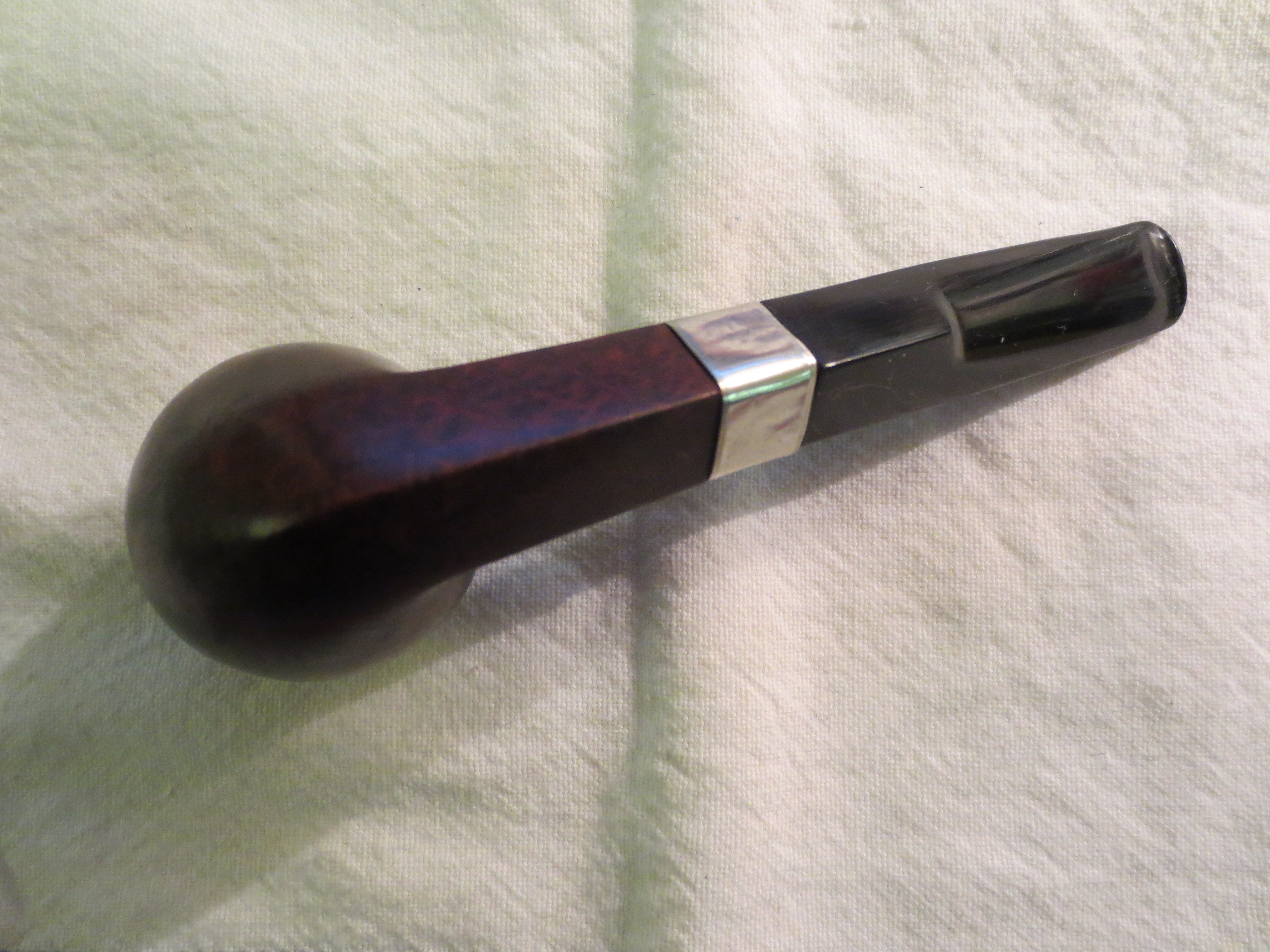
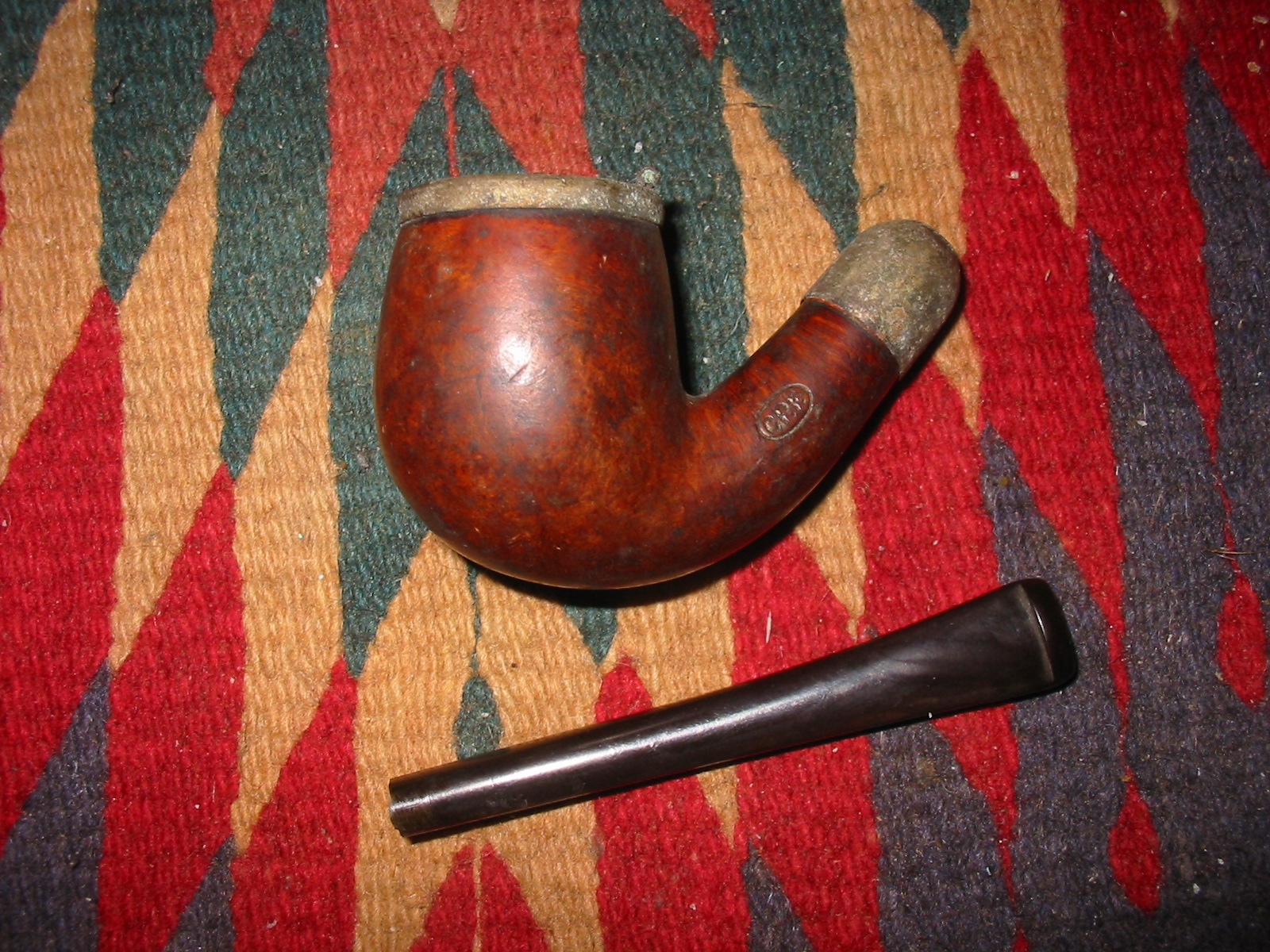
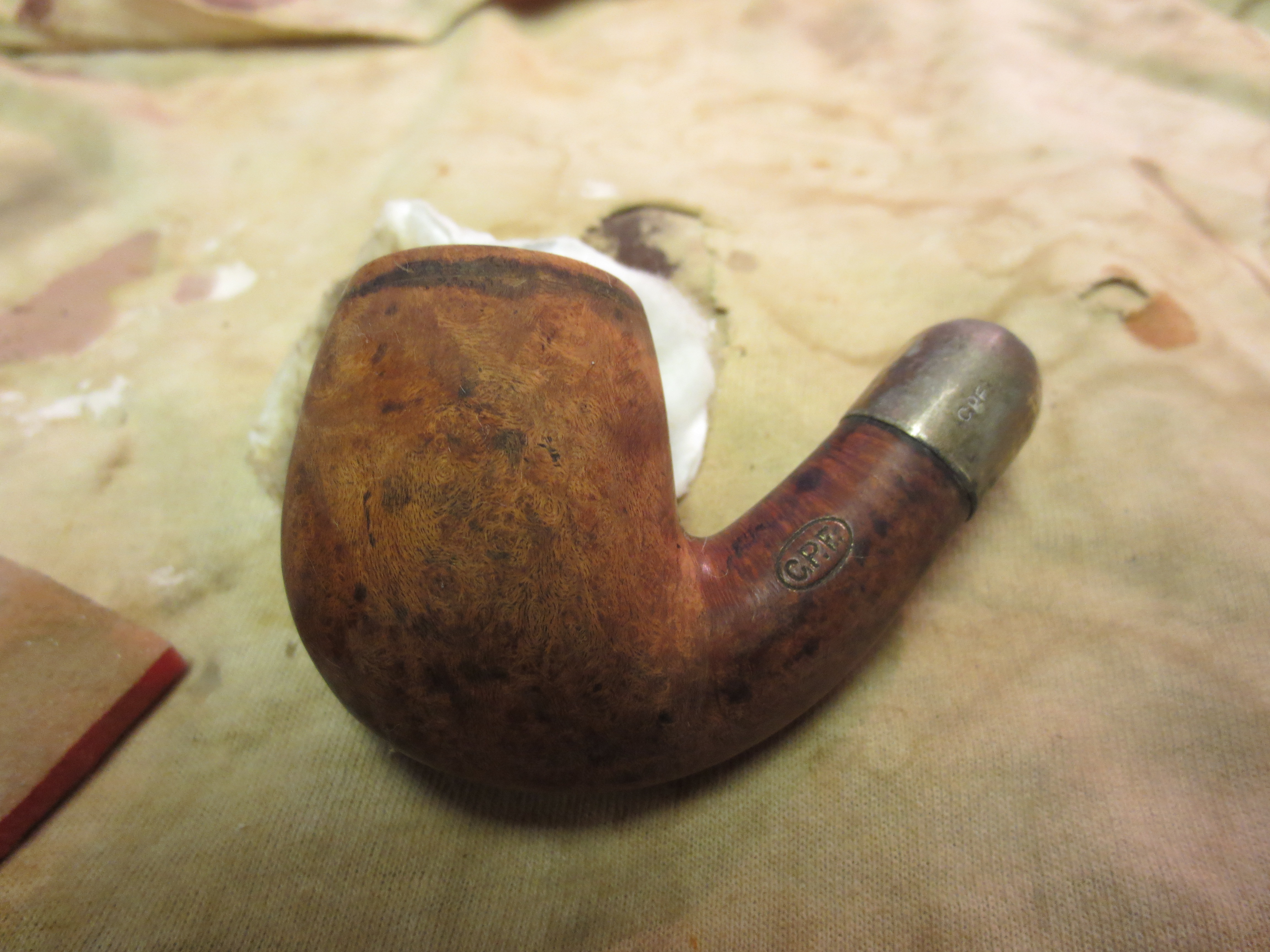
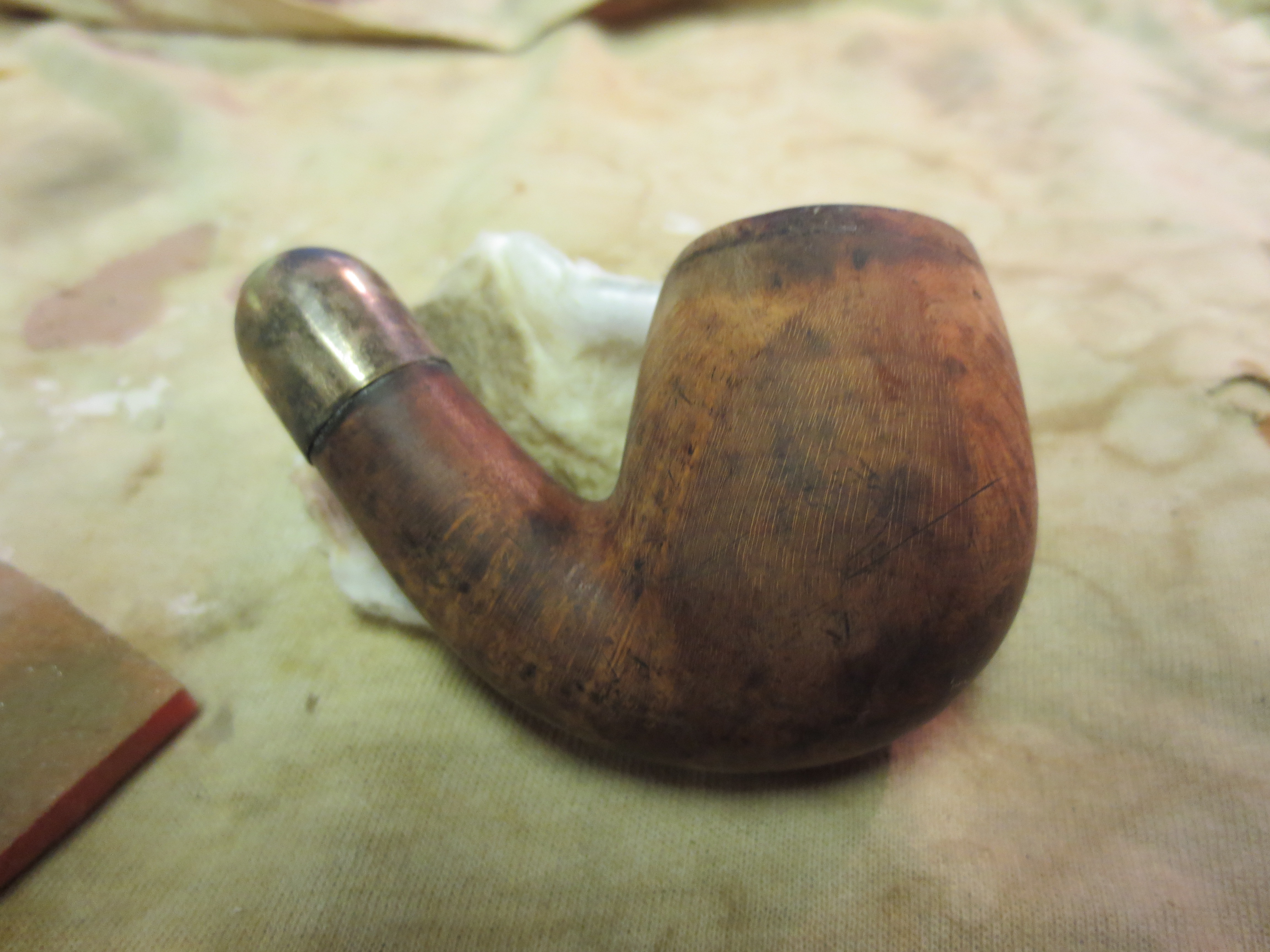
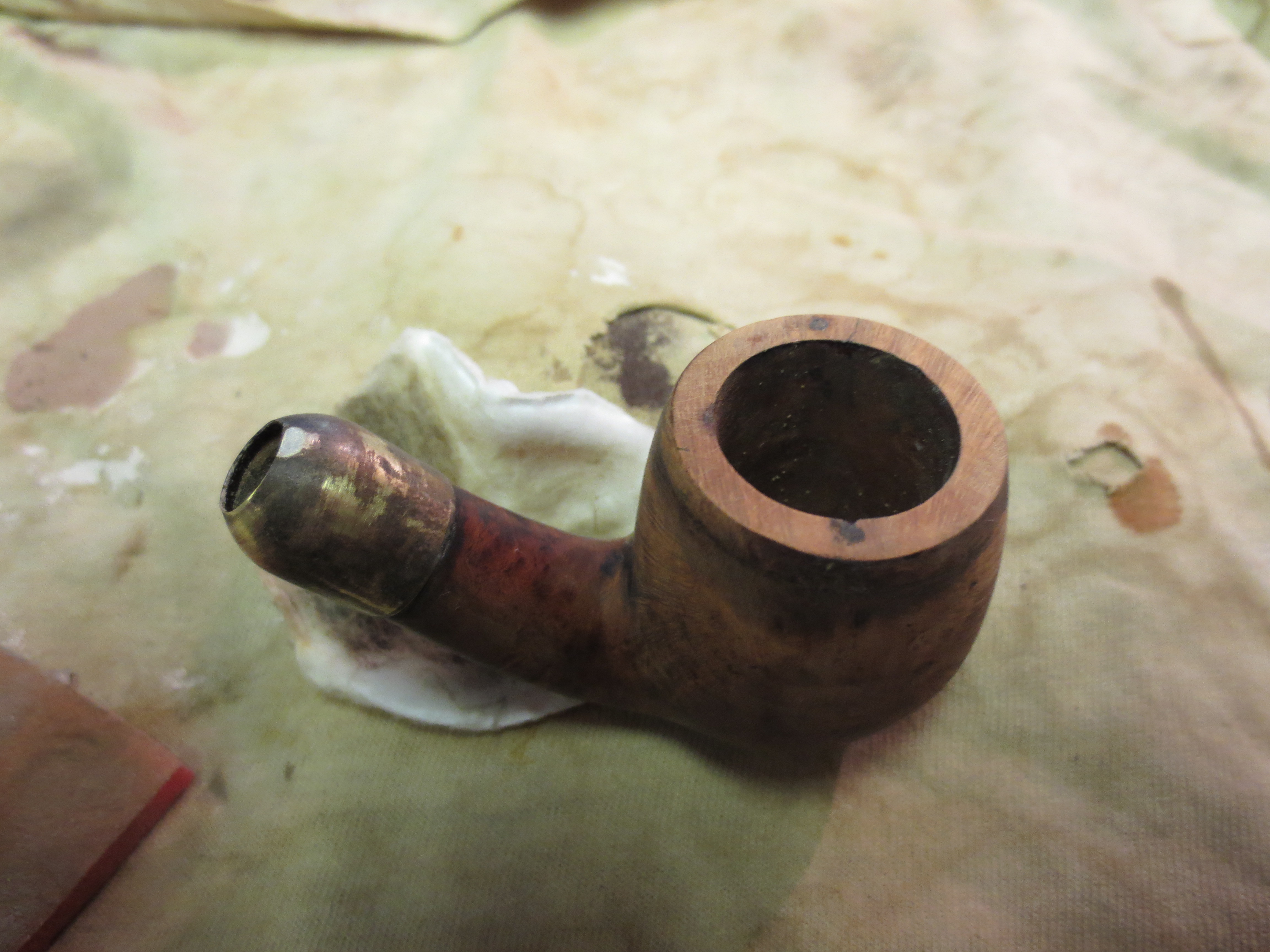
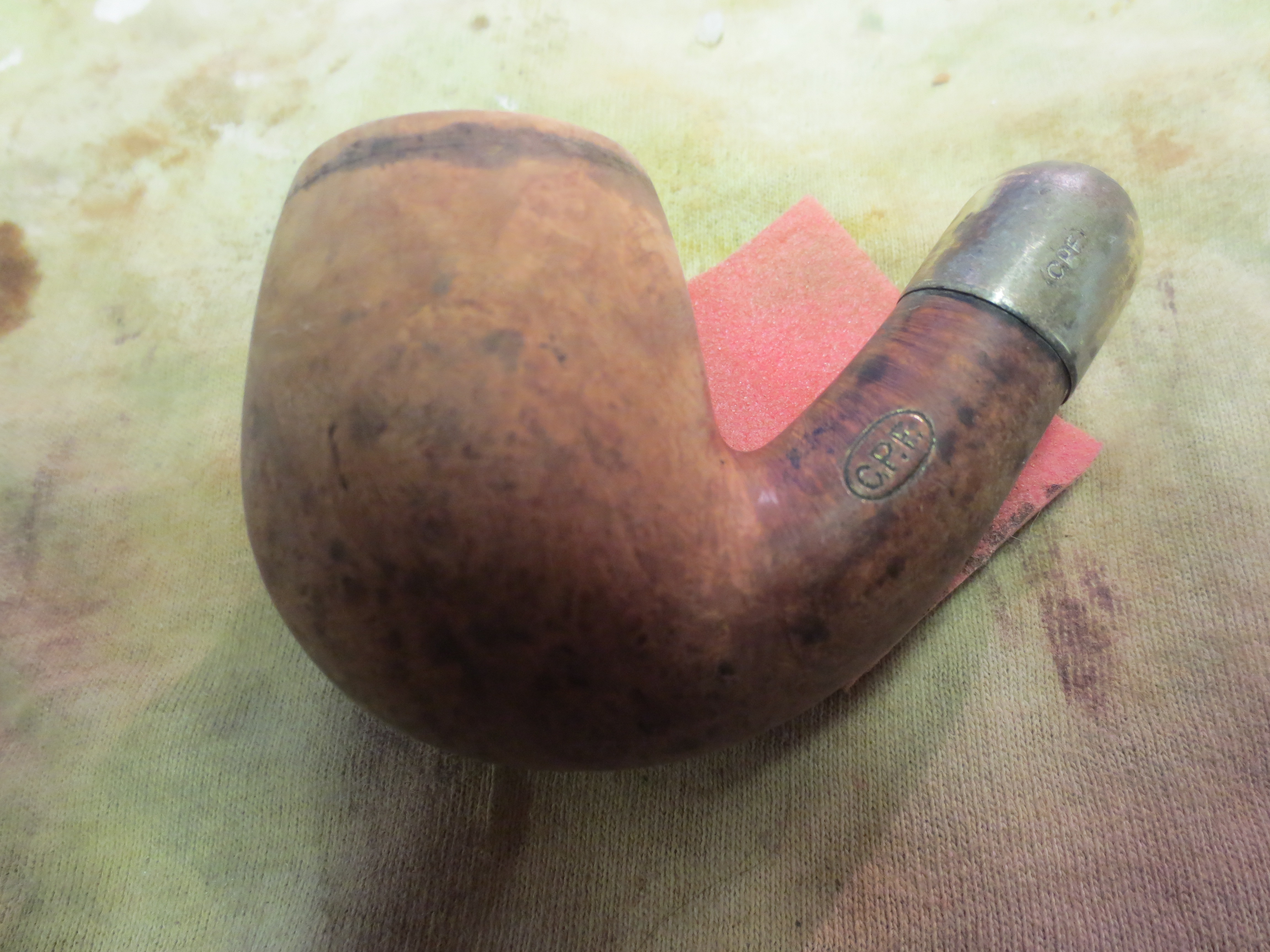
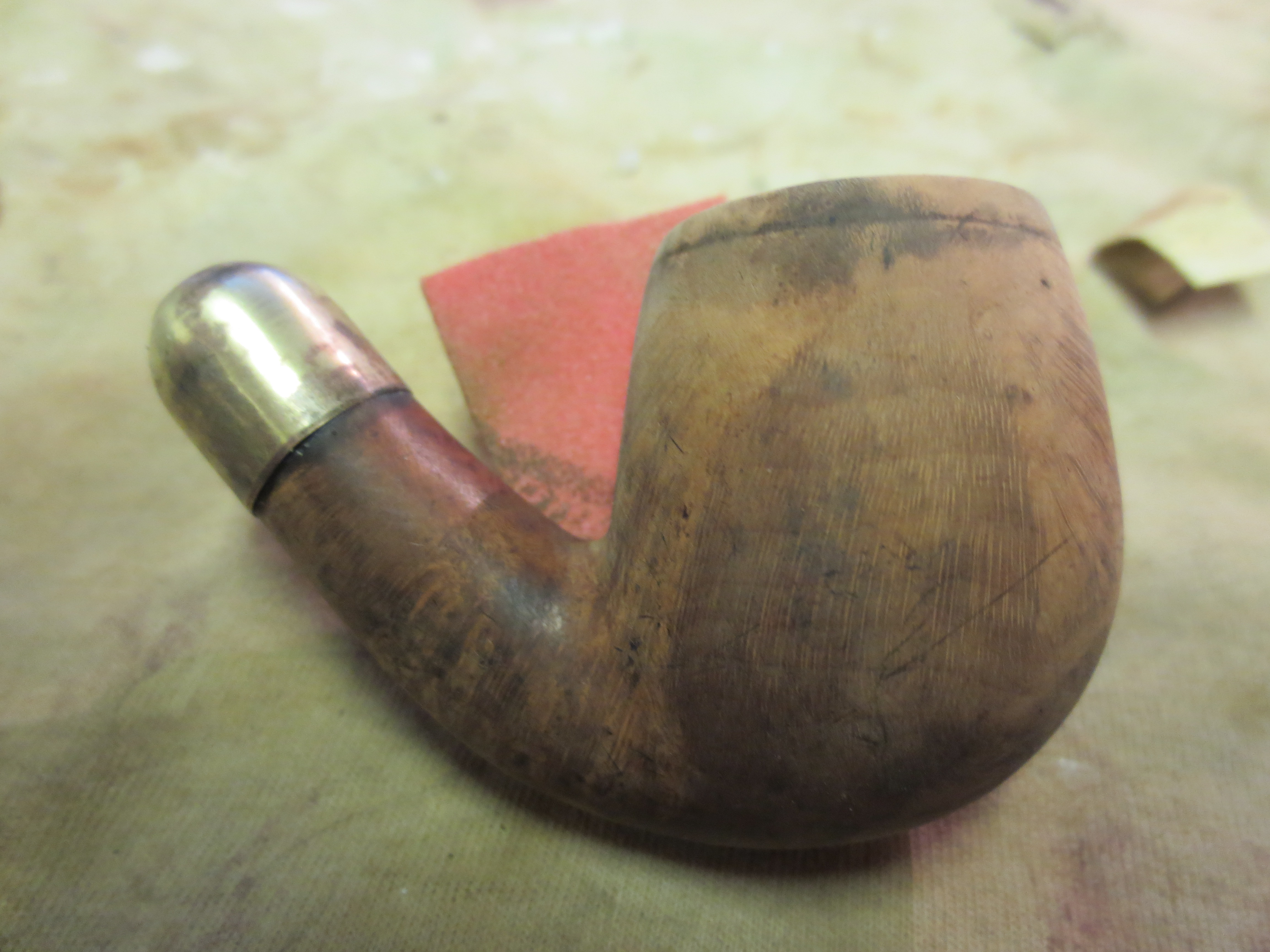
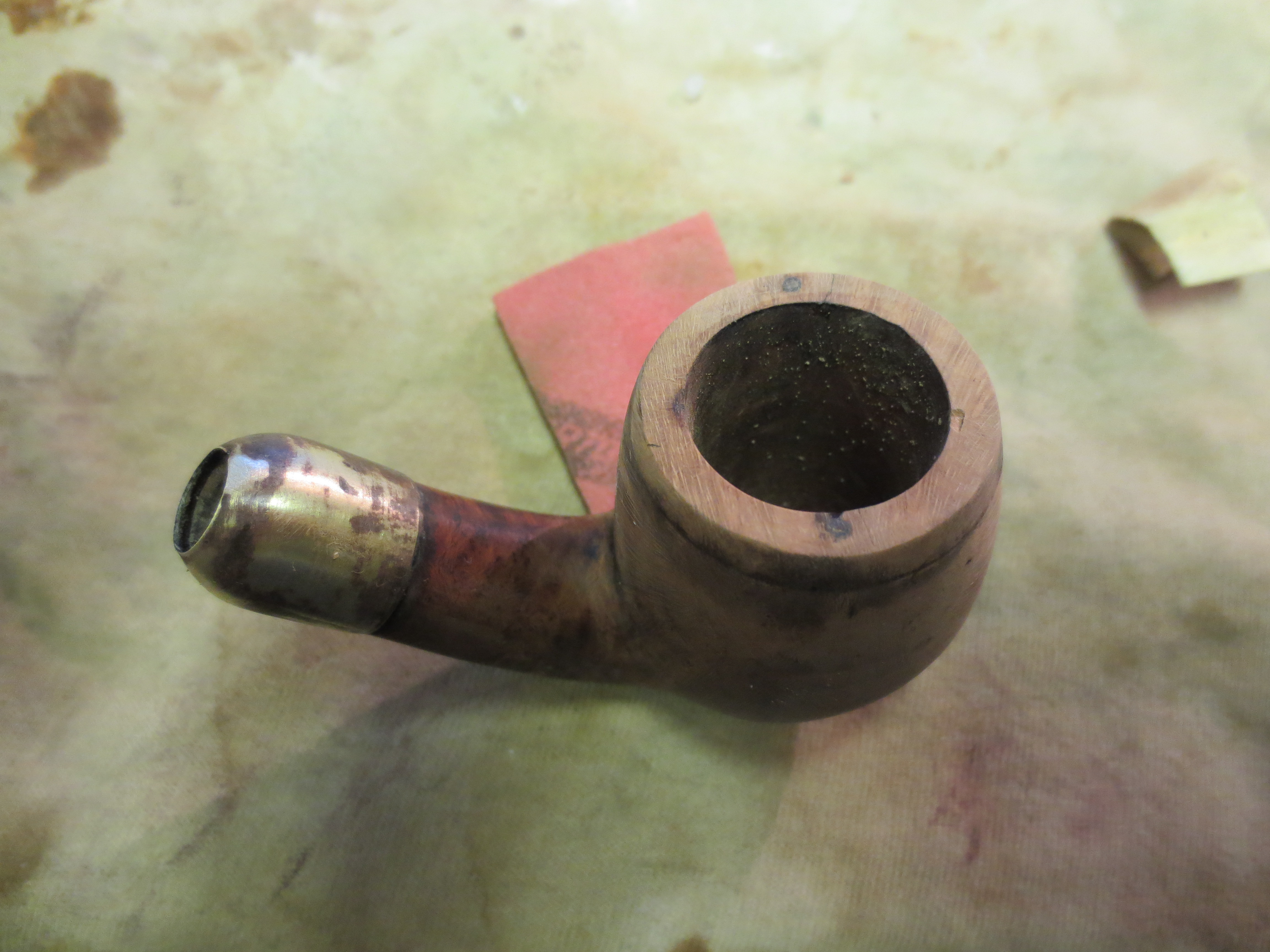
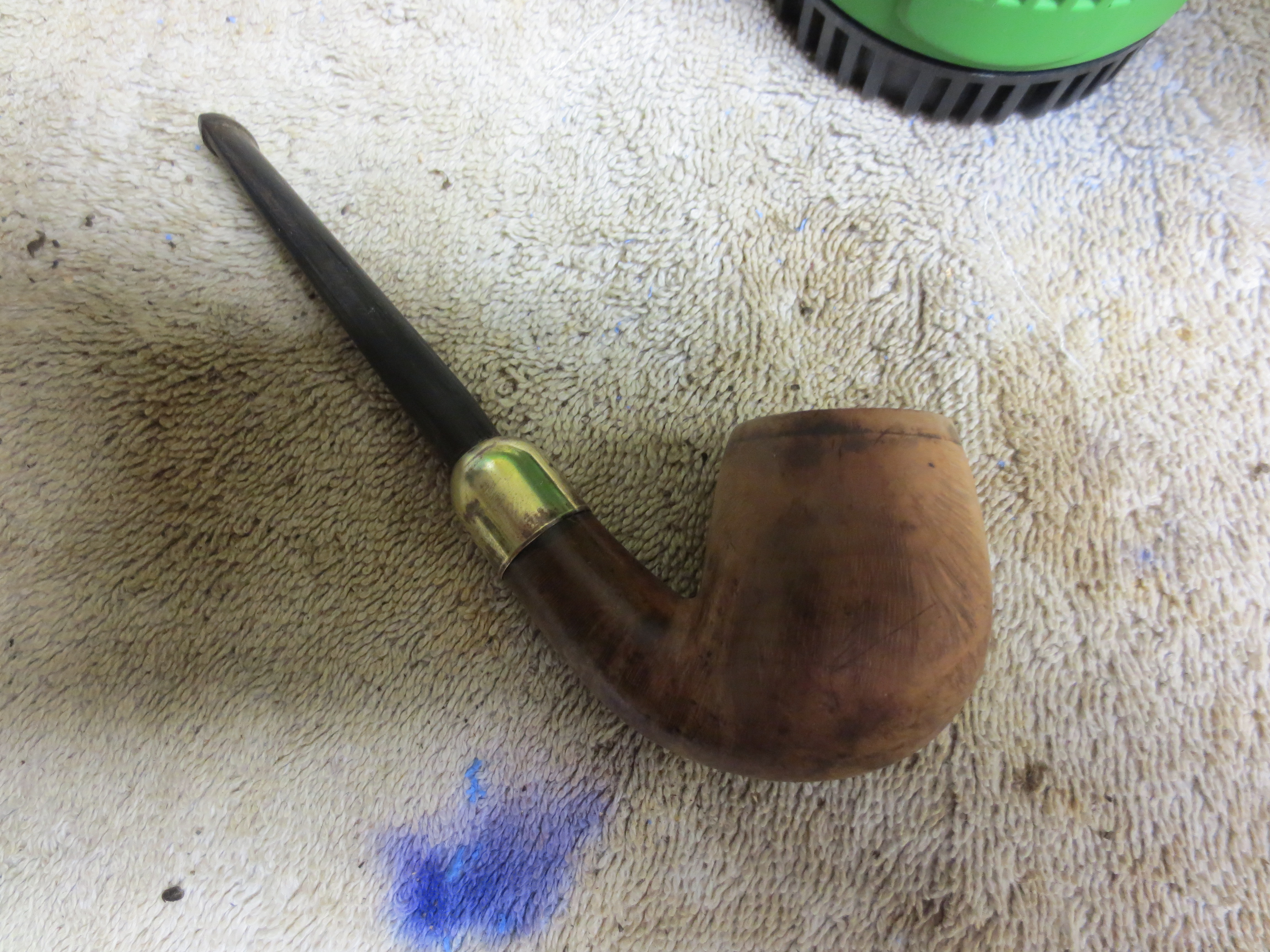
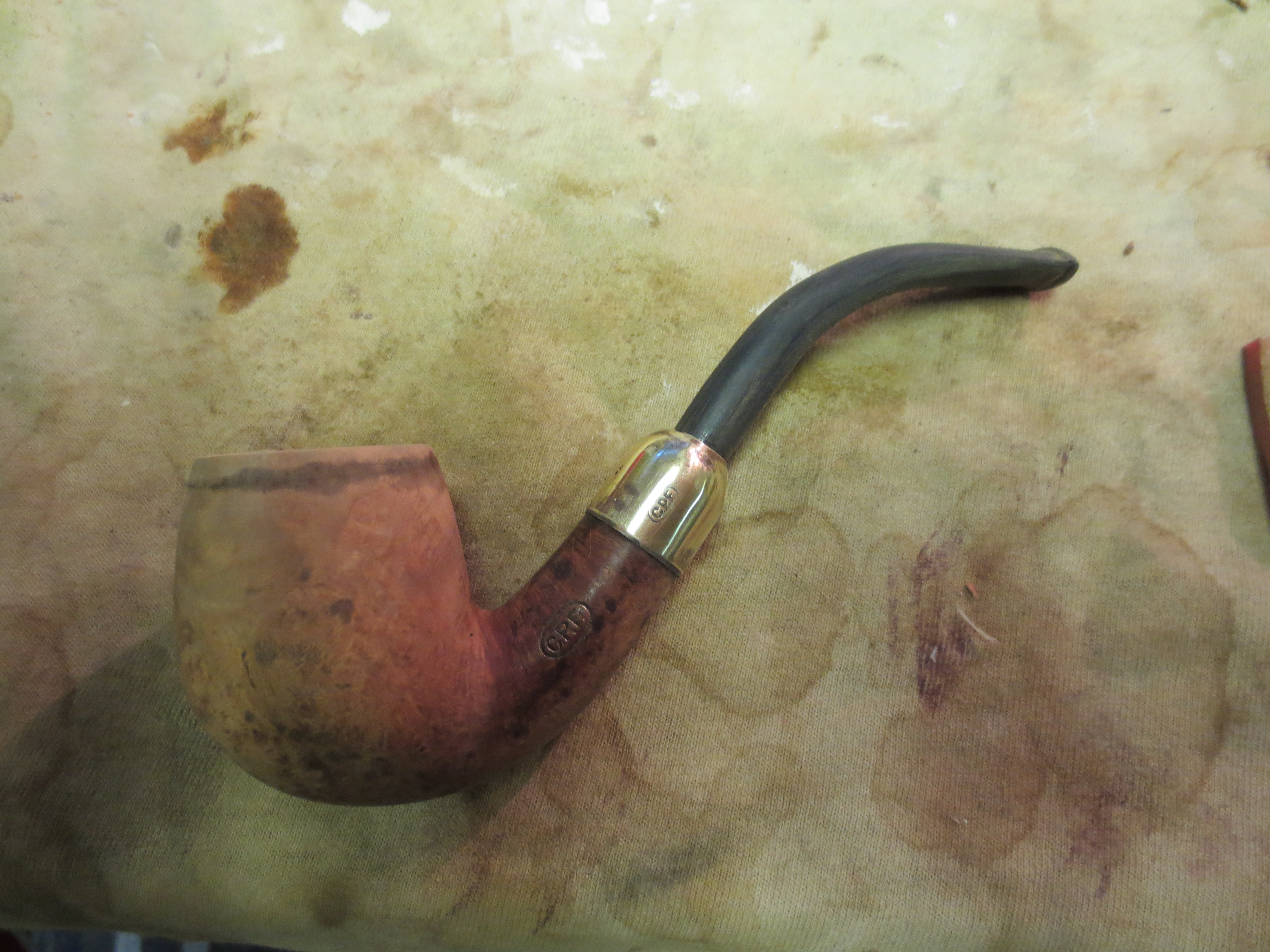
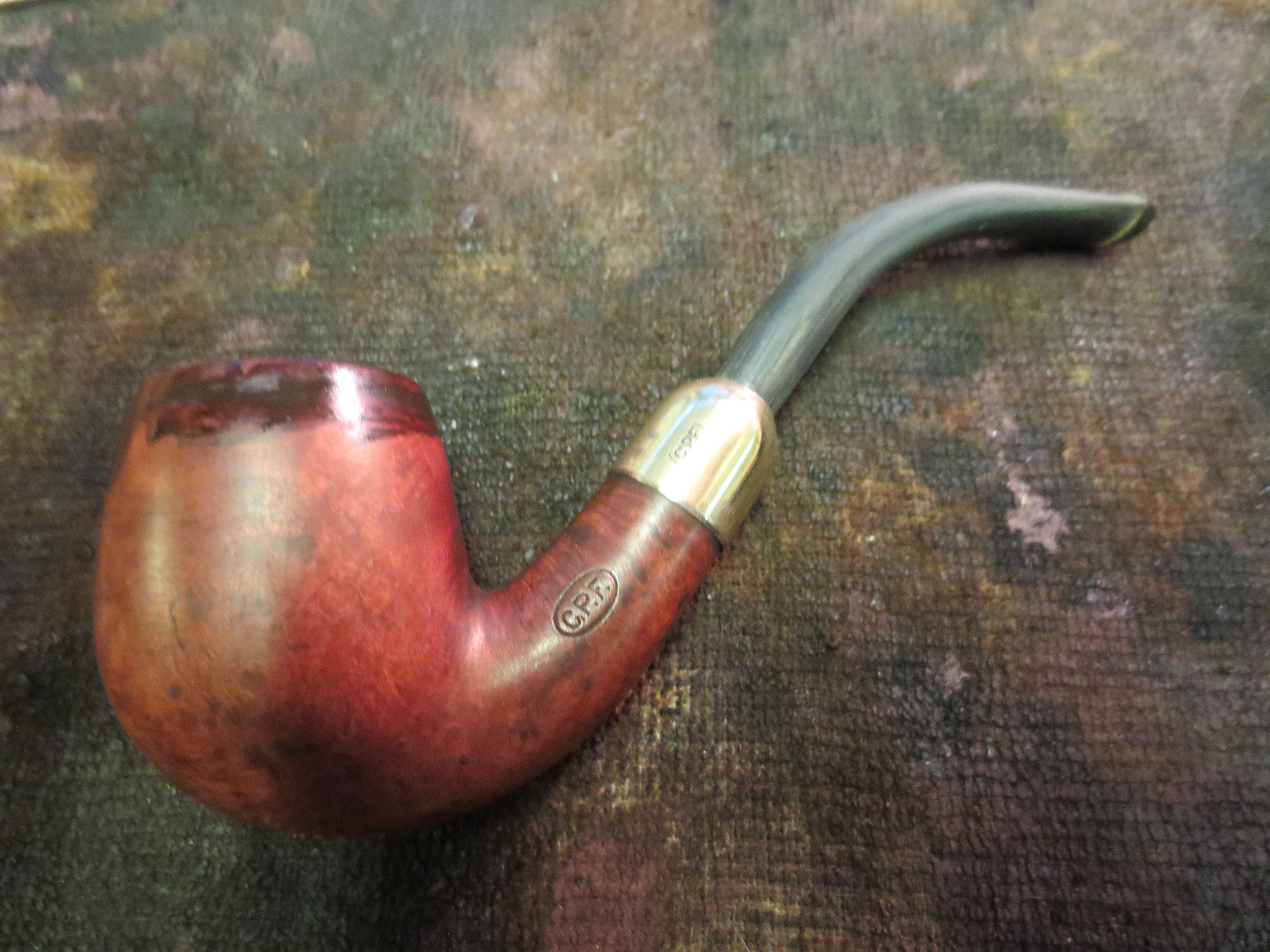
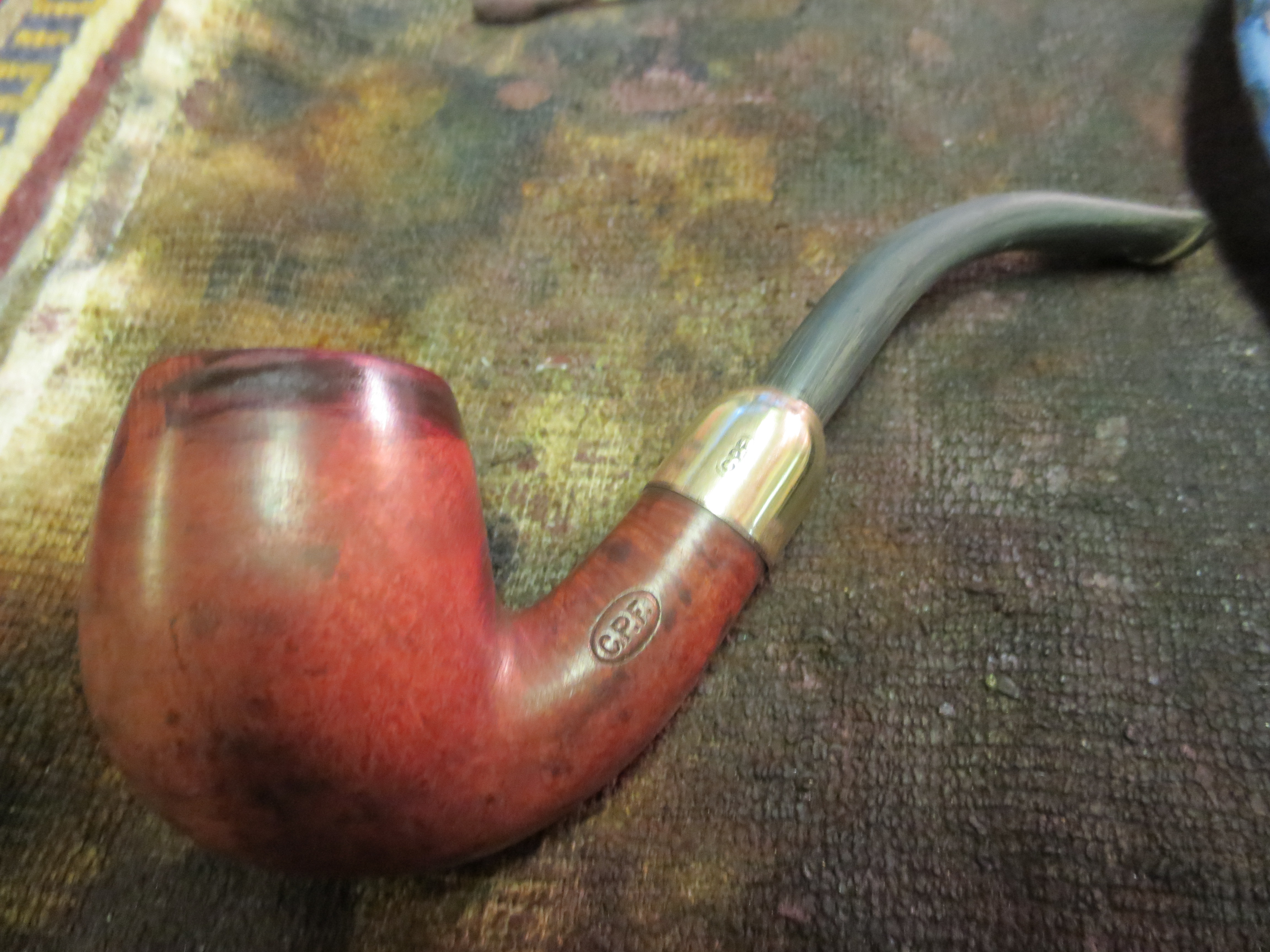
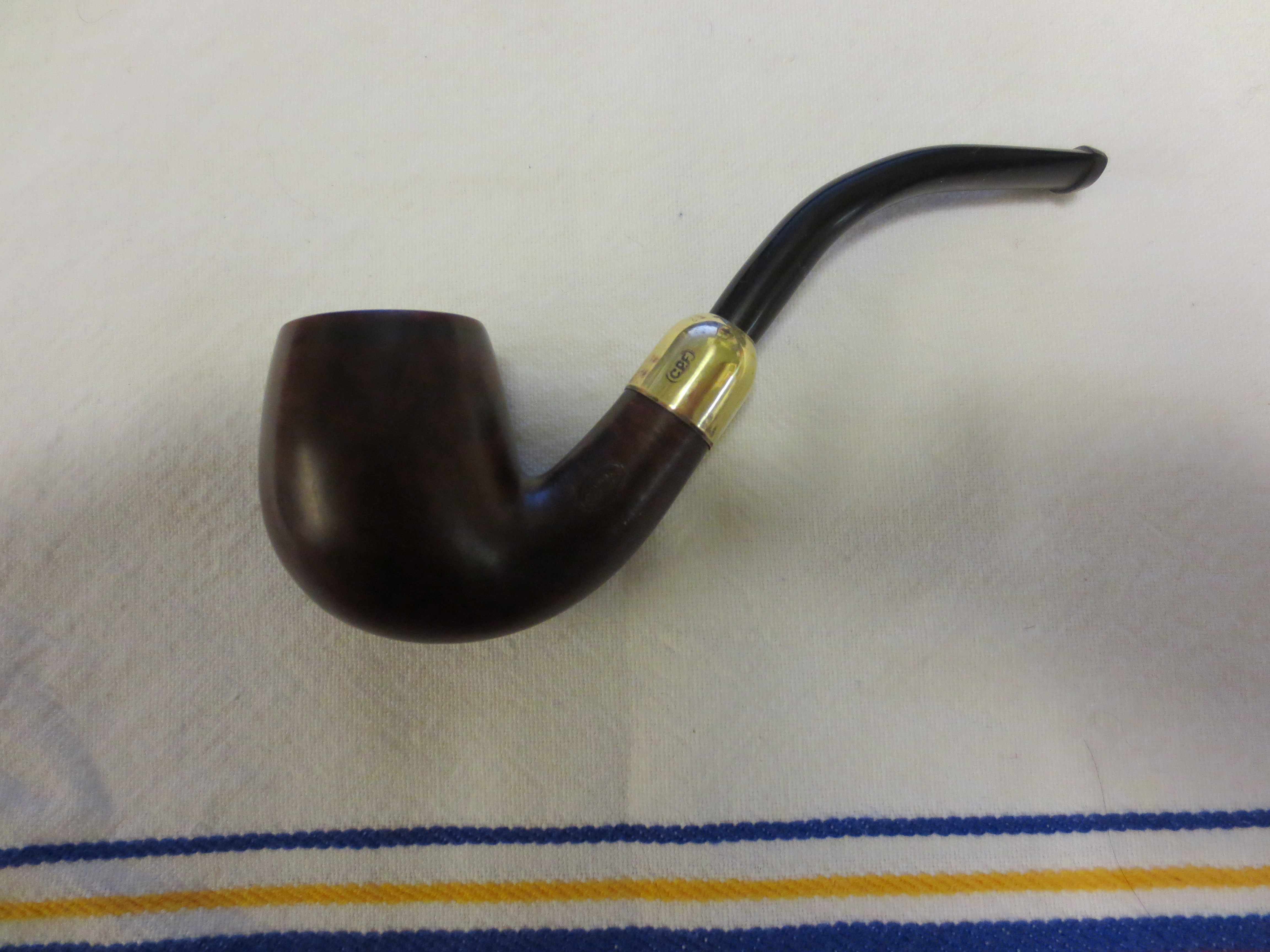
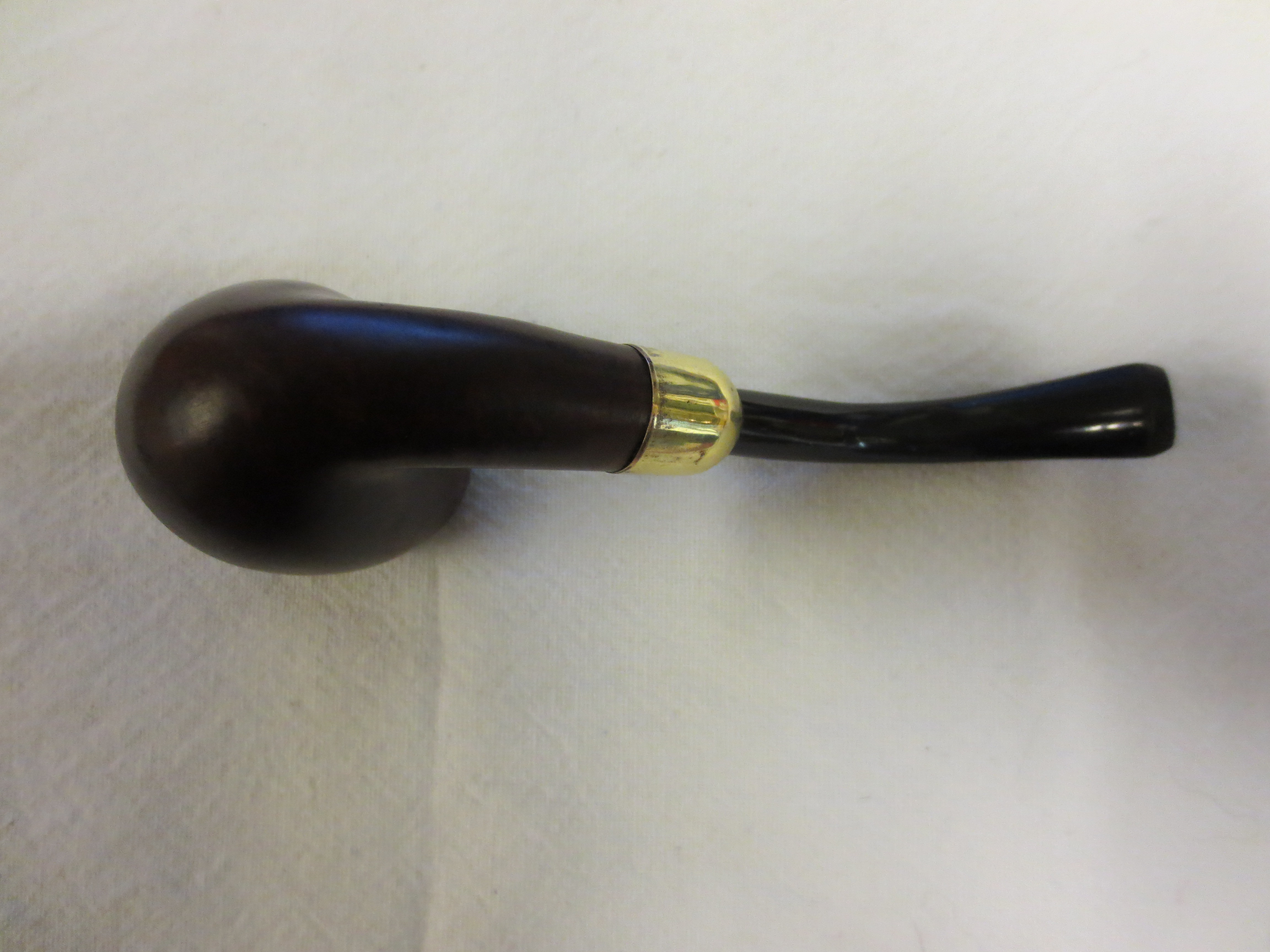
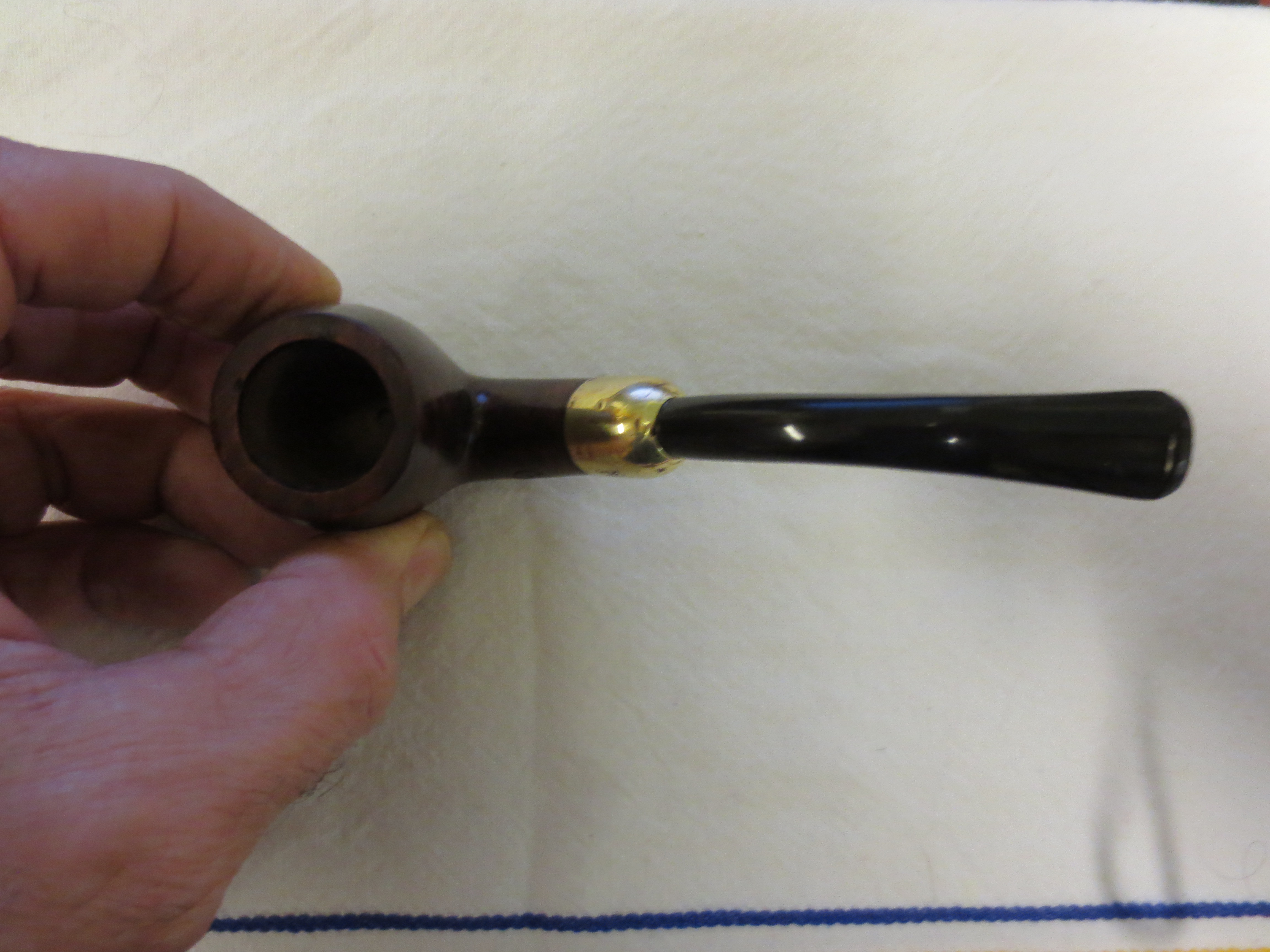
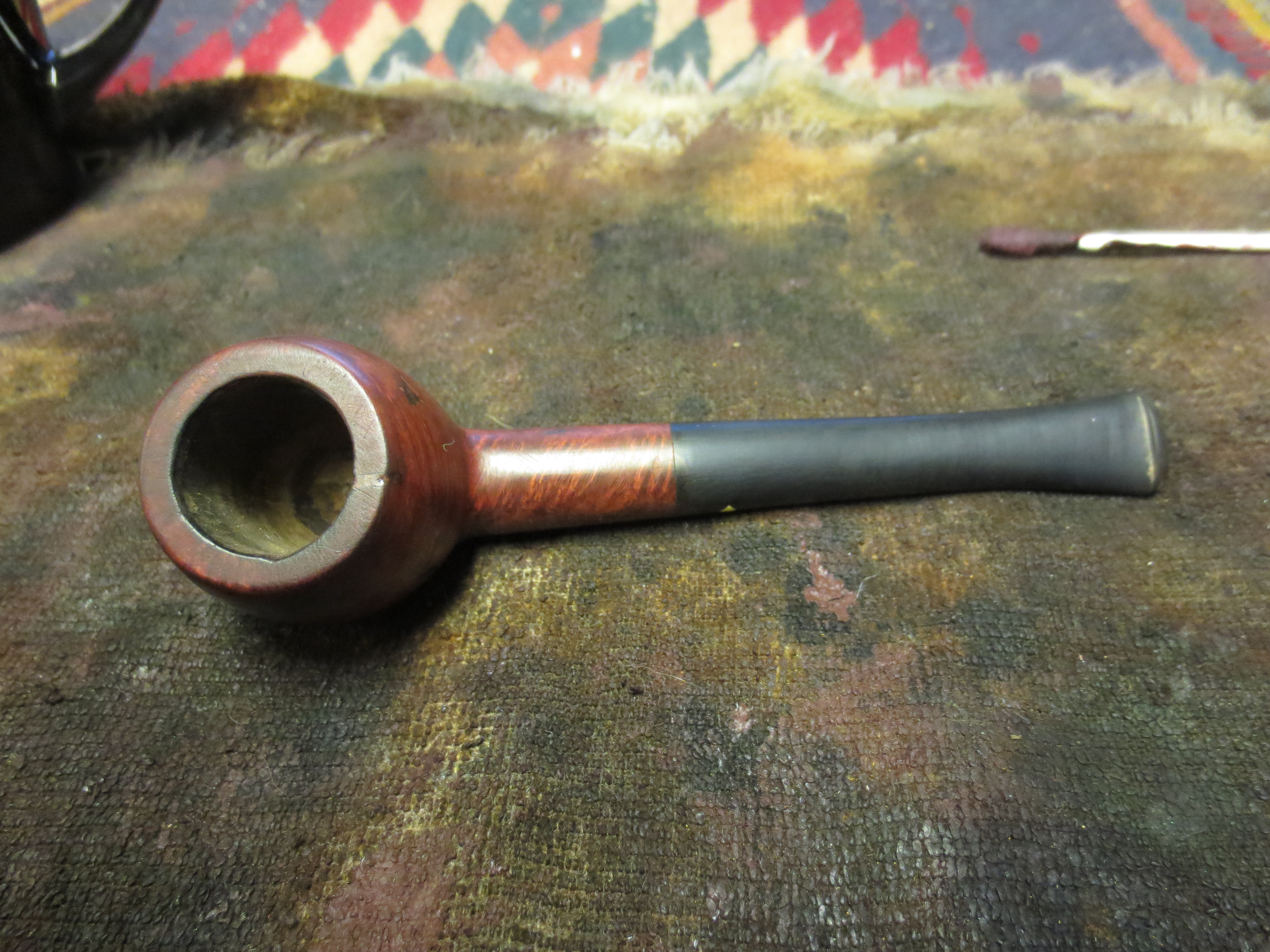
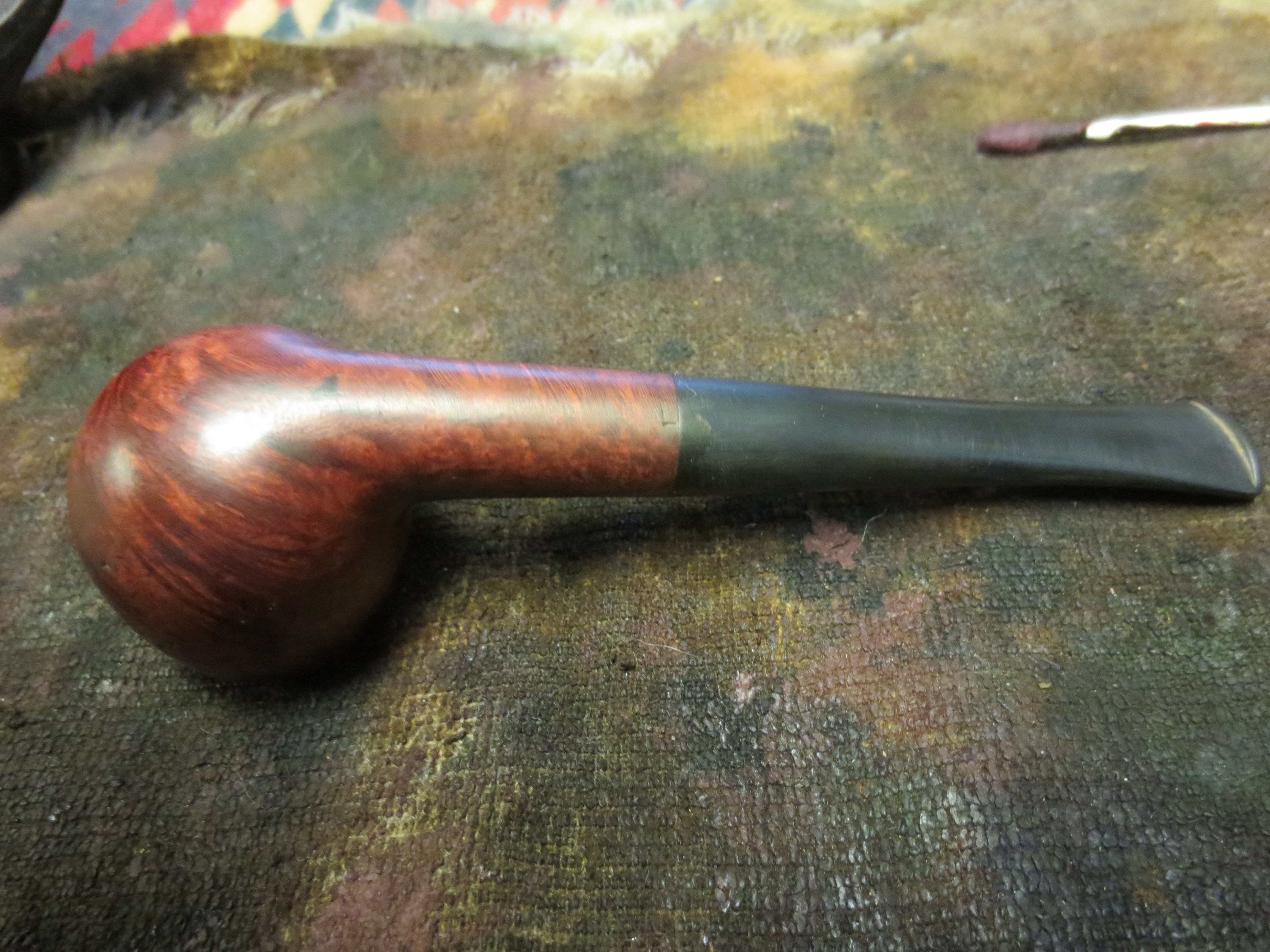
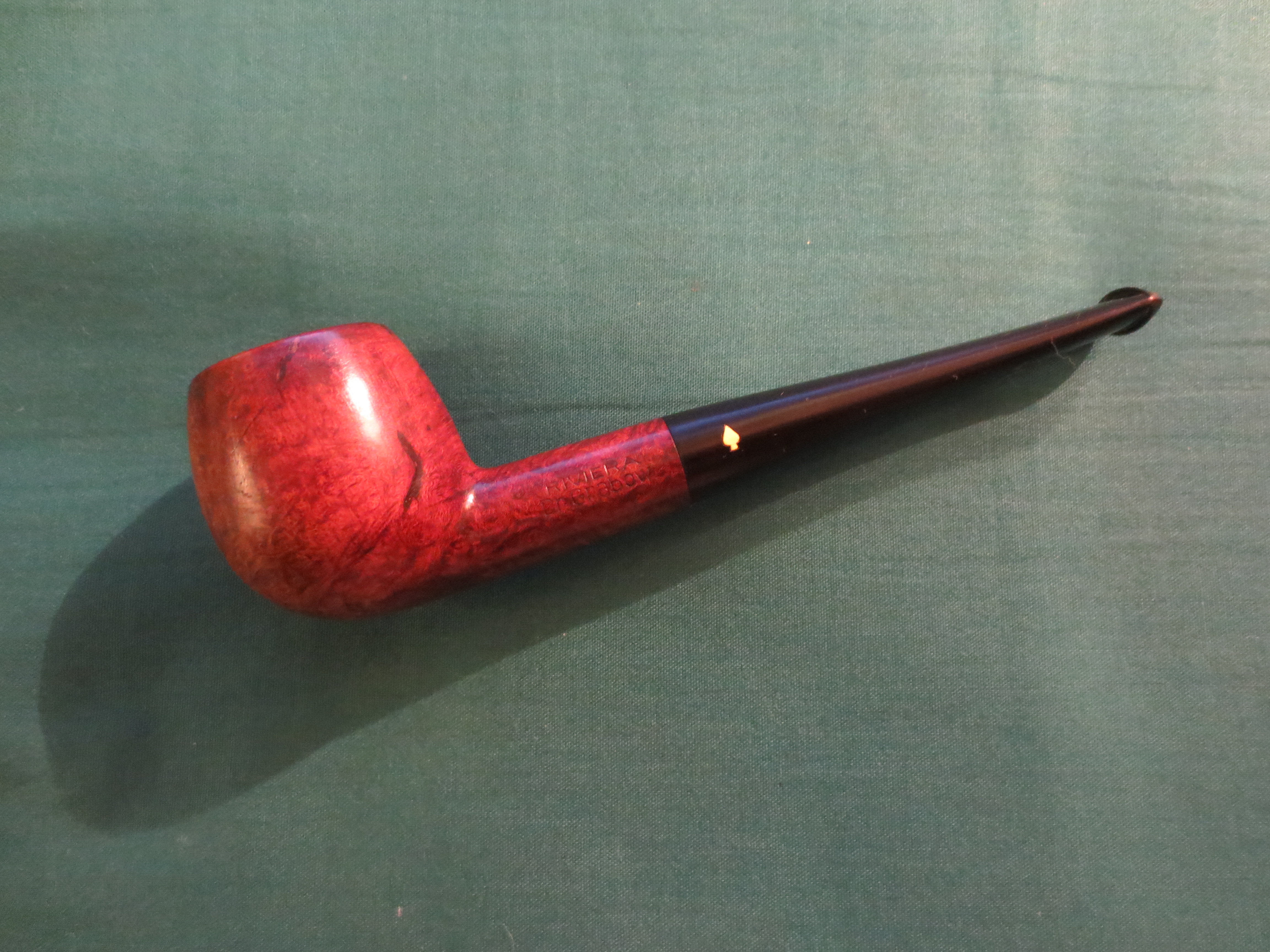
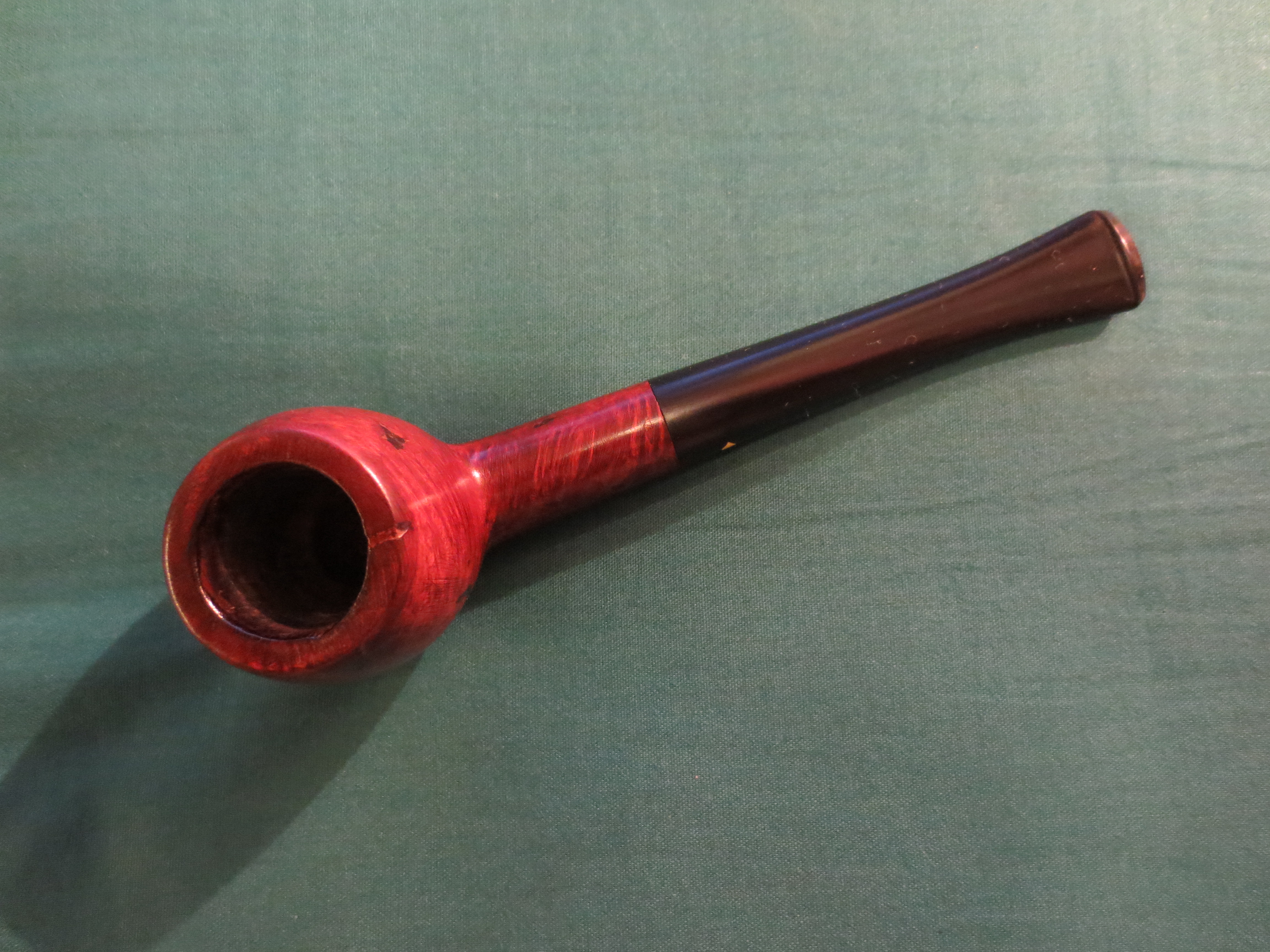
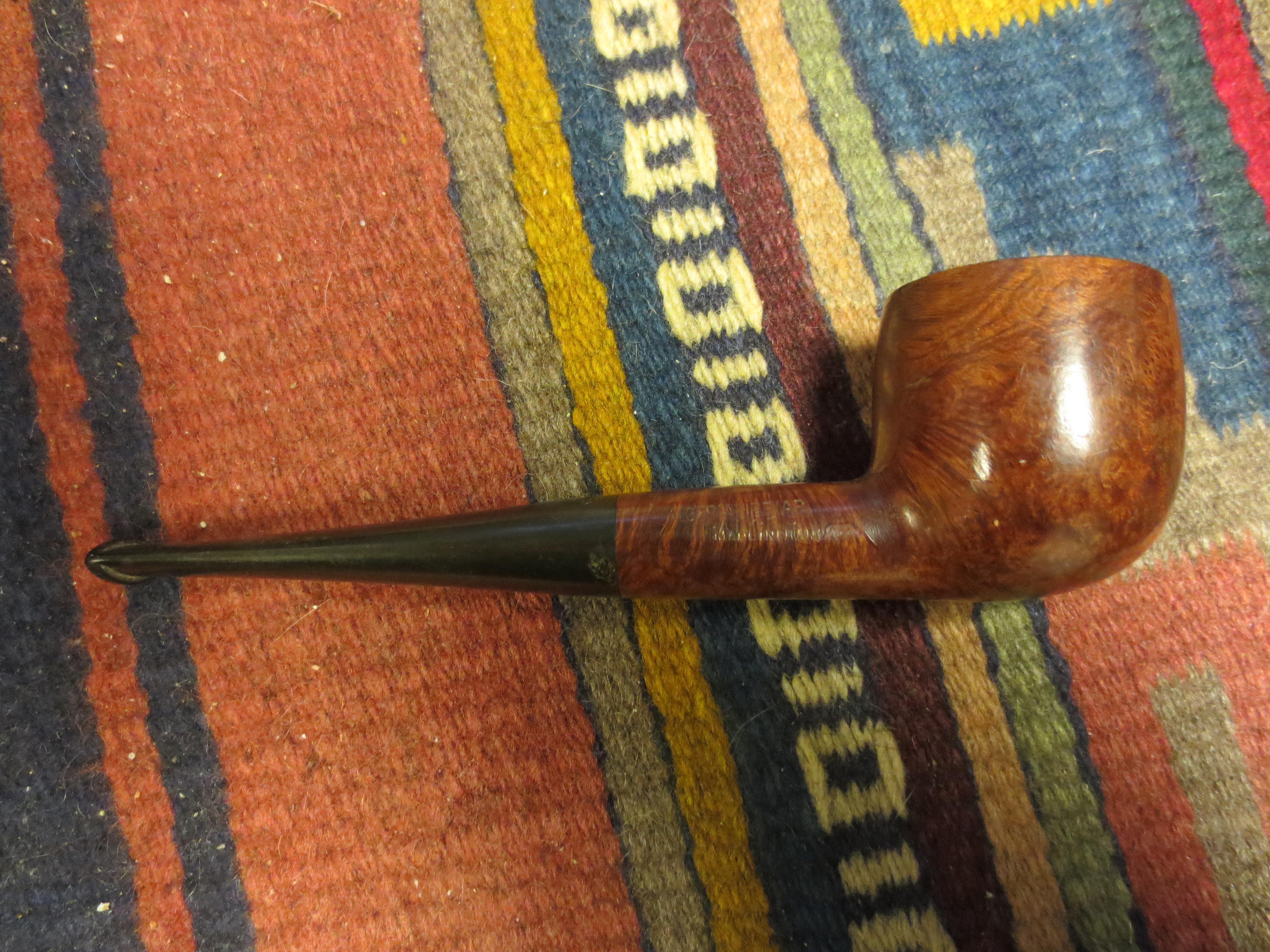
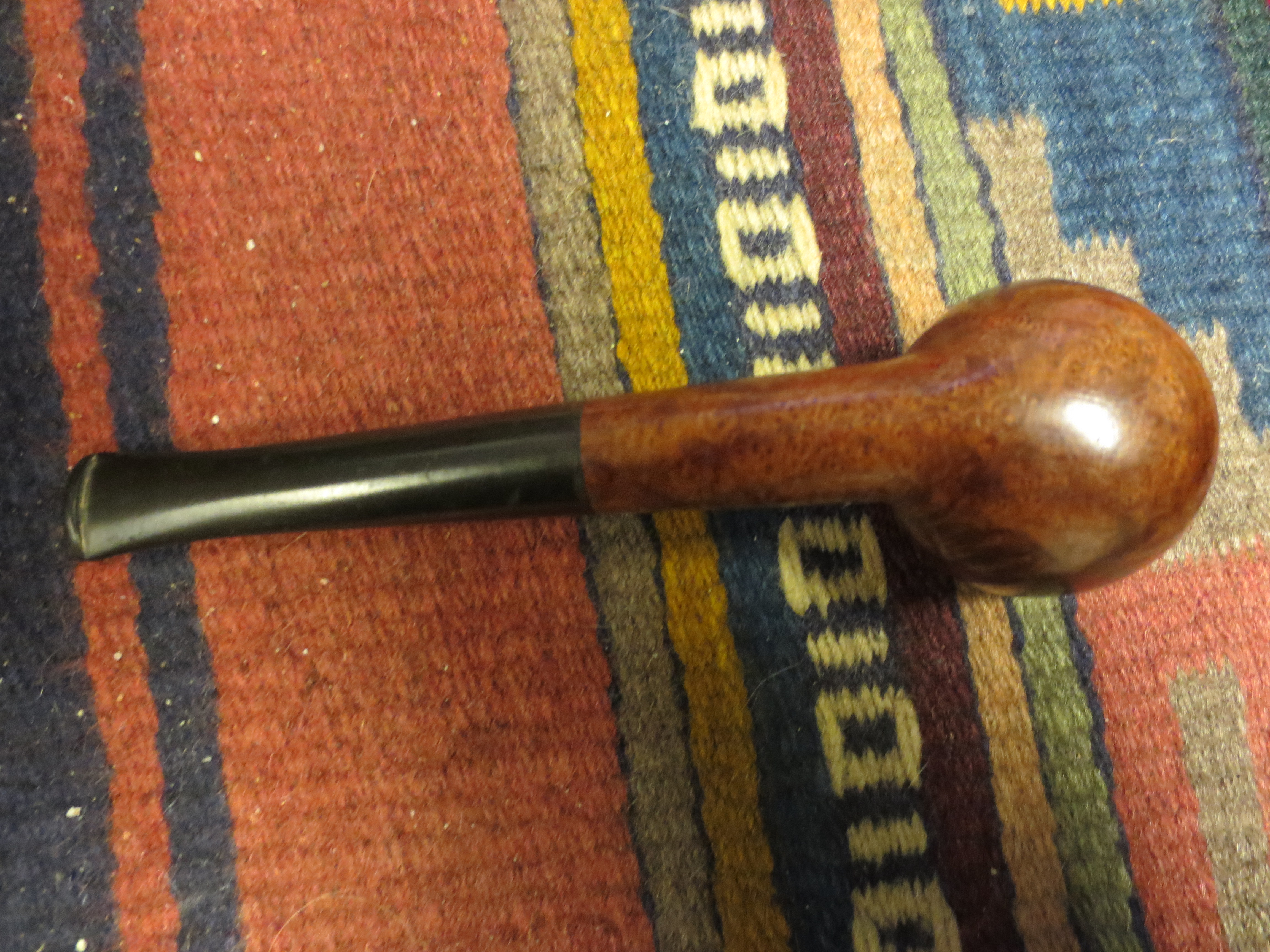
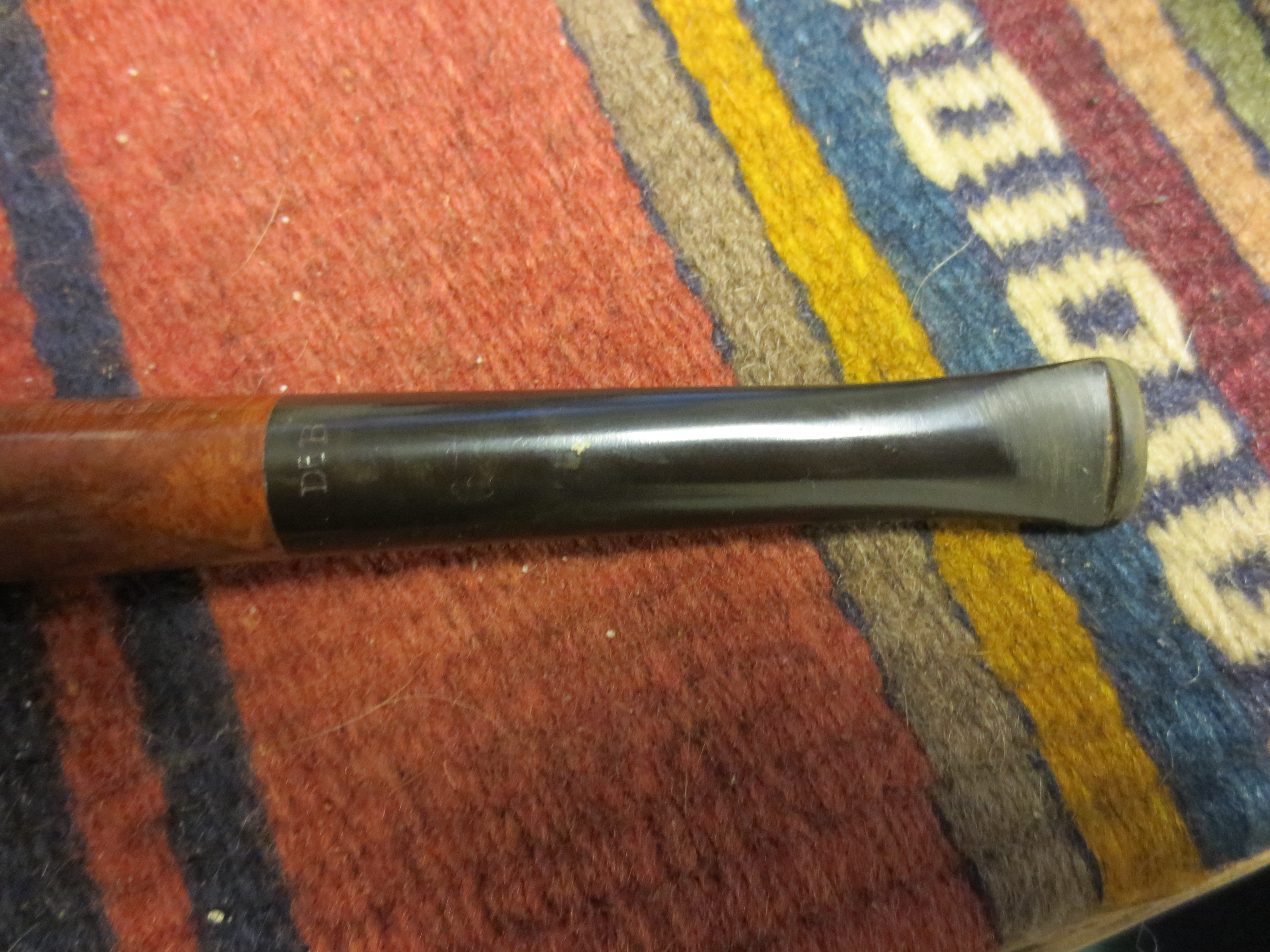
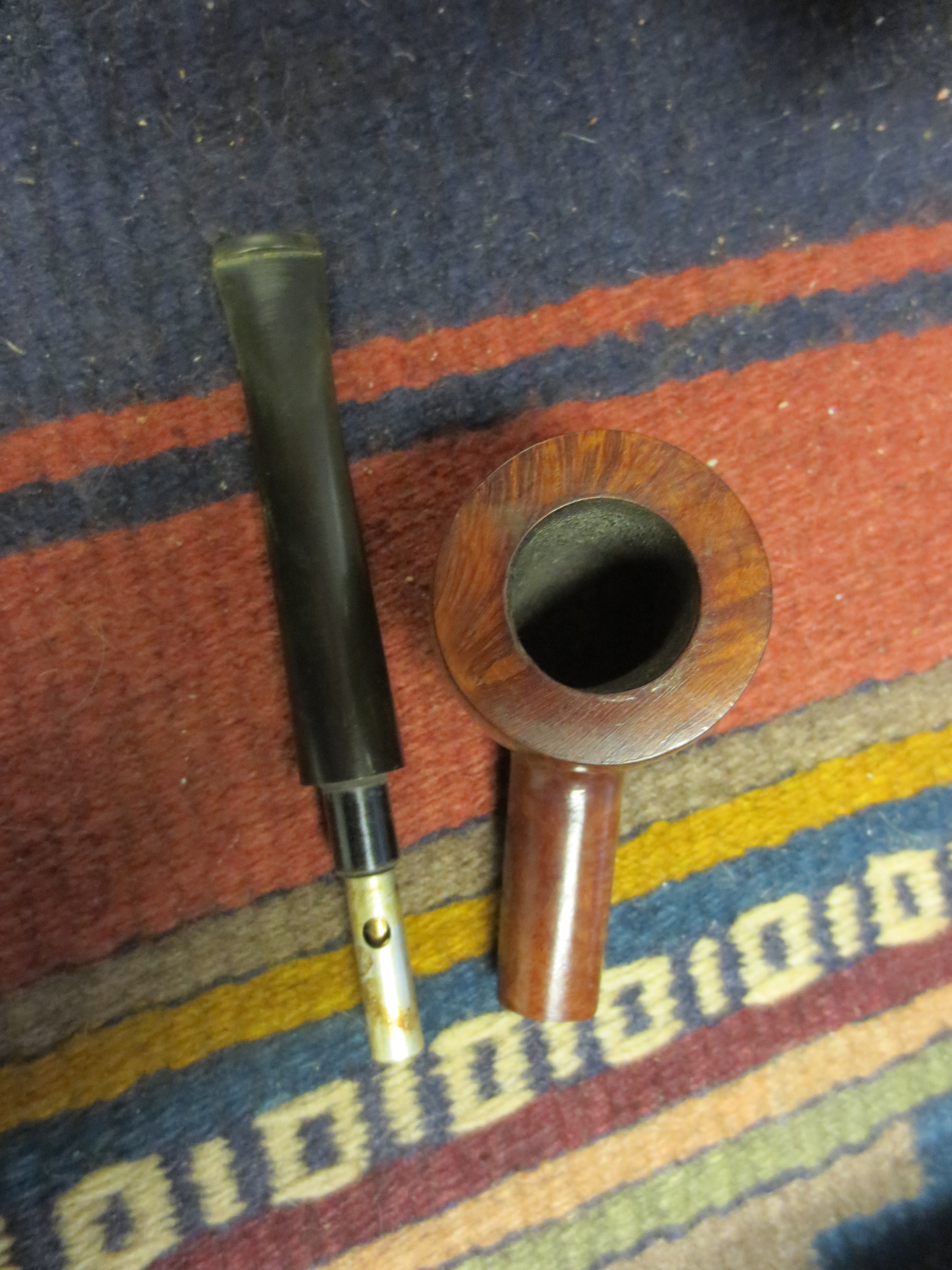
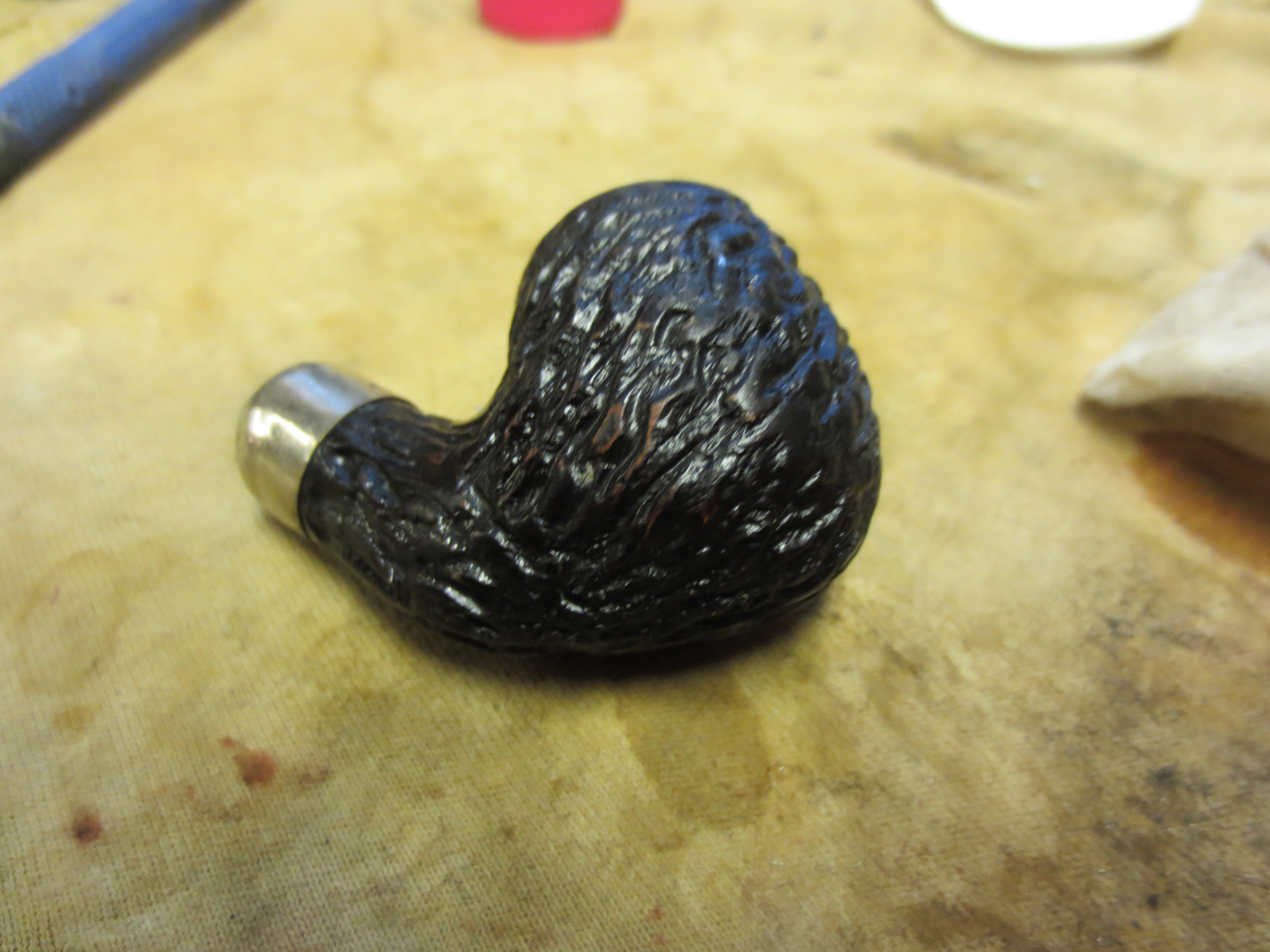
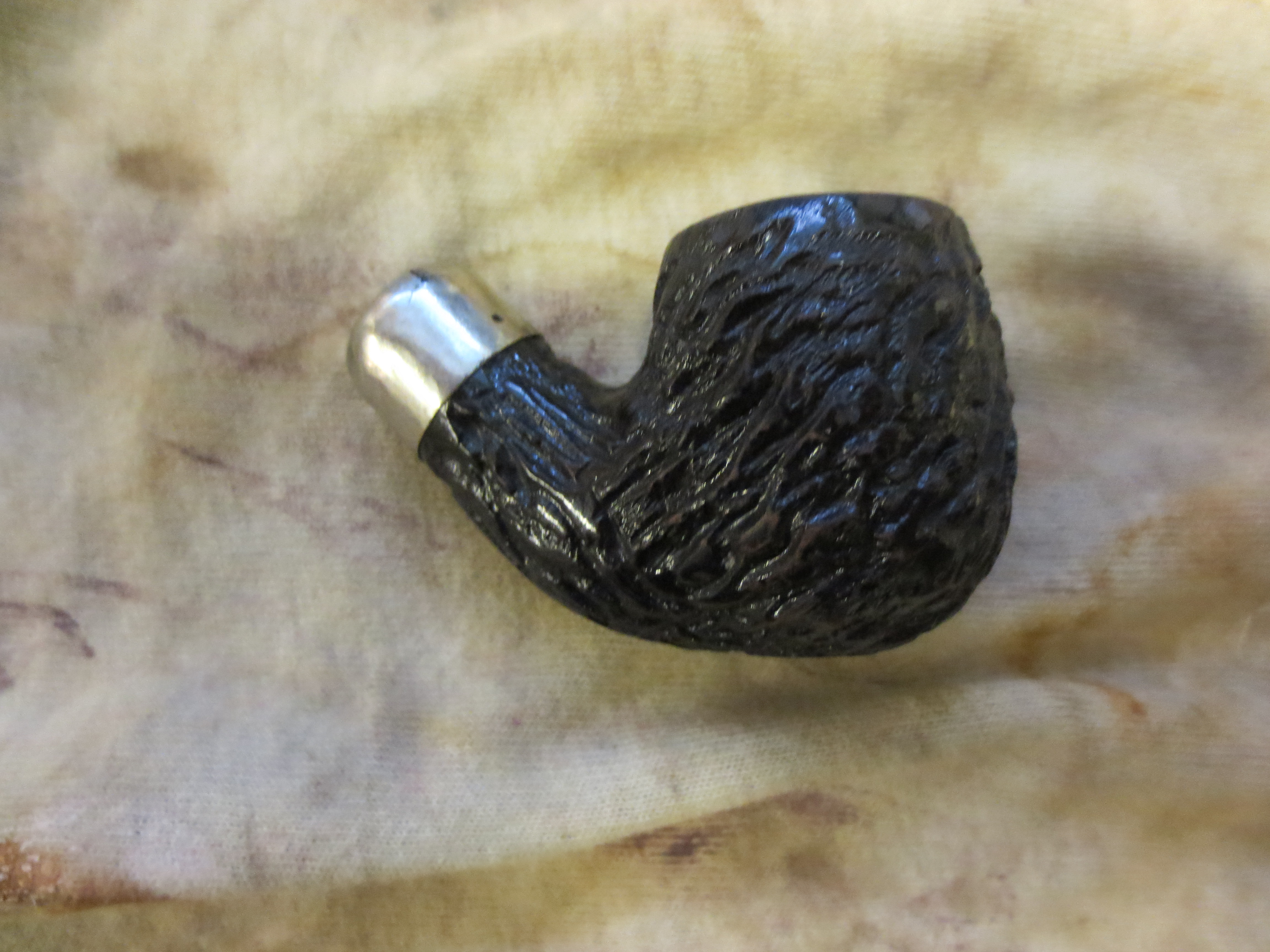
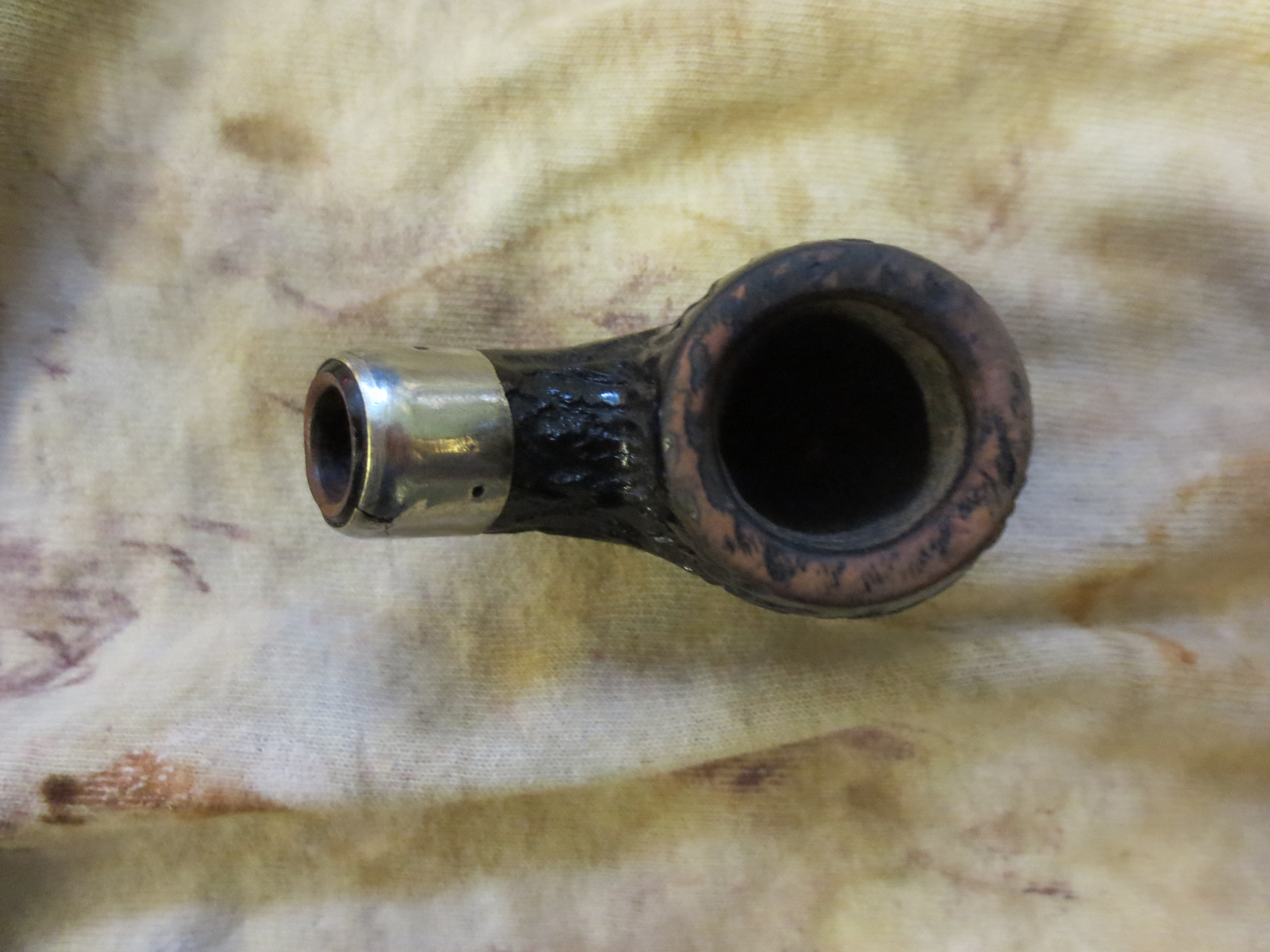
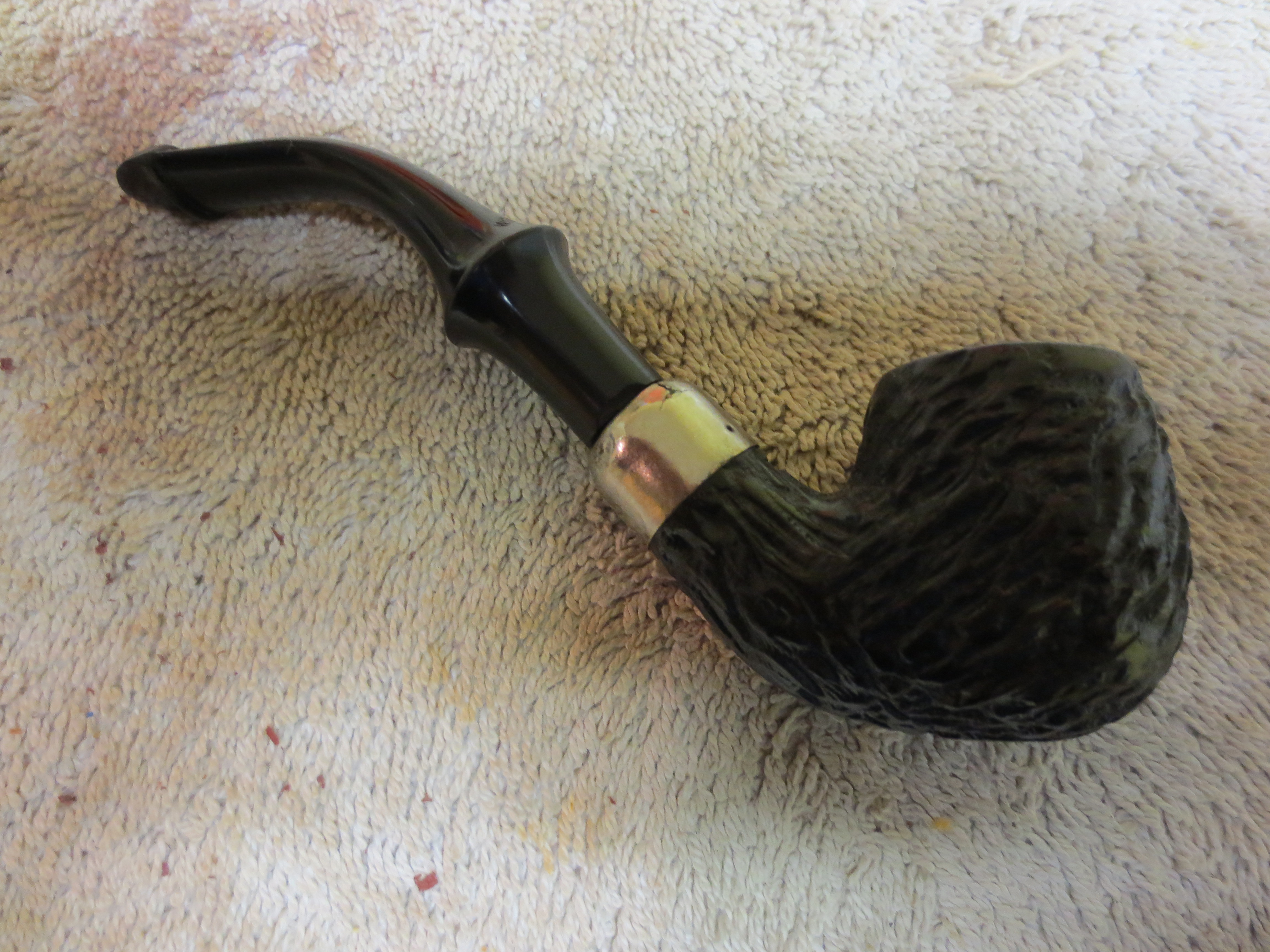
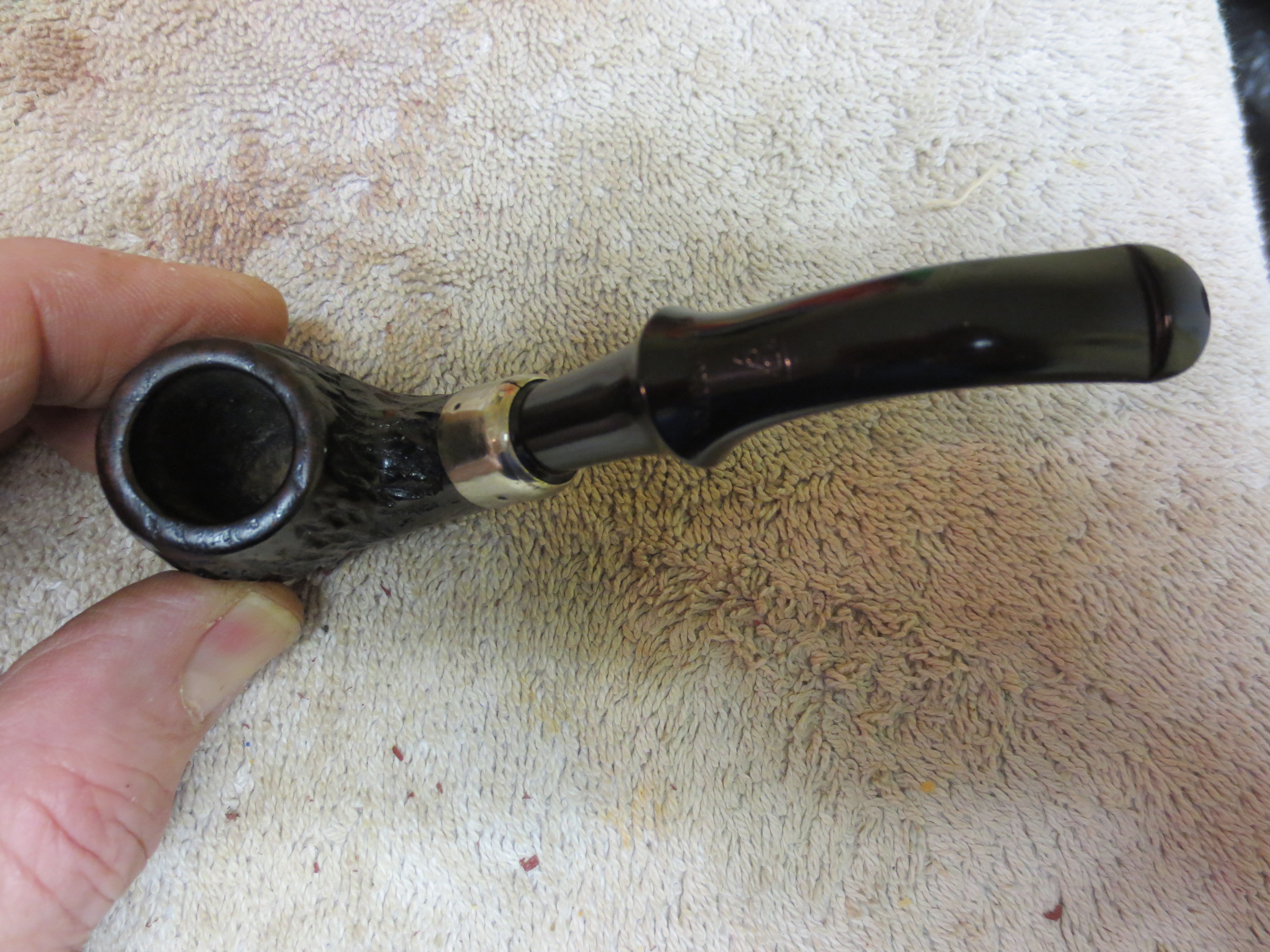
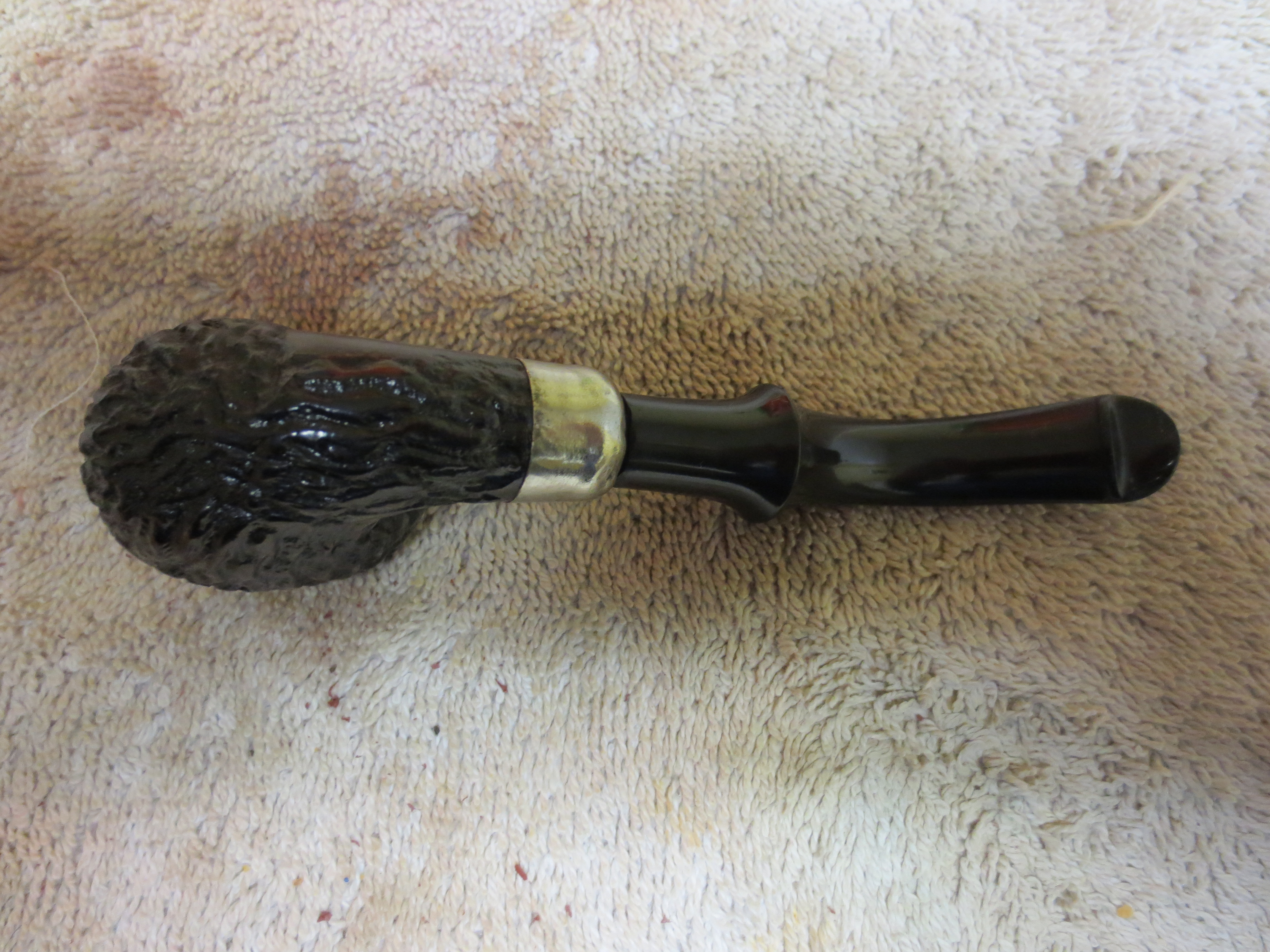
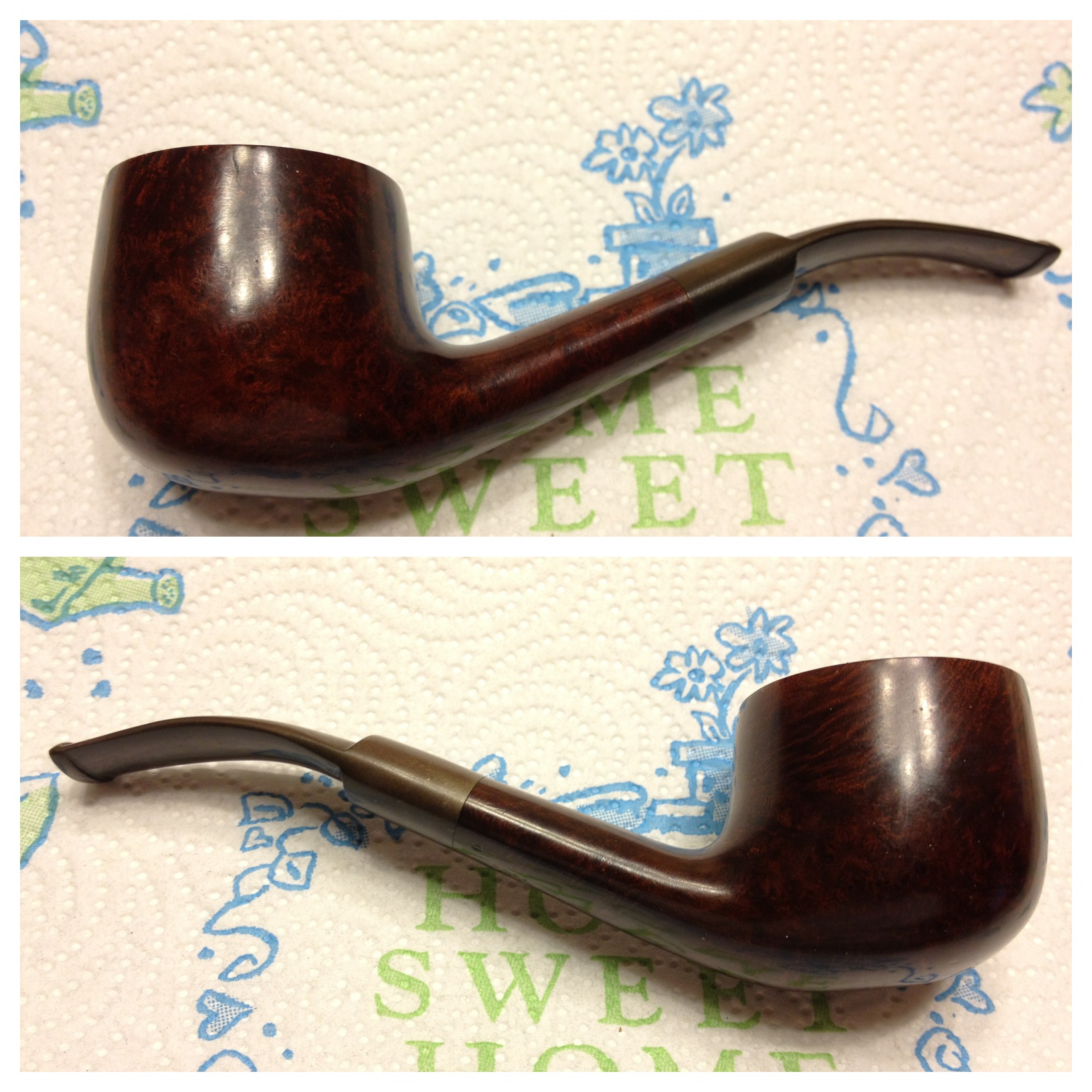
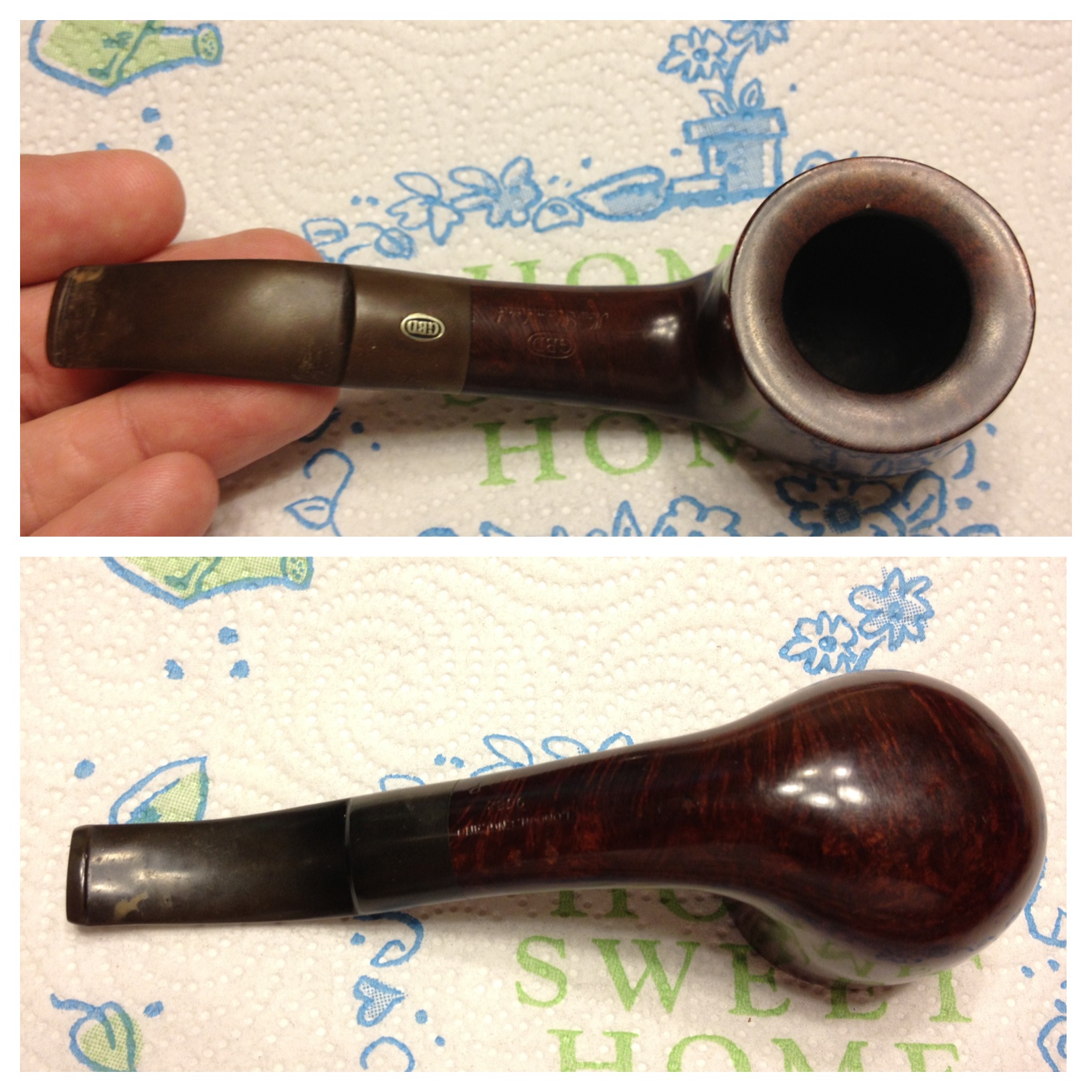
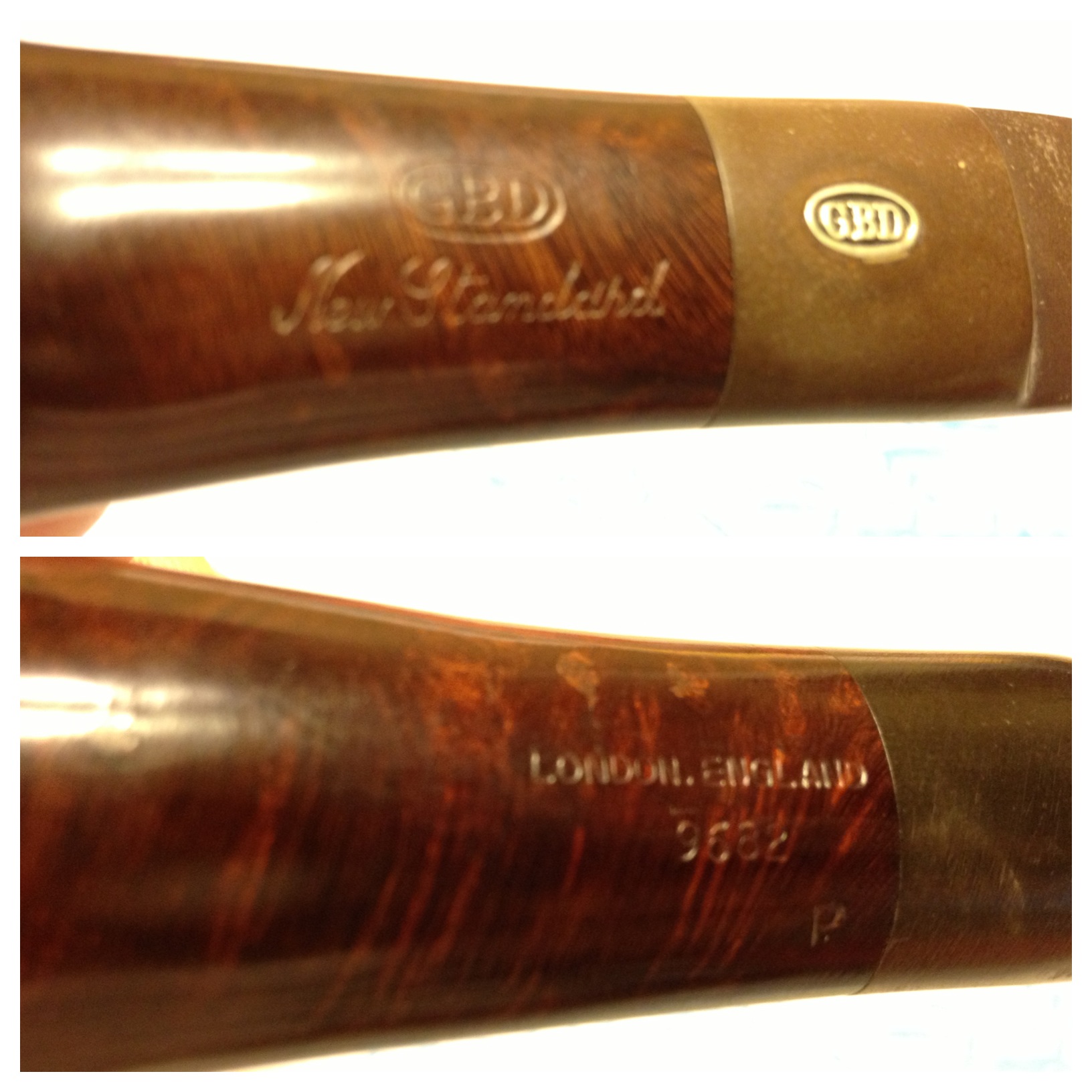
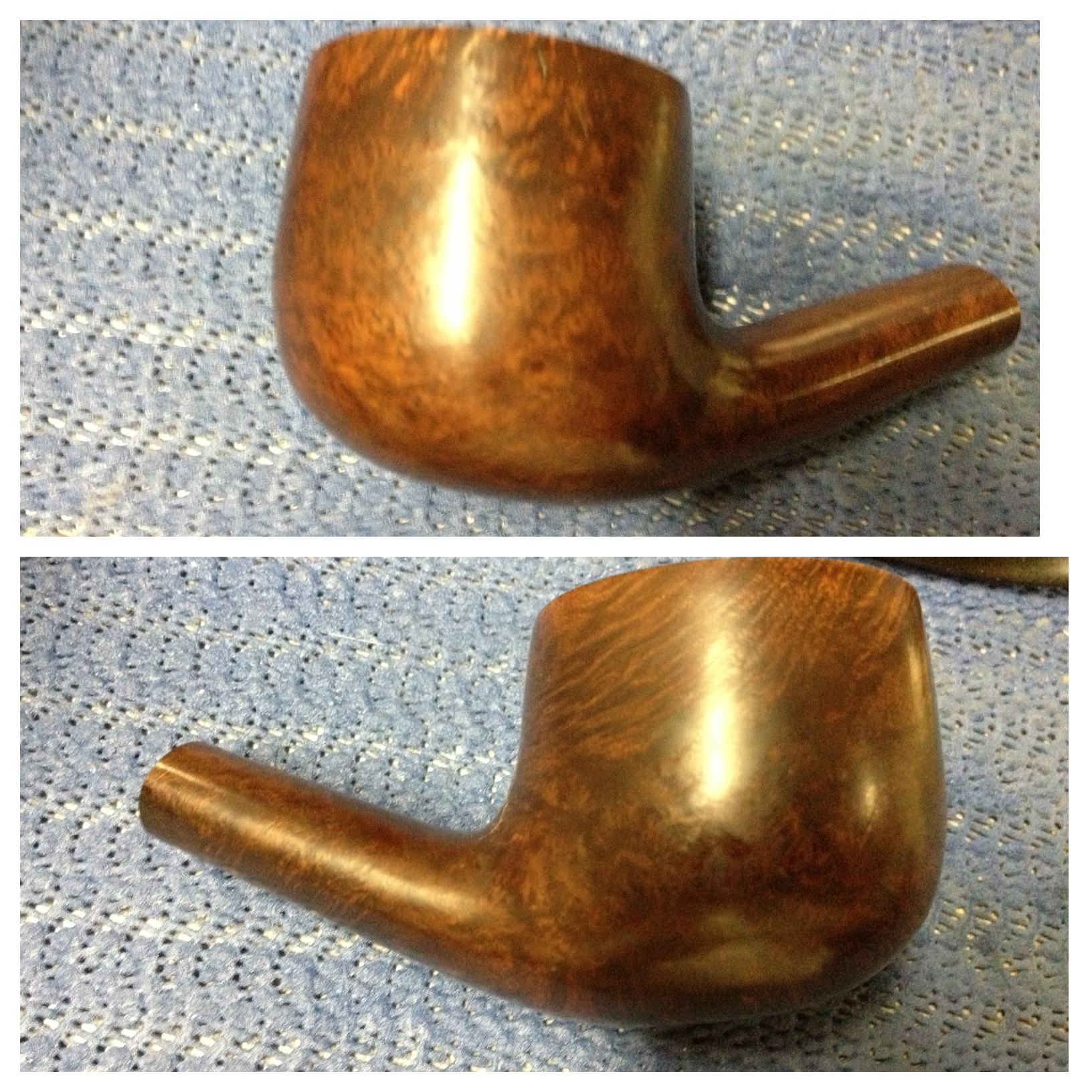
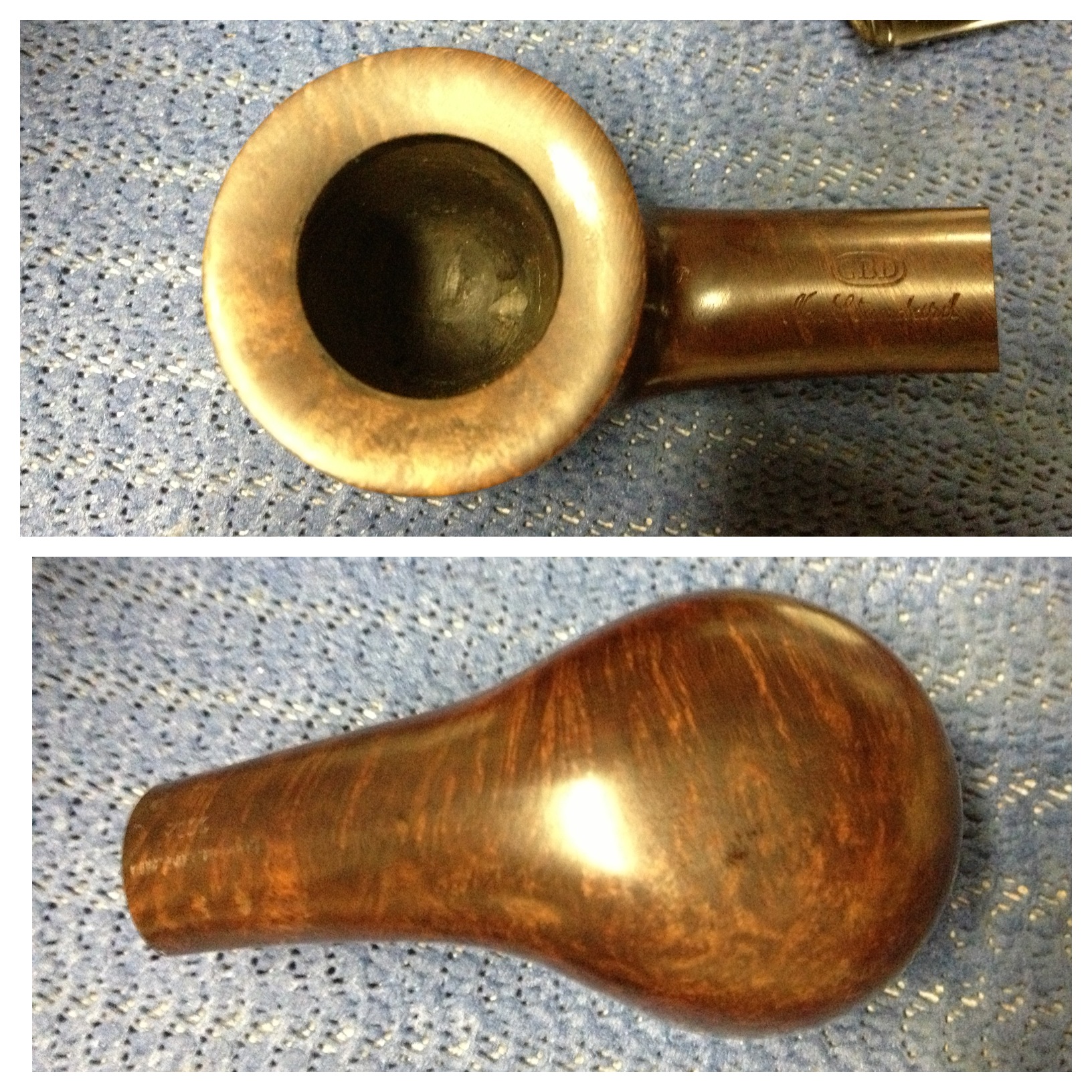
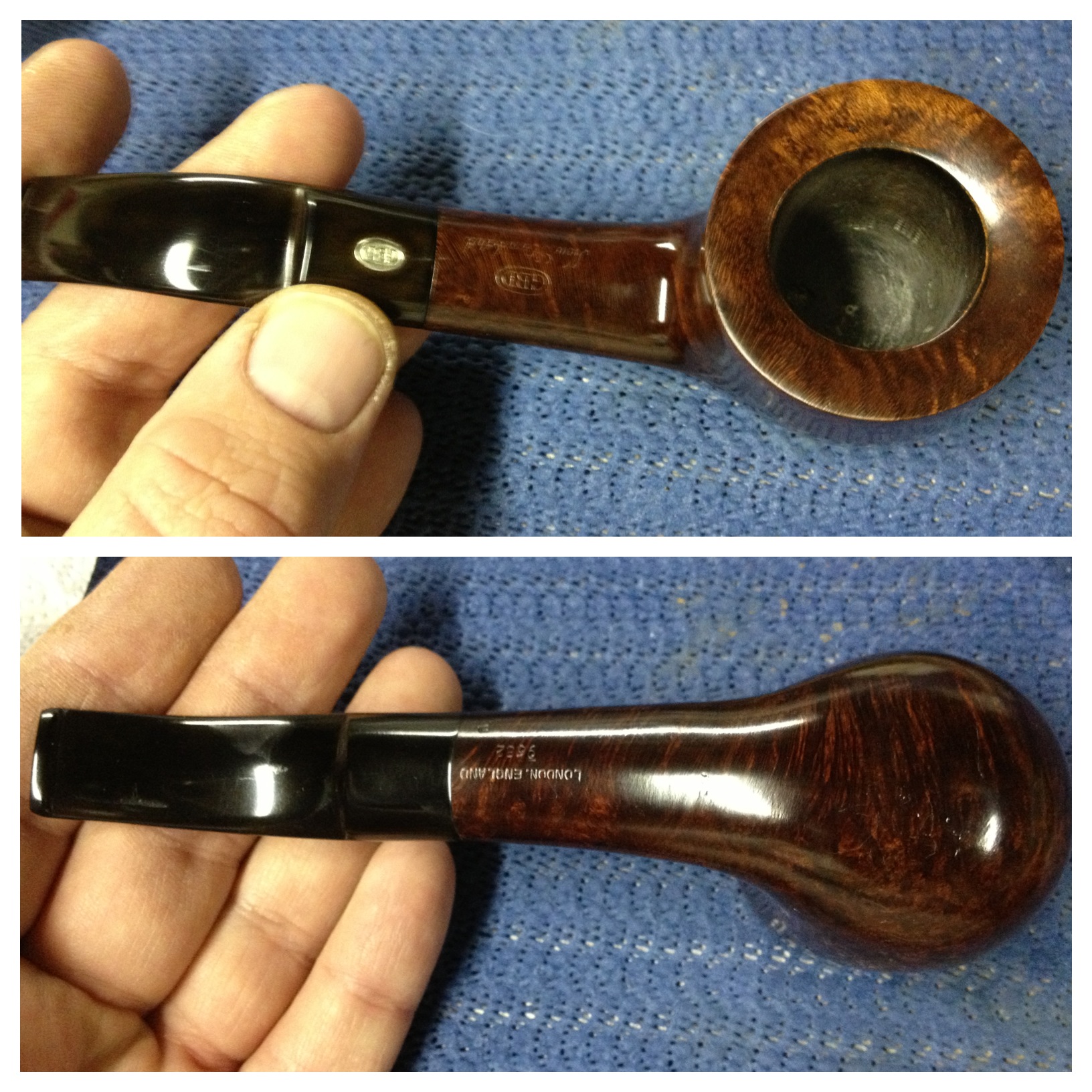
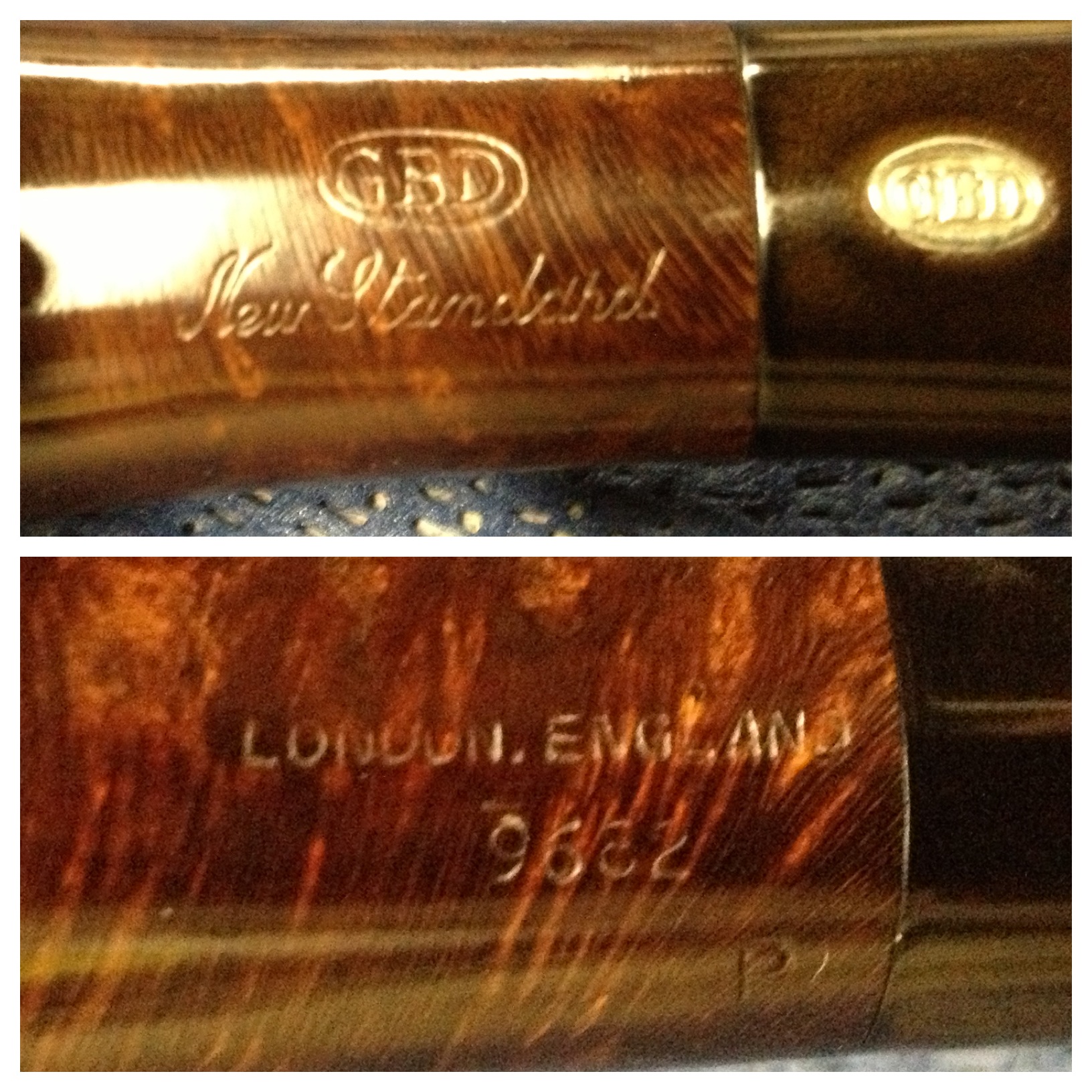
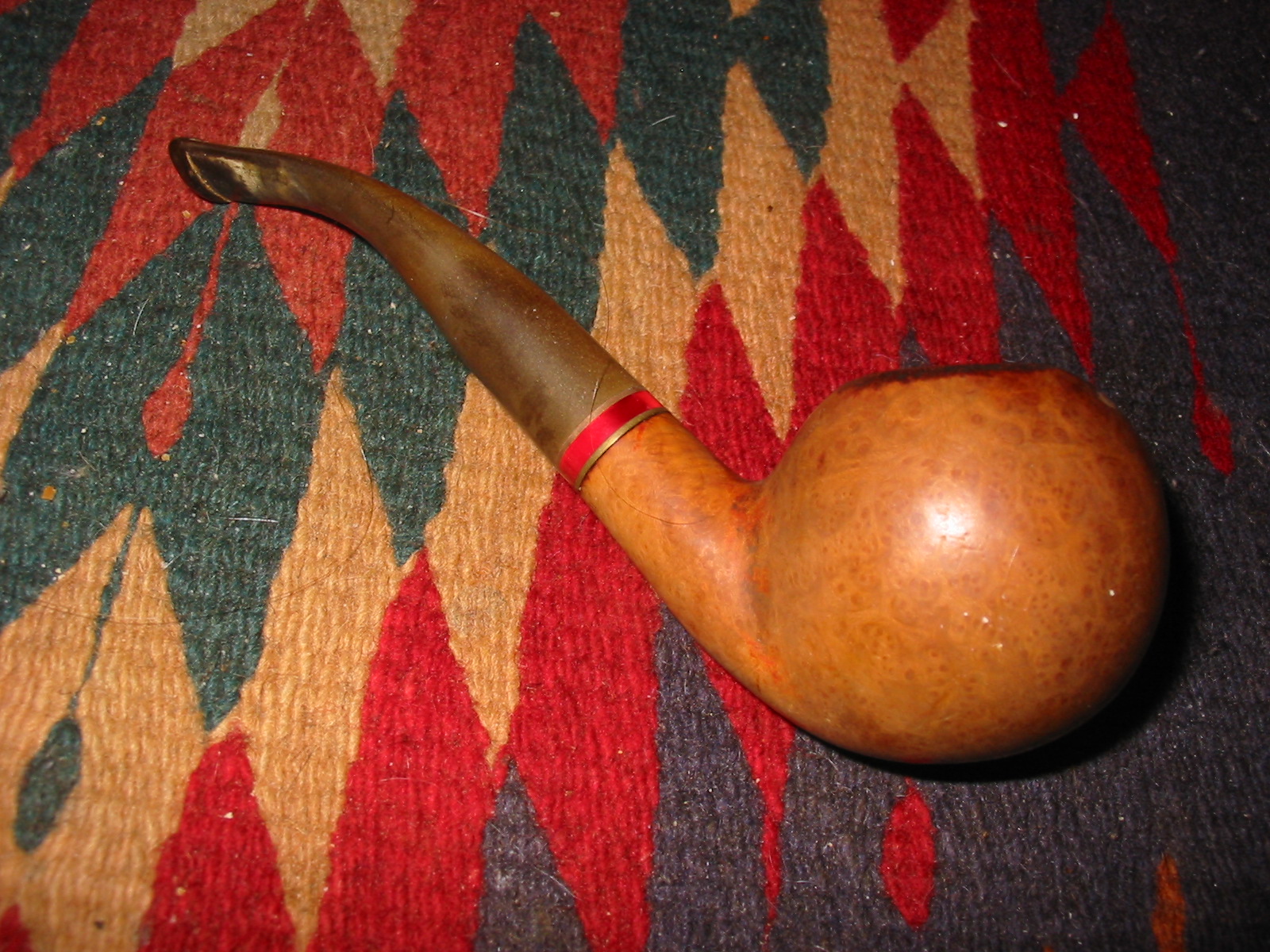
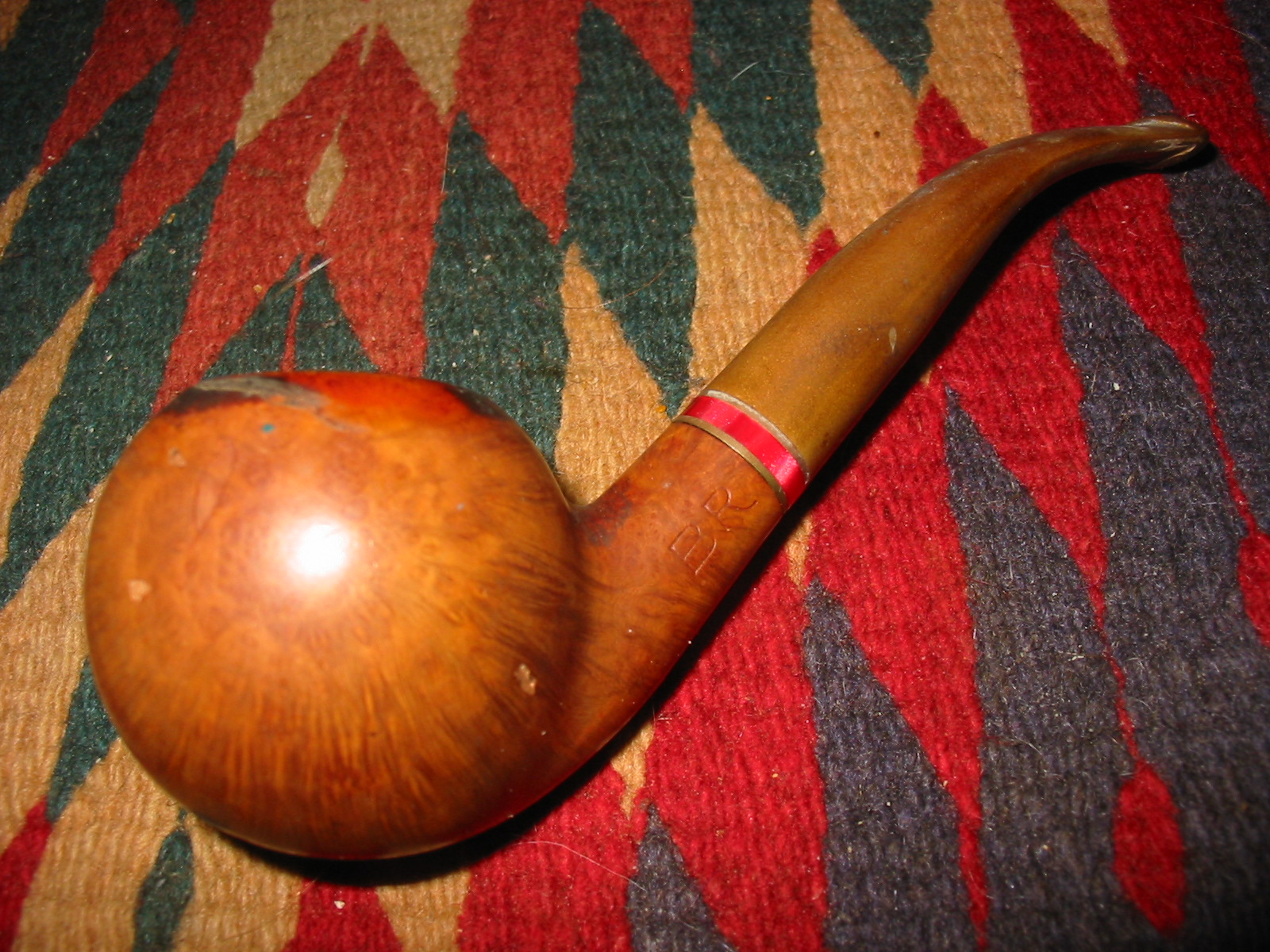
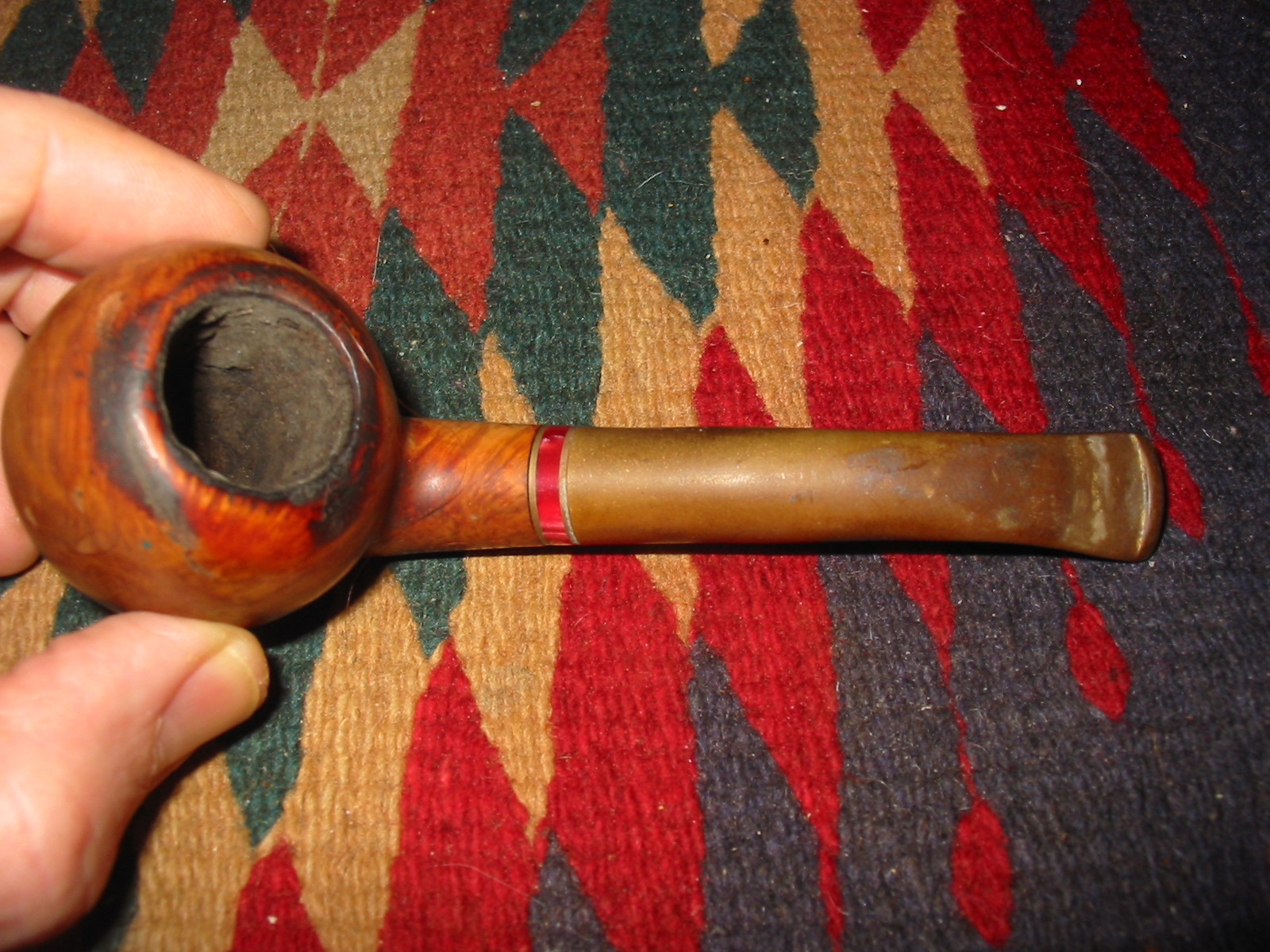
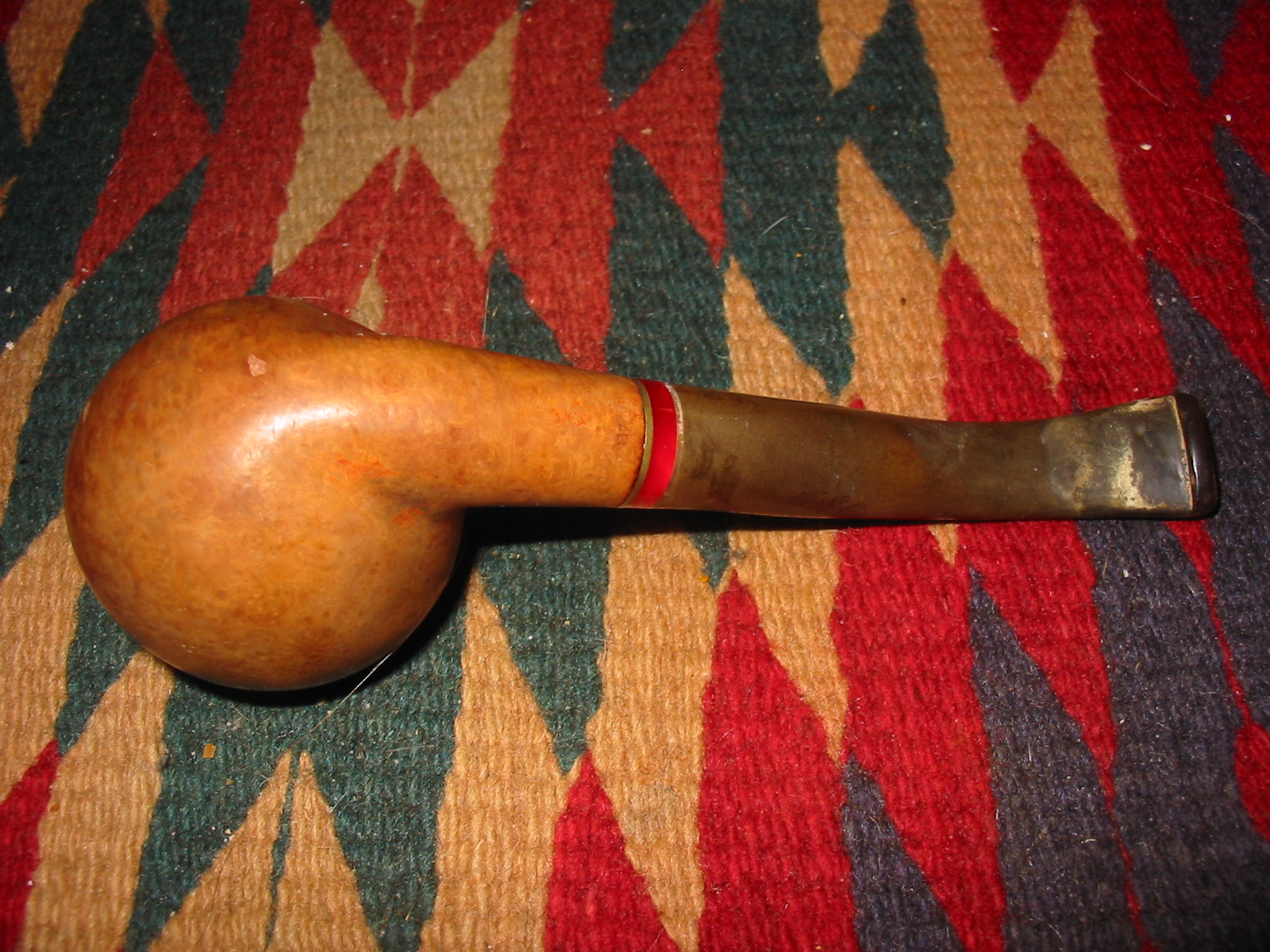
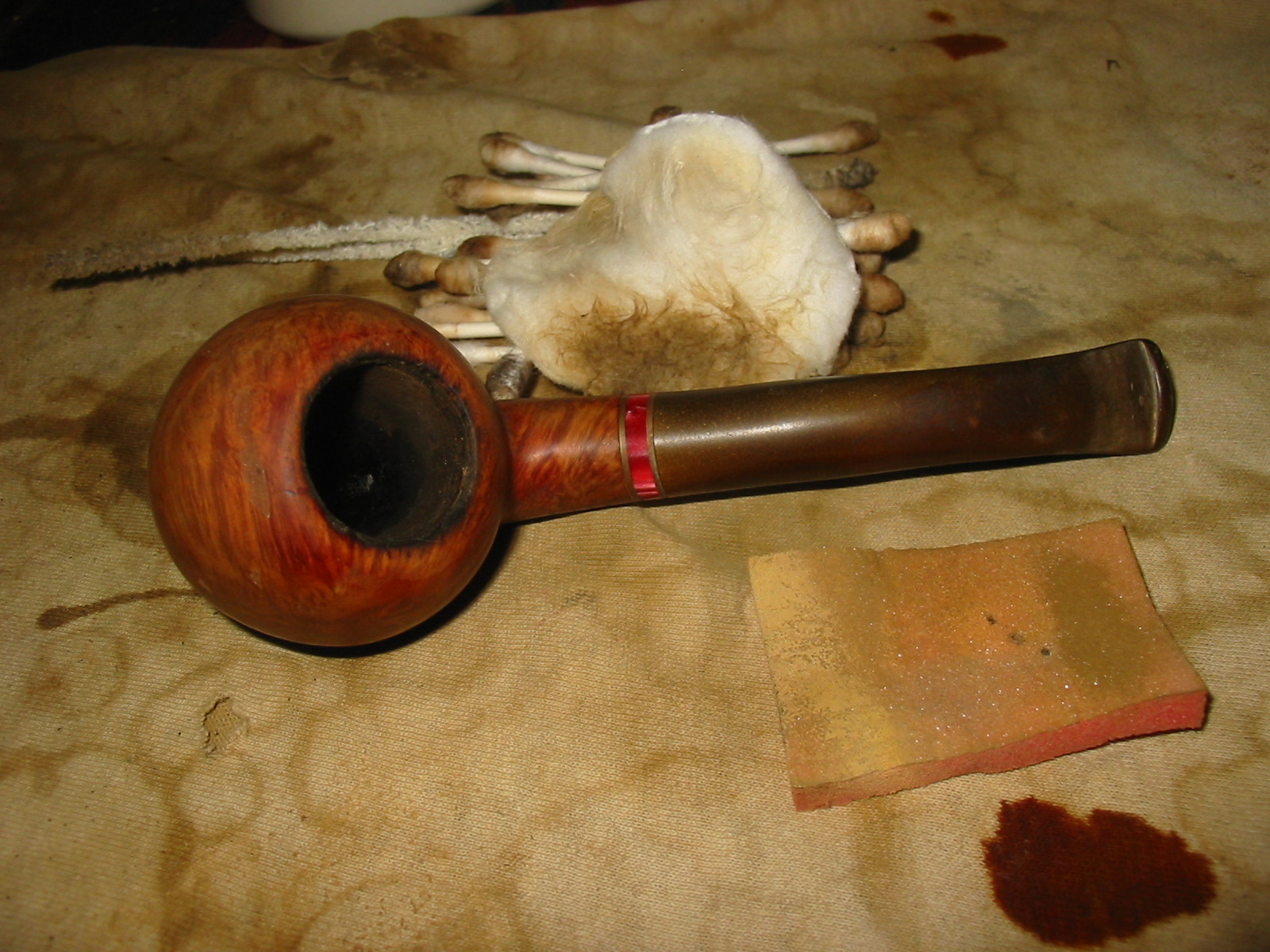
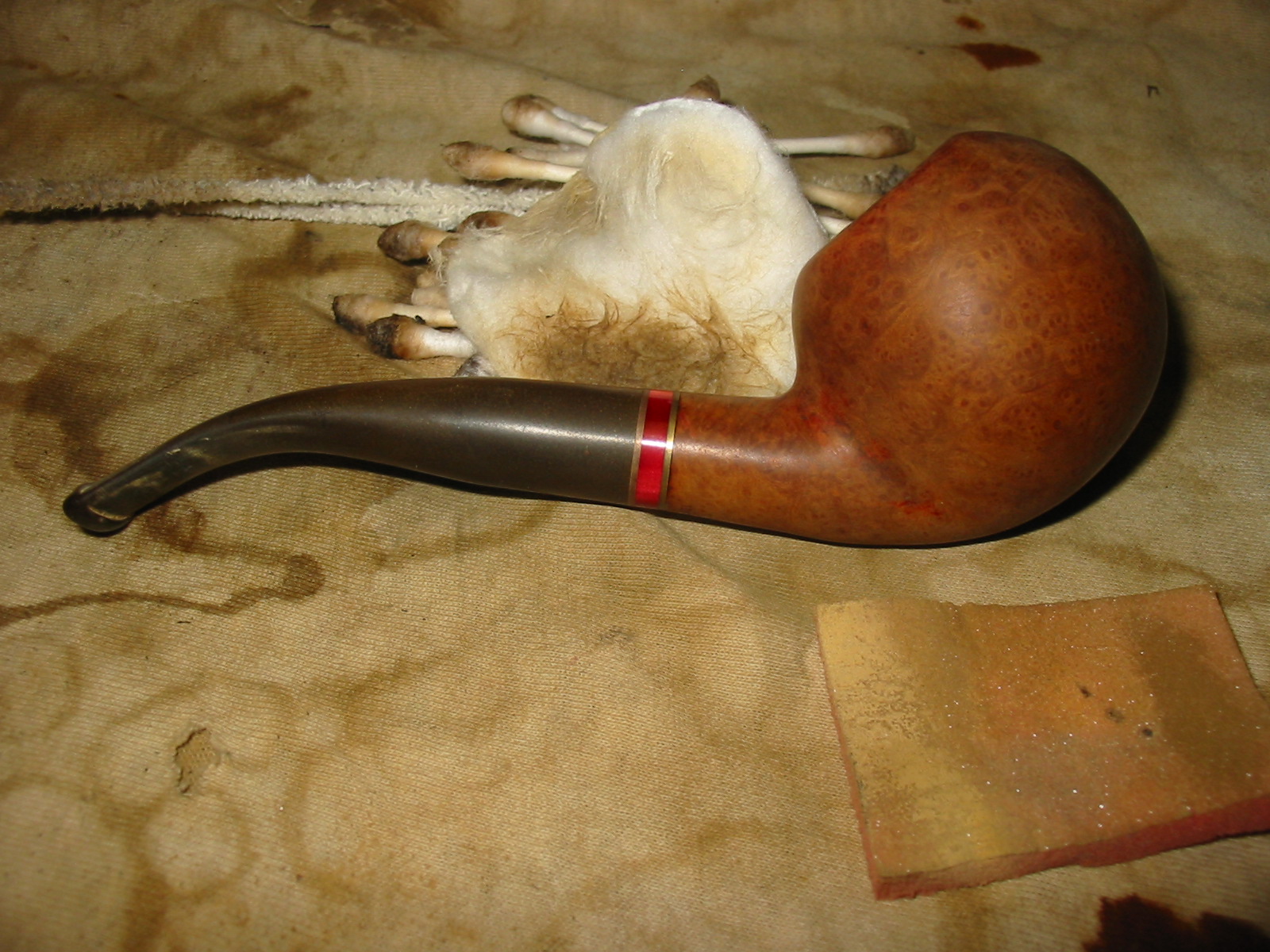
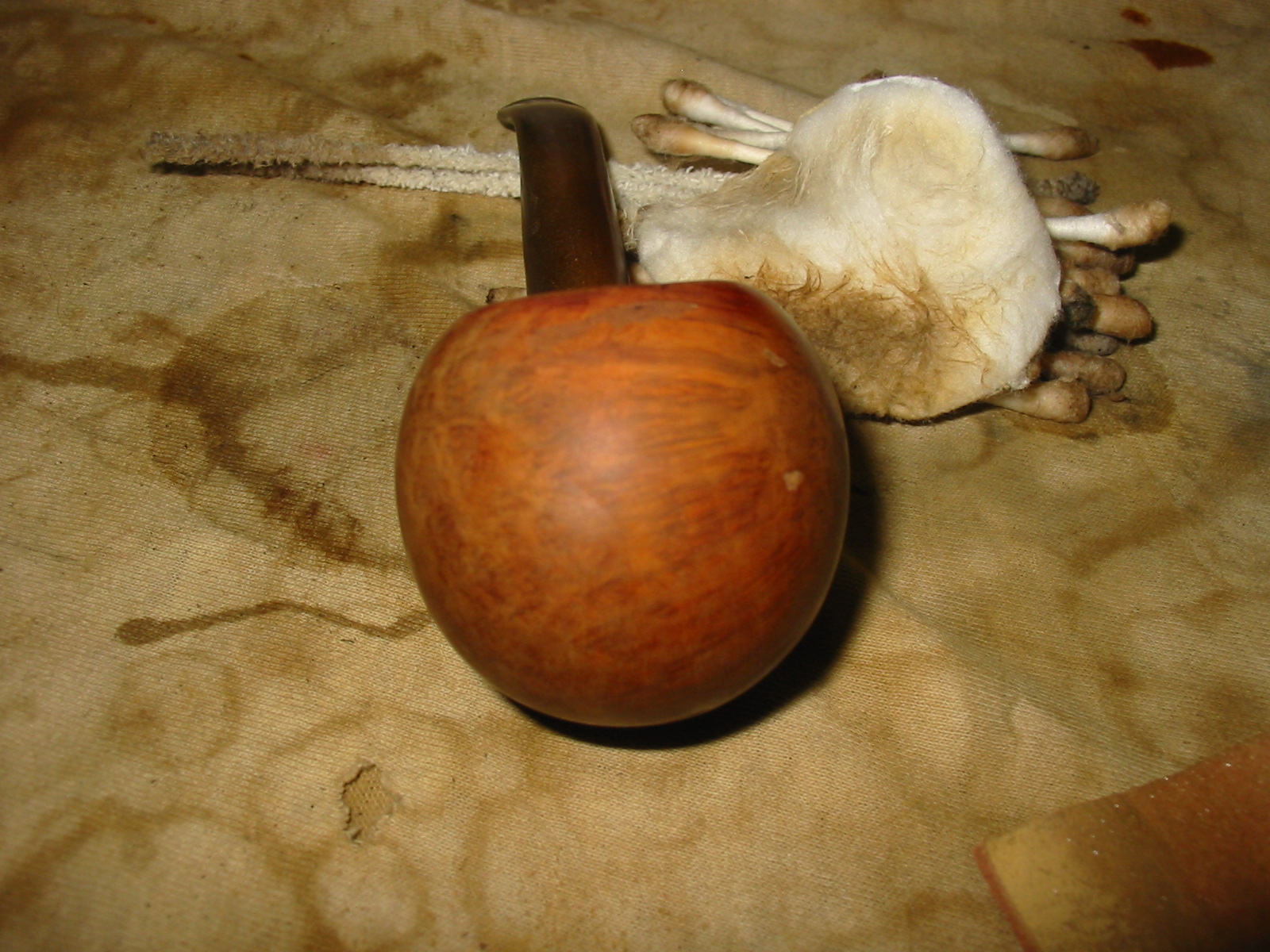
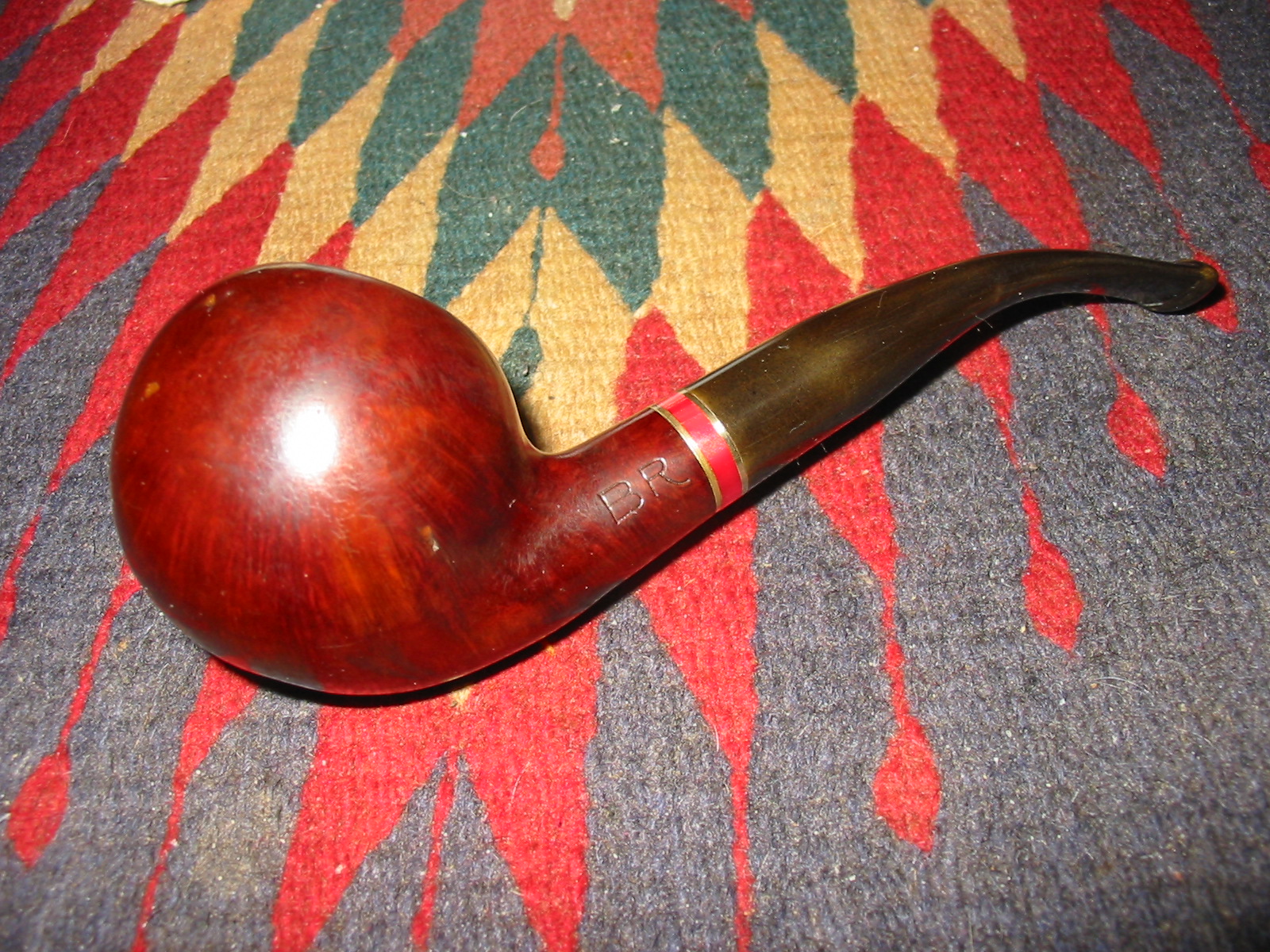
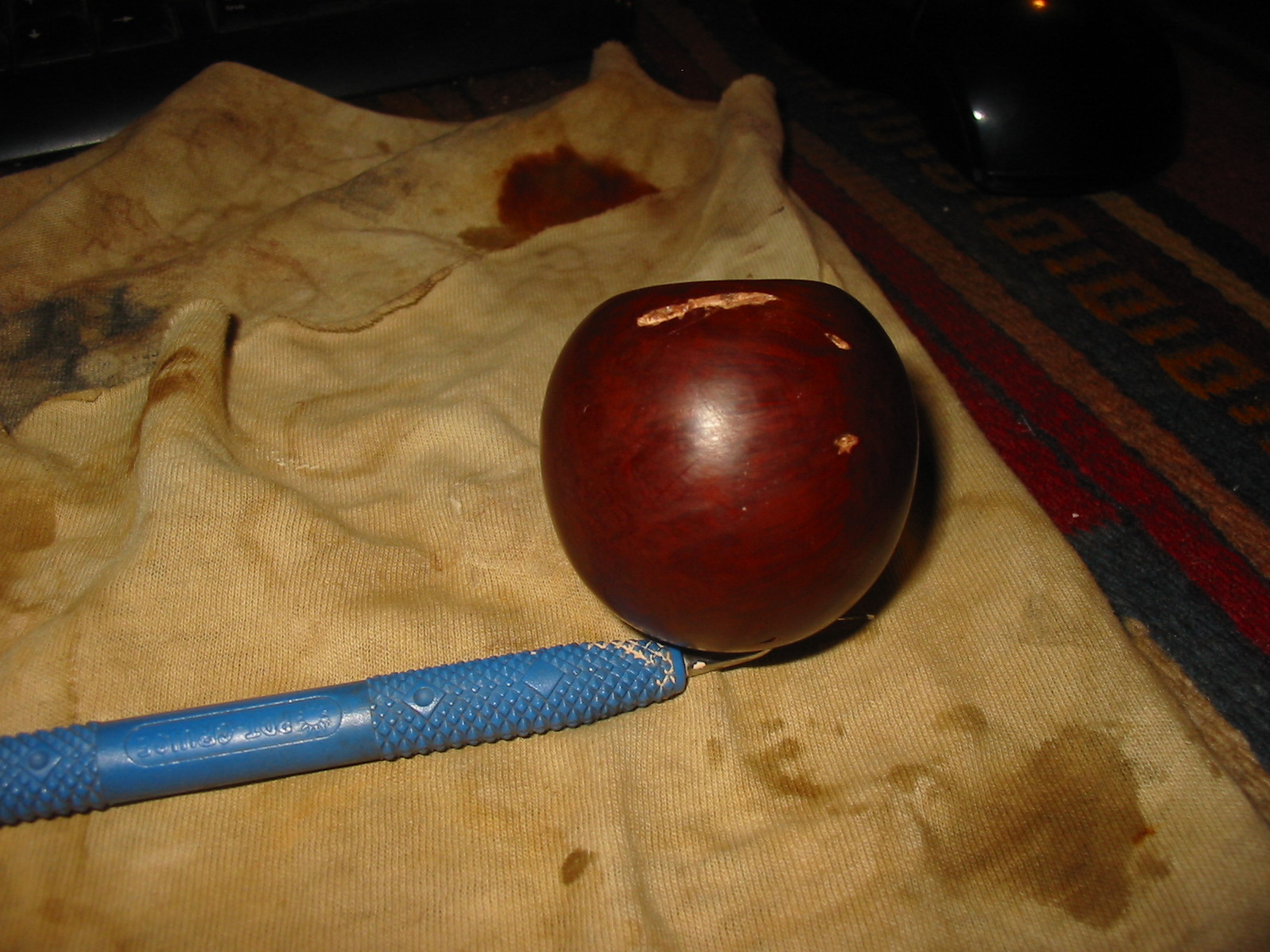
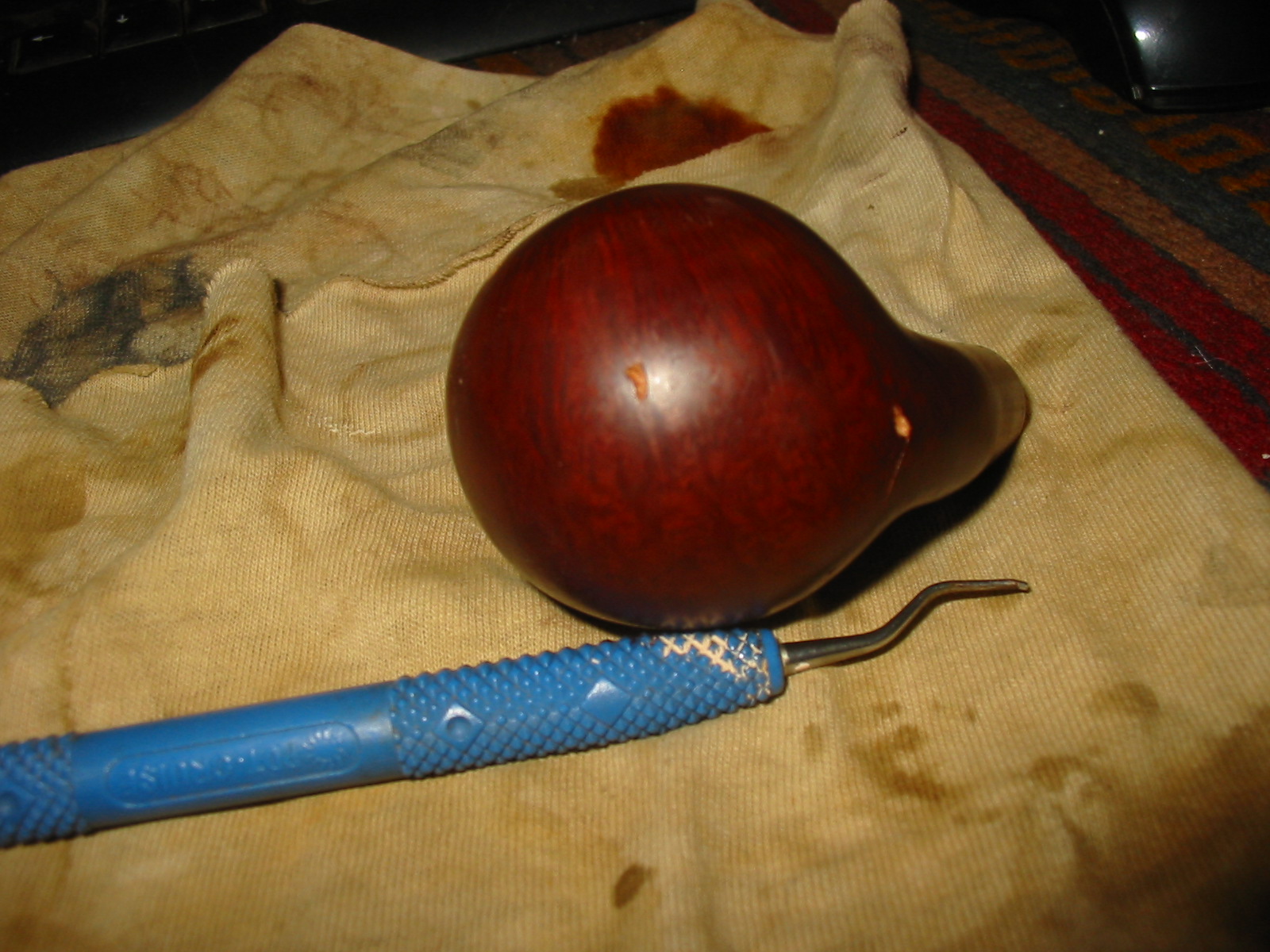
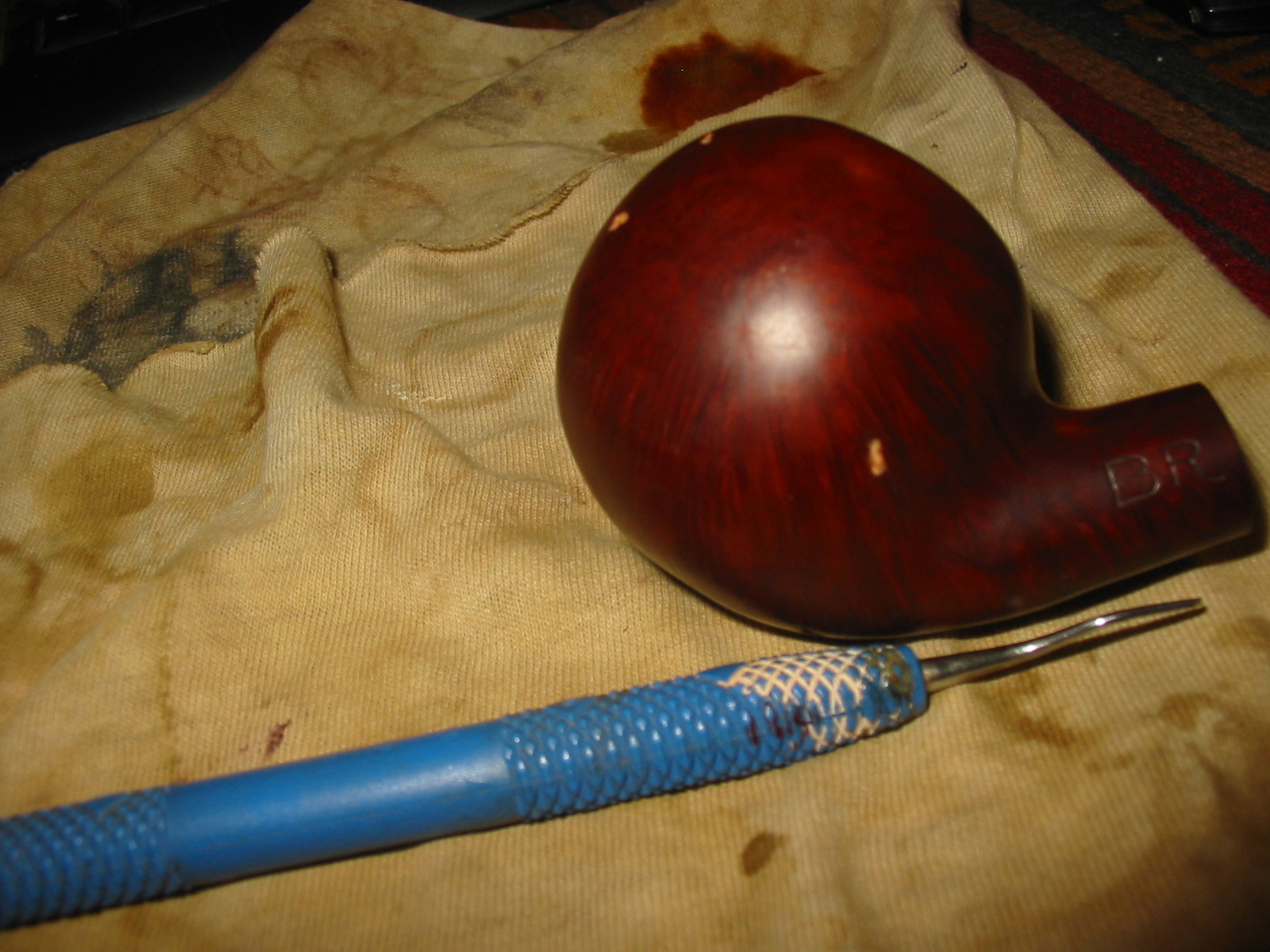
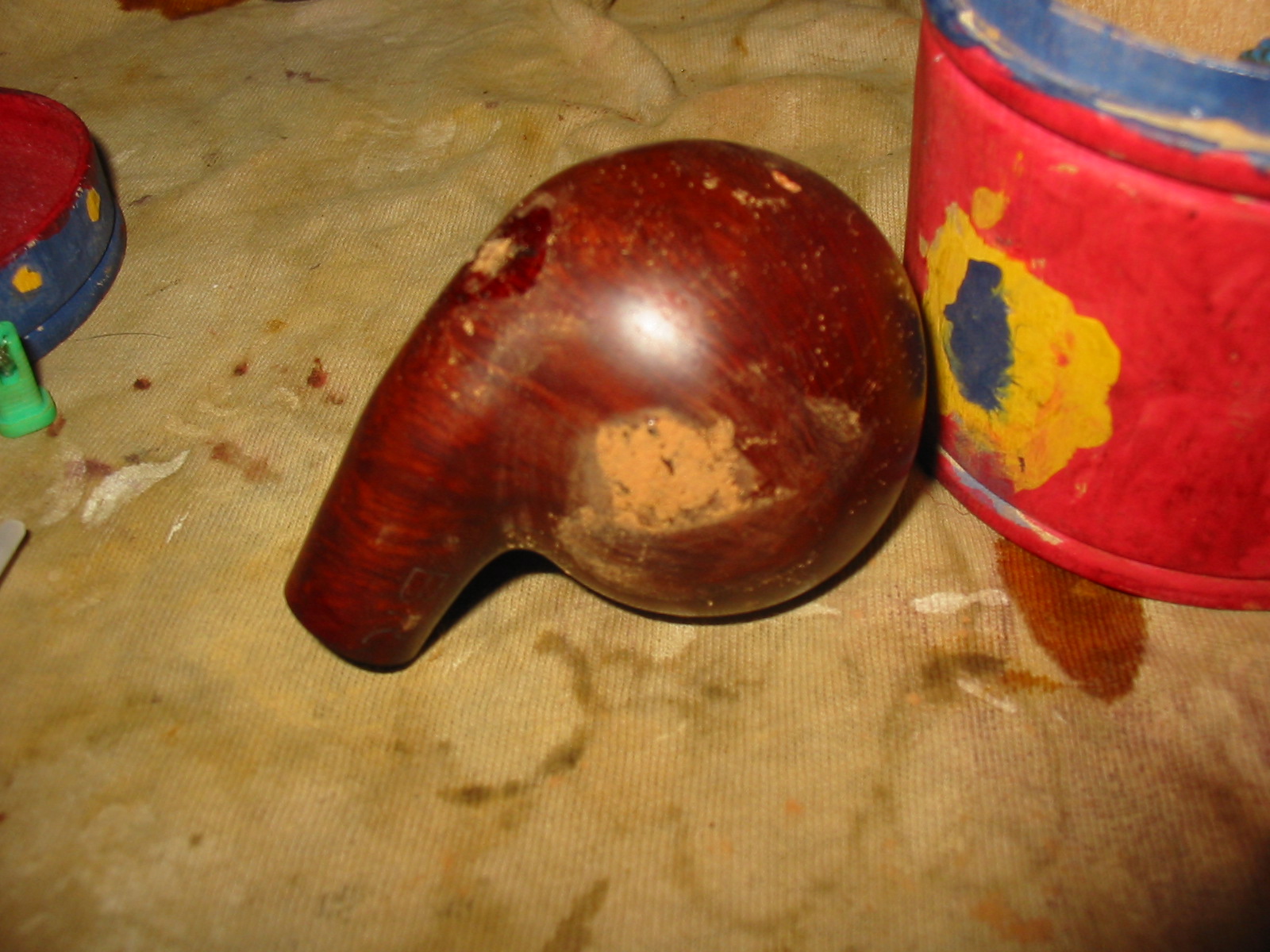
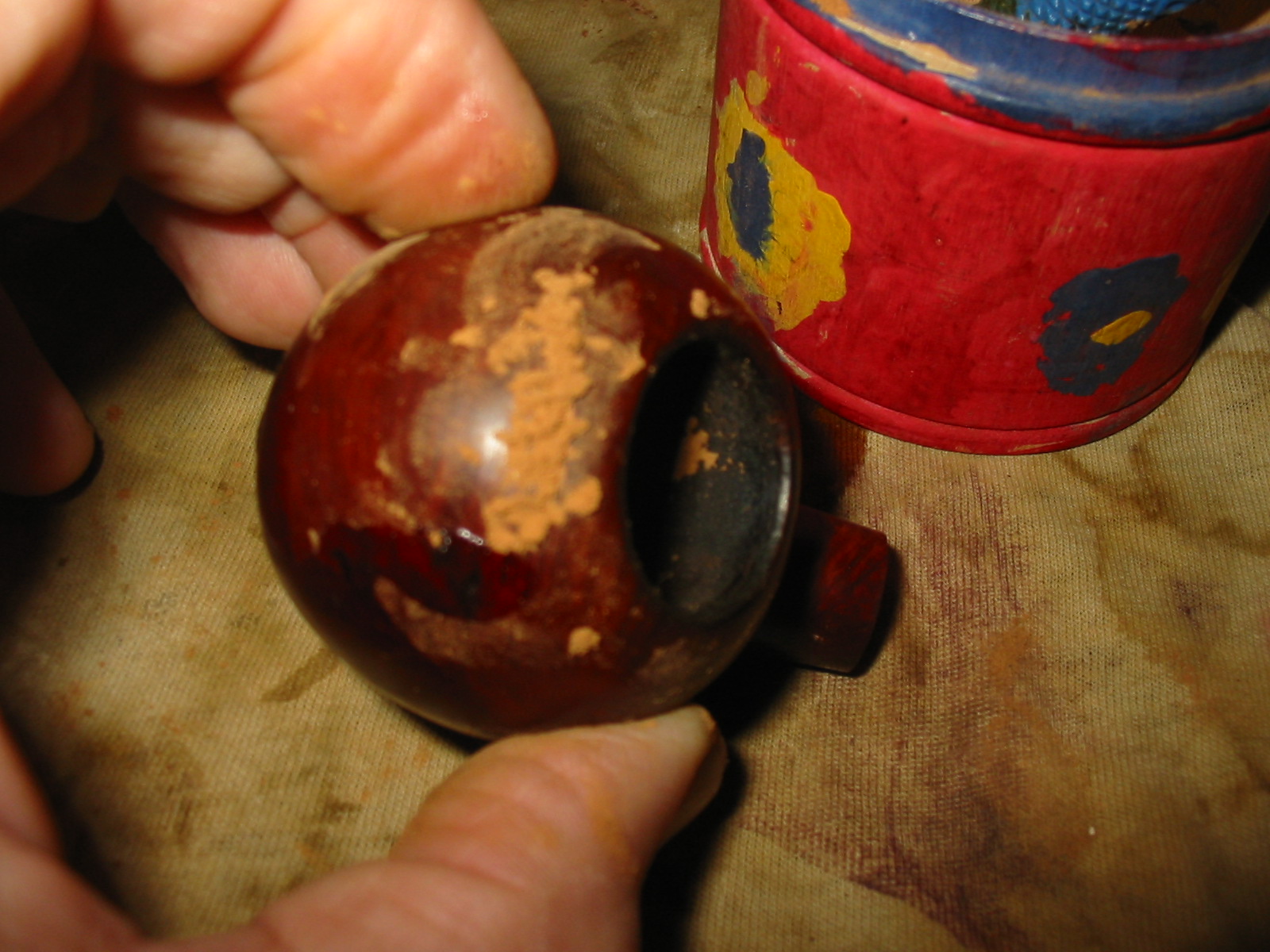
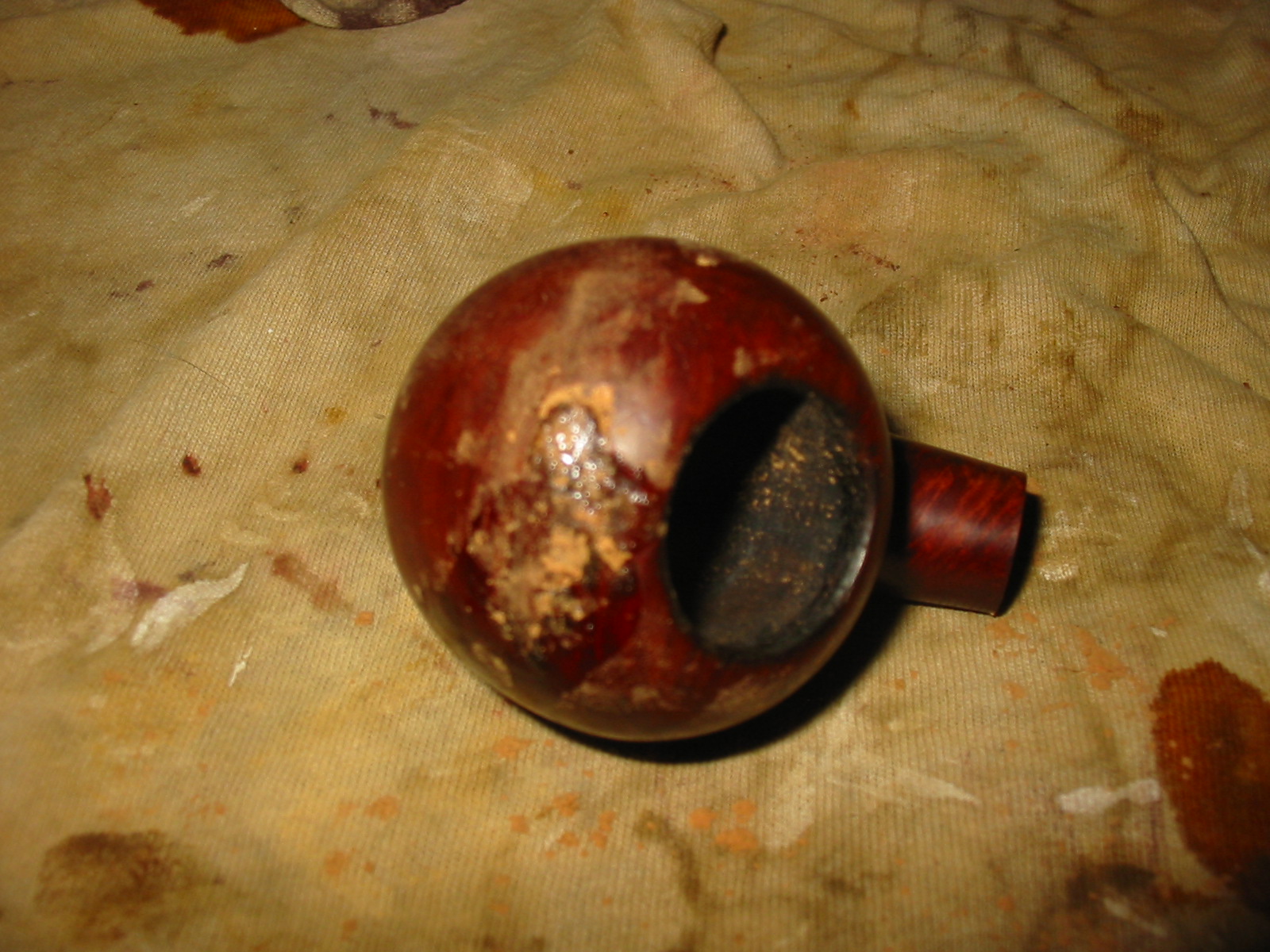
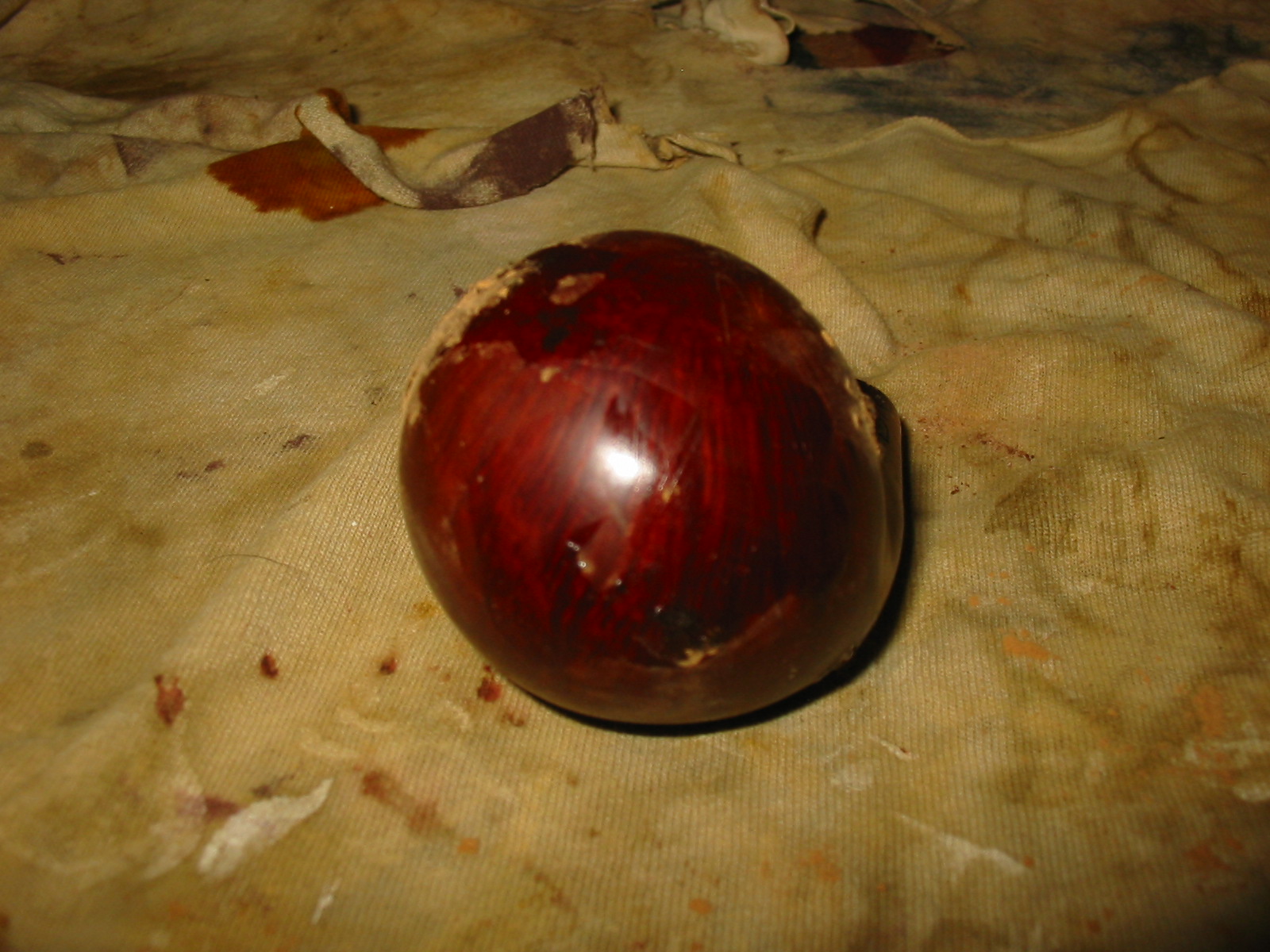
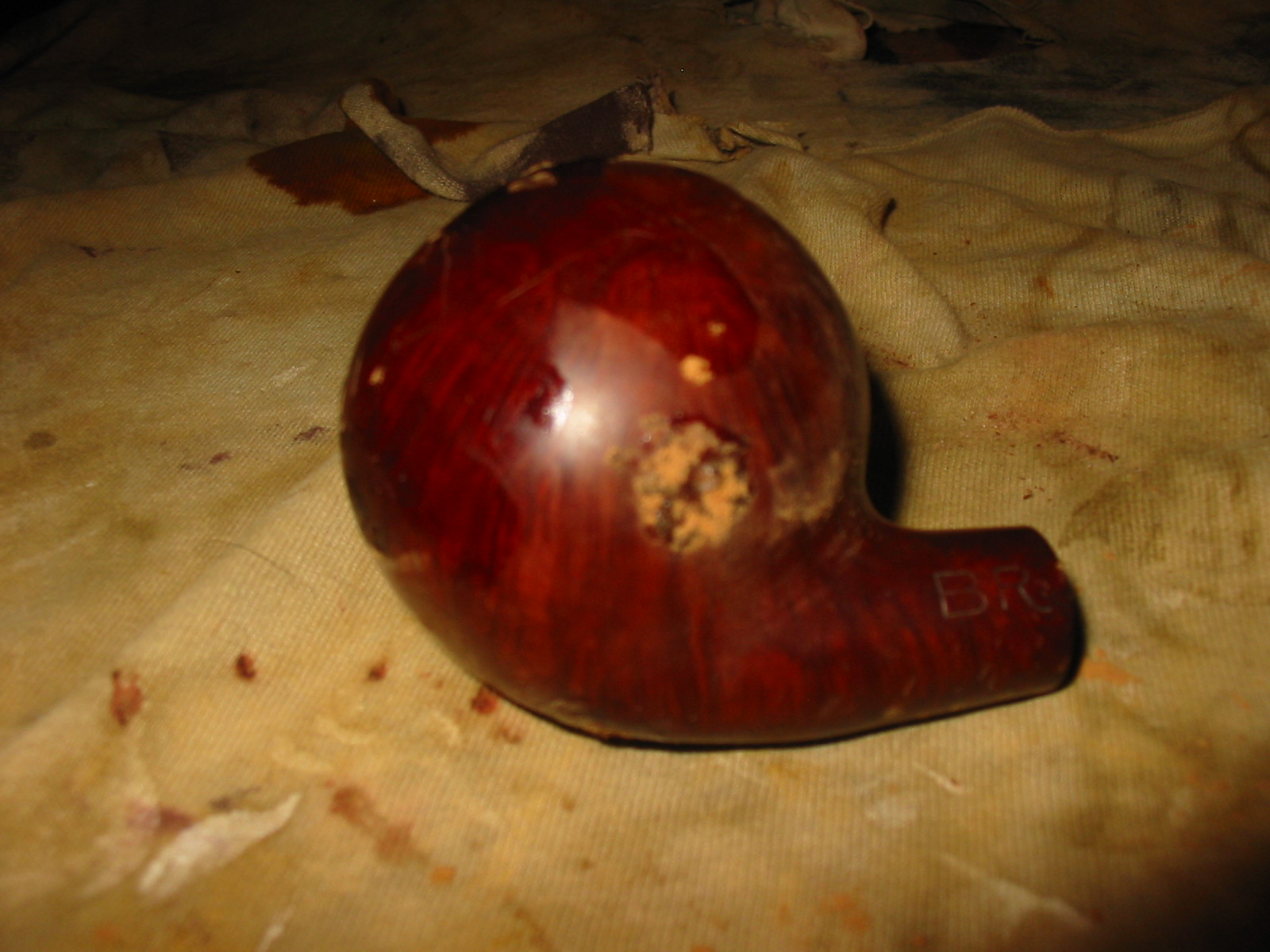
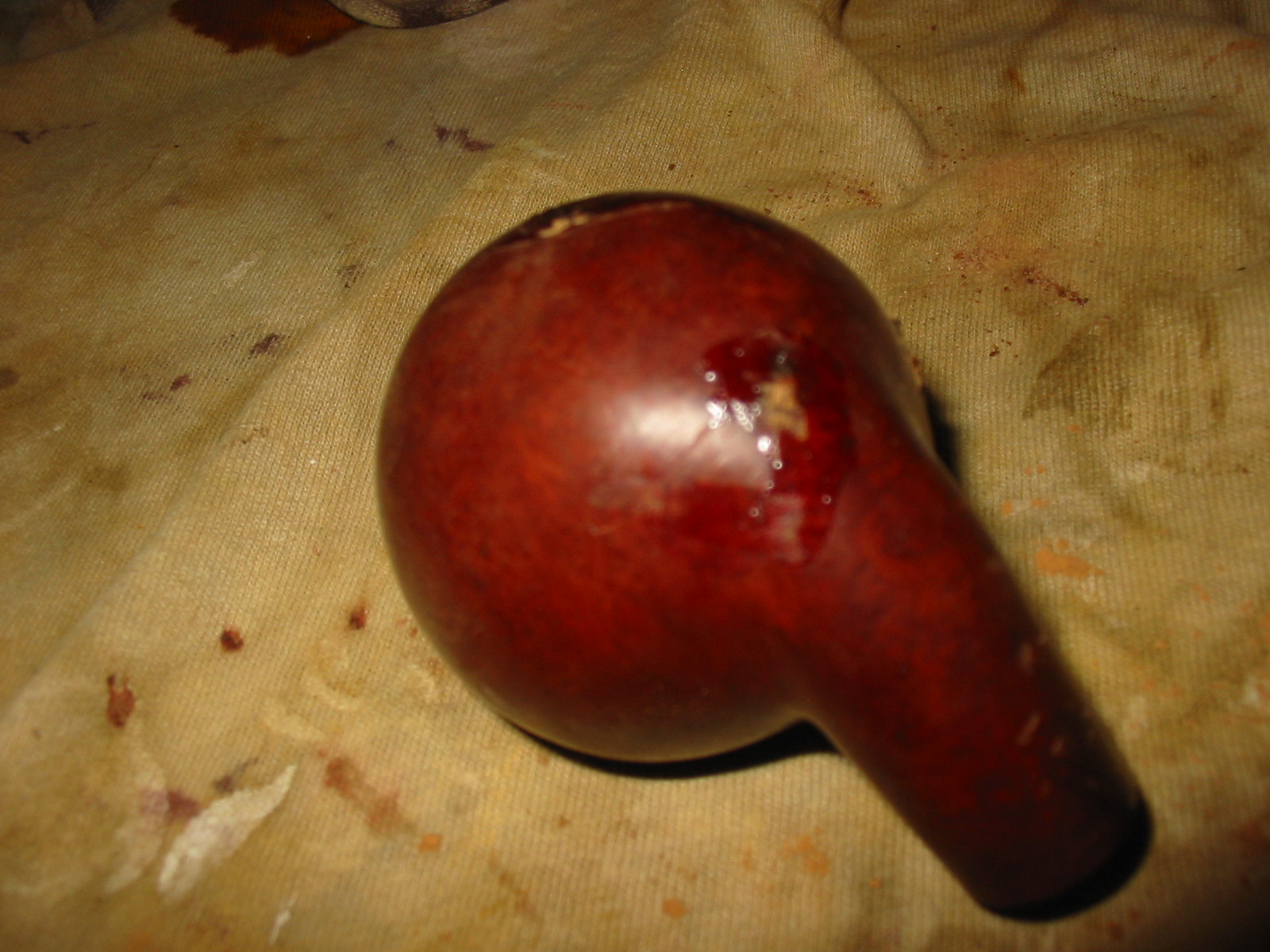
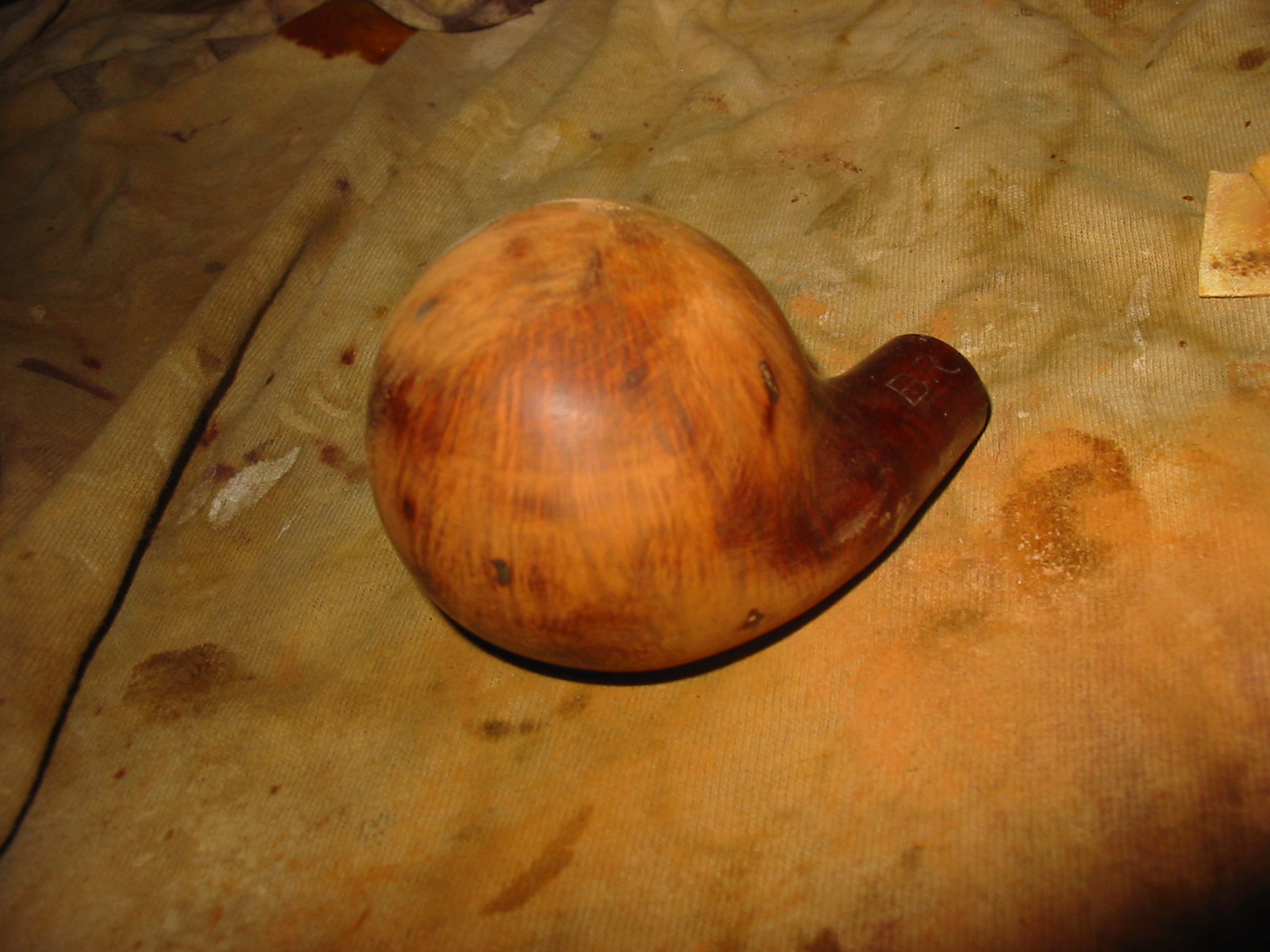
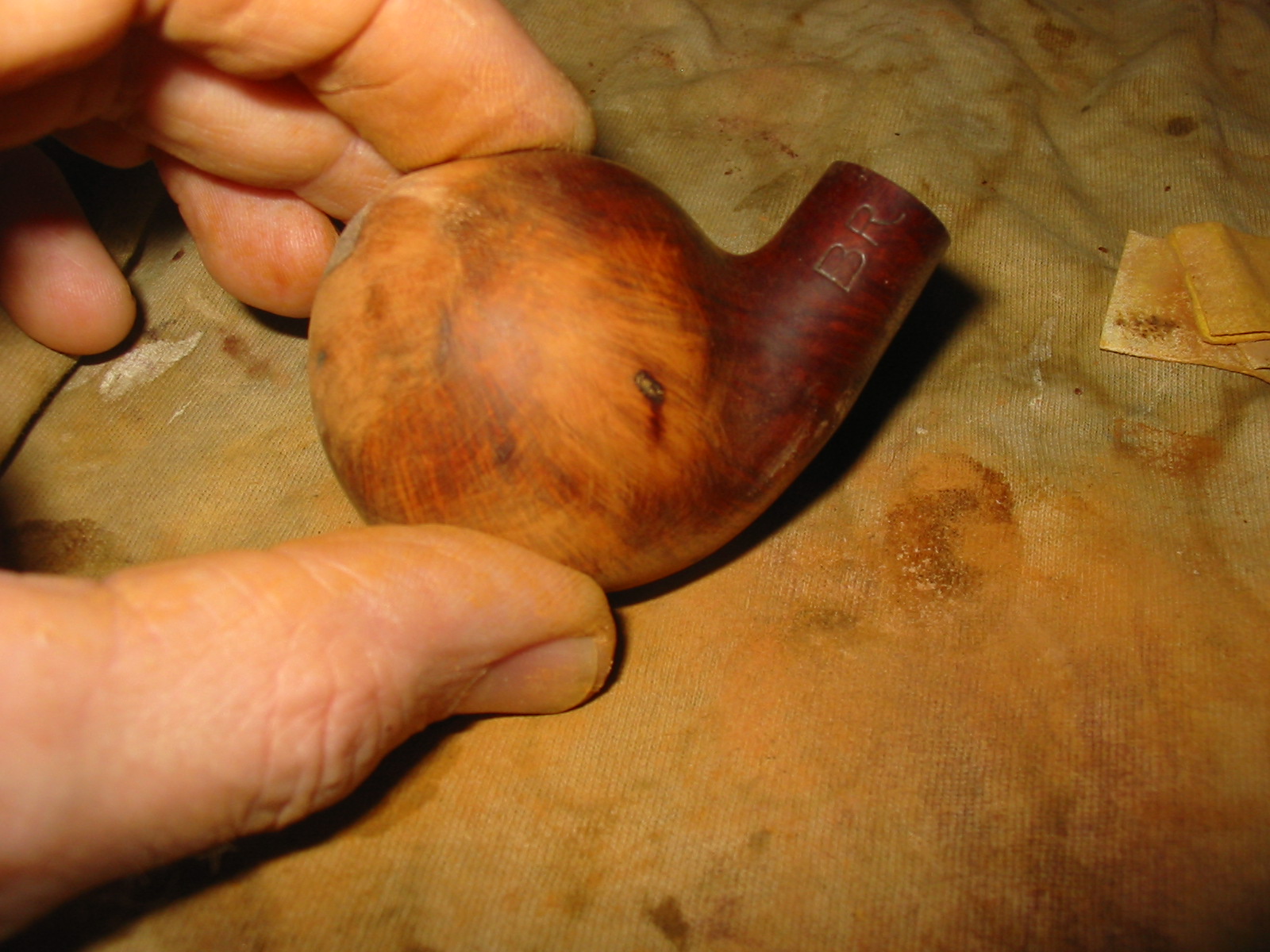
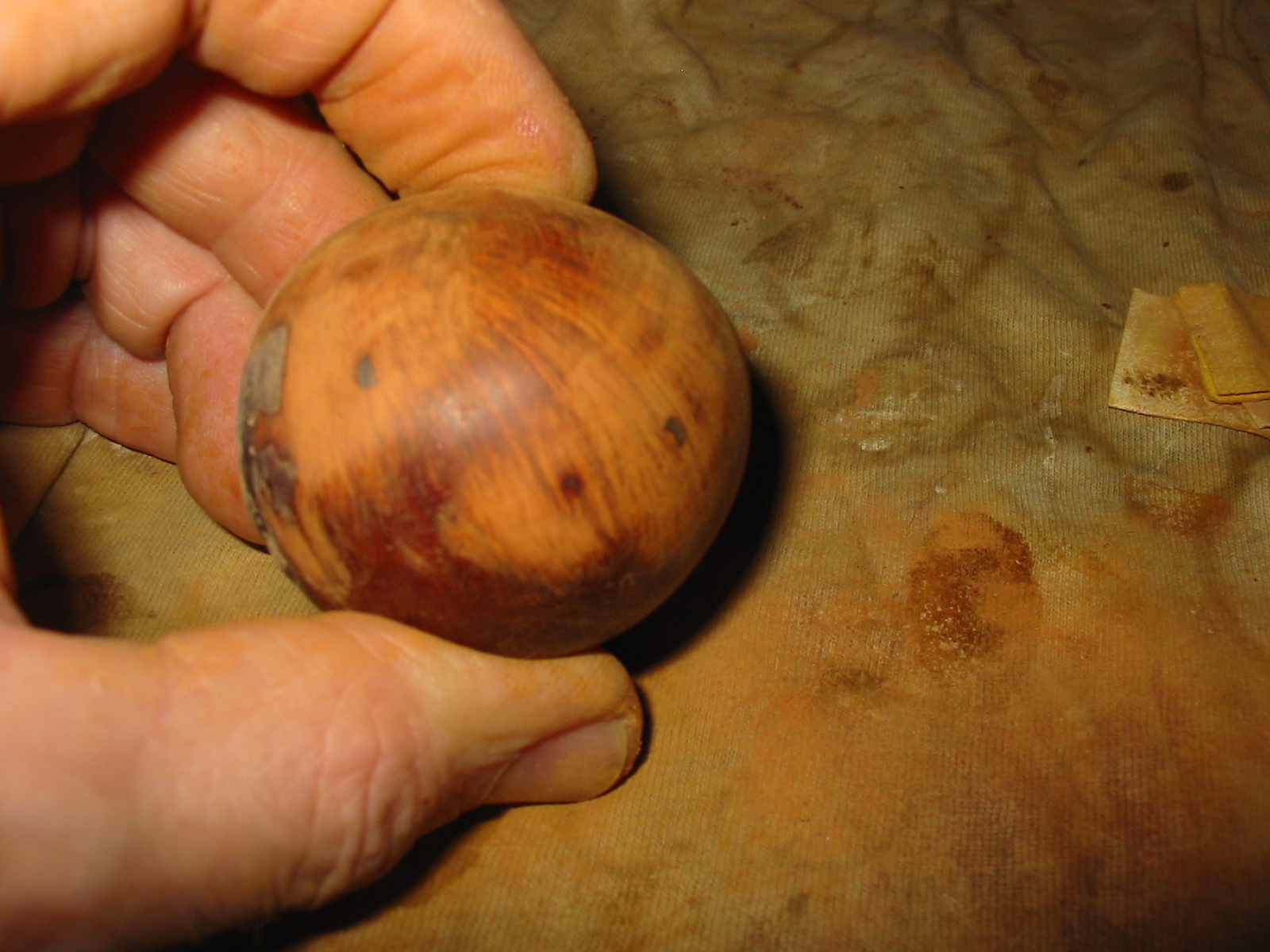
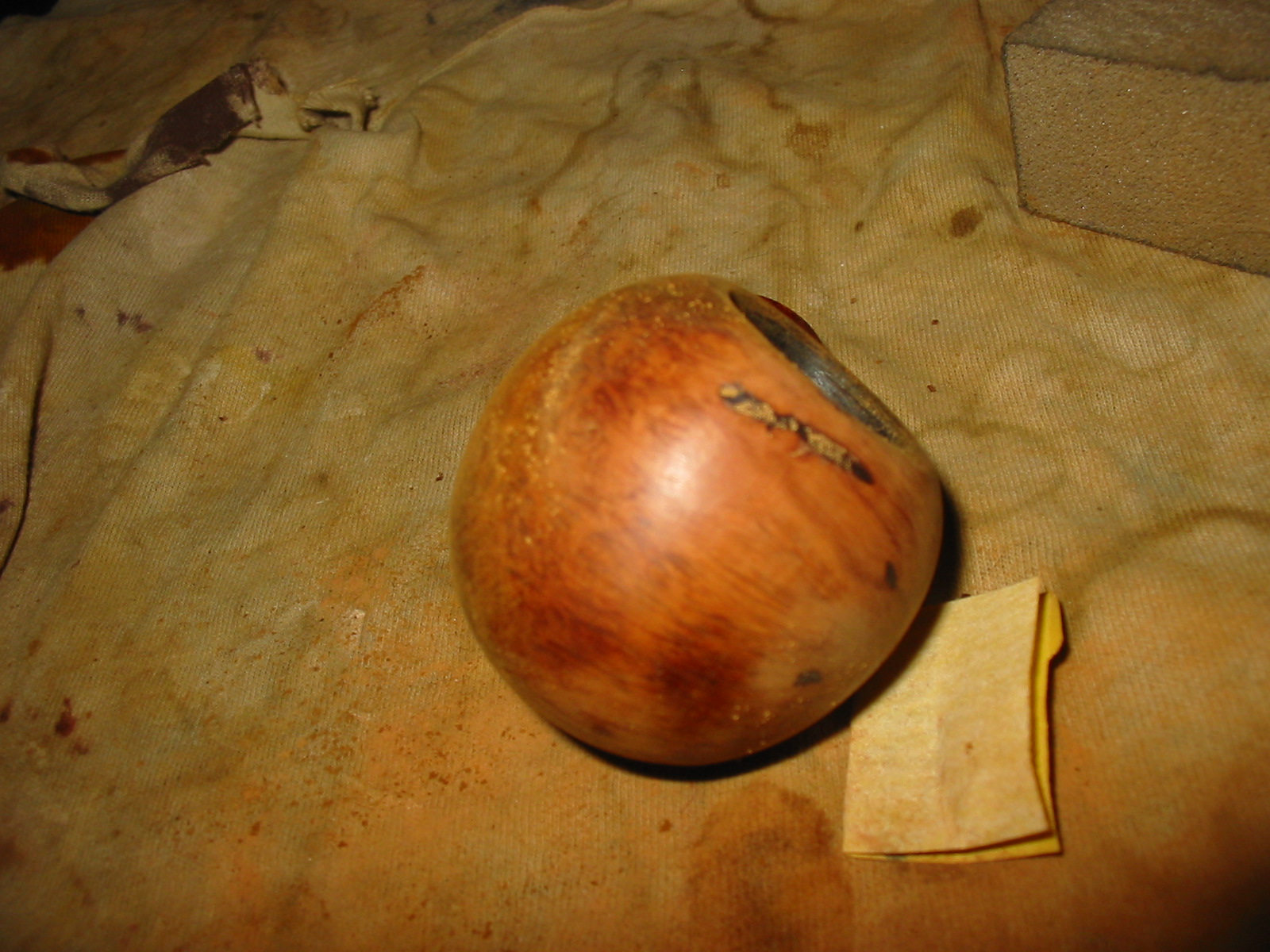
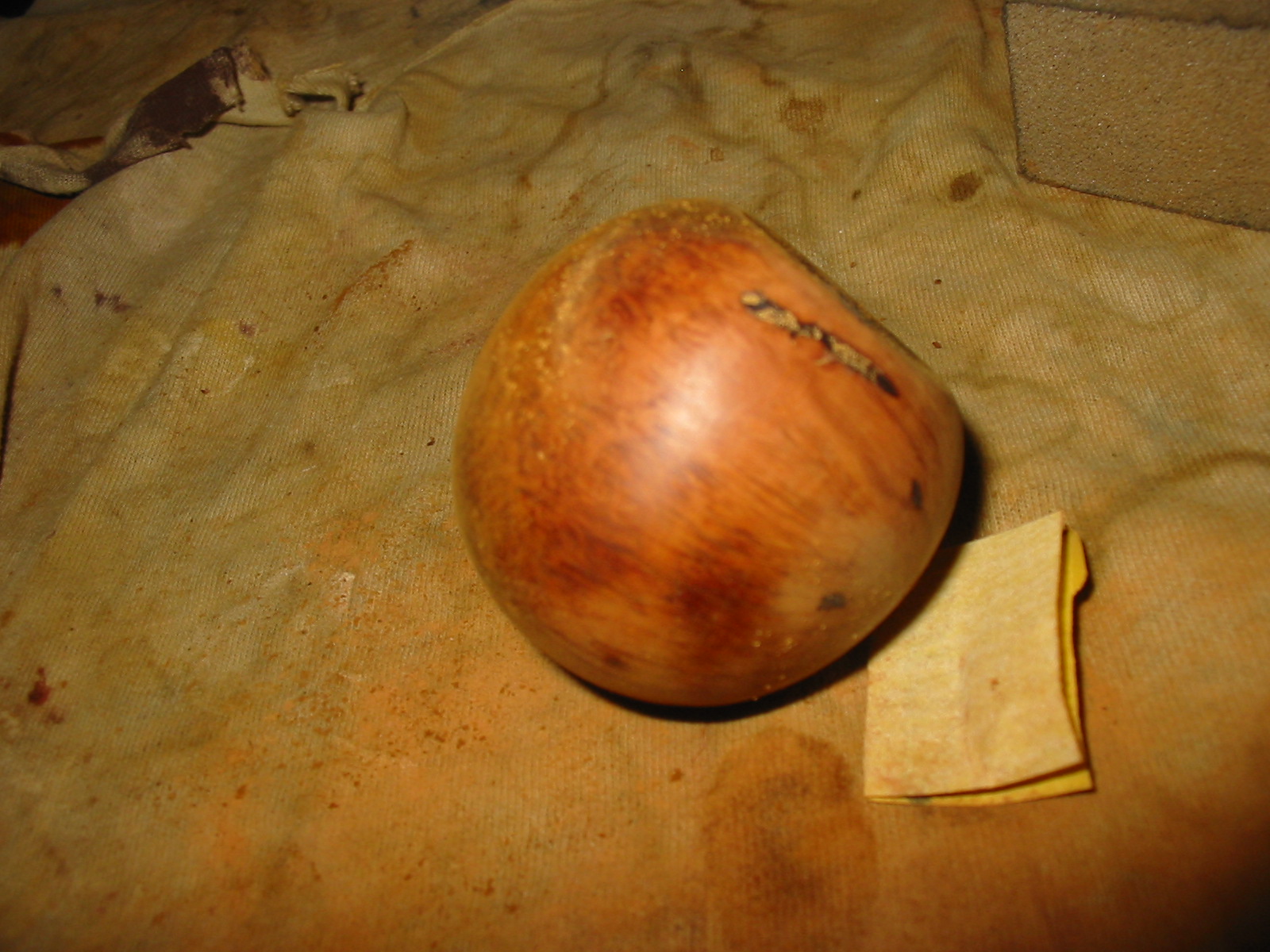
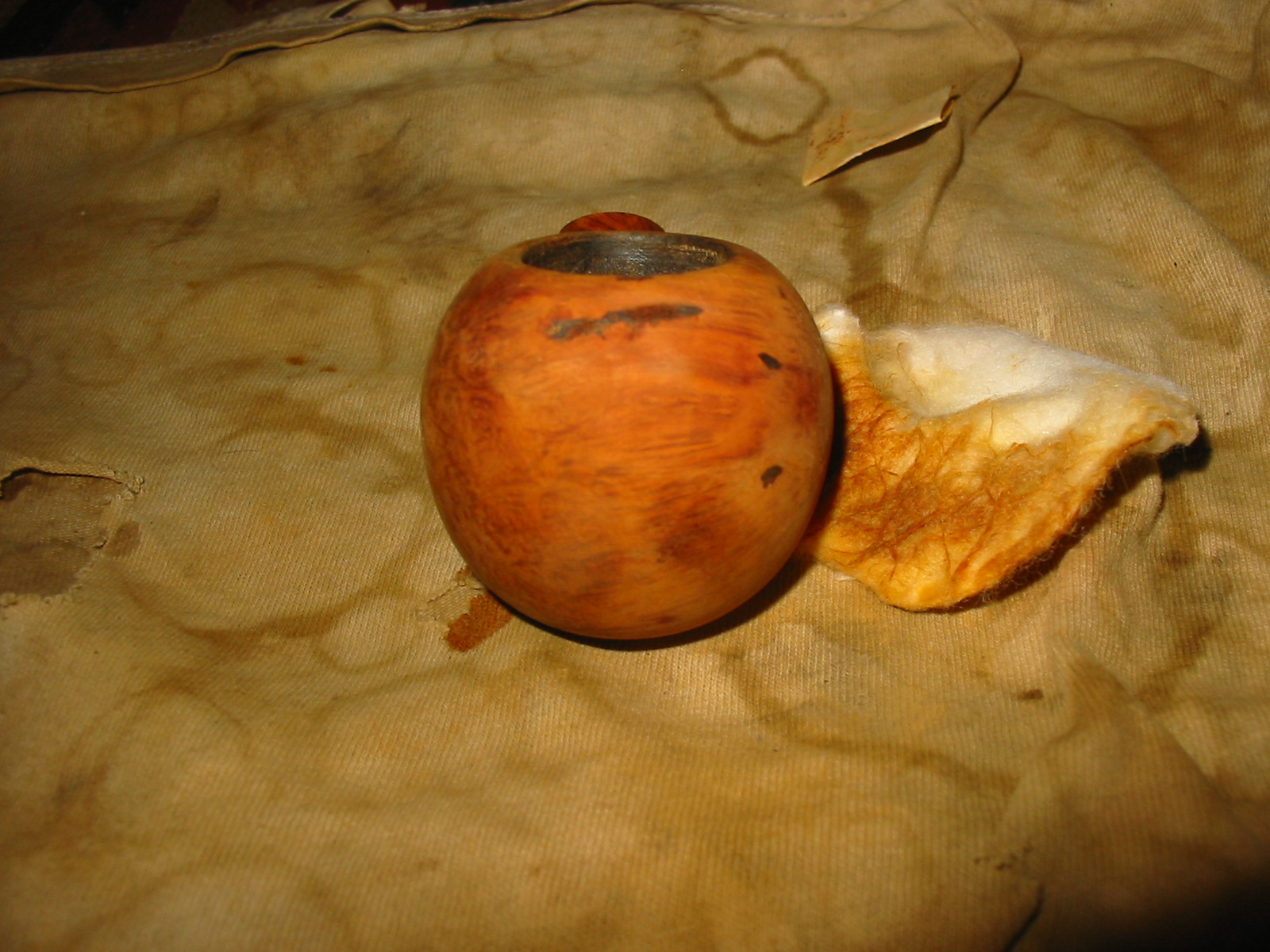
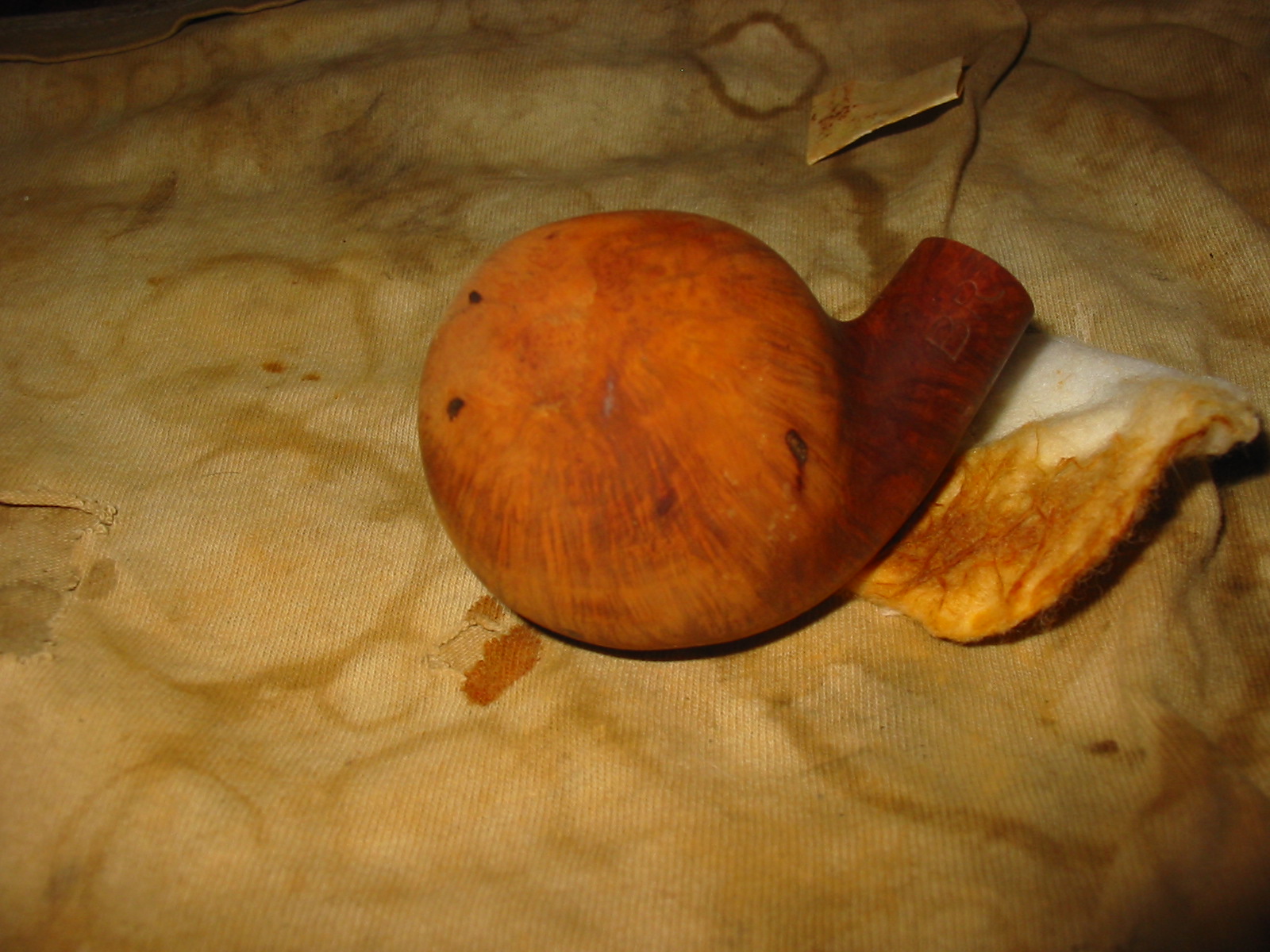
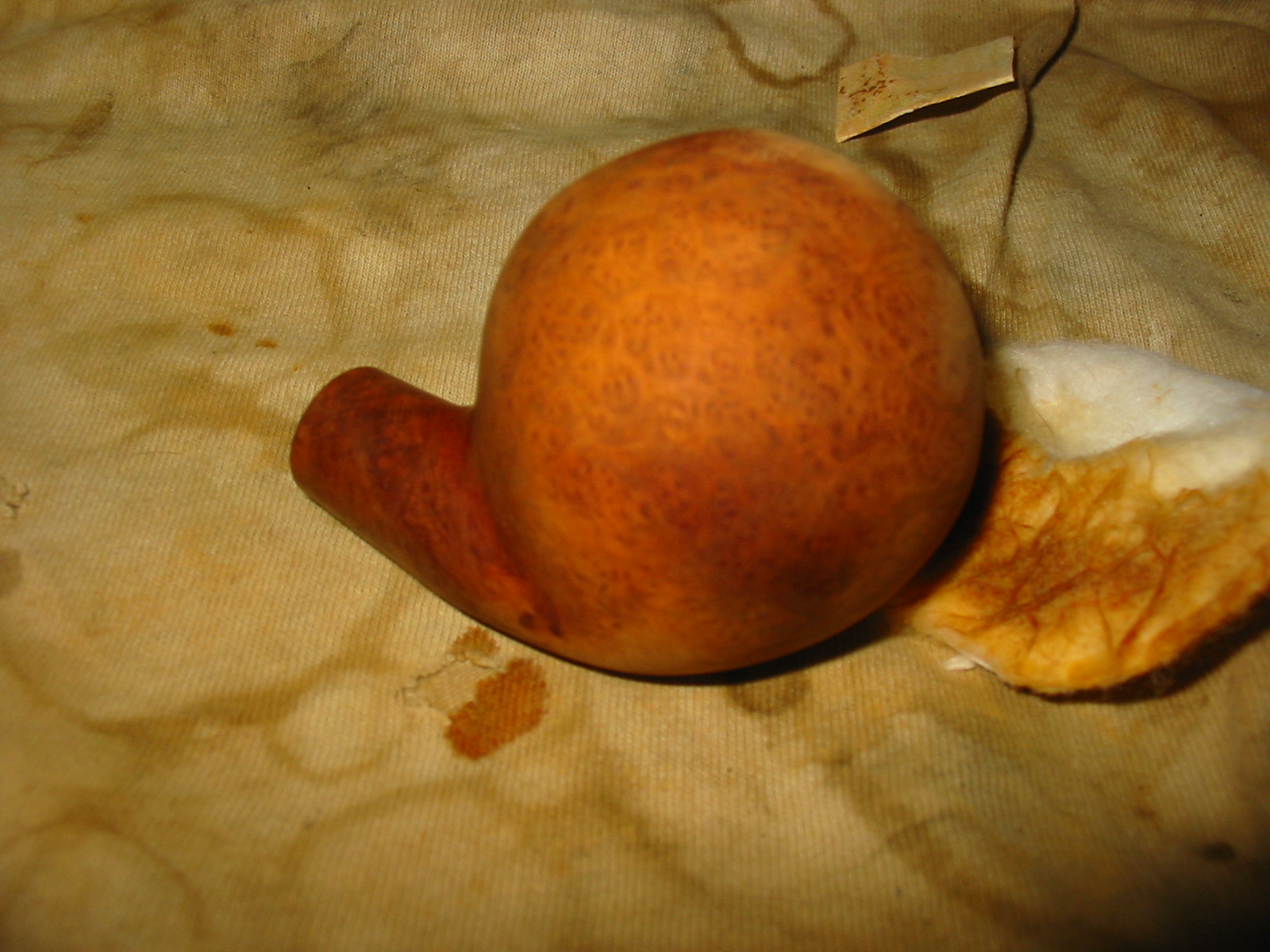
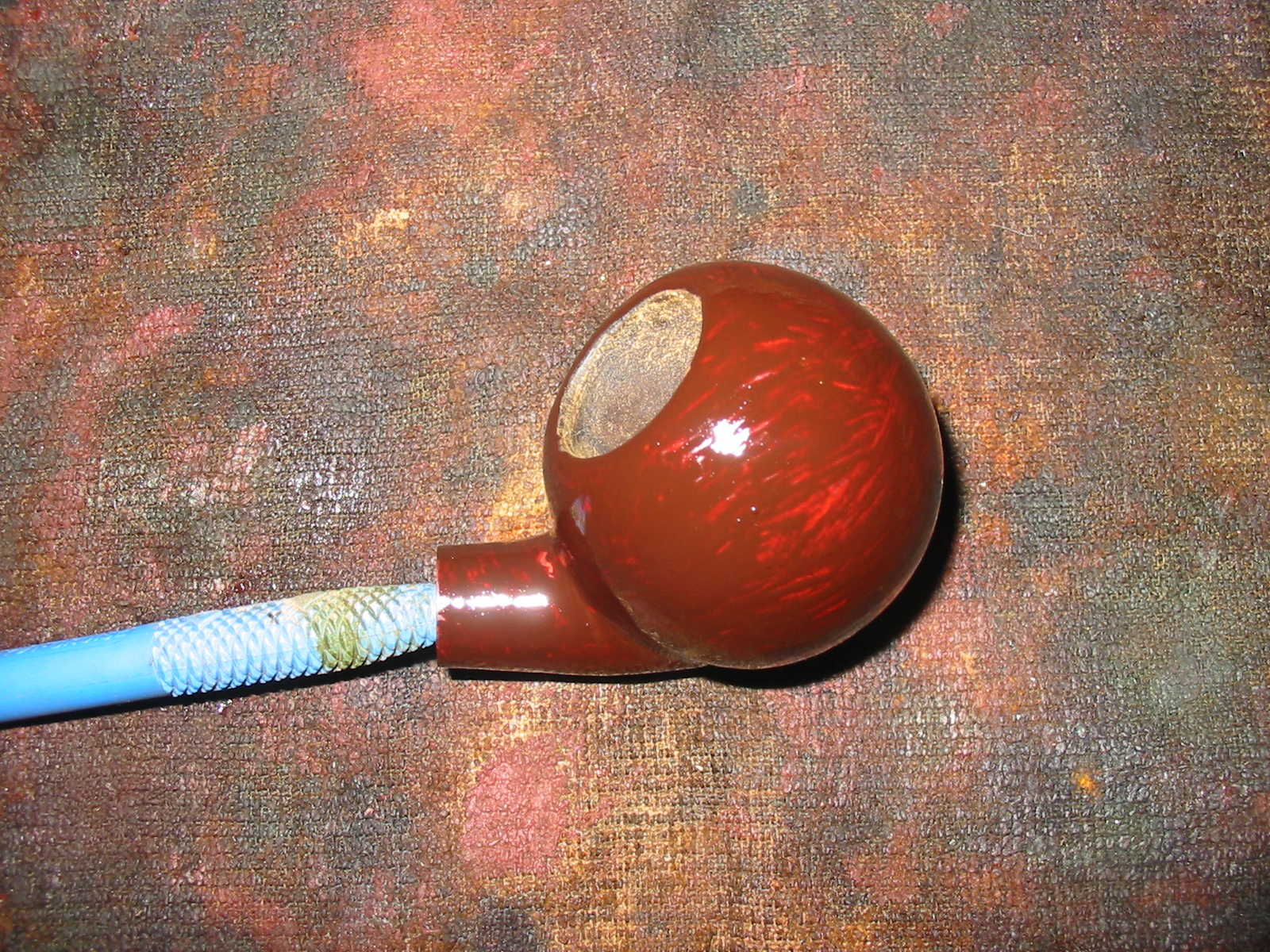
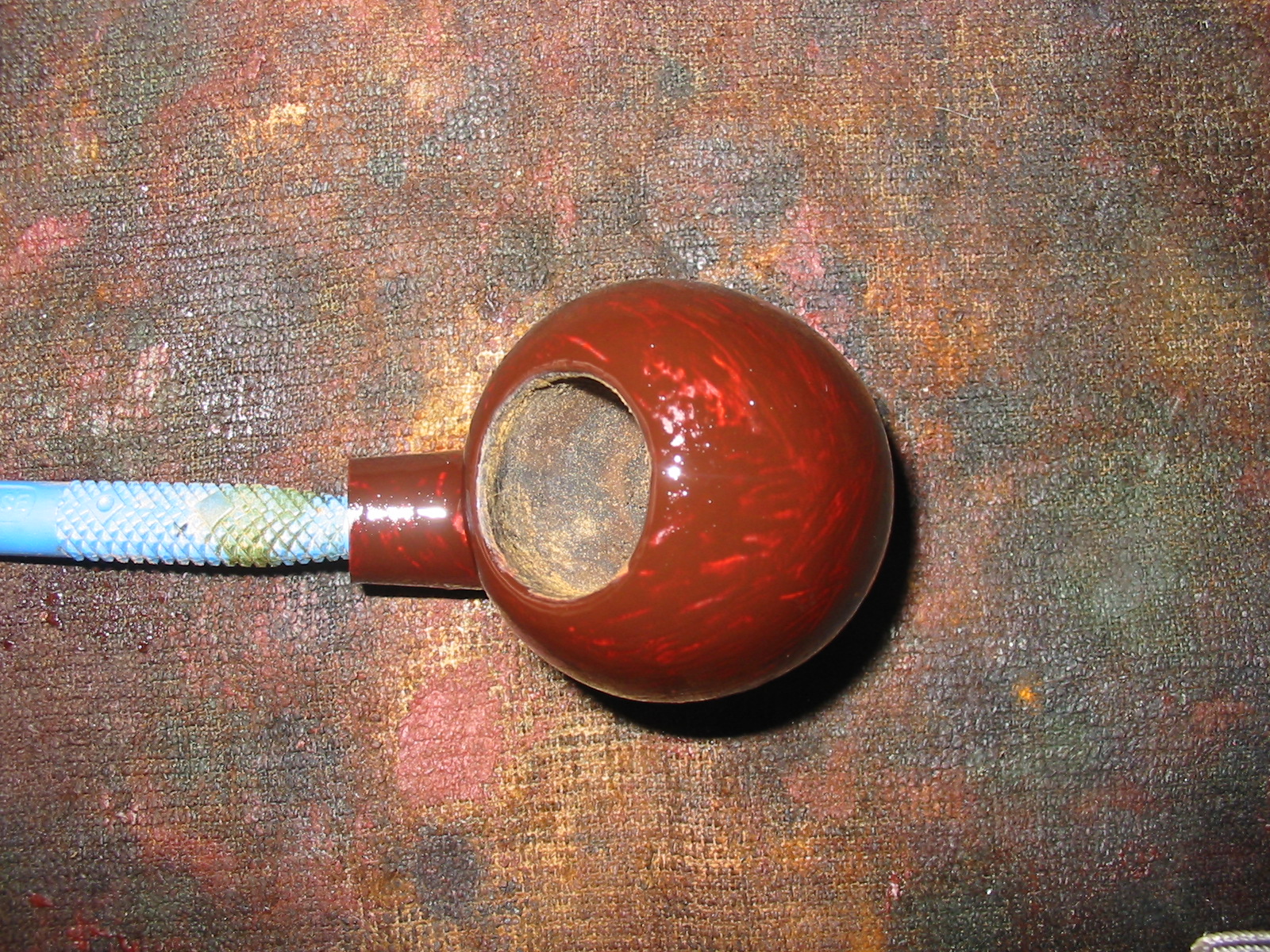
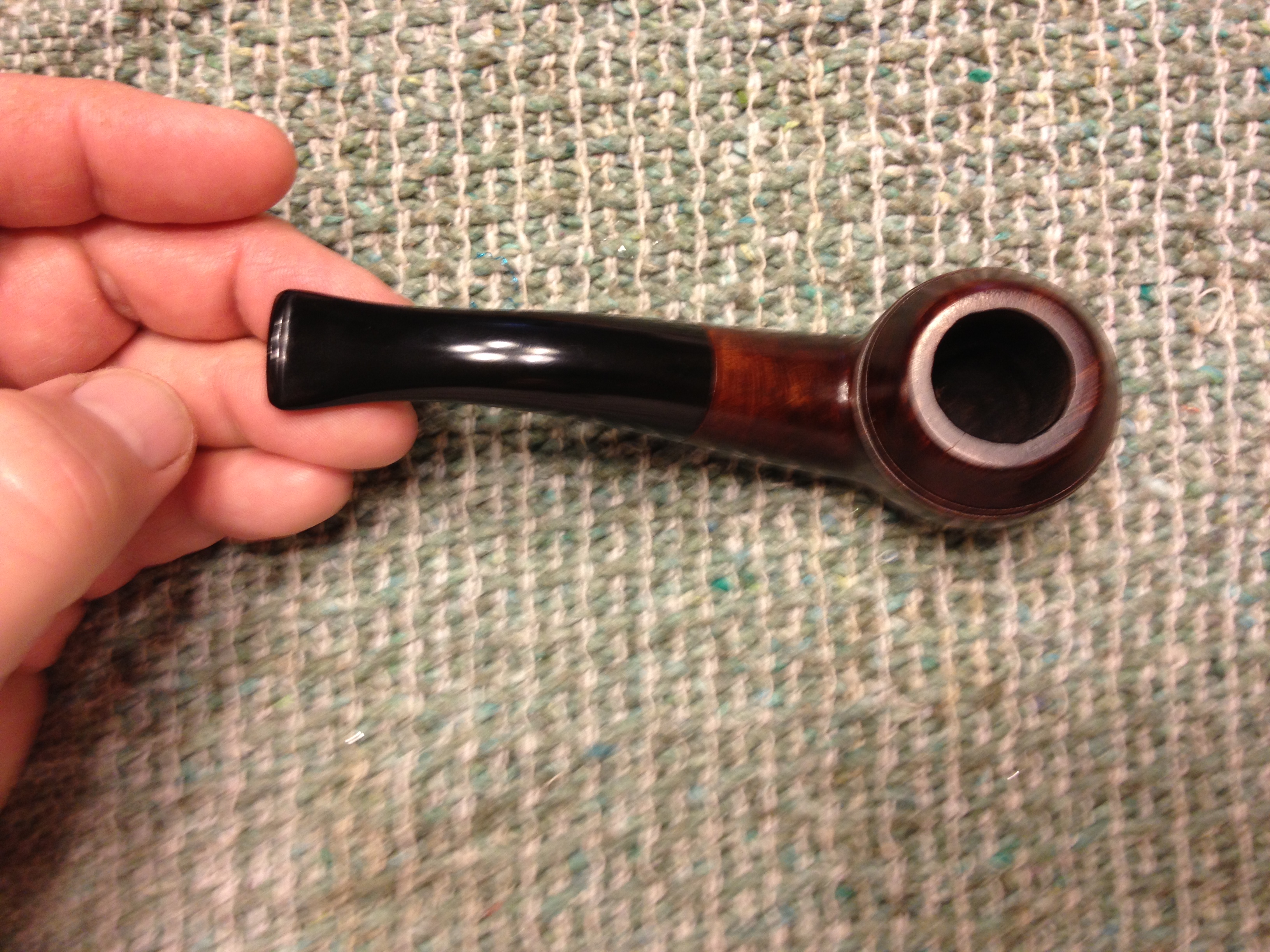
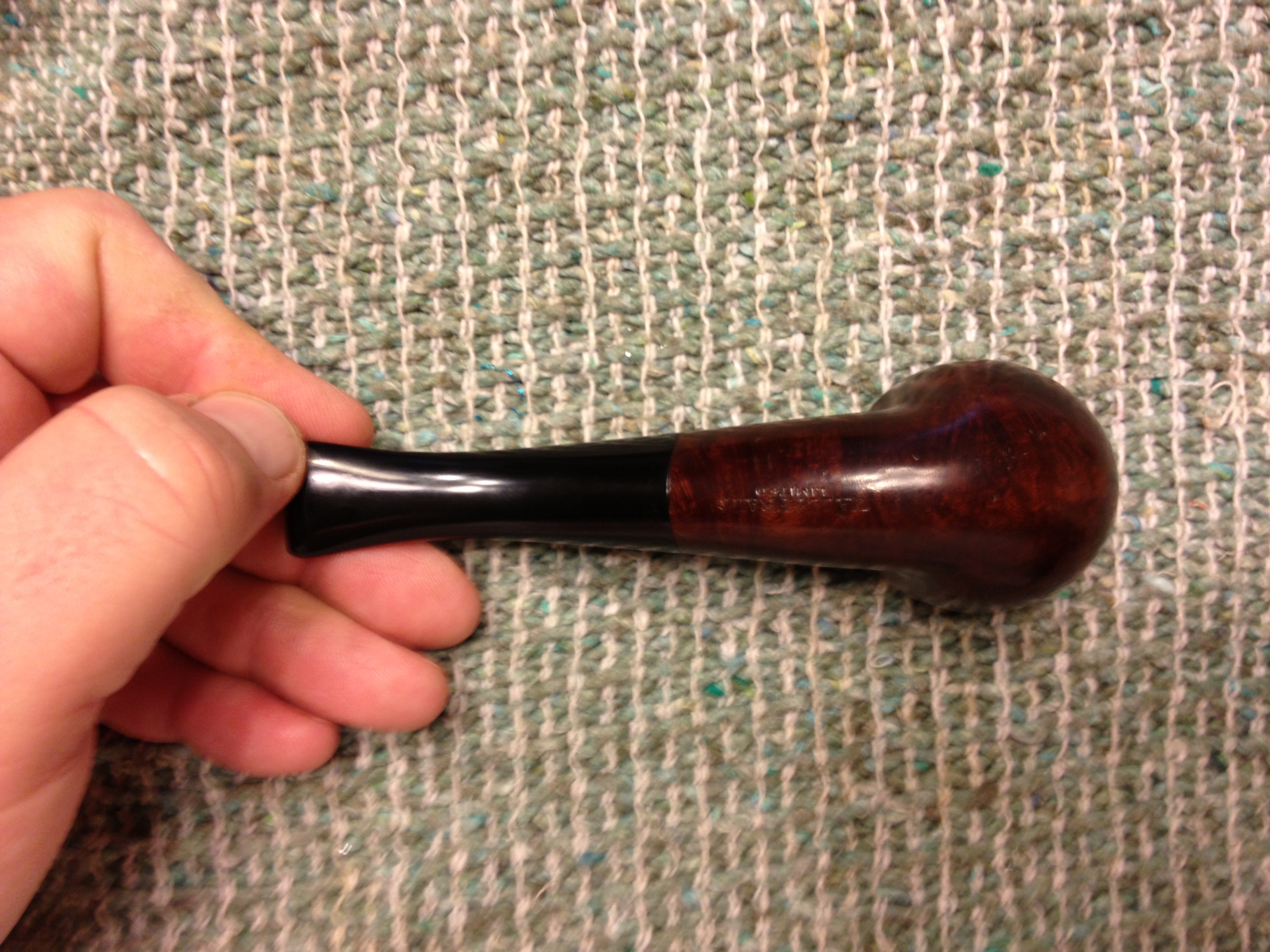
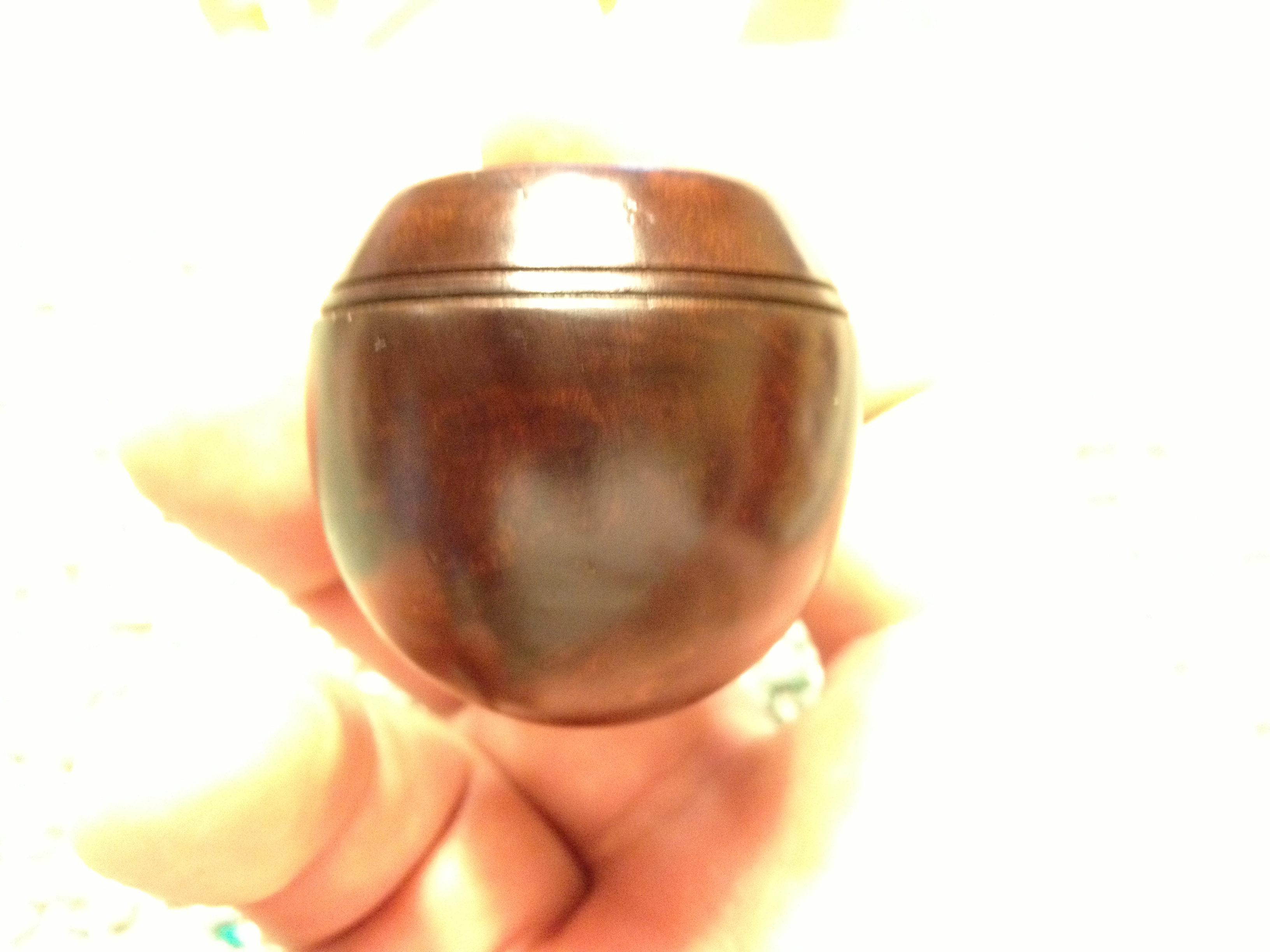
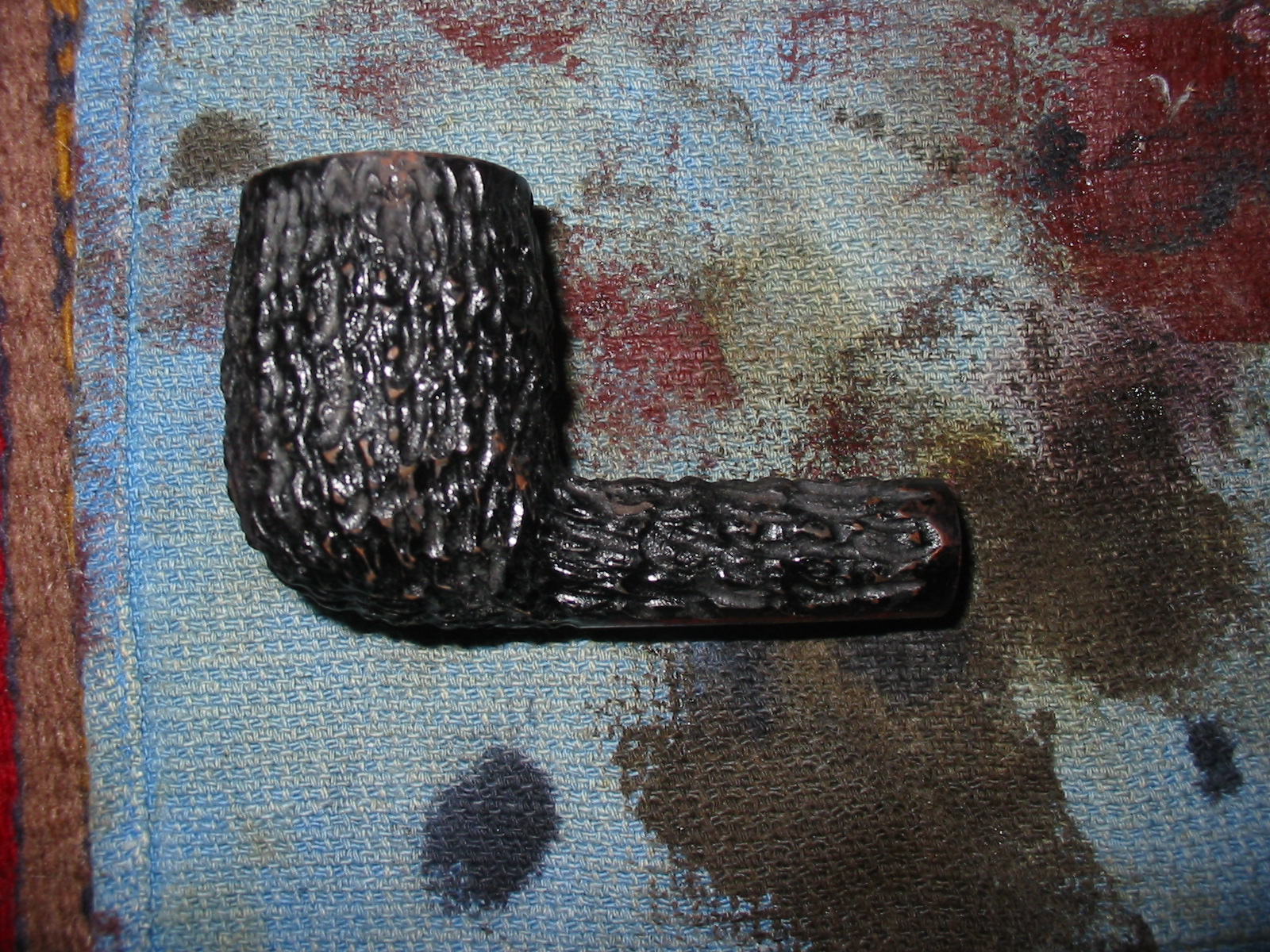
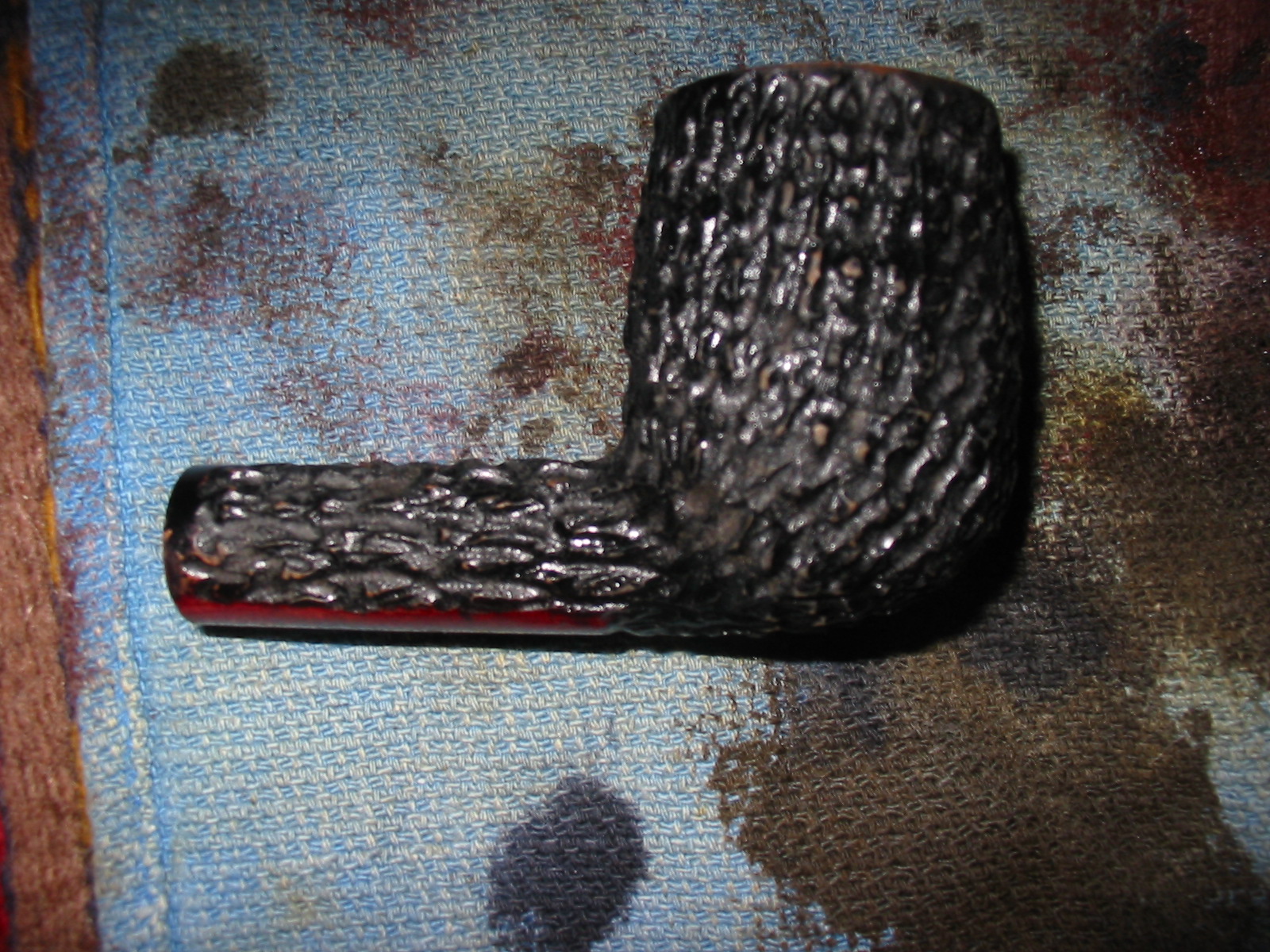
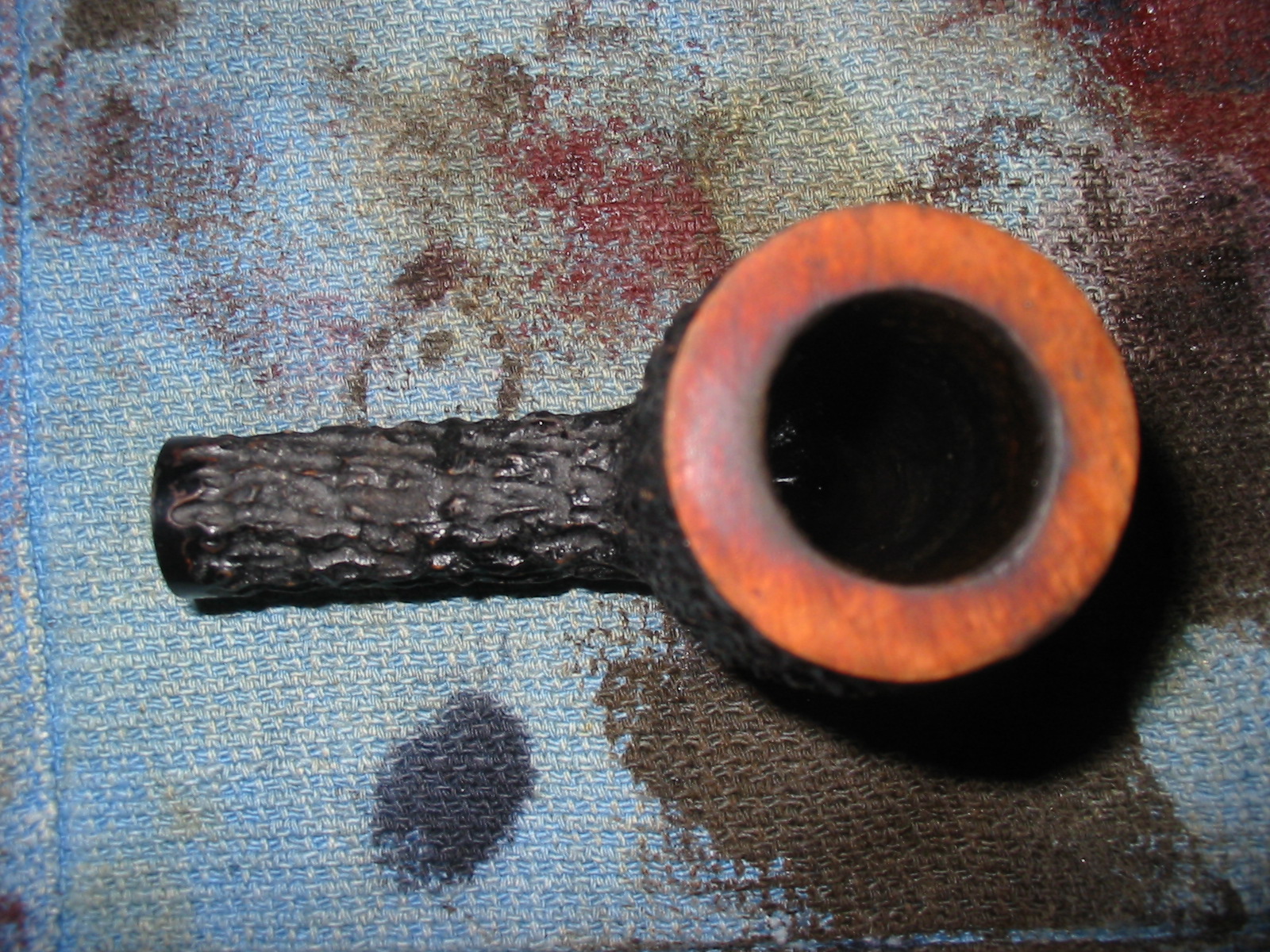
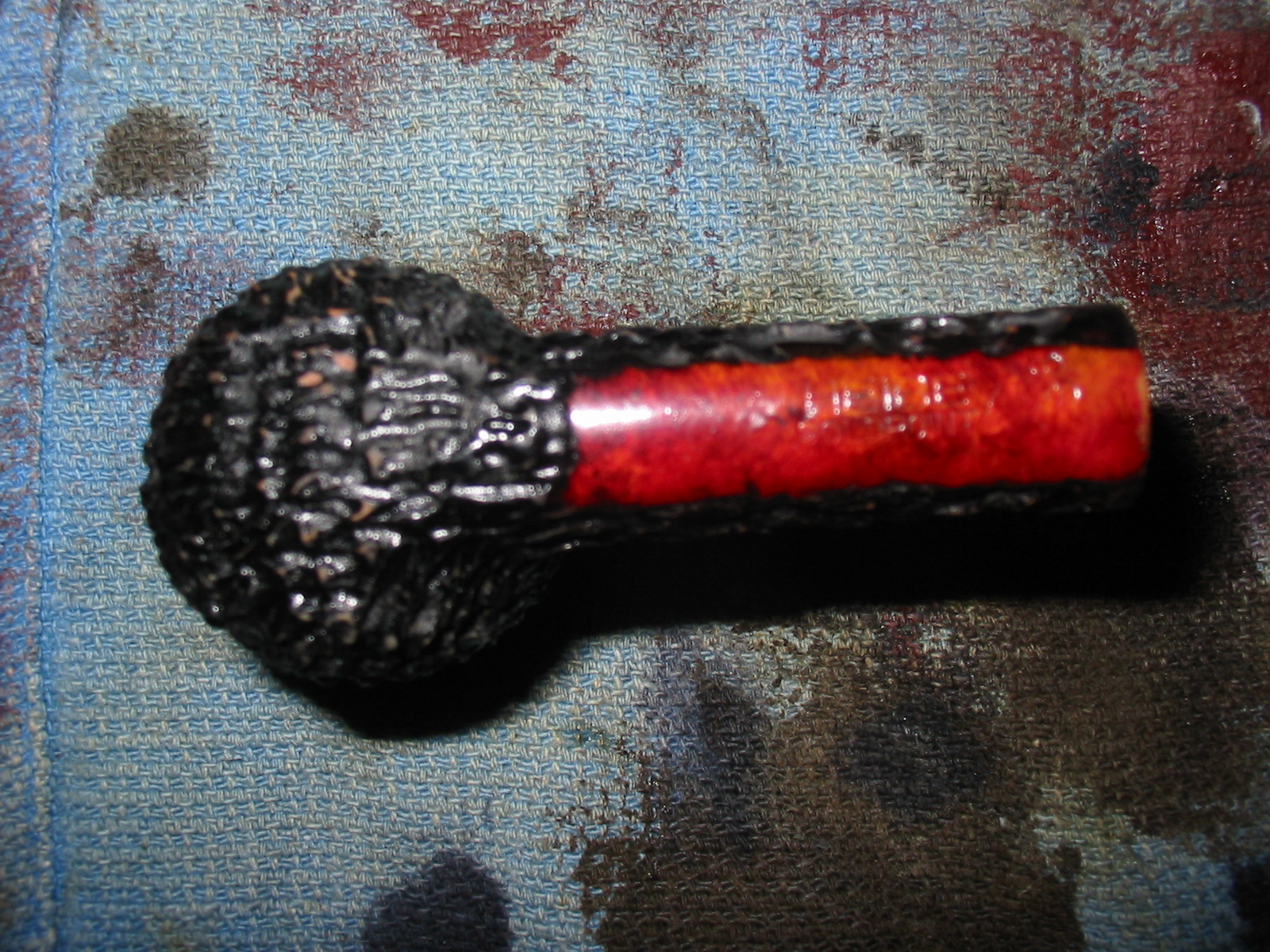
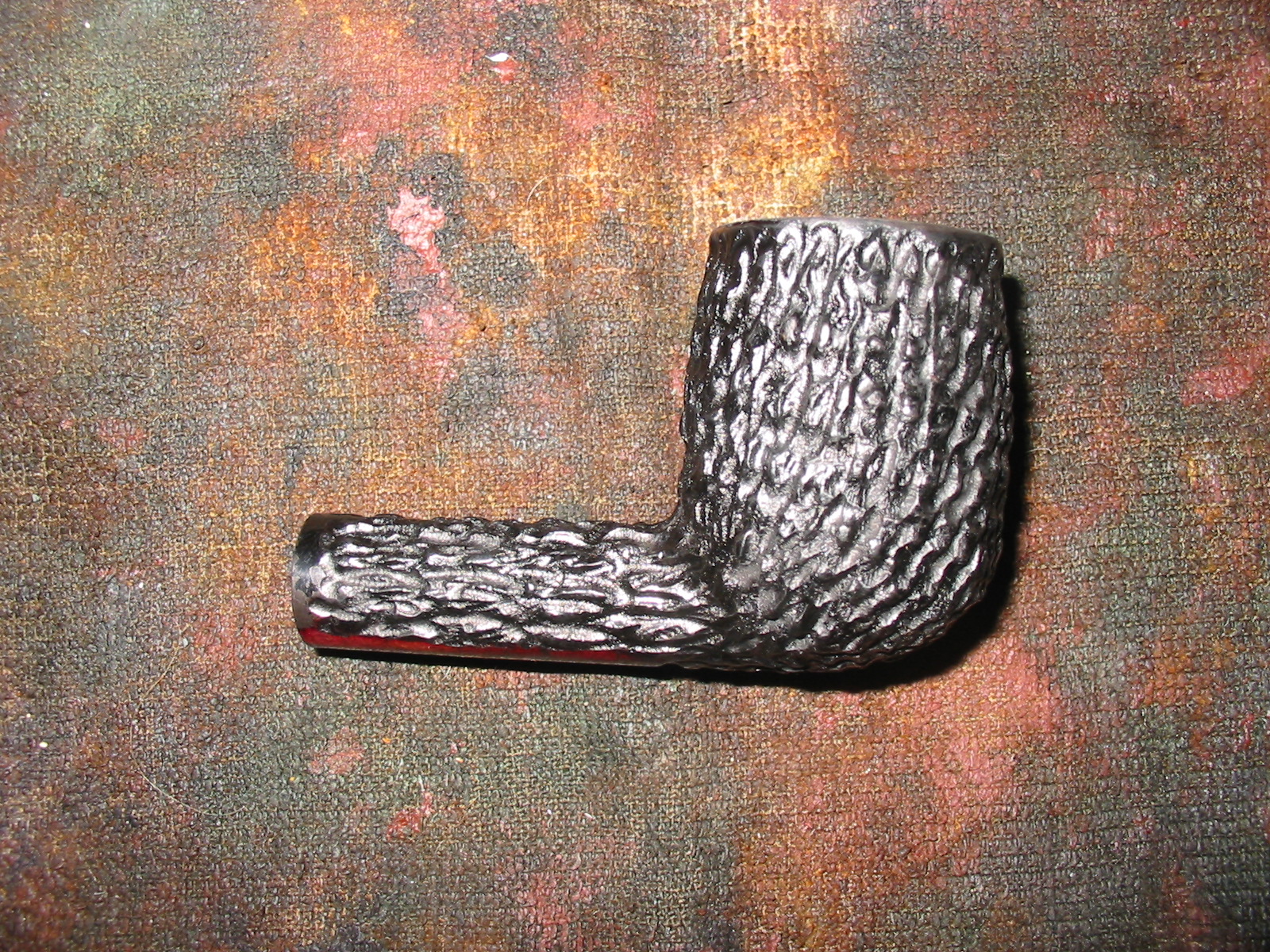
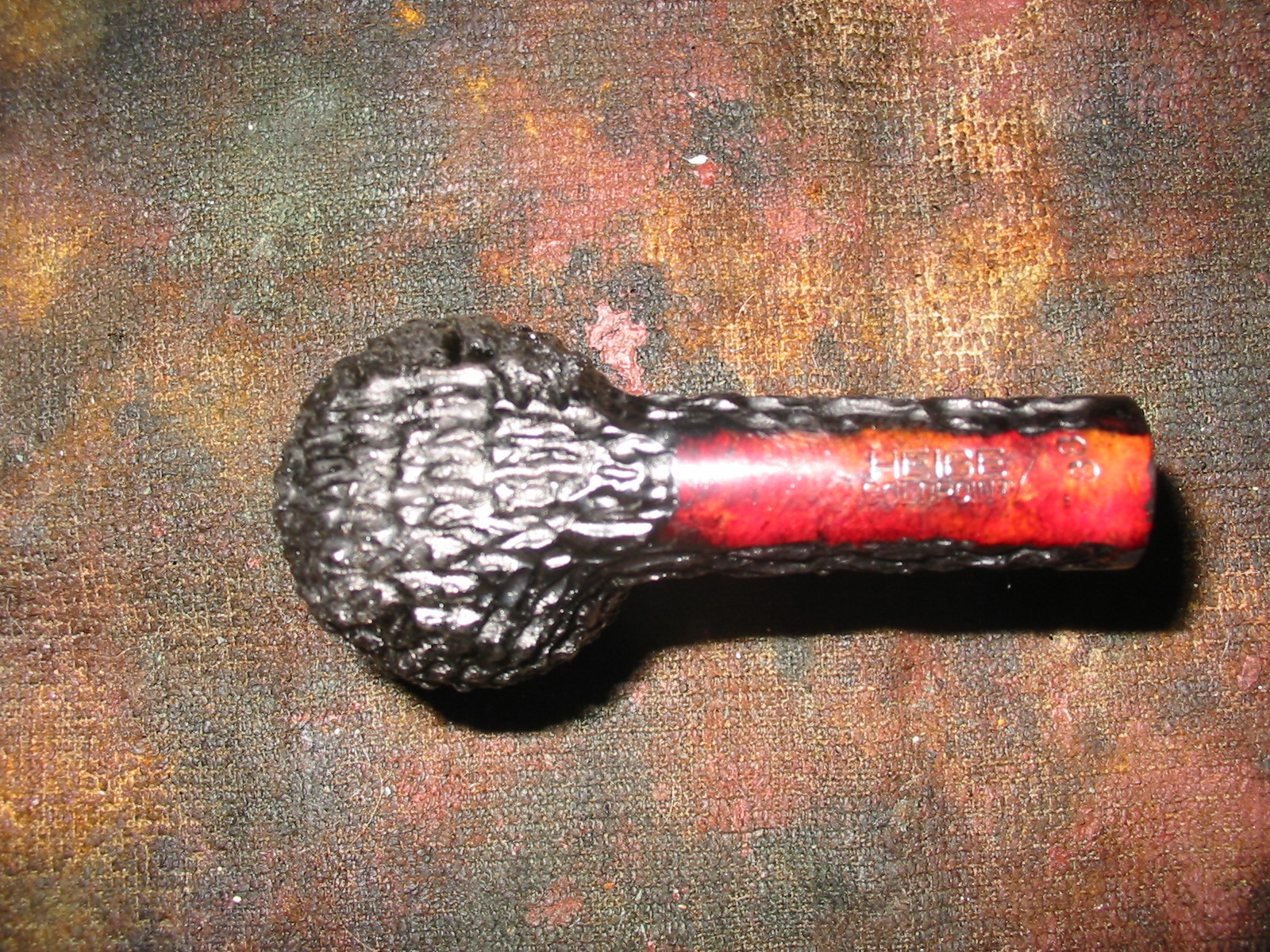
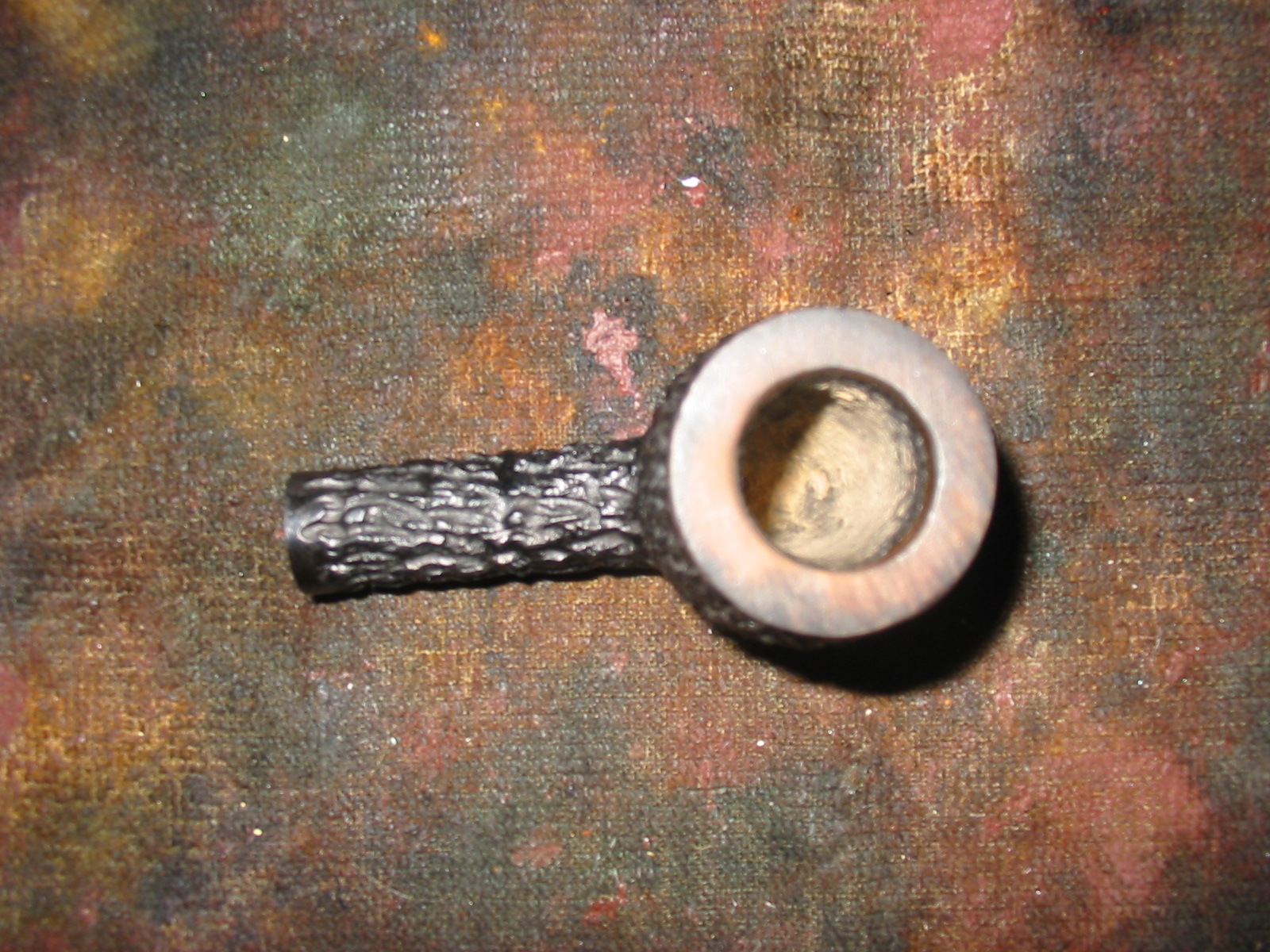
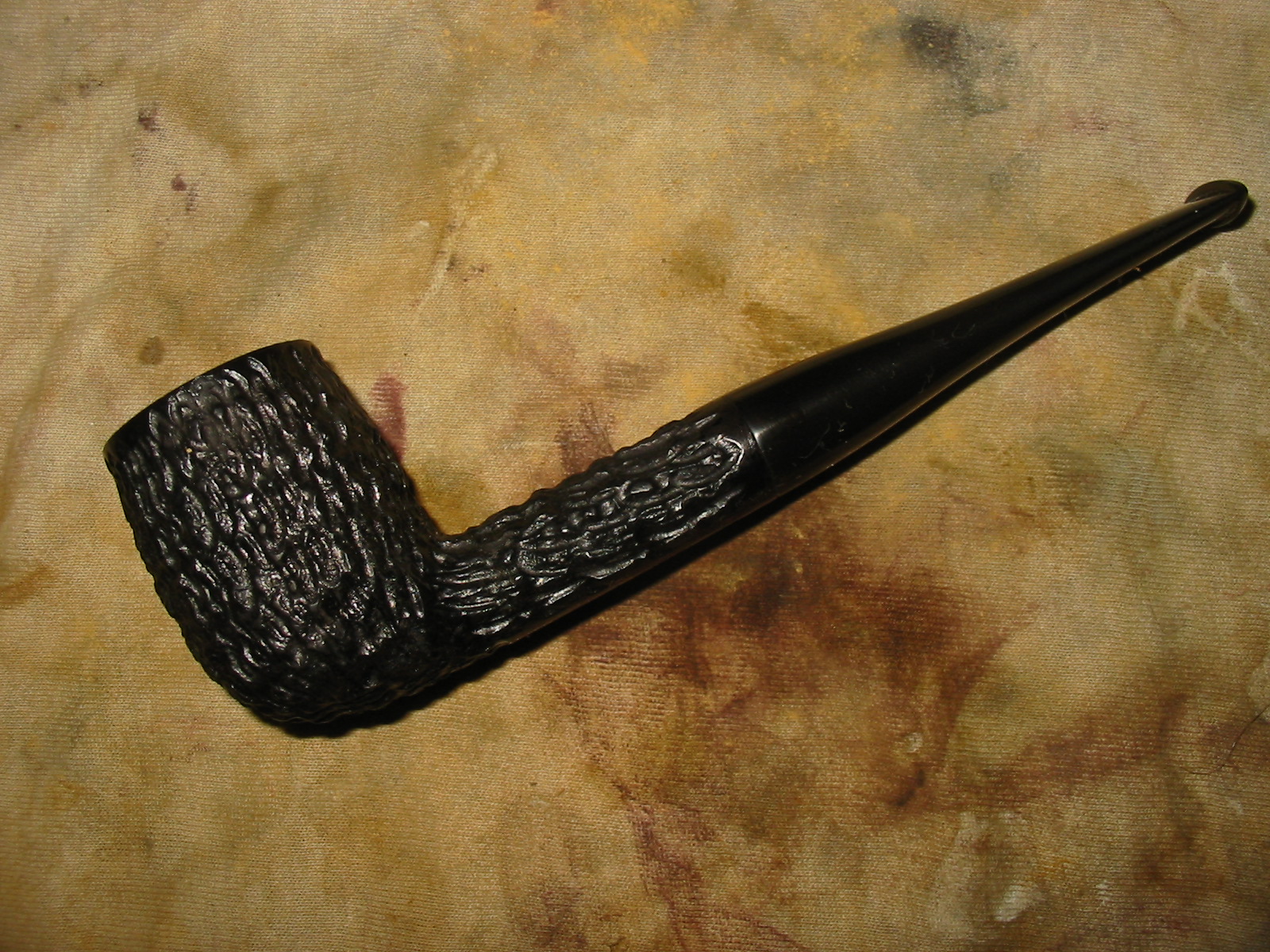
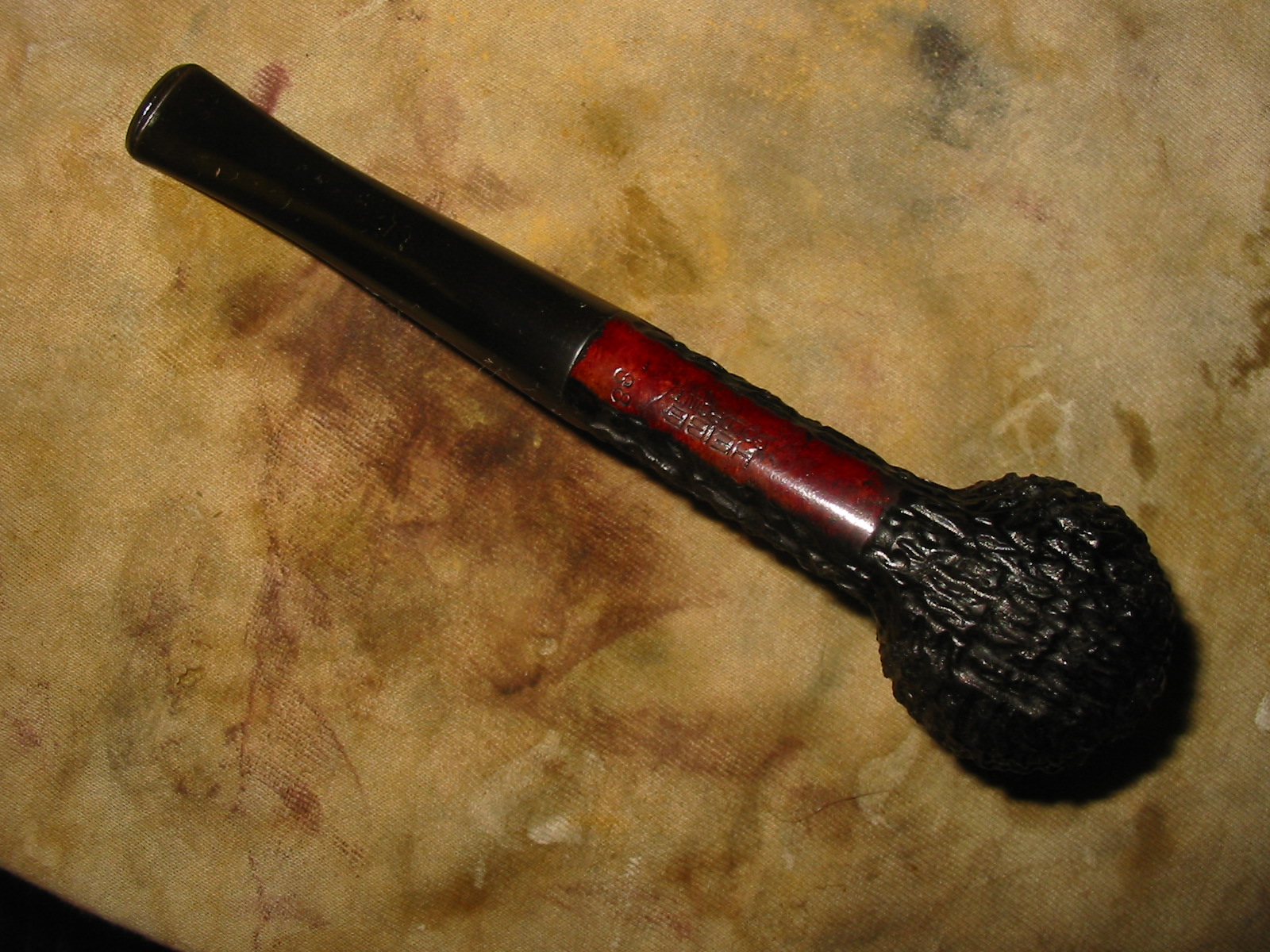
I was giving EBay my usual morning once over and came across this pipe. What interested me about it was that I have a pipe very similar to it but stamped Penthouse rather than Clubhouse. A bit of research showed that both were made by GBD and were a part of their chairleg stem pipes. Looking at them in comparison to other GBD chairleg pipes that I have I can see that these may have been a seconds line of their pipes (though I am not certain of that). The ball on the chairleg of both the Penthouse and the Clubhouse is not consistently the same size around the edges. It also had some finishing scratches that never were sanded out. I liked the look of this one from the photos so I went for it and won the auction. It is stamped Clubhouse over Made in England on the left side of the shank. On the right side it is stamped London England over 335. The pictures below were the ones posted by the seller. The pipe looked to be in excellent shape. The grain is quite nice. It looked like one that would not take a lot of work to get it in shape.

ImageImageImageImageImageImage

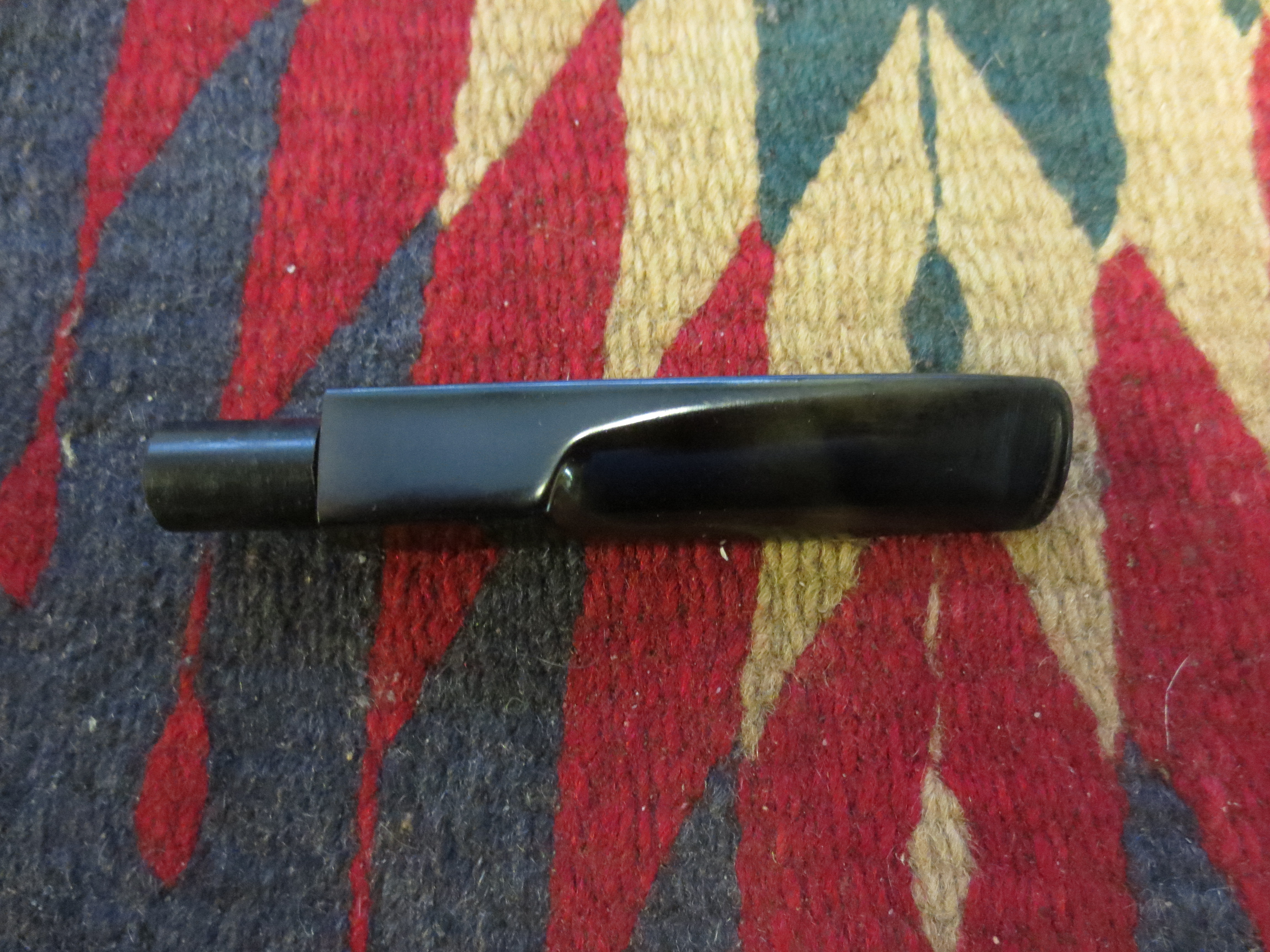
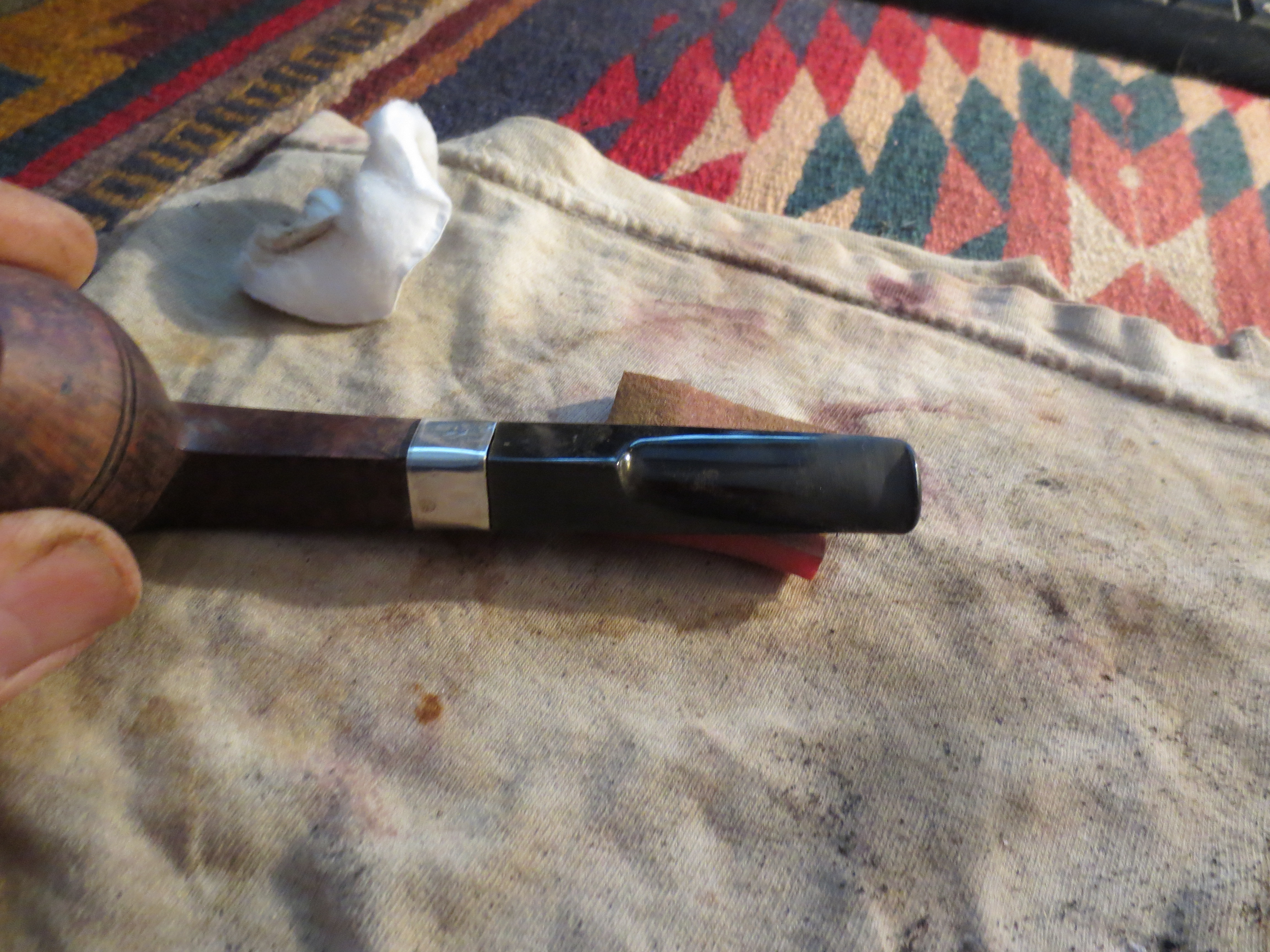
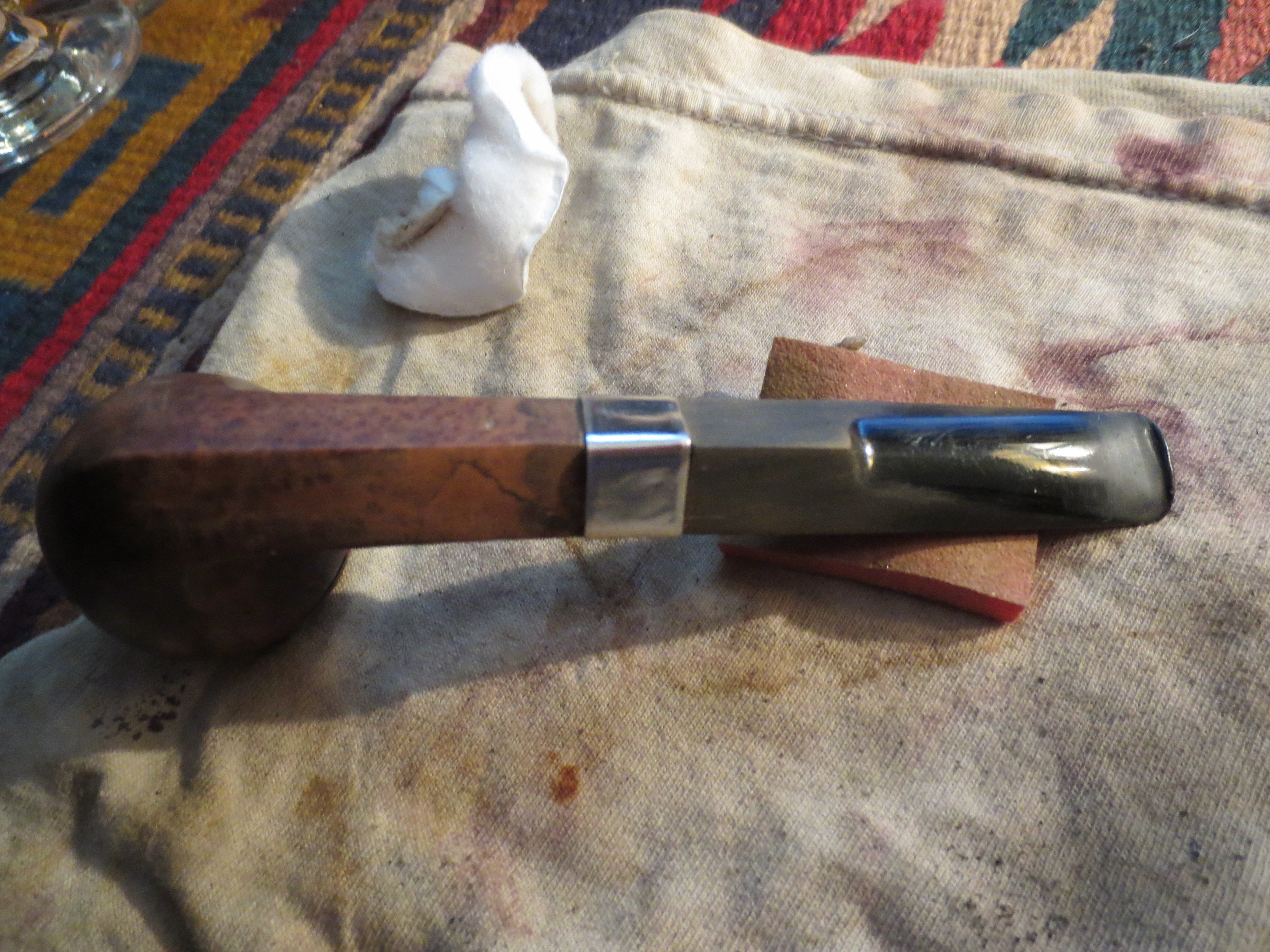
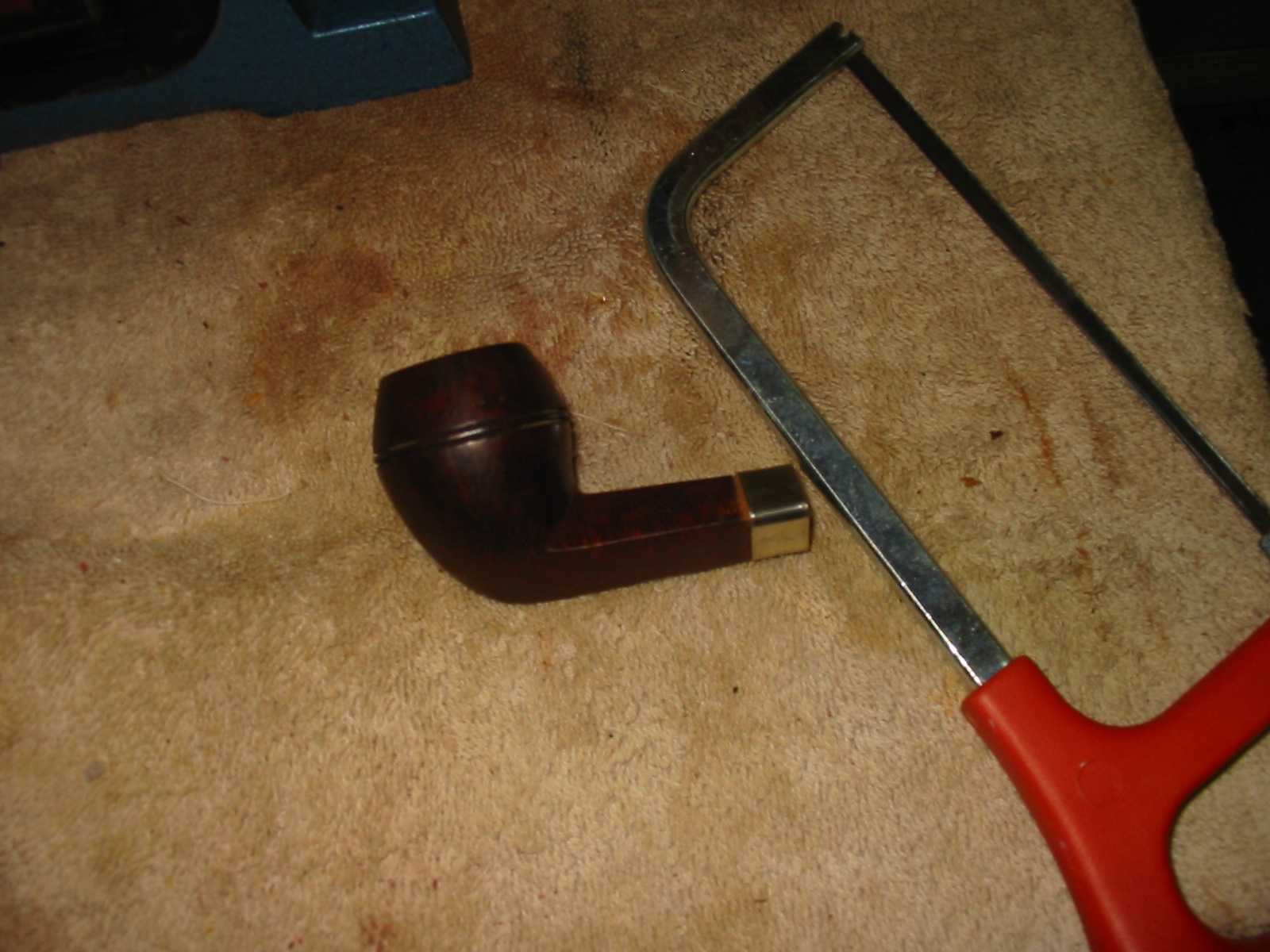
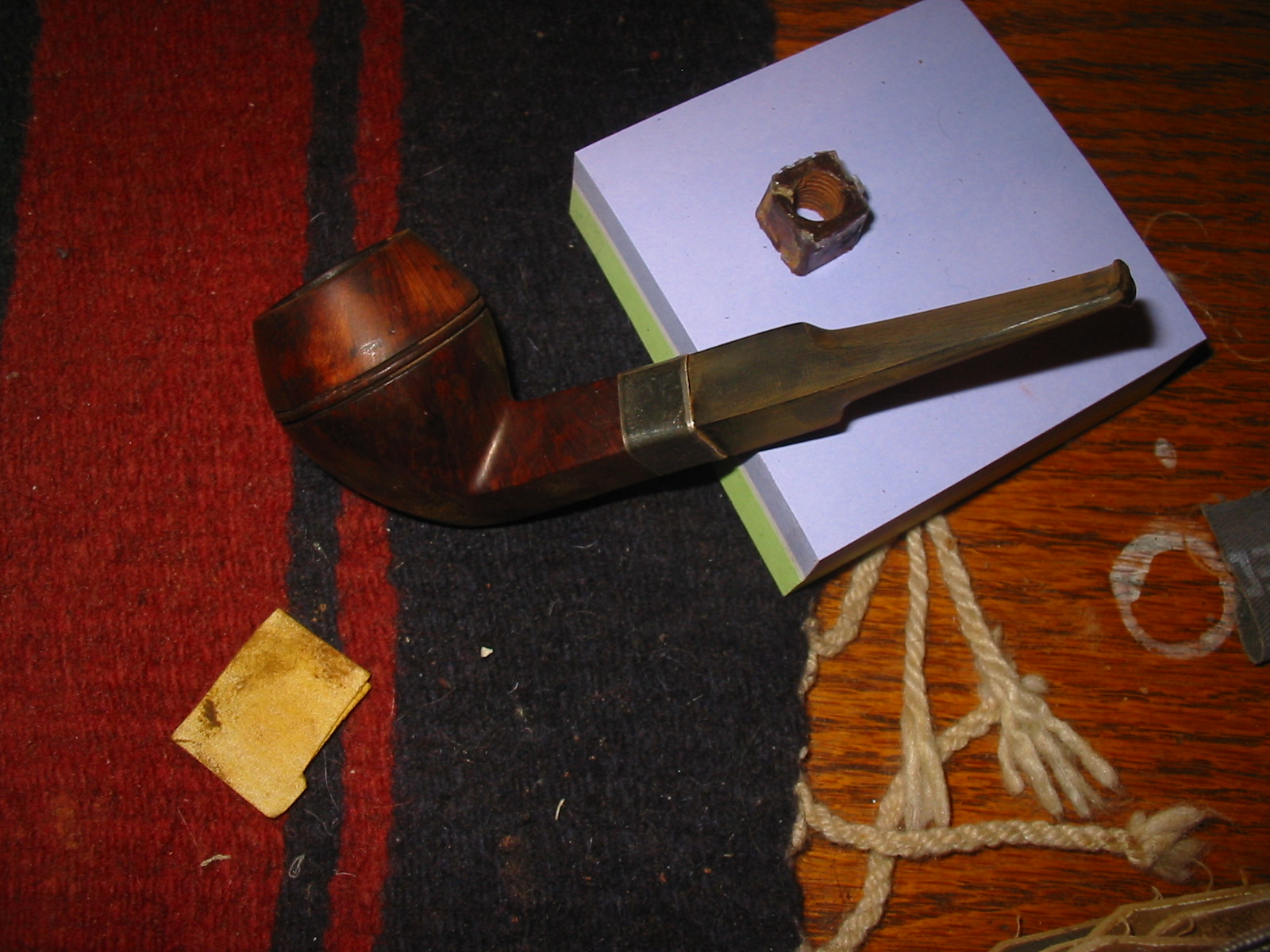
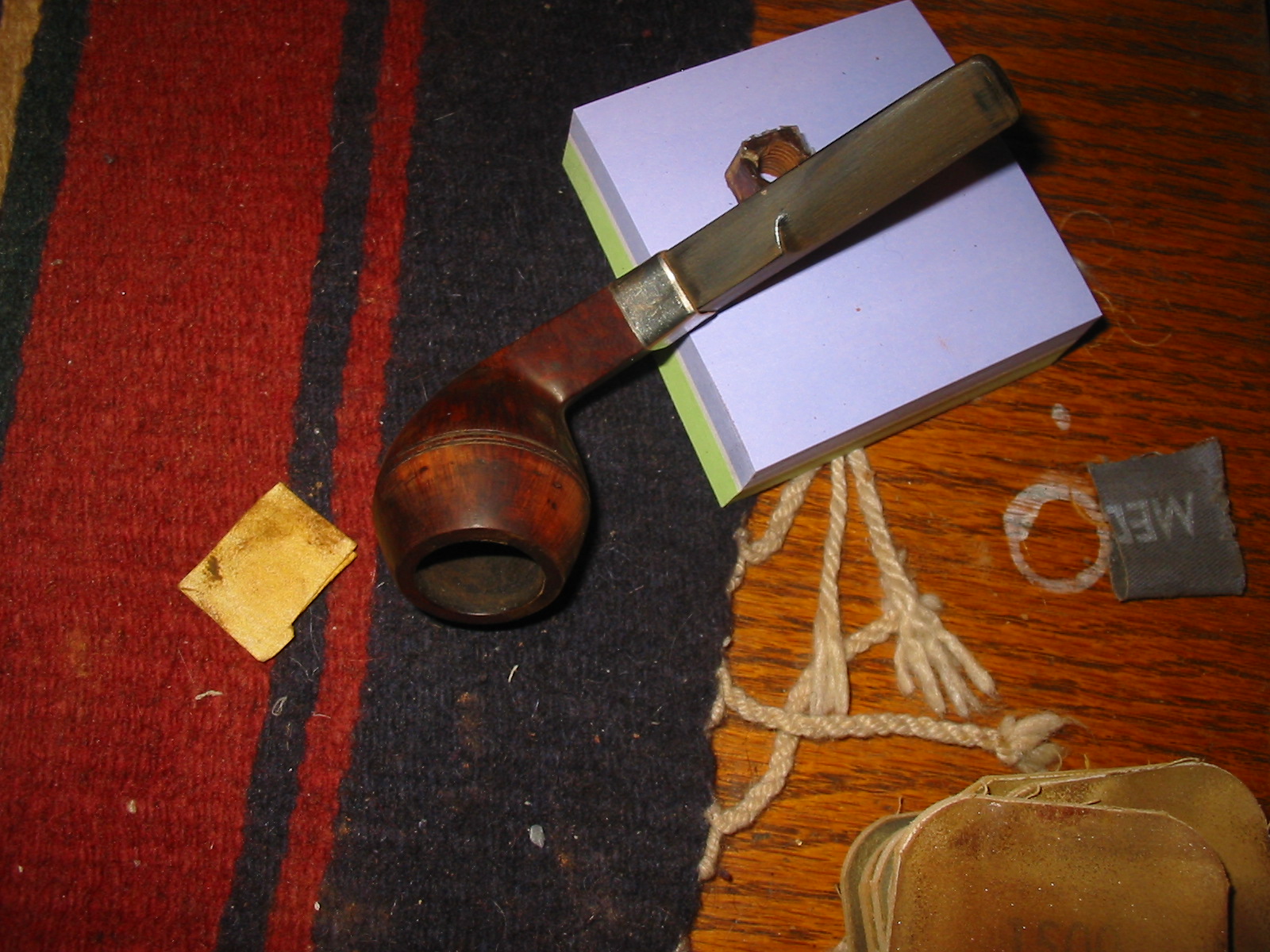
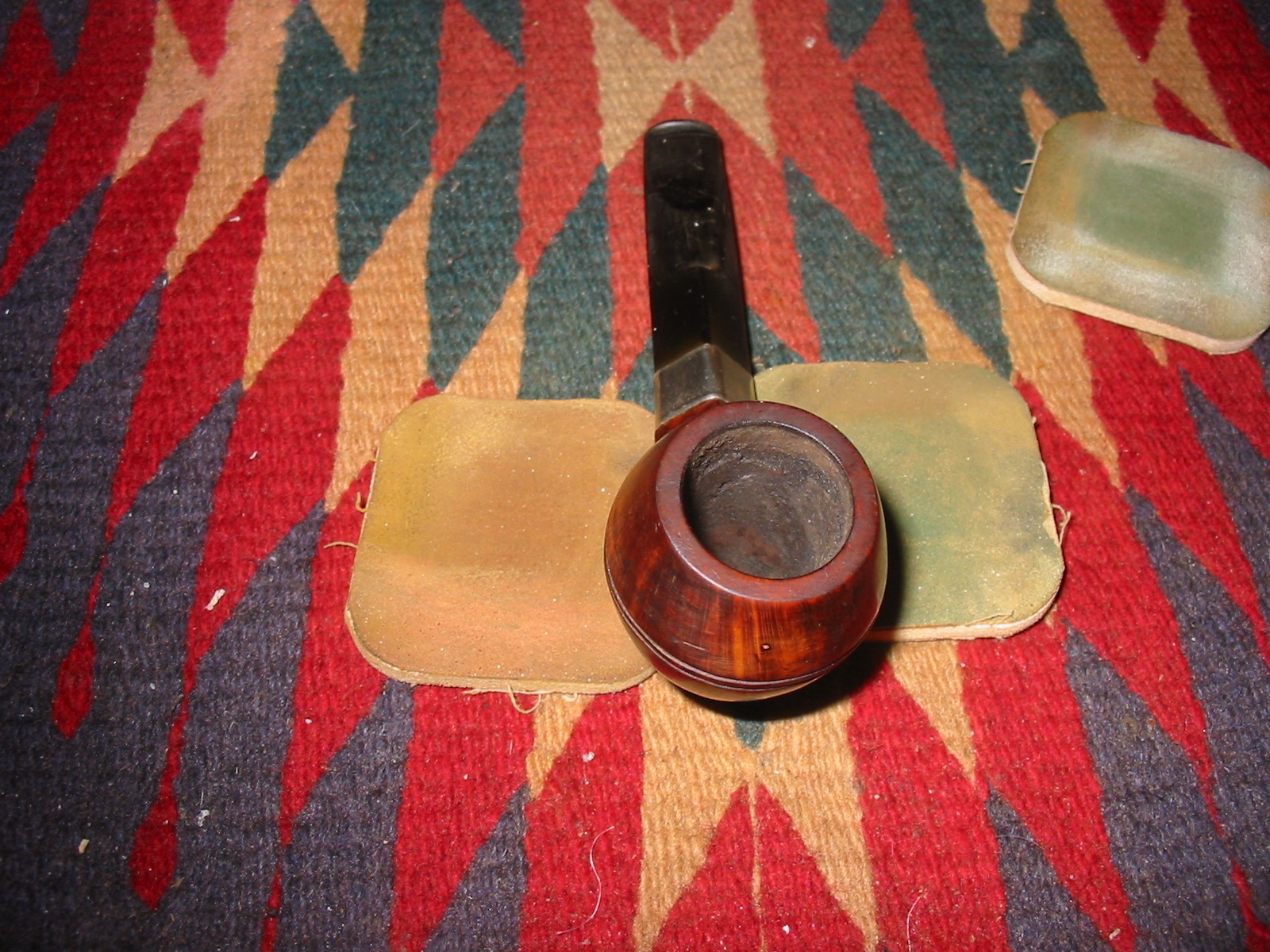
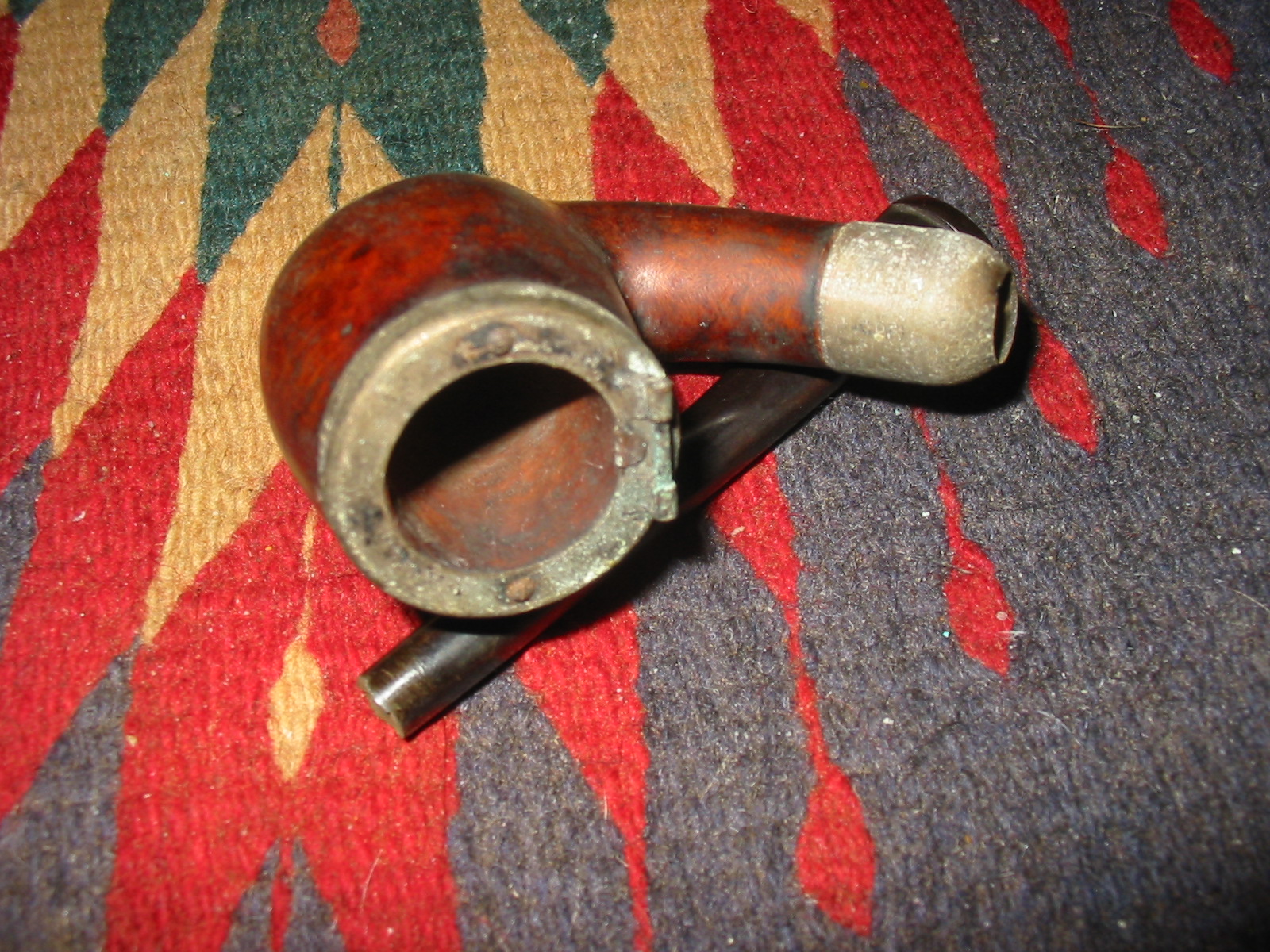
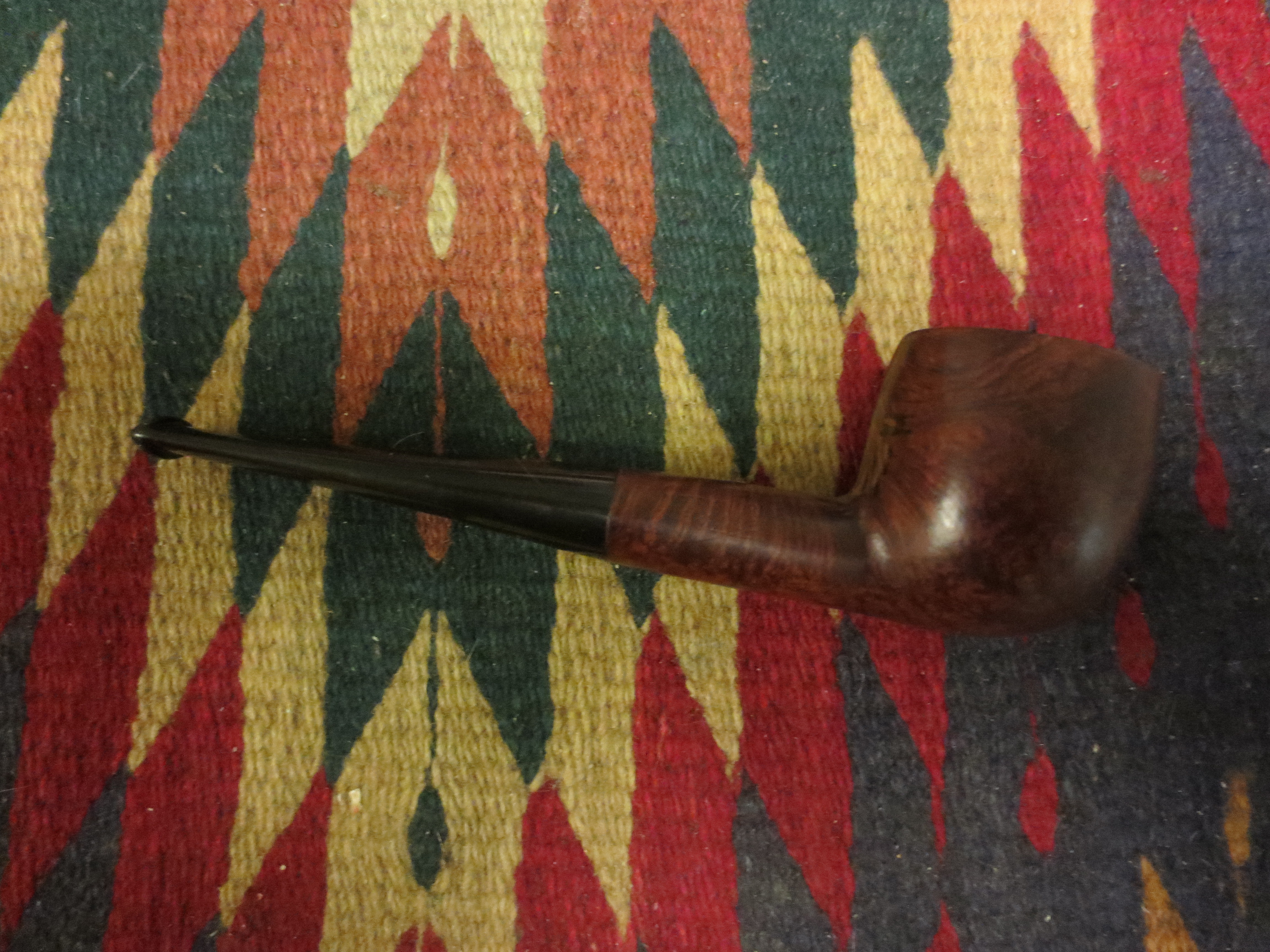
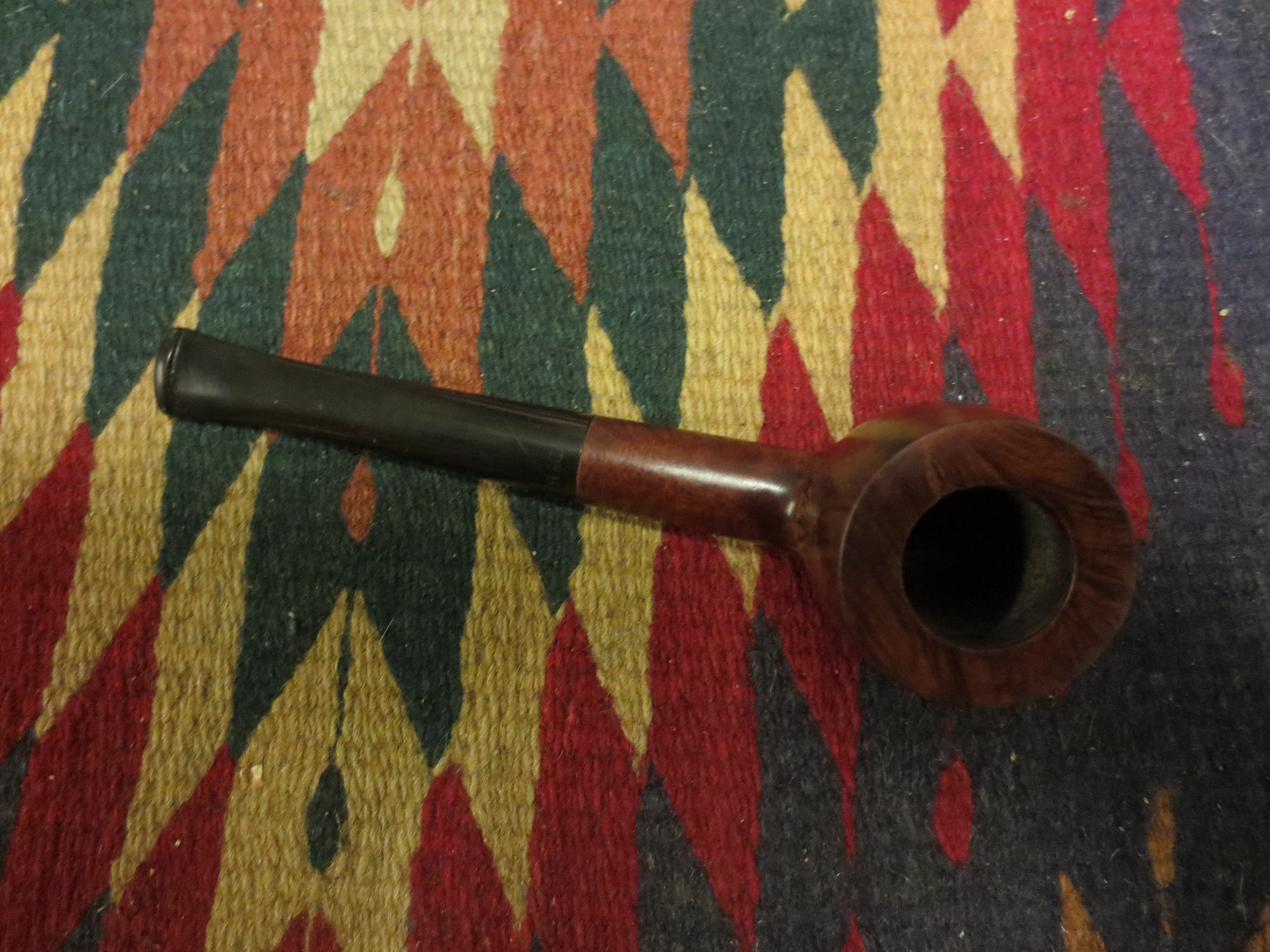
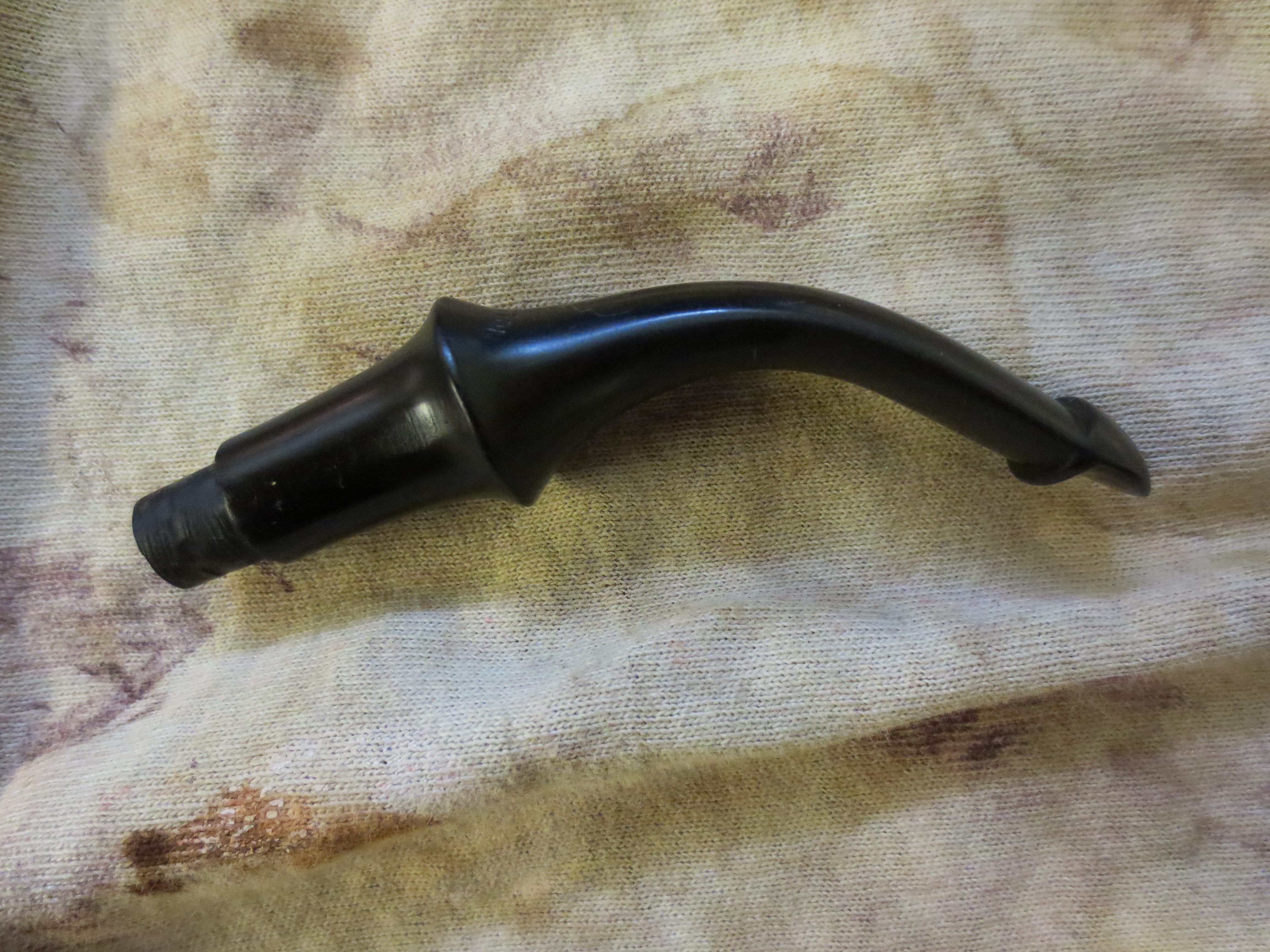
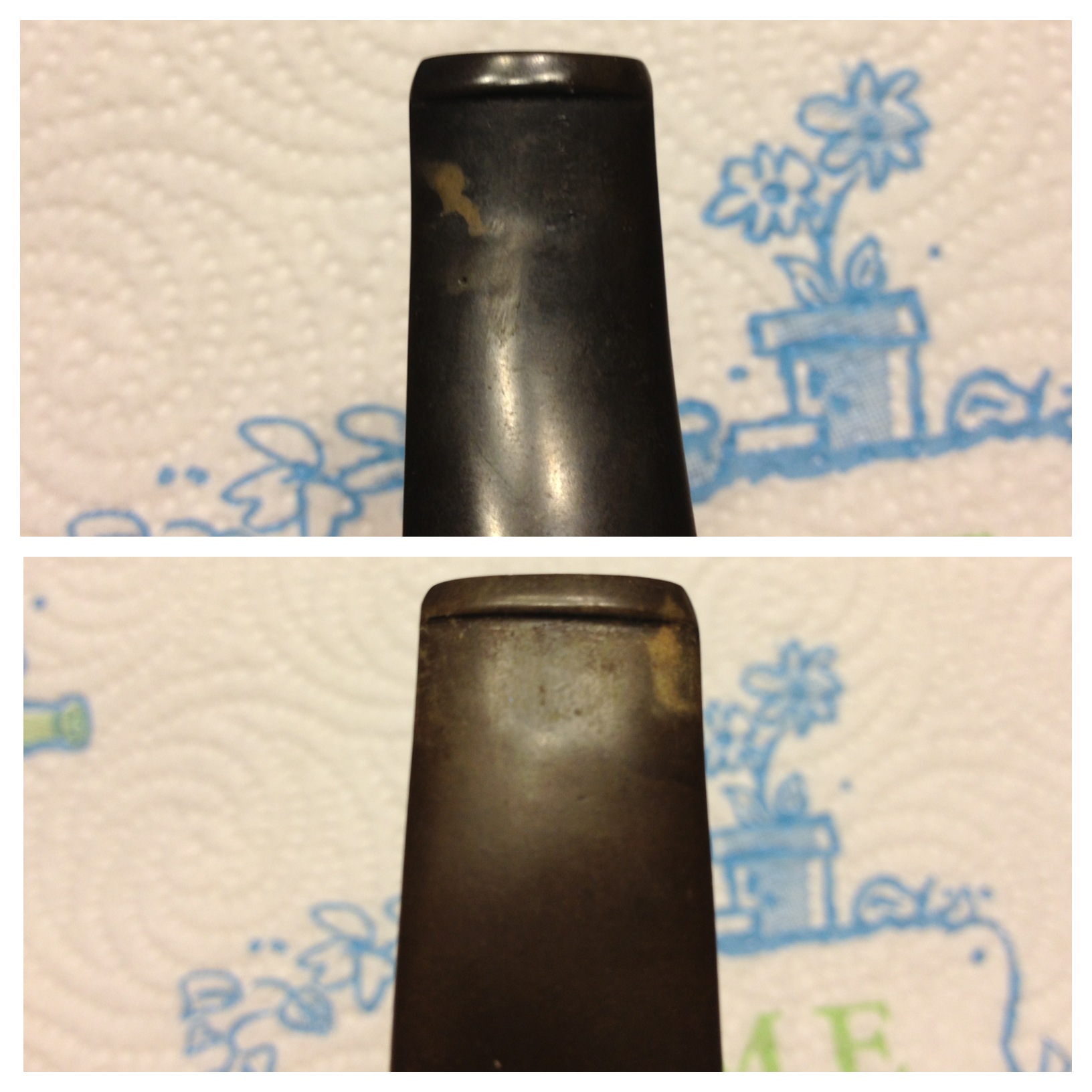
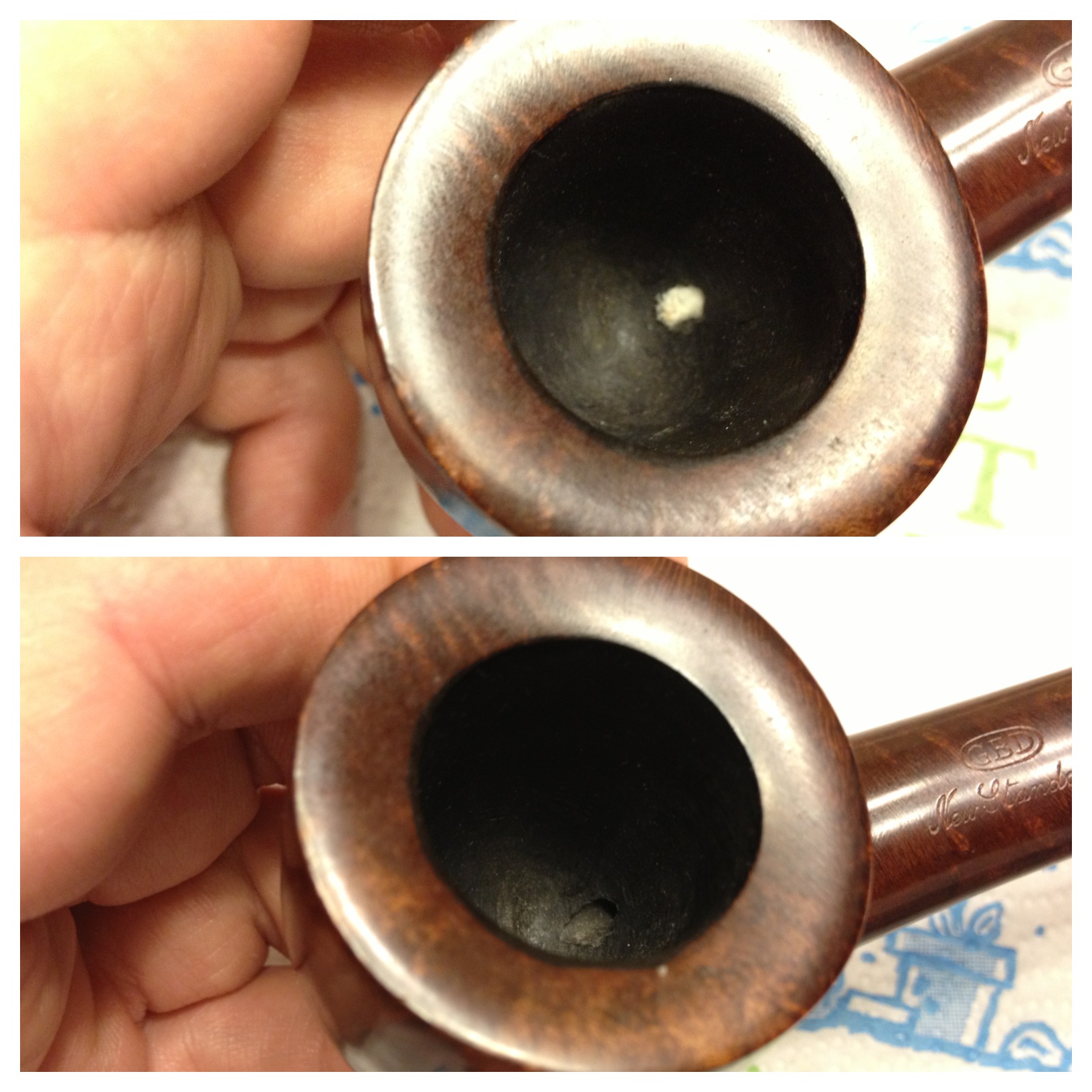
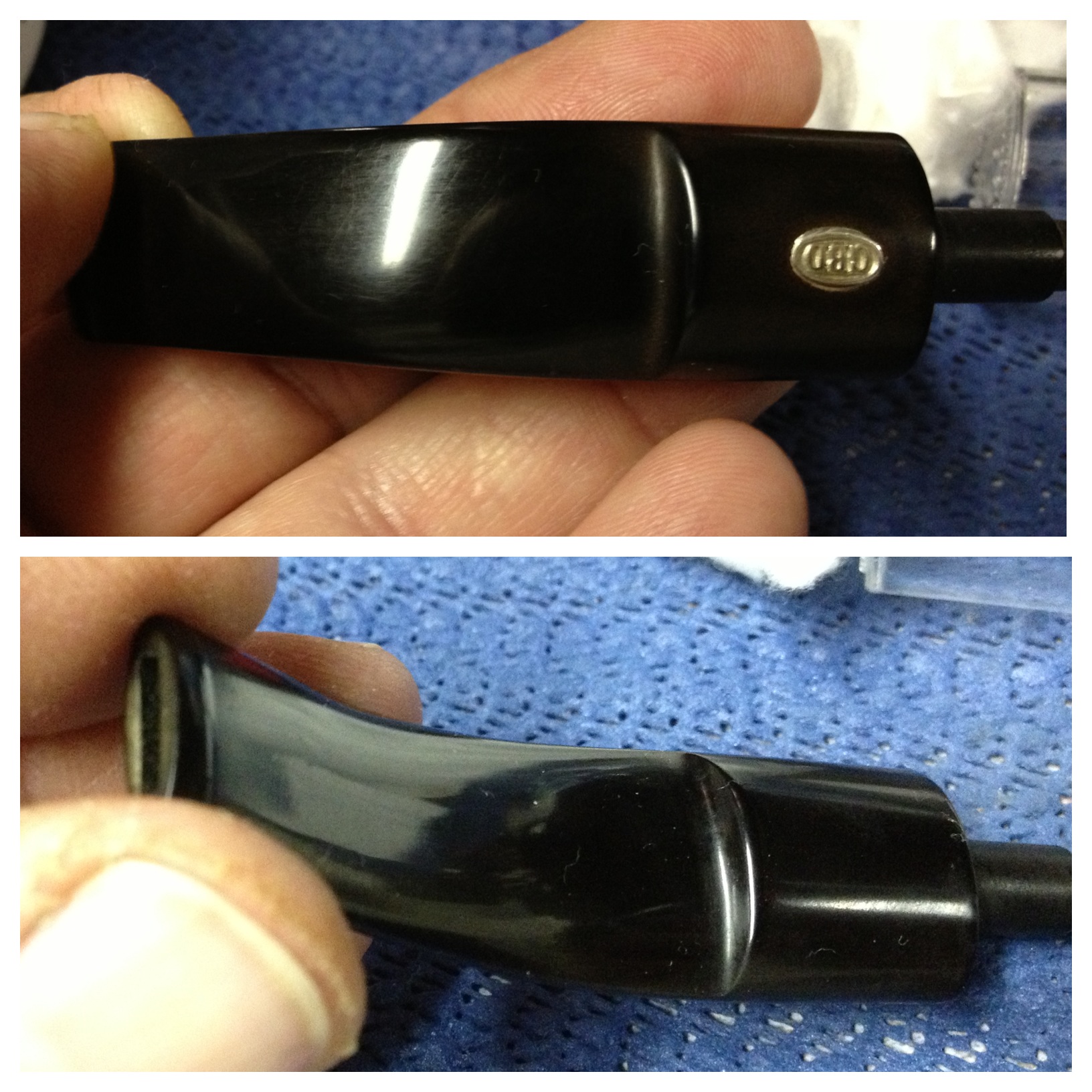
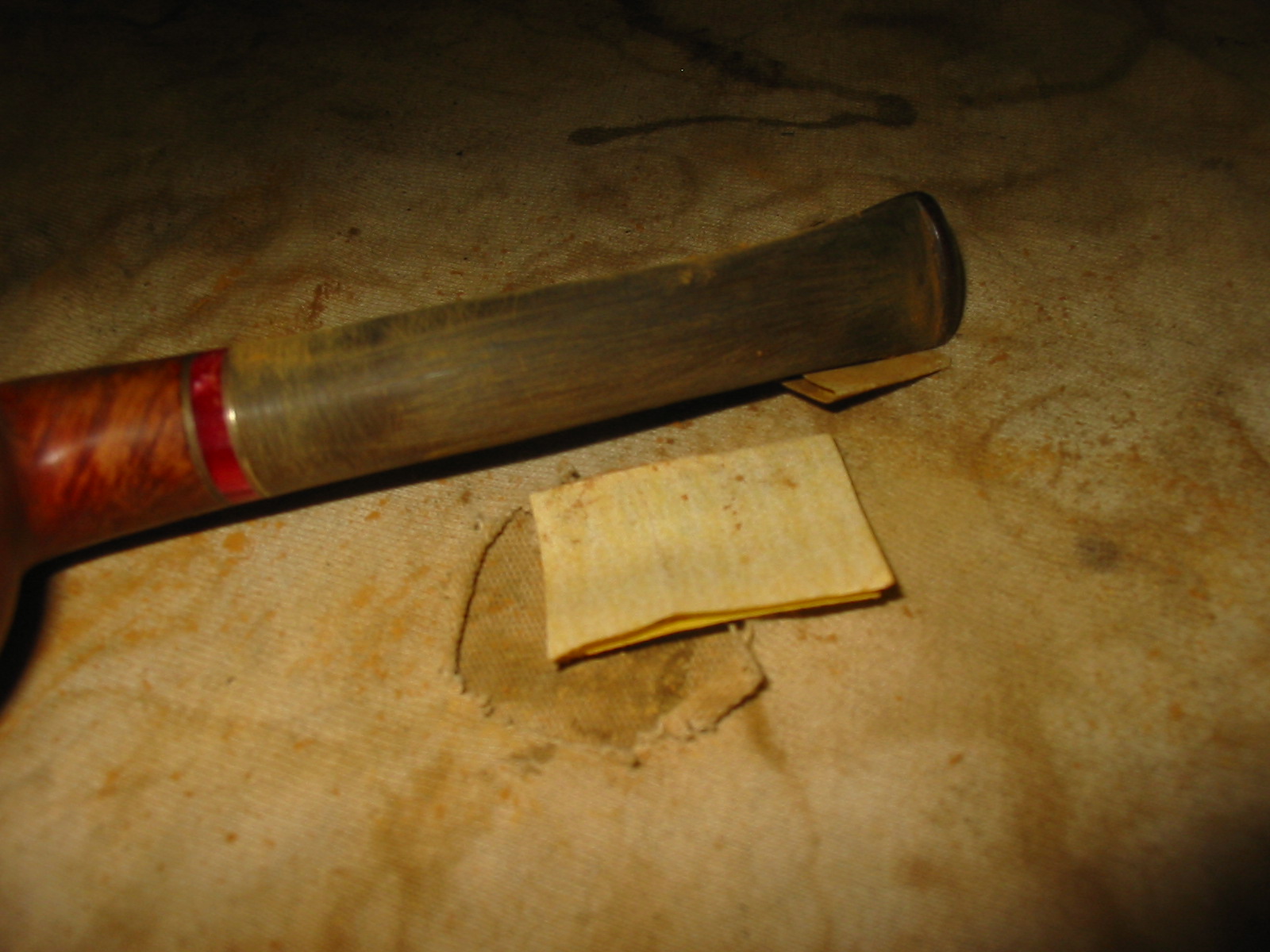
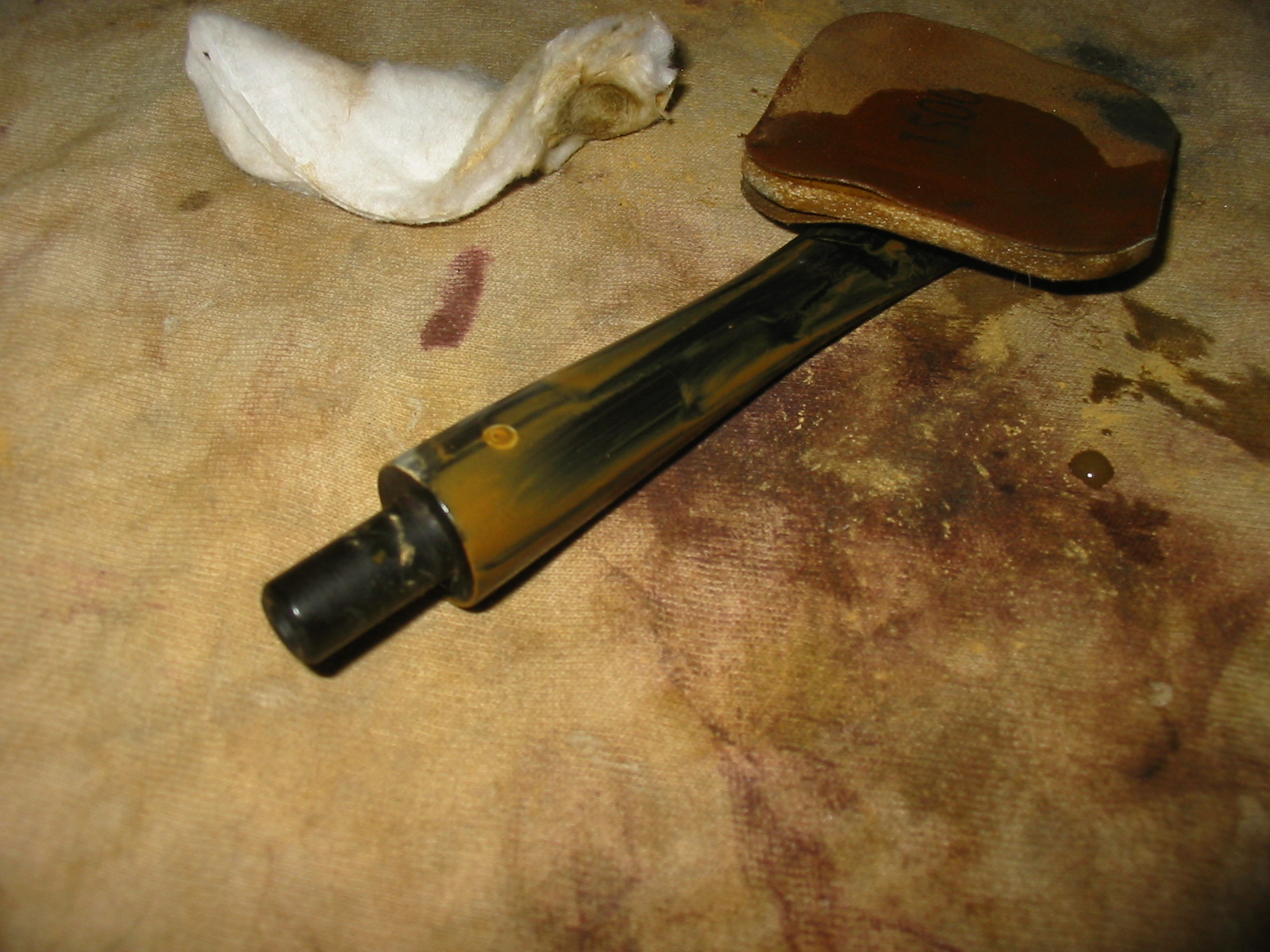
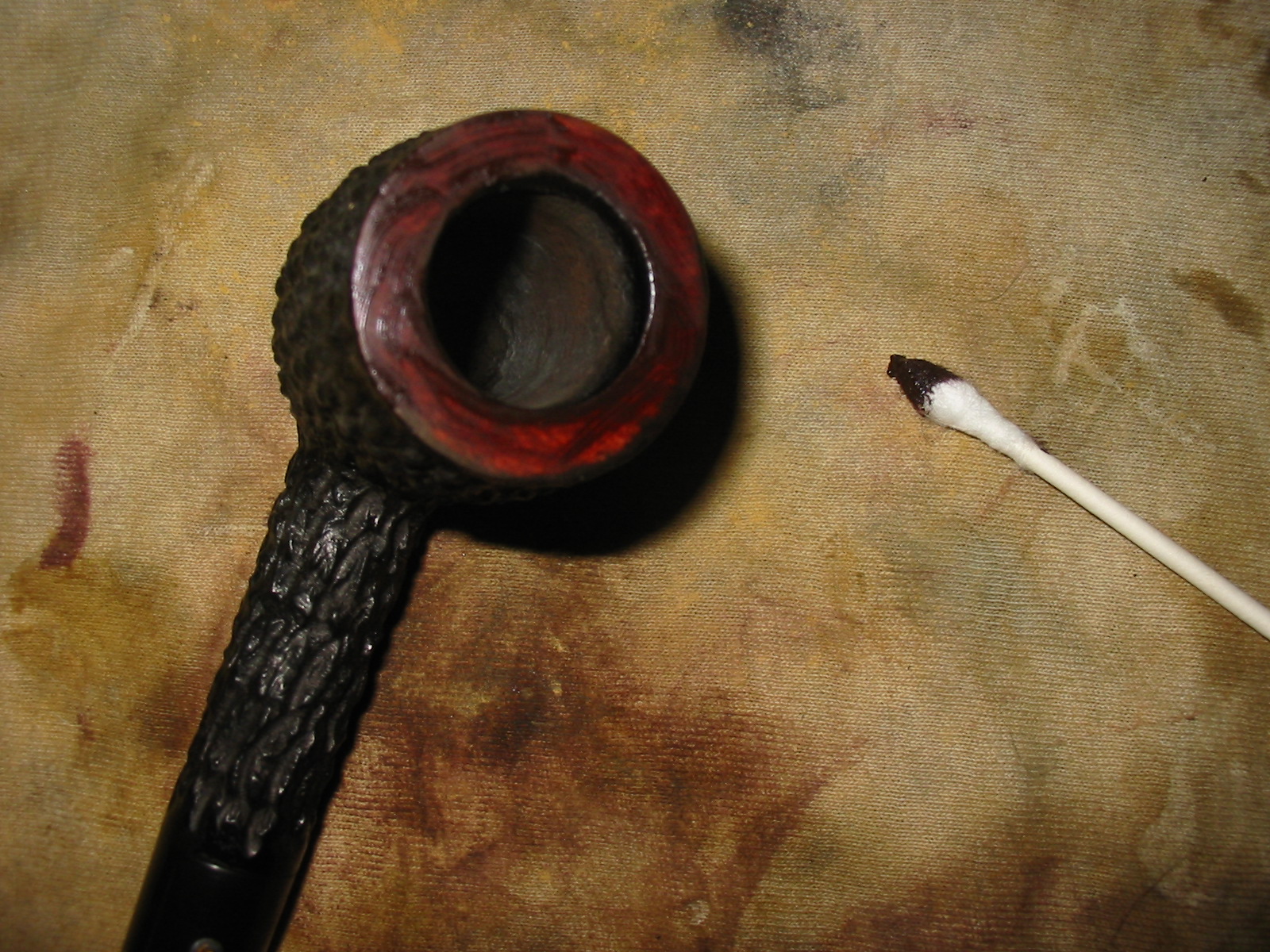
When the pipe arrived here in Canada the bowl was in great shape. The bowl only needed a light ream and clean. The shank was clean and the stem was clean inside. This would be an easy cleanup in terms of the briar. The stem was another story altogether. It was far more oxidized than the EBay pictures showed. The next four pictures show what the pipe looked like when I took it out of the box. These chairleg stems are a pain to clean up and get the oxidation out of all of the grooves. I knew that this one would prove to be a challenge.

Image

ImageImageImage

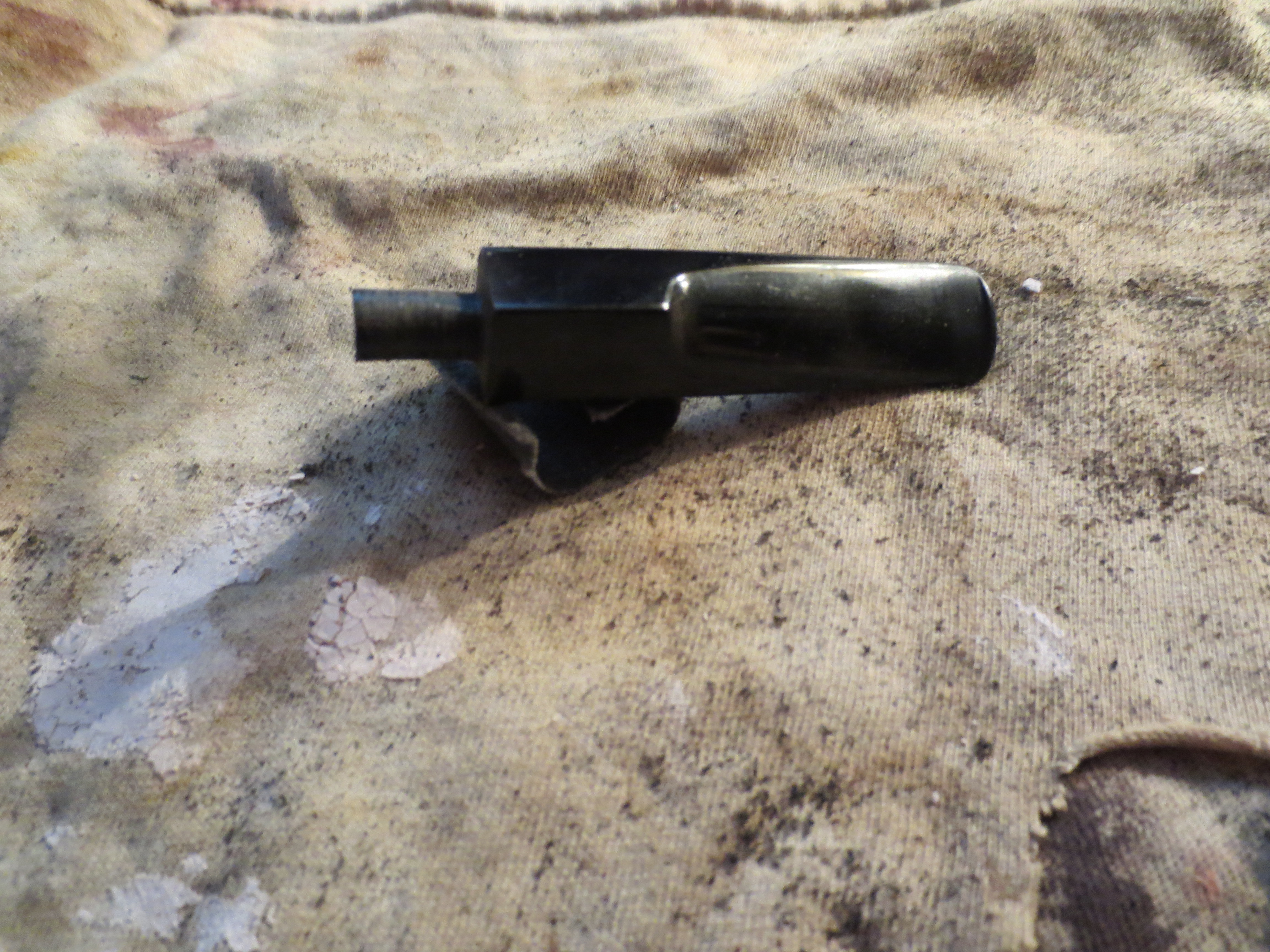
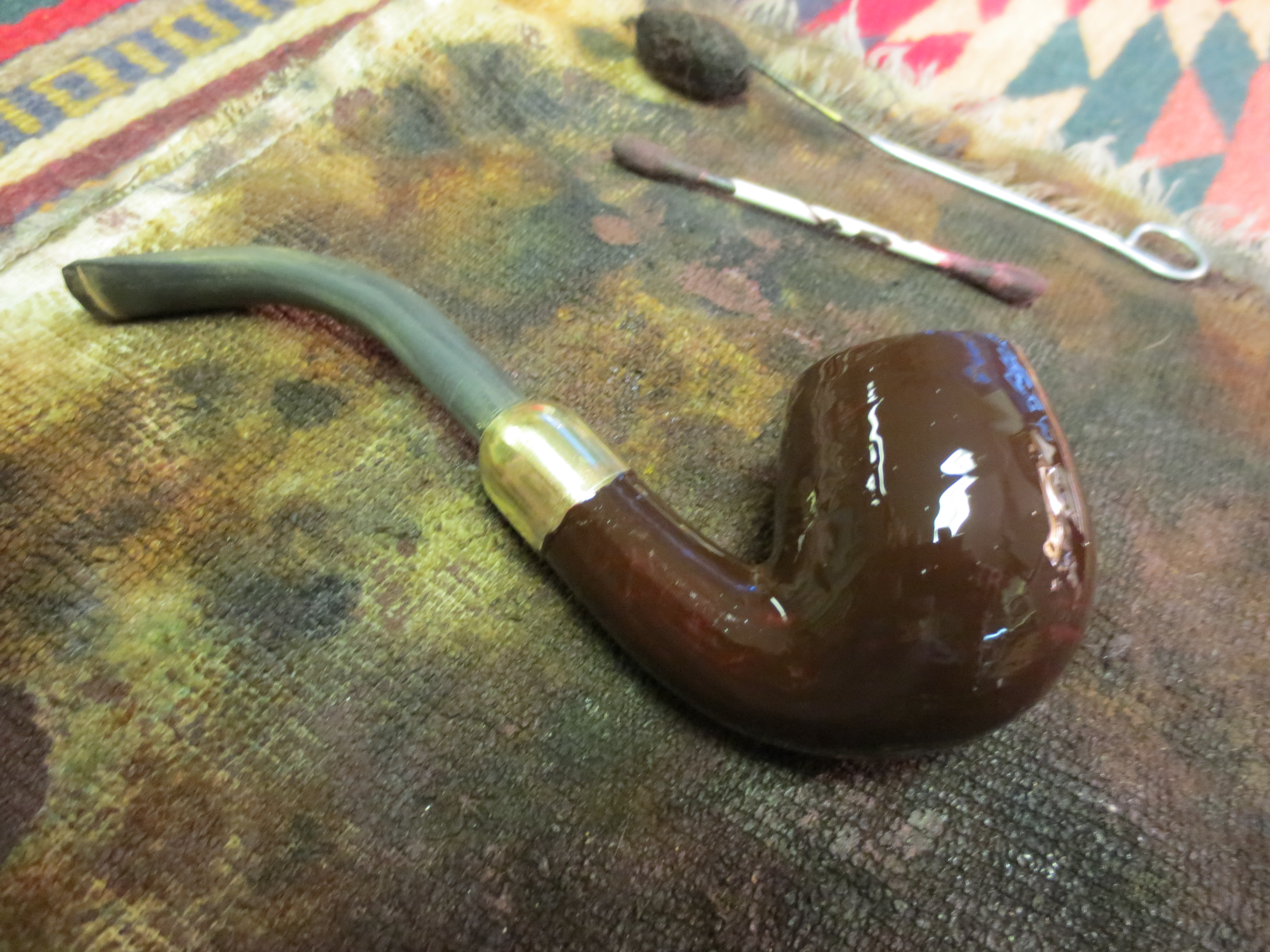
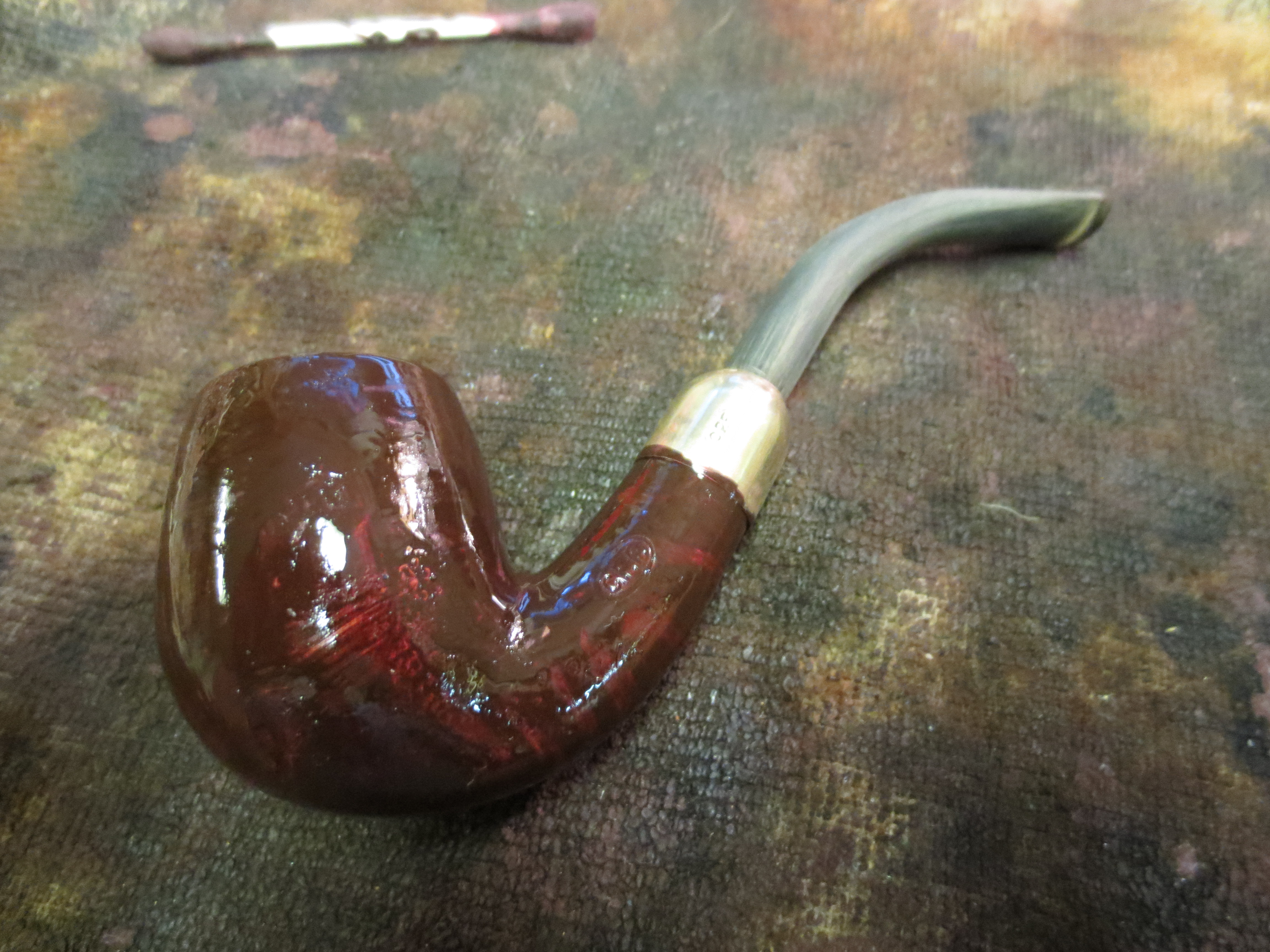
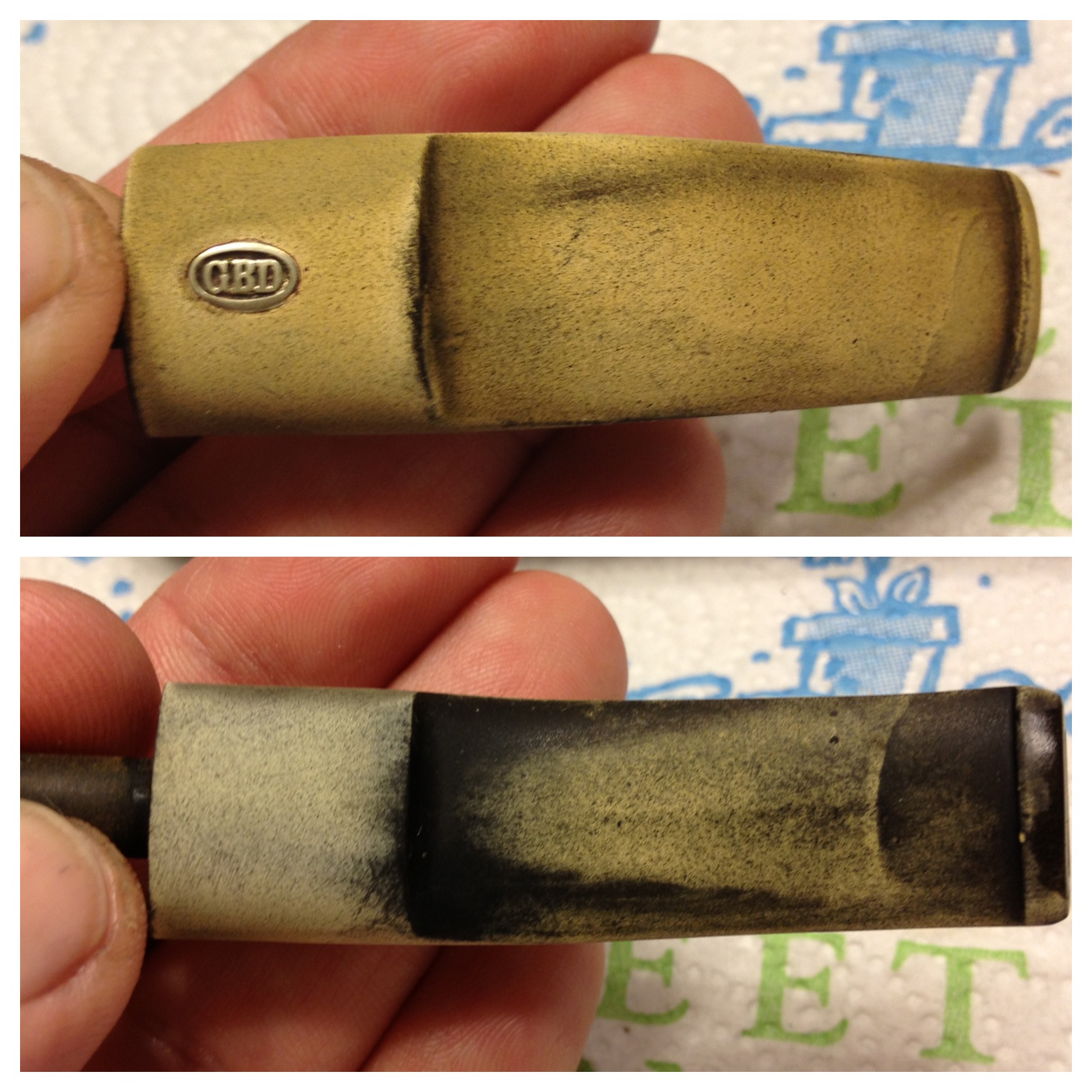
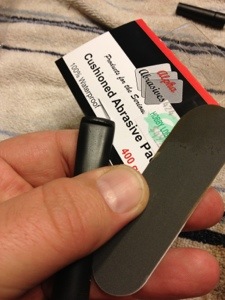
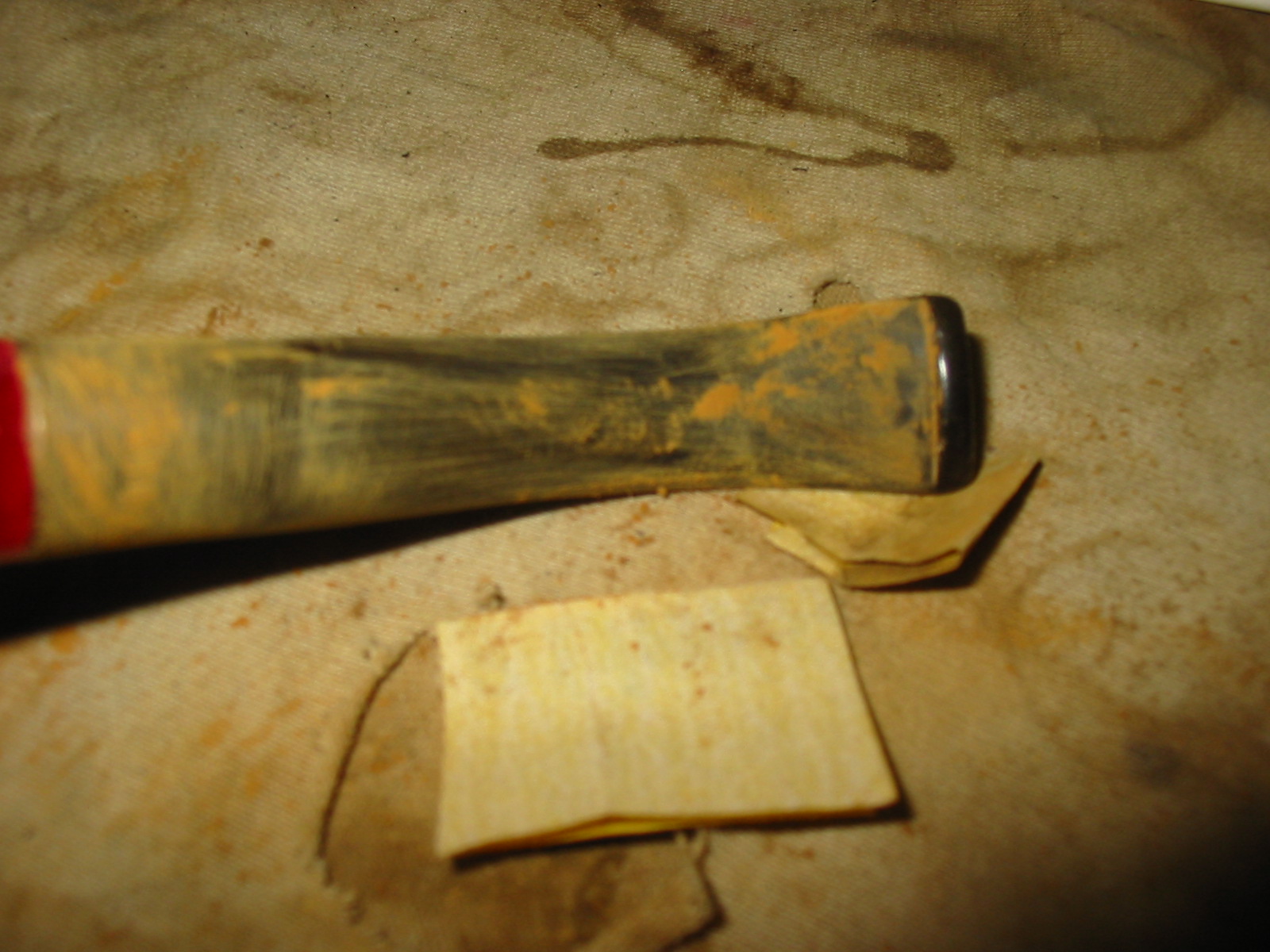
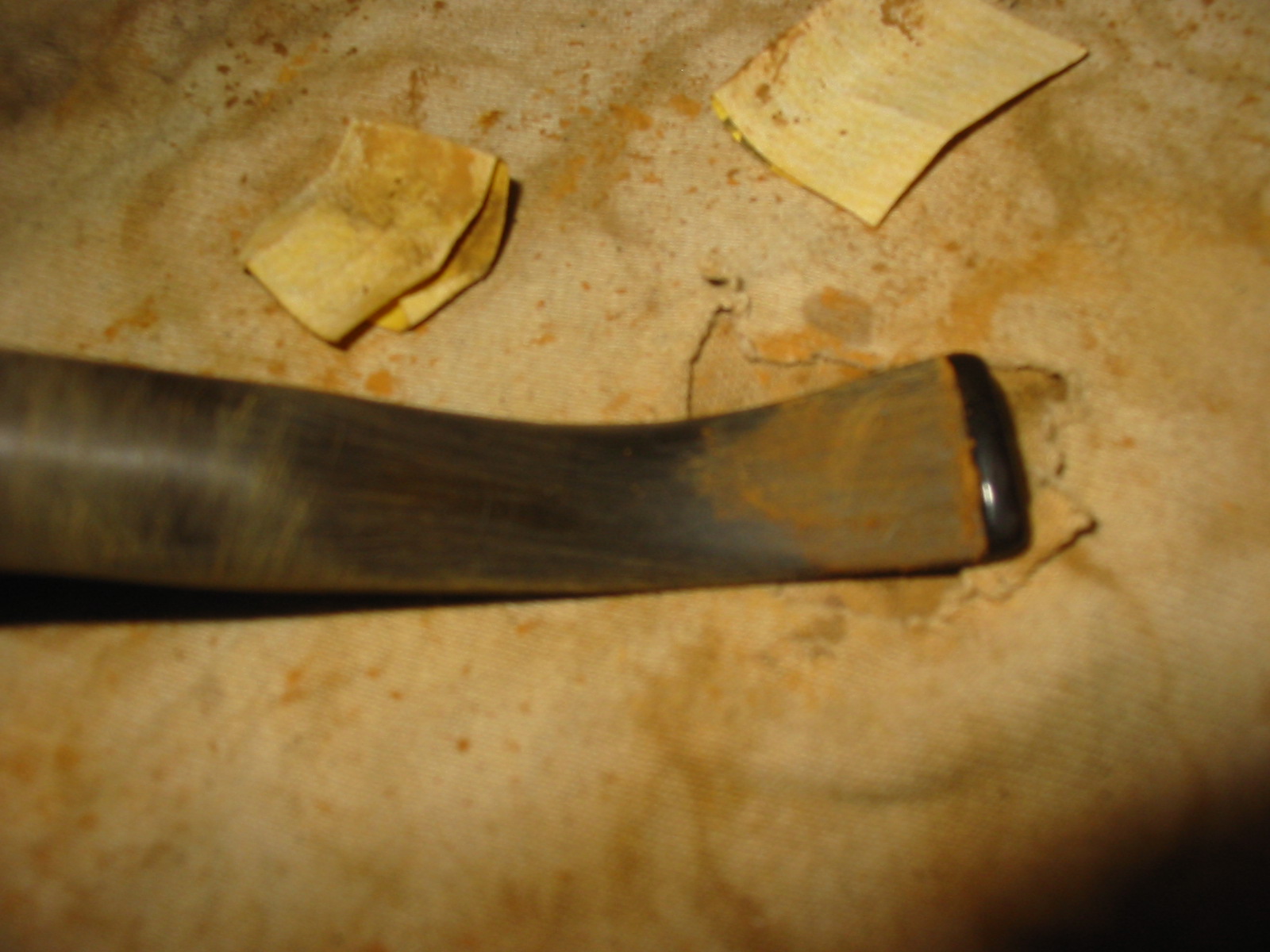
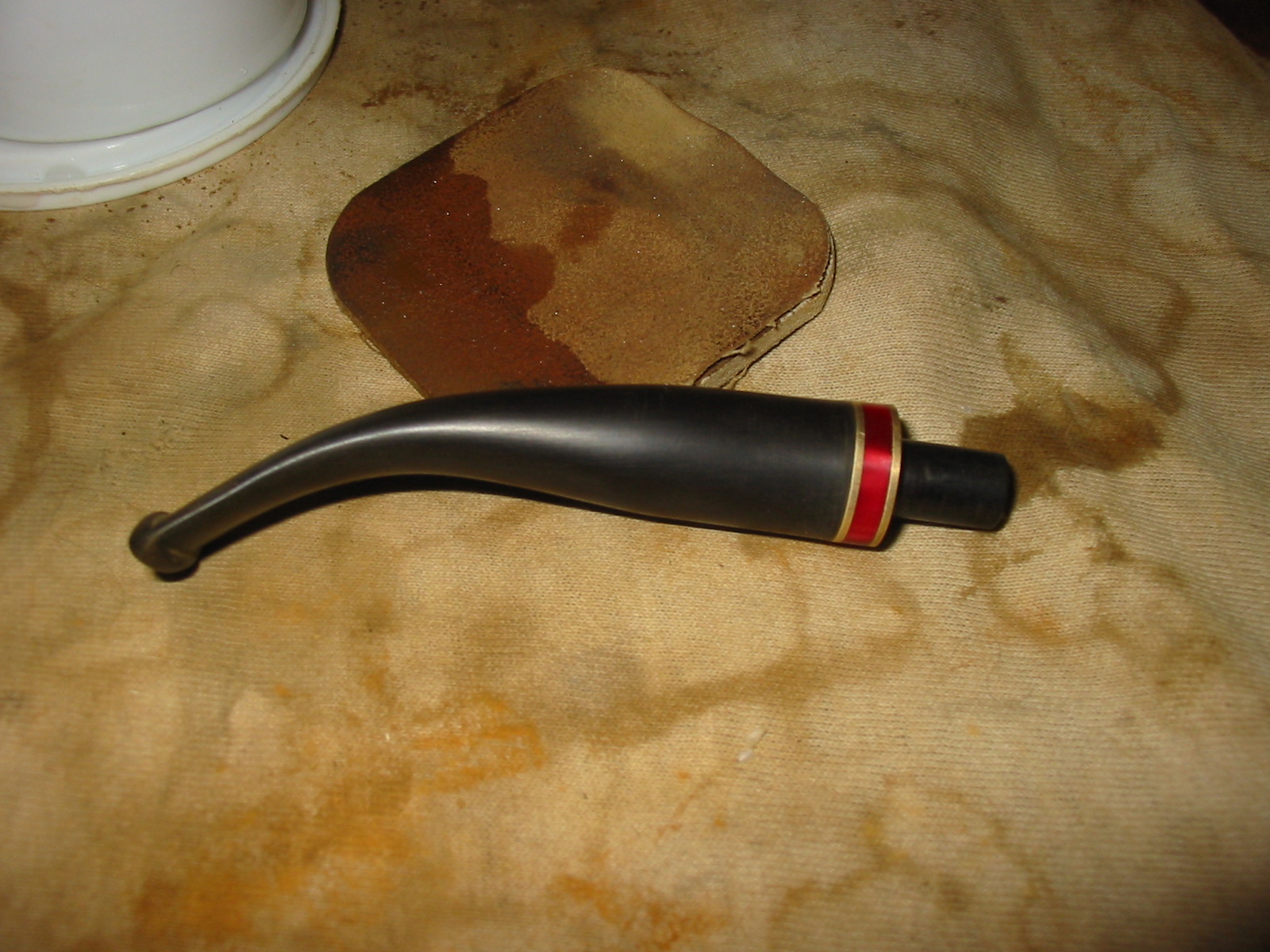
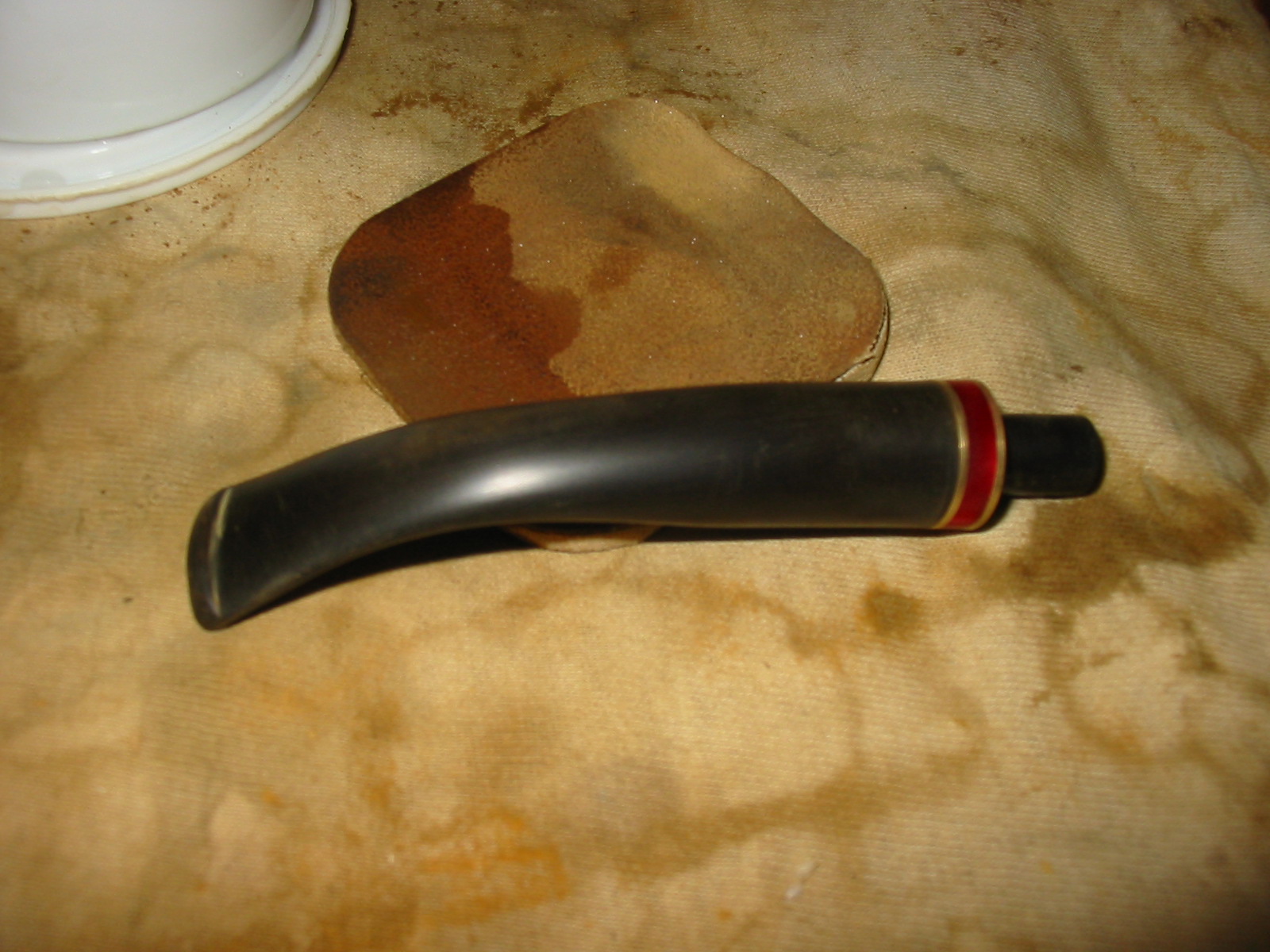
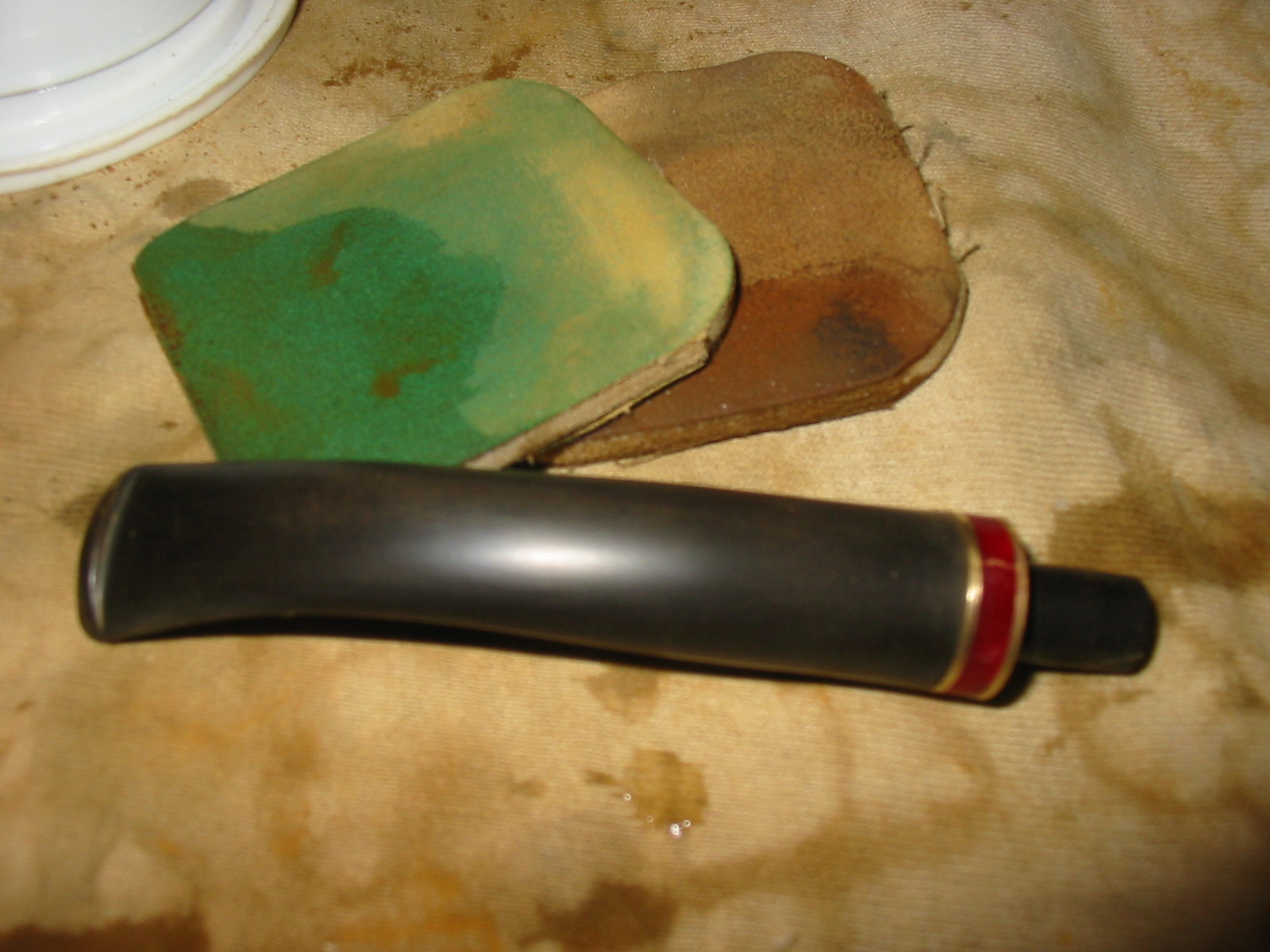
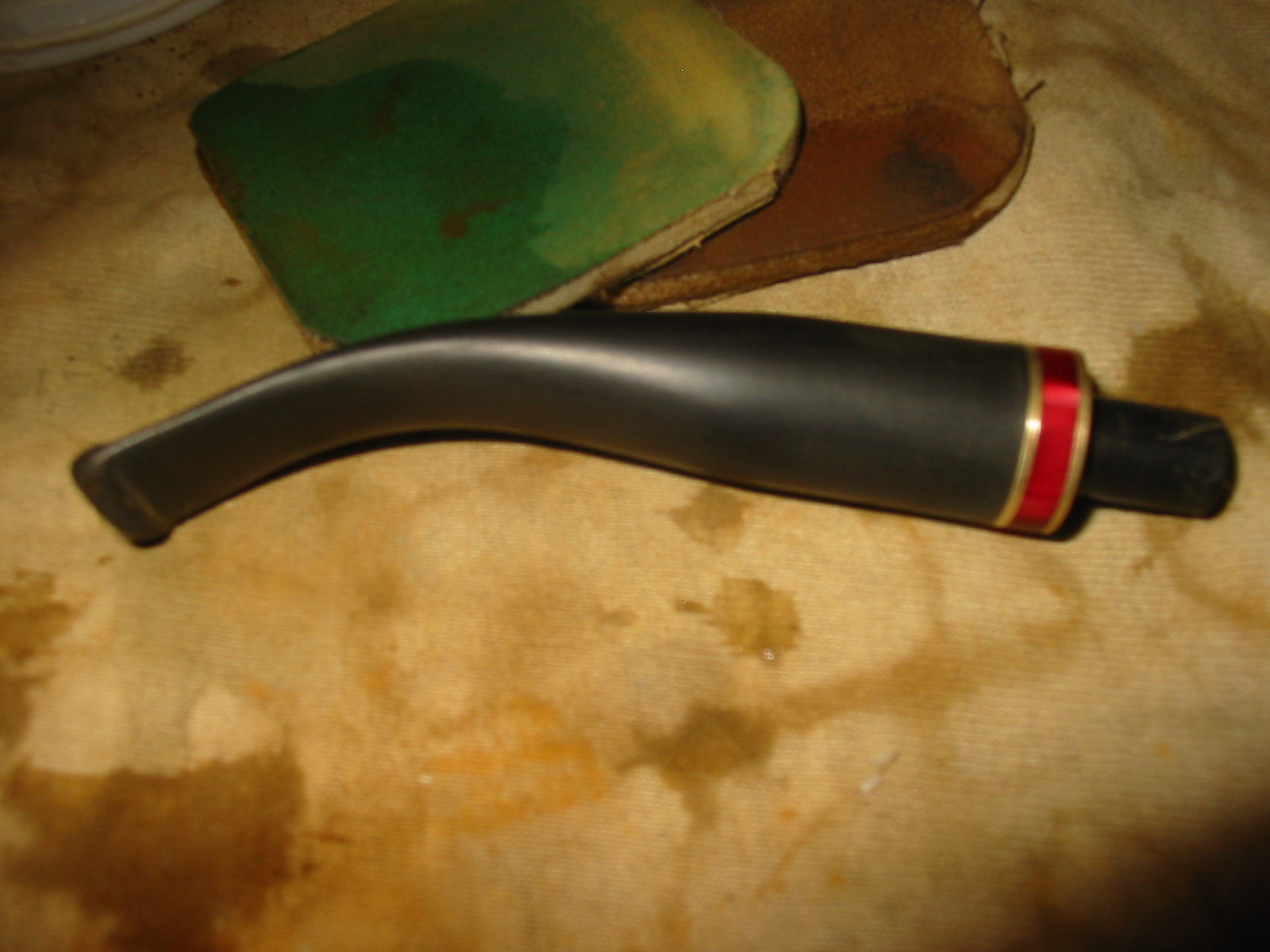
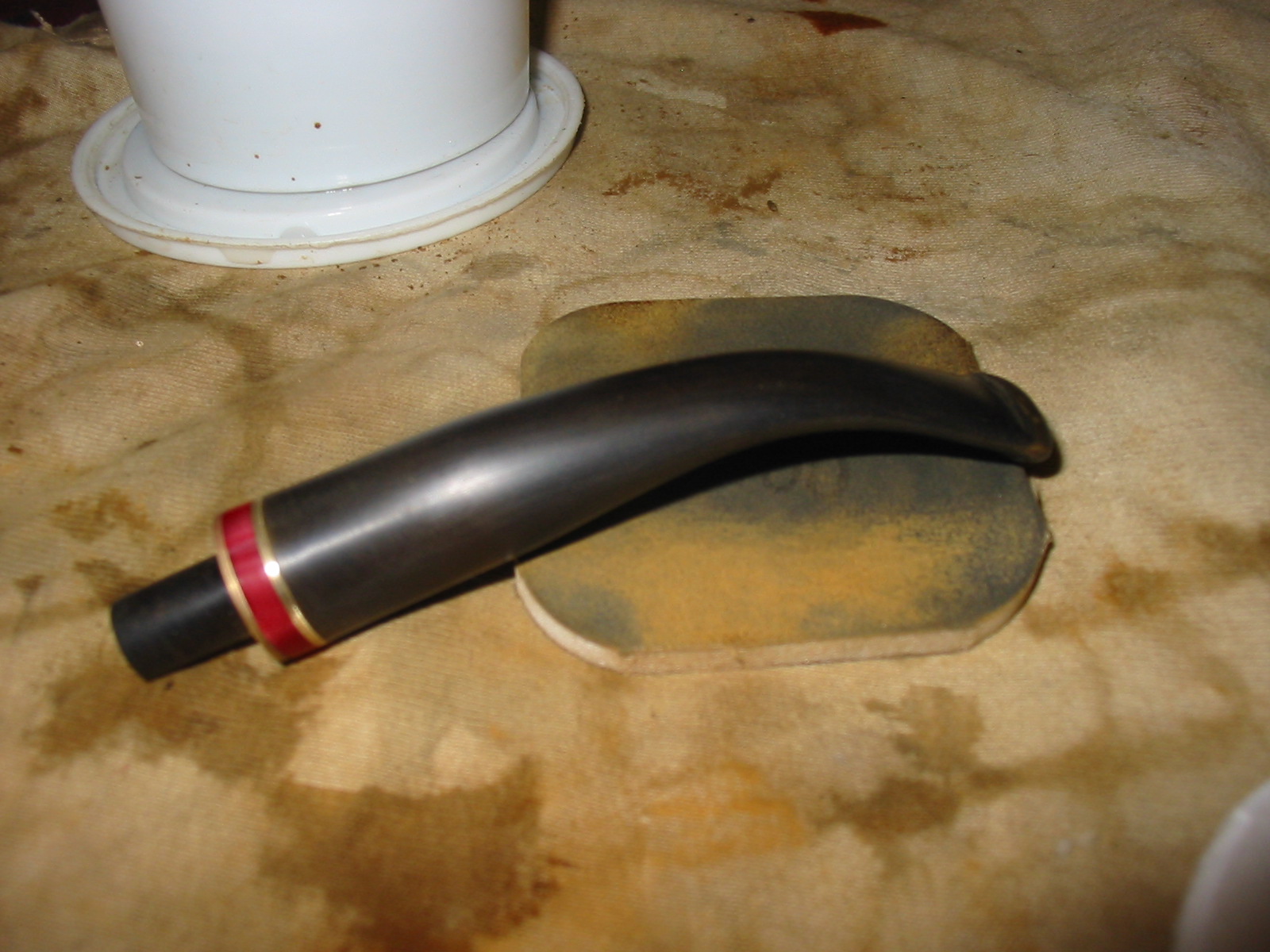
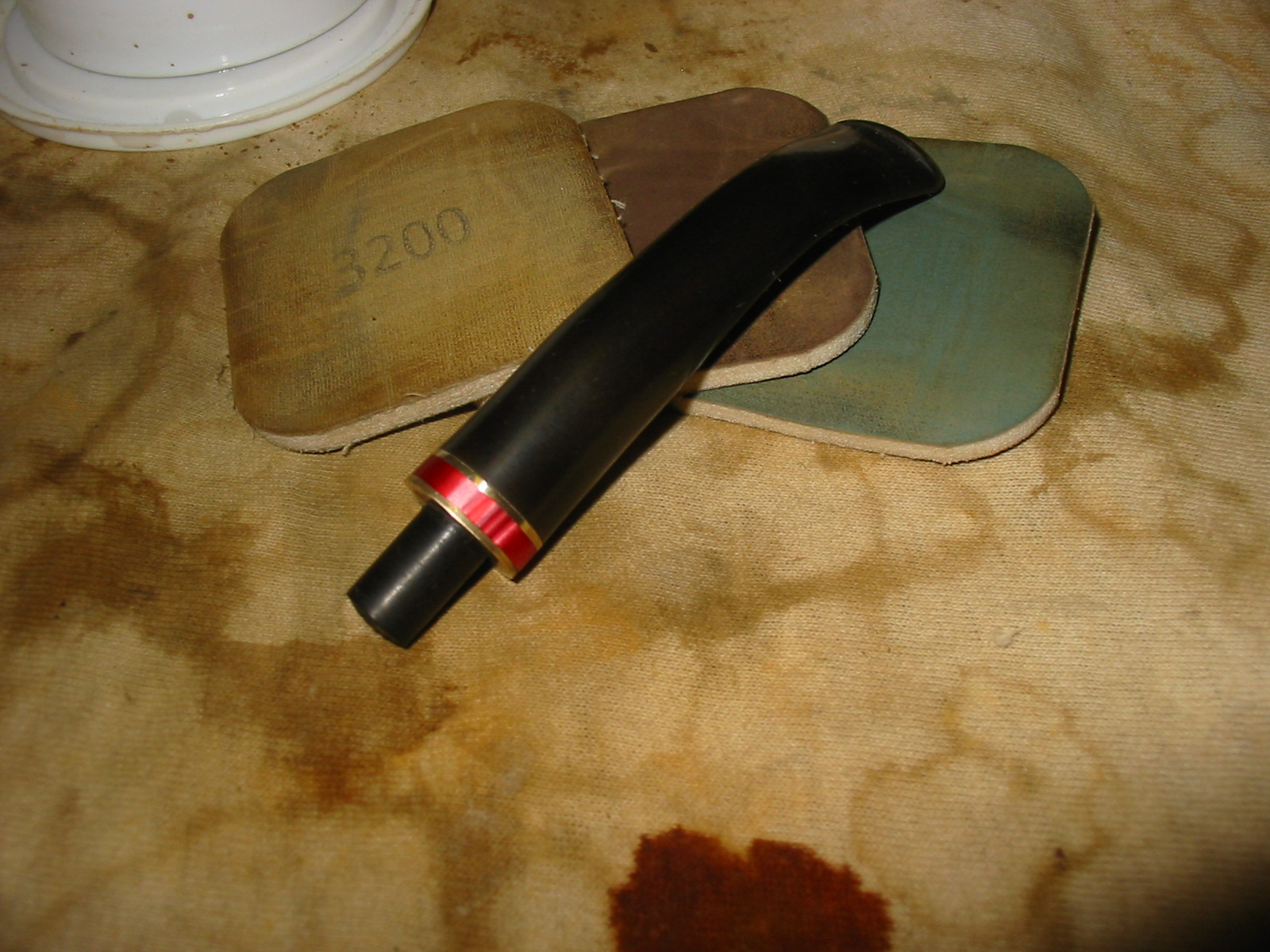
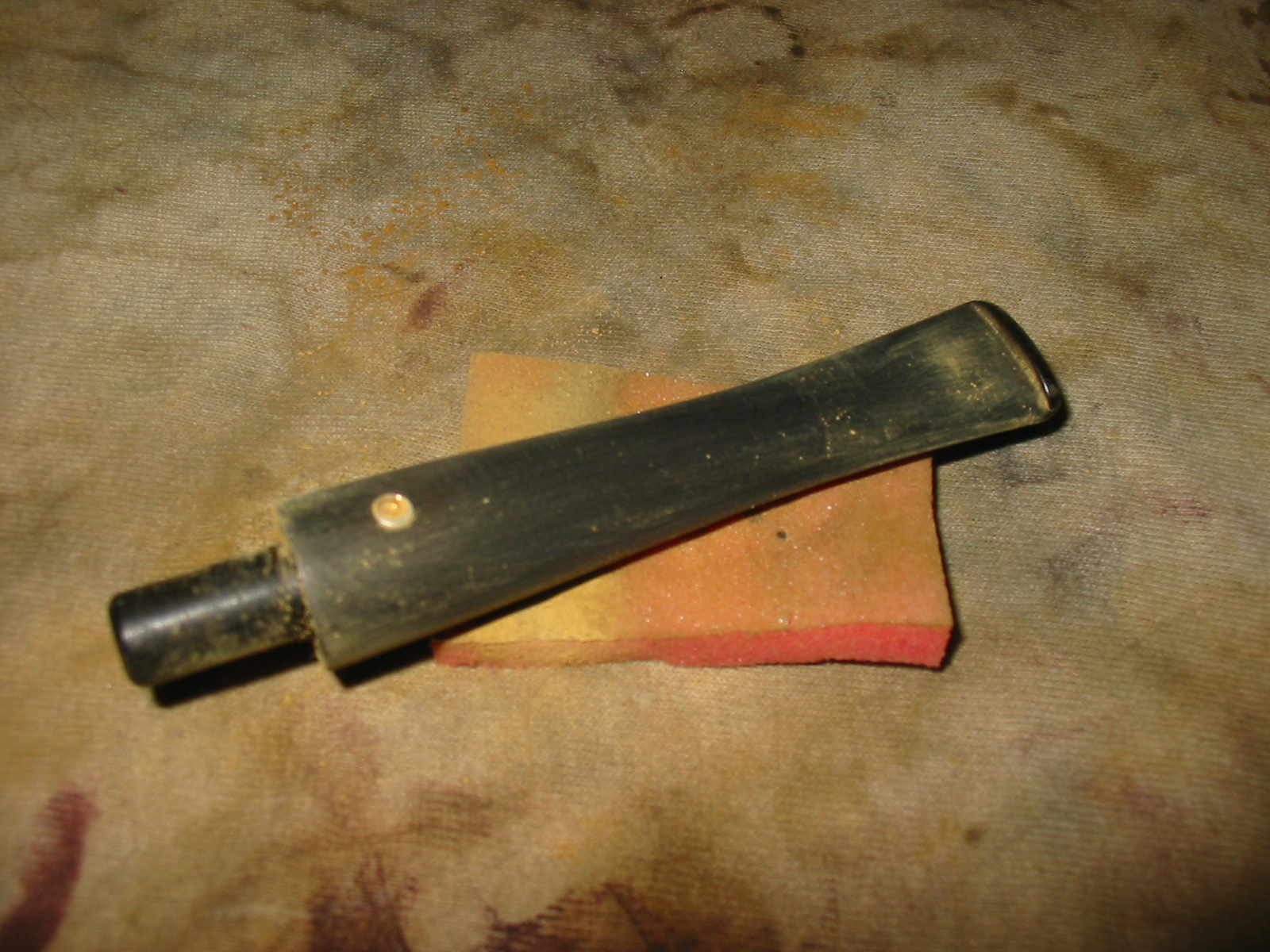
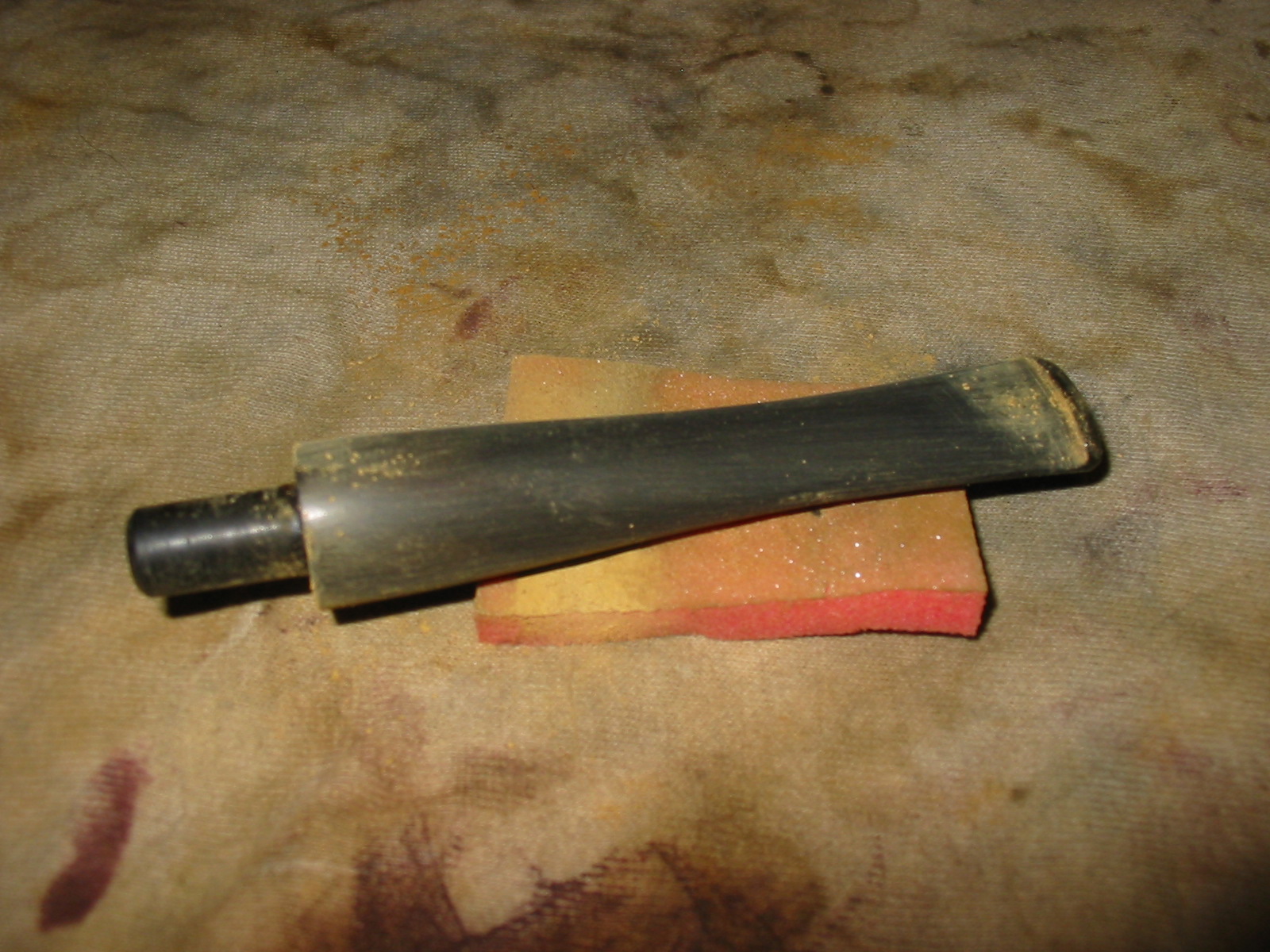
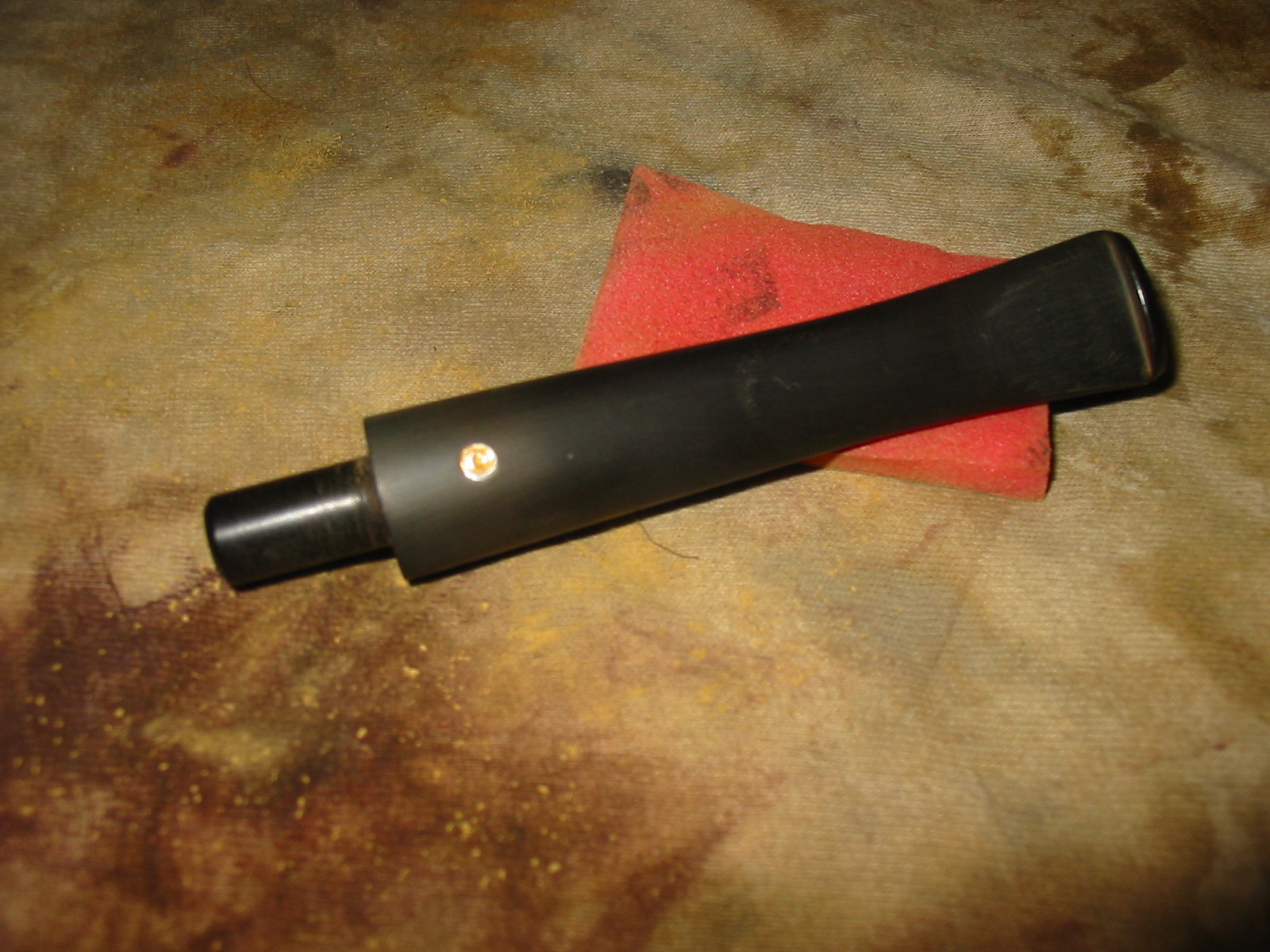
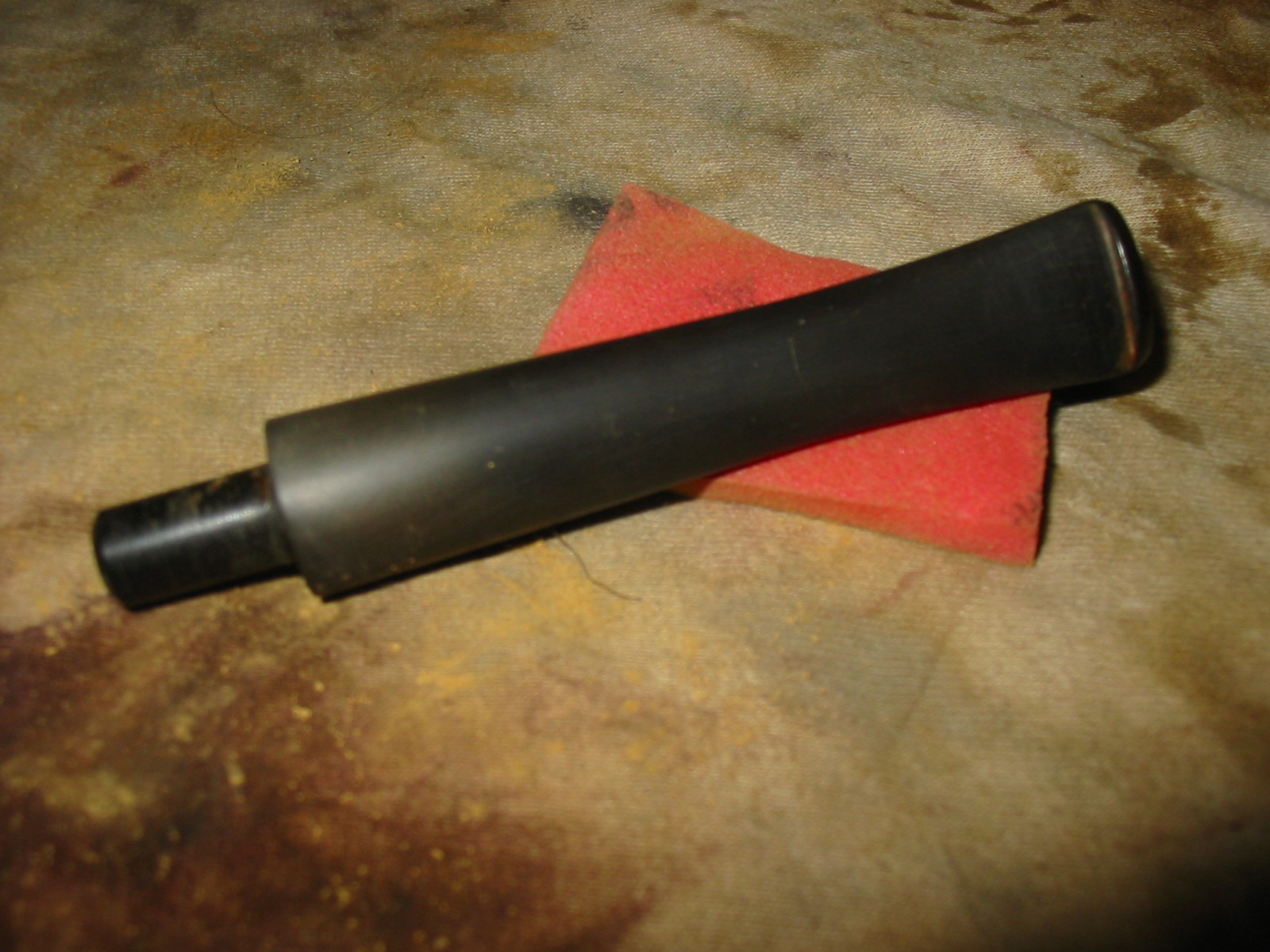
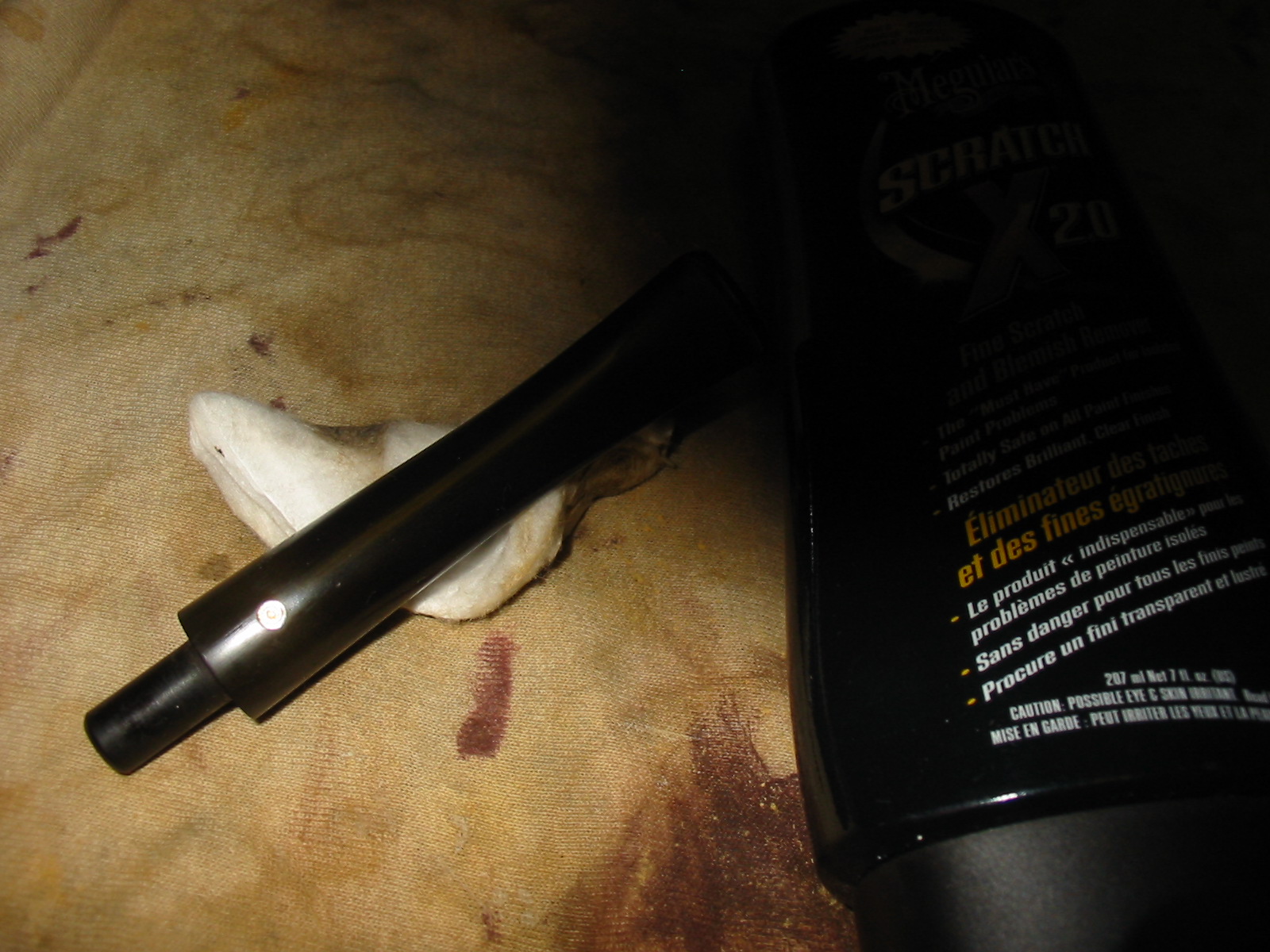
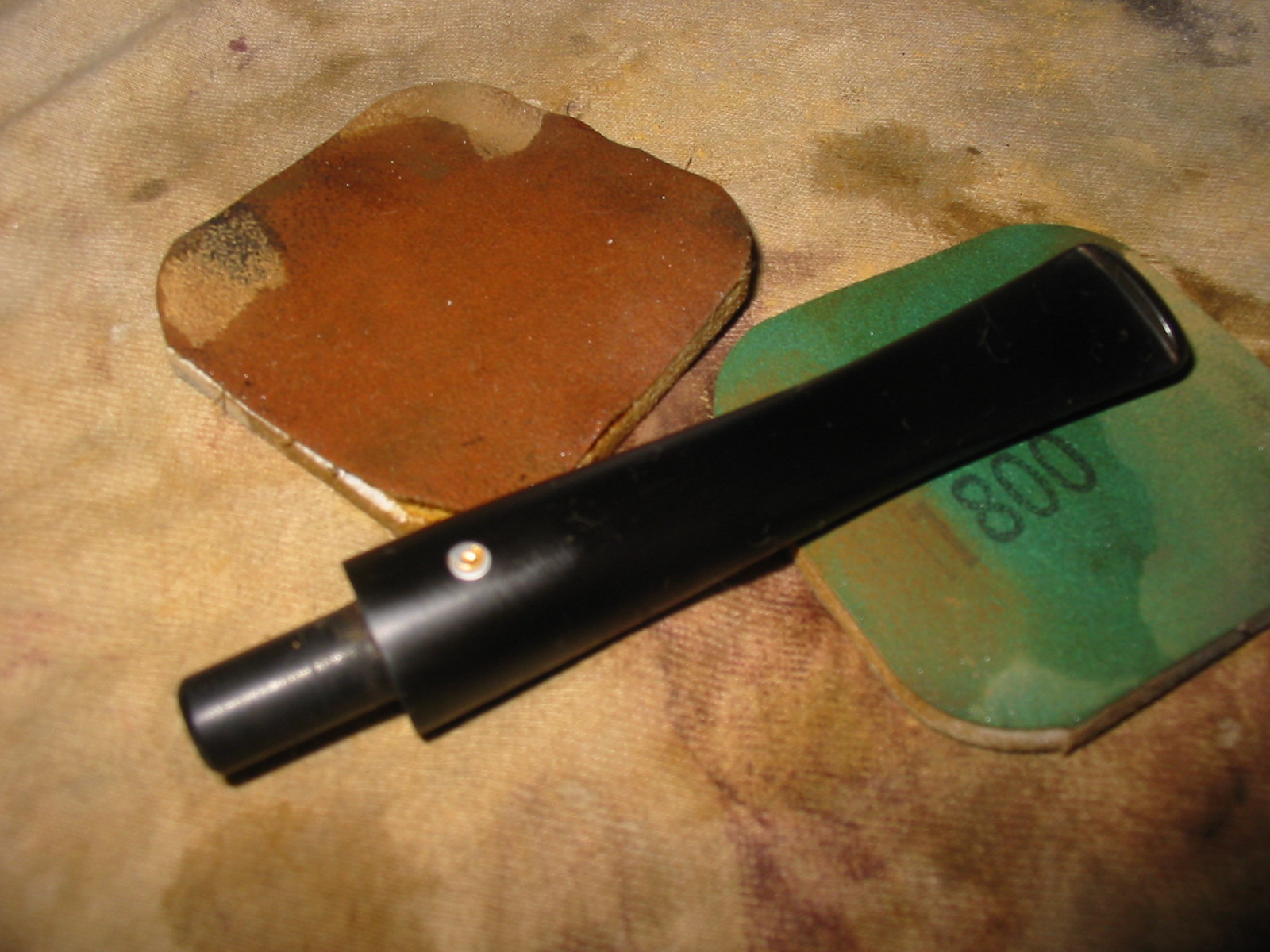
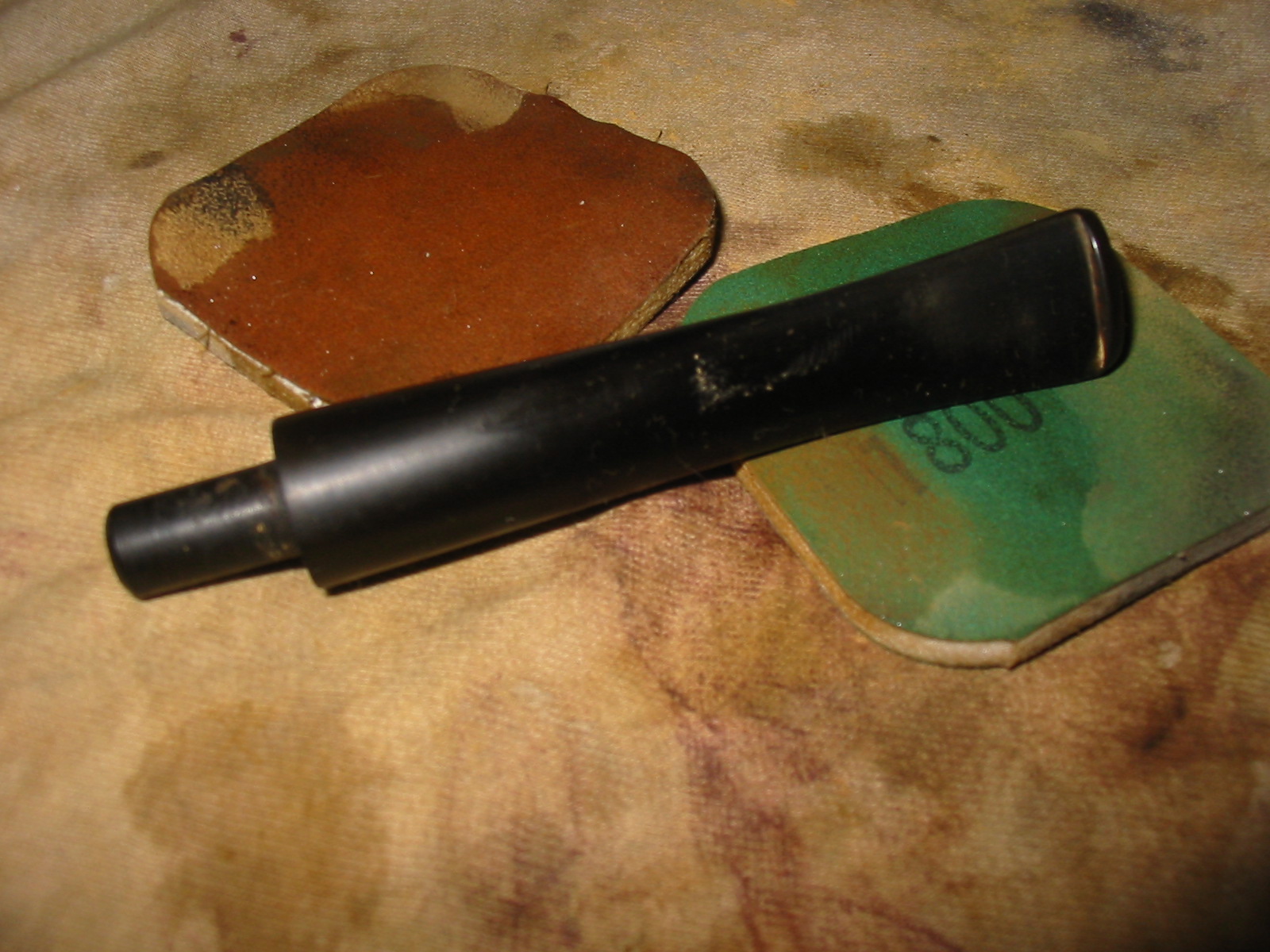
I lightly reamed the bowl and wiped it down with a soft cloth and oil soap. It cleaned up nicely. I coated it with some carnauba wax and then put it aside. I dropped the stem in a soak of Oxyclean to soften the oxidation. I would need all the help I could muster to get the oxidation off of this one. Once I took it out of the soak the stem needed to be sanded. I used medium grit sandpaper on a foam pad to allow me to get into the grooves and the sharp edges. Once I had the initial sanding down I wiped the stem down with a soft cotton cloth dampened with alcohol. I then continued the sanding process with 1500-2400 grit micromesh sanding pads. I finished with the pads and then scrubbed the stem with Maguiar’s Scratch polish. I gave it several repeated rub downs with the scratch polish and then progressed through the remaining micromesh pads from 3200-12,000 grits. The finished stem is pictured in the four pictures below. I rubbed the stem down with Obsidian Oil and let it sit. After it dried you can see the areas that still need to be worked over on the stem.

ImageImageImageImage

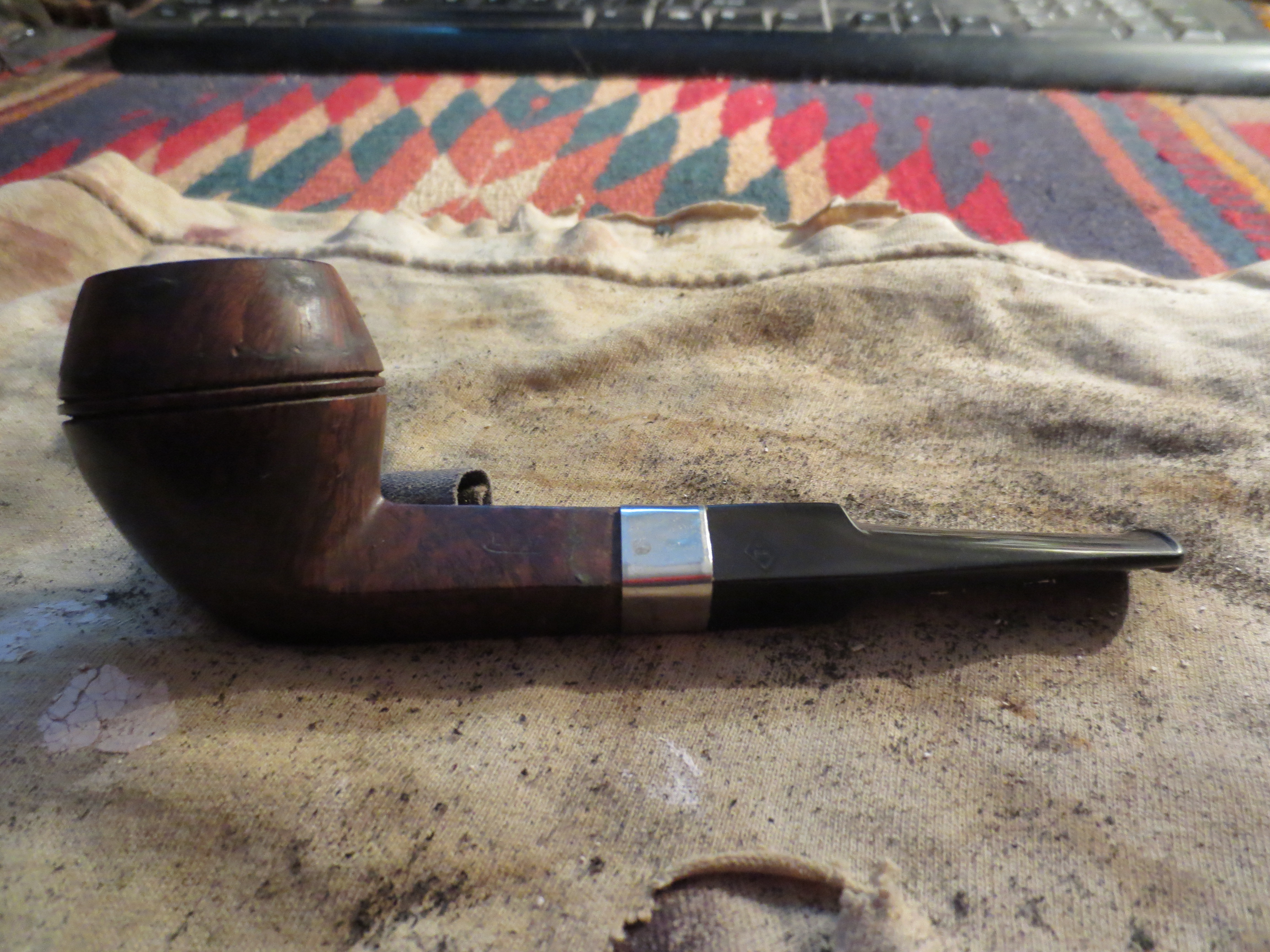
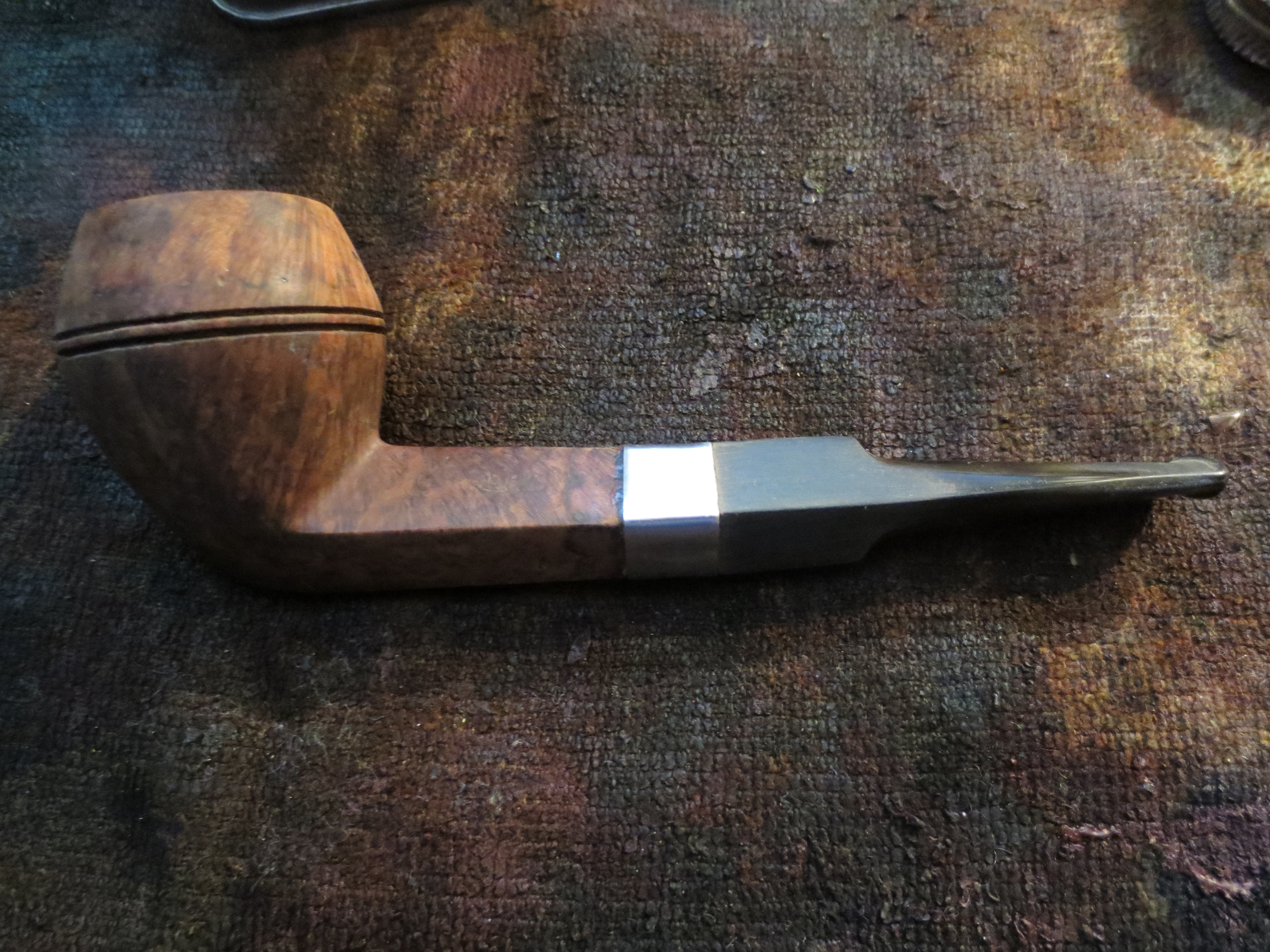
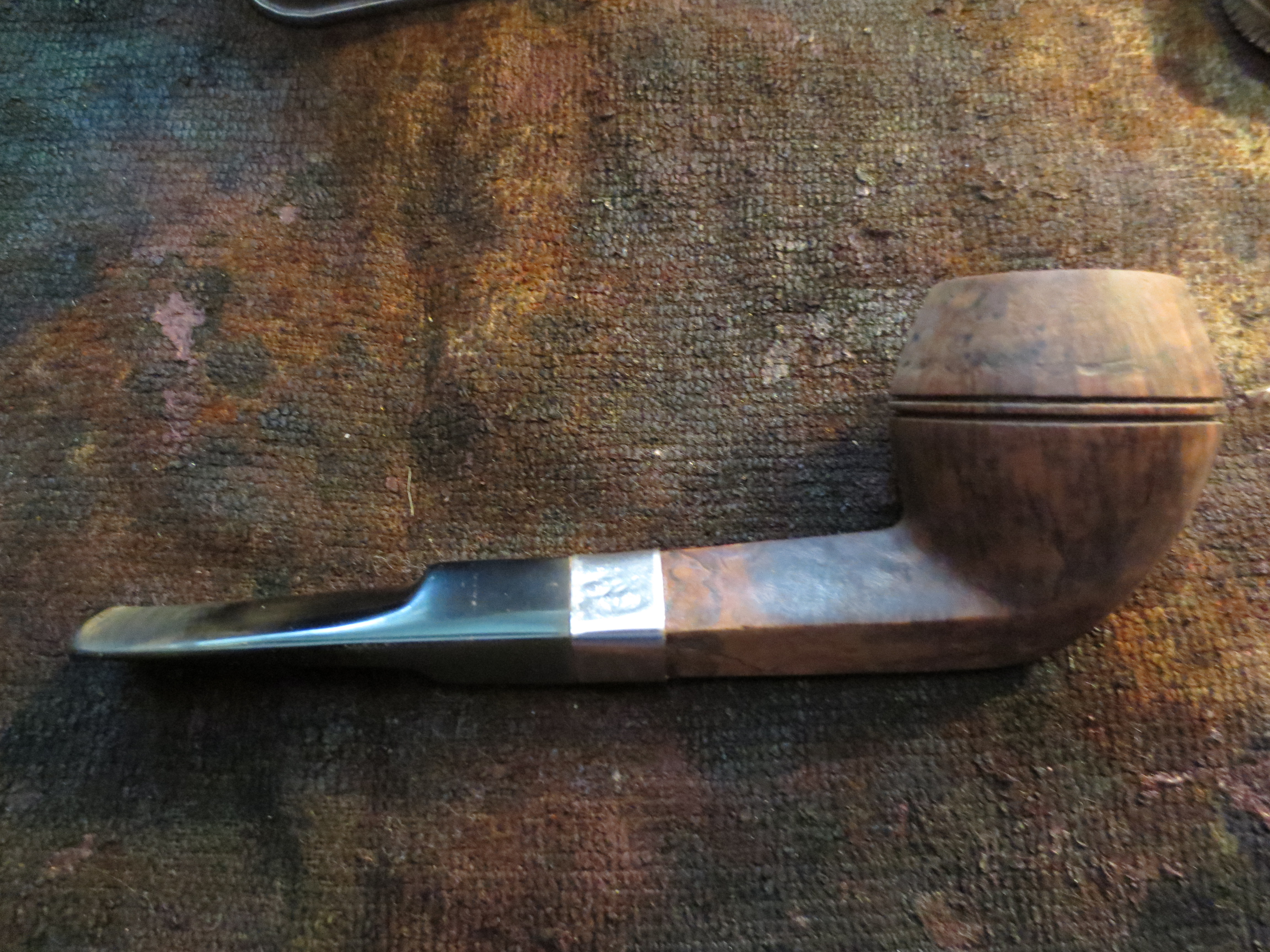
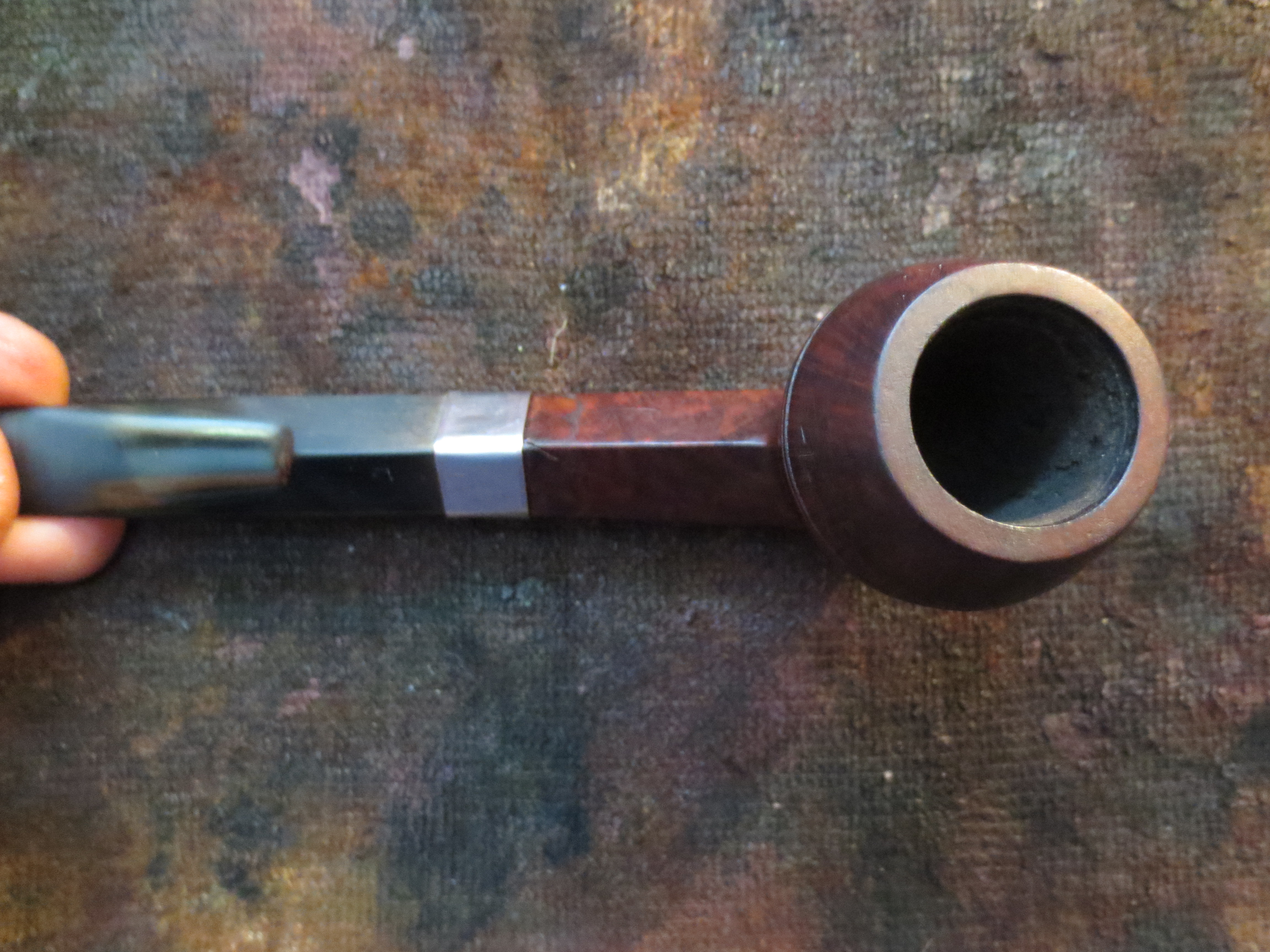
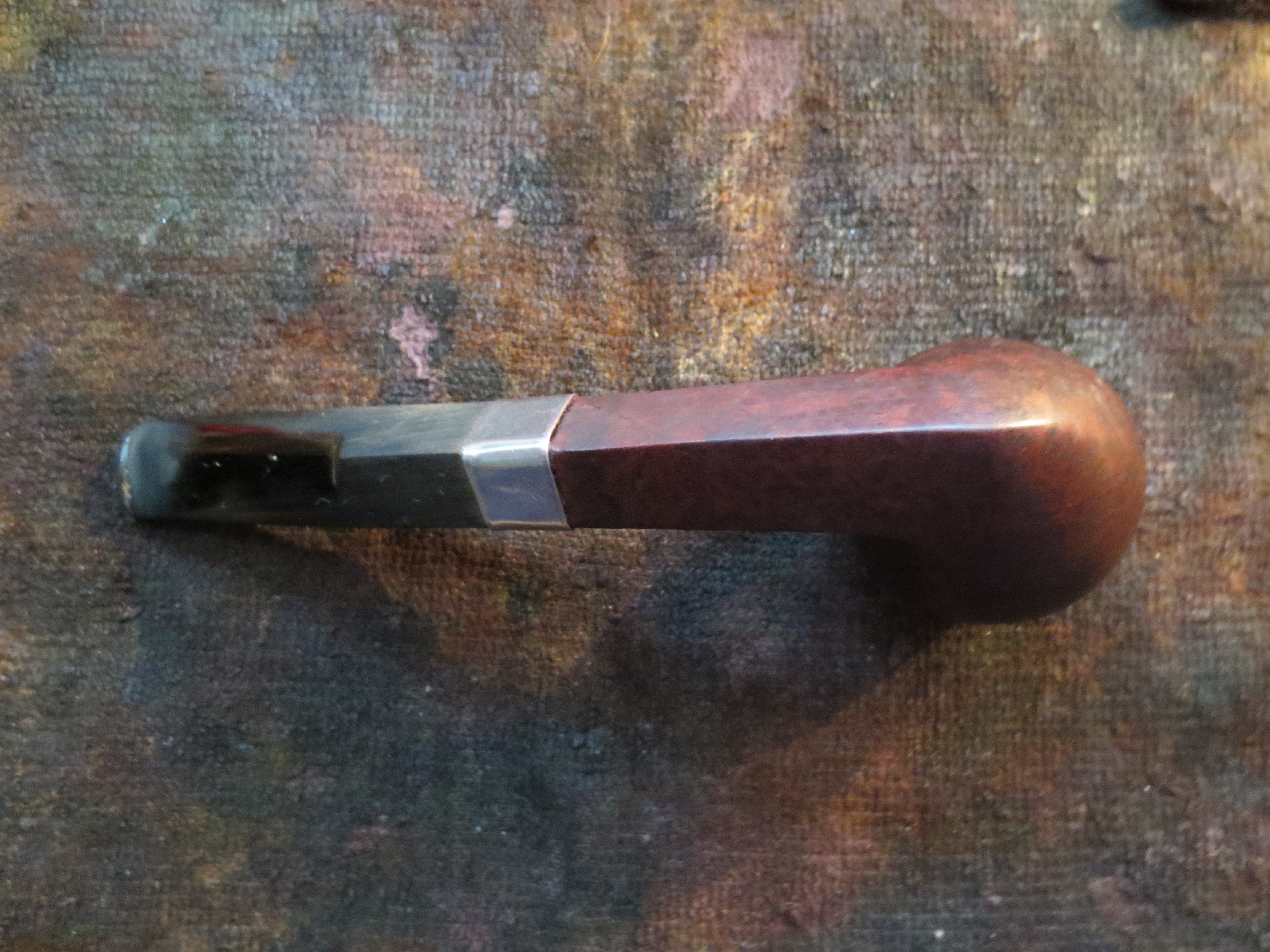
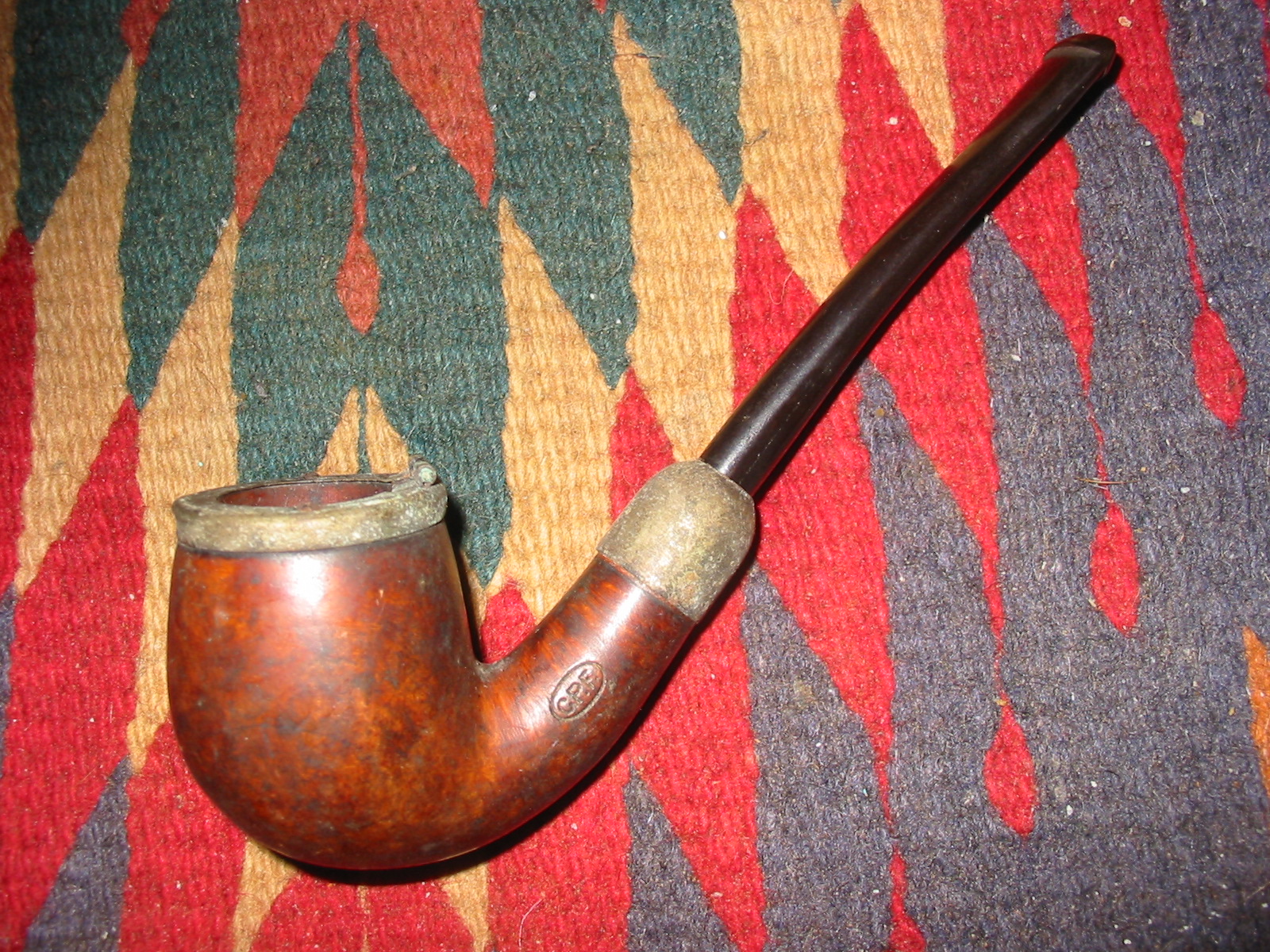
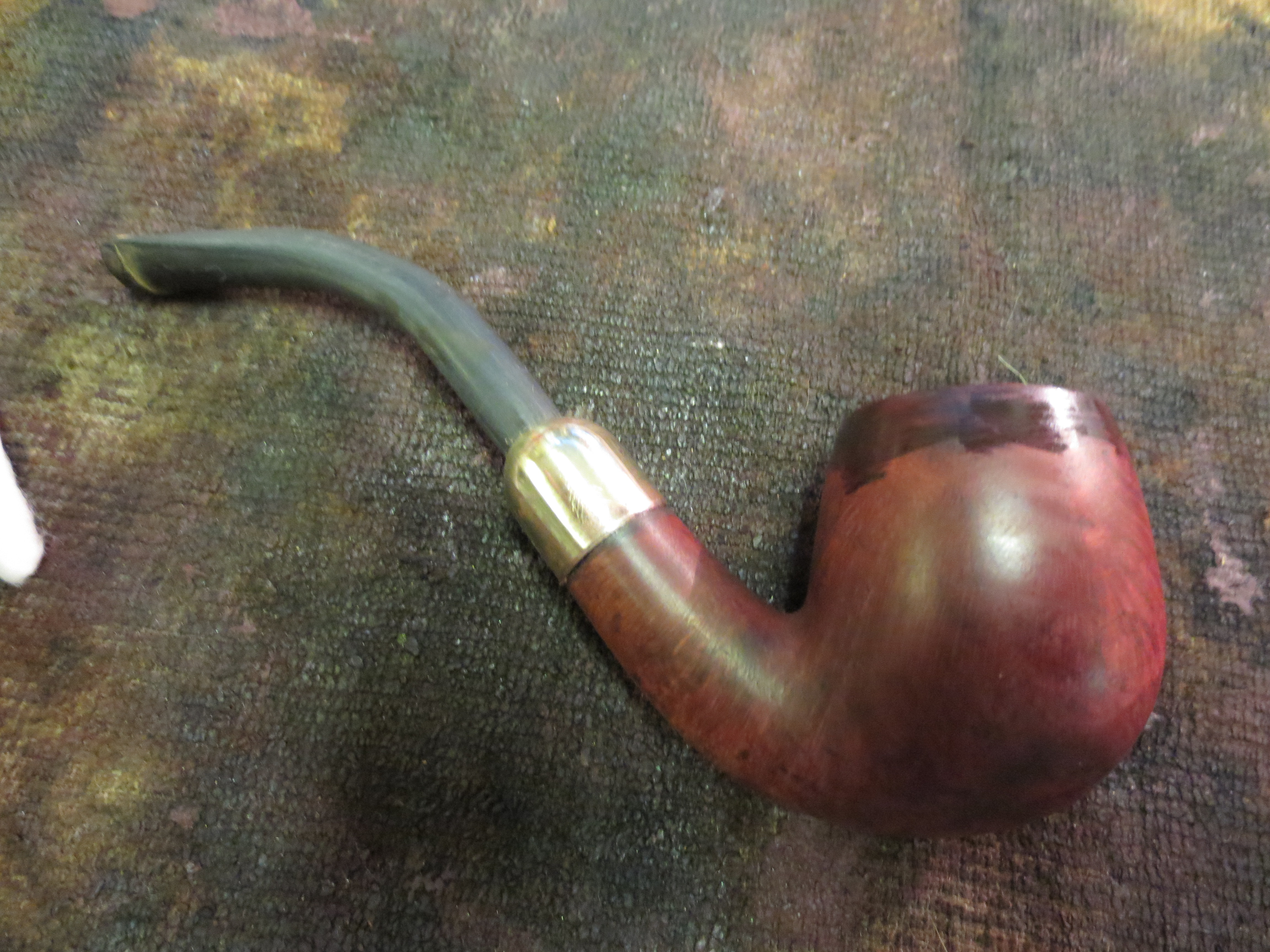
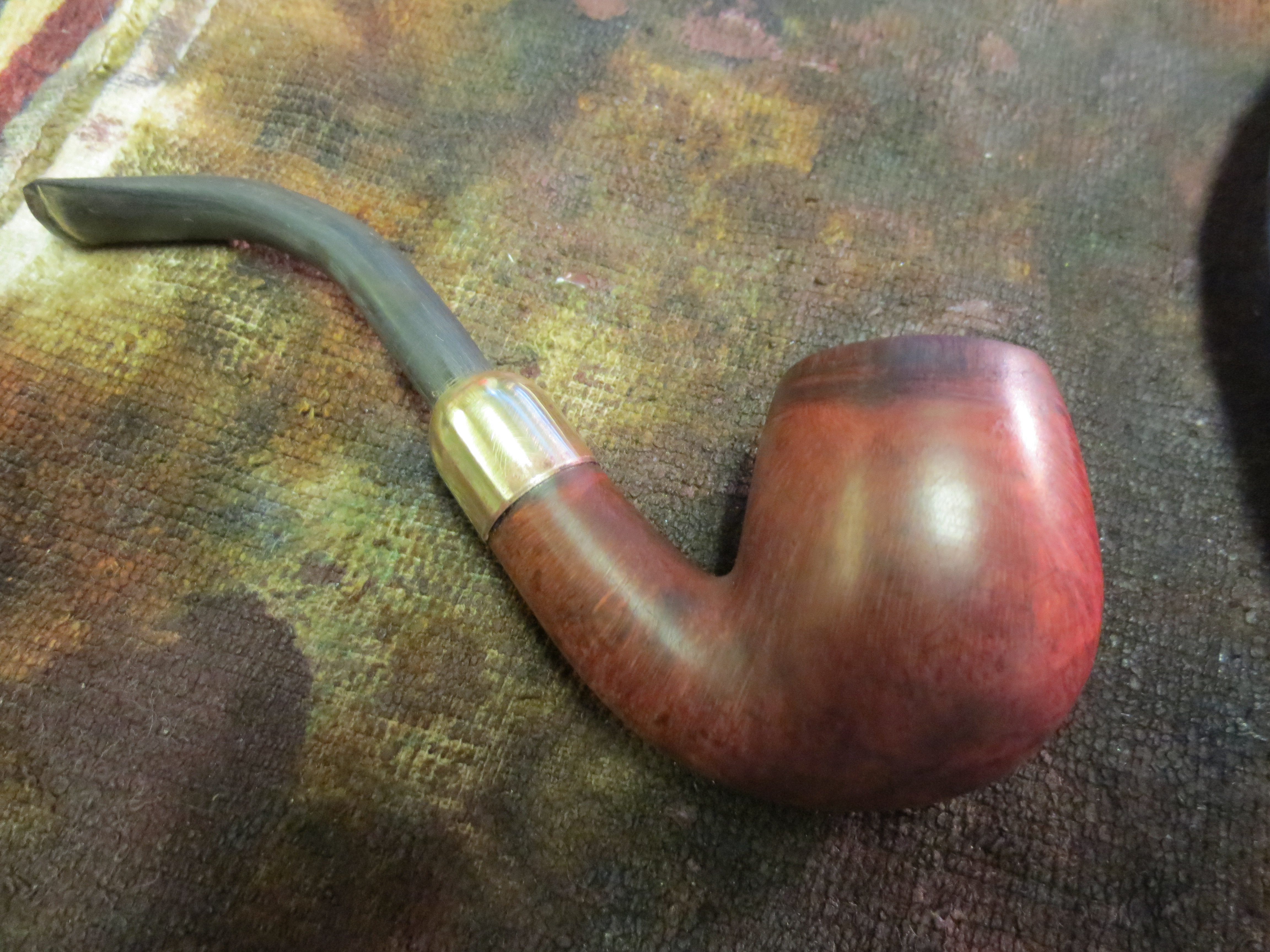
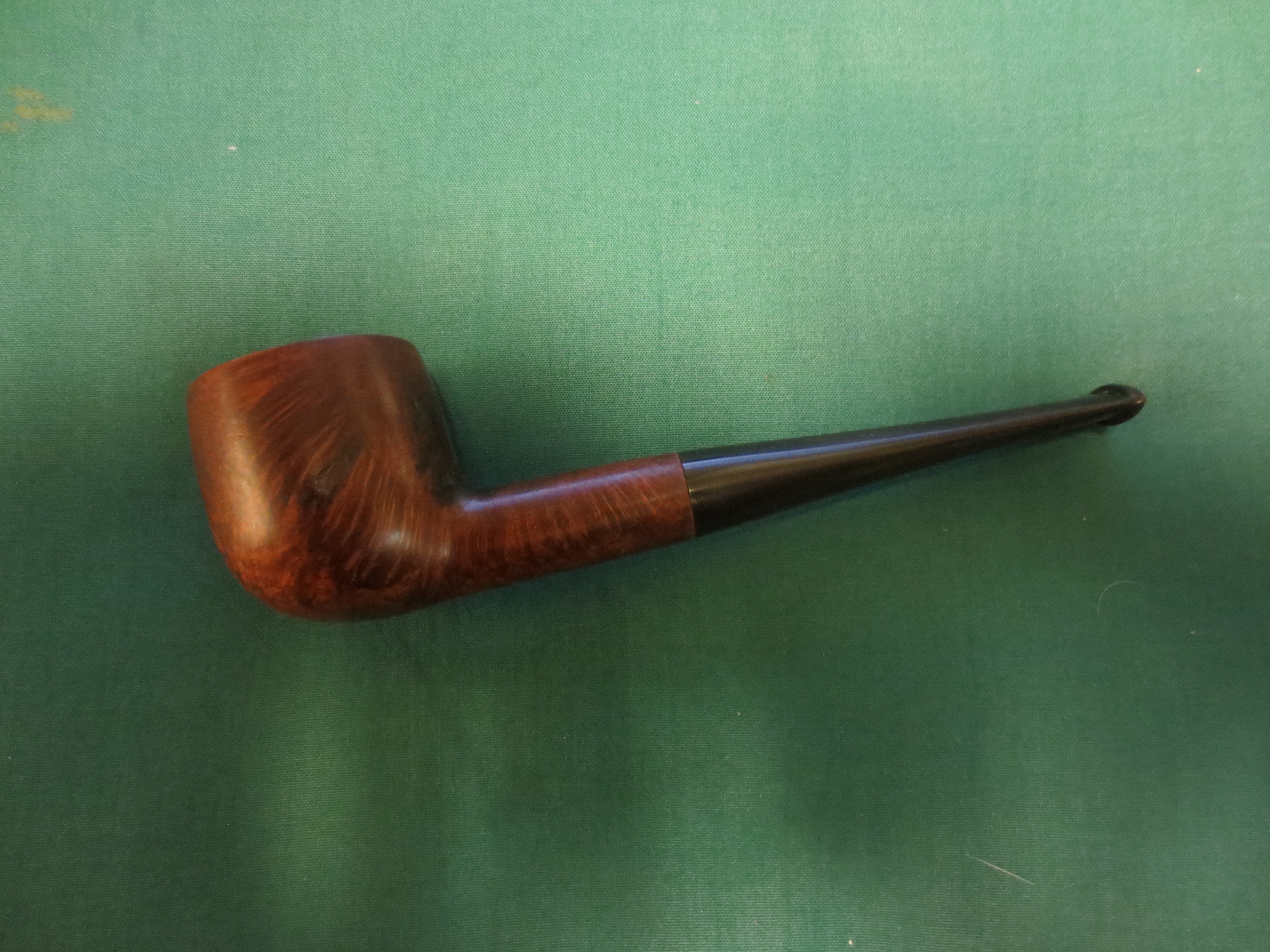
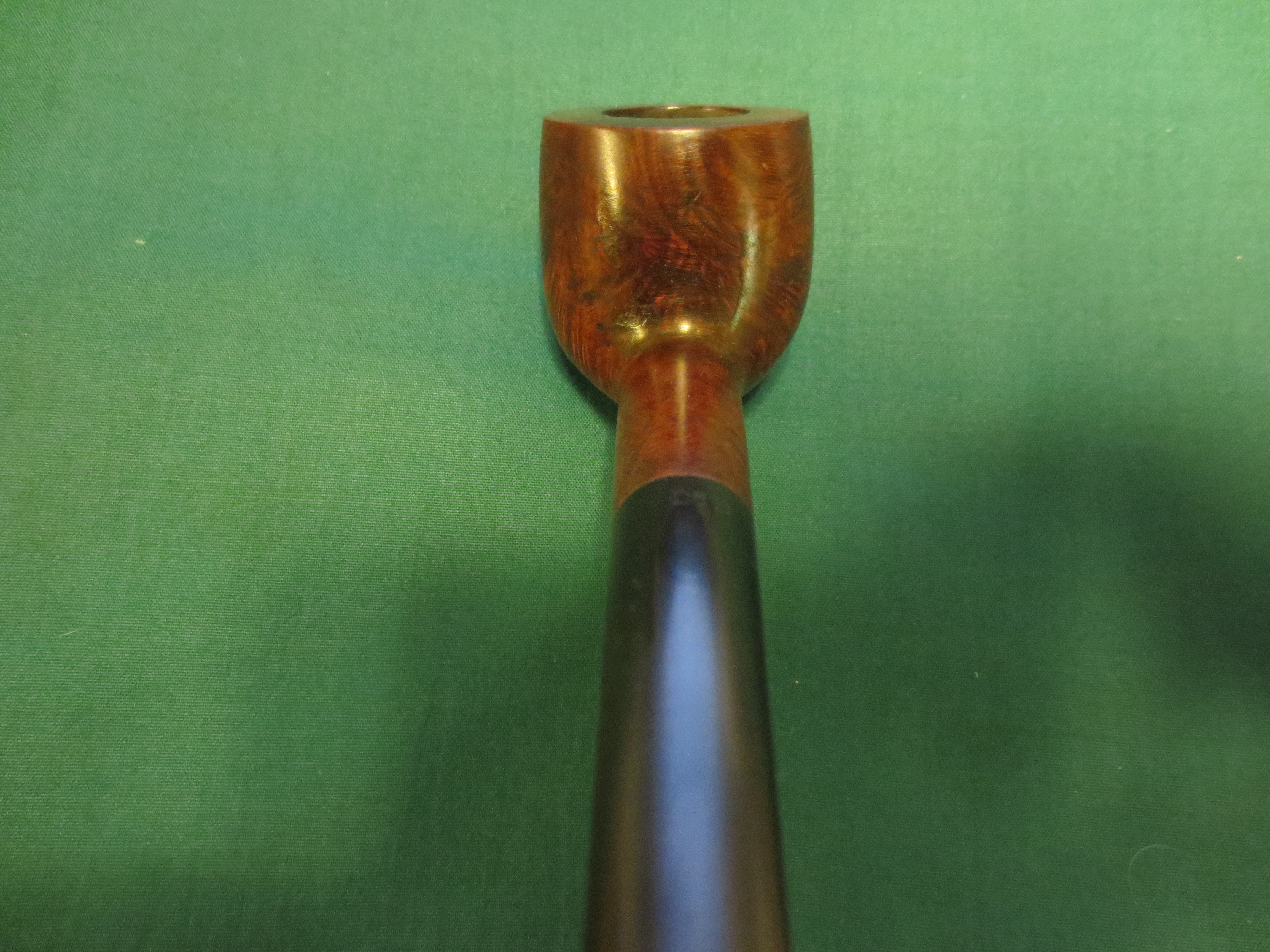
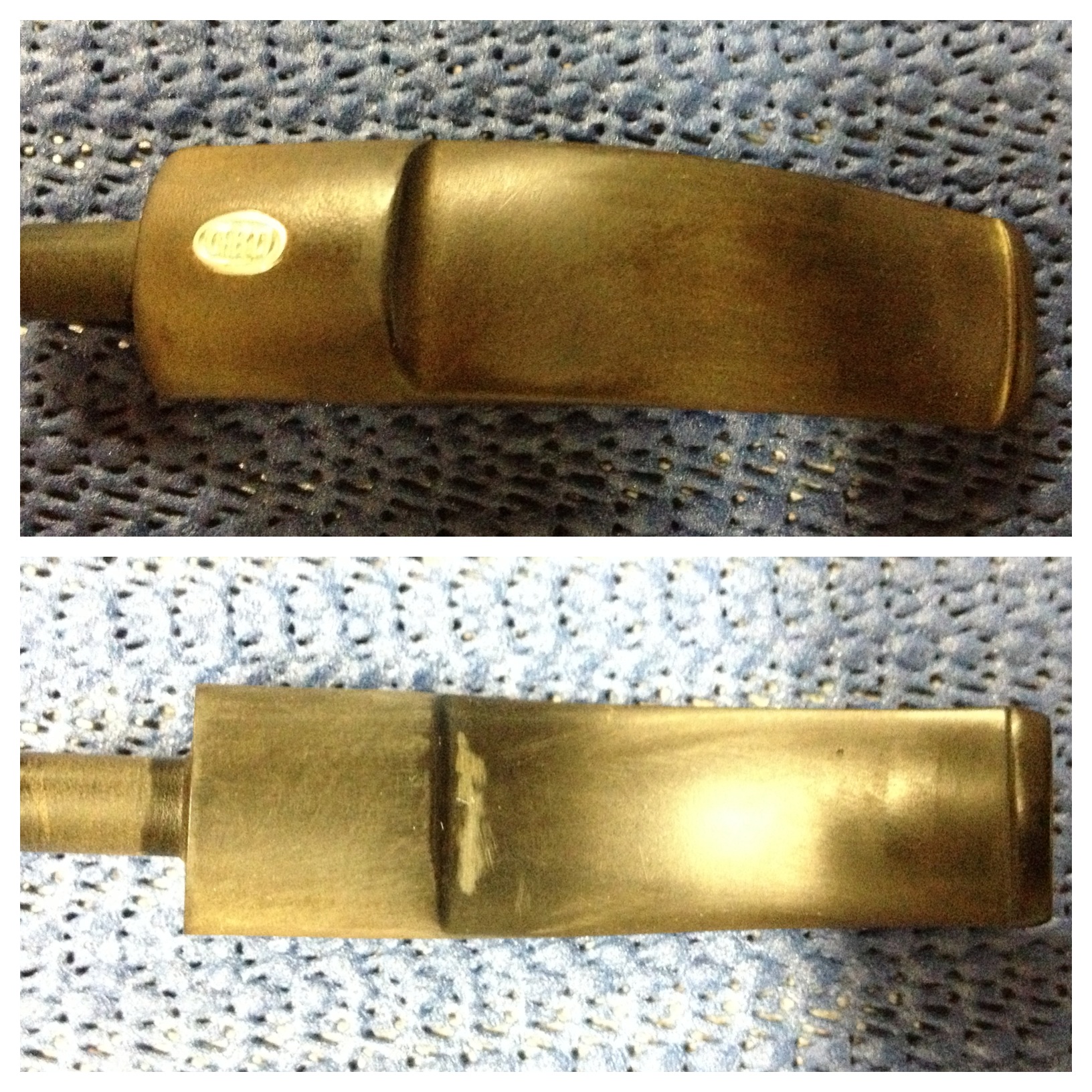
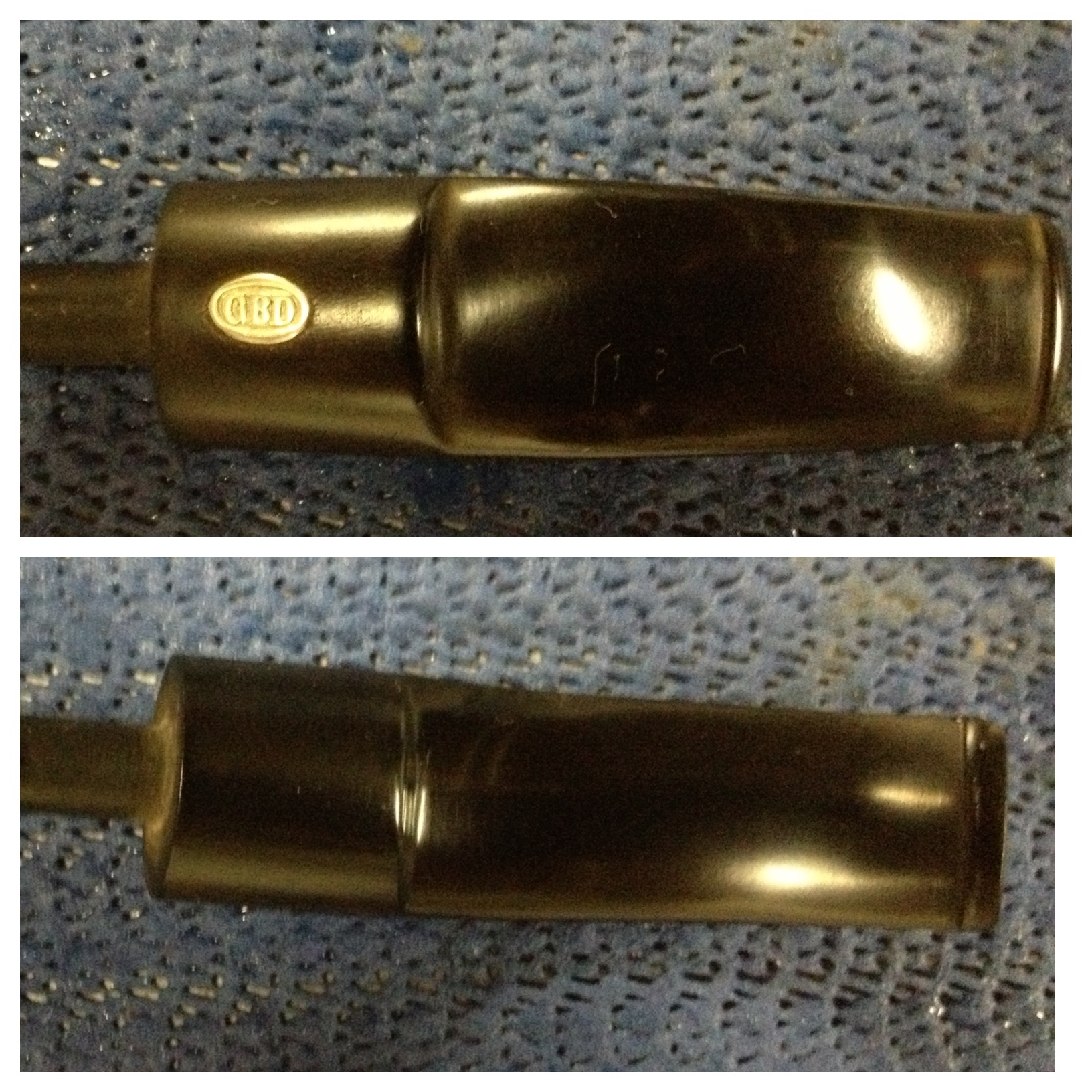
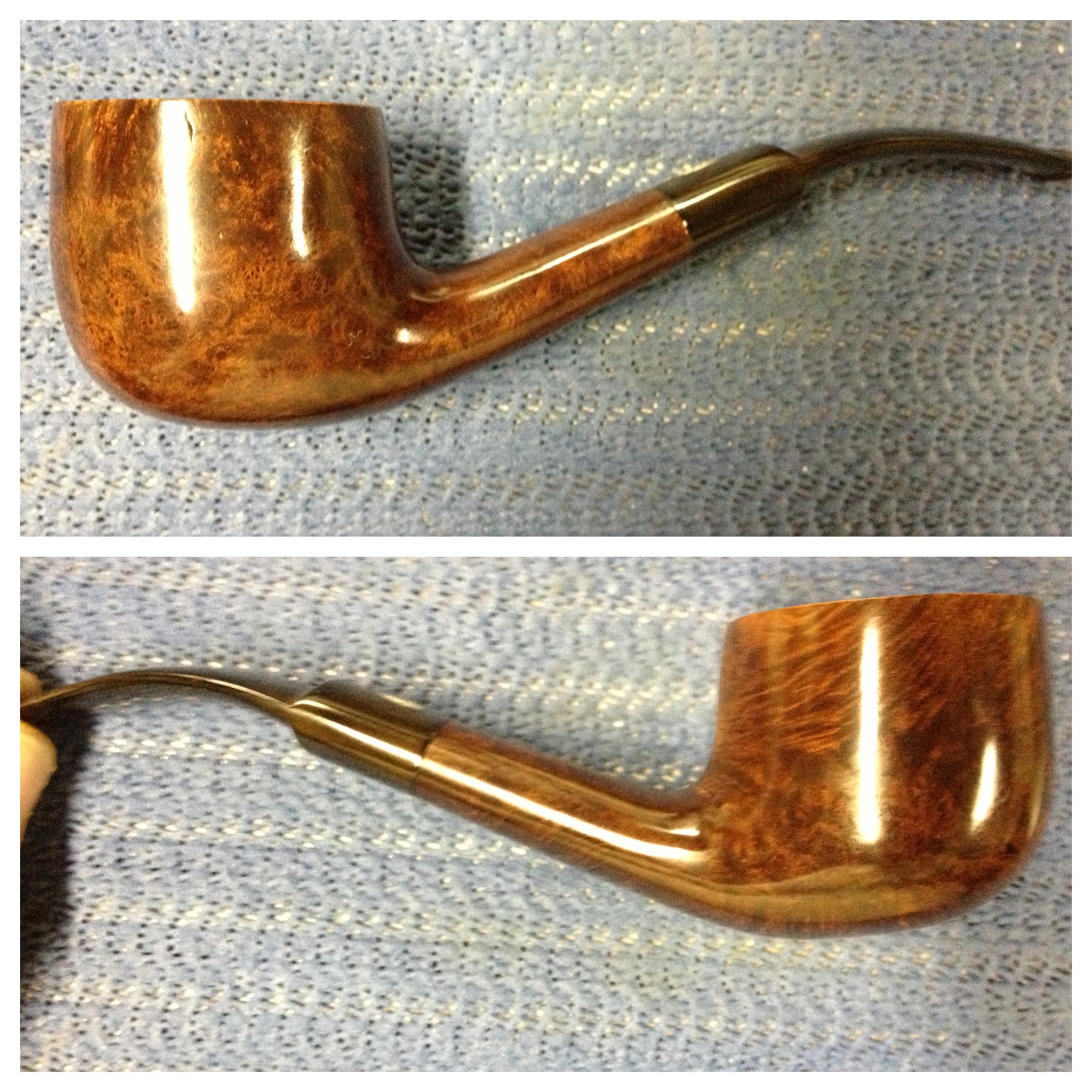
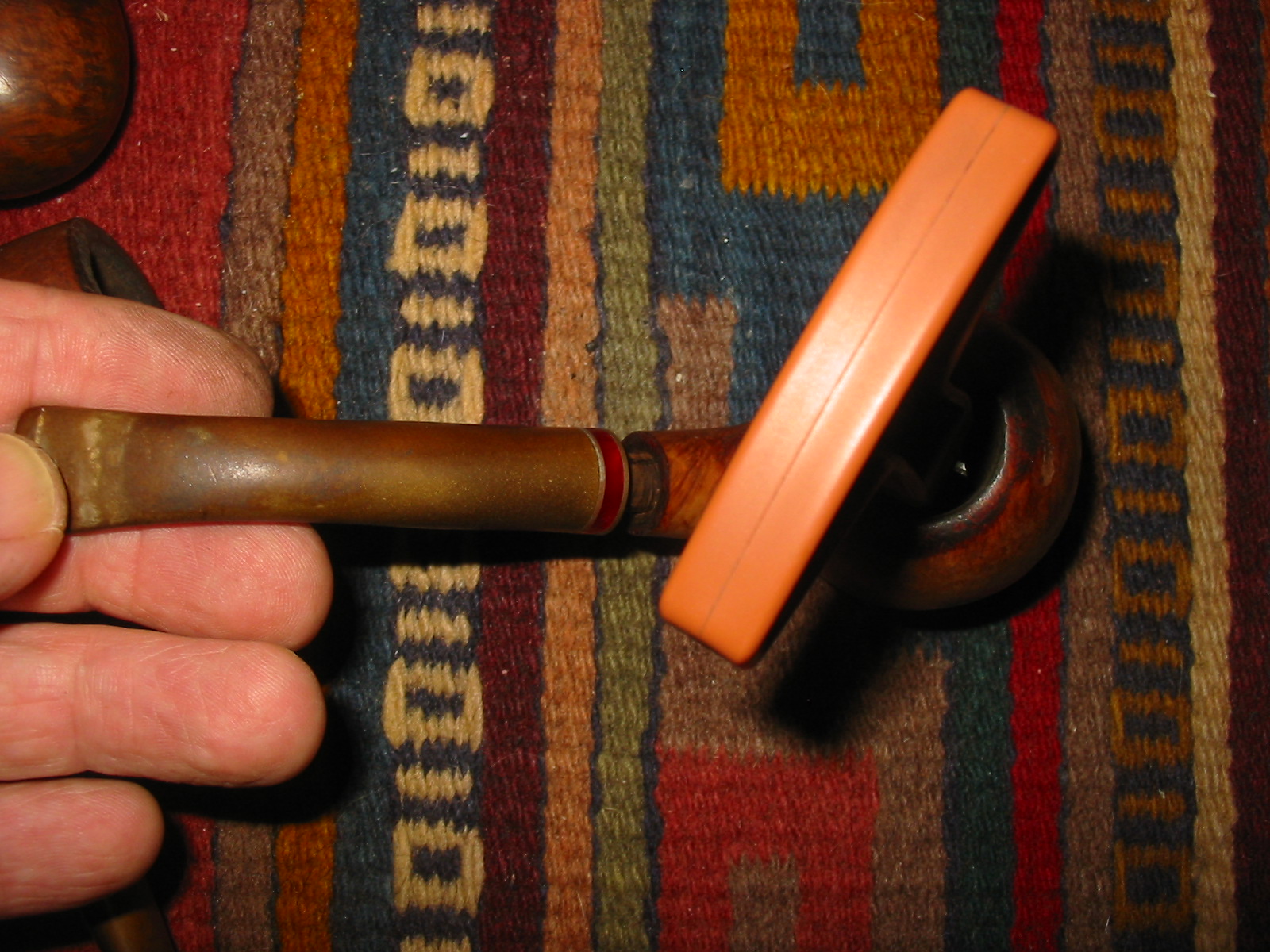
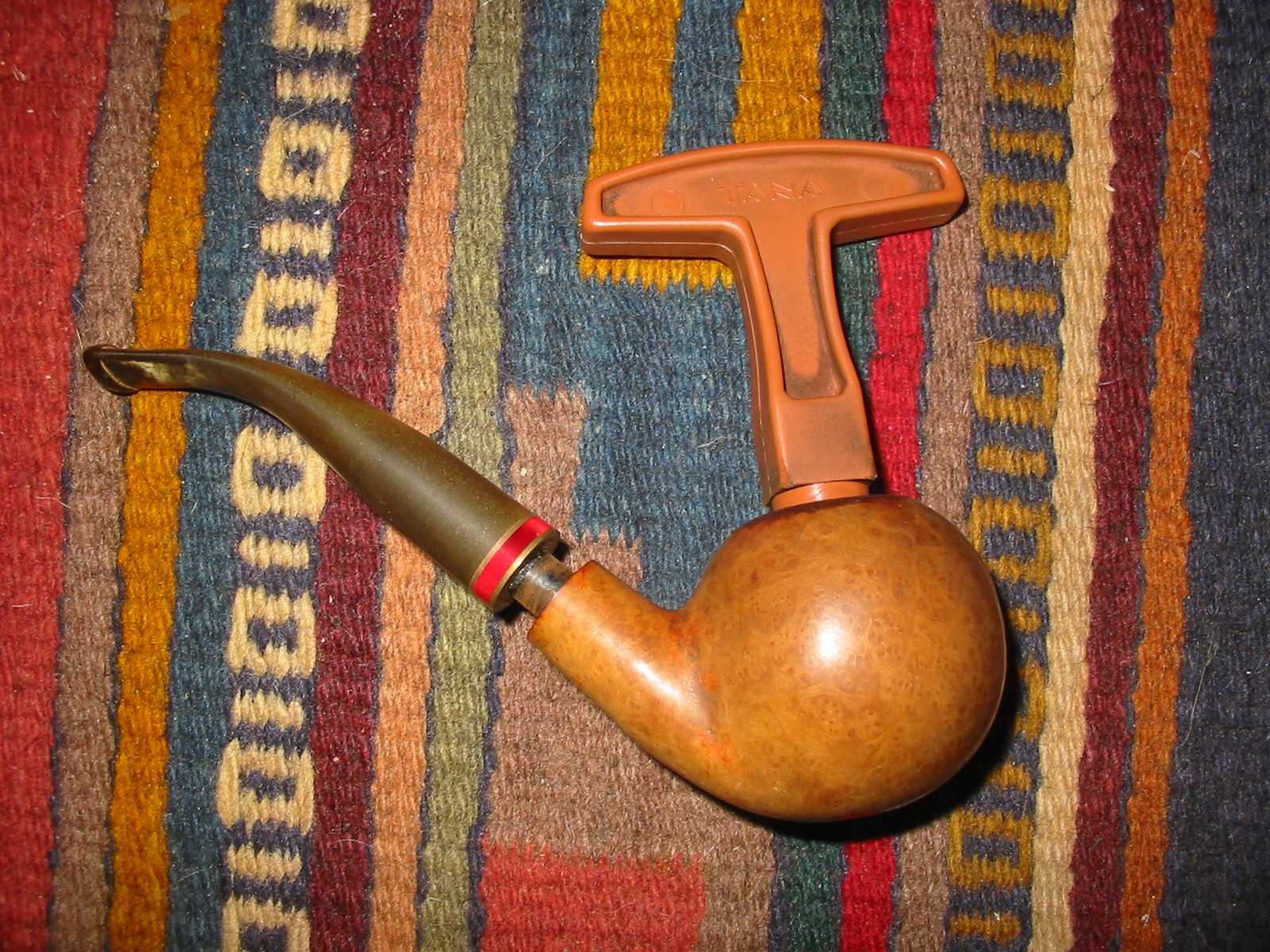
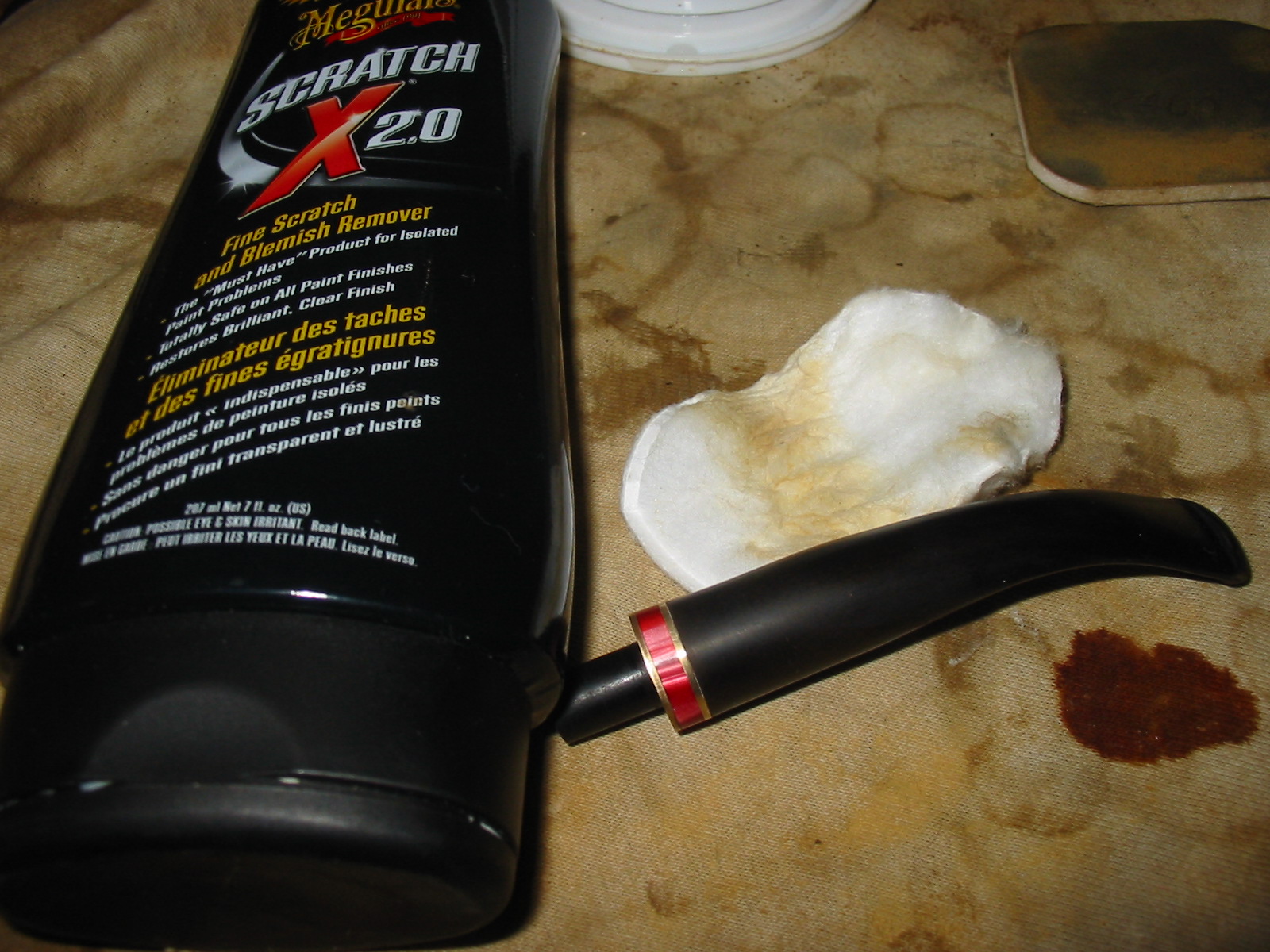
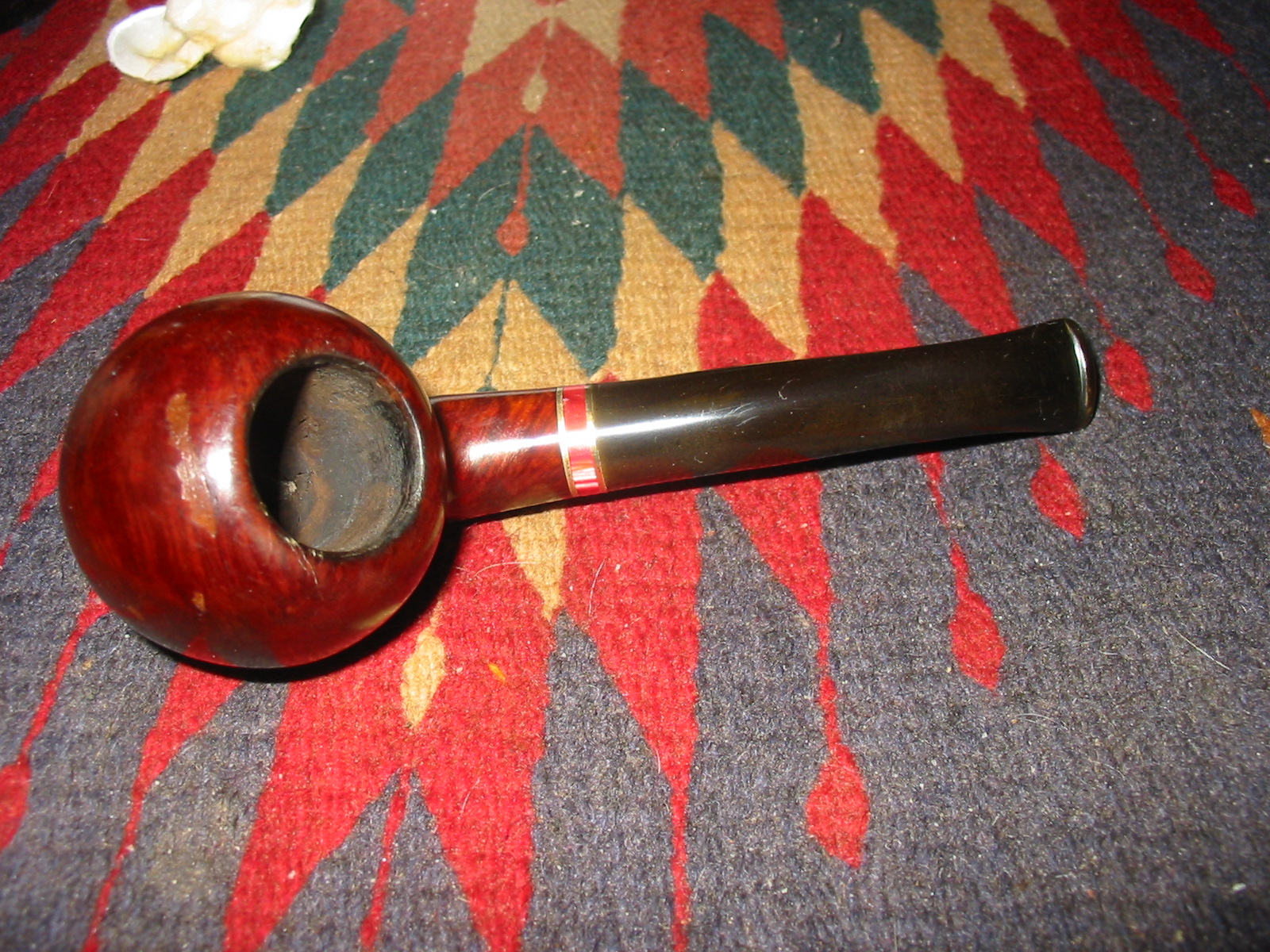
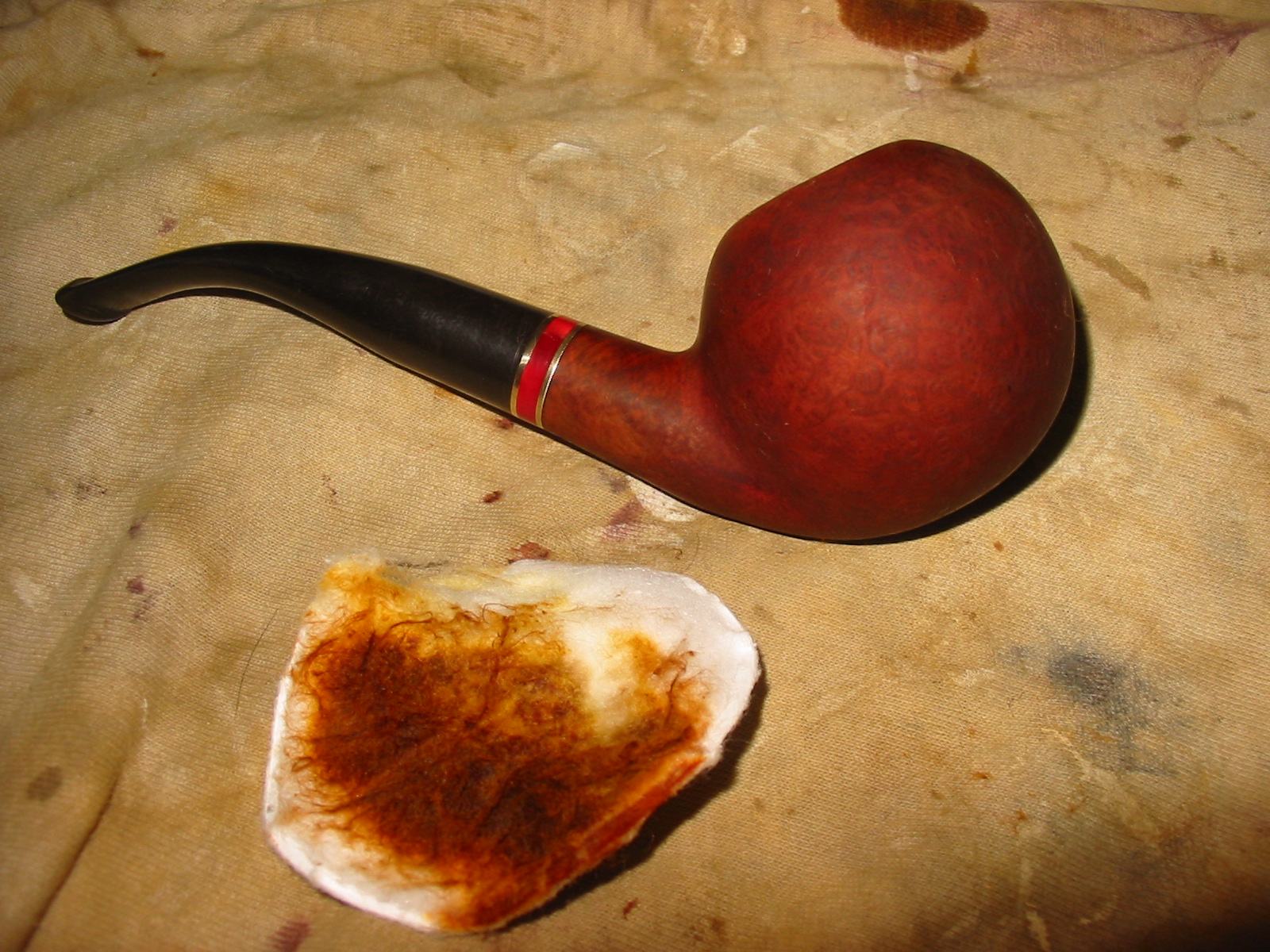
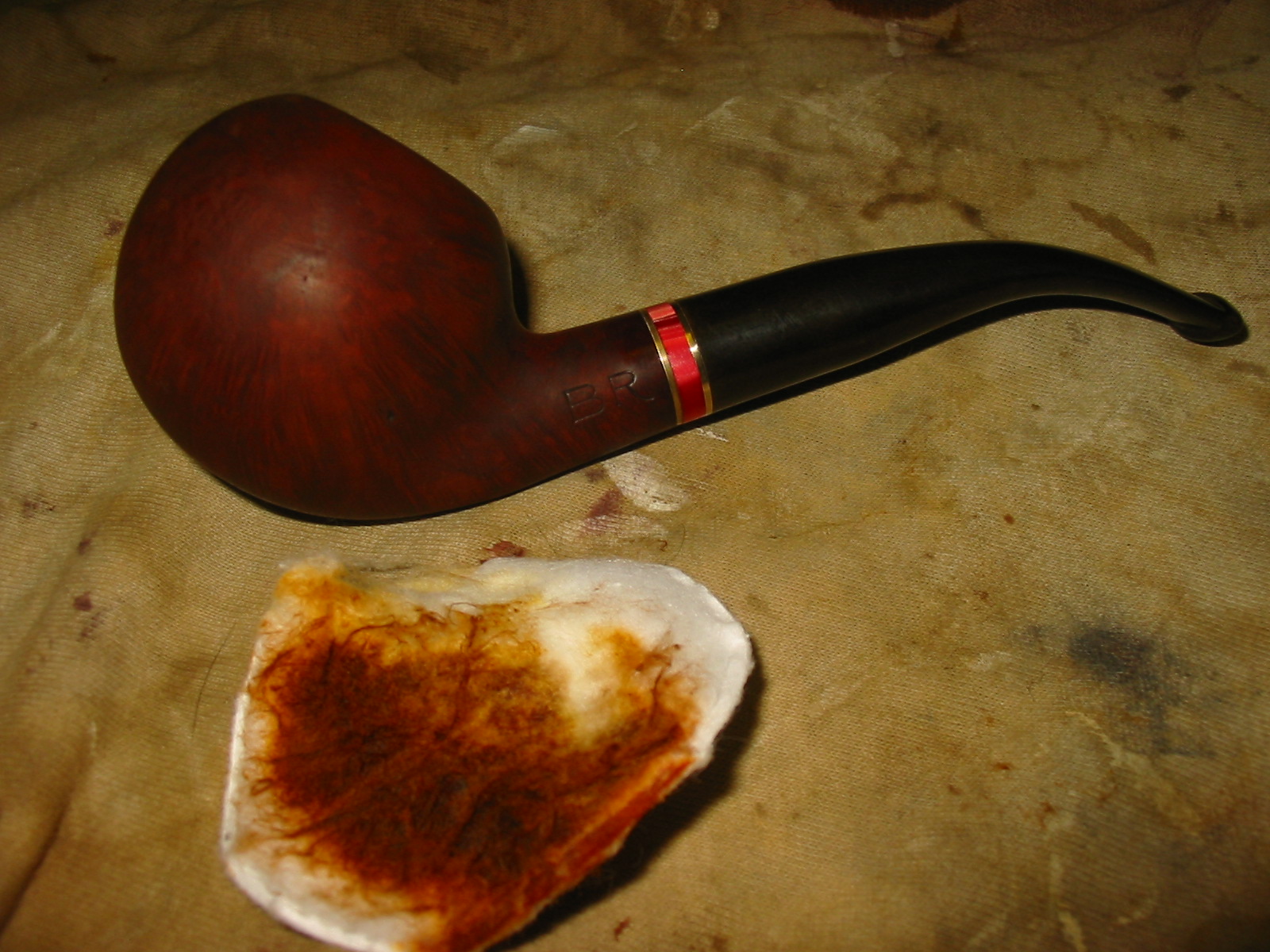
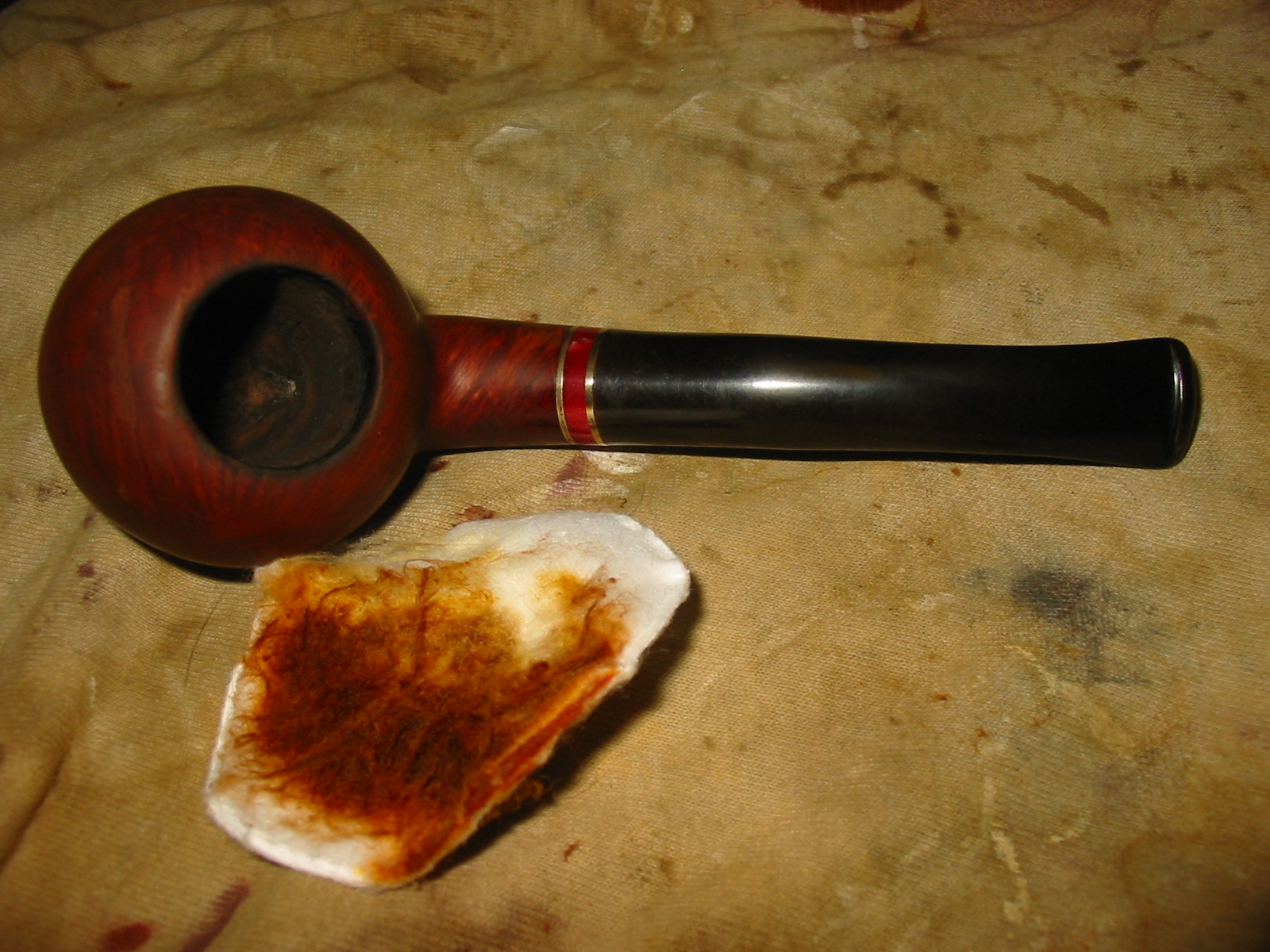
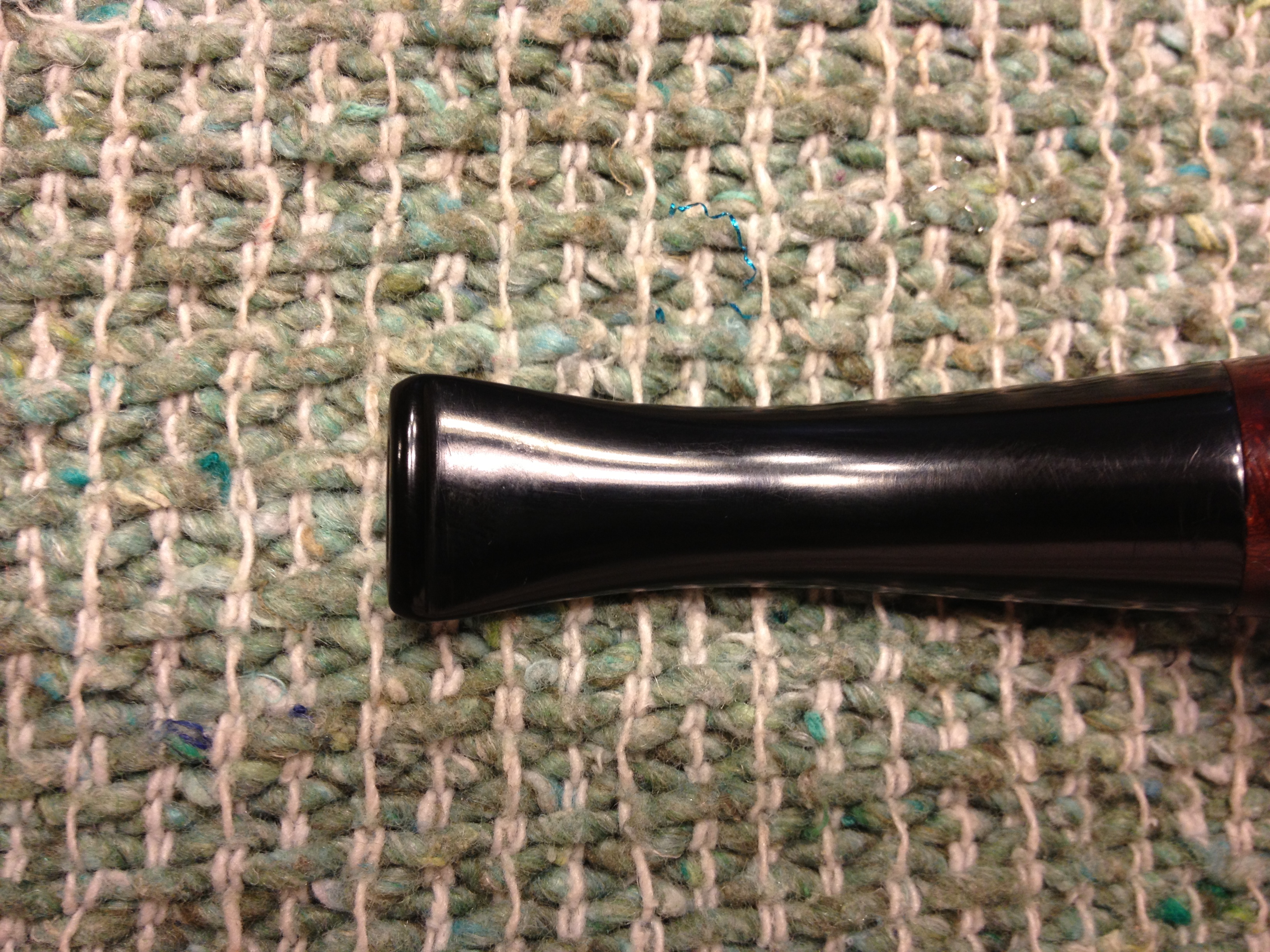
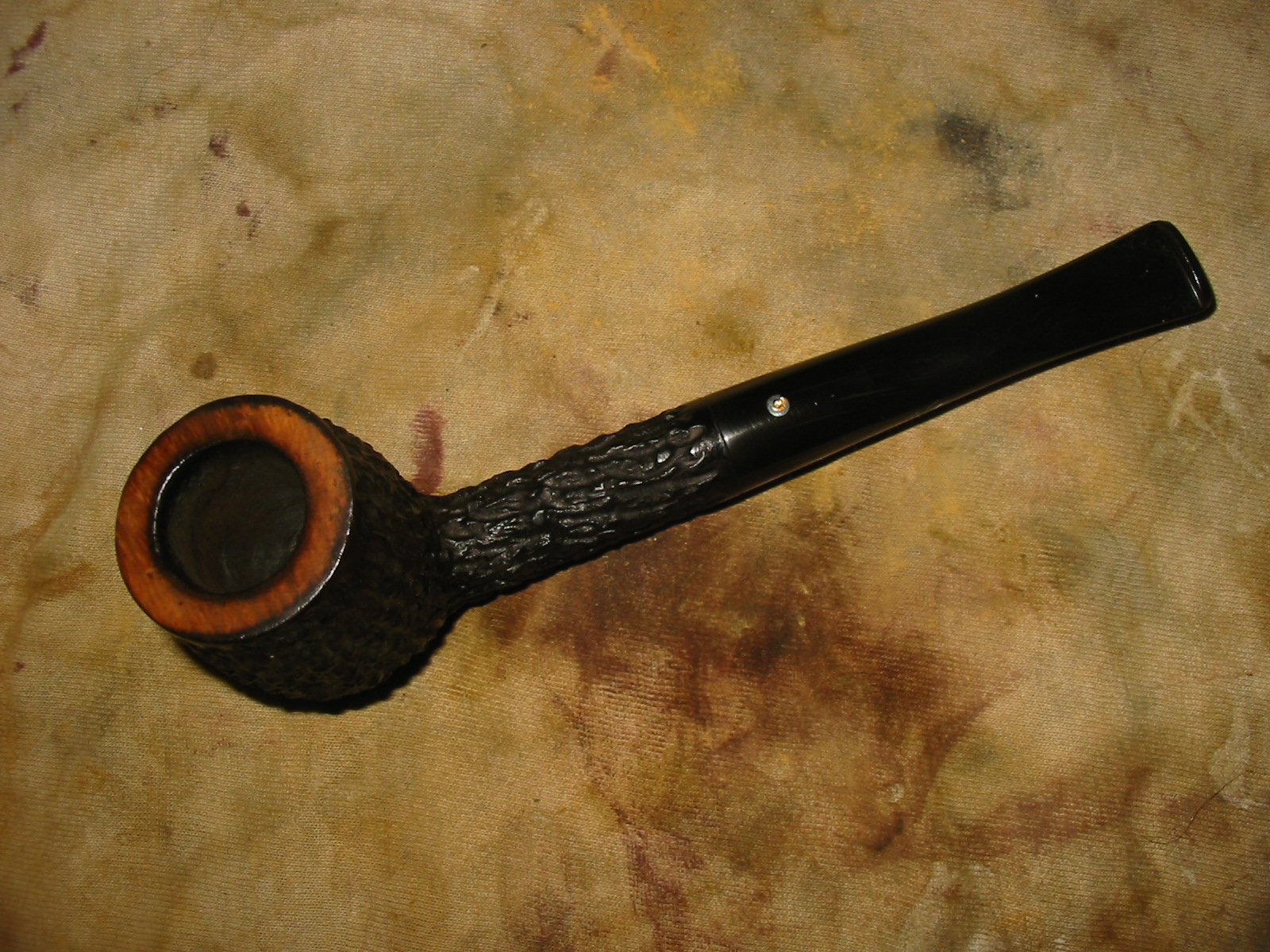
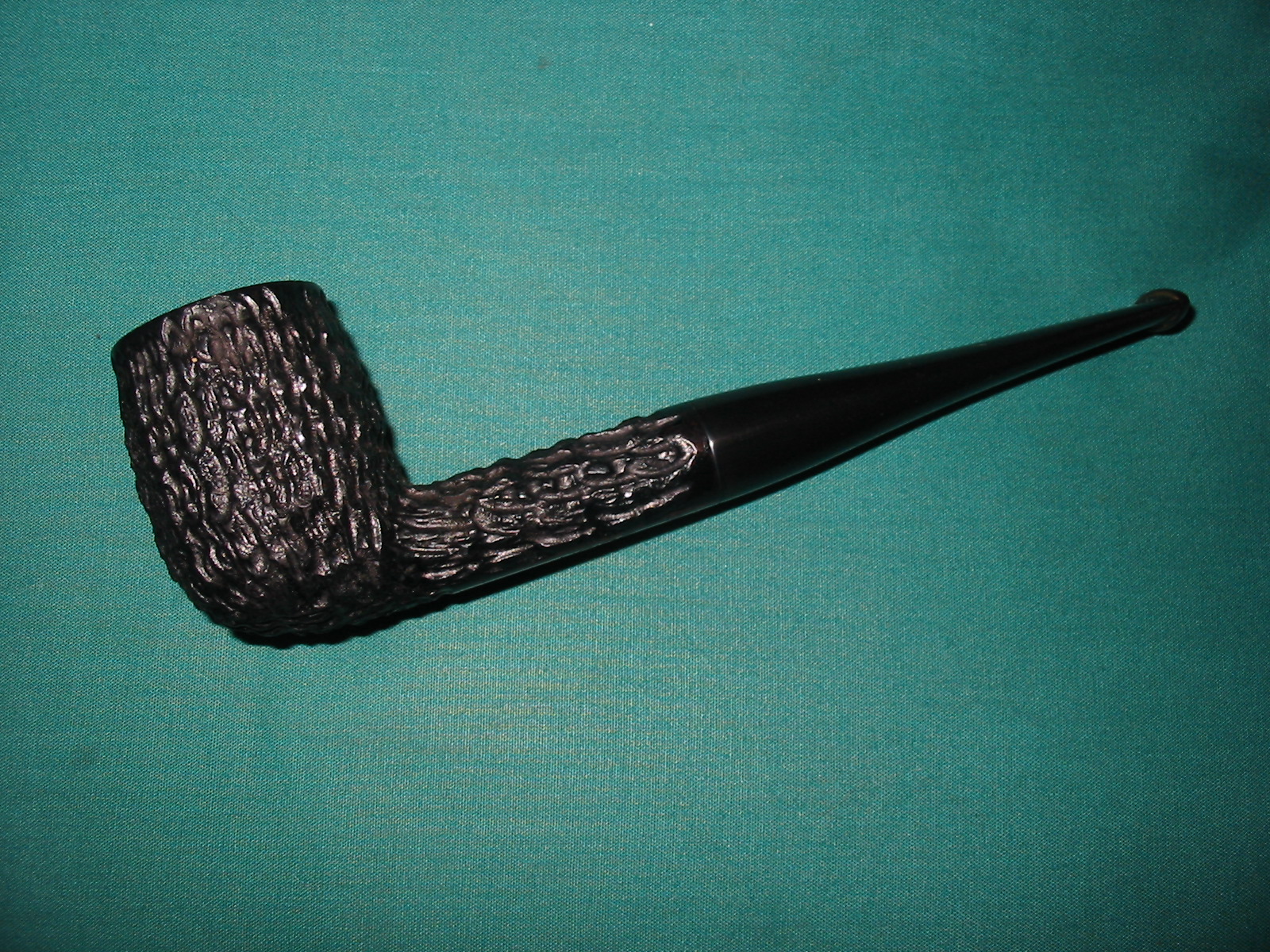
The stem top and bottom are clean and fresh. The underside of the chairleg portion of the stem is quite clean and free of oxidation. The sides and the top of the chairleg portion still need more work. I then sanded these once again with the sponge backed medium grit sandpaper. I worked through the grits of micromesh from 1500-12,000 again. I coated the stem with another coat of Obsidian Oil. Once it dried I rubbed it down and then buffed it with White Diamond. It was significantly better so I took it back to the work table and scrubbed it down with Maguiar’s another time. Each time I do this I can see how much oxidation come off by the brown on the cotton scrubbing pad. This time the pad was relatively white when I finished the polishing. I gave the whole pipe a buff with White Diamond for a final time and then coated it with several coats of carnauba wax. Here is the finished pipe.

ImageImageImageImage

Reworking a Dr. Plumb Statesman


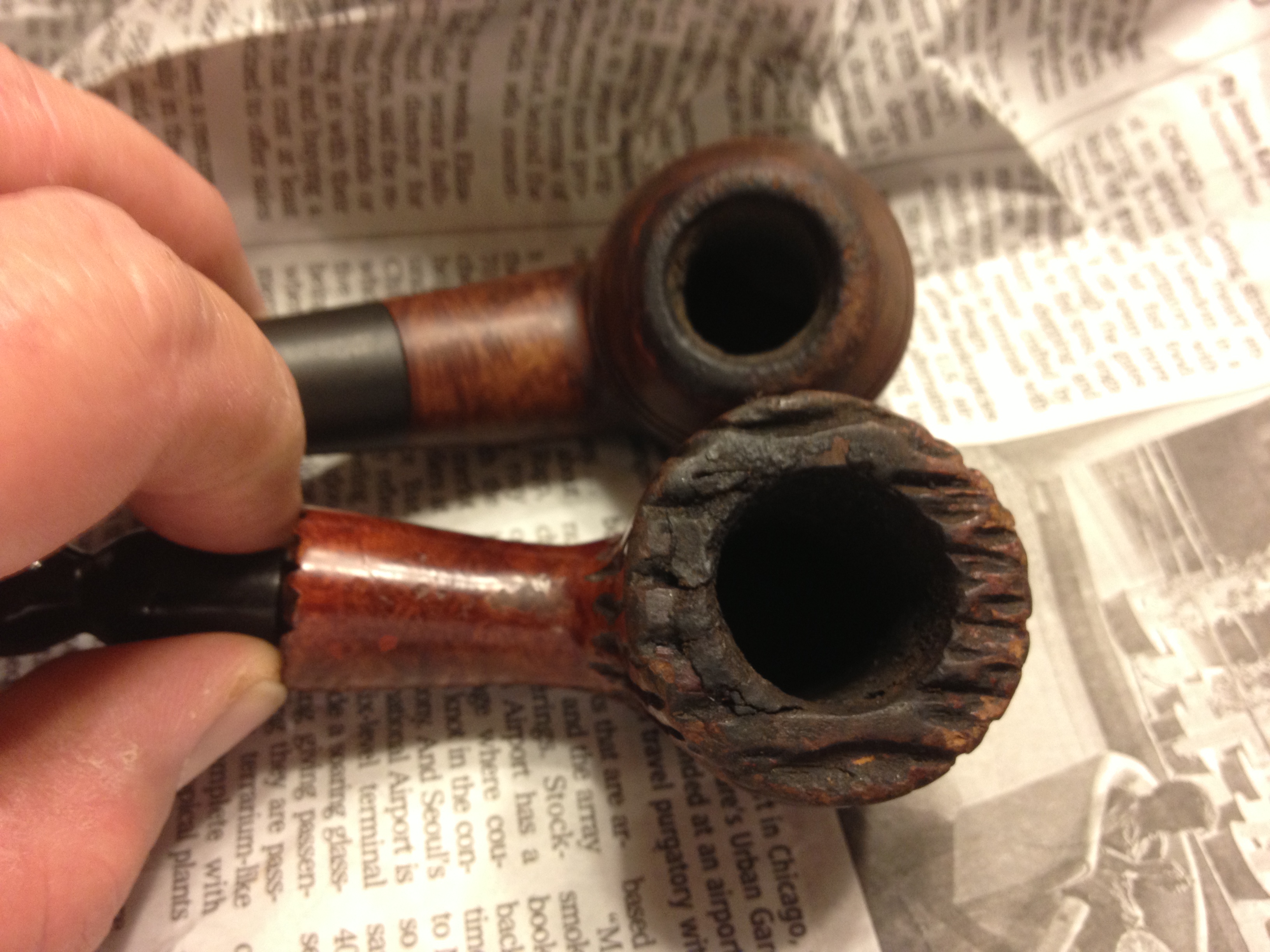
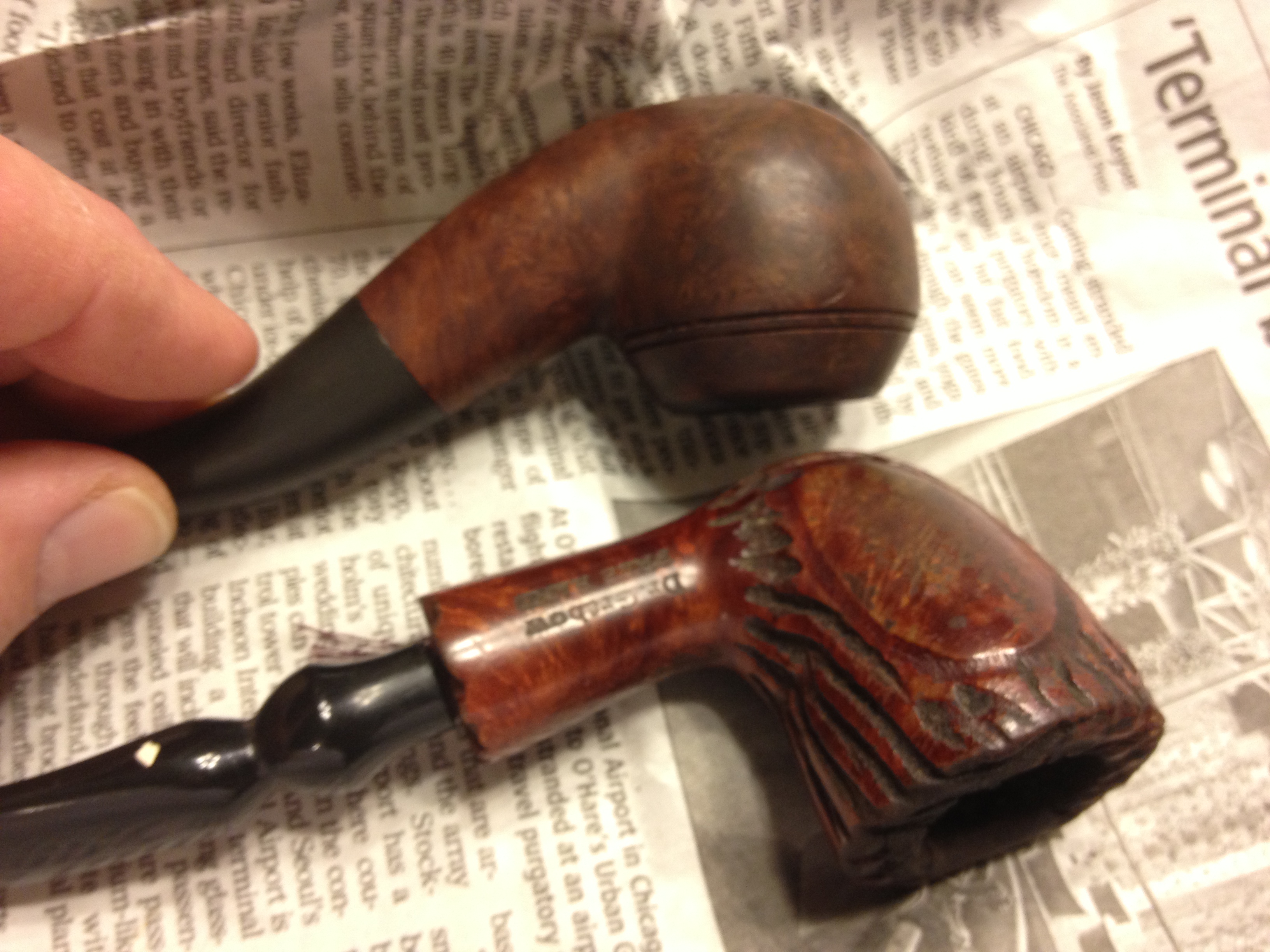
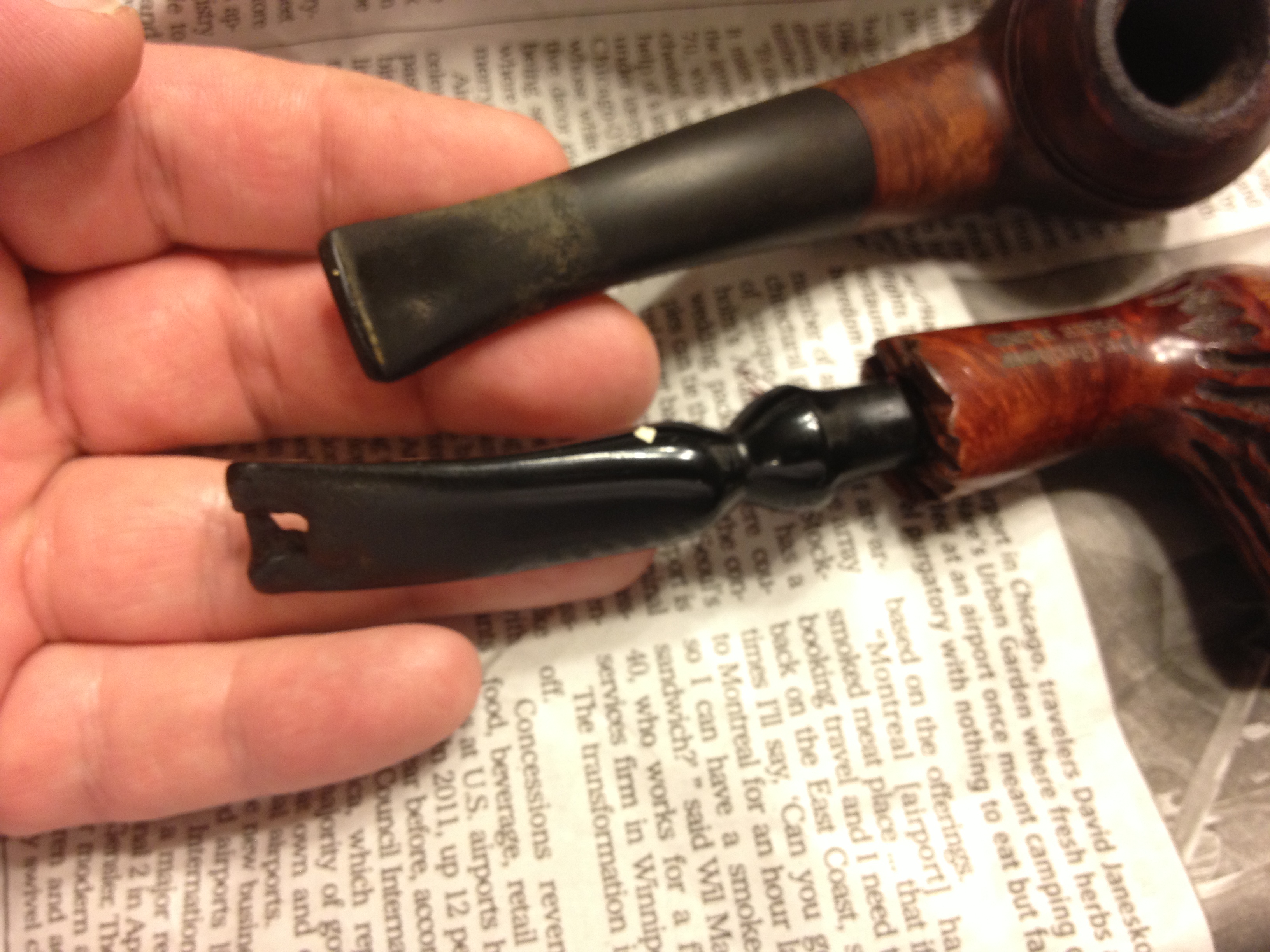
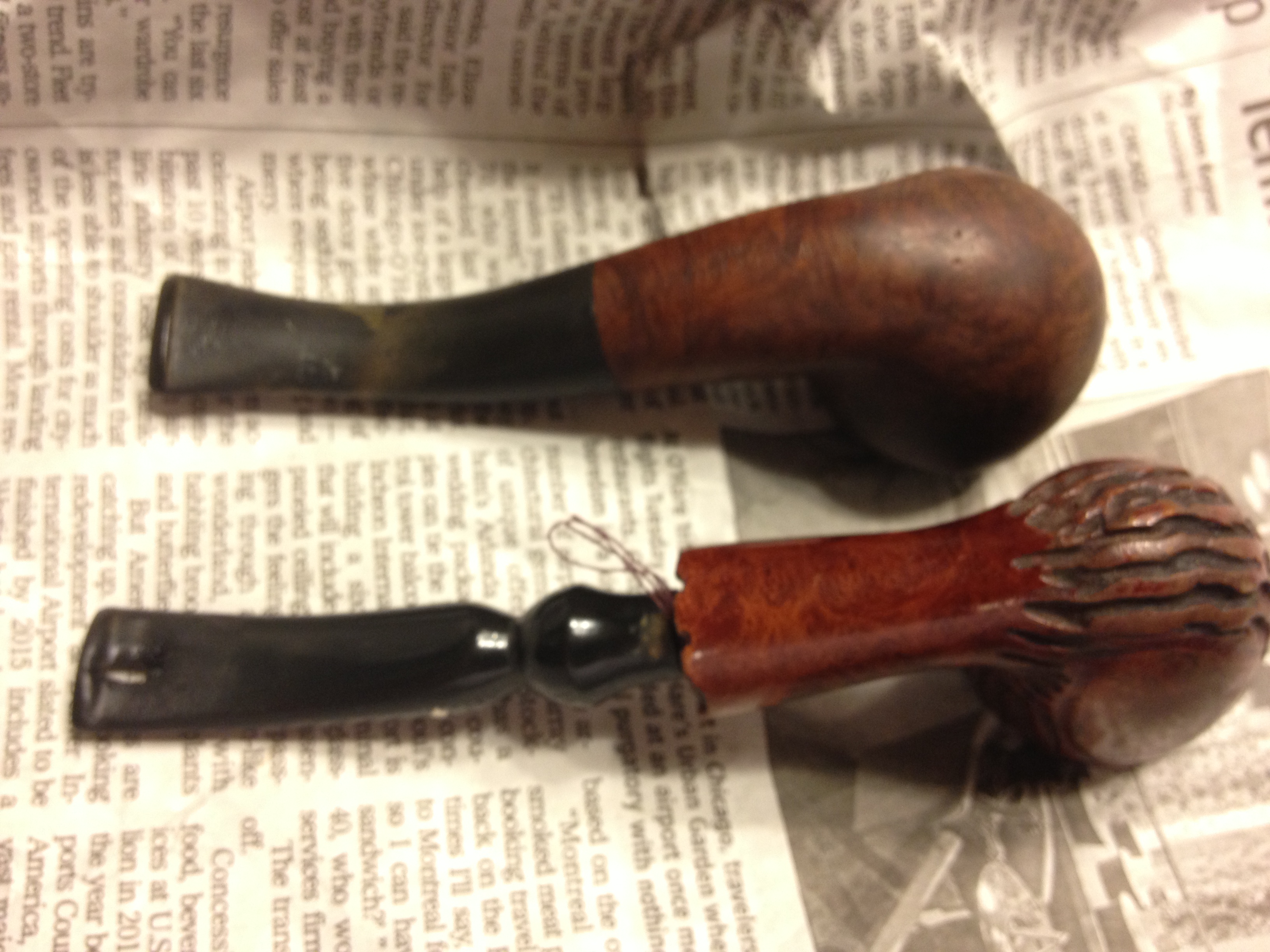
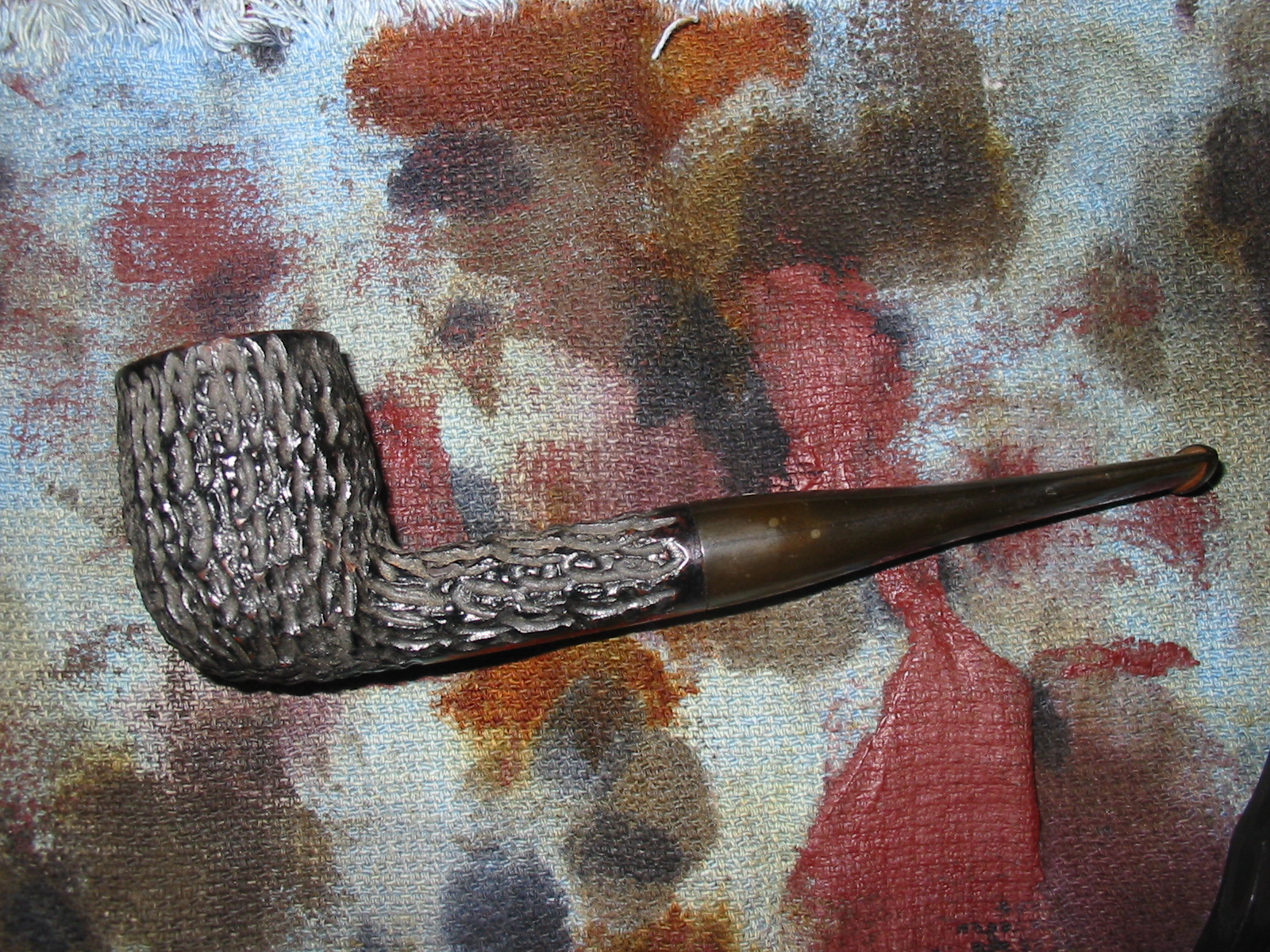
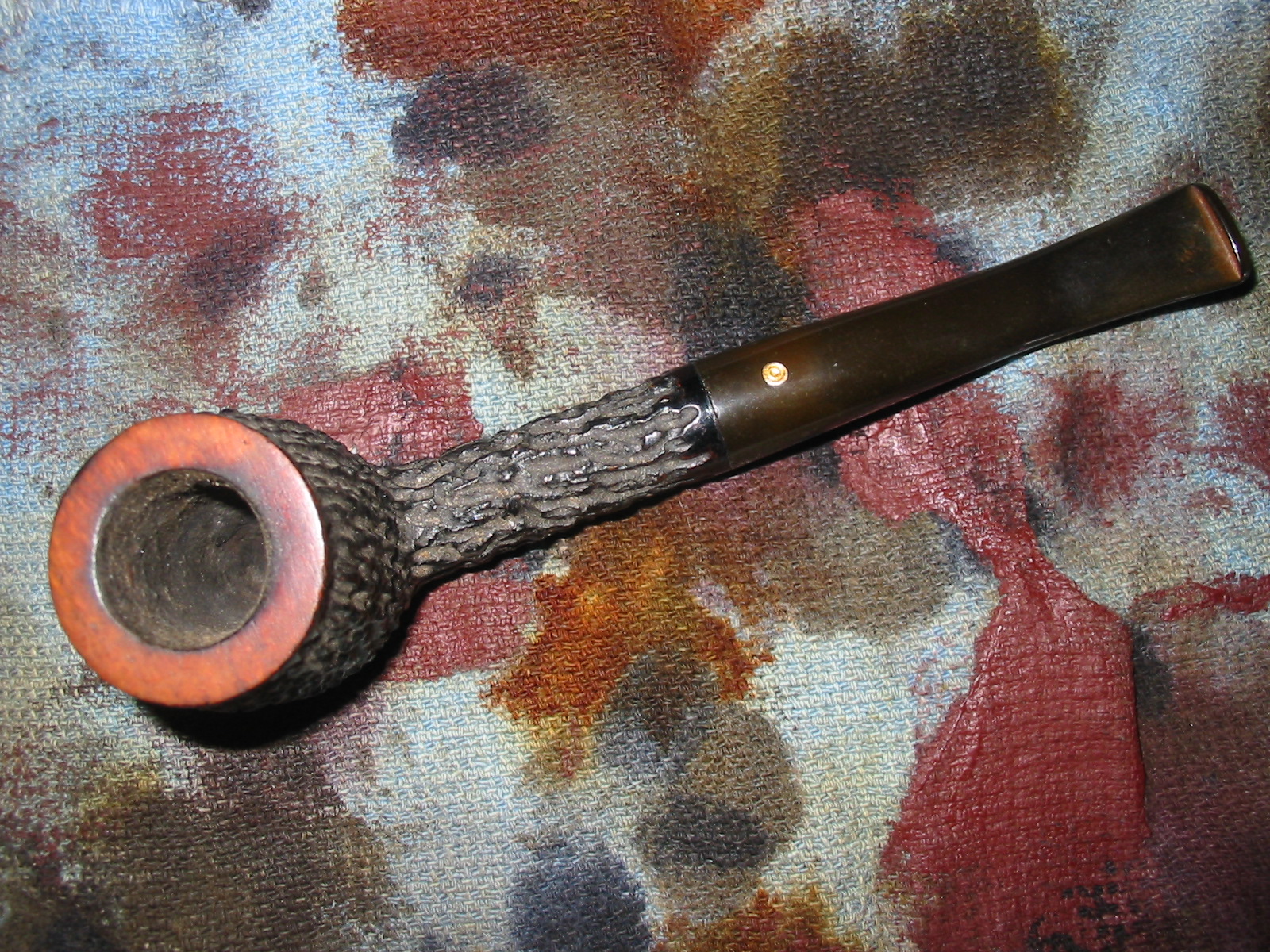
The second pipe in the lot of three pipes I picked up on EBay was this long shanked billiard. The first one I refurbished and posted about was the no name poker that I wrote about here. This one was stamped Dr. Plumb over London Made over Statesman on the underside of the shank. The sand blast was very nice on it. In fact I like the deep grooves and flow of the blast on the briar. The rim was shot. It had been sanded smooth (may have been smooth originally to match the smooth portions of the bowl). It was also no longer flat. When the pipe was laid down on the rim it rocked in every direction. It was rough and pitted from tapping the pipe out. The bowl was a bit out of round and the previous owner had reamed the inner rim with a knife at an angle that really damaged the inside rim and the roundness of the bowl. The stem had the same white calcification on it as the poker. This one also had teeth marks and dents in it. The slot on the stem was closed with the white calcified material and there was no open airway in the stem. The shank was dirty and clogged and the bowl needed to be reamed in the lower portion. The first four picture show the pipe as it was when it came to me.

ImageImageImageImage

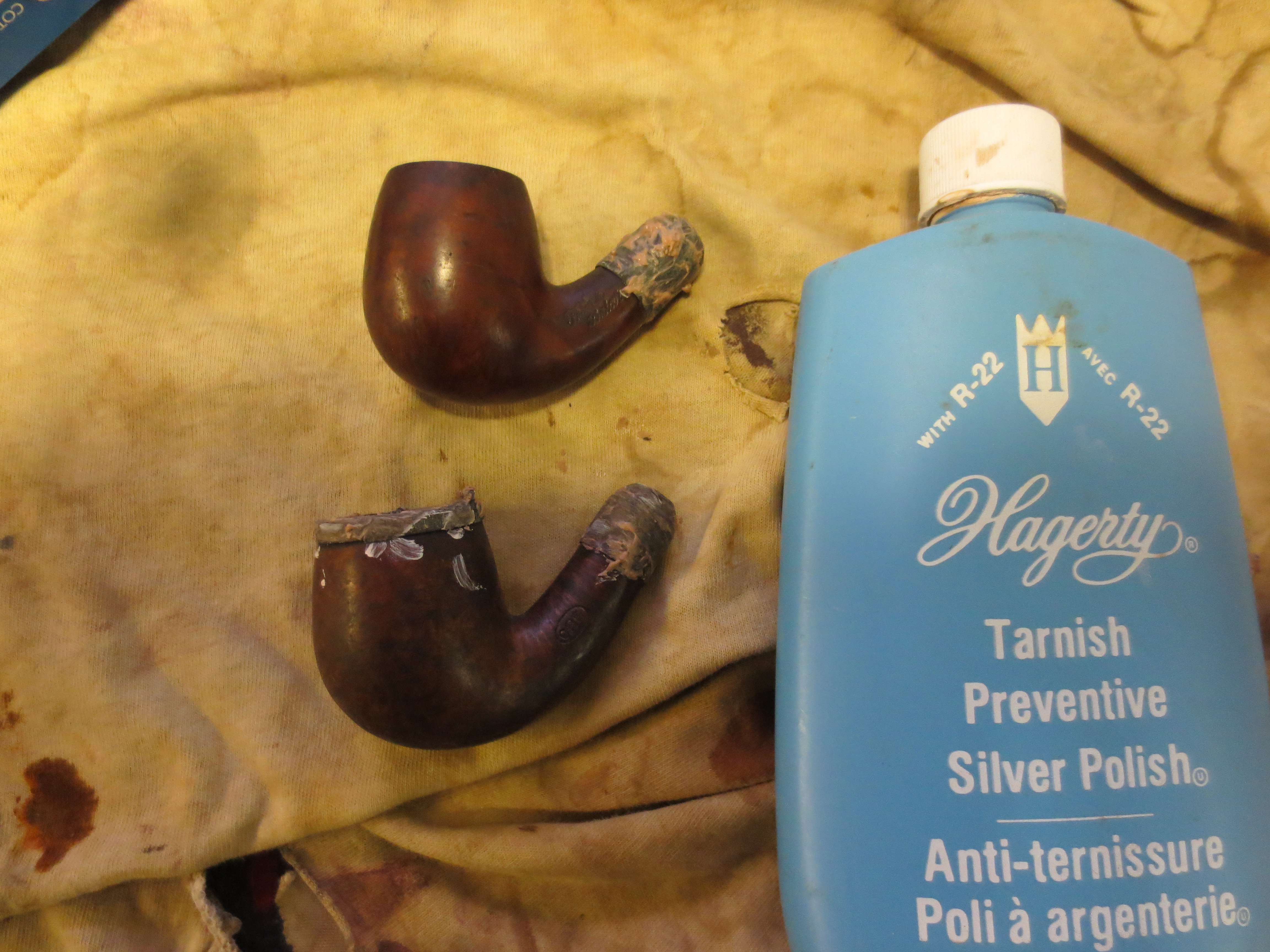
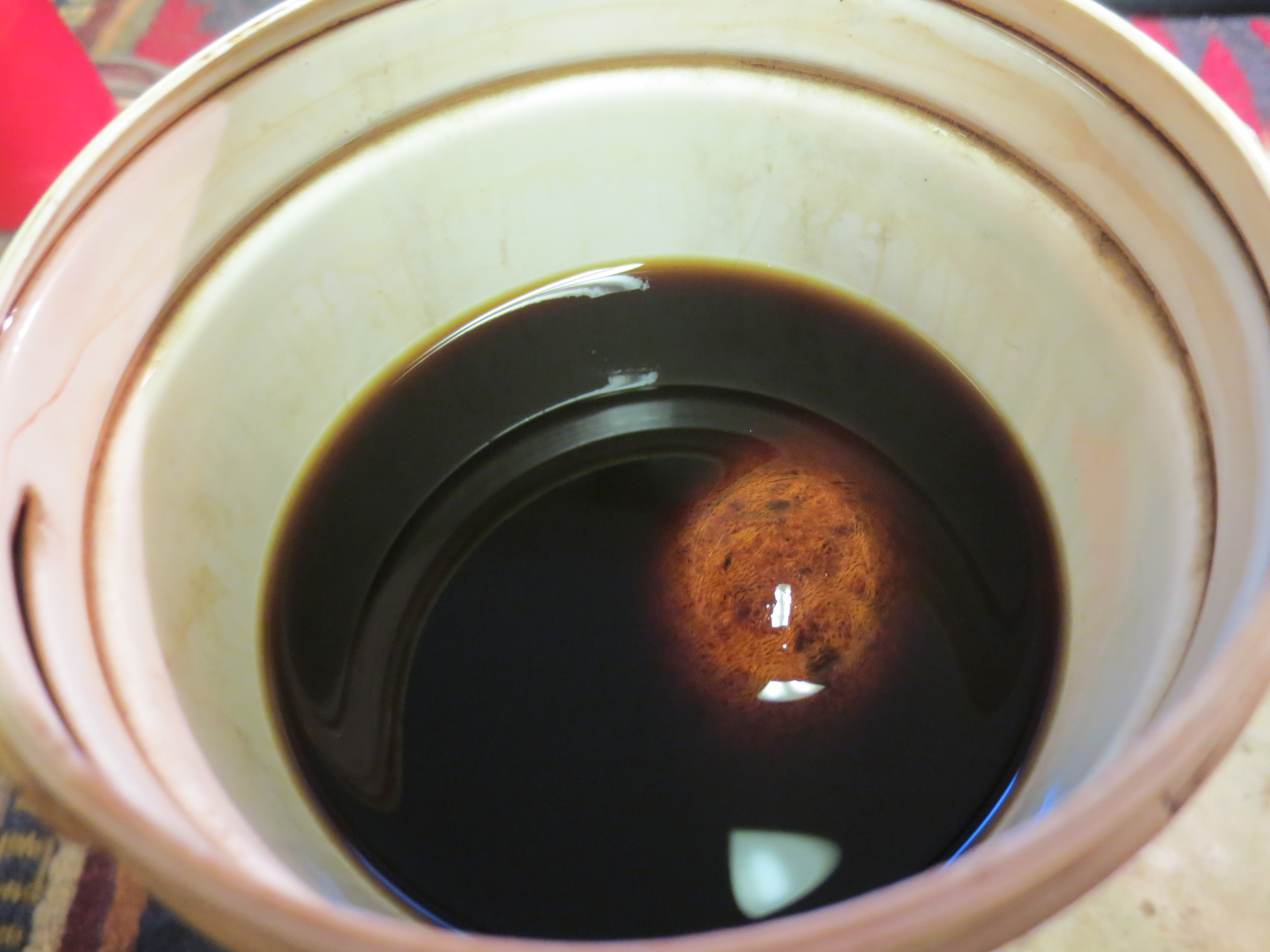
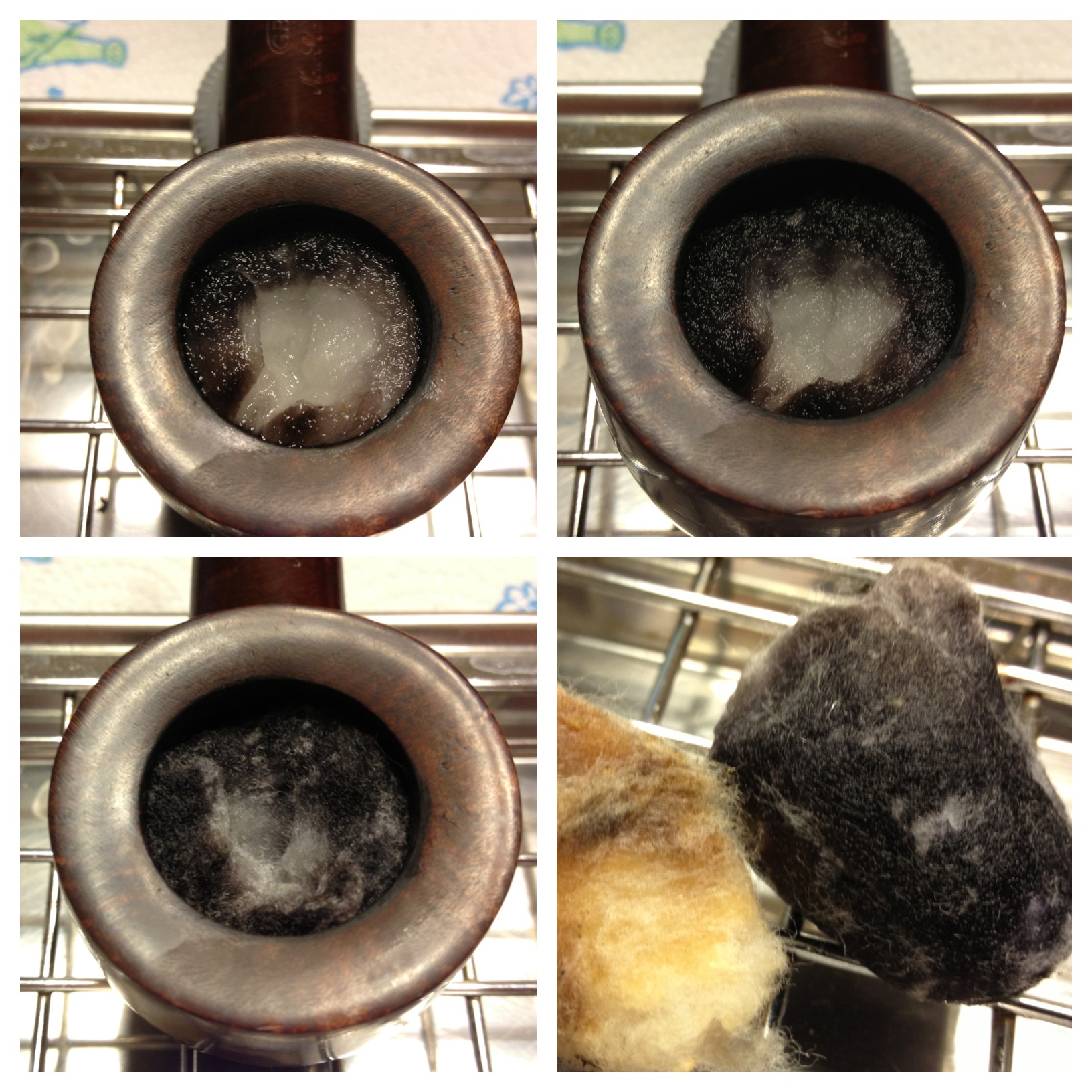
It had the same alcohol bath as the poker and I am including the same photos of that process I included in the previous post. It soaked for two hours and then I took it out and dried the bowls off with a soft cloth. I also soaked the stem in Oxyclean to soften the calcification on the button area.

Image

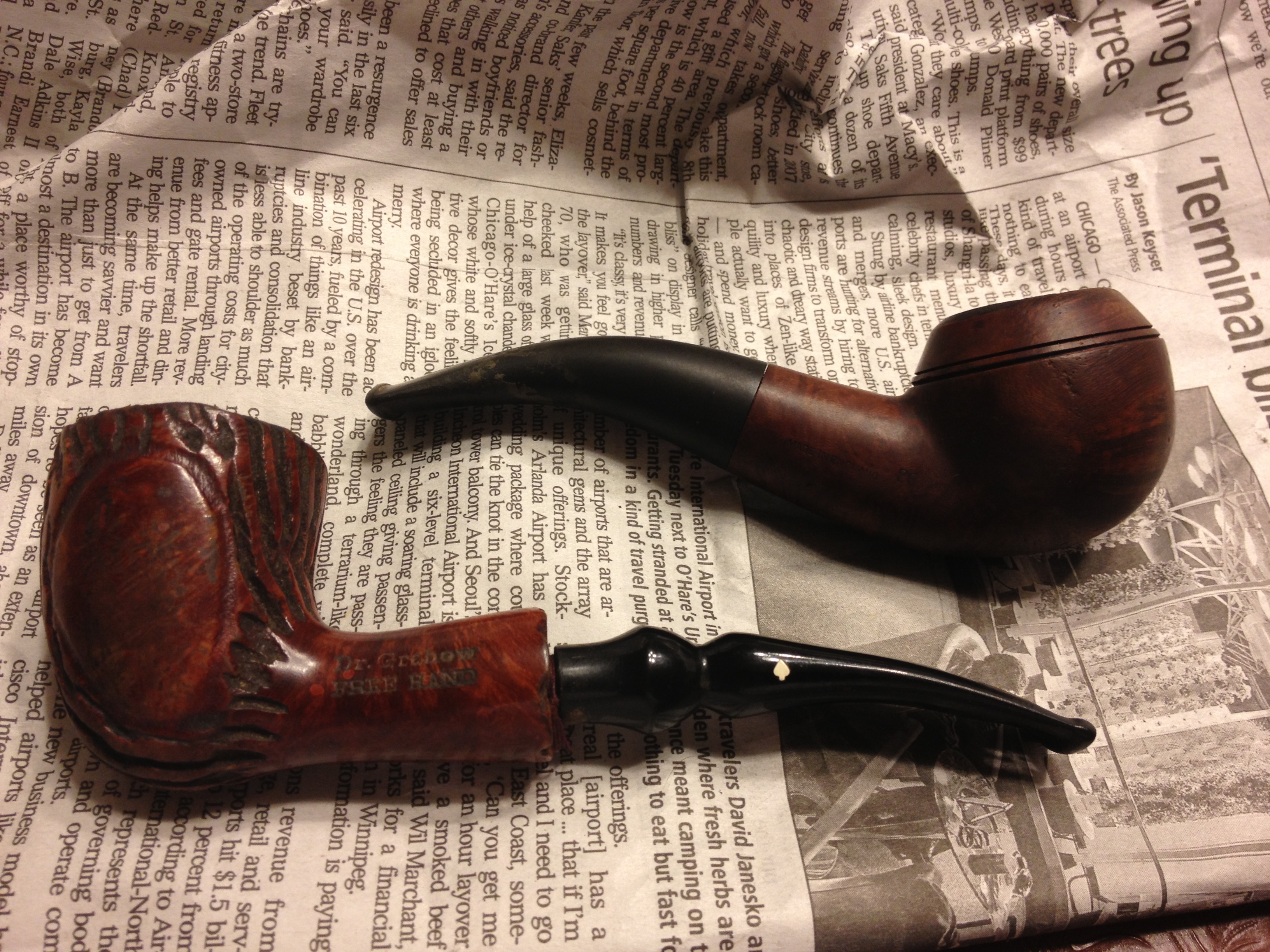
In the photo below you can clearly see the flaw in the briar of the Dr. Plumb (the pipe on the right side of the photo). The alcohol bath softened the fill and it fell out of the crevice. It was quite large but not deep. It appears to me that it opened up larger as the pipe was blasted. You can also see in the second photo below the shape of the bowl and rim of the pipe.

ImageImage

The first thing that I decided to address with regard to this pipe was the rim. I set up my board for sanding the top. I anchored the sandpaper to it. I used a pretty heavy grit for this one because I needed to remove quite a bit of the top to smooth it out and remove the rockiness of the pipe. I used a medium grit emery paper. I hold the pipe flat against the board and sandpaper and sand it in a circular fashion clockwise. I don’t know what the point is of that but that has been my practice for as long as I remember. The next two photos show that process. Once I had the top level once again I sanded it in the same manner using 240 grit sandpaper and then 400 and 600 wet dry sandpaper and water. I finished sanding the top with the micromesh sanding pads from 1500 – 12,000 grit.

ImageImage

The next photo shows the finished topping of the bowl. The grain is quite nice and will stain well in contrast to the roughness of the blast. The second and third photo below show the repaired fill in the shank. I used briar dust from the topping of the bowl and packed it into the crevice with a dental pick. When it was full I dripped super glue into the dust. Once it was dry I used a wire brush on the shank rather than sandpaper. I wanted to remove the signs of my repair without sanding the fill. The shank looked really good when that job was done. The pipe was basically ready for a coat of brown aniline stain.

ImageImageImage

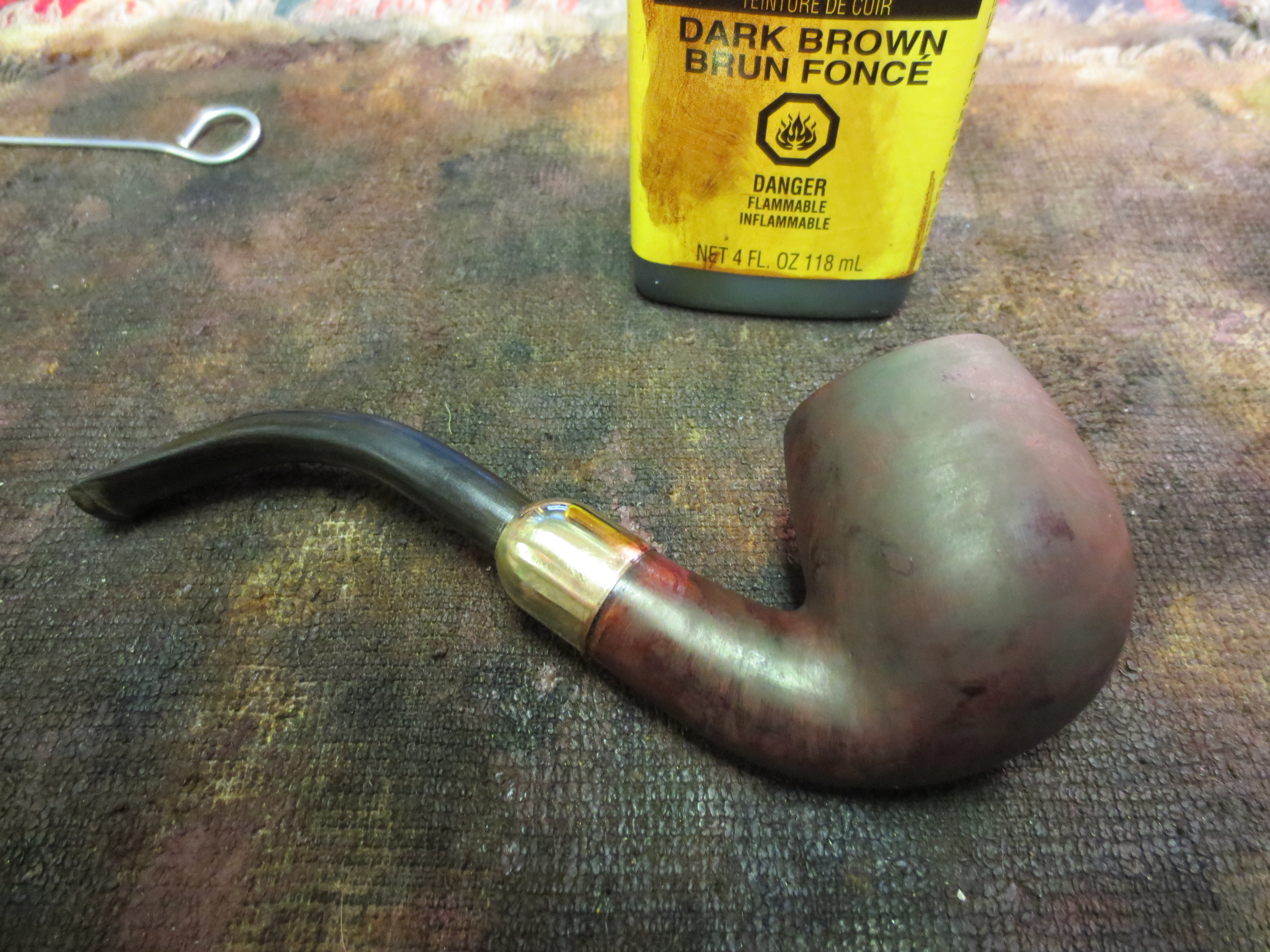
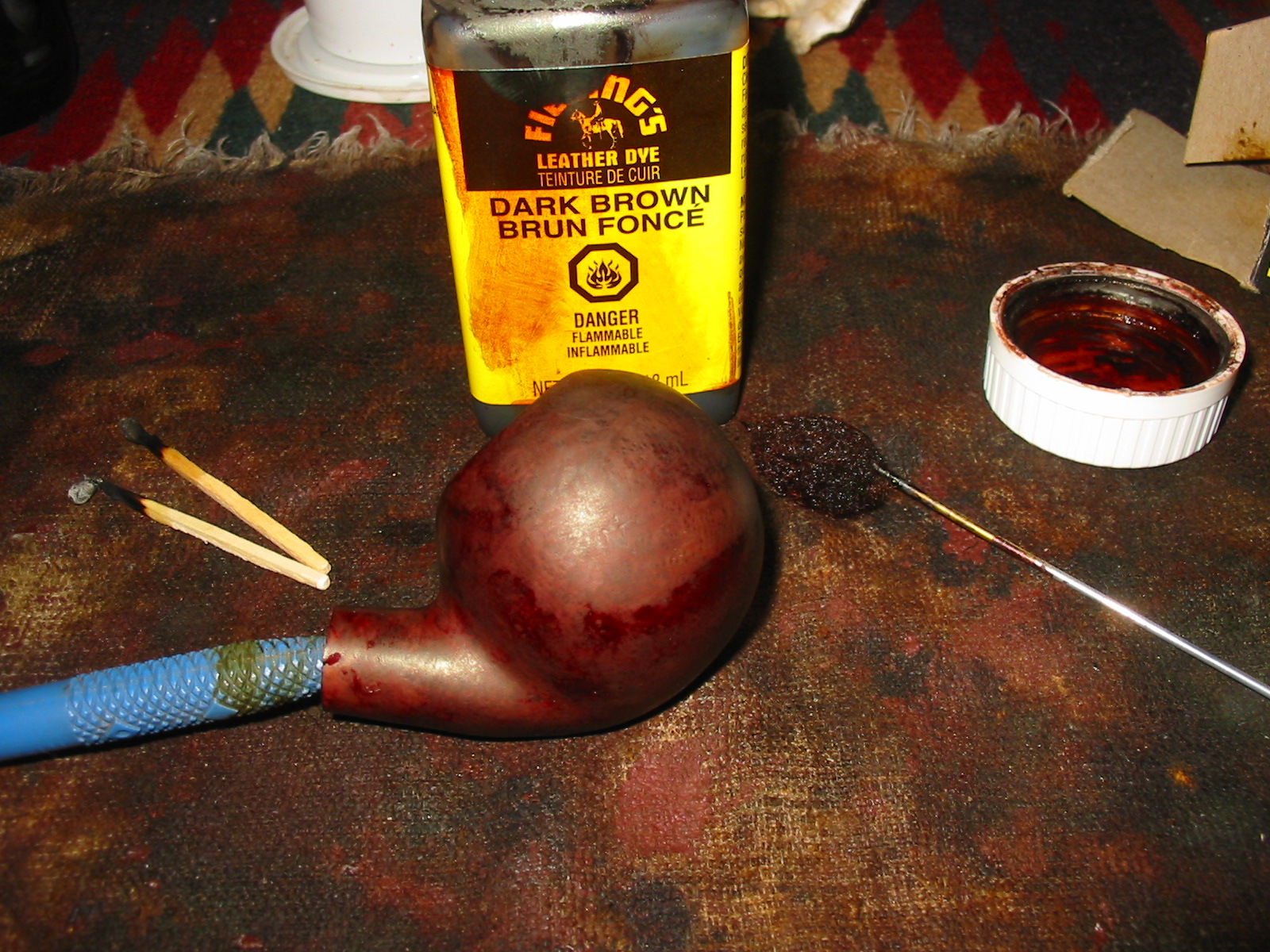
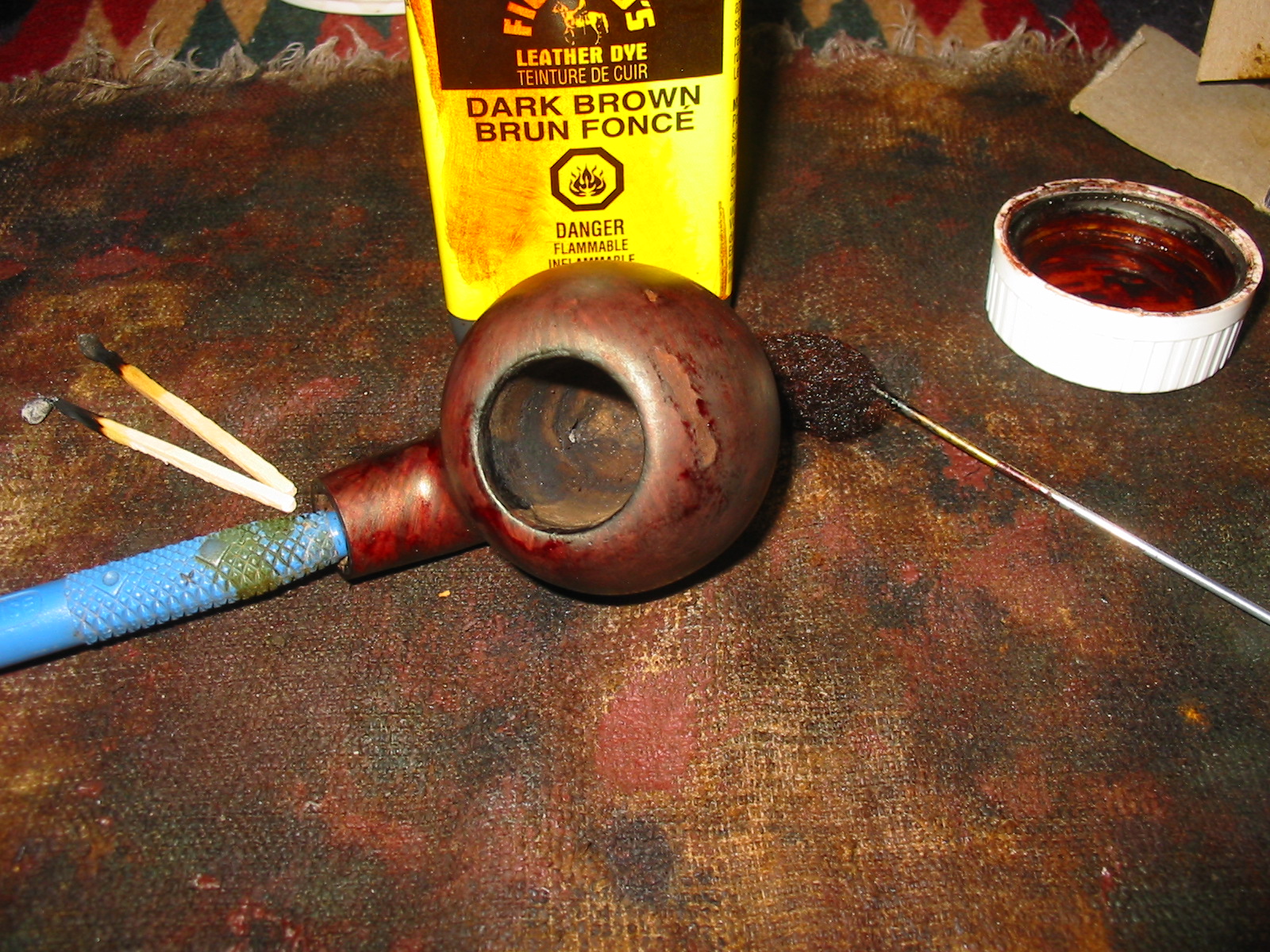
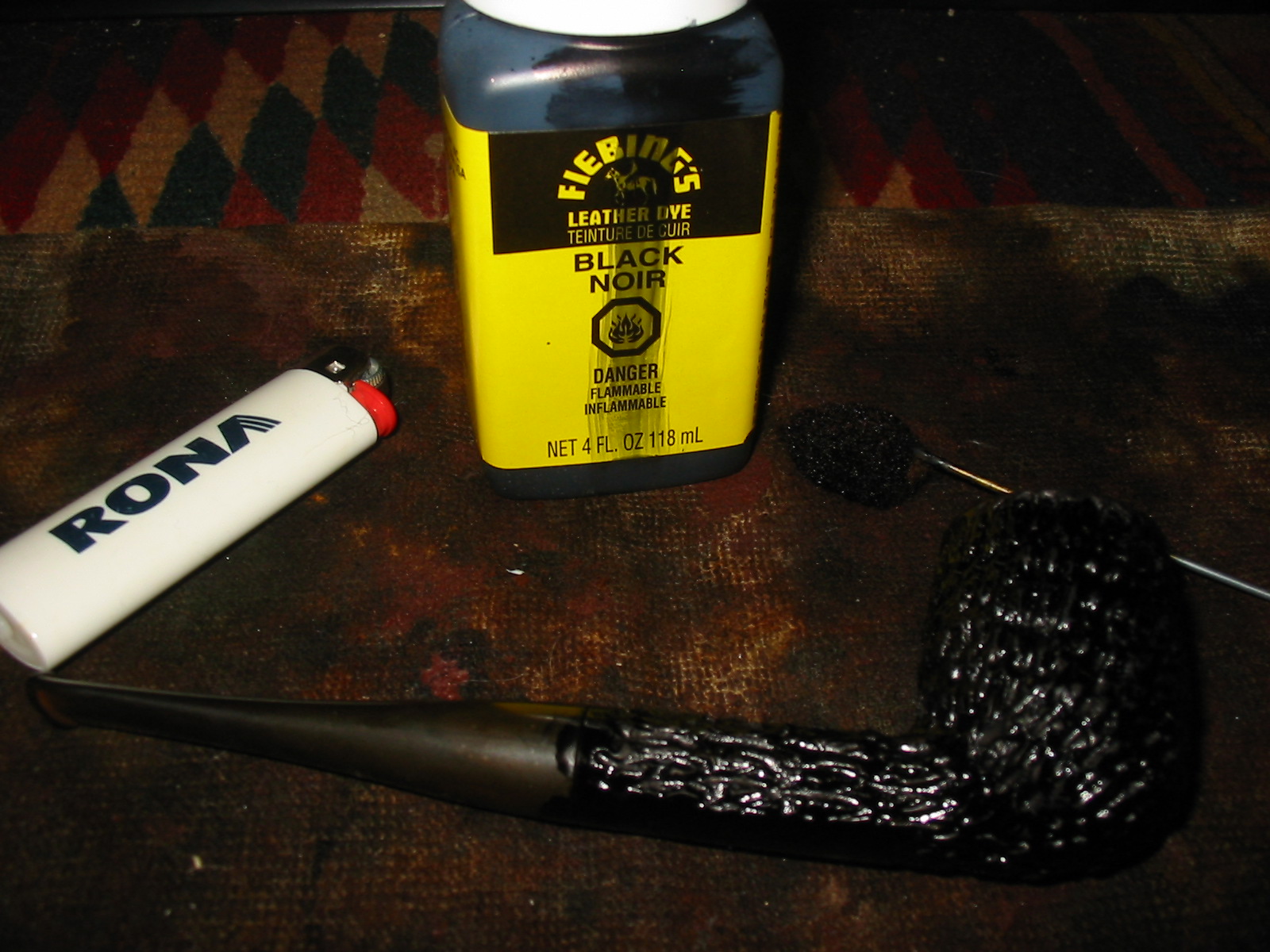
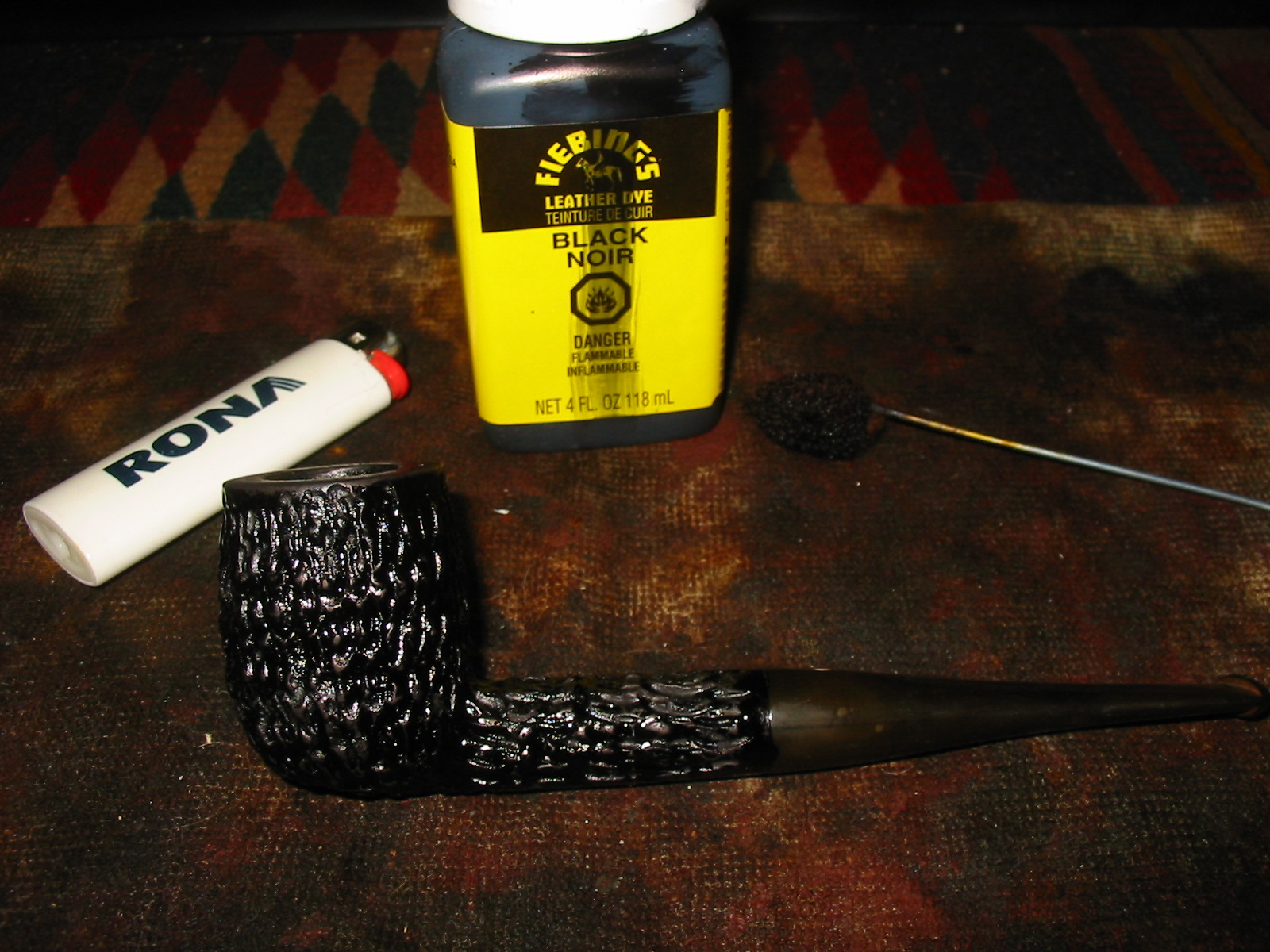
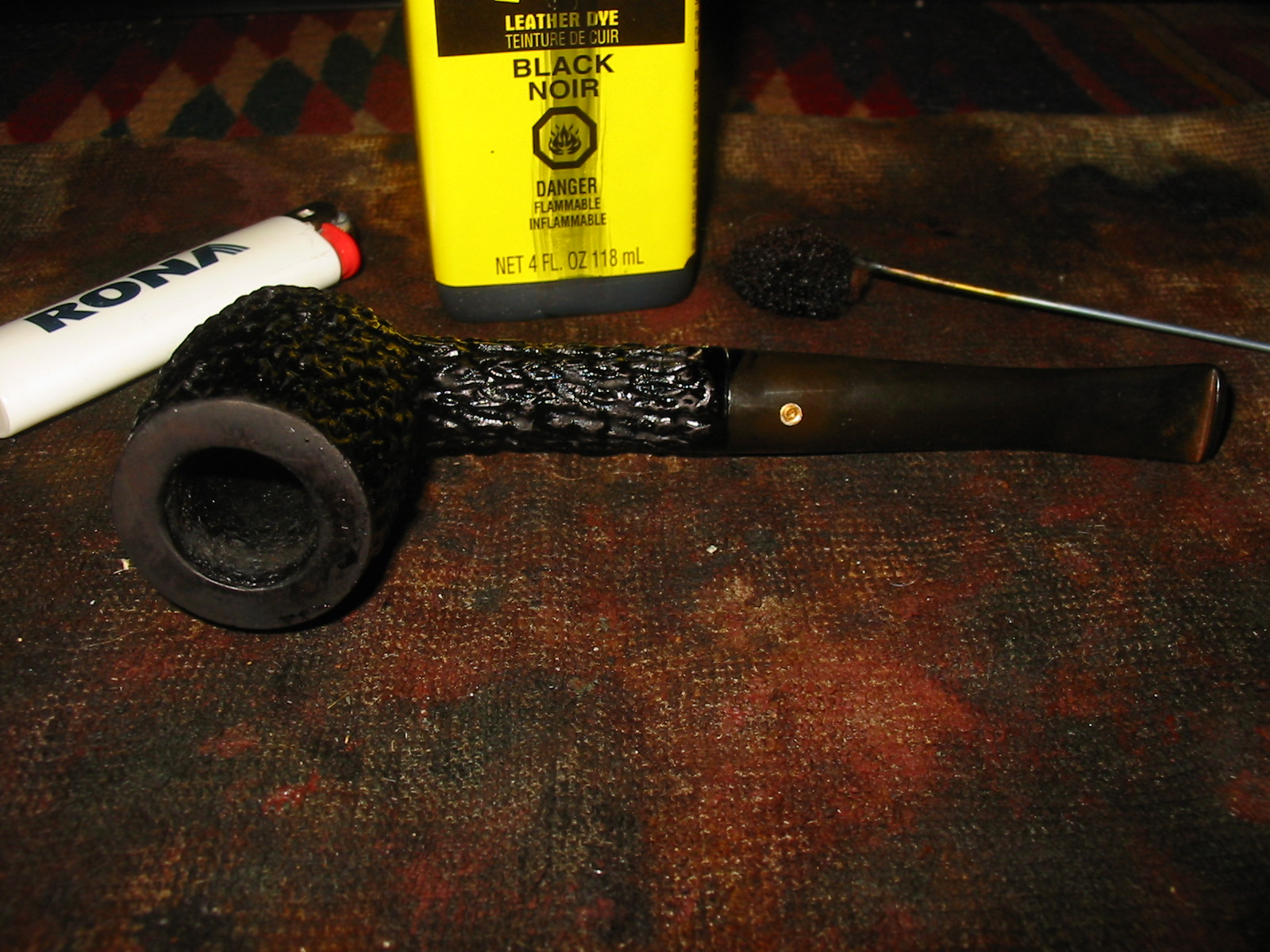
I used my dental pick for a handle by inserting it into the mortise and then used Fiebing’s Dark Brown Leather Dye. I diluted it 2 to 1 with Isopropyl alcohol to get the colour I was aiming for. Once I coated it with the stain I flamed the stain to set it in the grain. I repeated this several times to make certain I had stained all the crevices and blast. The first picture below is of the wet pipe. The second is of the bowl after flaming the stain. I light wooden matches and ignite the stain. The alcohol burns off and the pipe then is dry to touch.

ImageImage

At this point in my refurbishing process I took the bowl to the buffer and buffed the bowl lightly with Tripoli and the repeated it with White Diamond. My goal was to buff of the high areas and make a bit of contrast. I also wanted to buff the rim to make it a bit lighter than the blast and have it match the smooth patch on the bottom of the shank.

I then went to work on the stem. I heated the dents to raise them as much as possible and then sanded the stem with 220 grit sandpaper to remove the remaining tooth chatter and also to remove the calcified area around the button. I cleaned out the stem with pipe cleaners and a shank brush to remove the tars and oils and to open the stem. I used the dental pick to clean out the slot in the button. Once that was done I sanded the stem with a fine grit sanding pad and then progressed through 1500, 1600, and 2400 grit micromesh before scrubbing the stem with Maguiar’s X2.0 scratch polish. I rub it on with a cotton pad and let it dry a bit before rubbing it off. I finished sanding the stem with 3200 – 12,000 grit micromesh pads and then buffed the stem with White Diamond. I coated it with Obsidian Oil and then when it dried I coated it with multiple coats of carnauba wax. I waxed the rim and the smooth part with carnauba and then used Halcyon II wax on the sandblast. I buffed the pipe with a light touch on the cotton buffing wheel to polish and then hand buffed it with a shoe brush. Here is the final product – ready to fire up!

ImageImageImageImage

Once I had posted the pictures of the pipe above when I blew them up to see them more clearly the top of the rim was full of scratches and obviously to me needed more work so I just finished reworking the rim and restaining it. IMG_9265IMG_9264

IMG_9263

A No Name Sandblasted Poker Restored


I picked up this threesome pictured below on EBay. The first photo is the one posted by the seller to show the pipes that were for sale. I bid and won the auction. The threesome arrived this week and I decided to tackle the refurb on the poker first. Something about it grabbed my interest.

Image

When it arrived I unpacked the box to find that the three pipes were a bit worse for wear than the original picture above. The side shot of the photo obscured the tooth marks and oxidation of the stems. The poker had a white build up on the stem, almost a calcification that was rock hard and would need a soak to deal with. The finish was not too bad on the bowl – just a little spotty and dirty. The finish is a sandblast on the bowl that is quite deep and nicely done. The shank has a combination sandblast and rustication on it. The bottom of the bowl is smooth and there is a small ring of smooth briar next to the stem on the shank. The rim had originally been rusticated but appeared to have been sanded virtually smooth. It had a slight build up of tars and oils on it. There was a faint rustication pattern but the stain was gone under the grime. It looked as if the owner had sanded the rim clean and then left it to smoke it as it was.

ImageImageImage

I decided to ream the bowls on all three pipes. Once that was done I put all three in an alcohol bath – a jar with isopropyl alcohol. I leave the alcohol and replenish it as it evaporates or is used up. Once a month I pour it off and clean out the sediment in the bottom of the jar. The alcohol is dark and seems to give the briar a good patina as it soaks in it. It removes the stain a bit and also the grime and grit of the finish. I let all three bowls soak for several hours and then removed them and dried them off before setting them aside for the night. I also soaked the stems in a bath of Oxyclean while the bowls soaked. I find that this soak softens the calcification on the stems and also loosens the oxidation making it easier to deal with once I work on the stems. The picture below shows the bowls just after I removed them from the bath and had not dried them off.

Image

The next four pictures show the bowls after they have been dried off and you can see the state of the finish on each of the pipes. The first one on the left side of the first picture is the little patent Brigham Lovat. The finish is clean and ready to work on. The middle pipe is the no name poker. The last pipe on the right is the Dr. Plumb Statesman long shanked billiard.

Image

The poker came out very clean. The finish was ready to rework. The bowl had an undercoat of oxblood stain that is clearly visible and would pretty much determine the colour I would use in restaining it. In the photo below you can see the bowl rim of the poker in the middle. The faint rustication is visible and you can see that the rim had been sanded. In the second photo below you can see the smooth bottom on the poker and see the scratches in the briar that will need to be dealt with.

ImageImageImage

I used my rustication tool, the modified Philips screwdriver and reworked the rustication on the rim following the faint pattern that was visible. Once I had it way I wanted I worked on teh scratches on the bottom of the bowl. I sanded the bottom with micromesh pads 1500, 1800 and 2400 as the scratches were not deep. When I was finished and they were smooth I decided to restain the bowl with oxblood coloured aniline stain. I applied the stain with the dauber that came with the stain, making sure to get the stain in all of the crevices of the blast and the rustication. Once it was applied I flamed the stain and then set it aside to dry. I took it to the buffer once it was dry and buffed the bowl with Tripoli and White Diamond to polish the stain and give some depth to the finish. At this point in the process the pipe bowl was laid aside and I worked on the stem.

ImageImageImageImage

The stem took quite a bit of work. Not only was it calcified at the bit end but it also had some fairly deep scratches on the top of the stem. These needed to be sanded out to remove them. The stem also had some of the bevel of what appears to be a replacement stem blank. It may not be but it has all the look of one. It fits well but the edge bevels on the sides of the stem rather than a smooth transition from top to edge show the lack of finish to me. I wanted to sand out the scratches and the bevels and smooth the transition to a smooth edge with no bevels. I used some 280 grit sandpaper to begin with and progress through a medium grit sanding pad, a fine grit sanding pad, 400 and 600 wet dry sandpaper and water. Once I had the finish smooth and the bevels removed I then worked on the stem with the micromesh sanding pads from 1500 – 12,000 grit. I used 1500 – 2400 grit with water and was able to remove the remaining scratches. After that I used the Maguiar’s Scratch X2.0 polish on a cotton pad and rubbed the stem until it was smooth. I wiped off the polish and then proceeded to use the remainder of the micromesh pads. I gave the stem a coat of Obsidian Oil and set it aside to dry. I then used some Halcyon II wax on the bowl and hand polished it with a soft cotton buff. Once I finished that I wiped down the stem and gave it a buff with White Diamond and then gave the entire pipe multiple coats of carnauba wax until it glowed.

ImageImageImageImage

This Refurb Makes Me Question, what makes a pipe a REJECT


Blog by Steve Laug

I have no idea who the maker of this pipe is. When I bid on it I thought it might be a Peterson Reject but once it got here I am not so sure. It has no stamping on it other than REJECT in big block letters on the left side of the shank. The briar is not too bad, in fact I can find only one or possibly two fills that are virtually invisible as they are blended into the stain very well. The stem is a cross between a Peterson and a Wellington. There is no p-lip on it – just a straight orific button with the airway on the end of the button not on top. There is a sump in the shank so it is a system pipe of sorts. It is well drilled and has a great draft on it. The band seems to be a stainless steel rather than the cheap reject band put on by Peterson rejects of time past. Sooo, I am not sure who the maker is, nor am I sure why it is a REJECT.

I took it from the box, reamed and cleaned the bowl and shank. The sump is surprisingly new looking. There is no stain or darkening in it, just clean untouched briar. The bowl is darkened but there was not much cake and what was there was only around the top half of the bowl. The stem was minimally oxidized and there was some tooth chatter on the top and the underside of the stem. I did not do much to the bowl finish, merely buffed it with Tripoli and then gave it several coats of carnauba. The stem took a little work as I sanded out the tooth chatter and then went through the list of micromesh sanding pads from 1500-12,000 grit. I also polished the stem with the Maguiar’s Scratch X2.0. I finished by buffing it with White Diamond and then wiped it down with some Obsidian Oil before giving it multiple coats of carnauba and a buff with a soft flannel buffing wheel.

I forgot to take the pictures beforehand but here are some photos of the finished pipe.

A Pair of Rare Dunhill Cobs – Dunhillbillies


On a lark I restemmed a couple of my Missouri Meerschaum cobs a while back for a special pipe cleaning and polishing night hosted by our local Dunhill and Brigham Representative. He told us that if we brought our old pipes with oxidized stems he would buff them and polish them for us – no charge. Being a bit of a joker and handyman I scavenged in my can of stems and found two oxidized Dunhill white spot stems. These had just the right sized tenons to fit on a couple of old cobs that I had here. So with very little effort, I made them fit the shank. Just in case some of you are worried that I might have ruined them by trimming them back, I assure you that I did nothing to the stems other than clean them up a wee bit and then insert them into my cobs.

Thus armed I packed my trusty pipe bag – holds eight pipes. I included some other nice pipes that I wanted to have the benefit of having buffed but I also included the pair of Dunhill cobs. I waited for an opportune moment when the handy rep was at the buffing wheel. There was a lag in the number of gents coming to him for buffing work so I sidled over and handed him my good pipes first and he did a magnificent job cleaning and waxing them on his wheels. When he had finished them he asked if I had any others that I wanted him to take care of. I hemmed and hahed a bit and then said I had a couple but that they were very special and rare. I wanted to make sure that he would not damage them in any way. I emphasized the fact of their rarity by stating that in fact I had never seen or come across any like them in all the years I had been smoking a pipe.

With that I had hooked him and he turned off his buffer and looked inquiringly. I could see the look in his eye – full of questions. What kind of pipes could I possibly have that I was worried he would harm them? What could I have in my bag that I was slow to pull out and have him buff? I think he was a bit put out by my slow response. So now that I had him hooked I decided to work him a little bit and play with the hook. I began to spin the tale I had worked on earlier in the afternoon. I was enjoying every moment of this so I dragged it out a bit longer than necessary probably, but as I talked a small group of other pipesmokers had gathered around the wheel. We were all puffing on pipes of chosen tobaccos and everyone was interested.

I spun the tale of how I had come across these two special pipes in a cabinet at a local antique mall in Fort Langley, British Columbia. I had gotten the clerk to unlock the cabinet and carefully removed the pair from the cabinet. I looked each of them over carefully so as not to break them. After all I did not want to buy something that was worthless. Both pipes were a bit worn from wear and showed some charring at the rim but otherwise they were clean and seemed to be solid. The clerk said they were rare and who was I to argue as I had never seen anything like the two of them. The price for each was a kingly sum. At this point in my tale I looked at each of my listeners. But in particular I fixed my eyes on the buffing king. I wanted to emphasize the cost of these gems. Now my tale had captured the most dubious of them so I began to reel them in. I explained the stems and the slight oxidation that each had. I explained how they each had a white dot set in the vulcanite of the stems. At this point I am sure the buffing king was wondering if I had stumbled on a pair of early patent era Dunhills. All those listening to the tale know my proclivity for pipe scavenging and how I am pretty lucky in my finds. I honestly think that I had struck the motherlode of pipes finds.

The Dunhill Rep/buffing king was beside himself now. He wanted to see them now. He wanted to handle the two old timers and get a feel for their age and ply his skill in bringing the shine back to life on them both. But I wanted to set the hook a bit deeper so I continued talking about how I had carefully carried them to the cashier and shelled out the money for them. I talked of the deep shell finish on both and the almost amberlike brown of the bowls and shanks. Then as they were almost salivating I pulled the pair out of my bag and handed them to him with the bowls and shanks hidden in my hands. Just the two white spot stem poked out of my hands. I slowly and carefully opened my hands to reveal the treasure. I told him they were called Dunhillbillies. And with that everyone but him was just about rolling on the floor in laughter. They just shook their heads and few of them had choice comments for me. But the buffing king looked at me with a grimace and then he laughed loudly, shaking his head. I have to hand it to him as he did a great job buffing the pair. The pictures below show the twosome after his hard work. What do you think? Are they treasures or not?

ImageImage

A New Stem and a New Look For a Larsen Special


I got this Larsen Special in a lot I picked up for a very cheap price. The stem that was on it is in the bottom of each picture to give an idea of what it looked like. The shank extension is made of vulcanite and was very oxidized when it came to me. The stamping on the pipe is actually on the extension and it is faint. It is visible with a jeweler’s loupe and is stamped Larsen Special and Handmade in Denmark. The bowl was badly cake and the finish was almost flat with dark soiled spots of grime on the surface. The rim was covered with a lava overflow of tars and oils. I decided as soon as I saw it that the stem had to go. I had no idea what I was going to do with it but I knew it was history.

I cleaned the bowl with Murphy’s Oil Soap undiluted on a soft cotton cloth and cut through the grime and grit on the surface without damaging the finish at all. I used the same thing on the rim and was able to remove the lava. There was a bit of darkening that remained but no burn or charring. I used micromesh and Oxyclean on the vulcanite shank extension. I avoided sanding around the stamping as it is very light and I did not want to compromise it any more than it was. I was able to get the majority of the oxidation cleaned off the end and then coated it with some Obsidian Oil and let it sit for a while. Once it had dried I rubbed it with a soft cloth and then took the pipe bowl to the buffer and gave it a good buff with White Diamond, carefully avoiding the stamping. Then I coated the bowl and shank with carnauba wax and buffed with a soft cotton buffing pad. The grain on this pipe is absolutely beautiful. I really like the look of it. The bowl is quite large and it is clean and trouble free once it was reamed and cleaned.

I looked through my stem can and found this Lucite/amberoid stem that I thought would look perfect with the pipe. It is a military style bit so I sanded it enough to give it a snug fit and then used micromesh sanding pads 1500-12,000 grit to sand and polish the stem. I opened the slot and made it into an oval shaped flared opening in order to better disperse the smoke. The old stem is still in the box. I am not sure what I will do with it but it will not find a home with this old Larsen ever again.

Oh this one is a keeper by the way and is regularly in my rotation. It smokes English and Balkan tobaccos like it was made for them. I think I will go and fire up a bowl now.

ImageImageImage

A Classic Rework of A Royal Duke Supreme


Blog by Steve Laug

I had this old Royal Duke bowl in my box. It had some promise to my eye but it needed some work. The first thing I did was drill out the metal mortise that took a threaded tenon. I did not have any stems that fit it anyway and I wanted to try something new. The issue that remained once it was gone was the fact that the mortise rough inside and the end of the shank was not square so that there was no way to get a new stem to fit it seamlessly. The finish was very rough as can be seen in the photos below. The varnish on the outside of the bowl had bubbled and blistered. The front edge of the bowl was actually darkened as the varnish seemed to have burned or at least coloured. There were dents in the bowl and the rim was rough. I turned a precast stem with my tenon turner and got it close. I had to custom fit it as the shank was a little tapered toward the end.

ImageImageImage

The stem fit fairly well but would take a bit of customizing to get a good tight fit to the shank. It would also need a good cleanup to trim off the castings on the stem. The vulcanite was fairly decent quality as I have had it a long time but it showed no oxidation.

Image

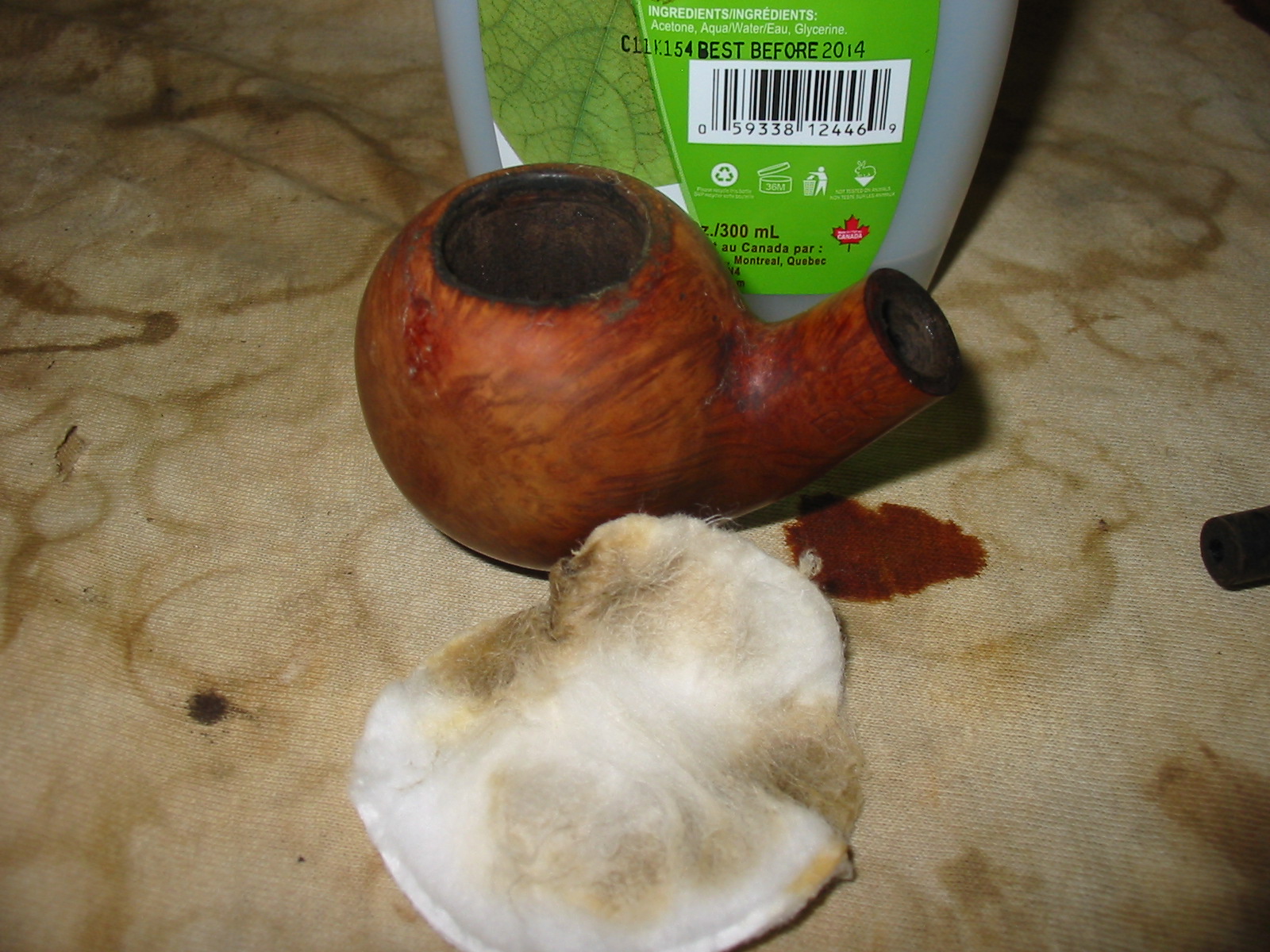
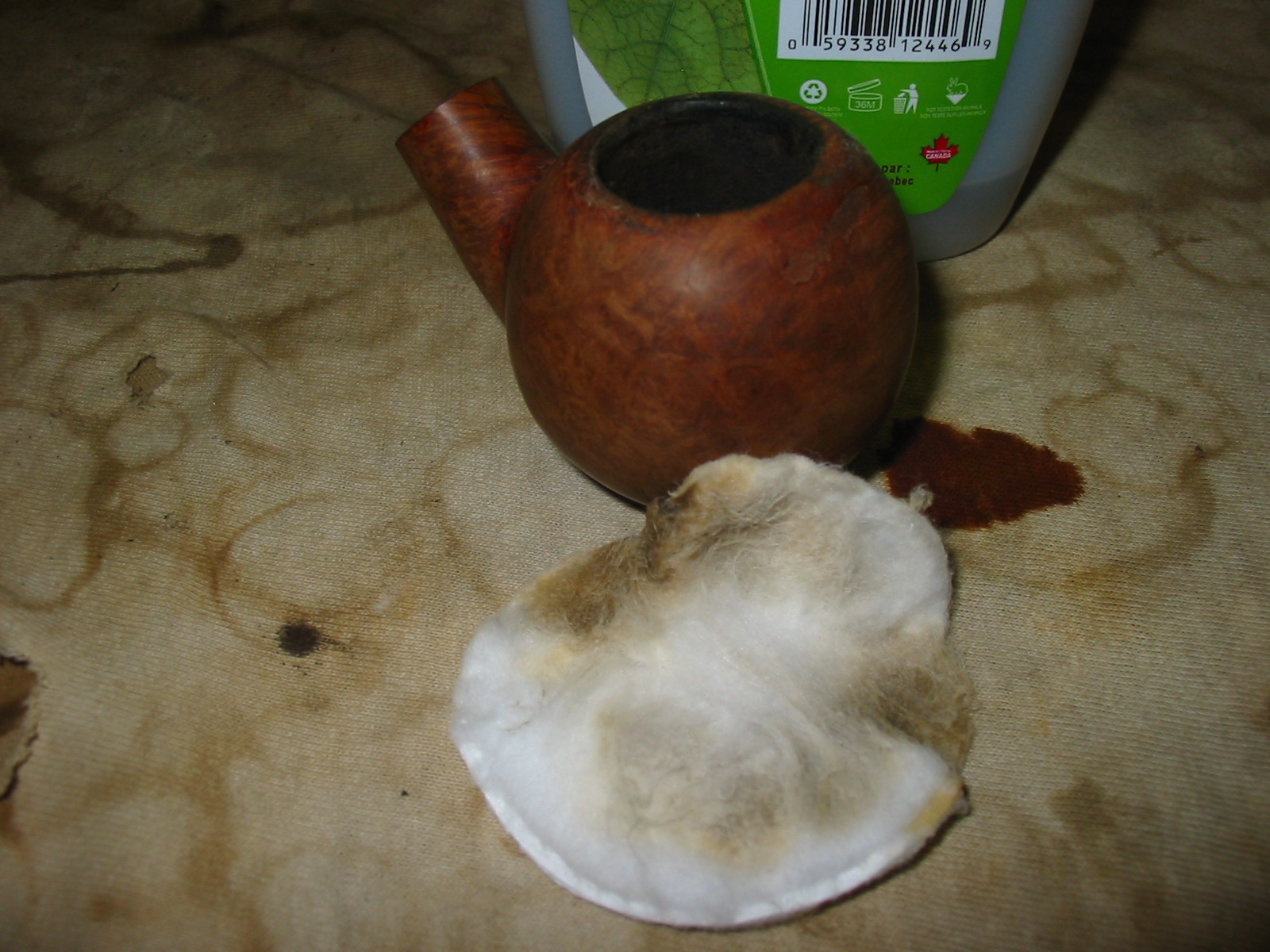
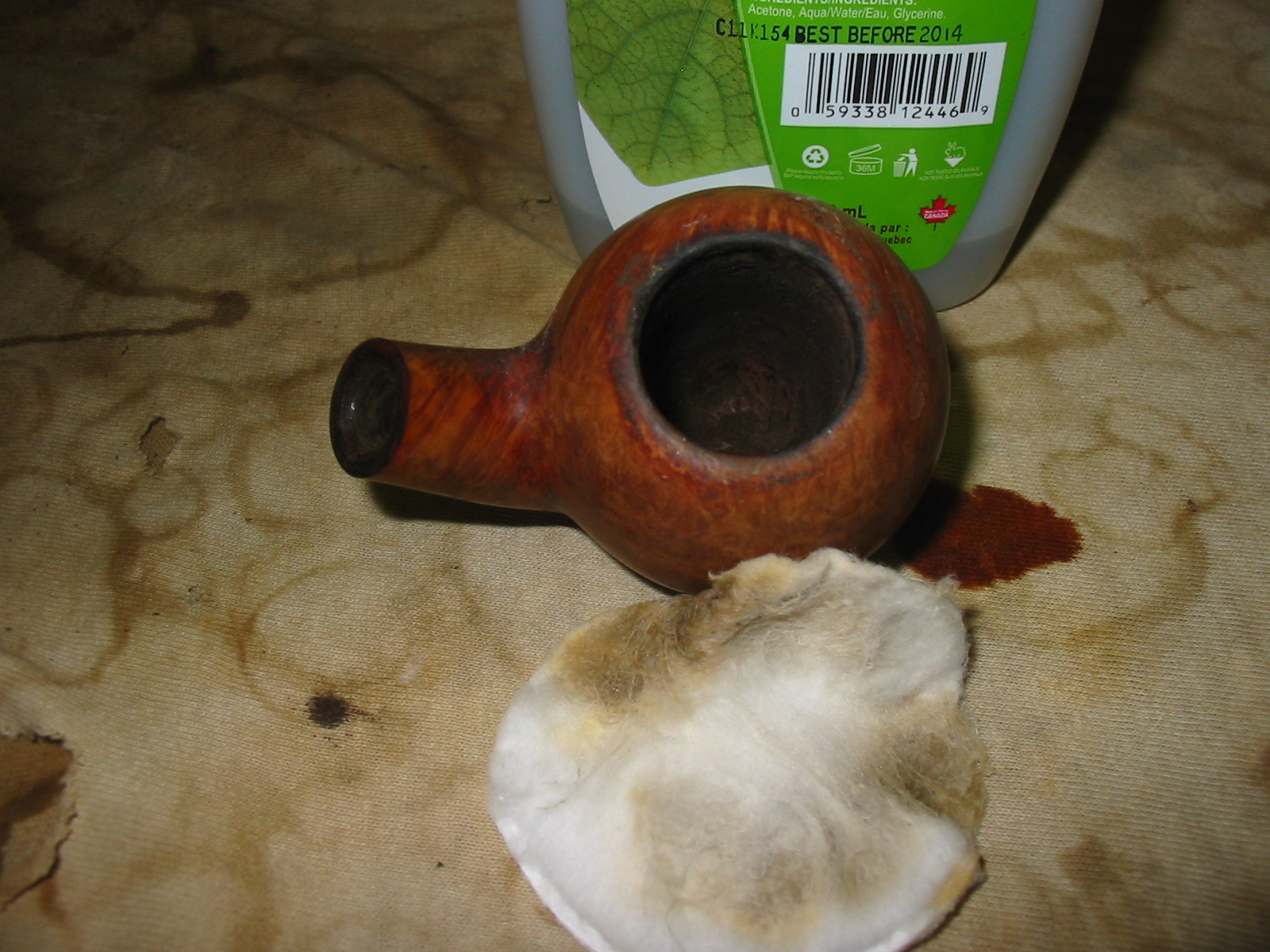
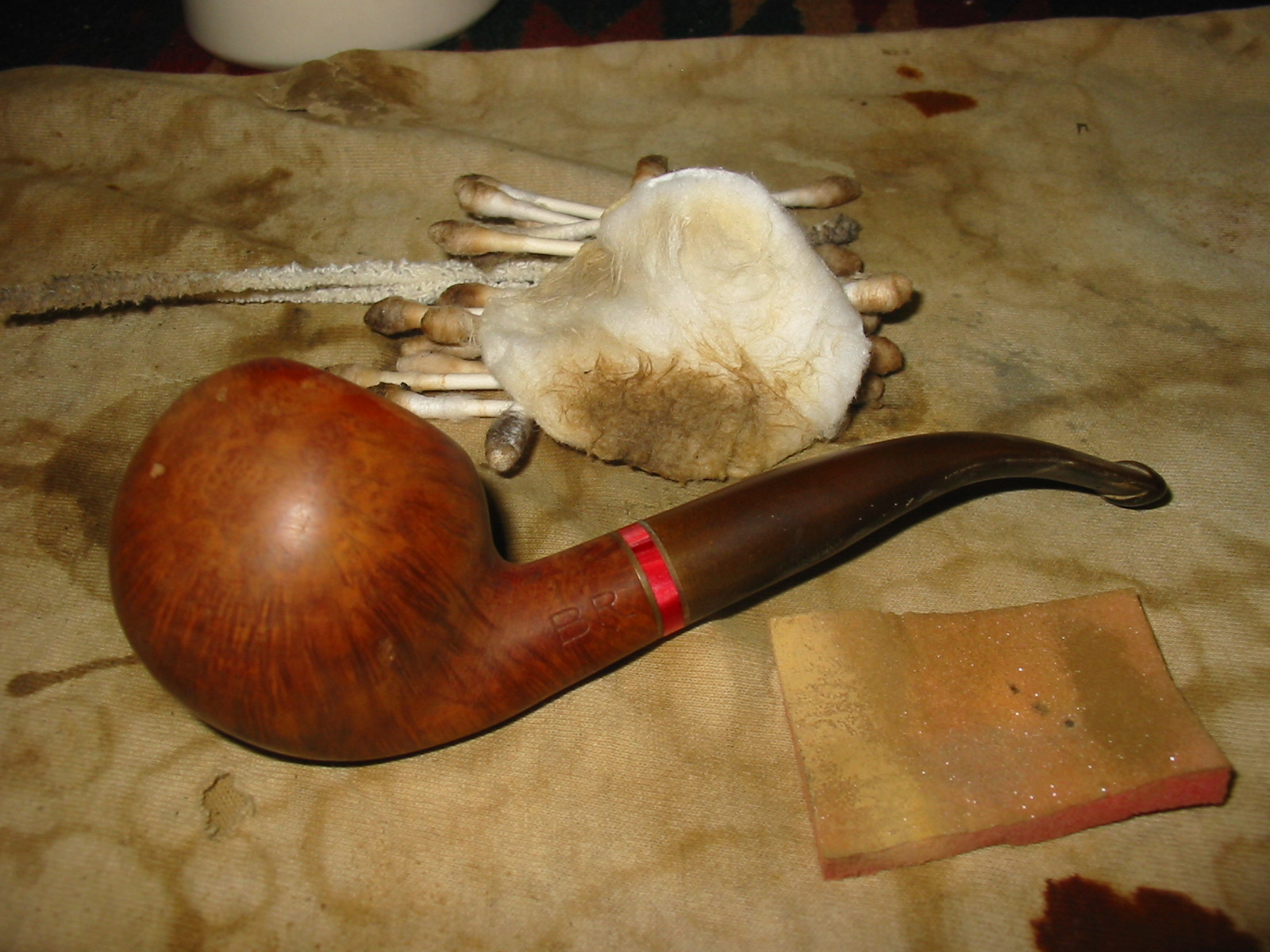
I decided to work on the bowl first to clean up the remaining finish and remove the varnish from the bowl. I also wanted to see if I could remove the darkening around the front and back of the bowl. I washed the bowl with acetone on a cotton pad and cleaned off the finish. It took repeated washing to break through the varnish coat and also the burned and bubble finish. The next two photos show the pads after the wash. You can begin to see the grain coming out on this beauty. That is what drew me to the pipe in the first place and I was glad to see that it was truly there.

Image

I repeated the washing until the pipe was clean and had no remaining finish coat. The dark undercoat of stain still remained and light brown topcoat also was still present. This is clearly seen in the photos below. I worked on the fit of the stem and tapered the tenon enough to get a good snug fit to the bowl. I also used my Dremel to remove excess vulcanite from the top and the sides of the stem so that it lined up smoothly with the shank of the pipe. It was at that point I decided to pressure fit a nickel band to the shank to square things up a bit. There was no way that the stem and the shank would meet squarely as the shank was a bit angled and dented from the metal inserted mortise. The previous mortise had been threaded in and it had a thin band or flat top on it that sat against the briar. It was also patched a bit with putty to make the flow from the shank to the insert smooth. I fit the nickel band with heat and pressed it into place. I liked the finished look of the band and it gave me a straight edge to work with on the new stem. I again used the Dremel with a sanding drum to shave off more of the vulcanite and make the stem fit against the band inside edge. The next two pictures below show the stem after the fit and the shaving with the Dremel. You can see the rough surface on the saddle and the cleaned up edges of the cast stem and the button.

ImageImage

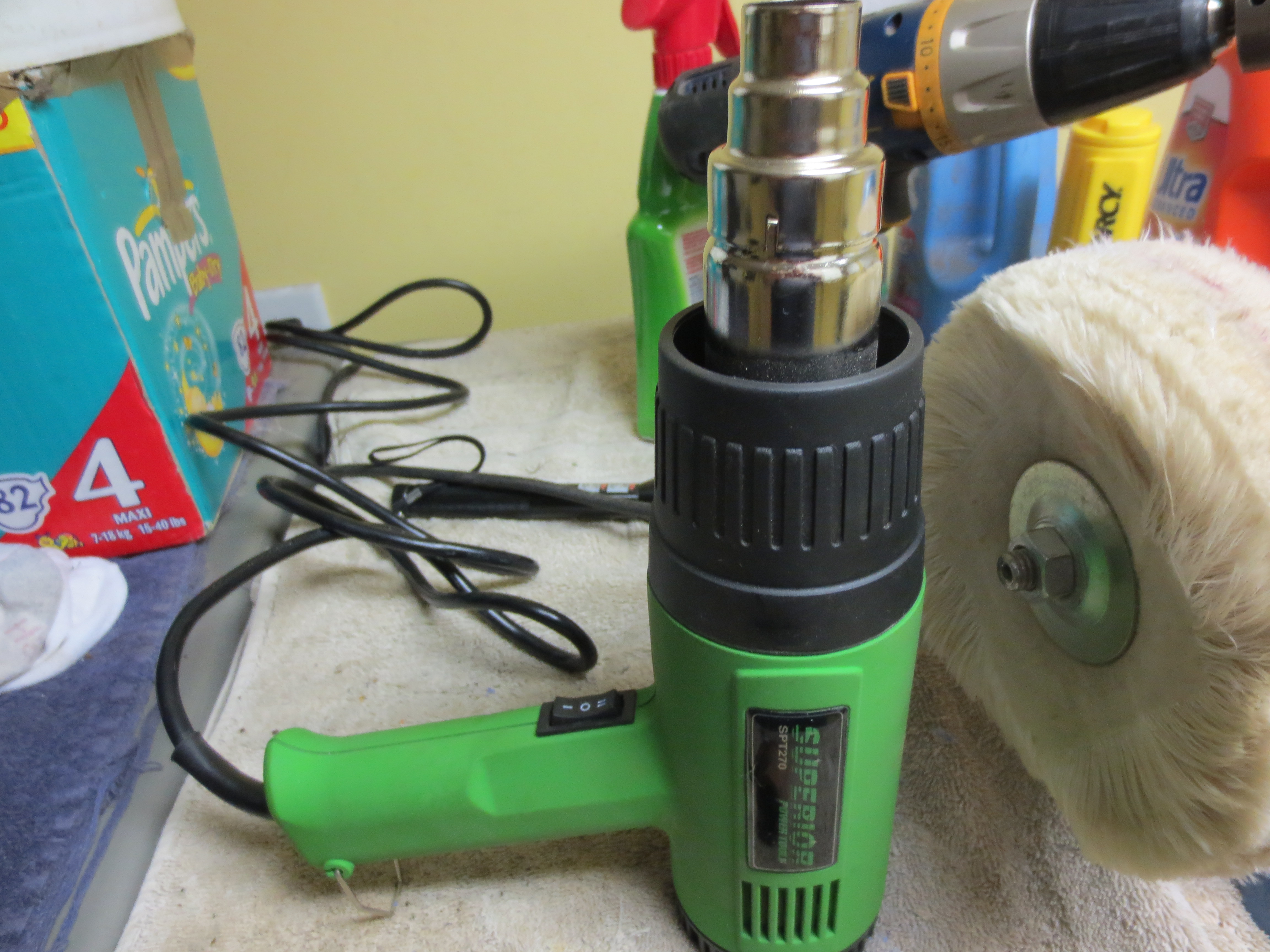
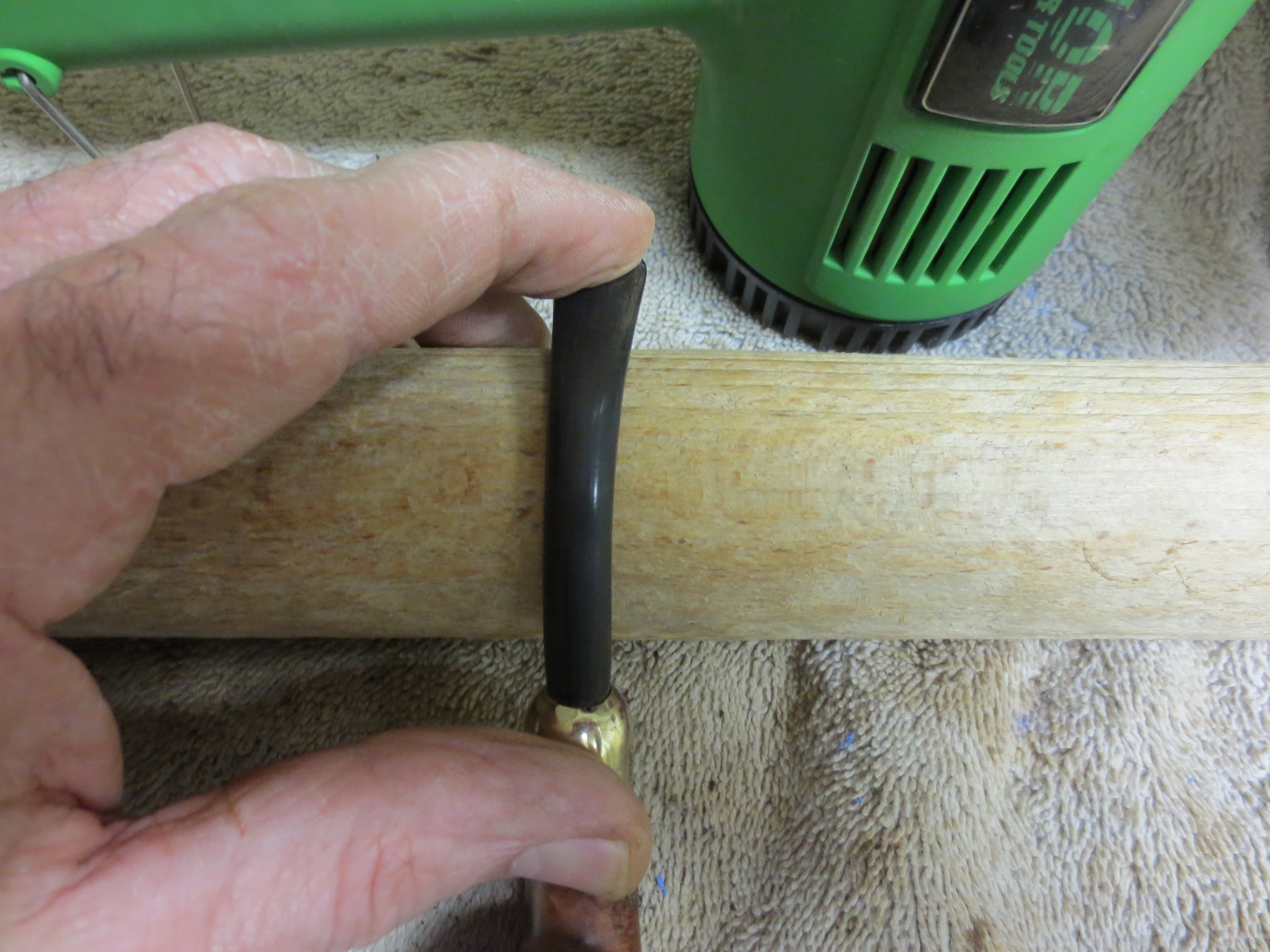
I then sanded the bowl and the stem with 240 grit sandpaper to remove the scratches in the briar and also on the vulcanite stem. It took quite a bit of sanding to smooth out the saddle of the stem. The next five photos show the progress of the sanding on the stem. I also sanded the bowl to remove the remaining finish and scratches. I topped the bowl and smooth out the inner and outer rim to remove the damages to them both. I also used my heat gun to put the bend in the stem. I have a curbed dowel here that I put the heated stem on to ensure that the bend is straight and that I do not crimp or bend the stem unevenly.

ImageImageImageImageImage

Once the sanding was at this point I wiped the bowl down with Isopropyl alcohol. I find that it removes any sanding dust and also the wet look shows me places where I still need to sand the bowl and stem. Once that was done I sanded the bowl again with 400 and 600 grit wet dry sand paper and water. I progressed through micromesh sanding pads 1500-12,000 grit – the first four pads with water and the remaining ones dry sanding. Once it was completed and smooth I wiped it down a final time before staining it.

ImageImage

While I was sanding the pipe and working on the stem I tried to visualize what stain I wanted to use on this pipe. At this point remember I was not trying to restore the original Royal Duke colouration. I was working a new pipe out of this piece of briar even though I left the stamping. I decided to go with an oxblood aniline stain. I applied it with a cotton swab, flamed it and then took it to my buffer and buffed it with White Diamond.

ImageImage

The next three photos show the pipe after the buffing with White Diamond. I had not applied any wax at this point nor was I finished working on the stem. The colour came out better than I imagined. The dark under notes of the grain come through nicely in the finished pipe. The light areas have a reddish brown hue that is a bit lighter as the pipe has been waxed and buffed.

ImageImageImage

Once the pipe was stained I coated the bowl with multiple coats of carnauba wax to protect the new stain while I worked on the band and the stem. The nickel bands shine up really well with the higher grit micromesh sanding pads. I sanded the band with the 6000-12,000 grit pads and then polished it with some wax as well. I moved on to the stem. I sanded it some more with 240 grit sandpaper to remove some more of the scratches in the saddle area left by the Dremel. I then sanded it again with the 400 and 600 grit wet dry and water to smooth out the lesser scratches left behind by the 240 grit sandpaper. I went on to use 1500-3200 wet micromesh sanding pads to polish up the stem some more. These early grits of micromesh leave behind a matte finish as they sand out the scratches. It takes the grits above 4000 to really see the depth and polish that is there when finished. Once I used the lower grits I then polished the stem using Maguiar’s Scratch X2.0 polish and rubbed it on with a cotton pad and polished it off. I buffed the stem with White Diamond following this to see what I needed to work on.

I took the stem back to my work table and used the higher grits of micromesh. I started with 3600 and worked through 4000, 6000, 8000 and 12,000. Once I finished I buffed it again with the White Diamond and then coated the stem with Obsidian Oil and let it sit while the oil soaked the stem. I hand buffed the oil with a soft cotton cloth and then polished it with some carnauba wax paste and then buffed the entire pipe with several coats of carnauba. I buffed it with a clean cotton buff between coats of wax. The final photos are of the pipe as it stands now.

ImageImageImageImage

New Life for a Wally Frank Super Delicious Billiard


Blog by Steve Laug

I have become familiar with many of the Wally Frank lines of pipes but this was one I had not heard of before. It almost sounds like something to eat rather than smoke. It is stamped Wally Frank Ltd on the left side of the shank and on the right Super Delicious – interesting stamping indeed. The pipe was one of the bowls that I had in my box needing to be restemmed. It also had a cracked shank that was present before I matched a stem to it. Often a shank will crack like this if a tenon that is oversized is forced into the shank. That obviously had happened to this old pipe sometime in its life. I found a stem that fit the shank and inserted it enough to show the crack in the shank for the first photo below. The crack approximately ½ inch long and was in a portion of the shank where it was thinner than the other side. One of the challenges in restemming these older pipes is the fact that the shank is very often out of round and the stem has to be shaped to match it accordingly. The bowl has some nice grain on it and was well worth restoring. The remaining three photos in the first group of four show the grain and shape of the pipe. Note that rim was not only darkened but was worn on the front edge of the outer rim.
super1

super4

super3

super2
I reamed out the bowl and removed the cake that was present only in the top half of the bowl. It seemed that the lower portion of the bowl was not even broken in. The top of the bowl needed to be topped to even out the flat top of the bowl. The way the angle was after the tars and grime were removed was d a slight slant toward the front of the bowl and the front edge was rounded from tapping out the bowl repeatedly on a hard surface. I used the board and sandpaper to top the bowl and even out the top. I also made certain that the bowl was held against the board to even out the angle and make the top smooth and flat. The first photo below shows how out of round the shank is in proportion to the mortise. Notice the difference in thickness all around the shank diameter. The crack in the shank is at about 3 o’clock on the shank. The next two photos show the bowl after it has been topped and is even with no slant toward the back or front of the bowl.
super5

super7

super6
After I had topped the bowl and evened things out I wiped the entirety of the bowl down with acetone on a soft cotton pad to remove the grime and the remaining finish on the bowl. It came off almost black when I was finished cleaning it. I then needed to band the crack shank. I opened it with the stem and then dripped a bit of superglue in the crack before pressure fitting the band in place. The first photo below shows the shape of the shank and makes the thin area very clear. This would require quite a bit of shaping to make the stem fit the shank correctly. The next two photos show the banded stem and how it fits on the shank. I kind of like the look of the band against the natural colour of the briar.
super8

super10

super9
The next two photos below show the stem shape after I had removed much of the material at the top left corner of the picture. The stem is round at this point but the tenon is no longer in the center of the stem. It is proportionately toward the top left of the picture and on the top bottom when it is in place in the shank.
super11

super12
At this point in the process I restained the bowl with a dark brown aniline stain that I thinned with isopropyl alcohol so that it would match the colour of the bowl. My goal was to match the rim that I had topped and was raw briar to the natural patina of the bowl and shank. I mixed the stain until it was the colour I was aiming for and then stained the entire bowl with multiple applications of the stain to the rim. I flamed the stain and reapplied it to the rim, flamed it again and then took the pipe to the buffer. I buffed the bowl and stem with Tripoli and White Diamond. Once I was done with that I buffed the bowl and shank with multiple coats of carnauba wax to bring depth to the shine and also to blend the rim and bowl together.
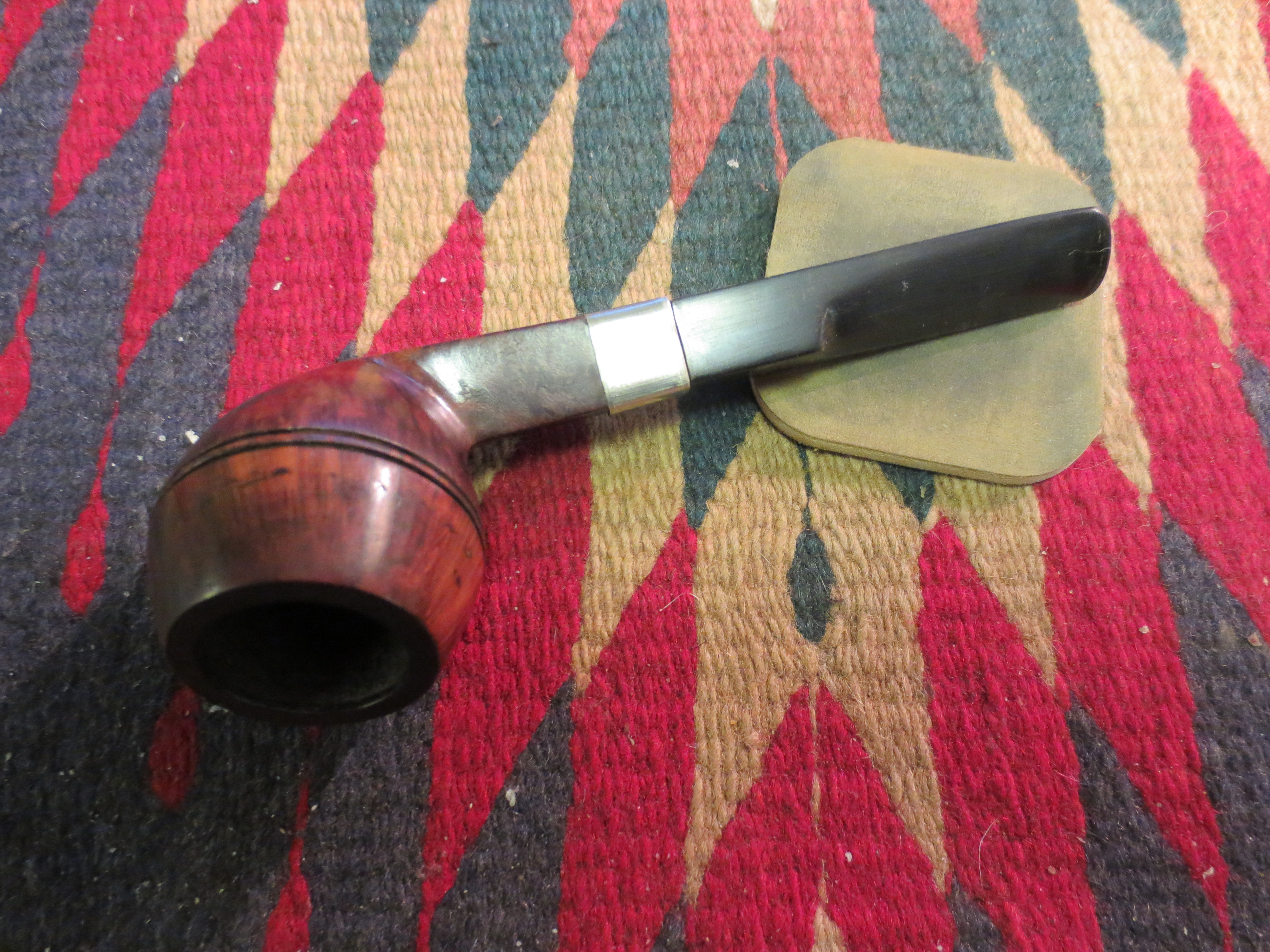
I then worked on the oxidation of the stem. I had shaped it to fit the shank with my Dremel and when it fit well I sanded the stem from front to button with 280 grit sandpaper and then 400 and 600 grit wet dry sandpaper to remove the oxidation and scratch marks from the Dremel. Once it was smooth I progressed through the micromesh sanding pads from 1500-12,000 grit. In between 4000 and 6000 grits I polished the stem with Maguiar’s Scratch X 2.0 and then finished sanding with the micromesh. I finished the stem with a coat of Obsidian Oil and then multiple coats of carnauba wax to give it shine. The next series of four photos show the finished pipe. It is shined and ready to smoke.
super13

super14

super15

super16

Refurb on a Loewe & Co. Lovat


This old Loewe was an easy one to refurbish. When I removed it from the box it was clear to see that it was barely smoked… In fact it had  it had no cake in the bowl and did not seem to be even broken in. It would take very little to clean out the bowl and polish it and the stem. The pipe is stamped L & Co. and has an older style orific button – the button style and the stamping point to it being an older Loewe pipe. It is in good shape for an old timer and is typical of this era of Lovats in terms of size and shape – 4 1/2 inches. In terms of issues it has a small hairline crack in the right side of the bowl from the rim down about 1/8 of an inch. The finish was dirty but the stain was intact. The stem had minor oxidation.
loew1

Loewe2

I wiped off the bowl with some Murphy’s Oil Soap to remove the grime and grit of the years. I used the soap to also scrub down the rim. I buffed the bowl and the stem with Tripoli and White Diamond to bring back the shine and take care of the minor oxidation. Once it was clean I gave it multiple coats of carnauba wax to bring back the shine. Though the crack is virtually invisible it is present under careful examination. It has not been a problem thus far and should last at least as long as I am able to use it. In fact my guess would be that it outlasts me.
Loewe3

Loewe4

Loewe5

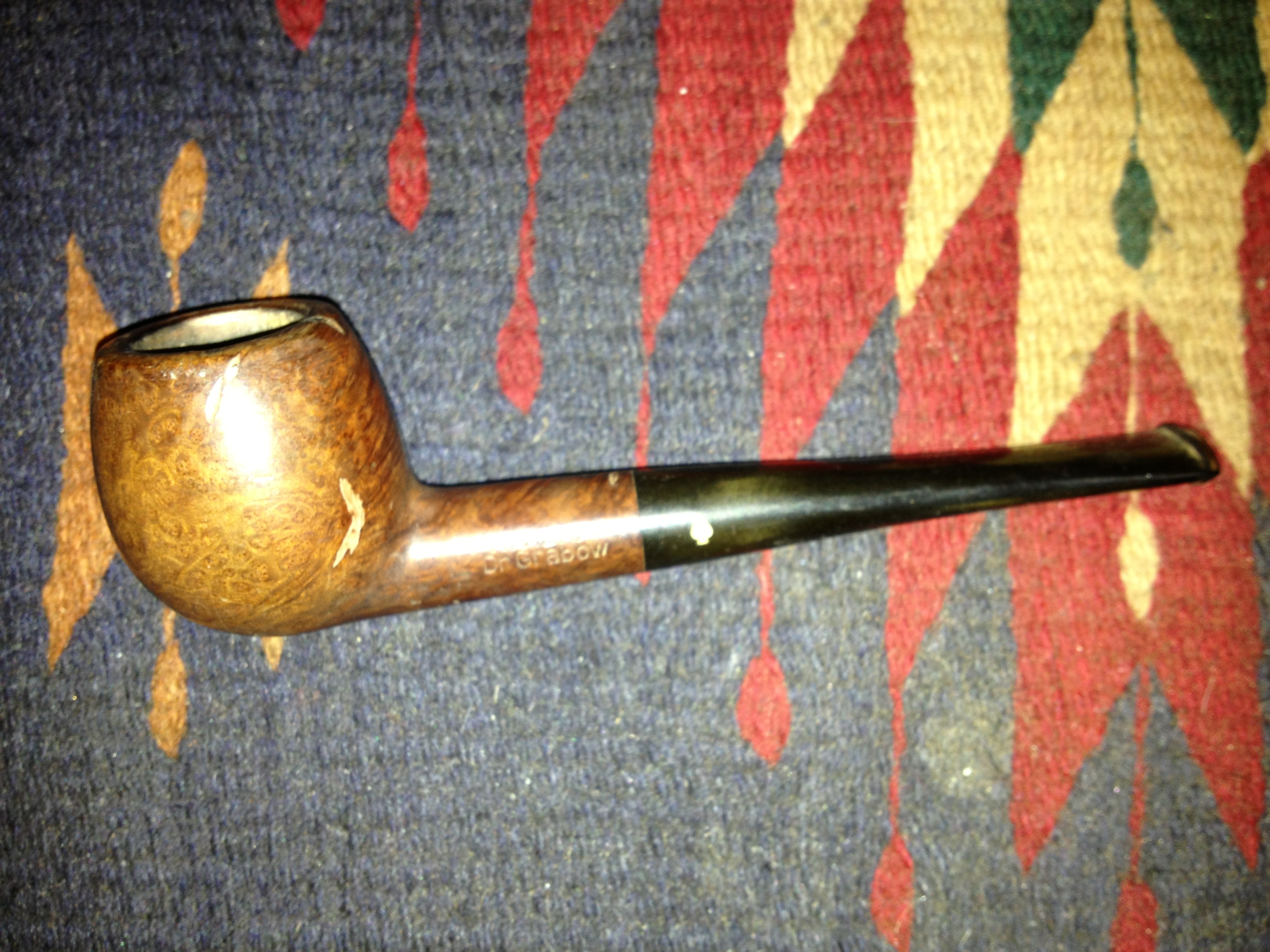
Reworking a Dr. Grabow Viscount


I had this old bowl in my box of pipes to refurb. It needed a stem and it needed a good cleanup. When I took it out of the box to match a stem to it, I noticed that it had some pretty nice grain under the cherry red stain. It seemed like it had a nice dark contrast stain added to bring out the grain and then the red stain was over that. On top of the red stain was a coating of varnish or lacquer of some sort. That topcoat was peeling and the red beneath it was also rubbed off. It seemed like the red stain was more of a wash on top of the bowl rather than one that permeated the bowl. I went through my can of stems and found an old saddle stem that fit quite well. It was badly oxidized but I liked the overall look of the pipe with the saddle stem.
vis1

vis2

vis3

vis4

With the state of the finish I decided to wipe it down with acetone to remove the varnish/lacquer finish and see what I could do with the stain. I was not overly concerned as I figured I would need to remove the red topcoat and start over. The wiped off portions of the finish would require a restain. I just was not sure what was underneath the topcoat. Sometimes on these older Grabows there are a lot of fills hidden under the opacity of the topcoats. I was hoping that this would not be the case with this one. I used a cotton pad wet with acetone to wipe down the finish on the bowl. The rim took a bit more work to remove the tars and build up. I used a fine grit sanding pad and carefully removed the grime while leaving the finish intact. I wipe the bowl down with about three pads and acetone. The result is seen in the photos below. The grain and the stain on this one was beautiful. It has a great contrast stain that makes the grain pop and the lighter reddish brown stain provides a soft canvas to highlight the grain. Once the red finish was removed I left the bowl as it was. I buffed it with White Diamond to polish and remove any remaining red portions of the stain. Then I waxed it with multiple coats of carnauba wax. I put the stem in an Oxyclean bath to soak while I continue to polish the bowl and finished cleaning out the interior of the shank and bowl.
vis5

vis6

vis7

vis8

The stem took a lot of work as the oxidation was very deep. I soaked it twice in the Oxyclean bath and sanded it with micromesh 1500 and 1800 grit sanding pads between soaks. There was some deep, stubborn oxidation on the flat portion of the blade – about mid stem. It was very hard to remove. I sanded it with 2400-3600 grit micromesh and then polished with Maguiar’s Scratch X 2.0 polish repeatedly. Eventually the stubborn oxidation came to the surface and I was able to remove it. I then continued to sand on the stem with the higher grits of micromesh sanding pads – 4000-12,000 grit. I find that the higher grits really deepen the shine of the stem. Each successive grit of micromesh pad brought more of a polish to the stem. The hardest spot at the end was the saddle area. In the photos below there still remains a bit of oxidation that I am still working on – this is particularly clear in the photo of the underside of the pipe.

Ah well – here is the reworked Dr. Grabow Viscount. It is ready to load up a bowl for its new inaugural smoke.
vis9

vis10

vis11

vis12