
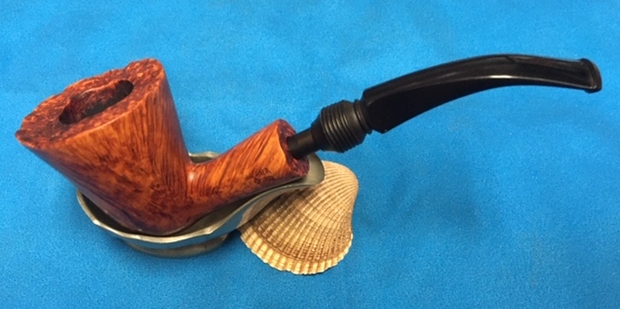
Blog by Steve Laug
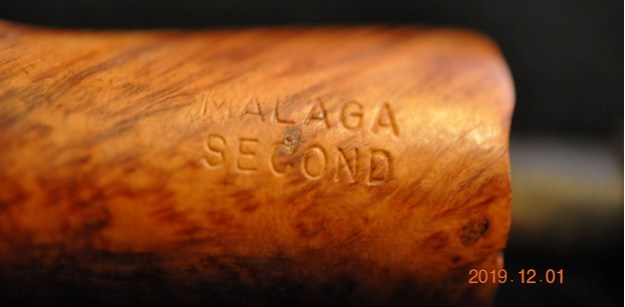
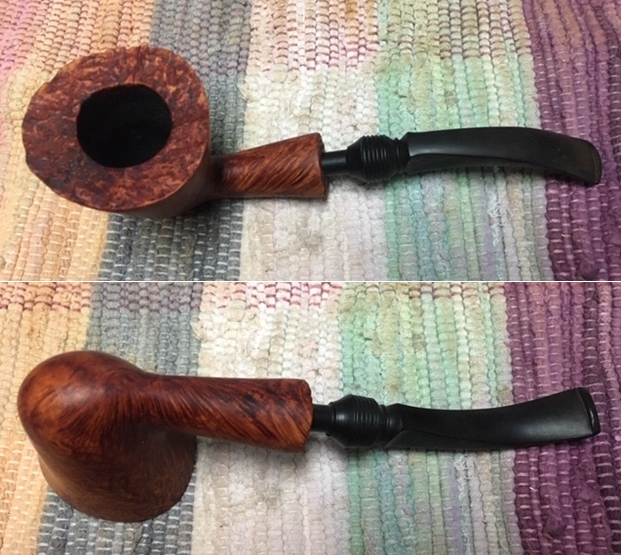
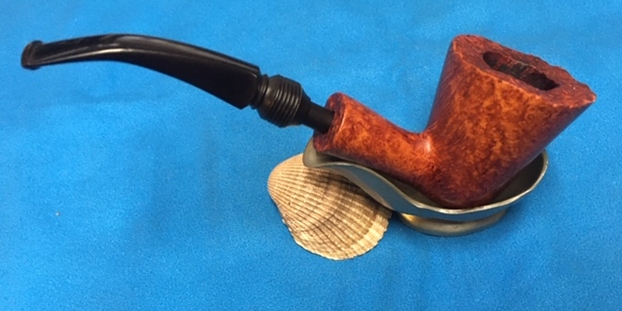
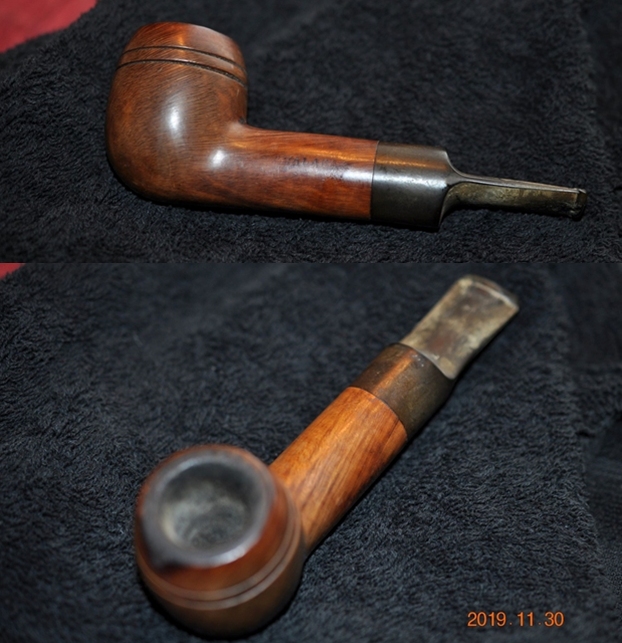
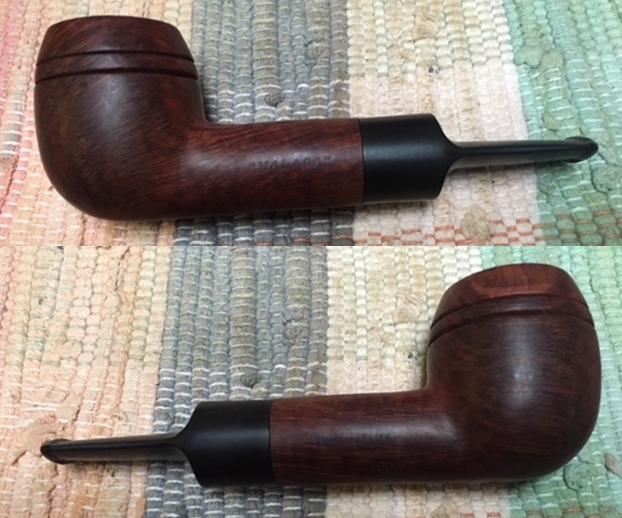
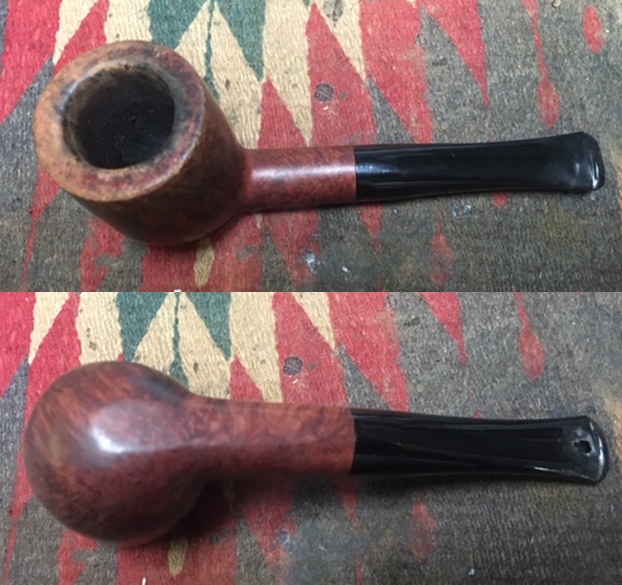
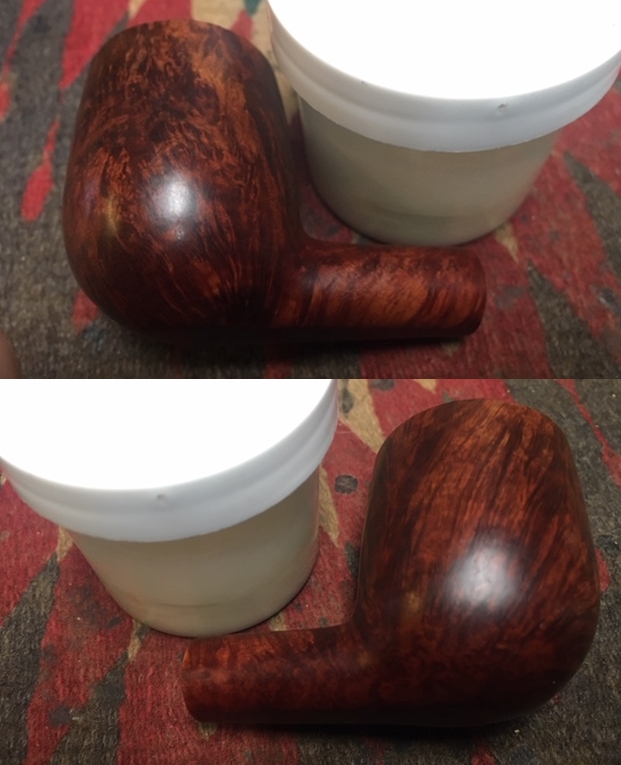
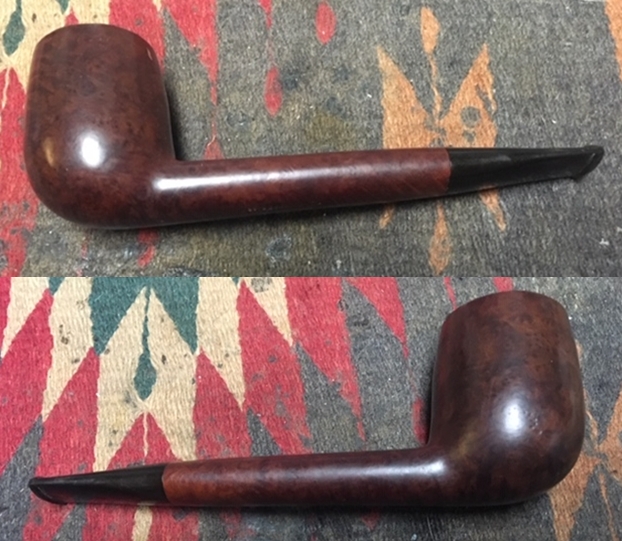
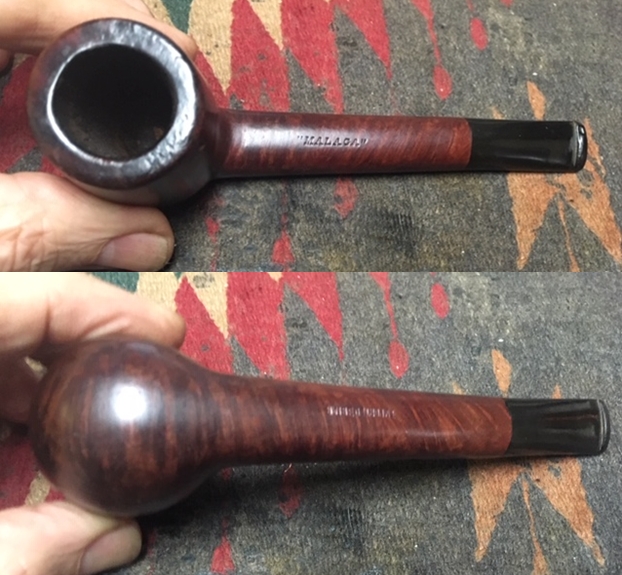
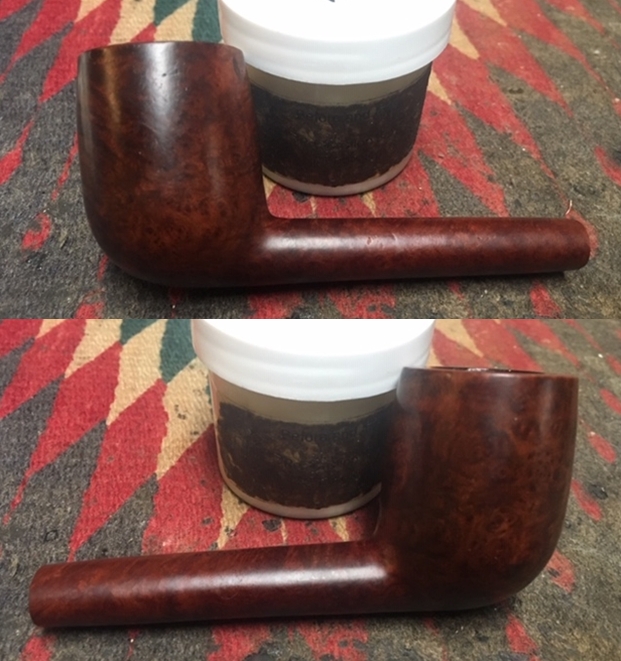
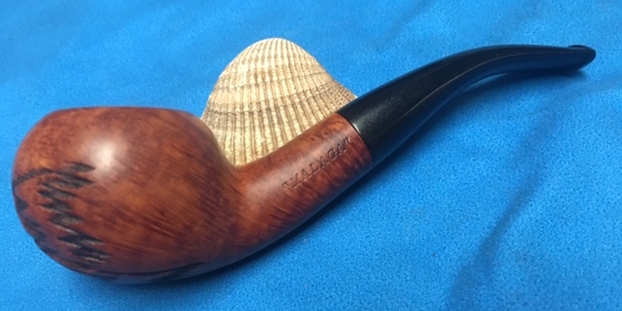
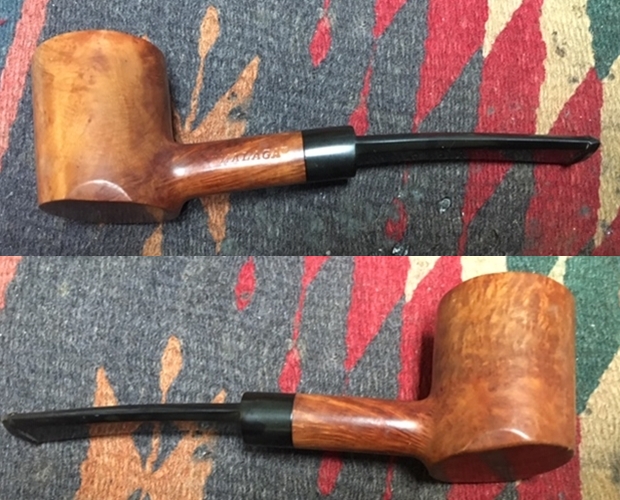
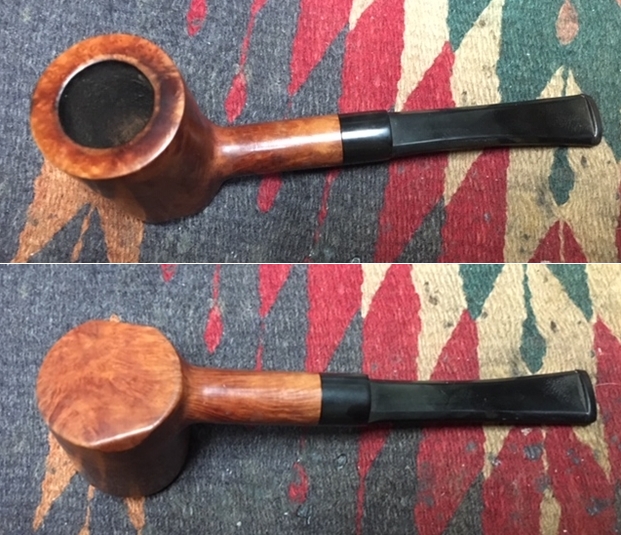
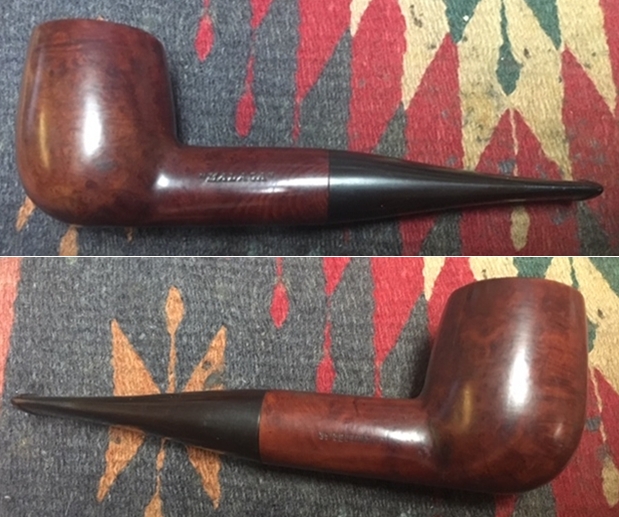
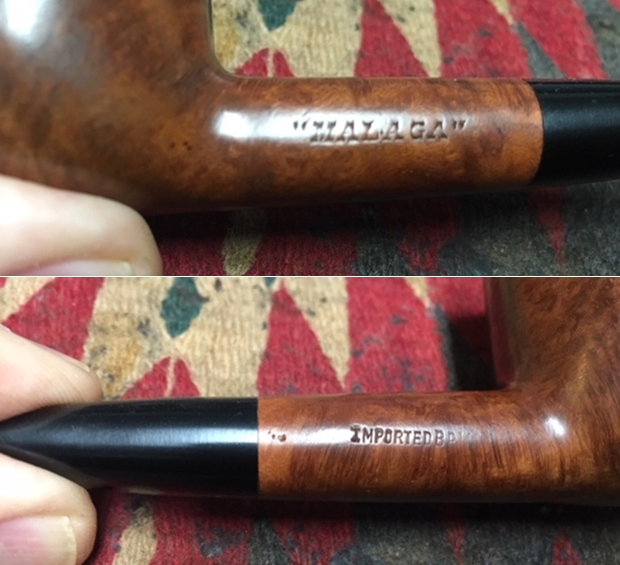
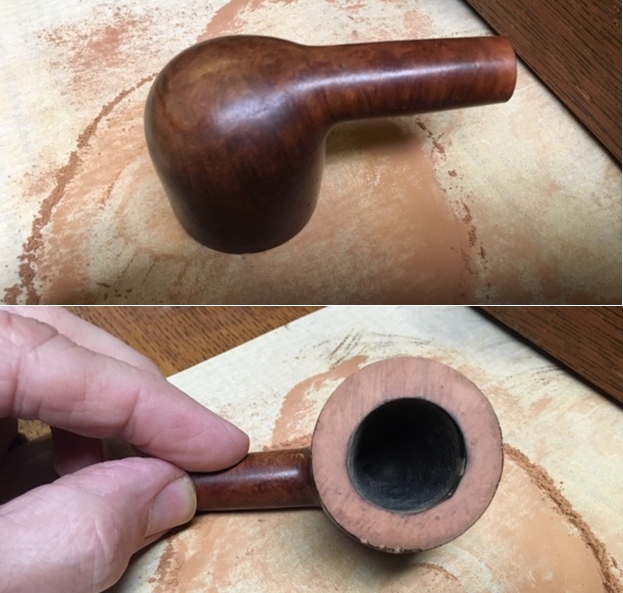
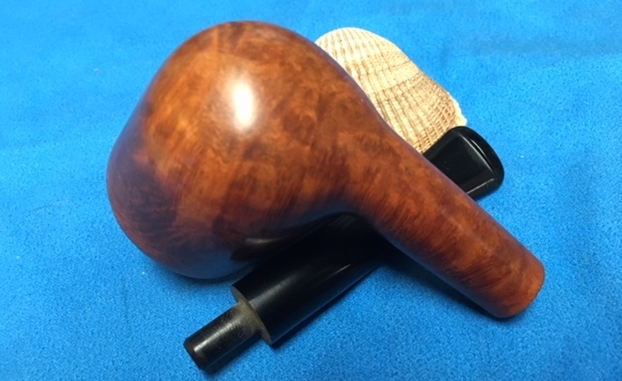
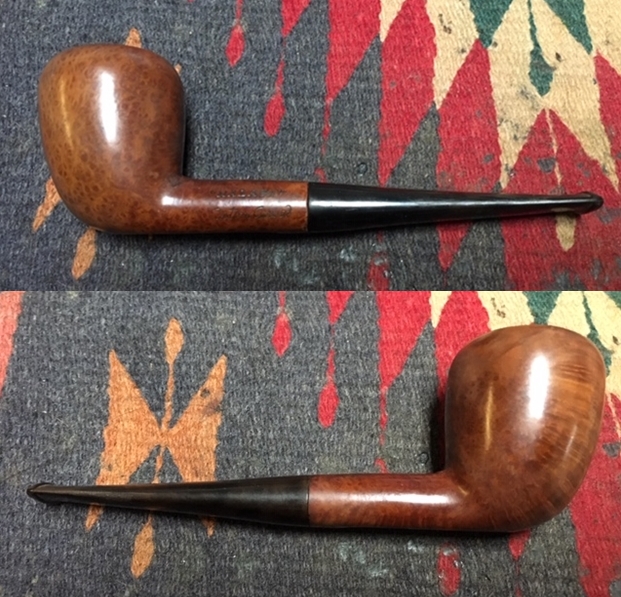
The next pipe on my work table this morning is a Freehand with a crafted plateau rim top and shank end. It is a piece of briar with a mix of interesting grain flowing literally in every direction. It is stamped on the left side of the shank and reads Malaga Second. In my examination of the pipe there are no flaws or pits or anything other than the mixed grain that would possibly make this a second. The drilling in the shank and bowl is perfect with no twists or turns and the airway is right in the centre at the lower edge of the bowl. It is not too deep or shallow. It is a mystery to me why it is a second. The bowl, round shank and bent fancy taper vulcanite stem look very good. The bowl had a thin to moderate cake and no lava onto the rim and no damage on inner edges of the bowl. The sides of the bowl and shank are dull and dirty with grime and oils from prolonged use. The stem had tooth dents and chatter on the top and the underside near the button and was heavily oxidized and calcified at the end. Jeff took these photos before he started the cleanup work on the pipe.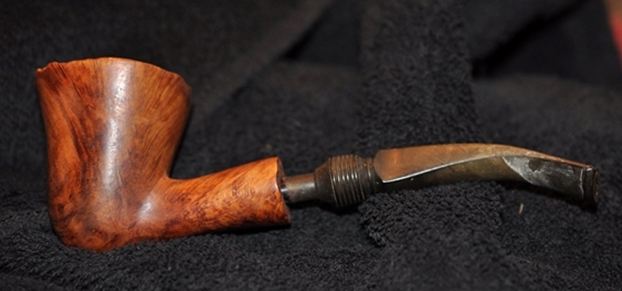
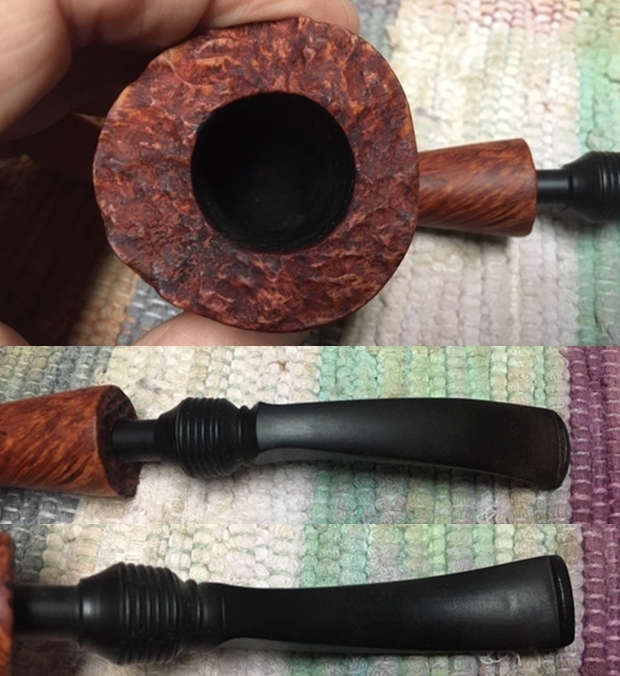
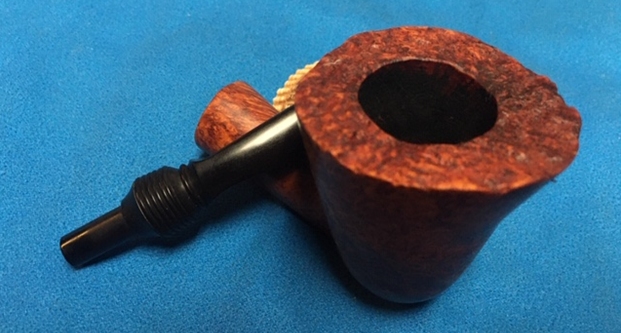
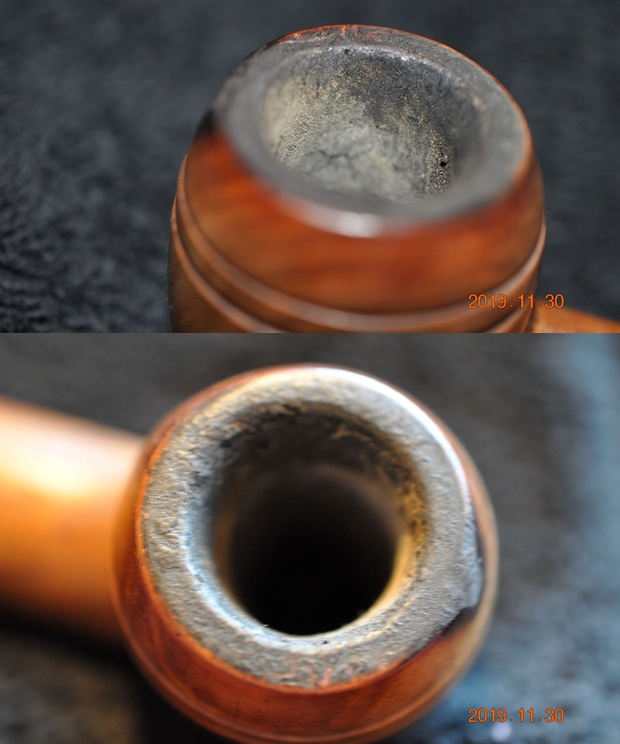
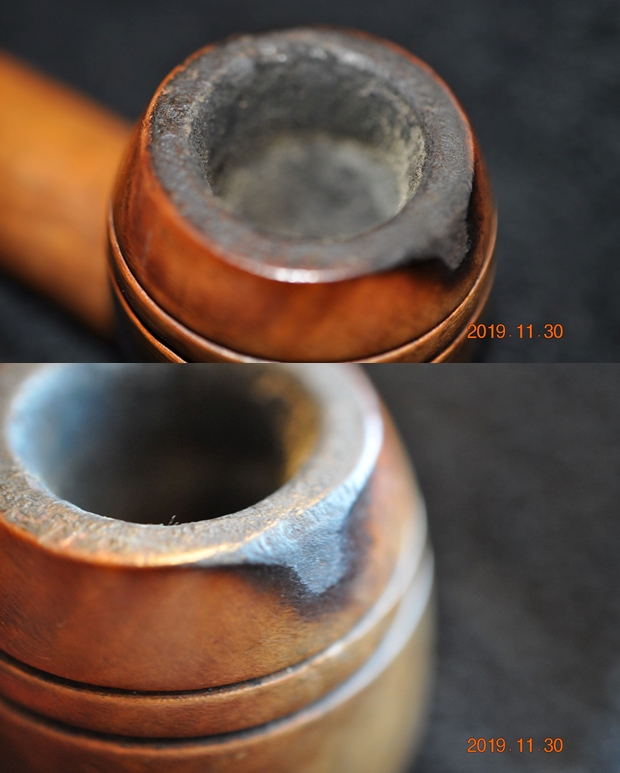
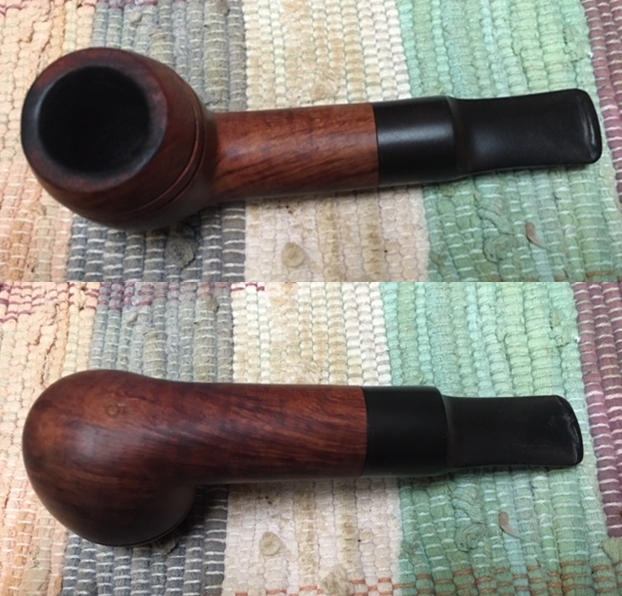
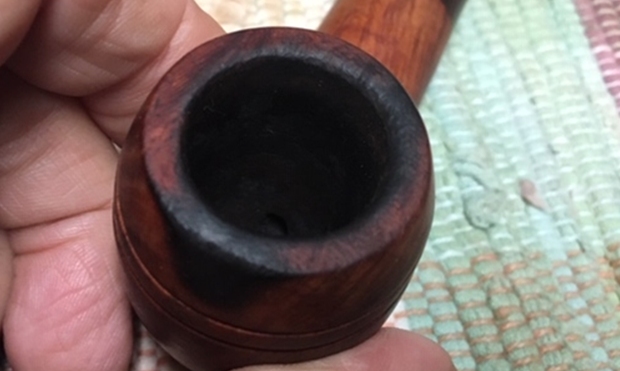
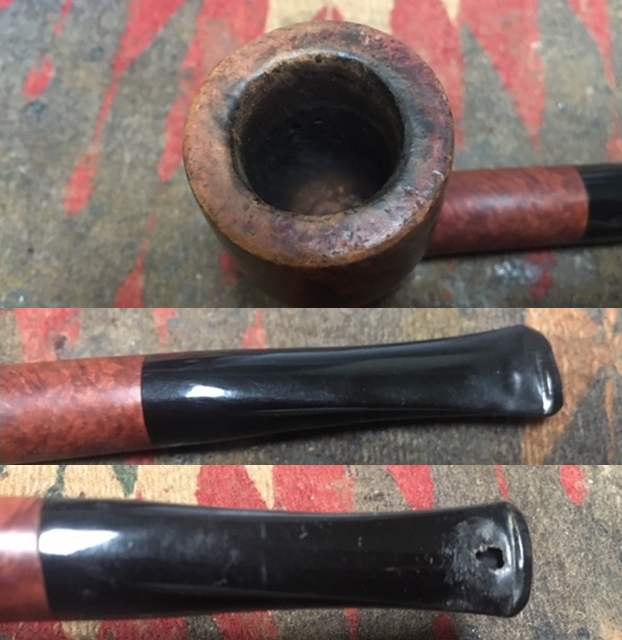
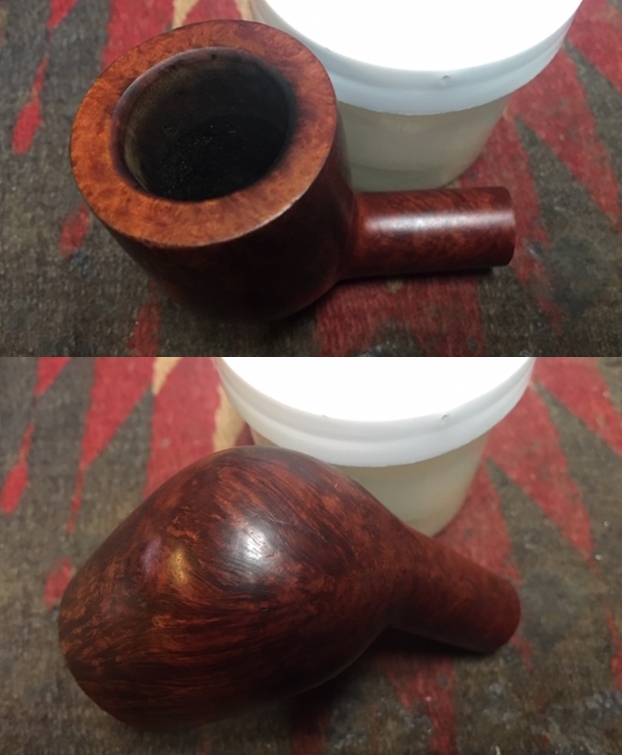
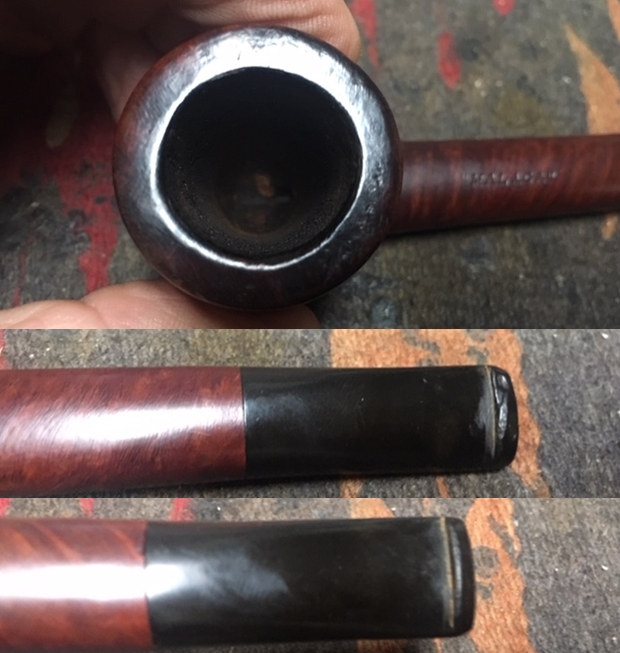
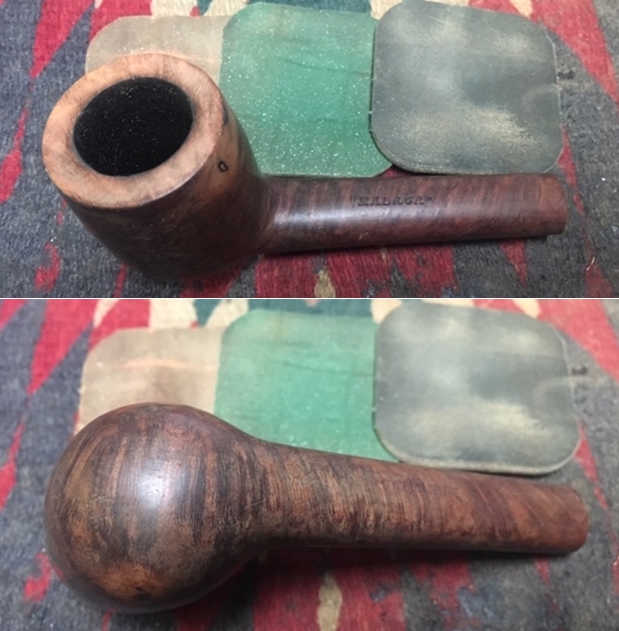
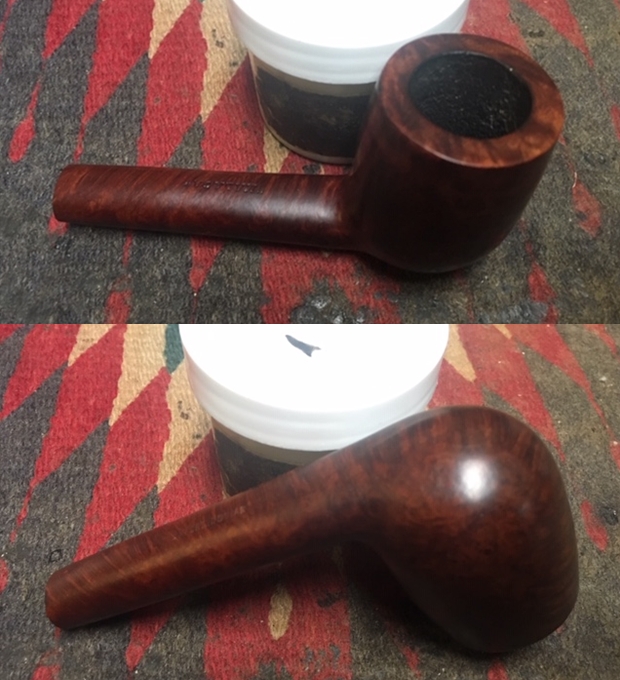
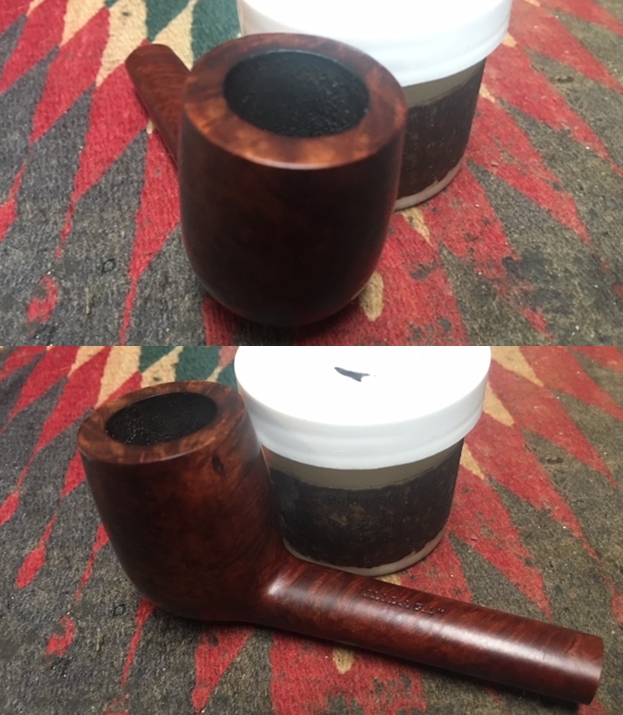
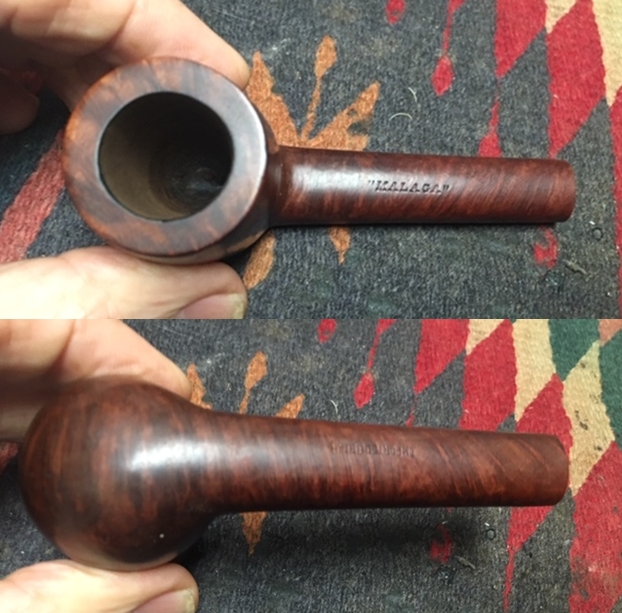
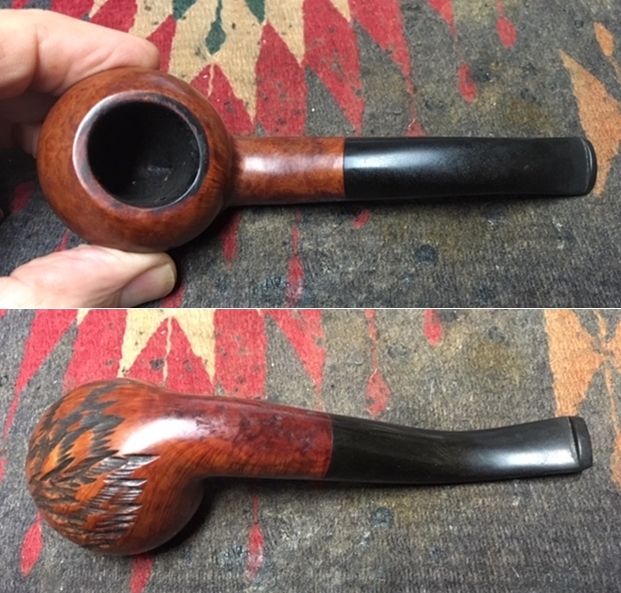
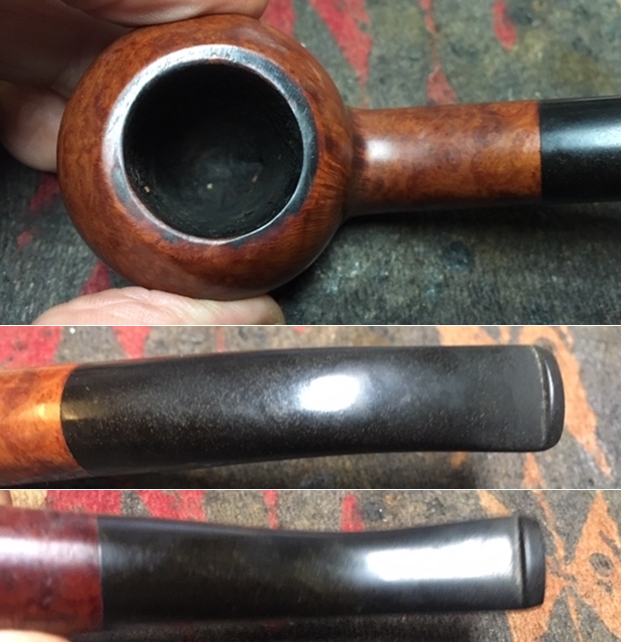
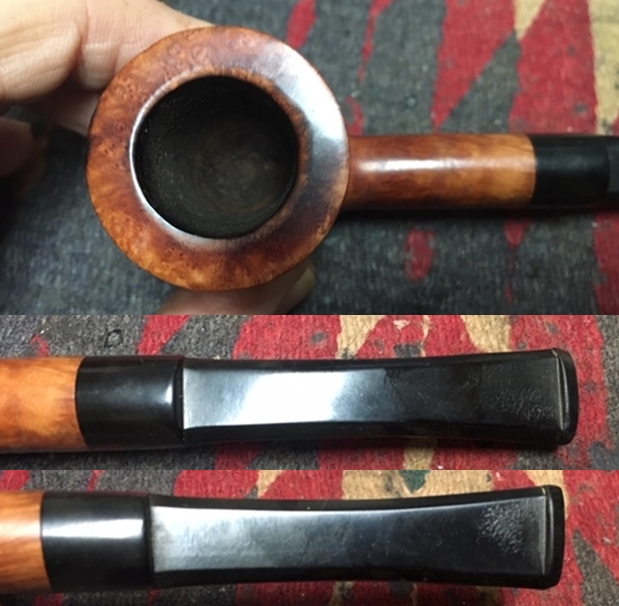
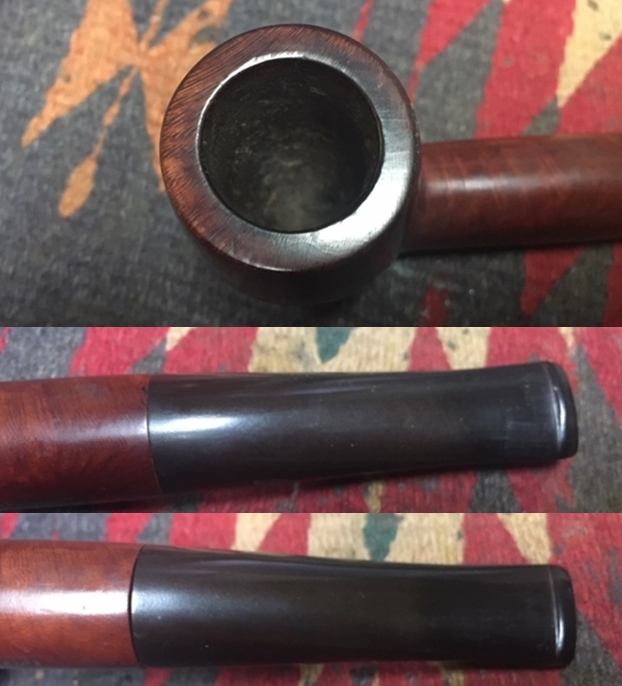
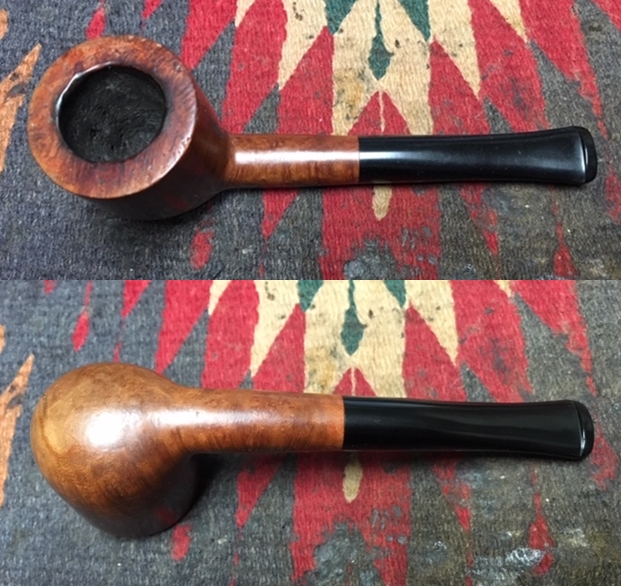
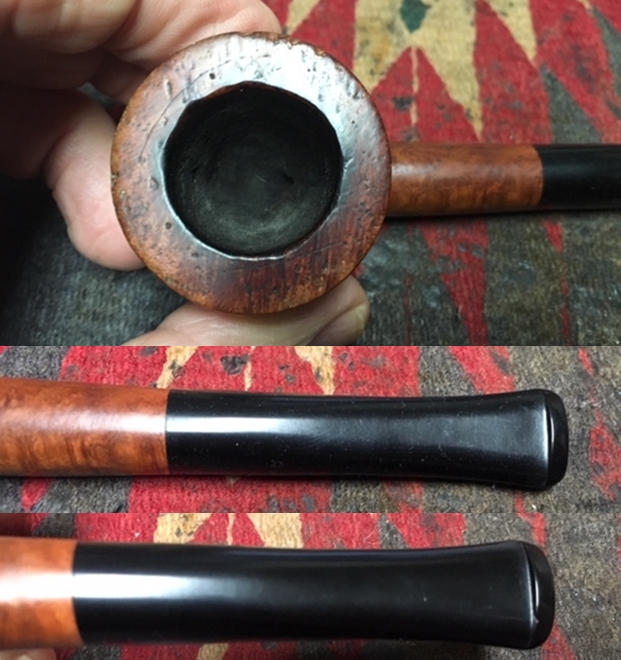
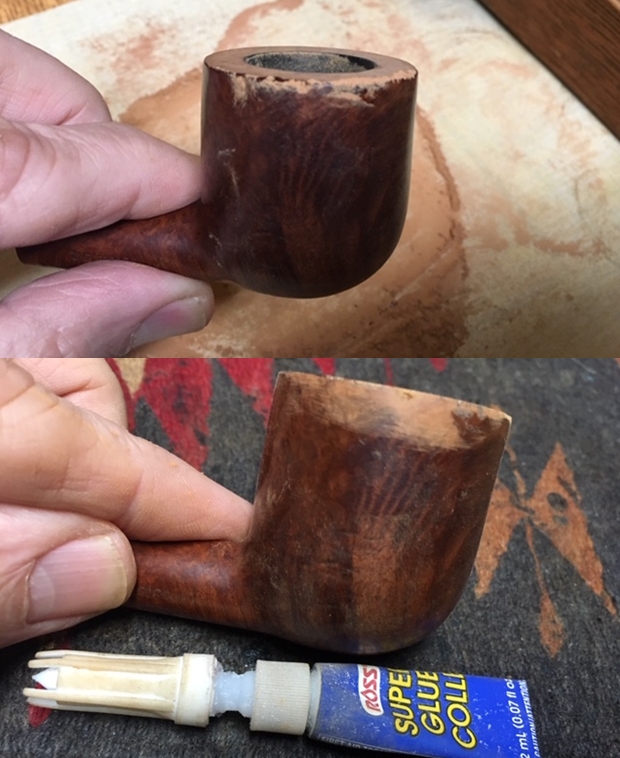
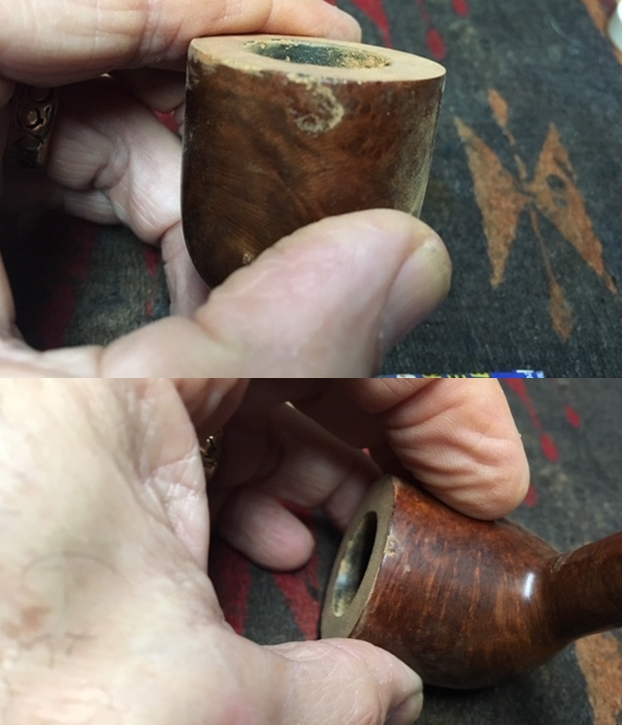
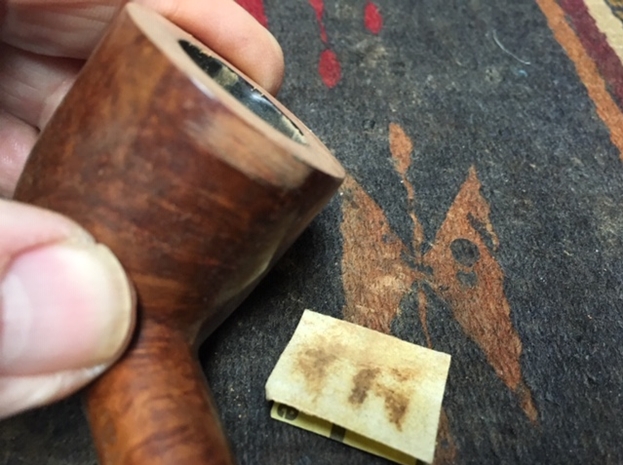
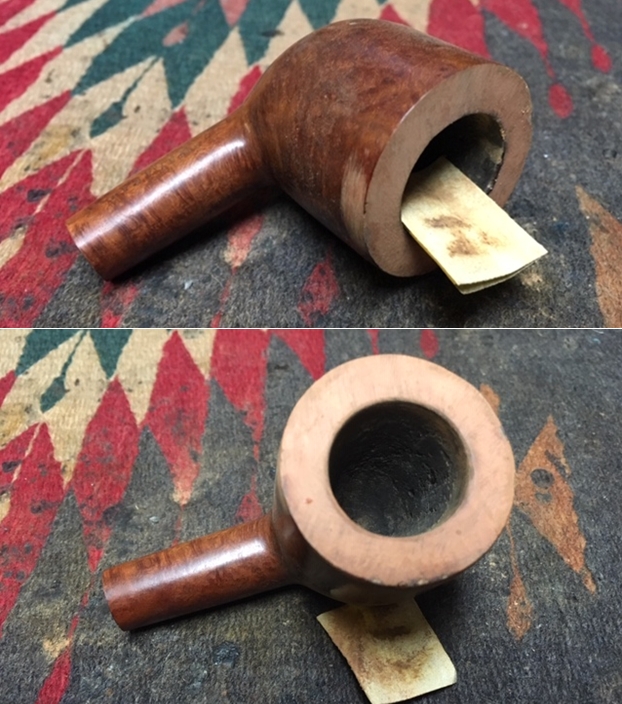
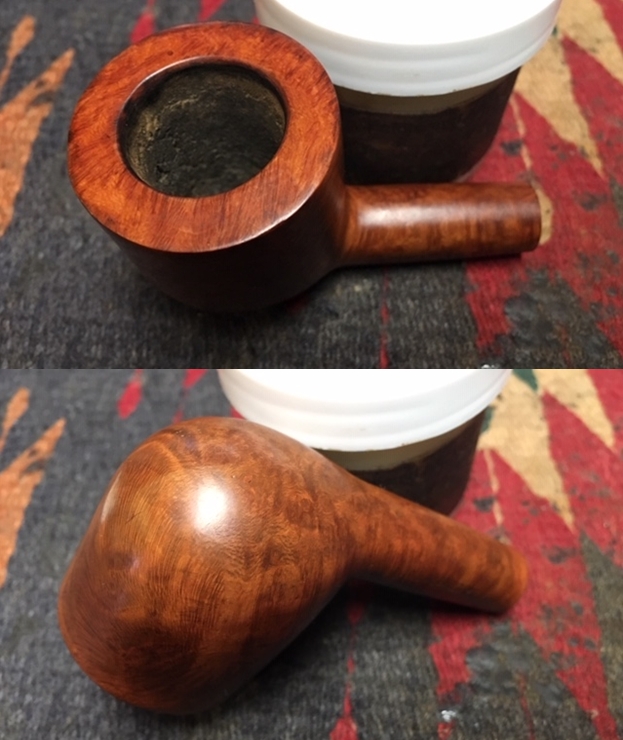
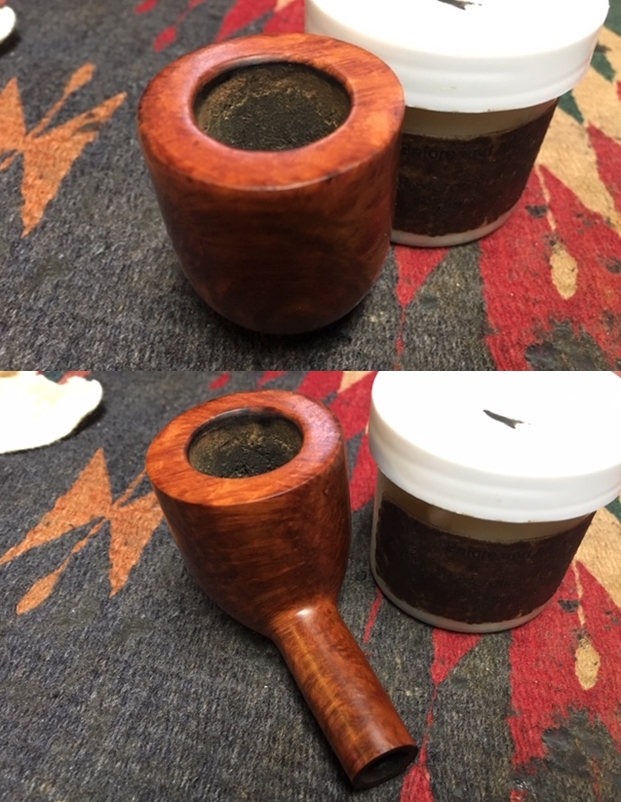
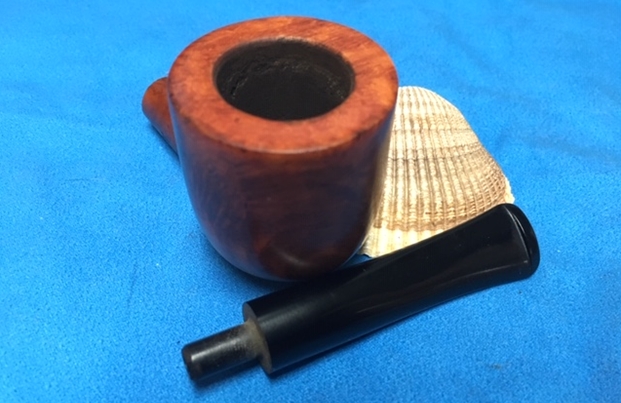
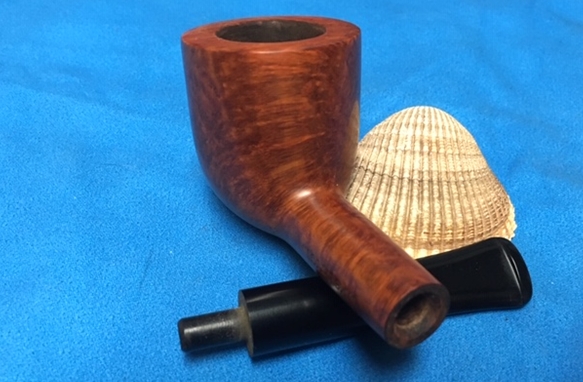
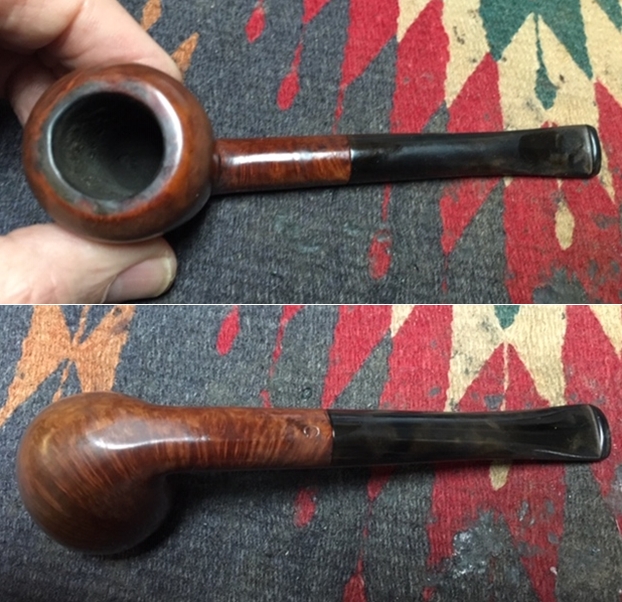
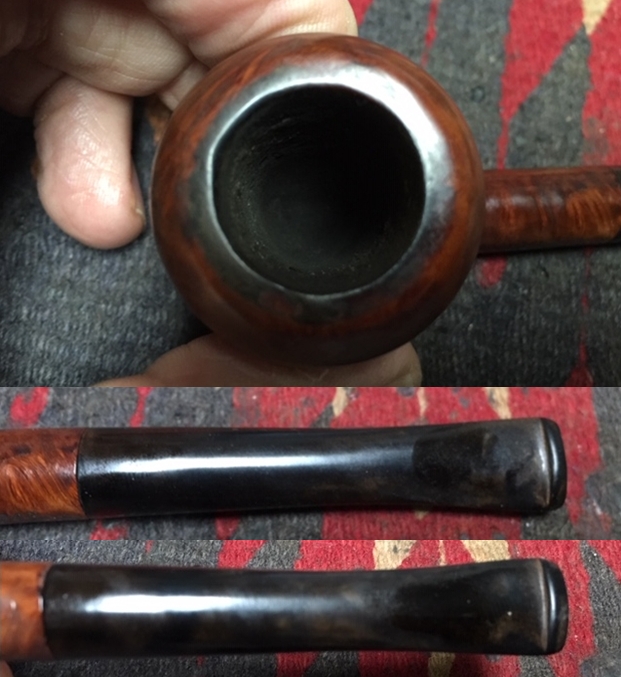
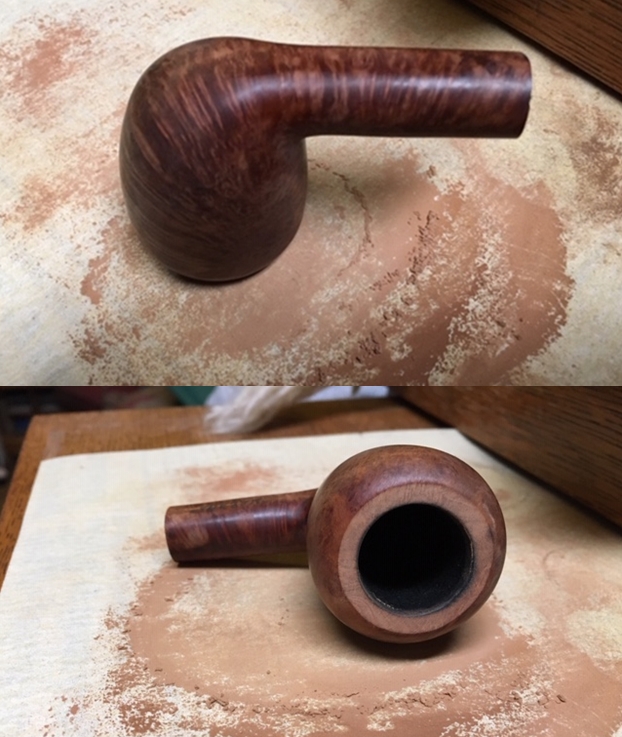
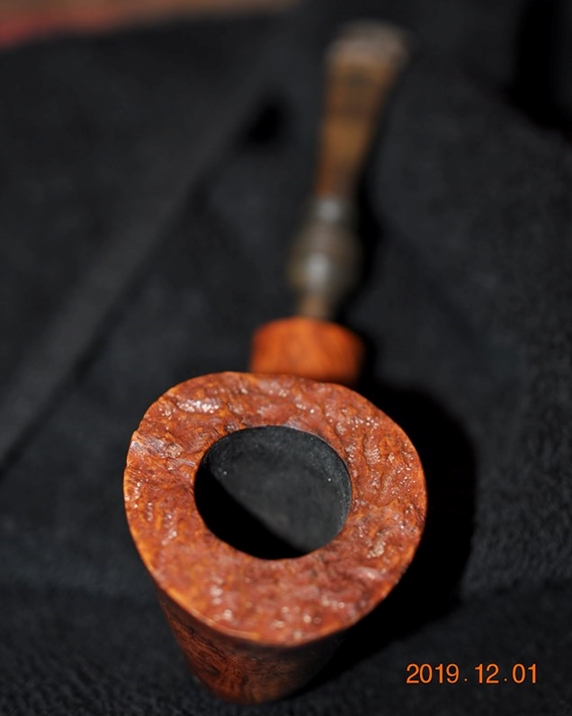 Jeff took a close up photo of the bowl and rim to capture the condition of the pipe before he started his cleanup work. The carved plateau rim top looked really good. There was no darkening or burn marks on the edges. Other than being dusty and a bit dirty the rim top and bowl looked good. You can also see the moderated cake in the bowl in these photos. He also took a photo of the shank end to show the matching carved plateau finish there.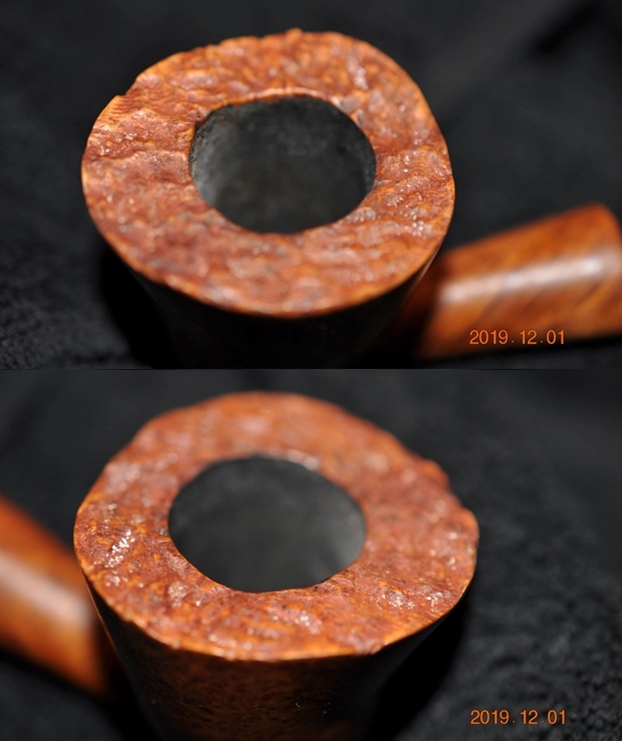
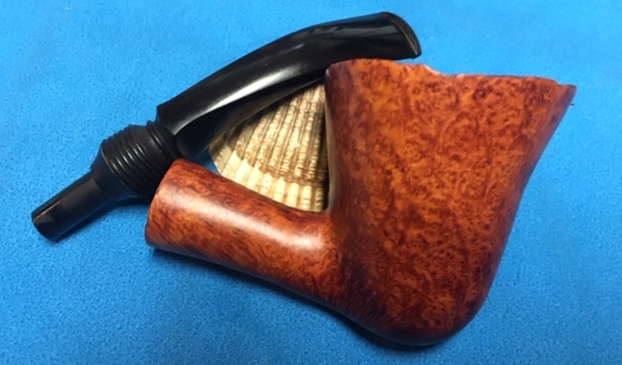
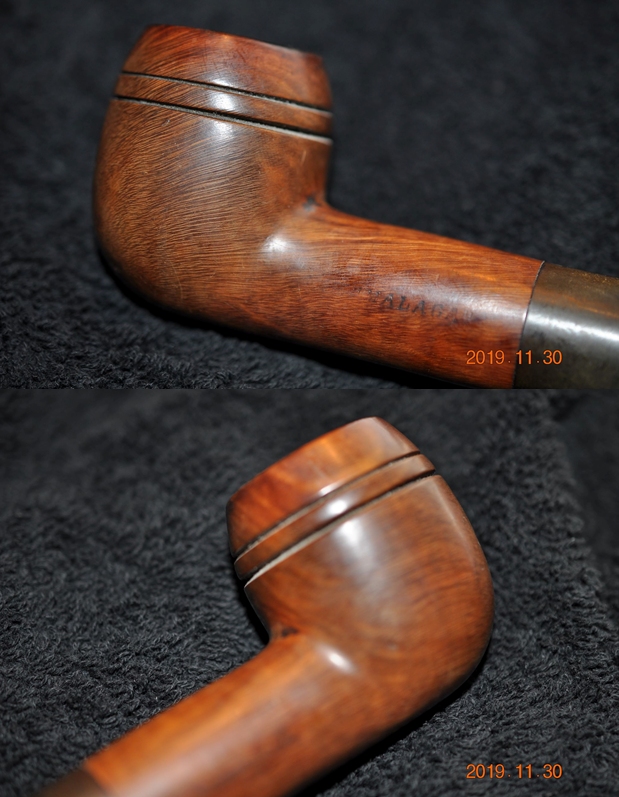
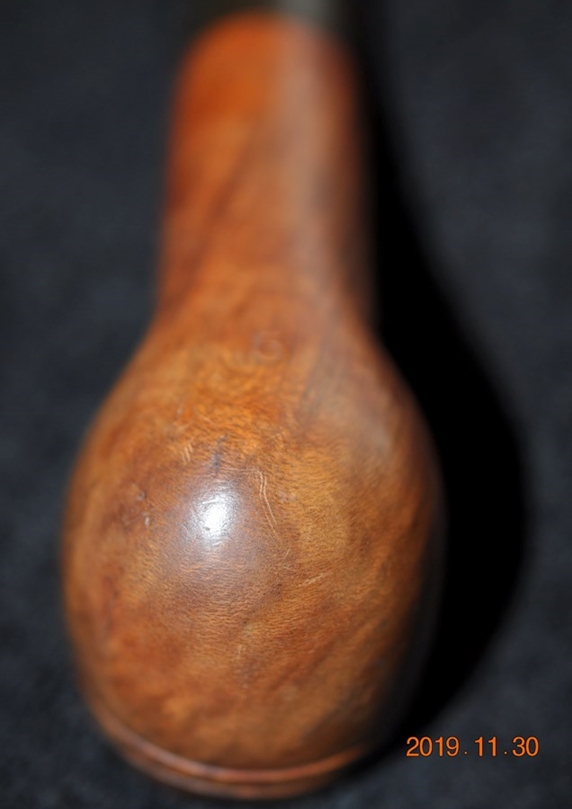
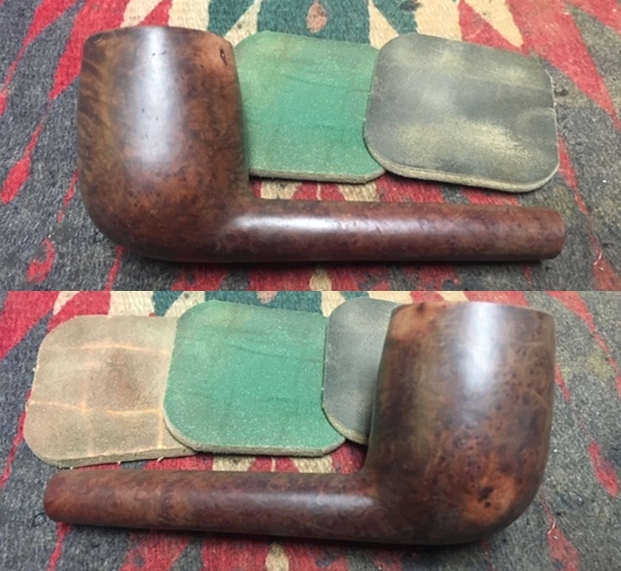
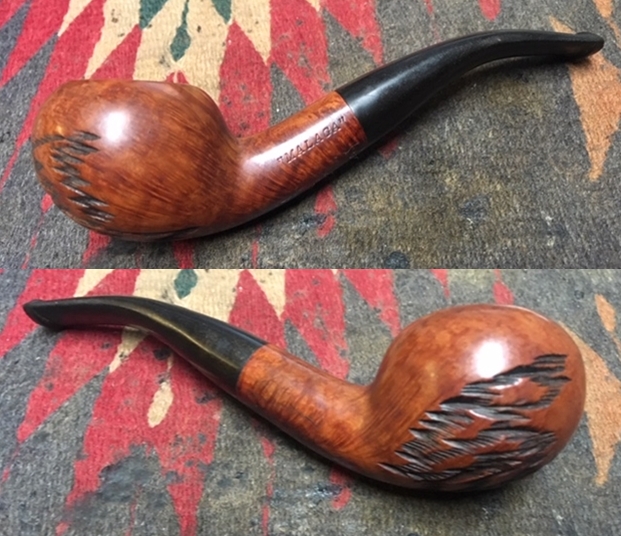
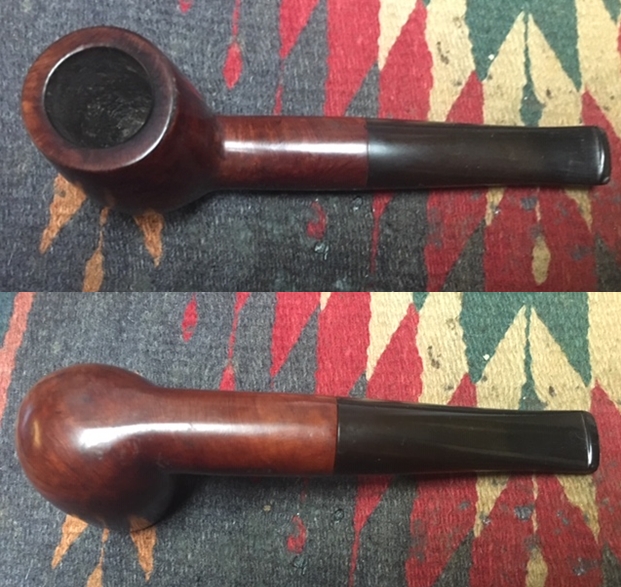
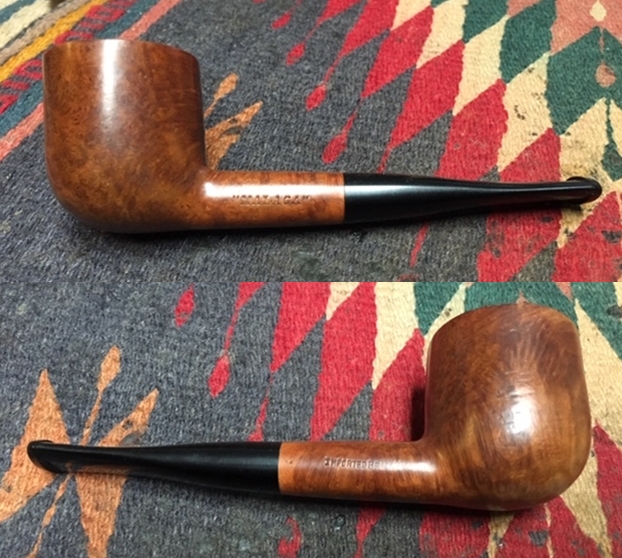
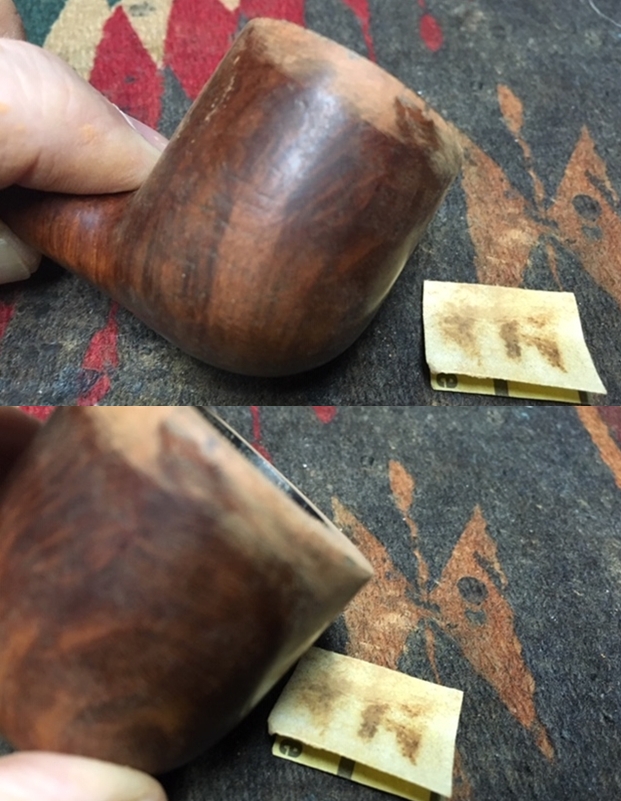
 The photos of the sides and bottom of the bowl and shank show the variations of the grain around the bowl. The photos show the general condition of the bowl and wear on the finish. It is dull and dirty but this is another beautiful pipe.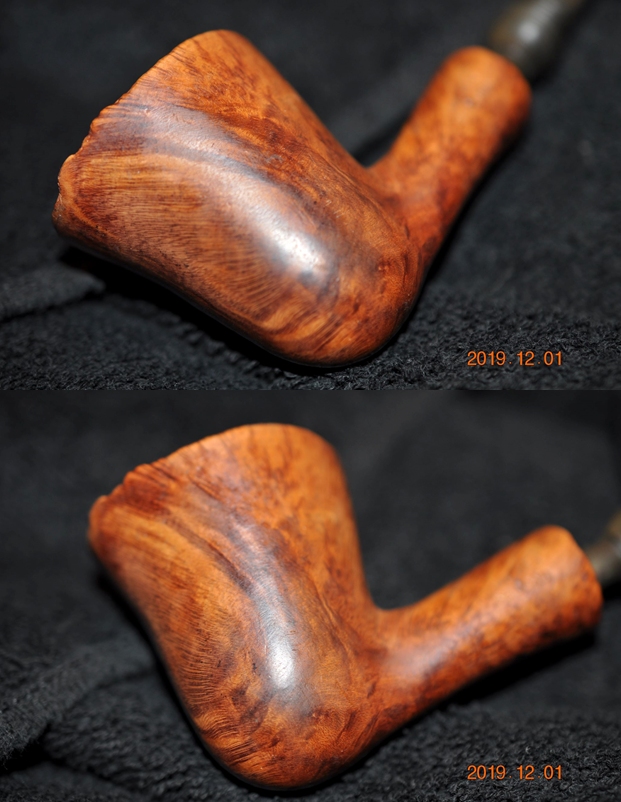
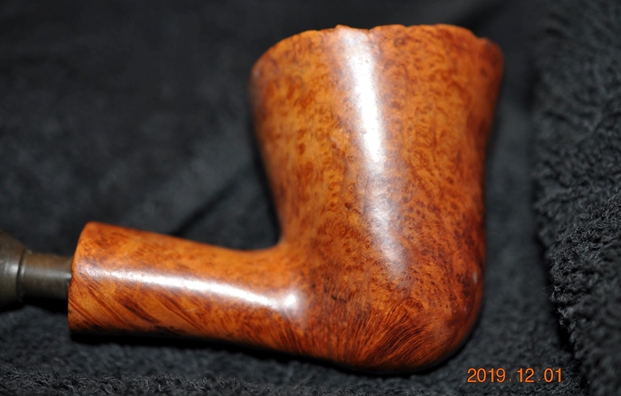
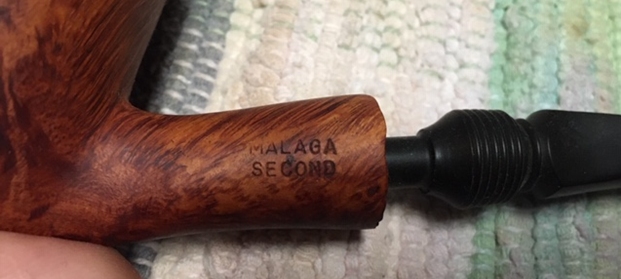
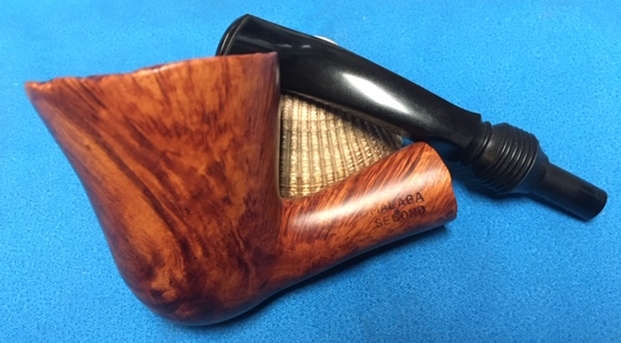
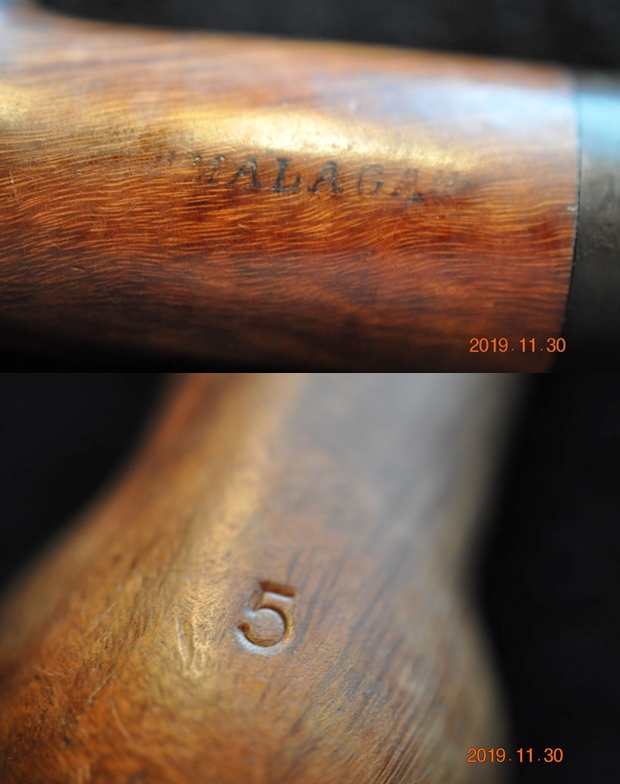
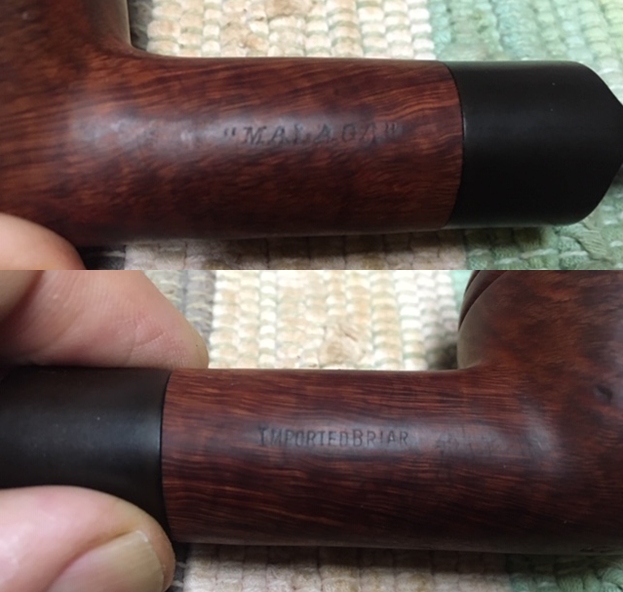
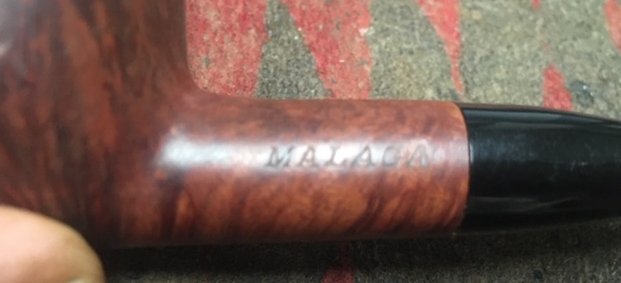
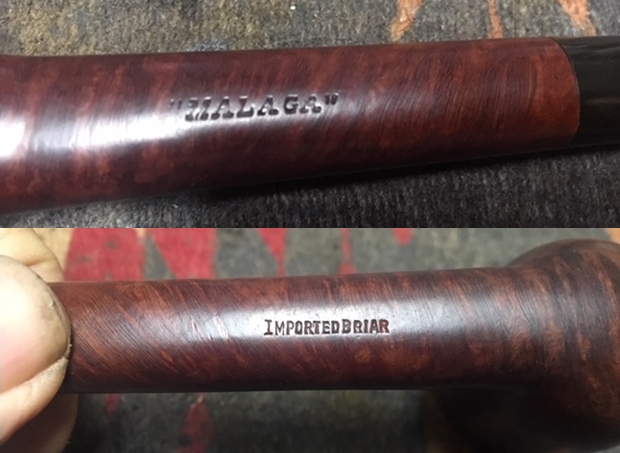
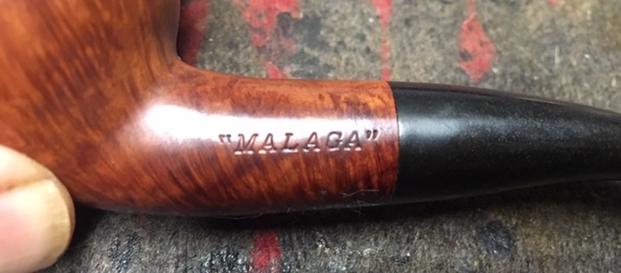
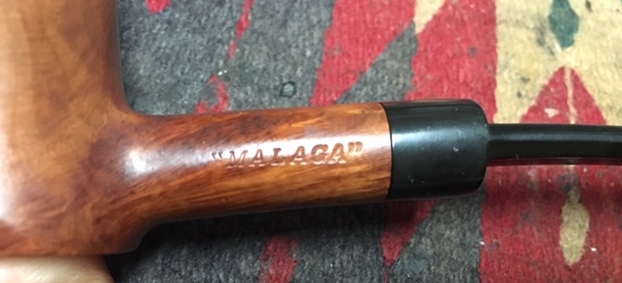
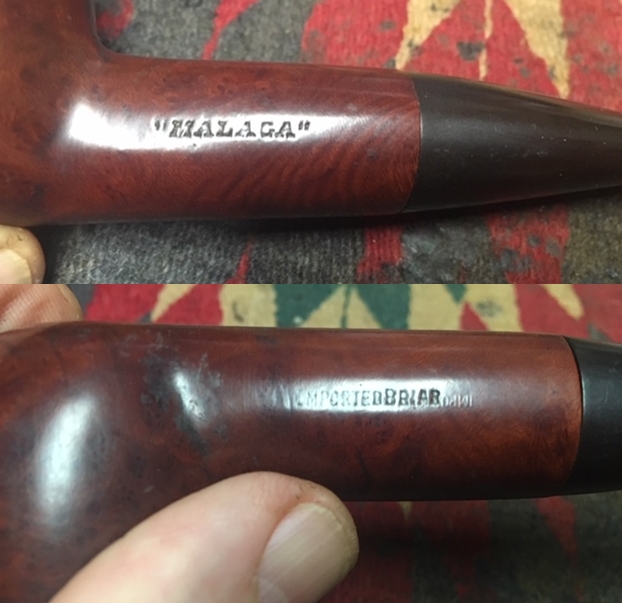
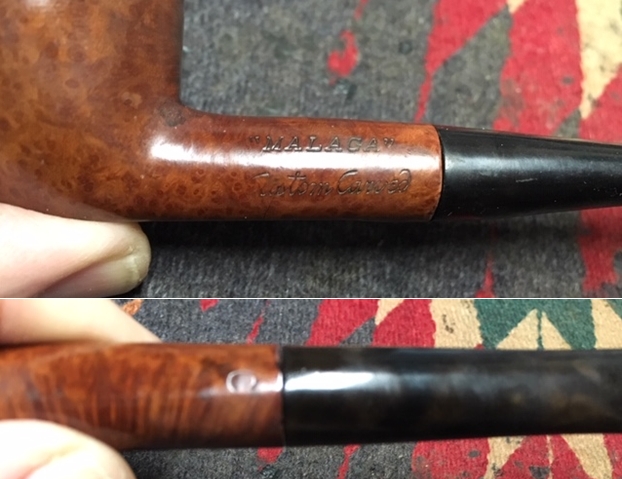
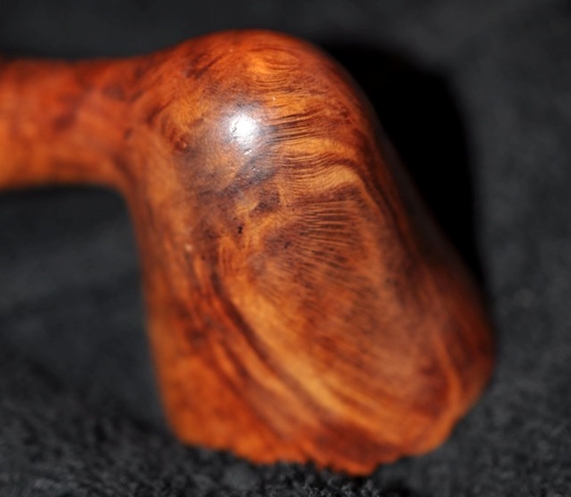 Jeff took a photo to capture the stamping on the shank. The stamping MALAGA SECOND on the left side of the shank is very readable. (Perhaps the tiny flaw in the briar behind the stamping is the cause of the stamp??)
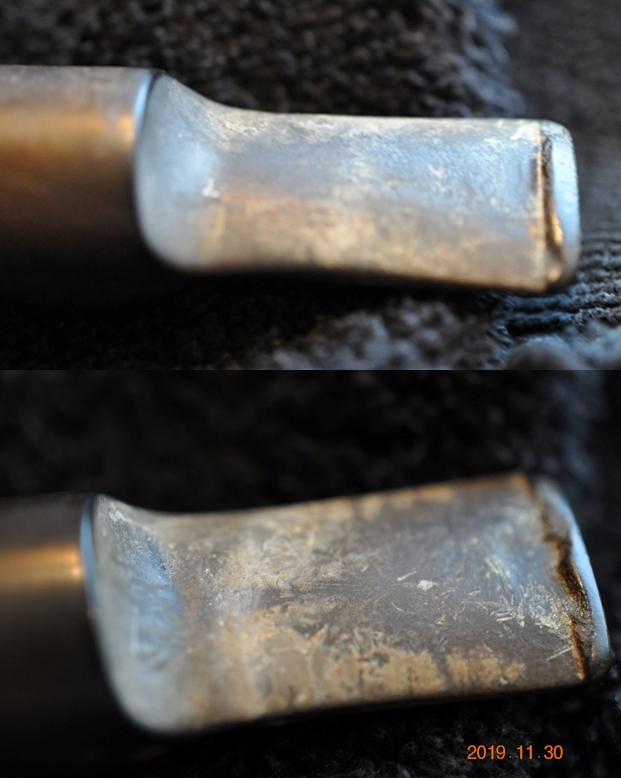
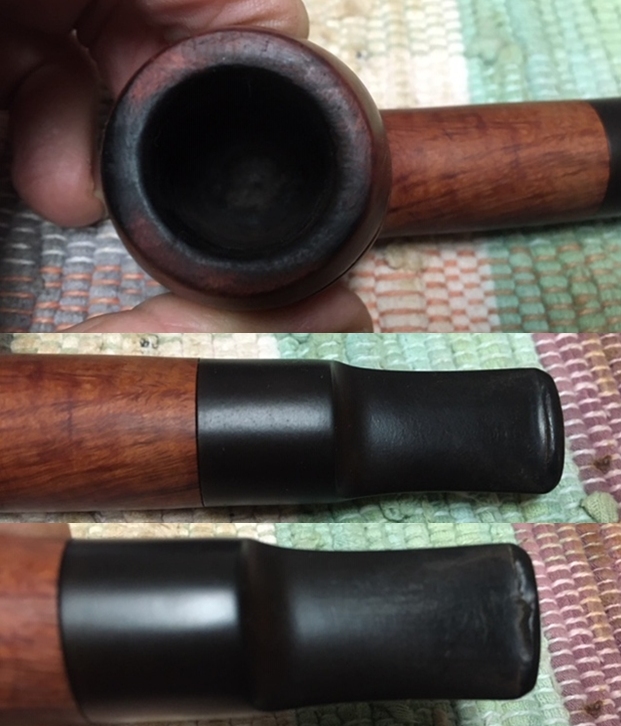
 The next photos show the stem surface and the fancy turned ball saddle before the stem becomes square. There is oxidation and calcification on the stem. There are tooth marks and chatter on both sides near the button and wear on the button surface and edges.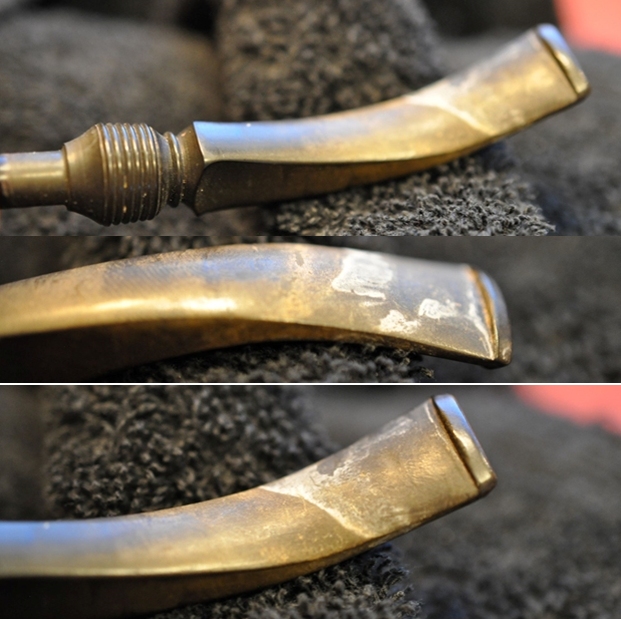
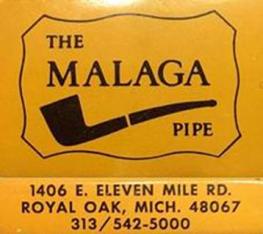
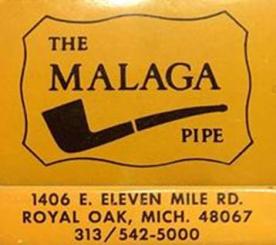 I am also including the link to a blog that I wrote that gives some of the history of the Malaga brand and the Malaga Pipe Shop in Royal Oak, Michigan in the USA. I have written an earlier blog to give a little history of the Malaga Brand and the pipemaker, George Khoubesser. Here is the link – https://rebornpipes.com/tag/malaga-pipes/.That blog also includes links to a catalogue and the history of the pipemaker George Khoubesser. Follow the link to get a feel for the brand and the pipemaker.
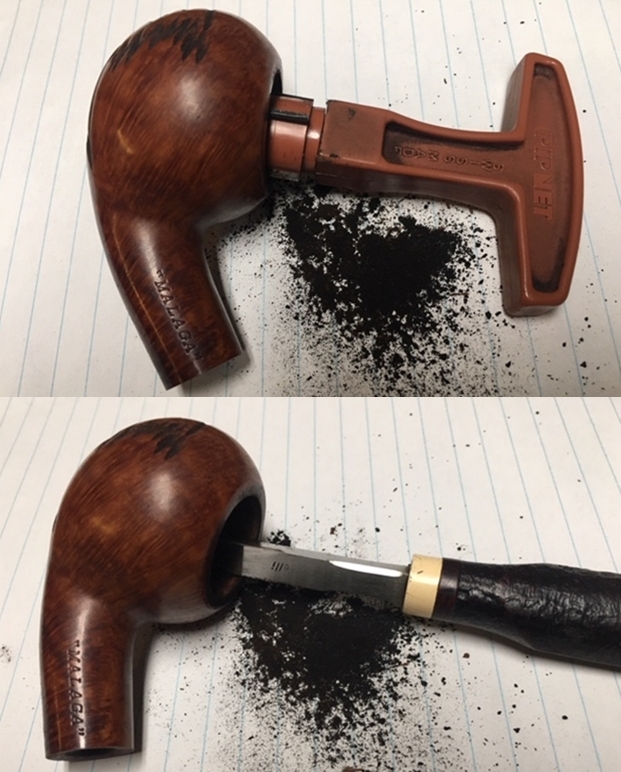
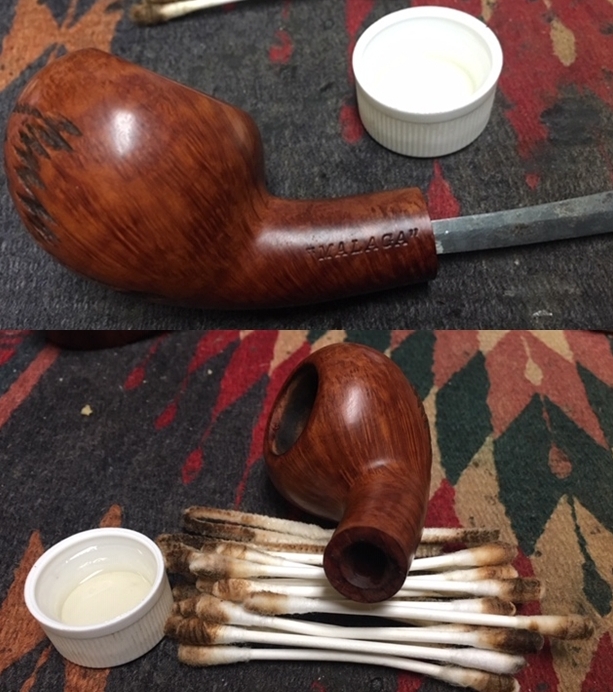
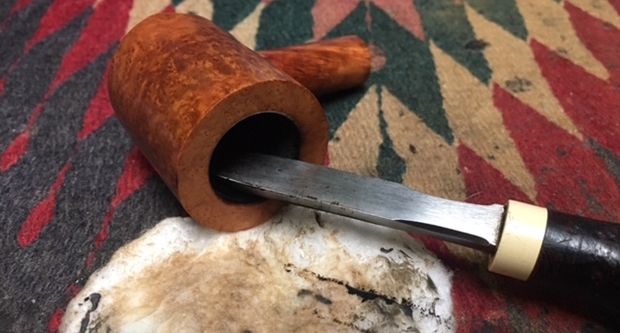
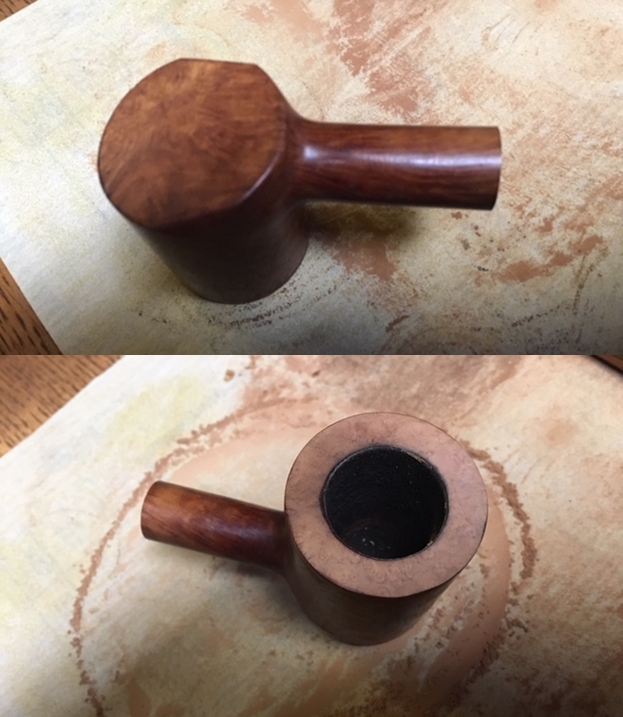
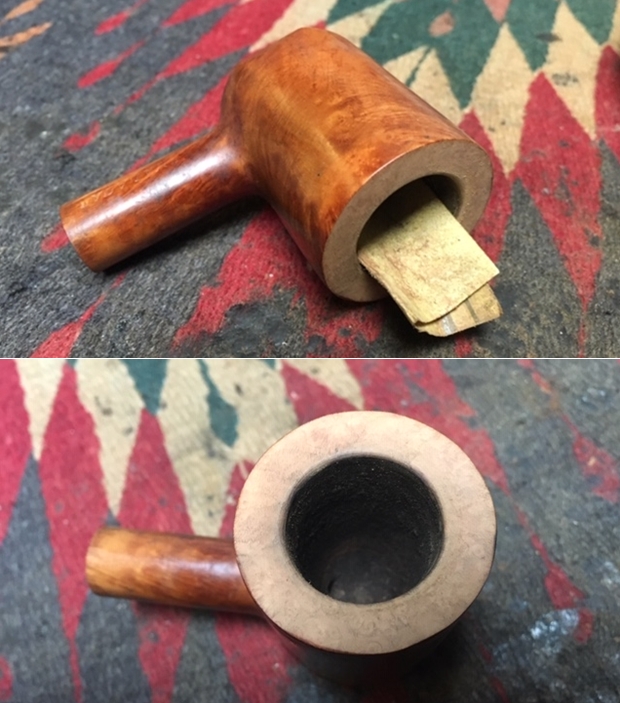
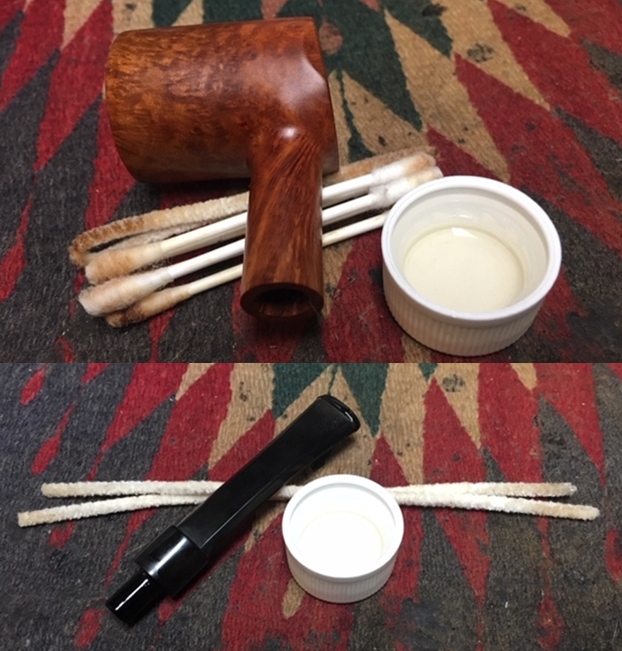
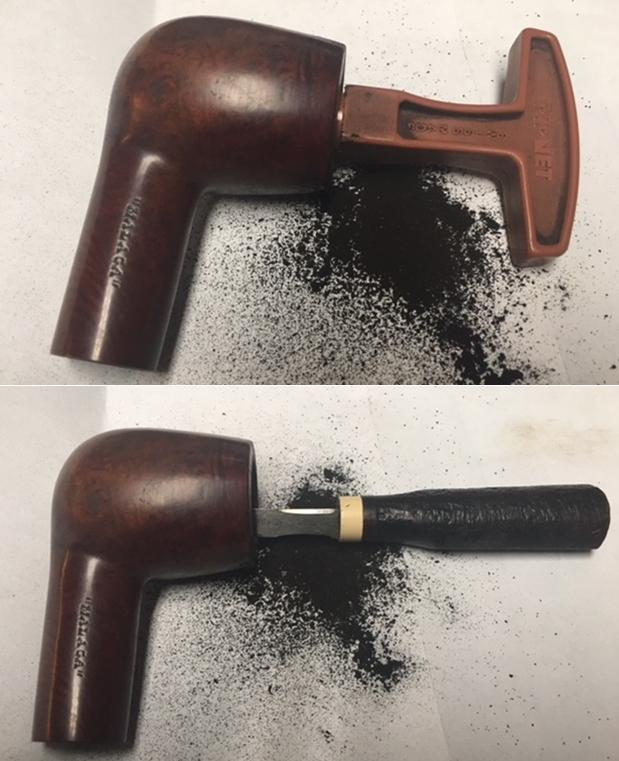
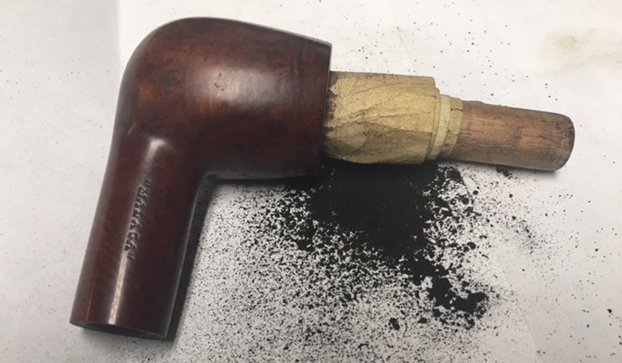
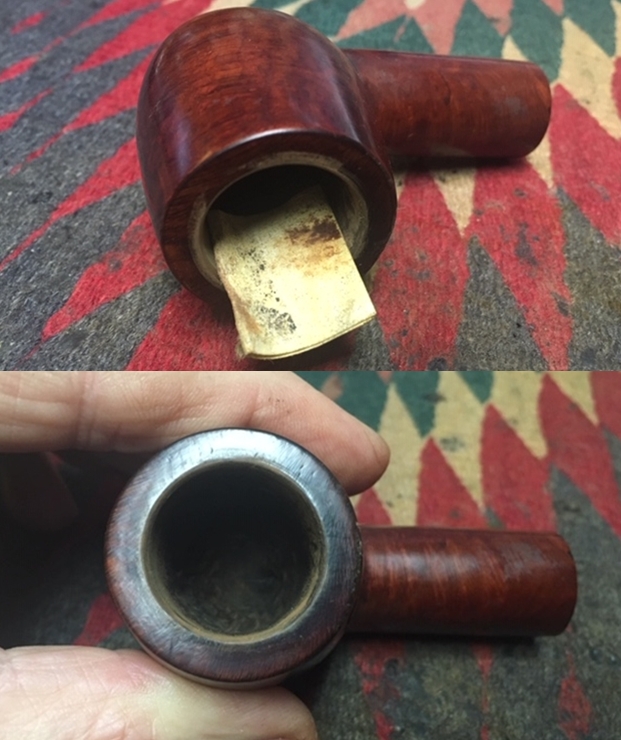
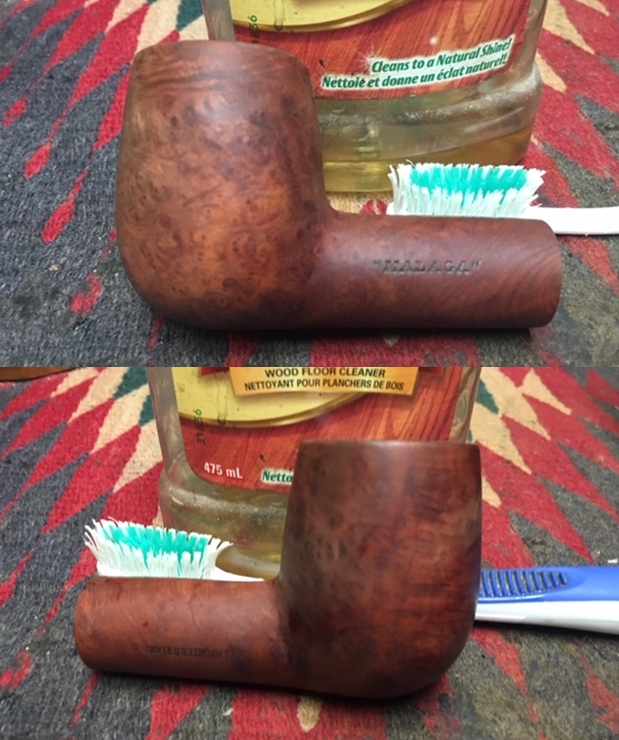
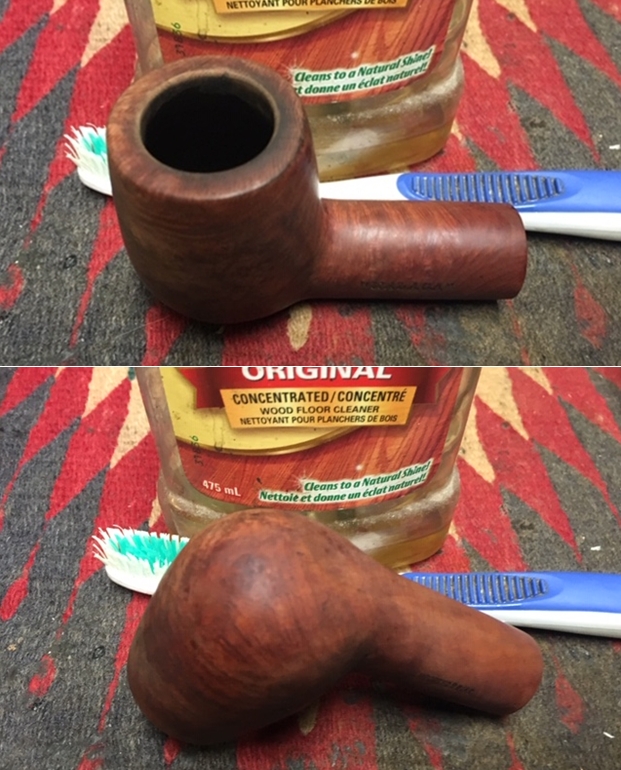
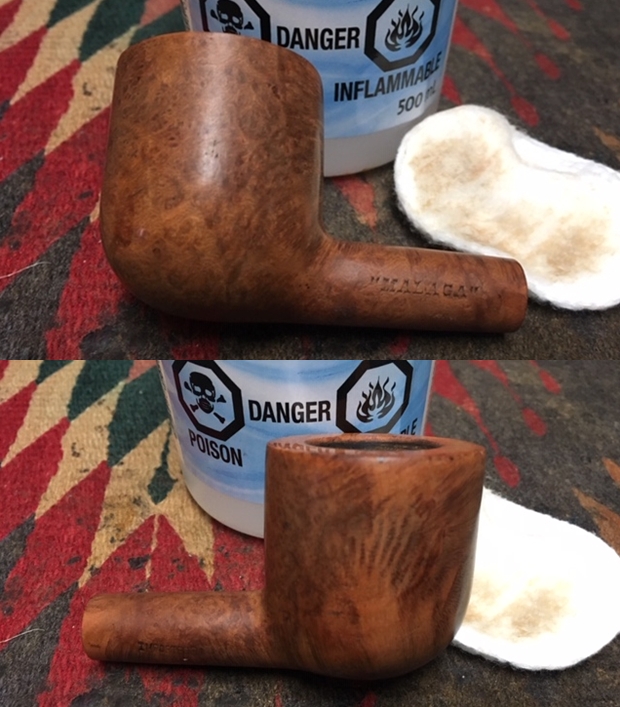
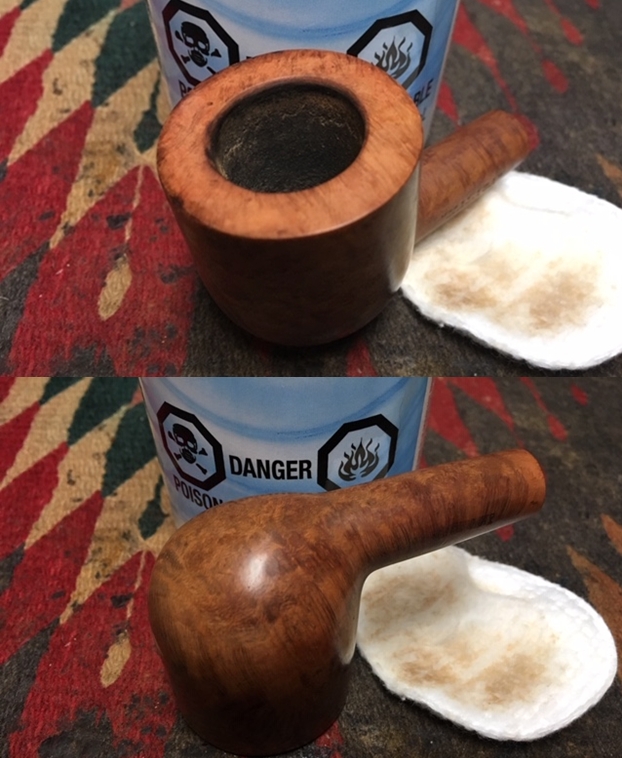
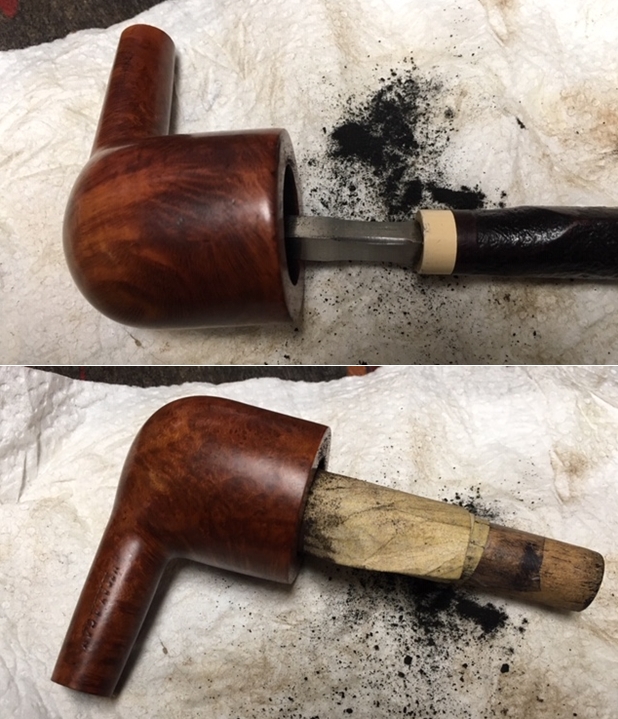
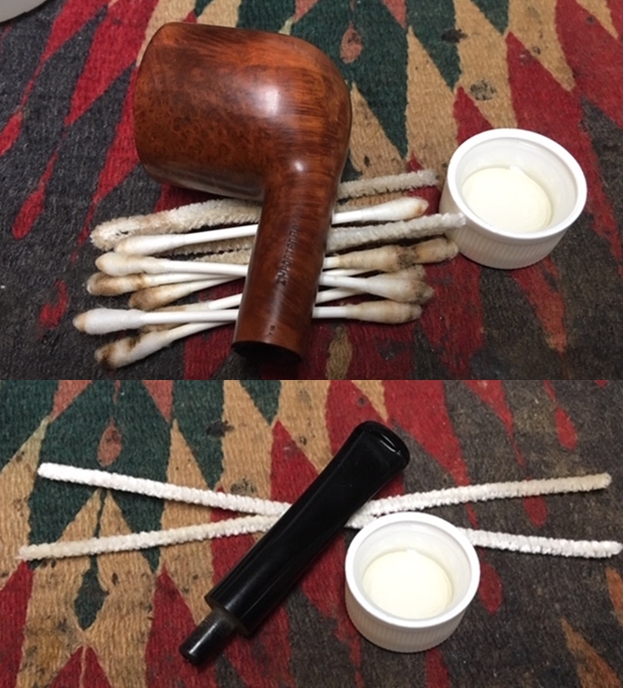
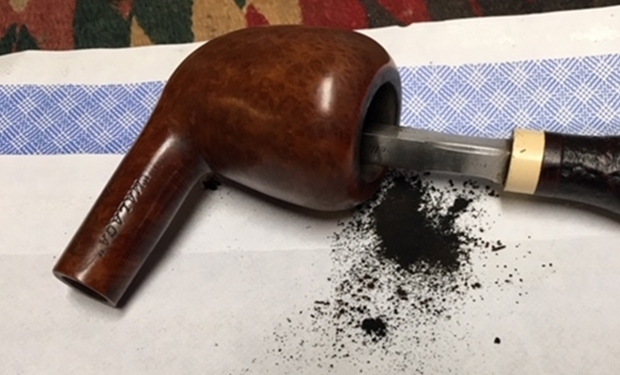
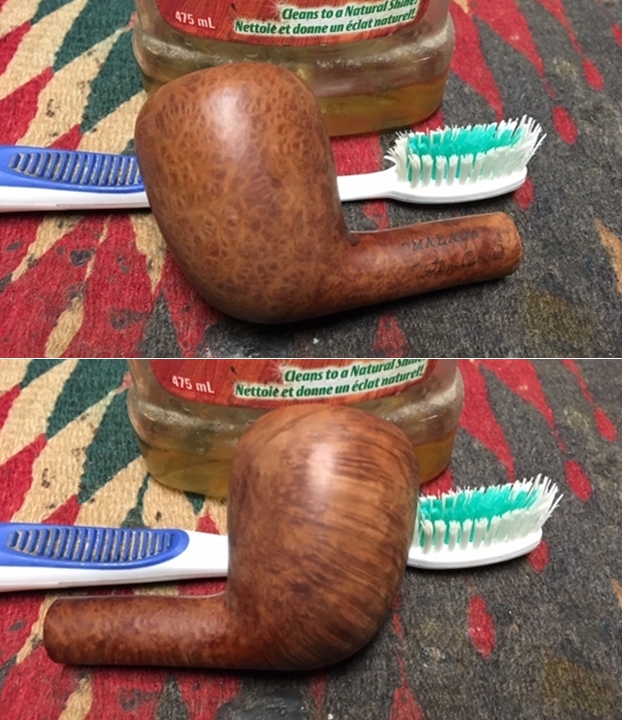
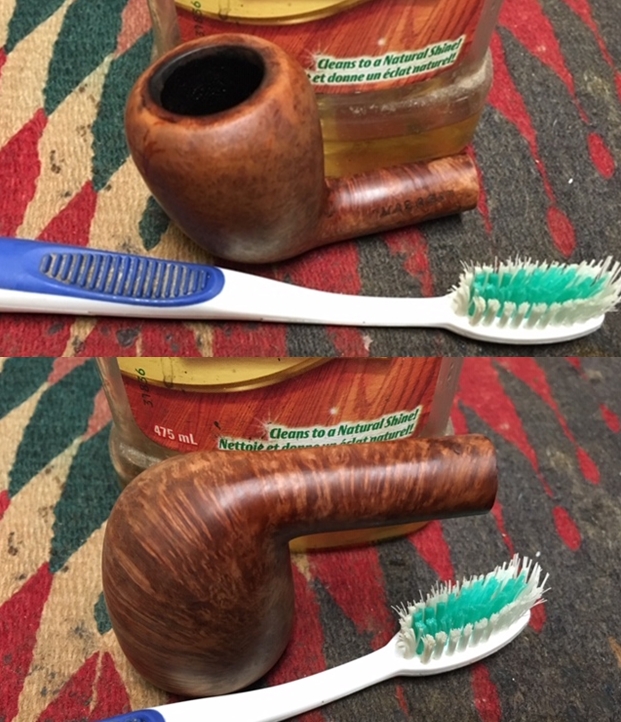
Jeff reamed the bowl with a PipNet pipe reamer and followed up with a Savinelli Fitsall pipe knife to remove the cake. He scrubbed out the mortise and the airway in the shank and the stem with alcohol, cotton swabs and pipe cleaners. He scrubbed the exterior of the bowl, rim, shank and stem with a tooth brush and Murphy’s Oil Soap to remove the oils and tars on the rim and the grime on the finish of the bowl. He rinsed it under running water. He dried it off with a soft cloth. The inner edge and the outer edge looked very good. He scrubbed the stem with Soft Scrub and then soaked it in Before & After Deoxidizer and rinsed it with hot water. I took photos of the pipe to show its condition before I started my work on it. 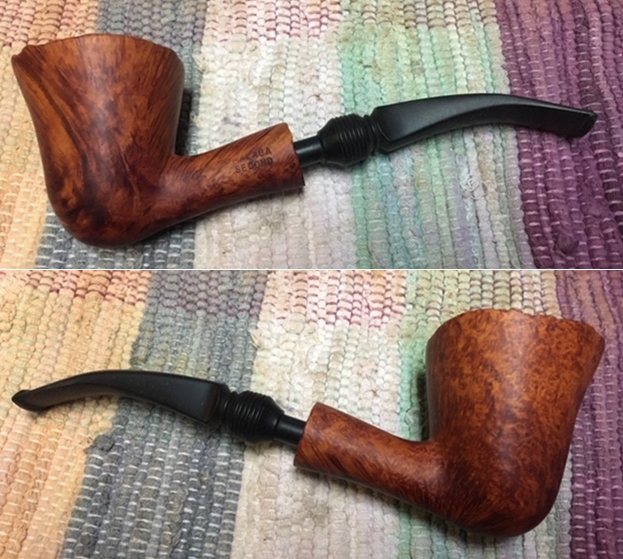
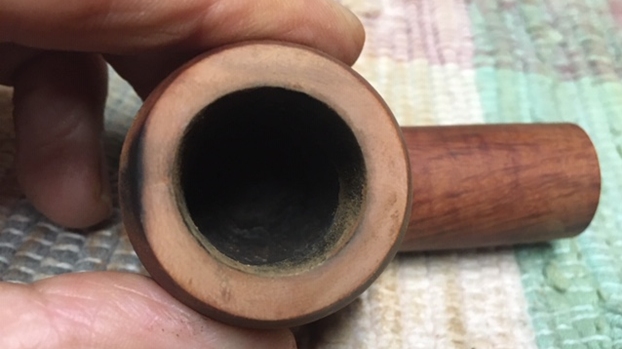
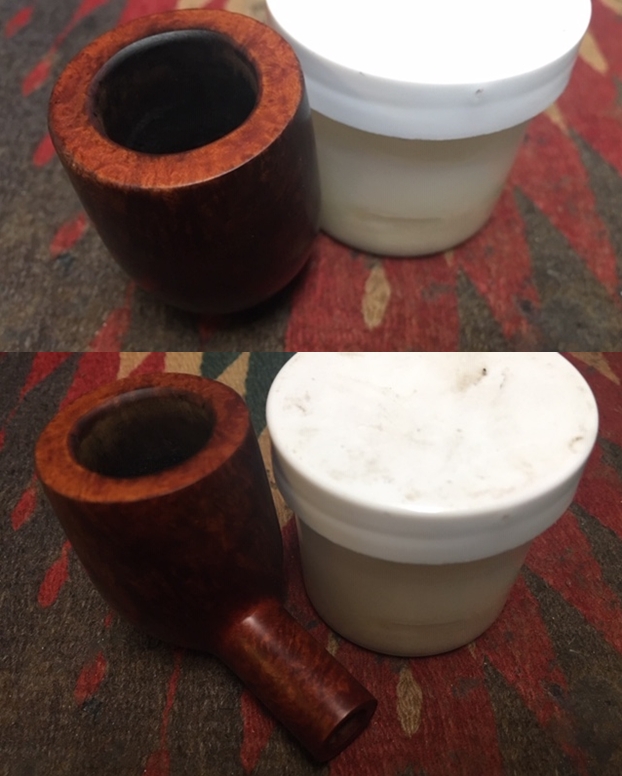
 I took close up photos of the bowl and rim top as well as the stem. You can see the condition of the rim top and bowl in the first photo. It really looks good and you can see why I would call it a carved plateau rim rather than the natural plateau. I may be wrong but I don’t think so! LOL! The fancy vulcanite stem had cleaned up amazingly well. I was dreading the turned barrel on lower part. There was tooth marks and chatter on both sides near the button surface.
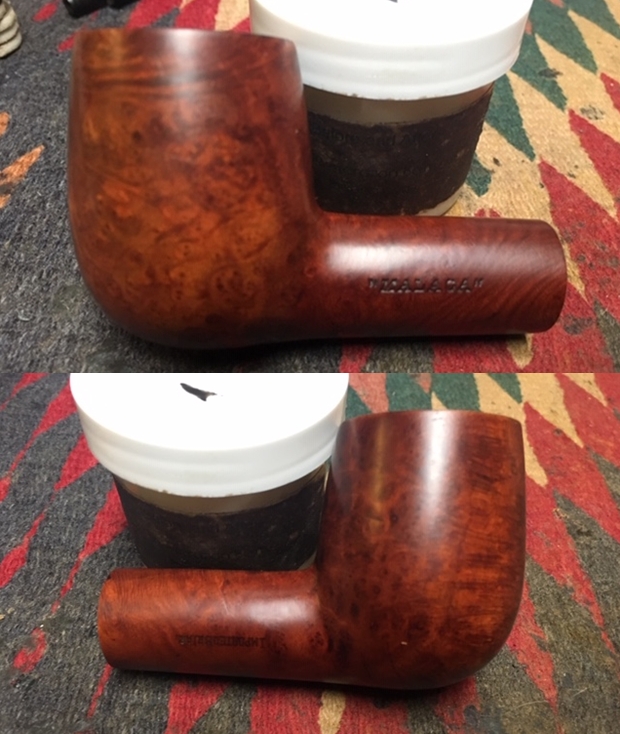
 I took a photo of the stamping on the shank to show how good the condition is. It shows the MALAGA SECOND stamp on the left side and it is very legible.
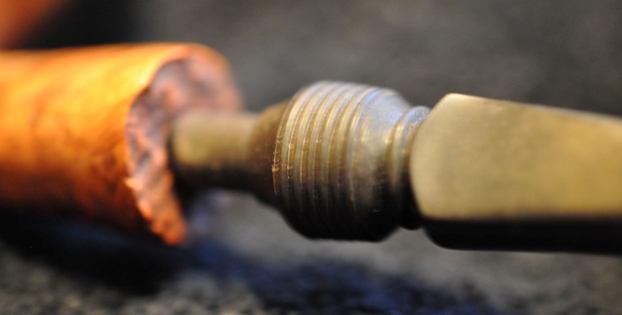
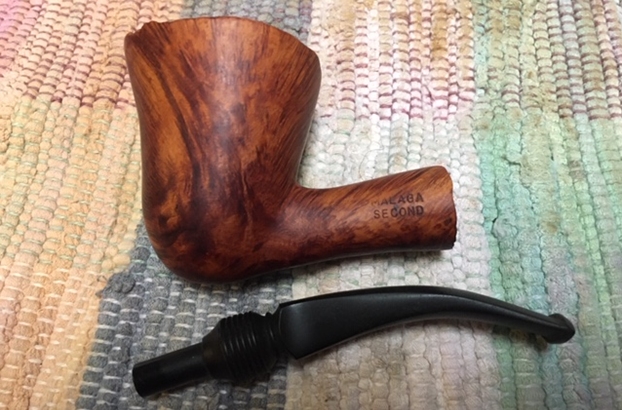
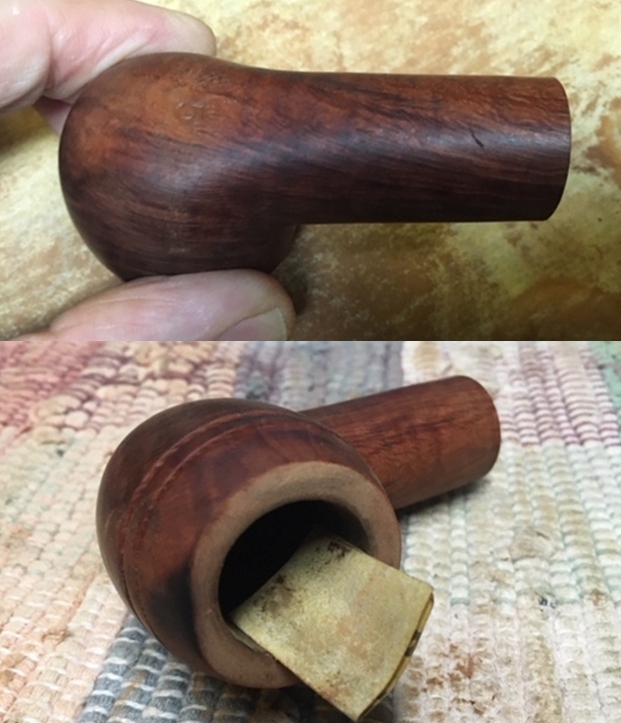
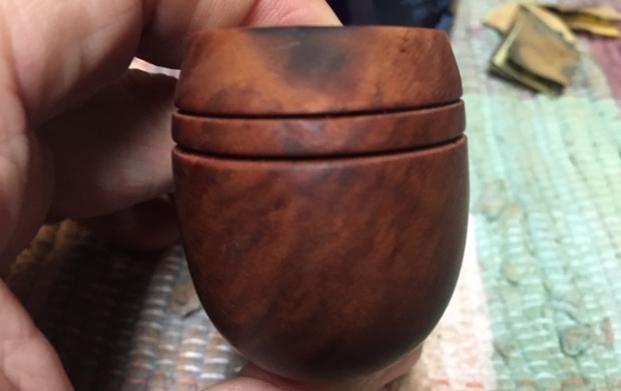
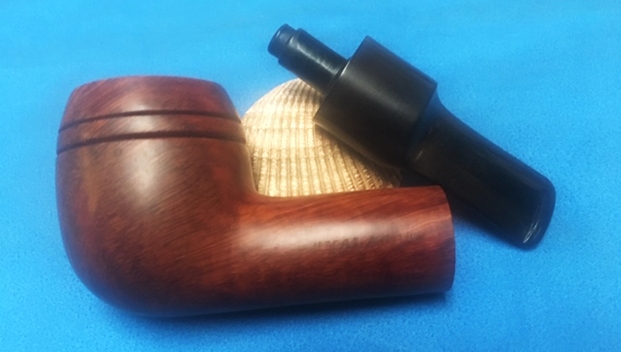
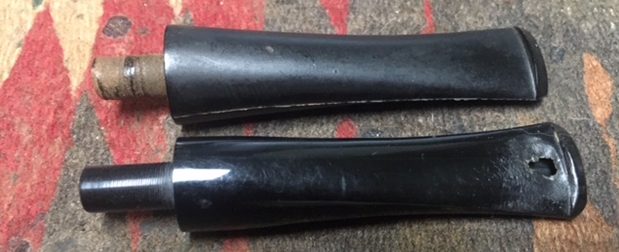
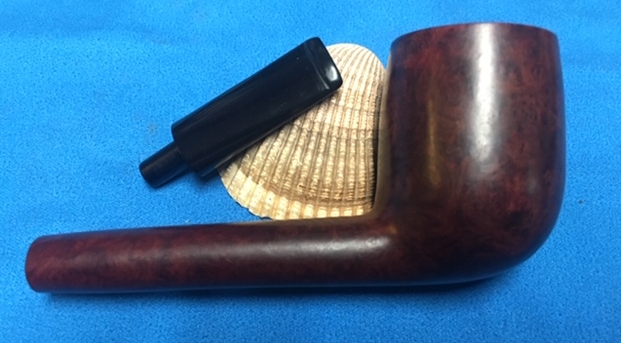
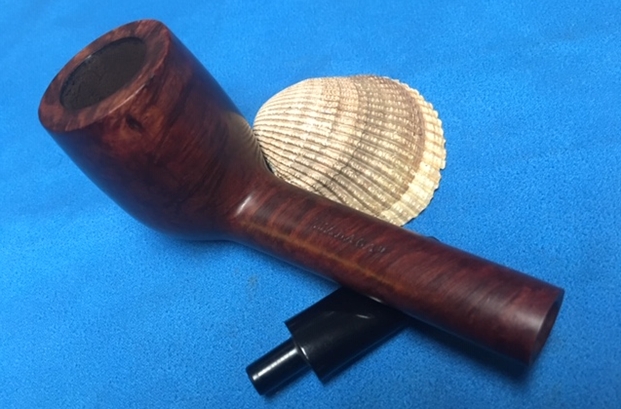
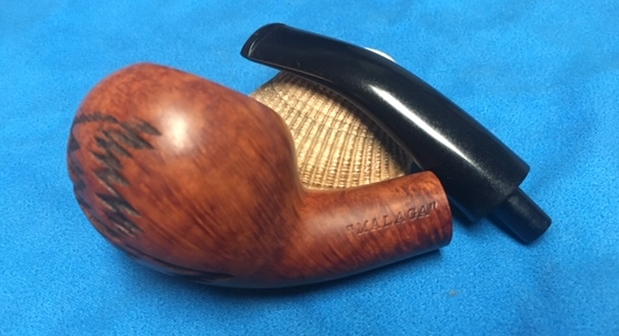
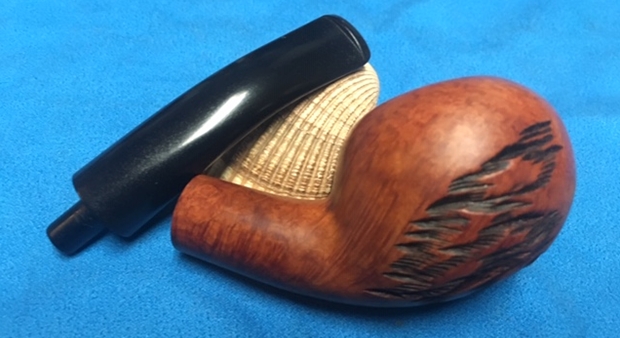
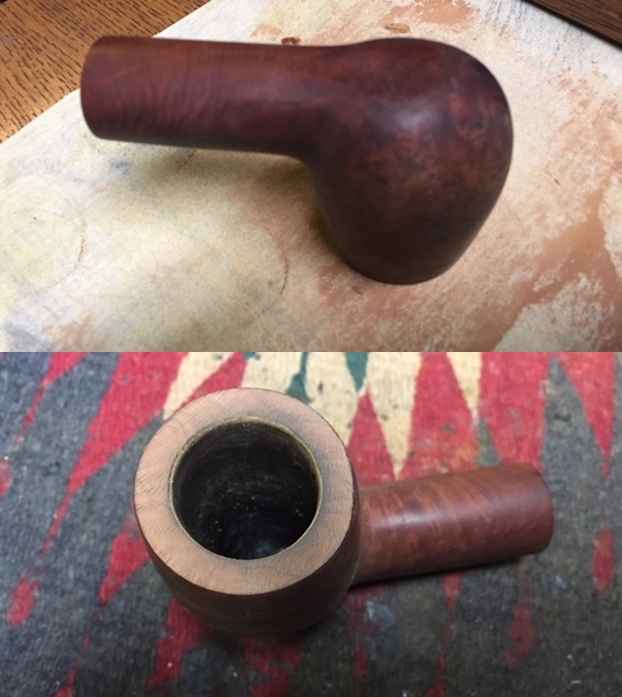
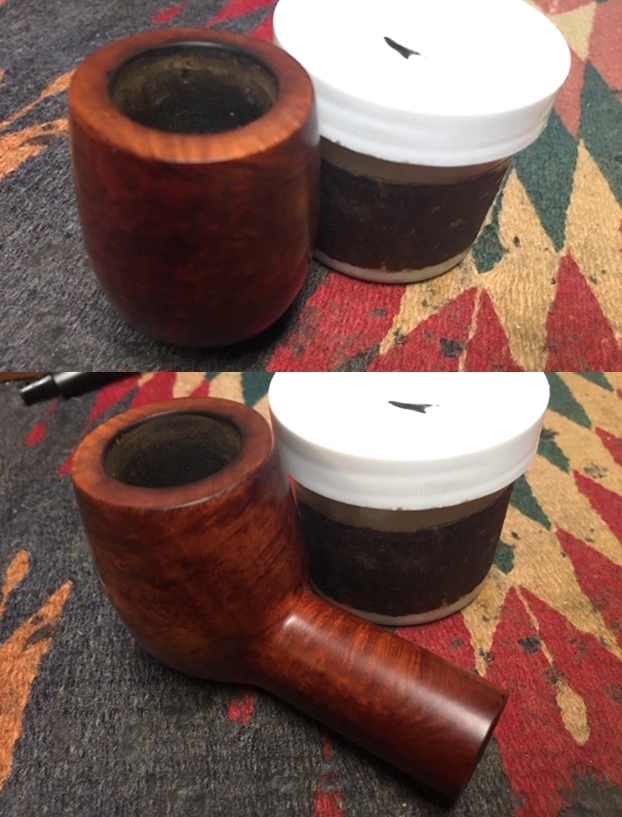
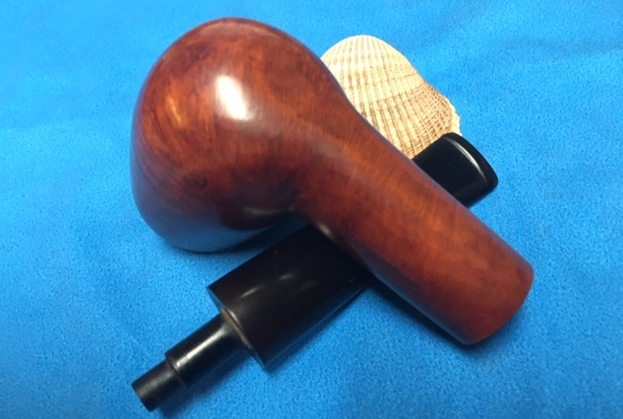
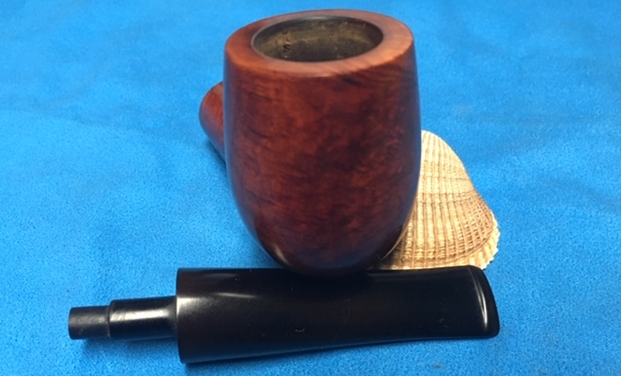
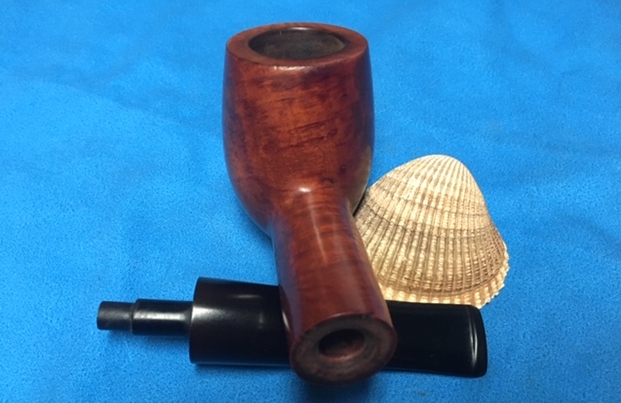
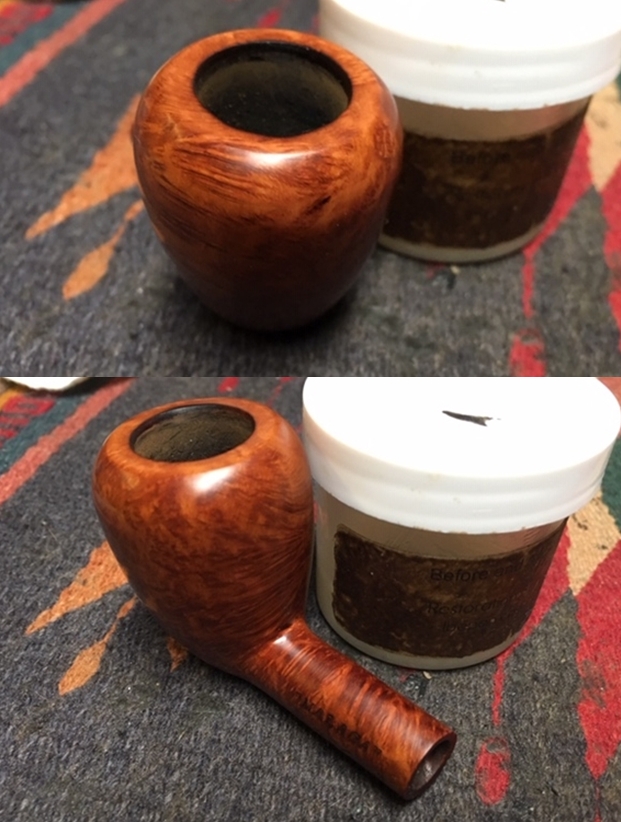
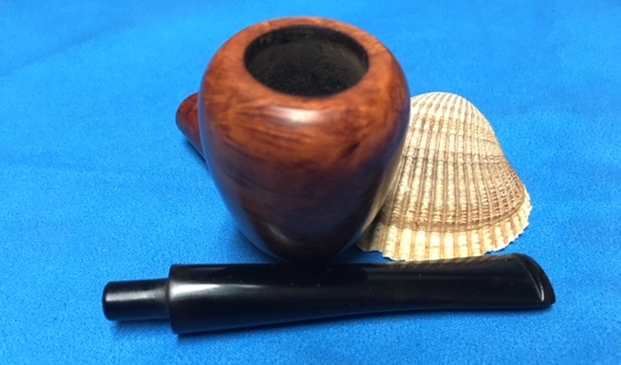
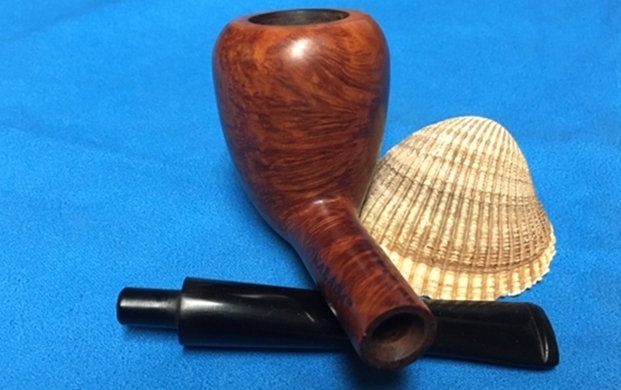
  I removed the stem from the shank and took a photo of the parts. It is a nicely laid out pipe.
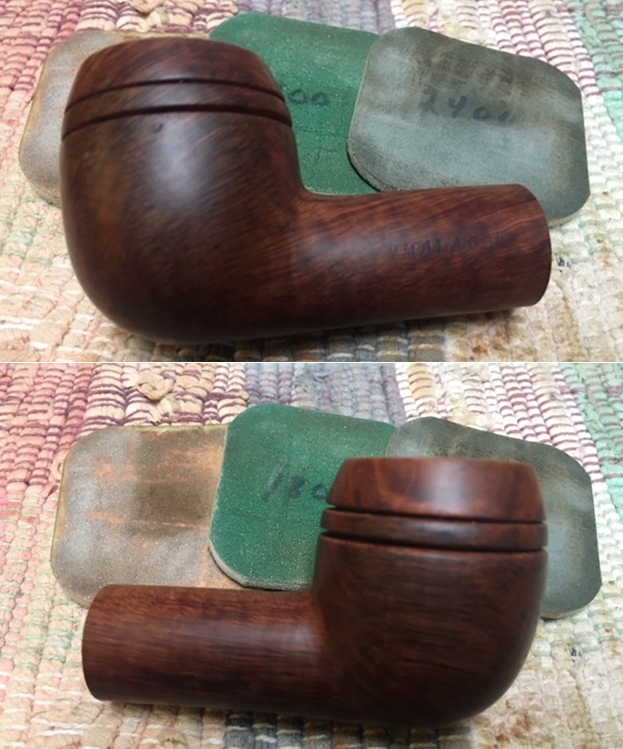
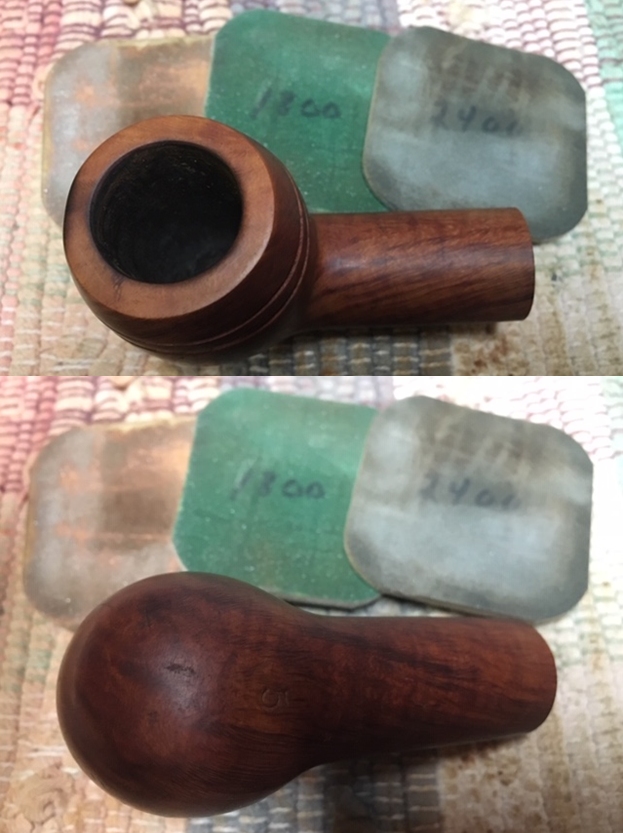
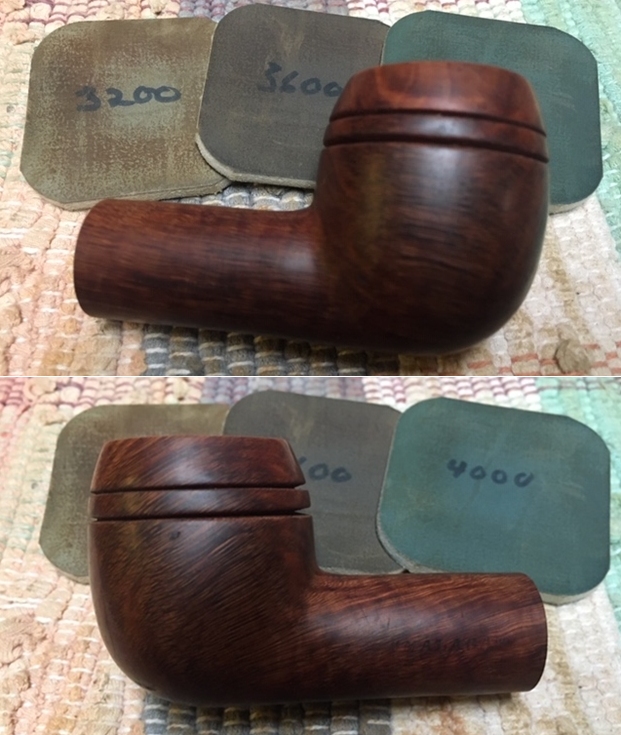
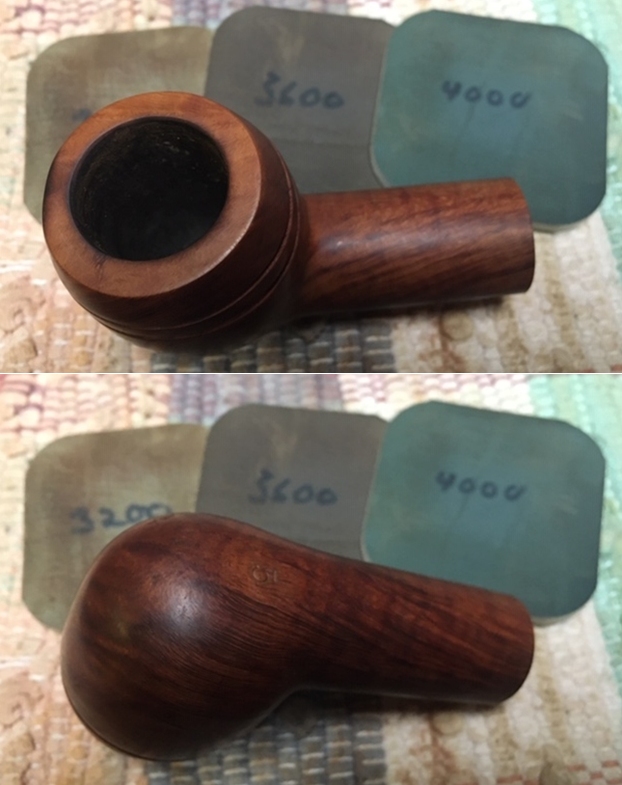
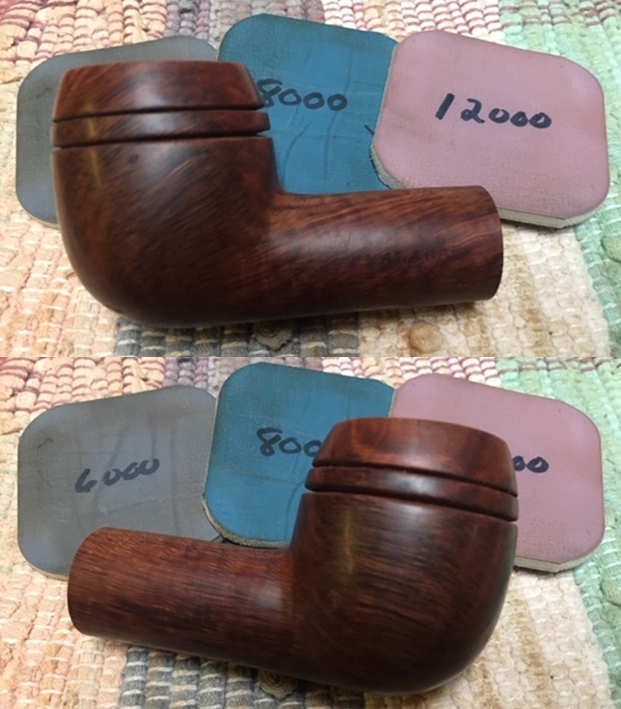
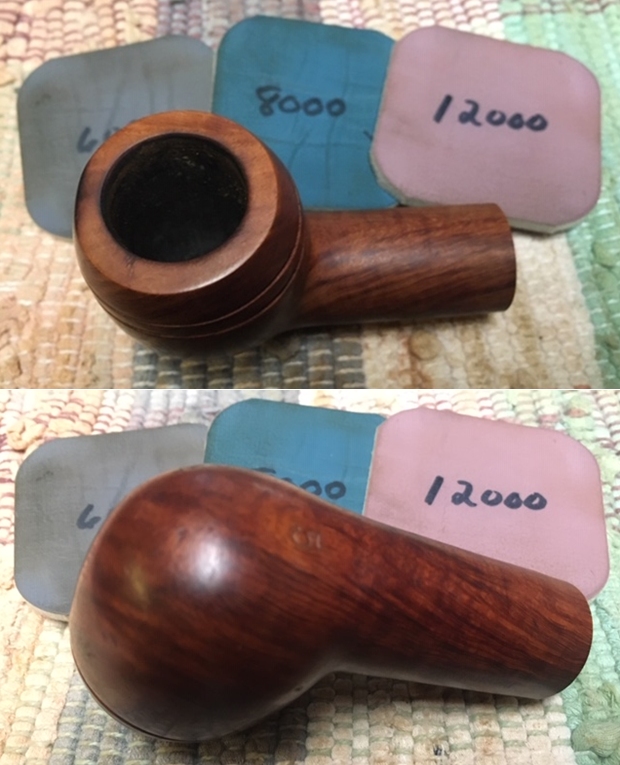
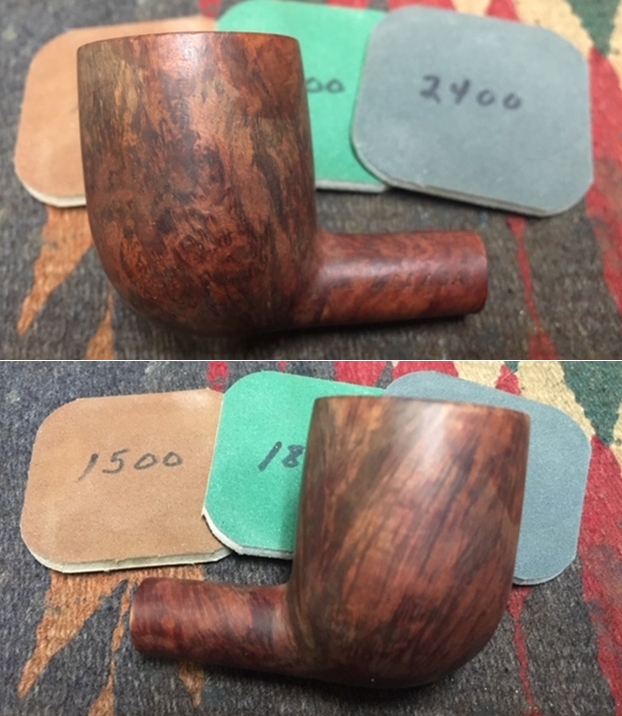
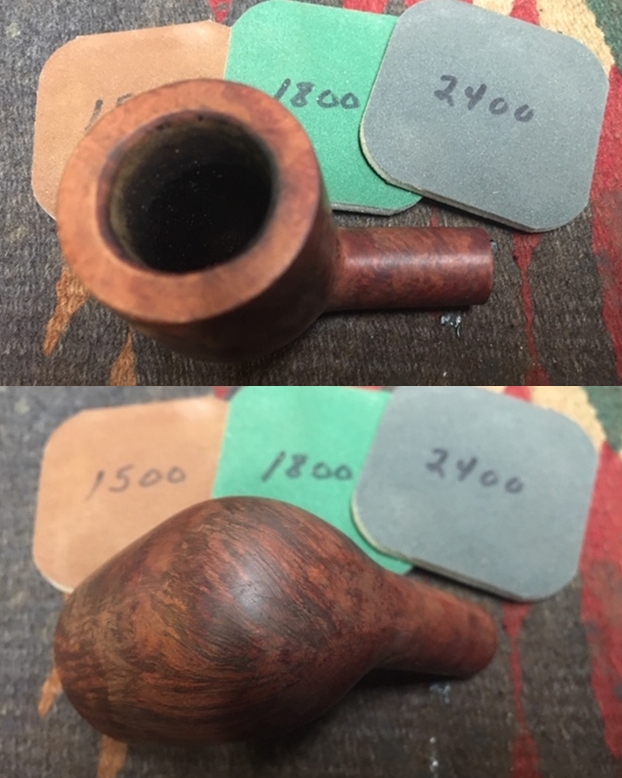
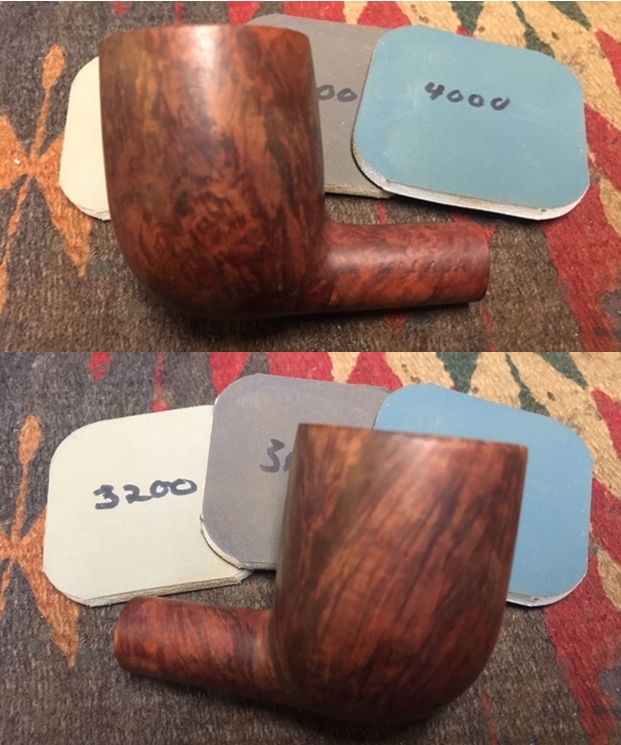
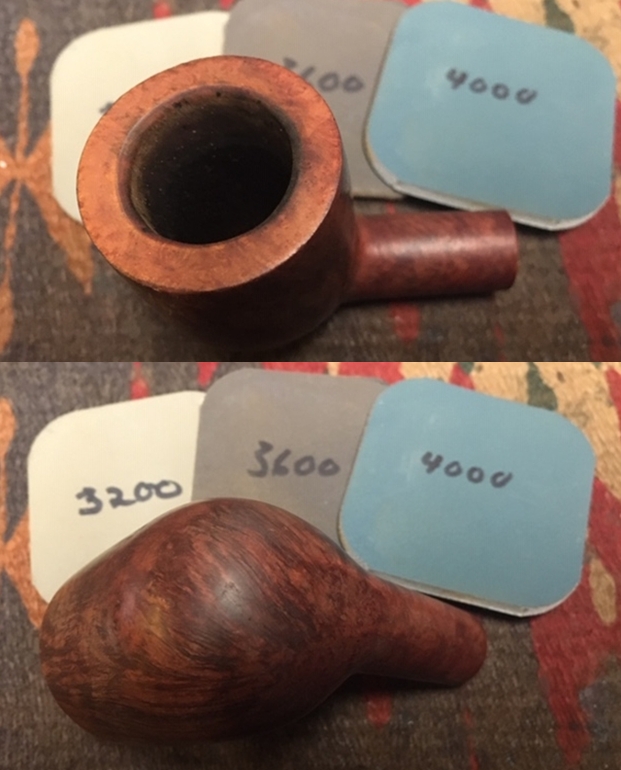
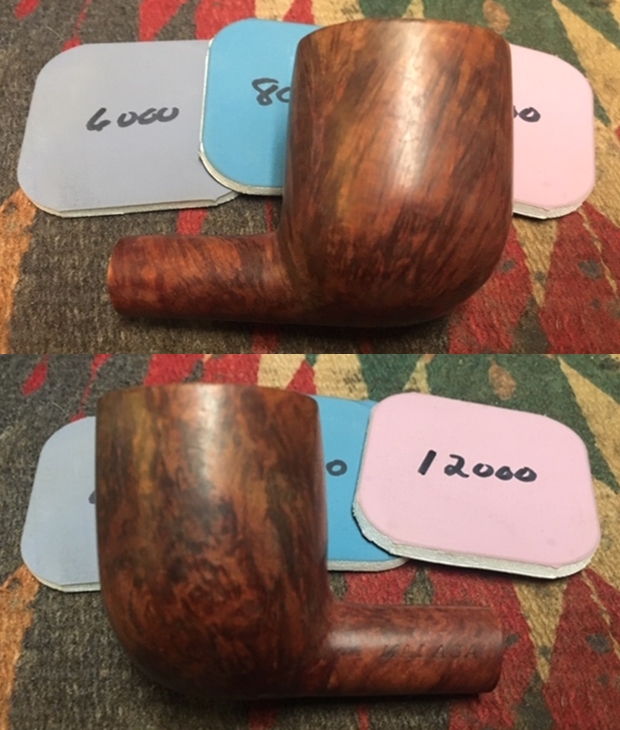
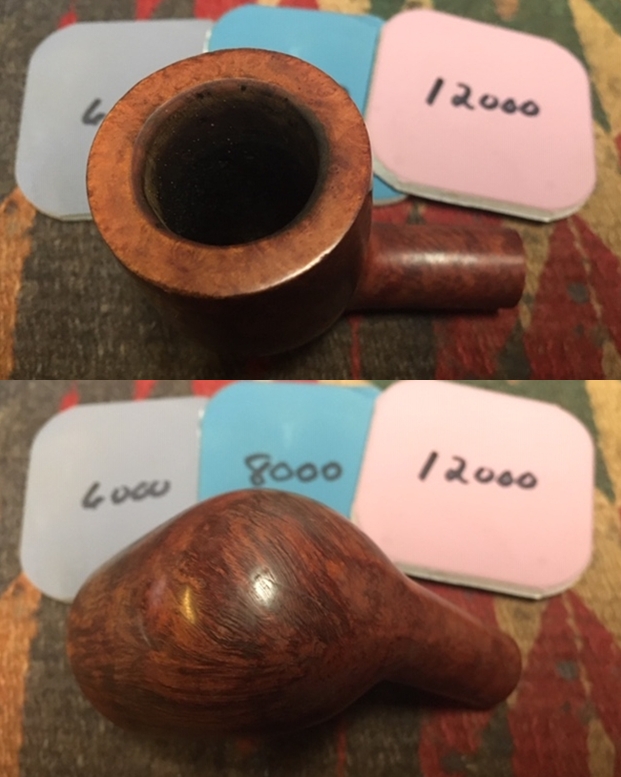
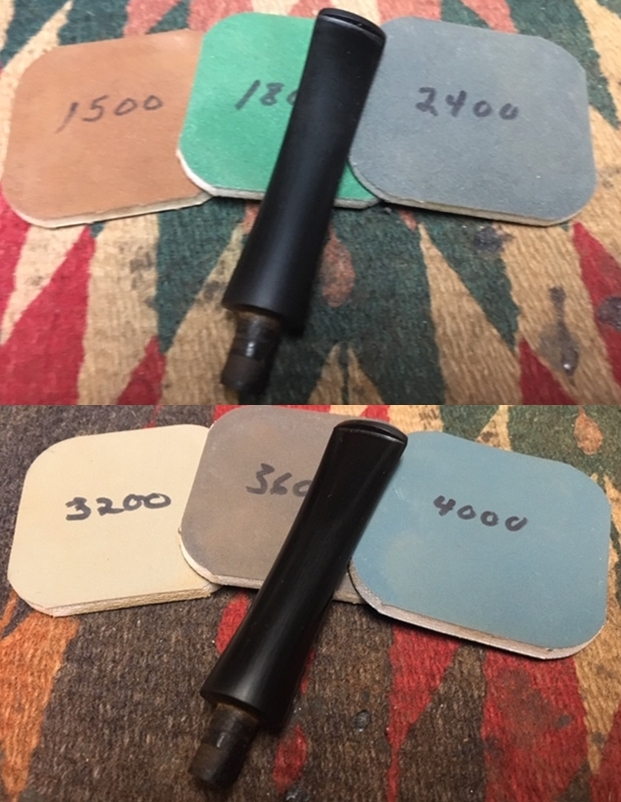
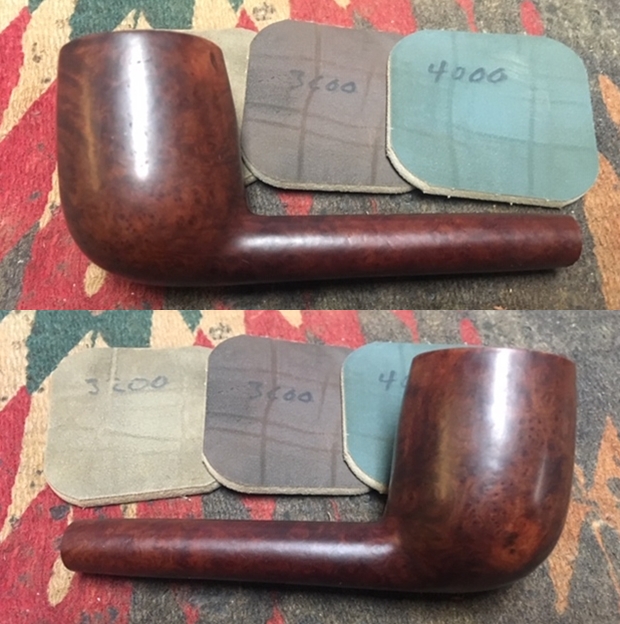
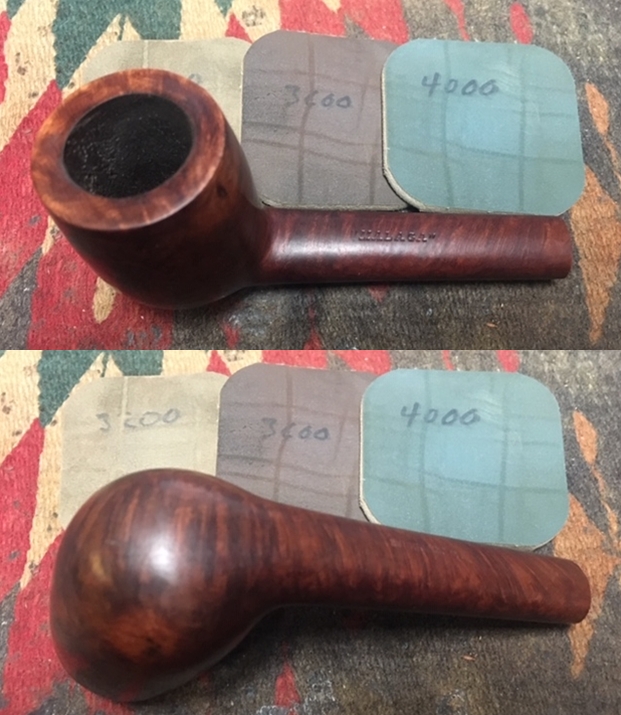
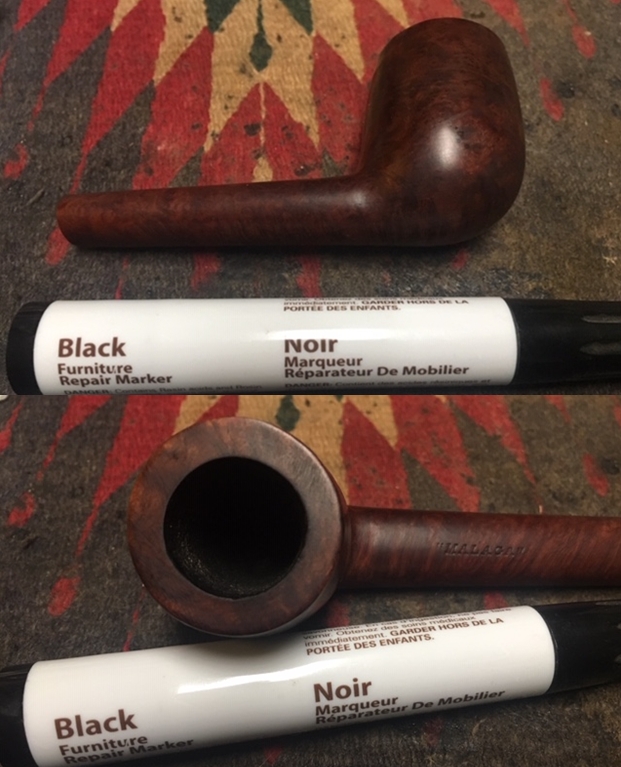
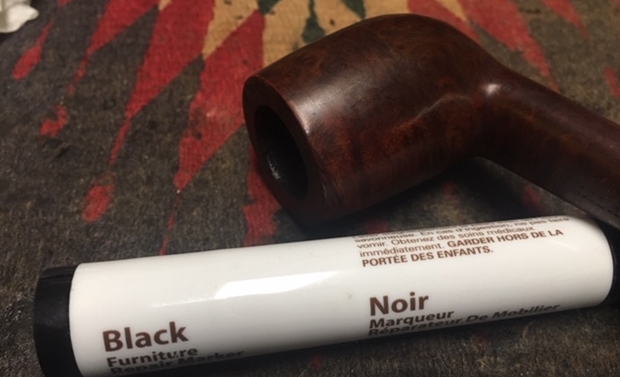
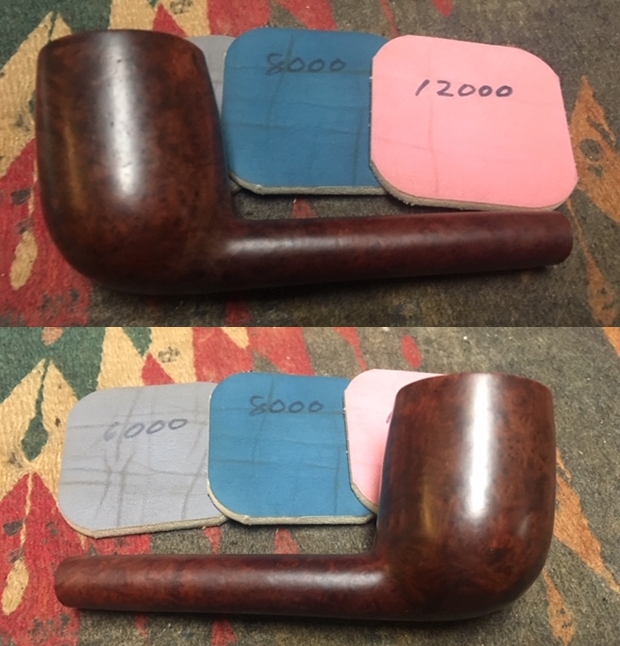
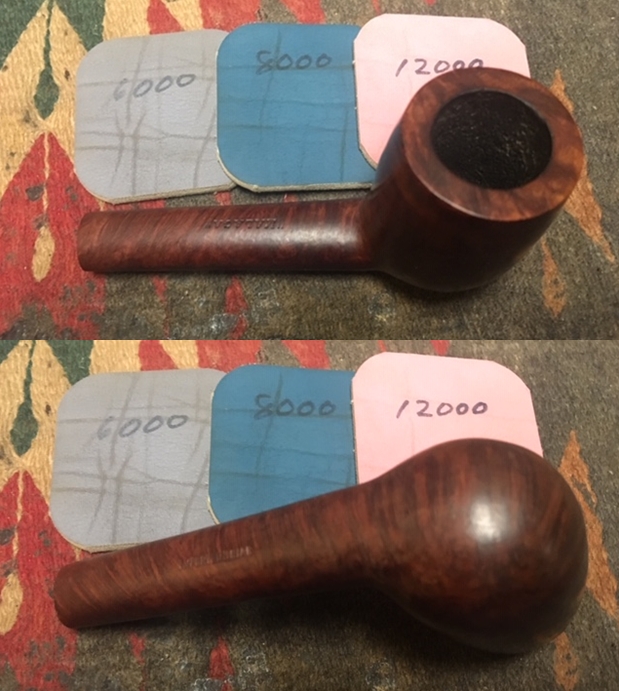
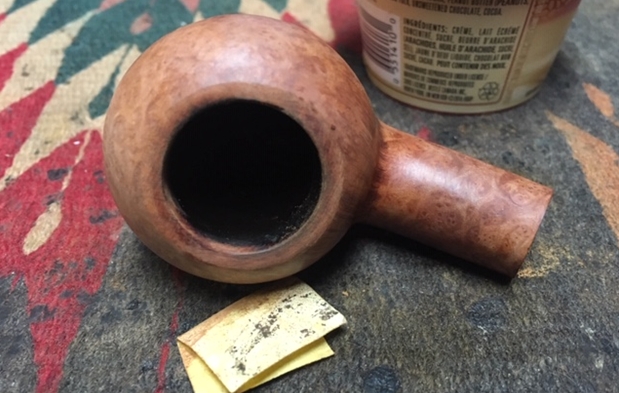
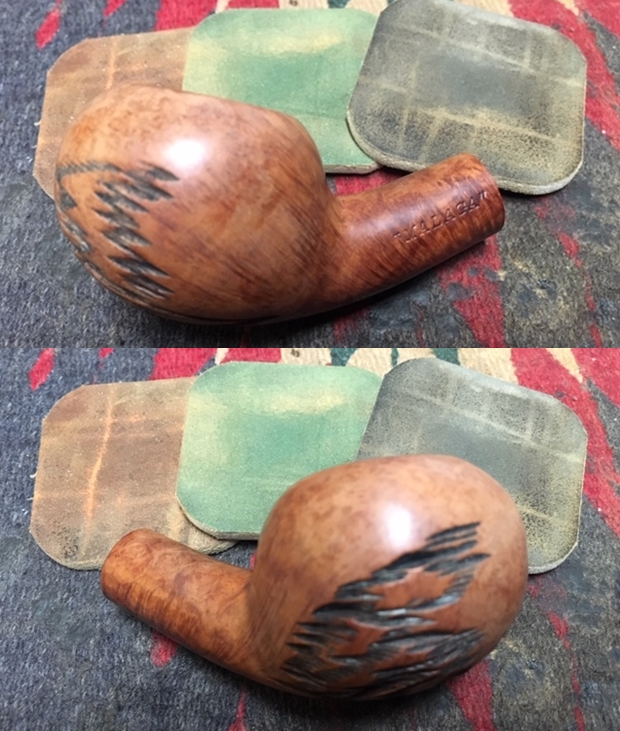
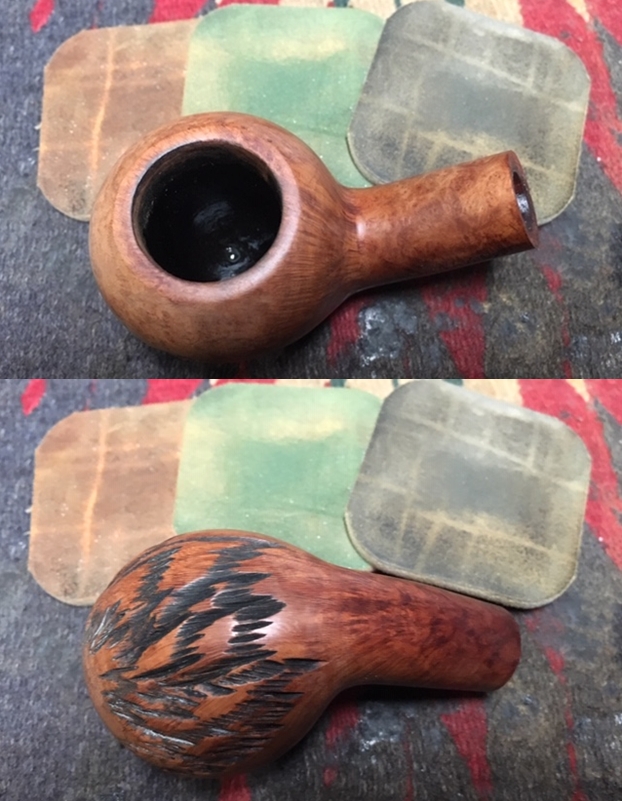
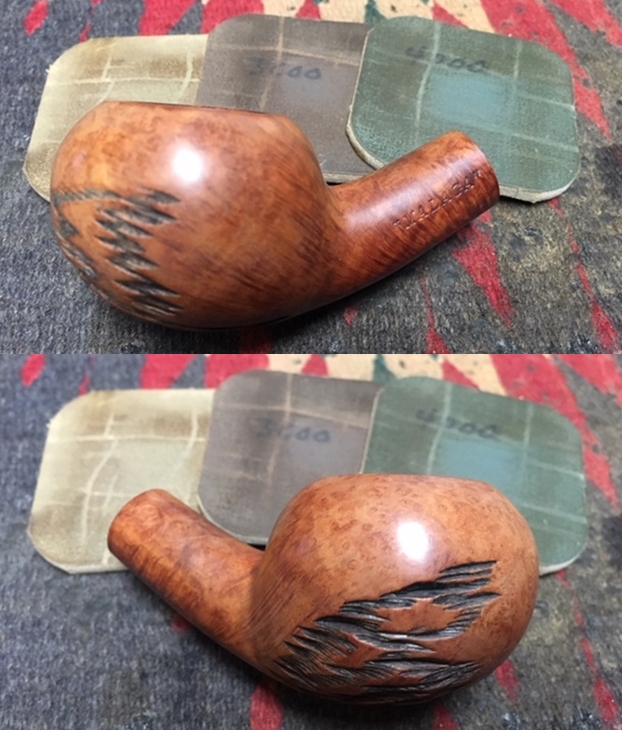
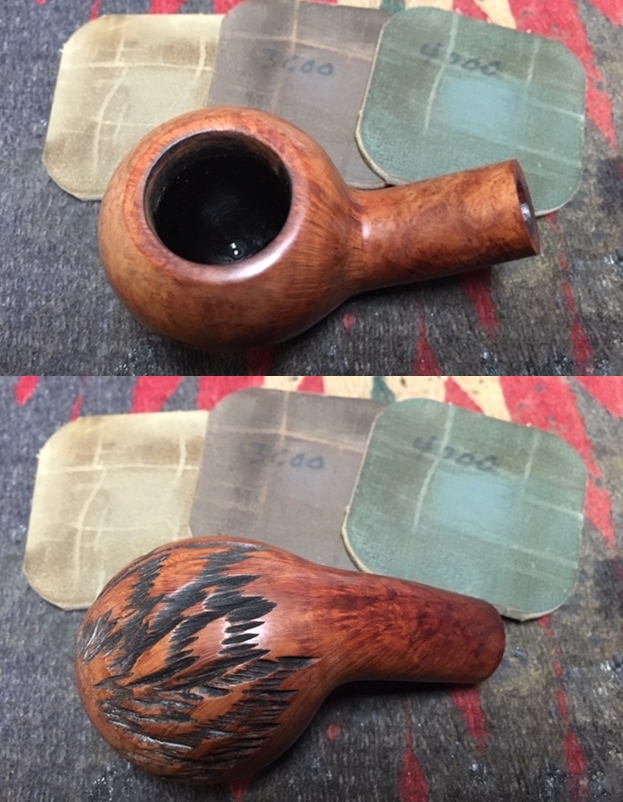
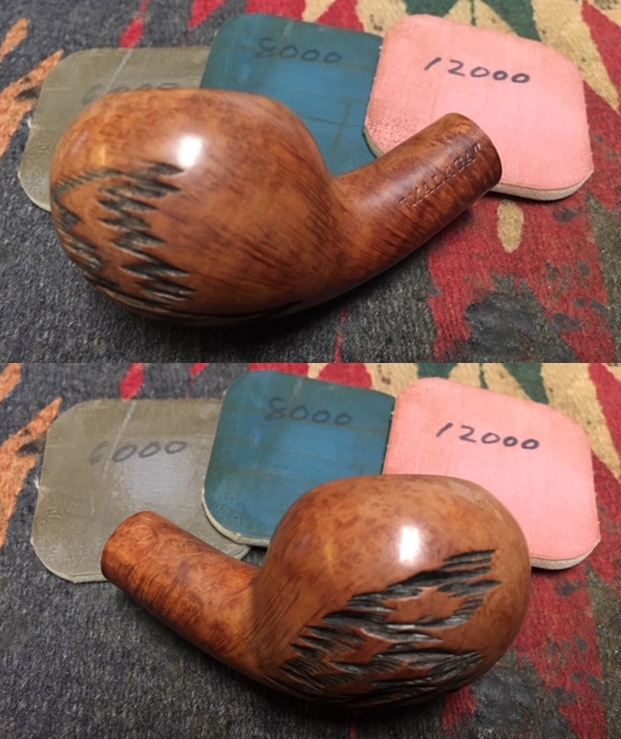
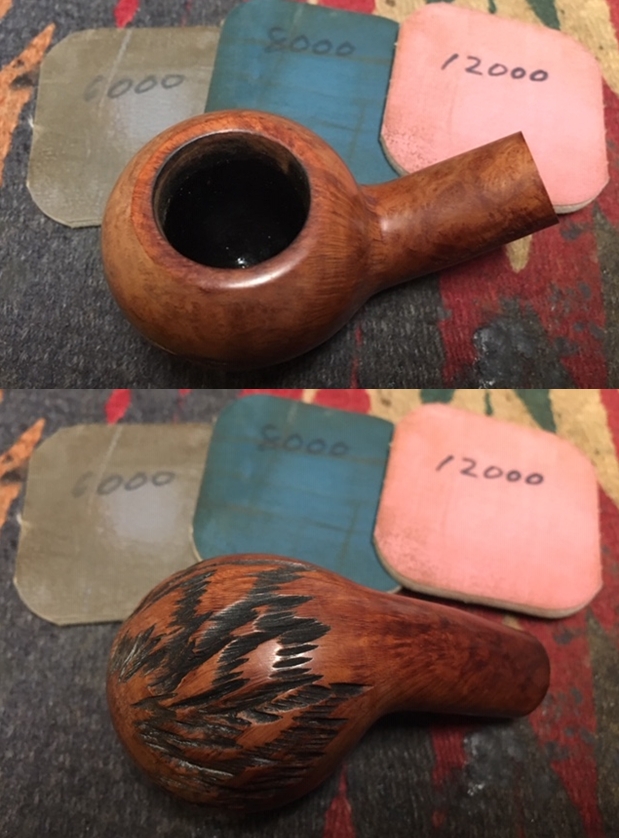
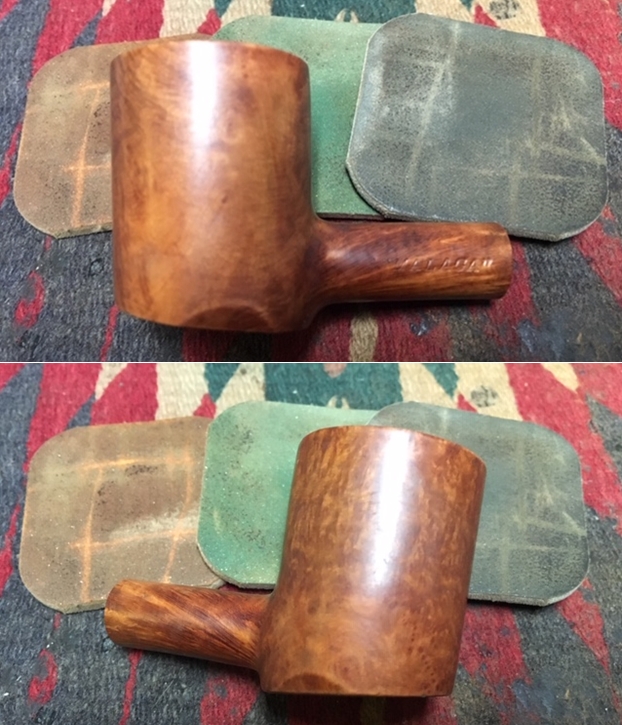
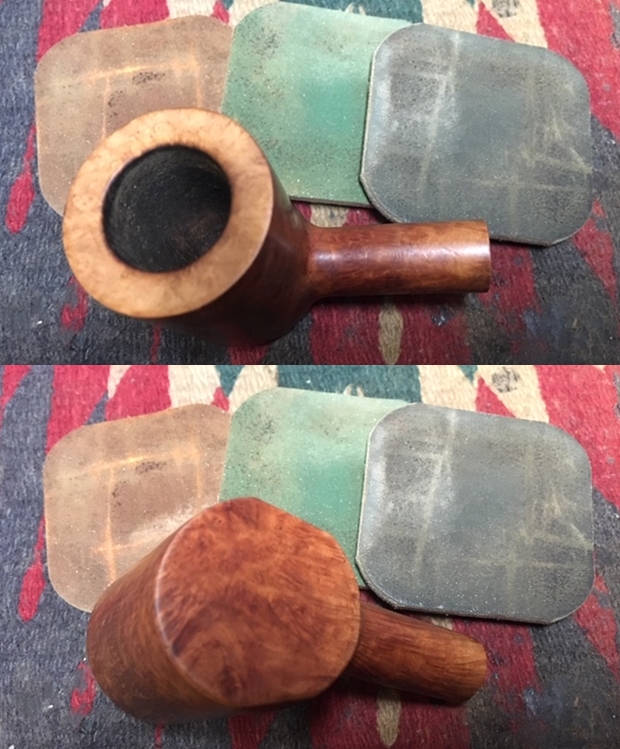
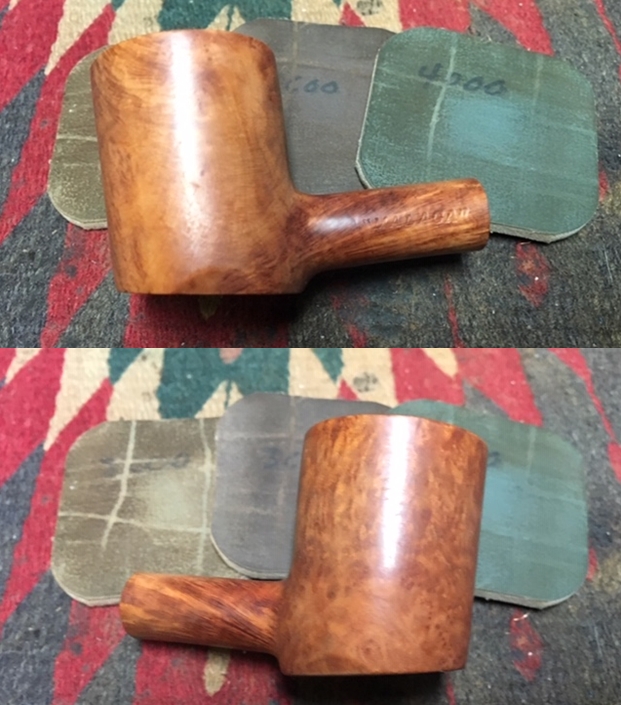
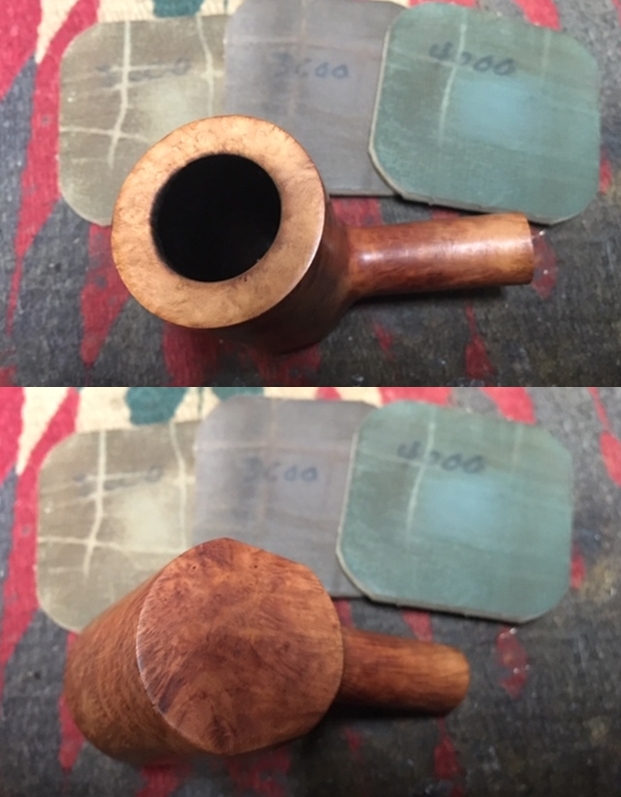
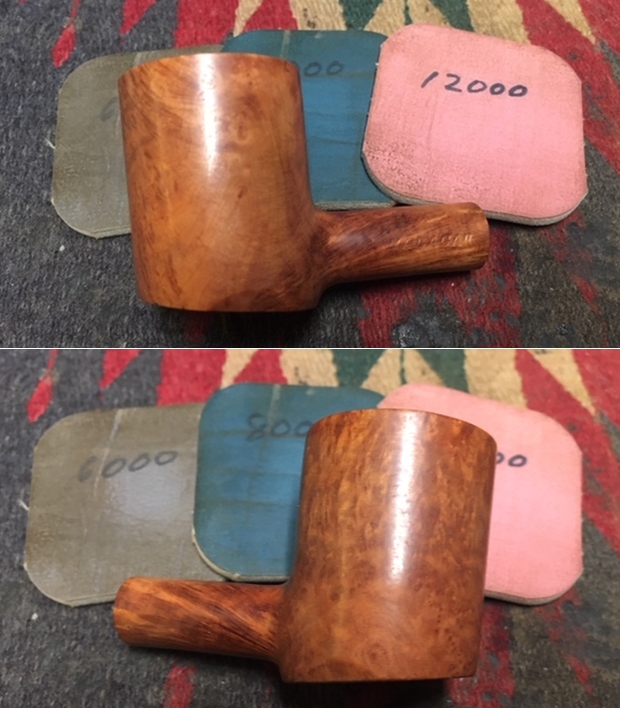
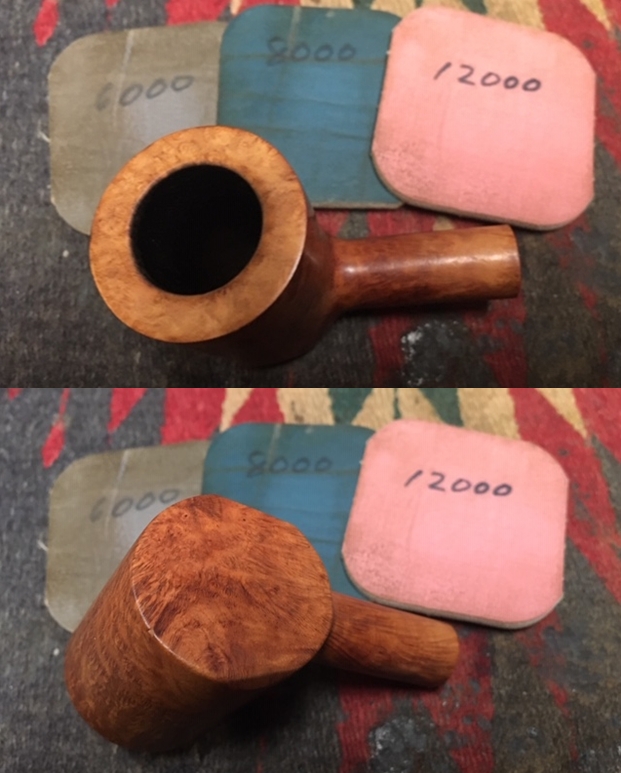
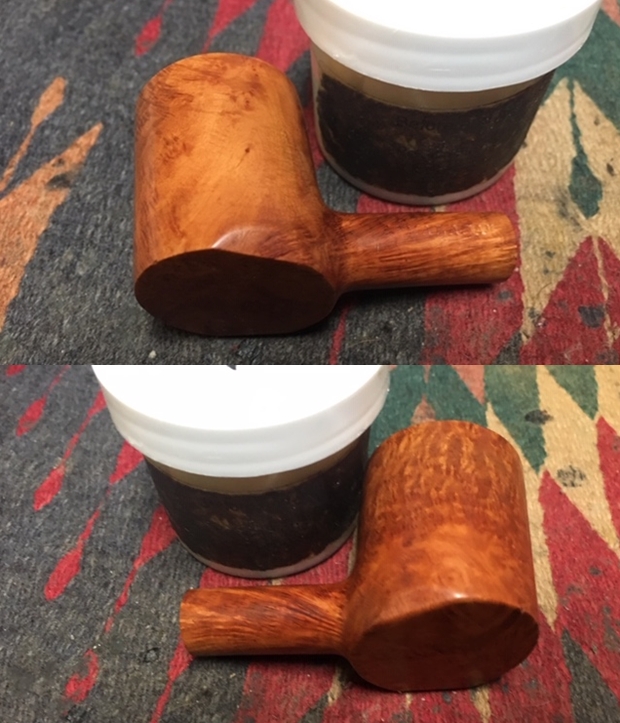
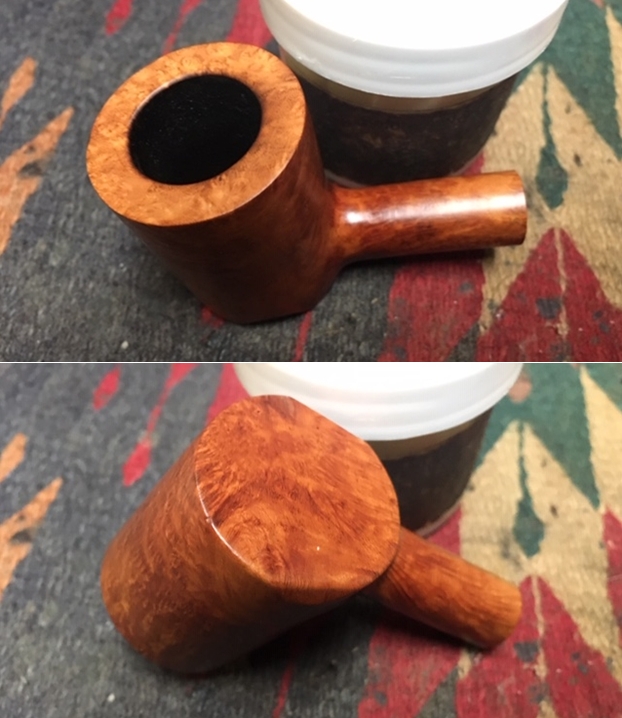
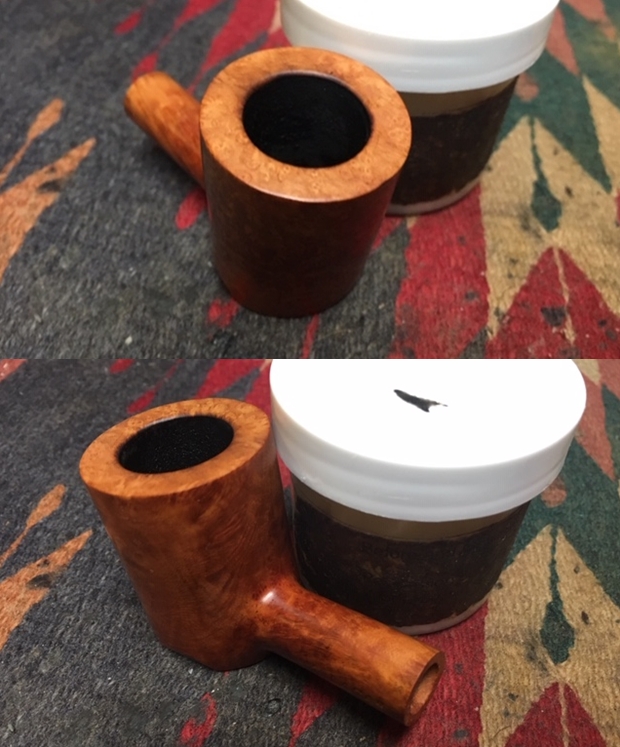
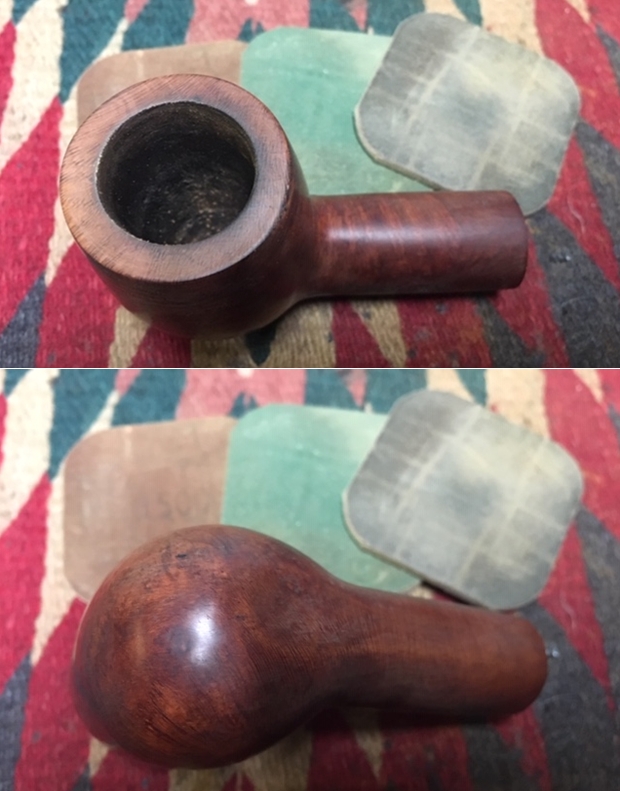
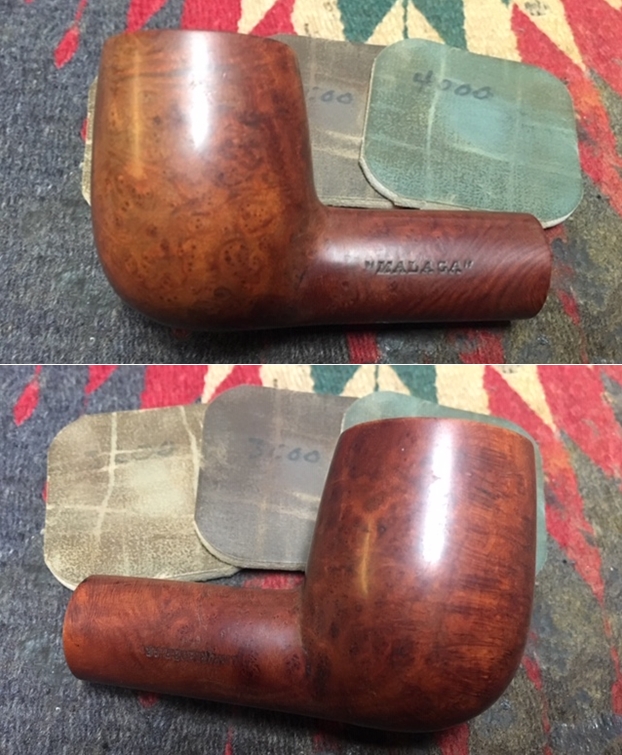
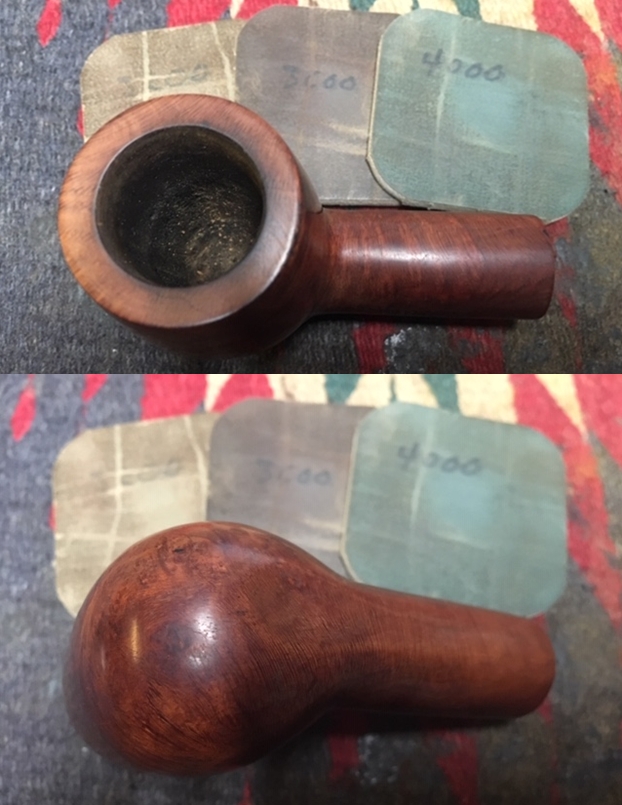
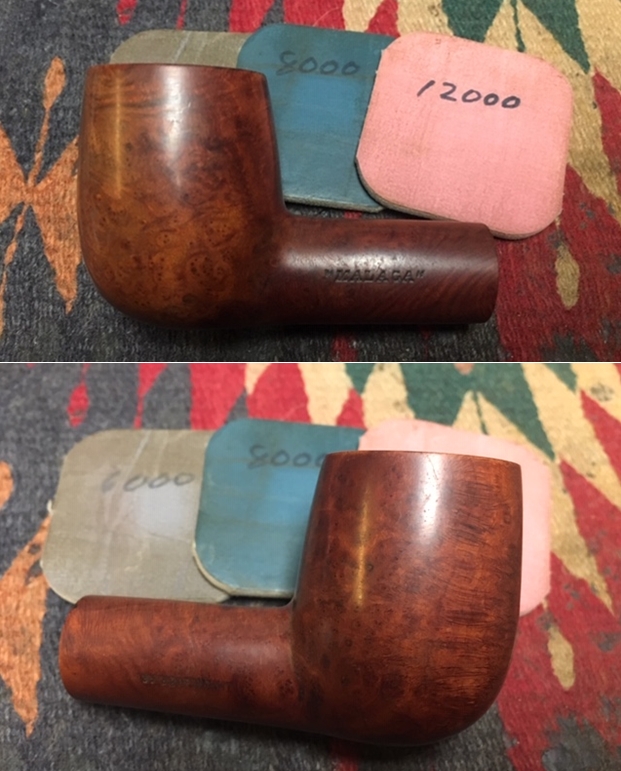
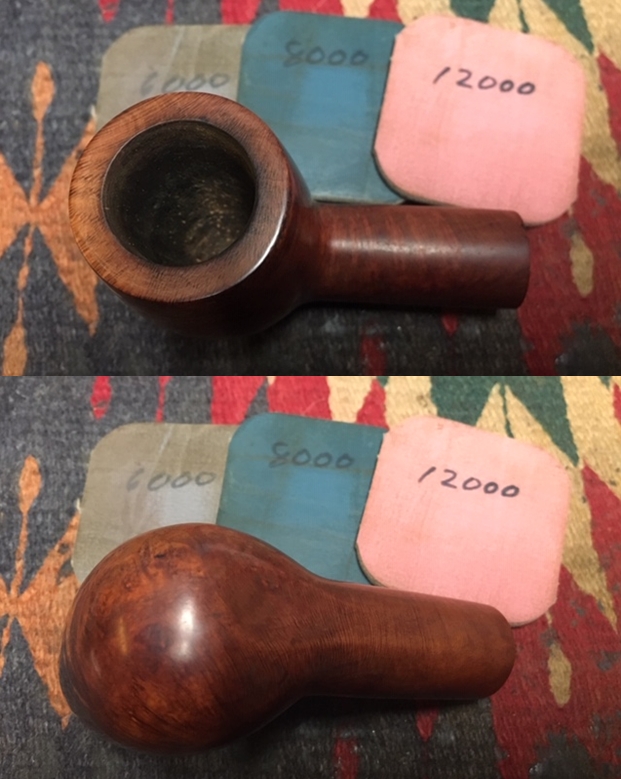
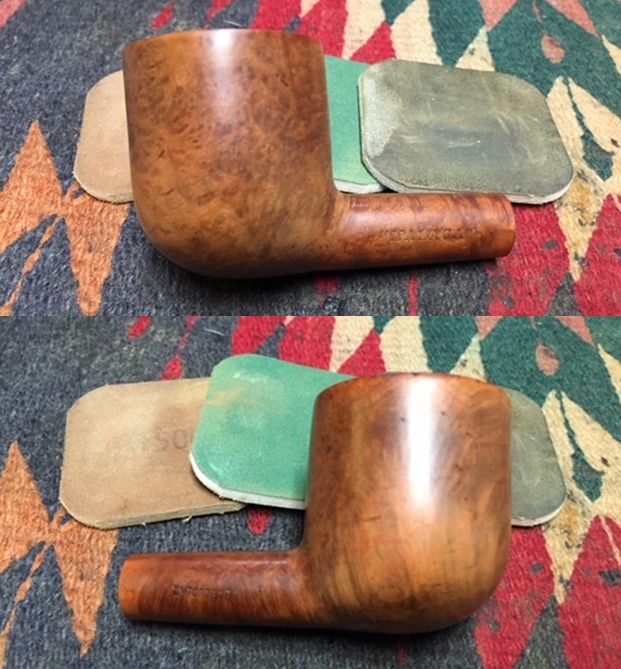
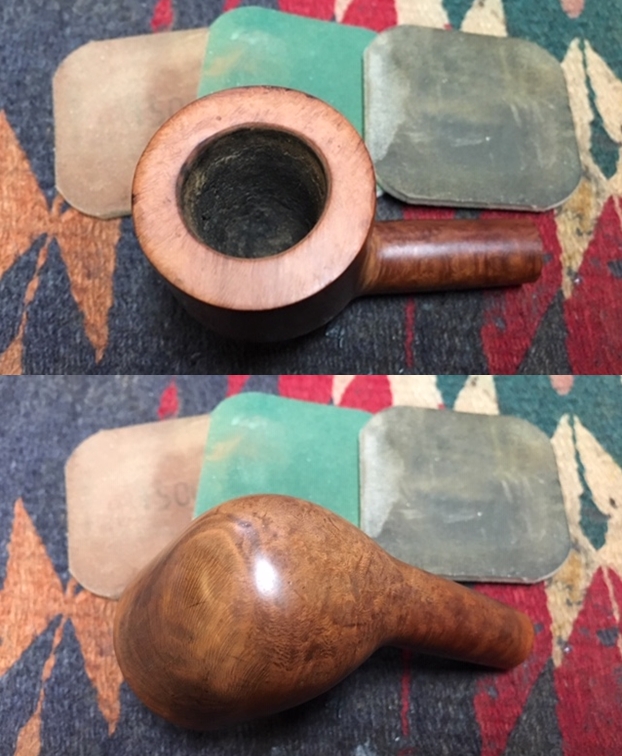
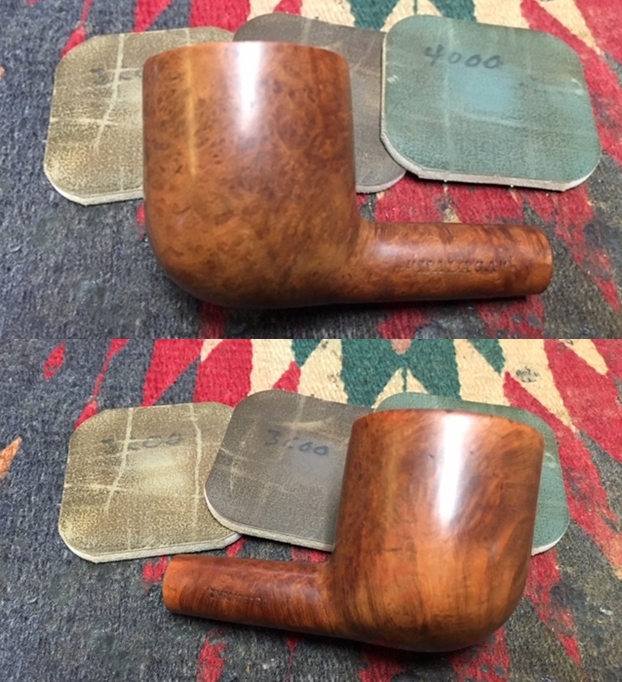
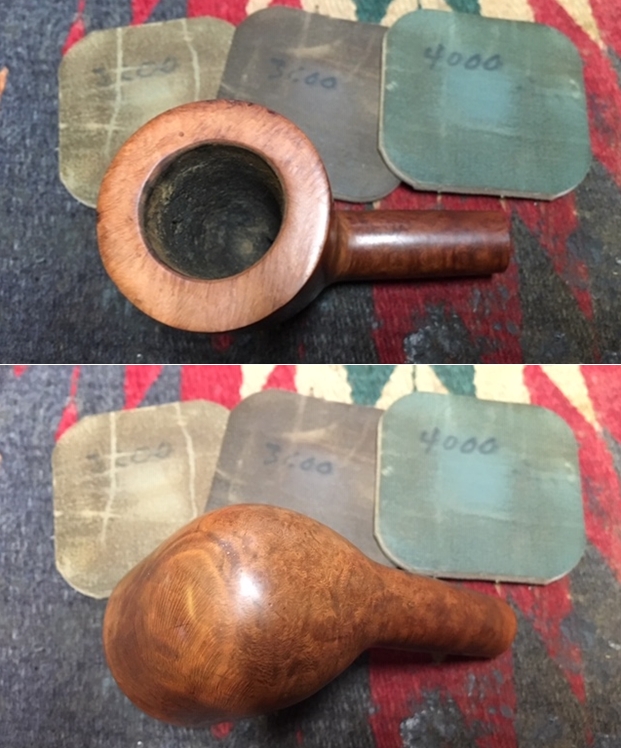
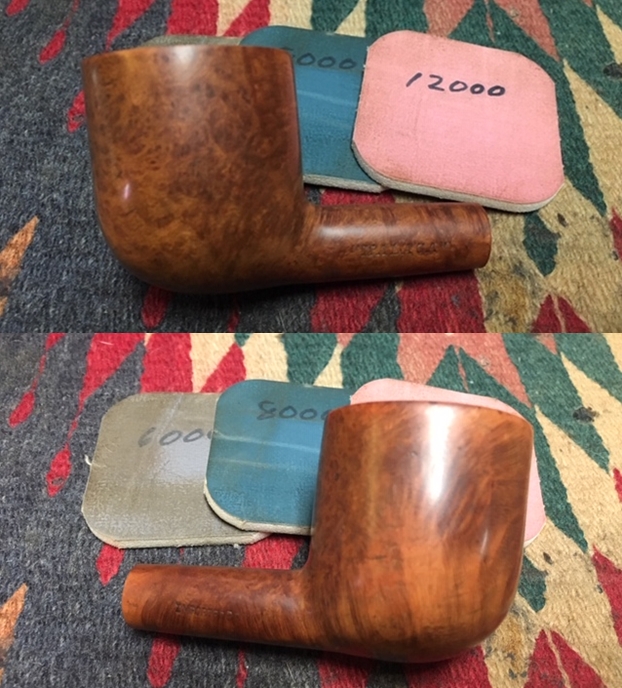
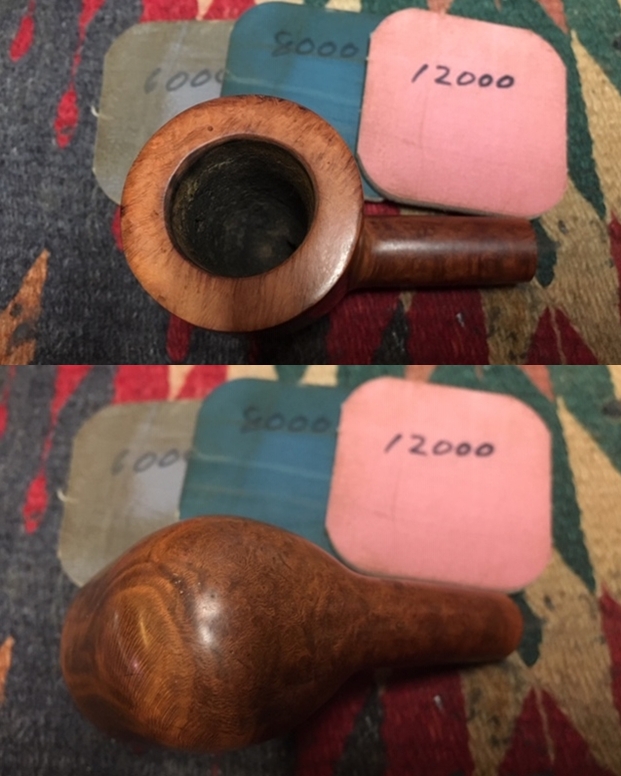
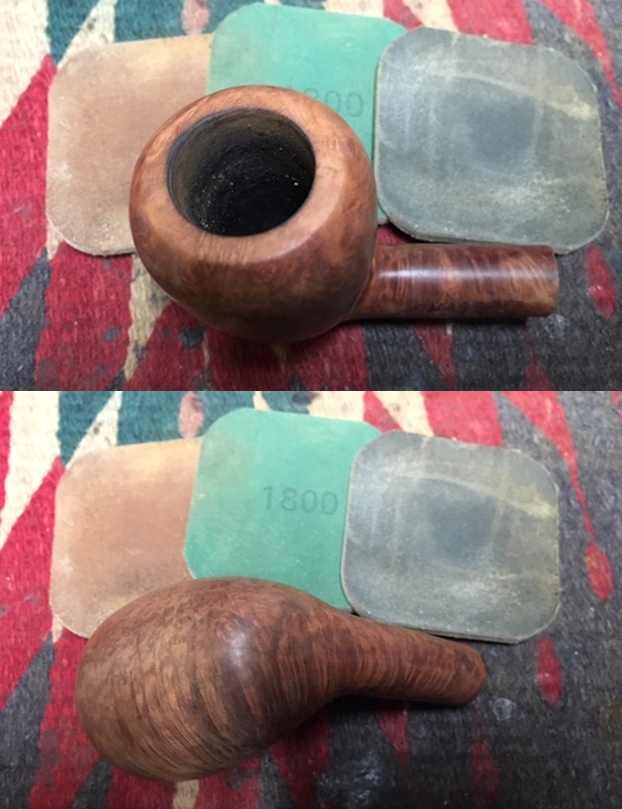
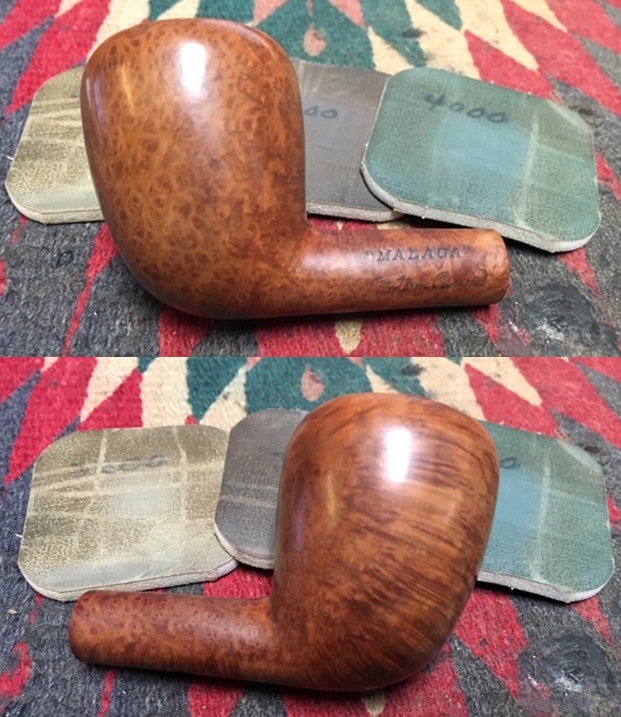
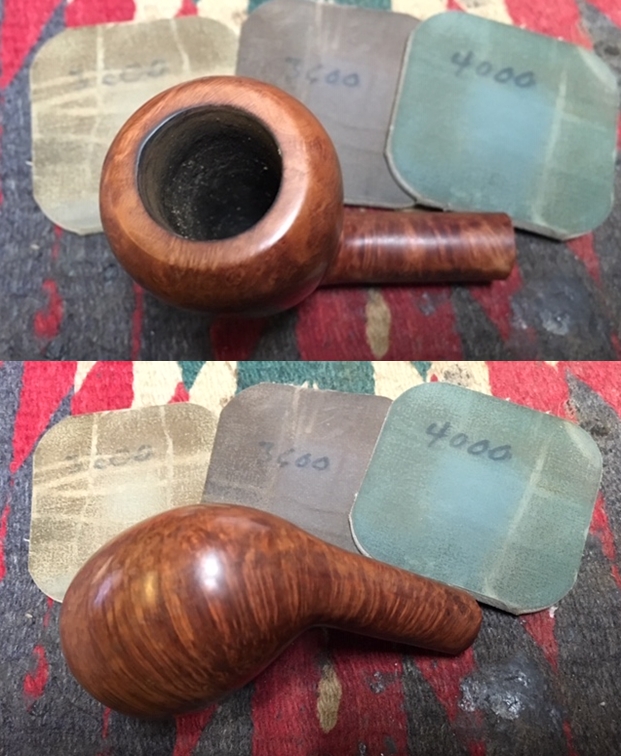
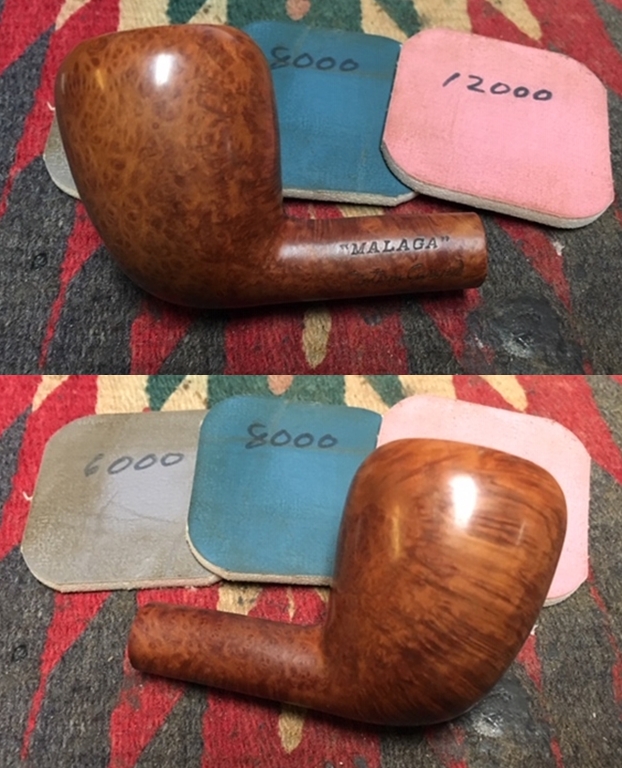
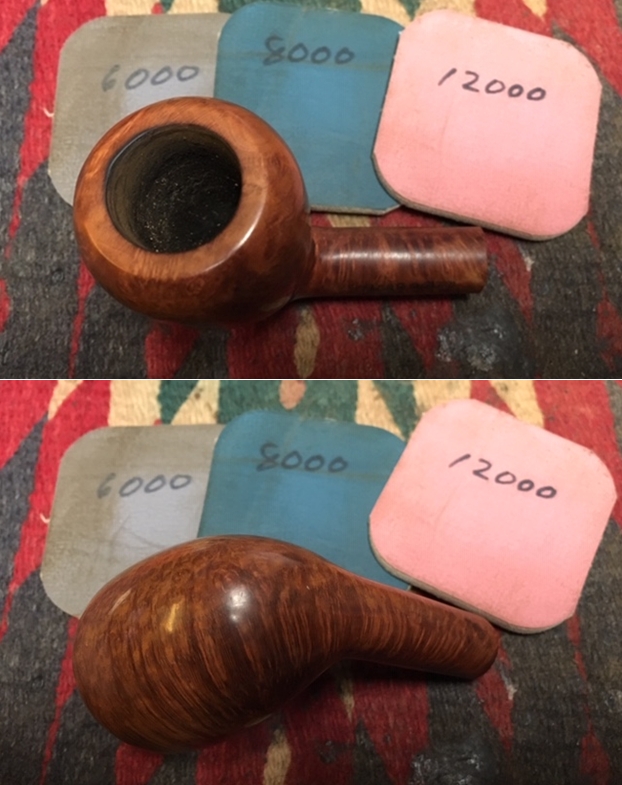
 Because the pipe was in such clean condition and there were no issues with the rim edges I could immediately begin by polishing the briar with micromesh pads. I dry sanded the bowl and shank with 1500-12000 grit pads and wiped it down after each pad with a damp cloth to remove the debris from sanding.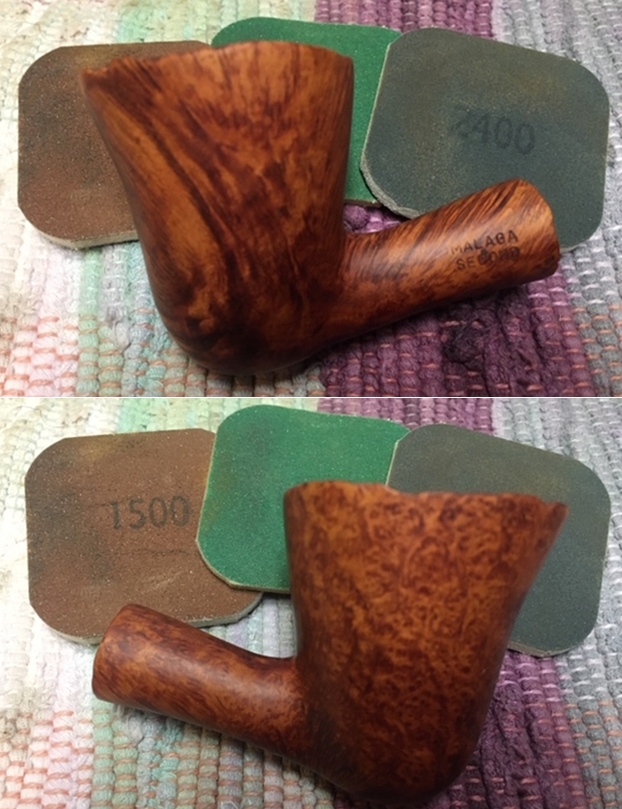
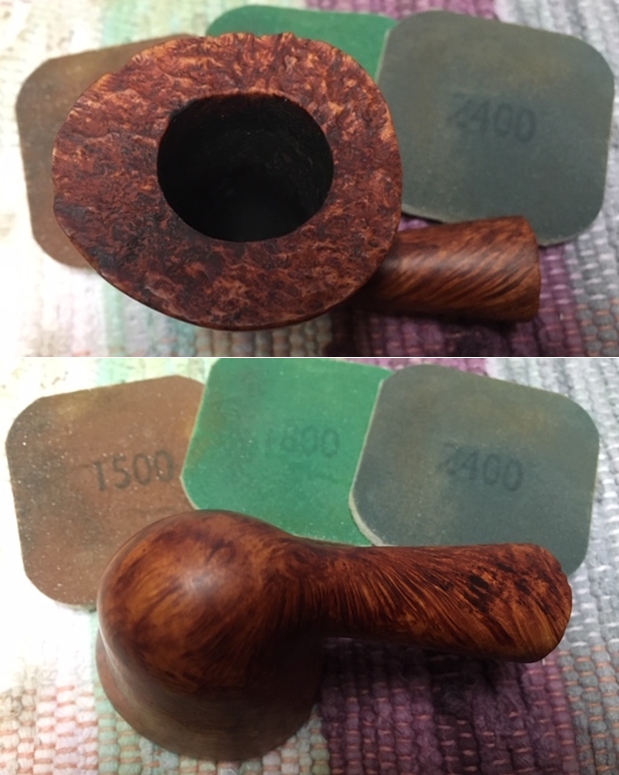
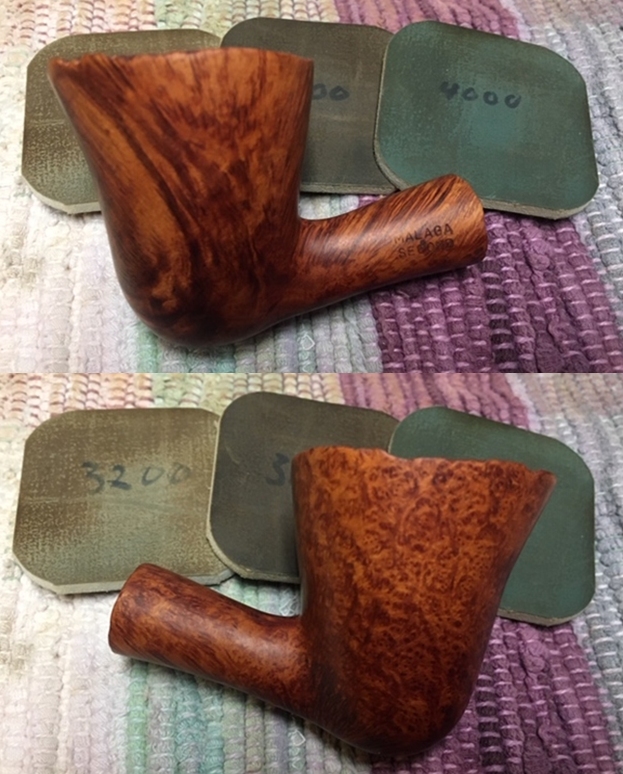
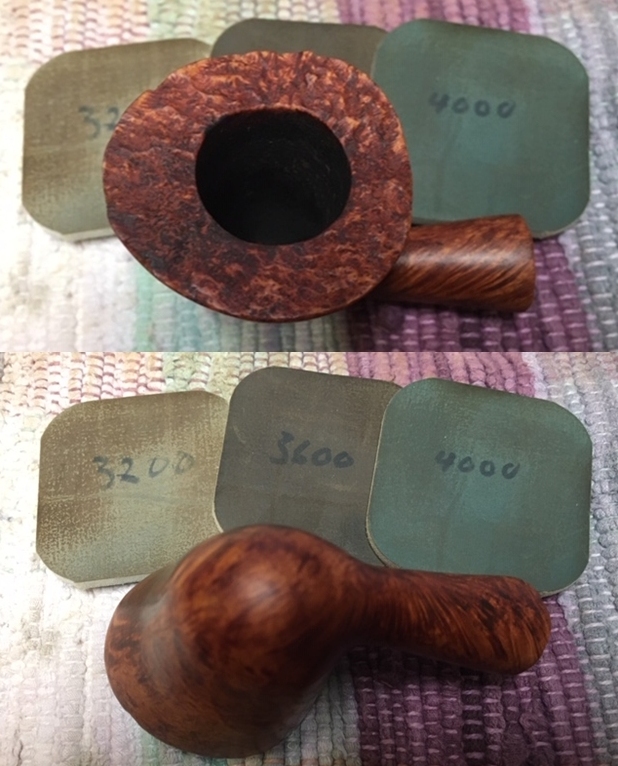
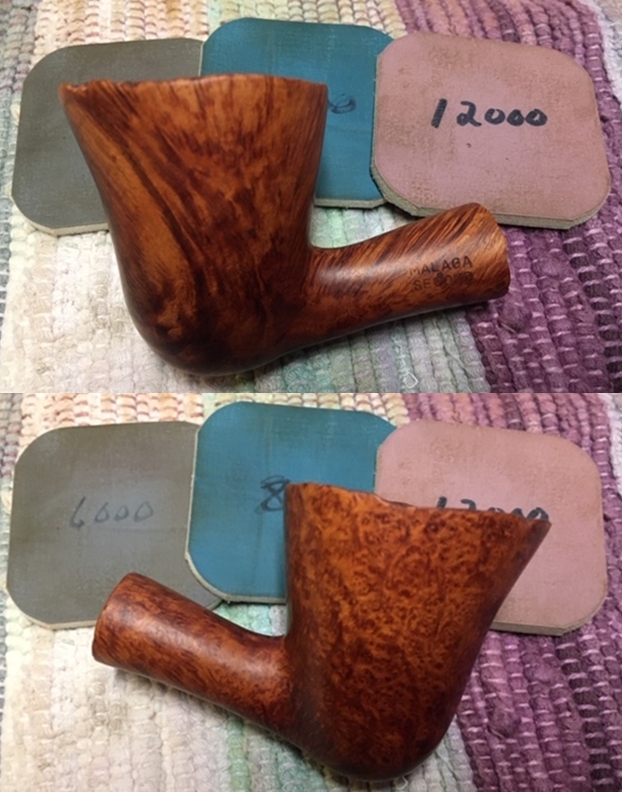
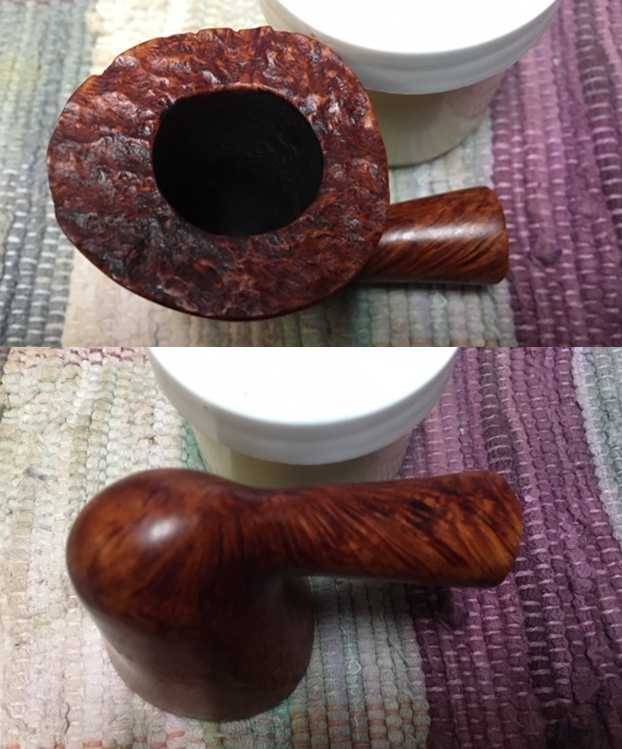
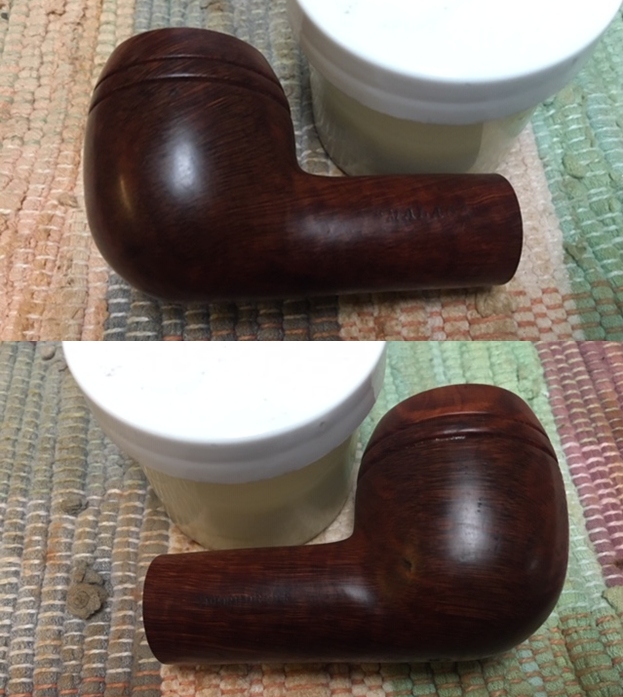
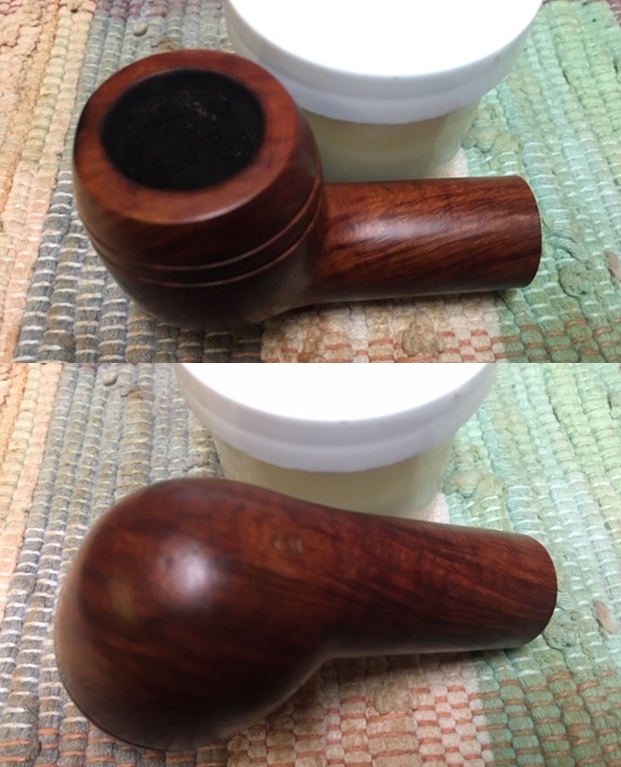
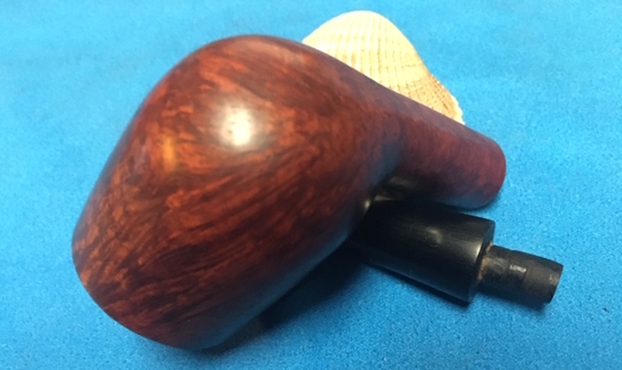
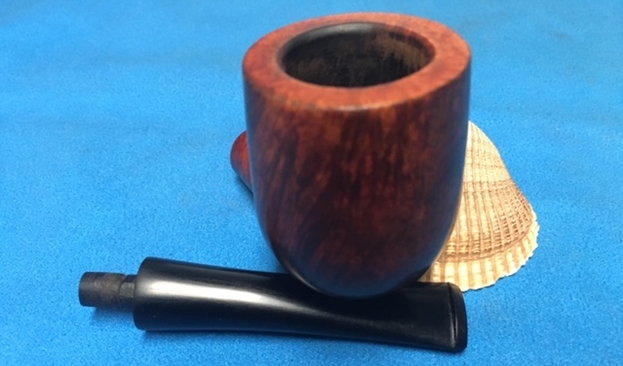
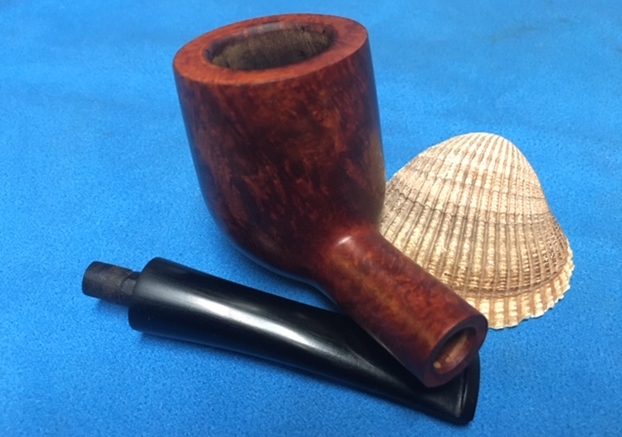
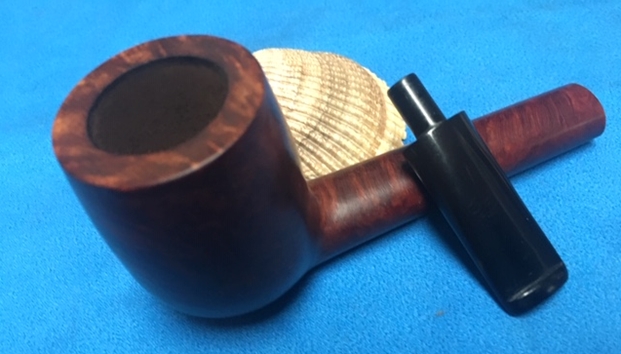
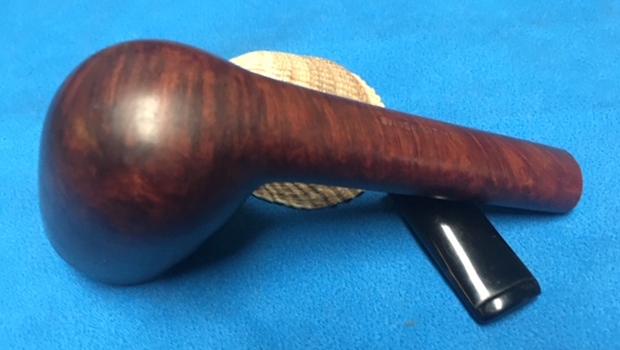
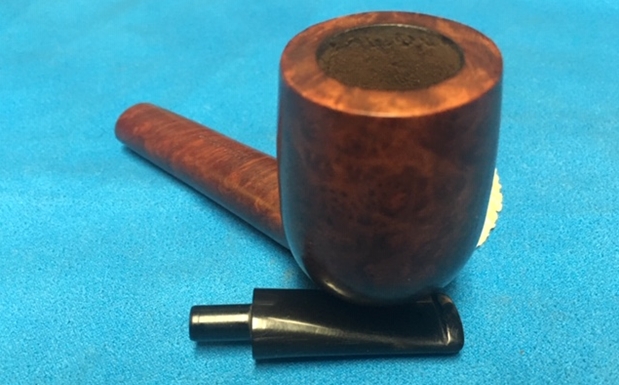
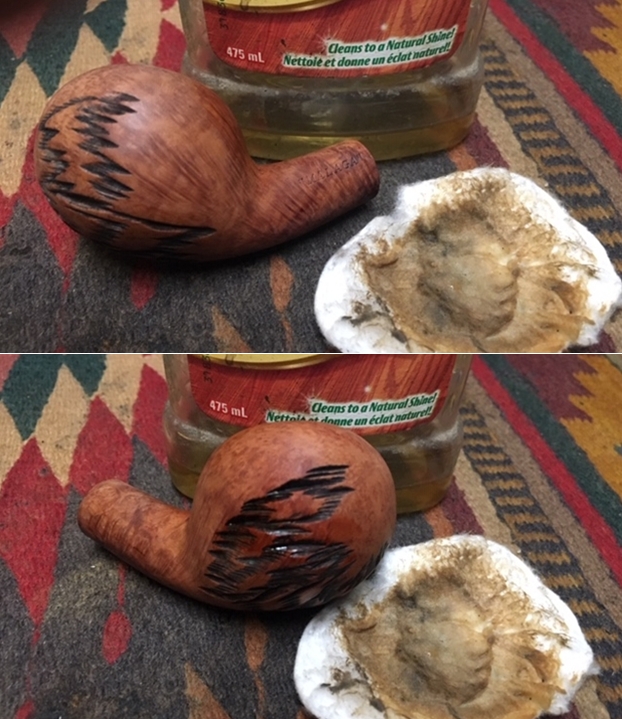
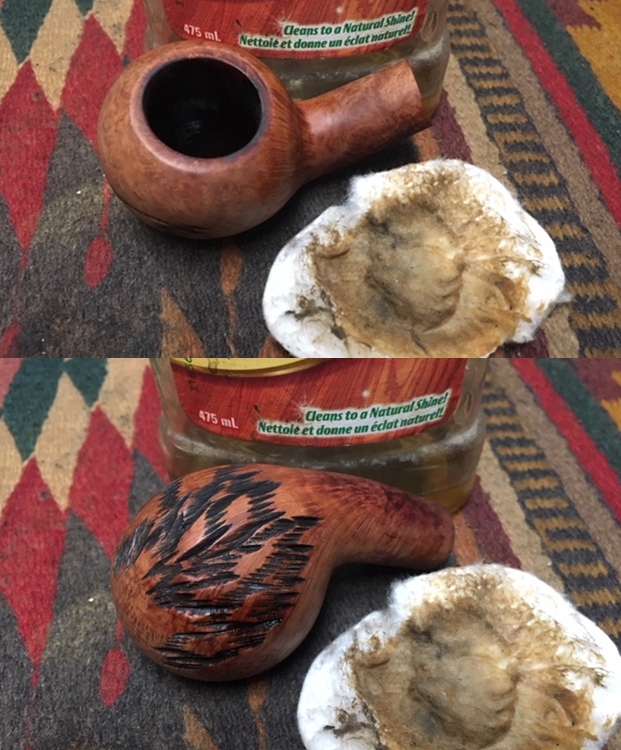
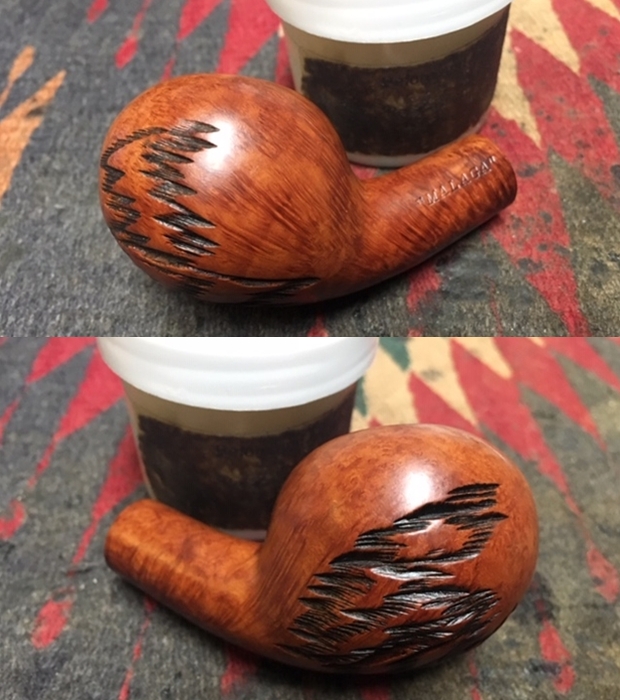
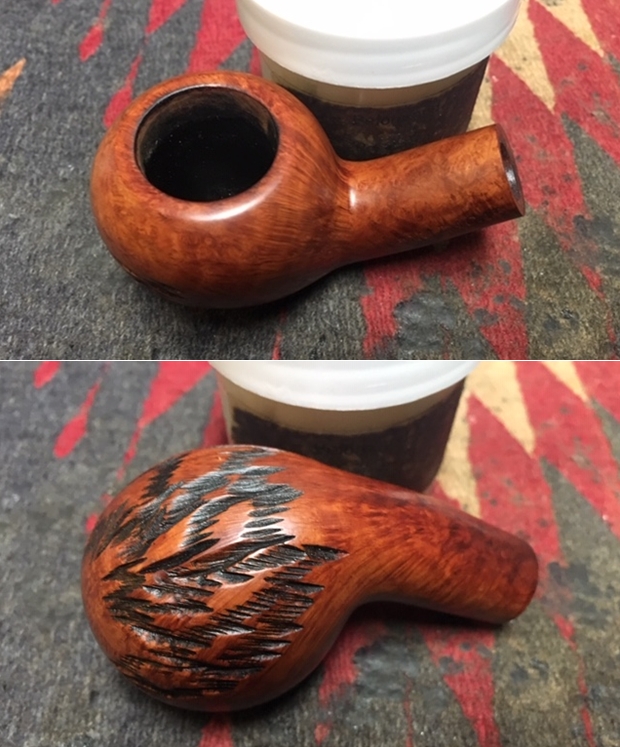
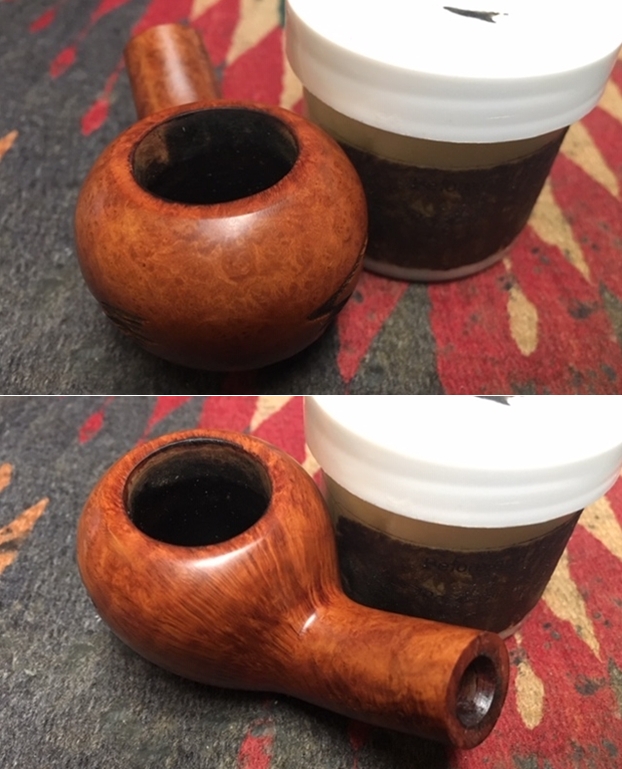
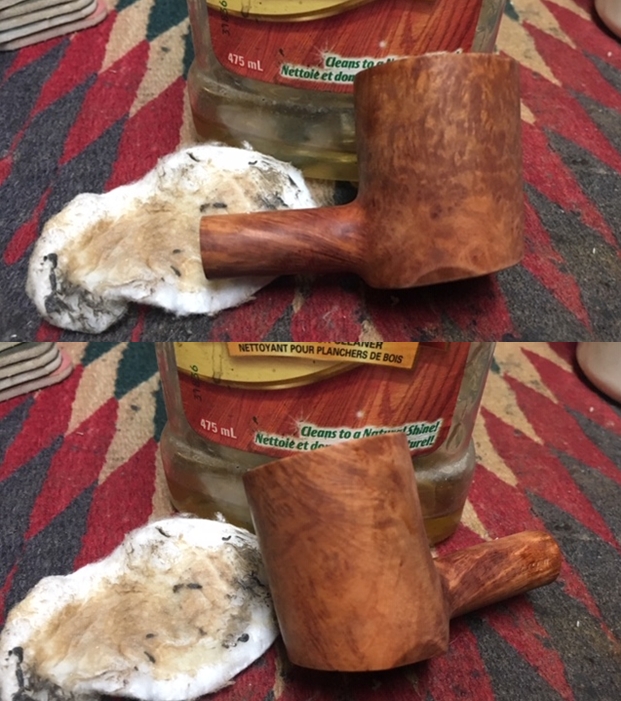
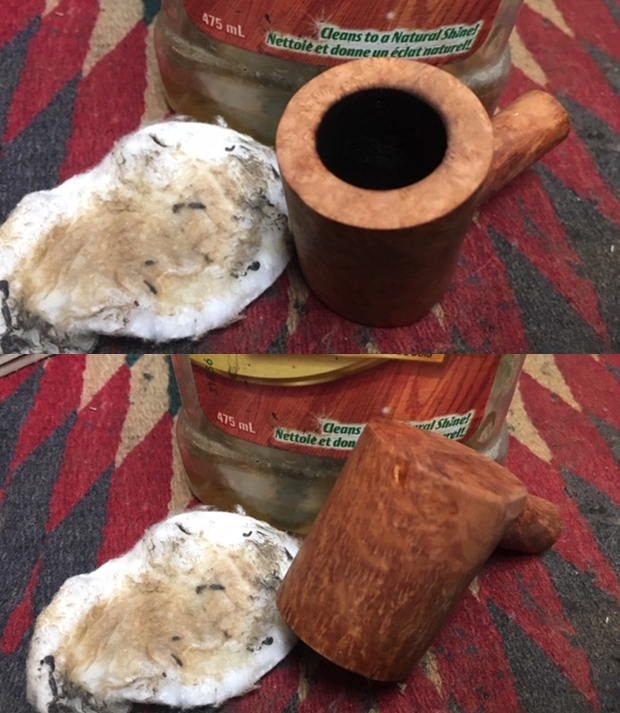
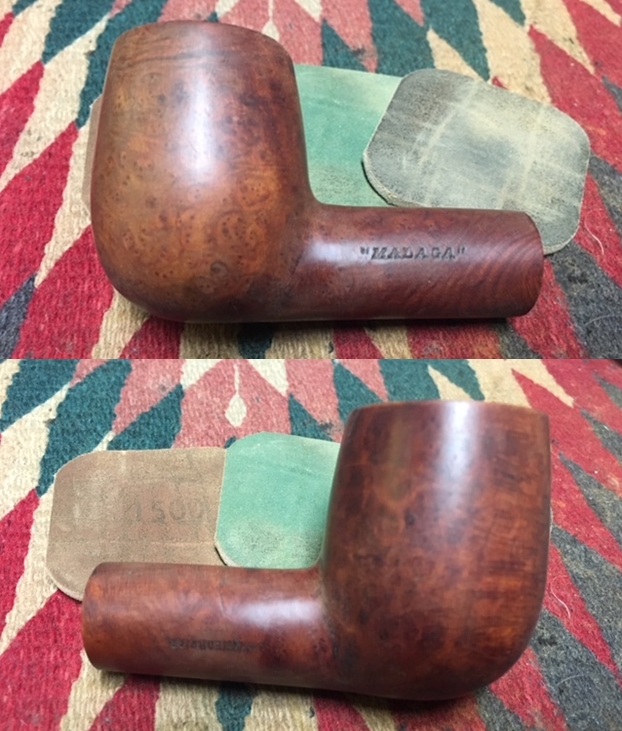
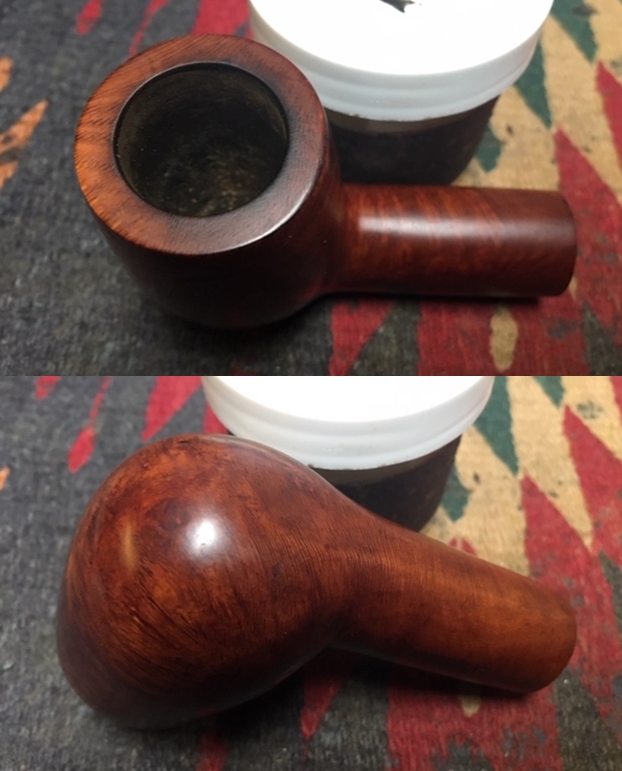
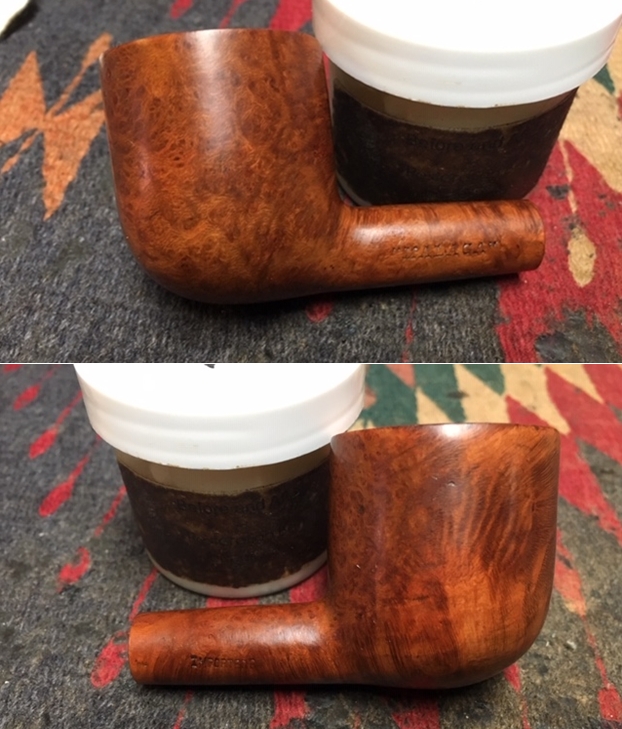
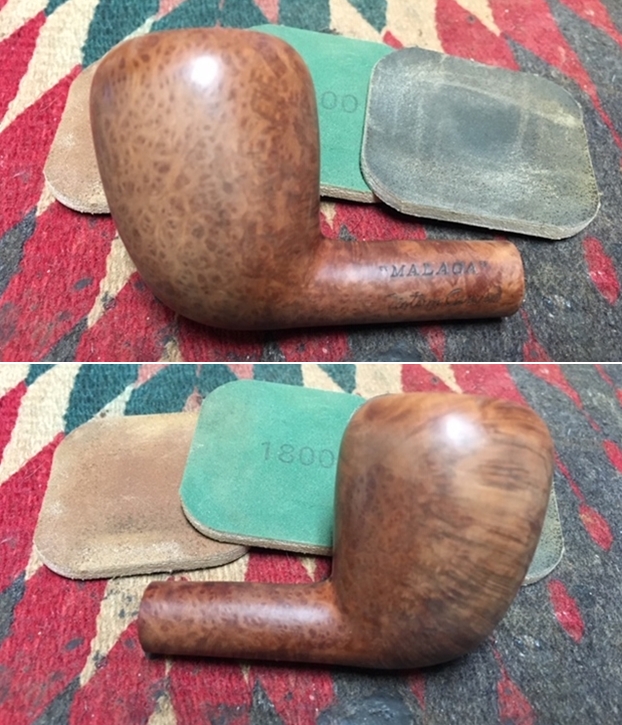
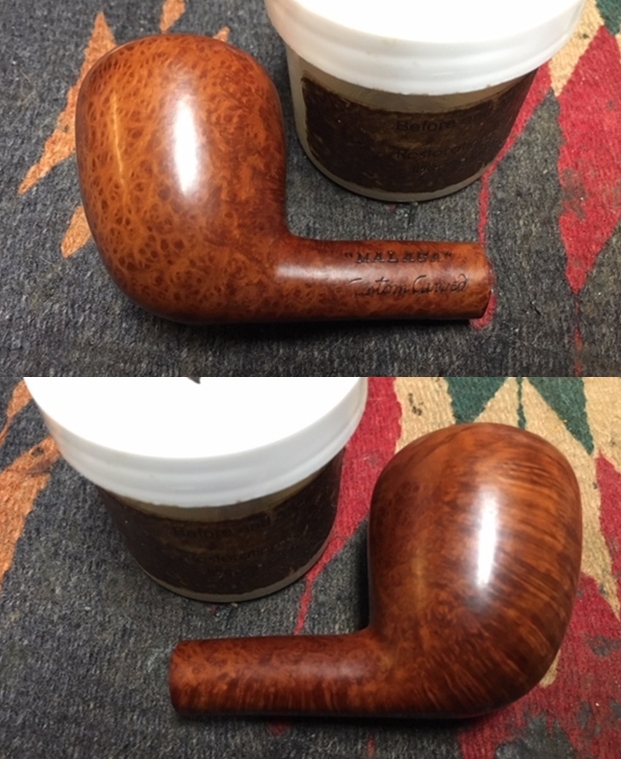
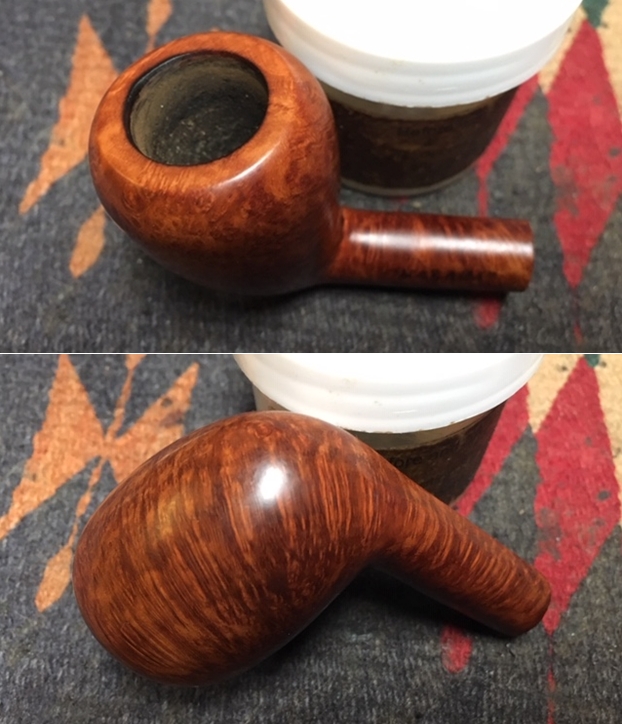
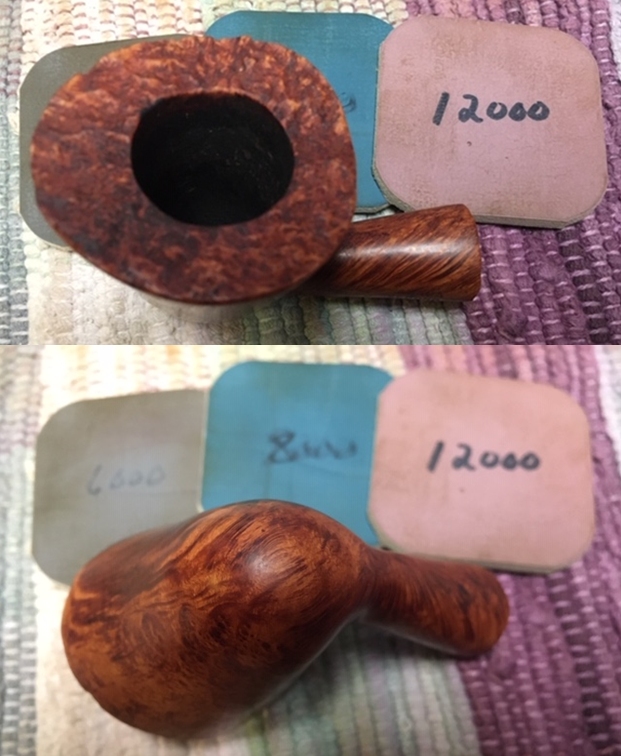 I worked some Before & After Restoration Balm into the surface of the smooth briar with my fingertips and into the rusticated portions of the rim top and shank with a horse hair shoe brush. The product works to clean, enliven and protect the briar. I let the balm sit for about twenty minutes and then buffed with a cotton cloth to raise the shine. The photos show the bowl at this point in the restoration process.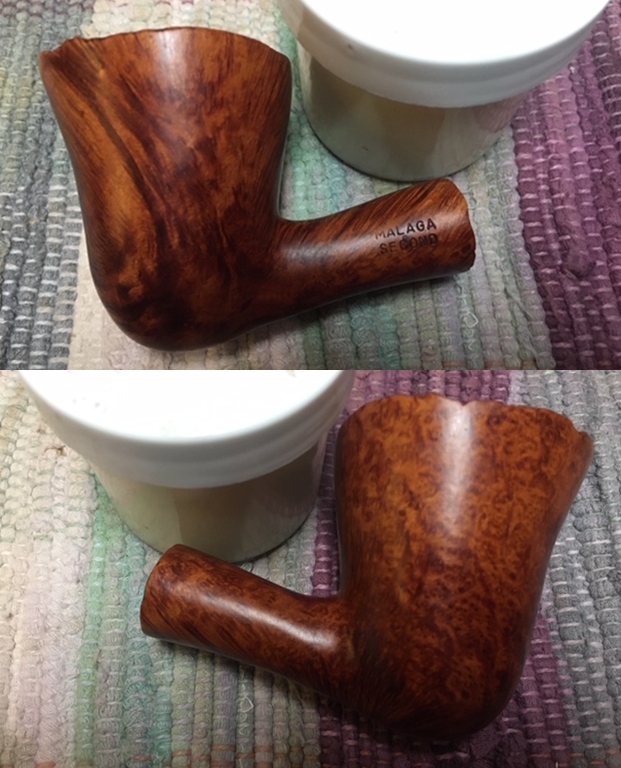
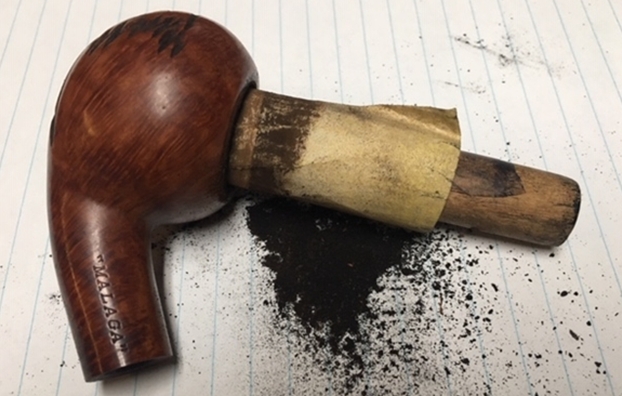
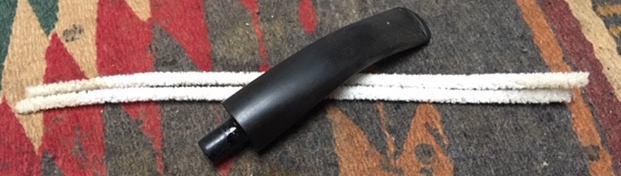
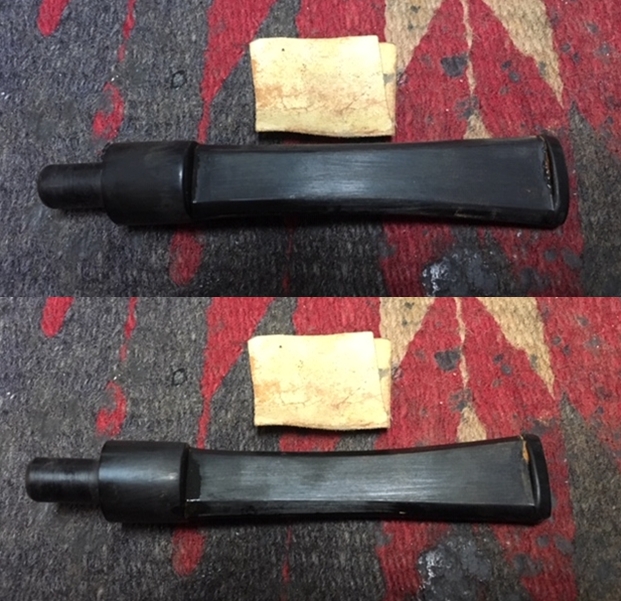
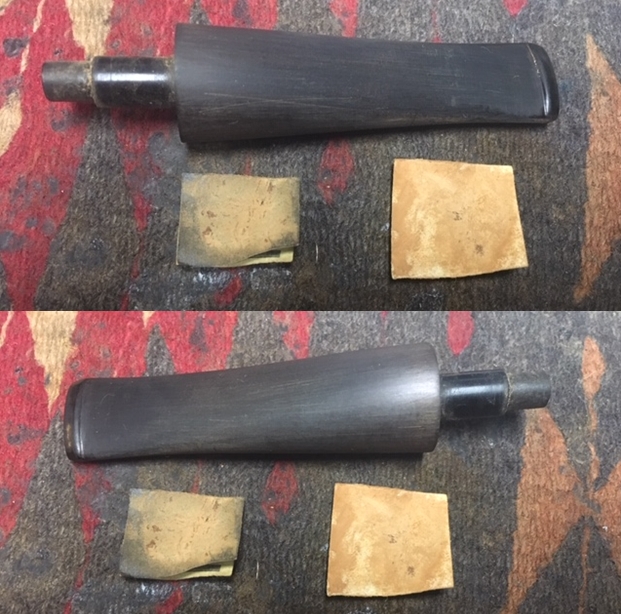
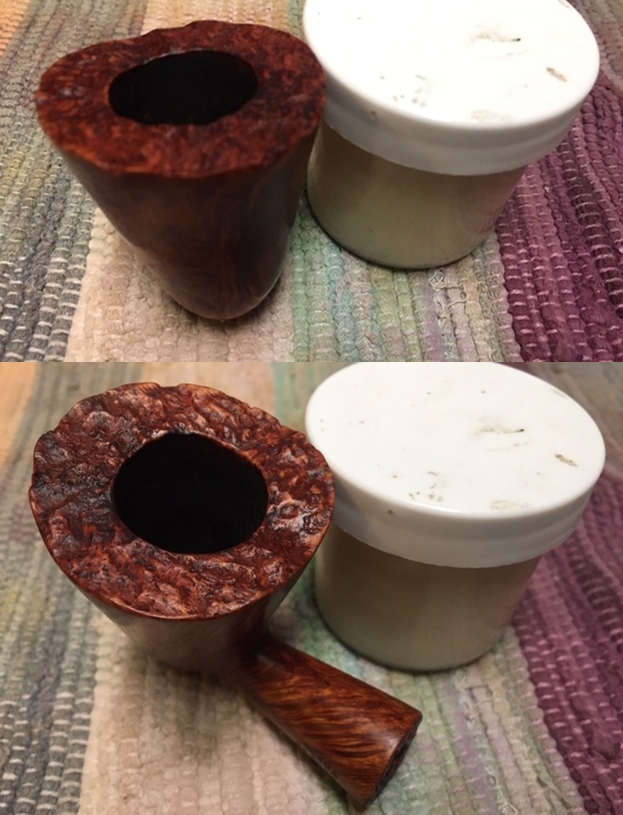 I turned to the stem to address the issues on the surface of both sides at the button. I decided to address the tooth marks and dents in the button and just ahead of the button. I “painted” the surface of the stem with the flame of a lighter to lift the tooth chatter and marks. The marks on the top and underside lifted until the remaining small marks could be dealt with by sanding the stem.
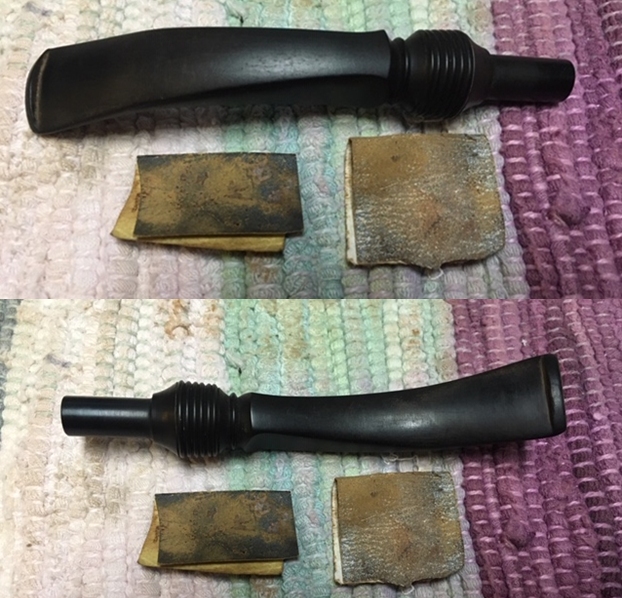
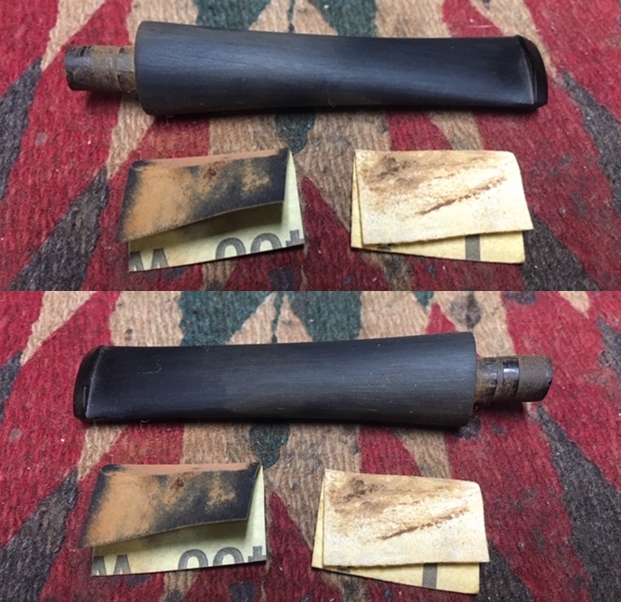
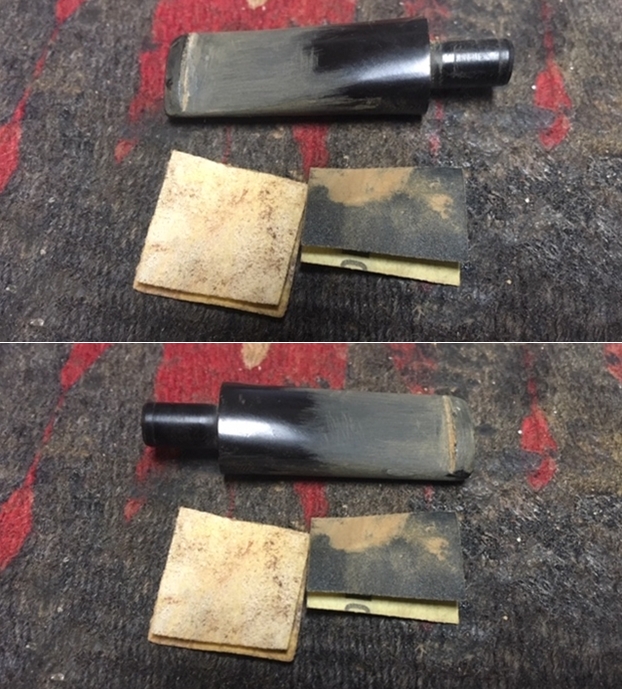
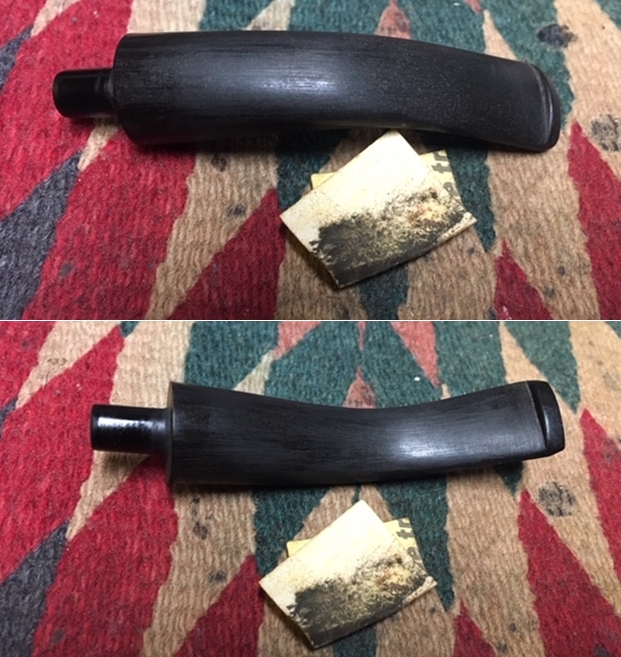
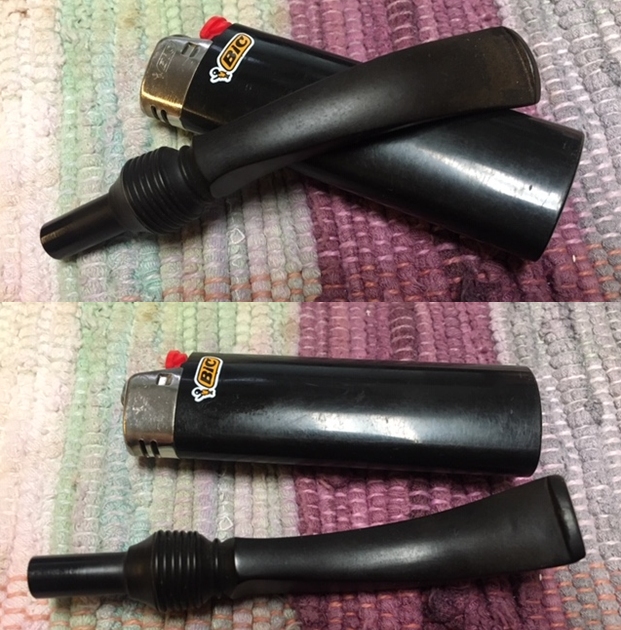 I sanded both sides smooth with 220 grit sandpaper to remove the deep oxidation on the surfaces. I finished this initial polishing with 400 grit sandpaper to smooth out the scratches in the stem surface. As I sanded and reshaped the button and stem surface the stem began to look very good.
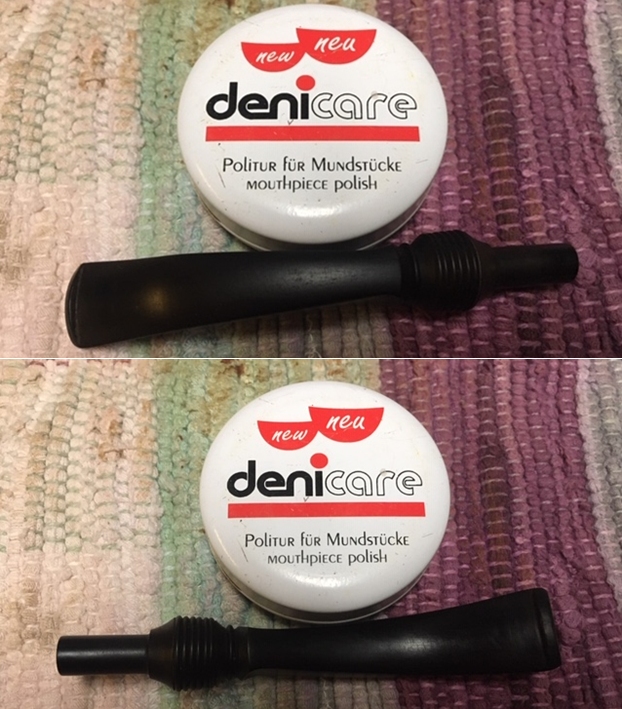
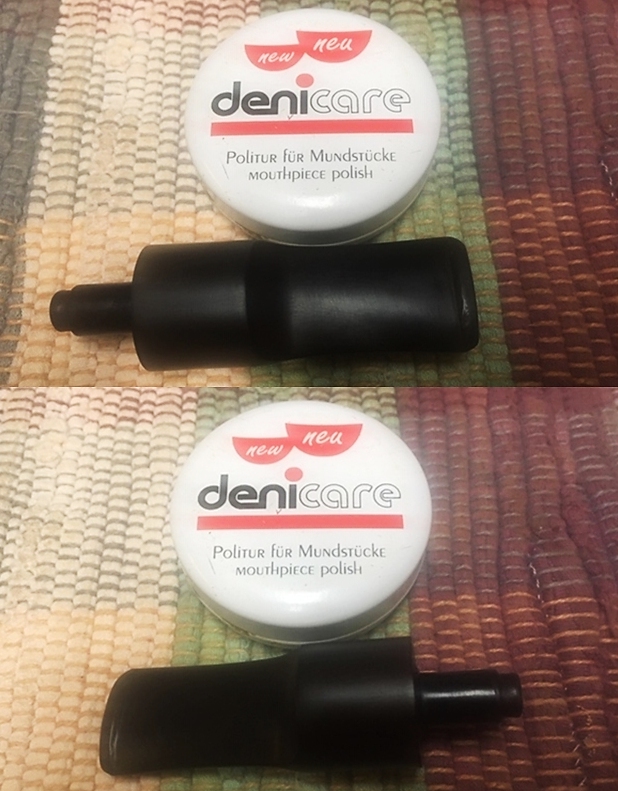
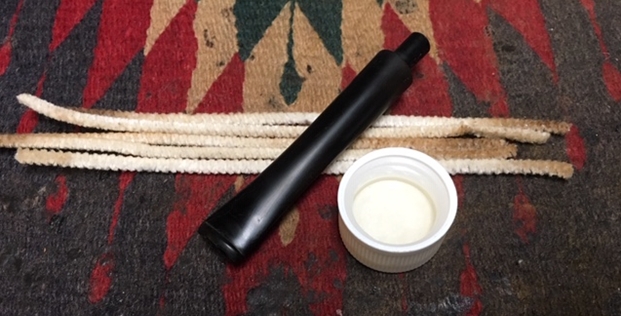
  I polished the stem with Denicare Mouthpiece Polish from a tin of it I have in the drawer here. It is a gritty red paste that I rub on with my finger tips and work into the surface of the stem and button and buff off with a cotton pad. It gives me a bit of a head start on the polishing work plus I have a tin to use up!
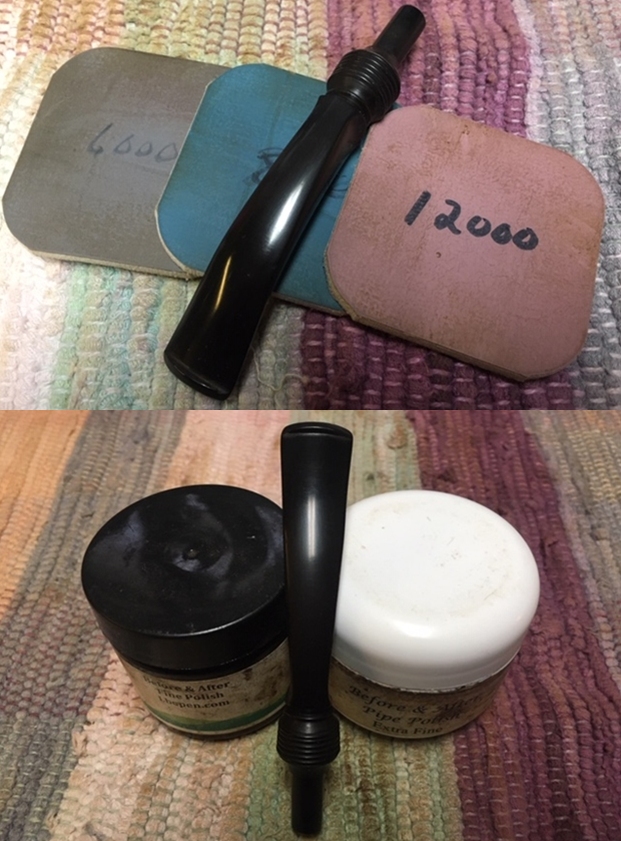
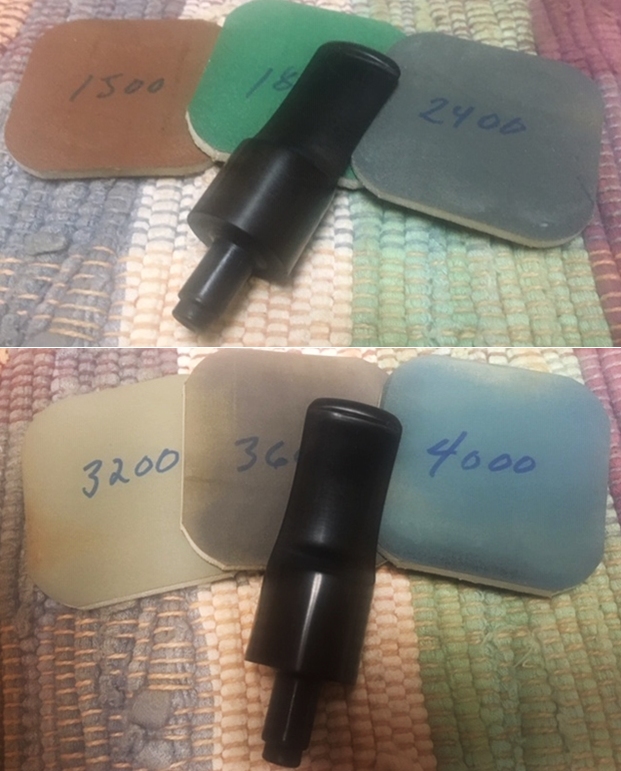
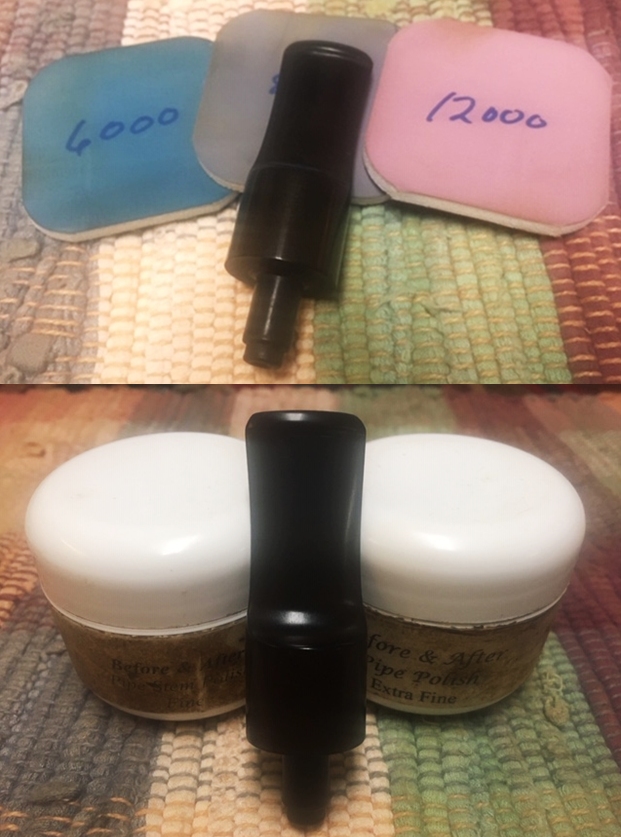
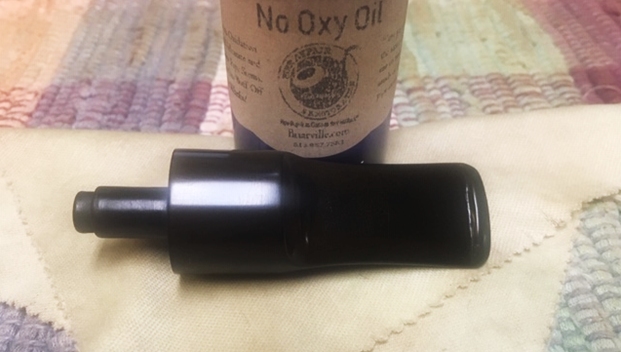
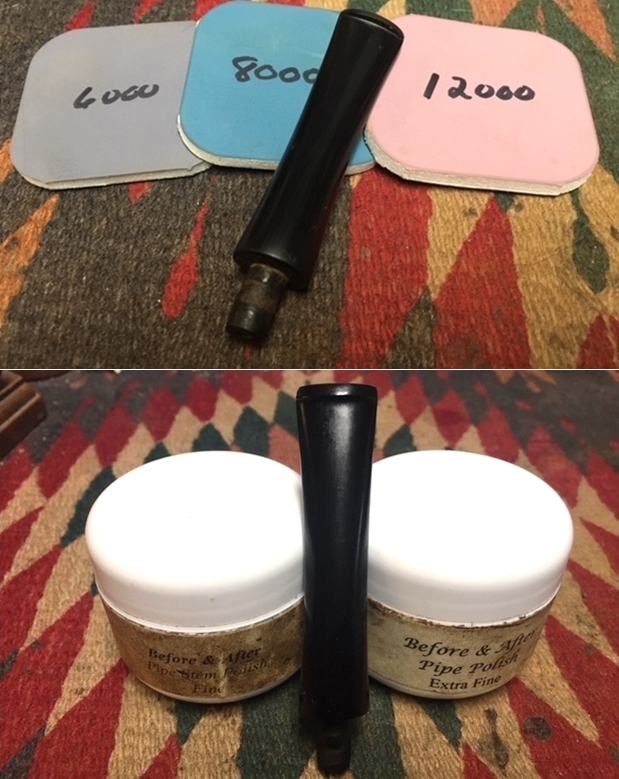
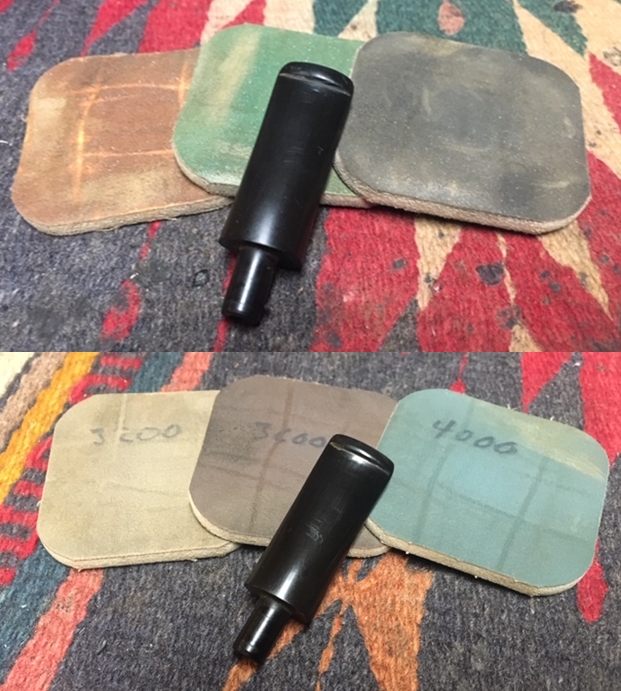
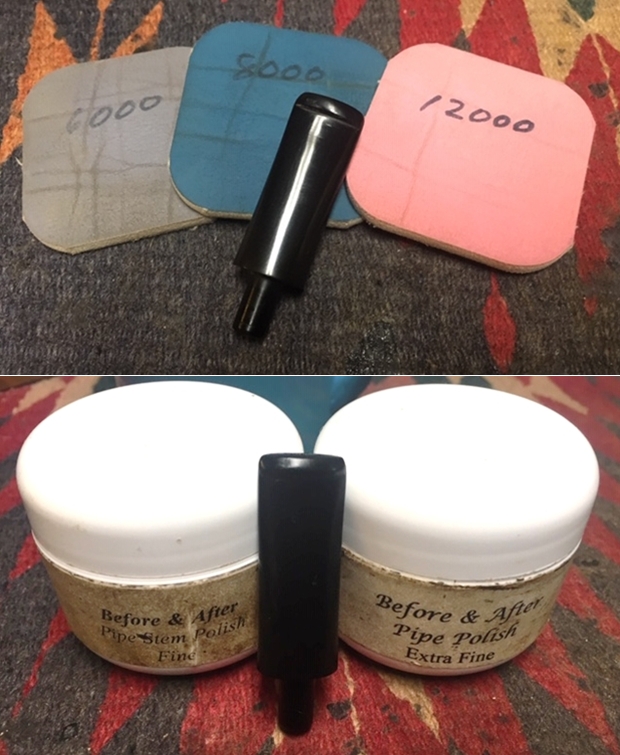
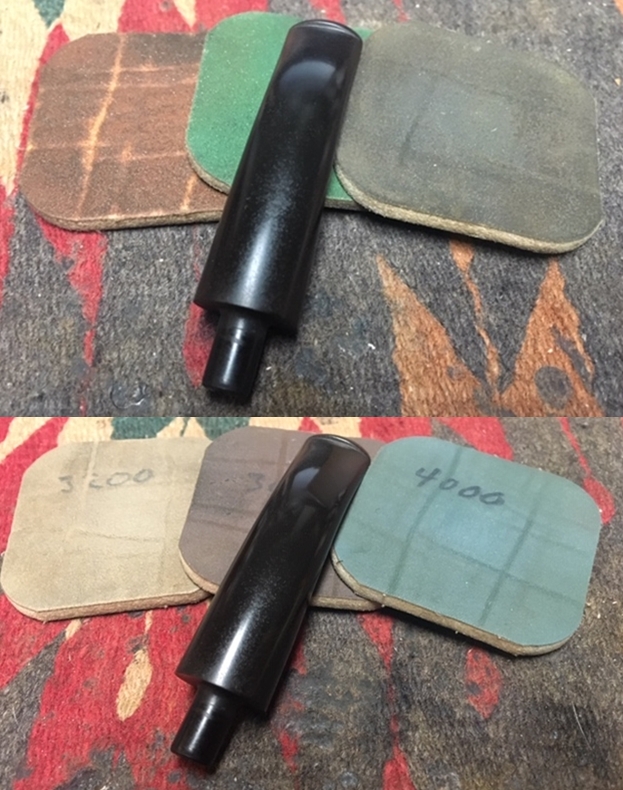
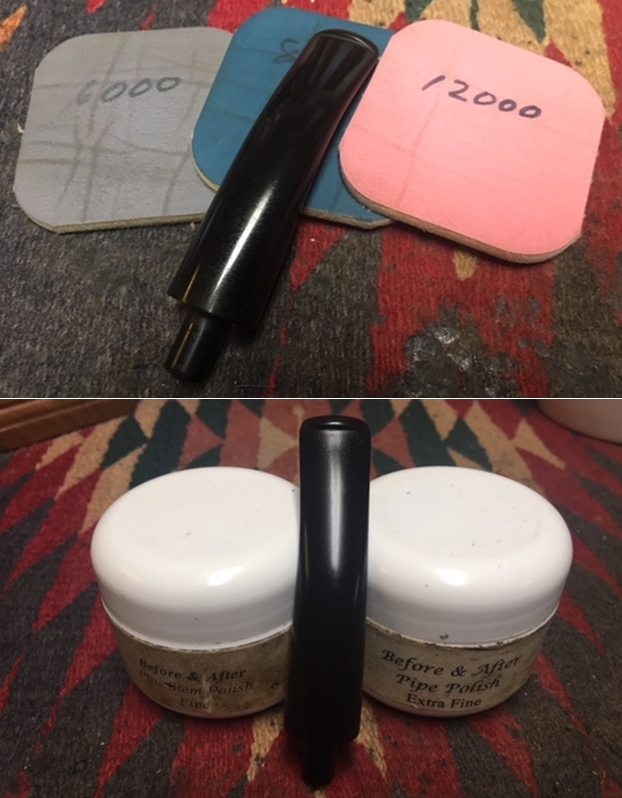
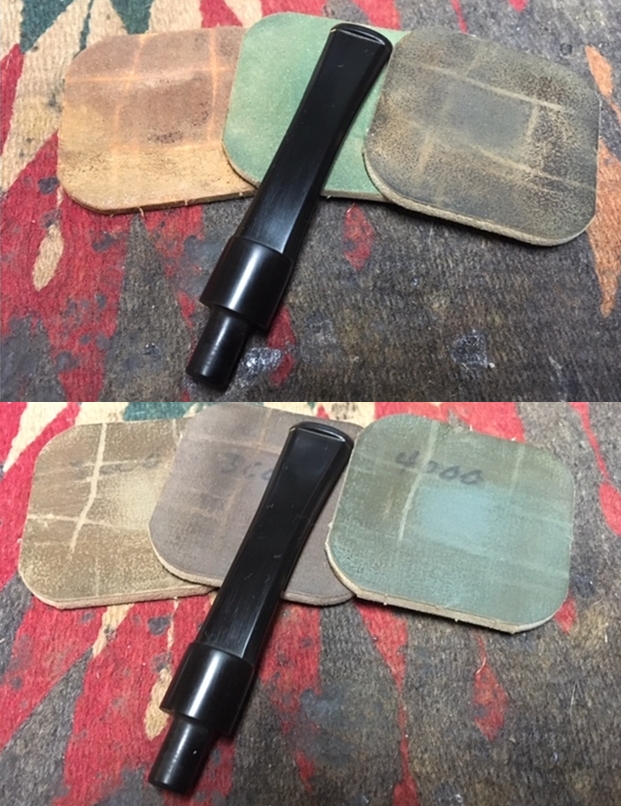
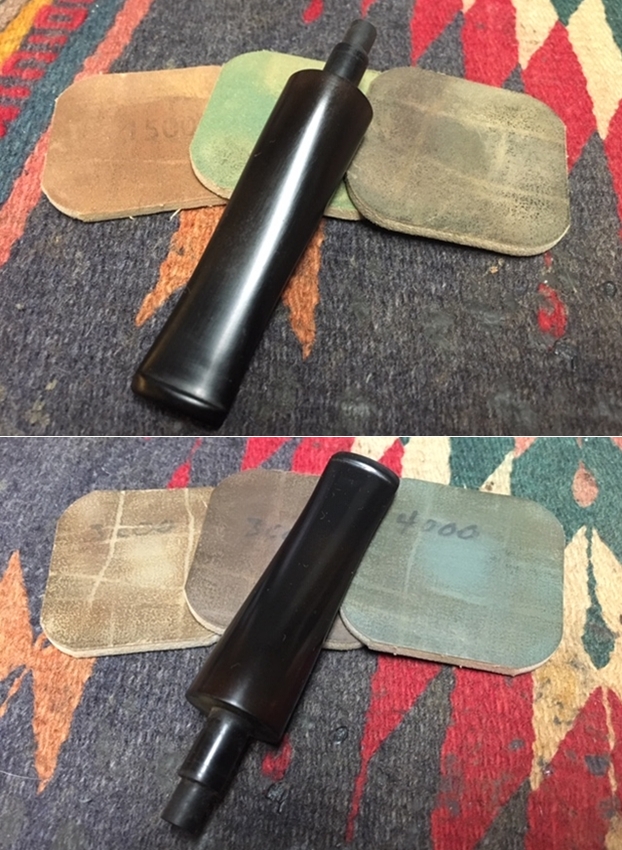
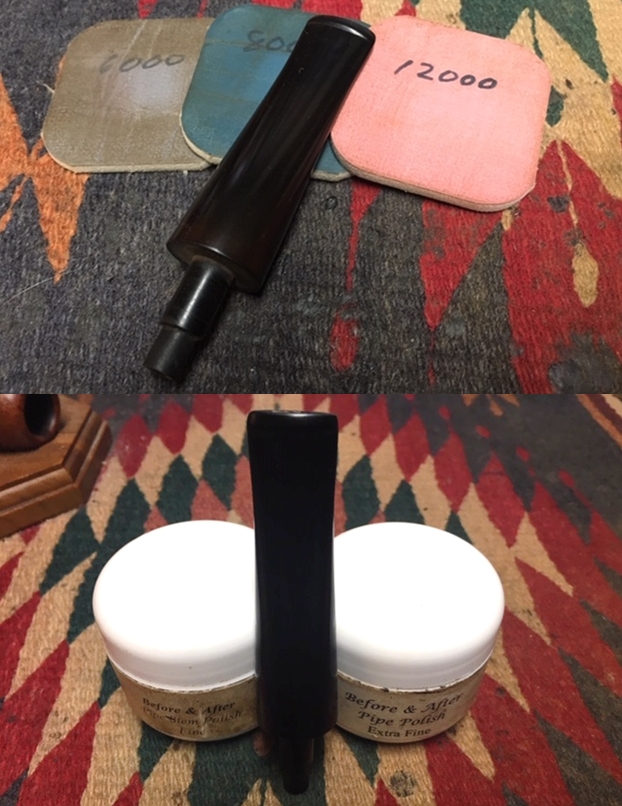
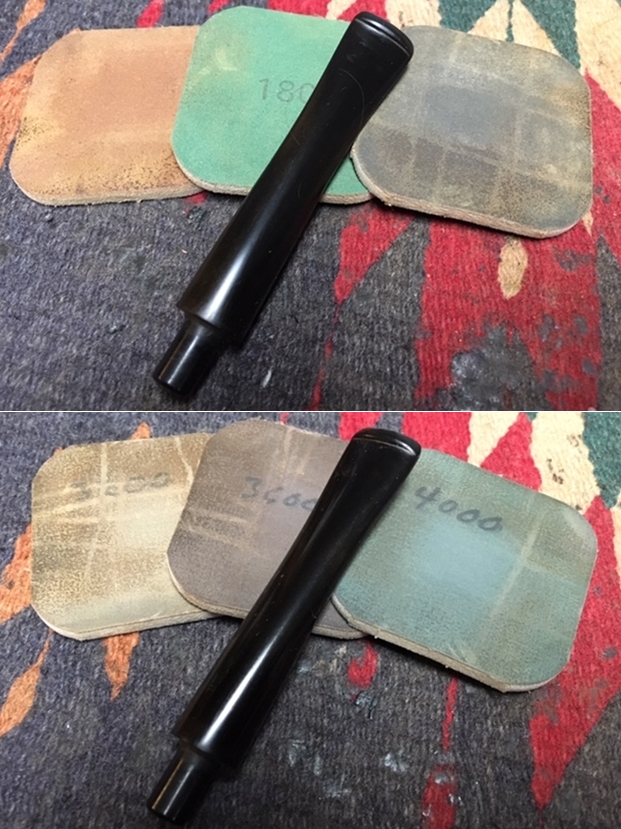
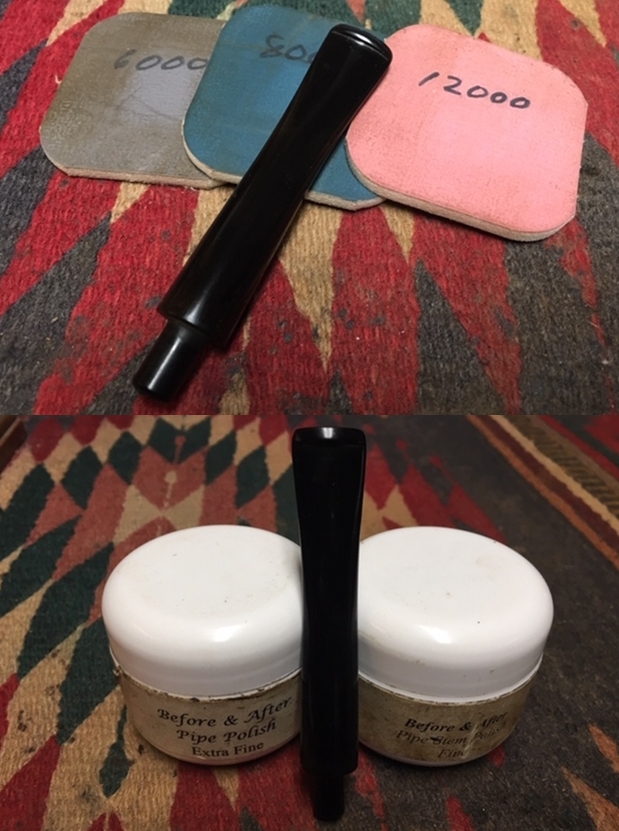
 I polished the stem with micromesh sanding pads – wet sanding with 1500-12000 grit sanding pads. I wiped it down after each sanding pad Obsidian Oil. I finished by polishing it with Before & After Pipe Stem Polish both fine and extra Fine and then wiped it down with a final coat of Obsidian Oil.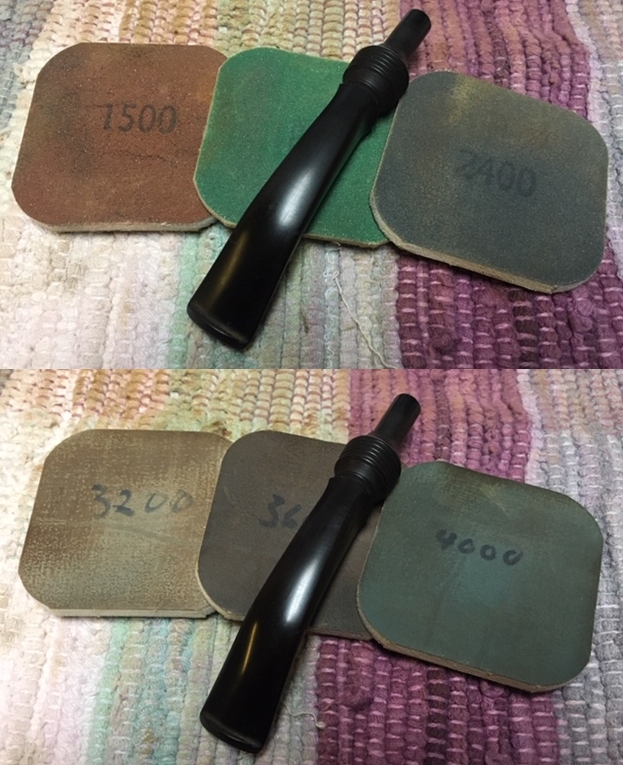
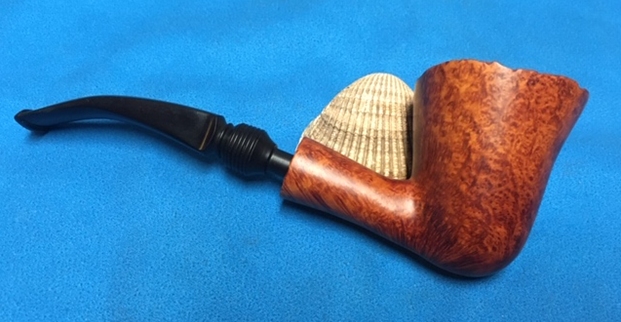
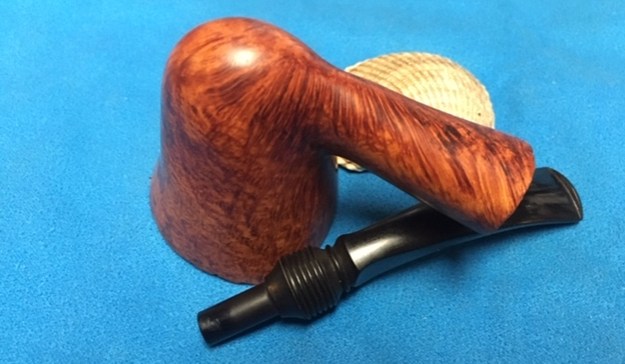
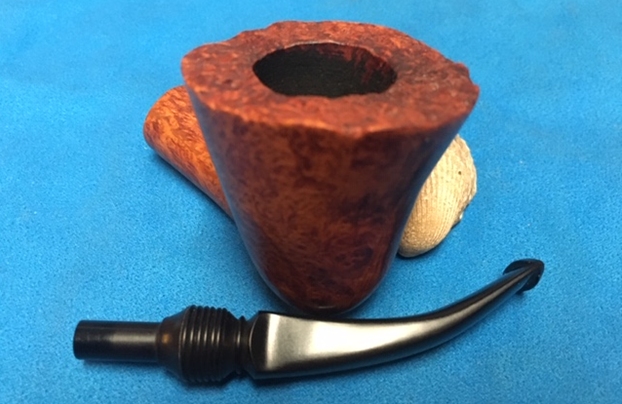
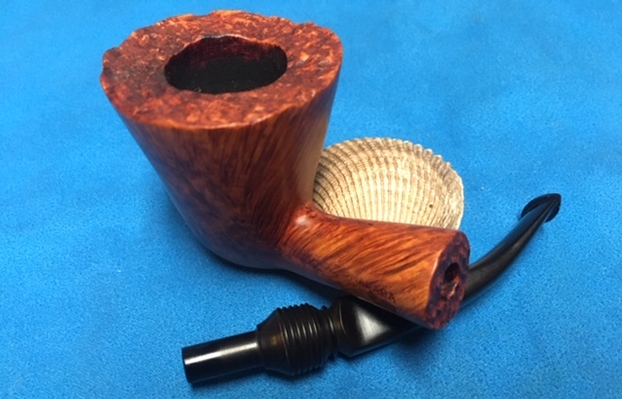
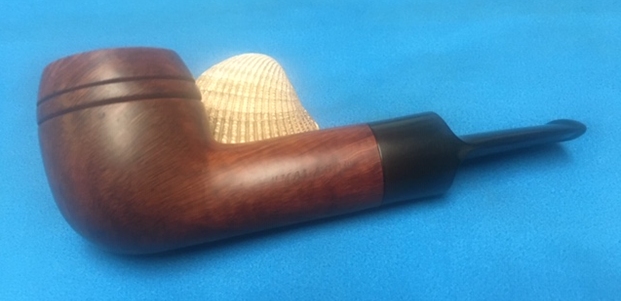
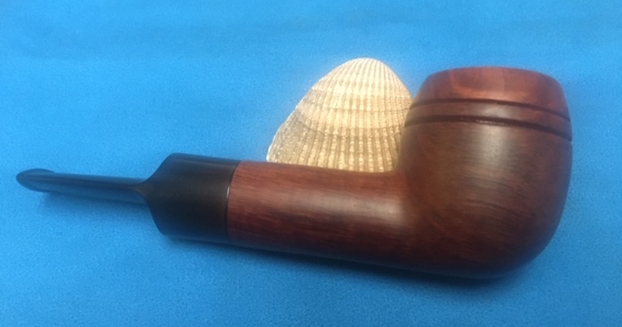
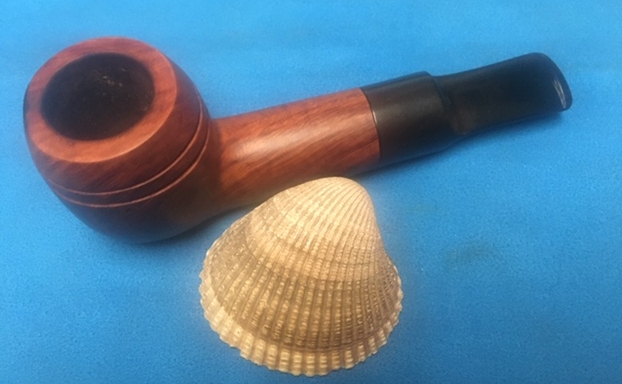
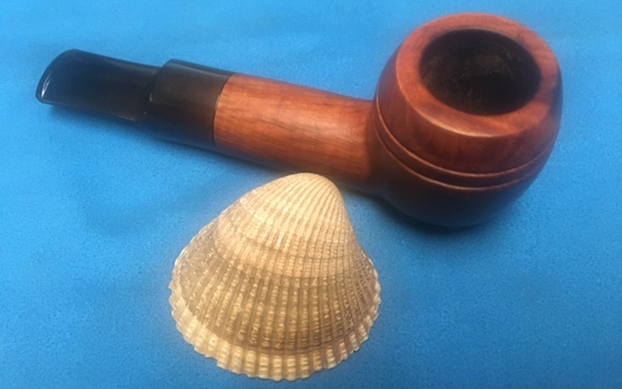
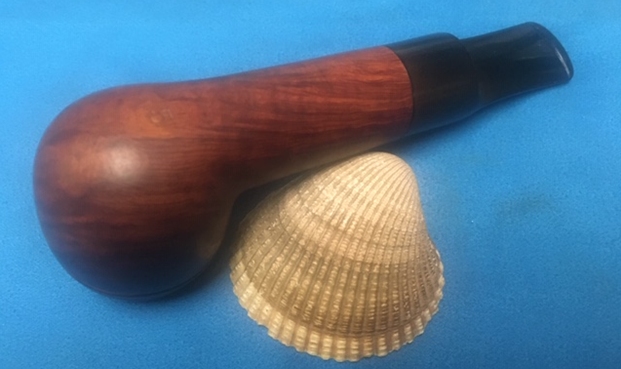
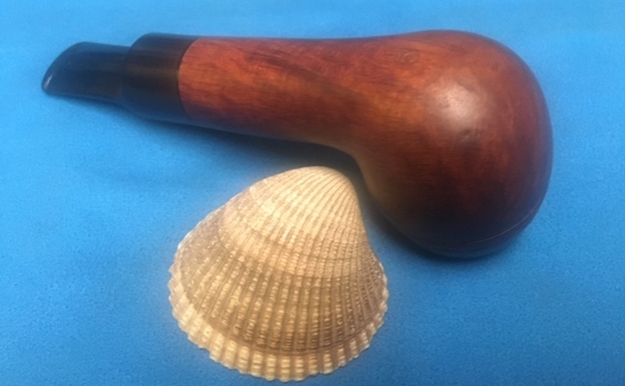
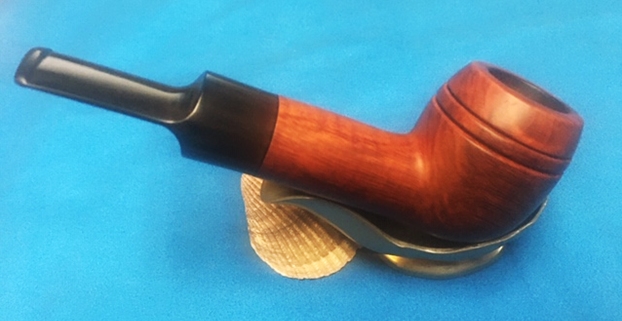
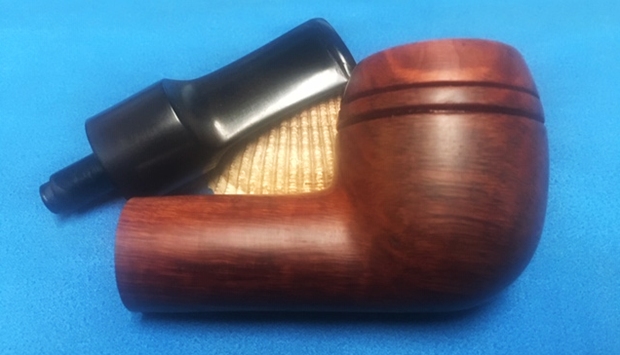
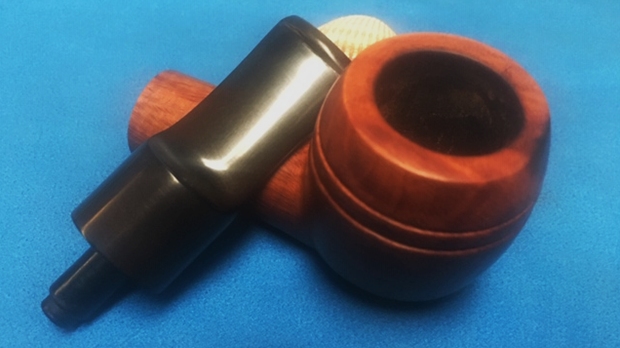
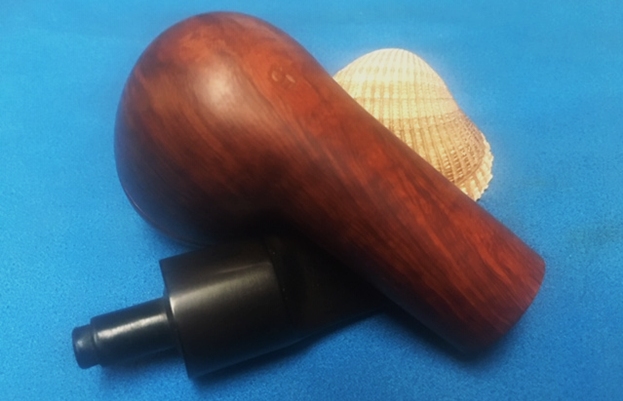
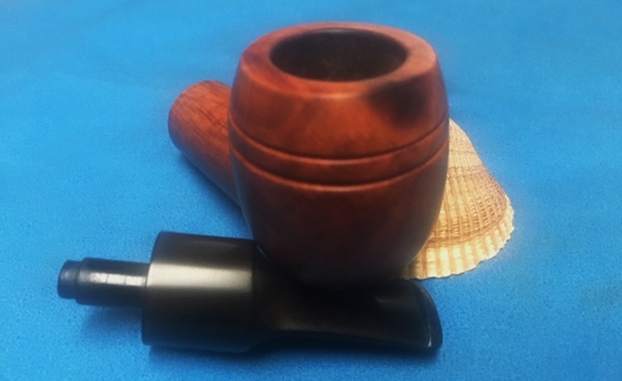
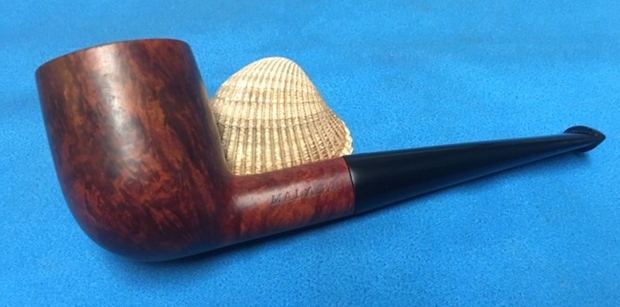
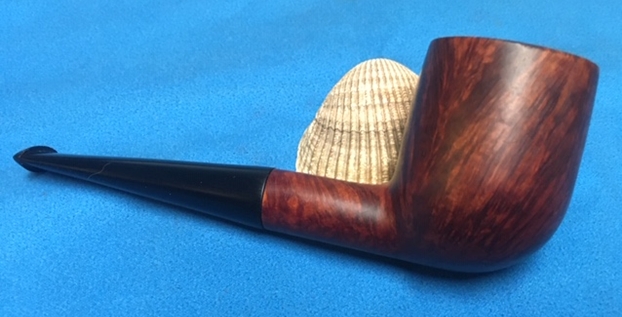
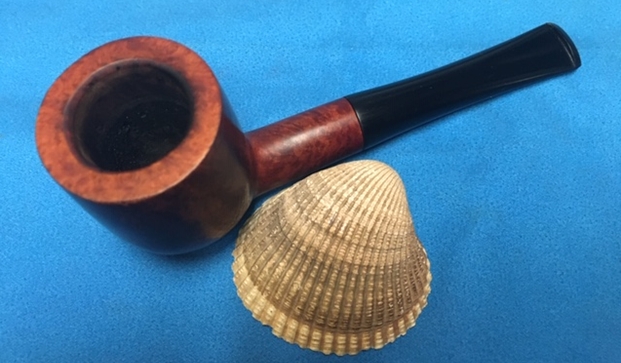
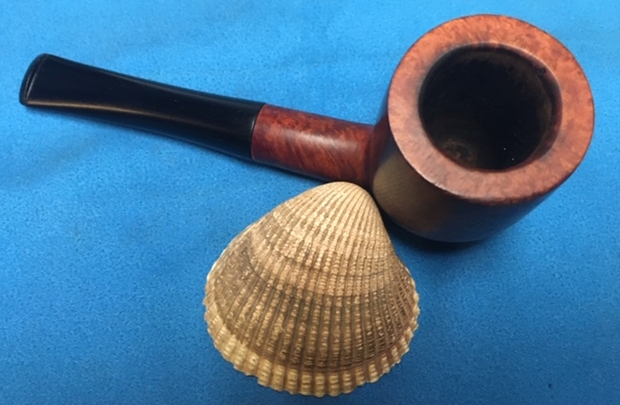
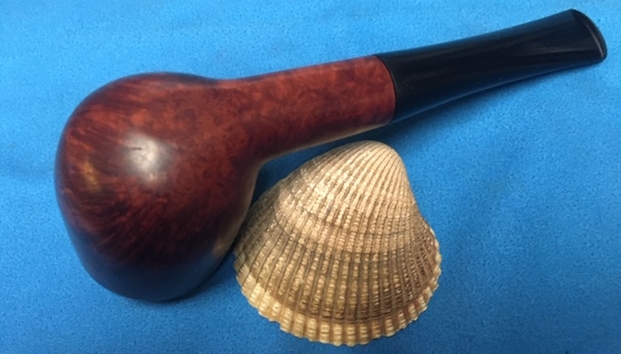
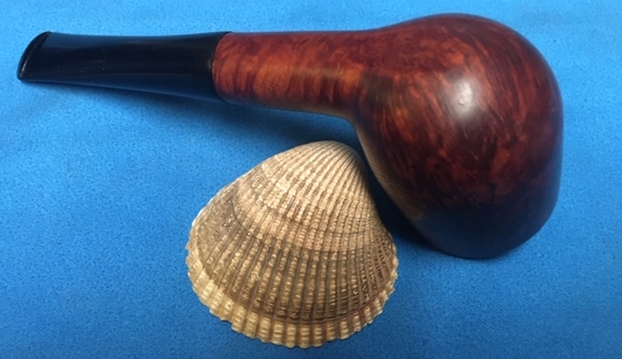
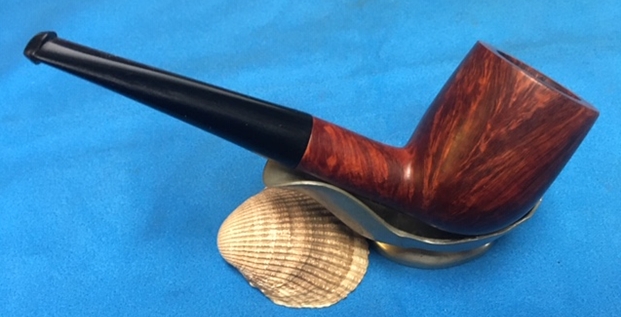
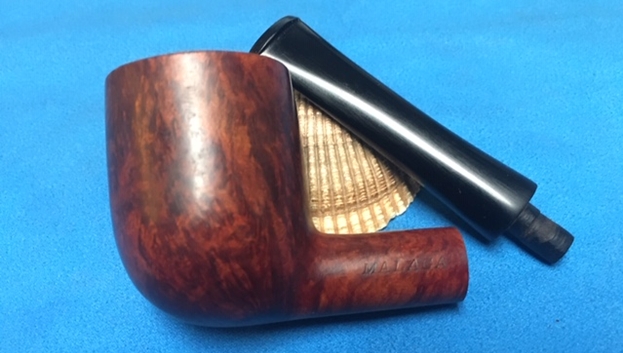
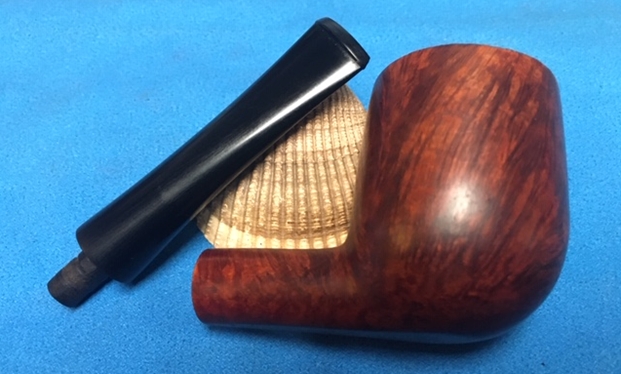
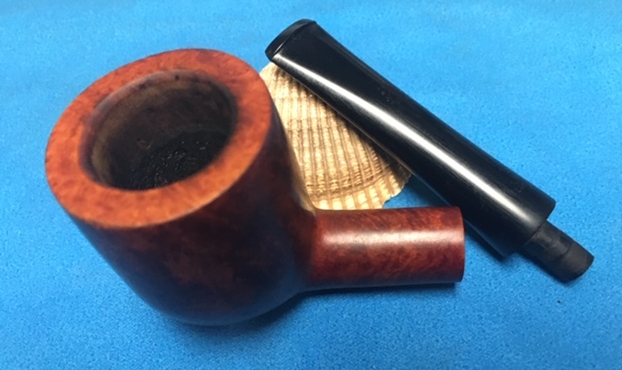
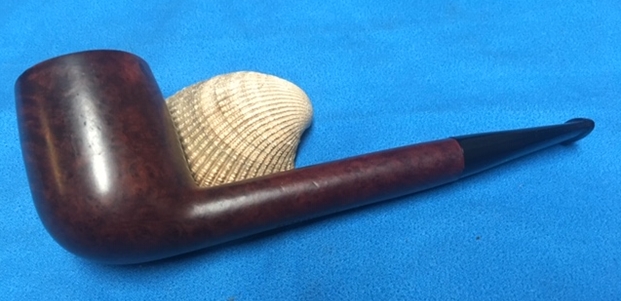
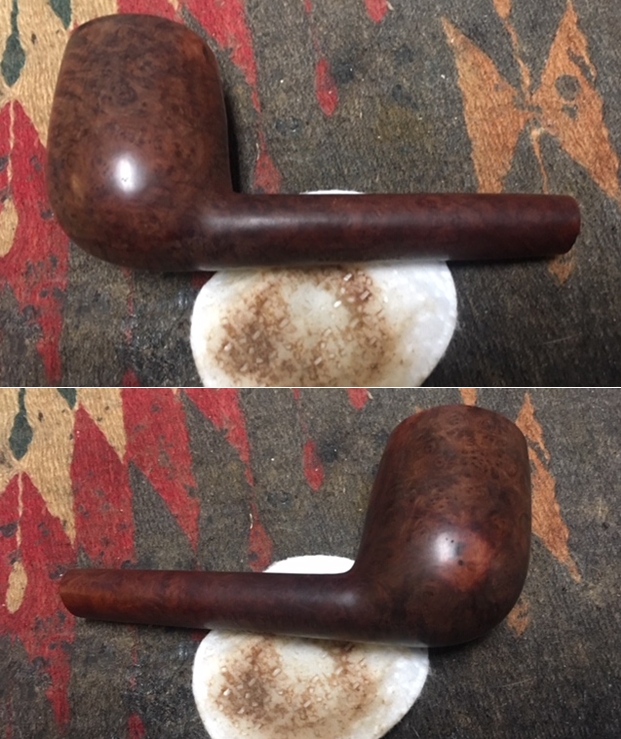
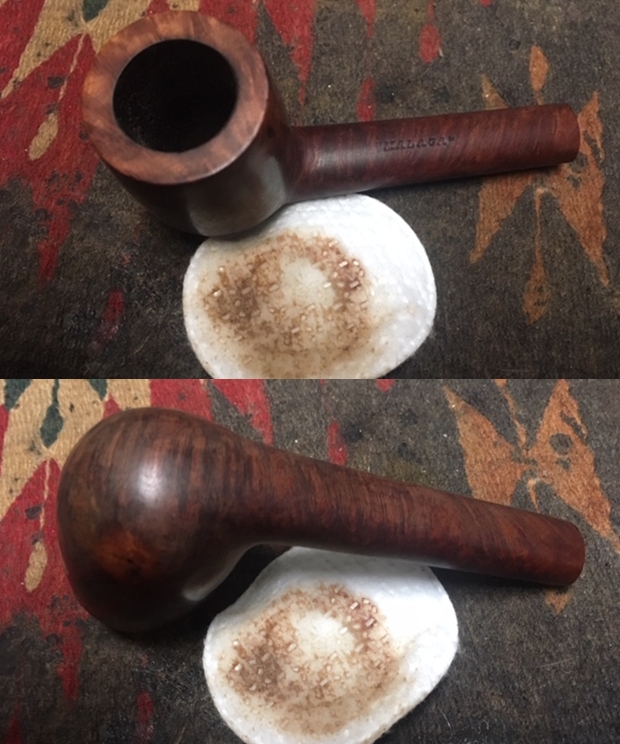
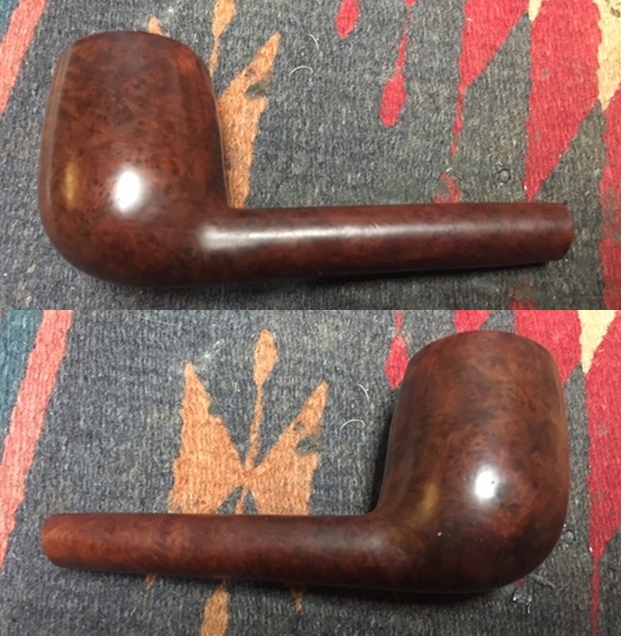
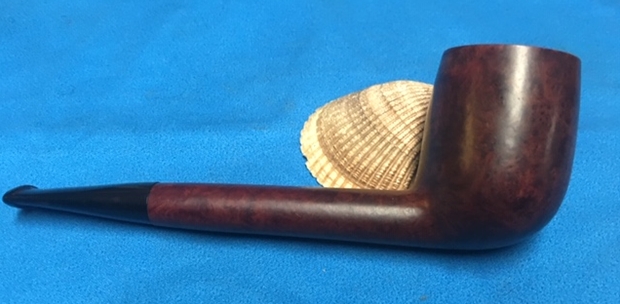
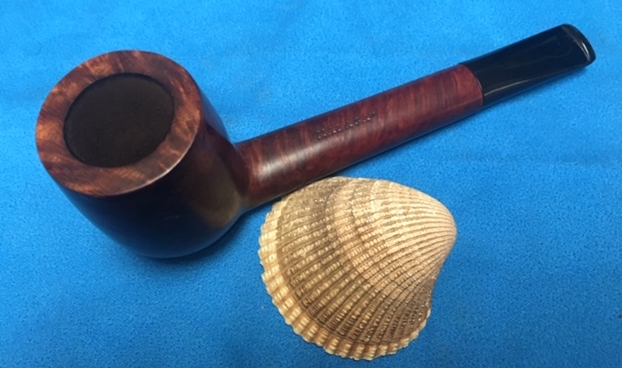
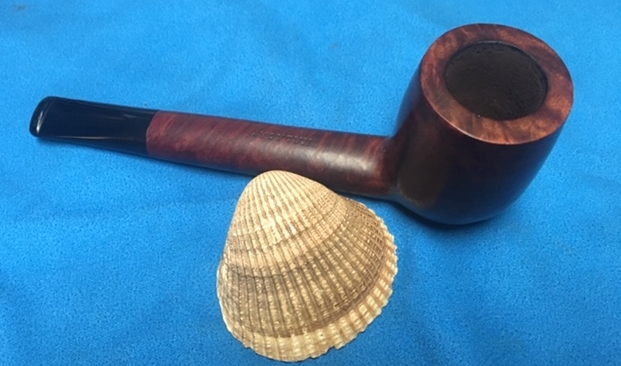
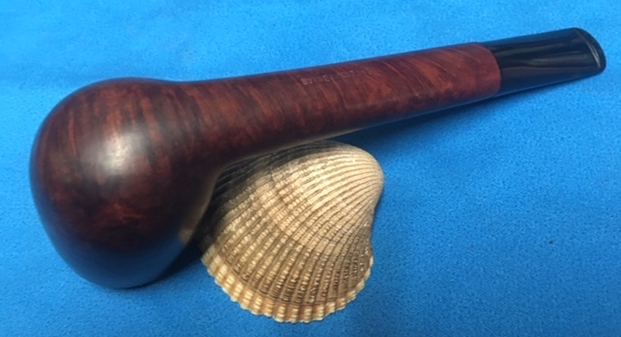
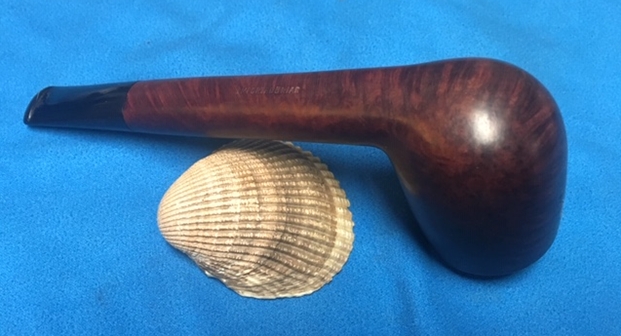
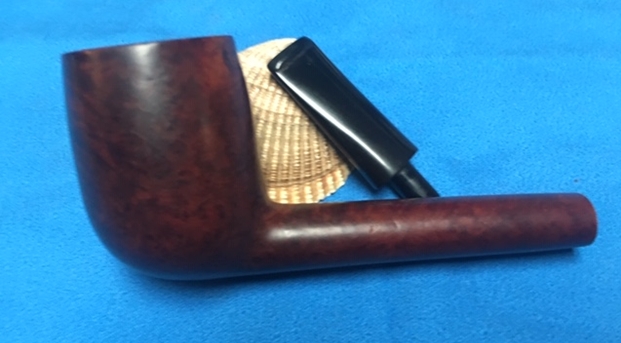
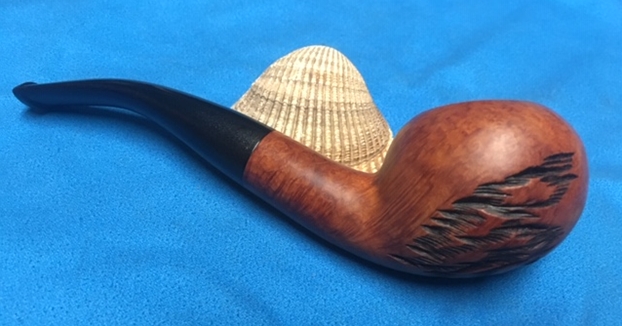
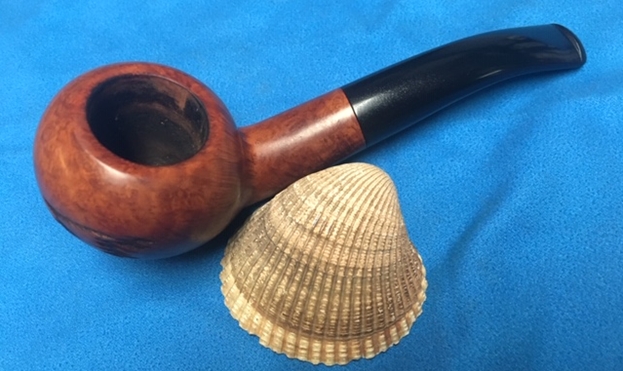
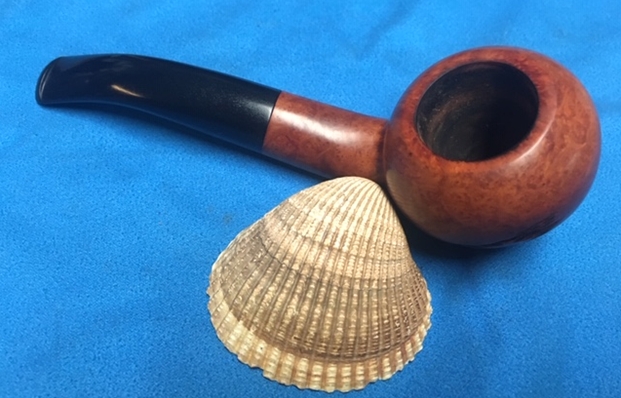
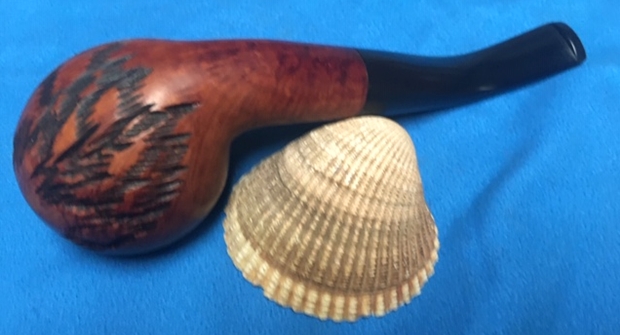
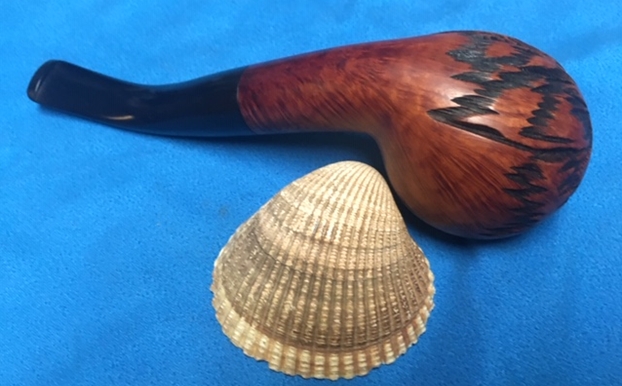
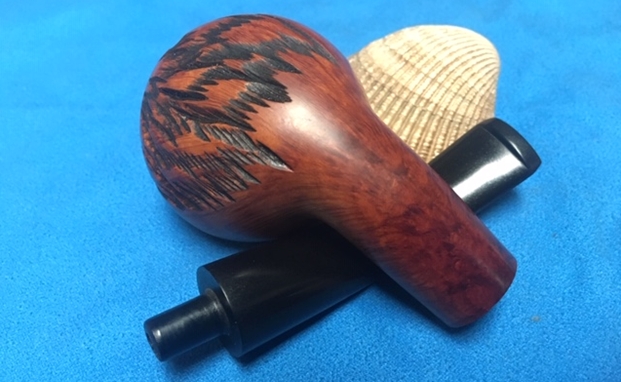
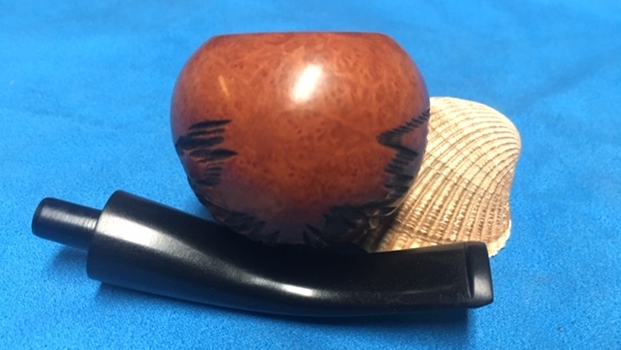
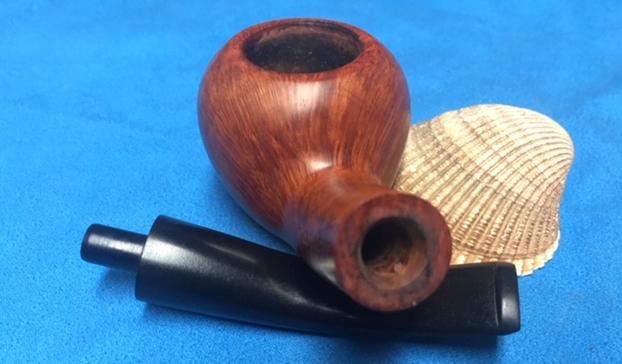
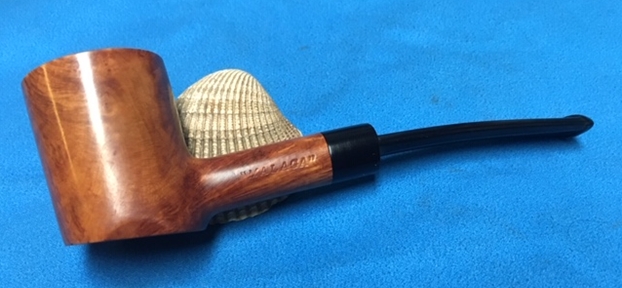
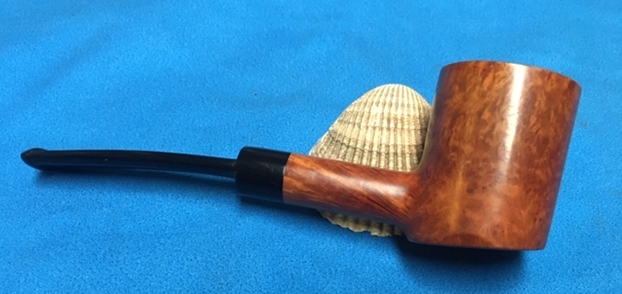
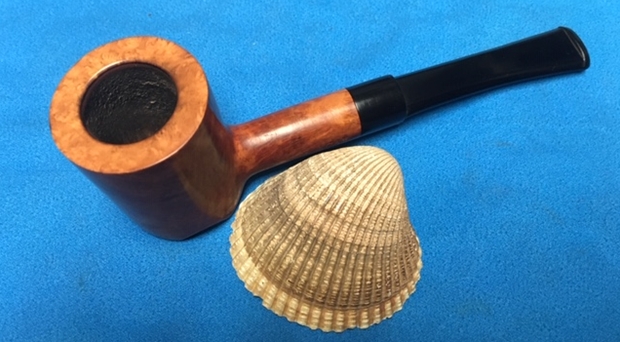
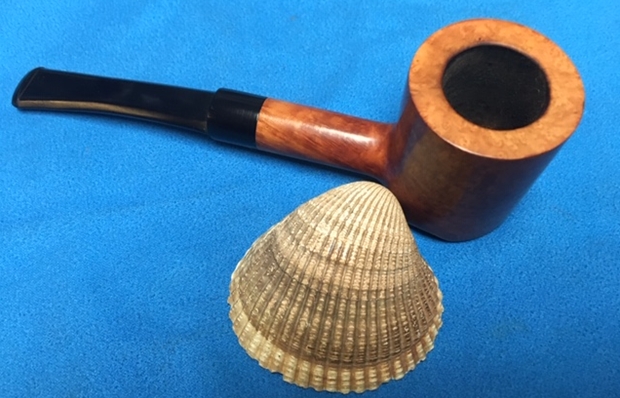
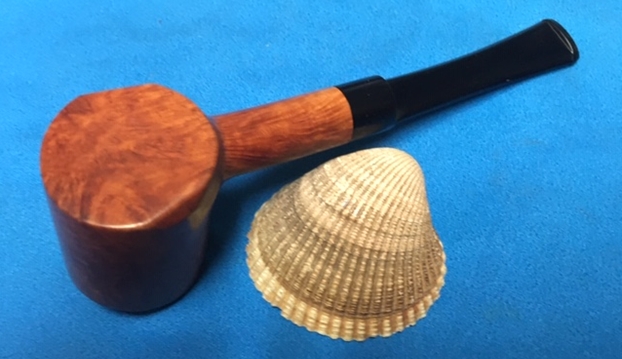
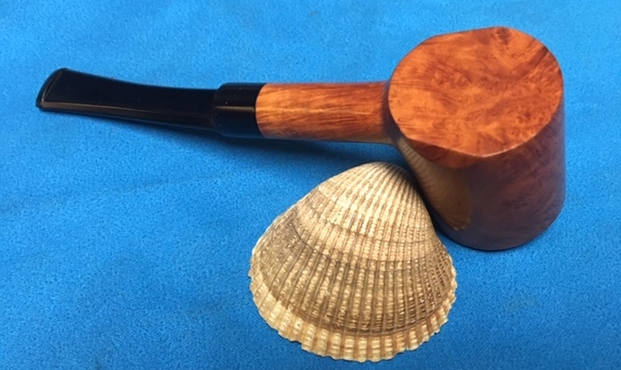
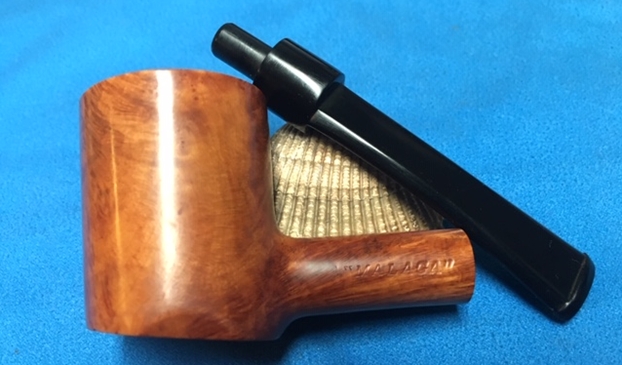
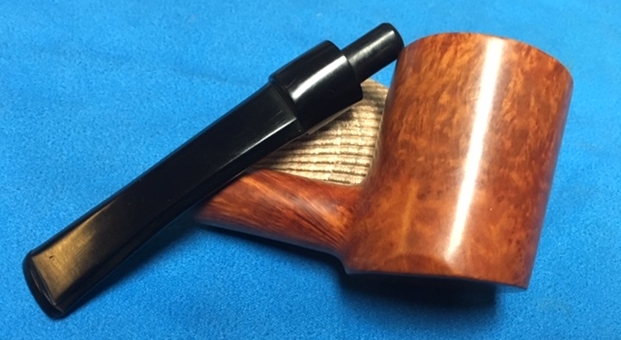
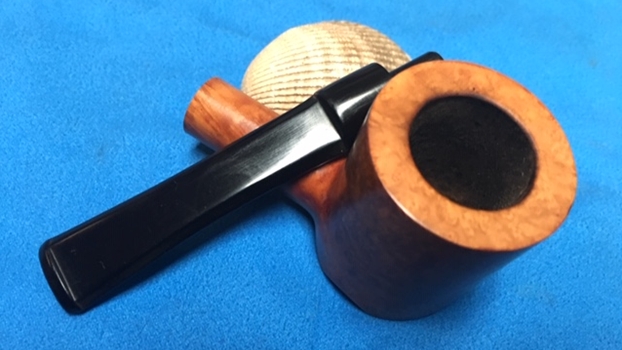
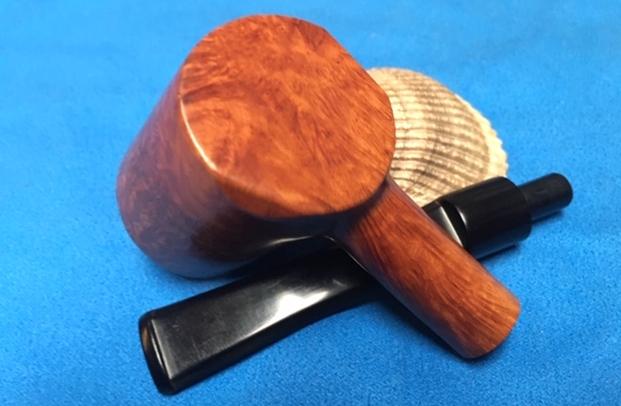
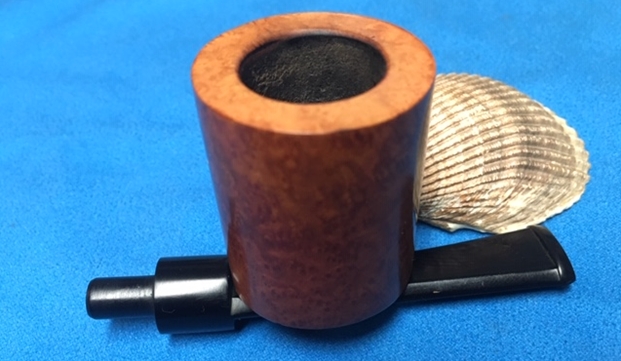
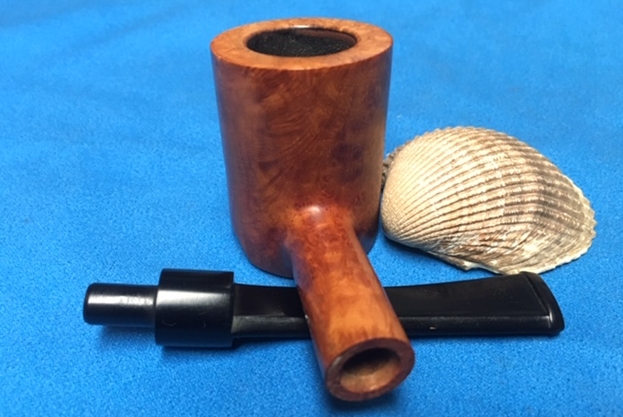
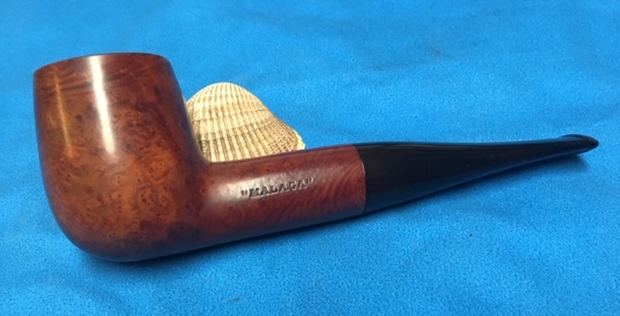
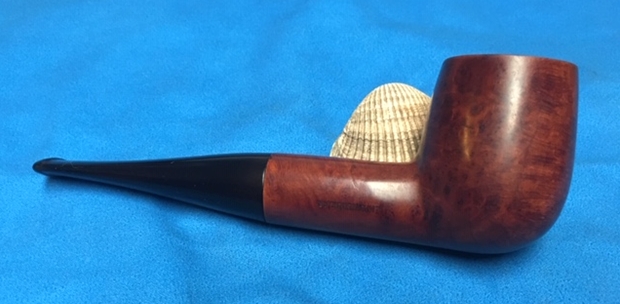
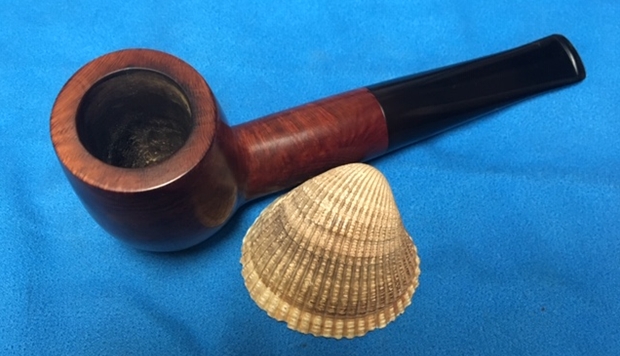
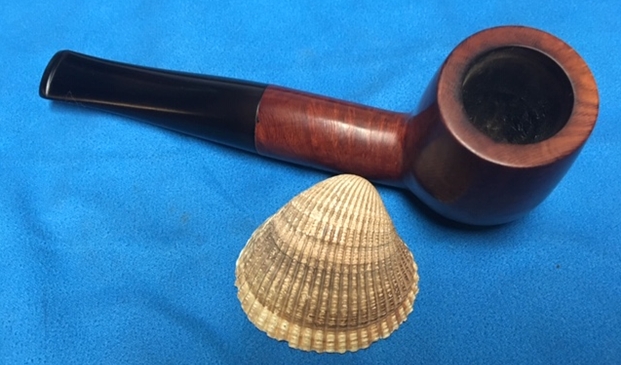
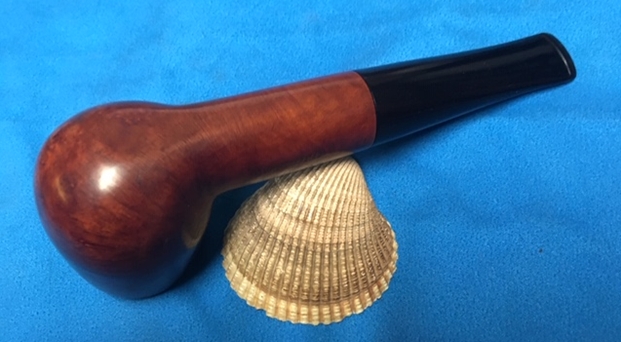
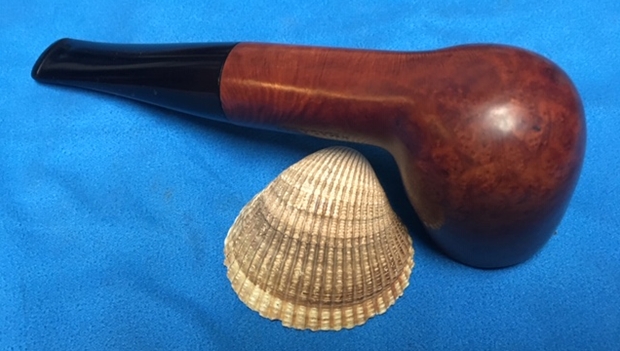
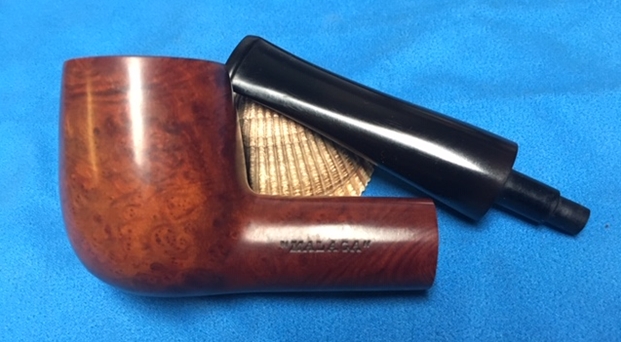
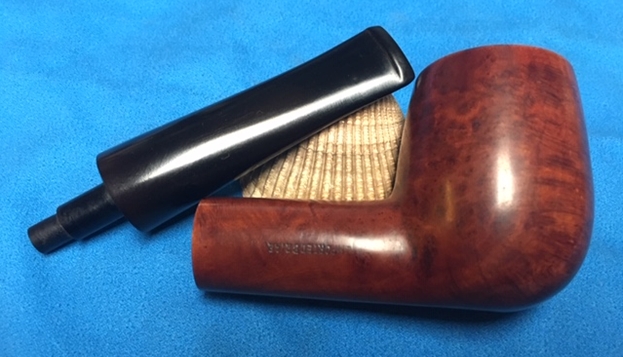
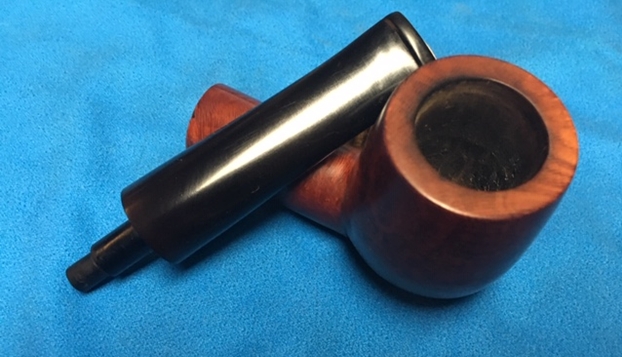
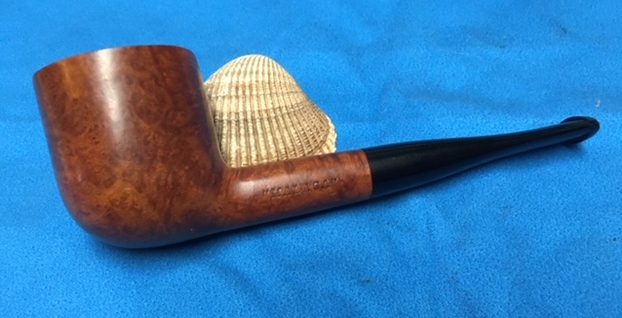
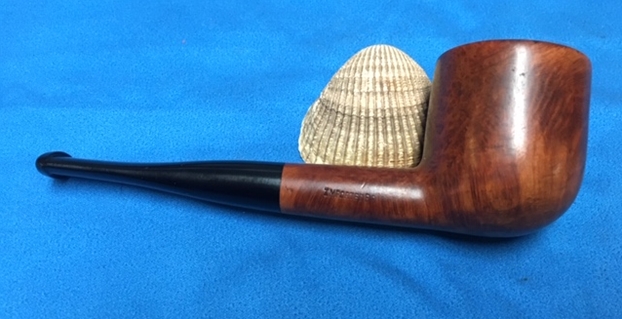
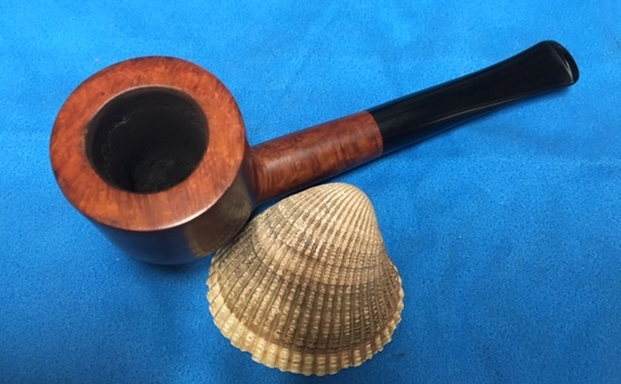
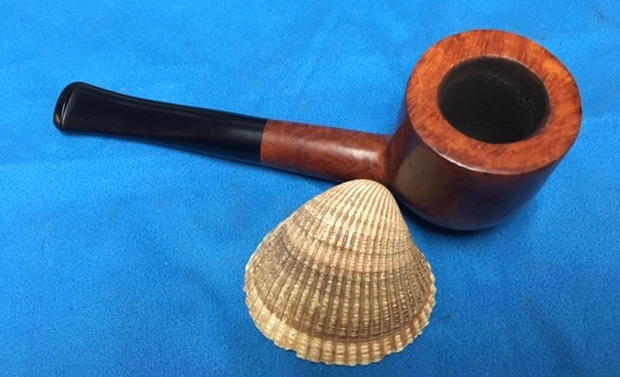
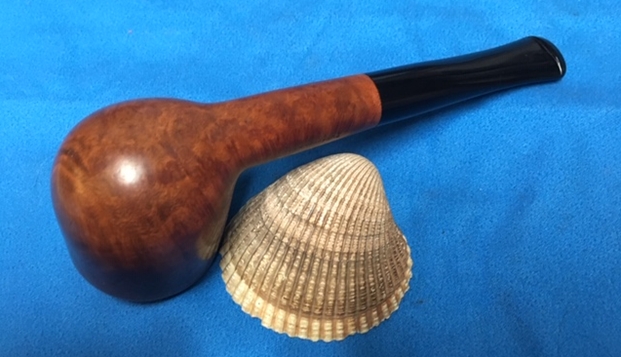
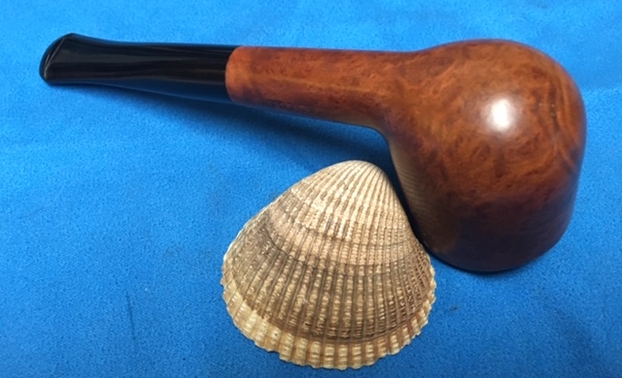
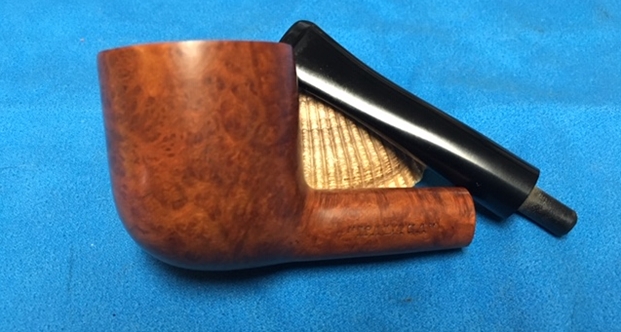
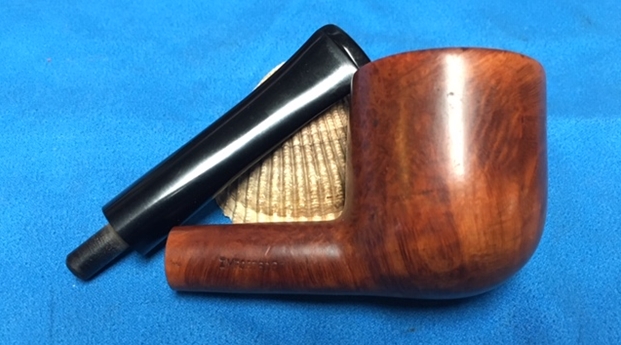
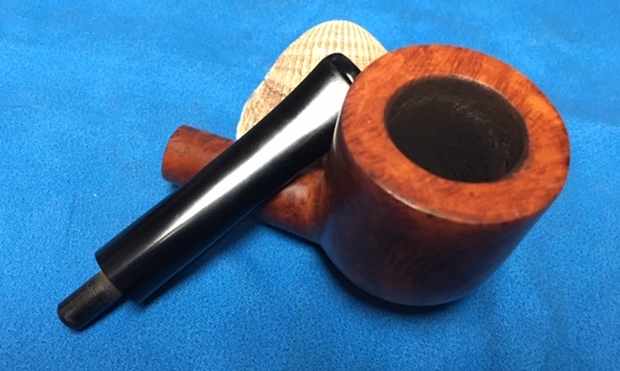
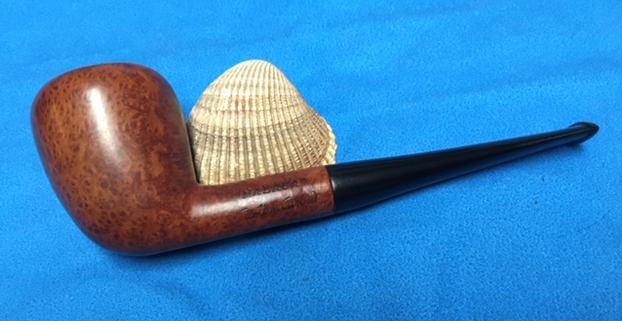
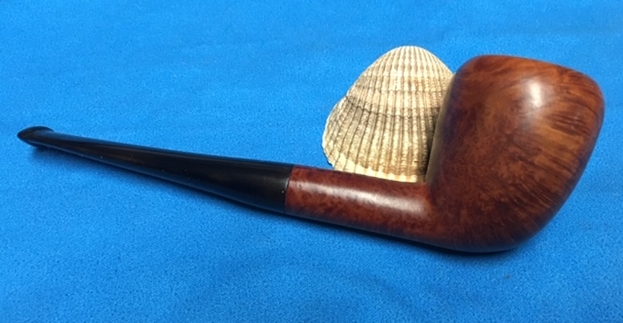
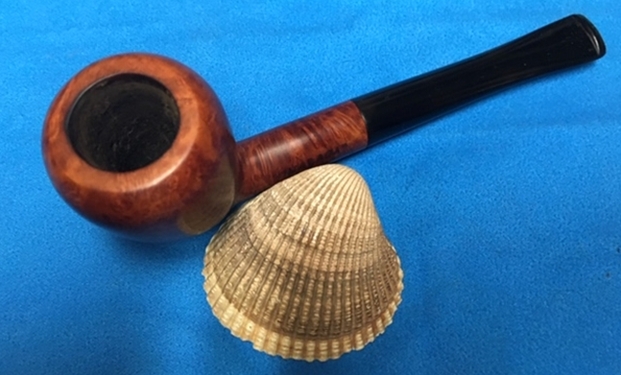
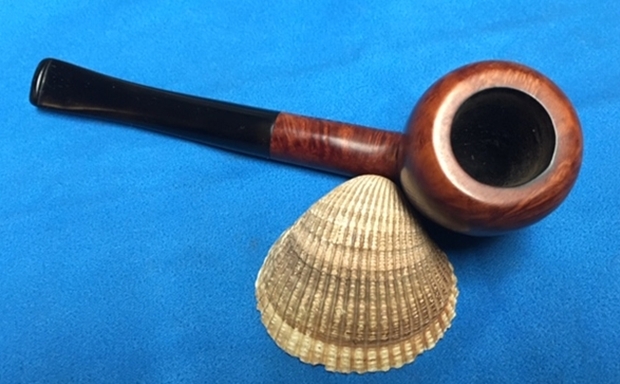
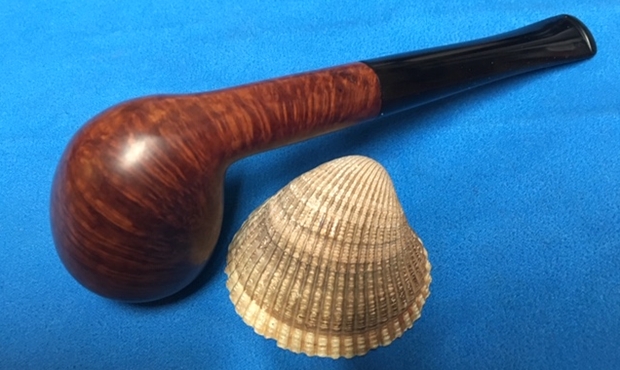
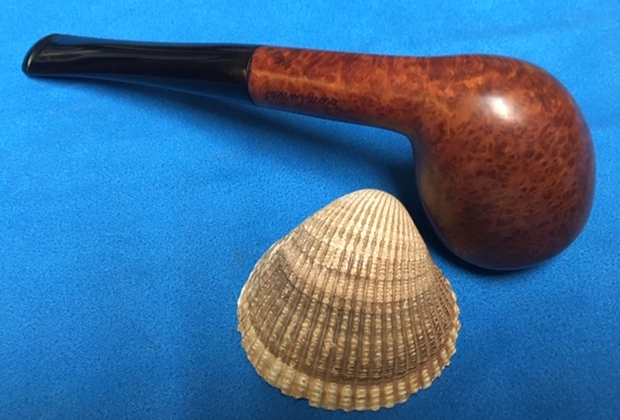
 This Malaga Second Freehand will always be a bit of a mystery to me. Even more so now that I have restored it and cannot find any issues with the briar or stem. Ah well it is still a beautiful pipe with a fancy turned vulcanite stem. It has a great mixed grain around the bowl and the carver really maximized that with the shape of the pipe. Everything about the pipe – the shape of the bowl, the rusticated, faux plateau rim top and shank end work well to highlight the grain around the bowl sides. I polished stem and the bowl with Blue Diamond polish on the buffing wheel and the grain just popped and came alive. I gave the bowl and the stem multiple coats of carnauba wax. I buffed the pipe with a clean buffing pad to raise the shine. I hand buffed it with a microfiber cloth to deepen the shine. The pipe polished up pretty nicely. The grain took on life with the buffing. The rich oil cured colour works well with the polished vulcanite stem. The finished pipe has a rich look that is quite catching. Have a look at it with the photos below. The shape, finish and flow of the pipe and stem are very well done. The dimensions are Length: 6 ½ inches, Height: 2 ¼ inches, Outside diameter of the bowl: 1 ¾ inches, Chamber diameter: 7/8 of an inch. I will be adding the pipe to the rebornpipes store shortly if you would like to add it to your collection. Thanks for walking through the restoration with me as I worked over this beautiful pipe.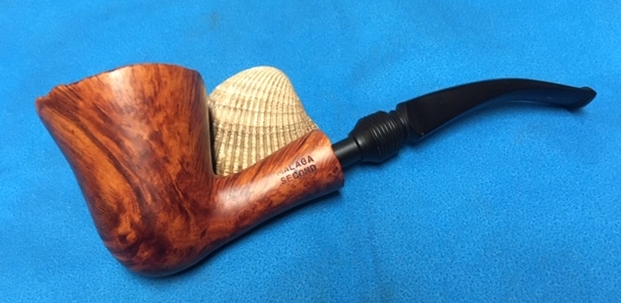
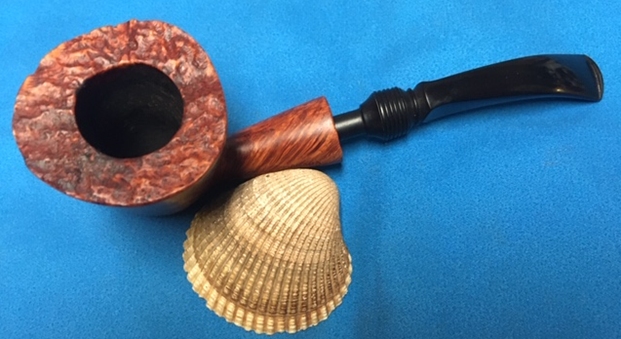
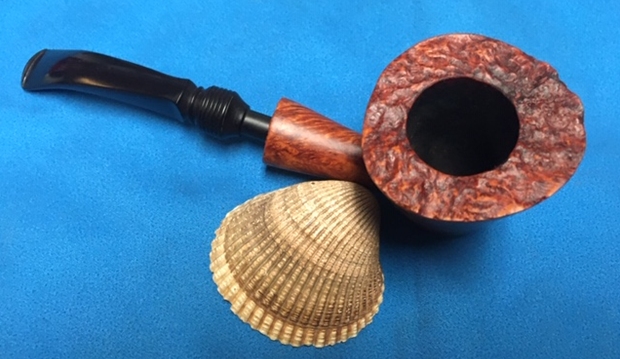
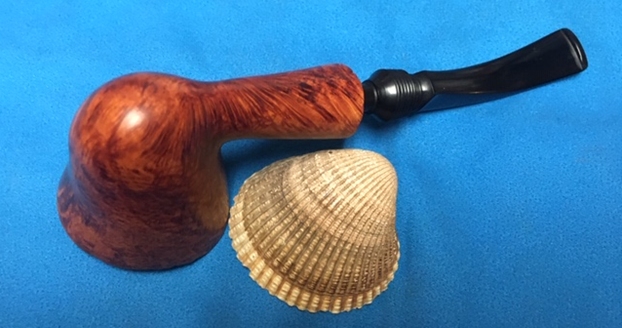
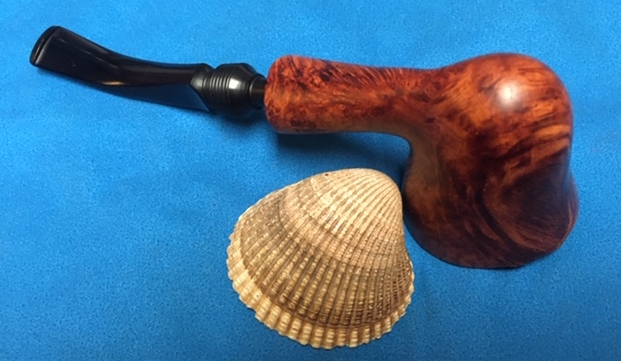












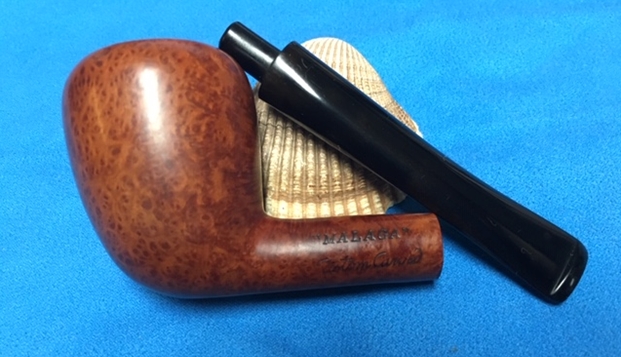
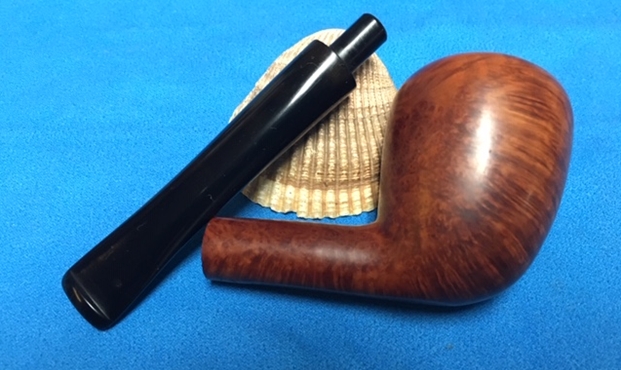
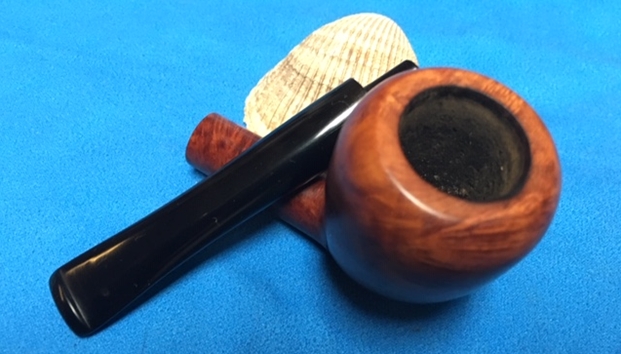
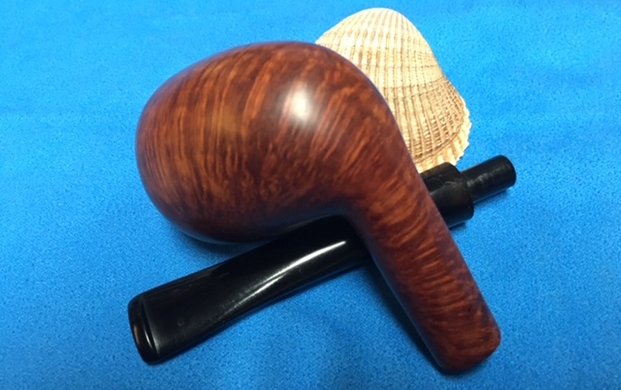
 rebornpipes