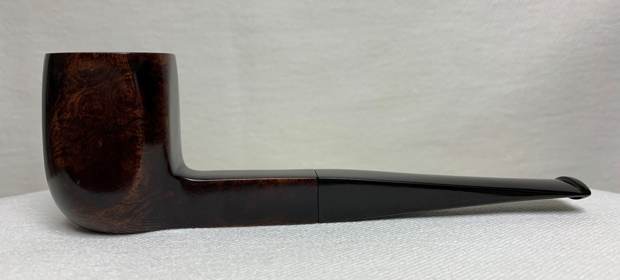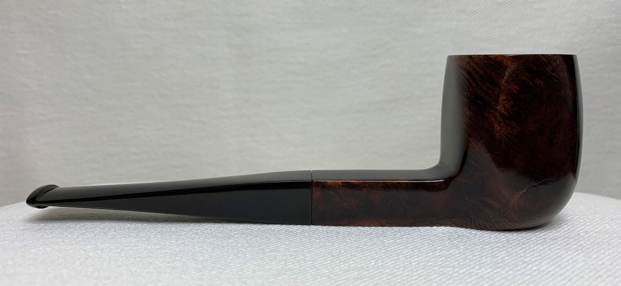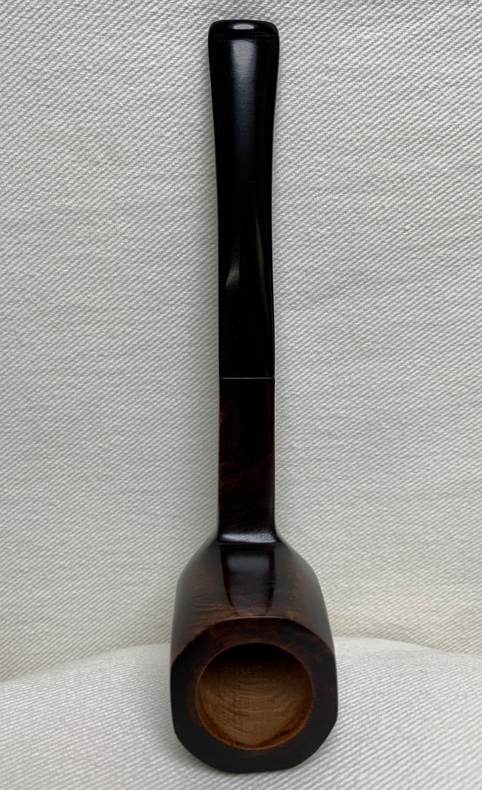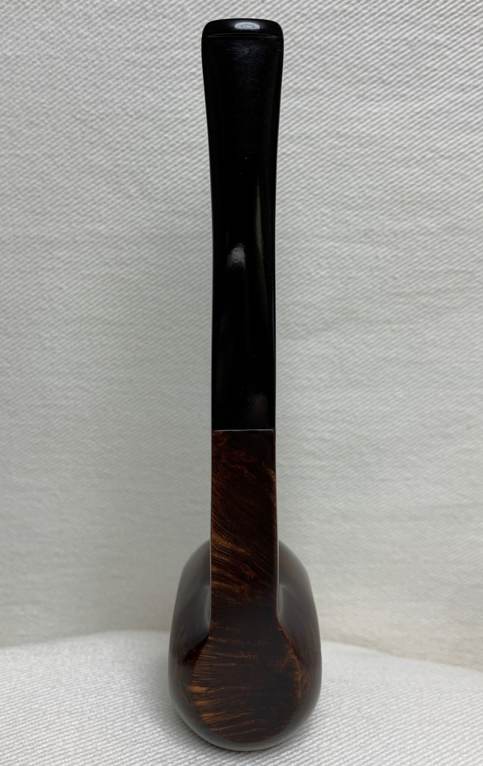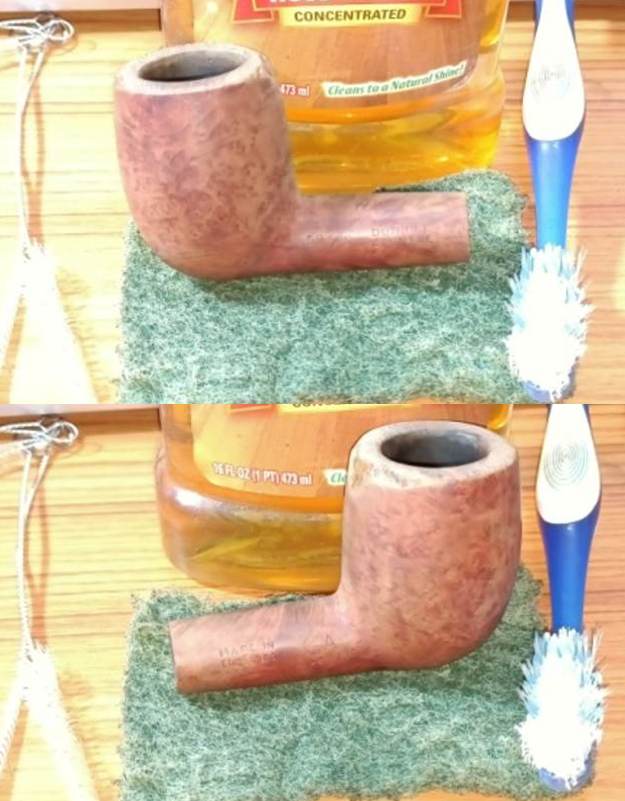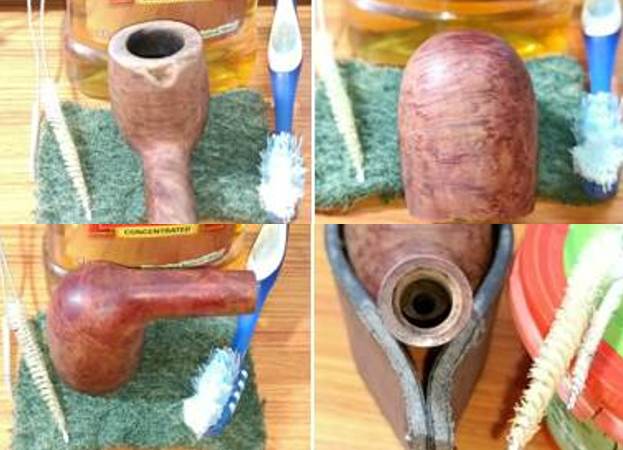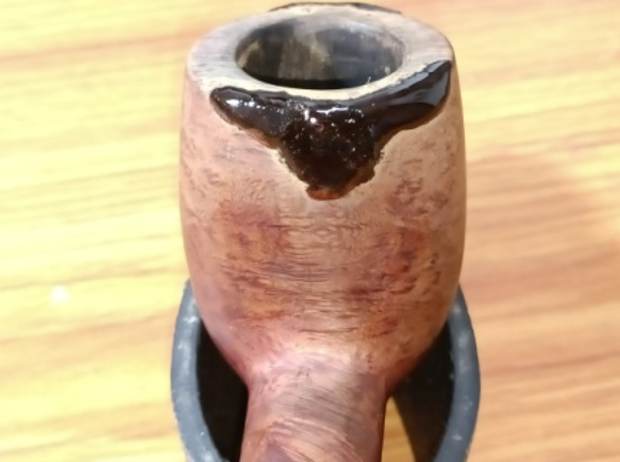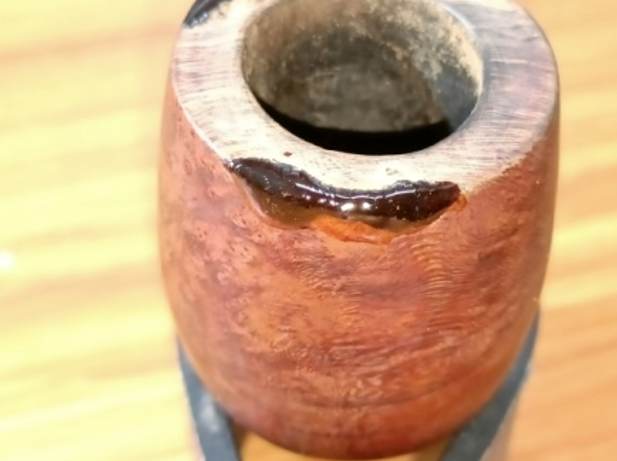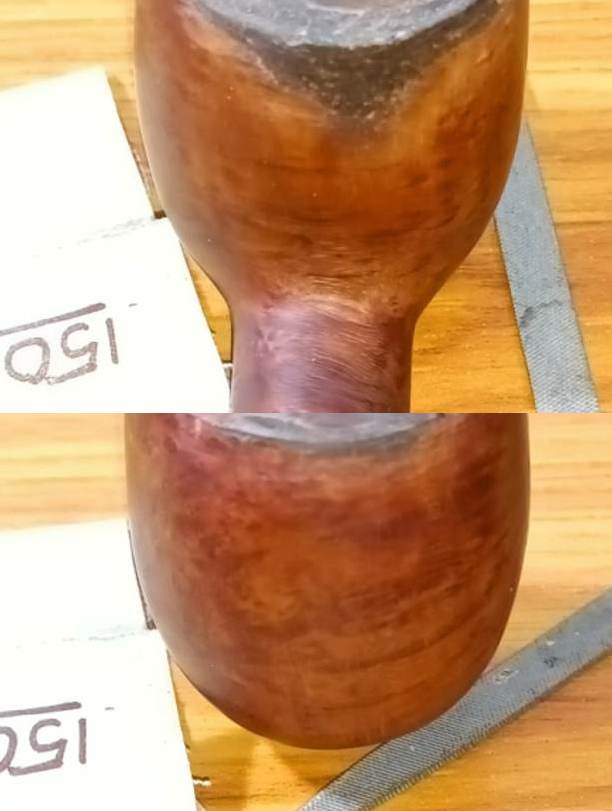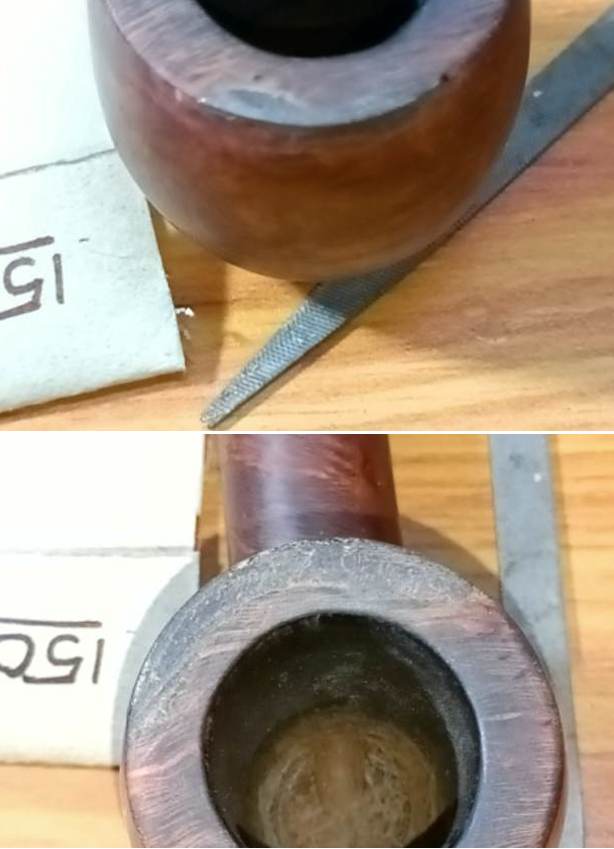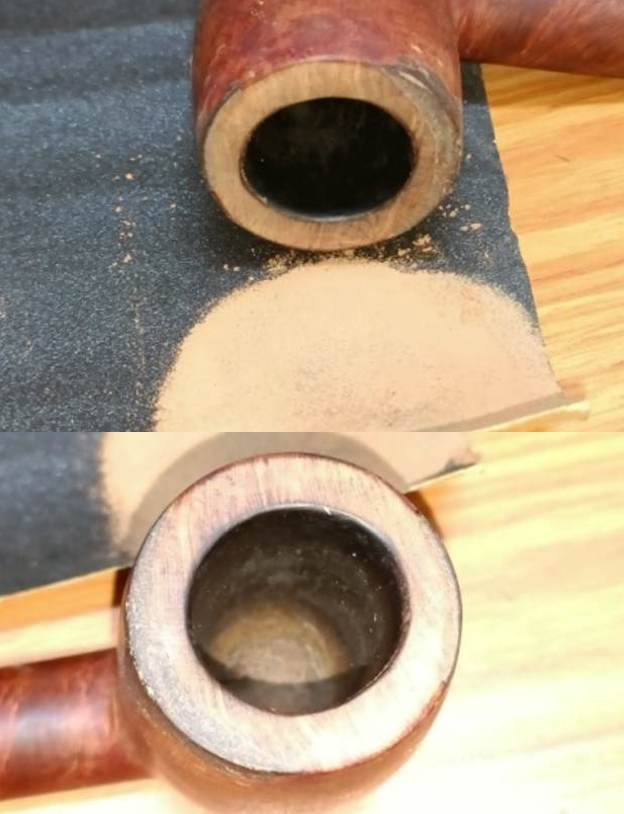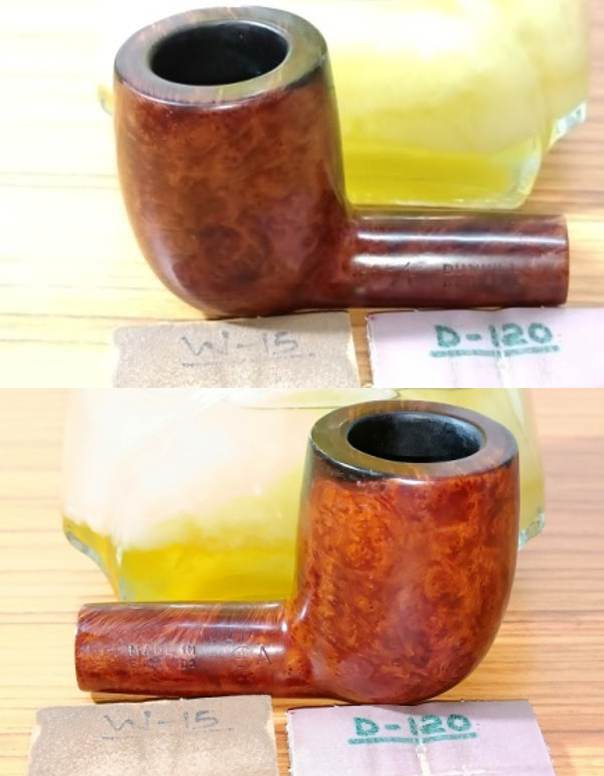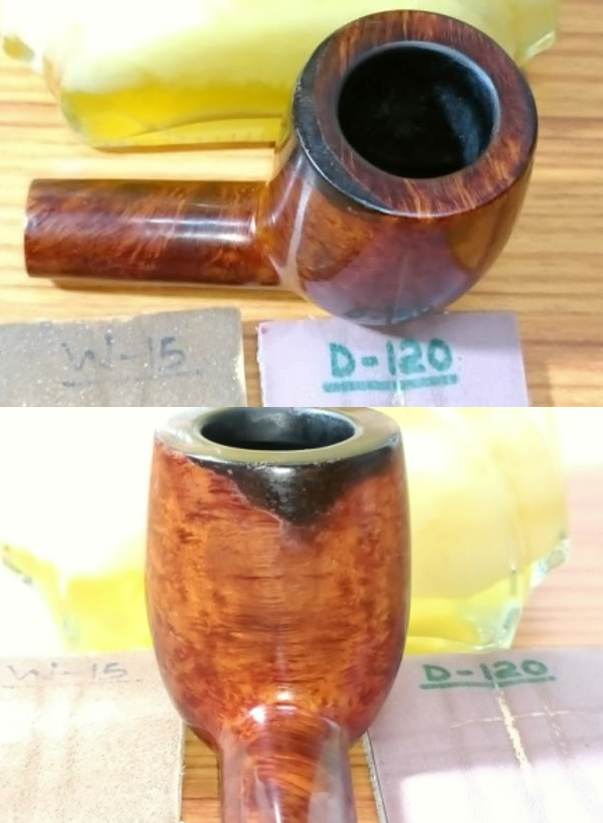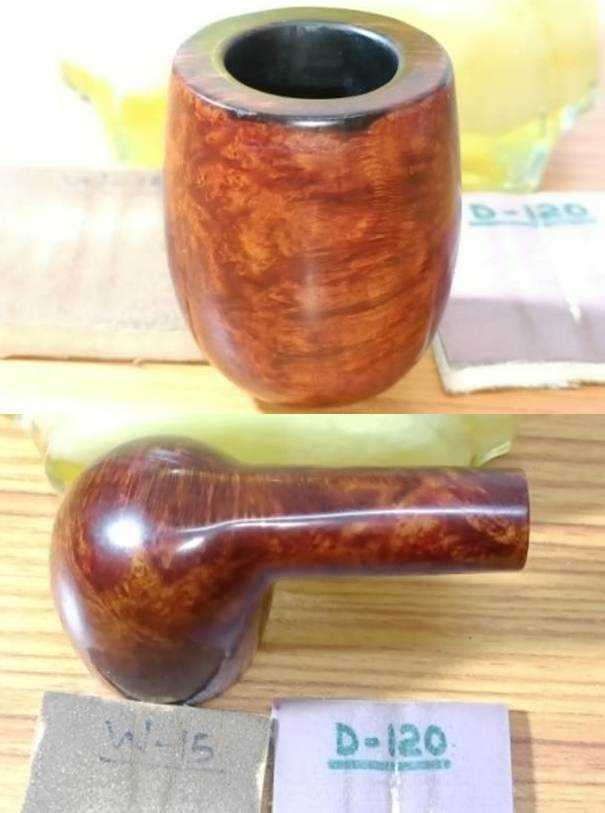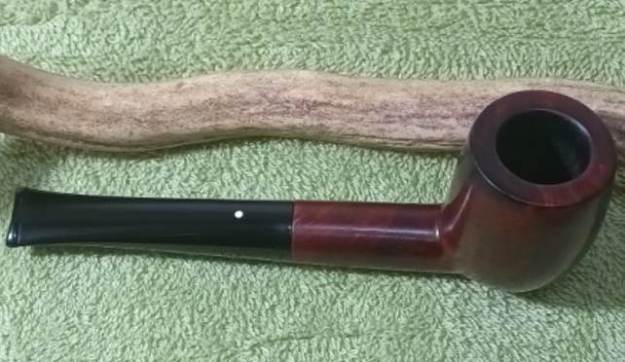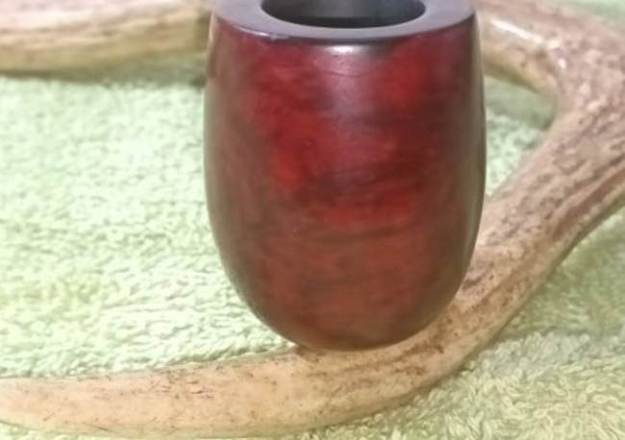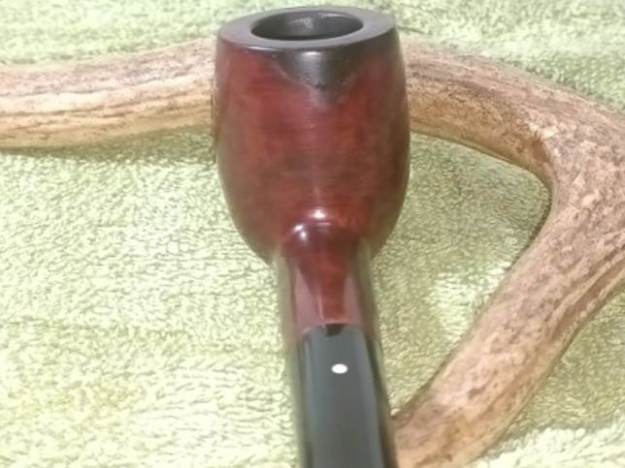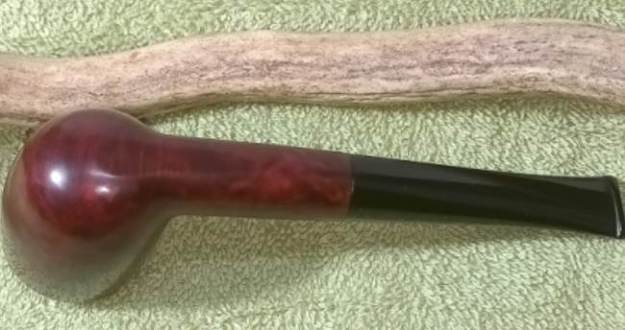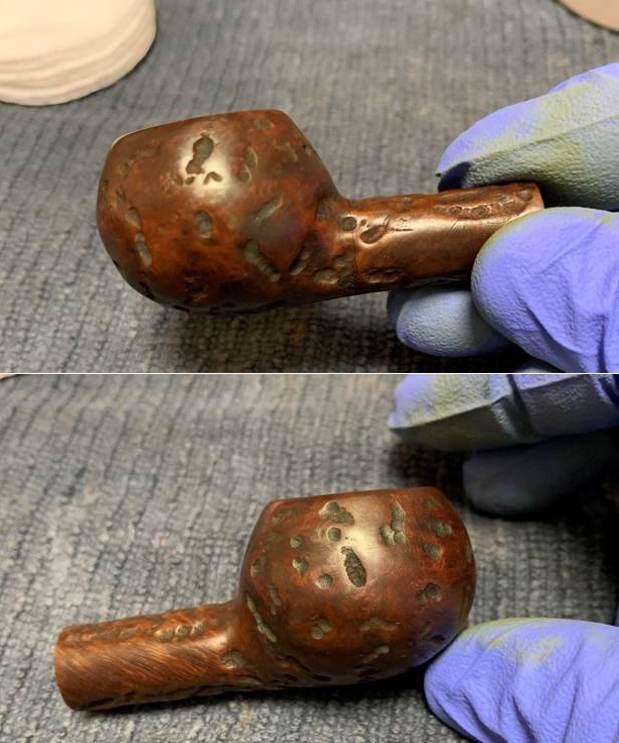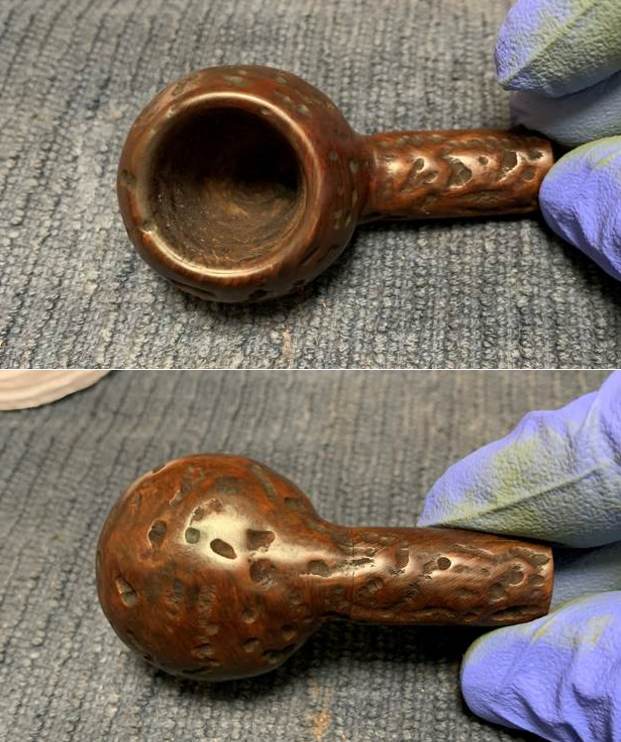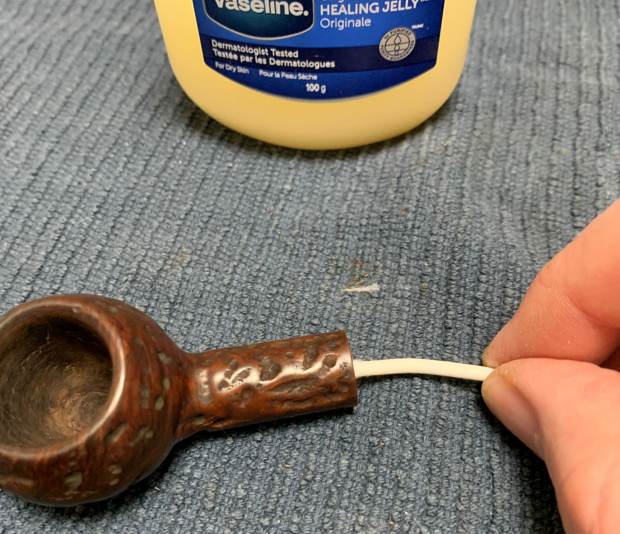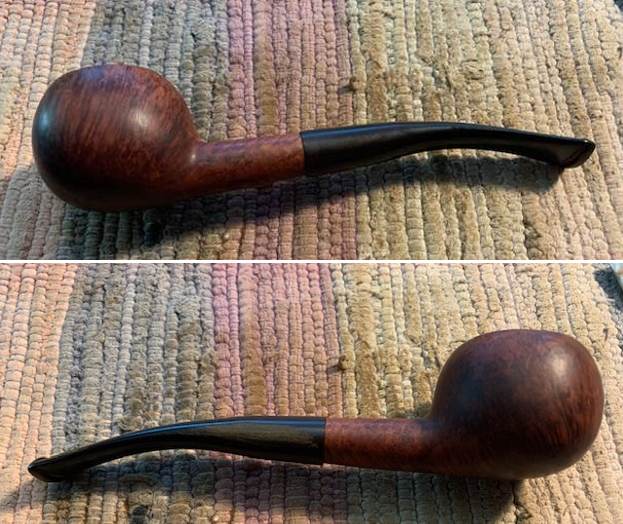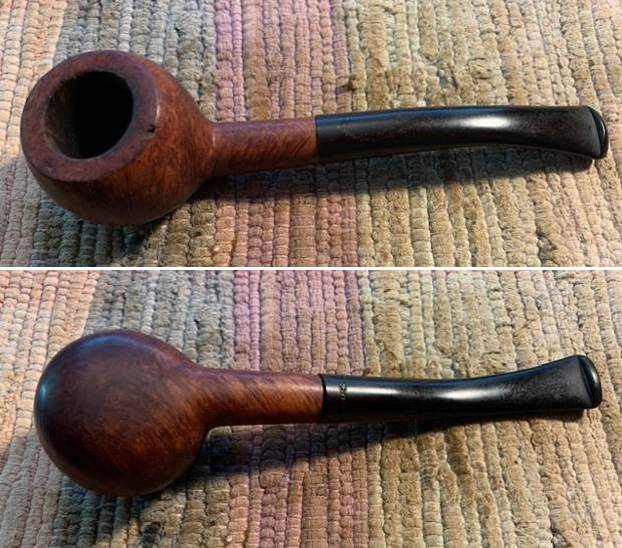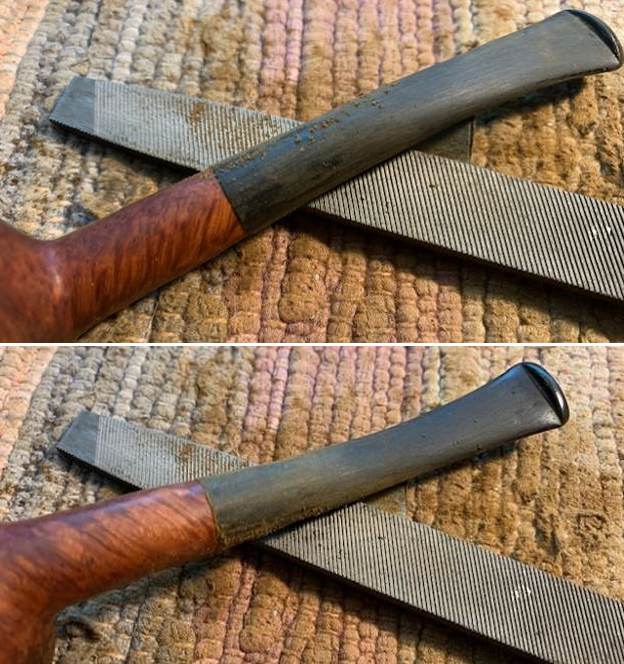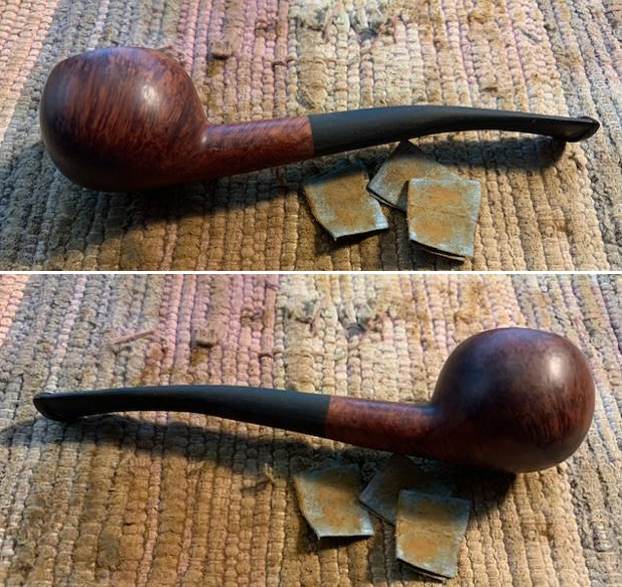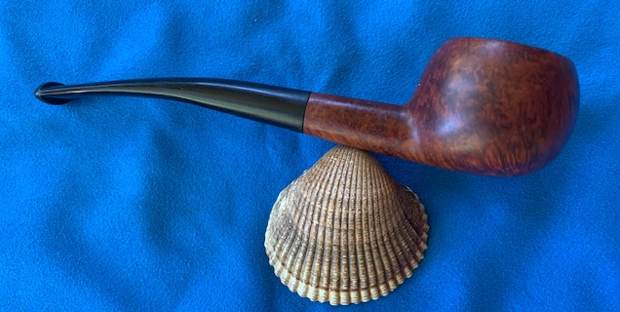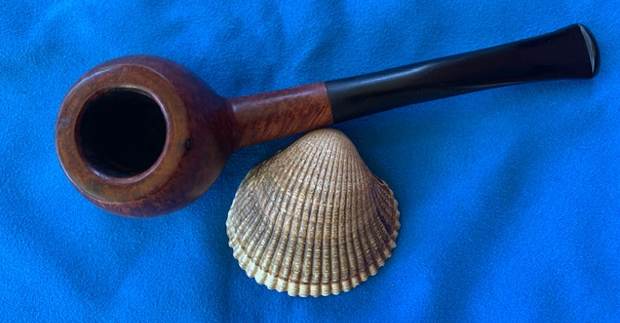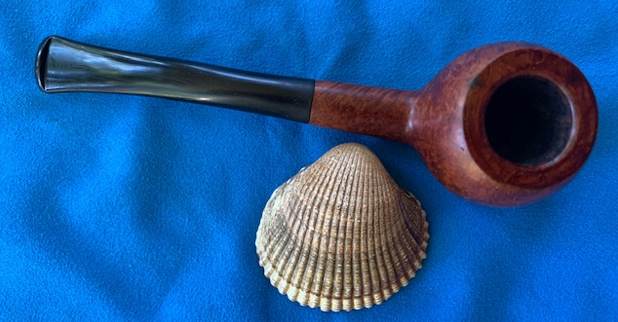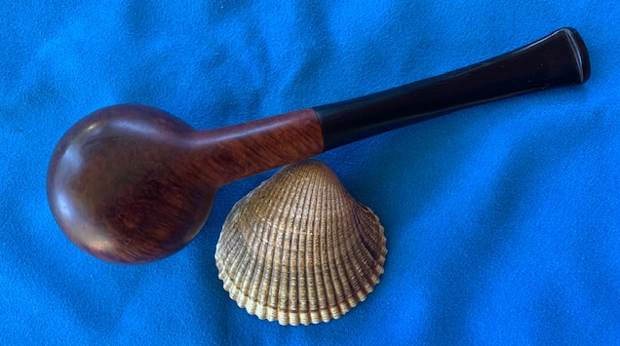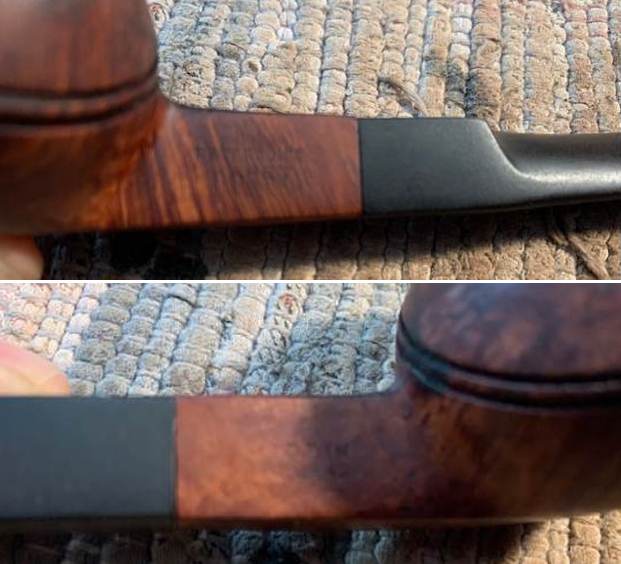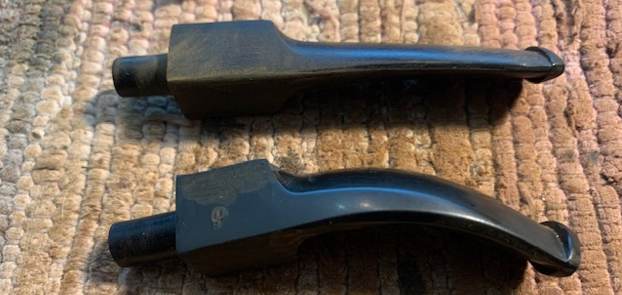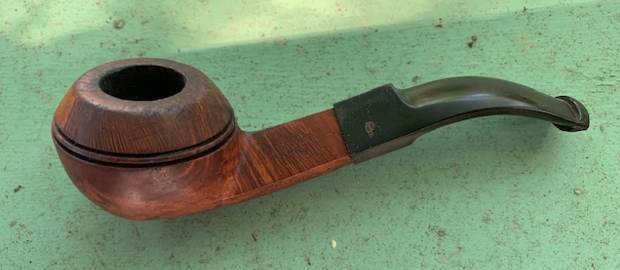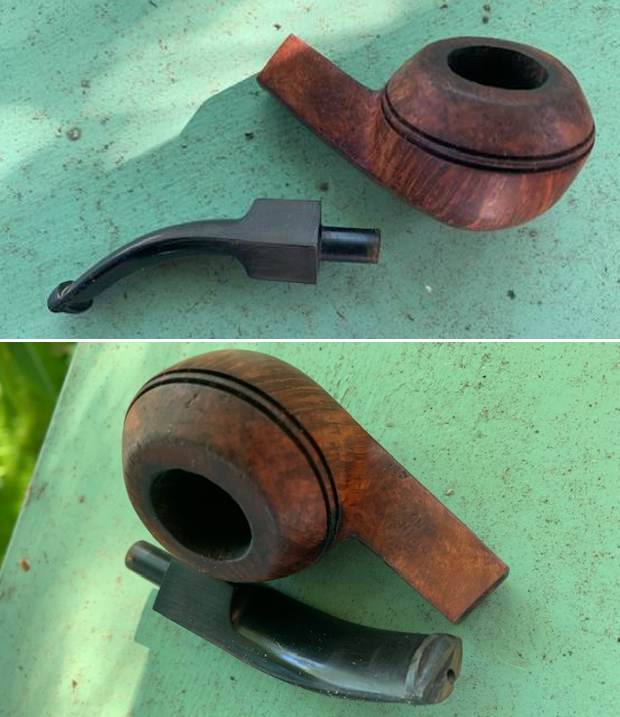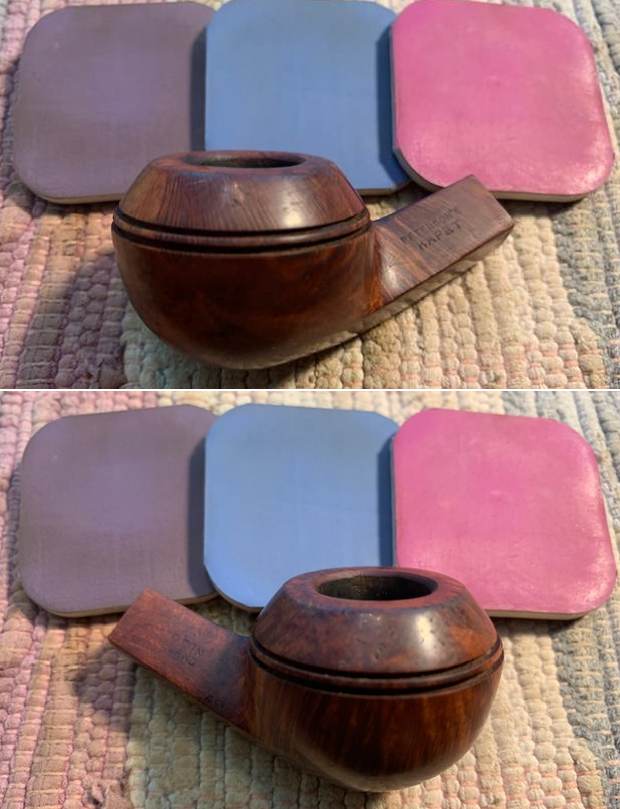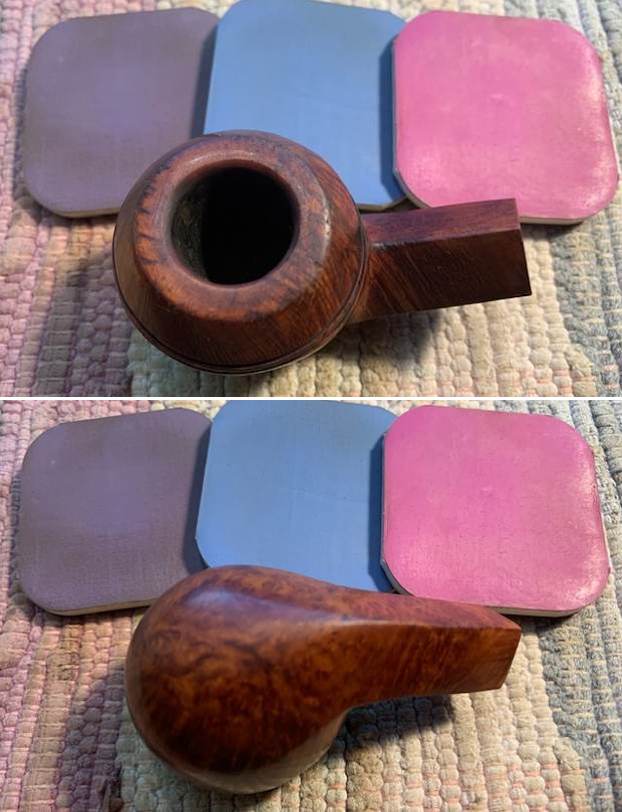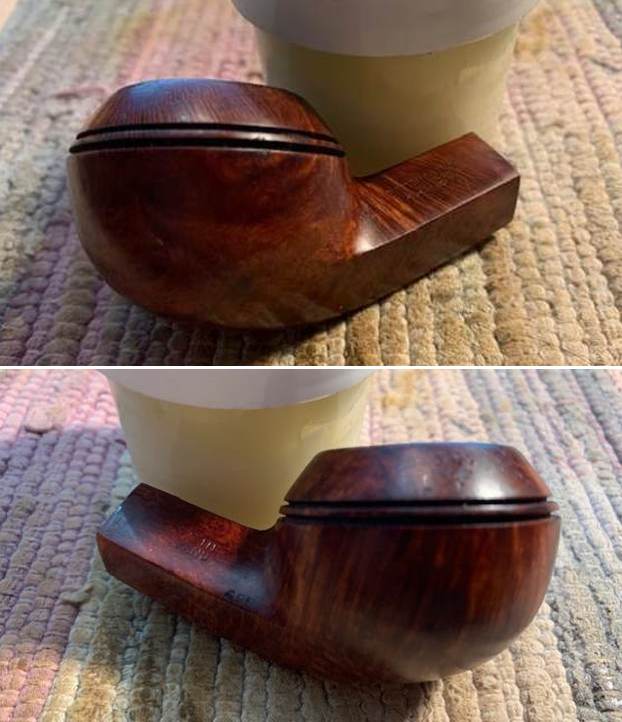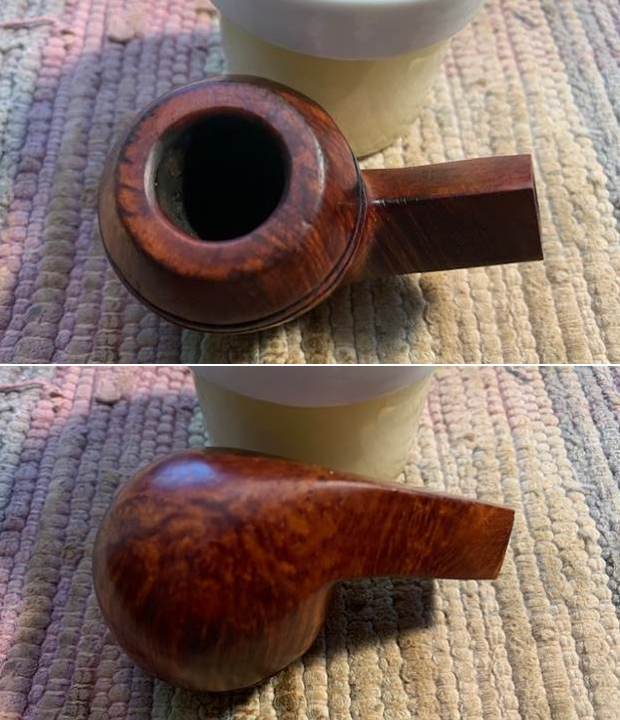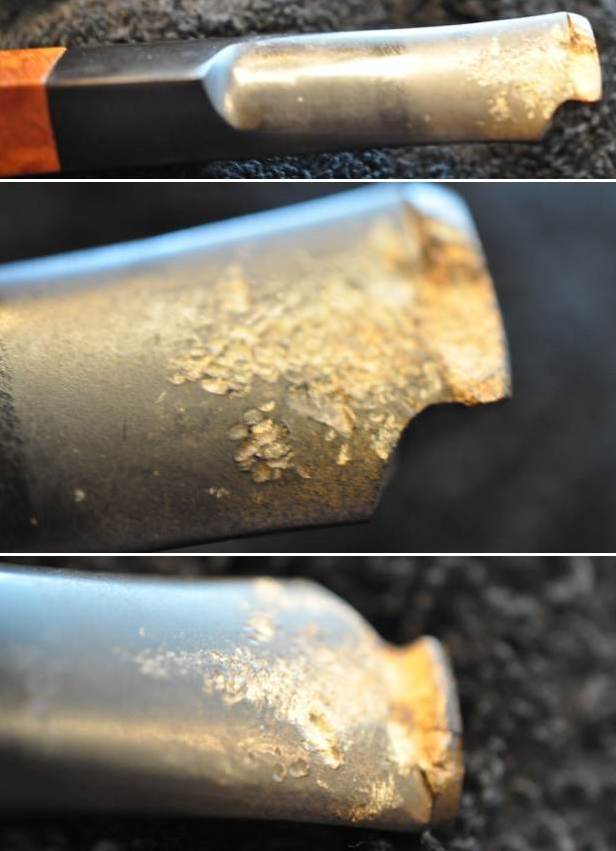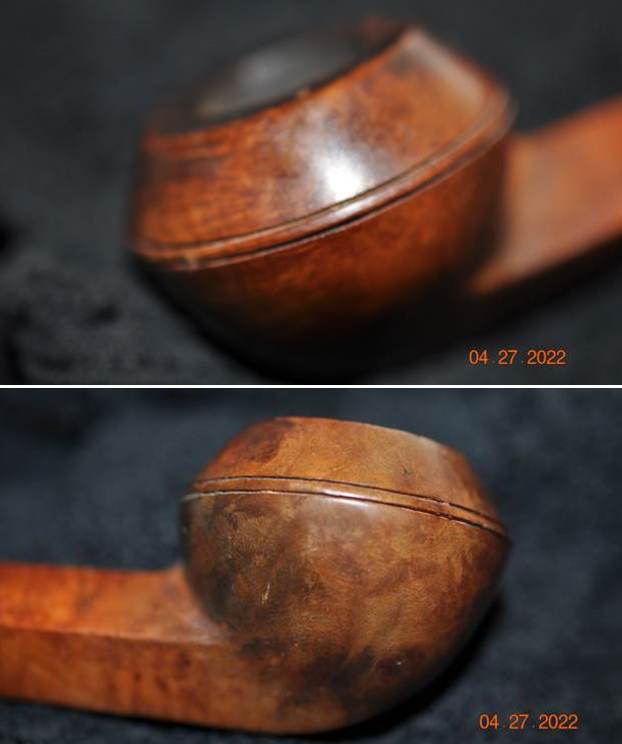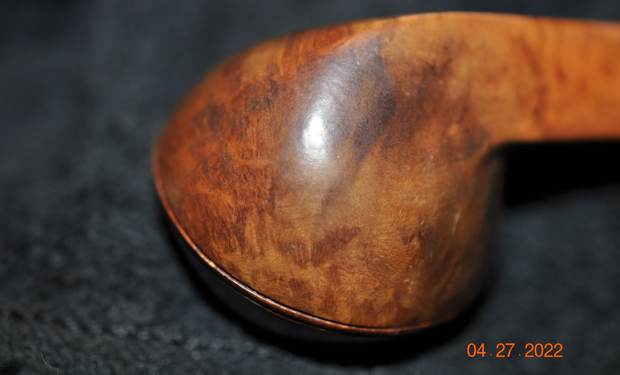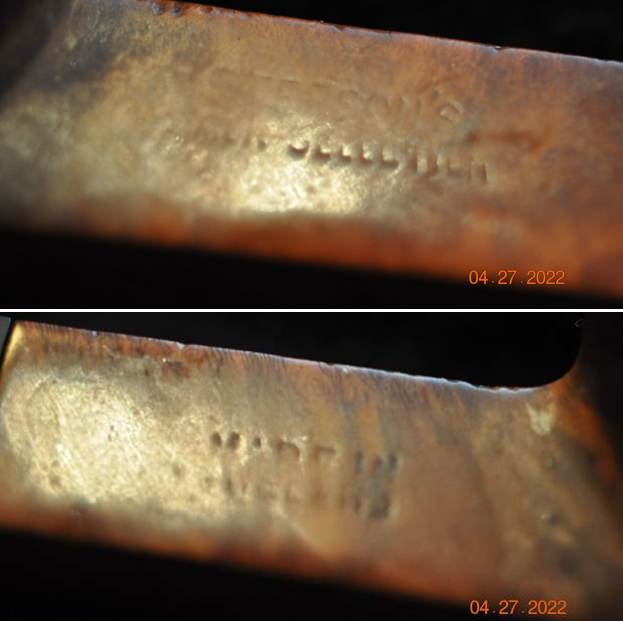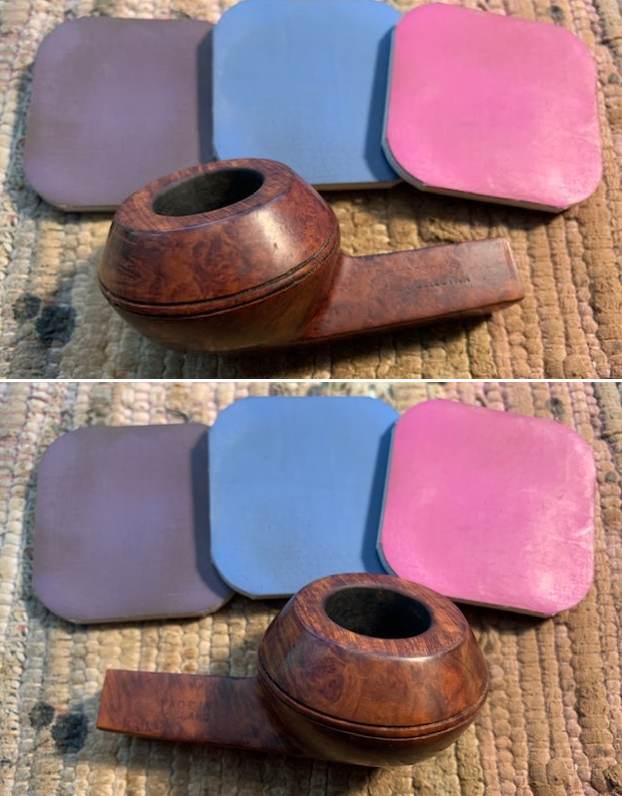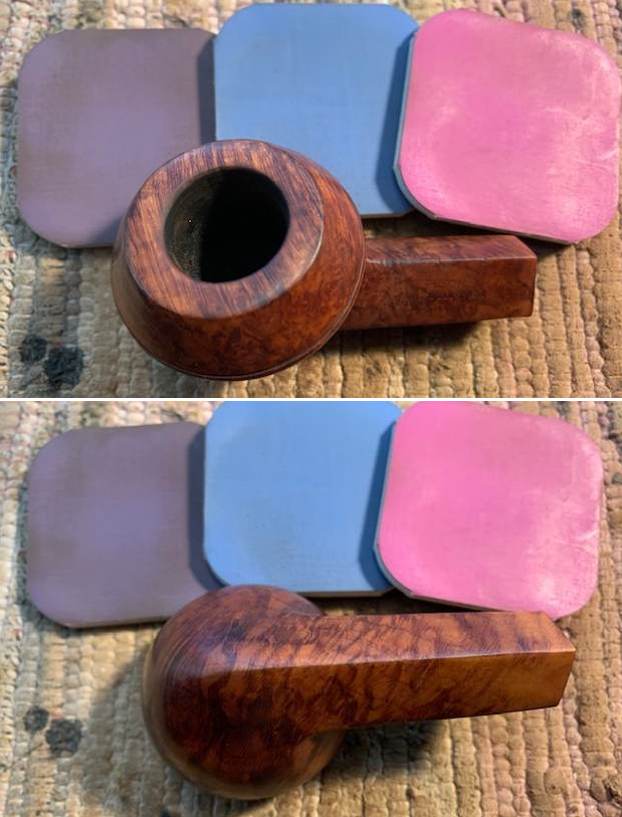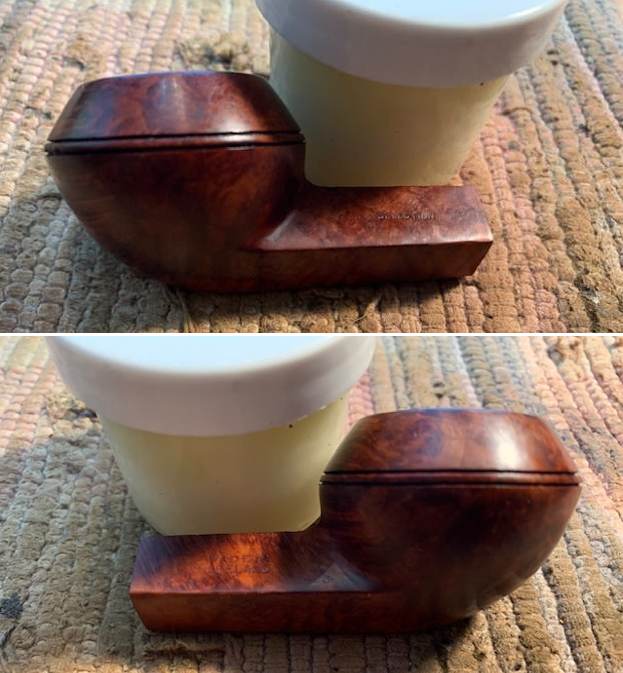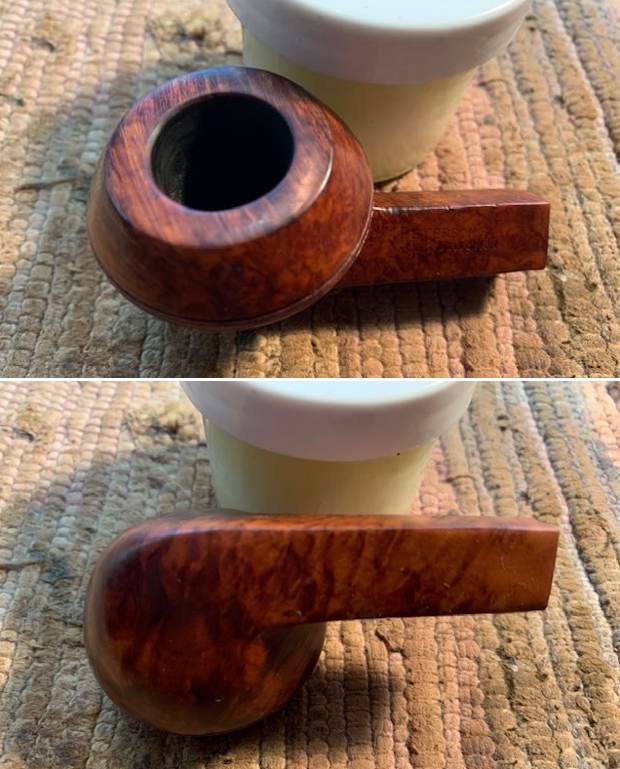
Tag Archives: contrast staining

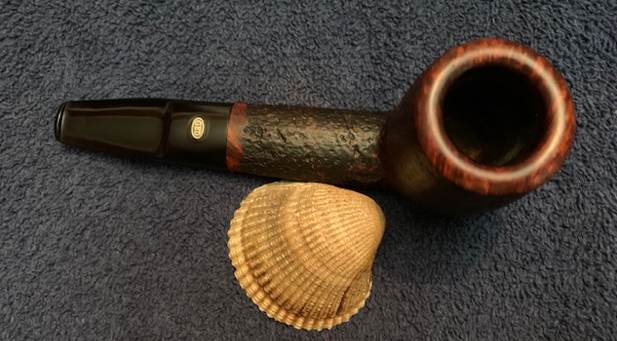
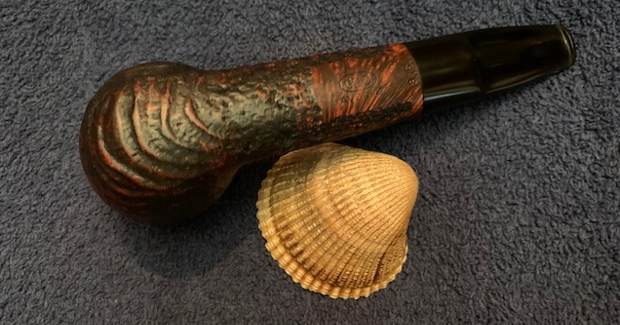
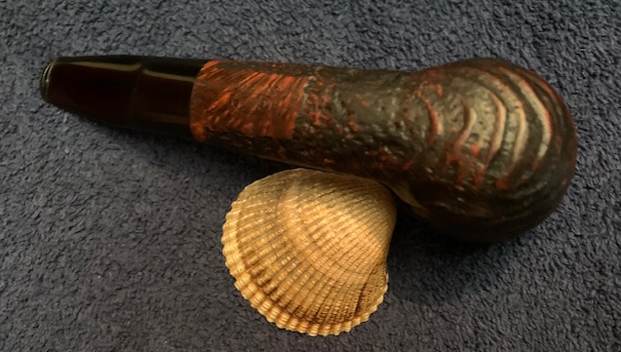
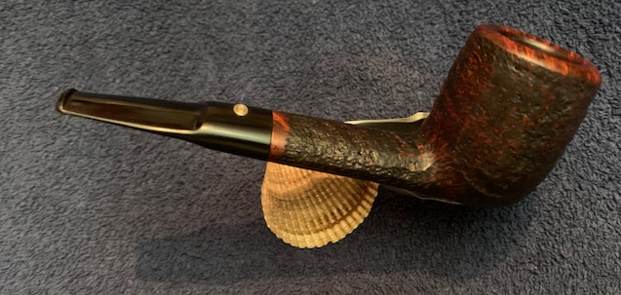
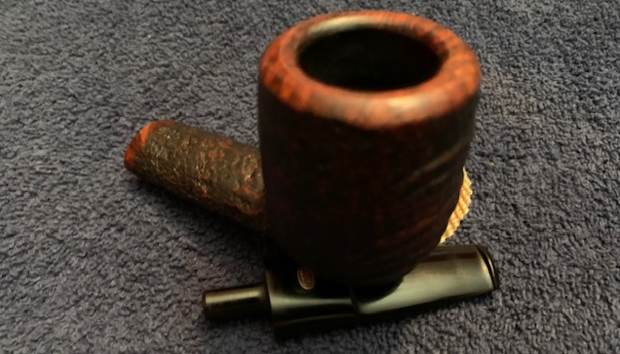
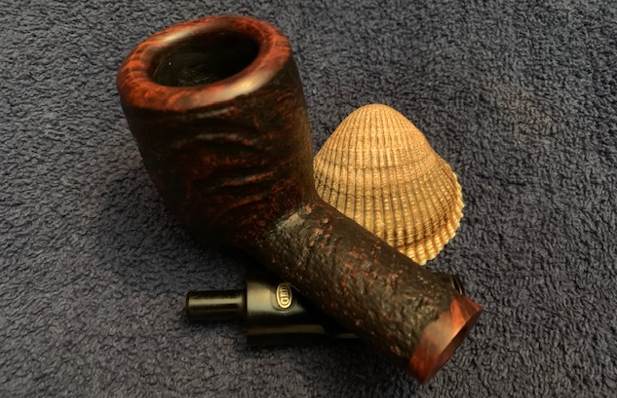
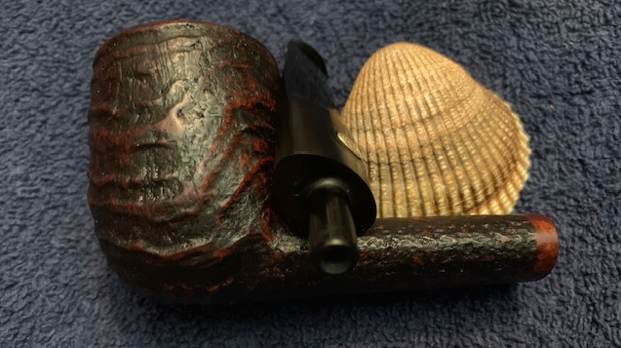
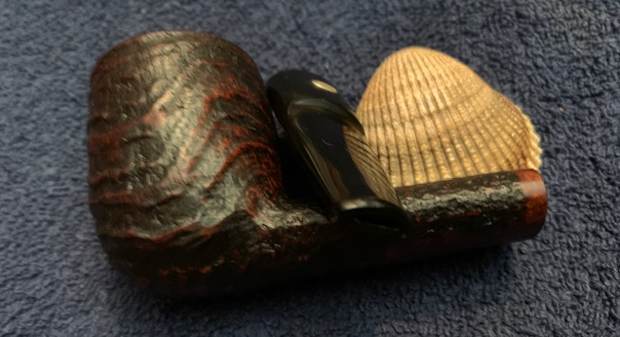
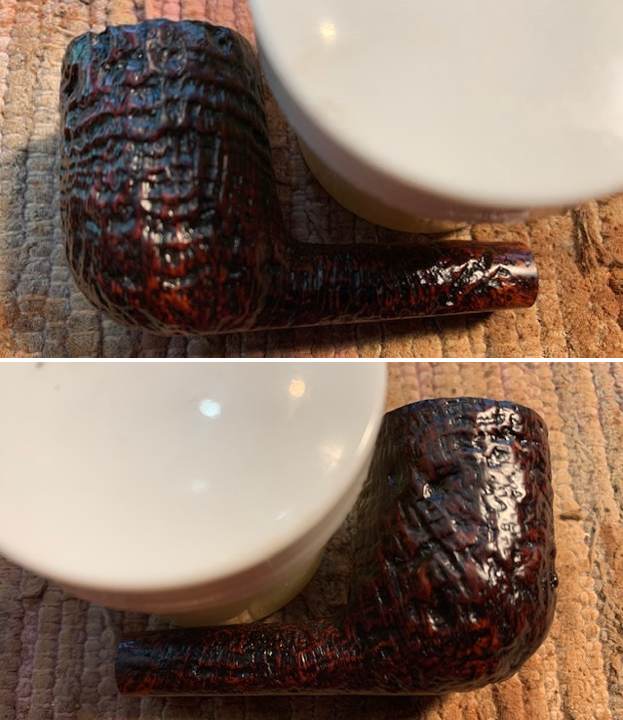
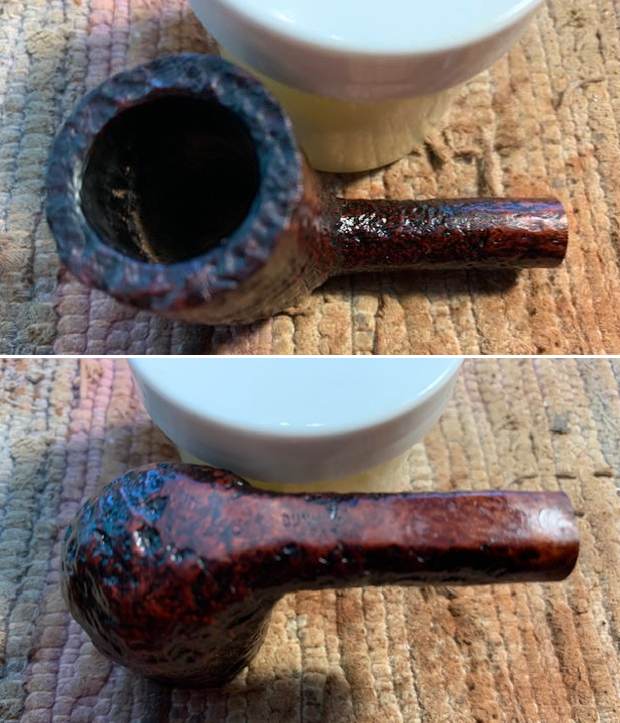
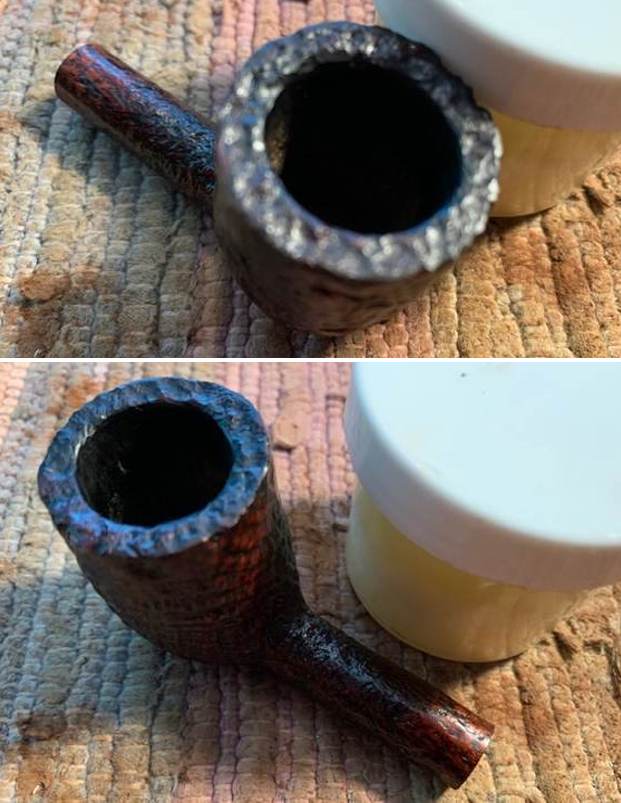
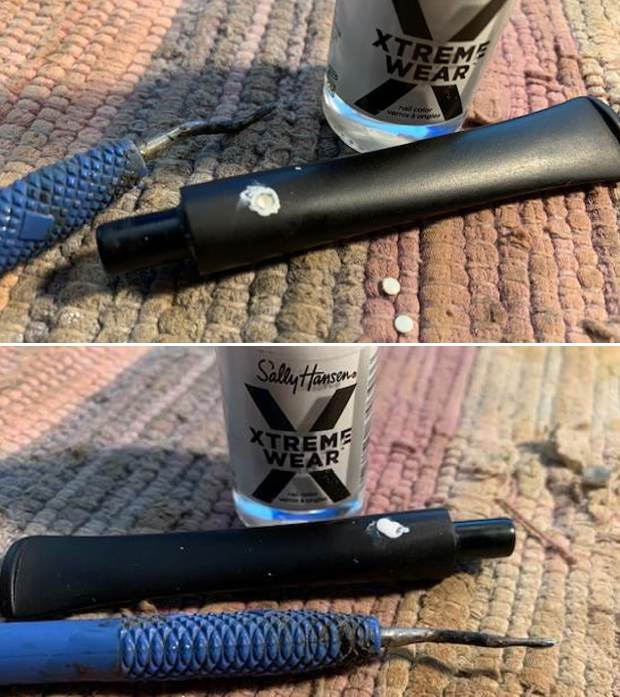
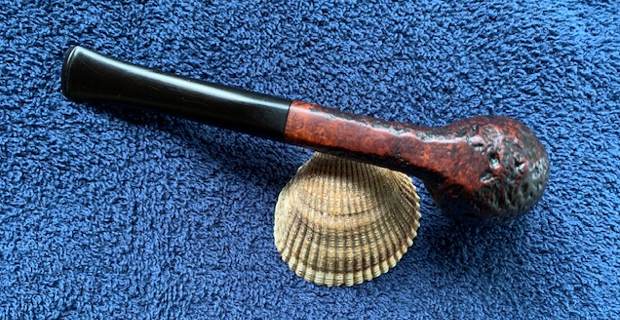
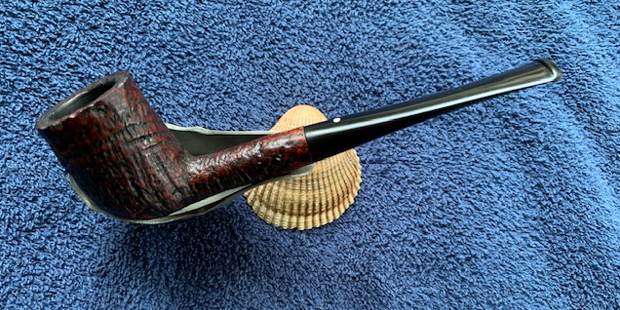
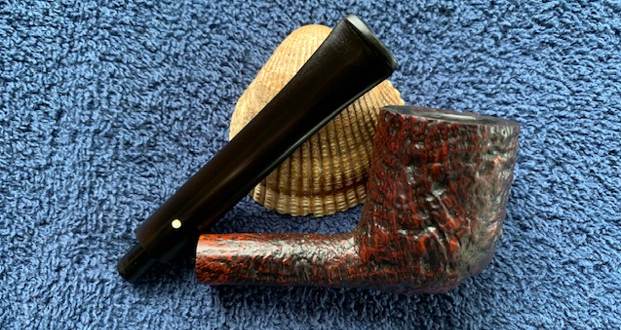
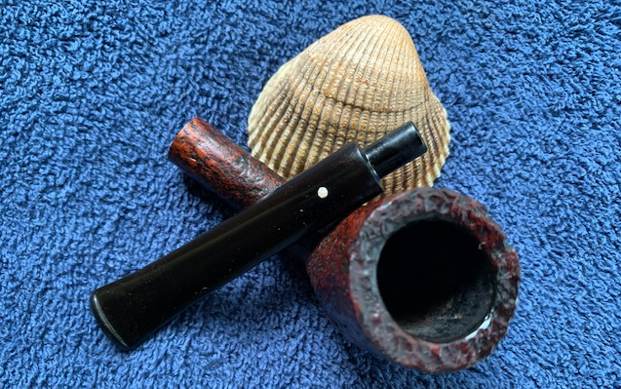
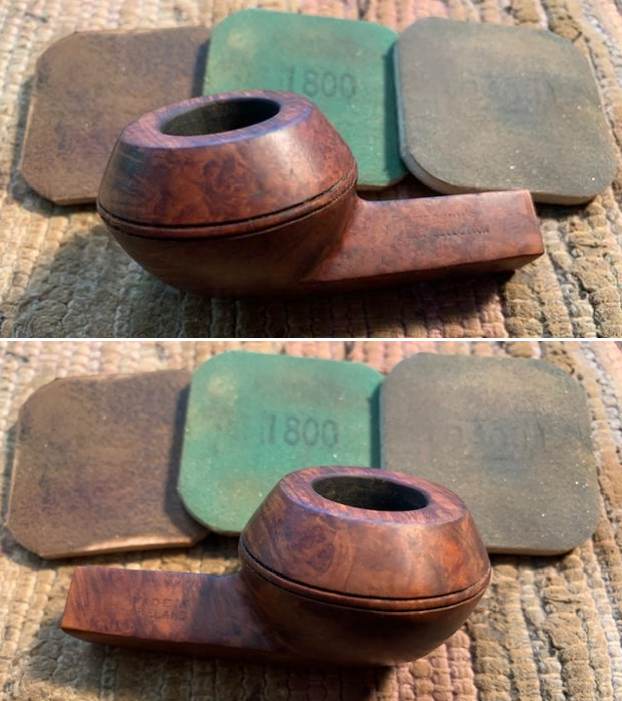
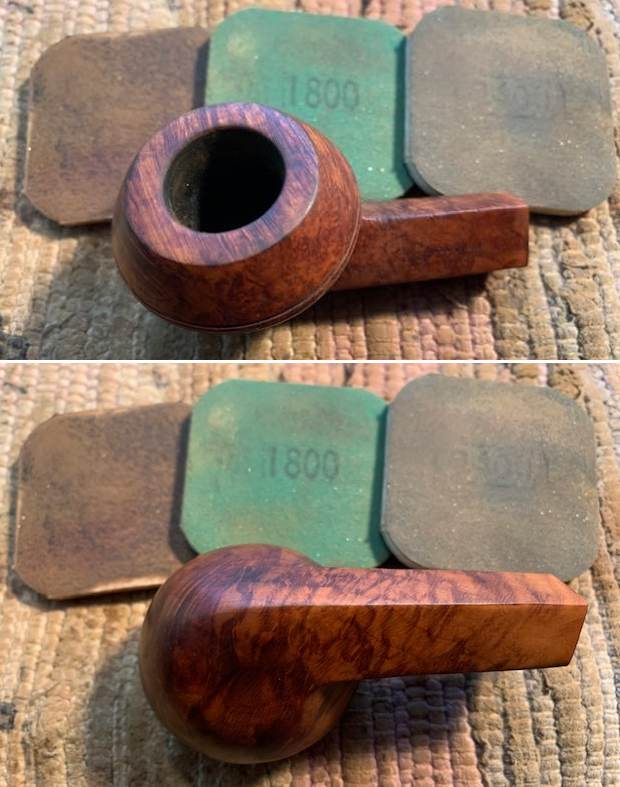
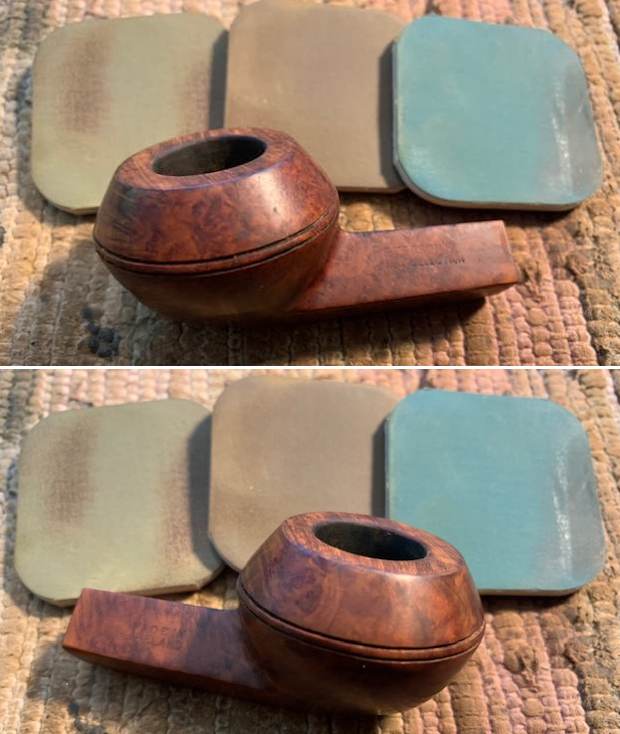
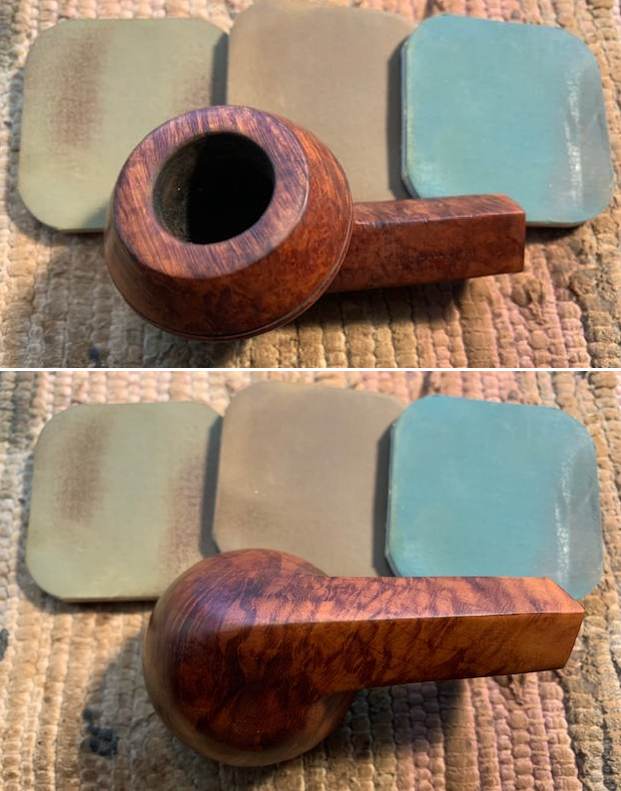
Cleaning Up a Lovely French Made GBD Sandblast Avoriaz 816 Oval Shank Billiard


Blog by Steve Laug

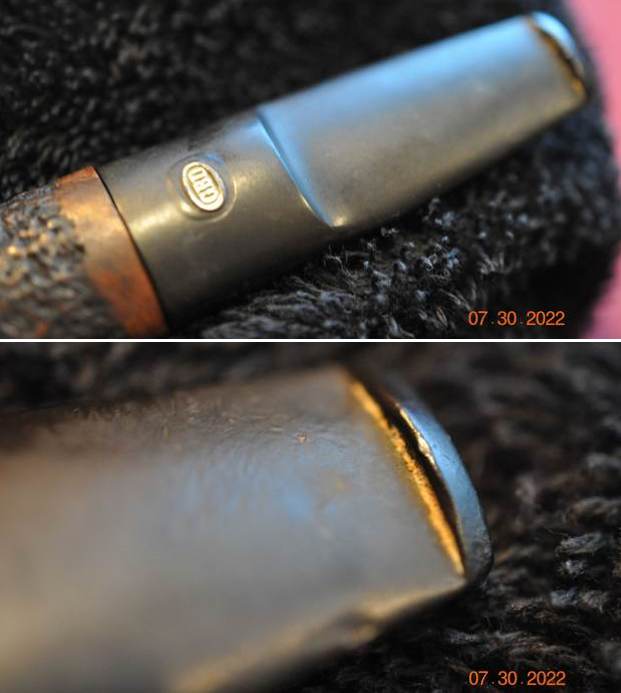
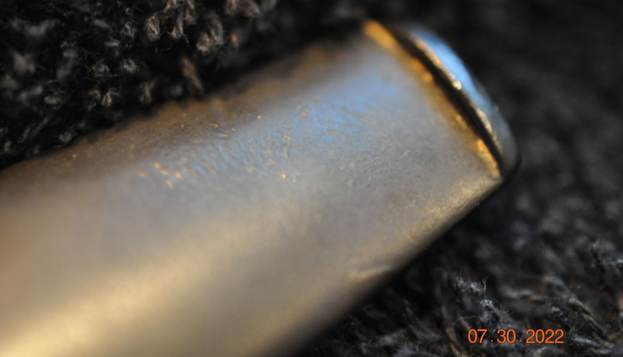
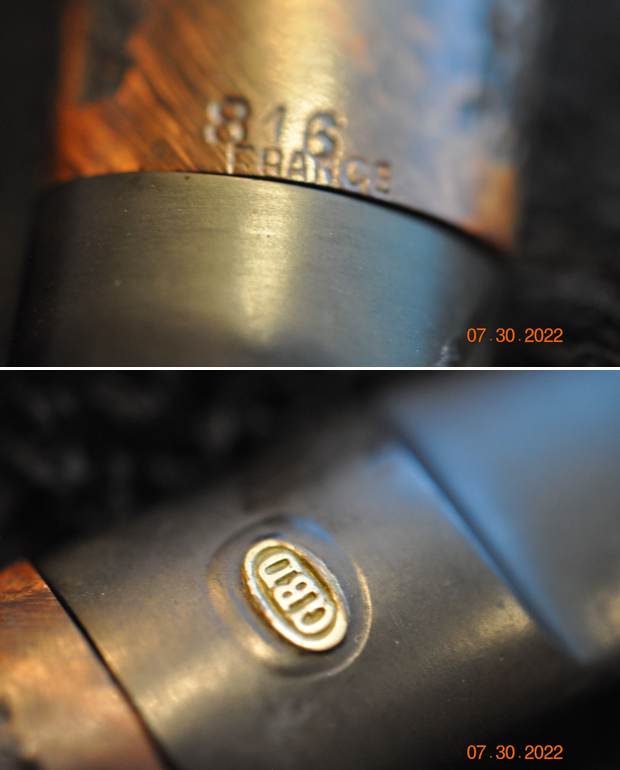
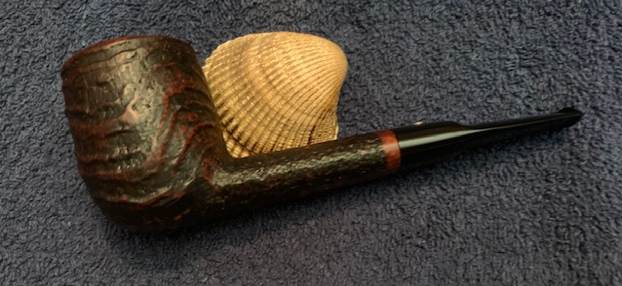
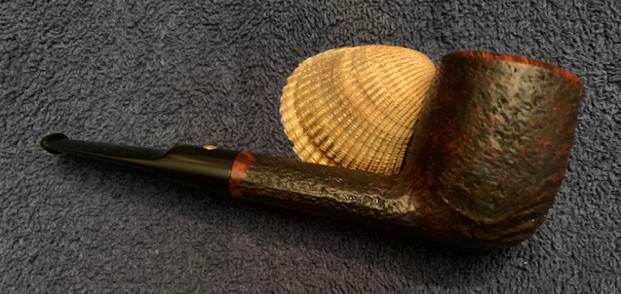
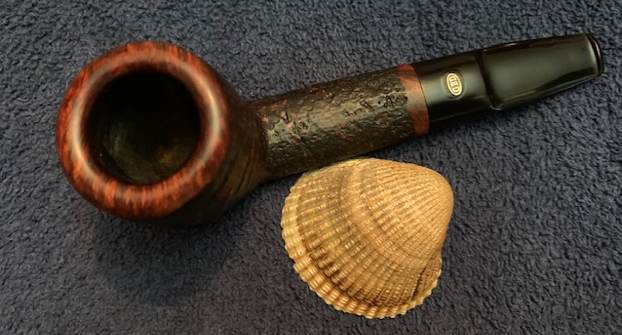
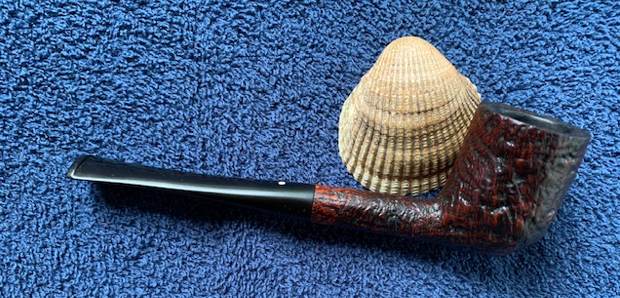
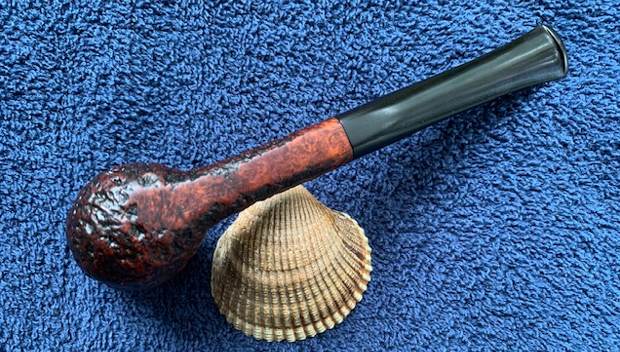
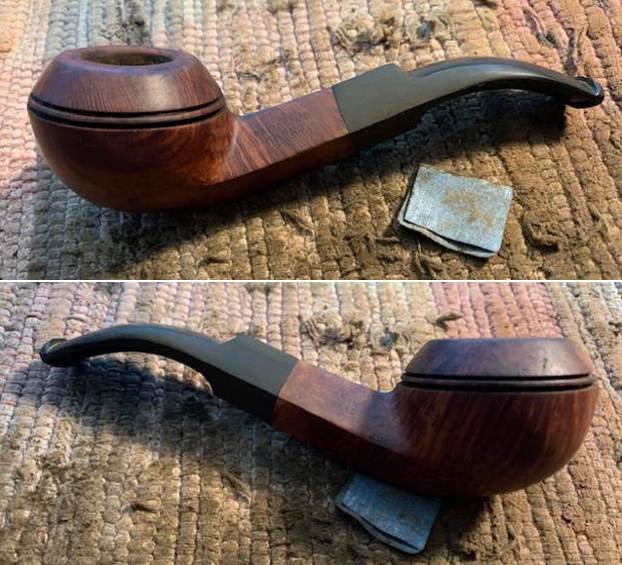
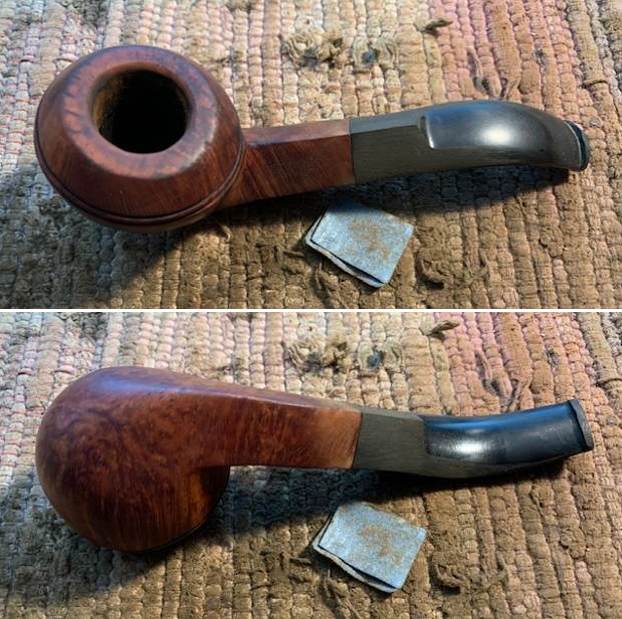
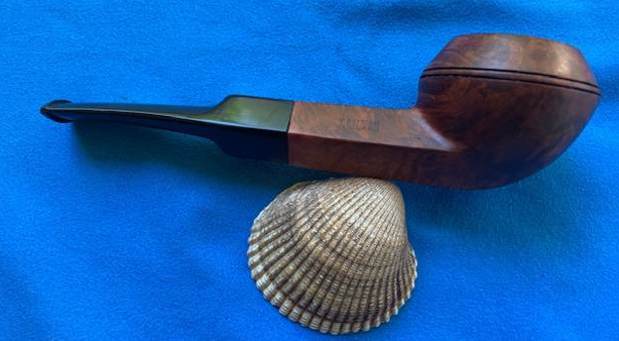
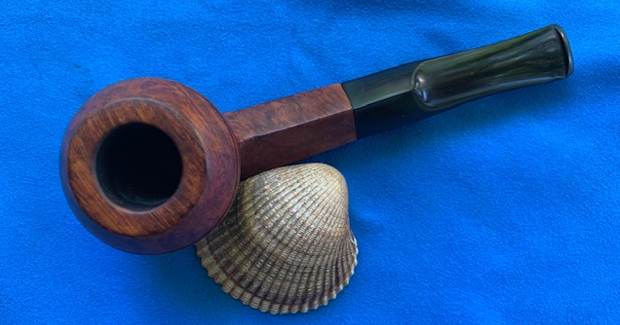
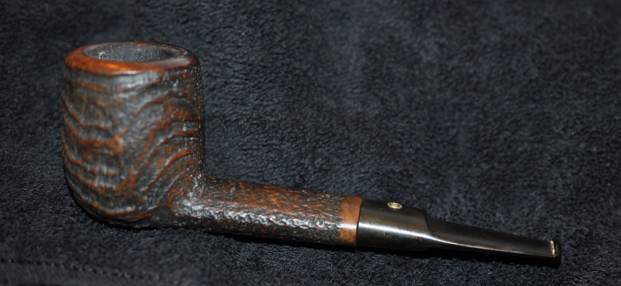
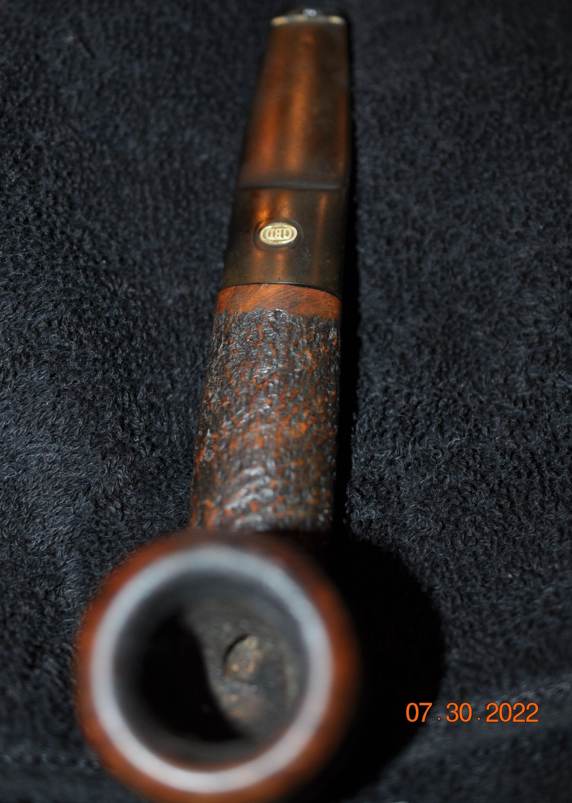
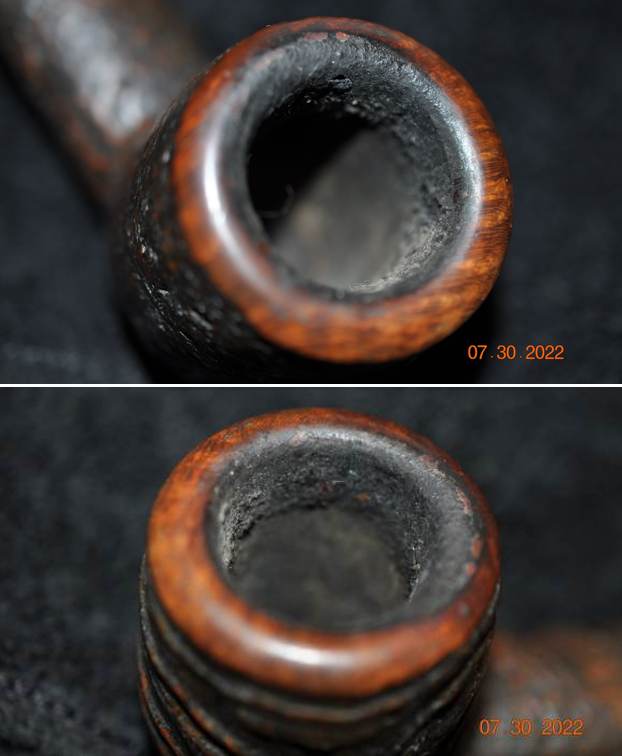
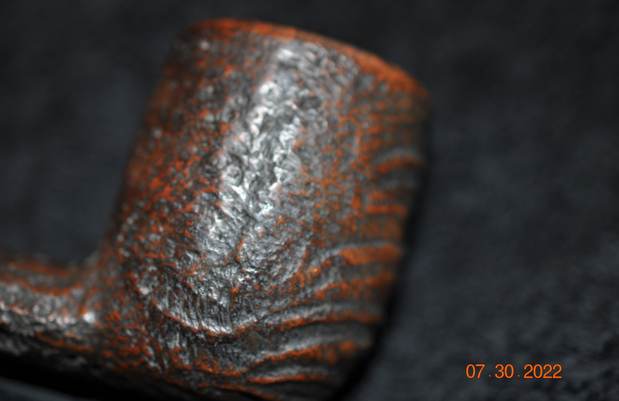
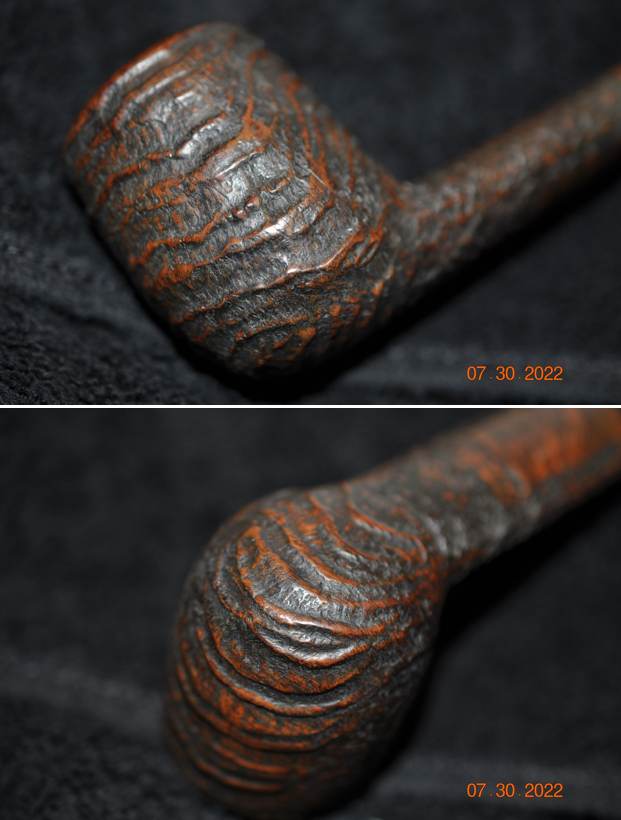
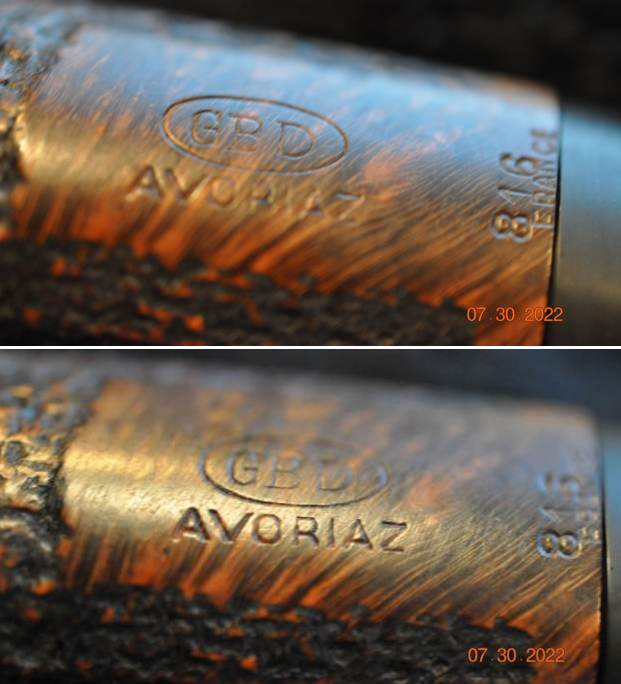
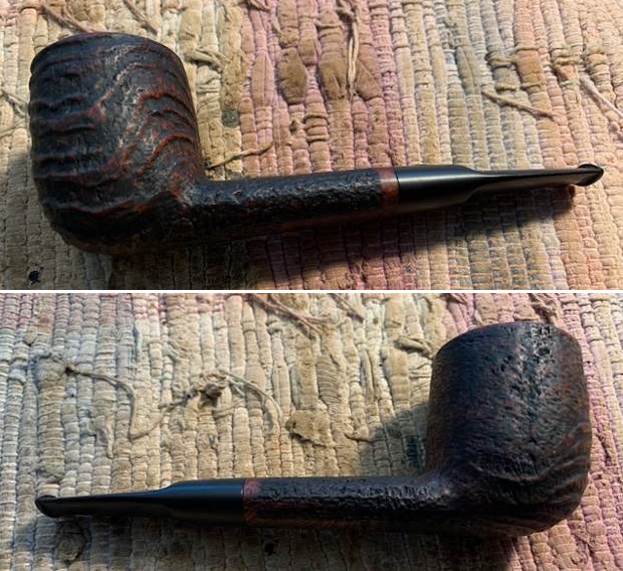
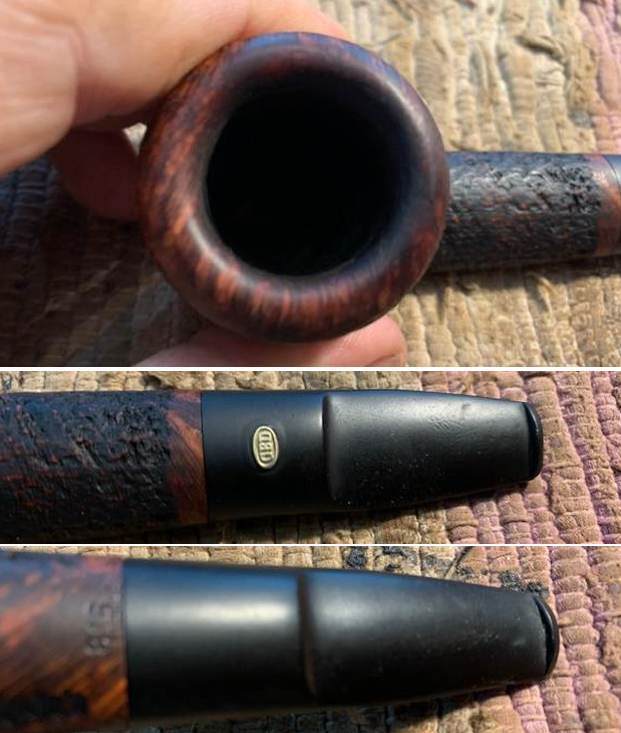
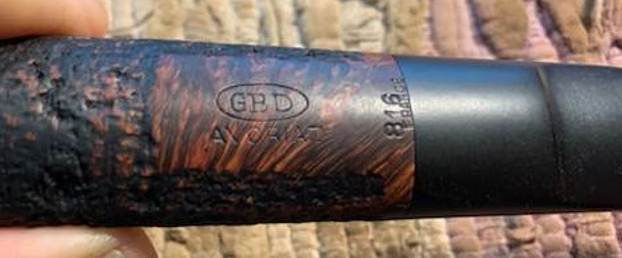
Over the years Jeff and I have picked up many different GBD pipes from a variety of lines that all have a very English look and feel to them. We have also picked up quite a few that are from the French factory before the move to England. This pipe was purchased from an estate on 06/13/22 from Fort Myers, Florida, USA. The finish on the pipe is a sandblast that is deep but smooth and follows the grain around the pipe. The mix of black and brown stains of the briar looks very good with the black of the saddle stem. The rim top is crowned with a bevel inward and has some great grain. It was hard to know if there was damage with the thick cake in the bowl and the veritable eruption of lava over the top of the rim. The finish was quite dirty with grit, grime and oils ground into the surface of the bowl and shank. The shank is stamped on a smooth panel on the underside of the shank and reads GBD in an oval [over] Avoriaz. Next to the shank/stem junction there is the shape number 816 [over] France. The vulcanite saddle stem was lightly oxidized and well dented with tooth marks and chatter on both sides near the button. There is a GBD brass oval roundel on the top of the saddle stem. Jeff took photos of the pipe to capture its condition when it arrived at his place. It was going to take some work to bring this one back to life. But both of us thought that it would be worth it. Jeff took photos of the rim top and bowl that show the cake and overflowing lava on the top and edges of the bowl. It is really hard to know what it looks like under all of that. We have learned that it will either be badly damaged or it will have been well protected. Only cleaning it off would reveal which result was on this pipe. The stem had a lot of tooth chatter and marks that are clear in the photos that follow. There is some oxidation and the calcification on the stem surface. He took photos of the sides and heel of the bowl to show condition of the briar. You can see the dust and debris ground into the bowl. The rim edge and top have some very nice grain. The sandblast is actually quite different. I wonder if it isn’t manipulated when blasting. It has a unique look to it. He took photos of the stamping on the underside shank. It was clear and readable as noted above. The brass GBD roundel looked good as well.   I always like to be able to set the pipe I am working on in its historical setting so I turn to Pipedia (https://pipedia.org/wiki/GBD) and read through the brand history. Toward the middle of the article I found what I was looking for. I quote below:
The Paris factory moved to Saint-Claude in 1952. Since 1981 the majority of GBD pipes come from the English factory.

The premium lines of GBD offered very good values, and are considered amongst the most affordable high end pipe of the 1960’s and earlier and a rival in quality, design, and price to Dunhill. Smokers’ Haven was the main retail supplier for GBD’s in the US until the early 1980’s.

GBD produced consistently well made pipes, almost entirely of Algerian or Grecian briar. In the late 1960’s to late 1970’s, they introduced the “Collector” and “Unique” lines, made primarily by Horry Jamieson, who had carved for Barling for many years, and was skilled in freehand design. Older GBD pieces are excellent smokers and unique in design. They did an excellent executions of classic pipe shapes, as well as some beautiful freehands in the “Unique” line. [2]

The following list comprises the better grades in descending order:

The pipe I am working on was stamped Avoriaz (not listed in the GBD line list) and with a shape number that is not on the list either. It is stamped France, thus I knew that it was made either in Paris before 1952 or in St. Claude after that date and before 1981 when production moved to England.

I wondered about whether Avoriaz was a French word or a region. I did a quick search on Wikipedia and found what I was looking for (https://en.wikipedia.org/wiki/Avoriaz). I quote the introduction to the article on Avoriaz, a French Mountain Resort.

Avoriaz (French: [avoʁija], Franco-Provençal: [aˈvɔʁja, aˈvɔʁi])[1] is a French mountain resort in the heart of the Portes du Soleil. It is located in the territory of the commune of Morzine. It is easily accessible from either Thonon at Lake Geneva or Cluses station on the A40 motorway between Geneva and Chamonix. Either way one follows the D902, Route des Grandes Alpes,[2] to Morzine and then the D338 running from Morzine to Avoriaz. Snow chains are often necessary. Avoriaz is built on a shelf high above the town of Morzine, which is among the pioneering towns of skiing with its first lifts dating back to the early 1930s. Today Avoriaz is one of the major French ski destinations catering for all standards of skiing and ranks among the top snowboarding destinations of the world. Apart from snow-based pursuits, Avoriaz is also a centre for trekking, golf, VTT (mountain biking) and other outdoor activities during the summer. Cars are forbidden in Avoriaz. The resort is designed to be fully skiable. Other transport around the resort includes horse-drawn sleighs and snowcats during winter.

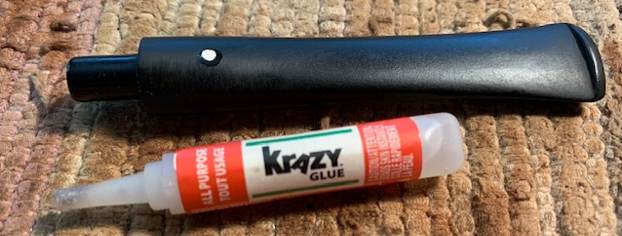
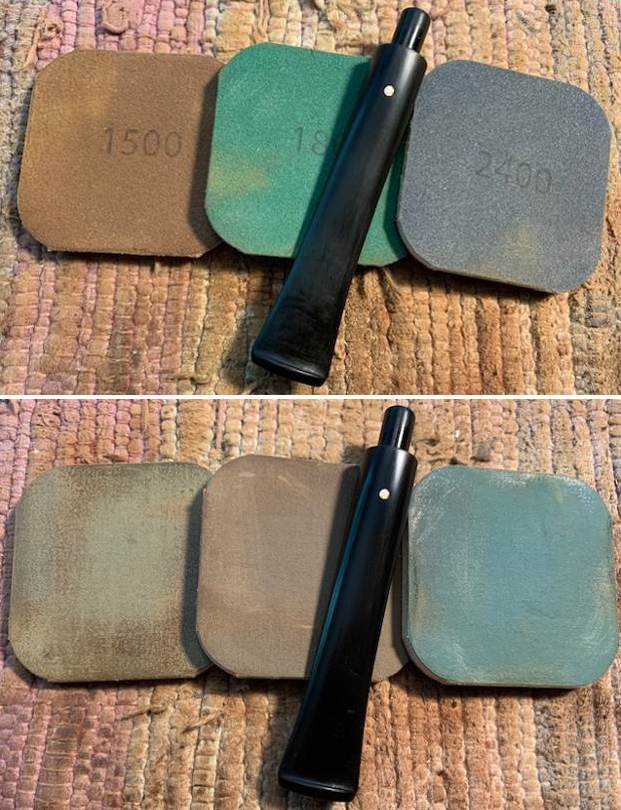
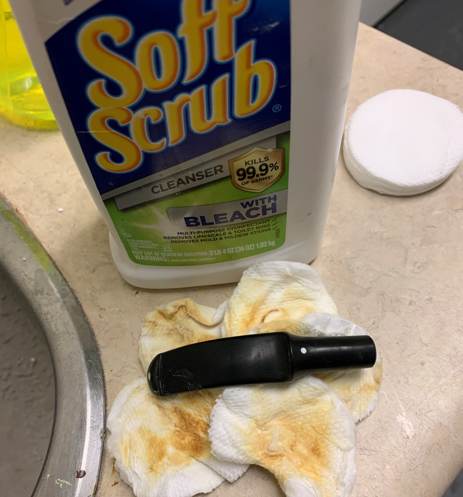
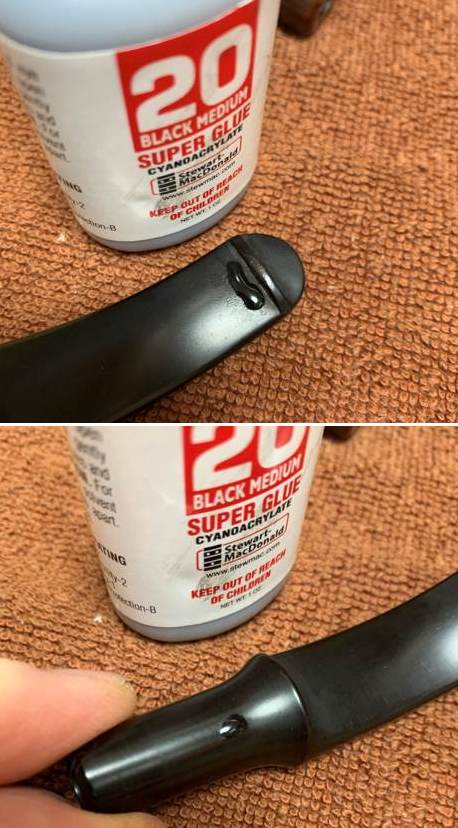
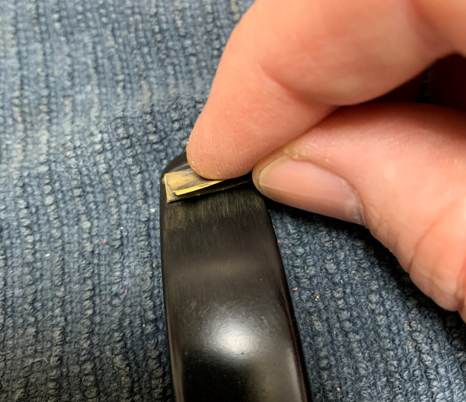
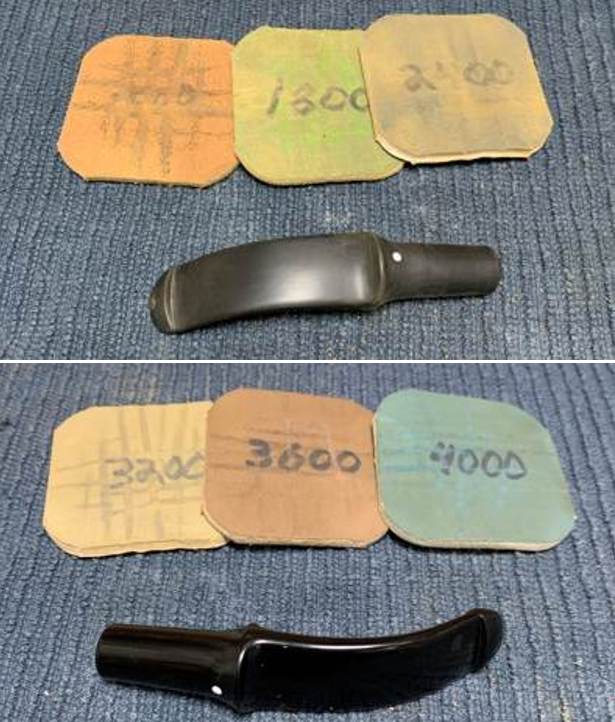
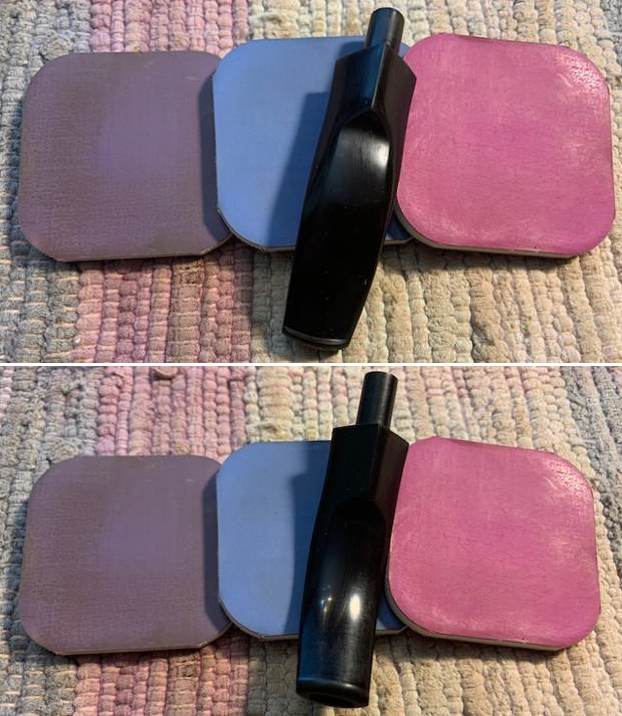
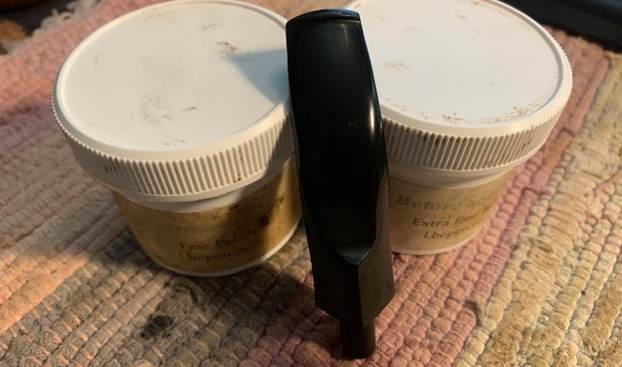
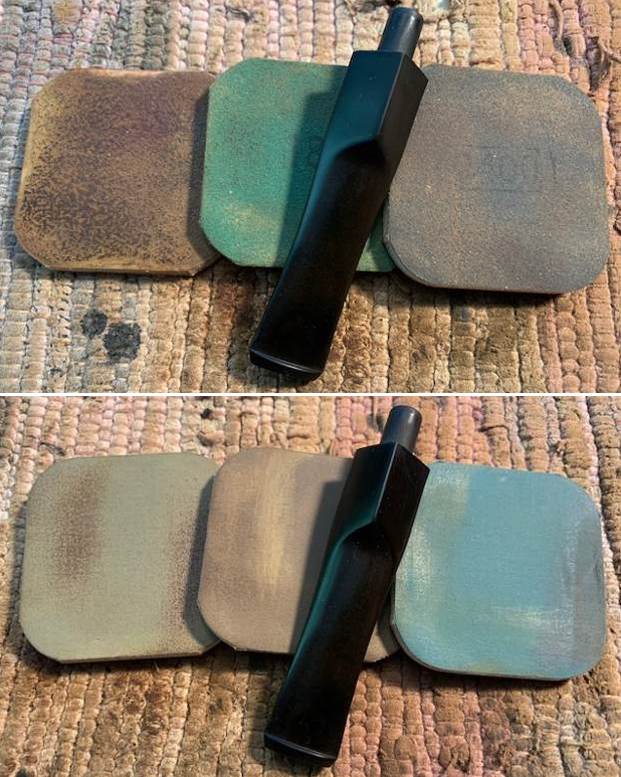
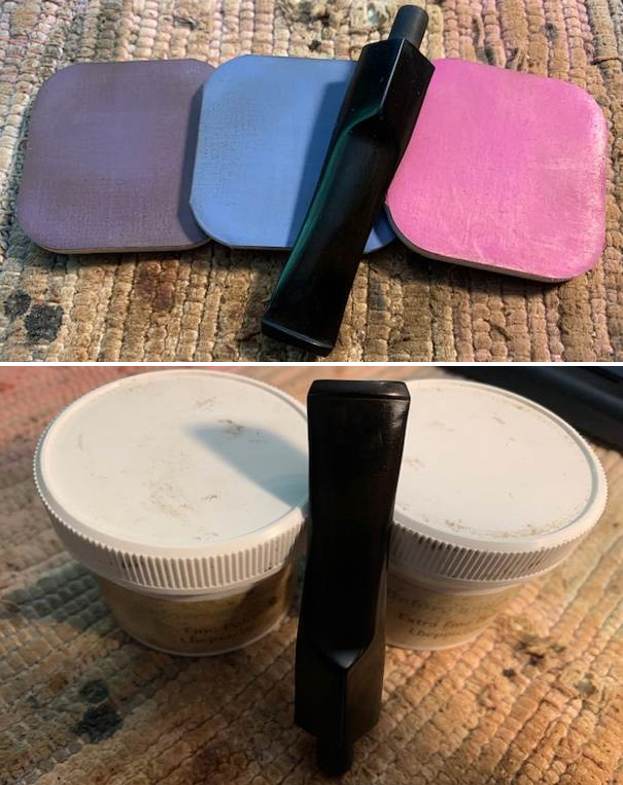
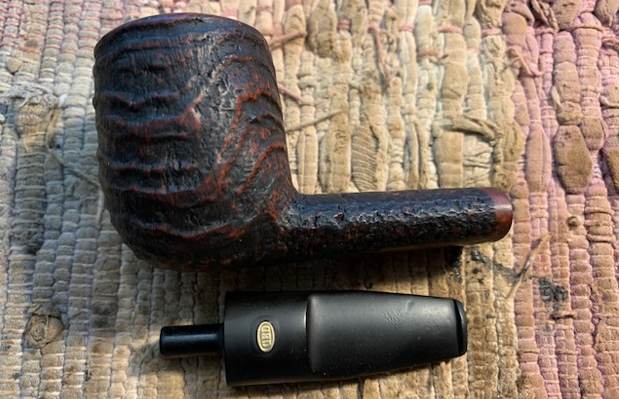
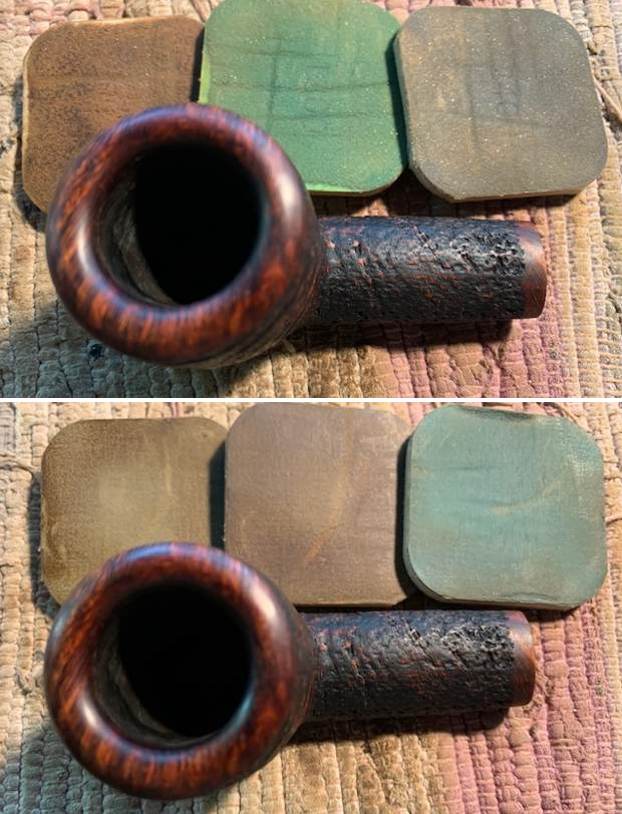
Now it was time to work on the pipe itself. Jeff had cleaned up the pipe with his usual focus on detail. He reamed the pipe with a PipNet pipe reamer and removed the rest of the cake with a Savinelli Fitsall Pipe Knife. He scrubbed the exterior of the bowl with undiluted Murphy’s Oil Soap with a tooth brush and was able to remove the thick lava build up on the rim top. He rinsed it under running warm water to remove the soap and grime. He cleaned out the inside of the shank and the airway in the stem with alcohol, cotton swabs and pipe cleaners. He rubbed down the stem with Soft Scrub – an all purpose cleaner that works well to remove oxidation and calcification on a vulcanite stem. He soaked it in Briarville’s Stem Deoxidizer and rinsed it off with warm water. I took photos of the pipe once I received it. The rim top cleaned up really well. The crowned rim top, inner and outer edges of the bowl looked very good. The rim top and inner edge has some darkening on the back side of the bowl but there was no burn damage. The stem surface looked good with some small, deep tooth marks and chatter on both sides near the button. I took a photo of the stamping on the underside of the shank. It was readable as noted above.I removed the stem and took a photo of the pipe to give a sense of the whole.  I polished the crowned rim top with micromesh sanding pads – dry sanding with 1500-12000 grit sanding pads. I wiped it down after each pad with a damp cloth to remove the sanding debris and dust.  I rubbed the bowl and shank down with Before & After Restoration Balm. I worked it into the surface of the bowl sides and shank with my fingertips. I worked it into the deeper parts of the blast with a horse hair shoe brush. The product works to clean, enliven and protect the briar. I let the balm sit for a little while and then buffed with a cotton cloth to raise the shine. I set the bowl aside and turned my attention to the stem. I “painted” the surface of the stem with the flame of a lighter to lift the tooth marks. It worked very well and many of the marks lifted. I filled in the remaining marks with clear CA glue and let the repairs cure. I sanded the stem with 220 grit sandpaper to blend the repairs into the stem surface. I started the polishing with 400 grit sandpaper.    I polished the vulcanite stem with micromesh sanding pads – 1500-12000 grit pads. I wiped it down with Obsidian Oil after each sanding pad. I used Before & After Pipe Polish – both Fine and Extra Fine to further polish the stem.  This French Made GBD Avoriaz 816 oval shank saddle stem Billiard is a great looking pipe now that it has been restored. The rich contrasting brown stained finish around the bowl is quite beautiful and highlights the sandblast grain. The stain and finish works well with the polished vulcanite stem. I put the stem back on the bowl and carefully buffed the pipe with Blue Diamond on the buffing wheel using a light touch on the briar. I gave the bowl and the stem multiple coats of Conservator’s Wax and buffed the entire pipe with a clean buffing pad. I hand buffed the pipe with a microfiber cloth to deepen the shine. The finished GBD Avoriaz 816 sits nicely on the desk top and in the hand. Give the finished pipe a look in the photos below. The dimensions of the pipe are Length: 5 ¾ inches, Height: 2 inches, Outside diameter of the bowl: 1 ½ inch, Chamber diameter: 7/8 of an inch. The weight of the pipe is 56 grams/1.98 ounces. I will be putting it on the French Pipe Maker section of the rebornpipes store shortly. If you are interested in adding this pipe to your collection send me a message or an email. Thanks for reading this blog and my reflections on the pipe while I worked on it. There are many more to come!
Adventures in Cordovan


(Kenneth’s Pipe Incident Report #3)

Blog by Kenneth Lieblich

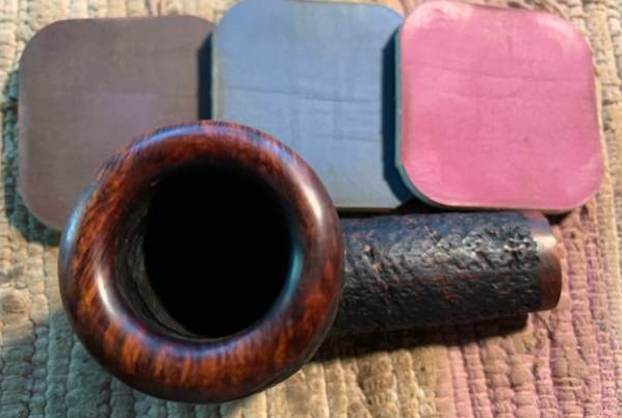
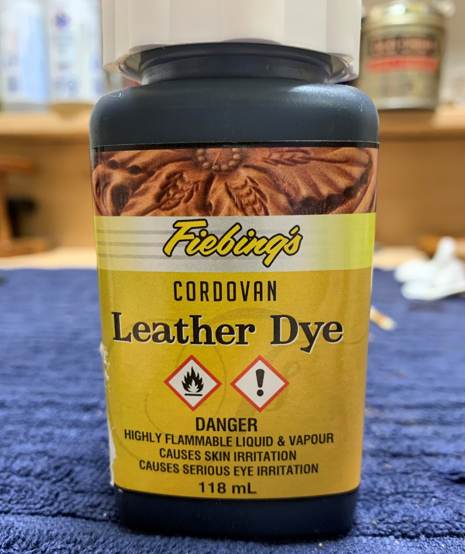
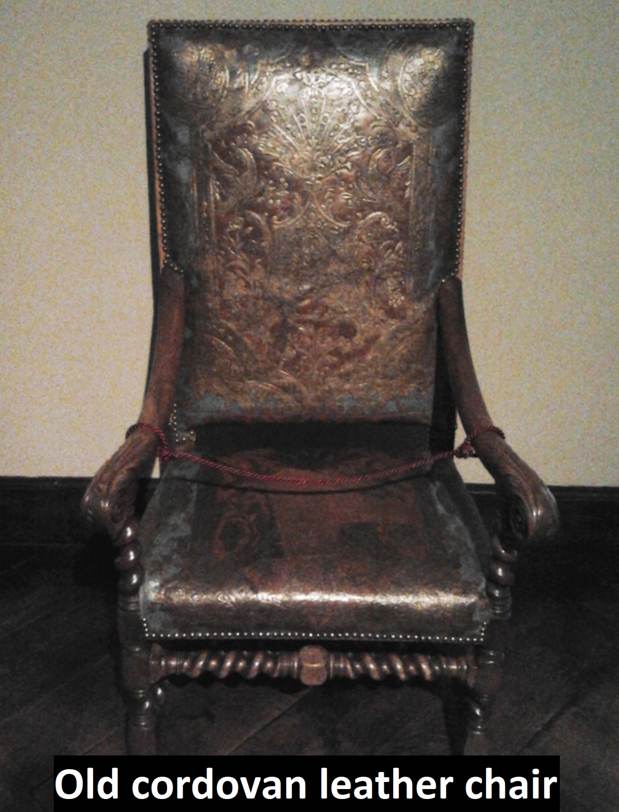
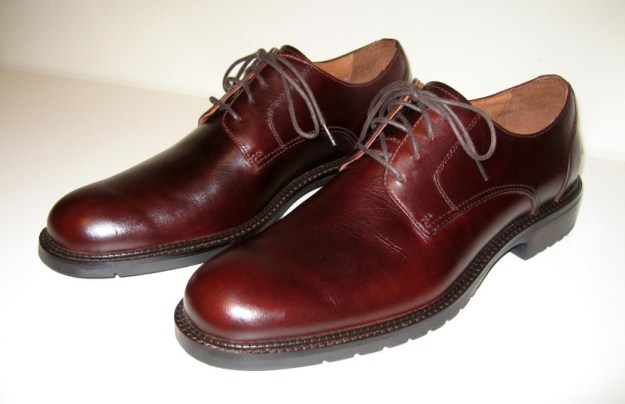
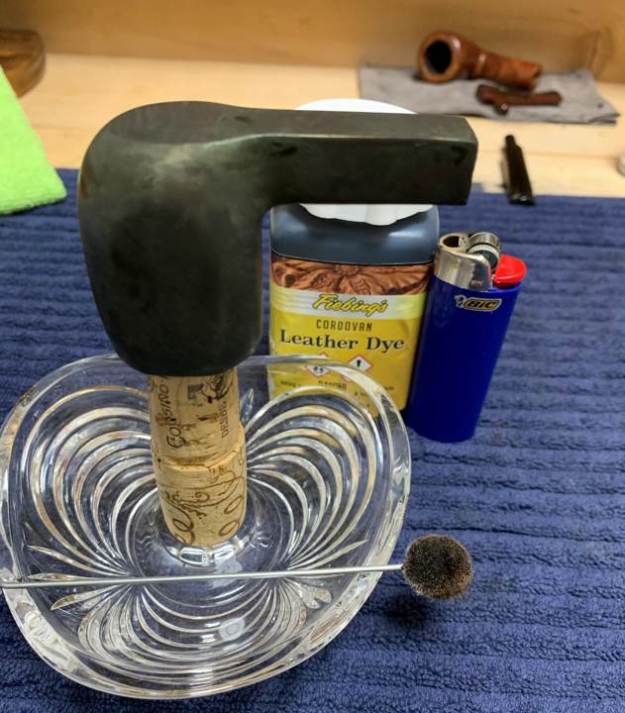
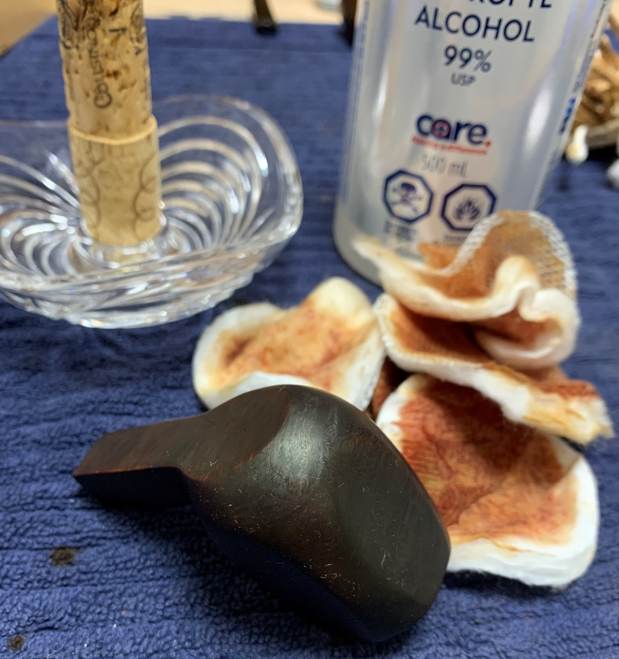
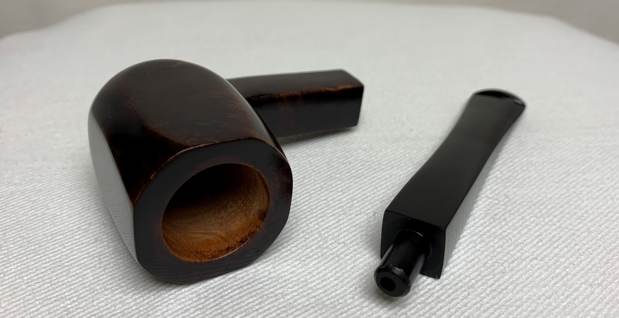
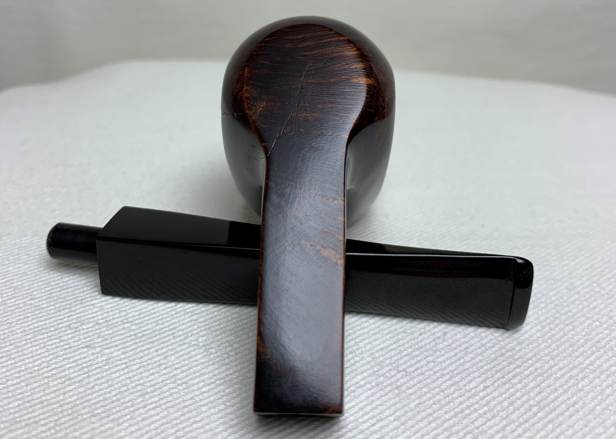
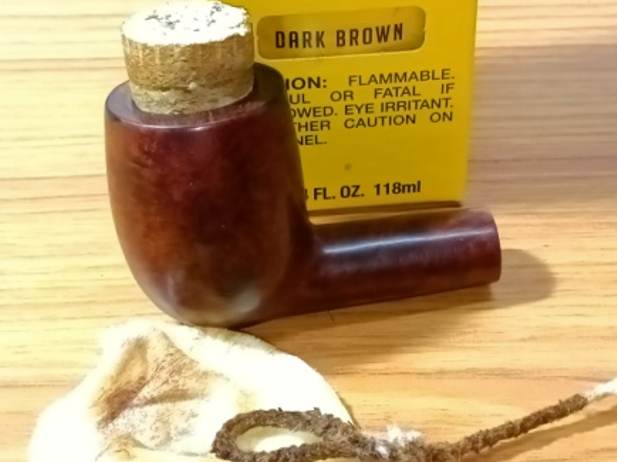
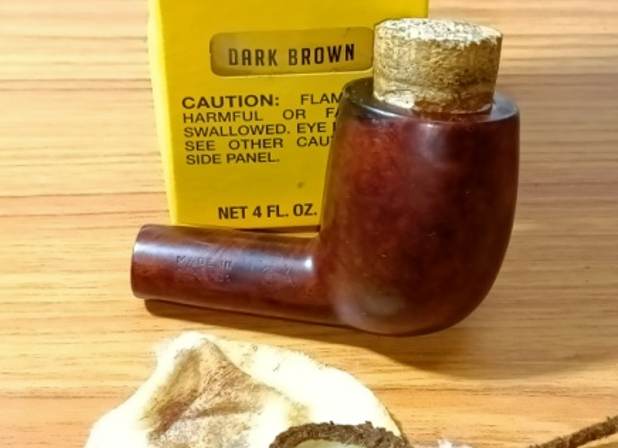
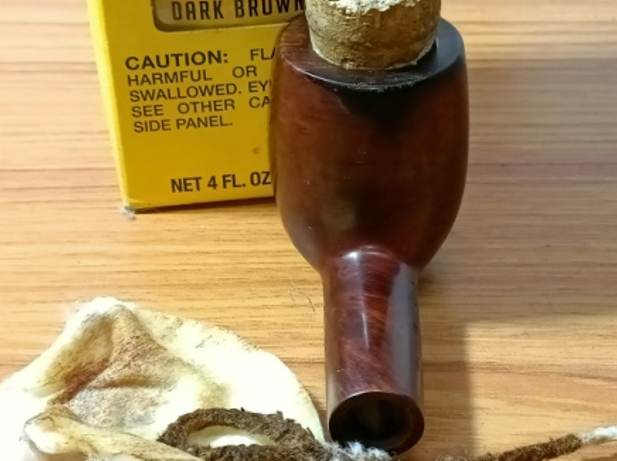
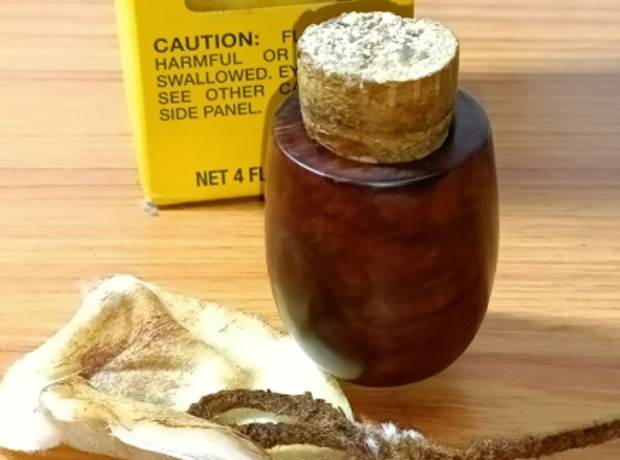
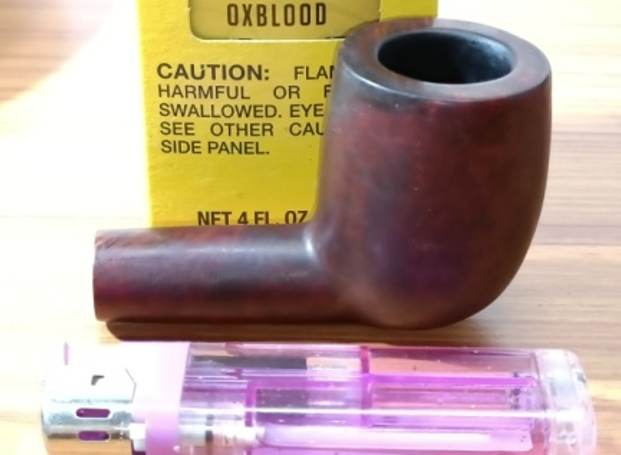
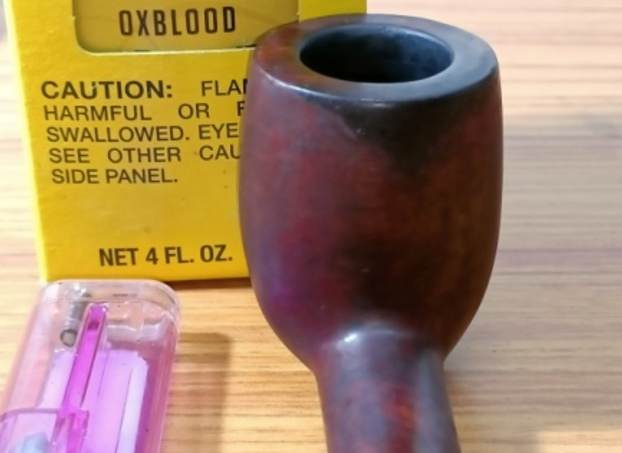
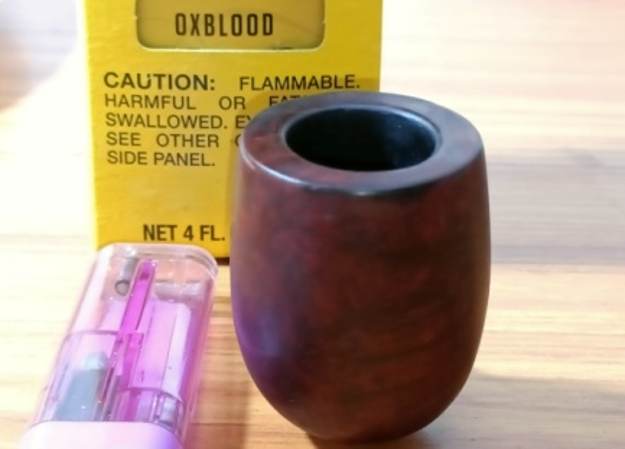
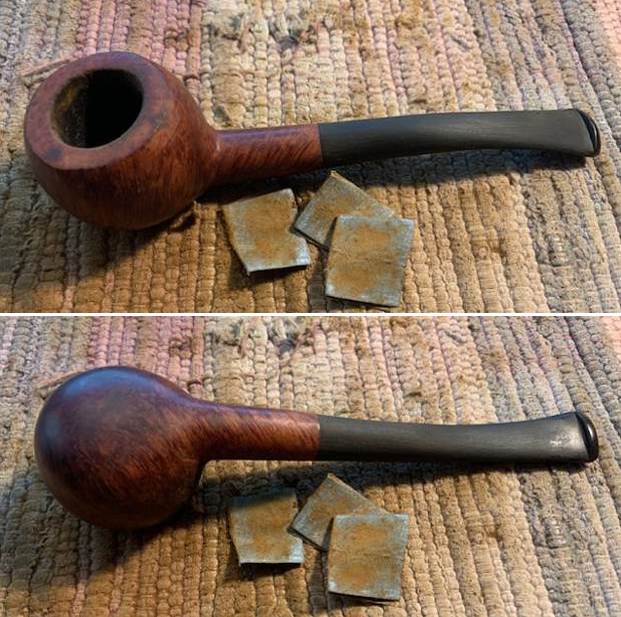
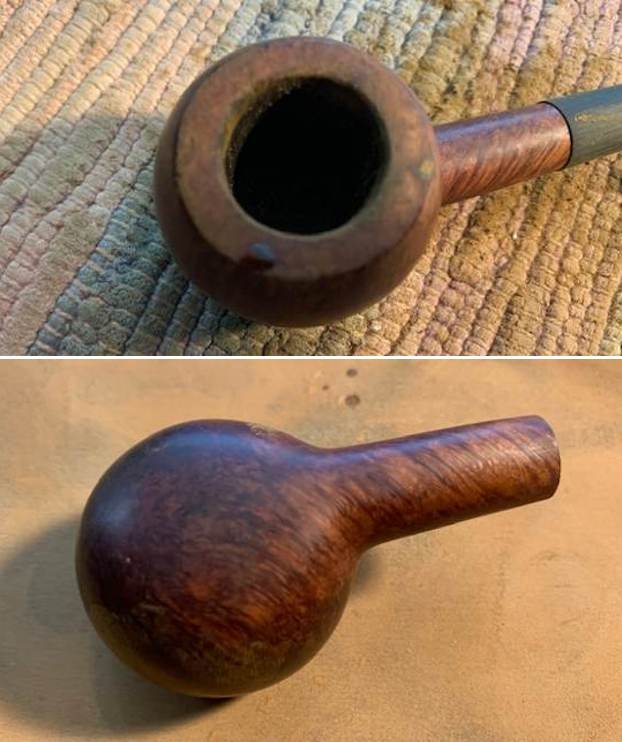
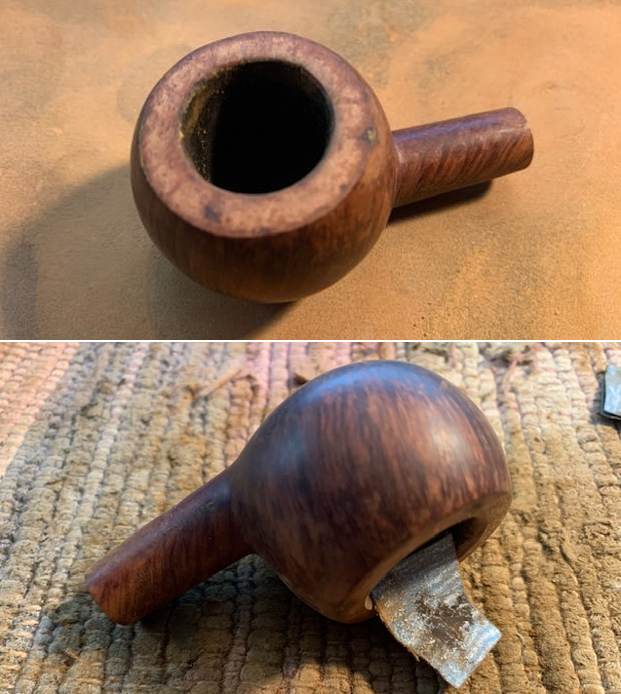
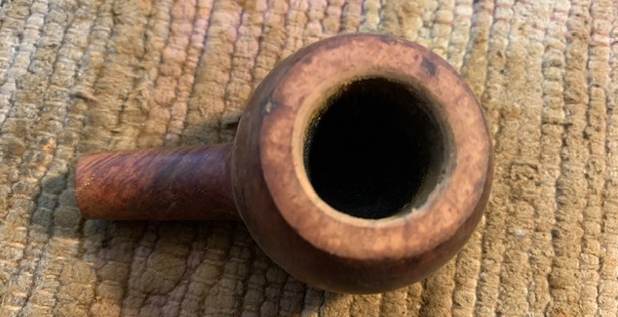
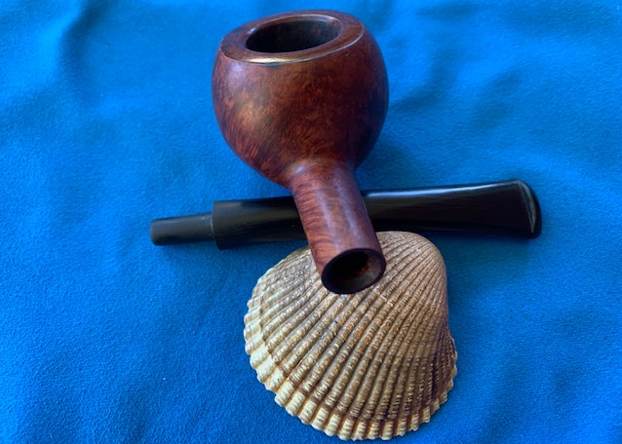
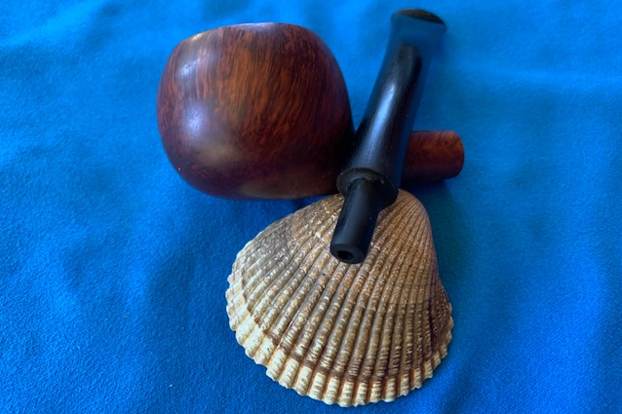
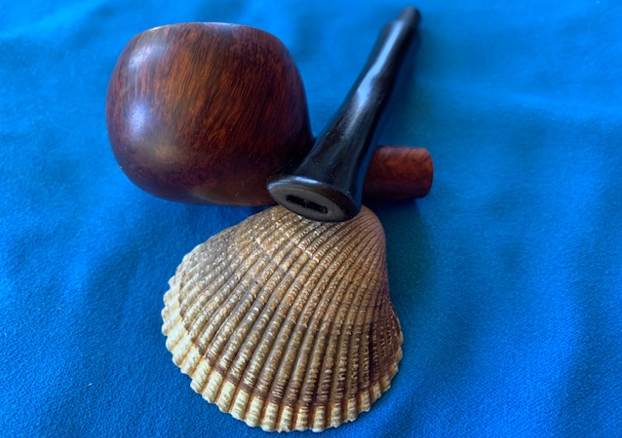
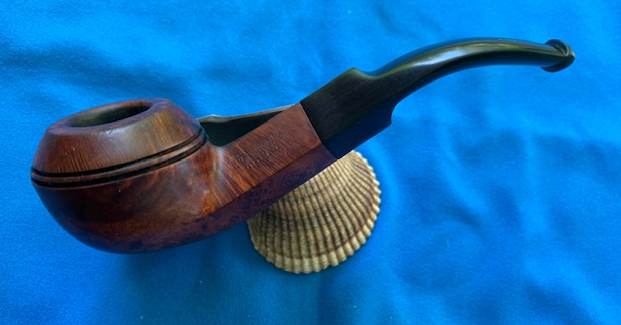
Here is another installment of my Pipe Incident Reports. The idea, in general, is to provide a brief write-up – focusing on a particular pipe-restoration-related issue, rather than an entire restoration story. Last time was all about lemon-infused isopropyl alcohol. Today’s report is about a colour of stain that I had not used before, but which always intrigued me: cordovan. If you’re not familiar with the term, it refers to a rich shade of burgundy (but with less purple) and is often compared and contrasted with oxblood.Of course, the name of the colour comes from the Spanish city of Córdoba. Córdoba (or Cordova) has had a thriving leather industry since the seventh century AD, and it is this that is most closely associated with the word, cordovan. I referred to my Oxford Dictionary of English Etymology. It confirmed this information and added that the first known use of the word in English was in 1591 – in this context, it was simply used as the adjectival form of the city name. According to the Dictionary of Color, the first recorded use of cordovan as a colour in English was in 1925.I expected this colour to be quite red and that accounted for my previous hesitation in using it. Certainly, the bottle of Fiebing’s Cordovan Leather Dye appeared a bit redder that I would have liked, but an opportunity presented itself to try it out on a pipe. I own Fiebing’s oxblood and I’ve used it before, but it was time to try something different…

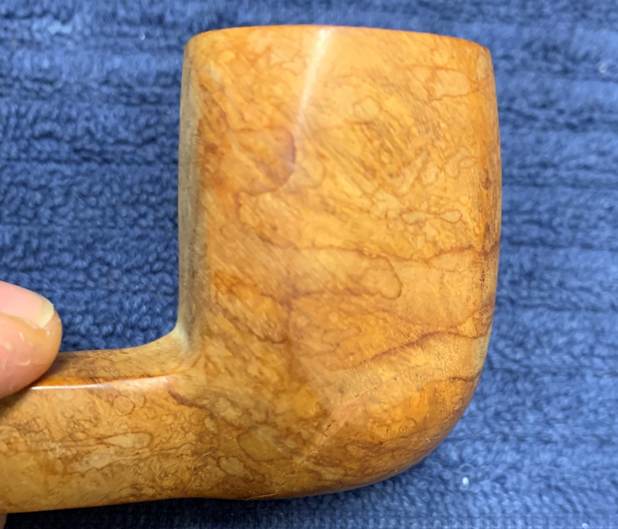
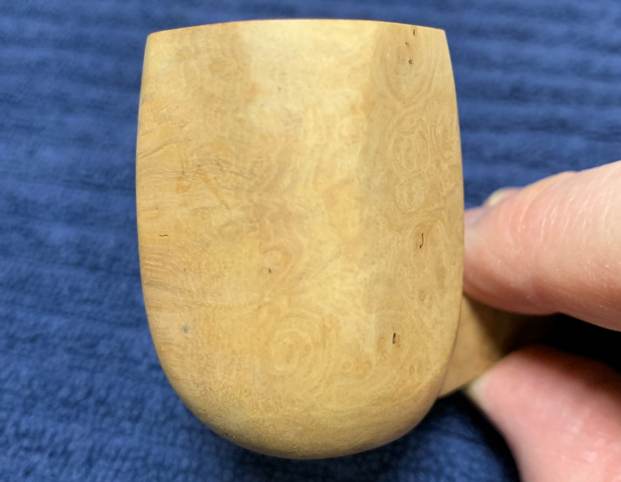
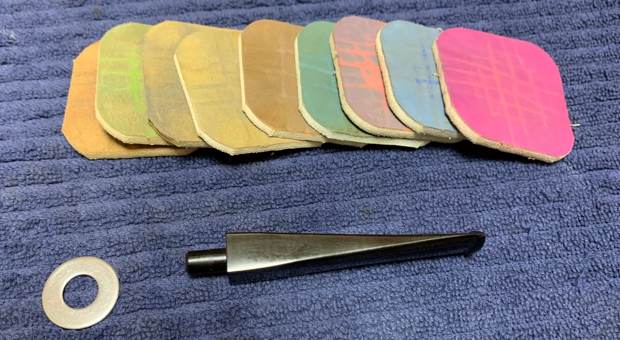
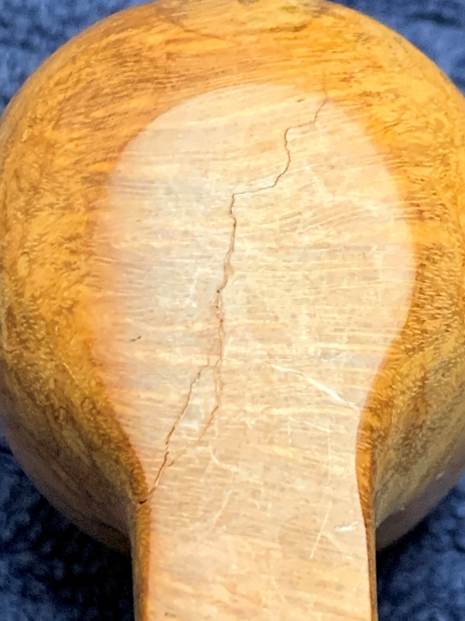
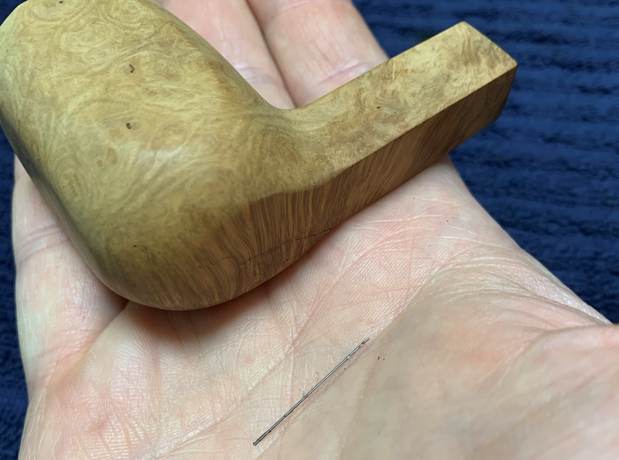
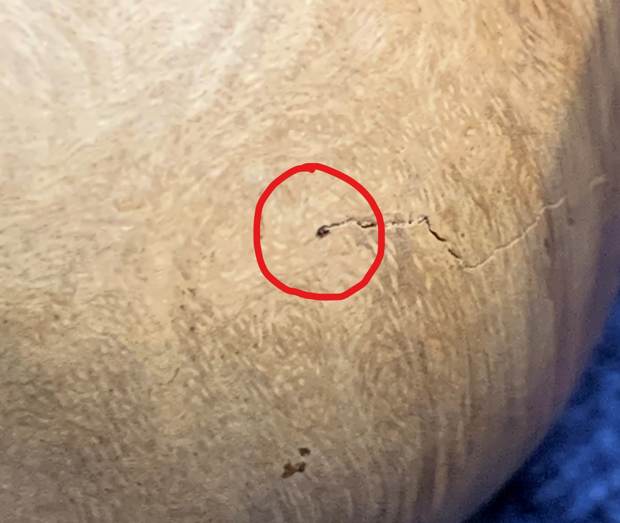
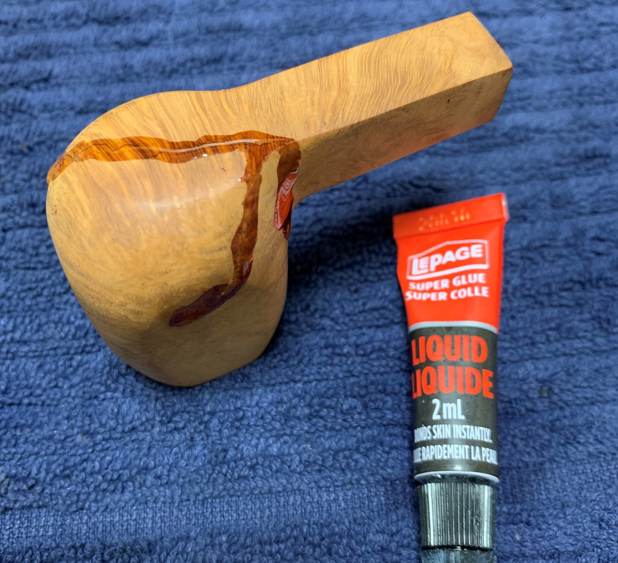
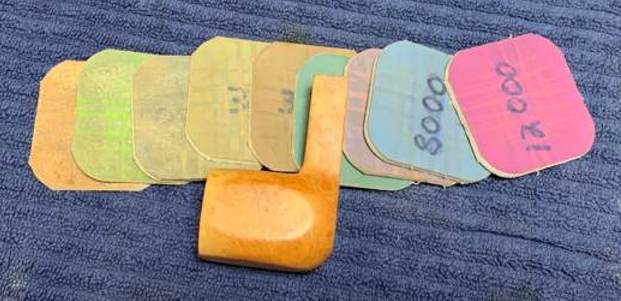
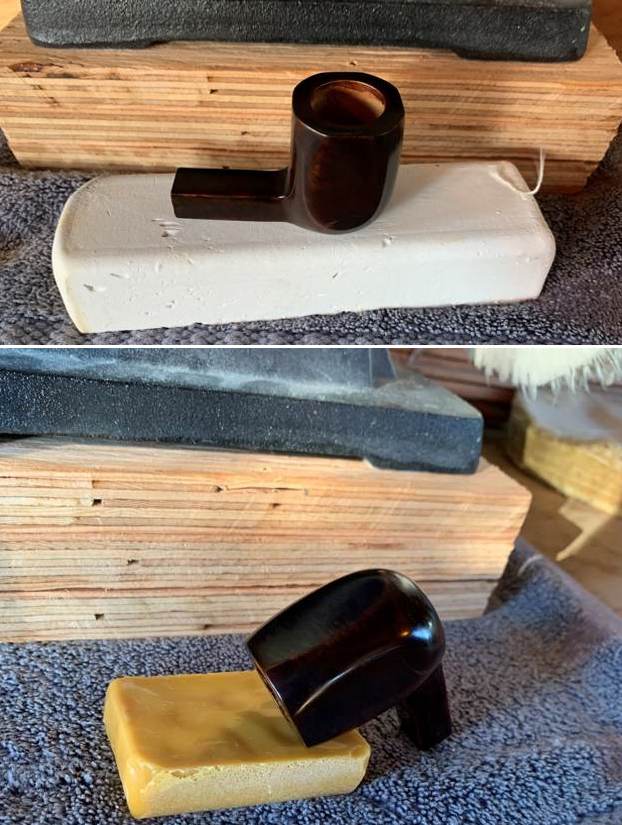
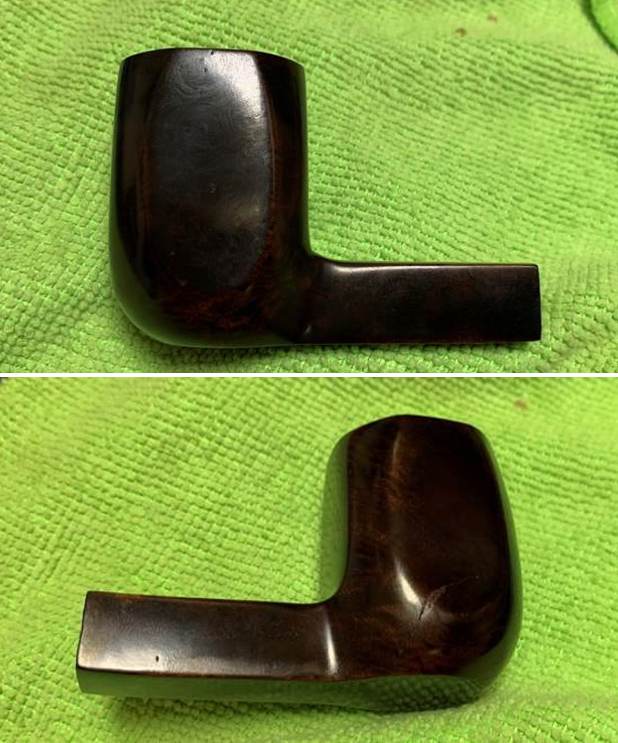
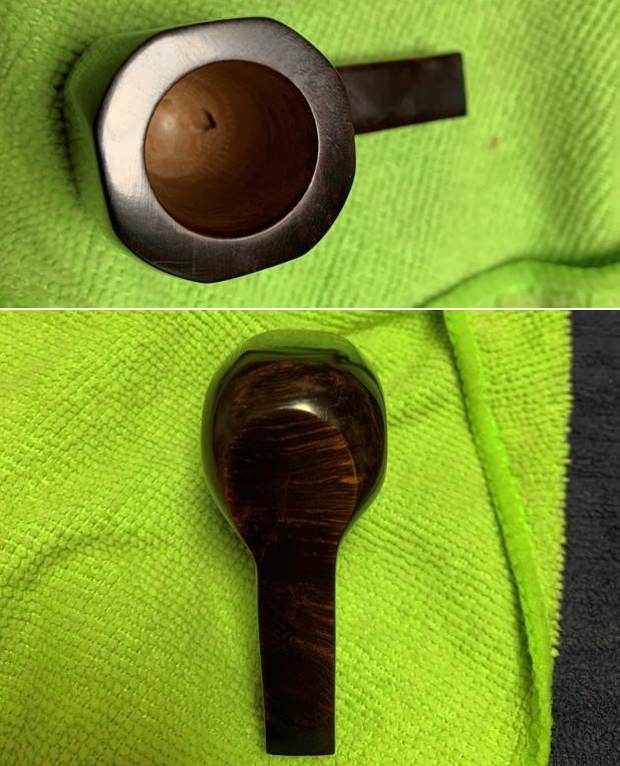
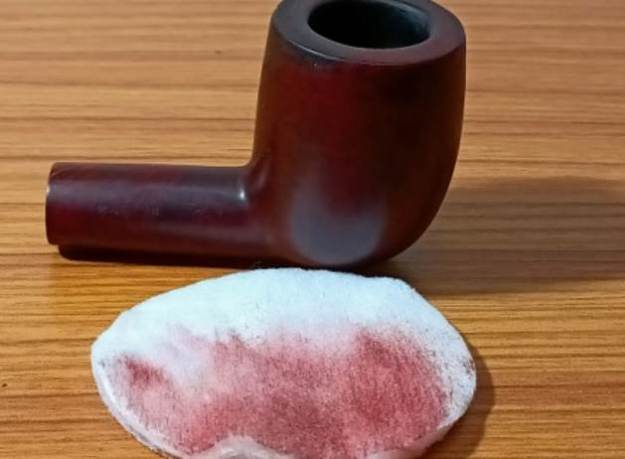
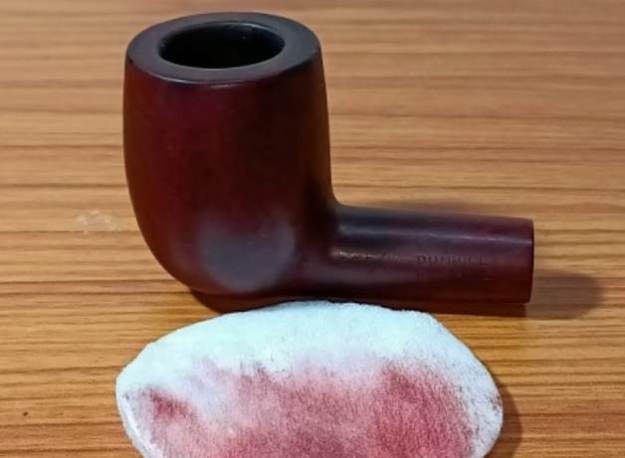
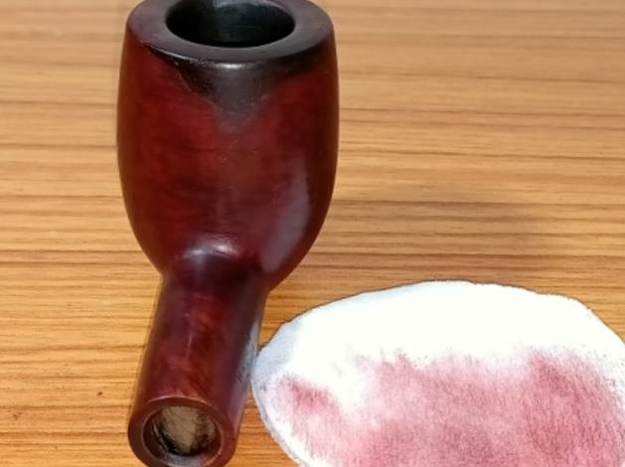
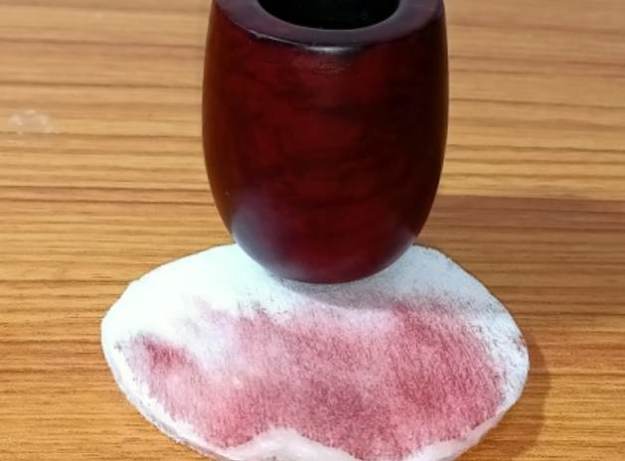
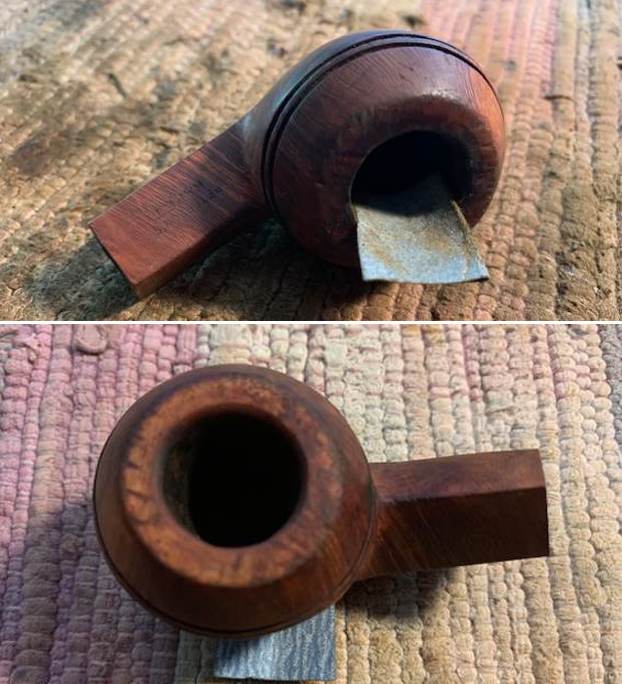
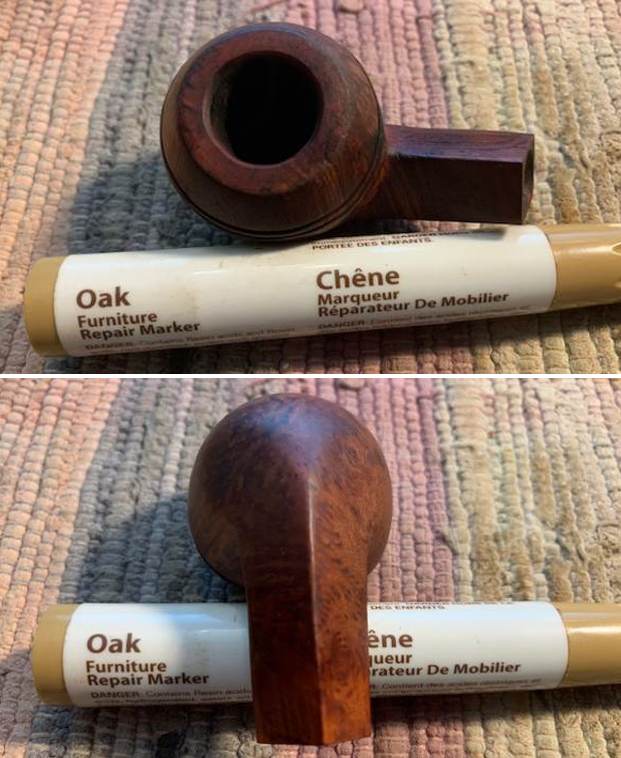
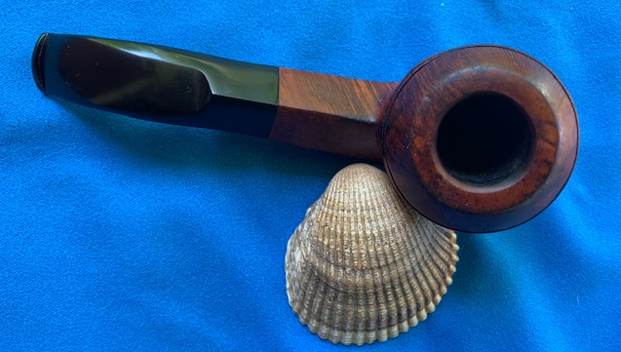
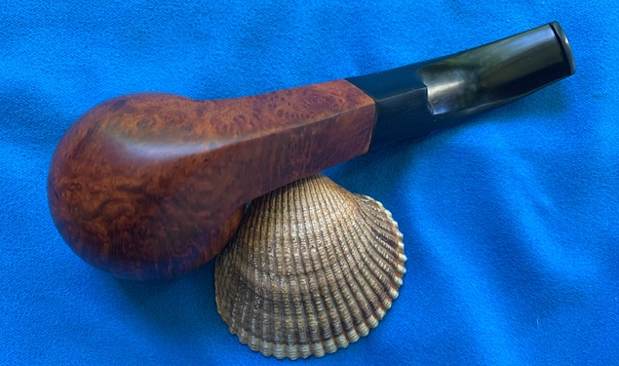
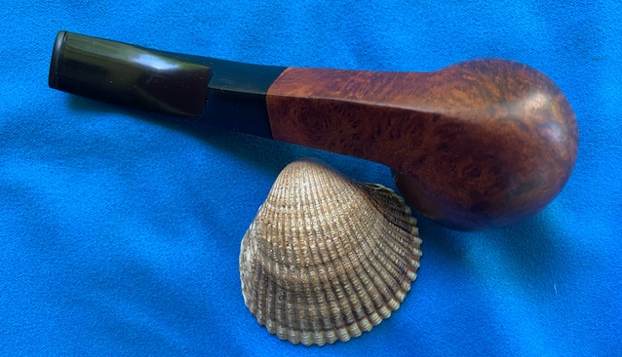
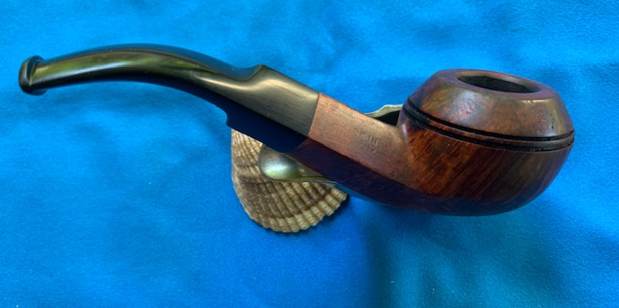
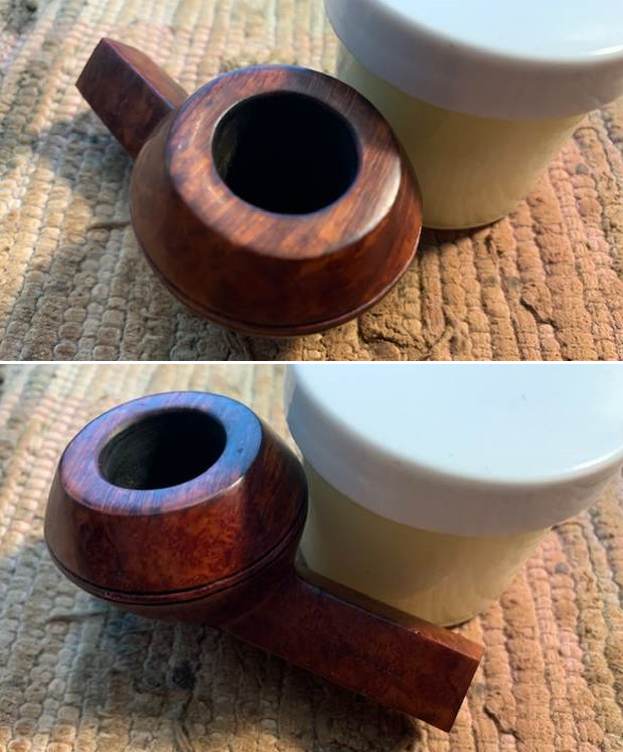
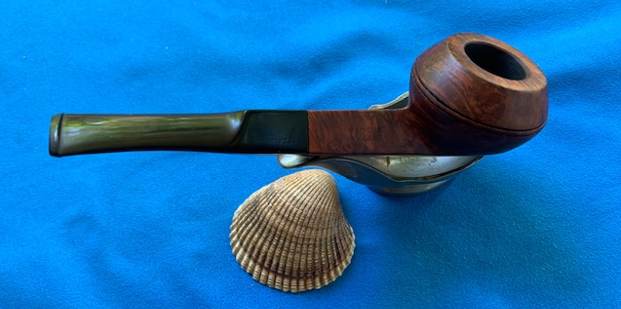
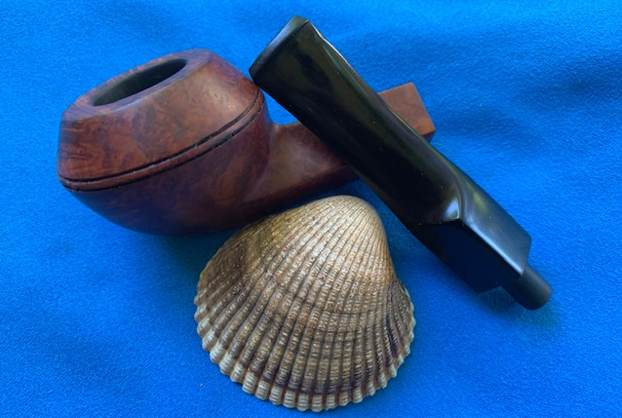
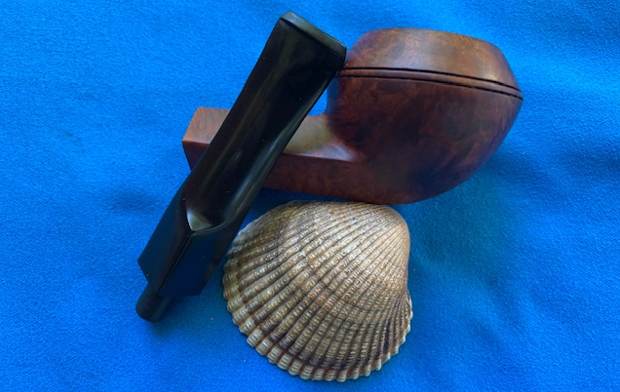
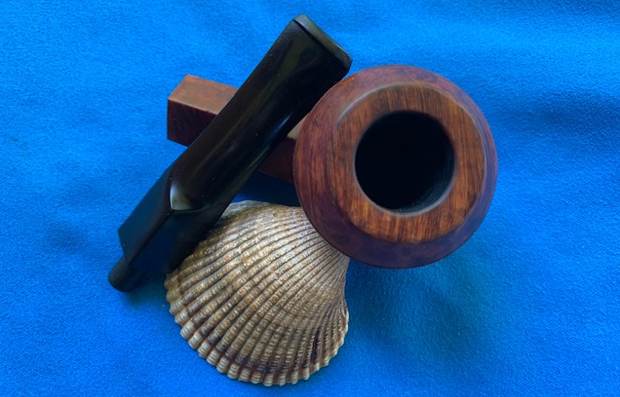
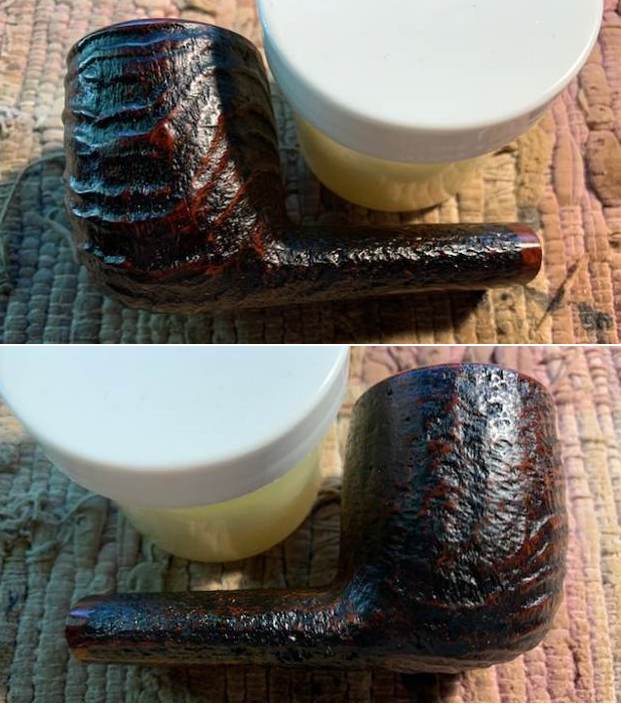
The pipe I’m using for this experiment is a handsome paneled billiard. It has no markings on it whatsoever, so I don’t know its origins. I acquired it in a lot of pipes that arrived from France, but there were some non-French pipes in that lot so I can’t be sure that it’s a French pipe. In any event, the pipe is unsmoked, never used. And so, I decided that this was the perfect candidate for me to try out my cordovan dye. The briar was raw and unfinished, so it would take the stain well. As you can see, the briar had some water stains on it and the pipe was generally dusty and dirty, despite never having been used.To give the dye the best chance of succeeding, I cleaned the stummel with Murphy’s Oil Soap. This removed all the stains and made the stummel nice and clean. I also used a can of compressed air to blow out any dust from the draught hole and chamber.The stem was also new but was clearly dirty from sitting around untouched for years. I cleaned it with a couple of pipe cleaners and then polished up the stem with all nine of my MicroMesh pads. Next, I had to address a couple of issues in the briar. As the photos show, there are some cracks in the wood that I need to tackle. Upon close inspection, fortunately, the cracks are quite shallow and do not meaningfully affect the integrity of the pipe.One of many techniques that I learned from Steve is to use a micro drill bit to stop any briar cracks from lengthening. So, I took one of my micro drill bits – and it is really tiny – put it in my Dremel, and drilled minuscule holes at the end of each crack. Of course, I followed this up by filling the drill holes and cracks with cyanoacrylate glue and let it fully cure. Once cured, I sanded it all down with my MicroMesh pads. Time to try the cordovan! As I mentioned, I expected cordovan to be quite red. In fact, it was a beautiful, rich, brown colour – I suppose at the brown end of burgundy. I flamed it and let it set and then coated it again with dye and flamed that too. I was pleasantly surprised at how attractive the colour was. However, I was equally concerned that I had made it too dark by staining it twice, so I decided to lighten it. Fortunately, this dye is alcohol-based, so I used isopropyl alcohol to wipe down the pipe and remove excess stain. I am very pleased with the results. I polished the pipe on my bench buffer with White Diamond and carnauba wax which made the pipe look all the more lovely.   Cordovan turned out to be an excellent addition to my palette of colours for pipe work. As I mentioned, I expected it to be much redder than it turned out to be, and that originally precipitated my hesitation in using it.   I am pleased to announce that this pipe is for sale! If you are interested in acquiring it for your collection, please have a look in the ‘Pipes from Various Countries’ section of the store here on Steve’s website. You can also email me directly at kenneth@knightsofthepipe.com. The approximate dimensions of the pipe are as follows: length 5⅝ in. (143 mm); height 1¾ in. (45 mm); bowl diameter 1⅛ in. (29 mm); chamber diameter ⅞ in. (22 mm). The weight of the pipe is 1⅛ oz. (34 g). I hope you enjoyed reading this installment of the Pipe Incident Report – I look forward to writing more. If you are interested in my work, please follow me here on Steve’s website or email me directly at kenneth@knightsofthepipe.com. Thank you very much for reading and, as always, I welcome and encourage your comments.

Reconstructing The Rim And Sprucing Up a 1961 Dunhill Bruyere Billiard


Blog by Paresh Deshpande

It’s been a long while since I have posted any write ups here and the primary reason is my laziness. I know and accept that these are very useful as references and as records of the work done till date and yet I enjoy restoring pipes more than doing the write ups.

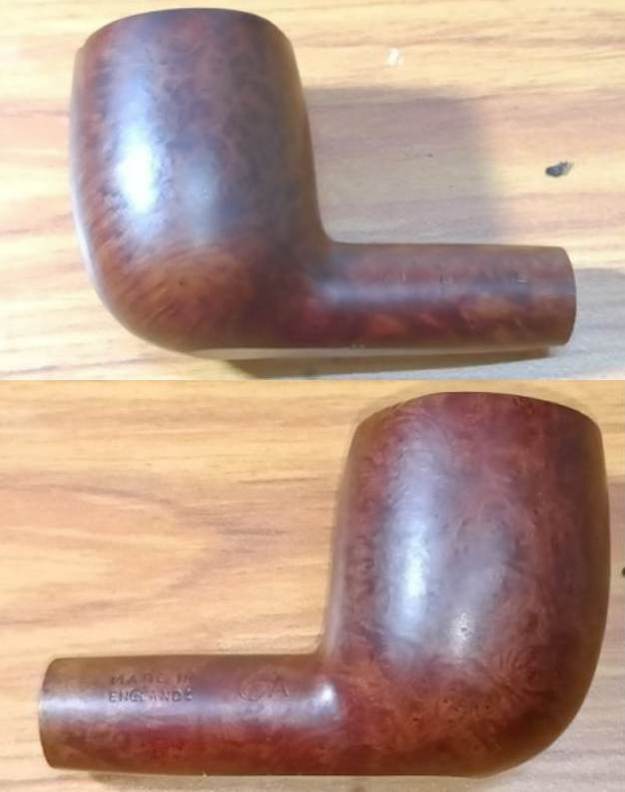
One of my friends here is an avid collector of pipes and he expressed a desire to expand his collection restricted only to English made pipes. He wanted a Dunhill with crisp stampings (that is always a challenge!) and so began my hunt for one. I found one on eBay Germany, which had a seriously damaged rim edge but otherwise in great condition for a 61 year old pipe. I discussed this piece with my friend and soon the pipe made its way to India and is now on my work table. It’s a classic Billiard with a fishtail stem and a flat bottom that makes it a sitter. The briar is flawless and without any fills or imperfections as expected from Dunhill. The pipe is stamped on the left near the bowl and shank junction as “59” followed by “F/T” followed by “DUNHILL” over “BRUYERE”, all in capital letters, towards the shank end. The right side of the shank is stamped as “MADE IN” over “ENGLAND” with suffix 1 after letter D and followed by an encircled “4” and letter “A”. The upper surface of the stem bears the trademark White Dot of the brand.    The brand Dunhill is well researched and documented and pipedia.eu has reams of information on the same. However, of interest to me here is the dating of this pipe, which is fairly straight forward. The shape code 59 denotes Dunhill’s Billiards shape with tapered stem while F/T denotes fish tail style stem. The suffix numeral 1 after letter D denotes 1961 as the make year because firstly, the numeral is not underscored; secondly, it is the same size as the preceding letter D and finally, the letter ‘A’ denoting the finish is slightly larger than the circle enclosing the group size. The encircled letter 4 denotes the group size as 4 and the letter ‘A’ points to the Bruyere finish on this pipe.

With the dating conclusively established, I moved ahead with the initial inspection of the pipe.

Initial Visual Inspection
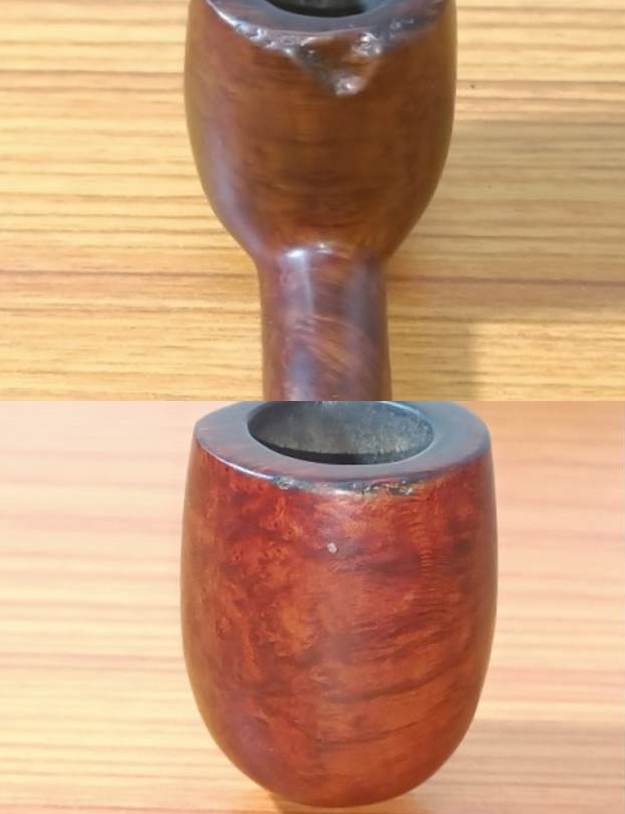
The first thing that one notices is the damaged rim edge, both aft and at the front. The chamber appears to have been reamed and is sans any cake. There is no lava overflow atop the rim surface. The stummel surface is dull, dirty and lackluster. Being a Bruyere finish, the stummel does not boast of excellent grains but it does prove its quality by being a flawless piece of briar without having a single fill or imperfection. There is a slight ghosting smell and would need to be addressed. The shank bottom is flattened making it a sitter. The stem is in fairly great condition with only a few bite marks over the button edges and some minor tooth chatter in the bite zone. Overall, it’s a very decent pipe and I hope to repair and restore this pipe to its former glory. Detailed Inspection
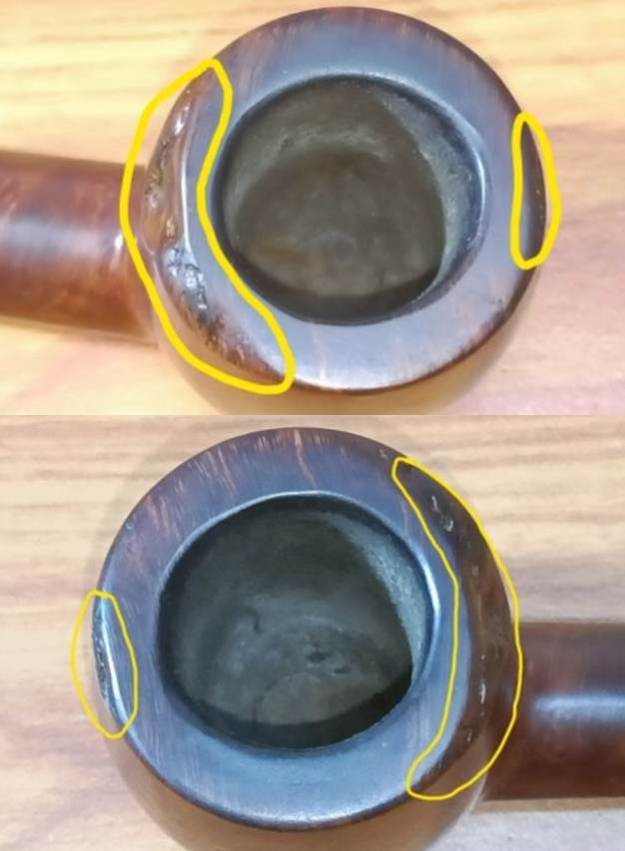
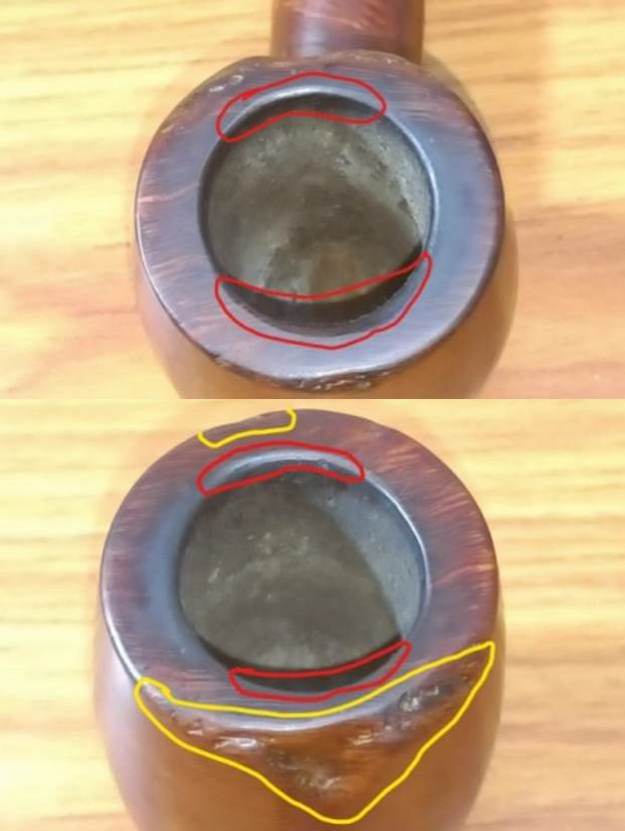
The chamber appears to have been reamed before the pipe was designated for sale by the previous owner and thus the chamber is devoid of any cake. All that remains is some dust and fine carbon particle accumulation along the walls of the chamber. The rim top is darkened but without any overflowing carbon. However, it’s all together a different ball game when it comes to the rim edges. The most significant damage is to the aft outer rim edge where a large chunk of briar has chipped away, most likely the result of a fall from some height. Similarly, the front of the rim outer edge too has a small chunk of briar missing and appears to be the result of knocking against a hard edge. Both these damages are encircled in yellow. The inner rim edge shows signs of charring in the 6 o’clock and 12 o’clock directions. These areas have been encircled in red. The chamber odor is light but present and would need to be completely eliminated. The stummel feels solid in the hand and the surface is sans any dents and dings. However, the surface is dull and dirty with the finish fading out from over the surface. A nice cleaning and polish of the stummel should make things interesting. The mortise and shank walls are clean. The tapered fishtail vulcanite stem is in good condition. There are some tooth indentations on the button edge on the upper surface with tooth chatter in the bite zone on either surface. The stem surface shows some minor oxidation that would be easily addressed. The stem airway is open but would benefit from a thorough internal cleaning.   The Process
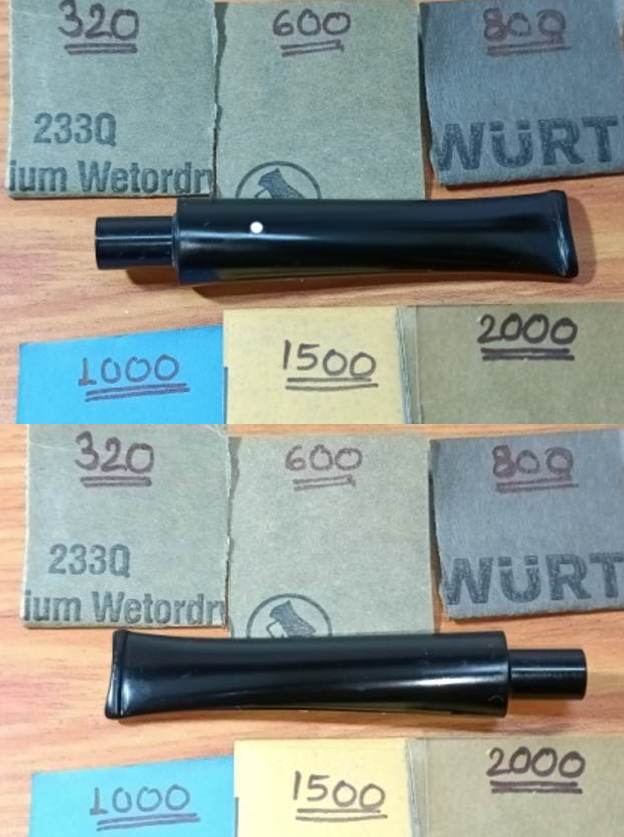
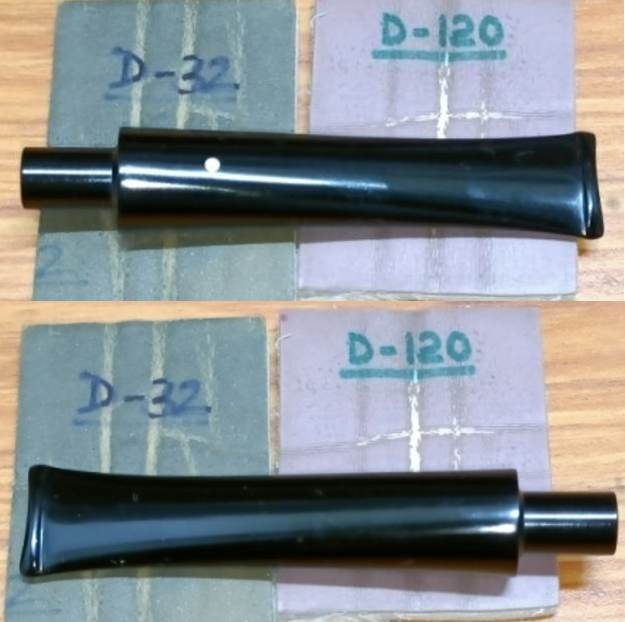
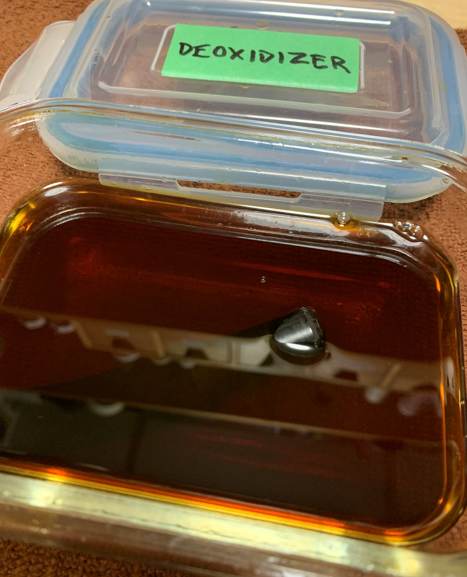
I started the process of restoration by first cleaning the stem internals with anti-oil dish cleaning soap and thin shank brushes. I scrubbed the stem surface with the soap using a ScotchBrite pad, firstly to rid the surface of old oils and gunk and secondly to remove the loose surface oxidation.I dunked the stem into the deoxidizer solution overnight for the oxidation to be pulled out to the surface. I generally allow the stem to soak in the deoxidizer solution overnight. While the stem was sat aside in the deoxidizer solution, I moved ahead to deal with the stummel repairs. I started with reaming the chamber with a size 1 head of the PipNet reamer and progressed to size 2 head. Using my fabricated knife, I gently scrapped away the cake which could not be reached by the reamer head. I further cleaned the chamber with a folded piece of 180 grits sand paper to sand out the remaining traces of cake and expose the walls of the chamber to ascertain that there were no cracks/ heat fissures. I wiped the chamber with a cotton pad dipped in isopropyl alcohol to remove the carbon dust left behind by all the reaming and sanding process. This also reduced traces of old smells from previous usage. The walls of the chamber were solid with no damage.I cleaned the shank walls and mortise with a hard bristled pipe cleaner dipped in alcohol. I used a specifically fabricated scoop to scrape out the gunk from the shank walls and face of the mortise wall. There was not much to clean though!  Prior to moving ahead with the rim repairs, I decided to address the strong ghost smells from the chamber. To eliminate the ghost smells from the pipe, I decided to treat it with salt and alcohol. I used cotton balls which is an at par substitute to Kosher salt as I have realized over the years. I drew out a wick from the cotton and along with a folded regular pipe cleaner; inserted it into the mortise and through the draught hole in the chamber. Thereafter, I packed the chamber with cotton balls to about quarter of an inch below the inner rim edge. I soaked the cotton balls with isopropyl alcohol up to the brim. About half an hour later, the level of alcohol had gone down, having being absorbed by the cotton. I topped it up once again and set it aside overnight. By next afternoon, the cotton and alcohol has drawn out all the remaining oils and tars from the chamber and mortise and the cotton and alcohol had fulfilled its intended task. I removed the cotton balls and ran pipe cleaners through the mortise to clean out all the loosened tars and gunk. The chamber now smelled clean and fresh. I set the stummel to dry out naturally. The next day, I fished out the stem and cleaned it under running warm water and scrubbed the raised oxidation from the stem surface using ScotchBrite pad. I further removed the oxidation by scrubbing the stems with 0000 grade steel wool and applied a little olive oil to rehydrate the stems and set the stem aside for the oil to be absorbed.  I heated the surface of the stem with the flame of a lighter to raise the tooth indentations to the surface and followed it up by sanding with a piece of folded 220 grit sand paper. This helps to even out the raised surface, address minor tooth chatter and also remove the deep seated oxidation. I wiped the stem with a cotton swab and alcohol to remove the raised oxidation and the resulting sanding dust. The tooth indentations over the button edge, though greatly reduced, were still prominent and would need to be addressed.    Next I filled these tooth indentations with a mix of organic charcoal and clear superglue and set the stem aside for the fills to cure.   Once the fills had cured nicely, I moved ahead and began the process of filing and shaping the button end with a flat head needle file followed by further sanding the repair with a piece of 220 grit sandpaper.  To achieve a better blending of the repaired surface with rest of the stem as well as to polish the stem, I dry sanded the entire stem with 320, 600 and 800 grit sand papers followed by wet sanding using 1000, 1500 and 2000 grit sand papers. This progressive use of higher grit sandpapers helps to reduce the sanding marks left behind by the more abrasive ones while completely eliminating the oxidation and imparting a clean shine to the stem surface.  To bring a deep shine to the vulcanite stem, I went through the dry sanding with 3200 to 12000 grit micromesh pads, and wiped the stem with Extra Virgin Olive oil to rehydrate the vulcanite. The repairs have blended in very well and the stem now looks shiny black and beautiful. The finished stem is shown below.  With the stem repairs and polishing now completed, I turned my attention to the stummel repairs and refurbishment. Using a hard bristled tooth brush dipped in undiluted Murphy’s Oil Soap; I very deliberately scrubbed the surface of the stummel and the rim top. I also cleaned the mortise and shank internals using anti-oil dish washing soap and shank brush. I rinsed the stummel under warm running water and dried it using paper napkins and soft cotton cloth. The original reddish dye was also washed away to some extent, but that was not worrisome as I would be re-staining it after repairs. Next, I filled up the large areas of missing briar from the front and back of the outer rim edges with CA superglue and briar dust using the layering method. The only disadvantage of this method is the presence of large number of air pockets which necessitates repeated refilling with glue and briar dust. Once I was satisfied with the repairs, I set the stummel aside for the mix to cure completely.  The next evening, the repairs to the edge had completely cured and I moved ahead by filing and rough shaping with a flat head needle file. I further fine tuned the blending by sanding it down with a 150 grit sand paper. Here is how the repaired area appears at this stage. I am very pleased with the way this repair has progressed.    Thereafter, I took the stummel to the topping board with the aim of making the rim top surface smooth and even as the rim top was also rebuilt along with the edge. I topped the rim surface on 220 grit sandpaper with even circular rotations and frequently checked the progress being made. This step also helped to minimize the charring to the inner rim edge. I shall further mask the damage by creating a slight bevel to the inner edge. I am very pleased with the progress being made thus far. Once the repairs to the stummel were completed, it was time to polish and stain the stummel. I dry sanded the entire stummel with 1500 to 12000 grit micromesh pads, wiping the stummel with a moist cloth after every pad. I massaged a small quantity of “Before and After Restoration Balm” into the briar with my finger tips and let it rest for a few minutes. The balm almost immediately works it’s magic and the briar now has a nice vibrant appearance. I further buffed it with a microfiber cloth. I had hoped that the balm would work it’s magic on the filled area and help in blending it a bit, but unfortunately that did not happen. Well, moving on to the staining process after this step… While refreshing my readings about Dunhill lines, I remember having read that Dunhill achieved the trademark Bruyere color by having an undercoat of dark brown stain followed by deep red color stain. And that’s exactly what I decided to follow with a slight modification. I would first stain wash the stummel with DB stain and thereafter stain it deep red.

I mixed a small quantity of Fiebing’s Dark Brown Leather Dye with isopropyl alcohol to dilute it and applied it to the stummel with a folded pipe cleaner after heating the stummel with a heat gun. I let this stain wash set for a few minutes and vigorously wiped it down with a clean cotton swab. I repeated this process a couple of times till I was satisfied with coloration of the stummel. The next afternoon, I again heated the stummel surface with a heat gun and applied Fiebing’s Oxblood stain with a folded pipe cleaner. As I painted the stummel with stain over sections at a time, I lit the dye using a lighter which burns the alcohol in the aniline dye and sets the dye pigmentation in the wood. After fully saturating the stummel and covering the whole surface, including the rim top, I set the stummel aside to rest for several hours for the stain to set. A few hours later, I wiped the stummel with a cotton pad wetted with isopropyl alcohol to remove any excess stain from the stummel surface and dry polished the stummel with 3200 to 12000 grit micromesh pads. The repairs seem to have blended in pretty well to the naked eye, but under a camera, the repairs mark their presence. Yeah, I am pretty happy with the end result. This now gets me to that part of the process where I get to savor the fruits of my labor until this point, that being the final polishing with Blue Diamond and Carnauba wax!

I began the final polishing cycle by mounting a cotton cloth buffing wheel onto my hand held rotary tool and applied a coat of Blue Diamond to the stummel and the stem to polish out the minor scratches. With a cotton buffing wheel that I use for carnauba wax, I applied a coat of carnauba wax and continued to work on it till the complete coat of wax had been polished out. I mounted a clean cotton cloth buffing wheel and gave the pipe a once over buff. I finished the restoration by giving the entire pipe a rigorous hand buff using a microfiber cloth to raise the shine further. The finished pipe is as shown below and will soon make it’s way to my friend here for many more years of happy smokes. Thank you for reaching thus far with the write up and really appreciate you being part of my journey in the world of pipe repairs.

Restoring a Patent Dunhill Shell Briar 253 Billiard


Blog by Steve Laug

The next pipe on the table is another Dunhill Group 4 size Shell Briar Billiard with a taper stem that is proportionally well done. It has a three digit the shape number that I will define below. This is another pipe from the group which Jeff and I purchased on 04/26/2022 from a woman who contacted us from Cleveland, Ohio, USA. They had belonged to her husband’s father. We spent time chatting with her and arrived at a price and she sent the pipes to Jeff. It included 28+ pipes along with this one.

This Dunhill Billiard is stamped on the underside and reads 253 on the heel of the bowl followed by Dunhill followed by what I think is Shell Briar though it is very faint. The Made in England stamp is not present and there is no date stamp. The remnant of a circle and what I think would be a 4S by comparative size. Underneath the Dunhill stamp there is a partial stamp PATENT No…. with everything following gone. The finish was very dirty with spots of grime and debris stuck on it. The bowl had a thick cake in the bowl and heavy lava overflowing onto the rim top. The rim top appeared to have burn on inner edge. It was hard to know what was under the lava at this point. The stem had calcification, oxidation and tooth marks and chatter on both sides ahead of the button. The button itself appeared to be in good condition. Jeff took photos of the pipe before he started his clean up work on it. He took photos of the bowl and rim top to show the condition. You can see the thick cake in the bowl and rim top and edges. The lava is so thick that is hard to know what the edges and top look like underneath. The sandblast on the rim top is also completely filled in with tar and lava. The stem was heavily oxidized, calcified and has tooth marks and chatter on both sides ahead of the button. The white spot on the stem was missing as well. Overall the pipe is a real mess. Jeff took a photo of the sandblast finish around the bowl side and heel. It was nice looking if you can see through the grime ground into the rugged, deep blast. He took photos of the stamping on the underside of the bowl, shank and stem. The stamping is quite worn, but is partially readable. It reads as noted above. Now it was time to begin to work on the stamping on the pipe. The stamping was very faint but some of it was readable. I knew it was a Dunhill Shell or maybe Shell Briar (not sure). I knew the shape number was 253 a billiard. I knew there was a partial Patent No. Stamp but the number itself was not visible. I turned to Pipedia for some help with what I could ascertain from the partial stamping (https://pipedia.org/wiki/Dunhill#Bruyere). The first quote below give the short version of the finish. I quote from it below.

Shell – A deep craggy sandblast with a black stain finish (usually made using Algerian briar) – the color of the stain used has varied over the years. Although there is some doubt as to them being the first to sandblast pipes, Dunhill’s Shell pipes, and the sandblasting techniques developed to create them are considered one of Dunhill’s greatest and most lasting contributions to the art of pipe making.

The documented history of Dunhill’s inception of the Shell is largely limited to patent applications — there are no catalog pages or advertisements promoting blasted pipes at the time. The preliminary work on the English patent (No. 1484/17) was submitted on October 13, 1917. The patent submission was completed half a year later, on April 12, 1918, followed by the granting of the English patent on October 14, 1918. This was less than a month before the end of The Great War on November 11th.

In 1986 Dunhill released a line of premium Shell finish pipes – “RING GRAIN”. These are high-quality straight grain pipes which are sandblasted. Initially only Ring Grain, but now in two different finishes. In 1995 the “Shilling” was introduced with Cumberland finish – it is an extremely rare series. These pipes exhibit a deeper blast characteristic of that of the 1930’s – mid-1960’s (and the limited ‘deep blast’ pipes of the early 1980s) and show a fine graining pattern. These are considered the best new Dunhills by many enthusiasts today and are very rare. The finish is sometimes described as tasting like vanilla at first, with the taste becoming more normal or good as the pipe breaks in.

With that information clear for me I wanted to identify the shape number and try to pin that down (https://pipedia.org/wiki/Dunhill_Shape_Chart). I turned to the section on the 3 digit Shape Numbers and read it. I quote it below.

A 3-digit system (“Interim”) was developed that showed a logical approach to identify pipes in terms of size, mouthpiece, and shape, with the 1st digit being the size, the 2nd digit the mouthpiece, and the 3rd digit the shape, i.e. the old “85” became a “321” which was a group 3 Apple with taper mouthpiece. This was soon to be replaced by a more detailed, formal 4- and 5-digit system around 1978.

With the information on the 3 digit stamp not making clear enough the meaning of the number I turned to another link on Pipedia (https://pipedia.org/wiki/Dunhill_Shapes_List) to a shape list that Eric Boehm put together for Dunhills. It is amazing to see the sheer number of variations on the Billiard shape. I copied several 3 digit numbers in the list as it includes the shape 253.

  • 252 Billiard, tapered bit 4 5¾” 1950, 1969 3
  • 253 Billiard, tapered bit 4 57/8″ 1950, 1969 3 (This is the pipe I am working on. It is a tapered bit Billiard.)
  • 260 Billiard, tapered bit 2 5½” 1950, 1969 3

I knew that the pipe shape number locked in a time period 1950, 1969 – a  time span that I probably would not be able to narrow down further due to the missing date stamp.

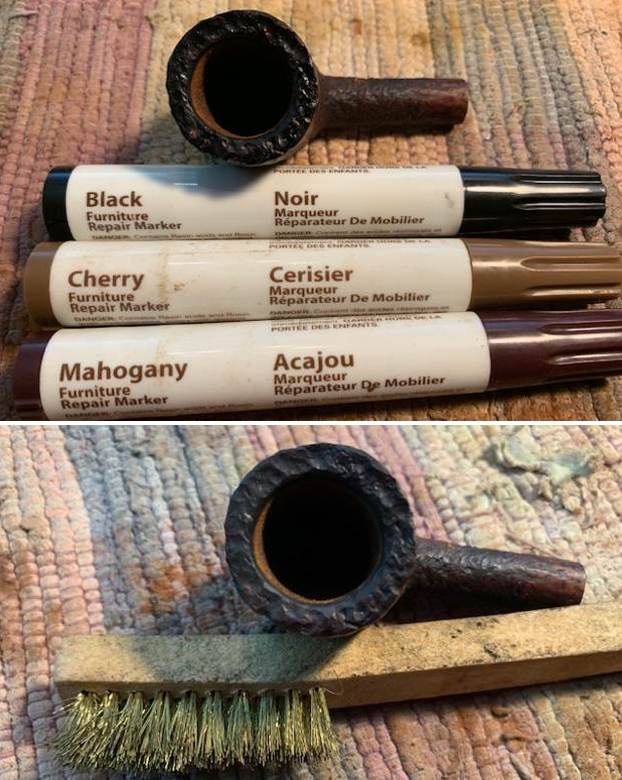
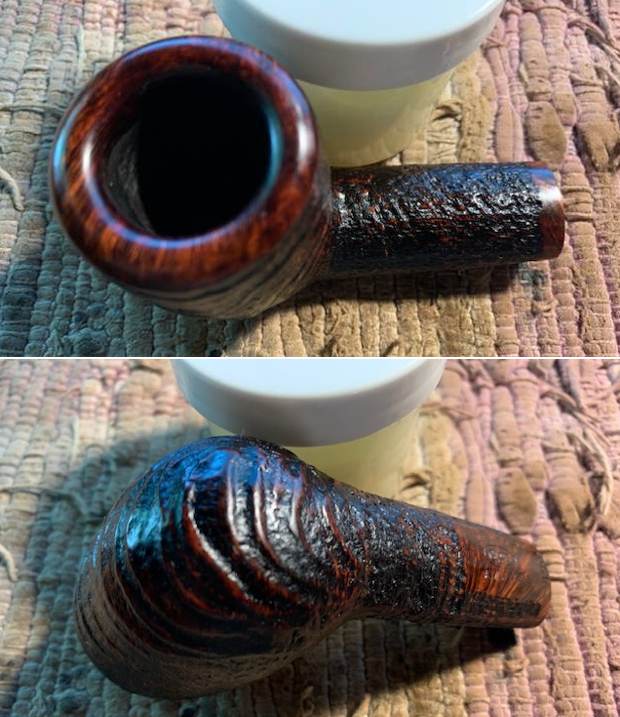
Armed with that information I turned to work on the pipe itself. Before he sent it to me, Jeff had done an amazing job cleaning the pipe. It almost looked like a different pipe after his work. He reamed the pipe with a PipNet pipe reamer and removed the rest of it with a Savinelli Fitsall Pipe Knife.  He scrubbed the bowl with undiluted Murphy’s Oil Soap with a tooth brush. He rinsed it under running warm water to remove the soap and grime. He cleaned out the inside of the shank and the airway in the stem with isopropyl alcohol, cotton swabs and pipe cleaners. He soaked the stem in Briarville’s Pipe Stem Deoxidizer and then rinsed it off with warm water. He scrubbed the stem with Soft Scrub and a tooth brush and rinsed it off with warm water. It looked amazing when I took it out of the package of pipes he shipped me. I forgot to take photos before I started my work on the stem so the top down photo shows the start of my repair to the missing white spot. I took photos of the pipe when I remembered.  The rim top was cleaner and the inner and outer edge of the bowl showed some damage. The rim top had smooth spots that would need to be worked on and the sandblast surface had been worn off. The stem surface looked good with the oxidation gone and light but visible tooth chatter on either side of the stem. The White Spot was also missing from the stem top. I took a photo of the stamping on the underside of the shank. It is faint and barely readable as noted above.I took the stem off the shank and took a photo of the parts of the pipe. It is another great looking Dunhill Shell Briar with a craggy blast. I started my portion of the work on this pipe by addressing the damage to the inner edge of the bowl. I used a folded piece of 220 grit sandpaper to smooth out the edge and give it a slight bevel to deal with the chipping and cutting on the inner edge. I also lightly topped the bowl to give it a smooth working surface and to remove the deep cuts and chips.I used a series of burrs on my Dremel to copy the finish that was on the good spots on the rim and sides. I took a photo of the burrs and the rim top once I had finished the rustication process. It looked better and once stained to match the bowl it would look very good.I used a Mahogany, Cherry and Black Stain Pen to restain the rim top and the inner bevel of the rim edge. Once it dried I worked it over with a brass bristle wire brush. The rustication I did on the top of the rim approximated the depth of the sandblast around the sides of the bowl and gave the rim top a very tactile feel.The bowl looked good at this point so I rubbed it down with Before & After Restoration Balm. I worked it into the surface of the bowl and shank with my fingertips and a horse hair shoe brush to clean, enliven and protect the briar. I let the balm sit for about 10-15 minutes and buffed with a cotton cloth to raise the shine. I set the bowl aside and turned my attention to the stem. I decided to build up the missing White Spot on the stem top. I used some acrylic white spots and acrylic white fingernail polish to fill the hole. I layered in the spots and fingernail polish. I continued until the spot was smooth and set it aside to cure. Once the acrylic hardened I sanded it smooth and put a drop of clear CA glue on it to seal it and make the surface smooth. I polished the vulcanite stem with micromesh sanding pads – dry sanding with 1500-12000 grit pads. I wiped it down with Obsidian Oil after each sanding pad. I used Before & After Pipe Polish – both Fine and Extra Fine to further polish the stem and gave it a final coat of Obsidian Oil to finish it. This Sandblasted Patent Dunhill Shell Briar 253 Taper Stem Billiard is a great looking pipe now that it has been restored. The rich Shell Briar sandblast finish that highlights the grain and works well with the polished vulcanite stem. I put the stem back on the bowl and carefully buffed the pipe with Blue Diamond on the buffing wheel using a light touch on the briar. I gave the bowl and the stem multiple coats of carnauba wax on the buffing wheel and followed that by buffing the entire pipe with a clean buffing pad. I hand buffed the pipe with a microfiber cloth to deepen the shine. The finished Dunhill Shell Briar 253 Billiard is a Group 4 size pipe that will be a great smoker. Give the finished pipe a look in the photos below. The dimensions of the pipe are Length: 5 ¾ inches, Height: 1 ¾ inches, Outside diameter of the bowl: 1 ¼ inches, Chamber diameter: ¾ of an inch. The weight of the pipe is 28 grams/1.02 ounces. I will be adding the pipe to the British Pipemakers Section of the rebornpipes store shortly. If you are interested in adding it to your collection be sure to let me know. I take a moment to remind myself and each of us that we are trustees of pipes that will outlive us and the lives of many other pipe men and women who carry on the trust of their care and use. Thanks for reading this blog and my reflections on the pipe while I worked on it.
The Frog Prince


Blog by Kenneth Lieblich

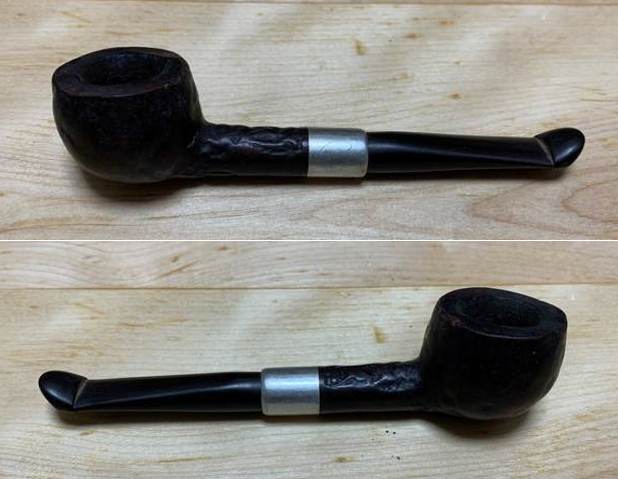
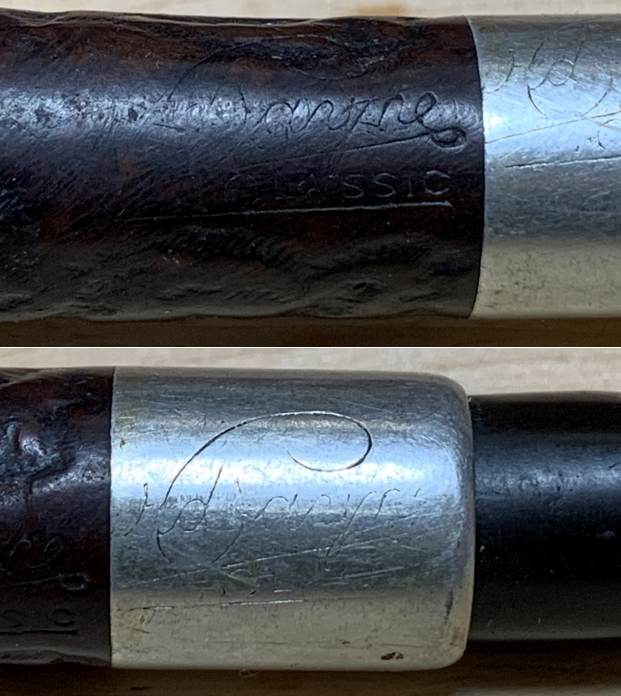
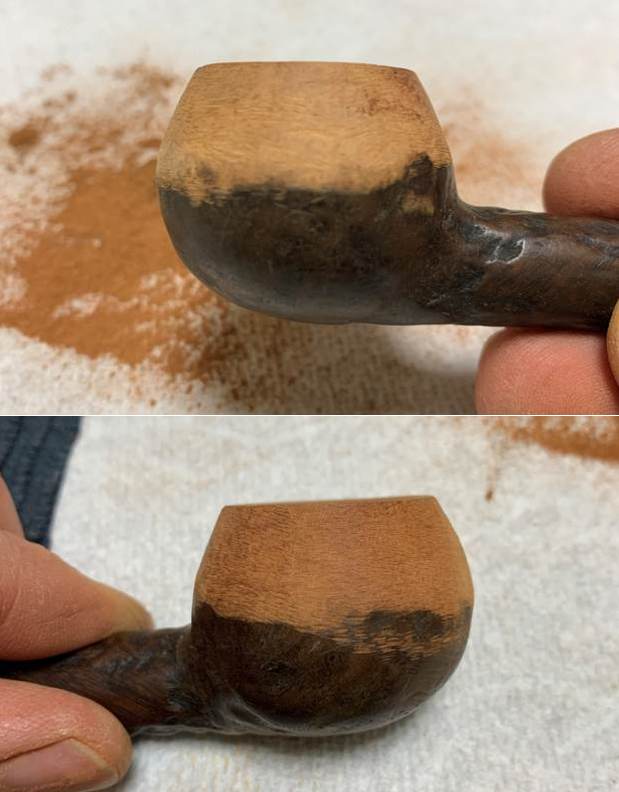
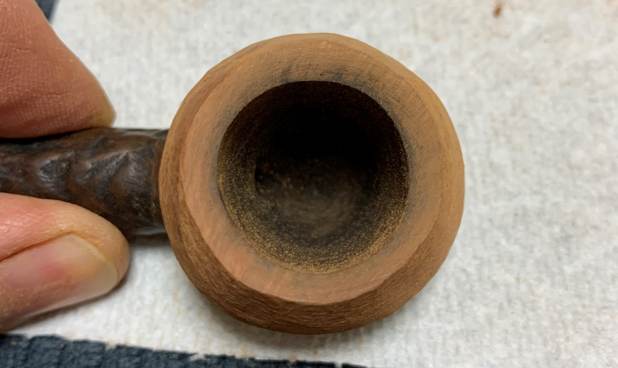
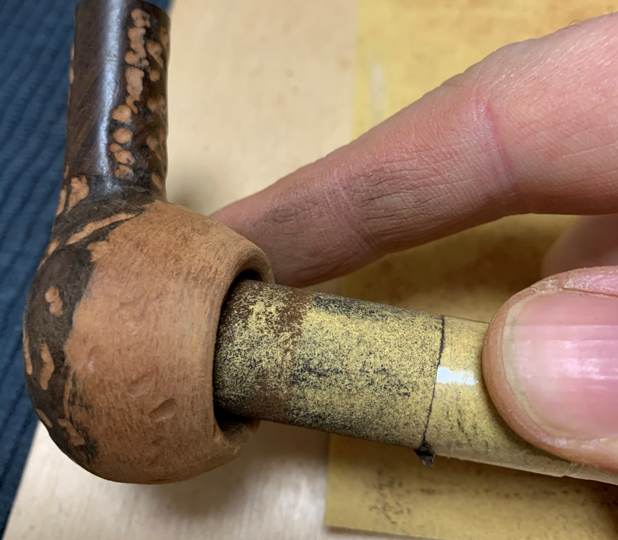
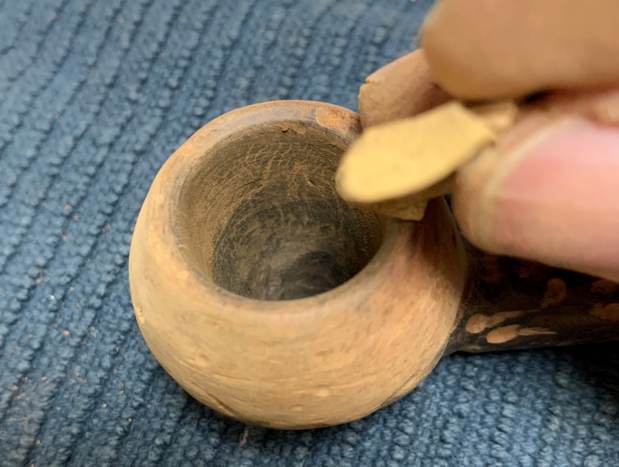
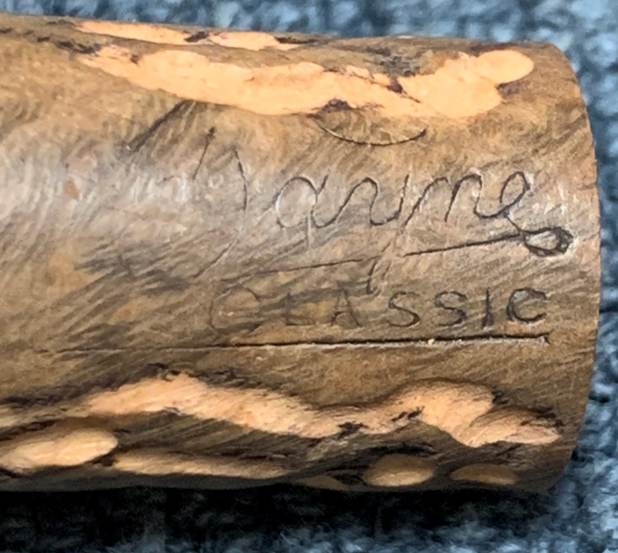
Pull up a chair and light your pipe – I am about to regale you with the tale of one of the most challenging restorations I have ever undertaken. I hesitate to write “restoration”, simply because the work required on this pipe imposed a burden on that word that it may not have been intended to bear. Perhaps “re-creation” is a better word. This post is a little longer than usual, but worth it. This frog needed much more than a kiss to turn into a prince.This is a rusticated Leonard Payne Classic pipe in a billiard shape, with a matching military-style stem and dental bit. The left side of the shank reads Len Payne [over] Classic. Similarly, the ferrule also reads Payne [over] Classic. However, there are no markings (or no visible markings) on the right side of the shank. I acquired this pipe from the granddaughter of the gentleman who once owned it. This fellow is now deceased, but I am pleased to honour his memory with my work. This was obviously a favourite pipe of his, both because it was so dirty and because the rustication was so worn! It is clearly a great smoker.The pipe in question was made by the late, great Canadian artisan, Leonard Payne. He was born in England, moved to Canada in the 1950s, and died in the Vancouver area within the last few years. Payne was, to put mildly, an idiosyncratic pipe maker. I can do no better than quote Mike Glukler of Briar Blues (found on Pipepedia):

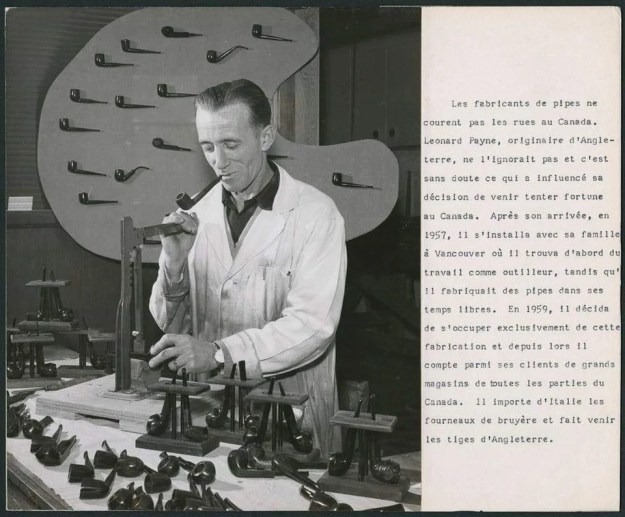
“Leonard Payne was based in B.C. for many years. He came to Canada from England. He had shops in Surrey, B.C. and Kelowna, B.C. Interesting fellow. Gruff as the day is long. When you bought a pipe, it was handed to you in a paper bag. No sock, no box. Most of his pipes carried a ‘carburetor’ system at the shank/stem junction. Another Payne idea was his shanks. Almost all his pipes were two pieces. He’d turn the bowl and shank, then cut off the shank and reattach with glue (not always with the same piece of briar, so many did not match grains). His thinking was that the shank being the weakest link, if cut and glued would never break and thus ‘correcting’ the weakest link.In addition, there was a photograph that Steve found of Payne on Reddit that appears to date from the 1960s. The original poster on Reddit told me that the photo comes from the City of Surrey Archives. I have no idea why it is in French, but here is my translation of the text on the right:

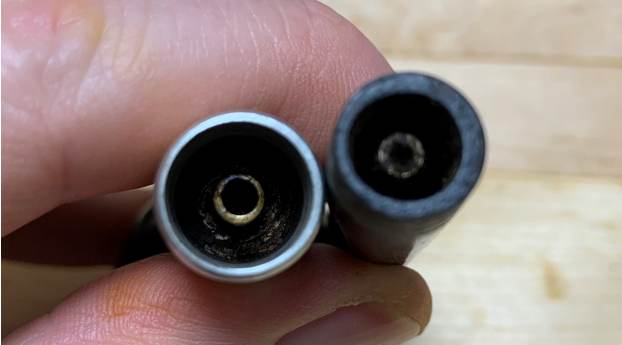
“Pipe makers are not on every street corner in Canada! Leonard Payne, originally from England, didn’t know the challenges he would face and that’s probably what influenced his decision to come and try his luck in Canada. After his arrival in 1957, he and his family settled in Vancouver, where he first found work as a tool maker – and made pipes in his free time. In 1959, he decided to become a full-time pipe maker, and since then he has had department stores in all parts of Canada among his clients. He imports briar blocks from Italy and pipe stems from England.”This pipe was a perfect example of Payne’s work. It had a ‘carburetor’ system at the shank/stem junction and the stummel had been separated in two and reattached with glue (although, in this case, he did reattach the matching piece of briar).This pipe was charming, but it had a number of issues. The stem was dirty, though not too beat up. There were a few small scratches, etc., as well as some minor oxidation to the vulcanite. The ‘carburetor’ system was going to make cleaning all the more challenging, as there was little room around the end of the aluminum tube to remove all the filth.The stummel was a different story. It was dirty, dull, and worn. The pipe had been rusticated once-upon-a-time, but so much hand-rubbing of the wood over the years had eroded it (and a lot of the Len Payne markings).

However, by far the biggest problem was the bowl. It was badly out-of-round, burned on the rim, and – take a close look at the photos – it had clearly been decapitated at some point in the past. Steve and I spoke about it, and we figure that the original pipe probably developed a crack after heavy use. The owner, loving his pipe so much, decided that he would rather modify it than toss it. Presumably, he then took a saw and cut off the damaged wood. Following this, he would have stained the wood with something very dark. All of this is conjecture, of course, but it seems likely, given the current state of the pipe.    What on earth do you do with a hacked-up pipe? Read on…

While I decided to have a “thunk” about it, I tackled the stem. I began by cleaning some of the filth on the outside with some Murphy’s Oil Soap on cotton rounds. This removed some of the surface staining. Then, I started cleaning the inside with isopropyl alcohol and pipe cleaners. This took a while. The inside wasn’t terribly dirty, but the empty space inside the end of the stem was tricky to clean well. Once the stem was good and clean, I placed it in a container of Pipe Stem Oxidation Remover overnight. This liquid does (as the name suggests) remove oxidation, but, more than anything, it helps draw oxidation to the surface of the vulcanite. This allows me to clean the oxidation off in a couple of ways: both by applying a mild abrasive cleaner to the surface, then by sanding the stem.I used SoftScrub with some cotton rounds and, as you can see, lots of revolting colour came off the stem. Thankfully, there were no significant dents, scratches, or bite marks that required a cyanoacrylate glue repair, so I moved on to the next step. For sanding the stem, I use a set of nine Micromesh pads (1,500 through 12,000 grit) which gradually erase the ravages of time and bring out the stem’s lovely black lustre. For the last five pads, I also lightly coat the stem with Obsidian Pipe Stem Oil in between each scrubbing. At last, I set the finished stem aside. On to the stummel and, as I indicated earlier, there were MANY problems to be solved.

  1. The insides were quite filthy and would need considerable work to clean.
  2. The metal ferrule would not come off the wood. It was absolutely solid.
  3. The metal ferrule also needed to be polished.
  4. The rustication had rubbed away so much that it would need to be redone in some way.
  5. The bowl opening was badly out-of-round.
  6. Burn marks and an uneven surface blighted the rim of the pipe.
  7. The fact that the top of the pipe had been lopped off meant that it just didn’t look In a sense, this was the biggest problem of them all.

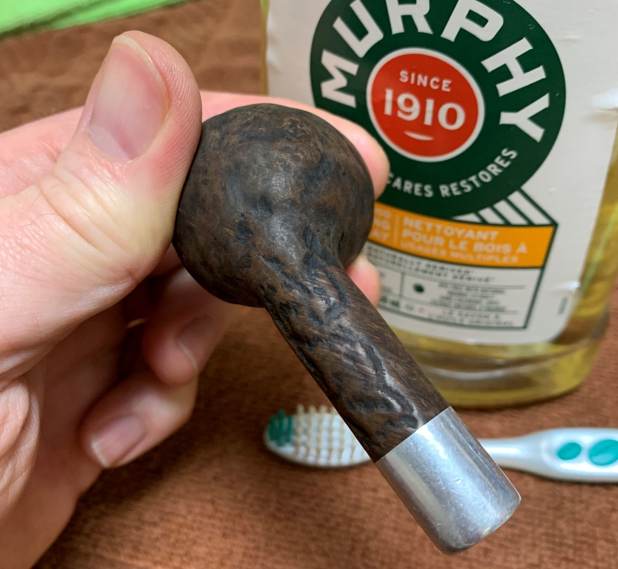
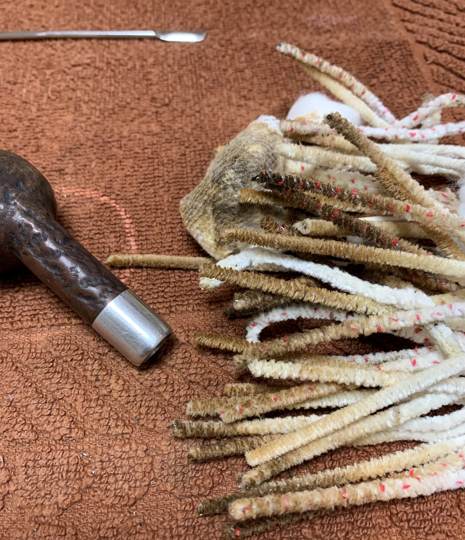
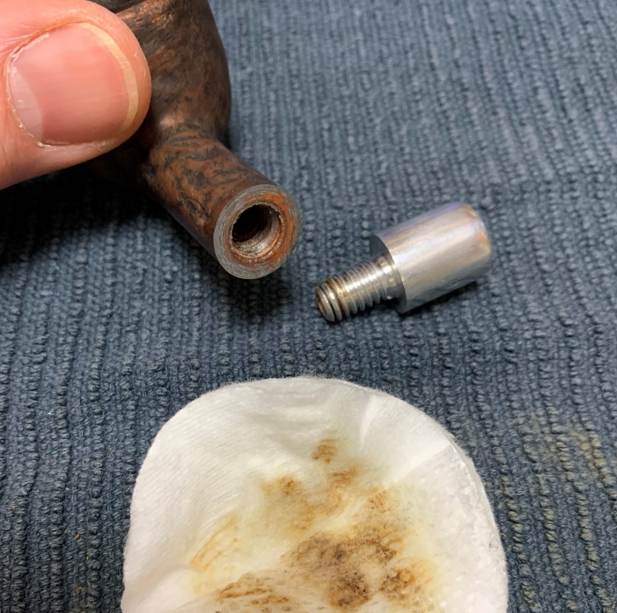
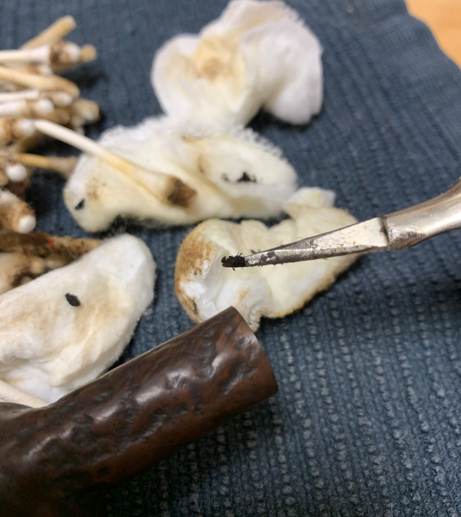
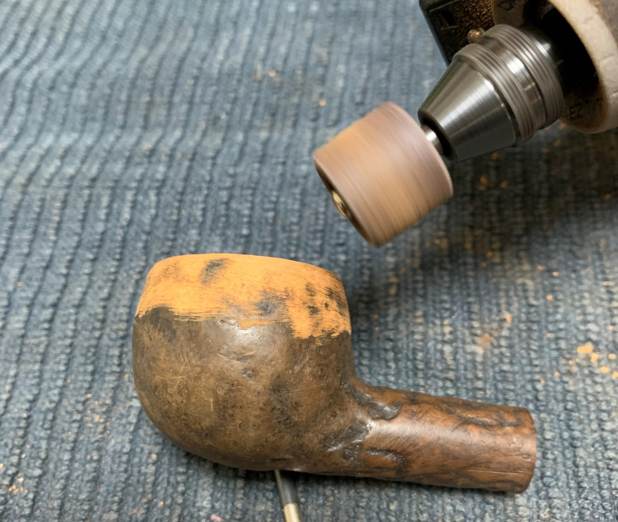
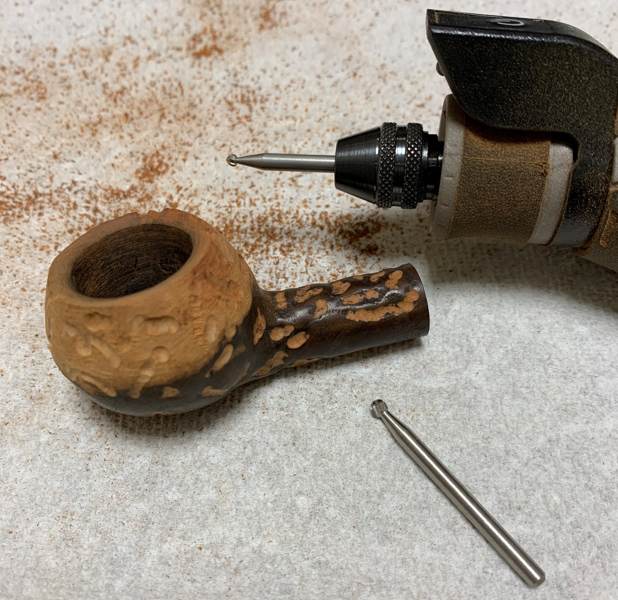
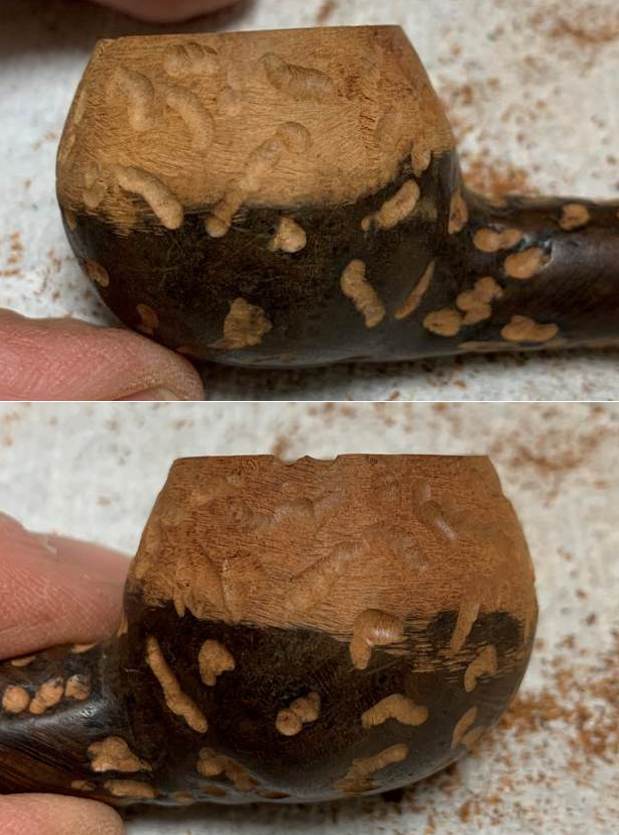
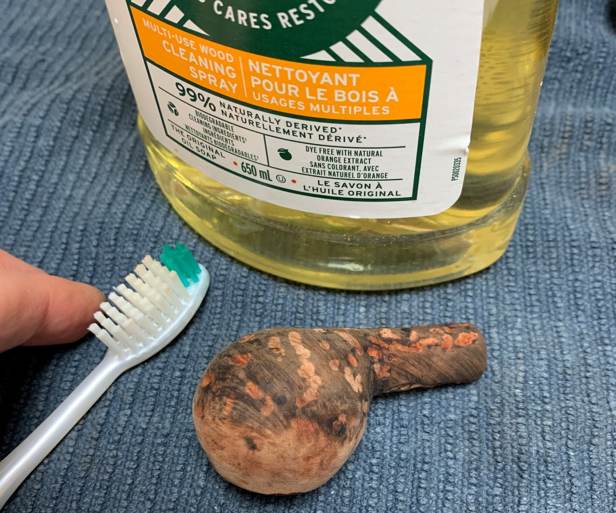
On to problem #1. The bowl really needed to be reamed, so I used the KleenReem too to scrape off as much built-up cake and followed that with 220-grit sandpaper taped to a dowel to eliminate as much as possible. Generally, I prefer to sand the chamber down to bare briar. When restoring, it is important to ensure that there is no damage to the briar under the cake. There are a few situations when I might leave some cake in the bowl, but not today. And, fortunately, there were no hidden flaws to the briar on this pipe.I gave the wood a quick cleaning with Murphy’s Oil Soap. It turned out that I would need to clean it again later.I then proceeded to clean out the insides of the shank with pipe cleaners and lemon-infused isopropyl alcohol. There was quite a bit of built-up grime inside this stummel, and it took a good number of pipe cleaners to get it clean. Or – I thought it was clean. I’ll come back to that.    Problem #2 was an interesting one. To be honest, I wasn’t sure if the ferrule was permanently attached to the shank or not. Steve told me that it is supposed to come off and that I’d better get it off because there would be plenty more pipe goo to clean. So, I dug out my trusty heat gun, applied some heat to the join and – voilà! – the grime softened sufficiently for me to unscrew the ferrule.As Steve had hinted, it was a real mess inside the shank, behind the ferrule. Just dreadful – and it took more pipe cleaners and Q-tips than I used for the rest of the stummel just to clean out this area. It had obviously never been cleaned before. I even threw the thing in an alcohol bath! The dirt just kept coming and coming, but, at long last, I finally got it clean. I followed that up by cleaning the insides of the whole stummel with some Castile soap and tube brushes. Finally, I polished the tiny piece of the ‘carburetor’ system by inserting a piece of 0000 steel wool down the shank and grinding it shiny.    Problem #3 was quite straightforward to resolve – Deo gratias. I started by soaking the filthy threads of the screw in my lemon-infused isopropyl alcohol. They were dirty and the dirt was very stubborn. Eventually, it did come off and I could proceed. Next, I rubbed the aluminum ferrule with 0000 steel wool. This is the least abrasive grade of steel wool and I wouldn’t use anything harsher than that. I then used the last few MicroMesh pads to make the metal shine.Problem #4 concerned how worn away the rustication had become. I wanted to recreate the pattern that Payne had originally devised on his pipe. I took my Dremel Rotary Tool and used the smaller engraving cutter to achieve the small worm-track. The work was intricate and a bit nerve-wracking, but I was quite pleased with the results. My only problem was that I ended up having to repeat this process later, but I digress…

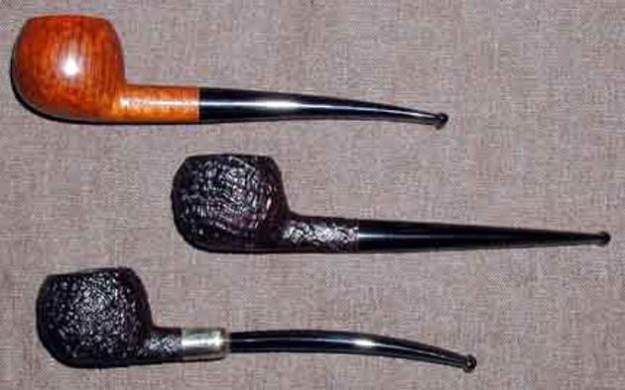
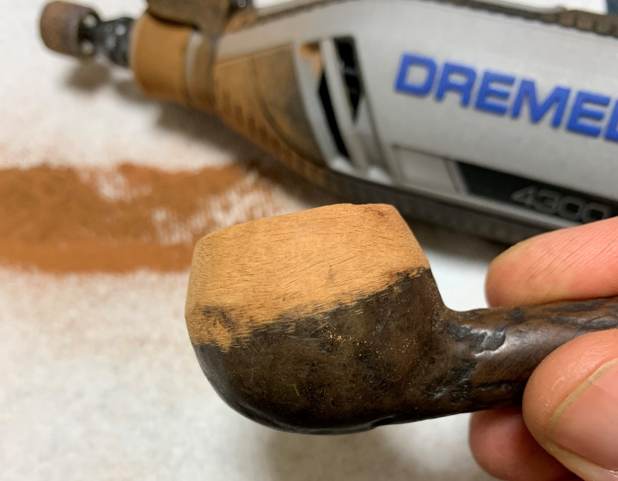
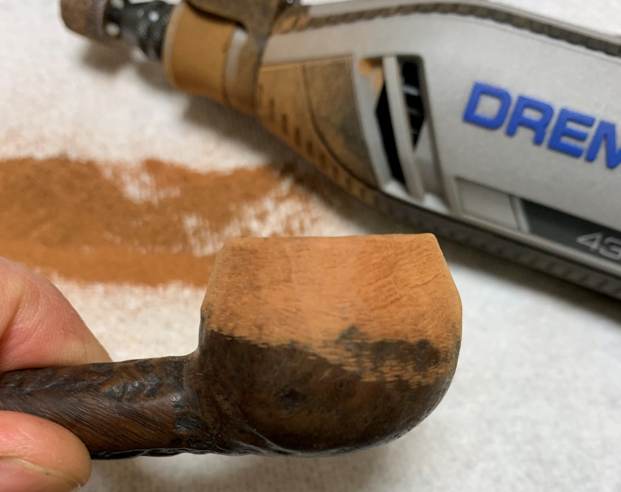
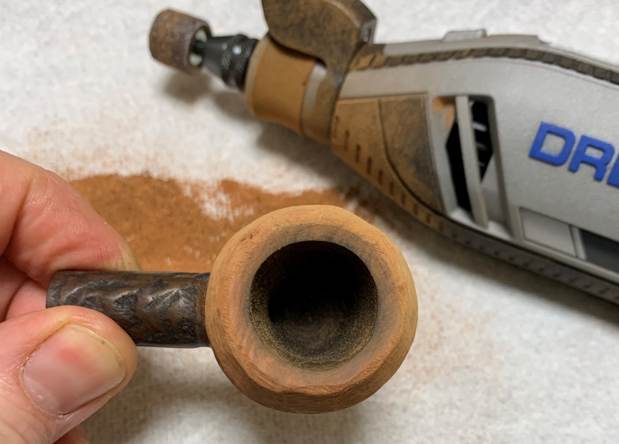
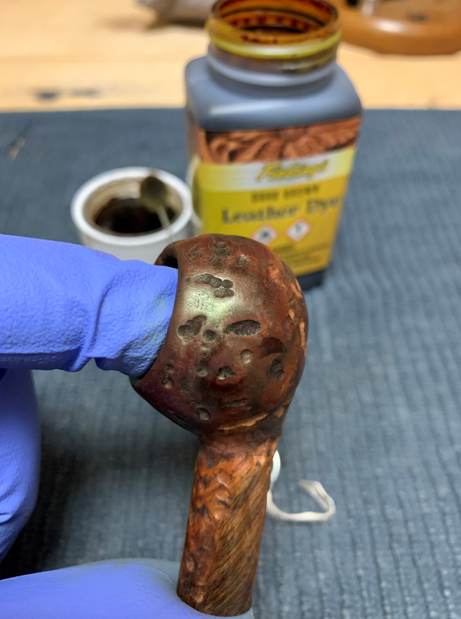
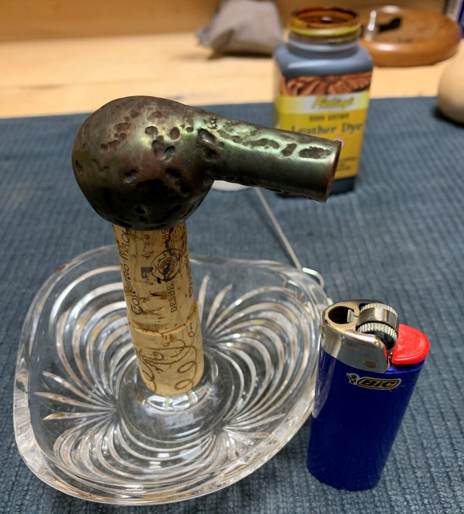
The solution to problem #5 – the out-of-round chamber opening – came from a familiar source. I took a solid wooden sphere, wrapped a piece of 220-grit sandpaper around it, and sanded the inner side of the chamber. This achieved two things: first, it removed some of the burn marks on the inner edge of the rim; and second (and more importantly), the circular shape and motion of the sphere gradually returned the edge to a perfect circle. This takes time and patience, but it is quite effective. But there was more to come. As it turned out, problem #6 bled right into problem #7. As I mentioned earlier, the surgery that the pipe received earlier in its life just didn’t look right. Something significant needed to be done. As always, Steve made an excellent suggestion to save and beautify this Payne pipe. He proposed modifying the pipe to a prince shape. This made a lot of sense. Changing this into a prince would (1) smooth out the ridiculously uneven rim top; (2) eliminate the burn marks on the top; and (3) allow what remains of the briar to be showcased properly and to greatest effect. I’ve included a sample photo of some prince pipes from Greg Pease’s collection, just to give you an idea of what I was aiming for. I’ll let you be the judge of whether I succeeded or not.So, heart-in-throat, I set about grinding the Payne with my Dremel and a sanding disc. Gently, gradually, cautiously, I removed more wood and began to set the new shape. This was no mean feat for me – the Dremel is a powerful tool, and this process can go pear-shaped very easily. The following series of photos demonstrates the progress as I shaped the bowl. Once the shape was nicely developed, I used some 220-grit sandpaper to smooth and round the crown of the rim. Of course, I had to redo much of the rustication work I did earlier, since my Dremel removed most of it. This went very well. It was only at this point, when I felt comfortable with the work I had done, that I cleaned the outside of the pipe thoroughly with Murphy’s Oil Soap and a toothbrush. By the way, here is a close-up photo of how Payne cut off then rejoined the bowl and shank. It’s unusual – I’ll give him that!The stummel cleaned up quite nicely and I was able to move on to the MicroMesh pads. Again, using all nine (1,500 through 12,000 grit), I sanded, rounded, and further embodied the prince shape.  I then paused and rubbed some Before & After Restoration Balm into the soft and smooth wood. I gently brushed it into the rustication grooves and let the balm sit for fifteen minutes or so. The BARB works so well at bringing out the best in the wood. I brushed it with a horsehair brush and buffed it with a microfibre cloth. Beauty! It is obvious that at this point the pipe needed to be stained. One issue that needed to be addressed right away was how to match the sanded area to the colour of the pre-existing stain. I opted to apply some Fiebing’s Dark Brown Leather Dye only to the sanded area. I flamed it with a BIC lighter and let it set. I then removed some excess with isopropyl alcohol on a cotton round. This provided a sufficiently accurate undercoat to the wood and would allow me to apply a separate layer of dye to the whole stummel. I repeated my steps in order to add the second and final layer of Dark Brown to all of the wood. This turned out beautifully – dark and rich, with lovely subtle variations in colour.    I reassembled the pipe to prepare it for polishing on the bench buffer. However, I added a little bit of petroleum jelly to the wooden threads inside the shank. This would provide some much-needed lubrication for the connection with the aluminum ferrule.I went to the bench buffer and applied some White Diamond to the stummel and stem. Then the final polish! The rusticated surface meant that I didn’t use carnauba wax – it gets gummed up in the grooves. Instead, I used Lee Valley Conservator’s Wax which worked like a charm. What a pipe! Goodbye frog, hello prince! This was an amazing restoration/re-creation and I really had fun with it. I think the result is fantastic – it turned a lump that was destined for the firewood pile into a pipe that pays homage to the man who created it originally and the man who smoked it so joyfully.

I am pleased to announce that this pipe is for sale! If you are interested in acquiring it for your collection, please have a look in the “Canada” pipe section of the store here on Steve’s website. You can also email me directly at kenneth@knightsofthepipe.com. The approximate dimensions of the Payne Classic are as follows: length 5½ in. (140 mm); height 1⅛ in. (29 mm); bowl diameter 1⅝ in. (41 mm); chamber diameter ¾ in. (19 mm). The weight of the pipe is ⅞ oz. (27 g). I hope you enjoyed reading the story of this restoration as much as I enjoyed restoring it. If you are interested in more of my work, please follow me here on Steve’s website or send me an email. Thank you very much for reading and, as always, I welcome and encourage your comments.

Breathing Life into a Tired and Worn Comoy’s Tradition Pot


Blog by Steve Laug

Jeff and I know longer remember where or when we purchased this pipe. It is a small pipe with nice grain and a saddle stem. It is stamped on the left side of the shank and reads COMOY’S [over] TRADITION. The right side is very faintly stamped Made in England. The rest of the stamp was unclear as was the shape number. It had a flat bottom on the shank and heal of the bowl that made it a sitter. We don’t have any photos of the pipe before Jeff cleaned it. But Jeff did his usual cleanup. The bowl was reamed with a PipNet reamer. He cleaned it up with a Savinelli Fitsall Pipe Knife. He scrubbed the internals with alcohol, pipe cleaners and cotton swabs. He did the same with the airway in the stem. The rim top and the beveled inner rim edge were damaged and showed burn marks on the front and back of the bowl. The outer edge of the bowl was damaged on the front side. The bowl was also out of round and damaged. The vulcanite saddle stem is clean but has some tooth marks on the top and underside ahead of the button. The stem has a 3 part C on the left side of the saddle. I took some photos of the pipe before I started my work on it.  I took photos of the bowl and rim top to show the condition of both. The bowl is very clean but you can see the burn damage on the top front and rear of the bowl and on the beveled inner edge. There was some darkening all over the rim top. It really was quite a mess. I took photos of the stem as well to show the tooth dents on the top and underside ahead of the button and on the button surface as well. There was three part C logo on the left side of the saddle. I took a photo of the stamping on the left side of the shank. The stamping on the right is very faint and I could not capture the Made in England stamp that was faint. There was no shape number on the shank.I removed the stem from the shank and took a photo of the pipe. It is proportionally pleasing and quite an eye catching pipe. I looked on Pipephil’s site for information on the Comoy’s Tradition and found the following information I have included a screen capture (http://www.pipephil.eu/logos/en/logo-comoy.html). It has the three part C which dated it to 1946 and following. The stamping is the same as the one I am working on. I turned to the article on Pipedia about dating Comoy’s pipes but the style of the stamping (https://pipedia.org/index.php?title=Comoy%27s_Dating_Guide#1917_to_the_end_of_the_1930.27s_.28at_least_1938.29). I have include the section in the screen capture below that date this pipe to the 1950s.

Now the Comoy’s stamp can be found in three variants in the 1950s

  1. A simple block-letter style without serifs but with the C larger than the other letters and the apostrophe before the “S”.
  2. A return to the slightly more fancy block letters with serifs and the apostrophe. (It seems that some grades carried different stamps, or at least that the stamping changed in different years for some grades.)
  3. A simple block-letter style without serifs and without the apostrophe and with the “C” the same size as the rest of the letters. This stamp was probably not used very long.
  4. A simple block-letter style without serifs but with the apostrophe before the “S” and with the “C” the same size as the rest of the letters.

Inlaid “C” on the stem

C” was first inlaid in the side of the mouthpiece around 1919. This was a complex inlay needing three drillings. First, a round white inlay was inserted, then the centre of the white was drilled out, and a smaller round black inlay was inserted. Finally, another drilling was made to remove the open part of the “C,” and an even smaller black inlay was inserted. This inlaid “C,” known as the “three-piece C,” was continued until the Cadogan era in the 1980s. However, the “C” in the 1920s and early 30s is much thinner and more delicate than the one post-WW II.

That article gave me some helpful information regarding the pipe that I was working on. I knew that the stamping and logos identified the pipe as having been made in following WW2 and from what I can see from the above information it is a 1950s era pipe.

I started my work on the pipe by addressing the damage on the rim top, outer edge and the inner beveled edge of the bowl. I topped the bowl on a topping board with 220 grit sandpaper. I filled in the deep damage on the outer edge and rim top with clear super glue and briar dust. I used a wooden ball and 220 grit sandpaper to give the rim top and inner edge a bevel and minimize the burn damage to the top and edges. I stained the rim top with an Oak Stain Pen to match the colour around the sides of the bowl. It took several coats but it matched quite well.I polished the briar on the rim top and the rest of the bowl with micromesh sanding pads – dry sanding it with 1500-12000 grit pads. I wiped the briar down with a damp cloth to remove the sanding dust. The briar really took on a rich shine with the polishing. I rubbed the bowl down with some Before & After Restoration Balm. I worked it into the briar with my finger tips to clean, revive and preserve the wood. It really brings the grain alive once again. I let it sit for 15 minutes then buffed it off with a soft cloth. The grain really pops at this point in the process. I set the bowl aside and turned my attention to the stem. I “painted” the surface of the stem with the flame of a Bic lighter and was able to lift the tooth marks and chatter significantly. I sanded out those that remained with 220 grit sandpaper and started polishing it with 400 grit wet dry sandpaper. It was starting to look very good.     I polished the stem with micromesh sanding pads – 1500-12000 grit pads. I wiped the stem down after each pad with a cloth impregnated with Obsidian Oil. I finished the polishing with some Before & After Pipe Stem Polish – both Fine and Extra Fine. The stem looked very good.   As always I am excited to finish a pipe that I am working on. I put the Comoy’s Tradition Pot back together and buffed it with Blue Diamond on the buffing wheel. I gave the bowl and the stem multiple coats of carnauba wax. I buffed the pipe with a clean buffing pad and hand buffed it to raise the shine. It is fun to see what the polished bowl looks like with the grain popping around the bowl and shank. Added to that the polished vulcanite saddle stem was a beautiful touch. It is light and well balanced. Have a look at it with the photos below. The dimensions are Length: 5 inches, Height: 1 ½ inches, Outside diameter of the bowl: 1 ¼ inches, Chamber diameter: ¾ of an inch. The weight of the pipe is 34 grams/1.20 ounces. It is a beautiful pipe and one that will be on the rebornpipes store in the British Pipe Makers section. If you are interested in adding it to your collection let me know. Thanks for walking through the restoration with me as I worked over this pipe. Thanks to each of you who are reading this blog. I want to keep reminding us of the fact that we are not pipe owners; we are pipemen and women who hold our pipes in trust until they pass on into the trust of the next trustee.

Reviving a Vauen Luxus


Blog by Kenneth Lieblich

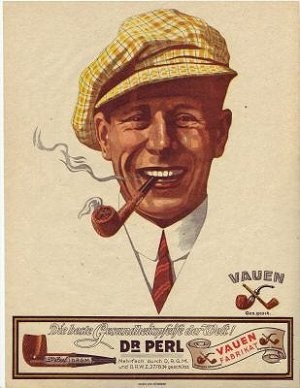
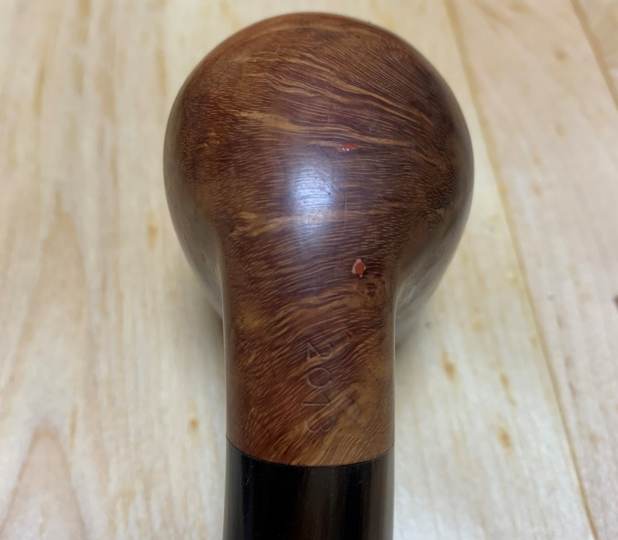
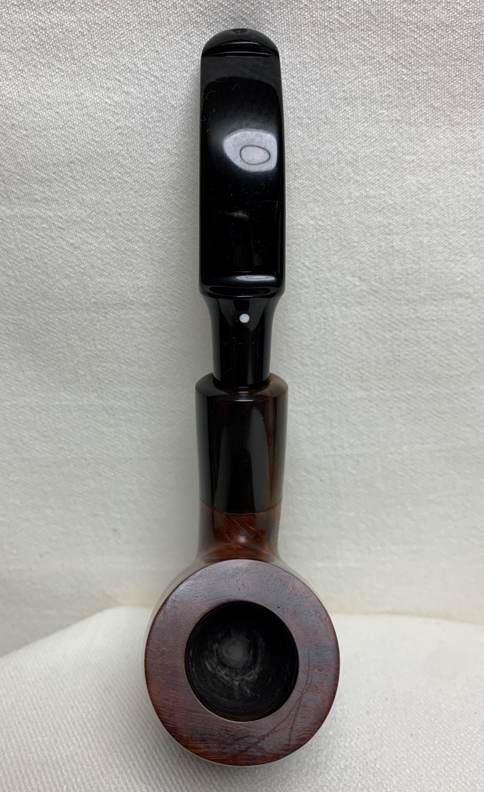
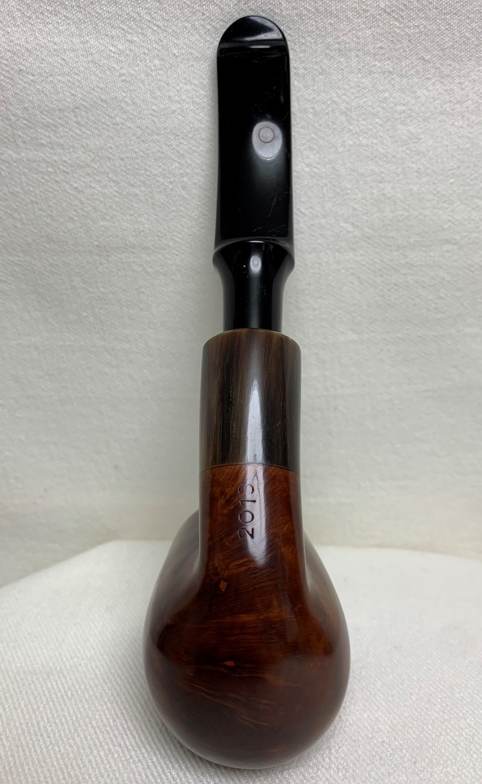
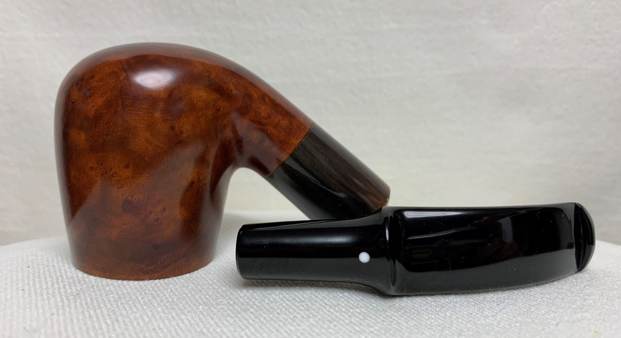
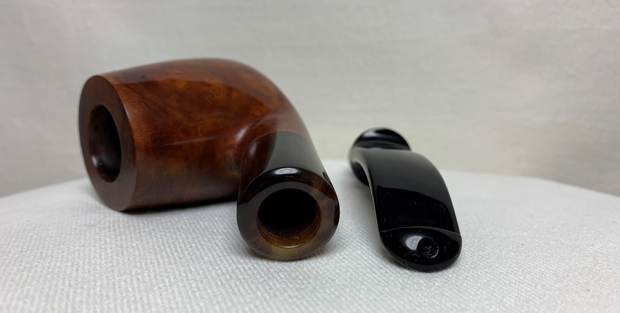
Next on the chopping block is a handsome Vauen, which I acquired from a Craigslist pipe lot. Although not an old pipe, it is a handsome one. It’s rather big and hefty, but not heavy, and feels good in the hand. I’m really glad that my customer picked out this pipe, as it has been sitting around unused for far too long. I’m happy that it has found a new home.This pipe is a Vauen Luxus 2013 chunky, bent billiard with a beautiful horn ferrule, It also takes a 9 mm filter. The stem has the traditional Vauen white dot (not unlike Dunhill’s) and, most interestingly, it has a P-lip, very reminiscent of Peterson’s. The ‘2013’ does not refer to the year of manufacture, rather, it refers to the shape number. The markings on the pipe are as follows: on the left side of the shank, it reads Vauen [over] Luxus. The underside of the shank shows the model number 2013, and the top of the stem shows the classic white Vauen dot.I searched on Pipedia for some history of the Vauen brand. Here’s what I found:

In 1848 Karl Ellenberger and his partner Carl August Ziener turned an idea into reality in Nuremberg. In the first German pipe manufacturing company they produced tobacco pipes from selected woods for connoisseurs throughout the world.

The Vereinigte Pfeifenfabriken in Nuremberg (known in short as VPFN) was brought into being in 1901 with the amalgamation with the Gebhard Ott pipe factory founded in 1866, also in Nuremberg. In this way, a business was created under the management of Ernst Eckert, a scion of the founding family Ott, and its products and services were to attend and shape the culture of tobacco and smoking in Europe and overseas for a long time – for 150 years now.

In the 1920s, VAUEN had taken out a trademark on a white dot on the mouthpiece for Germany and Austria, at the same time that Dunhill had done the same for the international market. The companies ended up in court with the result that Dunhill may use the white dot internationally, whereas VAUEN may use it only in Germany and Austria and has to use a differently-coloured dot for all other markets. They have used light blue and grey dots internationally since then. The white or coloured dot denotes the higher quality pipes of VAUEN; the lower-end pipes are only marked by the VAUEN imprint on the stem.

In the search for a term which would be easy for all pipe friends to remember and not confuse with anything else, Ernst Eckert’s son, Adolf Eckert coined a new name for the business in 1909.

VAUEN, consisting of the initial letters V (pronounced VAU) from Vereinigte Pfeifenfabriken and the N (pronounced EN) of Nuremberg. A brand name for the future had been created.

After 1945 Ernst Eckert, son of Adolf Eckert, succeeded in overcoming the destructive effects of the war with an unshakeable pioneering spirit. VAUEN grew to become a business with a worldwide reputation once more.

Alexander Eckert, now the fifth generation of pipemakers, has been at the head of the oldest German pipe-manufacturing company since 1982. The company, which has been in the hands of the founder’s family since it was established, is expanding again in importance as a result of increased international commitment.

Over at Pipephil.eu, they note that “Some of the pipes in Vauen’s Dr. Perl line (Germany) are equipped with a conventional P-lip stem.” In this context, the word ‘conventional’ is referring to the same P-lip invented by Peterson in 1898.

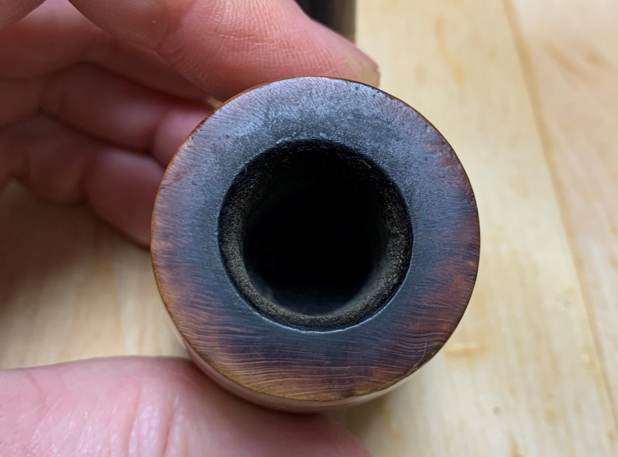
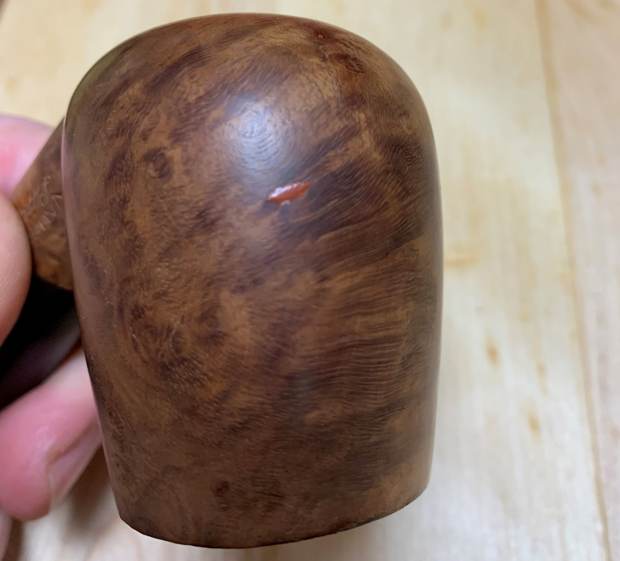
On to the pipe: given that it wasn’t very old, the pipe was in pretty good shape, but as usual, there were a couple of issues. The rim on the stummel was blackened and a bit burnt – that would need to be addressed. The insides were fairly dirty and would need some work to clean out. There were also some small fills in the wood, and they had ever-so-slightly expanded so that you could feel them when rubbing your finger over the surface. My customer didn’t want the fills dug out and replaced, so I would need to stain the fills instead. Mercifully, the beautiful horn was in good shape and wouldn’t need anything other than a polish. The stem needed some work. It was definitely dirty inside and the cavity that holds the filter would need a thorough cleaning. The stem also had some calcification and tooth marks/dents that would need addressing. In addition, the button would need to be reshaped. The stem was first on my list. I wiped down the outside of the stem with Murphy’s Oil Soap on some cotton pads. I also took a BIC lighter and ‘painted’ the stem with its flame in order to lift the bite marks and dents. Unfortunately, this didn’t really work, but I have ways of sorting this problem out.

Then, I cleaned out the inside with pipe cleaners and isopropyl alcohol. It was pretty dirty and required quite a few pipe cleaners. Once this process was done, the stem went for an overnight soak in the Pipe Stem Oxidation Remover.The following day, I cleaned all of the de-oxidizing mess off with alcohol, pipe cleaners, et cetera. The oxidation had migrated to the surface and would be fairly straightforward to remove. I scrubbed with SoftScrub on some cotton pads to remove the leftover oxidation on the stem.The bite marks on and around the button had to be dealt with, so I whipped out my black cyanoacrylate adhesive to fill those in and let them fully cure. 

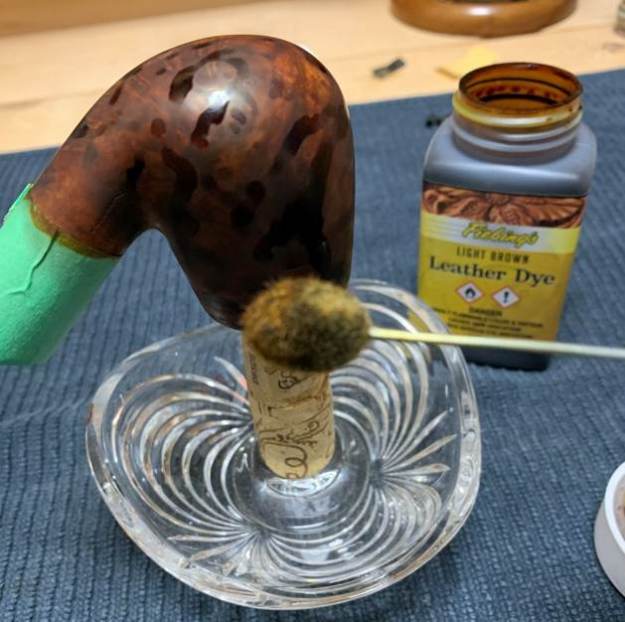
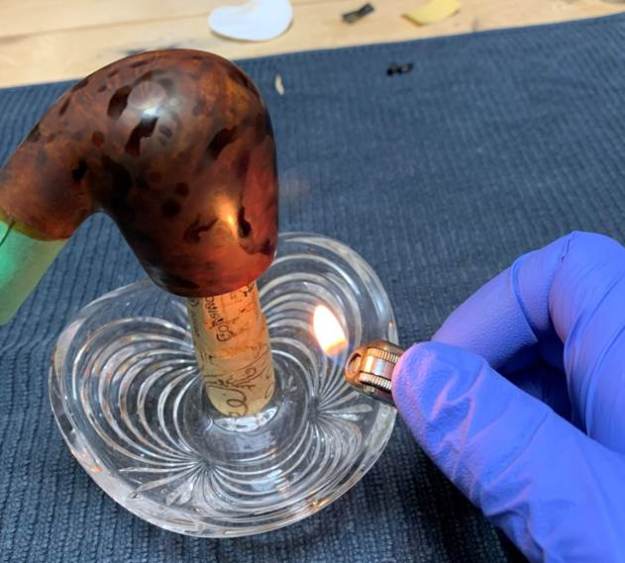
I then sanded the adhesive down with 220-, 400-, and 600-grit sandpapers to meld seamlessly into the stem. Next, I used all nine Micromesh pads (1,500 through 12,000 grit) to bring out the lovely black lustre on the stem. I also used Obsidian Pipe Stem Oil in between each pad scrubbing. On to the stummel, and the usual cleaning procedures were in order. The bowl really needed reaming so I used the KleenReem to remove the built-up cake and followed that with 220-grit sandpaper on a dowel to eliminate as much as possible. I took the chamber down to bare briar, as I wanted to ensure there were no hidden flaws. Fortunately, there were none. I then proceeded to clean out the insides of the shank with Q-tips, pipe cleaners, and isopropyl alcohol. There was quite a bit of filth inside these stummels and it took a lot of cotton to get them clean. I followed that up by cleaning the insides with some dish soap and tube brushes.I used a toothbrush and some Murphy’s Oil Soap to scrub the outside of the stummel and then the lava on the rim of the pipe.The burn marks remained, so in order to remove the remaining burns and nicks on the rim, I “topped” the pipe – that is to say, I gently and evenly sanded down the rim on a piece of 220-grit sandpaper. This effectively removed the damage, without altering the look of the pipe.A de-ghosting session also seemed in order, so I thrust cotton balls into the bowl and the shank and saturated them with 99% isopropyl alcohol. I let the stummel sit overnight. This caused the oils, tars and smells to leach out into the cotton. The bowl was nice and clean after this. Just before sanding, I covered the horn with painter’s tape to prevent any damage to it. I then used all nine Micromesh pads (1,500 through 12,000 grit) on the stummel to make it lovely and smooth. After that, a light application of Before & After Restoration Balm brought out the best in the wood.In order to minimize the appearance of the fills, I opted to apply some stain to the wood. First, however, I used some furniture pens on the fills and the newly sanded rim to darken them a bit. I began by applying a layer of Fiebing’s Light Brown Leather Dye to the pipe. After applying the dye, flaming it with a BIC, and letting it set for a few hours, I wiped the stummel down with isopropyl alcohol to remove much of the dye. Then it was time for the second round of staining, following the same steps as before. Finally, it was off for a trip to the bench polisher. A dose of White Diamond and a few coats of carnauba wax were just what it needed. The lovely shine made the wood look absolutely beautiful. This Vauen Luxus looks fantastic and arise ready to be enjoyed again by the next owner. I know that the new owner will enjoy smoking it for many years to come. I hope you enjoyed reading the story of this pipe as much I as I did restoring it. If you are interested in more of my work, please follow me here on Steve’s website or email me directly at kenneth@knightsofthepipe.com. The approximate dimensions of the pipe are as follows: length 6 in. (150 mm); height 2.3 in. (59 mm); bowl diameter 1.4 in. (35 mm); chamber diameter 0.8 in. (20 mm). The weight of the pipe is 2.5 oz. (72 g). Thank you very much for reading and, as always, I welcome and encourage your comments.

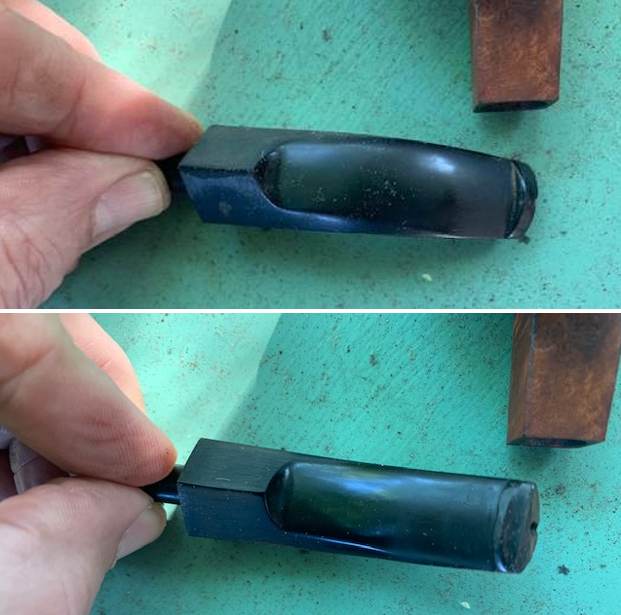
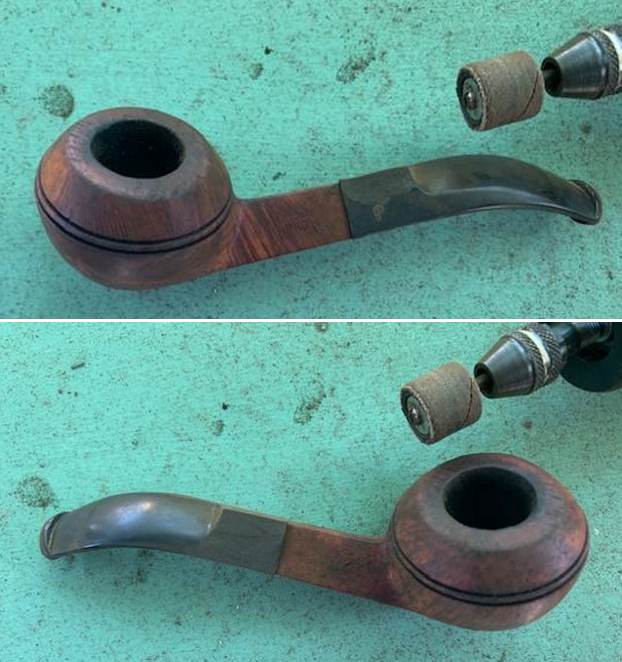
Restoring and Restemming a Made in Ireland Shamrock 106 Prince


Blog by Steve Laug

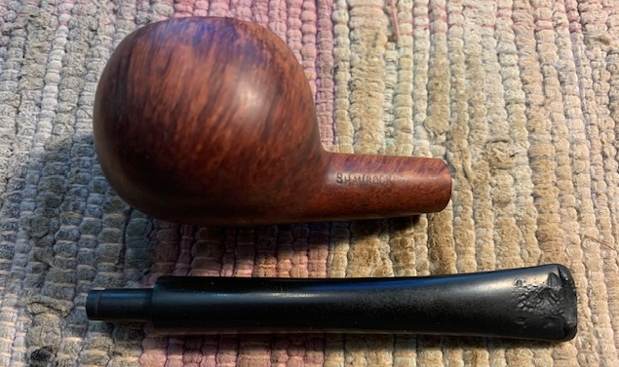
The next pipe was a mess and one that obviously had been “ridden hard and put away wet”. The finish and condition was abysmal. It was definitely a stranger to any cleaning! This one is a smooth Prince that has a rich coloured finish around the bowl sides and shank under the grit and grime of years. This pipe was purchased from an antique mall on 08/27/21 in Bozeman, Montana, USA. The finish is almost bland looking it is so dirty it was hard to know what to expect once it was cleaned. It was stamped on the  left side of the shank and read SHAMROCK. It was stamped to the right of the shank and reads MADE IN IRELAND (in a circle) with the shape number 106 lower and next to the bowl. It was filthy when Jeff brought it to the table. There was a thick cake in the bowl and lava on the rim top and the inner edge of the bowl. There were nicks in the outer edge all the way around. The replacement stem was chewed and damaged on the top and underside on and near the button. It did not appear to be vulcanite. Jeff took photos of the pipe before his cleanup work. Jeff took photos of the rim top and stem to show the general condition of the pipe. The bowl is heavily caked so it is hard to know the condition of the edges under the lava overflow. The stem was a replacement and had been heavily gnawed. The way the bit marks are on the surface of the stem makes me think that it is not vulcanite. The pipe is a real mess and I would probably have to restem the bowl. Jeff took photos of the bowl sides and heel to show the grain that was around this bowl. You can see the sandpits and nicks in the briar in the photos below. Even so, it is a nice looking pipe. He took a photo of the left side of the shank to show the stamping. The stamping is faint but readable in the photo below and is as noted above. He did not take a photo of the circular stamp Made In Ireland and the shape number on the right side of the shank. I will try to capture that later in the blog.I am including the link to the Pipedia’s article on Peterson pipes. It is a great read in terms of the history of the brand (https://pipedia.org/wiki/Peterson).

I turned to “The Peterson Pipe” by Mark Irwin and Gary Malmberg to get some background on the Peterson’s Shamrock Pipe. On page 312 it had the following information.

Shamrock (c1941-2009) Originally stamped SHAMROCK with no brand name, an inexpensive line first described in George Yale (New York) mail order booklet in 1941, imported by Rogers Import. The line was actively promoted beginning in ’45, aggressively promoted in US by Rogers from early ‘50s when they registered the Shamrock logo with US Patent Office, claiming propriety since ’38. Over the years offered with P-lip or fishtail mouthpiece, with or without nickel band, with or without Shamrock logo on the band, with or without S stamped in white or later in gold on mouthpiece. Appearing in 2008 as unstained smooth and rustic, fishtail mouthpiece with gold impressed P on the stem. COMS of MADE IN over IRELAND (C1945-1965), MADE IN IRELAND forming a circle (c1945-1965), “A PETERSON’S PRODUCT” over MADE IN IRELAND (c1945-1965), MADE IN THE over REPUBLIC over OF IRELAND9c1948-1998). Model is always difficult or impossible to date.

Judging from the description above, the pipe I am working on is stamped with the stamp noted in red above. Made in Ireland in a circle which narrows the date to between approximately 1945-1965. It is just stamped SHAMROCK with no brand name and no stamping on the stem.

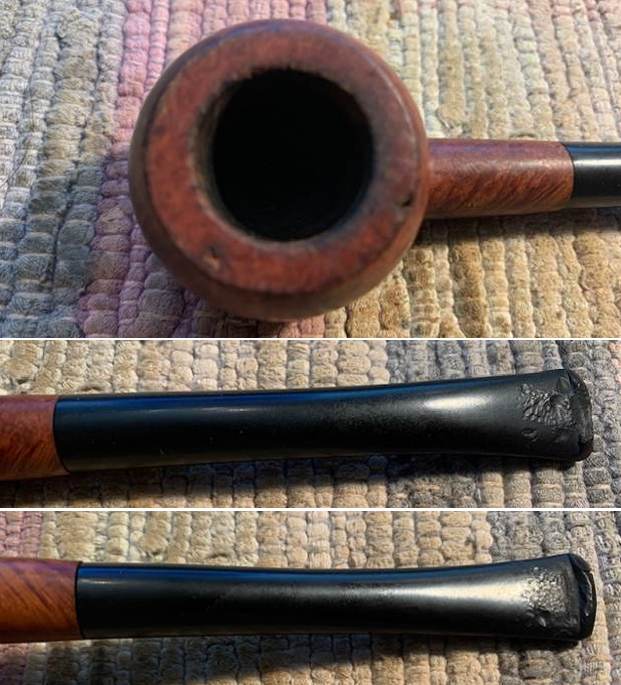
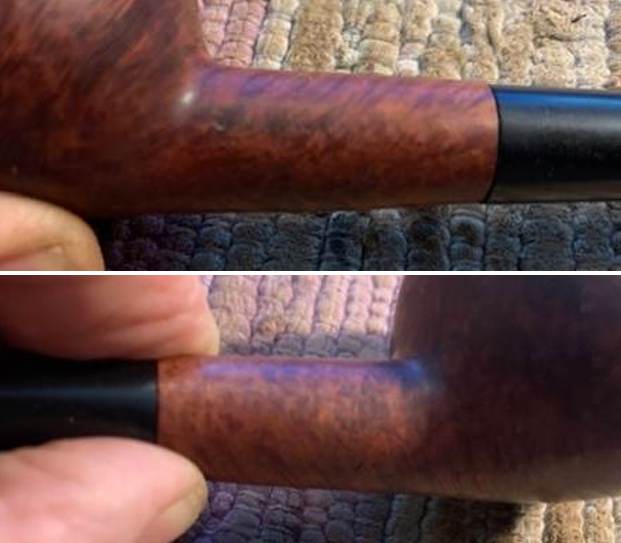
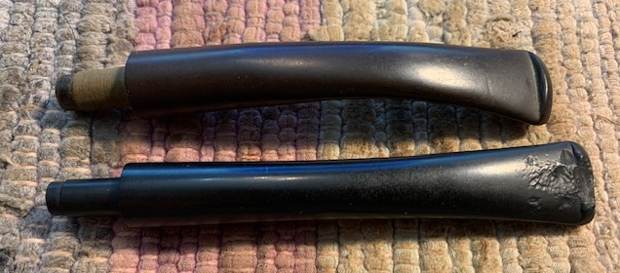
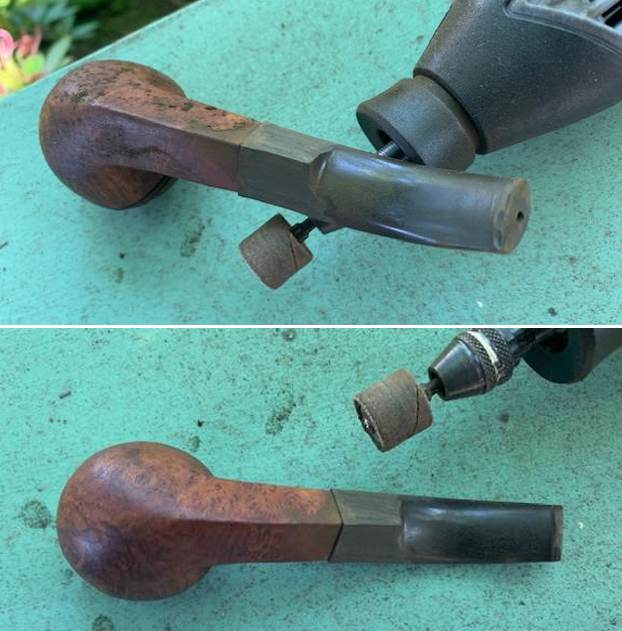
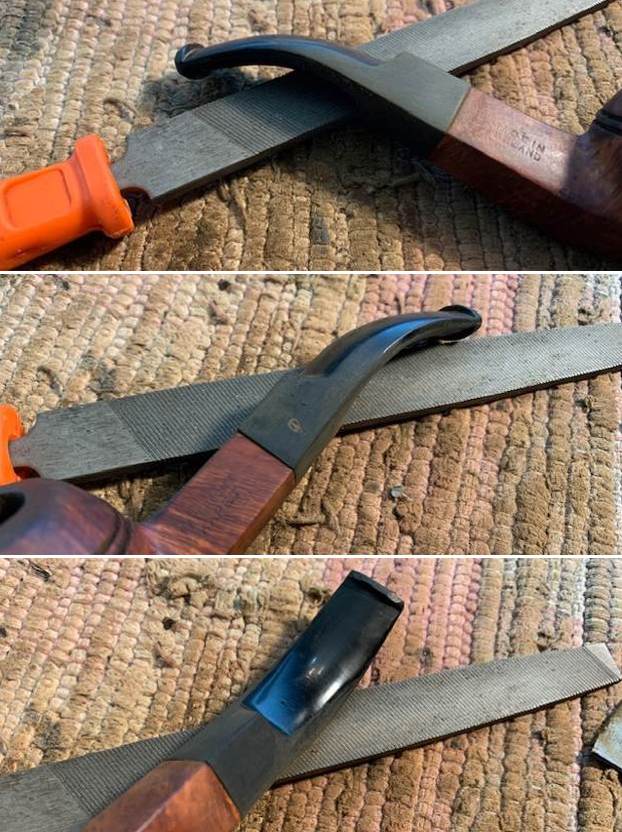
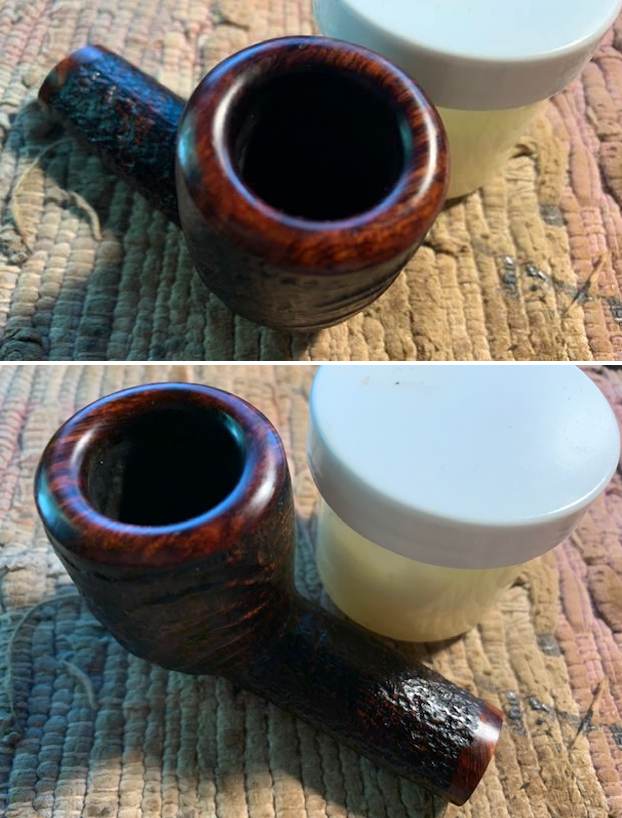
I was utterly surprised when I took this pipe out of the box and compared it to the before photos. Jeff had done a great job cleaning up the pipe as usual. He reamed the pipe with a PipNet reamer and cut back the cake back to the bare briar. He cleaned up the walls with a Savinelli Fitsall Pipe Knife. Surprisingly the walls looked unscathed from the heavy cake. He scrubbed the interior of the bowl and shank with pipe cleaners, cotton swabs and alcohol to remove the tars and oils. He scrubbed the exterior of the pipe with Murphy’s Oil Soap and a tooth brush to remove the grime from the finish. He worked on the rim top lava and darkening with the soap and tooth brush. He scrubbed the inside of the stem with alcohol and pipe cleaners. He scrubbed the exterior of the stem with Soft Scrub and then soaked it in Briarville’s Deoxidizer. He washed it off with warm water to remove the Deoxidizer. When I examined the stem I knew it would need to be replaced. The pipe looked far better when it arrived. The cleaned up rim top revealed very damaged inner and outer edges and the top. There were nicks in the surface of the rim and the edges. I took some close up photos of the rim top and edges to show how well it had cleaned up and the damage to the edges around the bowl. I also took close up photos of the stem to show the tooth marks on the surface near and on the button itself. The stem would be replaced. You can see the deep tooth marks and damage to the button edges on both sides. The diameter of the stem is smaller than that of the shank as can be seen in the photos.I took photos of the stamping on the sides of the shank. It is faint but still readable. It reads as noted above.I removed the stem and took a photo of the pipe to have a look at the parts and overall look.I removed the stem from the shank and went through my stems to find one that matched the length and shape of the previous stem. I was pleased to see that it was slightly larger in diameter than the previous one. The tenon was almost the same size as the other one. It was bent more than the previous one but once straightened out it was only 1/8 of an inch shorter. I thought it would look very good.I used a small folded piece of 220 grit sandpaper to reduce the tenon enough that it would fit the mortise on the bowl. It did not take too much work and it fit perfectly. The diameter of the stem was slightly larger than the shank and would need some work to fit it properly. I took photos of the pipe with its new stem. I needed to reduce the diameter of the stem and also straighten it a bit to fit correctly. I used a flat file to take off as much of the excess as I could without damaging the briar ahead of it.I cleaned up the fit of the stem to the shank with folded 220 grit sandpaper. I worked over the flow of the stem into the shank to make the transition smooth. It was looking very good. I also heated the stem with the flame of a lighter to soften the vulcanite and straighten it. I repaired the damaged spots on the rim top with briar dust and clear superglue. Once it cured I topped the bowl on a topping board with 220 grit sandpaper. I used a folded piece of 220 grit sandpaper to clean up the inside edge of the bowl and smooth out the damage. I gave it a slight bevel to minimize the damage. I polished the briar with micromesh sanding pads – dry sanding with 1500-12000 grit sanding pads. I wiped the bowl down with a damp cloth after each sanding pad. I restained the rim top with a Walnut and a Maple stain pen to match it to the surrounding bowl colour. It looked pretty good. It will blend well once the pipe is polished and buffed. I worked some Before & After Restoration Balm into the surface of the briar with my fingertips to clean, enliven and protect the briar. I let the balm sit for 15 minutes and then buffed with a cotton cloth to raise the shine. The photos show the bowl at this point in the restoration process. I set the bowl aside and polished the stem with micromesh sanding pads – wet sanding with 1500-12000 grit sanding pads. I wiped it down after each sanding pad with Obsidian Oil. I polished it with Before & After Pipe Stem Polish – both Fine and Extra Fine. I am excited to finish this Older Made in Ireland Shamrock 106 Prince. I put the pipe back together and buffed it with Blue Diamond on the buffing wheel. I gave the bowl and the stem multiple coats of carnauba wax. I hand buffed the pipe with a clean buffing pad to raise the shine. It is fun to see what the polished bowl looks like with beautiful mixed grain all around it, looks great with the new black vulcanite stem. This smooth Classic Shamrock 106 Prince is great looking and the pipe feels great in my hand. It is light and well balanced. Have a look at it with the photos below. The dimensions are Length: 6 inches, Height: 1 ¼ inches, Outside diameter of the bowl: 1 ¼ inches, Chamber diameter: ¾ of an inch. The weight of the pipe is 36 grams/1.27 ounces. It turned out to be a beautiful pipe. I will be putting on the rebornpipes store in the Irish Pipe Makers Section. Thanks for your time and as Paresh says each time – Stay Safe.
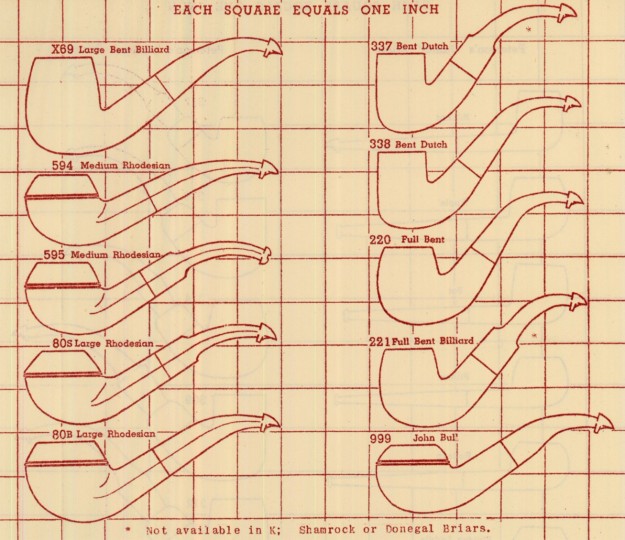
Restoring and Restemming a Made in Ireland Peterson’s Kapet 595 Bent Rhodesian


Blog by Steve Laug

The next pipe was a mess and one that obviously had been “ridden hard and put away wet”. The finish and condition was abysmal. It was definitely a stranger to any cleaning! This one is a smooth Bent Rhodesian that has a rich coloured finish around the bowl sides and shank under the grit and grime of years. This pipe was purchased off Facebook Marketplace on 05/22/21 from Fruitland, Idaho, USA. The finish is almost bland looking it is so dirty it was hard to know what to expect once it was cleaned. It was stamped on the  left side of the shank and read Peterson’s [over] Kapet. It was stamped to the right of the shank and reads MADE IN IRELAND with the shape number 595 next to the bowl. It was filthy when Jeff brought it to the table. There was a thick cake in the bowl and lava on the back of the rim top and the inner edge of the bowl. The outer edge looked good. The vulcanite stem did not fit well and was straight rather than bent. It was oxidized and dirty. There was also tooth marks and chatter on the top and underside on the rest of the stem. Jeff took photos of the pipe before his cleanup work. Jeff took photos of the rim top and stem to show the general condition of the pipe. The bowl is heavily caked and there was a heavy lava overflow on the rim top and the inner edge. The stem is oxidized, calcified and grimy. It was a mess and it was not the correct stem. I would need to replace it. Jeff took photos of the bowl sides and heel to show the grain that was around this bowl. The grain is quite beautiful around the sides of the bowl and shank. It is a nice looking pipe.   He took photos of the sides of the shank to show the stamping. The stamping is faint but still is readable in the photos below and is as noted above. I am including the link to the Pipedia’s article on Peterson pipes. It is a great read in terms of the history of the brand (https://pipedia.org/wiki/Peterson). There was a short note toward the bottom of the page about the series. It is definitely referring to the newer line that came out later. I quote:
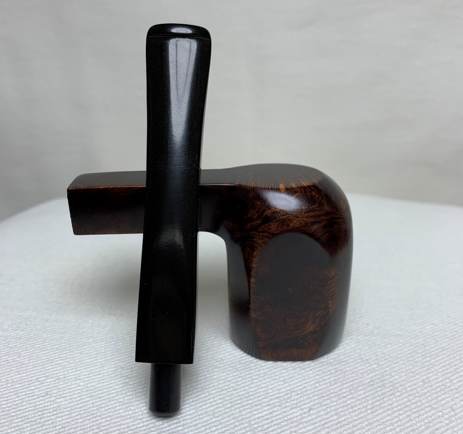
I turned to Pipedia (https://pipedia.org/wiki/Peterson) to first pin down a date that the pipe was made. I knew that the Made in Ireland stamp would give me that. I quote:

As usual when trying to get accurate facts in regard to Peterson history, something will jump up and get in the way. They are missing many of their records. The following is the best that we can do for a guide to the myriad markings during the period 1922 – 1949. Prior to 1920 it was rare for a country of origin to be stamped on the pipe, just Peterson’s Dublin on the band. After 1921/22, if it is stamped “MADE IN IRELAND” and the “Made in” is stacked over “Ireland” or “MADE IN EIRE” or several other forms, it was made between 1922 and 1938. A considerable number of Peterson pipes were stamped “Irish Free State”. From about 1930 to 1949, most of the pipes (those which were stamped) were stamped “Made in Ireland”.” If the stamp reads “MADE IN IRELAND” in a circle, the pipe was made between 1939 and 1948. These are all “Pre-Republic” pipes. I can tell you that the mark “Irish Free State” was adopted in 1922; and replaced by “Eire” in 1937 and then by “Republic of Ireland” in 1949.

That gave me a date for the pipe – it was made between 1922 and 1938 as can be proved by the Made in Ireland stamp on the right side of the shank.

I turned to “The Peterson Pipe” by Mark Irwin and Gary Malmberg to get some background on the Peterson’s Kapet Line. On page 305 it had the following information.

Kapet (1925-87) Line first described in 1925 brochure and featured in occasional catalogs through 1987. Early specimens will be stamped IRISH over FREE STATE. Described in 1937 catalog as available in dark plum or natural finish. Featured an aluminum “inner tube” or stinger until 1945.  Mid-century specimens may be stamped Made In over Ireland. Specimens from 1970 on may have mounts with hallmarks.

Judging from the Made in Ireland stamp, the pipe I am working on is probably made between 1922-38. Those dates work also for the Kapet information above. The stem is missing the original P-lip stem and the P emblem on the stem side as well as the inner tube.

To help clarify the stamping on the shank my daughter did some digging and found a shape chart on Mark Irwin’s site that had the 595 shape and it did indeed have a saddle stem (https://petersonpipenotes.wordpress.com/?fbclid=IwAR2VQVQbIXKn90Y9DK56WQVIknkz7UVkfbivxdAjdNqslt9297JIUMvpyjc). The chart identified the 595 as a Medium Rhodesian with a fish tail stem so I was excited to see that the stem I had would be correct! I was utterly surprised when I took this pipe out of the box and compared it to the before photos. Jeff had done a great job cleaning up the pipe as usual. He reamed the pipe with a PipNet reamer and cut back the cake back to the bare briar. He cleaned up the walls with a Savinelli Fitsall Pipe Knife. Surprisingly the walls looked unscathed from the heavy cake. He scrubbed the interior of the bowl and shank with pipe cleaners, cotton swabs and alcohol to remove the tars and oils. He scrubbed the exterior of the pipe with Murphy’s Oil Soap and a tooth brush to remove the grime from the finish. He worked on the rim top lava and darkening with the soap and tooth brush. There was some scratching, dents and wear on the top and the inner edge of the rim. He scrubbed the inside of the stem with alcohol and pipe cleaners. He scrubbed the exterior of the stem with Soft Scrub and then soaked it in Briarville’s Deoxidizer. He washed it off with warm water to remove the Deoxidizer. He sent the stem along so that I could use it to fit another stem. I took photos of the pipe when it arrived. The cleaned up rim top looked clean but there were dents and marks on the top and some damage and burn marks on the inner edge of the bowl. I took some close up photos of the rim top and edges to show how well it had cleaned up. I also took close up photos of the stem to show the condition on both sides.I took photos of the stamping on the sides of the shank. It is faint but reads as noted above. I removed the stem and went through my stems and found one that matched the shank well. I would need to reduce the sides of the diamond saddle and then I would work the stem to fit correctly. The stem had originally been a P-lip style but someone along the way had cut it off. I would need to clean up that work and reshape it to be a fish tail stem like the one in the chart above. There was a faint P on the left side of the saddle that would probably disappear with the shaping.I put the stem in the shank and took a photo of the bowl with the stem first to have a look at the pipe with this stem. It looked very good and I think with the adjustments it was going to look like the original.I took photos of the stem to show the shape of the bent and also the modification that had been done to remove the P-lip and convert it to what was an attempt at a fish tail. The work on it was a bit of a hack job so it was a mess. I would need to do some reshaping and opening of the button. I started my work on this pipe by fitting the new stem to the shank. I had to reduce the sides of the diamond saddle with my Dremel and sanding drum. As with all diamond shank pipes, the sides were not equal in measurement so I had to shave off some of the vulcanite on each side to get a proper fit to the shank. I also used it on the button end to flatten it out and give it some initial shape. There is more work to do but it is getting there. I used a flat file to get the fit close to a smooth fit. Care had to be taken not to damage the briar. I then worked on it with a folded piece of 220 sandpaper. I wanted the transition between the shank and stem to be smooth. I converted the single hole in the button end to a slot using a hole saw (a pottery trimming saw). I worked on it to shape it as an oval. Once that was done I shaped the button to remove some of the thickness and give it a comfortable shape. I sanded the stem with 220 grit sandpaper and started the polishing it with 400 grit wet dry sandpaper. I sanded the inside of the slot with 220 and 400 grit sandpaper to smooth out the airway in the button.I cleaned the inside of the stem with alcohol and pipe cleaners. The stem was very dirty so it took a bit of work to get the oils and tars out of it. Once it was cleaned it smelled very good.I polished the stem with micromesh sanding pads – wet sanding with 1500-12000 grit sanding pads. I wiped it down after each sanding pad with Obsidian Oil. I polished it with Before & After Pipe Stem Polish – both Fine and Extra Fine. With the stem finished, I removed it and turned my attention to the bowl. I know some of you would have kept working on the stem but I needed a change of pace so I went to the bowl for awhile to address this darkening on the rim top and edges. I used a folded piece of 220 grit sandpaper to smooth out the inner edge and work on the darkening on the top.I used an oak stain pen to touch up the sanded areas on the rim top and edges as well as the shank end. The pen was a good match to the rest of the briar around the bowl and shank. It would blend in very well once it was buffed and waxed.I polished the briar and worked to blend in the sanded areas on the rim top and shank end with the surrounding briar with micromesh sanding pads. I dry sanded with 1500-12000 grit pads. I wiped the briar down after each pad with a damp cloth to remove the dust and assess progress. I worked some Before & After Restoration Balm into the surface of the briar with my fingertips to clean, enliven and protect the briar. I worked it into the twin rings around the cap with a shoe brush. I let the balm sit for 15 minutes and then buffed with a cotton cloth to raise the shine. The photos show the bowl at this point in the restoration process.  I am excited to finish this beautifully grained, restemmed Peterson’s Kapet 595 Bent Rhodesian. I put the pipe back together and buffed it with Blue Diamond on the buffing wheel. I gave the bowl and the stem multiple coats of carnauba wax. I hand buffed the pipe with a clean buffing pad to raise the shine. It is fun to see what the polished bowl looks like with beautiful mixed grain all around it. The Bent Rhodesian looks great with the new replacement black vulcanite stem. This smooth Classic Peterson’s Kapet Bent Rhodesian is great looking and the pipe feels great in my hand. It is light and well balanced. Have a look at it with the photos below. The dimensions are Length: 5 inches, Height: 1 ½ inches, Outside diameter of the bowl: 1 ¼ inches, Chamber diameter: ¾ of an inch. The weight of the pipe is 40 grams/1.41 ounces. It turned out to be a beautiful pipe. I will be putting on the rebornpipes store in the Irish Pipe Makers Section. Thanks for your time and as Paresh says each time – Stay Safe.
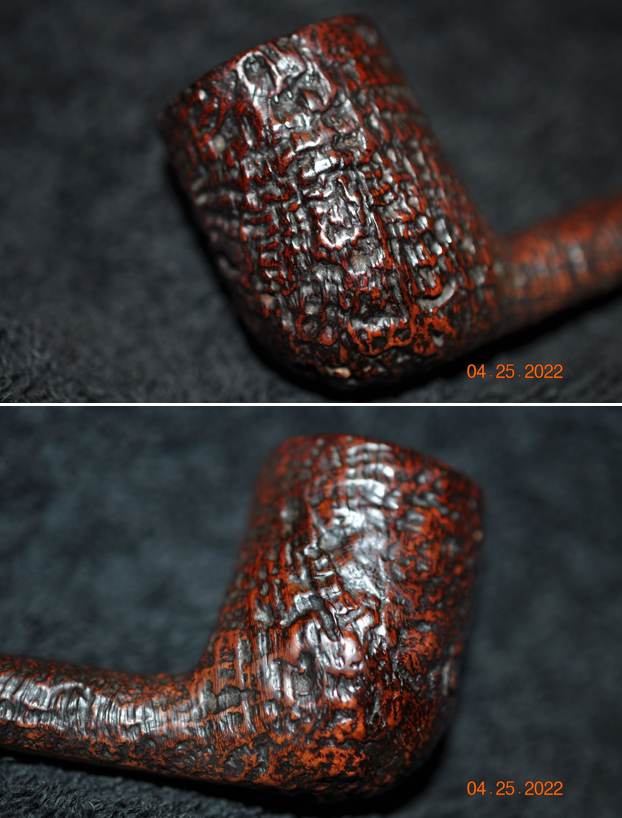
Restoring and Restemming a Made in Ireland Peterson’s Premier Selection 493 Bulldog


Blog by Steve Laug

The next pipe was a mess and one that obviously had been “ridden hard and put away wet”. The finish and condition was abysmal. It was definitely a stranger to any cleaning! This one is a smooth Bent Billiard that has a rich coloured finish around the bowl sides and shank under the grit and grime of years. This pipe was purchased from an antique mall on 08/27/21 in Bozeman, Montana, USA. The finish is almost bland looking it is so dirty it was hard to know what to expect once it was cleaned. It was stamped on the  left side of the shank and read Peterson’s [over] Premier Selection. It was stamped to the right of the shank and reads MADE IN IRELAND with the shape number 493 next to the bowl. It was filthy when Jeff brought it to the table. There was a thick cake in the bowl and lava on the back of the rim top and the inner edge of the bowl. The outer edge looked good. The replacement Biteproof stem was oxidized and had a chunk missing from the left side of the stem at the button. There was also tooth marks and chatter on the top and underside on the rest of the stem. Jeff took photos of the pipe before his cleanup work. Jeff took photos of the rim top and stem to show the general condition of the pipe. The bowl is heavily caked and there was a heavy lava overflow on the rim top and the inner edge. The stem is broken, oxidized, calcified and grimy. It was a mess. Jeff took photos of the bowl sides and heel to show the grain that was around this bowl. The grain is quite beautiful around the sides of the bowl and shank. It is a nice looking pipe. He took photos of the sides of the shank to show the stamping. The stamping is readable in the photos below and is as noted above.    I am including the link to the Pipedia’s article on Peterson pipes. It is a great read in terms of the history of the brand (https://pipedia.org/wiki/Peterson). There was a short note toward the bottom of the page about the series. It is definitely referring to the newer line that came out later. I quote:

I turned to Pipedia (https://pipedia.org/wiki/Peterson) to first pin down a date that the pipe was made. I knew that the Made in Ireland stamp would give me that. I quote:

As usual when trying to get accurate facts in regard to Peterson history, something will jump up and get in the way. They are missing many of their records. The following is the best that we can do for a guide to the myriad markings during the period 1922 – 1949. Prior to 1920 it was rare for a country of origin to be stamped on the pipe, just Peterson’s Dublin on the band. After 1921/22, if it is stamped “MADE IN IRELAND” and the “Made in” is stacked over “Ireland” or “MADE IN EIRE” or several other forms, it was made between 1922 and 1938. A considerable number of Peterson pipes were stamped “Irish Free State”. From about 1930 to 1949, most of the pipes (those which were stamped) were stamped “Made in Ireland”.” If the stamp reads “MADE IN IRELAND” in a circle, the pipe was made between 1939 and 1948. These are all “pre-Republic” pipes. I can tell you that the mark “Irish Free State” was adopted in 1922;and replaced by “Eire” in 1937 and then by “Republic of Ireland” in 1949.

That gave me a date for the pipe – it was made between 1922 and 1938 as can be proved by the Made in Ireland stamp on the right side of the shank.

I turned to “The Peterson Pipe” by Mark Irwin and Gary Malmberg to get some background on the Peterson’s Kapp-Royal Pipe. On page 310 it had the following information.

Premier on the shank (c. 1953- c. 1981) A high grade line of Classic Range shapes for the US market introduced by Rogers Imports in their 1953 catalog. Offered in smooth or sandblast finish, a P-lip mouthpiece with an aluminum P. The first occurrence of this logo in the ephemera. The Tan Bark Premier appeared in the ’69 Iwan Ries catalog. COM of Made in over Ireland, a PREMIER stamp also appears over SELECTION and will be distinguished by an inset brass P on the mouthpiece. See system for SYSTEM over PREMIER stamp.

Judging from the Made in Ireland stamp, the pipe I am working on is probably made between 1922-38. The contrary piece of the puzzle is that the second red highlight above dates it to between 1953 and 1981. It is missing the original P-lip stem and the P emblem on the stem side. So once more we enter the realm of Peterson’s mysteries. Anyone have any ideas on this one.

I was utterly surprised when I took this pipe out of the box and compared it to the before photos. Jeff had done a great job cleaning up the pipe as usual. He reamed the pipe with a PipNet reamer and cut back the cake back to the bare briar. He cleaned up the walls with a Savinelli Fitsall Pipe Knife. Surprisingly the walls looked unscathed from the heavy cake. He scrubbed the interior of the bowl and shank with pipe cleaners, cotton swabs and alcohol to remove the tars and oils. He scrubbed the exterior of the pipe with Murphy’s Oil Soap and a tooth brush to remove the grime from the finish. He worked on the rim top lava and darkening with the soap and tooth brush. Since the stem was ruined he did not clean it. He sent the ruined stem along so that I could use it to fit another stem. I took photos of the pipe when it arrived. The cleaned up rim top looked very good around the edges and the top. I took some close up photos of the rim top and edges to show how well it had cleaned up. I also took close up photos of the stem to show the damage on the left side of the stem near the button.I took photos of the stamping on the sides of the shank. It reads as noted above. I removed the stem and went through my stems and found one that matched the broken one very well. I would need to reduce the diameter of the tenon and then I would work the stem to fit correctly.I started my work on this pipe by fitting the new stem to the shank. I had to reduce the tenon with 220 grit sandpaper to fit the shank. As with all diamond shank pipes, the sides were not equal in measurement so I had to shave off some of the vulcanite or some of the briar to get a proper fit to the shank. I did the work with some 220 grit sandpaper until the transition was smooth all the way around the shank and stem. There is more work to do but it is getting there. With the stem fit I removed it and turned my attention to the bowl. I know some of you would have kept working on the stem but I needed a change of pace so I went to the bowl for awhile to address this darkening on the rim top and edges. I used a folded piece of 220 grit sandpaper to smooth out the inner edge and work on the darkening on the top.I polished the briar and worked to blend in the sanded areas on the rim top and shank end with the surrounding briar with micromesh sanding pads. I dry sanded with 1500-12000 grit pads. I wiped the briar down after each pad with a damp cloth to remove the dust and assess progress. I worked some Before & After Restoration Balm into the surface of the briar with my fingertips to clean, enliven and protect the briar. I worked it into the twin rings around the cap with a shoe brush. I let the balm sit for 15 minutes and then buffed with a cotton cloth to raise the shine. The photos show the bowl at this point in the restoration process. I set the bowl aside and turned my attention back to the stem. Started by opening up the slot in the button with a small saw. Once I had it the way I wanted I turned to the rest of the stem. I worked on the shaping and smoothing out the sanding marks with 220 grit sandpaper and starting polishing it with 400 grit wet dry sandpaper. I cleaned the inside of the stem with alcohol and pipe cleaners. The stem was very dirty so it took a bit of work to get the oils and tars out of it. Once it was cleaned it smelled very good. I polished the stem with micromesh sanding pads – wet sanding with 1500-12000 grit sanding pads. I wiped it down after each sanding pad with Obsidian Oil. I polished it with Before & After Pipe Stem Polish – both Fine and Extra Fine. I am excited to finish this beautifully grained, restemmed Peterson’s Premier Selection 493 Straight Bulldog. I put the pipe back together and buffed it with Blue Diamond on the buffing wheel. I gave the bowl and the stem multiple coats of carnauba wax. I hand buffed the pipe with a clean buffing pad to raise the shine. It is fun to see what the polished bowl looks like with beautiful mixed grain all around it. The Bulldog looks great with the new replacement black vulcanite stem. This smooth Classic Peterson’s Premier Selection Bulldog is great looking and the pipe feels great in my hand. It is light and well balanced. Have a look at it with the photos below. The dimensions are Length: 5 ¾ inches, Height: 1 ½ inches, Outside diameter of the bowl: 1 ¾ inches, Chamber diameter: ¾ of an inch. The weight of the pipe is 38 grams/1.34 ounces. It turned out to be a beautiful pipe. I will be putting on the rebornpipes store in the Irish Pipe Makers Section. Thanks for your time and as Paresh says each time – Stay Safe.