Tag Archives: restaining

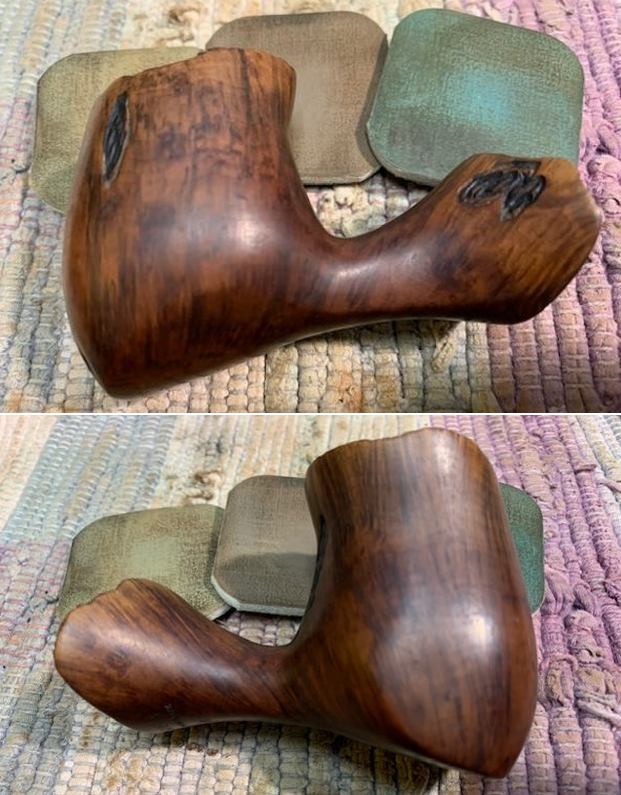
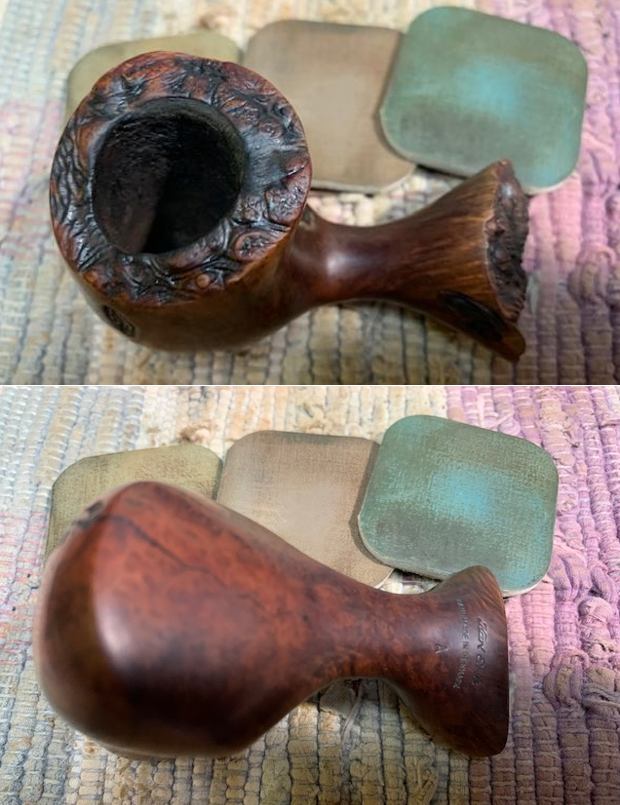
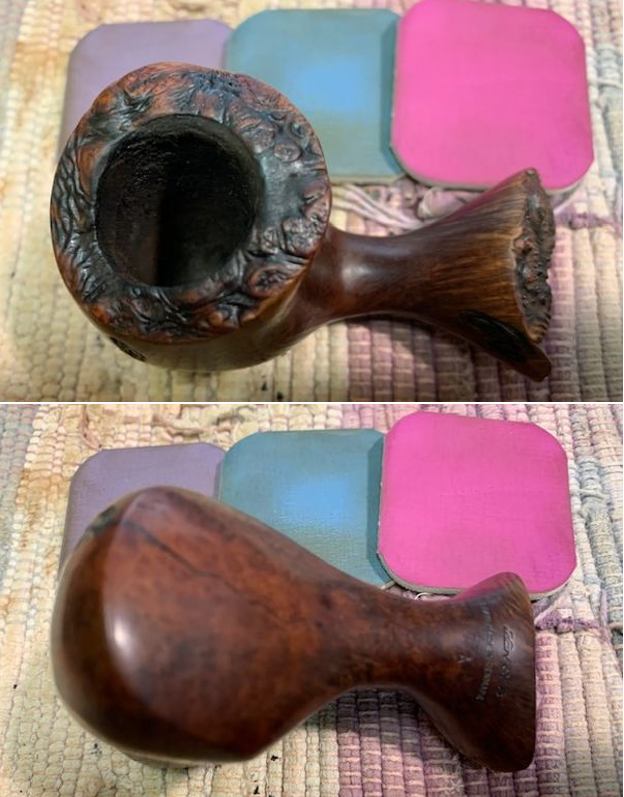
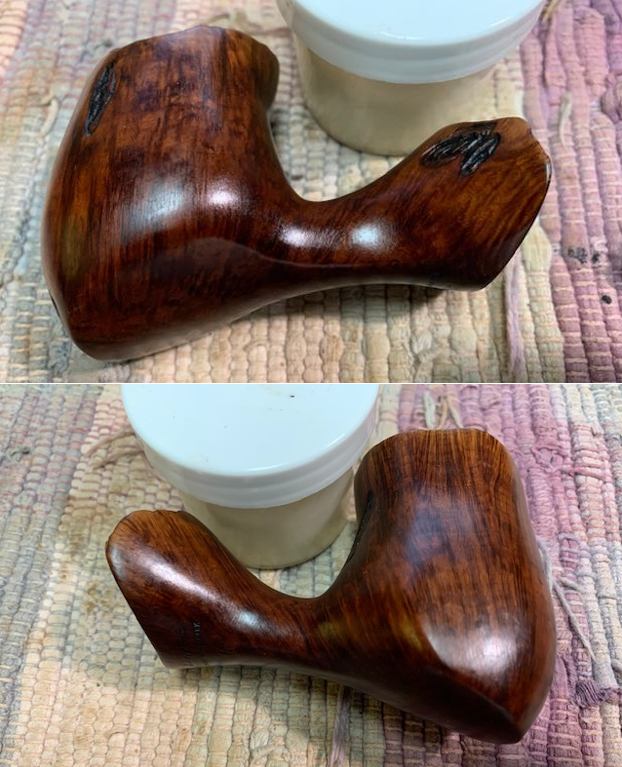
The Italian Swan


Blog by Kenneth Lieblich

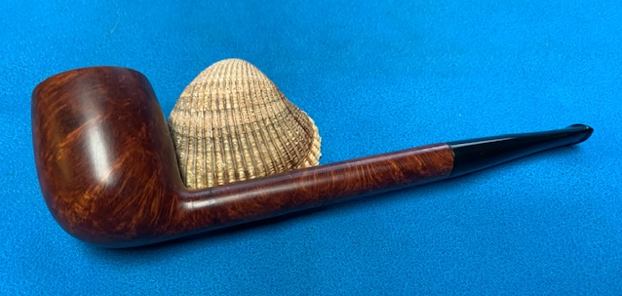
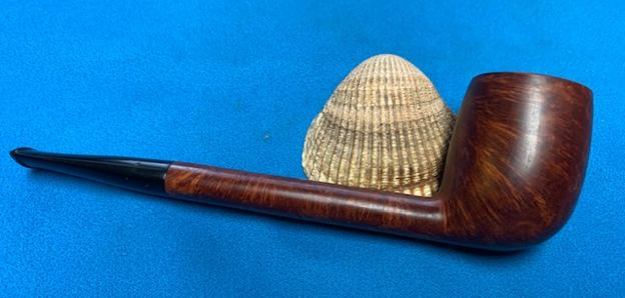
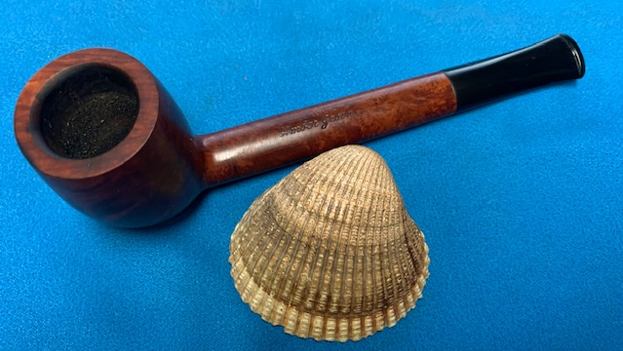
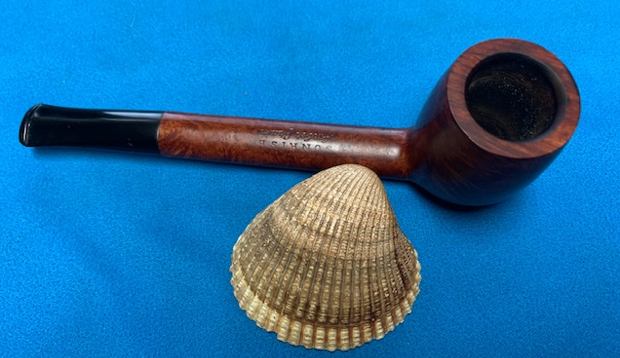
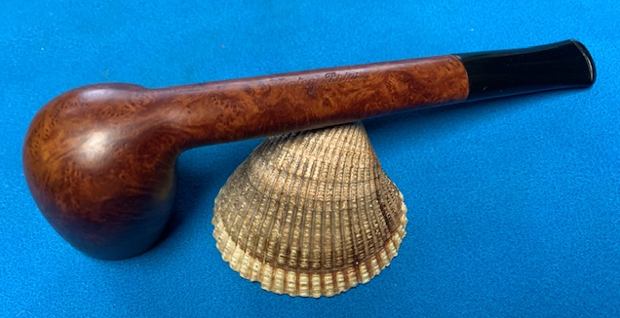
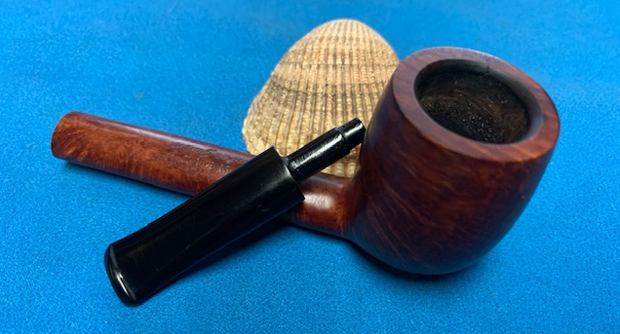
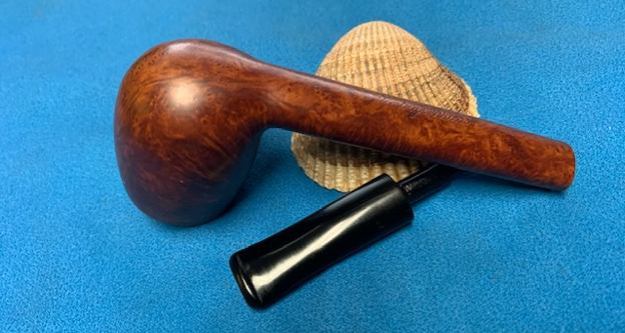
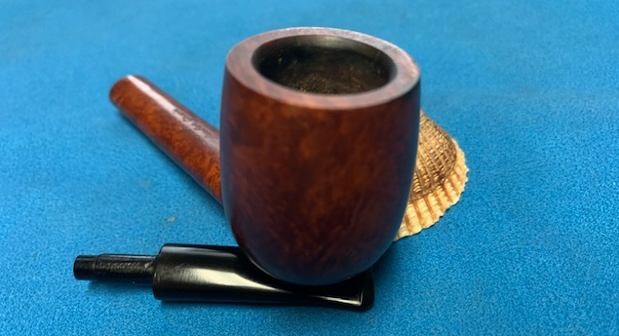
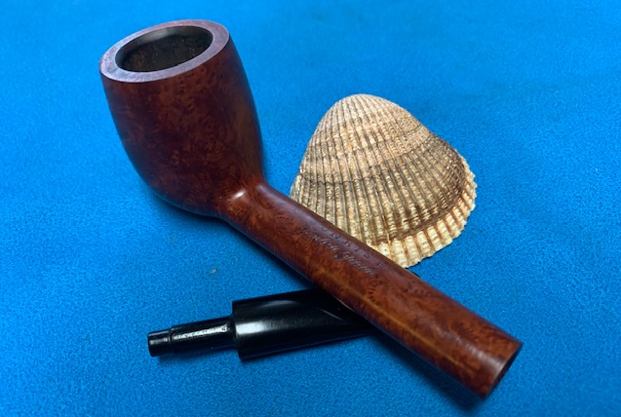
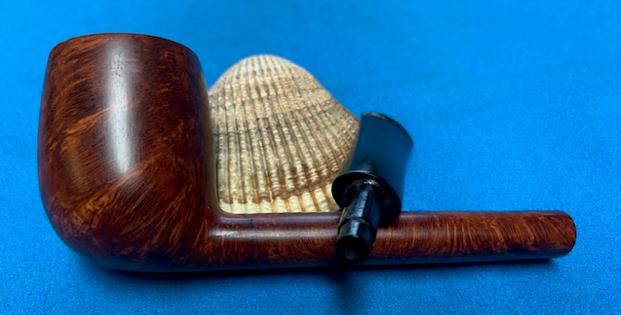
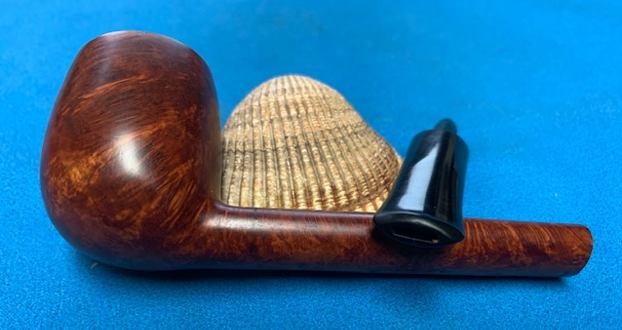
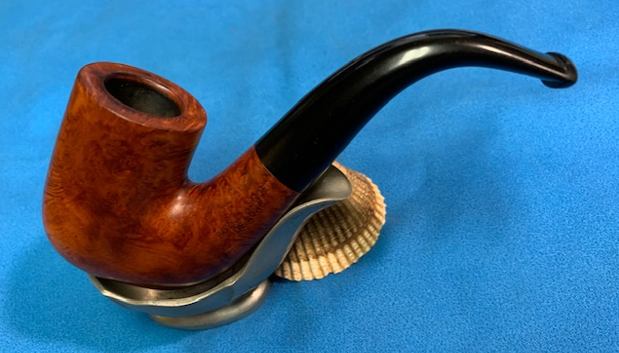
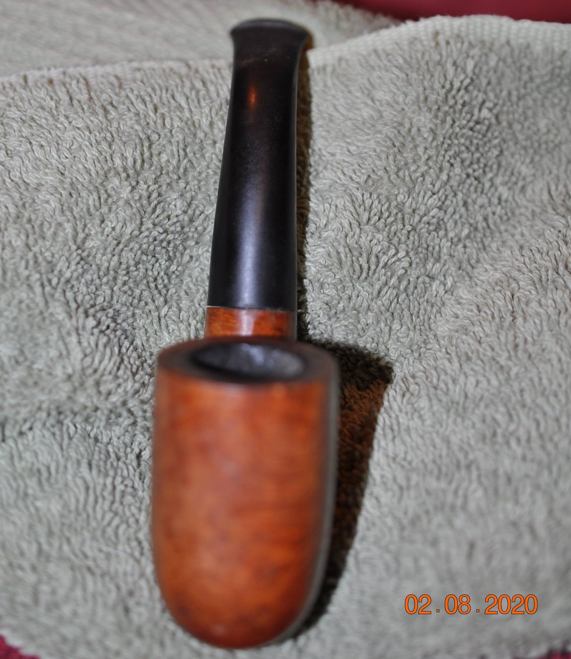
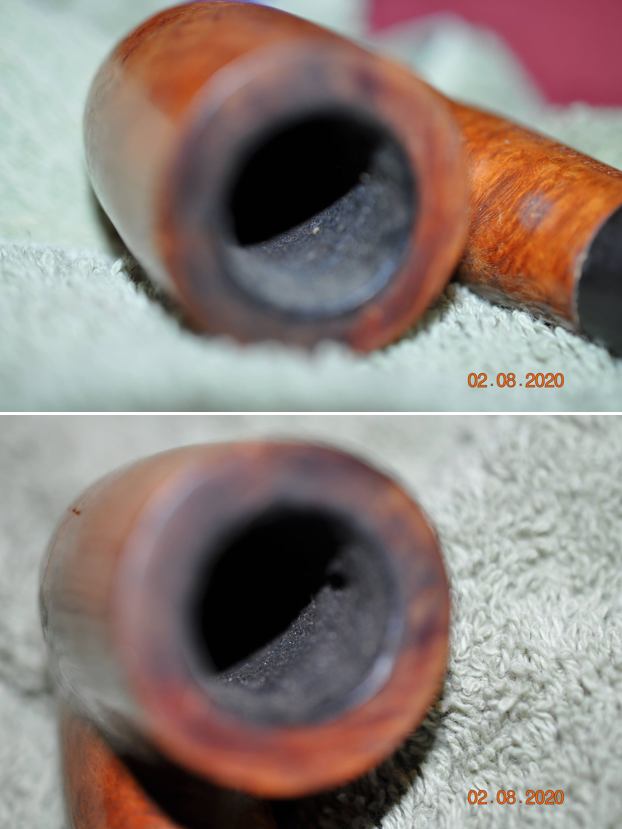
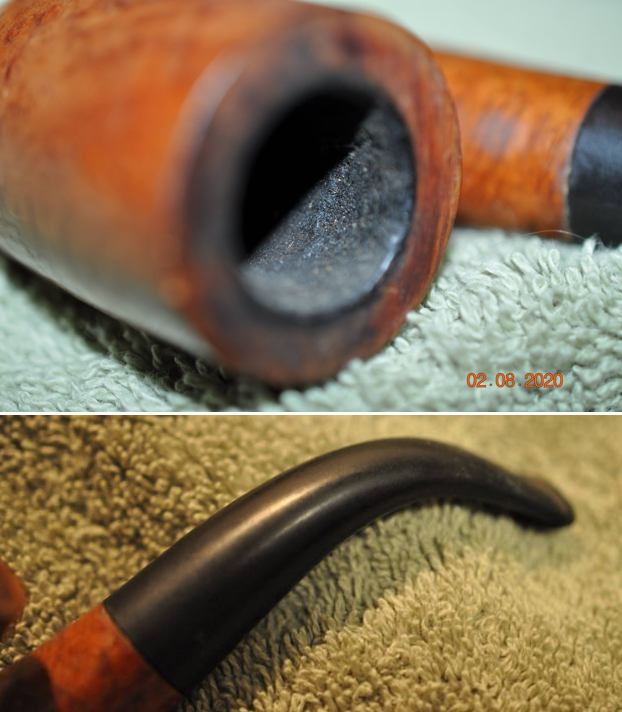
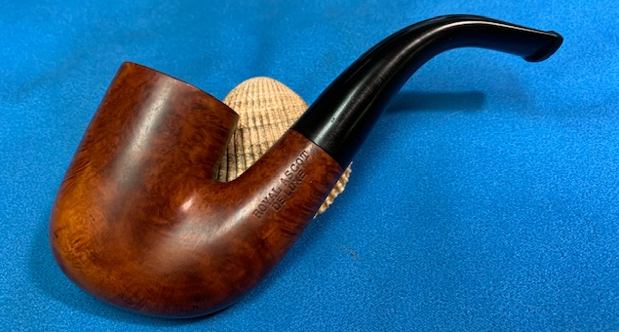
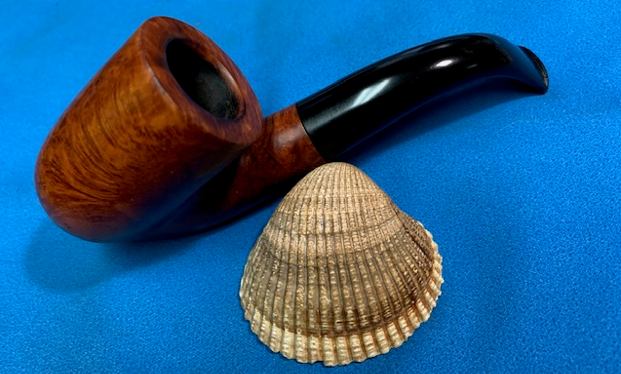
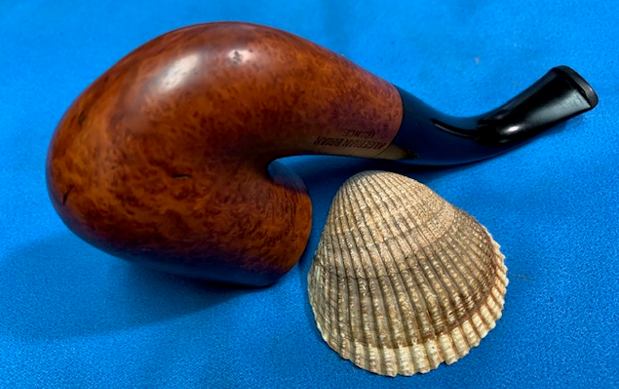
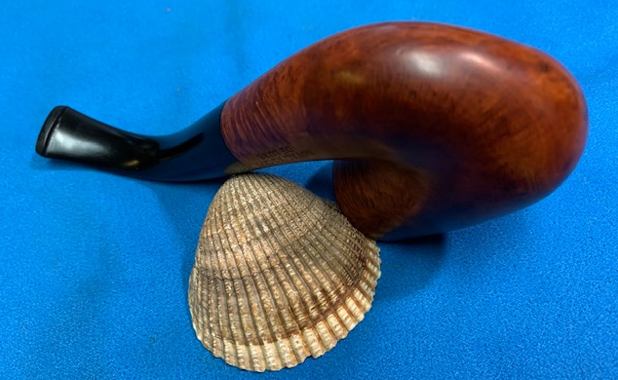
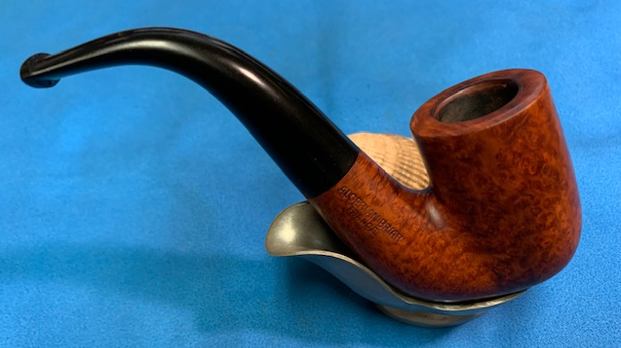
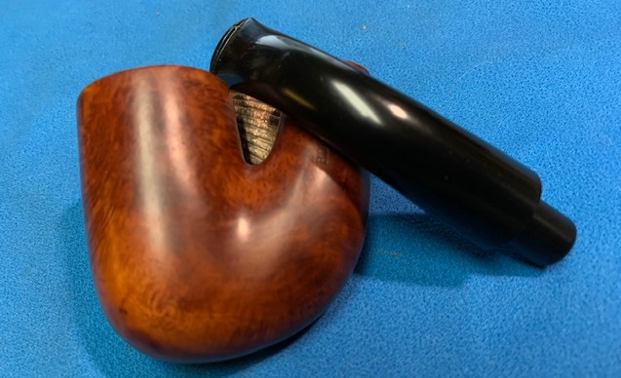
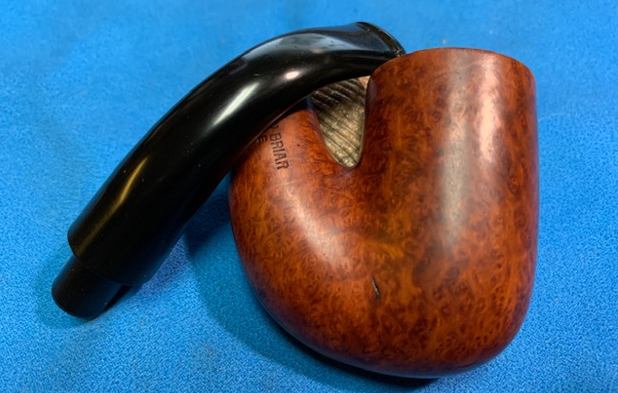
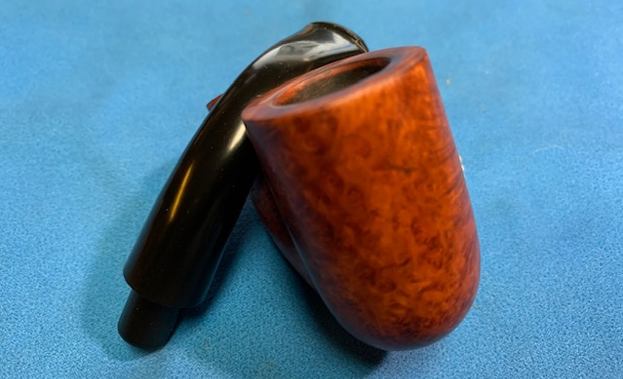
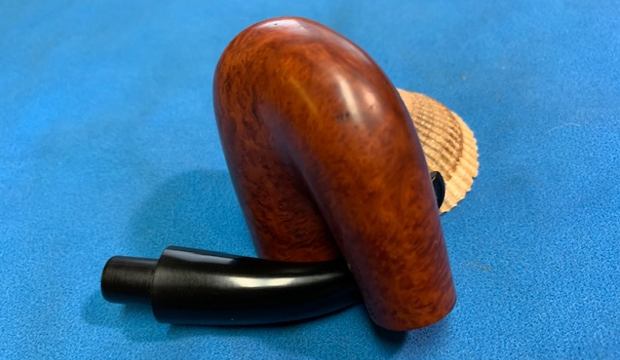
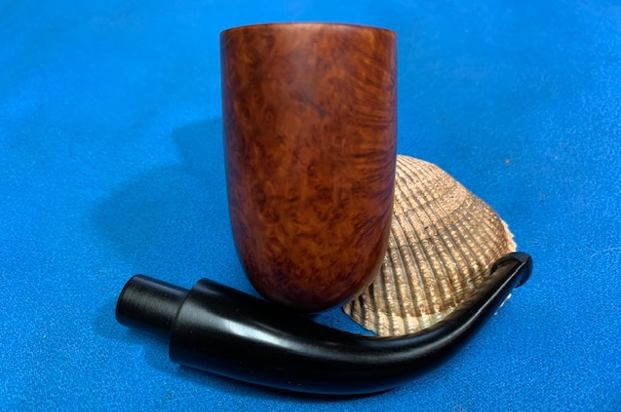
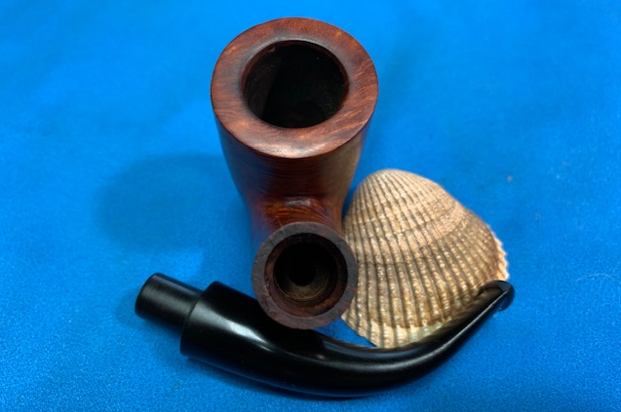
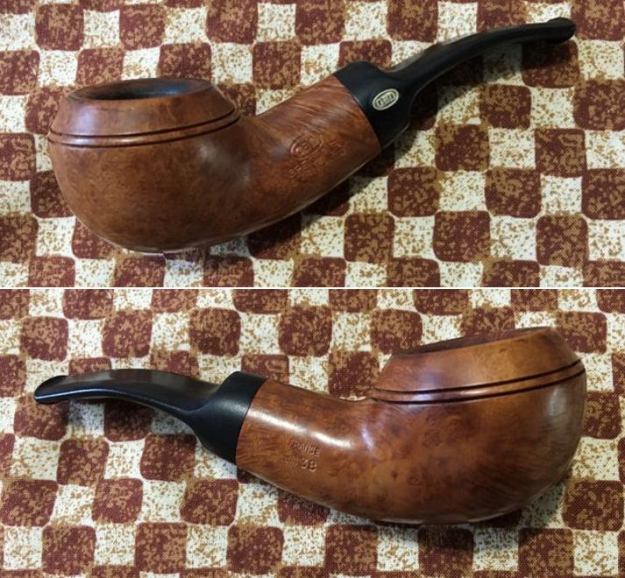
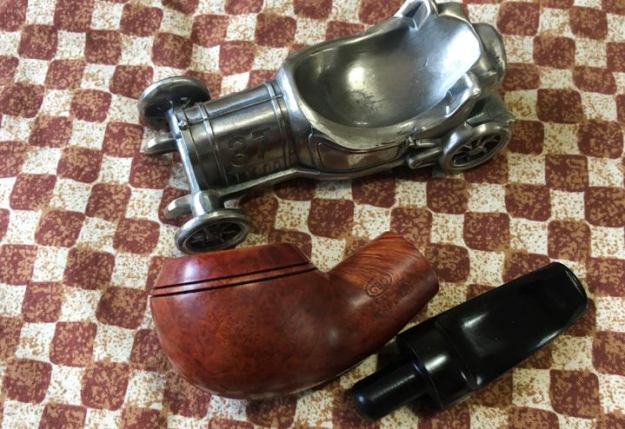
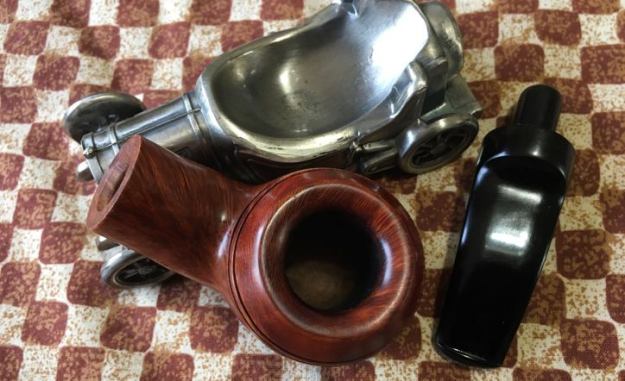
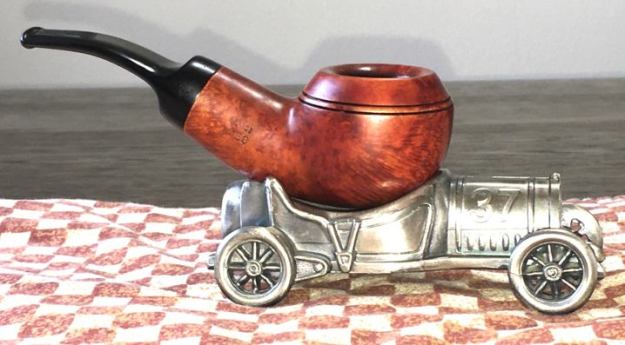
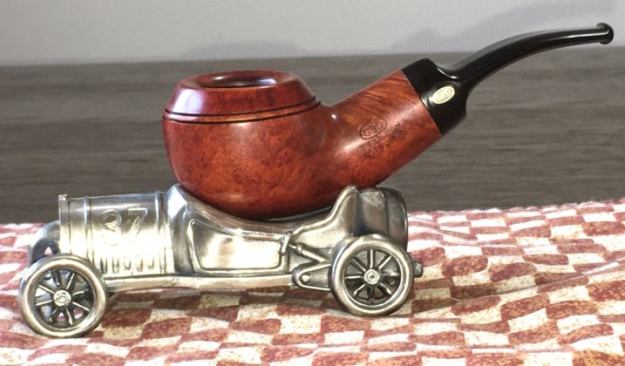
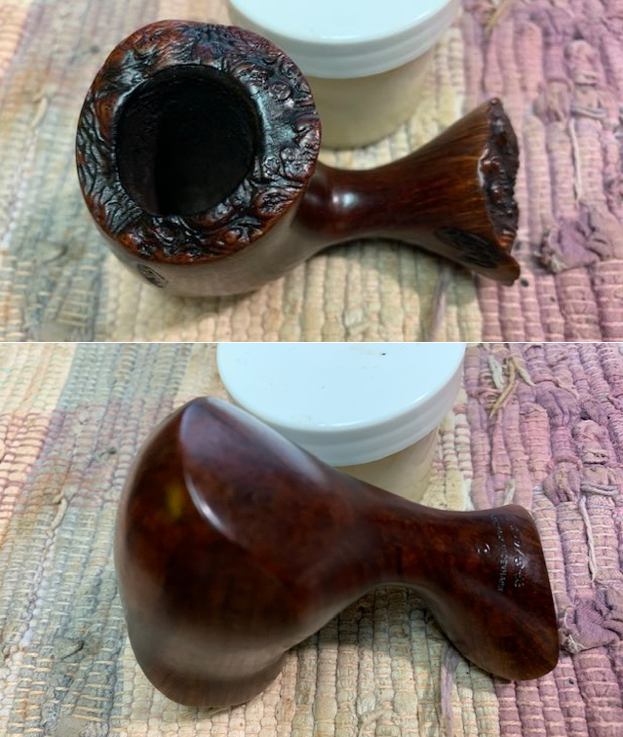
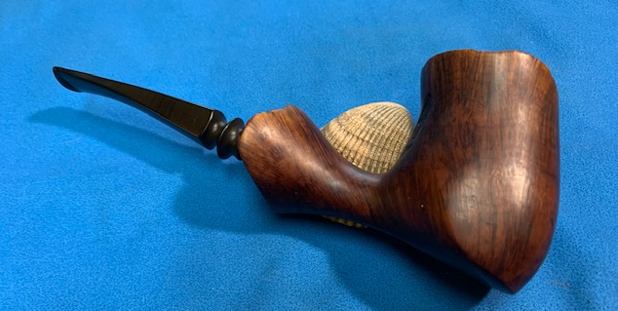
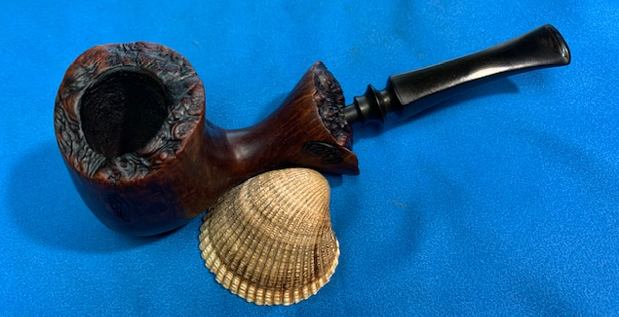
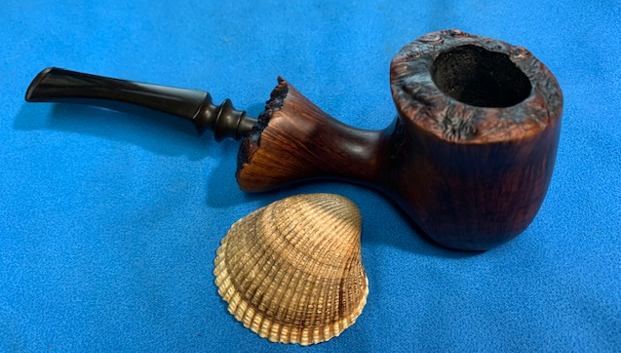
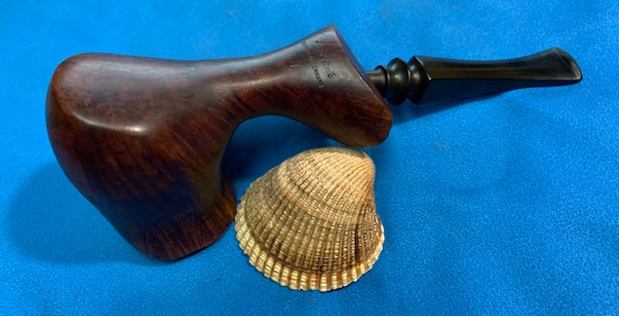
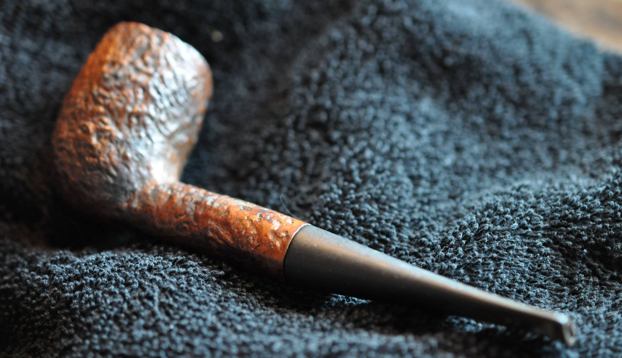
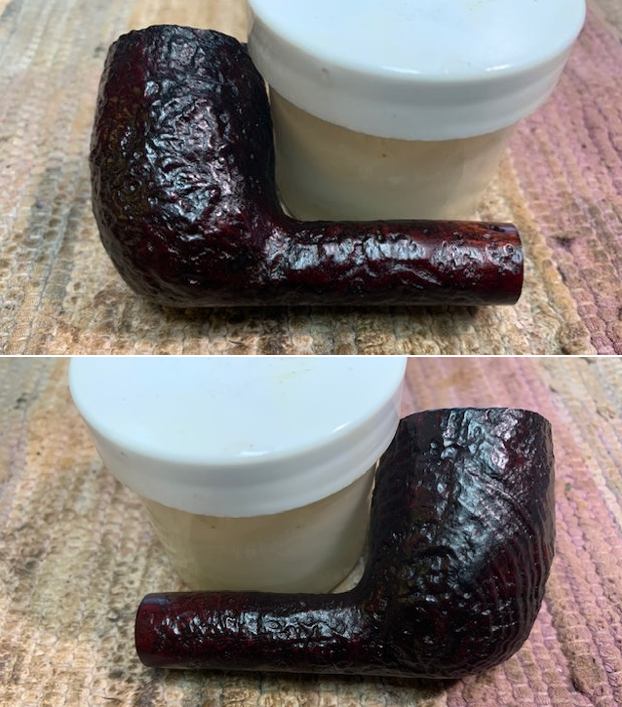
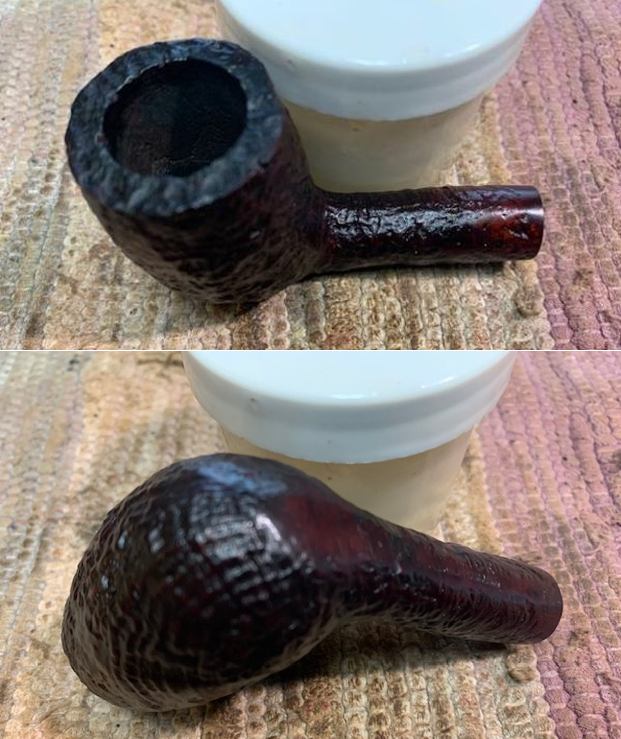
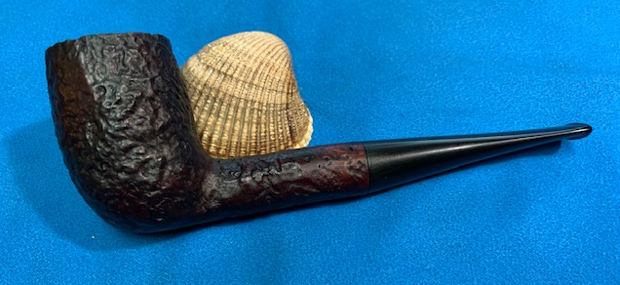
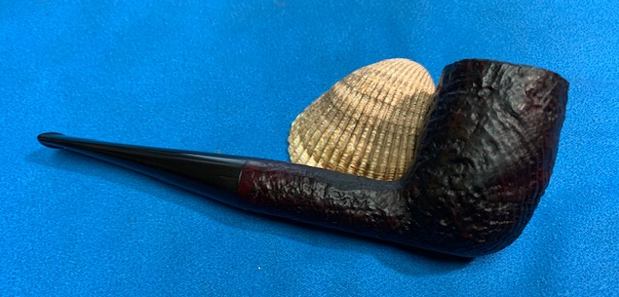
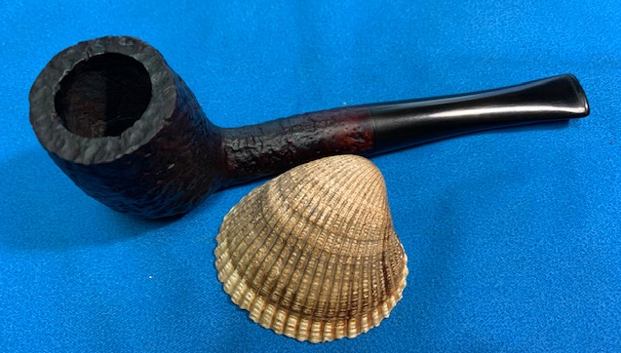
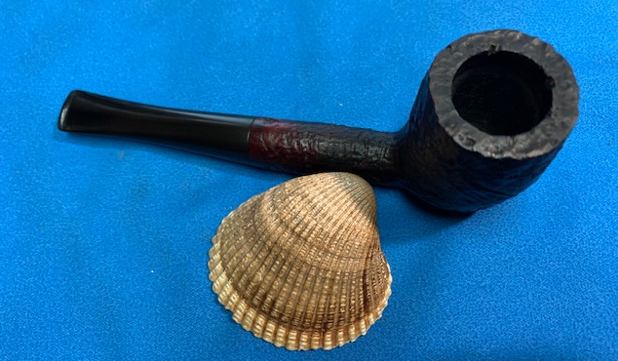
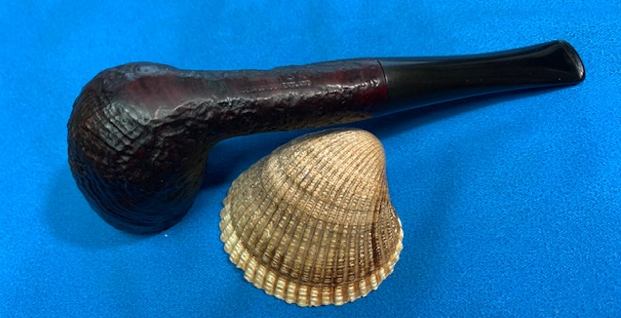
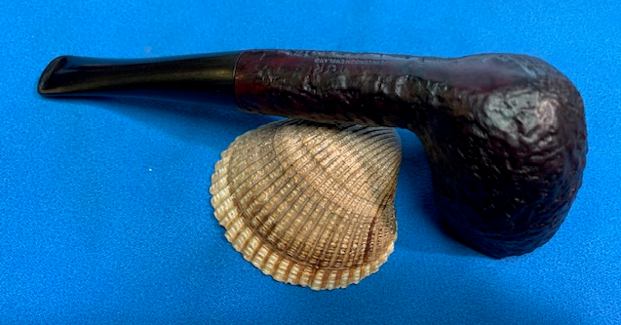
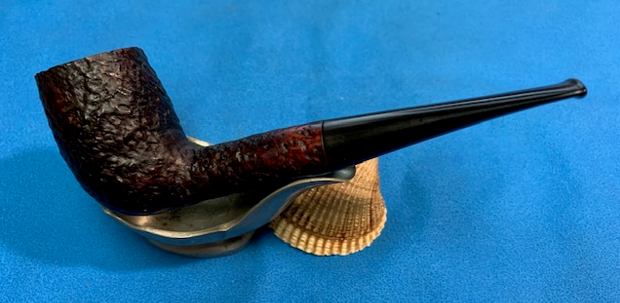
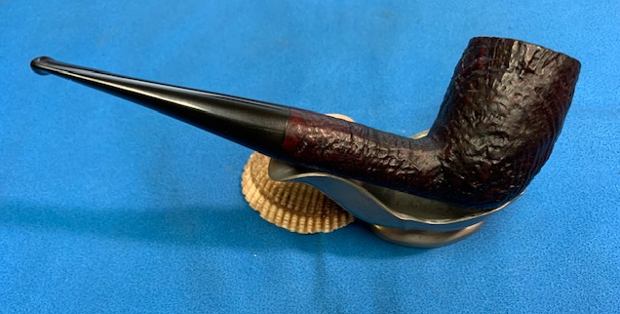
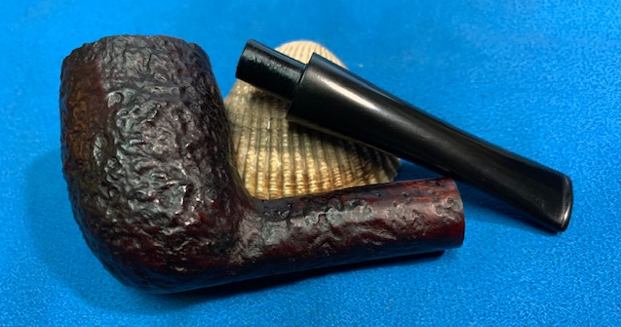
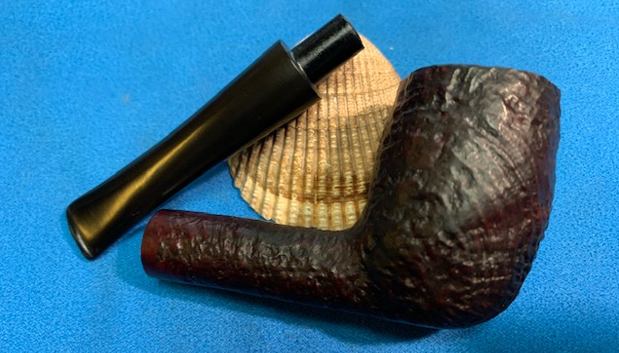
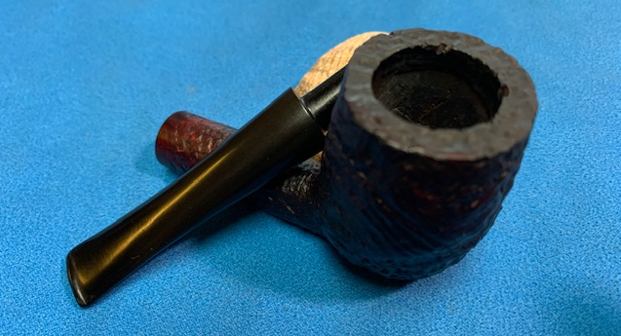
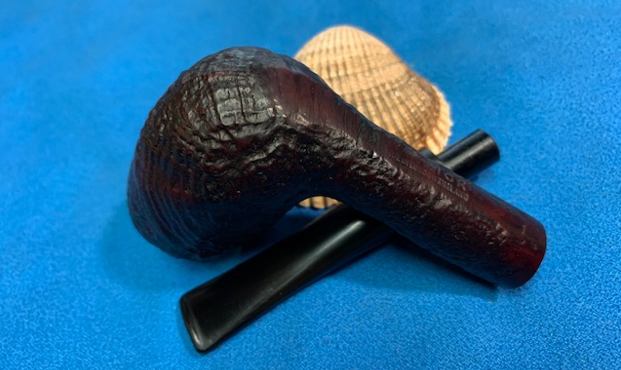
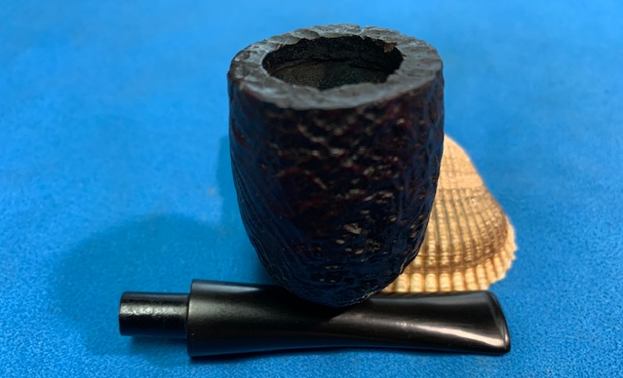
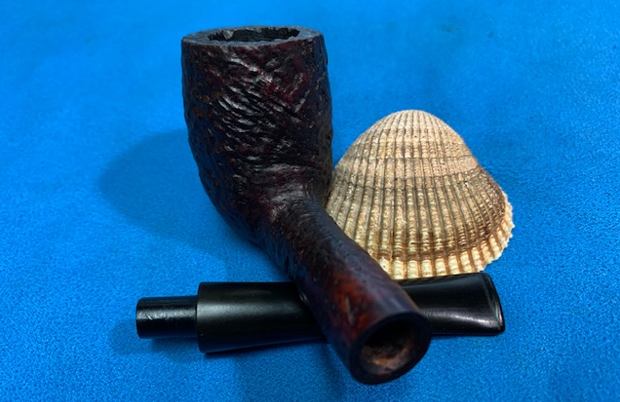
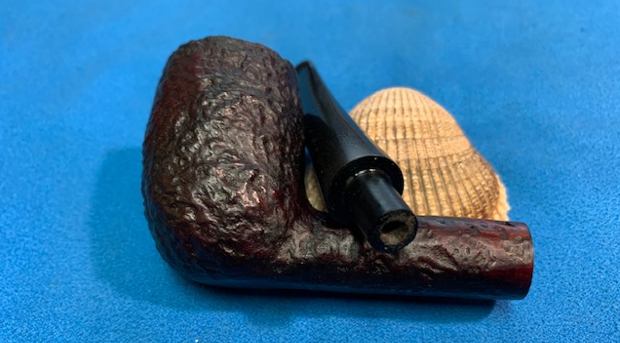
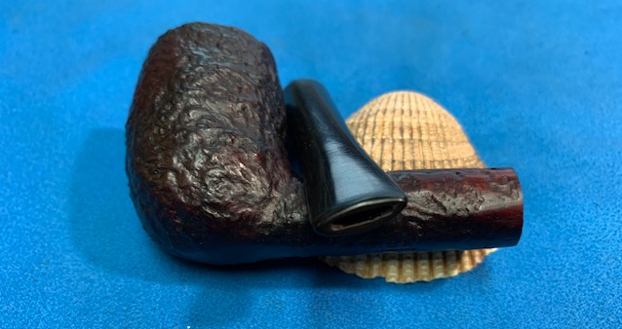
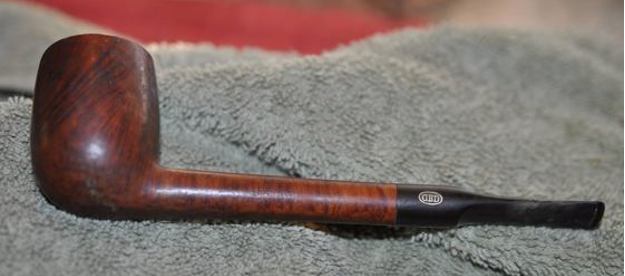
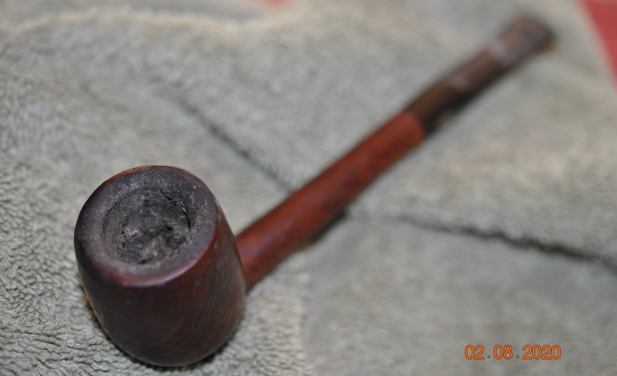
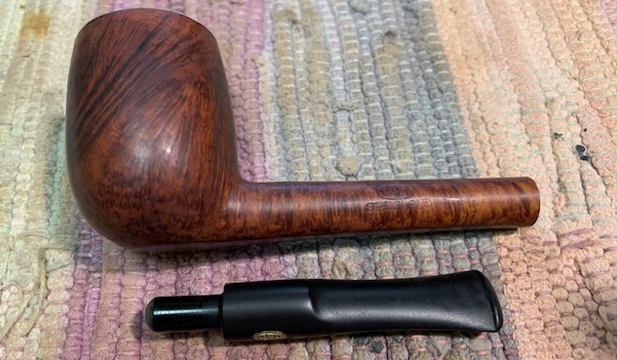
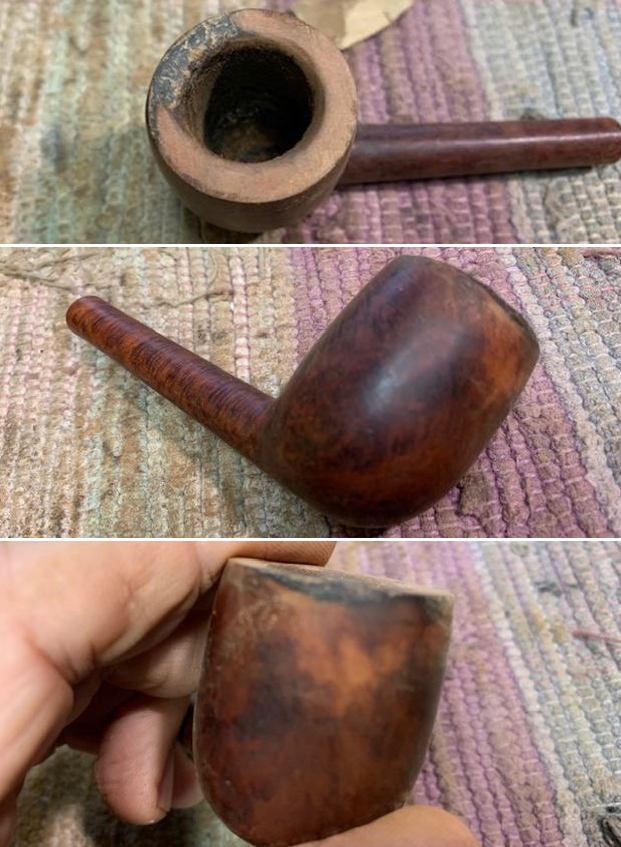
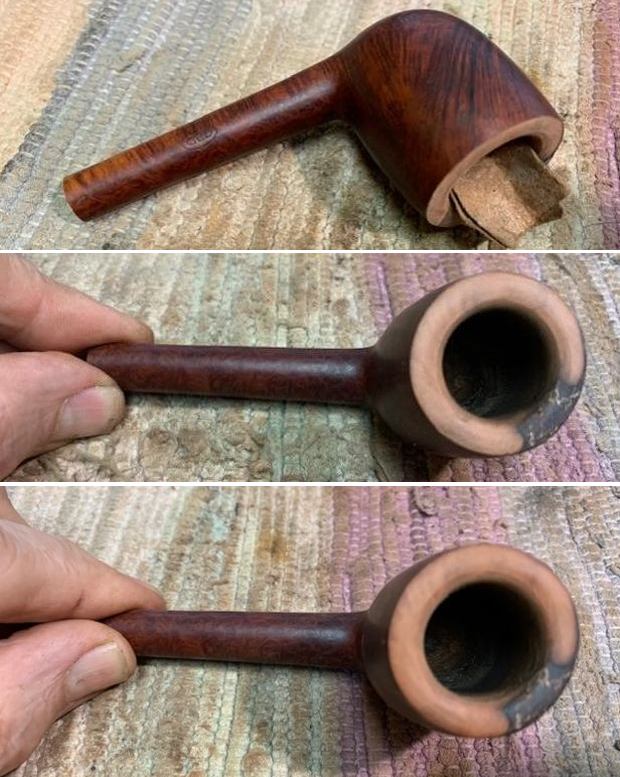
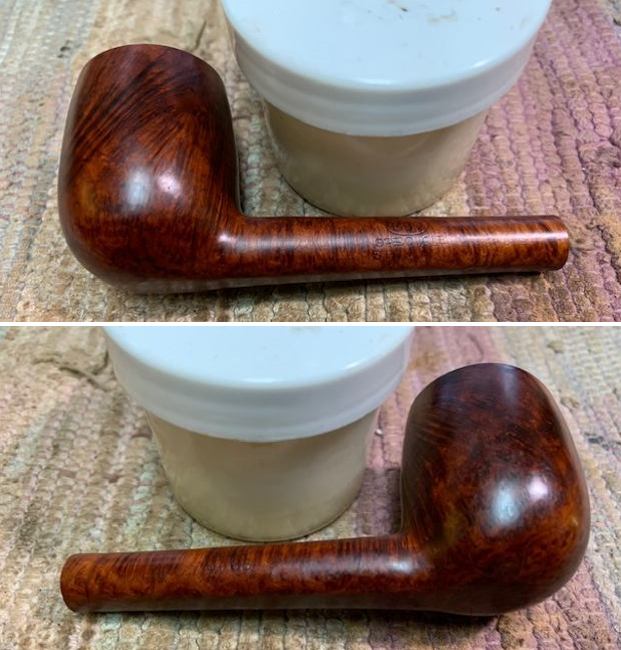
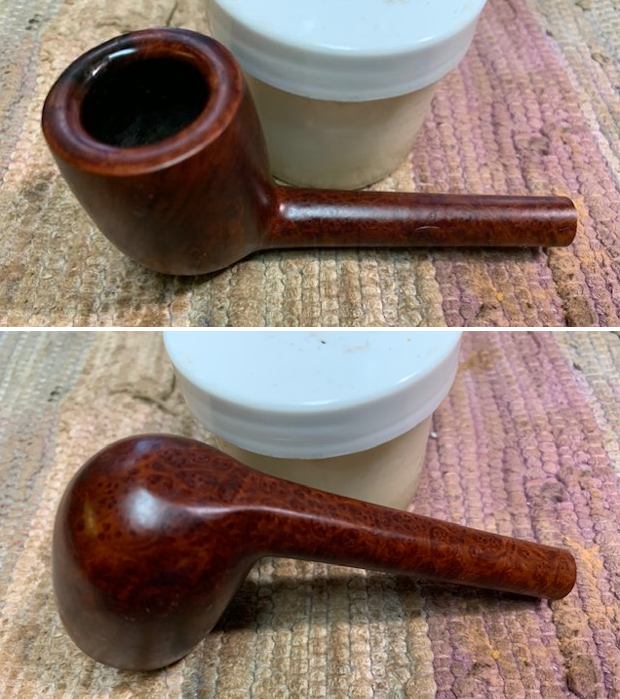
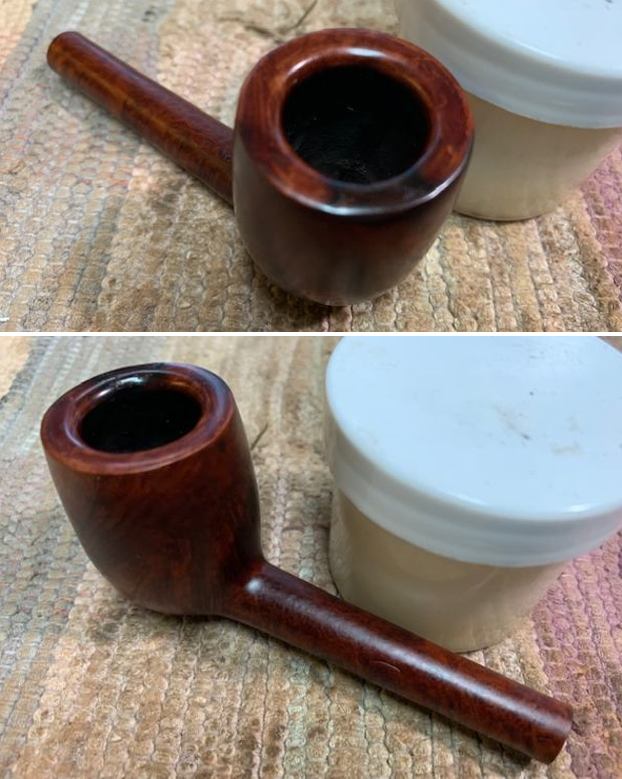
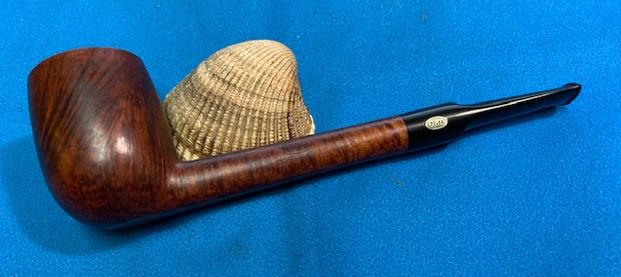
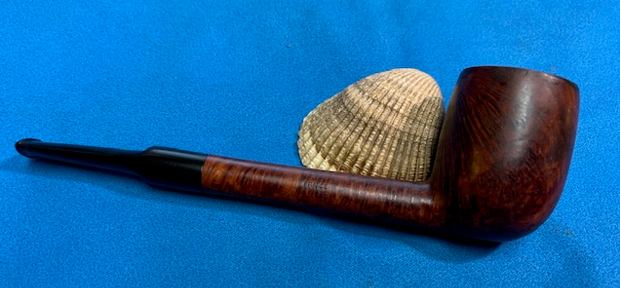
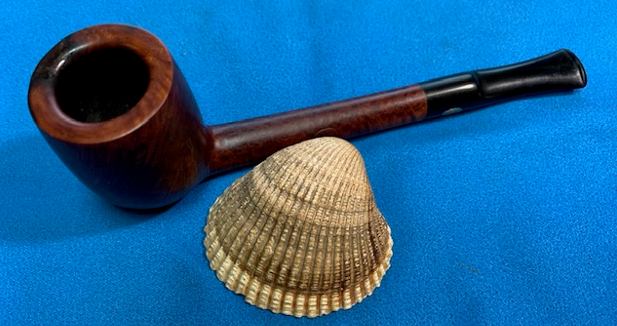
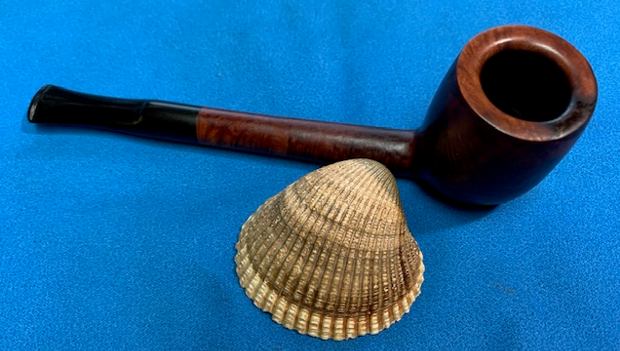
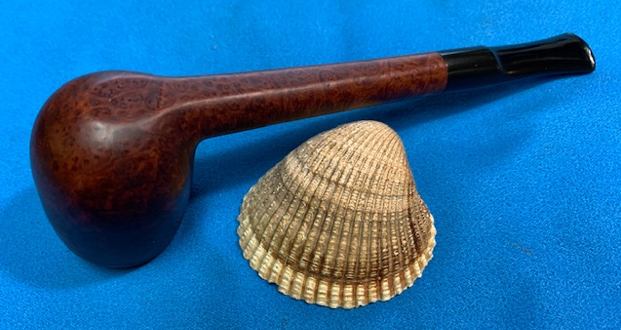
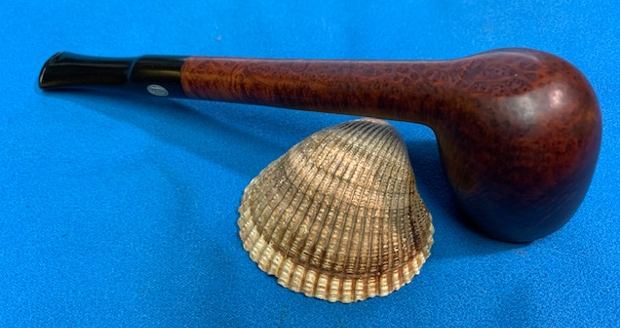
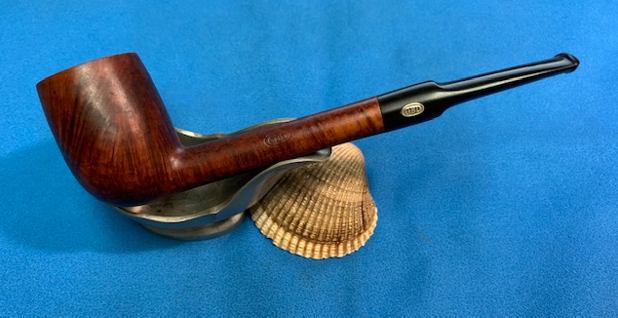
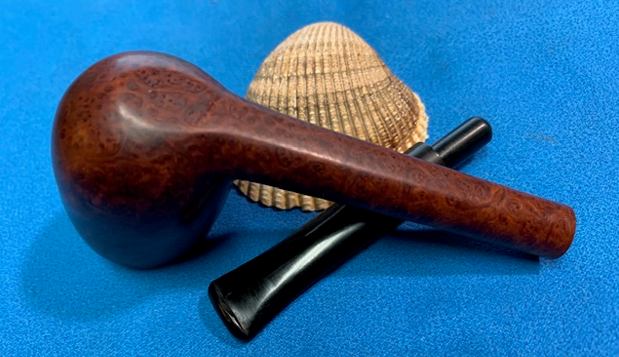
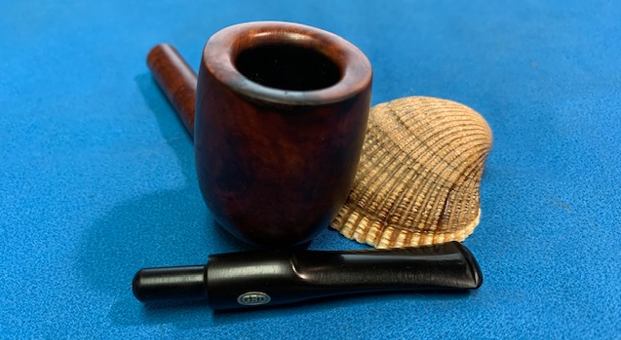
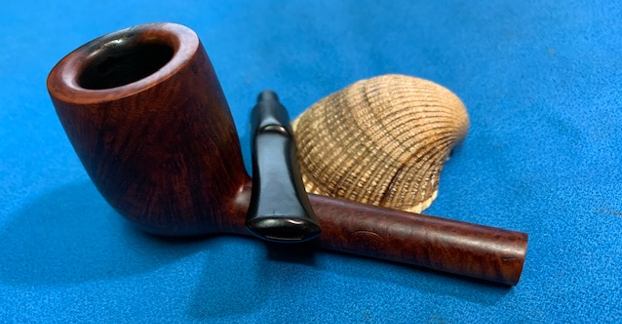
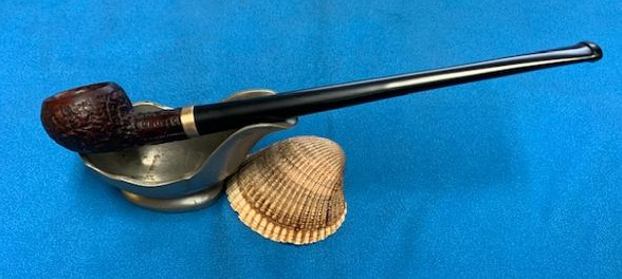
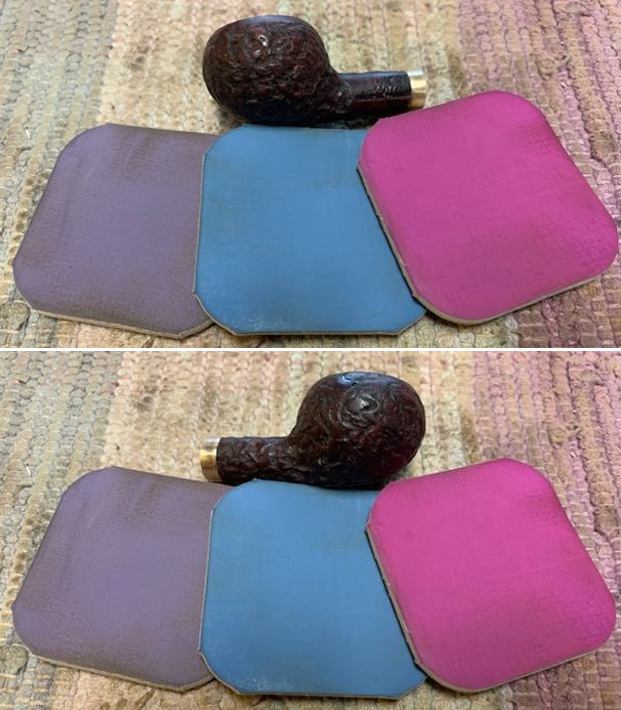
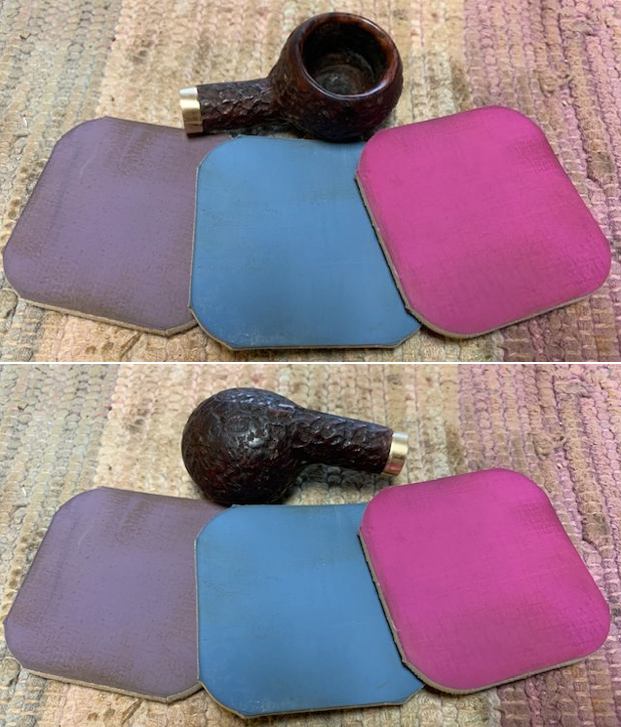
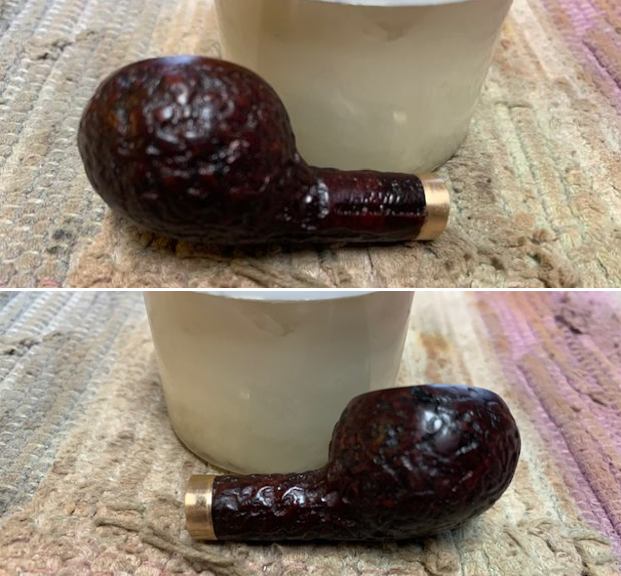
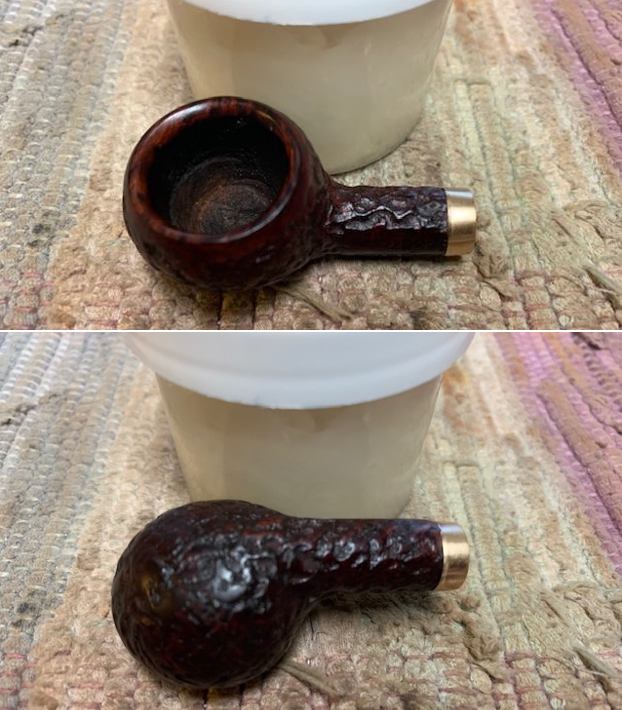
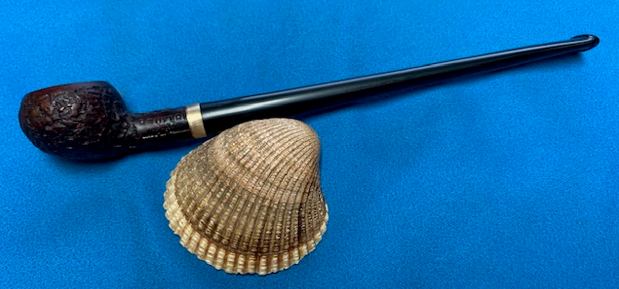
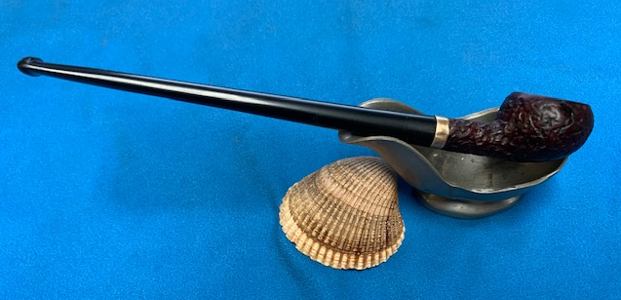
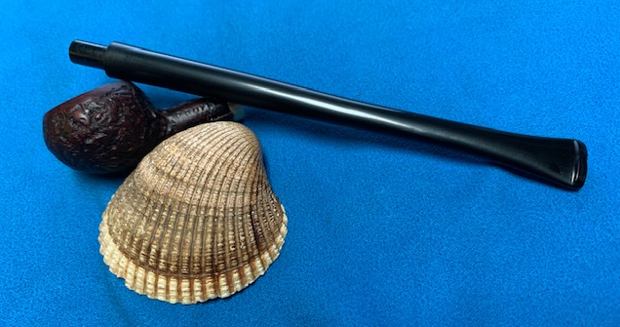
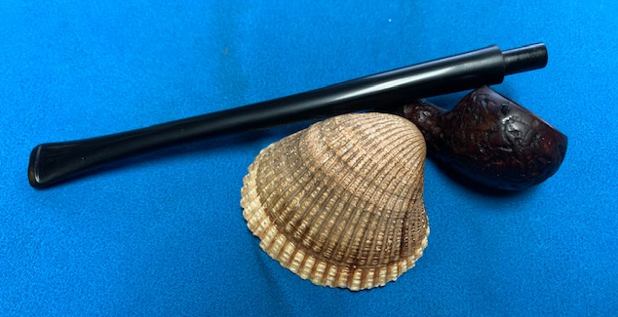
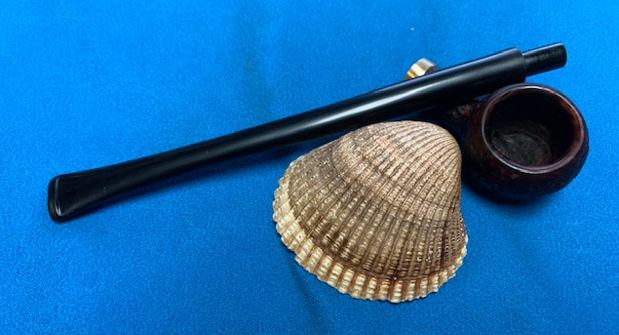
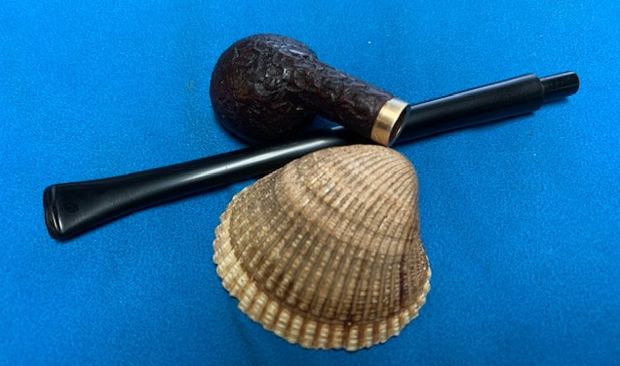
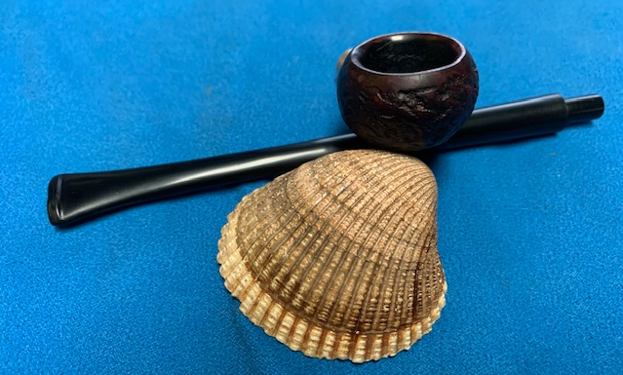
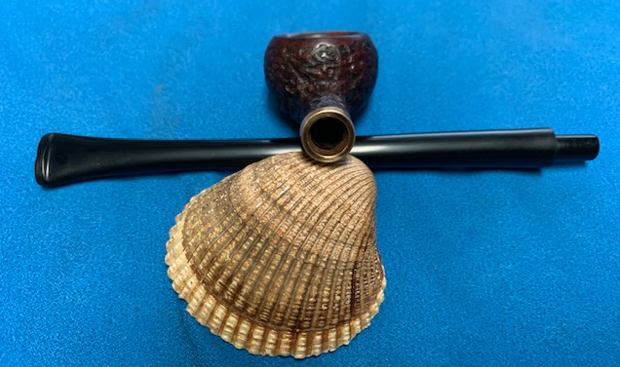
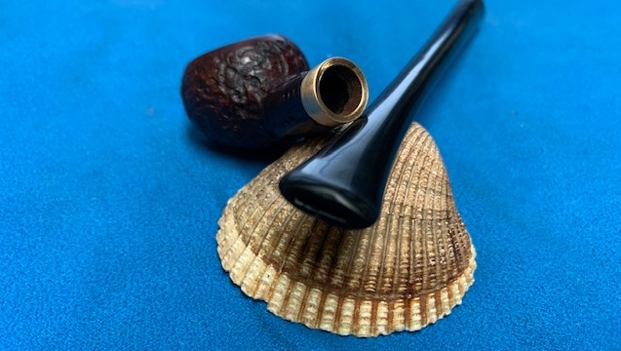
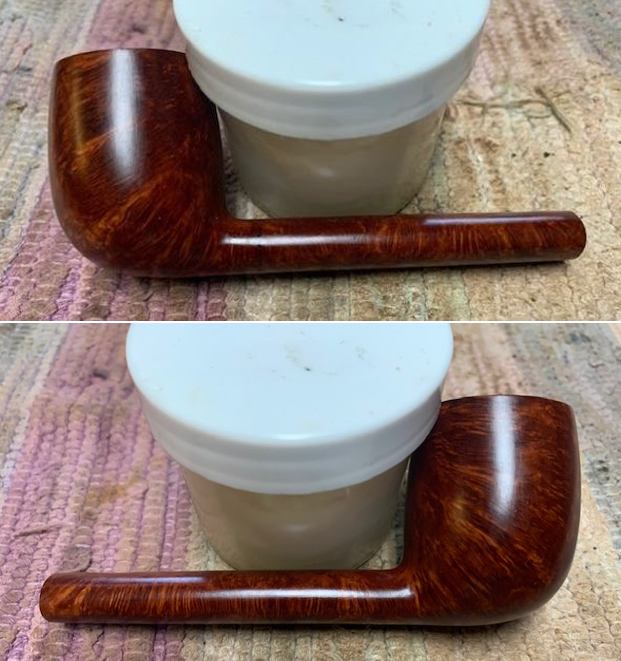
I have seen a great many pipes now, but this Brebbia is among the most filthy that I have ever worked on. This pipe came from Sudbury, Ontario – in the same lot of dirty pipes as the one that Steve and I dubbed ‘The Sudbury’. You may recall that I wrote about that pipe last time and you can read about it here. It was obvious from the start that this was a great pipe that just needed some attention and TLC – an ugly duckling, if you will. And just like the Hans Christian Andersen story, this pipe clearly spent a long time in misery and disdain before its true beauty was revealed. This pipe is a Golden Brebbia Natural 8006. It is a slightly bent billiard with an oval shank and stem. The Brebbia pipe company is named after the locality of Bosco Grosso di Brebbia in Lombardy, Italy. The company was founded by Enea Buzzi and Achille Savinelli in 1947, but they parted ways in 1953. Mr Savinelli went on to form his eponymous company, while Mr Buzzi kept the factory and created Maniffatura Pipe Brebbia. His family still run it today.

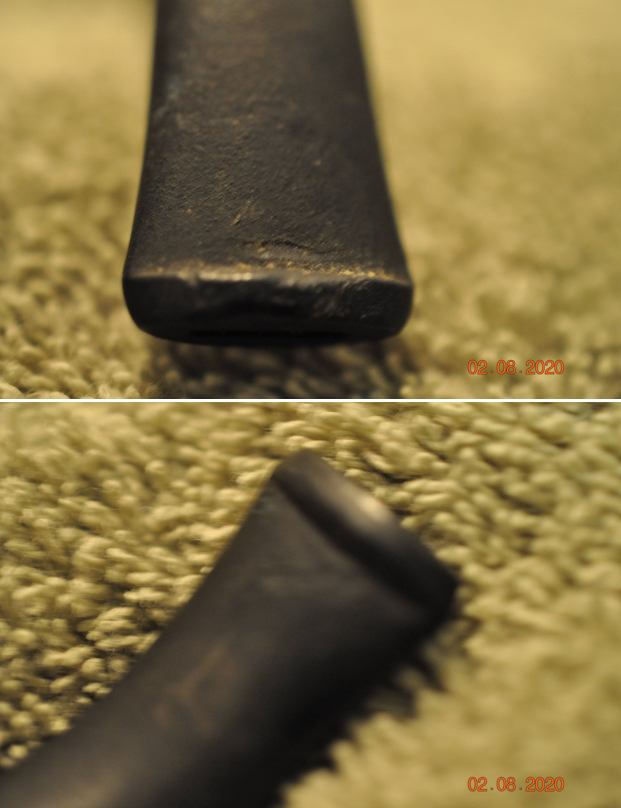
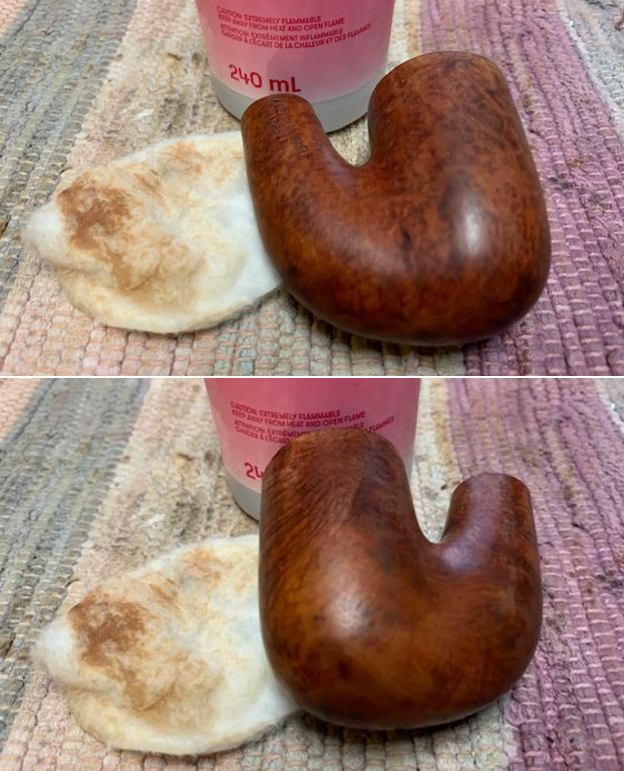
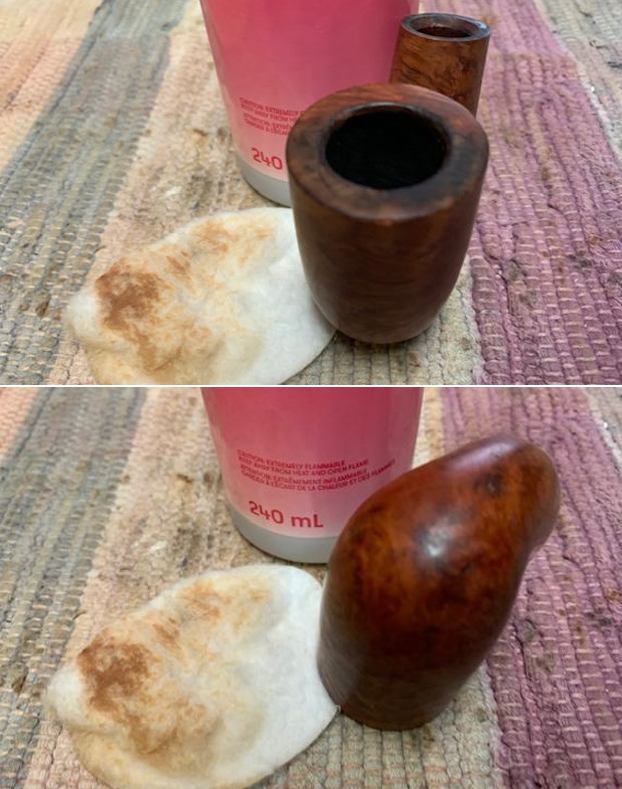
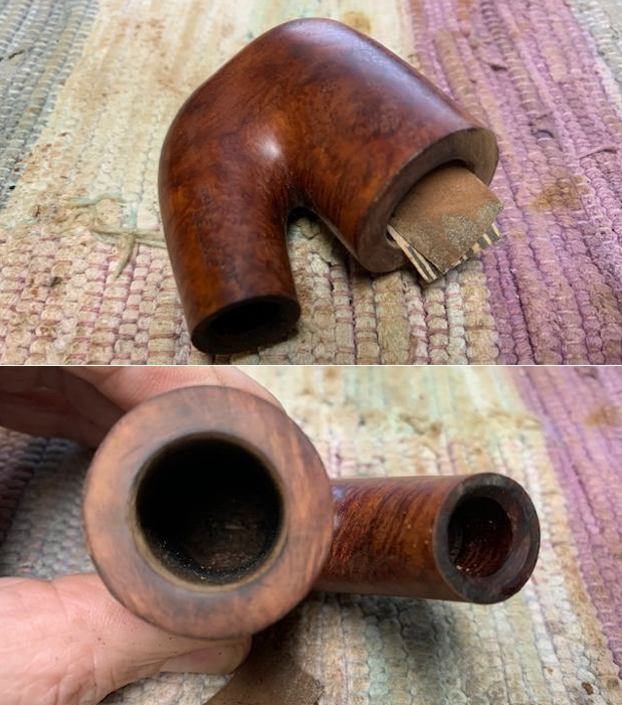
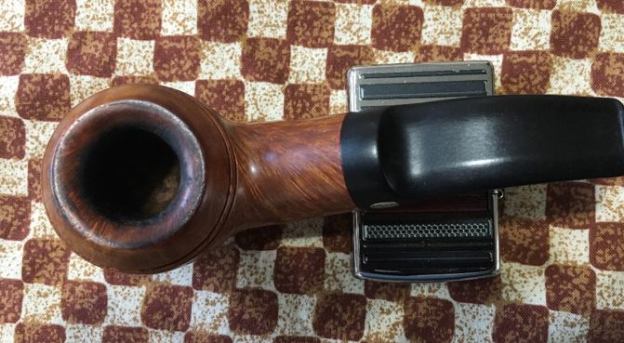
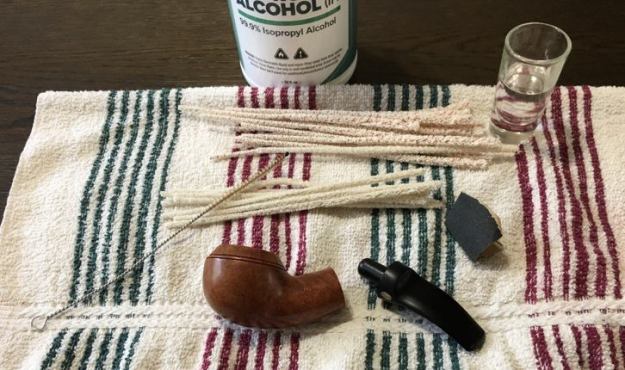
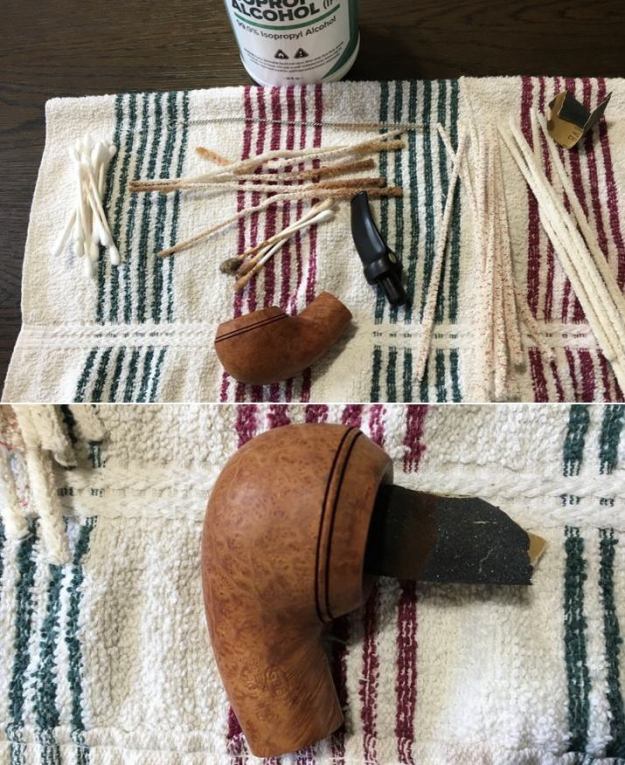
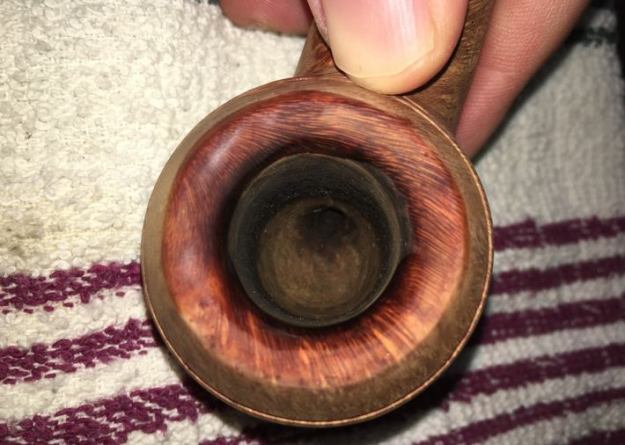
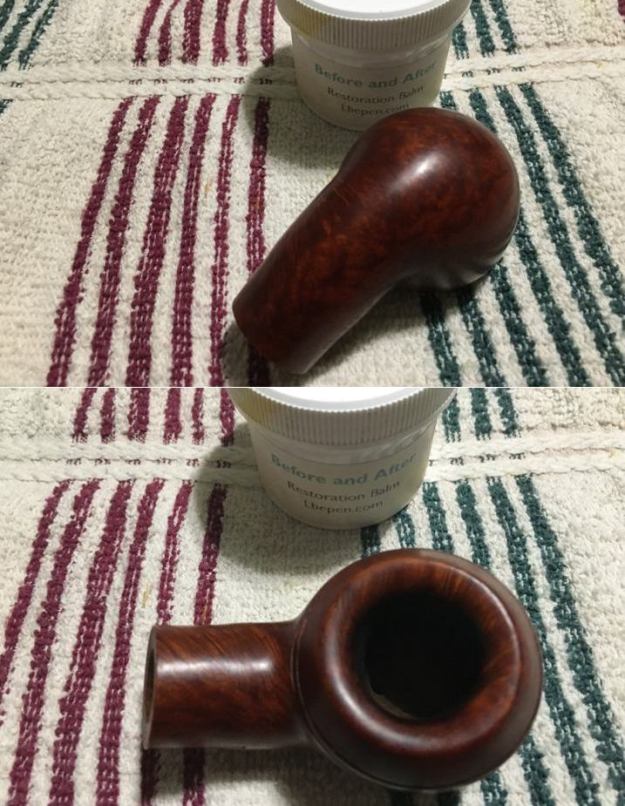
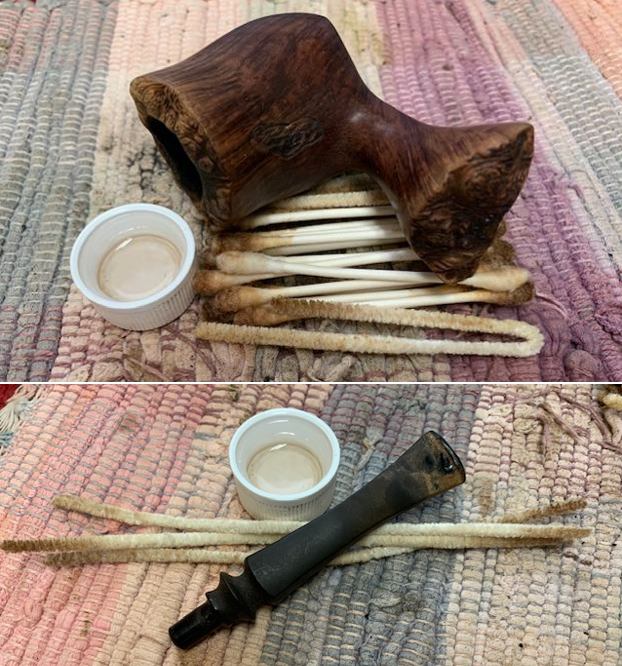
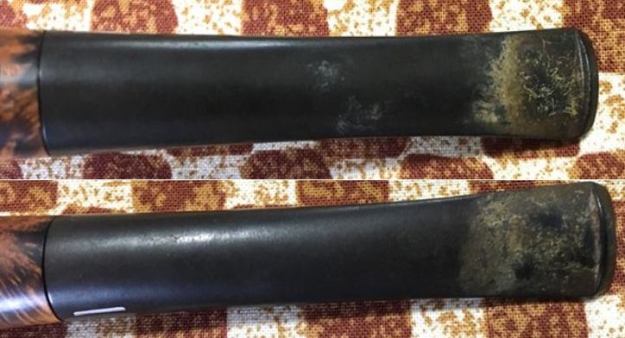
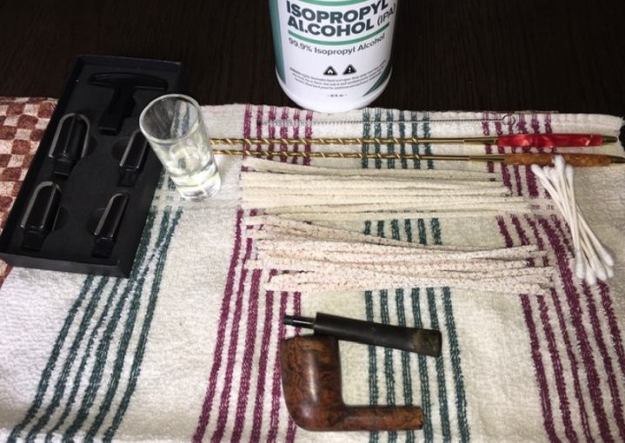
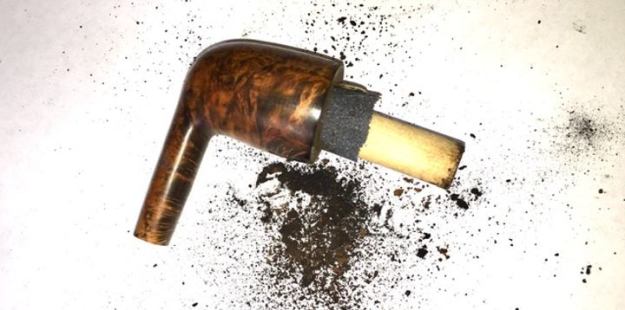
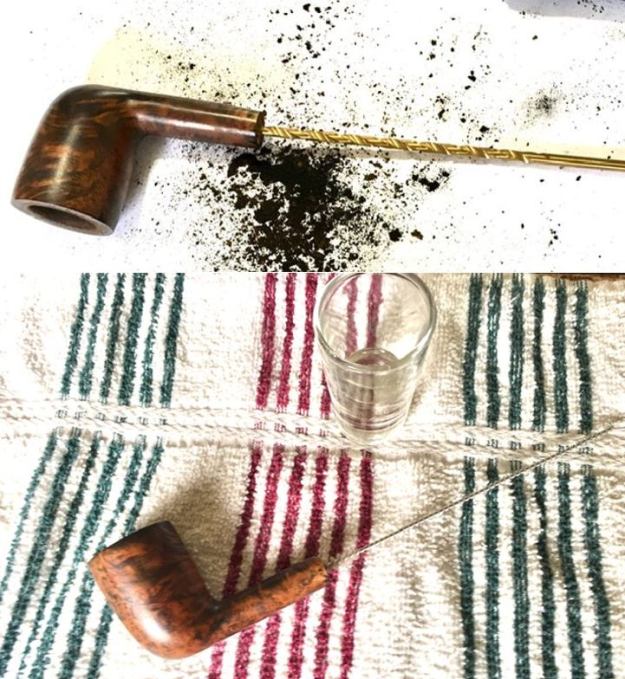
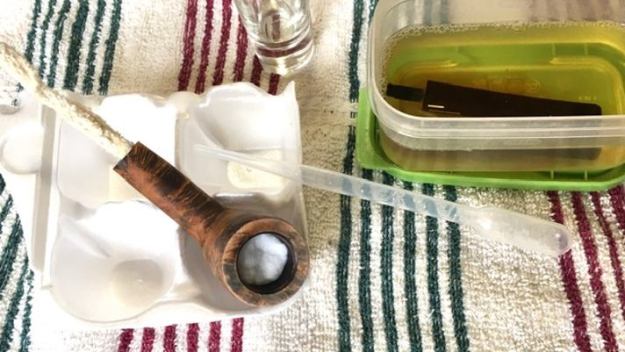
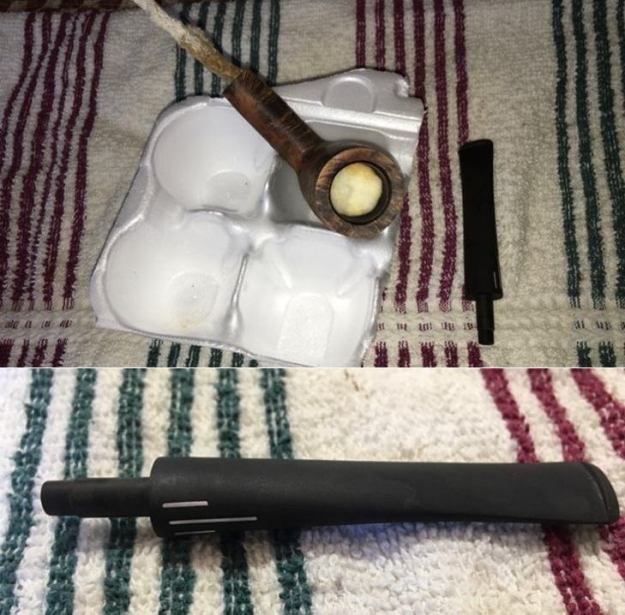
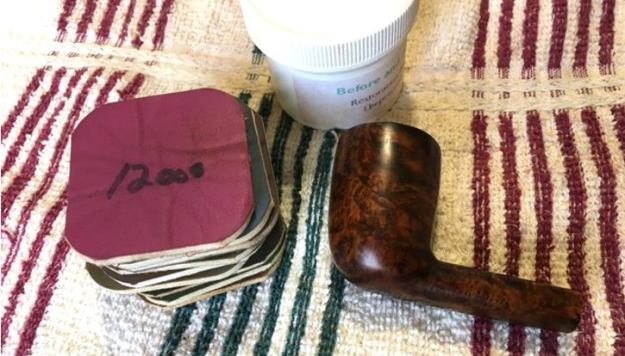
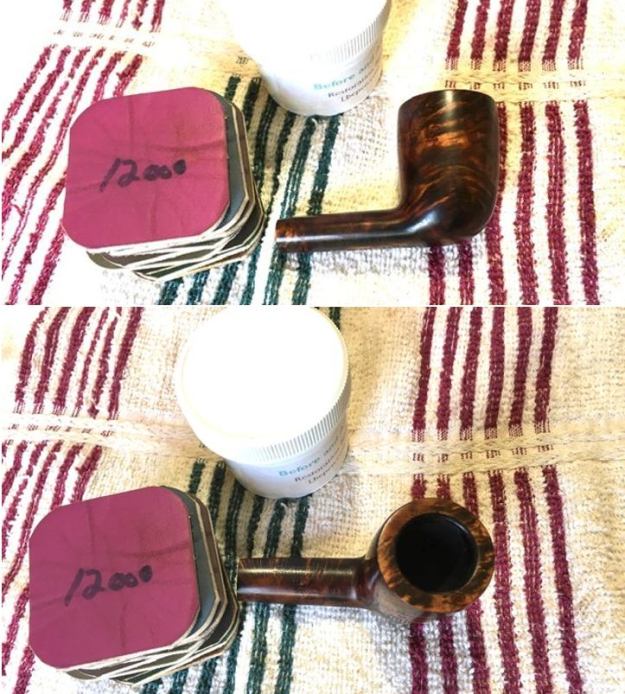
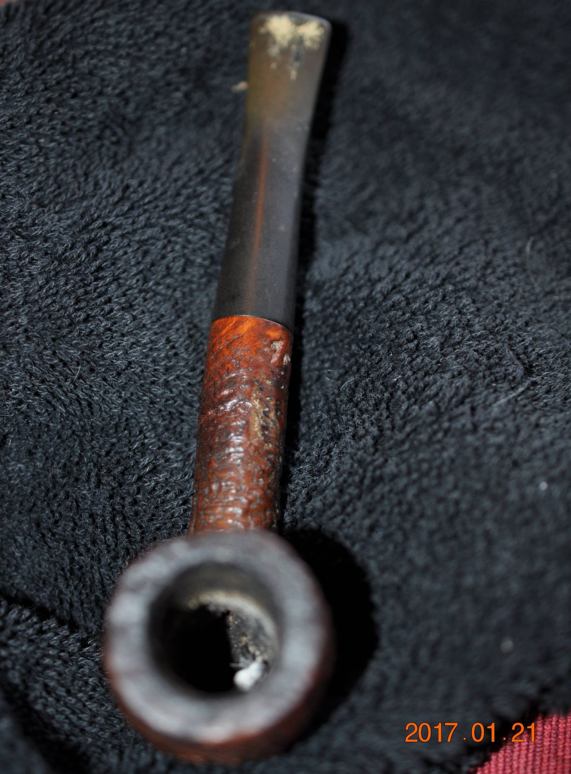
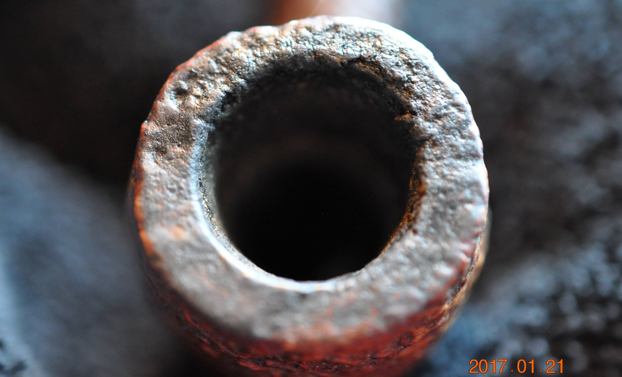
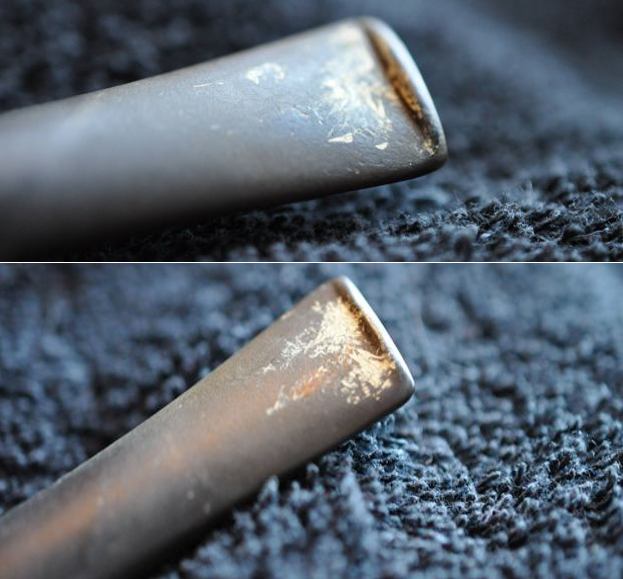
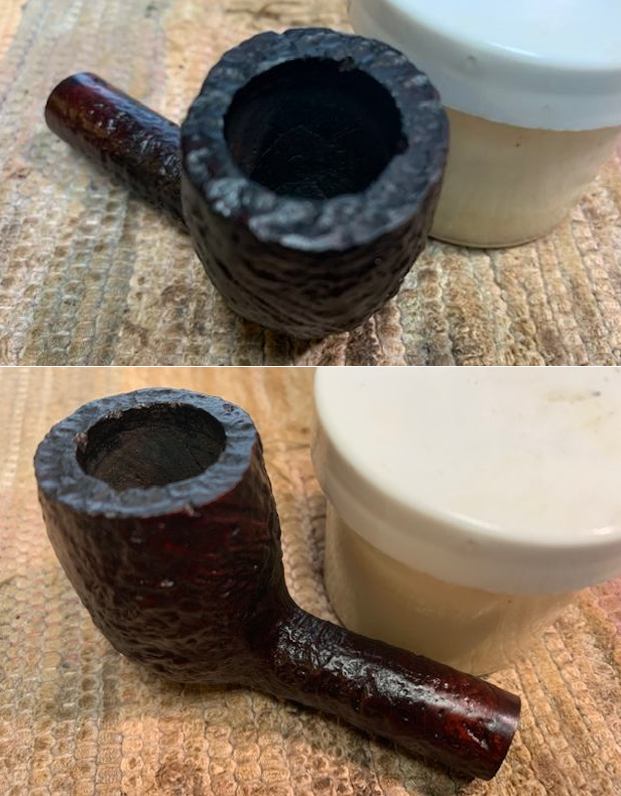
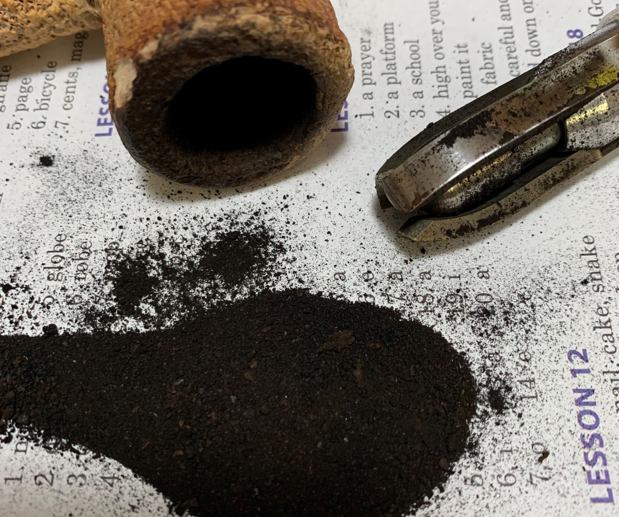
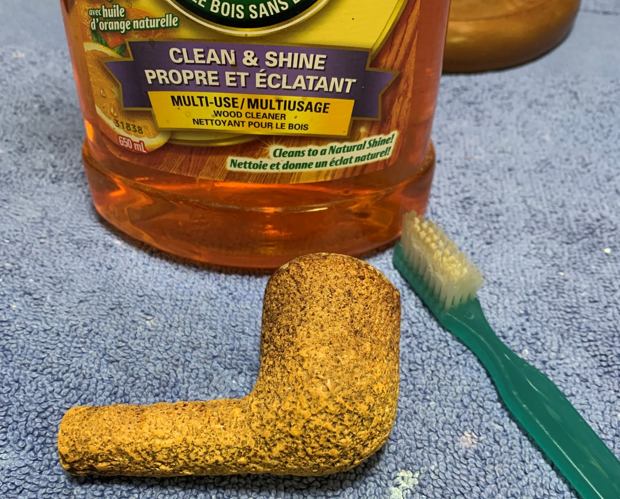
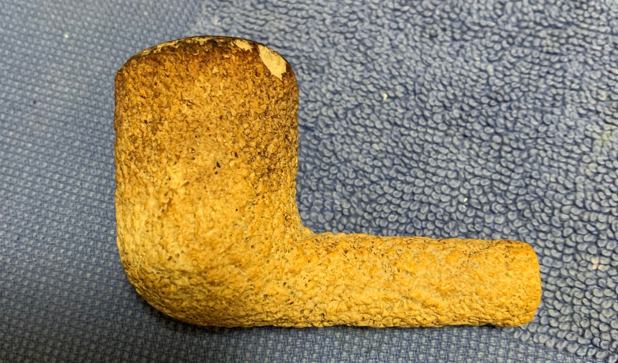
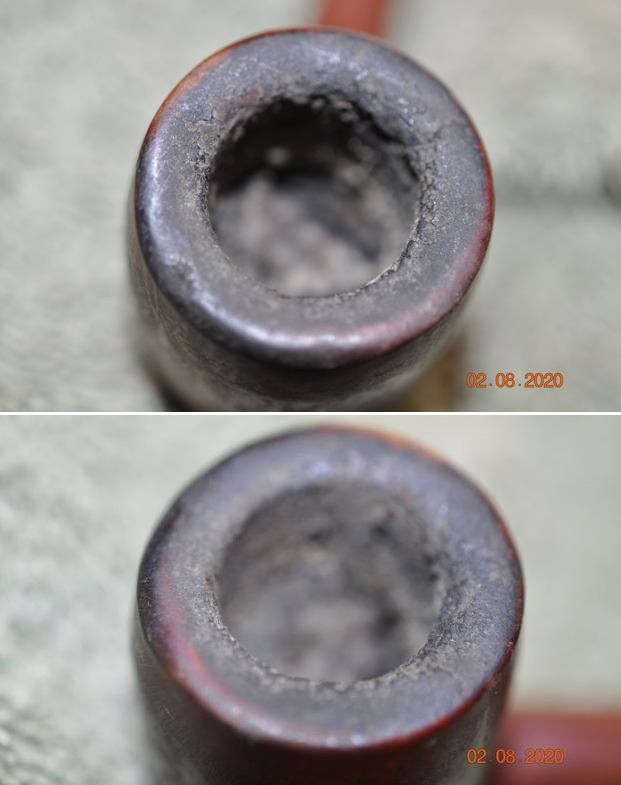
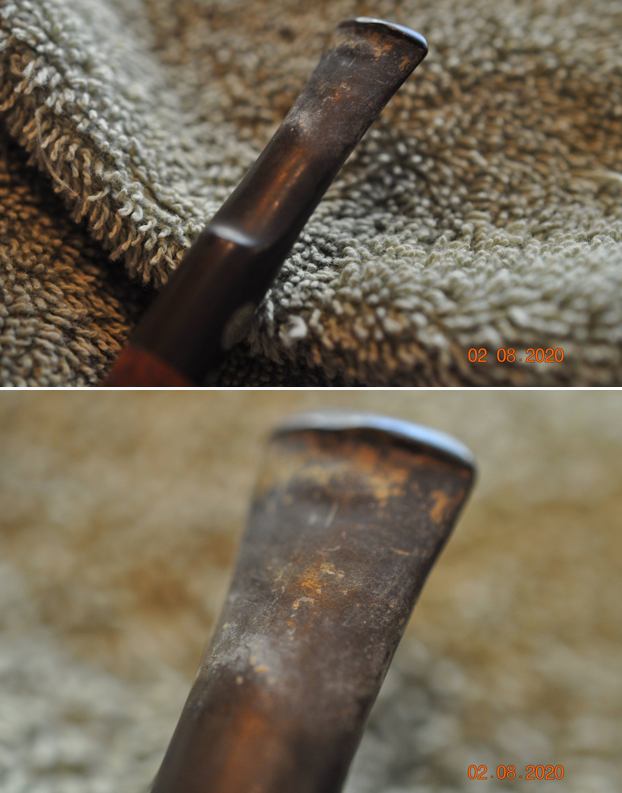
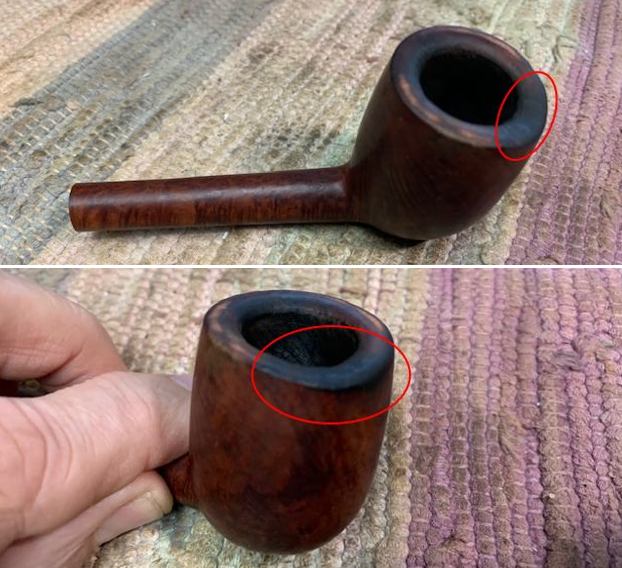
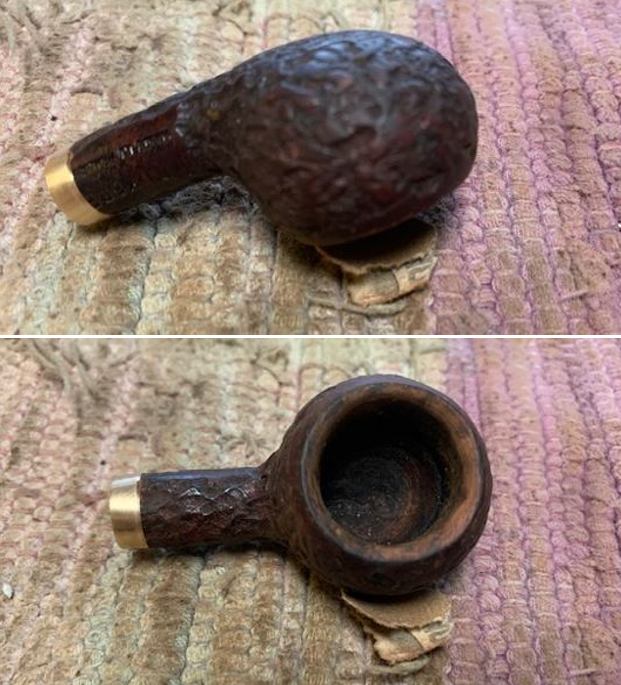
The stem of this pipe was badly oxidized and thoroughly chewed. In fact, the button had been chewed to the point that there was hardly any left – it would have to be rebuilt. The stummel was covered in grime. Perhaps hand oils or other stuff mixed with dirt over the years to leave the muck you can see in the photos. Furthermore, there were scratches in the wood, gouges in the rim, and an ugly putty fill that needed to be addressed. Well, the usual cleaning procedures were in order for this pipe. I used both the PipNet Reamer and the KleenReem to take it down to bare briar, as I wanted to ensure there were no hidden flaws in the walls of the bowl. Fortunately, there were none. I then proceeded to clean out the insides of the shank with Q-tips, pipe cleaners, and isopropyl alcohol. There was a lot of nastiness inside this stummel and – boy-oh-boy – it took a lot of cotton to get this thing clean! I then moved on to cleaning the outside of the stummel with Murphy’s Oil Soap and some cotton pads. What a difference that made! A light application of Before & After Restoration Balm brought out the best in the stummel’s grain. There is some beautiful wood under the grime! A de-ghosting session seemed in order to rid this pipe of the foul smells of the past. This de-ghosting consisted of thrusting cotton balls in the bowl and the shank, and saturating them with 99% isopropyl alcohol. I let the stummel sit for 24 hours. This caused the oils, tars and smells to leech out into the cotton. Finally, a relatively clean and fresh-smelling bowl emerged.

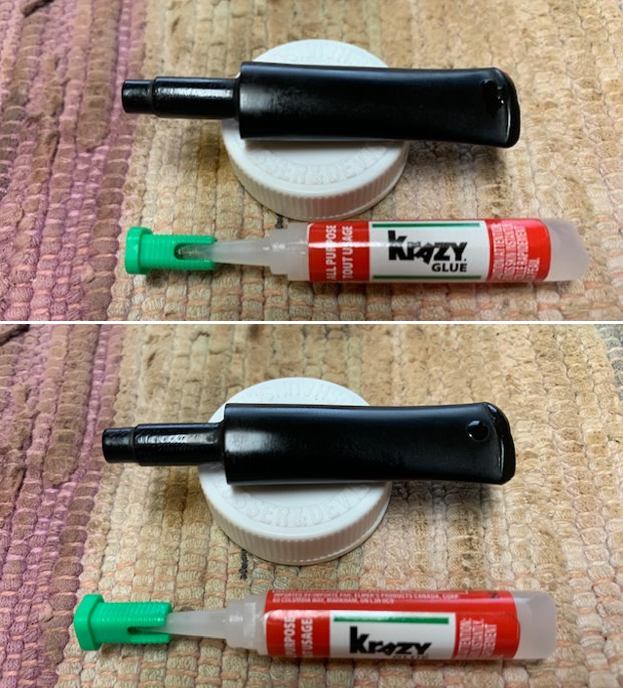
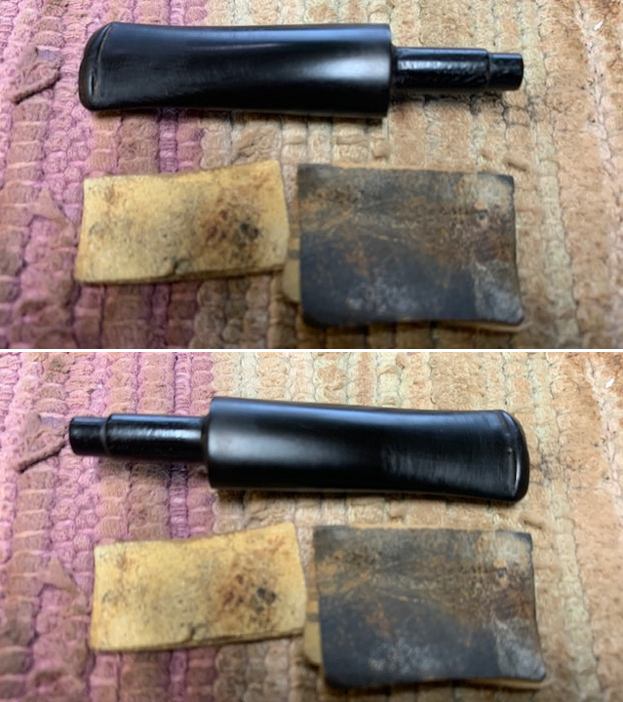
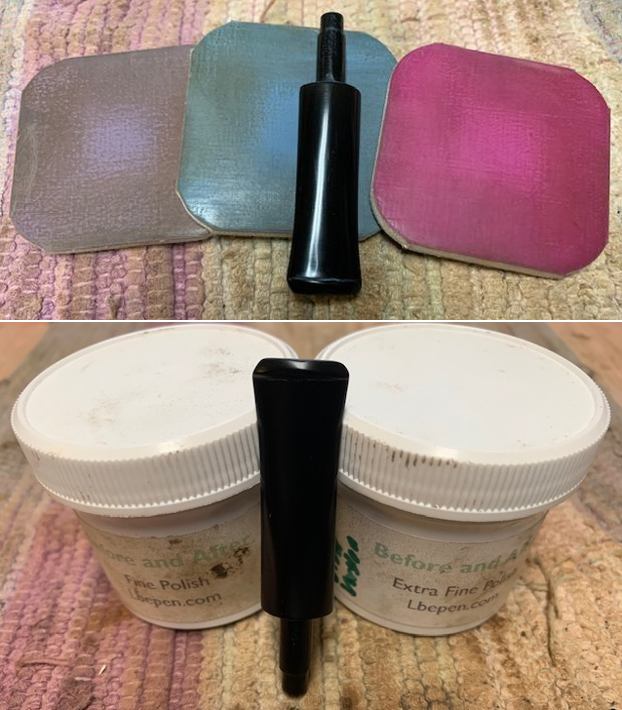
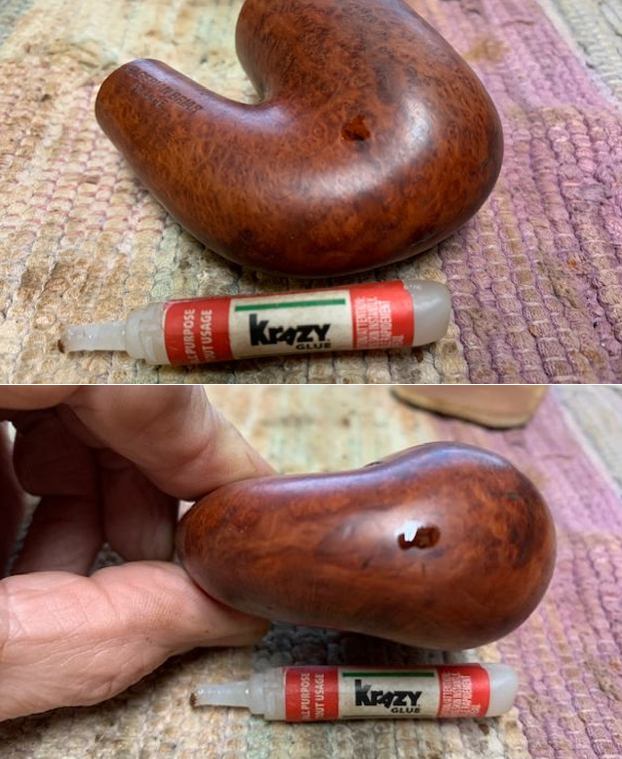
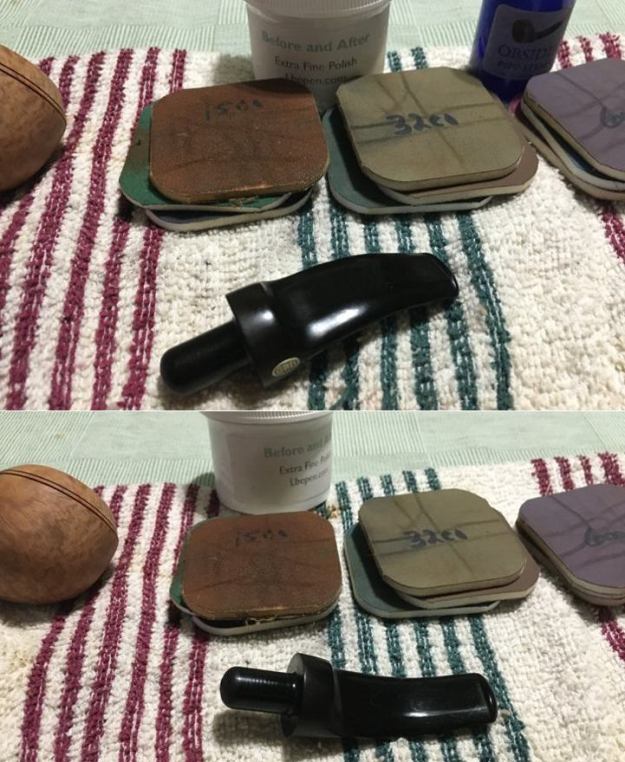
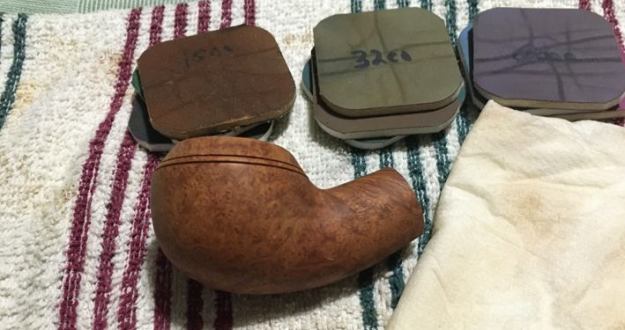
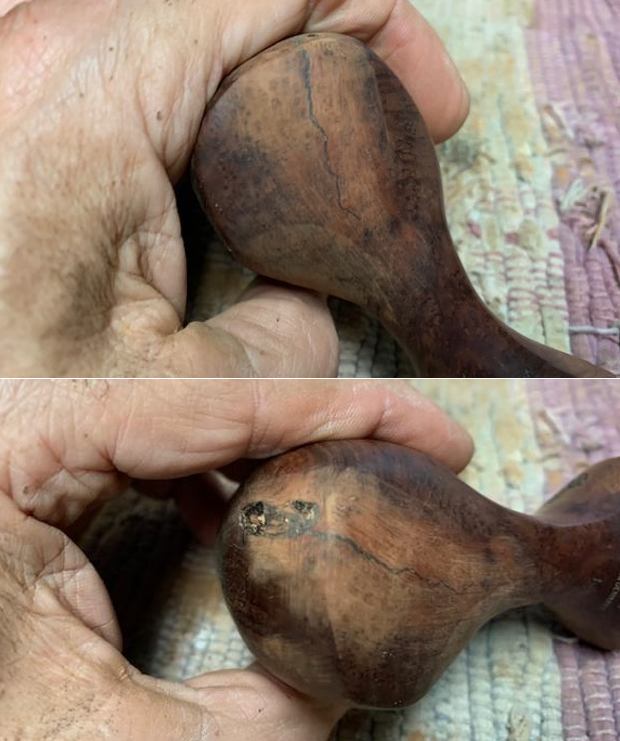
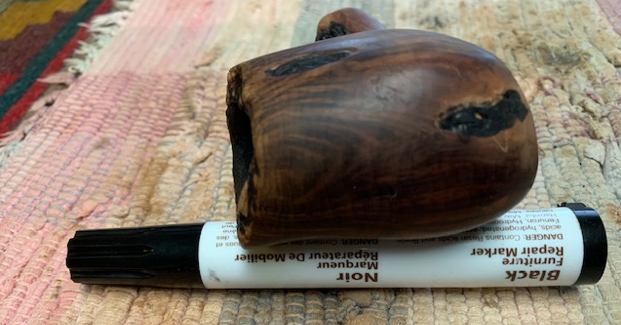
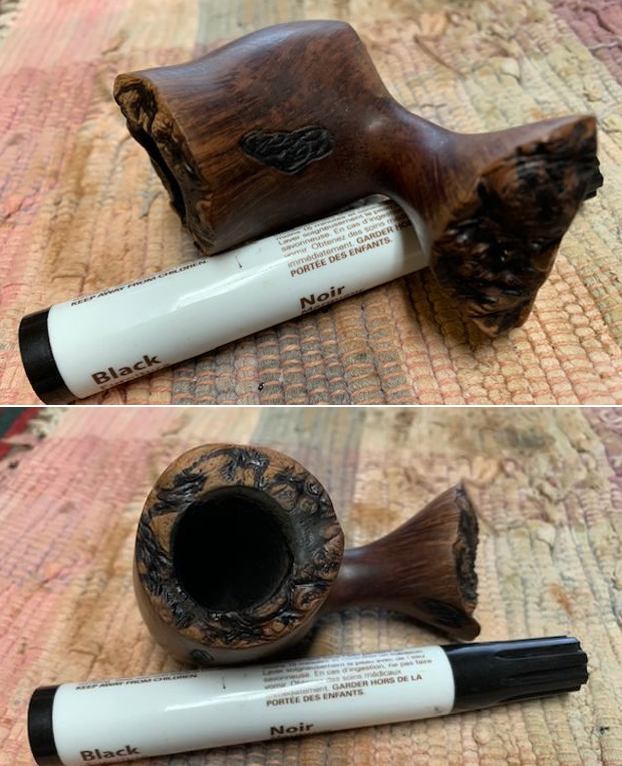
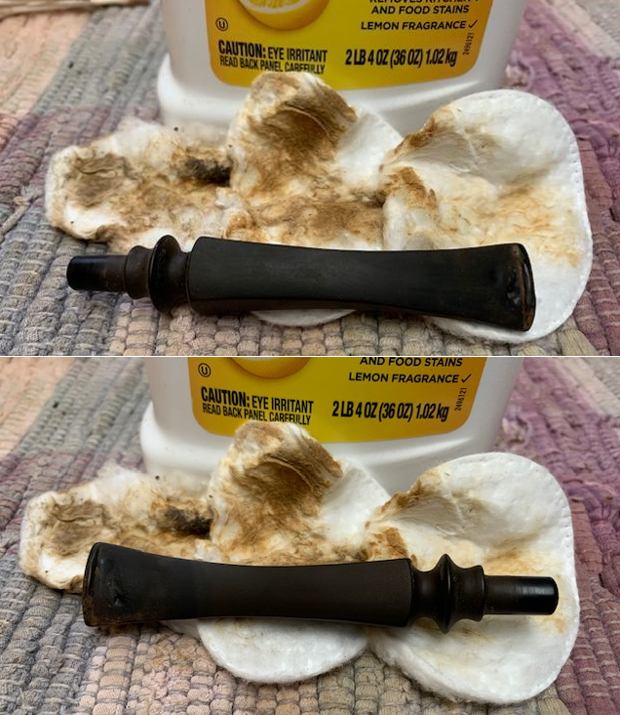
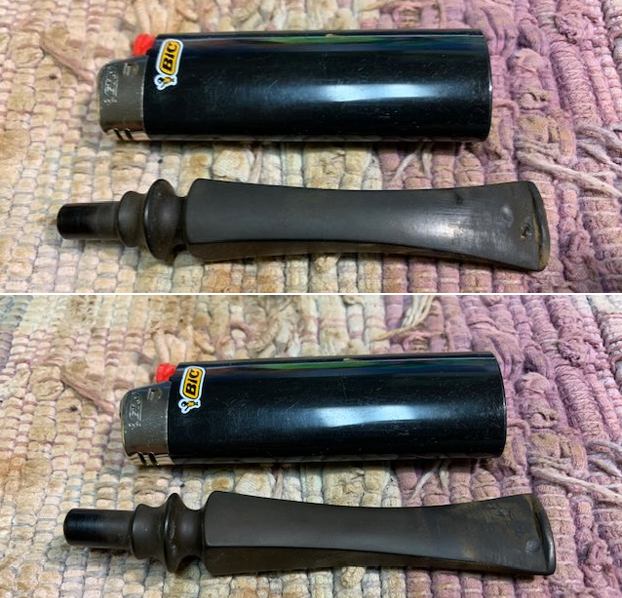
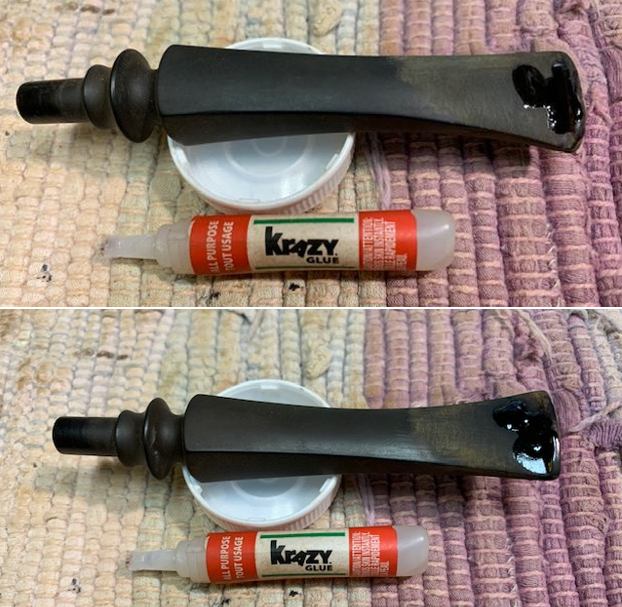
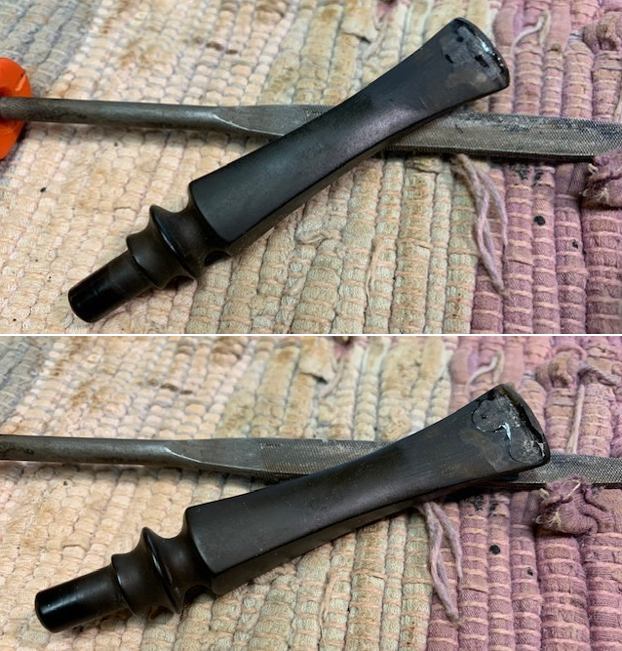
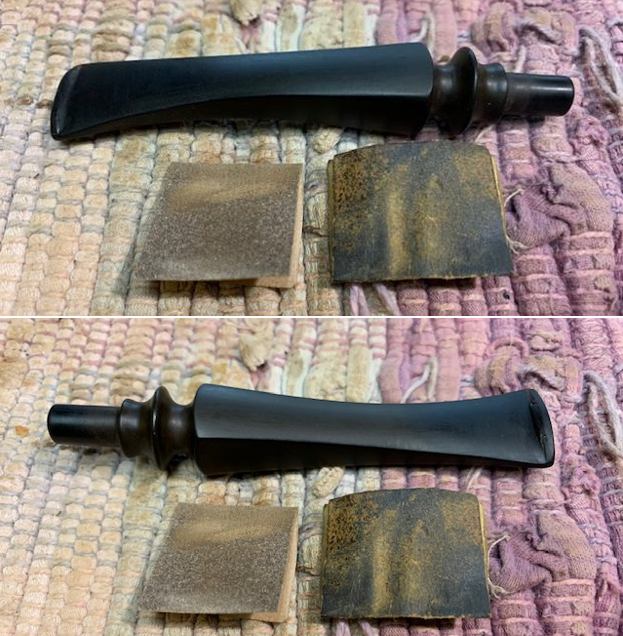
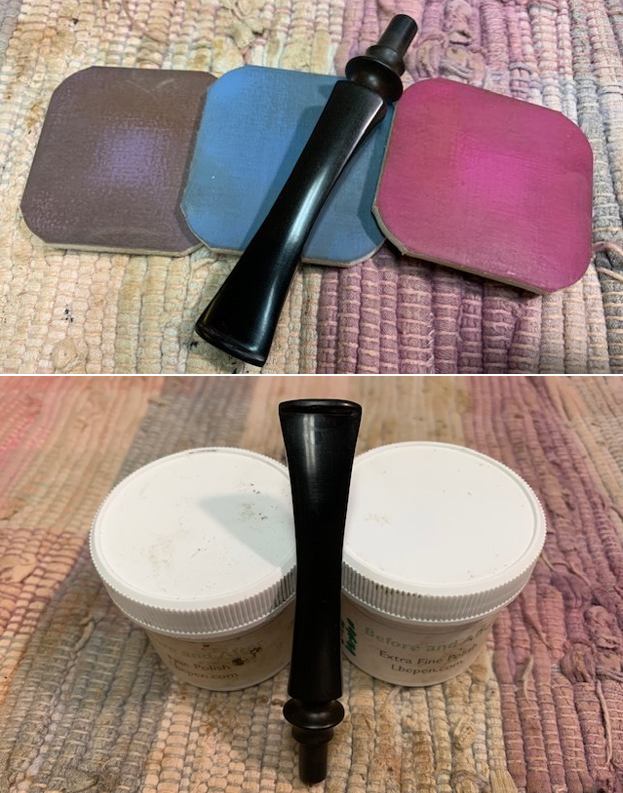
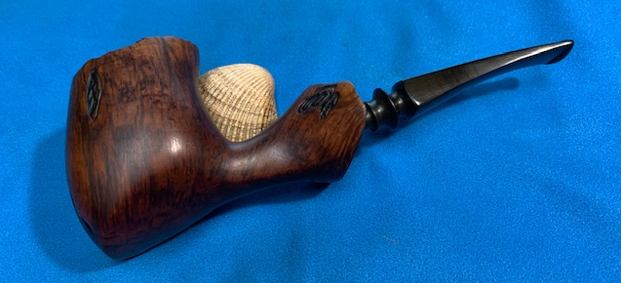
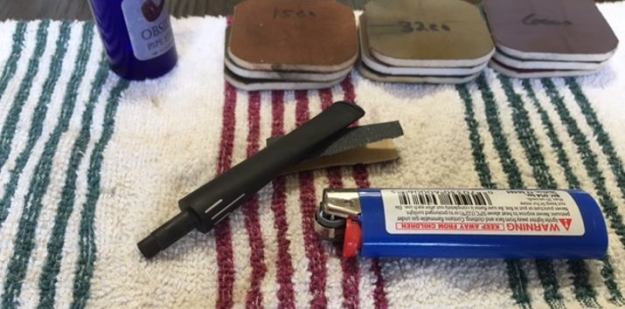
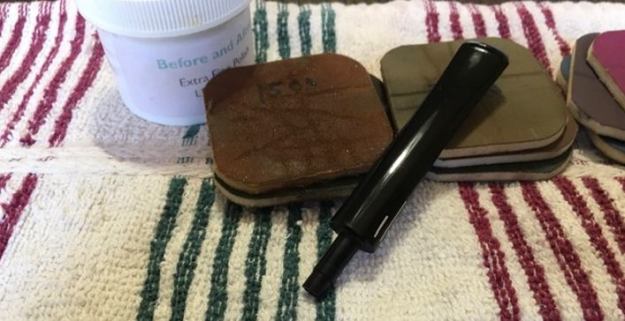
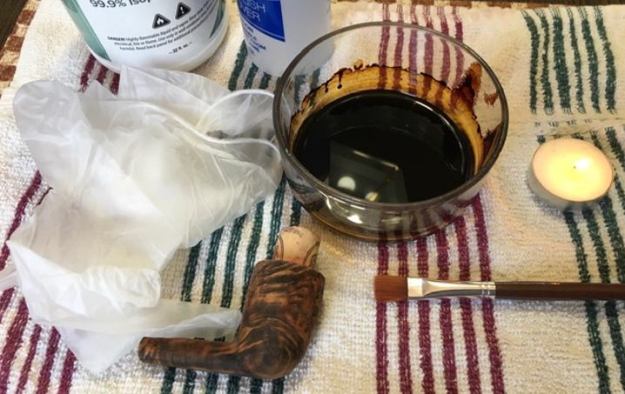
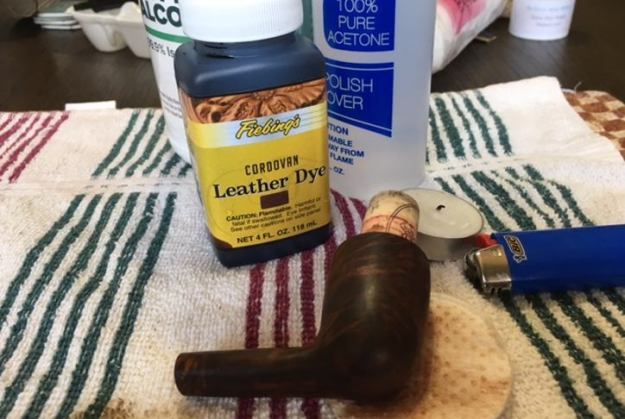
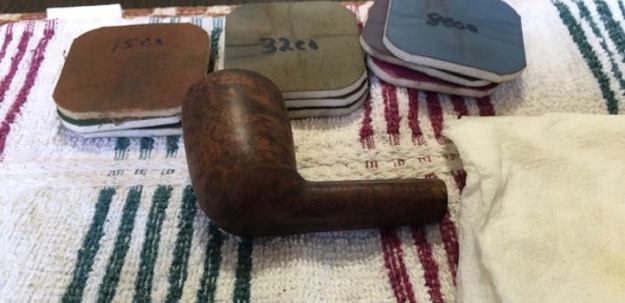
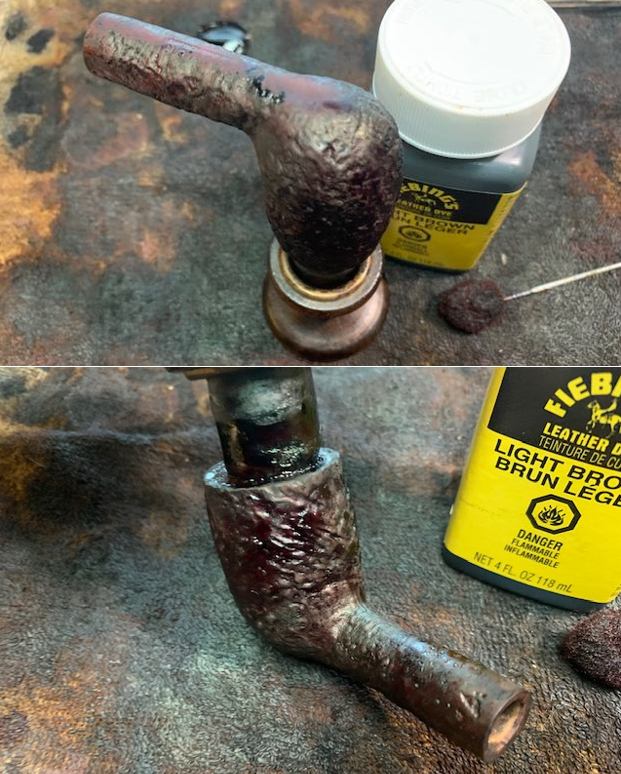
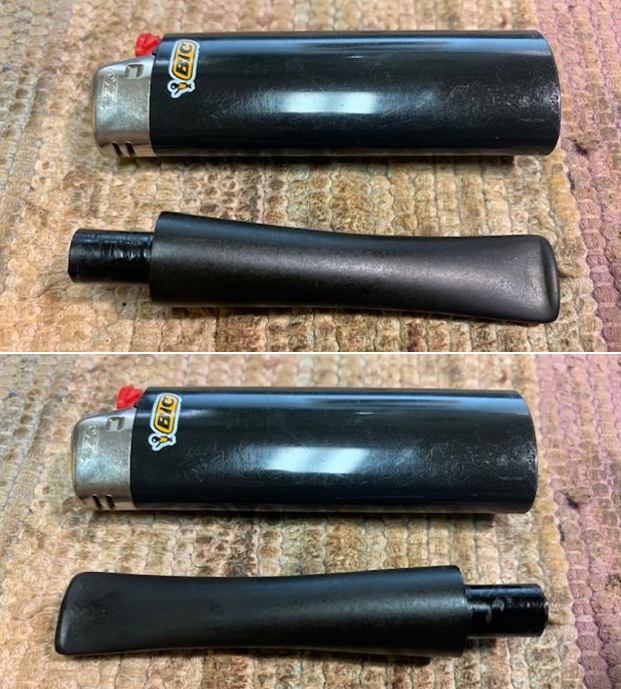
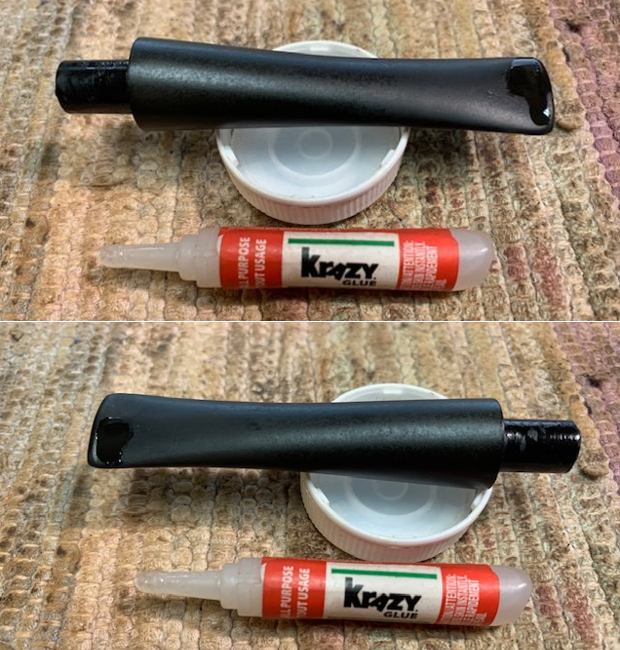
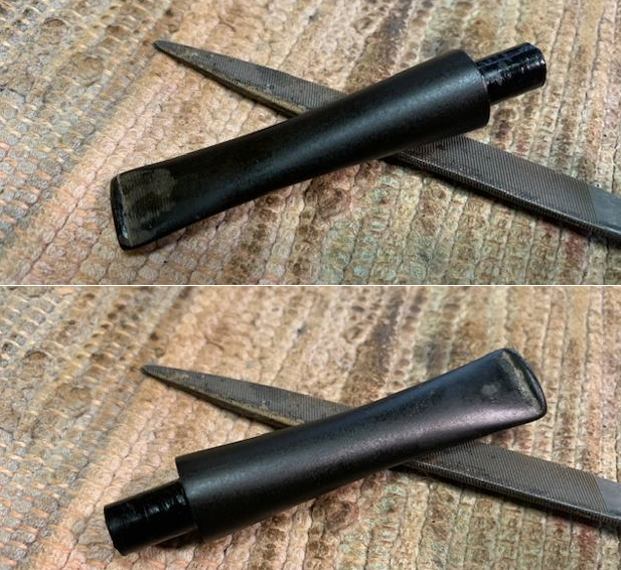
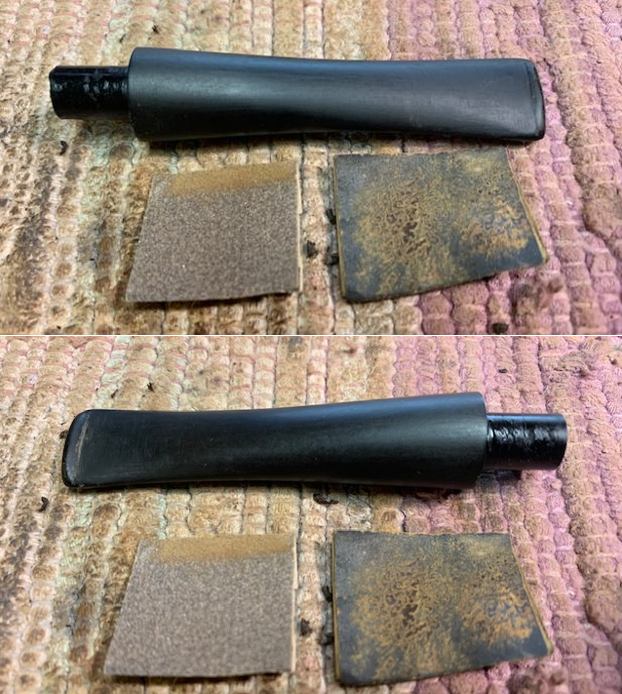
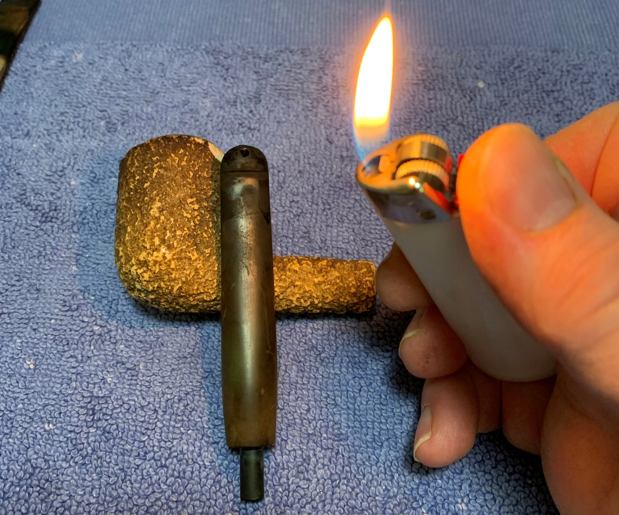
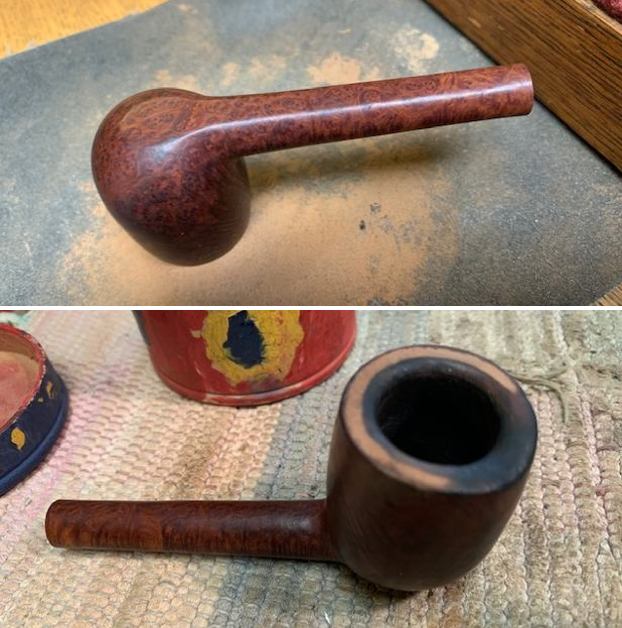
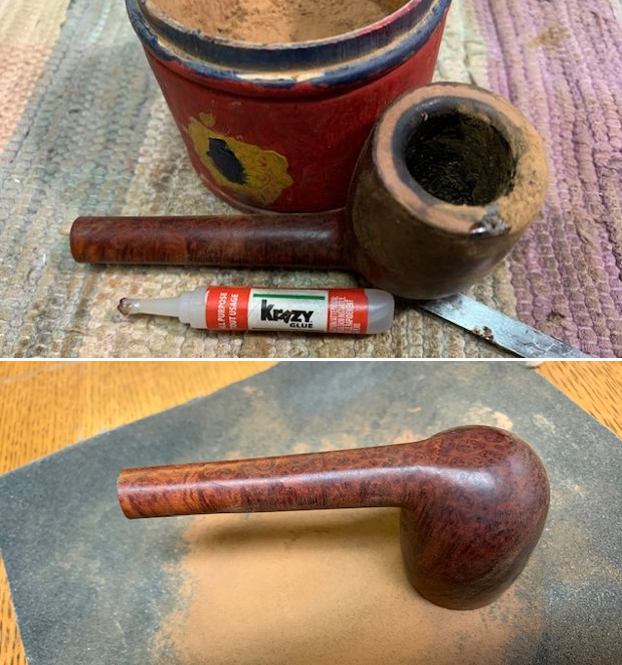
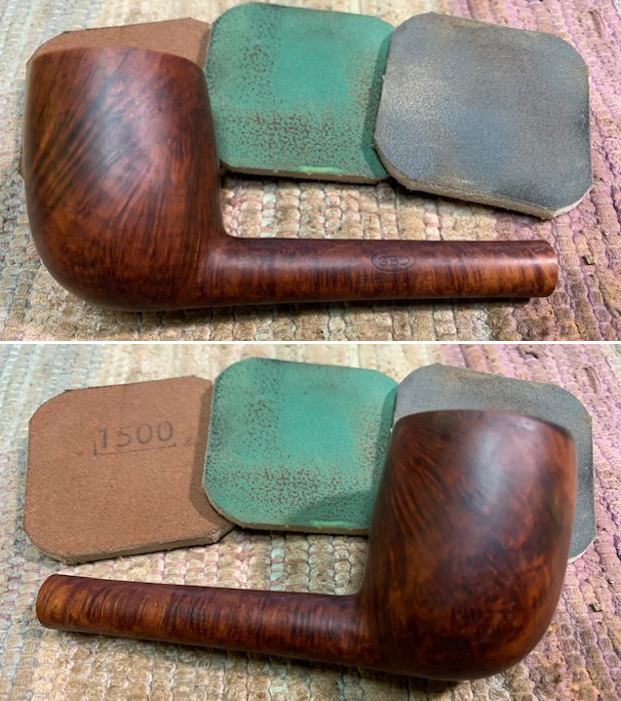
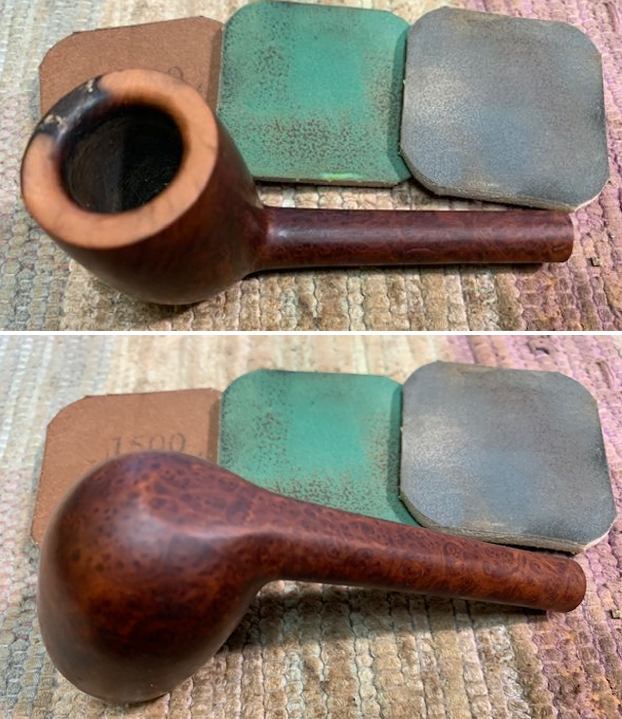
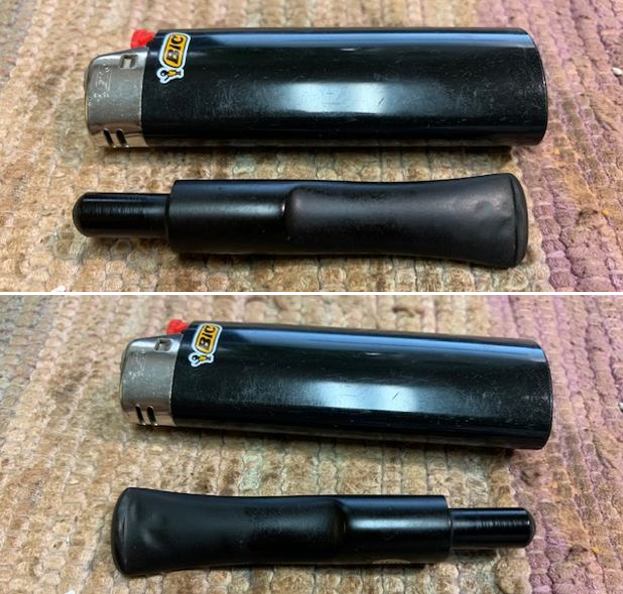
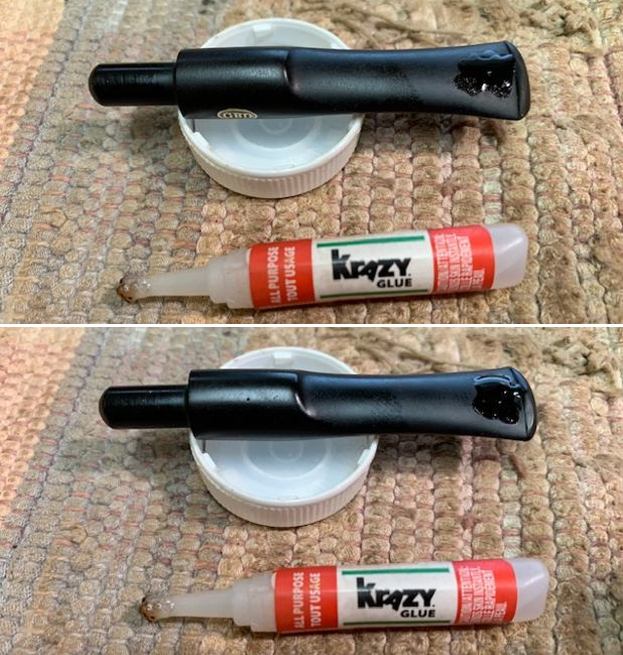
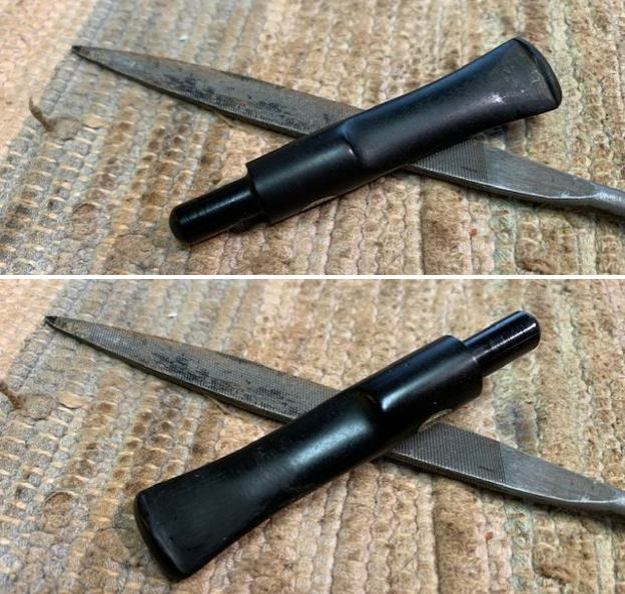
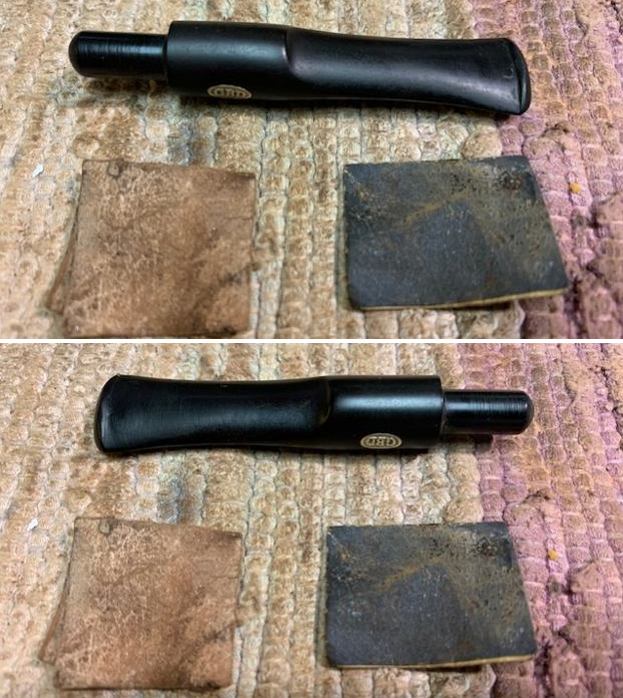
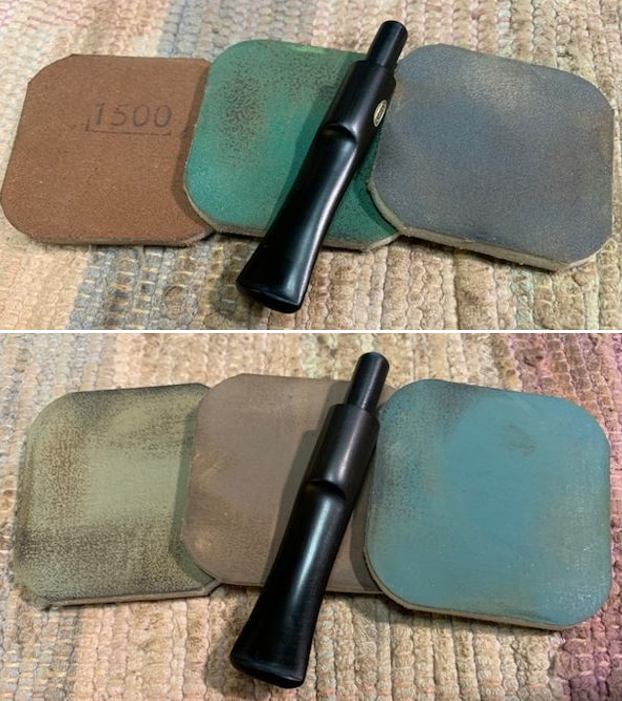
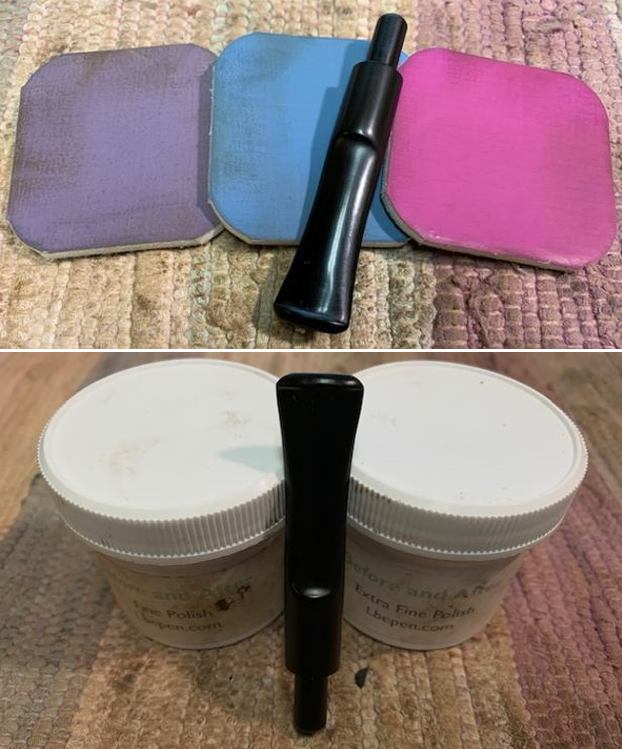
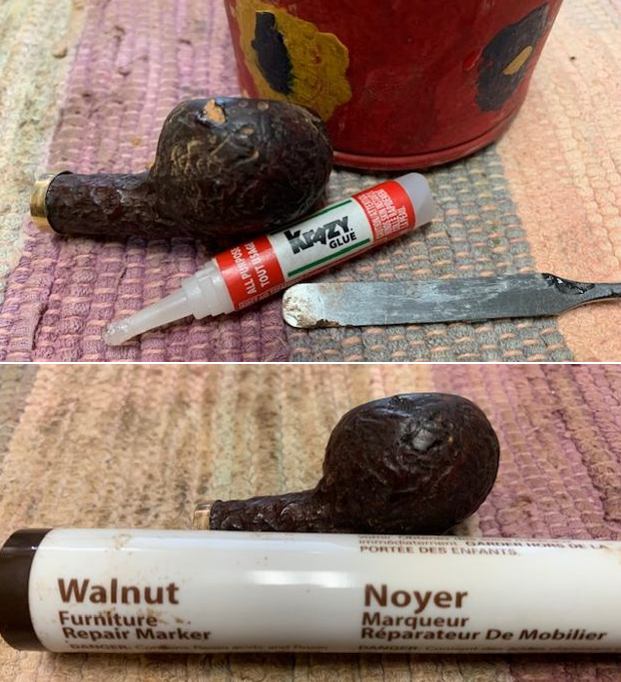
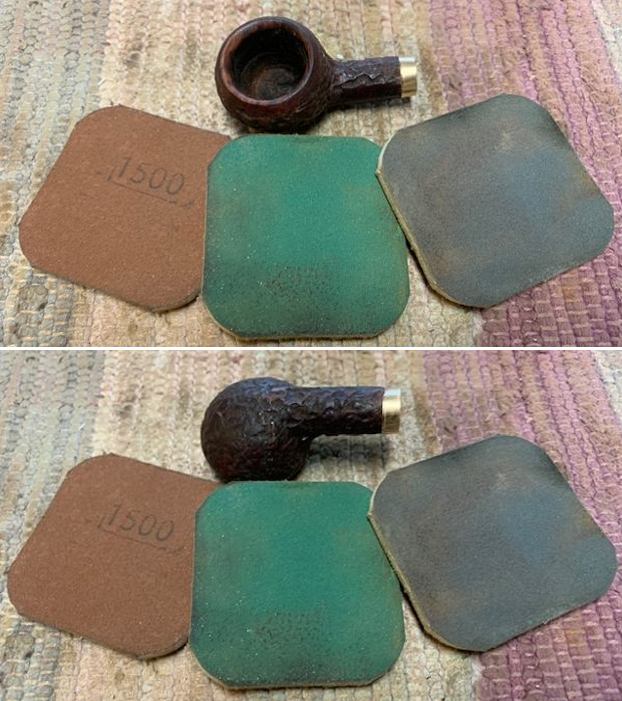
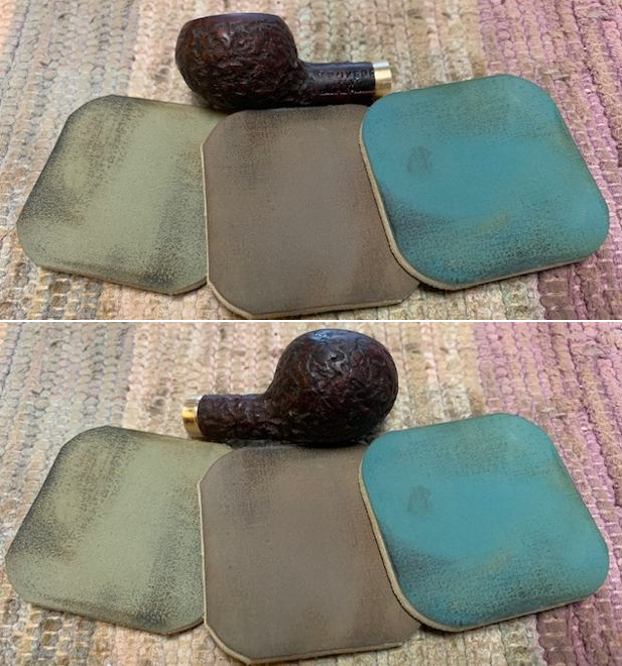
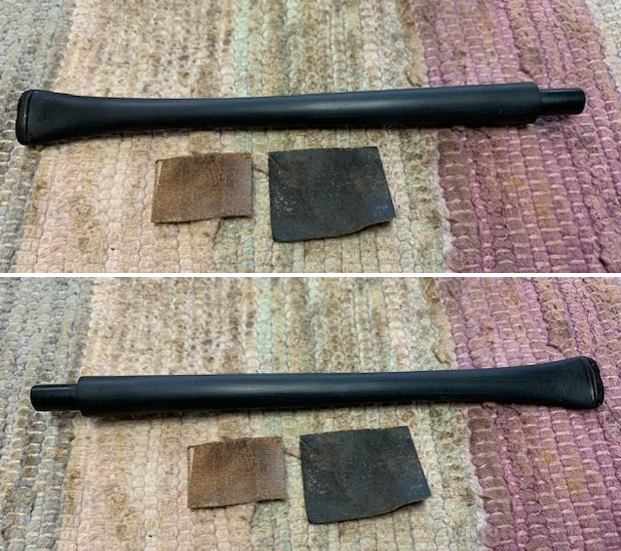
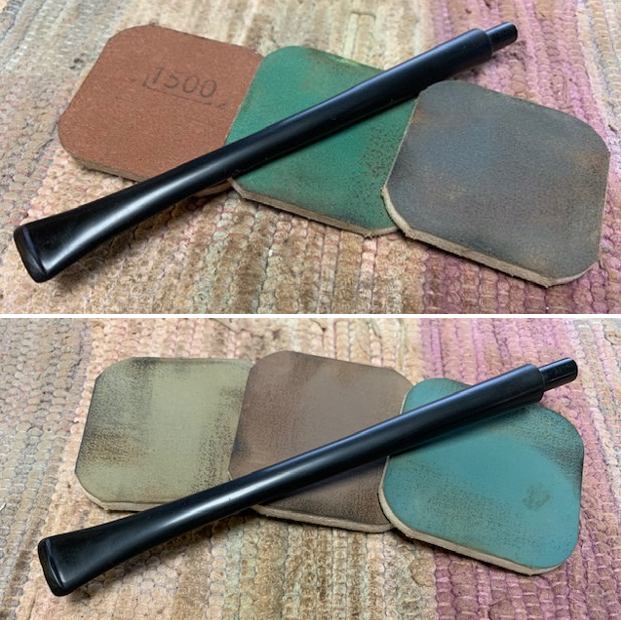
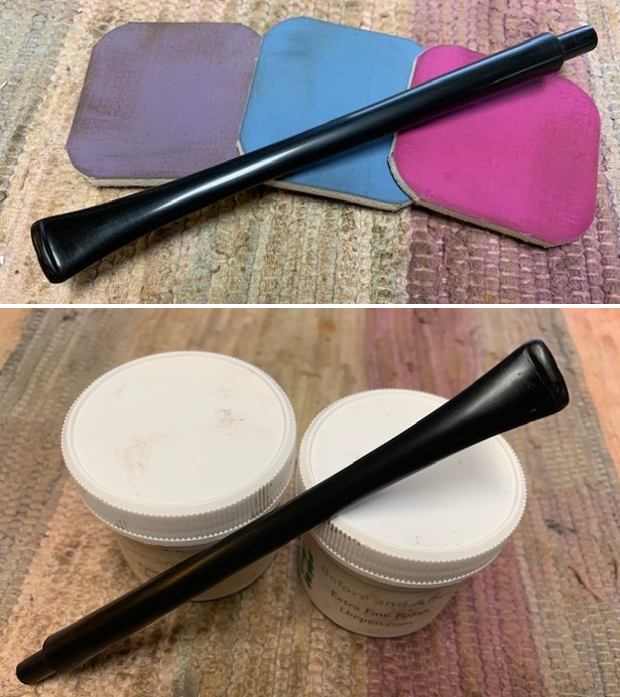
While the de-ghosting was going on, I moved on to the stem. I took a BIC lighter and ‘painted’ the stem with its flame in order to remove the tooth marks. This was moderately successful in raising the dents. Then, I cleaned out the insides of the stem with pipe cleaners and isopropyl alcohol. Once this process was done, the stem went for an overnight soak in the Before & After Hard Rubber Deoxidizer. The following day, I cleaned all of the de-oxidizing sludge off with alcohol, pipe cleaners, et cetera. The oxidation had migrated to the surface and would be fairly straightforward to remove. Before I moved on to the Micromesh pads, I built up the squashed button on the stem with cyanoacrylate adhesive and let it fully cure. I used my miniature files to do a proper cutting of the new button –this ensures that it keeps its shape and looks like it should. I then sanded it down with 220-, 400-, and 600-grit sandpapers to meld seamlessly into the stem. I did the same to the remaining tooth marks. I then used all nine Micromesh pads (1,500 through 12,000 grit) to bring out the lovely black lustre on the stem. I also used Obsidian Pipe Stem Oil in between each pad scrubbing. Back to the stummel – the banged up rim needed some serious attention. In order to minimize the impact of the damaged, I “topped” the pipe – that is to say, I gently and evenly sanded down the rim on a piece of 220-grit sandpaper. This successfully eliminated the damage, without altering the look of the pipe. Then I took a solid wooden sphere, wrapped sandpaper around it, and sanded thoroughly. This was to achieve on the inner part of the rim the same thing that I achieved by “topping” on sandpaper. Furthermore, there was an ugly blotch of pink putty in a fill on the shank. What made this more complicated was that part of the fill went into the markings. Naturally, I intended to remove the pink putty, but if I removed it all, I would also remove part of the word “natural” on the shank. I had to decide which was worse (or better): a bit of putty with the marking intact or no putty with a wrecked marking. I opted for the former. I left a bit of putty, added some colour from my furniture markers, and filled in the remaining hole with cyanoacrylate adhesive. Neither option was perfect, but I think I made the right choice. After this, I used all nine Micromesh pads (1,500 through 12,000 grit) to remove the frustrating scratches in the wood and make everything smooth. All of the work I had done to this point had taken its toll on the colour of the wood. In order to bring back some life to this pipe, I opted for aniline dye. I applied some of Fiebing’s Medium Brown Leather Dye and then applied flame in order to set the colour. Worked like a charm! Since it is an alcohol-based dye, I was able to adjust the colour to my liking by applying my own isopropyl alcohol to the colour. I applied more Before & After Restoration Balm, then took it to the buffer. A dose of White Diamond and a few coats of carnauba wax were just what this pipe needed. This Brebbia was in need of a reminder of its Italian beauty. The pipe began its journey looking though it had been dropped down the mines. Now, it can show its true self – a real beauty from Italy. Not an Ugly Duckling, but an Italian Swan. In fact, it turned out so well that this pipe has already sold! I know that the new owner will enjoy smoking it for many years to come. Thank you very much for reading and, as always, I welcome and encourage your comments.

Sometimes a pipe is so ugly that it just charms you – Someone’s Personalized Chacom Count 875


Blog by Steve Laug

The title on this blog really says it all for me. This next six sided pipe was purchased from an auction in Columbus, Michigan, USA in 2020. Jeff saw it and actually went for it even though he knew I would not like it at first. It was just too much to take in but he picked it up for a good price. It is carved on each side of the bowl with a rising fish. I do not know if the pipeman carved them or if it came that way but it was strange to me! On top of that, the carved fish are then stained with a wash of green as is the stamping on the shank side that reads Chacom [over] Count. It is stamped on the underside of the shank with the shape number 875. If that was all of the unusual features of this pipe that would be enough but there were more unique modifications. The previous pipe man must have like the P-lip feature on Peterson’s pipes because he drilled a round hole in the top of the stem ahead of the button and filled in the slot in the button with what looks like spray foam. Other than the modification the shape was unique and the shiny finish, though dirty, was in good condition. There was a light cake in the bowl and some lava on the back side of the rim top. There was also a bit of damage on the front inner edge and rim top where it appeared that the varnish coat had peeled. The twin brass ringed stem was oxidized and had some calcification. There were light tooth marks and chatter on both sides. The drilled hole was clean and undamaged. The spray foam oozing from the slot on the stem end was hardened and quite ugly. Jeff took some photos of the pipe before he started his cleanup. Looking at the pipe from the top down it is quite a pretty pipe and I had a good idea why Jeff was drawn to it. The hexagonal shape of the bowl and the finish was quite nice as was the grain on the rim top. Okay maybe it would turn out to be a nice looking pipe when it was cleaned up! Time would tell.Jeff took photos of the rim top and bowl to give and idea of the general condition of the pipe. It had some damage on the front edge and some lava on the back left edge and top. There was some scratching on the rim top itself. The stem was the disaster as I noted above with its modifications that would take some work to remedy. The hole would need to be patched and the slot cleared of the spray foam that filled it. Jeff included several photos of the stem to show what was going on with it. Jeff took some photos of the carved fish on the sides of the bowl and the green wash highlighting it. He also took a photo of the heel and underside of the bowl and shank. It appears that there was some nice grain under the carving. The stamping on the shank reads as noted above and is clear and readable. I am not sure if it was originally green but it is now! The CC logo in brass is on the left side of the stem and the underside of the stem is stamped France. There also appears to be a ring of exotic wood between the brass rings on the stem. I turned to Pipephil to see if there was any information on the Chacom Count line of pipes (http://pipephil.eu/logos/en/logo-chacom.html). Of course there was not any information that directly referred to the line and there was nothing with the kind of carving on this one. I quote the top bar of the article there.

The brand Chacom Chacom, créateur et distributeur de pipes turned up (1934) after fusion of Chapuis-Comoy with La Bruyère. Yves Grenard (†2012), second cousin of Pierre Comoy headed the company from 1971. He was responsible for Chapuis Comoy’s recovering its independance from Comoy. His son Antoine Grenard took over the direction of the company in 2007. Chacom is a brand of Cuty-Fort Entreprises (Jeantet, Vuillard, Jean Lacroix, Ropp …).

I then turned to Pipedia (https://pipedia.org/wiki/Chacom) to see if there was any information on the line there. There was a great time line of the history of the brand but nothing specific on this pipe.

The carving looked good but was also too amateurish to me to have come from Chacom who are known as innovators and fine craftsman of great pipes but I thought maybe there would be something. However there was nothing.

Jeff had cleaned up the pipe following his normal cleaning process. In short, he reamed the bowl with a PipNet pipe reamer and cleaned up the reaming with a Savinelli Fitsall Pipe Knife.  He scrubbed the smooth bowl with undiluted Murphy’s Oil Soap with a tooth brush. He worked over the lava and debris on the rim top and was able to remove it. He rinsed it under running warm water to remove the soap and grime. He cleaned out the inside of the shank and the airway in the stem with alcohol, cotton swabs and pipe cleaners. He was able to clean out the spray foam that had filled in the slot in the button. I was not sure that would come out as it looked to be hard as a rock. He scrubbed the stem with Soft Scrub and cotton pads to remove the debris and oils on the stem. He soaked it in a bath of Briarville’s Pipe Stem Deoxidizer to remove the oxidation. He rinsed it with warm water and dried it off. I took photos of the pipe once I received it. It cleaned up well and looked better. I took close up photos of the stem and the rim top to show both how clean they were and what needed to be addresses with both. The rim top and bowl edges look very good. The stem looked better and the tooth marks and chatter was very light. The drilled hole in the stem top was obvious and I think quite repairable.I took a photo of the stamping on the left and underside of the bowl. You can see from the photo that it is readable. The brass bands and insert on the saddle stem look very good. To be honest even the fish had cleaned up well!I removed the stem from the bowl and took a photo of the parts to give a sense of the shape and “attraction” of the pipe.I decided to start by working on the heavy varnish coat on the rim top and bowl. I needed to remove it or at least break the sheen so I could smooth out the damage on the front top of the rim and the end of the shank on both sides where the varnish had peeled. I may well have to leave it on the sides of the bowl where the fish is carved but I would see what I could do without damaging that too much :). I combined wiping it carefully down with acetone and polishing it with a 1500 grit micromesh sanding pad to remove the varnish coat. I forgot to take a picture of the rim before I stained it to blend in the sanded edge and top. The photo below shows the rim top after staining with a Maple stain pen. You can see how clean the top looks in this photo. I wiped the rest of the bowl down with acetone on a cotton pad and was able to remove the varnish coat. I polished the briar with micromesh sanding pads – dry sanding with 1500-12000 grit pads.. I wiped the bowl down after each sanding pad with a damp cloth to remove the dust and debris. I was able to get the varnish off without damaging the green carving on the bowl sides. I rubbed the bowl down with Before & After Restoration Balm working it into the briar and the carving with my finger tips. The product works to clean, revive and protect the briar. I let it sit on the pipe for 10 minutes then buffed it off with a soft cloth. I set the bowl aside and turned my attention to the stem. Jeff had gotten the spray foam plug out of the slot in the button so I needed to address the drilled hole on the topside of the stem. I greased a pipe cleaner with Vaseline and slipped it into the stem below the hole. I wanted to have  a base to build over but I did not want the cleaner to be glued in place. I mixed a batch of charcoal powder and black super glue and made a thick paste with it. I applied it to the surface of the stem with a dental spatula and made sure it was in the hole. I sprayed it with an accelerator to harden the CA glue enough that I could remove the pipe cleaner without pulling out the patch. I remove it and set the stem aside to cure for what I thought would be overnight but ended up being two days! It was as hard as a rock. When I finally got back to it I used a small file to flatten the repair and prepare it for sanding. I sanded the stem repair with a folded piece of 220 sandpaper to blend it into the surface of the stem. I started polishing it with 400 grit wet dry sandpaper.I polished the repaired stem with micromesh sanding pads – wet sanding it 1500-12000 pads. I wiped it down with some Obsidian Oil each pad to remove the dust and polishing debris. I polished it with Before After Pipe Polish – both Fine and Extra Fine. I gave it a final coat of Obsidian Oil and set it aside to dry. This pipe has some great grain under the varnish and I have to say that the carving of the fish kind of grew on me during the restoration. This Chacom Count Hexagon Scoop turned out really well. The bowl and shank are hexagonal and the fish carved on the sides look a lot better now. The polished twin brass bands, exotic wood spacer and black of the stem works well with the briar. The grain in the briar really came alive with the buffing. The rich brown stains of the finish make the grain really pop with the polishing and waxing. I put the stem back on the bowl and carefully buffed the pipe with Blue Diamond on the buffing wheel. I gave the bowl and the stem multiple coats of carnauba wax on the buffing wheel. I buffed the pipe with a clean buffing pad to raise the shine. I hand buffed the pipe with a microfiber cloth to deepen the shine. The finished Chacom Count really has a unique beauty and feels great in the hand. It looks very good. Give the finished pipe a look in the photos below. The dimensions of the pipe are Length: 6 ½ inches, Height: 2 ¼ inches, Outside diameter of the bowl: 1 ¾ inches, Chamber diameter: ¾ of an inch. The weight of the pipe is 71 grams/2.54 oz. The pipe will be going on the rebornpipes store soon. It will be in the section on French Pipe Makers if you would like to add it to your collection. Thanks for reading this blog and my reflections on the pipe while I worked on it. It was a fun one to work on!
Working on a bit of an odd Bari Special Handcut Freehand


Blog by Steve Laug

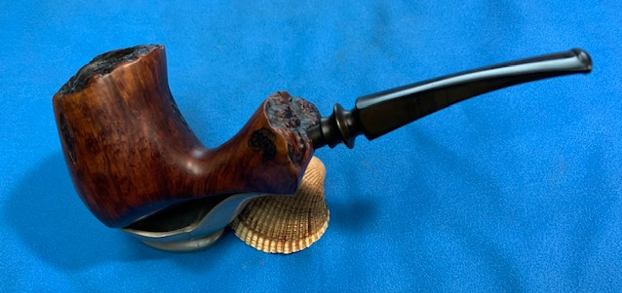
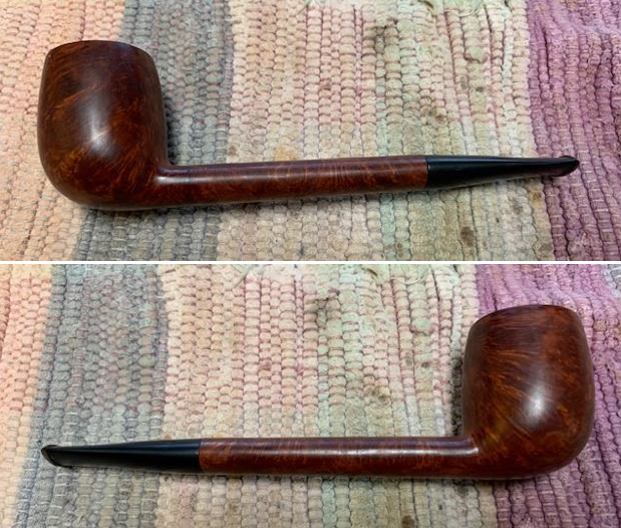
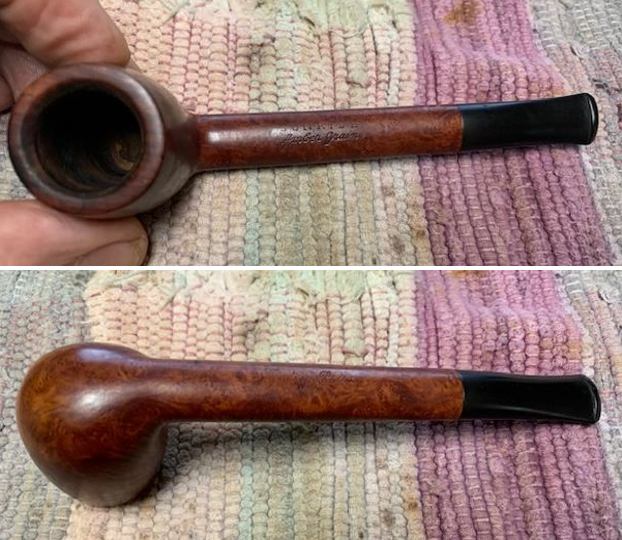
The next pipe on the work table is one that was purchased in 2020 from an auction in Salina, Kansas, USA. It has been here for a while and I am just now getting to it. Work has been demanding so it is slowing down my restoration work a bit. This pipe is a Bari Special Handcut Freehand. It has a really mix of flame and straight grain around the bowl and shank. It was stamped on the sides of the shank. On the left side it reads Bari [over] Special [over] Handcut. On the right side it reads Handmade [over] in Denmark. On the underside of the shank it is stamped with the numbers 72  00. The pipe was dirty with grime ground into the finish. There was a thick cake in the bowl and lava overflow on the plateau rim top. The inner edge of the rim was covered so thickly in lava it was hard to know what was underneath. The square saddled vulcanite stem was oxidized and had tooth marks and chatter ahead of the button on both sides. BARI was stamped on the left side of the fancy saddle stem. Jeff took photos of the pipe before he started his work on cleaning it up for us. Jeff took photos of the rim top and the stem to show the condition of the pipe when we received it. You can see the thick cake in the bowl and the lava on the rim top and inner edge of the bowl. The bowl is square while the chamber is round. The oxidized and calcified vulcanite stem was quite unique and picked up the square angles of the bowl and the shank. It has chatter and deep tooth marks on both sides near the button. He took photos of the sides of the bowl and the heel to give an idea of the shape and the condition of the briar around the bowl. It really is a nicely shaped pipe with some great grain. The next photos Jeff took show the stamping on the sides of the shank. It is clear and readable as noted above. The stem logo is also clear. Jeff took a photo of the partial plateau on the shank end. The top two thirds of the shank end was plateau while the bottom third was smooth. It is quite nice.I worked on a Bari Special Handcut pipe previously so I looked up the blog to refresh myself on the brand a bit (https://rebornpipes.com/2020/07/22/cleaning-up-a-danish-made-bari-special-handcut-b-dublin-freehand/). I quote from the research I did for that pipe below:

I quoted a section from Pipedia on Bari pipes (https://pipedia.org/wiki/Bari). It is good to be reminded of the fact that Viggo Nielsen was the pipe maker.

Pipedia states that Bari Piber was founded by Viggo Nielsen in Kolding, Denmark around the turn of 1950/51. His sons Kai and Jørgen both grew into their father’s business from a very young age and worked there till 1975. Both have become successful pipe makers.

Bari successfully adapted the new Danish design that had been started mainly by Stanwell for its own models. Bari was sold in 1978 to Van Eicken Tobaccos in Hamburg, Germany though the pipes were still made in Denmark. From 1978 to 1993 Åge Bogelund and Helmer Thomsen headed Bari’s pipe production.

Helmer Thomson bought the company in 1993 re-naming it to “Bari Piber Helmer Thomsen”. The workshop moved to more convenient buildings in Vejen. Bogelund, who created very respectable freehands of his own during the time at Bari got lost somehow after 1993. Bari’s basic conception fundamentally stayed the same for decades: series pipes pre-worked by machines and carefully finished by hand – thus no spectacular high grades but solid, reliable every day’s companions were what they turned out. The most famous series are the smooth “Classic Diamond” and the blasted “Wiking”.

I did a quick look at Pipephil’s site (http://www.pipephil.eu/logos/en/logo-b1.html) and did a screen capture of the section on Bari pipes.Jeff had cleaned up the pipe following his normal cleaning process. In short, he reamed the bowl with a PipNet pipe reamer and cleaned up the reaming with a Savinelli Fitsall Pipe Knife. He scrubbed the smooth bowl with undiluted Murphy’s Oil Soap with a tooth brush. He worked over the lava and debris on the rim top and was able to remove it. He rinsed it under running warm water to remove the soap and grime. He cleaned out the inside of the shank and the airway in the stem with alcohol, cotton swabs and pipe cleaners. He scrubbed the stem with Soft Scrub and cotton pads to remove the debris and oils on the stem. He soaked it in a bath of Briarville’s Pipe Stem Deoxidizer to remove the oxidation. He rinsed it with warm water and dried it off. I took photos of the pipe once I received it. It really looked good however, surprisingly there were a number of fills around the shank and bowl. I took close up photos of the stem and the rim top to show both how clean they were and what needed to be addresses with both. The rim top and bowl look good. The edge was clean but there was some burn damage on the rim top at the back of the bowl. The stem looked better and the tooth marks and chatter were still present.I took a photo of the stamping on the sides of the shank. You can see from the photos that it is readable. I removed the stem from the bowl and took a photo of the parts to give a sense of the beauty of the pipe. I started my work on the pipe by addressing the damage to the back of the plateau rim top. Notice that it is burned but the grooves and crevices are still present. I cleaned it up with a brass bristle wire brush to remove as much of the loose char as possible. Once it was clean I used several burrs on my Dremel to redefine the grooves and crevices in the plateau at the back of the rim top. Once I was finished I was happy with the look or the rim top. I restained the rim top with a black stain pen to match the plateau on the shank end. I polished the smooth briar with micromesh sanding pads – dry sanding with1500-4000 grit pads to smooth out the surface of the briar and the noticeable fills around the shank and bowl. I wiped the bowl down after each sanding pad with a damp cloth to remove the sanding dust. The briar began to take on a shine. I paused after polishing the bowl with the 4000 grit micromesh pad to stain the fills around the sides of the shank and bowl. I used a Walnut stain pen to match the surrounding briar. Once the stain cured I finished polishing the bowl with 6000-12000 grit micromesh sanding pads. The bowl really did begin to shine. I rubbed the bowl down with Before & After Restoration Balm working it into the briar with my finger tips and into the plateau on the shank end and rim top with a horsehair shoe brush. The product works to clean, revive and protect the briar. I let it sit on the pipe for 10 minutes then buffed it off with a soft cloth. I set the bowl aside and turned my attention to the stem. I “painted” the stem surface with the flame of a lighter to lift the deep tooth marks in the vulcanite. Since vulcanite has “memory” I was able to lift the marks on the top and underside of the stem significantly. There were a few that did not lift completely so I filled them in with clear CA glue and set the stem aside to cure. Once the repairs cured I sanded it with 220 grit sandpaper to blend them into the surface and started polishing the stem with 400 grit wet dry sandpaper. I polished the stem with micromesh sanding pads – wet sanding it 1500-12000 pads. I wiped it down with some Obsidian Oil each pad to remove the dust and polishing debris. I polished it with Before  After Pipe Polish – both Fine and Extra Fine. I gave it a final coat of Obsidian Oil and set it aside to dry. This is another pipe that I am really happy about the finished restoration. This Odd Bari Special Handcut Freehand 72 00 turned out beautifully. It really is a great looking pipe with a great shape and rugged plateau rim top and shank end. The bowl is almost square and the shank is the same with virtually the same angles as the bowl from bottom to top. The unique vulcanite saddle stem carries on the shape to the end. The polished black of the stem works well with the briar. The briar really came alive with the buffing. The rich black and brown stains of the finish make the grain really pop with the polishing and waxing. I put the stem back on the bowl and buffed the pipe with Blue Diamond on the buffing wheel using a light touch on the briar. I gave the bowl and the stem multiple coats of carnauba wax on the buffing wheel. I buffed the pipe with a clean buffing pad to raise the shine. I hand buffed the pipe with a microfiber cloth to deepen the shine. The finished Bari Special Freehand really has a unique beauty and feels great in the hand. It looks very good. Give the finished pipe a look in the photos below. The dimensions of the pipe are Length: 6 ½ inches, Height: 2 ¼ inches, Outside diameter of the bowl: 1 ¾ inches long x 1 ½ inches wide, Chamber diameter: ¾ of an inch. The weight of the pipe is 70 grams/2.47 oz. The pipe will be going on the rebornpipes store soon. It will be in the section on Danish Pipe Makers if you would like to add it to your collection. Thanks for reading this blog and my reflections on the pipe while I worked on it. It was a fun one to work on!
What a Tired and Worn Pair of Cased 1919 Charles Mass Pipes – Part 2: An Exhausted Billiard


Blog by Steve Laug

This restoration is Part 2 of one that started with an email from a reader of the blog name Tim. He had written the following email to me with a request. I have included that email below.

Hello Steve, I have a cased set of 1919 Charles Maas pipes that have been smoked hard and put away wet. Can I send them to you to have them restored? I’m a huge fan of your work and use your site often as inspiration, but these are outside my ability. – Tim

I finished the restoration of the Bulldog first and have written about the work on the blog already. Here is the link (https://rebornpipes.com/2021/05/30/what-a-tired-and-worn-pair-of-cased-1919-charles-mass-pipes-part-1-a-weary-bulldog/).

I am including the photos that Tim Sent me so you can see them if you have not read Part 1 of the blog on the Bulldog. Tim’s package arrived on Thursday and when I got home from work I opened it to have a look at the pipes first hand. I took the case out of the well packed box and this is what I saw. The case was suede with a fine leather edge around the sides. There was a thin gold line around the case edges. When I opened it I saw Tim’s 1919 label and the two pipes. There was a gold banded Bulldog and a nice stubby billiard. Both were nicely carved bowls and both had been heavily used and worn.

I sent Tim the following list summarizing the damages on the Billiard (a similar list is on the blog about the Bulldog). There is a lot of work to do to bring these back to life.

The billiard:
1. The rim top is badly damaged leaving the top uneven and thicker/taller toward the back of the bowl and more damaged than even the Bulldog.
2. The inner edge of the bowl is thicker than the bulldog but still thinner on the front side than the rest of the bowl. It is still thick enough.
3. The outer edge is chipped and uneven on the bowl front showing some burn marks.
4. The finish is worn and damaged with paint marks on the surface.
5. The bowl is slightly out of round with chips and marks on the inner edge
6. The stem has deep compressions from tooth marks on both sides at the button.                        7. The inside of the bowl is badly checked and will need to examined for integrity.

Both pipes had been reamed and they were quite clean inside. It appeared that previous earlier reaming somewhere along the way had left the inner edge chipped and damaged. That is the assessment of the Billiard and it is clear from the list that there is a lot of work to do on it.

For background on the Charles Maas brand read the previous blog to get a clear idea of the history of the company. I will not include it again at this point. Here is another copy of the link for ease of reference (https://rebornpipes.com/2021/05/30/what-a-tired-and-worn-pair-of-cased-1919-charles-mass-pipes-part-1-a-weary-bulldog/).

It was time to work on the second pipe – the Billiard. It was surprisingly clean. The bowl had been reamed and the airways cleaned. (I later found out that Tim had done the clean up for me. Thanks Tim!)There was no stamping on the shank of the pipe. There was no gold band to identify it as a Charles Maas pipe like the one on the Bulldog. However it was obvious that the case was custom fitted to this little Billiard so that is proof enough for me. I took some photos of the pipe before I began, to catalogue what I saw before I started. I took some close up photos of the rim top and the stem surfaces. You can see the chipping and damage to the top and inner edges of the bowl. The top is significantly lower on the front of the bowl with burn marks and charring to the top and front of the bowl. The stem shows some deep tooth marks on both sides ahead of the button.I took some photos of the rim from various angles to show the serious damage to the bowl top and edges. It really is a mess and will be an interesting challenge to rebuild.I removed the stem from the shank and took a photo of the left side of the pipe as it really gave a good picture of what the pipe must have looked like when new.I decided to start work on this pipe by addressing the damaged rim top and edges. I built up the front edge of the bowl with briar dust and clear CA glue. My goal was to bring it up as close as possible to the height of the bowl on the left side. It took a bit of layering to get there. I also filled in the damage on the front outer edge of the bowl at the same time. Once I had the height as even as possible I would top the bowl on a topping board with 180 grit sandpaper to smooth out the rim top.Once I had it close to even I topped it on a topping board with 180 grit sandpaper. I took a few photos of the front and sides of the bowl to show what the repair looked like at this point in the process. There is still work to do but it is definitely getting there. I sanded the repair on the front of the bowl a bit as well. Much work to do! I worked over the top and edges of the bowl – both inner and outer edges, with 220 grit sandpaper to capture the original shape as much as possible. You can see the repaired areas on the rim top and edges from the photos below. I am pretty pleased with the overall appearance of the cap and top at this point in the process. The repairs are very clear at this point. I still had work to do on the rim top and outer edges but I also wanted to work on the inner edge. I repaired the damage there with the super glue and briar dust as well. I was not looking to build it up too much but to take care of the deep cuts and gouges on the left front of the edge. I sanded the repair with 180 and 220 grit sandpaper and I was happy with what I was seeing at this point in the process. I worked some more on the inner edge of the bowl with a piece of 220 grit sandpaper wrapped around a piece of dowel. I wanted to smooth out the inside of the bowl and the inner edges of the rim.I decided to give the repaired edge and top a quick coat of Walnut stain to see what it looked like. I find that doing this often shows flaws that need to be addressed in the repair and makes it easier to see where I am with the top and edges. I started the polishing process with 1500-2400 grit micromesh sanding pads. I dry sanded with the pads in preparation for restaining the bowl. After each pad I wiped the bowl down with a damp cloth. My goal was to remove the scratching left behind by the repairs to the rim top and cap. I was able to remove them. Once it was smooth the briar was ready for staining. I stained it with a Feibing’s Light Brown aniline stain. I applied it and flamed it with a lighter to set it in the grain. I repeated the process until the coverage of the briar was good. I set it aside to let the stain cure.I buffed pipe with Blue Diamond on the buffing wheel to remove the crusty coat of stain. I then polished it with the remaining micromesh pads -3200-12000 grit pads. I wiped it down after each pad with a damp cloth. I worked some Before & After Restoration Balm into the surface of the briar of the bowl with my finger tips. The product is incredible and the way it brings the grain to the fore is unique. It works to clean, protect and invigorate the wood. I set the bowl aside and turned to work on the stem. I “painted” the stem with the flame of a Bic lighter to try to lift the tooth marks in the surface on both sides. I was able to lift it some but not completely. I filled in the remaining dents with clear CA glue and set it aside to cure. Once they cured I used a small file to recut the button edge and flatten the repairs to blend them into the surface. I sanded the stem with 220 grit sandpaper to remove the remaining oxidation on the saddle and also to further blend in the repairs. I started the polishing with 400 grit wet dry sandpaper. I polished the stem with micromesh sanding pads – wet sanding with 1500-12000 grit pads. I wiped the stem down after each sanding pad with Obsidian Oil. I finished polishing the surface with Before & After Pipe Stem Polish – both fine and extra fine. I gave the stem a final coat of Obsidian Oil and let it dry. I am really happy with the way that the rebuild of the rim and cap worked on on this Charles Maas Billiard (the second of two in a cased set). It really is a great looking pipe with lots of character. The old style hard rubber mouthpiece really look good with the brown of the briar. The grain really came alive with the buffing and a sense of depth came out with the polishing and waxing. I put the stem back on the bowl and carefully buffed the pipe with Blue Diamond on the buffing wheel using a light touch. I gave the bowl and the stem multiple coats of carnauba wax on the buffing wheel. I buffed the pipe with a clean buffing pad to raise the shine. I hand buffed the pipe with a microfiber cloth to deepen the shine. The finished Charles Maas Billiard really is a beauty and feels great in the hand and looks very good. Give the finished pipe a look in the photos below. The dimensions of the pipe are Length: 4 ¼ inches, Height: 1 ½ inches, Outside diameter of the bowl: 1 1/8 inches, Chamber diameter: ¾ of an inch. The weight of the pipe is 27 grams/.95 oz. The pipe will be going back to Tim with the Bulldog that I have finished. I think this little cased set is a real beauty.Thanks for reading this blog and my reflections on the pipe while I worked on it. It was a fun one to work on!

What a Tired and Worn Pair of Cased 1919 Charles Mass Pipes – Part 1: A Weary Bulldog


Blog by Steve Laug

This restoration started with an email from a reader of the blog name Tim. He had written the following email to me with a request. I have included that email below.

Hello Steve, I have a cased set of 1919 Charles Maas pipes that have been smoked hard and put away wet. Can I send them to you to have them restored? I’m a huge fan of your work and use your site often as inspiration, but these are outside my ability. – Tim

The first thing that caught me was the age of the pipes. I am a real sucker for old briar. The next thing that grabbed my attention was the brand – Charles Maas. That is a brand that I have not worked on and not heard of and it is English! The third thing that grabbed my attention was that they were a cased pair – which can often mean matching briar. All of those things conspired against my resolve to not add more work to the queue right now because of the demands of my day job and my own large number of restorations awaiting attention. I wrote him back and asked for pictures of the pipes to see if that would save me or draw me in further. Tim responded with photos and the magic words – I am not in a hurry!

Hi Steve, Here are the pictures.  I’m not in a hurry.  

I looked through the photos and assessed what needed to be done and took the plunge. I had Tim mail them to me. I was hooked and completely drawn into the project.Tim’s package arrived on Thursday and when I got home from work I opened it to have a look at the pipes first hand. I took the case out of the well packed box and this is what I saw. The case was suede with a fine leather edge around the sides. There was a thin gold line around the case edges. When I opened it I saw Tim’s 1919 label and the two pipes. There was a gold banded Bulldog and a nice stubby billiard. Both were nicely carved bowls and both had been heavily used and worn.I took the pipes out of the case and took pictures after I examined each of them to assess what needed to be done. They really are a classic set that should look great once finished. I made the following list summarizing the damages on the pipes and sent it to Tim. There is a lot of work to do to bring these back to life.

The Bulldog:
1. The rim top is badly damaged leaving the top uneven and thicker/taller toward the back of the bowl.
2. The inner edge of the bowl is quite thin on the front side from burning and over  reaming of the bowl.
3. The outer edge is chipped and uneven on the bowl front.
4. The finish is worn and damaged with signs of burn darkening all around the rim cap.
5. The band has a ragged edge on the top, rear corner of the diamond shaped band.
6. The stem has deep compressions from tooth marks on both sides at the button
7. The inside of the bowl has some checking but they are not as deep as those on the billiard.

The billiard:
1. The rim top is badly damaged leaving the top uneven and thicker/taller toward the back of the bowl and more damaged than even the Bulldog.
2. The inner edge of the bowl is thicker than the bulldog but still thinner on the front side than the rest of the bowl. It is still thick enough.
3. The outer edge is chipped and uneven on the bowl front showing some burn marks.
4. The finish is worn and damaged with paint marks on the surface.
5. The bowl is slightly out of round with chips and marks on the inner edge
6. The stem has deep compressions from tooth marks on both sides at the button.                        7. The inside of the bowl is badly checked and will need to examined for integrity.

Both pipes have been heavily reamed and they were quite clean inside. It appeared that previous earlier reaming somewhere along the way had left the inner edge chipped and damaged. That is the assessment of both bowls and it is clear from the list that there is a lot of work to do on both of them.

It was time to work on the pipes. I chose to deal with the Bulldog first (Part 1). If you were to ask me why I actually have no idea even though it is first above. I took some photos of the pipe before I began, to catalogue what I saw before I started. It was surprisingly clean. The bowl had been reamed and the airways cleaned. There was no stamping on the shank of the pipe. The gold band had hallmarks on it that Tim had said led him to the 1919 date for the pipes. The hallmarks are CM in an oval which is the mark for Charles Maas. To the right of that is a “6” in s diamond followed by 375 which is the mark for 37.5% or 9 carat gold. That is followed by a “d” and another mark that could be a lion’s head which indeed identifies the pipe as London Made and “d” identifies it as a 1919 pipe.

I turned to an English silver and gold hallmark guide to see if I could find information on the maker CM (http://www.silvercollection.it/ENGLAMAAS.html). Sure enough it was very clear that the CM in and oval linked to Charles Maas. I have included the information from the site on the brand.

Charles Leopold Maas was active in London from 1883 at 13 Jewin Crescent, EC as manufacturer and importer of smokers’ pipes of various types, including “recherché” and “meerschaum”.

The firm entered various silver hallmarks as pipes were often silver-mounted as were manufactured in precious metal many of its smokers’ accessories and walking sticks.

In 1890 (London) and 1910 (Chester) Charles Maas entered a conjoined hallmark with Marcus Maas (manager).

In 1910 the firm removed to 1A Aldermanbury Avenue. Interesting to note that from 1891 the firm used a hallmark “CM surmounted by a crown” to characterize its “Unsurpassed quality Corona Mounts”. The punches with the crown were cancelled on request of Charles Maas having the Sheffield Assay Office written on 28 February 1896 that the crown represents their hallmark and is objectionable. The firm was converted into a limited liability company in c. 1915. I took some close up photos of the rim top and the stem surfaces. You can see the chipping and damage to the top and inner edges of the bowl. The left side is thin toward the front of the bowl. The stem shows some deep tooth marks on both sides ahead of the button.I removed the stem from the shank and took a photo of the left side of the pipe as it really gave a good picture of what the pipe must have looked like when new.I decided to start work on this pipe by addressing the damaged rim top and edges. I built up the front edge of the bowl with briar dust and clear CA glue. My goal was to bring it up as close as possible to the height of the bowl on the left side. It took a bit of layering to get there. I also filled in the damage on the front outer edge of the bowl at the same time. Once I had the height as even as possible I topped the bowl on a topping board with 180 grit sandpaper.Once I had it topped I took a few photos to show what it looked like at this point in the process. There is still work to do but it is definitely getting there. I sanded the repair on the front of the bowl a bit as well. Much work to do!I worked over the shape of the rim cap and rim top with 220 grit sandpaper and small files to capture the original shape as much as possible. You can see the build up on the rim top and edges from the photos below. I am pretty pleased with the overall appearance of the cap and top at this point in the process. The repairs are very clear at this point.I still had work to do on the rim top and cap but I also wanted to work on the inner edge. I repaired the damage there with the super glue and briar dust as well. I was not looking to build it up too much but to take care of the deep cuts and gouges on the left front of the edge. I sanded the repair with 180 and 220 grit sandpaper and I was happy with what I was seeing at this point in the process.I decided to give the repaired edge and top a quick coat of Walnut stain to see what it looked like. I find that doing this often shows flaws that need to be addressed in the repair and makes it easier to see where I am with the top and edges. There was still a long way to go to get it the way I wanted but it was truly beginning to take shape. I used a knife blade small file to clean up the twin rings around the repair on the front of the bowl. I started the polishing process with 1500-2400 grit micromesh sanding pads. I dry sanded with the pads in preparation for restaining the bowl. After each pad I wiped the bowl down with a damp cloth. My goal was to remove the scratching left behind by the repairs to the rim top and cap. I was able to remove them.Once it was smooth the briar was ready for staining. I stained it with a Feibing’s Light Brown aniline stain. I applied it and flamed it with a lighter to set it in the grain. I repeated the process until the coverage of the briar was good.I buffed pipe with Blue Diamond on the buffing wheel to remove the crusty coat of stain. I then polished it with the remaining micromesh pads -3200-12000 grit pads. I wiped it down after each pad with a damp cloth.I worked some Before & After Restoration Balm into the surface of the briar of the bowl with my finger tips and a horse hair shoe brush to work it into the grooves around the bowl cap. The product is incredible and the way it brings the grain to the fore is unique. It works to clean, protect and invigorate the wood. I set the bowl aside and turned to work on the stem. I “painted” the stem with the flame of a Bic lighter to try to lift the tooth marks in the surface on both sides. I was able to lift it some but not completely. I filled in the remaining dents with clear CA glue and set it aside to cure. Once they cured I used a small file to recut the button edge and flatten the repairs to blend them into the surface. I sanded the stem with 220 grit sandpaper to remove the remaining oxidation on the saddle and also to further blend in the repairs. I started the polishing with 400 grit wet dry sandpaper. I polished the stem with micromesh sanding pads – wet sanding with 1500-12000 grit pads. I wiped the stem down after each sanding pad with Obsidian Oil. I finished polishing the surface with Before & After Pipe Stem Polish – both fine and extra fine. I gave the stem a final coat of Obsidian Oil and let it dry. I am really happy with the way that the rebuild of the rim and cap worked on on this Charles Maas Bulldog (the first of two in a cased set) turned out. It really is a great looking pipe with lots of character. The old style hard rubber mouthpiece and the gold band really look good with the brown of the briar. The grain really came alive with the buffing and a sense of depth came out with the polishing and waxing. I put the stem back on the bowl and carefully buffed the pipe with Blue Diamond on the buffing wheel using a light touch. I gave the bowl and the stem multiple coats of carnauba wax on the buffing wheel. I buffed the pipe with a clean buffing pad to raise the shine. I hand buffed the pipe with a microfiber cloth to deepen the shine. The finished Charles Maas Bulldog really is a beauty and feels great in the hand and looks very good. Give the finished pipe a look in the photos below. The dimensions of the pipe are Length: 4 ½ inches, Height: 1 ¾ inches, Outside diameter of the bowl: 1 inches, Chamber diameter: ¾ of an inch. The weight of the pipe is 23 grams/.81 oz. The pipe will be going back to Tim once I have finished the little billiard. I think this little cased set is a real beauty.Thanks for reading this blog and my reflections on the pipe while I worked on it. It was a fun one to work on!

What an interesting Sandblast Butz-Choquin 2nd Generation A Metz Origine


Blog by Steve Laug

So when this Butz-Choquin A Metz Origine sandblast showed up in an auction Jeff was watching we went for it and picked it up. It was purchased late in 2020 from an online auction in Bloomingdale, New York, USA. I have worked on the older Origine and also one of these newer ones. While the 1858 Origine had an albatross wing bone for the shank extension the new one had a shorter acrylic look alike. The other one I had worked on was a smooth finished pipe while this one is sandblasted. The shape of the bowl is the same but the 1858 version’s horn stem was replaced by an acrylic stem that was nowhere near as elegant as the first. The pipe was in overall good condition. It is stamped on the left side of the shank and reads Butz-Choquin at an angle over A Metz over Origine. On the right side of the shank it is stamped St. Claude France over the number 2. The sandblast  finish was dull and lifeless and a little dirty from sitting around. There was a thin cake in the bowl and a light overflow of lava on the rim top toward the back. There also appears to be some burn/charring damage on the inner edge in the same area. The acrylic shank extension had come loose from the metal end cap that fit in the shank. The silver (polished nickel) that caps the shank and the faux “bone” extension was tarnished but in good condition. The stem was amazingly clean with just some tooth chatter on both sides near the stem. Jeff took the previous and the following photos before he started his cleanup work on the pipe. Jeff took close-up photos of the bowl and rim top from various angles to capture the condition of the bowl and rim top edges. You can see the darkening around the inner edge of the rim and the top at the back of the bowl. The next photos of the stem show the general condition of the stem and angle of the stem. It is very similar to the shape of the original 1858 horn stem. The next photos show the metal end caps on the shank extension. The end that fits in the end of the shank is stuck in the shank and the acrylic extension was loose. The other end is fitted with the stem that was not able to be removed.He took photos of the sides and heel of the sandblast bowl to show condition of the briar. You can see the swirls of grain in the blast on the sides of the bowl.The stamping is very clear on both sides of the pipe. The next two photos confirm what I wrote about the stamping above.I had written a previous blog on a restoration of a second generation Butz-Choquini A Metz Origine (https://rebornpipes.com/2020/04/13/new-life-for-a-second-generation-butz-choquin-a-metz-origine/). It was a smooth briar pipe but the information that I included was helpful and applicable. I am including some of that below.

I turned to Pipephil (www.pipephil.eu/logos/en/logo-butzchoquin.html) to get a bit of background on the second or the modern version of the Origine pipe. I have included a screen capture of the pertinent section below.Now it was time to look at it up close and personal. Jeff had great job in cleaning up this Origine. He had reamed the bowl with a PipNet Pipe Reamer and cleaned up the remnants with a Savinelli Fitsall Pipe Knife. He took the cake back to bare briar so we could check the walls for damage and also see the extent of the burn damage on the back of the inner edge of the rim. He scrubbed the exterior of the bowl with Murphy’s Oil Soap and a tooth brush to remove the grime on the bowl and rim and was able to remove much of the grime and dirt. He cleaned out the interior of the bowl and shank with pipe cleaners, cotton swabs and alcohol until they came out clean. The rim top looked much better when you compare it with where it started. The damaged area is very clear now and the extent of the damage was clear. He cleaned the stem with Soft Scrub to remove the grime on the exterior and cleaned out the airway with alcohol, cotton swabs and pipe cleaners. I took some photos of the pipe as I saw it. To show how clean the rim top and stem really was I took a close-up photo of the rim and stem. The bowl was clean and cake free. The rim top is quite clean and the damage to the back rim top and inner edge of the bowl is clear. The tan/bone coloured acrylic stem looks very good. The surface and the button edge look really good. There are no issues that are there to address. The tarnished silver ends on the shank ends have a rich shine to it now as well.I removed the stem from the bowl and took photos of the parts. The shank extension came apart at the shank end but not at the stem. The metal end on the acrylic shank extension came loose from the extension and was stuck in the shank. The stem was glued to the shank end and unmovable. The pipe looks pretty amazing – kind of a shorter version of the 1858 Origine.I decided to address the shank endcap that was stuck in the shank. I heated it with a Bic lighter and wiggled the end cap. I repeated the process until it finally came loose. Once it was loose I cleaned the inside of the cap and shank extension end so that I could reglue it.I coated the end of the shank extension with all purpose white glue using a dental spatula. I spread it around with my fingers and pressed the cap on the shank extension. I wiped off the excess of the glue and let it cure and harden. I took photos of the repaired shank extension and have included them below. I cleaned out the shank end with alcohol and cotton swabs to remove the tars and oils that had hardened in the metal end cap locking in the shank cap. I sanded the shank cap with 180 and 220 grit sandpaper to reduce the external diameter of the cap. I needed to reduce it so that it fit in the shank end but did not lock it in place.I checked the fit in the shank and it was smooth and snug. I polished the shank cap with micromesh sanding pads – wet sanding it with 1500-12000 grit sanding pads. I wiped it down after each sanding pad with a damp cloth. At the same time I also polished the acrylic stem to remove the tooth chatter and marks with the micromesh pads. I set the stem and shank extension aside and turned my attention to the damage rim top. I used a set of burrs to replicate the blast pattern on the burn damaged part of the bowl. It took all three burrs to replicate the pattern. Once it was finished I stained the top of the bowl with a Mahogany Stain Pen to match the rest of the bowl.I worked some Before & After Restoration Balm into the surface of the briar of the bowl with my finger tips and a horse hair shoe brush to work it into the grooves of the sandblast. The product is incredible and the way it brings the grain to the fore is unique. It works to clean, protect and invigorate the wood.I am really happy with the way that this Butz-Choquin A. Metz Origine 2 turned out. It really is a great looking pipe with character. The long acrylic shank extension is a unique feature of this pipe and I was able to repair the loose end cap. The blast really came alive with the buffing. The rich brown and mahogany stains gave the grain a sense of depth with the polishing and waxing. The grain really popped. I put the stem back on the bowl and carefully buffed the pipe with Blue Diamond on the buffing wheel using a light touch. I gave the bowl and the stem multiple coats of carnauba wax on the buffing wheel. I buffed the pipe with a clean buffing pad to raise the shine. I hand buffed the pipe with a microfiber cloth to deepen the shine. The finished Butz-Choquin A Metz Origine really is a beauty and feels great in the hand and looks very good. Give the finished pipe a look in the photos below. The dimensions of the pipe are Length: 8 ½ inches, Height: 2 inches, Outside diameter of the bowl: 1 1/8 inches, Chamber diameter: ¾ of an inch. The weight of the pipe is 45 grams/1.59 oz. The pipe will be going on the rebornpipes store soon. It will be in the section on French Pipe Makers if you would like to add it to your collection.Thanks for reading this blog and my reflections on the pipe while I worked on it. It was a fun one to work on!

A Strangely Unique Standing Churchwarden called a Television Pipe


Blog by Steve Laug

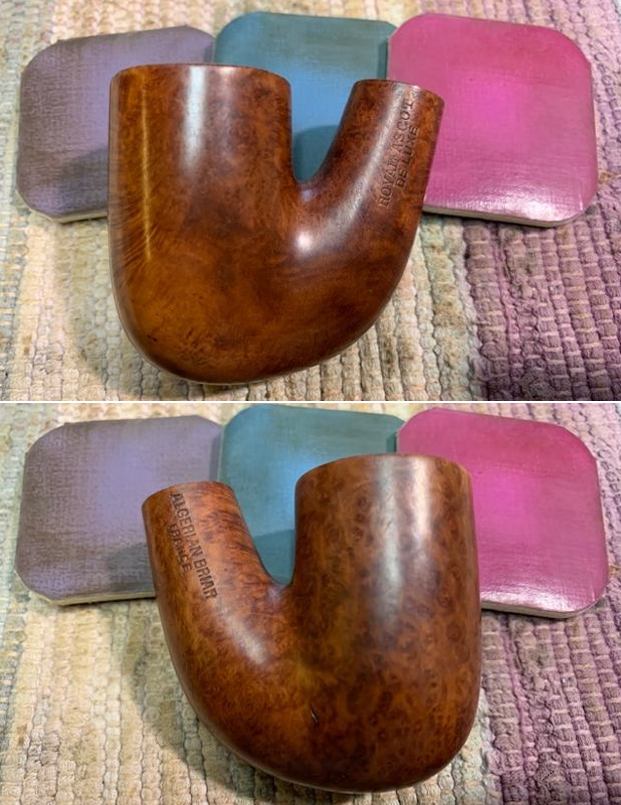
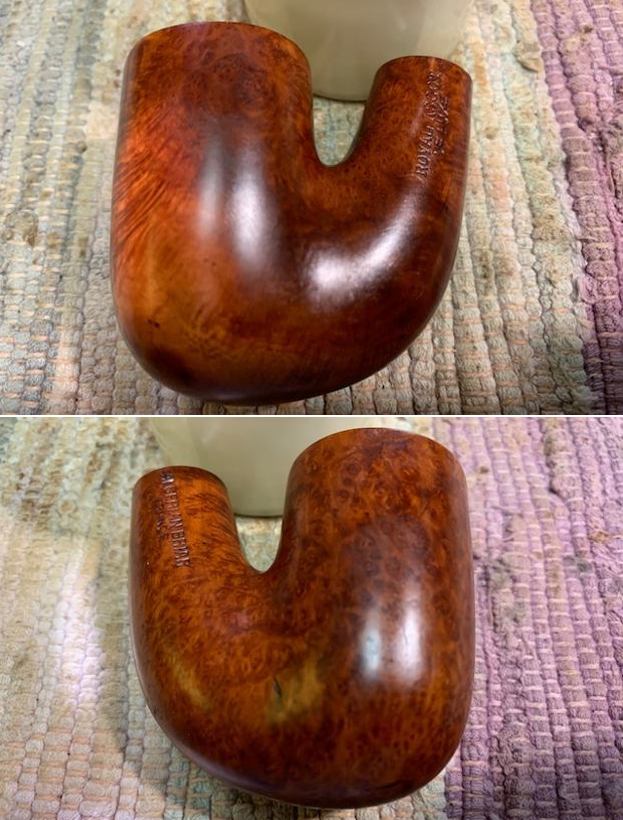
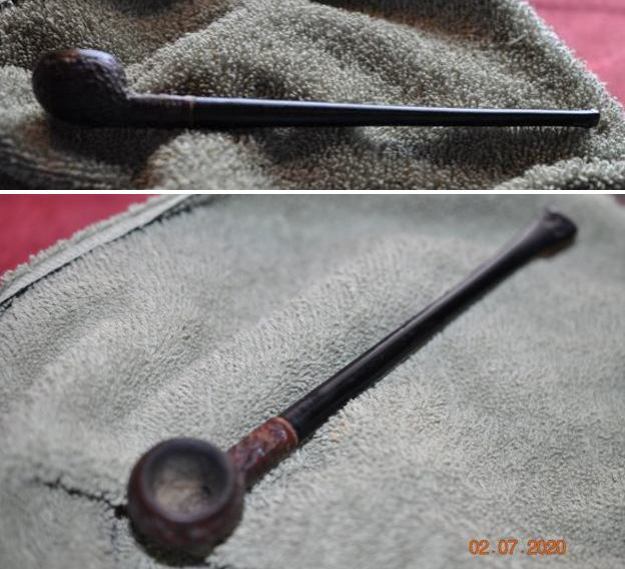
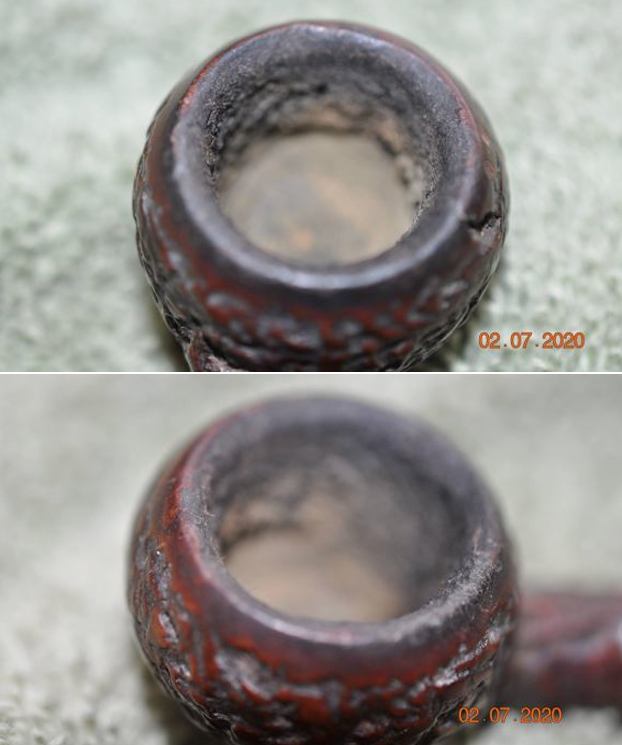
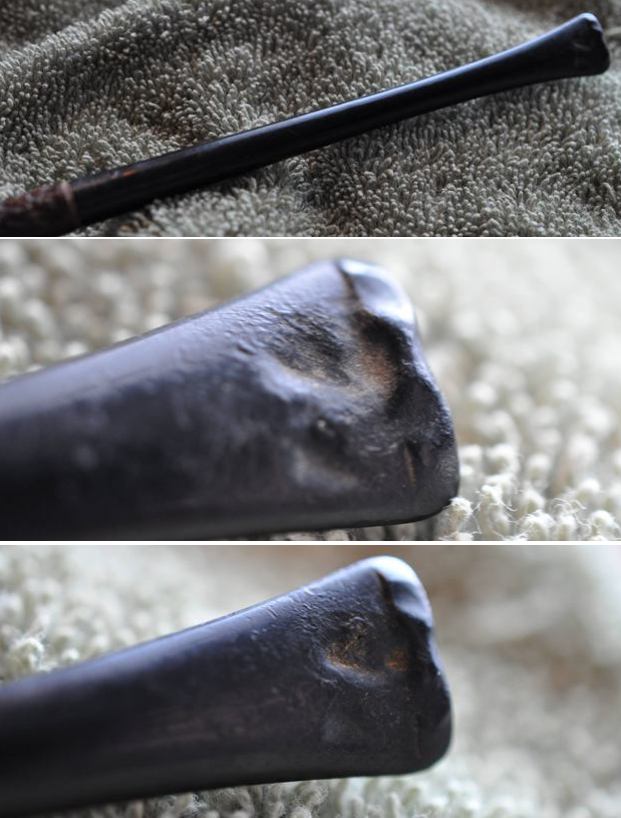
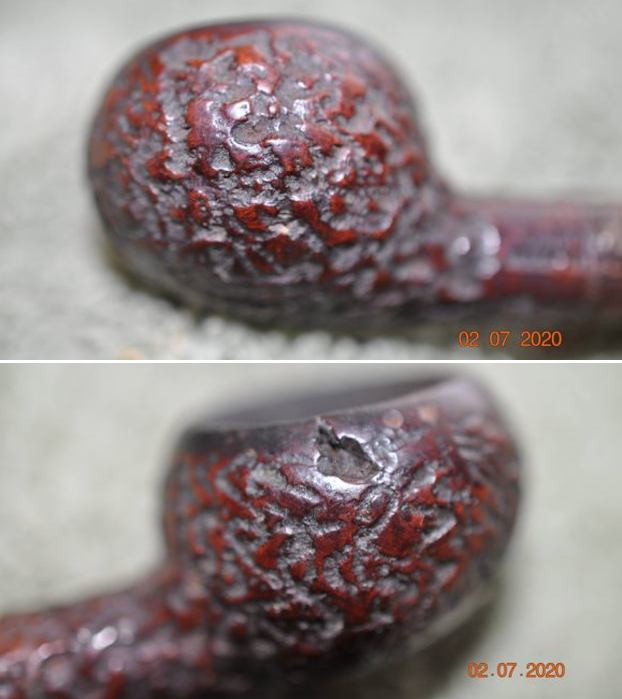
The next pipe on the table is an interesting pipe that caught my attention this morning when I was going through the boxes of pipes I have here awaiting restoration. This pipe was purchased from an online auction early in 2020 from St. Albans, West Virginia, USA. It has the length of a churchwarden and is a two part bowl and base with a tall bent stem. The pipe is a standing pipe that is well balanced and still stands when it is put together. The pipe is stamped on the left side of the shank and read TELEVISION PIPE and on the right side it read Algerian Briar [over] Made in France. There is a metal band/ferrule on the shank that is stamped EP in a diamond which means Electroplated and below that it has some very worn hallmarks. It was extremely dirty with grime and grit ground into the bowl sides. The bowl was heavily caked and there was a thick lava coat on the rim top and edges. The bowl unscrewed from the base which was also thickly caked with tars and oils. The band/ferrule was oxidized as was the vulcanite stem. There were light tooth marks on both sides of the stem ahead of the button. There was a small aluminum stinger in the tenon that was removable. Jeff took photos of the pipe before he started his work on it.He took some photos of the bowl and rim top to show their condition. The cake is thick and there is debris on the walls of the bowl. The rim top has a thick coat of lava and between that and the cake it is hard to know the condition of the rim edges. Clean up will reveal the condition. There are chips and nicks in the outer edge of the bowl. The stem looks pretty good with light tooth marks on both sides. The stem is oxidized and calcified. He took photos of the bowl and base together to show the overall appearance of the pipe. There is a lot of grime around the junction of the bowl and base that can be seen in the photos below. He unscrewed the bowl from the base and took a series of photos to show the condition of the bowl and the base. You can see the thick oils and tars in the threads, on the bottom of the bowl and in the base of the pipe. It is really a mess and will be a major work to clean up. Jeff took photos of the stamping on the sides of the shank and on the electro-plated band/ferrule on the shank.He remove the stem from the base and took a photo of the tenon end and shank to see the built up tars on the tenon and in the inside of the shank. You can also see the tarnish on the band.I looked on both Pipephil’s site and Pipedia to see what I could find out about the brand. There was nothing listed on either site regarding that brand. I turned a site that has been helpful in identifying pipes called Smoking Metal (http://www.smokingmetal.co.uk/pipe.php?page=277). The site shows a short version of this pipe – with a P-lip style stem on the shank rather than a Churchwarden stem. Other than the stem it is the same pipe. Since the information was quite limited on the brand it was time to turn to work on the pipe itself. I have to say that this was another pipe that I was really looking forward to seeing what Jeff had done to it. It is a French Made Algerian Briar Television Pipe that had shown such beauty through the grime that I was quite sure it would be stunning he cleaned it. He reamed the bowl with a PipNet pipe reamer and cleaned the remnants of cake back with a Savinelli Fitsall Pipe Knife.  He scrubbed the bowl and base with Murphy’s Oil Soap and a tooth brush to remove the grime and oils. He cleaned the internals of the base, shank and stem with pipe cleaners, cotton swabs and alcohol to remove all of the tars and oils there. He scrubbed the exterior of the stem with Soft Scrub to remove the oxidation and calcification. He wiped the bowl and stem down with a light coat of olive oil to rehydrate both. The pipe really was quite stunning. You can see the nicks around the bowl and base but they do not lessen the beauty of the pipe.  I took close up photos of the stem and the rim top to show both how clean they were and what needed to be addresses with both. The rim top had some nicks in the top and the inner edge of the bowl was out of round. The stem looked better but the light tooth marks and chatter were still present.I took photos of the cleaned up stamping on sides of the shank. It is very clear and readable.I removed the stem from the shank and took photos to show the overall look of this beautiful pipe. I then unscrewed the bowl from the base and took photos of all of the parts of the pipe. I started my work on this pipe by dealing with the shrunken fills on the bowl sides. I filled them in with clear CA glue and briar dust. Once the repairs cured I sanded them smooth to blend them into the surrounding briar. I polished the briar with micromesh sanding pads – wet sanding with 1500-4000 grit pads. I wiped the briar down after each pad. The grain began to really come alive through the polishing. I took a  break from the polishing process and I stained the sanded areas of the bowl with a Walnut Stain pen to blend them into the surrounding briar.I buffed bowl with Blue Diamond polish and then went back to polishing the bowl with 6000-12000 grit micromesh sanding pads. I repeated the process of polish the base with micromesh sanding pads – wet sanding with 1500-12000 grit pads. I wiped the briar down after each pad. The grain began to really come alive through the polishing. I worked some Before & After Restoration Balm into the surface of the briar of both the bowl and the base with my finger tips. The product is incredible and the way it brings the grain to the fore is unique. It works to clean, protect and invigorate the wood. I put the bowl and base back together again and rubbed them down with the Balm. I buffed the bowl and base with Blue Diamond on the wheel. The finished bowl looked a lot better. I set the bowl aside and turned my attention to the stem. I polished the stem with micromesh sanding pads – wet sanding it 1500-12000 pads. I wiped it down with Obsidian Oil after each pad to protect it and preserve it. I polished it with Before  After Pipe Polish – both Fine and Extra Fine. I finished the polishing with a final coat of Obsidian Oil. I am really happy with the way that this Tall Television Pipe Churchwarden Sitter turned out. It really is a unique looking pipe with character. The long mouthpiece is a unique feature of this pipe and sets it apart. The removable bowl and base work well and the pipe is a beauty. To me it is a great pipe with unique details. The grain really came alive with the buffing. The rich brown and black stains of the finish gave the grain a sense of depth with the polishing and waxing. The grain really popped. I put the vulcanite stem back on the bowl and carefully buffed the pipe with Blue Diamond on the buffing wheel using a light touch on the briar. I gave the bowl and the stem multiple coats of carnauba wax on the buffing wheel. I buffed the pipe with a clean buffing pad to raise the shine. I hand buffed the pipe with a microfiber cloth to deepen the shine. The finished Television Pipe Sitter really is a beauty and feels great in the hand and looks very good. Give the finished pipe a look in the photos below. The dimensions of the pipe are Length: 10 inches, Height: 3 inches, Outside diameter of the bowl: 1 ¼ inches, Chamber diameter: ¾ of an inch. The weight of the pipe is 57 grams/2.01 oz. The pipe will be going on the rebornpipes store soon. It will be in the section on French Pipe Makers if you would like to add it to your collection.Thanks for reading this blog and my reflections on the pipe while I worked on it. It was a fun one to work on!

This restoration is a bit of a resurrection of a beautiful Ferndown Root 3* Dublin


Blog by Steve Laug

This pipe was one of those happy coincidences. I have been looking for a Les Wood Hand Made Ferndown pipe for quite a while now to add to my collection. I have read a lot about them and had them on the wish list but have never found one. The crazy thing was that I was looking on Maxim Engels Site here in Canada and on EBay when I received an email from David asking if I would be willing to breath life back into this badly damaged beauty. That should have been an easy answer but I have been turning down work as my “day” job has dramatically become more consuming and I am left without a lot of time to work on pipes. I have been turning down pipes for repair for awhile now not wanting to add to the load. I postponed answering him and when I finally did I asked him to send me photos of the pipe so I would know what I was getting into. He immediately forwarded me the next two photos and I was hooked! I have not worked on a Ferndown before and this one looked like a good candidate for me to work on. I wrote and asked him about his timeline and he was very gracious with me. We struck a deal and the pipe was on its way to Canada for work. It dawned on me then that I had no idea what the rest of the pipe looked like and I would just have to wait and be surprised.I came home from my office yesterday to find the box from David waiting for me. My wife Irene had put it where I would see it. I took it to my work desk in the basement and carefully opened a well packed box that had originally contained pipes that I had sent to David. It was good to see this little box continue to serve its purpose as the vessel that protects it precious cargo. I took it out of the box and took some photos of it to chronicle the issues that I saw and give a benchmark for me before I began the work.

The pipe is a beautifully shape Dublin with a gold band. The pipe is stamped on the underside of the bowl and shank. On the heel of the bowl it is stamped Ferndown [arched over] Root [over] ***. Next to that it is stamped Hand Made In [over] England [over] Les Wood. On the gold band it is stamped L&JS in a rectangle [over] 9CT. The finish is quite beautiful but dirty on the bowl sides and shank. The largest issue with the pipe is the rim top and edges. There are burn marks around the front and back outer edges. The rim top itself is covered with lava but not enough to hide the charred inner edge and top. The damage is deep from the looks of the bowl top but cleaning would tell the story. The bowl itself is out of round from the damage. There was a thick cake in the bowl and the pipe stank of old tobacco but not enough to distinguish what it was… I know it was not an aromatic from the smell but otherwise I could not identify it. The taper stem is oxidized and has some calcification on the end. It is stamped on the left side and reads LJS. It was originally a stunning pipe and even with the damage and grime it still had class that was evident the moment you looked at it. I took a photo of the rim top and edges to show the burn damage around the bowl top and inner and outer edges. It has some serious char under the lava coat. The bowl is thickly caked as you can see from the photo. I also took photos of the stem to show its condition. There are light tooth marks and chatter on both sides next to the button and there is a deep oxidation in the vulcanite.I took a photo of the stamping on the heel of the bowl and underside of the shank and gold band. It is clear and readable as noted above.I removed the stem from the bowl and took a photo of the pipe to show the proportions of the design. It is really a well made pipe.I turned to Pipephil to help me interpret the stamping on the pipe and gain some background information (http://pipephil.eu/logos/en/logo-f1.html). The photo to the left shows Les Wood and the information below came from the side bar. I have also done a screen capture of the information on the site.

Artisan: Leslie (Les) Wood. He was the master silver smith at Alfred Dunhill Ltd. before starting L. & J.S. Briars. Pipes for the European market are stamped “L. Wood” while those for US are stamped “Ferndown”. Production: ~ 2000 pipes/year (Ferndown + L.Wood) See also Elwood.From the information on Pipephil I learned that I was working on a pipe made for the US and that it was a large 3 star pipe in terms of size. I also learned that the Root finish was a smooth light brown. All of which helped to understand the pipe in hand.

I turned to Pipedia (https://pipedia.org/wiki/Ferndown) to find a more detailed history and description of the brand and was amazed to find that the majority of it was either quotes or written by Les Wood himself. I am quoting some pertinent parts of the article below. You can turn to the site to read it in full.

Leslie “Les” John Wood worked for Dunhill for 19 years. His last position was as master silversmith. Following his tenure with Dunhill, Les formed his own brand, L. & J.S. Briars together with his wife Dolly in 1978. Les Wood follows Sasieni, the first ex Dunhill worker to start their own enterprise, and he was followed by William John “Ashton”-Taylor.

“I started working at Dunhill’s in March 1963, in the silver mounting department working under Jack Spriggs he left the firm after I had been there for 2 years, and I took over the department, at that time I worked alone it was only when the department was relocated to the top floor that the increase of pipes that needed mounting that we took on trainees. After 19 years I was asked if I would buy the machinery and move out of the factory and set up on my own, so off I went. With me I took the staff that worked with me at that time, Robert Morris was the best, he could mount anything, he now has his own jewellery retail shop and makes some really nice handmade jewellery from his shop at Whitstable in Kent.”

“I worked on Dunhill’s pipes from 1980/81 and soon built up a reputation as the firm to send your mounting to. As time went on and Dolly left Dunhill’s we decided to start to turn our own bowls and make our own pipes under the name of my house.” Les Wood. Jan, 2020…”

Due to the vagaries of international trademark law, he sold his earlier pipes as ” L.&J.S Briars”, “Ellwood”, “Les Wood” or “L. Wood”. Until recently, an average of 1500 – 2000 pipes a year were sold as “Ferndown” — named for the mansion he lives in — in the UK and US, but as “L. Wood” pipes in Germany…

To many pipe smokers, Les Wood’s pipes embody the revival of great English pipe making initiated by Ashton in the early 1980s. The high-grade Italian and Spanish plateau he prefers is oil-cured in the tradition of both Dunhill and Ashton. The pipes are renowned for their pleasant, slightly nutty flavor and remarkable smoking characteristics. They feature impeccable craftsmanship extending to very good stem/bit work, though many pipes are often a bit heavier. The hallmark of his work, of course, is the excellent silver work. Almost all of his pipes feature rings or ferules for spigot stems. Grading is by finish: “Bark” (ca. 90%, rusticated, dark brown and black), “Antique Bark” (tan rusticated), “Reo” (brown and red, smooth), “Root” (orange, smooth), and “Tudor Root” (orange and brown smooth) and by size (one to four stars). He also designates straight grains with SG…

“We bought the briar from Italy and Spain, one is mush denser that the other I like the Spanish briar it is lighter and Dolly would make the Roots look like glass with only a natural vanish, all the pipes were finished with the same varnish, the bark finish on the bowl is put on by Dolly by hand, one slip and you have a problem. That’s one job that needs to be seen to see how it’s done.”

There also was a great paragraph on the oil curing process that Les and Dolly developed. I am including that below as the pipe I am working on was definitely oil cured.

“We had our method of Oil-Curing. We applied Oil to the outside and the inside of the bowl, that was because when Dolly was at Dunhill’s factory, she worked in the finishing department and got such a high finish on the pipes they wanted to know how she did it. The bowls had already gone through Dunhills’ oven oil curing system, but to her, it was not enough, because it could not get the shine that she wanted, then, she oiled the bowl on the outside and the inside to get a better finished. She left Dunhill and came to work with me. Because of this process, we found out the smokers liked the taste when light up their pipe – they said there was no aftertaste and it had a sweet taste doesn’t matter what tobacco they used. We have carried it on from there.”

With that background information it was now time to work on the pipe itself. I decided to top the bowl to remove the heavy charring damage. I put a piece of 180 grit sandpaper on the topping board and worked the rim top and edges over in a circular motion on the board. After a few passes I took a photo of the rim top to show the progress but also to show the burn damage.Before working on the rim edges I reamed the bowl with a PipNet Reamer to cut back the cake to bare wood. I cleaned up the remaining cake with a Savinelli Fitsall Pipe Knife. I then sanded the bowl with a piece of 220 sandpaper wrapped around a piece of dowel to smooth out the bowl walls. The reaming and sanding cleaned up a lot of the damage on the inner edge as you can see in the fourth photo below.With that done I turned my attention to the inner and outer edges of the rim. I cleaned up both with a folded piece of 220 grit sandpaper. I worked on removing the burn marks on the outer edge and gave the inner edge a light bevel to hide the burn marks.I scrubbed the exterior of the bowl and shank with undiluted Murphy’s Oil Soap and a tooth brush. I work on the grime ground into the briar. I rinsed the bowl with warm running water to remove the debris left behind from the scrubbing. The pipe looked much better and the rim top was greatly improved. I cleaned the internals of the bowl, shank and airway in the stem with isopropyl alcohol, cotton swabs and pipe cleaners until they came out clean.I set the stem aside and turned my attention to polishing the briar. I used 1500-12000 grit micromesh sanding pads and wiped the bowl down after each pad with a damp cloth. The briar on the rim began to change the colour to get much closer to the rest of the bowl. I used a Maple stain pen to blend the rim top into the colour of the rest of the bowl. It matched well and served to obscure the burn mark on the rim edges. I also restained a light spot on the heel of the bowl. I rubbed the bowl and shank down with Before & After Restoration Balm. I worked it into the surface of the bowl sides and shank with my fingertips to clean, enliven and protect the briar. I let the balm sit for a little while and then buffed with a cotton cloth to raise the shine. The Balm did its magic and the grain stood out. I set the bowl aside and put the stem to soak in a bath of Briarville’s Pipe Stem Deoxidizer overnight. In the morning I rinsed it off with warm water and rubbed off the remaining softened oxidation until the stem was very clean. It looked very good and even the LJS gold stamping looked good. I set the bowl aside and turned my attention to the stem. I “painted” the tooth marks on the stem with the flame of a lighter to raise them. I sanded the remaining tooth chatter and marks with 220 grit sandpaper to blend them into the stem surface. I started the polishing process with 400 grit wet dry sandpaper. I polished the vulcanite stem with micromesh sanding pads – 1500-12000 grit pads. I wiped it down with Obsidian Oil after each sanding pad. I used Before & After Pipe Polish – both Fine and Extra Fine to further polish the stem. The photo below shows the polished stem.     I touched up the LJS stamp on the left side of the taper stem with Rub’n Buff Antique Gold. I rubbed it on and worked it into the stamp with a tooth pick. I buffed it off with a soft cloth. This nice looking Les Wood Ferndown Root 3 Dublin with a taper vulcanite stem is a great looking pipe now that it has been restored. The briar is clean and the grain really came alive. The rich brown stains gave the finish a sense of depth with the polishing and waxing. The grain really popped. I put the stem back on the bowl and buffed the pipe with Blue Diamond on the buffing wheel using a light touch on the briar. I gave the bowl and the stem multiple coats of carnauba wax on the buffing wheel. I buffed the pipe with a clean buffing pad to raise the shine. I hand buffed the pipe with a microfiber cloth to deepen the shine. The finished Ferndown Root 3 Dublin really is a beauty and feels great in the hand and looks very good. Give the finished pipe a look in the photos below. The dimensions of the pipe are Length: 6 inches, Height: 2 inches, Outside diameter of the bowl: 1 ¾ inches, Chamber diameter: 7/8 of an inch. The weight of the pipe is 66 grams/2.36 oz. The pipe will be going back David very soon. I am looking forward to what he thinks once he has it back in his hands. Thanks for reading this blog and my reflections on the pipe while I worked on it. It was a fun one to work on.
Restoring a Kaywoodie “Standard” # 08 Straight Dublin From Steve’s Grab Box


Blog by Paresh Deshpande

Re-Cap…
During one of the many Facetime interactions with Steve, I expressed my anxiety of ‘what after’ I had gone through restoring all of my inherited collection. Also discussed during this interaction was that I would be interested in working on pipes from various makers and with greater variety of repair works to gain more experience and learn new techniques. Since the ‘pipe culture’ in India met its last in the early 1970s, I did not have access to large lots of estate pipes as is available in Europe and USA. Steve suggested that I grab one of the “grab bags” which he had in his store. I requested him to make one from an assortment of pipes that he had to which he agreed. Soon the awaited grab bag along with other pipes that I had liked arrived in my home town and was received by Abha. She sent me this picture of the pipes that were received. The one crossed in red is a Dunhill sitter that is added to my personal collection.There are a total of 15 pipes in the grab bag, each with different shapes, issues and requiring different skill sets to address them. This is exactly what I was looking for and that there are some nice branded ones is like an icing on the cake. This lot included pipes that Jeff, (Steve’s brother who does all the preliminary cleaning of pipes) had cleaned and sent to Steve for further restoration works.

Returning To The Present…
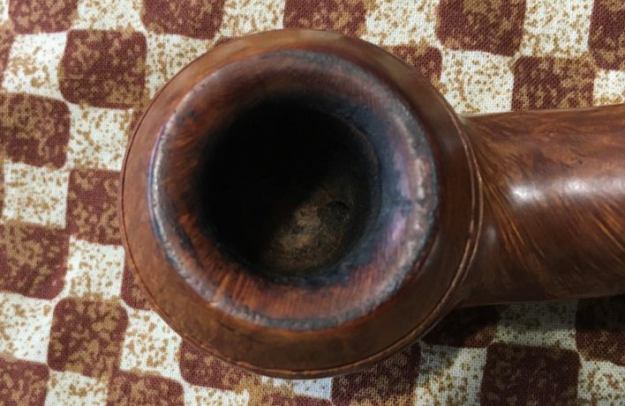
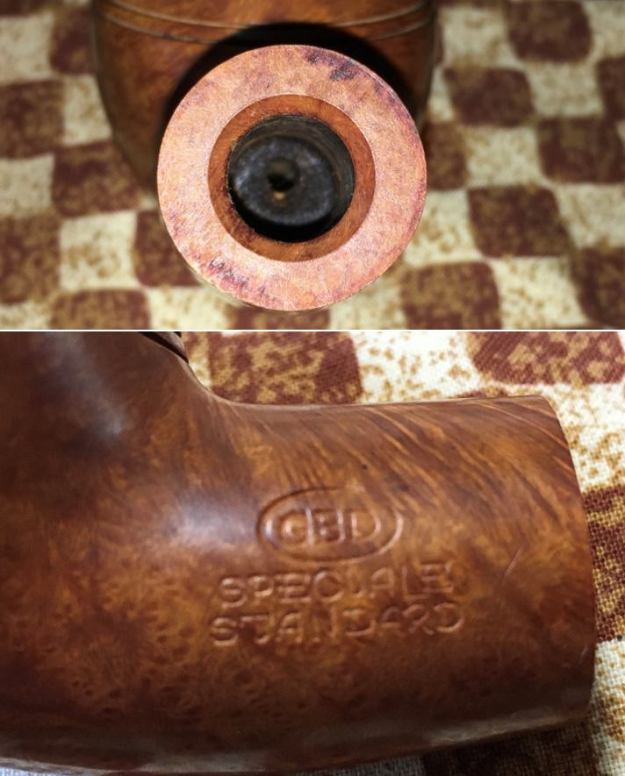
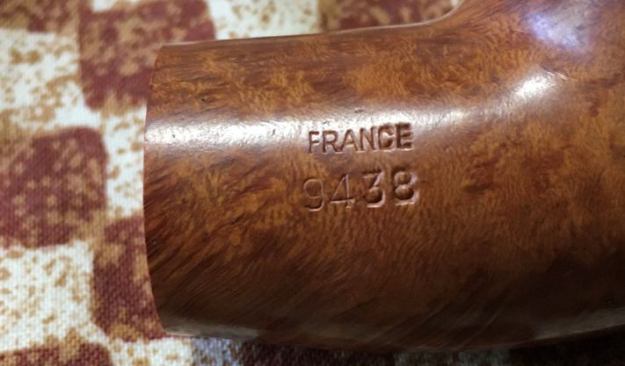
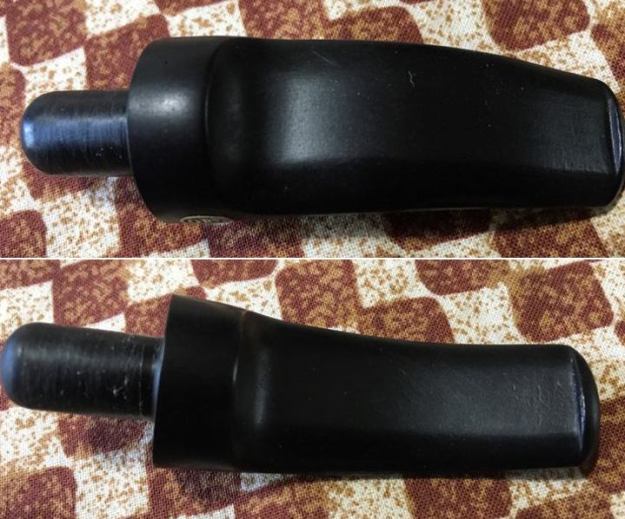
The next pipe on my work table is KAYWOODIE “STANDARD” in a classic Dublin shape from Steve’s grab bag that had been reamed, cleaned and readied for next stage of restoration by Jeff. This pipe is indicated in pastel blue arrow with the numeral 4.This petite ultra lightweight pipe has some beautiful and densely packed cross grains on the front, aft and over the shank surface of the stummel while bird’s eye adorns the sides of the bowl. The stamping of “KAYWOODIE” in capital letters over “STANDARD” in script over “IMPORTED BRIAR” is on the left side of the shank. The right side of the shank bears the shape code “08”. The stem, with its three holed aluminum threaded stinger, bears the Kaywoodie trademark inlaid white Clover Leaf logo on the left side of the stem. The lower surface of the stem is stamped as “J 40” towards the stinger end. The lack of KB & B stamping in clover leaf over the shank surface and the three holed aluminum stinger, points to a later era Kaywoodie pipe. The shape code # 08 finds mention in the 1936 catalog as medium Dublin (indicated by the red arrow) and is conspicuous by its absence in the 1970s. (Refer Kaywoodie – Pipedia)The Standard grade stamp indicates this pipe to be the cheapest offering from Kaywoodie at the time and is described as “the original dry- smoking, pure smoking pipe” in the flyer (indicated by the red tick mark) that was available on pipedia.org. The same has been reproduced below for ease of reference. Collector’s Guide to Kaywoodie Pipes – PipediaThus, the Kaywoodie Standard presently on my work table dates to pre-1970s (not a definitive supposition) but definitely post 1950s when the stinger head size was reduced in diameter and three holes replaced the four holes. In spite of my best efforts, I have not come across any concrete information on the stamp “J 40”. It is my guess that this is the code that would help for replacing the stem by Kaywoodie retail outlets in the event that the original stem is broken by the owner.

Initial Visual Inspection
This grab bag that Steve had sent me contained few pipes that Jeff had already cleaned and sent across to Steve for further restoration. Thus, unfortunately, before condition pictures are not available with me to share with the readers, but the best part is that I get to work on a pipe that Jeff has already worked his magic upon and presented me with a clean pipe. Below are a few pictures of the pipe as I had received it. Detailed Inspection
The chamber is clean and odorless without any trace of the old cake. There is no damage to the inner walls of the chamber. The rim top and the rim edges is where the maximum damage can be seen on this pipe. The rim top has darkened not because of lava overflow, but maybe due to charring, notably between 11 o’clock and 1 o’clock direction (encircled in yellow). The rim top surface is peppered with numerous scratches, dents and dings (few of them are indicated by indigo arrows) and probably caused due to knocking the rim against a hard surface to remove the dottle. There is significant damage to both the inner and outer edge of the rim all around. The inner rim appears charred along the 12 o’clock direction and is encircled in red. The outer rim damage too is significant with sever chipped surface in 6 o’clock and 8 o’clock directions (encircled in green) and dents/ dings and chipping all along the edge. The draw is smooth, full and open. Simple topping of the bowl on a piece of 220 grit sandpaper should address this issue, however, in addressing this issue, though I absolutely hate it unfortunately, I would be losing some briar estate, a price I am willing to pay to resurrect this beauty. The stummel is clean with some interesting grain pattern that needs to be brought to the fore. There are few minor scratches, dents and dings on the stummel surface. Maybe, sanding and further micromesh polishing will address these dents and scratches. The stummel has a rich golden brown hue to the briar. The shank end of the pipe, including the aluminum spacer, is clean and so is the mortise. The tapered vulcanite stem has a couple of deep tooth indentation and minor tooth chatter on both the upper and lower surface near the button edge in the bite zone. Both upper and lower buttons are worn out and has bite marks. The stem has deep seated oxidation and some amount of calcification is seen in the bite zone. The threaded aluminum stinger tenon is also clean and the seating of the stinger in the shank is flush and perfectly aligned with the shank face. The air way is clear and draw is easy and smooth.The Process
Since Jeff had done the initial cleaning, I straight away get on with addressing the issues as observed during my initial inspection. I decided to start this restoration with stem repairs and cleaning as this takes up the maximum time in the entire restoration process.

I ran a couple of hard bristled and regular pipe cleaners dipped in alcohol to be sure that the internals of the stem are cleaned out. I sand the entire stem with a folded piece of 220 grit sandpaper to loosen the oxidation from the surface before dunking the stem in to a solution of “Before and After Deoxidizer”. The initial sanding helps in efficient drawing out of the deeper oxidation. I let the stem soak in the deoxidizer solution overnight. Since I had some time before I called it a day, I decided to address the damage to the outer rim edges. I filled the larger chipped outer rim edge surfaces with a mix of briar dust and super glue. I would need to top the rim surface to address the issue of numerous dings and scratches on the rim top and during this process the briar dust and CA glue fill would also even out to match perfectly with the surrounding surface. I set the stummel aside for the fill to cure overnight. The next morning, I removed the stem that had been soaking in the deoxidizer solution overnight. I cleaned the stem and the stem airway under running warm water and scrubbed the raised oxidation from the stem surface using a Magic Eraser pad followed by scotch brite pad. I cleaned the stem airway with a thin shank brush and blew through the airway to completely remove the deoxidizer solution. I further removed the oxidation by scrubbing the stem with 0000 grade steel wool and applied a little EVO to rehydrate the stem.Next, I filled the tooth indentations in the lower surface with a mix of clear CA superglue and activated charcoal and set it aside to cure. After the glue had partially hardened on the lower surface, likewise, I filled the upper surface tooth marks. Simultaneously, I smeared the button on either surface with the mix of charcoal and superglue and set the stem aside for the mix to harden completely.With the stem fills set aside, I sand the fill on the outer rim edge with a flat head needle file and to further blend the fill with the surrounding briar surface, I sand it with a folded piece of 220 grit sand paper. Next, I top the rim on a piece of 220 grit sandpaper to address the issue of uneven rim top surface and the dents and dings on the rim edge (this is a necessary evil). I frequently checked the rim top for the progress made and stopped immediately once I had achieved the desired results. The rim top looks refreshed with no darkening and charring. The rim edge damage has also been addressed to a great extent. I followed up the topping of the rim top with the sanding of the entire stummel surface with a folded piece of 220 grit sand paper. This addressed the minor dents and dings on the stummel that I had initially observed and also evened out the entire stummel surface. I was careful around the stampings on the shank.Thereafter, I moved to the next stage of polishing and revitalizing the entire rim top and the stummel. I polished the stummel by wet sanding with 1500 to 2000 grit wet or dry sand paper and followed it up with further wet sanding with 3200 to 12000 grit micromesh pads. I wiped the stummel with a moist cloth after each wet pad to see the progress and am extremely pleased with the end result. I rub a small quantity of “Before and After Restoration Balm” in to briar and let it rest for a few minutes. The balm almost immediately works its magic and the briar now has a nice vibrant appearance. I further buff it with a horse hair shoe brush.Now that the stummel refurbishing save for final wax polish is completed, I turn my attention back to the stem. A little bit of filing with a flat head needle file followed by sanding with folded pieces of 220 and 600 grit sand papers got the stem fills all matched up with the stem surface. The buttons and the button edges are now even and crisp. I polished the stem with micromesh sanding pads – wet sanding with 1500 to 12000 grit pads. I rubbed the stem down with Extra Virgin Olive Oil and set the stem aside to dry.To finish, I re-attach the stem with the stummel. I mount a cotton cloth buffing wheel on to my hand held rotary tool and applied several coats of carnauba wax over the stummel and the stem. I finished the restoration by giving the pipe a rigorous hand buffing using a microfiber cloth to raise the shine further. The completed pipe, with the natural finish and beautiful grains on the stummel contrasting with the shiny black stem looks lovely, fresh and vibrant; the photographs speak for themselves.P.S. The pipe has turned out beautiful, far more luxurious and vibrant in person, than it appears in pictures. The petite size and light weight makes it ideal for a coffee break smoke or enjoying your favorite blend while you are busy at your work table. If this pipe calls out to you, please let me know at deshpandeparesh@yahoo.co.in.

Thank you all for being a part of this journey with me. Praying for the health and safety of you and your loved ones in these troubled times. Stay home, light a pipe and be safe!

This Beat up Yves St. Claude Interlude 96 Pocket Pipe Needs an Interlude


Blog by Steve Laug

The next pipe on the work table came to us from a fellow in Brazil, Indiana, USA earlier this year. It is a small pocket pipe with flat sides and an oval shank. There is some nice grain on the bowl and there is carved pattern on the back side of the bowl. The rim top is pretty beat up and has some ground in grime and lava build up. The inner edge of the rim is in rough shape and there is damage and burn marks on the outer edge as well. The finish on the bowl is very worn and dirty but there is still something intriguing about the pipe even with the grime on the surface of the briar. There is a large shrunken fill on the left side of the heel of the bowl. This pipe is stamped on the topside of the shank and reads Yves St. Claude [over] Interlude. On the underside of shank it has the shape number 96 followed by the Made in France circular COM stamp. There was a stylized YSC stamped on the top of the oval saddle stem. The pipe is heavily smoked with a moderate cake in the bowl that has been poorly reamed. There were some tooth marks and chatter on both sides of the stem near the button. The pipe is in a condition that is a challenge to bring back to life. Jeff took photos of the pipe before he started his cleanup. He took photos of the rim top to show the condition of the top and edges of the bowl. It is a heavily smoked and well worn older pipe that must have been someone’s favourite. The stem had tooth marks and chatter on both sides ahead of the button.He took photos of the sides and heel of the bowl to show the interesting grain around the bowl and the condition of the pipe. He also captured the carving on the back of the bowl. It is a unique looking pipe. He took a photo of the shrunken fill on the left side of the heel of the bowl. It was a large fill that had chipped and left a pit.He took photos of the stamping on the sides of the shank. It is clear and readable as noted above. He also took photos of the YSC stamp on the left side and Hand Cut on the right side of the taper stem.   I turned first to a blog I had written on the restoration of previous YSC pipe that I received (https://rebornpipes.com/2020/04/23/next-on-the-table-an-yves-st-claude-marbre-75-bulldog/).

In the previous blog that I cited above I had found several references to Yves Grenard, trained in Comoy’s England factory, purchasing the Chacom plant in St. Claude. He managed the factory and it passed on to his son afterward. The shape of this Yves St. Claude pipe makes me believe that it may have been made by Chacom in France with the stamping bearing Yves name.

I turned back to Pipephil’s site to have a look at what was listed there and did a screen capture of the section (http://www.pipephil.eu/logos/en/logo-y.html).I turned to Pipedia and in the listing of French Brands and Maker I found a connection of the brand to Chapuis-Comoy and that the YSC brand was made primarily for Tinder Box (https://pipedia.org/wiki/French_Pipe_Brands_%26_Makers_U_-_Z). I followed that up by turning to the Chapuis-Comoy article from Pipedia (https://pipedia.org/wiki/Chapuis-Comoy).

French factory, in St. Claude. It began with Francois Comoy who, in 1825, was making pipes in boxwood and other types, as well as in clay, for the armies of Napoleon. In 1856, the Comoy factory was the first to produce briar bowls at St. Claude. In 1870, Francois’s grandson, Henri Comoy (1850-1924) was taken prisoner in Switzerland whilst serving in the French army during the Franco-Prussian war, where he found his cousins, the Chapuis. This meeting produced the idea of an association, which only became a reality in 1922, with the creation of Chapuis-Comoy. After Henri’s death, his sons Paul and Adrien, took over the company with the support of their cousins, Emile and Louis Chapuis Sr., and in 1928 they created the Chacom brand.

In 1932, due to the economic crisis at Saint-Claude, the factory merged with La Bruyère, adopting that name, and becoming one of the biggest pipe companies in the world, with 450 workers. Louis Chapuis Jr., joined the company in 1938 and Pierre Comoy in 1947. The name Chapuis-Comoy returned in 1957 (125 workers), due to the success of the Chacom brand in France. In 1971, the London factory (see Comoy’s) became independent, and Yves Grenard, second cousin to Pierre, took over Saint-Claude, and is still running it. Between 1987 and 2001, the factory, which employed over 40 people, joined the Cuty-Fort Enterprises SA holding and, in 1994, included the Ropp brand it its catalog.

Reminded about the Chacom connection for the YSC brand it was now time to turn to the pipe itself and do my part of the work. As usual Jeff had done a thorough cleanup on the pipe. He reamed the bowl with a PipNet pipe reamer and followed up with a Savinelli Fitsall pipe knife to remove the cake. He scrubbed out the mortise and the airway in the shank and the stem with alcohol, cotton swabs and pipe cleaners. He scrubbed the exterior of the bowl, rim, shank and stem with a tooth brush and Murphy’s Oil Soap to remove the oils and tars on the rim and the grime on the finish of the bowl. He rinsed it under running water. One of the benefits of this scrub is that it also tends to lift some of the scratches and nicks in the surface of the briar. He dried it off with a soft cloth. He cleaned the internals and externals of the stem with alcohol, pipe cleaners and cotton swabs. He soaked the stem in Briarville’s Pipe Stem Deoxidizer and rinsed it off with warm water and cleaned out the airway in the stem with alcohol. Other than the damaged rim top and edges the pipe looked good. Strangely, I did not notice I had put the stem on upside down until I looked through these pictures. I have the YSC stamp on the underside of the stem rather than the top! Oops. I will fix that.I took a photo of the rim top and stem to show the condition (though it is a little blurry it is clear enough to see the damage). The edges of the bowl are in rough condition. The oval vulcanite saddle stem had tooth chatter and marks on both sides ahead of the button and on the edges. The stamping on the sides of the shank is faint but readable as noted above.       I removed the stem from the shank and took a photo of the pipe to give a sense of the whole. It is unique looking pipe that is carved with a notch for the thumb of either hand when it is wrapped around the bowl. I started working on the pipe by topping the damaged rim top on a topping board with 180 grit wet dry sandpaper. I wanted to minimize the damage to the rim top and the inner and outer edges as much as possible. I used a folded piece of 180 grit sandpaper to clean up the inner edge and give it a slight bevel. I repaired the flaw on the left side of the heel of the bowl with briar dust and super glue. Once it dried I sanded it smooth with 220 grit sandpaper to blend it into the surrounding briar.  I sanded it with micromesh sanding pads, wet sanding with 1500-12000 grit sanding pads and wiping it down with an alcohol dampened pad after each sanding pad. I rubbed the bowl and shank down with Before & After Restoration Balm. I worked it into the surface of the bowl sides and shank with my fingertips to clean, enliven and protect the briar. I let the balm sit for a little while and then buffed with a cotton cloth to raise the shine. The Balm did its magic and the grain stood out.   I set the bowl aside and worked on the stem. I touched up the YSC stamp on the top of the saddle stem with Antique Gold Rub’n Buff working it into the stamp with a tooth pick. I buffed it off with a soft cloth.   I polished the vulcanite stem with micromesh sanding pads – 1500-12000 grit pads. I wiped it down with Obsidian Oil after each sanding pad. I used Before & After Pipe Polish – both Fine and Extra Fine to further polish the stem. The photo below shows the polished stem. This nice smooth finished Yves St. Claude Interlude 96 Pocket Pipe with a vulcanite saddle stem is a great looking pipe. The rich medium brown finish and the black stem work really well together. The briar is clean and really came alive. The rich medium brown stain gave the grain a sense of depth with the polishing and waxing. The grain really popped. I put the stem back on the bowl and carefully buffed the pipe with Blue Diamond on the buffing wheel using a light touch on the briar. I gave the bowl and the stem multiple coats of carnauba wax on the buffing wheel. I buffed the pipe with a clean buffing pad to raise the shine. I hand buffed the pipe with a microfiber cloth to deepen the shine. The finished YSC Interlude Pocket Pipe is a beauty and feels great in the hand and looks very good. Give the finished pipe a look in the photos below. The dimensions of the pipe are Length: 4 ½ inches, Height: 1 ¾ inches, Outside diameter of the bowl: 1 ¼ inches wide x 1 ½ inches long, Chamber diameter: ¾ of an inch. The weight of the pipe is 36 grams/1.27 ounces. If you are interested in adding it to your collection let me know. I will be adding to the French Pipe Makers section of the rebornpipes store shortly. Thanks for reading this blog and my reflections on the pipe while I worked on it.