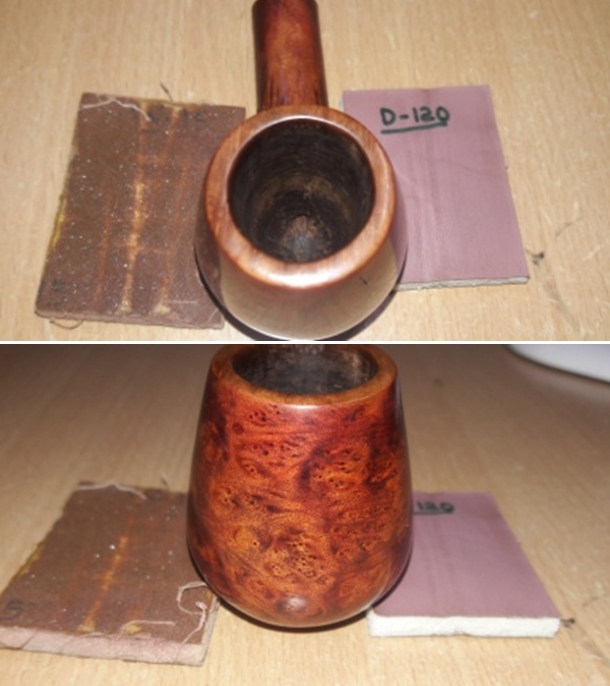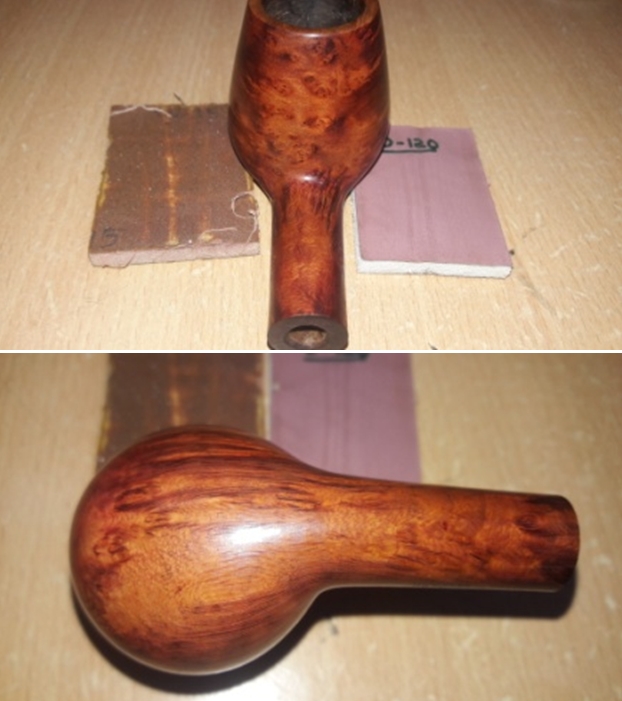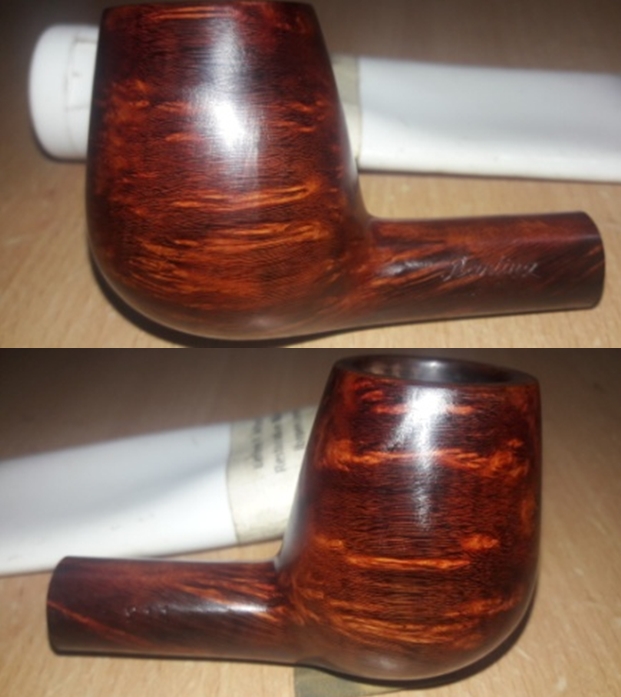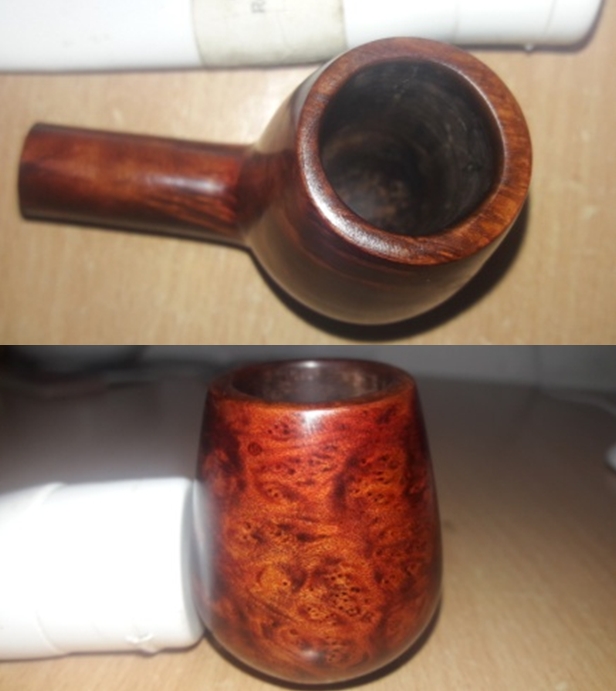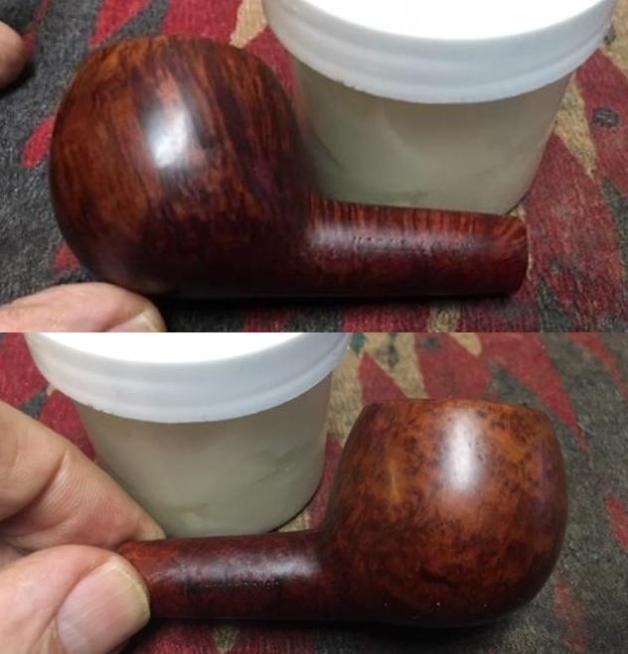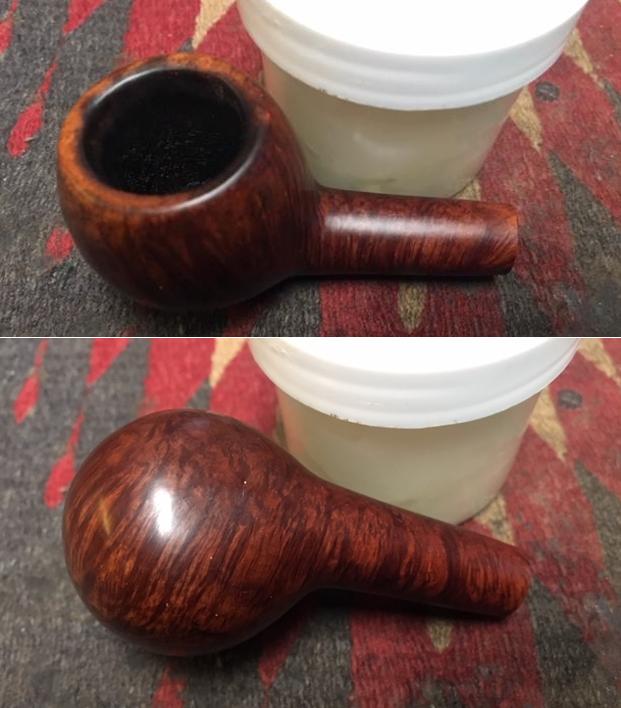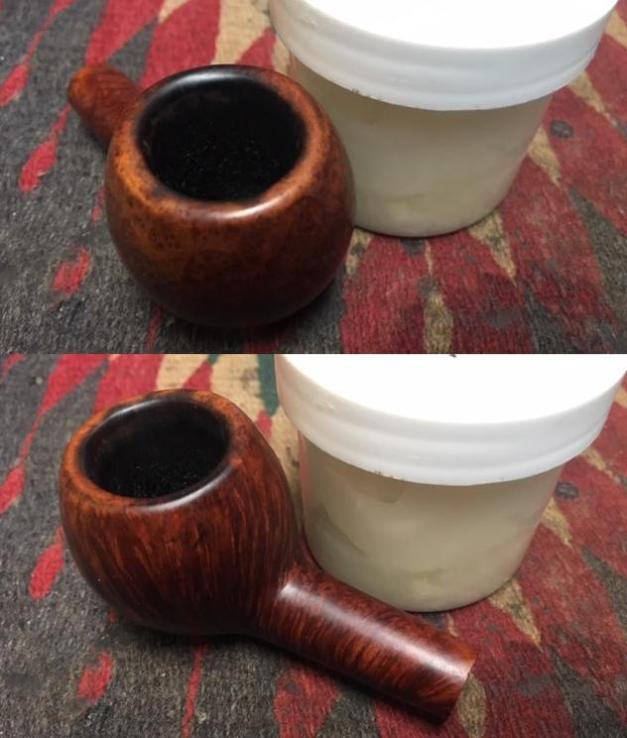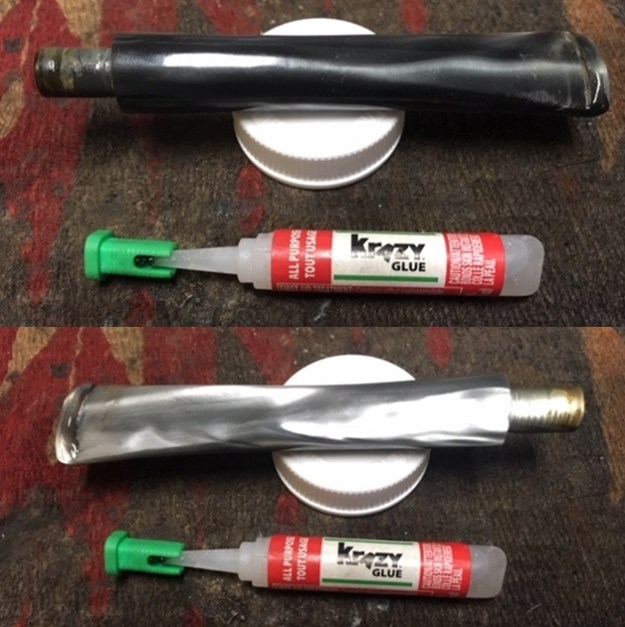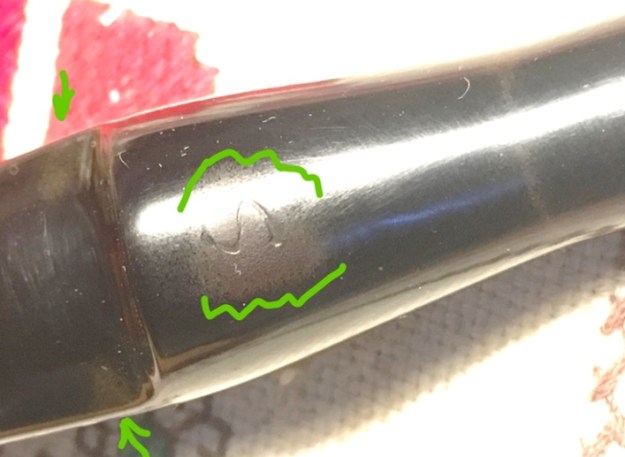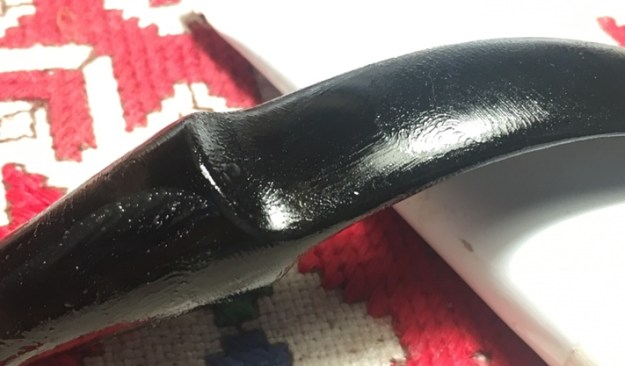
Tag Archives: polishing stems

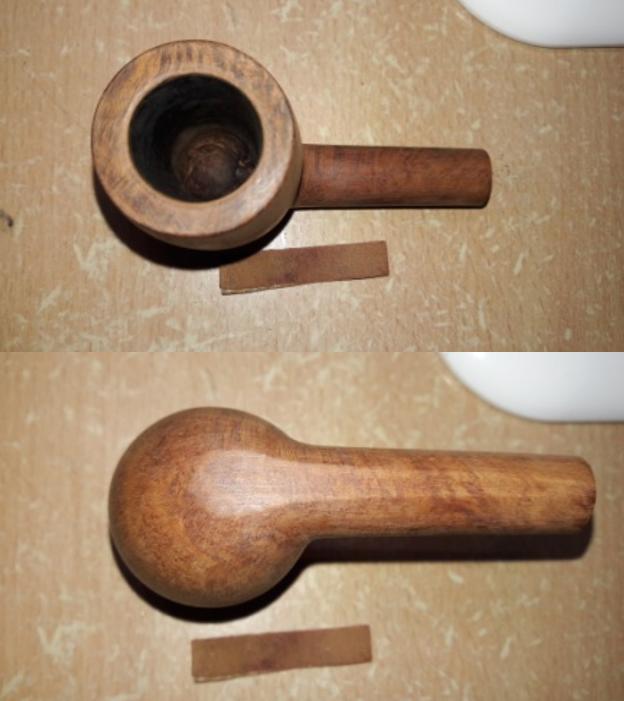
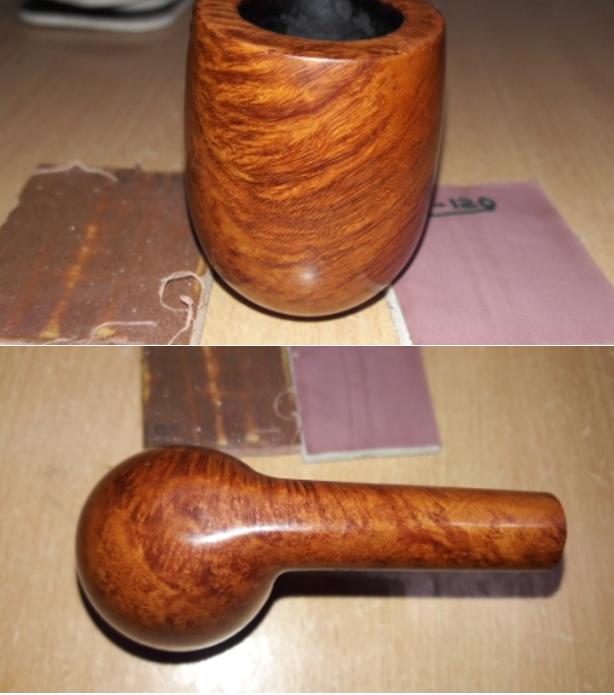
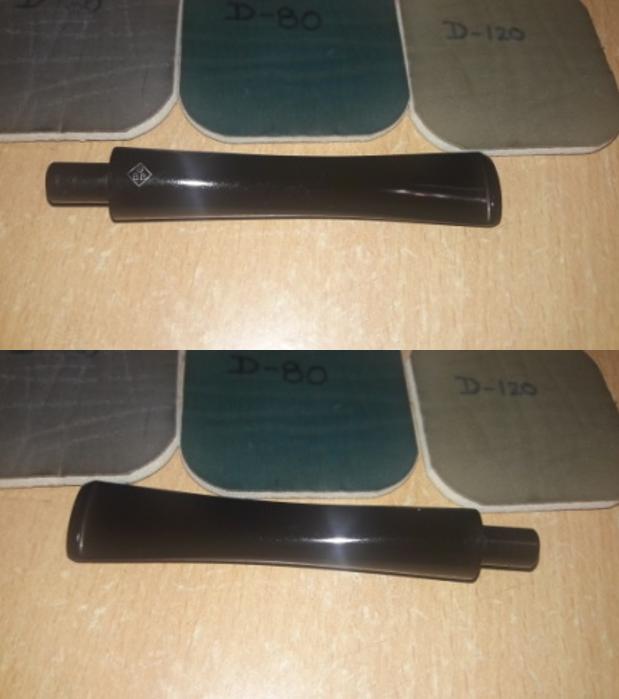
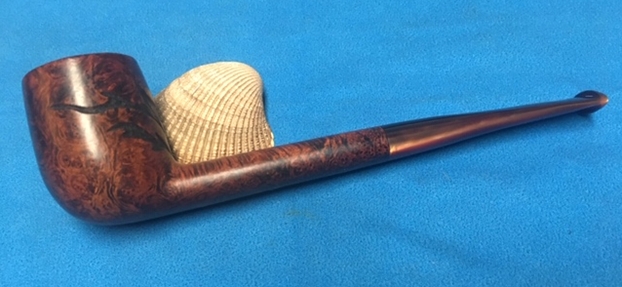
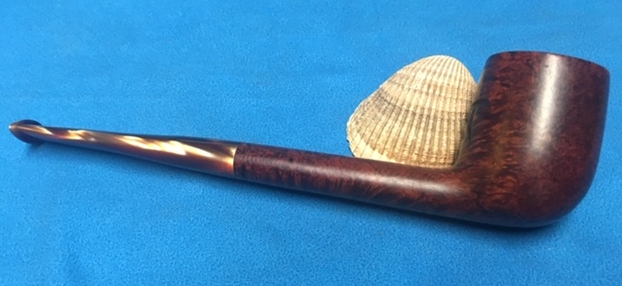
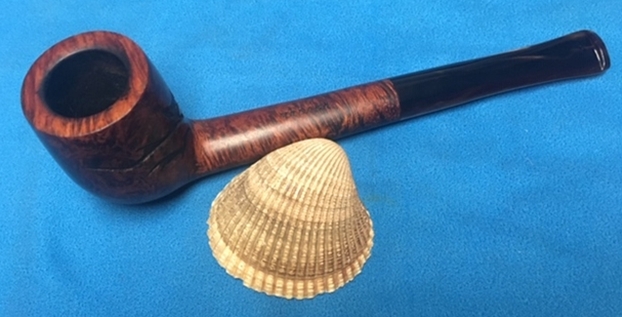
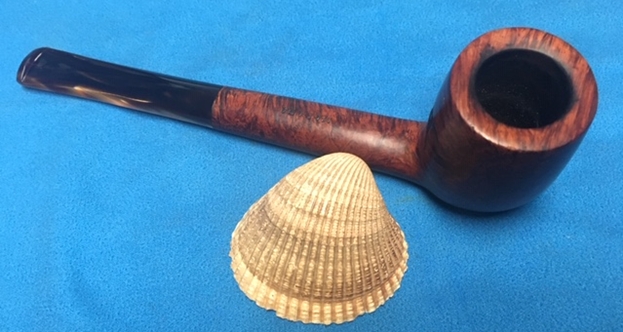
A Simple Restoration of a BBB “Natural Grain” # 11


Blog by Paresh Deshpande

My pipe cleaning factory back home is churning out pipes galore and these cleaned pipes once they reach me are being liked by people who see them and sales are also improving, though restricted only to local customer, yes, you read it right, without an ‘s’, as only one colleague has been motivated to take up enjoying a pipe!! I am sure more will follow. Those readers who have been following my work on rebornpipes.com are well aware that here in India, pipe smoking culture died its natural death in 1970’s when old pipe shops and tobacconists were pushed out of business by cigarette manufacturers and people got used to the convenience of a ready-to-smoke cigarette. And to add to our woes, there is a ban on importing tobacco!! Well, wish me luck that I am able to revive this culture back here again…

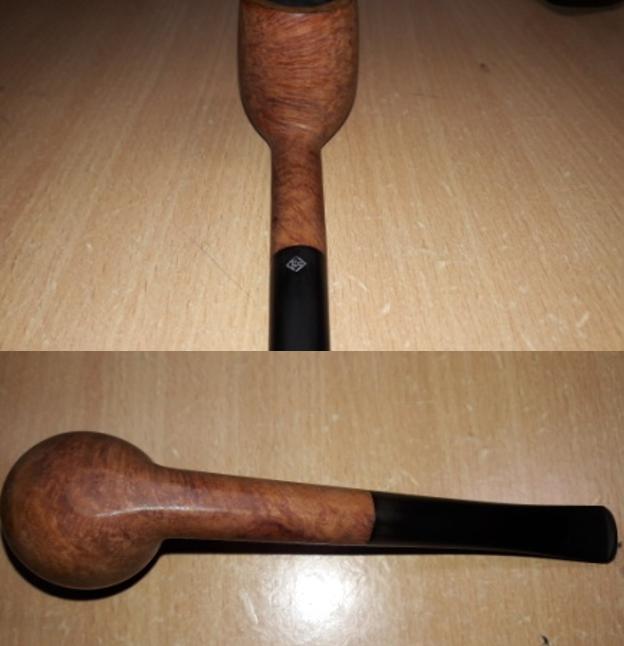
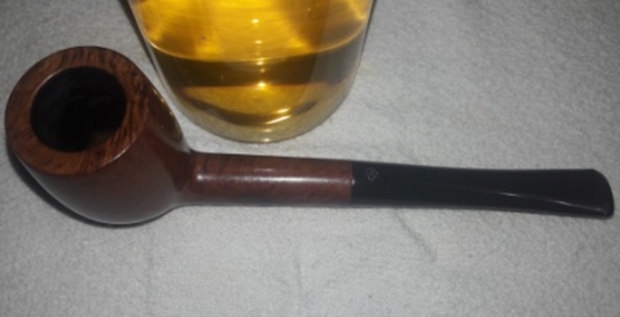
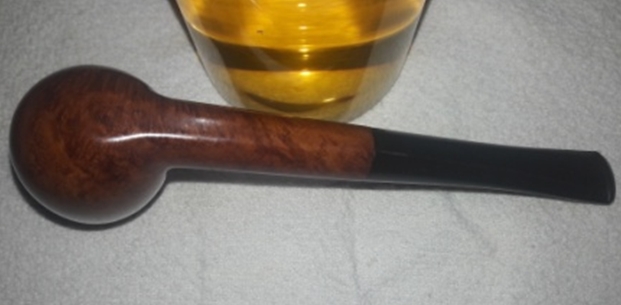
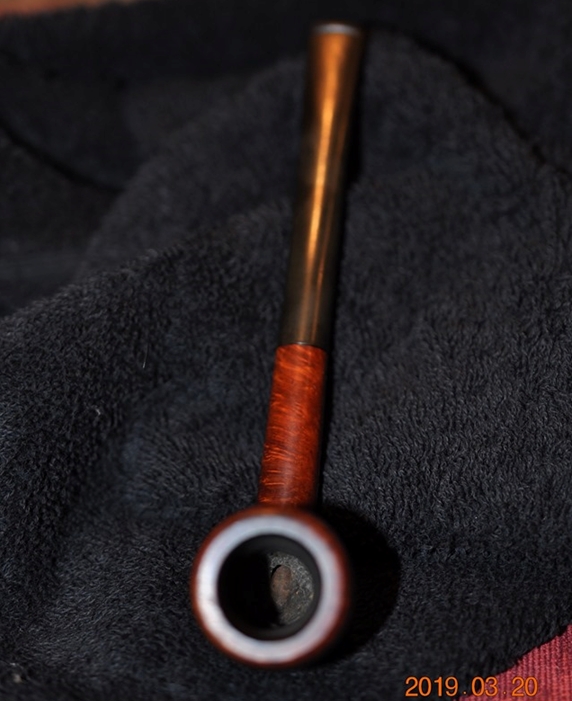
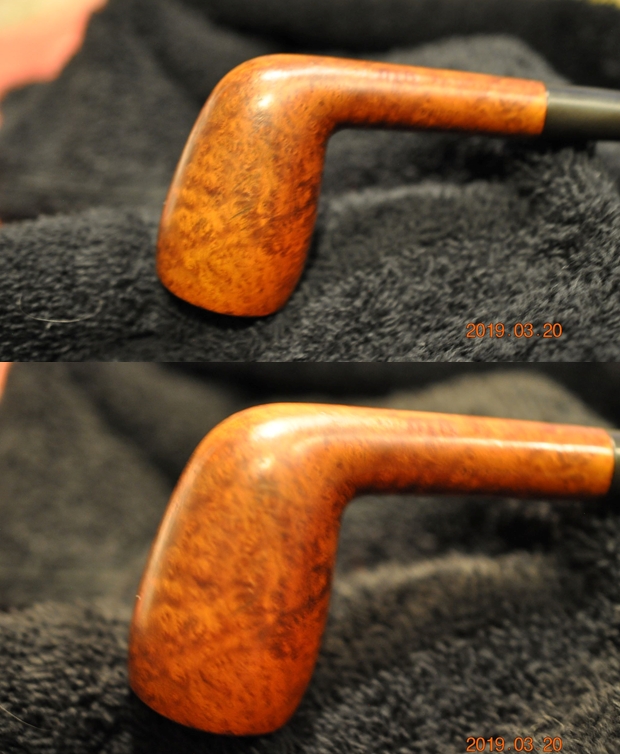
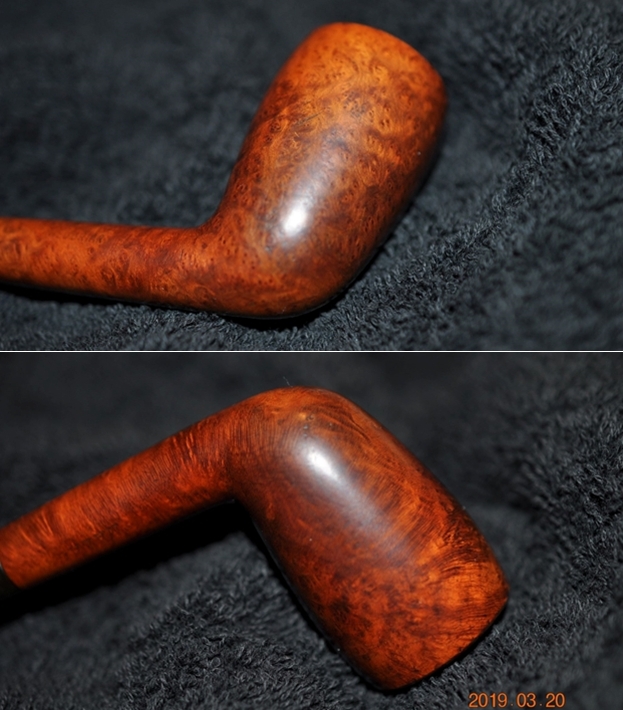
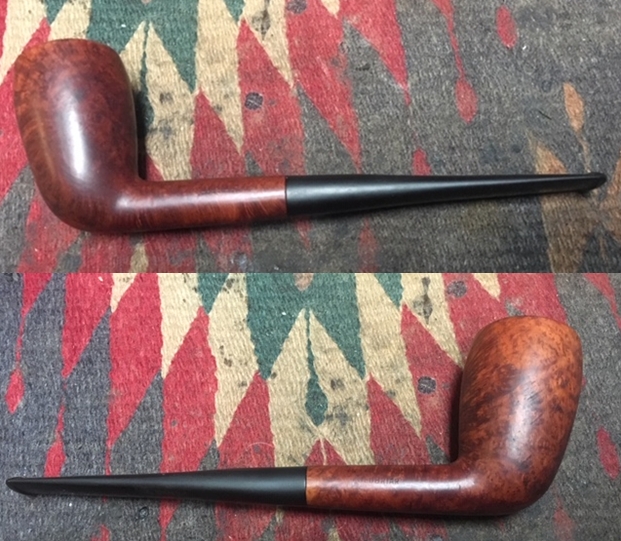
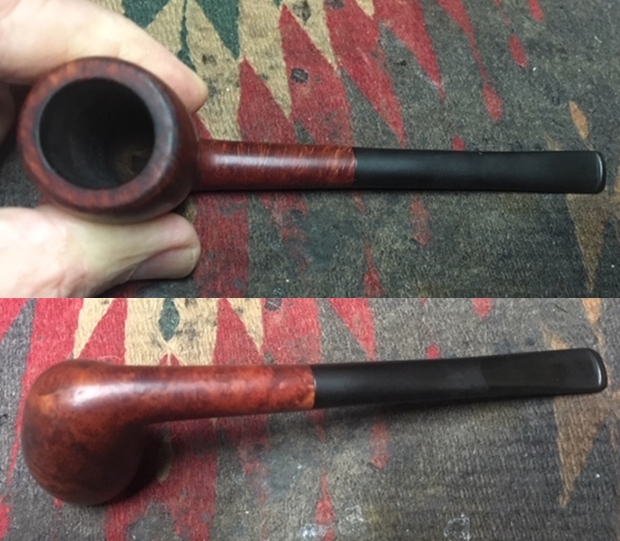
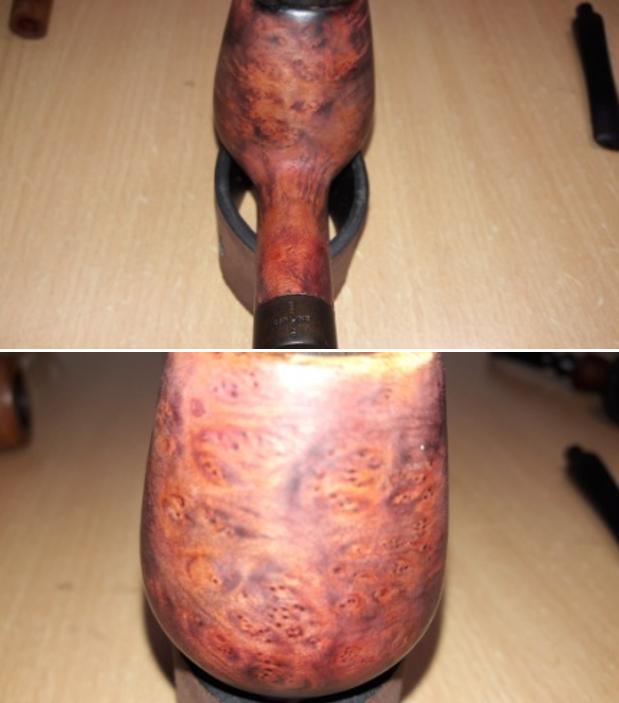
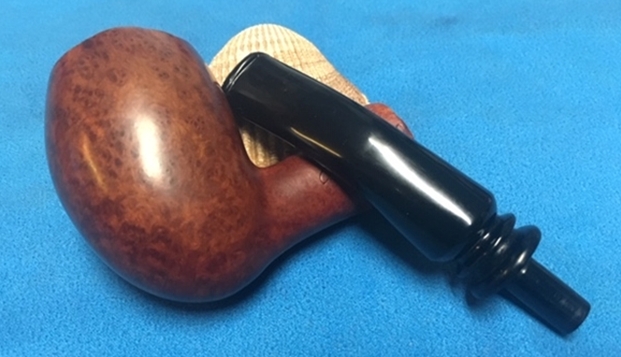
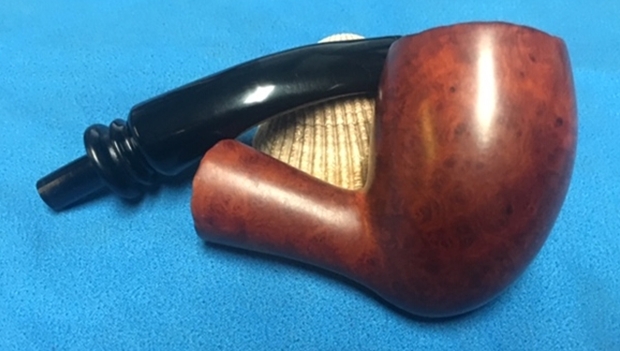
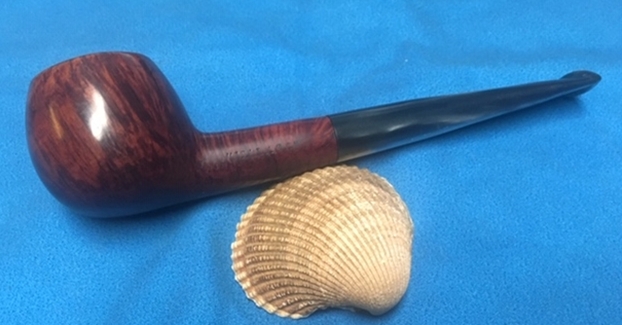
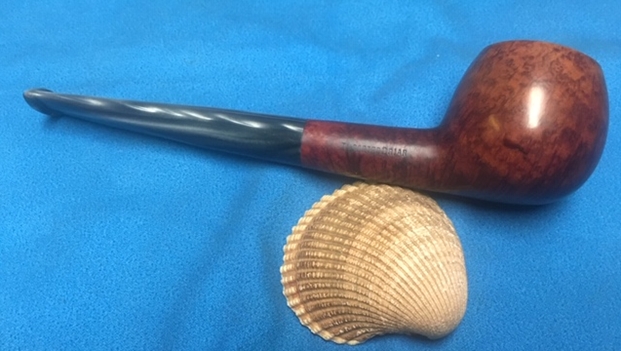
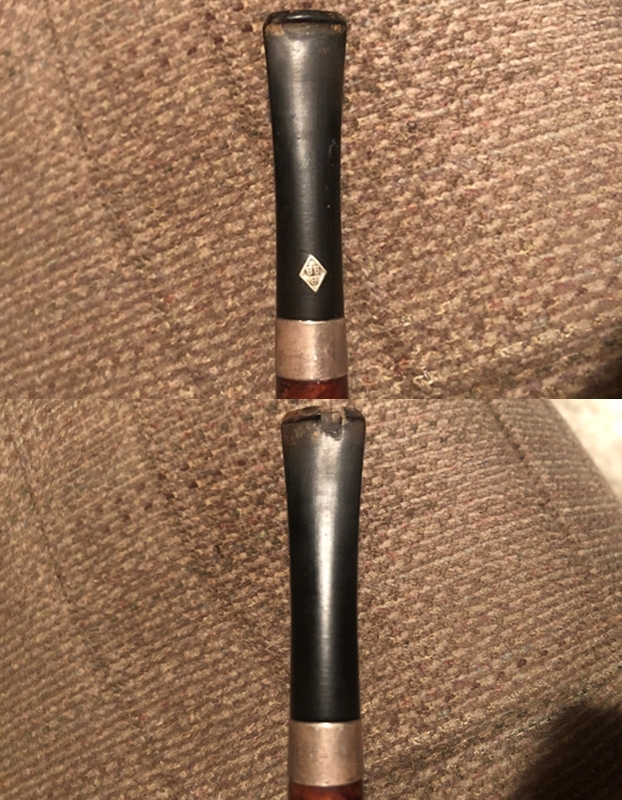
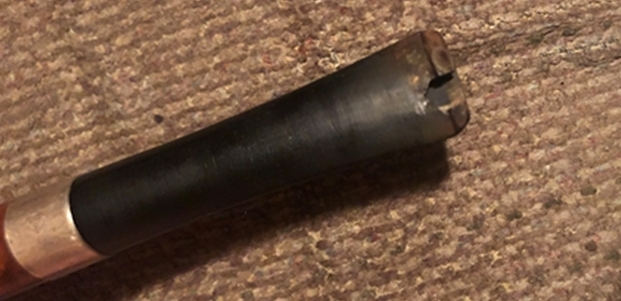
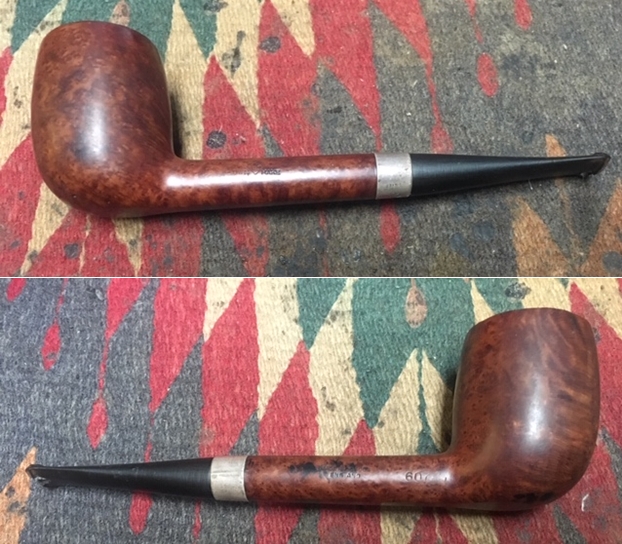
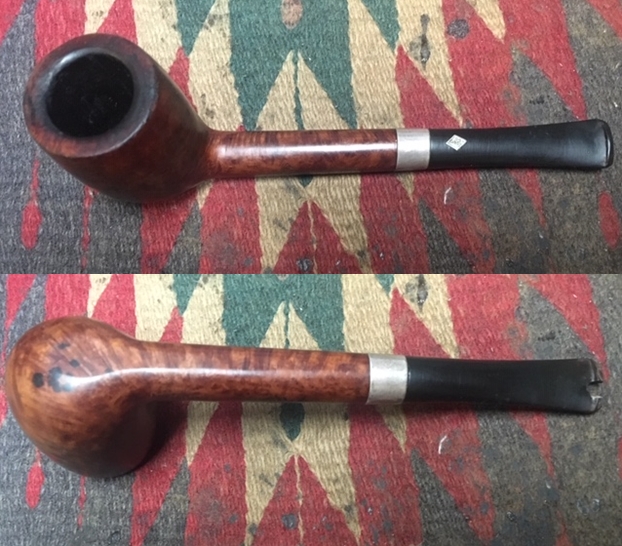
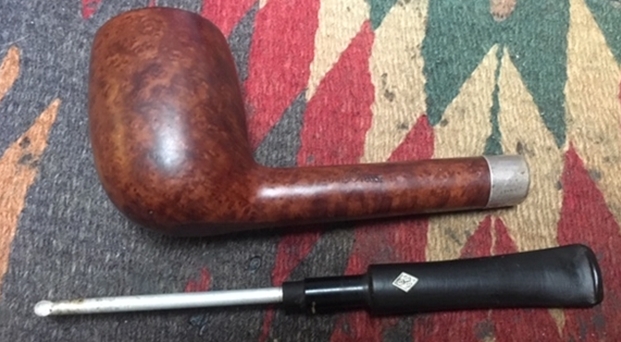
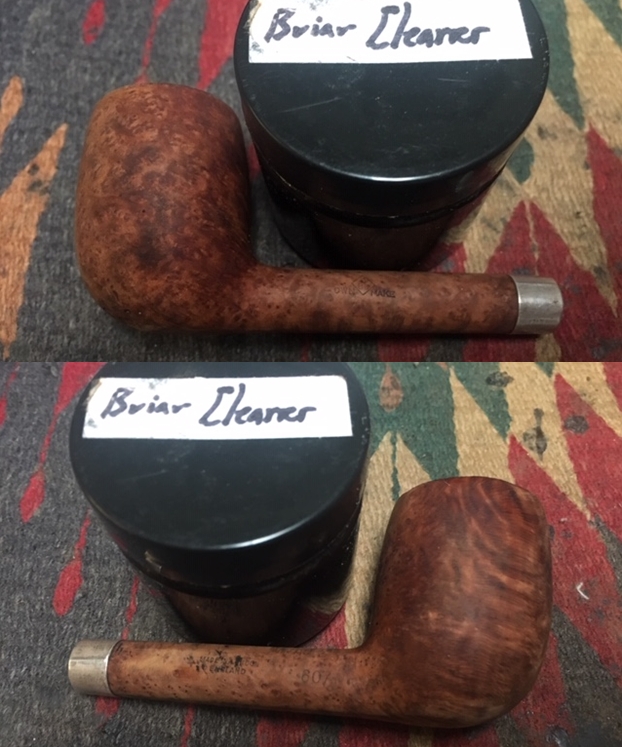
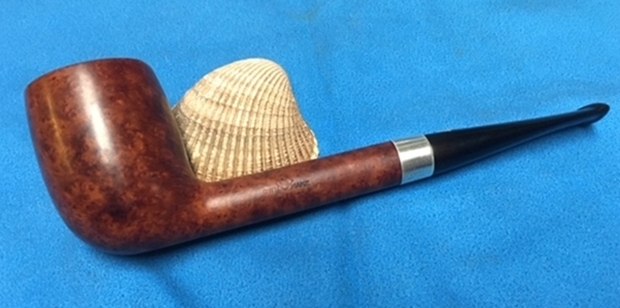
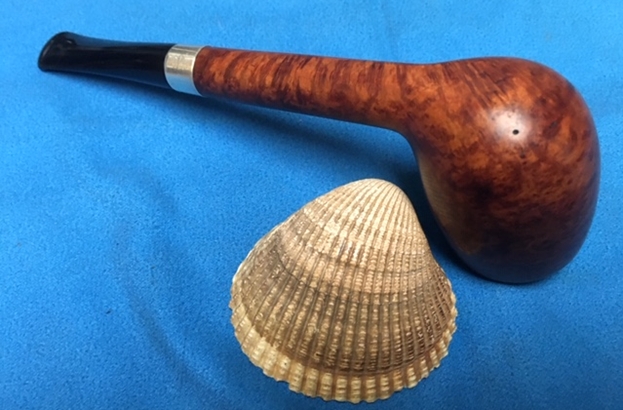
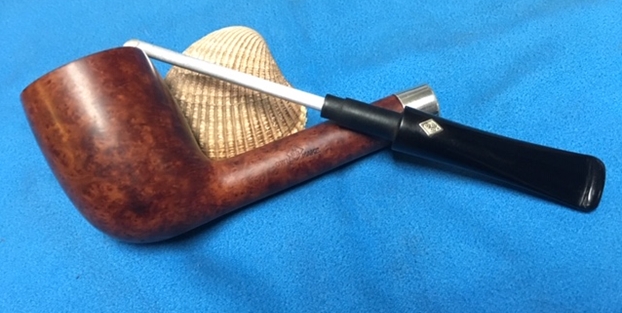
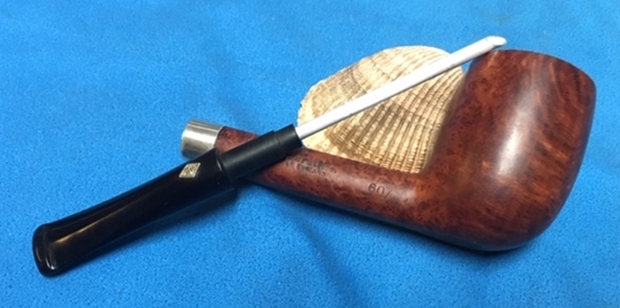
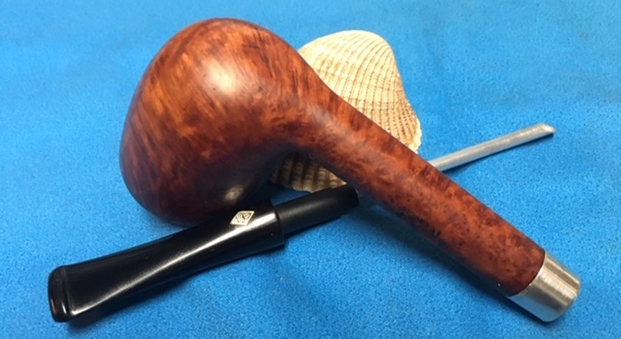
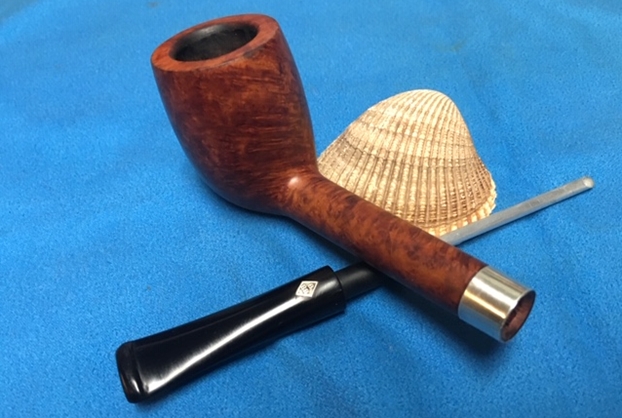
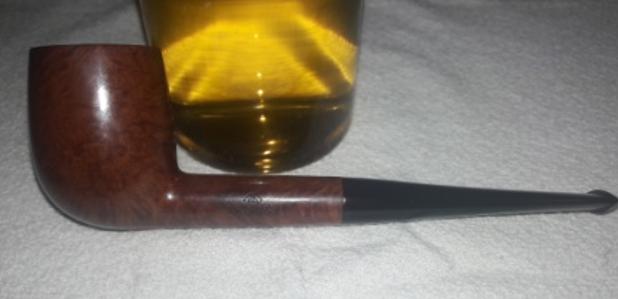
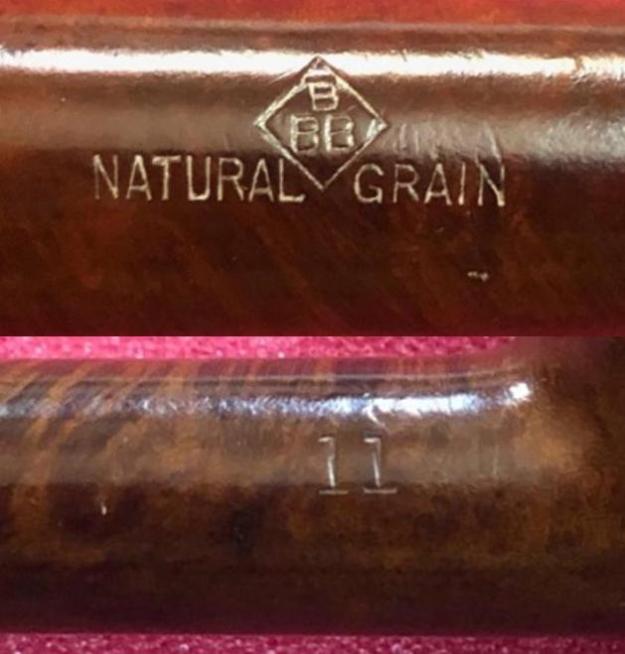
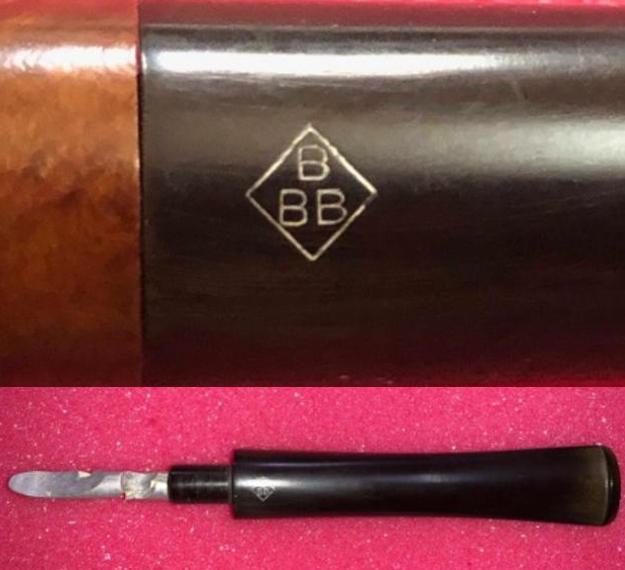
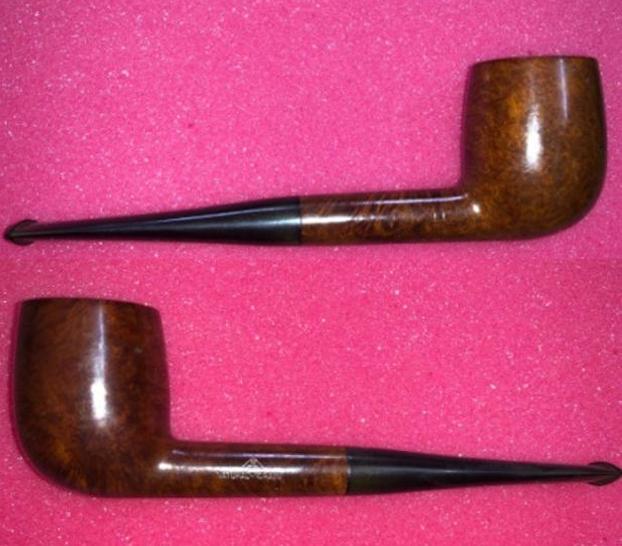
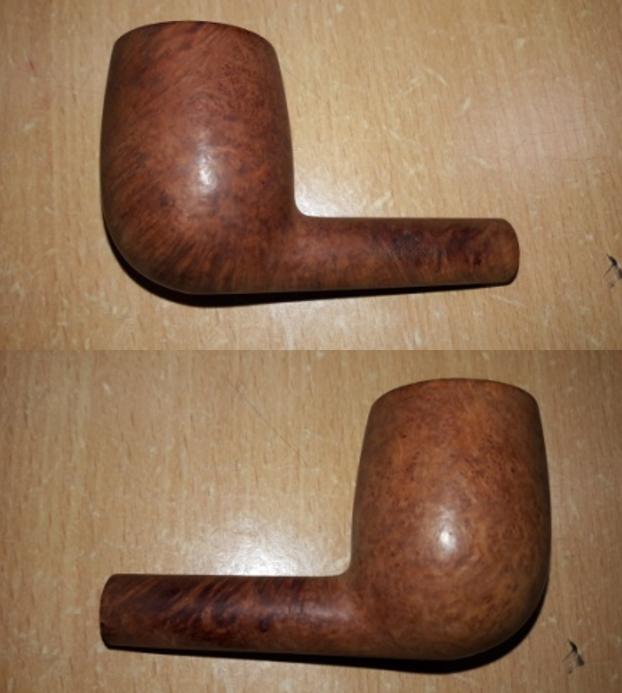
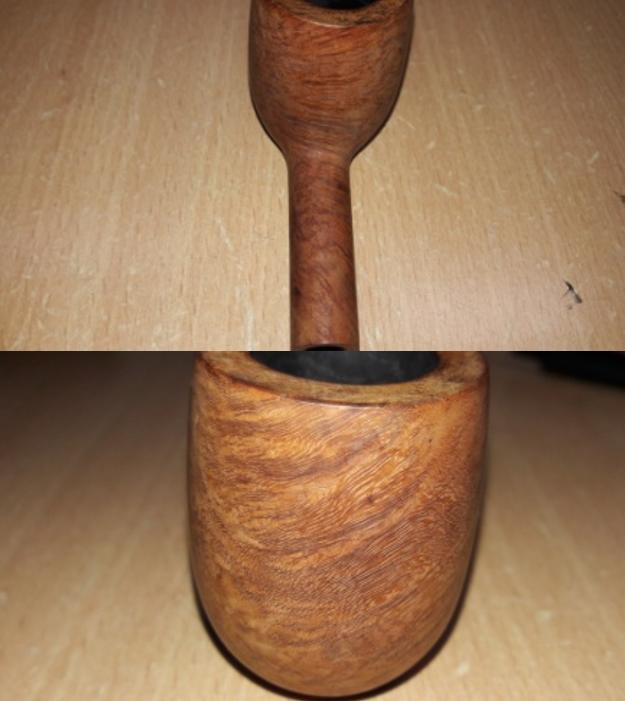
Well, the fourth pipe selected by my colleague from the heap of cleaned up pipes that Abha had sent me, is a well-made British pipe. It’s a classic straight Billiards with tapered stem BBB pipe in a smooth finish. It has nice Bird’s eye grain on either sides of the stummel with tightly packed cross grains to the front, back and on the shank. The pipe is stamped on the left of the shank as “BBB” in a diamond box, in block letters over “NATURAL GRAIN” split on either side of the diamond box. On the right of the shank, close to the bowl end it is stamped with the numeral “11” probably a shape code. The tapered vulcanite stem with an aluminum stinger has the trademark stamp of BBB in a diamond box. However, the stem logo is not a brass logo, pointing to the later/ newer era pipe. The COM stamp is conspicuous by its absence. The stampings are all crisp and prominent. Having a few BBB pipes in my personal collection that once belonged to my grandfather and having a few friends like Steve and Victor Naddeo who collect BBB pipes, the information readily available was sufficient to date this pipe. From discussions with these stalwarts and comparing it with BBBs from my inheritance, it is evident that this pipe is definitely from a newer era, probably 1980s, the dead giveaway being the lack of brass diamond roundel for the stem logo, presence of an aluminum stinger and the grading of Natural Grain!!
With this information, I move ahead with my initial visual inspection.

INITIAL VISUAL INSPECTION
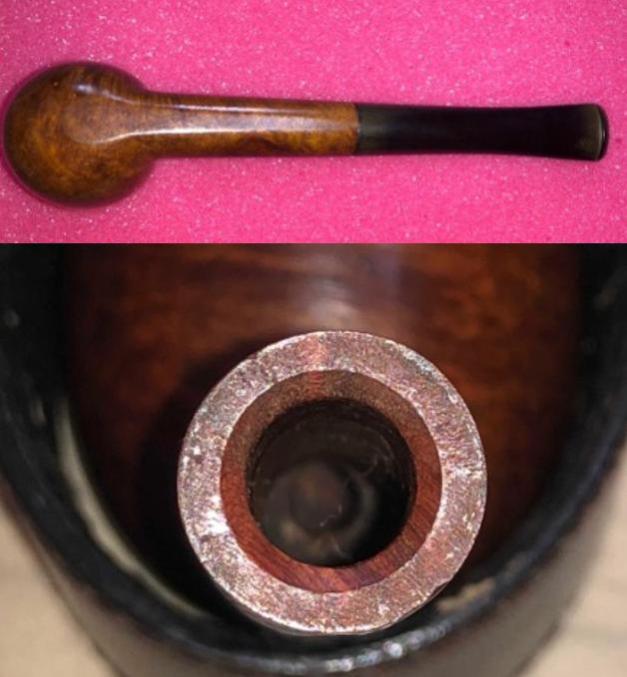
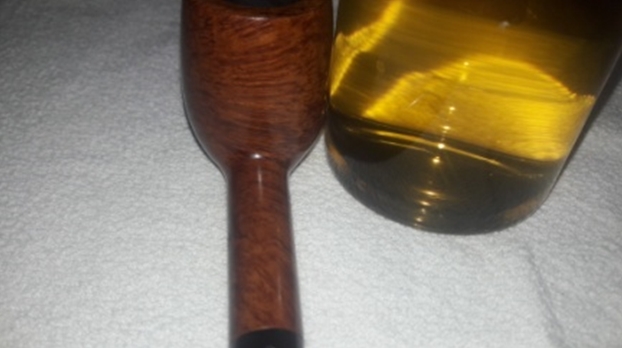
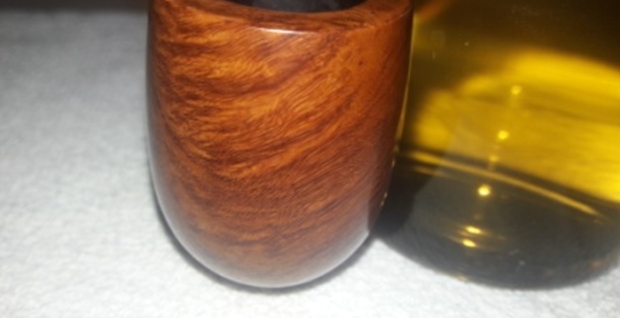
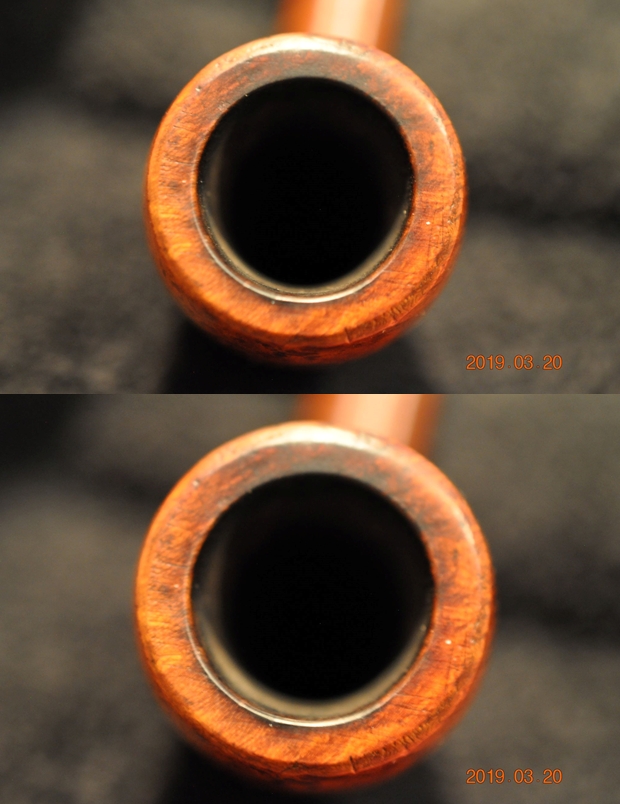
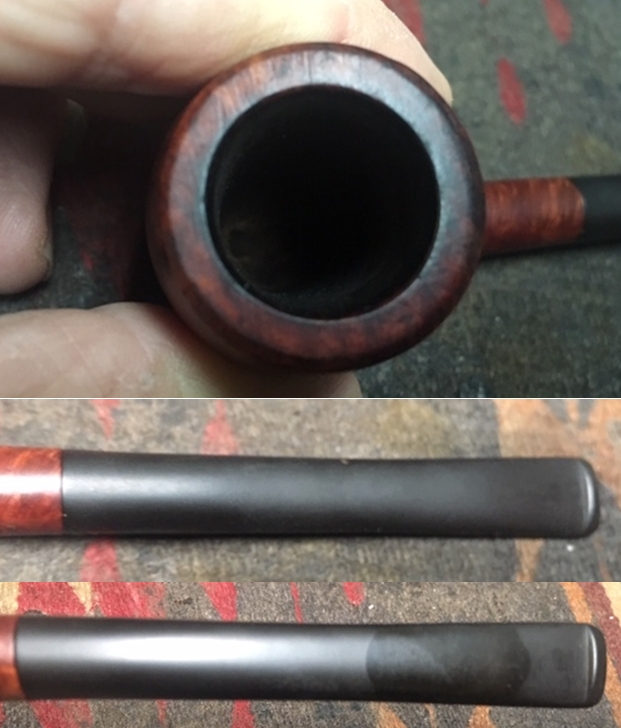
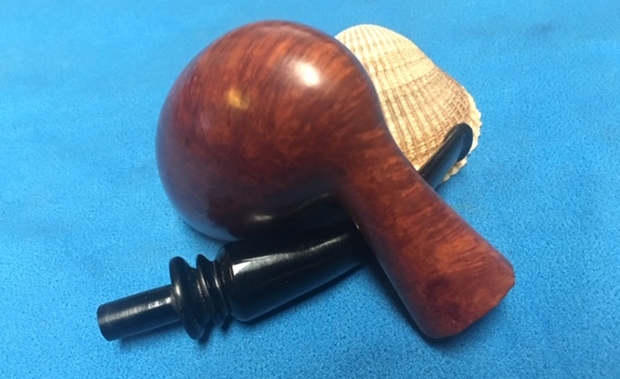
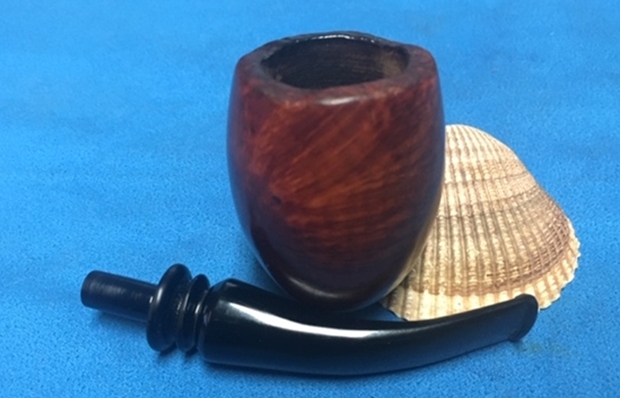
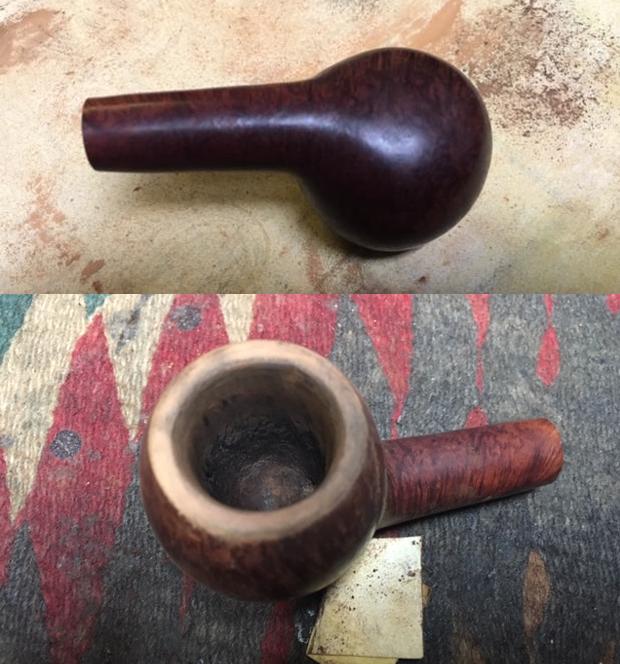
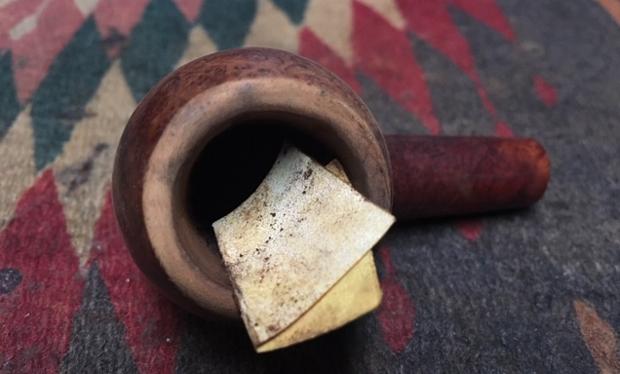
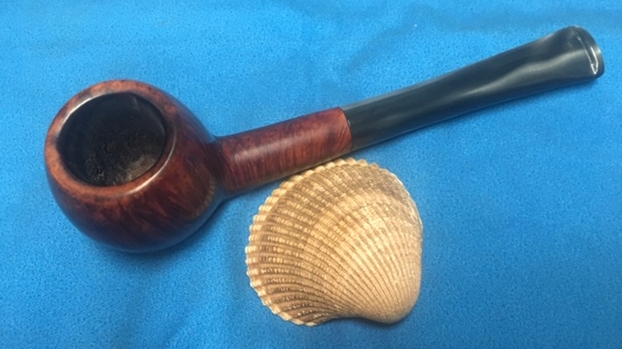
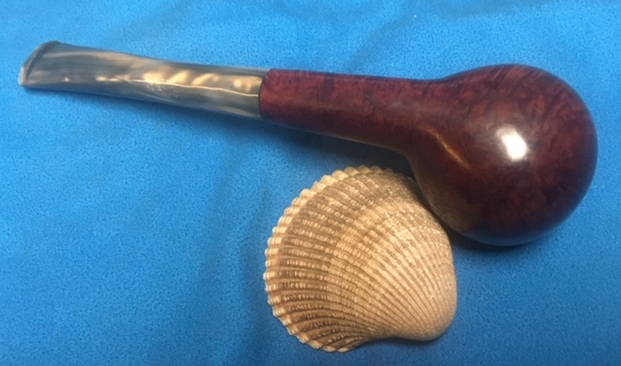
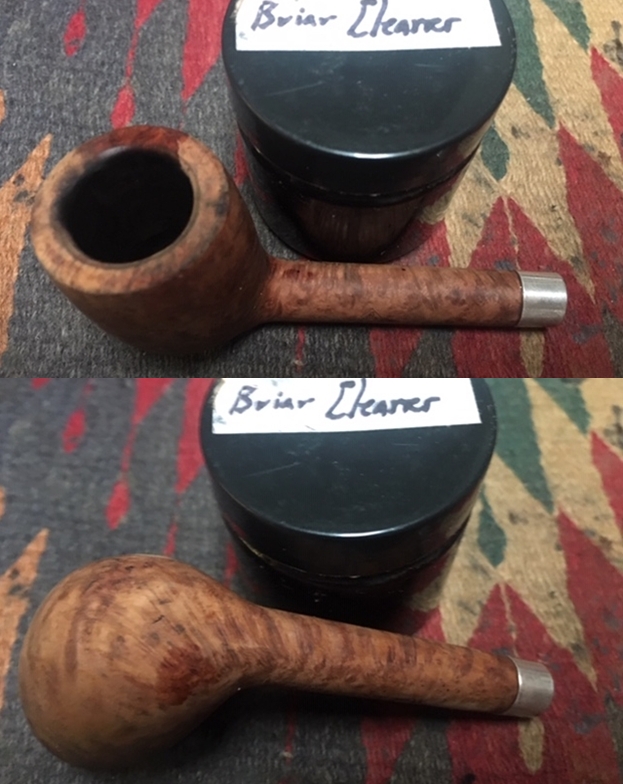
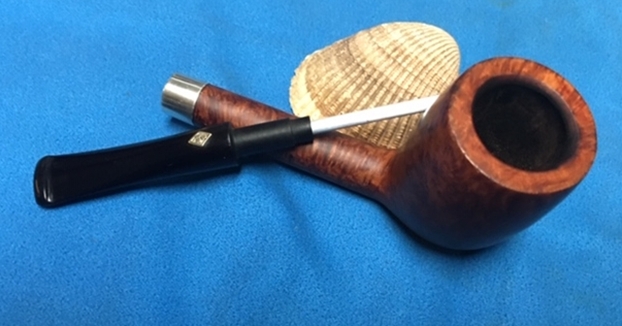
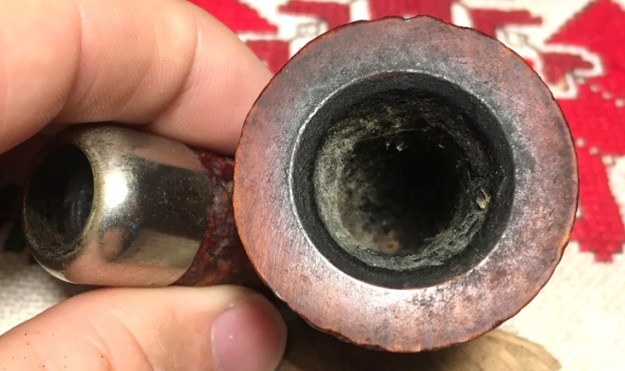
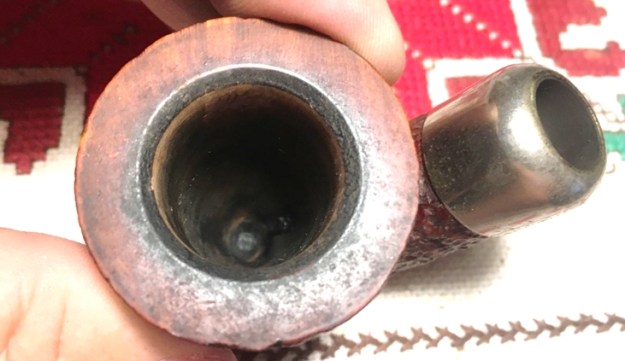
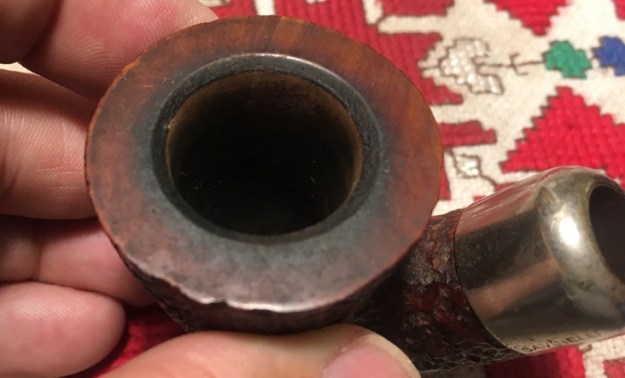
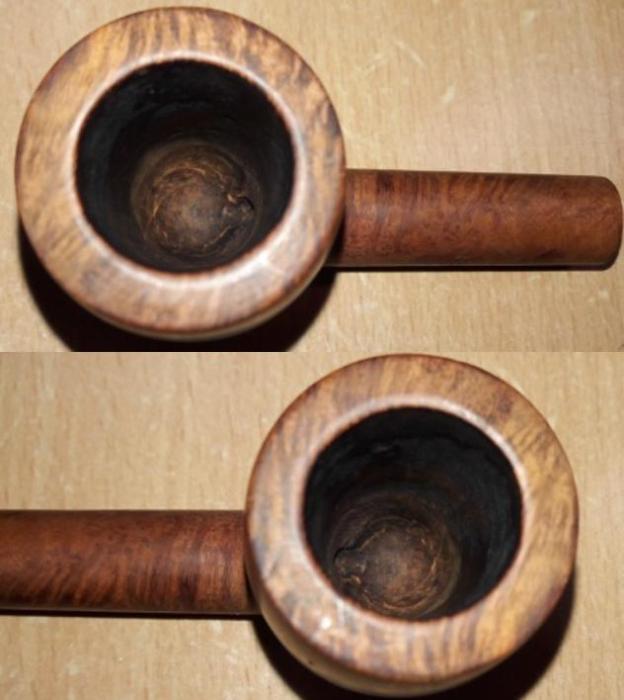
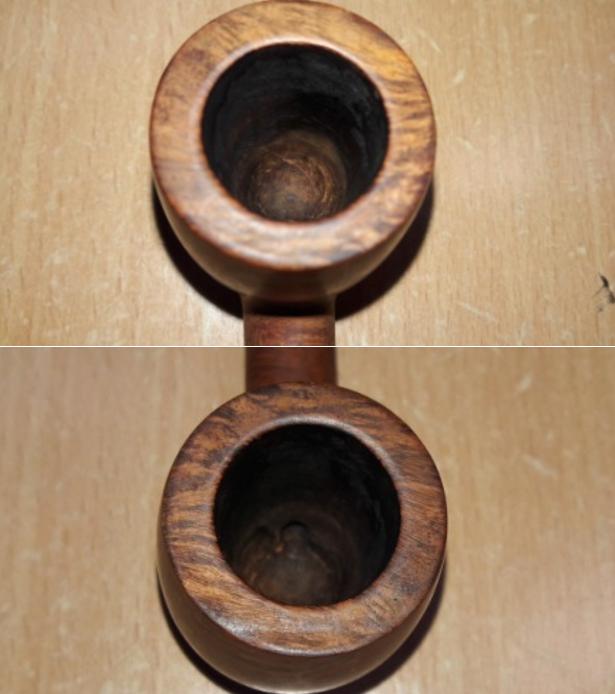
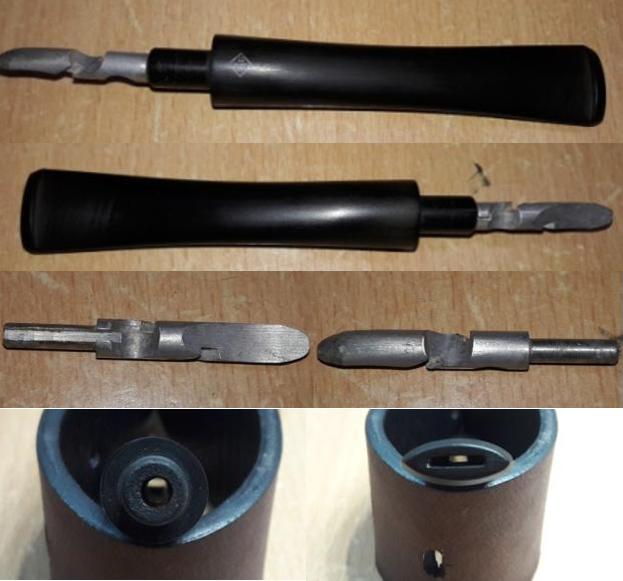
The pipe came to us in a very decent state, to say the least. It was only smoked a couple of times and a thin even layer of cake build up is observed in the chamber. The rim top is covered in places with specs of overflow of lava. Otherwise, the rim top surface and both inner and outer rim edges are in pristine condition.The smooth stummel surface has beautiful Bird’s eye grain patterns on either sides of the stummel with beautiful densely packed cross grains on the front, back and the shank. The bottom surface of the stummel is flattened, making it a sitter. The stummel surface has a natural finish of the briar and the grains should pop out after a nice polish. The mortise with shank internals is relatively clean and the chamber is odorless. The draught hole is at the bottom center and should be a great smoker!! Reclaiming this piece of briar should be an easy chore. The tapered vulcanite stem is clean with very little signs of oxidation seen in the bite zone on either surfaces of the stem. The tenon end along with the detachable aluminum stinger is also clean. The slot does not show any signs of accumulated dried gunk. Air flow through the stem air way is full and free. A couple of pipe cleaners dipped in isopropyl alcohol should freshen up the stem internals.INITIAL CLEANING BY ABHA…
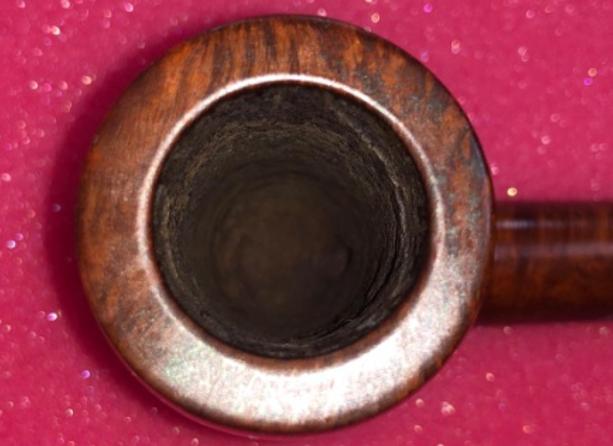
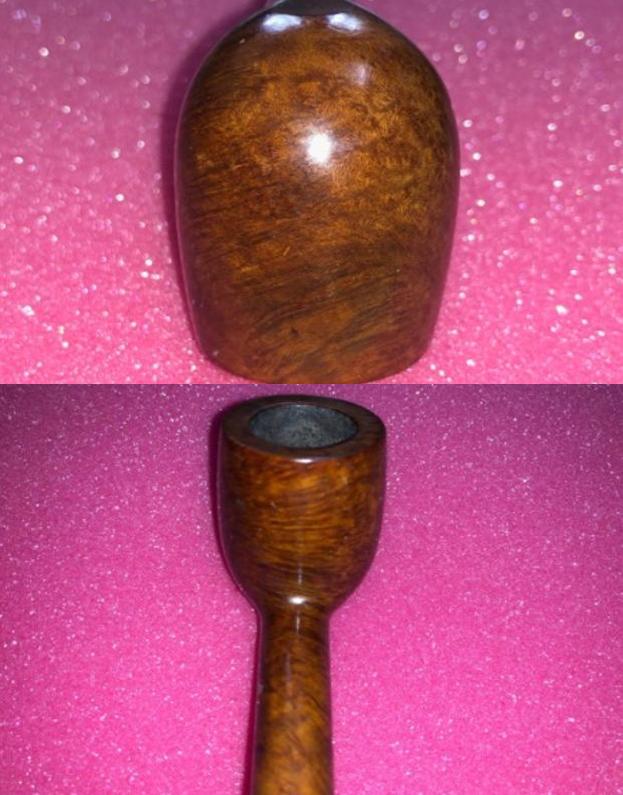
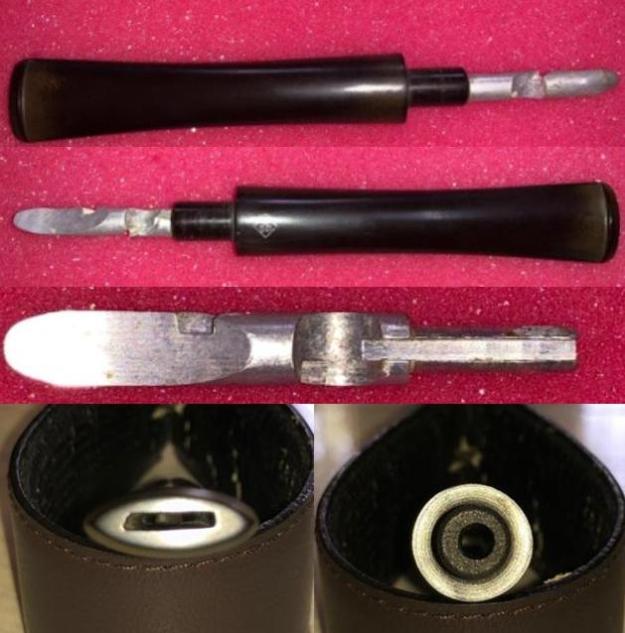
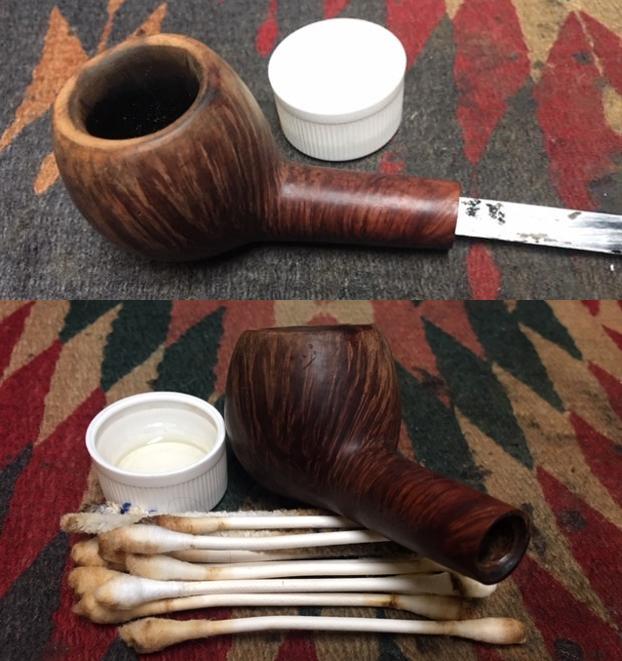
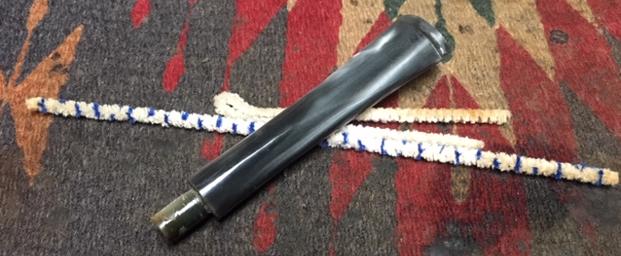
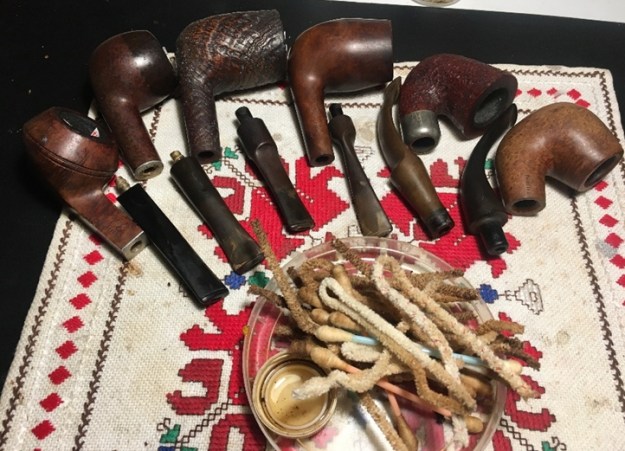
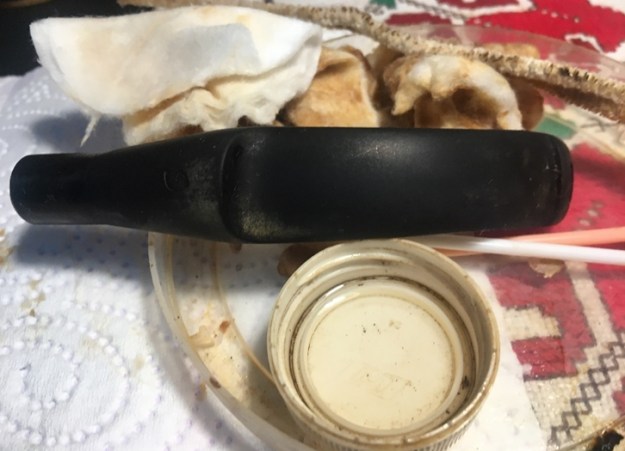
The initial cleaning on this pipe was done by Abha, my wife (she has cleaned up around 40-50 pipes and these have now reached me for further restoration). She reamed out the complete cake and further smoothed out the chamber walls with a folded piece of 220 grit sand paper. She further cleaned out the internals of the shank with pipe cleaners and alcohol and cotton buds. She followed the internal cleaning of the shank with external cleaning of the stummel using Murphy’s Oil soap and hard bristled tooth brush and dried it with paper napkins and cotton cloth.

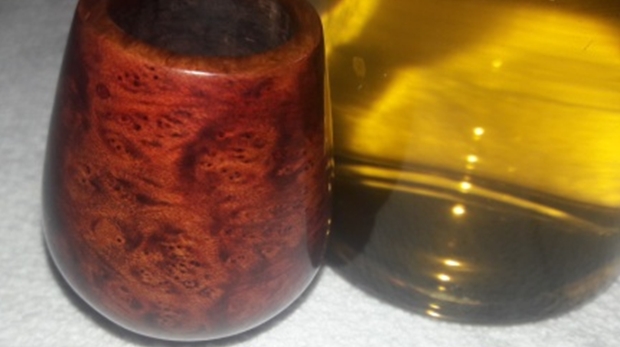
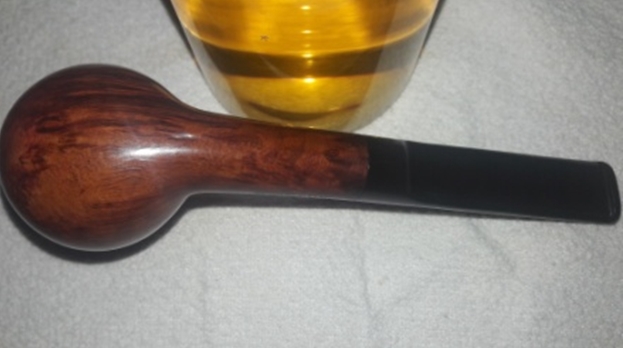
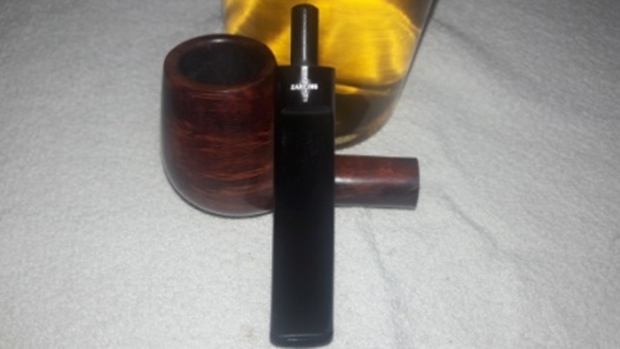
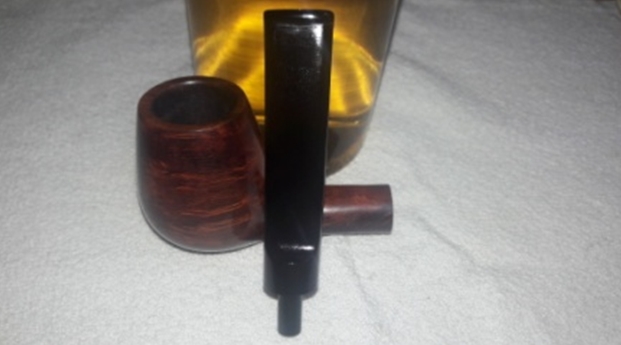
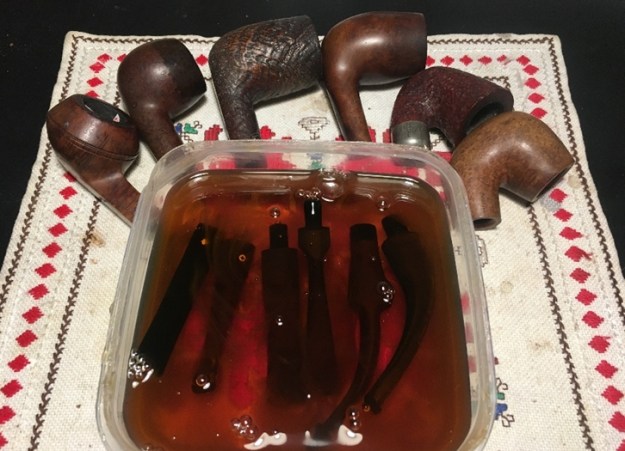
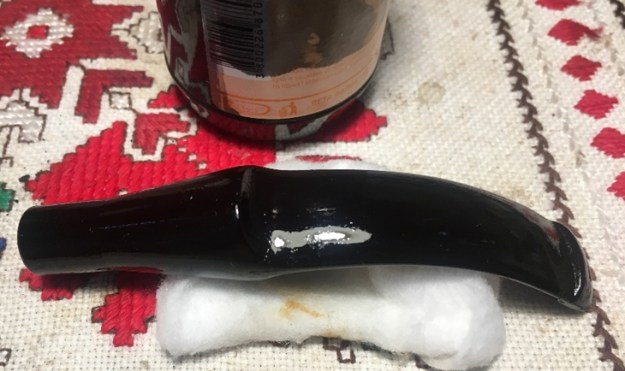
Next she cleaned out the internals of the stem air way and immersed it in “Before and After Deoxidizer” solution along with the stem of other pipes in line for restoration. Once the stem had soaked overnight, she cleaned the stem under running warm water and scrubbed the raised oxidation from the stem surface using Scotch Brite pad. She further removed the oxidation by scrubbing the stem with 0000 grade steel wool and applied a little olive oil to rehydrate the stem.

ONCE THE PIPE IS ON MY WORK TABLE……
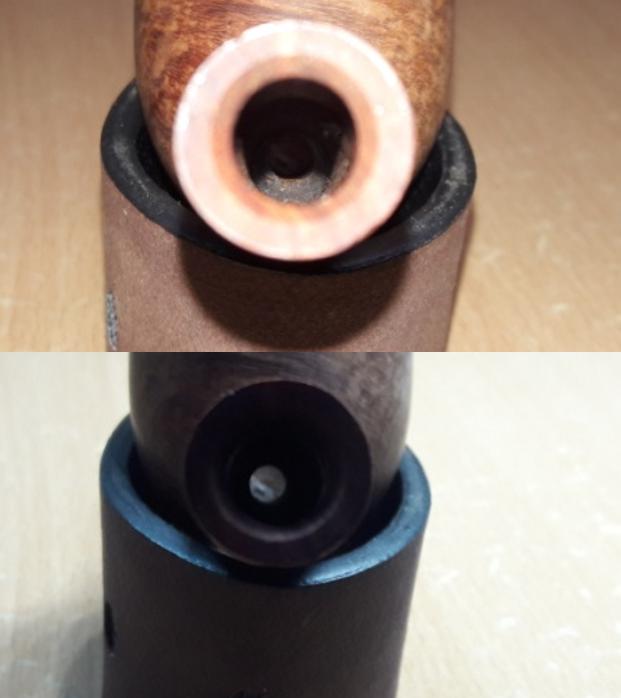
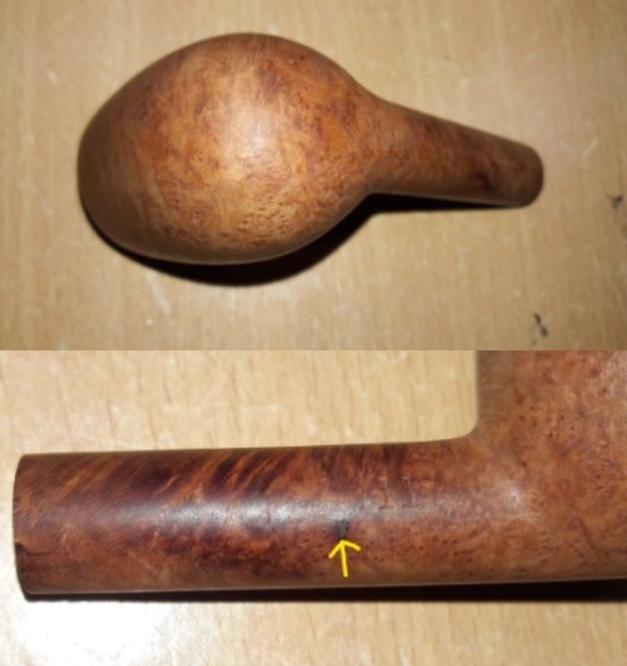
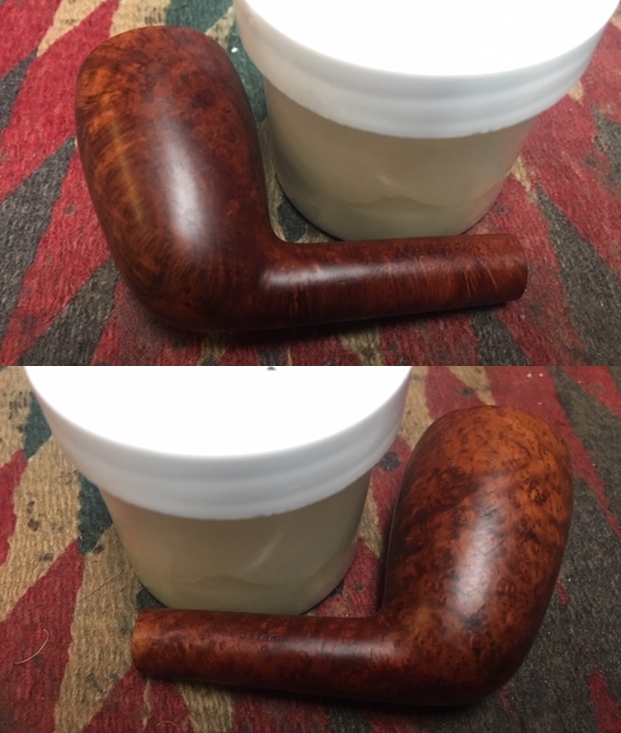
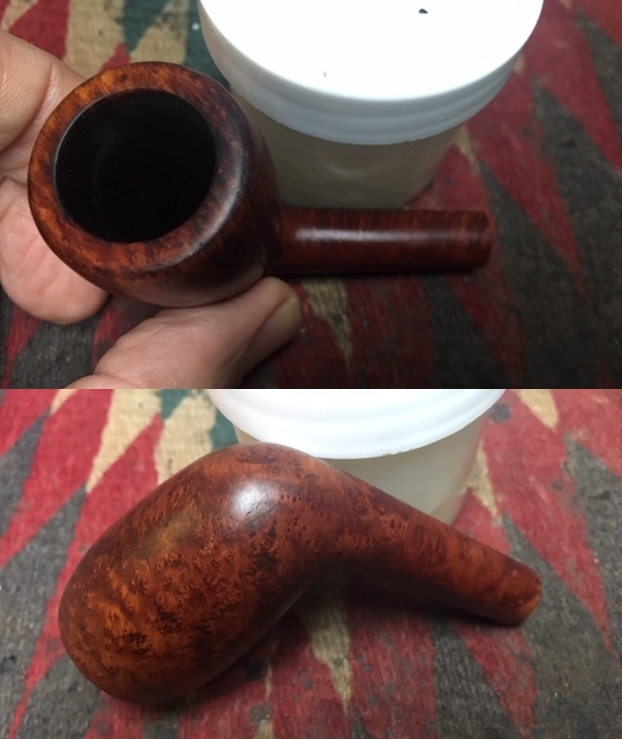
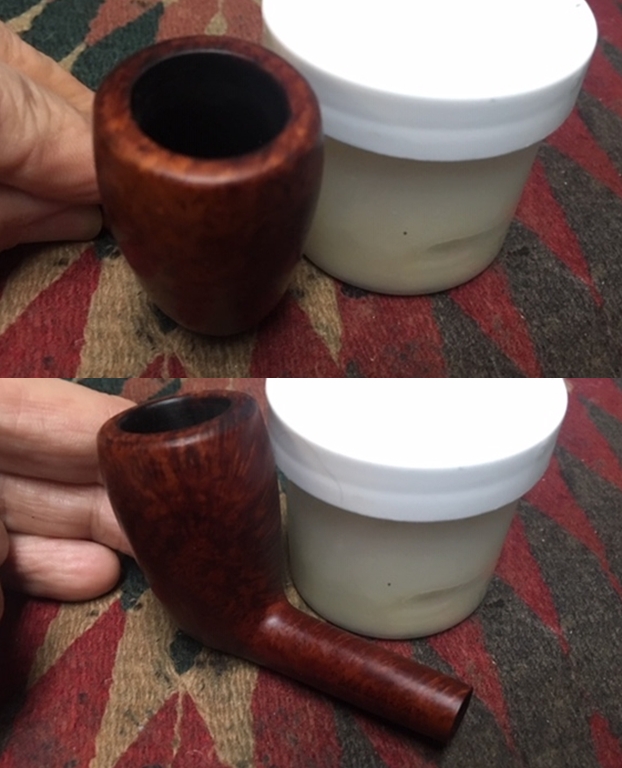
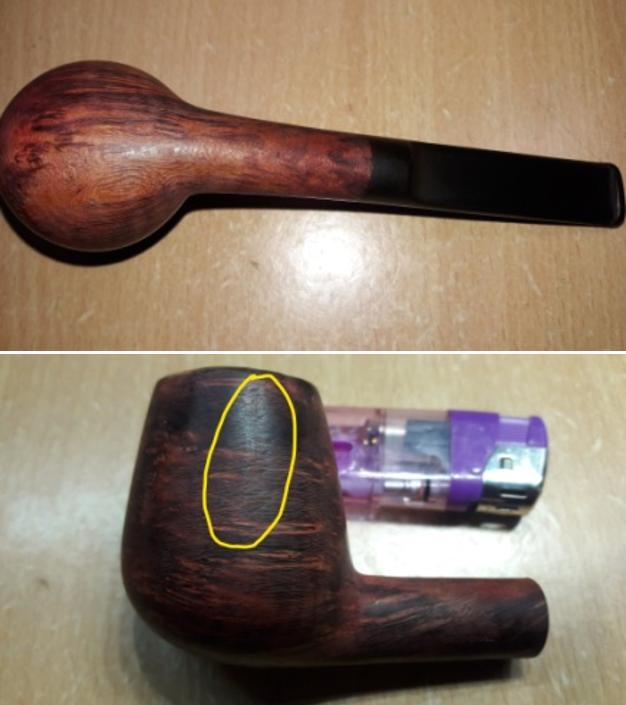
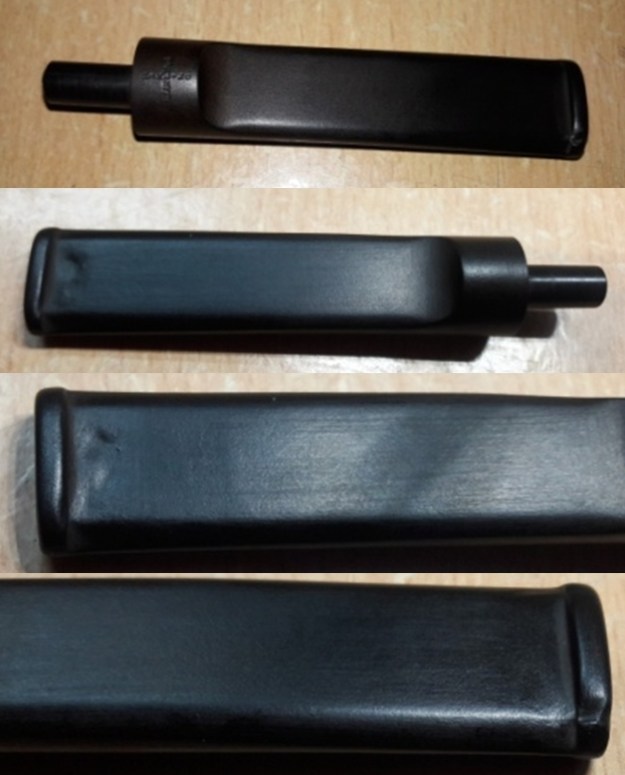
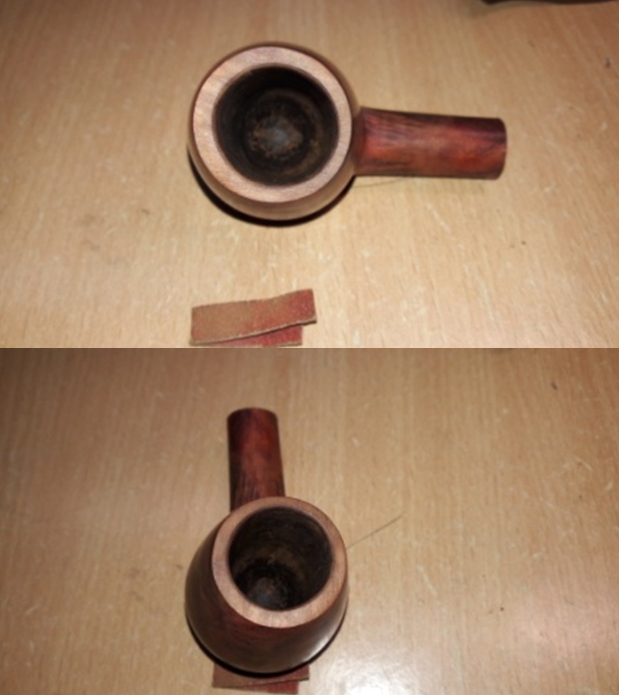
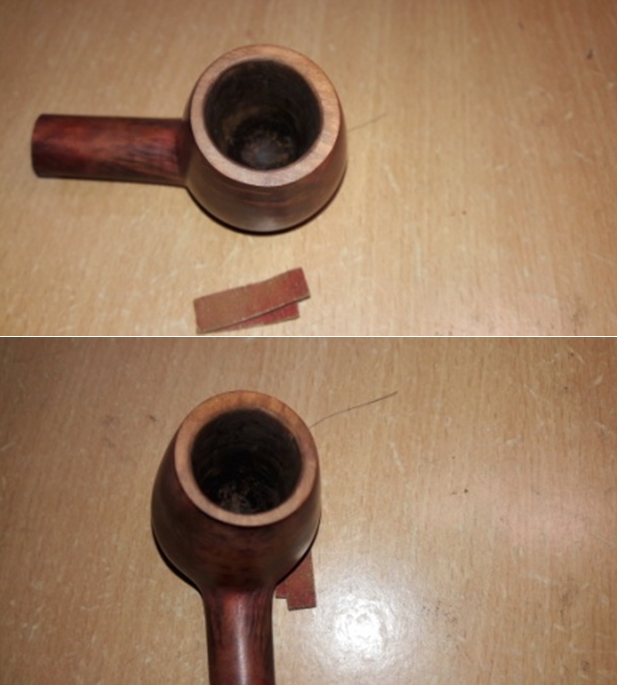
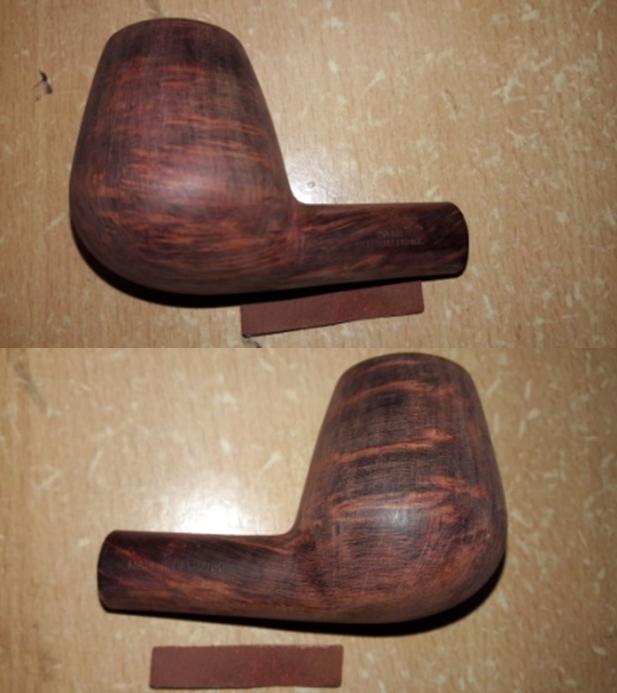
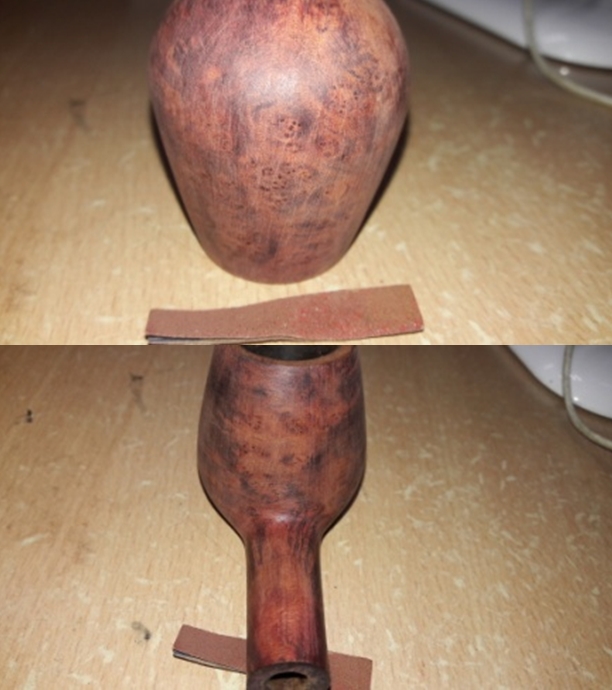
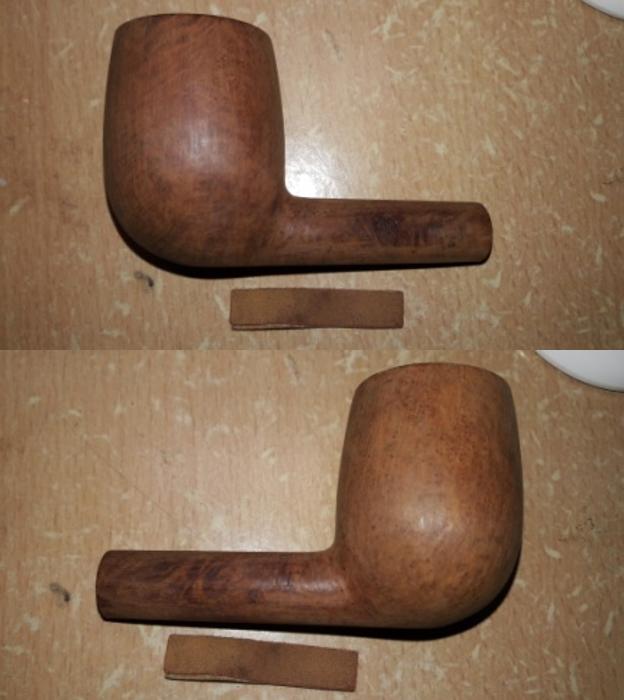
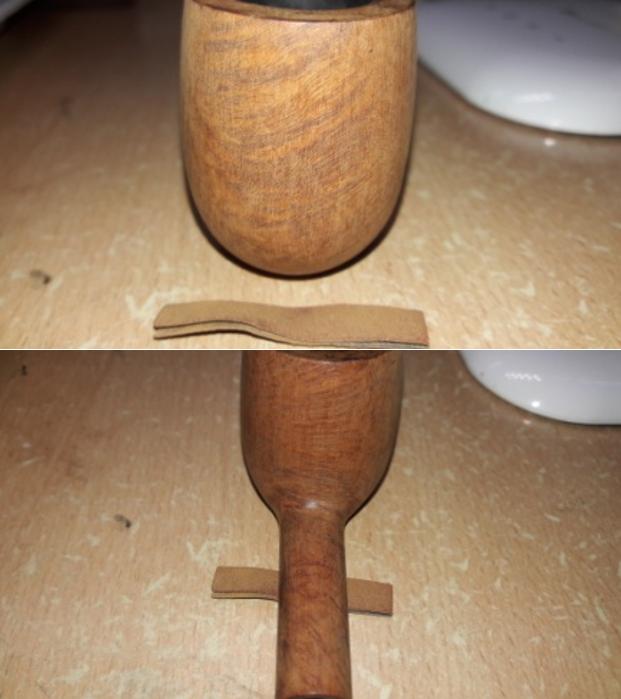
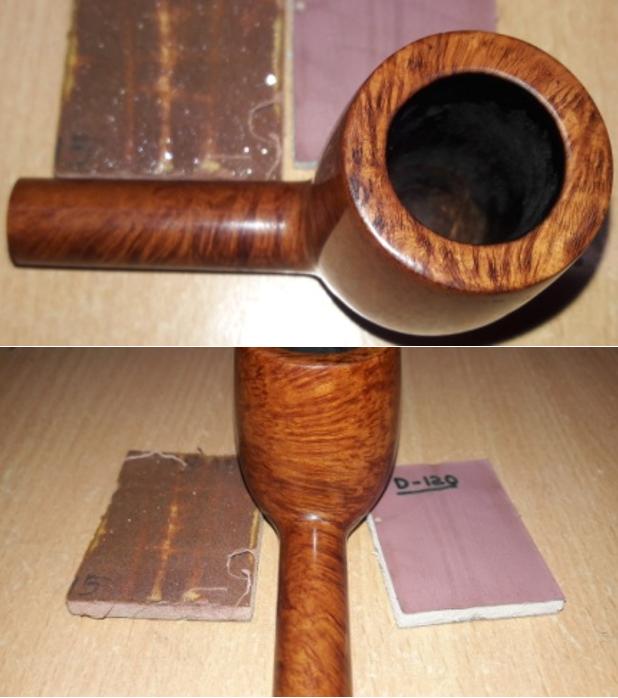
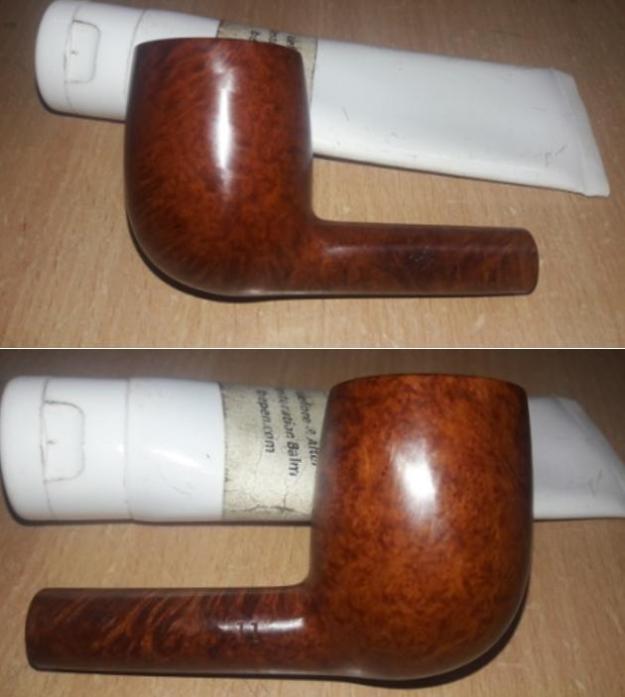
The cleaned up pipes presents a very clear picture of what needs to be done to restore this pipe to a pristine and smokable condition. I really cannot thank Abha, my wife, enough for all the help and support that she extends me in my pursuance of this hobby. A clean pipe also helps in clearly identifying the work that would be required to restore a pipe. The pictures shows the condition of the pipe when it reached me after being cleaned. The chamber is odorless and the walls are solid without any signs of damage. The smooth rim top surface and the inner and outer rim edge are in perfect condition. The mortise and shank internals are also nice and clean now. The seating of the stem tenon into the mortise is snug and sits flush with the shank end. I had noticed a darkened spot on the right side of the shank near and below the stamped numeral 11 (marked in yellow arrow). On close scrutiny, I feel that this spot is not a fill but a minor flaw in the briar since a gentle probing with a sharp dental tool revealed a solid surface. I have decided to let it be. The rest of the stummel surface is sans any fills or flaws. A nice polish and the beautiful grains will pop out and will be on display in all their glory. As the stamping suggests, this is a pipe with natural finish to the briar and I have no intentions to change this!!! I think as the pipe is smoked, over a period of time, the briar will take on some nice dark coloration and patina. I am really looking forward to see the stummel after polish. The oxidation on the vulcanite stem has been removed, thanks to all the efforts put in by Abha. The slot and stem internals are all clean and fresh. The aluminum stinger too is nice and clean. A bit of sanding to remove the deeper oxidation followed by micromesh polishing cycle should add a nice shine to the stem. THE PROCESS
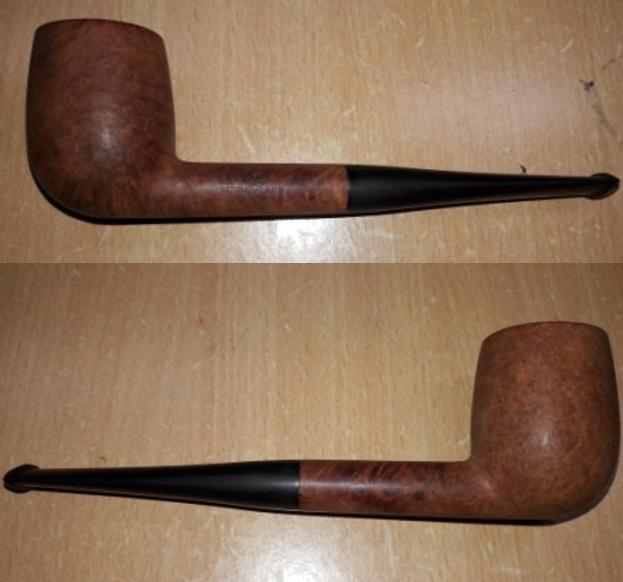
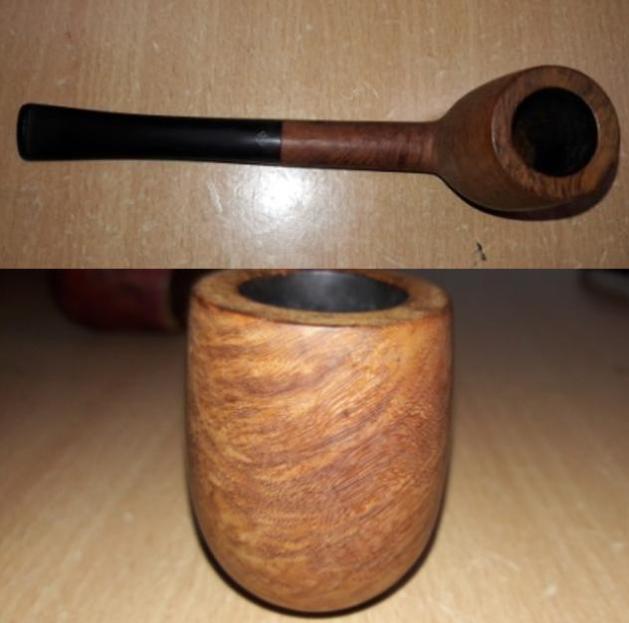
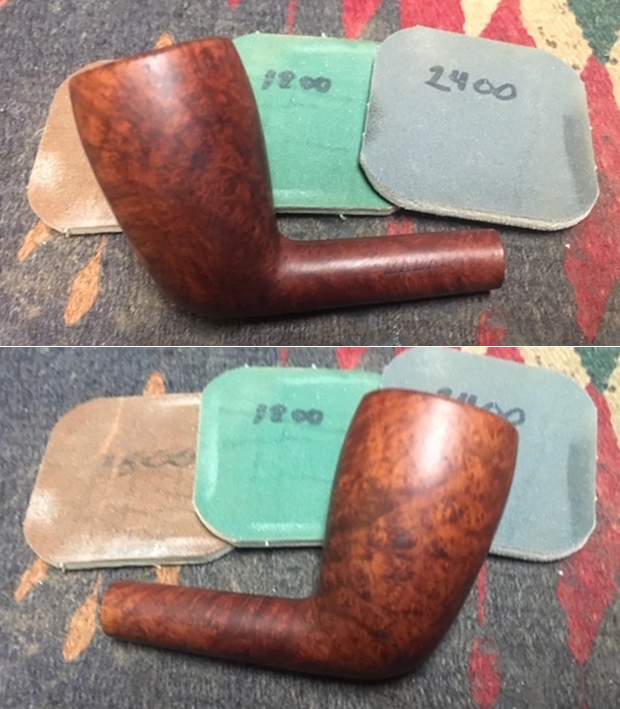
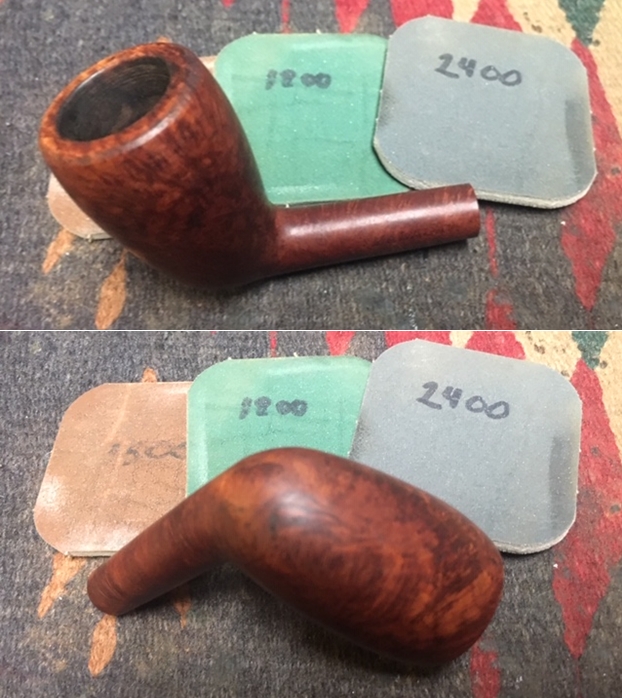
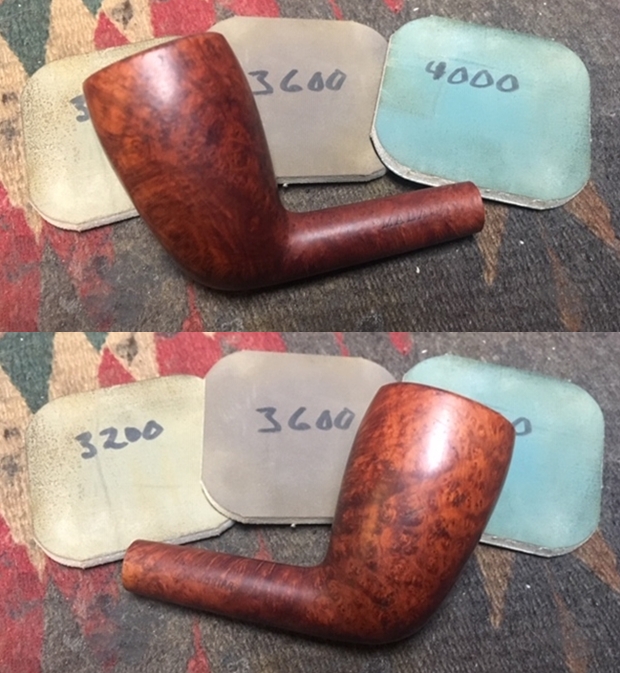
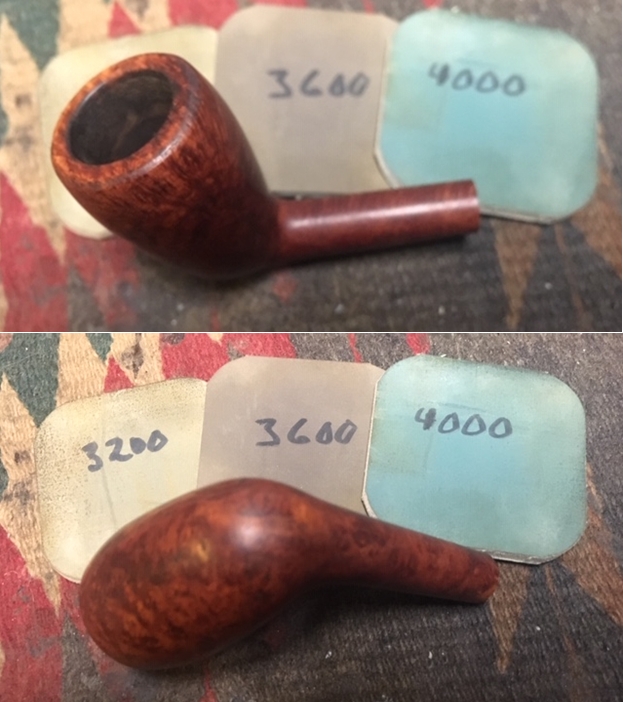
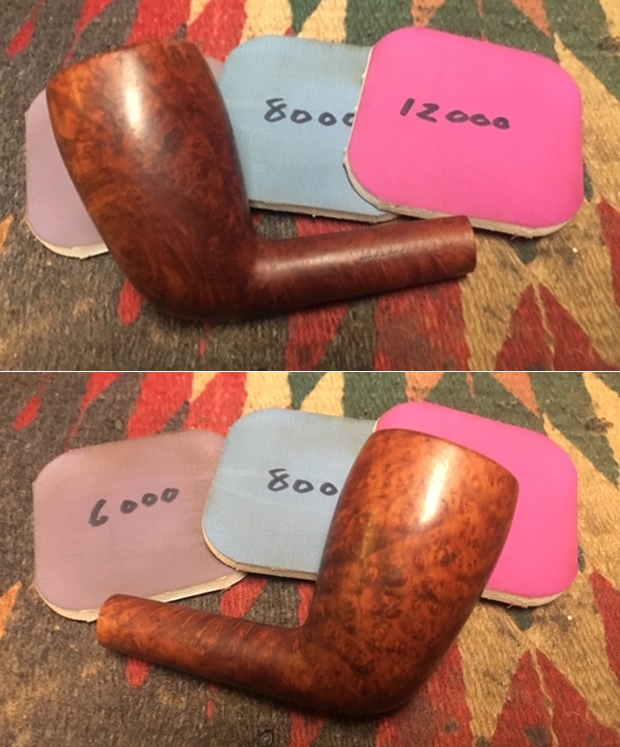
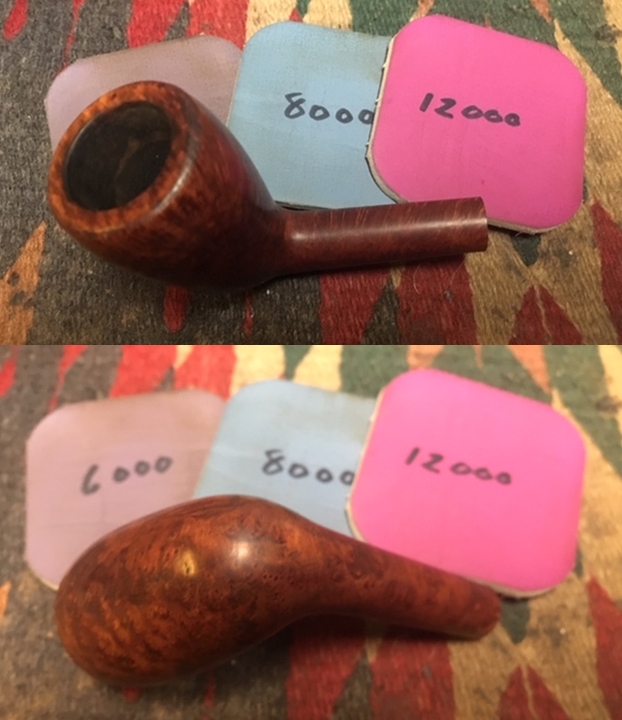
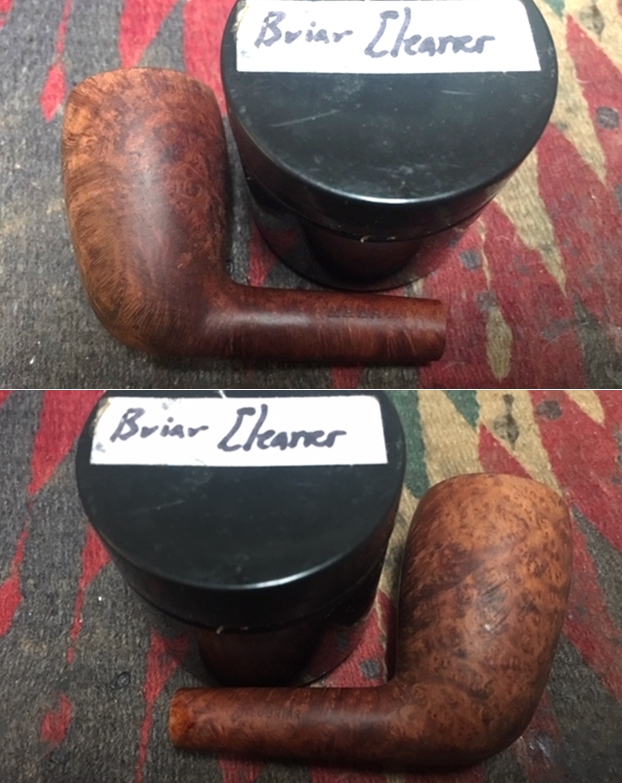
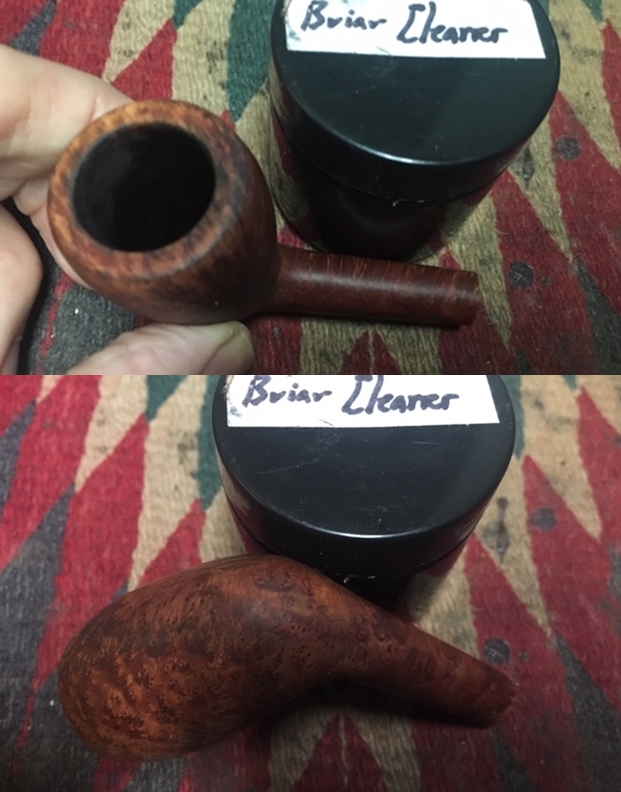
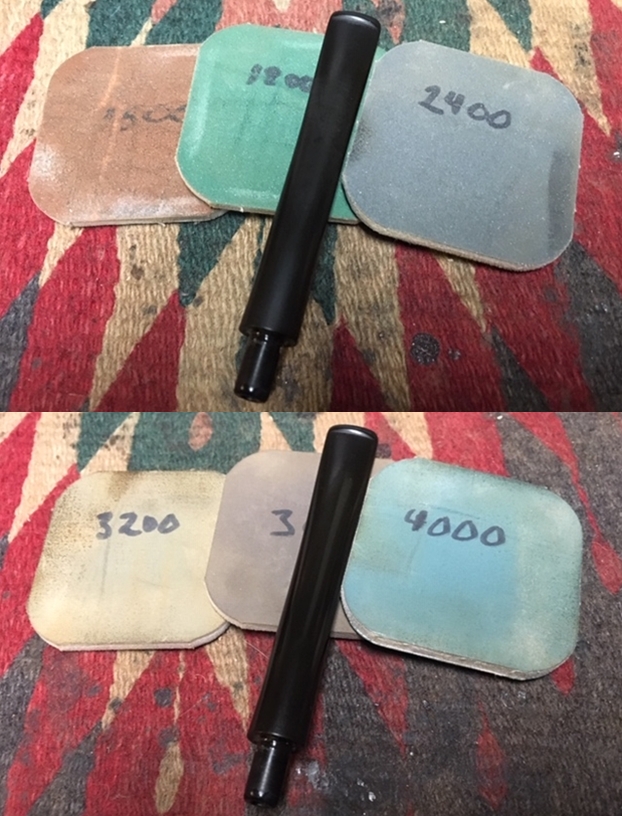
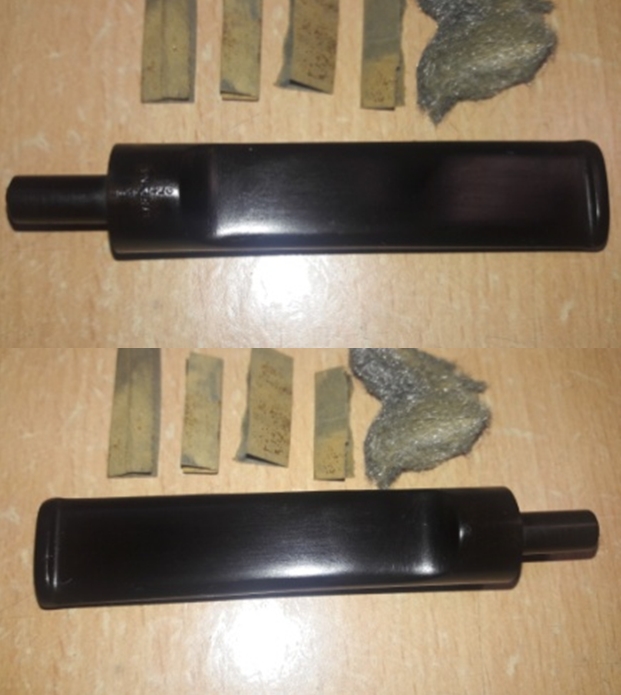
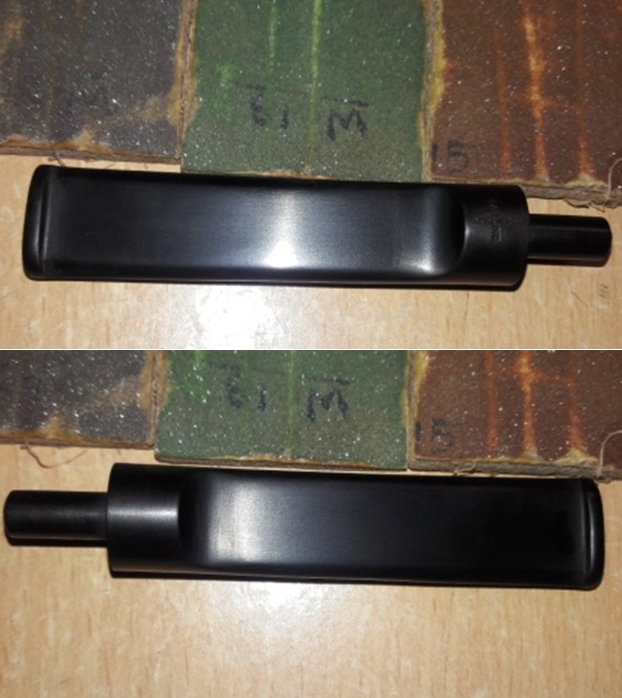
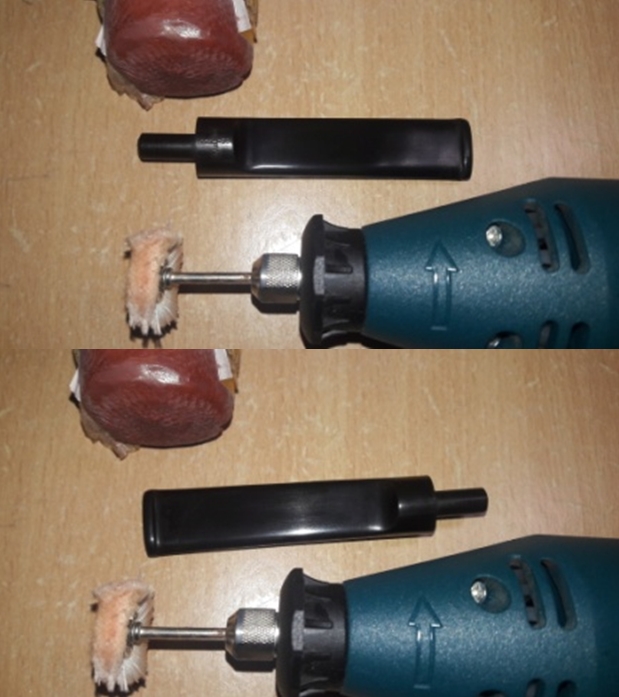
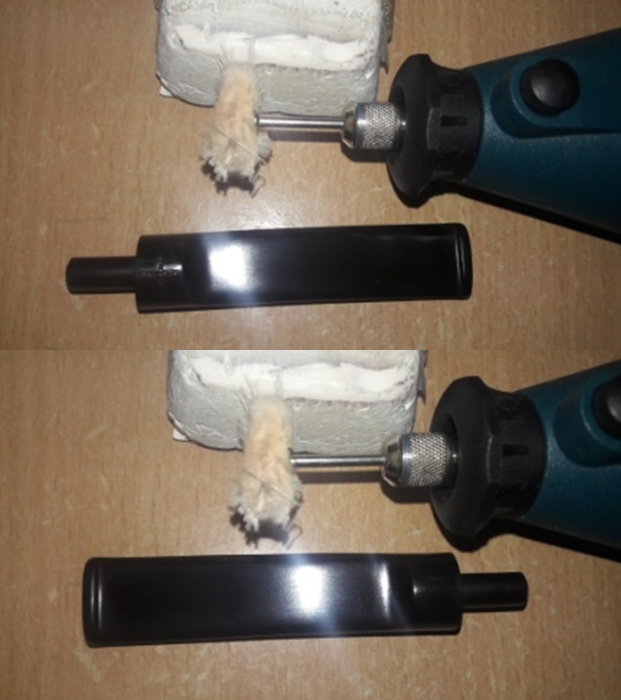
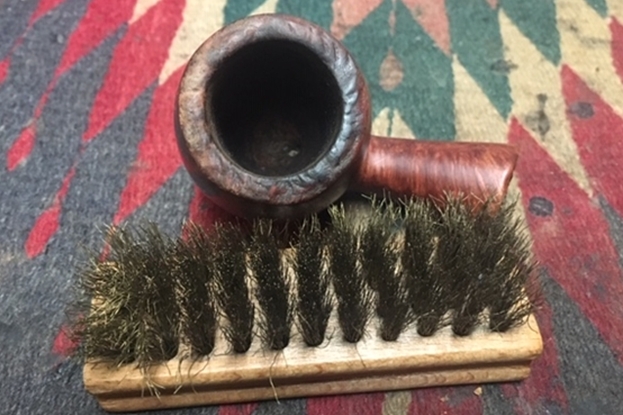
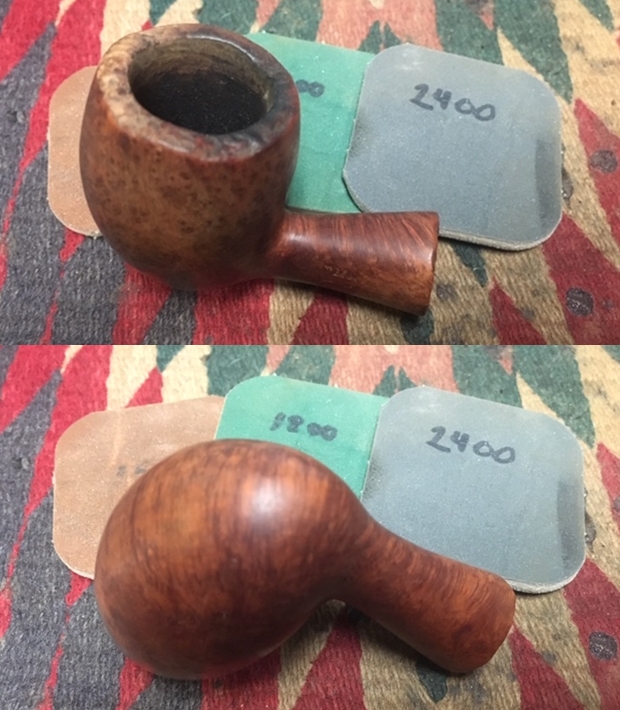
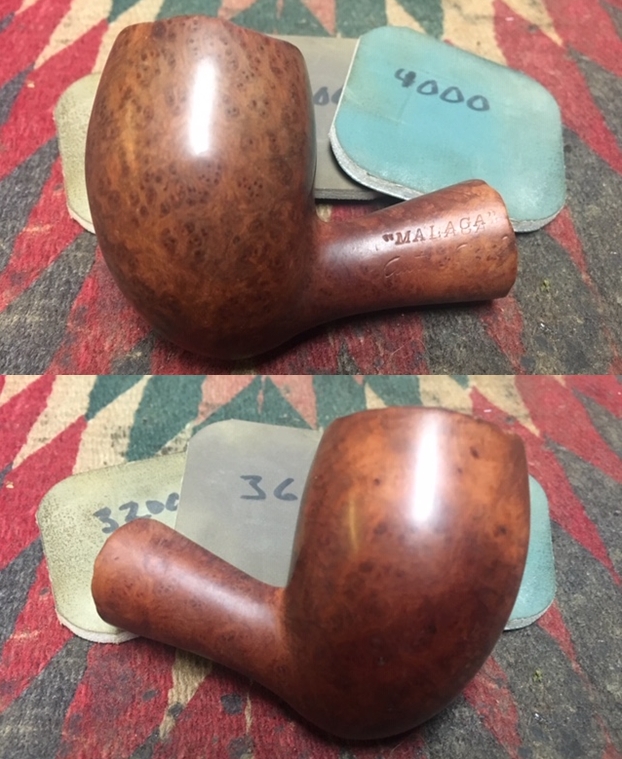
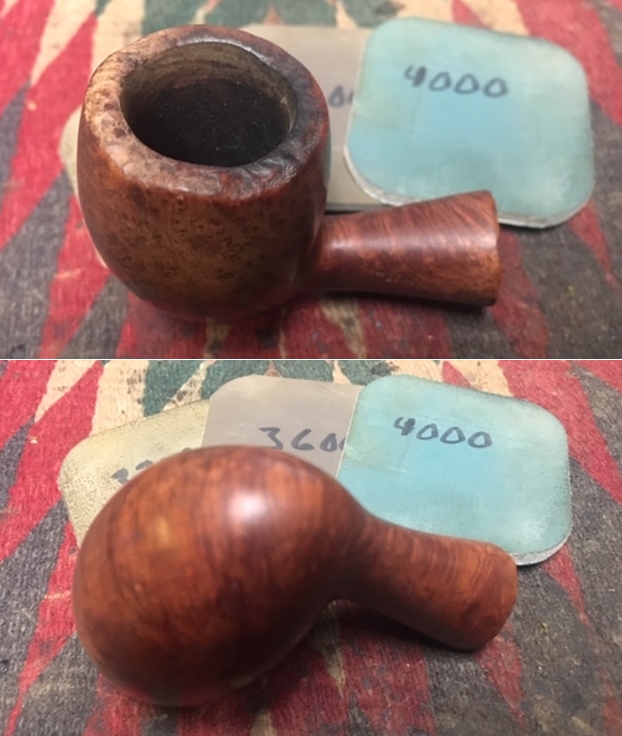
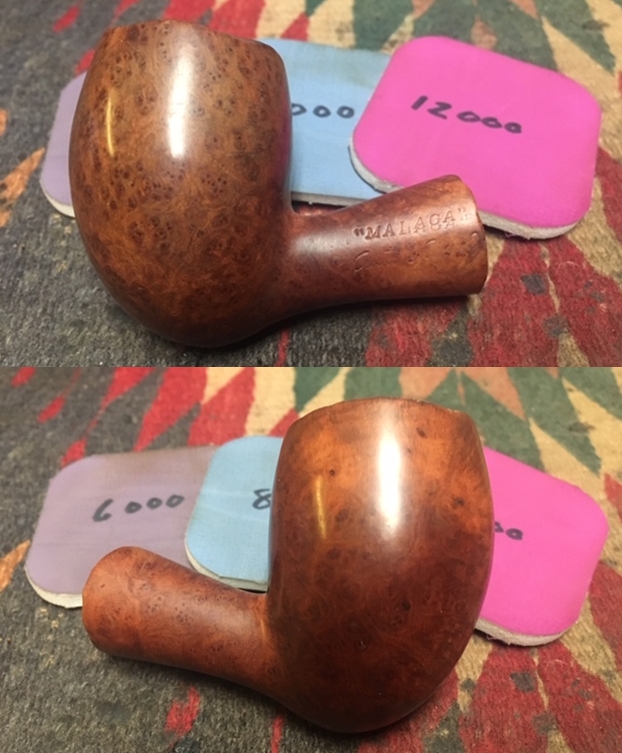
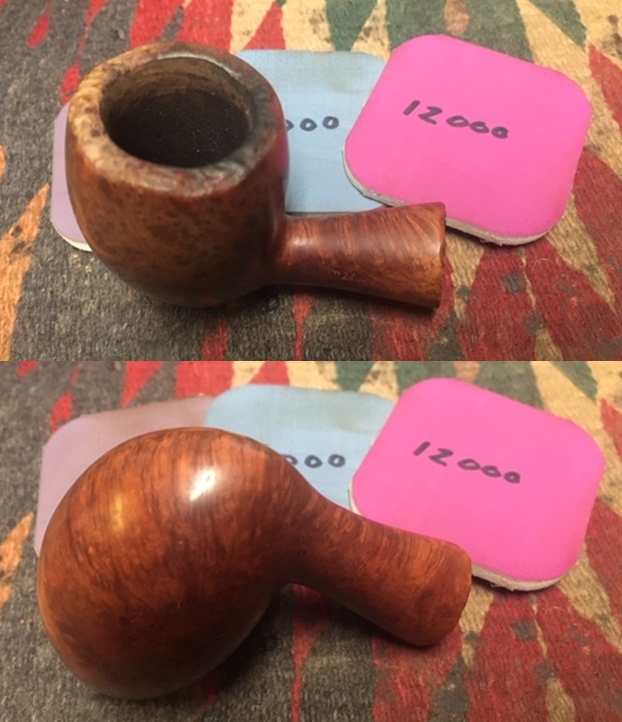
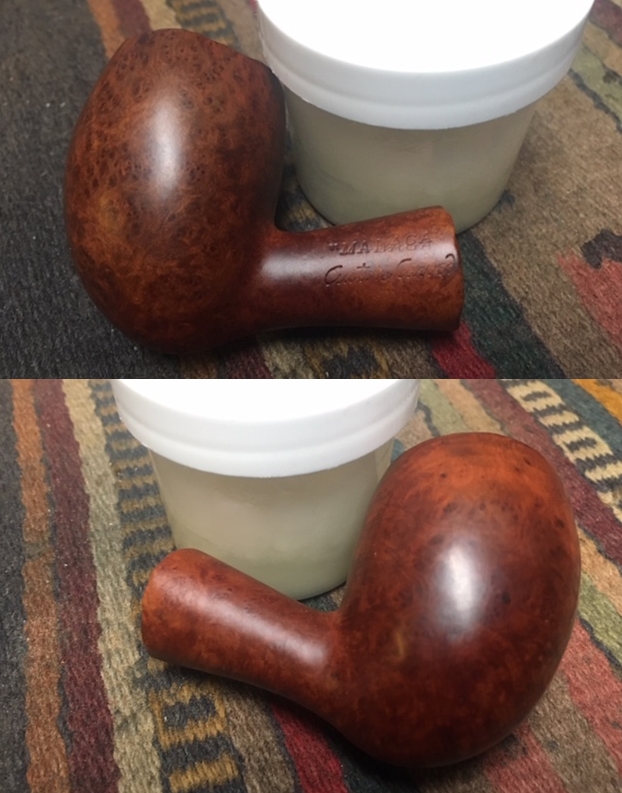
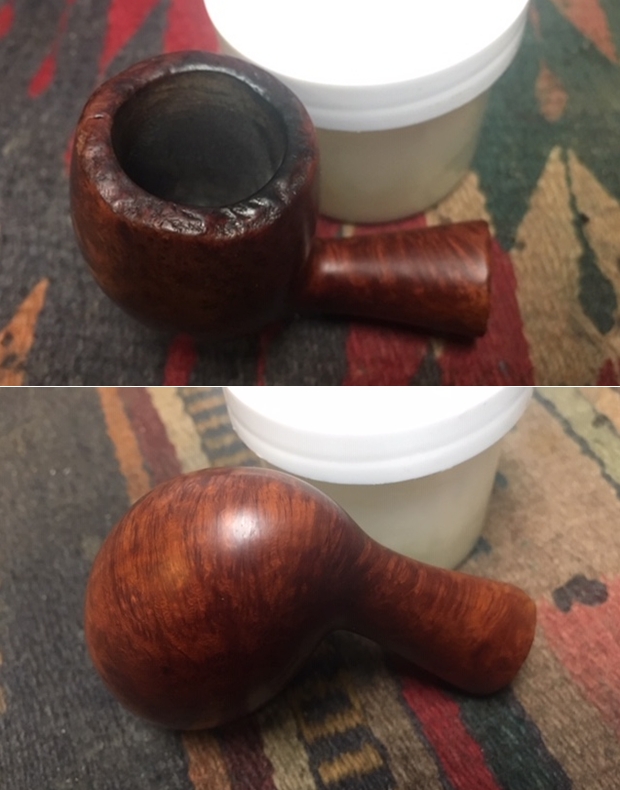
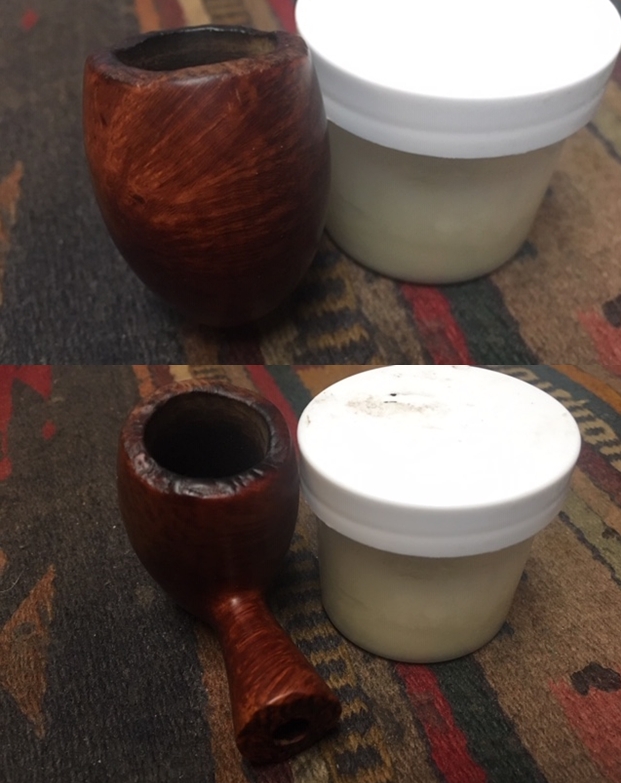
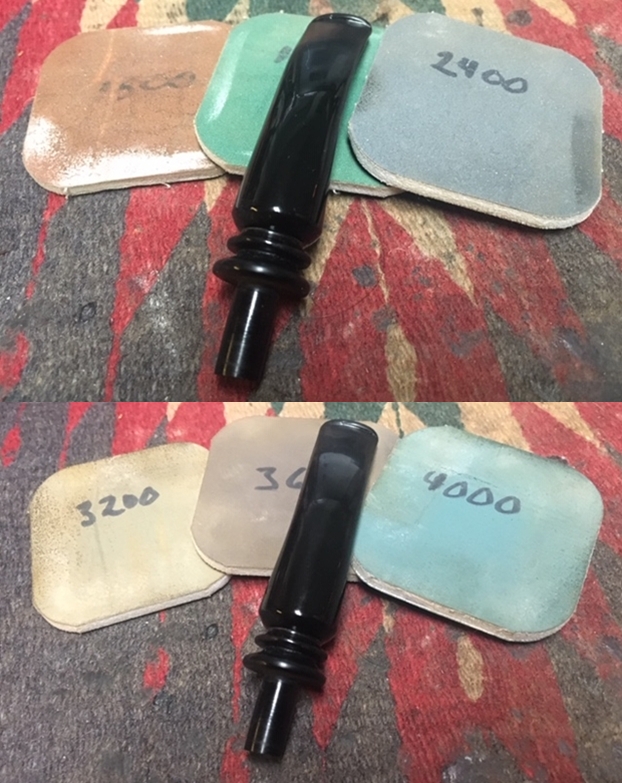
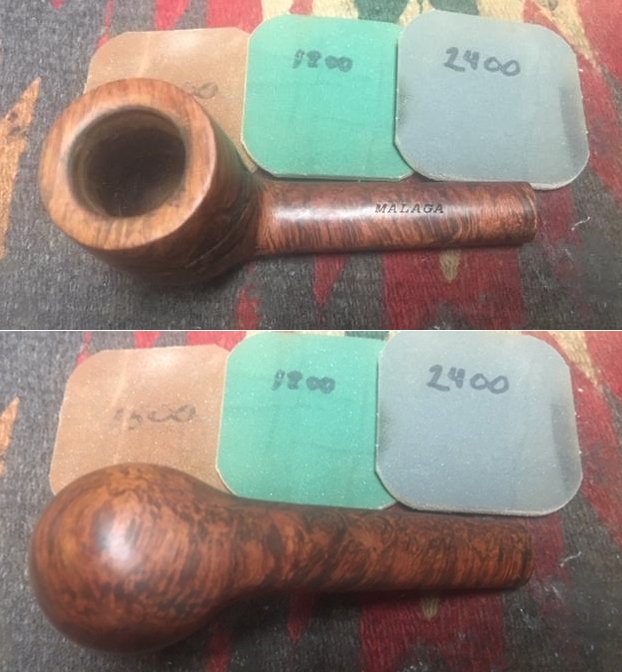
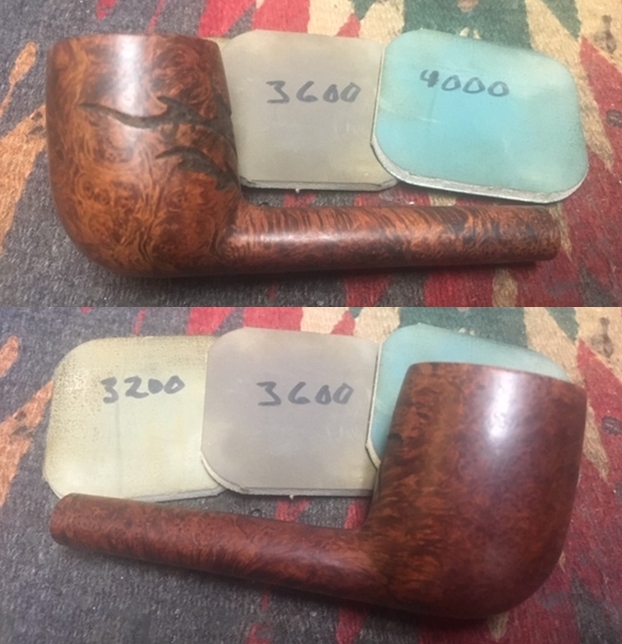
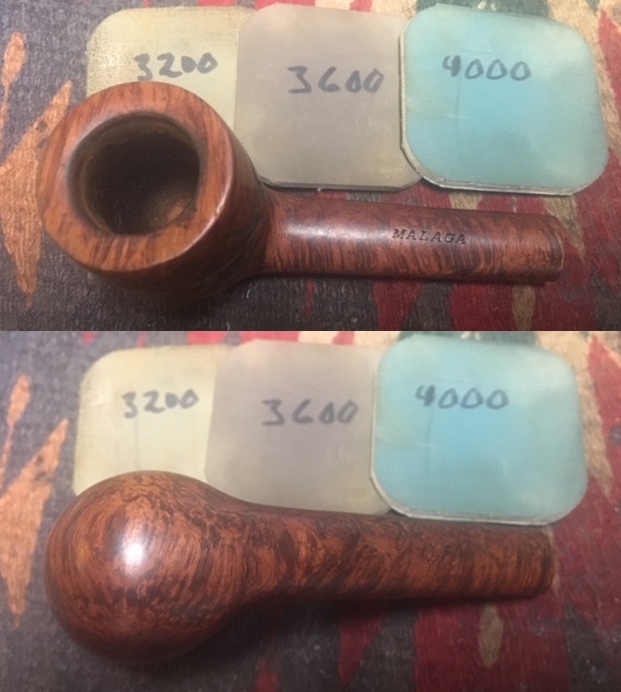
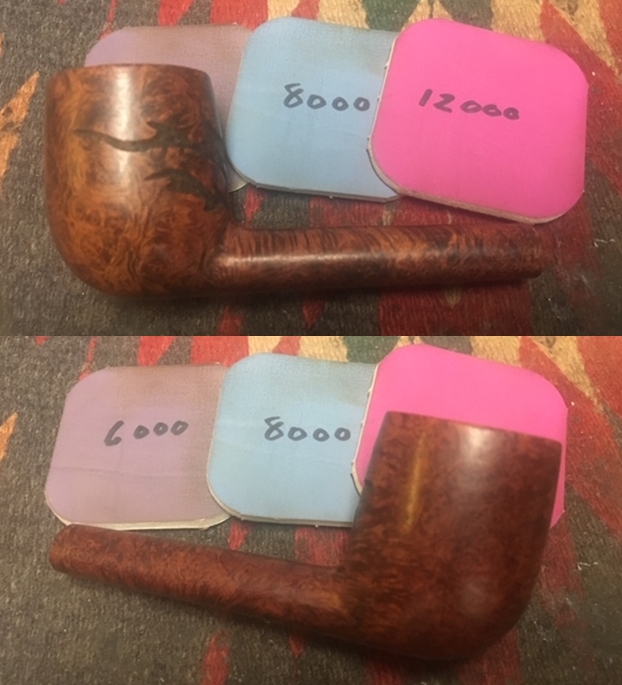
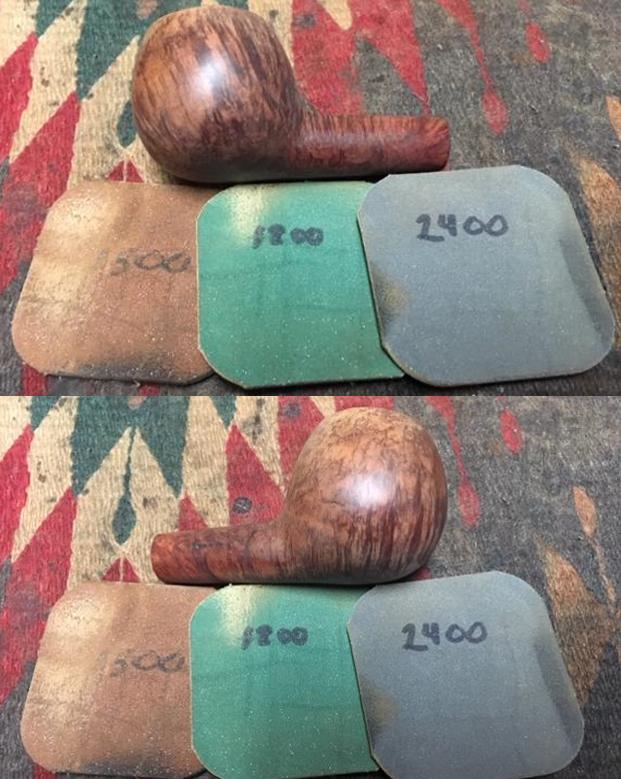
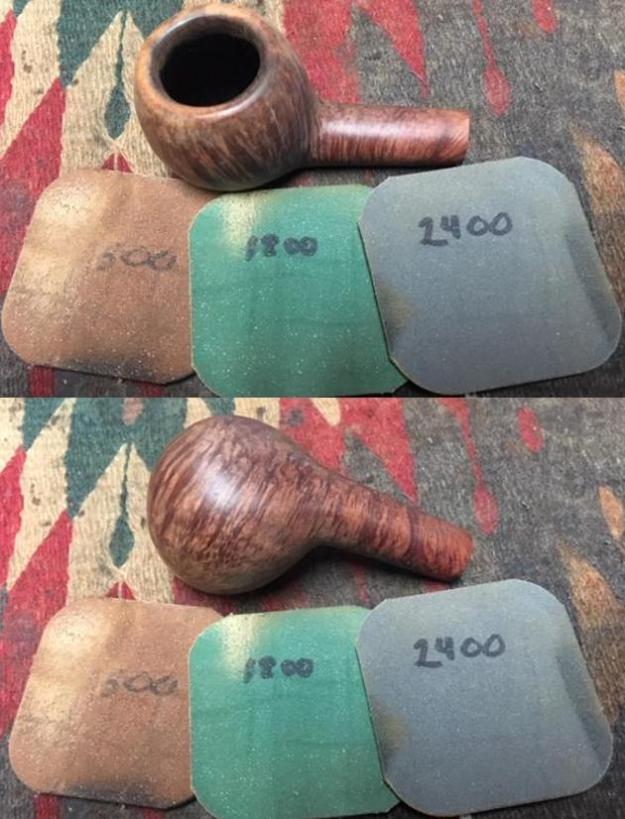
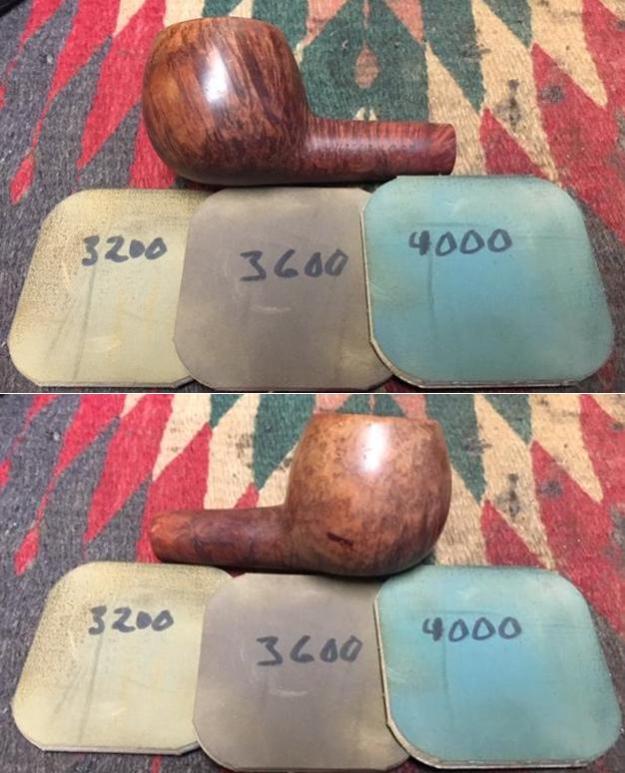
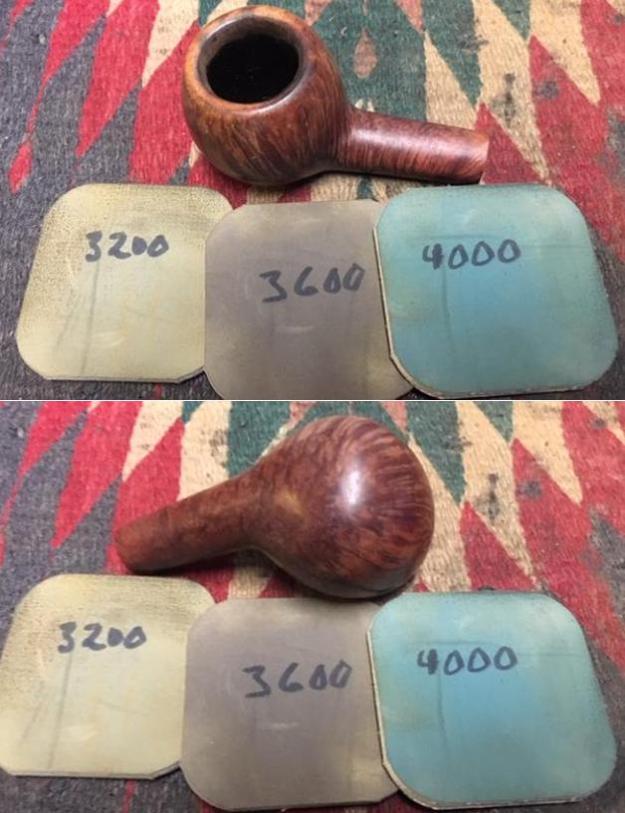
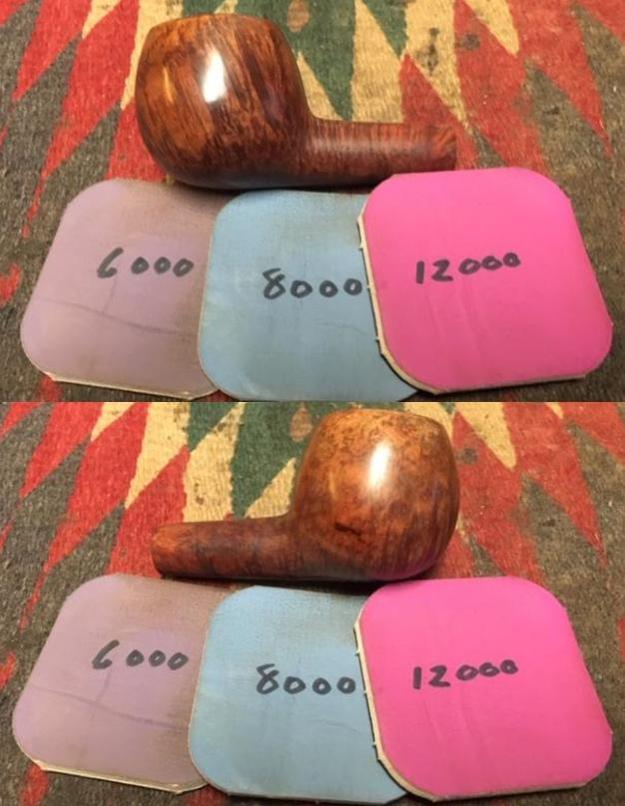
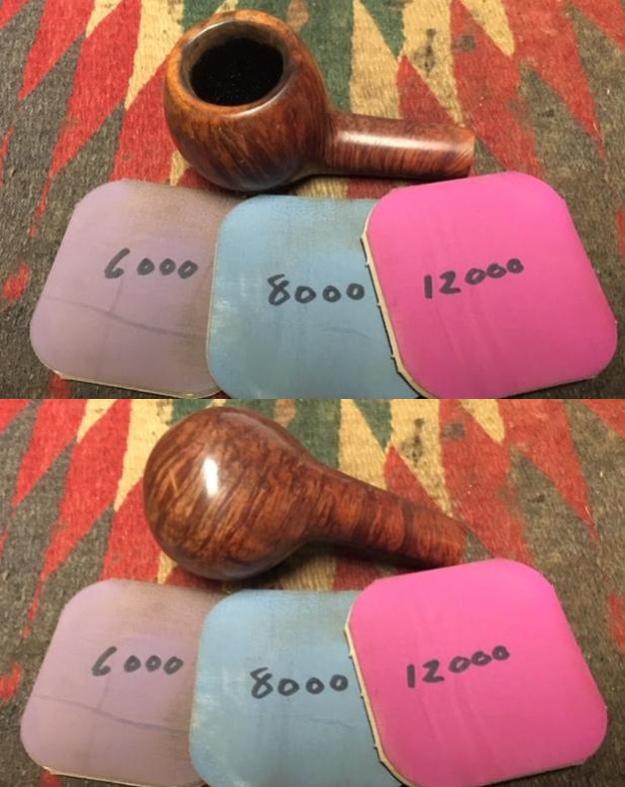
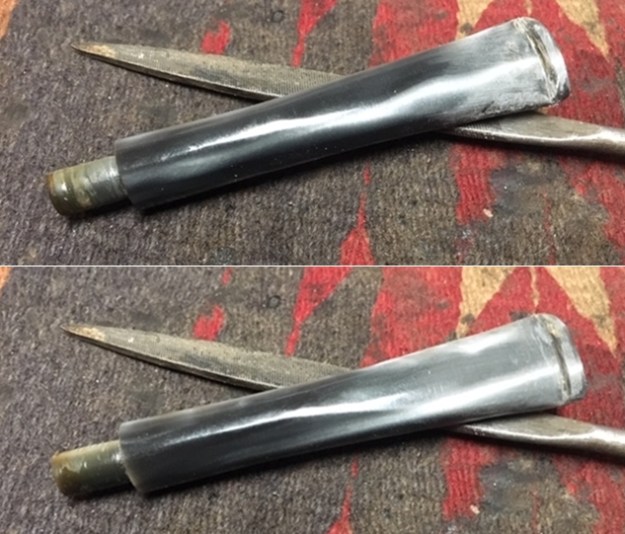
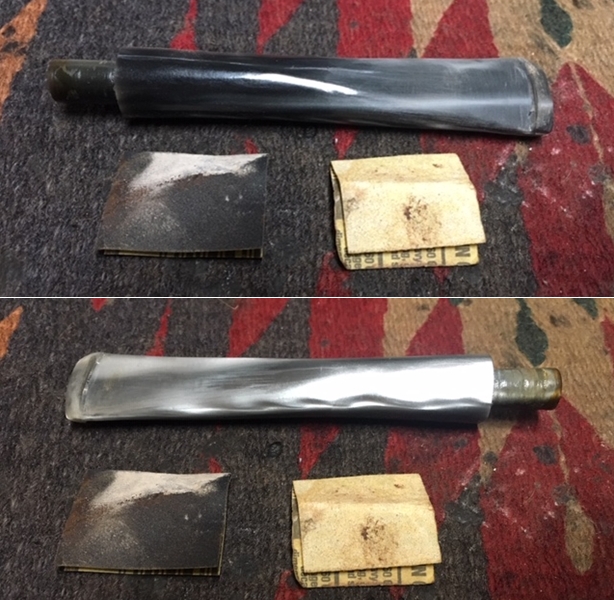
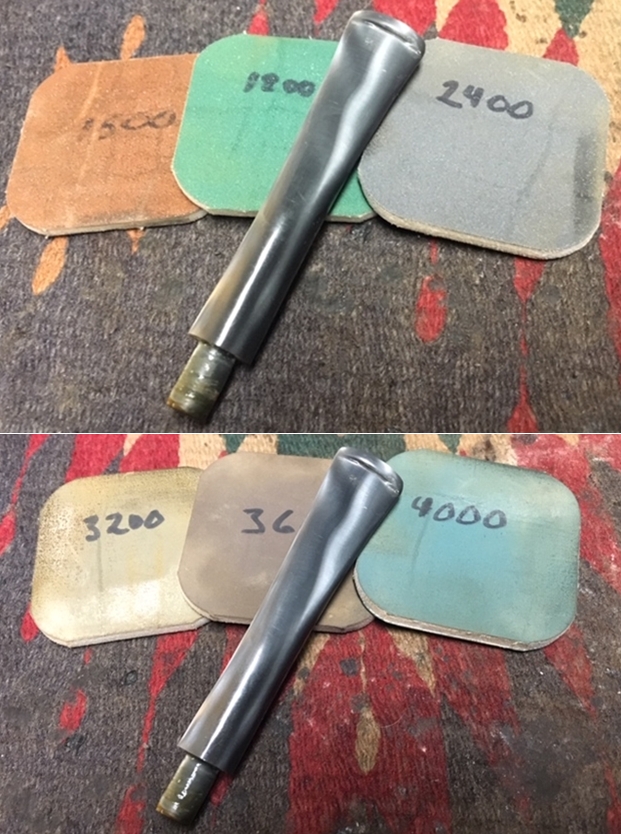
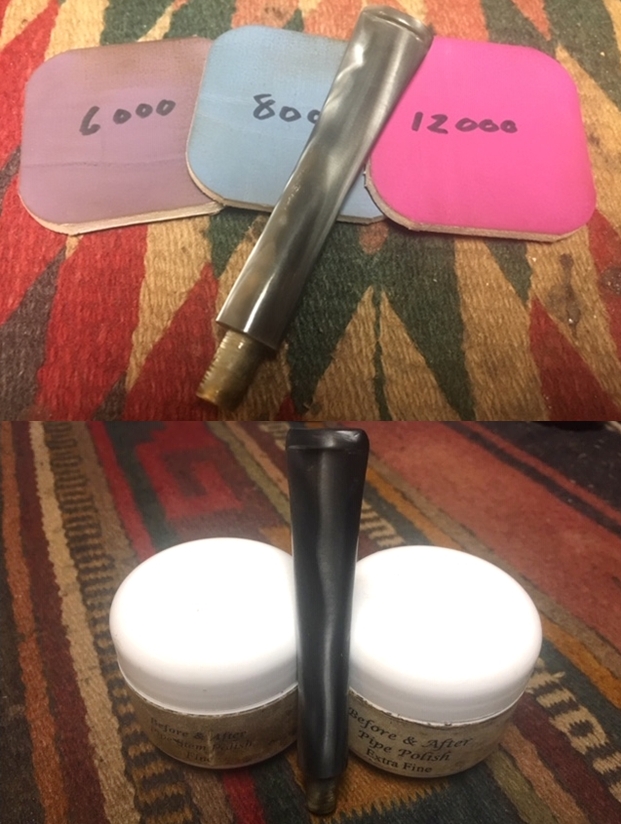
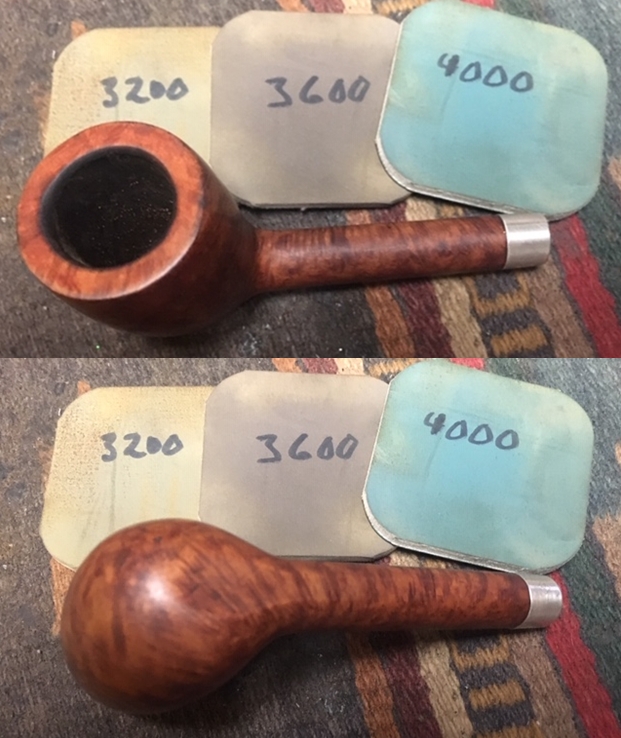
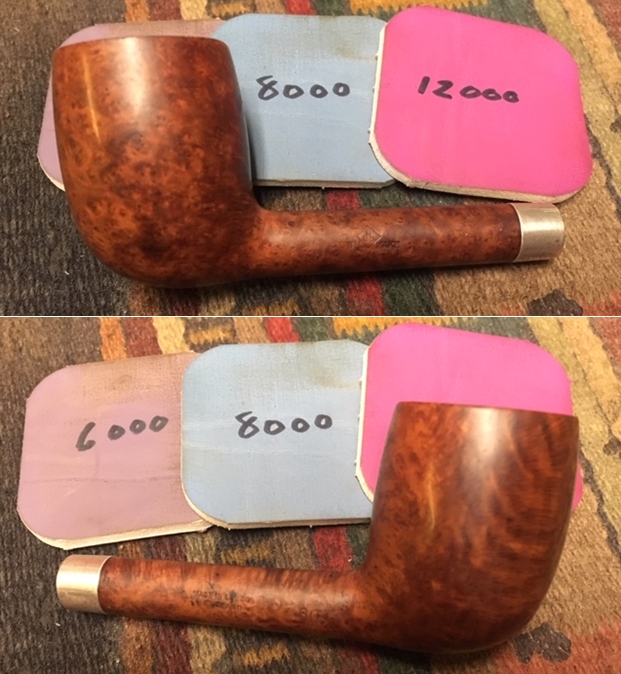
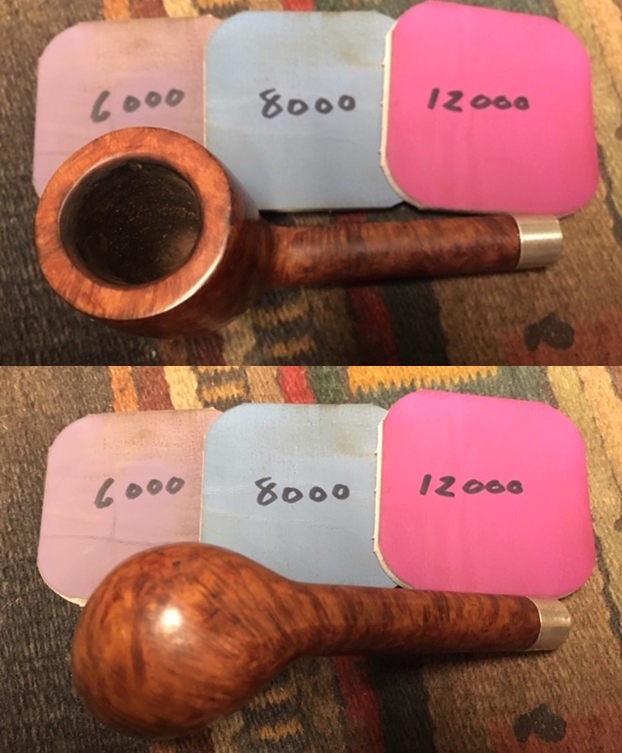
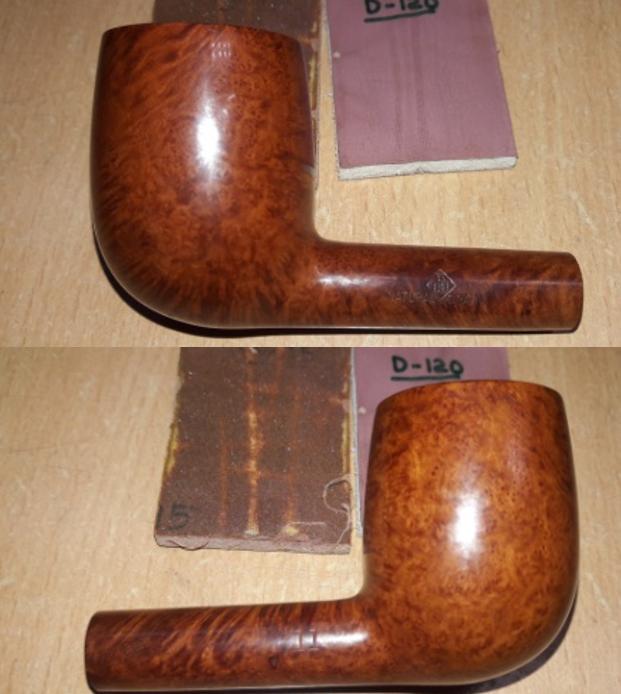
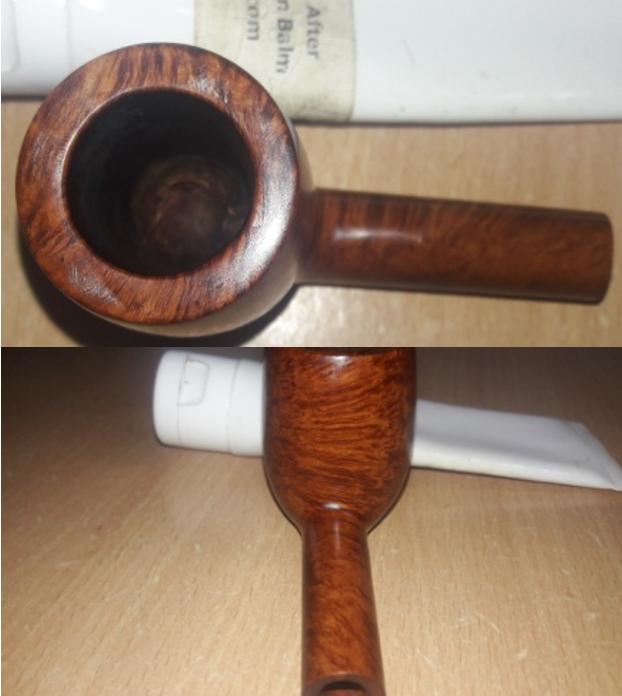
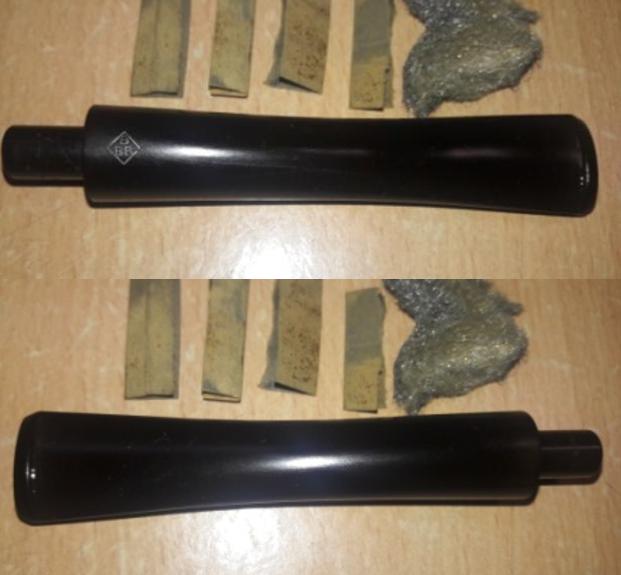
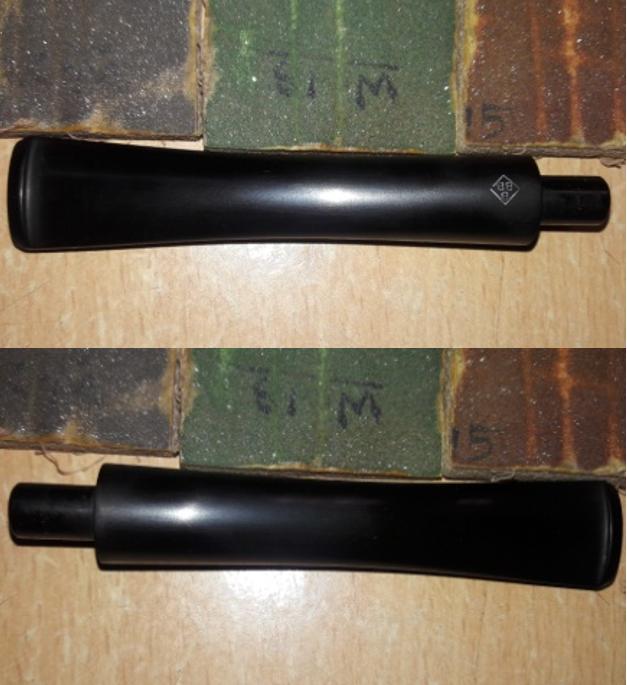
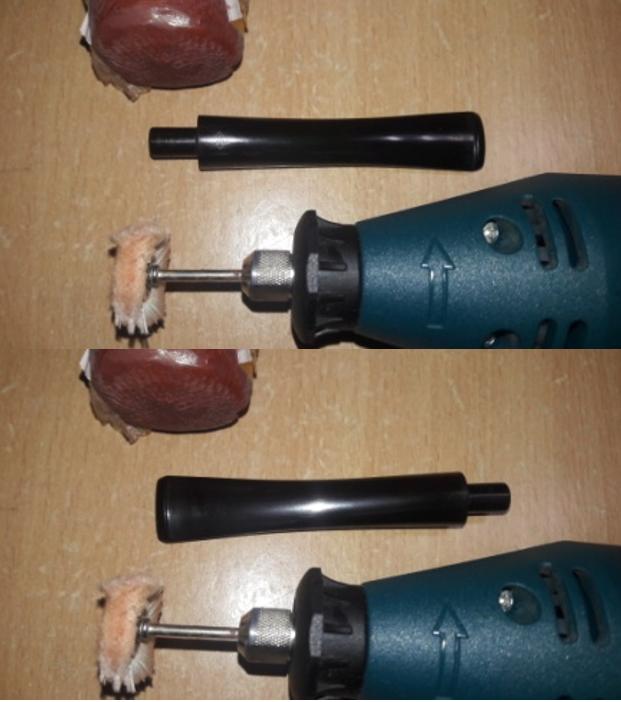
I start this restoration by sanding the entire stummel surface, including the rim top, with a piece of 220 grit sand paper. This helps in addressing all the minor dents, if any, from the surface while providing a smooth surface for the next stage which is polishing cycle using complete set of micromesh pads. To remove the sanding marks and bring a deeper shine, I polished the stummel with micromesh pads, wet sanding with 1500 to 12000 pads. I wiped the surface with a soft cloth at the end of the micromesh cycle. The stummel looks amazing with a deep shine and beautiful grains popping over the stummel surface. I showed the stummel to the new owner and discussed if he wanted me to stain the stummel or preferred it the way it appeared at this stage. I took this opportunity to explain to him that the stummel would darken as he smoked taking on a beautiful dark patina with time and usage. He liked the pipe without stain and thankfully, that’s how it shall remain. Next, I rub a small quantity of “Before and After Restoration Balm” in to the briar with my finger tips and let it rest for a few minutes. The balm almost immediately works its magic and the briar now has a nice vibrant appearance with the beautiful darkened grain patterns on full display. I further buff it with a horse hair shoe brush. Now that the stummel was nearly complete, I turned my attention to the stem. Since there was no damage to the stem and Abha had done a wonderful job of removing the oxidation from the stem surface, I straight up proceed with sanding the stem surface using 400, 600, 800, 1000 grit sand papers and finally with a piece of 0000 grade steel wool and also sharpened the button edges while sanding. This serves to remove the deep seated oxidation and also reduces the sanding marks of the more abrasive sand papers. I wiped the stem with a cotton swab and alcohol to remove all the oxidation and sanding dust from the surface. I applied a little Extra Virgin Olive oil over the stem and set it aside to be absorbed by the vulcanite.I followed up the sanding regime with micromesh polishing to bring a shine on the stem surface. I wet sand the stem with 1500 to 2400 girt micromesh pads. Continuing with my experimentations that I had spelled out in my previous posts, I mount a cotton buffing wheel on my hand held rotary tool and polish the stem with Red Rouge polish as I had read that this polish has grit between 2400 to 3200 grit pads of the micromesh pads. Further, I mount a fresh buffing wheel on the rotary tool and polish the stem with White Diamond polish as it has grit equivalent to 3800- 4000 of micromesh pads. I finish the stem polish by wet sanding with 6000 to 12000 grit pads of the micromesh. I rub a small quantity of olive oil in to the stem surface to hydrate it and set it aside. The stem looks nice and shinning black. I am really happy with this process of stem polishing as the results are excellent while saving me huge amounts of time and effort. To apply the finishing touches, I mount a cotton cloth buffing wheel on to my hand held rotary tool and apply a coat of Blue Diamond to the stummel and the stem to polish out the minor scratches. With a cotton buffing wheel that I use for carnauba wax, I apply a coat of carnauba wax and continue to work on it till the complete coat of wax had been polished out. I mount a clean cotton cloth buffing wheel and give the entire pipe a once over buff. I finished the restoration by giving the entire pipe a rigorous hand buffing using a microfiber cloth to raise the shine further. The finished pipe looks beautiful and is ready to be handed over to the new piper. Hope he enjoys his leisure time with this beautiful and gorgeous looking pipe, smoking his favorite tobacco!! P.S. This is the last of the four pipes that was selected by this gentleman to carry forward the trust posed in the pipe by the previous piper and I am sure that this pipe will provide the new piper many years of happy smokes and will remind him of our association. This was also the most difficult of all the four pipes to let go!! Such is the beauty of this pipe.
Thanks to all readers of Reborn pipes who have spared a moment of their invaluable time in reading through this write up and as is always, your suggestions and advice are always welcome as this would not only help me but also help the new pursuers of this art.

Restoring a “Malaga” Pencil Shank Cutty for Alex


Blog by Steve Laug

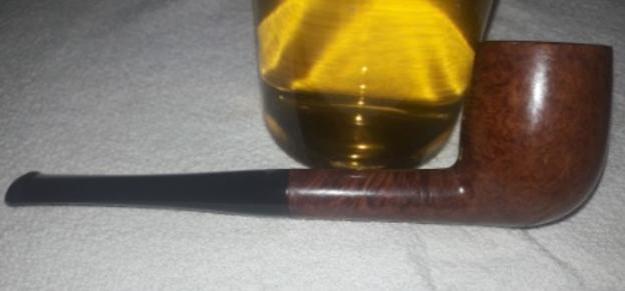
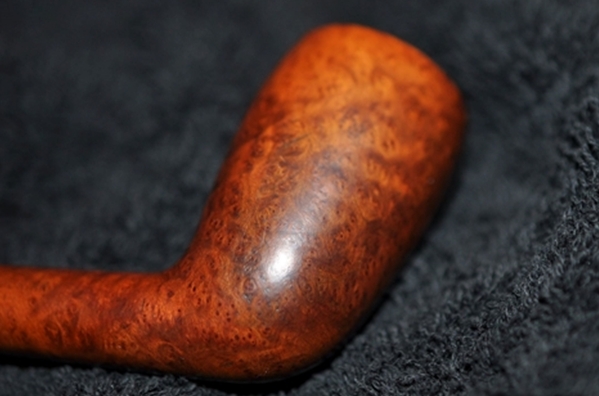
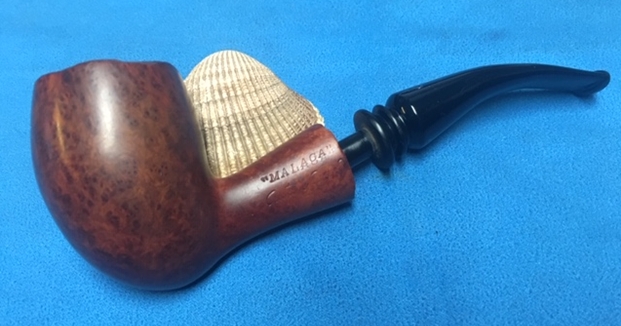
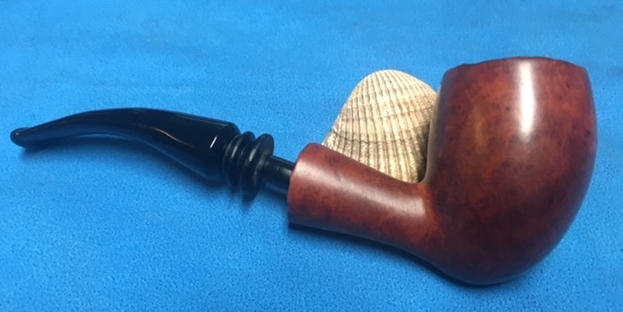
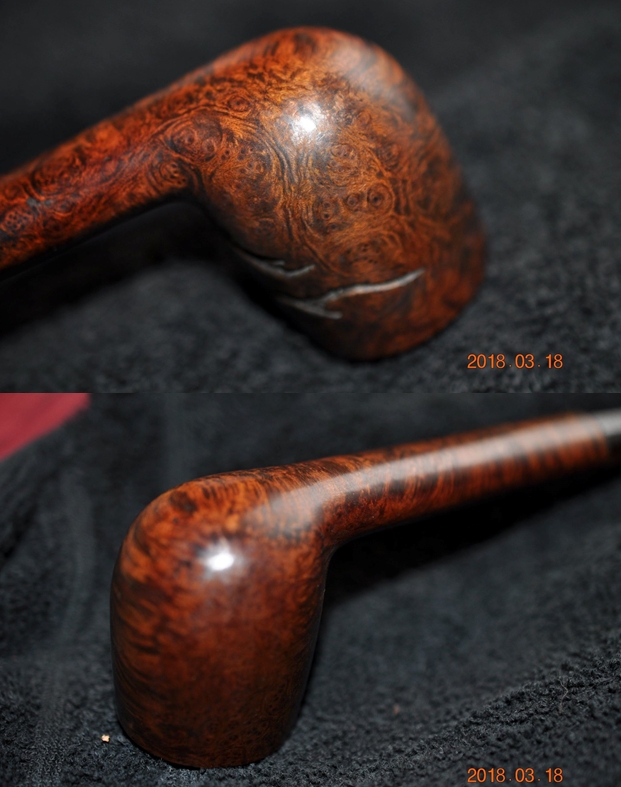
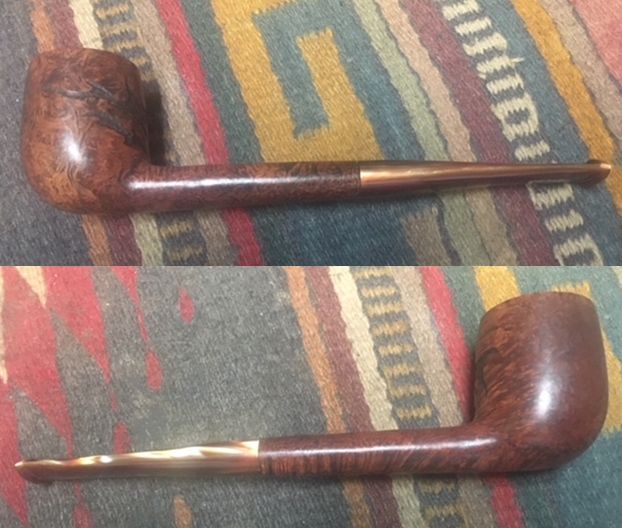
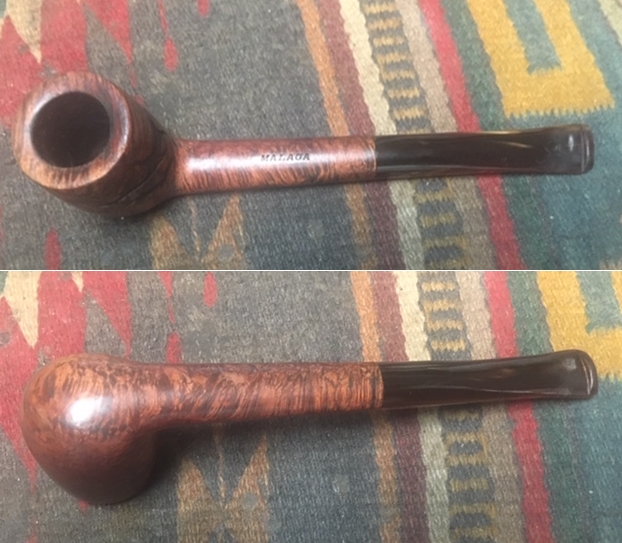
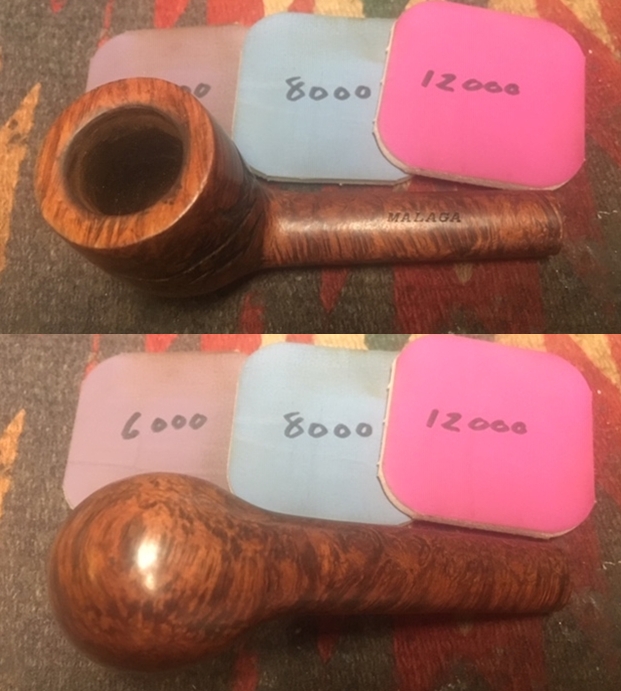
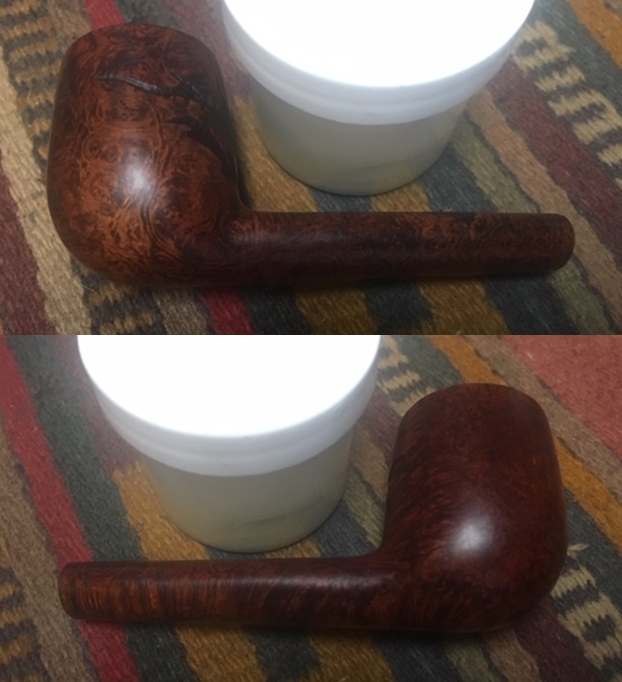
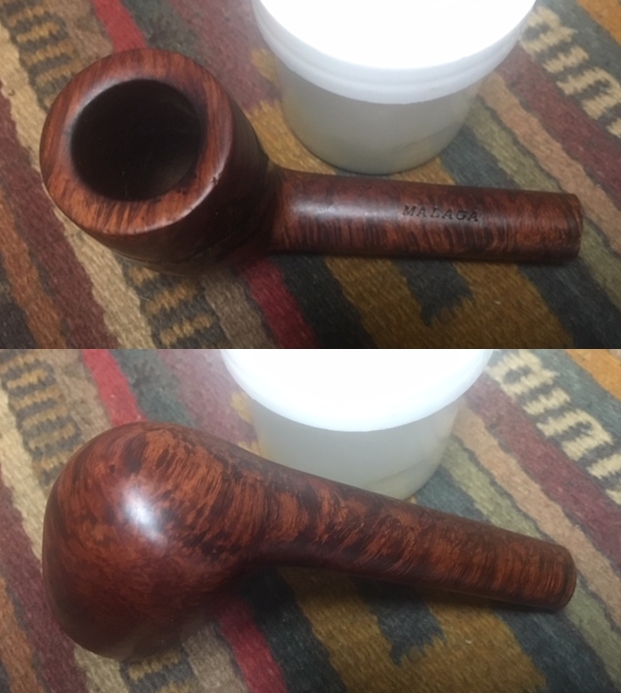
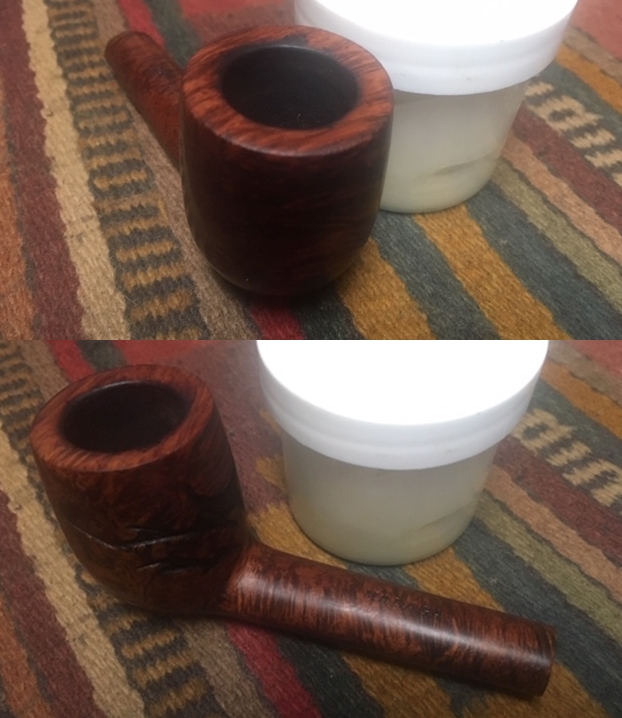
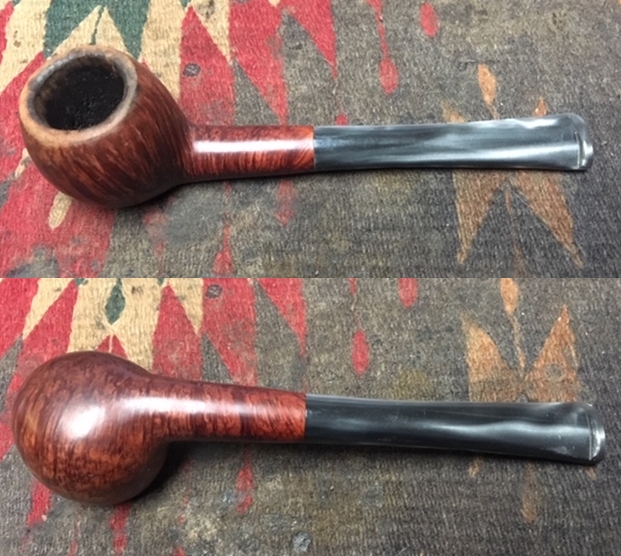
I have been working on a lot of different estate pipes and selling them for different families. Once in a while it is good to change things up a bit. Last week Alex came by and went through the Malaga pipes I have awaiting restoration. I have a box of pipes from Alex that I am always working away at he added a few more Malaga pipes to his box. There are quite a few of them to work on so I decided work on a few of them. The fourth of these was another Malaga pipe. It  is a beautiful pencil shank Cutty shaped with a long vulcanite stem. The smooth rim, tall narrow bowl, and thin shank combined with the stem make it a stunning pipe. It has mixed grain around the sides of the bowl and shank. The “Malaga” Cutty shaped was a pipe Jeff picked up from EBay that originally came from Michigan. We were both surprised that he picked it up as it is getting harder and harder to pick these up at a good price.

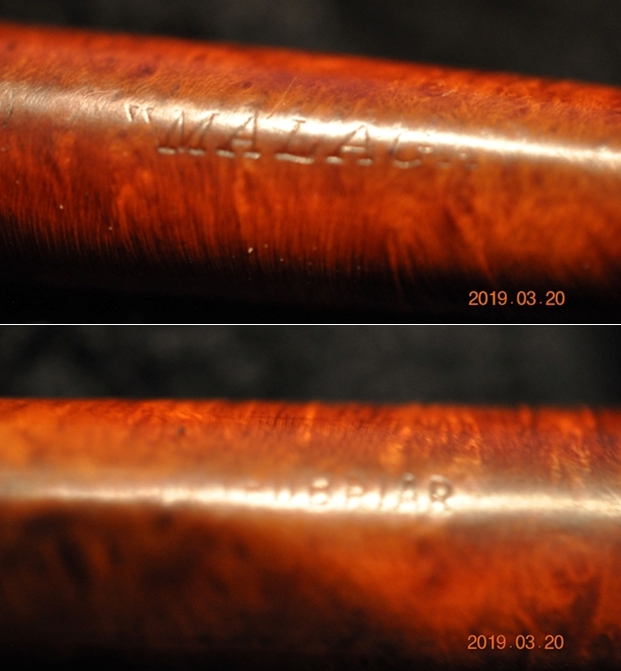
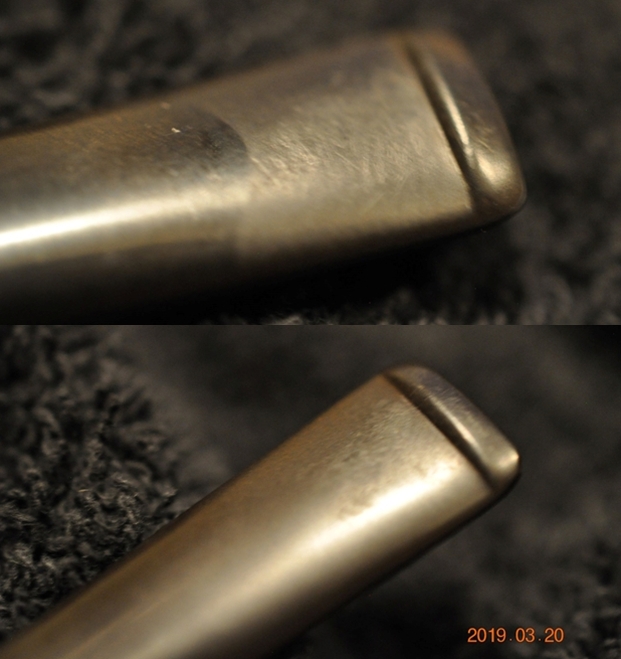
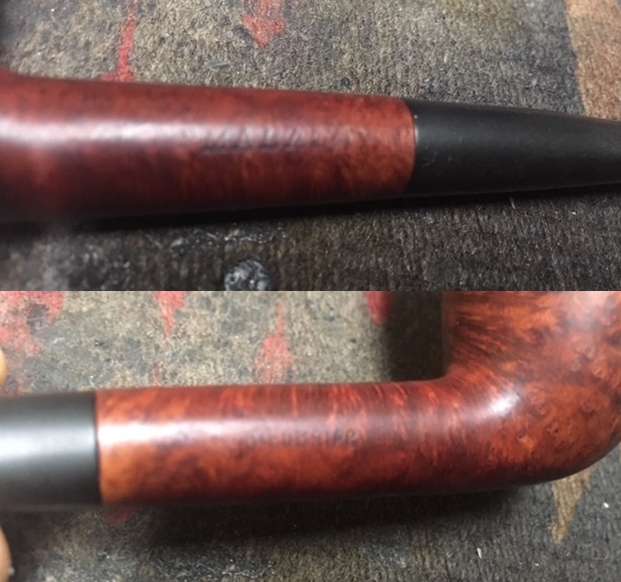
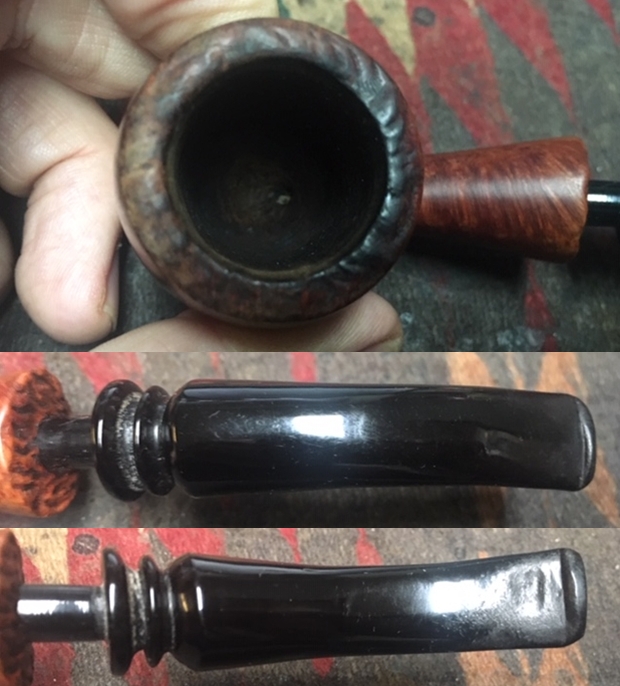
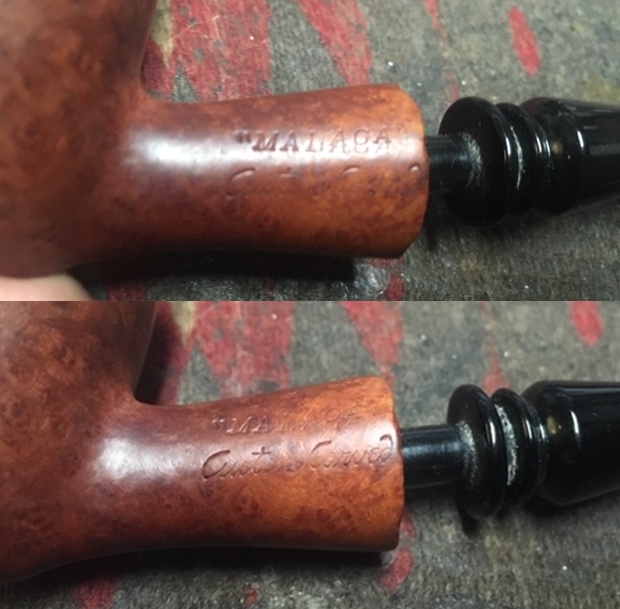
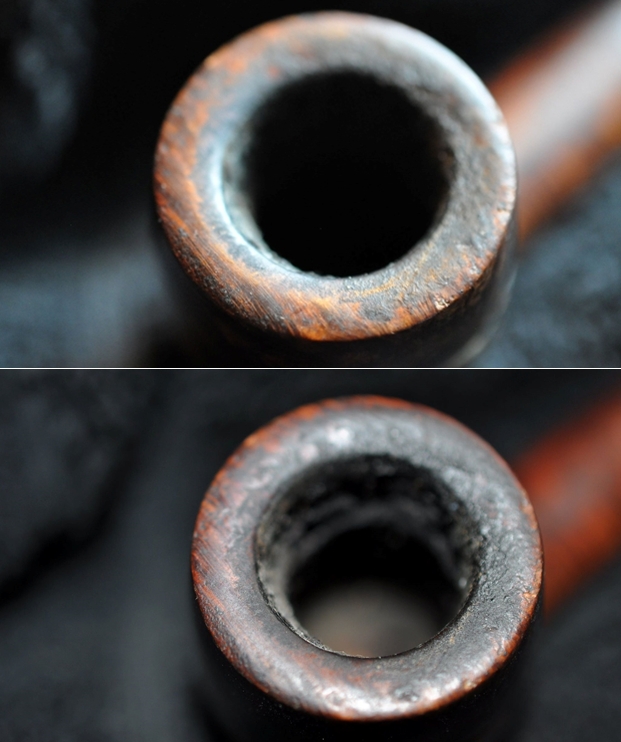
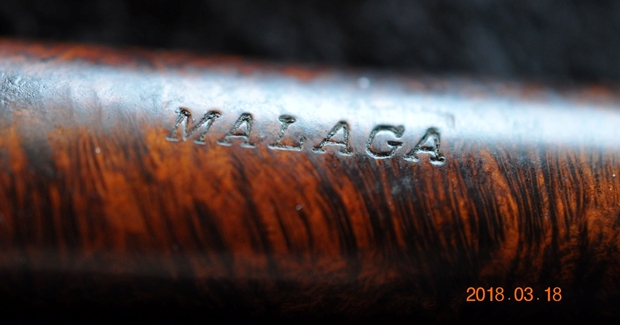
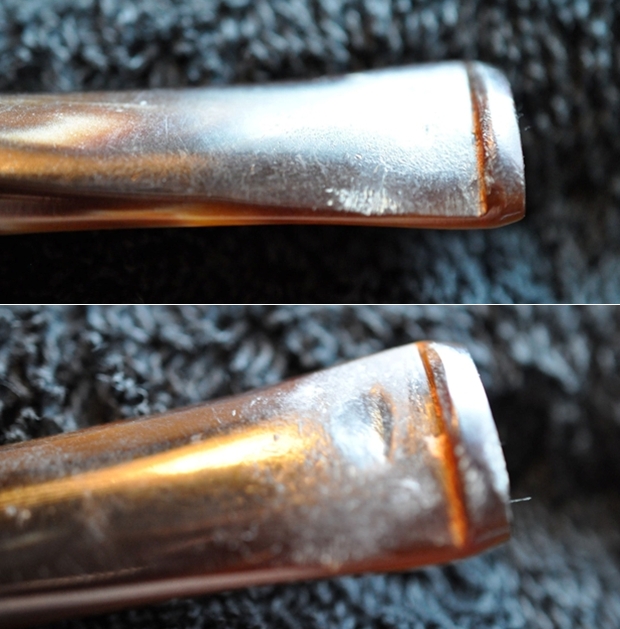
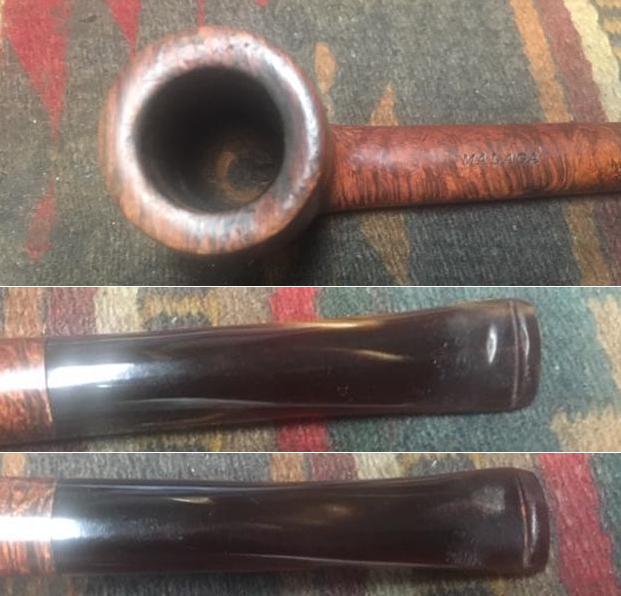
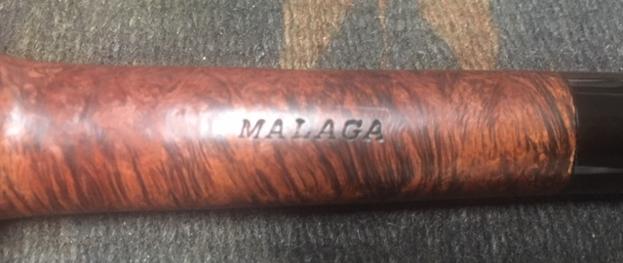
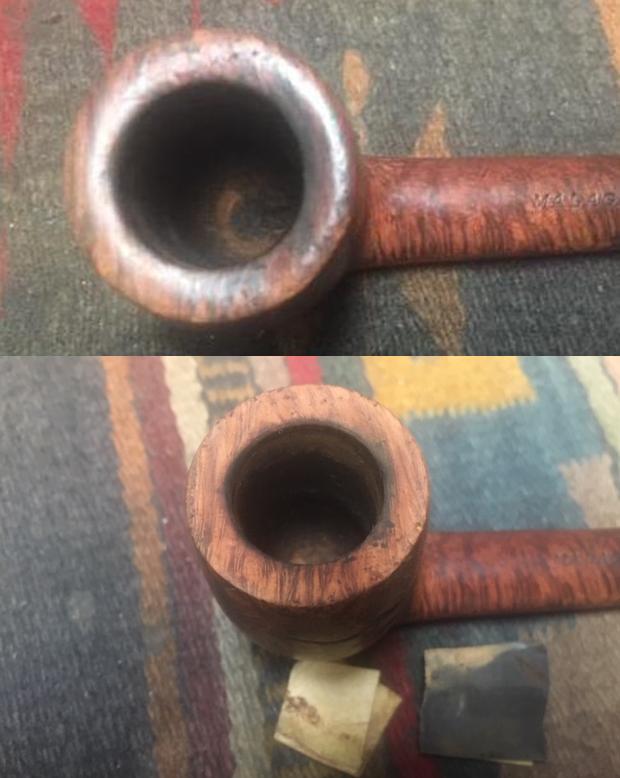
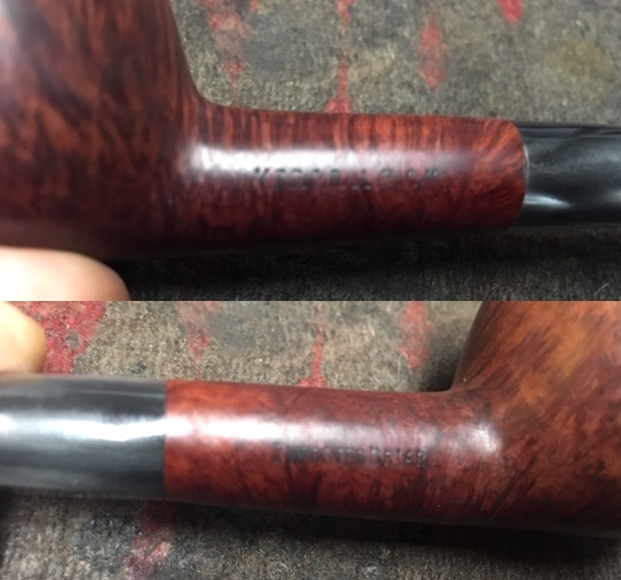
This long narrow shank Cutty is next on the table. The carver did a great job of shaping the pipe to follow the grain on the briar. The pipe was in very good condition when arrived. The rim top has a little lava and darkening but otherwise looked good. The bowl had a thin cake in it that was hard and dense. The exterior of the bowl and shank are very dirty with grime and oils from prolonged use. The stamping on the left side of the shank read “MALAGA” with the quotation marks and the right side read Imported Briar. The vulcanite stem was lightly oxidized and had tooth chatter on the top and the underside of the stem. Jeff took these photos before he started the cleanup work on the pipe. Jeff took close up photos of the bowl and rim to capture the condition of the pipe before he started his cleanup work. The rim top had some very light spots of lava and a little darkening on the back of the bowl. The edges of the bowl were not too bad. The inside edge was clean and the outside had a few small dents and nicks. Other than being so dirty that it was in great condition.He also took photos of the sides and bottom of the bowl and shank to show the beautiful mixed grain around the bowl. The photos show the general condition of the bowl and wear on the finish. It is dirty but this is another beautiful pipe. Jeff took a photo to capture the stamping on the top side of the shank. The photos show the stamping “MALAGA” on the left side of the shank and on the right it is stamped Imported Briar in caps. The stamping is very readable.The next two photos show the stem surface. There are light tooth marks and chatter on both sides near the button. There is also some wear on the sharp edge of the button.If this is the first of the Malaga restorations that you have read about then you should know the backstory of the brand. I am including the link to a blog that I wrote that gives some of the history of the Malaga brand and the Malaga Pipe Shop in Royal Oak, Michigan in the USA. I have written an earlier blog to give a little history of the Malaga Brand and the pipemaker, George Khoubesser. Here is the link – https://rebornpipes.com/tag/malaga-pipes/.That blog also includes links to a catalogue and the history of the pipemaker George Khoubesser. Follow the link to get a feel for the brand and the pipemaker.

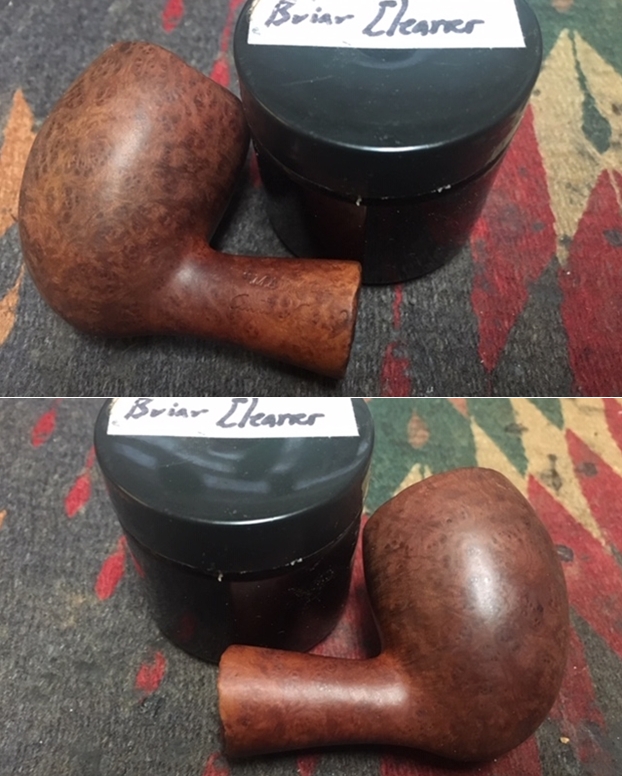
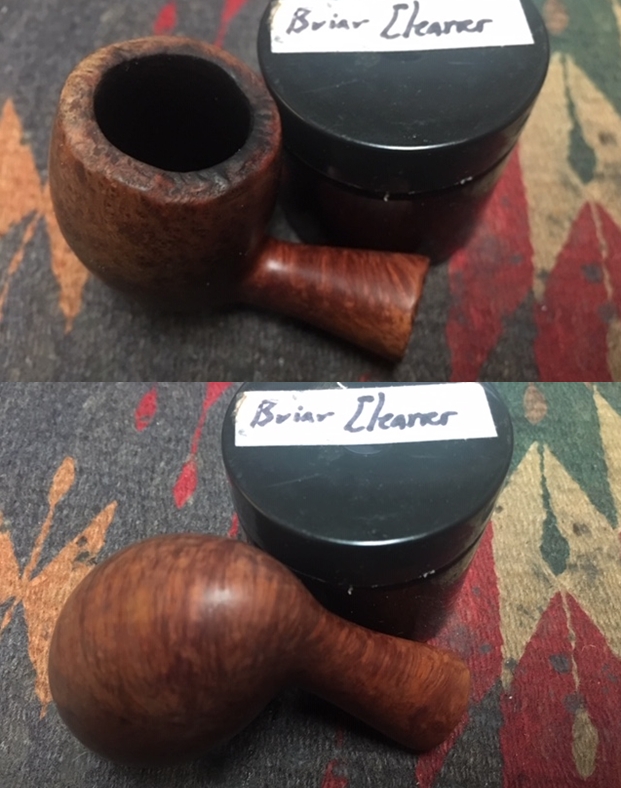
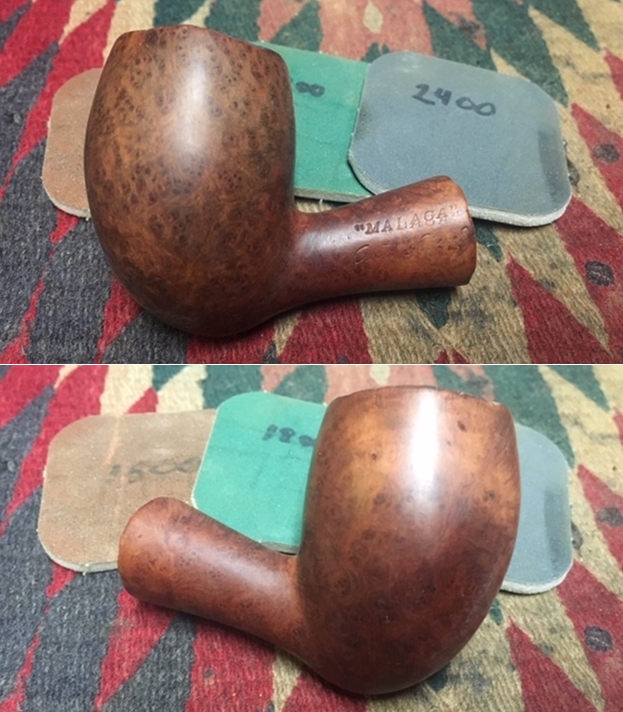
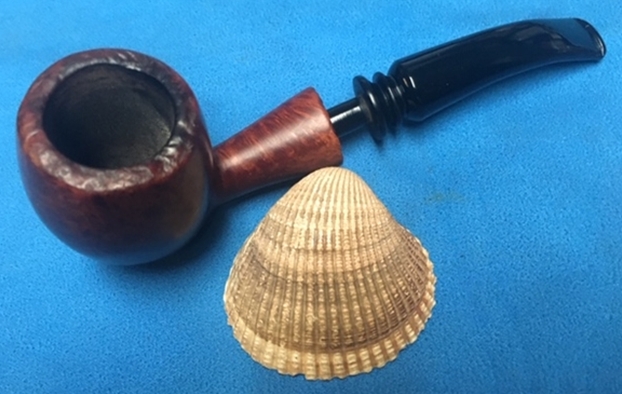
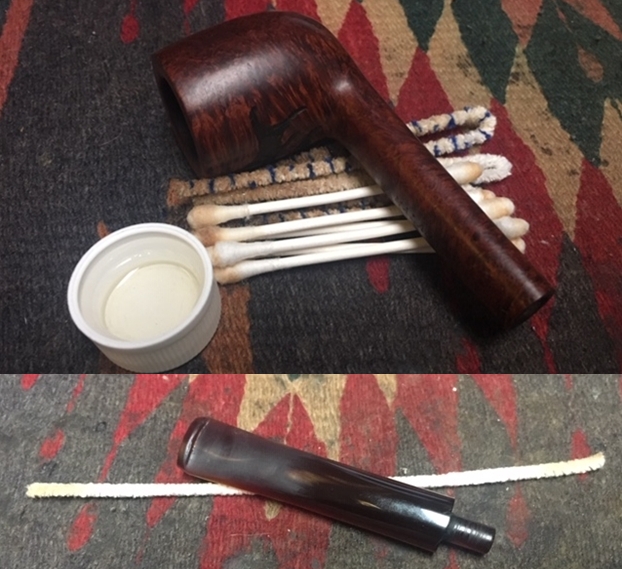
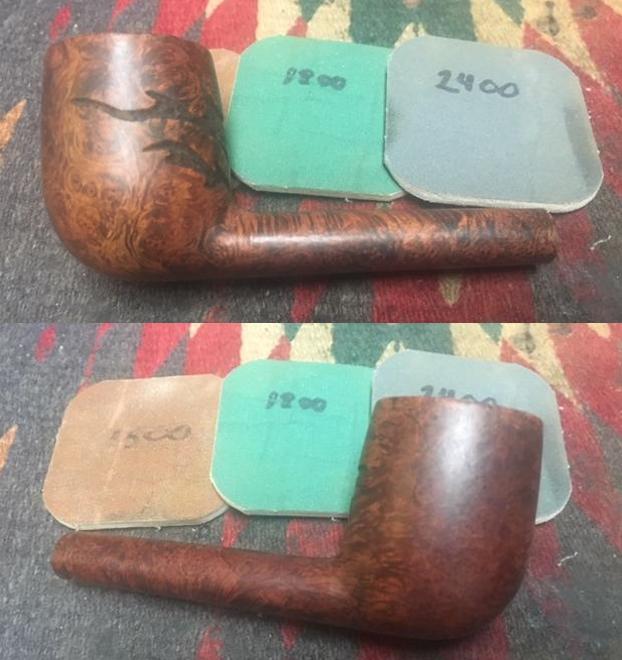
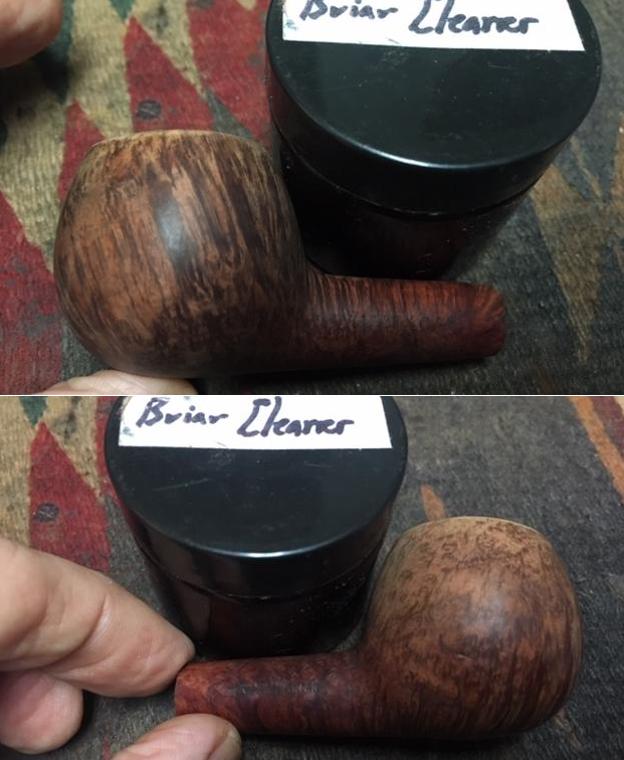
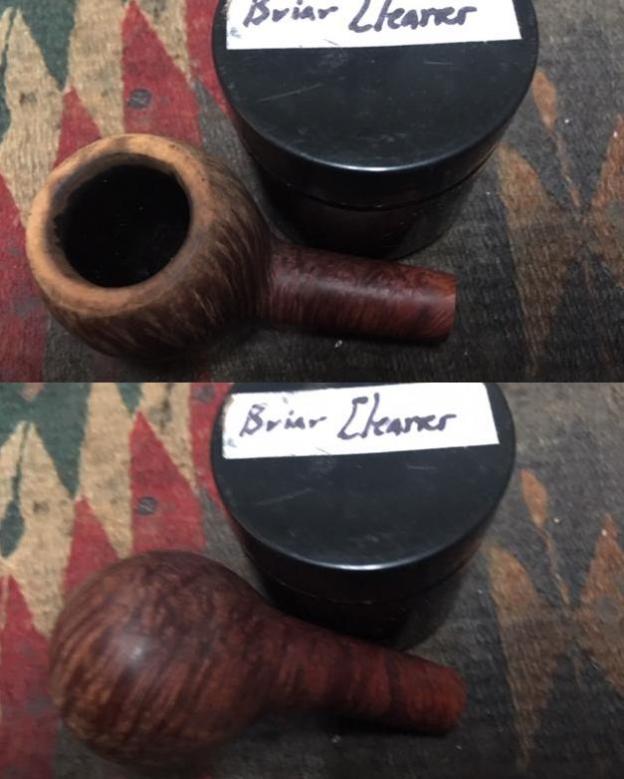
Jeff followed his regular regimen for cleaning estates. He reamed the bowl with a PipNet pipe reamer and followed up with a Savinelli Fitsall pipe knife to remove the cake. He scrubbed out the mortise and the airway in the shank and the stem with alcohol, cotton swabs and pipe cleaners. He scrubbed the exterior of the bowl, rim, shank and stem with a tooth brush and Murphy’s Oil Soap to remove the oils and tars on the rim and the grime on the finish of the bowl. He rinsed it under running water. He dried it off with a soft cloth. He was able to remove the light lava build up on the rim top and you could see the darkening toward the back of the rim top. I took photos of the pipe to show its condition before I started my work on it. I took close up photos of the bowl and rim top as well as the stem. You can see the condition of the rim top and bowl in the first photo. Jeff was able to remove all of the tar and oils but you can now see the darkened area on the back of the rim top. The vulcanite stem had tooth chatter on the top and underside of the stem near and on the button surface.I took photos of the stamping on both sides of the shank to show the condition. The first one shows the “MALAGA” stamp on the left side of the shank. The second photo shows the stamping on the right side of the shank. It reads Imported Briar.I polished the rim top and the exterior of the bowl with micromesh sanding pads – wet sanding with 1500-12000 grit pads. I wiped the bowl down after each sanding pad to remove the dust. Each grit of micromesh gave it more of a shine. I scrubbed the briar with Before & After Briar Cleaner. I rubbed it into the surface of the briar with my finger tips and let it sit for about 10 minutes then rinsed it off with running water. I dried it off with a soft cloth. I worked some Before & After Restoration Balm into the surface of the briar with my fingertips to clean, enliven and protect it. I let the balm sit for a little while and then buffed with a cotton cloth to raise the shine. The photos show the bowl at this point in the restoration process. The stem was in excellent condition, without tooth chatter or tooth marks. It was well cut stem and had a great look and feel. It was lightly oxidized so it did not take a lot of work to bring back a shine. I polished the stem with micromesh sanding pads – wet sanding with 1500-12000 grit sanding pads. I wiped it down after each sanding pad with a damp cloth. This is a beautiful Pencil Shank Malaga Cutty with a black vulcanite stem. It has a great look and feel. The thin shank flowing into a tall bowl works well to highlight the birdseye and cross grain around the bowl sides. I polished stem and the bowl with Blue Diamond polish on the buffing wheel. I gave the bowl and the stem multiple coats of carnauba wax. I buffed the pipe with a clean buffing pad to raise the shine. I hand buffed it with a microfiber cloth to deepen the shine. The pipe polished up pretty nicely. The grain took on life with the buffing. The rich oil cured colour works well with the polished black vulcanite stem. The finished pipe has a rich look that is quite catching. Have a look at it with the photos below. The shape, finish and flow of the pipe and stem are very well done. The dimensions are Length: 6 ½ inches, Height: 2 inches, Outside diameter of the bowl: 1 1/8 inches, Chamber diameter: 5/8 of an inch. I will be adding the pipe to the finished Malaga pipes that I have set aside for Alex. This will be a great addition to his collection of Malaga pipe. Thanks for walking through the restoration with me as I worked over another Malaga.

A Fresh Lease on Life for a Barling T.V.F # 911, Made in Denmark


Blog by Paresh Deshpande

My pipe cleaning factory back home is churning out pipes galore and these cleaned pipes once they reach me are being liked by people who see them and sales are also improving, though restricted only to local customer, yes, you read it right, without an ‘s’, as only one colleague has been motivated to take up enjoying a pipe!! I am sure more will follow. Those readers who have been following my work on rebornpipes.com are well aware that here in India, pipe smoking culture died its natural death in 1970’s when old pipe shops and tobacconists were pushed out of business by cigarette manufacturers and people got used to the convenience of a ready-to-smoke cigarette. And to add to our woes, there is a ban on importing tobacco!! Well, wish me luck that I am able to revive this culture back here again…

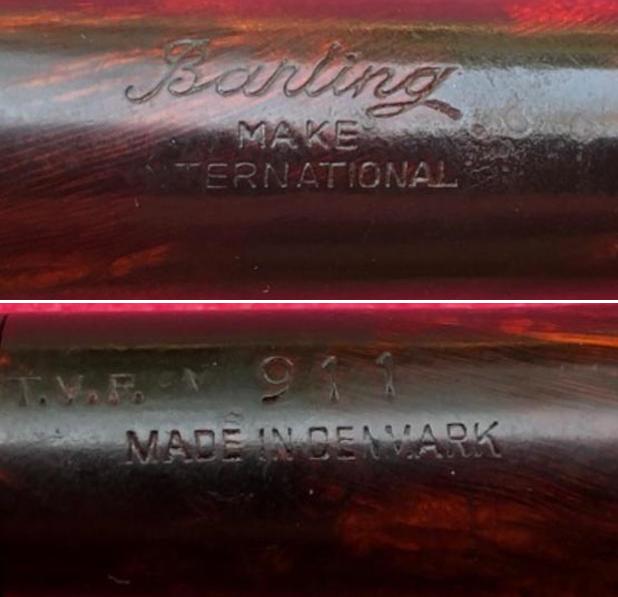
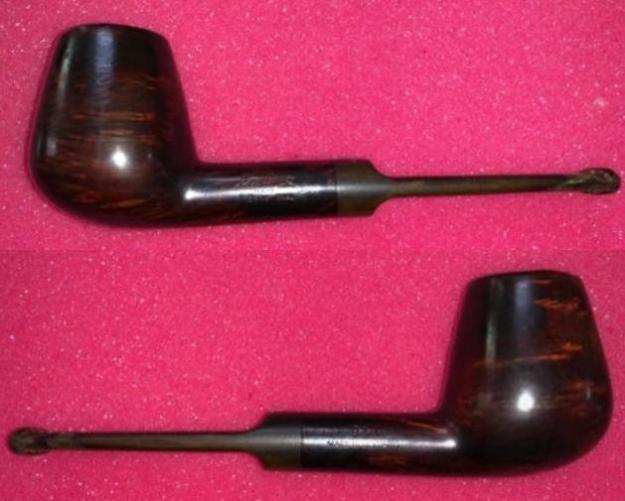
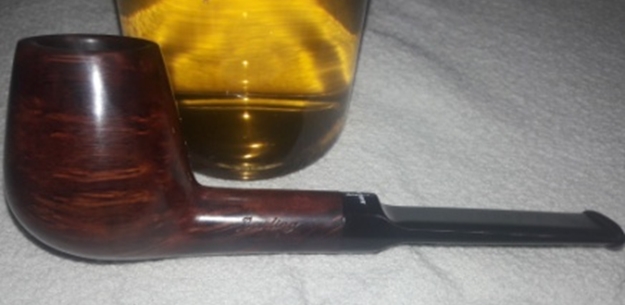
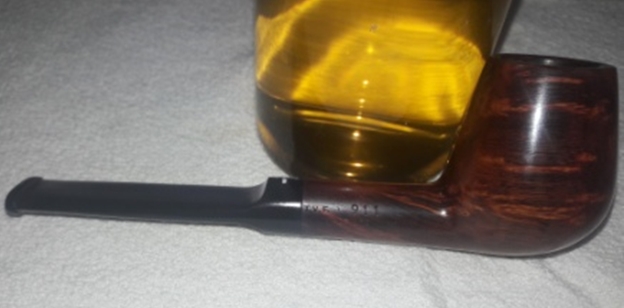
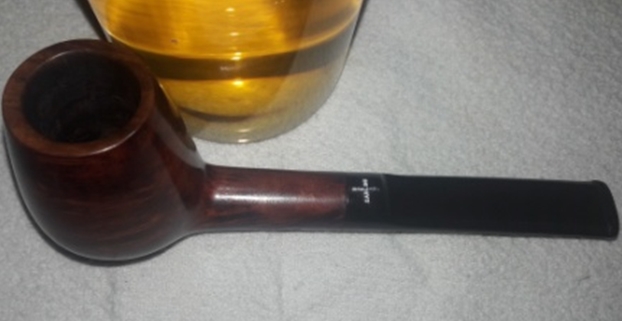
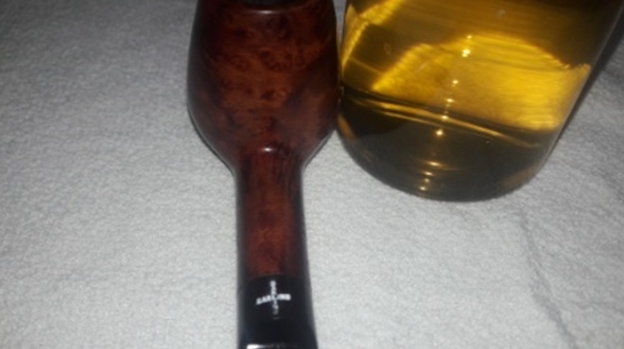
The next pipe that I decided to work on, well not exactly by choice but out of economic considerations, is a lovely Brandy bowl shaped Barling’s Make pipe in a smooth finish. Through all the dark hues of Oxblood (not sure its Oxblood or Cordovan, as I have used neither in person) and darkened lacquer coat, beautiful mixed grains can be seen all around the stummel. The pipe is stamped on the left of the shank as Barlingin cursive hand over “MAKE” over “INTERNATIONAL” in block letters. On the right of the shank, close to the shank end it is stamped as “T.V.F.” followed by the shape code (???) “# 911” over “MADE IN DENMARK”. The stampings are all crisp and prominent.I had previously worked on a couple of Barling pipes from my inherited pipe collection; here are the links to both the write up,  https://rebornpipes.com/2019/03/26/a-simple-restoration-of-an-early-transition-era-barling-2639/, https://rebornpipes.com/2018/12/10/decking-out-my-grandfathers-battered-pre-transition-barling-1354/   and had researched this brand then. To refresh my memory, I revisited the write ups and also pipedia.org. Here is an interesting excerpt from pipedia.org……

https://pipedia.org/wiki/Barling

In the late 1970’s production of Barling pipes was shifted to Denmark where Eric Nording manufactured Barling pipes for Imperial. There may have been other factories, but as of this writing, none has been identified. Nording stated that he made approximately 100.000 pipes for Imperial.

Despite these attempts to diversify the line, Barling lost its market. These pipes just weren’t equivalent to the family era pipes. Finally, Imperial decided to close down the Barling operations entirely by 1980.

Thus from the above snippets of information, it is safely concluded that the pipe currently on my work table is from the period between late 1970’s to 1980 and most likely carved by master craftsman Eric Nording!!

INITIAL VISUAL INSPECTION
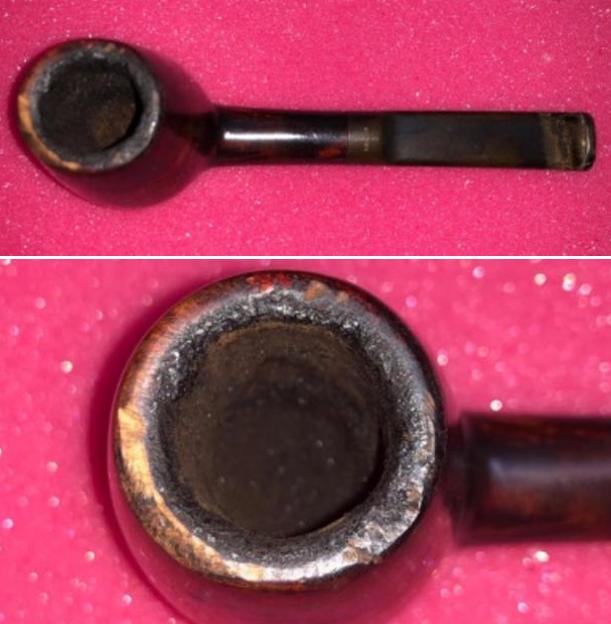
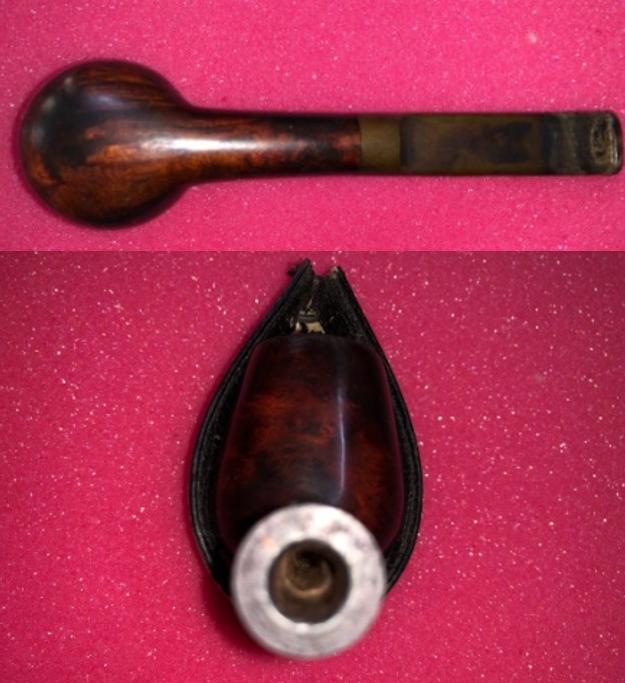
The pipe came to us in a very sorry state, to say the least. It was heavily smoked and a thick layer of cake build up is observed in the chamber. The thin rim top is covered in the thick overflow of lava and is severely damaged due to the repeated hammering it must have received at the hands of the previous owner to remove the dottle. This will need to be worked on.The smooth stummel surface has beautiful grain patterns with a mix of Bird’s eye, cross grains and nice swirls. The stummel surface has a dark lacquer coat that has dulled a bit and appears lifeless due to accumulation of dust and dirt and peeling of the lacquer coating in patches. The mortise is clogged with accumulation of oils and tars making the draw laborious. The straight, broad vulcanite saddle stem is deeply oxidized with bite marks and tooth chatter on either surface in the bite zone. The insides of the slot and tenon have signs of accumulated gunk. The crossed Barling logo on the saddle top of the stem is crisp and deep.INITIAL CLEANING BY ABHA…

The initial cleaning on this pipe was done by Abha, my wife (she has cleaned up around 40-50 pipes and these have now reached me for further restoration). She reamed out the complete cake and further smoothed out the chamber walls with a folded piece of 220 grit sand paper. She further cleaned out the internals of the shank with pipe cleaners and alcohol and cotton buds. She followed the internal cleaning of the shank with external cleaning of the stummel using Murphy’s Oil soap and hard bristled tooth brush and dried it with paper napkins and cotton cloth.

Next she cleaned out the internals of the stem air way and immersed it in “Before and After Deoxidizer” solution along with the stem of other pipes in line for restoration. Once the stem had soaked overnight, she cleaned the stem under running warm water and scrubbed the raised oxidation from the stem surface using Scotch Brite pad. She further removed the oxidation by scrubbing the stem with 0000 grade steel wool and applied a little olive oil to rehydrate the stem.

ONCE THE PIPE IS ON MY WORK TABLE…
The cleaned up pipes presents a very clear picture of what needs to be done to restore this pipe to a pristine and smokable condition. I really cannot thank Abha, my wife, enough for all the help and support that she extends me in my pursuance of this hobby. I proceed to carry out my appreciation of the work that needs to be done on this pipe to restore it.

The chamber is odorless and the walls are solid without any signs of damage. The smooth and thin rim top surface is where all the action is on this pipe with an equally damaged inner and outer rim edge. The front and back of the outer rim edges and top surface has signs of charring. This should be addressed to some extent when I top the rim surface. The mortise and shank internals are nice and clean. Even though most of the lacquer coat was removed when the stummel was cleaned up by Abha, I could still see remnants of the peeling lacquer coat over some parts of the stummel. I shall have to remove this coat and thereafter decide on staining the stummel or otherwise. The stummel surface is sans any fills; however, the left side surface has some damage in the form of dents and dings, probably caused due rough handling of the pipe by the previous owner. The oxidation on the vulcanite stem has been greatly reduced thanks to all the efforts put in by Abha, clearly defining the deeper bite marks and the damage to the button edges on both surfaces of the stem. These tooth marks would be required to be filled with a mix of activated charcoal and superglue. A bit of sanding to match the fill and remove the deeper oxidation followed by micromesh polishing cycle should add a nice shine to the stem.THE PROCESS
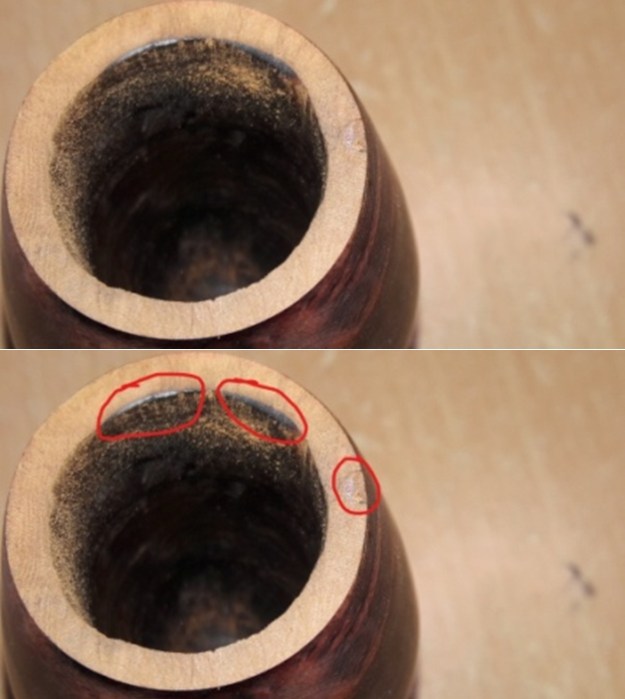
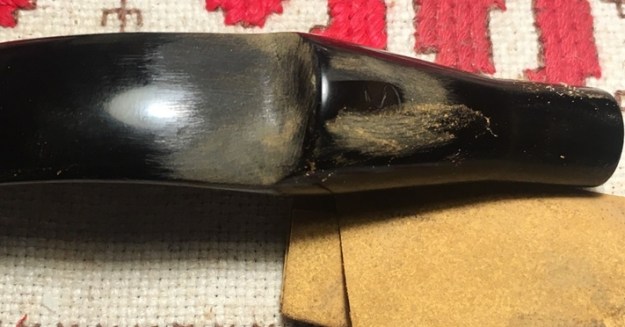
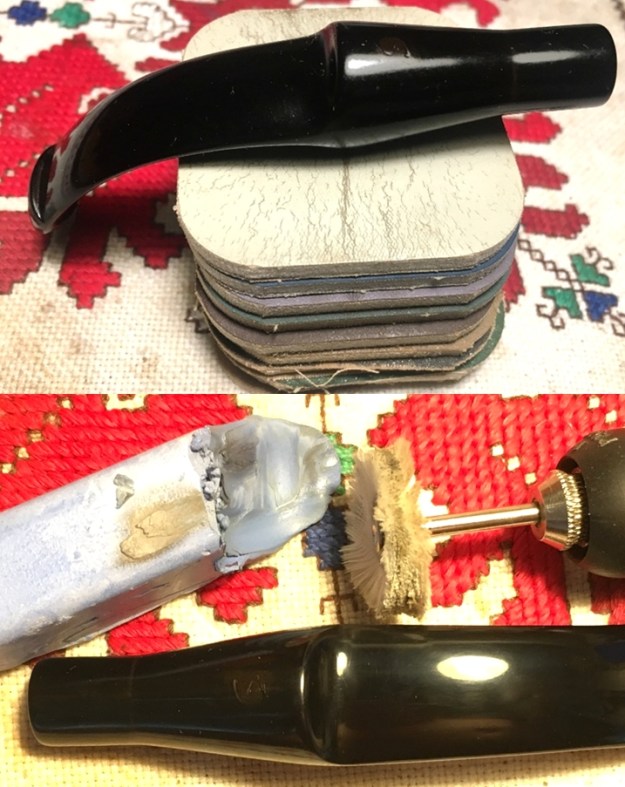
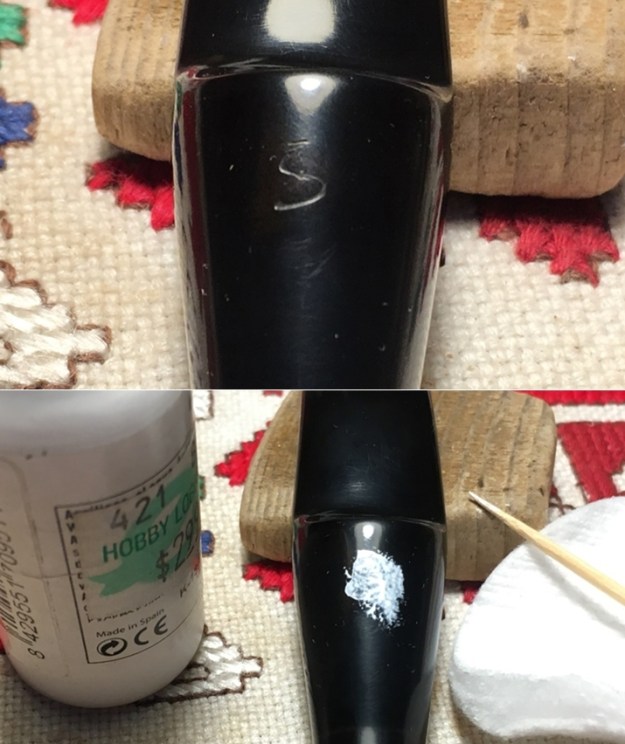
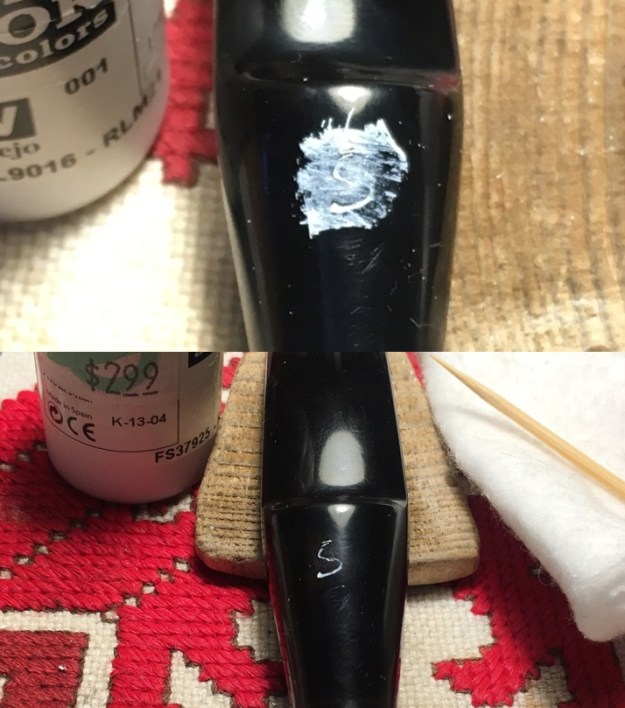
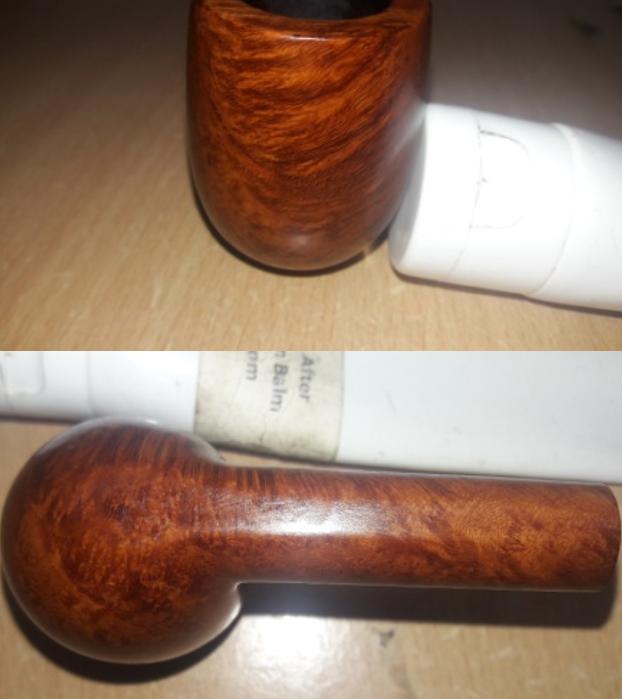
The first issue I addressed was that of the stem repairs as this would take the maximum of my time to clean, repair and spruce up the stem. I flamed the damaged button edge and the tooth indentations with the flame of a lighter. This helps the vulcanite to rise to the surface as it has an inherent property to regain its original shape when heated. I sand the stem with a folded piece of 220 grit sandpaper to even out the raised stem surface and address the minor tooth chatter. I mixed superglue and activated charcoal powder and diligently applied it over the deeper tooth indentations in the bite zone on lower stem surface and over the button edge on the upper stem surface and set it aside to cure. With the stem fill set aside to cure, I decided to address the issues on the stummel surface. I start by steaming out the dents and dings from the left side of the stummel. I heated my fabricated knife over a candle flame till hot. I spread a wet Turkish hand towel over the dents and dings on the stummel and placed the heated knife over the hand towel. The resulting sizzle produces steam which in turn expands the briar and evens out the dents. The results are exactly as I wanted them to be.The next stummel issue to be addressed was that of the rim top surface damage. I topped the rim on a piece of 220 grit sand paper, checking frequently till I was satisfied that the charred surface was addressed to a great extent and the rim top surface is nice, smooth and even. The inner edge is still uneven, though much better than before topping, and shall be addressed subsequently.Close observation of the rim top surface revealed remnants of charred inner rim edge on the right side and below it on the same side, a briar flaw (all encircled in red). This flaw, when polished would stand out like a sore thumb and hence I decided to address this by topping the rim top further. A few careful rotations of the rim top on a piece of 220 grit sandpaper and the issue of briar flaw was completely addressed and the charred inner rim edge was further reduced. The rim top looks significantly better at this stage. With a folded piece of a 220 grit sand paper pinched between my thumb and forefinger, I created a slight bevel on the inner edge of the rim top surface. This helped to mask and address the minor charred marks that had remained on the inner rim edge. Continuing with my work on the stummel, I sand the entire stummel surface with a piece of 220 grit sand paper. This helped to address all the minor dents from the surface and removed what little lacquer coating that had remained, while providing a smooth surface for the next stage of micromesh polishing cycle. To remove the sanding marks and bring a deeper shine, I polished the stummel with micromesh pads, wet sanding with 1500 to 12000 pads. I wiped the surface with a soft cloth at the end of the micromesh cycle. The stummel looks amazing with a deep dark shine and beautiful grains all around. I showed the stummel to the new owner and discussed if he wanted me to stain the stummel or preferred it the way it appeared at this stage. I took this opportunity to explain him that the stummel would darken further as I finished with the polishing regime. He liked the pipe without stain and that’s how it shall remain. As a result of all the topping and subsequent polishing, the rim top surface had a lighter hue as compared to the rest of the stummel surface. I matched the rim top surface with the rest of the stummel by staining the surface with a dark brown stain pen. I set it aside for the stain to cure and once I was satisfied, I wiped it with a microfiber cloth. The rim top is now perfectly matched with the rest of the stummel dark coloration. I am very pleased with the blend.Next, I rub a small quantity of “Before and After Restoration Balm” in to the briar with my finger tips and let it rest for a few minutes. The balm almost immediately works its magic and the briar now has a nice vibrant appearance with the beautiful darkened grain patterns on full display. I further buff it with a horse hair shoe brush. Now that the stummel was nearly complete, I turned my attention to the stem repairs. The stem fills had cured completely by this time. With a folded piece of a 220 grit sand paper, I sand down the fills to achieve a rough match with the rest of the stem surface. I followed it up by sanding it with 400, 600, 800 grit sand papers and finally with a piece of 0000 grade steel wool. This serves to achieve a perfect blend of the fills with the rest of the stem surface, remove the deep seated oxidation and also reduces the sanding marks of the more abrasive sand papers. I wiped the stem with a cotton swab and alcohol to remove all the oxidation and sanding dust from the surface. I applied a little Extra Virgin Olive oil over the stem and set it aside to be absorbed by the vulcanite.I followed up the sanding regime with micromesh polishing to bring a shine on the stem surface. I wet sand the stem with 1500 to 2400 girt micromesh pads. Continuing with my experimentation that I had spelled out in my previous posts, I mount a cotton buffing wheel on my hand held rotary tool and polish the stem with Red Rouge polish as I had read that this polish has grit between 2400 to 3200 grit pads of the micromesh pads. Further, I mount a fresh buffing wheel on the rotary tool and polish the stem with White Diamond polish as it has grit equivalent to 3800- 4000 of micromesh pads. I finish the stem polish by wet sanding with 6000 to 12000 grit pads of the micromesh. I rub a small quantity of olive oil in to the stem surface to hydrate it and set it aside. I am really happy with this process of stem polishing as the results are excellent while saving me huge amounts of time and effort. The stem looks nice and shinning black, but there was something that I felt I had missed out. I realized that the stem logo is yet to be refreshed and highlighted. With a white fine tipped correction pen, I filled the crossed Barlings stamping and once it had dried a bit, with a toothpick, I scrapped off excess of the correction ink. The stamping is now completely refreshed and sits proudly on the top of the saddle.To apply the finishing touches, I mount a cotton cloth buffing wheel on to my hand held rotary tool and apply a coat of Blue Diamond to the stummel and the stem to polish out the minor scratches. With a cotton buffing wheel that I use for carnauba wax, I apply a coat of carnauba wax and continue to work on it till the complete coat of wax had been polished out. I mount a clean cotton cloth buffing wheel and give the entire pipe a once over buff. I finished the restoration by giving the entire pipe a rigorous hand buffing using a microfiber cloth to raise the shine further. The finished pipe looks beautiful and is ready to be handed over to the new piper. Hope he enjoys his leisure time with this beautiful and gorgeous looking pipe, smoking his favorite tobacco!! P.S. This is the third pipe that was selected by this gentleman to carry forward the trust posed in the pipe by the previous piper and I am sure that this pipe will provide the new piper many years of happy smokes and will remind him of our association. There is one more pipe which he has selected that I need to work on before I can get back to my choice of pipes to work on!!
I can never thank Abha, my wife, enough who not only supports my hobby of pipe restoration, but actively helps in this work by doing all the dirty work of initial cleaning and providing me a clean platform to work further. It is her work that helps potential buyers to select a pipe for themselves.

Thanks to all readers of Reborn pipes who have spared a moment of their invaluable time in reading through this write up and as is always, your suggestions and advice on my experimentation is always welcome as this would also help the new pursuers of this art.


A Custom Carved Malaga Acorn from Kathy’s Dad’s Pipes


Blog by Steve Laug

I have been working on a lot of different estate pipes and selling them for different families. Once in a while it is good to change things up a bit. Last week Alex came by and went through the Malaga pipes from George Koch’s estate. I have a box of pipes from Alex that I am always working away at he added a few more Malaga pipes to his box. There are quite a few of them to work on so I decided work on a few of them. The third of these Malaga pipes is a beautiful acorn shaped Custom Carved with a black acrylic fancy stem. It has a faux carved plateau rim top and shank end and combined with the stem make it a stunning pipe. It has some great cross grain on the front and back and birdseye on the sides of the bowl. The Custom Carved Acorn shaped pipe was just one of the many Malaga pipes that came to my brother and me in several shipments of pipes from George’s daughter Kathy. When Jeff got each box the pipes were well wrapped and packed. Jeff unwrapped them and took the following photo to give an idea of the volume of the pipes that we purchased. This Malaga came in mixed in a box of pipes much like the one below.In each of the previous blogs that I have written on the restoration of George’s pipes I have told his story. If you have followed the restorations you will have read the information and the background piece that Kathy did on her father. Here is a link to one of the previous blogs on his Malaga pipes where I included her tribute in full (https://rebornpipes.com/2019/01/26/back-to-kathys-dads-pipes-restoring-a-%c2%bc-bent-malaga-author/). You can also read the bio on her Dad, George Koch. It is an interesting read and one that shows just how far our pipe collecting passion can go when we find a brand of pipes that we enjoy. I am going to only include the portion on the Malagas at this point. If you wish to read the rest follow the link above.

Kathy writes…We lived in Livonia, and that’s where his love for Malaga pipes began. After a few years he returned to Allis Chalmers and we moved back to Springfield. I remember that when we went back to Michigan to visit friends, Dad had to go to the Malaga store and acquire a few new pipes. Many a year I wrote to Malaga and they picked out a pipe for me to purchase that I could give Dad for a Christmas or birthday present. He was always pleased. His favorites were the straight stemmed medium sized bowl pipes, but he liked them all. 

He had some other pipes, but the Malagas were his favorites. I remember him smoking them sitting in his easy chair after work, with feet up on the ledge by the fire burning in the fireplace.  Growing up it was my job to clean them and he liked the inner bowl and stem coated with Watkins vanilla, leaving a little of that liquid in the bowl to soak in when I put them back on the rack…I’m very happy they are being restored by you and your brother and hope they find homes who enjoy them as much as Dad did. Thank-you for your care and interest. — Kathy, the oldest daughter

The Malaga Custom Carved Acorn with the fancy turned black acrylic stem is next on the table. The carver did a great job of shaping the pipe to follow the grain on the briar. The faux plateau on the rim top and shank end looks really good. The bowl had a thick cake that overflowed with lava onto the rim so that it was impossible to see if there was damage on the edges. The sides of the bowl and shank are very dirty with grime and oils from prolonged use. The stamping on the left side of the shank read “MALAGA” with the quotation marks over Custom Carved. The fancy black acrylic stem had tooth dents and chatter on the top and the underside of the stem. Jeff took these photos before he started the cleanup work on the pipe. Jeff took close up photos of the bowl and rim to capture the condition of the pipe before he started his cleanup work. The rim top had some lava overflow in the grooves of the faux plateau and some darkening on the back of the bowl. It was so dirty that it was hard to know if there was rim damage on the inner edge of the bowl. The pipe is incredibly dirty, even the externals of the bowl were covered with grime. He also took photos of the sides and bottom of the bowl and shank to show the beautiful straight and cross grain around the bowl. The photos show the general condition of the bowl and wear on the finish. It is very dirty but this is another beautiful pipe.He also took photos of the shank end and fancy stem. The plateau is filled in with dust and debris. The twin rings are also filled in with dust and debris.Jeff took a photo to capture the stamping on the top side of the shank. The photos show the stamping “MALAGA” on the left side of the shank and under that it is stamped Custom Carved in script. The stamping is very readable.The next two photos show the stem surface. There are tooth marks and chatter on both sides near the button. There is also some wear on the sharp edge of the button.I am also including the link to a blog that I wrote that gives some of the history of the Malaga brand and the Malaga Pipe Shop in Royal Oak, Michigan in the USA. I have written an earlier blog to give a little history of the Malaga Brand and the pipemaker, George Khoubesser. Here is the link – https://rebornpipes.com/tag/malaga-pipes/.That blog also includes links to a catalogue and the history of the pipemaker George Khoubesser. Follow the link to get a feel for the brand and the pipemaker.

Jeff reamed the bowl with a PipNet pipe reamer and followed up with a Savinelli Fitsall pipe knife to remove the cake. He scrubbed out the mortise and the airway in the shank and the stem with alcohol, cotton swabs and pipe cleaners. He scrubbed the exterior of the bowl, rim, shank and stem with a tooth brush and Murphy’s Oil Soap to remove the oils and tars on the rim and the grime on the finish of the bowl. He rinsed it under running water. He dried it off with a soft cloth. He was able to remove the lava build up on the rim top and you could see the damage to the flat surface of the rim and the inner edge on the back side and on the outer edge toward the front of the bowl. I took photos of the pipe to show its condition before I started my work on it. I took close up photos of the bowl and rim top as well as the stem. You can see the condition of the rim top and bowl in the first photo. Jeff was able to remove all of the tar and oils but you can now see the damaged areas on the surface clearly. The acrylic/Lucite stem had tooth chatter and some tooth marks on the top and underside of the stem near and on the button surface.I took 2 photos of the stamping on the shank to show how good the condition is. The first one shows the “MALAGA” stamp. It is double stamped but is very legible on the topside. The second photo shows the second line of the stamp and reads Custom Carved in script.I decided to address the rim top first. I scrubbed the rim top with a brass bristle brush to clean off some of the darkening and minimize the damage on surface of the rim top. The damage to the rim top is minimized to some degree and the inner edge looks far better. The damage to the rim looks much better than when I began.I scrubbed the briar with Before & After Briar Cleaner. I rubbed it into the surface of the briar with my finger tips and let it sit for about 10 minutes then rinsed it off with running water. I dried it off with a soft cloth. I filled in the deep nicks on the right side of the bowl. I sanded the fills with 220 and 400 grit sandpaper to smooth out the repaired areas. I used a Maple stain pen to touch up the stain colour on the remainder of the bowl.I polished the rim top and the exterior of the bowl with micromesh sanding pads – wet sanding with 1500-12000 grit pads. I wiped the bowl down after each sanding pad to remove the dust. Each grit of micromesh gave it more of a shine. I worked some Before & After Restoration Balm into the surface of the briar with my fingertips to clean, enliven and protect it. It took some time to really get it into the grooves and valleys of the rusticated faux plateau on the rim top and shank end. I worked in deeper with a horsehair shoebrush. I let the balm sit for a little while and then buffed with a cotton cloth to raise the shine. The following photos show the bowl at this point in the restoration process. The reworked bowl looks really good and matches the colour of the rest of the pipe. I am very happy with the results. I set the bowl aside and worked on the stem. There were some deep tooth marks on the top and underside at the button that needed to be addressed. I also needed to do some work on the surface of the button on both sides. I cleaned the surface of the stem with alcohol on a cotton pad and filled in the damaged areas and built up the surface of the button with clear super glue. I set the stem aside until the repairs cured. Once the glue had cured I used a needle file to reshape the button and flatten out the repairs. The stem looked much better.I sanded both sides smooth with 220 grit sandpaper and 400 grit sandpaper to blend the tooth chatter and the repair into the surface of the stem. As I sanded and reshaped the button and stem surface the repaired areas and the tooth chatter disappeared.I polished the acrylic stem with micromesh sanding pads – wet sanding with 1500-12000 grit sanding pads. I wiped it down after each sanding pad with a damp cloth. This is a beautiful Malaga Freehand Acorn with a black fancy turned acrylic stem. It has a great look and feel. The faux plateau rim top and shank end and the cut of the briar work well to highlight the birdseye and cross grain around the bowl sides. I polished Lucite stem and the bowl with Blue Diamond polish on the buffing wheel. I gave the bowl and the stem multiple coats of carnauba wax. I buffed the pipe with a clean buffing pad to raise the shine. I hand buffed it with a microfiber cloth to deepen the shine. The pipe polished up pretty nicely. The grain took on life with the buffing. The rich oil cured colour works well with the polished black Lucite stem. The finished pipe has a rich look that is quite catching. Have a look at it with the photos below. The shape, finish and flow of the pipe and stem are very well done. The dimensions are Length: 6 inches, Height: 2 inches, Outside diameter of the bowl: 1 ¼ inches, Chamber diameter: 7/8 of an inch. I will be adding the pipe to the finished Malaga pipes that I have set aside for Alex. I am glad that he is carrying on the trust for George Koch. Thanks for walking through the restoration with me as I worked over another one of Kathy’s Dad’s Pipes.

A Long Stem Malaga Canadian from Kathy’s Dad’s Pipes


Blog by Steve Laug

I have been working on a lot of different estate pipes and selling them for different families. Once in a while it is good to change things up a bit. Last week Alex came by and went through the Malaga pipes from George Koch’s estate. I have a box of pipes from Alex that I am always working away at he added a few more Malaga pipes to his box. There are quite a few of them to work on so I decided work on a few of them. The second of these Malaga pipes is a beautiful long stemmed, nicely grained Canadian with a variegated brown, gold and copper Lucite stem. It has a slightly beveled rim top tipping inward toward the bowl and the grain combined with the stem make it a stunning pipe. The carver had carved a flourish on the back side of the bowl wrapping around part of the left side. Otherwise it has some great cross grain on the front and back and birdseye on the sides of the bowl. The Canadian shaped pipe was just one of the many Malaga pipes that came to my brother and me in several shipments of pipes from George’s daughter Kathy. When Jeff got each box the pipes were well wrapped and packed. Jeff unwrapped them and took the following photo to give an idea of the volume of the pipes that we purchased. This Malaga came in mixed in a box of pipes much like the one below.In each of the previous blogs that I have written on the restoration of George’s pipes I have told his story. If you have followed the restorations you will have read the information and the background piece that Kathy did on her father. Here is a link to one of the previous blogs on his Malaga pipes where I included her tribute in full (https://rebornpipes.com/2019/01/26/back-to-kathys-dads-pipes-restoring-a-%c2%bc-bent-malaga-author/). You can also read the bio on her Dad, George Koch. It is an interesting read and one that shows just how far our pipe collecting passion can go when we find a brand of pipes that we enjoy. I am going to only include the portion on the Malagas at this point. If you wish to read the rest follow the link above.

Kathy writes…We lived in Livonia, and that’s where his love for Malaga pipes began. After a few years he returned to Allis Chalmers and we moved back to Springfield. I remember that when we went back to Michigan to visit friends, Dad had to go to the Malaga store and acquire a few new pipes. Many a year I wrote to Malaga and they picked out a pipe for me to purchase that I could give Dad for a Christmas or birthday present. He was always pleased. His favorites were the straight stemmed medium sized bowl pipes, but he liked them all. 

He had some other pipes, but the Malagas were his favorites. I remember him smoking them sitting in his easy chair after work, with feet up on the ledge by the fire burning in the fireplace.  Growing up it was my job to clean them and he liked the inner bowl and stem coated with Watkins vanilla, leaving a little of that liquid in the bowl to soak in when I put them back on the rack…I’m very happy they are being restored by you and your brother and hope they find homes who enjoy them as much as Dad did. Thank-you for your care and interest. — Kathy, the oldest daughter

The Malaga Canadian with the variegated brown/gold/copper acrylic stem is next on the table. The carver did a great job of shaping the pipe to follow the grain on the briar. The added flourish to the back of the bowl curling onto the left side looks really good. The rim top is smooth and slightly beveled inward. The bowl had a thick cake that overflowed with lava onto the rim so that it was impossible to see if there was damage on the edges. The sides of the bowl and shank are very dirty with grime and oils from prolonged use. The stamping on the topside of the shank read MALAGA without the quotation marks. On the right side it was stamped Imported Briar. The swirled acrylic stem had tooth dents and chatter on the top and the underside of the stem. Jeff took these photos before he started the cleanup work on the pipe. Jeff took close up photos of the bowl and rim to capture the condition of the pipe before he started his cleanup work. The rim top had some lava overflow and some darkening. It was so dirty that it was hard to know if there was rim damage on the inner edge of the bowl. The pipe is incredibly dirty, even the externals of the bowl were covered with grime. He also took photos of the sides and bottom of the bowl and shank to show the beautiful straight and cross grain around the bowl. The photos show the general condition of the bowl and wear on the finish. It is very dirty but this is another beautiful pipe.Jeff took a photo to capture the stamping on the top side of the shank. The photos show the stamping MALAGA on the topside of the shank. The stamping is very readable.The next two photos show the stem surface. There are tooth marks and chatter on both sides near the button. There is also some wear on the sharp edge of the button.I am also including the link to a blog that I wrote that gives some of the history of the Malaga brand and the Malaga Pipe Shop in Royal Oak, Michigan in the USA. I have written an earlier blog to give a little history of the Malaga Brand and the pipemaker, George Khoubesser. Here is the link – https://rebornpipes.com/tag/malaga-pipes/.That blog also includes links to a catalogue and the history of the pipemaker George Khoubesser. Follow the link to get a feel for the brand and the pipemaker.

Jeff reamed the bowl with a PipNet pipe reamer and followed up with a Savinelli Fitsall pipe knife to remove the cake. He scrubbed out the mortise and the airway in the shank and the stem with alcohol, cotton swabs and pipe cleaners. He scrubbed the exterior of the bowl, rim, shank and stem with a tooth brush and Murphy’s Oil Soap to remove the oils and tars on the rim and the grime on the finish of the bowl. He rinsed it under running water. He dried it off with a soft cloth. He was able to remove the lava build up on the rim top and you could see the damage to the flat surface of the rim and the inner edge on the back side and on the outer edge toward the front of the bowl. I took photos of the pipe to show its condition before I started my work on it. I took close up photos of the bowl and rim top as well as the stem. You can see the condition of the rim top and bowl in the first photo. Jeff was able to remove all of the tar and oils but you can now see the damaged areas on the surface clearly. There are damaged spots all around the top surface and on the front and the backside of the inner edge of the bowl. The acrylic/Lucite stem had tooth chatter and some tooth marks on the top and underside of the stem near and on the button surface.I took a photo of the stamping on the shank to show how good the condition is. The MALAGA stamp is very legible on the topside.I decided to address the damage to the rim top first. I sanded the rim top with a piece of 220 grit sandpaper minimize the damage on surface of the rim top. I worked over the inner and outer edge of the rim with a folded piece of 220 grit sandpaper to smooth out the damage. The photos tell the story. The damage to the rim top is minimized to some degree and the inner edge looks far better. The damage to the outer edge looks much better than when I began.With sanding on the rim top and edges I did a thorough clean the insides once again. I did not want any of the sanding dust or debris to remain in the bowl or shank or the airway in the stem. I used alcohol, cotton swabs and pipe cleaners to clean up the mess I had made. I used an awl to make sure the airway into the bowl was wide open for maximum draw. I polished the rim top and the exterior of the bowl with micromesh sanding pads – wet sanding with 1500-12000 grit pads. I wiped the bowl down after each sanding pad to remove the dust. The damage on the rim is pretty much invisible after polishing and the rim top really looked good. I worked some Before & After Restoration Balm into the surface of the briar with my fingertips to clean, enliven and protect it. It took some time to really get it into the grooves and valleys of the rustication but I was able to work it in. I let the balm sit for a little while and then buffed with a cotton cloth to raise the shine. The following photos show the bowl at this point in the restoration process. The reworked rim top looks really good and matches the colour of the rest of the pipe. I am very happy with the results. I set the bowl aside and worked on the stem. There were some tooth marks on the top and underside at the button that needed to be addressed. I also needed to do some work on the surface of the button on both sides. I cleaned the surface of the stem with alcohol on a cotton pad and filled in the damaged areas and built up the surface of the button with clear super glue. I set the stem aside until the repairs cured.I sanded both sides smooth with 220 grit sandpaper and 400 grit sandpaper to blend the tooth chatter and the repair into the surface of the stem. As I sanded and reshaped the button and stem surface the repaired areas and the tooth chatter disappeared.I polished the acrylic stem with micromesh sanding pads – wet sanding with 1500-12000 grit sanding pads. I wiped it down after each sanding pad with a damp cloth. This is a beautiful Malaga long stem Canadian and the brown/gold/copper stem gives it a nice touch of class. The rim top and the cut of the briar work well to highlight the birdseye and cross grain around the bowl sides. I polished Lucite stem and the bowl with Blue Diamond polish on the buffing wheel. I gave the bowl multiple and the stem multiple coats of carnauba wax. I buffed the pipe with a clean buffing pad to raise the shine. I hand buffed it with a microfiber cloth to deepen the shine. The pipe polished up pretty nicely. The grain took on life with the buffing. The rich oil cured colour works well with the polished variegated Lucite stem. The finished pipe has a rich look that is quite catching. Have a look at it with the photos below. The shape, finish and flow of the pipe and stem are very well done. The dimensions are Length: 7 inches, Height: 2 inches, Outside diameter of the bowl: 1 3/8 inches, Chamber diameter: 3/4 of an inch. I will be adding the pipe to the finished Malaga pipes that I have finished for Alex. I am glad that he is carrying on the trust for George Koch. Thanks for walking through the restoration with me as I worked over another one of Kathy’s Dad’s Pipes.

A Beautifully Grained “Malaga” Prince from Kathy’s Dad’s Pipes


Blog by Steve Laug

I have been working on a lot of different estate pipes and selling them for different families. Once in a while it is good to change things up a bit. Last week Alex came by and went through the Malaga pipes from George Koch’s estate. I have a box of pipes from Alex that I am always working away at he added a few more Malaga pipes to his box. There are quite a few of them to work on so I decided work on a few of them. The first of these Malaga pipes is a beautifully grained Prince with a variegated silver, grey and black Lucite stem. It has a crowned rim top tipping inward toward the bowl and the grain combined with the stem make it a stunning pipe. The Prince shaped pipe was just one of the many Malaga pipes that came to my brother and me in several shipments of pipes from George’s daughter Kathy. When Jeff got each box the pipes were well wrapped and packed. Jeff unwrapped them and took the following photo to give an idea of the volume of the pipes that we purchased. This Malaga came to us mixed in a box of pipes much like the one below.In each of the previous blogs that I have written on the restoration of George’s pipes I have told his story. If you have followed the restorations you will have read the information and the background piece that Kathy did on her father. Here is a link to one of the previous blogs on his Malaga pipes where I included her tribute in full (https://rebornpipes.com/2019/01/26/back-to-kathys-dads-pipes-restoring-a-%c2%bc-bent-malaga-author/). You can also read the bio on her Dad, George Koch. It is an interesting read and one that shows just how far our pipe collecting passion can go when we find a brand of pipes that we enjoy. I am going to only include the portion on the Malagas at this point. If you wish to read the rest follow the link above.

Kathy writes…We lived in Livonia, and that’s where his love for Malaga pipes began. After a few years he returned to Allis Chalmers and we moved back to Springfield. I remember that when we went back to Michigan to visit friends, Dad had to go to the Malaga store and acquire a few new pipes. Many a year I wrote to Malaga and they picked out a pipe for me to purchase that I could give Dad for a Christmas or birthday present. He was always pleased. His favorites were the straight stemmed medium sized bowl pipes, but he liked them all. 

He had some other pipes, but the Malagas were his favorites. I remember him smoking them sitting in his easy chair after work, with feet up on the ledge by the fire burning in the fireplace.  Growing up it was my job to clean them and he liked the inner bowl and stem coated with Watkins vanilla, leaving a little of that liquid in the bowl to soak in when I put them back on the rack…I’m very happy they are being restored by you and your brother and hope they find homes who enjoy them as much as Dad did. Thank-you for your care and interest. — Kathy, the oldest daughter

The “Malaga” Prince and variegated black/silver/grey acrylic stem is next on the table. The carver did a great job of shaping the pipe to follow the grain on the briar. The bowl top is smooth and slightly beveled inward. The rim top was thickly coated in lava so that it was impossible to see if there was some damage on the top and inner edge. The bowl had a very thick cake and an overflow of lava onto the thin rim top. The sides of the bowl and shank are very dirty with grime and oils from prolonged use. The stamping on the left side of the shank read “MALAGA”. On the right side it was stamped Imported Briar. The black/grey/silver swirled acrylic stem had tooth dents and chatter on the top and the underside of the stem. Jeff took these photos before he started the cleanup work on the pipe. Jeff took a close up photo of the bowl and rim to capture the condition of the pipe before he started his cleanup work. The rim top had some lava overflow and some darkening. It was so dirty that it was hard to know if there was rim damage on the inner edge of the bowl. The pipe is incredibly dirty, even the externals of the bowl were covered with grime.He also took photos of the sides and bottom of the bowl and shank to show the beautiful straight and cross grain around the bowl. The photos show the general condition of the bowl and wear on the finish. It is very dirty but this is another beautiful pipe. Jeff took a photo to capture the stamping on the right and left side of the shank. The photos show the stamping “MALAGA” on the left side and Imported Briar on the right side. The stamping is weak but readable. The next two photos show the stem surface. There are tooth marks and chatter on both sides near the button. There is also some wear on the sharp edge of the button.I am also including the link to a blog that I wrote that gives some of the history of the Malaga brand and the Malaga Pipe Shop in Royal Oak, Michigan in the USA. I have written an earlier blog to give a little history of the Malaga Brand and the pipemaker, George Khoubesser. Here is the link – https://rebornpipes.com/tag/malaga-pipes/.That blog also includes links to a catalogue and the history of the pipemaker George Khoubesser. Follow the link to get a feel for the brand and the pipemaker.

Jeff reamed the bowl with a PipNet pipe reamer and followed up with a Savinelli Fitsall pipe knife to remove the cake. He scrubbed out the mortise and the airway in the shank and the stem with alcohol, cotton swabs and pipe cleaners. He scrubbed the exterior of the bowl, rim, shank and stem with a tooth brush and Murphy’s Oil Soap to remove the oils and tars on the rim and the grime on the finish of the bowl. He rinsed it under running water. He dried it off with a soft cloth. He was able to remove the lava build up on the rim top and you could see the damage to the flat surface of the rim and the inner edge on the back side and on the outer edge toward the front of the bowl. I took photos of the pipe to show its condition before I started my work on it. I took close up photos of the bowl and rim top as well as the stem. You can see the condition of the rim top and bowl in the first photo. Jeff was able to remove all of the tar and oils but you can now see the damaged areas on the surface clearly. There are damaged spots all around the top surface and on the front and the backside of the inner edge of the bowl. The acrylic/Lucite stem had tooth chatter and some tooth marks on the top and underside of the stem near and on the button surface. I took a photo of the stamping on the shank to show how good the condition is. The stamp is faint but it is still legible on the left side and the right side.I decided to address the damage to the rim top first. I lightly topped the rim top on a topping board with a piece of 220 grit sandpaper minimize the damage on surface of the rim top. I worked over the inner and outer edge of the rim with a folded piece of 220 grit sandpaper to smooth out the damage. I gave it a slight bevel to hide the burn damage on the inner edge of the rim. The photos tell the story. The damage to the rim top is gone and the inner edge looks far better with the light bevel. The damage to the outer edge looks much better than when I began. After sanding the rim I cleaned the briar once again using Mark Hoover’s Before & After Briar Cleaner. I rubbed it into the briar and let it sit for about 5 minutes then rinsed it off under warm running water. The product does a good job drawing out the dust, debris and oils from the surface of the briar and leaving behind a clean exterior. With the exterior recleaned I also wanted to reclean the insides. I had noted a bit of hard lacquered tars on the wall of the shank so I scraped it with a dental spatula and was able to remove it. I then used alcohol, cotton swabs and pipe cleaners to clean up the mess I had made. I used an awl to make sure the airway into the bowl was wide open for maximum draw. I also ran pipe cleaners and alcohol through the stem and a dental pick to clear out the debris that was in the slot. I polished the rim top and the exterior of the bowl with micromesh sanding pads – wet sanding with 1500-12000 grit pads. I wiped the bowl down after each sanding pad to remove the dust. The damage on the rim is pretty much invisible after polishing and the rim top really looked good.  I worked some Before & After Restoration Balm into the surface of the briar with my fingertips to clean, enliven and protect it. It took some time to really get it into the grooves and valleys of the rustication but I was able to work it in. I let the balm sit for a little while and then buffed with a cotton cloth to raise the shine. The following photos show the bowl at this point in the restoration process. The reworked rim top looks really good and matches the colour of the rest of the pipe. I am very happy with the results. I set the bowl aside and worked on the stem. There were some tooth marks on the top and underside at the button that needed to be addressed. I also needed to do some work on the surface of the button on both sides. I cleaned the surface of the stem with alcohol on a cotton pad and filled in the damaged areas and built up the surface of the button with clear super glue. I set the stem aside until the repairs cured.Once the repair had cured I used a needle file to smooth out the repairs and begin to blend them into the surface of the stem.I sanded both sides smooth with 220 grit sandpaper and 400 grit sandpaper to blend the tooth chatter and the repair into the surface of the stem. As I sanded and reshaped the button and stem surface the repaired areas and the tooth chatter disappeared.I polished the acrylic stem with micromesh sanding pads – wet sanding with 1500-2400 grit sanding pads and dry sanding it with 3200-12000 grit sanding pads. I wiped it down after each sanding pad with a damp cloth. This is a beautiful “Malaga” pipe and the silver/black/grey stem gives it a nice touch of class. The rim top and the cut of the briar work well to highlight the flame and straight grain around the bowl sides. I polished Lucite stem and the bowl with Blue Diamond polish on the buffing wheel. I gave the bowl multiple and the stem multiple coats of carnauba wax. I buffed the pipe with a clean buffing pad to raise the shine. I hand buffed it with a microfiber cloth to deepen the shine. The pipe polished up pretty nicely. The grain took on life with the buffing. The rich oil cured colour works well with the polished variegated black/grey/silver Lucite stem. The finished pipe has a rich look that is quite catching. Have a look at it with the photos below. The shape, finish and flow of the pipe and stem are very well done. The dimensions are Length: 6 inches, Height: 1 1/2 inches, Outside diameter of the bowl: 1 ¼ inches, Chamber diameter: 3/4 of an inch. I will be adding the pipe to the finished Malaga pipes that I have finished for Alex. I look forward to seeing what he thinks of this beauty. I am glad that he is carrying on the trust for George Koch. Thanks for walking through the restoration with me as I worked over another one of Kathy’s Dad’s Pipes.

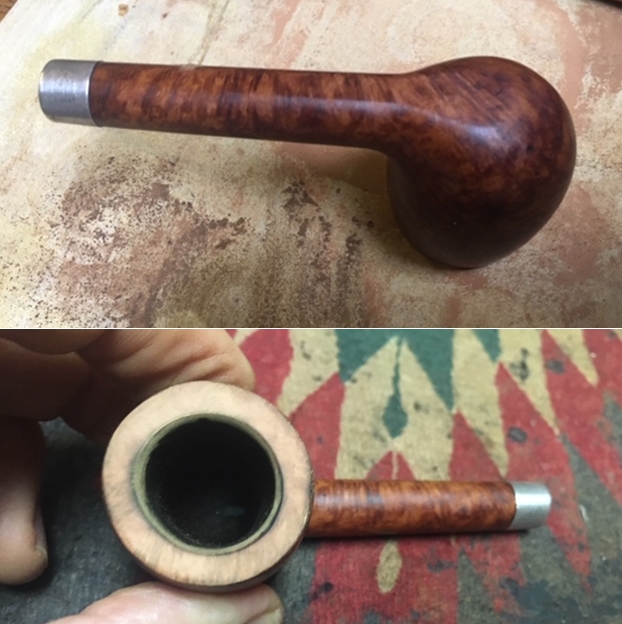
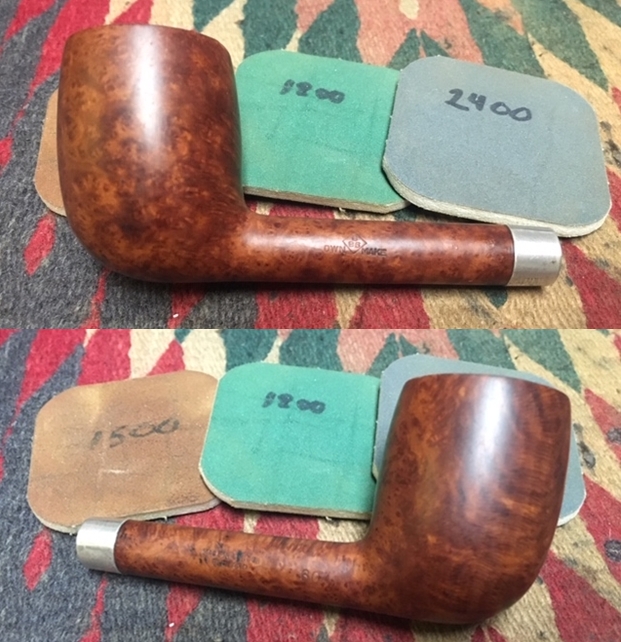
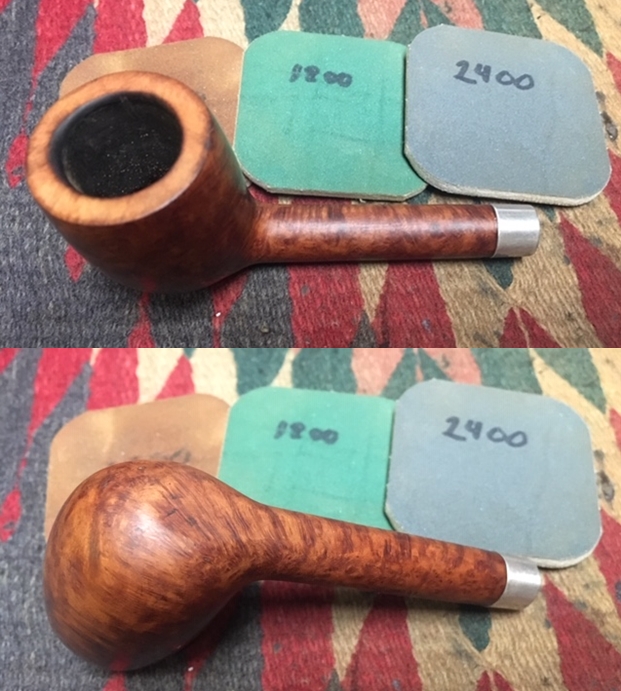
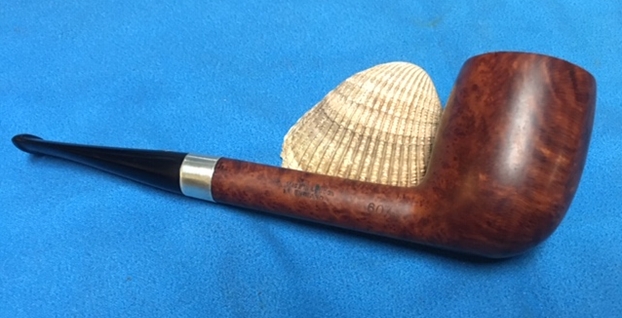
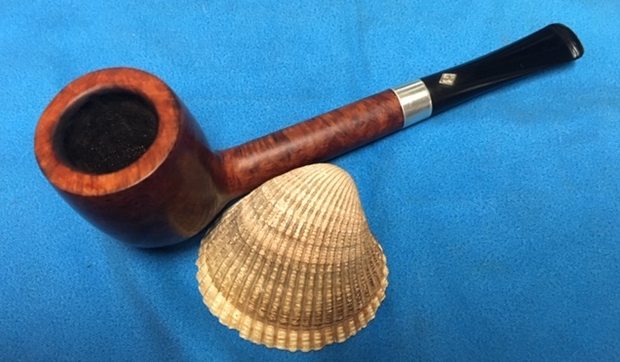
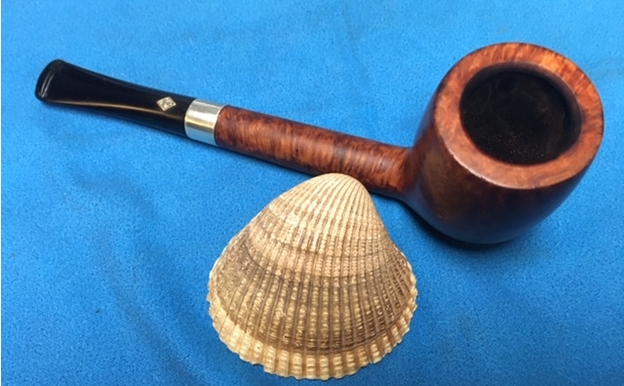
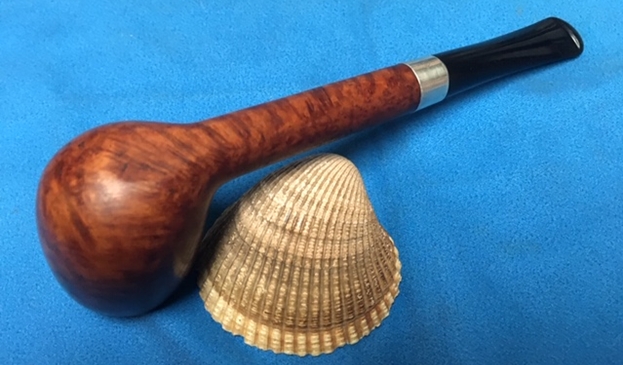
Restoring & Repairing a Chipped Stem on a BBB Own Make 607 Liverpool


Blog by Steve Laug

Those who have been following the blog know that I really like old BBB pipes and have a pretty nice collection of different shapes. I love working on them as the briar is very good and the vulcanite is quite nice as well. You also know that I am not currently adding any work to the queue that is not local so that I can catch up on the large estate from Bob Kerr that I have been working on. But sometimes it is hard to say no. When the brand I like and a pipe I like come along together it is a hard one to decline. So long story short, not too long ago I received the following email with photos of the damaged stem attached:

Dear Steve,

Greetings from Wisconsin! Thank you for the good work you do, and for bringing new life to so many fallen pipes.

I bought a BBB Own Make Liverpool (shape # 607) despite its severely damaged stem. I love the shape and weight of it, and if its stem were restored this would probably be my favorite pipe.

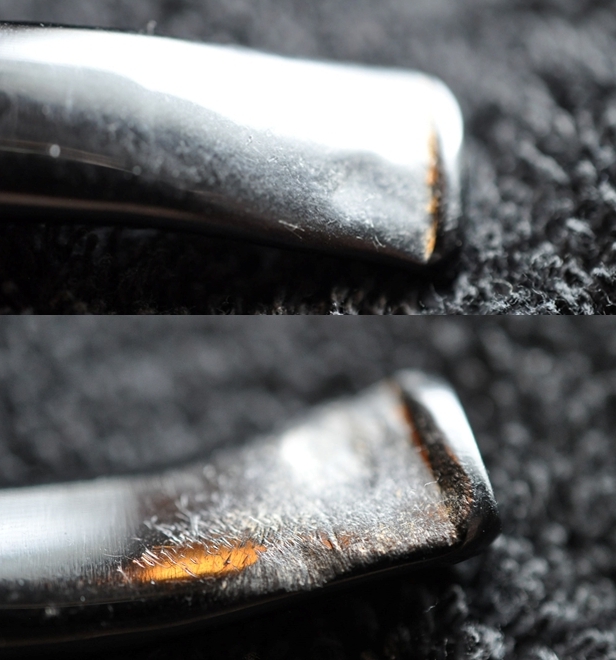
The damage to the stem (please see attached photographs) is bad enough that the pipe is unsmokable: a piece of the vulcanite about one-fifth the size of a dime is missing altogether. In addition, the stem has been very roughly sanded, which left it marked with a kind of rude crosshatching.

I’m writing to ask whether you yourself would be open to doing a repair job, or could recommend someone who could.

Many thanks and congratulations again on the good work you do.

Stephen Looking at the photos he sent I had to take his word for it that it was a Liverpool shaped pipe. The round shank and the short tapered stem pointed to that. The metal BBB logo on the stem top, the fact that it was a BBB Own Make and the challenge of restoring a BBB all made it impossible for me to decline! After I said yes and the deal was struck for the repair and restoration I thought I should have had him send it to Paresh who loves working on this kind of stem rebuild. But I just shook my head and waited for it to arrive.

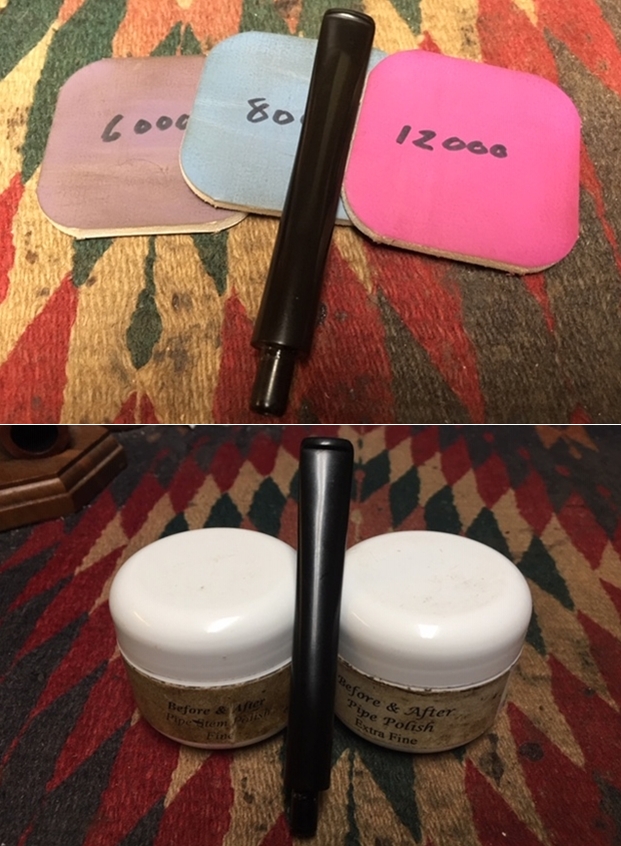
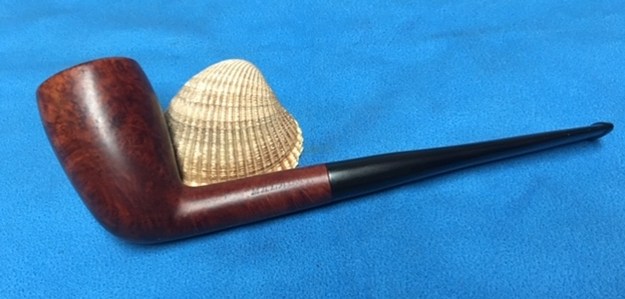
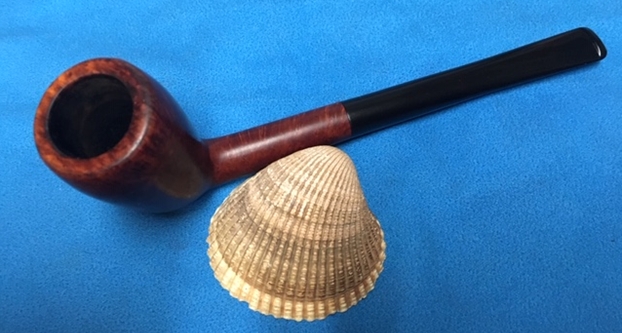
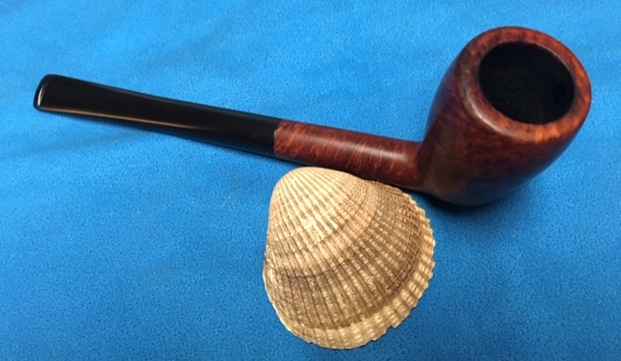
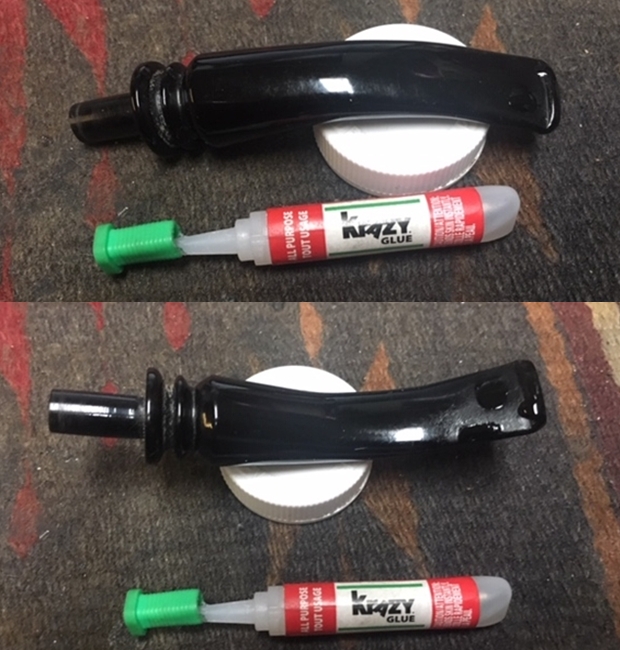
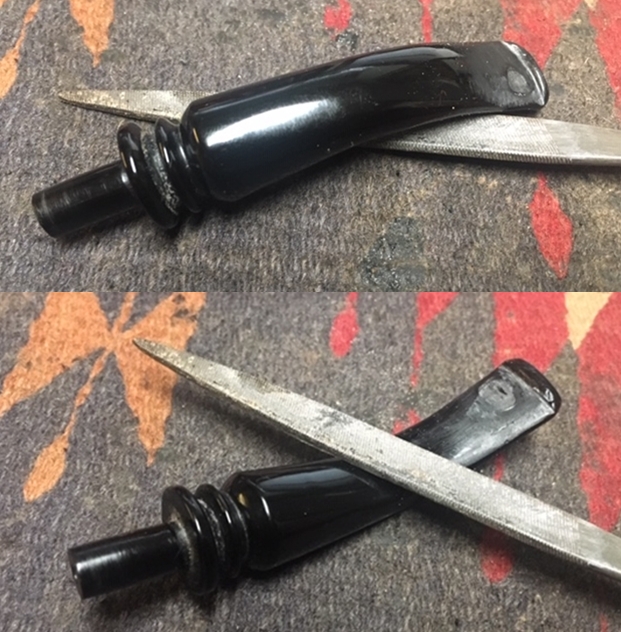
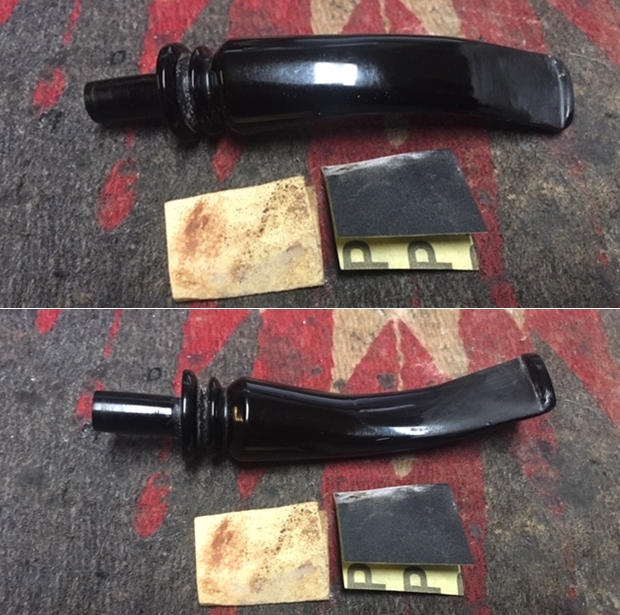
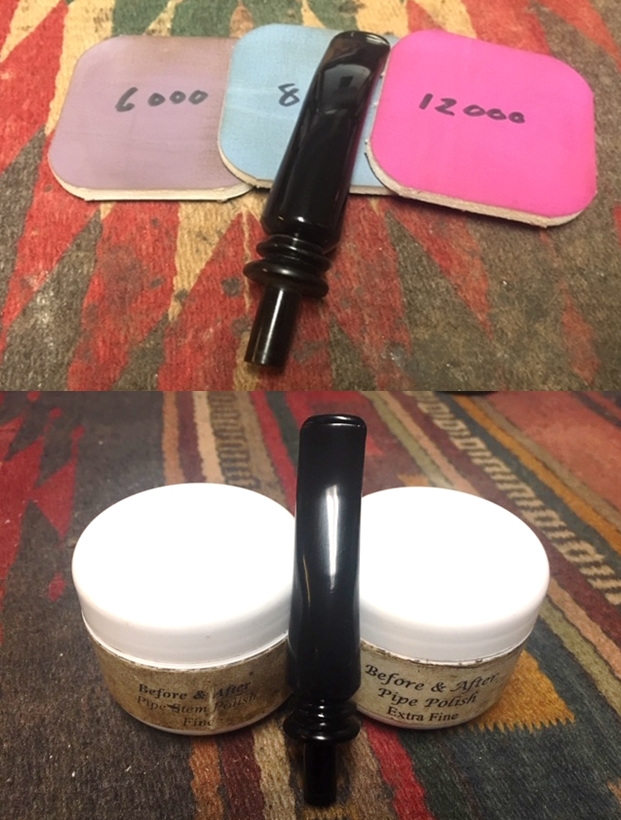
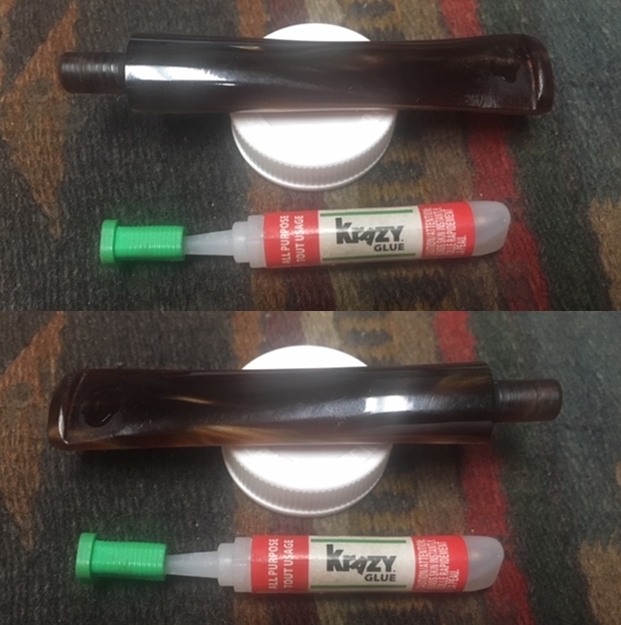
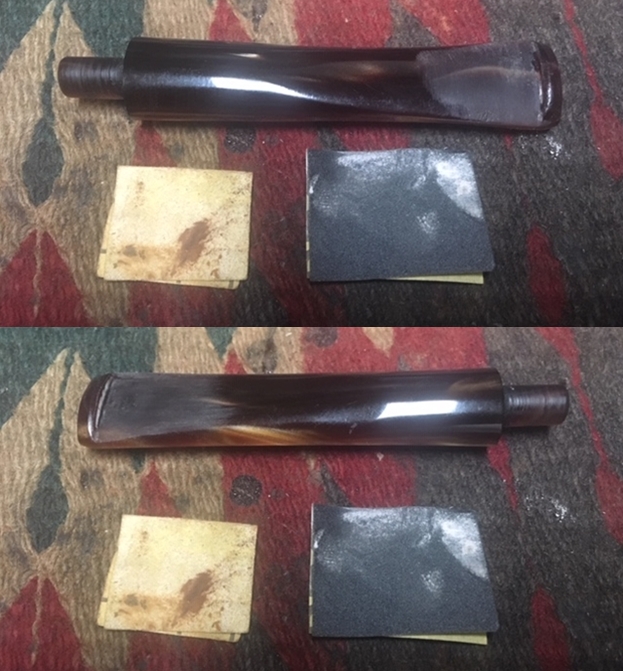
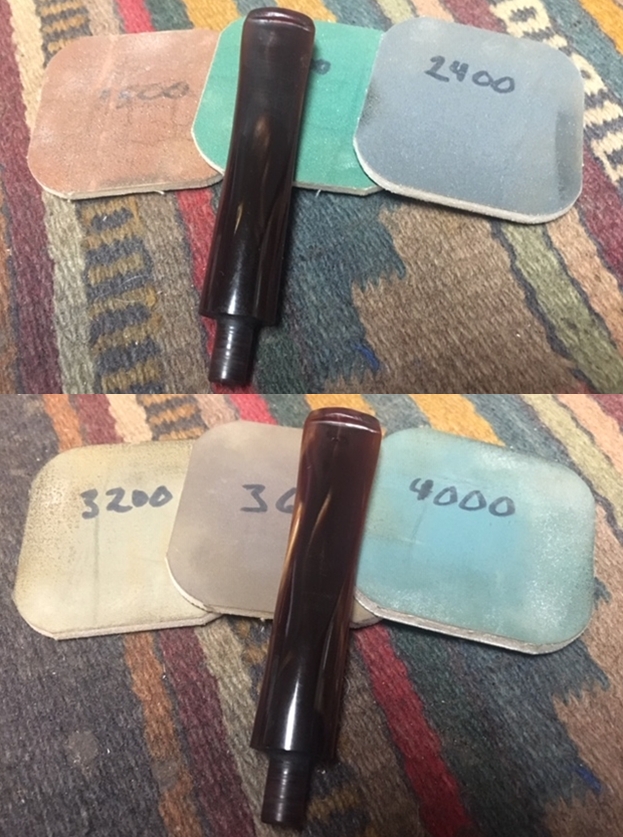
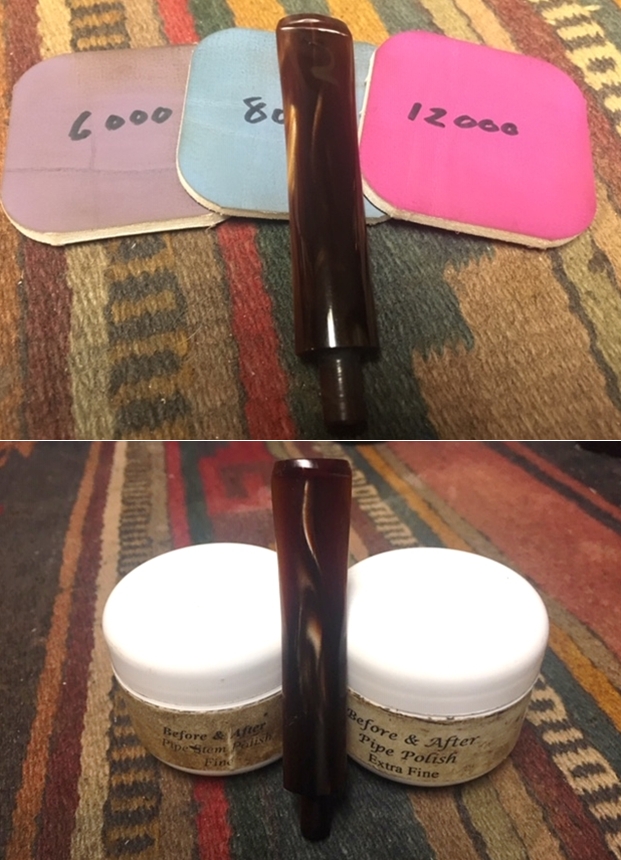
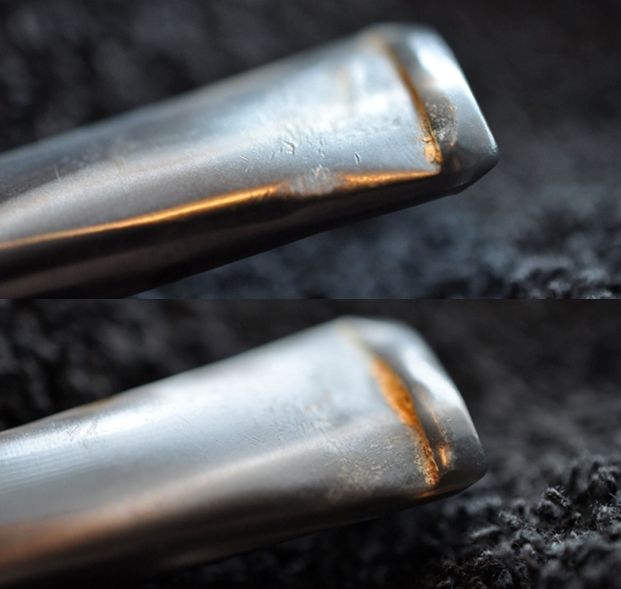
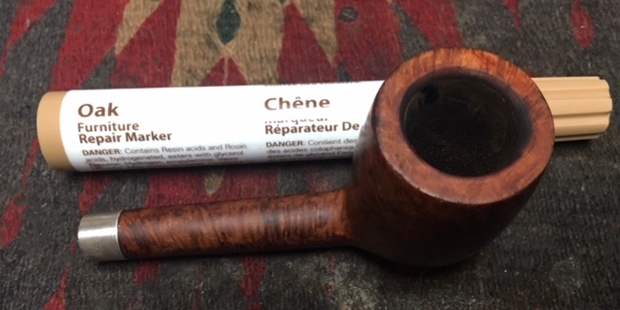
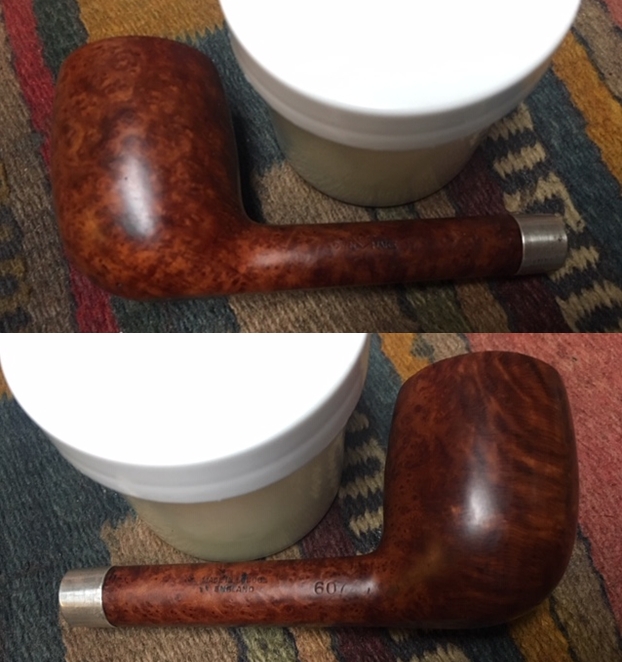
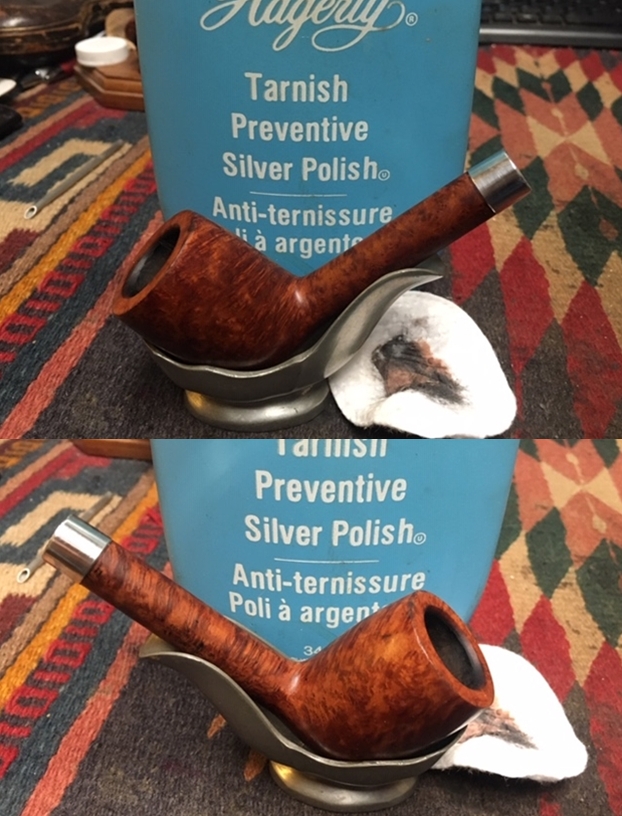
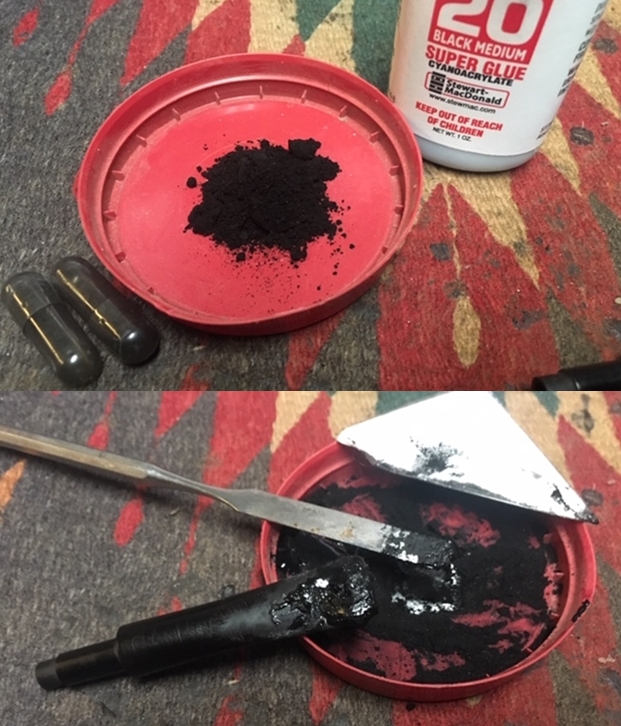
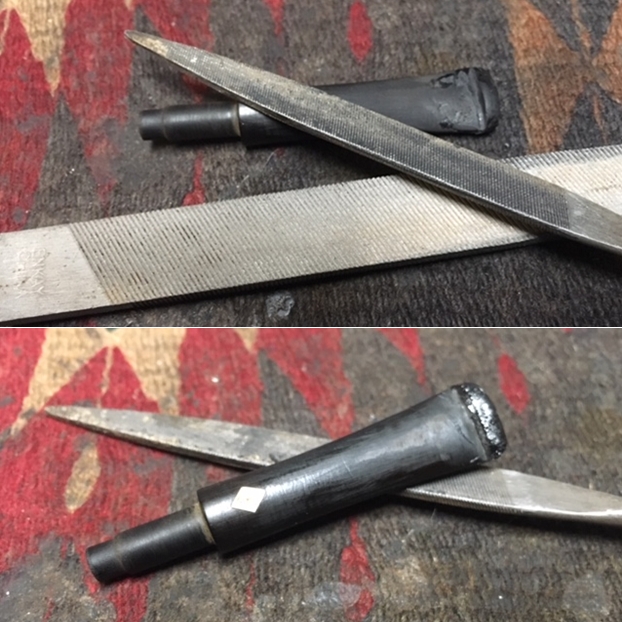
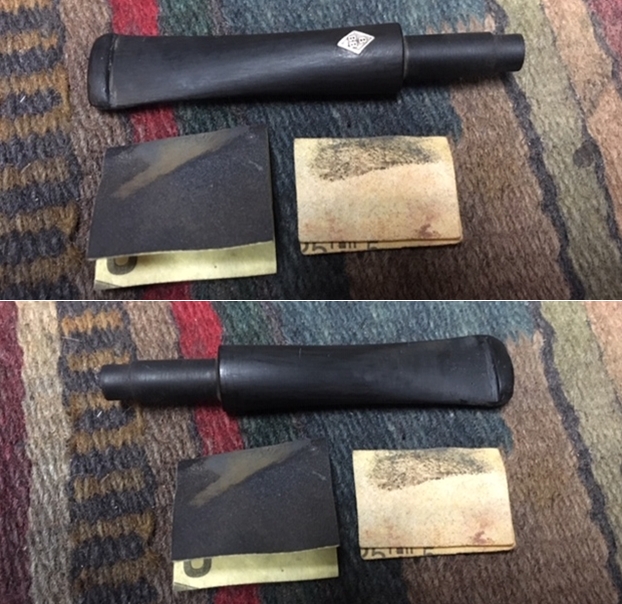
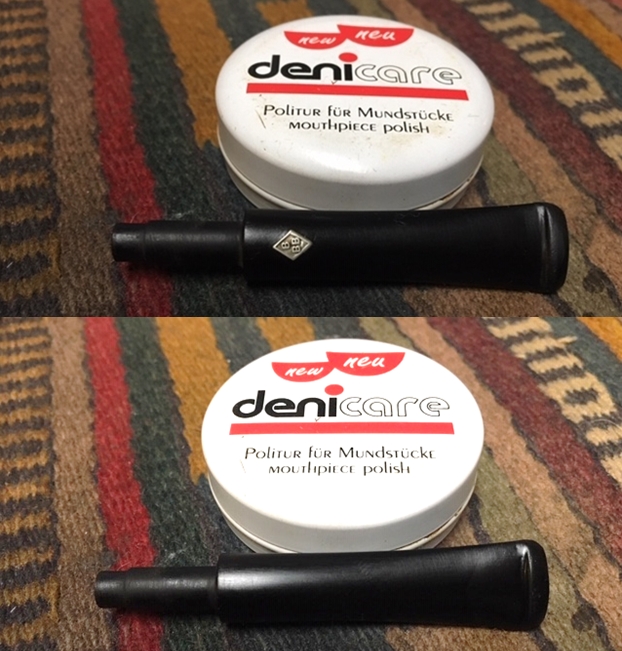
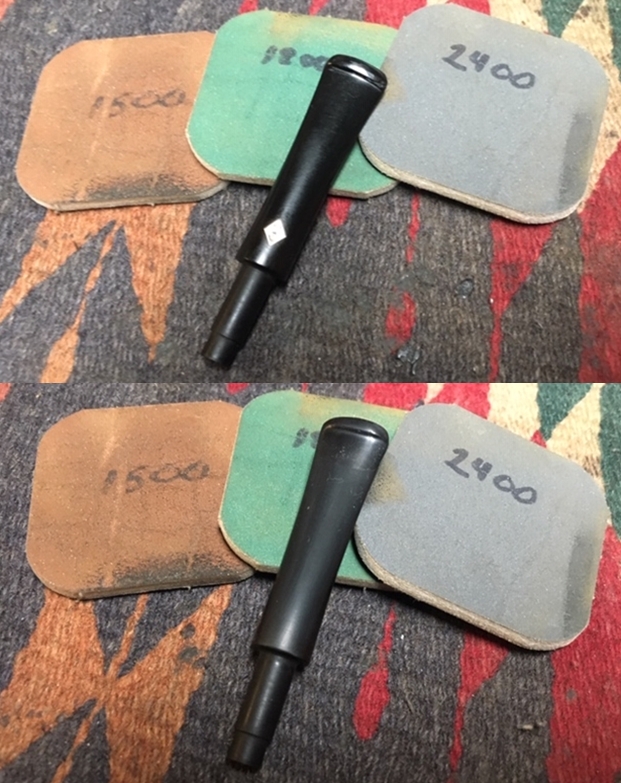
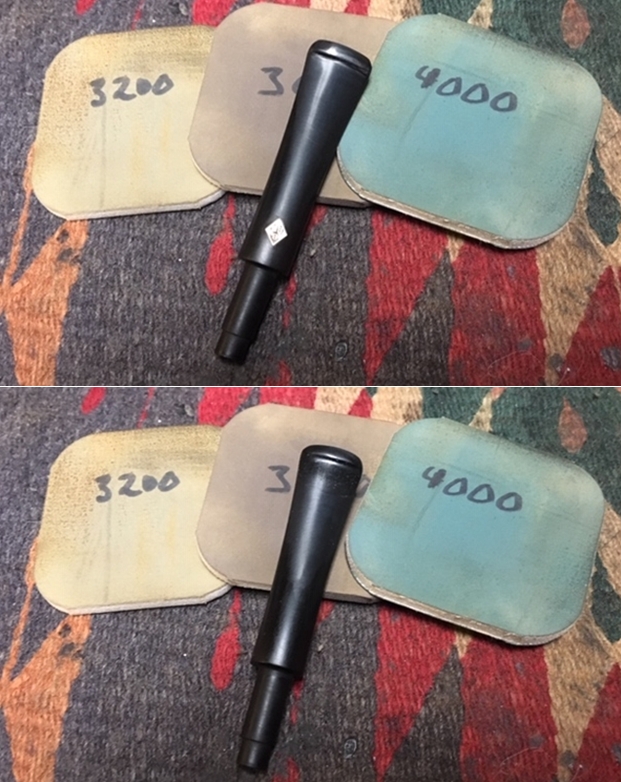
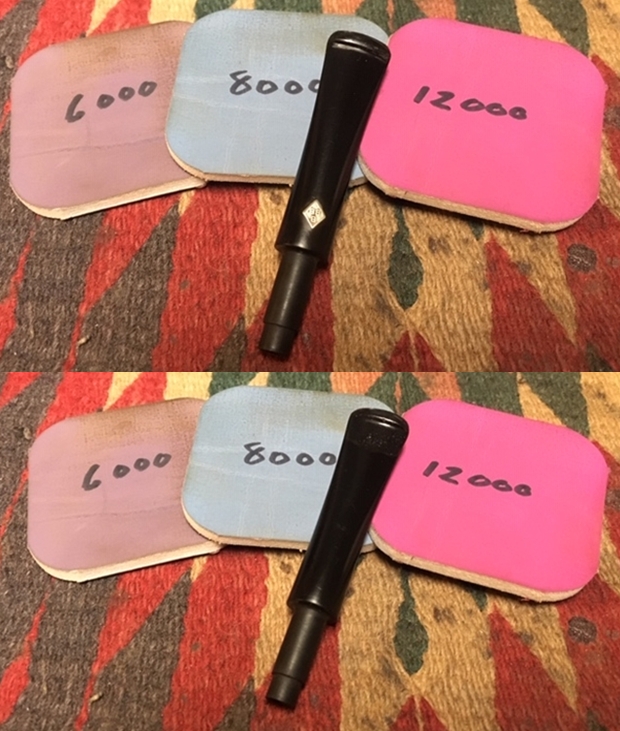
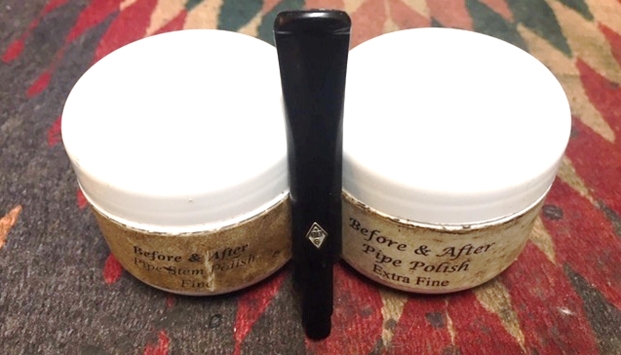
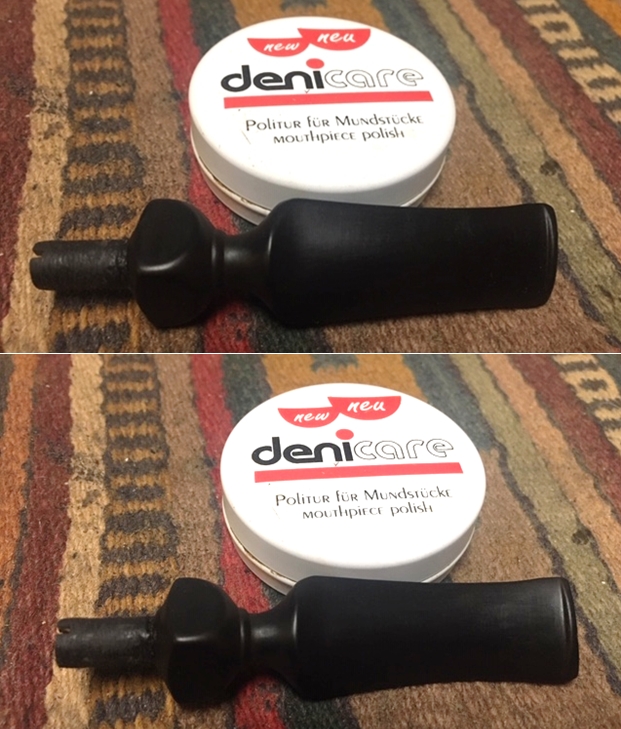
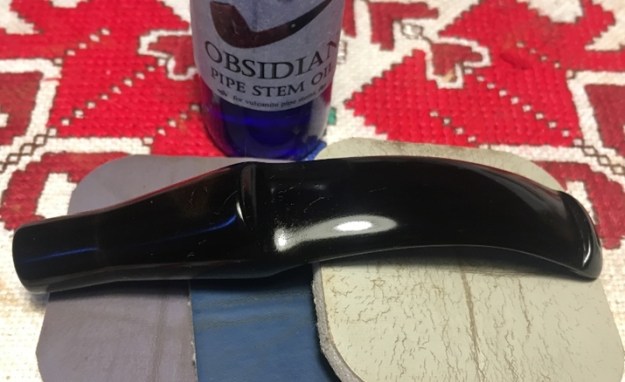
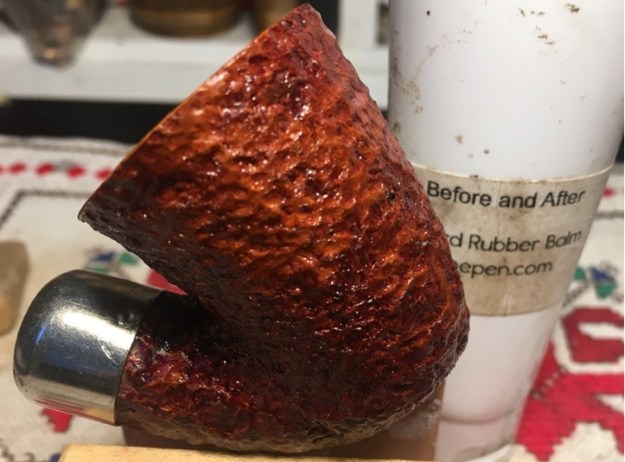
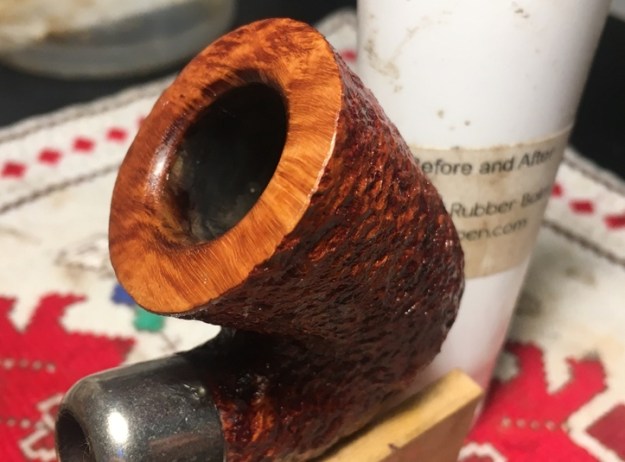
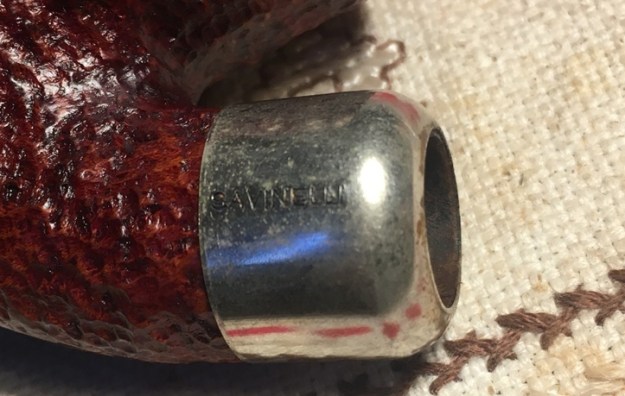
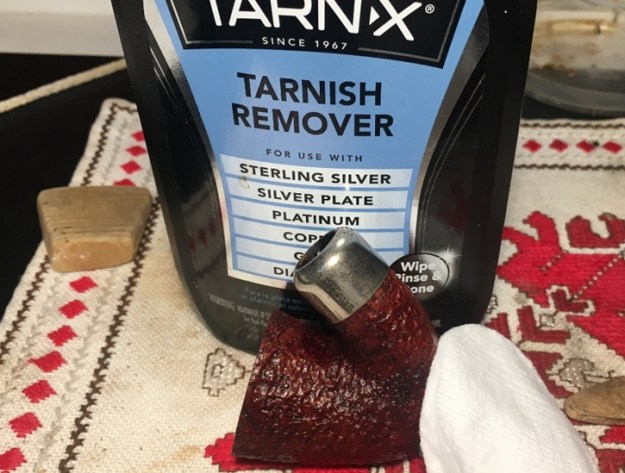
When it arrived I took time to assess the damage. The stem was just as Stephen described it so I quote his description here: The damage to the stem (please see attached photographs) is bad enough that the pipe is unsmokable: a piece of the vulcanite about one-fifth the size of a dime is missing altogether. In addition, the stem has been very roughly sanded, which left it marked with a kind of rude crosshatching. On top of that it was dirty and smelled bad. The bowl was another story. There were some dark stains on the heel of the bowl and on the right side of the shank that at first glance looked like burn marks but on examination seemed to be a dark, sticky substance on the surface of the briar. The rim top was darkened and there was some lava overflow on the top. There was a burn mark on the front of the bowl on the bevel but it did not appear too deep. There was also a burn mark on the out edge of the rim at the front. The bowl had a thin cake in it and the pipe smelled old and musty. My first thoughts on the band were that it was a repair band, but when I removed the stem there were no cracks in the shank. I examined the band with a lens and bright light and on the underside it bears the BBB Diamond and the stamping “Sterling Silver”. It is original! The pipe was a mess but it showed some promise and bespoke of a lot of work! I took photos of the pipe when I received it. I took a close up photo of the rim top and the stem to give a better picture of the issues that I needed to deal with in the restoration. You can see the damage on the front beveled edge and top of the rim as well as the darkening and nicks in the surface toward the back of the bowl. There was definitely damage that would need to be addressed (possibly a light topping). What was interesting to me is that the cake did not go all the way to the bottom of the bowl. The bowl bottom was still raw unsmoked briar… that too was promising. The stem was another story. The topside had a lot of sanding scratches and hash marks all around the brass BBB Diamond. The button was very thin on the top side both in terms of width and height. The chip out of the underside of the button went quite a ways into the stem material so that the rebuilt button would need to be a little thicker than the original but it was fixable in my estimation.  I took photos of the stamping on the shank. I took a photo of the left side and you can see the BBB Diamond with Own Make flanking it on each side. I cleaned off the black grime on the right side before I took the photo of the stamping there. It read Made In London over England followed by the shape number – 607. You can see the nice birdseye grain on the shank sides. It is going to be a beautiful pipe once it is cleaned and restored.I took the stem off the pipe and was a bit surprised by the aluminum inner tube in the tenon. It extended the length of the shank and the pointed end extended into the bottom of the bowl. I just could not see it due to the cake and grime in the pipe.I decided to start my clean up on the bowl to see if I could remove the black marks on the heel and the shank side. I scrubbed the bowl down with Mark Hoover’s Before & After Briar Cleaner. I rubbed it into the surface of the briar, and as Mark wrote me it lifted the grime and dirt out of the briar. It removed the majority of the dark spots on the shank and heel. I would need to do a little more work on those areas but it looked very good. I rinsed the cleaner off the bowl with warm running water and dried it with a soft cloth. The photos below show the cleaned briar…. Look at the grain on that pipe! With the externals clean it was time to clean the internals. I cleaned out the thin cake in the bowl with a Savinelli Fitsall Pipe Knife and promptly forgot to take the photos. I cleaned out the mortise and the airway in the shank and stem with alcohol, pipe cleaners, and cotton swabs. For the way the pipe smelled the shank was amazingly clean. I am not used to that when an inner tube is used as usually the tars build up around the outside… This time the tube actually worked very well.While the rim top definitely looked better there was still some burn damage to the outer edge of the front rim and nicks in the back edge. I lightly topped the bowl with 220 grit sandpaper on a topping board. I was able to remove the damage for the most part without removing too much of the rim top.I did the initial polishing of the briar with micromesh sanding pads – wet sanding with 1500-2400 grit pads. I wiped the briar down after each pad with a damp cloth. I worked on the dark spots that had been on the heel and on the right side of the shank while being careful to not damage the stamping that was underneath the marks. I also polished the rim top and the inner bevel in preparation for staining. I smoothed out the bevel on the inner edge of the rim and was happy with the look. I used an Oak stain pen to stain the rim to match the rest of the pipe. The match is very good and it did a great job of blending in the damage to the bevel. Once I had finished the stain I continued to polish the bowl and rim top with micromesh sanding pads – wet sanding with 3200-12000 grit pads. I wiped the bowl down after each pad with a damp cloth to remove the sanding dust. I rubbed the bowl down with Before & After Restoration Balm. I worked it into the surface of the briar with my fingertips to clean, enliven and protect it. I let the balm sit for a little while and then buffed with a cotton cloth to raise the shine. I continue to use Mark Hoover’s Balm on every pipe I have been working on. The grain on the Own Make is quite stunning and it just pops now with the cleanup! It is a beauty. I polished the Sterling Silver Band with Hagerty’s Silver Polish to remove the tarnish and bring the shine back. It is a beautiful band. The BBB Diamond logo and Sterling Silver is on the underside of the shank.With the cleaning and restoration of the bowl finished for now I set it aside and turned my attention to the stem. The stem was the real challenge on this old timer. I was hoping to be able to rebuild the button and stem on the underside and widen the button on the topside to help protect the repair. I mixed up a batch of black super glue and activated charcoal powder to make putty. I inserted a folded card covered with packing tape to keep the glue from filling in the airway in the slot. I used a dental spatula to fill in the chipped area. I also filled in the area on the topside to build up the button. This kind of repair is really ugly at this point in the process. There is nothing pretty or redeeming about the way it looks.I let the stem repair cure overnight and in the morning used a needle file and a rasp to smooth out the repair and shape the edge of the button on both sides of the stem. The first photo shows the repaired and rebuilt button on the underside. The second one is the widened and beefed up topside of the button. Lots of work to go still but it is starting to show some promise. I sanded the repairs and the reshaped button with 220 grit sand paper and 400 grit wet dry sand paper to smooth out the ridges and high spots and give definition to the shape. I have one more tin of Denicare Mouthpiece Polish left from a few that I have picked up over the years. It is a coarse red pasted that serves to help remove oxidation. I polished the stem with that to further smooth out the surface of the vulcanite (and to be honest – to use it up).   I polished the stem with micromesh sanding pads – wet sanding with 1500-12000 grit pads. I wiped the stem down after each sanding pad with Obsidian Oil. I polished it with Before & After Pipe Stem Polish – both Fine and Extra Fine. Once I had finished the polishing I gave it final coat of oil and set it aside to dry.    When this pipe arrived I truly dreaded rebuilding the stem. I know how to do the process. That is never the problem but it is very labour intensive and time consuming. However, yesterday afternoon I felt like doing something a bit different in the restoration process. I pulled this pipe out of the box and finished the repair yesterday. Today I shaped and polished it. With every pipe I work on, I look forward to when it all comes back together, polished and waxed. I put the bowl and stem back together. I polished the bowl and stem with Blue Diamond to polish out the scratches in the briar and the vulcanite. I gave the bowl multiple coats of Conservator’s Wax and the stem multiple coats of carnauba wax. I buffed the pipe with a clean buffing pad to raise the shine. I hand buffed it with a microfiber cloth to deepen the shine. The pipe polished up pretty nicely. The sandblast finish looked really good with the polished black vulcanite. This BBB Own Make 607 Liverpool was another fun pipe to work on. It really has a look that I have come to expect from BBB pipes. It is really eye catching. The combination of various brown stains really makes the pipe look attractive. It is another comfortable pipe to hold in the hand. The finished pipe is shown in the photos below. The dimensions of the pipe are Length: 5 ¾ inches, Height: 1 7/8 inches, Outside diameter of the bowl: 1 ¼ inches, Chamber diameter: ¾ of an inch. I look forward to mailing it back to Stephen and seeing what he thinks of the finished pipe. I have sent him progress reports but that is not the same as holding it in your hand. Thanks for reading this blog and my reflections on the pipe while I worked on it. This is an interesting estate to bring back to life.

Restoring the Third Custombilt from My Inheritance


Blog by Paresh Deshpande

This is the third Custombilt pipe that I had brought to my place of work from my grandfather’s collection which I had inherited. I had professed my appreciation and liking for old Custom-Bilt pipes for their large size, shape, hand feel and the rustic looks. However, this one seems to be a Custombilt from a later era which is a surprise for me, more of it when I further research about it.

The Custombilt pipe that is now on my work table is a large Bull moose shaped pipe with a ¾ bent stem, having well defined large vertical rustications with very fine, thin horizontal linear rustications in between. This is a beautifully carved pipe with a classic shape and a thick shank. The stummel is distinctly divided in to two halves by two evenly spaced rings. The cap half is smooth while the lower stummel surface proudly displays the worm rustications. The large smooth rim top surface boasts of some beautiful bird’s eye grains. The worm rustications on this beauty are unlike the large scraggy ones seen on the Custom-Bilt Pot shaped and large Billiard pipes that I had restored in the last few days. The ones on this pipe are more evenly carved and evenly spaced. There is strip of smooth surface at the bottom extending from the shank to the foot of the stummel. The worm rustications extend from the side of this smooth surface on either sides and to the front of the stummel. It is indeed a beautiful looking pipe with a fantastic feel in the hand, beauty of which cannot be justified in words. It is stamped on the left side of the shank as “Custombilt” without a hyphen between the two words, in cursive hand over “IMPORTED BRIAR”, a commonly observed stamp on these pipes. There is no other stamping visible either on the stummel or the stem.To date having worked on 5 or 6 Custombilt pipes and researched each of them, I have a fair idea about dating these pipes based on the stampings seen on them. However, as is always said and emphasized in our pipe community, the mysteries about pipes never end!! The stampings on this pipe has proved this and how! In the cursive Custombilt stamping seen on this pipe, the lower part of C meets, no, originates from the top of the U while the upper portion extends to the left side of the cross of t, the horizontal cross itself barely reaching the next letter o!!

On pipedia.org, there is a brief description of the various stampings as researched by William E. Unger, Jr., PhD, which deals with the study of Custom-Bilt pipes, here is the link to the review of this book (https://pipedia.org/wiki/Custom-Bilt#Other_Comments).

There are three stamps which are shown and serve as a teaser for dating these Custombilt pipes (for more researched examples of stampings, you might consider purchase of a copy of your own!!). Well as of now, I don’t have one and if any one of the reader does, it is requested that the necessary information may please be shared with readers of rebornpipes.com, so that we all could learn and grow together.

With this unresolved mystery as regards dating this pipe (I think it is from later era of Custombilt pipes, even later than the Wally Frank era, but not sure!), I move ahead with my initial inspection.

INITIAL VISUAL INSPECTION
The chamber has a thick and even layer of cake. The condition of the inner walls of the chamber can be determined only after the cake has been completely reamed out down to the bare briar. The draught hole is dead center and at the bottom of the chamber. This should be a fantastic smoker. The slightly outward sloping smooth rim top surface has several minor dents and dings and has darkened surface on the right side. The inner edge of the rim has one bigger and many minor chips all around. This issue should be easily addressed by sanding down with a sand paper. The cap rings are in decent condition with just a couple of small chips towards the left and back of the stummel. As these chips are visible only on very close inspection and affects neither the aesthetics nor the smoking character of this pipe, I might as well let them be.The smooth bottomed stummel feels solid to the touch and makes for a nice fit in the hands of the smoker. The vertical worm rustication with its horizontal thin line rustications within makes for a visual treat. The stummel surface is relatively clean and without any dents, dings or chipped surfaces. The shank end has smooth surfaces on the sides and on top and bottom of the shank. These should polish up nicely and lend a distinct character to the pipe. The upper smooth half of the stummel including the rim top surface has some beautiful straight and bird’s eye grain respectively. This should turn out to be a beautiful and attractive looking pipe, I am sure. The mortise and the shank are clogged with accumulated dried oils, tars and grime and dirt. The draught hole too is constricted due to this accumulation (marked in yellow arrow). The draw is slightly hard and laborious and should ease out once the shank internals are cleaned out.The ¼ bent vulcanite stem is nice and thick at the tenon end and tapers slightly towards the button end. The stem is heavily oxidized in the bite zone due to use of a rubber bit, with heavy tooth chatter on either surfaces of the stem. The button edges including button surfaces are also damaged due to bite marks. The slot and tenon are also covered in dried oils and tars. The stem internals are clogged and would need a thorough cleaning up. THE PROCESS
I started the restoration of this beautiful pipe by first reaming the chamber with size 3 followed by size 4 head of the PipNet pipe reamer. The amount of cake dislodged from the chamber points to the fact that this would have been a favorite of my Grandfather!! With my fabricated knife, I removed the cake from areas where the reamer head could not reach. I followed this reaming with sanding the chamber walls with a folded piece of 220 grit sand paper to completely remove any residual cake. This also helps to smooth the walls of the chamber. I wiped the chamber with a cotton swab and alcohol to get rid of all the carbon dust and expose the bare briar of the chamber. The walls are solid and in good condition. However, the area around the draught hole is slightly charred and a few minor heat lines are visible around it. The heat lines seen around the draught hole are superficial and I address them by further sanding with a folded piece of 220 grit sand paper. I also removed the charred briar around the draught hole by scrapping it with my fabricated knife and the drilling attachment of a Kleen Ream tool. The chamber is now clean and all the issues are addressed to my satisfaction.I followed up the cleaning of the chamber with that of the shank internals. With a dental spatula, I first scrapped out all the accumulated dried crud and cleaned the mortise. The dried gunk so hard and tightly packed that I also had to use a round needle file to dislodge the gunk from within the air way. Using hard and regular pipe cleaners and alcohol, I cleaned the shank internals and the airway. A number of pipe cleaners later, the shank internals are clean and the draw is nice, smooth and even.The internal cleaning was followed by external cleaning of the stummel surface using Murphy’s Oil soap and a hard bristled tooth brush. I also used a brass wired brush to diligently clean out all the dirt and grime from within the worm rustications. With a shank brush and dish washing soap, I thoroughly cleaned the shank internals and the mortise. I dried the bowl with paper napkins and soft cotton cloth. With the stummel set aside to dry out naturally, it was time to move ahead with the stem restoration. I cleaned the stem internals with pipe cleaners and alcohol. With the sharp flat end of a dental tool, I scrubbed the dried out oils and tars from the slot area and also from the tenon end of the stem that seats in the mortise. I cleaned the stem surface with a cotton swab and alcohol.I flamed the bite zone with the flame of a lighter. The heating of the vulcanite raised the tooth chatter to the surface and I followed it with a light sanding with a piece of 220 grit sand paper to even out the surface around the bite zone. Using a flat head needle file, I reshaped and sharpened the button and button edges. This was followed by sanding the entire stem surface with 400 followed by 600, 800 and 1000 grit sand papers to remove the oxidation. I finished the sanding with a 0000 grade steel wool. Using progressively higher grit sand papers helps in a smooth surface while minimizing the sanding marks left behind by the more abrasive sanding papers. I wiped the stem with a small amount of Extra Virgin Olive oil and set it aside to be absorbed by the stem surface. With the stem being set aside to hydrate, I move back to the stummel and sand the smooth rim top surface with a piece of folded 220 grit sand paper. This step took care of the dents and dings on the surface. I also worked the inner edge of the rim with the same piece of sand paper and evened out the numerous dings from the inner rim edge. I wiped the rim top with a moistened cotton swab to remove the resulting sanding dust. Most of the dents and dings on the rim top and edge were addressed thus. Subsequent micromesh polishing will further reduce what little dents and dings that remained. A few minor and insignificant dings that may remain, I intend to let them be as they are a part of this dude’s journey to date.The next evening, I decided to move ahead with polishing and completing the stem. I followed up the sanding regime with micromesh polishing to bring a shine on the stem surface. I wet sand the stem with 1500 to 2400 girt micromesh pads. Continuing with my experimentations that I had spelled out in my previous posts, I mount a cotton buffing wheel on my hand held rotary tool and polish the stem with Red Rouge polish. Further, I mount a fresh buffing wheel on the rotary tool and polish the stem with White Diamond polish. I finish the stem polish by wet sanding with 6000 to 12000 grit pads of the micromesh. I rub a small quantity of olive oil in to the stem surface to hydrate it and set it aside again. I am really happy with this process of stem polishing as the results are excellent while saving me huge amounts of time and effort. With the stem polishing now completed, I moved ahead with micromesh polishing of the smooth surfaces on the stummel (the rim top surface, the smooth portions at the shank end and the bottom of the stummel). I polished the stummel by wet sanding with 1500 to 12000 micromesh pads. The briar stummel is looking really good at this stage of restoration!! Next, I wiped the stummel surface with a moist cloth to remove all the sanding dust left behind by the micromesh pads, paying diligent attention to the areas between the worm rustications. I rubbed a small quantity of “Before and After Restoration Balm” in to the briar with my finger tips and let it rest for a few minutes. The balm almost immediately works its magic and the briar now has a nice vibrant appearance with the beautiful worm rustication patterns on full display. I have been using this balm ever since I embarked on this journey and it is this part of restoration that I always look forward to. I further buff it with a horse hair shoe brush. I mount a cotton cloth buffing wheel on to my hand held rotary tool and apply a coat of Blue Diamond to the smooth surfaces of the stummel and the stem to polish out the minor scratches. The final step in completing this project is to give the entire pipe a nice wax polish. I apply a coat of carnauba wax and continue to work on it till the complete coat of wax had been polished out. I mount a clean cotton cloth buffing wheel and give the entire pipe a once over buff. This step not only removes any excess wax from the surface but also finger prints that inadvertently are left behind. I complete the restoration by giving the entire pipe a rigorous hand buff using a microfiber cloth to raise the shine further. The finished pipe looks amazingly beautiful and is now ready for its long second innings with me… Cheers!!
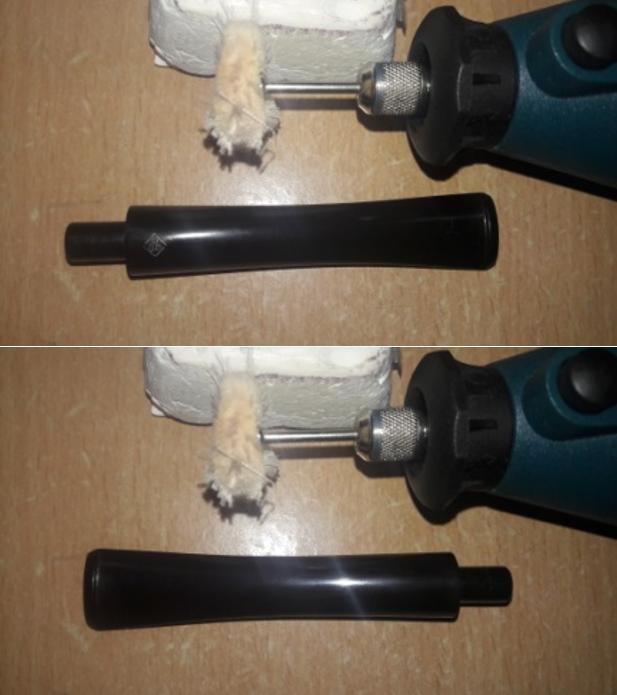
 

Replacing a Broken Tenon and Restoring a Harcourt Hand Carved S Freehand


Blog by Steve Laug

About a month ago I received a phone call from a guy from Nova Scotia who was visiting in Vancouver and had made a stop at City Cigar on 4th Ave. W. and asked about having a pipe repaired. He told me that he had a freehand pipe that had been sitting in a bag for years with a broken tenon. He was going to leave it with his brother in law and they would get in touch with me about repairing it. Earlier this week I received a text from his brother in law with photos of the pipe that needed the repair. I have included those photos below. It was a nice looking Freehand with a fancy turned stem. The tenon was snapped off in the shank and was stuck from the look of the photos. The shape and the look of the pipe reminded me of other freehands I have worked on that were made by Preben Holm. We made arrangements and we booked a time for him to drop the pipe off. Today I had the day off and I received a text that he was dropping the pipe by today for a repair. I took some photos of the pipe before I started working on it. The tenon was stuck in the shank and was not moveable. The finish was dusty but in excellent condition. The rim top and edges were in excellent condition. There was a light cake in the bowl and the pipe smelled of a strong vanilla aromatic in the bowl. The stem was lightly oxidized and was snapped very close to the square/diamond turned piece on the fancy stem. I took a photo of the plateau on the rim top and the shank end. The pipe was dusty but otherwise the finish was in great condition. I took a photo of the stem surfaces. Other than being lightly oxidized there were no tooth marks or chatter on the stem surface. I took a photo of the stamping on the underside of the shank. It had a uppercase S at the top of the stamping. Under that it read Harcourt over Hand Carved in Denmark.After I took the photos I put the bowl in the freezer so that I would be able to pull the broken tenon from the shank. The time in the freezer causes the briar to release the broken tenon that was stuck.  After a half hour in the freezer I took it out and the broken tenon easily came out of the shank. I took photos of the parts.I decided to refresh my memory about the brand before I started working on it. I did a quick search on rebornpipes to read the posts that I had there. The first of these was by Charles Lemon of Dad’s pipes (https://dadspipes.com/2016/10/20/in-praise-of-international-cooperation-cleaning-up-a-large-harcourt-grade-d-freehand-by-preben-holm-for-dunhill/). I quote the pertinent part of Charles piece.

By all accounts, the Danish Fancy pipe boom of the 1960s and 1970s caught the great English pipe house of Dunhill unprepared. Dunhill was unable to produce the new Freehand shapes in-house, so if the firm was to capitalize on the surging demand for Danish pipes, it would have to look elsewhere. The answer came in the form of a contract with the Preben Holm factory for the production of what became the Harcourt brand of pipes, destined for distribution through Dunhill’s network of principal pipe dealers.

The Harcourt on my worktable arrived in excellent estate condition. It is easily one of the largest pipes I’ve worked on – its overall length is just 5.75 inches, but the stummel is a real fistful of briar measuring 2.5 inches tall by 1.6 inches wide with a copious tobacco chamber of nearly one inch in diameter and 2.25 inches deep! Despite its size, the pipe weighs only 2.3 ounces or 64 grams.

That helped me confirm the connection to Preben Holm that I remembered. It connected Preben Holm with Dunhill as well. The other blog was one that had written on a Harcourt that I restored (https://rebornpipes.com/2018/06/29/a-harcourt-hand-carved-freehand-7-of-anthonys-dads-pipes/). I quote a portion of the blog and include one of the photos that I had used in that blog:

I had some vague memory about the Harcourt brand that had a connection to Preben Holm and the stamping seemed a lot like the way that he stamped his pipes. I did a bit of research on the brand to see the connection. The first place I looked was on Pipedia at the following link: https://pipedia.org/wiki/Harcourt. There I found the following information which I quote in full.

The brand Harcourt was produced by Preben Holm (†) for Dunhill to secure a share of the Danish fancy boom for Dunhill’s principal pipe dealers. Later Erik Nørding made Harcourt pipes for a shorter period. These pipe are sometimes (partially) rusticated.

It had been reported that the second generation of Harcourt pipes were sold exclusively through Dunhill stores, but we now know through Rich Mervin that the Brick Church Pipe Shop, a chain of 3 stores in NJ sold Danish freehands in the 1970s and 80s including Knute, Ben Wade, and Harcourt. They were also an authorized Charatan and Dunhill retailer. So, apparently Harcourt freehands were sold through at least some Dunhill dealers as well as the Dunhill stores.
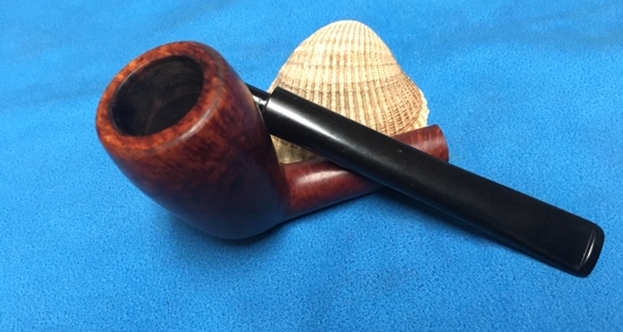
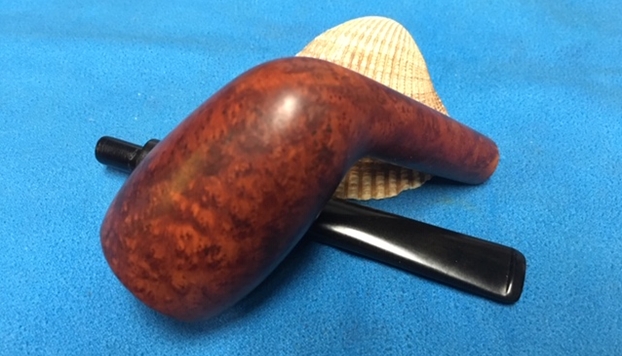
I then turned to the pipephil site at this link and found out some more information on the brand. http://www.pipephil.eu/logos/en/infos/harcourt1.html. I followed the links there to some photos of a boxed pipe and the stamping on the shank.

This box contains a pipe carved for Dunhill in the 1970s. Harcourt pipes were Dunhill’s answer to the passion Danish style raised during this period.From my previous research I confirmed the connection between the pipe I am working on and the Harcourt pipes that were made by Preben Holm. The connection between Preben Holm and Dunhill’s desire to tap into the Danish Freehand market in the US was also helpful as it gave me a potential date for the pipe. It was made in the 1970s – the height of the Danish period in the US. Now it was time to replace the broken tenon.

I used the Dremel and sanding drum to smooth out the face of the stem and remove the damaged portion of the broken tenon. I also went through my box of tenons and found one that would be a good replacement for the broken one. It was a threaded tenon that was a Jobey replacement tenon. It had the correct diameter and with a bit of work the threaded portion would anchor well in the stem.    I used my cordless drill to open the airway in the stem to the diameter of the threaded portion of the new tenon. I started with a bit slightly larger than the current airway. I drilled it to the depth of the threaded portion of the tenon. I worked my way through various drill bits until I had one that was slightly larger than the new tenon.I took a photo of the open airway on the stem. I roughed up the threads on the tenon replacement and removed the ridge in the middle with the Dremel and sanding drum. I coated the end of the tenon with super glue and pressed it into the open airway on the stem. Once the glue cured I took photos of the stem in the pipe. Once the glue cured I took photos of the stem in the pipe. The pipe still needed to be cleaned up but the look was very good and the feel in the hand and mouth was perfect. I took a photo of the stem out of the shank to show the finished tenon replacement. The stem and tenon needed to be polished but the fit and shape is perfect.With the stem repaired it was time to do the restoration on the pipe as a whole. I started with the bowl. I reamed the bowl with a Savinelli Fitsall Pipe Knife, scraping the light cake from the bowl. I sanded the inside of the bowl to remove the rest of the cake with 220 grit sandpaper wrapped around a piece of dowel.I cleaned out the inside of the shank and the airway to the bowl with alcohol, pipe cleaners and cotton swabs. I cleaned the inside of the airway in the stem at the same time.I rubbed the bowl down with Before & After Restoration Balm. I worked it into the surface of the briar with my fingertips and a horsehair shoe brush to clean, enliven and protect it. I let the balm sit for a little while and then buffed with a cotton cloth to raise the shine. Mark Hoover’s Balm is a product that I have come to appreciate and one I use on every pipe I have been working on.  I set the bowl aside and turned my attention to the stem. I sanded the stem with 220 grit sandpaper to break up the oxidation. I started the polishing with 400 grit wet dry sandpaper to remove the scratching. It is starting to look good.     I have one more tin of Denicare Mouthpiece Polish left from a few that I have picked up over the years. It is a coarse red pasted that serves to help remove oxidation. I polished the stem with that to further smooth out the surface of the vulcanite (and to be honest – to use it up). I polished the stem with micromesh sanding pads – wet sanding with 1500-12000 grit pads. I wiped the stem down after each sanding pad with Obsidian Oil. I polished it with Before & After Pipe Stem Polish – both Fine and Extra Fine. Once I had finished the polishing I gave it final coat of oil and set it aside to dry. When this pipe was dropped off yesterday I told the fellow that it would be a couple of weeks before I got to work on it. However, yesterday afternoon I felt like doing something a bit different in the restoration process. I finished the repair yesterday and finished the polishing it today. With every pipe I work on, I look forward to when it all comes back together, polished and waxed. I put the bowl and stem back together. I polished the bowl and stem with Blue Diamond to polish out the scratches in the briar and the vulcanite. I gave the bowl multiple coats of Conservator’s Wax and the stem multiple coats of carnauba wax. I buffed the pipe with a clean buffing pad to raise the shine. I hand buffed it with a microfiber cloth to deepen the shine. The pipe polished up pretty nicely. The sandblast finish looked really good with the polished black vulcanite. This Harcourt Hand Carved Preben Holm Freehand was another fun pipe to work on. It really has a great Freehand look that catches the eye. The combination of various oxblood, black and brown stains really makes the pipe look attractive. It is another comfortable pipe to hold in the hand. The finished pipe is shown in the photos below. The dimensions of the pipe are Length: 6 inches, Height: 3 inches, Outside diameter of the bowl: 2 inches, Chamber diameter: ¾ of an inch. I look forward to when the fellow picks it up and I get to hear what he thinks of the pipe. Thanks for reading this blog and my reflections on the pipe while I worked on it. This is an interesting estate to bring back to life.
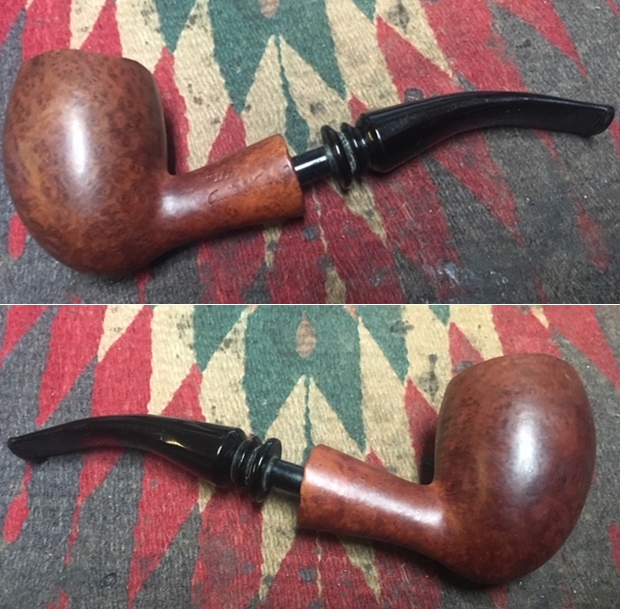
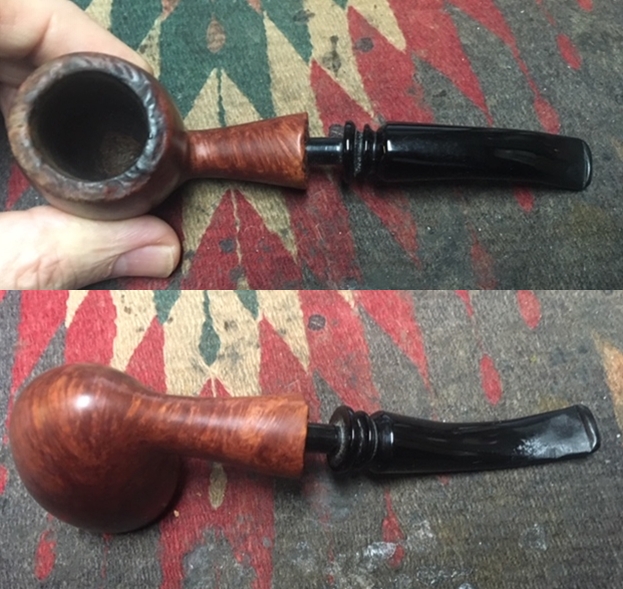
Refreshing a Savinelli Dry System 362


Blog by Dal Stanton

I acquired a pair of Savinelli Dry System pipes on the eBay auction block from a seller in Poughkeepsie, New York.  I initially was attracted by the ‘Peterson-like’ description of the pair – ‘Dry System’.  I also liked the tight bend and the ‘Dublin-esque’ bowls.  Both are ¾ bent with a conical bowl – a tight configuration that I liked immediately.  They almost seemed identical, but one had the shape number 362, the one on my worktable now, and the other had 3621.  When I unpacked them here in Bulgaria and took a closer look, I could see the differences.  Both have identical shapes but the 362 is a lighter rusticated finish with a smooth rim.  The 3621 is a darker blasted finish with a blasted rim.  These pictures show the differences.A friend of mine here in Bulgaria, Teo, saw the Savinelli pair on my website in the ‘For “Pipe Dreamers” Only!’ collection and inquired about them.  I was very happy that he commissioned the 362 to add to his collection which will benefit our work here in Bulgaria with the Daughters of Bulgaria – women and girls who have been trafficked and sexually exploited. Pipe smoking is very rare here in my adopted country of Bulgaria.  In the 13 years we have lived and worked in Bulgaria, I can count on one hand how many times I have seen a Bulgarian smoking a pipe!  After restoring the pipe, and if Teo decides to adopt it (it’s not obligatory for those who commission – they have the first opportunity to acquire it), I’ll look forward to sharing a bowl with him!  Here are more pictures of the Savinelli Dry System 362 on my worktable. The smooth underside panel holds the nomenclature.  To the left is stamped ‘DRY SYSTEM’ then the Savinelli ‘S’ logo.  To the right of the logo is 362 [over] ITALY.  The nickel shank cap is stamped on the left side with ‘SAVINELLI’ along with ‘S’ on the topside of the military stem. I found nothing about the Dry System on Pipedia but Pipephil.eu came through with some very helpful information – especially about the shape number differences.  Looking at the Savinelli shapes chart on Pipedia’s Savinelli article, shapes 362 or 3621 were not among those listed.  Pipephil provided this on the Savinelli Dry System with the information that the Dry System could be stamped with either 3 or 4 digits for the shape number:The panel above also references a link comparing Savinelli’s Dry System P-Lip stem with the Peterson standard. I found the most information about the Savinelli Dry System on another site as I broadened my online search.  A South African based tobacconist, Wesley’s  (See LINK), provided a gold mine of information about the Savinelli Dry System:

Launched in 1981, it had taken several years of research into the negative points of existing system pipes, in order to improve on them. Perseverance paid off – by combining trap and filter, and enlarging the smoke hole, Savinelli achieved the “Dry System”, which in our opinion is the best answer to “Wet Smoking” so far developed.

Especially for new pipe smokers, the Savinelli Dry System pipe incorporates everything needed to provide a cool, dry smoke.

The name “Dry” comes from the introduction of the Balsa “filter” into the traditional system pipe – the “System” being the presence of the built-in moisture trap in the shank, linked with the “smokehole on the top” mouthpiece. The balsa mops up the moisture in the smoke hence the term “Dry” system, and if the pipe is smoked without the balsa all that will happen is that this moisture will condense and collect in the trap. It can then either be mopped up with a folded pipe cleaner or flicked out. Just be careful where you flick it!

Put this all together and you can see why we say these are technically our best designed pipes. But the technical qualities are not all these pipes have to offer. Extra bonuses are the feel, the finishes and the balance.

This information marks the genesis of the Savinelli Dry System line in 1981. Added to this information, Wesley’s included the following benefits of the Savinelli system with a helpful cut-away showing the internals:The description of the ‘smokehole’ of the mouthpiece, is interesting in the way it disperses the smoke so that it avoids tongue burn as well as keeping moisture entering the stem from the mouth. The trademark filtering system is also optional – use of the balsa insert which I use with great satisfaction with some of my own Savinellis.  Yet, even if you do not utilize the absorbing qualities of the balsa insert, the built-in moisture trap will hold the moisture for clean-up after smoking.  Sounds good!

Wesley’s Tobacconist also included this helpful Shapes Chart for the Savinelli Dry System pipes. The description for the 3621 suggests:

Regular shapes 3613 & 3621 are ideal for the new pipe smoker or for a short smoke for anybody.

As I look at the Savinelli Dry System 362 now on my worktable, I’m wondering if it too is actually a 3621 and the craftsman applying the rustication was a bit overzealous.  I take a close-up to show that the latter half of ‘ITALY’ also succumbed to the rustication!Notwithstanding, this 362* is a sharp looking pipe in relatively good condition.  The chamber shows moderate cake build-up and the smooth, internally beveled rim is darkened with some lava buildup.  The rustication process is very tight and attractive and only needs some cleaning of the normal grime buildup.  The nickel shank cap will shine up nicely.  The Savinelli P-Lip stem has a good bit of oxidation and the P-Lip button shows almost no biting damage.  Overall, I’m hopeful of a smooth cleanup!  I begin the restoration by cleaning the airway of the stem with a pipe cleaner dipped in isopropyl 95% and then I place the stem in a soak of Before & After Deoxidizer along with other pipes in the queue.   My wife captured this Pipe Steward cameo appearance at the worktable! After several hours in the soak, I fish out the Savinelli stem and wipe it down with cotton pads wetted with alcohol to remove the raised oxidation.  I also run pipe cleaners through the airway to clear the excess Deoxidizer.  I can attest to the fact that this P-Lip stem is easier to clean than the Peterson version!To begin rejuvenating the vulcanite, a coat of paraffin oil on the stem does the job and I put the Savinelli P-Lip aside to absorb the oil.The chamber has a moderate cake build up and removing it to give the briar a fresh start and to inspect the chamber walls is the next step.Using only the smallest blade head of the Pipnet Reaming Kit, it becomes clear very soon how quickly the canonical chamber narrows toward the floor.  I do not force the blade downward with much pressure to avoid digging into the lower chamber wall to form a reaming ledge. This has been evident on several pipes where I’ve seen the results of overzealous reaming.  Utilizing the Savinelli Fitsall tool next, the blade is better suited to the contours of the chamber wall.  To remove the final carbon residue from the chamber wall, sanding the walls with a Sharpie Pen wrapped with 240 grade paper does the job well.  Finally, the chamber is cleaned of carbon dust with a cotton pad wetted with isopropyl 95%. Inspection of the chamber walls reveals a very healthy block of briar.Moving now to cleaning the external briar surface, undiluted Murphy’s Oil soap is applied to a cotton pad to scrub the rim and rusticated surface.  A bristled toothbrush also works well on the rough surface freeing it of dirt and grime.  Utilizing both a brass bristled brush and the sharp edge of the Winchester pocketknife, the darkened areas on the rim give way.  With a very gentle touch with the blade, the excess carbon gives way on the rim and the sharp internal bevel.  Taking the stummel to the sink and using warm water the cleaning continues with anti-oil dish soap and shank brushes to clean the internals.  After thoroughly rinsing, the internal cleaning continues at the worktable with pipe cleaners and cotton buds wetted with isopropyl 95%. As cotton buds are dipped in and out of the mortise, the schematic of the internals included above comes to mind.  Without doubt, the trap system works!  What a muck of gunk is excavated from the trap as dental spatula and spoon are utilized to scrape the mortise walls and trap.  Finally, cotton buds and pipe cleaners start emerging lighter and I move on with clean internals left behind.Before moving on to the stem, I decide to apply the coup de grâce to the internal cleaning process first.  While working on the stem, a kosher salt and alcohol soak will continue the cleaning passively and freshen the bowl for the new steward.  I form a mortise ‘wick’ first by pulling and stretching a cotton ball.  I guide the end of the wick into the airway cut-away with the help of a stiff wire.  Following this, more of the cotton wick is stuffed down into the trap.  With the wick in place, after kosher salt is added almost filling the chamber, the stummel is placed in an egg crate providing stability to the operation.  Using a large eye dropper, isopropyl 95% is then added to the bowl until it surfaces over the salt.  After a few minutes the alcohol is absorbed, the bowl is topped off with alcohol once again and the bowl is set aside to allow the soak to do its thing. Moving now to the stem, closeups of the upper- and lower-bit area show little tooth compression damage but the condition of the vulcanite is very rough.This is addressed by sanding the entire stem with 240 and 470 grade papers followed by wet sanding with 600 grade paper and finishing by applying 000 steel wool – throughout, care is given to sand around the Savinelli ‘S’ stamping on the upper side. Straight away, using the full regimen of micromesh pads, with pads 1500 to 2400 I wet sand, followed by dry sanding with pads 3200 to 4000 and 6000 to 12000.  Between each set of 3 pads an application of Obsidian Oil further rejuvenates the vulcanite.  The stem looks great and I put it aside and turn to the bowl. The stummel has benefited from a kosher salt and alcohol soak through the night.  The soiled salt and wick reveal the extricating process of drawing the tars and oils out of the internal briar.  After clearing the used salt to the waste and blowing through the bowl and wiping it out with paper towel, to make sure all is cleaned and refreshed, another pipe cleaner and cotton bud are wetted with isopropyl 95% and inserted.  They reveal almost no soiling.  All is clean and I move on.Looking at the smooth rim, it is attractive and shows very nice potential of contrasting rough briar and smooth briar grain.  I appreciate contrasting briar textures in a pipe’s presentation.The rim has scratches and residual discoloration. To address this, both 240 and 600 grade papers are utilized to sand the rim and freshen the distinctive internal bevel.  Sanding very lightly, the patina is preserved while still cleaning the top surface.To now fully bring out the grain, I sand the rim with the full battery of micromesh pads – wet sanding with pads 1500 to 2400 and from 3200 to 12000 dry sanding does the job.  I’m really liking how this Savinelli Dry System is shaping up!I take another close look at the Savinelli rusticated surface. I’m attracted to the tight, distinct pattern of the rustication.  The reddish hue stands out nicely. I always look forward to the application of Before & After Restoration Balm to briar surfaces – both smooth and rough.  The effect of deepening of the hues subtly is why I like this product.  I apply some of the Balm to my fingers and rub it in very thoroughly over the rustication and rim.  As I’ve described before, the Balm starts with a cream-like viscosity and gradually thickens into a wax-like consistency as it is worked into the briar surface.  After the application of Balm is completed, it stands for about 20 minutes ( the next two pictures below) and then using a cloth I wipe off the excess and buff up the surface with a microfiber cloth.  I love the results! Before moving on with the next stage, the nickel shank cap needs addressing.  It is somewhat colored and dirty with fine scratches.  It will shine up nicely.To do the initial cleaning, Tarn-X is a product I acquired in the US and it works well.  After applying some of the solution with a cotton pad and scrubbing the nickel, I rinse it with tap water and dry. I’m careful to keep the solution off the briar.  It does a great job.After the cleaning with Tarn-X is complete, there remains the roughness of wear and tear shown in the picture below.To address this, a dedicated cotton cloth buffing wheel is mounted onto the Dremel with a speed set at about 40% full power and I apply Blue Diamond compound to address the scratches and fine lines in the nickel.  I’m careful to keep the wheel over the nickel and not overrun on the briar.  This process can stain the briar very easily with a blackish hue.  Not good.The results are great providing Savinelli shank cap bling!Moving on with Blue Diamond compound, I mount another cotton cloth buffing wheel to the Dremel, maintain the same speed and apply the compound to the smooth briar rim and stem.  I do not apply the compound to the rusticated briar surface.  I’m afraid it will gum-up the surface and be a bear to clean.Looking more closely at the stem…, well, my OCD pipe restoration tendencies would not allow me to ignore some residual oxidation making an appearance as I fine tune the buffing with the compound.  The next picture, lightened to show what I’m seeing, reveals the oxidation around the ‘S’ stamping as well on the edges of the hump of the stem rise.   The stamping was intentionally protected from sanding to preserve the Savinelli ‘S’.  Yet, I’m not satisfied with the wide birth of oxidation that I’ve left!  And the residue on the sides – just will not do.I begin a more conservative approach to remove these vestiges of oxidation.  I start with Mr. Clean Magic Eraser with little success.Then I use Before & After Fine and Extra fine polishes which are supposed to continue the oxidation removal process.  I apply the polishes successively, rubbing in then wiping off.  The polishes may have helped marginally. Not satisfied, sanding with 470, then 600 following again by applying 000 steel addresses the oxidation.As before, the full regimen of micromesh pads from 1500 to 12000 precedes applying Blue Diamond compound with the Dremel.  I’m satisfied with the results this time around! The oxidation encompassing the ‘S’ stamping is much tighter now and the oxidation spots that were on both sides of the hump have been eradicated. I move on.Before applying the final touch of polishing with carnauba wax, I freshen the Savinelli ‘S’ stem stamping using white acrylic paint. I spread some paint over the stamping and daub it with a cotton pad to remove the excess.  Using a toothpick, I very lightly scrape the paint removing the excess leaving the ‘S’ somewhat filled.  I repeated this process a few times to get it as right as possible.  The paint grips but not perfectly and the final ‘S’ isn’t as solid as I like, but it’s better than it was! To complete the restoration of this nice looking Savinelli Dry Air System 362, after a cotton cloth buffing wheel is mounted onto the Dremel and speed set and 40 percent full power, I apply carnauba wax to the stem and rim.  In applying carnauba to the rusticated surface, I increase the speed to about 60% full power.  This aids the heating and assimilation of the wax into the rougher surface.  After applying a few coats, I give the pipe a rigorous hand buffing with a microfiber cloth to raise the shine.

This Savinelli Dry System came out well.  The rustication is striking, and the deep reddish hues of the finish are a very nice contrast to the smooth briar rim.  The tight bent Dublin-esque fits well in the hand.  I appreciated learning more about the enhancements that Savinelli made to its Dry System and I look forward to hearing whether it truly does provide a step toward the pipe smokers holy grail – a dryer and cooler smoke! Teo commissioned this pipe which benefits the Daughters of Bulgaria – women and girls who have been trafficked and sexually exploited, and he will have the first opportunity to acquire it in The Pipe Steward Store.  Thanks for joining me!