Tag Archives: Dr. Grabow pipes

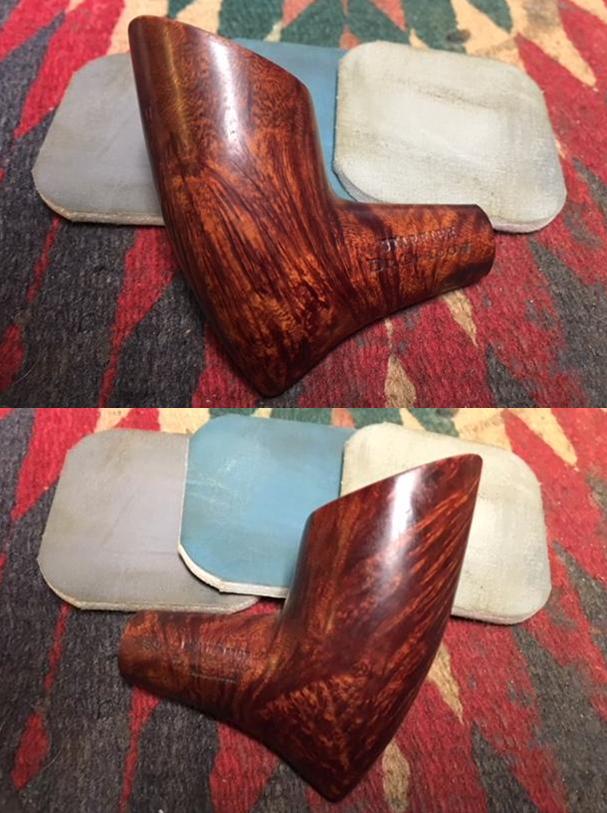
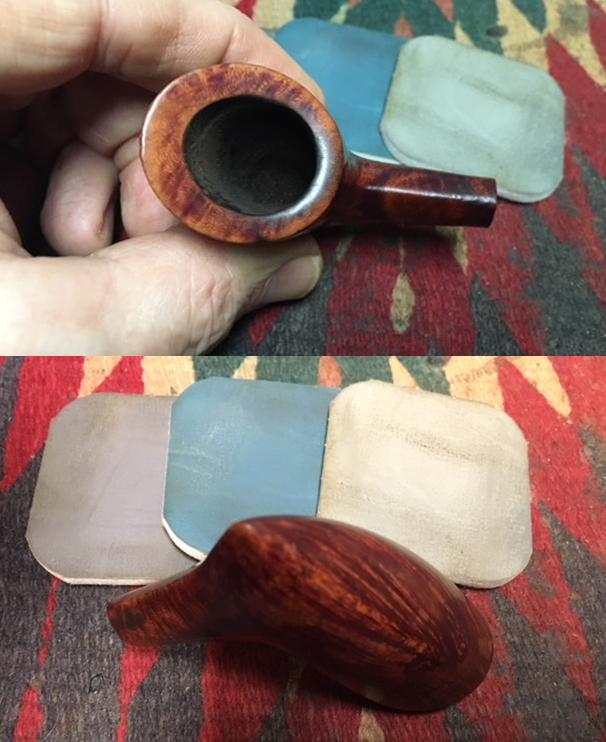
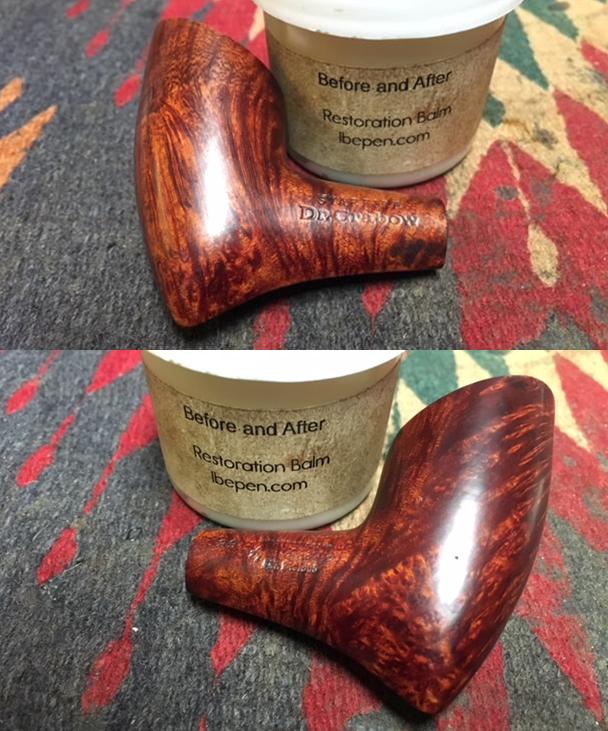
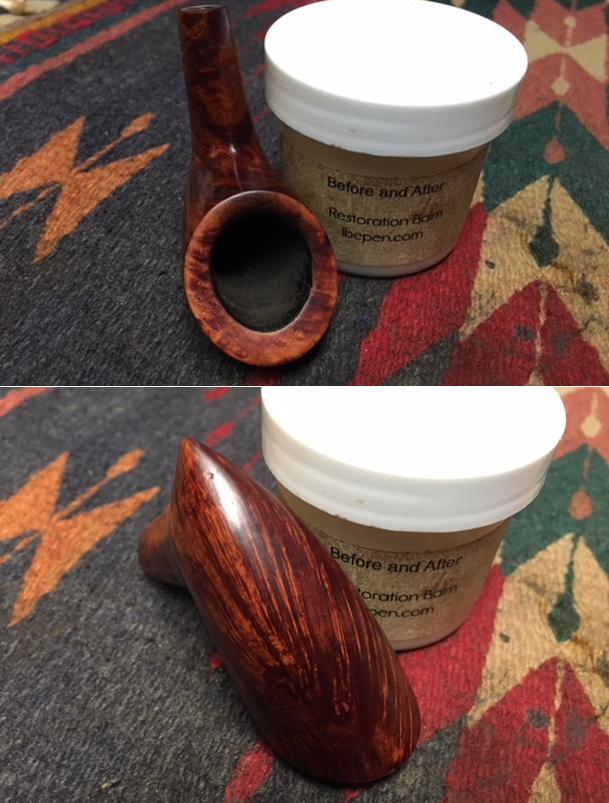
Paresh’s Grandfather’s Pipe #3 – A Dr. Grabow Starfire


Blog by Steve Laug

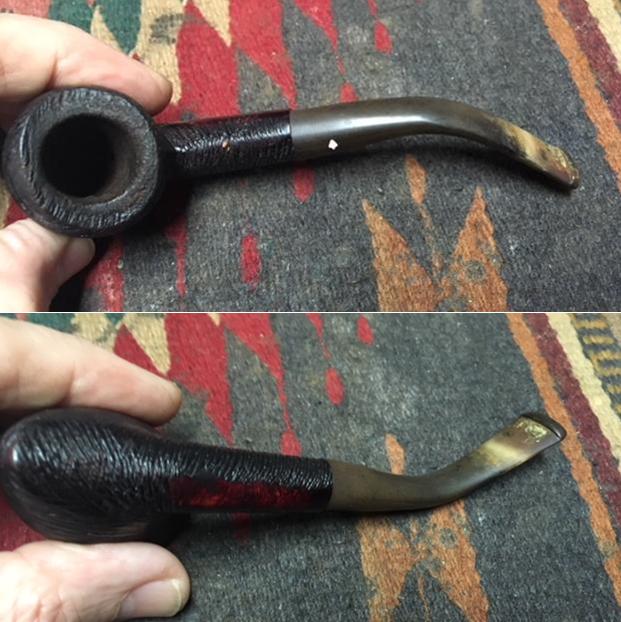
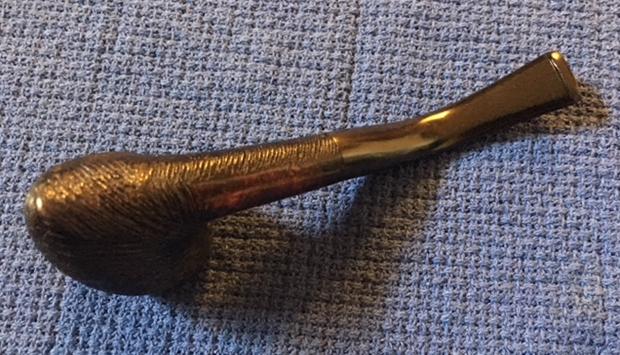
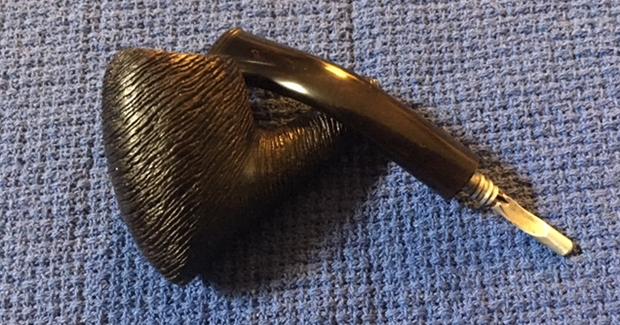
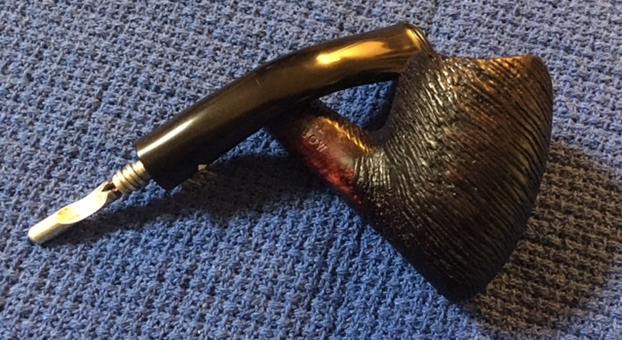
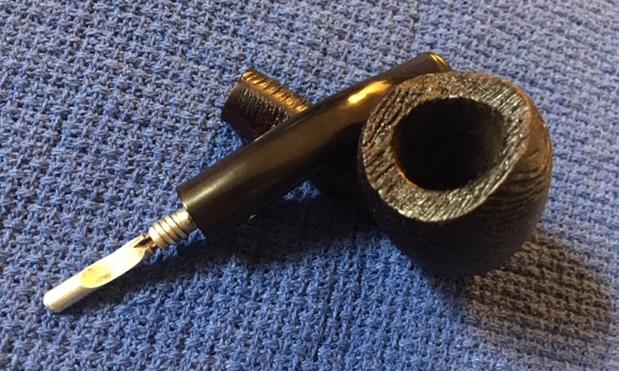
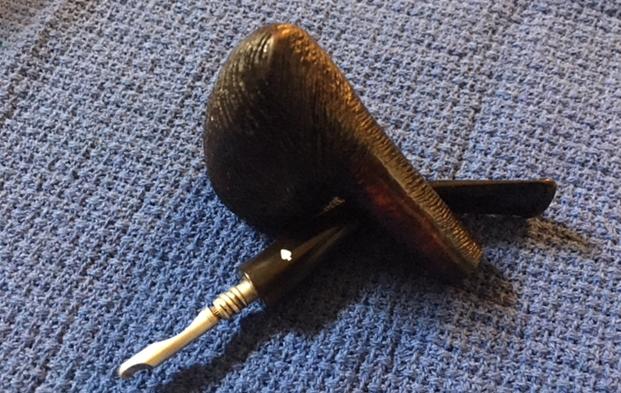
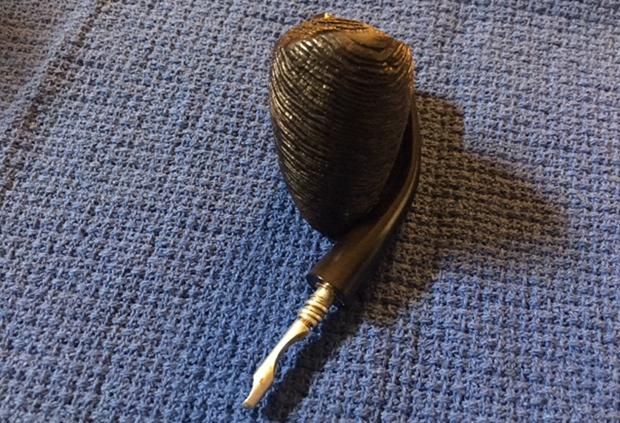
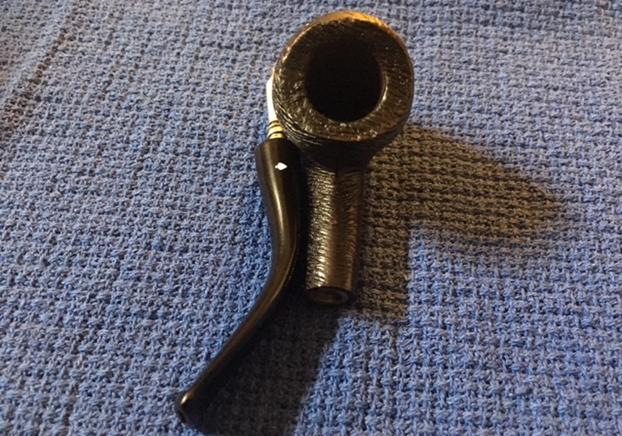
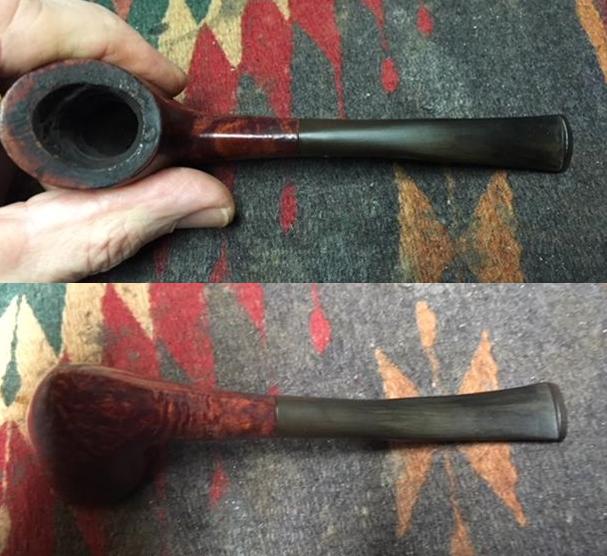
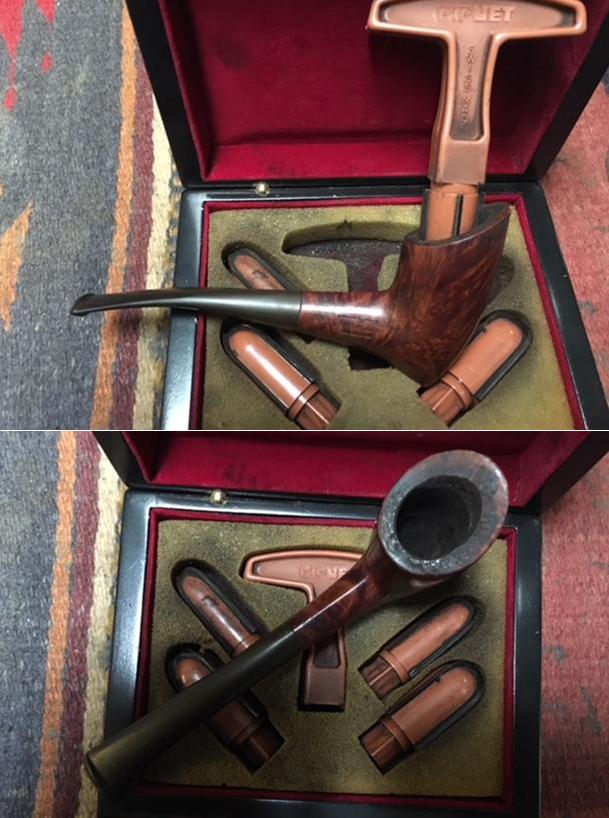
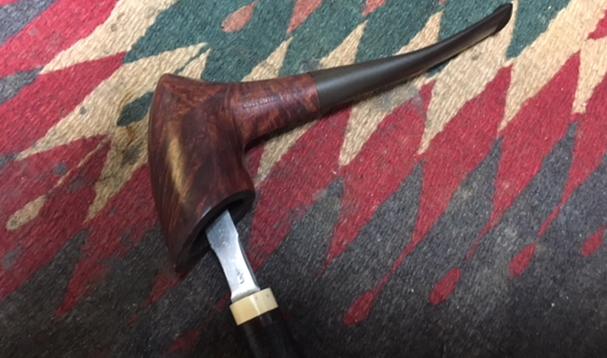
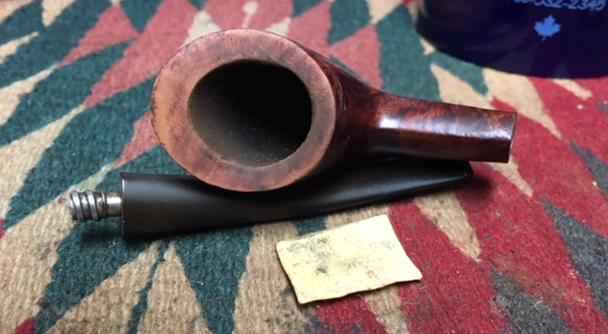
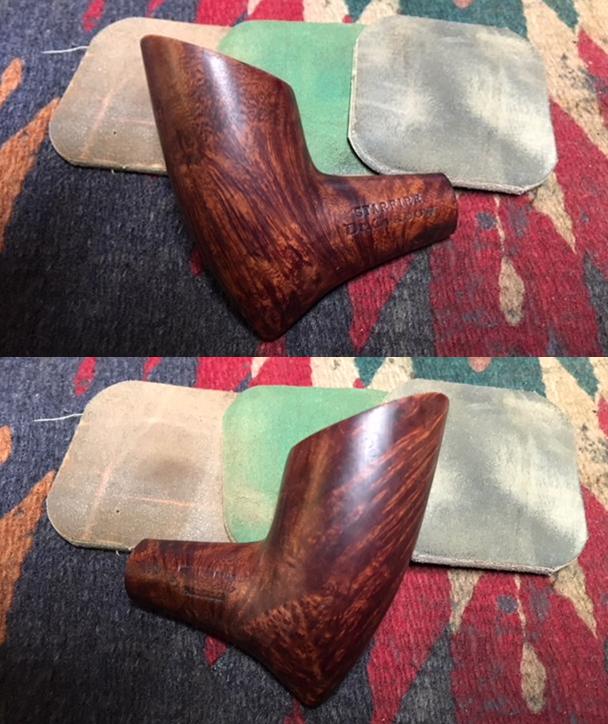
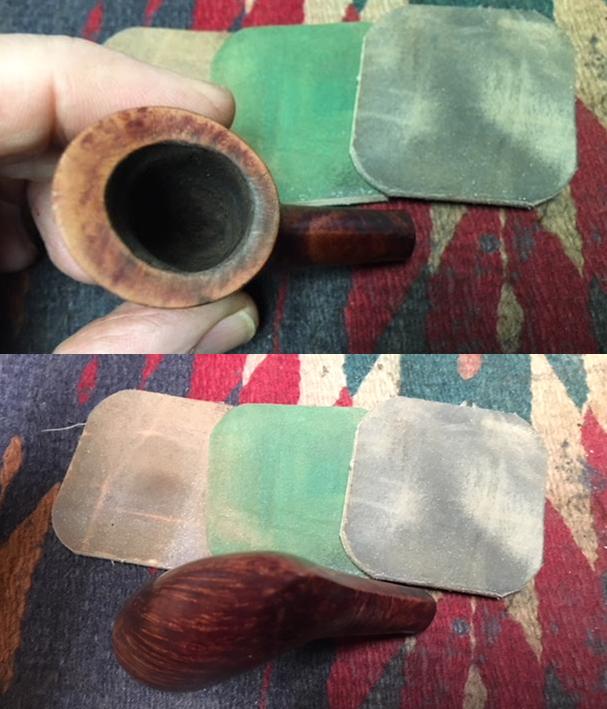
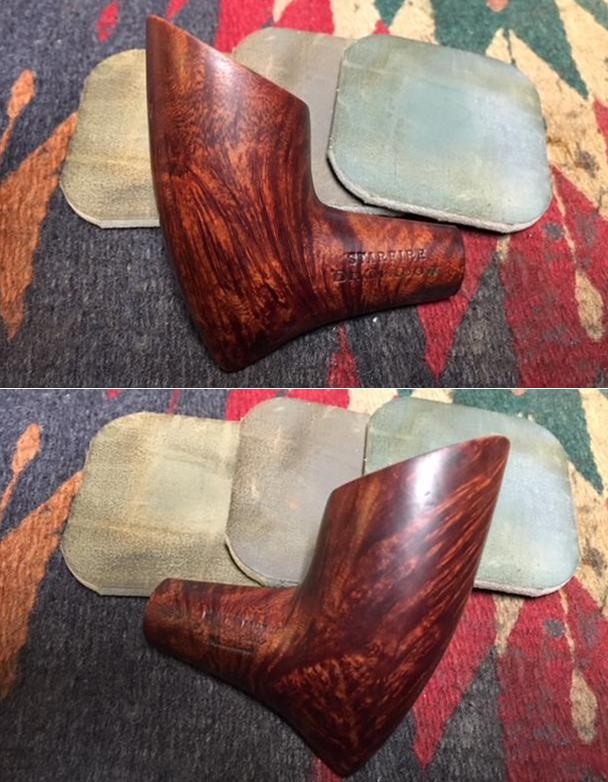
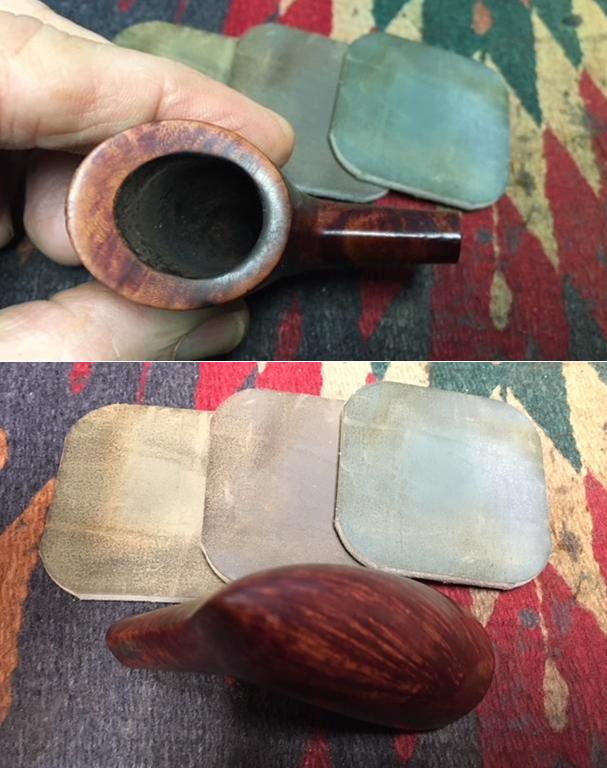
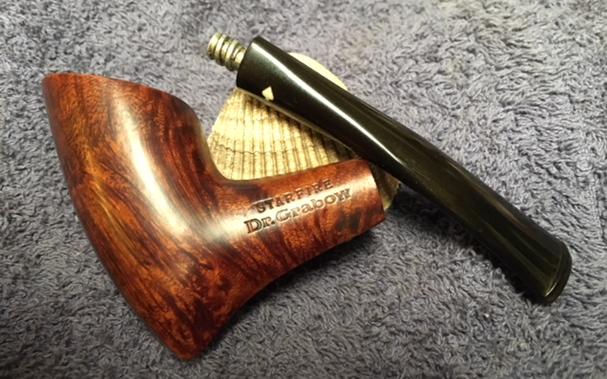
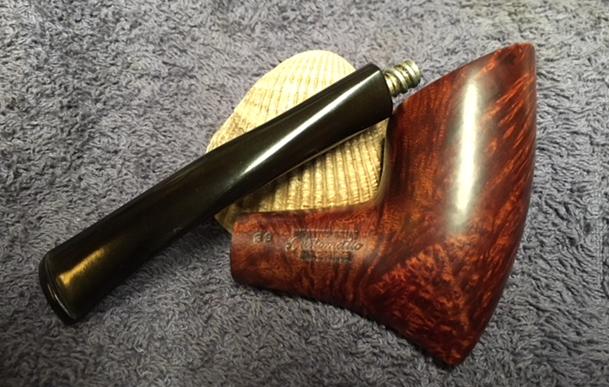
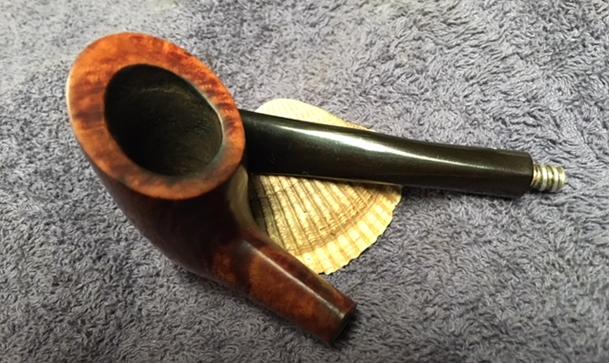
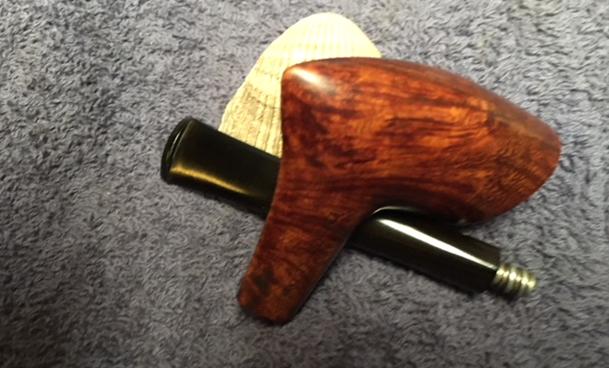
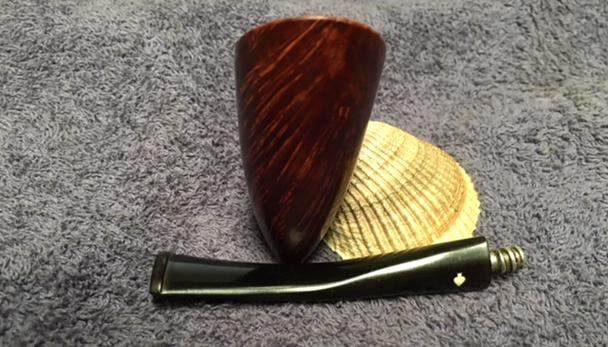
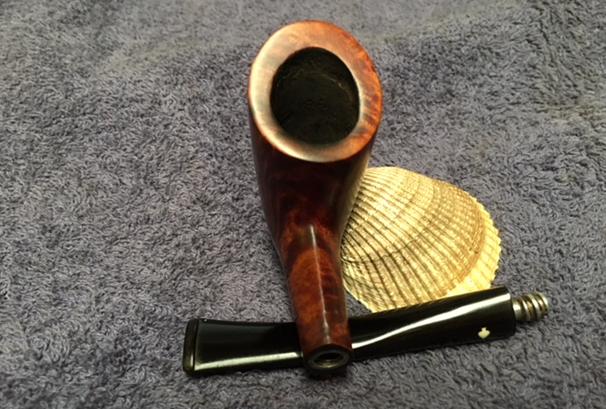
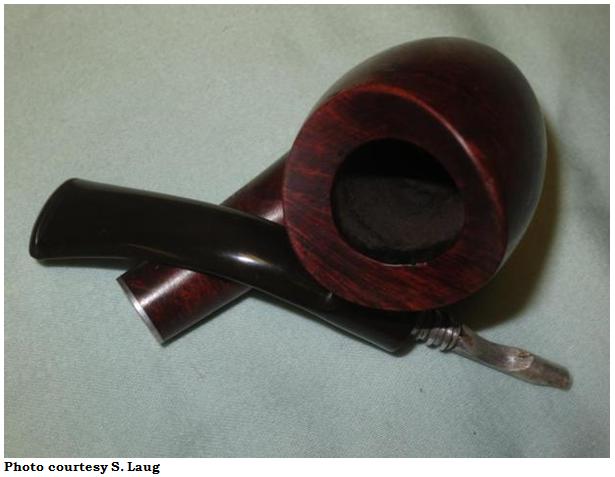
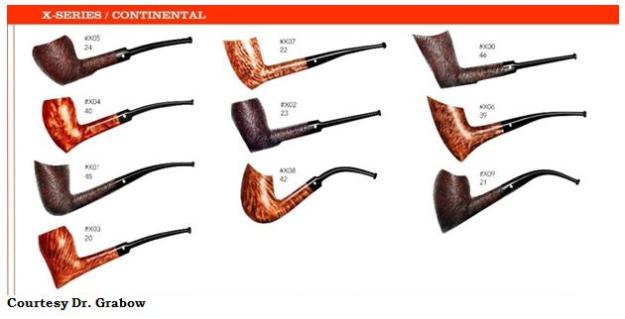
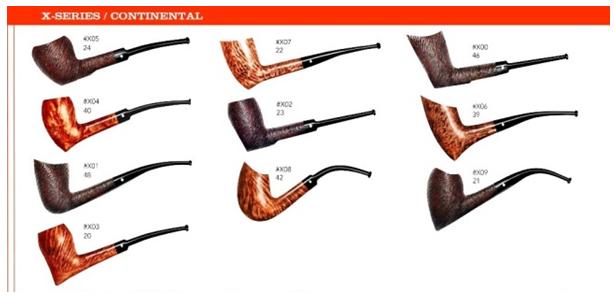
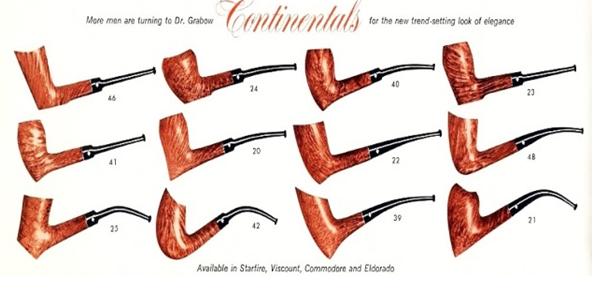
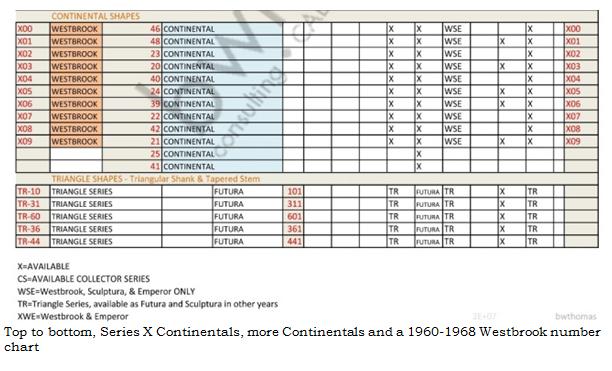
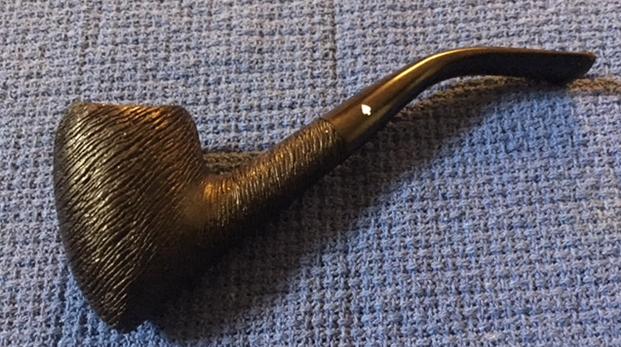
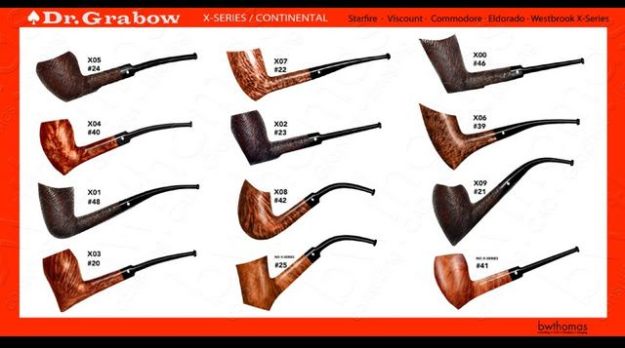
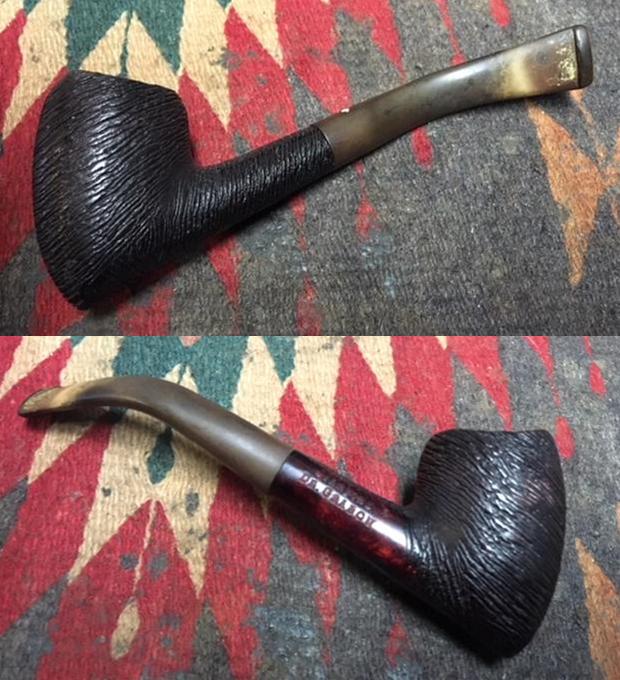
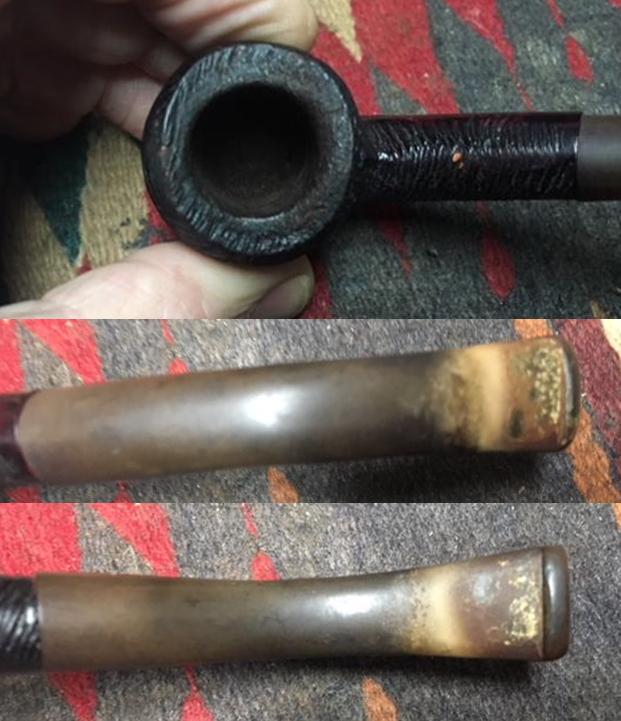
I have repaired pipes for Paresh in India over the past four months and not long ago he sent me seven of his Grandfather’s pipes to restore. It is an interesting assortment of older pipes that come from the period of 1937-1950s. His Grandfather worked for the Indian Railroad many years and was a pipeman. Paresh is also a pipeman and recently found out that his Grandfather smoked a pipe as well. The third of the pipes is an older Dr. Grabow Starfire Adjustomatic Tomahawk #21. It is stamped on the right side of the shank Starfire over Dr. Grabow. From what I can find out the pipe was part of the Continental X-Series that came in 12 unique shapes that were originally released in 1959. When the Continentals were first put into production they may have been available only by coupon in the Westbrook, Emperor and Sculptura lines, but they were available in the regular production–non coupon lines such as Viscount, Starfire and Eldorado. The coupon pipes were given XO shape numbers while the regular production lines (meaning sold in retail stores) were given standard shape numbers. The XO numbers were never stamped on the pipes, but the regular production pipes will sometimes have a stamped shape number. This particular pipe that I am working on for Paresh is a Starfire line pipe. I have included the following shape chart to help identify the pipe. It is the third pipe down in the column on the right side – shape #21. (Quoted from the late Ed James, a man who knew a lot about Grabow pipes and who is dearly missed by those of us who knew and enjoyed his company.  http://pipesmagazine.com/forums/topic/3-year-journey-complete-set-of-continental-x-series-pic-heavy.) I took the following photos of the pipe before I stated to work on it. It was probably one of the dirtiest of the pipes that Paresh’s wife Abha sent me – even then it was not that dirty because she had removed much of the cake bowl and the grime in the wire rustication.  The rim top has lava that has overflowed from the bowl and filled in the wire rustication. It is quite thick and hard. It will need to be scraped off when I started the cleaning. I am not sure what the inside edge of the rim looks like at this point because of the lava overflow. The outer edge of the bowl looks pretty good with a little wear on the front edge and back right side. The bowl still the remnants of cake left behind that I will need to take care of. I also took a close up photos of both sides of the stem. The stem significantly overclocked to the right giving the pipe an odd look. You can see the tooth chatter and calcification on the top and underside of the stem just in front of the button. It appears that the stem must have had a softee bit that was later cut off and left behind the debris.I always enjoy getting some background information on the pipeman whose pipes I am restoring when I am working estate pipes from the family members. If you have followed rebornpipes for a while you have read a few of these summaries from estates like Kathy’s Dad, Barry’s Dad and Farida’s Dad. Each of them did a great job summarizing their fathers’ estates. Since the next group of seven pipes that I will be working came to from India and belonged to the Grandfather of Paresh, I asked him to write a short tribute to his Grandfather. What follows is his writeup.
Respected Sir,

Now that the first batch of my Grandfather’s pipes has reached you, I would like to share my memories of him with you, the aim being to provide you with an insight to his personality, the era in which he lived, and a brief history associated with the pipes that I have inherited from him.

My Grandfather, Ananta (named after an exotic seasonal white flower having lovely fragrance), was born in a small coastal town of Konkan region of Maharashtra, India, in 1918. These were very turbulent times when India’s freedom struggle against British rule was gathering momentum and the atmosphere was charged with “Quit India Movement”. Having completed his graduation from Bombay, he joined Railways in 1937. This also marked the beginning of his journey into the world of pipe smoking!!!!!

Having seen his potential, in 1945, he was sponsored by the Government to visit England, for gaining further experience and expertise in his profession. This was a period when India’s Independence was round the corner and efforts were being made to train Indians for various administrative appointments in future Independent India. He returned back to India after a year, in 1946 and with him came some pipes that he had purchased in England. I believe a few of his Petes, Barlings, Charatans and GBDs are from this visit.

In 1947, when the British finally left India for good, my Grandfather was gifted pipes by his British peers, subordinates and Superior Officers as a parting gift. He stayed in touch with a few of them over all these years, even visiting them in 1959-60. Some of his later era Charatans and Barlings and Petes are from this trip. He quit smoking in early 1970s (before I was even born!!!!) and his pipes were packed up. There were a number of pipes which were used as TINDER for lighting fires (CAN’T BELIEVE IT…… I have not overcome my grief of this loss till date!!!!!) due to ignorance!!!!!!

My Grandfather was a very strict disciplinarian and temperamental (I did not know this as he was neither when dealing with me as I am the youngest of all his grandchildren!!!!!! He was always the most understanding and loving person in my life). I later learned that in his office, he was not to be disturbed when his pipe was lit, as he would be in his thinking/ contemplating mode while it was just the opposite as he lit his pipe in the evening while at home, when he would be at his relaxed best!!!!.

The interesting part is that neither of us knew that we each smoked a pipe until after his demise in Jan 2018!!!! In our culture, to this day, smoking or alcohol consumption is socially never talked about (mute acceptance!!!). It was during his last rites that absent mindedly I lighted my pipe and looking into the flickering flames of his funeral pyre, remembered and recollected all the wonderful memories and talks that we had shared. No one said a word to me about my lighting up a pipe!!!!!! Immediately thereafter, I rejoined my duty station. A few days later, my wife, Abha, received a box from my Uncle with a note that said “Grandfather would have loved Paresh to have these”. This box contained a collection of his fountain pens and 8-10 of his pipes (since then as my folks are winding up his belongings, I have received 2-3 packets and a large number of pipes, some in decent condition and some in unspeakable state). Abha immediately messaged me with pictures of these pipes and pens. I had been collecting and restoring (no major repairs, though) fountain pens since long and immediately recognized some of them as highly collectibles, however, pipes were a totally different ball game! I was inexperienced with no knowledge/ information regarding various brands/ pipe makers, shapes and materials. I knew nothing about the value of these pipes, nothing about pipe restorations, nothing about caring for them; I mean zero knowledge about collecting pipes. I smoked some real cheap Chinese pipes which were readily and unfortunately, the only ones, available in India and some inexpensive pipes from eBay India!!!!! Also regular pipe cleaning, pipe rotation, pipe cleaners and such things were unknown to me.

Thus, to know more about the REAL pipes, I embarked upon the journey of exploring finer nuances of pipe brands/ makers, their history and watching “How to videos” on packing a pipe, cleaning, repairing and caring for ones pipes. I found it extremely interesting and satisfying. It was while meandering through this confusing quagmire of pipe world that I came across rebornpipes.com website and eventually established contact with you, Mr Steve, who has since been my mentor, guide and GURU, making this journey a wonderful and satisfying experience.

Sir, there is one more thing that I need to thank you for and that is when you asked me to write a brief about my grandfather and his pipes, I realized how little I knew about him, in fact, knew nothing, as I was not even aware that he was a “pipeman” as no one in my family ever spoke about it being taboo subject and since he had quit a long time before I was even born!!!! This led me to ask the elders in my family, questions on the subject and came to know the above details. I cannot thank you enough for prodding me to get to know my grandfather and his pipes a lot better. Sir, these pipes of his, with your help and guidance, will remain with me forever in mint condition……

Thanks Paresh for this great descriptive take of your Grandfather. It really gives me a sense of the pipes that you have sent me and what they meant to him. It is obvious from the variety of pipes that you sent and the overall condition that he knew how to choose good quality pipes and obviously enjoyed smoking them throughout most of his life.

Paresh’s wife Abha cleaned the pipes before she sent them to me here in Canada and did an amazing job cleaning them up. She reamed the bowls, cleaned the rims and scrubbed the exterior of the pipes and the stems with Murphy’s Oil Soap and cleaned off the buildup on the stems. She had removed much of the cake on this pipe and done a great job cleaning the exterior of the bowl. The lava on the rim top was very hard and thick so she left that behind so as not to damage the top edge. The stamping on the right side of the shank was very readable. The stem was oxidized on both sides of the stem and had quite a bit of tooth chatter and calcification on both.

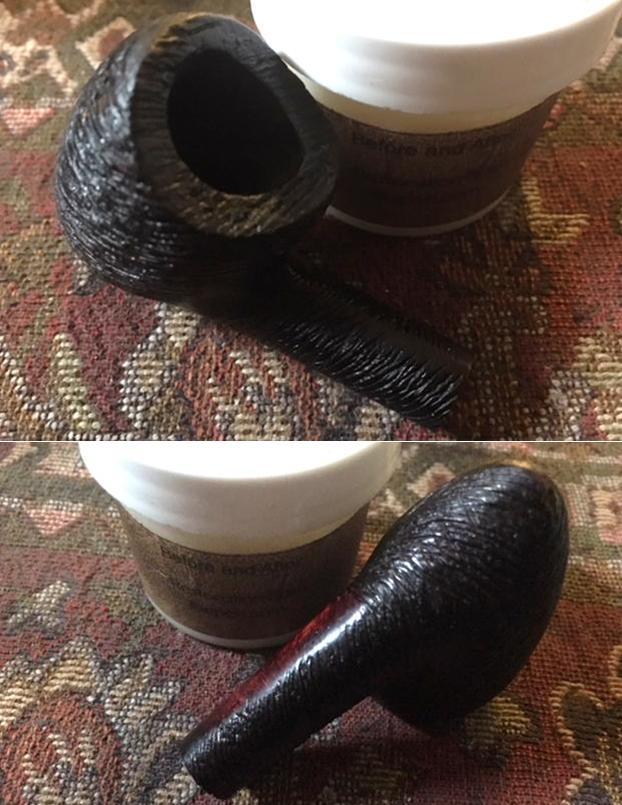
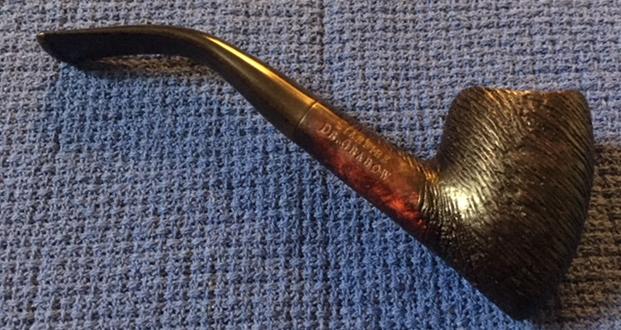
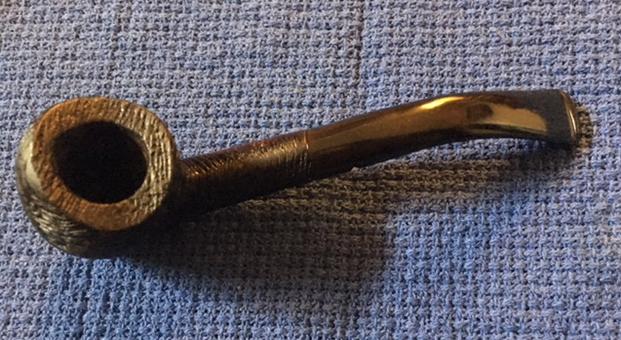
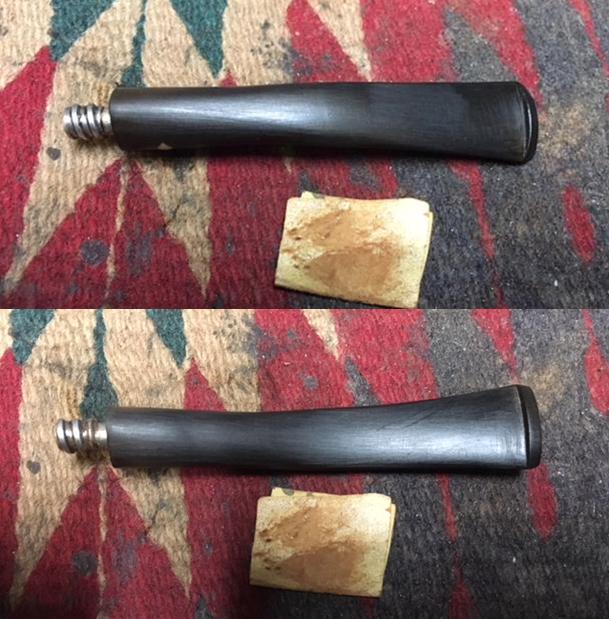
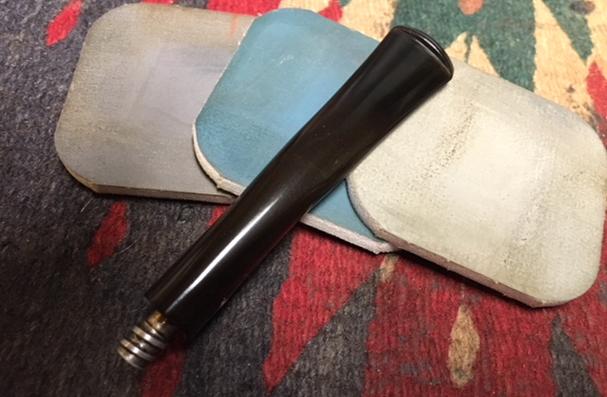
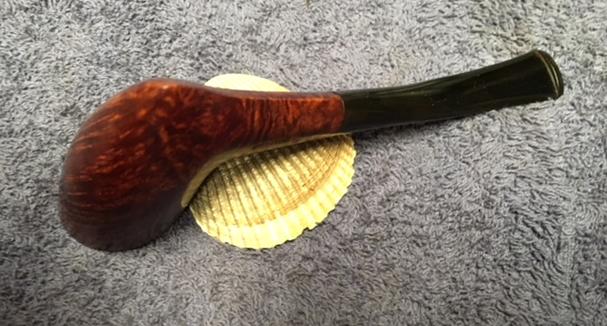
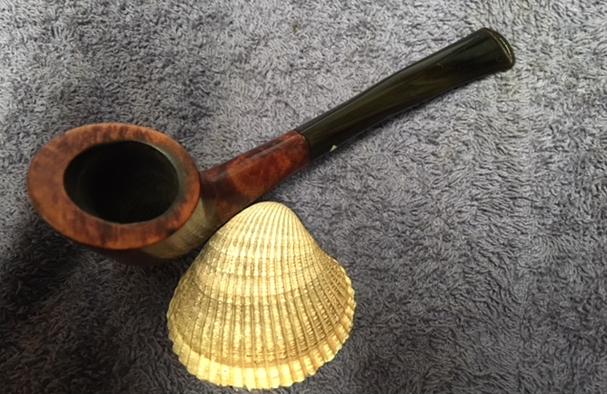
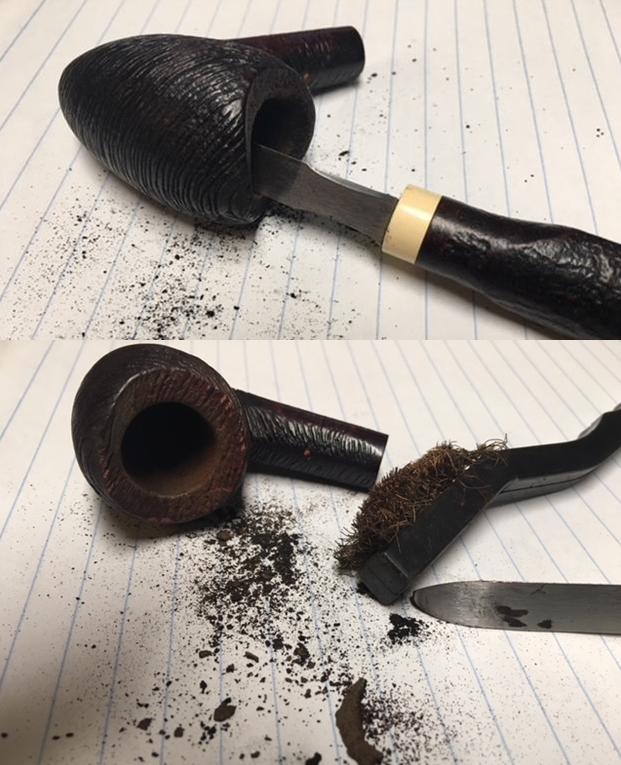
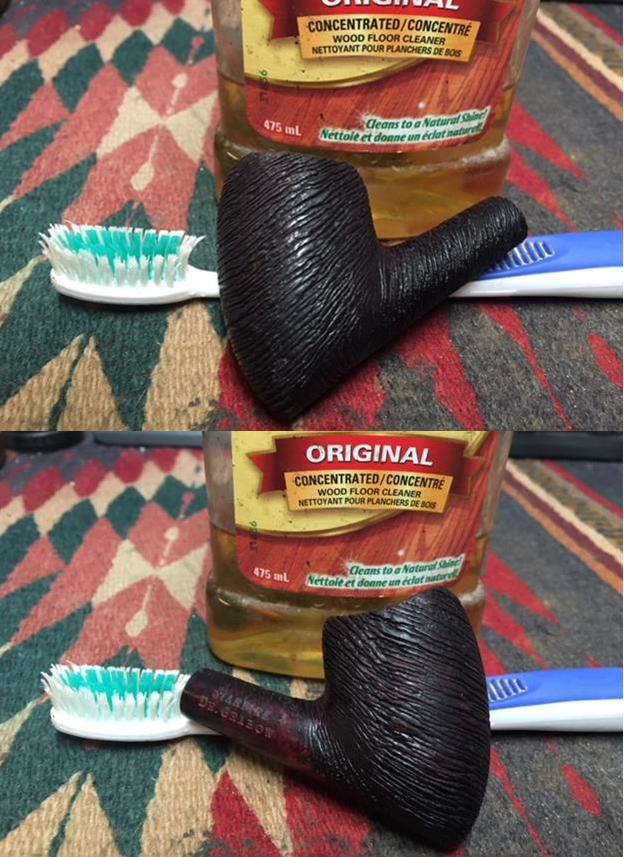
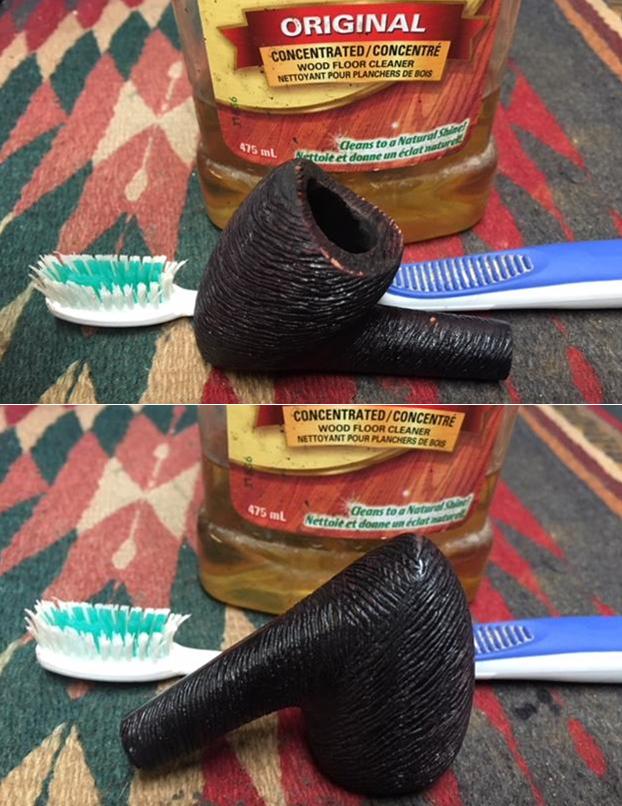
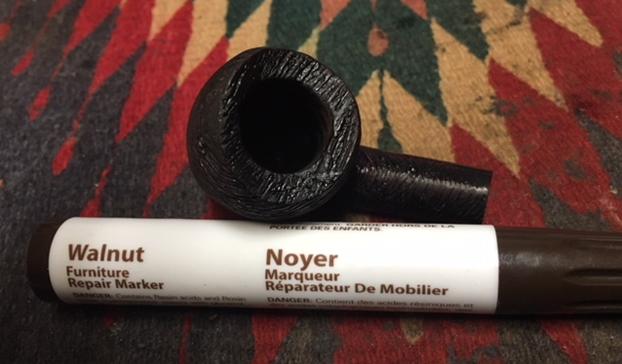
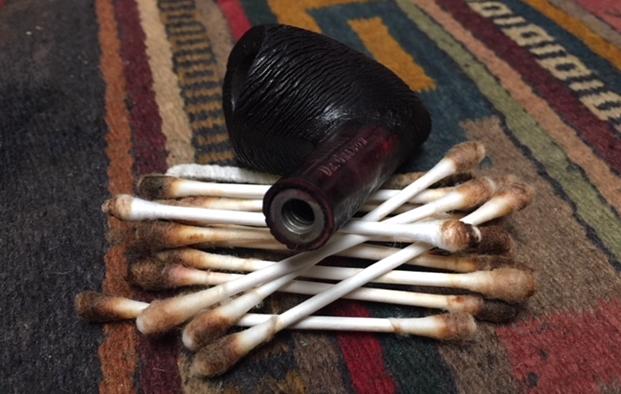
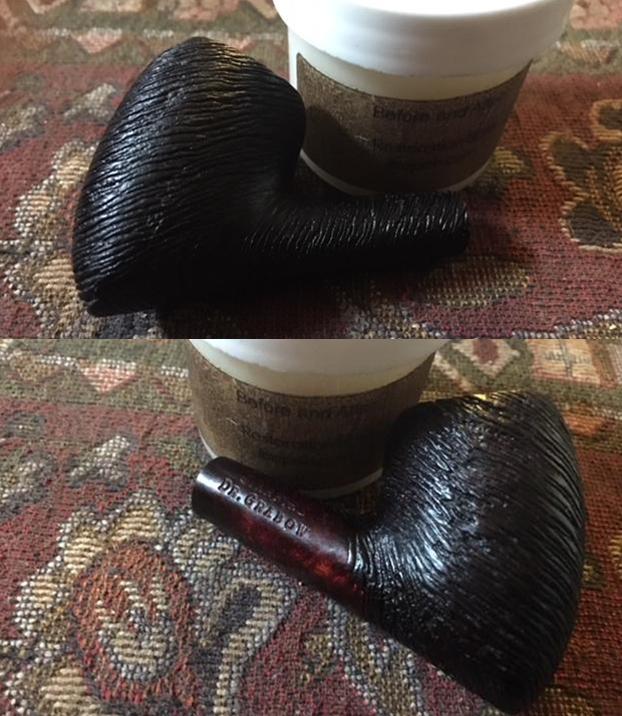
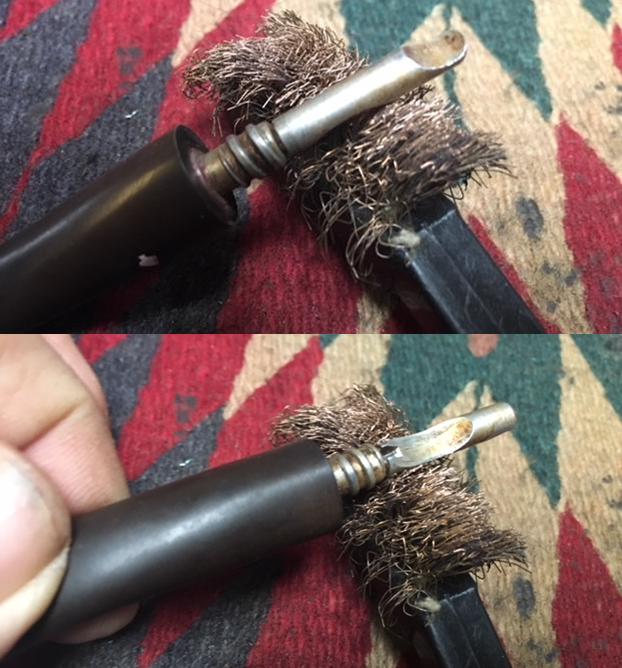
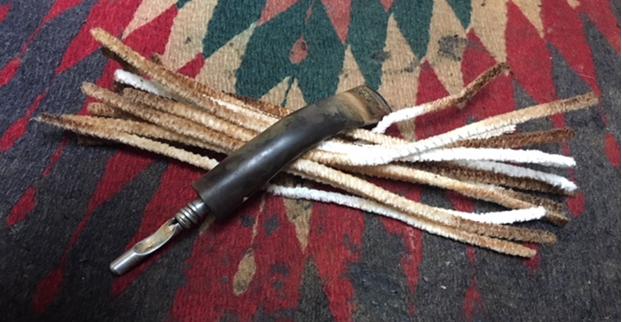
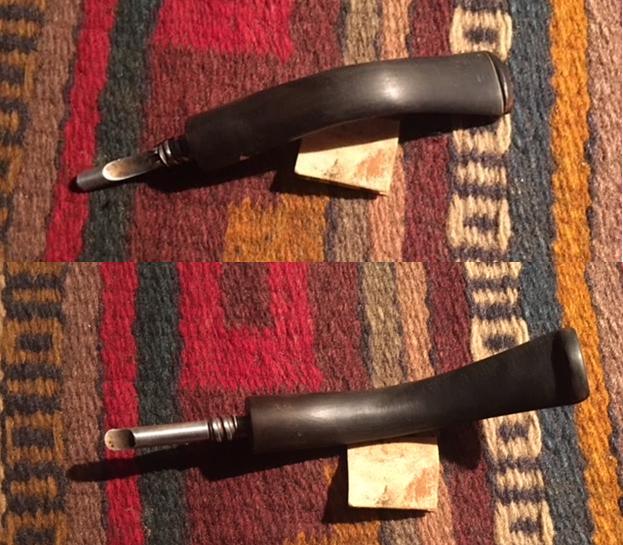
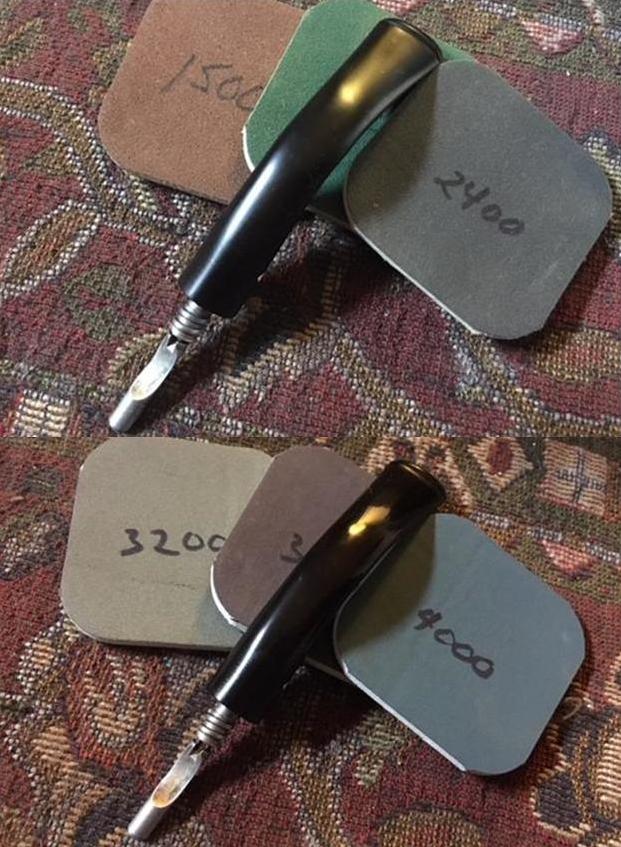
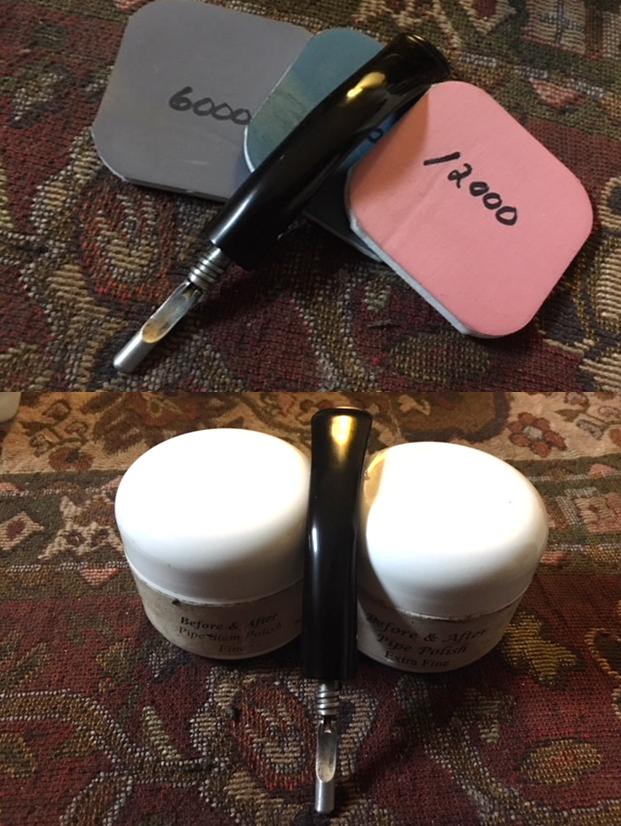
Since the stem was an adjustomatic according to what I had read I decided to work on the alignment before working on the rest of the pipe. I removed the stem and heated the metal tenon and stinger to loosen the tars and oils that had hardened on it. Once it was heated I turned the stem into the mortise and adjusted it by turning it clockwise until all was aligned.I let the heat dissipate from the stem and then removed it from the shank and started my work on the bowl itself. I cleaned up the cake in the bowl with a Savinelli Fitsall Pipe Knife and took the rest of the cake off until I had bare briar walls. I wanted to check out the condition of the interior of the bowl. It looked very good once it was cleaned off. There was no checking or cracking on the bowl walls. There was no sign of burn out inside. I scraped the rim top with the sharp edge of the Savinelli Knife and took off the thick lava that was there. I used a brass bristle wire brush to clean out the cake from the wire rustication on the surface. You can see the thick chunks of lava that came off the rim top on the white sheet of paper.I scrubbed the exterior of the bowl and shank with Murphy’s Oil Soap and a tooth brush to clean out the debris I left behind from the rim clean up. I also used the brass bristle brush with the soap to work over the rustication on the rim top. I rinsed it in running water and dried it off with a cloth. I restained the rim top with a Walnut stain pen to match the colour of the rest of the bowl. I touched up random spots on the shank and bowl sides where the finish was worn or nicked.I cleaned out the mortise and the airway in the shank with pipe cleaners, cotton swabs and alcohol. It took a lot of scraping and scrubbing to remove all of the thick tars and oils that had accumulated around the Grabow spoon stinger.I worked Before & After Restoration Balm deep into the briar to clean, enliven and protect it. I worked it into the finish with my fingertips. I worked it into the rim and shank end. I set it aside for a few minutes to let the balm work. I wiped it off and buffed it with a soft cloth to polish it. The briar really began to have a deep shine. I took some photos of the bowl at this point to mark the progress in the restoration. The bowl is really beginning to look good and the pipe is waxed I think it will really have a rich glow to wire rusticated finish.  I set the bowl aside and worked on the stem. I used a brass bristle wire brush to clean off the spoon stinger enough that I could remove it and clean out the rest of the stem. I cleaned up the stinger and the airway in the stem with pipe cleaners, cotton swabs and alcohol until they were clean. I would buff the metal with the buffing wheel to take off the rest of the staining later. I sanded out the tooth chatter and the calcification on both sides of the stem at the button with 220 grit sand paper.I polished the stem with micromesh sanding pads – wet sanding with 1500-2400 grit sanding pads and dry sanding with 3200-12000 grit pads. I wiped the stem down with Obsidian Oil after each sanding pad. I finished polishing the stem with Before & After Pipe Stem Polish both Fine and Extra Fine to remove the last of the scratches. I gave it a final coat of Obsidian Oil and set it aside to dry. With the stem polished I put it back on the pipe and lightly buffed the bowl and more heavily buffed the stem with Blue Diamond. I gave the bowl several coats of Conservator’s Wax and the stem multiple coats of carnauba wax. I buffed the pipe with a clean buffing pad to raise the shine and hand buffed it with a microfiber cloth to deepen the shine. The pipe polished up pretty nicely. The finished pipe is shown in the photos below. I have four more of Paresh’s Grandfather’s pipes to finish and then I will pack them up and send across the sea to India where he can carry on the legacy. I know that he is looking forward to having them in hand and enjoying a bowl of his favourite tobacco in memory of his Grandfather. Thanks for walking through the restoration with me as I worked this pipe over.
 

Craig’s Pipes #4 – Restoring a Dr. Grabow Starfire 39


Blog by Steve Laug

In my previous 3 blogs on Craig’s pipes I spoke of the five pipes that I am working on for him. In this blog I am taking on the fourth of his pipes – one of my favourite Dr. Grabow shapes – Starfire 39. It was another one with a cake in the bowl that was thick and hard. Once more I am going to include what Craig wrote me about his pipes. I have included it in the previous three blogs but I think it adds context to the bunch.

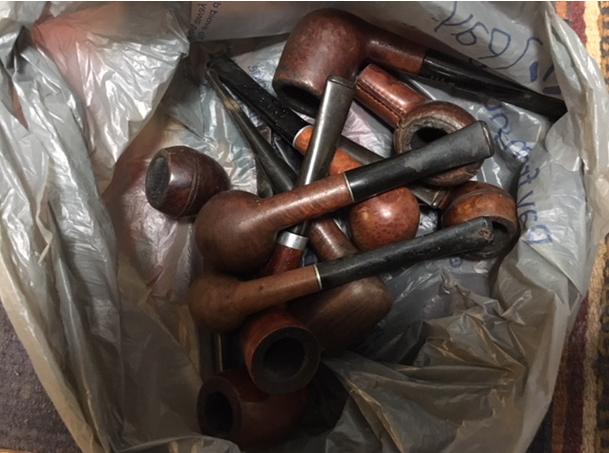
I was recently given a bag of pipes…literally, a BAG of 20 or so pipes that are 50+yrs in age and VERY used. I was wondering if you would have time to either Skype or FaceTime with me, and go through what I have in order to determine which are worth sending to you to have them refurbished. If you would be so kind, I’d really appreciate it.

We met on FaceTime and he pulled out a grocery bag with no rhyme or reason to it. It was filled with a jumble of no name or low-end drug store pipes. The only pipes that stood out for me were an old WDC Campaign pipe and a Grabow Starfire. He had several others that he liked. But we excluded all but five of the pipes. The amount of work necessary to bring them back was not worth the price. These are the five that we chose to work on. As I finish them, I will include the link to the blog covering that pipe.

– A No Name Meerschaum that looked interesting – https://rebornpipes.com/2018/01/31/is-it-a-meerschaum-looks-like-one-feels-like-one-but/
– A leather clad billiard marked R20 and bearing a shield – https://rebornpipes.com/2018/02/01/rejuvenating-a-leather-clad-billiard/
– A Wally Frank Bulldog marked Natural Unvarnished lacking a stem https://rebornpipes.com/2018/02/02/craigs-pipes-3-restemming-and-restoring-a-wally-frank-natural-bulldog/
– A Dr. Grabow Starfire 39 that had great grain
– A WDC Campaign underslung pipe

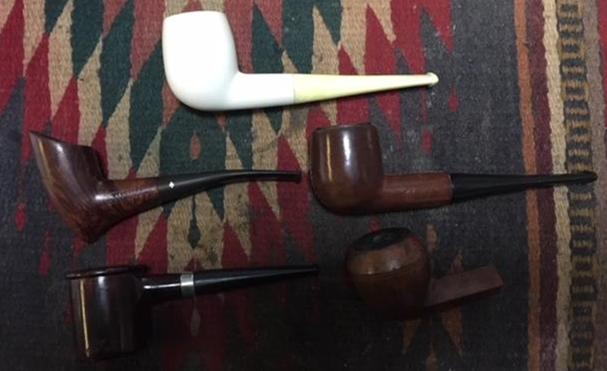
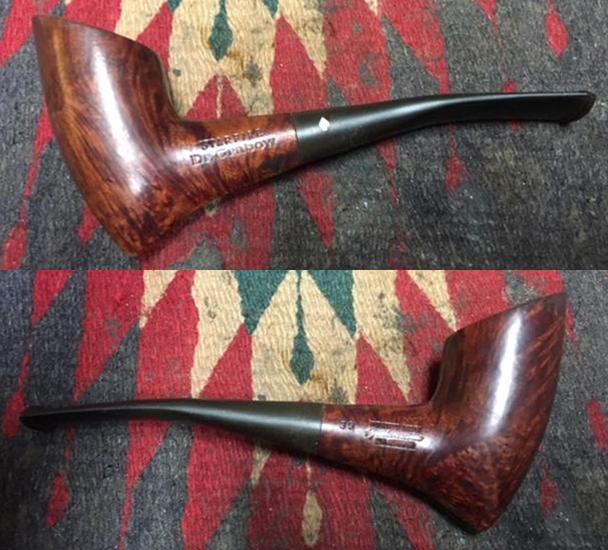
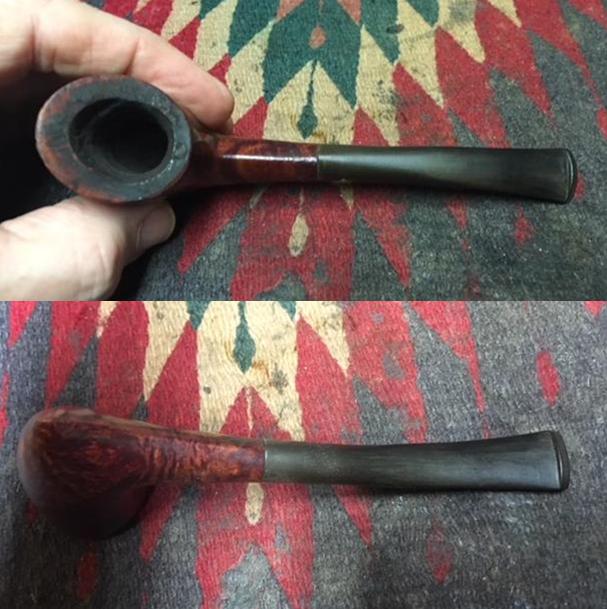
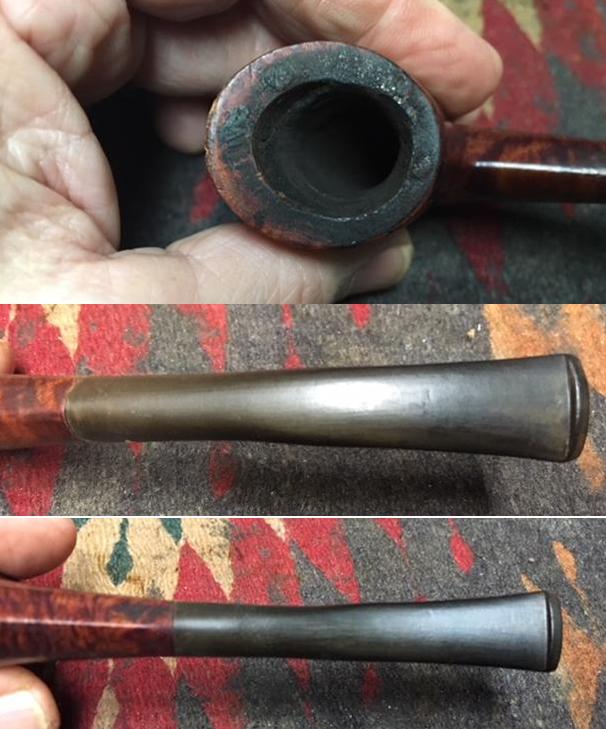
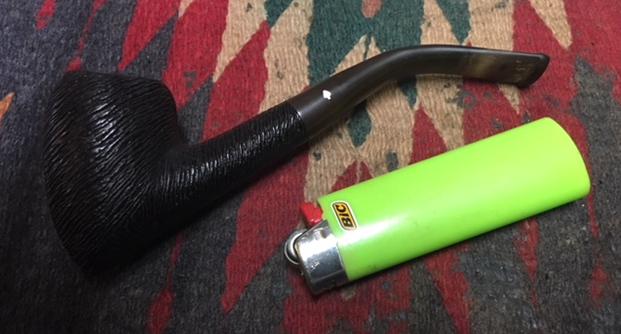
After our conversation, he packed up the pipes and threw the rest of the pipes in a separate bag for me to scavenge parts. The box did not take too long to get to Vancouver and when it did I opened the box and had a look. Here are pics of what I saw – there were two bags inside. One bag held the discards for the scrap pile and the other held the five pipes he wanted restored. The fourth pipe was the pickaxe shaped Dr. Grabow on the upper left of the above photo, just below the meerschaum. The briar was very dirty with lots of grime and residue that had hardened on the surface of the bowl around the front and right side of the bowl.  It was hard to tell what the rim top was like because of the lava overflow from the bowl up and over the scooped rim. The outer edges had some nicks at the front of the bowl. The inner edge looked pretty rough but I could not tell if it was just the lava or actually damage to the briar. There appeared to be some darkening on the rim but it may also be thin tars and oils. The bowl had a thick cake in it and remnants of tobacco. The shank is stamped on the left side Starfire over Dr. Grabow. On the right side it is stamped with the shape number 39 at the shank stem junction and next to that it reads Imported Briar over Adjustomatic over Pat.2461905. The patent is for the Adjustomatic apparatus in the stem. The stem was in pretty decent condition with some scratches on the top and underside at the button and a light oxidation. I took the following photos of the pipe before I started cleaning it up. I took close up photos of the bowl and rim top as well as the stem. The rim top had been beaten on a hard surface to knock out the dottle and there were some nicks along the outer edge of the bowl, particularly on the front edge. There was a lot of overflow on the rim, particularly heavy on the back side. The stem had some minor tooth chatter on both sides near the button and scratching on the surface. There were some small nicks on the top side of the stem. It was lightly oxidized and it was slightly overturned to the right. The Dr. Grabow metal “spear” stinger was missing. The pipe was very dirty.I looked up the brand and the line on Pipedia to see what I could find out about it. I have often wondered about how Grabow came up with the names like Regal, Eldorado, Starfire etc. The article solved that mystery for me so I have included that portion for easy reference. The link is:(https://pipedia.org/wiki/Dr._Grabow_Models_(Series,Line)_Names_Through_the_Years).

Before I get started in this section here is a great piece of trivia that I learned from a devoted and caring Dr. Grabow employee recently. You have probably wondered, as I have, just where these names originated or what inspired them. Maybe you have even guessed the connection, but I sure didn’t! When this employee mentioned this to me, he brought it up like a riddle: “THINK CARS!” Now, see if you came up with what I did:

Eldorado — Cadillac

Viscount — Dodge (Car built by Chrysler Corporation of Canada Ltd, for Canadian Markets only ca1959.)

Starfire — Oldsmobile (The original Oldsmobile Ninety-Eight Starfire, named after the Lockheed F9413 Starfire fighter jet, was first introduced as a show car in 1953 at GM’s Motorama along with the Buick Skylark and the Cadillac Eldorado.)

Regal — Buick

Savoy — Plymouth (by the way, my friend at Dr. Grabow didn’t say, but there was also a Plymouth BELVEDERE!)

Riviera — Buick, I think first produced for model year 1963, which would have made it known in 1962. The pipe name precedes that, but maybe I missed something.

Lark – Studebaker

All of these cars had roots or beginnings in the 1950s and early 1960s I believe, and perhaps I should do a little more research along those lines to get more accurate facts. If anyone finds better info, just let me know. I never thought of a “car” connection, but had looked at some sort of Royalty thing, what with the DUKEs, VISCOUNT, ROYALTON AND SAVOY, etc. I haven’t checked to see if they were also car names or not.

The article also included the following information on the date of the line. It stated that the STARFIRE (c1956) — First appears in a magazine ad for $3.50 as early as December 1956. “E” selection of briar was used on both the Starfire and Westbrook.

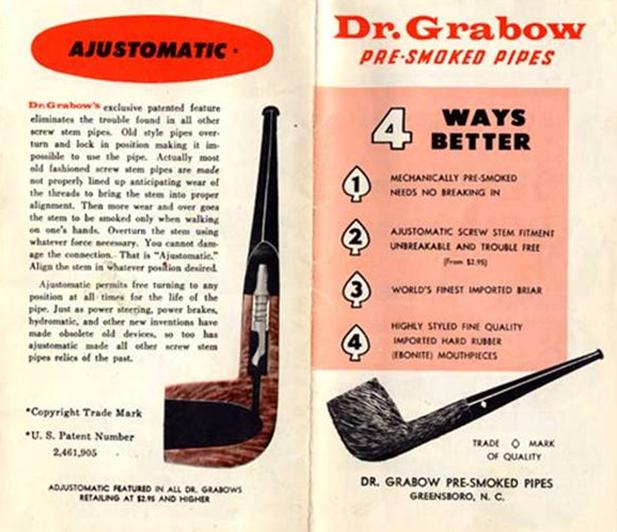
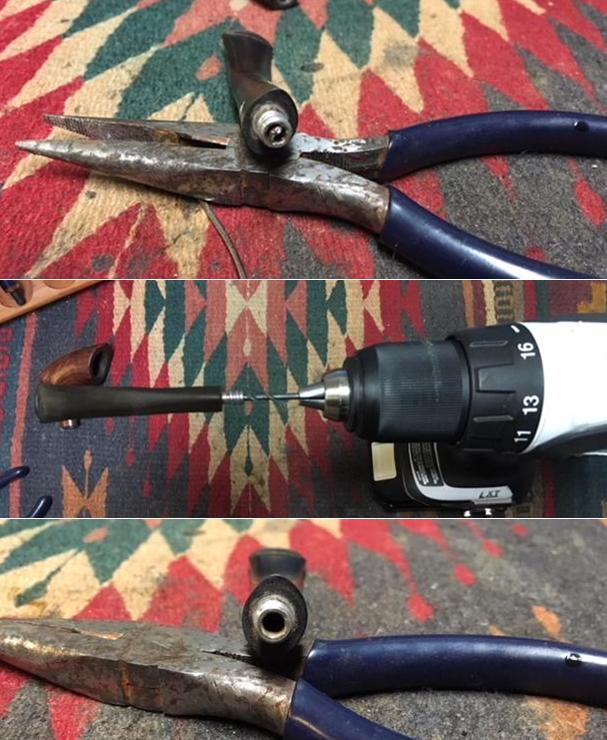
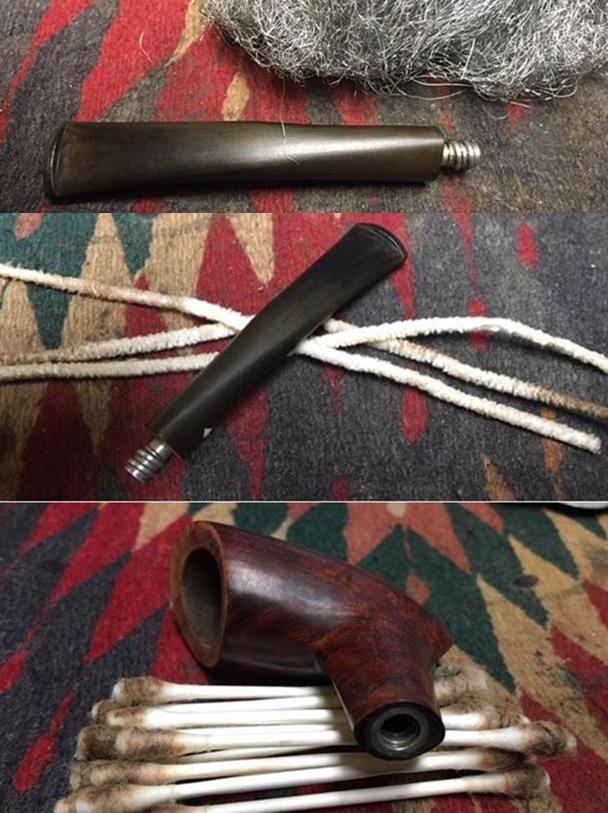
I also wanted to refresh my memory on the Patent information for the Adjustomatic stem and found a page from a catalogue in the same Pipedia article. I have included that page below. The description of the patented system and the cutaway picture are helpful in understanding how the system works.Armed with a refreshed memory I was eager to dive into the restoration of the Starfire. It really was a beautiful piece of briar and I could not wait to see the finished pipe. I started by removing the stem. I found that not only was the stinger apparatus missing but it had actually broken off in the tenon itself. I knew from past experience that the stinger were threaded and unscrewed from the tenon. In this case the upper part of the spade stinger had been twisted off leaving the stem clogged and useless. There was no airflow in the stem at all as the broken stinger cut off all air. I used a piece of wire to pry the edges of the broken stinger to the middle of the tenon, thinking I might be able to use some needle nose pliers to twist it out. But that did not work. It was time to resort to more intrusive measures. I set up my cordless drill and a small drill bit and drilled the tenon. I was careful to keep the bit in the centre of the tenon so as to not damage the threads should I want to put a new stinger in place. It was not too long before the broken stinger end came out on the drill bit. I blew air through the stem and was happy that it was clear and unimpeded.I used a piece of 000 steel wool to clean off the debris from the threads and body of the metal tenon. I cleaned the airway in the stem, shank and mortise with pipe cleaners, cotton swabs and alcohol. I scrubbed those areas out until the pipe cleaners and swabs came out clean.The stem was slightly overturned so I worked it back and forth until it lined up. That is the purpose of the Adjustomatic system. I took photos of the pipe with the stem in place and aligned. I reamed the bowl with a PipNet reamer starting with the smallest cutting head and working my way up to the second cutting head as it was the same diameter as the bowl. I reamed it back to bare briar. I cleaned up the remnants with a Savinelli Fitsall Pipe Knife. I carefully sanded the scooped rim top with 220 grit sandpaper to remove the thick lava coat and to minimize the damage on the front outer edge of the bowl.I polished the bowl and rim with micromesh sanding pads – wet sanding it with 1500-2400 grit pads and dry sanding with 3200-12000 grit pads. I wiped the bowl down after each pad with acetone to clean off the sanding dust. The photos show the progress of the polishing. I decided to do this before the deep cleaning with Before & After Restoration Balm this time. I decided to leave the rim unstained as the polishing had blended the colours with the bowl really well. Instead I worked some Before & After Restoration Balm into the surface of the briar with my finger tips to deep clean the finish, enliven and protect the wood. I worked the balm into the rim top to polish the cleaned up area. I let it sit for a few minutes and then buffed it with a cotton cloth. The grain in the wood came alive and there was a rich shine to the briar. I took some photos of the bowl at this point to mark the progress in the restoration. I set the bowl aside in my rack and worked on the stem. I started by sanding it with 220 grit sandpaper to remove the light oxidation, tooth chatter and nicks in the surface.I worked over the stem with micromesh sanding pads. I polished out the sanding scratches and marks from the reshaping work. I wet sanded it with 1500-2400 grit pads and dry sanded it with 3200-12000 grit pads and wiped it down with Obsidian Oil after each one. When I finished with the last micromesh pad I gave it a final coat of oil and let it dry.

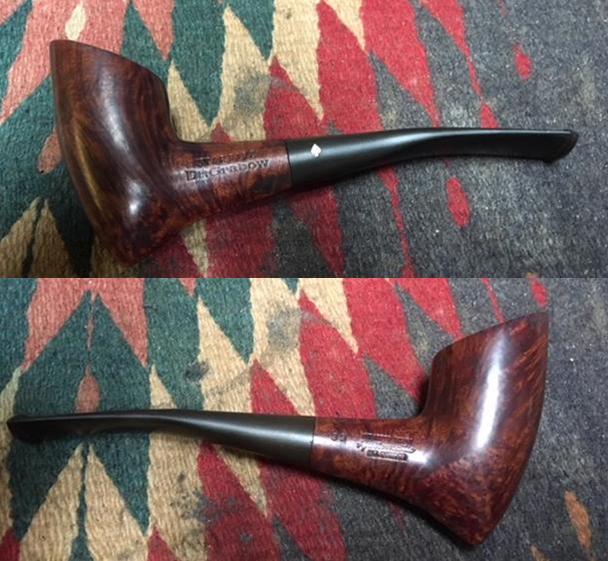
With the stem polished I put it back on the pipe and buffed the entire pipe with Blue Diamond polish on the buffing wheel. I buffed it with the polishing compound until it was shiny. I gave the entire pipe several coats of carnauba wax and buffed it with a clean buffing pad to raise the shine. I hand buffed it with a microfibre cloth to deepen the shine. The stem and the bowl polished up pretty nicely. The finished pipe is shown in the photos below. This is the fourth of Craig’s five pipes. Once I finish the last of the pipes I will pack them up and get them out to him. I am looking forward to hearing what he will think once he has them in hand. Thanks for walking through these restorations with me. Once again I can’t help thinking that the pipeman who gave Craig these pipes would be happy that they are back in service and that Craig is carrying on the pipeman’s trust with them. Cheers.

Breathing Life into a Dr. Grabow Omega Bent Billiard


Blog by Steve Laug

I have always liked the look of the Dr. Grabow Omega pipes. I have worked on quite a few over the years and have found them well made. The briar is a mixed grain pattern usually but the look of the classic shape and the feel in the hand is quite nice. The style of the stem mimics the Peterson P-Lip but up close it is very different. The airway exits not on the top of the button as in a P-Lip but out the end as in a standard fish tail stem. This old timer was no exception so when Jeff sent it I was interested in what it would look like after his cleanup. The bowl was structurally sound but the finish was worn and tired looking with a lot of scratches all around the sides and bottom of the bowl. The bowl had a thick cake that had flowed over the top. The rim was coated in lava and it was beat up. It had a lot of small holes in it like it had been knocked out on concrete and the outer front edge of the bowl was roughened and rounded over. The inner edge of the bowl looked like it was undamaged. The nickel ferrule was oxidized and scratched. The stem had some tooth marks on the top and underside near the button and was oxidized. Jeff took photos of the pipe to show its condition before he started his cleanup work. The next photo shows the cake in the bowl and the condition of the lava overflow on the rim top. You can see that it is quite thick. You can also see the rough condition of the outer edge of the bowl.Jeff took several photos of the bowl from various angles to show the general condition of the finish. There were scratches and nicks but none of them look too deep in the briar. The finish also appears to be very dirty and the varnish coat that is usually present seems worn and tired looking on the sides and bottom of the bowl. The next two photos not only show the stamping on the shank but also the buildup of tars and grime around the edges of the ferrule. It is almost as if the shank was weeping under the ferrule. The stamping is worn but readable. It is stamped OMEGA over Dr. Grabow on the left side of the shank and on the right Imported Briar.When Jeff took the pipe apart it appeared that the seller had put a newer Grabow Paper Filter in the shank of the pipe to make the pipe appear to have been cleaned. The next three photos show the condition of the tenon end of the stem and the filter. The oxidation on the stem is also visible in the photos below. The stem was scratched and worn but the Grabow Spade logo was in good condition on the left side of the shank. The top and underside of the stem had some deep tooth marks around the button and the sharp edge of the top of the button was quite worn and damaged.I did some searching to find out a bit of history about the Omega. I found that it was first released around 1975 and was a copy of a well pipe imported from Italy. It has continued to be offered for sale in their catalogues.
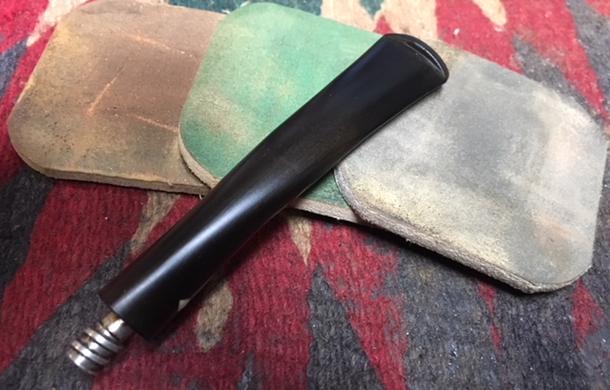
Jeff did a thorough cleanup on the bowl and stem. He reamed the bowl back to bare briar with a PipNet pipe reamer and cleaned up the remnants with a Savinelli Fitsall reamer. He cleaned the internals with alcohol, pipe cleaners and cotton swabs – scrubbing out the mortise as it was very dirty. He scrubbed the exterior of the pipe with Murphy’s Oil soap and a tooth brush and was able to remove all of the tars and oils built up on the briar. He was able to remove all of the tars and lava on the rim top and left it looking very clean. The damage on the rim top and outer edge was clean and visible. He soaked the stem in an Oxyclean bath to raise the oxidation to the surface of the vulcanite. When it arrived I took some photos of it to show how it looked before I did the restoration.  Jeff was able to remove the thick lava coat from the rim and revealed what I thought would be underneath the thick coat. The rim top was speckled with tiny dents and marks and the outer edge was damaged all the way around the bowl. There was a little damage on the inner edge on the right side of the bowl.The Oxyclean soak had really raised the oxidation to the surface. The stem was clean but heavily oxidized when it arrived.Because the was so oxidized after the soak in Oxyclean, I put it in a bath of Before & After Pipe Stem Deoxidizer to soak overnight and work on the vulcanite oxidation. In the morning I removed the stem from the deoxidizer and wiped off the excess deoxidizer from the surface of the stem with a paper towel. I cleaned out the airway in the stem with pipe cleaners and alcohol to remove any remnants of the bath from that part of the stem. The photos below show the stem after the soak and rub down. The oxidation looked much more manageable and what remained would be easily dealt with. The tooth chatter on the top and underside of the stem is hard to see in the photos, but it is present.I sanded the stem with 220 grit sandpaper to remove the tooth chatter and minimize the tooth marks on both sides of the stem. I reshaped the button with the sandpaper and a needle file. I sanded the rest of the stem to break up the remaining oxidation.I polished out the sanding scratches and marks in the vulcanite with micromesh sanding pads – wet sanding it with 1500-2400 grit pads and dry sanding it with 3200-4000 grit pads. I wiped the stem down with Obsidian Oil after each sanding pad. I buffed the stem with Blue Diamond on the buffing wheel being careful around the spade logo insert as they can easily be damaged. I brought it back to the table and sanded it with the final three 6000-12000 grit pads. After the final pad I gave it a final coat of oil and set it aside to dry. The outer edge of the rim was damaged all around the bowl but the worst damage was on the front edge. You can see the roughness of the rim edge in the next photo. With the small pin prick holes on the rim top and the damage on the inner edge of the right side of the bowl I decided to top the bowl. I top a pipe on a topping board with 220 grit sandpaper and work the bowl over the sandpaper holding the rim flat against the topping board and working the bowl to evenly sand the bowl top smooth and remove the damage. Once the rim edges were almost smooth I used a folded piece of sandpaper to smooth out the outer edge of the bowl all the way around the bowl. I polished the rim top with micromesh sanding pads – wet sanding with 1500-2400 grit pads and dry sanding with 3200-12000 grit pads. I wiped the rim down after each pad with a damp cotton pad. When I finished the polishing I wiped it down a final time. I blended some light and medium brown stain from a stain pen to restain the rim top and edges to match the colour of the rest of the bowl. The blend works well in trying to get this particular shade of brown. I hand buffed the stain to polish it and blend the colours together.I rubbed the bowl down with Before & After Restoration Balm to deep clean the smooth finish, enliven and protect the briar. I hand rubbed it with my fingers and wiped it off with a soft cloth. I buffed the bowl with Blue Diamond on the wheel to polish it. It really began to have a deep shine in the briar. I took some photos of the bowl at this point to mark the progress in the restoration. I decided to leave the small nicks in the bowl surface as marks of character rather than damage the original finish by sanding them all out. I cleaned and polished the nickel ferrule with micromesh sanding pads. I was careful in sanding the nickel in that the dust from the metal can discolour the briar and make more work. I was happy with the finished end cap. I buffed the briar on the wheel with Blue Diamond to polish it more. I was careful around the already light stamping. I hand buffed the bowl and ferrule with a microfiber cloth and took photos of the bowl at this point. I put the stem back on the bowl and worked the pipe over on the buffing wheel using Blue Diamond to polish the bowl and shank. I buffed the stem to raise the gloss on the vulcanite. I gave the bowl and stem multiple coats of carnauba wax. I buffed the entire pipe with a clean buffing pad to raise the shine. I hand buffed it with a microfiber cloth to deepen the shine. The finished pipe is shown in the photos below. The dark to medium brown stain on the billiard shaped bowl works well with the polished nickel ferrule and the rich black of the vulcanite stem. This old Omega pipe has some interesting grain and has lots of life in it to add your own story to the ongoing saga of the briar. The dimensions of the pipe are: Length: 6 inches, Height: 1 3/4 inches, Diameter of the bowl: 1 1/4 inches, Diameter of the chamber: 5/8 inches. I will be adding this one to the rebornpipes store shortly if you are interested in adding it to your collection. It will make a fine addition to the rack. If you are interested email me at slaug@uniserve.com or send me a message on Facebook. Thanks for looking.


Jen’s Trove No. 8 – Restore & Upgrade of a Dr. Grabow Omega Smooth Billiard


Blog by Dal Stanton

I begin the restoration of the final pipe in Jen’s Trove before she leaves Bulgaria and returns to the US.  As I have posted eight times before this (I just figured out that I mis-numbered her pipes – two number 5s!), these pipes have been culled from my “Help Me!” basket and boxes to give as gifts to the men in her family.  I have been pleased to restore these pipes for Jen, especially because she knows each pipe she acquires benefits the Daughters of Bulgaria, help women and girls who have been sexually exploited and trafficked.  Thank you, Jen!

Her final pipe is a Dr. Grabow Omega Smooth Billiard – Dr. Grabow’s humbler version of a Peterson System pipe or the WDC Wellington.  Similarities include the Military stem with a P-Lip, and band.  The Omega is a smart looking pipe.  The eBay seller had a good selection and I rolled the Dr. Grabow Omega with four other pipes.  One of these was a GBD Americana Made in England which I restored (See this link at The Pipe Steward) and has become a regular friend in my rotation.  The restored Americana follows and then the seller’s picture of the Dr. Grabow Omega. The Lewis B. Linkman Co. started in 1892 (Pipedia).  Yet, the name, Dr. Grabow, was used for the first time in 1930 or 1931.  Since this is my first Dr. Grabow to restore, I find the story of the ‘Dr. Grabow’ name interesting because the Doctor is a real doctor!  From Pipedia’s article on the history of Dr. Grabow (and photo courtesy of Doug Valitchka):

Dr. Paul E. Grabow was a general physician in Chicago, located at 2348 N. Seminary Ave. Some doors north at No. 2400 was the drug store owned by Mr. Brown, a personal friend of Dr. Grabow. Grabow and Brown, both fond of fly-fishing, would often sit together in the early evening hours in a back room of the drug shop talking to one another and enjoying their pipes. Before long, they were joined by Mr. Linkman, owner of M. Linkman & Co., a large pipe factory located one block west on W. Fullerton Ave., at the corner of Racine Ave. These three gentlemen shared common interests and became fast friends.

During one of their evening get-togethers in 1930, Linkman mentioned he would introduce a new type of pipe soon that exhibited what he felt were fine improvements that greatly improved the pipe smoking experience. He was still looking for a good name and believed his pipes would sell better if they bore the name of a physician. (1) Linkman asked his friend Dr. Grabow if he would permit him to use his name. The good doctor felt flattered by the idea a pipe should be designated for him and consented. A formal agreement was not made, nor were there any contracts signed or royalties paid to Dr. Grabow for the use of his name; it was, according to one of Dr. Paul Grabow’s sons, Milford, a “friendly understanding” and Linkman expressed his thanks by sending Dr. Grabow numerous pipes throughout Dr. Grabow’s lifetime. (see The Legend of Dr. Grabow). Also interesting of note are the various instances where Dr. Paul Grabow stated that he developed, or helped develop, the Dr. Grabow brand of pipes. This was a tactic used to convince people that a pipe developed, endorsed, and used by a medical physician would be ‘more healthful’ than a pipe that was not developed by someone in the medical community.

Dr. Grabow pipes have been known as inexpensive, quality smokers – the ‘Drug Store’ variety.  The Dr. Grabow Omega line started production in the 1970s (LINK) coming in a smooth and blasted finishes.

I take additional pictures of the Omega on my work table to fill the gaps.  The nomenclature is stamped on the shank sides – OMEGA [over] DR. GRABOW on the left.  The right is stamped, IMPORTED BRIAR.  The Military mount stem has the classic Dr. Grabow Club card suit mark.  Overall, the Omega is in good shape.  The fire chamber has very little carbon cake.  The stummel surface and rim are clean.  The P-Lip stem has chatter especially on the lover button area and the stem shows no oxidation.  The biggest problem that I see on this Dr. Grabow is the finish.  I don’t like it.  These two comments on a Pipes Magazine Forum discussion about Dr. Grabow Omegas’, cost, quality and appeal, capture my thoughts regarding positives and negative:

Positives: An Omega was the first briar pipe that I ever owned. It still gets regular use and like Brewshooter, I have no complaints with it. Bowl size is a little bit smaller than I like, but it makes for a nice quick smoke, and the military mount makes it really easy to clean. I have Savinellis that I have easily paid four times more for, and sure, they smoke a little bit better, but in terms of a good smoking instrument, the Omega will do you well as long as it is smoked properly and maintained properly.

Negative: One thing I noticed about my Omega is that it had a heavy varnish or clear coat. I sanded it and gave it a nice wax. It seems to breathe a little better now and I like seeing more of the grain. I also gave the band a bit of a brushed look with some fine grain sandpaper. It’s a nice little pipe for that quick smoke.

I remember when I first saw the Dr. Grabow Omega sitting in my palm after it arrived in the mail.  My first thought was, ‘Nice pipe if it didn’t have that candy apple finish.’  Even then, I knew when this pipe came to my work table, I would be removing the finish – it may be an acrylic finish and they often are bears to remove.  I’m hopeful that the acrylic finish doesn’t hide a lot of surprises.  So, with a better understanding of the Dr. Grabow Omega, Imported Briar before me, I begin its upgrade by putting the military mount stem in the OxiClean bath.  Even though I don’t detect oxidation, I want to be sure that what is there will be raised and revealed. The very light carbon cake in the bowl is addressed with the Savinelli Pipe Knife.  After putting down paper towel for a quick clean up, I ream the cake and follow by sanding the bowl with 240 grit paper wrapped around a Sharpie Pen for better leverage.  I then wipe the bowl using a cotton pad wetted with isopropyl 95% to remove the residue carbon dust.  The pictures show the progress. Even though I think it will be unsuccessful, I first try to remove the acrylic finish using cotton pads wetted with acetone.  Was I surprised.  The finish peels off immediately with the acetone.  What I thought was acrylic is more like a jell that thickens with the acetone and gums up on the surface.  It also has a reddish color to it.  I use several cotton pads because they gum up quickly with the red goo coming off the surface.  While I remove the red top layer of finish, after working on the stummel with the acetone, it still is darker than I expected if all the finish had been removed.  I also am now able to see more fills – one larger area in the back of the bowl, over the shank.  That will need some attention.  I take some pictures of the progress and fills.  I decide to let the stummel soak in an acetone bath to remove more of the old finish.  While the stummel soaks in the acetone bath, I fish the Military mount stem out of the OxiClean bath and take a picture.  While there is not much in the way of oxidation showing on the stem, the OxiClean had the effect of bringing out small speckling on the surface.  I use 600 grit paper and wet sand the surface of the stem.  I follow with a rigorous buffing with 0000 grade steel wool.  The 600 grit paper and steel wool were sufficient to work out all the tooth chatter.  I then use pipe cleaners and cotton swabs wetted with alcohol for the filter bay, and to clean the internals of the stem.  Very little was needed to finish the job. Now it’s time to fish the stummel out of the acetone bath.  The finish is removed and I’m looking at the natural briar and it does have a darker hue.  I use a sharp dental probe to test the fills I see variously around the stummel.  I see a few very small fills and most seem strong.  On a few, and on the large fill that I referenced before on the back side of the bowl, above the shank, the fill has a crevasse next to it.  Before working on the stummel fills, I first use a medium grade sanding sponge followed by a light grade sanding sponge to remove the surface blemishes on the stummel.  I like using the sanding sponges because they are gentler than regular sanding paper and soft – conforming to the nooks and crannies of the curves of the stummel.  I also do a ‘sponge topping’ to clean up the rim.  One of the things I want to do to upgrade this Dr. Grabow Omega is to work on the rim.  To me, the flat-top, sharp cut of the rim is detracting. I will introduce an internal bevel and a very gentle external bevel on the rim lip to soften the lines.  As I have said in several other restorations, I believe a beveled rim classes up the pipe.  I use a coarse 120 grit rolled piece of sanding paper to cut the initial bevel, and then following with 240 then 600.  The final picture below shows the addition of the external bevel which is less obtrusive.  I use only the 240 grit paper followed by the 600 grit paper to fashion this bevel.  I do the external bevel like this as more of an accent to the rim – softening the lines.  I really like the grain movement on the rim – upgrading Dr. Grabow Omega! After the sponge sanding, almost all of the pitting and nicks are removed from the briar surface.  At this juncture, only the large fill on the back of the stummel needs attention.  I take a close-up to show the fill.  I use Hot Stuff Special ‘T’ CA glue to fill the crevasse running along this fill. I drip a bit of glue on a toothpick and run the drop to the point to strategically place the glue.  Afterward, I spray the CA glue with an accelerator to shorten the curing time.  In a few minutes, I use a flat needle file to file the mounded CA glue down close to the briar surface.  I then use 240 grit and 600 grit paper to bring it down flush with the briar surface and blend.  Finally, I use the medium and light grade sanding sponges to finish the blending.  The pictures show the progress. With the patch sanded down, I’m ready to utilize micromesh pads on the bowl to bring out the grain of the briar.  I begin by wet sanding using micromesh pads 1500 to 2400. I follow by dry sanding with pads 3200 to 4000 and then 6000 to 12000.  Oh my, oh my.  I love to watch the grain emerge through the micromesh cycles.  This Dr. Grabow is looking good for a drug store pipe! Standing back a bit and looking at the Dr. Grabow Omega again, I reunite the unfinished smooth Billiard stummel with unfinished Military Mount stem to assess where things are and get a sense about which way this Omega wants to go in his upgrade. I’m drawn to the black, darker hues of the natural briar.  The currents of the briar’s grain flow remind me of a storm with bird’s eye swirls and flamed currents unleashed in the wind.  The stummel heel has an almost solid dark plane with a spurt of grain reaching out.  This Dr. Grabow’s newly revealed grain has some personality – no doubt! This grain pattern reminds me of a restoration I did with a very large pipe, A Desirable Reject London Made, where for the first time I used black dye as part of the staining mixture.  The results were surprising to me by pulling out almost a copper kettle hue – attractive.  Here is a picture of that project.For the upgrade of this Dr. Grabow Omega, I decide in favor of the same approach mixing 2/3s-parts Fiebing’s Dark Brown Leather Dye with 1/3-part Fiebing’s Black Leather Dye with the lightening option available by wiping down the bowl with alcohol later.  I set up my staining station and take a picture to show the setup and tools.  What I didn’t show are the latex gloves I’ve started wearing to keep my hands from being colored!  After inserting a fashioned cork in the shank as a handle, I warm the stummel with the hot air gun to open the briar grain for better reception of the dye.  Then, using a folded over pipe cleaner, I liberally apply the dye mixture to the stummel to have 100% coverage.  While the dye is wet on the stummel, I fire it using a lit candle and the alcohol in the aniline dye immediately burns off, setting the pigment.  After a few minutes of cooling, I repeat the process above and then set the stummel aside to rest.  The pictures show the staining process. With the stummel resting, I take the stem and wet sand with micromesh pads 1500 to 2400.  I follow by dry sanding with pads 3200 to 4000, then 6000 to 12000.  After each cycle, I apply Obsidian Oil to the stem to revitalize the vulcanite.  The stem looks good!  I put the stem aside to dry. This point of the process is like a kid getting up on Christmas morning!  With the stained, fired, crusted bowl in hand, I mount the felt buffing wheel in the Dremel, set the speed at the slowest speed (20%) and use the Dremel’s adjustment wrench to purge the wheel of old compound and to soften it.  Using Tripoli compound, I ‘unwrap’ the stummel with the felt buffing wheel.  When I finish with the Tripoli, I wet a cotton pad with alcohol and wipe down the stummel.  I do this to lighten it a bit and to blend the dye.  Then, with the cotton cloth buffing wheel mounted to the Dremel, and turning up the speed to 40%, I apply Blue Diamond compound to the stummel and use it to buff up the nickel planted band.  While the Blue Diamond buffing wheel is mounted, I also use it on the stem to buff.  The pictures show the progress with the compounds. Well, it was going so well until it wasn’t!  My wife arrived home with KFC Chicken for supper that we ate on the ‘Man Cave’ balcony of our 10th floor flat.  Yes, we have Colonel Sanders in Bulgaria. After finishing the chicken which was ‘finger licking good’ I was anxious to show my wife the progress on the Dr. Grabow.  You can guess.  On the balcony, perhaps because of the ‘finger licking good’ chicken was still a bit on my fingers, the Dr. Grabow literally took off and launched from my hand and hit the floor.  With inspection, the dent on the rim was evident… oh my.  Oh well….  I remembered in the back of my mind, I think I read it on an Al Jones’ post, about using a wet towel super-heated with the help of an iron, can help expand dented wood as it heats and absorbs the moisture.  Wood is more like a sponge.  I used my wife’s iron and gave it a go.  Believe it or not, it worked well.  Before and after pictures are #1 and #3.  The briar had dulled where the iron was applied so again I use the buffing wheel with Blue Diamond to restore the sheen with the rest of the stummel. Disaster averted.  Thanks, Al!  I buff the stummel with a clean cotton cloth to remove compound residue.  I mount the Dremel with a cotton cloth buffing wheel and apply carnauba wax to stem and stummel.  Following a few coats of wax, I give the entire pipe a hand buff with a microfiber cloth.

This Dr. Grabow Omega was an unremarkable ‘Drug Store’ pipe.  Now, he’s enjoys an upgrade – he has cuff links now!  The grain hidden underneath the original finish is not unremarkable!  I’m pleased that all this Omega needed was a little TLC.  Jen will give this pipe to one of the men in her family.  ALL the gifts she has given benefit our work here in Bulgaria with the Daughters of Bulgaria – helping women and girls who have been trafficked and sexually exploited.  This Dr. Grabow is the last pipe in Jen’s Trove.  Thanks, Jen!  Check out The Pipe Steward to find out more about why I do what I do.  Thanks for joining me!

Cleaning up a Dr. Grabow Westbrook 44


Blog by Steve Laug

Not long ago I received and email from Dave, a reader of the blog, asking about a couple of pipes that he had picked up. I have included his email below. He gives his assessment regarding the pipes and what he wanted done. He had also done a bit of research on the Dr. Grabow pipe for me. I really like this kind of information.

Steve… I have recently been gifted 2 estate pipes that I would love to have reincarnated by your hands. I am not sure of the cost and wanted to speak with you first. One because I have never shipped anything to Canada and I am not sure if there would be any issues. Two, I also wanted to get an estimate of cost before going forward. The 2 pipes in question are not in bad shape, just have some age, cake and minimal wear; one is a Whitehall rusticated with saddle stem and the other a Pear shaped Dr. Grabow Westbrook. The Dr. Grabow from what I can find is a special R J Reynolds model which has the orange spade on the side of the stem. I have attached some images with this email so that you have some idea of how they look. If you need additional images please let me know. Thank you for your time and consideration.
Regards, Dave The first that I chose to work on was the Dr. Grabow Westbrook Pear Shaped pipe. The pear shape came in both a slim pear (#74) and a medium pear (#44). The chart below is taken from https://pipedia.org/wiki/File:1960sDrGrabowFlyer5.jpg. It shows the shape of the pipe I was working on. I believe that I am working on a shape 44, Medium Pear.I examined the shank with a lens and I could see that the left side of the shank was stamped Westbrook over Dr. Grabow. The right side of the shank was stamped Imported Briar over PAT. The number that follows the PAT. stamp is illegible. It is very faint. From this I can extrapolate that the pipe is an early version of the Dr. Grabow Westbrook line. It came out in the early 1960s. https://pipedia.org/wiki/Dr._Grabow

I found an article on Pipedia about the RJ Reynolds pipes and when and how they were offered through pipe coupons. I have included the majority of the article as well as the link.

https://pipedia.org/wiki/RJR_Grabow_information

R.J. Reynolds Tobacco Company had two other pipe tobaccos which were George Washington and Carter Hall that shared a good hunk of the pipe tobacco market left over from Prince Albert and Sir Walter Raleigh. Thus sets the stage for a coupon to be placed in each package or can of these tobacco products. The pipes presented to the American public were the very finest mass produced pipes ever created by man, or in all probability will ever be created by man. Pipes were presented with either a metal filter or a paper filter. The highest quality pipes were presented with only a metal filter. The Westbrook model came either in a rustic or matte finish and had metal filters along with the Berwyck that presented the same choice with paper filters. These pipes could be purchased only by mailing five coupons and three dollars to Sparta, North Carolina. The classic of the series was a natural grain Emperor with only the metal filters and its cost was five dollars and required twenty five coupons. About half way through the duration of the offer the Sculptura was introduced as demand was high for a quality sandblast grain pipe. So, R. J. Reynolds Tobacco Company set out to produce the perfect sandblast grain pipe and boasted that no finer sandblast pipe had ever been produced by man nor ever would be produced by man than its Sculptura that could only be purchased by collecting five coupons and sending that along with four dollars to Sparta, North Carolina.

Each order that was filled for every pipe ordered throughout America came in a neat box with a full set of literature including a shape chart that actually gave a pipe smoker an immediate choice to choose from far greater than any pipe store or other outlet that America has ever seen or probably will ever see.

This mail order offer that began sometimes in the early 1950’s would end in 1987 when R. J. Reynolds Tobacco Company sold its tobacco products to John Middleton, Inc. At that time it was announced that this mail order offer was the longest running mail order offer in duration of time of any mail order offer of any product on the American market. Thus, an era ended eighteen years ago or so and as each year turns over these pipes become less available and thus more valuable.

The argument about a good smoking pipe so prevalent today among pipe smokers is not applicable to these pipes for the simple reason that they all smoke good and they all smoke just alike with no discernable differentiation that any one pipe is any better or worse than any of the others. These pipes came from the top twenty percent of Briar obtainable and were constructed with the quality control standards of a Zippo lighter. The only difference was in the shape and this was presented in a very large number of choices. The Dr. Grabow pipe is clearly stamped as such, but was never ever retailed. It was admitted by all that these pipes were superior to the retail Dr. Grabow pipe. Those with the metal filter are no longer obtainable from any source. Those with the paper filter, although similar to the present Dr. Grabow, is of a superior quality. Since those with the paper filter were not nearly so popular as the metal filter in those old days it is rather difficult to find one these days. There will not be many days until those with the metal filter are gone forever never to be replaced and it is likely that anyone who possesses such a pipe has a very valuable piece of Briar or to become such in not very many years. One other point, also like a Zippo, these pipes are virtually indestructible…

I took some photos of the pipe when it arrived. Overall impressions of the pipe were good. The briar was a beautifully grained piece; the stamping was faint on the left side of the shank and not readable on the right. The bowl had a light cake with overflow and darkening on the crowned rim. The stem was oxidized and appeared to have been clipped off. The new button was thin and the slot was sloppy. Work would need to be done with that end of the stem. I took a close up photo of the rim top and bowl to show the overall condition. It was in great shape for a pipe this age. It had been pretty well cared for over the years. I also took photos of the stem to show the thinness of the button. I am pretty certain it was reshaped somewhere along the way. The stinger apparatus was different from other Grabows that I have worked on. It was pressure fit into the threaded tenon and was a tube rather that the shovel stinger I was expecting.I scrubbed the top of the rim with a cotton pad and saliva to try to remove the buildup and darkening that was there. It actually worked very well. I sanded it with 1500 grit micromesh to further smooth things out. I reamed the bowl with a Savinelli Fitsall Pipe Knife and took the cake back to bare briar.I built up the button top and bottom with black super glue. I did not need to build it up too much so I decided to just use the glue and not add charcoal powder. I set the repaired stem aside to let the glue cure.I sanded the bowl with 1500-6000 grit micromesh sanding pads and wiped it down with a damp cotton pad to remove the sanding dust. The photos below show the bowl after sanding it with 1500-2400 grit pads. I scrubbed out the shank and the metal mortise with alcohol, pipe cleaners and cotton swabs until they came out clean. The interior of the shank was really dirty. Many pipe cleaners and cotton swabs later the shank was clean and the metal mortise was shiny.In the past I have used a Cherry Danish Oil Stain that matches the colour of these older Grabow Westbrook pipes really well. It is the kind of stain that you rub on, let sit and rub off. Since the finish on the Westbrook smooth pipes was smooth, once the stain was dry I would rub it down to a matte gloss look.I hand rubbed the finish once it had been sitting for a short time. The photos below show what the bowl looked like after it had been rubbed down. The grain really stands out now – showing a combination of birdseye and cross grain. I love the look of the briar on this old pipe. Once the repair had dried I reshaped the button with needle files. I worked on the slot with needle files. The third photo shows what the slot looked like at this point. I will need to smooth it out but it is looking better.I sanded down the file marks and the oxidation on the stem with 220 grit sandpaper. I folded a piece of 220 grit sandpaper and worked on the slot to smooth out the file marks. I sanded the flat end of the button. I cleaned out the airway in the stem with a pipe cleaner and alcohol. I polished the stem with micromesh sanding pads – wet sanding with 1500-2400 grit pads and dry sanding with 3200-12000 grit pads. I carefully buffed the stem with red Tripoli between the 2400-3200 grit pads. I finished with the pads. I rubbed the stem down with Obsidian Oil after each set of three pads. I gave it a final rubdown with oil and set it aside to dry. After I saw the oxidation still showing in the above photo I buffed the stem again with red Tripoli. I started the sanding process over and sanded the stem with the earlier micromesh sanding pads. I buffed it with Blue Diamond on the buffing pad.I worked some more on the stem to get out the hard to remove oxidation. It took time but I think it is gone for the most part. I polished the end of the stem with micromesh sanding pads to smooth out some of the scratches. The stem looks much better. I buffed the bowl and stem with Blue Diamond, carefully avoiding the Dr. Grabow spade logo so as not to damage it. I gave the bowl and stem multiple coats of carnauba wax to protect it. I buffed it with a clean buffing pad to raise the shine and by hand with a microfibre cloth to deepen the shine. I took the following photos of the finished pipe. It is truly a beautiful piece of briar – hard to believe it is a coupon pipe it is such nice wood. The pipe is ready to go back to Dave. Now I have to finish up the second pipe he sent to me. Thanks for looking.

The Berwyck Poker Compromise


Blog by Aaron Henson

Last summer’s tip to Dallas netted me several great pipes. One of which was my first poker.  It was in a basket in an out of the way corner of a second hand store.  Very dirty and grimy but I could tell the grain underneath was beautiful with a nice contracting stain.  The stem was broke off about half way but I thought I could turn it into a nice stubby.  I looked forward getting it home and start working on it.ber1 ber2The stem had a heavy amount of oxidation and a buildup of white near the broken end.  This leads me to guess that the previous owner had used a softy bit to compensate for the broken stem.  I set the stem to soak in a mild Oxi-clean bath to raise the oxidation. After 24 hours I removed the oxidation with a magic eraser and an application of Walker Briar Works Pipe stem cleaner.ber3 ber4I wiped down the outside of the stummel with 91% on a cotton pad to remove the dirt and oils.  I was looking for any hidden issues that might be need to be addressed.  Thankfully there were none just a few handling dents/scuffs.  In fact, there weren’t even any fills.  The grain was beautiful and the existing contracting stain really made it stand out.

There was a healthy buildup of tars on the rim but not a lot of cake in the bowl.  What little cake there was came out easily with my reaming tool.  I smoothed out the interior of the bowl with 80-grit paper wrapped around a ½ inch dowel.ber5I like to clean the inside of the pipe before working on the outside so next came the interior of the shank. Lots of cotton swabs dipped in alcohol eventually saw it clean.

Next, I finished the bowl by doing a salt and alcohol soak.  I plugged the shank with a cotton swab and filled the bowl with salt.  Sometimes I use cotton balls but this time I chose salt – no reason why.  I filled the bowl to the top with grain alcohol and let it soak 24 hours.  This leached out a lot of the leftover tars and removed the smell of the old tobacco from the bowl.

Not wanting to top the bowl, I tried something new.  I placed a little Oxi-clean powder on a green pad in a shallow dish of water. Inverting the bowl, I worked it in a circular motion on the pad.  This had the desired effect and only a little bit of sanding was required on the rim.ber6Returning to the stem I began work on a new button. I taped off the end and mixed up a slurry of black super glue and charcoal powder using a tooth pick to apply it to the stem.  Several coats of slurry were needed to build up the button.ber7 ber8After the slurry dried, I used a flat file to rough out the shape of a new button.  Trying it out, I realized that the stem was too thick and narrow to be comfortable.  So I began to file the top and bottom of the stem to make it a more comfortable fit.  But as I did so, I had another revelation: the Berwyck was a filtered pipe.  The filter chamber extends back to where I was trying to shape a flat spot in the stem. ber9While I didn’t file into the airway I decided not to continue for fear that I would.  It was at this point that I decided to abandon the idea of a stubby and start looking for a replacement stem.  I figured I had a few of options: 1) I could buy an old stem that matched, 2) I could make my own stem using the tenon of the old stem, 3) I could splice a fish tail onto the existing stem (this would allow me to keep the spade trademark – thank you, Dal for this idea), or 4) I could try Dr. Grabow and see if the factory could supply me with a new stem.

I started with the last option first.  I figured if I was willing to buy and old stem, why not buy a new stem with a better chance of a good fit.  I sent an email off to International Pipes & Accessories, the Dr. Grabow factory in Sparta, North Carolina, but received a disappointing response.  So my next course of action was to begin a search online for someone with an old stem to sell that would fit.  I eventually posted the story of my quest on the Dr. Grabow Collectors Facebook page.  It was not long before I was contacted by Joe Mansueto, the moderator for the Dr. Grabow Collectors Forum.  Joe very kindly offered to use his contacts at International Pipes and too my surprise he was told that I should send the pipe to them.

I had not completed the work on the stummel and I wanted to have it at the 95% complete point before sending to the factory.  So, steamed out the dents using a wet terry cloth rag and my wife’s clothes iron.  Next came a light sanding with 1500-3200 grit micro mesh pads.

The rim was is in need of some stain and I had just received a set of Guardsman stain pens I bought from Amazon.  This was my chance to try the out.  I was very happy with the way they worked.  I have used other stain pens in the past but with less than satisfactory results.  Blending the three pens I got a good color match with the rest of the stummel.

With the stummel done, I packaged up the pipe with a hand written letter describing the situation and my connection with Joe.  I included a $15 check ($12 for the stem and $3 for return shipping) and sent the pipe off to Sparta.  The pipe left on a Thursday and arrived in North Carolina on Monday.  I had no idea what to expect for timing so I determined to wait as patiently as I could, figuring it would be 3-4 weeks.

To my pleasant surprise it was just a week and a half later.  I was on the road in Texas again when my son told me that a package had arrived from Dr. Grabow.  When I got home I was like a kid at Christmas wanting to get the pack open and see what Santa sent me.  I was not disappointed.  The new nylon stem looked great.  It returned all the grandeur and dignity that the pipe once had.  I was glad now that the stubby conversion had not worked out.

Although I am not a big fan of nylon stems, mostly to the fact that they are a pain to repair, clean and polish.  But this one being new was not a problem.  I did polish the stem using 6000-12000 grit micromesh.  The stem also needed a little deburring at the air hole and smoothing out on the face of the button.  All of which was done in short order.

I finished the pipe at the buffing station while smoking a bowl of McClelland’s Stave Aged in a Yello-bole Chesterfield – a previous repair.  I started with red diamond rouge on a rag wheel then finished with three coats of carnauba wax.  I could not be happier with the results.  Thank you for taking the time to read this.ber10 ber11 ber12


Great Grain – a Triangle Shank Grabow Westbrook Billiard


Blog by Steve Laug

Wikus asked me in a comment on the blog I wrote on the KBB Yello-Bole Churchwarden why I don’t give the pipe a coat of either varnish or shellac after I have refinished them. I wrote a response in which I said I don’t like that finish and want the pipe to be able to breathe. I have found that the varnished bowls get hot when smoked so that is another reason. But probably the biggest reason is that I really like a more matte finish instead of the high gloss that some like. I have to be honest – to me the matte finish that lets the grain pop and hides nothing behind the shine really is my preference. It does not mean I don’t like a shine but rather that I like the shine of a good wax and buff over the other options.

The pipe I worked on next is a prime example of what lies beneath the varnish coat. This one is a unique (at least to me as I have not seen one before) triangular shank billiard made by Dr. Grabow. It is stamped on the left side of the shank WESTBROOK over Dr. Grabow (the bottom edge of the lower stamp is faint as it is very close to the ridge on the angle of the side). It is stamped on the right side Imported Briar (faint stamp) over Adjustomatic in script. Underneath both lines it reads PAT.2461905. My brother picked this one up because the grain and shape caught his attention. He took the following photos before he cleaned it up.grab1 grab1aFrom the above photos you can get a general idea of the shape and condition of the pipe. It is sound and has no cracks or burns on the surface. The finish is pretty well shot – the varnish is crackled and checked looking on the sides of the bowl and shank. The overall look is cloudy and muddied by the varnish going. There is a pretty thick cake in the bowl and it overflows onto the rim top. The bowl however appears to still be in round both on the inner and outer edges as far as can be seen in the slightly out of focus third photo. The stem looks good at this point with light oxidation and some tooth chatter and marks on the topside near the button. The orange Grabow spade logo is in place on the left side of the stem. More will be revealed through his close up photos.

The first photo shows the rim condition up close. My initial observation about the edges need to be modified somewhat. The inner edge looks good but it will be better determined once the thick and uneven cake is removed from the bowl (good news is that this one must have been a good smoker to have developed this kind of cake). The outer edge looks good other than some slight damage to the front right side where there appears to be a chip and some wearing.grab2The next close up photos show the stamping and stem logo. I have recorded the condition and content of the stamping above. I include these for you to see the overall condition of them and the finish on the shank and stem.grab3The last photos he included show the condition of the stem. There is a visible line that covers the separates the first inch of the stem from the rest which looks to me that the stem had a Softee bit on it for most of its life. There is tooth chatter on both sides of the stem and on the top side (second photo below) there are visible tooth marks that need to be dealt with. This is why I think the bit protector came after the initial tooth marks or they would have been far worse. On the underside of the stem there is a small tooth mark that is quite deep. Both sides will need some work to smooth out the damage.grab4I did a US Patent search to see what I could find out about the patent number on the side of the shank. I was able to find out that the patent was filed on Jan. 25, 1946 but was not issues until February 15, 1949. I learned that the inventor of the Adjustomatic system for Grabow was D.P. Lavietes. I know nothing about him but I do know that Dr. Grabow used the mechanism in their pipes. With this information I know that the pipe was made after 1949 because the patent stamp says that the mechanism is patented not patent applied for. I have included the entire patent below for those who may be interested. I enjoy the descriptions, rationale and drawings that the inventor includes in these old patents. They are a pleasure for me to read through them. If you want you can skip over the next four photos and read about the pipe’s restoration.grab5 grab6 grab7 grab8My brother did his usual thorough cleaning of the pipe. He reamed the bowl and cleaned the internals of the shank, mortise and stem with alcohol, cotton swabs and pipe cleaners. He scrubbed the rim and was able to remove all of the tars and oils that had built up there. He cleaned the exterior of the bowl and stem with Murphy’s Oil Soap to remove the grime and build up in those areas. When I received the pipe in Vancouver it was clean. The only thing that he had not been able to do was remove the stinger from the threaded tenon to clean behind it. The next four photos give a clear picture of what the pipe looked like when it arrived.grab9 grab10The close up photo below shows how well the rim and bowl cleaned up. The inner rim was in pretty decent shape other than a little burn on the front edge almost in line with the chip on the outer edge.grab11The stem was in better condition than I expected as in the cleaning process a lot of the chatter seems to have been removed with the calcification.grab12I took photos of the condition of the stinger apparatus because it was looking really good. In the past when I got these they were black and looked awful. They were bad enough that if I did not like stingers before, the general grime and grit would have sealed the deal. This one however was sparkling.grab13I heated the stinger with a Bic lighter and the tars that held in the tenon released it. With the stinger removed I was able to clean out the buildup behind it in the stem. I used pipe cleaners, cotton swabs and alcohol to clean out that area of the stem. I cleaned out any remaining debris in the mortise at the same time.grab14I sanded the tooth marks and the rest of the stem to deal with the oxidation using a folded piece of 220 grit sandpaper. The tooth marks came out of the top side of the stem with no problem. There was still one small almost pin hole tooth mark on the underside that I would need to deal with and repair. I cleaned the surface of the stem with alcohol and filled in the mark with clear super glue. Once it dried I sanded it with 220 grit sandpaper to blend it in with the rest of the stem surface.grab15 grab15aI buffed the stem with Red Tripoli on the buffing wheel and brought it back to the work table to polish it with micromesh sanding pads. I wet sanded it with 1500-2400 grit pads and dry sanded it with 3200-12000 grit pads. After each set of three pads I rubbed it down with Obsidian Oil. After the last pad I gave it a final coat of oil and set it aside to dry.grab15b grab15cAfter polishing with the 1500-2400 grit pads I wiped down the tenon with an alcohol wet cotton pad to remove some of the darkening in the threads. In doing so I got some alcohol on the end of the stem and it brought out a bit more oxidation to the surface. This is one of those frustrations but also a good thing as I was able to then back track and sand the stem again with 1500-4000 grit pads and then buff it with some Blue Diamond on the wheel and I removed the rest of the oxidation. I then went back to polishing the stem with 6000-12000 grit pads to bring the shine to the surface.grab15dWith the stem polishing done I set it aside and turned to the bowl. I examined it and decided that the best way to deal with the crackling varnish coat was to remove it. My choice for removing varnish coats is to scrub the finish with acetone on a cotton pad until it is gone. The first wipes will leave the surface gummy and rough. You have to scrub the surface until it is smooth to touch. The next four photos show the bowl with the crackled finish.grab16 grab17It took four cotton pads and acetone to remove this crackled varnish finish. Underneath the cloudy varnish coat there was some really stunning grain.grab18 grab19Once the finish was gone and I had wiped the pipe with a paper towel with a little bit of olive oil I took photos of the pipe. There was some scratching in the briar that would need to be polished and there were some nicks that would need to be lifted if they did not polish out but the overall appearance of the pipe was stunning.grab20 grab21I worked on the bevel of the inner edge to smooth out and remove the damage on the front side. I used 180 grit and 220 grit sandpaper to bevel the rim a little to accommodate the edge damage. I polished the briar on the rim with 2400 grit micromesh sanding pads to remove the scratching left behind by the beveling. I polished the bowl and rim with 3200-12000 grit micromesh sanding pads to raise a shine in the briar and make the grain stand out.grab22 grab23I put the stem and bowl back together again and buffed the pipe with Blue Diamond on the wheel to further polish it. I gave the bowl and stem multiple coats of carnauba wax to protect it and buffed it with a clean buffing pad to raise the shine. I hand buffed it with a microfibre cloth to deepen the shine. The finished pipe is shown in the photos below. It has come a long way from the worn and tired pipe that came to my brother in Idaho. The depth of the shine, the look of the grain and the flow of the pipe all work together to make this a beautiful Dr. Grabow pipe. It is one of the earliest pipes of the RJ Reynolds era. It was a fun pipe to work on and the results just multiplied as each step I took in the cleaning and polishing process brought more of the beauty of this piece of briar alive. Thanks for looking.grab24 grab25 grab26 grab27 grab28 grab29 grab30 grab31

About the Winner of an Amphora Bent Billiard and More Information on the Brand


Guest Blog Addendum by Robert M. Boughton
Member, International Society of Codgers
Member, North American Society of Pipe Collectors
http://www.roadrunnerpipes21.biz (under construction)
http://www.naspc.org
http://about.me/boughtonrobert
Photos © the Author except as noted

INTRODUCTION
I have only offered a free pipe to readers of my blogs on two occasions, both times as rewards for answering questions related to restorations I chronicled as homages in the styles of great writers I admire and wish I could even emulate.   The other time, Chris Chopin (Flatticus, who has made many fine contributions to this forum) came up with all 13 Ernest Hemingway titles to the Pulitzer Prize winning author’s original books I added to the text of “The Young Man and the Pipe” two years ago.  Chris therefore scored a surprise that was much better than the Thinbite I restored for that homage.

My latest homage – counting a bizarre tribute to “The Twilight Zone” TV series a little more than a year ago that didn’t include a prize – concerns an Amphora bent billiard with an unusual elliptical curve from the front of the rim continuing to the back.  The front side had such a bad gash that I had to file the inside curve to fix the damage, which as a consequence left the full original contour uneven on either side – but only a tad.  The rest of the pipe was in pretty bad shape, also, in particular the sedimentary-like layers of grime and other overuse, if not downright abuse, resulting in obscured nomenclature.

Uncovering the identity and origin of the pipe therefore required serious uncovering of the truth, or “detective” work, inspiring me to write the blog in as close to the style of the great British-American hard-boiled detective writer, Raymond Chandler, as I could manage.  At first intending to put the Amphora up for sale, I decided to offer it as a prize to the reader who could identify the most names of Chandler’s six novels and/or “certain less obvious references” specific to The Big Sleep.

ABOUT THE WINNER

The winner of the Amphora bent billiard is David J. Martin, a Reborn Pipes reader and relative newcomer to pipe restoration from Hinton, Virginia.  David aced all six titles of Raymond Chandler novels (including the best best known, to which I admit “The Big Sleeplessness” is a very rough tribute).  The titles, in the order they appeared in my blog, are:

The Little Sister, 1949
The High Window, 1942
Farewell My Lovely, 1940
The Long Goodbye, 1953
Playback, 1958
The Big Sleep, 1939

David also had the correct answers to five of the ten character names, without the benefit of knowing what he was supposed to be looking for.  They were either spelled out – one as a phonetic slang word from the 1940s that was close enough to the actual name for David to recognize it – or alluded to in various degrees of difficulty.  I did not expect anyone to crack all ten of the character name hints, and David found these:

3. “Carmen was okay, come to think of it.” – On the surface, Carmen brings to mind the music of the opera written for the most part by Georges Bizet, in which a gypsy dancer/singer seduces a naïve soldier only to abandon him for another man. She is murdered by the young soldier.  It is also an allusion to Carmen Sternwood, General Sternwood’s younger daughter in the novel, who is salacious, toys in the attic crazy and prone to considerable alcohol, drugs and sex.

5. “My biz was to fix the brodie….” – Brodie was ’40s slang for an accident or injury, and is similar enough to Joseph Brody, a petty criminal who tries to blackmail Carmen’s older sister Vivian with embarrassing photos of Carmen’s pornographic endeavors, that David noticed. Brody ends up dead, also.

8. “It’s not like I had a Geiger counter tuned to a man’s sweat….” – Harry Gwynne Geiger is the gay lover of Carol Lundgren and a purveyor of pornography, which was illegal in those days. Geiger’s attempted blackmail of the General, which led to the old man hiring Marlowe, ended with his murder early in the novel but starts the chain of events that keeps the P.I. searching for answers but coming up with more and more stiffs.

9. “I kept her wrapped up like I found her and got her safe and sound to my office on Agnes Avenue.” – Agnes Lozelle is Geiger’s front woman at his “rare bookstore” and a grifter with a big drug problem.

10. “I don’t buy a word of the stories that some fellow named Marlowe wrote any play credited to another Brit.” – A reference to Christopher Marlowe, a Shakespeare contemporary believed by some to have penned many if not all of the Bard’s plays, and a nod to our protagonist, private detective Philip Marlowe.

David’s inclusion of the last connection to the book seems to be almost reluctant, but he got it.  In his answer, he wrote, “Philip Marlowe is our detective but this is a literary reference to Christopher Marlowe and Shakespeare.”  I tried to make some easy, others more difficult and one or maybe two real challenges.  The digression in the blog’s “storyline” to the theories about Christopher Marlowe’s alleged part in penning what is almost without doubt the most significant and vast contribution in the history of literature, and its placement as the last clue, were deliberate attempts at one of the second types.  I am very happy that David went with his instinct.

In hindsight, I suspect I should have included a hint that there were ten special connections to make their discoveries more possible.  But I stand by my decision not to reveal that they were clues to character names.  Well, maybe that’s being too harsh, also.

David gave seven answers in all, two of which were wrong.  However, they were very clever.  At the end of the story-blog, I paraphrased William Blake’s famous poem, “The Tyger,” which begins

Tyger, Tyger, burning bright,
In the forests of the night;
What immortal hand or eye,
Could frame thy fearful symmetry?

As David noted, I might have added that part because of the fact that Chandler “also wrote [quite a bit of] poetry.”  I think the narrator’s somewhat lascivious comment about “a long, full-bodied, folksy Ukrainian tiger” and “feeling her fearful symmetry that only the Master Craftsman Himself could dare frame” was in fact a subconscious attempt at a fourth category of connections, one of a misleading variety.  Still, Chandler’s prolific poetry writing had nothing to do with the story of the novel to which I tried to pay tribute.  The observation was nevertheless an astute observation on David’s part.

I have to say the most amazing mistake David made was his almost psychic interpretation of a part I wrote and then edited because, as first written, it referred to one of Chandler’s short stories, “The Simple Art of Murder,” rather than novels.  I had written, “ It’s not like I had a Geiger counter tuned to a man’s sweat, and the simple art of murder is about as simple as common sense is common.”  Catching the mistake, I edited the sentence to end, “and murder is about as simple as common sense is common.”  The fact that David was so well attuned to Chandler’s complete works, and the reason for my altered line, astounds me.

Now, I will reveal the five undiscovered clues, in order of their appearances in the blog, and starting with the most difficult of all.

1. “At night the blood red color of the fourth planet from the sun, and the fact that it was closer to our little world than it had been in eleven years, only made the air outside seem hotter.” – The red fourth planet is suggestive of Eddie Mars, the antagonist and leader of a gambling racket who is both corrupt to the bone and the indirect cause of many of the murders in the novel.

2. “…I hadn’t seen any since the part of the year I liked best, what the locals called the monsoon season with the kind of cock-eyed, soppy buzz that got under my skin, right after the mere sound of a Christmas carol.” – Referring to Carol Lundgren, a young gay man who kills the wrong person in retaliation for the murder of Carol’s lover. Carol’s poor vocabulary also gets under Marlowe’s skin.
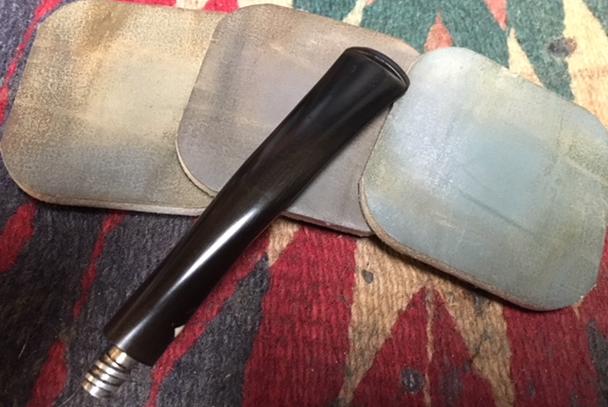
4. “…every one of my flannel uniforms was at Owen’s, my tailor.” – The most obvious reference to a character, Owen Taylor, the Sternwood’s chauffeur. Taylor is also one of the many killers in the story, murdering Anthony Geiger for the love of Carmen.

6. “Briar is a stern wood….” – An obvious reference to the Sternwood family in general, the patriarch of which hires Marlowe in the first place. [I WAS SURPRISED DAVID MISSED THIS ONE, CONSIDERING IT WAS IN THE SAME PARAGRAPH MENTIONING “THE BRODIE,” OR BRODY.]

7. “I’m not one to lash out unless I’m threatened to my face….” – Referring to Lash Canino, Eddie Mars’ sadistic, uncontrolled and hair-trigger hired gun who kills one person with cyanide and tries to kill Marlowe.

Given David’s extraordinary knowledge of Raymond Chandler’s varied works, and in particular that singular “wrong” answer, I can say that even in the improbable event of anyone else finding all 16 correct answers, I would still restore something special for David as a well-deserved consolation prize.  But as it stands, he gets The Big Prize, as it were, and it’s not in consolation but respect.

As I’m sure Steve would write, well done, David. (ed. Well done David – Steve)

ABOUT AMPHORA PIPES
Steve clued me to the definite comparison of the unique rim curve of the pipe I had (which later proved to be an Amphora despite some of my local friends’ shared belief that it was an Israeli Alpha) to the Dr. Grabow Westbrook.  Steve had restored a Westbrook #42 and, for lack of a better name for the design oddity, referred to it as a Westbrook.amp1 I had no problem confirming the Dr. Grabow lead with the following chart showing the ubiquitous, All-American pipe company’s 1981 line of X Series/Continental pipes.Amp2 Still unable to make out the full name on the left side of the pipe I was restoring, I turned to pipephil.com to track down the distinctive mark on the bit that resembled a sort of A in the form of a spaceship. That search ruled out Alpha and turned up two possibilities, the Douwe Egbert Company and Elbert Gubbels & Sons, both Danish makers.amp3 As it turned out, they were related, and the latter was further connected to the Royal Dutch Pipe Factory that went bankrupt in 2012. Gubbels & Sons made Amphora. That makes Amphora a Royal Dutch Pipe Factory second, or to be more precise, perhaps a Douwe Egbert “third.”

That was as far as I got until I posted a thread on the Smokers Forums UK offering the free Amphora pipe to the reader of my rebornpipes blog who came up with the best response to the stated contest rules. A friend on Smokers Forums (SF) named Ed posted this initial and most pertinent of several comments in the thread.

“Nice job on the Amphora and an enjoyable read on the restoration! As you found out there is a connection to Dr. Grabow. They made several shapes of Amphora for Douwe Egbert as the attached copy of an Amphora coupon shows. The easiest way to tell a Grabow made Amphora is the shape number–all were 800 series I believe. They also made the Douwe Egbert ‘Color’ pipes which were painted like the Grabow Color Viscount and Color Dukes. Also, if I remember correctly the ‘A’ on the stems of the Grabow made pipes were embossed, not inlaid.”amp4 In response to my query as to where he found the documentation (a single photo of the two items), Ed later added, “I got that photo from the Dr. Grabow Collectors Forum… There is quite a bit of info on the Amphora pipes there. One of the members is a retired president of the company and he has posted quite a lot of info on them – as well as many other pipes made by Grabow. He’s also very knowledgeable about Mastercraft as he was VP [at] Mastercraft after it was merged with Grabow. That forum and R.J. McKay’s website are the two best sources of Grabow and related pipes info. http://drgrabow-pipe-info.com/ RJ’s site is ‘under construction’ and has been for some time but there is a ton of info especially on the Linkman Grabows.

“A lot of folks don’t realize that Grabow made pipes for several companies – tobacco companies as well as pipe companies. Ever see an Elsinor pipe made by Grabow for Edgeworth. If you see [a] Grabow that looks like an Alpha – there is a reason –and a connection. If I remember correctly they even furnished Carey at times with unfinished stummels.”

My interest in the Gubbels & Sons, founded in 1870, spiked like the average price of dot com stocks just before the collapse of that infamous period of financial history, although in a good way. Returning to Pipephil’s entry for Amphora, I noticed again the peculiar mention of pipes known as Porsche Designs and discovered that they were all conceived and manufactured in Germany by Ferdinand Porsche but apparently crafted, to the point where they were ready to be finished, by none other than E. Gubbels & Sons of the Netherlands, not Denmark as I claimed in error in my previous blog.

I have known the name Porsche for almost as long as I can remember and tried to dismiss the preposterous notion that the legendary sports car could be associated with a line of tobacco pipes by anything more substantial than a licensing agreement. My dad owned and drove two while we were still talking, a 911t from 1968, as I recall, and a 1973 914s. The second was made the year my dad turned 40 and I 11, and I now know from experience long past that men do crazy things around that age. Still, I always preferred the little red ’68 rocket.

And so, Googling Ferdinand Porsche, I was shocked to see that Herr Porsche of the cars was the same man who designed the pipes. But no,David, as good as the Amphora may be, it is no Porsche. I am sorry, but I must be honest. Gubbels, by the way, also makes the Bugatt, Hilson and Big Ben.

I did find the following charts of Dr. Grabow pipe shapes and numbers for various years and/or periods.Amp5

amp6

amp7 The information about Amphora pipes included here should – hint-hint – pique Steve’s insatiable curiosity enough to do a little more searching. I will, of course, continue to see what I can come up with to add to the data collected so far. As I see it, all I’m missing is a clear Grabow-Mastercraft-Amphora connection, which I have no doubt is to be found in the cacophony of online conversations in Ed’s fifth link below.

By the way, Ed was correct about the Amphora bit logo being embossed rather than inlaid – which accounts for the main reason I didn’t let it have an OxiClean bath. Given the frail, weathered and abused condition of the rest of the pipe, I had serious reason to doubt the etching

The Big Sleeplessness

Restoring a Dr. Grabow Westbrook 42


http://www.pipephil.eu/logos/en/logo-d7.html#douweegbert
http://www.pipephil.eu/logos/en/logo-a5.html#amphora
http://drgrabows.myfreeforum.org/index.php?sid=c13a84f8440dc5de0af48b4afec89e6c
http://www.pipephil.eu/logos/en/logo-p4.html#porschedesign
http://www.gubbelspipes.com/

A Dr. Grabow Color Duke Billiard Renewed


Blog by Steve Laug

Most of the Dr. Grabow Color Duke pipes that have come across my worktable have been in rough shape. The paint has been chipped and the finish ruined. This is the second one lately that I have worked on. The first was the Cherry Apple Red Dr. Grabow Viscount that my brother found for me. This second one is a White Billiard with a saddle stem. It is one that was made for a paper filter rather than a stinger/spoon apparatus. The pipe is stamped Color Duke over Dr. Grabow on the left side of the shank and Imported Briar over Adjustomatic over Pat. 2461905. The Patent Number is for the Adjustomatic tenon.

The pipe came to me from a friend quite awhile ago and I just got around to working on it. It was in pretty decent shape other than being dirty. The finish has some dents in the bottom of the bowl on the right side. There was some staining on the right side of the shank at the stem/shank junction. The rim was dirty and had some darkening and a few spots where the finish was worn off. The bowl had a cake that would need to be removed. The screw in tenon was dirty but the stem aligned with the shank perfectly. The stem itself was dirty inside and out. There was tooth chatter on the top and underside of the stem near the button. On the underside was a deep tooth mark in the center about ½ inches from the button. The next photos show the pipe when I brought it to the work table.Duke1

Duke2

Duke3

Duke4 I took some close-up pictures of the rim and the dents on the bottom of the bowl to give a clear picture of the issues with this pipe.Duke5

Duke6 I reamed the bowl with a PipNet reamer and took the cake back to the bare briar. I used a pen knife to clean up remaining cake that the reamer left behind.Duke7

Duke8 I scrubbed the finish with cotton pads and Murphy’s Oil Soap as I did not want to use anything that potentially would damage the painted finish on the bowl. My intent was to get the grime off the finish and to remove as much of the rim darkening as possible without compromising the paint on the rim or edges.Duke9

Duke10 I rinsed the bowl with warm water and dried it off with a towel. Here are some photos of the cleaned bowl.Duke11

Duke12

Duke13

Duke14 I cleaned the inside of the shank and the stem with pipe cleaners, cotton swabs and alcohol until they came out clean.Duke15 With the bowl cleaned inside and out it was time to address the stem. I sanded the surface of the stem to clean off the dirt and tooth chatter. I wiped it down with a cotton swab and alcohol to remove the dust and to examine the dent on the underside.Duke16 After the deep dent was cleaned I filled it with a few drops of clear super glue.Duke17 Once the glue dried I sanded the repair to make it flush with the stem surface using 220 grit sandpaper.Duke18 I sanded the entire stem with medium and fine grit sanding sponges. The repair spot is beginning to blend in very well.Duke19
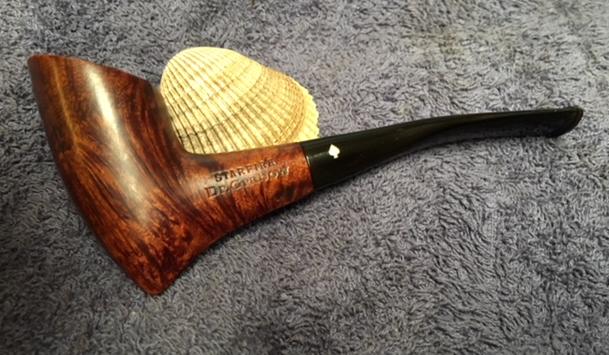
Duke20 I sanded the stem with micromesh sanding pads – wet sanding with 1500-2400 grit pads and then rubbing it down with Obsidian Oil. I dry sanded with 3200-4000 grit pads and gave it another coat of oil. I finished by dry sanding it with 6000-12000 grit pads. I gave it a final coat of Obsidian Oil and let it dry.Duke21

Duke22

Duke23 In the past buffing the painted bowls and the Grabow stems has caused me a lot of grief. I have found that these stems can take very little heat that the buffing pads generate so I hand buff them with Paragon Wax and a shoe buffer. I buff the bowls the same way using the shoe buffing brush and a microfibre cloth. The finished pipe is shown in the photos below. If you are interested in this pipe email or message me and make an offer. It could easily join your rack. Thanks for looking.Duke24
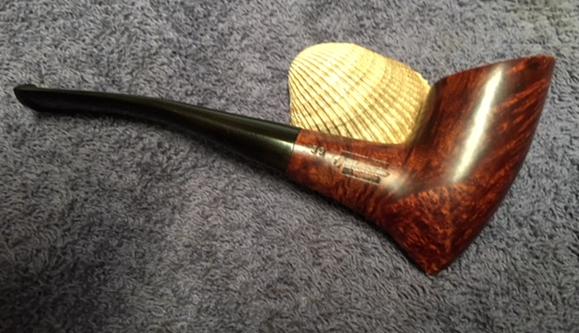
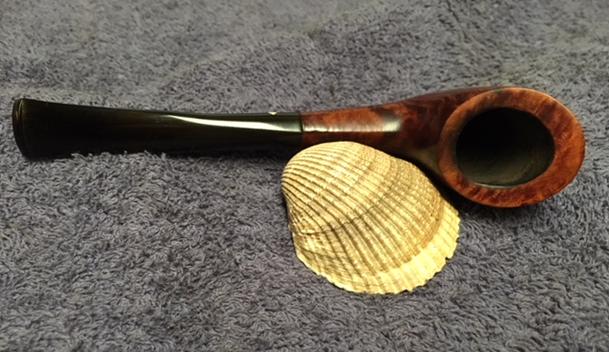
Duke25

Duke26

Duke27

Duke28

Duke29