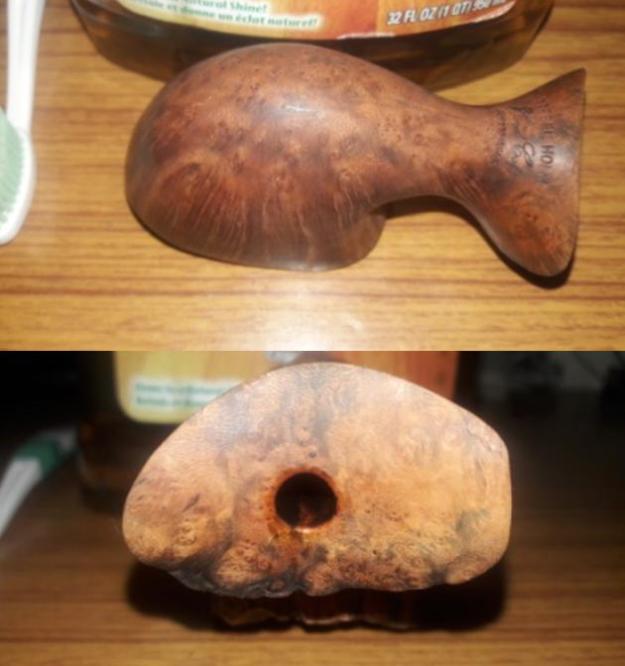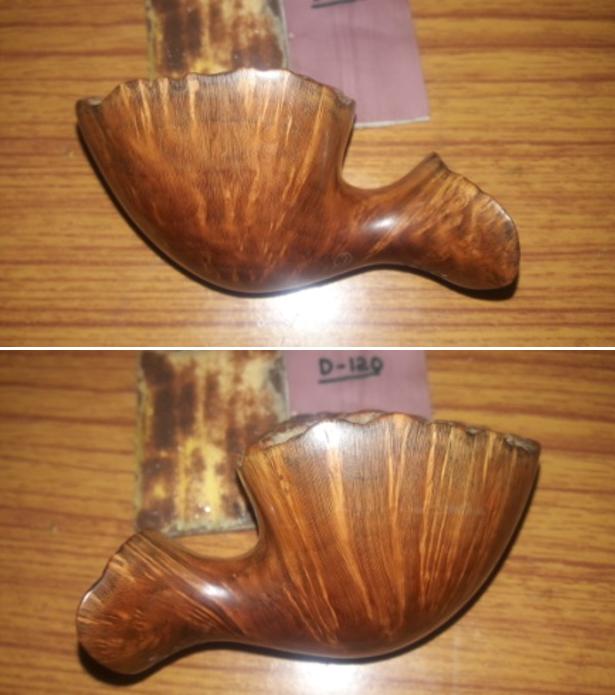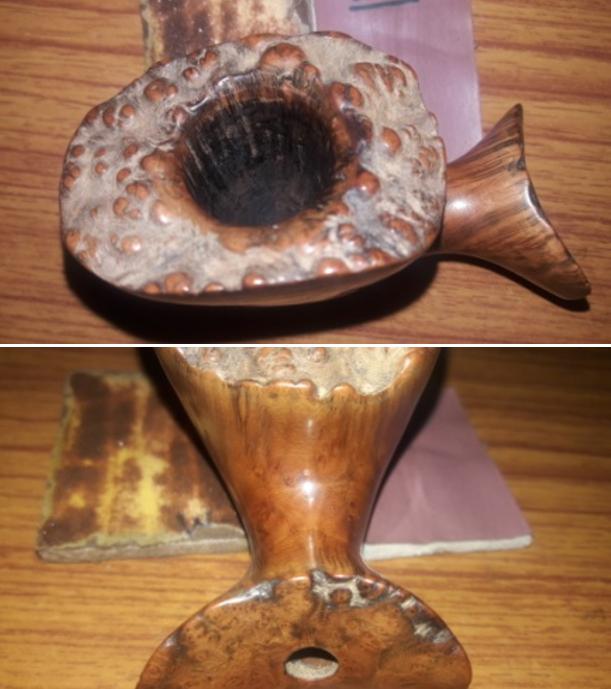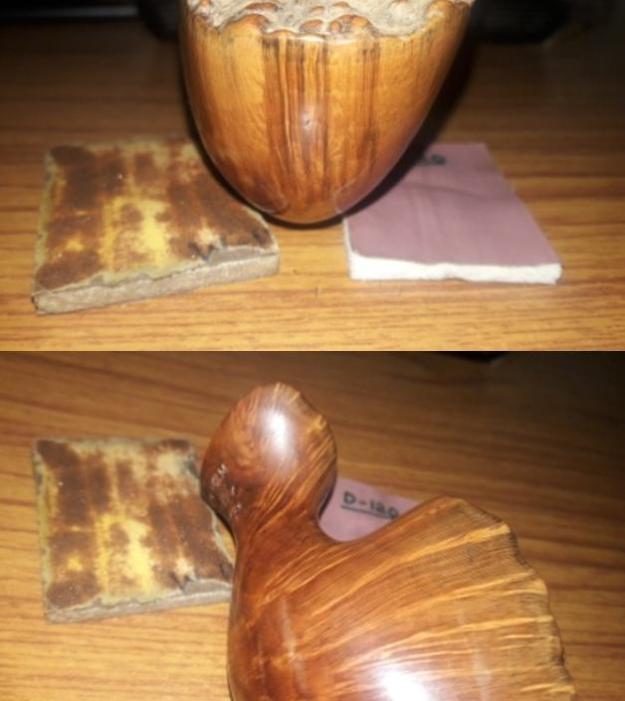
Tag Archives: bowl topping

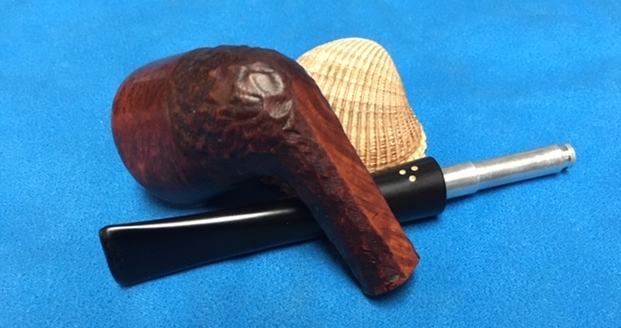
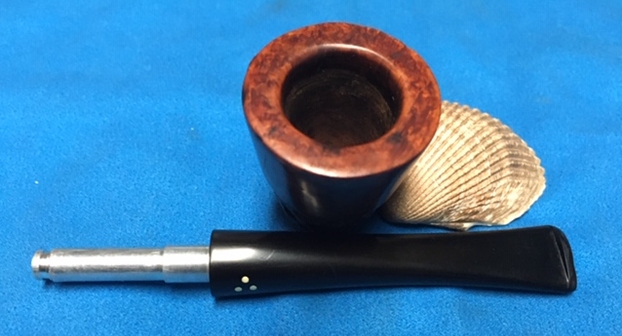
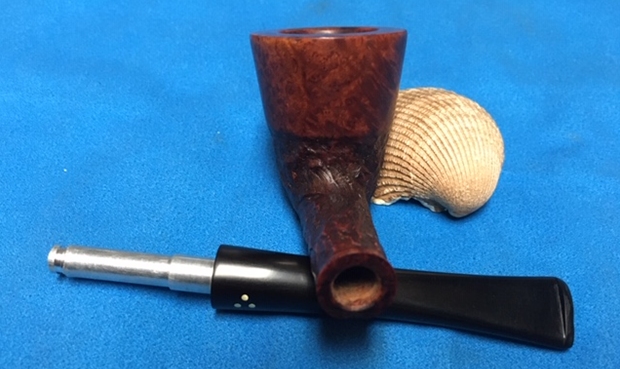
Ehrlich – Another Iconic Boston Tobacconist (1868-1968): An Ehrlich Special Chimney


Blog by Dal Stanton

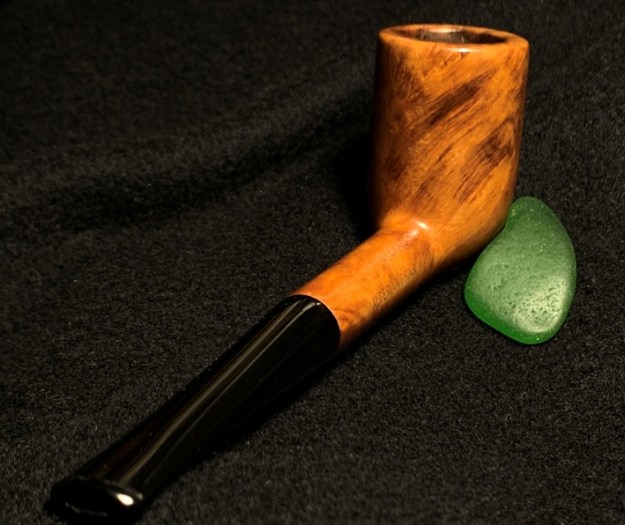
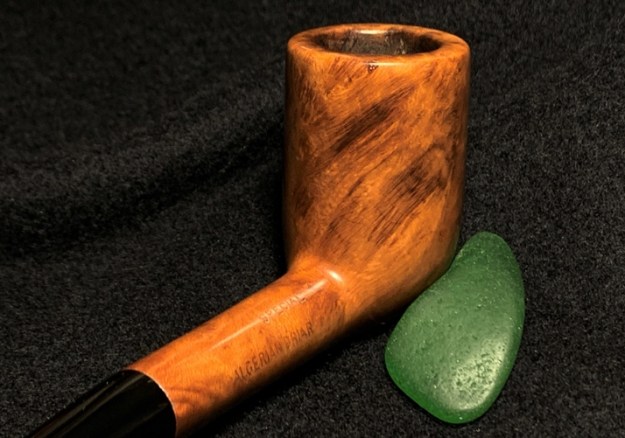
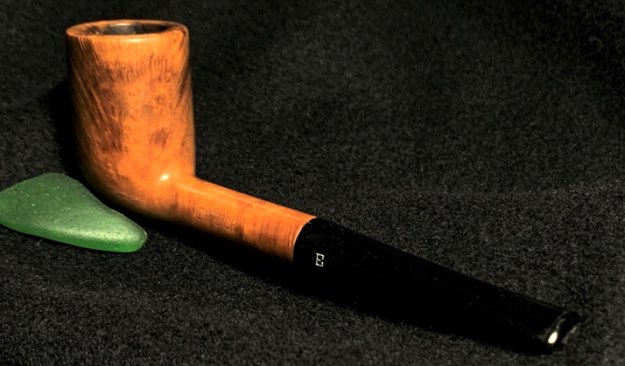
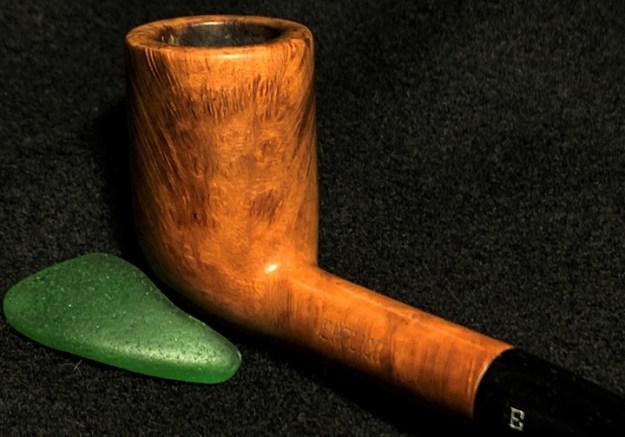
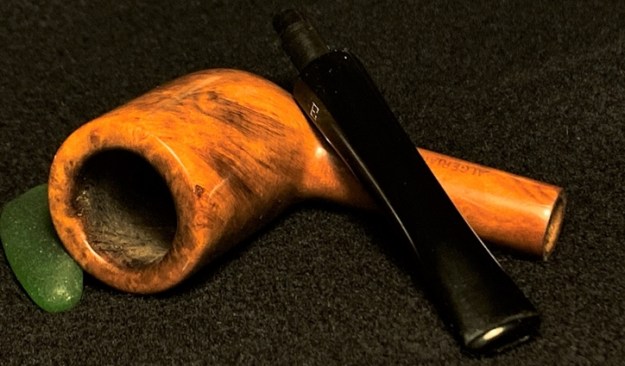
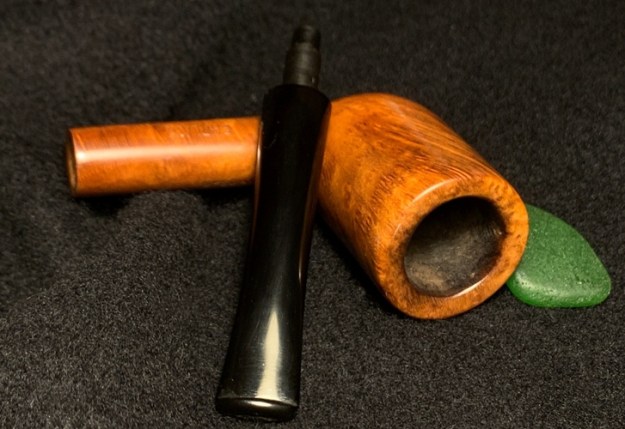
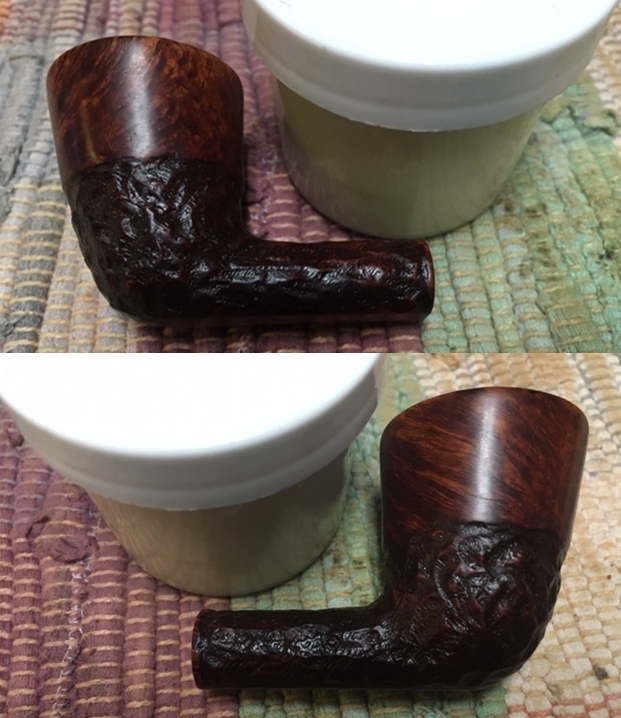
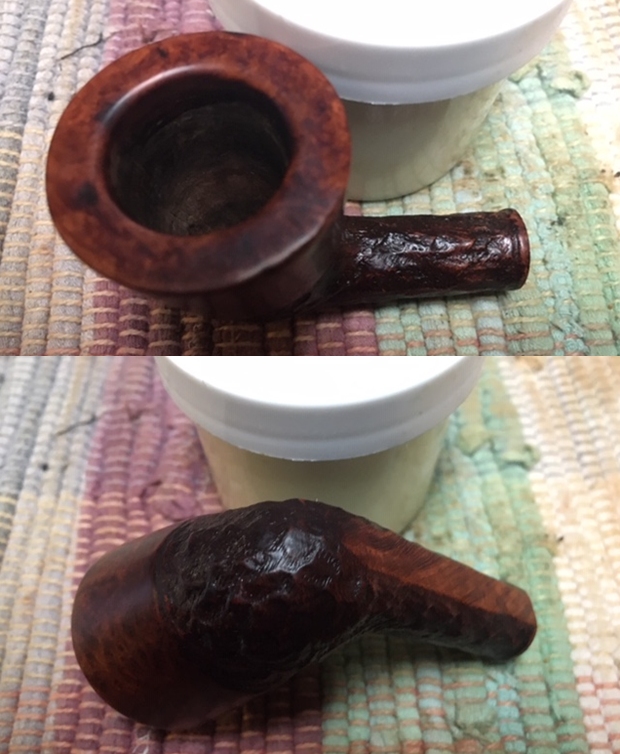
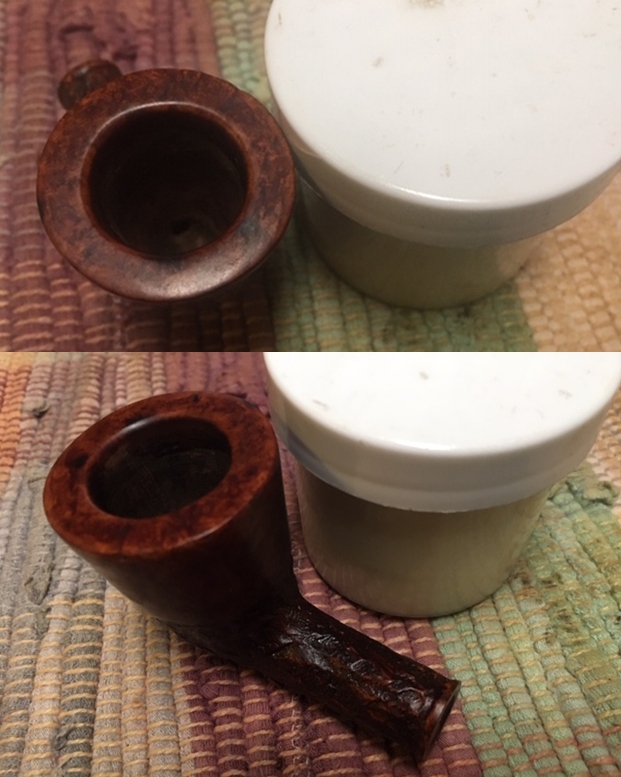
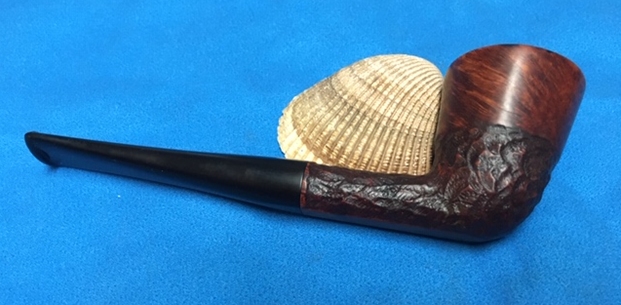
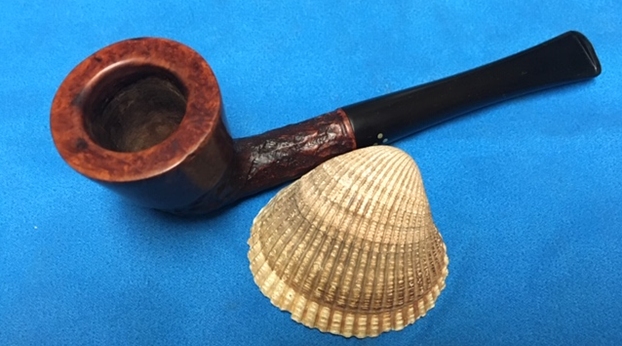
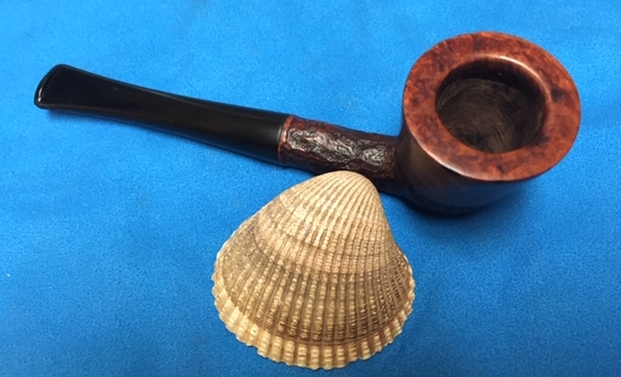
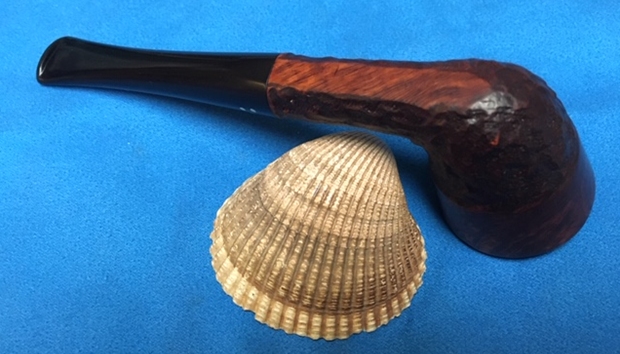
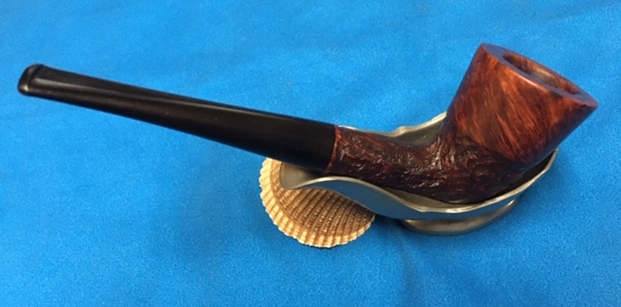
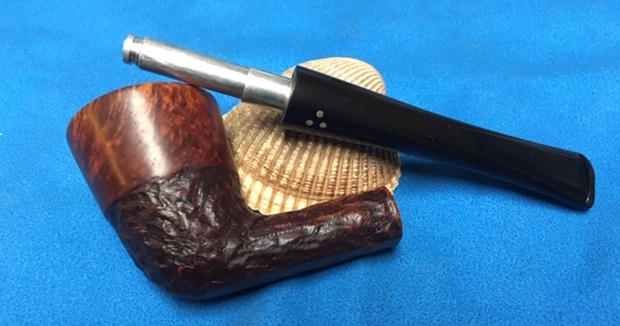
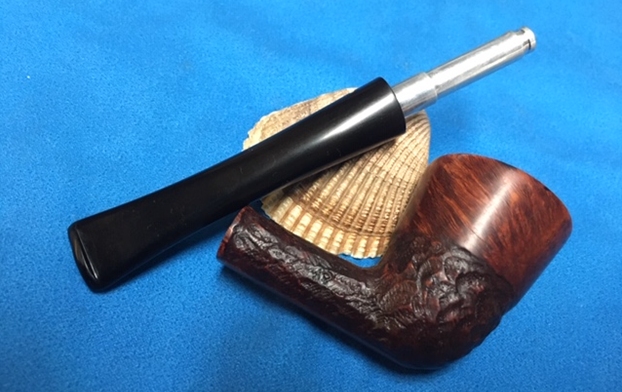
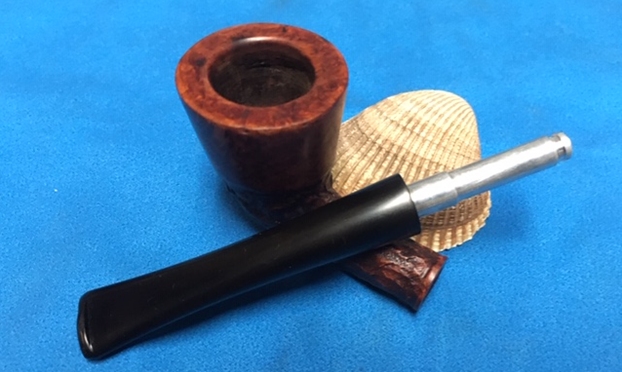
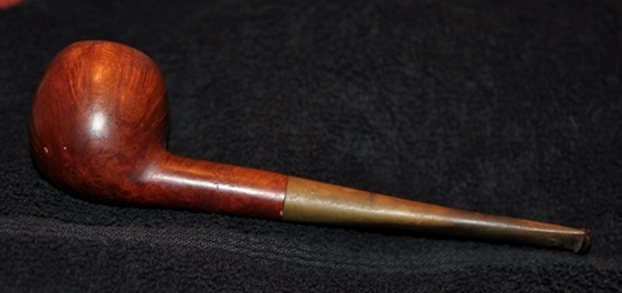
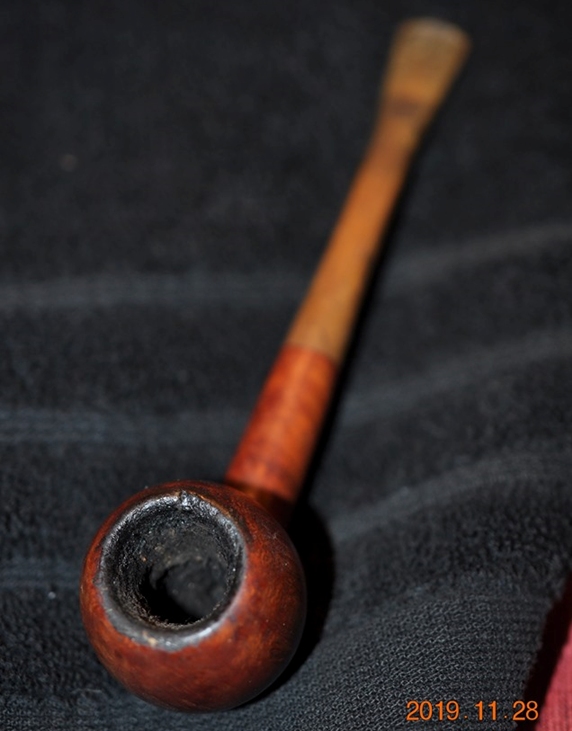
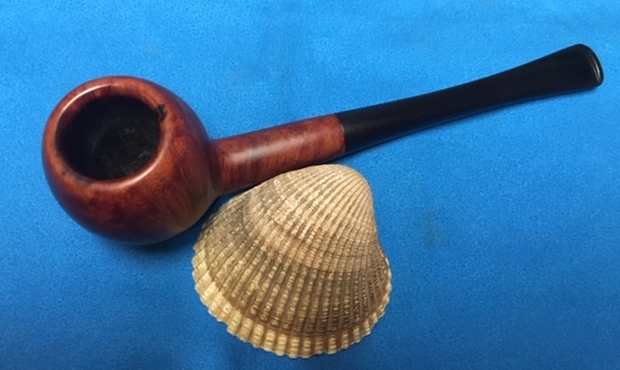
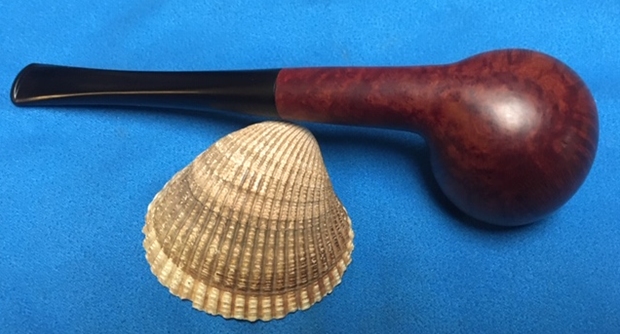
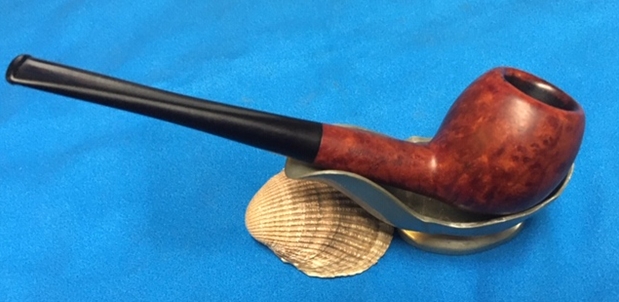
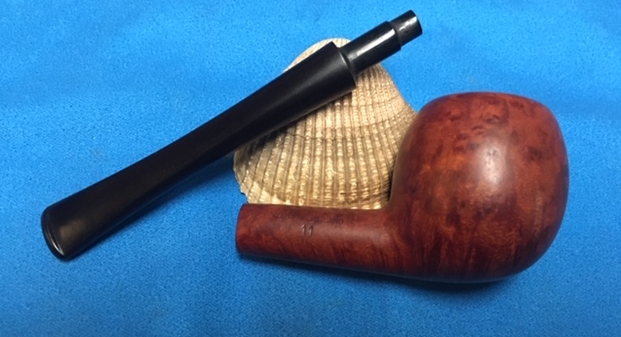
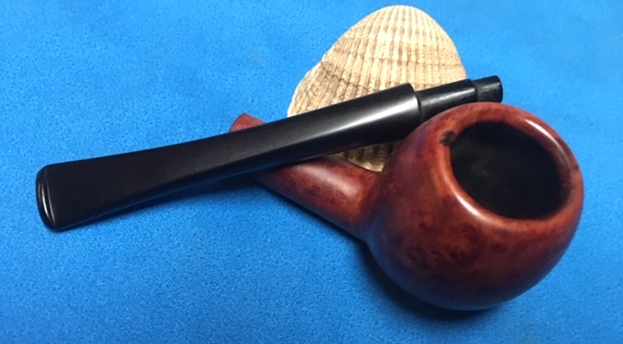
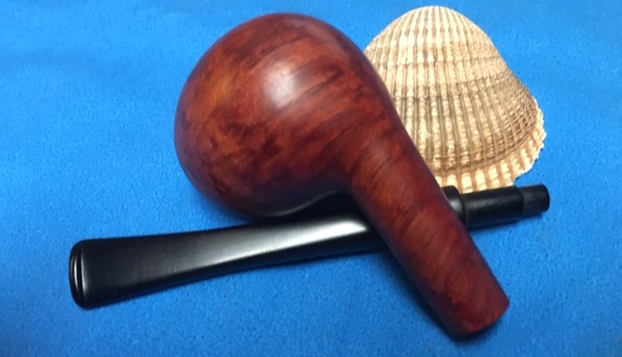
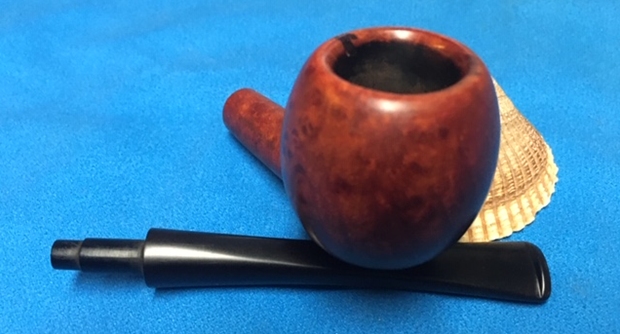
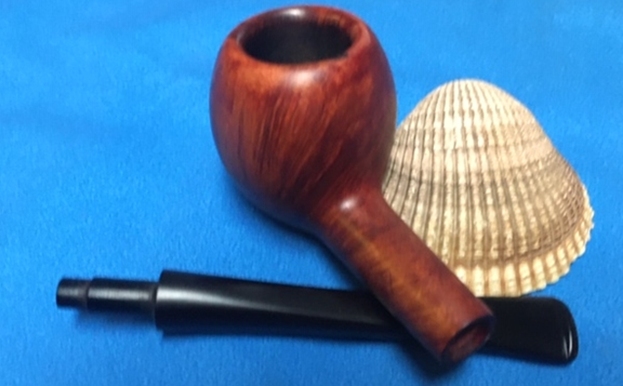
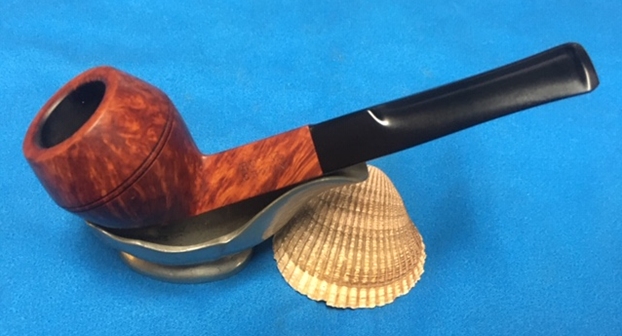
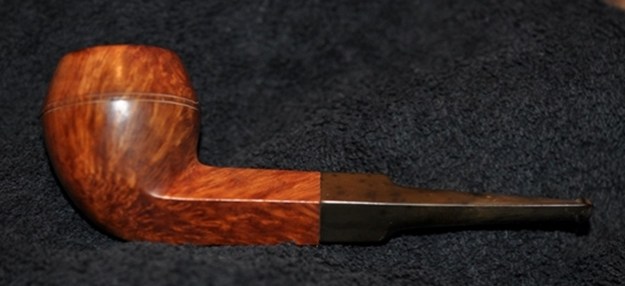
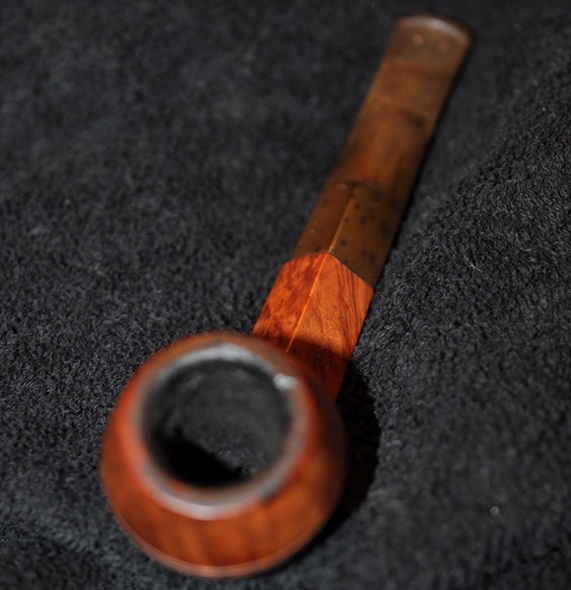
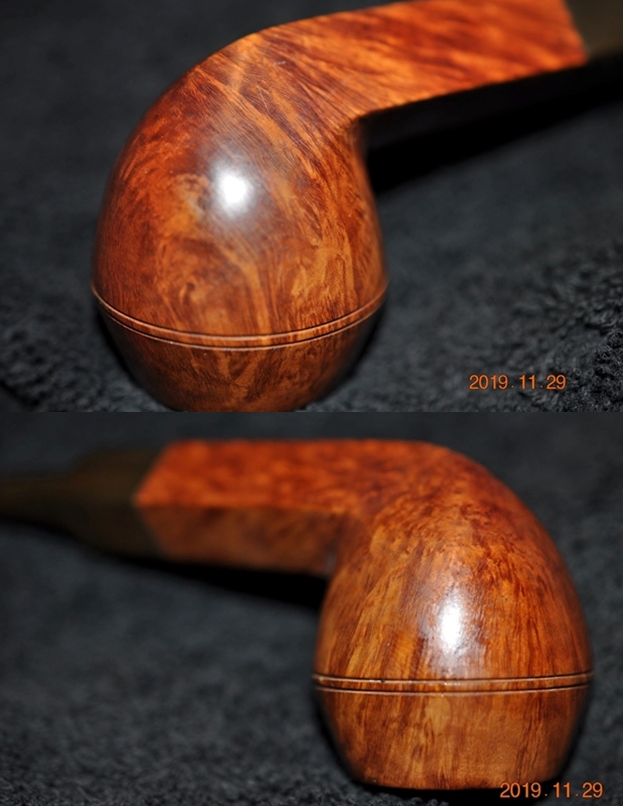
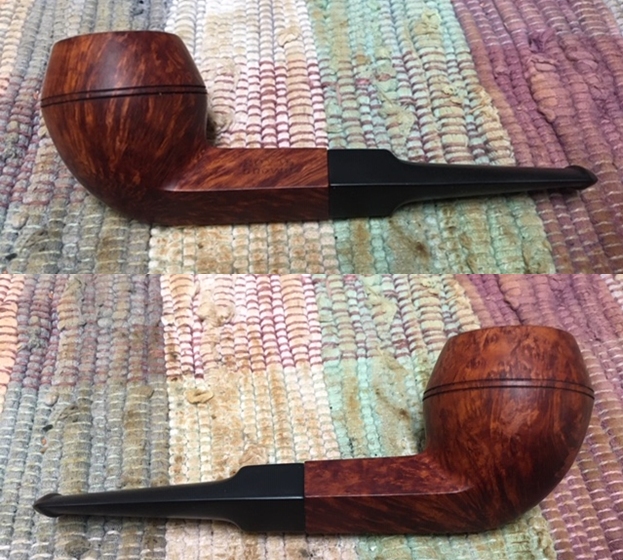
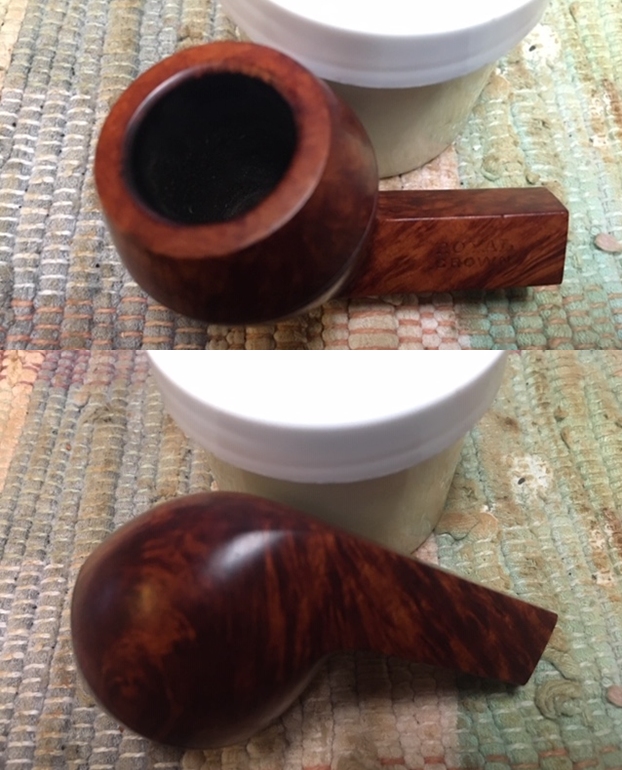
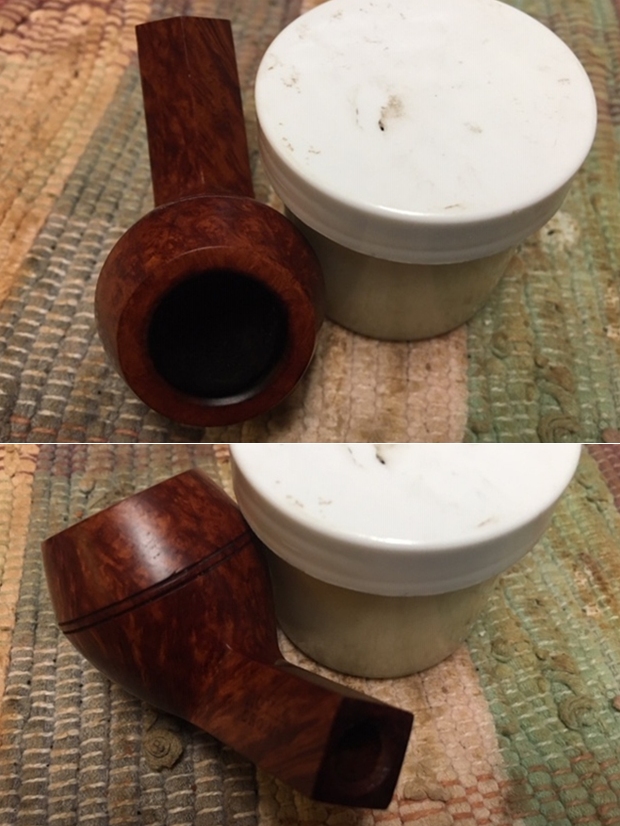
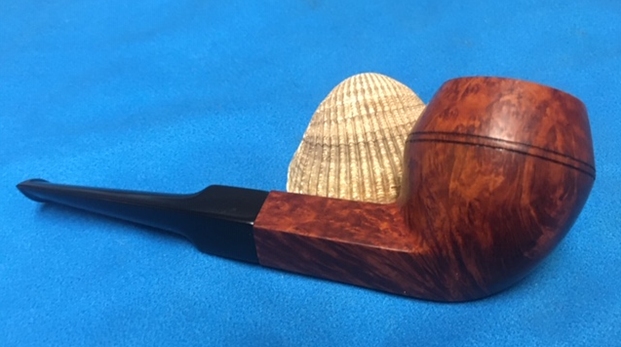
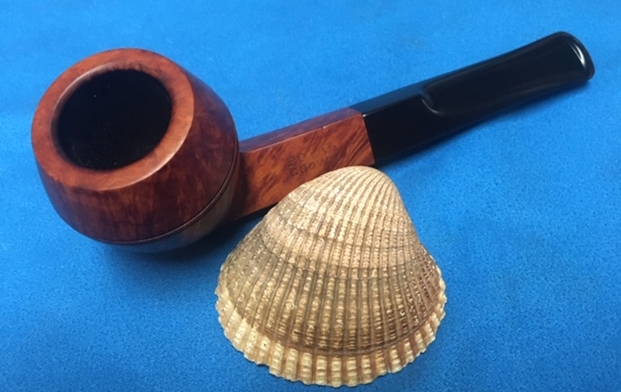
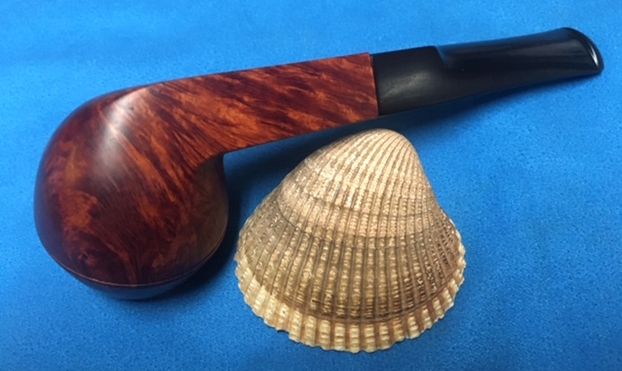
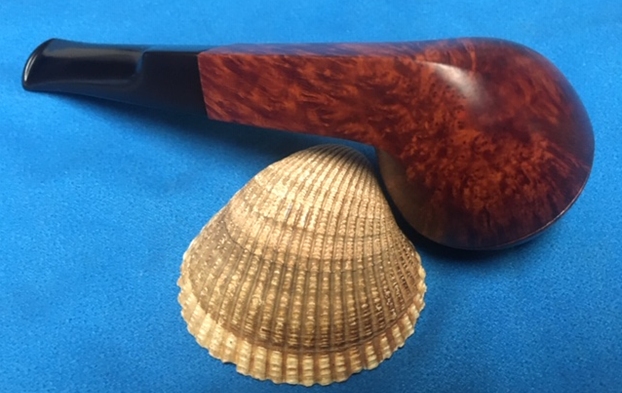
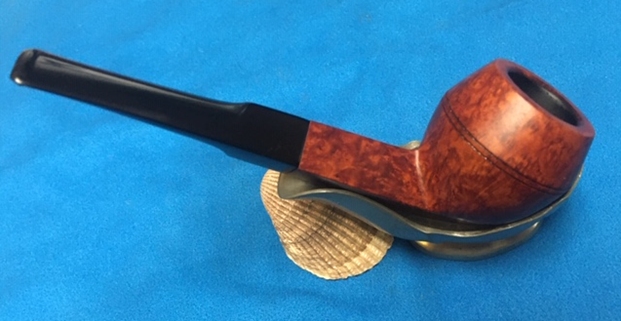
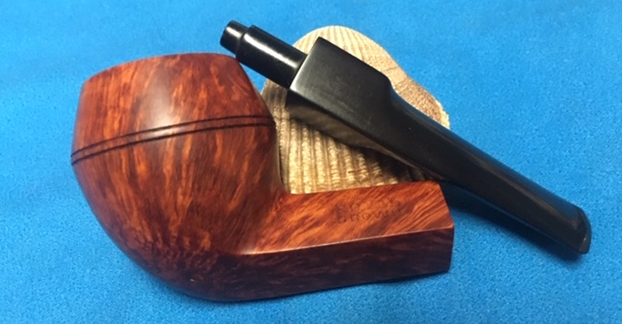
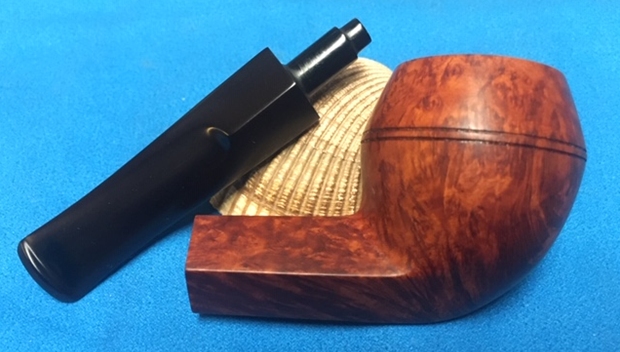
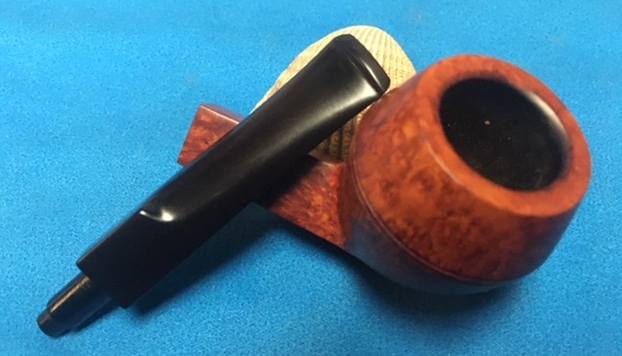
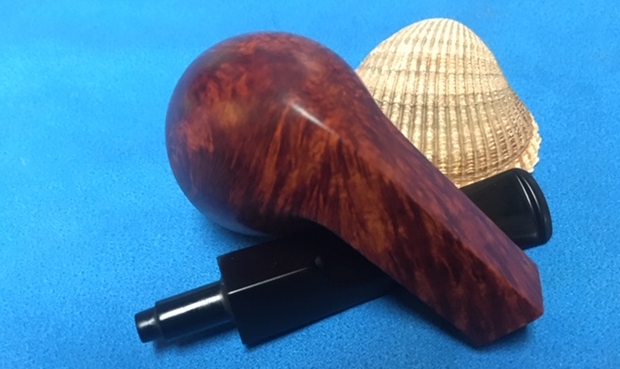
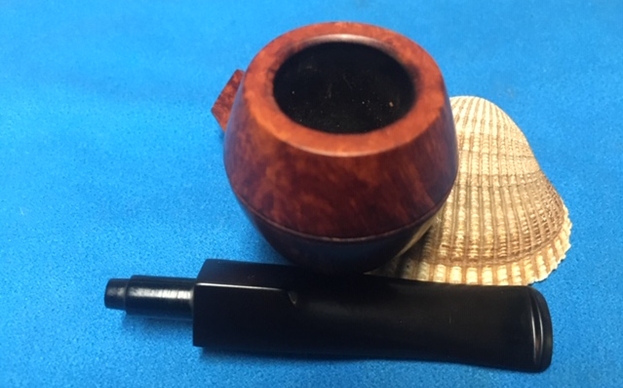
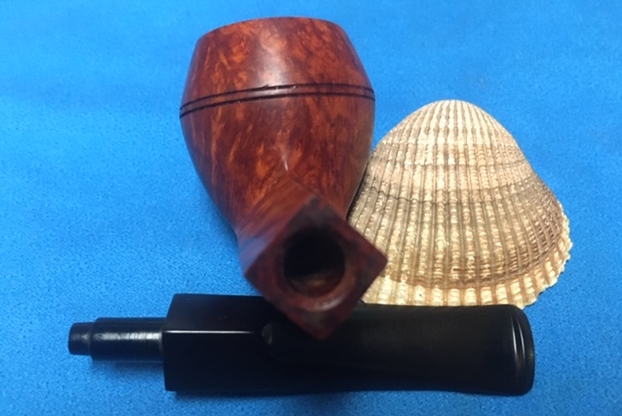
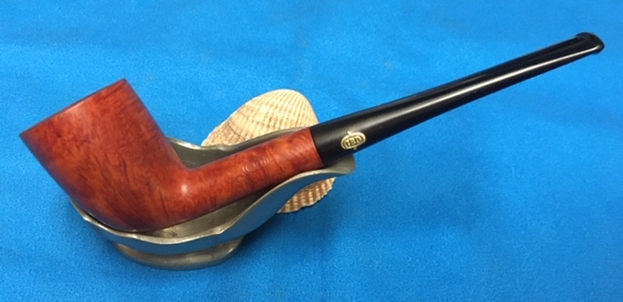
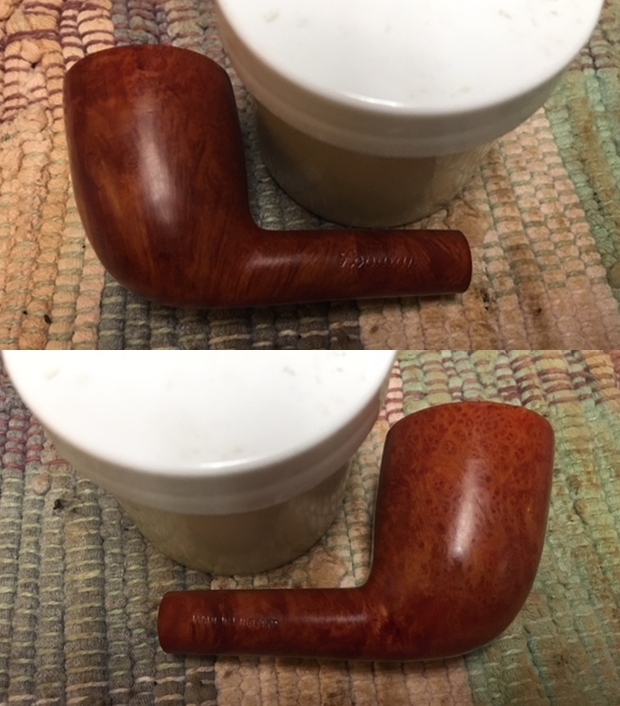
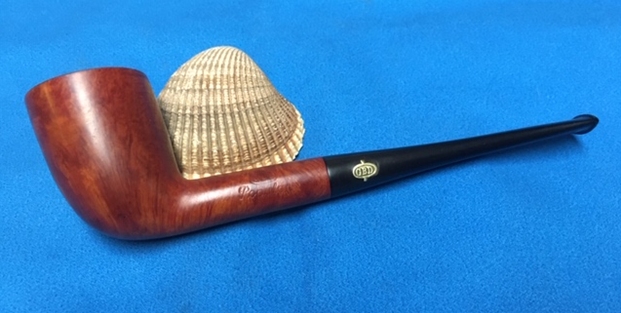
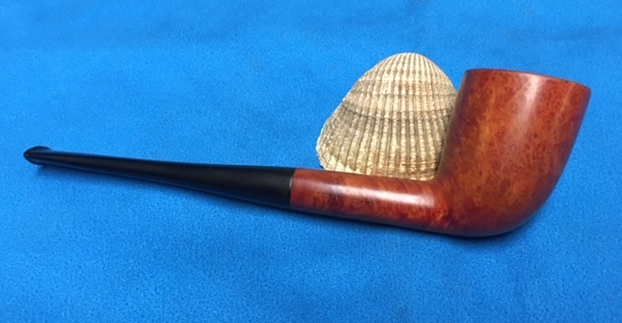
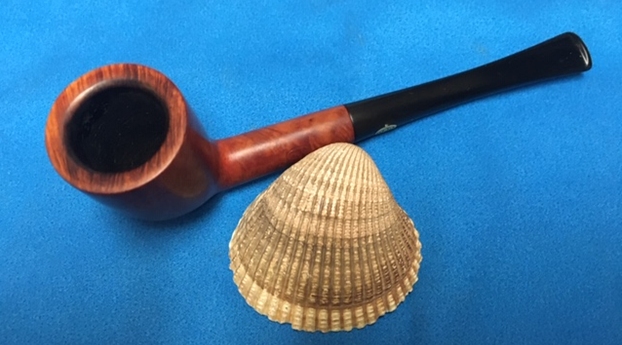
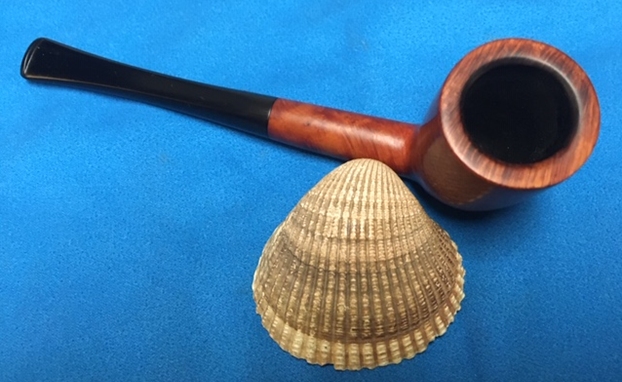
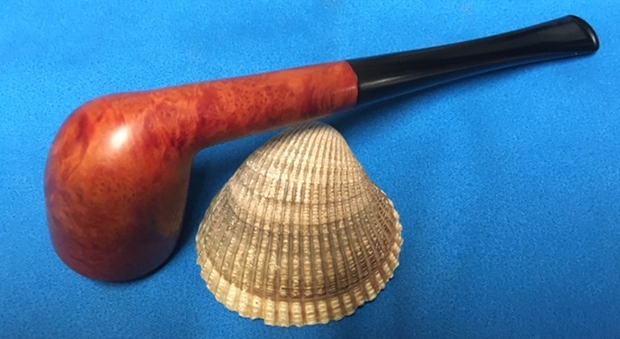
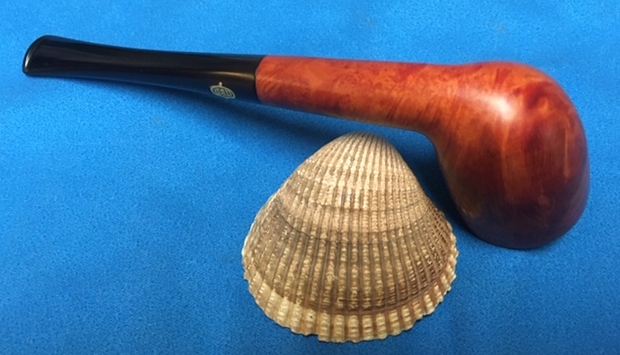
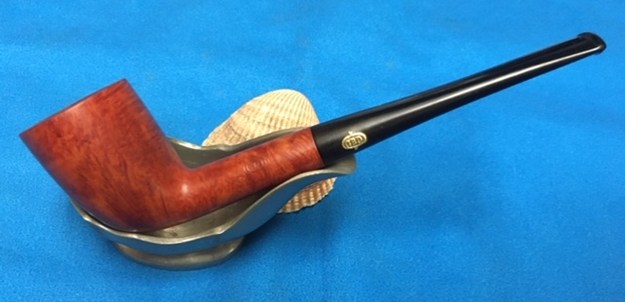
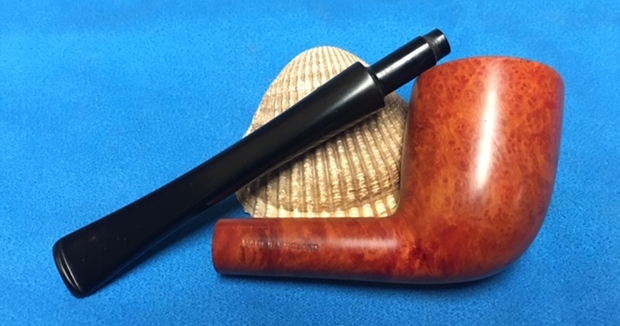
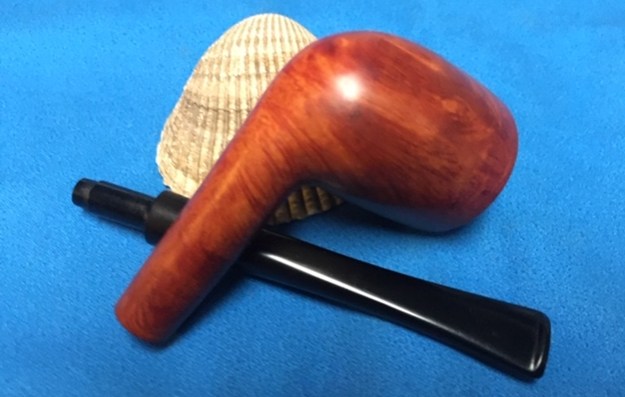
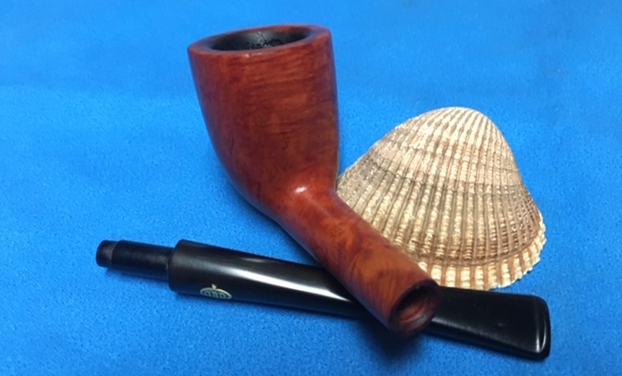
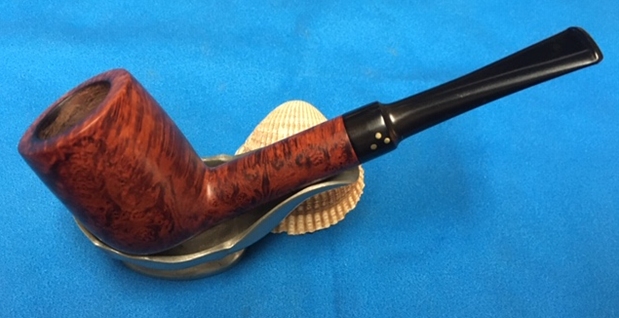
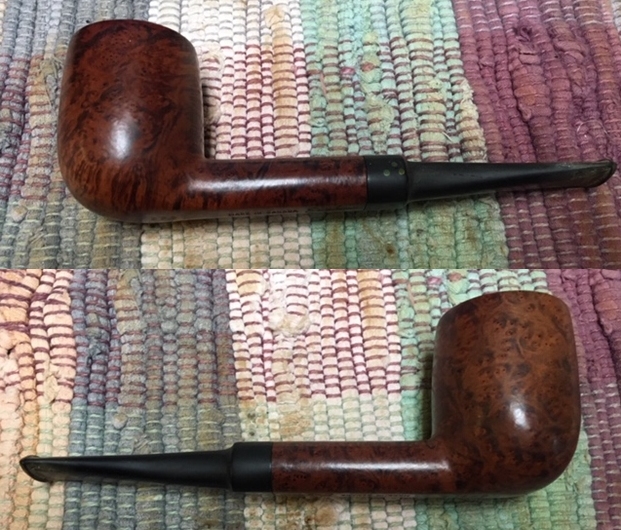
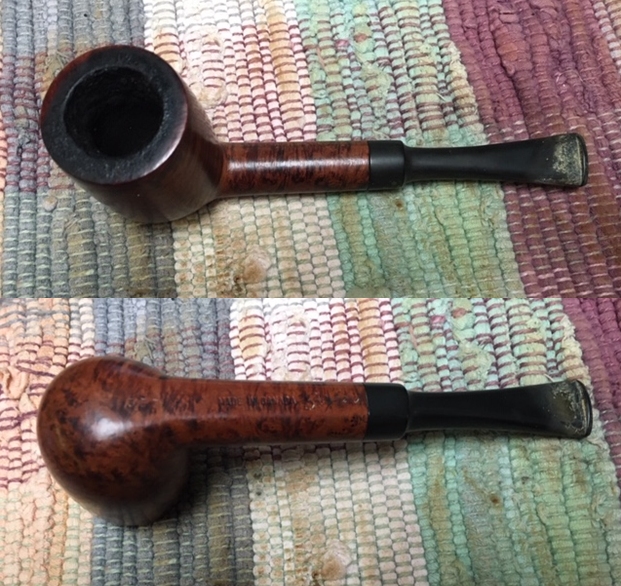
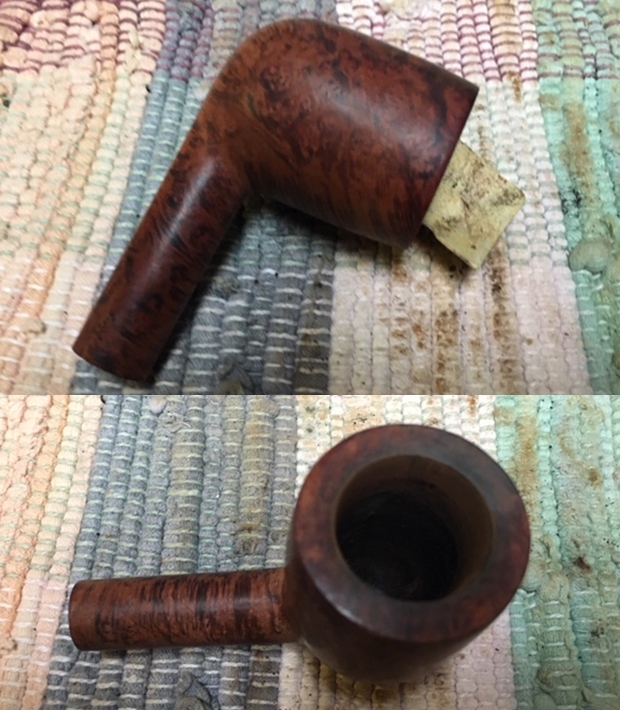
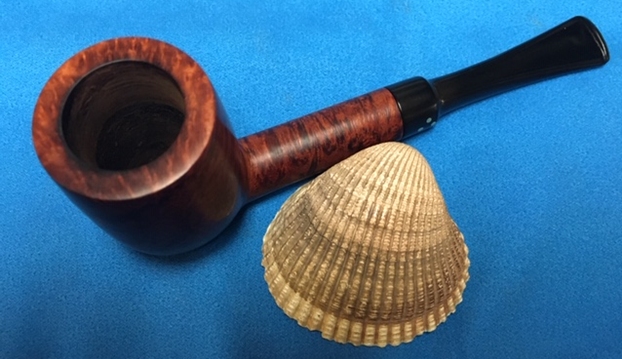
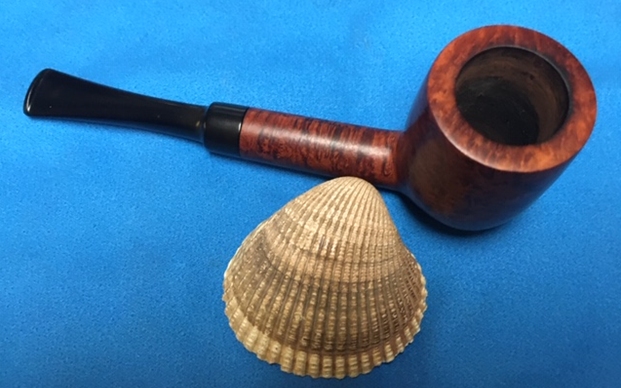
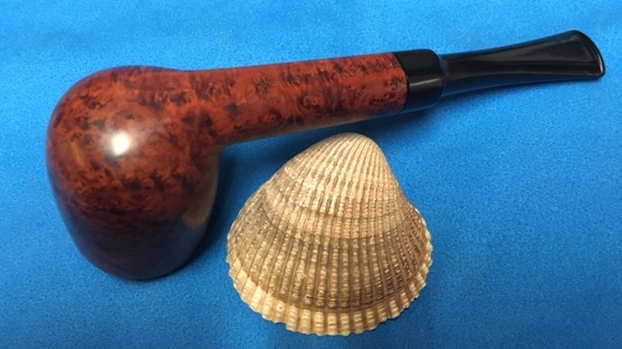
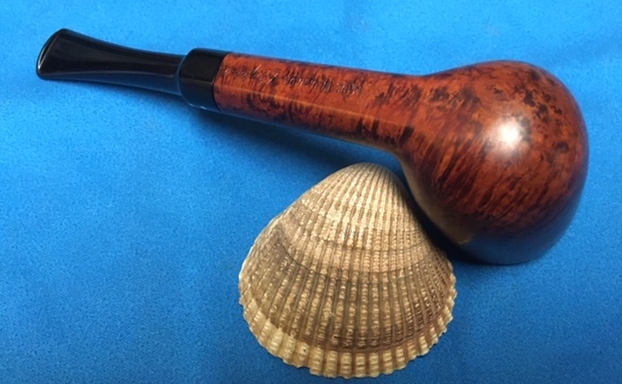
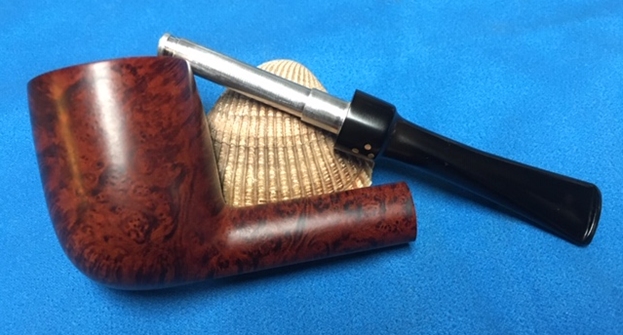
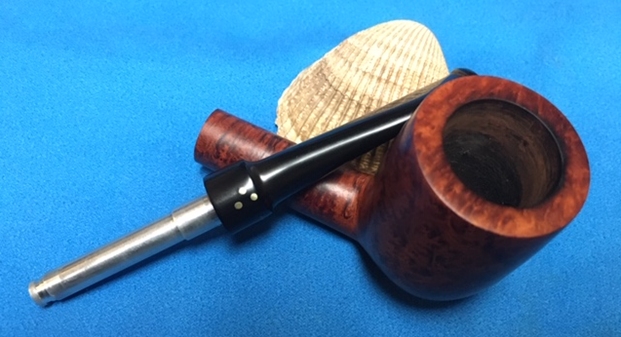
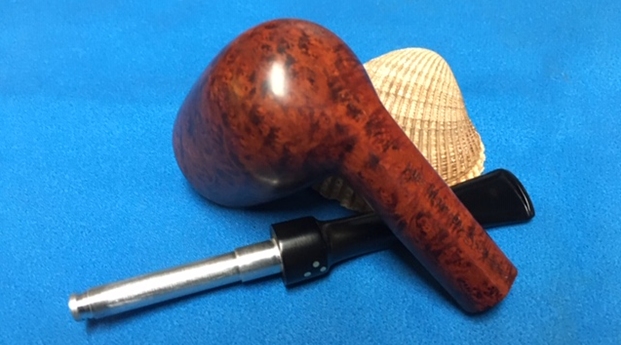
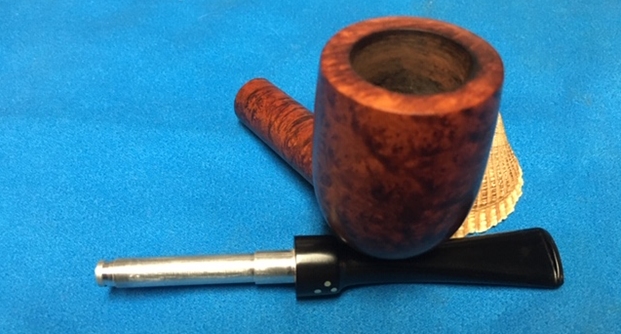
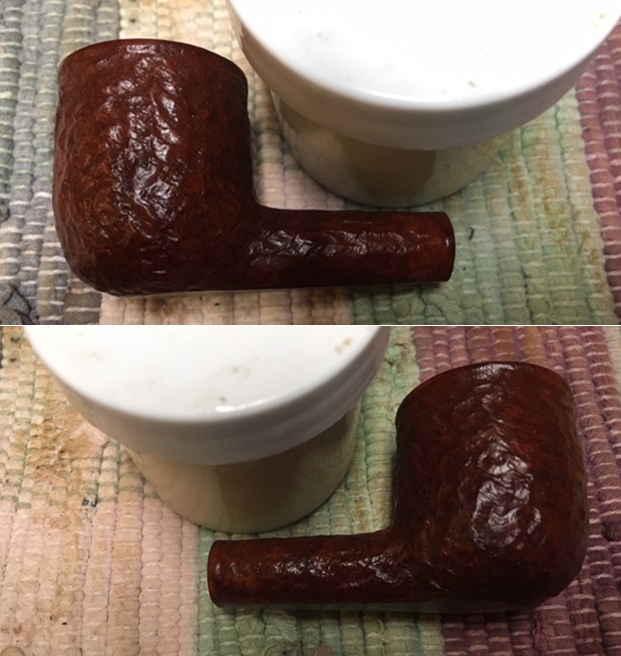
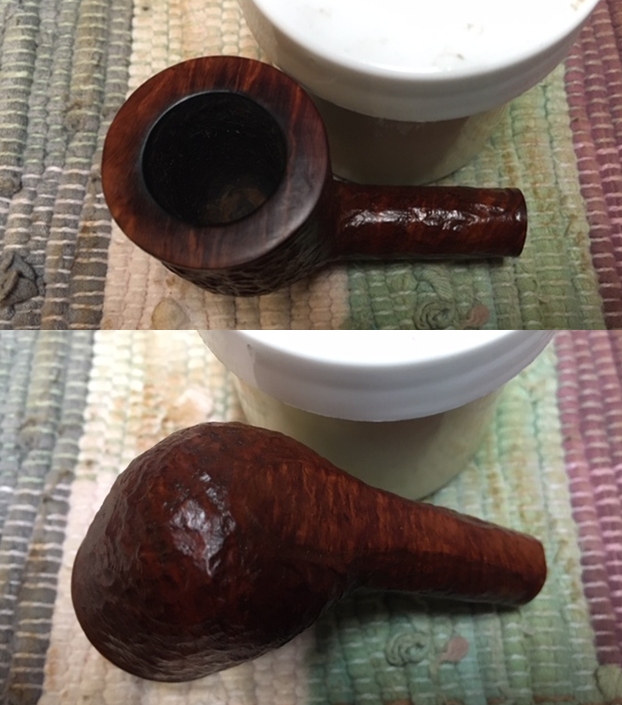
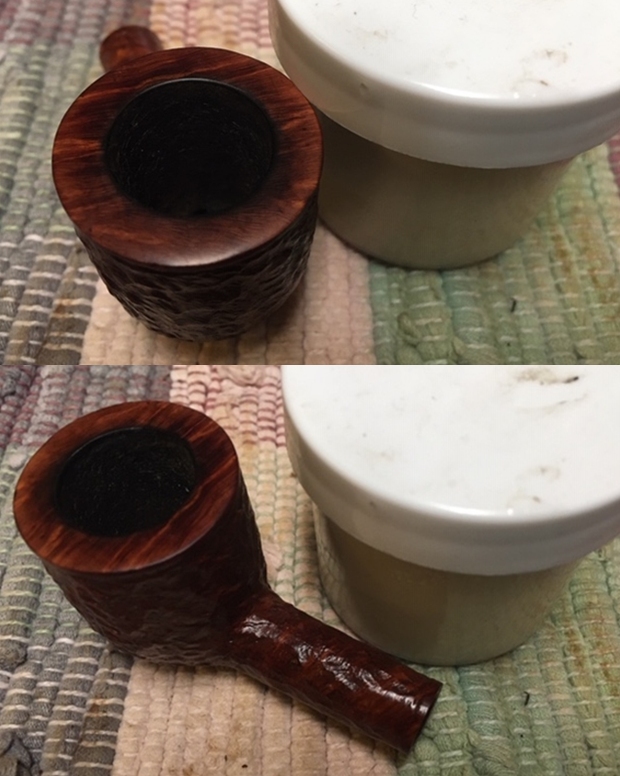
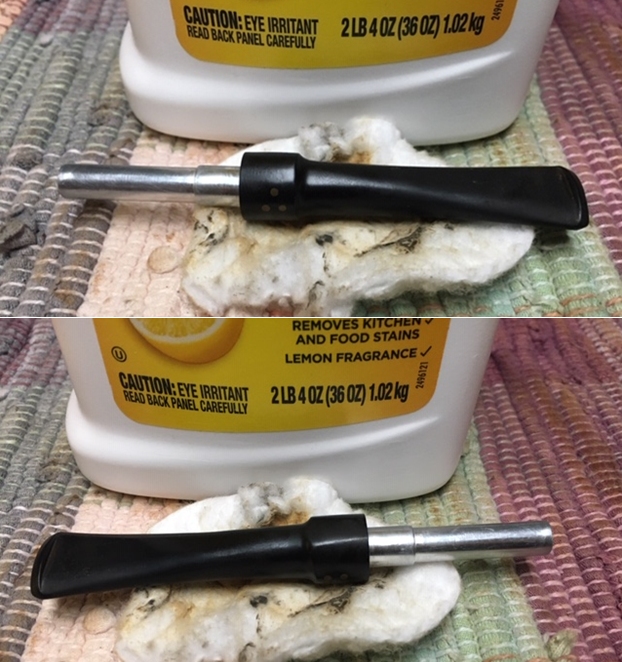
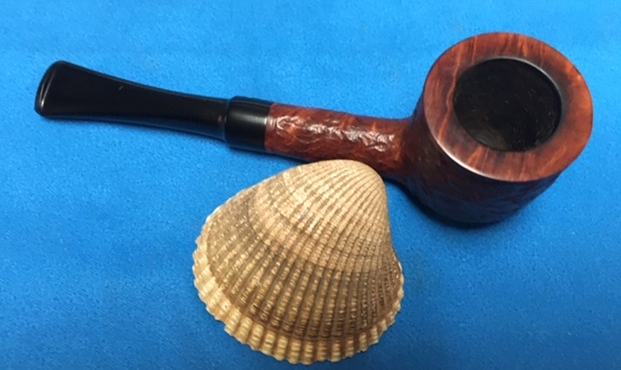
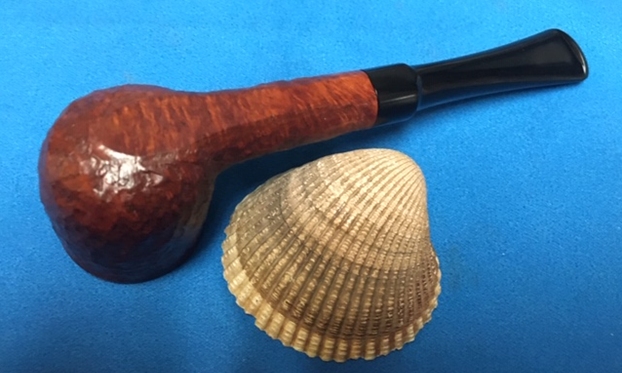
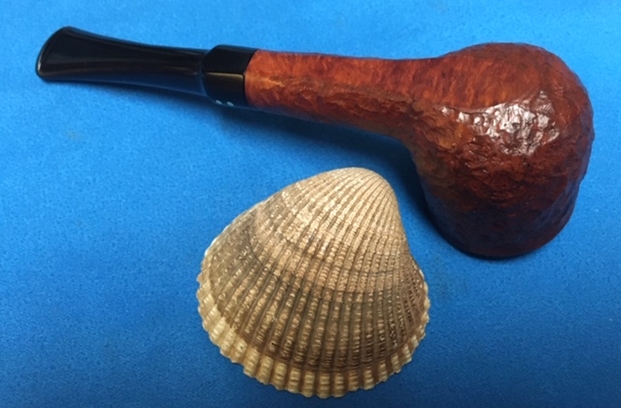
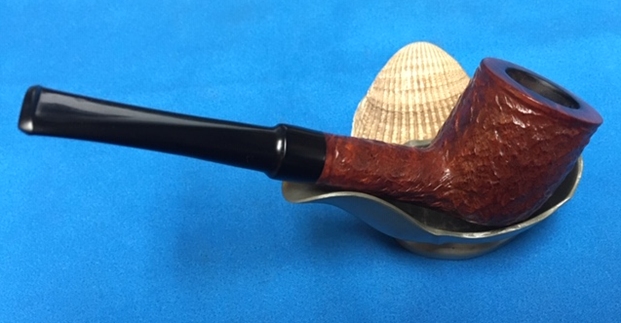
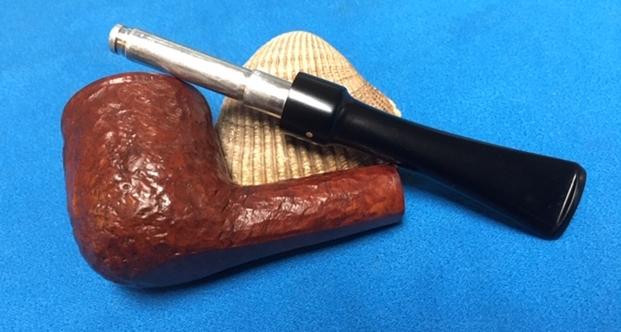
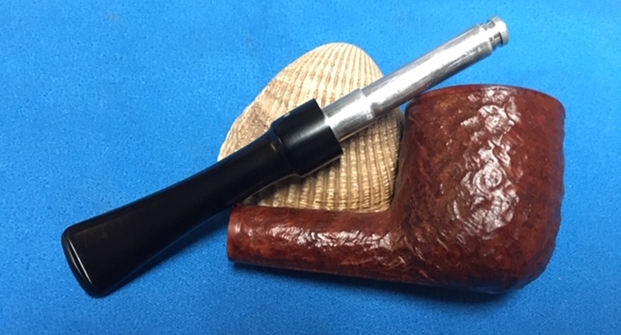
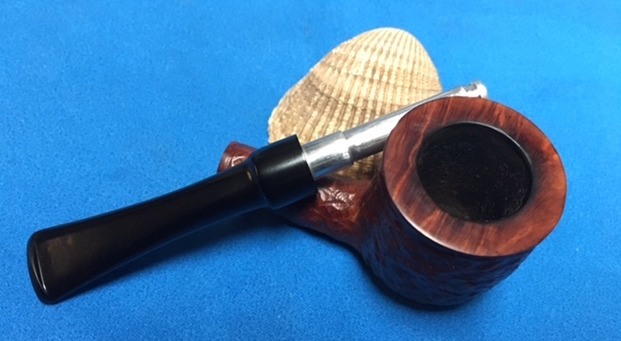
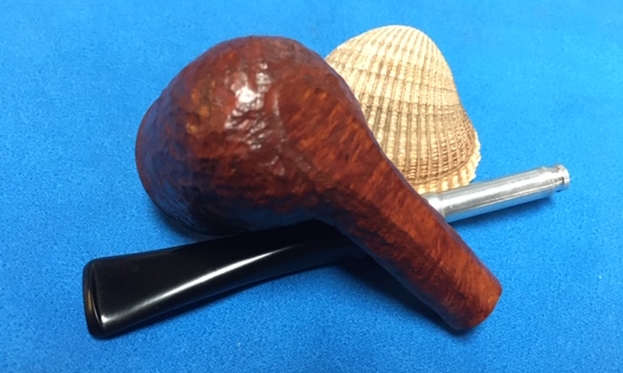
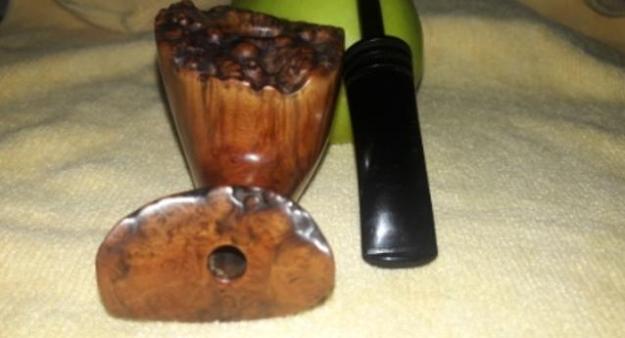
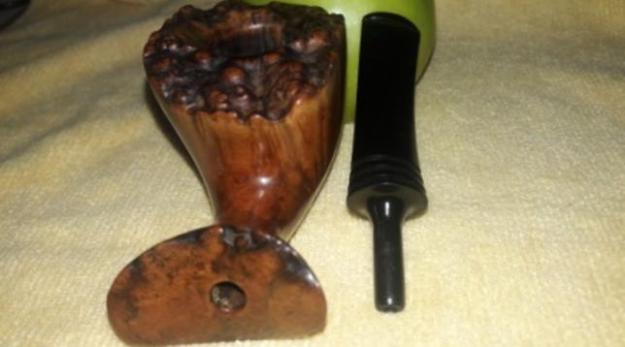
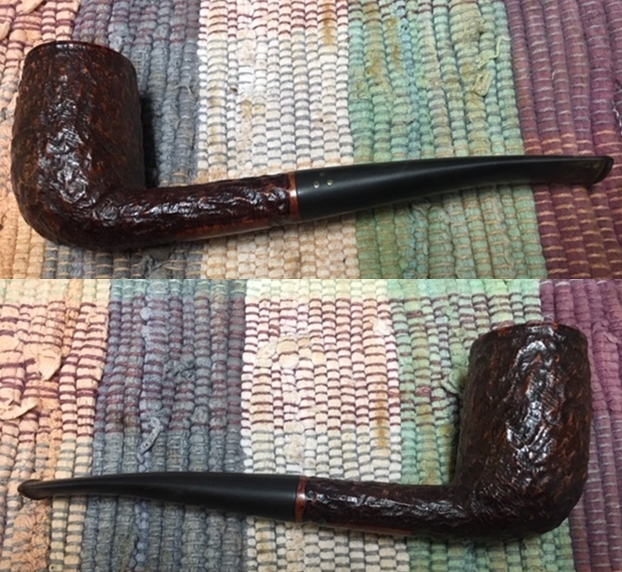
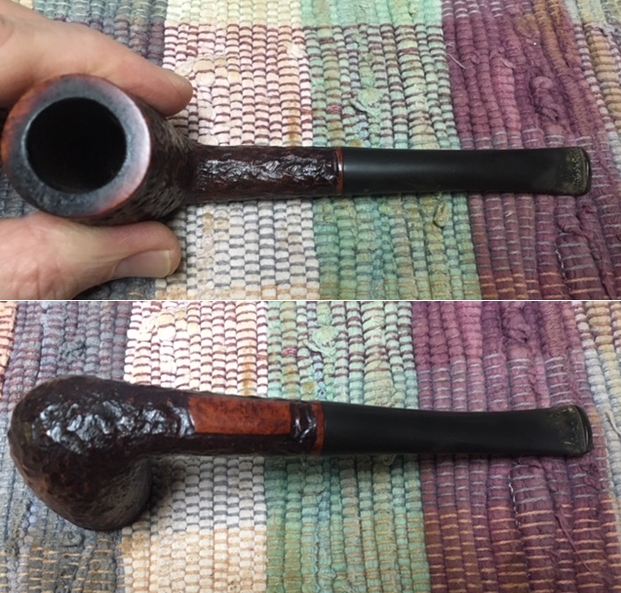
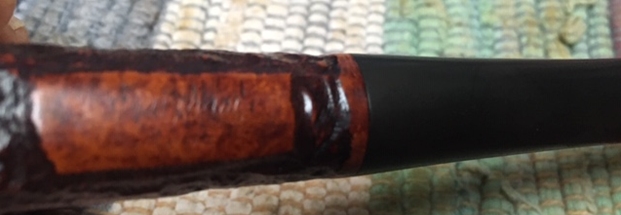
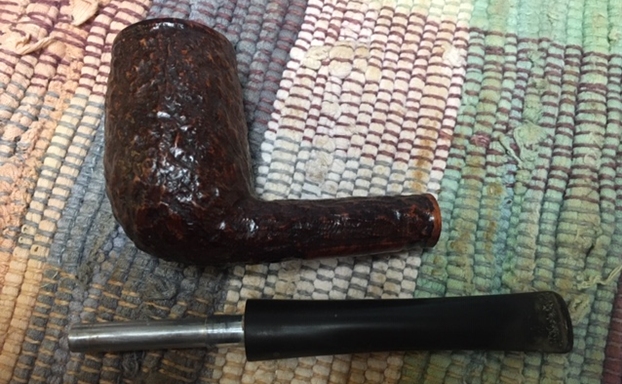
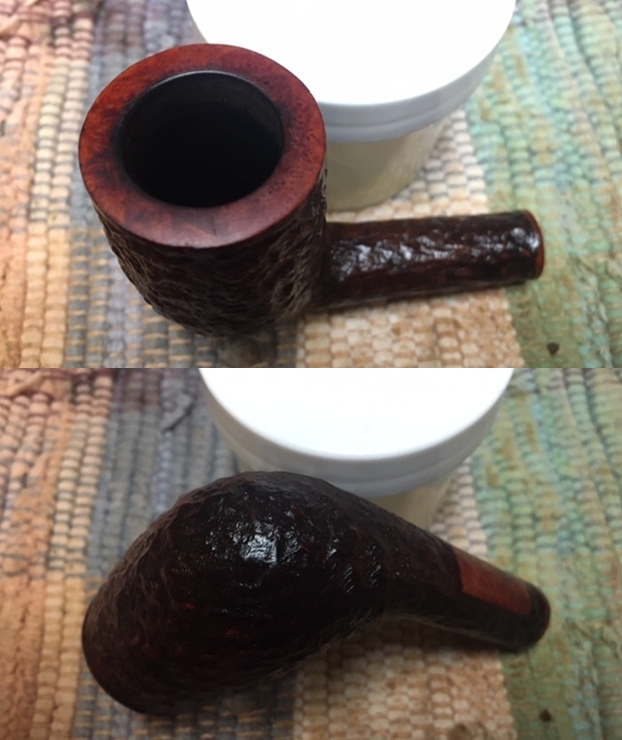
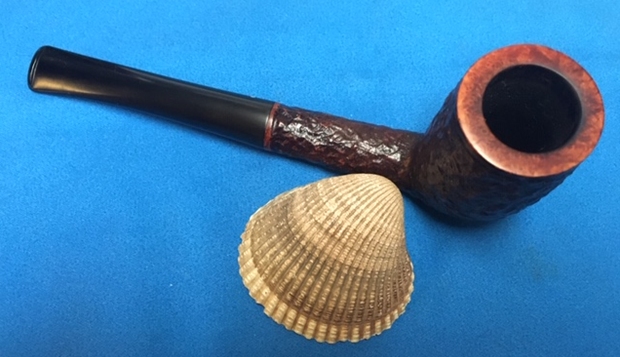
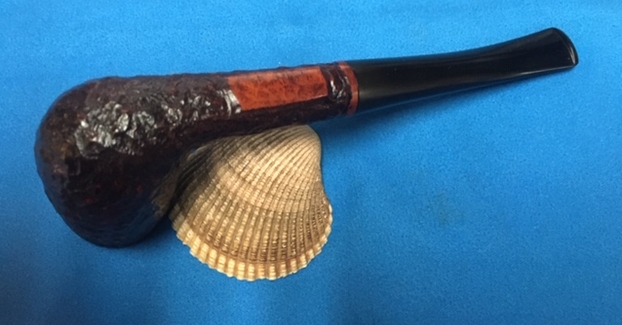
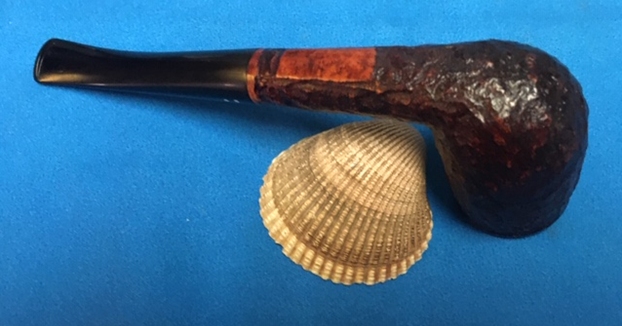
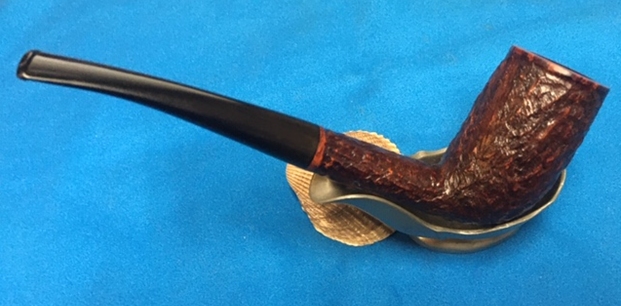
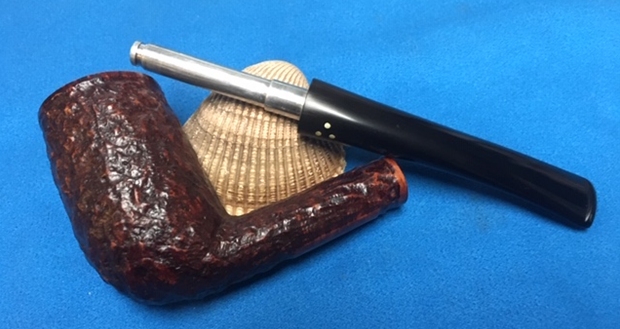
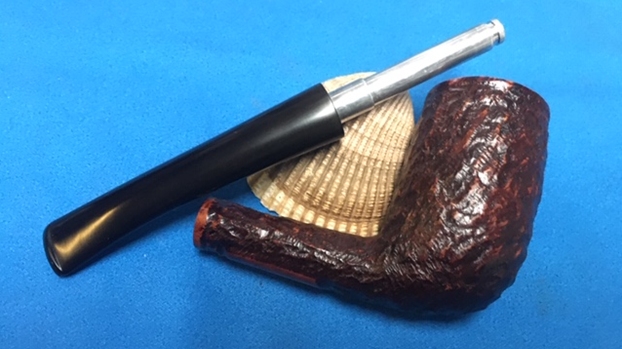
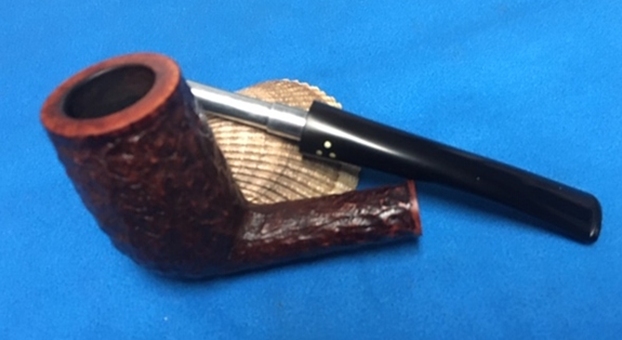
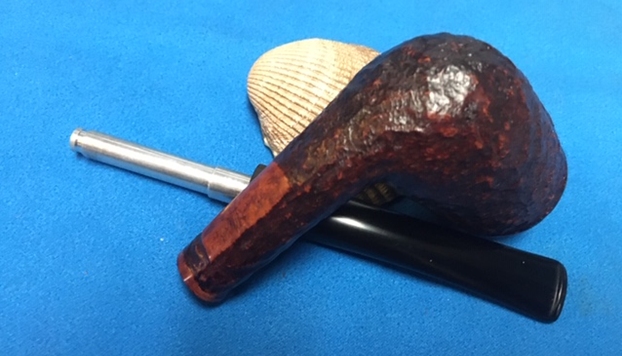
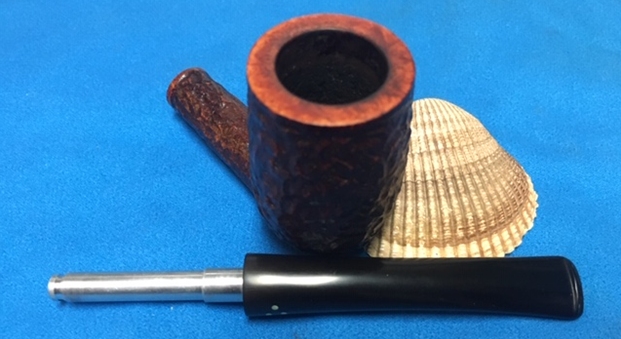
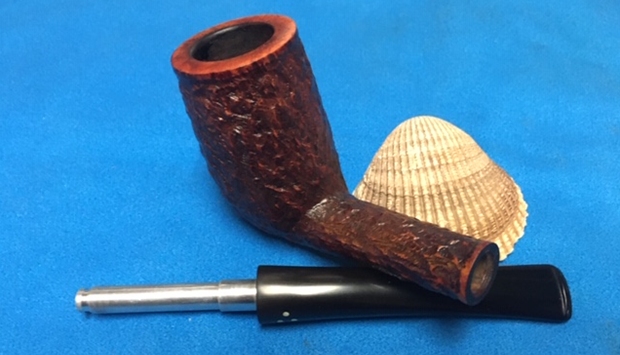
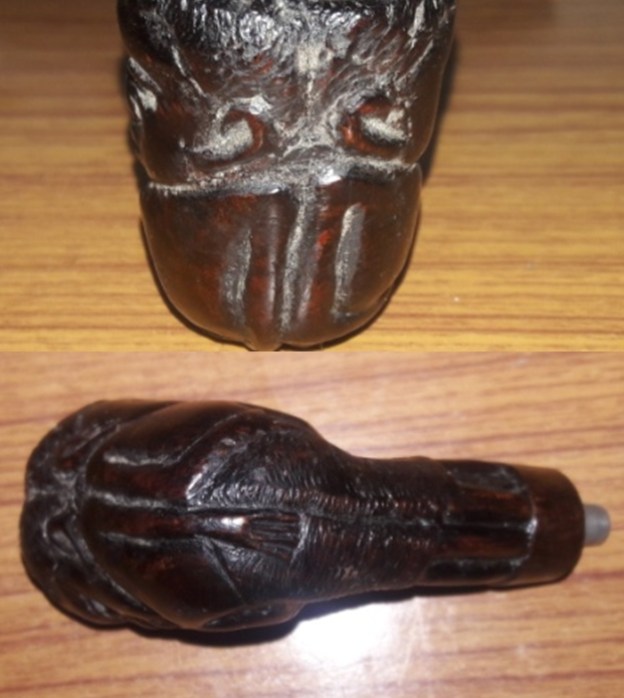
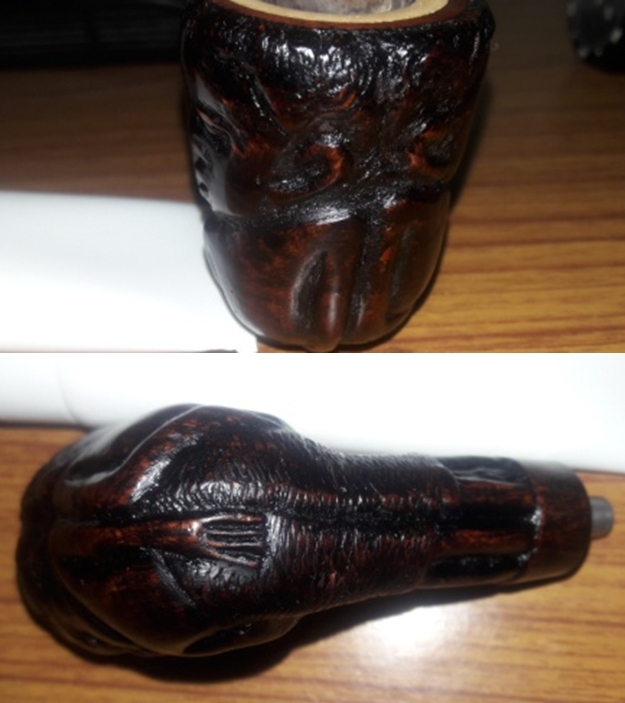
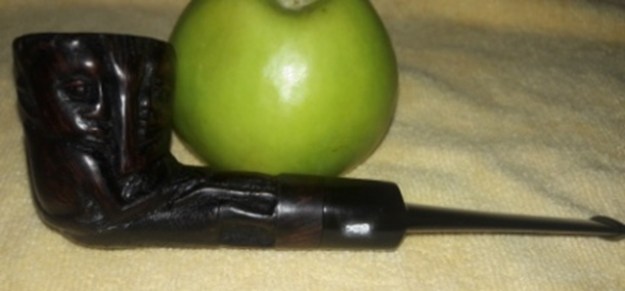
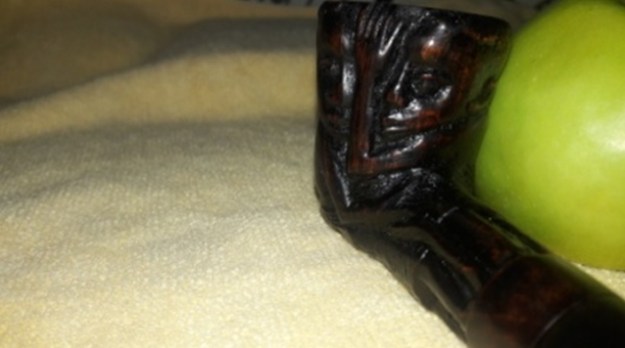
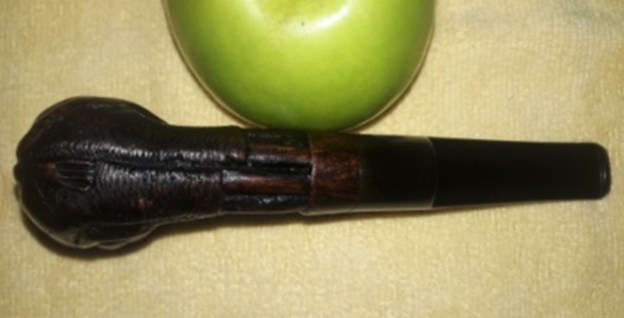
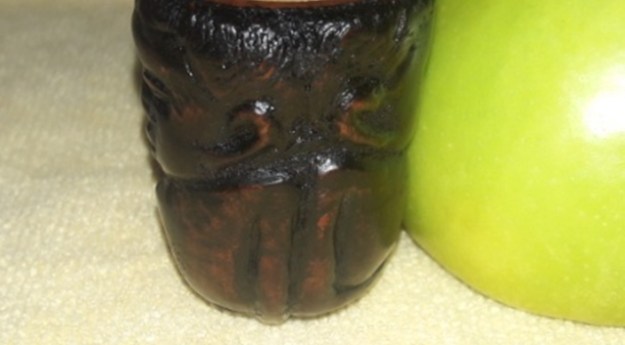
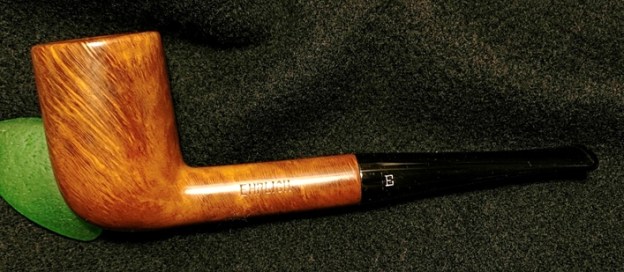
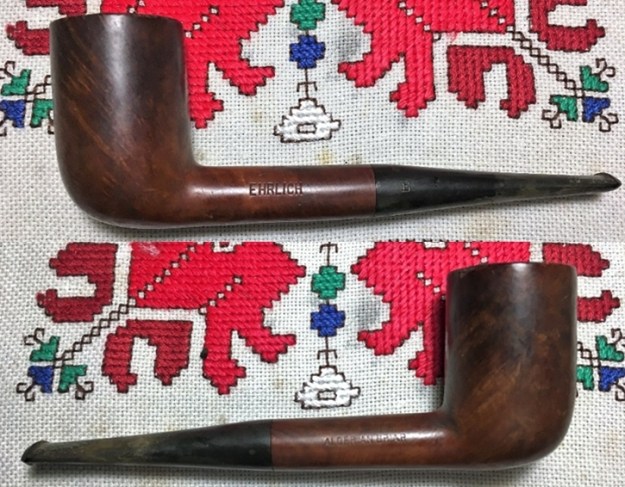
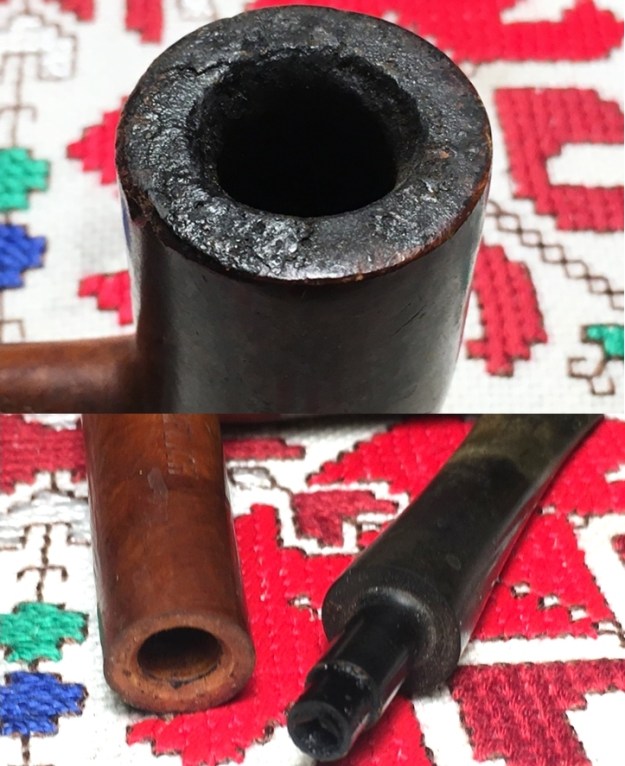
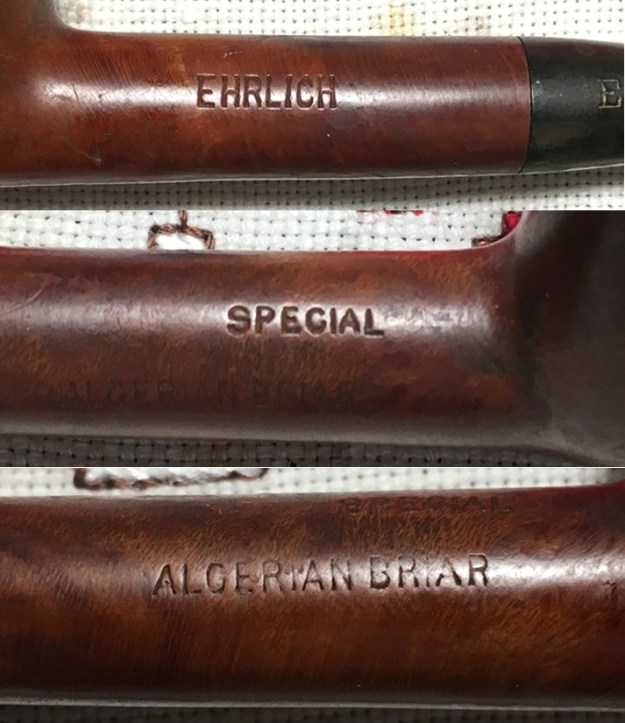
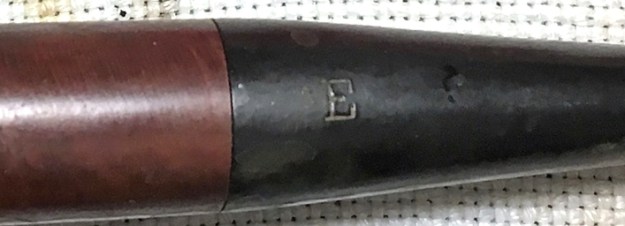
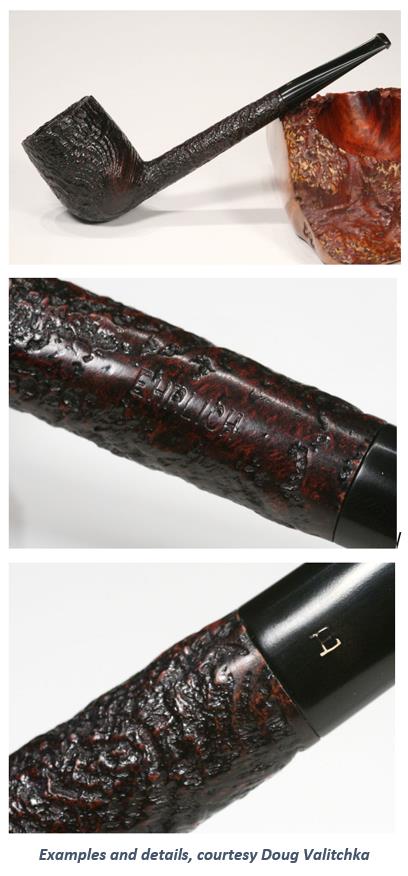
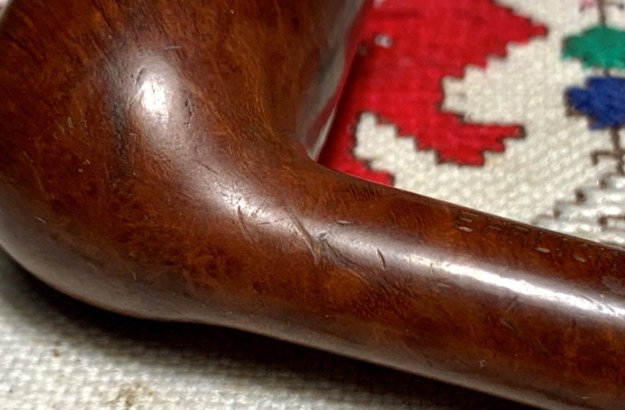
I saw this pipe on eBay from a seller in the New England state of Connecticut.  What drew my attention was the tall bowl – a Chimney shape.  There’s something about ‘Chimneys’ that I like.  They have the basic Billiard workhorse air about them, but with the tall Chimney – it’s like a challenge: pack it high and tight!  My bid held firm and the Ehrlich, which I assumed had a German COM, was added to the online collection, For “Pipe Dreamers” Only! for a pipe man or women to see, ‘dream’ of the possibilities, and commission to benefit the Daughters of Bulgaria – women and girls who have been trafficked and sexually exploited.  Todd saw this Ehrlich and commissioned him along with two other pipes – a Borge Mortensen Handmade of Denmark (see: Link for the restoration) and a Heritage Blasted Apple still in the queue – up next.  Here are the pictures of the Ehrlich Special Chimney that got Todd’s attention. The bowl is stamped with the nomenclature, EHRLICH, on the left shank.  On the upper right-hand side of the shank is stamped, SPECIAL [over] ALGERIAN BRIAR, which is dropped lower on the shank.  The stem is stamped with ‘E’ I had assumed that ‘Ehrlich’ was a German name and I had assumed, wrongly, that the Country of Manufacturing was Germany as well.  I was fully surprised to discover in my initial research that Ehrlich was a tobacconist located in one of my favorite cities, Boston.  This was a pleasant surprise because I have long appreciated the story of the US’s second oldest Tobacconist shop also located in Boston – the L. J. Peretti Co., still in operation and one of the few establishments remaining that mix blends while you test blends as you wait.   My son used to live in Boston and the city has had an attraction to me for its history, its character and yes, its sports team – Boston Red Sox and Bruins – sorry, as a long-time Miami Dolphins fan, I cannot stomach New England’s version of NFL!  My discovery of L. J. Peretti shop pipes, most of which were manufactured in NYC and some in London, started for me a fun advocation of collecting them.  I had never heard of Ehrlich of Boston until finding the article in Pipedia on the Ehrlich name.  I include it here because I enjoy adding to the opus of information, of especially Boston tobacconist shops.
The David P. Ehrlich story

Pipemakers and Tobacconists for a Hundred Years, 1868-1968.
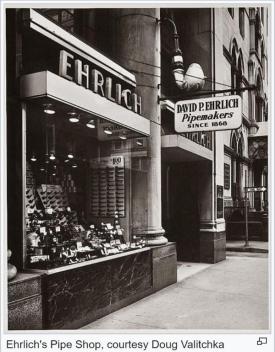
The David P. Ehrlich Company has remained solely in the hands of one family during its century of business, yet it has had several firm names and locations. David P. Ehrlich went to work in 1881 at the age of twenty for Ferdinand Abraham, who dealt in cigars and tobacco and who had begun business in 1868 at 1188 Washington Street in the South End, but in 1880 moved to the center of the city, where the firm has been ever since. David Ehrlich married the boss’s daughter. In 1916 the name became the David P. Ehrlich Company and Mr. Ehrlich devoted the rest of his life to this business. Since David’s death in 1912 it has been owned by – his nieces and nephews including Richard A. and William Ehrlich.

Ehrlich shop has since 1880 had a predilection for historic sites. 25 Court Street was close to the spot where from 1721-1726 James Franklin had, with the assistance of his brother Benjamin, published The New-England Courant. In 1908 the firm moved a few doors up Court Street to number 37, on the opposite corner of the alley that is grandiloquently named Franklin Avenue. This new locution was on the site of the one-time printing office of Edes and Gill, publishers of the Boston Gazette, in whose back room some of the “Indians” of the Boston Tea Party assumed their disguises. Soon after the end of World War II at which time the store was located at 33 Court Street a move around the corner to 207 Washington Street brought the shop diagonally across from the Old State House and onto the site occupied from 1610-1808 by the First Church of Boston. The demolition of 207 Washington Street in 1967 caused still another move to 32 Tremont Street, adjoining King’s Chapel burying Ground, which is the oldest cemetery in Boston.

The David P. Ehrlich Co. has not just occupied sites intimately associated with Boston history and institutions; it has in the past century become a Boston institution in its own right. It has specialized in fine cigars, pipes, and pipe tobacco. In addition to the retail business, the firm has long specialized in the manufacture of pipes, both from Algerian briar root and from meerschaum, a beautiful white fossilized substance, mined from the earth in Turkish Asia Minor. Meerschaum lends itself to carving, and in the nineteenth century there developed in Austria a fashion for carving pipes from it with formidably intricate decoration.
The Ehrlichs have long had meerschaum carvers, who ply their craft in the shop window to the delight of passersby. For years the bearded Gustav Fischer was a familiar figure in the window at 33 Court Street. A succession of craftsmen have continued the tradition. and still make and repair pipes in the window of the new Tremont Street shop. They still turn their meerschaum pipes by hand on a foot operated wooden lathe made in Austria about 1871. Although briars are today turned on power lathes, meerschaum can only be turned on a foot-operated lathe.

As amber was used for the bits in his better pipes, David P. Ehrlich found himself in the amber business as a side line. For years the firm has been noted for amber jewelry in its many types and forms, often purchasing old examples from estates to maintain its large and varied assortment. And with the meerschaum and die amber as a nucleus, a variety of artifacts dealing with tobacco and smoking, as well as prints of Boston have come to decorate the shop. There is a display case in the Boston Museum of Science donated by David P. Ehrlich Company which outlines the story of amber.

Many of the mahogany display cases that were installed in Court Street early in the century have been transplanted to Washington and then to Tremont Streets, so that the present premises, although new, have a strong family resemblance to those that we knew on our earliest visits to Ehrlich’s. This is good sense in Boston, where people do not welcome needless change for its own sake.

In 1956 when the old Harvard Square firm of Leavitt and Peirce was offered for sale, the Ehrlich brothers, because of their Harvard connections, could not resist acquiring it. Richard A. Ehrlich was a member of the class of 1922; his brother William of 1925. As they had known for years this seventy-year-old establishment, which had done business in the same location in Harvard Square longer than any except the College itself, they took it over, with the idea of keeping it as it was, even to the metal ceiling. In 1958, to celebrate its 75th anniversary, David McCord edited for them an engaging volume entitled 75 Aromatic Years of Leavitt & Peirce in the Recollection of 31 Harvard Men . And as Leavitt & Peirce is to Harvard College, so is the even older David P. Ehrlich Co. to Boston – the purveyor of “a brand of special knowledge” built up over a century of honest dealing.

The January 1968 issue of Antiques Magazine carried a feature by Wendell D. Garrett titled “Paraphernalia of smokers and snuffers” describing in considerable detail the impressive collection of paraphernalia and smokers articles from many countries and centuries on permanent exhibit in their Leavitt & Peirce Cambridge tobacco shop. The Boston Public Library in Copley Square devoted twenty-five display cases during the month of January to the David P. Ehrlich Company Centennial Exhibition of Tobacciana made up of the Leavitt & Peirce antique collection, the David P. Ehrlich collection of carved meerschaum pipes and their two venerable Cigar Store Indians.

There are pipes of every price and size and shape, from good ordinary smoking pipes up to briars of the finest grain and meerschaums band cut, turned and polished front the best Turkish blocks. This is in keeping with a catalogue statement: “we have never ceased to regard smoking as an exquisite pleasure, rather than a mere habit.” Another of the principles of the firm is embodied in the observation: “we are pipe makers – not plumbers. There are no tricky gadgets in Ehrlich pipes.” But when a man drops his pipe, the makers will transform themselves into repairmen in a highly efficient manner. All this has been going on for a century, and we confidently trust that it will outlast our time, and then some.

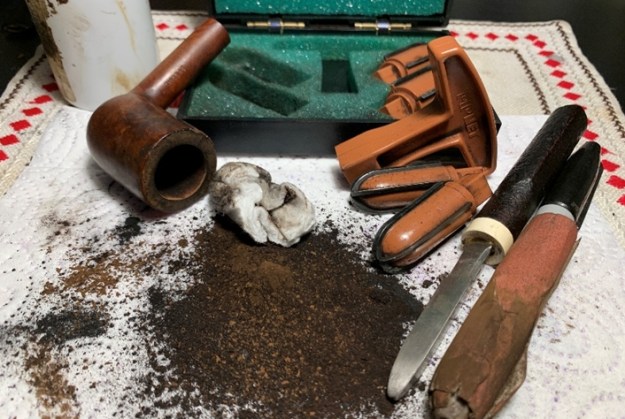
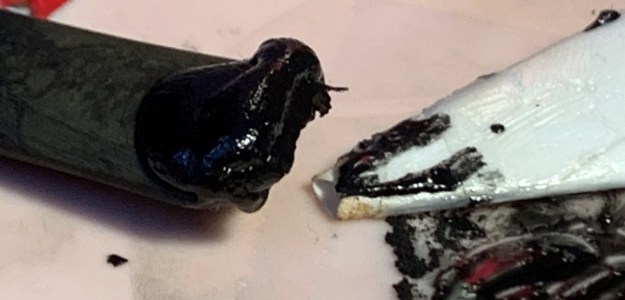
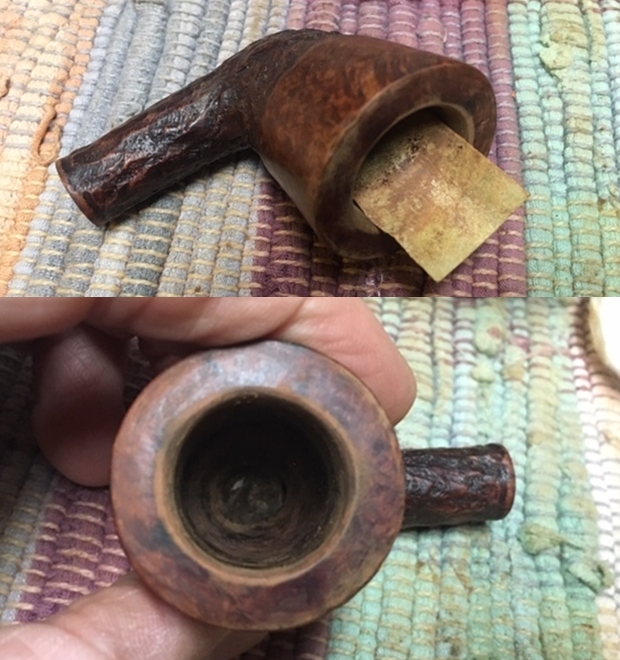
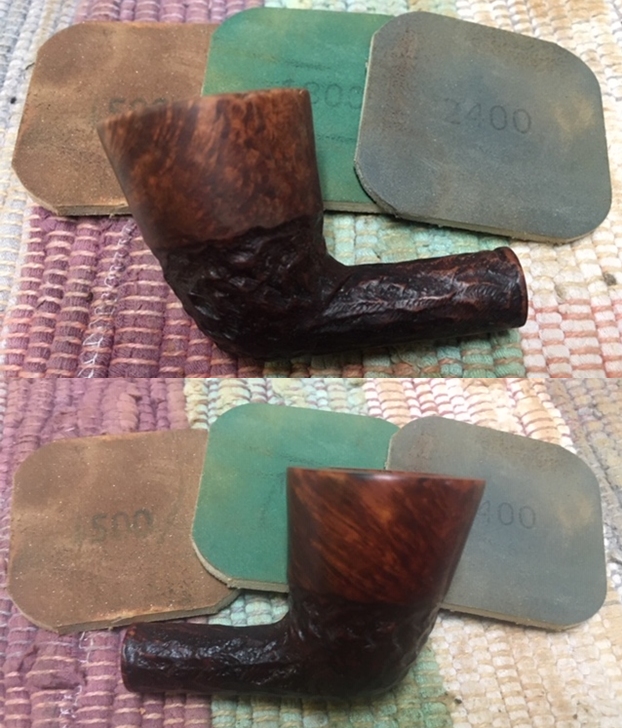
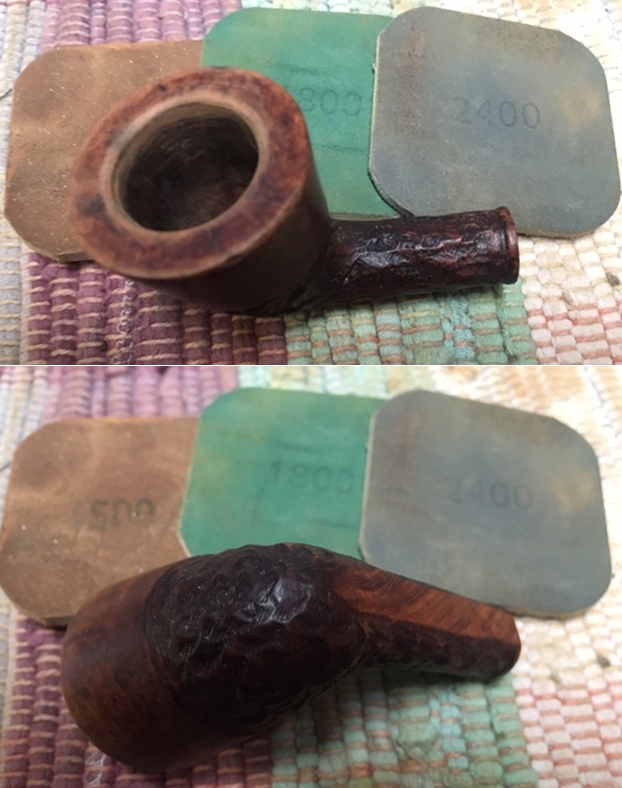
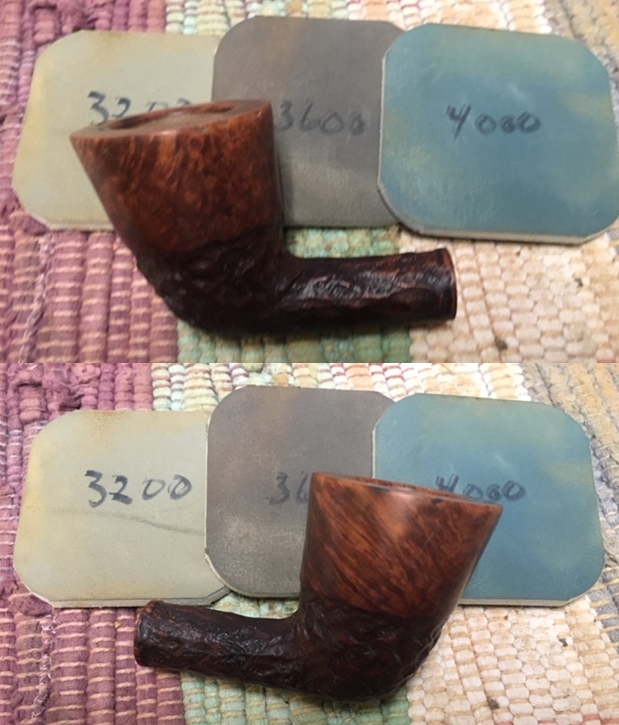
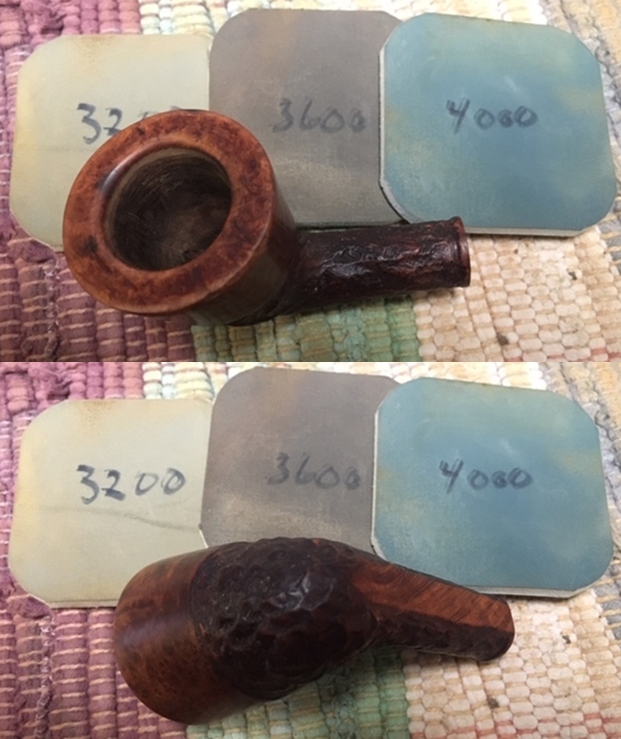
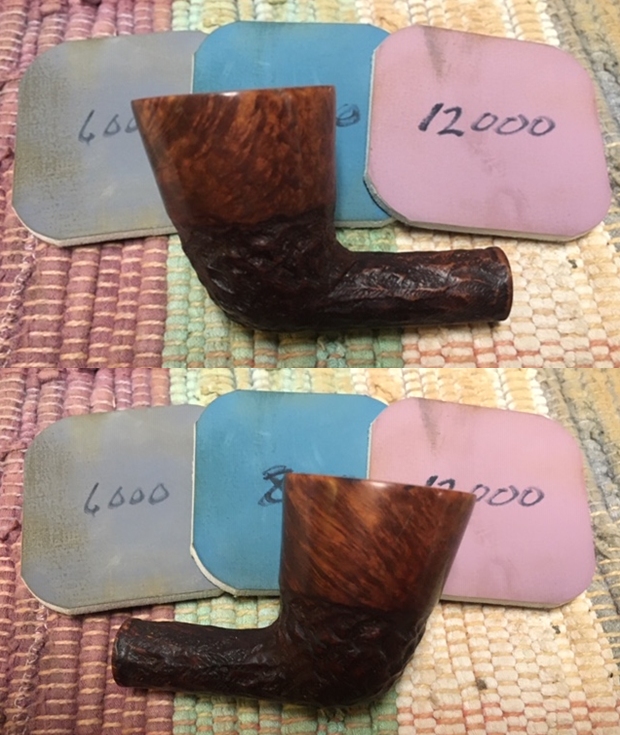
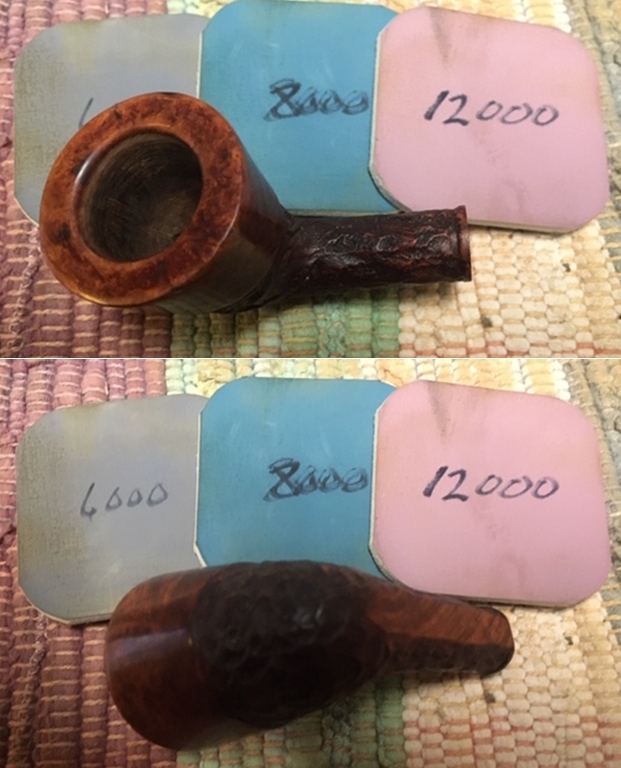
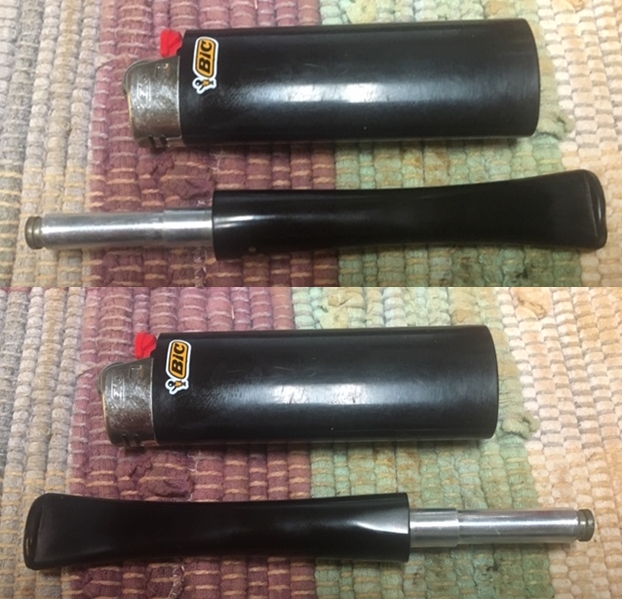
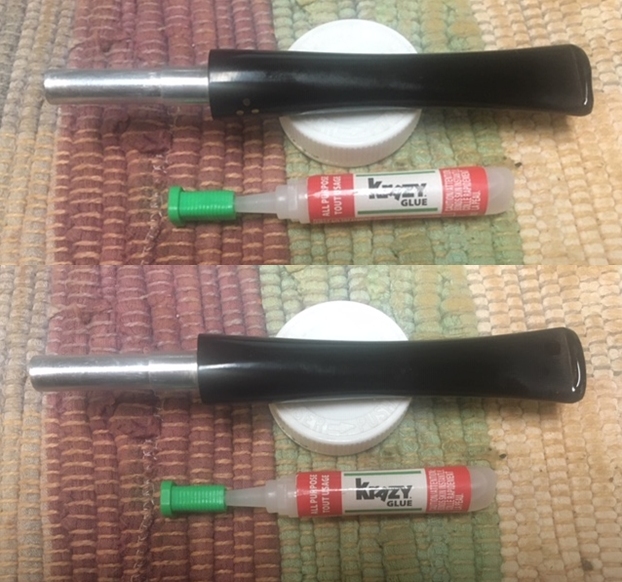
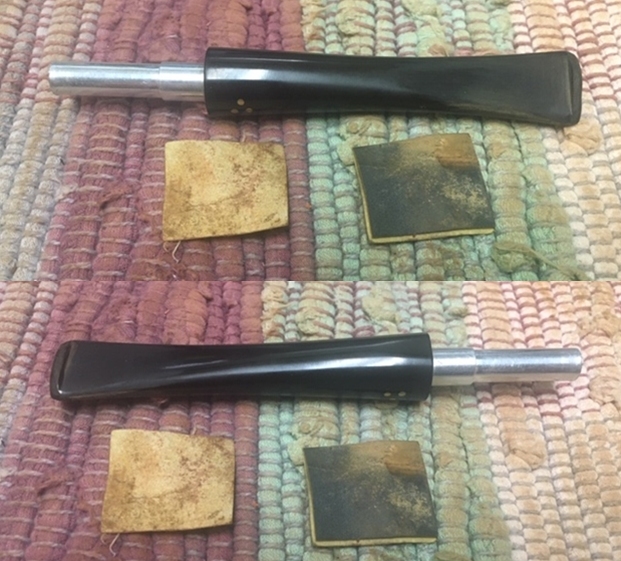
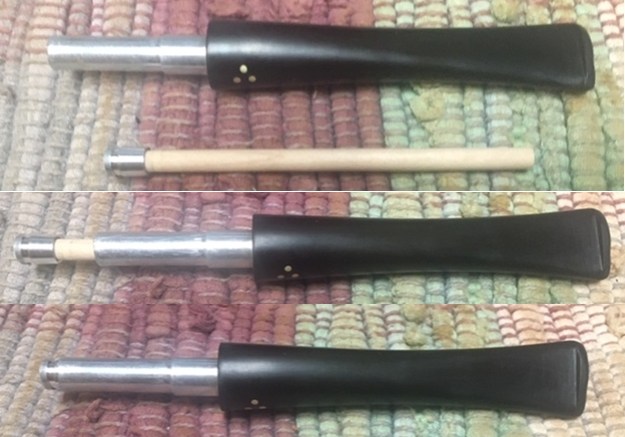
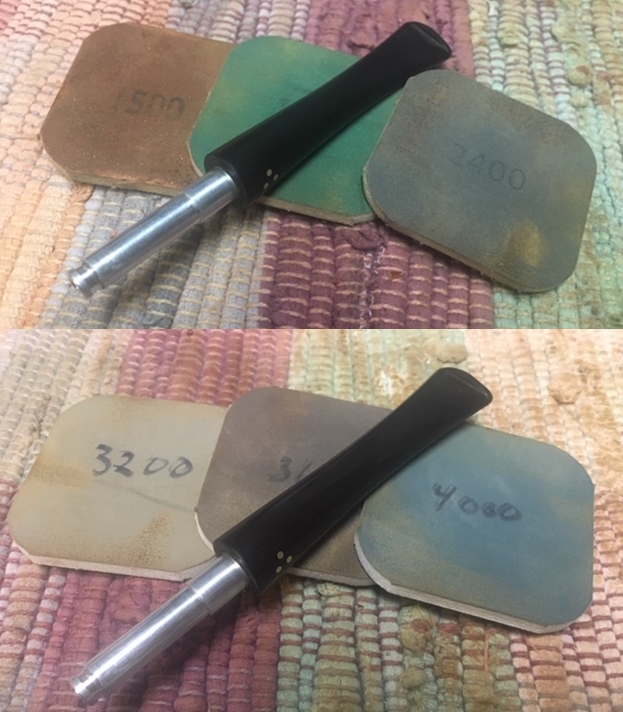
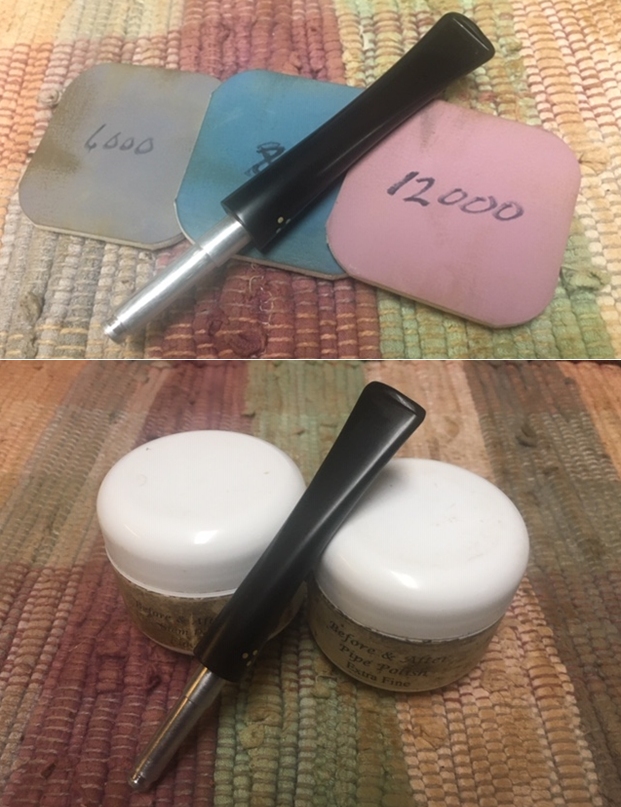
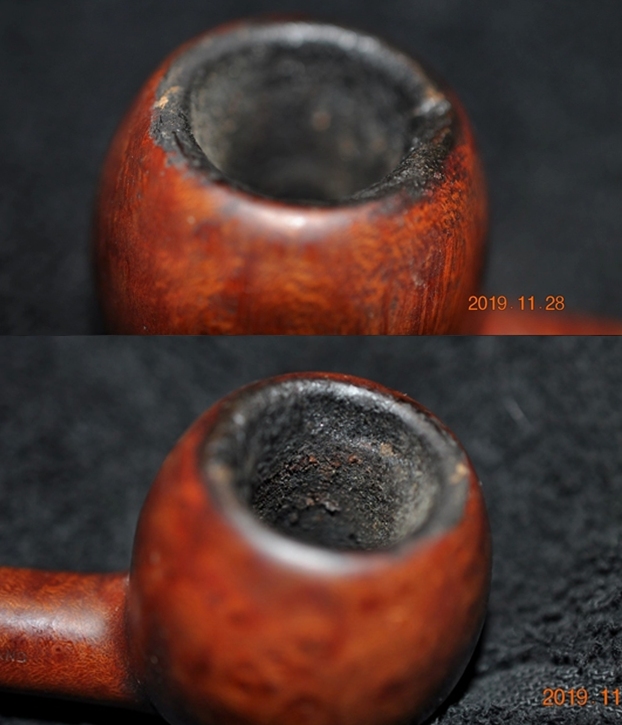
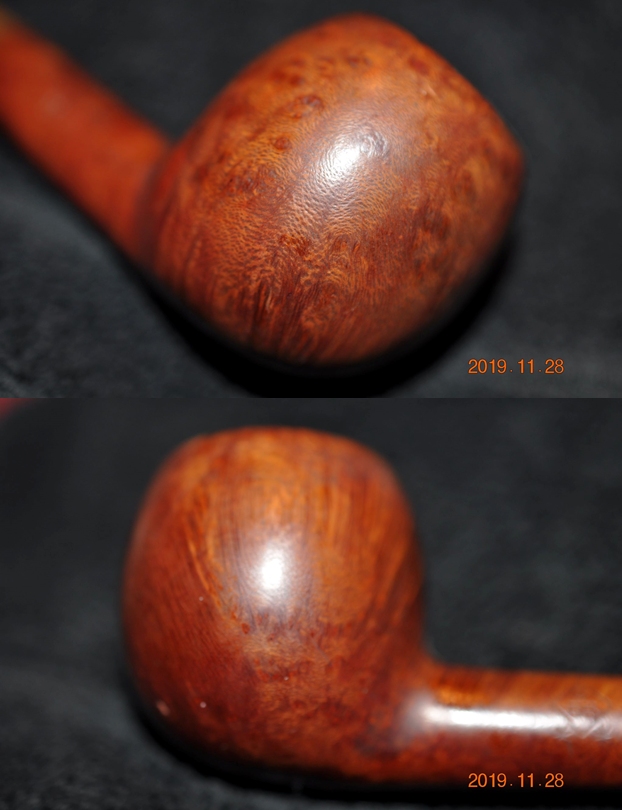
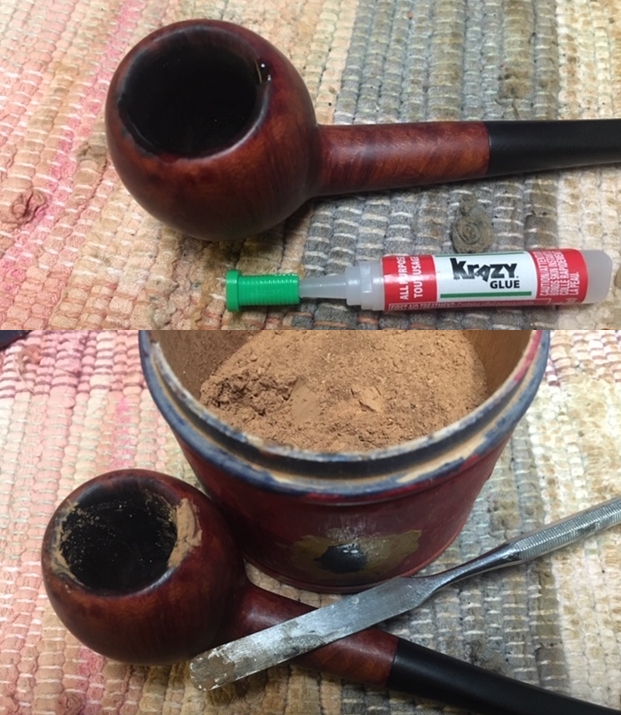
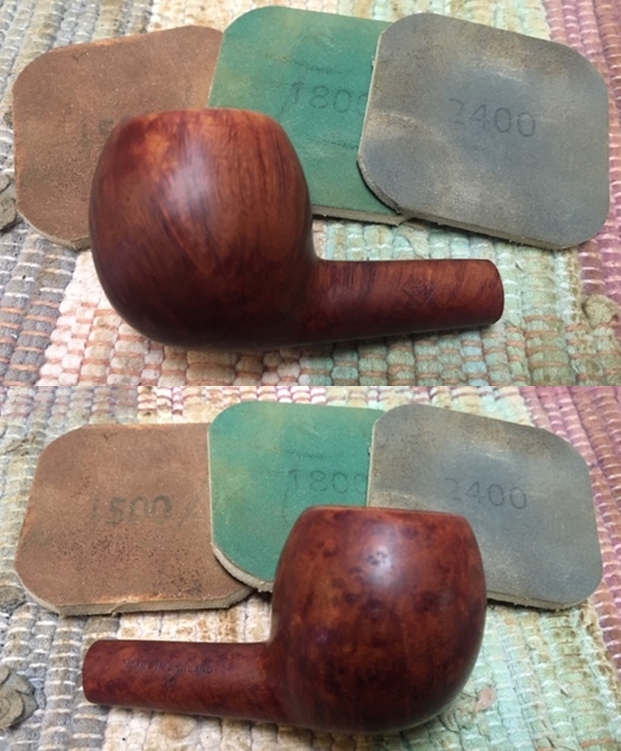
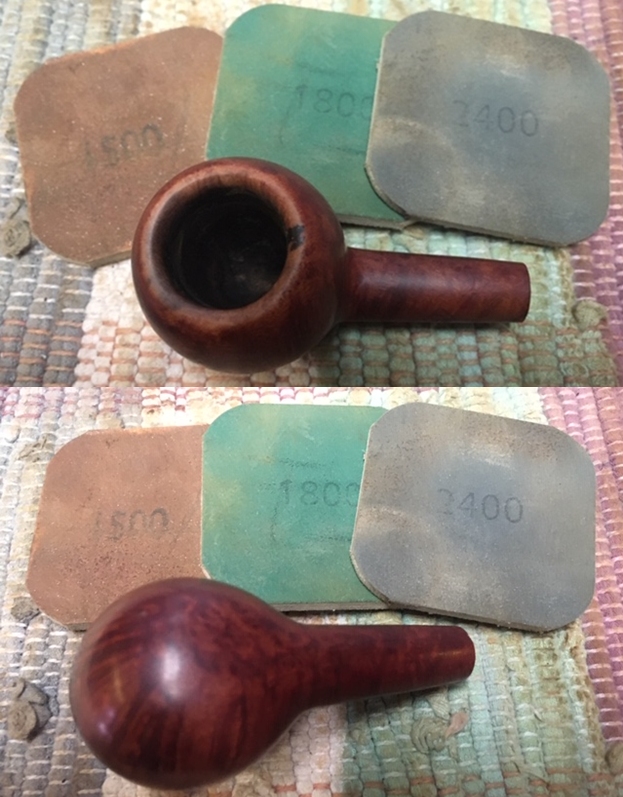
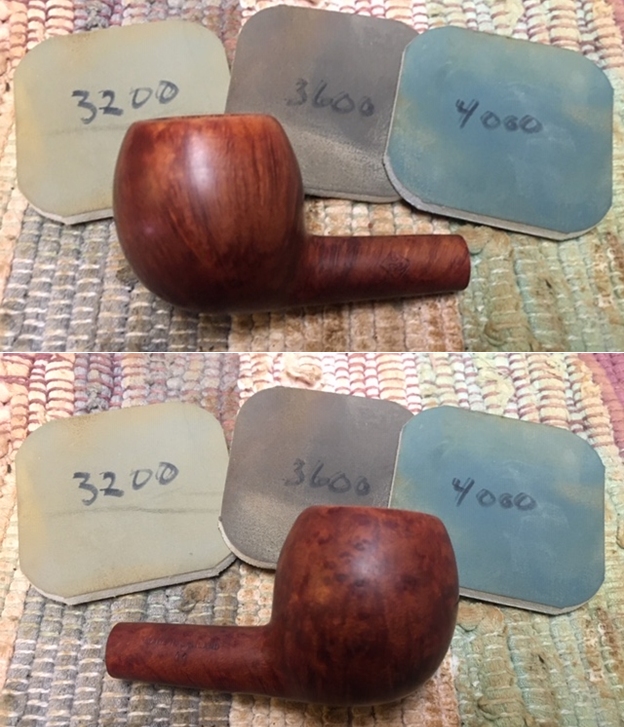
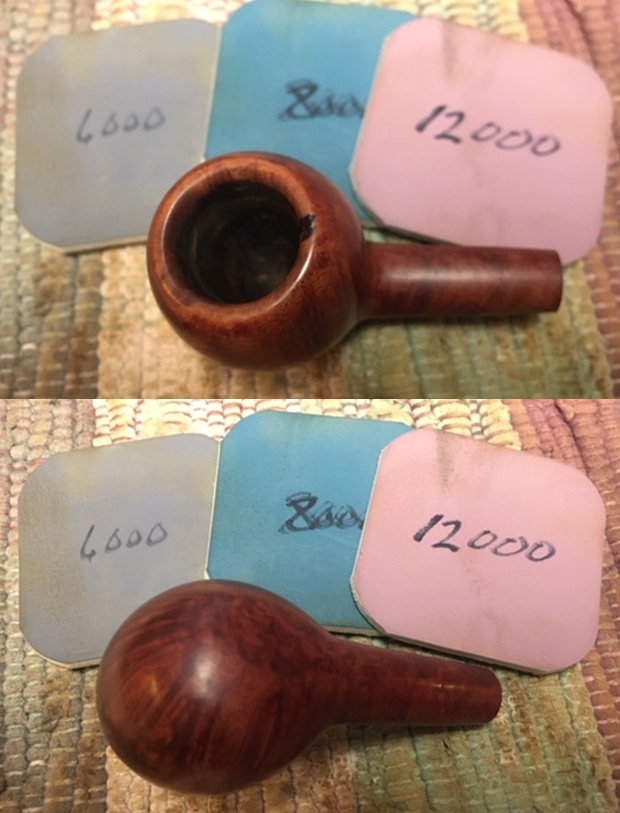
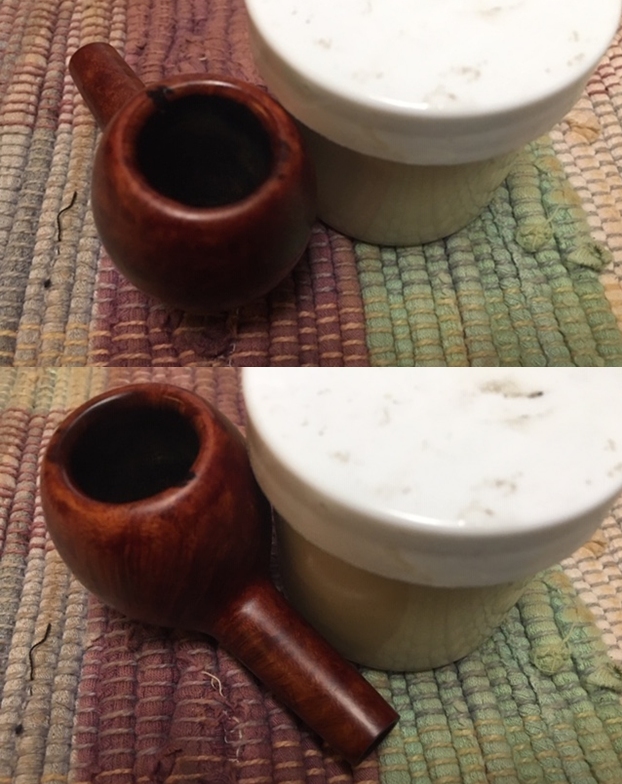
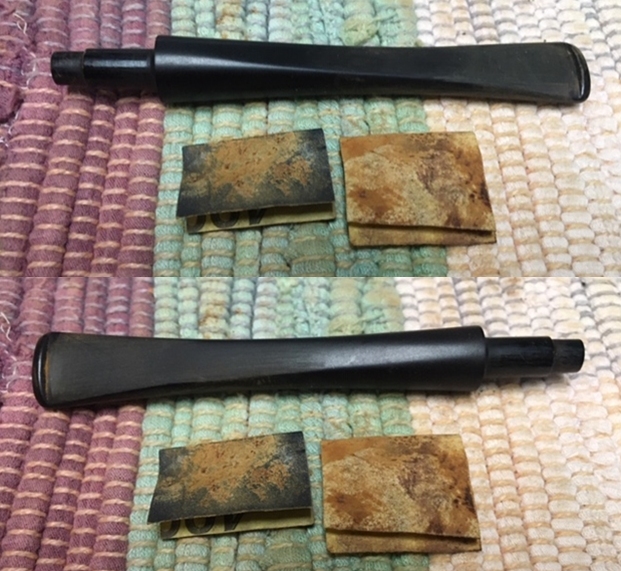
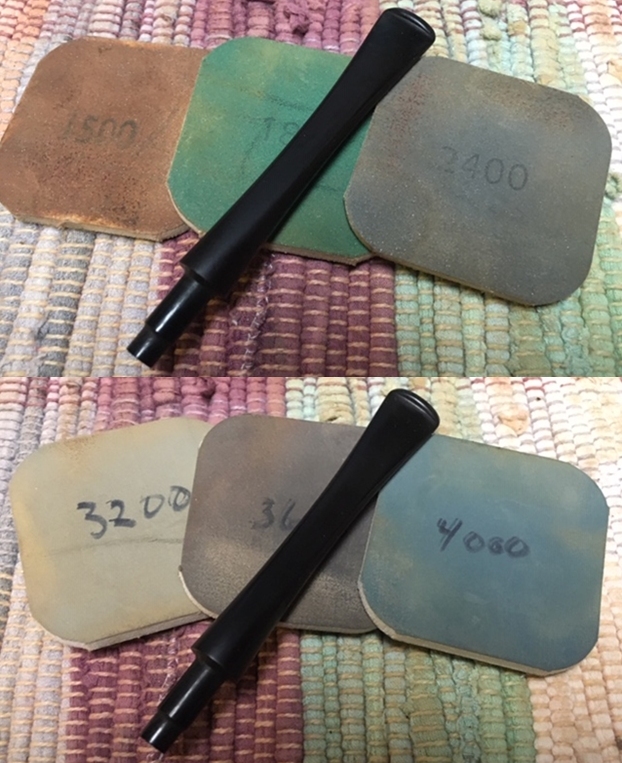
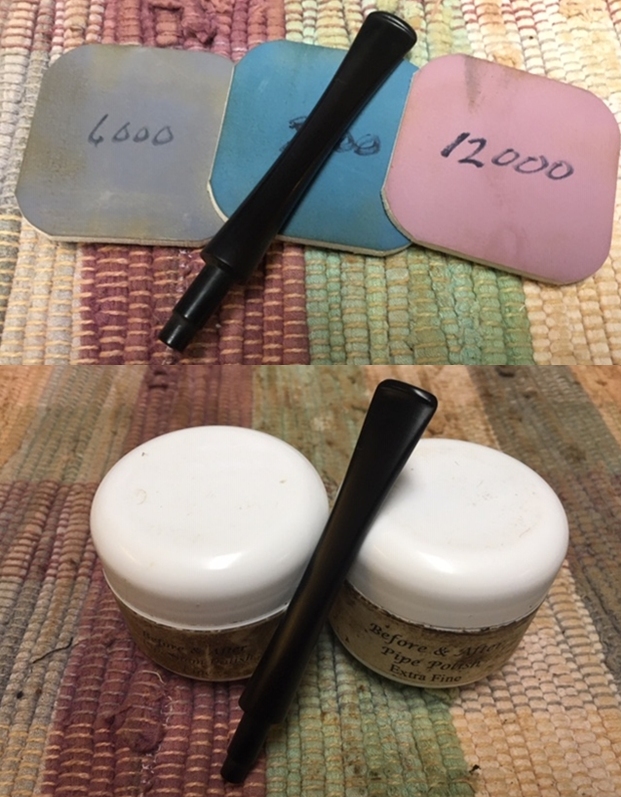
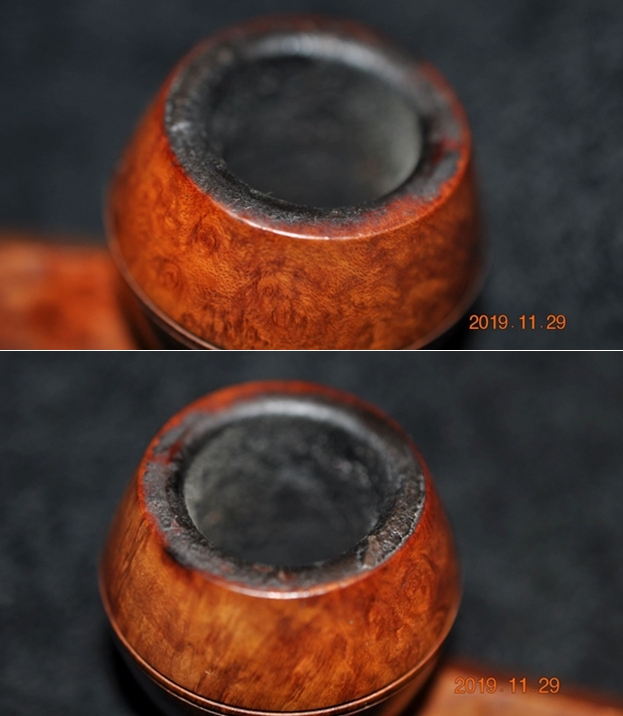
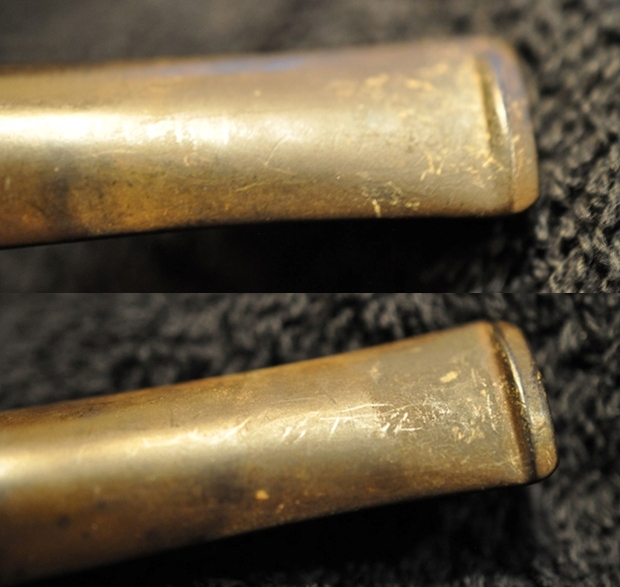
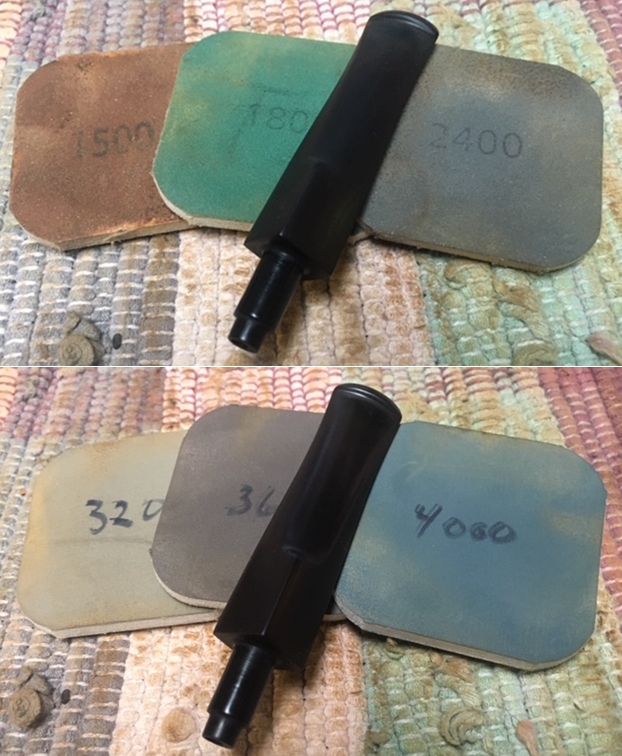
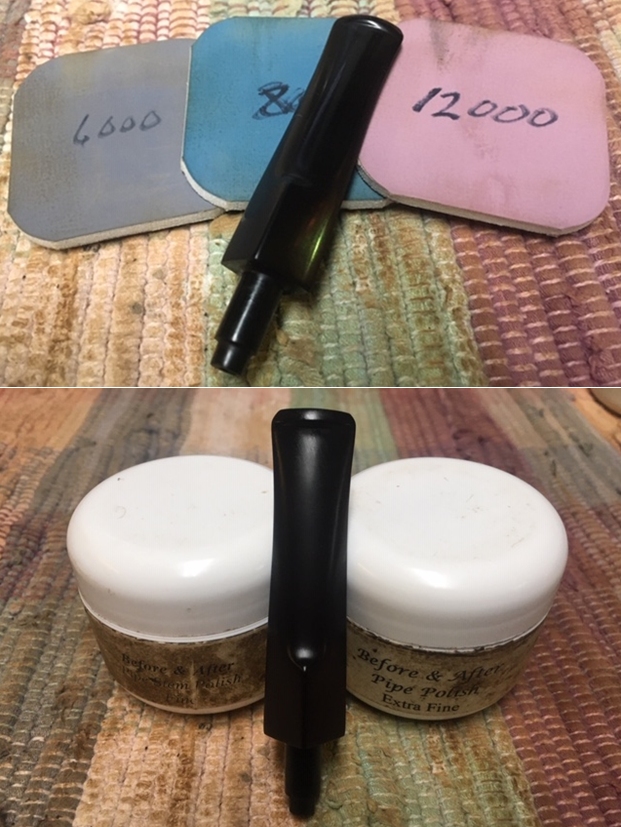
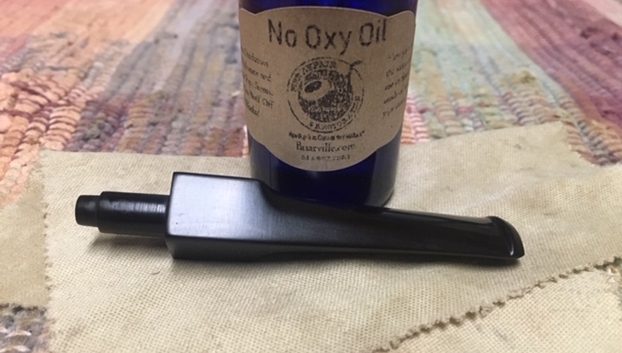
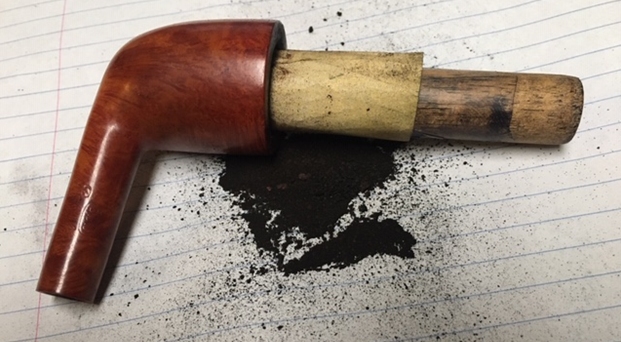
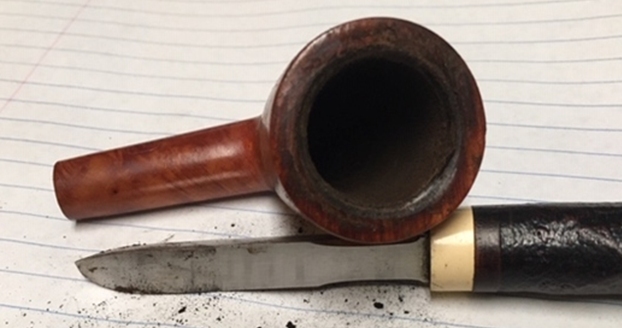
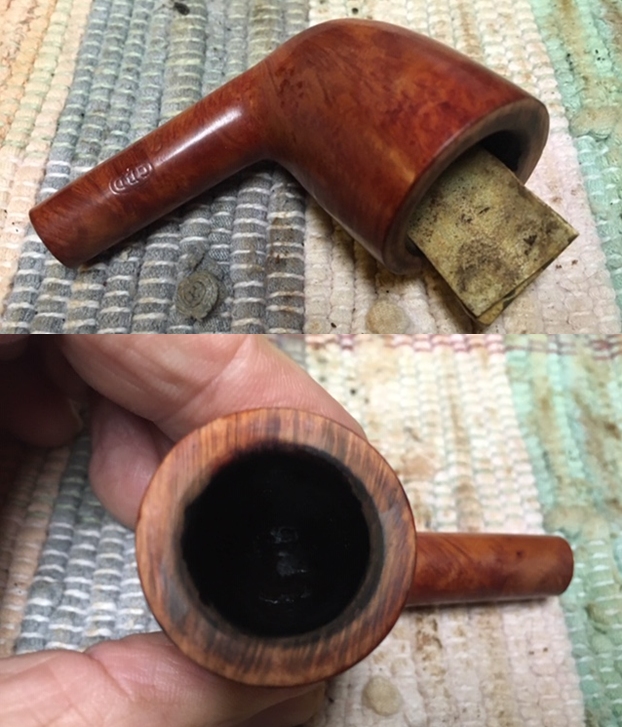
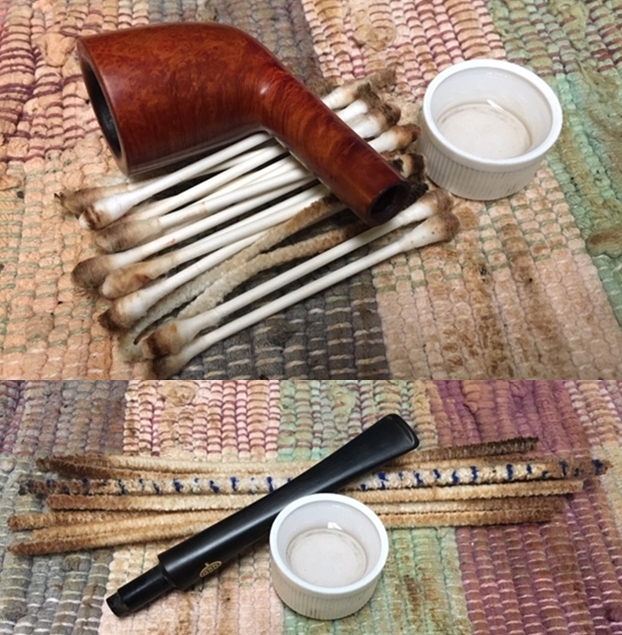
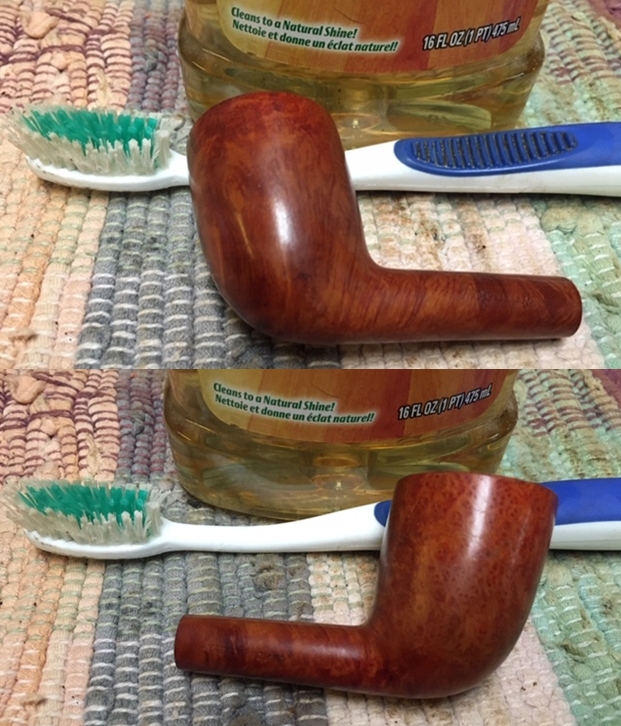
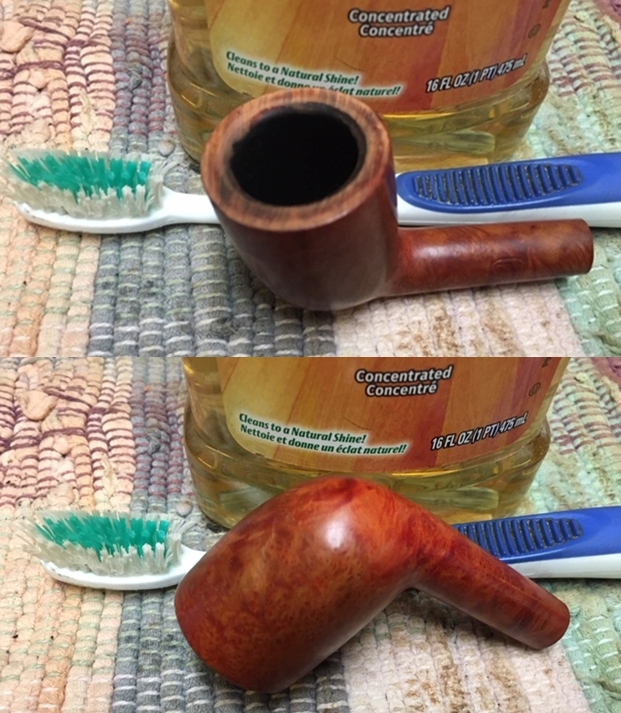
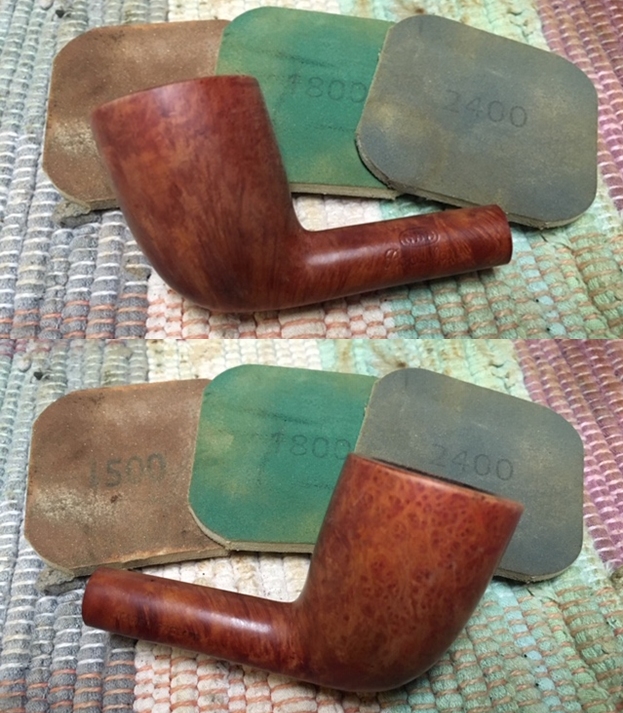
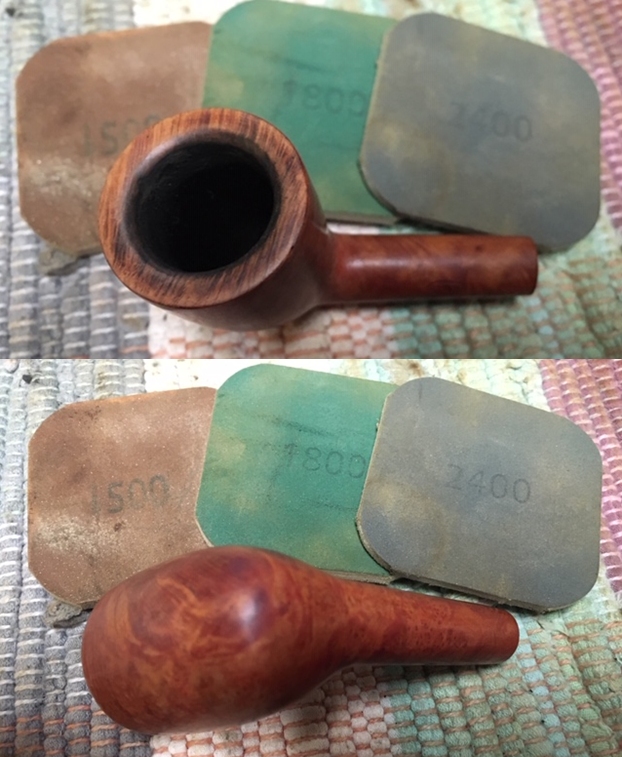
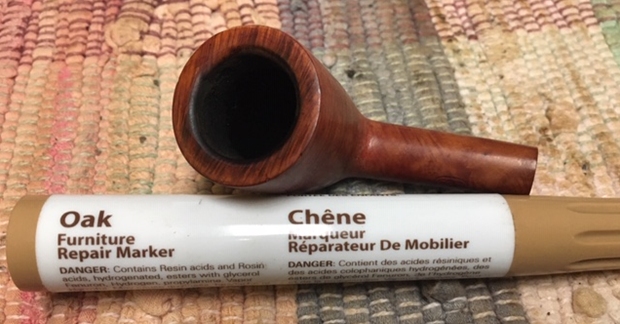
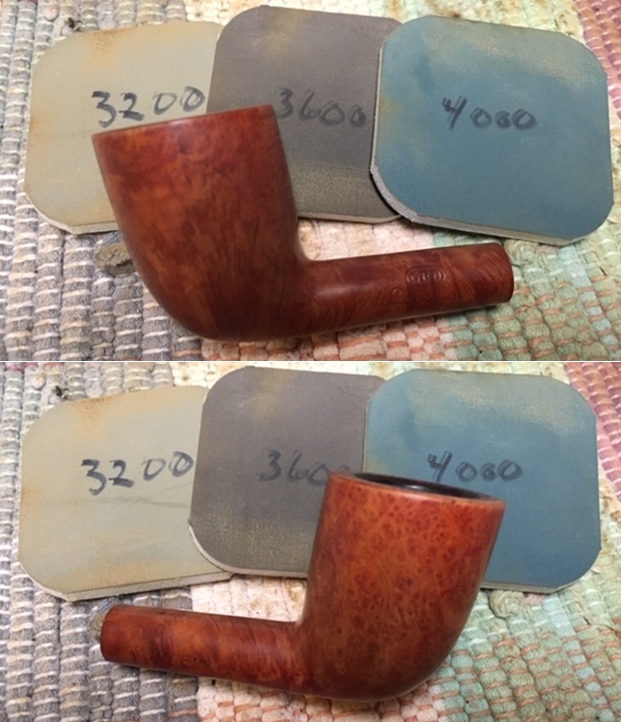
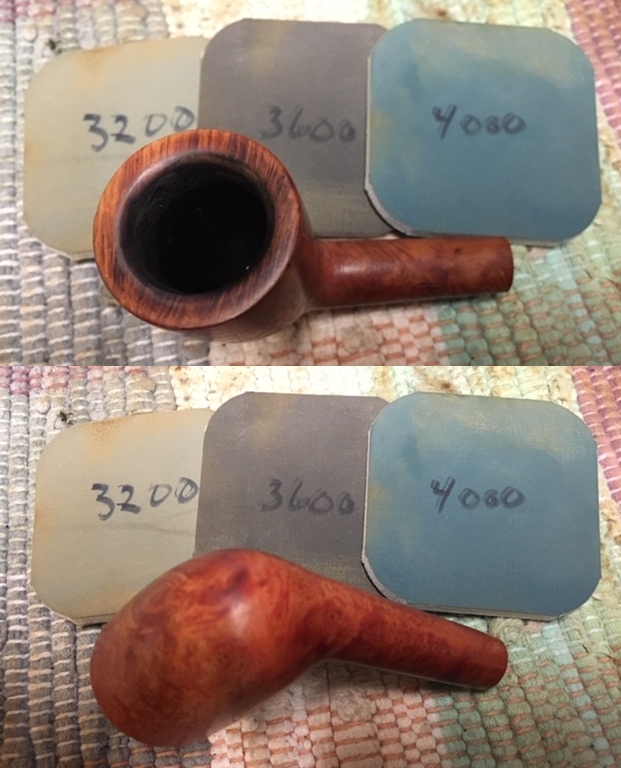
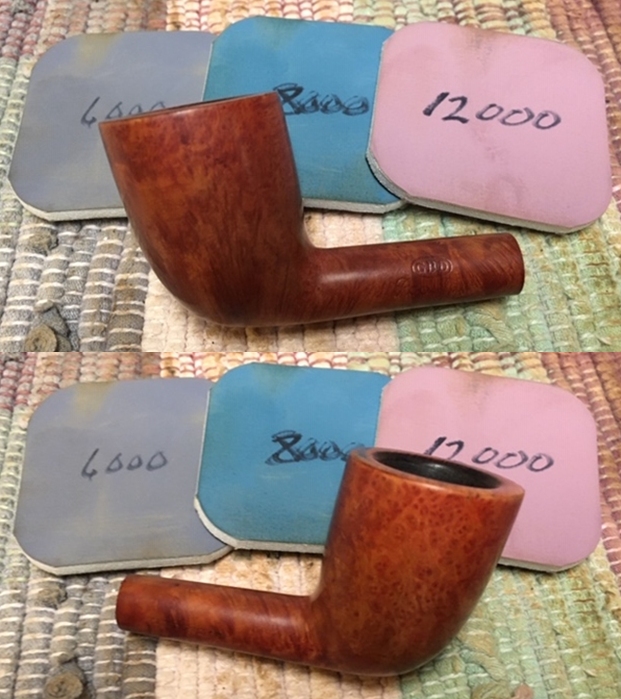
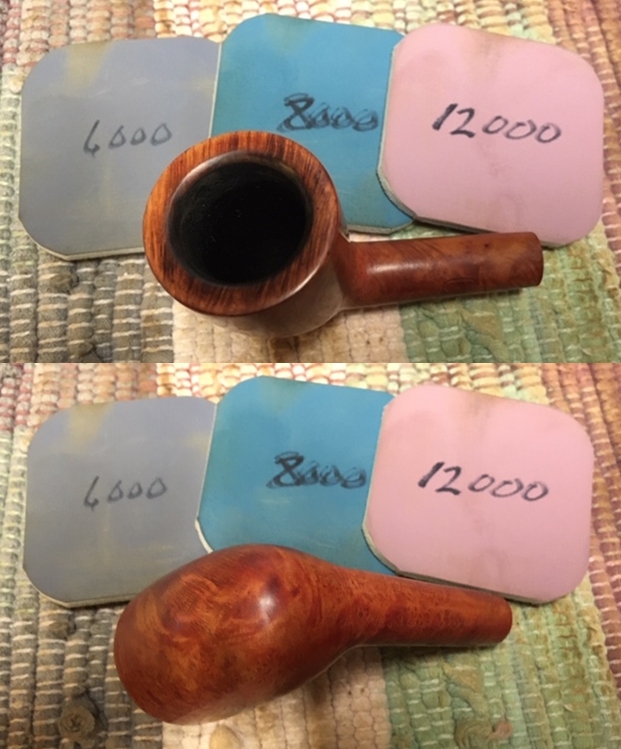
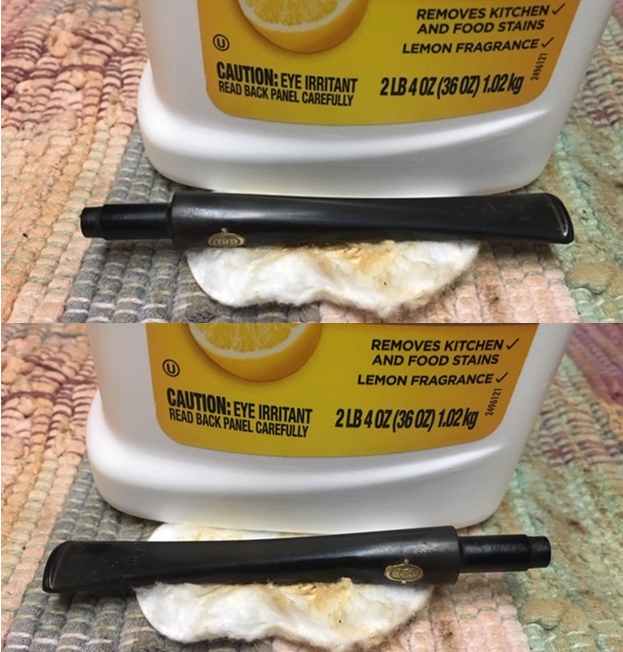
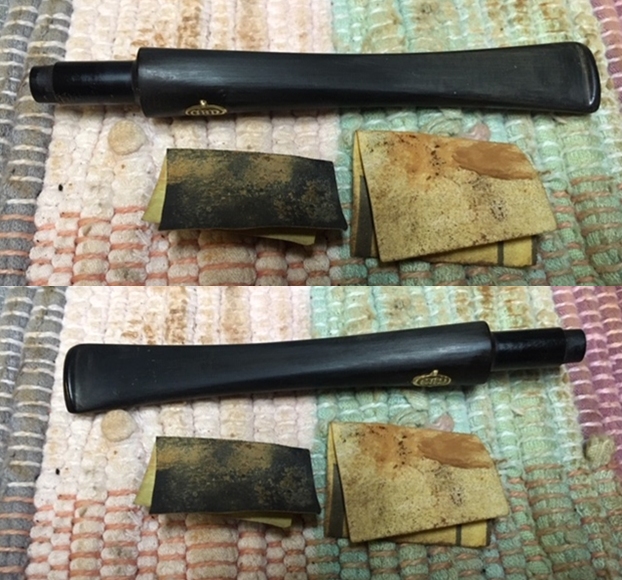
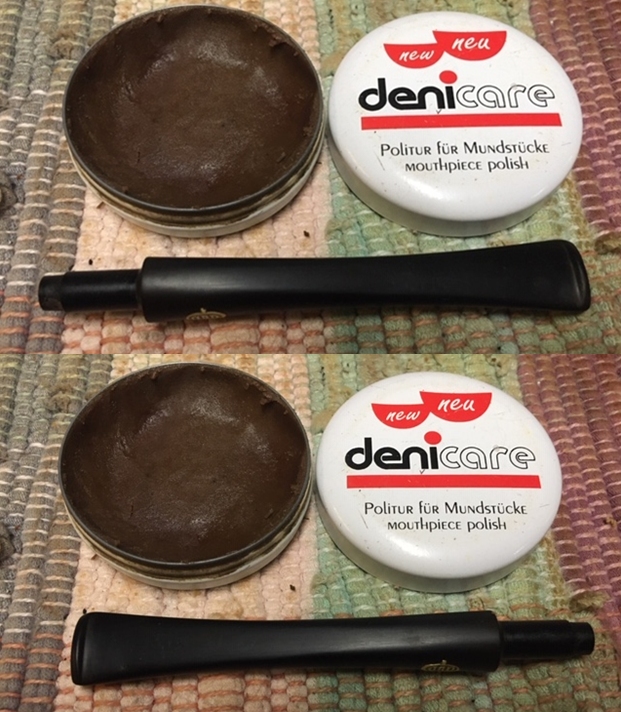
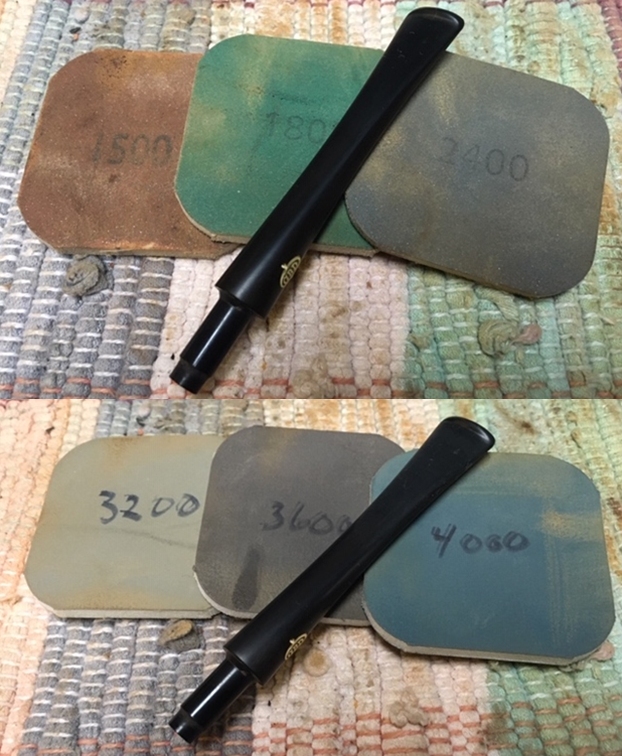
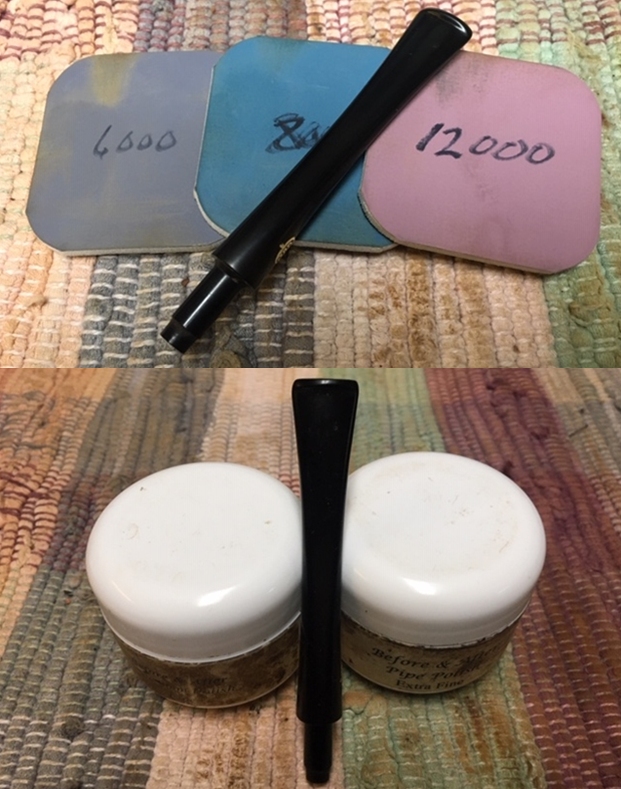
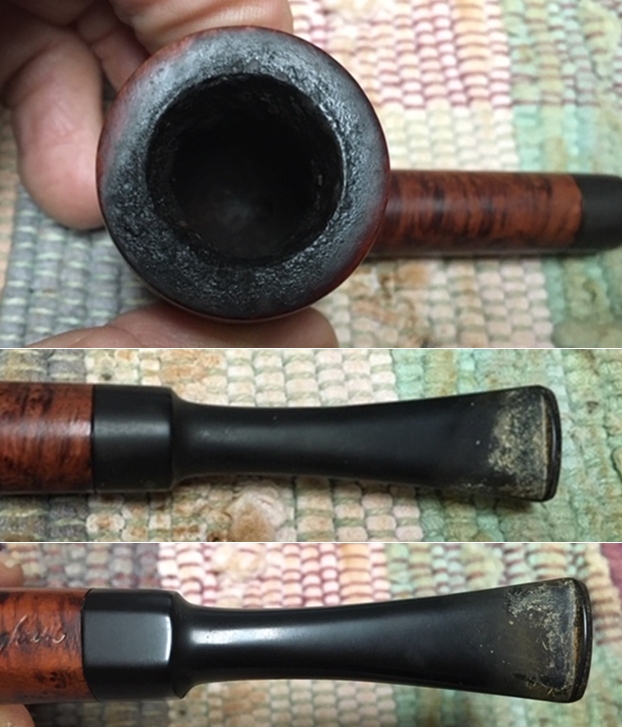
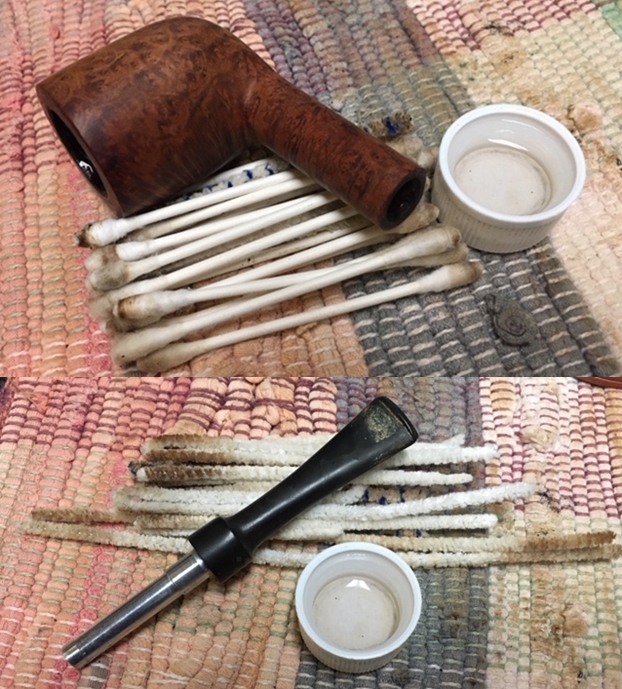
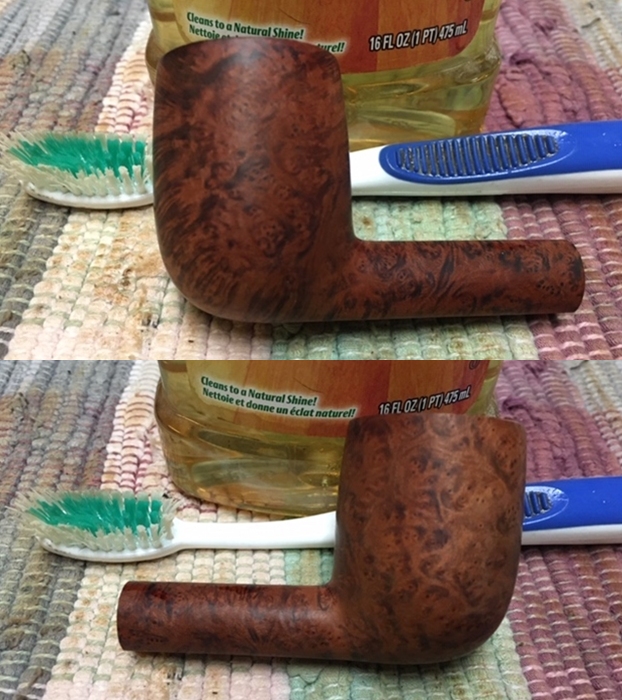
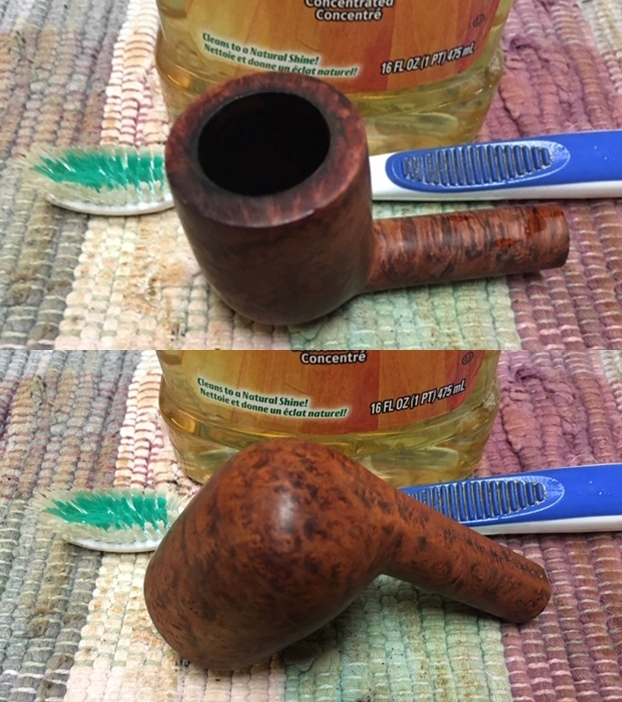
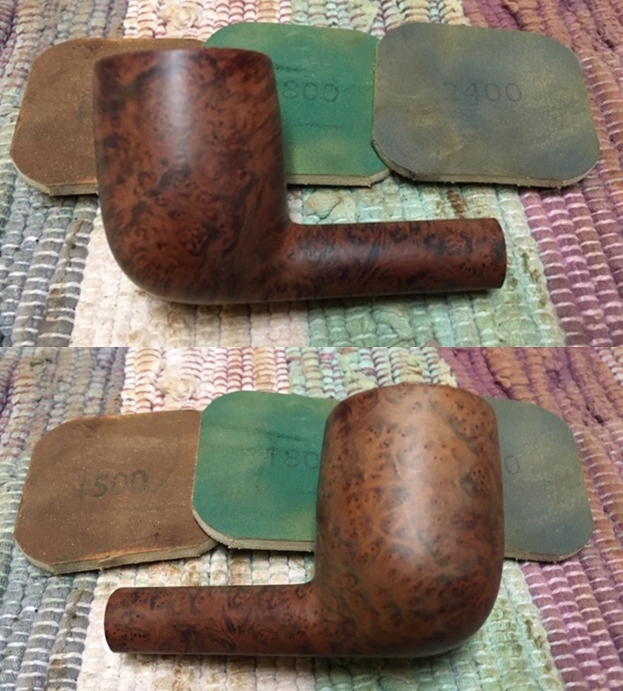
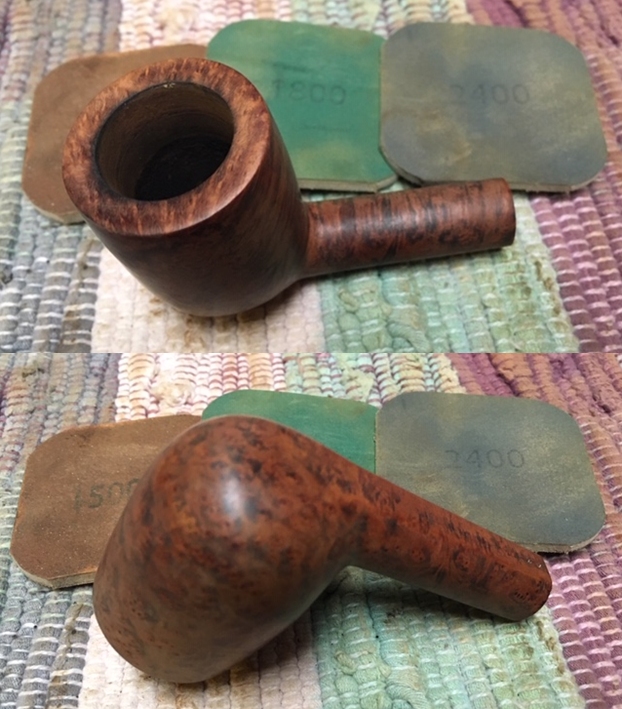
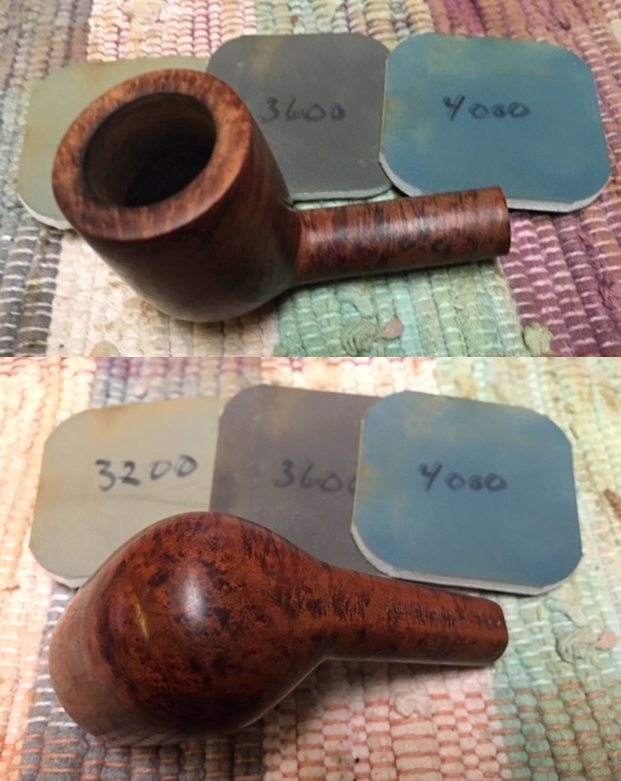
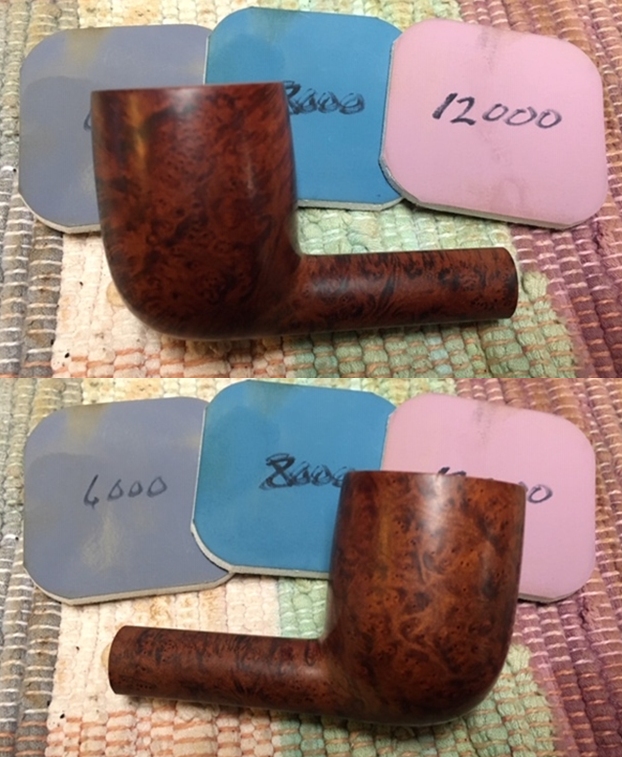
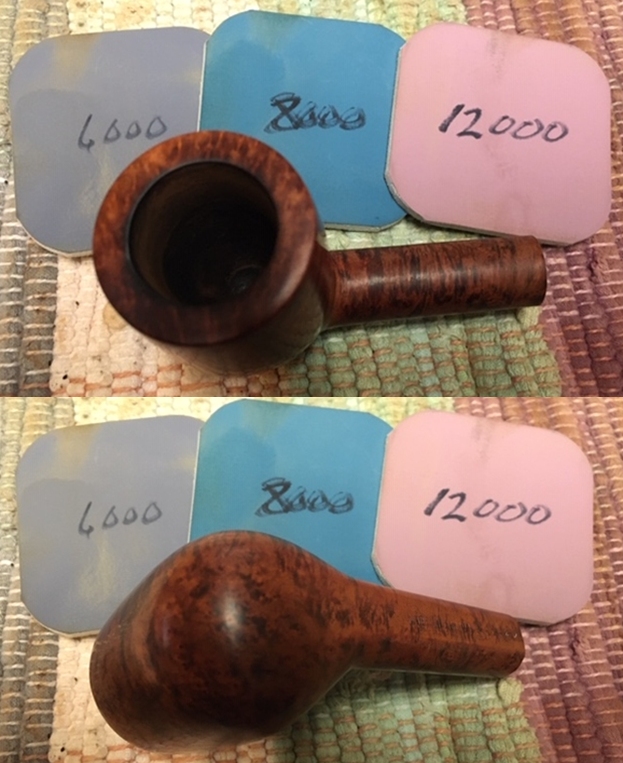
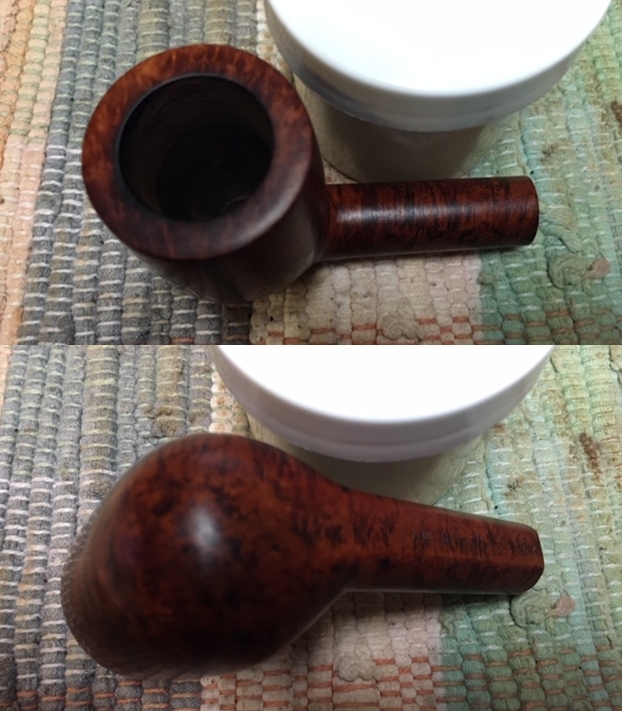
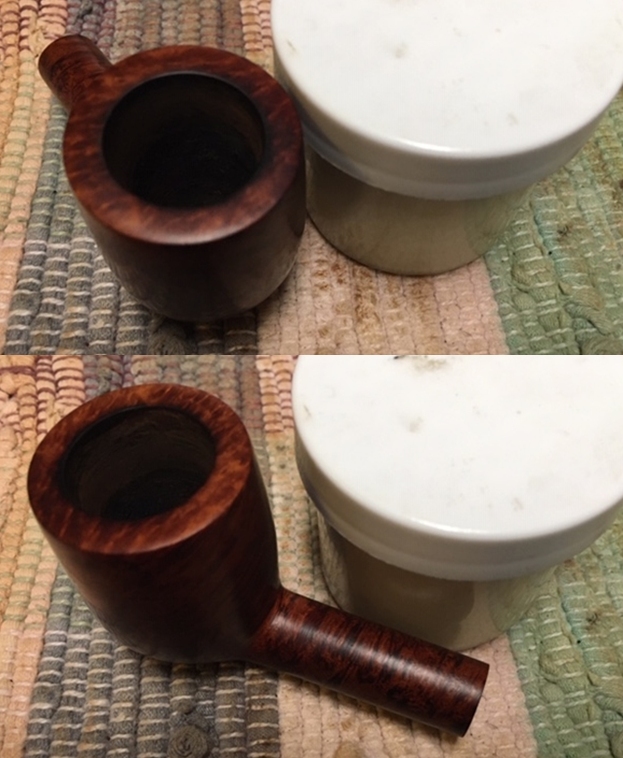
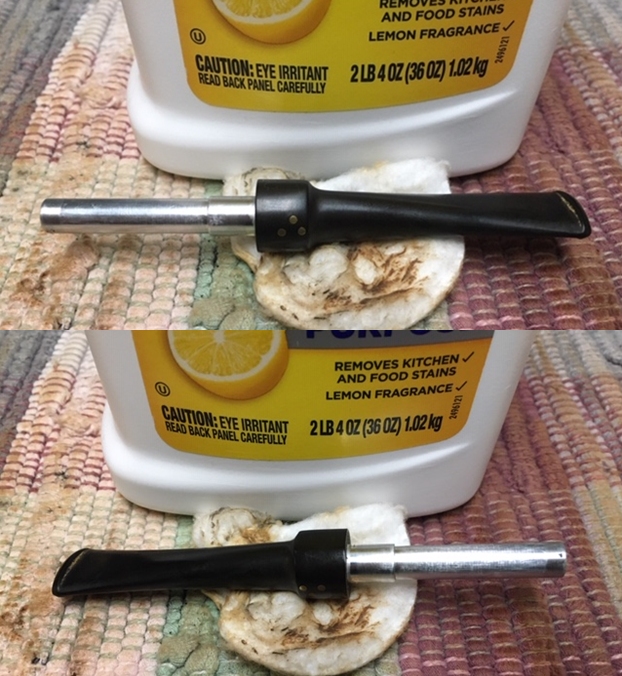
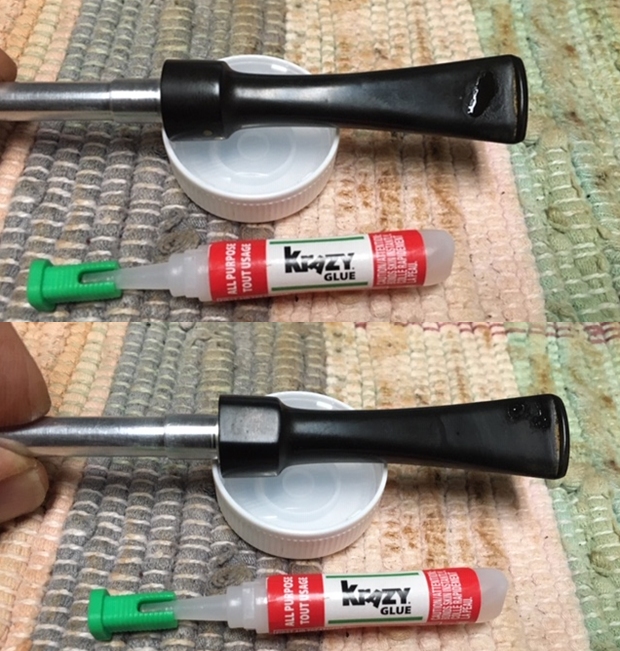
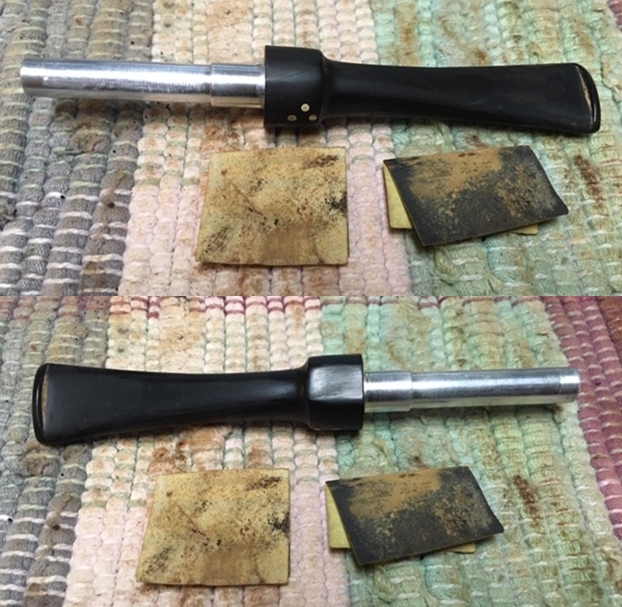
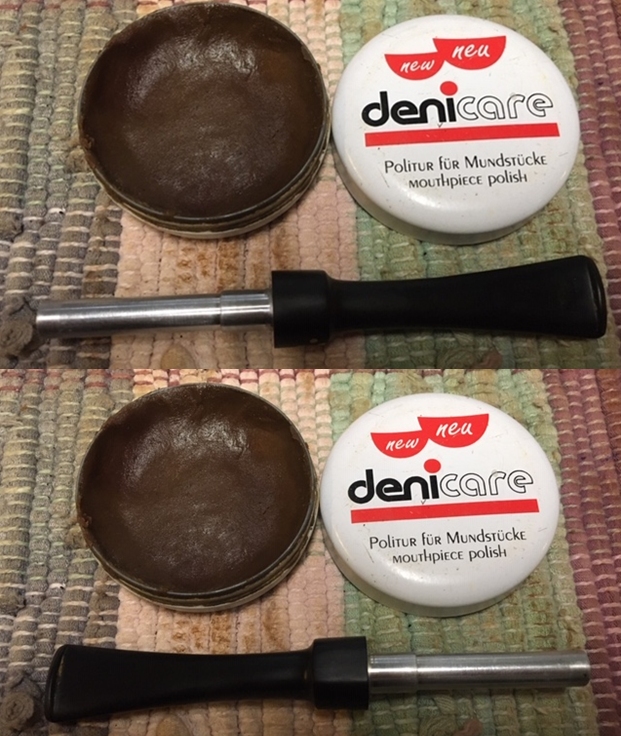
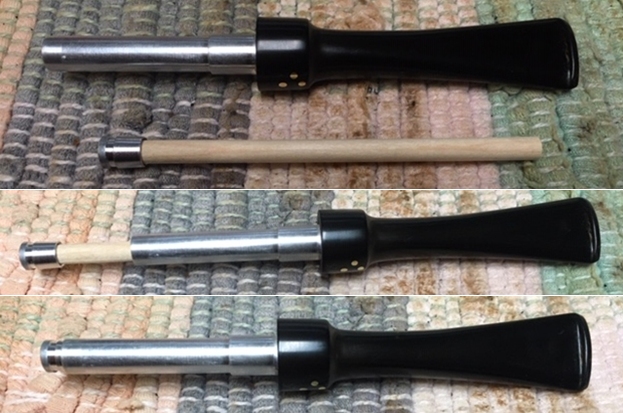
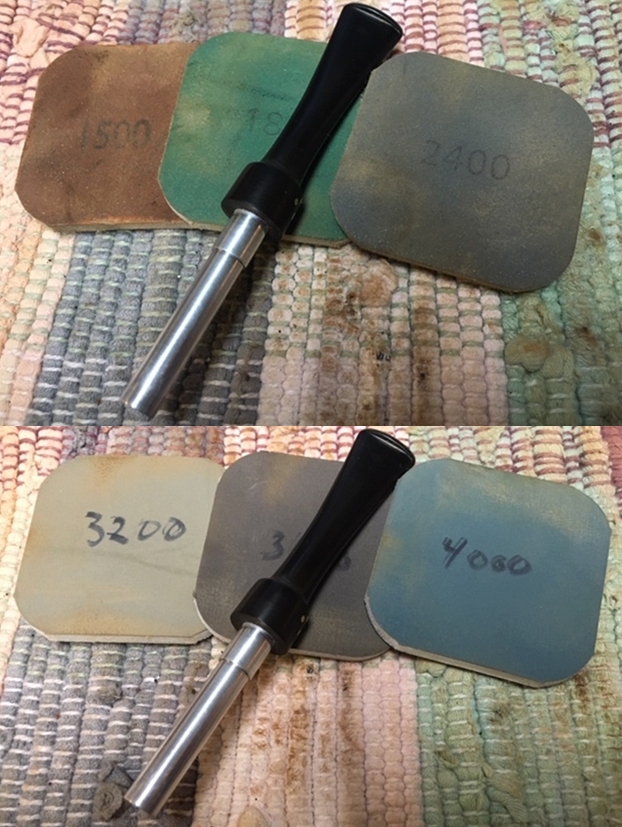
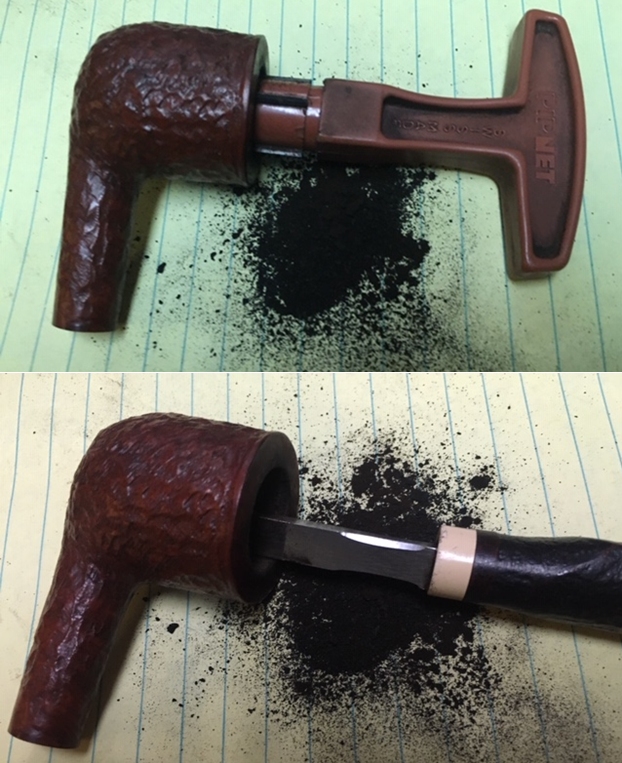
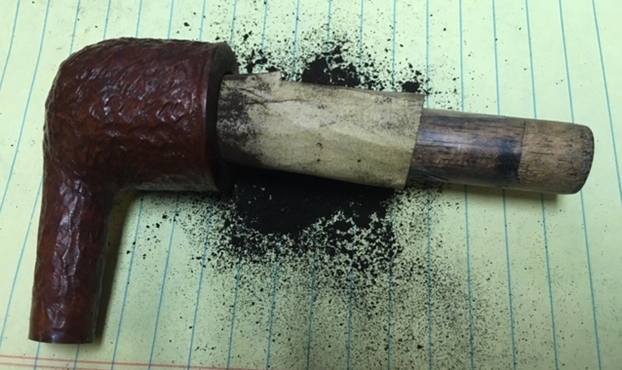
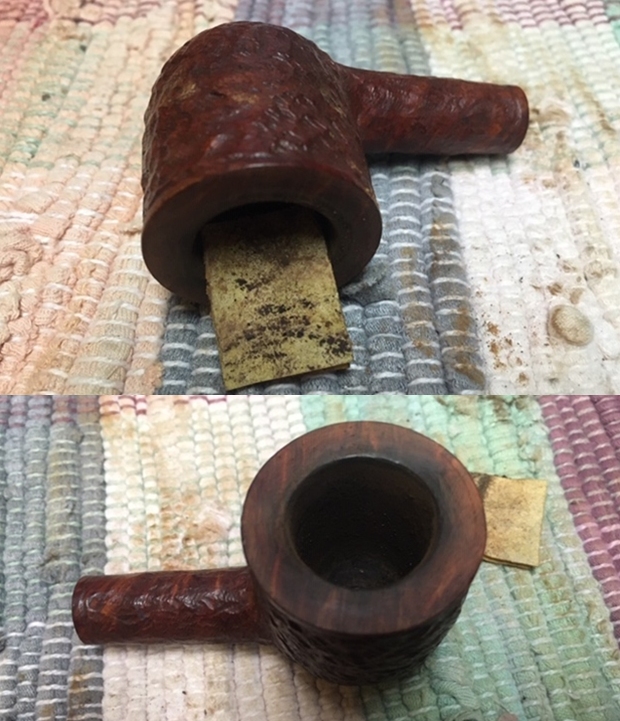
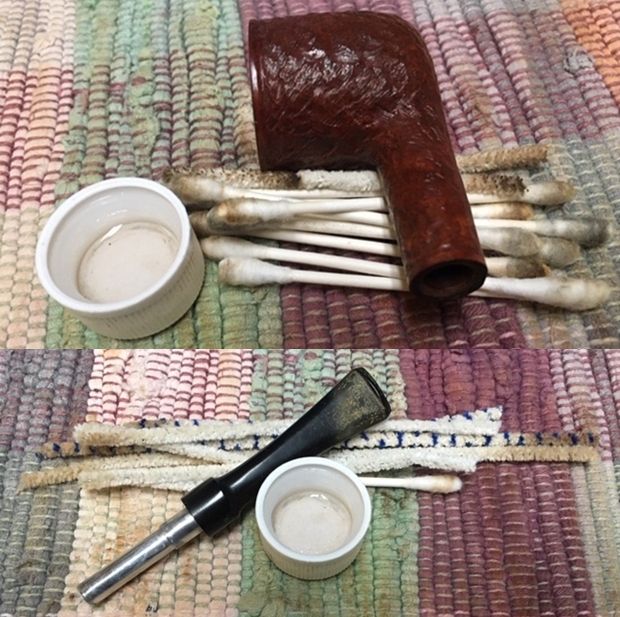
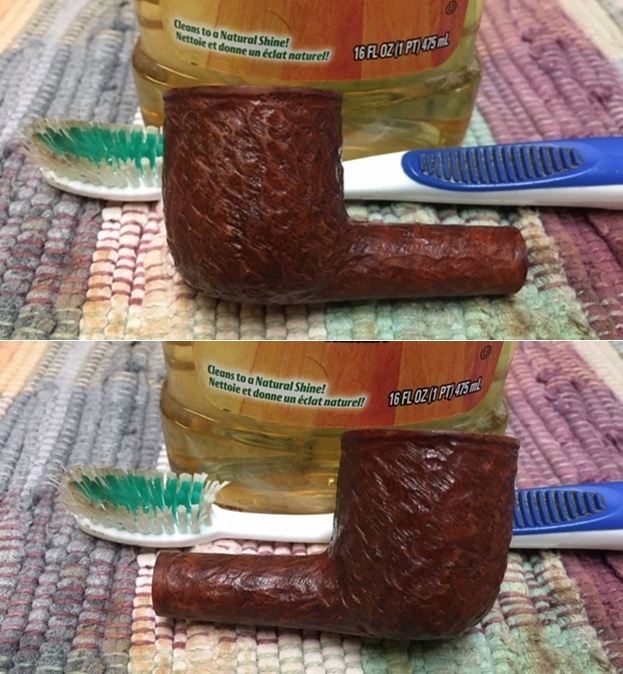
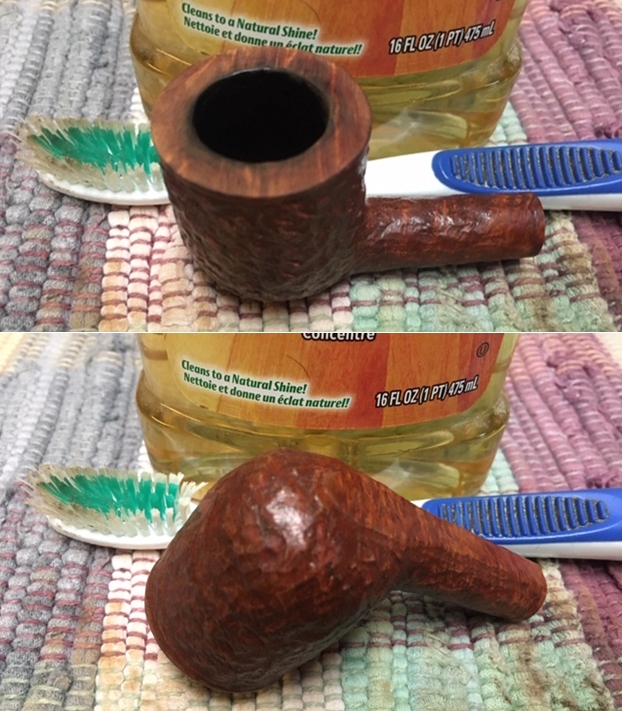
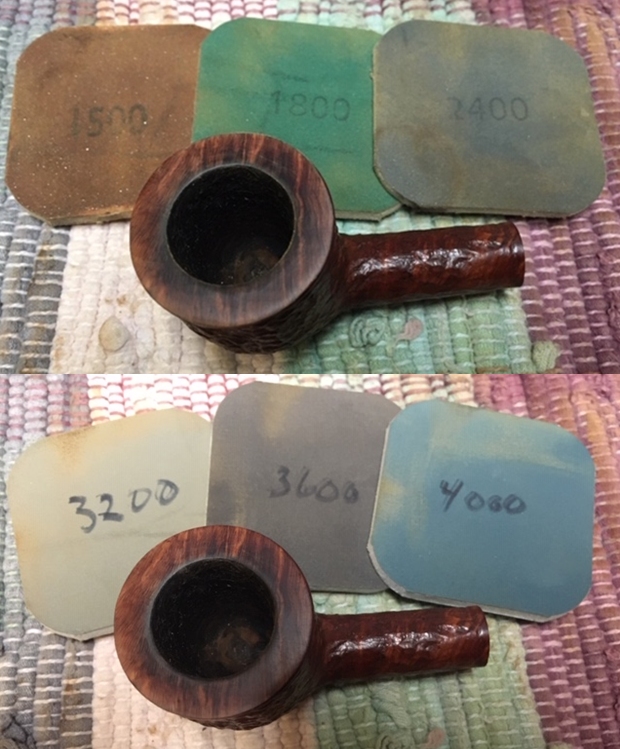
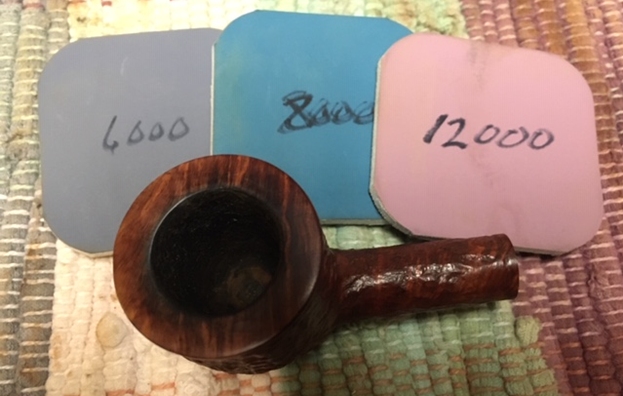
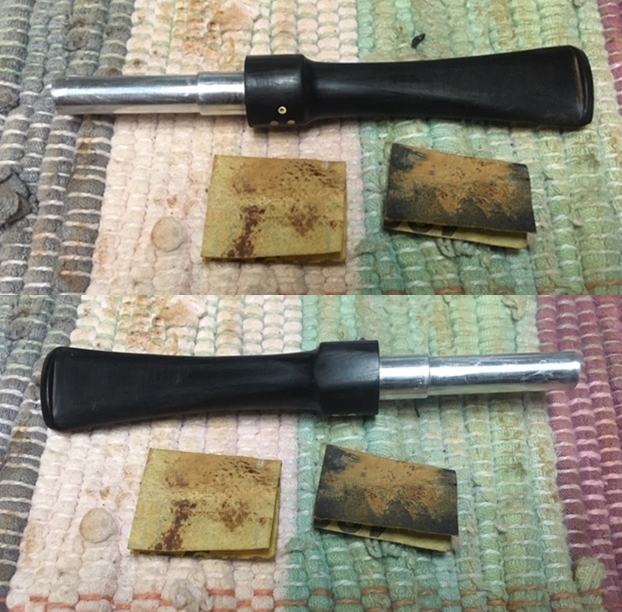
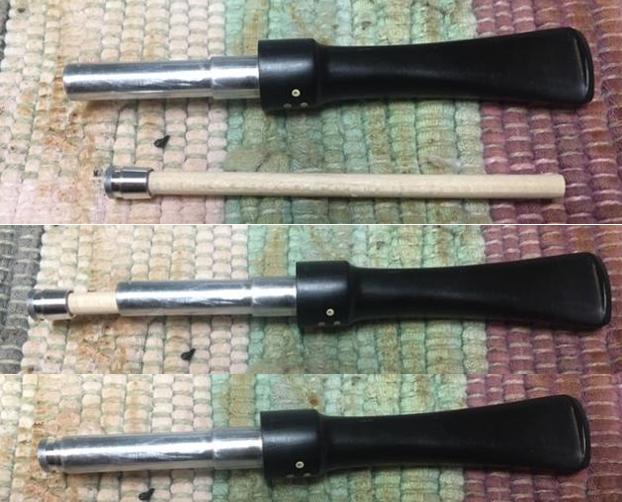
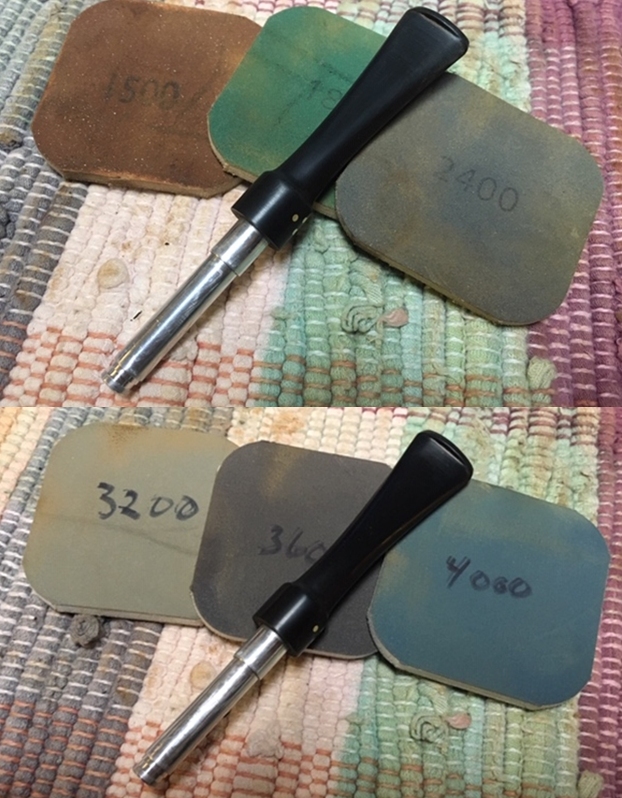
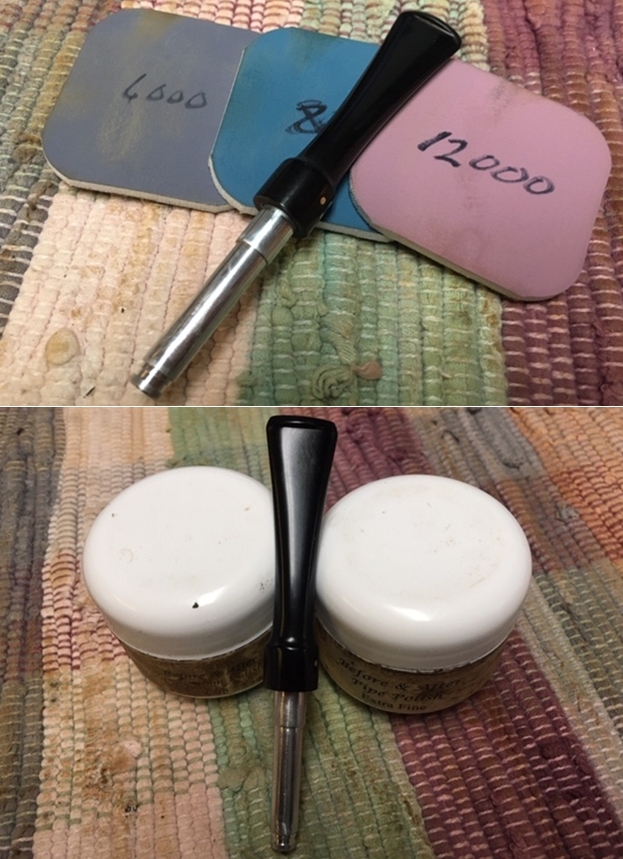
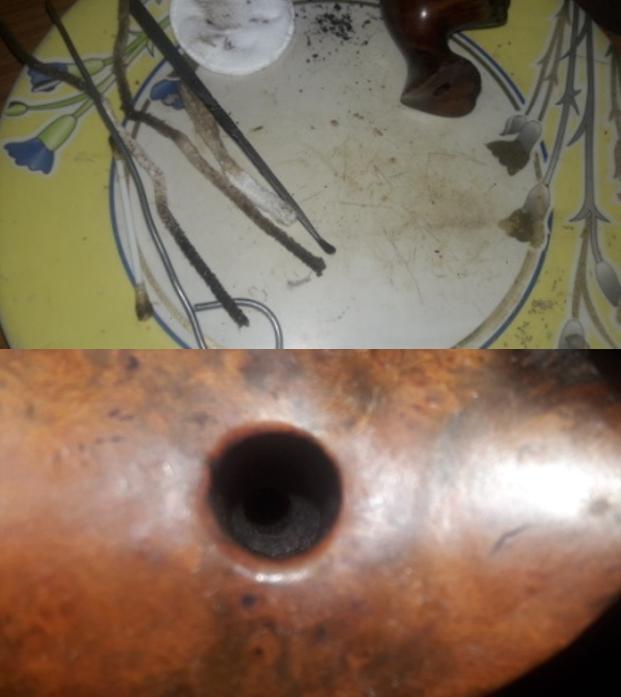
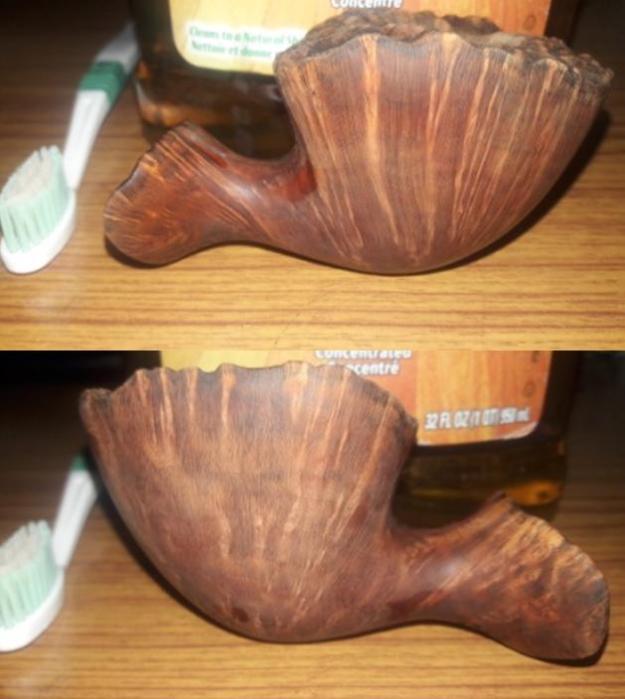
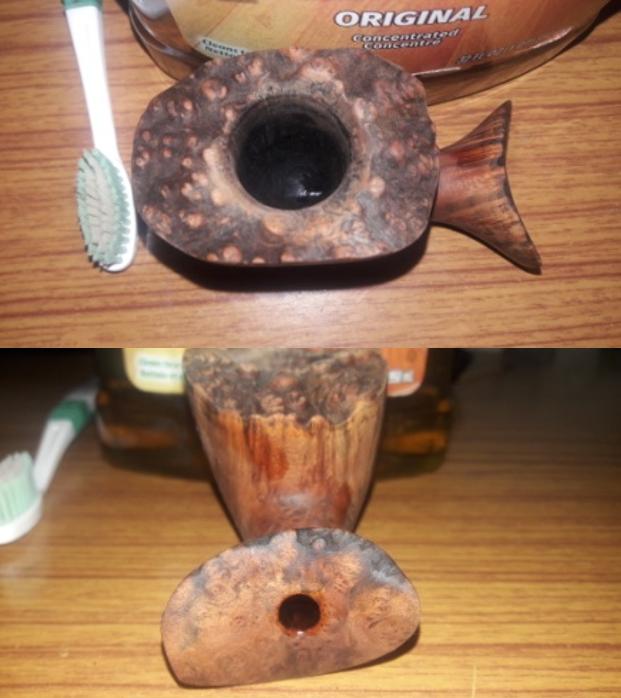
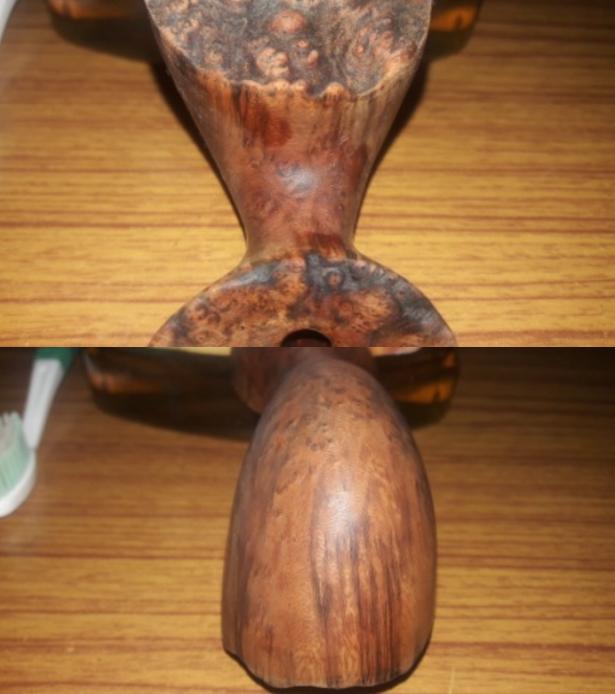
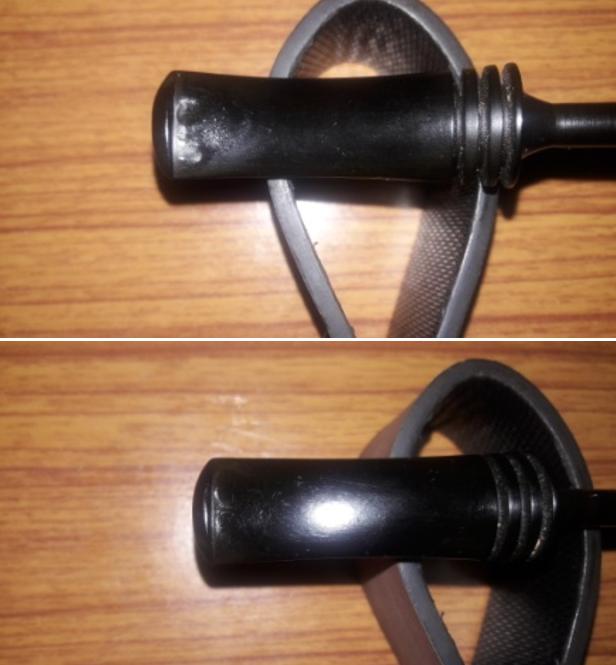
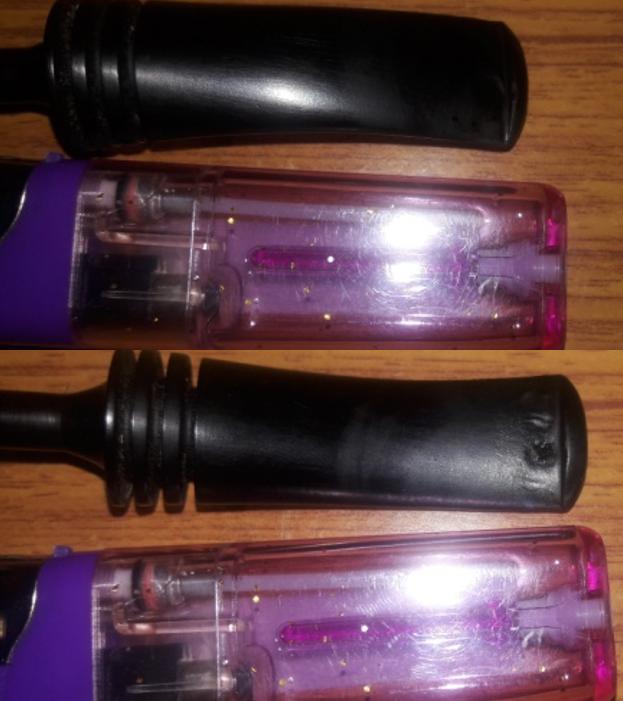
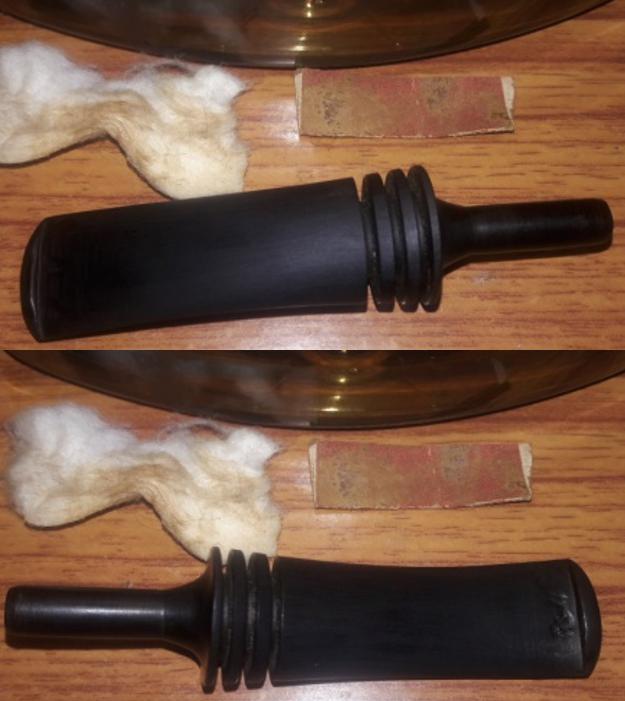
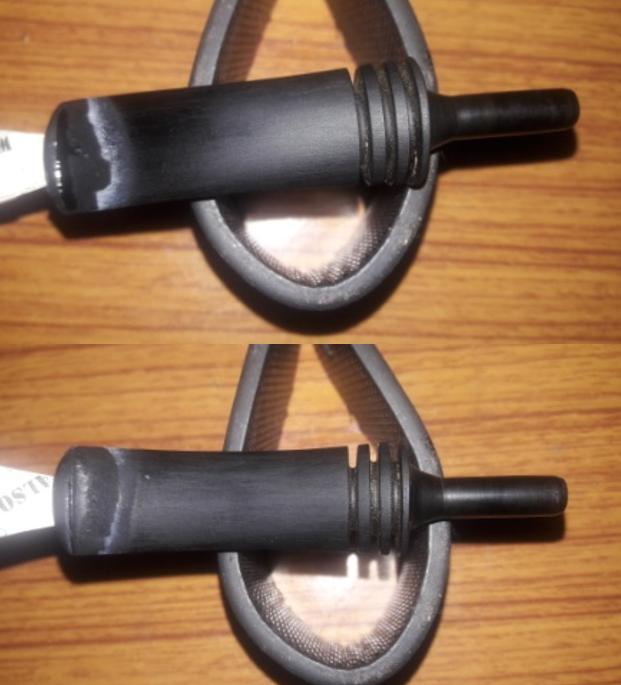
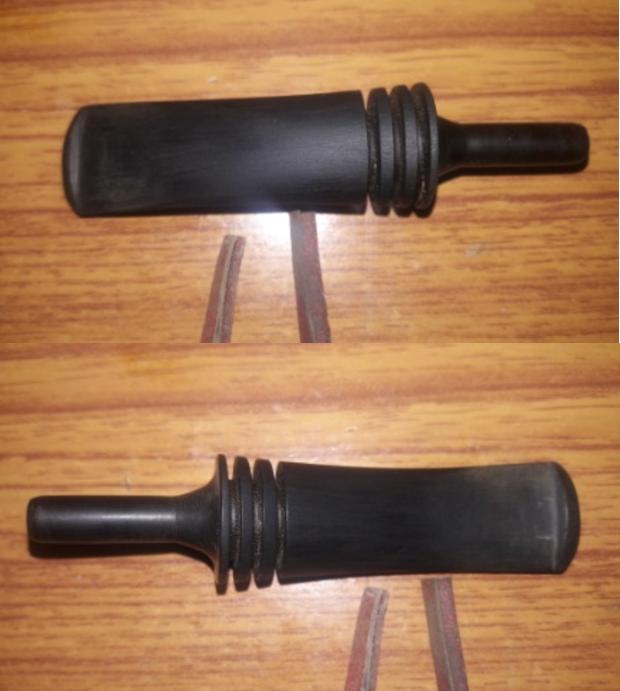
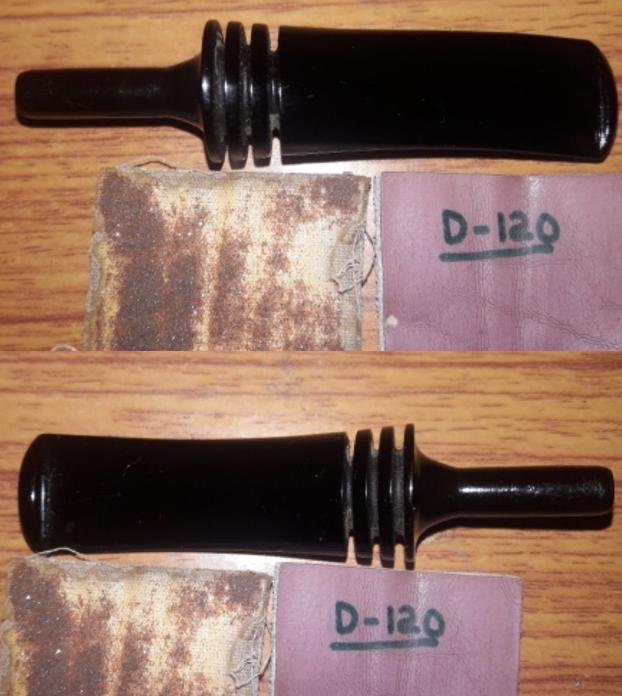
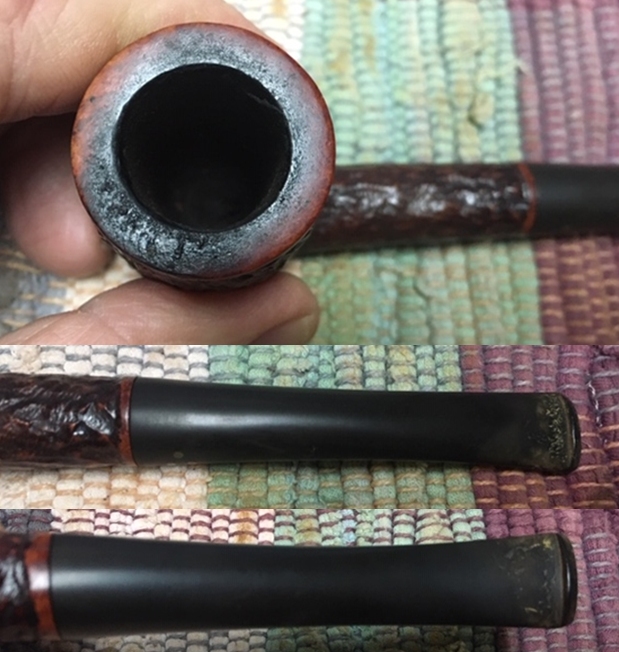
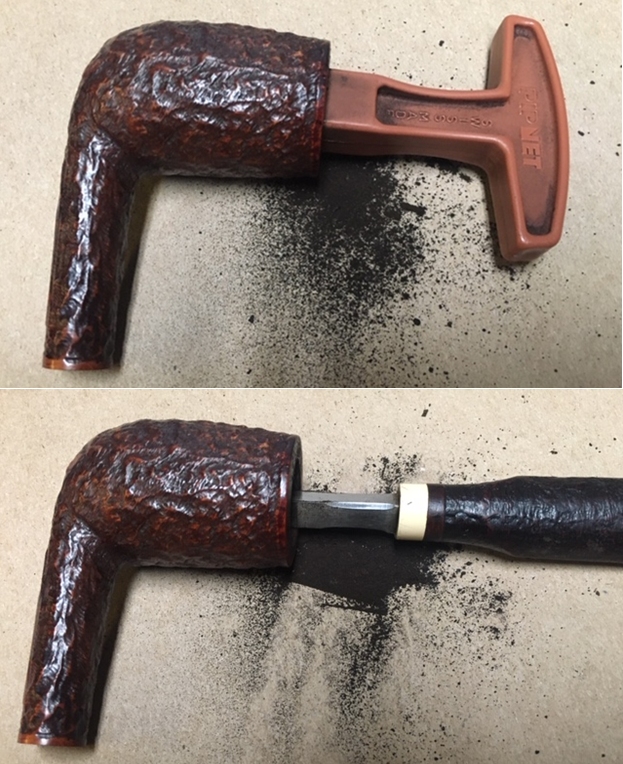
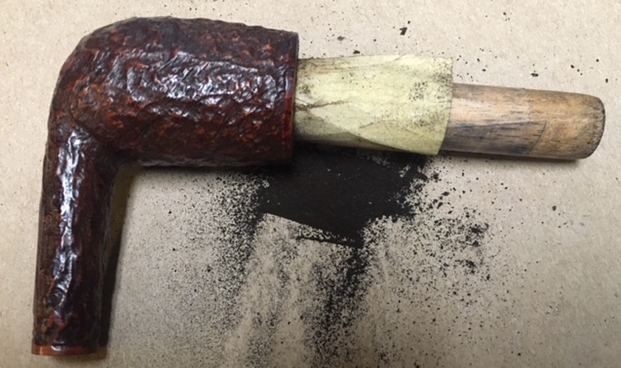
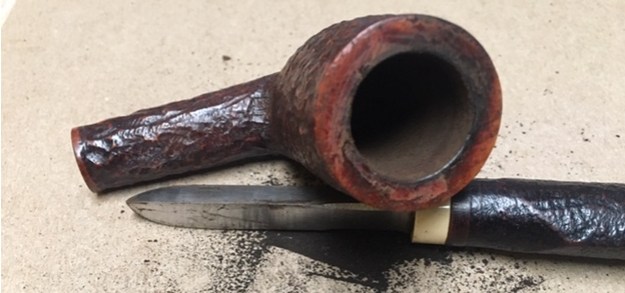
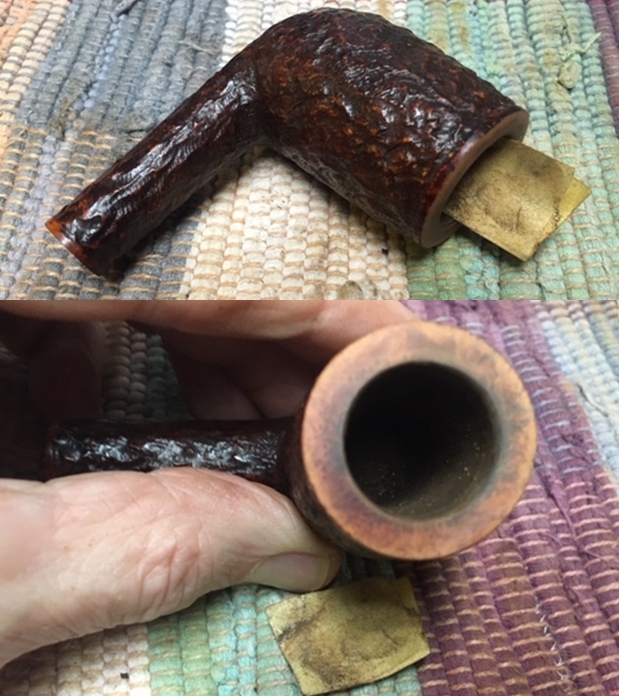
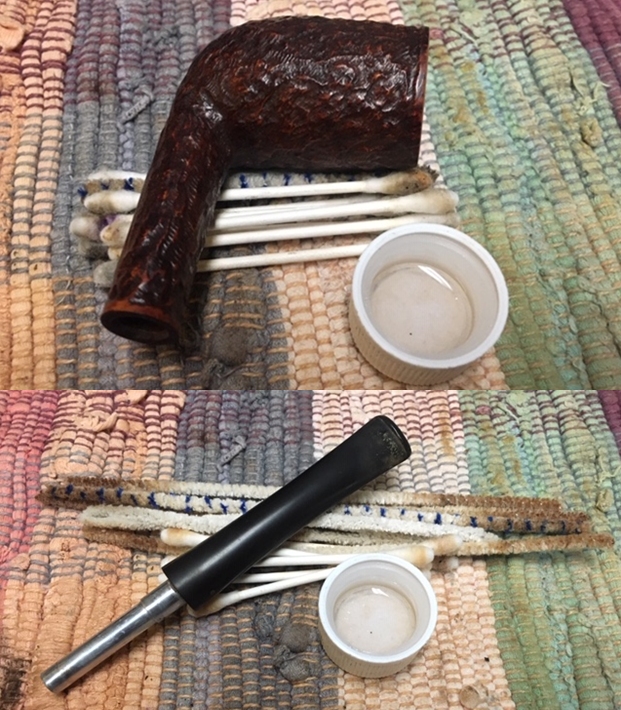
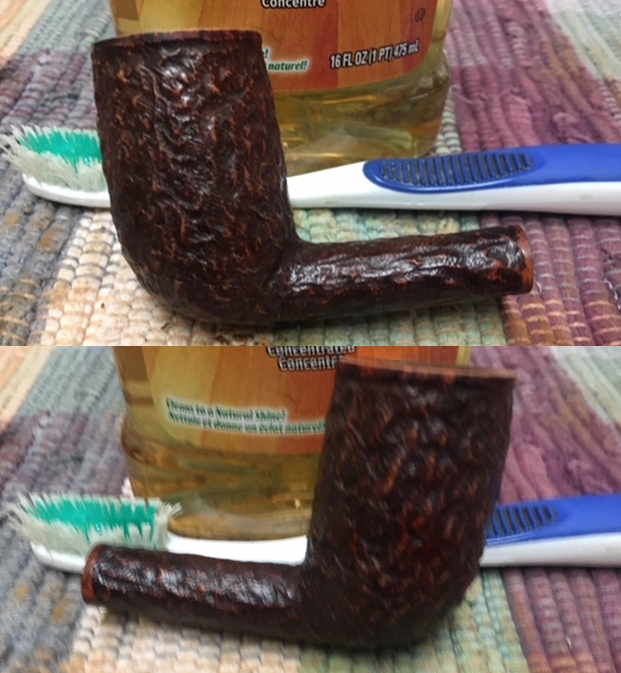
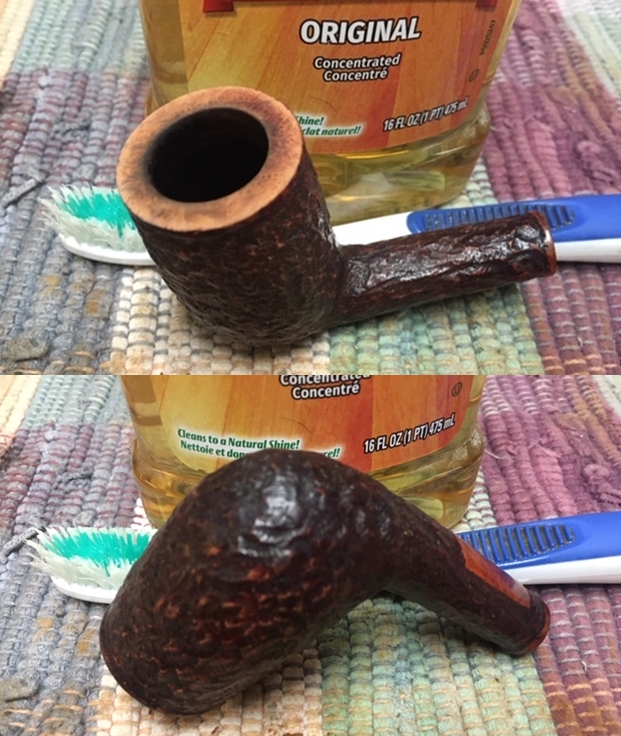
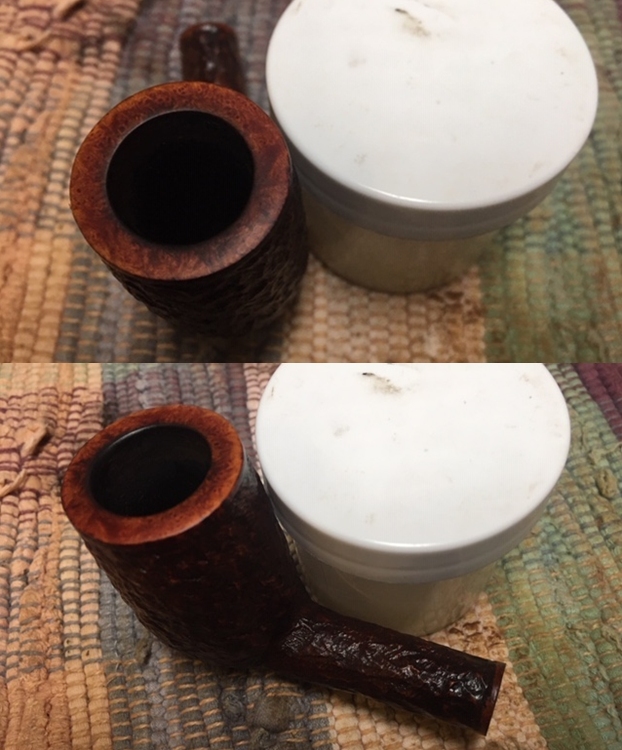
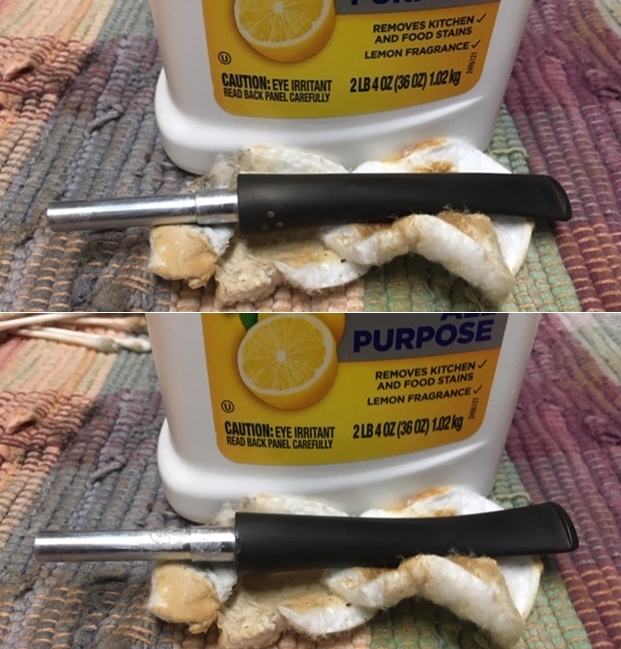
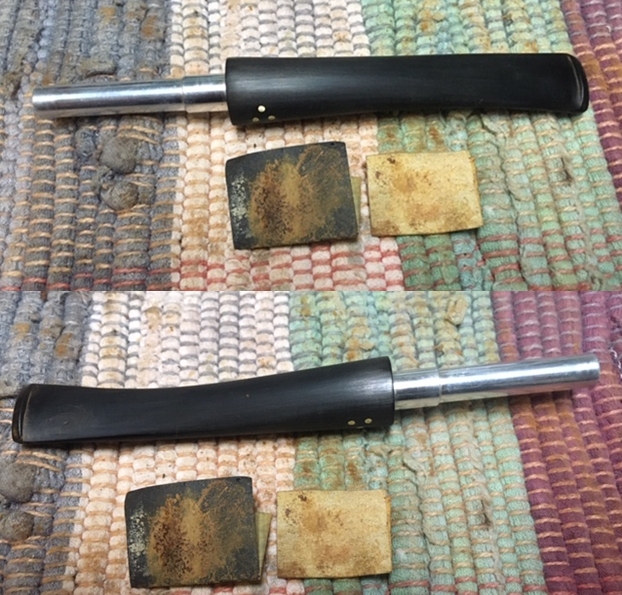
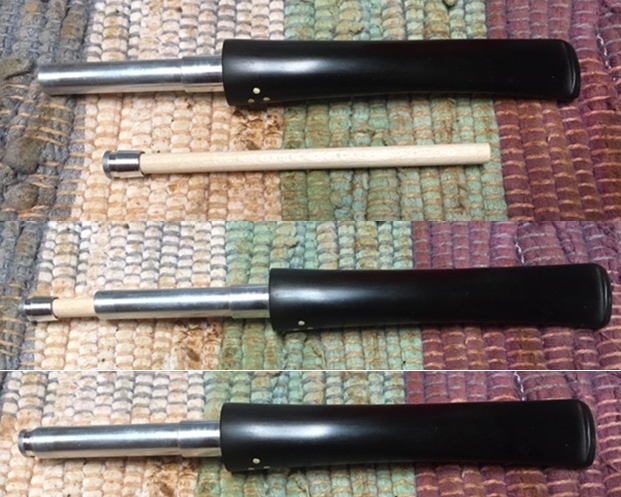
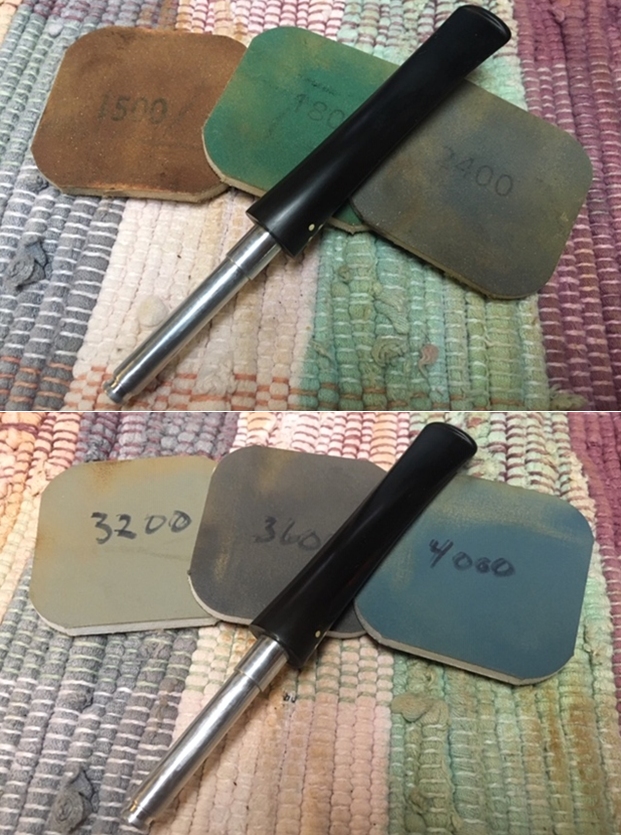
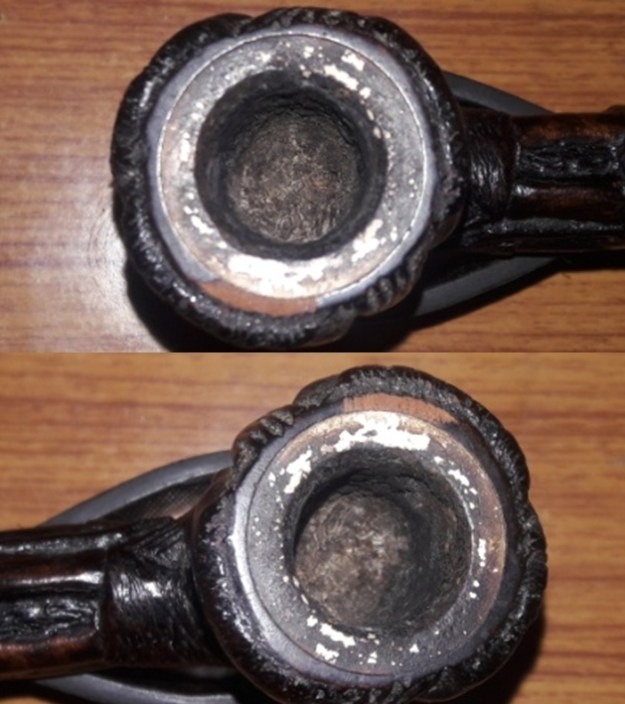
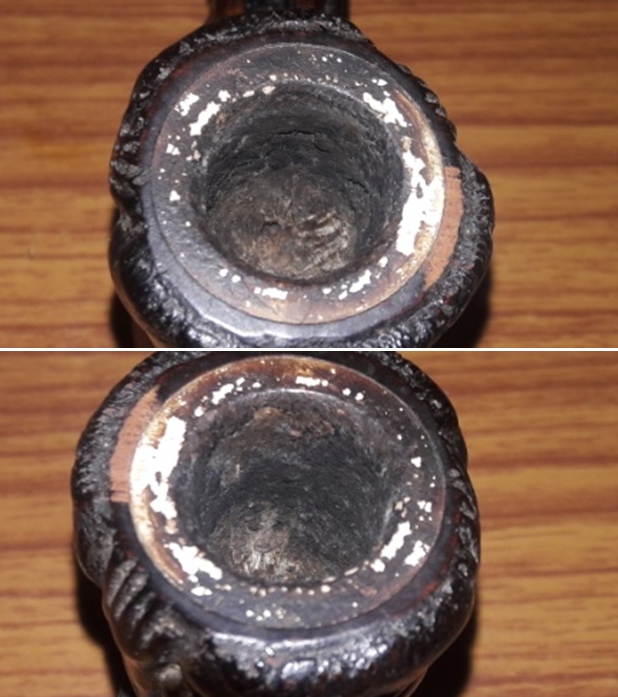
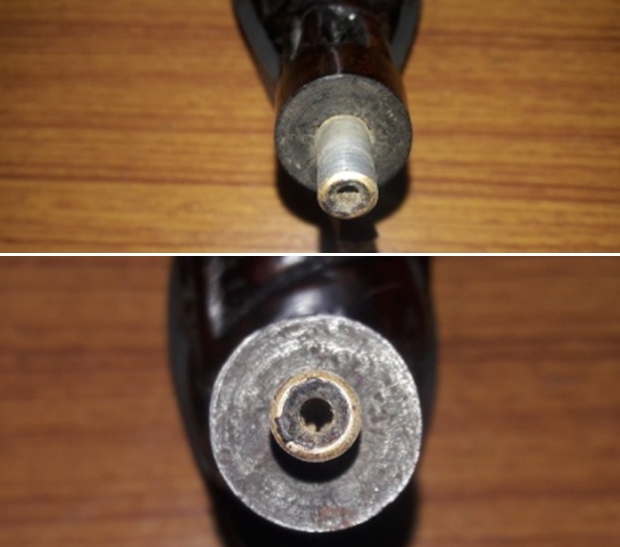
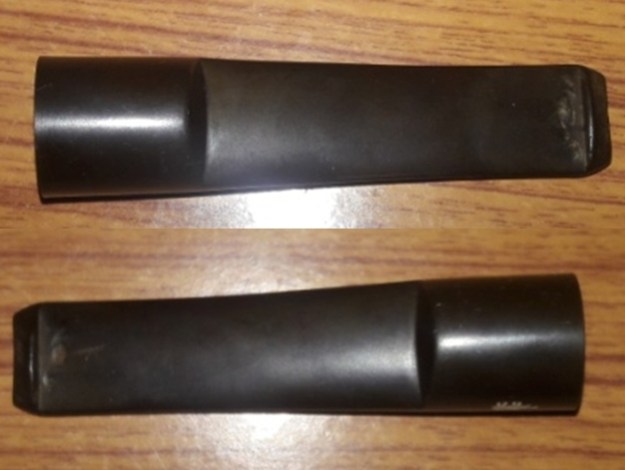
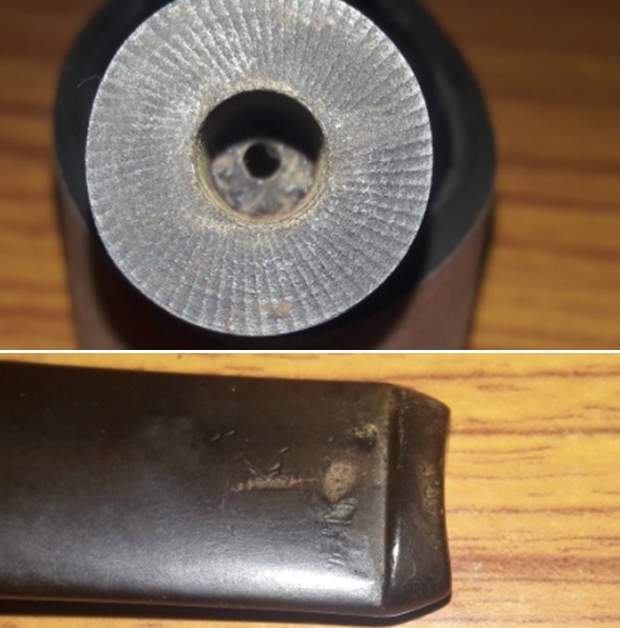
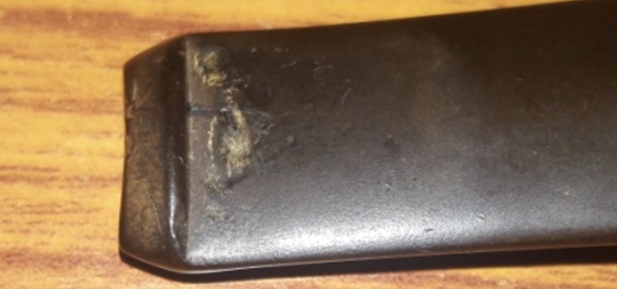
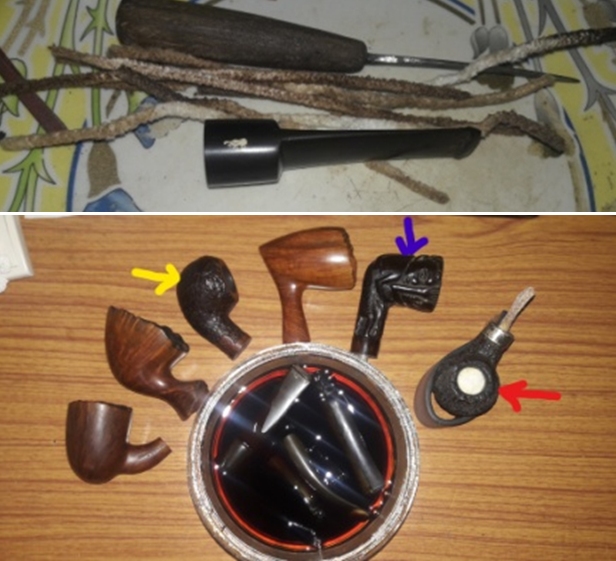
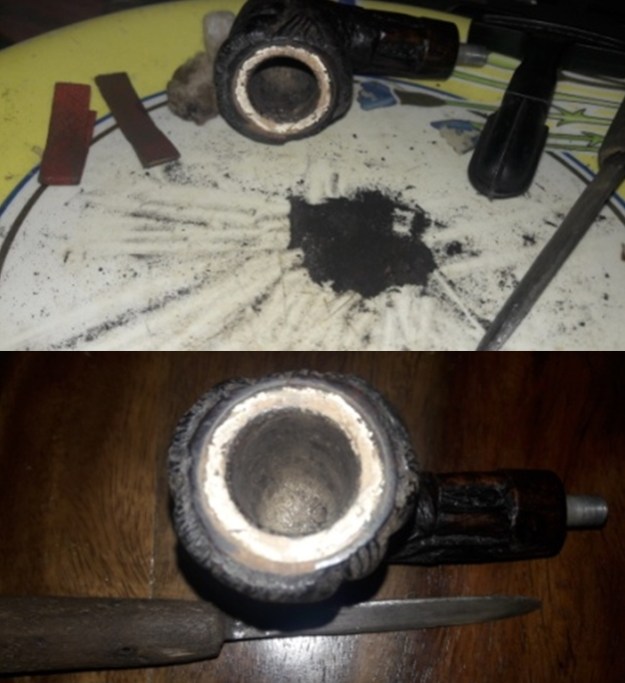
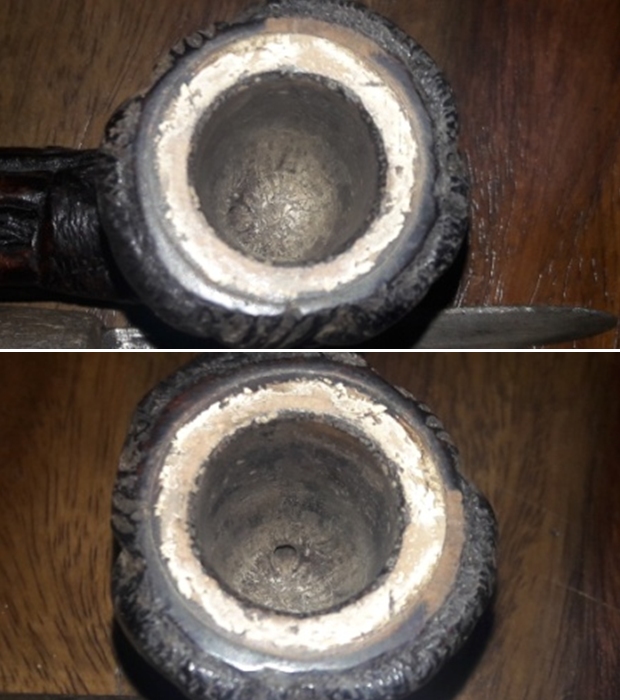
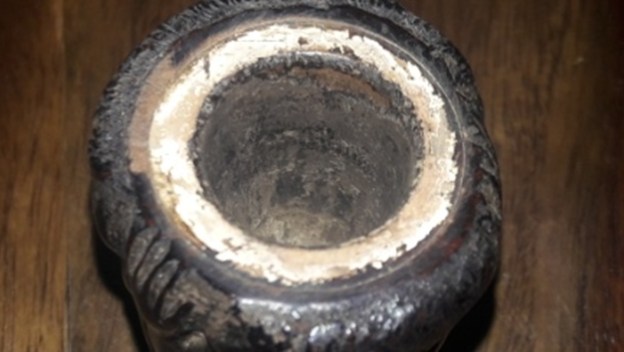
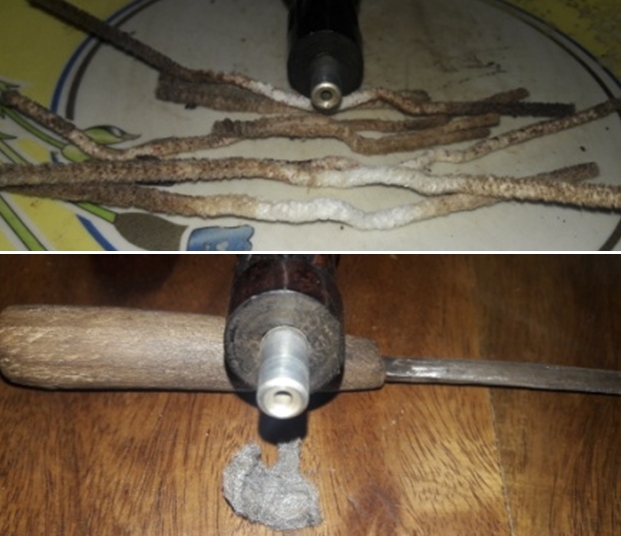
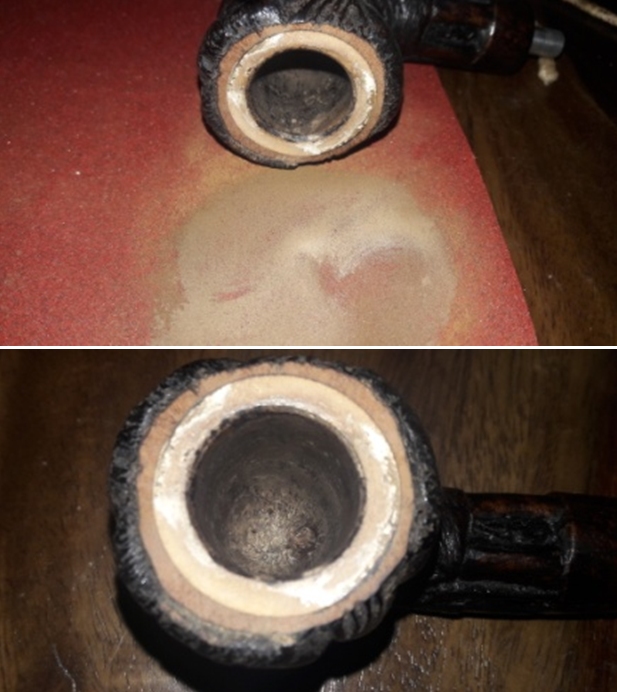
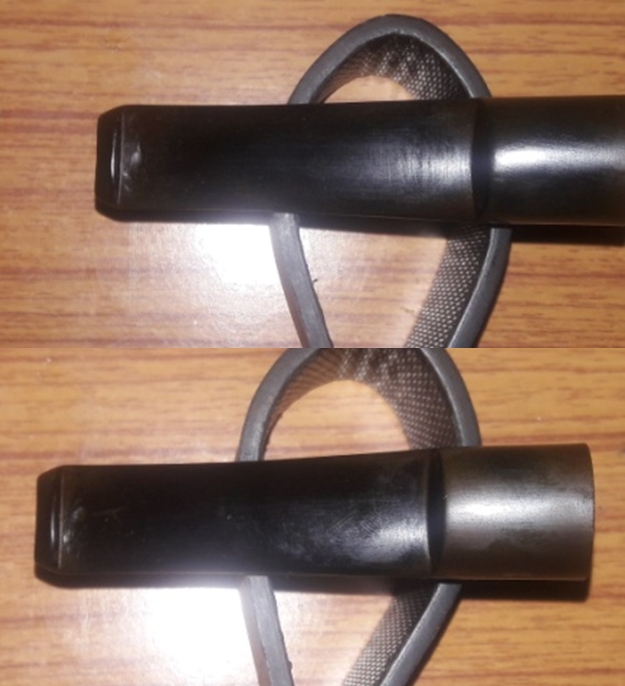
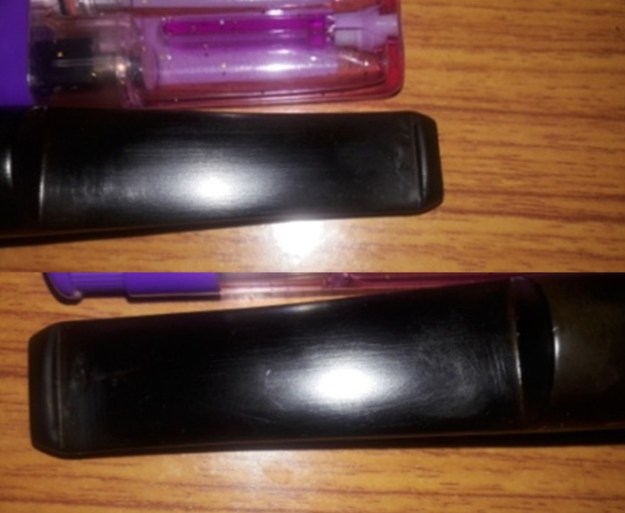
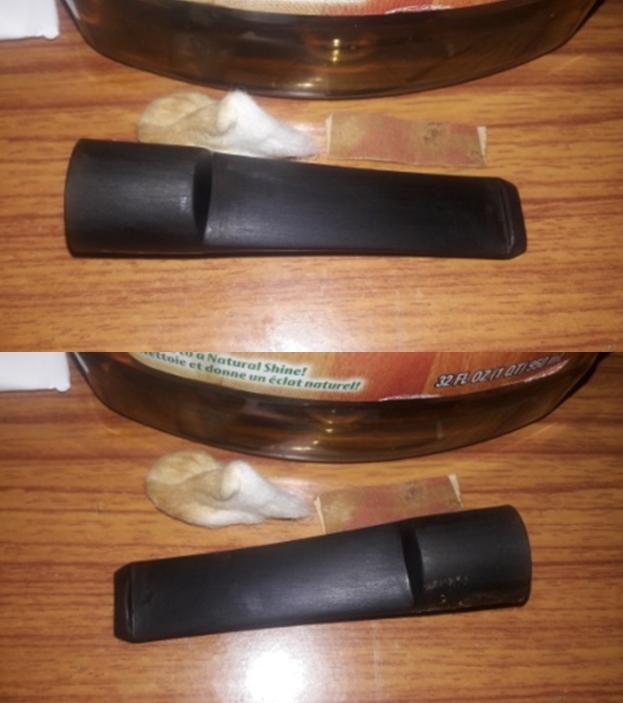
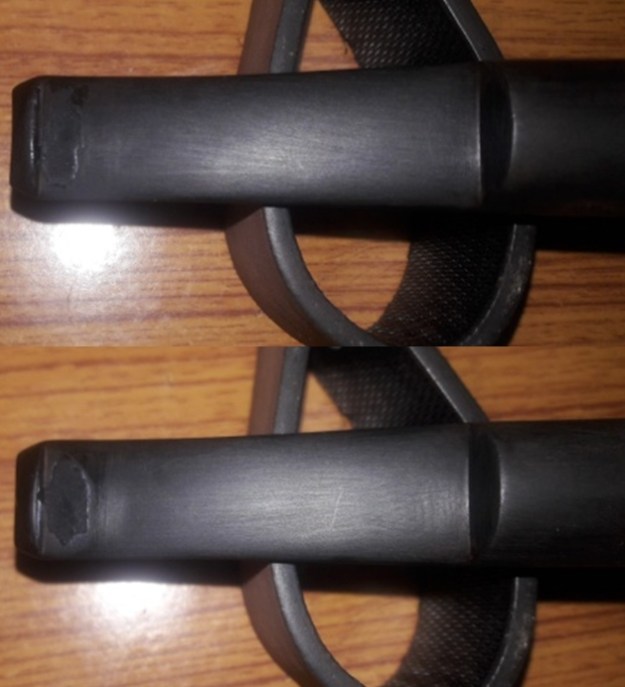
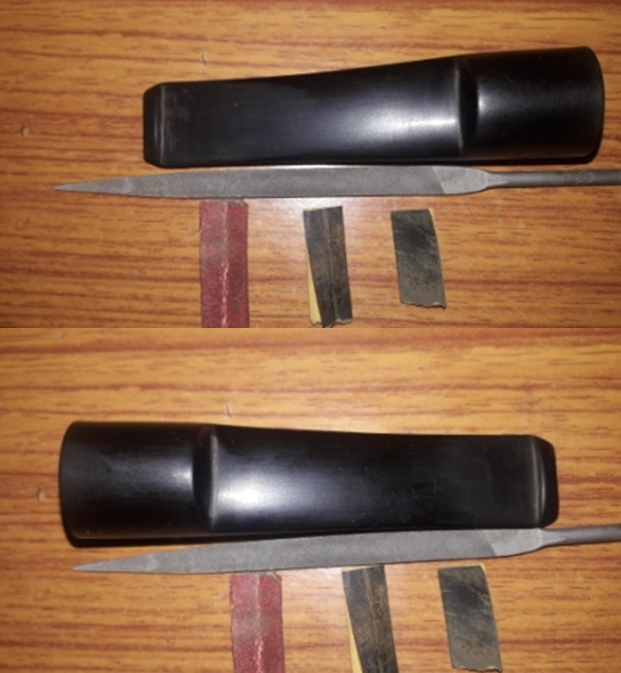
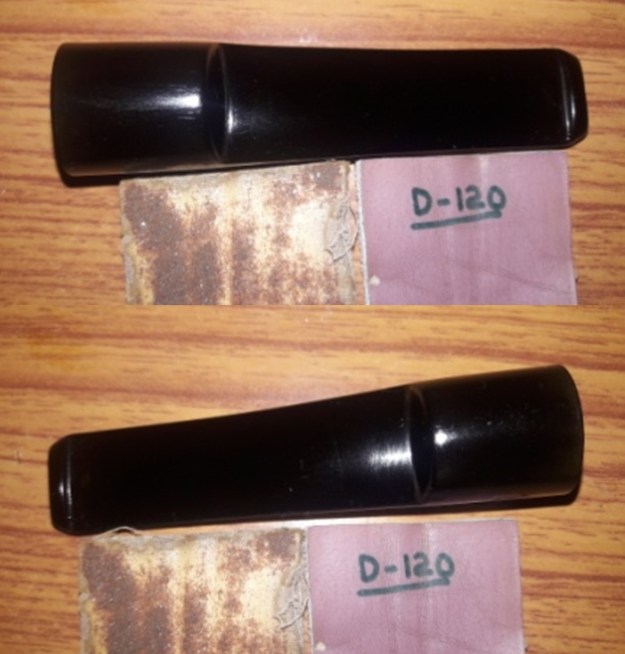
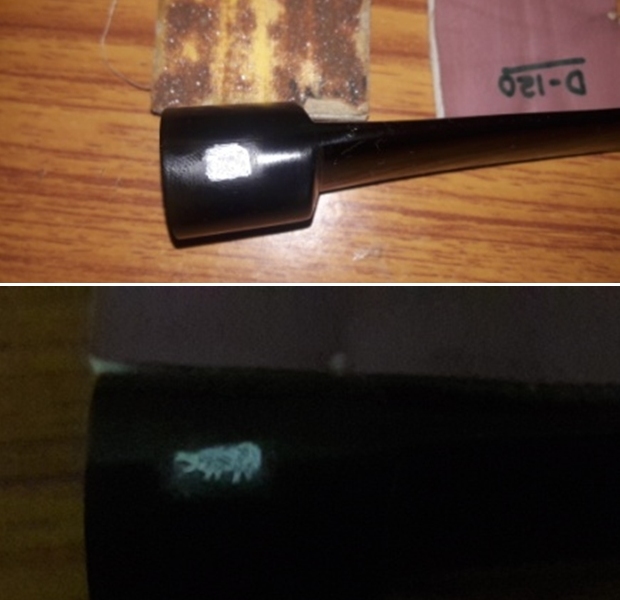
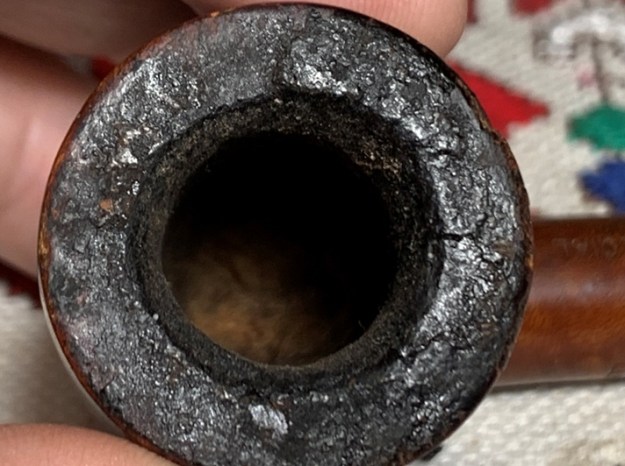
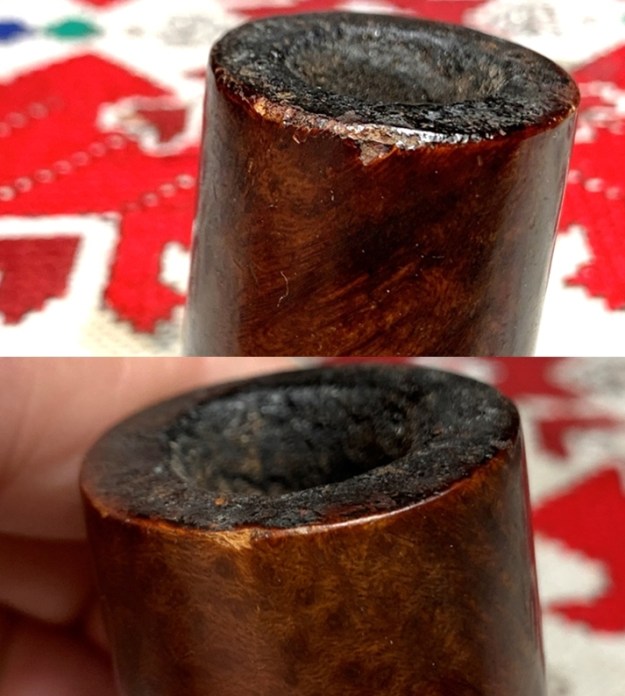
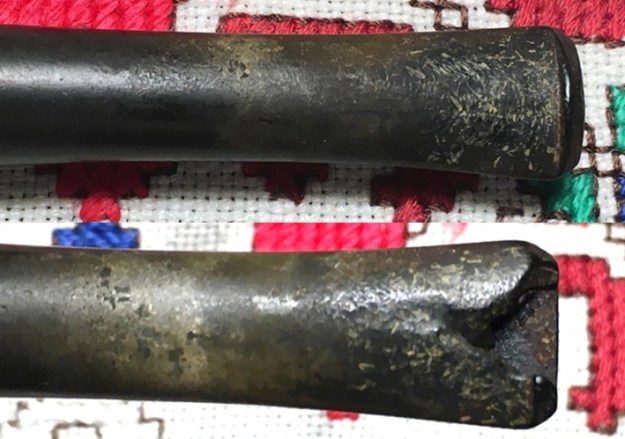
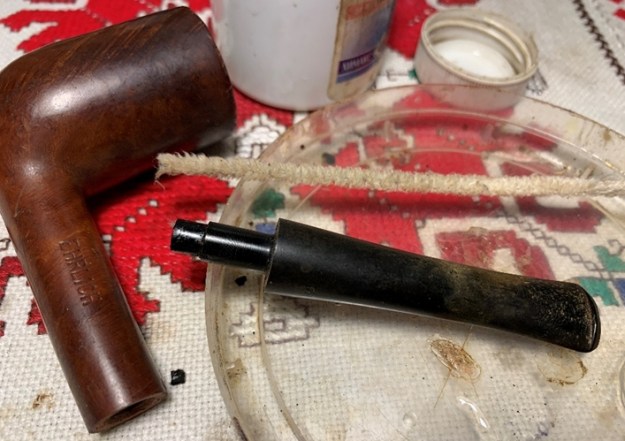
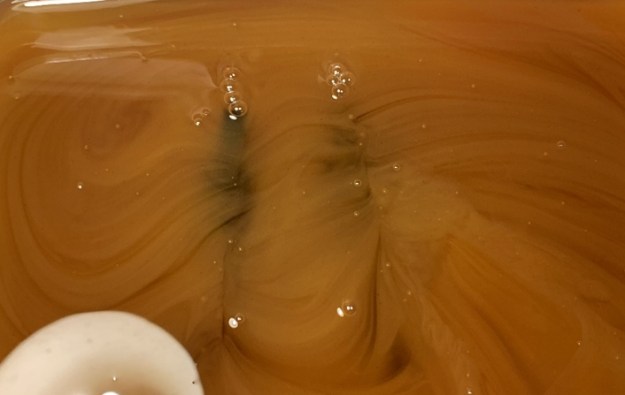
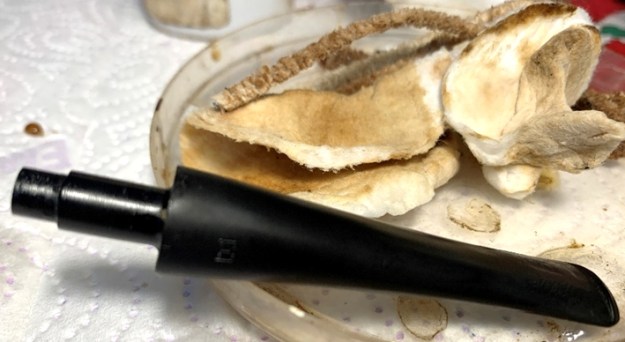
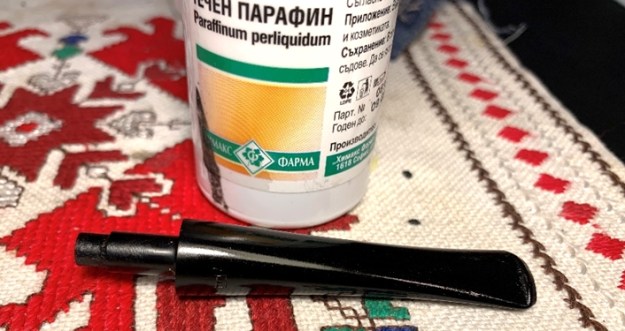
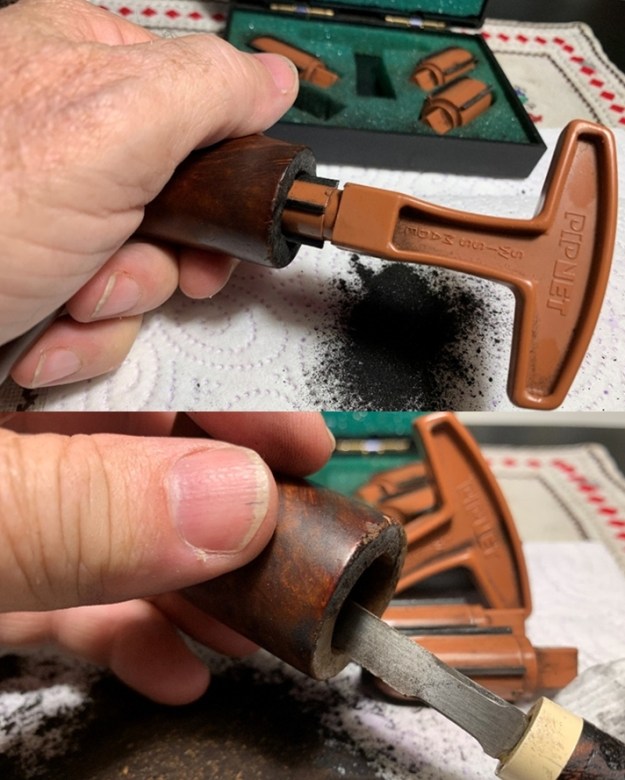
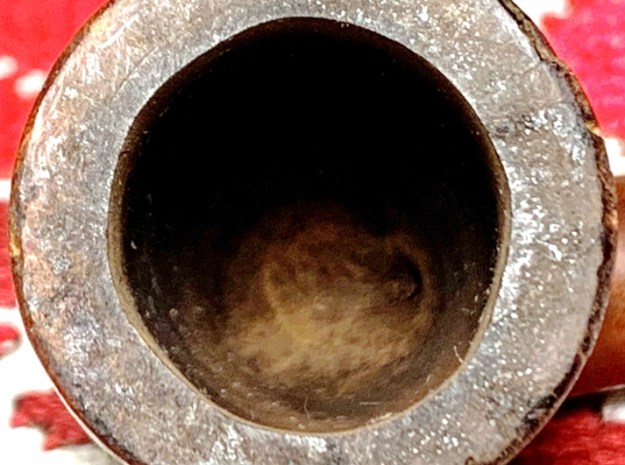
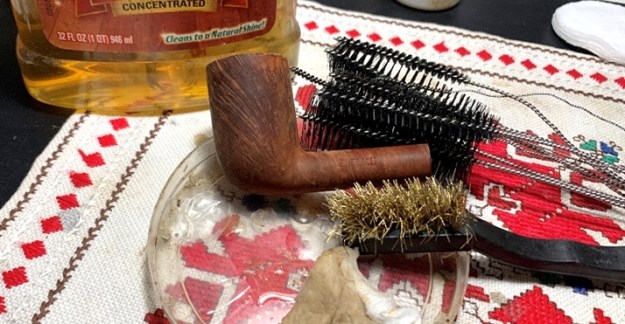
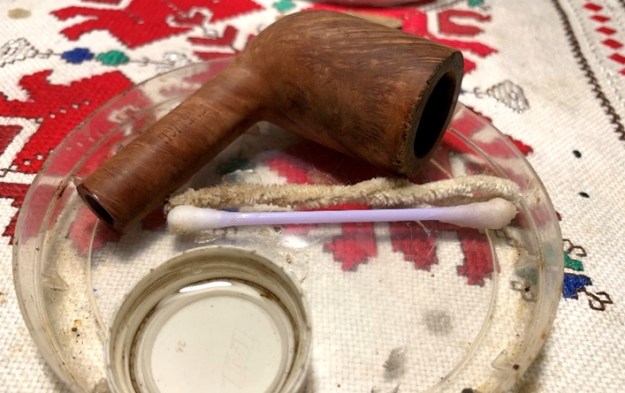
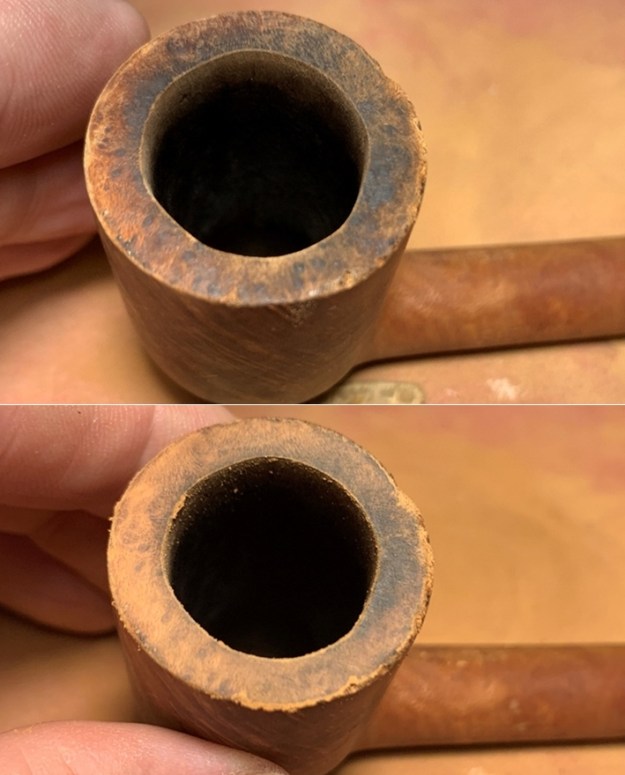
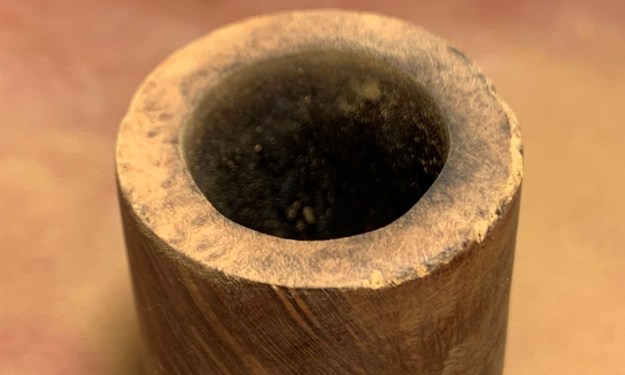
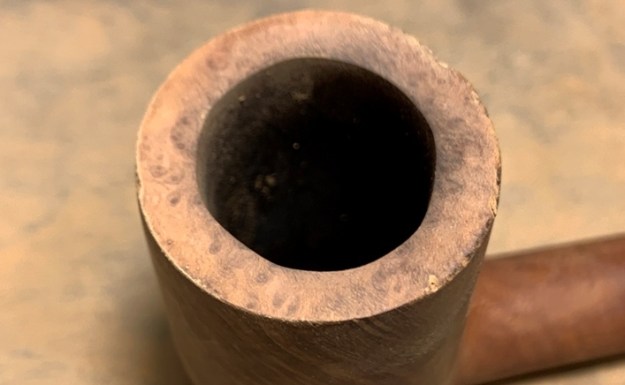
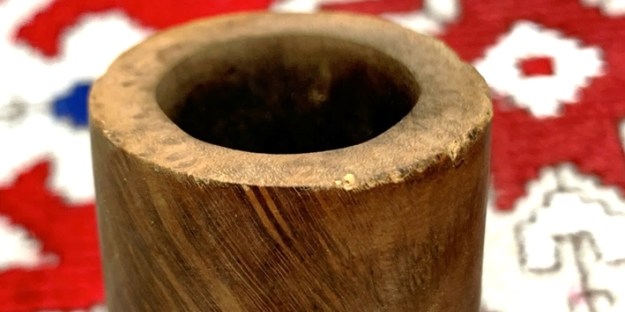
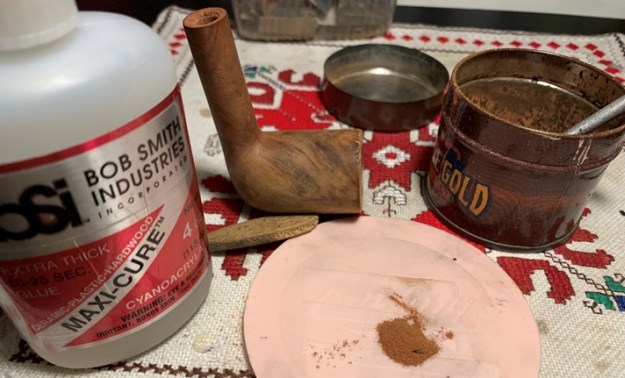
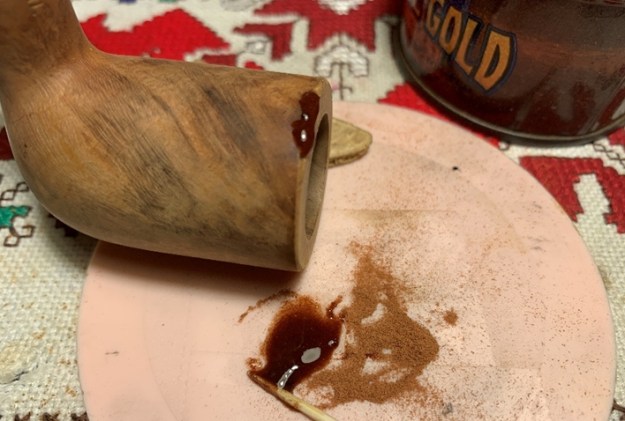
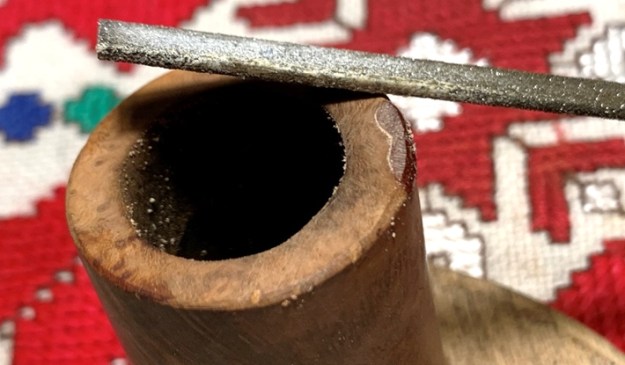
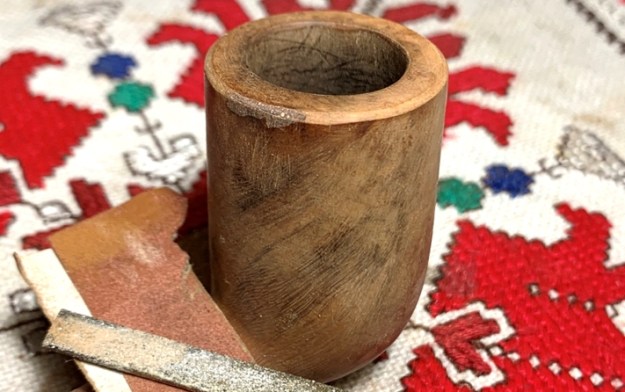
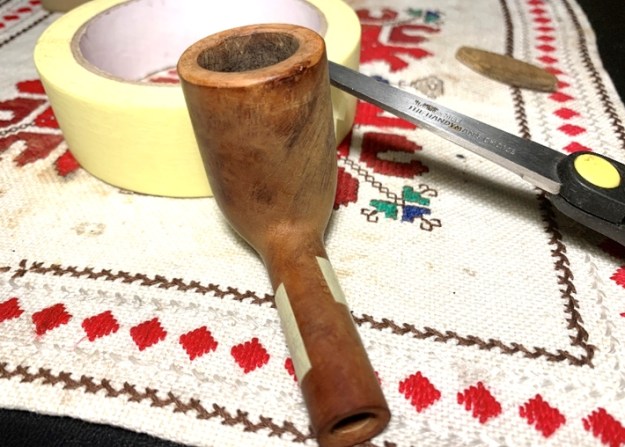
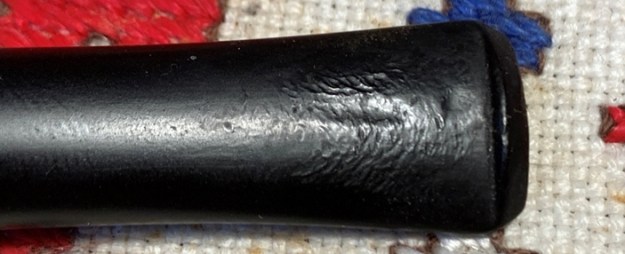
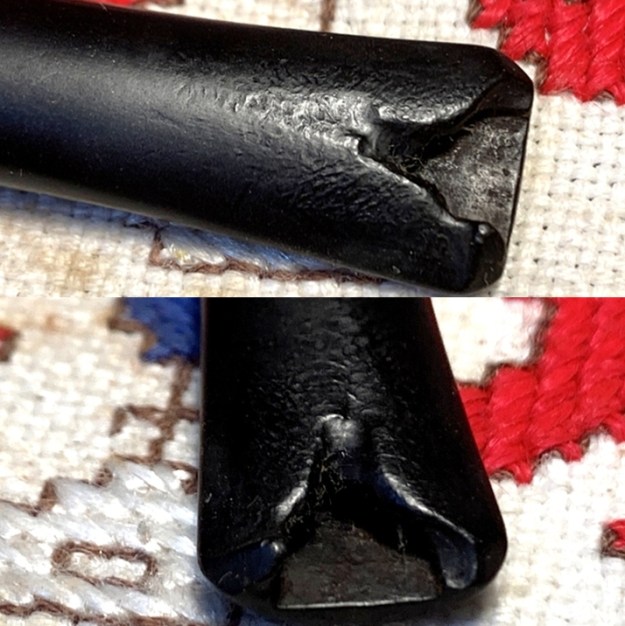
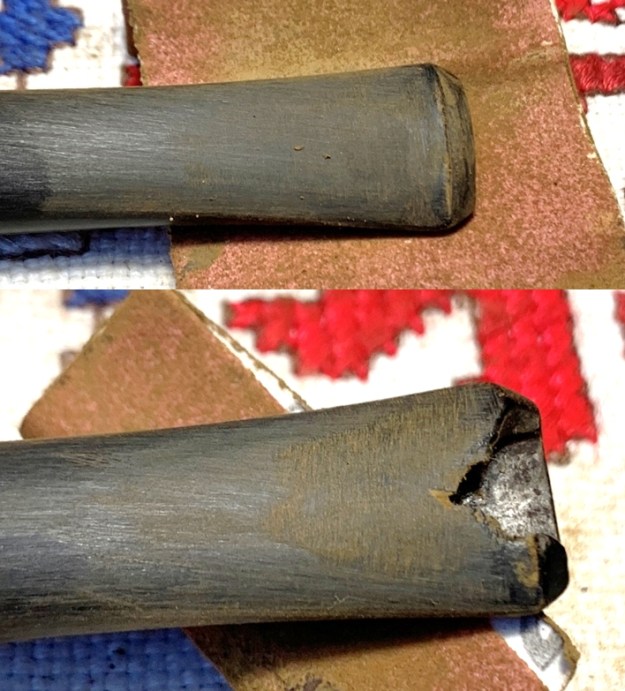
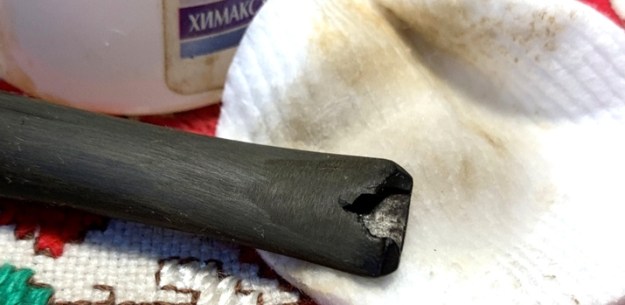
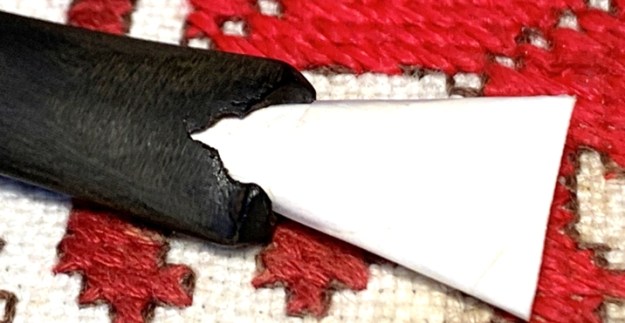
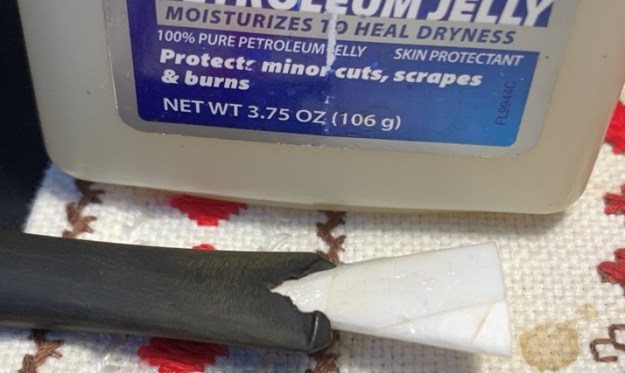
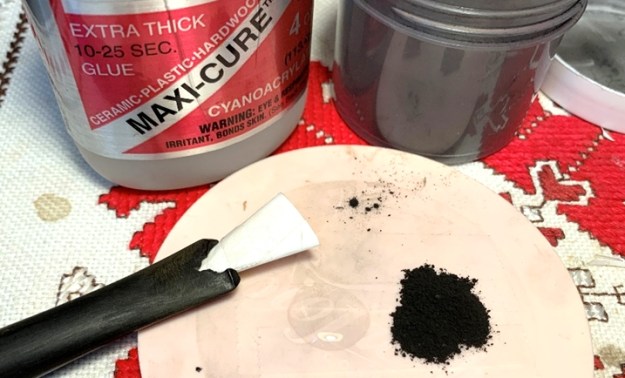
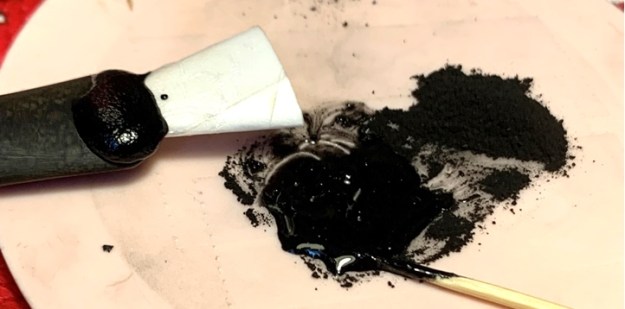
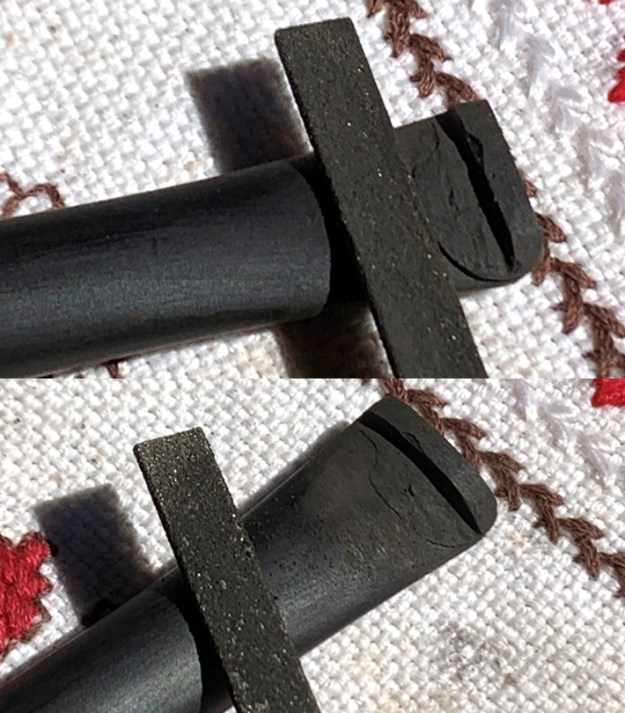
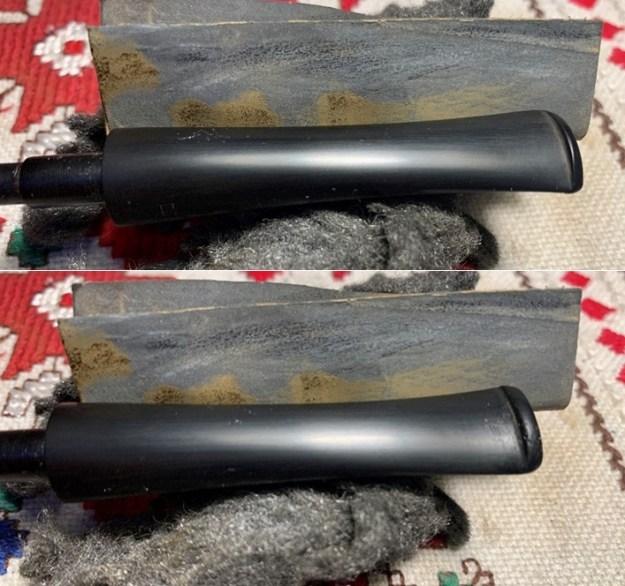
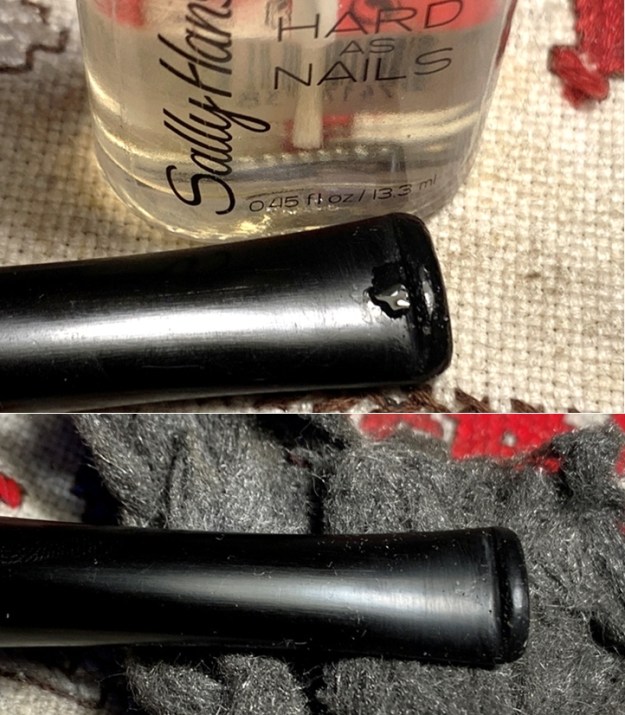
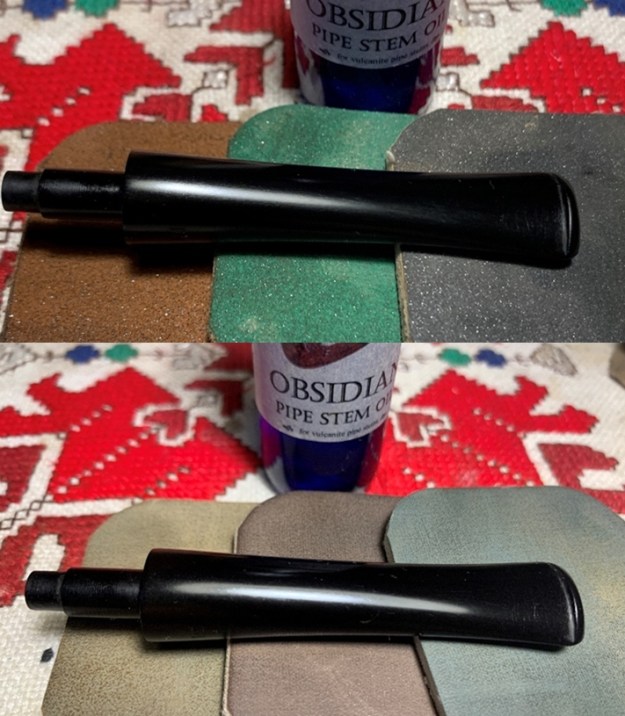
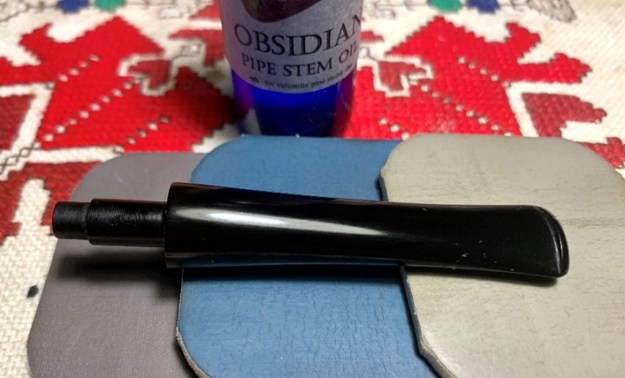
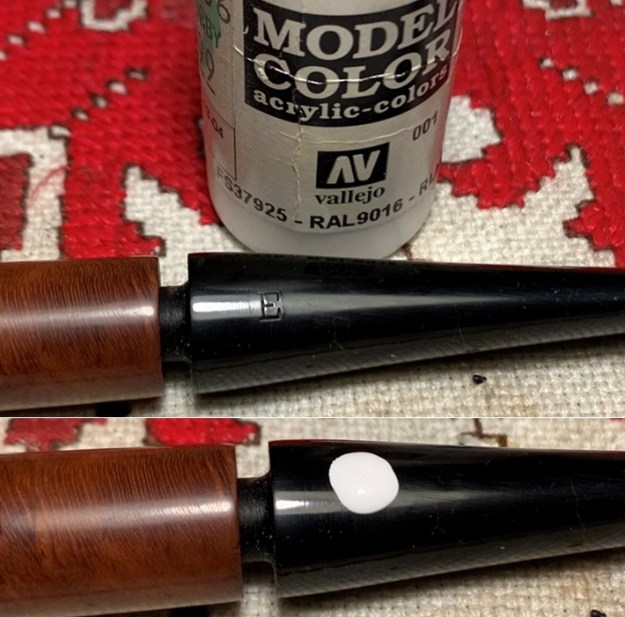
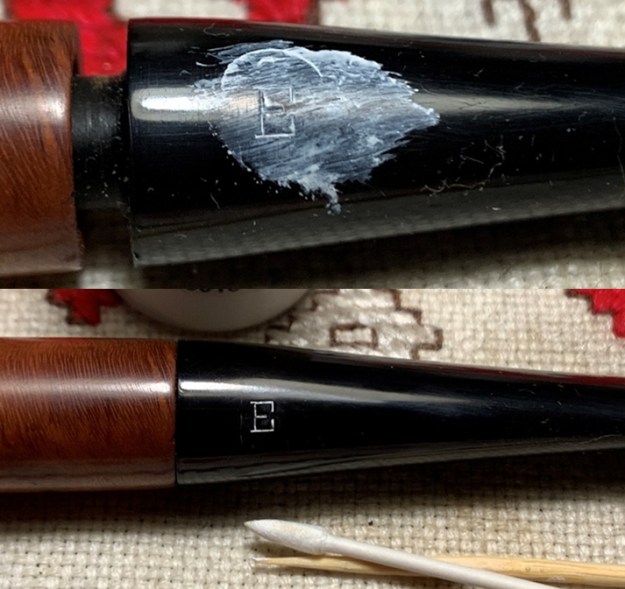
With the information included above, the Ehrlich Chimney now on my worktable dates to at least the late 60s.  With a greater appreciation for the Ehrlich name and the richness of its story, I begin the restoration first with an assessment of its condition.  This old boy is in rough shape. The chamber has thick cake build up which needs to be removed to expose fresh briar for a new start.  The rim is caked with lava.The rim has notches and divots on the lip aft and forward areas.Generally, the briar surface is scratched and dinged a good bit.  The finish is darkened and needs cleaning to remove the surface dirt that has collected.The original stem with the Ehrlich ‘E’ reveals that this pipe was well loved and driven into the ground!  The calcium build-up on the bit is thick along with the oxidation.  The tooth chatter seems to reveal a lot of possible New England winters with the former steward’s teeth chattering as he clinched the stem.  The lower button has disintegrated from biting.  I’m concerned that it’s too damaged for a normal button rebuild.  I love to salvage original stems but this one presents some challenges.  The lower vulcanite surface looks suspect – that there may be a crack in the vulcanite.To start, using a pipe cleaner wetted with isopropyl 95%, the stem’s airway is cleaned.To address the oxidation, a new batch of Before & After Deoxidizer is ready to go to work.  The other pipe’s stem that Todd commissioned, the Heritage Blasted Apple, joins the Ehrlich for a bath.  The fluid is eerie as it swallows the stems!After a few hours of the soak, I use a stiff wire to snag the stem and to allow the B&A Deoxidizer to drain.  I then squeegee more fluid off with my fingers then wipe with cotton pads wetted with alcohol to remove the raised oxidation.  Another pipe cleaner helps to clear liquid from the airway.The B&A Deoxidizer seemed to do an adequate job.  I add paraffin oil to the vulcanite with a cotton pad to further the rejuvenation of the stem.Turning now to the Ehrlich Chimney bowl, I ream the chamber using the Pipnet Reaming Kit.  I use the 2 smaller of 4 blades available in the Kit to navigate the Chimney chamber.  Following this, the Savinelli Fitsall Tool continues the scraping and finally sanding with 240 paper wrapped around a Sharpie Pen cleans the remaining cake. After wiping the chamber with a cotton pad wetted with alcohol to remove the carbon dust, an inspection of the chamber reveals no problems with heating or cracking.   I also scraped the rim with the Savinelli Fitsall tool to remove the crusting lava flow.Next, the external briar surface is dark and dirty. I use undiluted Murphy’s Oil Soap on a cotton pad to clean the briar surface.  I also use a brass wire brush to clean the rim.  The brass brush does not damage the wood surface.  After scrubbing, I transfer the bowl to the sink and continue cleaning using hot water and shank brushes.  Using anti-oil dish soap, the shank brushes reach into the mortise and after scrubbing and rinsing thoroughly, I bring the bowl back to the worktable.The cleaning does a good job.  The briar is lighter, but the rim is still discolored. It doesn’t happen often but returning to the internal cleaning with pipe cleaners and cotton buds reveals a clean pipe!To clean the rim, I use the topping board covered with 240 grade paper to begin.  The topping board will remove the discoloration with fresh briar, and it will help remove the divot damage on the rim edge.  The next pictures show the progression of the topping. Next, the 240 grade paper is replaced with 600 grade paper and several more rotations follow.  What emerges on the rim are round bird’s eye patterns of grain.I decide to stop the topping not to lose more briar real estate off the rim.  There remain some divots on the edge of the rim.To remedy this, instead of taking off more briar to remove the divots, I mix Thick CA glue with briar dust to form a putty to fill the divots.  After putting a small amount of briar dust on the plastic disc, covered with scotch tape for easier cleanup, a few drops of CA glue are placed next to the dust and then mixed with a toothpick.  Gradually, briar dust is pulled into the CA glue and mixed until it thickens to the consistency of molasses.  Using the toothpick as a trowel, putty is placed on the divots.  When sufficiently covered, I put the stummel aside for the putty to cure.After some time, the briar dust putty has cured.  I first use a flat needle file to remove the excess putty until it is flush with the rim surface.  I also use 240 grade paper to smooth the patch further.I also sand the side of the patch with 240 paper.  Finally, using 240 sanding paper tightly rolled, I cut a small bevel around the circumference of the rim to remove smaller cuts and divots and to blend the rim patch.  After the 240 paper, 600 grade paper is used to further smooth and blend.  The rim looks good.  I move on.To further clean the briar surface of nicks and scratches, I utilize sanding sponges.  Before applying the sanding sponges, I cover the Ehrlich Special nomenclature with masking tape.With the tape protecting the nomenclature, I first apply a coarse sanding sponge followed by a medium grade then a light grade.  Sanding sponges address the minor blemishes on the briar surface well without too much invasion. On a roll, I also apply the full regimen of micromesh pads beginning with wet sanding with pads 1500 to 2400.  Following this I dry sand with pads 3200 to 4000 and 6000 to 12000.  The grain comes out well through the micromesh process. One more step before putting the stummel aside to focus on the stem.  Applying Before & After Restoration Balm teases out the subtle hues of the briar grain.  Whenever possible, the natural briar is my preferred presentation of a pipe.  The Balm does a great job.  After placing some of the Balm on my fingers, I work it into the briar surface.  The Balm starts with a crème-like consistency but thickens to a waxy feel as the Balm is worked.  After applying the Balm, I put the bowl aside for 10 to 15 minutes then wipe off the excess Balm with a cloth and buff up the surface.Turning now to the stem, I take another long, focused look at the condition of especially the underside of the bit and button, but the upper bit has some issues too.  First the upper side. The tooth chatter is profound and there are two compressions that are in the center of the stem.  The one closest to the button is rounded, resembling an eye-tooth compression.  The other one is interesting as it runs parallel with the length of the stem.  The angle makes it difficult to imagine it to be a bite, unless it’s a back molar….  That could be, but the compression appears to run parallel to the airway tunnel directly below.  For the upper bit, I’ll attempt to raise the compressions using the heating method and follow by sanding out the chatter.  Fortunately, the upper button lip is in good shape.When I first examined the stem, before cleaning, I was concerned that there might be a crack running down the stem coming from the button break.  Looking at it now, even under a magnifying glass, thankfully, there is no sign of a crack.  That good news barely tempers the catastrophic break of the bit and lower button.  Interestingly, the lower bit shows evidence of also having parallel compression as the top side.  The area extending to the immediate left (in the picture below) of the break is compressed.  The forensics it seems, point to the former steward clinching the stem between his molars for a hands-free mode.  It worked until the force of the clinching on the underside faulted – the rest is history. To repair, I will first attempt to raise as much of the compression through the heating method, then rebuild the button with a mixture of CA glue and activated charcoal dust.  The new steward will need to treat the button with some TLC because a rebuild is not as strong as an original surface. The heating method is painting the compressions with the flame of a Bic lighter.  With the heating of the vulcanite, a rubber compound, the rubber expands to retake its original condition, or closer to it.  After painting the upper and lower with the flame, the compressions are noticeably less pronounced but still evident.Next, using 240 grade sanding paper, I sand out the residual compressions on the upper and lower bit.  The paper also removes the tooth chatter very nicely.  With the button rebuild now before me, I first clean the area with a cotton pad wetted with alcohol.A piece of index card stock serves well to create a wedge to serve as a form.  The wedge fits into the airway to form the mold that will allow the patch material to fill the cavity yet keep the airway open.After covering the wedge with scotch tape, I place some petroleum jelly on the tape to keep the patch material from bonding onto the wedge – allowing the wedge to be removed without problems.The patch material is a putty created from mixing Extra Thick CA glue with activated charcoal dust. A small mound of the charcoal is placed on the plastic disk which acts as my mixing pallet.  I also put scotch tape down on the disk to help in the cleaning.   Next to the mound of charcoal dust, a small puddle of CA glue is placed.I use a toothpick to gradually pull charcoal into the CA glue mixing as I go.  When the putty forms and reaches the viscosity of molasses, I use the toothpick to trowel the putty onto the wedge, filling the damaged area with patch material.I build a mound of the patch material to be more than is needed.  This allows filing to shape the new button by removing the excess and shaping as I go.The wedge is removed easily with a tug.Next, the filing process begins.  I start from the end of the stem to remove the excess to first form the slot facing.With the slot facing flat and flush with the surviving upper button lip, starting with the upper bit, I use the flat needle file to refresh the surviving upper button lip.Next, flipping over to the lower bit, the flat needle file begins to shape the lower button lip.  The next few pictures show this progress. The process is slow, but patience pays off nicely.  The lower button looks good.  A few air pockets show up in the patch area.  I’ll sand and work on removing these as I go.Using 240 grade paper first on the upper bit, the residual chatter and compressions are fully erased.Next, focusing on sanding the lower bit area, 240 paper does well in smoothing out the scratches left by the needle file.  Shaping the button is coming along well.Next, using 600 grade paper, I wet sand the entire stem upper and lower.  Following this, 000 steel wool is applied to smooth the surface further.  The repair is looking great.Some air pockets remain on the lower bit and button lip repair.  I paint a small amount of acrylic nail polish to fill these microscopic pockets.  Again, I apply the 000-steel wool to the acrylic patch.With the stem repair complete, I move on to the full regimen of micromesh pads.  Using pads 1500 to 2400, I wet sand followed by dry sanding with pads 3200 to 4000 and 6000 to 12000. Between each set of 3 pads, Obsidian Oil is applied to the stem to rejuvenate it and to retard the growth of oxidation. Now on the home stretch.  I rejoin the stem and Ehrlich Chimney stummel after a small amount of sanding on the tenon.  After the cleaning, the fit was a bit tight.  After the sanding, the tenon engaged the mortise nicely.  After mounting a cotton cloth buffing wheel to the Dremel, and setting the speed to about 40% full power, Blue Diamond compound is applied.  After completing the application of the compound, I buff the pipe with a felt cloth to remove the compound dust in preparation for the wax.  Before applying carnauba wax, I have one more project to complete.  The Boston tobacconist Ehrlich ‘E’ needs some attention on the stem.  Using white acrylic paint, I put a small drop of paint over the ‘E’ and then tamp the wet paint with a cotton pad.  This flattens the paint and dries it.  I then gently rub the surface with the side edge of a toothpick which clears away the excess paint leaving the ‘E’ filled.  I repeat this process twice to render the finished product.  It looks great. After mounting another cotton cloth buffing wheel to the Dremel leaving it at the same speed, I apply carnauba wax to the entire pipe.  To finish, a microfiber cloth is used to give the pipe a rigorous hand buffing to raise the shine.
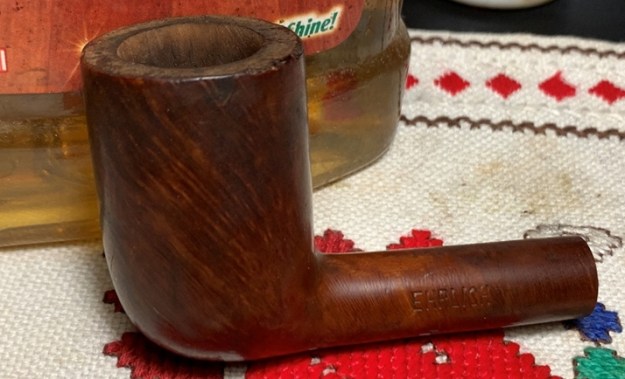
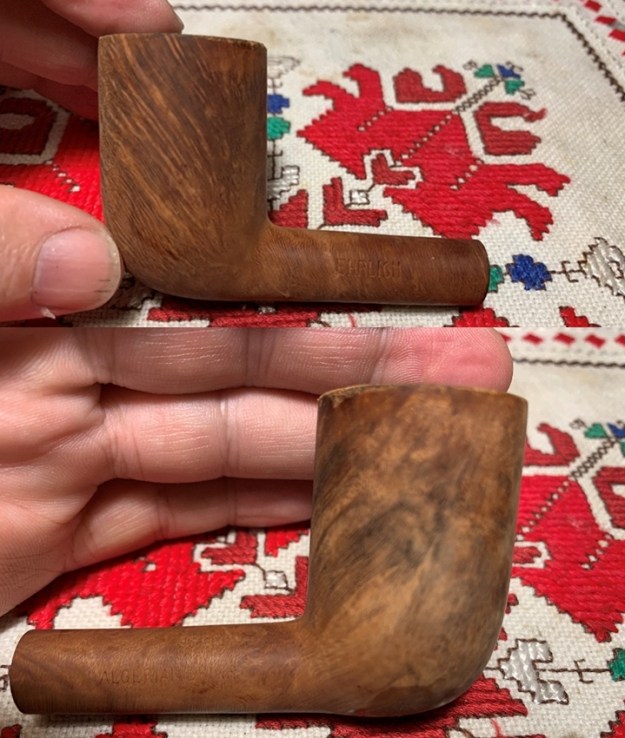
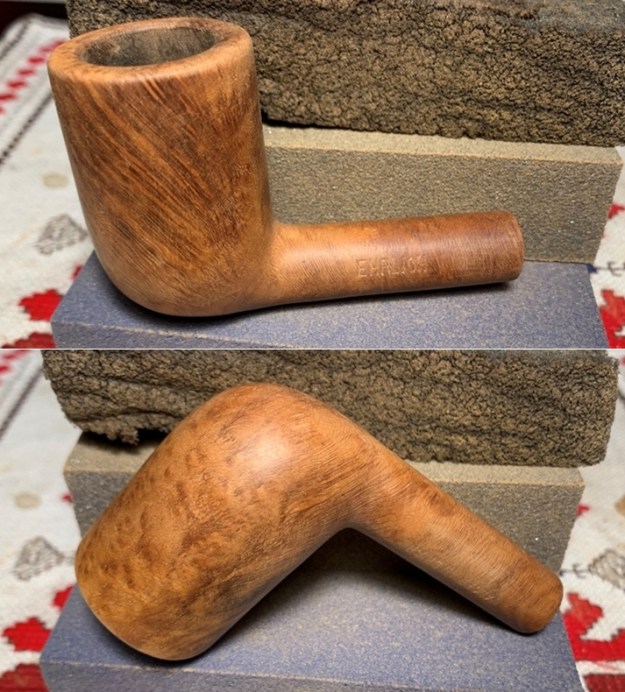
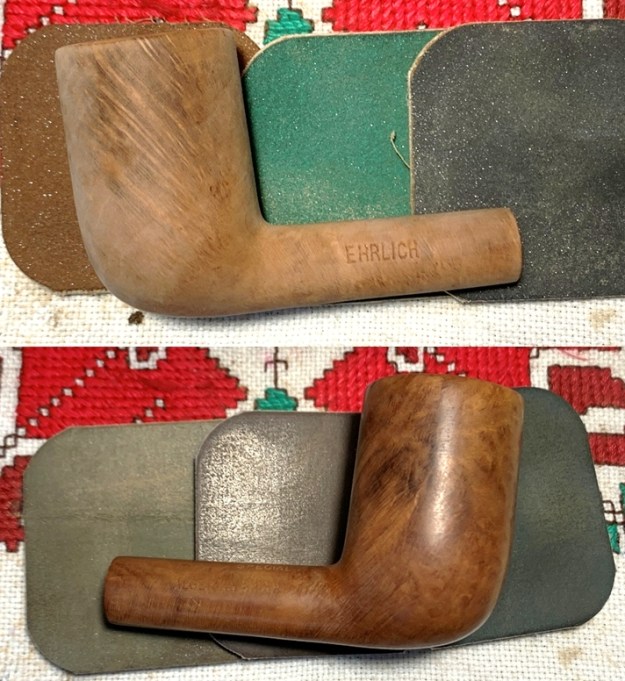
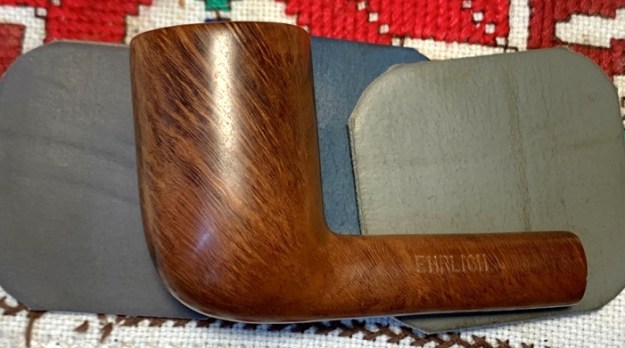
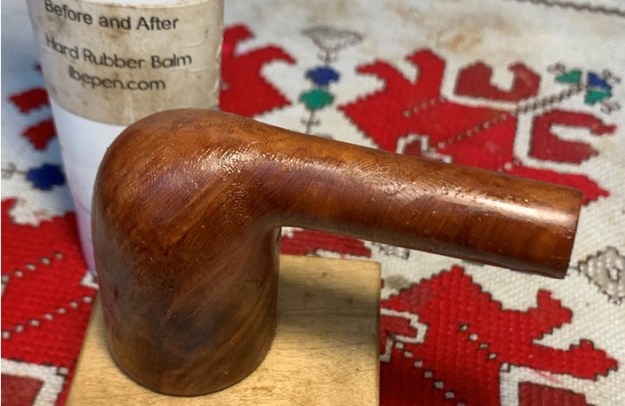
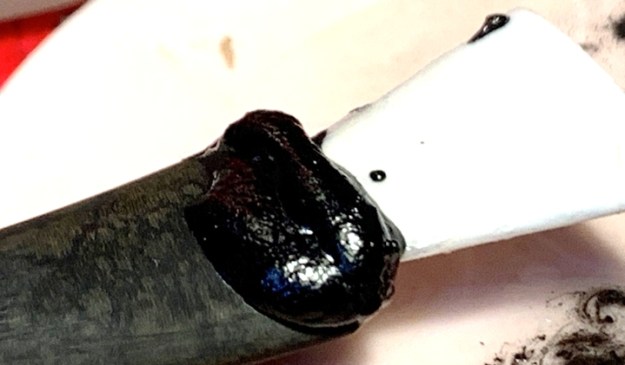
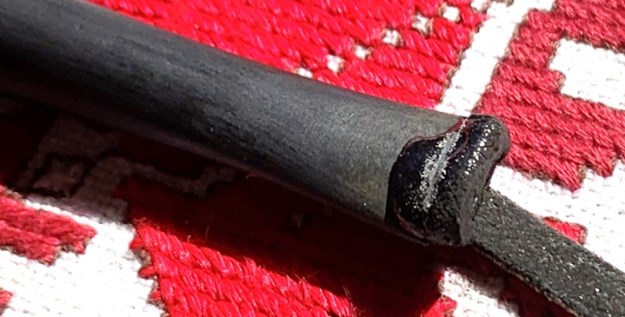
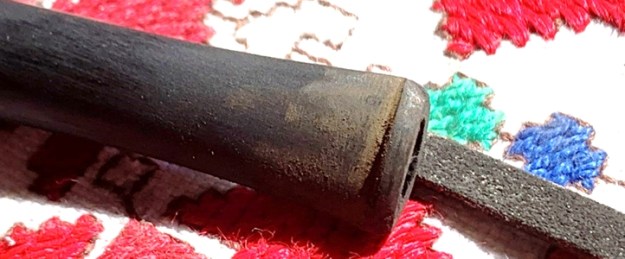
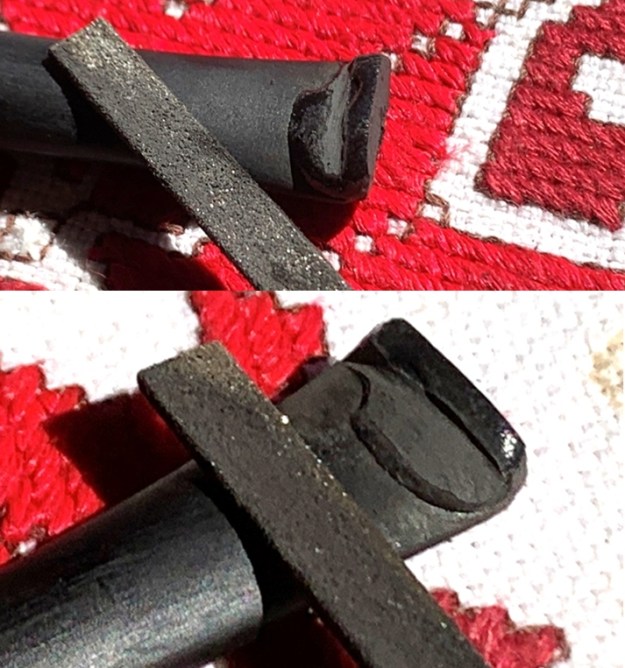
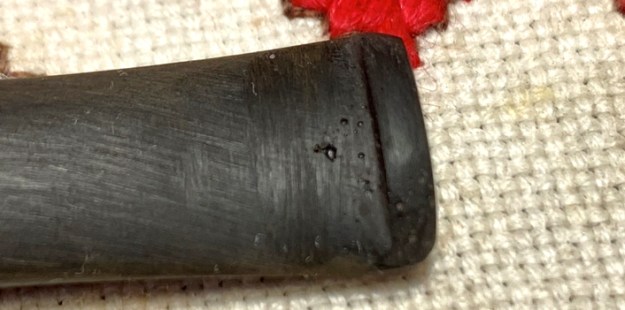
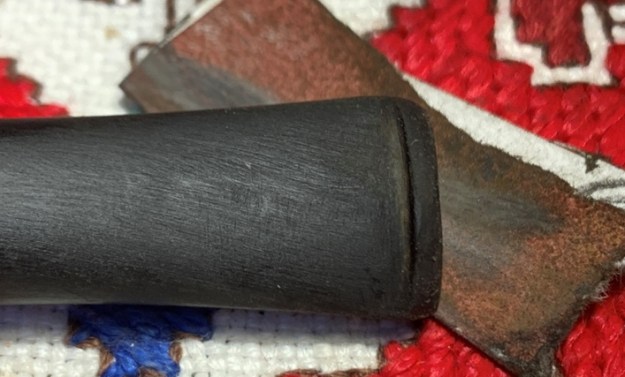
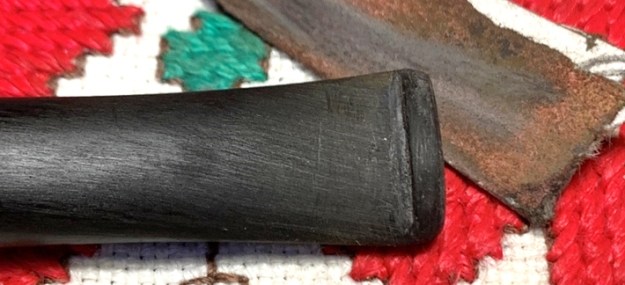
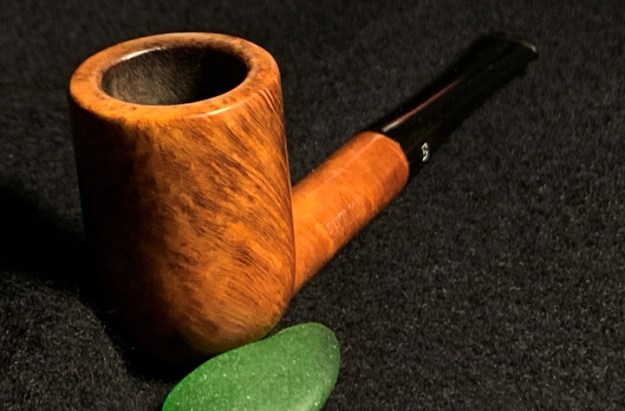
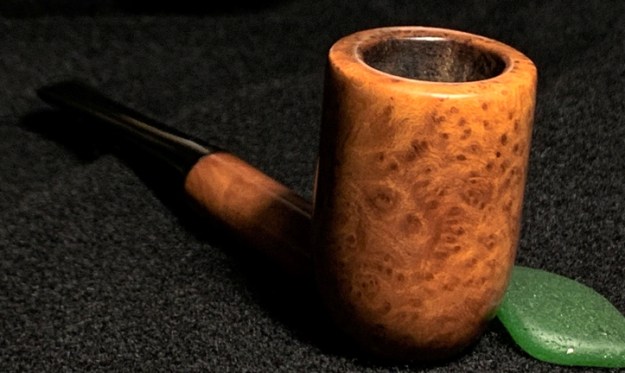
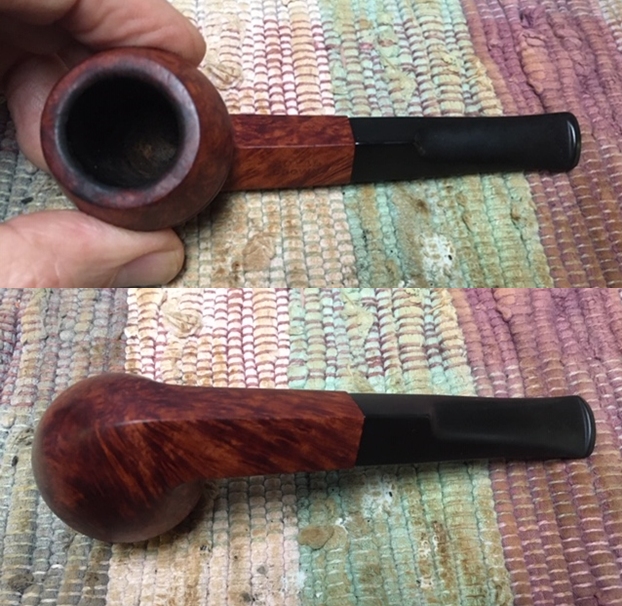
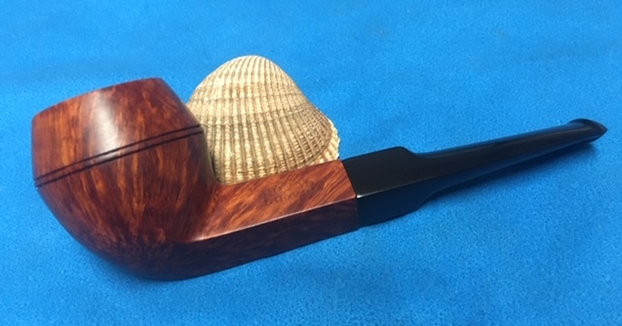
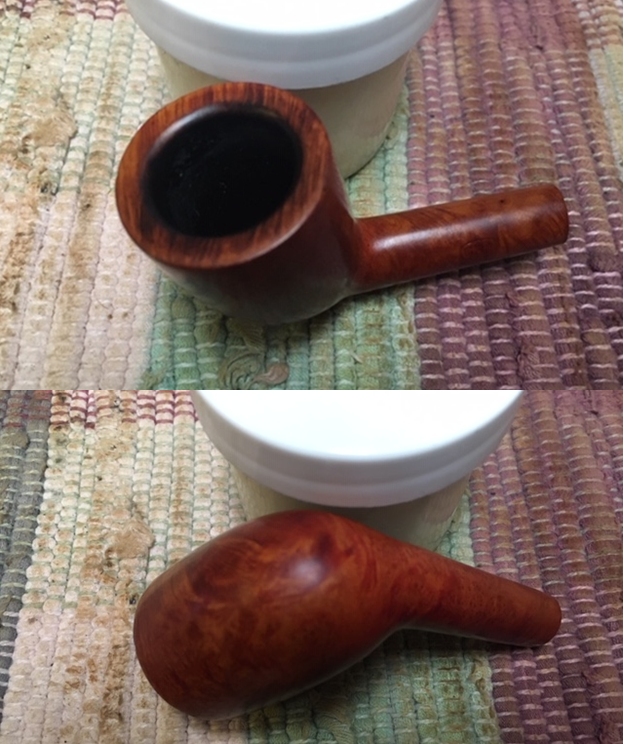
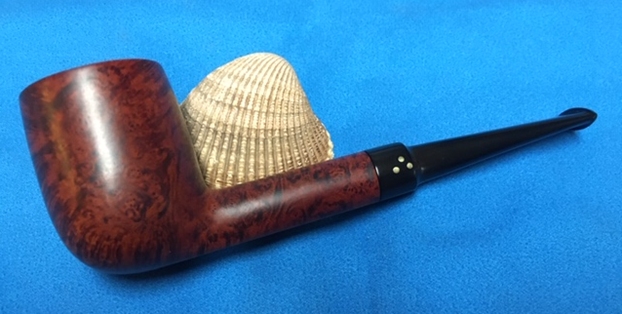
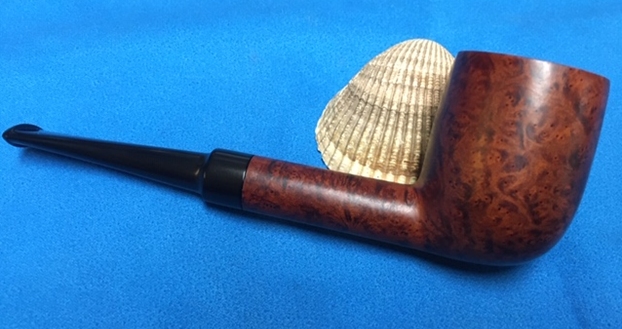
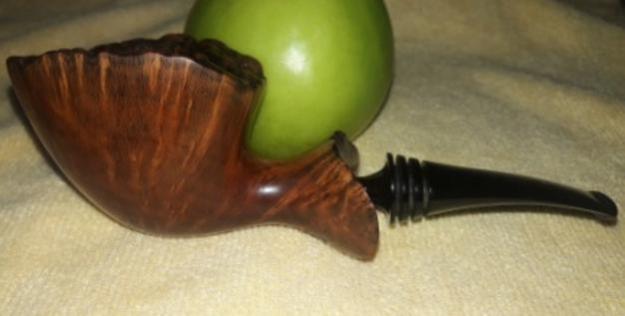
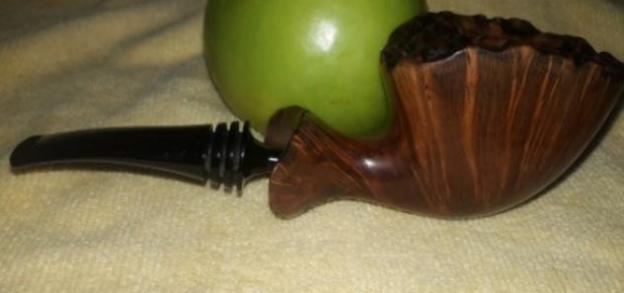
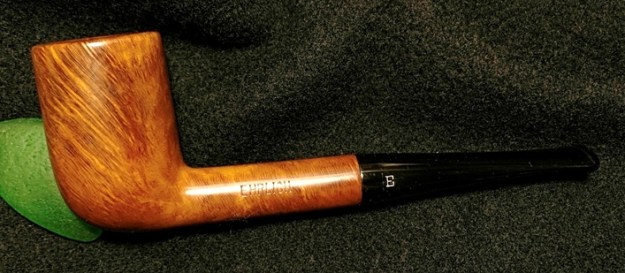
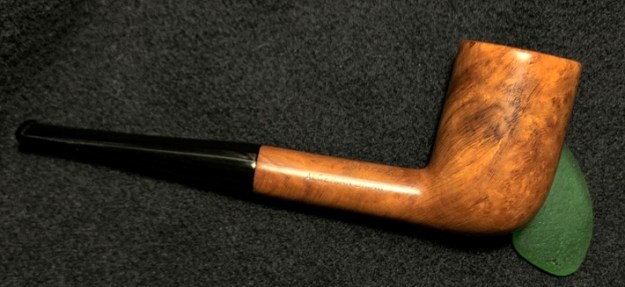
This Ehrlich Special Chimney turned out well.  I appreciated learning about the history of the Ehrlich name as one of Boston’s Tobacconist shops.  The button repair looks good and what a change from the molar damage with which the restoration began.  The vertical fire grain on the left side of the Chimney is nice and the bird’s eye grain on the right completes the ensemble. Without doubt, the pipe fits nicely in the palm.  I enjoyed this restoration and Todd who commissioned the Ehrlich Special Chimney, will also have the first opportunity to secure him from The Pipe Steward Store.  This pipe benefits the Daughters of Bulgaria – women and girls who have been trafficked and sexually exploited.  Thanks for joining me!


A Quick and Easy Restoration on a Brigham 3 Dot Dublin 306


Blog by Steve Laug

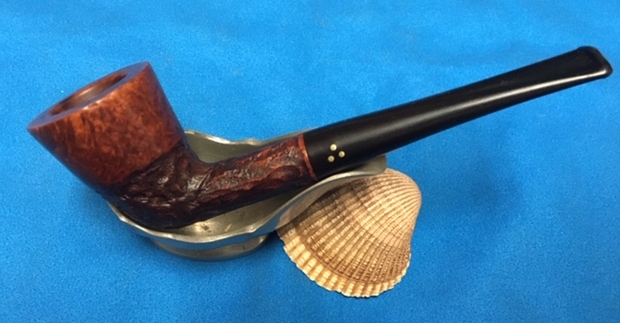
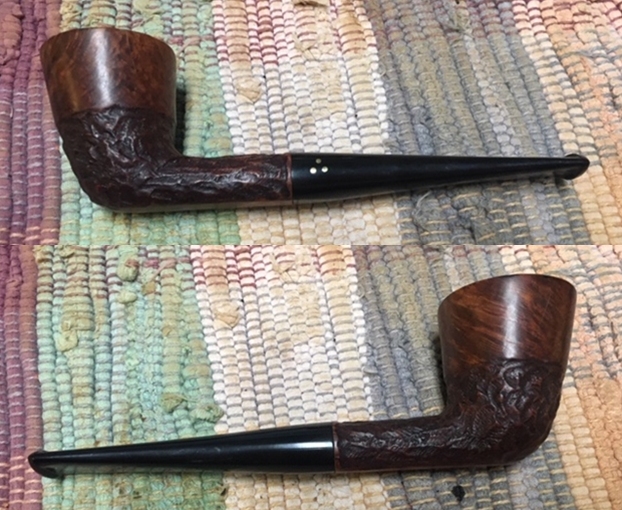
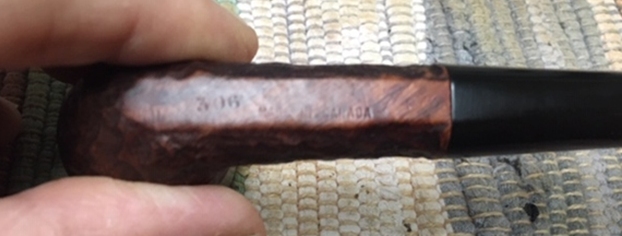
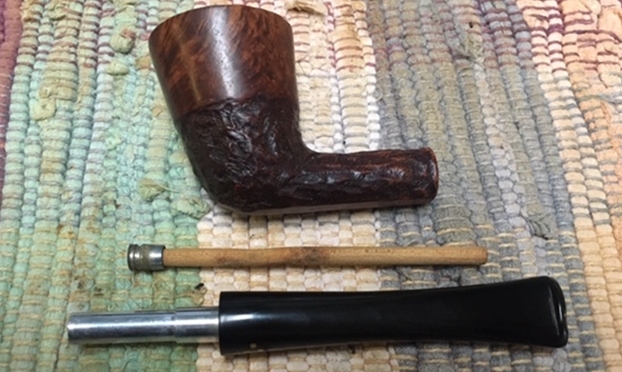
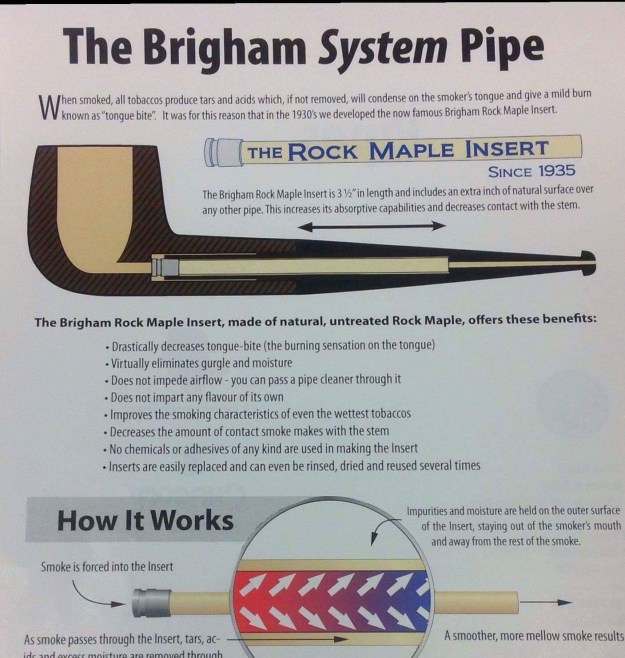
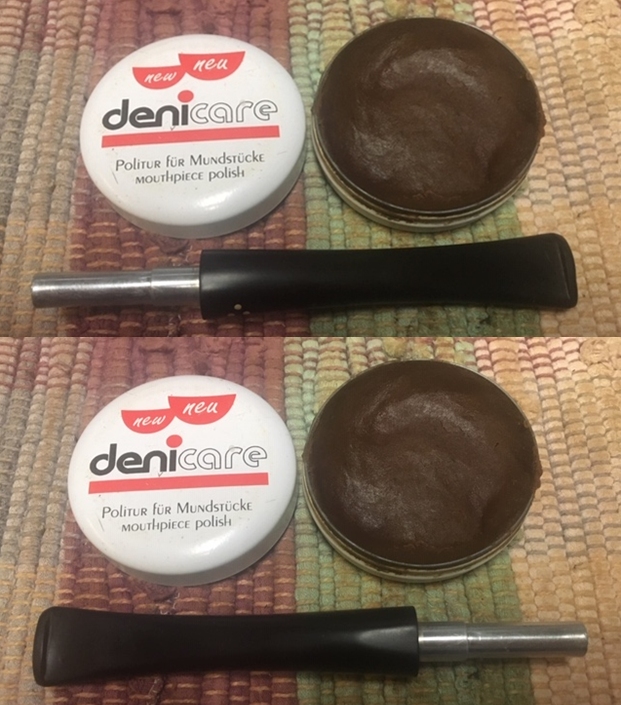
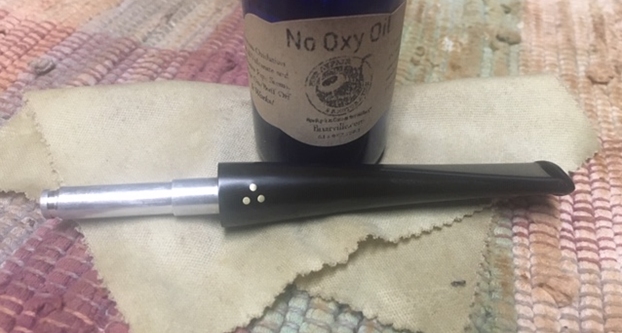
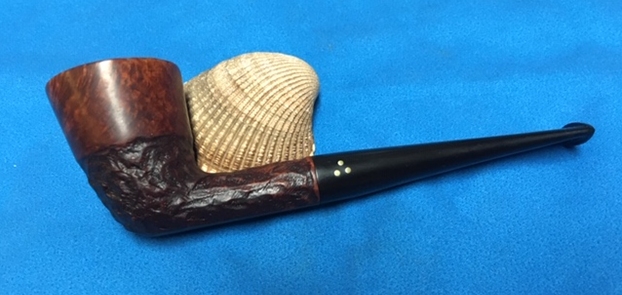
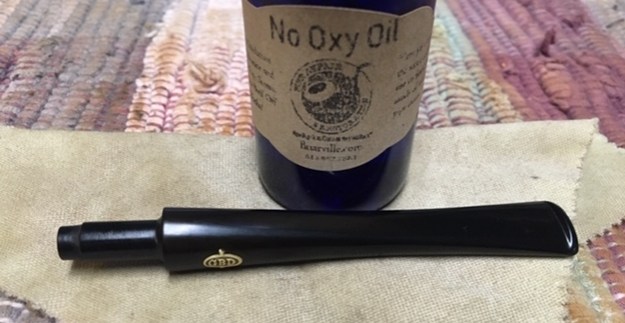
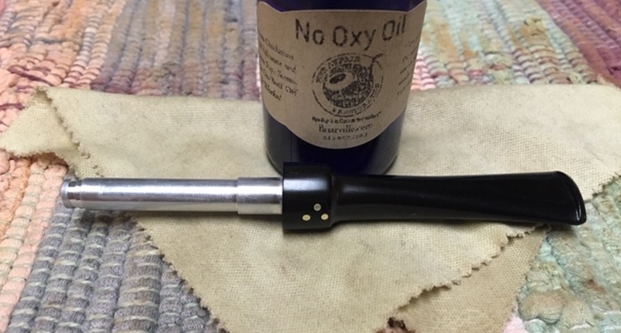
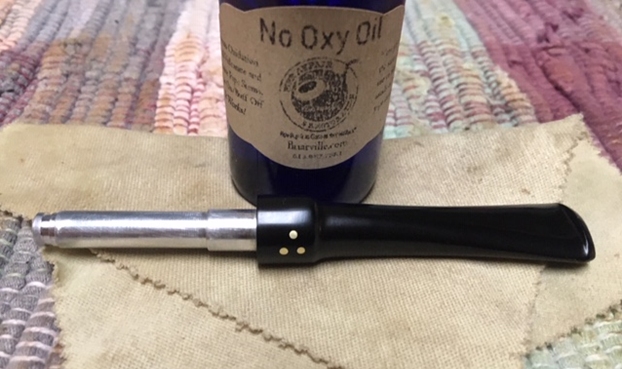
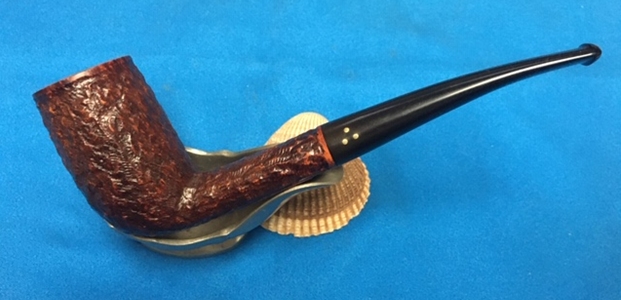
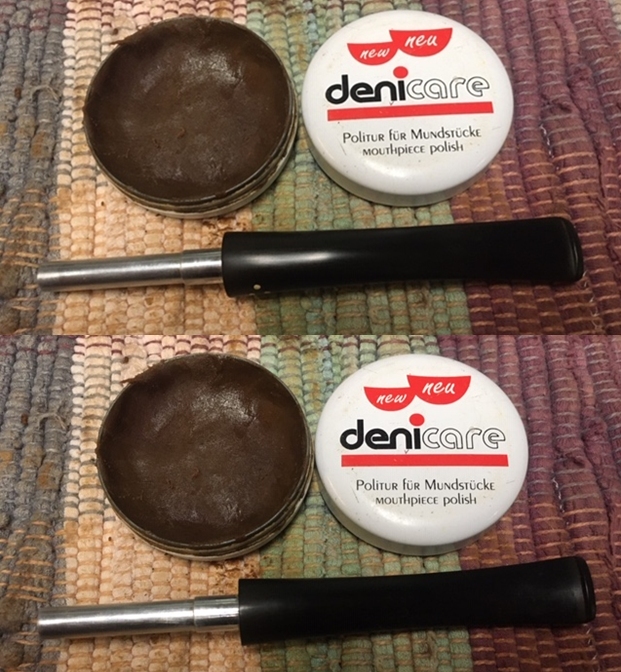
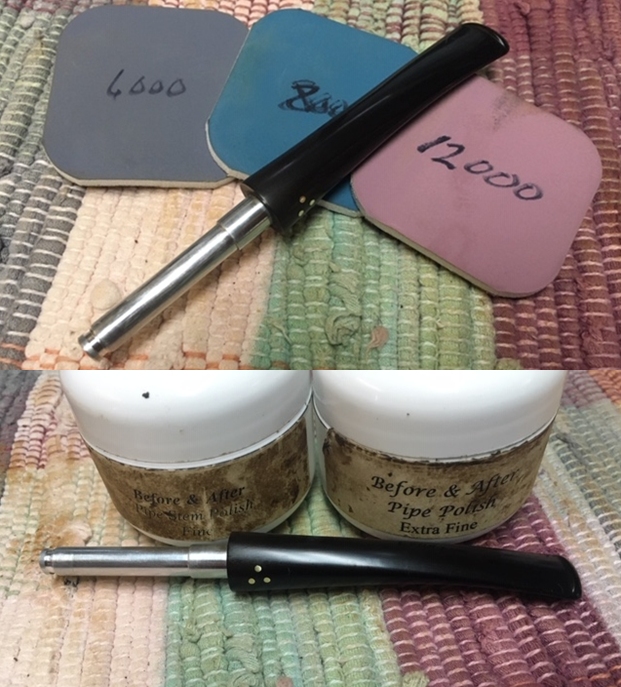
Even with the COVID-19 warning rolling in incessantly I am still working on pipes! It keeps my mind busy and focused. There is no reason to not enjoy the time alone at the work table bringing these old-timers back to life. The next pipe I have chosen is an interesting looking mixed finish Dublin that was stained with a rich brown colour on both the smooth upper portion and rusticated lower portion of the bowl and shank. It was stamped on the smooth underside of the shank. The stamping was readable. The shape number 306 is on the heel of the pipe and identifies the shape. The stamping Made in Canada and then the Brigham stamp in script followed on the rest of the flattened shank. The age on this one is Post-Patent era, nominally 1960s. The pipe comes to me I think from a trade I did with Alex but I am uncertain. It was in decent condition when I brought it to the table. The finish was a little dirty and the rim top had some damage but otherwise looked decent the inner edge of the bowl was slightly out of round due to some burn damage. The internals were quite clean. The stem was in good condition other than a few tooth marks on the top and underside near the button. The Maple Distillator was dirty and would need to be replaced. I took photos of the pipe when I brought it to the table. I took some close up photos of the rim top and also of the stem surface. I wanted to show how well it had cleaned up. The rim top was clean, but there was a slight burn mark on the front inner edge. You can also see that the bowl was out of round. I also took close up photos of the stem to show how well surface looked on both sides. I took a photo of the stamping on the underside of the shank. You can see that it is stamped as noted above. It is faint but it is readable.I took the pipe apart and removed the Distillator from the aluminum tenon. It was stained but otherwise clean. I would need to replace it when I was finished. Before I get into the restoration part of this pipe I decided to include a poster I picked up that shows the filtration system of the patented Brigham Distillator. Give the poster a read. It also helps to understand the internals of these older Canadian Made pipes.I decided to start my restoration work on this one by dealing with the damaged rim top. I sanded the inner edge of the bowl with 220 grit sandpaper to reshape the out of round bowl and deal with the burned spot on the front edge. I gave it a slight bevel and I am pleased with the results.I polished the briar with micromesh sanding pads – wet sanding it with 1500-12000 grit pads. After each pad I wiped the briar down with a damp cloth. I worked some Before & After Restoration Balm into the surface of the briar with my fingertips to clean, enliven and protect the briar. I let the balm sit for a little while and then buffed with a cotton cloth to raise the shine. The photos show the bowl at this point in the restoration process. With that done the bowl was finished other than the final buffing. I set it aside and turned my attention to the stem. I painted the stem surface with the flame of a Bic lighter to lift the tooth marks from the surface.After the heat had done its work on the tooth marks on the top side I was left with some damage on the button edges and on the underside of the stem. I filled in the remaining tooth damage with clear CA glue and set the stem aside to dry overnight. I sanded out the repaired tooth marks and chatter with 220 grit sand paper to blend them into the rest of the stem surface. I started to polish it with a folded piece of 400 wet dry sandpaper. Once it was finished it had begun to shine.        I polished the stem with Denicare Mouthpiece Polish from a tin of it I have in the drawer here. It is a gritty red paste that I rub on with my finger tips and work into the surface of the stem and button and buff off with a cotton pad. It gives me a bit of a head start on the polishing work. Before I finished the polishing stem I decided to fit it with a new Rock Maple Distillator.I polished the stem with micromesh sanding pads – wet sanding with 1500-12000 grit sanding pads. I wiped it down after each sanding pad with Obsidian Oil. I polished it with Before & After Pipe Stem Polish – both Fine and Extra Fine. I am continuing to experiment with Briarville Pipe Repairs new product, No Oxy Oil so I rubbed the stem down with the oil on the cloth that was provided with it. I am excited to finish this Brigham. I put the pipe back together and buffed it with Blue Diamond on the buffing wheel. I gave the bowl and the stem multiple coats of carnauba wax. I hand buffed the pipe with a clean buffing pad to raise the shine. It is fun to see what the polished bowl looks like with the grain popping through on the bowls sides and rim top. Added to that the polished black vulcanite stem with the shining brass pins was beautiful. This mixed grain on the smooth finish Brigham 306 Dublin is nice looking and the pipe feels great in my hand. It is light and well balanced. Have a look at it with the photos below. When I was going through the box of pipes in my box of pipes to be done I came across this beautiful 3 Dot Brigham. The dimensions are Length: 5 ½ inches, Height: 1 ¾ inches, Outside diameter of the bowl: 1 3/8 inches, Chamber diameter: ¾ of an inch. It is a beautiful pipe and one that will be on the rebornpipes store soon. If you are interested in adding it to your collection let me know. Thanks for walking through the restoration with me as I worked over this pipe. Thanks to each of you who are reading this blog. Remember we are not pipe owners; we are pipemen and women who hold our pipes in trust until they pass on into the trust of the next pipeman or woman.    
Another Fun Restore from Bob Kerr’s Estate – A BBB 2 Star Apple 11


Blog by Steve Laug

Even with the COVID-19 warnings rolling in incessantly I am still working on pipes! It keeps my mind busy and focused and not to get carried away with the sense of powerlessness. There is no reason to not enjoy the time alone at the work table bringing these old-timers back to life. After brief foray restoring pipes referred to me by my local pipe shop I am back to Bob Kerr’s estate (his photo is to the left). If you have not “met” the man and would like to read a bit of the history of the pipeman, his daughter has written a great tribute that is worth a read. Because I have included it in over 60 restorations to date I thought that I would leave it out this time. Be sure to check out some of the recent Dunhill restoration blog (https://rebornpipes.com/2020/01/01/restoring-the-last-of-bob-kerrs-dunhills-a-1962-dunhill-bruyere-656-f-t-bent-billiard/).
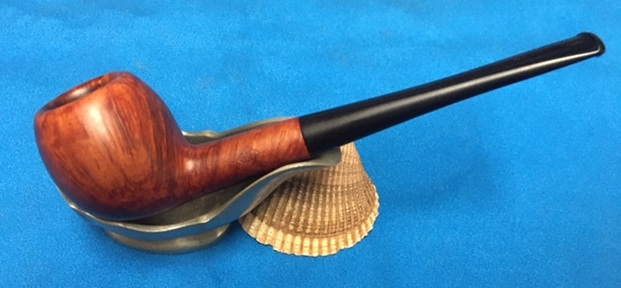
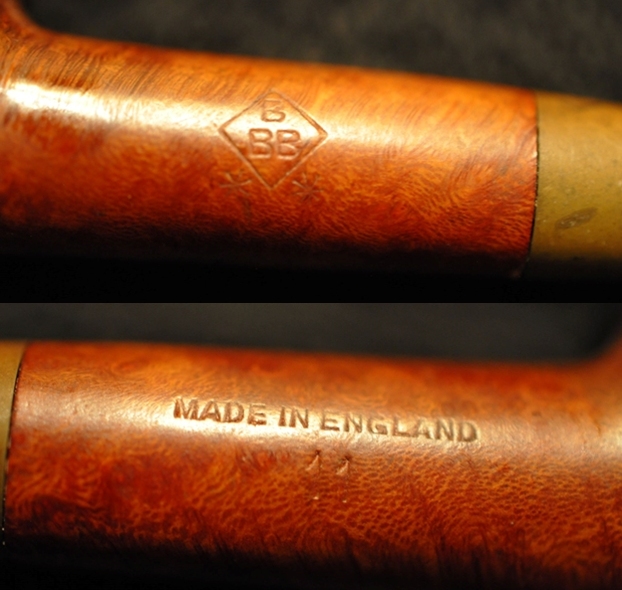
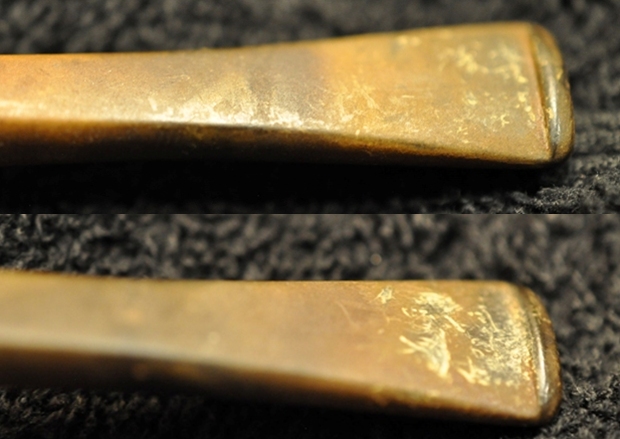
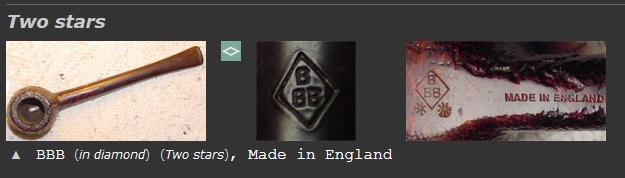
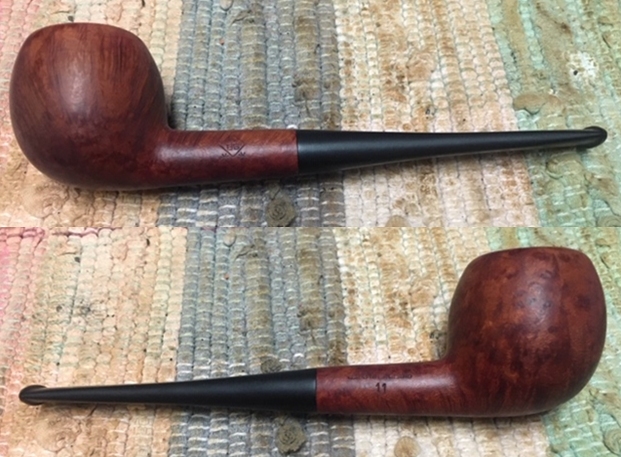
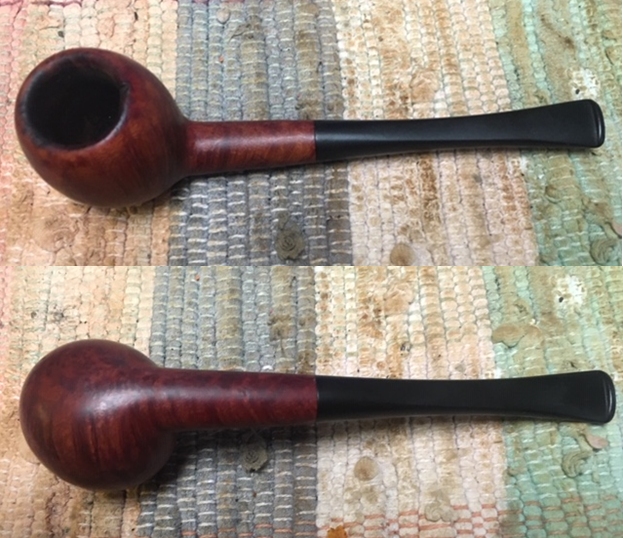
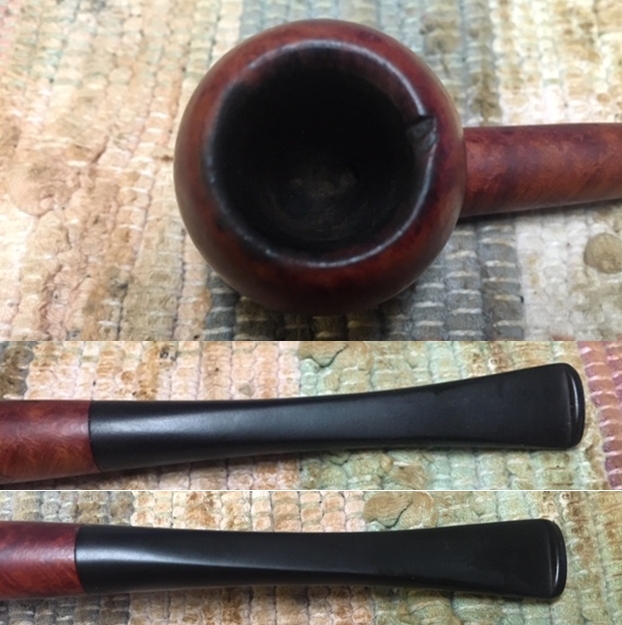
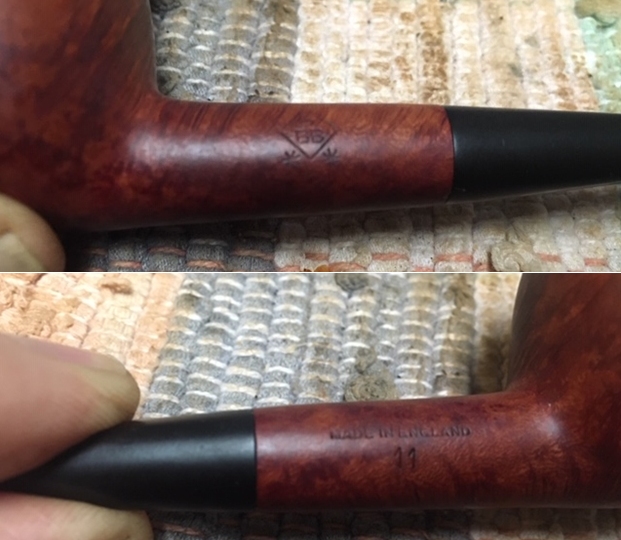
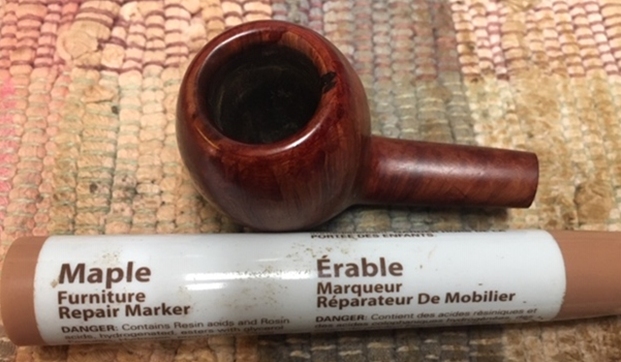
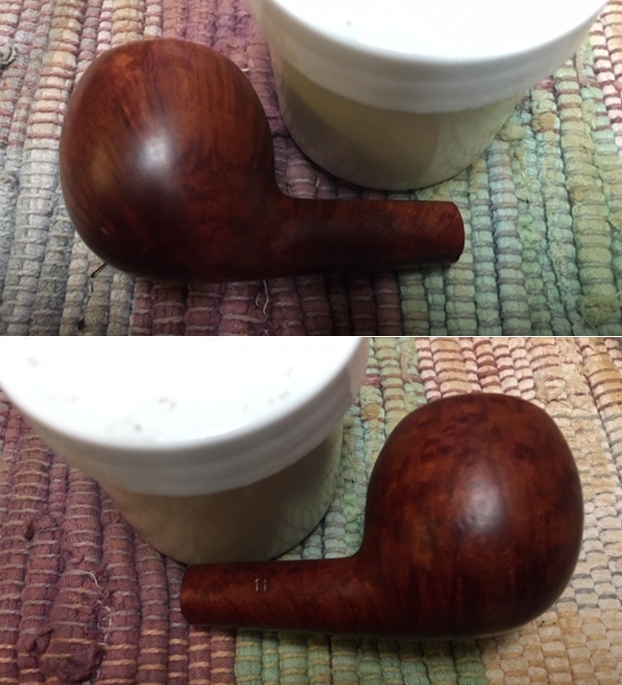
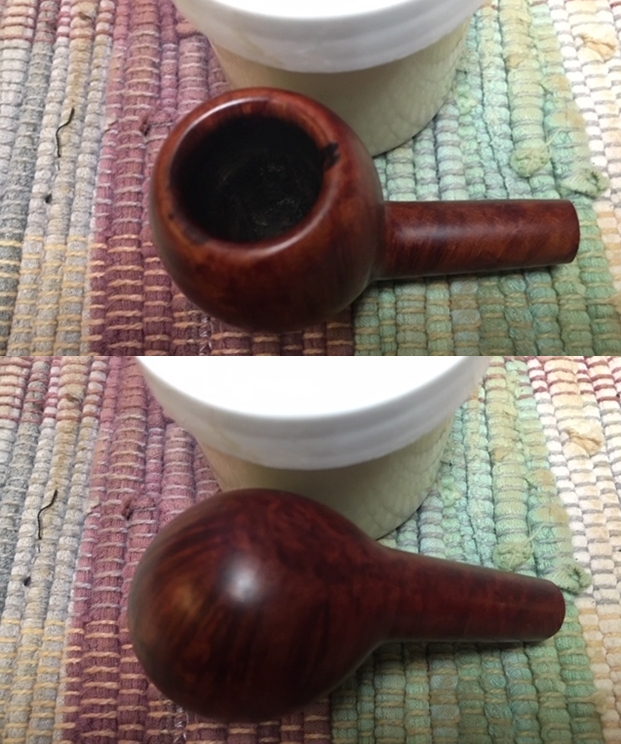
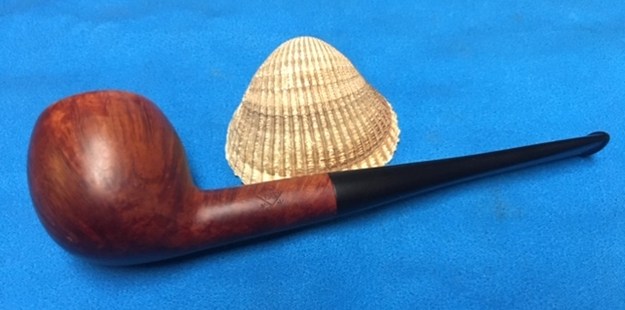
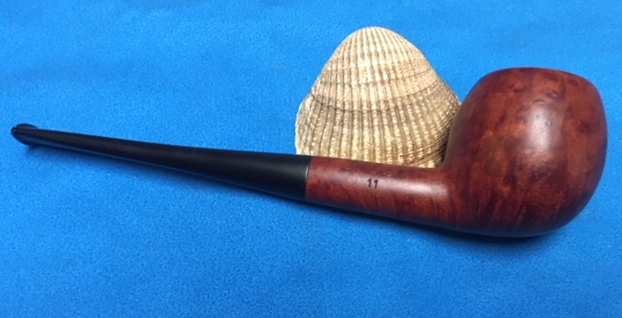
The next pipe I have chosen from his estate is an interesting looking Apple with a slender stem. It is stamped BBB in a diamond on the left side of the shank with a Star on each side of the diamond. On the right side of the shank it is stamped Made in England over the shape number 11. The slender stem does not bear the BBB brass logo. The tapered stem is oxidized and has tooth marks and chatter on both sides near the button. There is some calcification on the stem with damage to the button. The finish is worn and dirty. There is a thick cake and lava overflow on the rim top. There is some damage on top & edges. There appears to be some chips out of the thin rim top/edge that will need to be addressed in the restoration. Jeff took photos of the pipe to show its general condition before he did his cleanup. The finish on the pipe was very dirty – grime and grit from years of use and sitting fill the crevices in the rustication. The rim top was covered with a coat of thick lava that overflowed the bowl. There was also some darkening and chipping damage on the rim top. The bowl itself had a thick cake with flecks of tobacco stuck in the cake on the sides.Jeff took photos of the sides and the heel of the bowl to give a better feel for the grain around the bowl. He took a photo of the stamping on the sides of the. You can see that the stamping is very clear. On the left side it reads BBB in a diamond with a star on each side of the base. On the right side it reads Made in England over the shape number 11.The stem was dirty and extremely oxidized. Once again the stem appeared to be a replacement as I have learned Bob was a chewer and his stems seemed to have been replaced often. This one at least fit well to the shank and did not yet have the chew marks that were a norm on Bob’s pipes.Before I started my work on the pipe I decided to read a bit of BBB history to remind myself how the two stars fit into the hierarchy of BBB pipes. I turned first to Pipephil’s site (http://www.pipephil.eu/logos/en/logo-bbb.html). I have included a screen capture to show the stamping on the pipe. At this point I still did not know how it fit. Also the pipe I was working on did not have the BBB Diamond or Brass logo on the stem.I turned to Pipedia to see what I could gather there about the hierarchy of the Two Star pipe (https://pipedia.org/wiki/BBB). I read through the page and found some more information. I quote a pertinent section of the article that give the information that I was hoping for and expecting.

…In the Thirties, the top-of-the-range one becomes “BBB Best Make” with alternatives like “Super Stopping” and “Ultonia Thule”. The BBB Carlton, sold with the detail with 8/6 in 1938, is equipped with a system complicated out of metal, system which equipped the BBB London Dry too. Blue Peter was not estampillées BBB but BBB Ultonia, and the BBB Two Star (* *) become the bottom-of-the-range one.

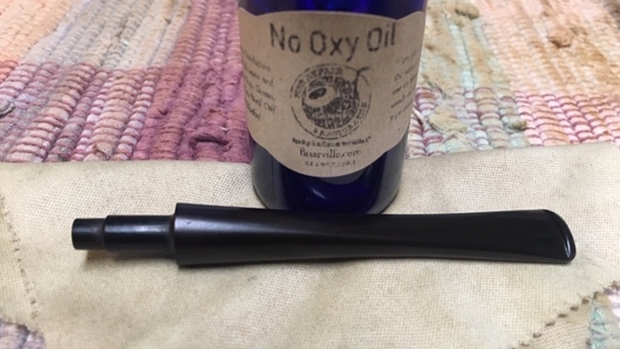
Now I knew about where the Two Star fit – at the bottom of the range. Armed with that information it was time to work on the pipe. Jeff cleaned this filthy pipe with his usual penchant for thoroughness that I really appreciate. This one was a real mess and I was looking forward to seeing what he had done with this one when I took it out of his box. It looked amazing and CLEAN and other than the stem work needing a little effort on my part. He reamed the bowl with a PipNet pipe reamer and cleaned up the reaming with a Savinelli Fitsall Pipe Knife. He scrubbed out the internals with alcohol, pipe cleaners and cotton swabs until the pipe was clean. He scrubbed the exterior of the bowl with Murphy’s Oil Soap and a tooth brush to remove the grime and grit on the briar and the lava on the rim top. The finish looks good with great looking grain around the bowl and shank. The rim top and front of the bowl was severely damaged with burns. The condition of the inner and outer edges was rough. The stem looked a lot better but damage was evident on the button. Jeff soaked the stem in Before & After Deoxidizer to remove the oxidation on the rubber. The pipe was ready for me to carry on the next part of the process. I took some close up photos of the rim top and also of the stem surface. I wanted to show how well it had cleaned up. The rim top was clean and the damage was very evident. There were several chips on the edge of the rim top with the largest being at the back of the bowl.  I also took close up photos of the stem to show how well surface looked on both sides. I took a photo of the stamping on the sides of the shank. You can see that it is stamped as noted above.I decided to start my restoration work on this one by dealing with the damaged rim top. I filled in the damaged areas with a drop of clear Krazy Glue (CA) and then pressed some briar dust into the glued areas with a dental spatula. I set the bowl aside to dry overnight.   I sanded the repaired areas with 220 and 400 grit sandpaper to shape the repaired areas and blend them into the rest of the bowl. I also worked over the edge and top to minimize the darkening to the edges.I polished the briar with micromesh sanding pads – wet sanding it with 1500-12000 grit pads. After each pad I wiped the briar down with a damp cloth. I touched up the rim top colour with a Maple Stain Pen to match the colour of the rest of the bowl. I let it dry and buffed it by hand.I worked some Before & After Restoration Balm into the surface of the briar with my fingertips to clean, enliven and protect the briar. I let the balm sit for a little while and then buffed with a cotton cloth to raise the shine. The photos show the bowl at this point in the restoration process. With that done the bowl was finished other than the final buffing. I set it aside and turned my attention to the stem. I sanded out the remaining tooth marks and chatter with 220 grit sand paper to blend them into the rest of the stem surface. I started to polish it with a folded piece of 400 wet dry sandpaper. Once it was finished it had begun to shine.        I polished the stem with Denicare Mouthpiece Polish from a tin of it I have in the drawer here. It is a gritty red paste that I rub on with my finger tips and work into the surface of the stem and button and buff off with a cotton pad. It gives me a bit of a head start on the polishing work.  I polished the stem with micromesh sanding pads – wet sanding with 1500-12000 grit sanding pads. I wiped it down after each sanding pad with Obsidian Oil. I polished it with Before & After Pipe Stem Polish – both Fine and Extra Fine. I am continuing to experiment with Briarville Pipe Repairs new product, No Oxy Oil so I rubbed the stem down with the oil on the cloth that was provided with it. This BBB Two Star 11 Apple was another interesting pipe to work on. It is a classic shaped Apple. It has a tapered vulcanite stem that I am pretty certain is a replacement stem. The grain on the pipe is very nice and the shape has a great look and feel in the hand. The smooth finish is beautiful and highlights the grain. The repaired rim top looks very good and blends in well. I polished stem and the bowl with Blue Diamond polish on the buffing wheel. I gave the bowl and the stem multiple coats of carnauba wax. I buffed the pipe with a clean buffing pad to raise the shine. I hand buffed it with a microfiber cloth to deepen the shine. The pipe polished up pretty nicely. The deeply grained briar took on life with the buffing. The rich browns of the briar works well with the polished vulcanite stem. The finished pipe has a rich look that is quite catching. Have a look at it with the photos below. The shape, finish and flow of the Apple are very well done even with the replacement stem. The dimensions are Length: 5 ½ inches, Height: 1 ½ inches, Outside diameter of the bowl: 1 ¼ inches, Chamber diameter: ¾ of an inch. It is a beautiful pipe and one that will be on the rebornpipes store soon. If you are interested in adding it to your collection let me know. Thanks for walking through the restoration with me as I worked over this pipe. 

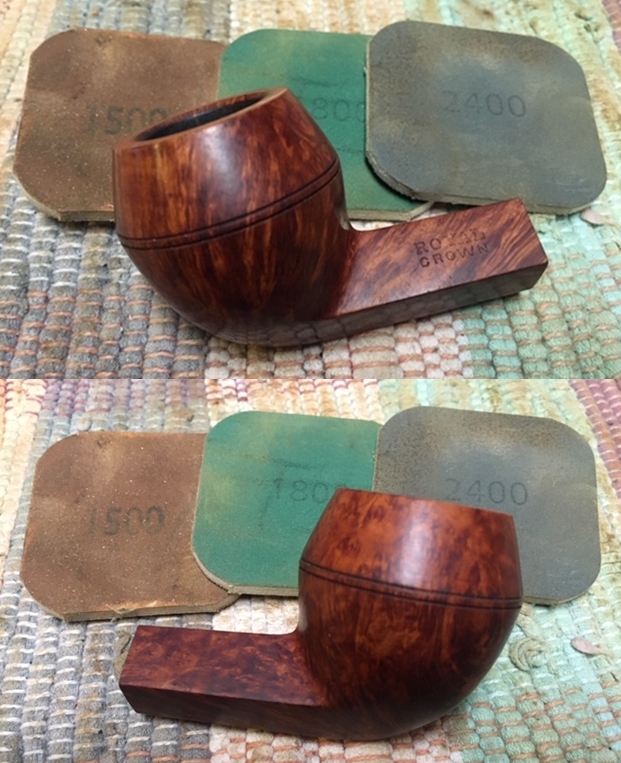
A Fun Restore from Bob Kerr’s Estate – A Royal Crown Bulldog


Blog by Steve Laug

After brief foray into restoring pipes referred to me by my local pipe shop I am back to Bob Kerr’s estate (his photo is to the left). If you have not “met” the man and would like to read a bit of the history of the pipeman, his daughter has written a great tribute that is worth a read. Because I have included it in over 60 restorations to date I thought that I would leave it out this time. Be sure to check out some of the recent Dunhill restoration blog (https://rebornpipes.com/2020/01/01/restoring-the-last-of-bob-kerrs-dunhills-a-1962-dunhill-bruyere-656-f-t-bent-billiard/).

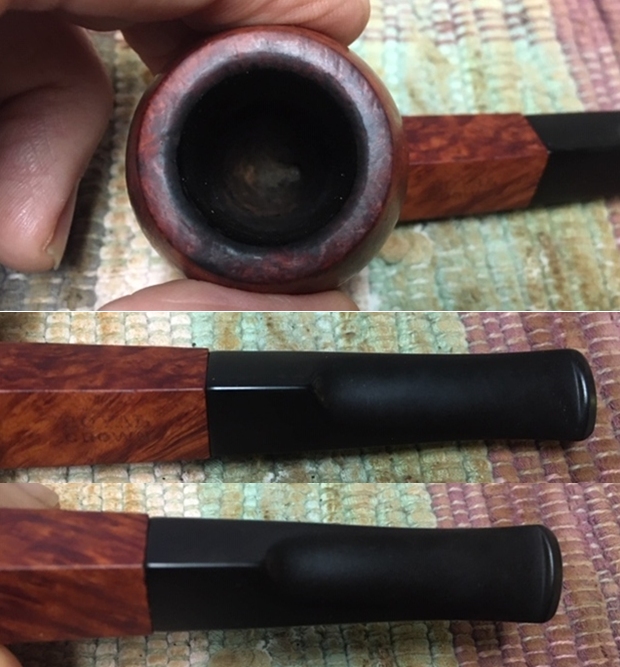
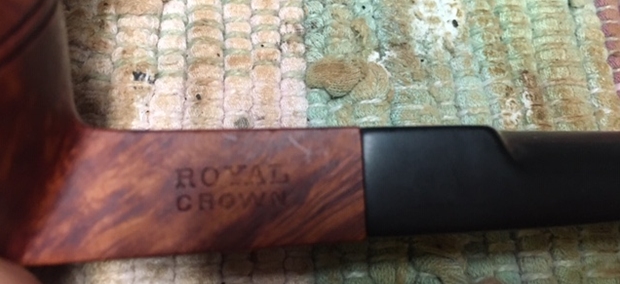
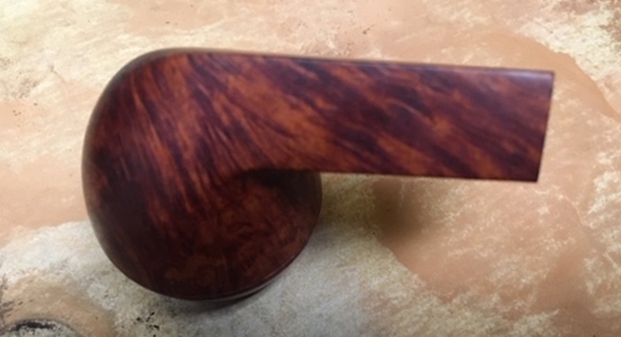
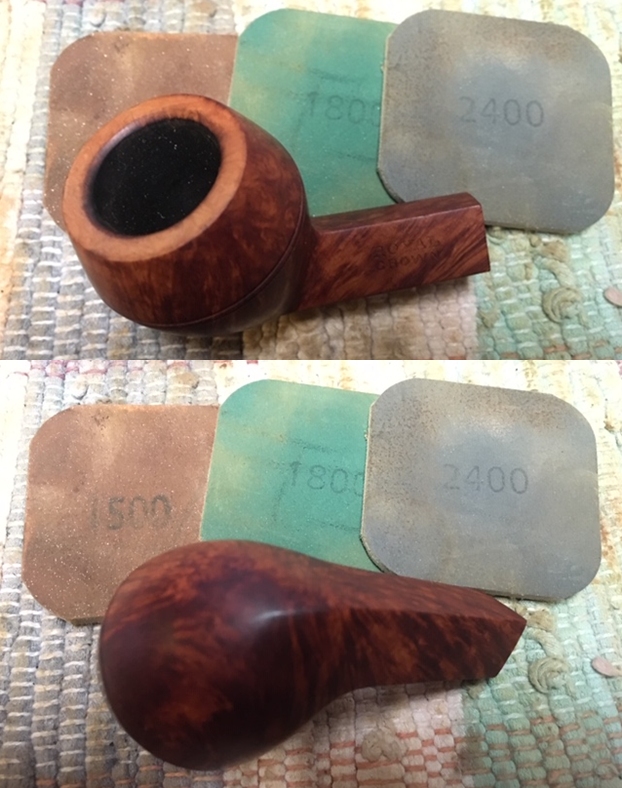
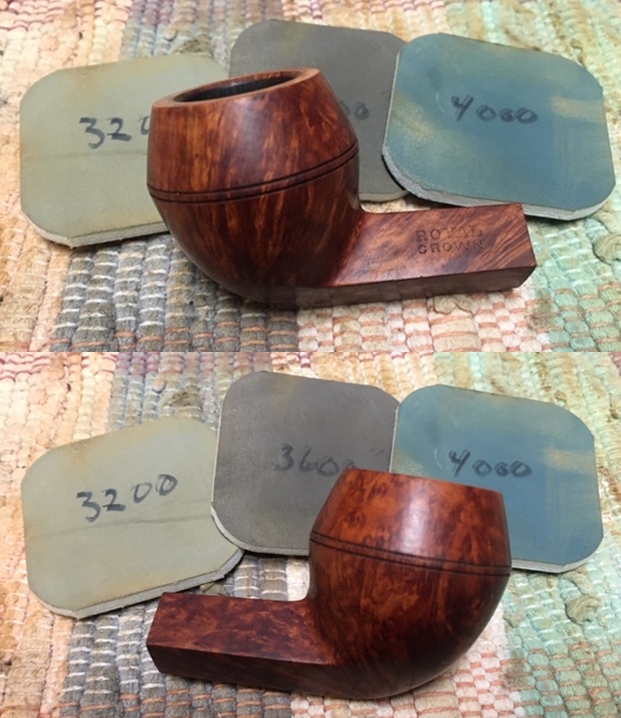
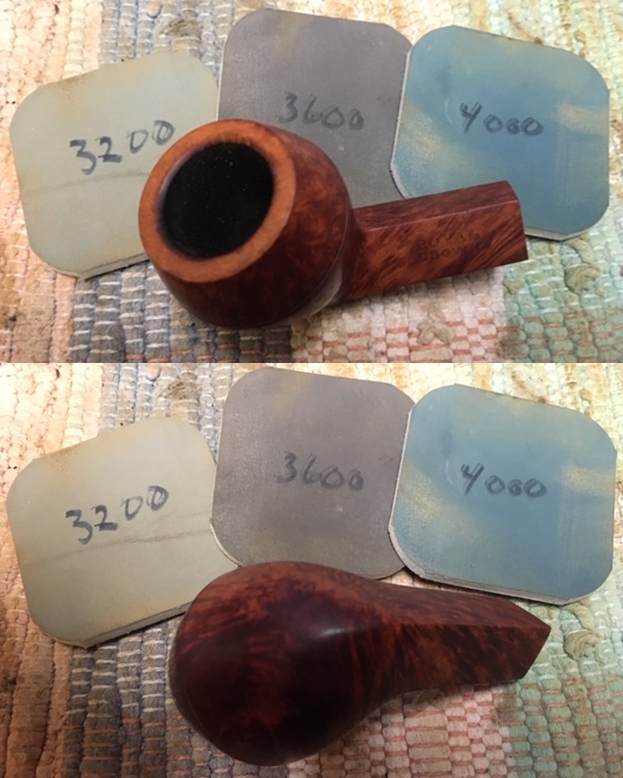
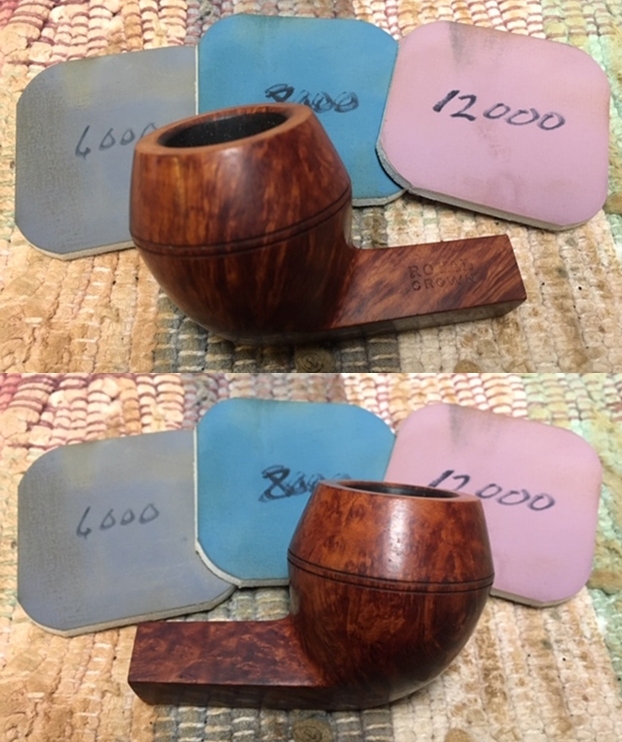
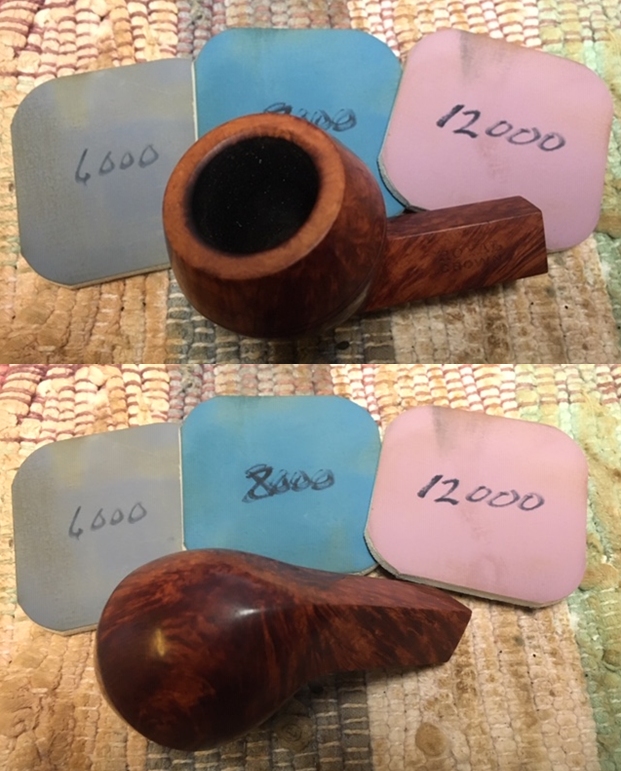
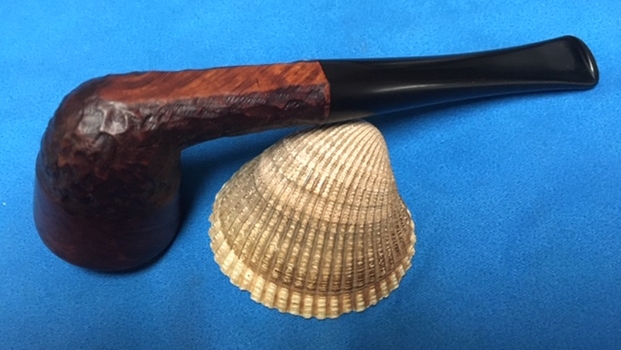
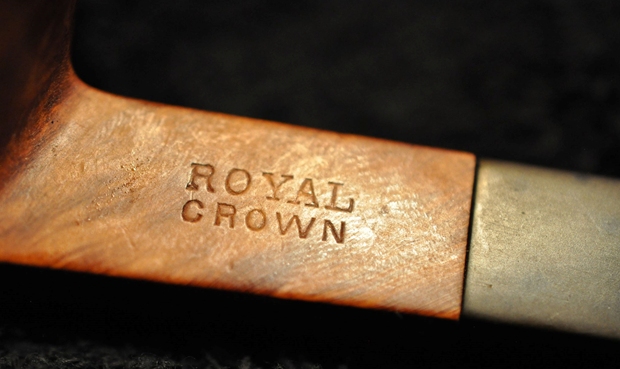
The next pipe I have chosen from his estate is an interesting looking Bulldog. It is stamped Royal Crown on the left top side of the shank. There is no other stamping on the shank sides or marks on the stem. The Saddle stem is oxidized and has tooth marks and chatter on both sides near the button. The finish is worn and dirty. There is a cake and lava overflow on the rim top. There is some damage on top & edges and the bowl is slightly out of round. Jeff took photos of the pipe to show its general condition before he did his cleanup work. The finish on the pipe was very dirty – grime and grit from years of use and sitting fill the crevices in the rustication. The rim top was covered with a coat of thick lava that overflowed the bowl. There was also some darkening on the rim top. The bowl itself had a thick cake with flecks of tobacco stuck in the cake on the sides.Jeff took photos of the sides of the bowl to give a better feel for the grain around the sides and heel of the bowl.He took a photo of the stamping on the top left side of the diamond shank. You can see that the stamping is very clear.The stem was dirty and very oxidized. The stem appeared to be a replacement and did not fit perfectly to the shank. It was diamond shaped and worked well on two sides of the shank but the other two were off. It did not have the characteristic bite marks that were on Bob’s pipes.Before I started my work on the pipe I decided to do a bit of research. I had no recollection of working on this brand before but I could be wrong as I have worked on a lot of pipes now. I turned first to Pipephil’s site (http://www.pipephil.eu/logos/en/logo-r6.html) and found out to my surprise that there was a connection to the Hardcastle brand. I have included a screen capture to show the link on the site to Hardcastle.From there I turned to Pipedia and was directed to the Hardcastle page. I turned to that page to see what I could learn about the pipe (https://pipedia.org/wiki/Hardcastle). I read through the page and found some more information. The Timeline for the Family Period (which is what I was interested in) is shown below. It seems to begin in 1903  when Edmund Hardcastle establishes the brand and ends 1946 when Dunhill buys out the shares and leaves the family to manage the company.

1903: Edmund Hardcastle establishes the brand

1936: Family sells 49% of the Hardcastle Pipes Limited shares to Dunhill

1946: Dunhill buys the remaining shares, but the family continues to manage the company

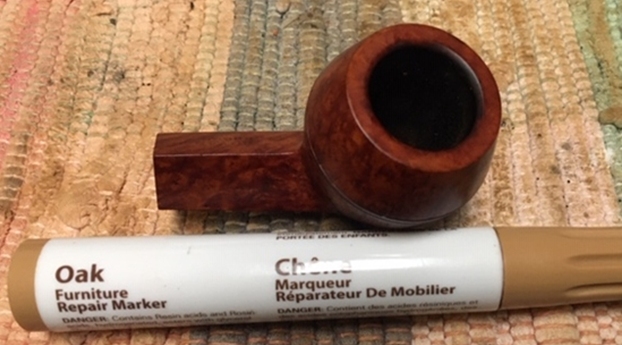
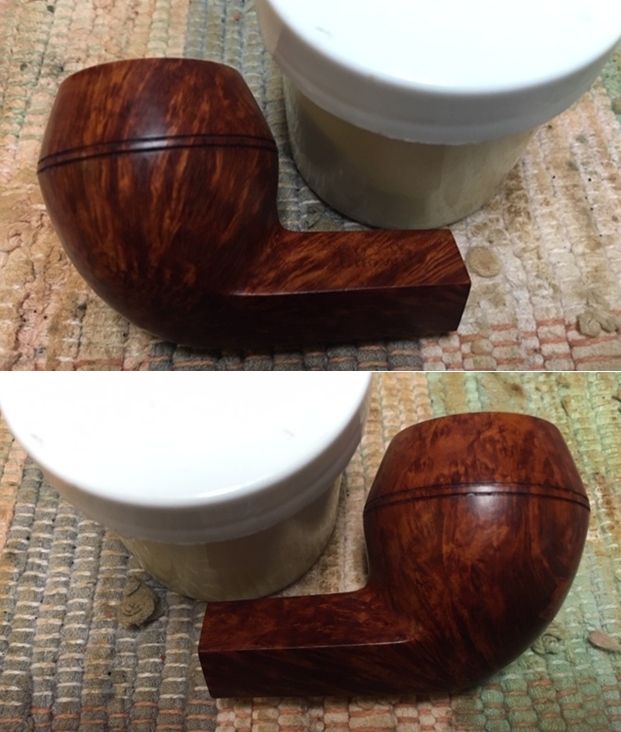
I did a screen capture of the Models and Grades of pipes in the Family Period. It shows the Royal Crown brand listed.Now I knew about the brand. Up until I had read this I thought it was a Danish made pipe. Now I knew that it was British made and came out of the Hardcastle factory. Armed with that information it was time to work on the pipe. Jeff cleaned this filthy pipe with his usual penchant for thoroughness that I really appreciate. This one was a real mess and I was looking forward to seeing what he had done with this one when I took it out of his box. It looked amazing and CLEAN and other than the stem work needing a little effort on my part. He reamed the bowl with a PipNet pipe reamer and cleaned up the reaming with a Savinelli Fitsall Pipe Knife. He scrubbed out the internals with alcohol, pipe cleaners and cotton swabs until the pipe was clean. He scrubbed the exterior of the bowl with Murphy’s Oil Soap and a tooth brush to remove the grime and grit on the briar and the lava on the rim top. The finish looks good with great looking grain around the bowl and shank. The rim top and front of the bowl was severely damaged with burns. The condition of the inner and outer edges was rough. The stem looked a lot better but damage was evident on the button. Jeff soaked the stem in Before & After Deoxidizer to remove the oxidation on the rubber. The pipe was ready for me to carry on the next part of the process.  I took some close up photos of the rim top and also of the stem surface. I wanted to show how well it had cleaned up. The rim top was clean and the damage was very evident. There were marks across the top of the rim and damage to the inner beveled edge.  I also took close up photos of the stem to show how well surface looked on both sides. I also noted that the stem also is a replacement stem rather than the original as the fit against the shank is not perfect.I took a photo of the stamping on the left topside of the diamond shank. You can see that it is stamped as noted above.I decided to start my restoration work on this one by dealing with the damaged rim top. I topped it lightly on a topping board with 220 grit sandpaper. I remove the damaged surface of the rim top and then a folded piece of 220 to work on the bevel on the inner edge. The pipe looks much better than when I started. I polished the briar with micromesh sanding pads – wet sanding it with 1500-12000 grit pads. After each pad I wiped the briar down with a damp cloth. I touched up the rim top colour with an Oak Stain Pen to match the colour of the rest of the bowl. I let it dry and buffed it by hand.I worked some Before & After Restoration Balm into the surface of the briar with my fingertips to clean, enliven and protect the briar. I let the balm sit for a little while and then buffed with a cotton cloth to raise the shine. The photos show the bowl at this point in the restoration process. With that done the bowl was finished other than the final buffing. I set it aside and turned my attention to the stem. I sanded out the repaired with 220 grit sand paper to blend them into the rest of the stem surface. I started to polish it with a folded piece of 400 wet dry sandpaper. Once it was finished it had begun to shine.I polished the stem with Denicare Mouthpiece Polish from a tin of it I have in the drawer here. It is a gritty red paste that I rub on with my finger tips and work into the surface of the stem and button and buff off with a cotton pad. It gives me a bit of a head start on the polishing work.I polished the stem with micromesh sanding pads – wet sanding with 1500-12000 grit sanding pads. I wiped it down after each sanding pad with Obsidian Oil. I polished it with Before & After Pipe Stem Polish – both Fine and Extra Fine. I am continuing to experiment with Briarville Pipe Repairs new product, No Oxy Oil so I rubbed the stem down with the oil on the cloth that was provided with it. This Royal Crown was another interesting pipe to work on. It is a classic shaped Bulldog. It has a saddle vulcanite stem that I am pretty certain is a replacement stem. The grain on the pipe is very nice and the shape has a great look and feel in the hand. The smooth finish is beautiful and highlights the grain. I polished stem and the bowl with Blue Diamond polish on the buffing wheel. I gave the bowl and the stem multiple coats of carnauba wax. I buffed the pipe with a clean buffing pad to raise the shine. I hand buffed it with a microfiber cloth to deepen the shine. The pipe polished up pretty nicely. The deeply grained briar took on life with the buffing. The rich dark brown and black colour of the briar works well with the polished vulcanite stem. The finished pipe has a rich look that is quite catching. Have a look at it with the photos below. The shape, finish and flow of the Bulldog are very well done even with the replacement stem. The dimensions are Length: 5 ½ inches, Height: 2 inches, Outside diameter of the bowl: 1 ¼ inches, Chamber diameter: ¾ of an inch. It is a beautiful pipe and one that will be on the rebornpipes store soon. If you are interested in adding it to your collection let me know. Thanks for walking through the restoration with me as I worked over this pipe. 


The 18th Pipe from the 19 Pipe Eastern Canada Lot – a GBD Popular 12 Dublin


Blog by Steve Laug

With two pipes left to finish for the fellow in Kitchener, Ontario I decided to work on one more of them. He had been referred to me by my local pipe and cigar shop. While I am not currently adding more pipes to my queue of repairs I have made a commitment to the shop to work on pipes for their customers. Generally they have one or two pipes that need a bit of work. This fellow sent me the following email:

I just came across my smoking pipes that I’ve had in storage for about 40 years. I’m wondering what you’d charge to have them refurbished. There are 17 in total (11 are Brighams and 6 are various).

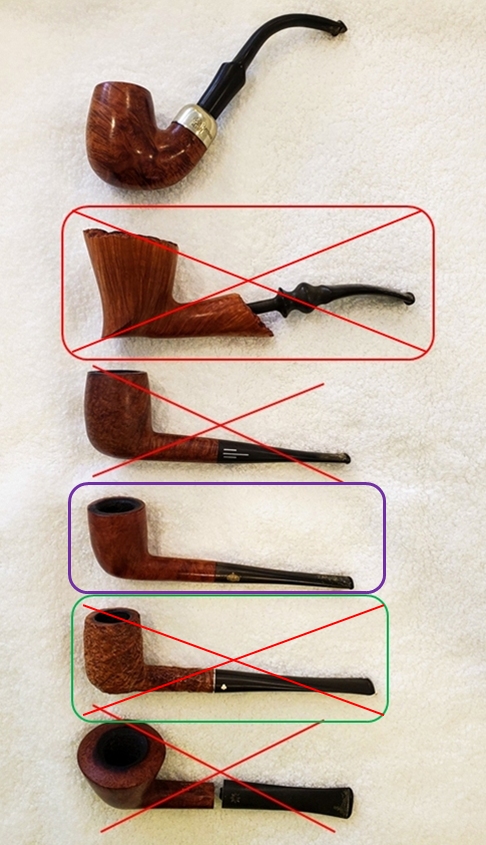
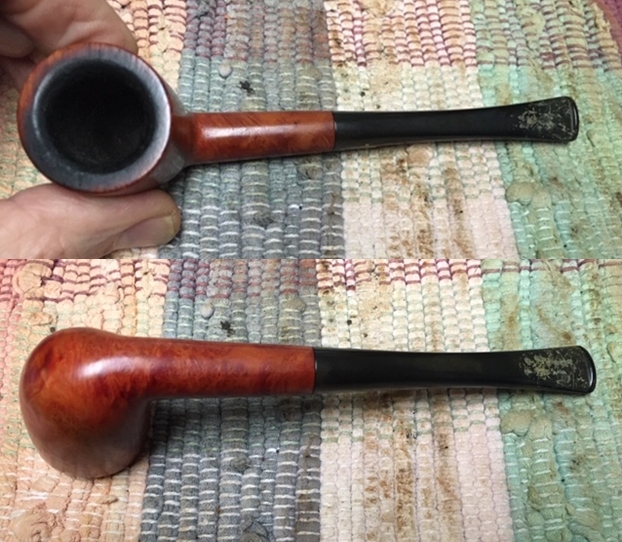
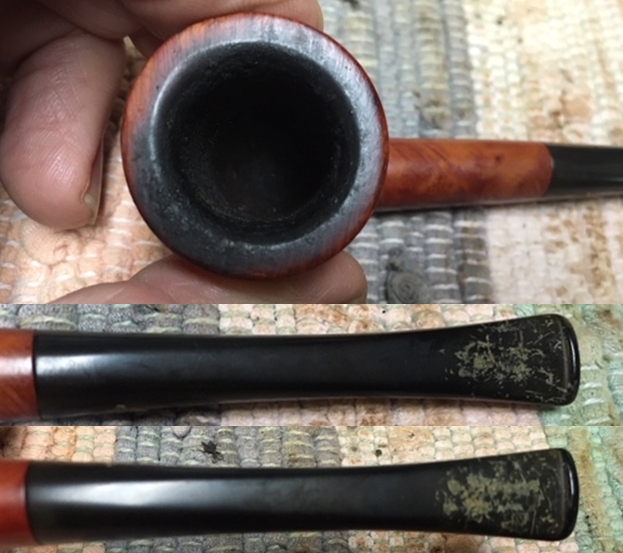
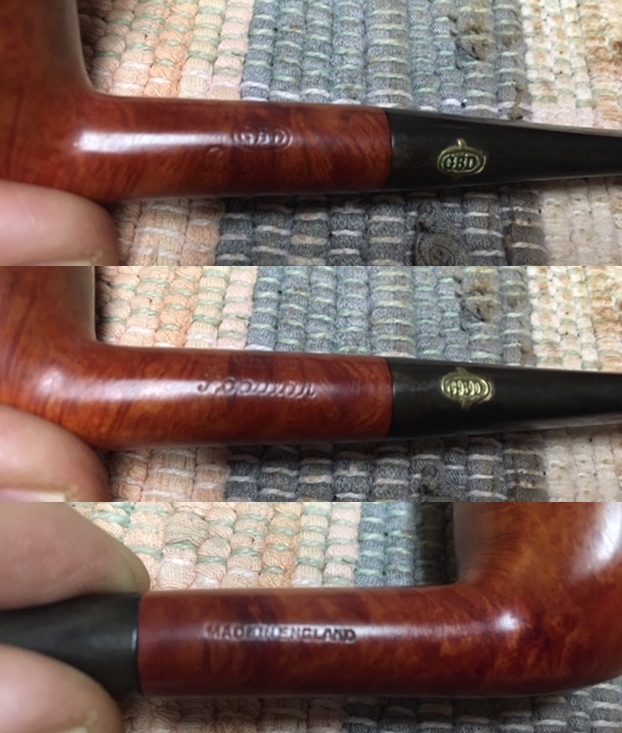
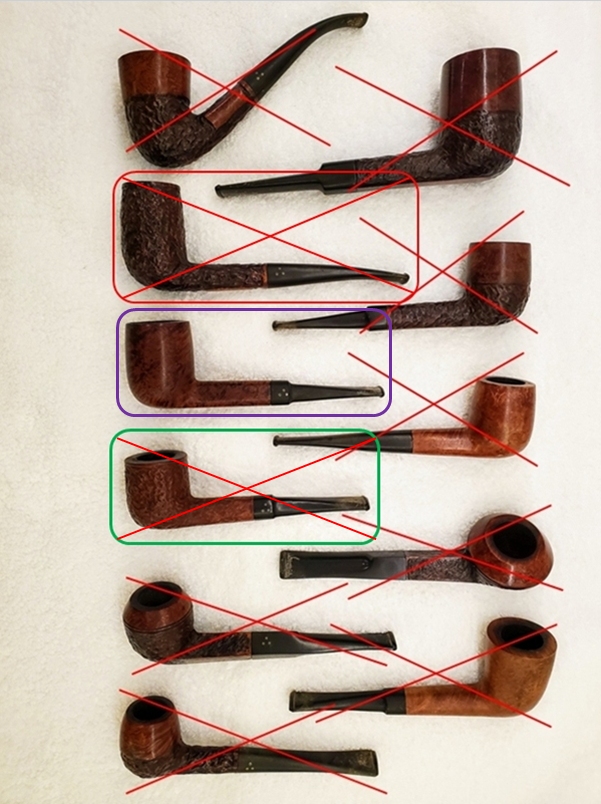
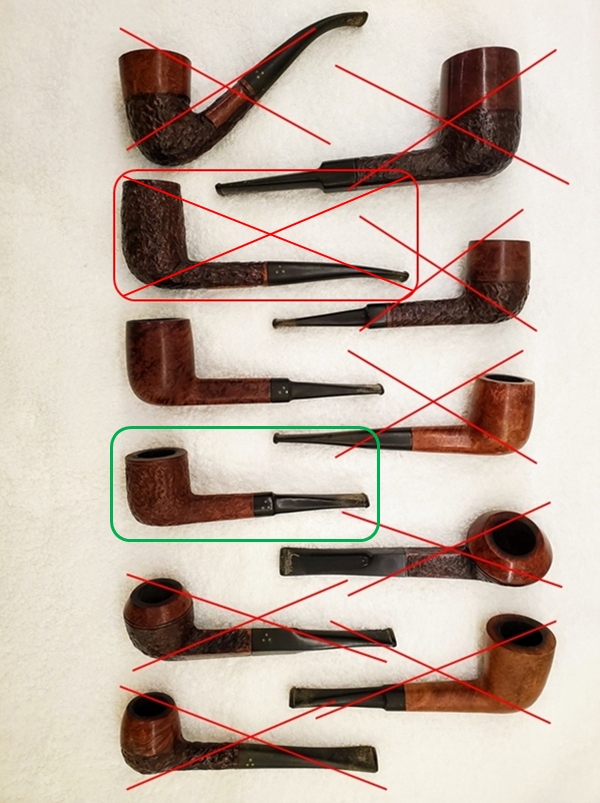
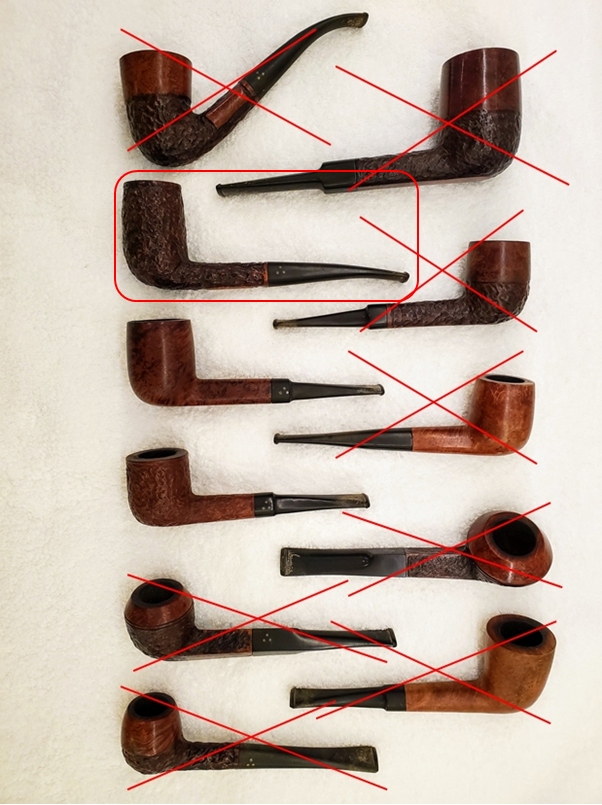
It turns out he said he had 17 pipes. That was certainly more than I expected but I communicated that there was a large queue ahead of him and I would have to fit them in as I could. He was fine with whatever time it took. He sent me the following photos of his collection that he wanted restored. The first photo shows his eleven Brigham pipes – all very interesting shapes. The second photo shows the six various pipes in the collection – A Republic Era Peterson’s System 1312 (Canadian Import), A Bjarne Hand Carved Freehand, a Comoy’s Everyman London smooth billiard, a GBD Popular Dublin 12, an English made Kaywoodie Rustica 72B, a Kriswill Bernadotte 60 with a broken tenon. When the box arrived there were two additional pipes included for a total of 19 – a Ropp 803 Deluxe Cherrywood Poker and a Comoy’s Sandblast Everyman Canadian 296. It was a lot of pipes! I have been randomly choosing the next pipe to work on and chose the Bjarne Hand Carved Freehand that is shown in the second photo below. I have drawn a purple box around the GBD Popular 12 Dublin in the photo below. I have also put and X through all of the pipes that I have finished. I am making progress on the lot – I have finished 17 pipes now and this is the 18th.The 18th pipe that I took out of the box was a GBD Popular. It had a smooth finish. It was stamped on both sides of the shank. On the left side it read GBD in an oval over Popular in script. On the right side it was stamped Made in England and under that was the shape number 12. The finish was really dirty and spotty looking. The rim top had a thick coat of lava on the flat surface and the beveled inner rim. The bowl had a thick cake in it that was hard and crumbling. The vulcanite stem was lightly oxidized and had tooth marks and chatter near the button on both sides. The GBD roundel on the left side of the stem looked good. It seemed to have tabs around the edges that held it on the stem surface.   I took close up photos of the bowl and rim top to show the condition of the bowl and the darkening and damage to the inner edge as well. You can also see the cake in the bowl. I also took close up photos of the stem to show its condition as mentioned above. I took photos of the stamping on both sides of the shank to show what I was speaking about above. It is very readable. On the left side it reads GBD in an oval over Popular.  On the right side it read Made in England over the shape number 12.  The stem also had a GBD Roundel on the left side of the taper.   Before doing cleanup work on the pipe I decided to do some research on the pipe. I looked first on the Pipephil website and found nothing on the Popular line. I turned to Pipedia and also was disappointed to find nothing on the line. Hitting the dead end I decided to turn to working on the pipe. I reamed the bowl with a PipNet pipe reamer to remove the cake. I cleaned up the remaining cake with a Savinelli Fitsall Pipe Knife. I sanded the bowl walls with 220 grit sandpaper on a piece of dowel to smooth them out. I was happy that the walls looked very good.   I scraped off the lava on the rim top with the edge of the Fitsall Pipe Knife. I used a folded piece of 220 grit sandpaper to clean up the top of the rim and the bevel on the inner edge. I was able to make it look significantly better. I cleaned the mortise and the airway in the shank and stem with alcohol, cotton swabs and pipe cleaners. They were dirty but the pipe is clean now.   I scrubbed the surface of the bowl and rim top with undiluted Murphy’s Oil Soap to remove the grimes, oils and tars and leave the surface clean. I rinsed it off with warm running water to remove the grime and the soap.   I polished the bowl and rim top with micromesh sanding pads – wet sanding with 1500-12000 grit pads. I wiped the rim down after each sanding pad to remove the dust and debris from the sanding. The rim top was looking very good after the final polishing pad.     Once I had finished with the 2400 grit pad I touched up the colour of the rim top using an Oak Stain Pen. It blended very well with the colour of the bowl and shank. Once it cured I went on with the polishing with the remaining micromesh pads. I rubbed the bowl and shank down with Before & After Restoration Balm. I worked it into the surface of the briar with my fingertips to clean, enliven and protect it. I let the balm sit for a little while and then buffed with a cotton cloth to raise the shine.     I set the bowl aside and turned my attention to the stem. I rubbed the stem down with Soft Scrub on with a cotton pad and it removed the oxidation. It was looking better.     I sanded out the remaining tooth marks, chatter and oxidation with 220 grit sandpaper and started the polishing with 400 grit wet dry sandpaper.     I rubbed down the stem with Denicare Mouthpiece Polish, a red gritty paste and a cotton pad to remove the remnants of oxidation and to blend in the sanding. The stem is starting to show promise at this point in the process.  I polished the stem with micromesh sanding pads – wet sanding it with 1500-12000 grit pads. I wiped the stem down after each sanding pad with a cotton pad to remove the sanding debris.  I finished polishing the stem with Before & After Pipe Stem Polish – both fine and extra fine. I finished by wiping it down with Briarville’s No Oxy Oil and buffing it to a shine.   It feels good to be one pipe away from finishing the restoration of this 19 pipe lot from Eastern Canada. With the completion of this one I have finished 18 of the pipes. I put the English Made GBD Popular 12 Billiard back together and buffed it with Blue Diamond on the buffing wheel. I gave the bowl and the stem multiple coats of Conservator’s Wax. I buffed the pipe with a clean buffing pad to raise the shine. It is fun to see what the polished bowl looks like with the grain showing through the rustication on both sides and the smooth rim top. Added to that the polished black vulcanite stem was beautiful. This nicely finished GBD Popular Billiard is nice looking and feels great in my hand. Have a look at it with the photos below. The dimensions are Length: 5 ¾ inches, Height: 1 ¾ inches, Outside diameter of the bowl: 1 ¼ inches, Chamber diameter: ¾ of an inch. Once again I am looking forward to what the pipeman who sent it thinks of this restoration. Only 1 more pipe to do in this lot! Thanks to each of you who are reading this blog. Remember we are not pipe owners; we are pipemen and women who hold our pipes in trust until they pass on the trust to the next pipeman or woman.

Breathing Life into a Brigham 3 Dot 333 Billiard


Blog by Steve Laug

Not too long ago I received an email from a fellow in Kitchener, Ontario regarding some pipes he needed cleaned up. He had been referred to me by my local pipe and cigar shop. While I am not currently adding more pipes to my queue of repairs I have made a commitment to the shop to work on pipes for their customers. Generally they have one or two pipes that need a bit of work. This fellow sent me the following email:

I just came across my smoking pipes that I’ve had in storage for about 40 years. I’m wondering what you’d charge to have them refurbished. There are 17 in total (11 are Brighams and 6 are various).

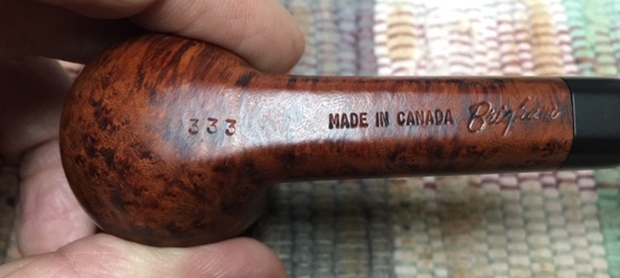
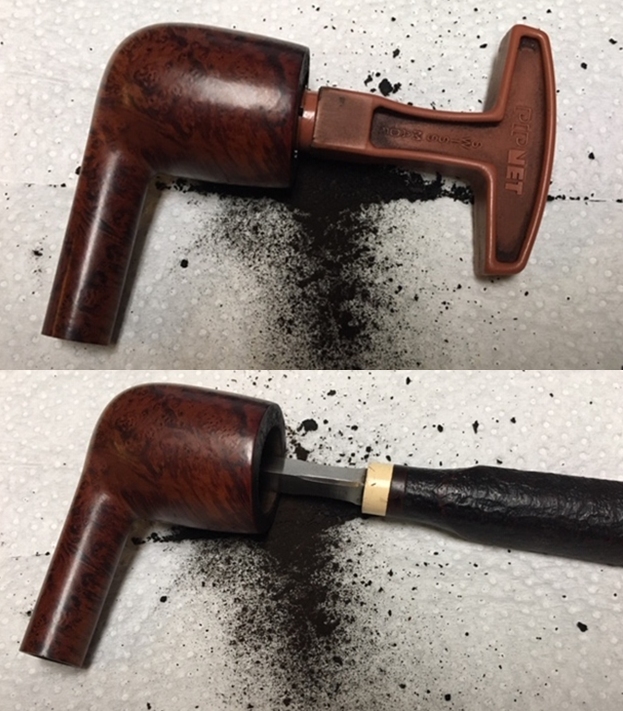
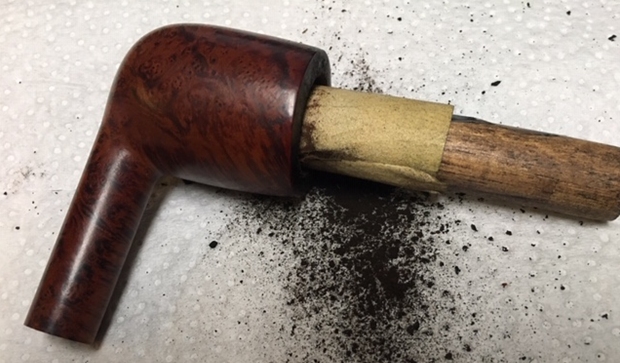
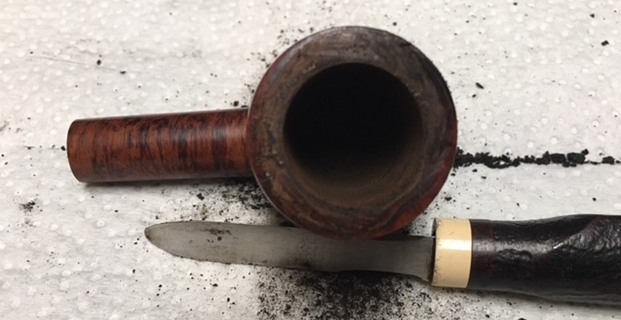
It turns out he said he had 17 pipes. That was certainly more than I expected but I communicated that there was a large queue ahead of him and I would have to fit them in as I could. He was fine with whatever time it took. He sent me the following photos of his collection that he wanted restored. The first photo shows his eleven Brigham pipes – all very interesting shapes. The second photo shows the six various pipes in the collection – A Republic Era Peterson’s System 1312 (Canadian Import), A Bjarne Hand Carved Freehand, a Comoy’s Everyman London smooth billiard, a GBD Popular Dublin 12, an English made Kaywoodie Rustica 72B, a Kriswill Bernadotte 60 with a broken tenon. When the box arrived there were two additional pipes included for a total of 19 – a Ropp 803 Deluxe Cherrywood Poker and a Comoy’s Sandblast Everyman Canadian 296. It was a lot of pipes! I have been randomly choosing the next pipe to work on and chose the final Brigham that I have drawn a purple box around in the photo below.When I unwrapped it the pipe it was a nice looking smooth nicely grained Billiard that was stained with a rich brown colour. It was stamped on the smooth underside of the shank. The stamping was readable. The shape number 333 is on the heel of the pipe and identifies the shape. The stamping Made in Canada and then the Brigham stamp in script followed on the rest of the flattened shank. The age on this one is Post-Patent era, nominally 1960s. The rim top had a thick lava overflow from the thick cake in the bowl. The bowl was in decent condition and the inner edge appeared to be in good condition. There was some darkening around the top and inner edges of the bowl. It was a dirty pipe but the finish appeared to be in okay condition under the grime. The 3 Dot saddle stem was oxidized and had tooth marks and chatter near the button on both sides. There was also some calcification for about an inch up the stem. I took close up photos of the bowl and rim top to show the condition of the bowl and the rim edge as well as the cake and lava overflowing onto the rim top. I also took close up photos of the stem to show its condition as mentioned above.     I took a photo of the stamping on the underside of the shank to show what I was speaking about above. It is very clear and readable. The 333 shape number is on the heel followed by Made In Canada then the Brigham script logo.I removed the stem from the shank to reveal the aluminum tube/tenon that held the Rock Maple Distillator. The distillator was dirty and tightly jammed in the tube. It would need to be replaced. This is another non-Can. Pat. Brigham pipe from the nineteen pipe installment. This is the final, the eleventh of the Brighams. I went to work on it immediately. I reamed the bowl with a PipNet pipe reamer using the second cutting head to take the cake back to bare briar so I could inspect the walls. I cleaned up the remnants with a Savinelli Fitsall Pipe Knife. I sanded the bowl walls with 220 grit sandpaper on a piece of dowel to smooth them out and further examine them. I was happy that the walls looked very good. I scraped the rim top with a Fitsall Knife edge to remove the thick cake. I worked on the darkening on the rim top and the rough inner edge of the bowl with a folded piece of 220 grit sandpaper. I was able to remove the darkening and smooth out the inner edge of the bowl. I cleaned out the mortise area and airway to the bowl and the interior of the metal tube and airway in the stem with pipe cleaners, cotton swabs and alcohol. The aluminum tube was in better condition than others because the distillator had been used.  I scrubbed the surface of the bowl with undiluted Murphy’s Oil Soap and a tooth brush to remove the grime and grit as well as the remnants of the shiny finish on the smooth portions of the bowl.          I wet sanded the rim top and edges of the bowl with micromesh sanding pads – 1500-12000 grit sanding pads. I wiped the bowl surface down with a damp cloth after each sanding pad to remove the sanding dust. Once I finished the bowl looked good.   I rubbed the bowl and shank down with Before & After Restoration Balm. I worked it into the surface of the briar with my fingertips to clean, enliven and protect it. I let the balm sit for a little while and then buffed with a cotton cloth to raise the shine.   I set the bowl aside and turned my attention to the stem. I rubbed the stem down with Soft Scrub on with a cotton pad and it removed the oxidation and the calcification build up. It looked a lot better.   This was the first of these pipes with some significant tooth indentations. Heating the vulcanite did not do anything to remove them so I wiped the stem down and filled them in with clear super glue. With this done I set the pipe aside and called it a night. Tomorrow I would address the stem.I sanded out the repairs to the tooth marks, chatter and oxidation with 220 grit sandpaper and started the polishing with 400 grit wet dry sandpaper. I rubbed down the stem with Denicare Mouthpiece Polish and a cotton pad to remove the remnants of oxidation and to blend in the sanding. The polish is a red gritty paste that works wonders on removing stubborn remnants of oxidation in the crease. The stem is starting to show promise at this point in the process. Before I finished the polishing stem I decided to fit it with a new Rock Maple Distillator.    I polished the stem with micromesh sanding pads – wet sanding it with 1500-12000 grit pads. I wiped the stem down after each sanding pad with a cotton pad to remove the sanding debris.  I finished polishing the stem with Before & After Pipe Stem Polish – both fine and extra fine. I finished by wiping it down with Briarville’s No Oxy Oil and buffing it to a shine.     I am excited to finish last Brigham of the lot as it moves me one pipe closer to being finished. I put the pipe back together and buffed it with Blue Diamond on the buffing wheel. I gave the bowl and the stem multiple coats of carnauba wax. I hand buffed the pipe with a clean buffing pad to raise the shine. It is fun to see what the polished bowl looks like with the grain popping through on the bowls sides and rim top. Added to that the polished black vulcanite stem with the shining brass pins was beautiful. This mixed grain on the smooth finish Brigham Exclusive Billiard is nice looking and the pipe feels great in my hand. It is light and well balanced. Have a look at it with the photos below. This 3 Dot Billiard is the last of the Brigham pipes that I have worked on in this collection. The dimensions are Length: 5 ½ inches, Height: 2 inches, Outside diameter of the bowl: 1 3/8 inches, Chamber diameter: ¾ of an inch. This is the 17th of the 19 pipes sent to me from Eastern Canada for restoration. Once again I am looking forward to what the pipeman who sent it thinks of this restoration. Lots more to do in this lot! Thanks to each of you who are reading this blog. Remember we are not pipe owners; we are pipemen and women who hold our pipes in trust until they pass on into the trust of the next pipeman or woman.

Breathing Life into a Can Pat Brigham Exclusive 314 Pot


Blog by Steve Laug

Not too long ago I received an email from a fellow in Kitchener, Ontario regarding some pipes he needed cleaned up. He had been referred to me by my local pipe and cigar shop. While I am not currently adding more pipes to my queue of repairs I have made a commitment to the shop to work on pipes for their customers. Generally they have one or two pipes that need a bit of work. This fellow sent me the following email:

I just came across my smoking pipes that I’ve had in storage for about 40 years. I’m wondering what you’d charge to have them refurbished. There are 17 in total (11 are Brighams and 6 are various).

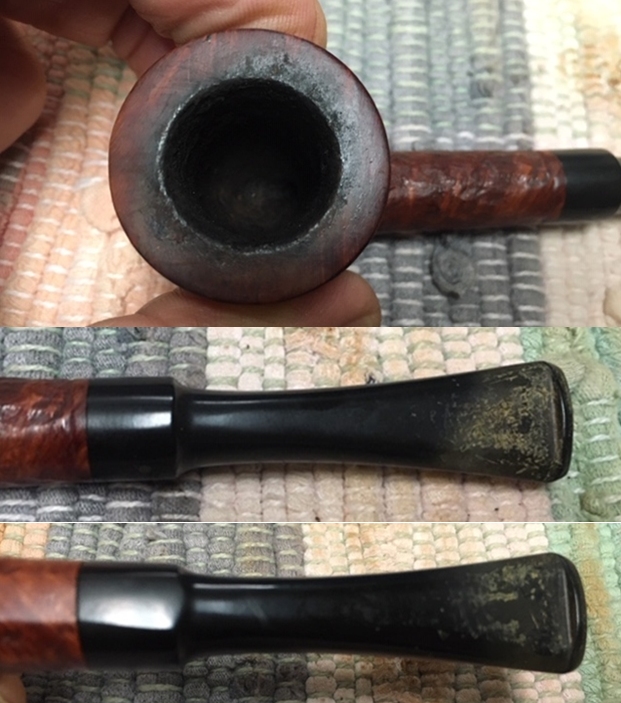
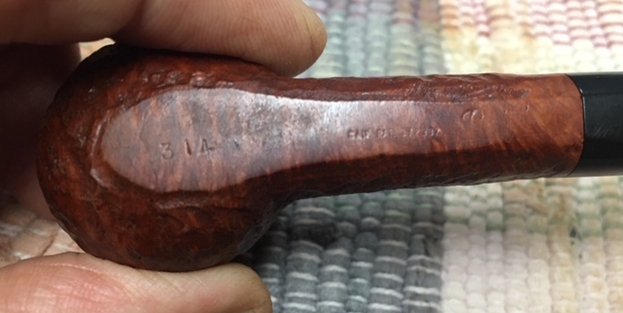
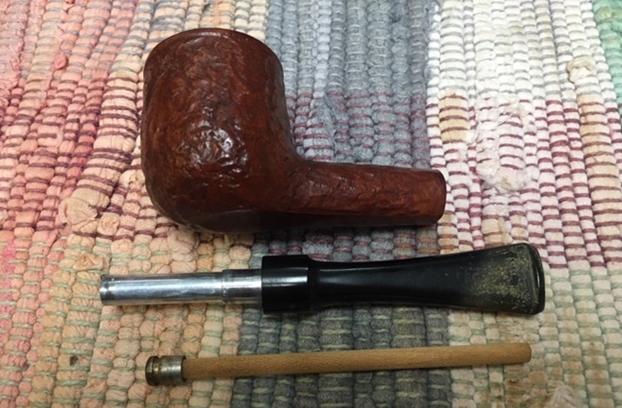
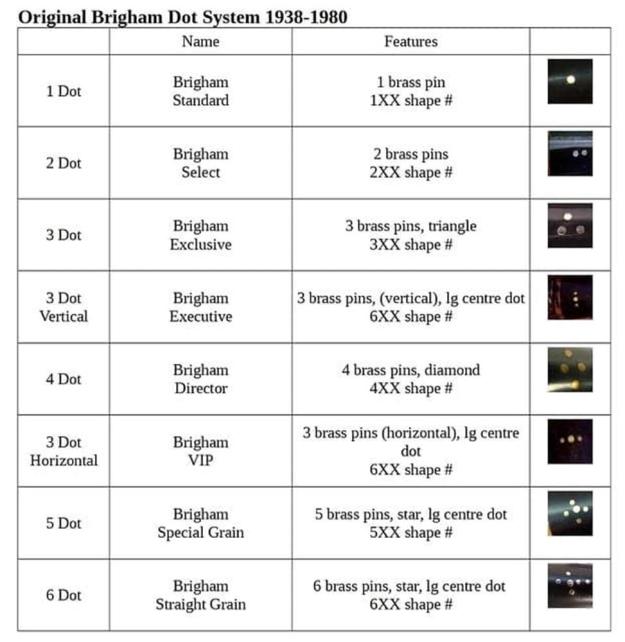
It turns out he said he had 17 pipes. That was certainly more than I expected but I communicated that there was a large queue ahead of him and I would have to fit them in as I could. He was fine with whatever time it took. He sent me the following photos of his collection that he wanted restored. The first photo shows his eleven Brigham pipes – all very interesting shapes. The second photo shows the six various pipes in the collection – A Republic Era Peterson’s System 1312 (Canadian Import), A Bjarne Hand Carved Freehand, a Comoy’s Everyman London smooth billiard, a GBD Popular Dublin 12, an English made Kaywoodie Rustica 72B, a Kriswill Bernadotte 60 with a broken tenon. When the box arrived there were two additional pipes included for a total of 19 – a Ropp 803 Deluxe Cherrywood Poker and a Comoy’s Sandblast Everyman Canadian 296. It was a lot of pipes! I have been randomly choosing the next pipe to work on and chose the Brigham that I have drawn a green box around in the photo below.When I unwrapped it the pipe it was a nice looking rusticated pot that was lighter in colour than the other rusticated Brighams in the collection. It was stamped on the smooth underside of the shank. The stamping is faint but part of it was readable. The shape number 314 is on the heel of the pipe and identifies the shape. It is followed by the Can. Pat. 372982 and then the Brigham stamp in script. It had a rusticated bowl and shank with a smooth rim top. The rim top had a lava overflow from the medium cake in the bowl. The bowl was in decent condition, slightly out of round on the inner edge. There was some darkening around the top and inner edges of the bowl. It was a dirty pipe but the finish appeared to be in okay condition under the grime. The 3 Dot saddle stem was oxidized and had tooth marks and chatter near the button on both sides. There was also some calcification for about an inch up the stem. I took close up photos of the bowl and rim top to show the condition of the bowl and damage to the rim edge as well as the cake and lava overflowing onto the rim top. I also took close up photos of the stem to show its condition as mentioned above.     I took a photo of the faint stamping on the underside of the shank to show what I was speaking about above. It is very clear and readable. The 314 shape number is on the heel followed by the Can. Pat. 372982 number then the Brigham script logo.I removed the stem from the shank to reveal the aluminum tube/tenon that held the Rock Maple Distillator. The distillator was dirty and tightly jammed in the tube. It would need to be replaced. Before starting my clean up work on the pipe I turned to a chart that Charles Lemon of Dad’s Pipes sent to me on the patent era Brighams. There were made from 1938-1980. As the pipe I am working on is a Patent pipe, it’s more accurate to refer to its grade by name (the post 1980 grading scheme refers to Dots). Here is the  chart that Charles sent me. The pipe I am working on is thus a Brigham Exclusive with the 3 brass pins arranged in a triangle. With this pipe I am continuing to work on another Can Pat Brigham pipe from the nineteen pipe installment. This is tenth of the eleven Brighams. I went to work on it immediately. I reamed the bowl with a PipNet pipe reamer using the second cutting head to take the cake back to bare briar so I could inspect the walls. I cleaned up the remnants with a Savinelli Fitsall Pipe Knife. I sanded the bowl walls with 220 grit sandpaper on a piece of dowel to smooth them out and further examine them. I was happy that the walls looked very good.    I worked on the darkening on the rim top and the rough inner edge of the bowl with a folded piece of 220 grit sandpaper. I was able to remove the darkening and smooth out the inner edge of the bowl.    I cleaned out the mortise area and airway to the bowl and the interior of the metal tube and airway in the stem with pipe cleaners, cotton swabs and alcohol. The aluminum tube was dirty because it was missing the distillator and had been smoked sans filter.    I scrubbed the surface of the bowl with undiluted Murphy’s Oil Soap and a tooth brush to remove the grime and grit as well as the remnants of the shiny finish on the smooth portions of the bowl.     I wet sanded the rim top and edges of the bowl with micromesh sanding pads – 1500-12000 grit sanding pads. I wiped the bowl surface down with a damp cloth after each sanding pad to remove the sanding dust. Once I finished the bowl looked good.    I rubbed the bowl and shank down with Before & After Restoration Balm. I worked it into the surface of the briar with my fingertips to clean, enliven and protect it. I let the balm sit for a little while and then buffed with a cotton cloth to raise the shine.   I set the bowl aside and turned my attention to the stem. I rubbed the stem down with Soft Scrub on with a cotton pad and it removed the oxidation and the calcification build up. It looked a lot better.        I sanded out the tooth marks, chatter and oxidation with 220 grit sandpaper and started the polishing with 400 grit wet dry sandpaper.     I rubbed down the stem with Denicare Mouthpiece Polish and a cotton pad to remove the remnants of oxidation and to blend in the sanding. The polish is a red gritty paste that works wonders on removing stubborn remnants of oxidation in the crease. The stem is starting to show promise at this point in the process.   Before I finished the polishing stem I decided to fit it with a new Rock Maple Distillator.  I polished the stem with micromesh sanding pads – wet sanding it with 1500-12000 grit pads. I wiped the stem down after each sanding pad with a cotton pad to remove the sanding debris.  I finished polishing the stem with Before & After Pipe Stem Polish – both fine and extra fine. I finished by wiping it down with Briarville’s No Oxy Oil and buffing it to a shine.     I am excited to finish another of the lot as it moves me one pipe closer to being finished. I put the pipe back together and buffed it with Blue Diamond on the buffing wheel. I gave the bowl and the stem multiple coats of carnauba wax. I hand buffed the pipe with a clean buffing pad to raise the shine. It is fun to see what the polished bowl looks like with the grain popping through on the rim top and the rustication coming to life. Added to that the polished black vulcanite stem with the shining brass pins was beautiful. This mixed smooth and rusticated finish Brigham Exclusive Pot is nice looking and feels great in my hand. It is light and well balanced. Have a look at it with the photos below. This is the smallest of the Brigham pipes that I have worked on in this collection. The dimensions are Length: 5 inches, Height: 1 5/8 inches, Outside diameter of the bowl: 1 ¼ inches, Chamber diameter: ¾ of an inch. This is the 16th of the 19 pipes sent to me from Eastern Canada for restoration. Once again I am looking forward to what the pipeman who sent it thinks of this restoration. Lots more to do in this lot! Thanks to each of you who are reading this blog. Remember we are not pipe owners; we are pipemen and women who hold our pipes in trust until they pass on into the trust of the next pipeman or woman.

Refurbishing A Preben Holm # 3 Freehand Pipe


Blog by Paresh Deshpande

The first ever Preben Holm in my collection was from eBay about two years back. It came to me with a broken stem and tenon stuck in to the mortise. This pipe received a new lease on life in the month of May last year when Steve, Jeff and Dal Stanton visited me here in India. I learned the process of tenon replacement along with many other tips and processes in pipe restoration. Here is the link to the informative write up by Steve on this pipe; https://rebornpipes.com/2019/05/14/restoring-a-preben-holm-hand-cut-sandblast-freehand-in-pune-india/

The second Preben Holm in my collection came from my Mumbai Bonanza, which I really enjoyed working on; (https://rebornpipes.com/2019/08/12/refurbishing-a-tired-preben-holm-1-from-the-mumbai-bonanza-lot/) .

The Preben Holm, currently on my work table, came to me from a seller on eBay along with another Preben Holm. Both these pipes had some serious stem issues which really kept other buyers away from placing their bids and lucky me, I got both these pipes for a really good price. Even though both pipes came to me together, I shall be working on them separately since they each have different set of issues involved.

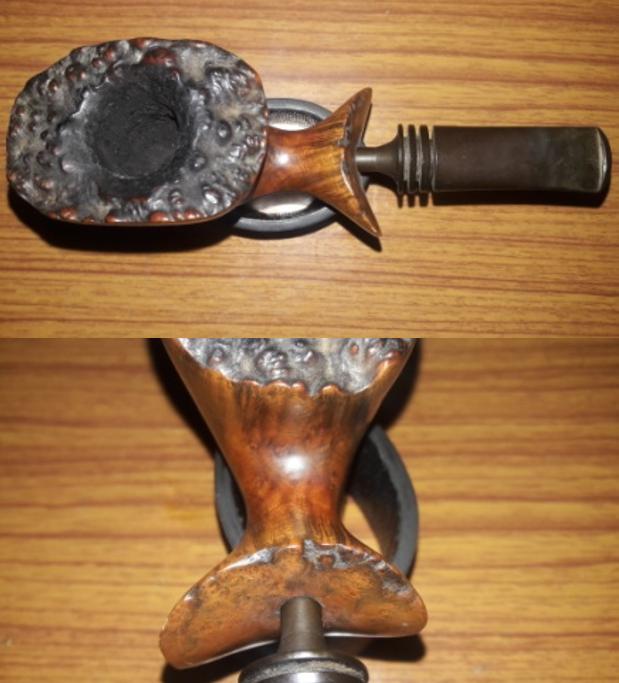
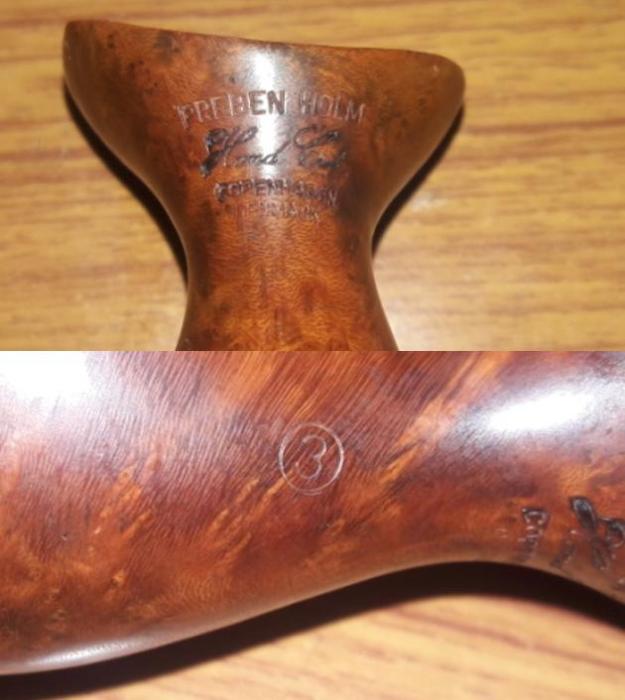
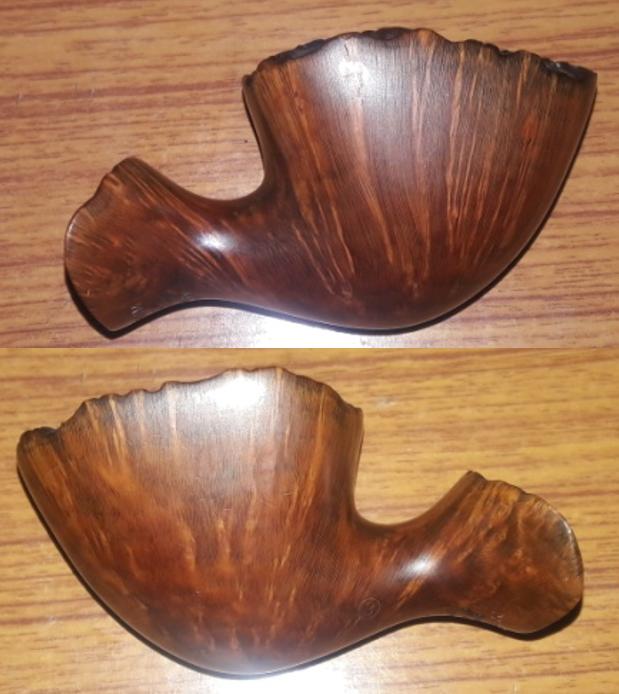
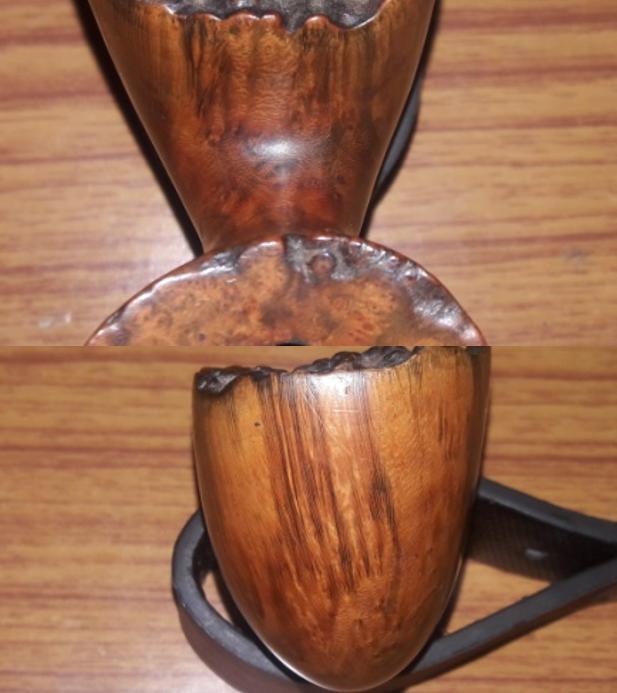
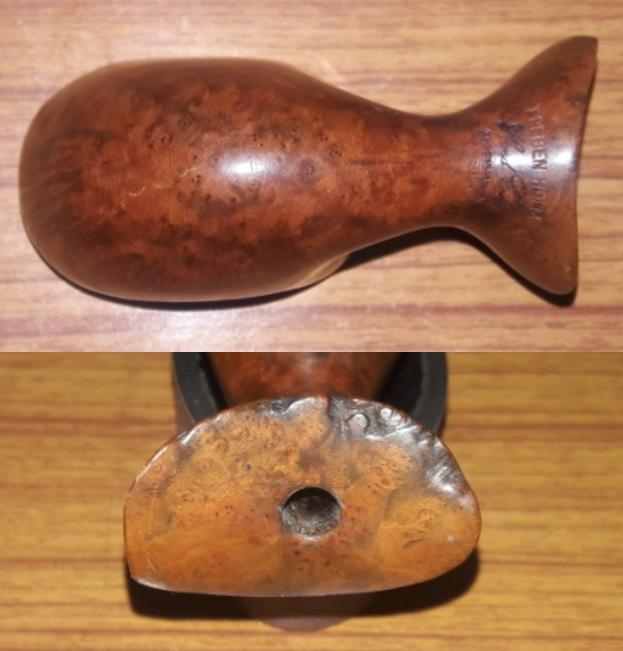
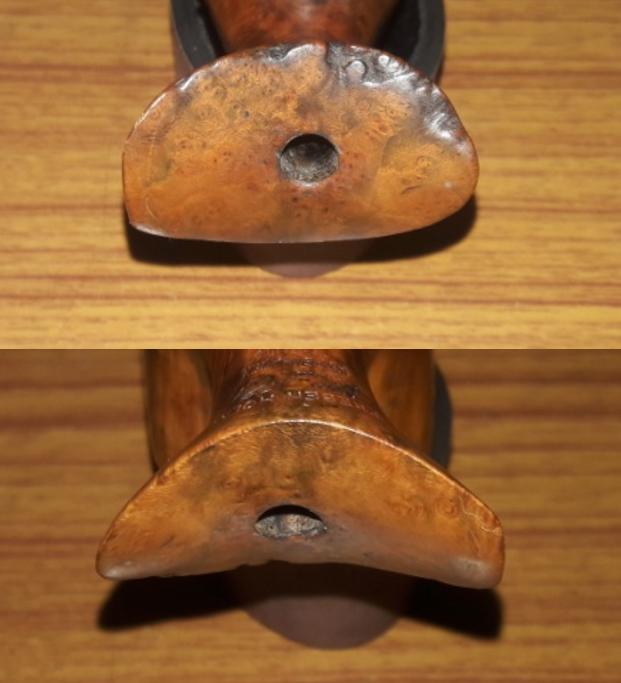
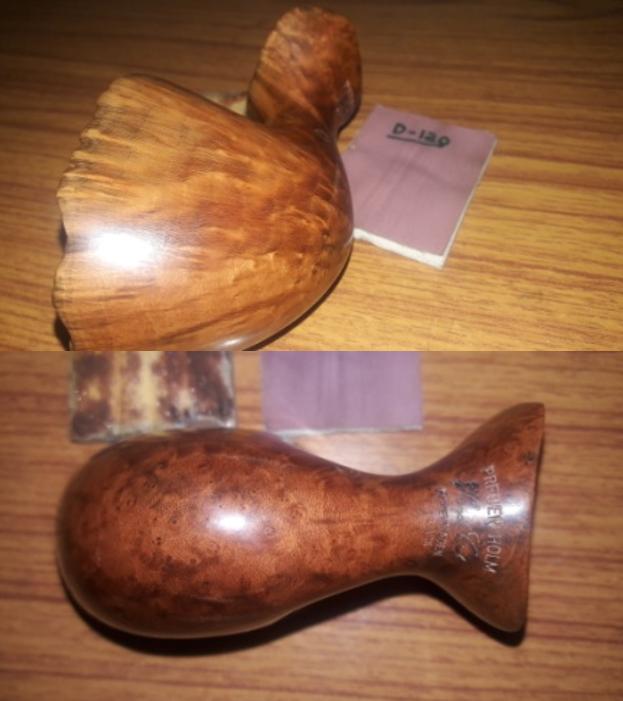
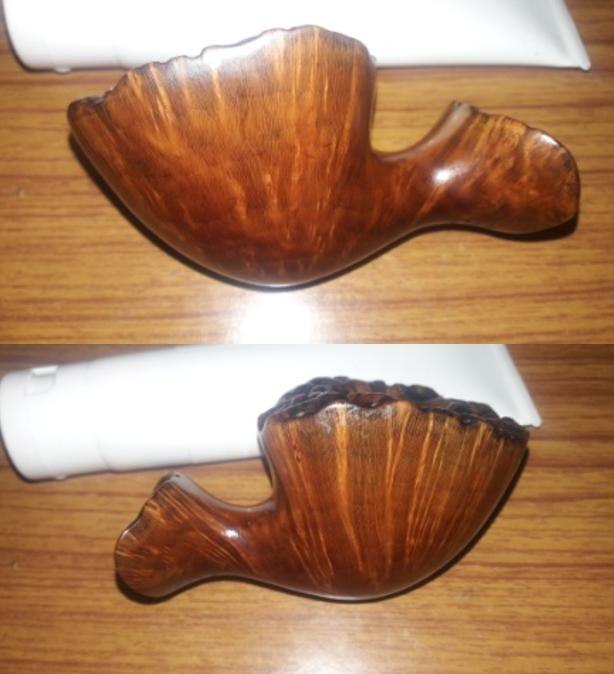
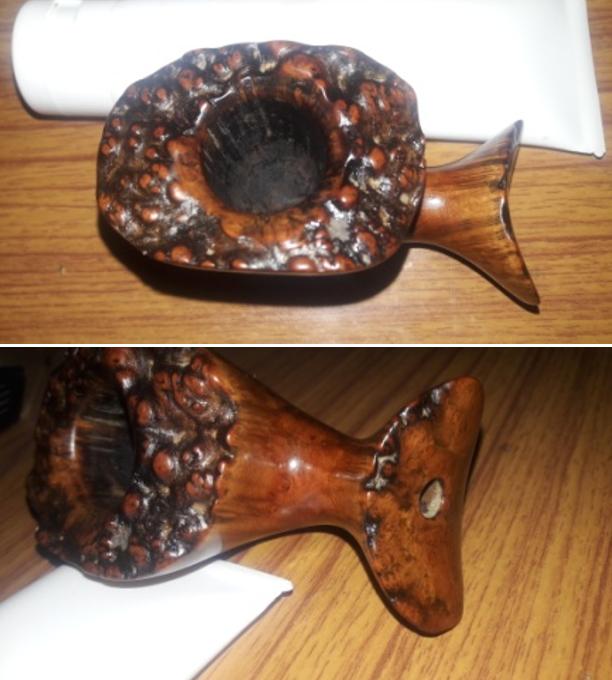
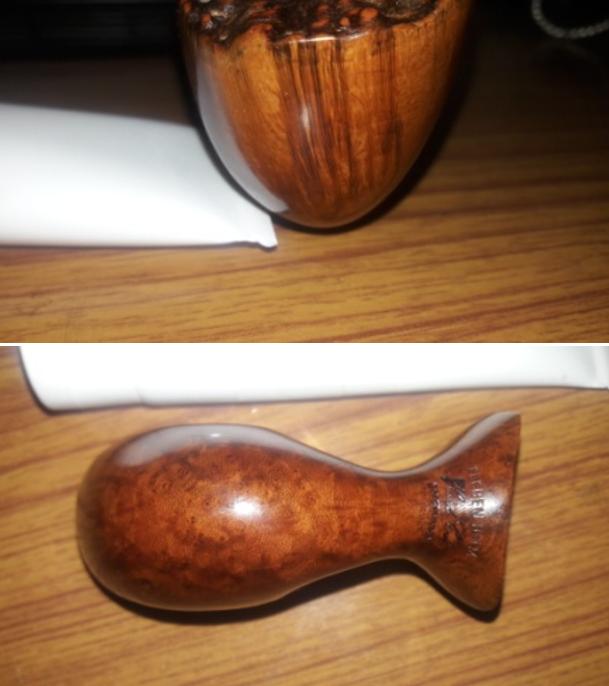
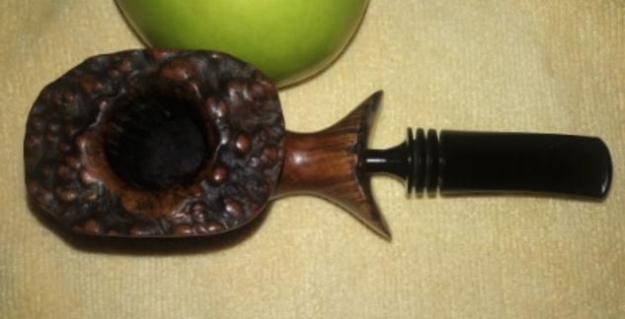
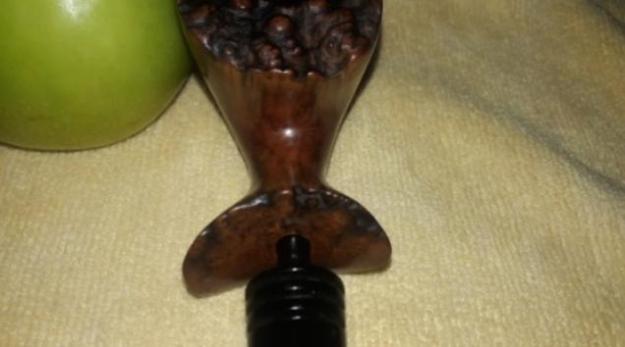
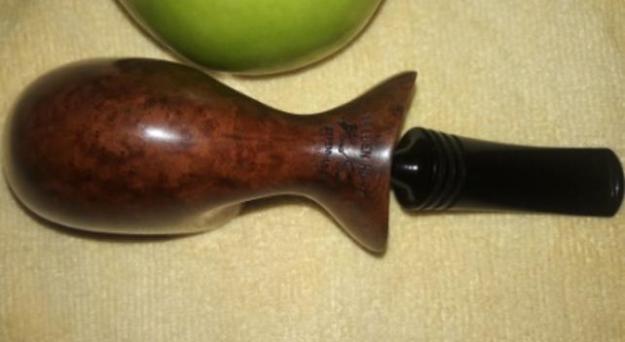
The first PH that I selected to work on is a beautiful freehand with some great flame grains all around the stummel and shank and bird’s eye at the foot of the stummel. The shank end has a nice large outward flare with a flattened lower edge, akin to a large whale tail fin. The rim top is a nice plateau with the shank end flare showing minor plateau along the upper outer edge, similar to the scars on a tail fin of a whale that has seen a few skirmishes in its lifetime. Here are the pictures of the pipe as it sits on my work table.   The pipe is stamped on the bottom of the flared shank end as “PREBEN HOLM” in block capital letters over “Hand Cut” in a cursive artistic hand over “COPENHAGEN” over “DENMARK”, all in block capitals. The left side of the shank bears the encircled numeral “3”. All the stampings are crisp and easily readable. The fancy vulcanite stem is devoid of any stampings.There is a lot of interesting information on the carver, Preben Holm, on pipedia.org (https://pipedia.org/wiki/Holm,_Preben) which makes for an interesting read, however, as before when I had worked on a PH from my Mumbai Bonanza, I still could not find any information on dating this particular piece of briar and also the significance of the # 3!!   I had made a humble appeal to all the readers then and making one again, to please share any information on this system of numbering followed by Preben Holm and also method of dating PH pipes.

Initial Visual Inspection
I am making a slight deviation from my usual process that I follow for my write ups in that, in this case, I shall first address an issue that I was aware of from the description given by the seller and thereafter continue with my initial inspection. The seller had advertised that the stem was stuck in to the pipe (mortise) and would not budge. True enough, when the pipe arrived, the stem was firmly stuck in to the mortise and no amount of twists and turns loosened the seating of the stem. I did not wrestle too hard with it as I did not want to have another broken tenon on my hands. I chucked the complete pipe in to the freezer and let it sit for 3-4 hours. Once I removed the pipe from the freezer, I heated the shank a little with my heat gun and gave it a gentle twist and the stem came out intact quite easily. I was very pleased with this progress. I sincerely apologize for not taking any pictures of this process. Now that the stem has been separated from the mortise, I proceed to complete my initial inspection.

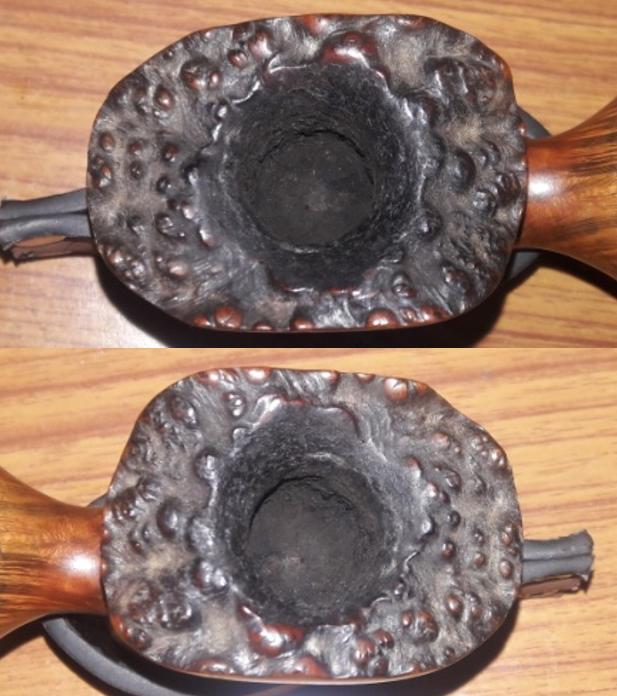
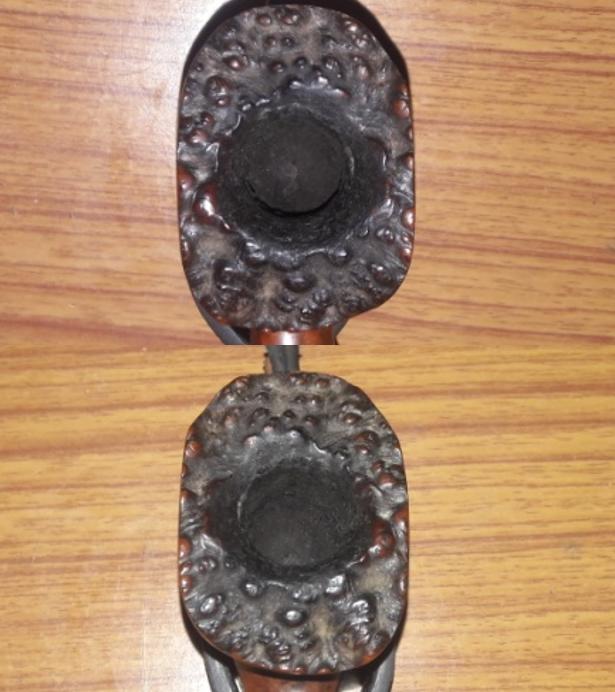
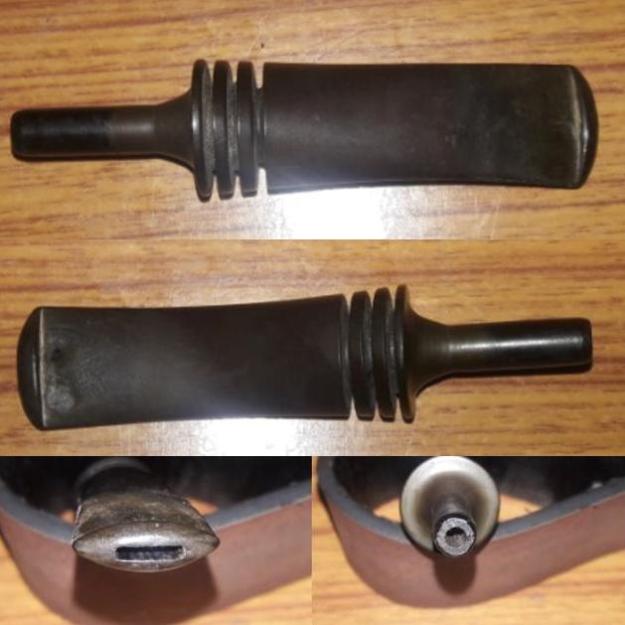
The chamber has a thick layer of dry and hard cake with heavy overflow of lava on to the platue rim top surface. The slightly outward flared inner rim edge is covered in oils and tars, but there are no apparent signs of charring. The condition of the inner walls of the chamber can be checked and ascertained only after the cake has been taken down to the bare briar. The stummel boasts of beautiful flame grains all around and extends over the shank surface too!! The surface is relatively clean and without any fills save for a few scratches that could have been caused during routine use. The flared end of the shank is clean with the partial plateau top edge showing accumulated dust and dirt which should be a breeze to clean. The foot of the stummel shows beautiful bird’s eye grains and is sans any damage. Overall, the stummel presents a well cared for pipe. The mortise is clogged with accumulated oils and tars. That the draw is not as smooth and full was expected, given that the stem was firmly stuck in. With a through leaning, this issue should be resolved.The fancy vulcanite stem is where maximum damage is seen on this pipe. It is heavily oxidized and is peppered with deep tooth chatter/ indentations on either surface of the stem. The lower button edge has a bite through and will need to be repaired. The horizontal slot end of the stem is heavily oxidized to a dark brown coloration while the tenon end is covered in dried oils and tars. The button edges on either surface have worn down and will need to be sharpened. The fancy stem, though looks beautiful when black and shiny, is a bear to clean with all the dips and narrow gaps between the beads and rings etc.The Process
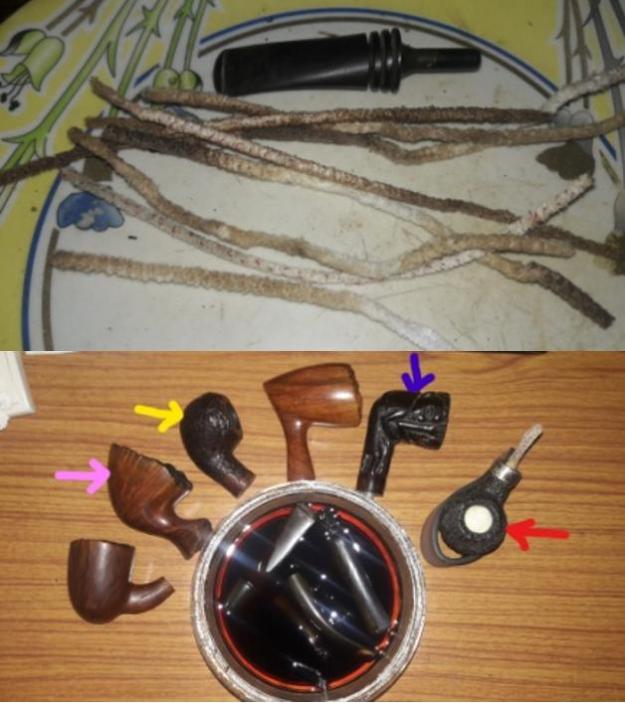
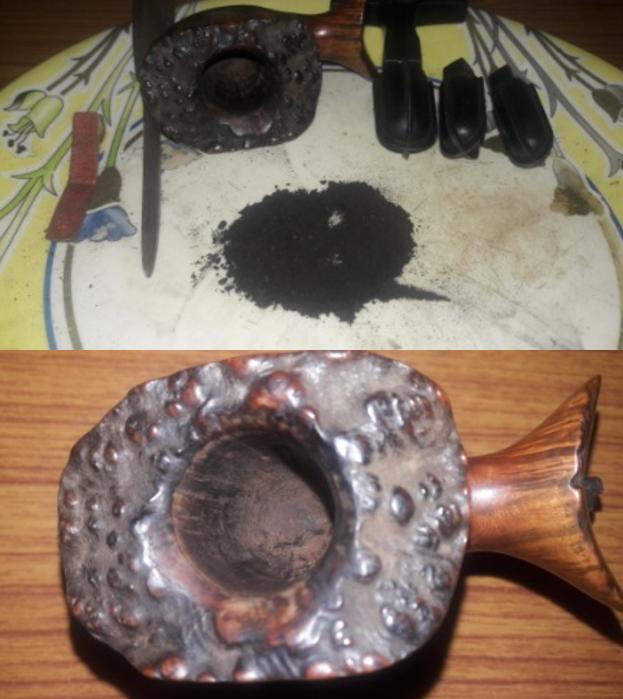
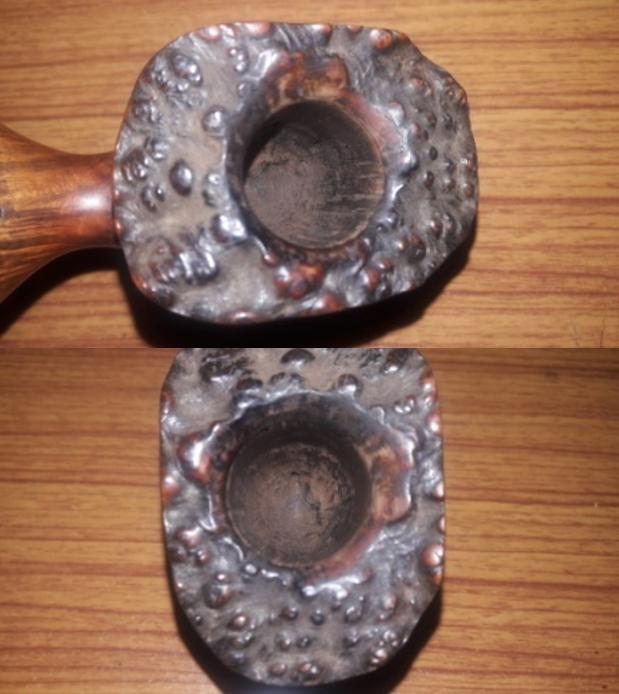
I began the process of refurbishing this pipe with cleaning the internals of the stem using pipe cleaners with isopropyl alcohol (99.9% pure) and dunking the stem in to “Before and After Deoxidizer” solution developed by my friend Mark Hoover. The solution helps to draw out heavy oxidation to the surface making its further removal a breeze, while the minor oxidation is eliminated to a very great extent. I usually dunk stems of 5-7 pipes that are in-line for restoration and this pipe is marked in pastel pink arrow. I generally allow the stems to soak in this solution overnight for the solution to do its work.With the stem soaking in the deoxidizer solution, I worked the stummel starting with reaming the chamber with a Castleford reamer tool, using the second, third and fourth head of the tool. Using my fabricated knife; I further take the cake down to the bare briar. With a 150 grit sand paper, the walls of the chamber were rid of all the remnants of the cake, revealing smooth and solid chamber walls. I further wiped the chamber with a cotton swab wetted with isopropyl alcohol to completely remove the sanding dust. Next, I tried cleaning the mortise with hard bristled and regular pipe cleaners dipped in isopropyl alcohol. However, the pipe cleaners would not pass through the draught hole and in to the chamber. I used my fabricated tool, a simple straightened cloth hanger, and pried clear the chunk of dried gunk. This was followed by cleaning the shank internals with pipe cleaners and isopropyl alcohol. I further scrapped out the entire moistened gunk with a dental tool. The shank internals cleaned up nicely with a smooth and full draw.I scrubbed the external surface of the bowl with undiluted Murphy’s oil soap and hard bristled tooth brush and dried it using paper towels and soft cotton cloth. I deliberately cleaned the plateau rim top to clean the entire lava overflow from the surface. The entire stummel cleaned up nicely. I set the stummel aside to dry out naturally. Staying with the stummel restoration, I polished the stummel with micromesh pads, wet sanding with 1500 to 12000 pads. I polished the raised surfaces on the plateau rim top surface. I wiped the surface with a soft cloth at the end of the micromesh cycle. The stummel looks amazing with a deep shine and beautiful grains popping over the stummel surface. However, I am not very happy with the way the rim top appears at this stage. No amount of wiping with a moist cloth could address this issue. If I wash it again with Murphy’s oil soap, it will be like going back to square one!! I would request all the esteemed readers to suggest remedial methods to this issue and help me learn. I rubbed a small quantity of “Before and After Restoration Balm” in to briar. I rubbed this balm deep in to the nooks and crannies of the plateau rim top surface with my fingers and let it rest for a few minutes. The balm almost immediately works its magic and the briar now has a nice vibrant appearance with the dark brown hues of the grain contrasting with the rest of the stummel surface. I further buff it with a horse hair shoe brush. The rim top has now taken on dark hues which is an eye sore at this stage. As mentioned in the write up on refurbishing S & R, Donegal Rocky # 999 and Countryman, I had worked on all the stems that had been soaking in the deoxidizer solution overnight. I fished out all the stems and cleaned them under running warm water and scrubbed the raised oxidation from the stem surface using Scotch Brite pad. I further removed the oxidation by scrubbing the stems with 0000 grade steel wool and applied a little olive oil to rehydrate the stems and set them aside for the oil to be absorbed. Unfortunately, I did not click any pictures of these stems at this stage.

This is how the stem of this pipe came out after the stem cleaning described above. Deep tooth indentations are visible at the base of upper and lower button edges with heavy tooth chatter visible in the bite zone on the lower surface. Complete oxidation was removed on this stem by the process described above.

I painted both surfaces of the stem with the flame of a lighter to raise the tooth indentations to the surface. This also helps in loosening minor oxidation from the stem surface. I sand the entire stem surface with a folded piece of a 220 grit sand paper to even out the raised tooth chatter and the tooth indentations to a degree and also to remove the loosened oxidation. I wiped the stem with a cotton swab and Murphy’s oil soap to further remove the oxidation. Even though the most of the tooth chatter has been addressed by heating the damaged stem portion with the flame of a lighter, couple of deeper indentations and bite marks/ deformation to the button edges is still visible on both upper and lower surface in the bite zone. At this stage in stem repairs, I now had a clear idea as to the extent of the through hole in the bottom surface of the stem. I also realized that the surrounding stem surface around the hole has thinned out and is brittle. However, I am happy with the way this stem appears at this stage and also with the deoxidizer solution. I filled the tooth indentation in the button edge on both lower and upper stem surfaces with a mix of activated charcoal and CA superglue and set it aside for the fill to cure. Once the fill had cured sufficiently, with flat needle file I sanded the fills to match with rest of the stem surface. With the same file, I sharpened the button edge on both the upper and lower surface. I fine tuned the blending of the fill with the rest of the stem surface using a 220 grit sand paper and also sanded down the entire stem to remove the stubborn residual oxidation. I further sand the stem with 600 and 800 grit sand paper and wiped the stem with cotton pad dipped in alcohol to remove the resultant dust. I rubbed some extra virgin olive oil in to the stem and set it aside to be absorbed in to stem. I polished the stem with micromesh pads, wet sanding with 1500 to 12000 grit pads. I rubbed a little extra virgin olive oil in to the stem at the end of the micromesh pads polishing cycle. I completed the polishing regime of the stem by rubbing a small quantity of Paragon wax and giving it a final polish with a soft cotton cloth. The stem is now nice, smooth and shiny.To apply the finishing touches, I mount a cotton cloth buffing wheel on to my hand held rotary tool and apply a coat of Blue Diamond to the stem to polish out the minor scratches. With a cotton buffing wheel that I use for carnauba wax, I apply a coat of carnauba wax to the stummel and stem and continued to work on it till the complete coat of wax had been polished out. I mount a clean cotton cloth buffing wheel and gave the entire pipe a once over buff. I finished the restoration by giving the entire pipe a rigorous hand buffing using a microfiber cloth to deepen the shine further. The finished pipe is shown below. P.S. – This was an indeed an easy restoration. The issue of the stem being stuck inside the mortise had driven bidders away from this beautiful pipe and it proved to be my gain. I am really fortunate to be in the process of learning the nuances of pipe restoration and cannot thank Steve enough for his support and guidance.

I wish to request all the experienced readers to shed some light on the numbering system followed on Preben Holm pipes and also on dating these pipes for the larger good of our fraternity.

Thanks for your patience and looking forward to input about the write up. Cheers…

Breathing Life into a Can Pat Brigham Exclusive Tall Stack


Blog by Steve Laug

Not too long ago I received an email from a fellow in Kitchener, Ontario regarding some pipes he needed cleaned up. He had been referred to me by my local pipe and cigar shop. While I am not currently adding more pipes to my queue of repairs I have made a commitment to the shop to work on pipes for their customers. Generally they have one or two pipes that need a bit of work. This fellow sent me the following email:

I just came across my smoking pipes that I’ve had in storage for about 40 years. I’m wondering what you’d charge to have them refurbished. There are 17 in total (11 are Brighams and 6 are various).

It turns out he said he had 17 pipes. That was certainly more than I expected but I communicated that there was a large queue ahead of him and I would have to fit them in as I could. He was fine with whatever time it took. He sent me the following photos of his collection that he wanted restored. The first photo shows his eleven Brigham pipes – all very interesting shapes. The second photo shows the six various pipes in the collection – A Republic Era Peterson’s System 1312 (Canadian Import), A Bjarne Hand Carved Freehand, a Comoy’s Everyman London smooth billiard, a GBD Popular Dublin 12, an English made Kaywoodie Rustica 72B, a Kriswill Bernadotte 60 with a broken tenon. When the box arrived there were two additional pipes included for a total of 19 – a Ropp 803 Deluxe Cherrywood Poker and a Comoy’s Sandblast Everyman Canadian 296. It was a lot of pipes! I have been randomly choosing the next pipe to work on and chose the Brigham that I have drawn a red box around in the photo below.When I unwrapped it the pipe it was a tall Stack. It was stamped on the smooth underside of the shank. The stamping is faint but part of it was readable. There is no shape number to identify the pipe. Where it would have been it is followed by the Brigham Script over Can. Pat. 372982. It had a rusticated bowl and shank with a smooth rim top. The rim top had a lava overflow from the medium cake in the bowl. The bowl was in decent condition, slightly out of round on the inner edge. There was some darkening around the top and inner edges of the bowl. It was a dirty pipe but the finish appeared to be in okay condition under the grime. The 3 Dot tapered stem was oxidized and had tooth marks and chatter near the button on both sides. There was also some calcification for about an inch up the stem. I took close up photos of the bowl and rim top to show the condition of the bowl and damage to the rim edge as well as the cake and lava overflowing onto the rim top. I also took close up photos of the stem to show its condition as mentioned above.     I took a photo of the faint stamping on the underside of the shank to show what I was speaking about above. It is very clear and readable. It reads Brigham in script over Can Pat. 372982.I removed the stem from the shank to reveal the aluminum tube/tenon that held the Rock Maple Distillator. The distillator was missing and the tube was very dirty. It will need to be replaced. Before starting my clean up work on the pipe I turned to a chart that Charles Lemon of Dad’s Pipes sent to me on the patent era Brighams. There were made from 1938-1980. As the pipe I am working on is a Patent pipe, it’s more accurate to refer to its grade by name (the post 1980 grading scheme refers to Dots). Here is the  chart that Charles sent me. The pipe I am working on is thus a Brigham Exclusive with the 3 brass pins arranged in a triangle. With this pipe I am returning to work on another Can Pat Brigham pipe from the nineteen pipe installment. I went to work on it immediately. I reamed the bowl with a PipNet pipe reamer using the second and second cutting head to take the cake back to bare briar so I could inspect the walls. I cleaned up the remnants with a Savinelli Fitsall Pipe Knife. I sanded the bowl walls with 220 grit sandpaper on a piece of dowel to smooth them out and further examine them. I was happy that the walls looked very good. I worked on the darkening on the rim top and the rough inner edge of the bowl by first scraping it with the edge of the Fitsall reamer and the sanding it with a folded piece of 220 grit sandpaper. I was able to remove the darkening and smooth out the inner edge of the bowl. I cleaned out the mortise area and airway to the bowl and the interior of the metal tube and airway in the stem with pipe cleaners, cotton swabs and alcohol. The aluminum tube was dirty because it was missing the distillator and had been smoked sans filter.   I scrubbed the surface of the bowl with undiluted Murphy’s Oil Soap and a tooth brush to remove the grime and grit as well as the remnants of the shiny finish on the smooth portions of the bowl.         With the rim top cleaned off and the inner edge restored and the darkening gone the rim was lighter than the smooth underside of the shank. I stained it with a Maple Stain pen. I don’t worry too much about the evenness of the coverage at this point as I plan on polishing it with micromesh sanding pads.I wet sanded the rim top and edges of the bowl with micromesh sanding pads – 1500-12000 grit sanding pads. I wiped the bowl surface down with a damp cloth after each sanding pad to remove the sanding dust. Once I finished the bowl looked good. I rubbed the bowl and shank down with Before & After Restoration Balm. I worked it into the surface of the briar with my fingertips to clean, enliven and protect it. I let the balm sit for a little while and then buffed with a cotton cloth to raise the shine. Mark Hoover’s Balm is a product that I have come to appreciate and one I use on every pipe I have been working on. It really makes the grain stand out on this pipe.    I set the bowl aside and turned my attention to the stem. I rubbed the stem down with Soft Scrub on with a cotton pad and it removed the oxidation and the calcification build up. It looked a lot better.       I sanded out the tooth marks, chatter and oxidation with 220 grit sandpaper and started the polishing with 400 grit wet dry sandpaper. I rubbed down the stem with Denicare Mouthpiece Polish and a cotton pad to remove the remnants of oxidation and to blend in the sanding. The polish is a red gritty paste that works wonders on removing stubborn remnants of oxidation in the crease. The stem is starting to show promise at this point in the process.     Before I finished the polishing stem I decided to fit it with a new Rock Maple Distillator.   I polished the stem with micromesh sanding pads – wet sanding it with 1500-12000 grit pads. I wiped the stem down after each sanding pad with a cotton pad to remove the sanding debris.  I finished polishing the stem with Before & After Pipe Stem Polish – both fine and extra fine. I finished by wiping it down with Briarville’s No Oxy Oil and buffing it to a shine.   I am excited to finish another of the lot as it moves me one pipe closer to being finished. I put the pipe back together and buffed it with Blue Diamond on the buffing wheel. I gave the bowl and the stem multiple coats of carnauba wax. I hand buffed the pipe with a clean buffing pad to raise the shine. It is fun to see what the polished bowl looks like with the grain popping through on the rim top and the rustication coming to life. Added to that the polished black vulcanite stem with the shining brass pins was beautiful. This mixed smooth and rusticated finish Brigham Exclusive Stack is nice looking and feels great in my hand. It is light and well balanced. Have a look at it with the photos below. The dimensions are Length: 6 inches, Height: 2 ¼ inches, Outside diameter of the bowl: 1 ¼ inches, Chamber diameter: ¾ of an inch. This is the 15th of the 19 pipes sent to me from Eastern Canada for restoration. Once again I am looking forward to what the pipeman who sent it thinks of this restoration. Lots more to do in this lot! Thanks to each of you who are reading this blog. Remember we are not pipe owners; we are pipemen and women who hold our pipes in trust until they pass on into the trust of the next pipeman or woman.

Restoring An African Themed Large Billiard Countryman With Hand- Carved Figurines


Blog by Paresh Deshpande

While surfing eBay for pipes a long time ago, I came across a pipe that was a large sized billiard and meerschaum lined. Well, upfront I wish to be candid and confess that I am not a big fan of meerschaum lined bowls and this pipe did not boast as being carved by any of my favorite makers! Yet I went ahead and made an offer which I feverishly hoped the seller would turn down, being ludicrously low from the asking price. However, the seller accepted my offer and a few weeks later, the pipe reached Abha. Surprisingly, she liked the pipe!! What attracted both of us to this large pipe was the hand carved figurines over the stummel surface. These figurines looked like to be that of an African mother holding her child (or is it just a figment of my imagination??).

The pipe is devoid of any stampings. The only clue as to the origins of this pipe came in the form of a stem logo of an Elephant on the left side of the stem saddle.I was keen to know more about the maker and hence turned to pipephil.eu and searched for stem logo under Animal- Mammals!! True enough, it was an easy find. It identified this pipe as Countryman, a brand of Tanganyika Meerschaum Corporation from Amboseli Pipes.

Thereafter I visited Reborn pipes for further information. Here is the link to the write up and it makes for an interesting read. (https://rebornpipes.com/2013/10/13/refurbed-a-tanganyika-meerschaum-prince/).

Kiko, meaning “pipe” in Swahili-Kiswahili to English translation, is probably the best known of the various brands of meerschaum pipes from there. In East Africa Meerschaum is found in Tanganyika, once known as German East Africa, and since 1964 part of the United Republic of Tanzania. The main deposit comes from the Amboseli basin surrounding the Lake Amboseli. Tanganyika Meerschaum is normally stained in shades of brown, black and yellow, and is considered to be inferior to Meerschaum from Turkey. Even though, the raw material is mined by the Tanganyika Meerschaum Corporation and to a large extent used for pipe making. Uncounted pipe makers throughout the world were supplied with Amboseli Meerschaum, preferentially used for Meerschaum lined briars or leather-clad pipes. In Tanganyika the Kilimanjaro Pipe Company Ltd. produced the following brands: Caveman, Countryman (Elephant logo), Kiko (Elephant logo), Kikob (Elephant logo), Kilimanjaro (Rhinoceros logo), Kudu (Giraffe Logo), Makonde (Rhinoceros logo), Merlin (Flying bird or Antelope logo), Sportsman (Elephant logo), Tembo, Townsman, Twiga (Giraffe Logo), White elephant (Elephant logo).

Initial Visual Inspection

The pipe, as it sits on my work table, is dirty with decent layer of cake, covered in dust and grime with a heavily oxidized stem. Here are a few pictures of the pipe before I proceed with a detailed visual inspection of each part of the pipe. The creases formed by the hand carved figurines over the stummel surface on this pipe are covered in a thick layer of dust and grime. The stummel appears dull and lackluster. However, the rich brown hues of the raised portions of the figurines contrast beautifully with the darker hues of the stummel and would look more appealing once the stummel has been cleaned and polished. The long and carved shank has a nice thick band of smooth briar. Once polished, this briar band should further enhance the beauty of this pipe. An aluminum tube/ mortise extension is fixed inside of the mortise over which the stem is seated.    The meerschaum lined rim top is surrounded by briar wood and is covered in dust, lava overflow, grime and will need to be cleaned and polished. This lava overflow is chipped at places revealing an intact white meerschaum layer. The briar surrounding the inner meer layer is chipped on the left side of the rim top in the 9 o’clock direction. The chamber has an even layer of thin cake that is dry and crumbling. The condition of the meerschaum lined walls of the chamber will be ascertained once the existing cake has been completely removed. The inner meerschaum layered rim edge appears intact, however, the same will be ascertained once the cake and lava overflow from the chamber and rim top is removed. The end of the aluminum tube which extends out from the shank end is darkened with a thick layer of dried oils and tars. The insides of this tube is clogged making the draw laborious. The surface of the tube is dull and lackluster.The straight tapered vulcanite saddle stem that sits atop the aluminum mortise extension is heavily oxidized and is peppered with deep tooth chatter/ indentations on either surface of the stem. The horizontal slot end of the stem is heavily oxidized to a dark brown coloration while the insides of the tenon end is covered in dried oils and tars. This should be a relatively simple repair and cleaning up job of the stem. The Process
I began the process of refurbishing this pipe with cleaning the internals of the stem using pipe cleaners with isopropyl alcohol (99.9% pure) and dunking the stem in to “Before and After Deoxidizer” solution developed by my friend Mark Hoover. The solution helps to draw out heavy oxidation to the surface making its further removal a breeze, while the minor oxidation is eliminated to a very great extent. I usually dunk stems of 5-7 pipes that are in-line for restoration and this pipe is marked in blue arrow. I generally allow the stems to soak in this solution overnight for the solution to do its work.With the stem soaking in the deoxidizer solution, I worked the stummel, reaming the chamber with a Castleford reamer tool, using only the second head. I was very gentle and diligent while using the reamer head by applying minimum force to avoid cracking the meerschaum lining. Using my fabricated knife; I further took the cake down to the meerschaum layer. With a 150 grit sand paper, the walls of the chamber were rid of all the remnants of the cake, revealing smooth meer lined chamber walls. I further wiped the chamber with a cotton swab wetted with isopropyl alcohol to completely remove the sanding dust. I gently scraped off the entire lava overflow from the rim top with a sharp knife blade. The inner rim edge has numerous very tiny dings all around which is not a big concern as these could be easily addressed either by topping or using a sand paper. I carefully scraped the aluminum shank extension with a fabricated tool to remove all the crud that had accumulated on the surface and further cleaned the shank internals with bristled and regular pipe cleaners dipped in isopropyl alcohol. I further polished the aluminum extension with a 0000 grade steel wool. Next I addressed the issue of numerous dings to the inner rim edge. As mentioned above, I had an option of either using a folded piece of 220 grit sand paper and even out the tiny dings or topping the rim top on a topping board. I decided to follow the later path as it would also address the issue of the chipped briar on the rim top in the 9 o’clock direction. I topped the rim on a piece of 220 grit sand paper, frequently checking the progress as I did not want to sand too much and cause any damage to the carved figurines.I scrubbed the external surface of the bowl with undiluted Murphy’s oil soap and hard bristled tooth brush and dried it using paper towels and soft cotton cloth. The light brown hues of the carved surfaces of the figurines contrast beautifully with the rest of the dark stummel. I set the stummel aside to dry out naturally. I packed the chamber with paper towels to absorb any water and moisture that may have inadvertently seeped in to the meerschaum. I wanted to further highlight the figurines from the rest of the stummel surface and to achieve the desired results; I polished the raised surfaces of the carved figurines, the rim top surface and the briar band at the shank end with micromesh pads, dry sanding with 1500 to 12000 grit pads. I really like the way the figurines stand out from the rest of the stummel surface and also the rim top surface. I rubbed a small quantity of “Before and After Restoration Balm” in to briar. I rubbed this balm deep in to the nooks and crannies formed by the carved figurines with my fingers and let it rest for a few minutes. The balm almost immediately works its magic and the briar now has a nice vibrant appearance with the light brown hues of the raised carvings contrasting with the dark stummel surface. I further buff it with a horse hair shoe brush. As mentioned in the write up on refurbishing S & R and Donegal Rocky # 999, I had worked on all the stems that had been soaking in the deoxidizer solution overnight. I fished out the stems and cleaned them under running warm water and scrubbed the raised oxidation from the stem surface using scotch brite pad. I further removed the oxidation by scrubbing the stems with 0000 grade steel wool and applied a little olive oil to rehydrate the stems and set them aside for the oil to be absorbed. Unfortunately, I did not click any pictures of these stems at this stage.

This is how the stem of this pipe came out after the stem cleaning described above. Some traces of oxidation are still visible at the base of the button edges on both surfaces and on the saddle which needs to be removed using more invasive methods. A few tooth indentations are visible on the top button edge and at the base of the button edge on both the surfaces. I painted both surfaces of the stem with the flame of a lighter to raise the tooth indentations to the surface. This also helps in loosening minor oxidation from the stem surface. I sand the entire stem surface with a folded piece of a 220 grit sand paper to remove the loosened oxidation. I wiped the stem with a cotton swab and Murphy’s oil soap to further remove the oxidation. Even though the most of the minor tooth indentations have been eliminated by heating the damaged stem portion with the flame of a lighter, couple of deeper indentations is still visible on both upper and lower surface in the bite zone. However, I am happy with the way this stem appears at this stage and also with the deoxidizer solution. I filled the tooth indentation in the button edge on both lower and upper stem surfaces with a mix of activated charcoal and CA superglue and set it aside for the fill to cure. Once the fill had cured sufficiently, with flat needle file I sanded down the fill to match with rest of the stem surface. With the same file, I sharpened the button edge on both the upper and lower surface. I fine tuned the blending of the fill with the rest of the stem surface using a 220 grit sand paper and also sanded down the entire stem to remove the stubborn residual oxidation. I further sand the stem with 600 and 800 grit sand paper and wiped the stem with cotton pad dipped in alcohol to remove the resultant dust. I rubbed some extra virgin olive oil in to the stem and set it aside to be absorbed in to stem.I polished the stem with micromesh pads, wet sanding with 1500 to 12000 grit pads. I rubbed a little extra virgin olive oil in to the stem at the end of the micromesh pads polishing cycle. I finish the polishing of the stem by rubbing a small quantity of Paragon wax and giving it a final polish with a soft cotton cloth. The stem is now nice, smooth and shiny. I refreshed the stem logo by masking the logo with a whitener correction pen. Once the whitener had dried, I gently wiped the excess whitener away. The stem logo now looks prominent.To apply the finishing touches, I mount a cotton cloth buffing wheel on to my hand held rotary tool and apply a coat of Blue Diamond to the stem to polish out the minor scratches. With a cotton buffing wheel that I use for carnauba wax, I apply a coat of carnauba wax to the stummel and stem and continued to work on it till the complete coat of wax had been polished out. I mount a clean cotton cloth buffing wheel and gave the entire pipe a once over buff. I finished the restoration by giving the entire pipe a rigorous hand buffing using a microfiber cloth to raise the shine further. The finished pipe is shown below. P.S. – Most discerning Readers would have noticed that after I had topped the rim top surface, I have not stained the briar portion of the rim top to blend in with the rest of the stummel.  Well, truth be told, Abha, my wife, liked the play of contrasts between the meerschaum lining, the brown hues of the surrounding briar and the very dark brown stummel. I too liked her suggestion and hence left it without staining. Though this pipe has neither any collector’s value or high resale value, but still I shall add it to my collection because of its uniqueness and it’s no less beautiful to boot.

Thanks for your patience and looking forward to input about the write up. Cheers…