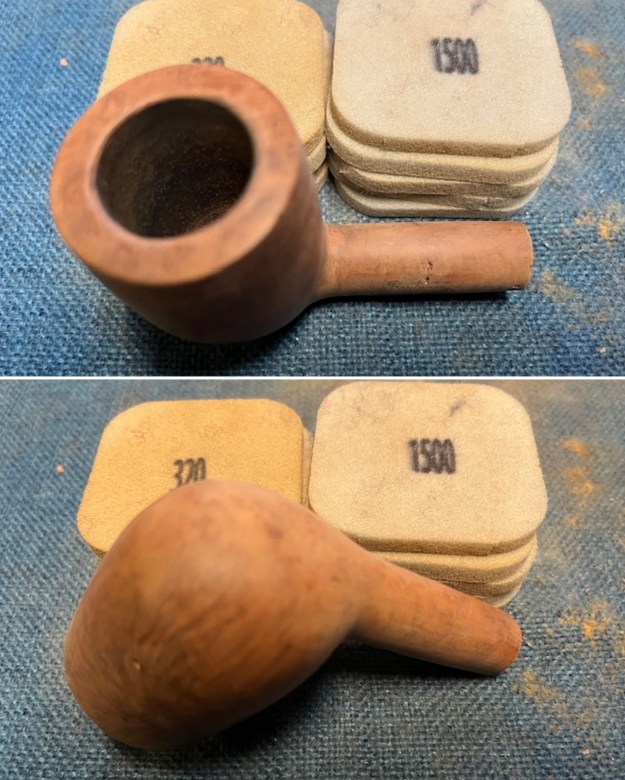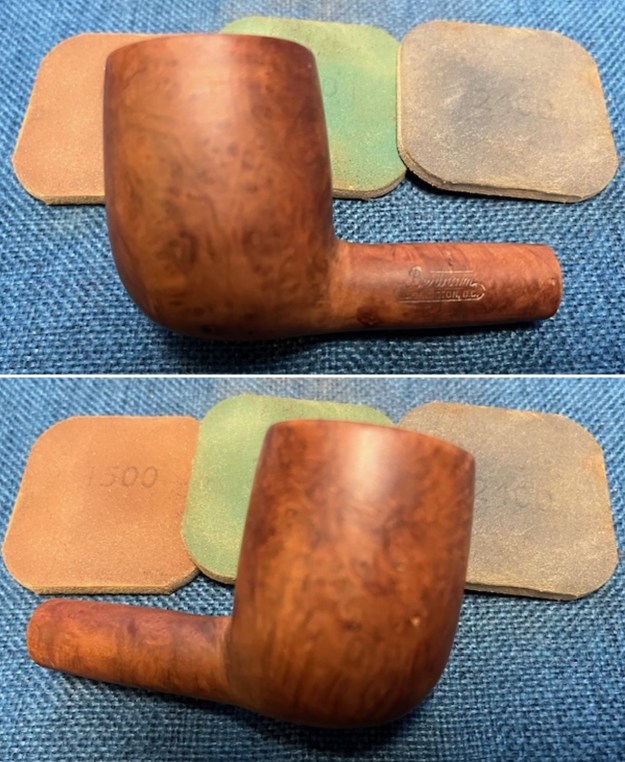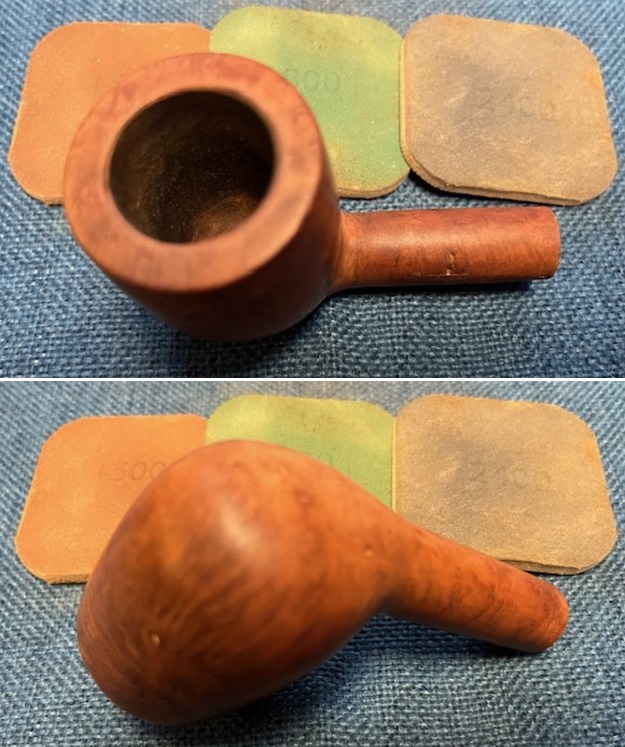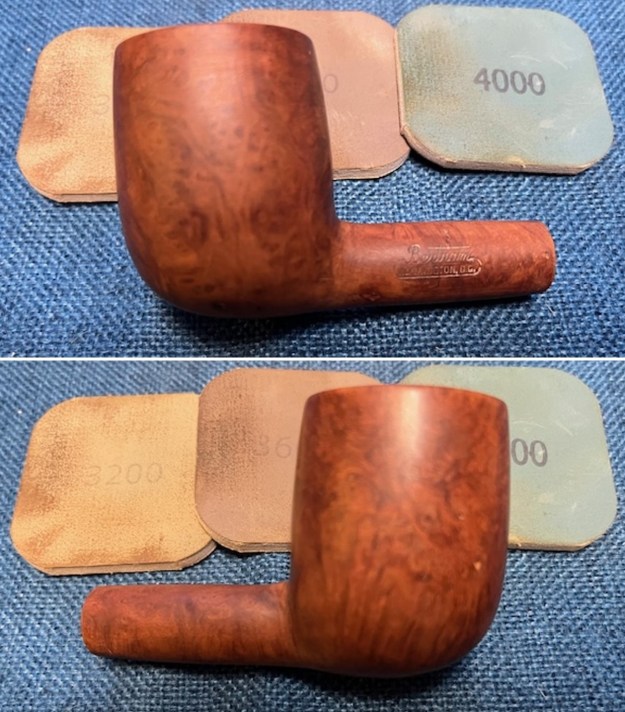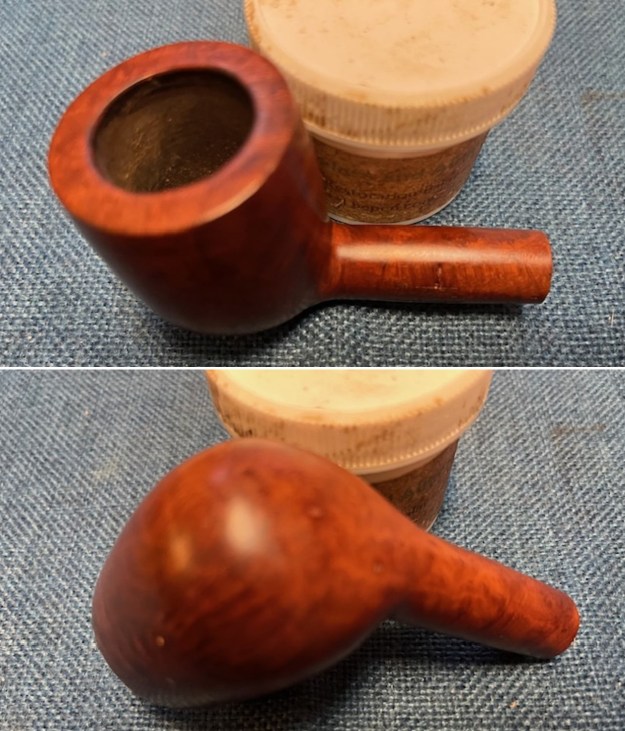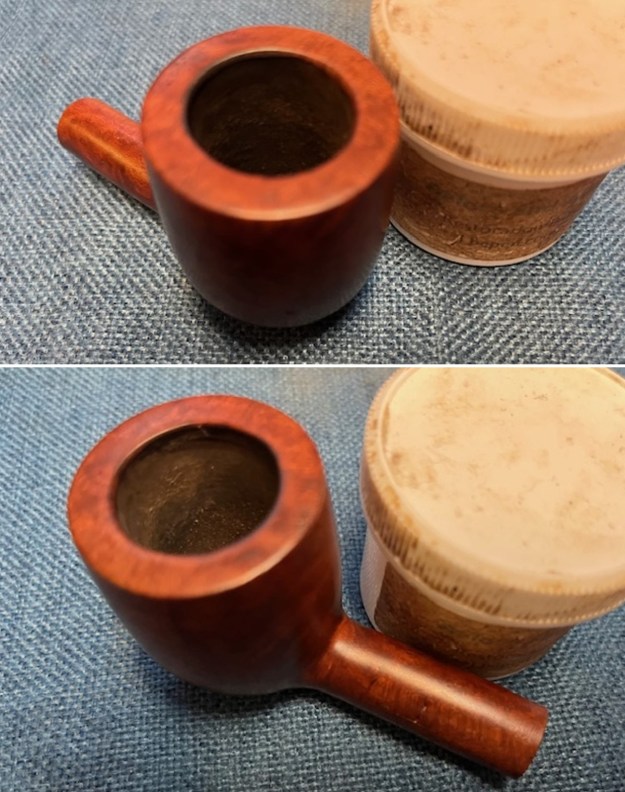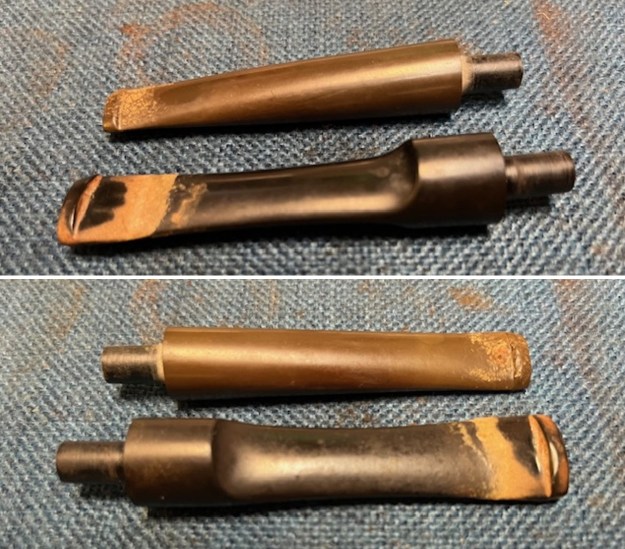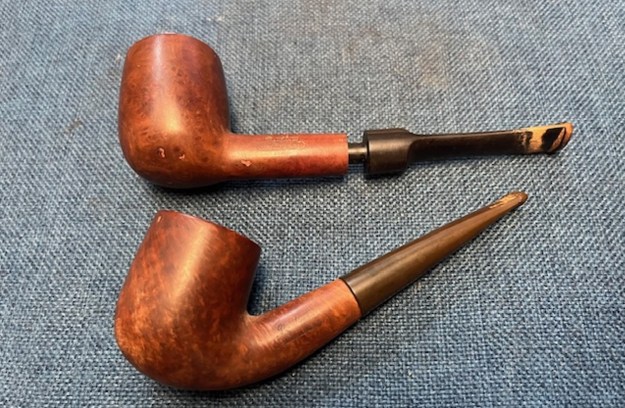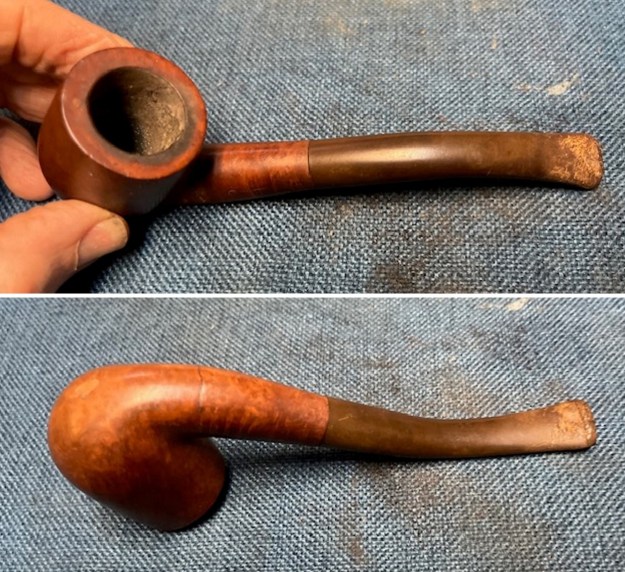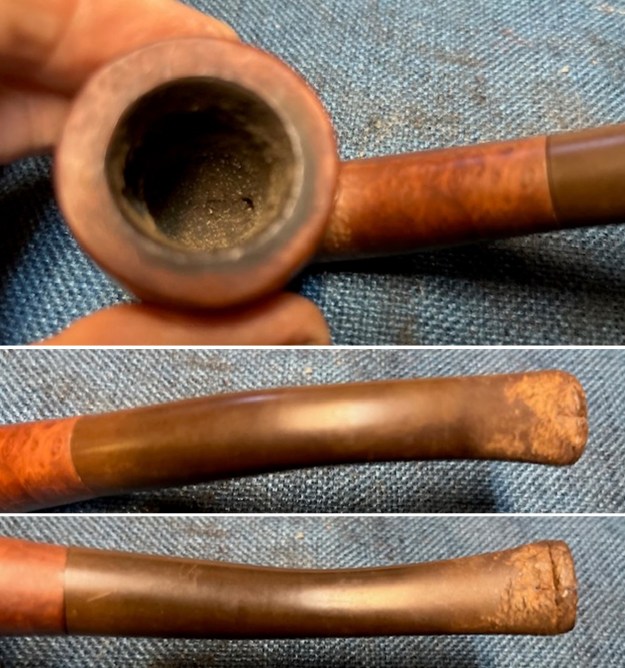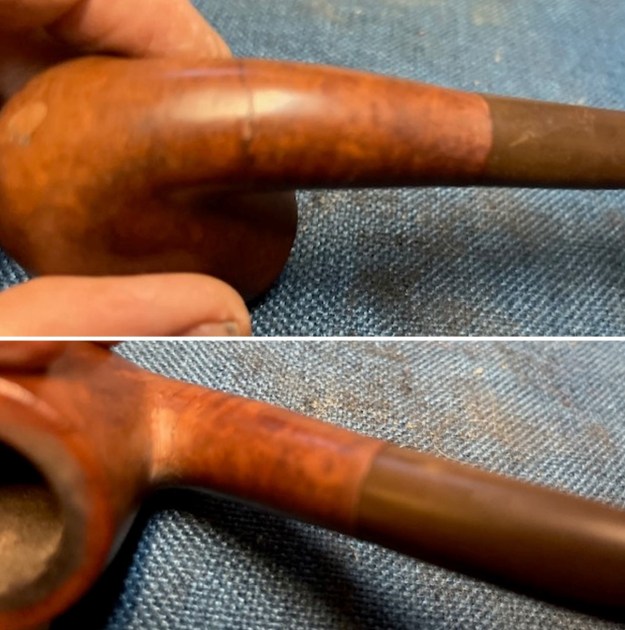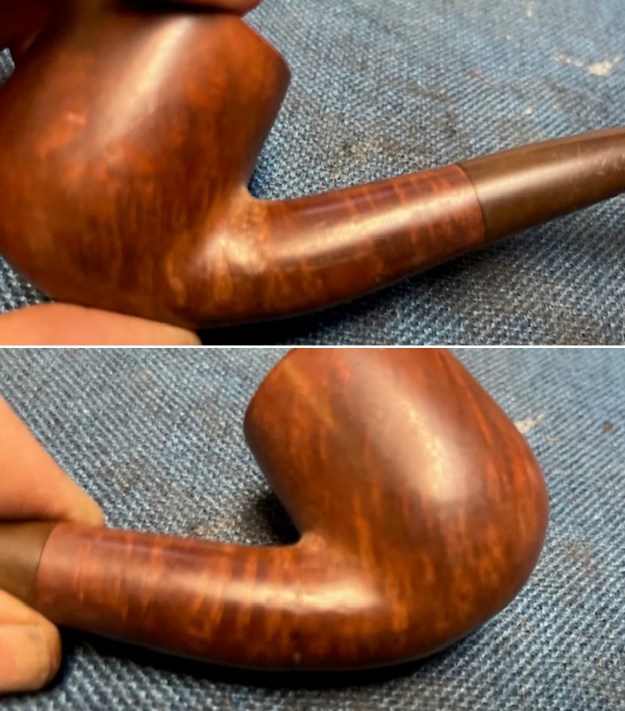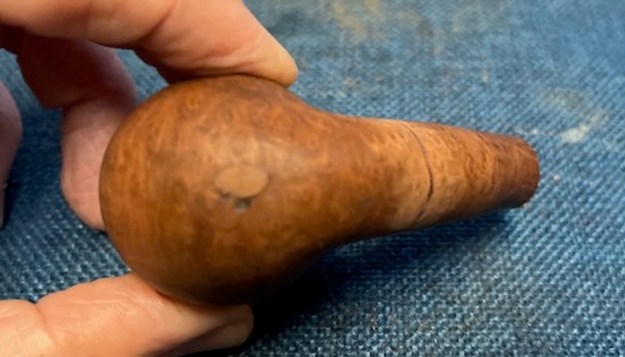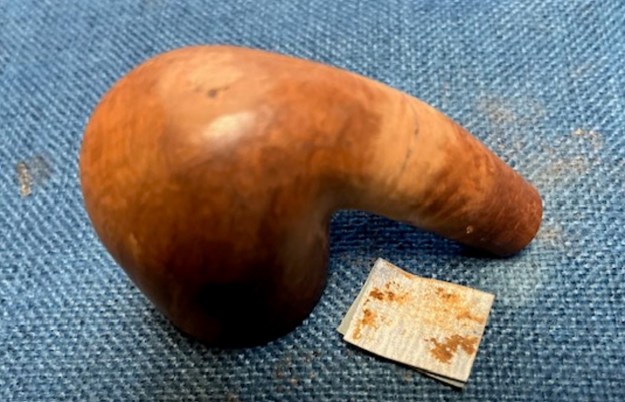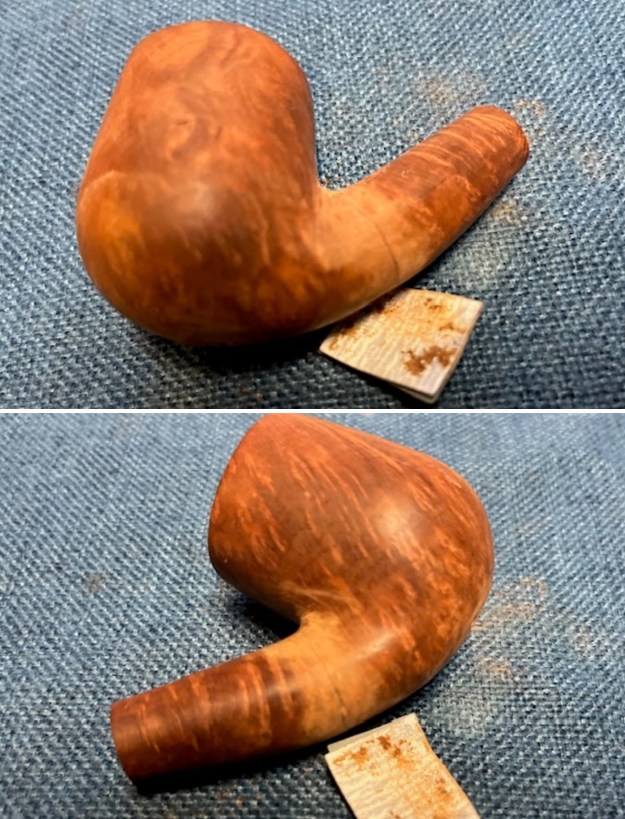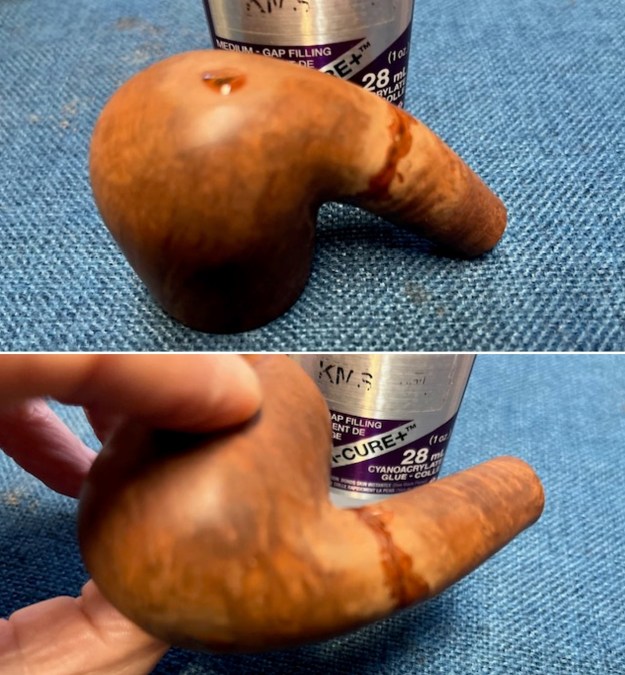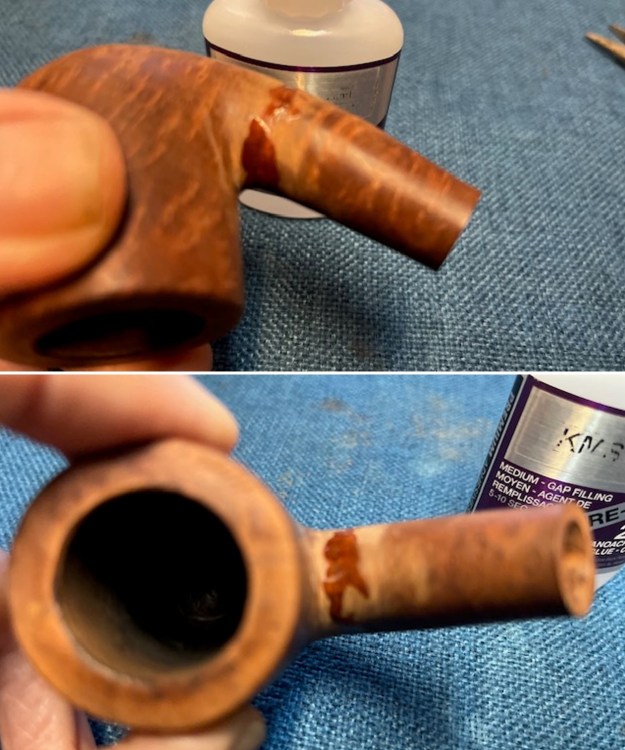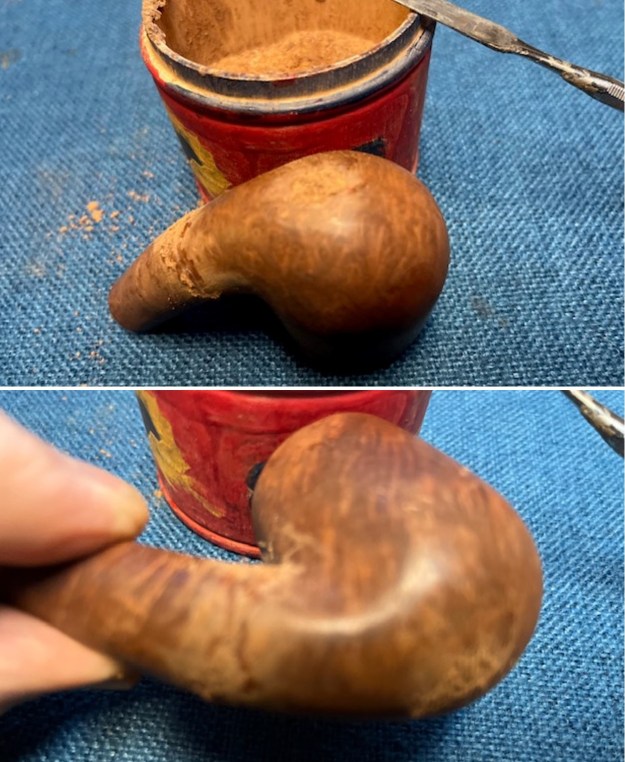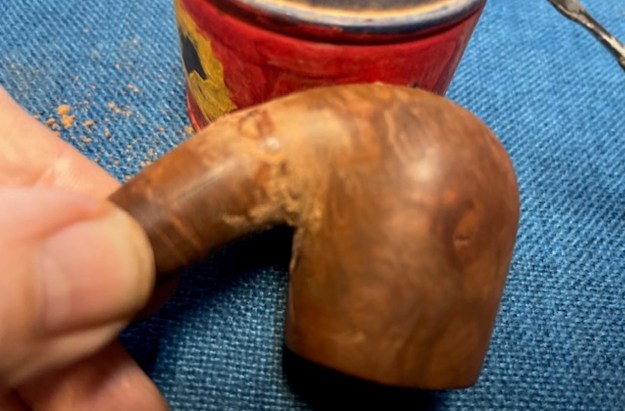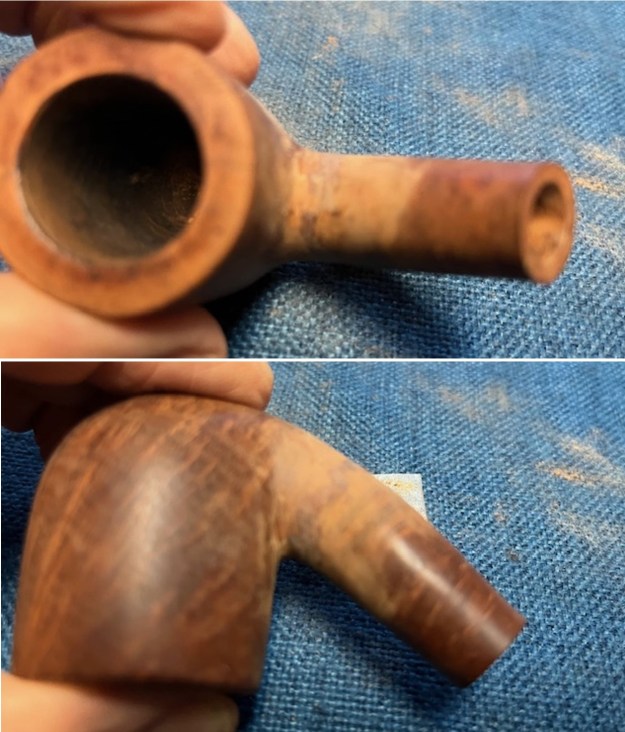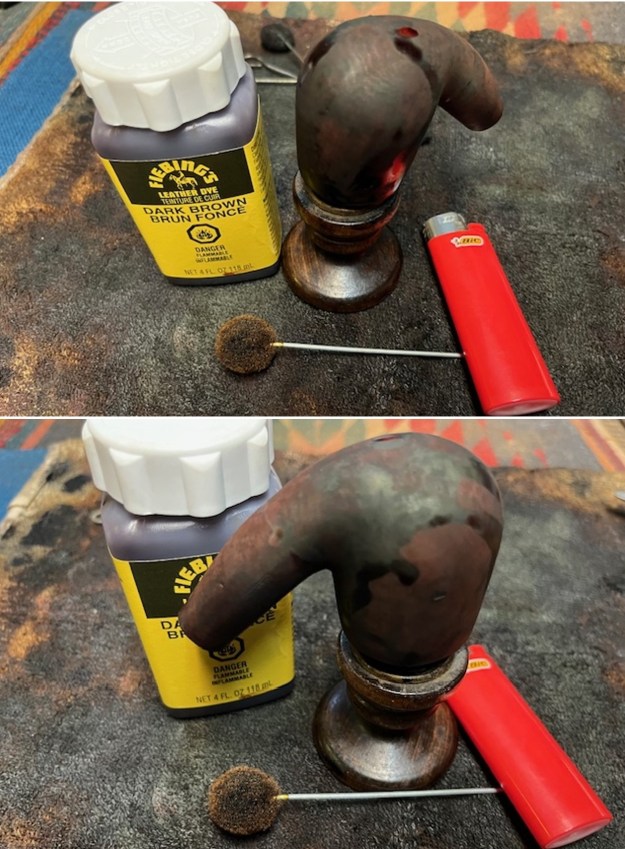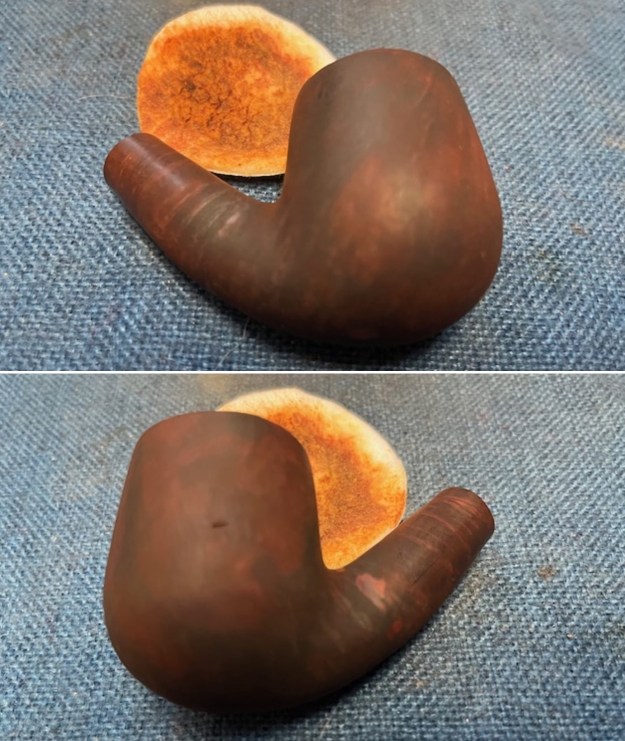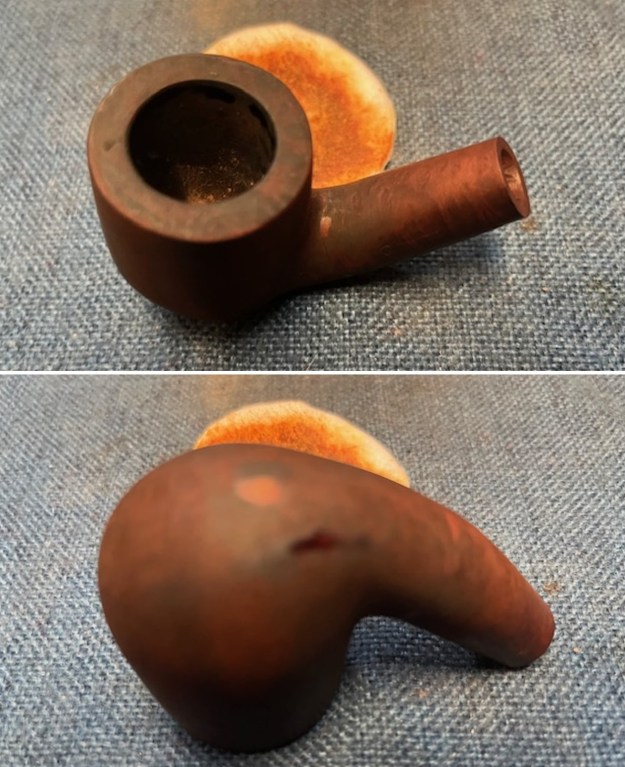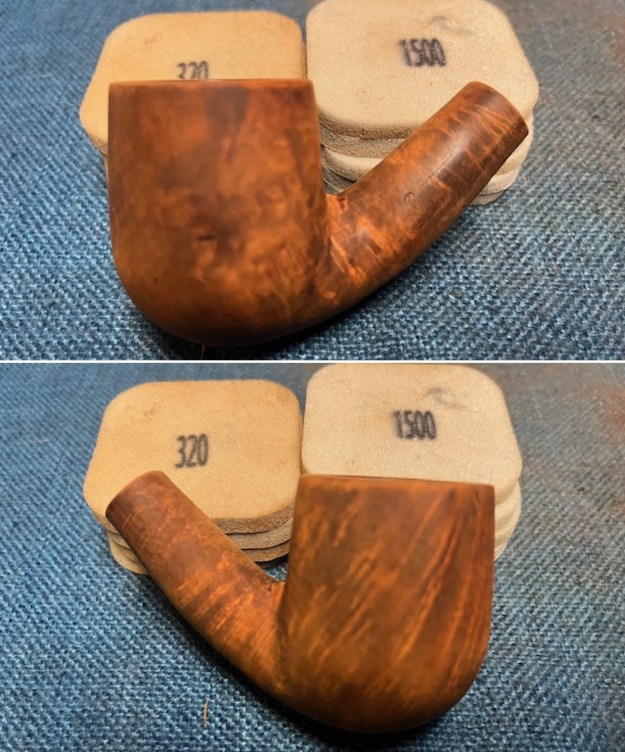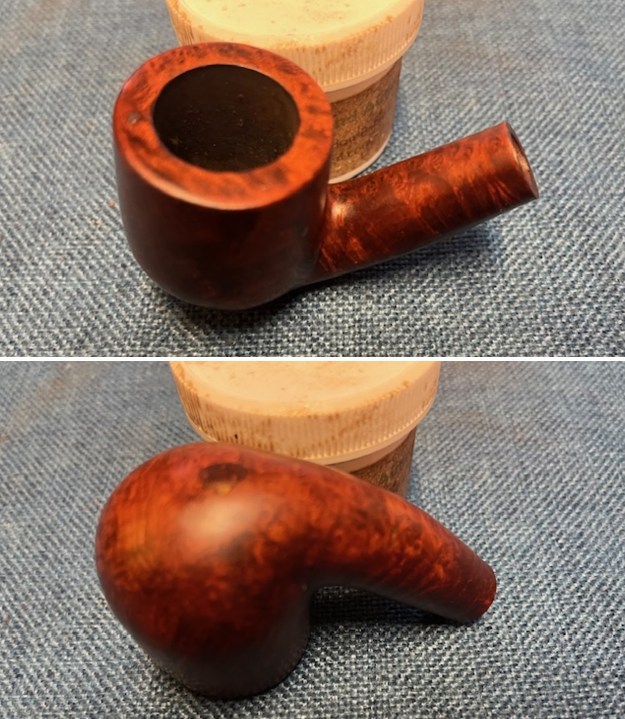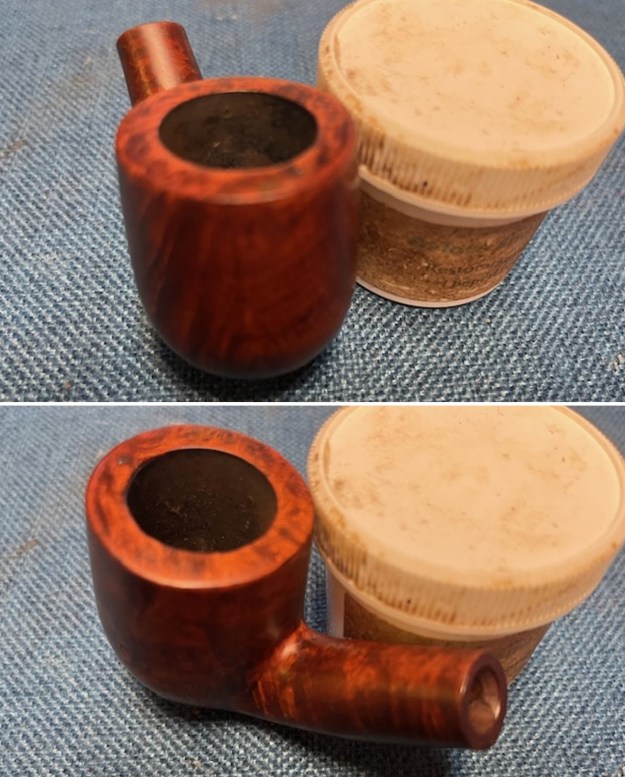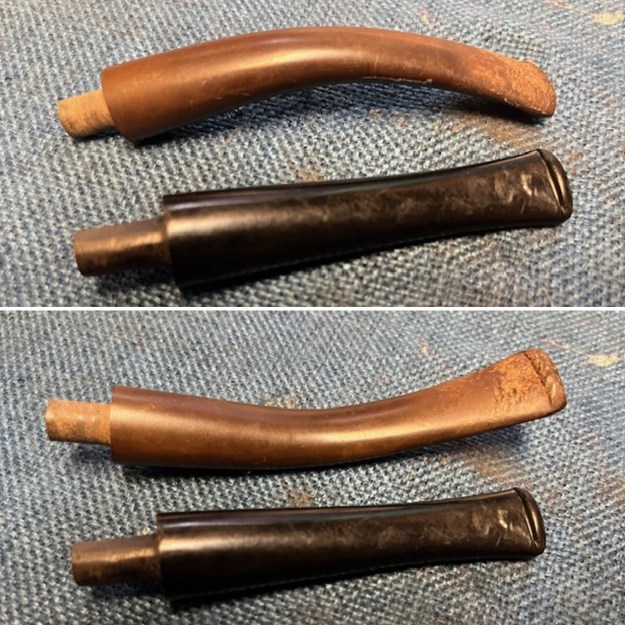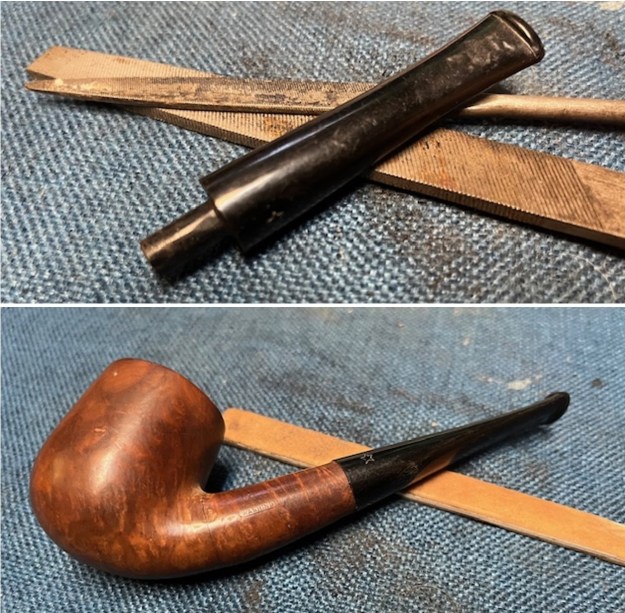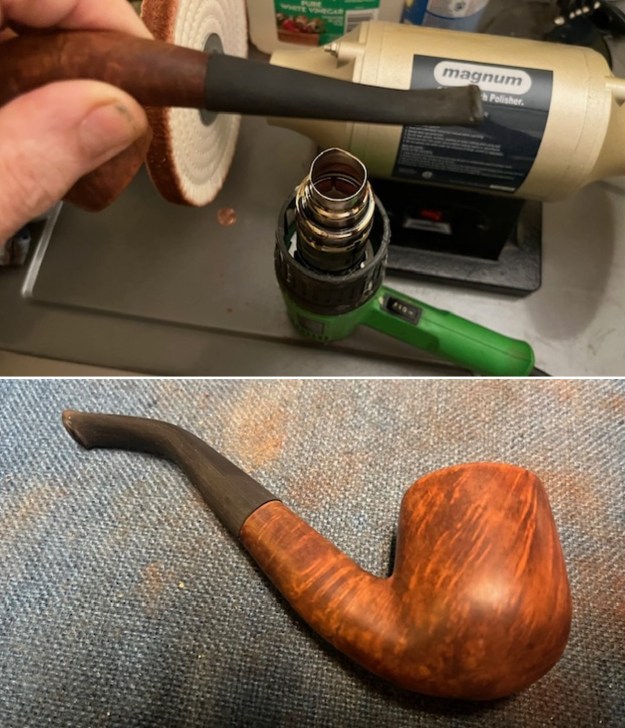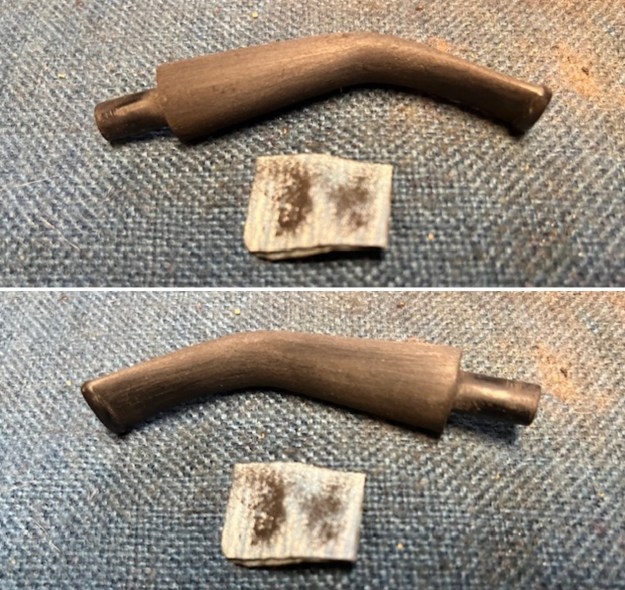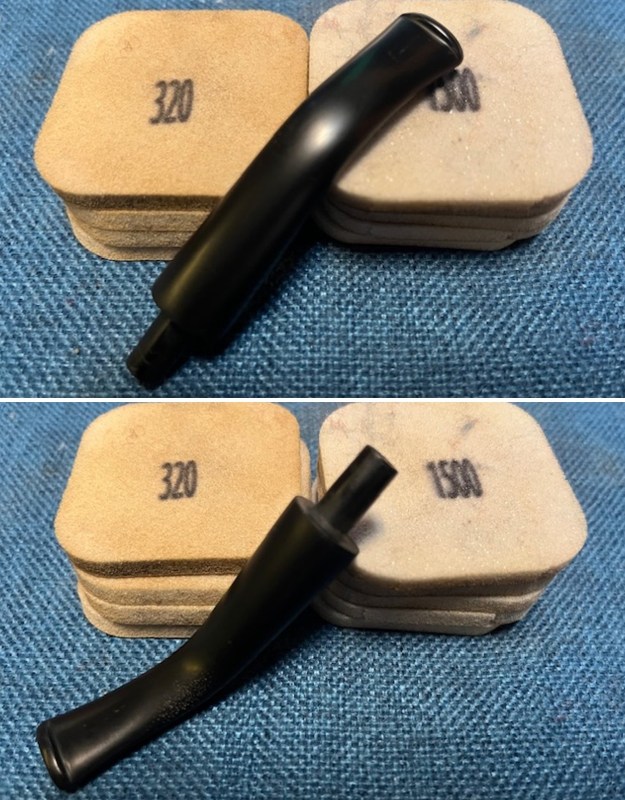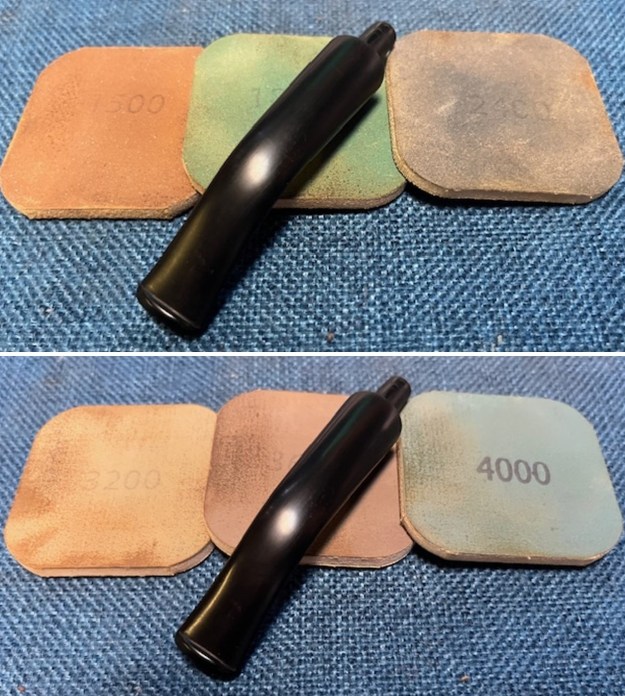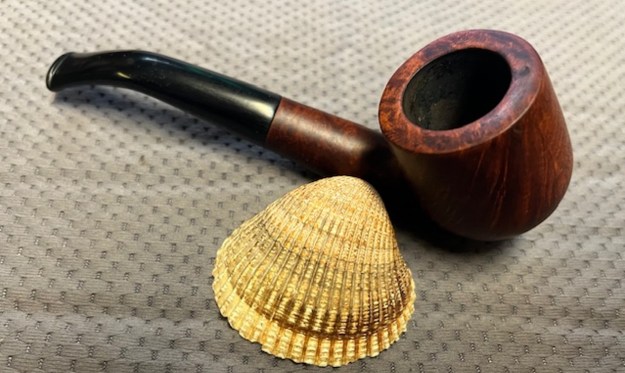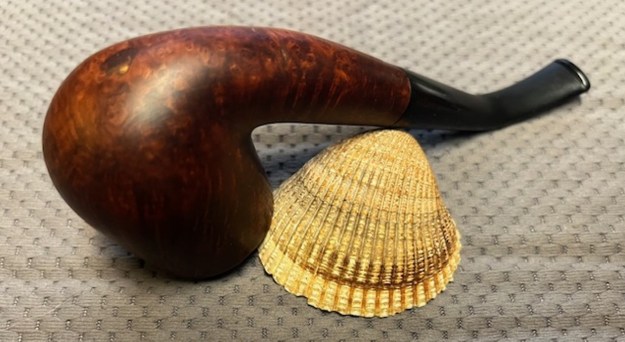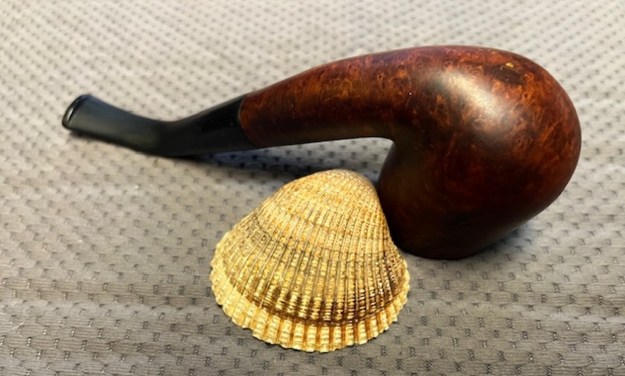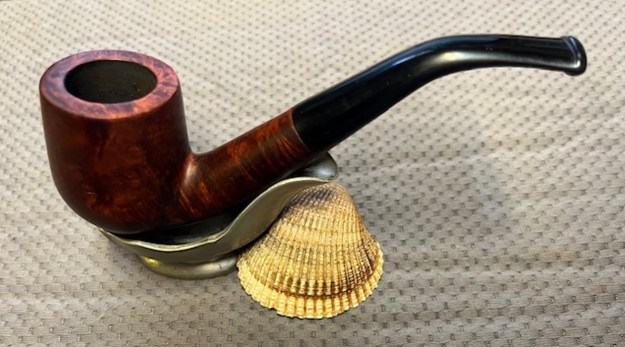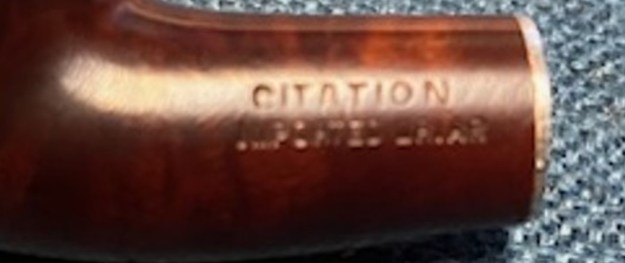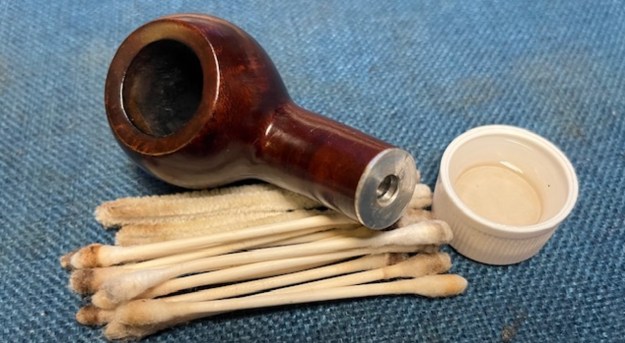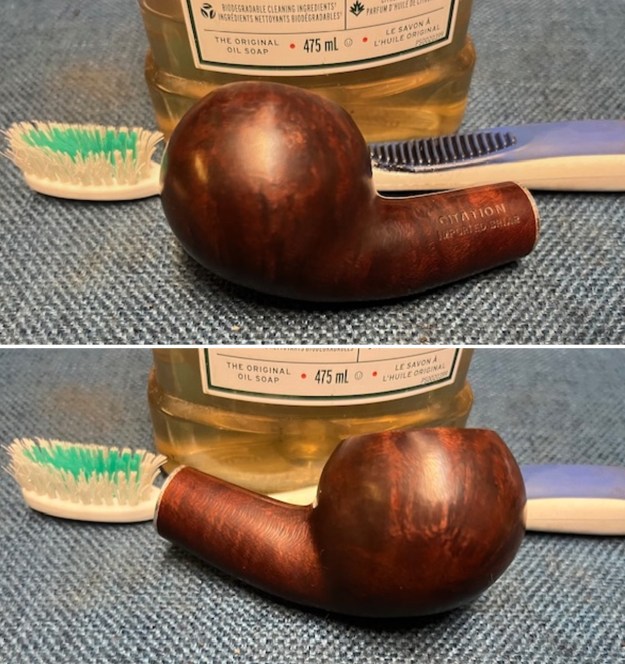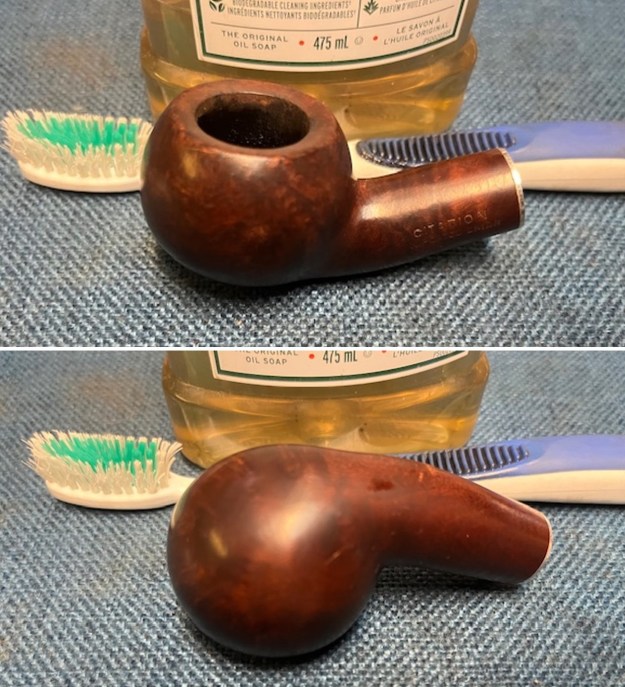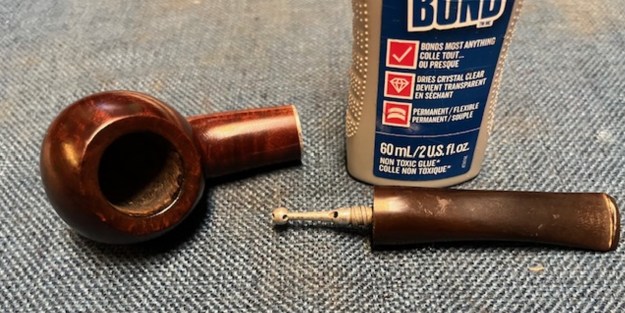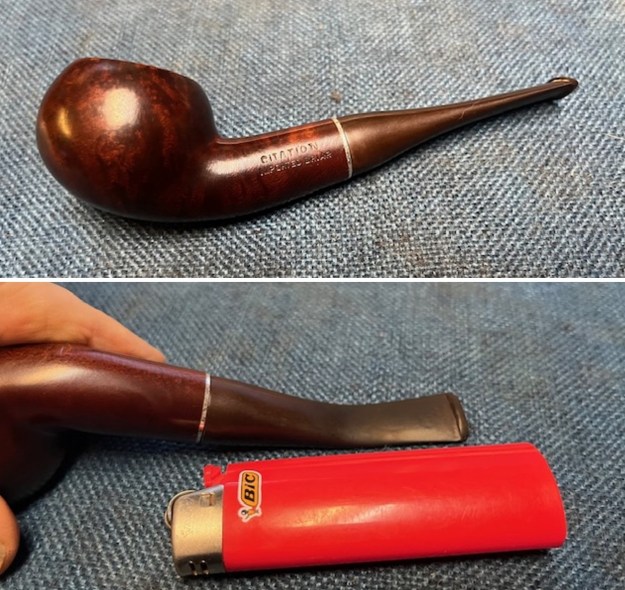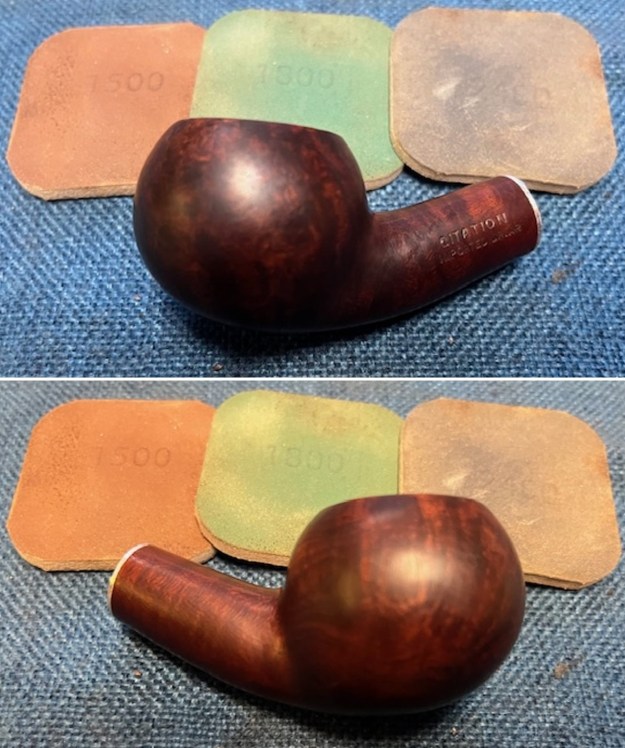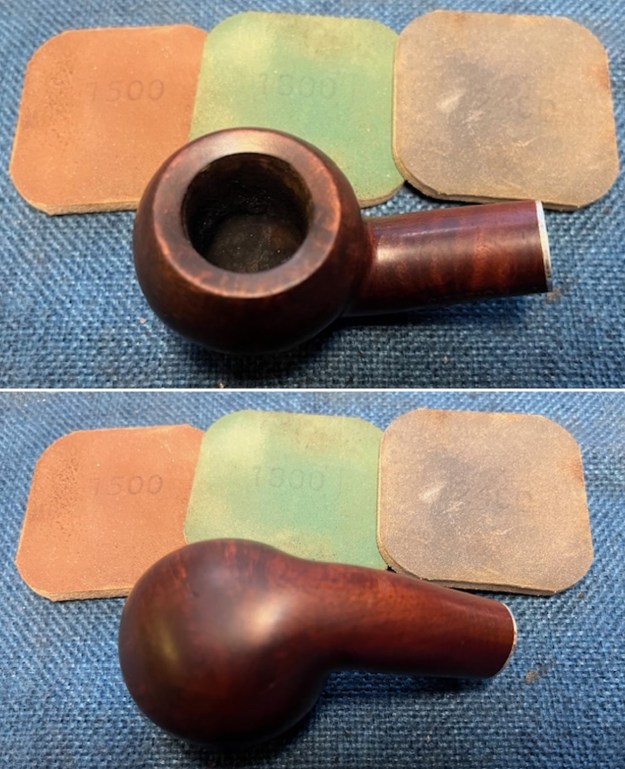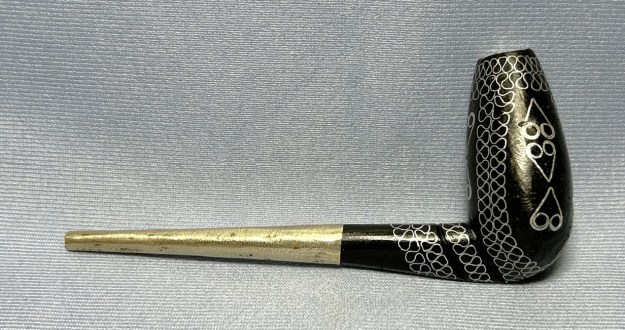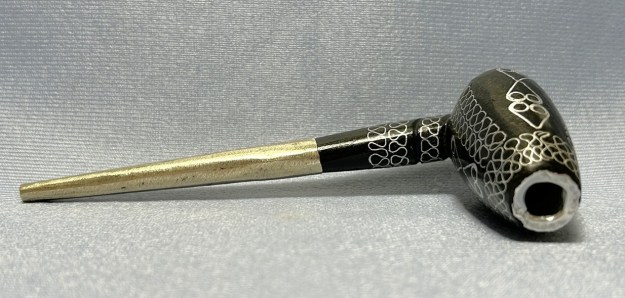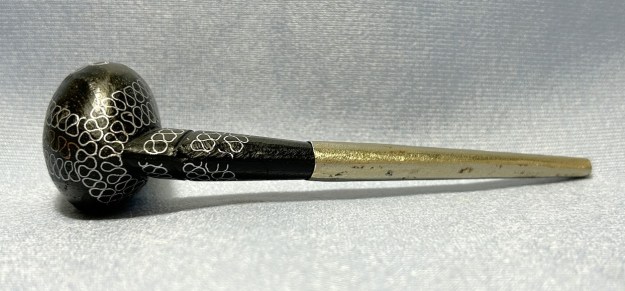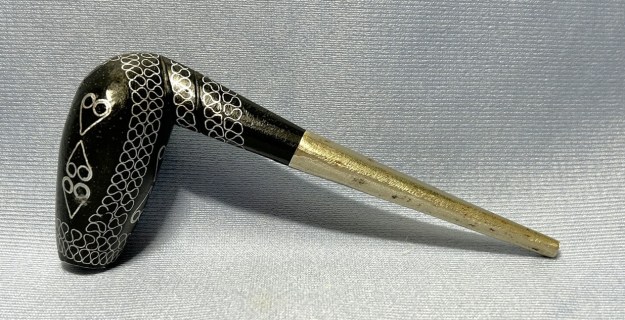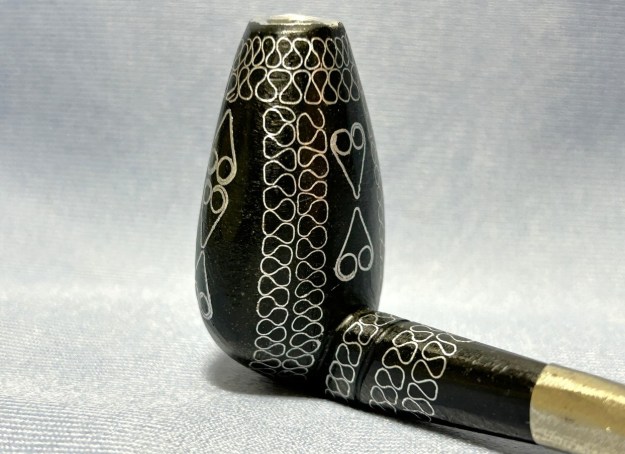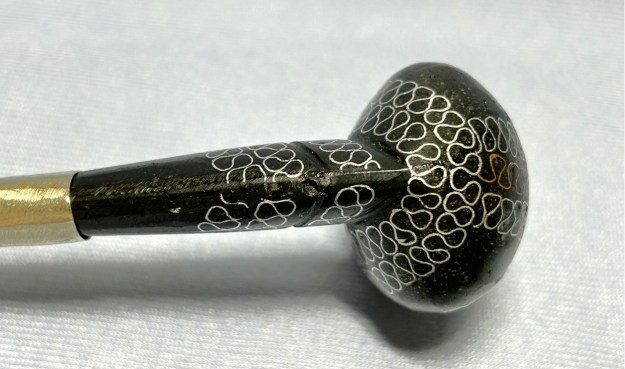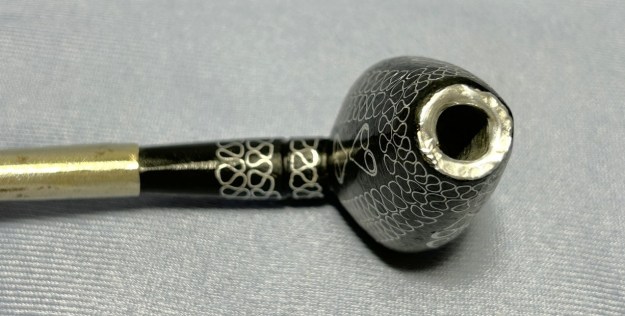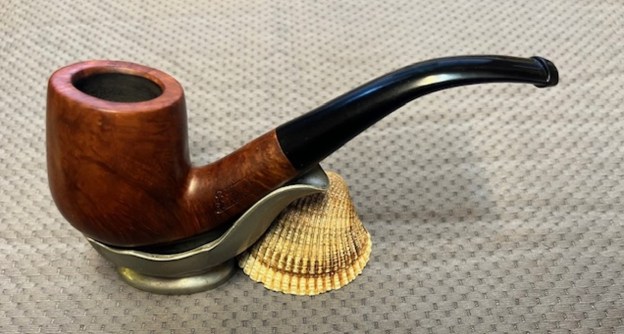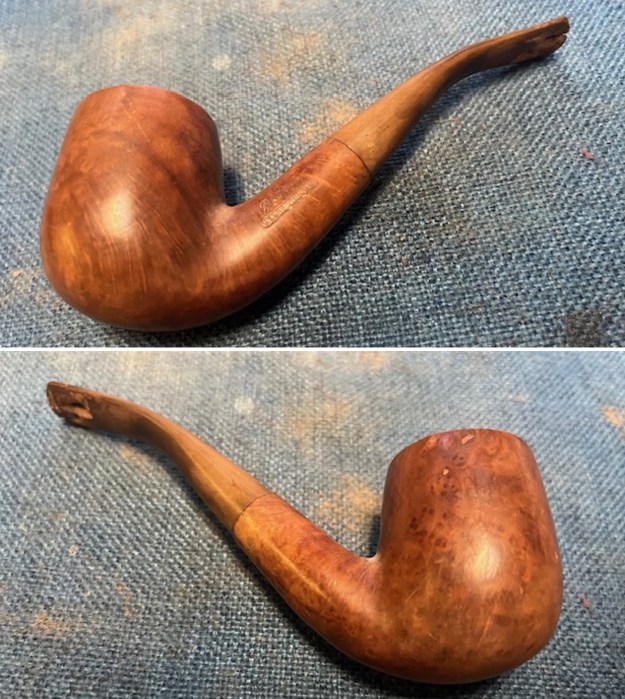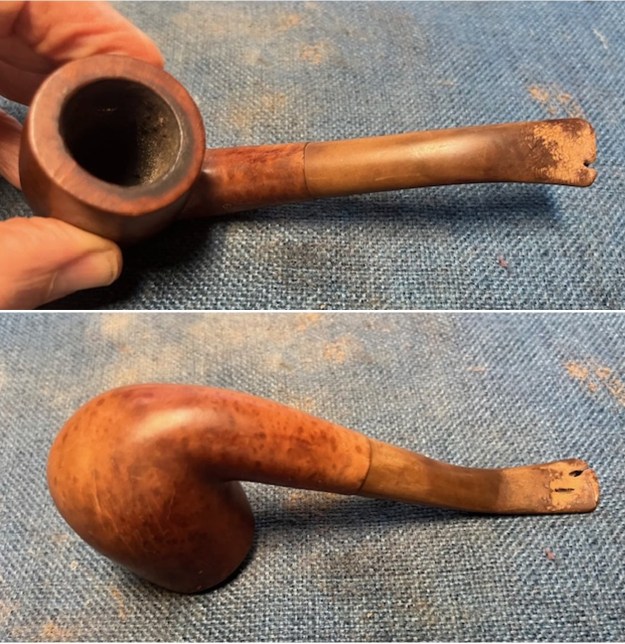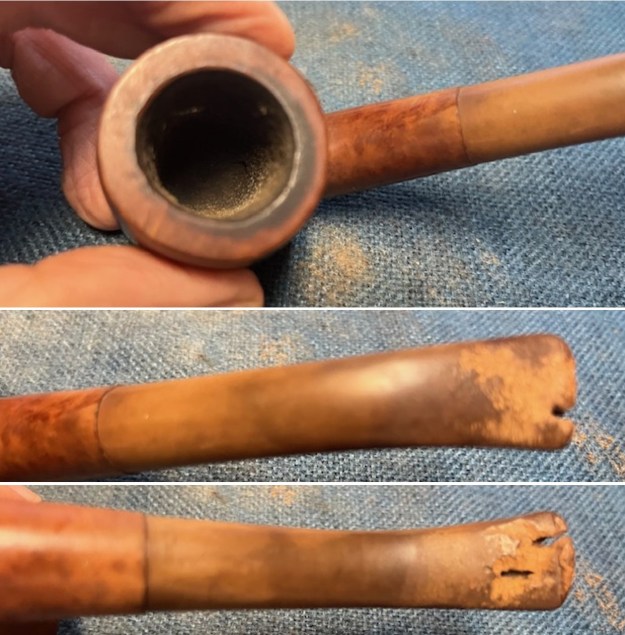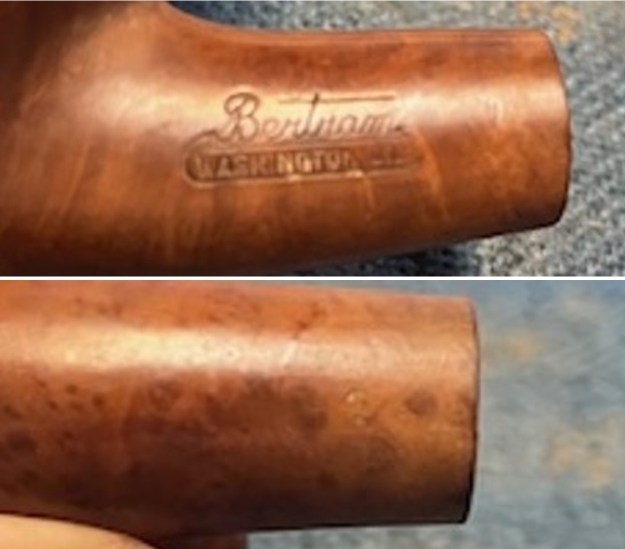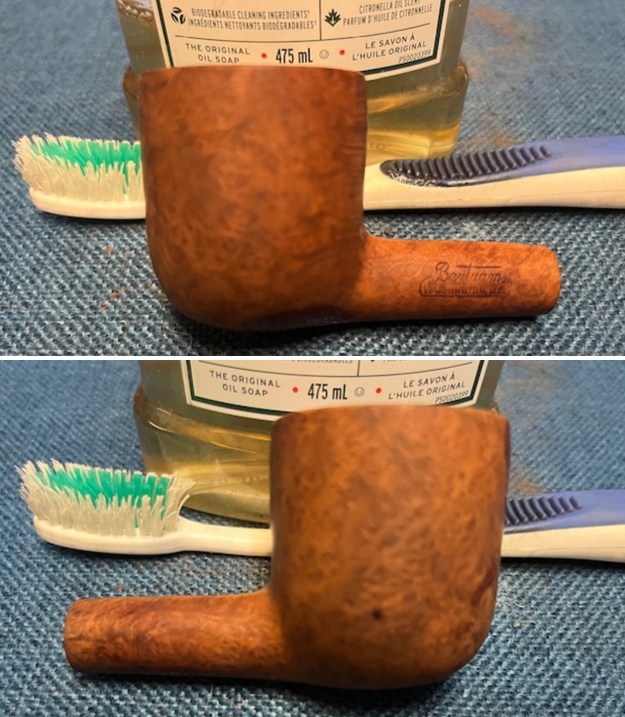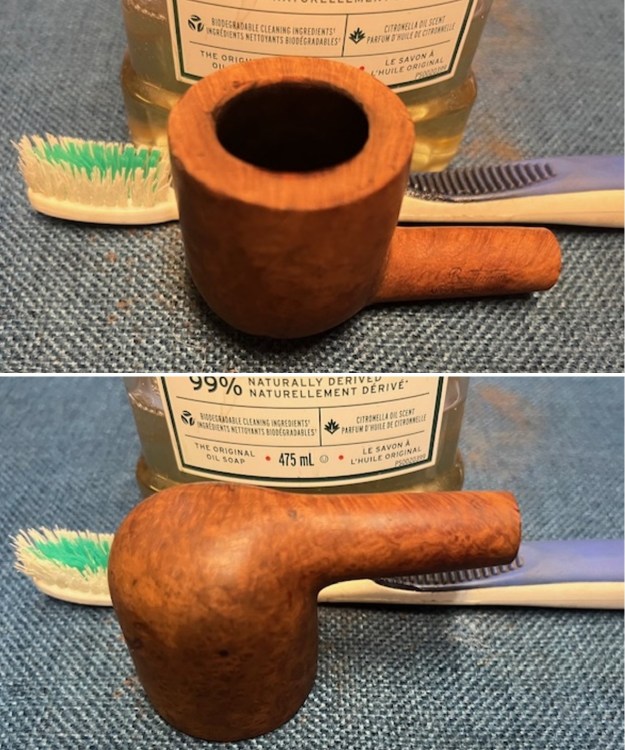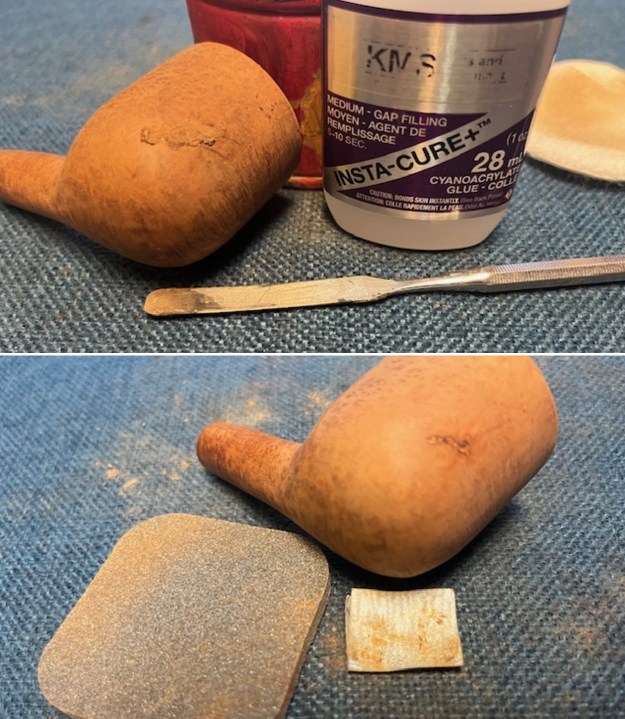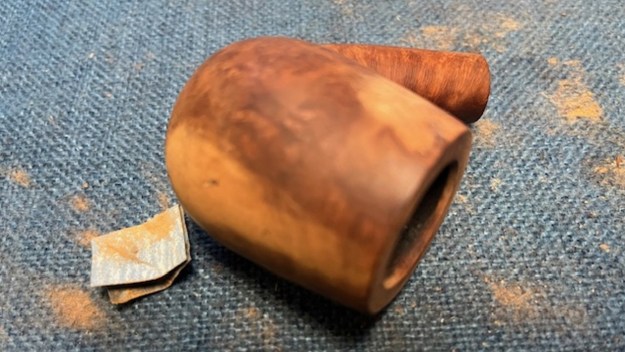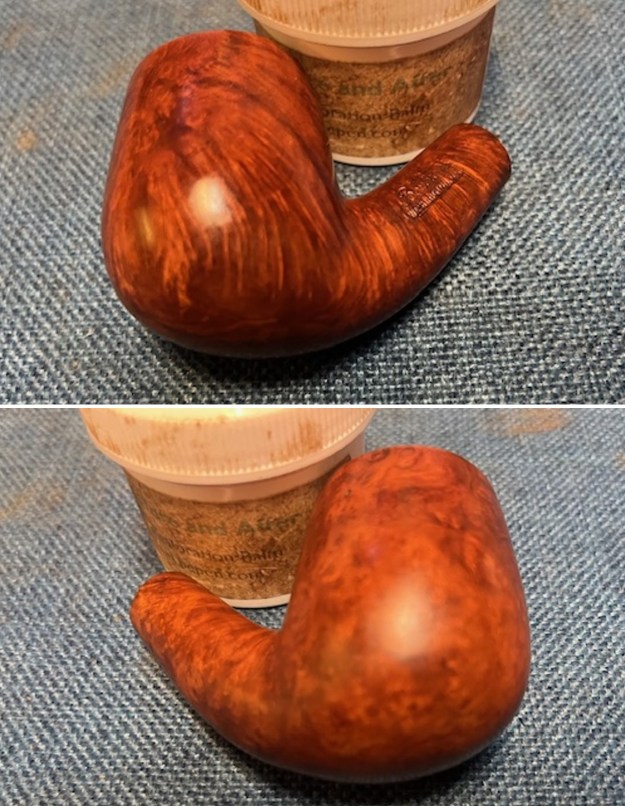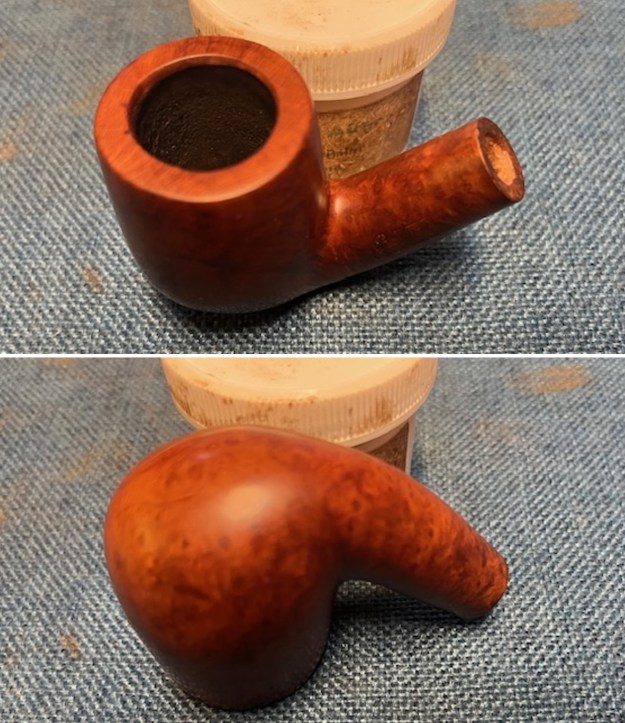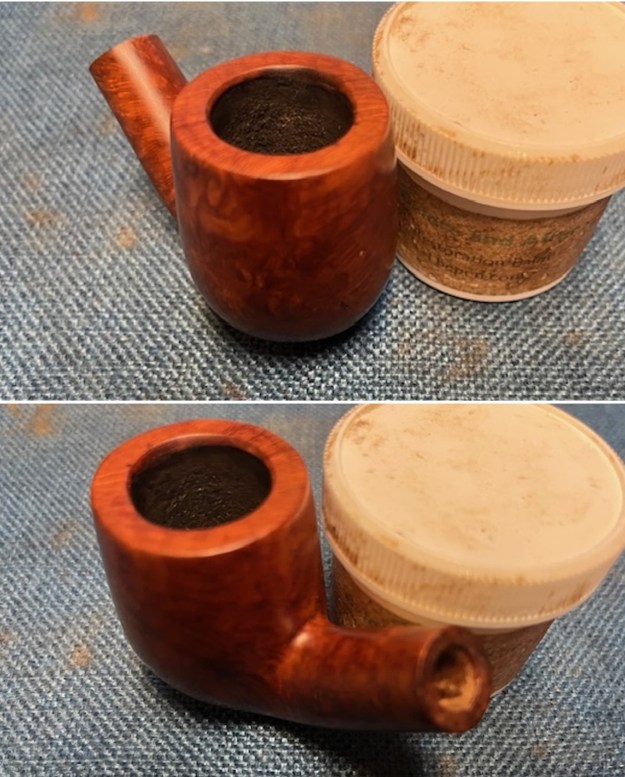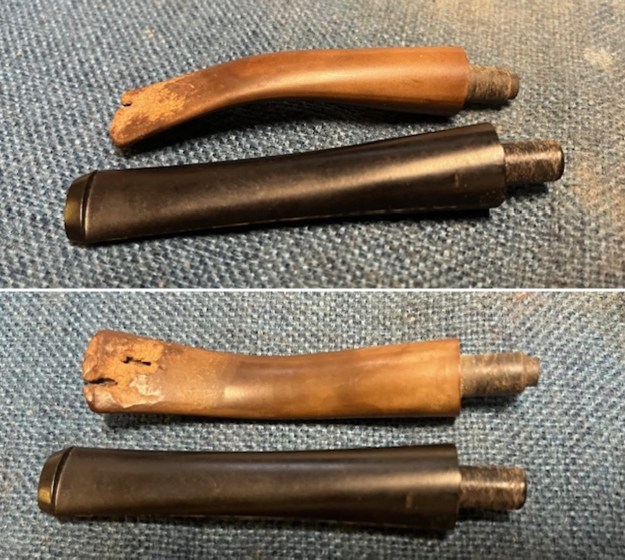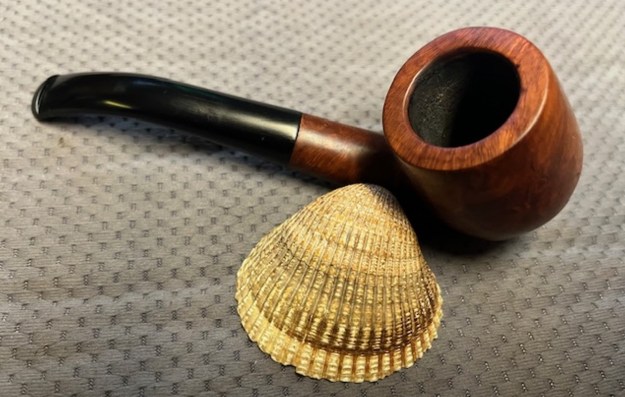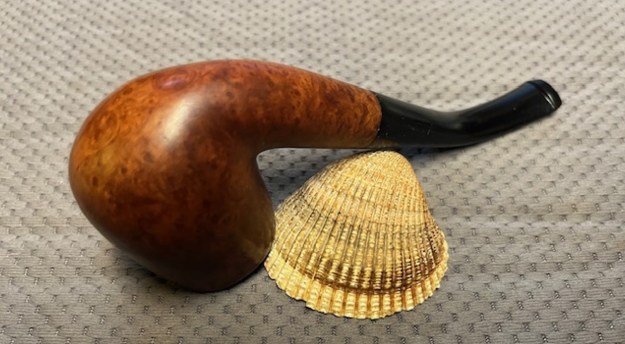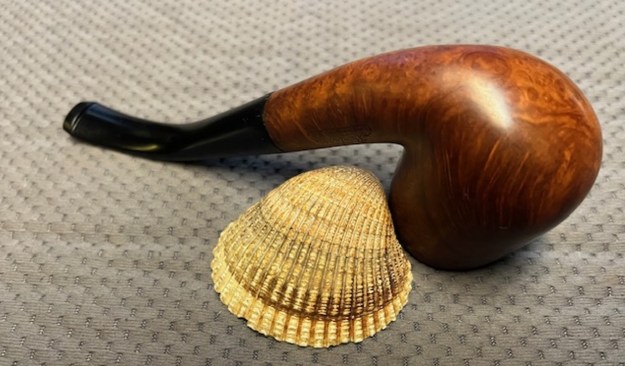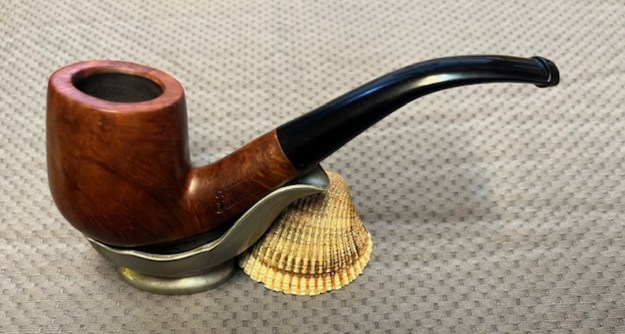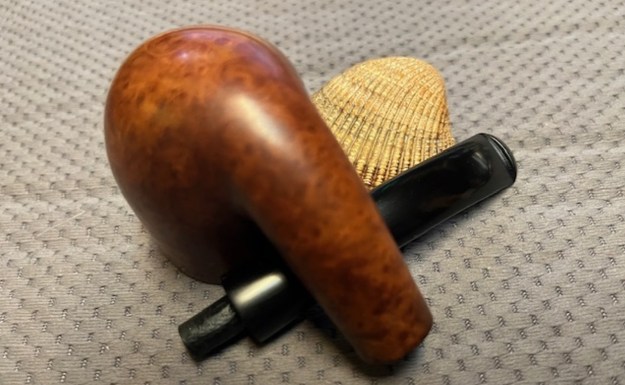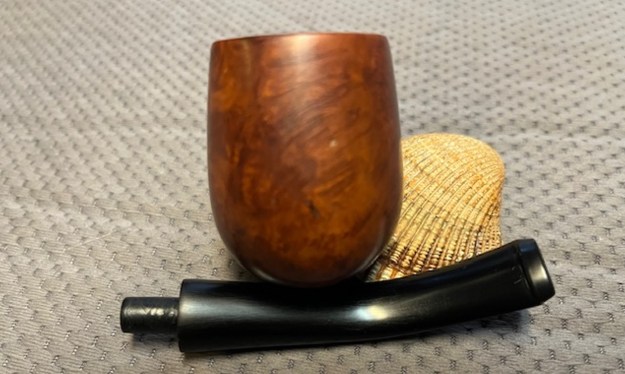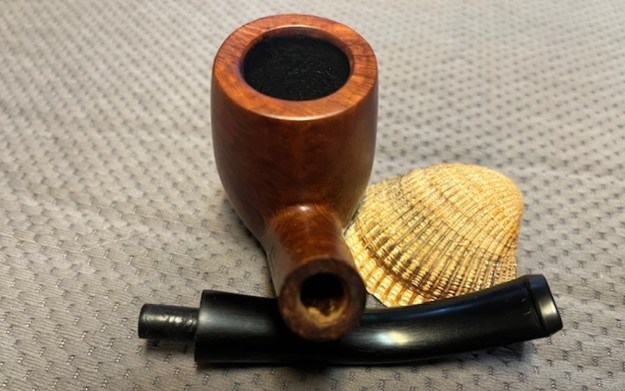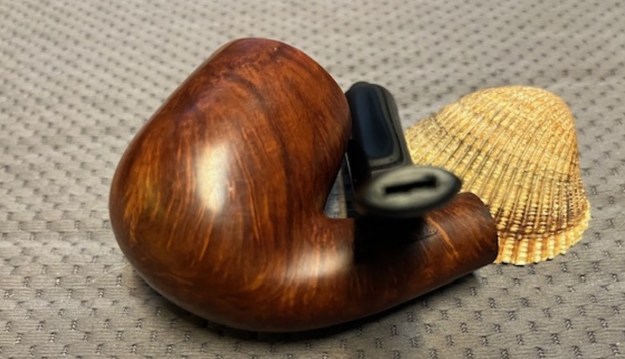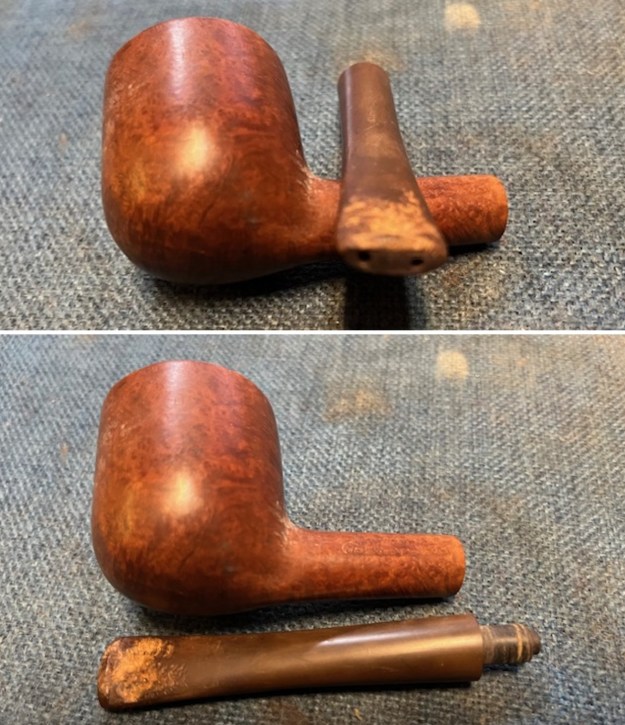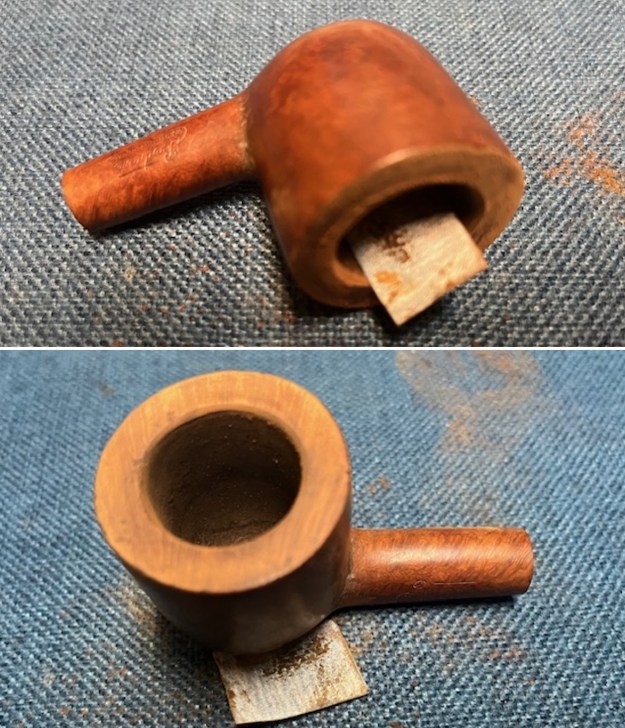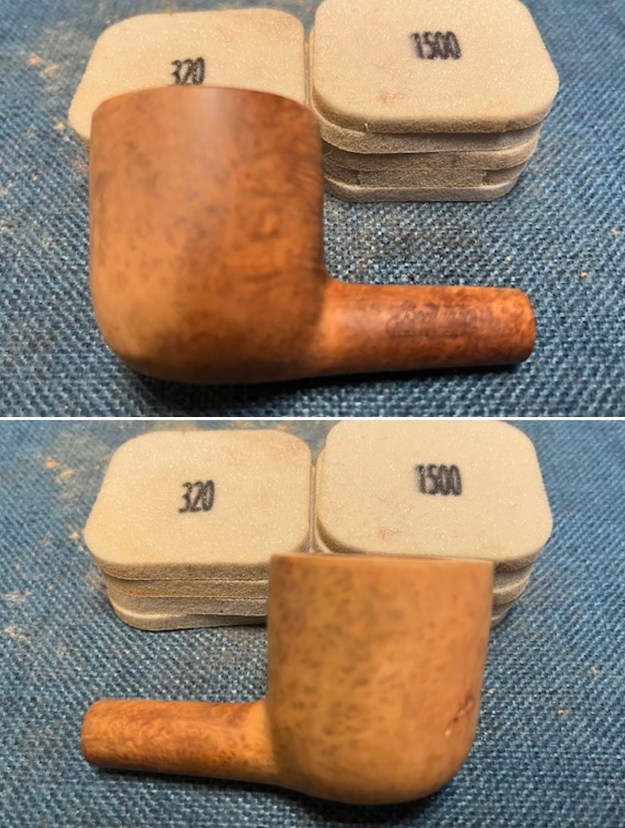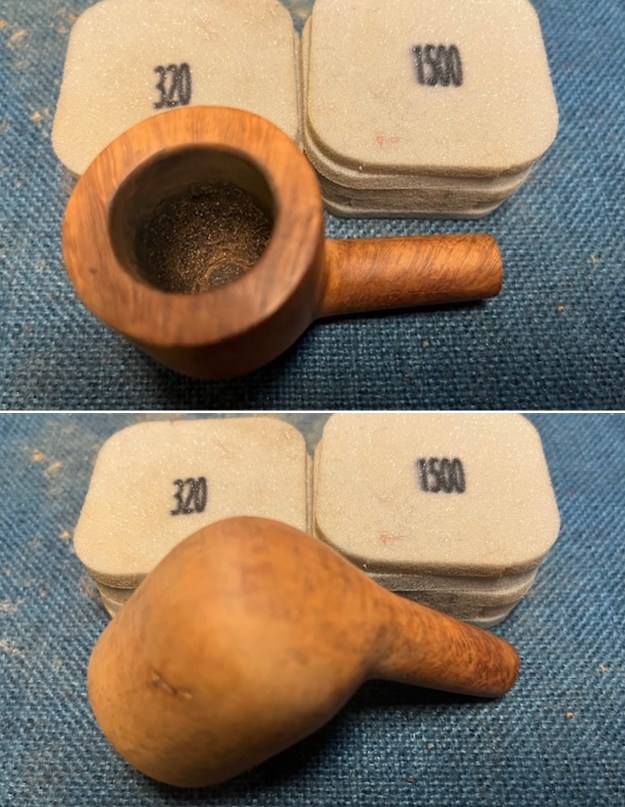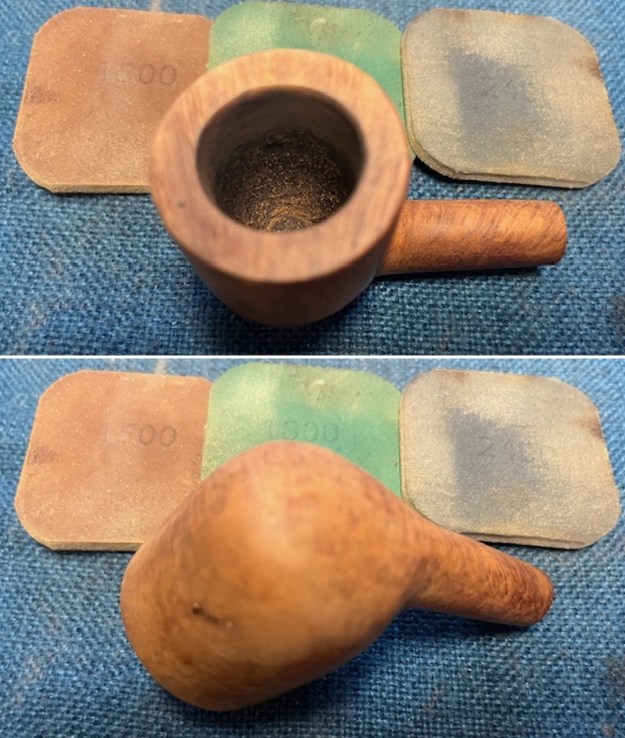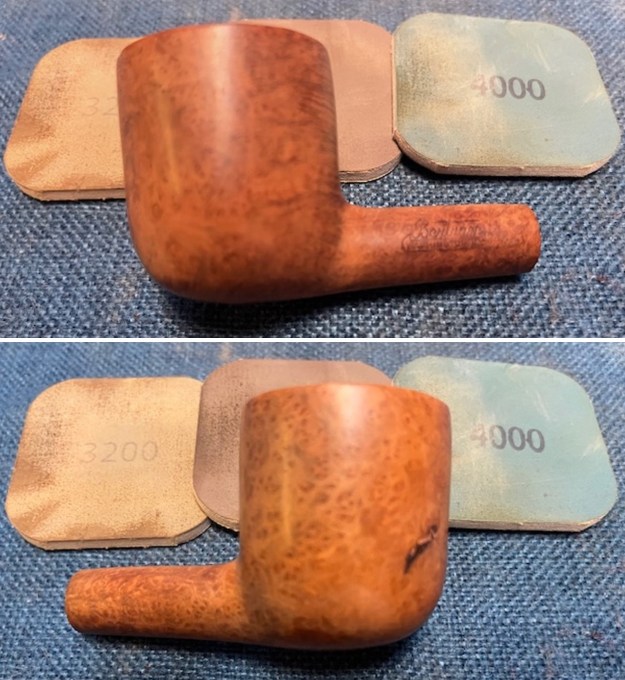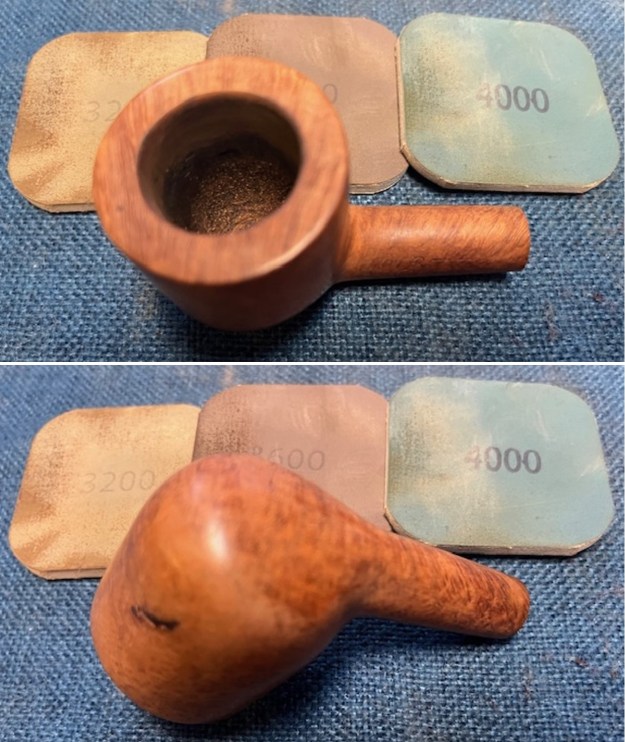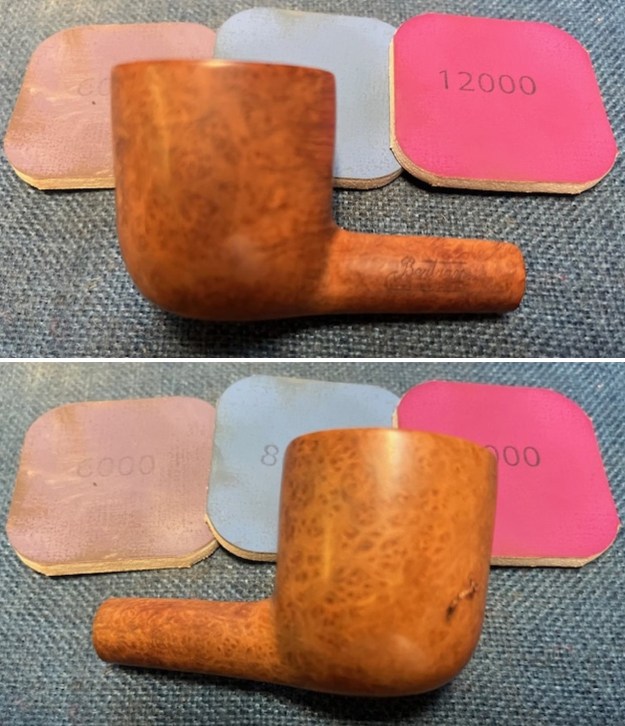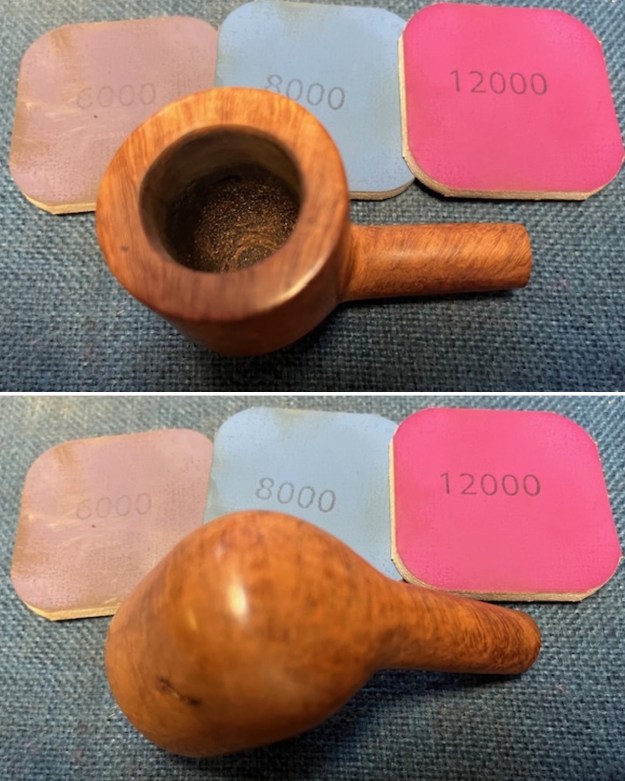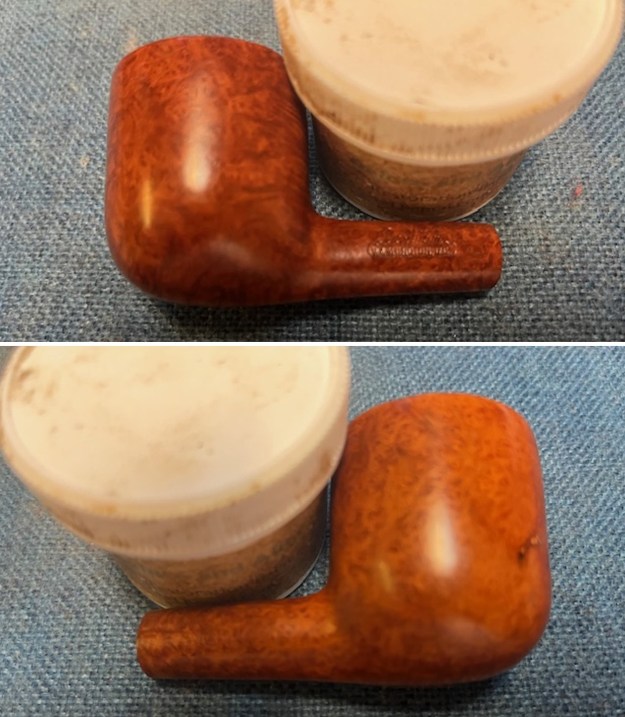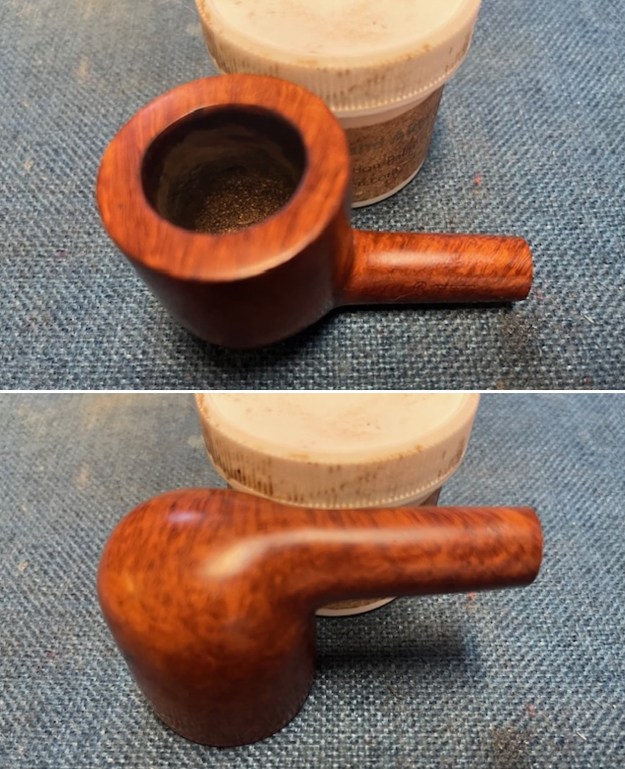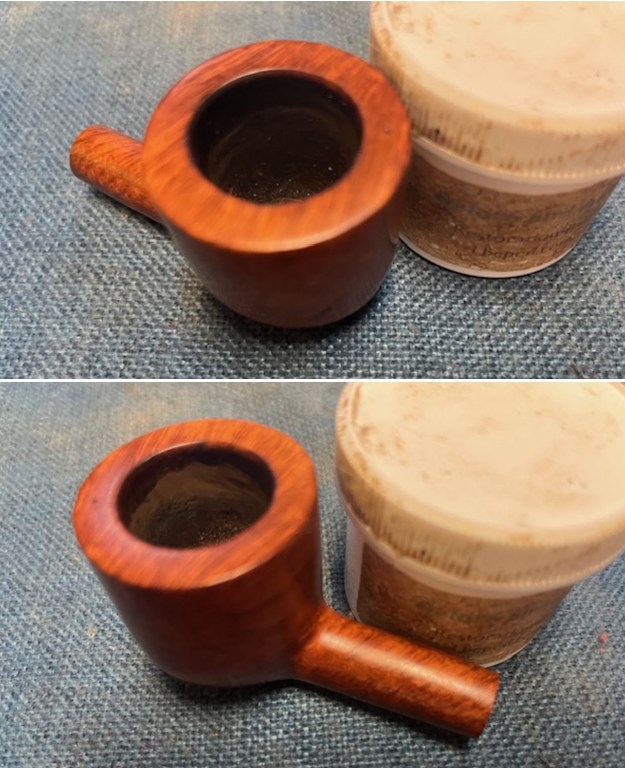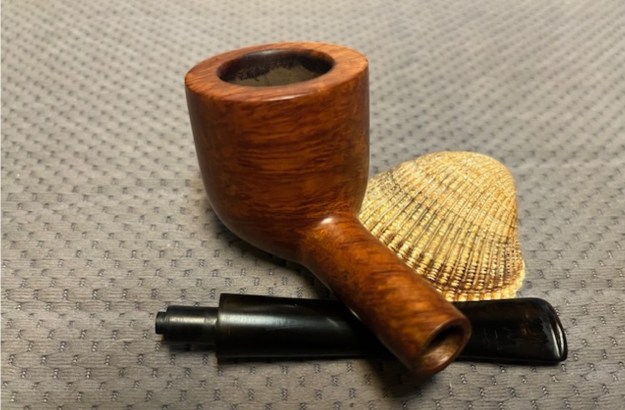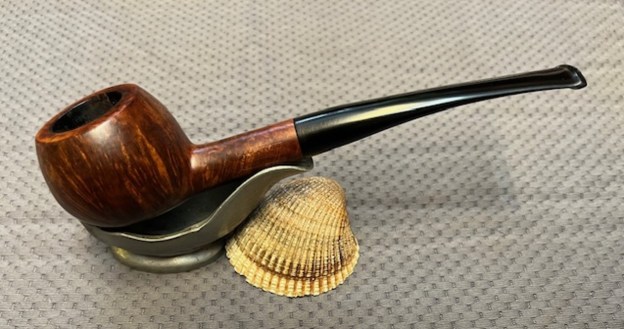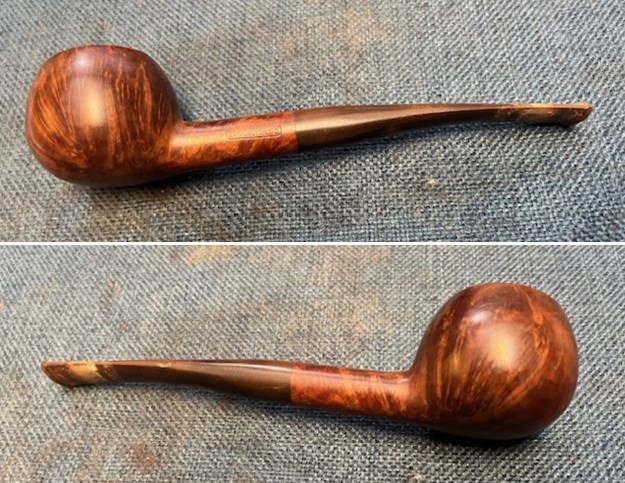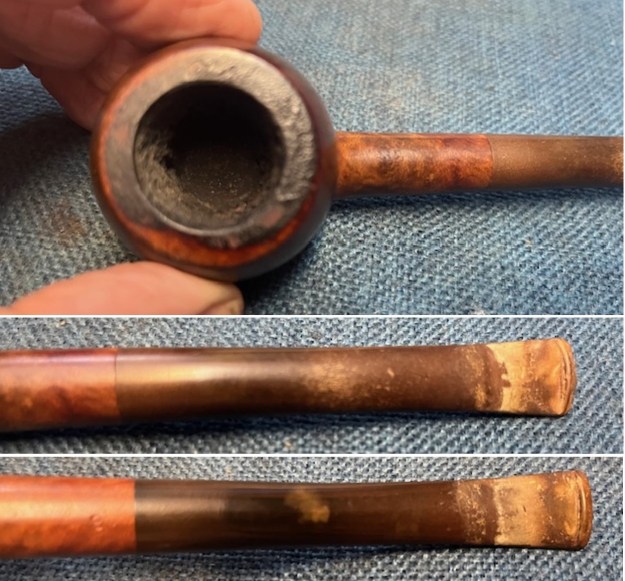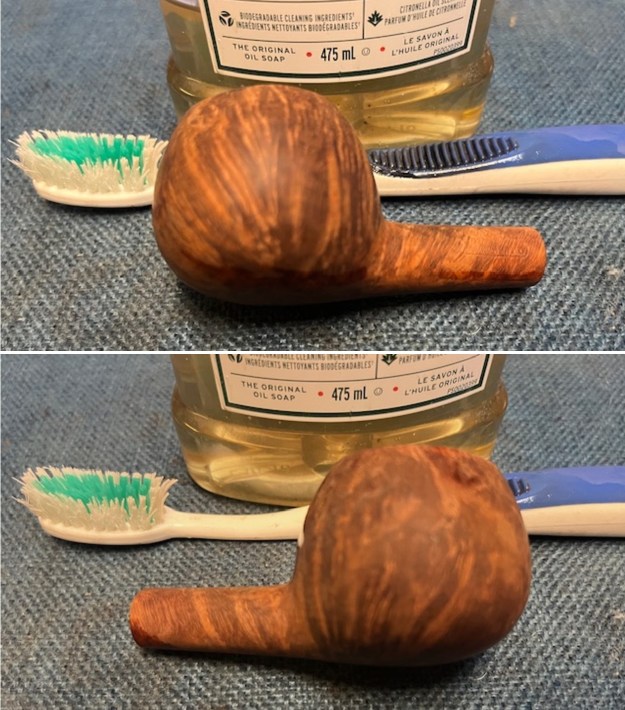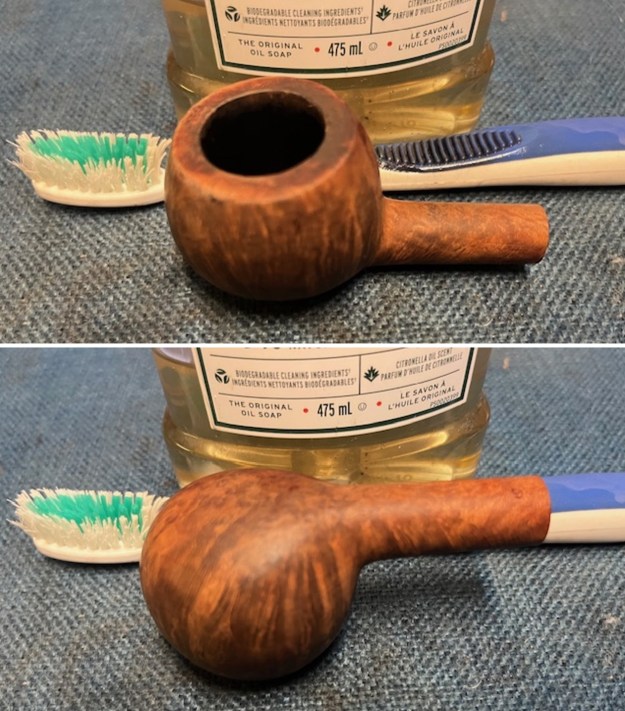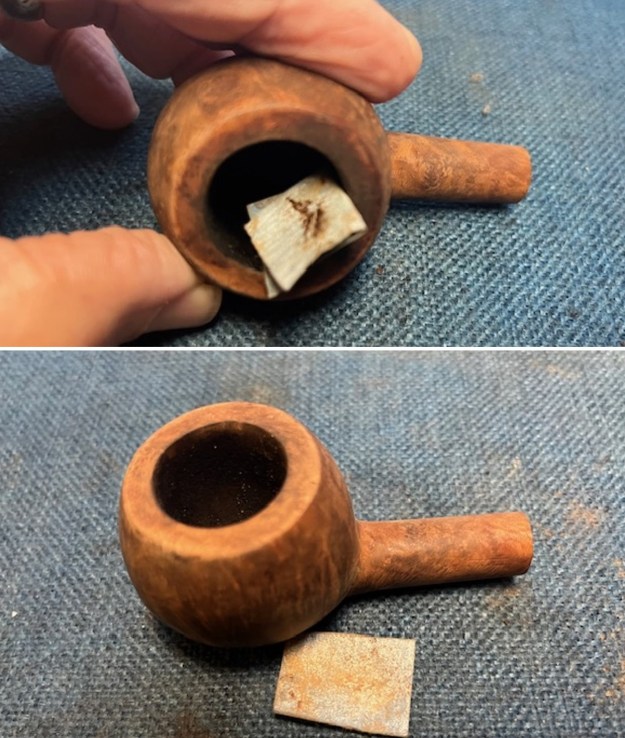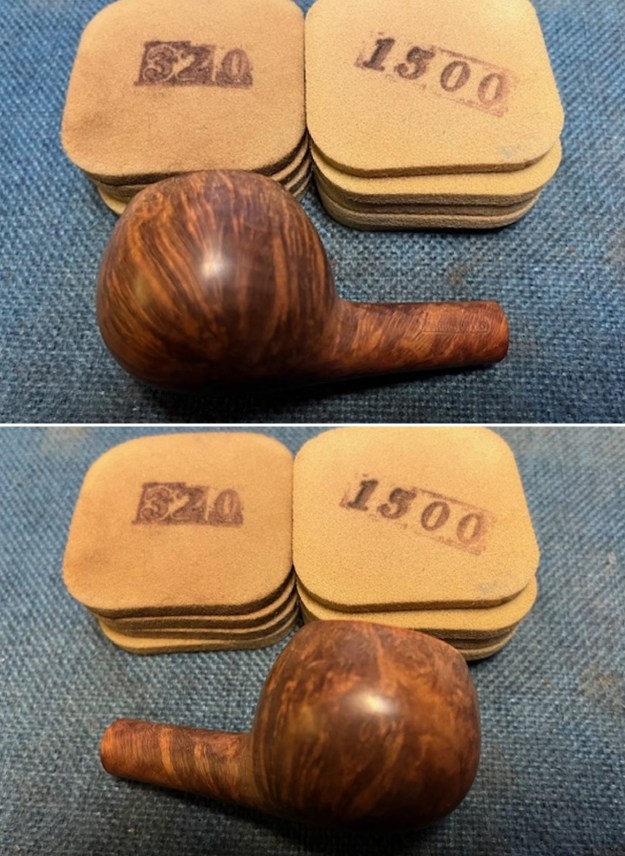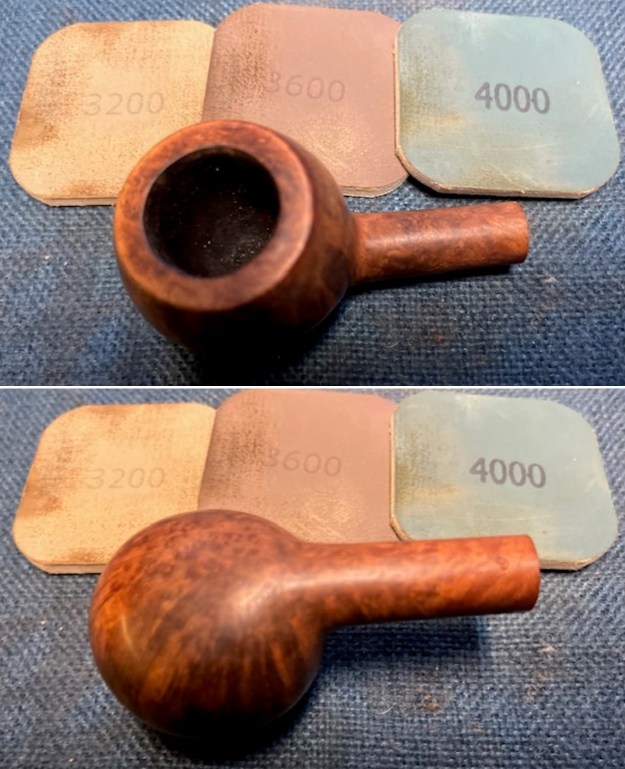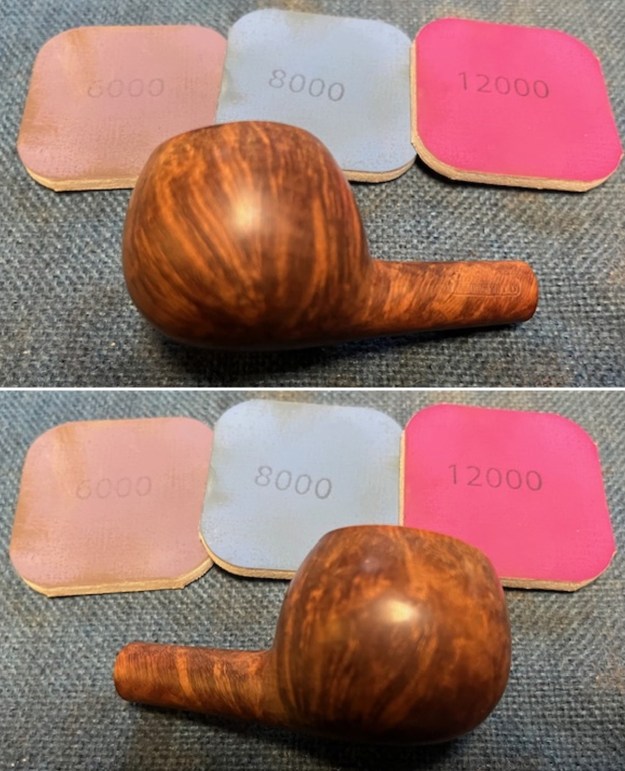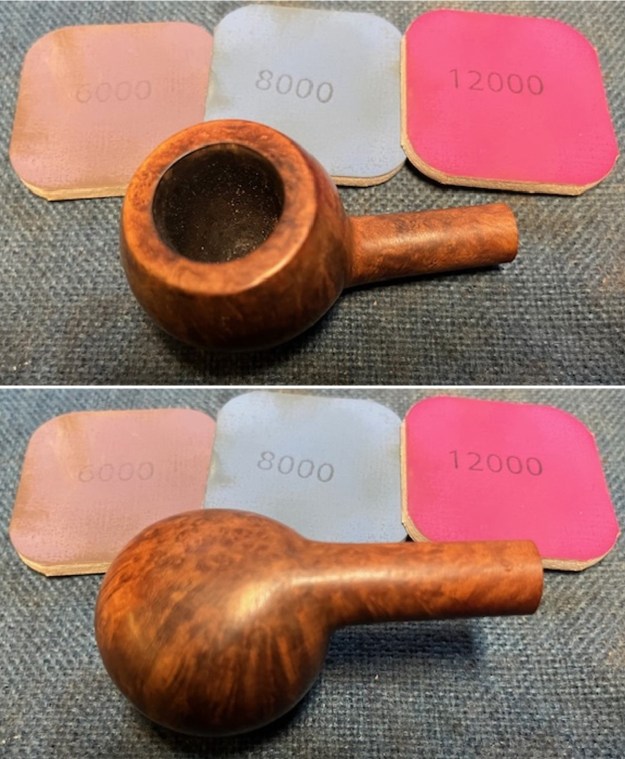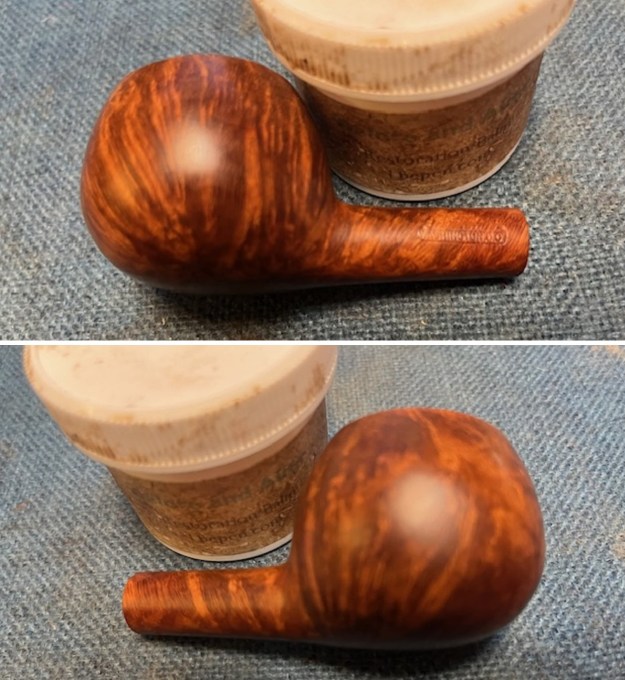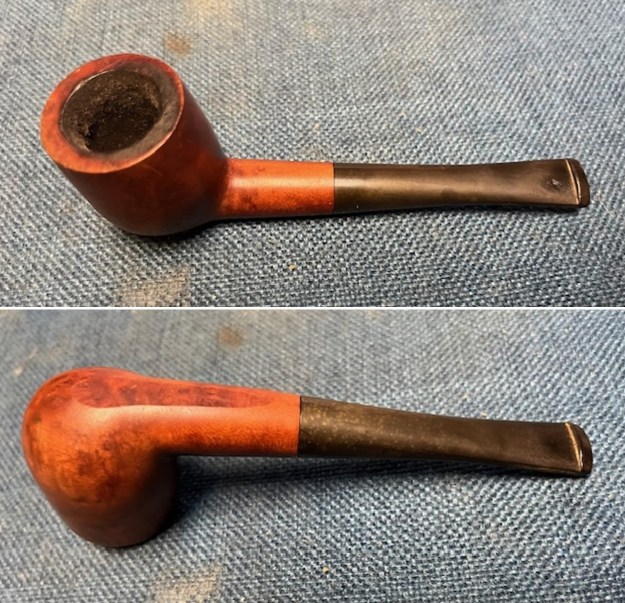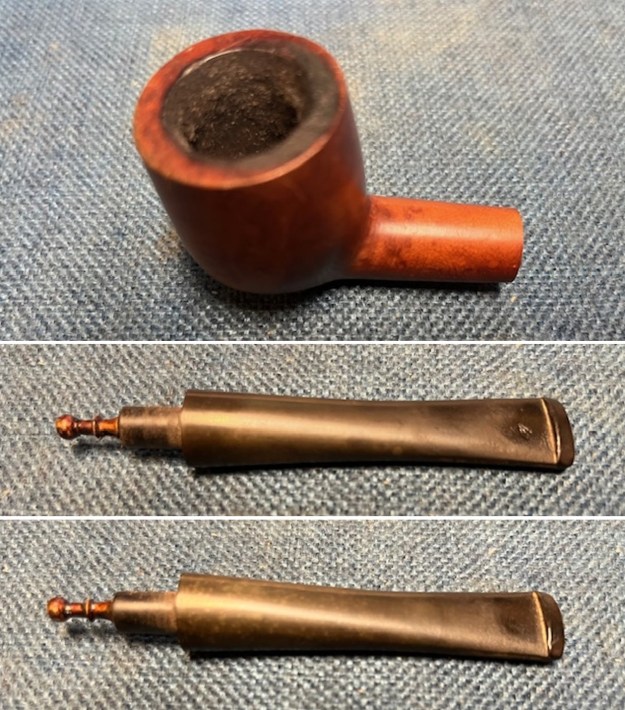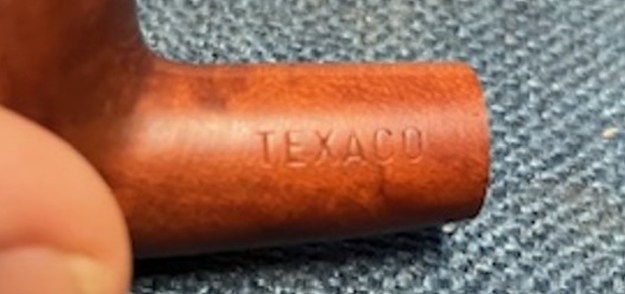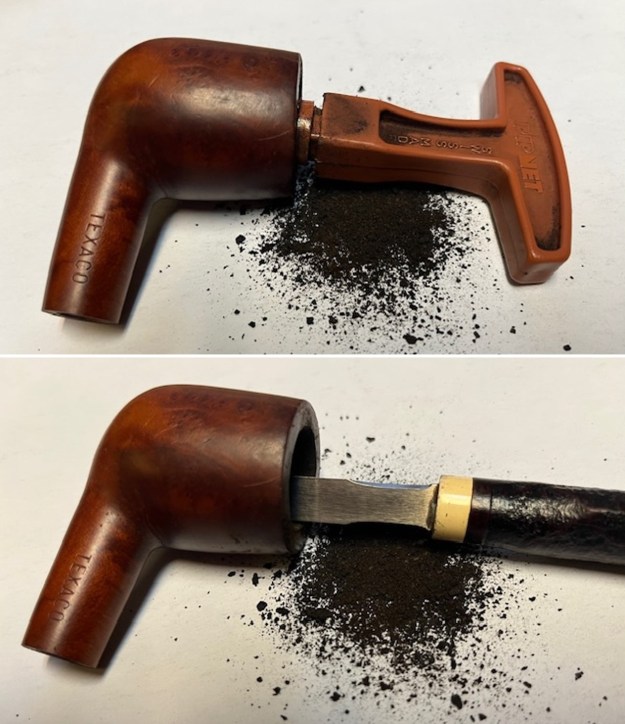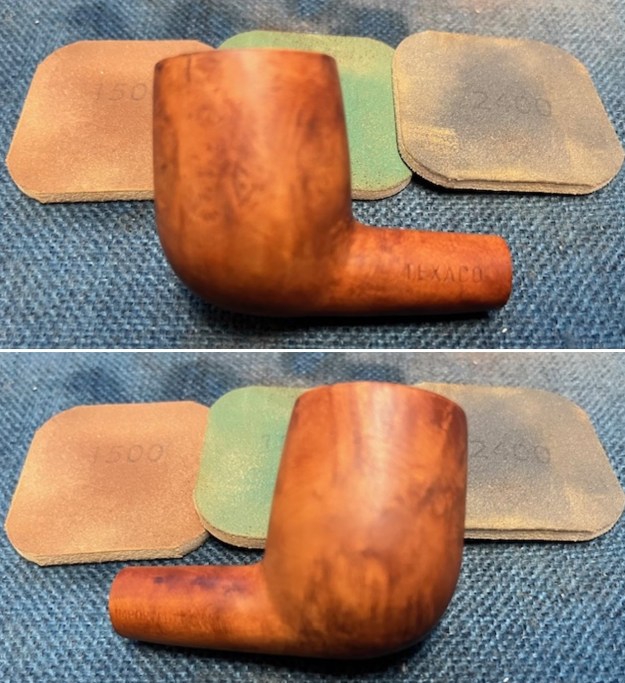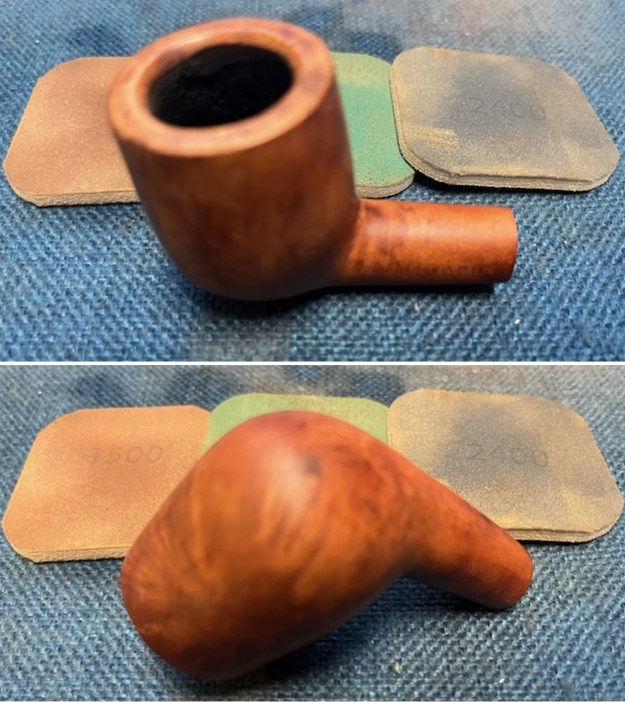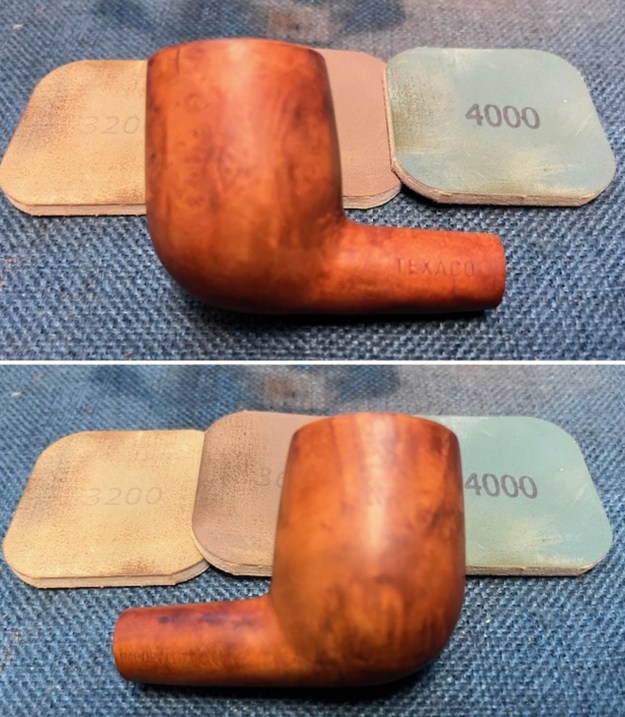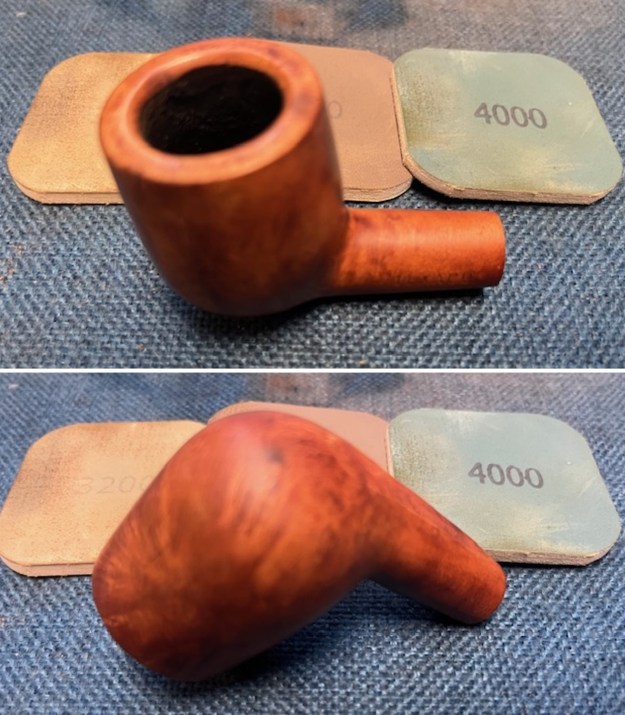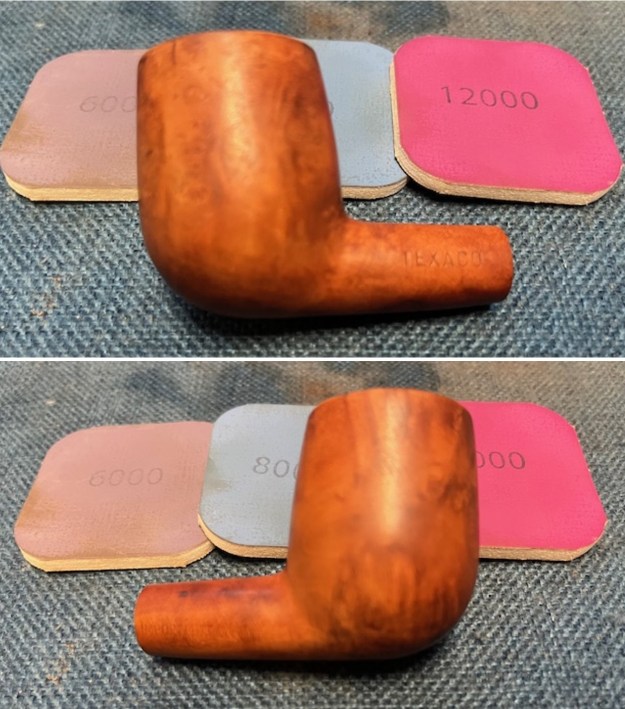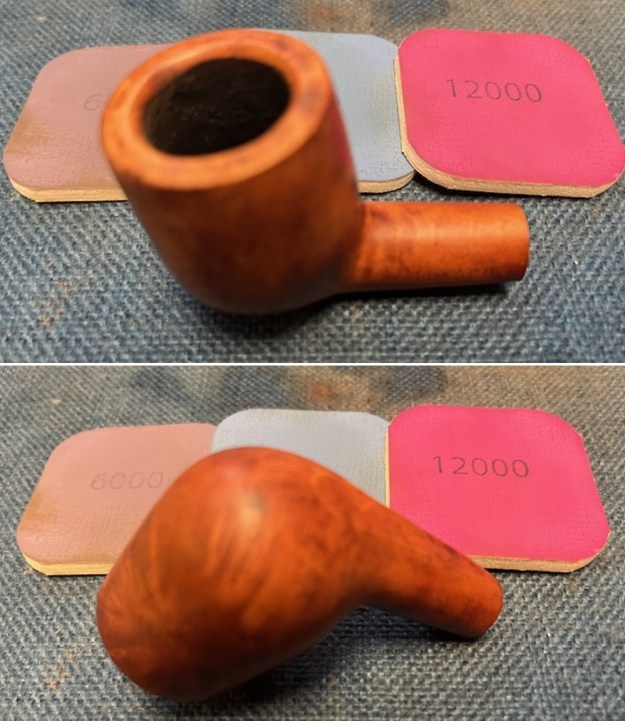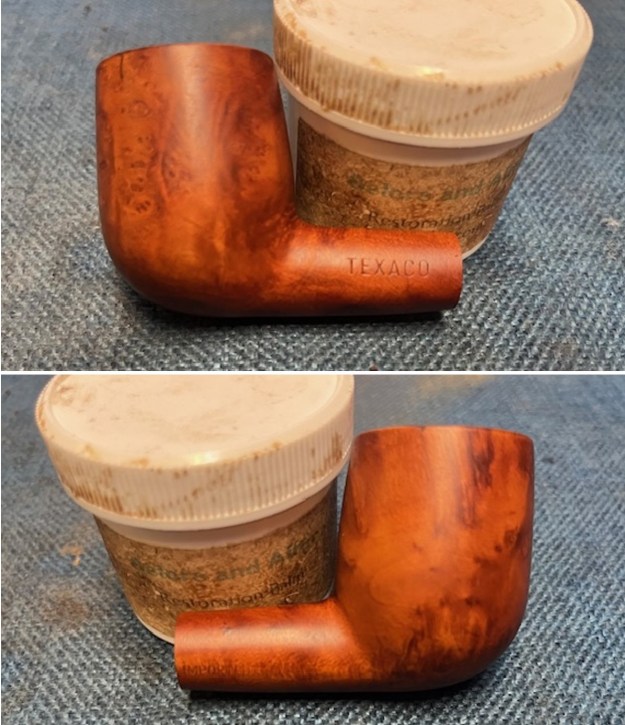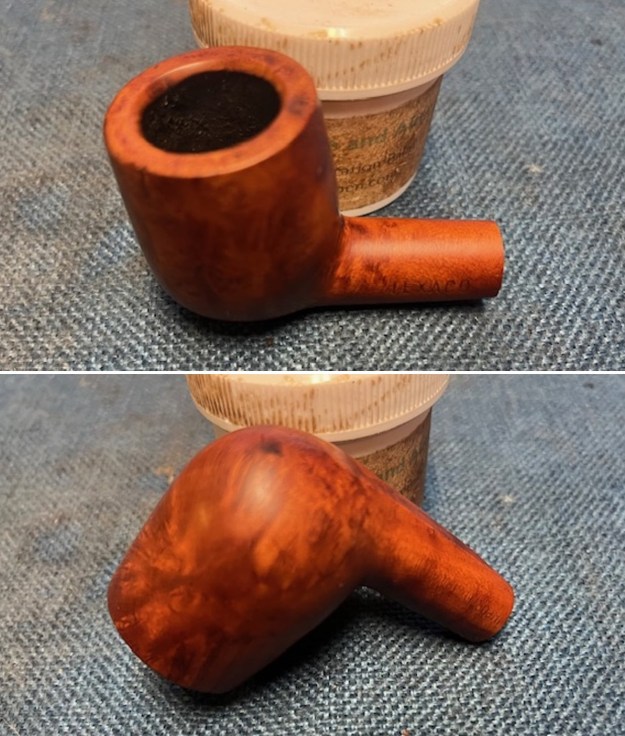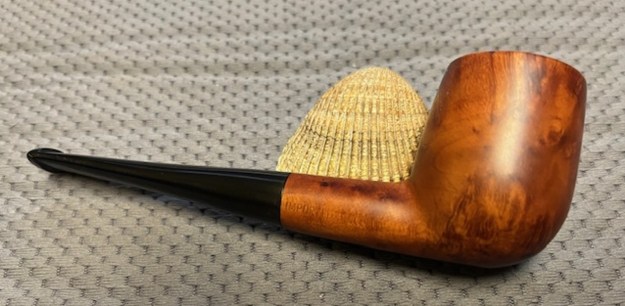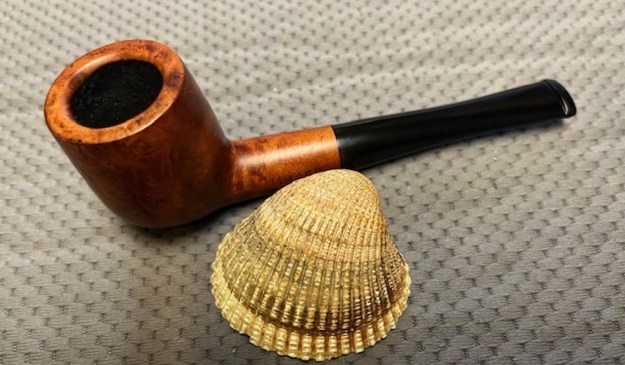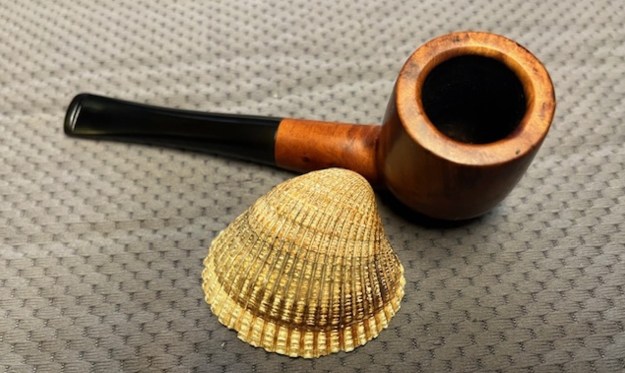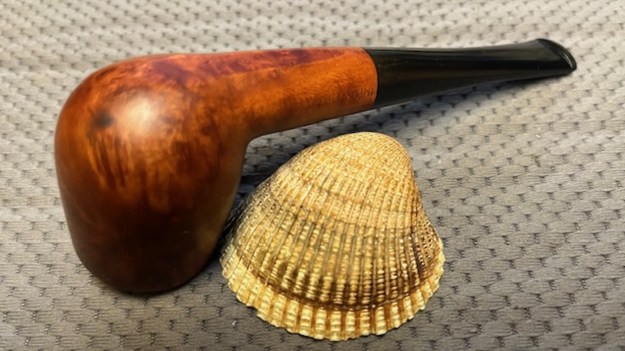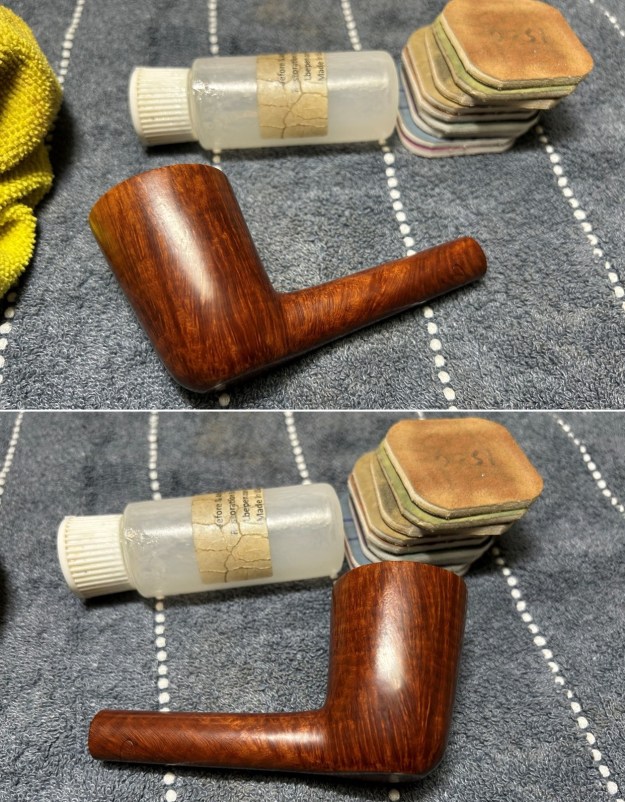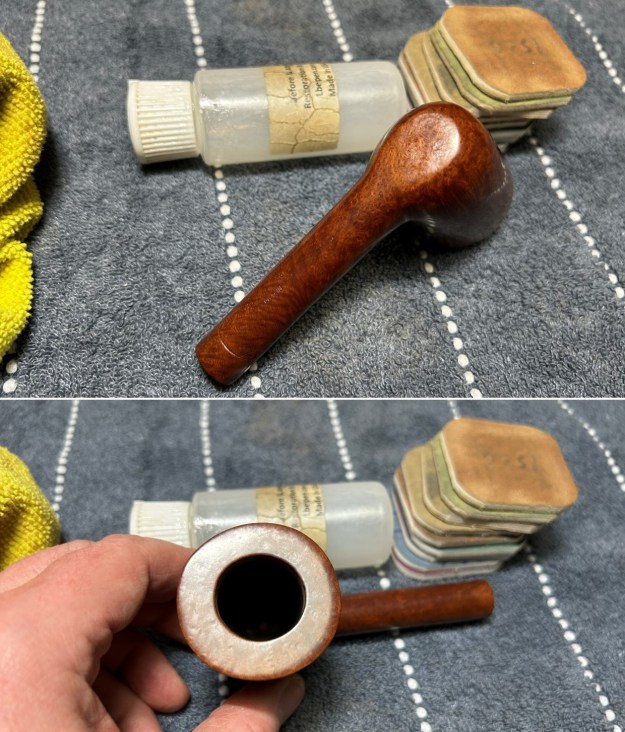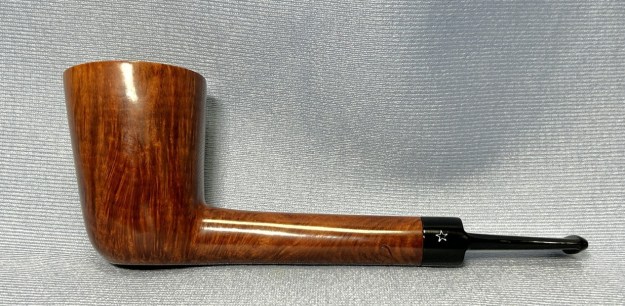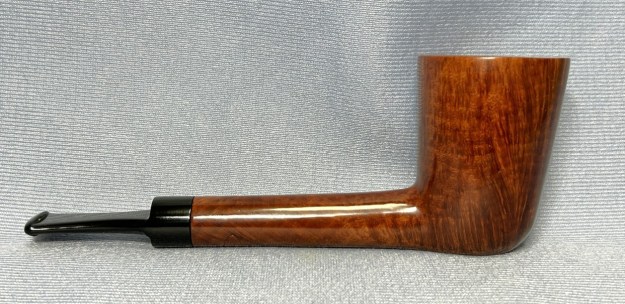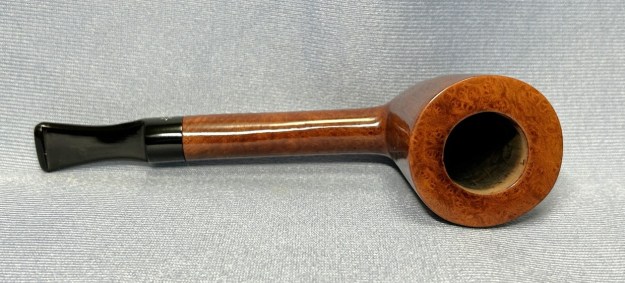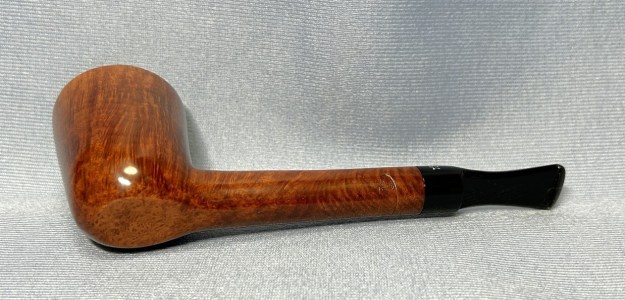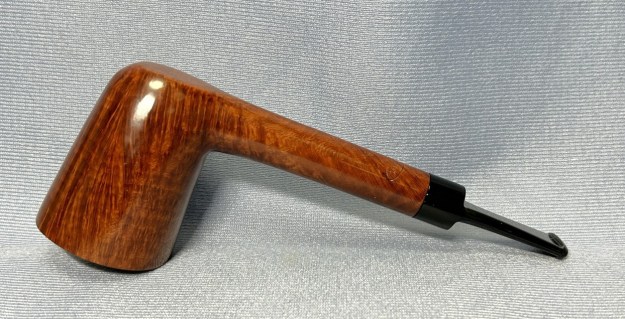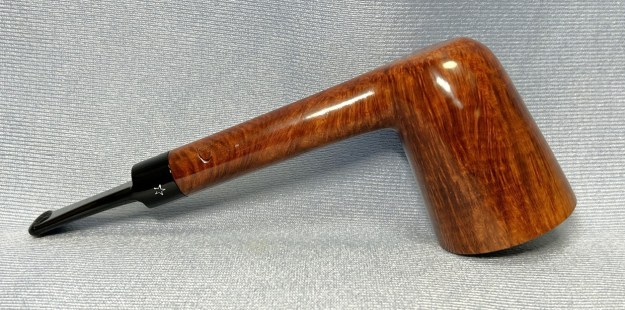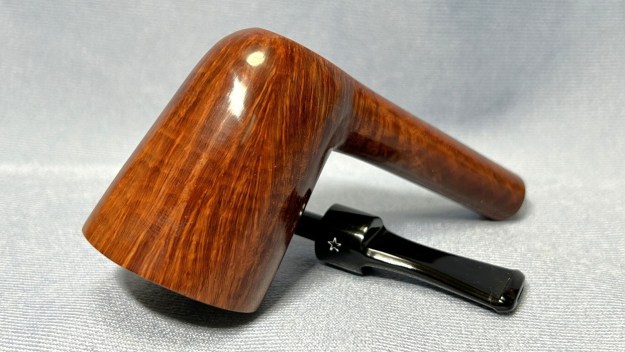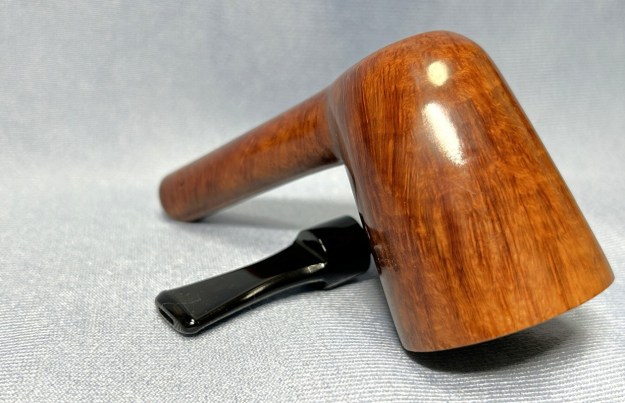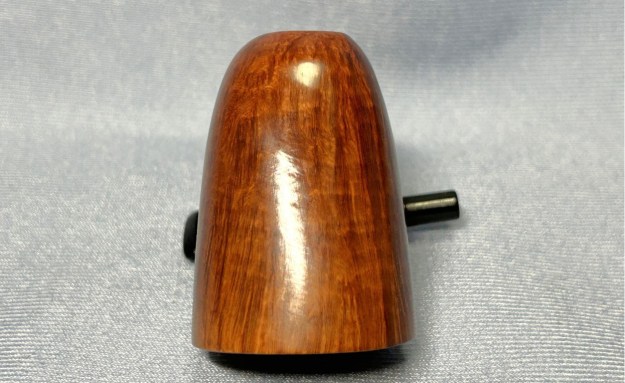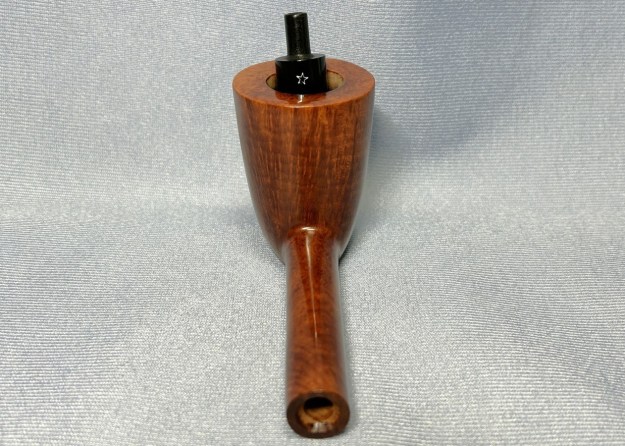
Tag Archives: Bowl – finishing

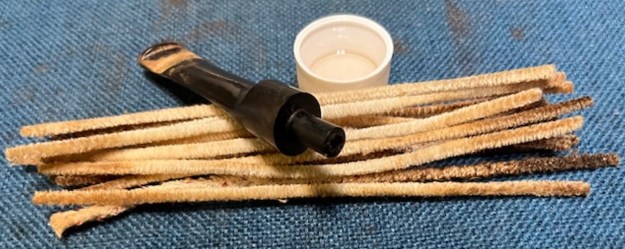
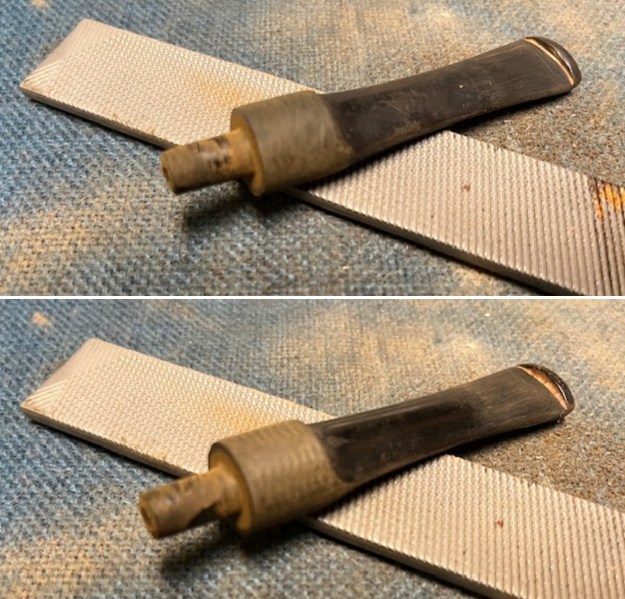
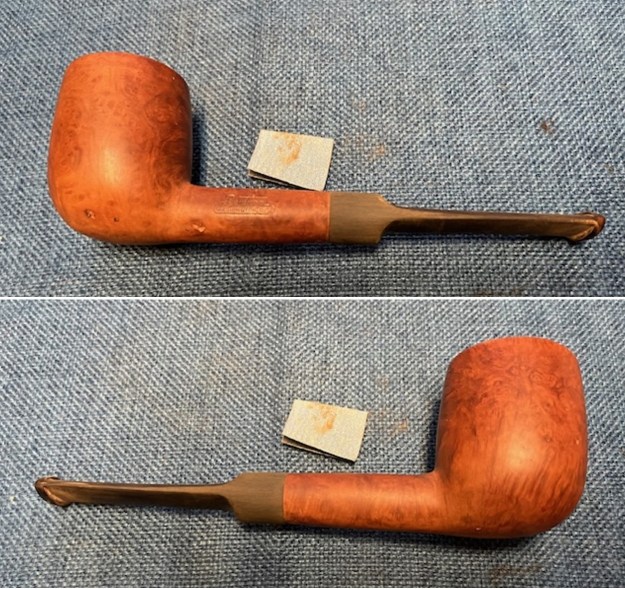
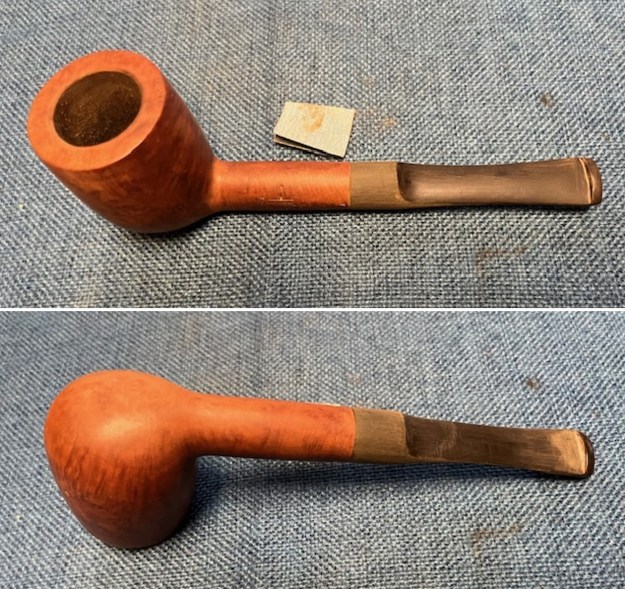
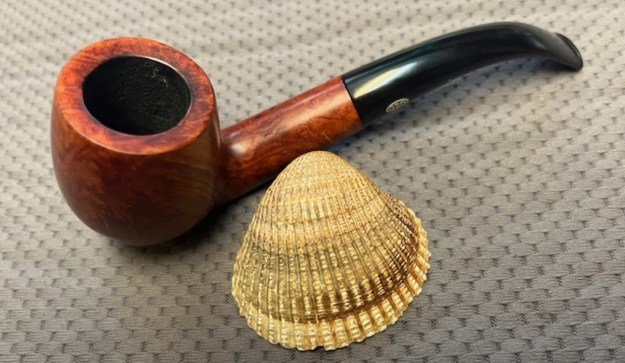
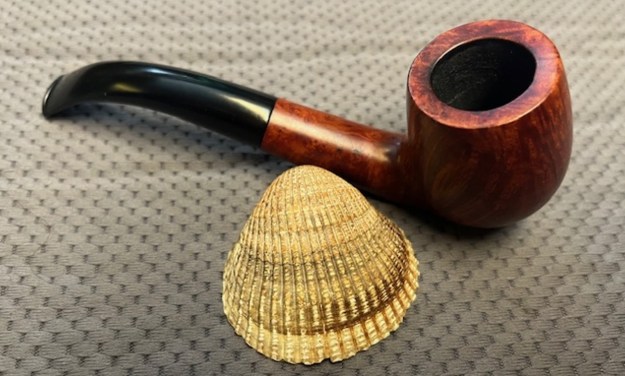
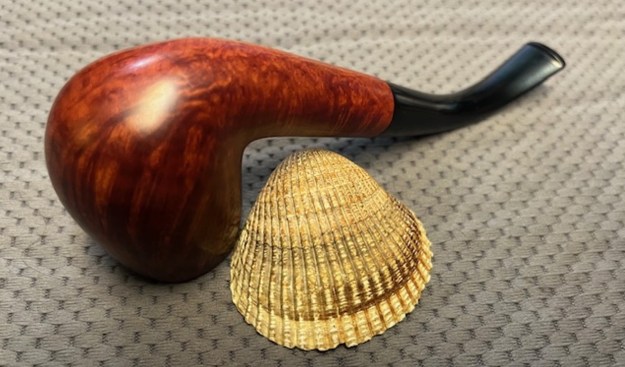
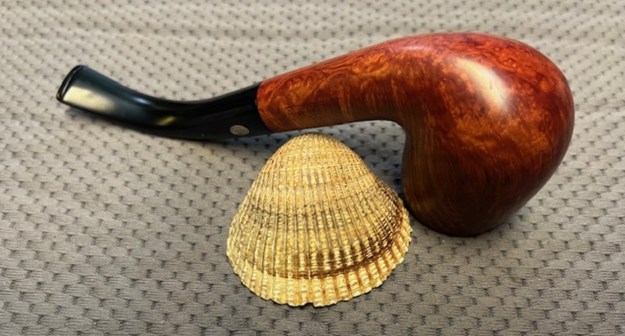
Breathing new life into a BBB Own Make Made in London England 636 Billiard


by Steve Laug

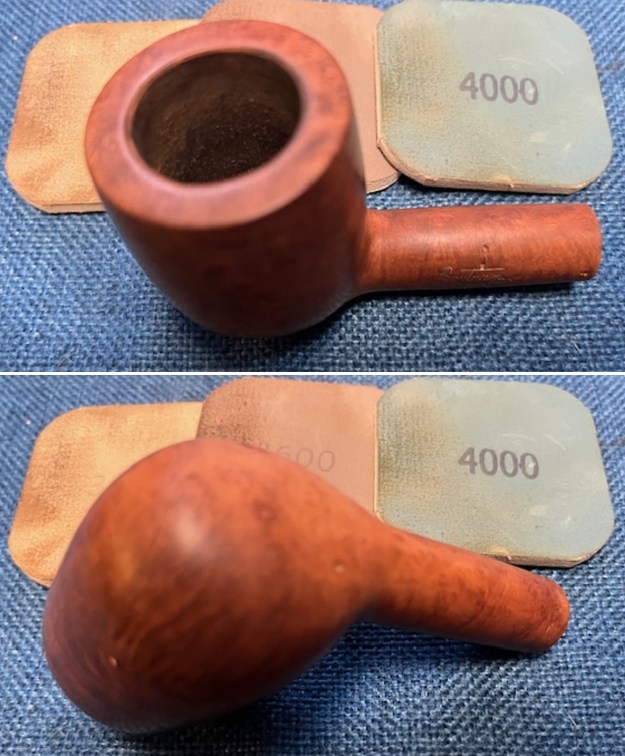
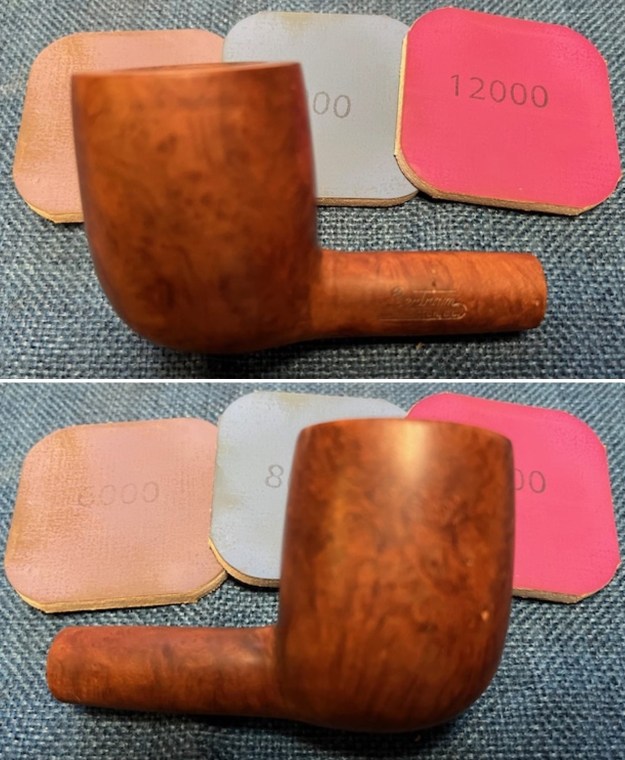
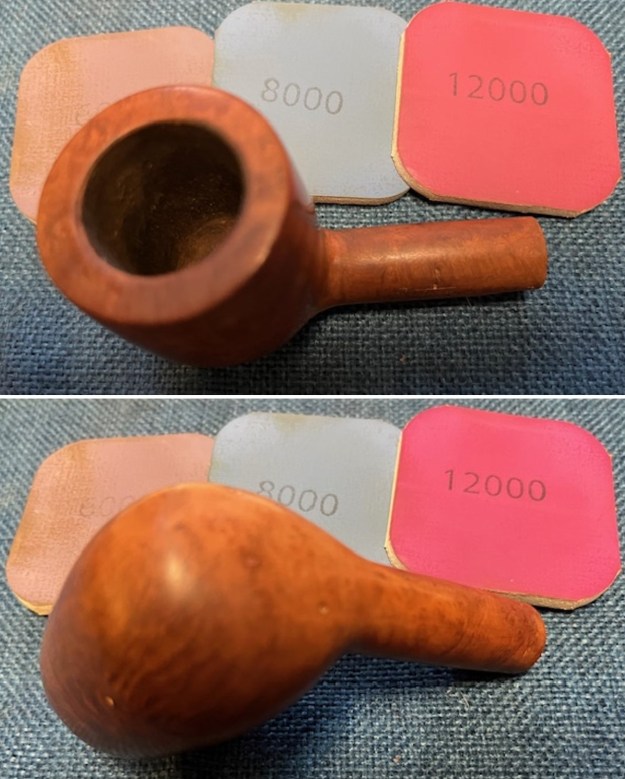
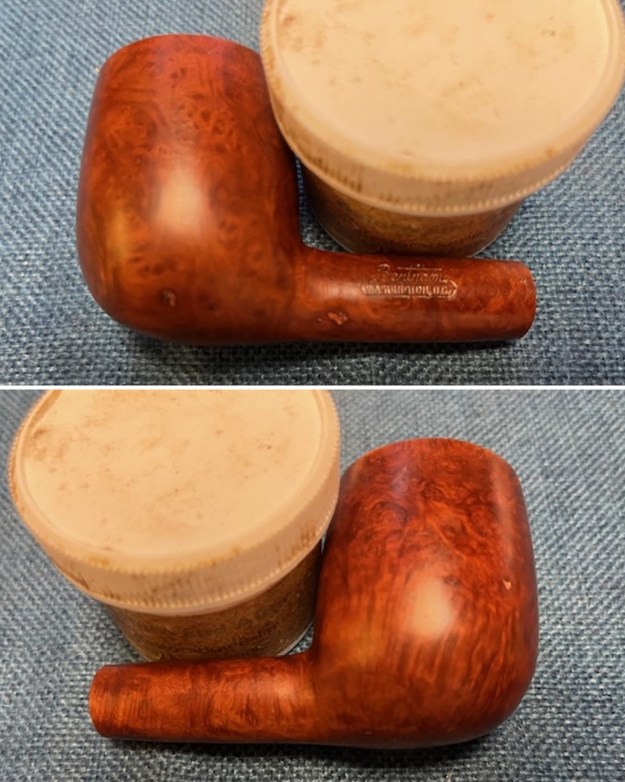
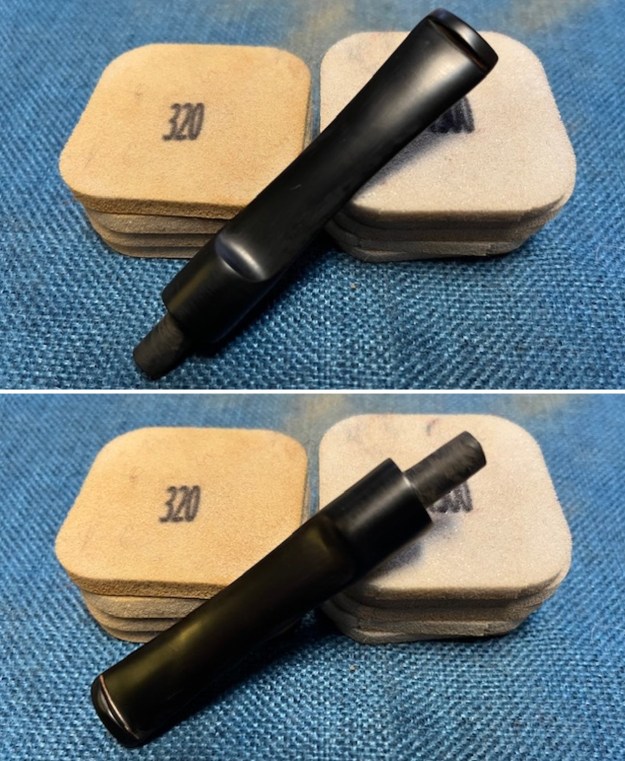
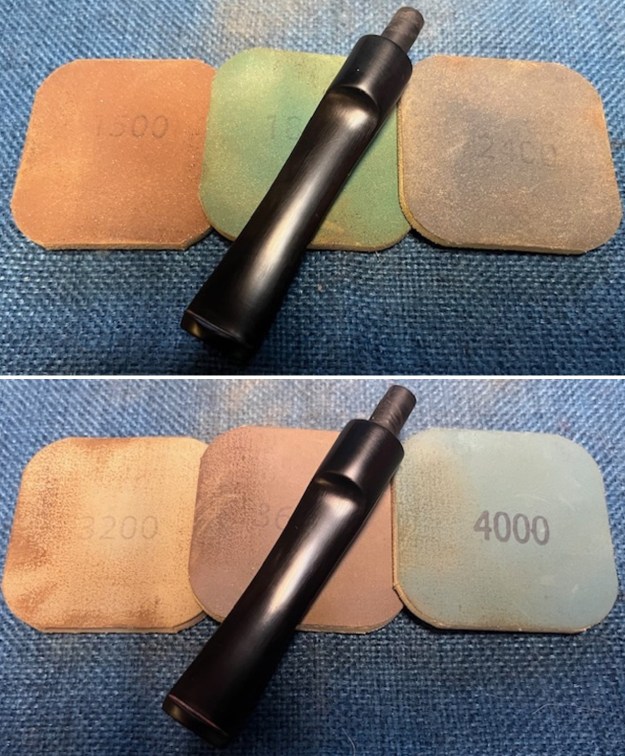
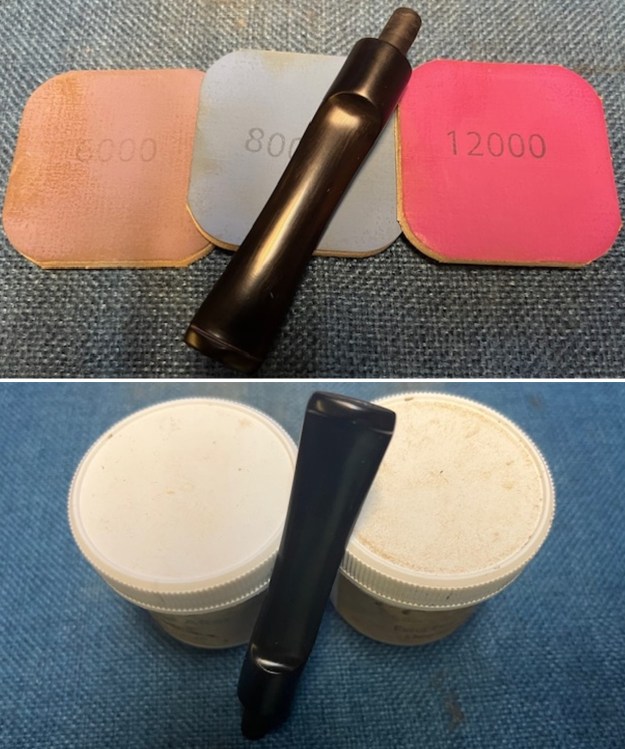
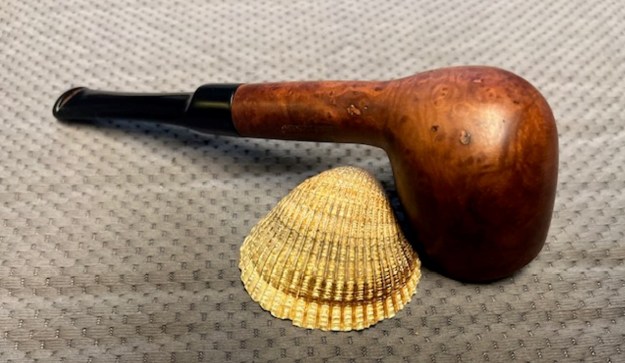
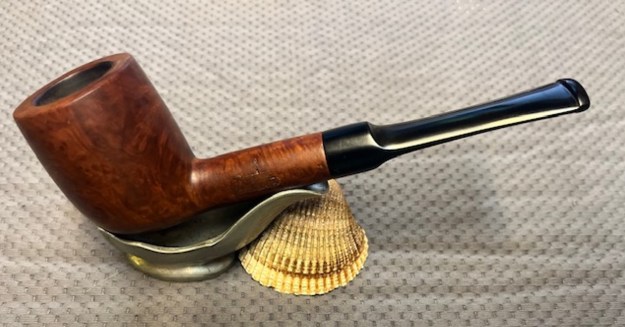
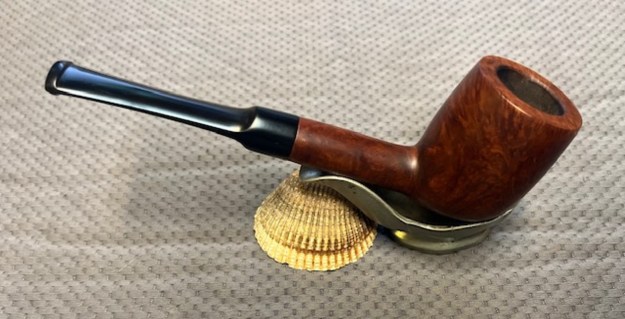
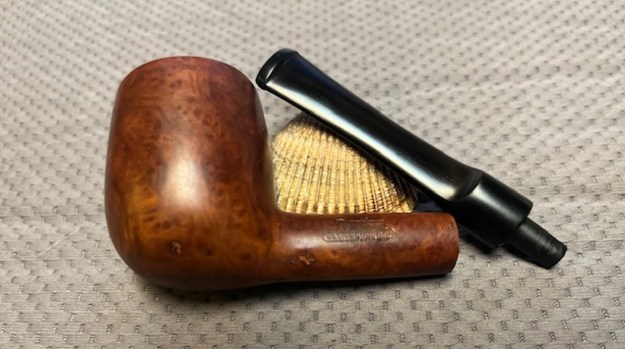
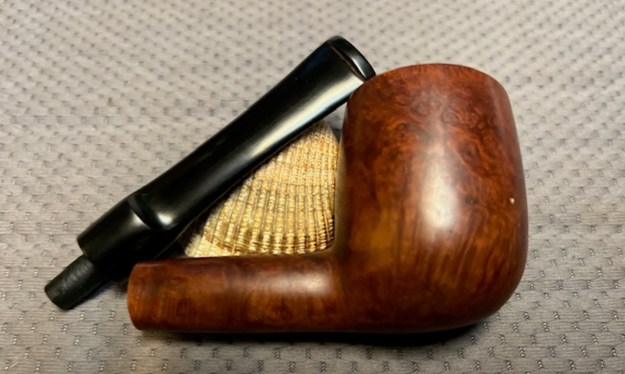
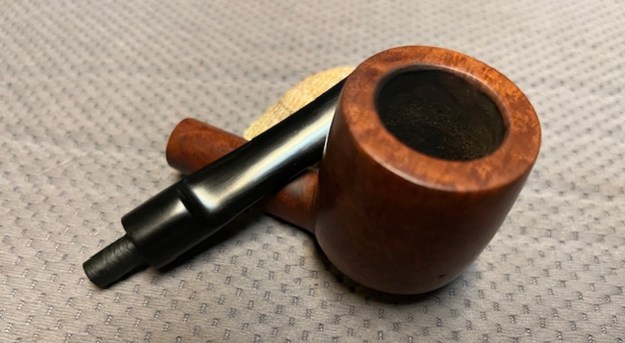
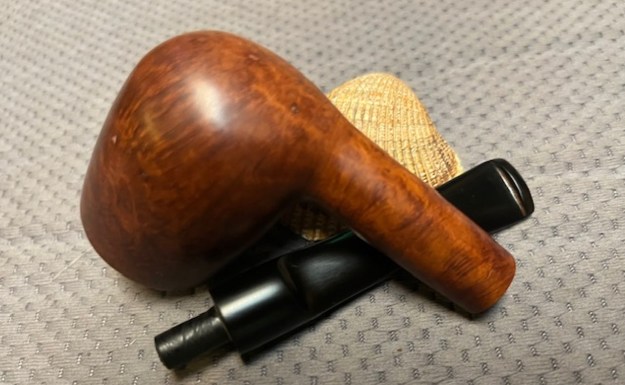
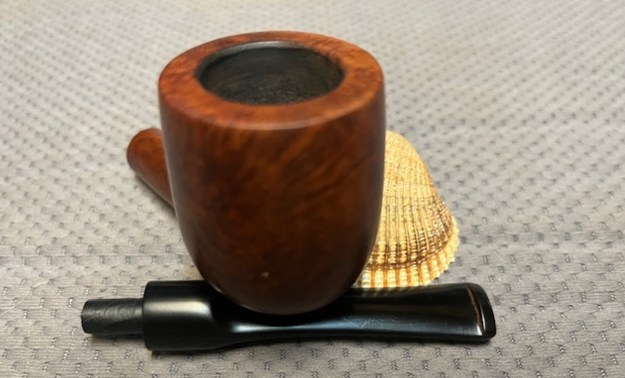
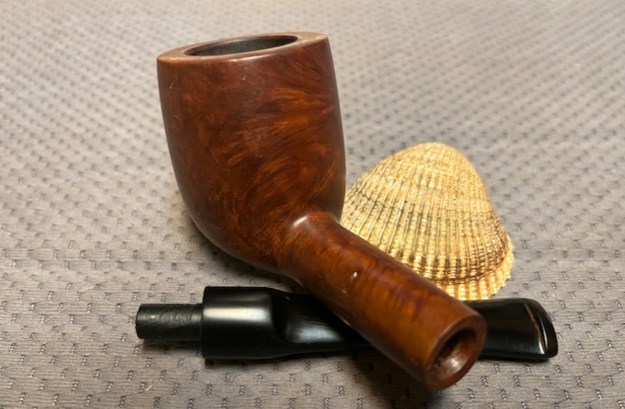
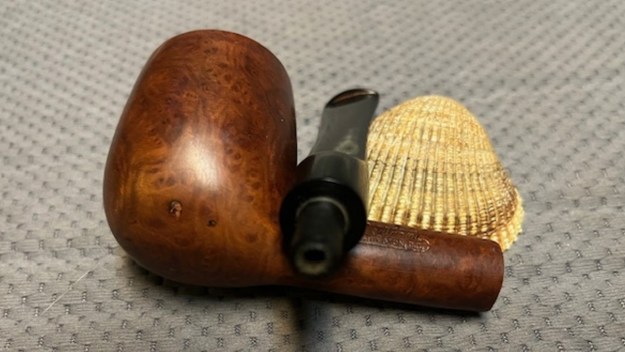
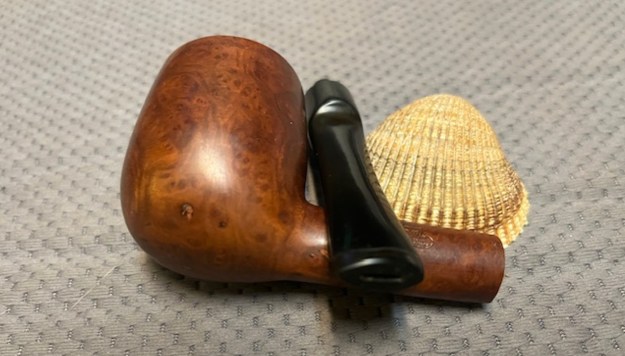
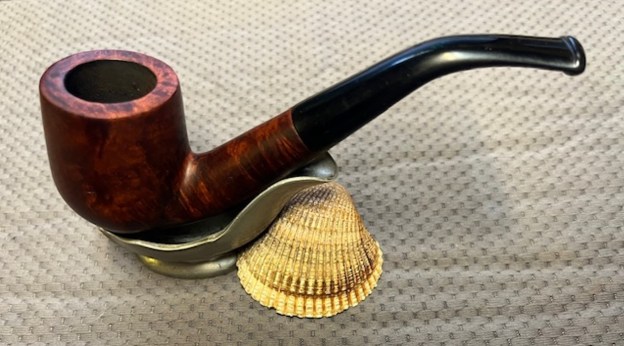
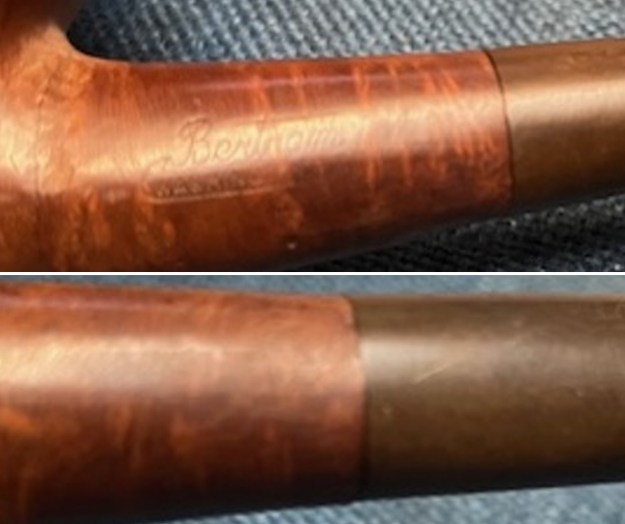
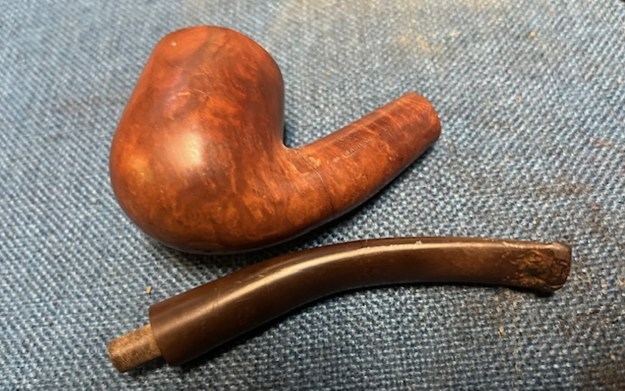
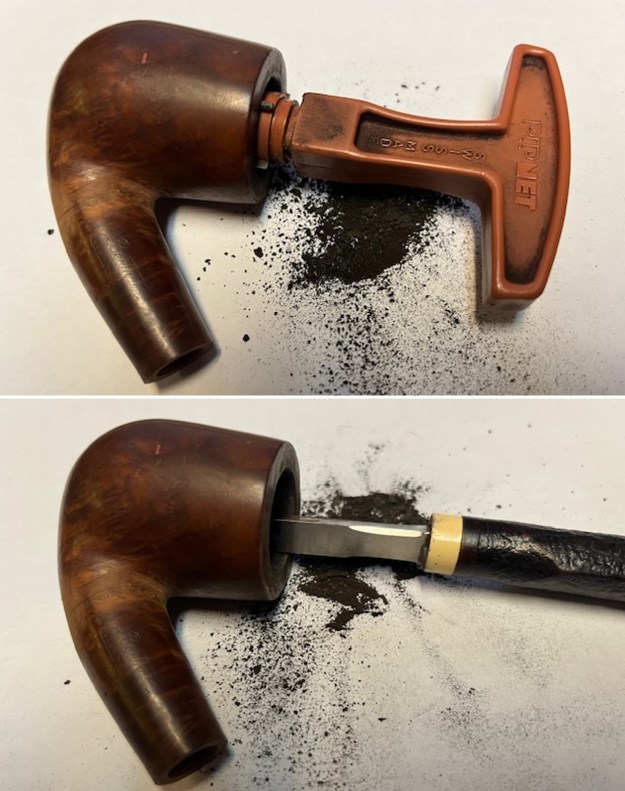
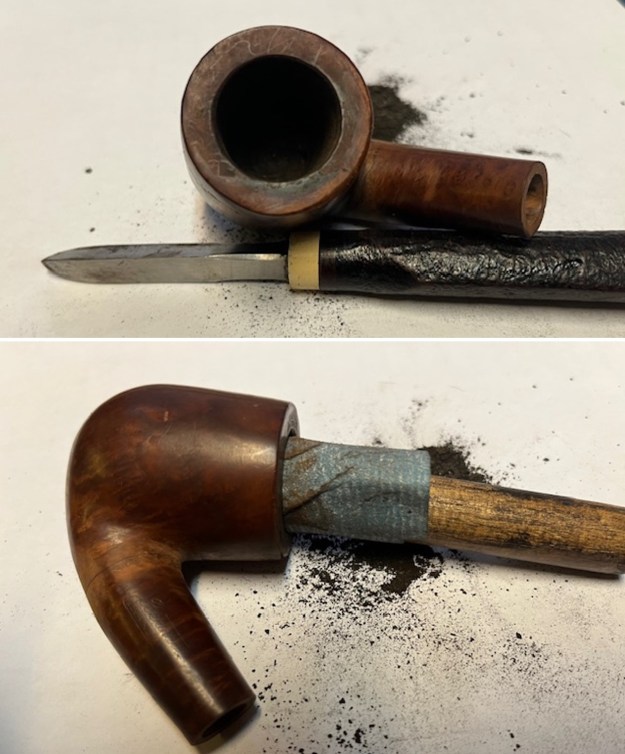
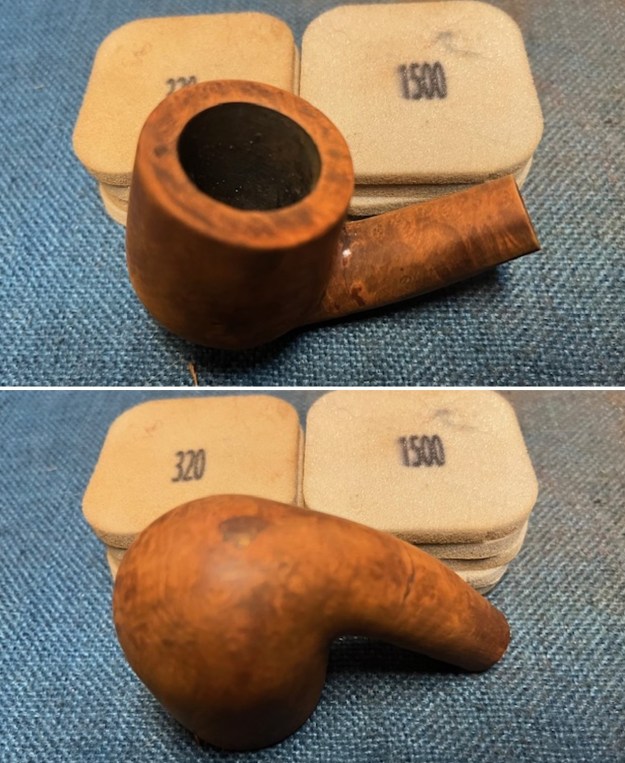
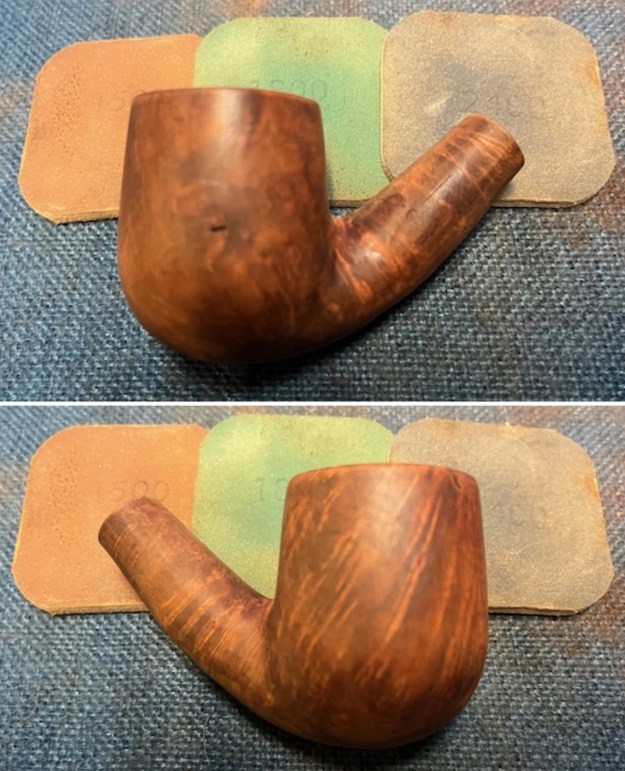
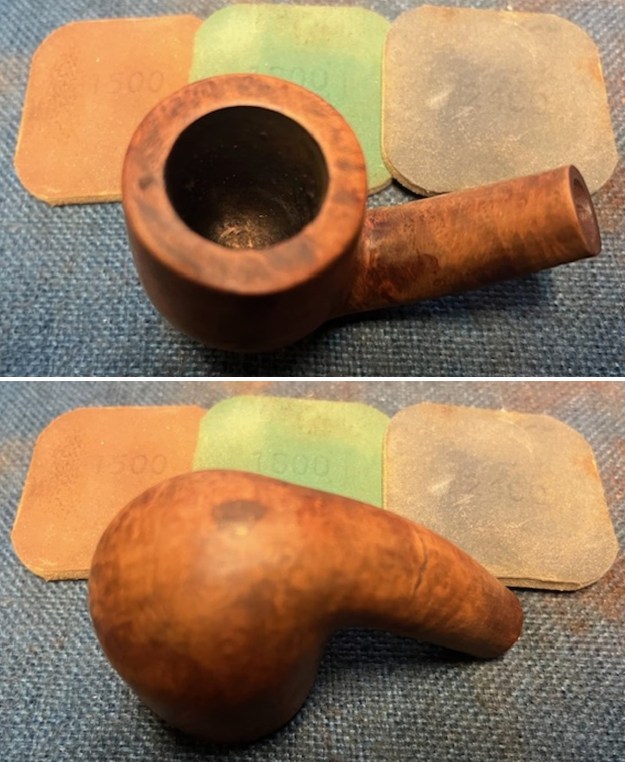
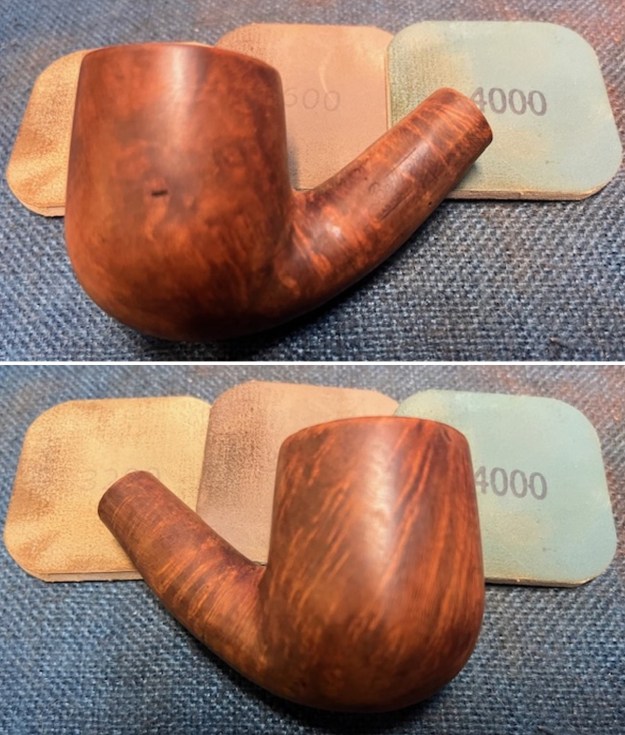
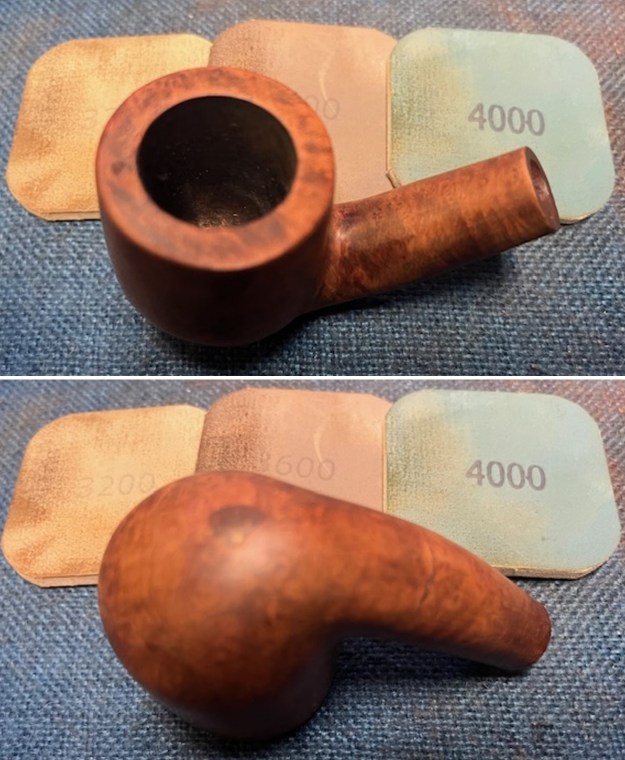
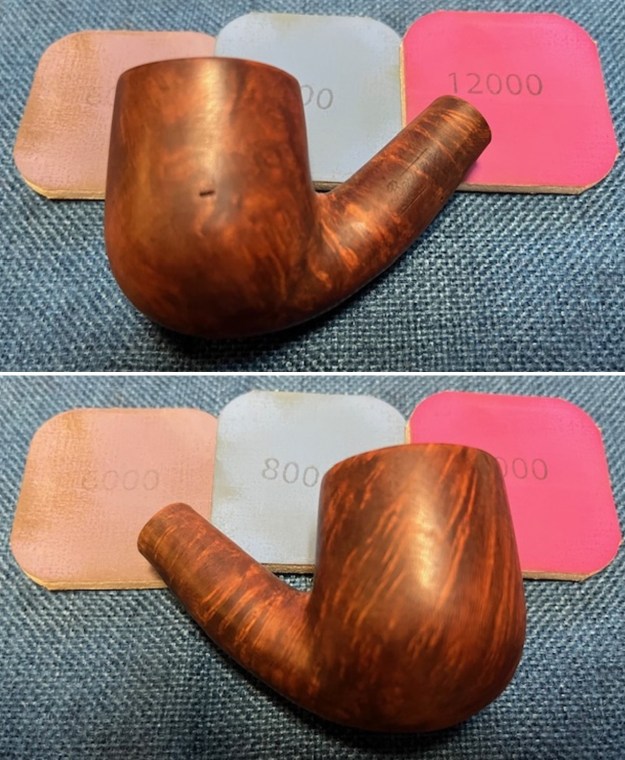
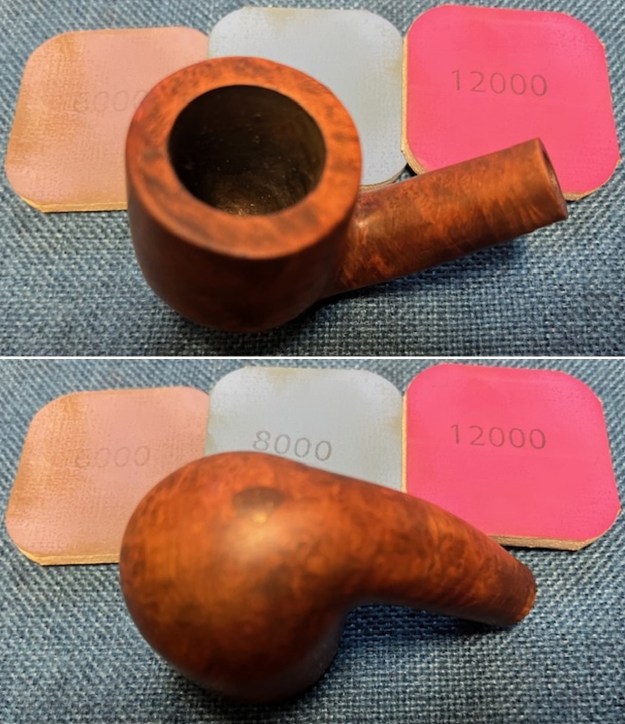
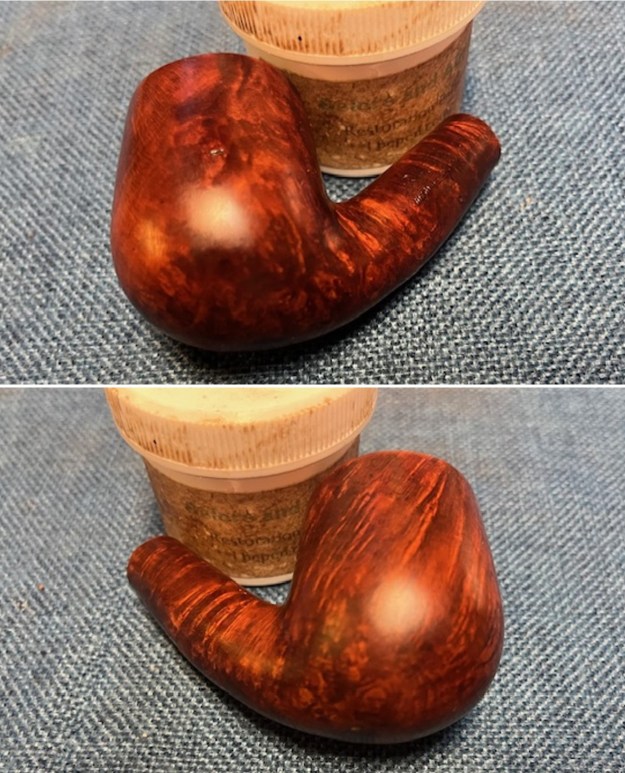
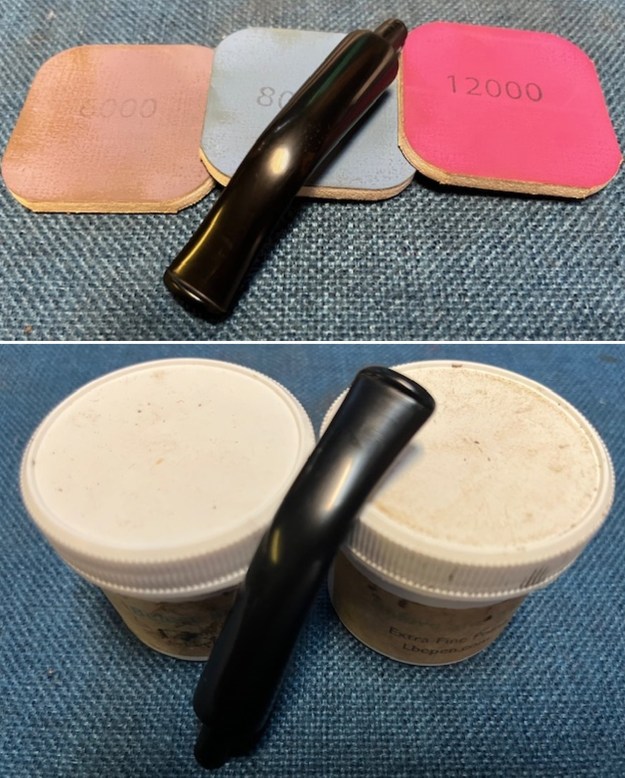
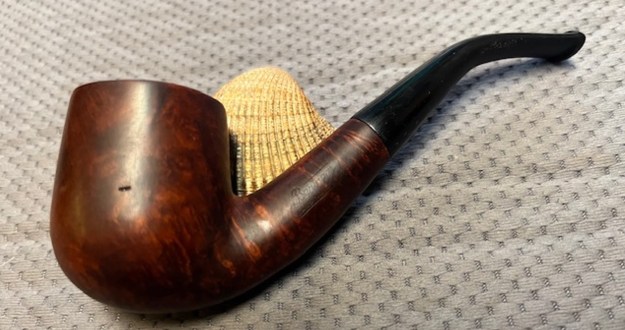
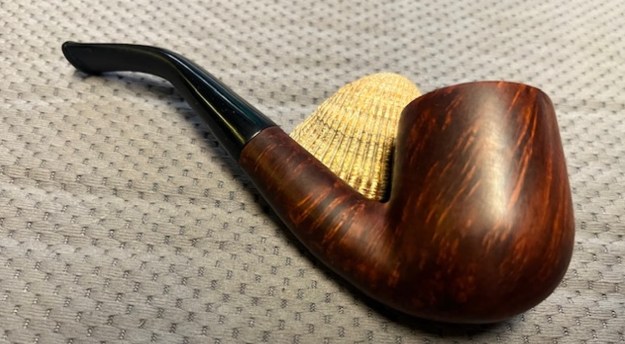
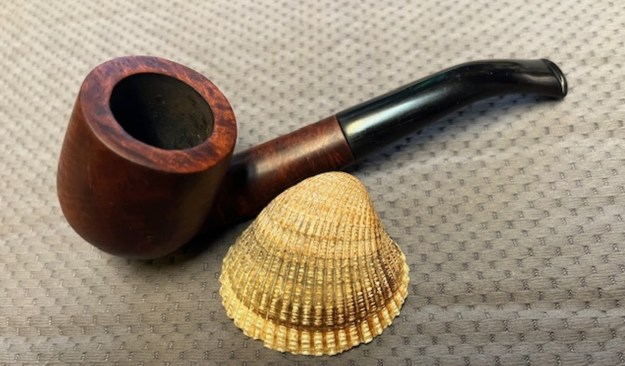
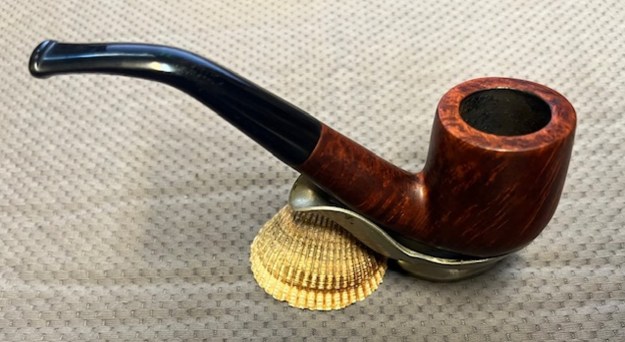
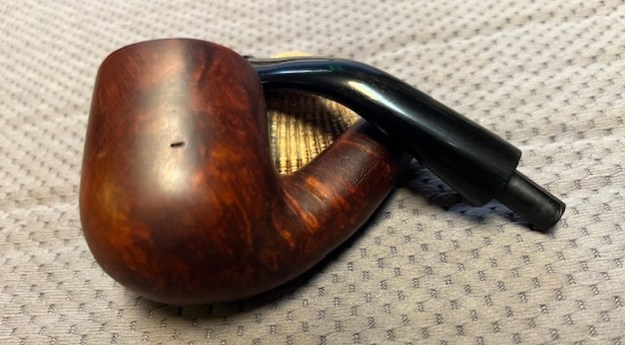
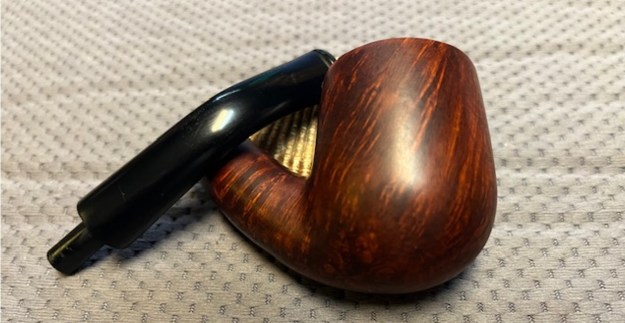
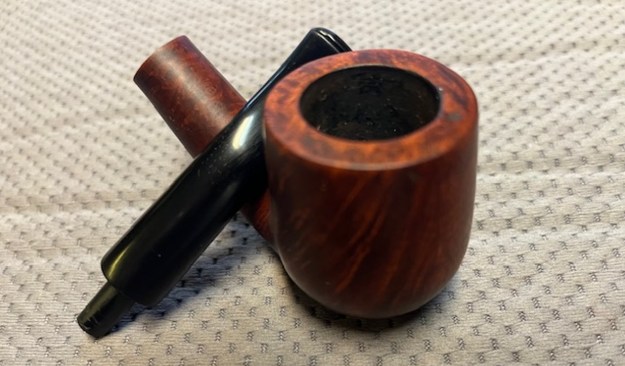
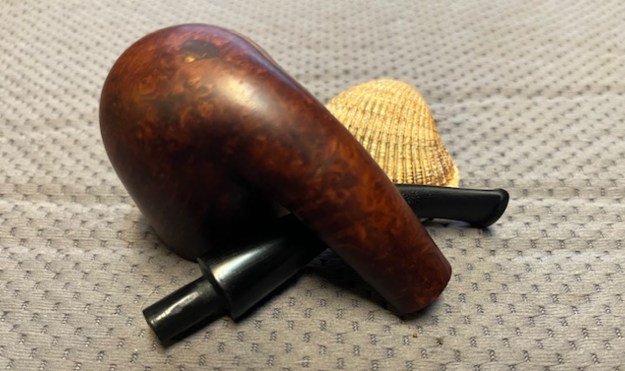
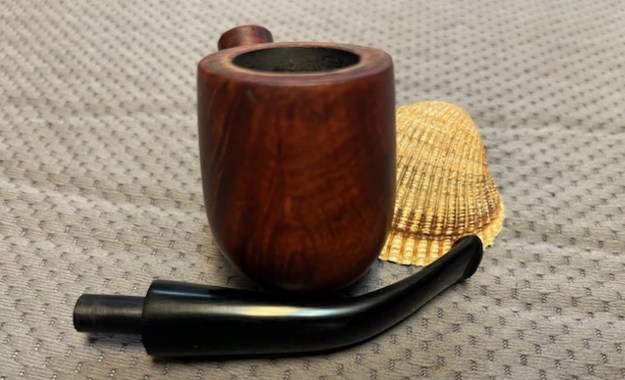
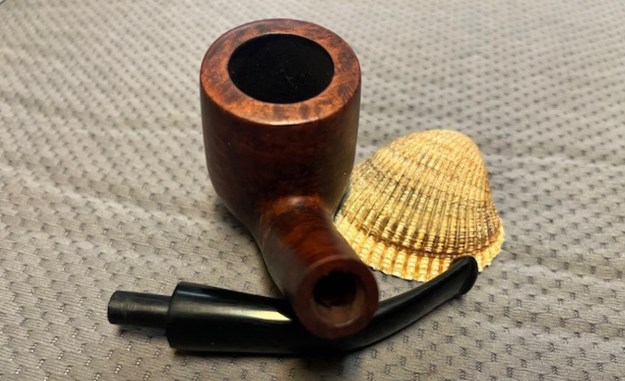
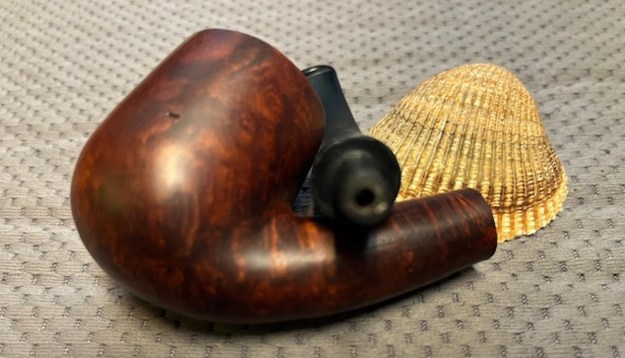
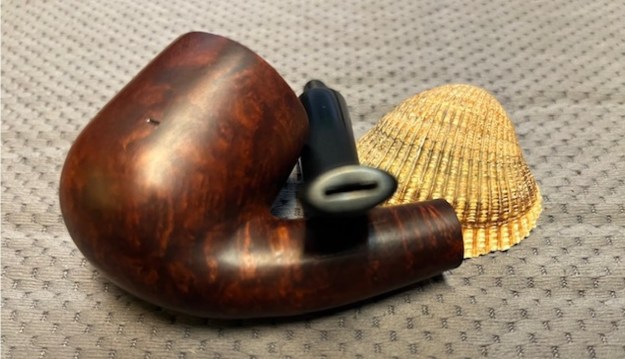
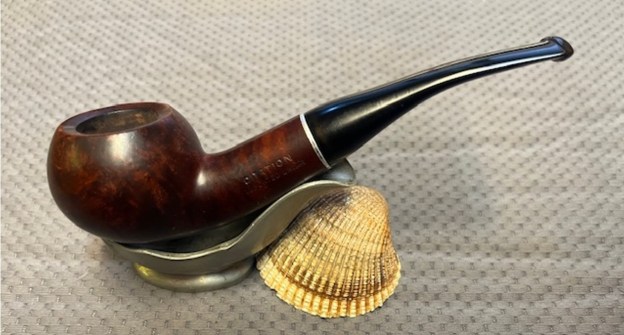
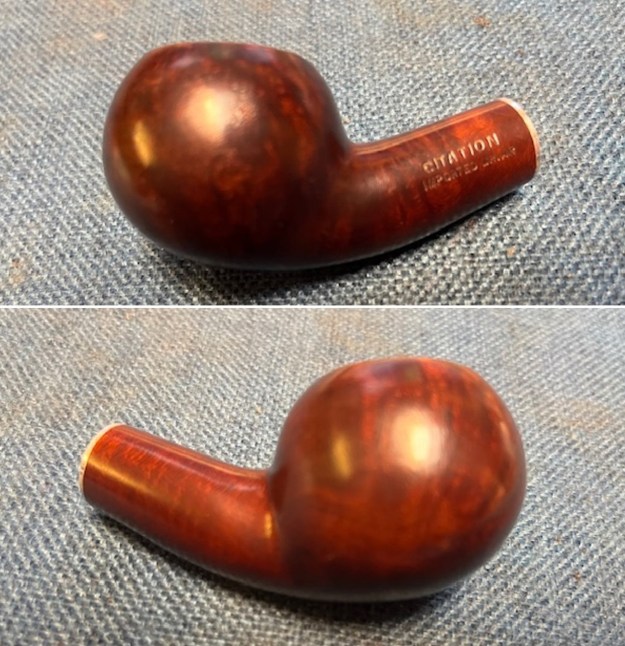
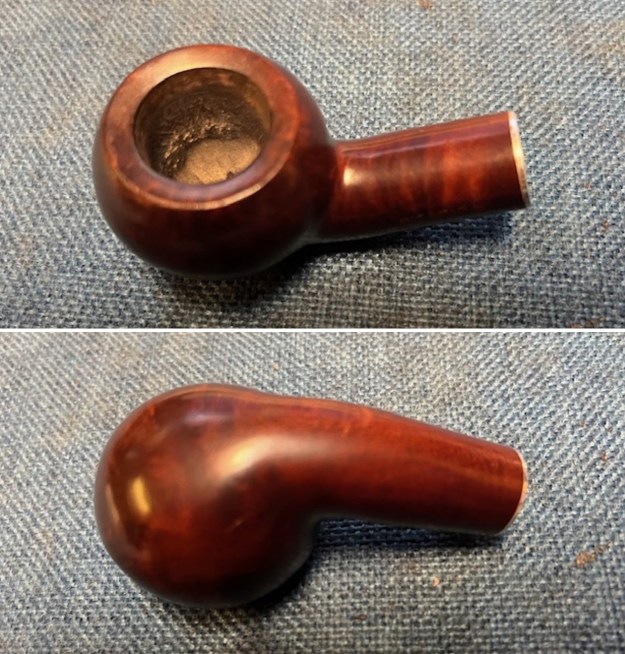
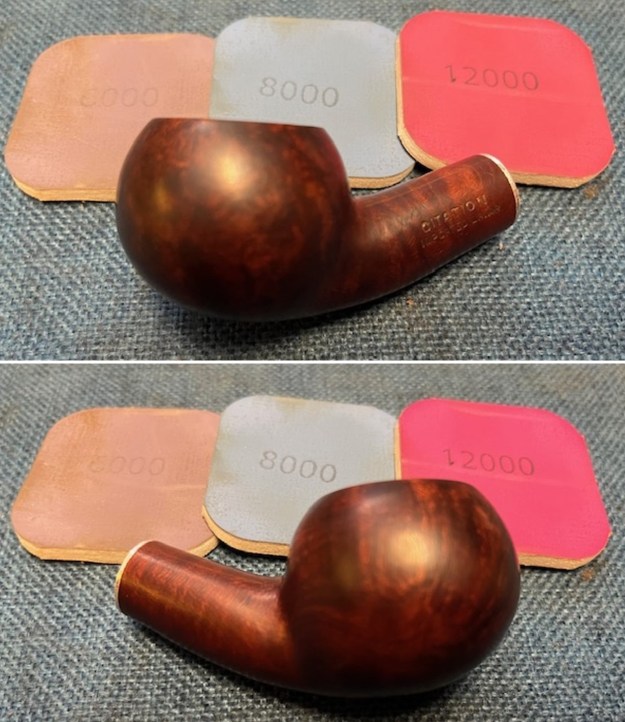
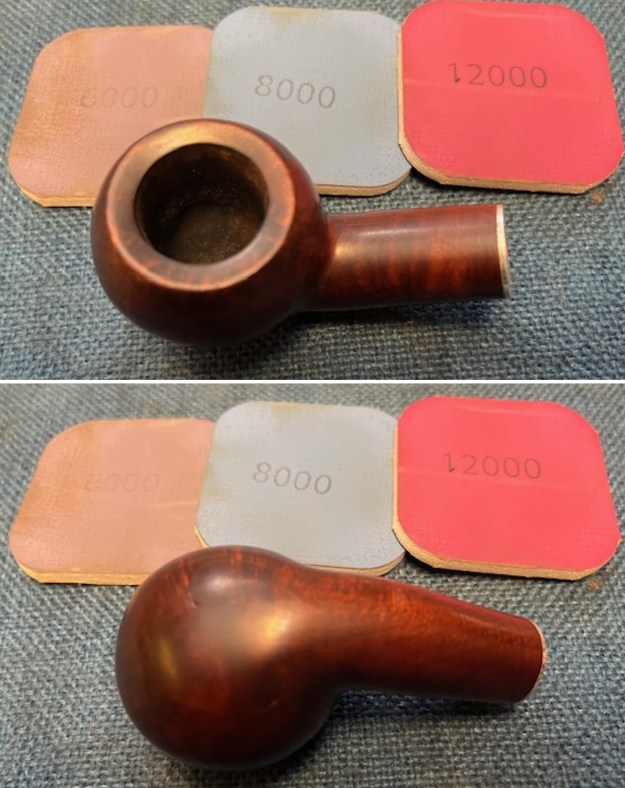
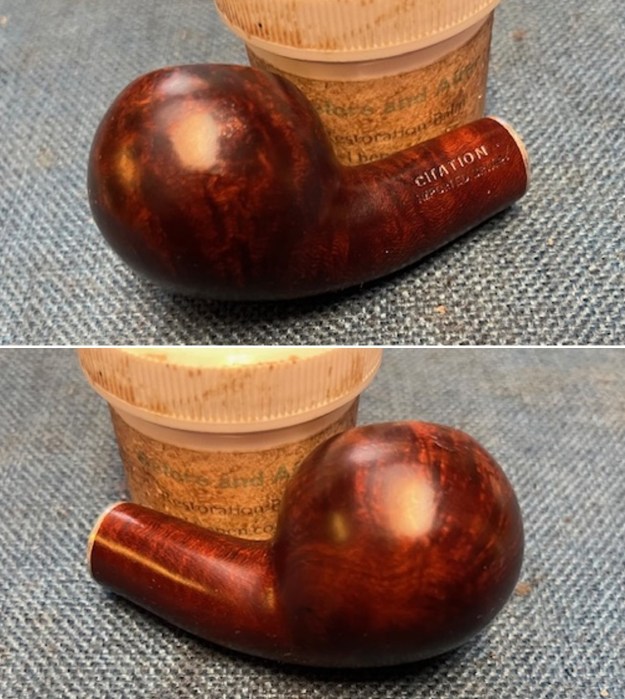
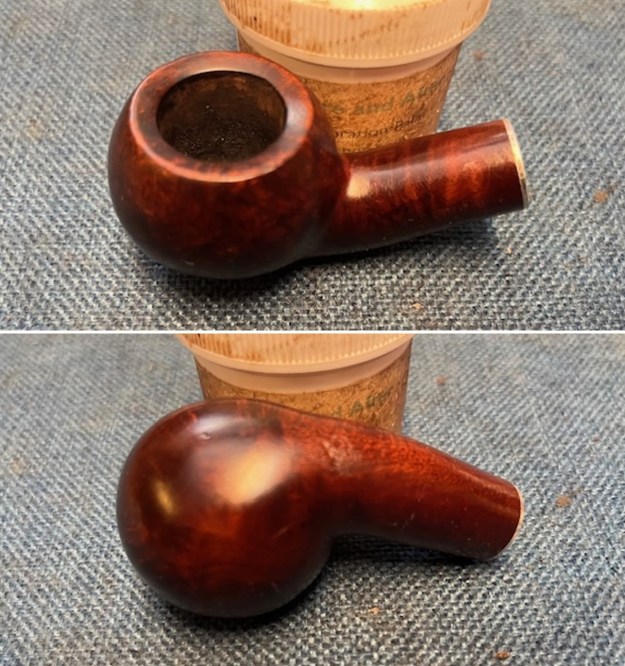
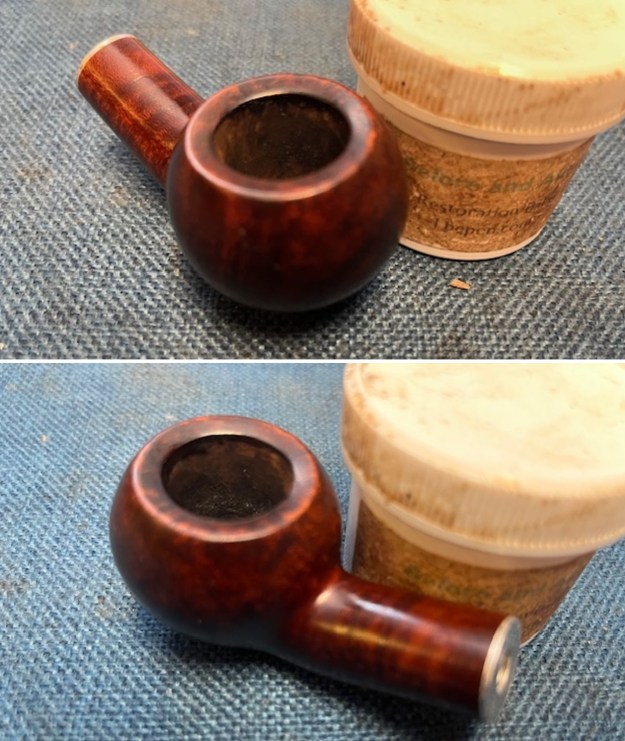
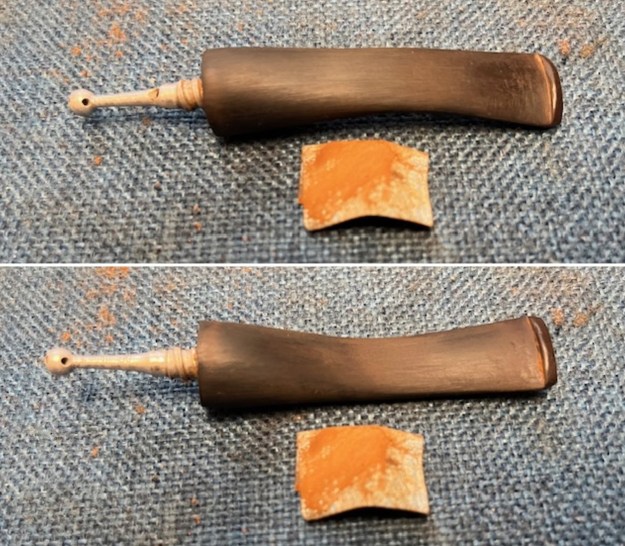
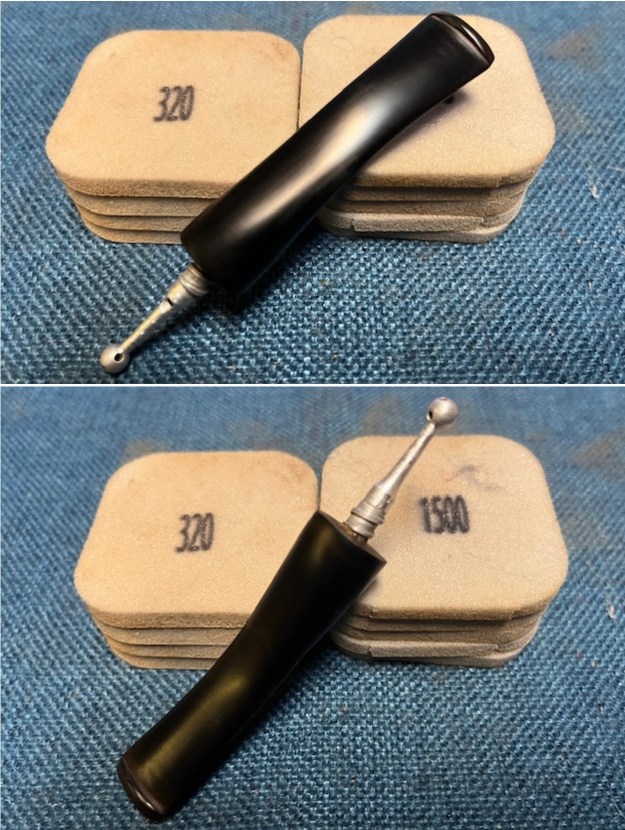
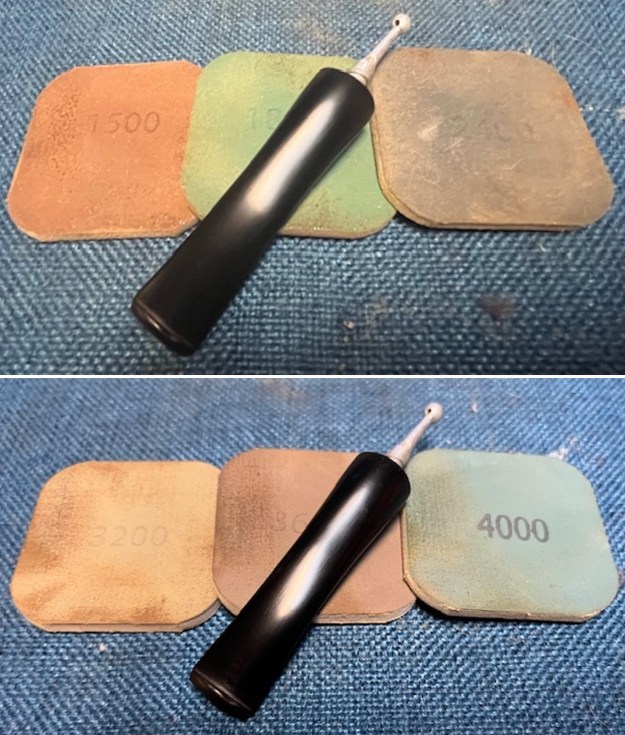
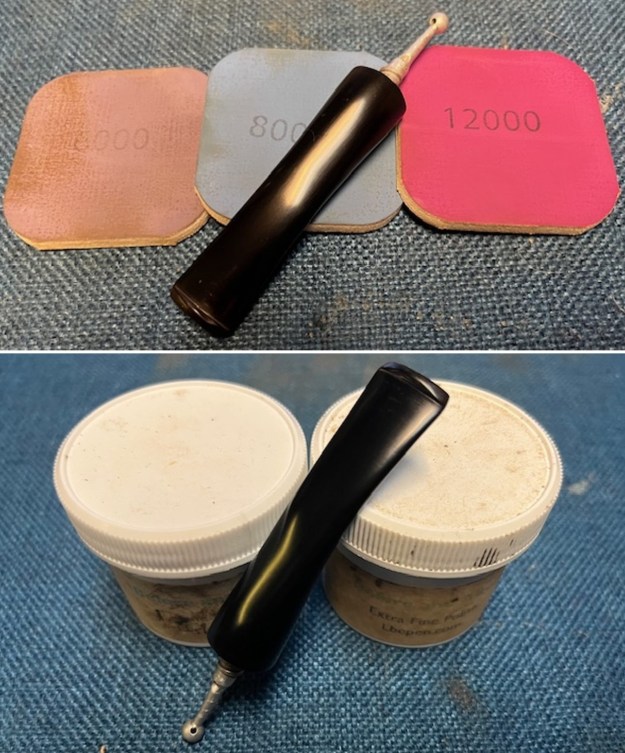
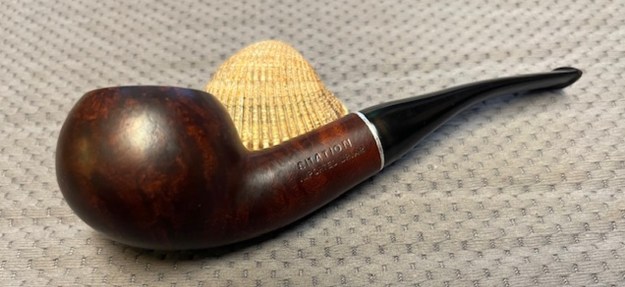
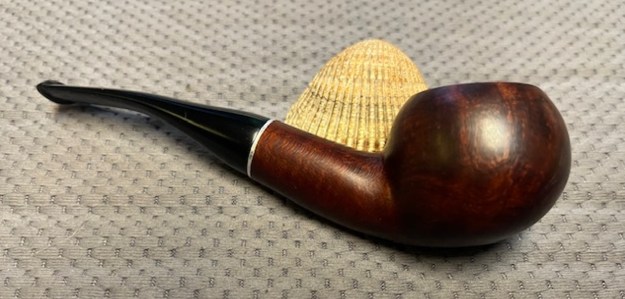
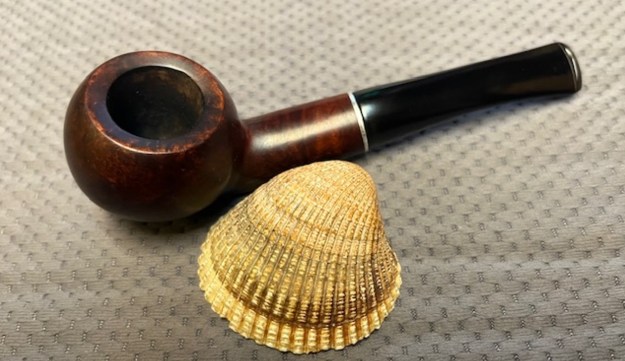
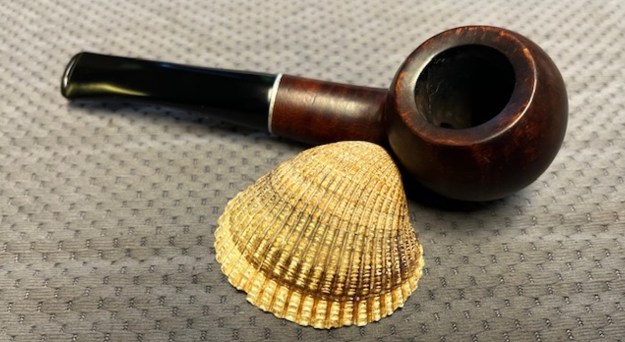
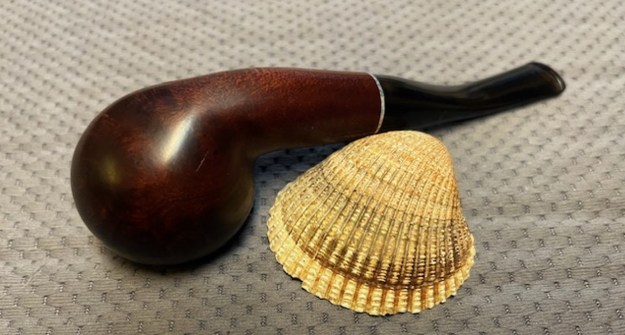
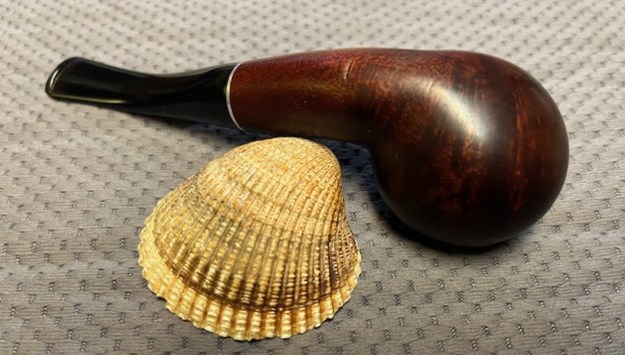
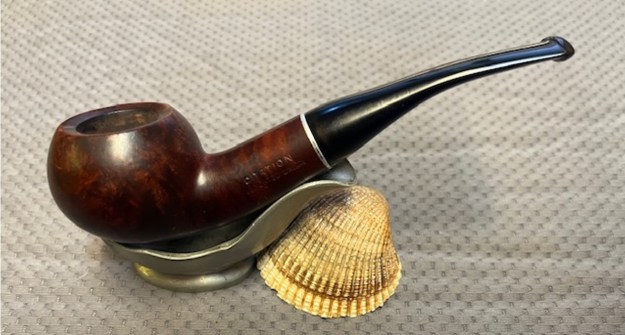
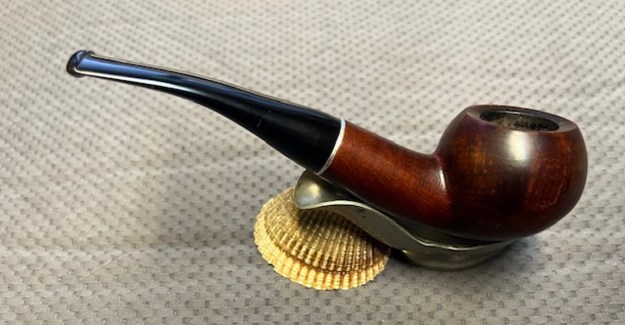
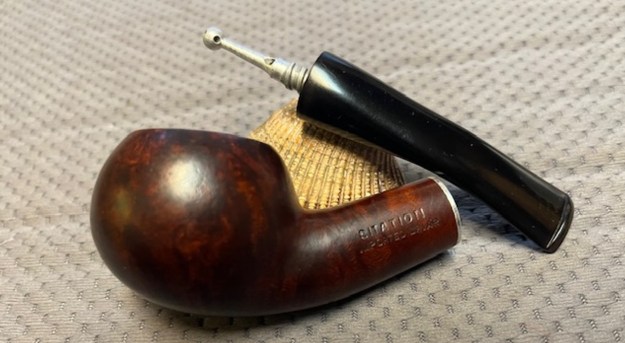
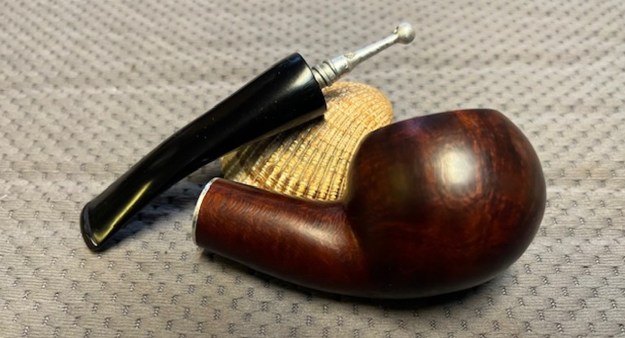
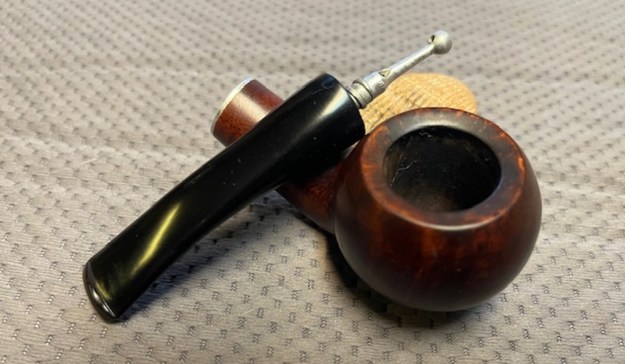
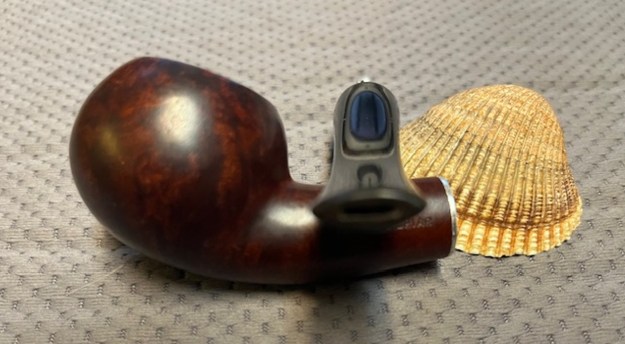
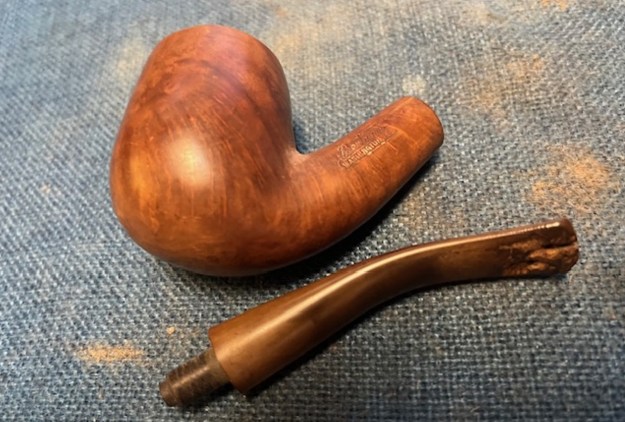
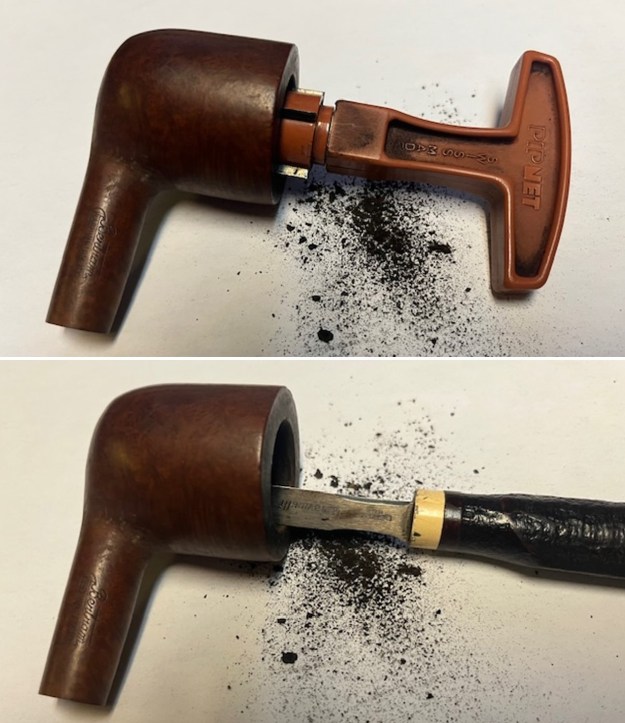
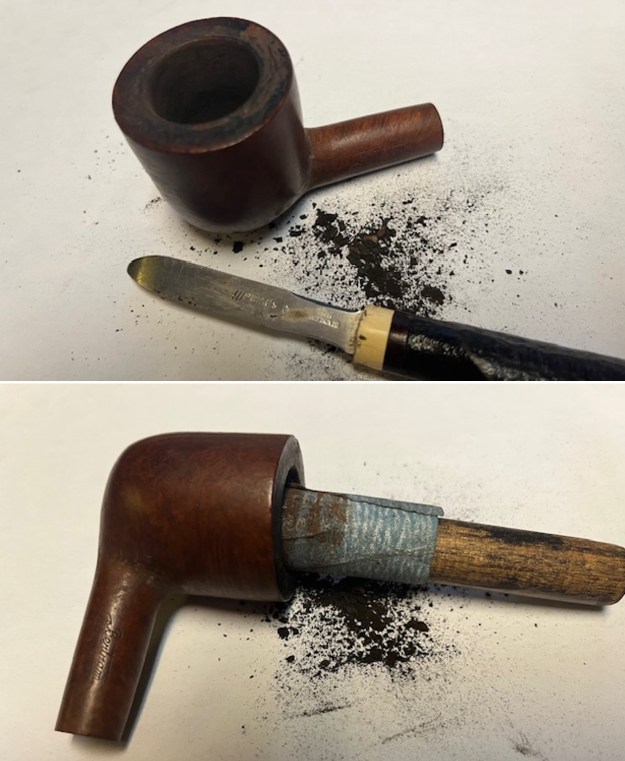
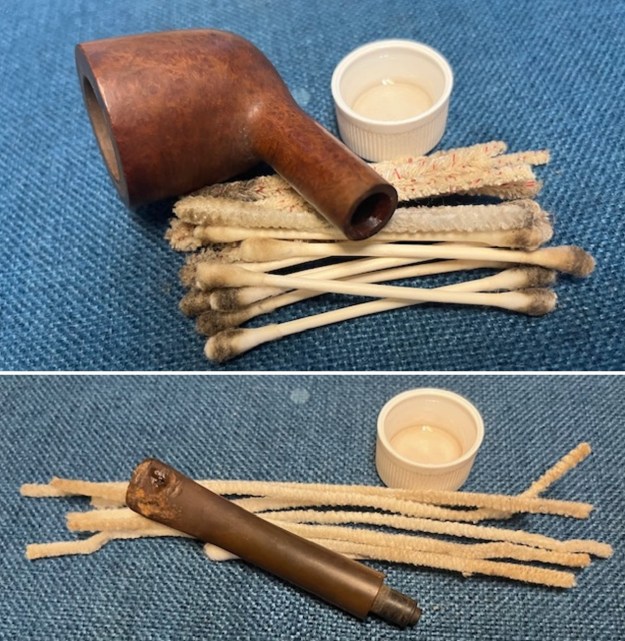
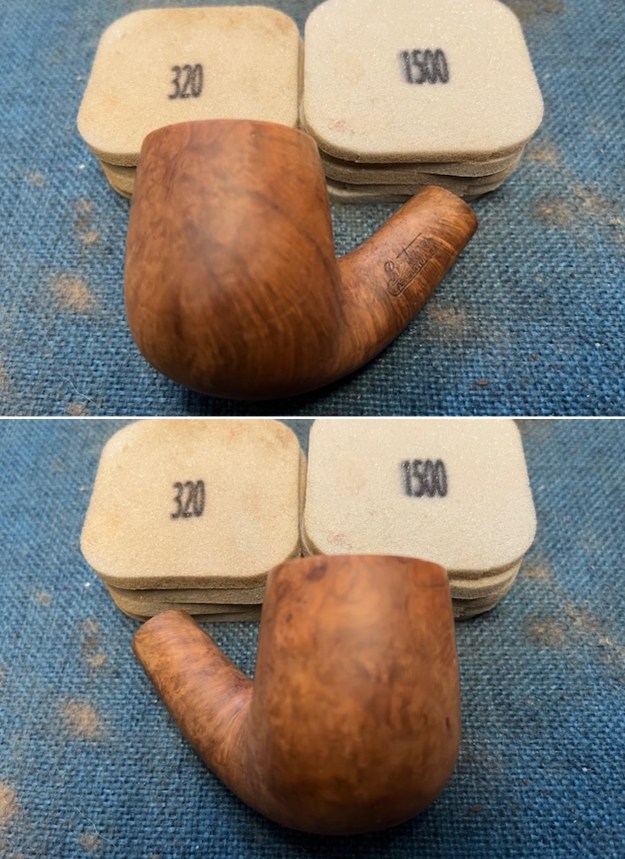
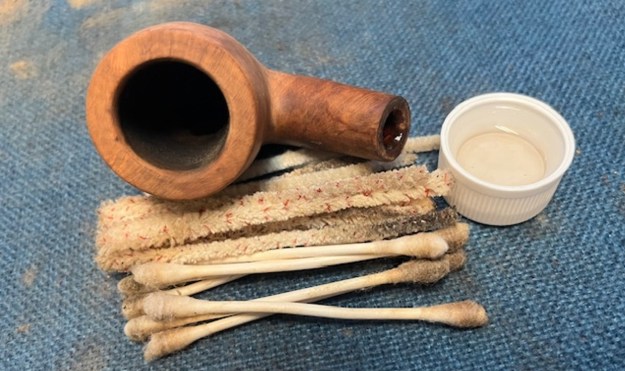
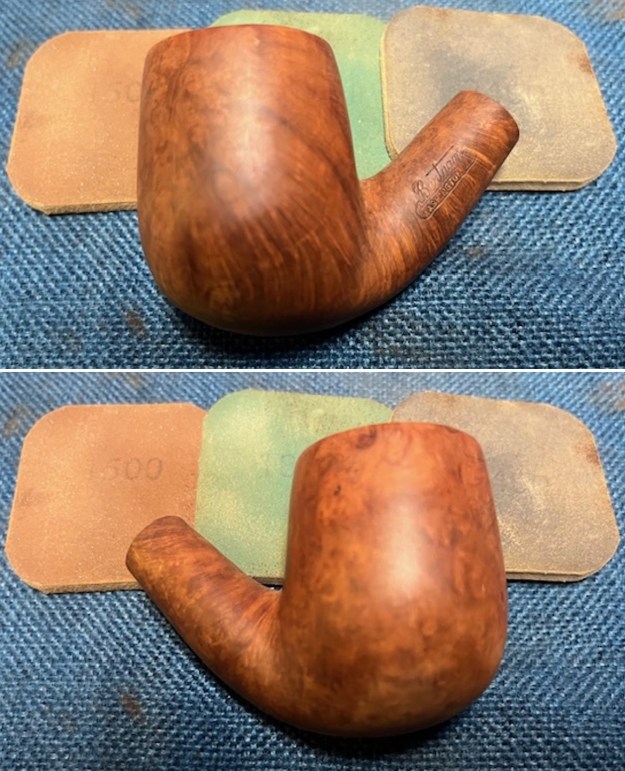
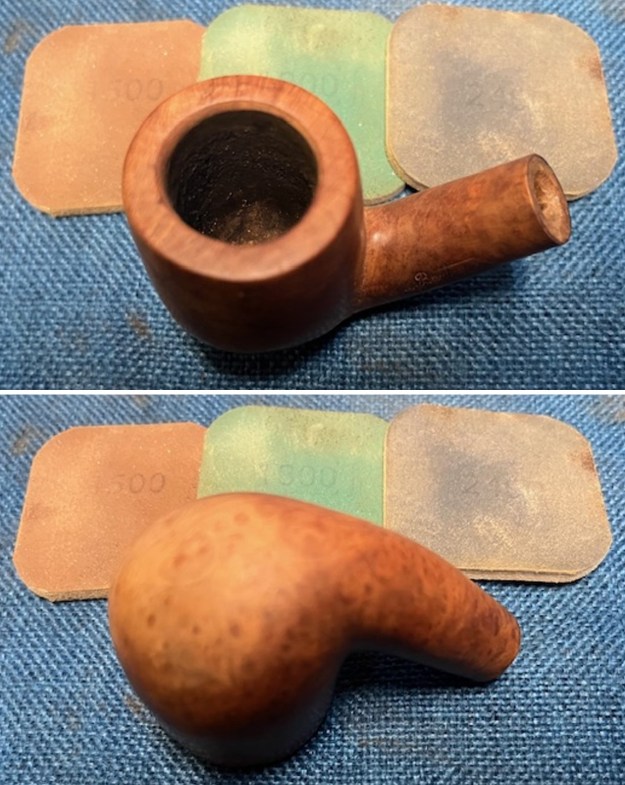
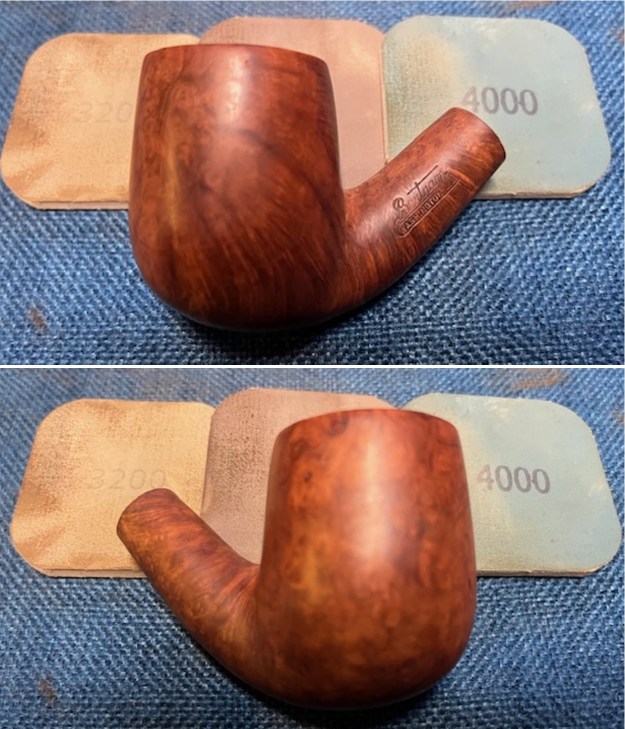
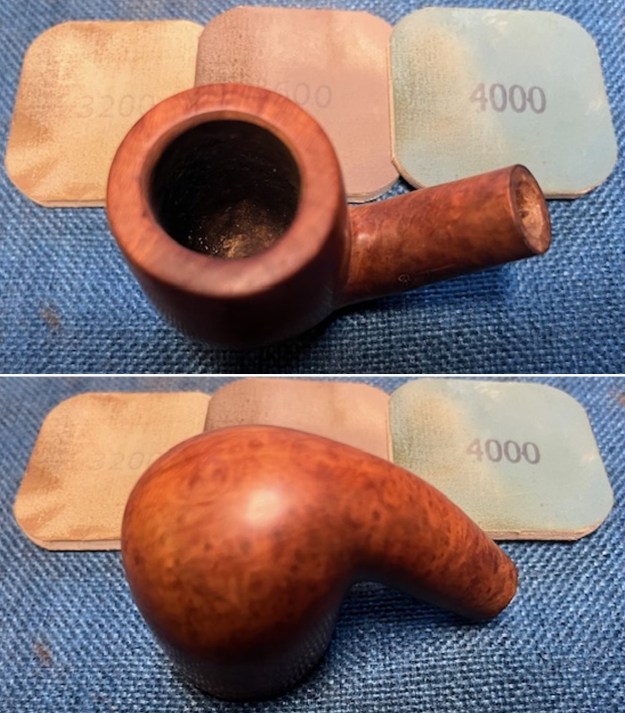
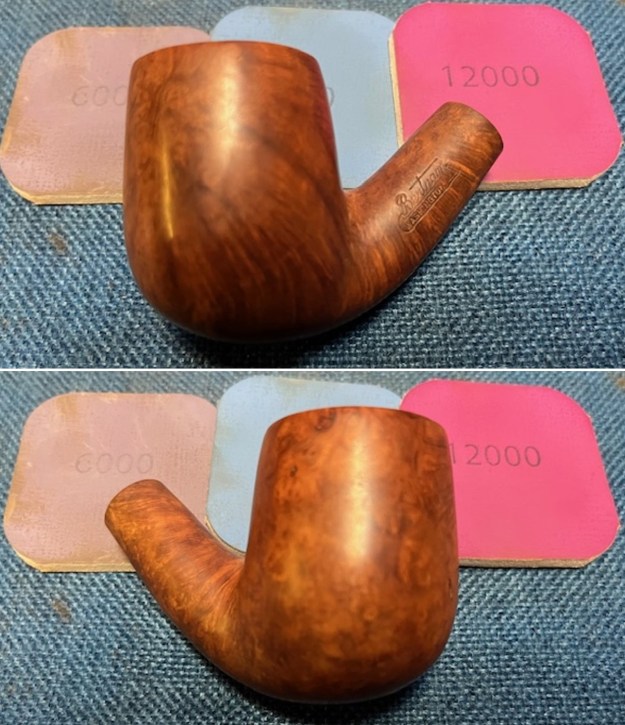
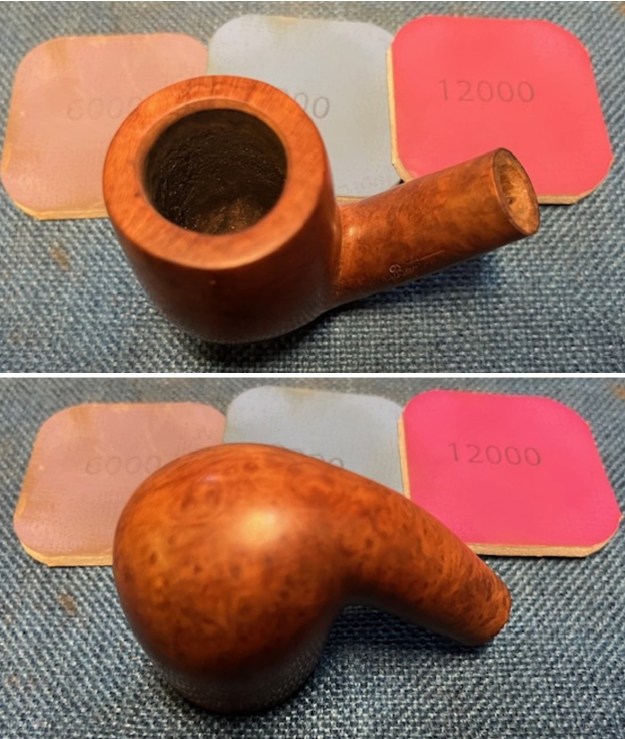
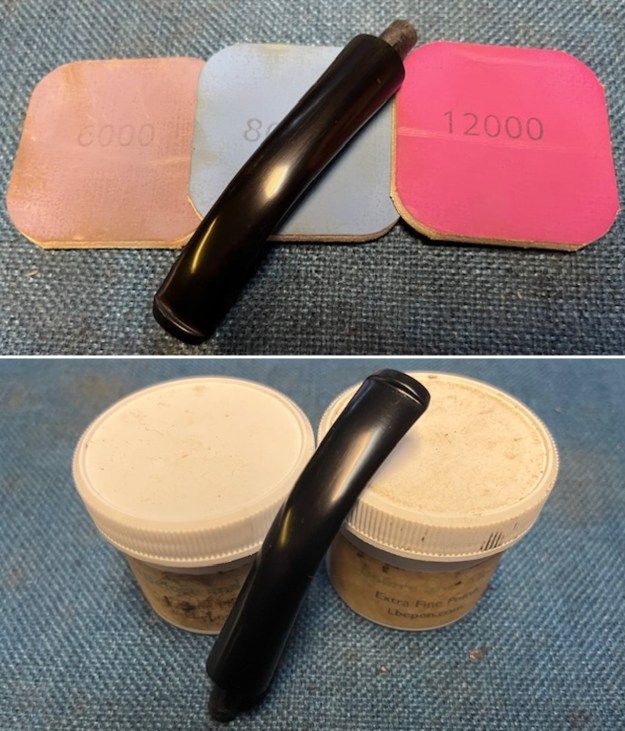
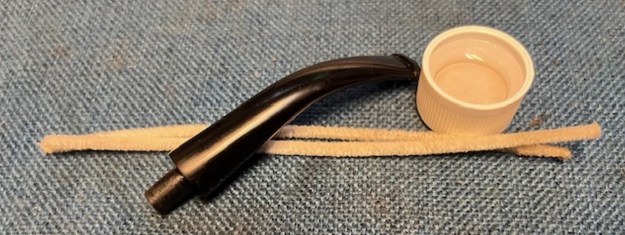
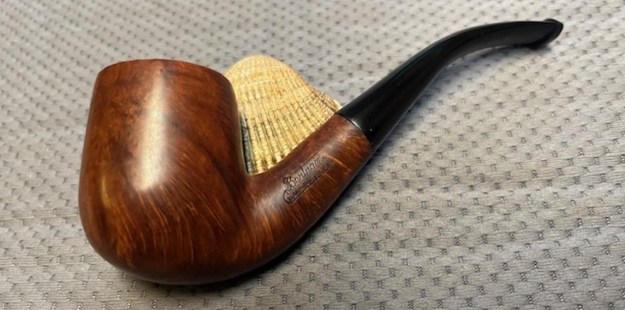
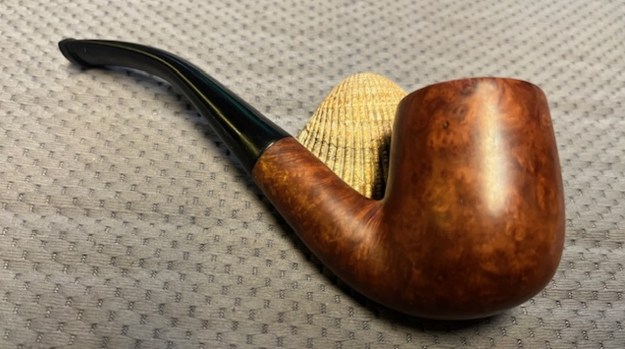
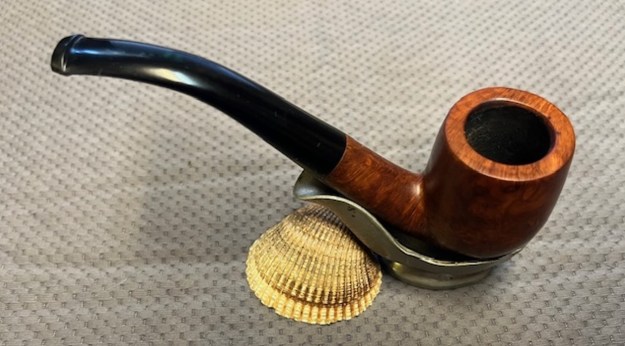
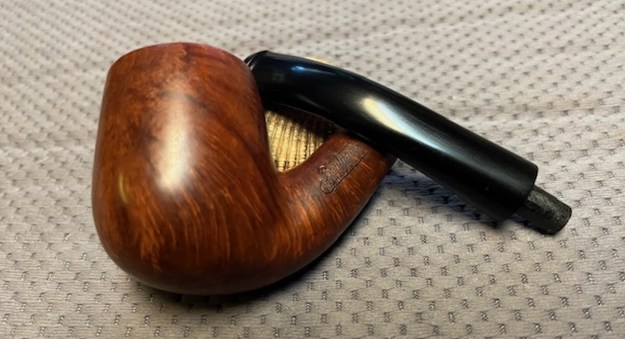
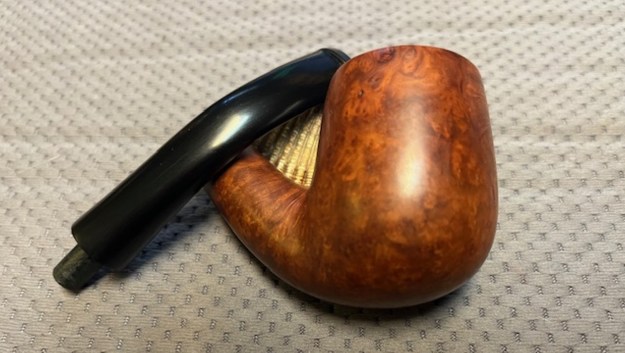
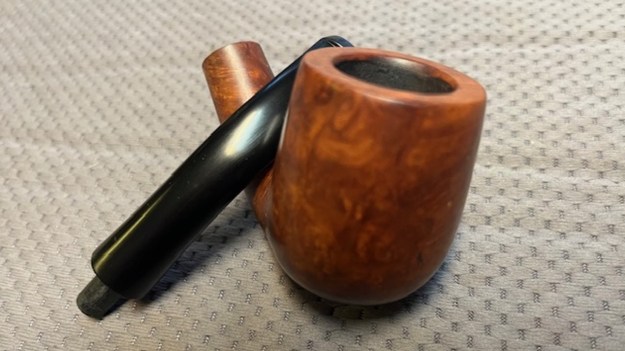
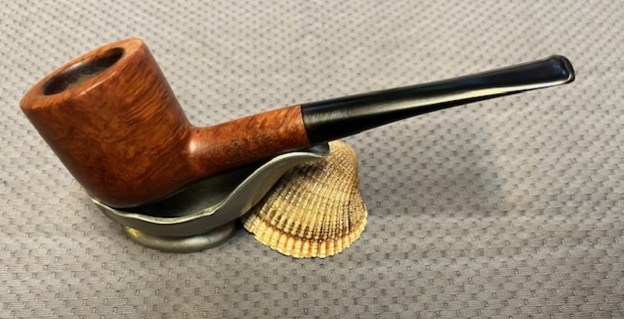
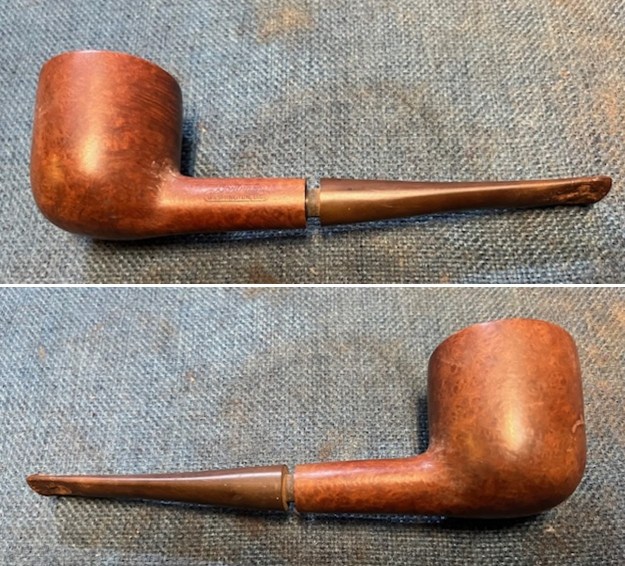
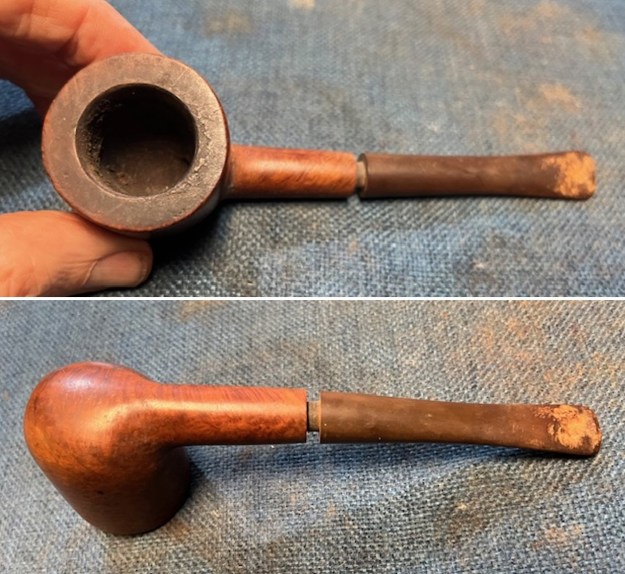
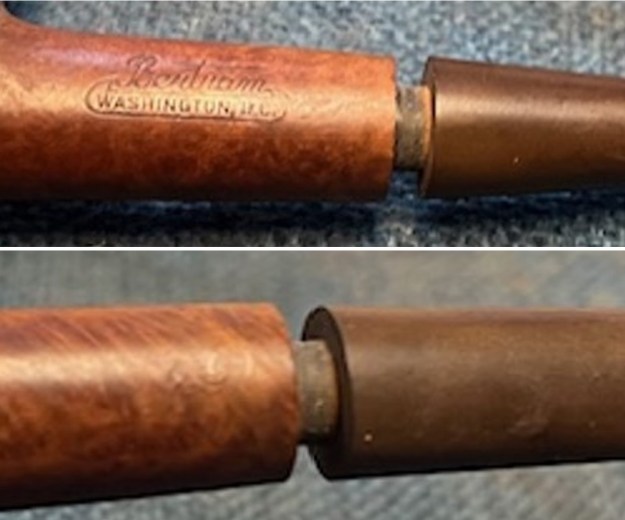
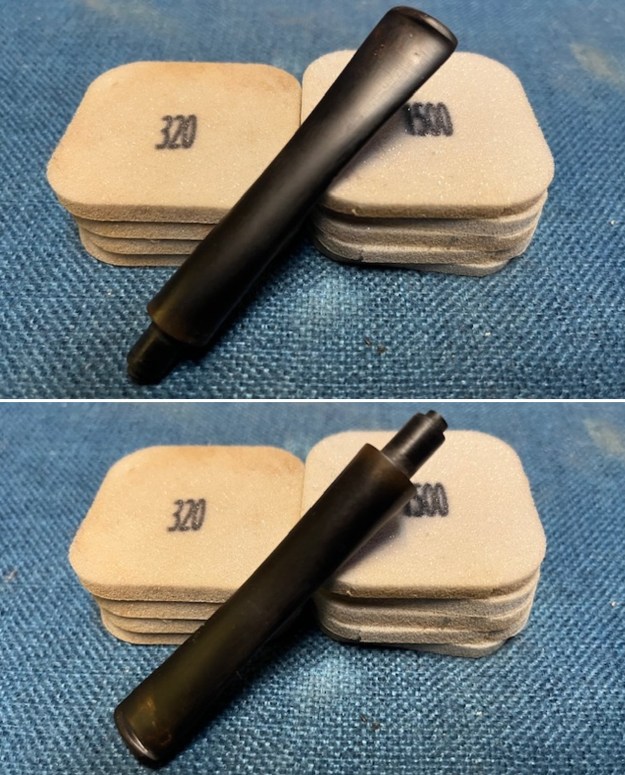
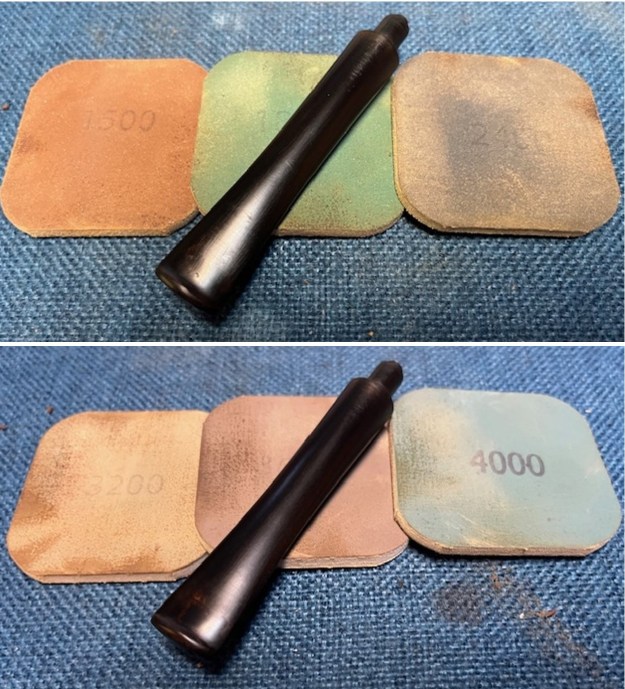
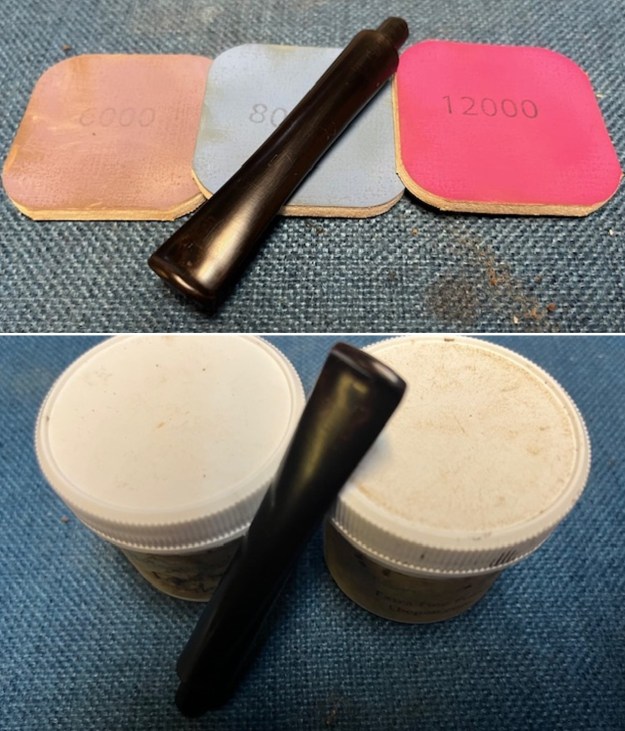
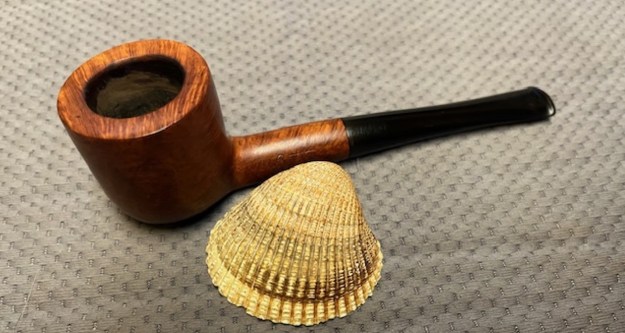
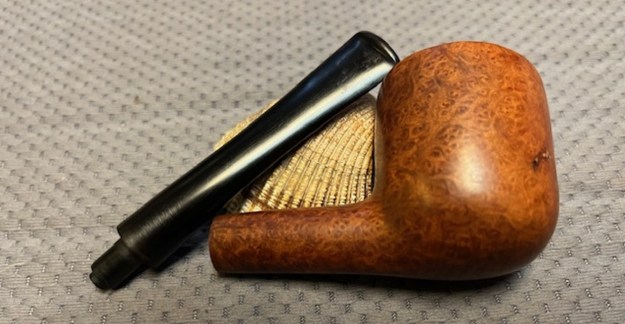
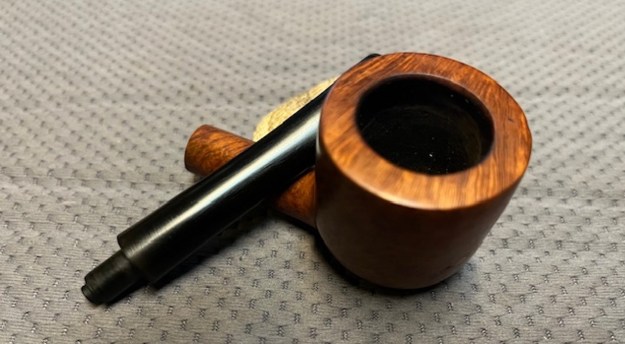
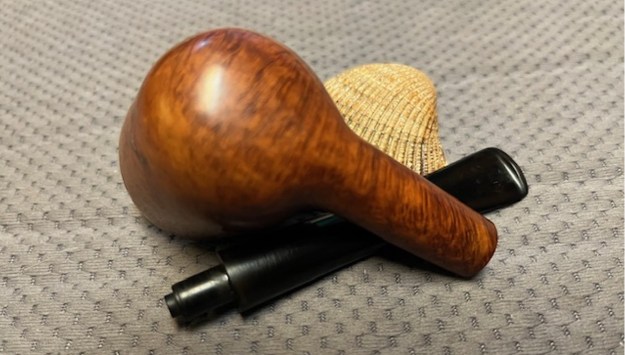
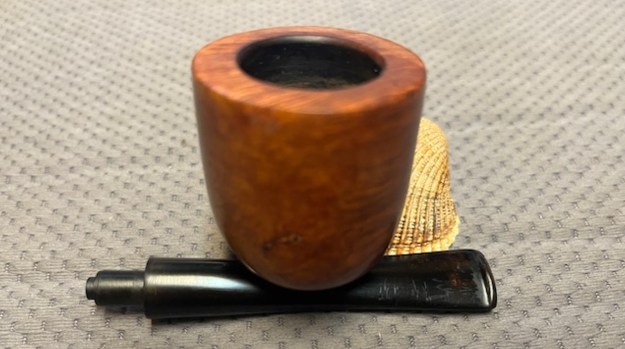
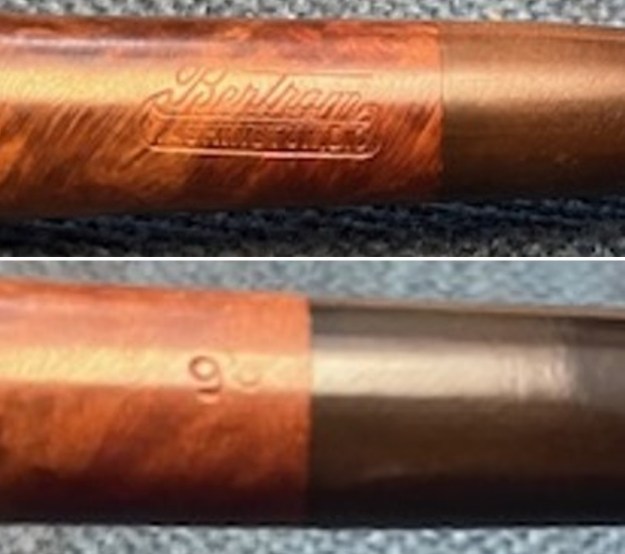
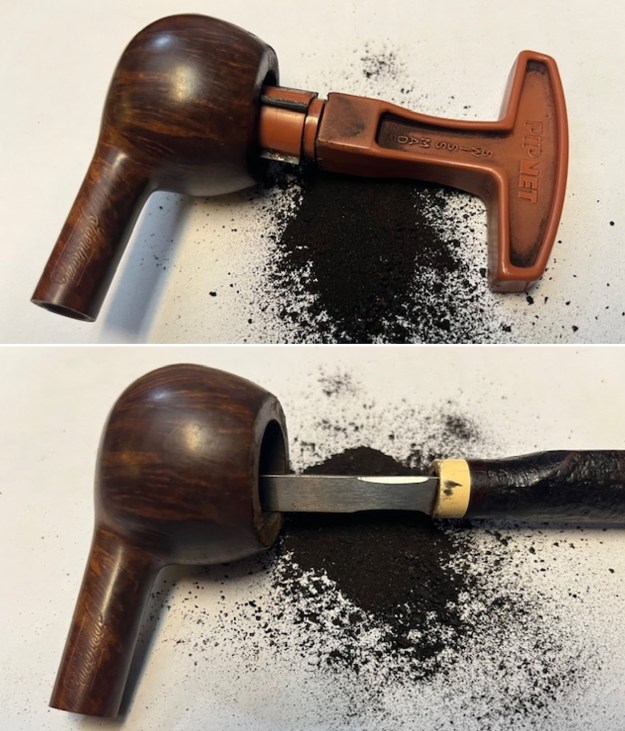
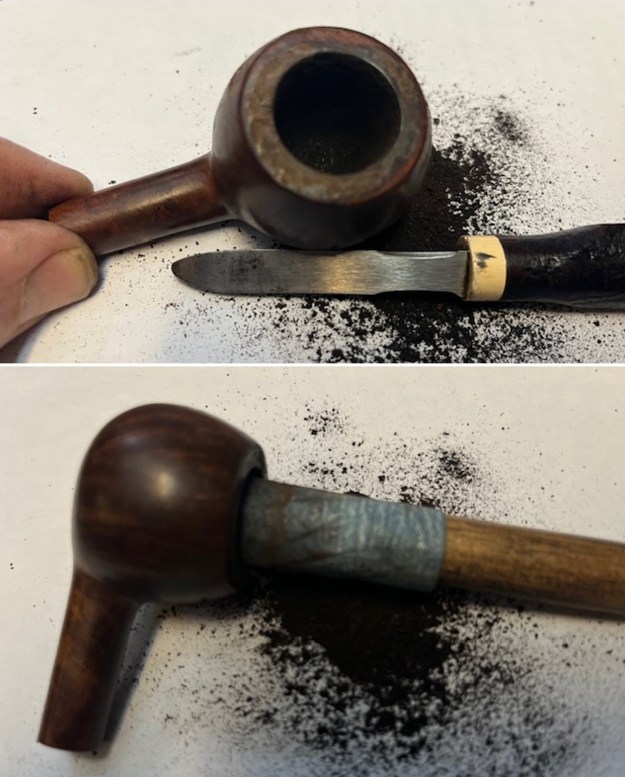
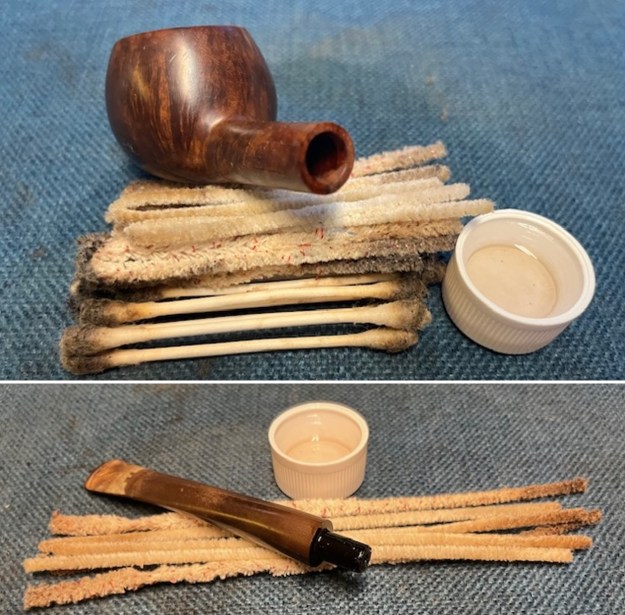
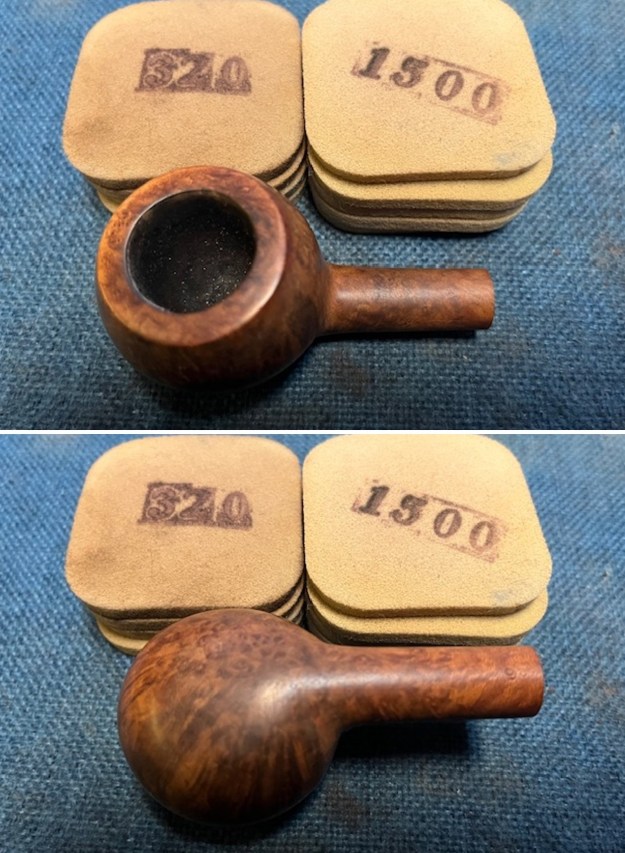
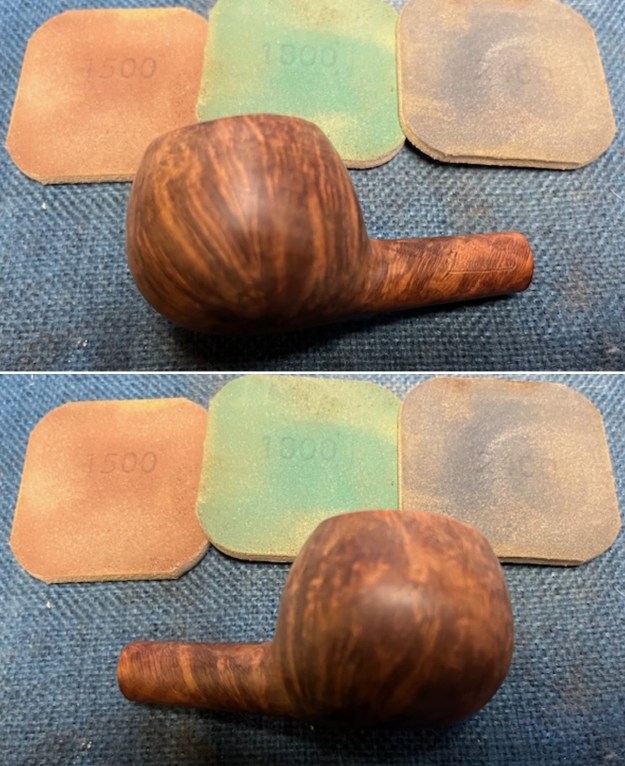
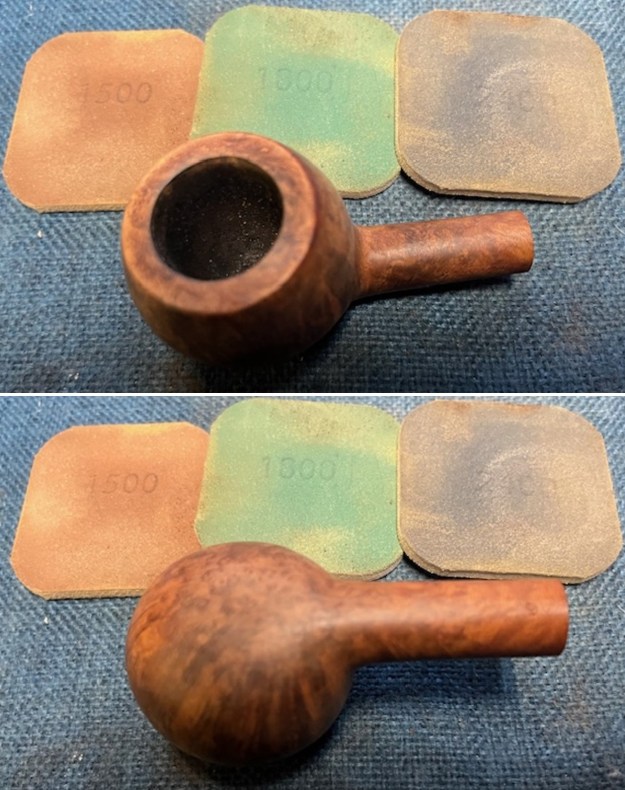
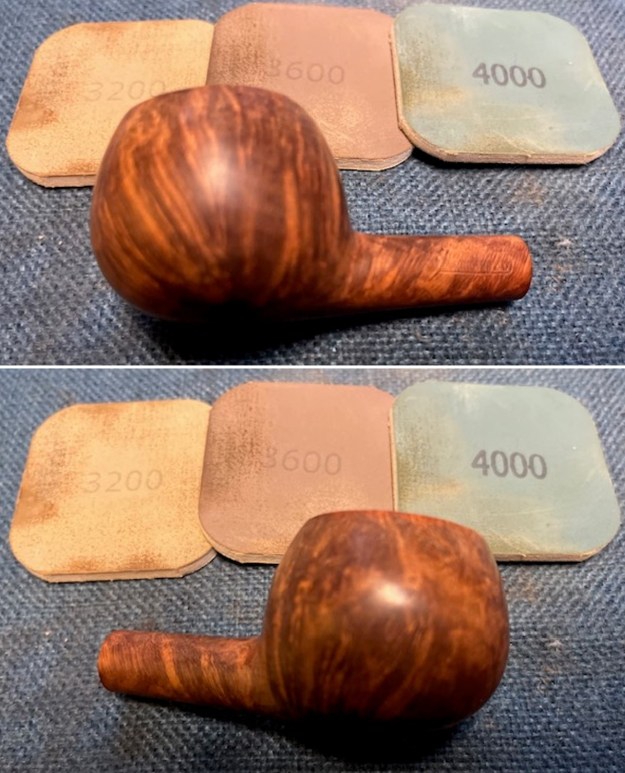
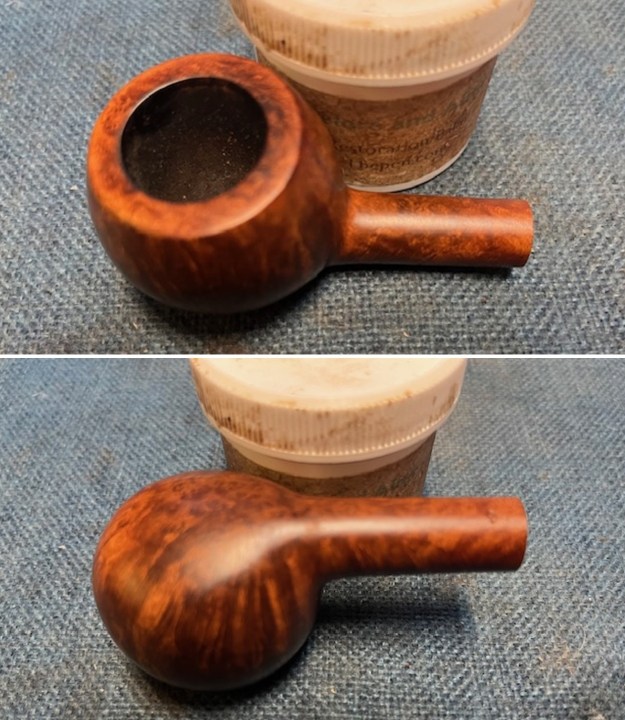
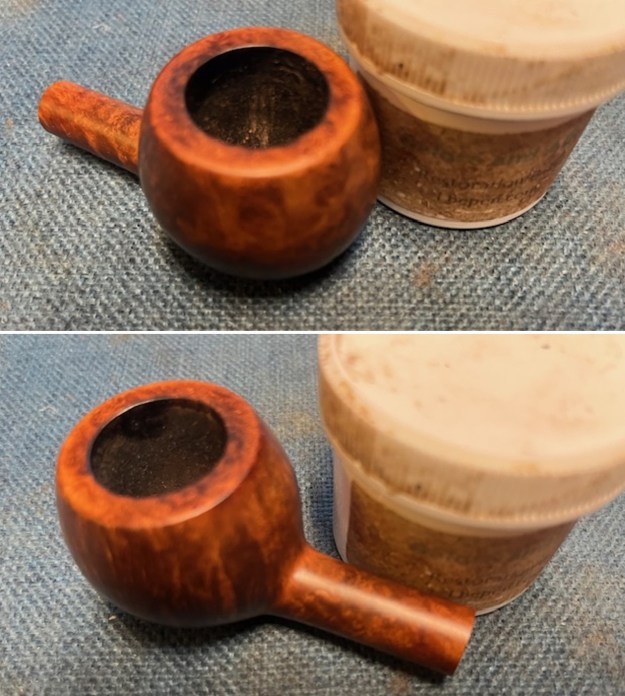
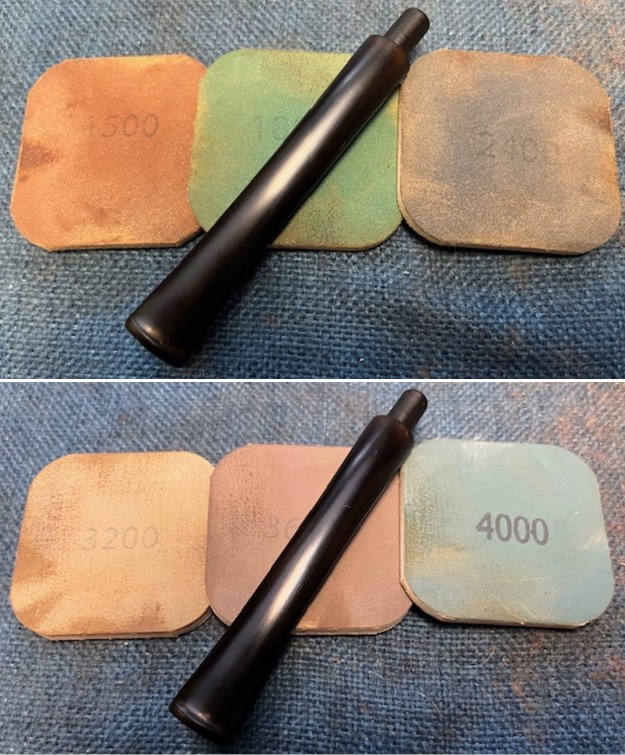
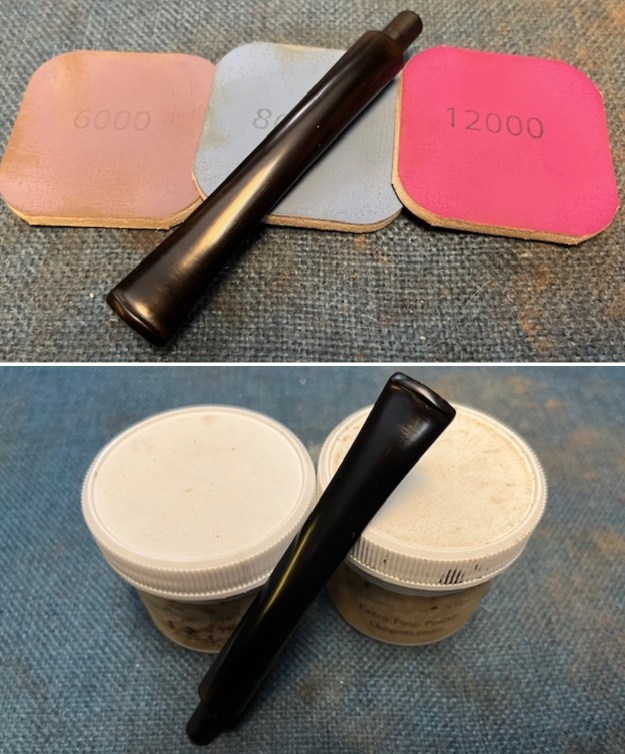
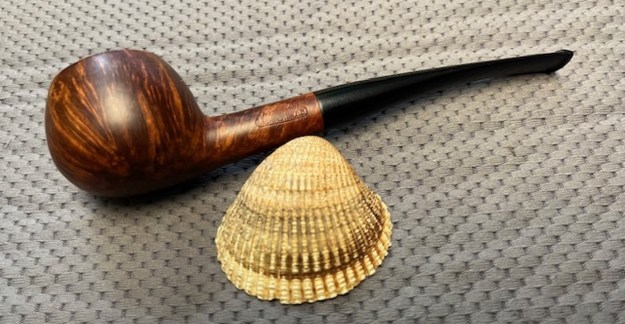
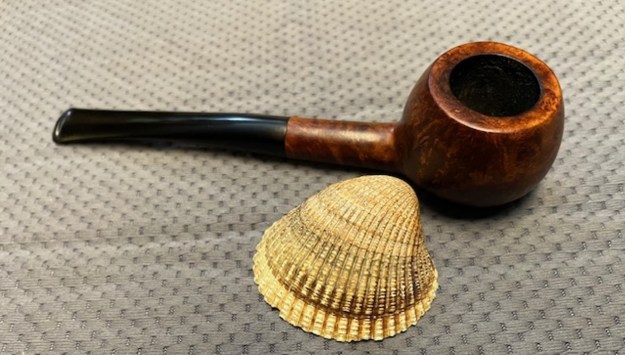
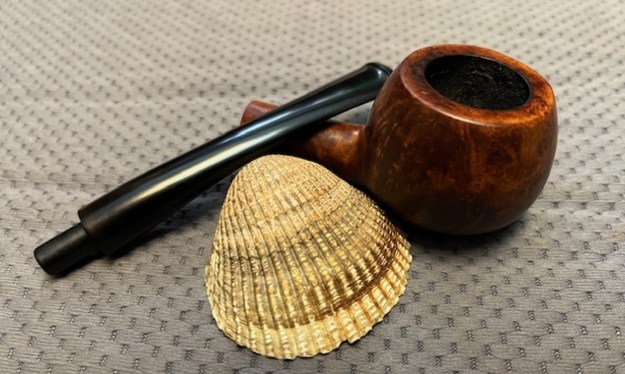
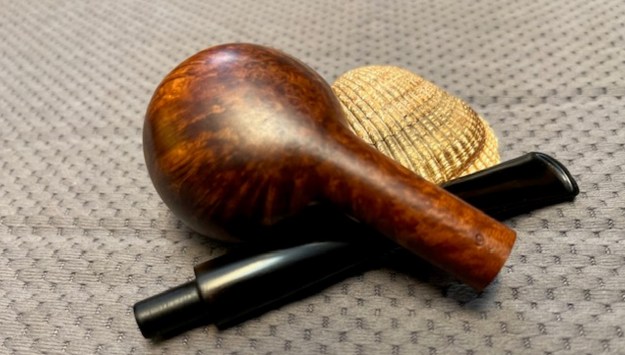
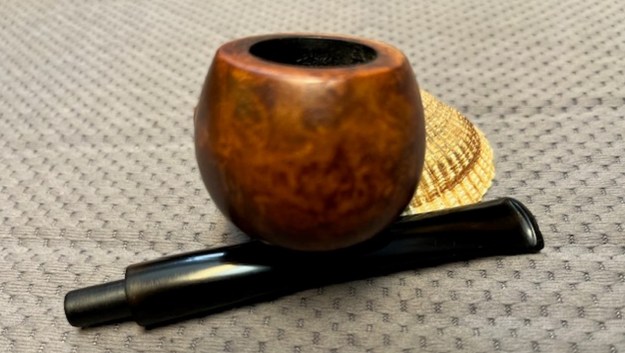
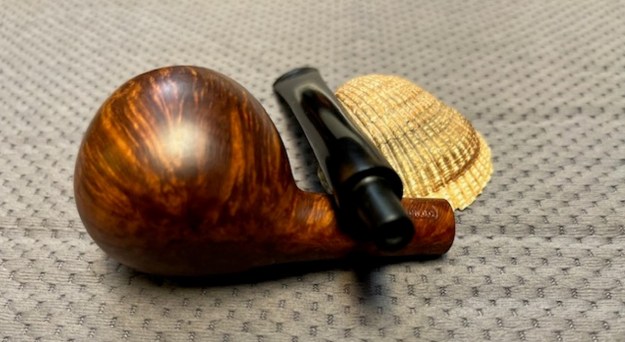
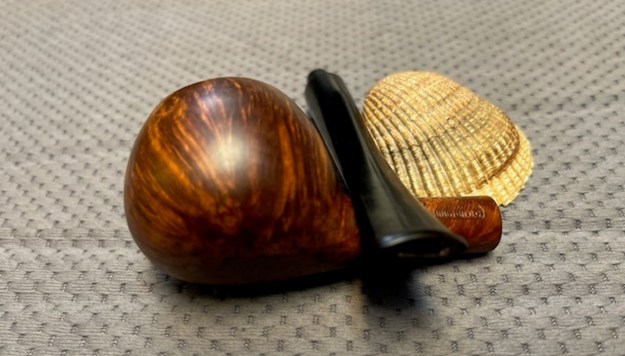
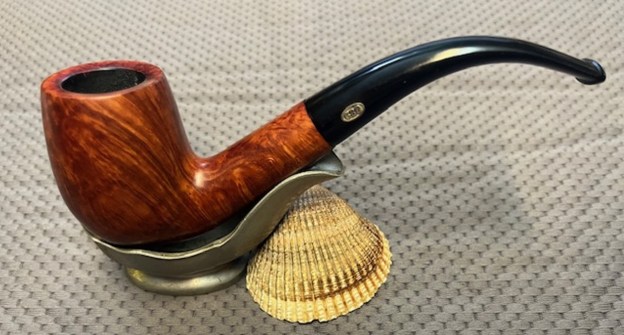
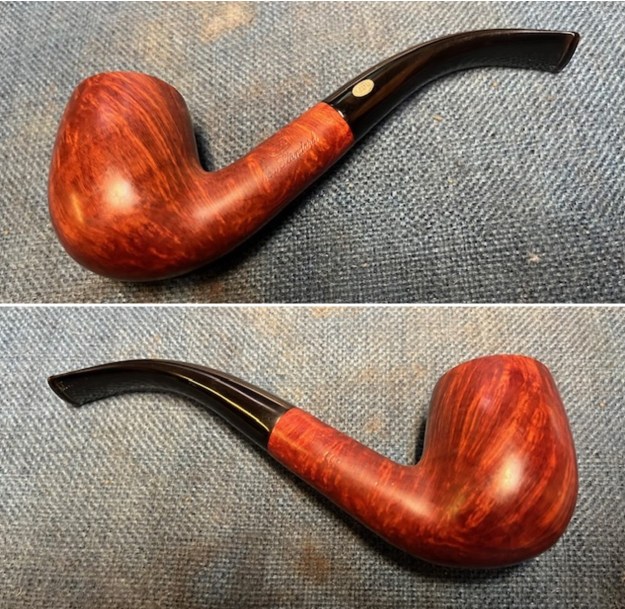
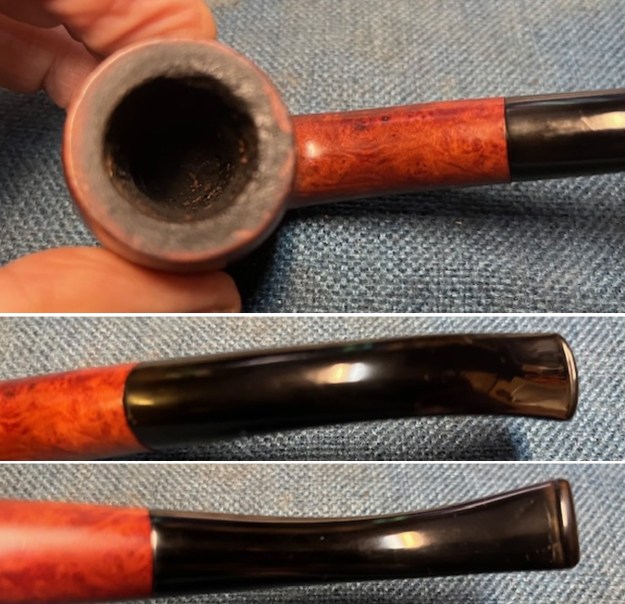
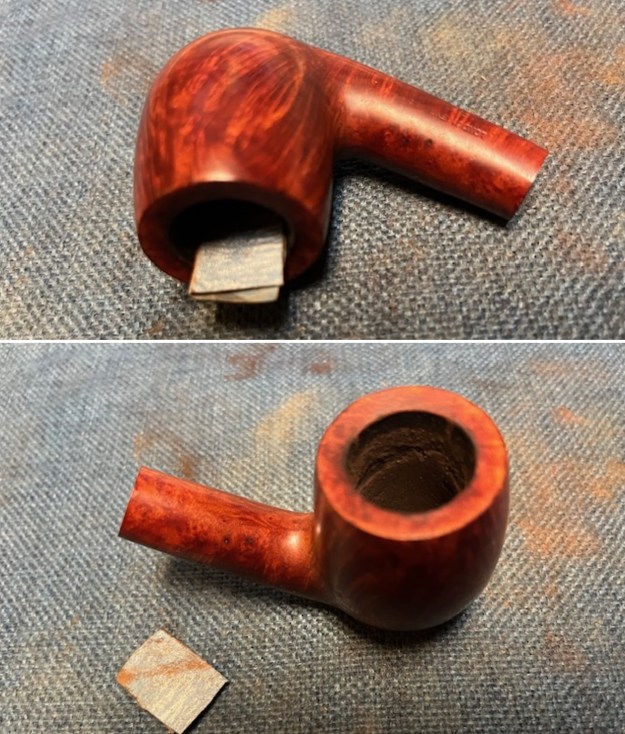
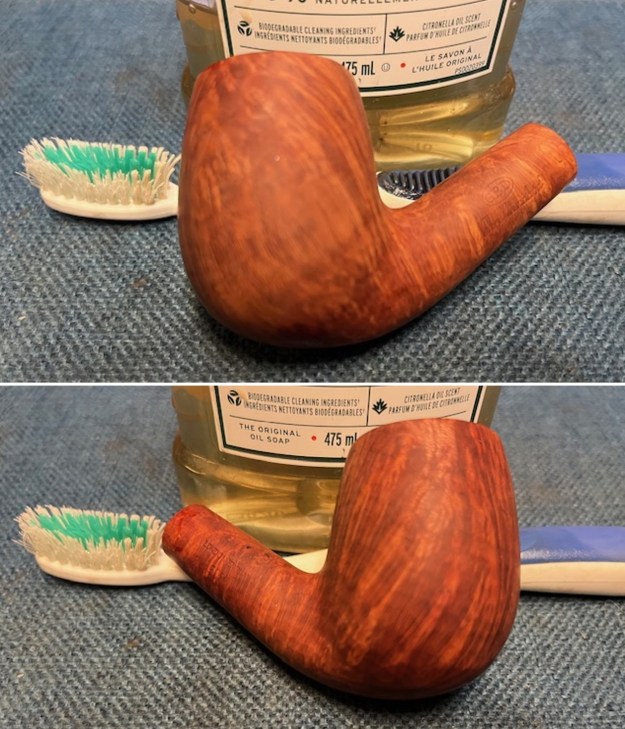
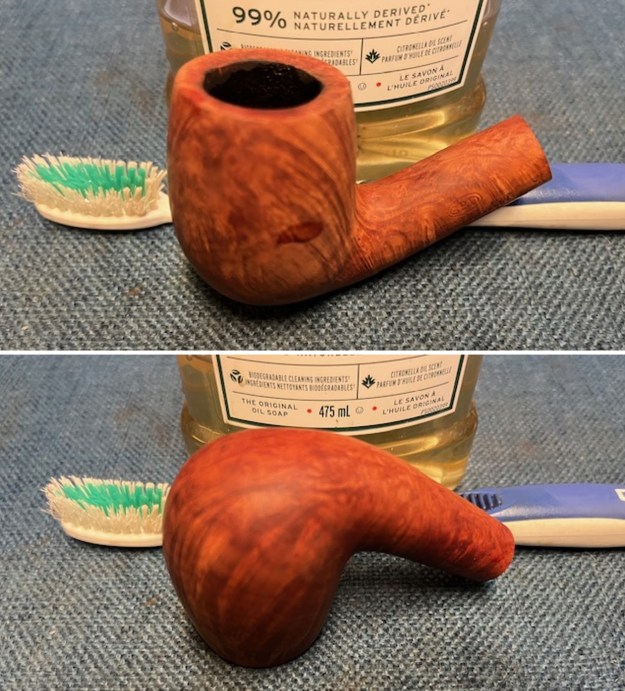
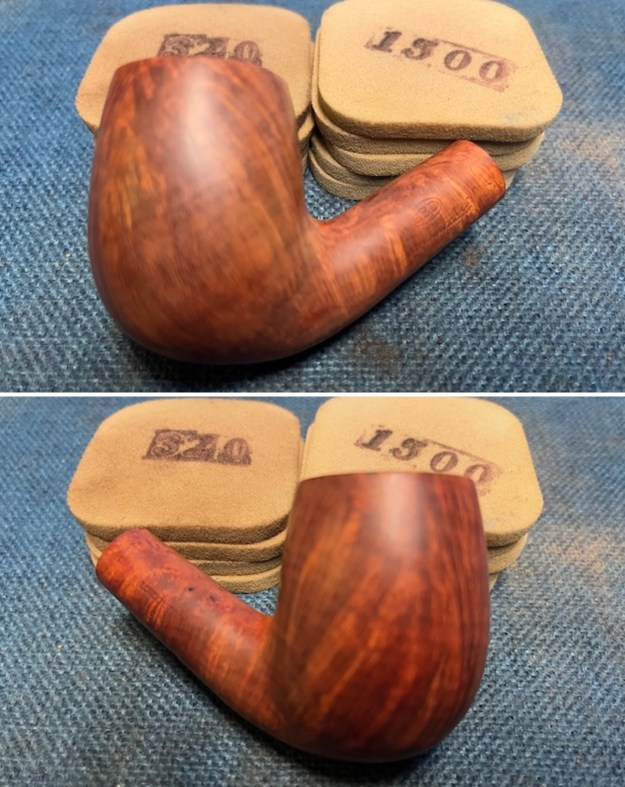
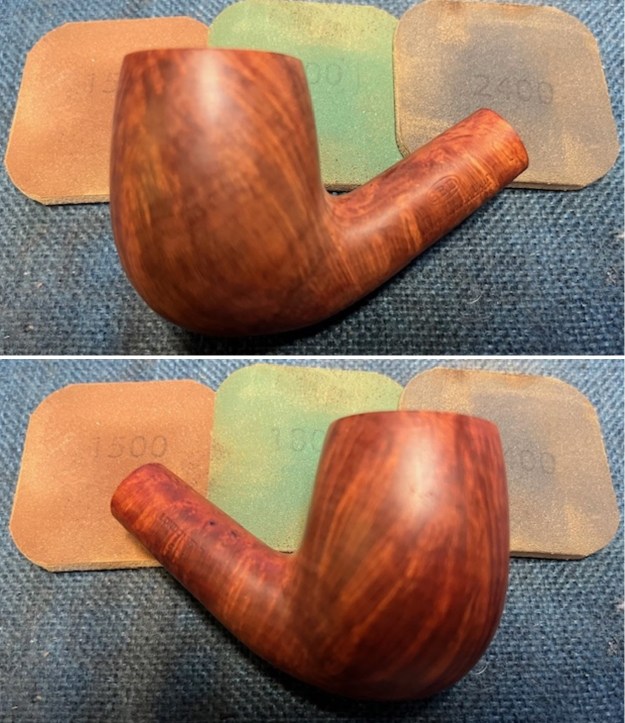
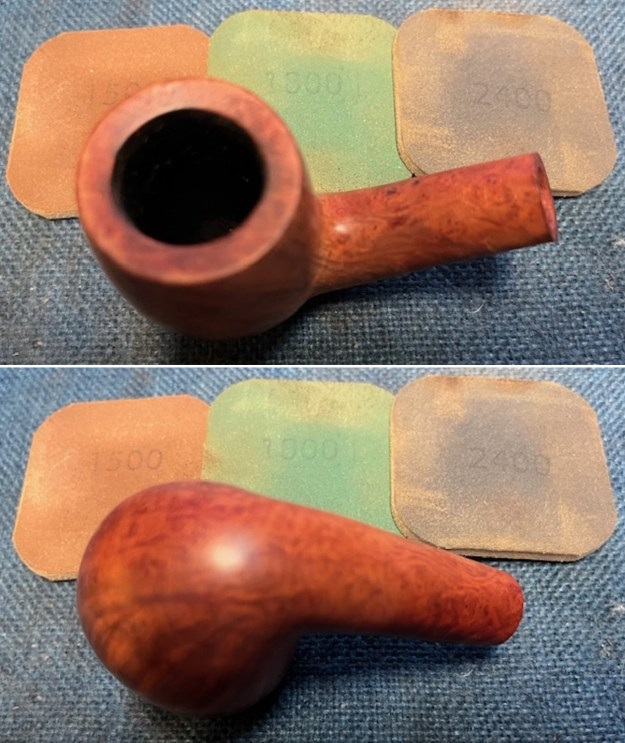
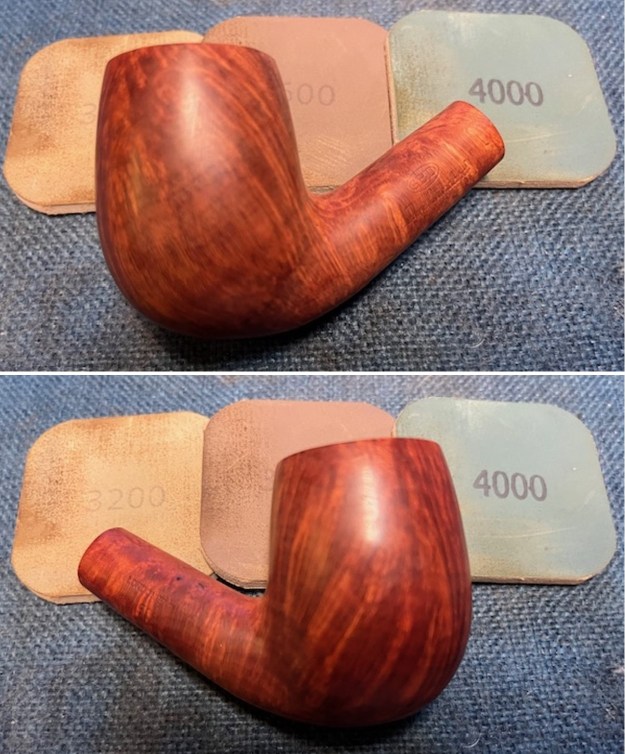
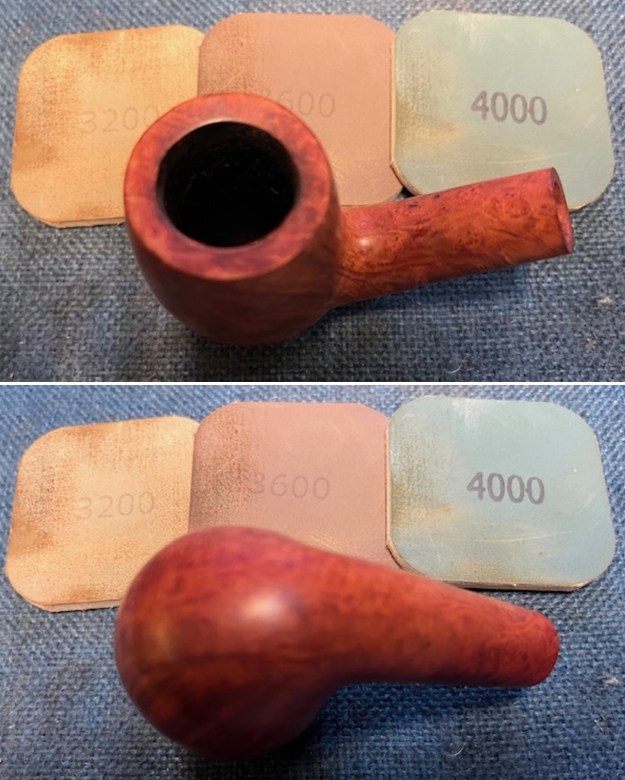
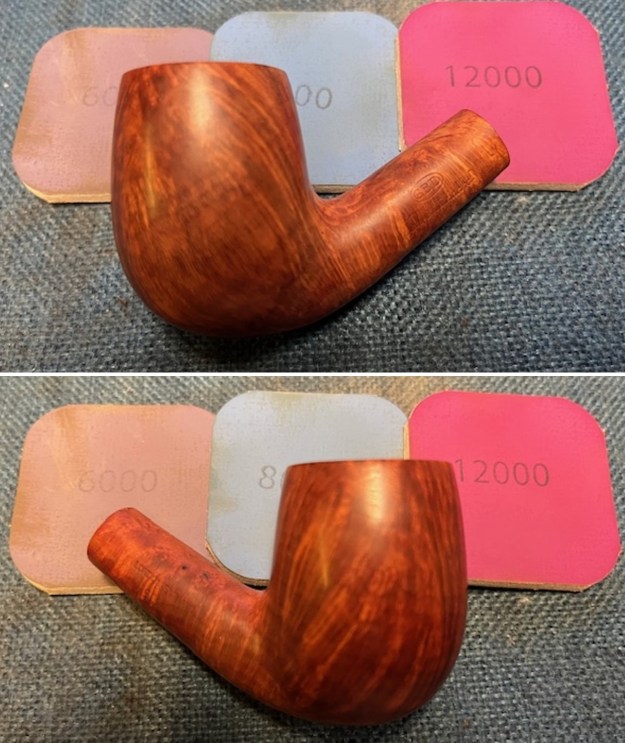
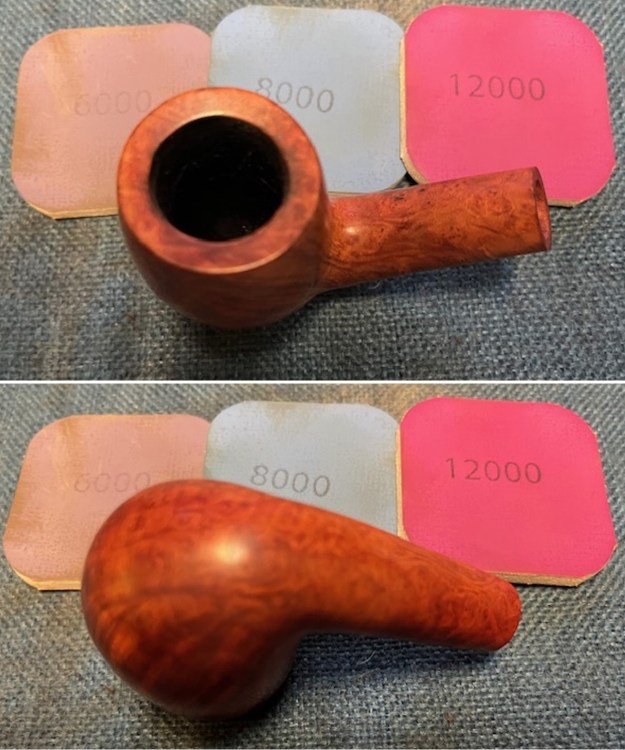
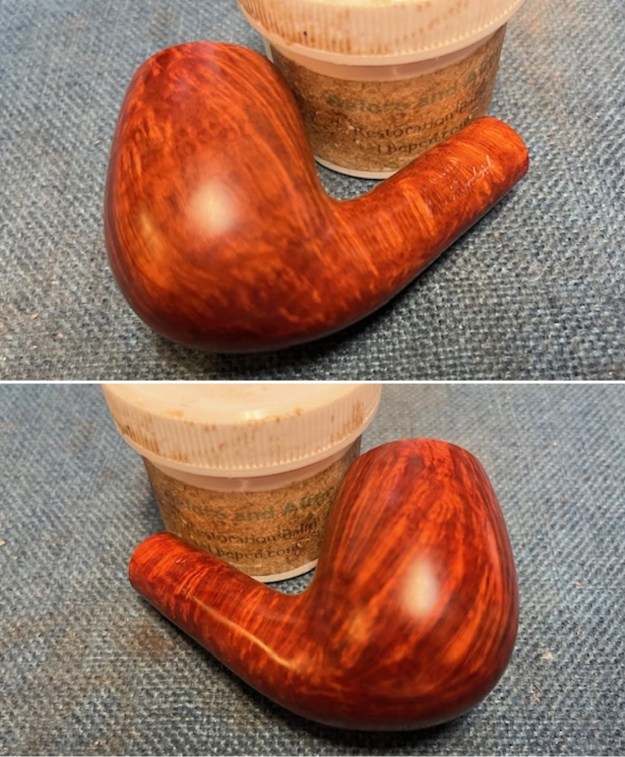
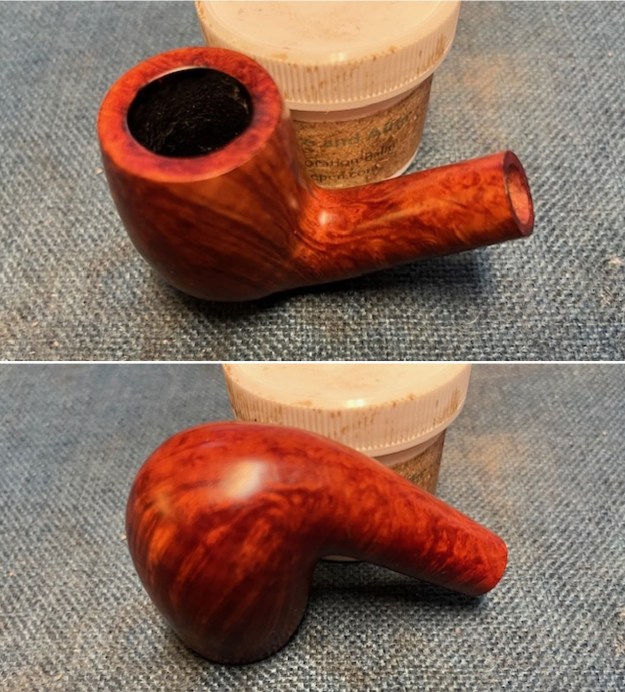
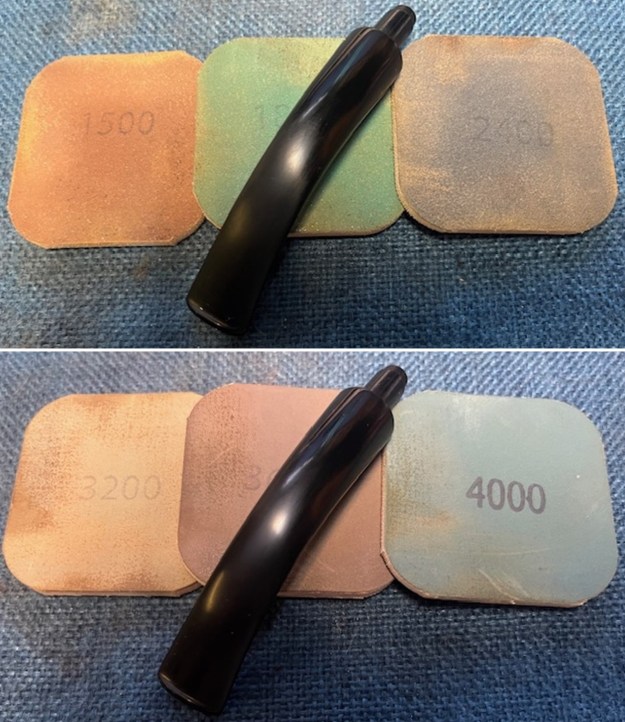
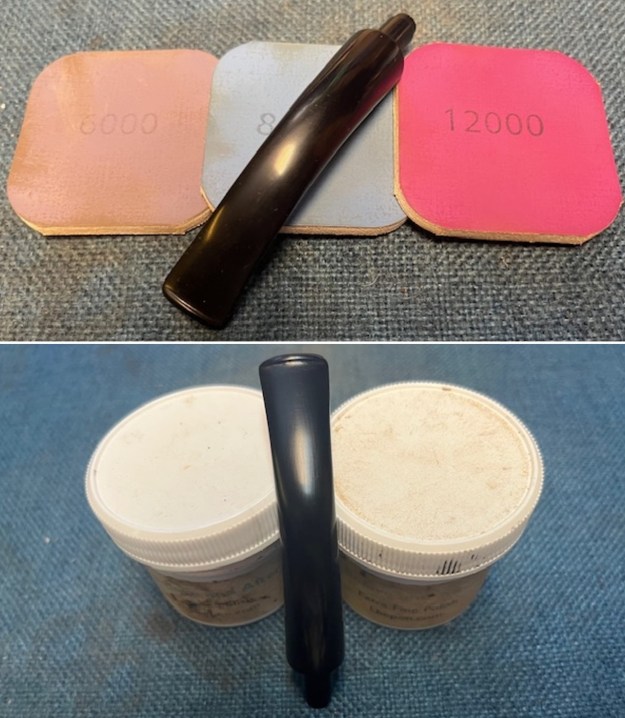
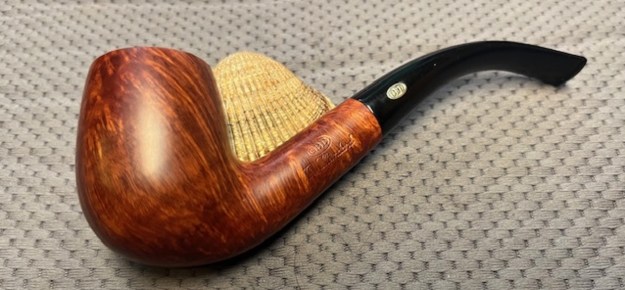
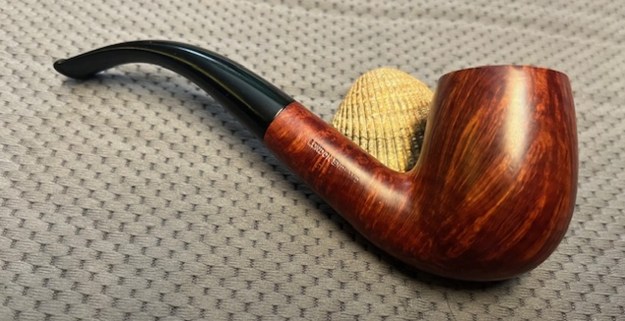
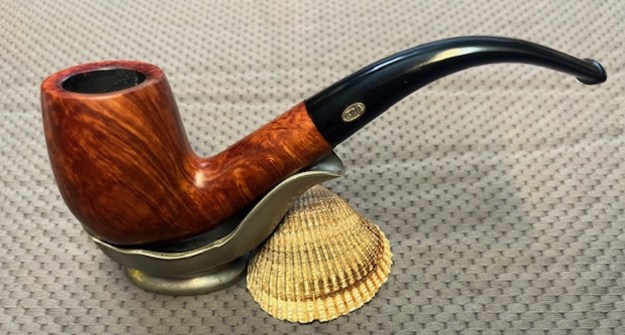
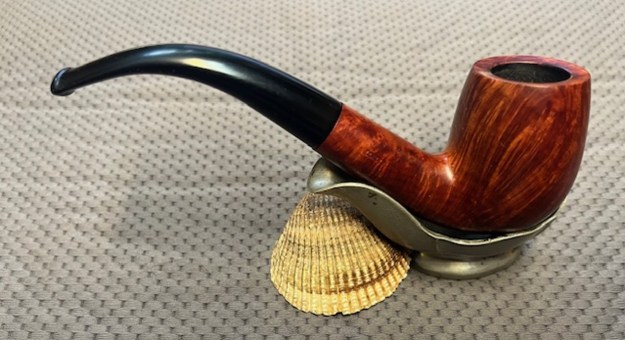
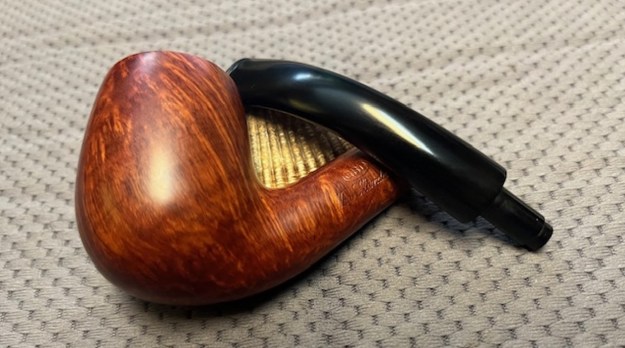
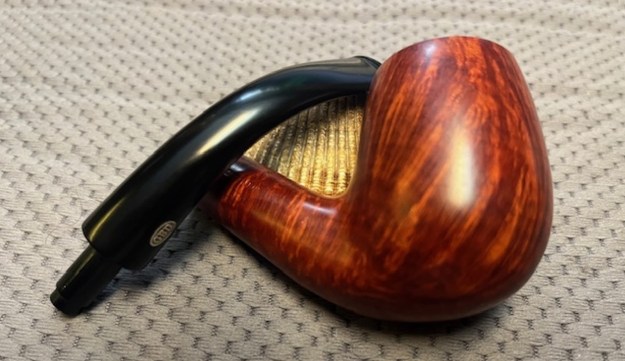
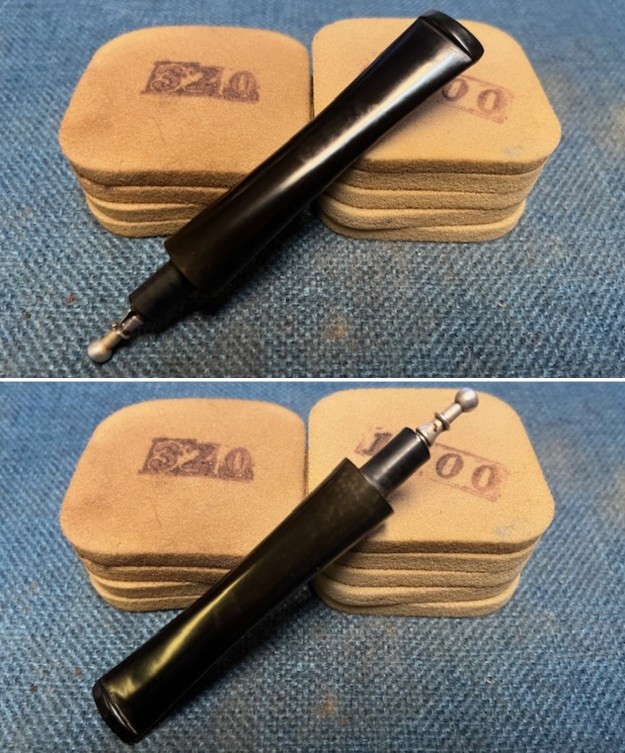
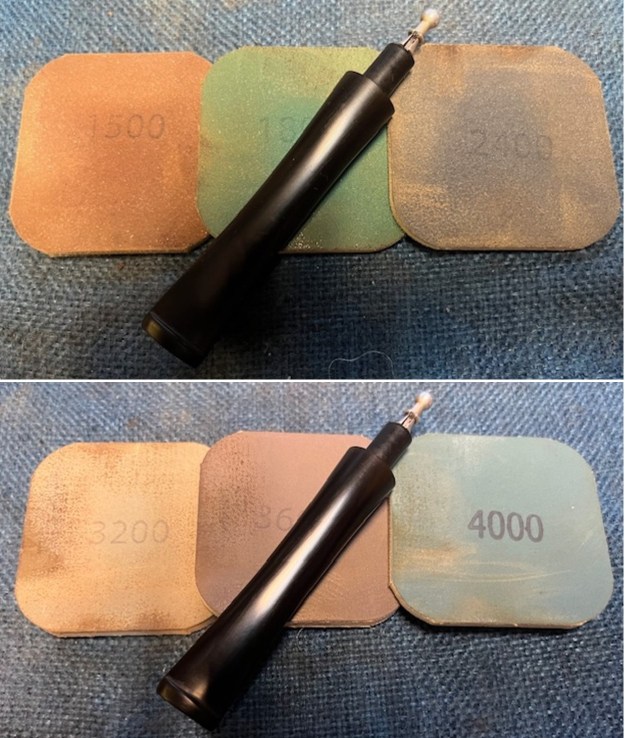
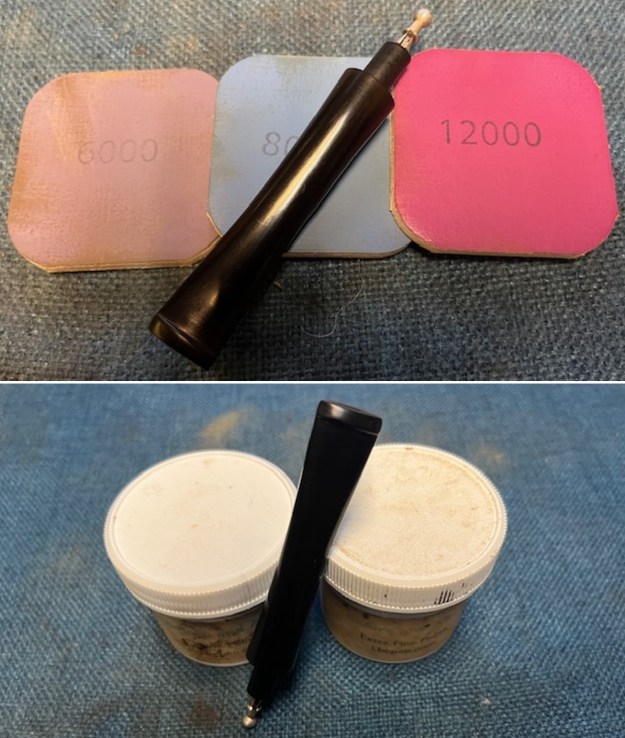
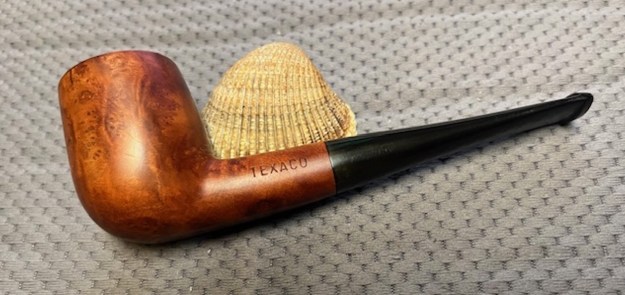
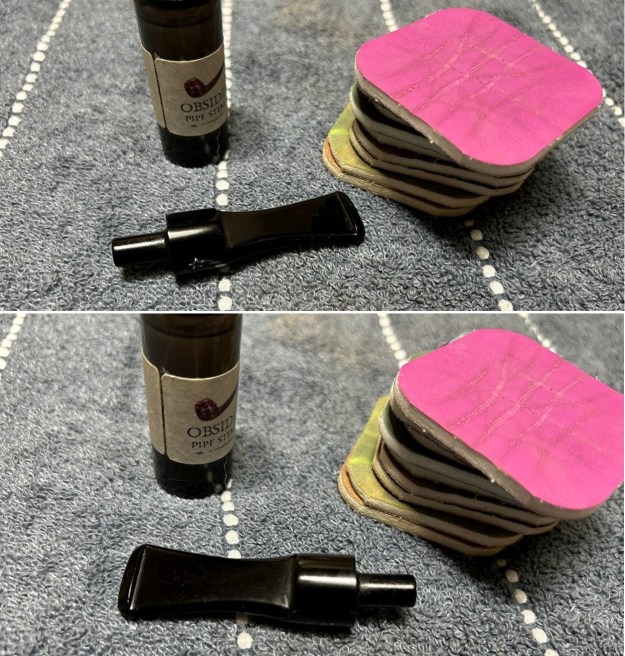
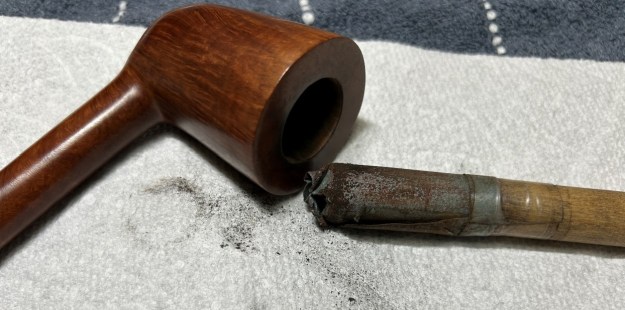
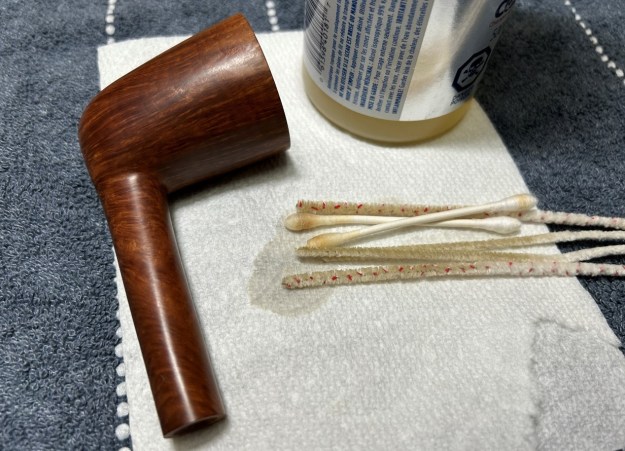
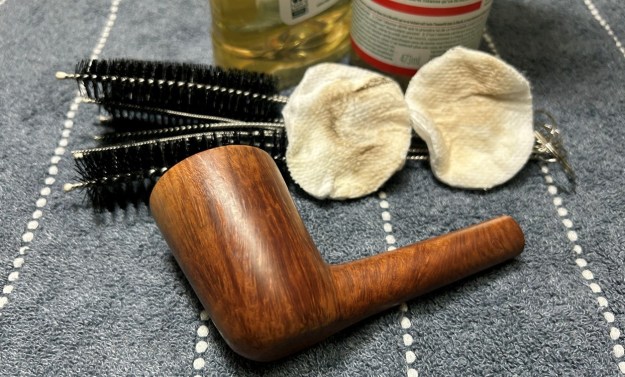
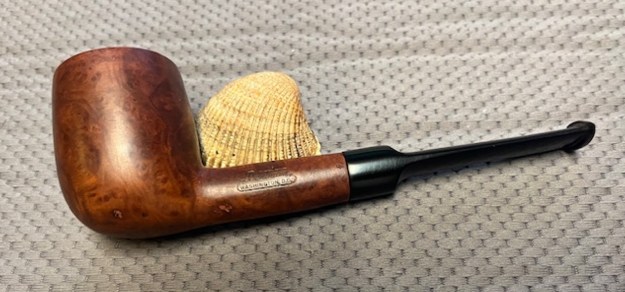
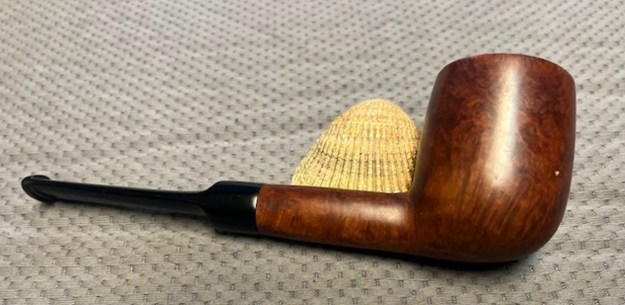
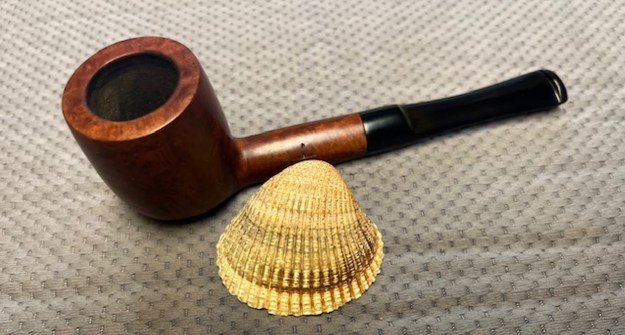
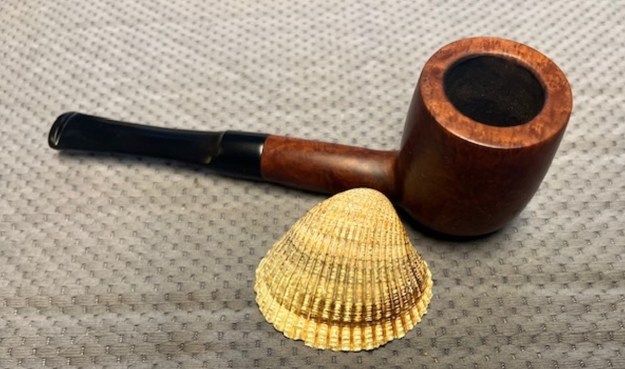
The next pipe on the work table is a BBB pipe with a silver shank band and a vulcanite taper stem. We picked the pipe up from a seller in Ogden, Utah, USA on 12/12/2024. It is stamped on the left side of the shank and reads BBB in a Diamond with Own on the left side of the Diamond and Make on the right side. On the right side of the shank it is stamped Made in London [over] England [over] 636. The silver band is stamped Sterling Silver under BBB in a Dimaond on the left side of the band. It is oxidized and scratched. The finish is a reddish-brown colour that really highlights the grain around the bowl and shank. The bowl colour is a stark contrast to the silver band and the black taper stem. There is a BBB Diamond brass logo inlaid on the top of the stem. The bowl was moderately caked and there was some lava on the inner bevelled edge of the rim and the top. The vulcanite stem had some oxidation and some chatter and light tooth marks on the top and underside of the stem near the button. It also looks like it had a softee bit on the stem at one time as it left a defined line. Jeff took some photos of the pipe to show the general condition of the pipe before he started his clean up. He took some photos of the rim top and bowl from various angles to give me a clear picture of the condition of the rim top and bowl. You can see the moderate cake in the bowl and the lava on the rim edge and top. The next photos show the top and underside of the stem. It is oxidized and appears to have had a Softee bit on it at one time. Jeff took photos of the sides of the bowl to show the condition of the finish on the pipe. The photos showed some great grain. It is a pretty piece of briar. He took some photos of the stamping on the underside of the shank and the Sterling Silver band. The stamping was clear and readable on both shank sides and the band as noted above. He also took a photo of the BBB logo on the topside of the taper stem. Jeff did his usual thorough job cleaning the pipe which I really appreciate because of the freedom it gives me in dealing with pipes. He reamed it with a PipNet pipe reamer and got rid of the cake. He cleaned up the reaming with a Savinelli Fitsall Pipe Knife so that we could see the walls of the bowl and assess for damage. He cleaned the internals of the shank and stem with alcohol, pipe cleaners and alcohol. He scrubbed the exterior with undiluted Murphy’s Oil Soap and a tooth brush. He rinsed the pipe under warm water. He dried it off with a cloth and then let it air dry. The stem was scrubbed with Soft Scrub and had a soak in Before & After Deoxidizer to remove the oxidation. One it was rinsed off, it came out looking very good. The finish on the bowl and the rim top cleaned up nicely. I took pictures of the pipe to show how it looked when I unpacked it. I took a close up photo of the bowl and rim top to show how clean the pipe was. The bowl was very clean and showed that the inner tube sitting in the bottom of the bowl. The stem looked good with very light tooth marks and chatter. Overall the pipe is a beautiful looking piece.I took photos of the stamping on the sides of the shank. It read as noted above. It is very clear and readable. I also removed the stem from the shank and took photos of the pipe to show the look of the parts. I decided to start my work on the bowl by polishing the rim top and the briar with micromesh sanding pads – dry sanding with 1500-12000 grit pads. I wiped the bowl down with a damp cloth after each sanding pad to remove the dust and debris. I gave the bowl and shank a coating of Before & After Restoration Balm. I worked it into the surface of the briar with my fingertips to clean, enliven and protect the briar. I let the balm sit for 15 minutes and then buffed with a cotton cloth to raise the shine. The photos show the bowl at this point in the restoration process. I polished the silver band with a jeweller’s cloth to remove the tarnish and oxidation. It took some elbow grease but the cloth works to clean and protect the silver from further tarnishing. It looks significantly better than when I started. I set the bowl aside and turned my attention to the stem. I polished it with micromesh sanding pads – 1500-12000 grit sanding pads and water to wet sand the stem. I wiped it down after each sanding pad with Obsidian Oil on a cotton rag after each sanding pads. After finishing with the micromesh pads I rub the stem down with Before & After Fine and Extra Fine stem polish as it seems to really remove the fine scratches in the vulcanite. I finished polishing the stem with a final coat of Obsidian Oil and set the stem aside to let the oil absorb. This process gives the stem a shine and also a bit of protection. This BBB Own Make 636 Made in London England Billiard turned out to be a great looking pipe. With polishing, the grain shines through clearly. The black vulcanite stem is in excellent condition and works great with the polished briar. The polished silver is a touch of class. I put the stem back on the bowl and carefully buffed the pipe with Blue Diamond on the buffing wheel using a light touch on the briar. I gave the bowl and stem multiple coats of carnauba wax on the buffing wheel and followed that by buffing the entire pipe with a clean buffing pad. I hand buffed the pipe with a microfiber cloth to deepen the shine. The finished BBB Own Make 636 Billiard fits nicely in the hand and feels great. Give the finished pipe a look in the photos below. The dimensions of the pipe are Length: 6 inches, Height: 1 ¾ inches, Outside diameter of the bowl: 1 ¼ inches, Chamber diameter: ¾ of an inch. The weight of the pipe is 43 grams/1.52 ounces. It is a great looking pipe that I will soon be adding it to the rebornpipes store in the British Pipemakers Section. If you are interested in adding it to your collection let me know Thanks for reading this blog and my reflections on the pipe while I worked on it.

The Resuscitation of an Old Airograte Yello-Bole


by Kenneth Lieblich

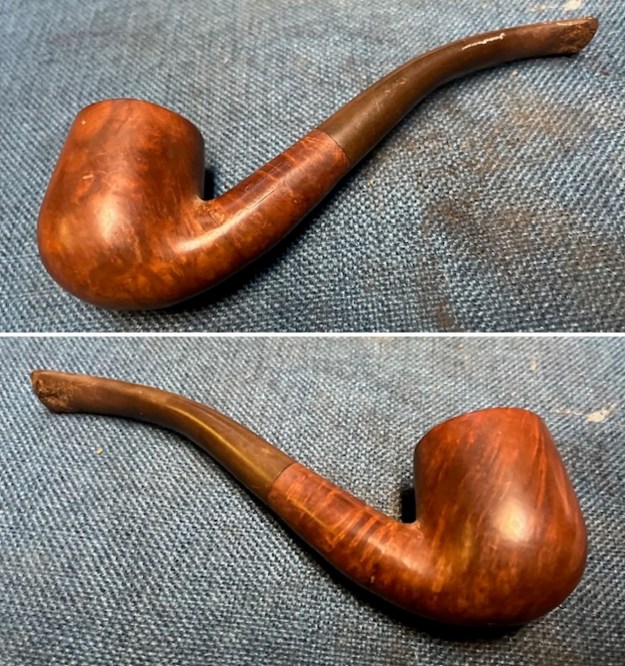
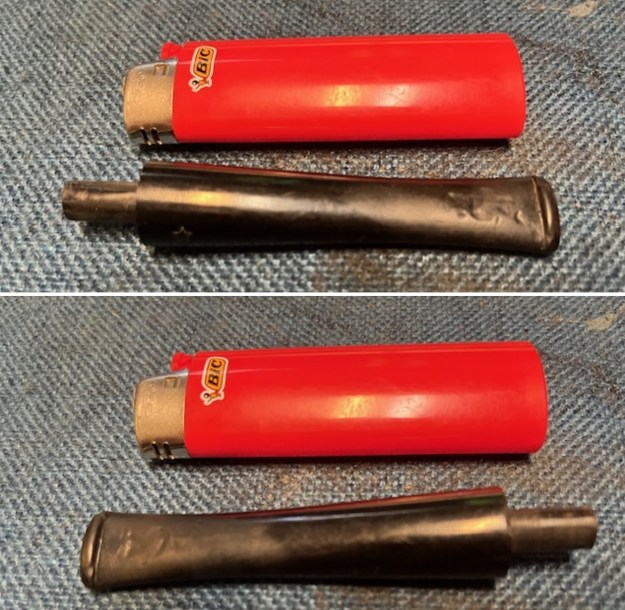
A gentleman recently contacted me to ask if I would restore his Airograte Yello-Bole. I was happy to take on the project, as it was an interesting pipe – and it looked like it could use some TLC. In the end, the pipe turned out very well, but it was a very labour-intensive cleaning and restoration. Take a close look at the before and after photos – I think they speak for themselves. This pipe has had a hard life, but it must have been greatly loved. This restoration made the pipe look so much better, but the battle scars of the past will always be with it – and so they should be! They are part of its history. Let’s talk about the background of the pipe. The patent on the Airograte dates to 1949, and I have included the pages from the US Patent Office below, for those who wish to read them: I also found a blurb from inside the box of an Airograte Yello-Bole from years ago. I’ve included the photo below, but I also typed out the words in case you can’t quite make them out:

Airograte Yello-Bole introduces an entirely new principle in pipe smoking. One of the basic, patented features is a removable metal grate which holds the tobacco in suspension. This allows fresh air to be drawn into, and circulate through, the lower aluminum chamber resulting in a cool, dry smoke. The metal grate may be easily washed and cleaned. Ordinary cleansing tissue will wipe clean the aluminum chamber and bottom of bowl. Shank and bit should be cleaned with a pipe cleaner. Airograte Yello-Bole’s design and patented construction give better combustion and moisture evaporation. Result? No messy juices, no bite, no bitterness, no drag and no smelly heel. Interchangeable bowls in assorted shapes are available. Buy an extra bowl… Smoke one, rest the other. Each bowl is caked with Real Honey. You’ll enjoy Airograte Yello-Bole because it’s the sweetest, driest, coolest pipe smoking sensation!On Pipedia, there is a good article about the history of the Yello-Bole company and its progenitor, Kaufmann Bros. & Bondy. On the Airograte itself, Pipedia says:

The Yello Bole Aristocrat Airograte: An Aluminum and wood pipe with a twist. This pipe doesn’t have a bowl per say, but more a briar cylinder that screws into the base of the body. At the bottom of the bowl is a metal grate, thus allowing air to be pulled through all the tobacco and reducing any chance of clogging. The lower bowl catches all moisture and tar reducing bite. These pipes can be had in a silver/chrome finish as well as a soft gold finish. The stem of these pipes has cooling fins up each side, and can be found in a straight or bent form.Steve has written several blogs about the Airograte and here is one of his comments about it:

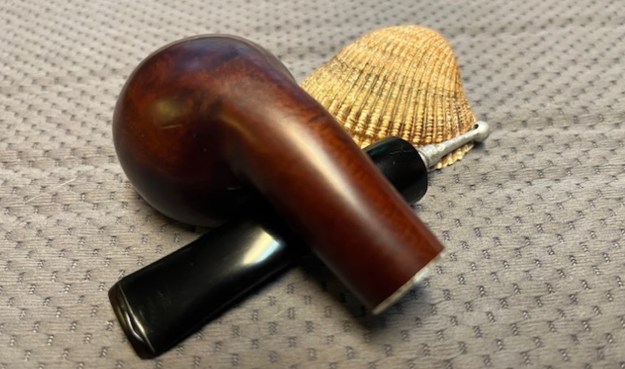
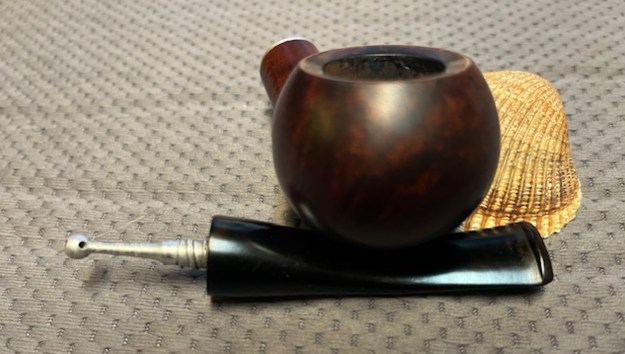
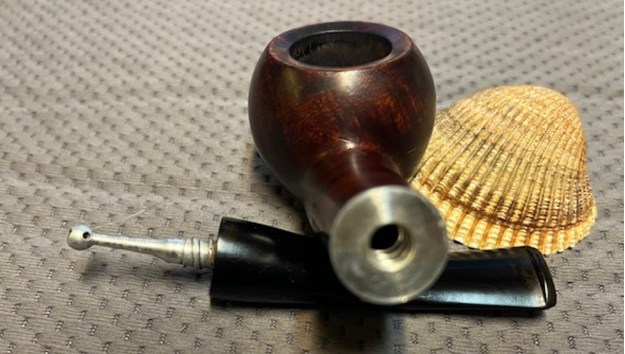
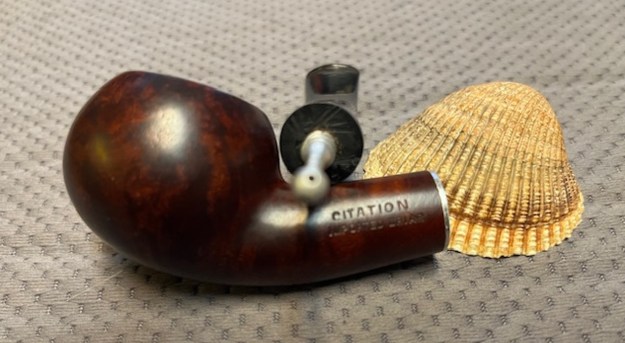
The Airograte Pipe was also made by Yello-Bole and was their version of the Falcon pipe or the Dr. Grabow Viking. It had a metal base and shank with an interchangeable bowl. Yello-Bole made a variation to the theme by make the bowl more of a tube and inserting a metal grate between the bowl and the base for dry smoking air flow. It also had the Nylon Bit like the Grabow and the Falcon version. These pipes sold for $5.95 and you could purchase a variety of interchangeable bowls for the base.Let’s examine the condition of this pipe a little more closely. The bowl is dirty-beyond-dirty. As you can see, the chamber is absolutely choked with old cake and there is a lot of lava on the rim. To make matters worse, there is a serious abrasion on the rim. On the underside of the bowl, there are small cracks in the base which extend into the screw threads. The stem was, sadly, no better. There is plenty of calcification on the bit. Fortunately, since the stem is made of a hard nylon, there is no oxidation. However, the tooth marks, dents, and chomps on this stem are among the most severe I’ve seen in a long while. The photos do not accurately convey just how concave (and low) these tooth marks are. The aluminum body of the pipe was dull, dirty, and heavily scratched. Some of those scratches would come out, but some wouldn’t. Unsurprisingly, the metal grate was clogged with tobacco filth.

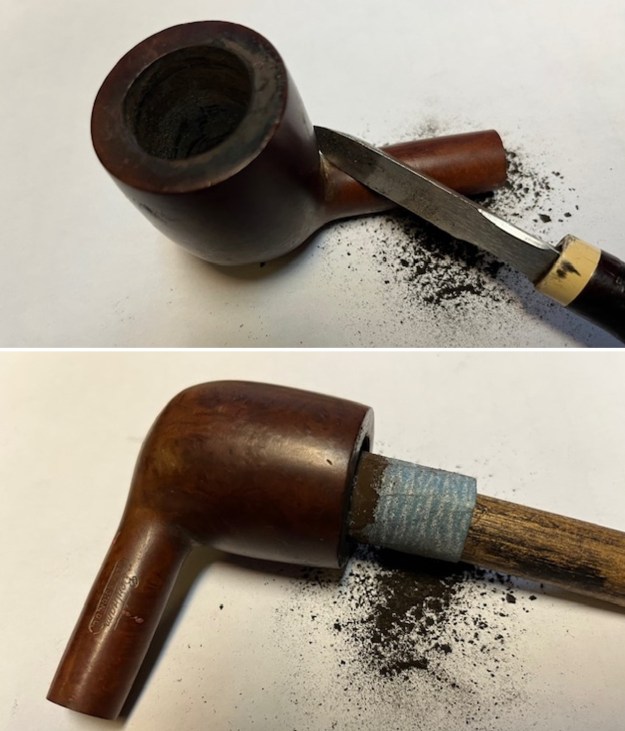
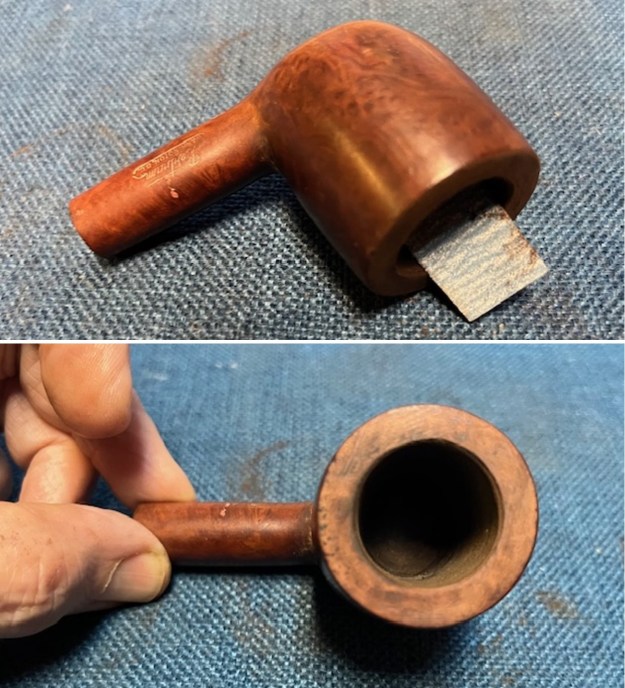
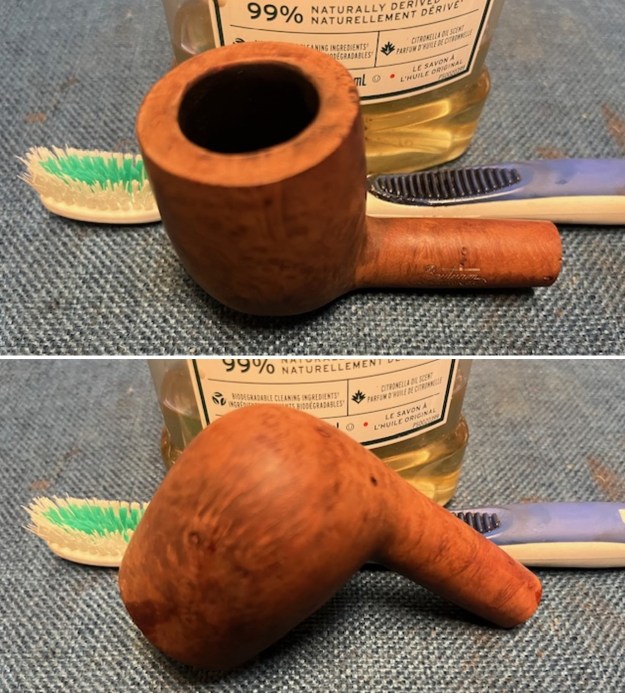
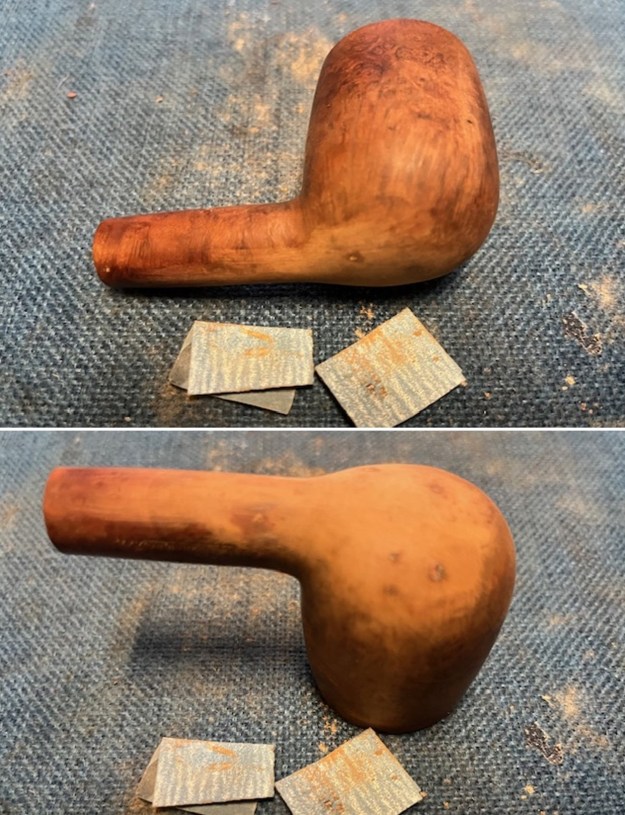
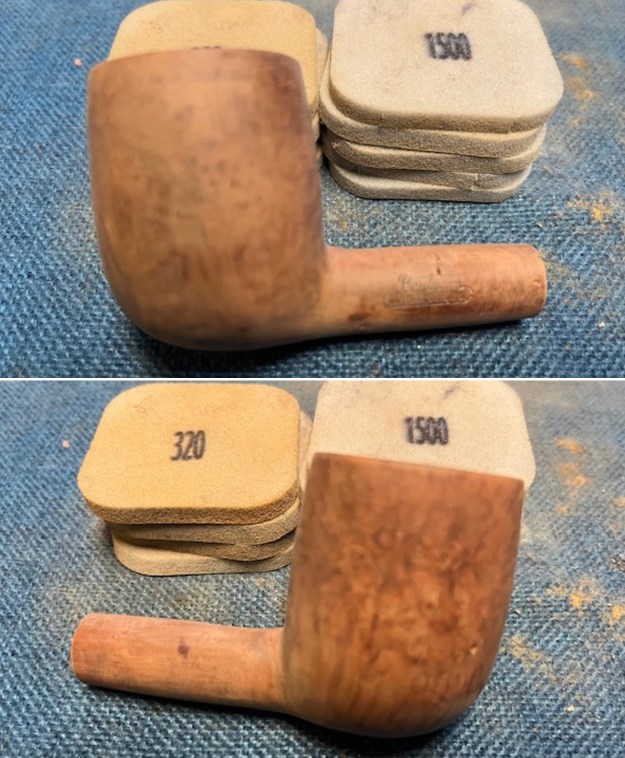
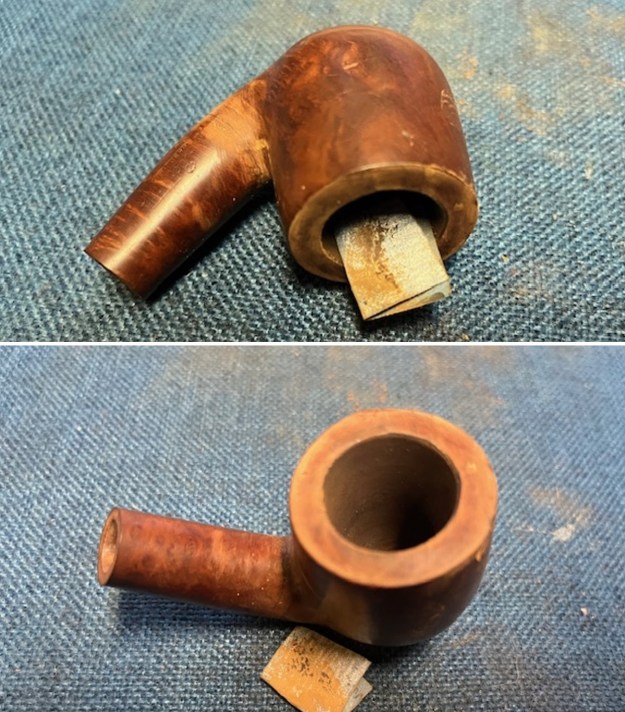
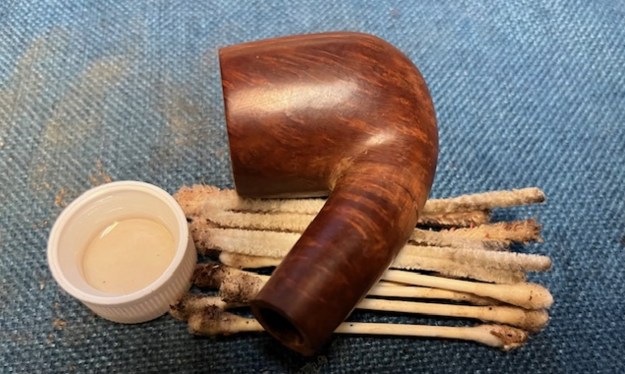
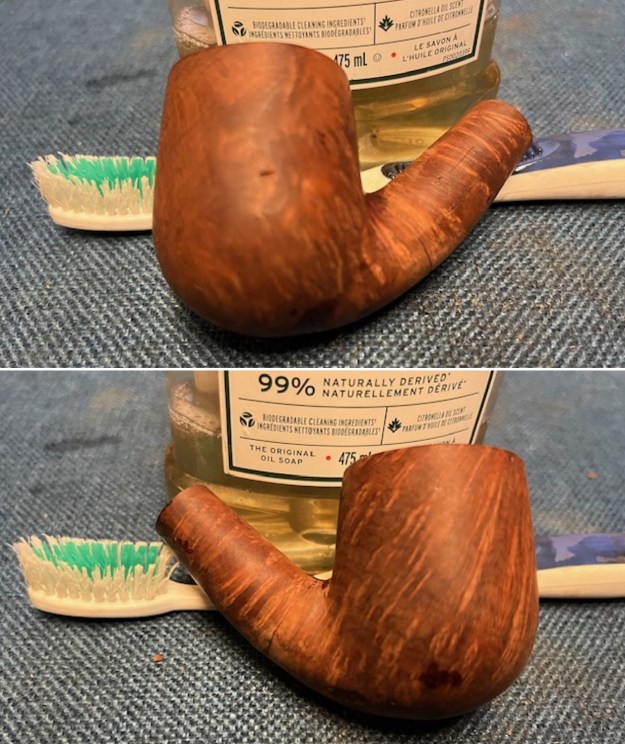
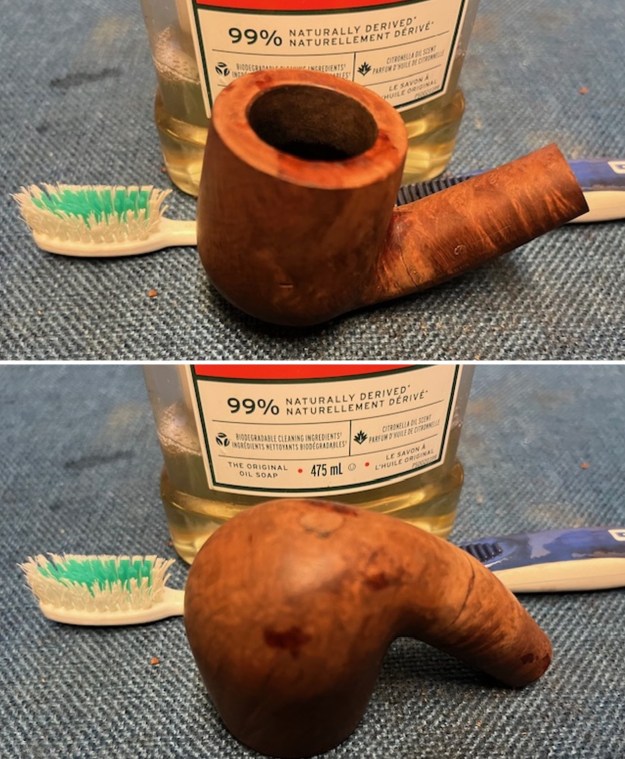
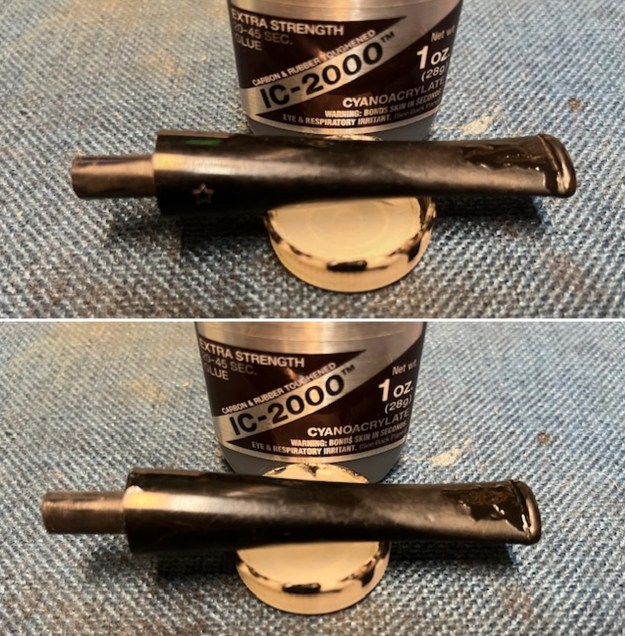
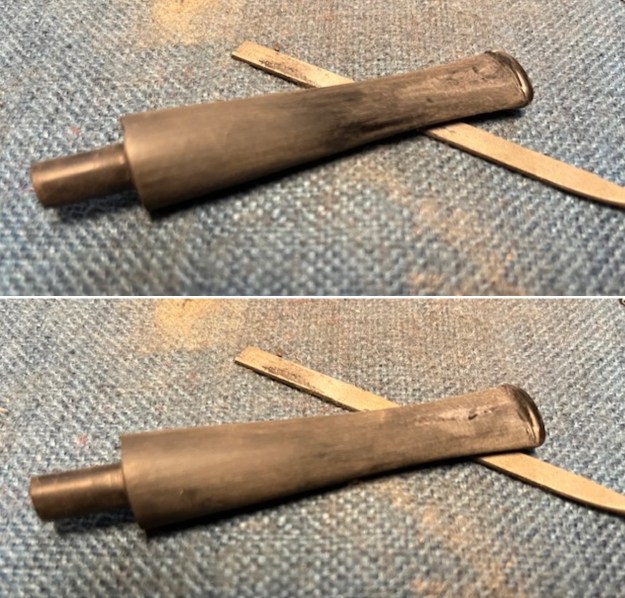
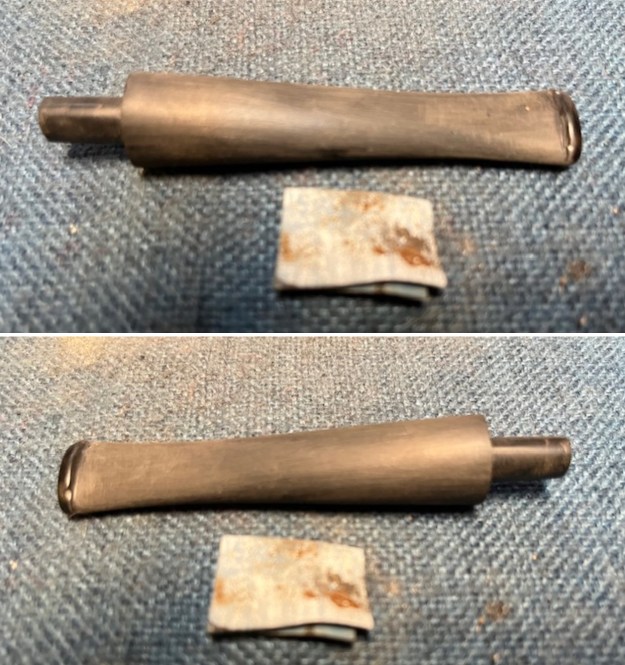
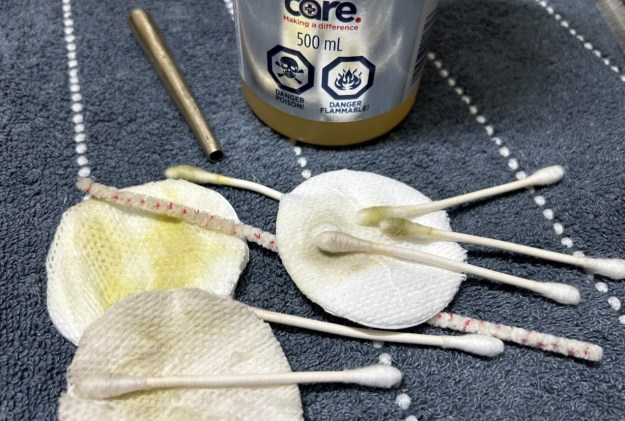
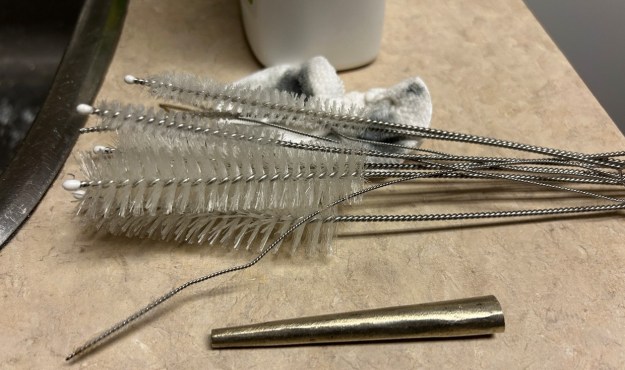
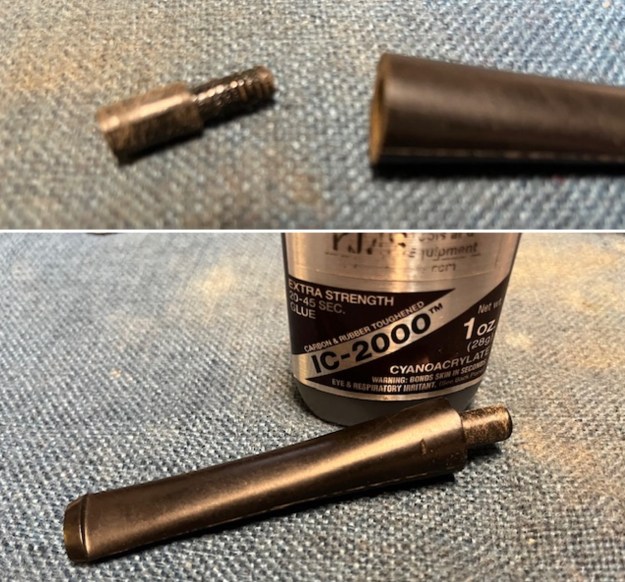
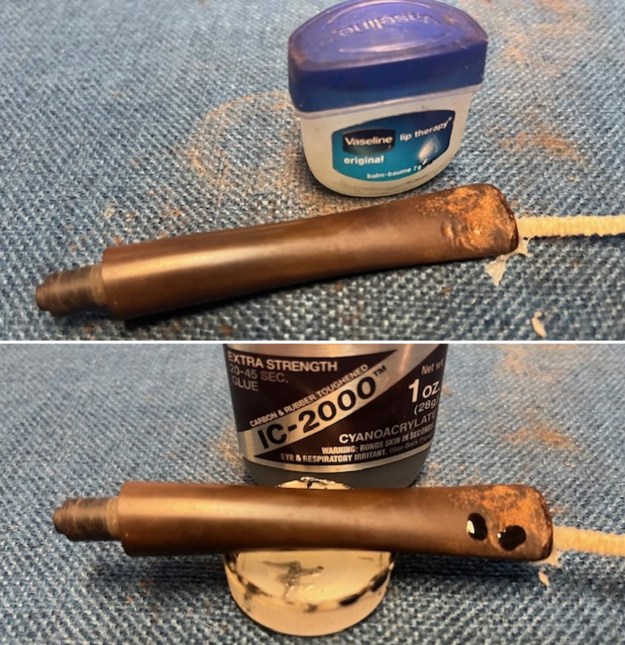
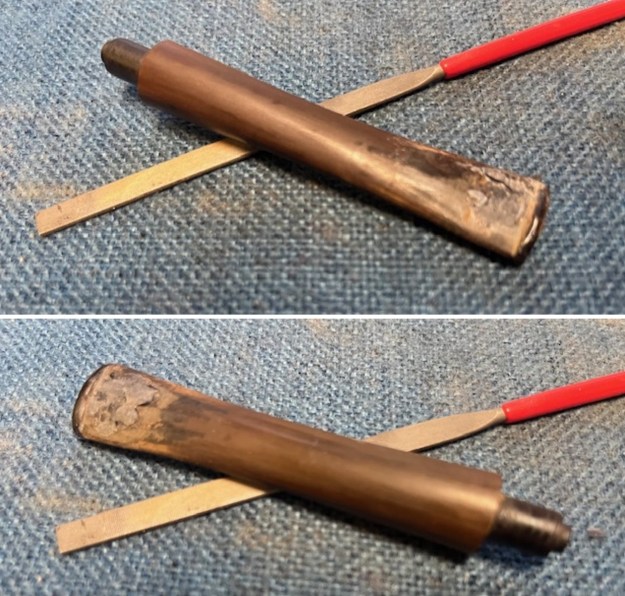
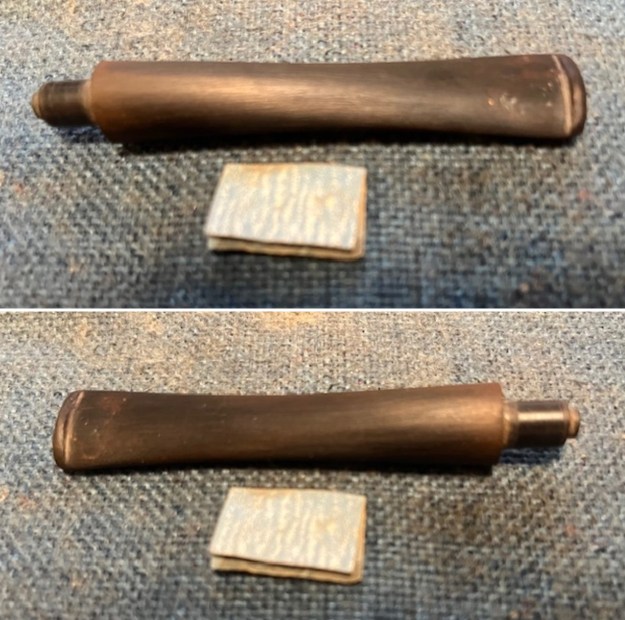
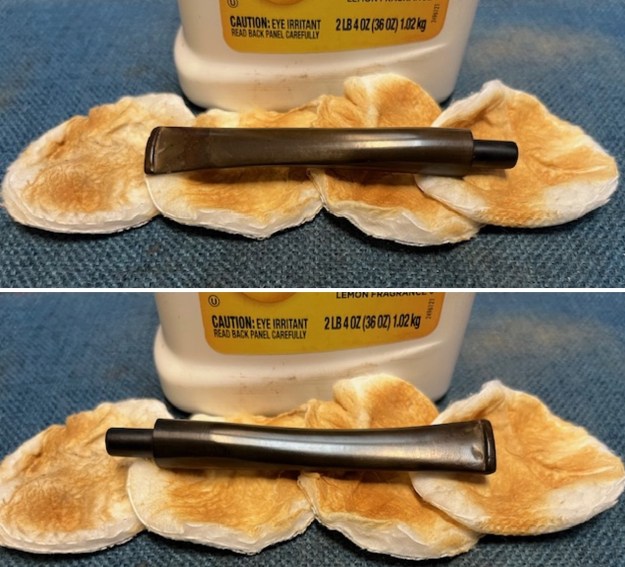
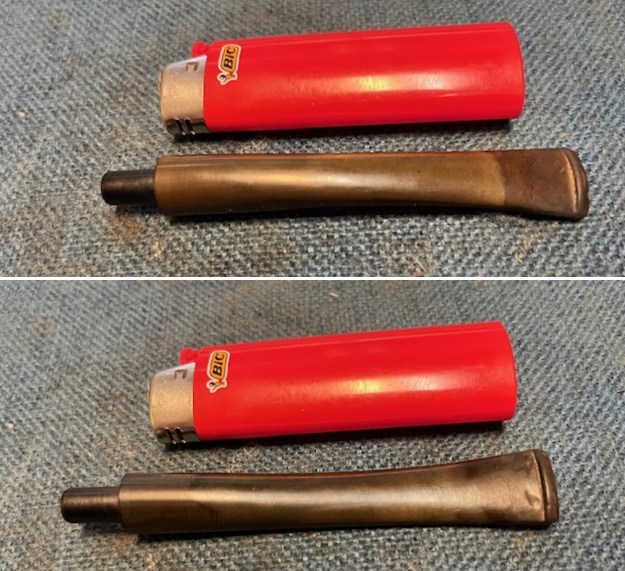
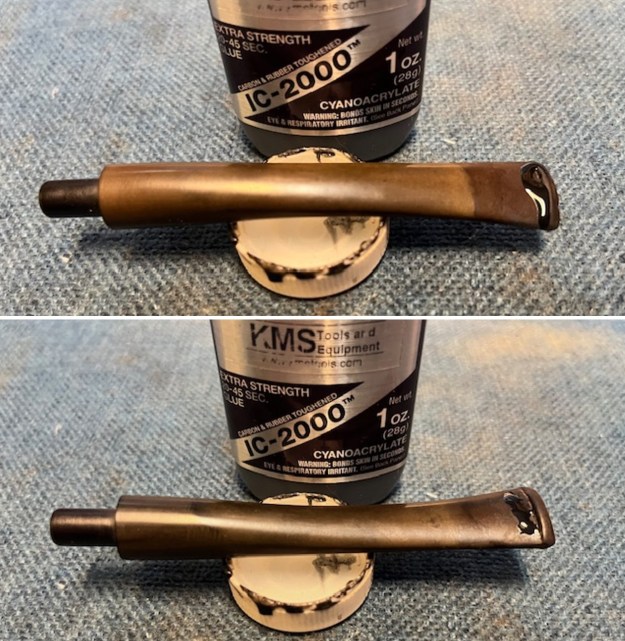
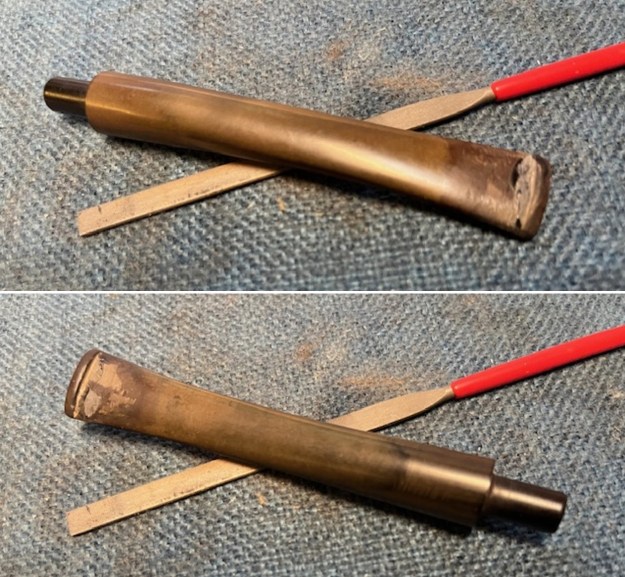
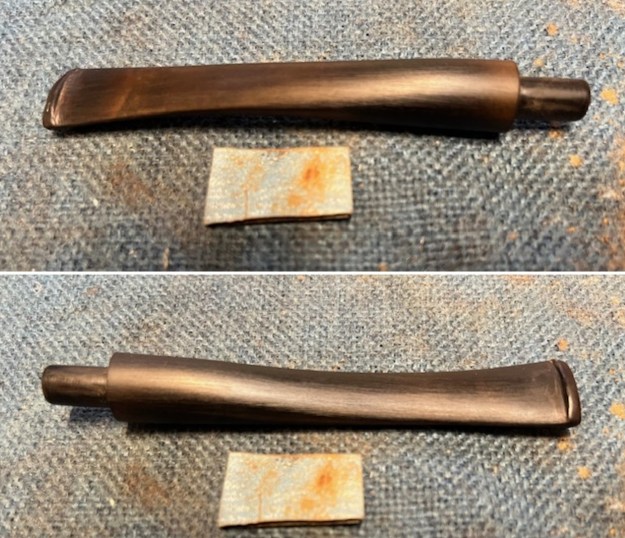
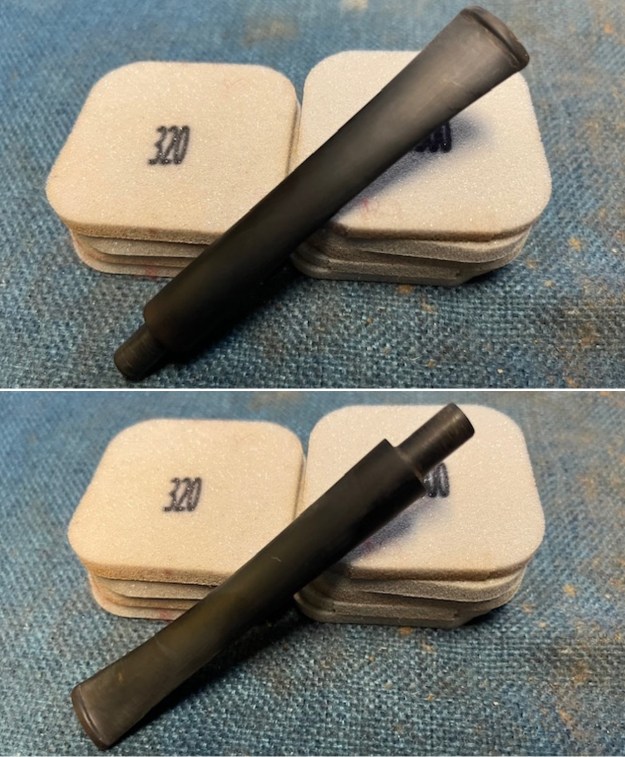
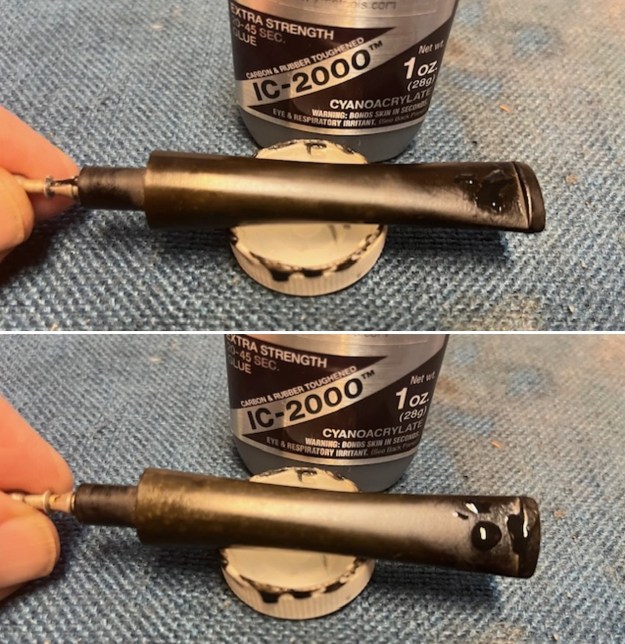
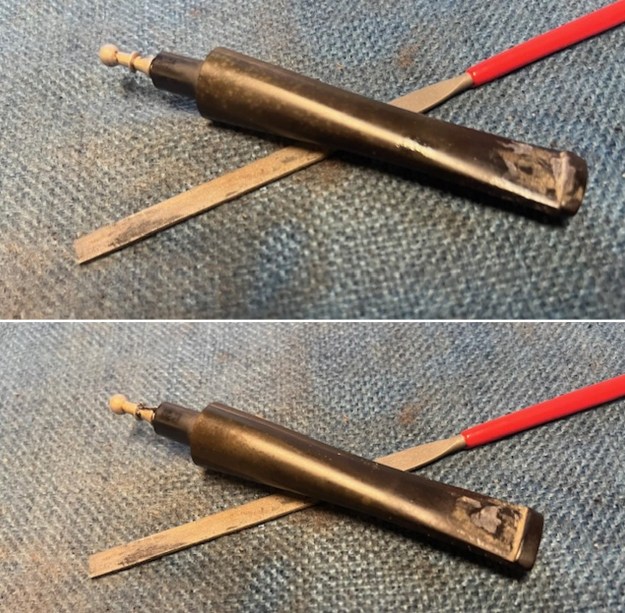
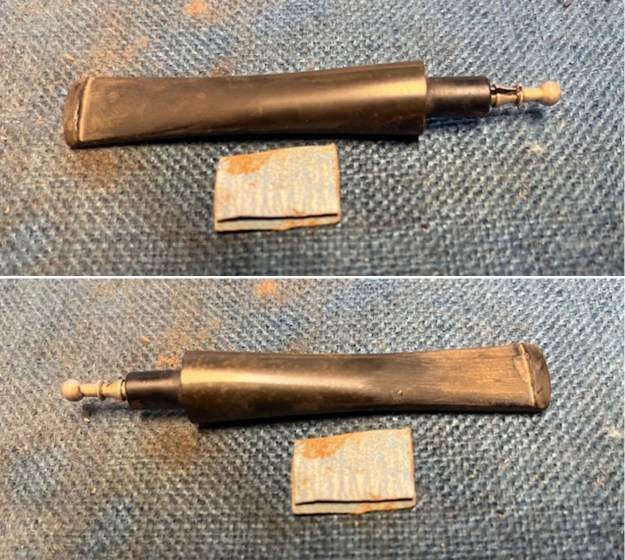
Suffice it to say that I had my work cut out for me! Let’s begin with the stem. As it is made of nylon, there was no oxidation – and no oxidation means no need for deoxidation fluid. I used 99% lemon-infused isopropyl alcohol on a few cotton rounds and scoured the stem. Then, I cleaned the inside of the stem with pipe cleaners dipped in the alcohol. I scrubbed thoroughly to make sure the interior was clean. I used ‘zillions’ of pipe cleaners for this stem. Now that the stem is clean and dry, I set about fixing the marks and dents in the nylon. This was done by filling those divots with black cyanoacrylate adhesive, impregnated with carbon and rubber. This took a lot of work (and more than one try) to get right. I left this to cure and moved on. Sorry – I neglected to take a photo of this step.The penultimate step for the stem is sanding. First, with my set of needle files, I reduce the bulk of the cyanoacrylate repairs. I want to remove the excess adhesive as near to the surface as possible, without cutting into the nylon. Following that, I use all nine of the micromesh sanding pads (1,500 through 12,000 grit) to sand out flaws, even out the nylon, and provide gentle polishing of the finished surface. I also apply pipe-stem oil while using the last five micromesh pads. There was a wonderful, deep black shine to the stem when I was done, but I had to do this whole process twice, as I wasn’t happy with the initial results.Now that the stem is (nearly) complete, I can move on to the bowl. The first step for me is to ream it – that is to say, remove all the cake inside the bowl. This accomplishes a couple of things. First (and most obviously), it cleans the bowl and provides a refurbished chamber for future smoking. Second, when the old cake is removed, I can inspect the interior walls of the bowl and determine if there is damage or not. I used a reamer and a piece of sandpaper taped to a wooden dowel. Collectively, these ensure that all the debris is removed. To my surprise, the walls were in decent shape, but, as I mentioned earlier, there were tiny cracks in the base of the bowl. To tidy up the briar, I also wiped down the outside with some oil soap on cotton rounds (and a toothbrush). This does a good job of cleaning any latent dirt on the surface of the briar. One of the difficulties in maintaining an Airograte Yello-Bole is that the wooden threads of the bowl are impregnated with the awful filth at the bottom of the metal shank. I used a brass-wire brush, a dental tool, and a small butter knife to try and clean things up. This didn’t help much. So, the next step of the cleaning process was to scour the inside of the bowl with some soap and tube brushes. This also didn’t help the base much. So, I poured some acetone into a small container and soaked the bowl’s threads for a little while. This helped quite a bit. I continued to wipe with some cotton rounds and it cleaned up fairly well. Quite frankly, this bowl was never going to be new again, but I was satisfied with it after soaking. The damage to the rim is significant. In order to lessen (but not eliminate) the nicks on the rim, I ‘topped’ the pipe – that is to say, I gently and evenly sanded the rim on a piece of 220-grit sandpaper. This effectively minimizes the damage, without altering the look of the pipe. There will always be some sign of the wound on the rim, but, as I’ve said before, it is part of the pipe’s history.

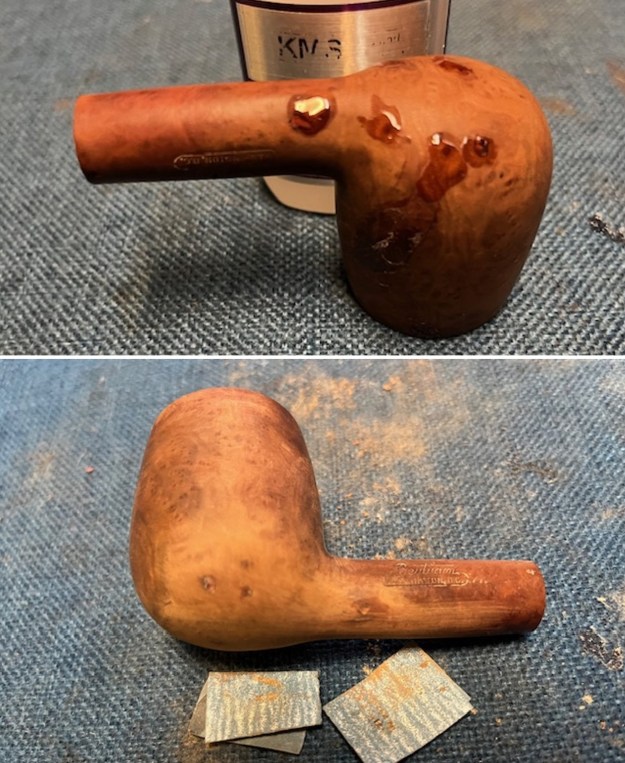
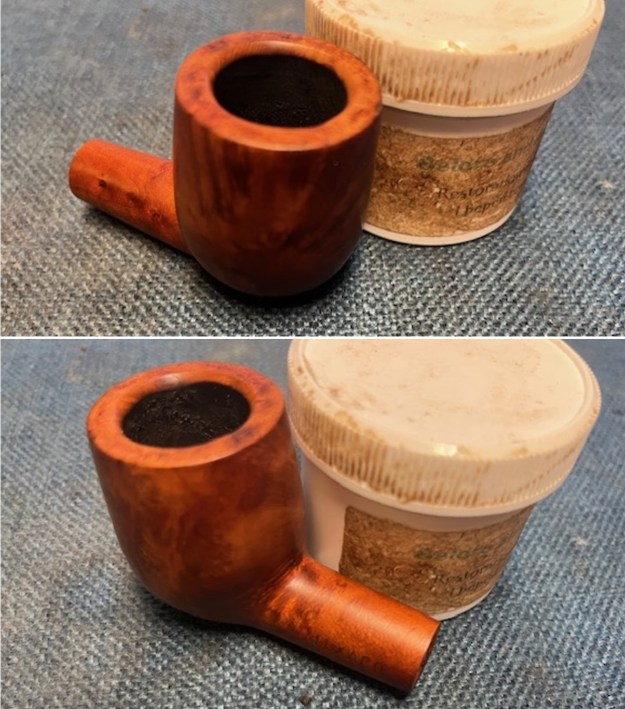
I decided to repair the tiny cracks in the briar next. This was initially straightforward enough: I was able to fill them with cyanoacrylate adhesive. However, it ended up being a bit tricky because I didn’t want to risk affecting the bowl threads by gumming them up with glue! I acted carefully and the repairs worked out perfectly.At long last, I used all nine micromesh pads (1,500 through 12,000 grit) on the outside of the bowl to finish it off. This sanding minimizes flaws in the briar and provides a beautiful smoothness to the wood. I rubbed some Before & After Restoration Balm into the briar and let it sit for 20 minutes or so. The balm moisturizes the wood and gives a beautiful depth to the briar. I then buffed it with a microfibre cloth. I’ve done the nylon, I’ve done the briar – now on to the two pieces of aluminum: the shank and the grate. As both were so dirty, I decided to drop them in an isopropyl alcohol bath and let them sit overnight. This accomplished precisely nothing. I then used my technique from above and dropped both bits in acetone for a while. This worked much better! A lot of filth came off. With that inspiration, I took both pieces to the sink and scrubbed them inside and outside with my cream cleanser. Now we’re getting somewhere! Over the next little while, I used several tools with acetone etc. to get into all the nooks and crannies in order to really clean everything well. Now to bring some shine back! Polishing up the aluminum was troublesome because of the grooves on the side. I used some 0000 steel wool to give a beautiful polish to the shank. This worked very well, but it’s such a mess! I laid out some paper towel to catch the debris because it goes everywhere. I did the same procedure on the grate as well.You can see in the following photo the difference that steel wool makes. On the left is the unsanded metal and on the right is the metal after an initial pass of steel wool. This is promising!The buffing procedure was different because of the metal – although the briar bowl and nylon stem did receive the normal White Diamond and carnauba wax treatment. I used Red Tripoli first and White Diamond second to polish the metal shank nicely. It came out so well! When I went back to my workbench, I cleaned the grooves in the metal with some soft pipe cleaners – just to remove any slight, remaining polishing compound. I then took a microfiber cloth to wipe the metal parts of the pipe to make it shine!Wow. That was quite the restoration job! This Airograte Yello-Bole looks so much better and I am happy to send it back to its owner. It was a lot of work, but I learned a lot and I am pleased with the results. The approximate dimensions of the pipe are as follows: length 5⅔ in. (144 mm); height 1⅝ in. (41 mm); bowl diameter 1⅜ in. (36 mm); chamber diameter ⅞ in. (21 mm). The weight of the pipe is 1¼ oz. (37 g). I hope you enjoyed reading the story of this pipe’s restoration as much as I enjoyed restoring it. If you are interested in more of my work, please follow me here on Steve’s website or send me an email at kenneth@knightsofthepipe.com. Thank you very much for reading and, as always, I welcome and encourage your comments.

Restoring a W.O. Larsen Handmade Made in Denmark 0


by Steve Laug

I love working on older W.O. Larsen Handmade pipes. The shapes, the finishes and the feel of the pipe in the hand always catch my attention. The way the carvers capture the grain in the shapes of these pipes. This one is kind of a Diplomat shape with a slight bend to the stem. It is a smooth finished pipe that is stamped on the underside of the shank and clearly reads 0 [over] W.O. Larsen [over] Handmade [over] Made in Denmark. We purchased this pipe on 05/22/2024 from a friend in Denmark. The pipe was in good condition in terms of the finish on the bowl – just a few nicks and scratches on the bowl sides. The bowl had a thick cake on the walls and the rim top and inner edge had some darkening and some lava overflow. Otherwise it was a beautiful pipe. There is a vulcanite taper stem was in good condition with light tooth chatter but no deep tooth marks on the surface. Jeff took photos of the pipe before he started his clean up to capture the condition of the pipe when it arrived. It is a real beauty. He took photos of the bowl and rim top to show the lava on the top and inner edge of the bowl. It looks like a combination of burn damage on the front and back mid bowl. The stem was very dirty with grime and sludge build up from the button forward on both sides of the stem. Jeff captured the smooth finish and grain around the bowl sides and it is stunning. There is a lightly bevelled rim cap and inner edge. He took photos of the stamping on the underside of the shank. It is faint in spots but it is still readable. The stamping reads as noted above.I wanted to refresh my memory about the pipes coming out of Ole Larsen’s Copenhagen tobacco shop. I knew that many famous Danish Carvers started their careers carving for the shop. I turned first to pipephil wesite to get and over view of the brand (http://www.pipephil.eu/logos/en/logo-l2.html). I did a screen capture of the section on the site showing a summary of the brand and the typical stamping. I have also included the information in the sidebar.In the 1960s Ole Larsen, owner of the Copenhagen tobacco store, retails pipes carved by Sixten Ivarsson, Poul Rasmussen, Sven Knudsen or Peter Brakner. Faced with the success and urged by Sven Bang (store manager), Sven Knudsen and Former (Hans Nielsen) are successively hired to carve pipes in the basement of the shop at the beginning and in the old Larsen cigar factory afterwards. Carver like Teddy Knudsen, Tonni Nielsen, Jess Chonowitch, Peter Hedegaard work a while in this context.

When Nils, son of Ole Larsen, succeeds his father he acquires the Georg Jensen pipe factory to focus on less expensive pipes. This turns out to be an error ending with the sale of W.O. Larsen trademark to Stanwell.

The famous tobacco shop at Strøget, Amagertorv 9 closed down for good on Dec 31, 2004.

I then turned to Pipedia to do a bit more reading about the brand and the various lines making it up. Here is the link (https://pipedia.org/wiki/W.%C3%98._Larsen). The link took me to some pages on the finepipes.com website. Here is the link to the summary of the history of the brand. I quote it in full. I have marked the pertinent section with bold font to mark out the section on the SELECT series (https://www.finepipes.com/pipes/danish/w-o-larsen?sort=20a&page=2&zenid=562ff4b9d62f4f612d0f6ee60cab1224).

W.O. Larsen was one of the most famous tobacco shops in Copenhagen, with a beautiful store located on Copenhagen’s famous “Walking Street.” During the flowering of the Danish pipe in the ’60’s, they first began retailing pipes by such carvers as Sixten Ivarsson, Sven Knudsen, Poul Rasmussen, and Brakner. Urged on by his store manager Sven Bang, the owner, Ole Larsen, decided to begin making pipes in the basement of the shop. He first hired Sven Knudsen as the pipe maker, who soon passed the job to his protégé Hans “Former” Nielsen. Larsen’s fortunes rose along with the rest of the Danish pipe business, and Former was soon managing a group of carvers in the old Larsen cigar factory. Among these were Teddy Knudsen, Tonni Nielsen, Jess Chonowitch, Peter Hedegaard and others, who were responsible for the Select and Straight Grain series before they branched out on their own. After Former left to start Bentley pipes in Switzerland, his duties were taken over by Soren Refbjerg Rasmussen, while the straight grains were made by Teddy’s student Benni Jorgenson. As Ole’s health began to fail, the reins were taken over by his son Nils. Nils became convinced that the way for Larsen to prosper was by entering the low-end market, and acquired the Georg Jensen pipe factory to make an array of less expensive pipes. This turned out to be a fatal error, and Larsen was recently sold to Stanwell, who continue to produce so-called “Larsen” pipes in their huge factory. Thus, ended an important part of Danish pipe history.

Armed with that information I turned to work on the pipe itself. Jeff had done a great job cleaning up the pipe as usual. He cleaned up the inside of the bowl with a PipNet reamer and a Savinelli Fitsall Pipe Knife. The bowl walls looked very good. He scrubbed the interior of the bowl and shank with pipe cleaners, cotton swabs and alcohol to remove the tars and oils. He scrubbed the exterior of the pipe with undiluted Murphy’s Oil Soap and a tooth brush to remove the grime from the finish. He worked on the rim top lava and darkening with the soap and tooth brush. He scrubbed the inside of the stem with alcohol and pipe cleaners. He scrubbed the stem exterior with Soft Scrub and then soaked it in Briarville’s Pipe Stem Deoxidizer. He washed it off with warm water to remove the deoxidizer. The pipe looked far better. I took photos of the pipe when I received it before I started working on it. I took photos of the bowl and rim top to show how clean it was. The top and the inner edge of the rim show the darkening that I mention above. I am very pleased that it does not appear to be deep burn damage. The stem looks clean of debris and grime. The tooth chatter more or less disappeared with the cleaning.I took a photo of the stamping on the underside of the shank – it was faint in spots, but clear and read as noted above. The second photo below shows look of the bowl and stem taken apart.I started working on the pipe by addressing the rim edge and top darkening first. I started using a folded piece of 220 grit sandpaper to smooth out the inner edge and remove the darkening. I sanded the bowl with 320-3500 grit sanding pads. I wiped the bowl down after each sanding pad to remove the debris from the sanding process. I polished the bowl with micromesh sanding pads. I dry sanded it with 1500-12000 grit pads. I wiped it down with a damp cloth after each sanding pad. It looks very good now and the bowl is back in round. The pipe was clean and free of debris. I rubbed the bowl down with Before & After Restoration Balm. It is a paste/balm that works to deep clean the finish, enliven and protect the briar. I worked it into the briar with my finger tips to make sure that it covered every square inch of the pipe. I set it aside for 10 minutes to let it do its work. I buffed it with a cotton cloth. The briar really began to have a deep shine. The photos I took of the bowl at this point mark the progress in the restoration. I set the bowl aside and turned my attention to the stem. I sanded it with 320-3500 grit sandpaper to smooth out the remaining chatter on the stem surface. It also removed the remnants of oxidation on the stem surface.I polished the stem with micromesh sanding pads – wet sanding it with 1500-2400 grit pads and dry sanding it with 3200-12000 grit pads. I wiped the stem down with a damp cloth after each pad. I polished it with Before & After Pipe Stem Polish – Fine and Extra Fine. I wiped it down with a coat of Obsidian Oil and set it aside to dry.I put the W.O. Larsen Diplomat back together and polished the stem and bowl with Blue Diamond polish on the buffing wheel. I gave the bowl and stem multiple coats of carnauba wax. I buffed the pipe with a clean buffing pad to raise the shine. I hand buffed it with a microfiber cloth to deepen the shine. The pipe polished up pretty nicely. The grain on the natural brown briar came alive with the buffing. The finish worked well with the polished black vulcanite stem. Have a look at it in the photos below. The dimensions are Length: 5 ½ inches, Height: 1 ½ inches, Outside diameter of the bowl: 1 ¼ inches, Chamber diameter: ¾ of an inch. The weight of the pipe is 1.73 ounces/49 grams. This beauty will soon be on the rebornpipes store in the Danish Pipemakers Section. It will make a beautiful addition to somebody’s pipe rack. Thanks for walking through the restoration of this Danish take on the Diplomat shape from the 60s with me as it was a fun pipe to work on.

Restoring a Sandblast Handmade in Denmark Freehand


by Steve Laug

The next pipe on the table is one that came to us from the group of pipes that Jeff and I purchased from our connection in Copenhagen, Denmark on 10/17/2022. It is clearly a Danish Freehand style sandblast that is in good condition. It is stamped on a smooth panel on end of the shank and reads Handmade in Denmark stamped diagonally across the shank end. There is no other stamping on the pipe so it is unclear who made it. The rim top and shank end are plateau briar and quite rugged. Everything about the pipe suggests that it is a Preben Holm made pipe but of course I cannot prove that. The pipe has a mix of black and brown stains on a sandblast finish and some amazing grain that the shape follows well. The finish was dusty around the nooks and crannies of the sandblast but otherwise fairly clean. The rim top had a thick lava cake on the top in the plateau that was heavier on the left side. There was also lava on the inner edge flowing from thick cake in the bowl. The fancy saddle stem was oxidized, dirty and had light chatter ahead of the button. Jeff took photos of the pipe to show what it looked like before he started working on it. Jeff took photos of the bowl and rim top to show the condition. There is a thick cake in the bowl and a thick lava in the plateau on the rim. He captured the condition of the stem when it arrived. The stem has light chatter ahead of the button. He took photos of the sides of the bowl and the heel to show the beautiful grain in the sandblast around the bowl. It really is a beautiful piece of briar that has a shape that follows the grain. The finish is nice but it also dirty with dust ground into the finish. Jeff took photos of the stamping on the underside of the shank. It is clear and readable and reads as noted above.Once again it is on pipes like this that I really appreciate Jeff’s thorough cleaning process. It gives me real freedom in dealing with pipes when they arrive here. He reamed it with a PipNet pipe reamer and got rid of the cake. He cleaned up the reaming with a Savinelli Fitsall Pipe Knife so that we could see the walls of the bowl and assess for damage. He cleaned the internals of the shank and stem with alcohol, pipe cleaners and alcohol. He scrubbed the exterior of the bowl with undiluted Murphy’s Oil Soap and a tooth brush. He rinsed it under warm water. He dried it off with a cloth and then let it air dry. He soaked the vulcanite stem in Briarville’s Pipe Stem Deoxidizer and once finished rinsed off the remaining product when he removed it from the mixture. I took pictures of the pipe to show how it looked when I unpacked it. Look at the amazing sandblast grain on this beauty. I took photos of the bowl and rim top from a closer angle to show how good it looked. The darks stain on the rim stop is slightly washed out and will need to be restained. The stem photos show how good the stem looks and even the tooth chatter is gone. I took a photo of the pipe with the stem removed to show the look of the parts of the pipe to give a sense of size and perspective.I tried to capture the diagonal stamp on the underside of the shank. It is clear but I did not capture it well. It reads as noted above.I touched up the stain on the plateau on the rim top and shank end with a black stain pen. It looked much better after staining. I went over it with a brass bristle brush to knock off an loose pieces in the plateau.I worked some Before & After Restoration Balm into the surface of the briar with my finger tips and a shoe brush to get it into the nooks and crannies of the plateau and blast. I let it sit on the bowl for 10 minutes and then buffed it off with a paper towel and soft cloth. The product is a great addition to the restoration work. It enlivens, enriches and protects the wood while giving it a deep glow. It is a product I use on every pipe I restore. I set the bowl aside and turned to the vulcanite stem. I sanded the stem with 320-3500 grit sanding pads to remove the remnants of oxidation on the and finish blending in the chatter. It looked very good once finished.I polished it with micromesh sanding pads – dry sanding with 1500-12000 grit sanding pads. I wiped it down after each sanding pad with Obsidian Oil. I polished it with Before & After Pipe Stem Polish – both Fine and Extra Fine. I buffed the stem with a soft cloth to raise the shine. I gave it a final wipe down with Obsidian Oil to protect it. I don’t know what it is about finishing a restoration but I have to tell you that it is my favourite part of the process. It is the moment when everything that I have worked on comes together. I can compare it to where I started and there is always satisfaction that it looks better than when we picked it up. As always, I put this Handmade in Denmark Freehand back together and buffed it with Blue Diamond on the buffing wheel. I gave the bowl and the stem multiple coats of carnauba wax. I buffed the pipe with a clean buffing pad and hand buffed it to raise the shine. It is fun to see what the polished bowl looks like along with the polished fancy vulcanite saddle stem. This Handmade in Denmark Freehand is a great looking pipe and I am sure that it will be comfortable in hand when smoking as it is light and well balanced for a pipe of this size. Have a look at it with the photos below. The dimensions are Length: 6 inches, Height: 2 ½ inches, Outside diameter of the bowl: 1 ½ inches, Chamber diameter: 7/8 of an inch. The weight of the pipe is 2.26 ounces/65 grams. It is another beautiful pipe and one that will be on the rebornpipes store soon. You can find it in the section of Pipes by Danish Pipe Makers. If you are interested in adding it to your collection let me know. Thanks for walking through the restoration with me as I worked over this pipe. Thanks to each of you who are reading this blog.

As always, I encourage your questions and comments as you read the blog. Thanks to each of you who are reading this blog. Remember we are not pipe owners; we are pipe men and women who hold our pipes in trust until they pass on into the trust of those who follow us.
Restoring a Beautiful and Bountiful Ropp Altesse 284 Billiard


by Kenneth Lieblich

Here is another pipe I’ve restored for a local family – and I’ve been drip feeding the restoration stories over a stupidly long time. However, after that bit of self-deprecation, let’s have a look. This is a really handsome, solid Ropp Altesse 284 billiard. It’s a lovely shape and a big bowl. Gosh, when my friend selected this pipe, I thought to myself, ‘Good choice’. This is an older Ropp and the markings are definitely worth examining. On the left side of the shank, we see (inside an oval) the word Ropp [over] Altesse. The French word ‘altesse’ means ‘highness’ in English. The right side of the shank reads 284, which is the shape number. Finally, the stem has the Ropp logo, which is very familiar – however, this time the logo is in brass, rather than the normal nickel. This is significant because the brass version of the logo was reserved for higher quality pipes. From Pipedia, here is a very brief history of the Ropp company:

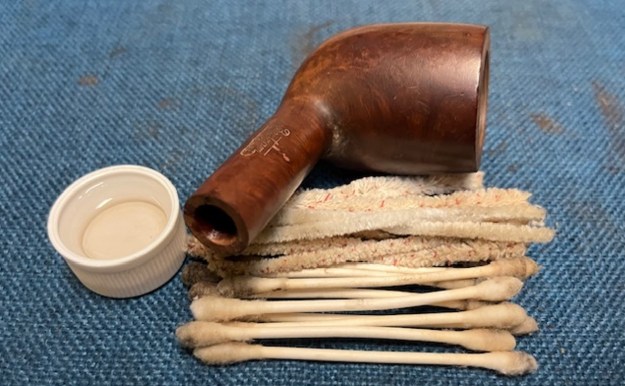
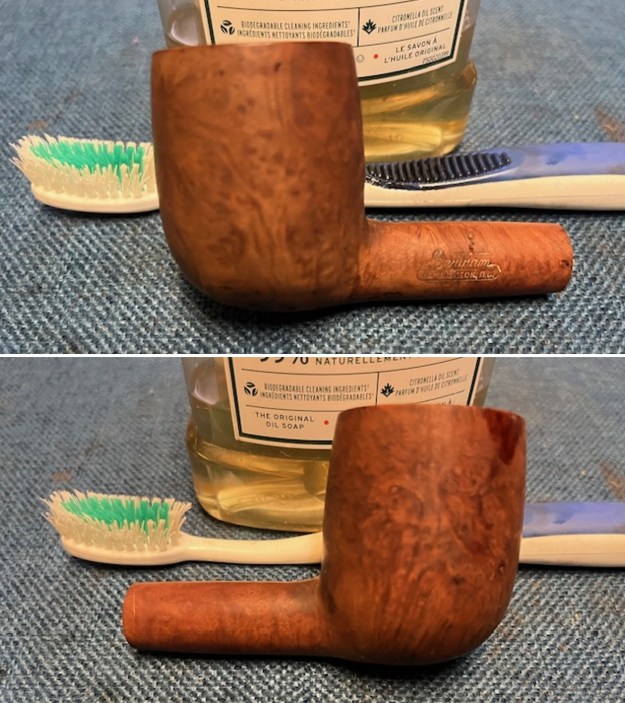
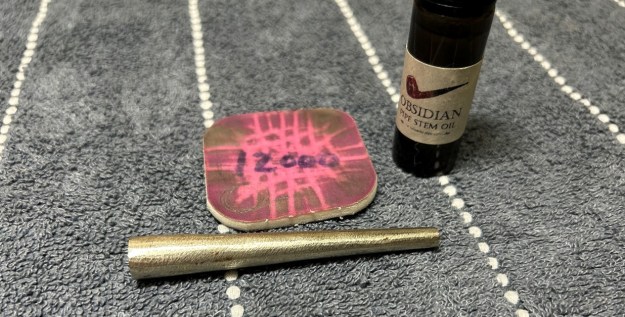
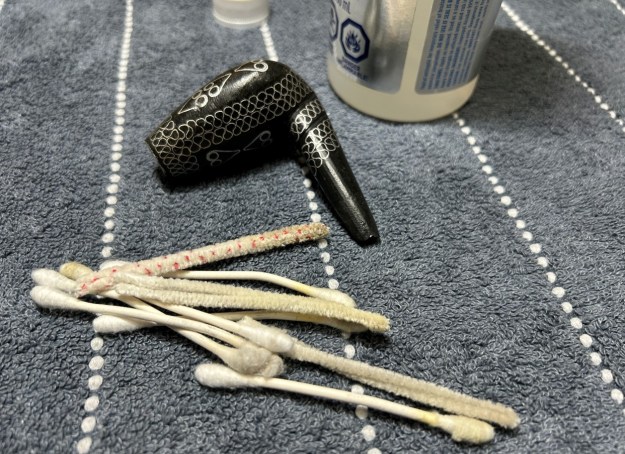
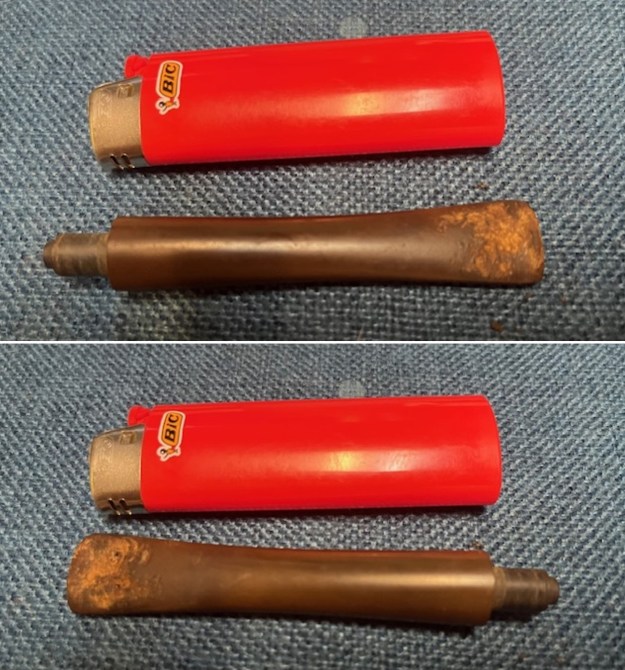
Eugène-Léon Ropp (1830–1907) acquired a patent for the cherrywood pipe in 1869. In 1870, he established a workshop to manufacture such pipes in Bussang, in the Vosges mountains. Around 1893, his business moved into the former mill of Sicard (part of the community of Baume-les-Dames in Upper Burgundy. The pipes were a big success in export as well. Shortly before 1914, Ropp designated A. Frankau & Co. (BBB) to be the exclusive distributor in the UK and its colonies. Probably in 1917, a workshop in Saint-Claude in the rue du Plan du Moulin was acquired to start the fabrication of briar pipes. In 1923, another small building in Saint-Claude, serving as a workshop for polishing, was added. Cherrywood pipes were the mainstay of Ropp until the company finally closed down in September 1991. The company was taken over by Cuty-Fort Entreprises in 1994. What sort of condition is this pipe in? Quite frankly, it looks as though someone in the past has made some elementary steps to cleaning or restoring this pipe. The stem has been thoroughly chewed and someone has clearly tried to scape off something in the path – you can the see scratch marks. The stummel has lovely feel to it. Not too dirty, but the rim has – like the stem – been scraped or cleaned in some way. The photos show how different the rim looks from the rest of the pipe.I used a disposable lighter and ‘painted’ the stem with its flame. The gentle heat of the flame can cause the dents in the vulcanite of the stem to expand back into shape. In this case, not much happened. Alas. This pipe also had an unusual metal and acrylic innertube. As the photos of this restoration show, I initially started cleaning it, but discovered that it was badly cracked – and so I elected to remove it altogether.I used oil soap on a few cotton rounds and wiped the stem down to provide an initial cleaning of filth before moving on to the next steps. The primary cleaning comes next. I cleaned the inside of the stem with both pipe cleaners and cotton swabs dipped in 99% lemon-infused isopropyl alcohol. I scrubbed thoroughly to make sure the interior was clean. I used a lot of pipe cleaners and cotton swabs, as it was pretty dirty.The goal of the next step is the removal (or minimization) of oxidation. Going to my sink, I used cream cleanser, cotton rounds, and a toothbrush, and scoured the stem to remove as much surface oxidation as possible. As the photos show, the result is a hideous brownish mess – but better off the stem than on it.Once the stem was reasonably clean, I soaked it overnight in some Briarville Stem Oxidation Remover. This solution works to draw oxidation in the stem to the surface. This is a major aid and an important step in ensuring a clean stem. The following day, I drew the stem out from its bath and scrubbed the lingering fluid with a toothbrush.Now that the stem is clean and dry, I set about fixing the marks and dents in the vulcanite. This is done by filling those divots with black cyanoacrylate adhesive, impregnated with carbon and rubber. I left this to cure and moved on.The penultimate step for the stem is sanding. First, with my set of needle files, I reduce the bulk of the cyanoacrylate repairs. I want to remove the excess adhesive as near to the surface as possible, without cutting into the vulcanite. Following that, I use all nine of the micromesh sanding pads (1,500 through 12,000 grit) to sand out flaws, even out the vulcanite, and provide gentle polishing of the finished surface. I also apply pipe-stem oil while using the last five micromesh pads. There was a wonderful, deep black shine to the stem when I was done.Now that the stem is (nearly) complete, I can move on to the stummel. The first step for me is to ream out the bowl – that is to say, remove all the cake inside the bowl. This accomplishes a couple of things. First (and most obviously), it cleans the bowl and provides a refurbished chamber for future smoking. Second, when the old cake is removed, I can inspect the interior walls of the bowl and determine if there is damage or not. I used a reamer, a pipe knife, and a piece of sandpaper taped to a wooden dowel. Collectively, these ensure that all the debris is removed.Similar to the stem, I then cleaned the stummel with both pipe cleaners and cotton swabs dipped in 99% lemon-infused isopropyl alcohol. With a pipe this dirty, it took quite a while and much cotton to get clean.I then decided to ‘de-ghost’ the pipe – that is to say, exorcize the remaining filth from the briar. I filled the bowl and the shank with cotton balls, then saturated them with 99% isopropyl alcohol. I let the stummel sit overnight. This caused any remaining oils, tars and smells to leach out into the cotton.To tidy up the briar, I also wiped down the outside with some oil soap on cotton rounds (and a toothbrush). This does a good job of cleaning any latent dirt on the surface of the briar. The last step of the cleaning process is to scour the inside of the stummel with some soap and tube brushes. This is the culmination of a lot of hard work in getting the pipe clean.The rim is a bit more rugged than I would like. In order to lessen the nicks etc. on the rim, I ‘topped’ the pipe – that is to say, I gently and evenly sanded the rim on a piece of 220-grit sandpaper. This effectively minimizes the damage, without altering the look of the pipe.I used all nine micromesh pads (1,500 through 12,000 grit) on the outside of the stummel to finish it off. This sanding minimizes flaws in the briar and provides a beautiful smoothness to the wood. After that, the bare wood on the rim needed to be tinted in the same colour as the rest of the stummel. I used some of my furniture pens (which is simply dye in pen form) to match the colours. I rubbed some Before & After Restoration Balm into the briar and let it sit for 20 minutes or so. The balm moisturizes the wood and gives a beautiful depth to the briar. I then buffed it with a microfibre cloth. For the final step, I took the pipe to my bench buffer and carefully polished it – first with a white diamond compound, then with three coats of carnauba wax. This procedure makes the pipe look its best – the stummel sings and the stem glows.All done! This Ropp Altesse 284 billiard looks fantastic again and is ready to be enjoyed by its new owner. It was a pleasure to work on. The approximate dimensions of the pipe are as follows: length 5¾ in. (146 mm); height 1⅞ in. (48 mm); bowl diameter 1½ in. (39 mm); chamber diameter ¾ in. (19 mm). The weight of the pipe is 1¾ oz. (52 g). I hope you enjoyed reading the story of this pipe’s restoration as much as I enjoyed restoring it. If you are interested in more of my work, please follow me here on Steve’s website or send me an email at kenneth@knightsofthepipe.com. Thank you very much for reading and, as always, I welcome and encourage your comments.

Restoring a Byron Harwood All Briar Sandblast Capped Apple


by Steve Laug

The next pipe I chose to work on was one that we purchased on 12/28/2024 from as part of an estate that belonged to a pipeman and carver, Byron Harwood from Missoula, Montana, USA. This unique, capped all briar pipe was one of Byron’s own handmade pipes. As with the previous pipe of Byron’s this one does not bear any stamping. It is a lovely piece of briar that was shaped with an apple bowl and sandblasted to highlight the grain. The airway in the mortise and shank are well executed and the draught is very good. The bowl had a moderated cake and there was some darkening and lava around the inner edge of the bowl and top. The cap on the bowl was pressure fit and attach to a shank band. It sealed the bowl so it would be a good pipe to load and carry in a pocket or bag for later use. It is not a wind cap. The chain and band are tarnished and are made of Sterling Silver. Smoking the pipe had removed the stain and finish on the inside of the cap. The stem is briar in a half saddle shape. It is smooth and nicely grained. It has been stained with a tan stain and has a great fit to the shank. The tenon is a black Delrin that is set in the stem. The button is well finished and the exit of the airway is orific or round rather than slotted. The pipe fit well in the hand and was short and stubby like a nose warmer. There was a charm to it! Here is what it looked like when Jeff received it. He took some photos of the rim top and bowl from various angles to give me a clear picture of the condition of the rim top and bowl. You can see the light cake in the bowl and the darkening and light lava coat on the inner edge and rim top. He also took photos of the all briar stem. It is dirty and has light tooth chatter on both sides ahead of the button. Jeff took some photos of the sides of the bowl to show the condition of the finish on the pipe. The photos showed rich sandblast, highlighting grain around the bowl sides. Under the dust it was a nice looking bowl and cap. It is a nose warmer sized pipe sandblasted briar cap. It is on pipes like this that I really appreciate Jeff’s thorough cleaning process. It gives me real freedom in dealing with pipes when they arrive here. He reamed it with a PipNet pipe reamer and got rid of the cake. He cleaned up the reaming with a Savinelli Fitsall Pipe Knife so that we could see the walls of the bowl and assess for damage. He cleaned the internals of the shank and stem with alcohol, pipe cleaners and alcohol. He scrubbed the exterior with undiluted Murphy’s Oil Soap and a tooth brush. He rinsed the pipe under warm water. He dried it off with a cloth and then let it air dry. The stem was scrubbed with Murphy’s Oil Soap and a tooth brush at the same time as the bowl. Once it was rinsed off, it came out looking very good. The finish on the bowl and the rim top and cap cleaned up nicely. I took pictures of the pipe to show how it looked when I unpacked it. The pictures show it with the cap in place on the top of the bowl and with it removed. I took a photo of the pipe with the briar stem removed to show the Delrin tenon and the look of the parts of the pipe to give a sense of size and perspective.I polished the bowl rim top and the inside of the bowl cap with micromesh sanding pads – dry sanding with 1500-12000 grit pads and wiping it down after each sanding pad with a damp cloth. I worked some Before & After Restoration Balm into the surface of the briar with my finger tips. I let it sit on the bowl for 10 minutes and then buffed it off with a paper towel and soft cloth. The product is a great addition to the restoration work. It enlivens, enriches and protects the wood while giving it a deep glow. It is a product I use on every pipe I restore. I set the bowl aside and turned to the all briar stem. I polished it with micromesh sanding pads – dry sanding with 1500-12000 grit sanding pads. I wiped it down after each sanding pad with Obsidian Oil. I polished it with Before & After Pipe Stem Polish – both Fine and Extra Fine. I buffed the stem with a soft cloth to raise the shine. I gave it a final wipe down with Obsidian Oil to protect it. I don’t know what it is about finishing a restoration but I have to tell you that it is my favourite part of the process. It is the moment when everything that I have worked on comes together. I can compare it to where I started and there is always satisfaction that it looks better than when we picked it up. As always, I put this Byron Harwood All Briar Nose Warmer back together and buffed it with Blue Diamond on the buffing wheel. I gave the bowl and the stem multiple coats of carnauba wax. I buffed the pipe with a clean buffing pad and hand buffed it to raise the shine. It is fun to see what the polished bowl looks like along with the polished All Briar stem. This Byron Harwood All Briar Capped Nose Warmer is a great looking pipe and I am sure that it will be comfortable in hand when smoking as it is light and well balanced for a pipe of this size. Have a look at it with the photos below. The dimensions are Length: 5 inches, Height: 1 ¾ inches without the cap and 2 ¼ inches with the cap, Outside diameter of the bowl: 1 ¼ inches, Chamber diameter: ¾ of an inch. The weight of the pipe is 2.79 ounces/78 grams. It is another beautiful pipe and one that will be on the rebornpipes store soon. You can find it in the section of Pipes by American Pipe Makers. If you are interested in adding it to your collection let me know. Thanks for walking through the restoration with me as I worked over this pipe. Thanks to each of you who are reading this blog.

As always, I encourage your questions and comments as you read the blog. Thanks to each of you who are reading this blog. Remember we are not pipe owners; we are pipe men and women who hold our pipes in trust until they pass on into the trust of those who follow us.
Restoring a Made in Ireland Peterson’s of Dublin Irish Harp 150 Straight Bulldog


by Steve Laug

The next pipe on the work table is another Peterson’s pipe with a red and black swirled acrylic stem. We picked the pipe up from a seller in Ogden, Utah, USA on 12/12/2024. It is stamped on a smooth panel on the left underside of the diamond shank and reads Peterson’s [arched over] of Dublin [over] Irish Harp. To the left of that it is stamped Made in Ireland and to the right the shape number 150. The Sterling Silver band is stamped on the left topside of the diamond shank and reads Peterson [arched over] a Harp with Sterling Silver arched underneath. On the right underside it bears the Peterson silver Hallmarks. It reads Peterson [over] the first hallmark, Hibernia seated arm on a harp for the country of manufacture. That is followed by .925 which help to date the pipe as after 2003 and designates the sterling quality. The final Hallmark is the date stamp and in this case is an italic upper-case I which dates it as made in 2019. The finish is a rich reddish-brown sandblast that is a stark contrast to the silver band the red and black streaked fishtail stem. The bowl had been recently reamed and there was tobacco debris in the bottom of the bowl. It was also lightly smoked. The fish tail stem was red acrylic with black swirls and was a tapered. The stem was lightly soiled and had light chatter on both sides There was an inlaid silver Peterson’s “P” logo on the left topside of the diamond taper. Jeff took some photos of the pipe to show the general condition of the pipe before he started his clean up.He took some photos of the rim top and bowl from various angles to give me a clear picture of the condition of the rim top and bowl. You can see the tobacco debris in the bowl and the light cake. The next photos show the top and underside of the stem. It is looks very good. Jeff took photos of the sides and heel of the bowl to show the condition of the finish on the pipe. The photos showed a great sandblast. It is a pretty piece of briar. He took some photos of the stamping on the underside of the shank and the silver band and its hallmarks. The stamping was clear and readable as noted above. He also took a photo of the “P” logo on the left side of the taper stem. Before doing my part of the work on the pipe I turned to see what I could find out about the line. I turned first to the Peterson’s website to see what they had listed. I quote below from that site (https://www.peterson.ie/pipes/premium/irish-harp/moreinfo.cfm?pd_product_Id=950).

One of the warmest finishes in our portfolio, the Irish Harp debuted in 2002 and combines an array of our Classic range shapes with deep, ruby-tinged walnut stains, cumberland-patterned acrylic fishtail stems, and bright bands of sterling silver, applied by the hands of our most experienced silversmiths.

I then turned to La Pipe Rit – St. Claude for their description of this particular Peterson’s line of pipes (https://www.smokingpipes.com/pipes/new/peterson/moreinfo.cfm?product_id=608936). I quote from the description by Truett Smith l below.

Peterson’s “150” straight Bulldog is a pert, upright rendition that fits in perfectly with the Irish firm’s characteristically muscular shaping style. It’s quite the forthright take on the classic English shape, but in keeping with the marque’s tradition, it features an incredibly robust, crisp diamond shank… Marked by a concise sandblast, dark walnut stain, and acrylic stem to match, the Irish Harp line from Peterson poses an elegant aesthetic, the bowl and mouthpiece separated by a generous band of sterling silver. Peterson’s craftsmen spend years training under the factory’s senior smiths, and the Irish marque is esteemed for its use of sterling silver. In the Irish Harp series, Peterson pays tribute to one of Ireland’s most iconic symbols: the Celtic harp or cláirseach in Irish. The traditional instrument is here emblazoned on the silver accent, celebrating Peterson’s Irish origins while simultaneously showcasing their superlative silverwork.

Jeff did his usual thorough job cleaning the pipe which I really appreciate because of the freedom it gives me in dealing with pipes. He reamed it with a PipNet pipe reamer and got rid of the cake. He cleaned up the reaming with a Savinelli Fitsall Pipe Knife so that we could see the walls of the bowl and assess for damage. He cleaned the internals of the shank and stem with alcohol, pipe cleaners and alcohol. He scrubbed the exterior with undiluted Murphy’s Oil Soap and a tooth brush. He rinsed the pipe under warm water. He dried it off with a cloth and then let it air dry. The stem was scrubbed with Soft Scrub and had a soak in Before & After Deoxidizer to remove the oxidation. One it was rinsed off, it came out looking very good. The finish on the bowl and the rim top cleaned up nicely. I took pictures of the pipe to show how it looked when I unpacked it. I took a close up photo of the bowl and rim top to show how clean the pipe was. The bowl was very clean and showed that the pipe was very lightly smoked. The stem looked good with no tooth marks or chatter. Overall the pipe is a beautiful looking piece.I took a photo of the stamping on the underside of the shank. It read as noted above. It is very clear and readable. I also took a photo of the stamping on the shiny nickel band. It was readable and clear. I also removed the stem from the shank and took photos of the pipe to show the look of the parts. The bowl was in excellent condition. I did not need to sand or do anything in preparation on the pipe. I set the stem aside and worked some Before & After Restoration Balm into the briar with my finger tips and a horsehair shoe brush. I let it sit on the bowl for 10 minutes and then buffed it off with a paper towel and soft cloth. The product is a great addition to the restoration work. It enlivens, enriches and protects the briar while giving it a deep glow. It is a product I use on every pipe I restore. I polished the silver with a jeweller’s cloth to protect and polish the silver and keep the tarnish at bay. It looks very good at this point. I set the bowl aside and turned to the stem. There were no deep tooth marks and very little chatter on the stem surface so I polished it with micromesh sanding pads – dry sanding with 1500-12000 grit pads and wiping the surface down after each sanding pad. It is really shining. I am excited to finish this one and look forward to seeing the 2019 Made in Ireland Peterson’s of Dublin Irish Harp 150 Bulldog put back together, polished and waxed. I put the bowl and stem back together and lightly polished the bowl and stem with Blue Diamond to polish them. I gave the bowl multiple coats of Conservator’s Wax and the stem multiple coats of carnauba wax. I buffed the pipe on the wheel with a clean buffing pad to raise the shine. I hand buffed it with a microfiber cloth to deepen the shine. The depths of the sandblast really pop with the wax and polish. The shiny red and black swirled acrylic stem is a beautiful contrast to the rich brown/red stain on the bowl, thick shank and Sterling Silver Band. This Peterson’s Dublin 03 Dracula Apple was a fun pipe to work on. The pipe is tactile in the hand and should feel great as it is warmed up when smoking. The finished pipe is shown in the photos below. The dimensions of the pipe are Length: 5 ½ inches, Height: 2 inches, Outside diameter of the bowl: 1 ¼ inches, Chamber diameter: ¾ of an inch. The weight of the pipe is 1.69 ounces/48 grams. I will be putting this one on the store in the Irish Pipemakers Section soon. Let me know if you wish to add it to your collection.

As always, I encourage your questions and comments as you read the blog. Thanks to each of you who are reading this blog. Remember we are not pipe owners; we are pipe men and women who hold our pipes in trust until they pass on into the trust of those who follow us.
A Refresh of a Peterson’s Dublin 03 Dracula Bent Apple


by Steve Laug

The next pipe on the work table is a Peterson’s pipe with a red and black swirled acrylic stem. We picked the pipe up from a seller in Ogden, Utah, USA on 12/12/2024. It is stamped on the underside of the shank and reads Peterson’s [arched over] Dublin [over] 03. The bright nickel band is stamped Dracula in a banner on top with a Bat before and after the name as well as underneath it. The finish is a dark coloured, almost black sandblast that is a stark contrast to the silver band the red and black streaked fishtail stem. The bowl was lightly caked and there was a tobacco debris in the bottom of the bowl. The fish tail stem was red acrylic with black swirls and was a tapered. The stem was very clean with no tooth damage. There was a white or silver Peterson’s “P” logo on the left side of the taper. Jeff took some photos of the pipe to show the general condition of the pipe before he started his clean up.He took some photos of the rim top and bowl from various angles to give me a clear picture of the condition of the rim top and bowl. You can see the tobacco debris in the bowl and the light cake. The next photos show the top and underside of the stem. It is looks very good. Jeff took a photo of the side of the bowl to show the condition of the finish on the pipe. The photos showed a great sandblast. It is a pretty piece of briar.He took some photos of the stamping on the underside of the shank and the nickel band. The stamping was clear and readable as noted above. He also took a photo of the “P” logo on the left side of the taper stem. Before doing my part of the work on the pipe I turned to see what I could find out about the line. I turned first to the Peterson’s website to see what they had listed. I quote below from that site (https://www.peterson.ie/pipes/classic/dracula-sandblasted/moreinfo.cfm?pd_product_Id=303).

The Dracula line started as a special commemorative line of pipes, first released in 2012, celebrating the death centennial of fellow Irishman and esteemed author Abraham “Bram” Stoker. Characterised by jet-black sandblasted finishes, bright nickel bands, and black-and-red-swirled acrylic fishtail stems, the Dracula Sandblasted appeals not only to fans of gothic horror, but of quality classic pipes in bold presentations.

I then turned to La Pipe Rit – St. Claude for their description of this particular Peterson’s line of pipes (https://www.pipe.fr/en/peterson-dracula-pipes-417). I quote in full below.

Peterson must be the most famous pipe brand in the world. Since the late 19th century, the company began to hire and train Irish men and women (whereas some other manufacturers used to hire French craftspeople from Saint-Claude). Nowadays, Peterson pipes are made with a real know-how thanks to a team of passionate craftspeople that share their expertise. The company “Kapp & Peterson” creates traditional pipes of great quality. On this webpage, we present you the incredible “Dracula” collection. First released in 2012, this series was designed to pay tribute to the Irish writer Abraham “Bram” Stoker to mark the centenary of his death. With the red and black stem, this must be one of the favorite pipes of horror stories readers, and more generally Peterson pipe enthusiasts. To stick to the spirit of the novel, the pipe is designed with a black finish (lacquered or sandblasted), a “bloody” acrylic stem, and is decorated with a nickel band (on which is stamped “Dracula”)

Jeff did his usual thorough job cleaning the pipe which I really appreciate because of the freedom it gives me in dealing with pipes. He reamed it with a PipNet pipe reamer and got rid of the cake. He cleaned up the reaming with a Savinelli Fitsall Pipe Knife so that we could see the walls of the bowl and assess for damage. He cleaned the internals of the shank and stem with alcohol, pipe cleaners and alcohol. He scrubbed the exterior with undiluted Murphy’s Oil Soap and a tooth brush. He rinsed the pipe under warm water. He dried it off with a cloth and then let it air dry. The stem was scrubbed with Soft Scrub and had a soak in Before & After Deoxidizer to remove the oxidation. One it was rinsed off, it came out looking very good. The finish on the bowl and the rim top cleaned up nicely. I took pictures of the pipe to show how it looked when I unpacked it. I took a close up photo of the bowl and rim top to show how clean the pipe was. The bowl was very clean and showed that the pipe was very lightly smoked. The stem looked good with no tooth marks or chatter. Overall the pipe is a beautiful looking piece.I took a photo of the stamping on the underside of the shank. It read as noted above. It is very clear and readable. I also took a photo of the stamping on the shiny nickel band. It was readable and clear. I also removed the stem from the shank and took photos of the pipe to show the look of the parts. The bowl was in excellent condition. I did not need to sand or do anything in preparation on the pipe. I set the stem aside and worked some Before & After Restoration Balm into the briar with my finger tips and a horsehair shoe brush. I let it sit on the bowl for 10 minutes and then buffed it off with a paper towel and soft cloth. The product is a great addition to the restoration work. It enlivens, enriches and protects the briar while giving it a deep glow. It is a product I use on every pipe I restore. I set the bowl aside and turned my attention to the stem. I touched up the “P” logo with some white acrylic nail polish. I applied it with the brush and once it cured sanded off the excess with a 1500 grit micromesh sanding pad.There were no deep tooth marks and very little chatter on the stem surface so I polished it with micromesh sanding pads – dry sanding with 1500-12000 grit pads and wiping the surface down after each sanding pad. It is really shining. I am excited to be on the homestretch and look forward to seeing the Peterson’s Dublin 03 Dracula Bent Apple put back together, polished and waxed. I put the bowl and stem back together and lightly polished the bowl and stem with Blue Diamond to polish them. I gave the bowl multiple coats of Conservator’s Wax and the stem multiple coats of carnauba wax. I buffed the pipe on the wheel with a clean buffing pad to raise the shine. I hand buffed it with a microfiber cloth to deepen the shine. The depths of the sandblast really pop with the wax and polish. The shiny red and black swirled acrylic stem is a beautiful contrast to the black stain on the bowl, thick shank and Polished Nickel Band. This Peterson’s Dublin 03 Dracula Apple was a fun pipe to work on. The pipe is tactile in the hand and should feel great as it is warmed up when smoking. The finished pipe is shown in the photos below. The dimensions of the pipe are Length: 5 inches, Height: 1 ½ inches, Outside diameter of the bowl: 1 ¼ inches, Chamber diameter: ¾ of an inch. The weight of the pipe is 1.80 ounces/ 50 grams. I will be putting this one on the store in the Irish Pipemakers Section soon. I remember reading Dracula in High School so I had to pause and think about letting this one go, before putting on the store. Let me know if you wish to add it to your collection.

As always, I encourage your questions and comments as you read the blog. Thanks to each of you who are reading this blog. Remember we are not pipe owners; we are pipe men and women who hold our pipes in trust until they pass on into the trust of those who follow us.
Restoring a 1923 cased Finest H.G. London Quality Briar Bulldog


by Steve Laug

One of the things I love about pipe hunting – whether in person in a shop or online at a sale. This is one of those interesting pipes that we picked up on 12/09/2024 from a seller on Facebook Pipe Exchange. It came from Wellsville, Kansas, USA. It is a smooth Bulldog with a Sterling Silver Band on the shank. It is faintly stamped on the top left side of the diamond shank and reads H.G. in an oval [over] London. The silver band is stamped H.G. in a lozenge followed by three hallmarks. The first cartouche holds an anchor which is the mark for Birmingham. The second cartouche holds a rampant lion which is the mark for Sterling Silver. The third cartouche holds a lower case y which gives the date of the pipe. The pipe was in good condition in terms of the finish on the bowl. The bowl had been reamed quite recently and there was some slight checking on the bowl walls. The rim cap was quite clean with some wear around the top and on the inner edge. Otherwise it was a beautiful pipe. There vulcanite saddle stem had light oxidation on the surface and some tooth marks and chatter on the surface. Jeff took photos of the case which bears a stamp that reads Finest Quality Briar in the outer ring of the oval. On the inside of the oval it is stamped H.G. He also took photos of the pipe before he started his clean up to capture the condition of the pipe when it arrived. It is a real beauty. He took photos of the bowl and rim top to show the damage on the top and inner edge of the bowl. It looks like a combination of burn damage and over reaming damage on the front and back mid bowl. The stem was very dirty with grime and sludge build up from the button forward on both sides of the stem. Jeff captured the smooth finish around the bowl sides of the bulldog and it is stunning. There are twin bands below the rim cap. The bowl shows some great grain. He captured the stamping on the top left side of the shank. The stamping is faint but readable. It read as noted above.  He took a photo of a the silver band on the shank with the hallmarks that I noted above.I did some checking online on Pipedia and Pipephil for the HG brand and could not find anything about the stamping. I did however, find a silver Hallmark chart. I have included that below. I drew a red box around the section that includes the year stamp “y” on the band. It identifies the date as 1923. This is an old timer.Armed with that information I turned to work on the pipe itself. Jeff had done a great job cleaning up the pipe as usual. He cleaned up the inside of the bowl with a PipNet reamer and a Savinelli Fitsall Pipe Knife. The bowl walls looked very good. He scrubbed the interior of the bowl and shank with pipe cleaners, cotton swabs and alcohol to remove the tars and oils. He scrubbed the exterior of the pipe with undiluted Murphy’s Oil Soap and a tooth brush to remove the grime from the finish. He worked on the rim top lava and darkening with the soap and tooth brush. He scrubbed the inside of the stem with alcohol and pipe cleaners. He scrubbed the stem exterior with Soft Scrub and then soaked it in Briarville’s Pipe Stem Deoxidizer. He washed it off with warm water to remove the deoxidizer. The pipe looked far better. I took photos of the pipe when I received it before I started working on it. I took photos of the bowl and rim top to show how clean it was. The top and the inner edge of the rim show the damage that I mention above. It definitely has burn damage and also reaming damage on the front and back inner edge. The stem looks clean of debris and grime. The tooth marks and chatter are clear in the photos of each side ahead of the button.I took photos of the stamping on the top left side of the shank – it was faint but it read as noted above. I removed the stem from the shank to show the look of the pipe.I set the stem aside and started working on the bowl. I used a folded piece of 220 grit sandpaper to smooth out the nicks on the inner edge of the bowl and the top of the cap. It was looking better when I finished.I sanded briar bowl with 320-3500 sanding pads. I wiped the briar down with a damp cloth after each sanding pad. It began to look very good. I polished the bowl with micromesh sanding pads – wet sanding with 1500-12000 grit pads and wiping it down after each sanding pad with a damp cloth. The grain of the briar began to shine. I worked some Before & After Restoration Balm into the surface with my finger tips. I let it sit on the bowl for 10 minutes and then buffed it off with a paper towel and soft cloth. The product is a great addition to the restoration work. It enlivens, enriches and protects the wood while giving it a deep glow. It is a product I use on every pipe I restore. I set the bowl aside and worked on the stem. I “painted” the tooth marks with the flame of a lighter to lift them. They come up very little. I filled in the remaining two deep marks with black rubberized CA glue and set it aside to cure. I recut the button edge with a small file and sanded the repairs smooth with a folded piece of 220 grit sandpaper. I continued to sand the stem with 320-3500 grit sanding pads. I wiped the stem down with an Obsidian Oil cloth after each sanding pad. The stem looked better at this point. I polished the stem with micromesh sanding pads – wet sanding with 1500-12000 grit sanding pads. I wiped it down after each sanding pad with Obsidian Oil. I polished it with Before & After Pipe Stem Polish – both Fine and Extra Fine. I buffed the stem with a soft cloth to raise the shine. I gave it a final wipe down with Obsidian Oil to protect the stem from UV and slow down future oxidation. I don’t know what it is about finishing a restoration but I have to tell you that it is my favourite part of the process. It is the moment when everything that I have worked on comes together. I can compare it to where I started and there is always satisfaction that it does indeed look better than when we picked it up. As always, I put this Cased 1923 H.G. London Finest Quality Briar Bulldog back together and buffed it with Blue Diamond on the buffing wheel. I gave the bowl and the stem multiple coats of carnauba wax. I buffed the pipe with a clean buffing pad and hand buffed it to raise the shine. It is fun to see what the polished bowl looks like along with the polished clear acrylic stem. This 1923 H.G. London Bulldog is a great looking pipe and I am sure that it will be comfortable in hand when smoking as it is light and well balanced for a pipe of this size. Have a look at it with the photos below. The dimensions are Length: 5 inches, Height: 1 ¾ inches, Outside diameter of the bowl: 1 ¼ inches, Chamber diameter: ¾ of an inch. The weight of the pipe is .92 ounces/26 grams. It is another beautiful pipe and one that will be on the rebornpipes store soon. You can find it in the section of Pipes by British Pipe Makers. If you are interested in adding it to your collection let me know. Thanks for walking through the restoration with me as I worked over this pipe. Thanks to each of you who are reading this blog.

As always, I encourage your questions and comments as you read the blog. Thanks to each of you who are reading this blog. Remember we are not pipe owners; we are pipe men and women who hold our pipes in trust until they pass on into the trust of those who follow us.
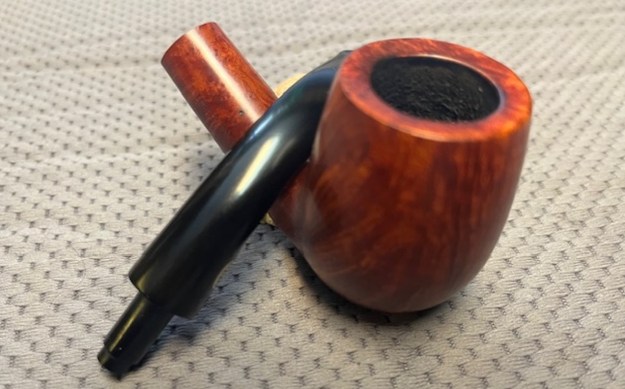
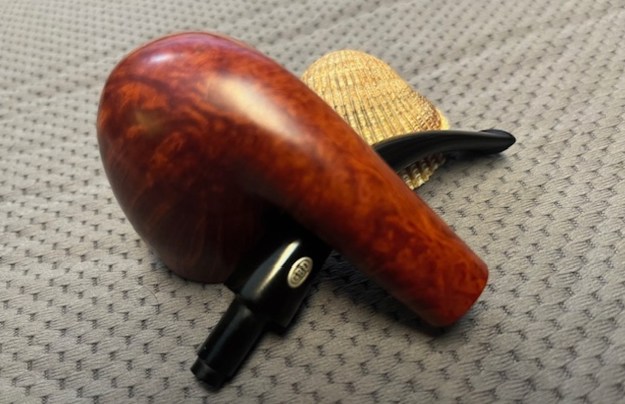
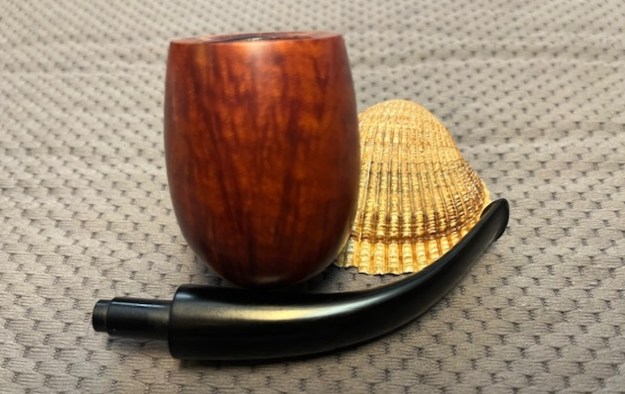
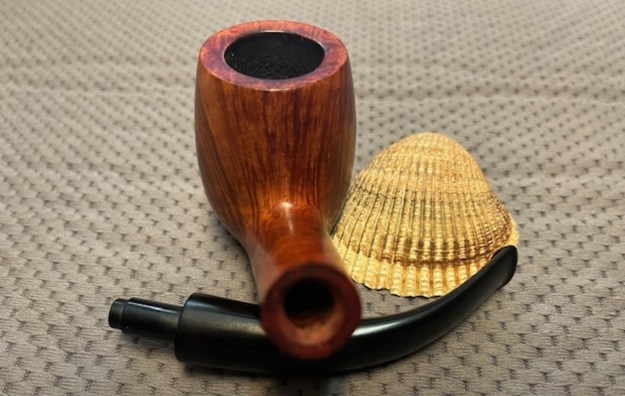
Restoring a Byron Harwood Olivewood Apple Shaped Churchwarden


by Steve Laug

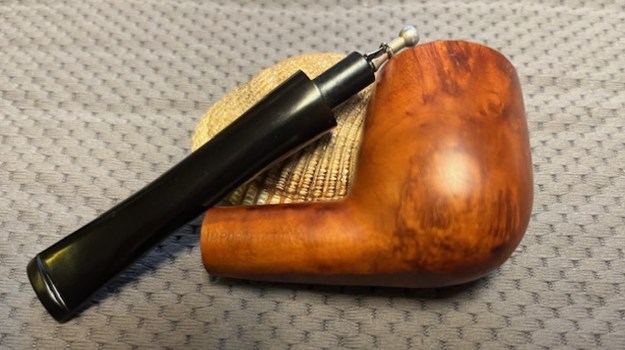
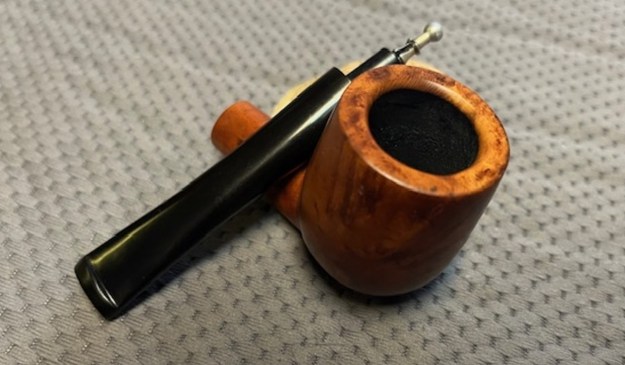
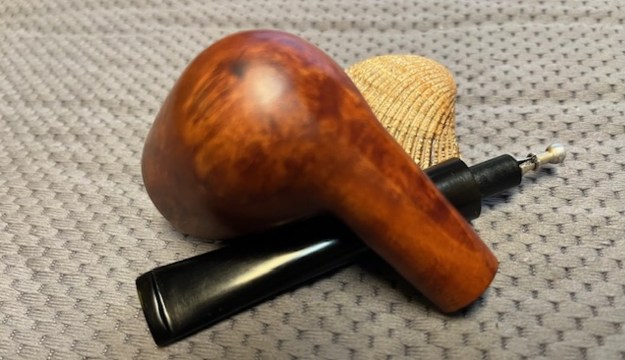
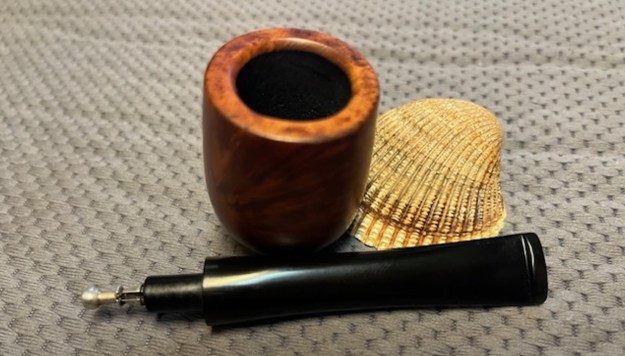
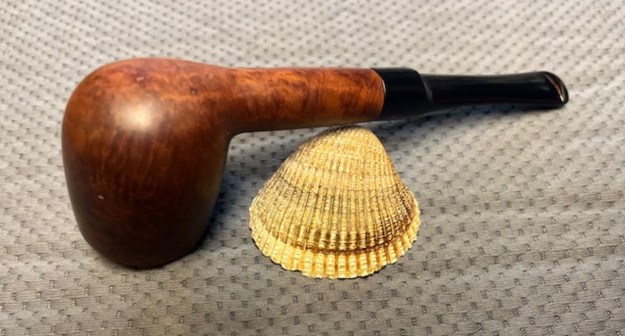
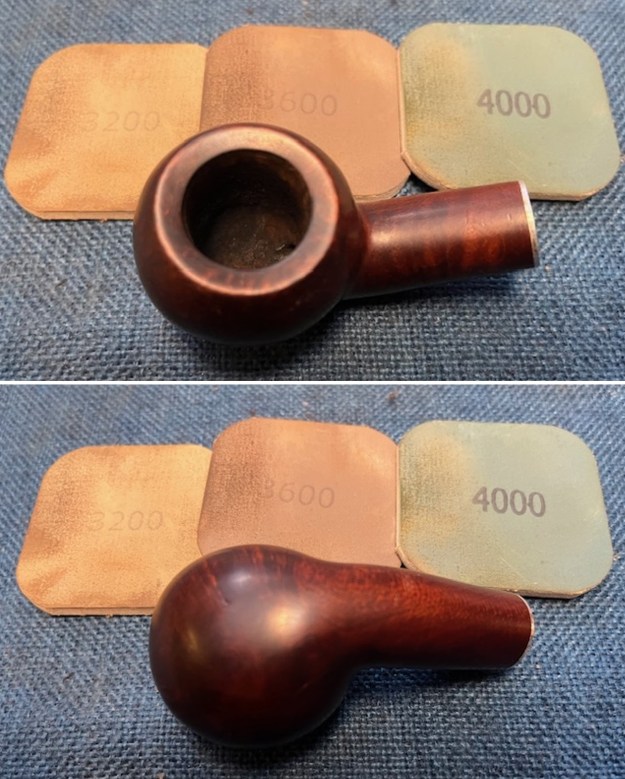
The next pipe I chose to work on was one that we purchased on 12/28/2024 from as part of an estate that belonged to a pipeman and carver, Byron Harwood from Missoula, Montana, USA. This Olivewood pipe was one of Byron’s own handmade pipes. It is a lovely piece of olivewood that was shaped with an apple bowl that highlighted the grain. The bowl and shank were smooth and highlighted some beautiful grain around the bowl sides and shank. The airway in the mortise and shank are well executed and the draught is very good. The bowl was lightly smoked and there was debris in the bowl. There was some darkening around the inner edge of the bowl and top. The stem is a clear acrylic with spots or bubbles of white that look quite intriguing. It has a great fit to the shank, has been bent to fit the angles of the pipe. The tenon is a white Delrin that is screwed into the stem. The button is fishtail and well finished. The pipe fit well in the hand and had a small bowl but there was a charm to it! Here is what it looked like when Jeff received it. He took some photos of the rim top and bowl from various angles to give me a clear picture of the condition of the rim top and bowl. You can see the light cake in the bowl and the darkening and light lava coat on the inner edge and rim top. He also took photos of the stem. It is dirty and has light tooth chatter on both sides at the button. Jeff took some photos of the sides of the bowl to show the condition of the finish on the pipe. The photos showed grain around the bowl sides. Under the oils and grime it was a nice looking bowl. It is a large pipe with a smooth rim top and heel. Jeff did his usual thorough job cleaning the pipe which I really appreciate because of the freedom it gives me in dealing with pipes. He reamed it with a PipNet pipe reamer and got rid of the cake. He cleaned up the reaming with a Savinelli Fitsall Pipe Knife so that we could see the walls of the bowl and assess for damage. He cleaned the internals of the shank and stem with alcohol, pipe cleaners and alcohol. He scrubbed the exterior with undiluted Murphy’s Oil Soap and a tooth brush. He rinsed the pipe under warm water. He dried it off with a cloth and then let it air dry. The stem was scrubbed with Soft Scrub and had a soak in Before & After Deoxidizer to remove the oxidation. One it was rinsed off, it came out looking very good. The finish on the bowl and the rim top cleaned up nicely. I took pictures of the pipe to show how it looked when I unpacked it. I took a close up photo of the bowl and rim top to show how clean the pipe was. The stem looked good just some light tooth chatter and marks near the button. Overall the pipe is a beautiful looking piece.I also removed the stem from the shank and took photos of the pipe to show the look of the parts. The stem is long but the pipe is mini Churchwarden.I sanded the olivewood bowl with 320-3500 sanding pads. I wiped the briar down with a damp cloth after each sanding pad. It began to look very good. I polished the bowl with micromesh sanding pads – wet sanding with 1500-12000 grit pads and wiping it down after each sanding pad with a damp cloth. The grain of the olivewood began to shine. I worked some Before & After Restoration Balm into the surface with my finger tips. I let it sit on the bowl for 10 minutes and then buffed it off with a paper towel and soft cloth. The product is a great addition to the restoration work. It enlivens, enriches and protects the wood while giving it a deep glow. It is a product I use on every pipe I restore. I set the bowl aside and worked on the stem. I sanded out the light tooth marks and chatter with 320-3500 grit sanding pads. I wiped the stem down with an Obsidian Oil cloth after each sanding pad. The stem looked better at this point. I polished the stem with micromesh sanding pads – wet sanding with 1500-12000 grit sanding pads. I wiped it down after each sanding pad with Obsidian Oil. I polished it with Before & After Pipe Stem Polish – both Fine and Extra Fine. I buffed the stem with a soft cloth to raise the shine. I gave it a final wipe down with Obsidian Oil to protect the stem from UV and slow down future oxidation. I don’t know what it is about finishing a restoration but I have to tell you that it is my favourite part of the process. It is the moment when everything that I have worked on comes together. I can compare it to where I started and there is always satisfaction that it does indeed look better than when we picked it up. As always, I put this Byron Harwood Olivewood Mini Churchwarden back together and buffed it with Blue Diamond on the buffing wheel. I gave the bowl and the stem multiple coats of carnauba wax. I buffed the pipe with a clean buffing pad and hand buffed it to raise the shine. It is fun to see what the polished bowl looks like along with the polished clear acrylic stem. This Byron Harwood Olivewood Churchwarden is a great looking pipe and I am sure that it will be comfortable in hand when smoking as it is light and well balanced for a pipe of this size. Have a look at it with the photos below. The dimensions are Length: 7 ½ inches, Height: 1 ¾ inches, Outside diameter of the bowl: 1 ½ inches, Chamber diameter: 5/8 of an inch. The weight of the pipe is 1.80 ounces/52 grams. It is another beautiful pipe and one that will be on the rebornpipes store soon. You can find it in the section of Pipes by American Pipe Makers. If you are interested in adding it to your collection let me know. Thanks for walking through the restoration with me as I worked over this pipe. Thanks to each of you who are reading this blog.
As always, I encourage your questions and comments as you read the blog. Thanks to each of you who are reading this blog. Remember we are not pipe owners; we are pipe men and women who hold our pipes in trust until they pass on into the trust of those who follow us.