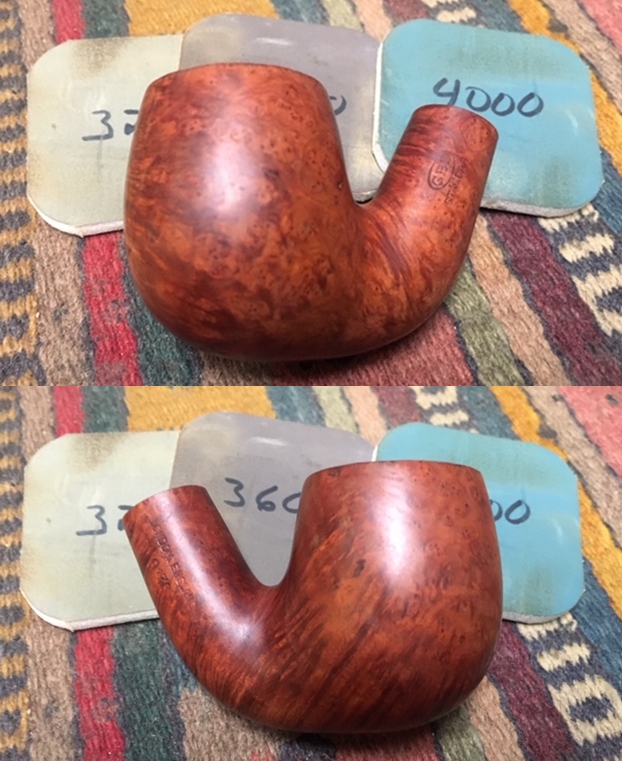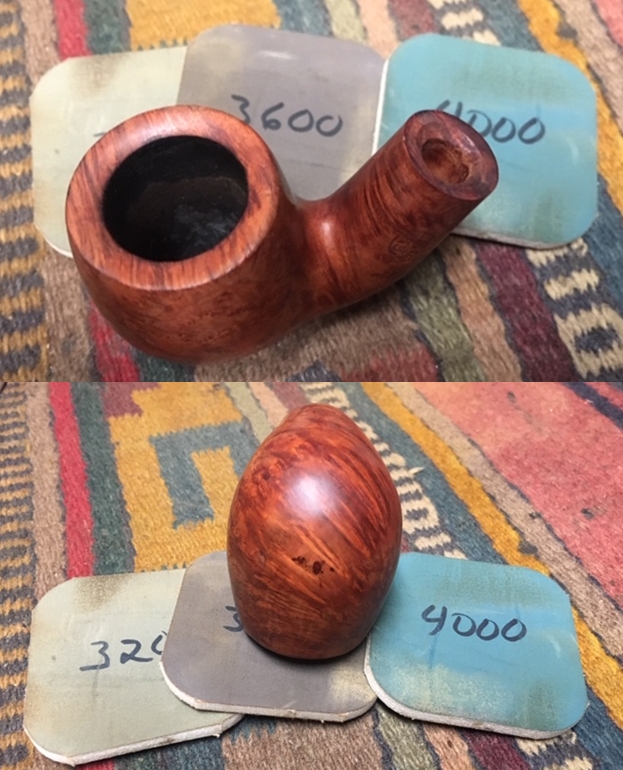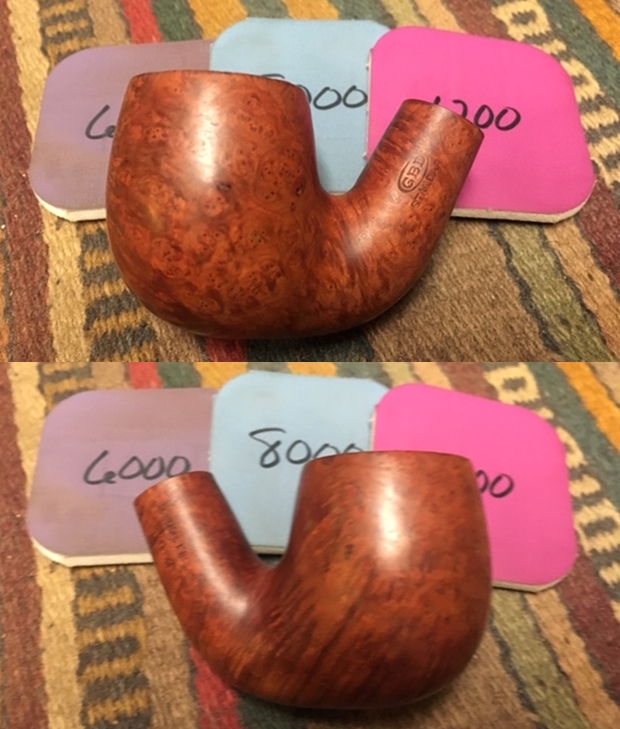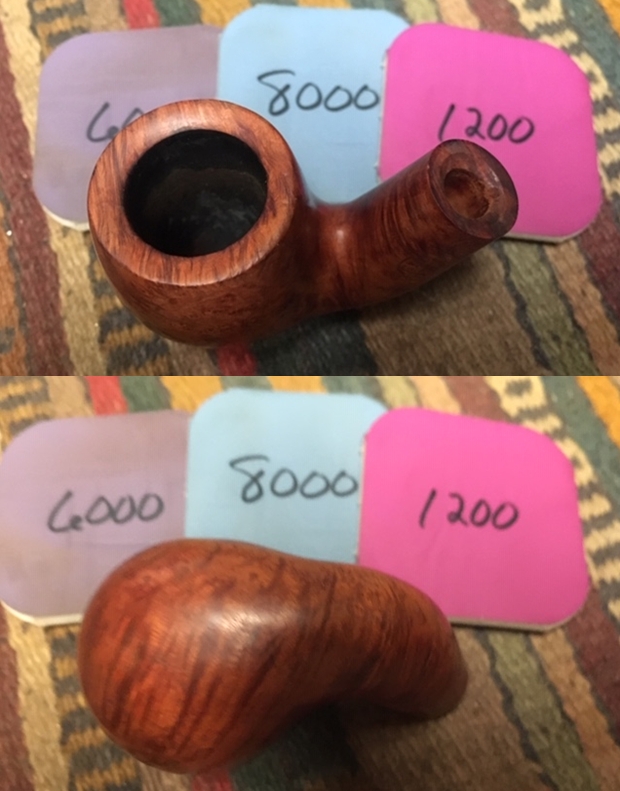
Tag Archives: Bowl – finishing

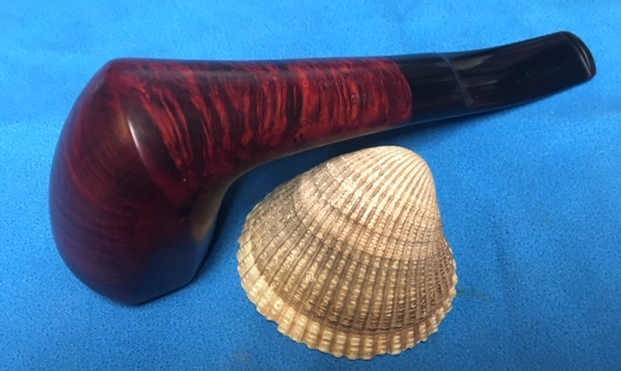
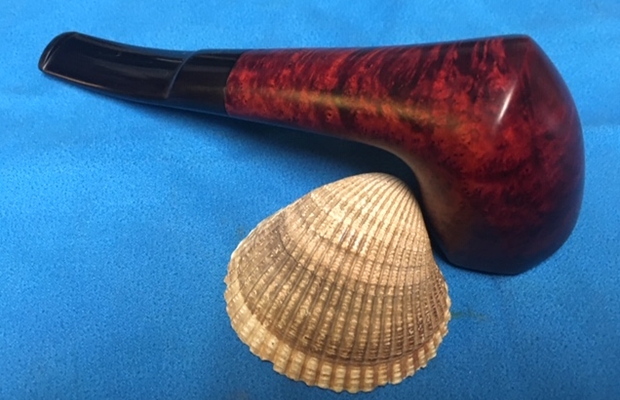
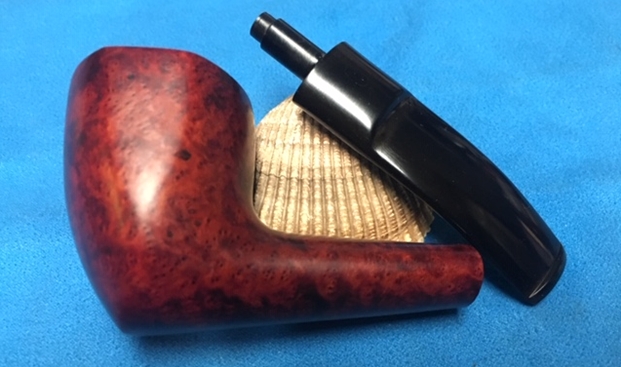
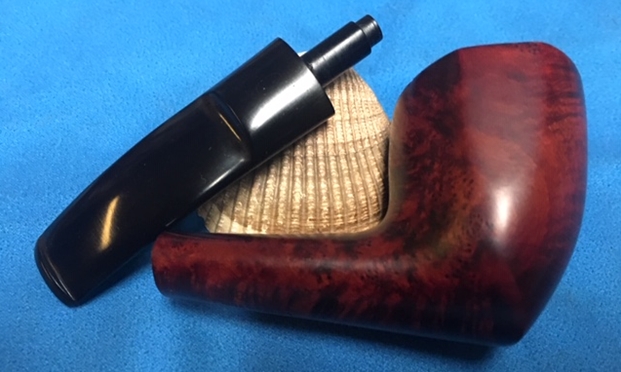
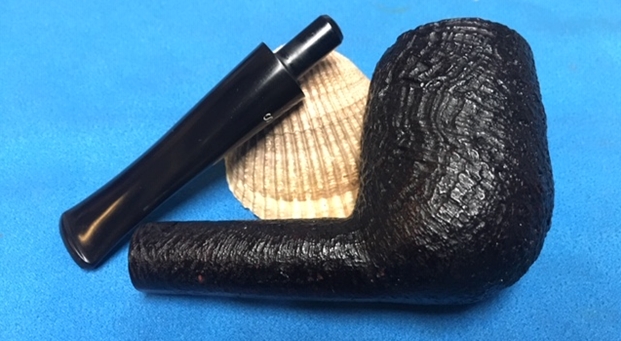
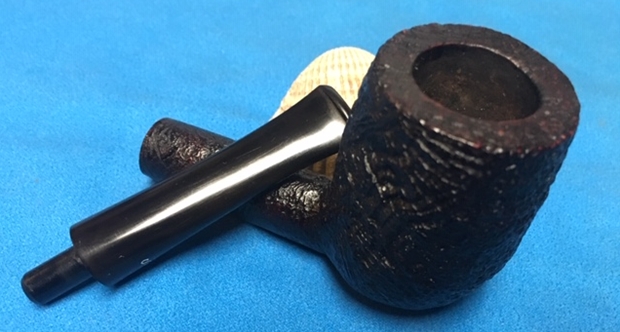
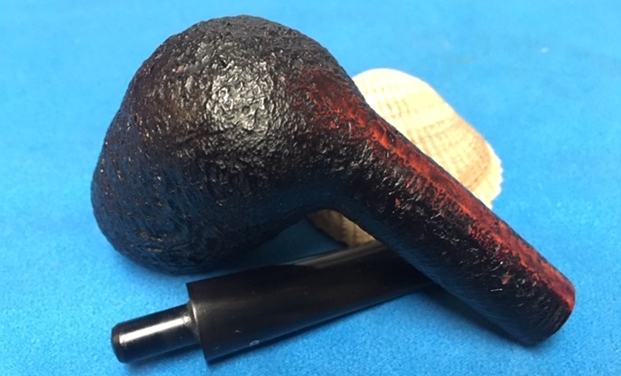
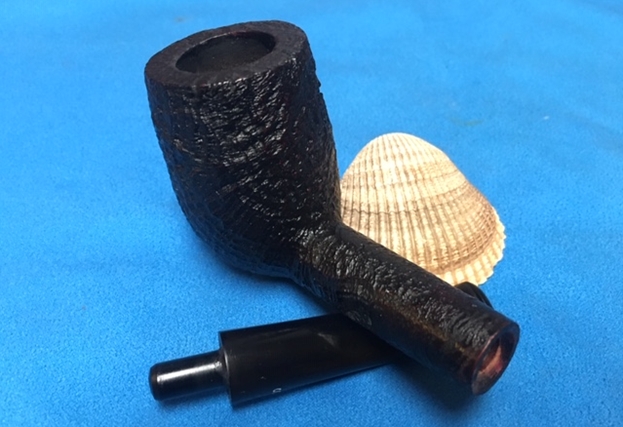
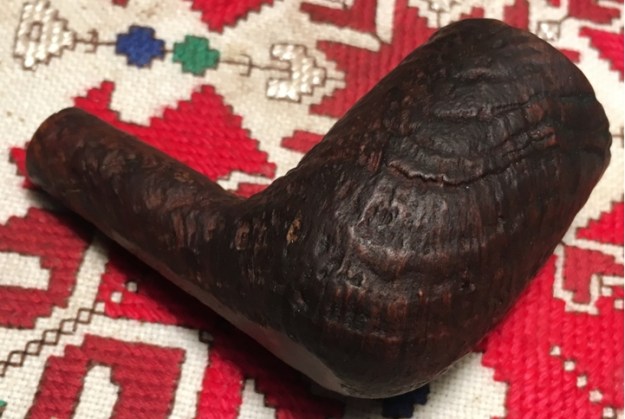
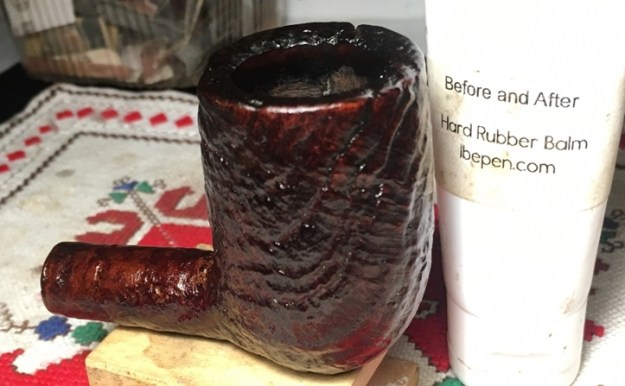
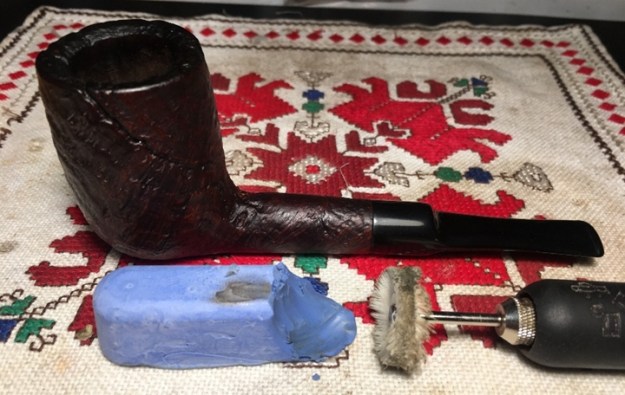
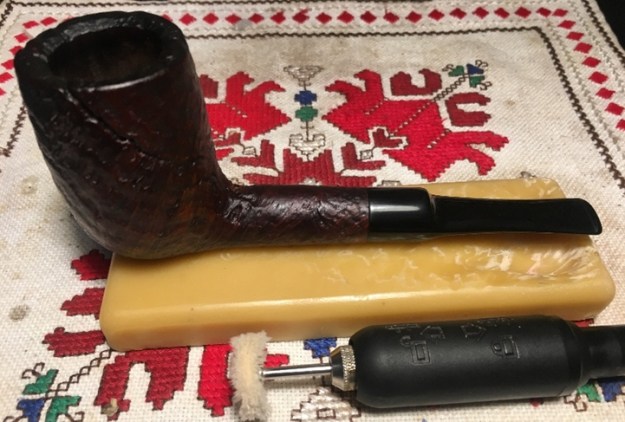
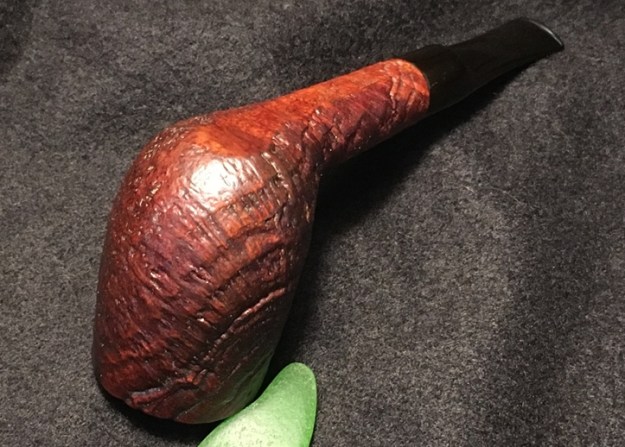
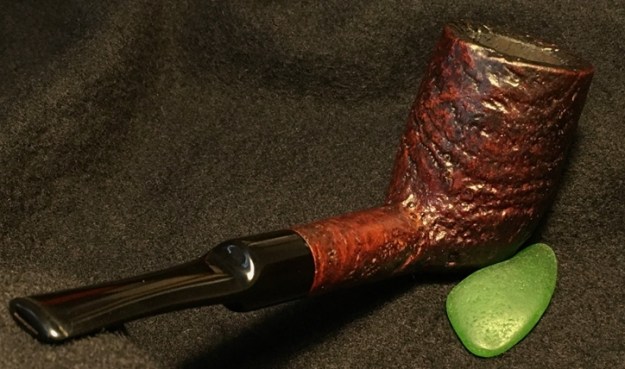
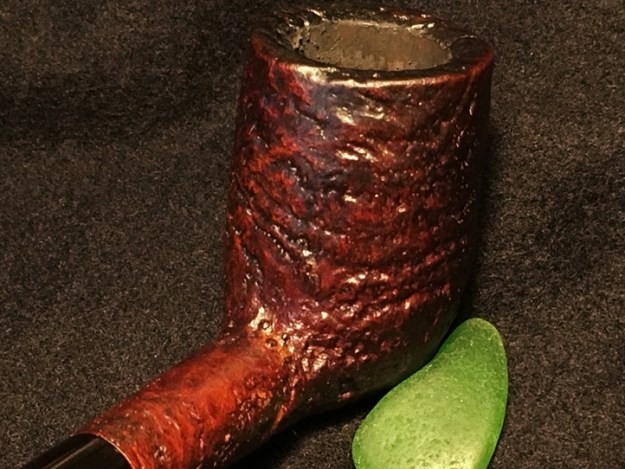
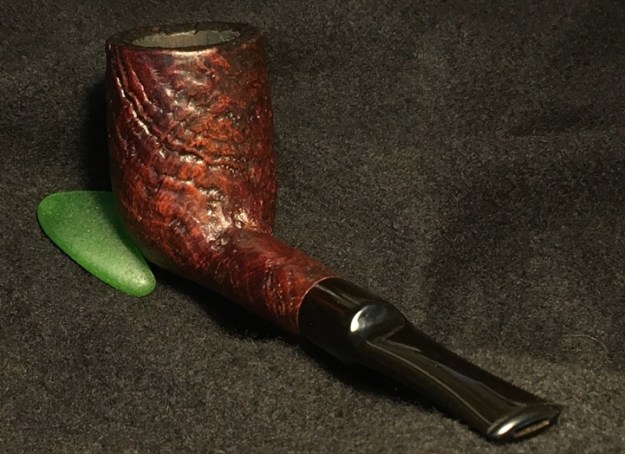
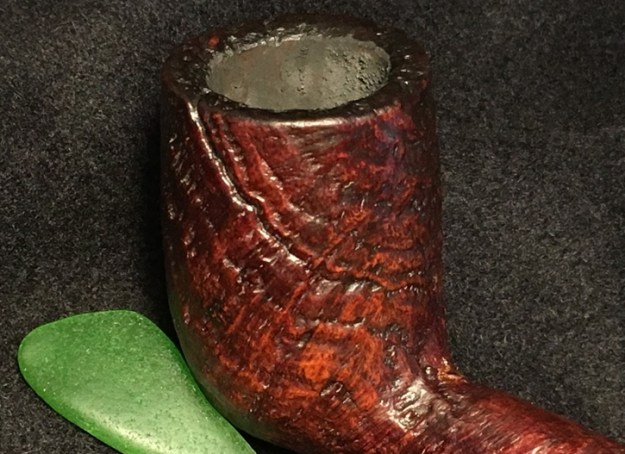
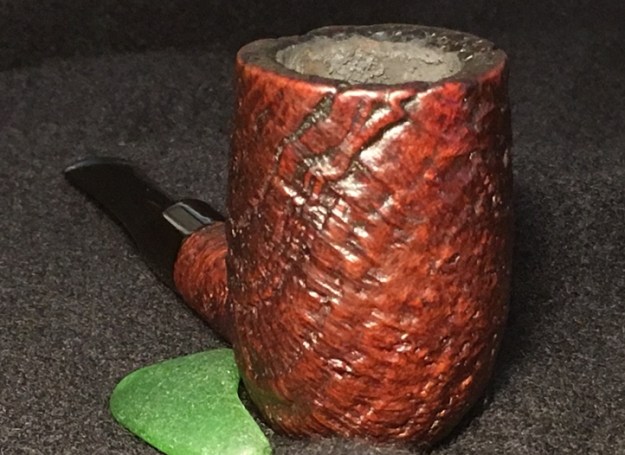
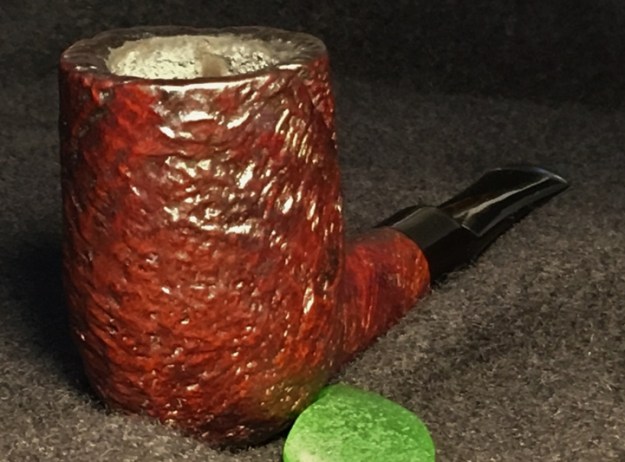
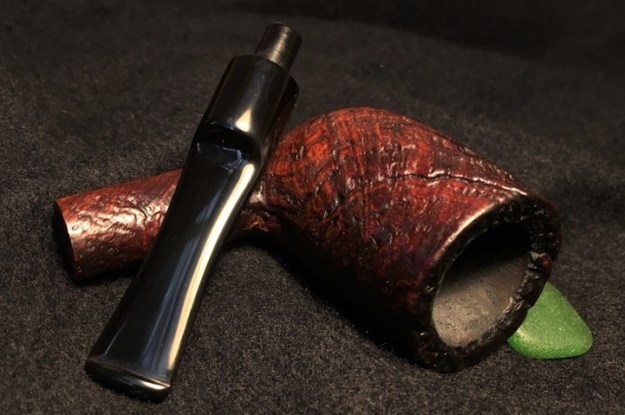
Restoring a Beautiful Bertram Billiard with a Dark Stain


Blog by Steve Laug

It you have not read the previous blogs I have posted on this brand give them a read to get some background on the pipes in this lot. If you have not been hit with a box I am sure you have a hard time understanding how overwhelming it feels to look at the 200+ pipes that need to be restored. It is mind boggling for sure – but there is only one way to move ahead – 1 pipe at a time. I could not do it without Jeff’s help doing the clean up on the lot. If I had to do it all by myself it would be more than I handle moving through this many pipes. From his cleaned pipes I get to choose what I want to work on. Doing the work this way we have already cleaned about 70 pipes and I have restored around 38 of them. We are getting there slowly but surely.

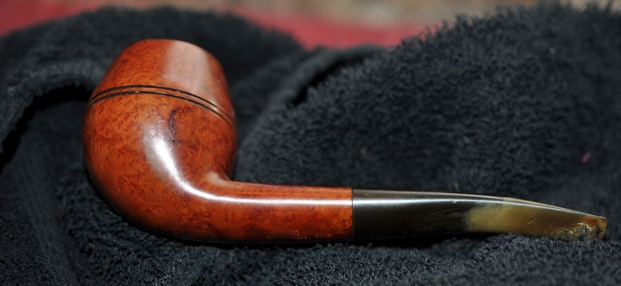
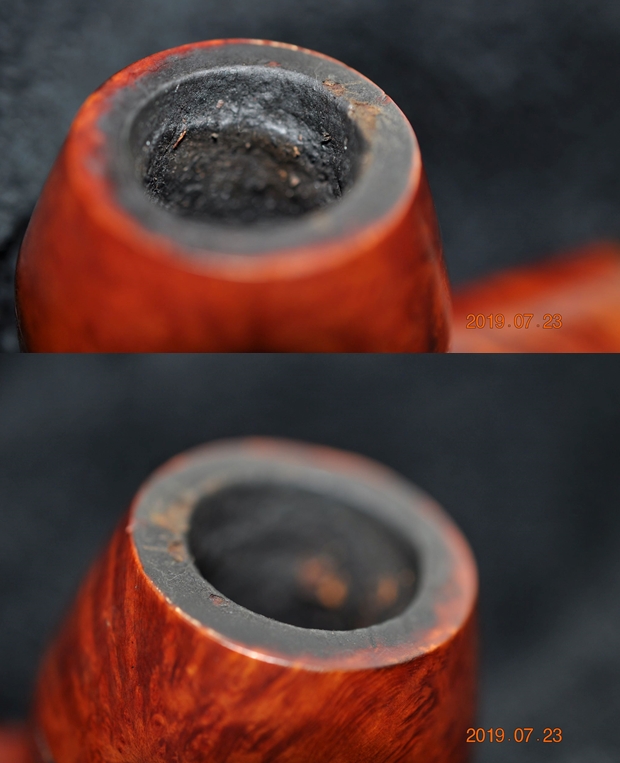
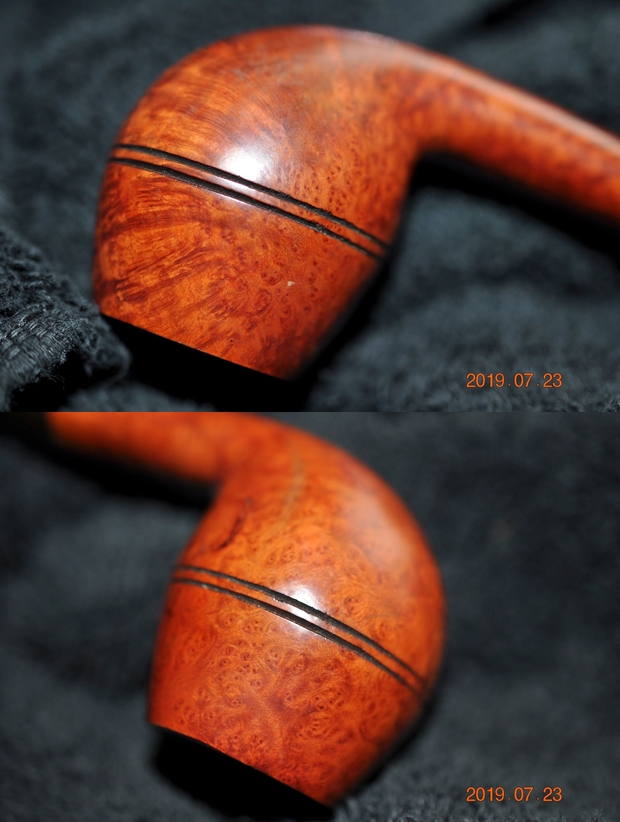
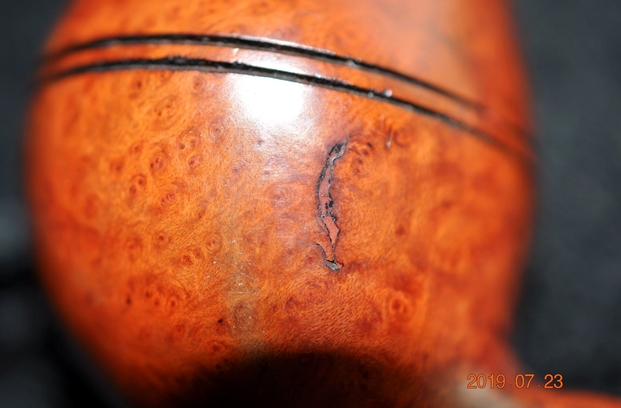
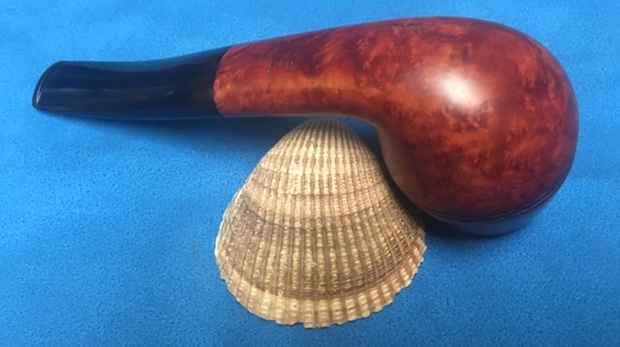
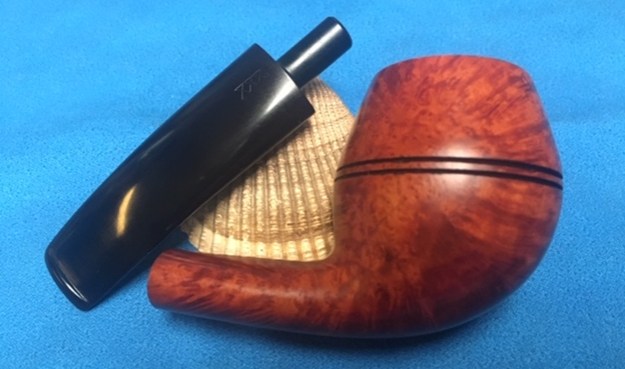
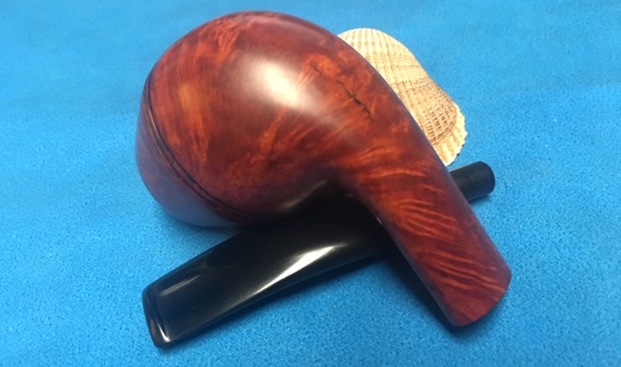
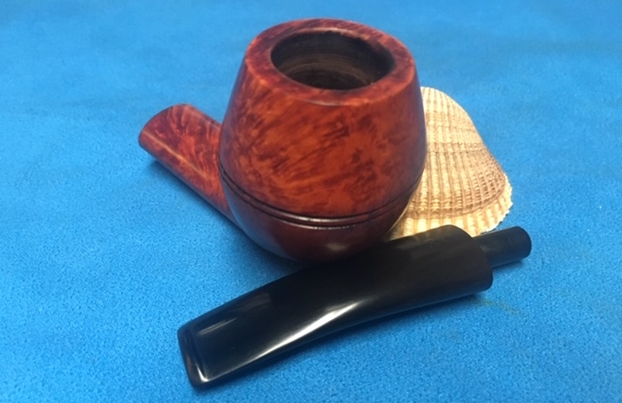
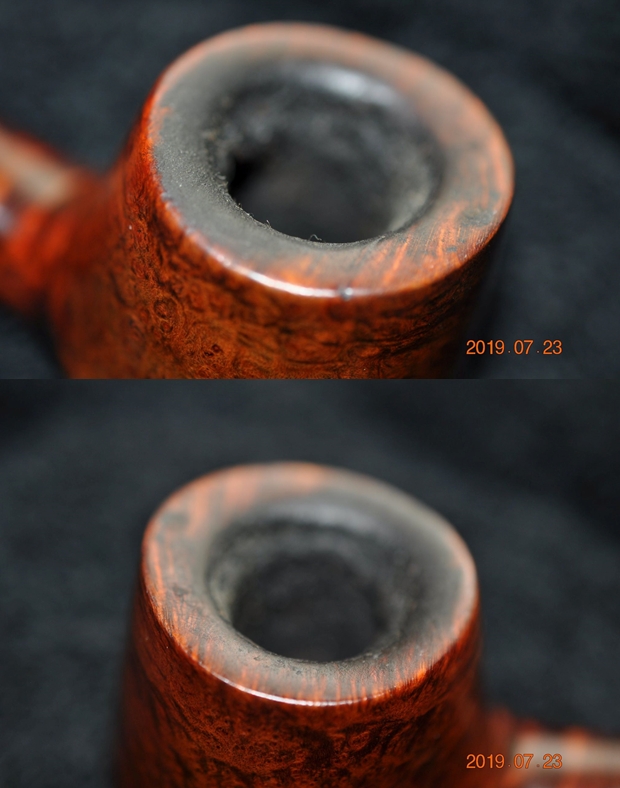
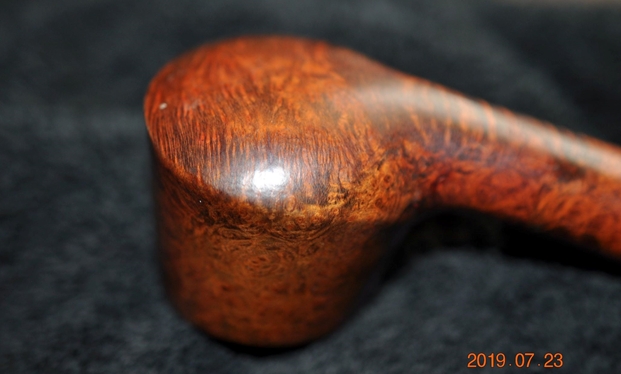
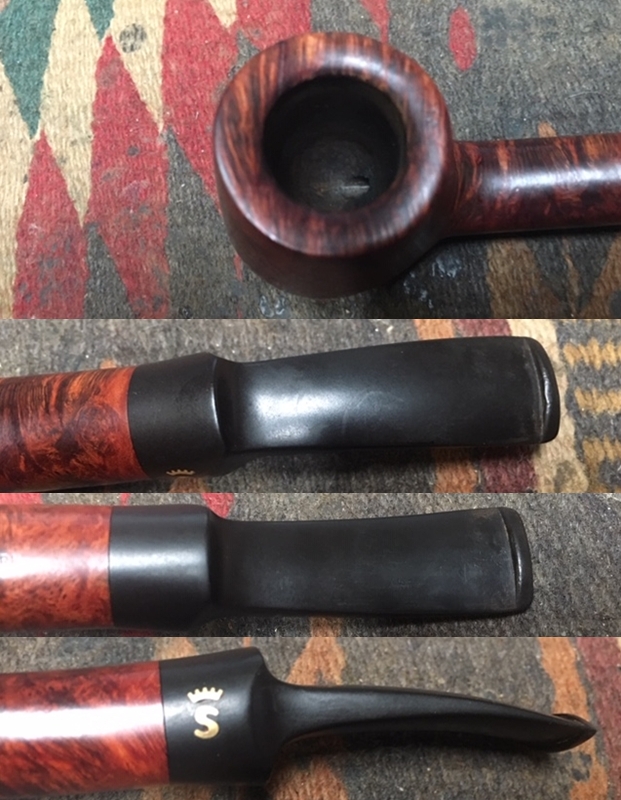
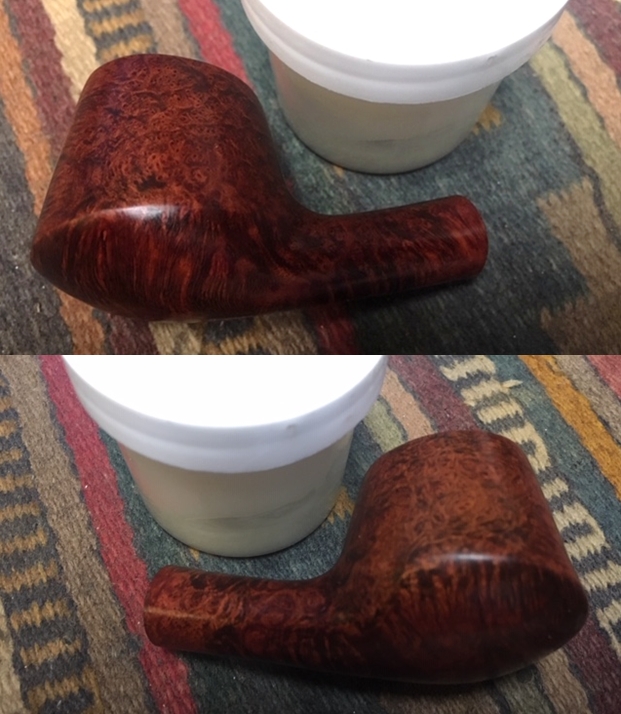
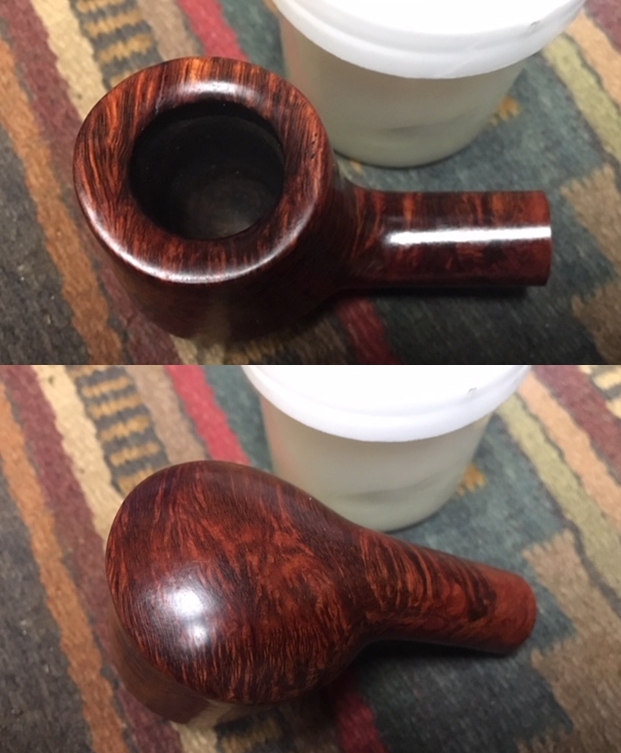
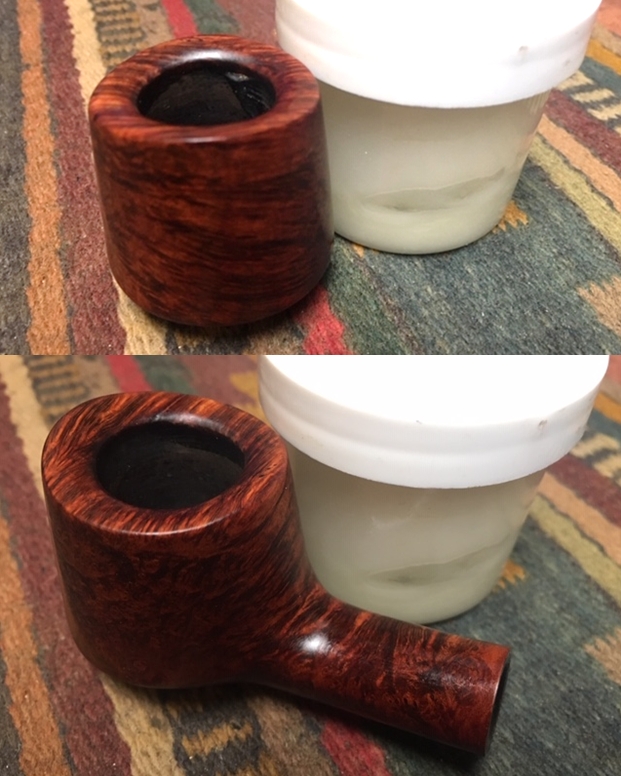
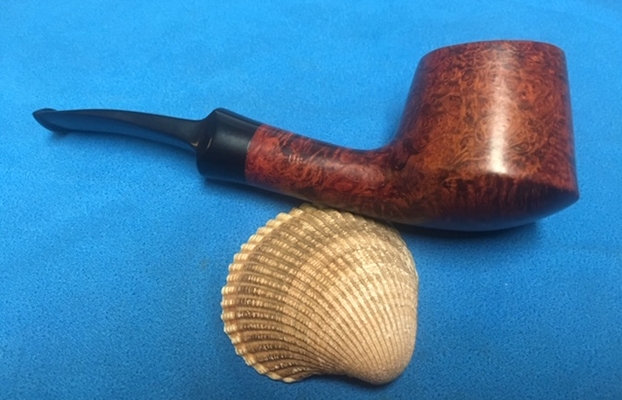
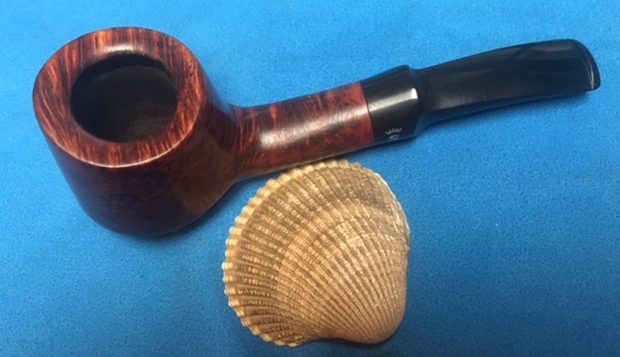
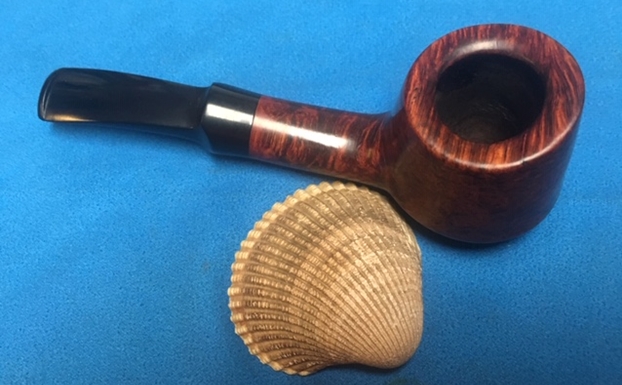
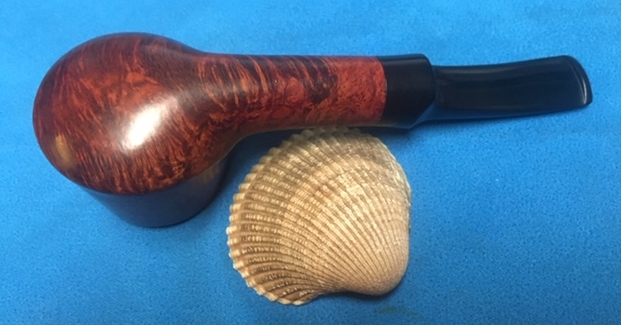
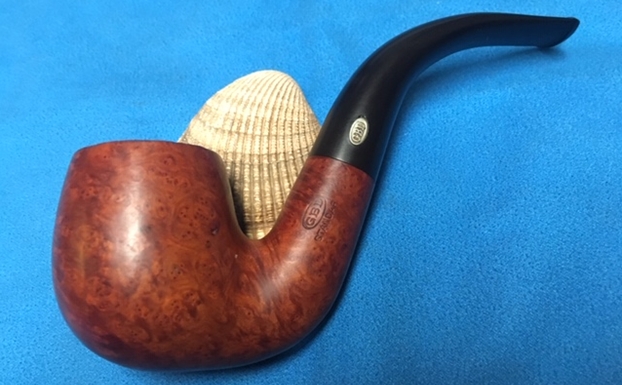
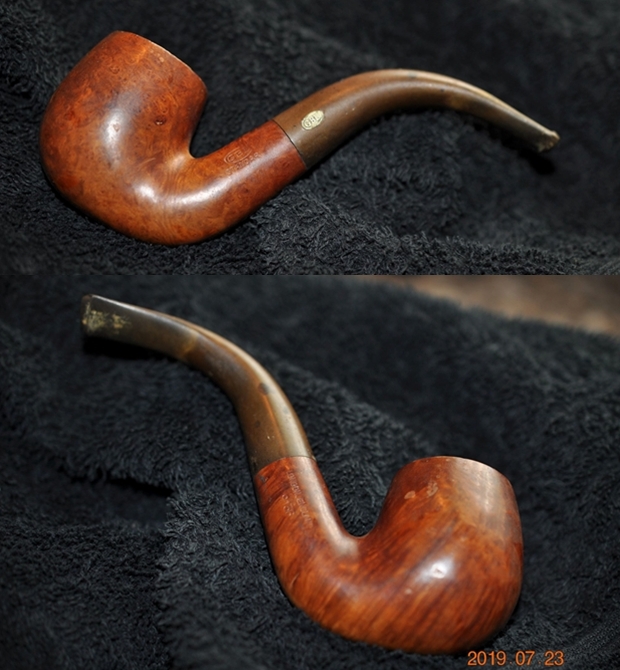
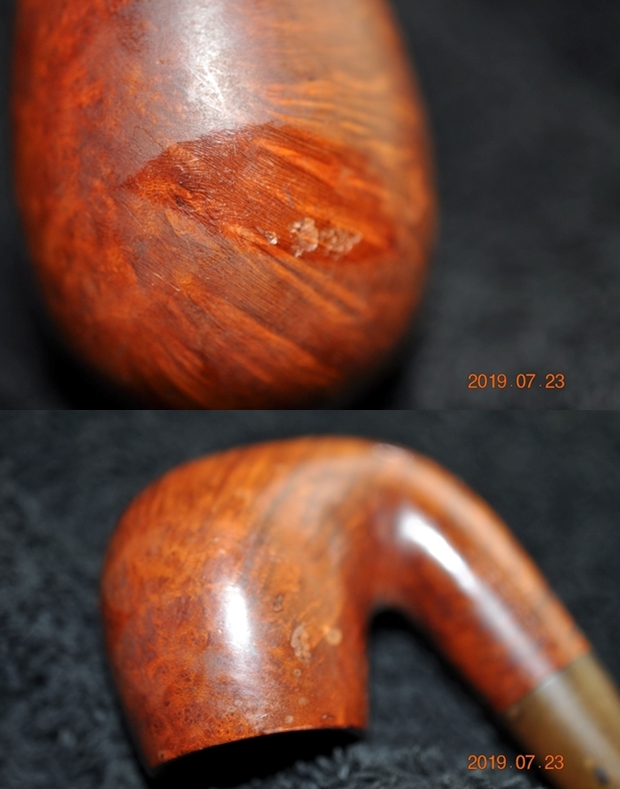
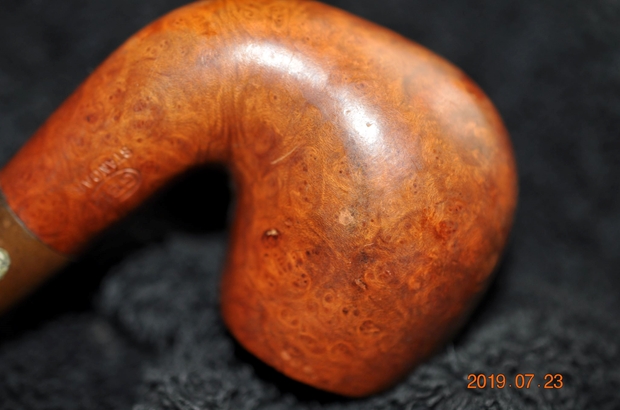
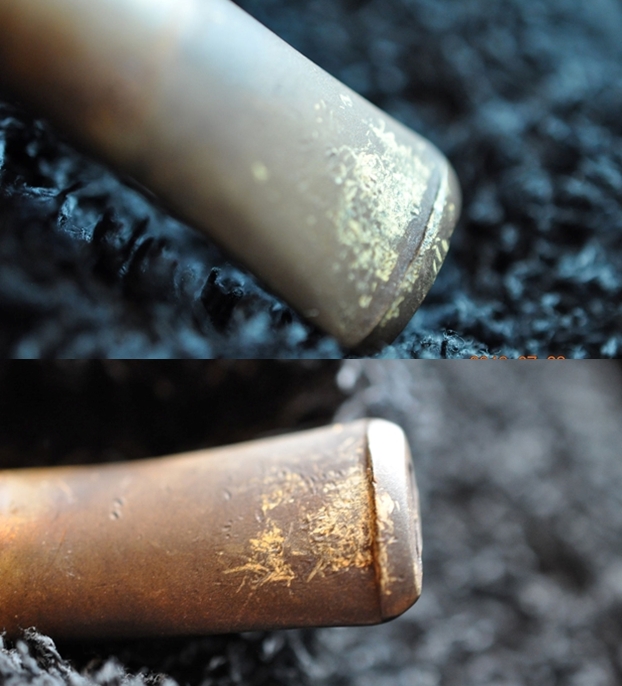
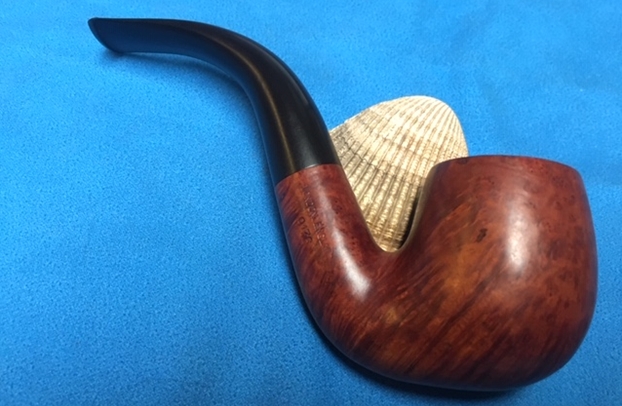
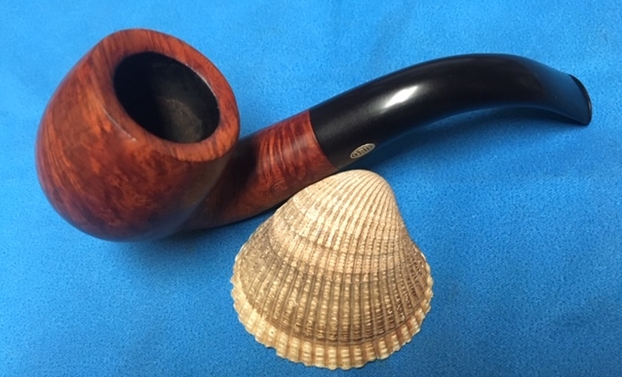
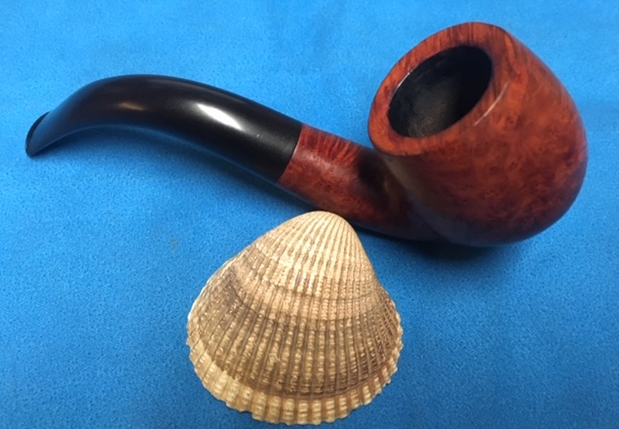
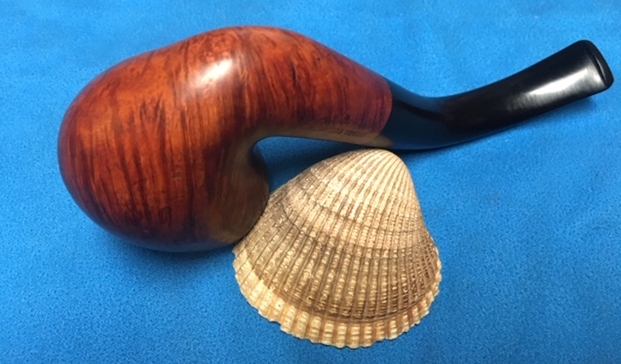
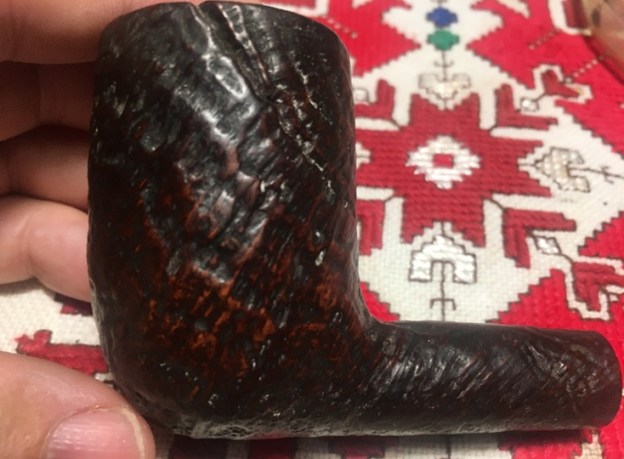
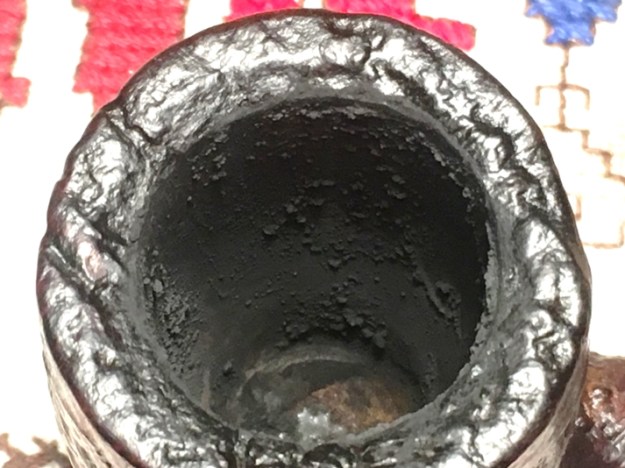
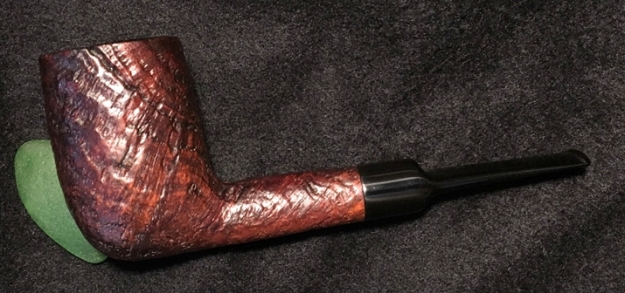
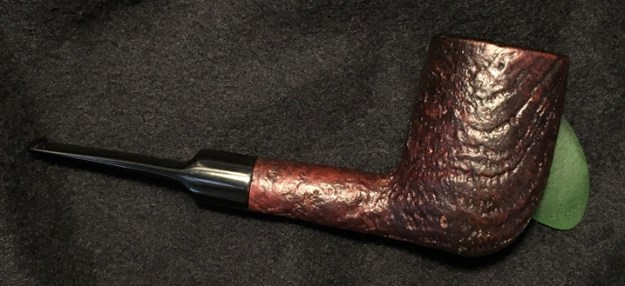
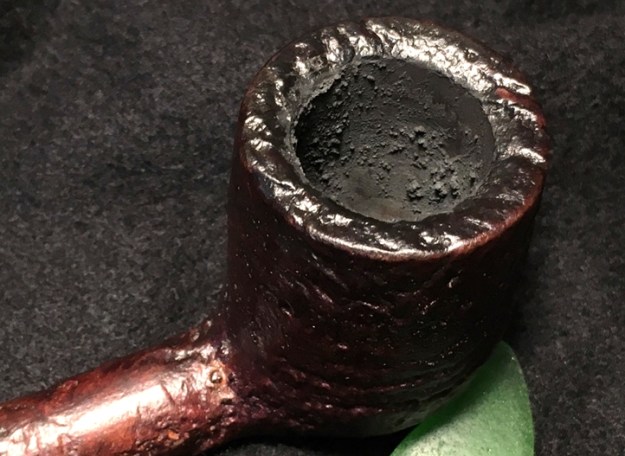
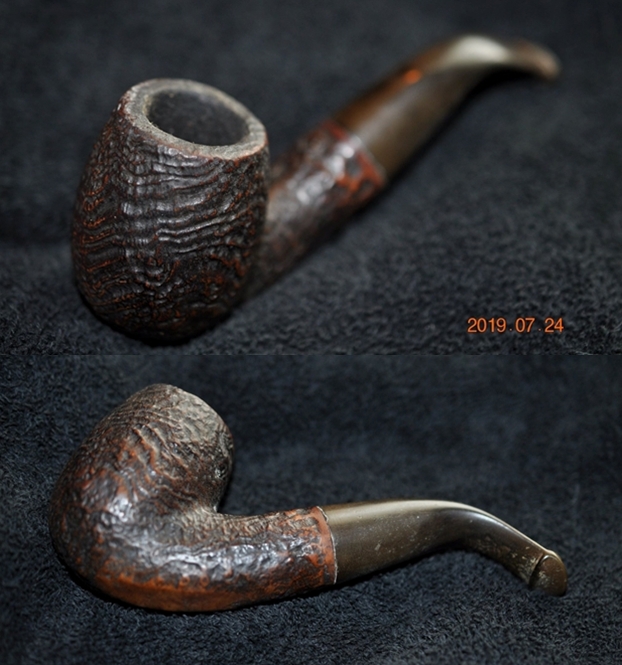
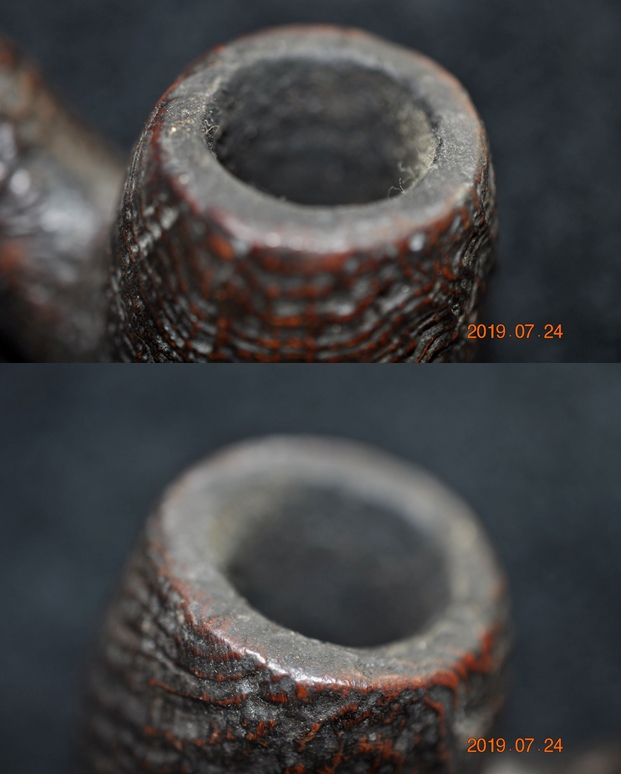
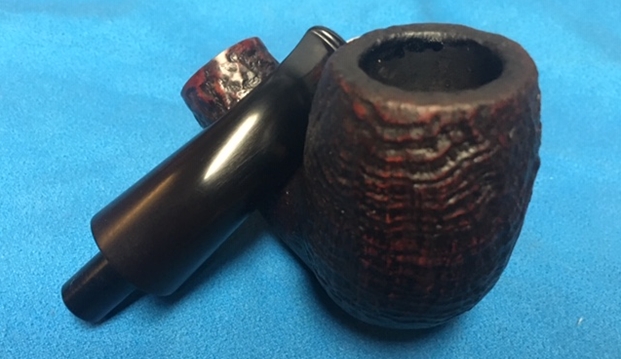
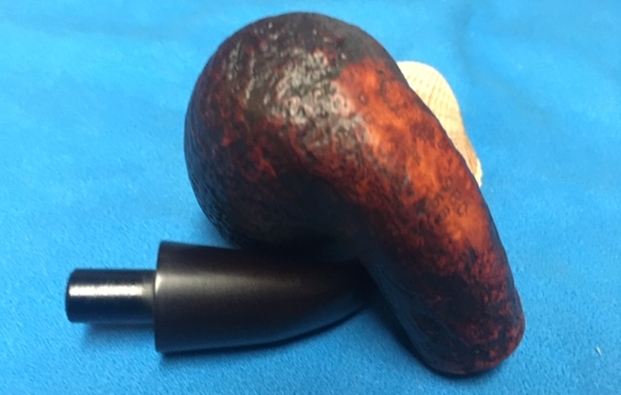
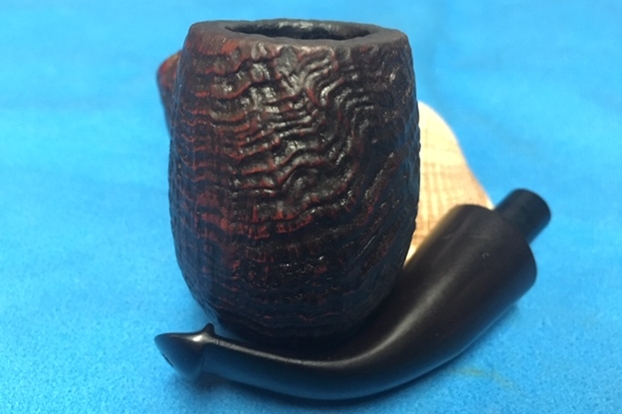
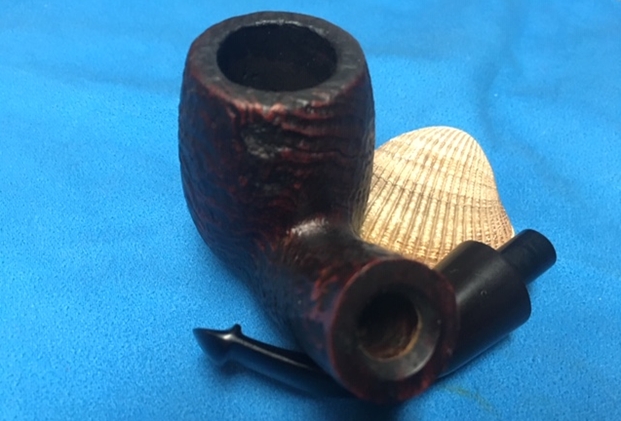
This time I chose a darker coloured Bertram Billiard to work on. It has some amazing grain with a few visible fills on the sides of the bowl. There is no grade number stamped on the pipe but judging from the other ones I have worked on I would say it is probably a grade 30 pipe. The briar has a mix of grains – straight, flame and birdseye. The exterior of the bowl looked really good. There were some fills around the bowl, on both sides and the rim top. The bowl had cake in the chamber and the rim top had some darkening and lava overflow. It was hard to know what the inner edge of the bowl edge of the bowl looked like until the cake and lava were gone. The stem had some oxidation and tooth marks and chatter near the button on both sides. Jeff took some photos of the pipe before he began his cleanup work on it. Jeff took close-up photos of the bowl and rim to capture the condition of the pipe when it arrived. The rim top had a thick coat of lava and the bowl had a thick cake. You can see from the photos why it was hard to tell the condition of the inner edge of the rim. The pictures of the bowl sides and the heel give a clear picture of the grain around the heel and the sides of the bowl. Other than the obvious fills the bowl looks very good. I am looking forward to seeing what is under all of the grime. The fills are visible in the photos below. The next photo captures the stamping on the left side of the shank. You can see the Bertram Washington, D.C. stamp clearly readable.The next two photos show the stem surface. They show the calcification, oxidation and the chatter on both sides near the button. There are tooth marks on the stem near the button. There is some wear on the button edge.With each of the blogs that I have written on the Bertrams that I have worked on I have included the following information. If you have read it in past blogs, you can skip over it. If you have not, I have included the link to Bertram history and information. I would recommend that if you don’t know much about them take some time to read the background. I include a link to the write up on Pipedia (http://pipedia.org/wiki/Bertram). Bertram pipes were based out of Washington DC. They were popular among famous politicians and celebrities of the time. They made many products for them from FDR’s cigarette holders to Joseph Stalin’s favorite pipe. They were considered some of the best America had to offer till they finally closed their doors in the 70s. Bertram graded their pipes by 10s and sometimes with a 5 added (15, 25, 55 etc.), the higher the grade the better. Above 60s are uncommon and 80-90s are quite rare. I have worked on one 120 Grade billiard. I have several blogs that I have written on rebornpipes that give some history and background to Bertram pipes. (https://rebornpipes.com/2015/06/16/an-easy-restoration-of-a-bertram-grade-60-217-poker/).

I have included the following link to give a bit of historical information on the pipe company. It is a well written article that gives a glimpse of the heart of the company. http://www.streetsofwashington.com/2012/01/bertrams-pipe-shop-on-14th-street.html#

From this information I learned that all of these Bertrams were made before the closure of the shop in the 1970s. This Bertram Billiard with stunning grain – only marred by the fills around the bowl sides.This pipe has no Grade stamp on it which I am sure takes into account the fills.

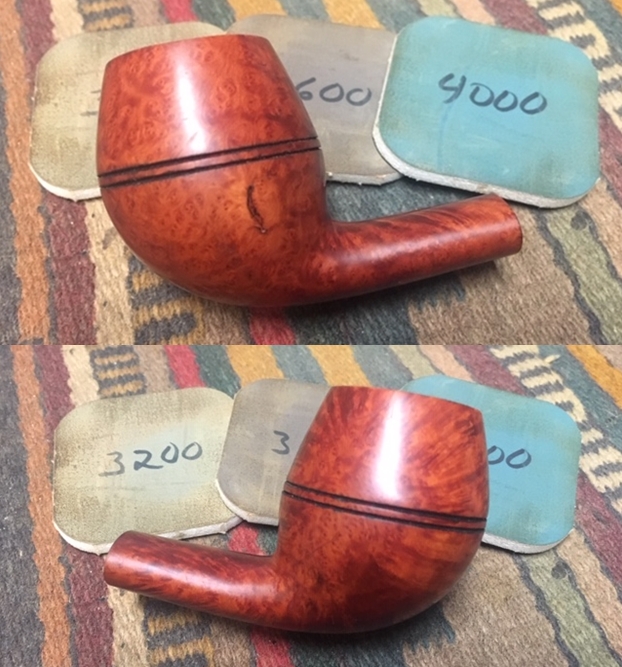
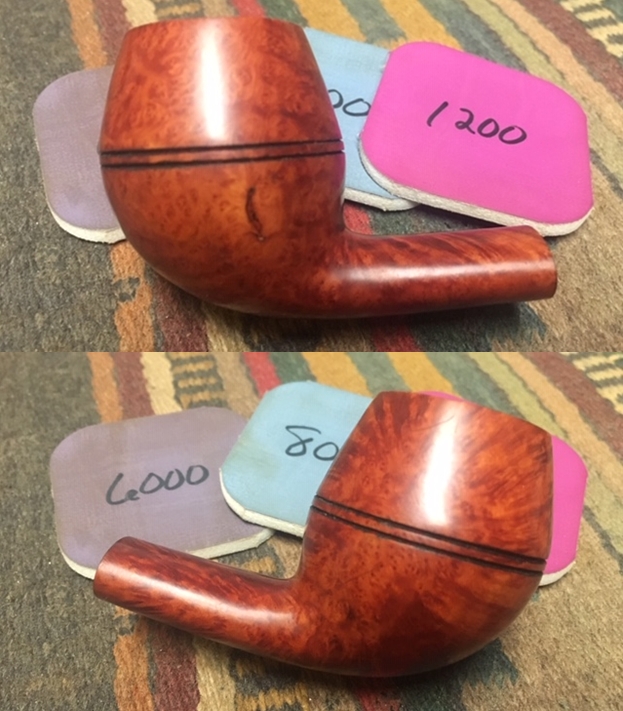
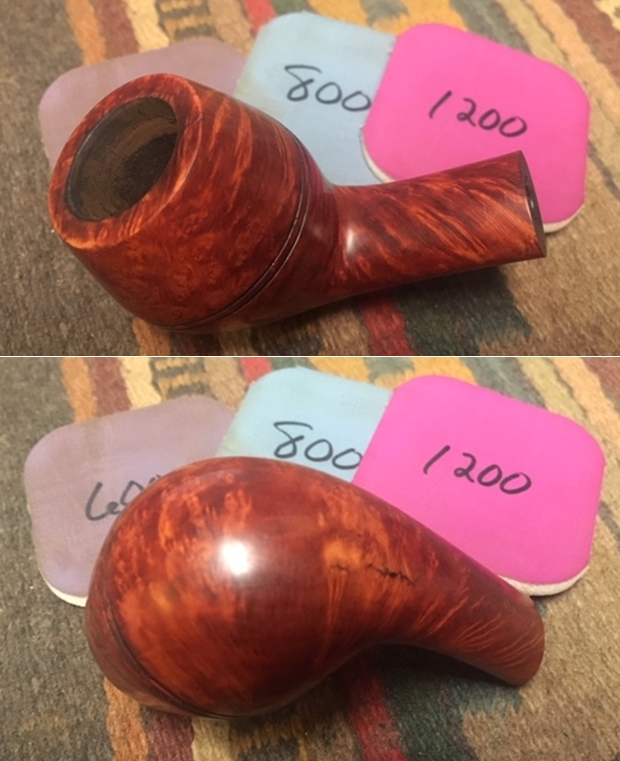
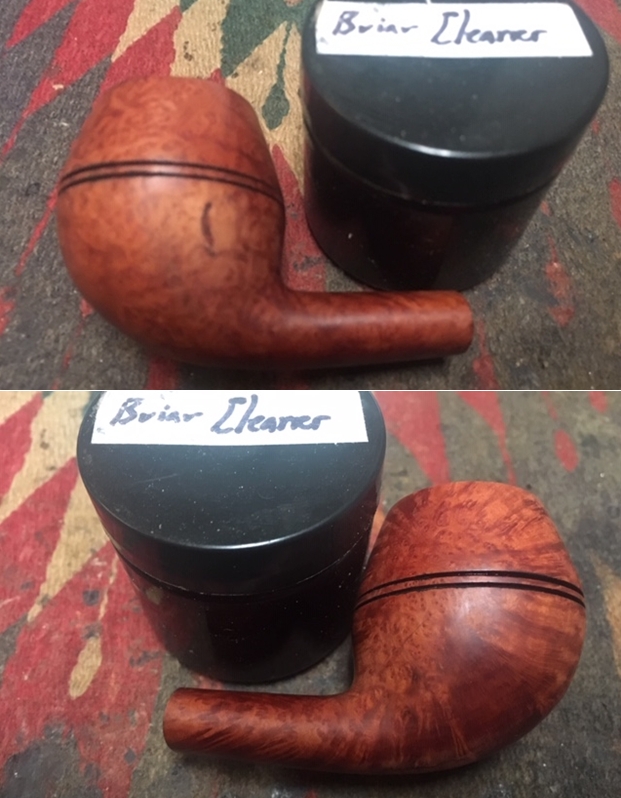
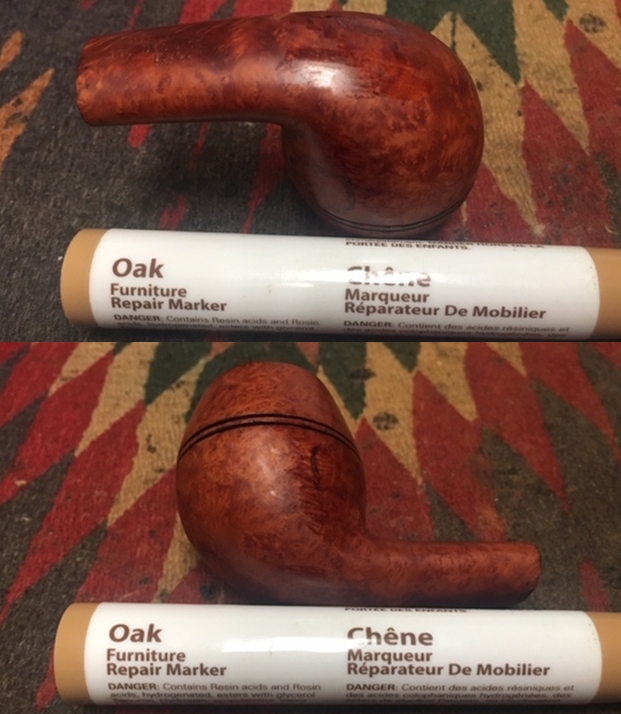
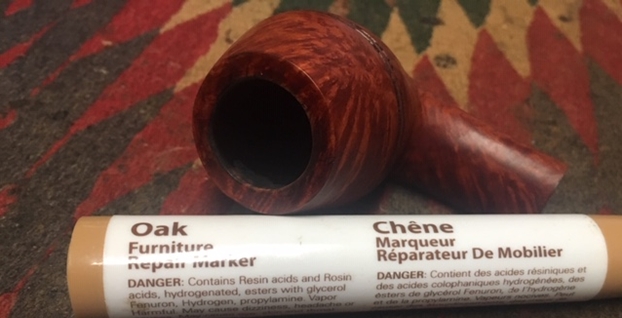
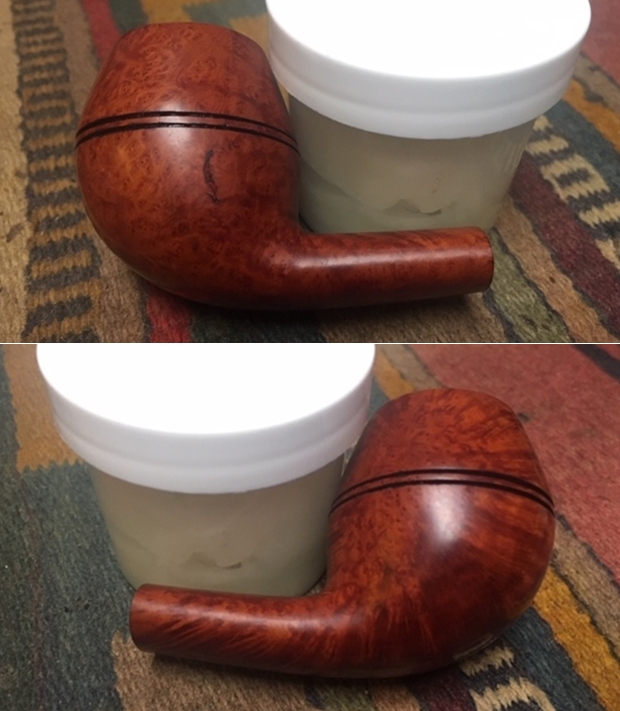
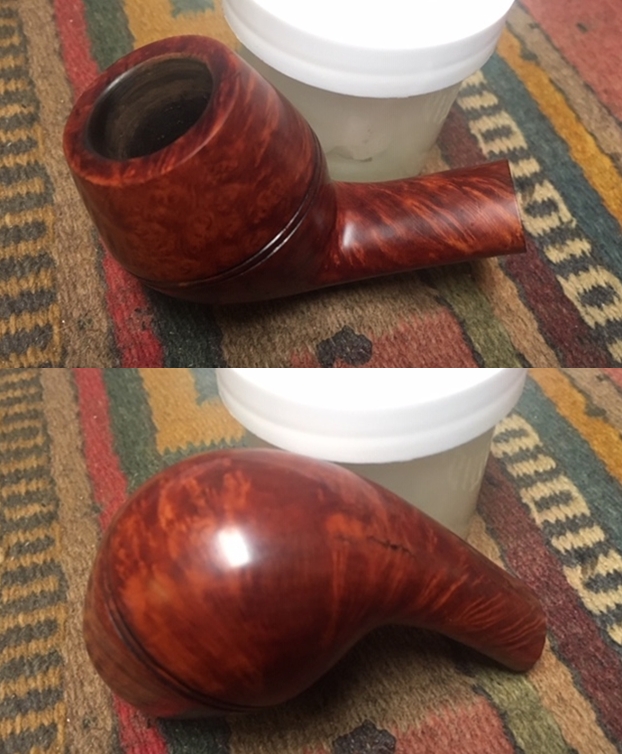
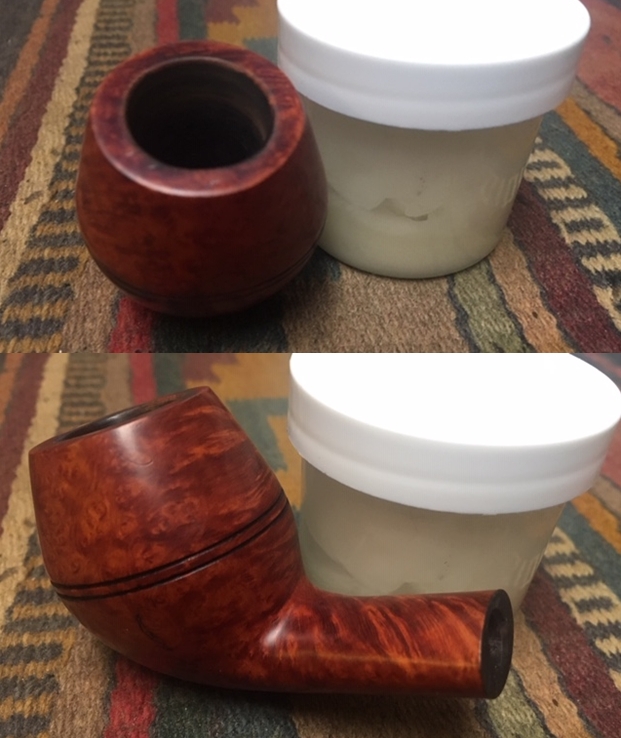
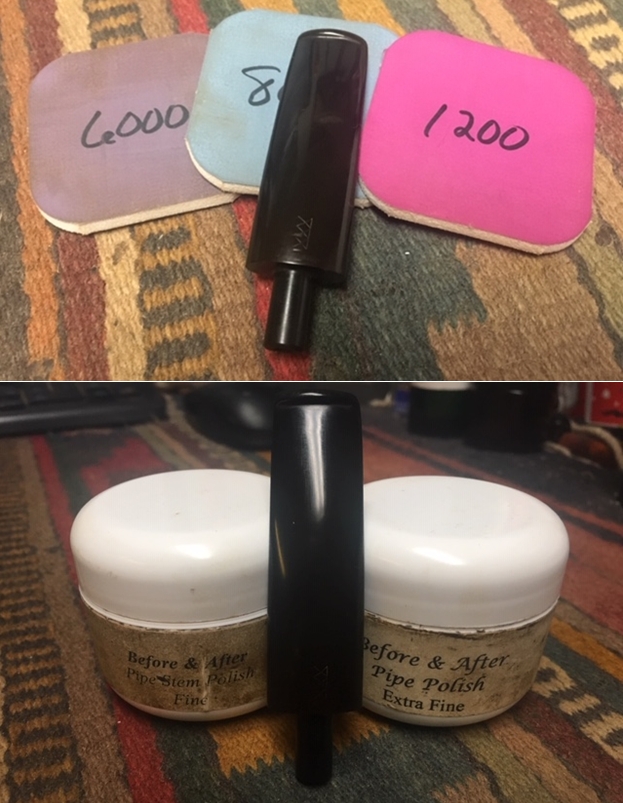
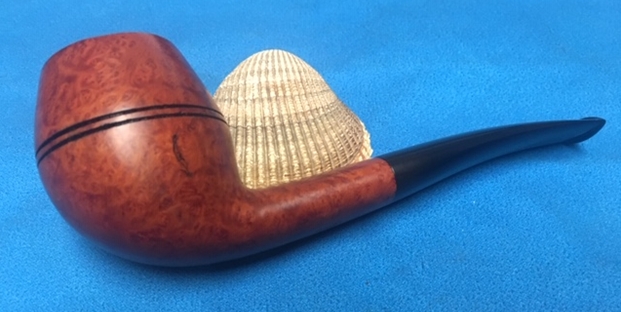
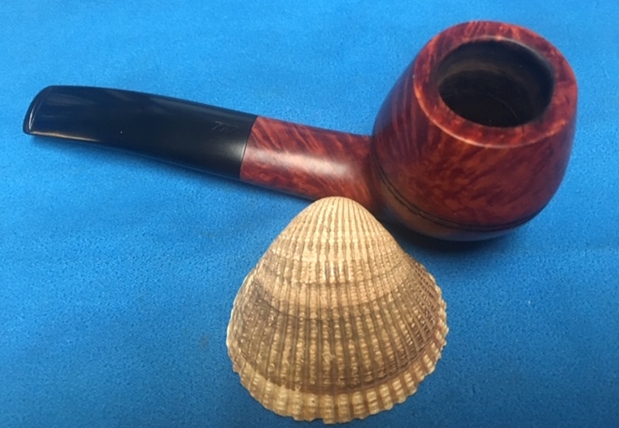
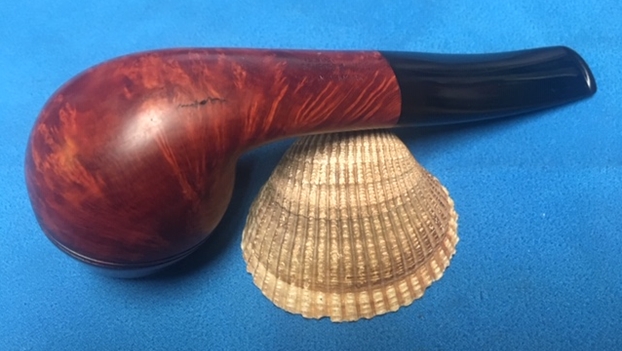
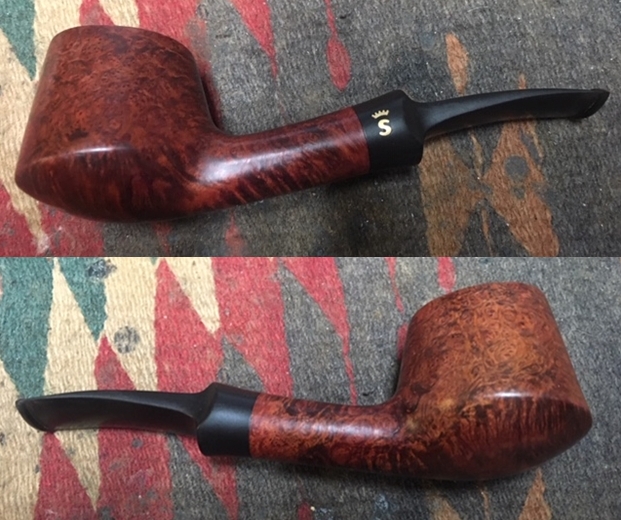
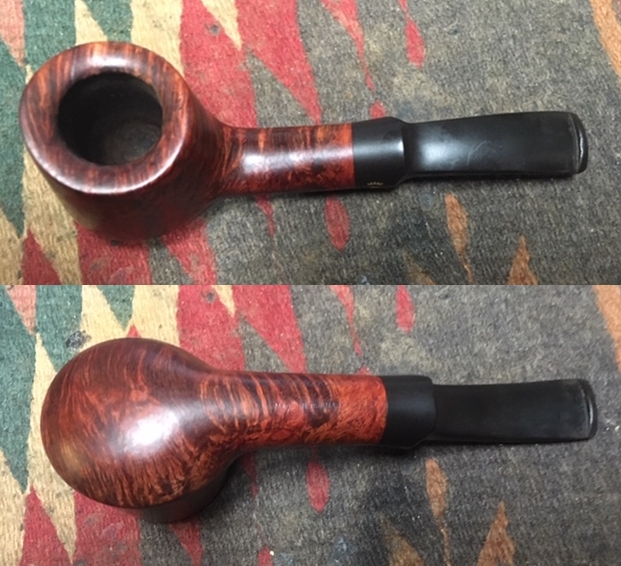
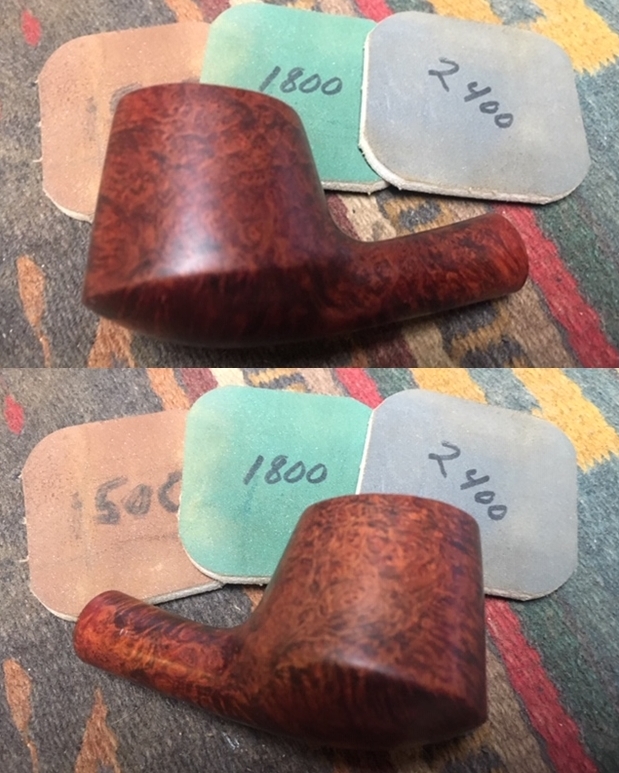
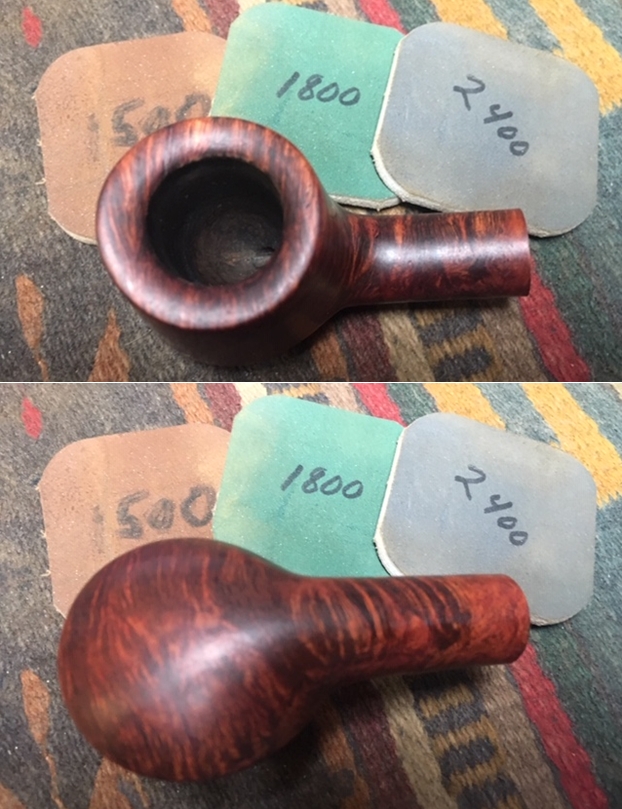
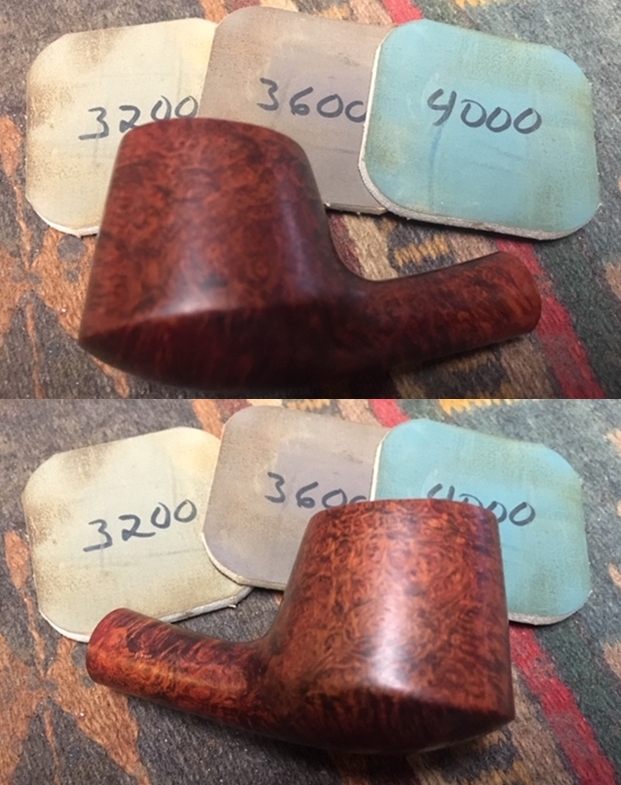
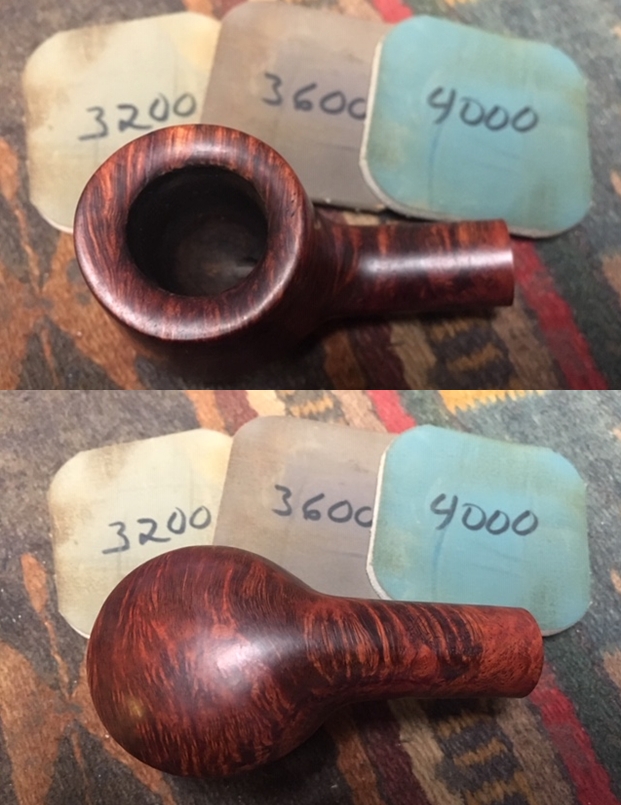
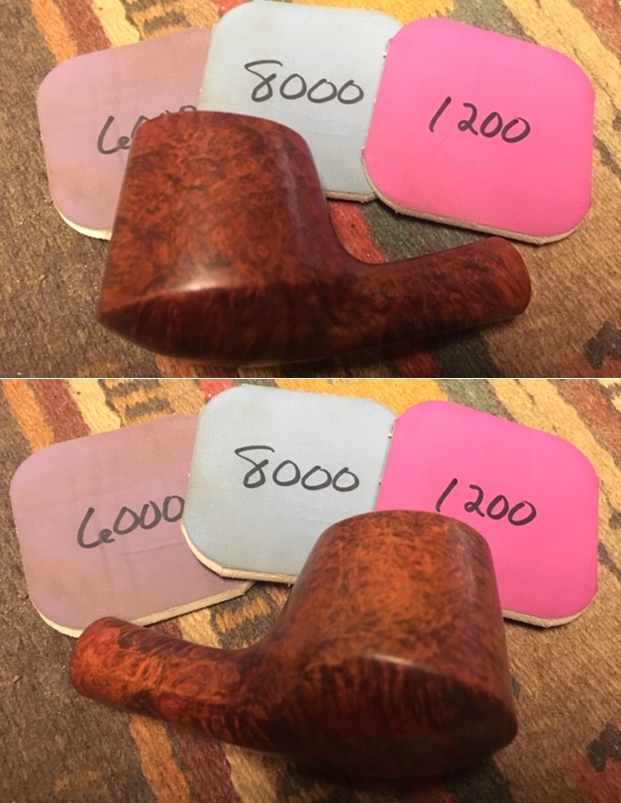
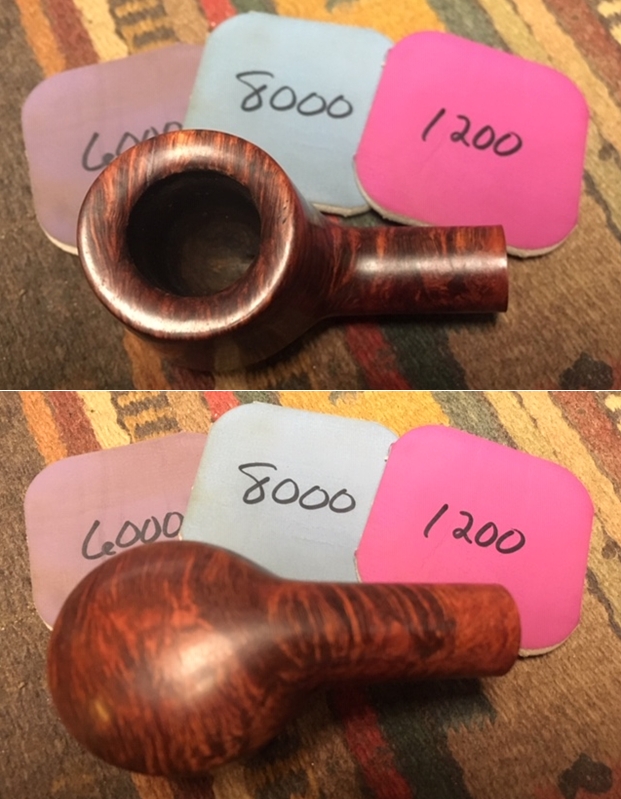
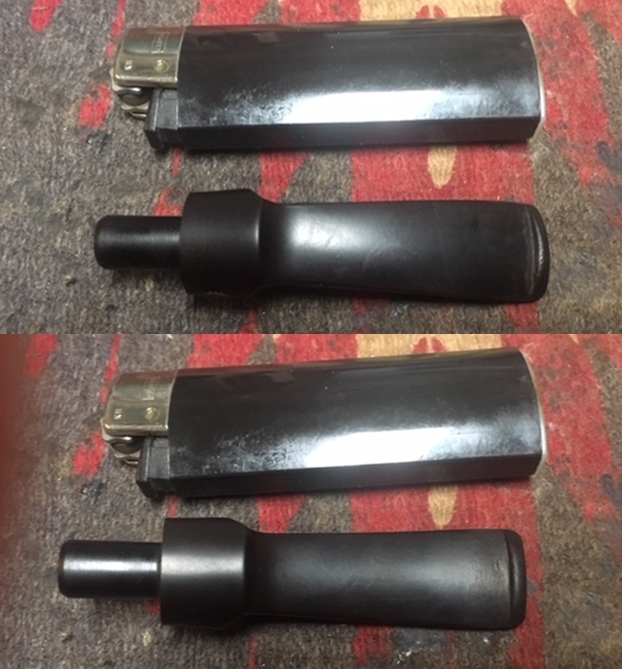
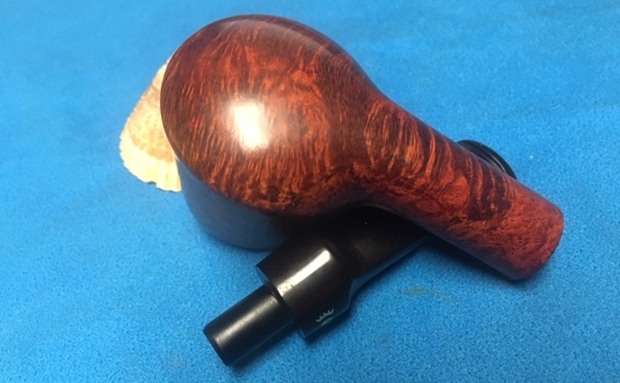
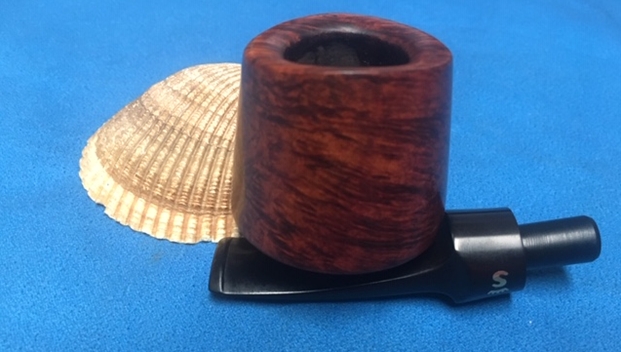
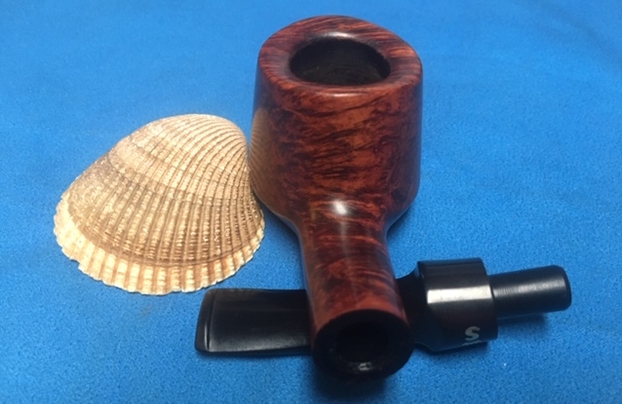
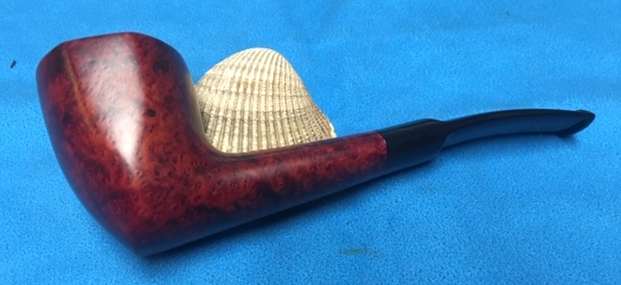
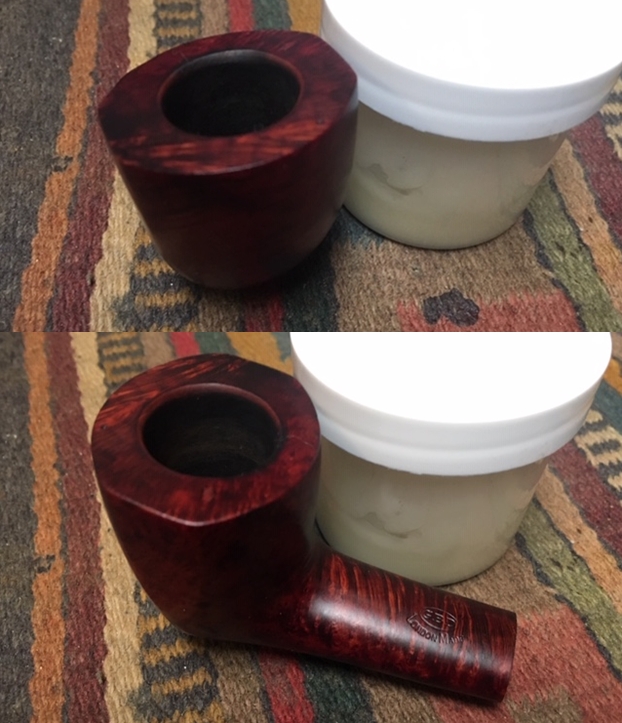
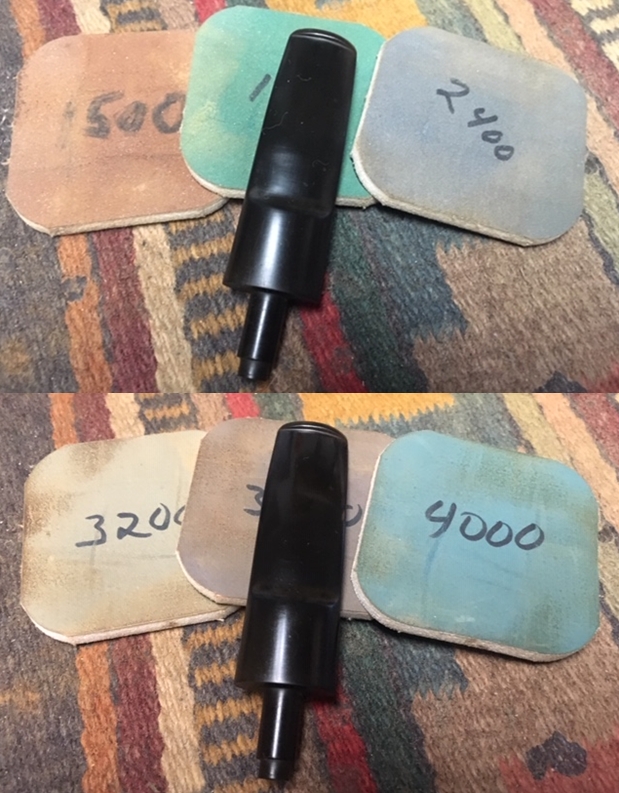
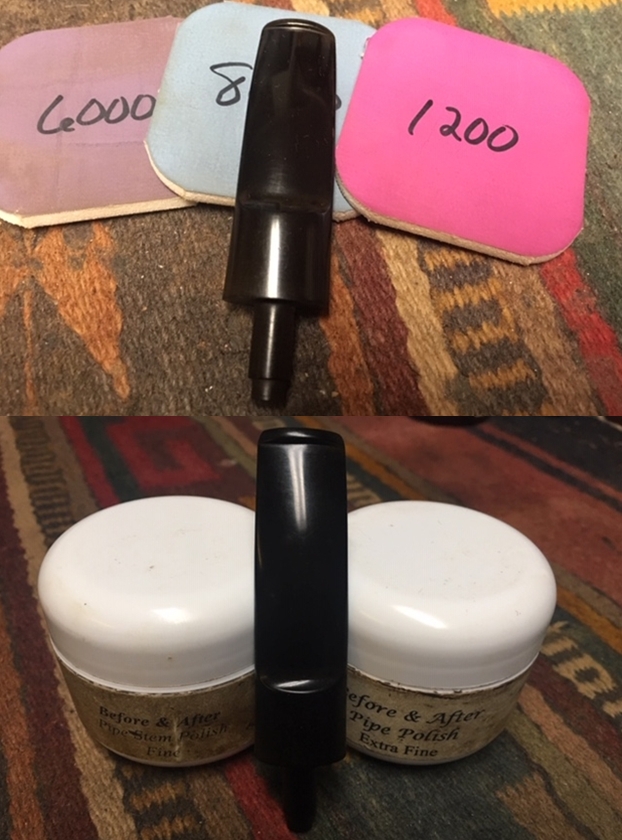
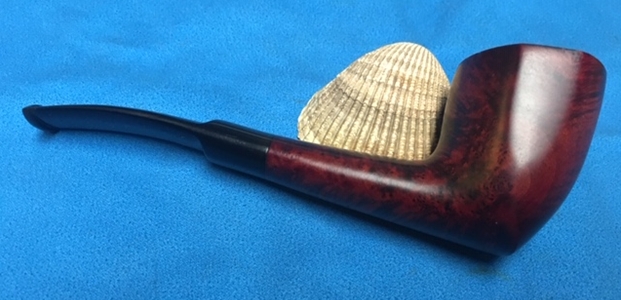
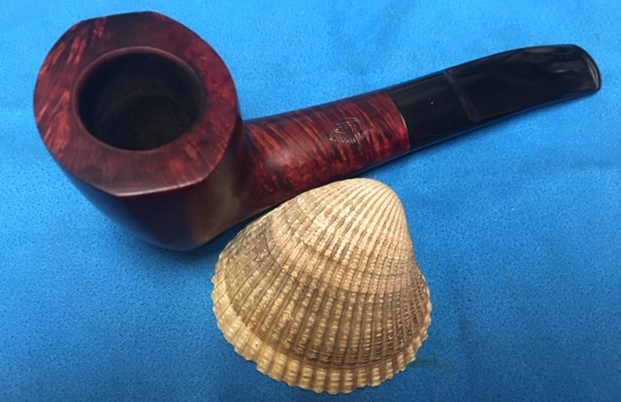
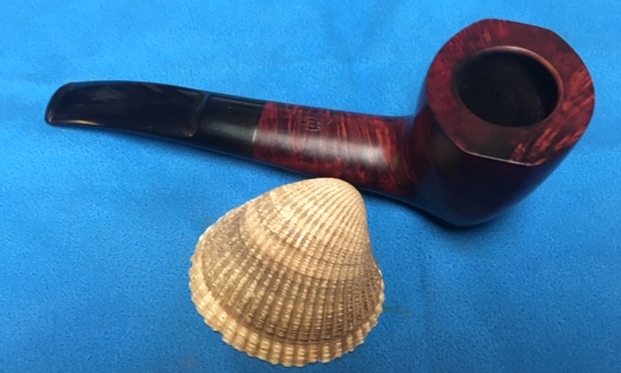
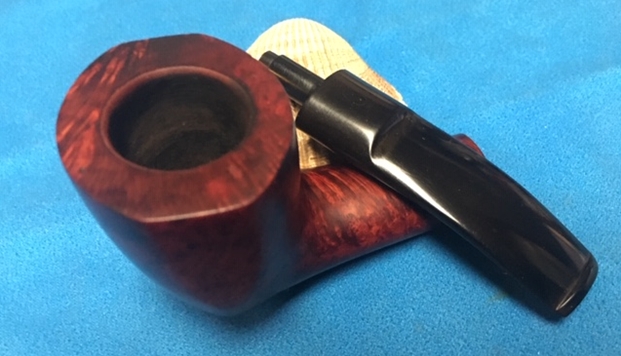
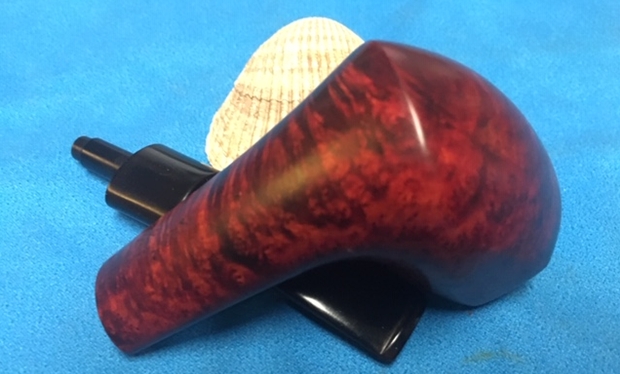
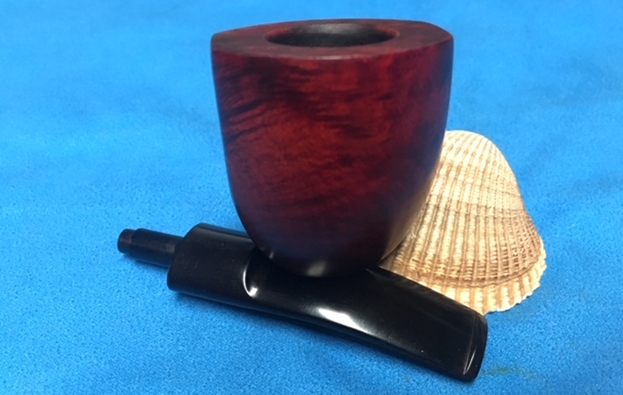
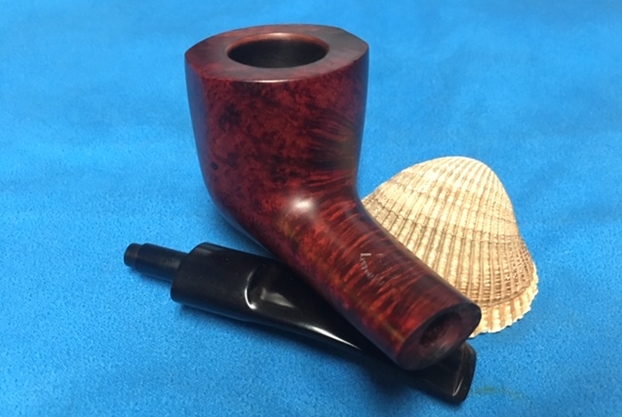
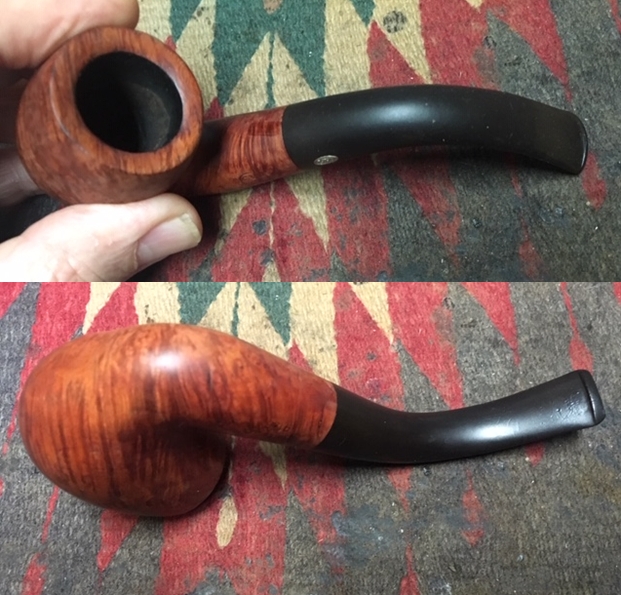
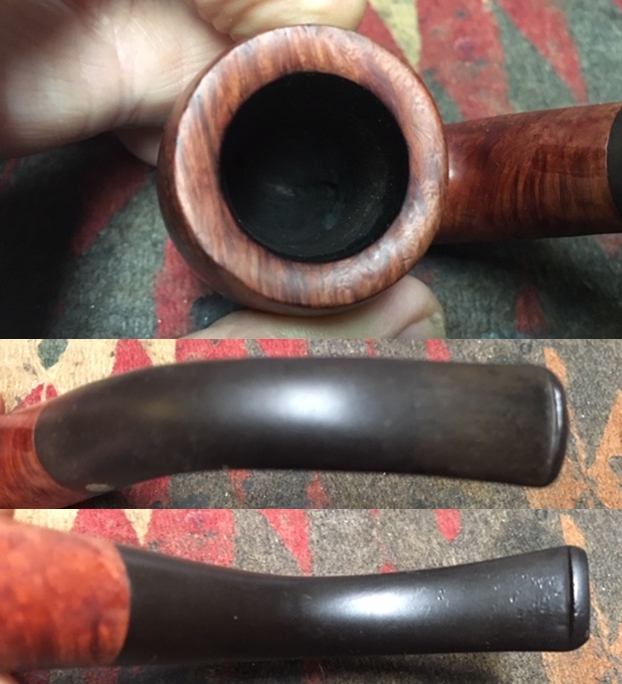
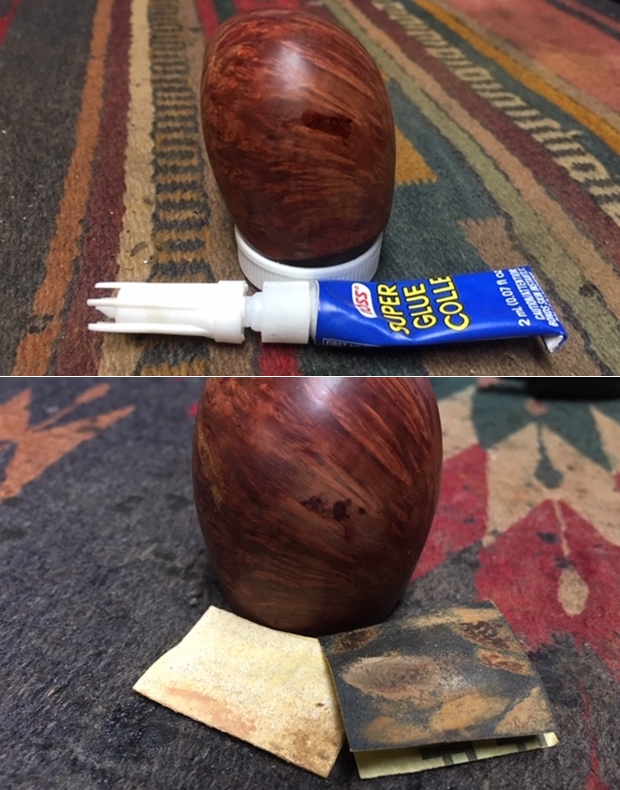
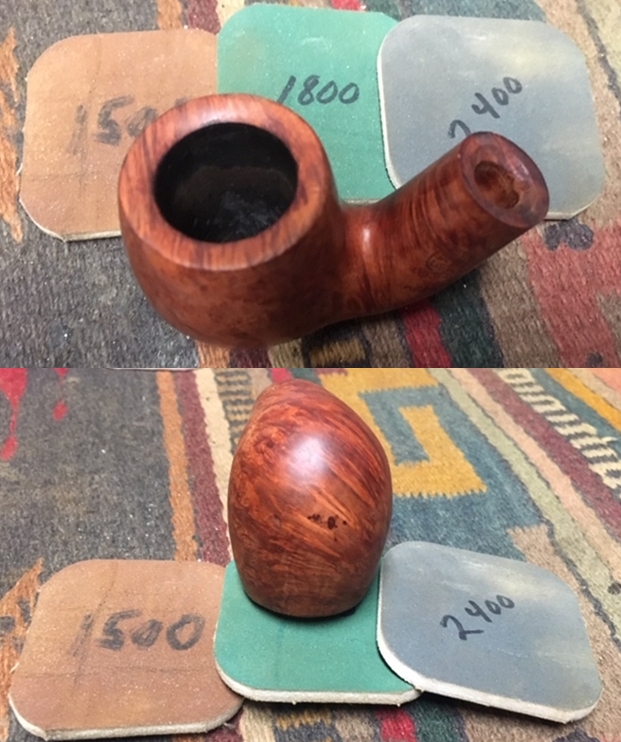
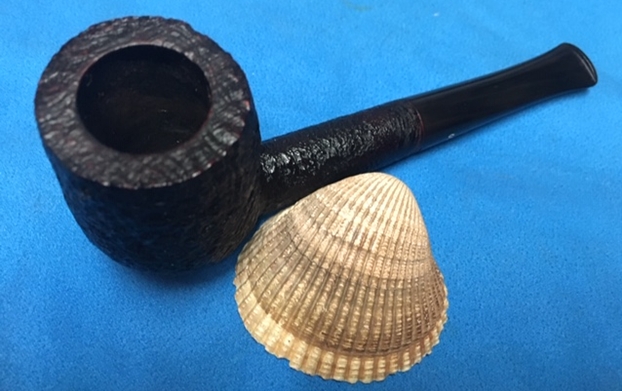
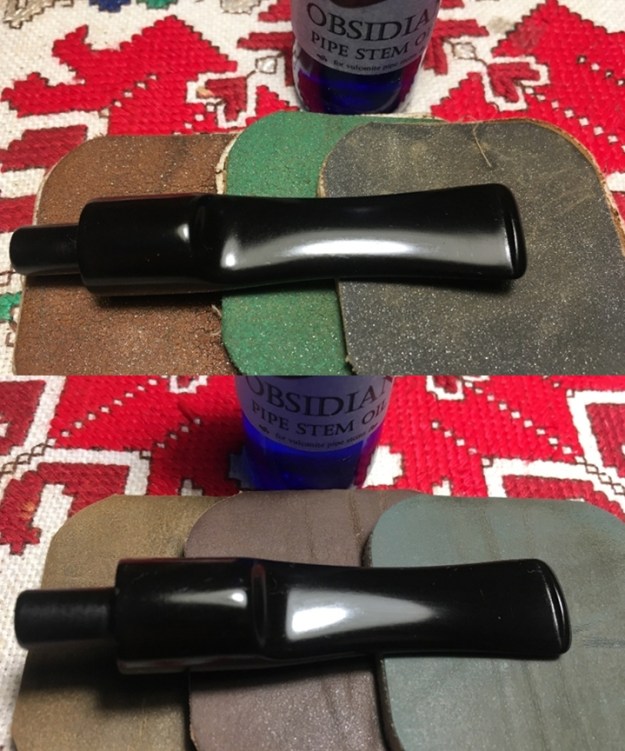
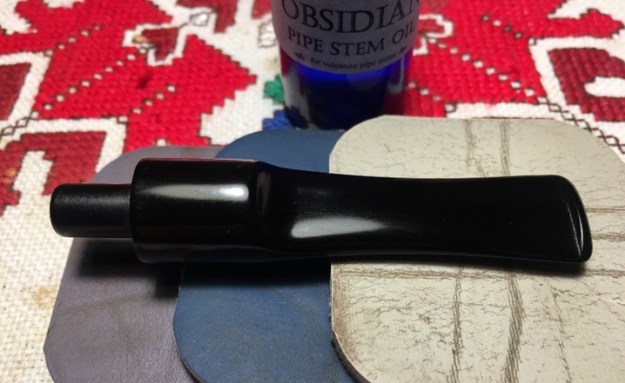
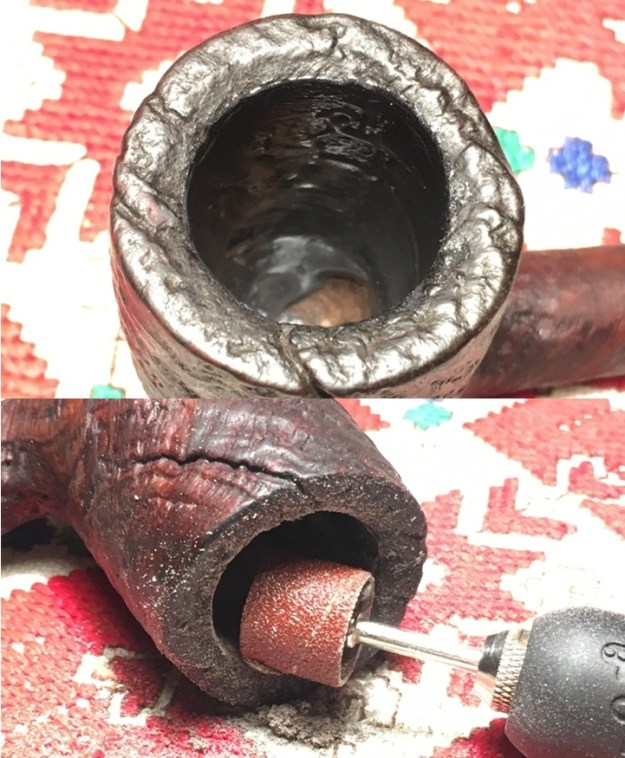
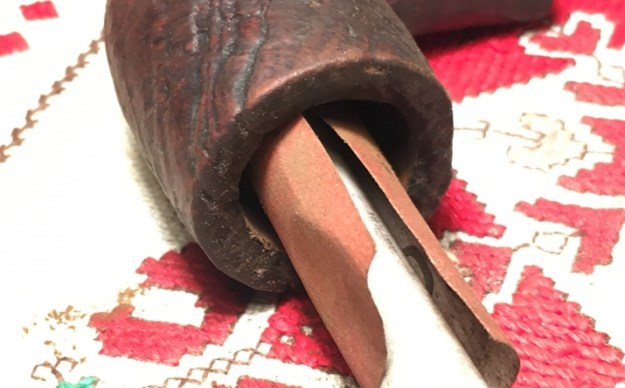
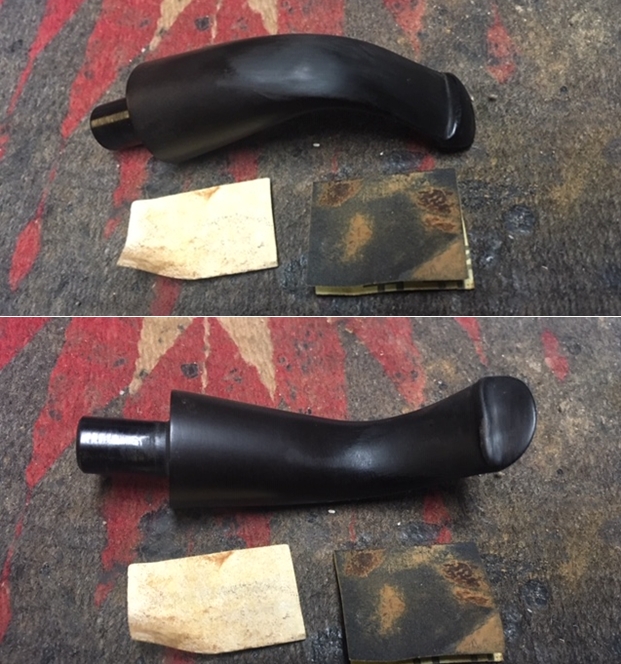
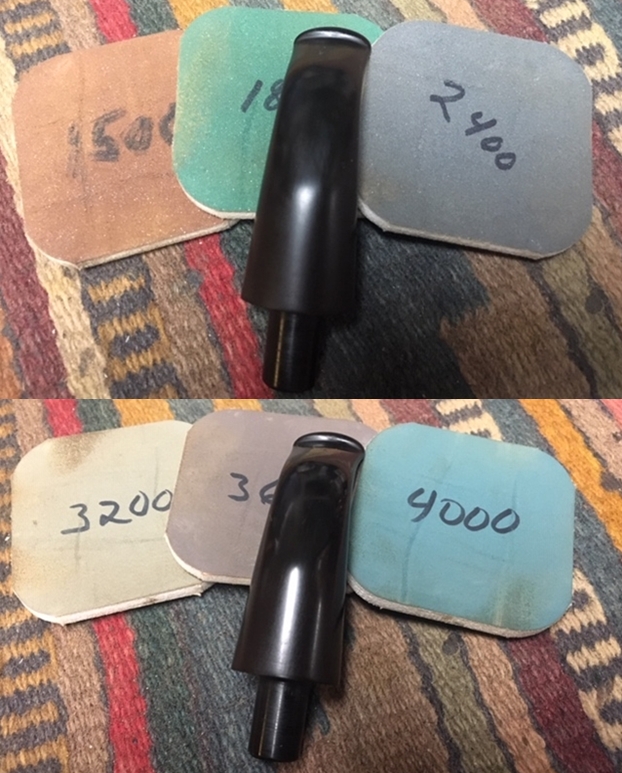
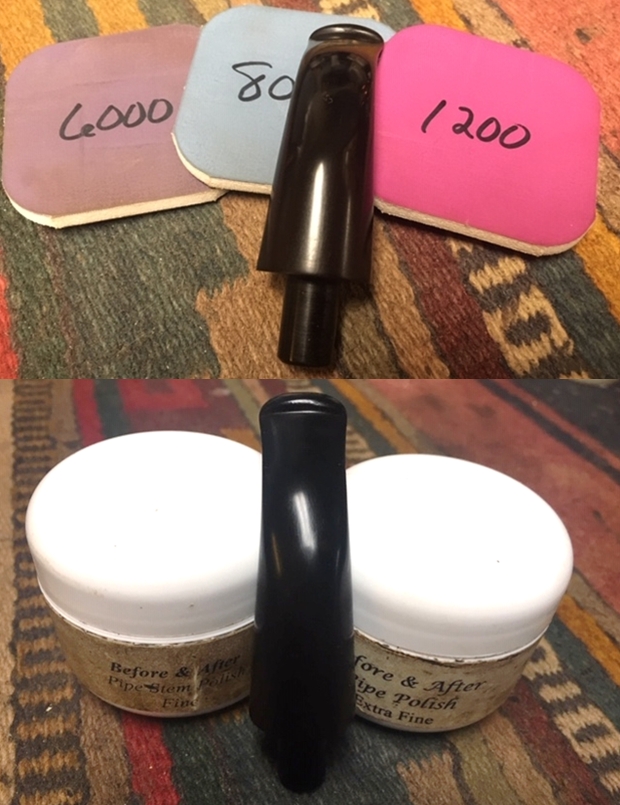
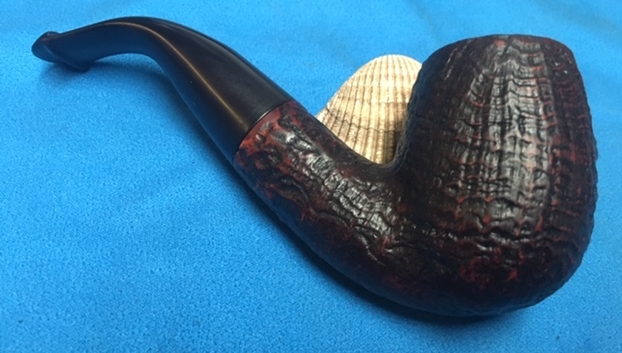
Jeff is methodical in his cleaning regimen and rarely varies the process. He reamed the bowl with a PipNet pipe reamer and followed up with a Savinelli Fitsall pipe knife to remove the cake. He scrubbed out the mortise and the airway in the shank and the stem with alcohol, cotton swabs and pipe cleaners. He scrubbed the exterior of the bowl, rim, shank and stem with a tooth brush and Murphy’s Oil Soap to remove the oils and tars on the rim and the grime on the finish of the bowl. He rinsed it under running water. He dried it off with a soft cloth. He was able to remove lava build up on the rim top and you could see the great condition of the rim top and edges of the bowl. He soaked the stem in Before & After Deoxidizer to remove the oxidation. I took photos of the pipe before I started my work on it. I took a close up photo of the rim top to show the condition of the bowl and rim after Jeff had cleaned up the grime and lava. Without the lava the inward bevel on the rim looked very good with slight darkening at the rear. The inner edge was in great condition. The stem photos show that the light oxidation is gone. The stem is in excellent condition with some light tooth marks and chatter on both sides near the button.I decided to work on the repairs to the fills on the sides and heel of the bowl. I filled them in with clear super glue to smooth out the roughness. Once the repairs had cured I sanded them smooth with 220 grit sandpaper and with 400 grit wet dry sandpaper. It is fascinating to see that the fills follow the pattern of the grain perfectly and once sanded they blended in better with the grain around the bowl. I am still in the process of experimenting with some of Mark Hoover’s new products – this one a Briar Cleaner. I worked it into the surface of the briar to clean out the dirt and grit in the grain. I wiped it down with a clean paper towel to remove the cleaner. I heated the briar and stained it with a tan Fiebings stain. I lit the stain with a lighter to set it in the briar. I repeated the process until the colour was what I wanted. My aim was to blend the fills into the bowl better than they did previously. I set the bowl aside overnight to let the stain coat cure. In the morning I took photos of the bowl before I did further work on it. I wiped the newly stained bowl with alcohol on a cotton pad to make it more transparent. The photos show the bowl at this point in the process. I worked some Before & After Restoration Balm into the finish of the briar with my fingertips to clean, enliven and protect it. I let the balm sit for a little while and then buffed with a cotton cloth to raise the shine. The Restoration Balm really makes the grain stands out beautifully. If you have not tried some why not give it a try. I set the bowl aside and turned my attention to the stem. I sanded out the small tooth marks and chatter next to the button on both sides of the stem with a folded piece of 220 grit sandpaper. I wiped it down with some Obsidian Oil and set it aside to dry. I polished out the sanding scratches with micromesh sanding pads – wetsanding it with 1500-12000 grit pads. I wiped the stem down with Obsidian Oil after each pad. I polished it with Before & After Pipe Polish – both Fine and Extra Fine and gave it a final coat and set it aside to dry. I gave it one more coat of Obsidian Oil and let it dry. Jeff and I are gradually working through this 200+ lot dealing with each of the challenges they present one at a time. This one is another Bertram’s take on a classic Billiard shape. I put the stem and bowl back together and buffed the pipe with Blue Diamond on the buffing wheel. I polished the briar and the minute scratches still in the vulcanite of the stem until there was a rich shine. For a non-graded Bertram this pipe is quite stunning. The finish really has some interesting grain on a proportionally well carved pipe. Once I buffed the pipe the briar came alive and the mixture of grain popped with polishing. The black vulcanite stem had a rich glow. The finished pipe is well shaped Billiard. This Bertram feels great in the hand sits right in the mouth. Have a look at the finished pipe in the photos below. The dimensions are Length: 6 inches, Height: 2 inches, Outside diameter of the bowl: 1 1/4 inches, Chamber diameter: 3/4 of an inch. Maybe this shape speaks to you and you want to add it to your collection. If you are interested let me know as I will be adding it to the store soon. Thanks for walking through the restoration with me as it was a pleasure to work on.

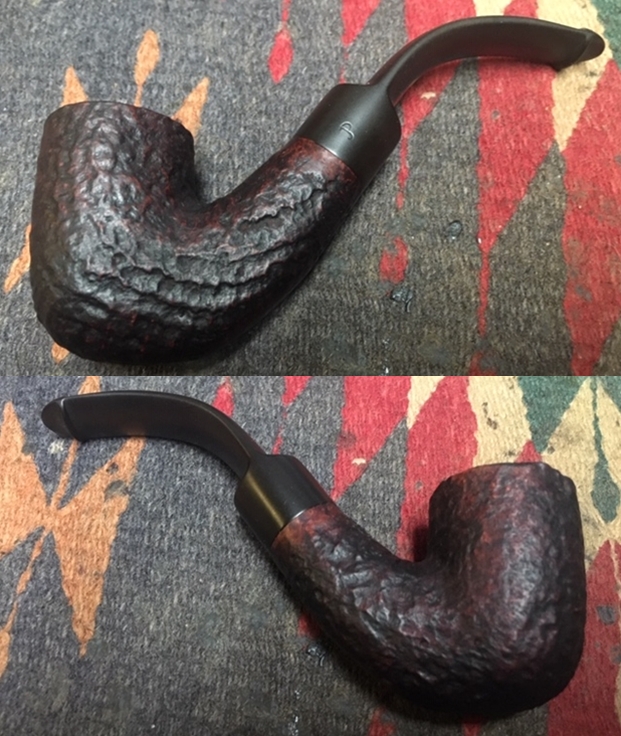
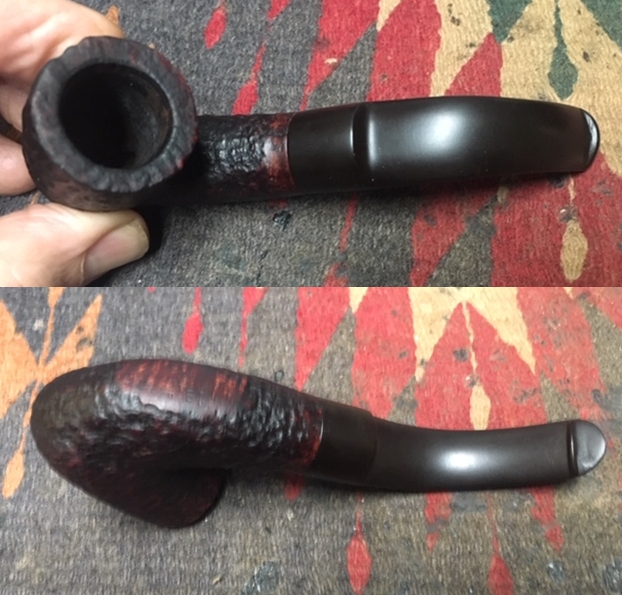
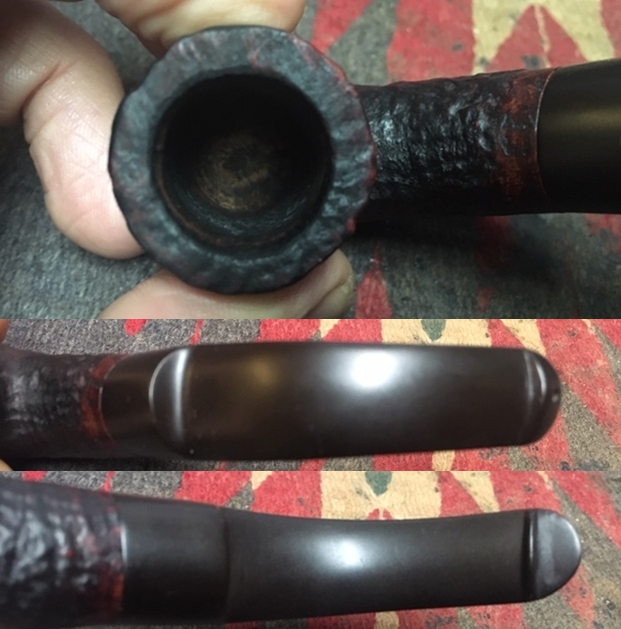
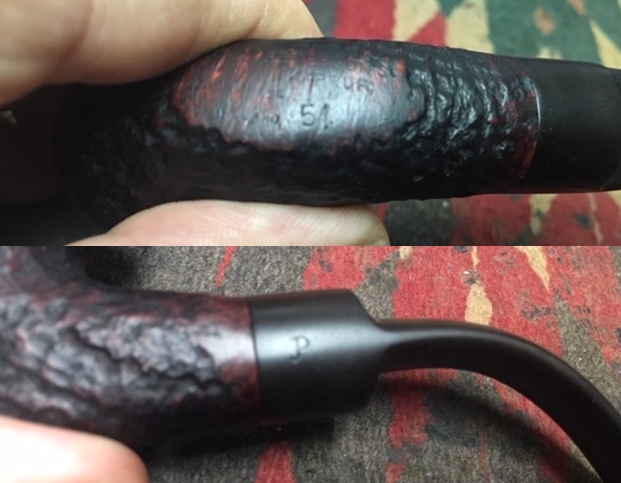
Cleaning up an unsmoked NOS Peterson’s System Clay 12


Blog by Steve Laug

The next few blogs I am writing are about pipes that I worked on with Jeff on a recent visit to Idaho for my Father’s 91st birthday. The next and last of these was a pipe that came from one of the pipe lots Jeff picked up on his travels. It was in a group of old, unsmoked pipes. The pipe is a bent clay Billiard stamped Peterson’s System on the left side of the clay and 12 on the right side of the shank. The nickel ferrule is a classic Peterson ferrule with Peterson’s stamped on the left side. The stem is a military bit with a P-lip. The clay bowl and shank are quite nice with casting marks from the front of the bowl all the way down to the ferrule on the underside. It is a seam where the two halves were joined together. The seam looks almost like a crack but it is not. The there is some wear and tear on the pipe from sitting around as NOS (New Old Stock in some pipe shop). There are typical imperfections in the clay bowl. The rim top is a bit rough and there were some casting marks on the inner edge of the bowl. The bowl itself was unsmoked and the inside was very clean. The finish was dirty and somewhat lifeless. The P-lip stem was flawless with no tooth damage or marks. I took the following photos to show what pipe looked like before I started. I took some close up photos of the bowl top and the stem. You can see the roughness in the surface and edges of the rim top – pretty typical of a cast clay pipe. You can also see the dust in the bowl – even a small cobweb in the bottom of the bowl. The P-lip stem is flawless with no oxidation or chatter and tooth marks.I took some photos of the stamping on the pipe. The first photo shows the left side of the shank with forked P of Peterson arched over System. You can also see the Peterson stamp on the nickel ferrule. The second photo shows the 12 shape number on the right side of the shank. Each evening before going to bed, I have been reading the new Peterson book and came across a section on the clay system pipes. If I had not been reading it I would not have been even aware of them. I had left the book at home in Canada as it is large and heavy. So I wrote to Mark Irwin about dating this pipe and getting some information. Mark graciously sent me the information that I needed. Mark wrote as follows:

… What you have is one of the final generations of the Peterson clay System, made in the 1950s-early 60s. The ferrule no longer says “Brevet,” indicating its manufacture has shifted from France to the UK. I forget the name of manufacturer, but I’ll dig around for it. This was still a fair smoking clay, just not the epitome of Peterson’s work with the French. The final iteration would follow in the 70s–which was more of a pipe to blow bubbles with than to actually smoke! A shame really, as the ones from 1896-1940 were absolutely phenomenal.

When I came home on the weekend I look up some information from the late Jim Lily who was a Peterson Collector par-excellence. Jim maintained a Peterson Collector Blog for years and it is still online. Here is the link to the specific page on the Peterson Clay pipes – http://thepetersoncollector.blogspot.com/2012/04/peterson-clay-pipes.html. It confirms what Mark Irwin included above.

I am often asked about Clay pipes made by Peterson and why they are so rare and few.

Peterson made clay pipes during the Patent Era with two shapes being depicted as can be seen in their 1905 Patent Pipe catalogue. It shows shape numbers 8A and 12A. During this period their clay pipes were stamped “Peterson Patent” and could be purchased with either a silver or nickel band. During the Second World War, Peterson again started making clay pipes, due to the shortage of briar. The clays of this period are stamped “Peterson System” and were only offered with nickel bands. They continued making their clays until their London shop finally closed in the 1960s. Examples of which can be seen on page 9 of the 1962 &1965 catalogues, priced seven shillings and six pence!!.

 As to why they are few in number, I suspect that the brittle nature of the clay meant that mortalities would be high.

Both Mark and Jim confirmed that the pipe was from the 50s-early 60s. They were made in the London Shop until the shop closed in the 60s. Now I knew a bit more about the pipe.

For a wrap up on the clay pipe I turned to one of my go to sources for information – Pipedia. From there I learned a bit mofe about the pipes. Here is the link to the section on the clays – https://pipedia.org/wiki/A_Peterson_Dating_Guide;_A_Rule_of_Thumb#Peterson_Clay.2C_Bog_Oak_and_Cherry_Wood_Pipes

Peterson Clay, Bog Oak and Cherry Wood Pipes

(Peterson Clay, Bog Oak and Cherry Wood pipes were offered in the Patent Era with or without a formed case, as also offered with their briar and meerschaum pipes.)

Peterson made clay pipes during the Patent Era with only two shapes being offered and depicted in their 1905 catalogue. During this period their clay pipes were stamped/molded “Peterson Patent” and could be purchased with either a silver or nickel band. How long and in what years Peterson made these clays is not known but as stated above two shapes were offered in their 1905 catalogue. Then during World War II, Peterson again made clay pipes due to the understandable shortage of briar. The clays of this period are stamped “Peterson System” and were only offered with nickel bands. This later production of clay pipes ended with the closing of Peterson’s London Shop in the late 1950s or early 1960s…

Now that I had some background and a potential day for this 60-70 year old pipe it was time to work on it. I polished the bowl with micromesh sanding pads. I had ordered several sets of them before I left Canada and had them shipped to Idaho to arrive while I was there. I wet sanded with 1500-12000 grit pads and wiped the bowl down with a damp cloth after each sanding pad. The only issue that I found was that the seam on the underside and up the front was not glazed like the rest of the bowl. I polished it with the micromesh to try to bring a shine to the area. It worked fairly well. At least I feel like I did not make it worse!! I polished the stem with Mark Hoover’s Before & After updated Fine Polish. It did a great job in bring back the shine and rubbing out the fine minute scratches in the vulcanite.I finished the pipe by buffing it with a microfiber cloth to raise a shine in the clay. The clay took on a rich shine with the buffing and almost glowed. The area around the seam had a shine but was slightly different from the rest of the bowl… This is one of the frustrations of refurbishing and one that still catches me off guard. The finished pipe is shown in the photos below. It is a petite pipe measuring 5 1/4 inches in length, 1 3/4 inches in height. The outside diameter of the bowl is 1 1/8 inches and a chamber diameter of 5/8 of an inch. It is a beautiful little Peterson’s System Bent Billiard that is going to be a fun pipe to break in and enjoy. This is the final pipe that I worked on while I was in Idaho. With the strange stripe on the front and underside of the bowl – where the seam shows clearly and even polishing made stand out more – this pipe will stay with me. Thanks for reading the blog.

Rejuvenating an Oval, Long Shank Apple


Blog by Steve Laug

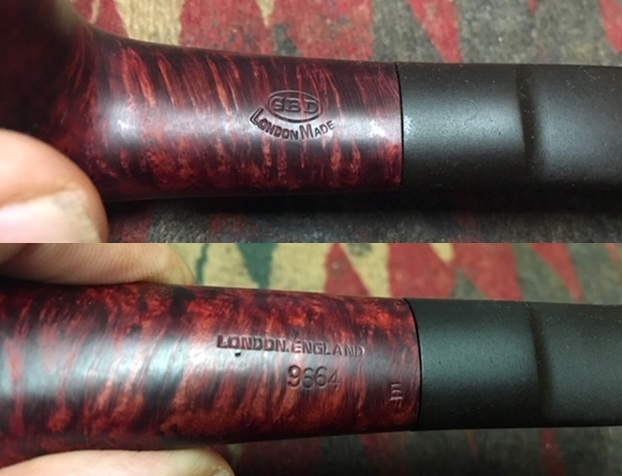
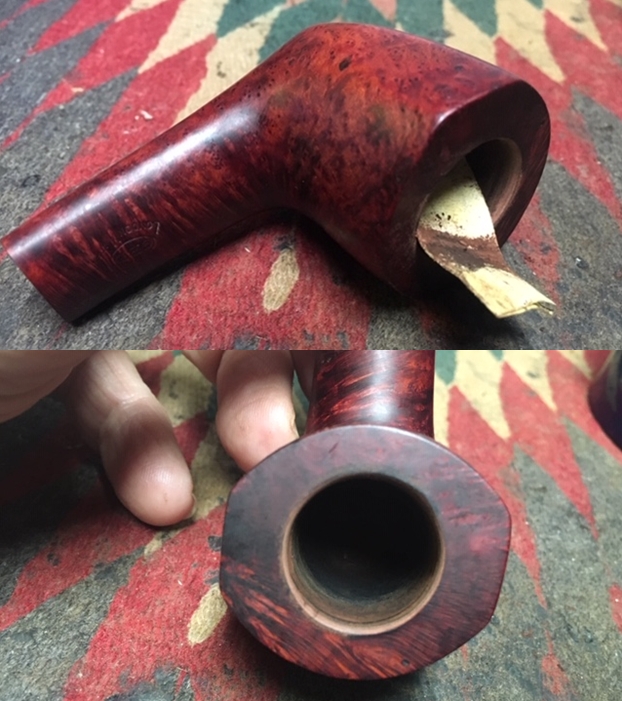
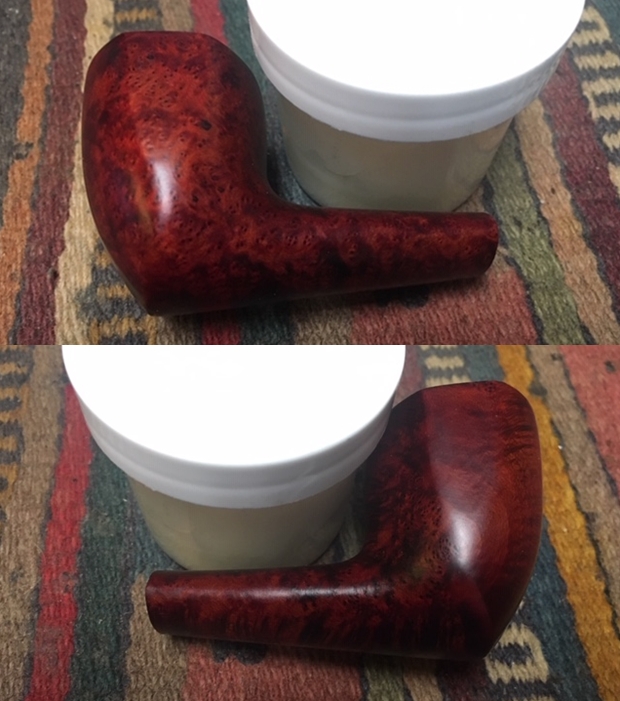
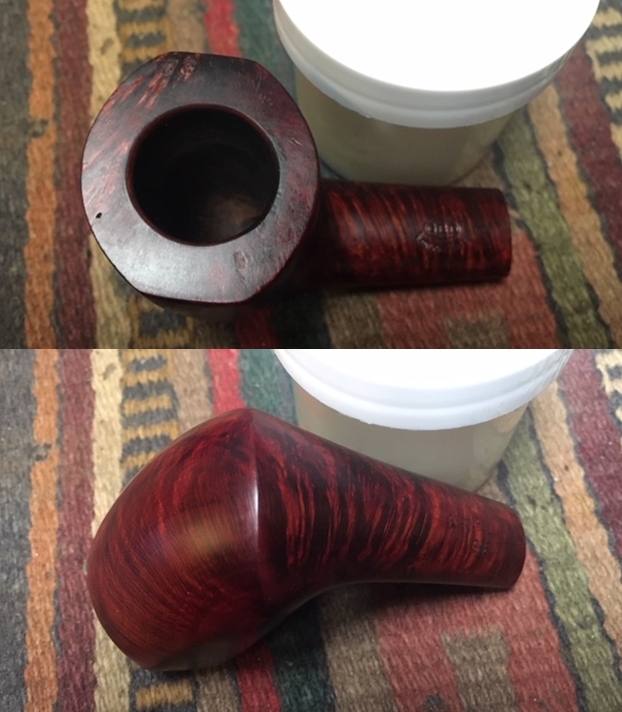
This is the next of the blogs I am writing about the pipes that I worked on with Jeff on a recent visit to Idaho for my Father’s 91st birthday. This was a pipe that came from one of the pipe lots Jeff picked up on his travels. It was barely smoked and not even broken in. It was stamped Made In London England on the underside of the shank. The briar is quite nice with a mix of grain around the sides and shank. There were quite a few fills in the briar that stood out against the dry briar. The rounded crown of the rim top is in perfect condition and there is no damage to the inner or outer edges of the bowl. The bowl itself was lightly smoked and very clean. The finish was dirty and somewhat lifeless. There were dent marks mid bowl on the left side and nicks in the briar on the right. The black vulcanite stem had no tooth marks or chatter on either the top side of the underside. I took the following photos to show what pipe looked like before I started. It is a very striking long shank apple that combines some of the qualities of a Canadian and an Apple together. I took some close up photos of the bowl top and the stem combination. The rim top is perfect and smooth – a little dusty but otherwise clean. The stem is flawless with no bite marks or tooth chatter.The stamping on the underside of the shank is clear and readable. It reads Made In London over England.I received a package with some more Restoration Balm from Mark Hoover while I was in Idaho. He included a sample of a new product that he was experimenting with called Briar Cleaner. It is to be used prior to scrubbing (possibly instead of scrubbing) and to be followed up with the Balm. I decided to give it a try on the pipes I was working on with Jeff. I rubbed the Briar Cleaner into the bowl and shank with my finger tips and scrubbed it off with a cotton pad. It left behind some grit that I rinsed off with some warm water. I worked well to lift the dirt and grime from the grain. I am still not sure if it a necessary extra step for me or not but I am working with it on the next few pipes. The photos below show the pipe after cleaning with the product. After cleaning the briar with Mark’s new product I polished the bowl with micromesh sanding pads. I had ordered several sets of them before I left Canada and had them shipped to Idaho to arrive while I was there. I wet sanded with 1500-12000 grit pads and wiped the bowl down with a damp cloth after each sanding pad. I rubbed Before & After Restoration Balm into the briar and worked it in with my fingertips. I let the bowl sit while the Balm did its work on the briar. Once it had been sitting for a few moments I buffed it off with a soft cotton cloth. The photos show the bowl after the Balm had worked. I set the bowl aside and worked on the stem. I polished it with 1500-12000 micromesh sanding pads. I wiped the stem down after each pad using a small bit of Balm. I finished the polishing with Before & After Fine Polish and wiped it down again with some balm. I finished the pipe by buffing it with a microfiber cloth to raise a shine in the briar. The briar came alive with the buffing and the grain just popped. The finished pipe is shown in the photos below. It is a chunky pipe measuring 6 inches in length, 1 3/4 inches in height. The outside diameter of the bowl is 1 1/2 inches and a chamber diameter of ¾ of an inch. The briar shows some cross grain, birdseye and flame grain around the bowl. It is a beautiful, long shank Apple with an oval stem. It will be a fun pipe to break in and enjoy. I will be adding it to the rebornpipes store shortly. Thanks for reading the blog. Keep an eye open for the next few blogs that follow showing the other pipes that I worked on while I was in Idaho. Enjoy.

New Life for a Broken Nording Danmark F Freehand


Blog by Steve Laug

In one of the bags of parts Jeff purchased there was a bowl and there was a piece of shank with a stem in place. We took all the parts out of the bag and were able to see that these two parts actually went together. The shank piece is stamped on the underside as follows: F over NORDING over DANMARK near the horn extension/shank union. The bowl shape follows the grain of the block of briar very well. The break in the shank was not a clean one – it was a mess. The inside of the airway was plugged with lava and tar. Someone had tried to repair the two parts by gluing them together with epoxy. As expected the repair did not hold. Jeff took photos of the pieces to show the extent of the damage to the pipe – it really was a stunning pipe originally. The shank was thin but the briar was thick enough. The nice piece of striated horn that made a shank extension was in excellent condition. There was a steel tube in the end of the horn where the stem sat in place to protect it from splitting when the stem was repeatedly inserted. The turned fancy stem was in good condition with some tooth marks on both sides but otherwise it was undamaged. There was a thick cake in the bowl and a heavy overflow of lava on the rim top.The next series of photos shows the two parts of the shank and the thick buildup of tars and oils in the shank interior and the broken briar around the shank. The next photos show the rim top and the thick cake in the bowl and the lava build up on the plateau top. The valleys and high spots are almost filled smooth with lava.Jeff also took photos of the sides and heel of the bowl to show the grain on the pipe. The finish is very dirty but the grain is quite beautiful. There are nicks and dents in the briar.The stamping on the shank portion of the broken pipe is readable but worn. The joint between the shank and the horn extension is very good – solid. The metal tube in the shank end provided the internal strength to hold this joint tight. It is interesting to note that the shank broke just ahead of the tube inside the shank. The stem appeared to be in good condition. The button was worn with tooth marks on the topside. There was some oxidation and wear on the surface near the button.Jeff reamed the bowl and cleaned up the plateau top with Murphy’s Oil Soap and a tooth brush. He scrubbed it until it was clean. He cleaned out the inside of the two parts of the shank with pipe cleaners, cotton swabs and alcohol until the airway was clear. He cleaned up the broken ends of the shank with a tooth brush and the soap. He rinsed off the bowl and shank and the airway with warm water. He dried it off and set it aside. He cleaned up the stem and let it soak in a bath of Before & After stem deoxidizer. He took it out of the bath and rinsed it off and cleaned out the airway with pipe cleaners and alcohol. When I arrived he showed me the parts. They were incredibly clean. I was excited to get started on the repair of the broken shank… so much so that I forgot to take pictures of the cleaned up parts of the pipe.

I picked up some tubing at Hobby Lobby and cut off a piece that was close to the length I needed to join the two parts of the shank together. I used a Sawsall blade and a hacksaw to cut a length from the tube. I used a metal rasp to flatten the end of the piece of tube and shorten it enough to fit into the two parts of the shank. I used the small blade on a pocket knife to open up the airway in the bowl end of the shank and to flare the end of the tube in the stem end of the shank.I used the hacksaw to rough up the surface of the tube so the glue would have a surface to bond to between the briar and the tube. I used some Testor’s Metal and Wood Glue to insert the tube into the bowl end of the shank. I used a tooth pick to press the glue into the area around the tube. I filled in the remainder of the gap with clear Gorilla glue.I used the tooth pick to put Gorilla Glue on the open ends of each piece of the shank. I coated the tube with some glue as well. I aligned the two parts and pressed the pieces together. I held them tightly in place until the glue set and the two parts were bound together. I filled in the repaired area with Gorilla Glue to smooth out the repair. I set the bowl aside to let the repair cure. Once the glue had cured and the shank was solid, I smoothed out the repair a medium and fine sanding block. I sanded the repaired area and glue with 1500 and 1800 grit micromesh sanding pads to remove the excess glue. I smoothed out the finish. I decided to use Mark Hoover’s Briar Cleaner at this point in the process to clean off the briar. It works to remove the dust and debris in the briar and leaving behind a clean piece of briar. I polished the bowl and horn shank extension with micromesh sanding pads – wetsanding with 1500-12000 grit sanding pads. I took photos of the pipe at this point in the process. It is a nice looking pipe for sure. At this point in the process I brought the pipe back to Vancouver. I sanded the repaired area with a folded piece of 220 grit sandpaper to blend it into the surrounding briar. I wanted to remove some of the darkened area around the repair so that I could polish it further and restain the shank to match the rest of the pipe.I polished the repaired area with micromesh sanding pads – wet sanding with 1500-2400 grit pads to polish out the sanding scratches. I polished it further with 3200-12000 grit pads. Once it was smooth I stained it with a Cherry stain pen to blend it into the rest of the pipe. The photos tell the story of the repair. I rubbed the bowl and shank down with Before & After Restoration Balm. I worked it into the briar and set it aside to dry. Once the Balm had been doing its work for a while I buffed it down with a microfiber cloth. The Balm cleaned, protected and enlivened the briar. The repaired shank was looking very good at this point in the process. I cleaned the pipe stem with a new version of Mark Hoover’s Before & After Restoration Balm that he had designed to work well on both the briar bowls and the vulcanite stems. I rubbed it into the surface of the stem with my fingertips and buffed it off with a microfibre cloth. I polished the stem with microfibre pads – wetsanding with 1500-12000 grit pads. I wiped it off with Obsidian Oil after each sanding pad. After the 12000 grit pad I polished it with Before & After Fine Polish and gave it a final coat of Obsidian Oil. I put the stem back on the pipe and took the pipe to the buffer. I carefully buffed the bowl and stem with Blue Diamond to polish the briar and the vulcanite. I wanted to get a shine but not risk damaging the pipe by having it fly off the wheel. Blue Diamond does a great job on the smaller scratches that remain in both briar and vulcanite. I gave the bowl and the stem several coats of carnauba wax and buffed the pipe with a clean buffing pad to raise the shine. I hand buffed it with a microfiber cloth to deepen the shine. The pipe polished up really nicely with a great contrasting stain look to the briar. The finished pipe is shown in the photos below. This is a beautiful Eric Nording F Freehand – the fancy turned stem and the horn shank extension give the pipe a great look. The polished black vulcanite stem looks really good with the rich browns standing out in the grain and the blacks of the plateau rim. The dimensions of the pipe are Length: 7 inches, Height: 2 inches, Outside diameter of the bowl: 1 ½ inches wide and 2 inches long, Chamber diameter: 7/8 of an inch. This pipe is truly a rebornpipe. The shank repair and inside tube that binds it together should last a long time. Thanks for walking with me through the repair and the restoration of this beauty!

Rejuvenating an All Briar Oval Shank Billiard


Blog by Steve Laug

The next few blogs I am writing are about pipes that I worked on with Jeff on a recent visit to Idaho for my Father’s 91st birthday. The first of these was a pipe that came from one of the pipe lots Jeff picked up on his travels. It was a group of old, unsmoked pipes form the early 1900s. The pipe I am working on now is an all briar pipe with the stem part of the shank. It bears no stamping or identifying marks at all. The briar is quite nice with a mix of grain around the sides and shank. The rim top is perfect and there is no damage to the inner or outer edges of the bowl. The bowl itself was unsmoked and very clean. The finish was dirty and somewhat lifeless. There were dent marks mid bowl on the left side and nicks in the briar on the right. The briar bit was flawless with no tooth damage or marks. I took the following photos to show what pipe looked like before I started. It is a very striking little all briar pipe. I took some close up photos of the bowl top and the solid briar shank and stem combination. The rim top is perfect and smooth – a little dusty but otherwise clean. The shank/stem combination is flawless. There are some small nicks in the shank but otherwise the shank and stem are perfect.I received a package with some more Restoration Balm from Mark Hoover while I was in Idaho. He included a sample of a new product that he was experimenting with called Briar Cleaner. It is to be used prior to scrubbing (possibly instead of scrubbing) and to be followed up with the Balm. I decided to give it a try on the pipes I was working on with Jeff. I rubbed the Briar Cleaner into the bowl and shank with my finger tips and scrubbed it off with a cotton pad. It left behind some grit that I would need to deal with but otherwise lifted dirt and grime from the grain. I am still not sure if it a necessary extra step for me or not but I am working with it on the next few pipes. The photos below show the pipe after cleaning with the product. I wiped it down with a wet cotton cloth and prepped the briar for steaming out the dents on the left side of the bowl. I heated a steam iron and wetted a cotton cloth. I put the wet cloth on the dent in the side of the bowl. I put the hot iron on the wet cloth and the steamed the dents out of the briar. I repeated it until the steam had lifted the dents to the surface. Once I had steamed out the dents in the briar I polished the bowl with micromesh sanding pads. I had ordered several sets of them before I left Canada and had them shipped to Idaho to arrive while I was there. I wet sanded with 1500-12000 grit pads and wiped the bowl down with a damp cloth after each sanding pad. I rubbed some Before & After Restoration Balm into the one piece All Briar pipe. I worked it into the grain with my finger tips and let the bowl sit while the Balm did its work on the briar. Once it had been sitting for a few moments I buffed it off with a soft cotton cloth. The photos show the bowl after the Balm had worked. I finished the pipe by buffing it with a microfiber cloth to raise a shine in the briar. The briar came alive with the buffing and the grain just popped. The finished pipe is shown in the photos below. It is a petite pipe measuring 4 ½ inches in length, 2 inches in height. The outside diameter of the bowl is 1 ¼ inches and a chamber diameter of ¾ of an inch. The briar shows some cross grain, birdseye and flame grain around the bowl. It is a beautiful little All Briar Billiard that is going to be a fun pipe to break in and enjoy. Thanks for reading the blog. Keep an eye open for the next few blogs that follow showing the other pipes that I worked on while I was in Idaho. Enjoy.

Restoring a Beautiful Bertram Tiger Grain Bulldog 40


Blog by Steve Laug

It you have not read the previous blogs I have posted on this brand give them a read to get some background on the pipes in this lot. If you have not been hit with a box I am sure you have a hard time understanding how overwhelming it feels to look at the 200+ pipes that need to be restored. It is mind boggling for sure – but there is only one way to move ahead – 1 pipe at a time. I could not do it without Jeff’s help doing the clean up on the lot. If I had to do it all by myself it would be more than I handle moving through this many pipes. From his cleaned pipes I get to choose what I want to work on. Doing the work this way we have already cleaned about 70 pipes and I have restored around 40 of them. We are getting there slowly but surely.

This time I chose another Bertram Bulldog to work on. It has a diamond shank and a diamond saddle vulcanite stem. It has grade 40 number stamped on the left underside of the shank. The briar has some really interesting grain – almost tiger grain. It is beautiful. The exterior of the bowl looked good. Unlike the previous Bulldog this one either has no fills or they are well place and hidden. The bowl had a thick cake in the chamber with shards of tobacco stuck to the walls. The rim top had some darkening all around the bowl and thick lava overflow on the back top. It was hard to know what the inner edge of the bowl edge of the bowl looked like until the cake and lava were gone. The stem had some oxidation and tooth marks and chatter near the button on both sides. Jeff took some photos of the pipe before he began his cleanup work on it. Jeff took close-up photos of the bowl and rim to capture the condition of the pipe when it arrived. The rim top had a thick coat of lava and the bowl had a thick cake. You can see from the photos why it was hard to tell the condition of the inner edge of the rim.The picture of the bowl sides and the heel give a clear picture of the grain around the heel and the sides of the bowl. The bowl looks very good – maybe a small fill on the bottom right side of the bowl but cleaning will tell for sure. I am looking forward to seeing what is under all of the grime. The grain looks very interesting in these pictures and should look amazing when cleaned and polished.The next photos capture the stamping on the left side of the shank. You can see the Bertram Washington, D.C. stamp on the upper left side of the diamond shank and the grade 40 stamp on the left underside of the shank.The next two photos show the stem surface. They show the calcification, oxidation and the chatter on both sides near the button. There are light tooth marks on the stem near the button. There is some wear on the button edge.With each of the blogs that I have written on the Bertrams that I have worked on I have included the following information. If you have read it in past blogs, you can skip over it. If you have not, I have included the link to Bertram history and information. I would recommend that if you don’t know much about them take some time to read the background. I include a link to the write up on Pipedia (http://pipedia.org/wiki/Bertram). Bertram pipes were based out of Washington DC. They were popular among famous politicians and celebrities of the time. They made many products for them from FDR’s cigarette holders to Joseph Stalin’s favorite pipe. They were considered some of the best America had to offer till they finally closed their doors in the 70s. Bertram graded their pipes by 10s and sometimes with a 5 added (15, 25, 55 etc.), the higher the grade the better. Above 60s are uncommon and 80-90s are quite rare. I have worked on one 120 Grade billiard. I have several blogs that I have written on rebornpipes that give some history and background to Bertram pipes. (https://rebornpipes.com/2015/06/16/an-easy-restoration-of-a-bertram-grade-60-217-poker/).

I have included the following link to give a bit of historical information on the pipe company. It is a well written article that gives a glimpse of the heart of the company. http://www.streetsofwashington.com/2012/01/bertrams-pipe-shop-on-14th-street.html#

From this information I learned that all of these Bertrams were made before the closure of the shop in the 1970s. This Bertram Bulldog is the first of this squat Bulldog style that I have worked on. This pipe has a grade 40 which I think is a reflection on the beautiful grain.

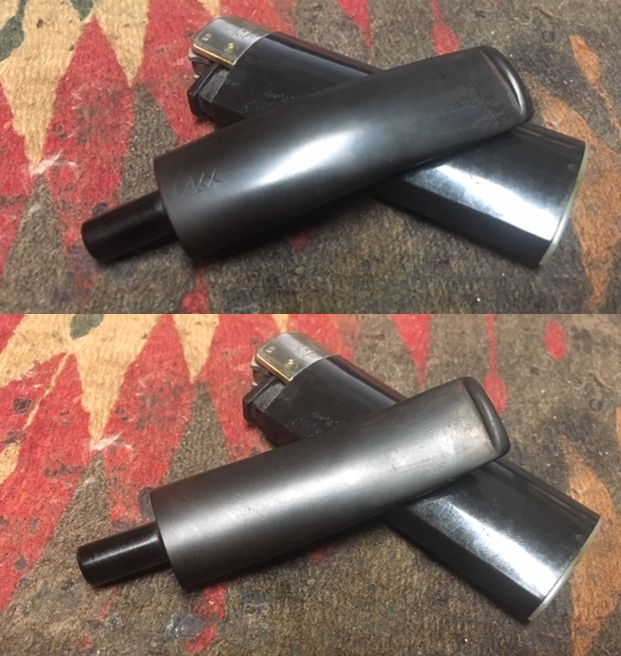
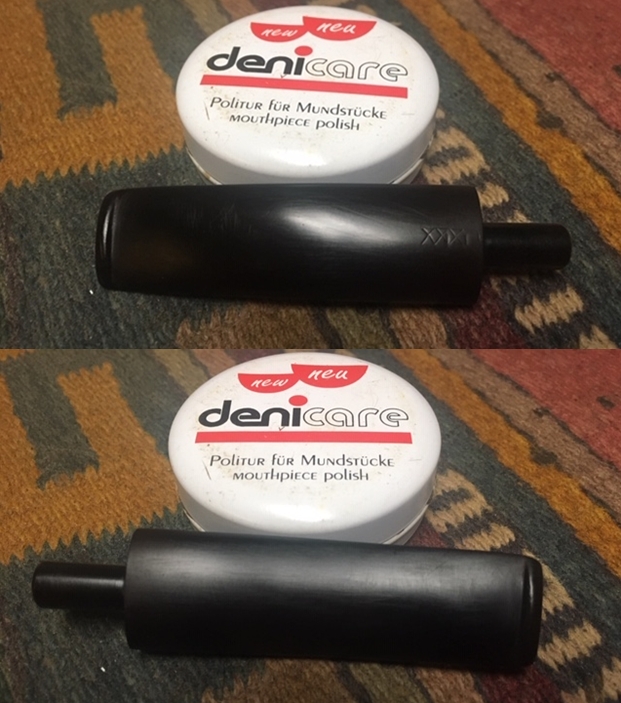
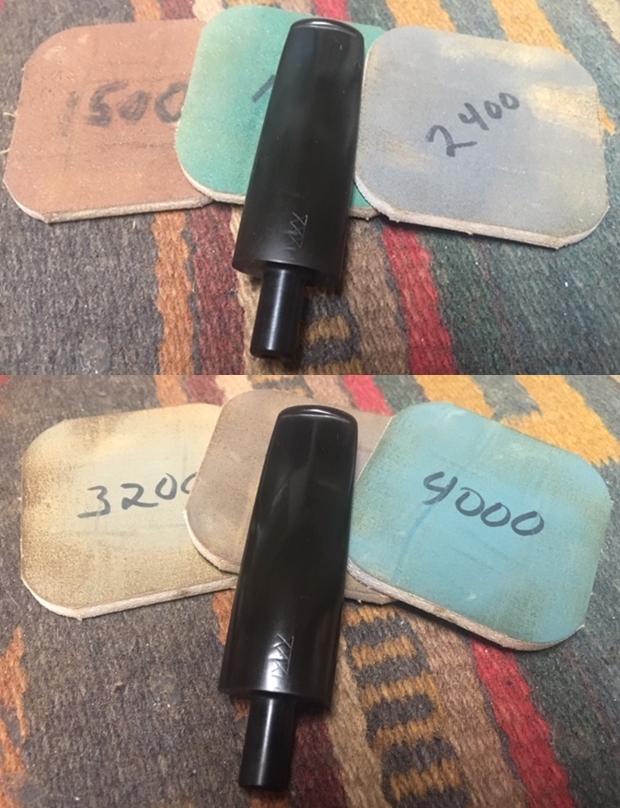
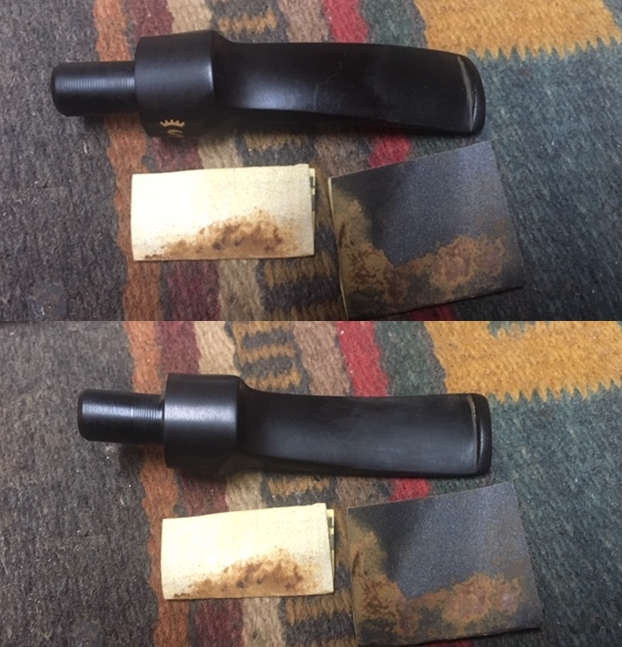
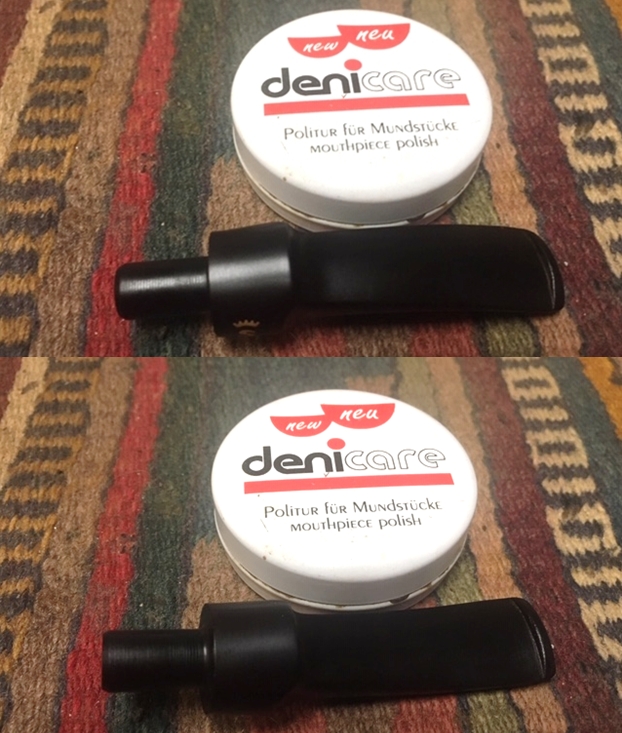
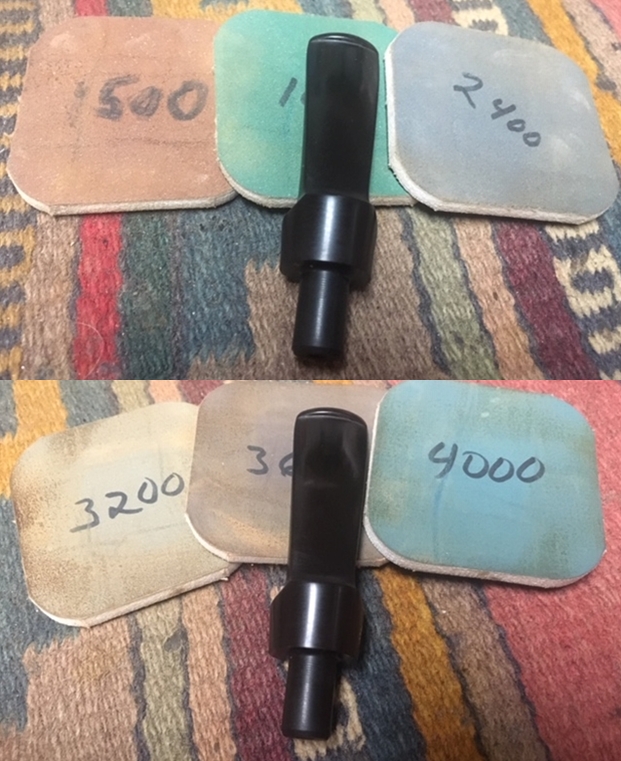
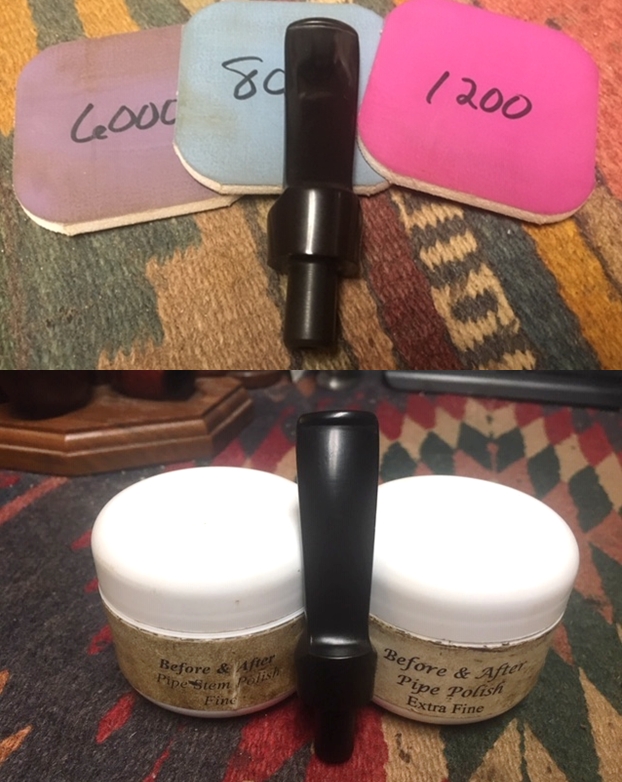
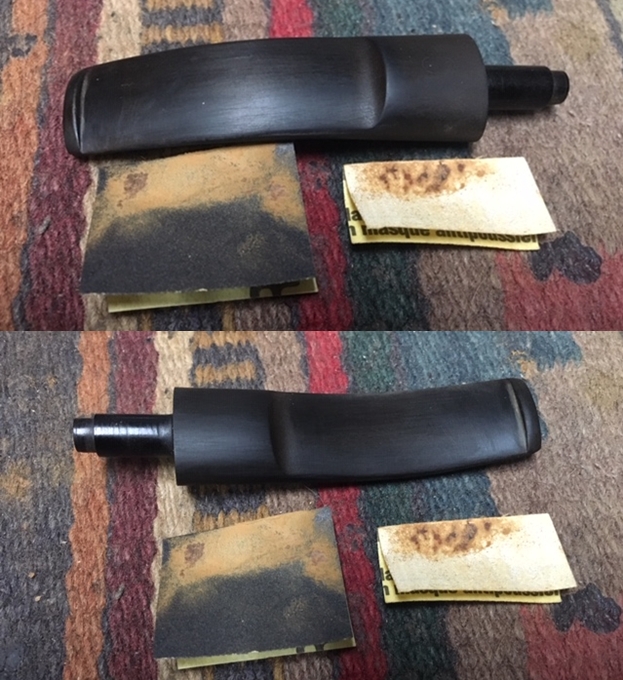
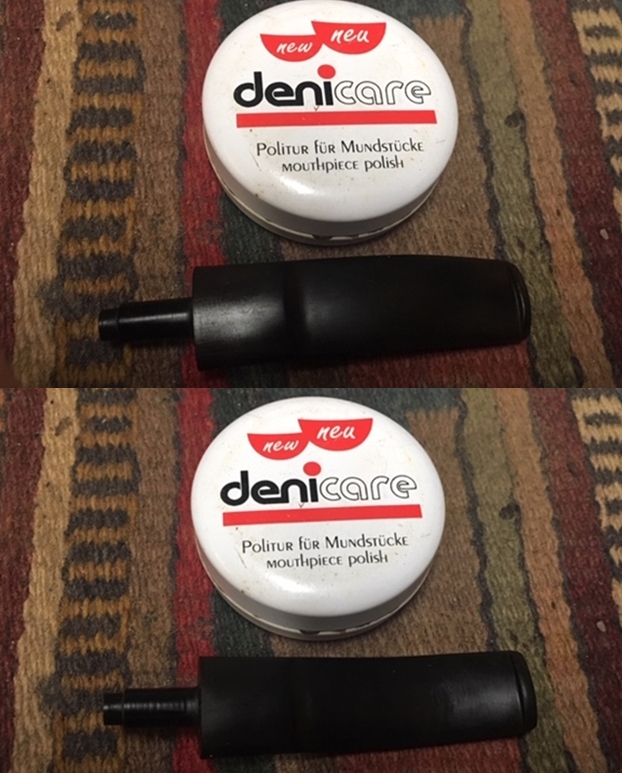
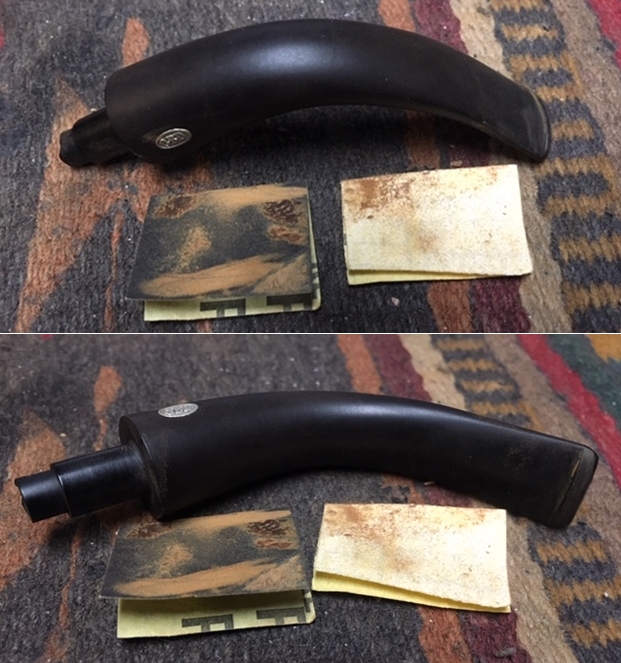
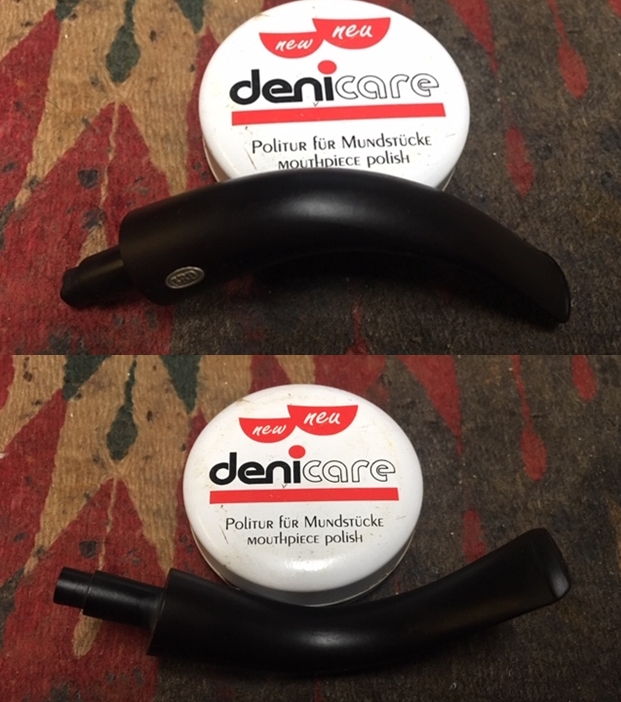
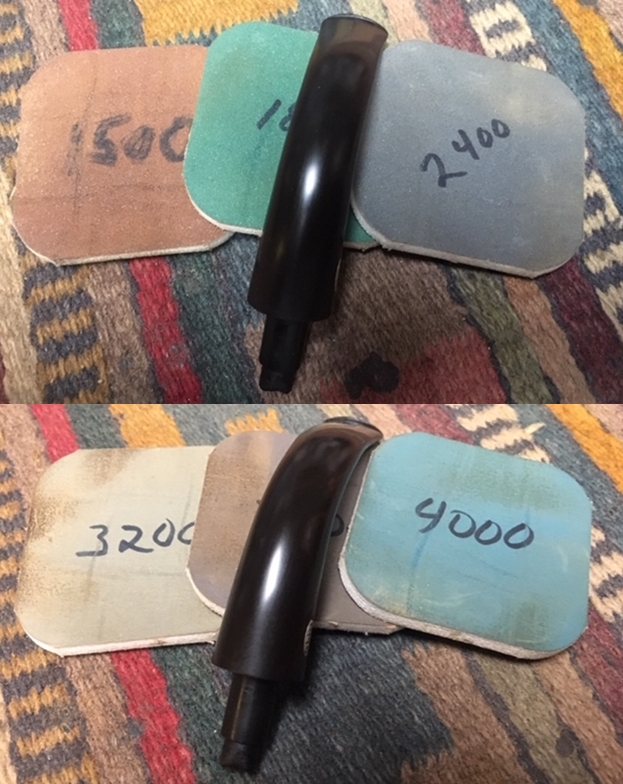
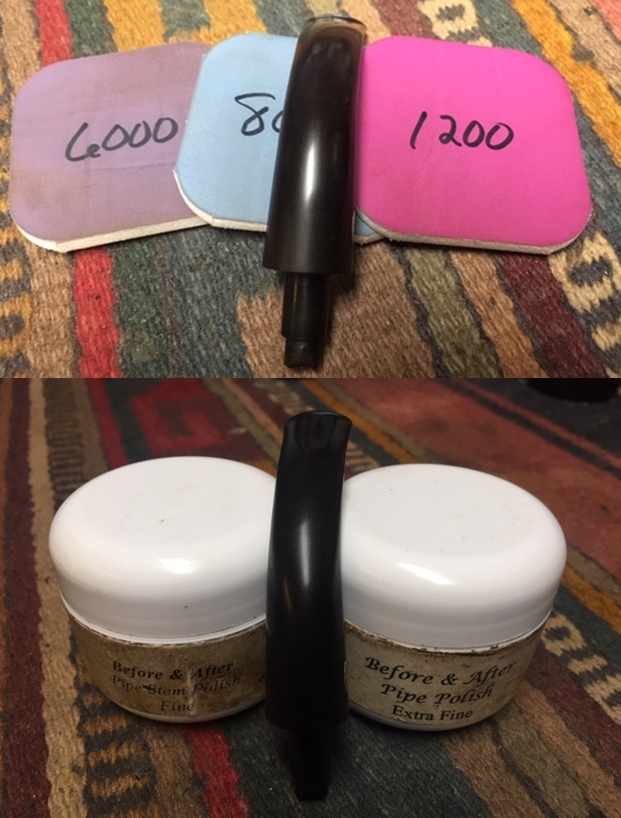
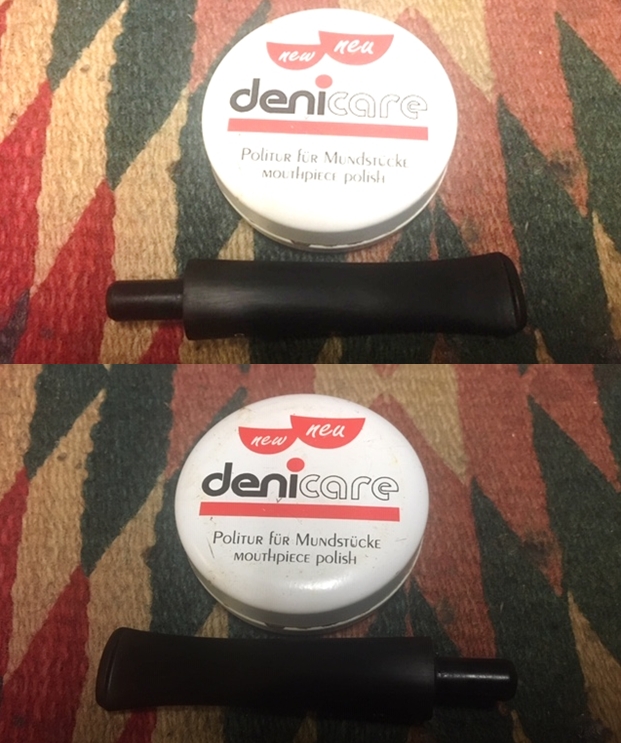
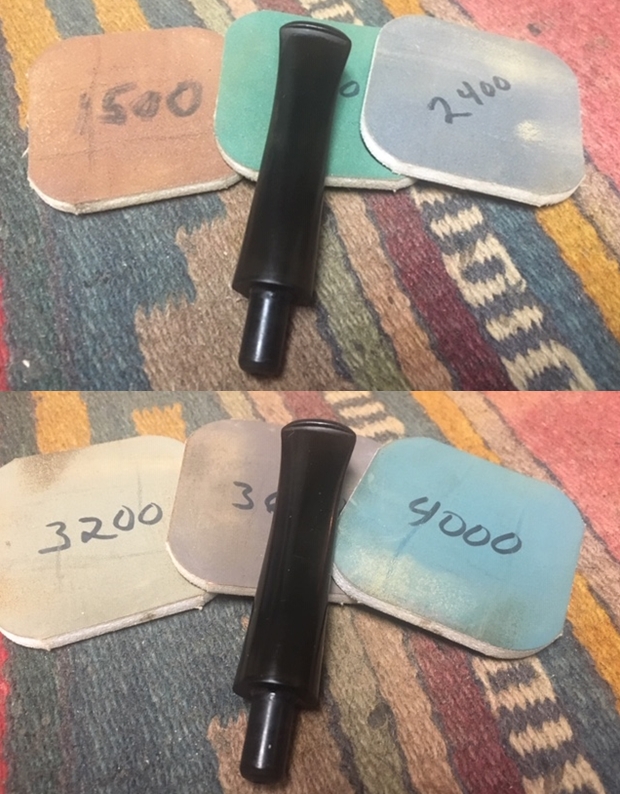
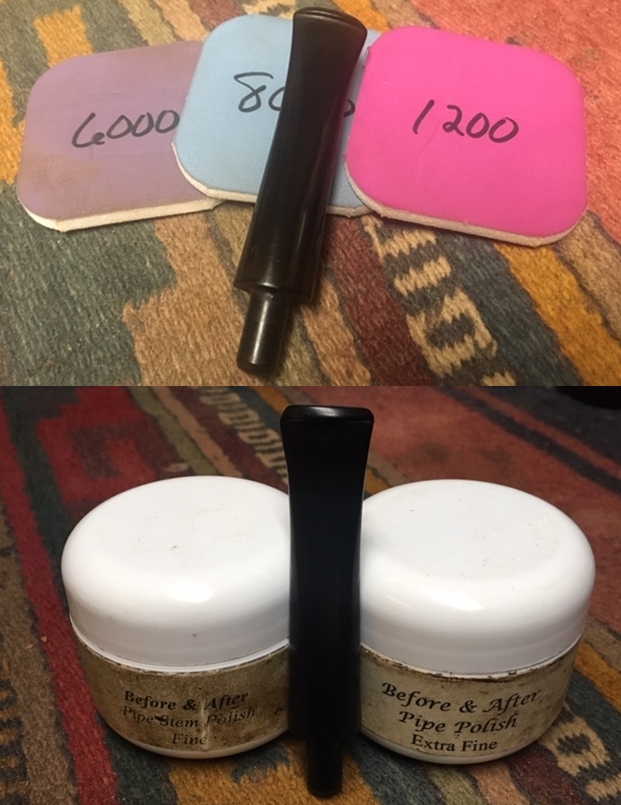
Jeff is methodical in his cleaning regimen and rarely varies the process. He reamed the bowl with a PipNet pipe reamer and followed up with a Savinelli Fitsall pipe knife to remove the cake. He scrubbed out the mortise and the airway in the shank and the stem with alcohol, cotton swabs and pipe cleaners. He scrubbed the exterior of the bowl, rim, shank and stem with a tooth brush and Murphy’s Oil Soap to remove the oils and tars on the rim and the grime on the finish of the bowl. He rinsed it under running water. He dried it off with a soft cloth. He was able to remove lava build up on the rim top and you could see the great condition of the beveled rim top and edges of the bowl. He soaked the stem in Before & After Deoxidizer to remove the oxidation. I took photos of the pipe before I started my work on it. I took a close up photo of the rim top to show the condition of the bowl and rim after Jeff had cleaned up the grime and lava. Without the lava the rim looked very good with some darkening at the rear. The inner edge was a little rough on the back edge; otherwise it was in great condition. The stem photos show that the light oxidation is gone. The stem is in excellent condition with some light tooth marks and chatter on both sides near the button.I took photos of the stamping to show how it looked after the cleanup. The Bertram Washington DC is clear and readable though a bit faded on the right side of the stamp. The Grade 40 stamp is deep and clear.I cleaned up the darkening on the rim and smoothed out the damage on the back inner edge with a folded piece of 220 grit sandpaper. I cleaned up the sanding marks with 400 grit wet dry sandpaper. The first photo shows the rim when I started. The second shows the clean up of the inner edge and the darkening on the rim top. The third photo shows the finished rim top. I polished the bowl and rim top with micromesh sanding pads – wetsanding it with 1500-12000 grit pads. I wiped the bowl down with a damp cloth after each pad to remove the sanding debris. The grain began to stand out. After the final sanding pad I hand buffed it with a cotton cloth to raise a shine. I worked some Before & After Restoration Balm into the finish of the briar with my fingertips to clean, enliven and protect it. I let the balm sit for a little while and then buffed with a cotton cloth to raise the shine. The Restoration Balm really makes the grain stands out beautifully. The rich tiger grain really pops on this beauty! If you have not tried some why not give it a try. I sanded out the small tooth marks and chatter next to the button on both sides of the stem with a folded piece of 220 grit sandpaper. I sanded the stem with 400 grit wet dry sandpaper to remove the scratches. I polished it with Denicare Mouthpiece Polish to scrub out the scratches. I wiped it down with some Obsidian Oil and set it aside to dry. I polished out the sanding scratches with micromesh sanding pads – wetsanding it with 1500-12000 grit pads. I wiped the stem down with Obsidian Oil after each pad. I polished it with Before & After Pipe Polish – both Fine and Extra Fine and gave it a final coat and set it aside to dry. Jeff and I are gradually working through this 200+ lot dealing with each of the challenges they present one at a time. This one is Bertram’s take on a classic diamond shank straight Bulldog shape. It has probably the most stunning grain of any of the Bertrams I have worked on. I would call it a tiger grain. I put the stem and bowl back together and buffed the pipe with Blue Diamond on the buffing wheel. I polished the briar and the minute scratches still in the vulcanite of the stem until there was a rich shine. For a Bertram Grade 40 this pipe is quite stunning. I cannot find any sign of visible fills. It has a saddle stem on a diamond shank. The finish really has some interesting grain on a proportionally well carved pipe. Once I buffed the pipe the briar came alive and the swirling tiger grain popped with polishing. The black vulcanite stem had a rich glow. The finished pipe is well shaped Bulldog. This is another Bertram that feels great in the hand sits right in the mouth. Have a look at the finished pipe in the photos below. The dimensions are Length: 5 3/4 inches, Height: 1 1/2 inches, Outside diameter of the bowl: 1 1/2 inches, Chamber diameter: 3/4 of an inch. This is one that will stay with me for a while. The grain is captivating. Thanks for walking through the restoration with me as it was a pleasure to work on.

Restoring a Beautiful Bertram Long Shank Bulldog 20


Blog by Steve Laug

It you have not read the previous blogs I have posted on this brand give them a read to get some background on the pipes in this lot. If you have not been hit with a box I am sure you have a hard time understanding how overwhelming it feels to look at the 200+ pipes that need to be restored. It is mind boggling for sure – but there is only one way to move ahead – 1 pipe at a time. I could not do it without Jeff’s help doing the clean up on the lot. If I had to do it all by myself it would be more than I handle moving through this many pipes. From his cleaned pipes I get to choose what I want to work on. Doing the work this way we have already cleaned about 70 pipes and I have restored around 38 of them. We are getting there slowly but surely.

This time I chose a Bertram Bulldog to work on. It has a long, diamond shank and a diamond saddle vulcanite stem. It has grade 20 number stamped on the left underside of the shank. The briar has a mix of grains – straight, flame and birdseye. The exterior of the bowl looked really good. There was on large fill on the left underside of the shank near the bowl/shank junction that was chipped and rough. The bowl had cake in the chamber and the rim top had some darkening and lava overflow. It was hard to know what the inner edge of the bowl edge of the bowl looked like until the cake and lava were gone. The stem had some oxidation and tooth marks and chatter near the button on both sides. Jeff took some photos of the pipe before he began his cleanup Jeff took close-up photos of the bowl and rim to capture the condition of the pipe when it arrived. The rim top had a thick coat of lava and the bowl had a thick cake. You can see from the photos why it was hard to tell the condition of the inner edge of the rim.The pictures of the bowl sides and the heel give a clear picture of the grain around the heel and the sides of the bowl. Other than the one obvious large fill the bowl looks very good. I am looking forward to seeing what is under all of the grime. The large fill /flaw is visible in the second photo below. I have circled it in red so it easy to identify. The next photos capture the stamping on the left side of the shank. You can see the Bertram Washington, D.C. stamp on the upper left side of the diamond shank and the grade 20 stamp on the left underside of the shank. The photo below captures the nature of the flaw and damaged fill that I had noted above with the red circle. It is on the left underside of the diamond shank.The next two photos show the stem surface. They show the calcification, oxidation and the chatter on both sides near the button. There are light tooth marks on the stem near the button. There is some wear on the button edge.

With each of the blogs that I have written on the Bertrams that I have worked on I have included the following information. If you have read it in past blogs, you can skip over it. If you have not, I have included the link to Bertram history and information. I would recommend that if you don’t know much about them take some time to read the background. I include a link to the write up on Pipedia (http://pipedia.org/wiki/Bertram). Bertram pipes were based out of Washington DC. They were popular among famous politicians and celebrities of the time. They made many products for them from FDR’s cigarette holders to Joseph Stalin’s favorite pipe. They were considered some of the best America had to offer till they finally closed their doors in the 70s. Bertram graded their pipes by 10s and sometimes with a 5 added (15, 25, 55 etc.), the higher the grade the better. Above 60s are uncommon and 80-90s are quite rare. I have worked on one 120 Grade billiard. I have several blogs that I have written on rebornpipes that give some history and background to Bertram pipes. (https://rebornpipes.com/2015/06/16/an-easy-restoration-of-a-bertram-grade-60-217-poker/).

I have included the following link to give a bit of historical information on the pipe company. It is a well written article that gives a glimpse of the heart of the company. http://www.streetsofwashington.com/2012/01/bertrams-pipe-shop-on-14th-street.html#

From this information I learned that all of these Bertrams were made before the closure of the shop in the 1970s. This Bertram Bulldog with a long shank is the first of this style that I have worked on. This pipe has a grade 20 which I am sure takes into account the large fill that is present on the shank.

Jeff is methodical in his cleaning regimen and rarely varies the process. He reamed the bowl with a PipNet pipe reamer and followed up with a Savinelli Fitsall pipe knife to remove the cake. He scrubbed out the mortise and the airway in the shank and the stem with alcohol, cotton swabs and pipe cleaners. He scrubbed the exterior of the bowl, rim, shank and stem with a tooth brush and Murphy’s Oil Soap to remove the oils and tars on the rim and the grime on the finish of the bowl. He rinsed it under running water. He dried it off with a soft cloth. He was able to remove lava build up on the rim top and you could see the great condition of the beveled rim top and edges of the bowl. He soaked the stem in Before & After Deoxidizer to remove the oxidation. I took photos of the pipe before I started my work on it. I took a close up photo of the rim top to show the condition of the bowl and rim after Jeff had cleaned up the grime and lava. Without the lava the inward bevel on the rim looked very good with slight darkening at the rear. The inner edge was in great condition. The stem photos show that the light oxidation is gone. The stem is in excellent condition with some light tooth marks and chatter on both sides near the button.I took photos of the stamping to show how it looked after the cleanup. The Bertram Washington, DC is clear and readable as is the Grade stamp 20.The damaged fill/flaw on the underside of the diamond shank was the only significant issue with the pipe. I wiped it down with alcohol on a cotton swab then filled it in with clear super glue. Once the repair had cured I sanded it smooth with 220 grit sandpaper and with 400 grit wet dry sandpaper. It is fascinating to see that the fill or flaw follows the pattern of the grain perfectly and once it was sanded it blended in well with the grain on that portion of the bowl. I cleaned up the darkening on the rim and smoothed out the damage on the back inner edge with a folded piece of 220 grit sandpaper. I cleaned up the sanding marks with 400 grit wet dry sandpaper.I polished the bowl and rim top with micromesh sanding pads – wetsanding it with 1500-12000 grit pads. I wiped the bowl down with a damp cloth after each pad to remove the sanding debris. The grain began to stand out. After the final sanding pad I hand buffed it with a cotton cloth to raise a shine. I worked some Before & After Restoration Balm into the finish of the briar with my fingertips to clean, enliven and protect it. I let the balm sit for a little while and then buffed with a cotton cloth to raise the shine. The Restoration Balm really makes the grain stands out beautifully. If you have not tried some why not give it a try. I sanded out the small tooth marks and chatter next to the button on both sides of the stem with a folded piece of 220 grit sandpaper. I sanded the stem with 400 grit wet dry sandpaper to remove the scratches. I polished it with Denicare Mouthpiece Polish to scrub out the scratches. I wiped it down with some Obsidian Oil and set it aside to dry. I polished out the sanding scratches with micromesh sanding pads – wetsanding it with 1500-12000 grit pads. I wiped the stem down with Obsidian Oil after each pad. I polished it with Before & After Pipe Polish – both Fine and Extra Fine and gave it a final coat and set it aside to dry. Jeff and I are gradually working through this 200+ lot dealing with each of the challenges they present one at a time. This one is Bertram’s take on a classic long shank straight Bulldog shape. I put the stem and bowl back together and buffed the pipe with Blue Diamond on the buffing wheel. I polished the briar and the minute scratches still in the vulcanite of the stem until there was a rich shine. For a Bertram Grade 20 this pipe is quite stunning. I cannot find any sign of visible fills. The grain is sporadic but pretty. It has a saddle stem on a diamond shank. The finish really has some interesting grain on a proportionally well carved pipe. Once I buffed the pipe the briar came alive and the mixture of grain popped with polishing. The black vulcanite stem had a rich glow. The finished pipe is well shaped long shank Bulldog. This Bertram feels great in the hand sits right in the mouth. Have a look at the finished pipe in the photos below. The dimensions are Length: 6 inches, Height: 2 inches, Outside diameter of the bowl: 1 1/2 inches, Chamber diameter: 3/4 of an inch. Maybe this shape speaks to you and you want to add it to your collection. If you are interested let me know as I will be adding it to the store soon. Thanks for walking through the restoration with me as it was a pleasure to work on.

Restoring a Beautiful Bertram Lumberman 50/25 from the Bertram Lot


Blog by Steve Laug

It you have not read the previous blogs I have posted on this brand give them a read to get some background on the pipes in this lot. If you have not been hit with a box I am sure you have a hard time understanding how overwhelming it feels to look at the 200+ pipes that need to be restored. It is mind boggling for sure – but there is only one way to move ahead – 1 pipe at a time. I could not do it without Jeff’s help doing the clean up on the lot. If I had to do it all by myself it would be more than I handle moving through this many pipes. From his cleaned pipes I get to choose what I want to work on. Doing the work this way we have already cleaned about 70 pipes and I have restored around 38 of them. We are getting there slowly but surely.

This time I chose a Bertram Lumberman to work on. It has a short, round shank and a tapered vulcanite stem. It has grade 50 number stamped on the left side of the shank and crossed out with a 25 stamped over the top. That too has been crossed out and there is a Grade 25 stamped below it on the underside of the shank. The briar has a mix of grains – straight, flame and birdseye. The exterior of the bowl looked really good. The bowl had cake in the chamber and the rim top had some darkening and lava overflow. It was hard to know what the inner edge of the bowl edge of the bowl looked like until the cake and lava were gone. The stem had some oxidation and tooth marks and chatter near the button on both sides. Jeff took some photos of the pipe before he began his cleanup work on it. Jeff took close-up photos of the bowl and rim to capture the condition of the pipe when it arrived. The rim top had a thick coat of lava and the bowl had a thick cake. You can see from the photos why it was hard to tell the condition of the inner edge of the rim.The pictures of the bowl sides and the heel give a clear picture of the grain around the heel and the sides of the bowl. It was hard to see any fills in the briar. I am not sure why it is restamped with a 25. I am looking forward to seeing what is under all of the grime.The next photos capture the stamping on the left side of the shank. You can see the overstamped grade 50 and 25 over the top on the left side of the shank. You can see that is also crossed out. The second photo shows another 25 stamped below it on the underside of the shank. The next two photos show the stem surface. They show the calcification, oxidation and the chatter on both sides near the button. There are light tooth marks on the stem near the button. There is some wear on the button edge.With each of the blogs that I have written on the Bertrams that I have worked on I have included the following information. If you have read it in past blogs, you can skip over it. If you have not, I have included the link to Bertram history and information. I would recommend that if you don’t know much about them take some time to read the background. I include a link to the write up on Pipedia (http://pipedia.org/wiki/Bertram). Bertram pipes were based out of Washington DC. They were popular among famous politicians and celebrities of the time. They made many products for them from FDR’s cigarette holders to Joseph Stalin’s favorite pipe. They were considered some of the best America had to offer till they finally closed their doors in the 70s. Bertram graded their pipes by 10s and sometimes with a 5 added (15, 25, 55 etc.), the higher the grade the better. Above 60s are uncommon and 80-90s are quite rare. I have since worked on a 120 Grade billiard. I have several blogs that I have written on rebornpipes that give some history and background to Bertram pipes. (https://rebornpipes.com/2015/06/16/an-easy-restoration-of-a-bertram-grade-60-217-poker/).

I have included the following link to give a bit of historical information on the pipe company. It is a well written article that gives a glimpse of the heart of the company. http://www.streetsofwashington.com/2012/01/bertrams-pipe-shop-on-14th-street.html#

From this information I learned that all of these Bertrams were made before the closure of the shop in the 1970s. This Bertram Lumberman is another one of the several that I have worked on from the collection. Here is a link to the blog on another Lumberman I restored. It has a longer shank but is also the same shape (https://rebornpipes.com/2019/06/14/a-bertram-50s-lumberman-pipe-from-the-bertram-lot/). This pipe has a crossed out grade 50 and is marked with a 25 grade stamp. Looking at the grain, I am not sure how Bertram arrived at the quality stamp on this pipe.
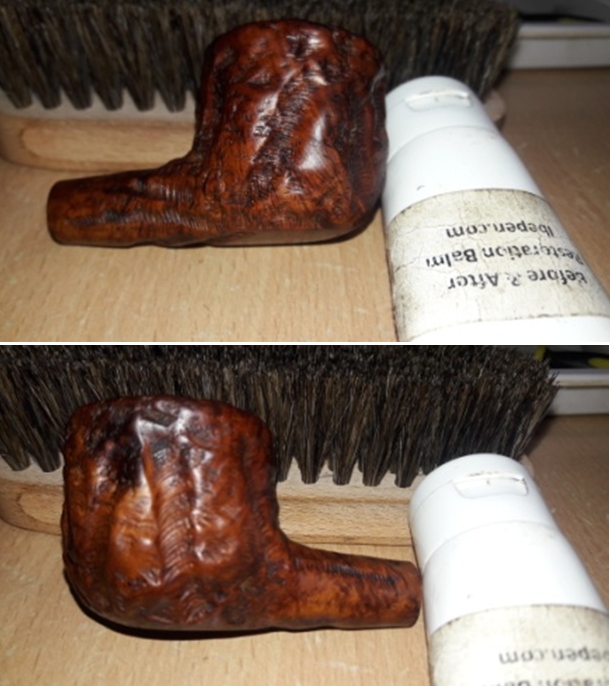
Jeff is methodical in his cleaning regimen and rarely varies the process. He reamed the bowl with a PipNet pipe reamer and followed up with a Savinelli Fitsall pipe knife to remove the cake. He scrubbed out the mortise and the airway in the shank and the stem with alcohol, cotton swabs and pipe cleaners. He scrubbed the exterior of the bowl, rim, shank and stem with a tooth brush and Murphy’s Oil Soap to remove the oils and tars on the rim and the grime on the finish of the bowl. He rinsed it under running water. He dried it off with a soft cloth. He was able to remove lava build up on the rim top and you could see the great condition of the beveled rim top and edges of the bowl. He soaked the stem in Before & After Deoxidizer to remove the oxidation. I took photos of the pipe before I started my work on it. I took a close up photo of the rim top to show the condition of the bowl and rim after Jeff had cleaned up the grime and lava. Without the lava the inward bevel on the rim looked very good with slight darkening at the rear. The inner edge was in great condition. The stem photos show that the light oxidation is gone. The stem is in excellent condition with some light tooth marks and chatter on both sides near the button.I took photos of the stamping to show how it looked after the cleanup. The Bertram Washington DC is clear and readable as is the overstamped 50/25. The second photo shows the grade 25 stamp on the underside of the shank.I cleaned up the darkening on the rim with a folded piece of 220 grit sandpaper. I cleaned up the sanding marks with 400 grit wet dry sandpaper.I polished the bowl and rim top with micromesh sanding pads – wetsanding it with 1500-12000 grit pads. I wiped the bowl down with a damp cloth after each pad to remove the sanding debris. The grain began to stand out. After the final sanding pad I hand buffed it with a cotton cloth to raise a shine. I worked some Before & After Restoration Balm into the finish of the briar with my fingertips to clean, enliven and protect it. I let the balm sit for a little while and then buffed with a cotton cloth to raise the shine. The Restoration Balm really makes the grain stands out beautifully. If you have not tried some why not give it a try. I sanded out the small tooth marks and chatter next to the button on both sides of the stem with a folded piece of 220 grit sandpaper. I sanded the stem with 400 grit wet dry sandpaper to remove the scratches. I wiped it down with some Obsidian Oil and set it aside to dry. I polished out the sanding scratches with micromesh sanding pads – wetsanding it with 1500-12000 grit pads. I wiped the stem down with Obsidian Oil after each pad. I polished it with Before & After Pipe Polish – both Fine and Extra Fine and gave it a final coat and set it aside to dry. Jeff and I are gradually working through this 200+ lot dealing with each of the challenges they present one at a time. This one is Bertram’s take on a classic Lumberman shape. I put the stem and bowl back together and buffed the pipe with Blue Diamond on the buffing wheel. I polished the briar and the minute scratches still in the vulcanite of the stem until there was a rich shine. For a Bertram Grade 25 this pipe is quite stunning. I cannot find any sign of visible fills. The grain is sporadic but pretty. It has a tapered stem on a thick shank. The finish really has some interesting grain on a proportionally well carved pipe. Once I buffed the pipe the briar came alive and the mixture of grain popped with polishing. The black vulcanite stem had a rich glow. The finished pipe is well shaped short shank Lumberman. This Bertram feels great in the hand sits right in the mouth. Have a look at the finished pipe in the photos below. The dimensions are Length: 5 inches, Height: 1 3/4 inches, Outside diameter of the bowl: 1 ¼ inches, Chamber diameter: 3/4 of an inch. Maybe this shape speaks to you and you want to add it to your collection. If you are interested let me know as I will be adding it to the store soon. Thanks for walking through the restoration with me as it was a pleasure to work on.

Breathing Life into a Knute of Denmark Freehand


Blog by Steve Laug

I chose the next pipe to work on from some that Jeff and I recently purchased from a guy in Illinois. There were some nice pipes in the assortment from a variety of ranges. The pipe on my worktable comes from that collection. This one is a beautifully grained Knute Freehand with a turned vulcanite stem. The rim top and shank end are plateau and have been selectively darkened in the grooves and valleys. The shape follows the grain of the block of briar very well. It is stamped on the underside of the shank Knute of Denmark. There is no other stamping on the pipe. The pipe is shaped to sit nicely on a desk or table top. The stem is stamped with a Crown over the letter K on the top. The pipe was very dirty with a thick cake in the bowl and some lava overflowing on to the plateau rim top. It was hard to know what the inner edge of the rim looked like because of the lava and cake. Other than being dirty the finish appeared to be in good condition. The stem was oxidized and had come calcification where a pipe Softee bit had been. There was some tooth chatter and marks on both sides of the stem at the button. Jeff took photos of the pipe before he started working on it so I could see what he was dealing with. He took photos of the rim top to show the thick cake in the bowl and the overflow of lava. The cake is thick and hard and the lava overflows into the plateau. The bowl is a real mess but it must have been a great smoking pipe. He also took a photo of the dusty plateau at the shank end. The next photos show the sides and heel of the bowl to give a clear picture of the beauty of the grain around the bowl of the pipe. Under the grime there is some great grain peeking through. Jeff took a photo of the stamping to capture the clarity of it even under the grime. The stamping reads Knute in script over of Denmark running horizontally along the underside of the shank.The stem looked dirty and oxidized with the calcification left behind by a pipe Softee bit. The bite marks and tooth chatter on the stem was light and should not take too much work to remedy. The Crown over K logo looked good at this point. Hopefully the cleanup will preserve it well. Before I started my work on the pipe I wanted to remind myself of the provenance of the pipe. I remembered that it was linked to Karl Erik as the earlier pipe I worked on was. I wanted to know where this pipe fit into the Karl Erik lines so I turned to the first of two sites that I always check to gather information on a brand. I turned first to Pipedia (https://pipedia.org/wiki/Karl_Erik). There it is clearly identified and linked to Karl Erik Ottendahl. It is designated as a second and frequently having rustication. For some reason this beauty does not have any rustication and it is a great piece of briar.

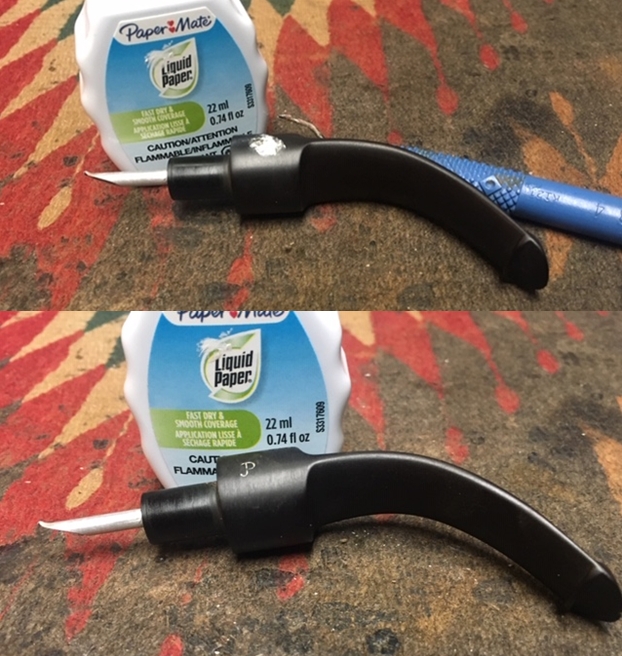
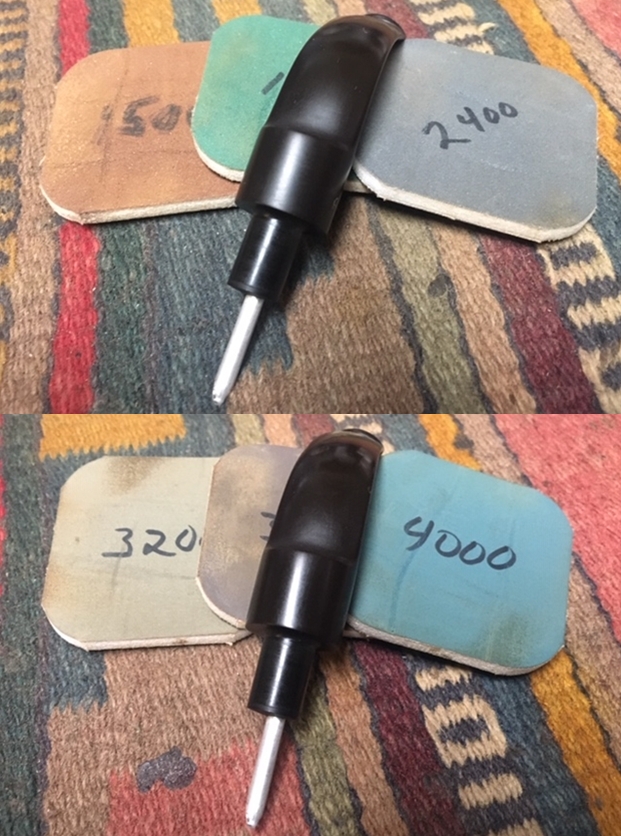
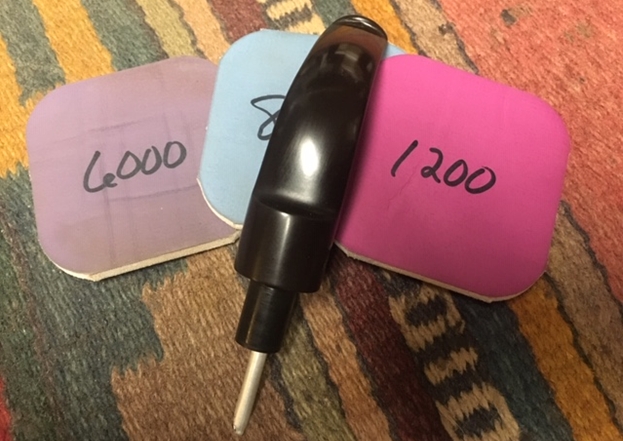
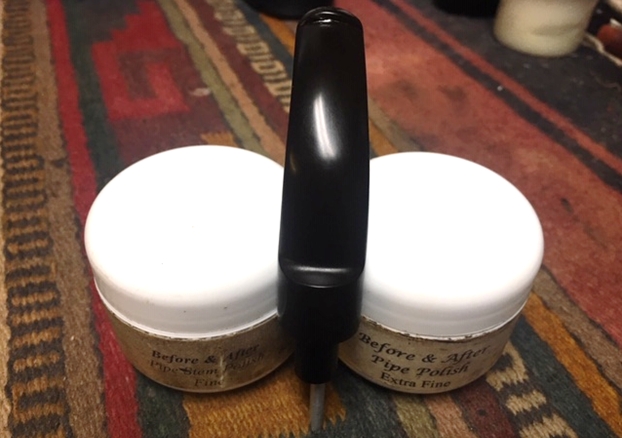
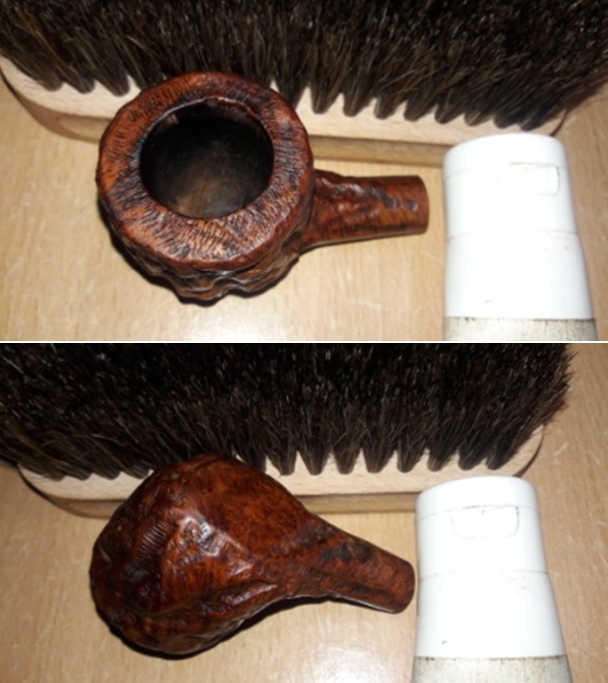
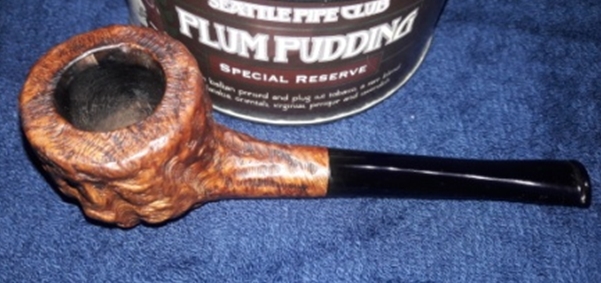
I turned to the second information site – Pipephil’s (http://www.pipephil.eu/logos/en/logo-k3.html) got a quick overview on the brand once again connecting it to Karl Erik.Pipedia also had this great picture of Karl Erik Ottendahl and I decided to include it here as a reminder of the artisan who first carved and released this pipe. Reminded of the tie to Karl Erik I knew a bit about the pipe at hand. I turned to address the pipe itself. Jeff cleaned up the pipe for me. He reamed the bowl with a PipNet pipe reamer and cleaned it up with a Savinelli Fitsall Pipe Knife. He scrubbed the exterior with Murphy’s Oil Soap and a tooth brush to clean off the grime off the finish and the heavy overflow of lava on the rim top. The cleaning had removed some of the black stain on the rim top. He cleaned up the internals of the shank, mortise and stem with pipe cleaners, cotton swabs and alcohol to remove all of the oils and tars in the pipe. He soaked the stem in Before & After Deoxidizer and was able to remove much of the oxidation. When it arrived here in Vancouver it was a clean pipe and I knew what I had to work with. I took photos of it before I started my part of the restoration. I took photos of the rim top and the stem to show their condition once it arrived in Canada. Jeff was able to clean up the incredibly thick cake and lava overflow that was shown in the rim and bowl photos above. The plateau and the inner bevel to the rim look really amazing. He was also able to get rid of the grime and grit in the surface of the briar. The rim top and edges looked very good. The stem looked very good and was much cleaner. There was light tooth marks and chatter on both sides near the button. The white paint in the stamping had been removed by the soak and cleaning but the stamp was still good so I could repaint it.I have noticed on some repairs that folks don’t pay much attention to the stamping when they are restoring a pipe. To me this is a critical part of the restoration to leave undamaged as it is the only link we have to who made the pipe. I took a photo of the stamping on the underside of the shank to show that it was very readable and undamaged by the cleanup work.There was a small cut in the briar on the right side of the bowl mid bowl that I would take care of first. I filled in the cut with a small drop of super glue. Once it cured I sanded it out with a worn piece of 220 grit sandpaper and polished the scratches left behind with 400 grit wet dry sandpaper.I started polishing the briar with micromesh sanding pads. I wet sanded it with 1500-12000 grit pads. I wiped the bowl down after each pad with a damp cloth. The bowl began to take on a rich shine and grain was beginning to stand out. I wet sanded with all of the pads and wiped the bowl down after each pad with a soft cloth. I rubbed the bowl and shank down with Before & After Restoration Balm to deep clean the finish on the bowl and shank. The product works to clean, enliven and protect the briar. I worked it in with my fingers to get it into the briar. I used a horsehair shoe brush to work it into the plateau top and shank end.  After it sat for a little while I wiped it off and buffed it with a soft cloth. The briar really began to have a rich shine. I took some photos of the bowl at this point to mark the progress in the restoration. It is a beautiful bowl. I set the bowl aside and worked on the stem at this point in the process. I sanded tooth chatter and the remaining oxidation on the stem with folded pieces of 220 to remove the marks and the light brown colouration on the stem surface. I sanded them with 400 grit sandpaper until the marks were gone and the oxidation was gone. I wiped it down with Obsidian Oil. I rubbed the stem down with Denicare Mouthpiece Polish and a cotton pad to remove remnants of oxidation and to further blend in the sanding. The stem was showing some promise at this point in the process. I used a liquid paper to touch up the stamping on the top side of the fancy saddle stem. I rubbed it into the stamp and set it aside to dry. I polished off the excess white product and left the remainder in the stamp itself.I polished the stem with micromesh sanding pads – wet sanding with 1500-2400 grit pads and dry sanding with 3200-12000 grit pads. I wiped the stem down after each pad with a damp cloth to remove the sanding dust. I used the Before & After Pipe Polish to remove the small minute scratches left in the vulcanite even after the micromesh regimen. I finished by wiping the stem down with a final coat of Obsidian Oil and set it aside to dry. I put the stem back on the pipe and took the pipe to the buffer. I buffed the bowl and stem with Blue Diamond to polish the briar and the vulcanite. Blue Diamond does a great job on the smaller scratches that remain in both. I gave the bowl and the stem several coats of carnauba wax and buffed the pipe with a clean buffing pad to raise the shine. I hand buffed it with a microfiber cloth to deepen the shine. The pipe polished up really nicely with a great contrasting stain look to the briar. The finished pipe is shown in the photos below. This is a beautiful Karl Eric Freehand – the fancy turned stem and plateau shank end give the pipe a great look. The polished black vulcanite stem looks really good with the rich browns standing out in the grain. The dimensions of the pipe are Length: 6 1/2 inches, Height: 2 inches, Outside diameter of the bowl: 1 3/4 inches, Chamber diameter: 3/4 of an inch. This is another pipe that I will be putting it on the rebornpipes online store shortly, if you are interested in adding it to your collection. Thanks for walking through the restoration with me on this beauty!
Rejuvenating a Nording Danmark F Freehand


Blog by Steve Laug

It was time to turn back to one of the pipes that Jeff and I recently purchased. We bought some pipes from a guy in Pennsylvania. There were some nice pipes in the assortment from a variety of ranges. The next pipe on my worktable comes from that collection. This one is a straight, thin shank Freehand with a quality vulcanite stem. The rim top is plateau and is stained black. The shape follows the grain of the block of briar very well. It is stamped on the underside of the shank F over NORDING over DANMARK near the stem shank union. There is no other stamping on the pipe. The stem does not have the expected Nording N anywhere on the sides or top. The pipe was very dirty with a thick cake in the bowl and some lava overflowing on to the plateau rim top. It was hard to know what the inner edge of the rim looked like because of the lava and cake. Other than being dirty the finish appeared to be in good condition. The stem was lightly oxidized and had come calcification where a pipe Softee bit had been. There was some light tooth chatter and tooth marks on both sides of the stem at the button. I have included the photos that the seller sent to me – the entire pipe and also of the stamping. I am including them to give an idea of what Jeff and I saw when we were deciding to purchase the pipe. We had the pipe lot shipped to Jeff in Idaho so he could do the cleanup on them for me. He took photos of the pipe before he started working on it so I could see what he was dealing with. I am including those now. He took a photo of the rim top to show the thick cake in the bowl and the overflow of lava. The cake is thick and hard and the lava overflow is in the plateau. The bowl is a real mess but it must have been a great smoking pipe.The next photos show the sides and heel of the bowl to give a clear picture of the beauty of the grain around the bowl of the pipe. Under the grime there is some great grain peeking through. Jeff took photos of the stamping to capture the clarity of it even under the grime. The stamping is faint but readable. Holding the pipe stem down the stamping is F over NORDING over DANMARK.The stem looked dirty and oxidized with the calcification left behind by a pipe Softee bit. The bite marks and tooth chatter on the stem was light and should not take too much work to remedy. The light oxidation was another issue that would need to be addressed.Before I started my work on the pipe I wanted to learn more about where this pipe fit into the Nording lines so I turned to the first of two sites that I always check to gather information on a brand. I turned first to Pipedia (https://pipedia.org/wiki/N%C3%B8rding). Nording’s were exclusively freehand shapes, graded from A, B, C, D, up to its highest grade, extra. Later an “F” grade was added—less expensive than the “A.” I could find no other information on the rest of the stamping on the pipe.
I did find a great collage of photos of Erik Nording.I turned to the second information site – Pipephil’s (http://www.pipephil.eu/logos/en/logo-n2.html) did not find any more helpful information on the Nording Danmark stamp.

Armed with the information on the F stamp being added at a later time I knew a bit about the pipe at hand. I turned to address the pipe itself. Jeff cleaned up the pipe for me. He reamed the bowl with a PipNet pipe reamer and cleaned it up with a Savinelli Fitsall Pipe Knife. He scrubbed the exterior with Murphy’s Oil Soap and a tooth brush to clean off the grime off the finish and the heavy overflow of lava on the rim top. The cleaning had removed some of the black stain on the rim top. He cleaned up the internals of the shank, mortise and stem with pipe cleaners, cotton swabs and alcohol to remove all of the oils and tars in the pipe. He soaked the stem in Before & After Deoxidizer and was able to remove much of the oxidation. When it arrived here in Vancouver it was a clean pipe and I knew what I had to work with. I took photos of it before I started my part of the restoration. I took photos of the rim top and the stem to show their condition once it arrived in Canada. Jeff was able to clean up the incredibly thick cake and lava overflow that was shown in the rim and bowl photos above. You can see the spots where the black stain had been removed from the plateau top. He was also able to get rid of the grime and grit in the surface of the briar. The inner edge of the bowl was in very good condition and was smooth to the touch. There appears to be some roughening at the back of the inner edge but it is actually part of the plateau. The rest of the rim top and edges looked very good. The stem looked very good and was much cleaner. There was light tooth marks and chatter on both sides near the button.I decided to start with polishing the briar with micromesh sanding pads. I wet sanded it with 1500-12000 grit pads. I wiped the bowl down after each pad with a damp cloth. The bowl began to take on a rich shine and grain was beginning to stand out. I paused in the polishing with micromesh pads after using the 1500-2400 grit pads. I used a Black Sharpie pen to touch up the black plateau top. It did not take too much work to get it looking like new.I went back to polishing the briar with 3200-12000 grit pads. I wet sanded with all of the pads and wiped the bowl down after each pad with a soft cloth. I rubbed the bowl and shank down with Before & After Restoration Balm to deep clean the finish on the bowl and shank. The product works to clean, enliven and protect the briar. I worked it in with my fingers to get it into the briar. I used a horsehair shoe brush to work it into the plateau top.  After it sat for a little while I wiped it off and buffed it with a soft cloth. The briar really began to have a rich shine. I took some photos of the bowl at this point to mark the progress in the restoration. It is a beautiful bowl. I set the bowl aside and worked on the stem at this point in the process. The more I work on the stem I believe it is a replacement stem. I don’t think I will ever be sure but it is just a feeling I have about it. It is a well done replacement if it is one. I sanded tooth chatter and the remaining oxidation on the stem with folded pieces of 220 to remove the marks and the light brown colouration on the stem surface. I sanded them with 400 grit sandpaper until the marks were gone and the oxidation was gone. I wiped it down with Obsidian Oil. I rubbed the stem down with Denicare Mouthpiece Polish and a cotton pad to remove remnants of oxidation and to further blend in the sanding. The stem was showing some promise at this point in the process. I polished the stem with micromesh sanding pads – wet sanding with 1500-2400 grit pads and dry sanding with 3200-12000 grit pads. I wiped the stem down after each pad with a damp cloth to remove the sanding dust. I used the Before & After Pipe Polish to remove the small minute scratches left in the vulcanite even after the micromesh regimen. I finished by wiping the stem down with a final coat of Obsidian Oil and set it aside to dry. I put the stem back on the pipe and took the pipe to the buffer. I buffed the bowl and stem with Blue Diamond to polish the briar and the vulcanite. Blue Diamond does a great job on the smaller scratches that remain in both. I gave the bowl and the stem several coats of carnauba wax and buffed the pipe with a clean buffing pad to raise the shine. I hand buffed it with a microfiber cloth to deepen the shine. The pipe polished up really nicely with a great contrasting stain look to the briar. The finished pipe is shown in the photos below. This is a unique Nording for me – the thin stem and straight shank give the pipe a different look. The polished black vulcanite stem looks really good with the reds and blacks standing out in the grain. The dimensions of the pipe are Length: 6 inches, Height: 2 1/4 inches, Outside diameter of the bowl: 1 5/8 inches, Chamber diameter: 3/4 of an inch. This is another pipe that I will be putting it on the rebornpipes online store shortly, if you are interested in adding it to your collection. Thanks for walking through the restoration with me on this beauty!