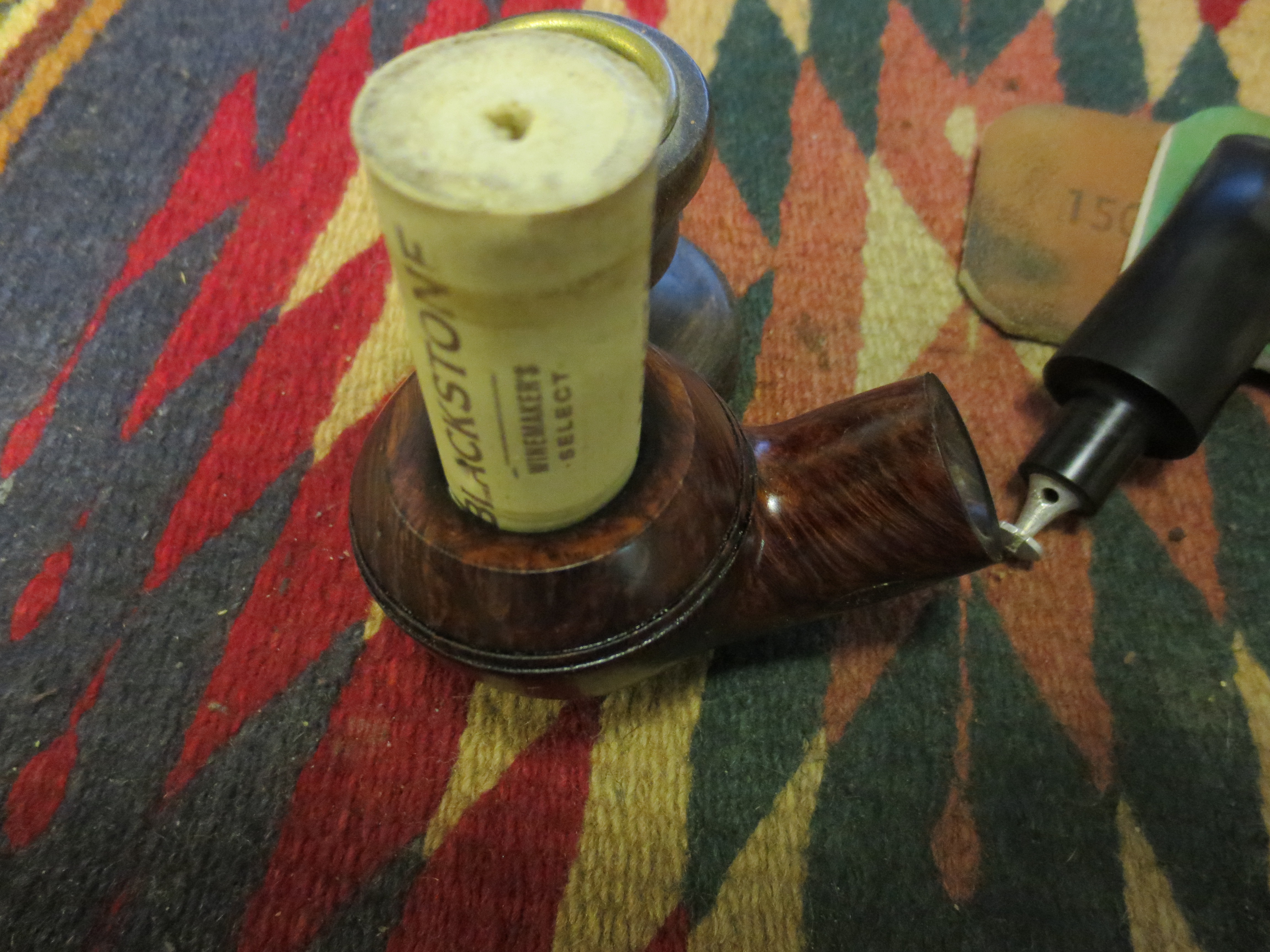
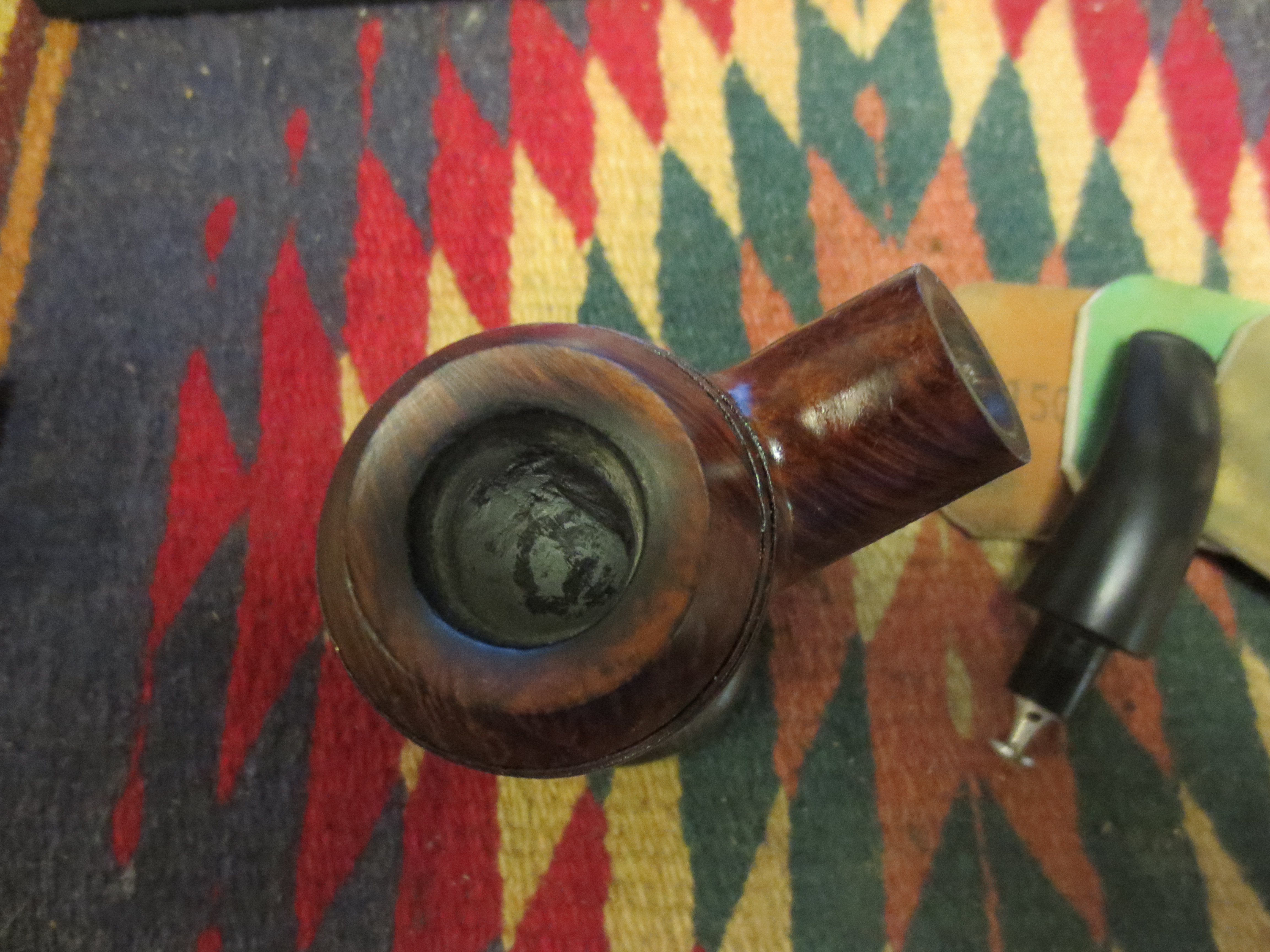
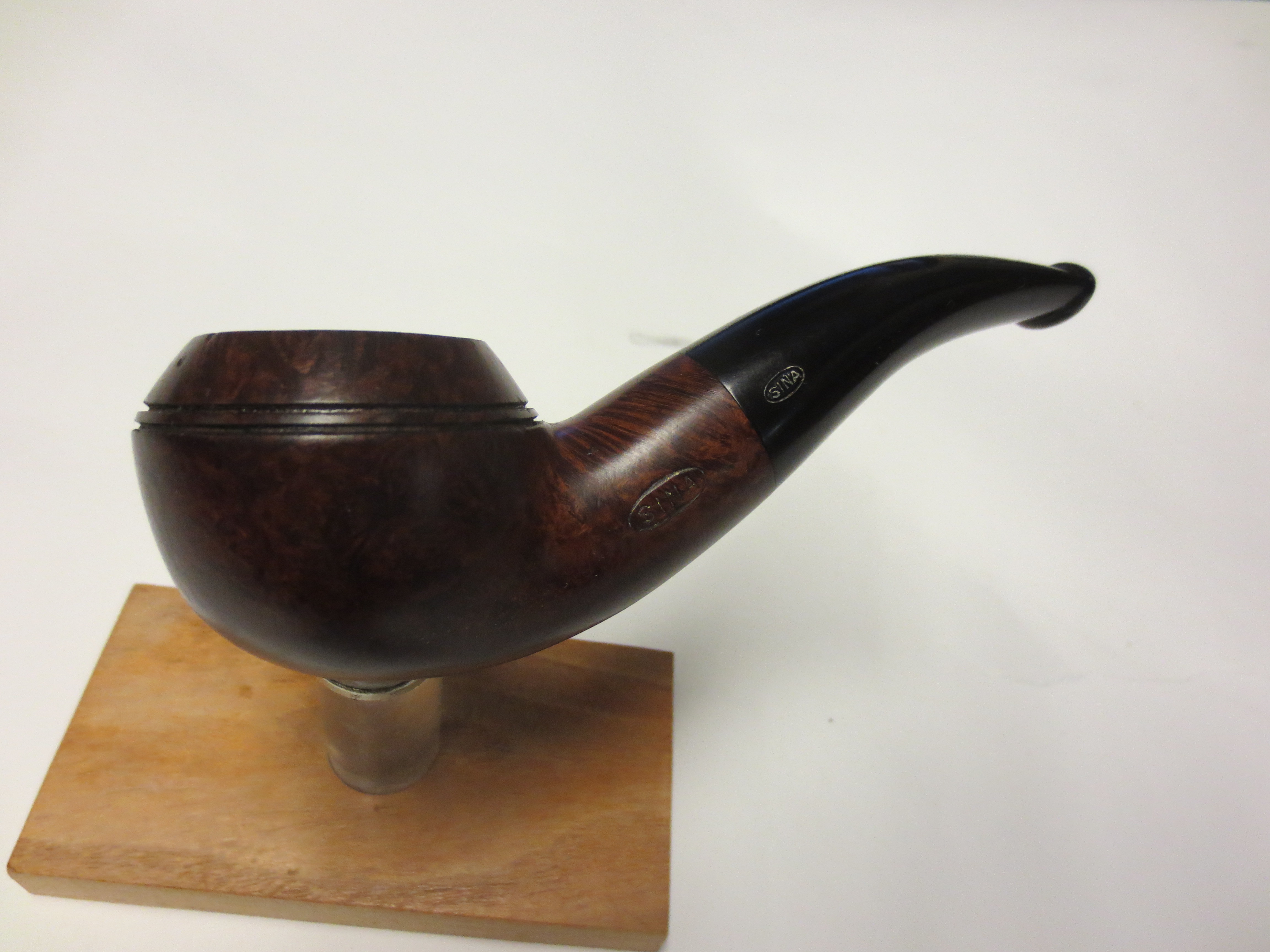
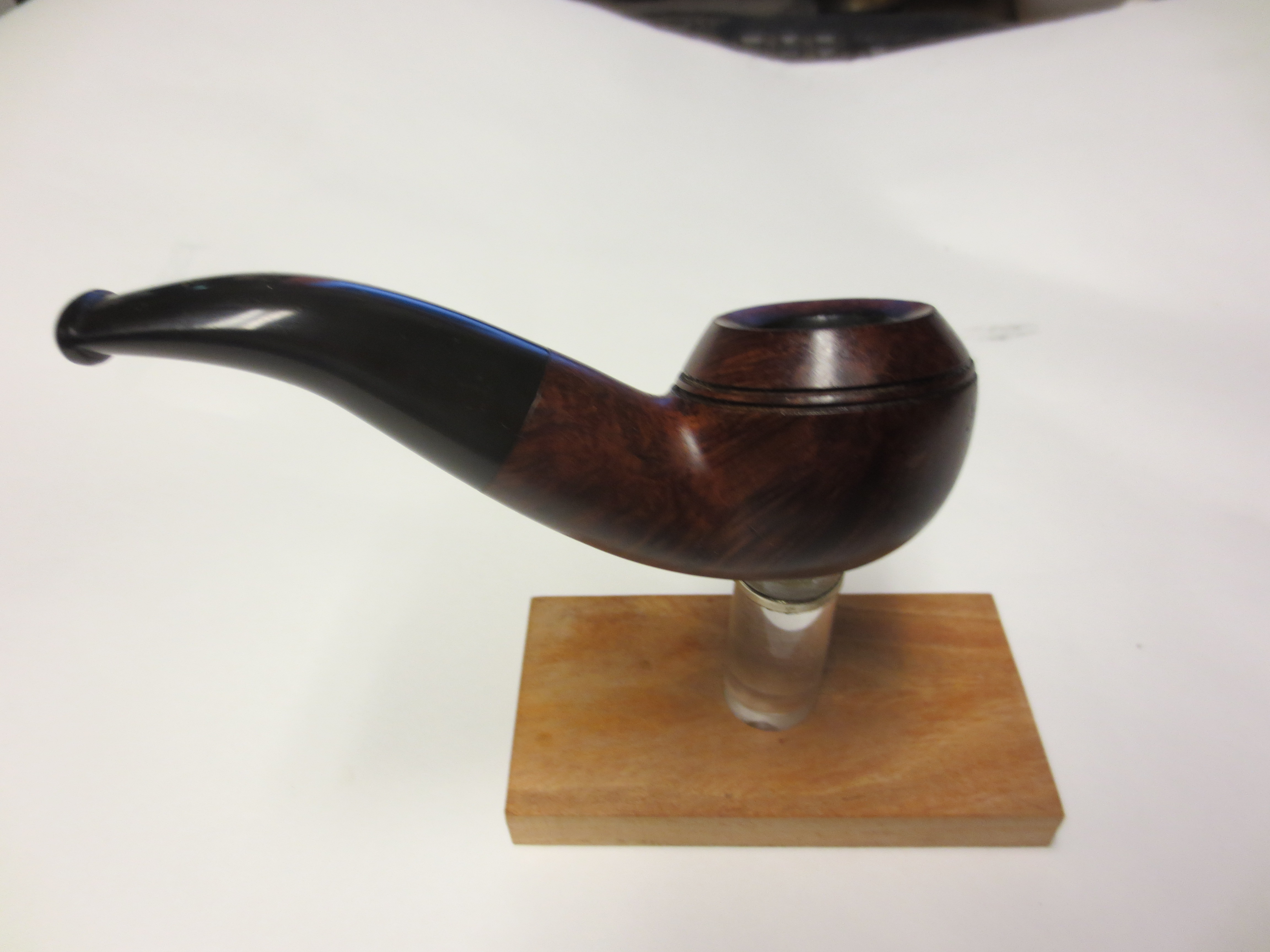
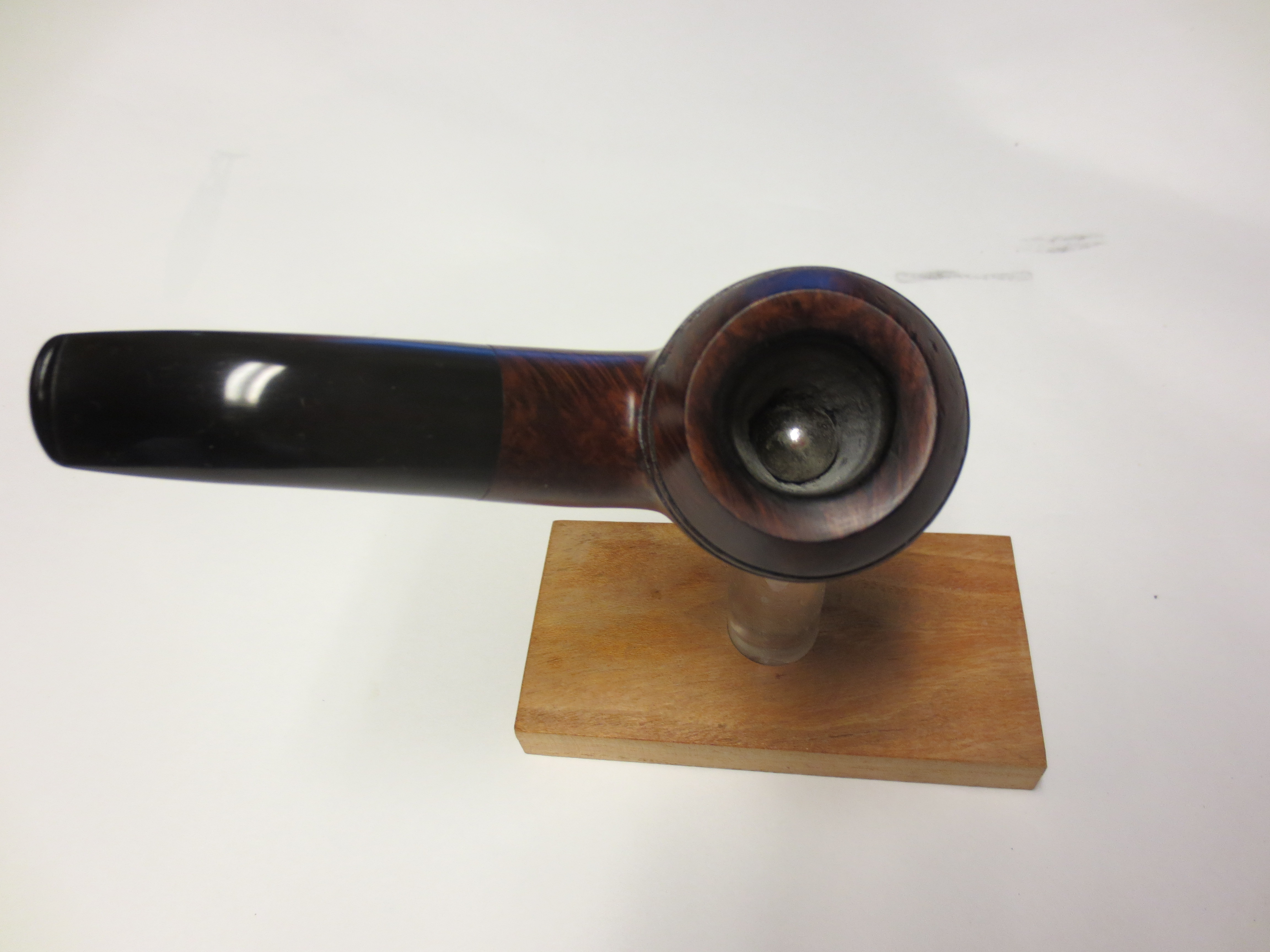
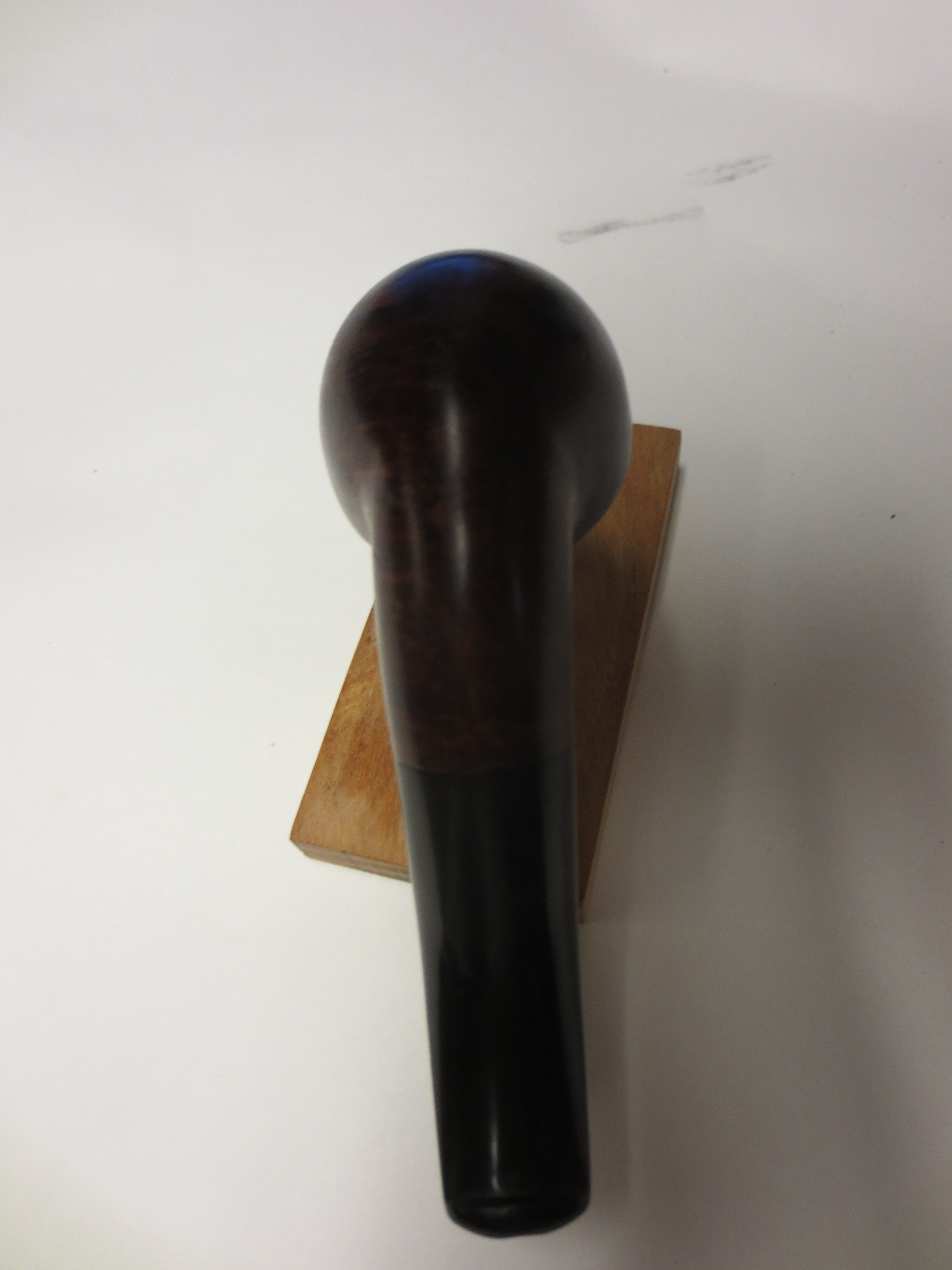
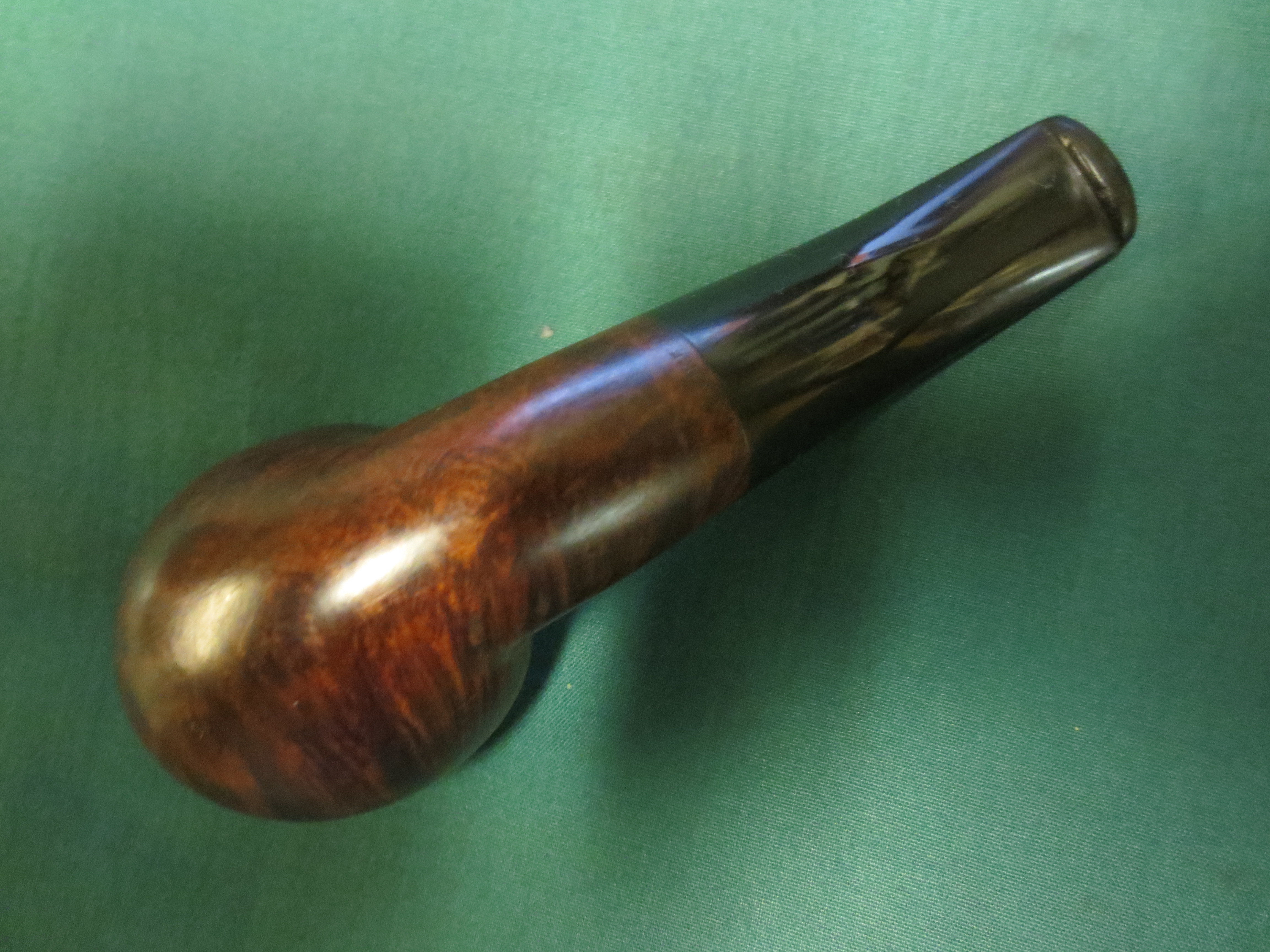
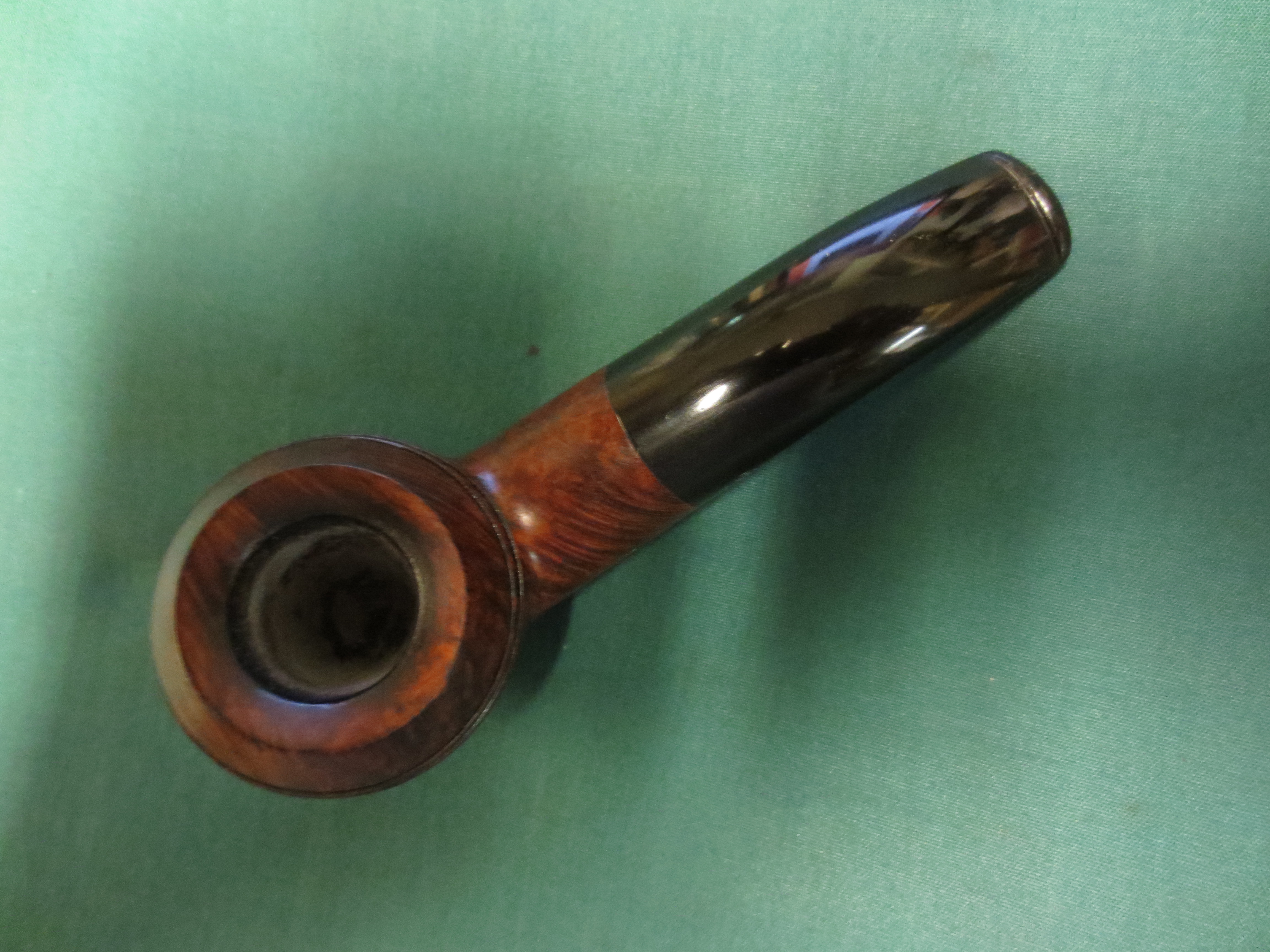
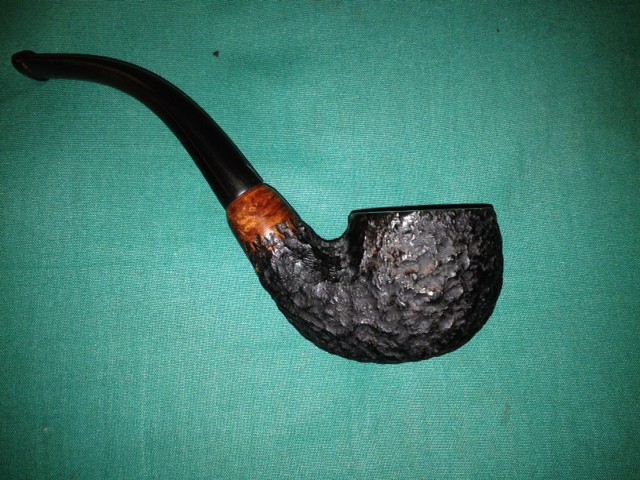
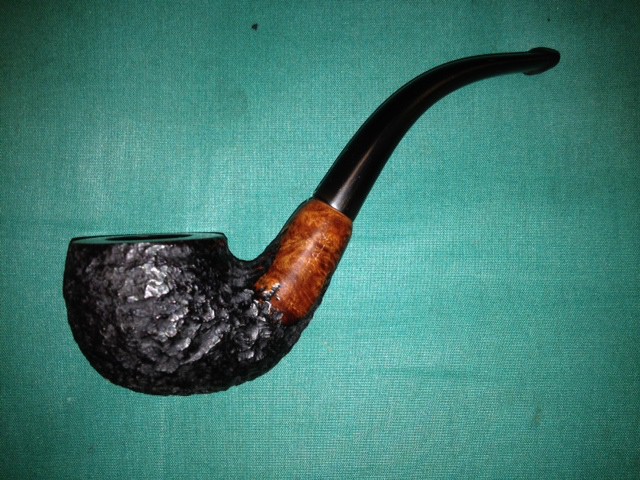
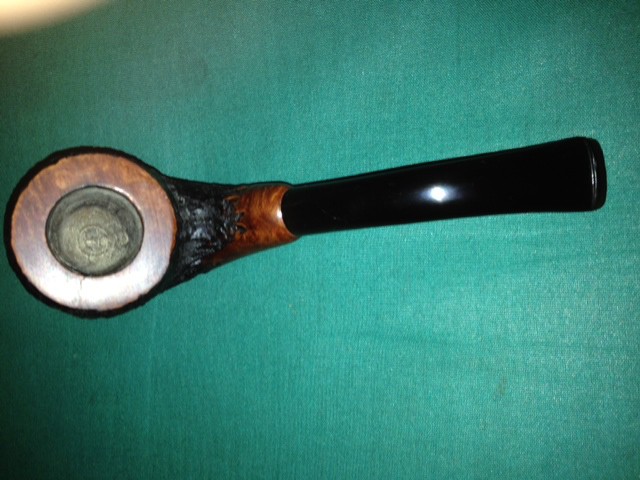
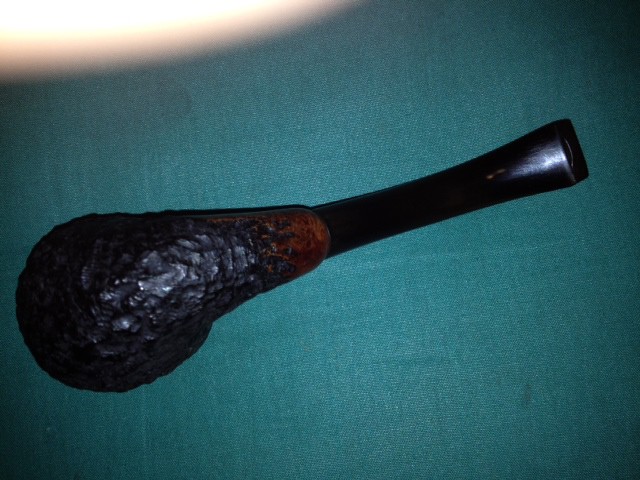
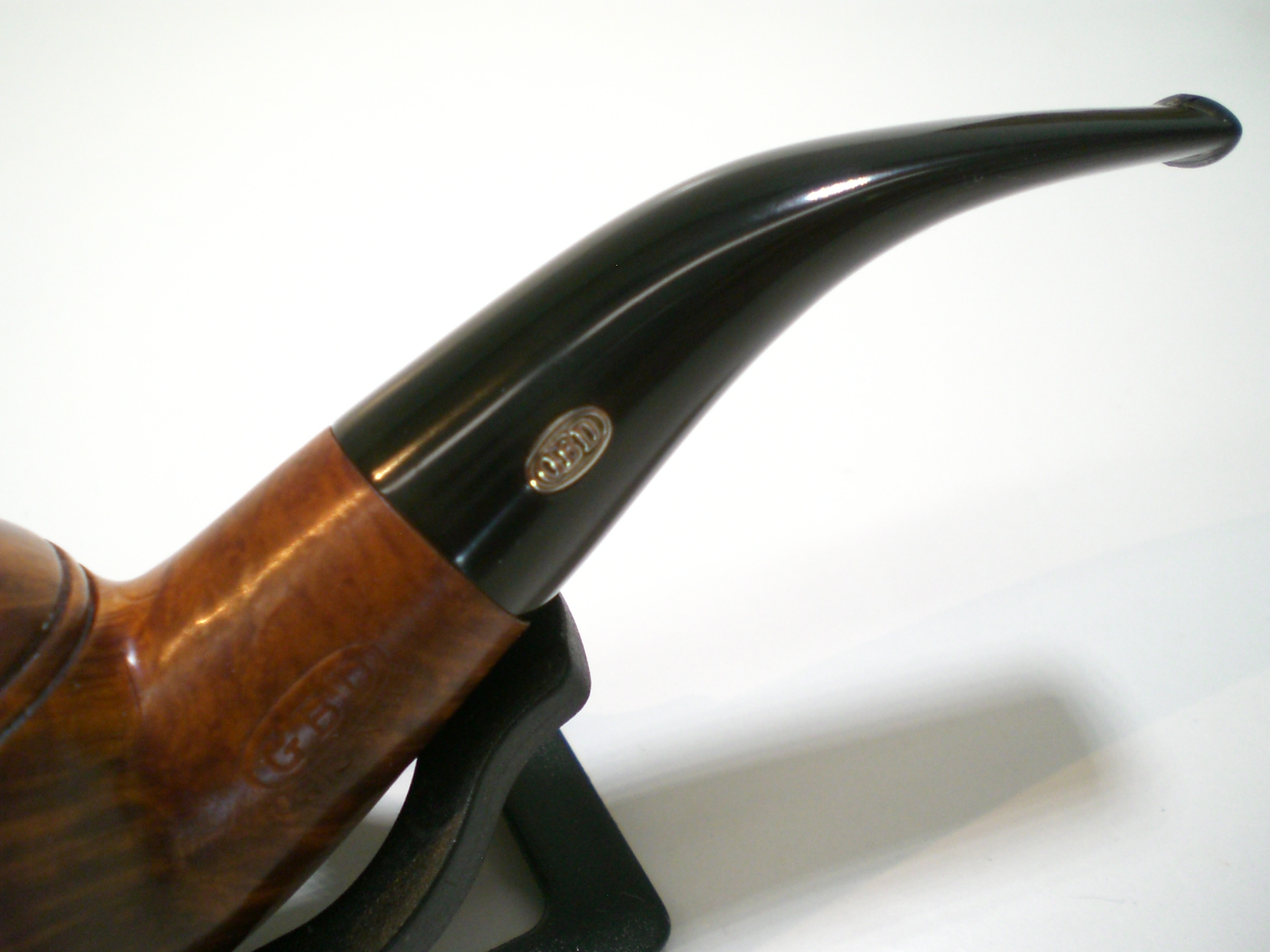
Giving New Life to a SINA Rhodesian


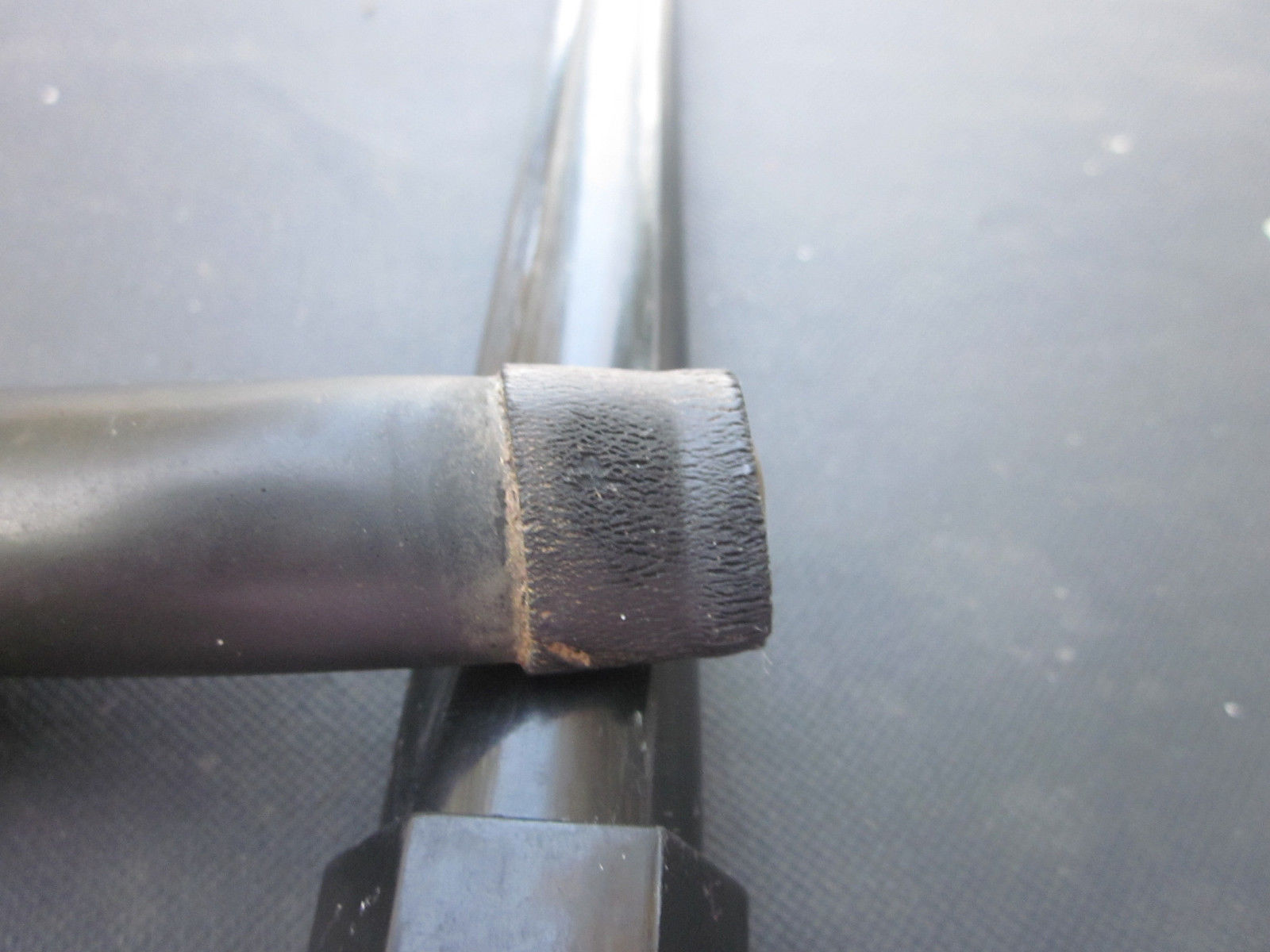
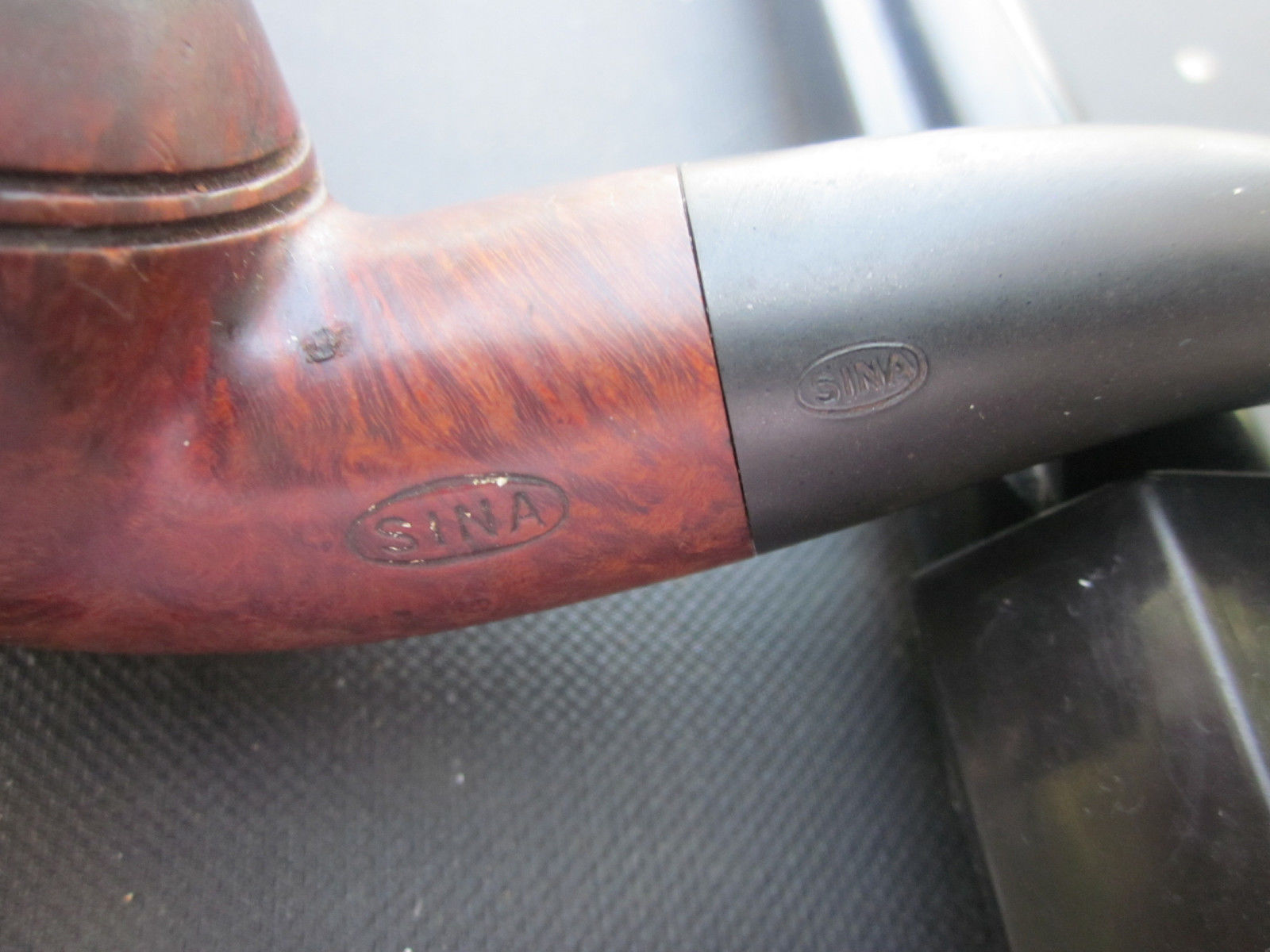
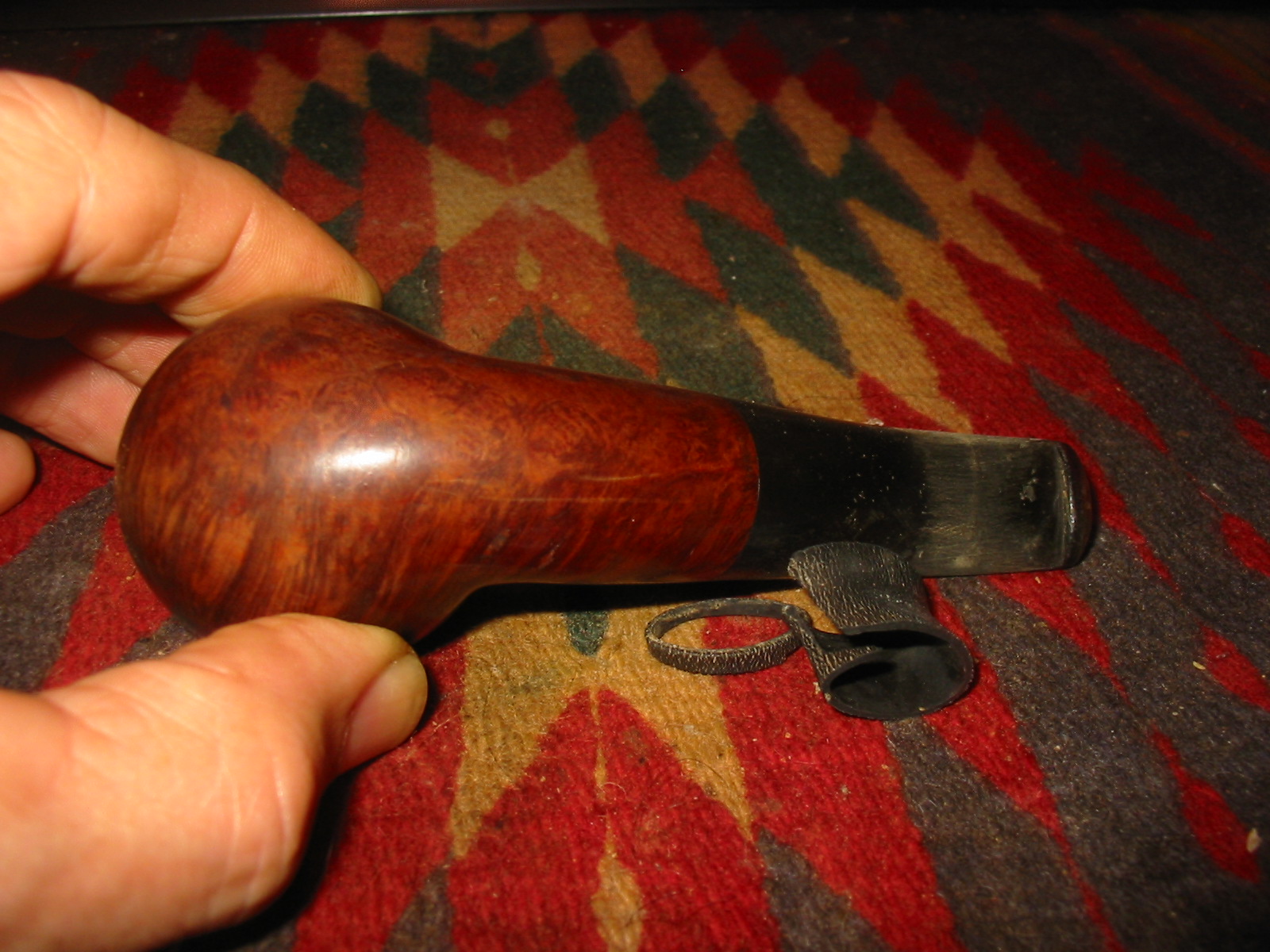
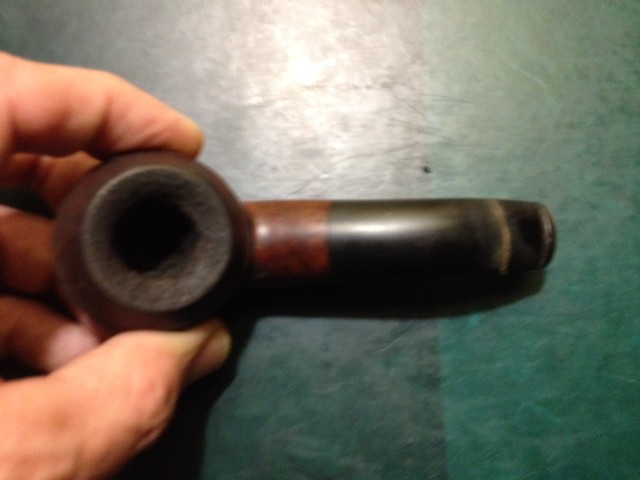
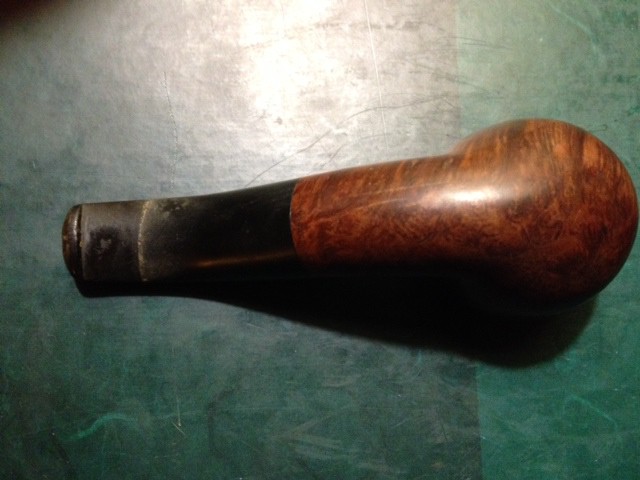
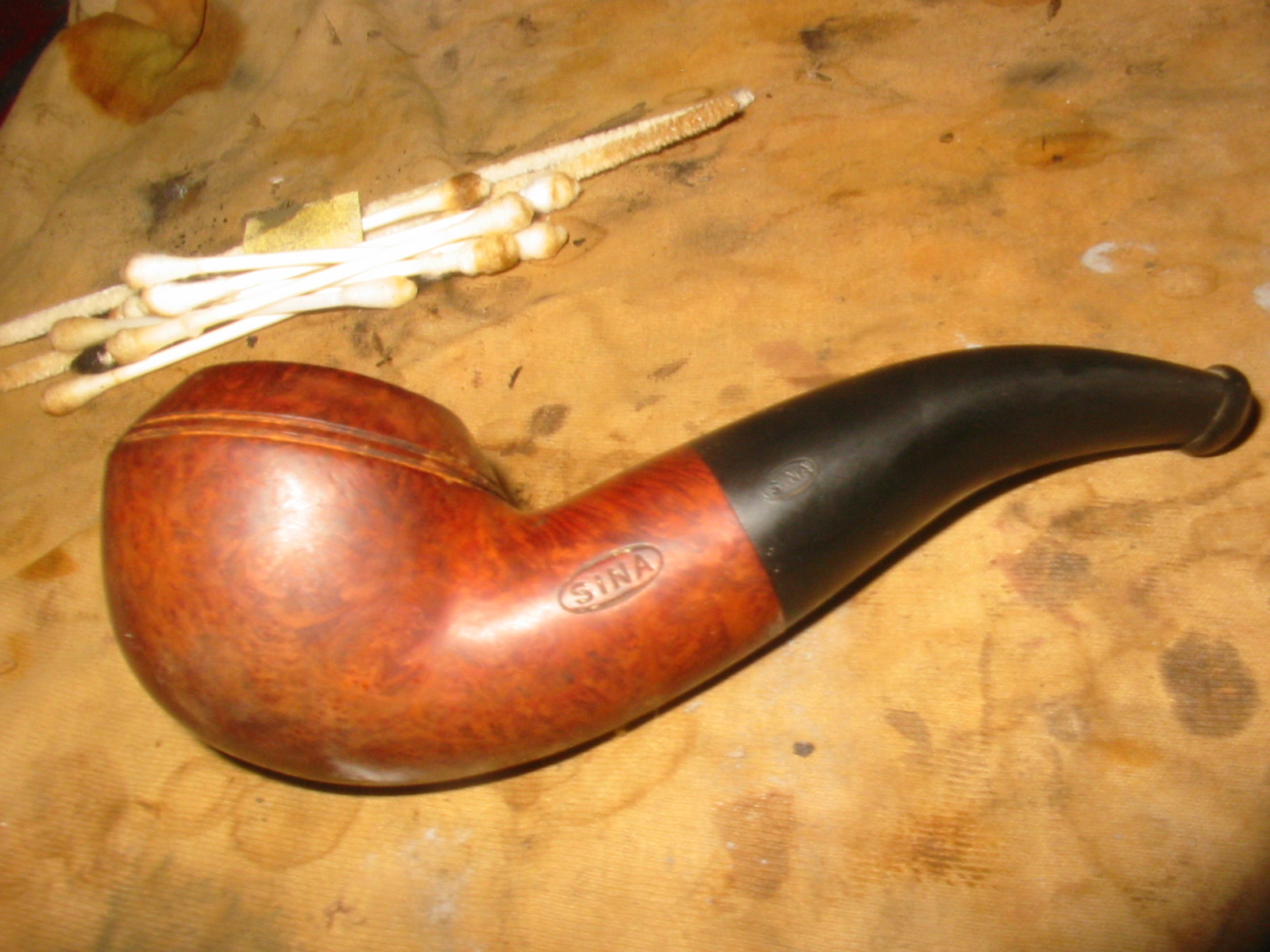
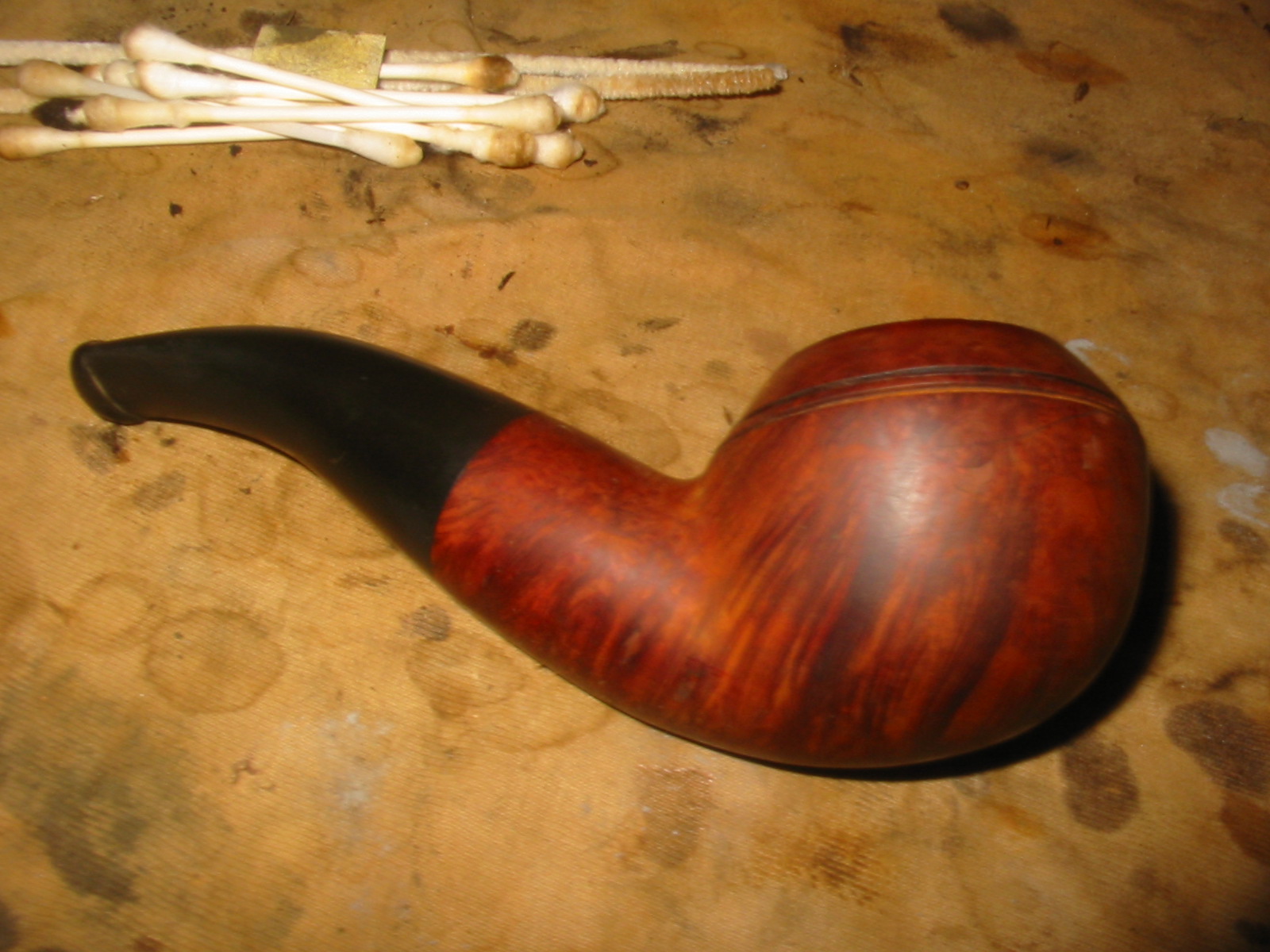
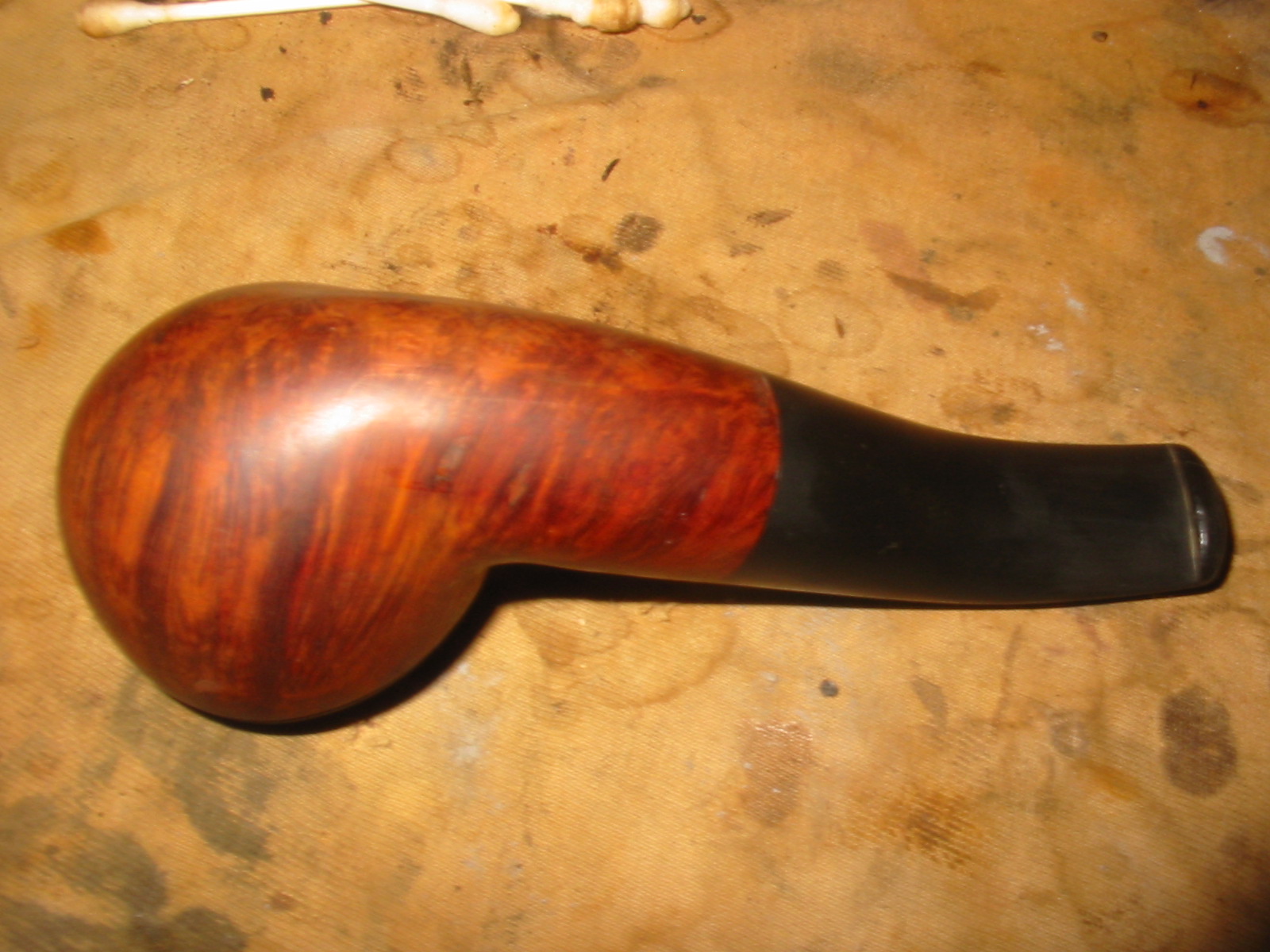
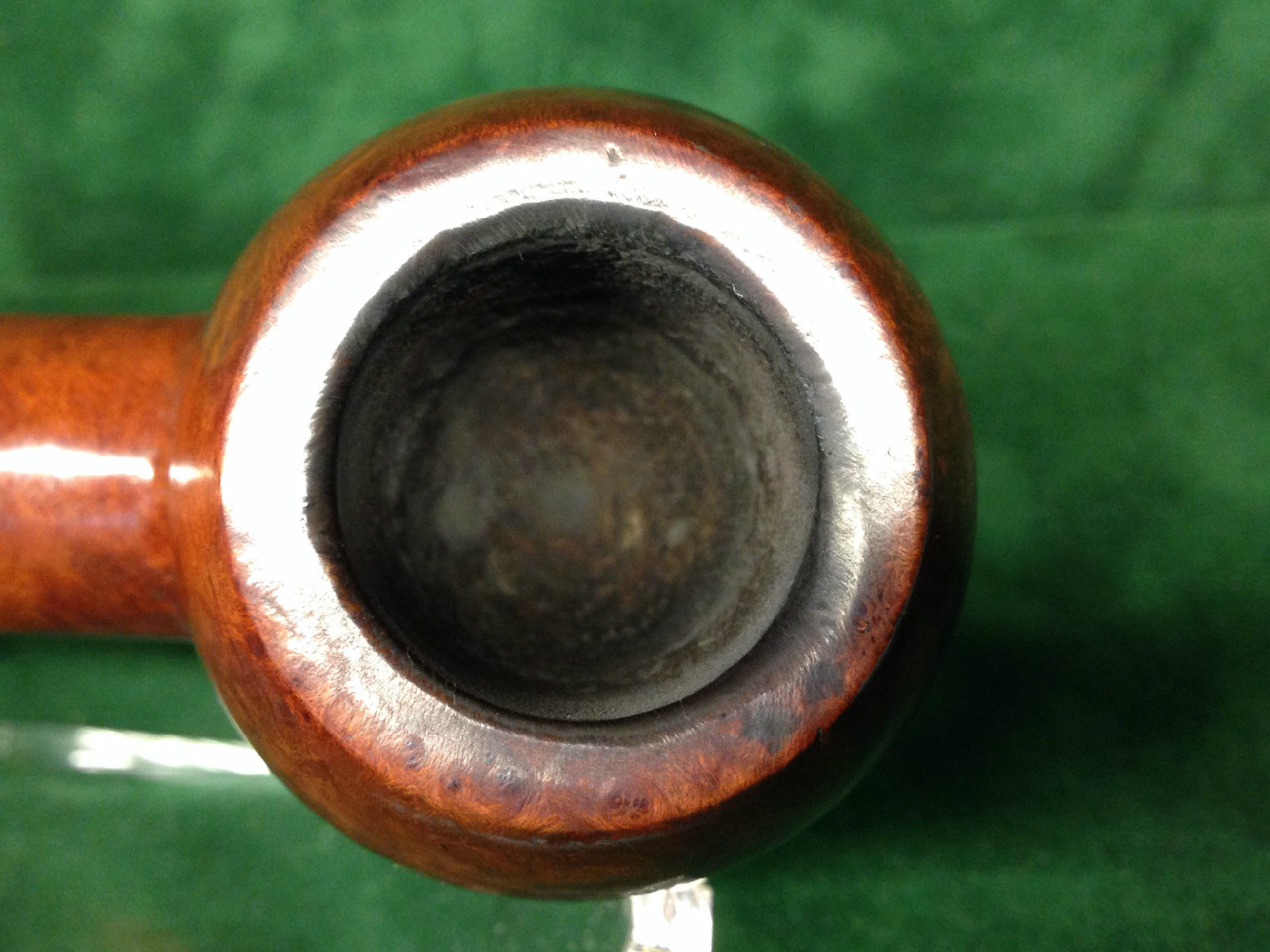
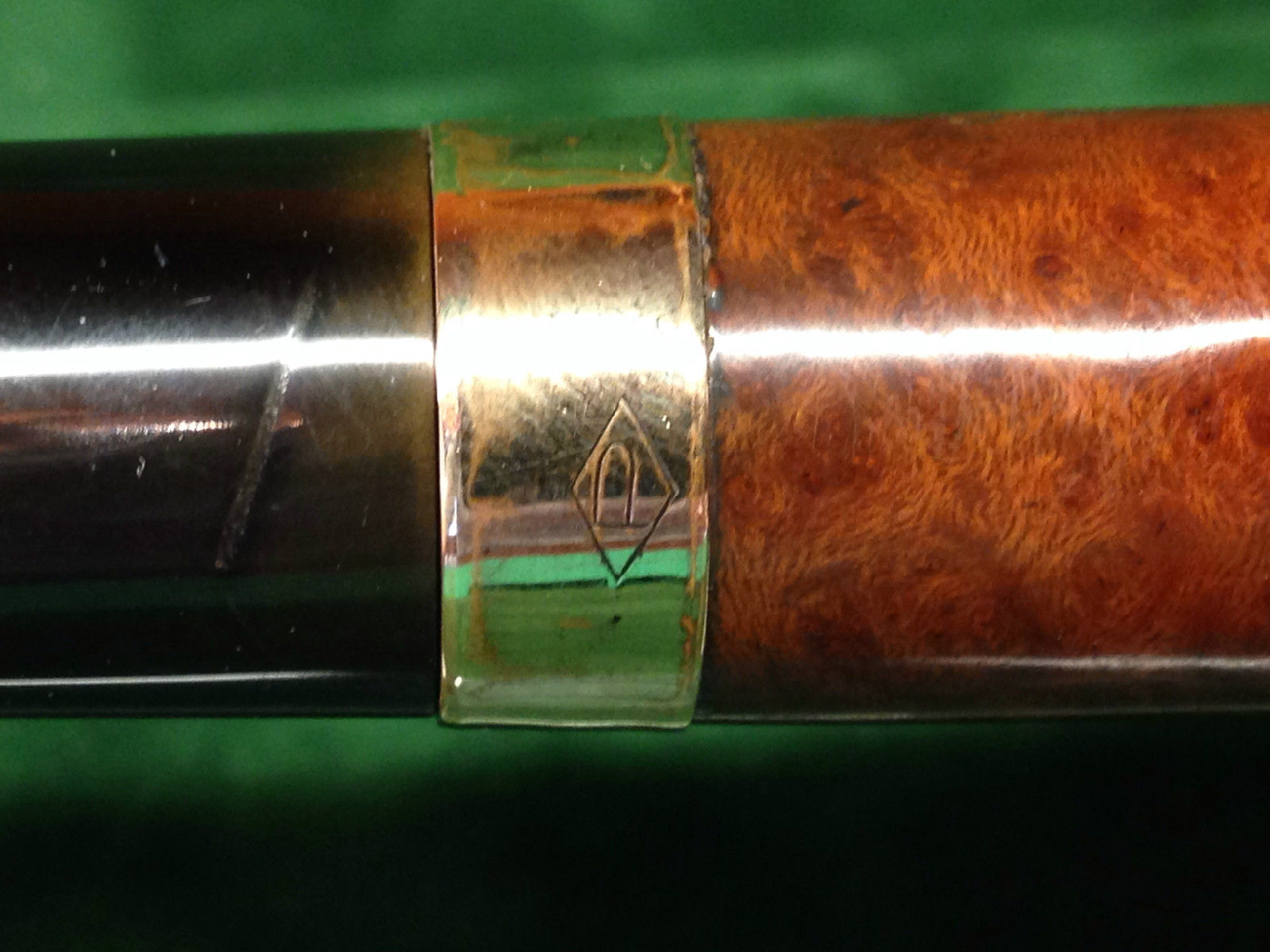
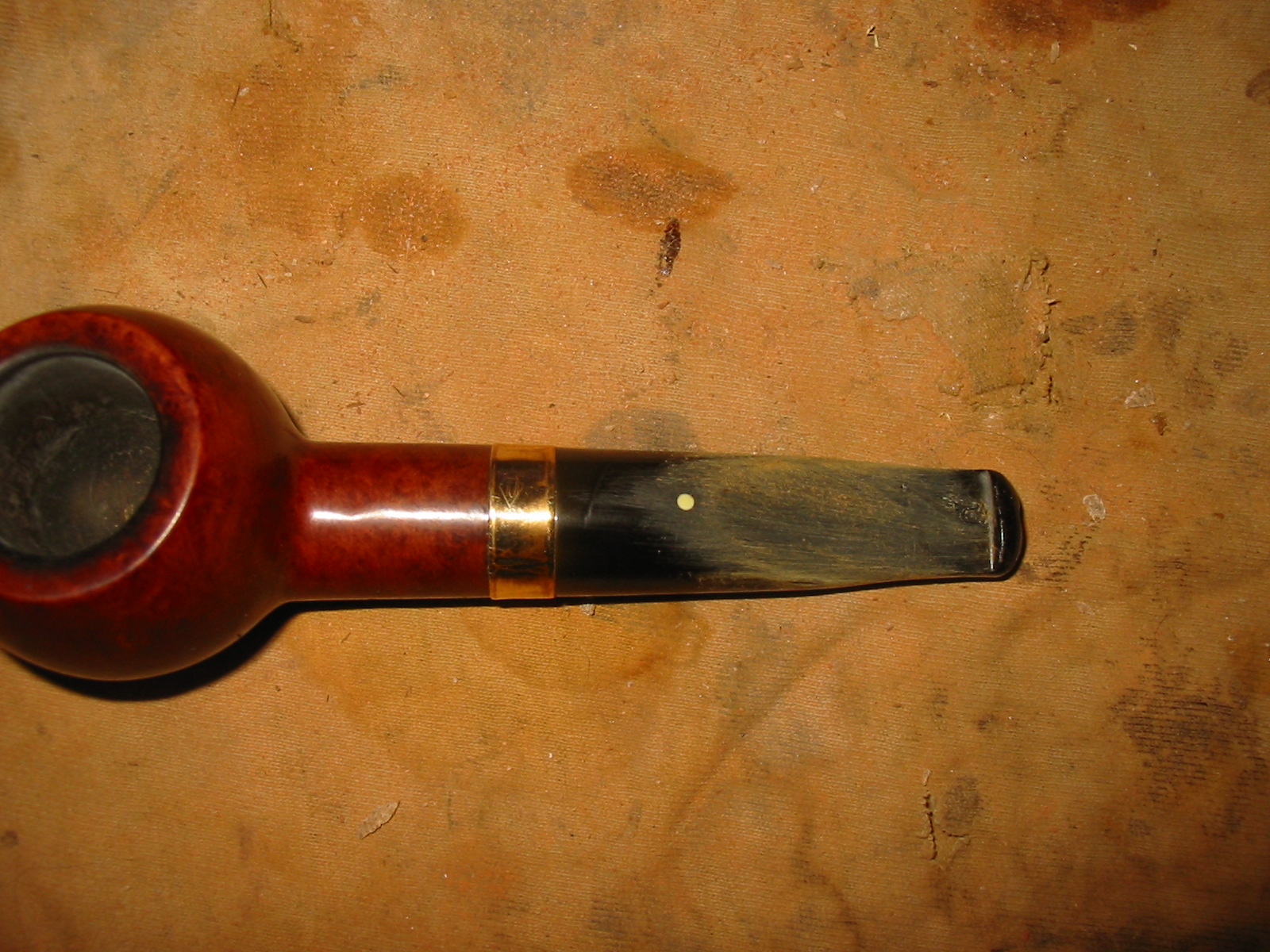
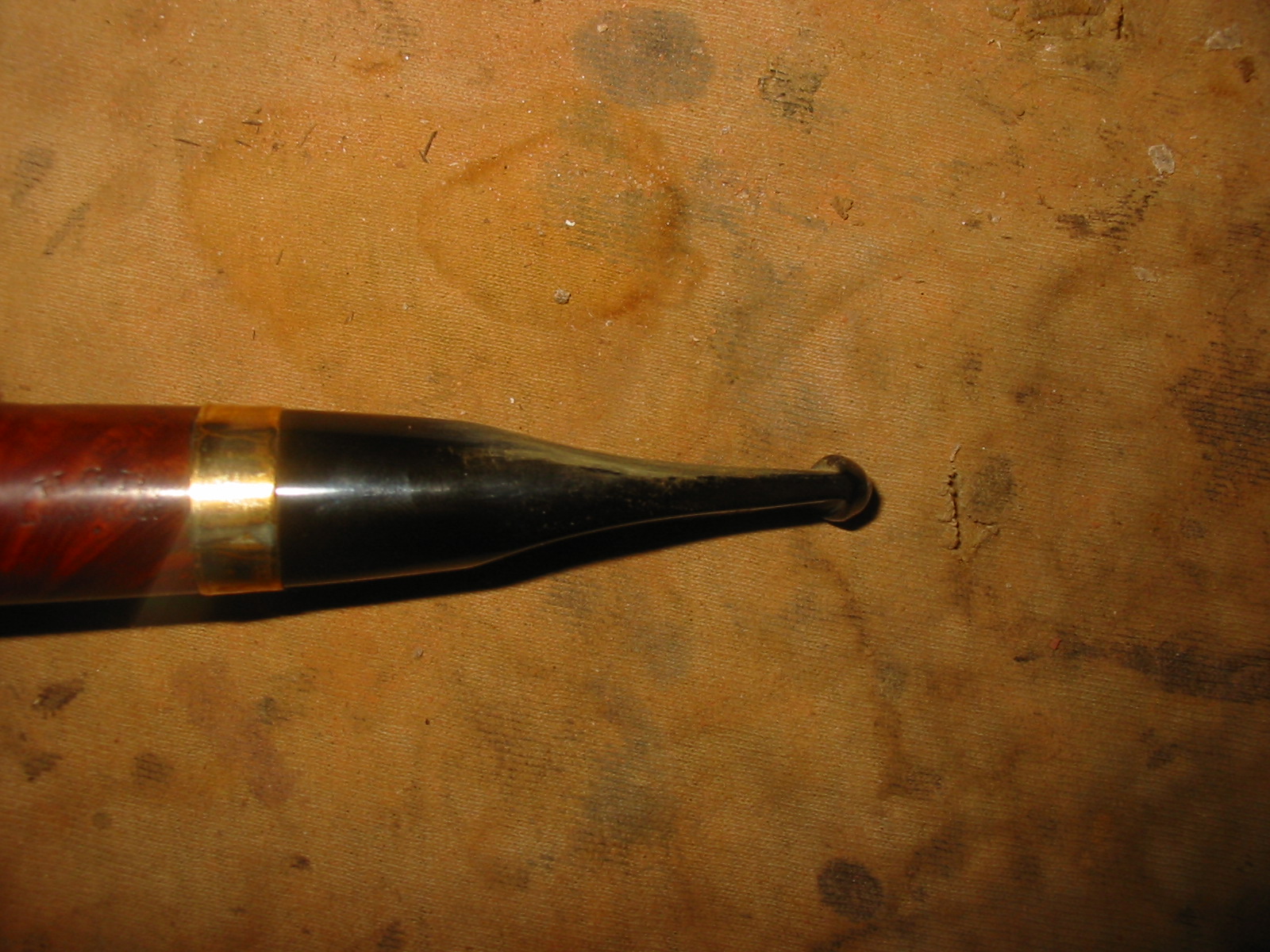
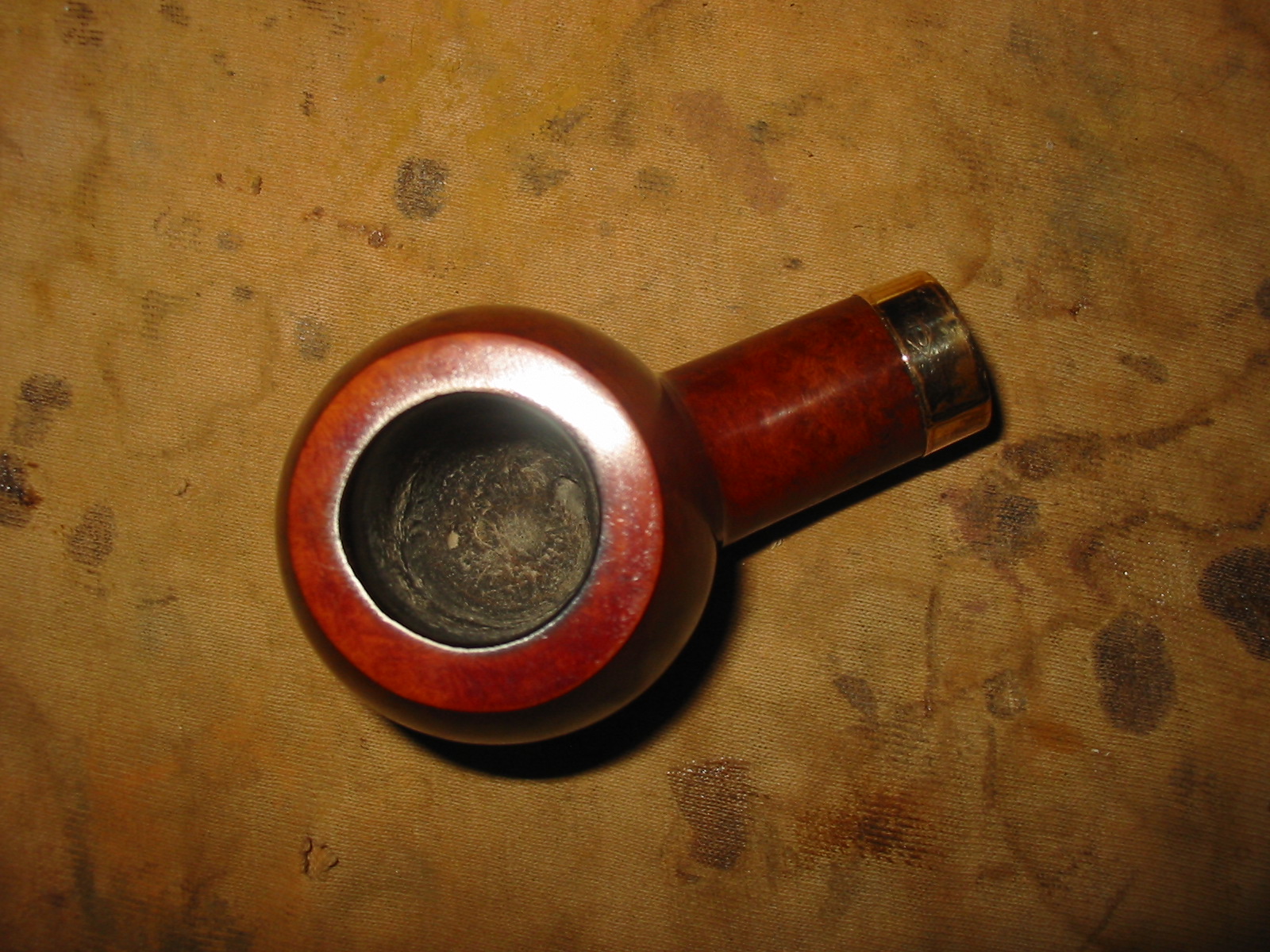
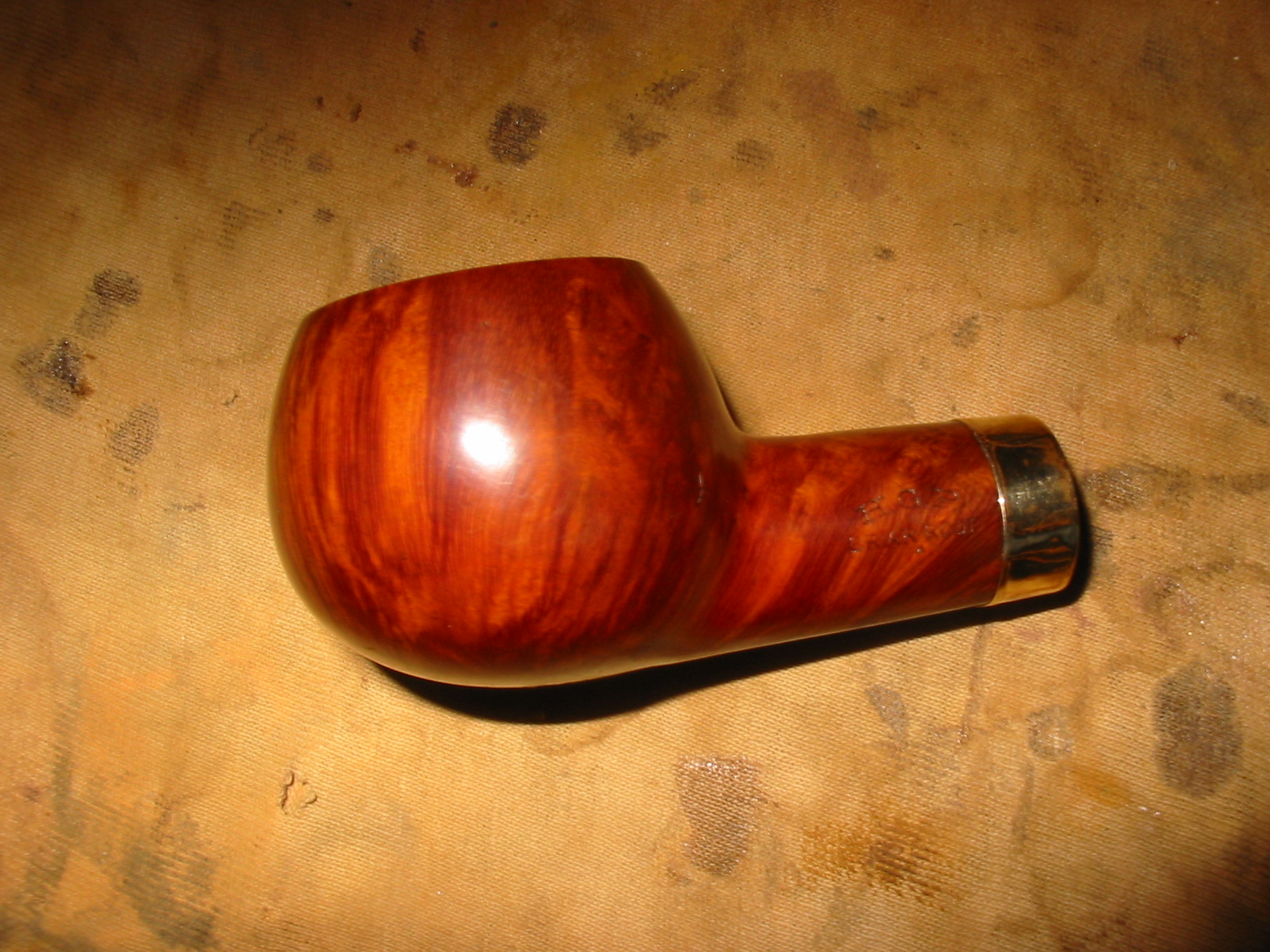
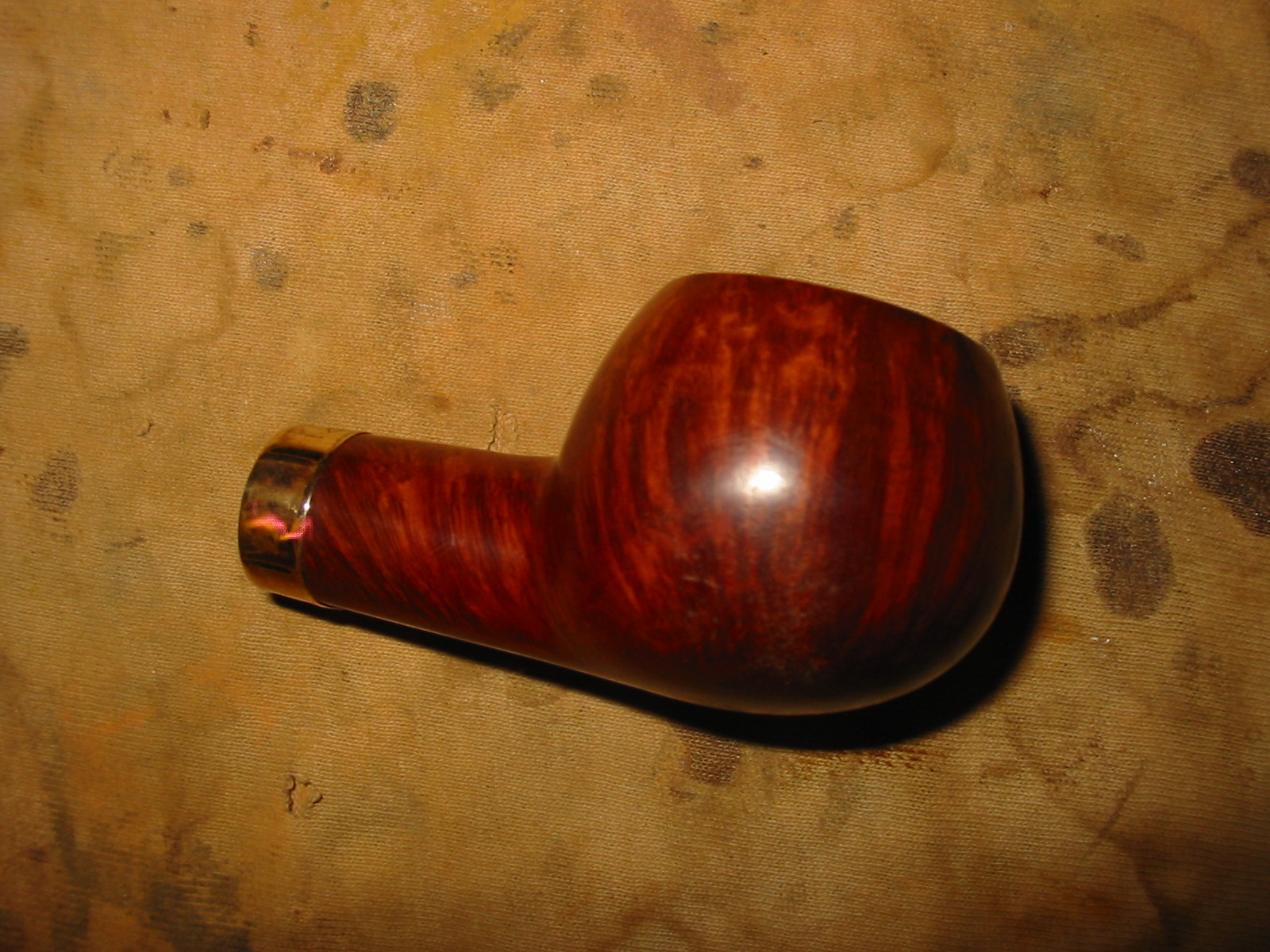
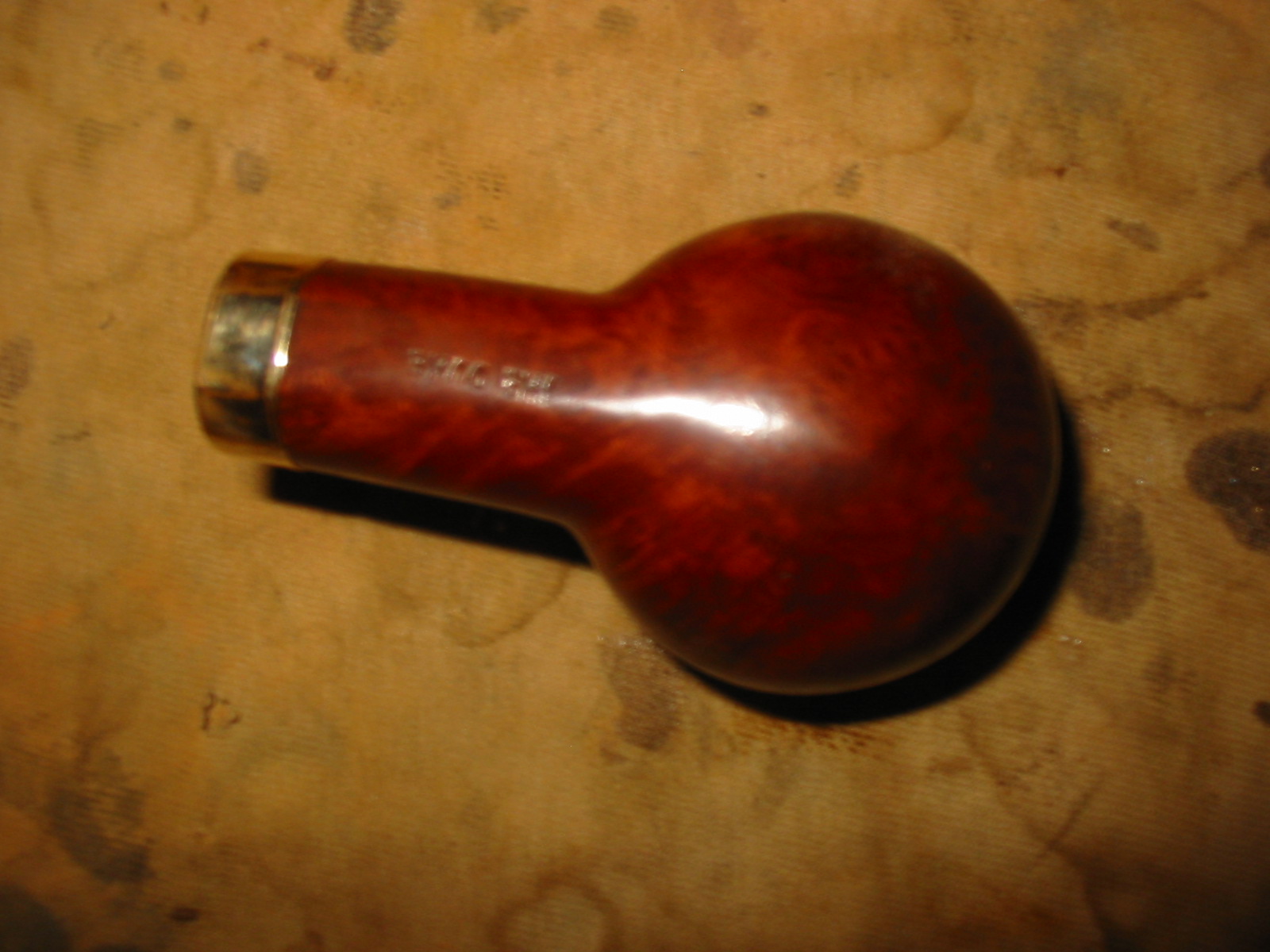
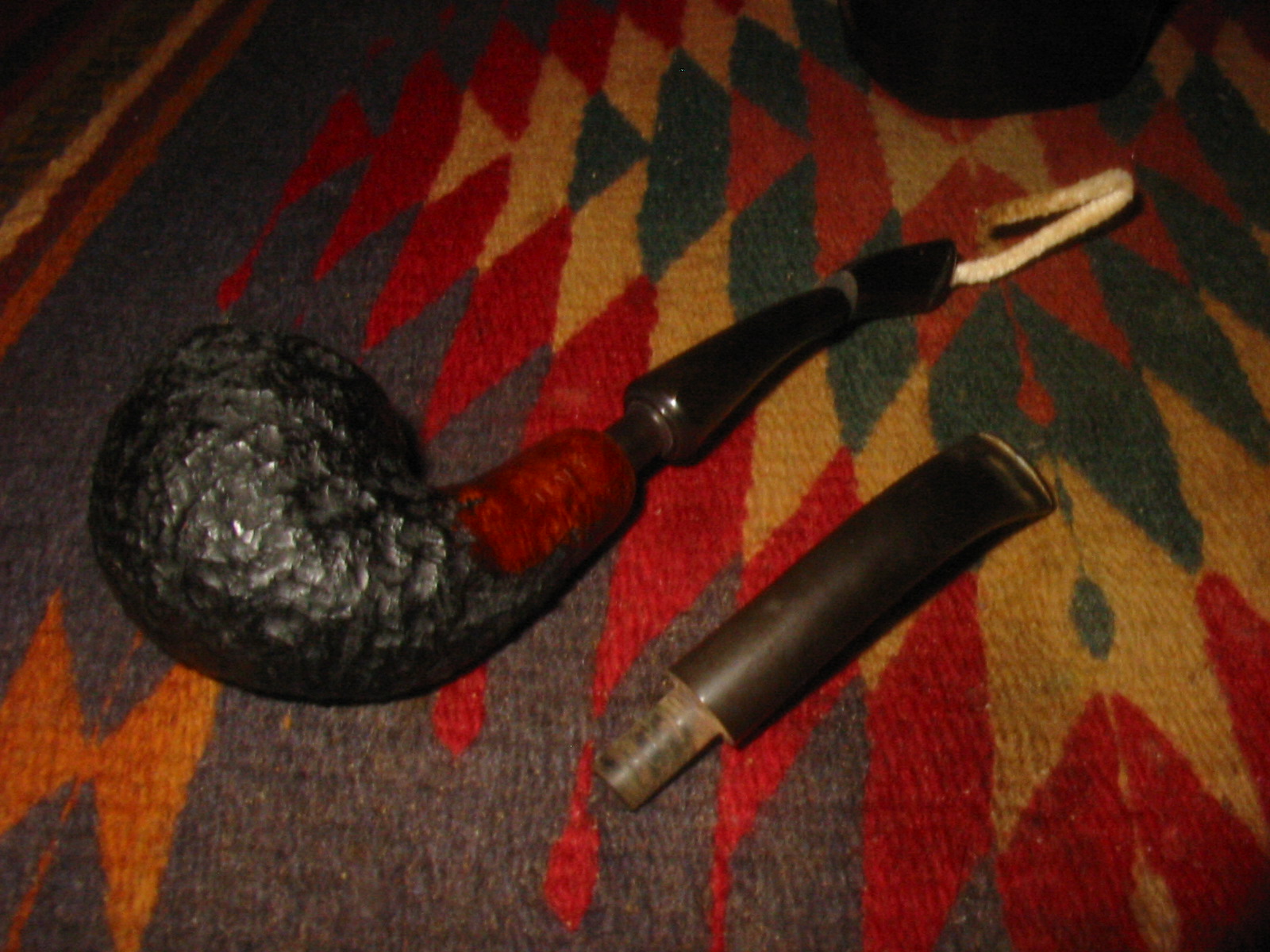
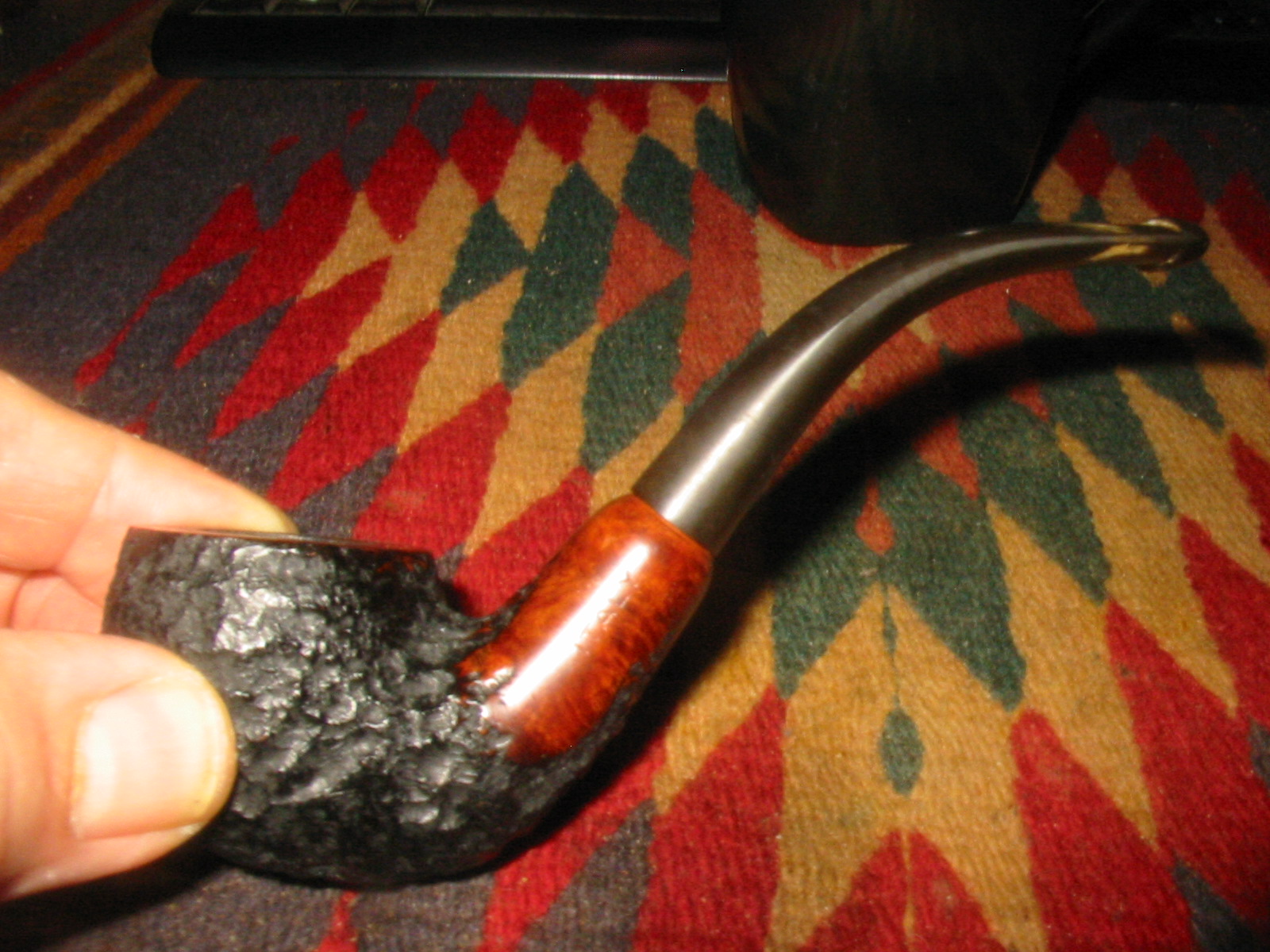
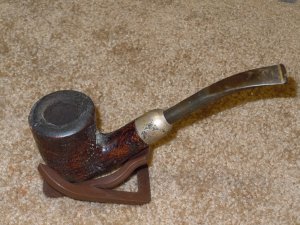
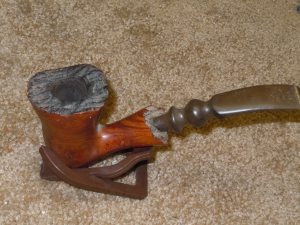
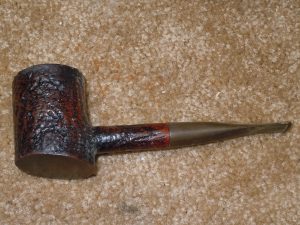
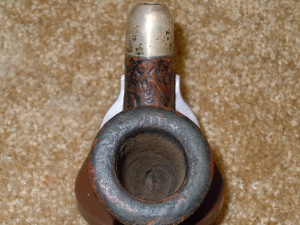
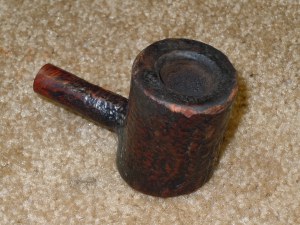
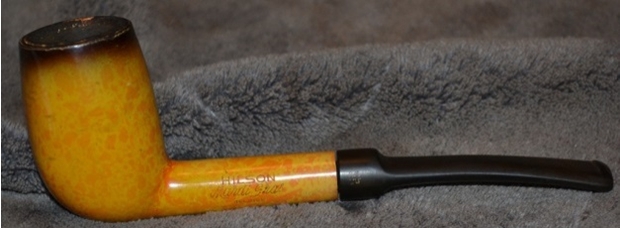
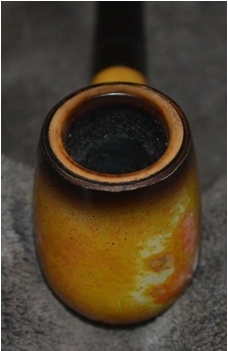
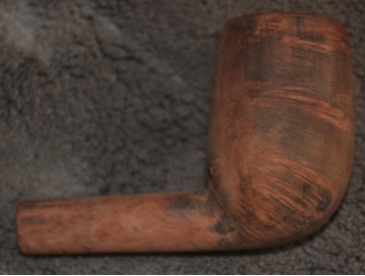
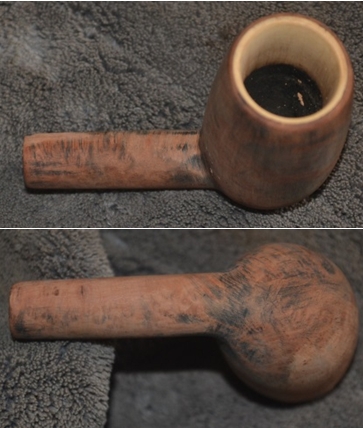
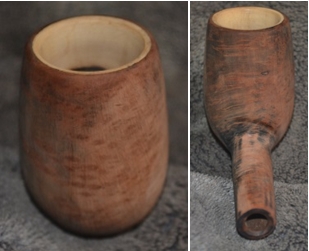
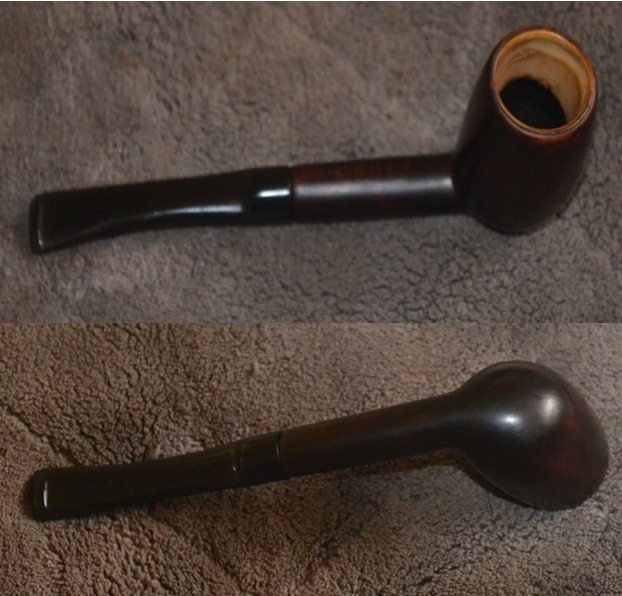
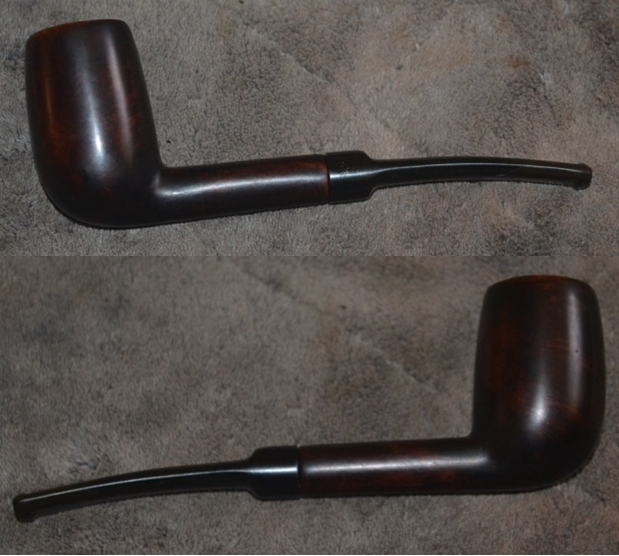
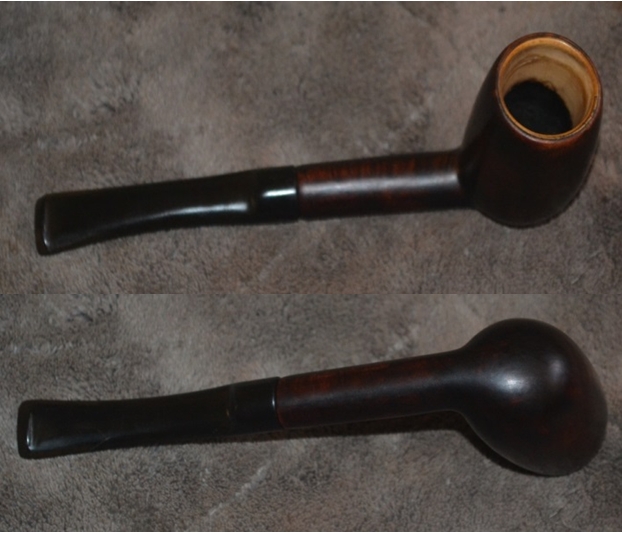
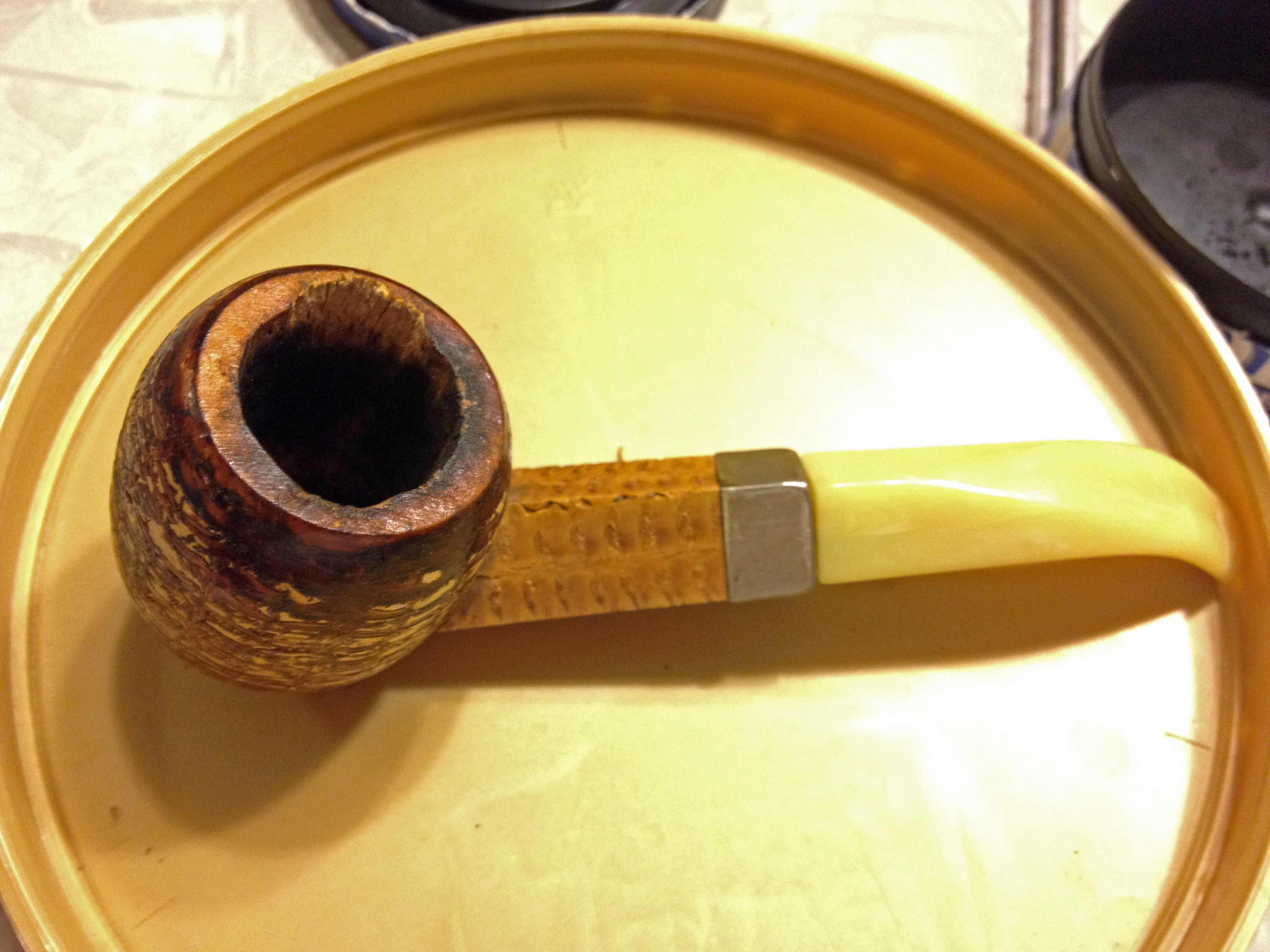
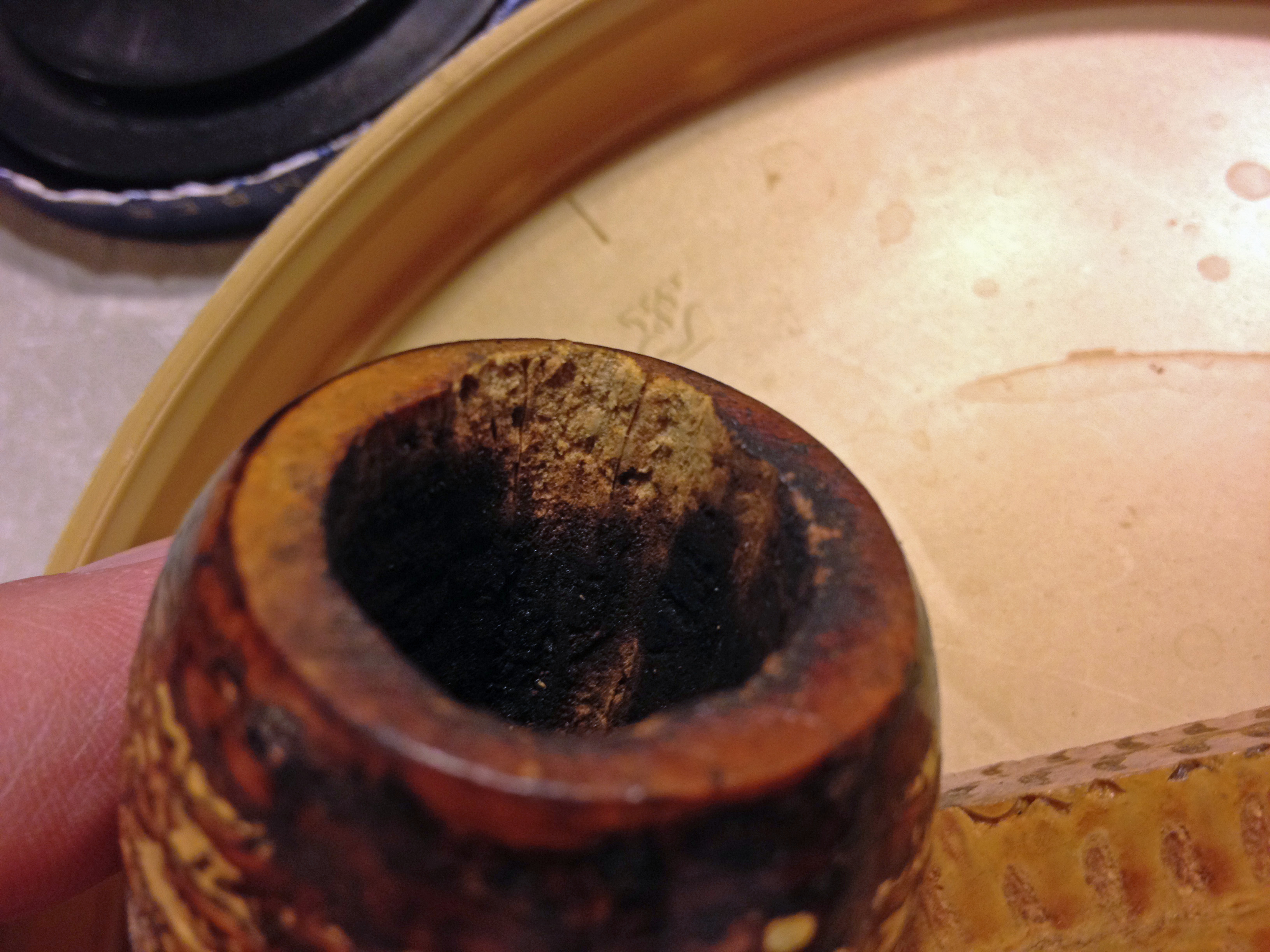
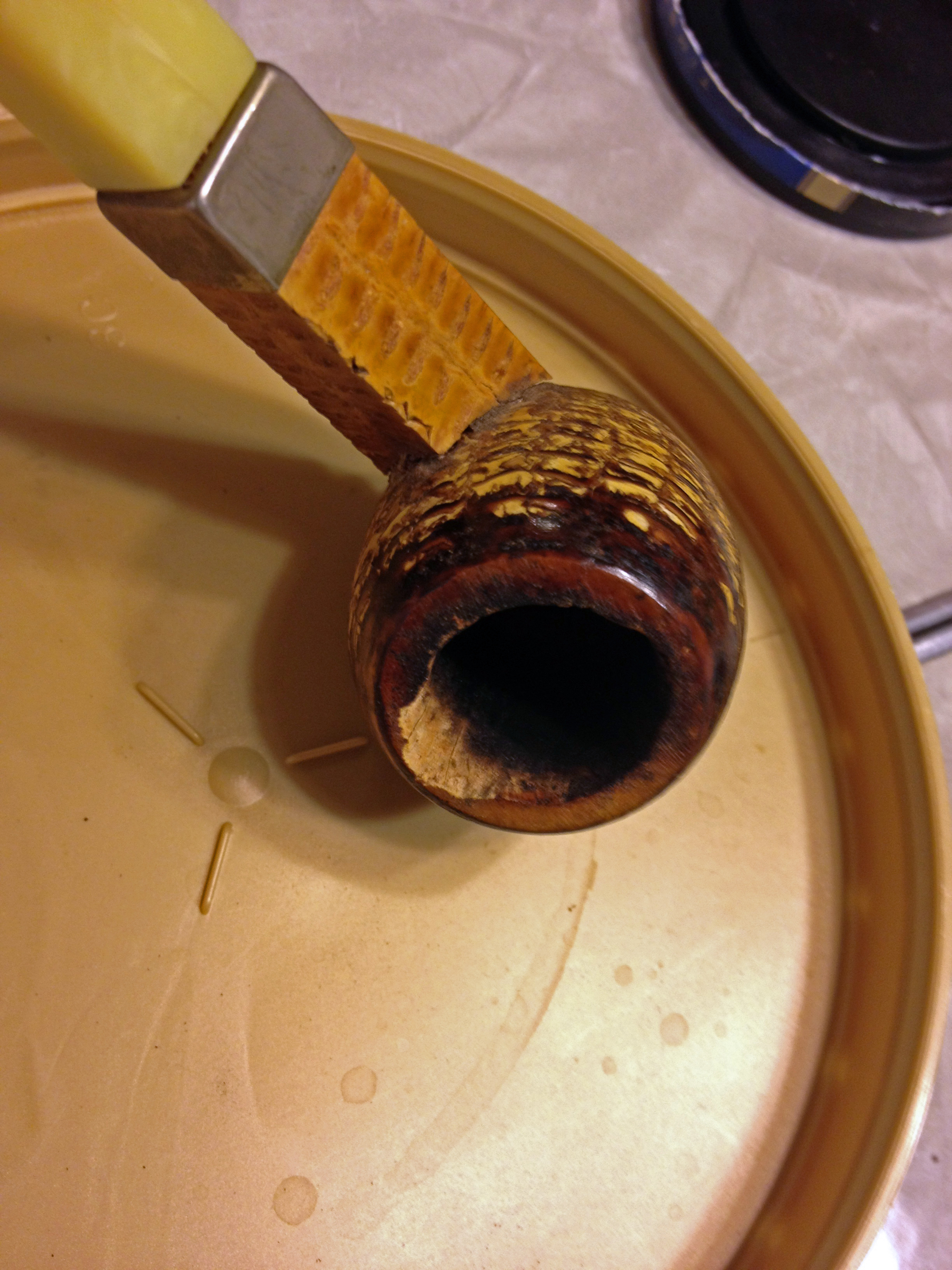
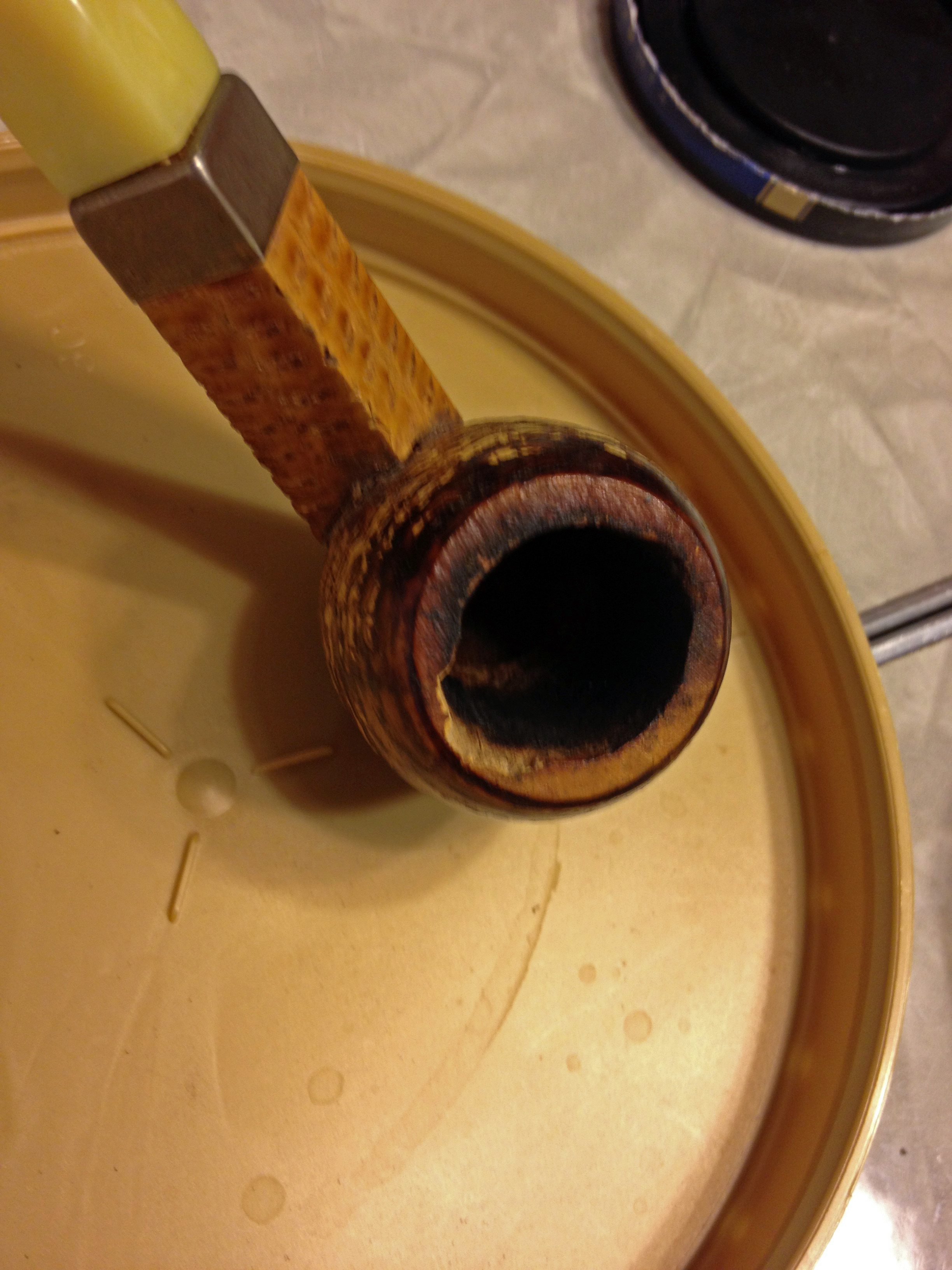
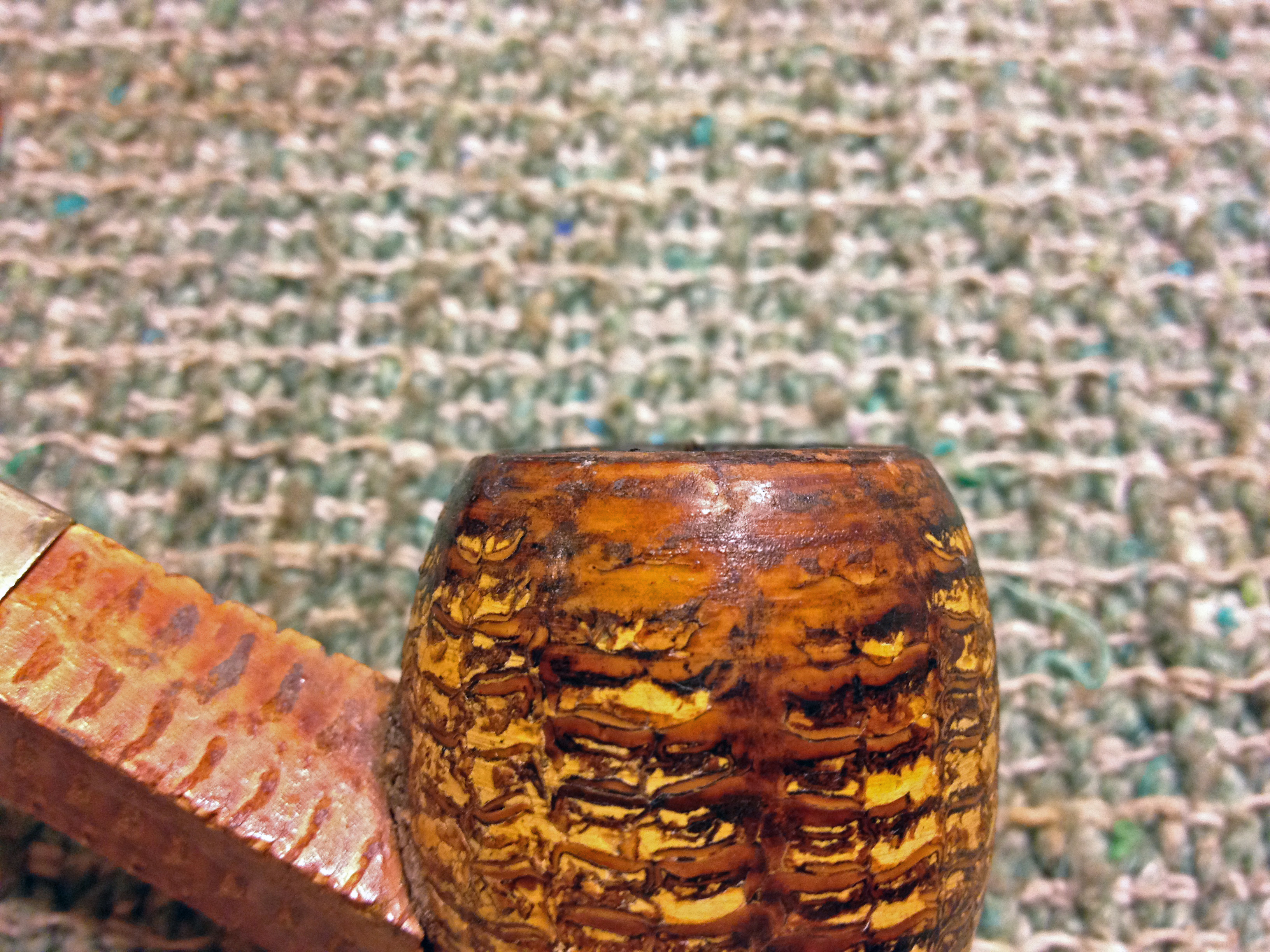
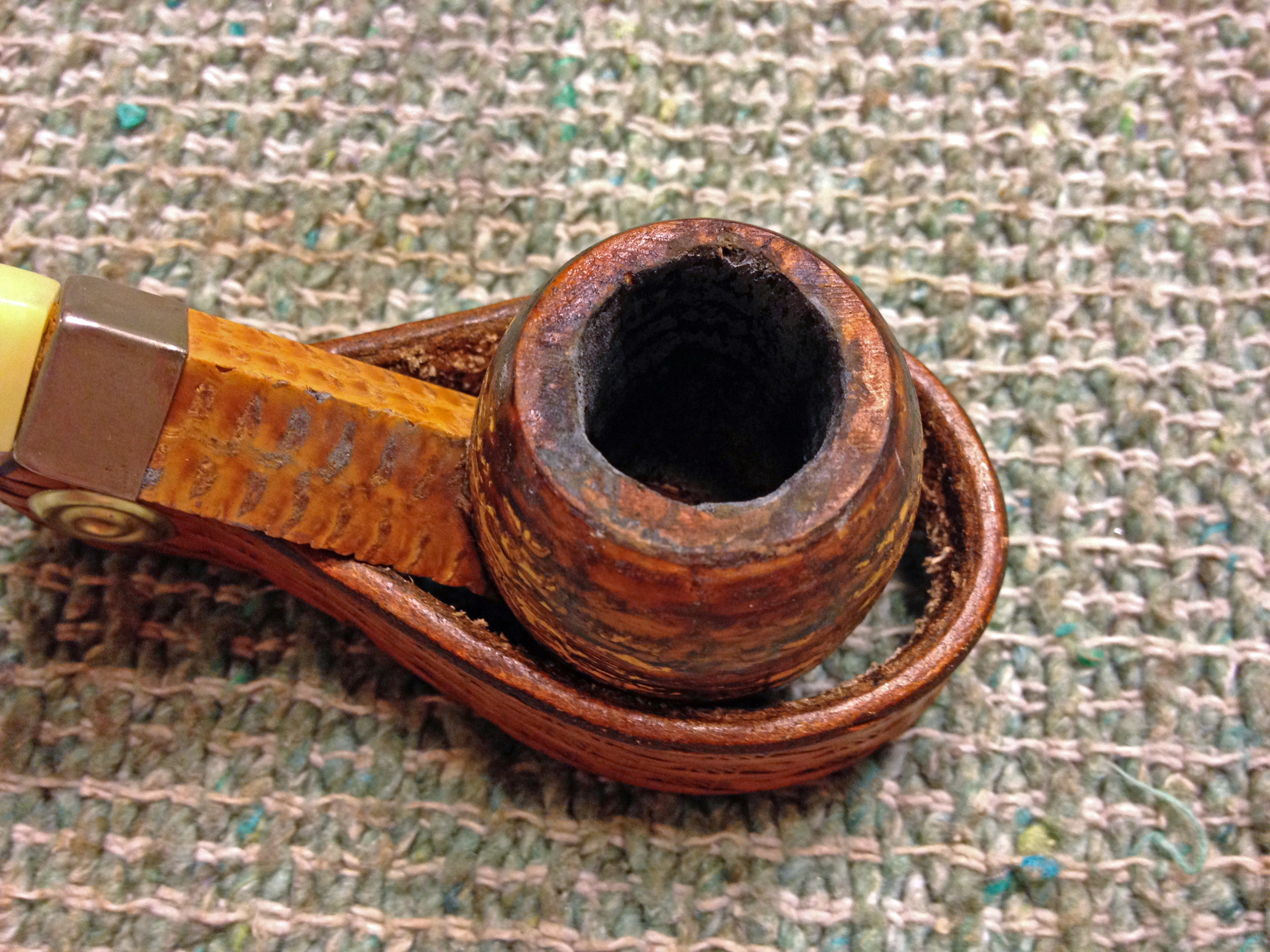
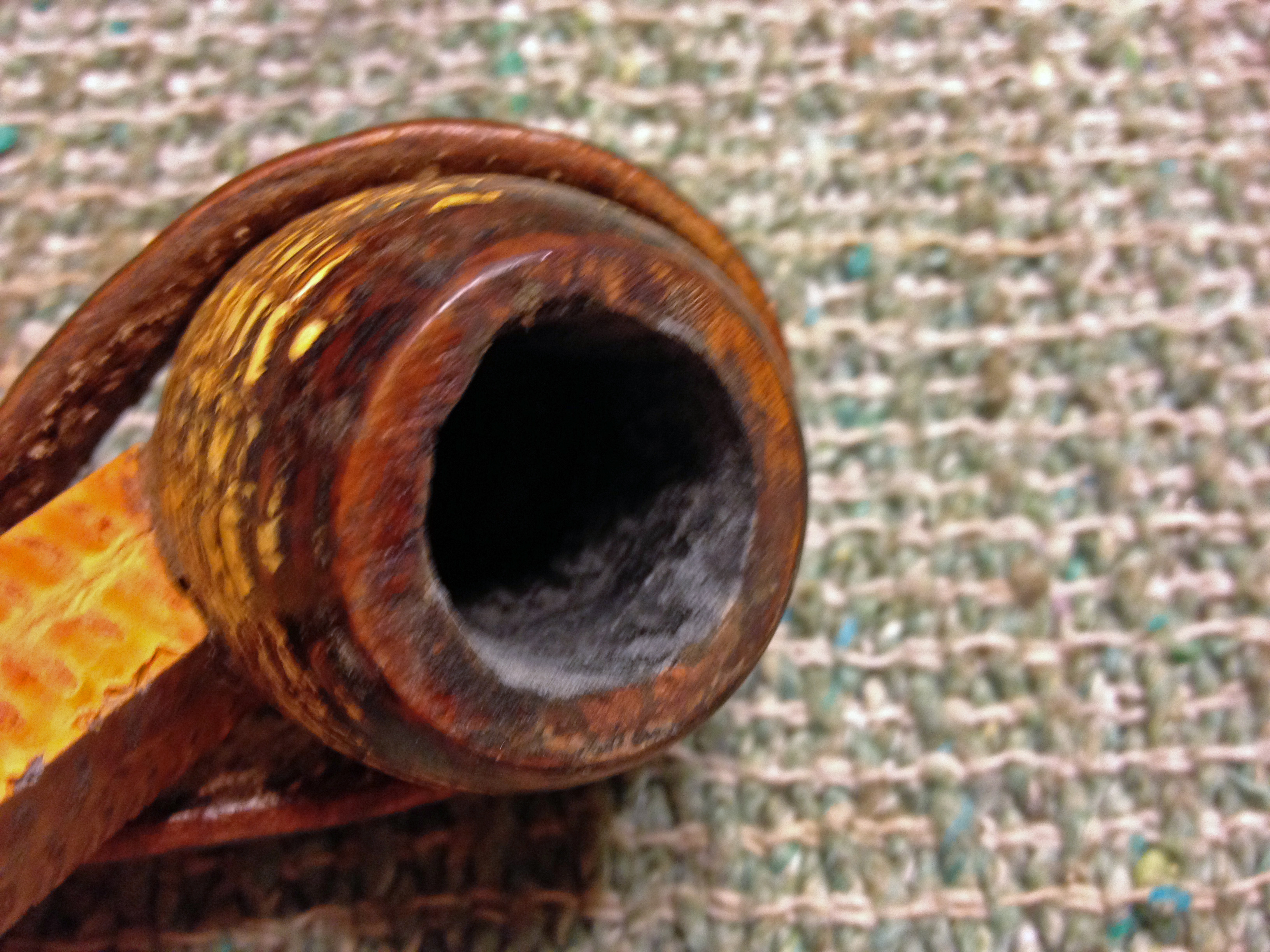
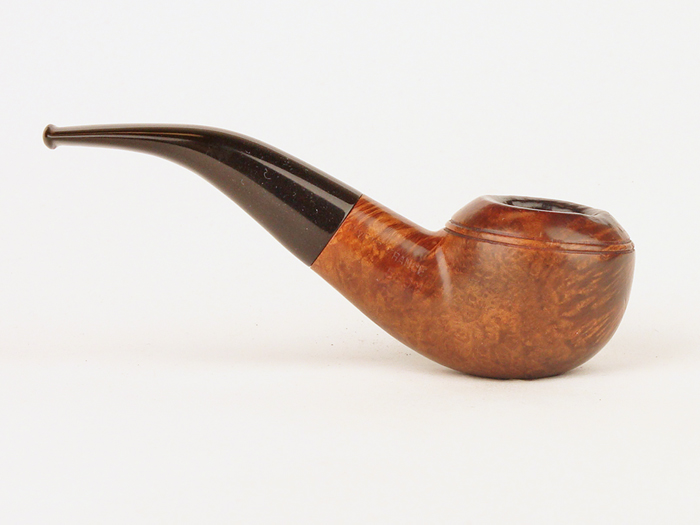
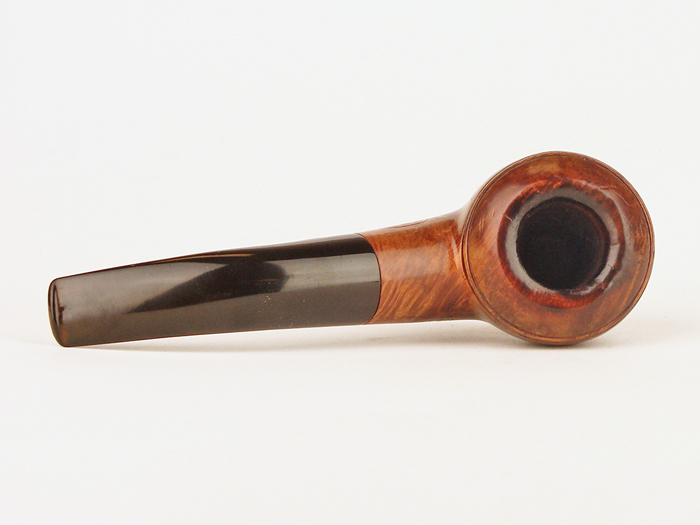
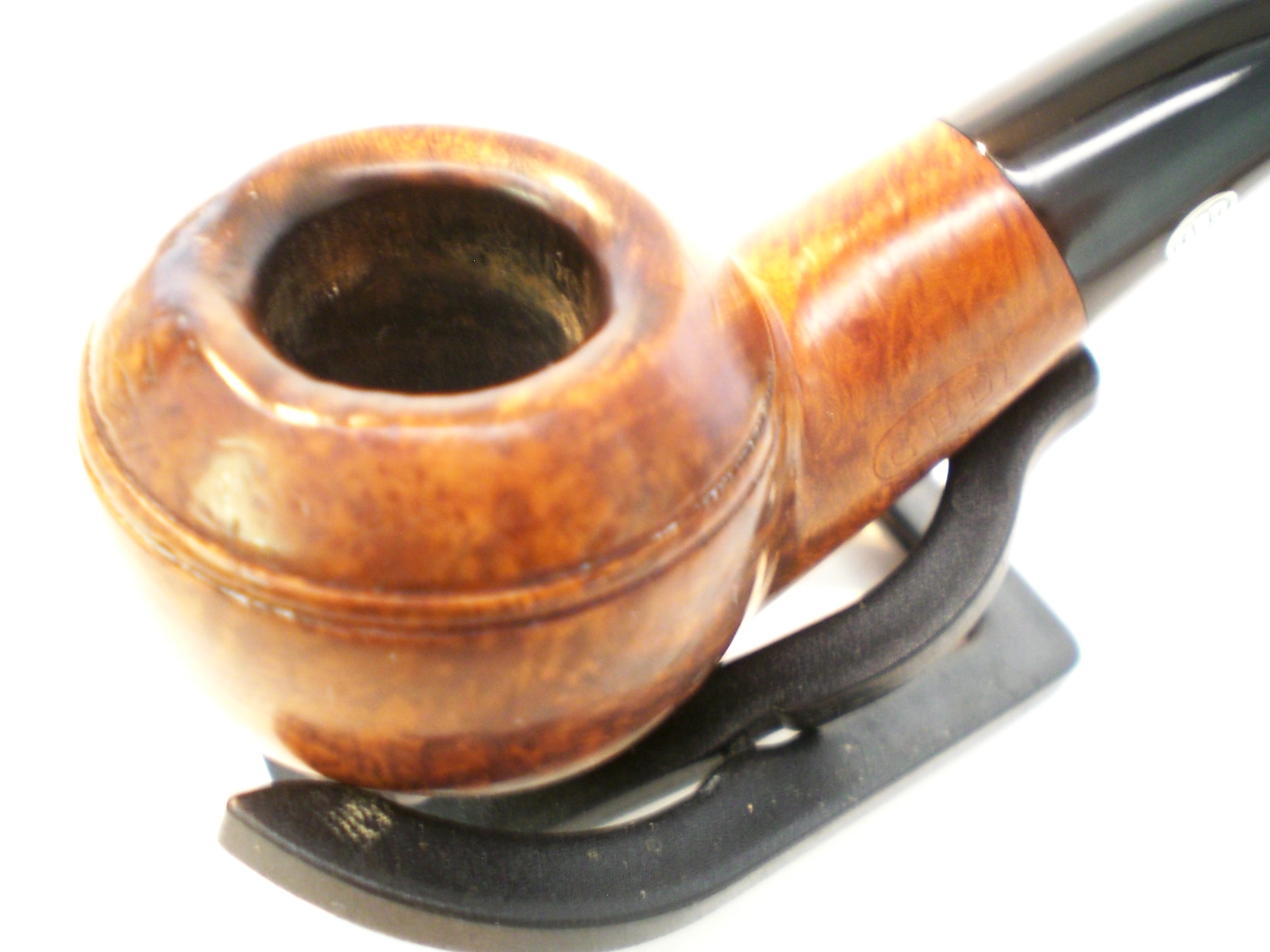
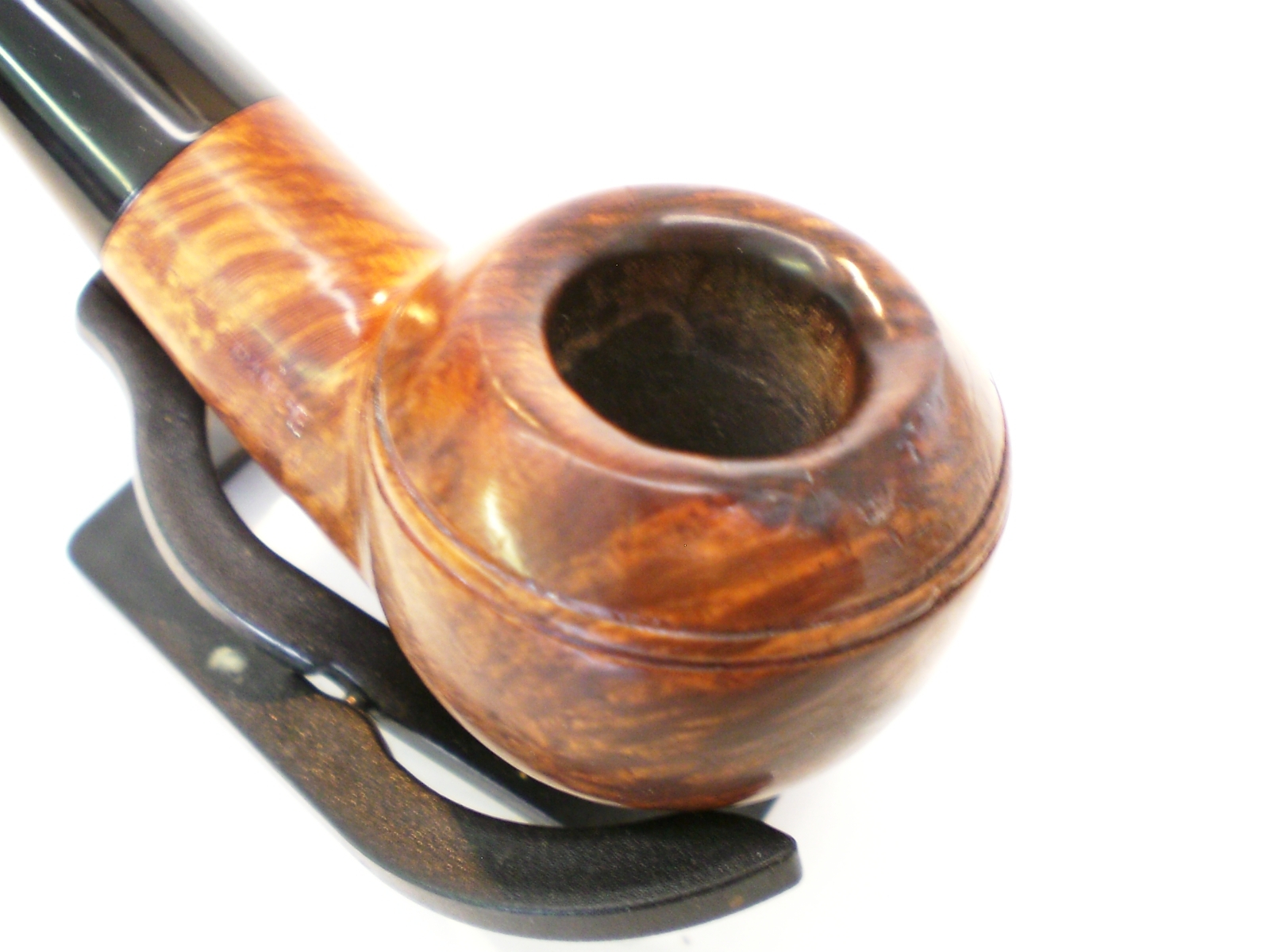
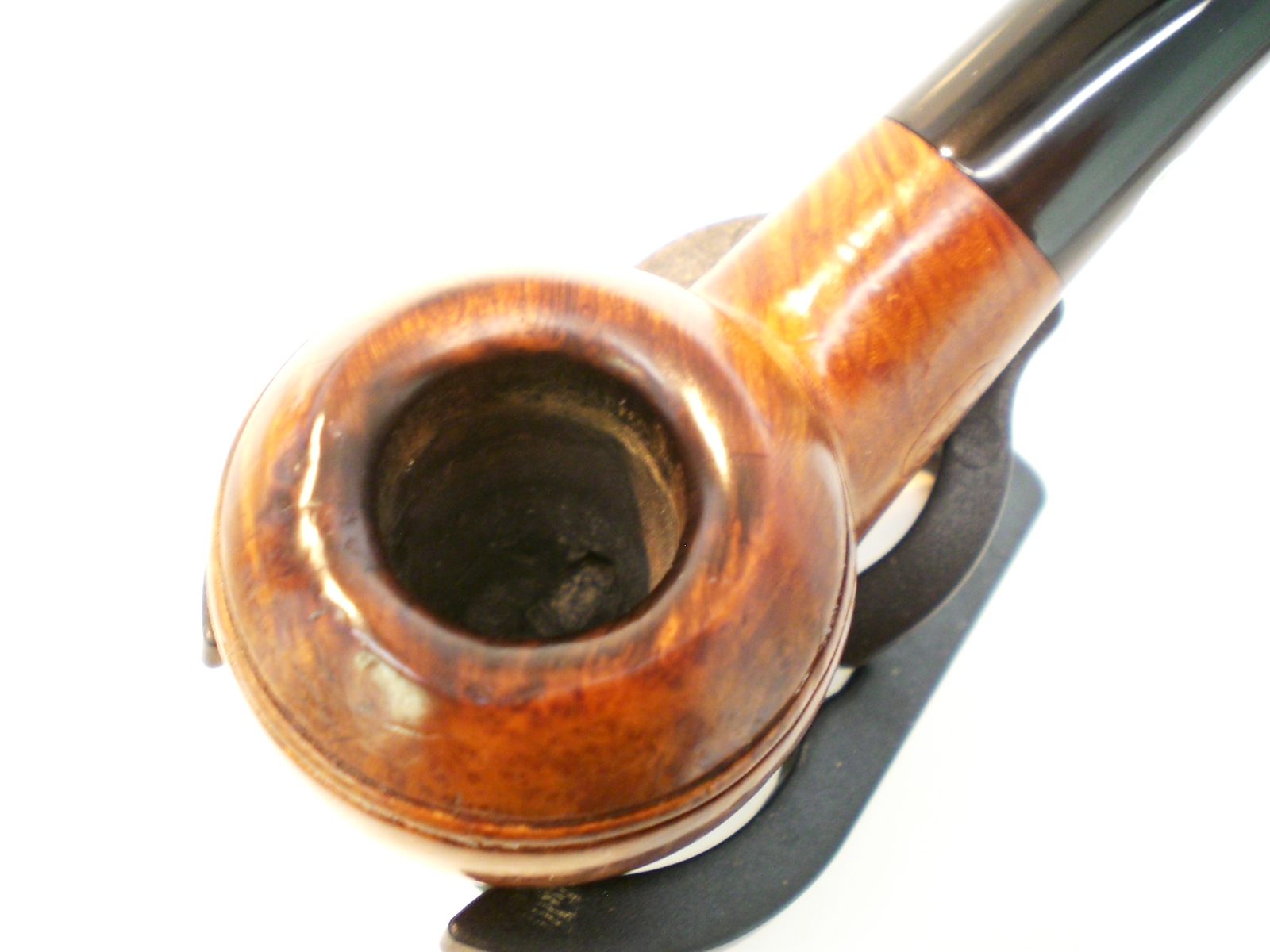
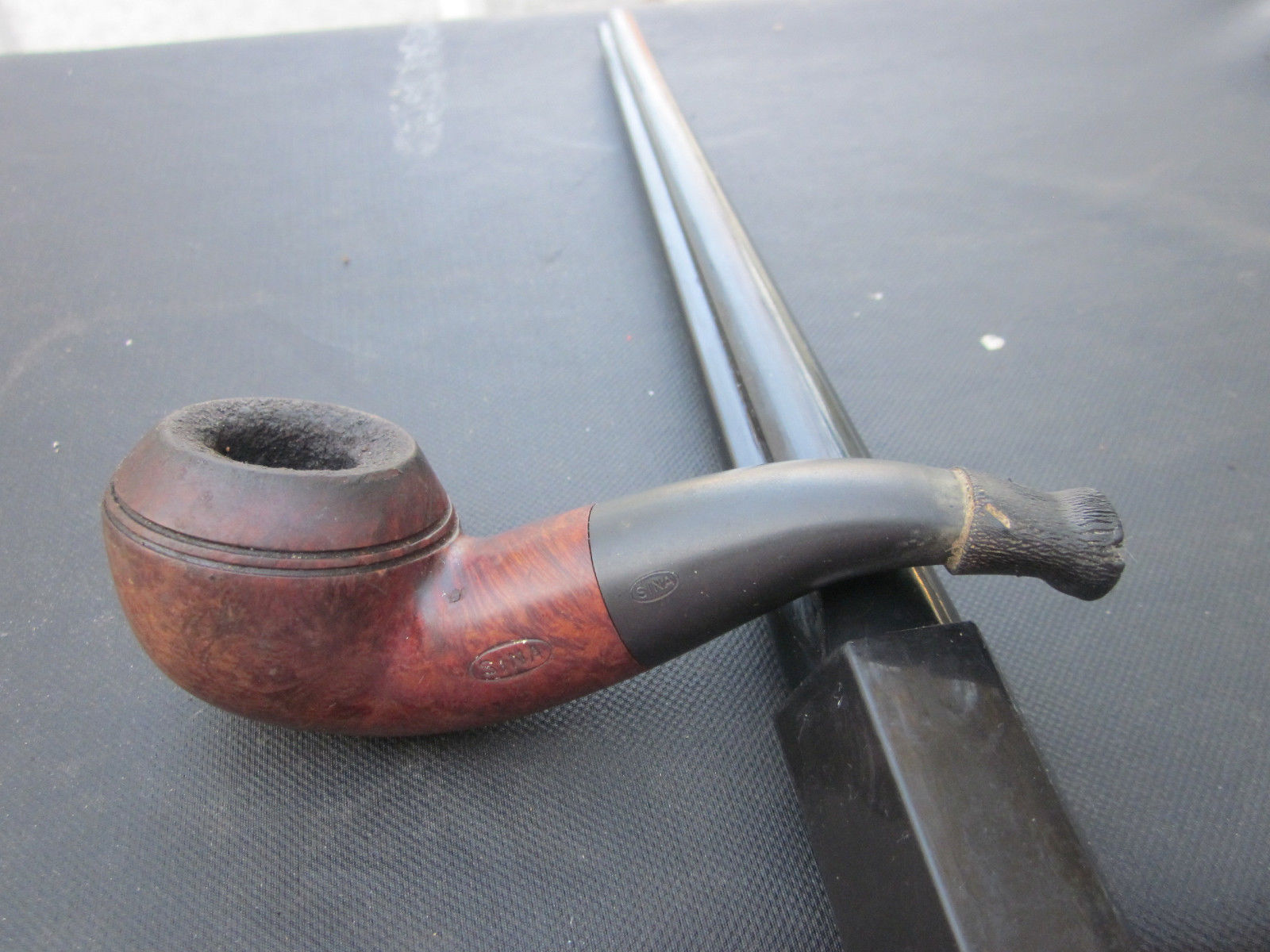
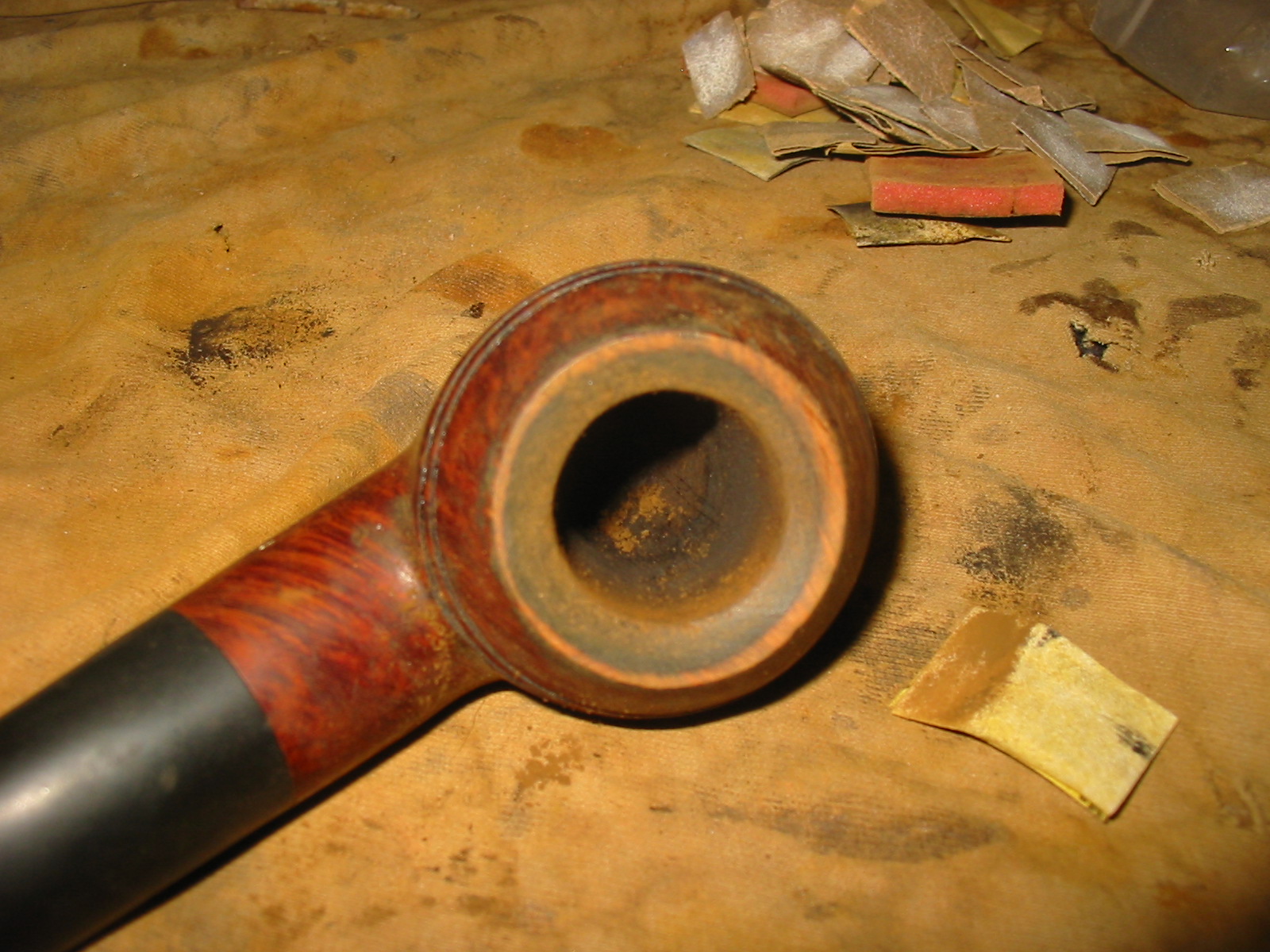
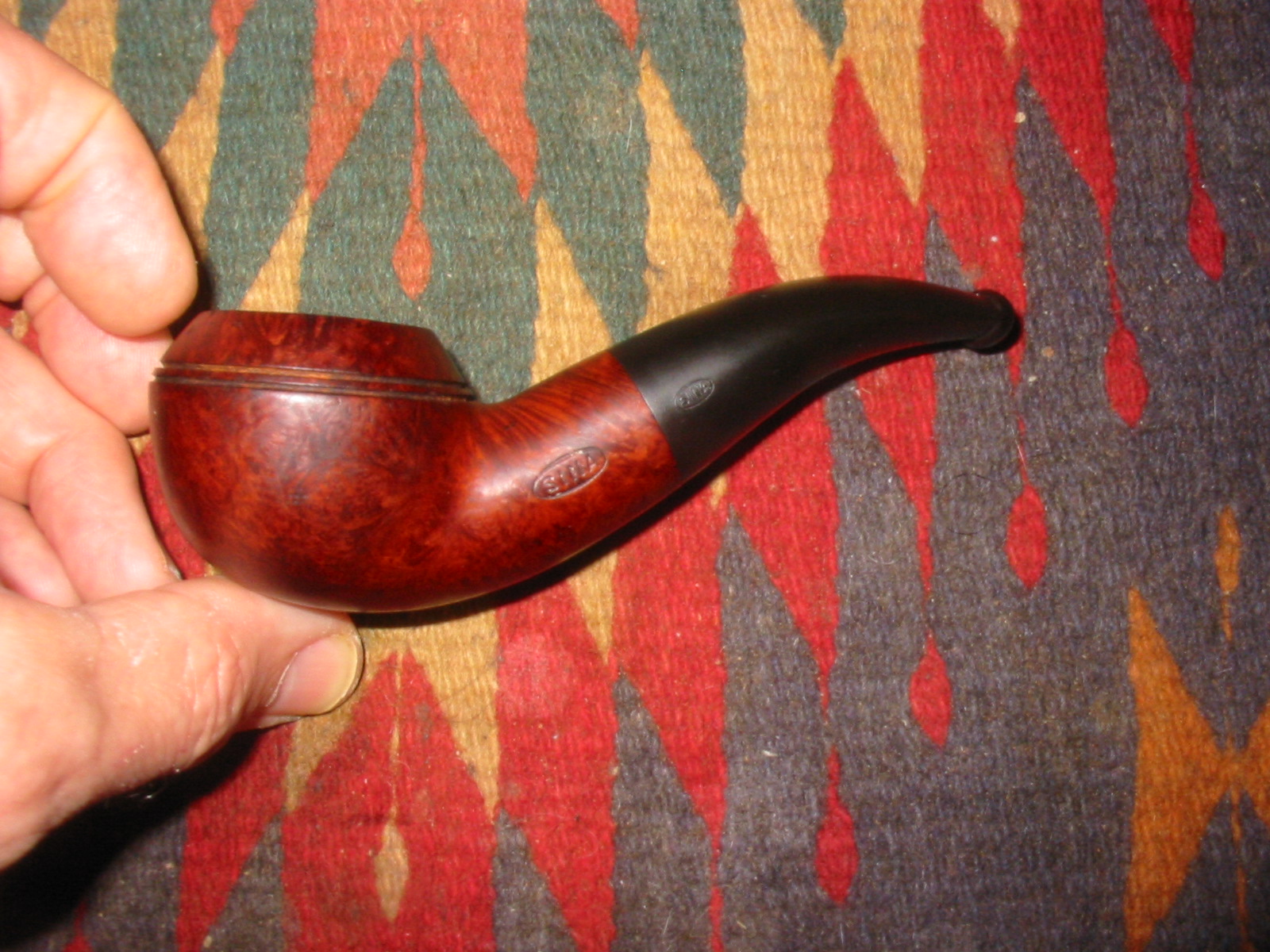
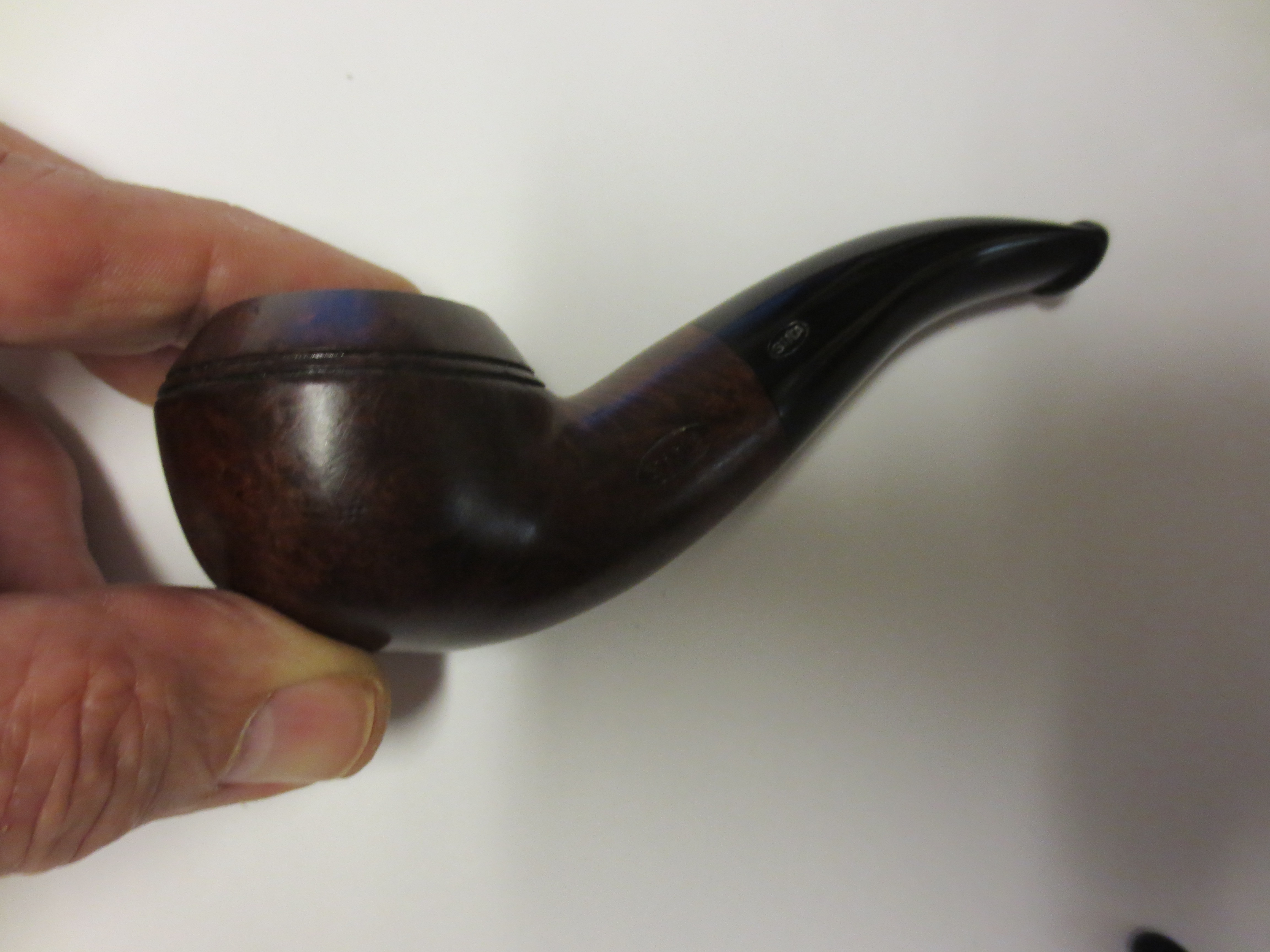
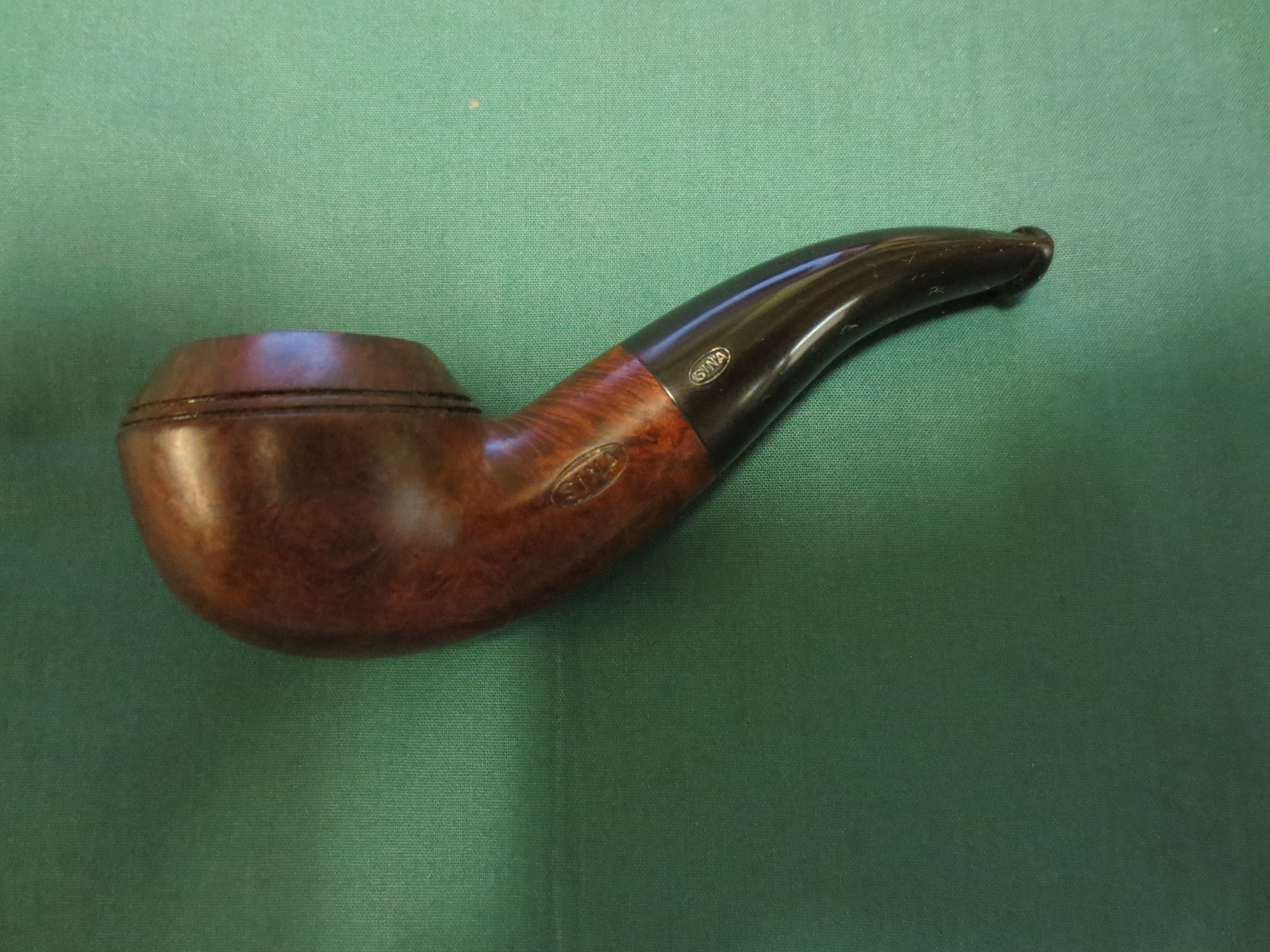
When I first saw this old Rhodesian on Ebay I wanted it. It had the look of GBD 9242 but was chunkier than normal. I have had the 9242 on my wish list for a long time and have missed many over the years on Ebay. But this one seemed to be under the radar. It was stamped SINA on the shank and the stem and France on the underside of the shank near the stem. It looked to be in rough shape in terms of cake and finish. The stem looked oxidized and the rubber bite guard looked positively ancient. I watched the pipe for several days and there was no action so I bid a low-ball bid on it. No one else bid until the last two hours. Then there was some hot action between one other bidder and myself. I threw the top price I was willing to pay for the pipe in and sat out the auction to see what would happen. I won the pipe and only had to wait to receive it. The seller sent it out on a Friday from New Jersey in the US and it arrived in Vancouver, Canada on Tuesday. I was very surprised when I came home to find that it was already here. The photos below are from the seller. They give an accurate portrayal of the condition of the pipe. Sina1 Sina2 Sina3 Sina4 The photos showed that the condition of the pipe was rough. The cake build up on the rim was like rock. The finish was worn and had hardened pieces of tobacco stuck to the finish. The outer edge of the rim was actually still in good shape and the bowl was still round. The inner edge looked to be fine under the grime. The double ring around the bowl was in fair shape with some small chipping on the bottom edge of the ring. It was minor and would definitely clean up. The grooves of the rings were filled with grit so that they were almost the same height as the rest of the bowl surface in some places on the pipe. There were some fills on the side of the bowl and shank but they were hard to see under the grime. The shank was dirty and the stem did not fit flush against it due to the buildup. The stamping was crisp and showed white paint on both the shank and the stem. There was an ancient fossilized rubber bit guard on the end of the stem so I was hoping that it had protected the stem from damage.
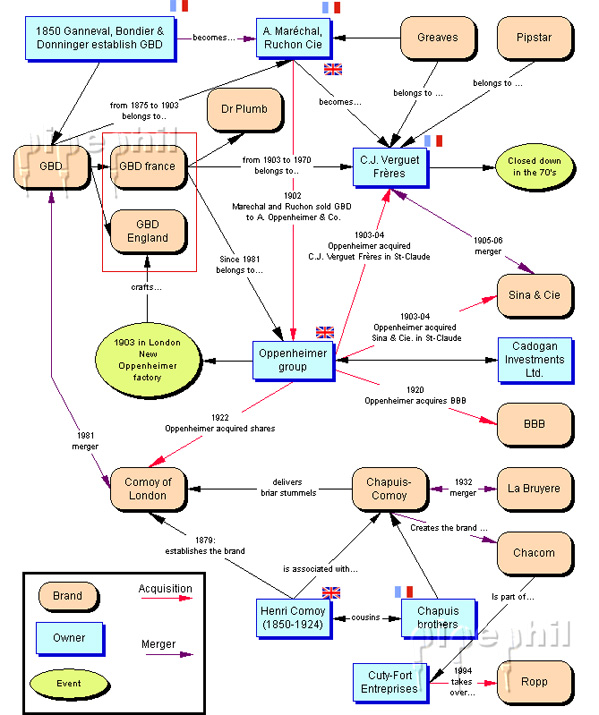
I did a bit of research to find out about the maker of the SINA pipe. I looked on Pipephil’s site and was able to find out that there was indeed a connection to GBD. The connection was with the French branch of GBD. Noname From the screen capture above you can see the two links under the photo on the left. The first connects the pipe to the Marechal Ruchon & Co. factory that made GBD pipes. They eventually sold out to the Oppenheimer group. The French brand was also connected to C.J. Verguet Freres and to Sina & Cie which were sold to Oppenheimer in 1903-1904. In 1905-1906 Oppenheimer merged the two companies. The accompanying chart gives an overview of the twisted trail of the GBD brand and its mergers and sales. The chart also comes from the Pipephil site and was the second link under the above photo. GBD Pipe Connections Armed with that information I knew that the pipe was made before the 1905-1906 mergers. This also fits well with the thick hard rubber stem and the shape of the button and orific opening. The thick shank also fits well with the period as the 9242 shape thinned down considerably in the later years of manufacture. I really like the shape and style of this era of pipe history so this one would be a pleasure to clean up.
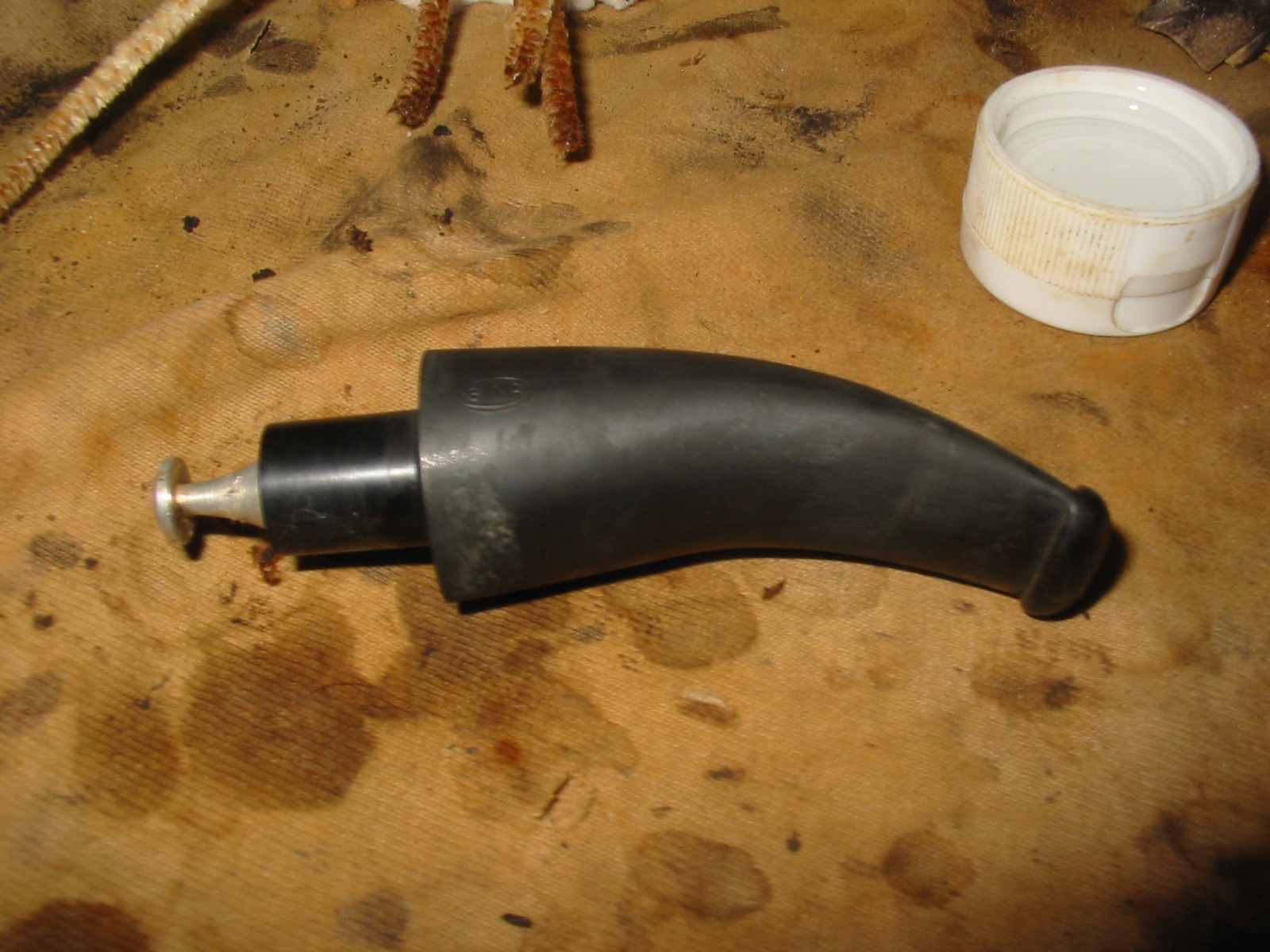
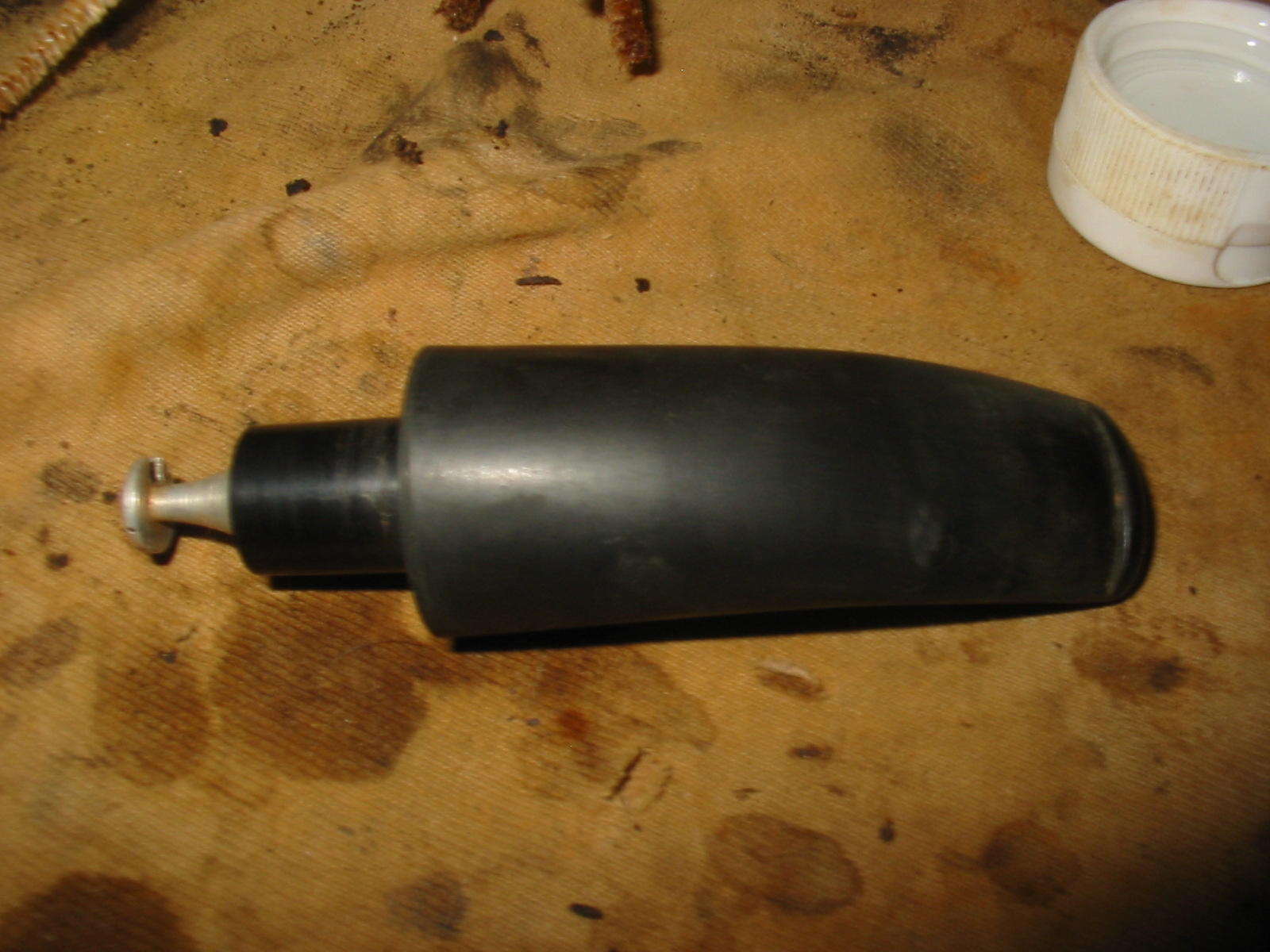
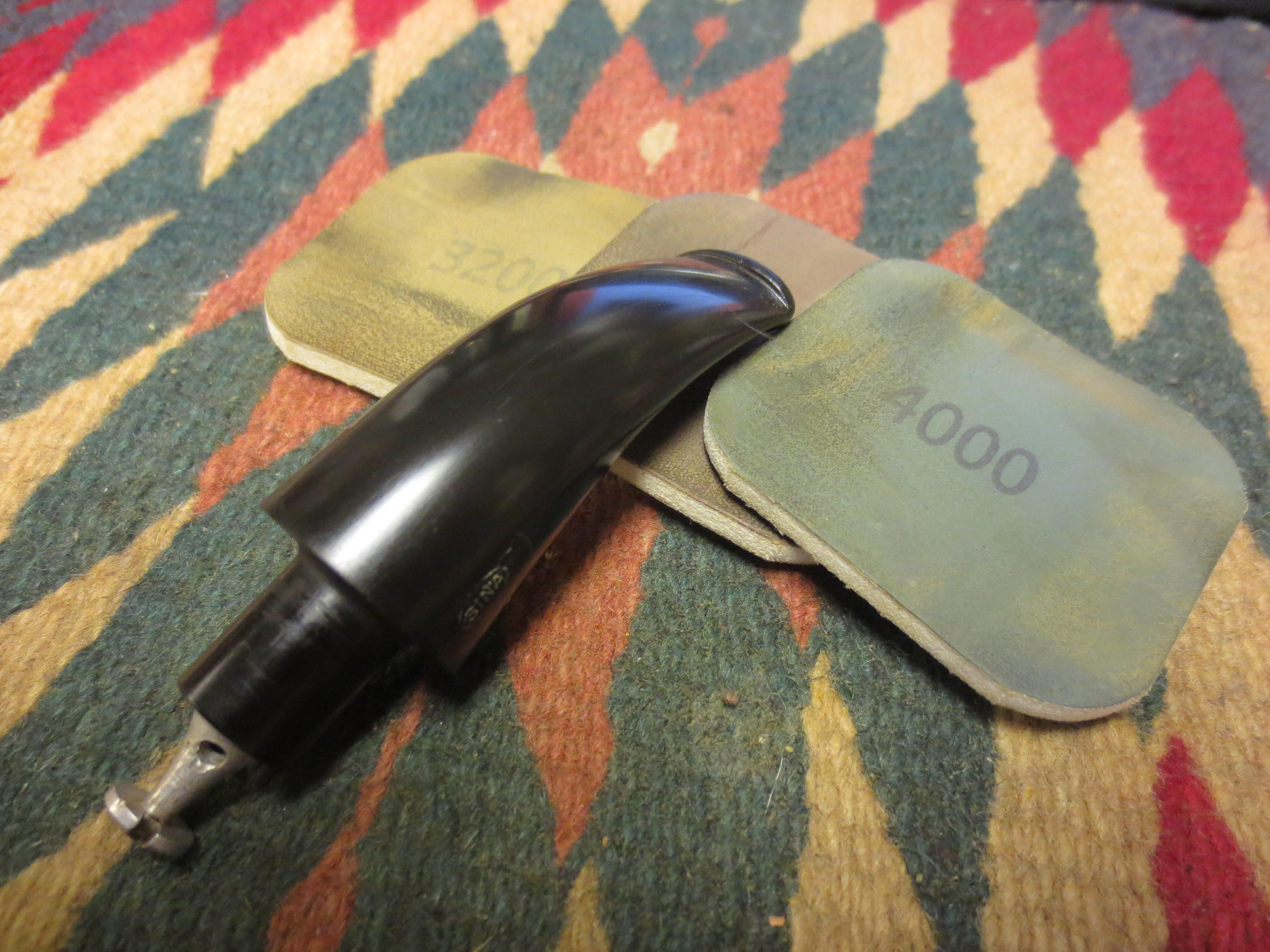
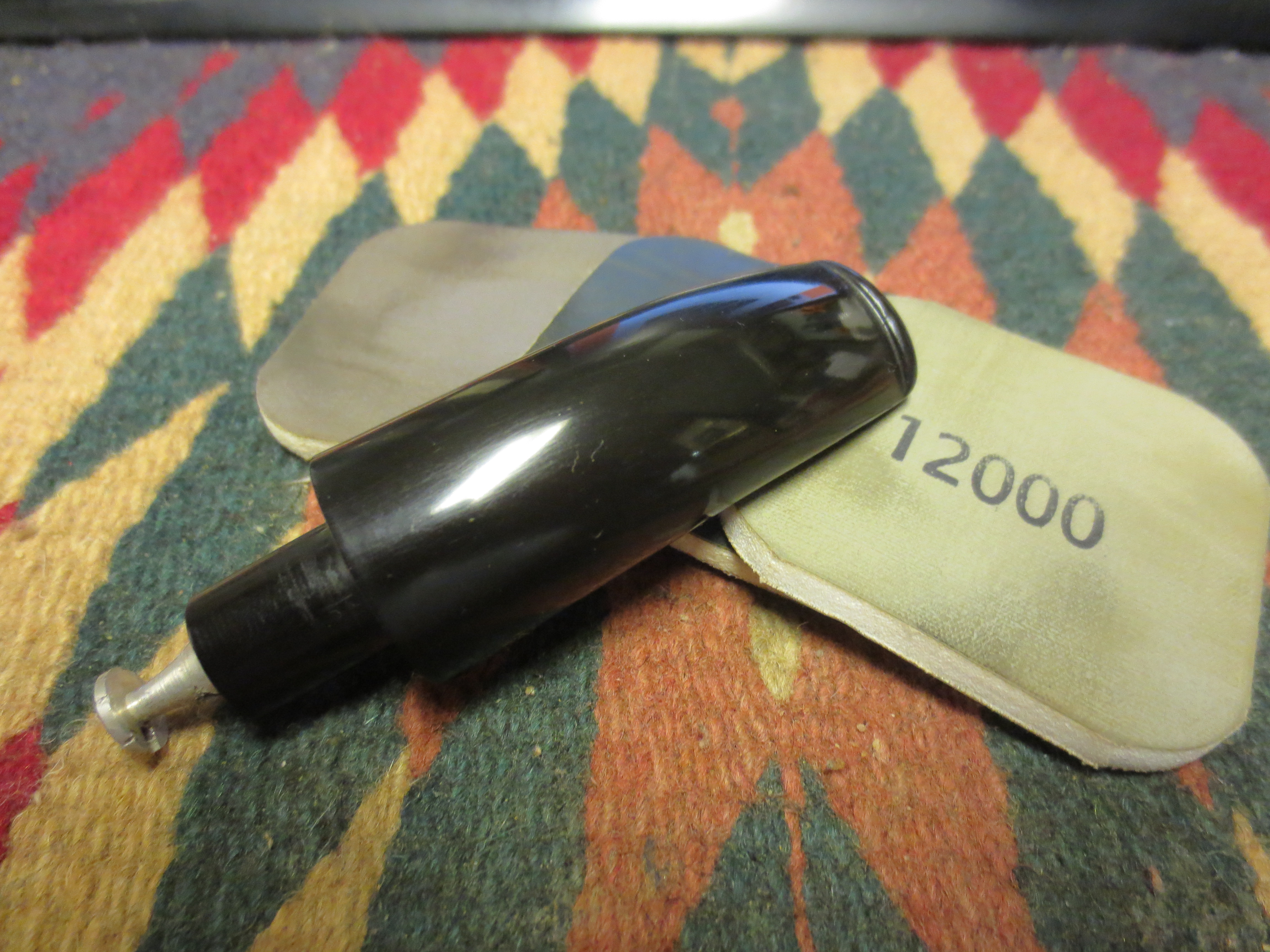
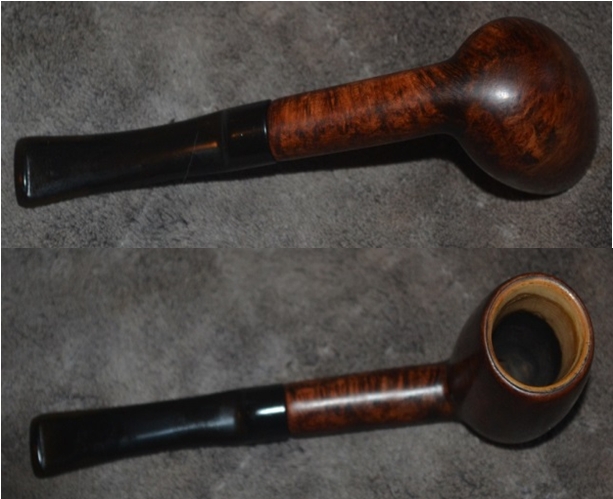
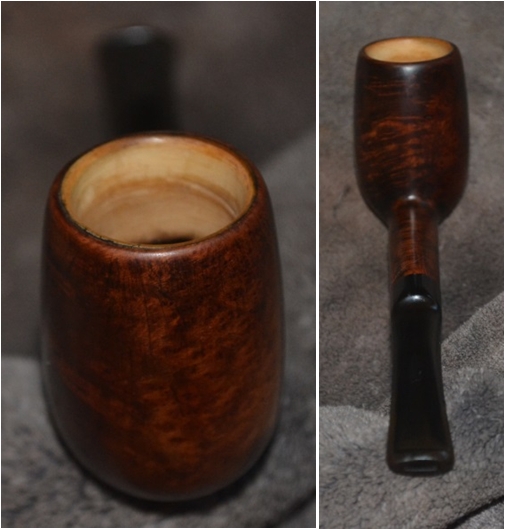
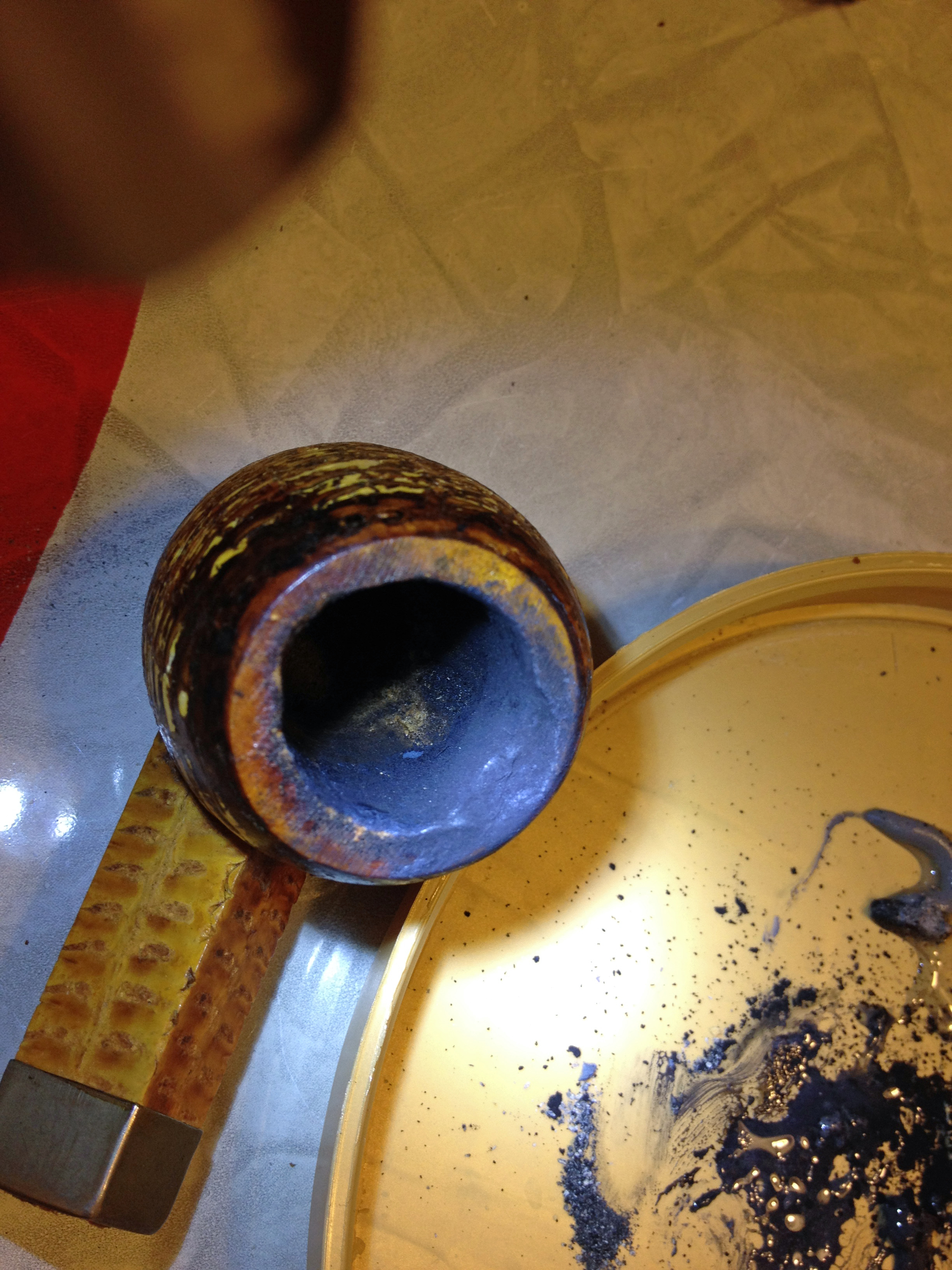
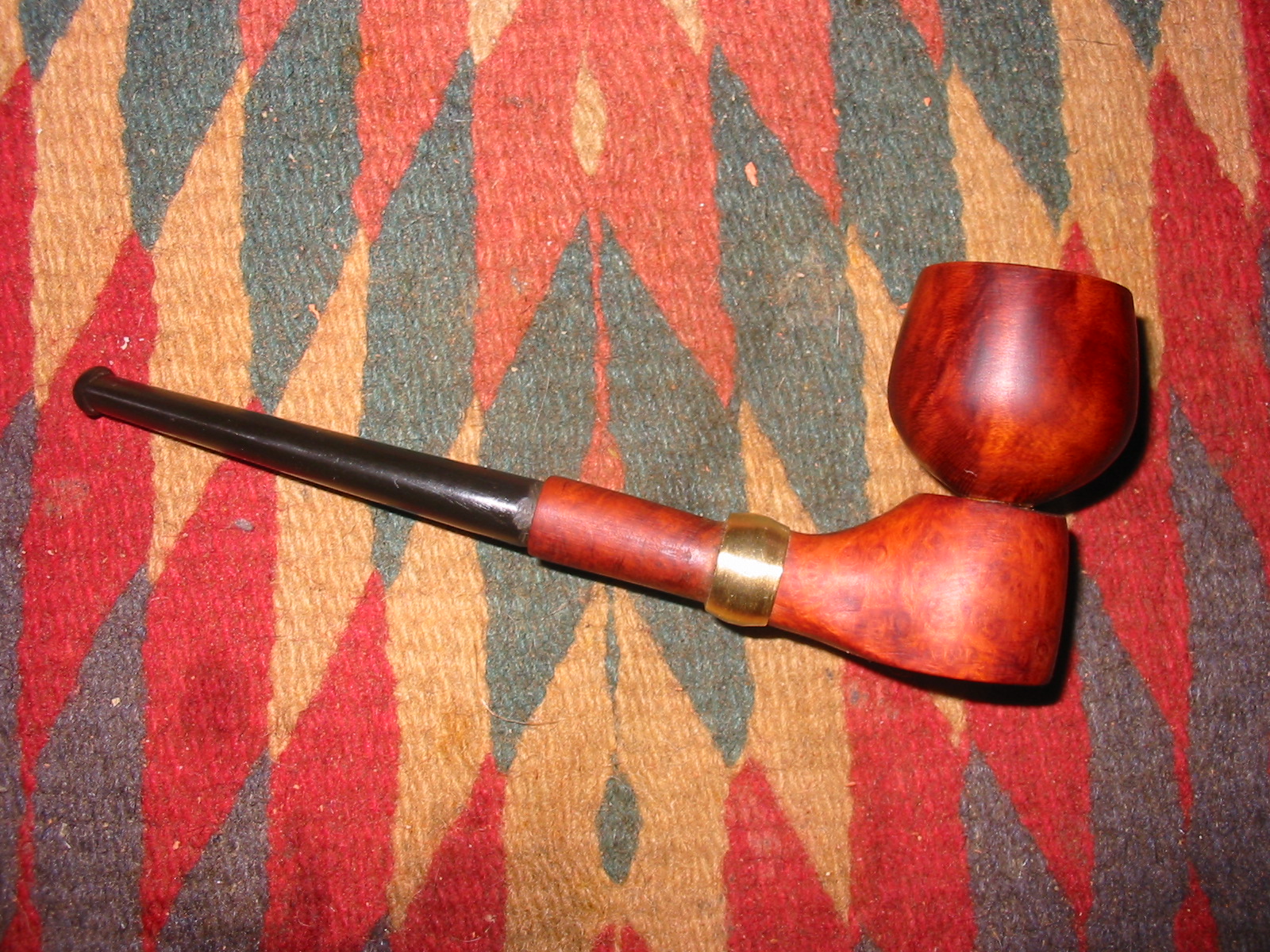
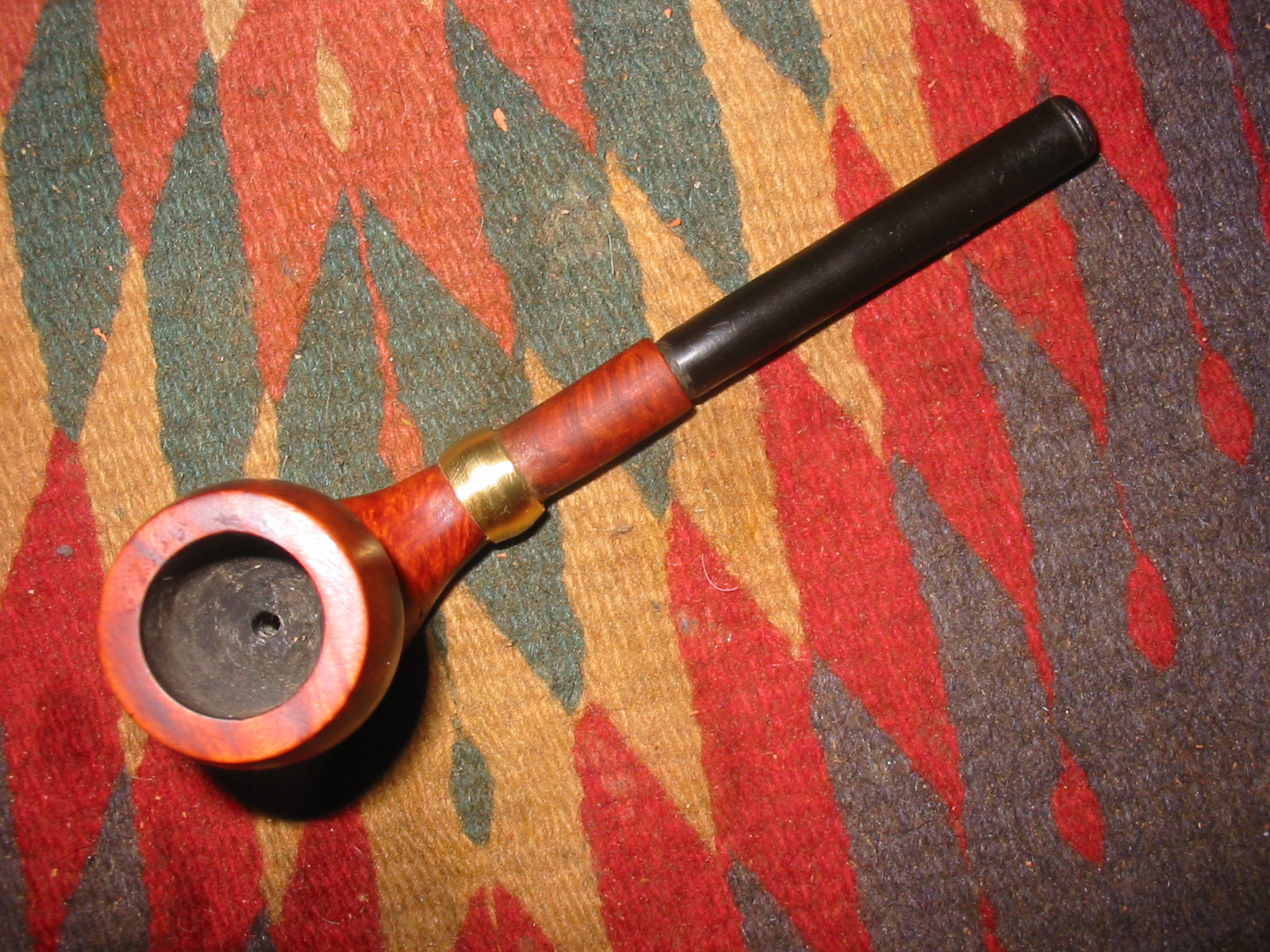
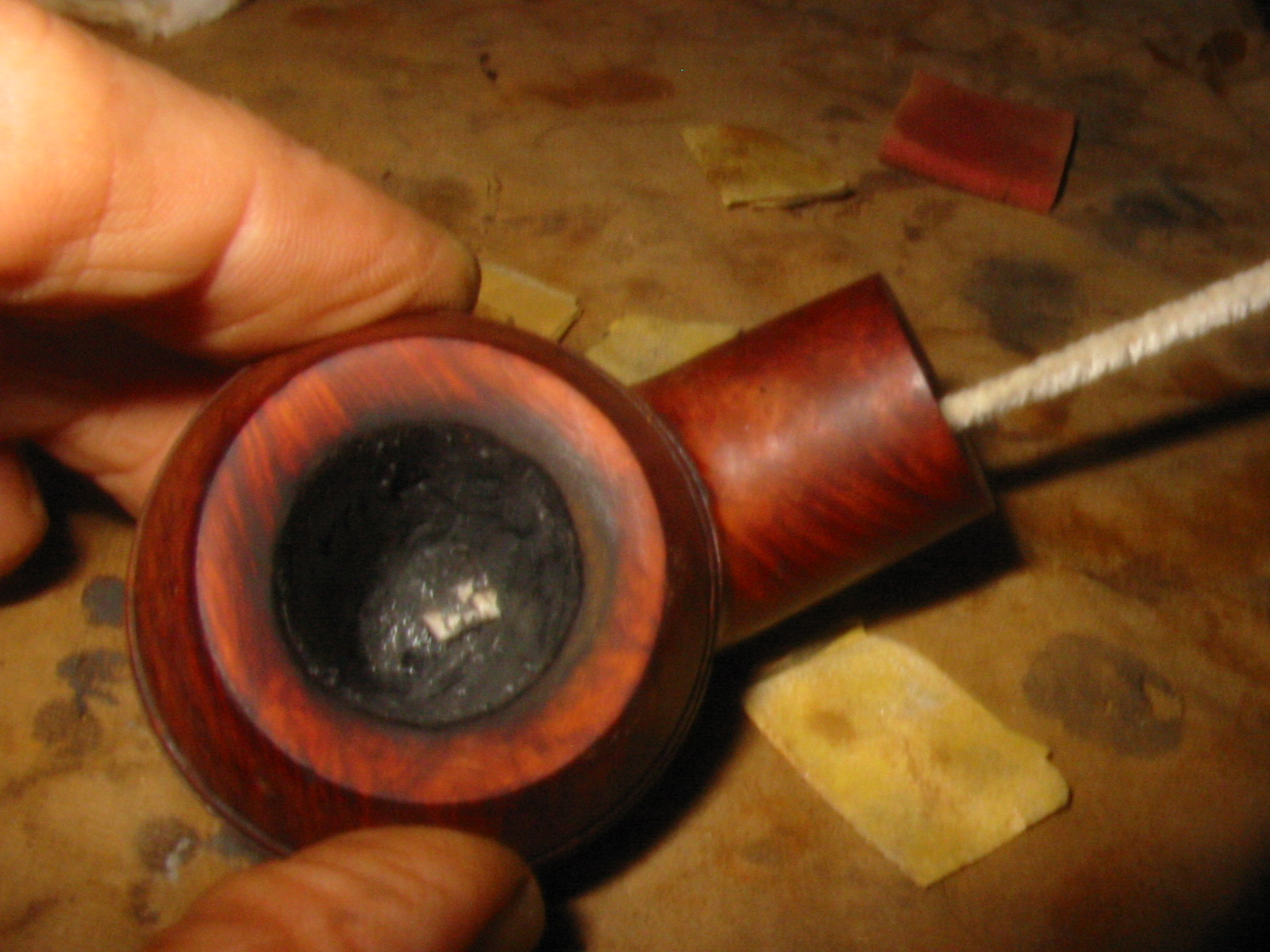
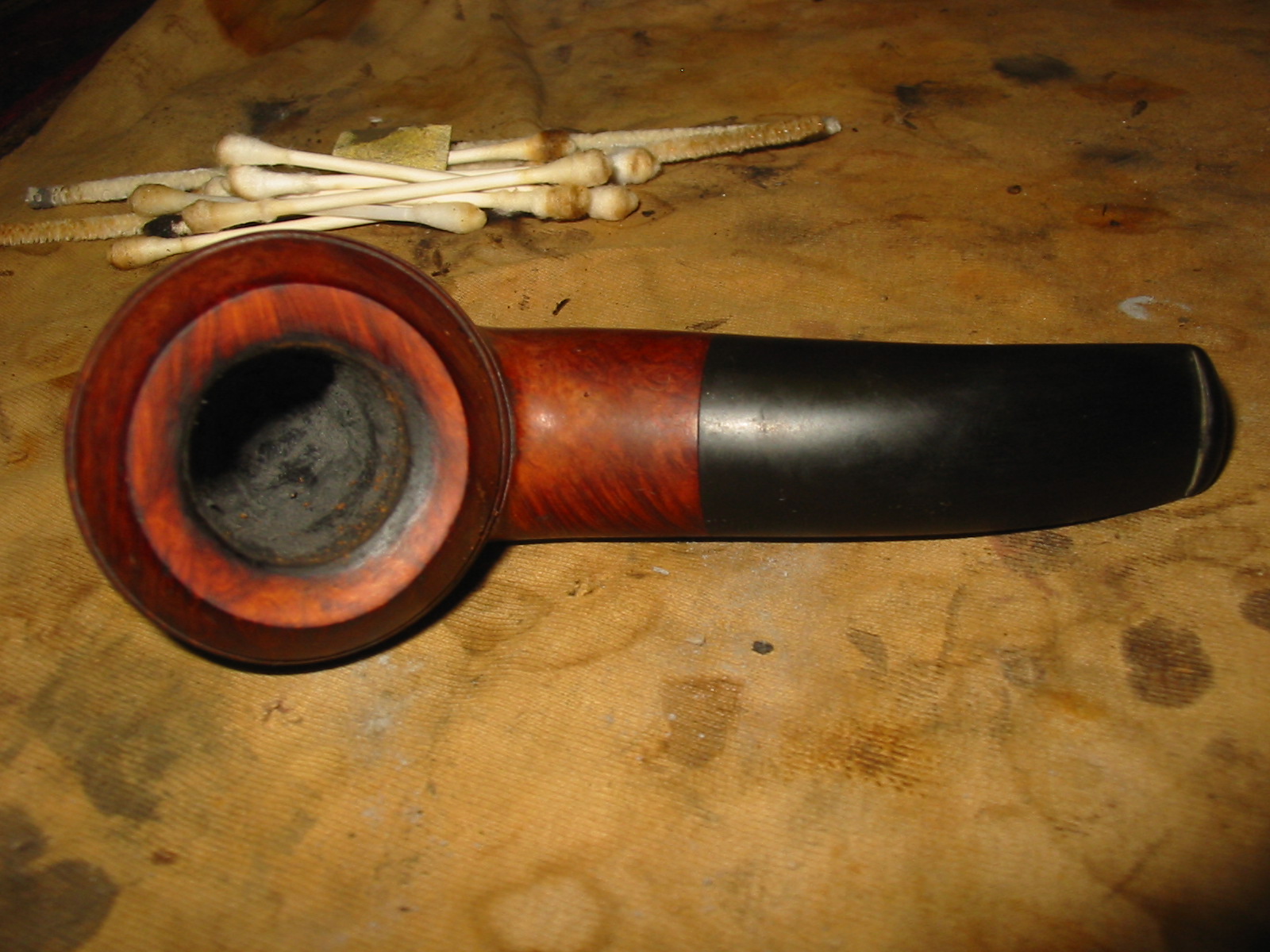
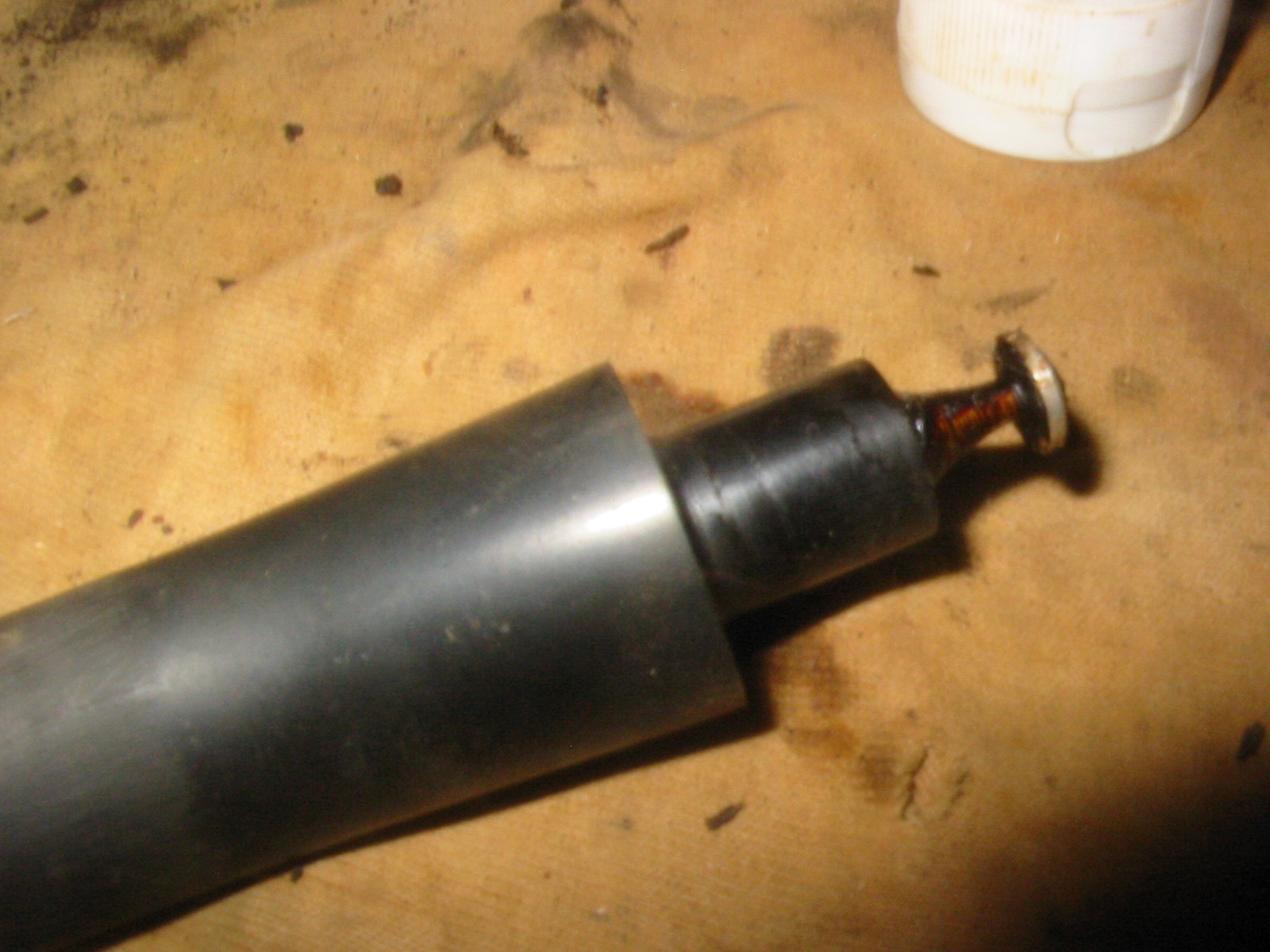
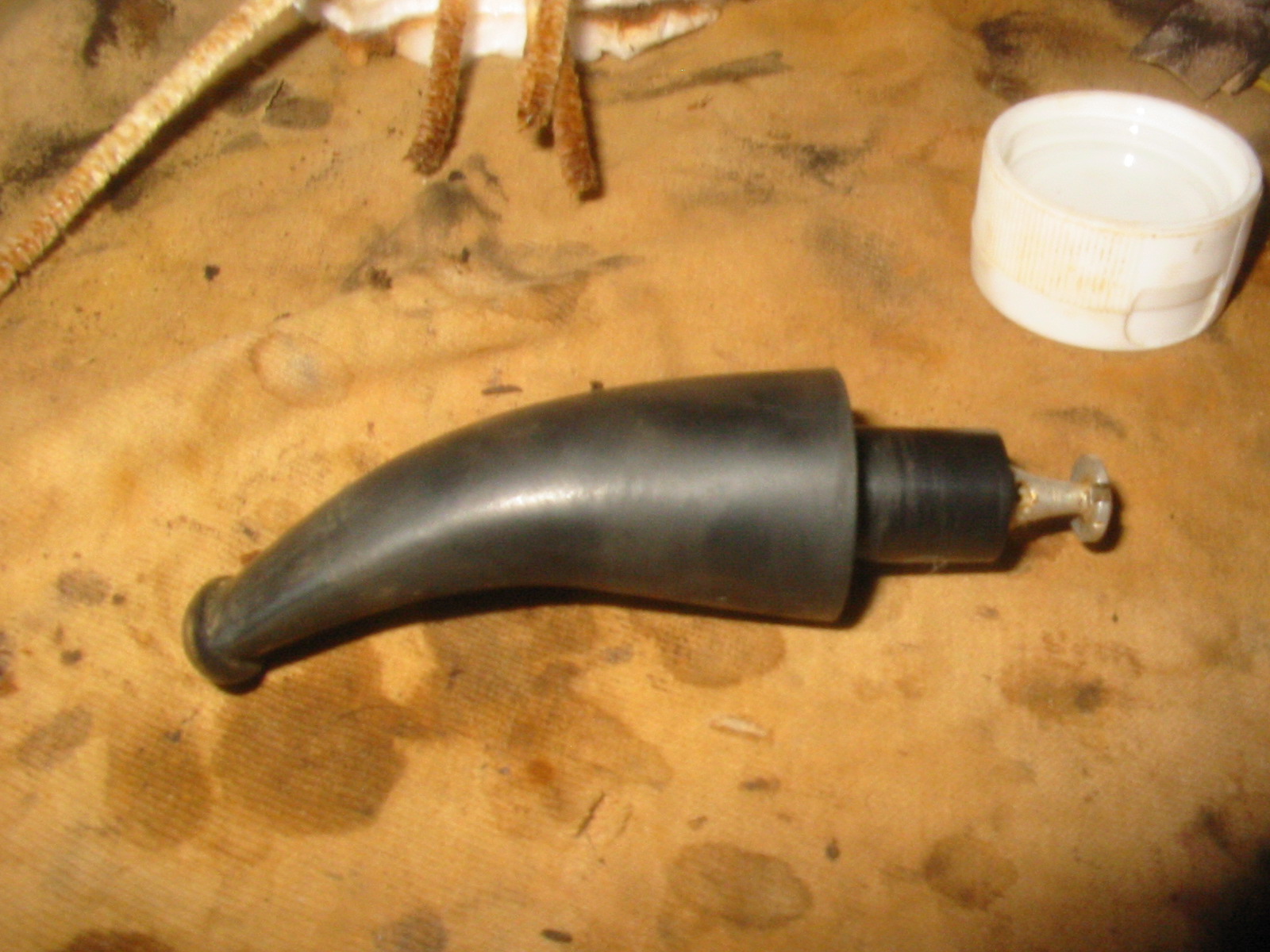
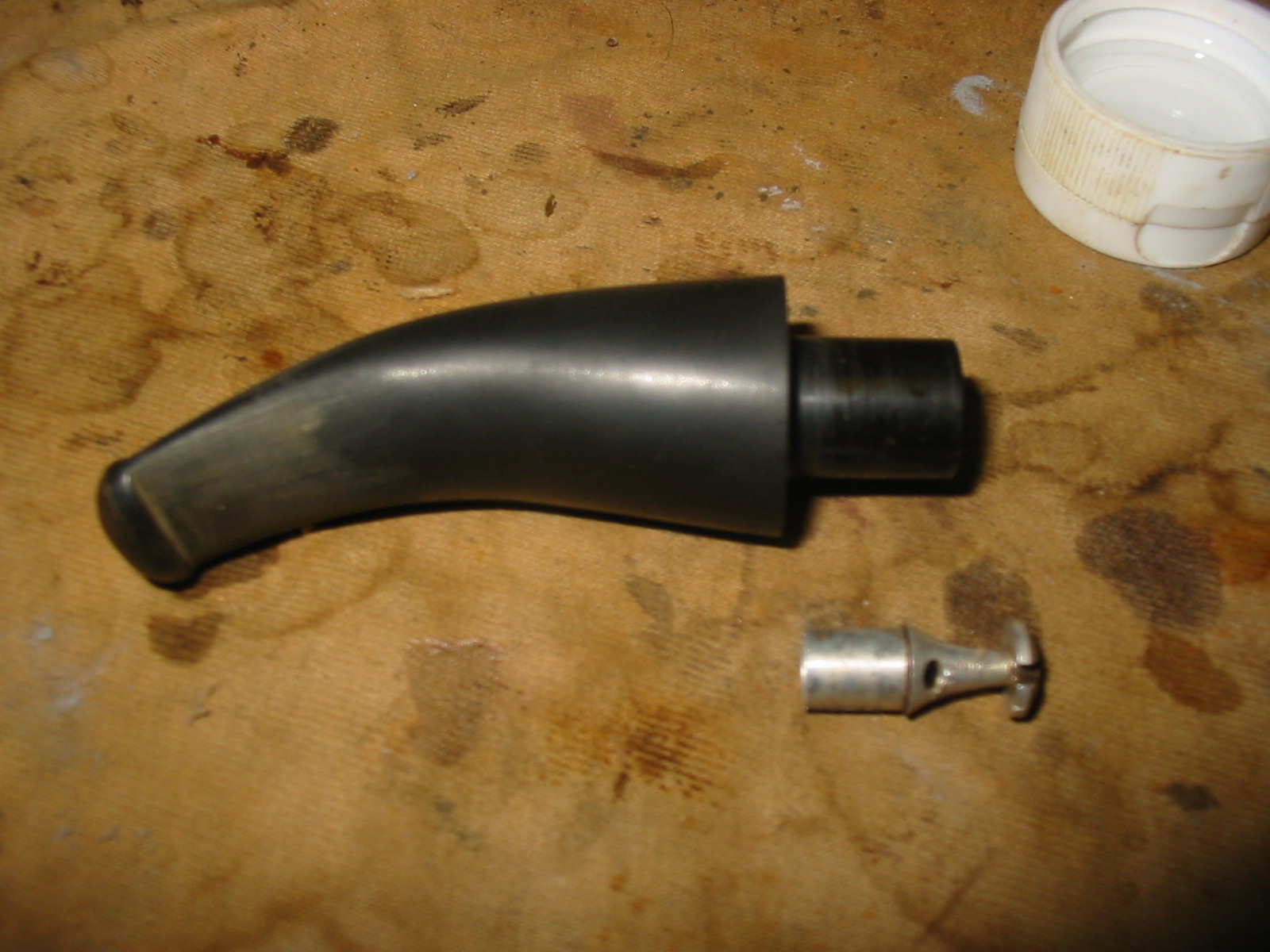
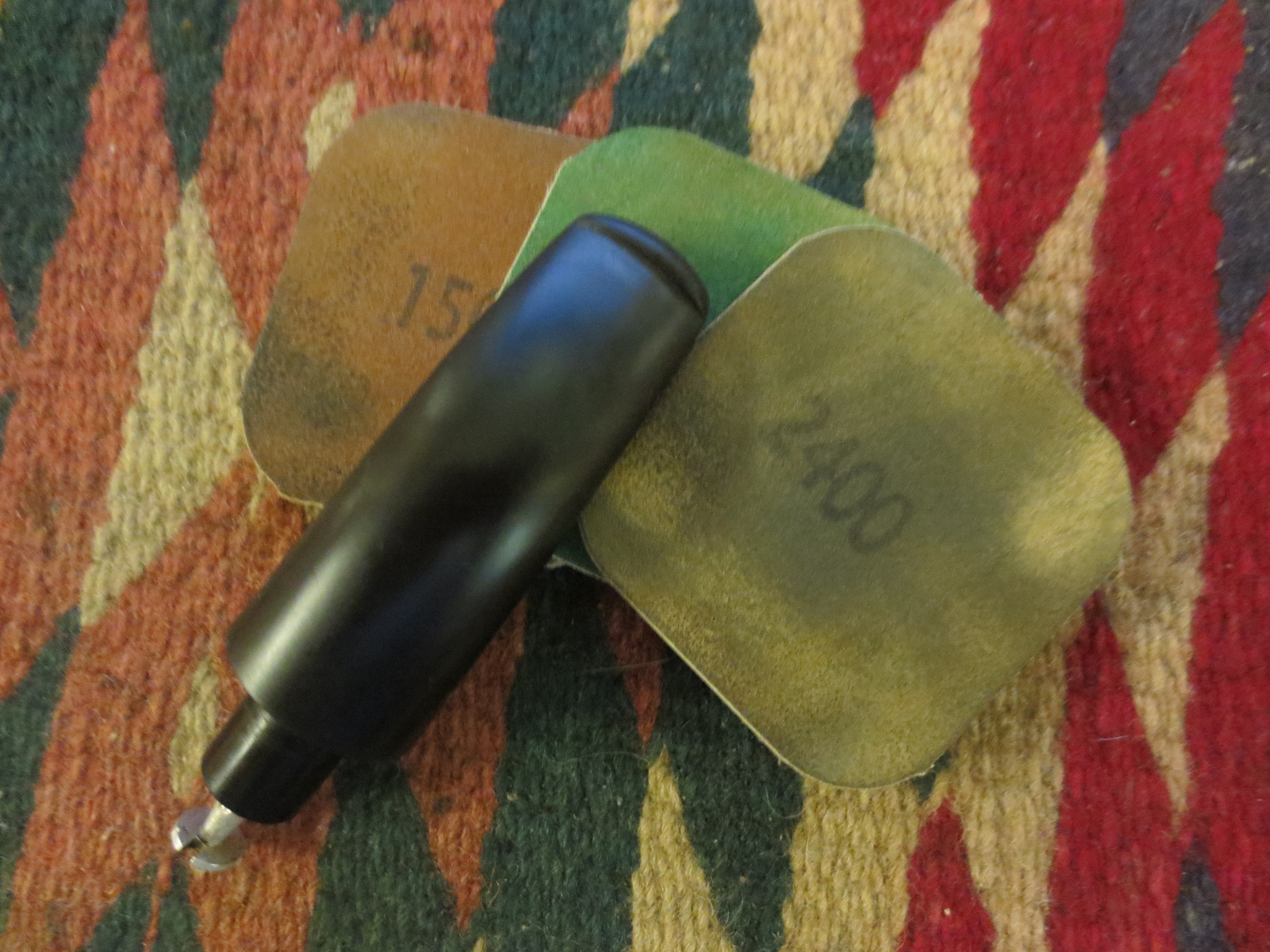
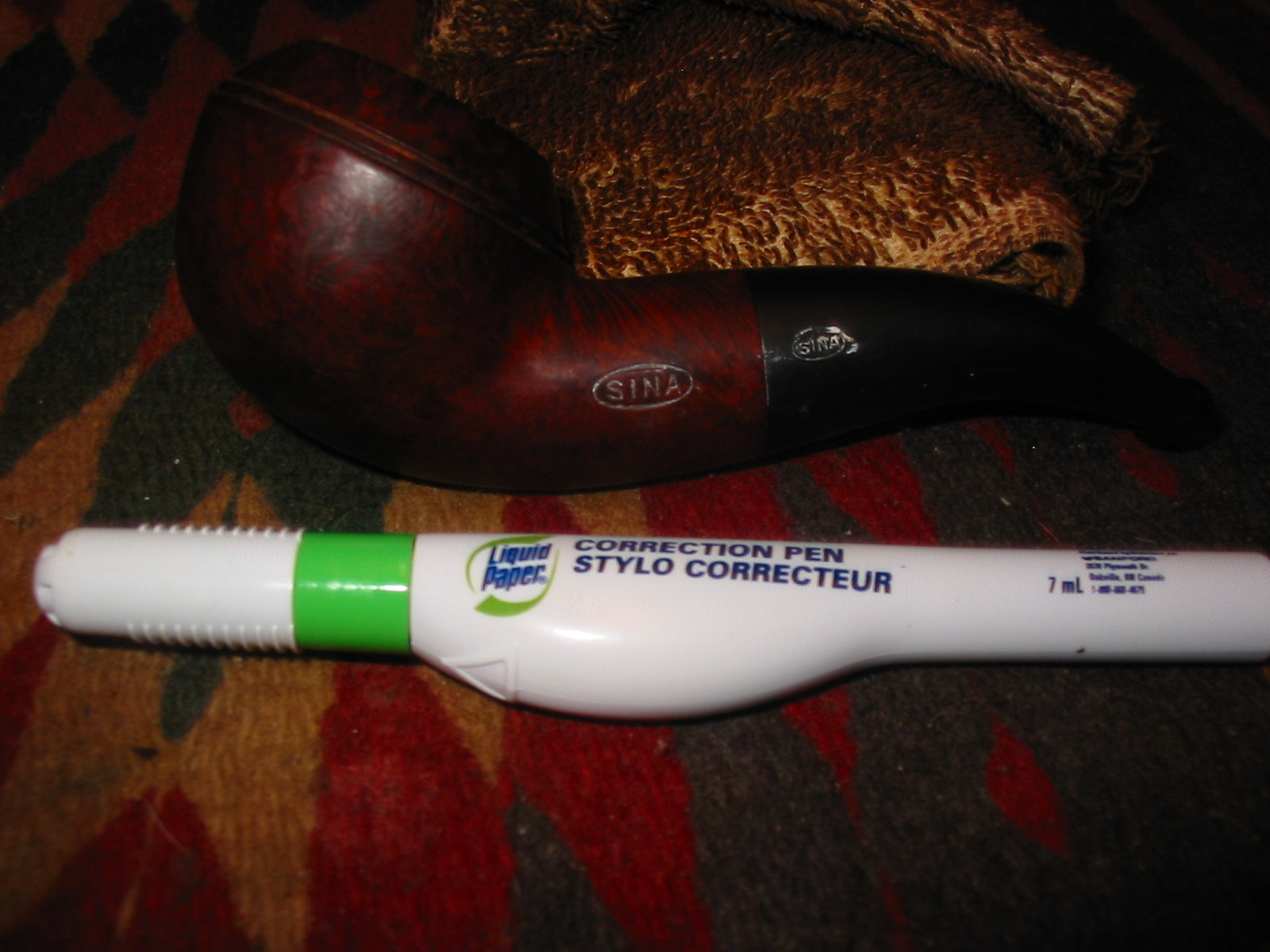
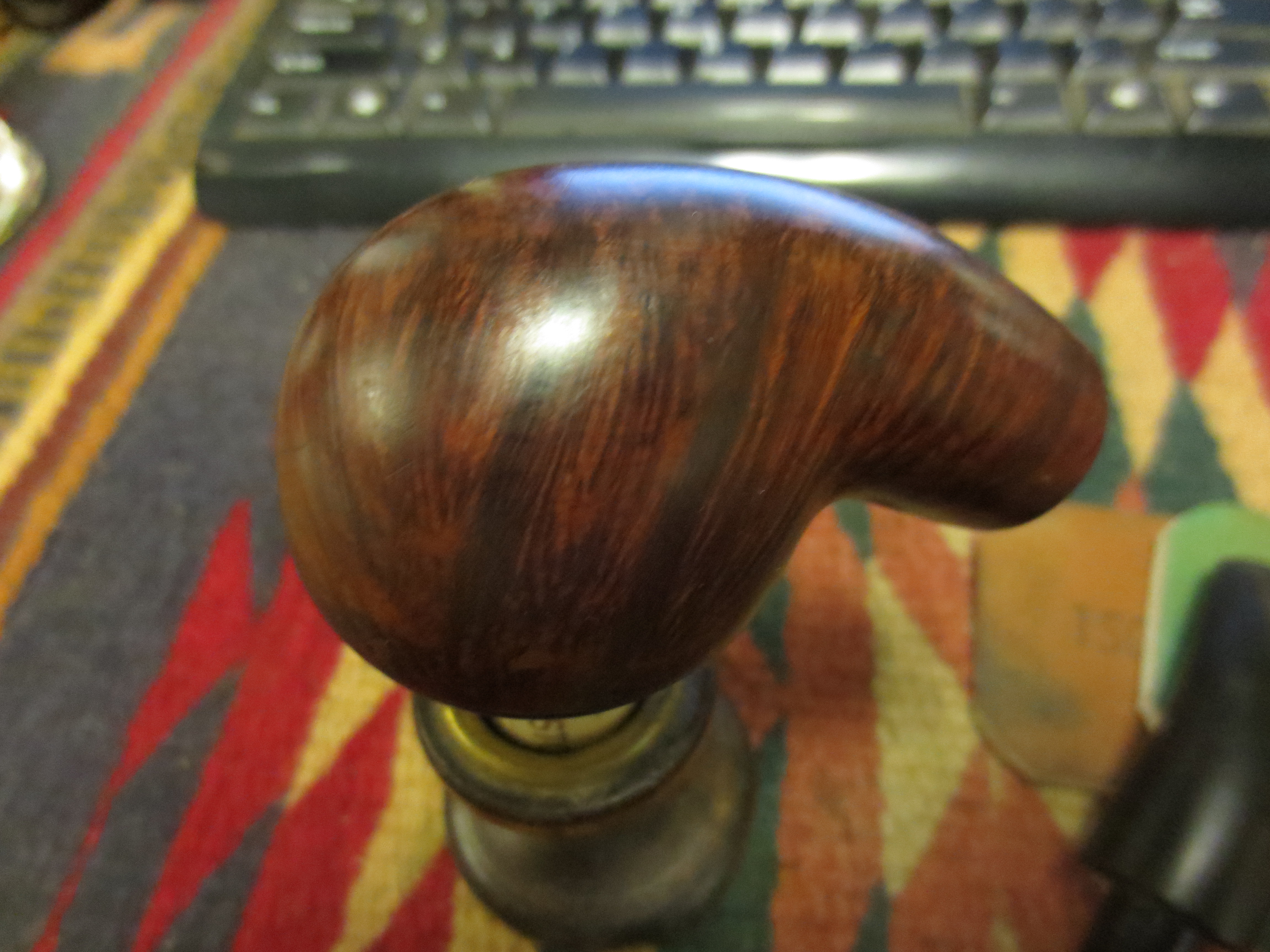
I started by cutting off the fossilized rubber bit guard. Underneath the stem was in fairly decent shape. There was a tooth indentation on the top and bottom of the stem next to the button but it was very shallow. The rubber of the stem was clean underneath behind the calcified line on the stem. Sinaa IMG_8184 IMG_8183 Sinaf Sinad I reamed the bowl with a PipNet reamer using the smallest cutting head first and then working up to one that fit the bowl. I find that if I use this procedure I am less likely to damage the shape of the bowl and inner rim.IMG_8185 The tarry buildup on the rim was impervious to Murphy’s Oil Soap or even saliva and a hard scrub. It was hard as rock. I sanded it lightly to see if I could remove the tar. It looked like that was the only way this stuff would be removed. I carefully sanded the bevel of the rim to remove the tars and clean it up. I wiped it down with oil soap after each sanding to make sure I was only removing the surface. I sanded the inner edge with a folded piece of sandpaper and reached down into the bowl with the sandpaper as well. IMG_8198 I was able to remove the tar but there was some charring and darkening at the back inner edge of the rim that remained. I sanded it smooth but it is still visible in the photo below. I scrubbed out the shank which was absolutely filthy and smelled of sweet aromatic tobacco. The bowl itself also needed to be cleaned and I found that the back inside wall of the bowl around the entrance of the airway was damaged. It was pitted and the opening was very flared so I would need to use some pipe mud to repair that and reshape the opening. I used isopropyl alcohol 99%, cotton swabs and pipe cleaners to clean out the shank. IMG_8200 I mixed a batch of pipe mud – water and cigar ash to repair the inside of the bowl. I put a pipe cleaner in the shank with the tip showing in the bottom of the bowl and rebuilt the wall around the bottom of the bowl next to the airway. I used a dental spatula that Joyal sent to me and it worked perfect for pressing the pipe mud into place and packing it into the rough wall. I was able to reshape the airway so that the wall was smooth and clean. Once it was packed and cured for a short time I removed the pipe cleaner so that the air would move freely through the bowl and shank and allow the mud to cure. IMG_8204 I wiped down the outside of the bowl with undiluted Murphy’s Oil Soap to remove the grime and tobacco bits from the finish of the bowl. I also scrubbed the hard rubber stem with the oil soap to remove the grime on it. The rubber was not too badly oxidized at all once the grime was gone. I find that this old rubber does not have the same trouble with oxidation as later vulcanite stems. The rim damage is visible in the photos below. I would need to do some more sanding on the surface to smooth it out and remove as much of the damage as possible without changing the shape of the rim bevel. IMG_8207 IMG_8209 IMG_8210 IMG_8211 With the bowl cleaned I set it aside to let the pipe mud cure and turned my attention to the stem. There was a unique stinger apparatus in the end of the tenon that looked like a mushroom cap on the end. It was black with tars and the draw on the stem was quite tight. IMG_8199 I cleaned the stinger with alcohol on cotton pads and swabs and was able to remove the tarry buildup. It took quite a bit of scrubbing but I was also able to push a pipe cleaner through the stem and out the button. I had to guide it around the mushroom cap end but I cleaned it until the metal was shiny. IMG_8201 IMG_8202 IMG_8203 Once it was clean I could see that it appeared to be pressure fit into the tenon and not threaded. I was not certain so I wrapped a cotton pad around the end and carefully turned it by hand until it popped free of the end. The photo below shows the insert clearly. It had to slits on the sides that could be spread open to make a tighter fit if necessary. The end of the tenon was quite open without the stinger. The insert end of the stinger gives some idea of the diameter of the airway. With the stinger out of the way I cleaned the stem with cotton swabs, pipe cleaners and isopropyl alcohol until it was clean. IMG_8205 I buffed the stem with red Tripoli and White Diamond and then sanded it with micromesh sanding pads. I wet sanded with 1500-2400 grit pads and dry sanded with 3200-12,000 grit pads. I gave the stem a final buff with White Diamond and then gave it several coats of carnauba wax. IMG_1654 IMG_1659 IMG_1660 I decided not to stain the pipe but rather to give a rubdown with olive oil and let it dry for several days. The photo below shows the pipe after it has been drying for several days. The rich dark reddish brown colour of the briar comes out nicely and the fill areas are well blended into the finish. IMG_8212 I used a correction pen with white out to restore the white in the stamping on the left side of the shank and also on the stem. I applied the white out and then let it dry before rubbing it off with a cloth. IMG_8213 IMG_8214 I gave the bowl a coat of Danish Oil to protect the finish and give it a completed look. I applied the oil with a cotton pad and set it up to dry overnight. The pipe is shown in the photos below after the oil has dried.
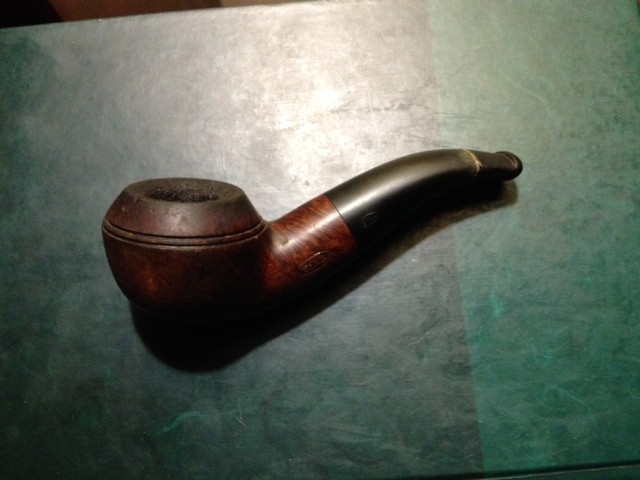
IMG_1655 IMG_1656 IMG_1657 IMG_1658 My old camera is slowly dying so I am adjusting to a new camera. I had my daughter help me with the following photos. I like the overall look that the new camera delivers as it is truer in terms of colour and shine of the pipe. I am still learning the ropes with all the settings though. I took two series of photos for the finished pipe. The first series of five photos I used a flat white background to see how that would turn out. The last series of four photos I used the same green background I have used in the past. The photos against the green background actually give a truer picture of the colour of the pipe. Ah well still a lot to learn with this camera. IMG_1661 IMG_1662 IMG_1663 IMG_1664 IMG_1665 The finished pipe is cleaned and ready to fire up with its inaugural bowl. The old soldier from the early 1900’s will once again feel the warmth of the fire and tobacco and the draw of a pipe man enjoying its feel in his hand. I think this weekend will be the time to enjoy a nice bowl of aged 5100 in this pipe. IMG_1666 IMG_1669 IMG_1668 IMG_1667
Restoration of a Barclay Rex HGP Briar Root Labelled “THE DUKE”


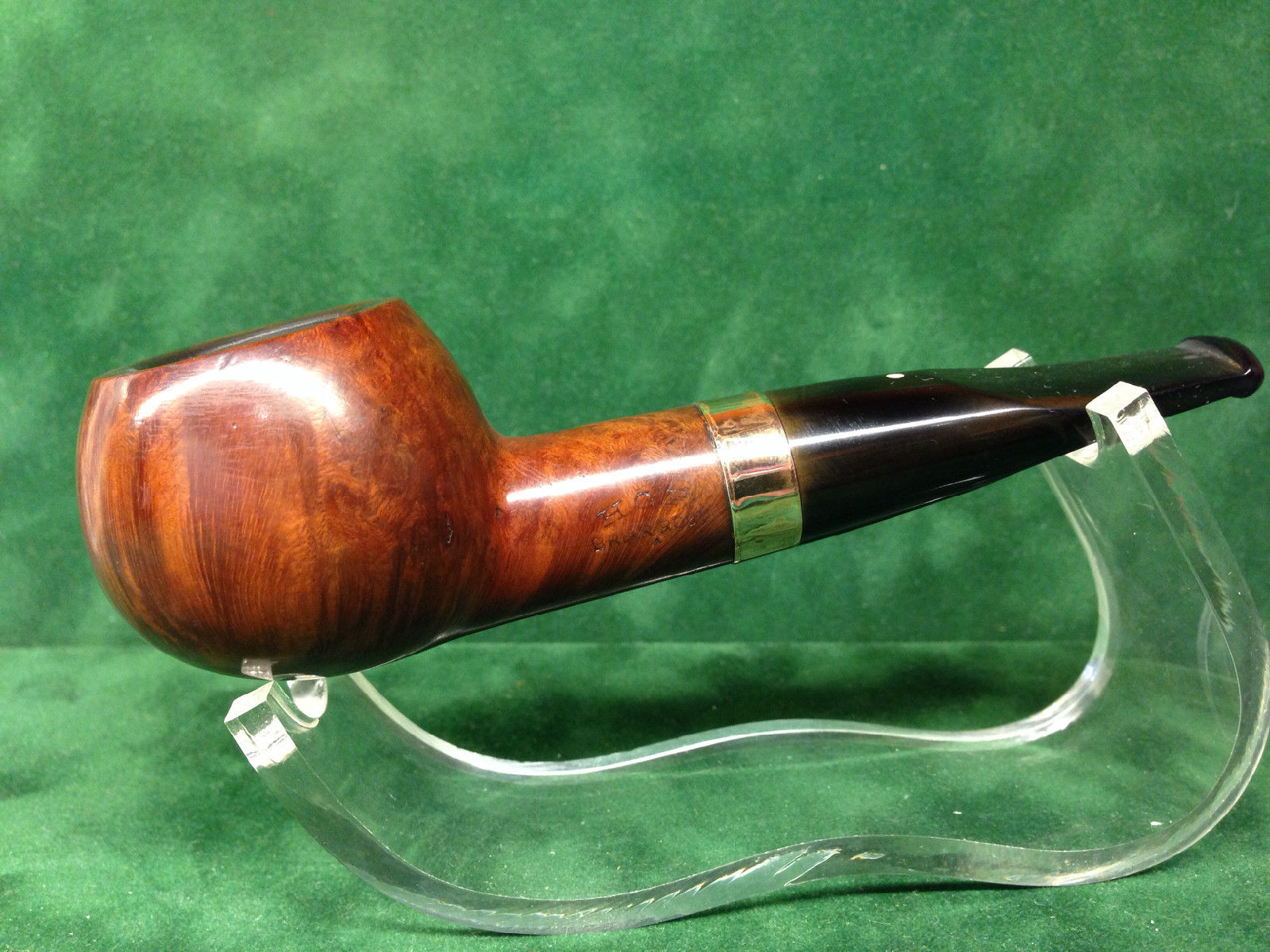
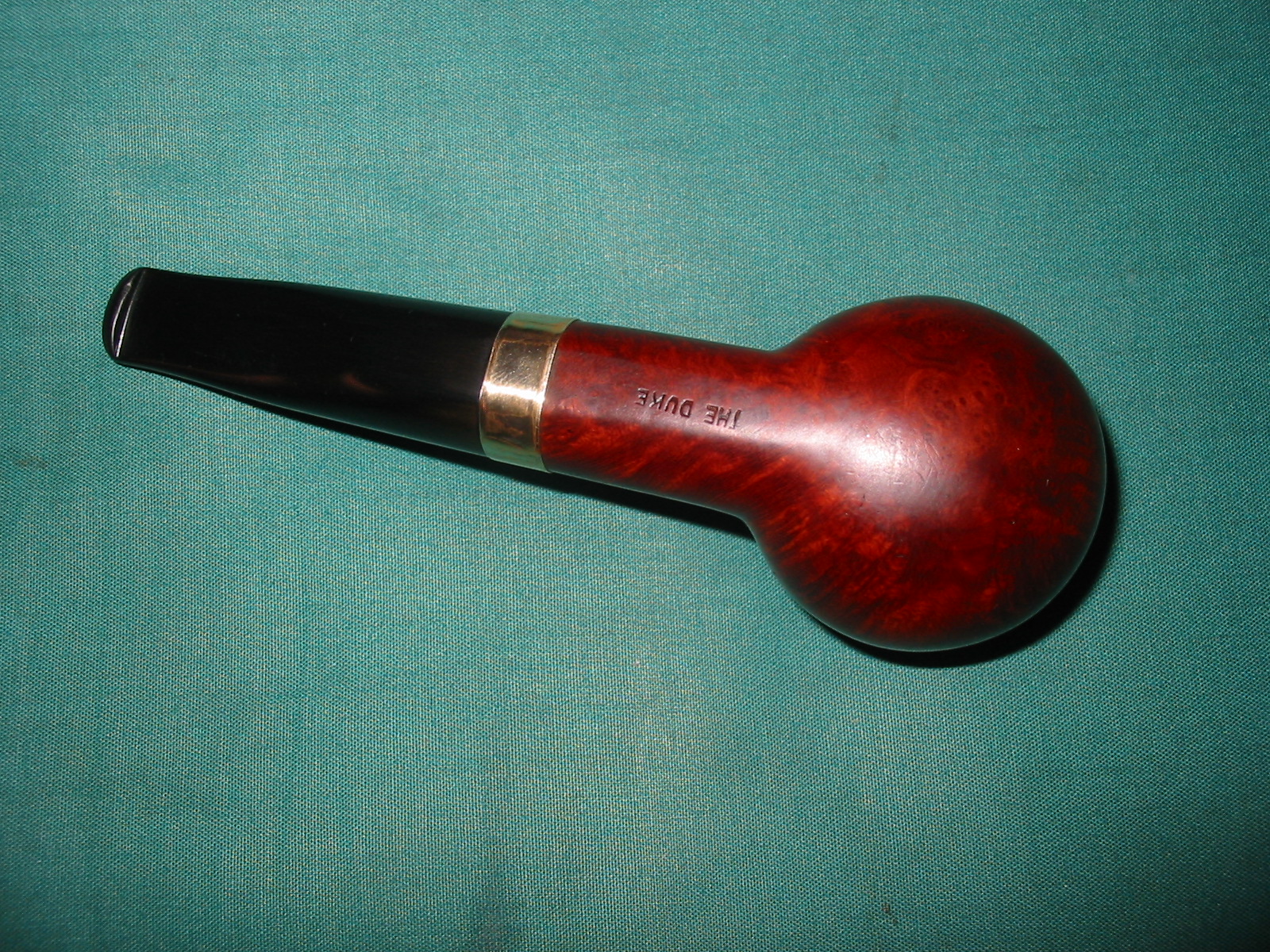
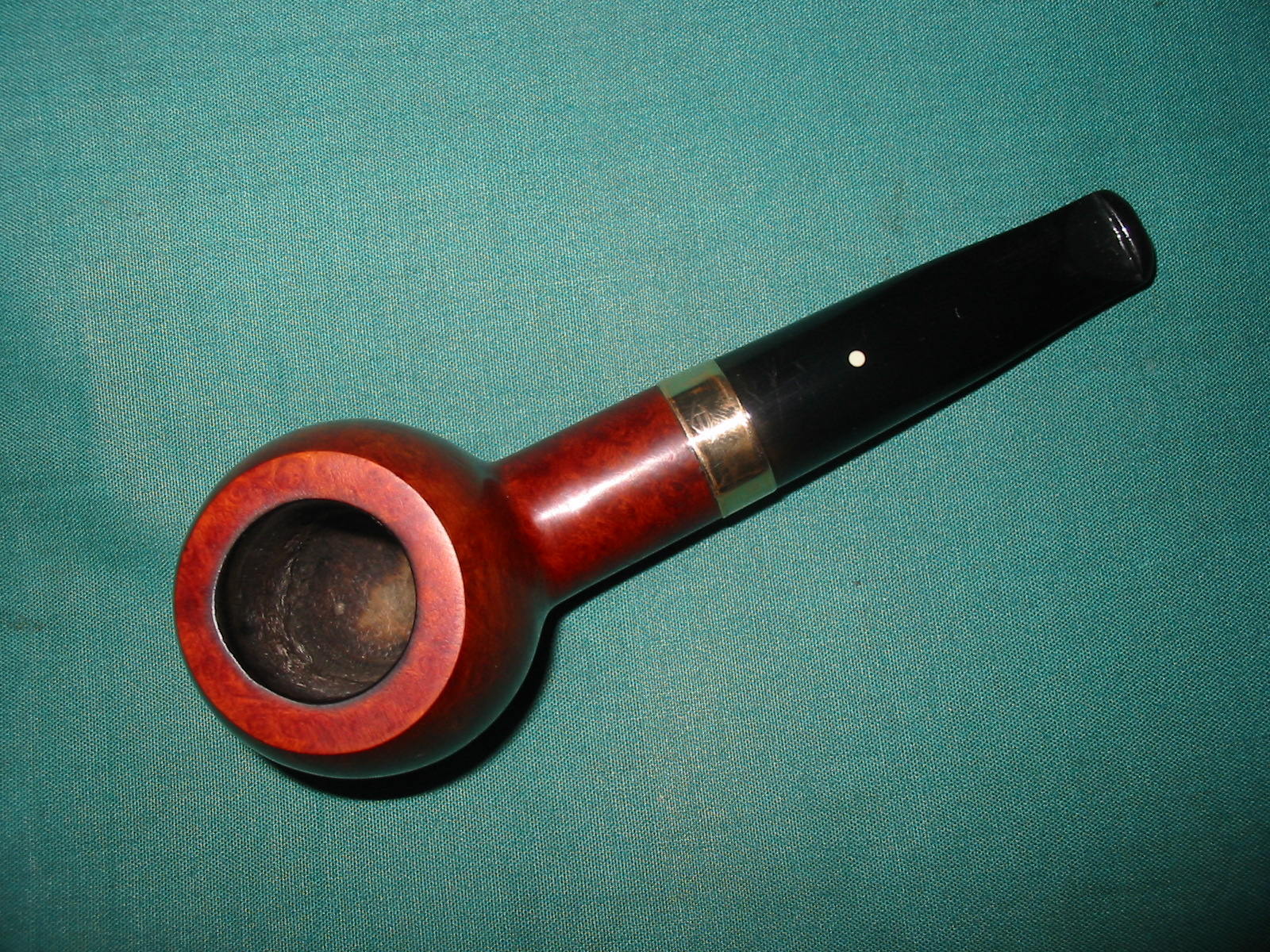
I read a post by dmcmtk on Pipe Smokers Unlimited Forum regarding a pipe he picked up that was a Barclay Rex with a white spot on the stem. He had written to the store and received a response that the pipe was made for them by Dunhill. I had no idea that Dunhill had made pipes for the NY shop so I began to hunt down some of these pipes looking for the tell-tale white dot on the stem. I found some on Ebay under the Barclay Rex shop store there and one stood out to me and seemed to call my name. The write-up on the ad read:

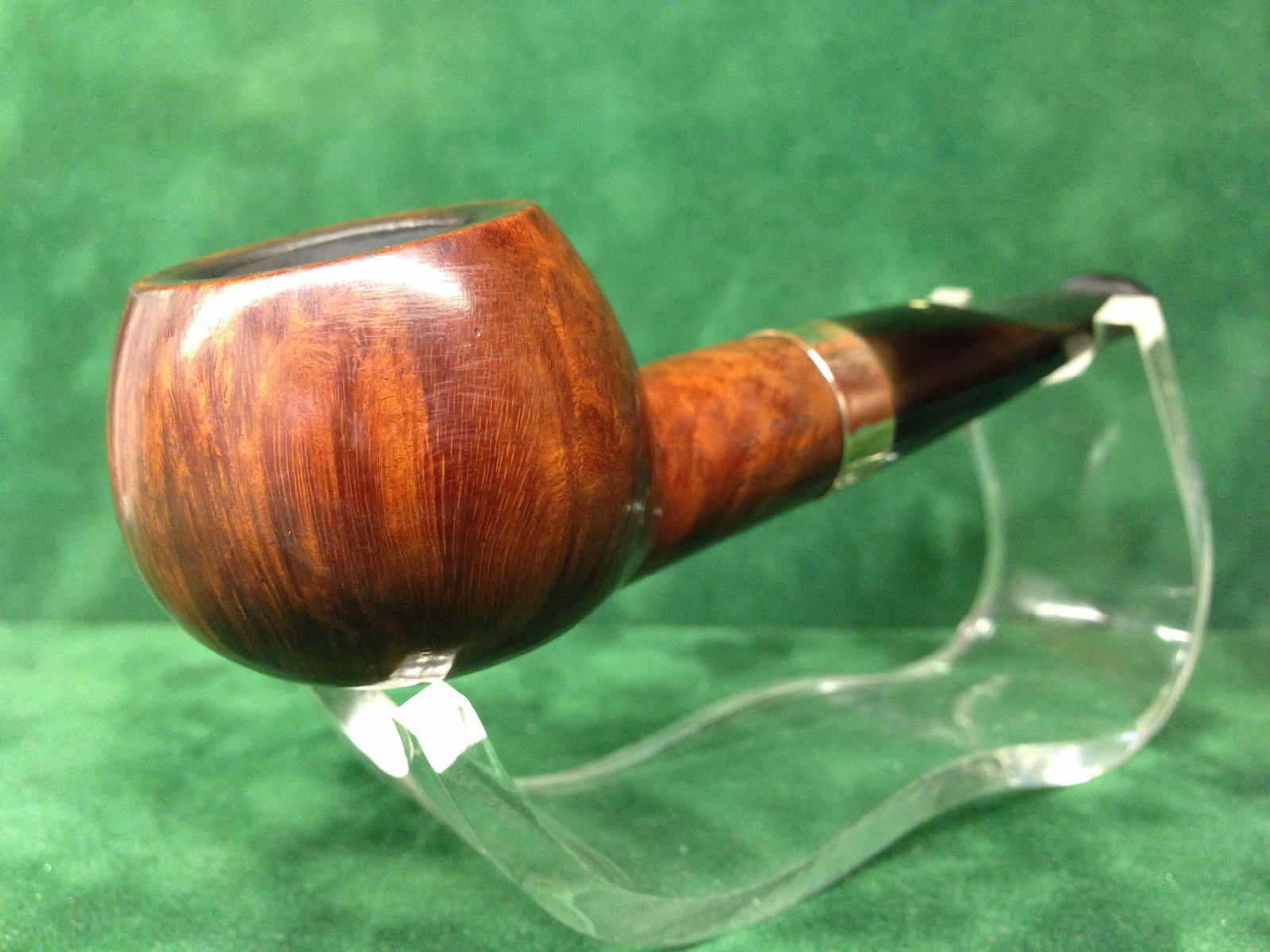
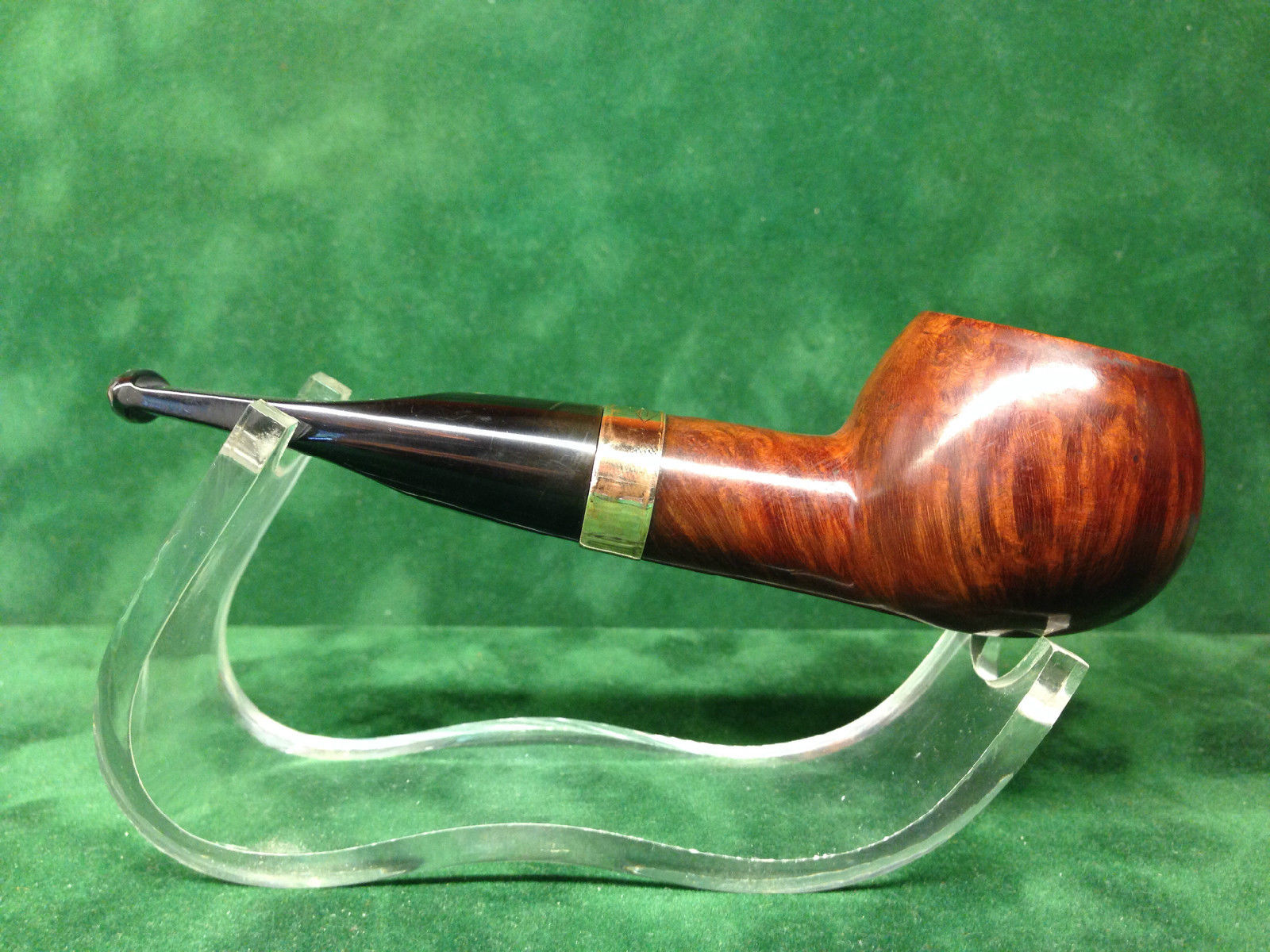
“This is a HGP Stubby Briar Root estate pipe that has been carefully restored on-site.The stem is in excellent condition and has very little visible wear; there are a few nicks on the bowl. This pipe was made by hand for Barclay Rex and likely dates to before 1960. The letters HGP actually stand for the craftsman’s initials.”

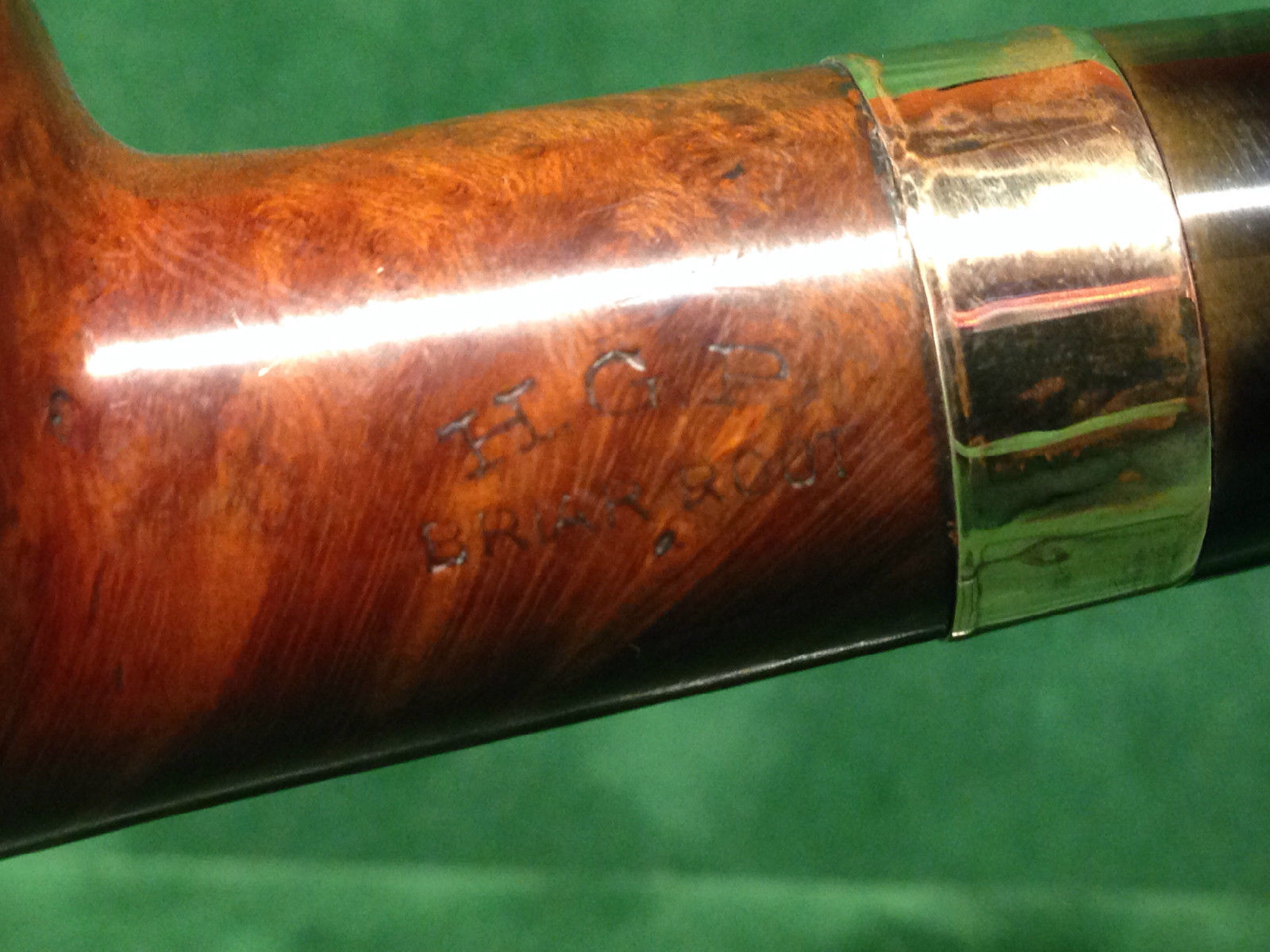
The story and the shape intrigued me and it had the white spot on the stem. I was hooked. It had a buy it now price so I went for it. I contacted the store and paid the bill and the pipe was mine. I was not too concerned about the condition as I would work on it anyway. The ad said that it had been carefully restored on-site so I would see what that meant when it arrived. The photos below were on Ebay and give a good idea of why the shape caught my attention. $_57 $_58 $_59 $_60 $_61 $_62 $_63 $_64 $_65 $_66 I wrote to Barclay-Rex to find out a little background information on this pipe and the stamping it showed in the pictures. I received this email response:

Dear Steve,
This was made by a pipe maker who worked for Barclay Rex for a time in the mid-20th century. His initials were HGP and he would stamp his pipes as such. We are unsure why the maker decided to place a white dot on his stem, but we have come across one or two more of his with the same combination. Unfortunately, his full name has been forgotten with time.
– barclayrex1910

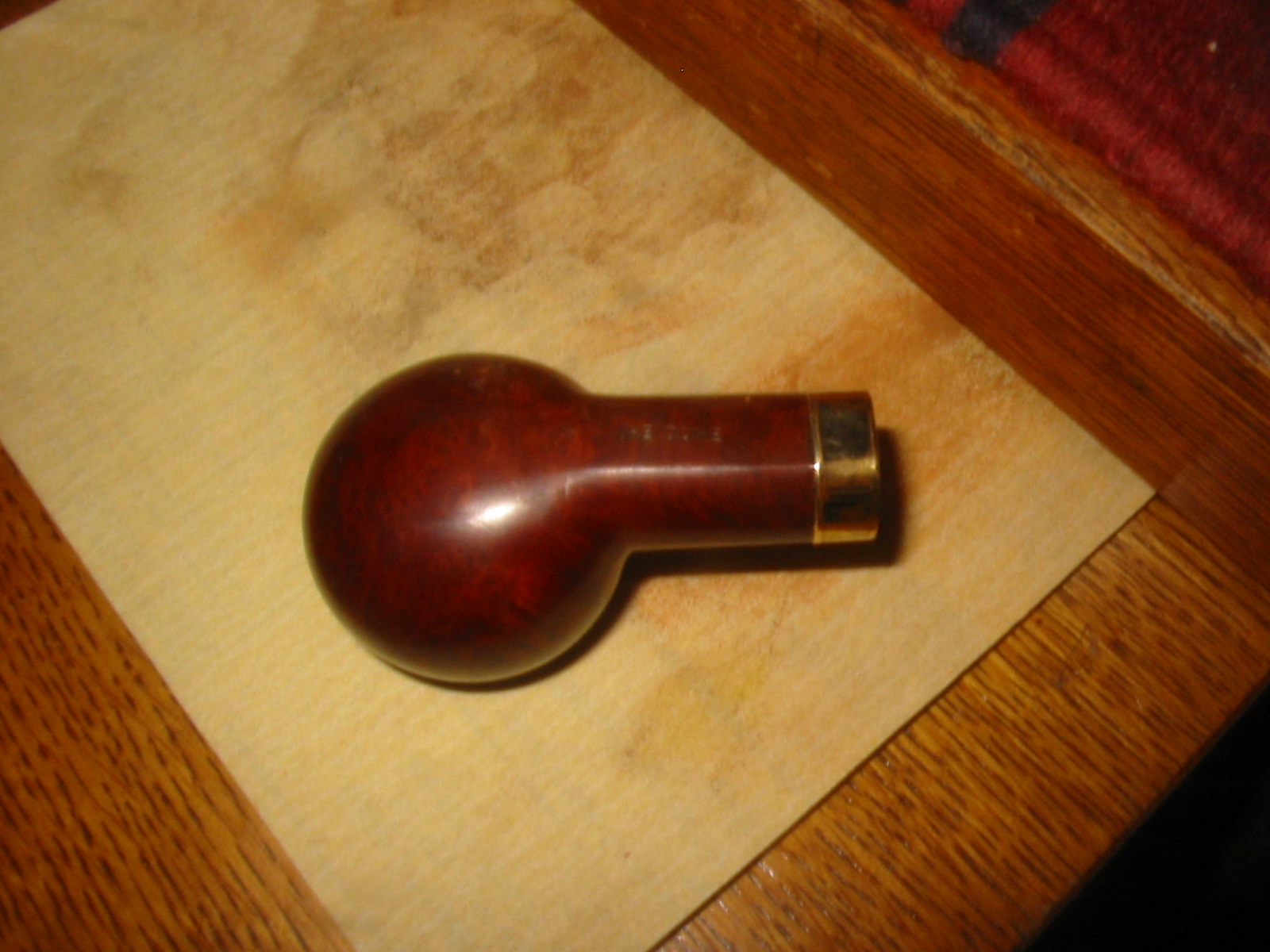
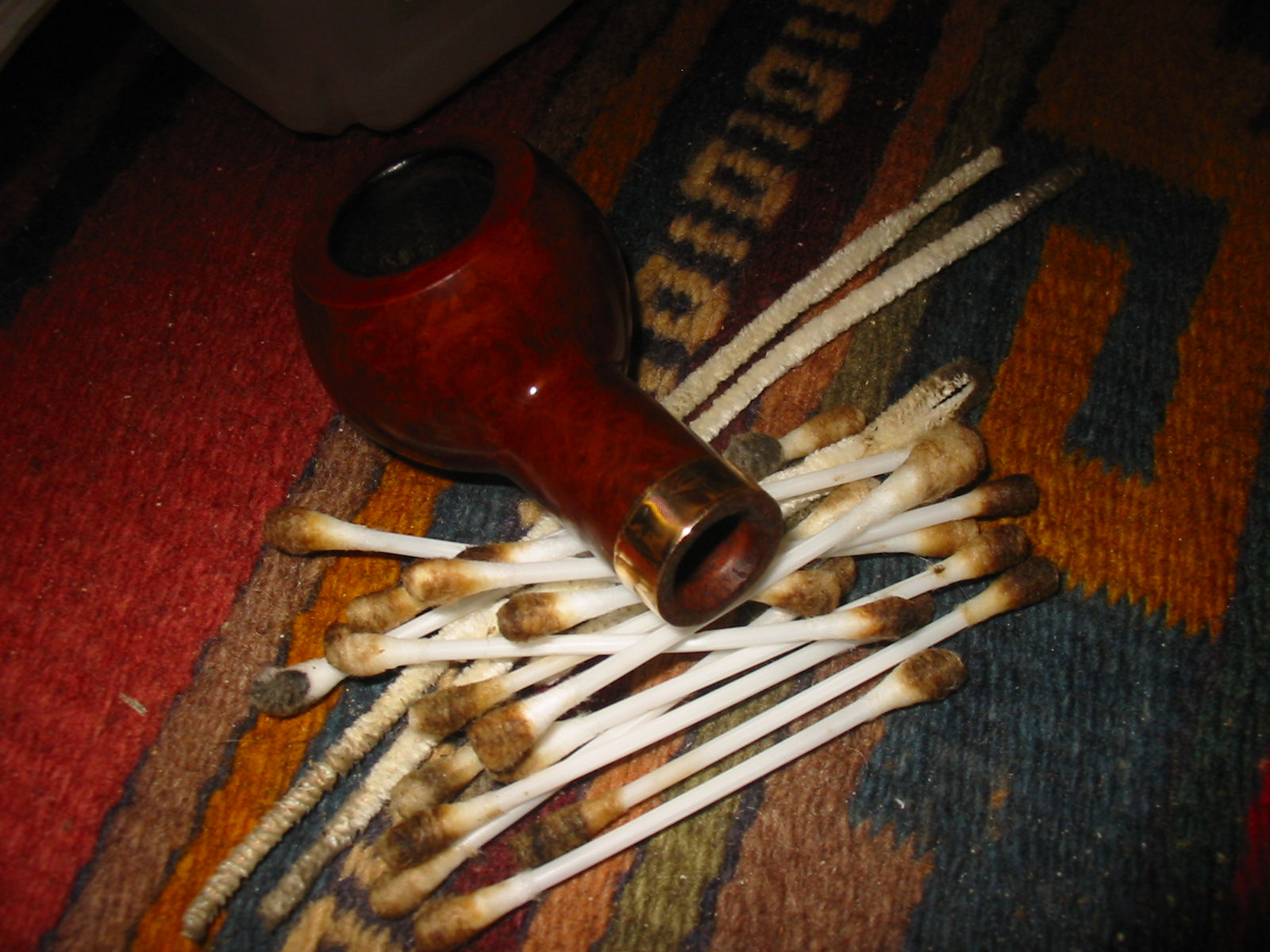
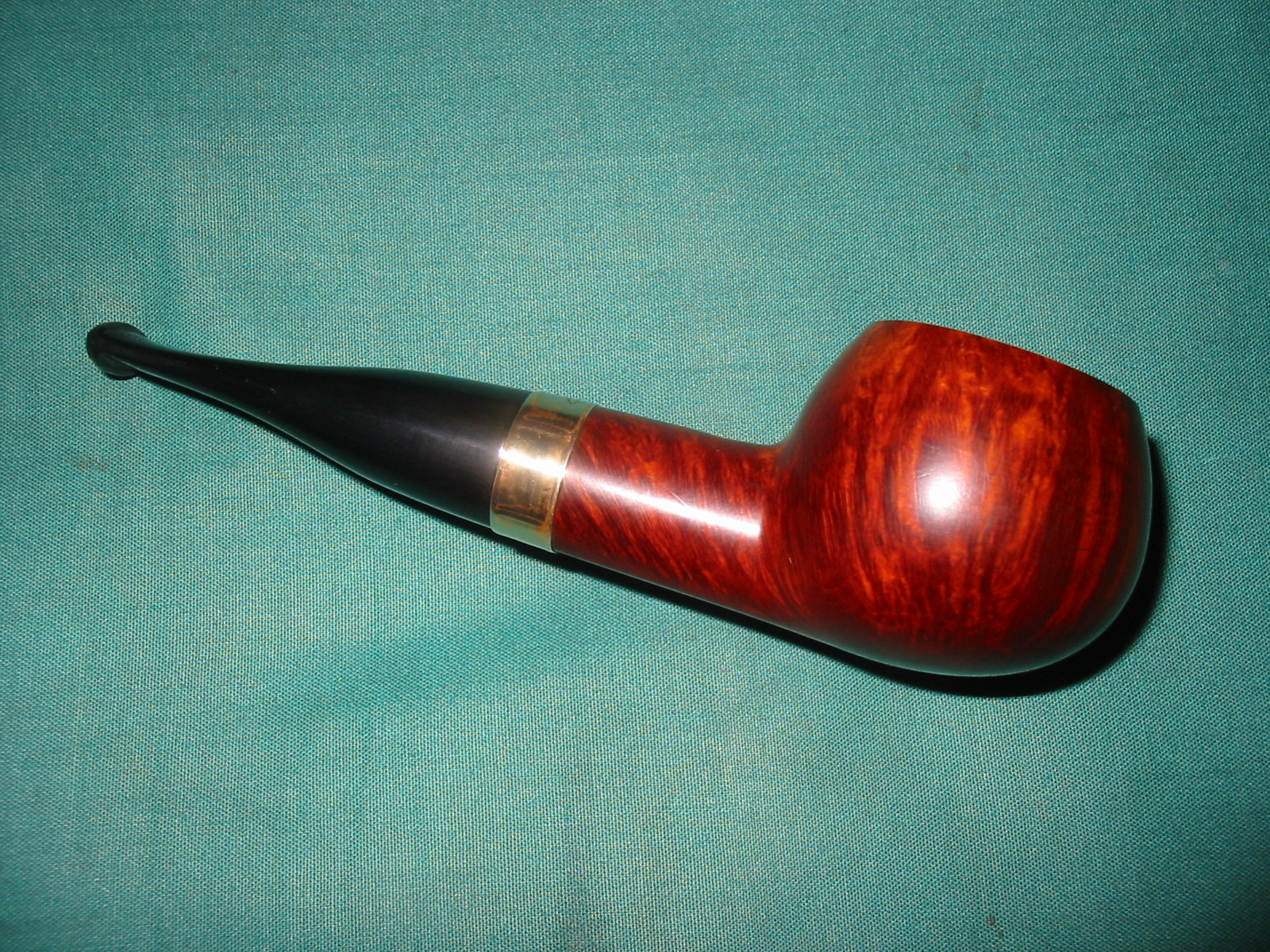
When the pipe arrived it was in good shape. The stamping indeed was HGP over Briar Root on the left side of the shank and The Duke on the bottom of the shank. Part of the shank and bottom of the bowl was flattened so that it was a sitter. I took it apart to examine it more closely. It was anything but cleaned and restored. The stem was rough – there was oxidation next to the band that went quite deep. There was a gouge on the right side of the stem that was quite deep. The top and the bottom of the stem from the taper to the button had obviously been modified to make a more pronounced taper. The file marks were still evident in the vulcanite. The width of the button end of the stem had also been modified and was narrower than originally designed as the sides of the stem also showed file marks. The button itself had a orific opening but someone had modified it into a poorly shaped slot. The stem had deep tooth marks on the surface of top and bottom near the button. There was a bite through on the top side next to the button. The angle of the taper was very abrupt and sharp with distinct cut marks. The tenon was fit for a filter by the appearance of it and the inside was very tarry. A filter would not have fit with all of the buildup in the stem. The bowl was another story. It was out of round with burn marks on the inner edge that needed some work. It had been reamed so that was not an issue. Then inside of the shank was filthy. The tars and oils were thick against the end of the mortise.

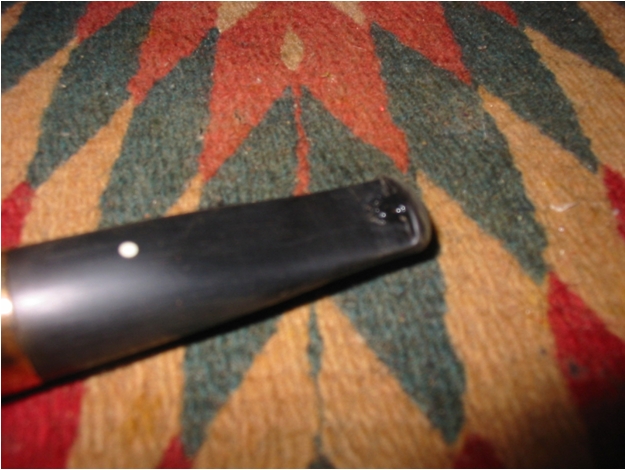
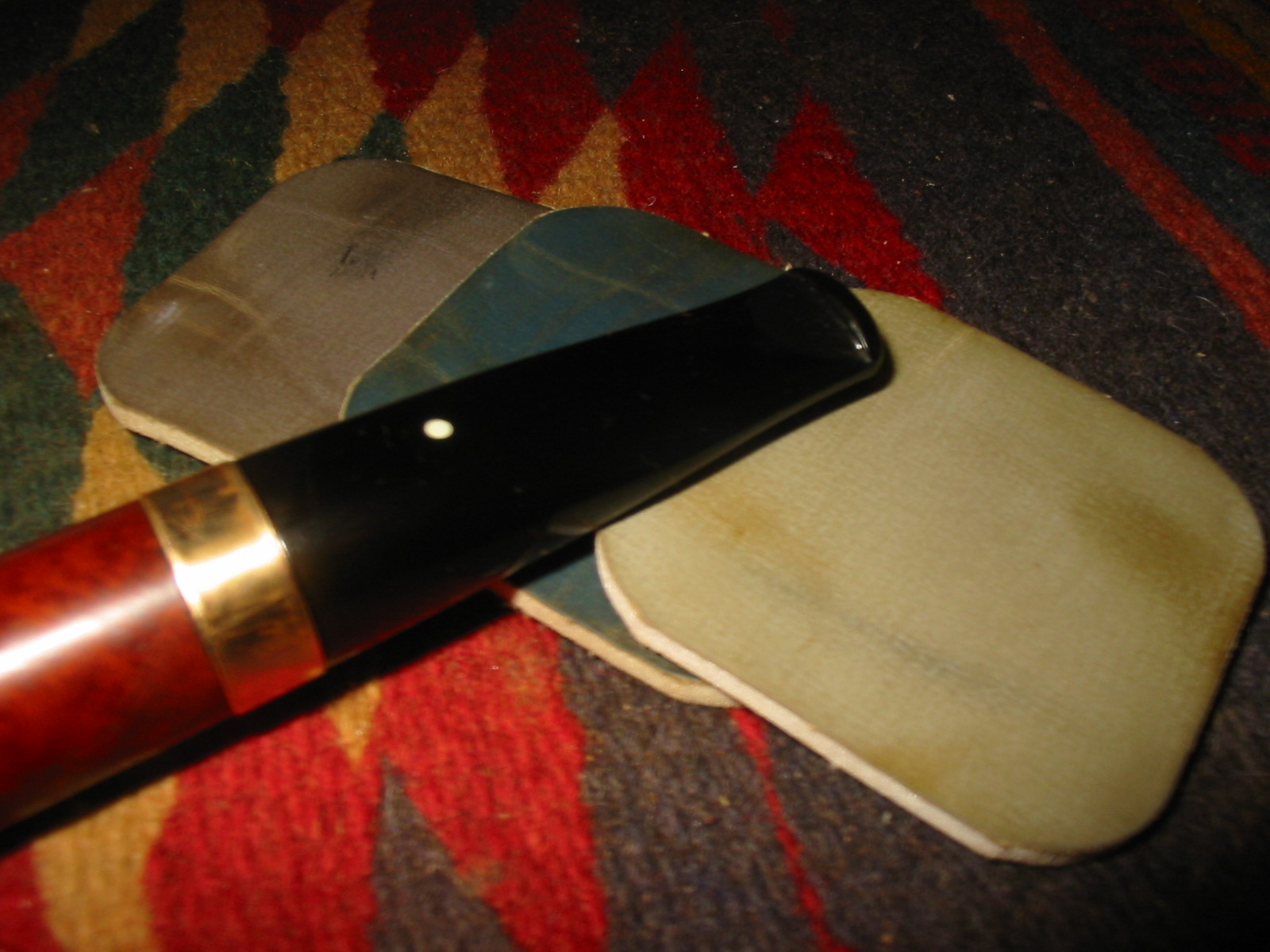
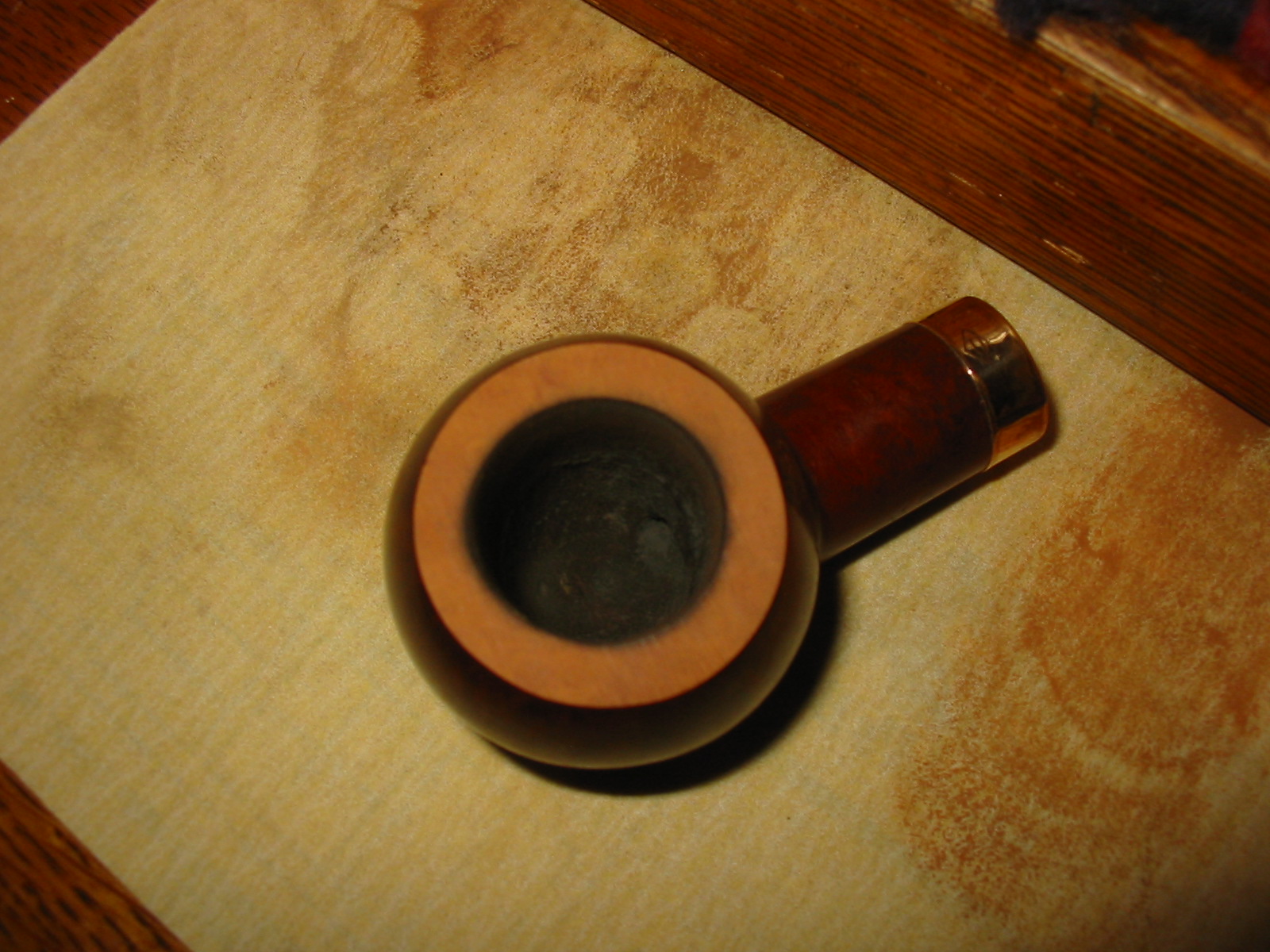
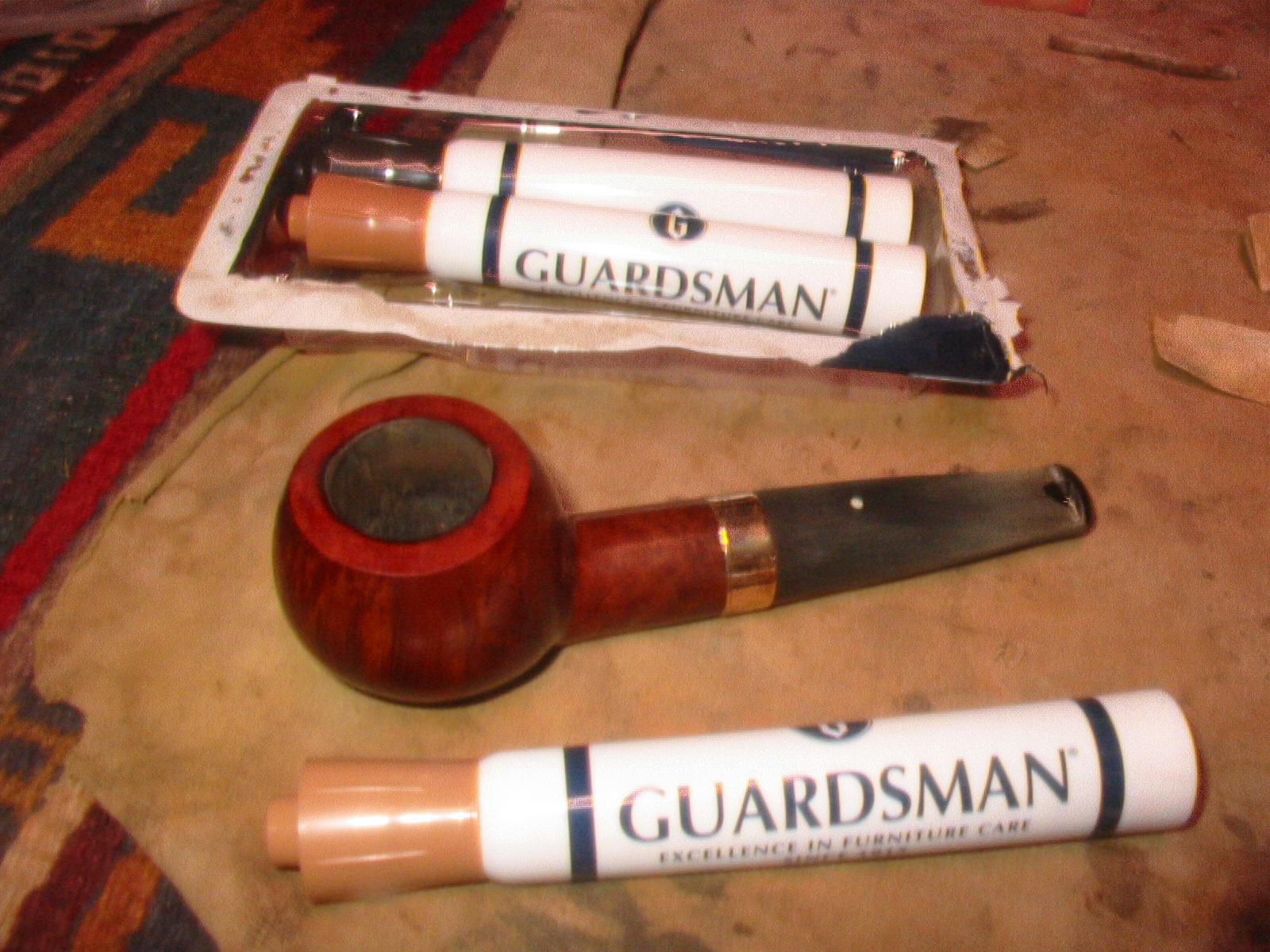
I decided to work on the stem first. I wanted to address the taper of the stem and cleanup the file marks and gouge in the top portion. I sanded the stem with 220 grit sandpaper to remove the scratches and reshape the taper. This took quite a bit of sanding to reshape the angles and edges of the stem. There was a slight hip on both sides of the stem that needed to be sanded out to get a smooth flow to the lines of the sides. The next series of photos show the progress in reshaping and repairing the stem. I worked on the taper first to remove the sharp angles of the sides and top of the taper and work on a flow to the profile of the stem. IMG_8158 IMG_8159 I sanded the gouge on the top right side of the stem until it disappeared and also worked on the transition from the flattened top and bottom of the taper and the round end next to the shank. The wet spot on the first photo next to the button highlights the spot where the small hole in the top of the taper was. At this point the taper is smooth and the transition is beginning to look right. The profile shot below shows the work that has been done. IMG_8163 IMG_8164 I continued to sand and smooth out the taper to give it a look similar to a Peterson tapered stem. The first photo shows the taper after all of the shaping. I rubbed some Vaseline on a pipe cleaner and inserted it in the orific slot in the button so that I could patch the hole in the top side of the stem. The second photo below shows the size and placement of the hole. IMG_8178 IMG_8180 I used black super glue for the repair and sprayed it with the accelerator to harden it more quickly. I found that the accelerator allows me to sand more quickly but curing actually takes longer. I sanded it with sanding sticks to smooth it out and then build it up several more times to give more thickness to the stem at the button. I reshaped the sharp inner edge of the button with a needle file. Superglue patch IMG_8181 After sanding with the sticks I sanded the patched area with 220 grit sandpaper and then with medium and fine grit sanding sponges to smooth out the scratches and blend in the superglue patch with the rest of the stem surface. IMG_8182 I finished sanding the stem with micromesh sanding pads – wet sanding with 1500-3200 grit pads and dry sanding with 3600-12,000 grit pads. I rubbed the stem down with Obsidian Oil between each three grit sequence of pads and let it sit until absorbed before continuing with the next set of three pads. When I finished sanding with the last three grits of micromesh I rubbed it down with a final coat of Obsidian Oil and when dry put the back on the pipe and gave it a buff with White Diamond. IMG_8187 IMG_8188 IMG_8189 I set the stem aside and turned my attention to the bowl. I decided to top the bowl to even out the rim as most of the inner rim damage did not go too deeply into the bowl. Topping it would smooth out the rim and allow me to correct the damage that made it out of round. I set up the topping board with the 220 grit sandpaper and sanded the top until the rim was smooth and the burn damage was minimized. I sanded the inner edge with a folded piece of 220 grit sandpaper to further mask the damage to the inner rim. IMG_8161 IMG_8162 I sanded the topped bowl with medium and fine grit sanding sponges and then with 1500-4000 grit micromesh sanding pads. I cleaned out the sanding dust from the bowl with a damp cloth and wiped down the top of the bowl with an alcohol wipe to prepare it for restaining. I decided against restaining the whole bowl and to just stain the rim. Thanks to Greg I have a set of staining pens that make this kind of thing quite easy. I started with the lightest stain pen and then used the medium stain pen to match the colour of the bowl. I buffed it with White Diamond and then gave the bowl and rim a quick buff with carnauba wax. After the buffing I sanded the band with the micromesh sanding pads and then polished it with a polishing cloth. The finished bowl is shown in the photos below. IMG_8167 IMG_8168 IMG_8169 IMG_8171 IMG_8172 The next photo shows what I did next, though in retrospective I probably should have done this first, I did not. I cleaned out the inside of the shank with isopropyl alcohol, cotton swabs and pipe cleaners to remove the tarry buildup in the mortise and airway of the pipe. IMG_8175 Once I finished cleaning out the inside of the pipe I gave it a quick buff with White Diamond and then gave it multiple coats of carnauba wax, buffing with a soft flannel buff between coats. The finished pipe is shown below. The restoration and refurbishment are complete and now it can be honestly said that it has been “restored”. The amount of work it took to bring this pipe back to a finished look was far more than I expected when I bid on it. I honestly was surprised at how dirty and unfinished it was when it arrived. Now I have a pipe that I can be proud of and enjoy smoking. The look and feel in the hand is exactly what I like and I look forward to firing up the first bowl in it very soon. IMG_8192 IMG_8193 IMG_8194 IMG_8196
Restemming and Rejuvenating a Pipe for my Son-in-Law


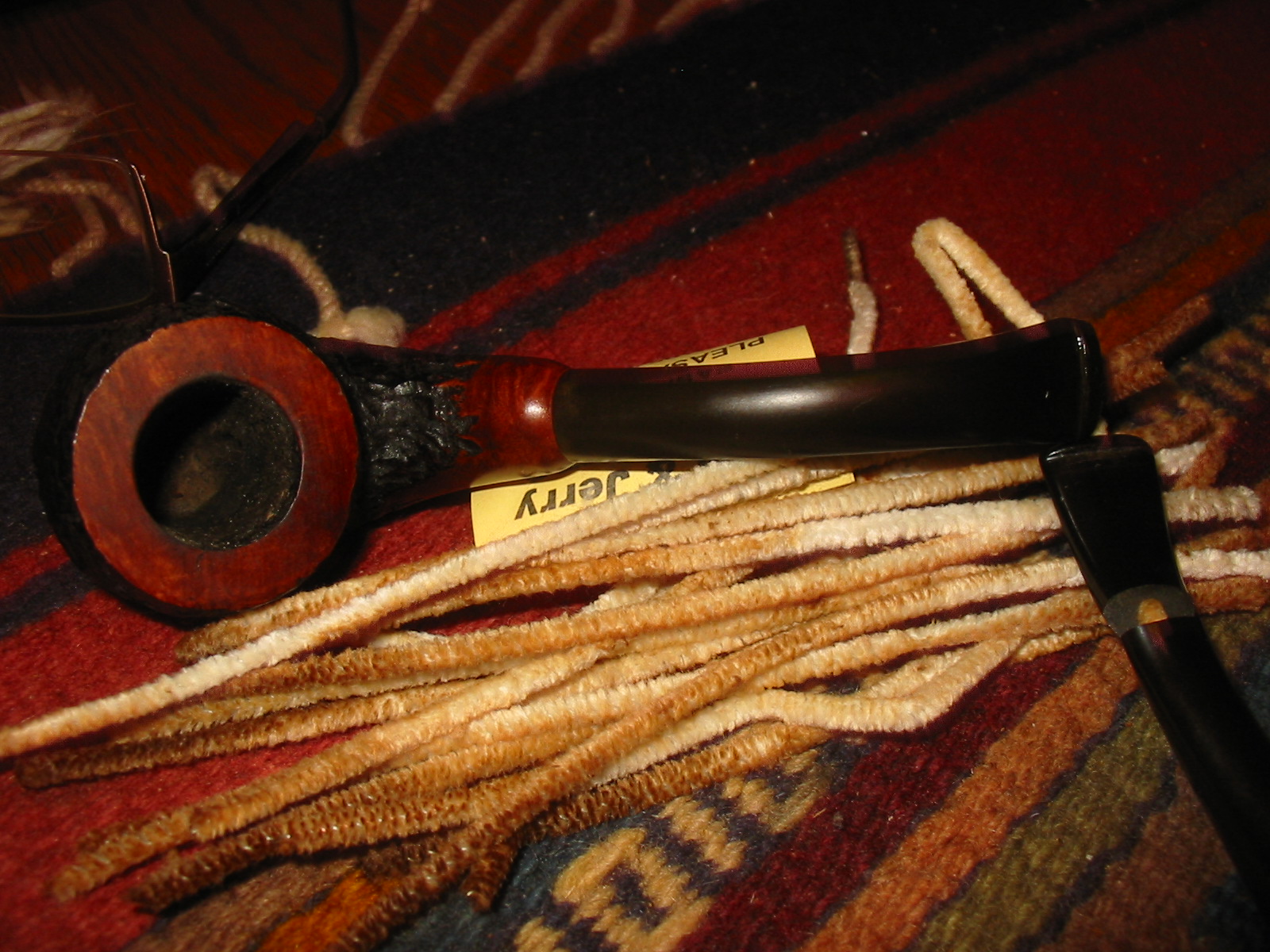
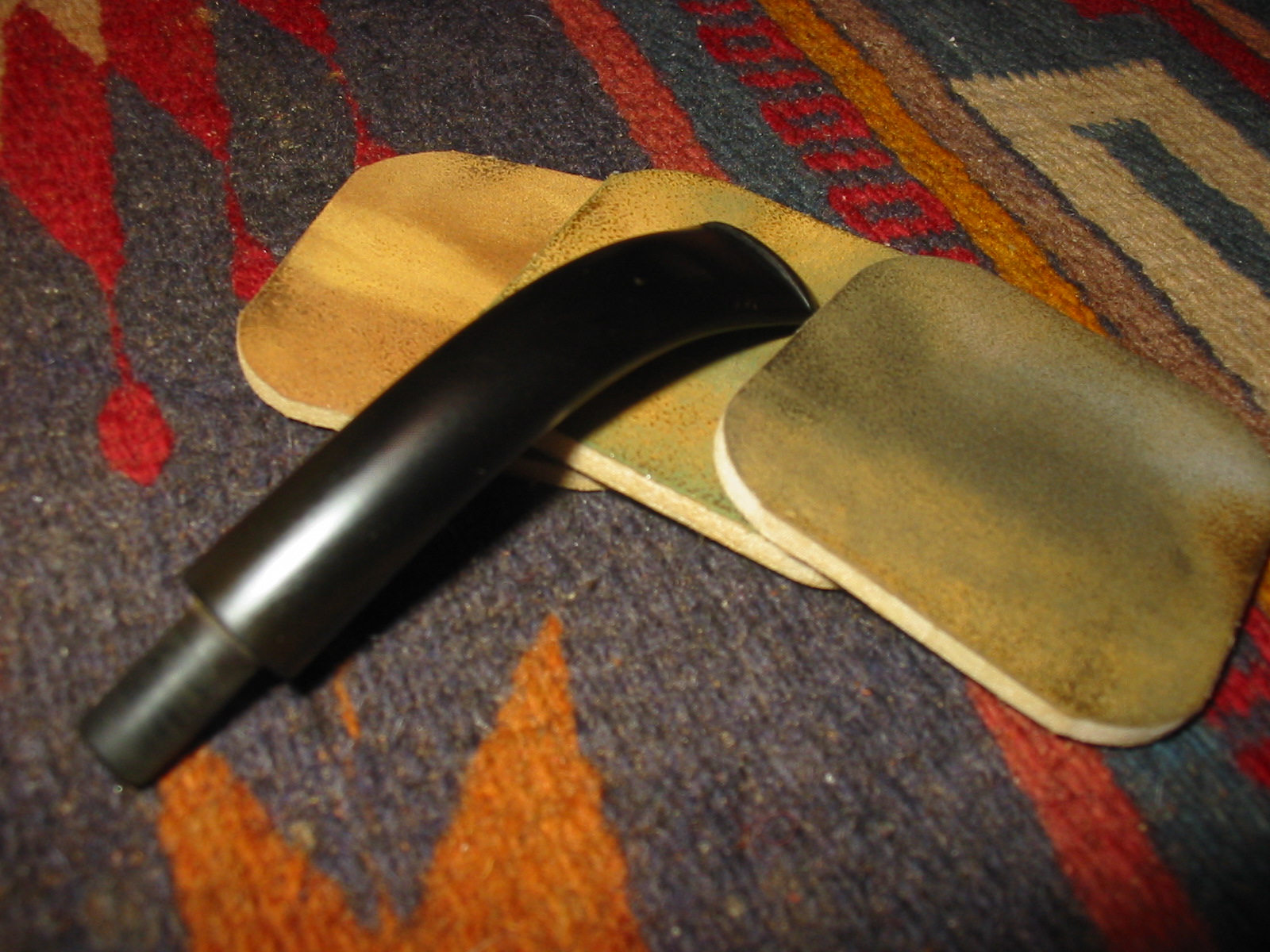
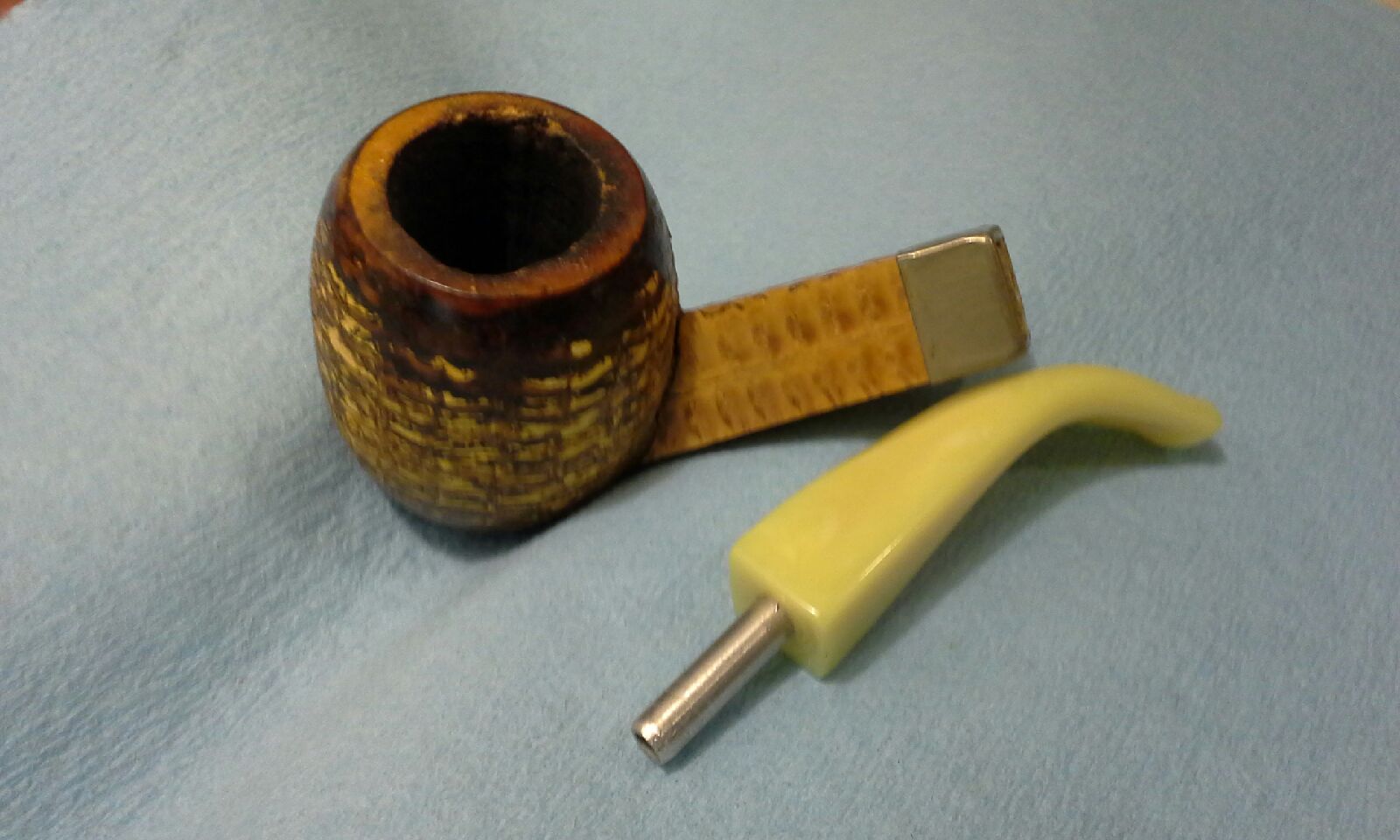
Last evening my daughter and her husband had us over for a wonderful meal of pulled pork and salads. My daughter is a great cook but this time around her husband made the main course. My daughter called just before we went and asked that I bring my pipe and some tobacco to share. I could relax on the back porch and her husband, Lance and I could share a few bowls. It was a great evening and we shared a few bowls. I looked over his pipes and realized that most of them had come from me. In fact the first pipe he had ever smoked came from me – many years ago now. His brother had worked for me and I had introduced them both to the pipe. Anyway, as we spoke he said he had one with a broken stem. The pipe was an Italian basket pipe and had a hard Lucite stem. Somehow he had stepped on it and the stem had snapped in half. In the photo below you can see the break in the stem. It had been sitting with the stem out of the shank for a long time and the tenon no longer fit into the shank. The edges of the stem had been rounded to give it an interesting look, but it did nothing for me. The shank itself was also rounded so it would not take a stem the same diameter as the shank. IMG_8143 To take out the rounded end would have shortened the shank by almost ½ inch so I decided to leave that detail alone and restem it with a stem similar to the original. I also decided to use vulcanite instead of Lucite. The new stem is shown below. It is the same diameter as the previous stem and would have a similar look to it. I would not round the end of the stem but rather leave it flat to sit flush against the top of the crowned shank. IMG_8144 The stem was one from my stem can that had previously been on a different pipe. It was bent the proper angle already so I would not need to bend it or shape it. I just need to clean it up and remove the oxidation from the outside and clean out the interior as well. I also use some 220 grit sandpaper and worked on the tenon so that it had a good snug fit in the shank. I twisted it into place in the shank and took the photo below to get an idea of the new look. IMG_8145 The next two photos give a picture of just a few of the pipe cleaners I used to clean out the stem. I also used a sharp knife to bevel the end of the tenon into a funnel. The previous stem had been drilled off centre and did not match the airway in the end of the mortise. It was well drilled and centered so the funnel on the tenon end would encourage good airflow through the pipe. A quick draw on the stem demonstrated that the draught was good and open now as opposed to the tight draw that it had before. I sanded the calcification on the stem with 220 grit sandpaper and then with medium and fine grit sanding sponges to remove the scratches and the oxidation at the end of the stem. IMG_8146 IMG_8147 I took the pipe to the buffer and gave it a quick buff with Tripoli and White Diamond to clean off the rim and also clean up the stem some more. I still need to sand the stem around the shank junction to remove stubborn oxidation and then polish it. I sanded the stem with 220 grit sandpaper and medium and fine grit sanding sponges to remove the oxidation near the shank. Then I used my usual array of micromesh pads – wet sanding with 1500-2400 grit pads and dry sanding with 3200-15,000 grit pads. IMG_8150 IMG_8151 I wiped the stem down with Obsidian Oil and when it dried I buffed it with red Tripoli and worked on the area near the tenon. I buffed it with White Diamond after than to polish it. Then I took it back to the work table and sanded it with the last three micromesh sanding pads. IMG_8154 I polished the stem with Meguier’s Scratch X2.0 and then buffed a final time with White Diamond. I gave the stem multiple coats of carnauba wax and buffed it with a soft flannel buff. I lightly buffed the bowl with wax and a soft buff as well. The finished pipe is shown below. On Wednesday evening I will deliver it to my son in law so he can fire it up after several years of not using it. I look forward to hearing what he thinks of the new stem. photo 1 photo 2 photo 3 photo 4
Crusty Cleanups


I was just over on the reserectedpipes blog and came across one the older posts that has some beautifully done refurbs on it. I wanted to share those with the readers here. Great work on this threesome.

ReserectedPipes's avatarReserectedPipes

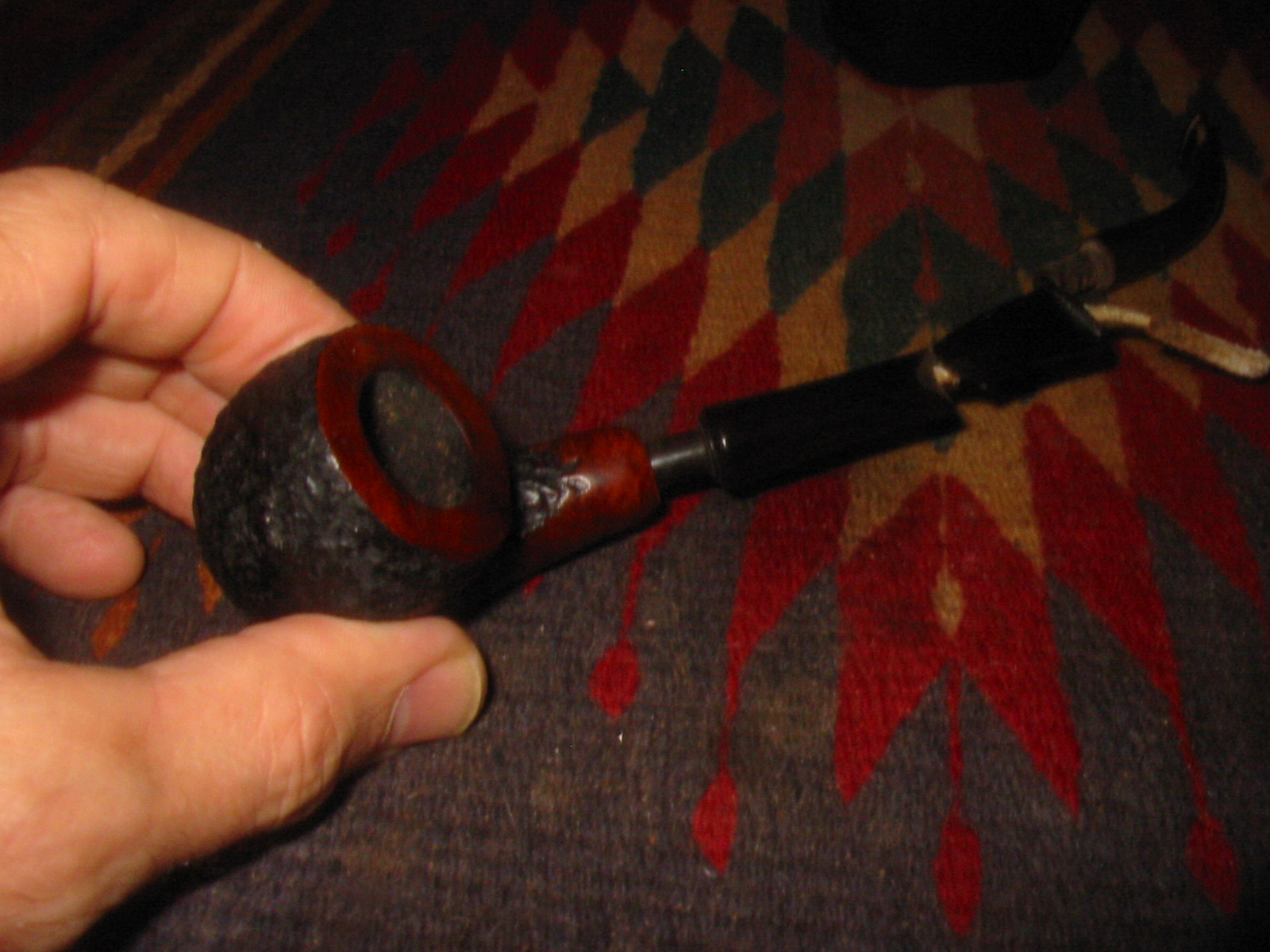
I was asked by a friend to see if I could clean his pipes. He had a Savinelli Punto Oro 611, Marmet Bent and a Hardcastle Poker.

The three pipes were in OK condition. They had a lot of cake built up and the stems were oxidized.

HS B3

HM B2HH B2

I reamed the three bowls with my Castleford reamer beginning with the smallest and moving slowly up to the largest.

HS B6

HM B5

HH A1

All cleaned up pretty well but the stem of the Hardcastle Poker was stuck and I had to put it into the freezer for several days to get it out.  When it came out it had cake buldup in the shank that had to come out. Each day I was able to move it a bit more and it came out on the third day.When it came out it had cake buildup in the shank that had to come out. 

View original post 182 more words

The Bionic Hilson Meer: We Have the Technology, or How I Destroyed a Mardi Gras and Made It Unique – Robert M. Boughton


Guest Blog by Robert M. Boughton
http://www.roadrunnerpipes.com
http://about.me/boughtonrobert
Photos © the Author

“Nothing is so painful to the human mind as a great and fearful change.”
— Mary Shelley, Frankenstein, 1818

INTRODUCTION
Robert 1
The great English author and creator of the science fiction genre, Mary Shelley, had she been a pipe restorer, might have been writing of the feeling of dread I experienced after a single swipe of sandpaper destroyed any chance I had of restoring a beautiful Hilson Mardi Gras meerschaum-coated and kilned billiard to its original glory. All I could do with the monster I created with that foolish attempt to remove a small blemish, once I summoned the nerve, was to go to my friend and mentor, Chuck Richards, and confess my sin with the hideous evidence in hand.

Robert2Oh, I beseech you; do believe me when I confess that before doing so I attempted to cover up my evil act with multiple layers of yellow and orange marker ink and Super Glue, which surgery proved fruitless, as all can see from this hideous disfigurement committed by yours truly. I can now only plead that in my Godforsaken state of pride and arrogance I believed I could re-animate that which I knew was dead. Thus the poor monster appeared before the sparkling eyes of the master, Chuck. To my great combination of horror and expectation, he seemed amused, and so I chose to have the satisfaction of describing the facts as I imagined them before he could state them himself.

So I guess what I have here is a once beautiful pipe that I can keep for myself and enjoy smoking,” I said. “But there’s no hope of fixing it.”

Chuck nodded and allowed his face to reveal the big grin I deserved. When he had reigned in his jolly fun, Chuck explained that the process Hilson (http://www.pipephil.eu/logos/en/logo-h3.html) uses to make this variety of meerschaum pipe is to coat the inner and outer bowl with the magic white porous claylike material made of hydrated magnesium silicate, and then glaze and heat the bowl in a kiln. Once that process is complete, there can be no meddling with the basic elements of the pipe form.

However, following my basic nature of stubborn curiosity, I began to meddle.

THE REVIVIFICATION
Refusing to accept that there was yet no hope for this mangled creature of my own unmaking, I decided there was no good reason not to sand off the rest of the fixed glaze and see what lay beneath. Yet nothing could have prepared me for my utter dismay when I reached a small patch of that which could only be described as wood. And where there is wood, for those who are of such a mind as mine, there is hope, however lunatic the notion may be. I proceeded to strip the bowl down to the bare briar birthday suit. I also reamed, sanded and micro-meshed the bowl and rim.
Robert3Robert4Robert5Robert6 No doubt the Reader can see the many reasons why this hunk of briar, despite its likely latent lineage, might not be conducive to preparation for the average pipe smoker’s, or, dare I say it, even restorer’s viewing without extreme measures. Yet just such extremities did I have in mind to make this once fair Hilson born of a line of solid stock starting in Germany and traveling to Belgium and lately found in Denmark under another owner.

After sanding the tenon to make the stem flush with the shank, I still noticed (and thanks to a preview email to our host, Steve, was confirmed with invaluable constructive criticism) that the stem itself was never properly fitted. I broke out my 1500 micromesh and ever so slowly worked away until the two met and formed a whole. Several attempts later at finishing with the unnatural briar stained brown and buffed with White Tripoli, White Diamond and carnauba waxes I even thought I had my Hilson’s Monster restored to life.Robert7Robert8Robert9 Alas, the mishmash of grains still shone through. I have made a few attempts with pipes that had far less reason to conceal the visages of their fearsome, uncomely wood entirely with black stain, all of which met with disaster due to various problems, most of them being the necessity for a baby smooth surface. This time, however, I had overcome that hindrance and set out to try again, with satisfactory results. The only difference was that I mixed equal parts of black and maroon stains, then re-buffed, to this initial end. Robert10Robert11Robert12 True, this was a far cry better than where I started, but not quite what I was looking for. I was deathly afraid of taking the next step in trepidation of doing something I have already done enough to know better: taking one step beyond the edge and ending up ass over teakettle. So call me what you will – a madman, a reckless fool, yes, sling whatever epithets you will at me, but I did what my conscience bade me and gave the bowl a whirl of Red Tripoli with another, light coat of carnauba.Robert13Robert14Robert15
CONCLUSION
And there it is. The difference is subtle, I know, but present nonetheless. At long last I can revel in the knowledge that I have felt the power to give new life, though the original may have had, shall we say, more complexity. If it is an argument you want from me, you shall be woefully disappointed indeed. I say, trudge off to the Arctic Circle in search of your own gods and monsters, if you believe in them, for they do exist.

Repairing an Over-Reamed Corn Cob Pipe


Blog by Greg Wolford

About three weeks ago I was contacted by fellow PSU member, and sometimes-contributor here, Astrid after she had an accident reaming a nice old corn cob pipe. Cob Pipe Pic.1
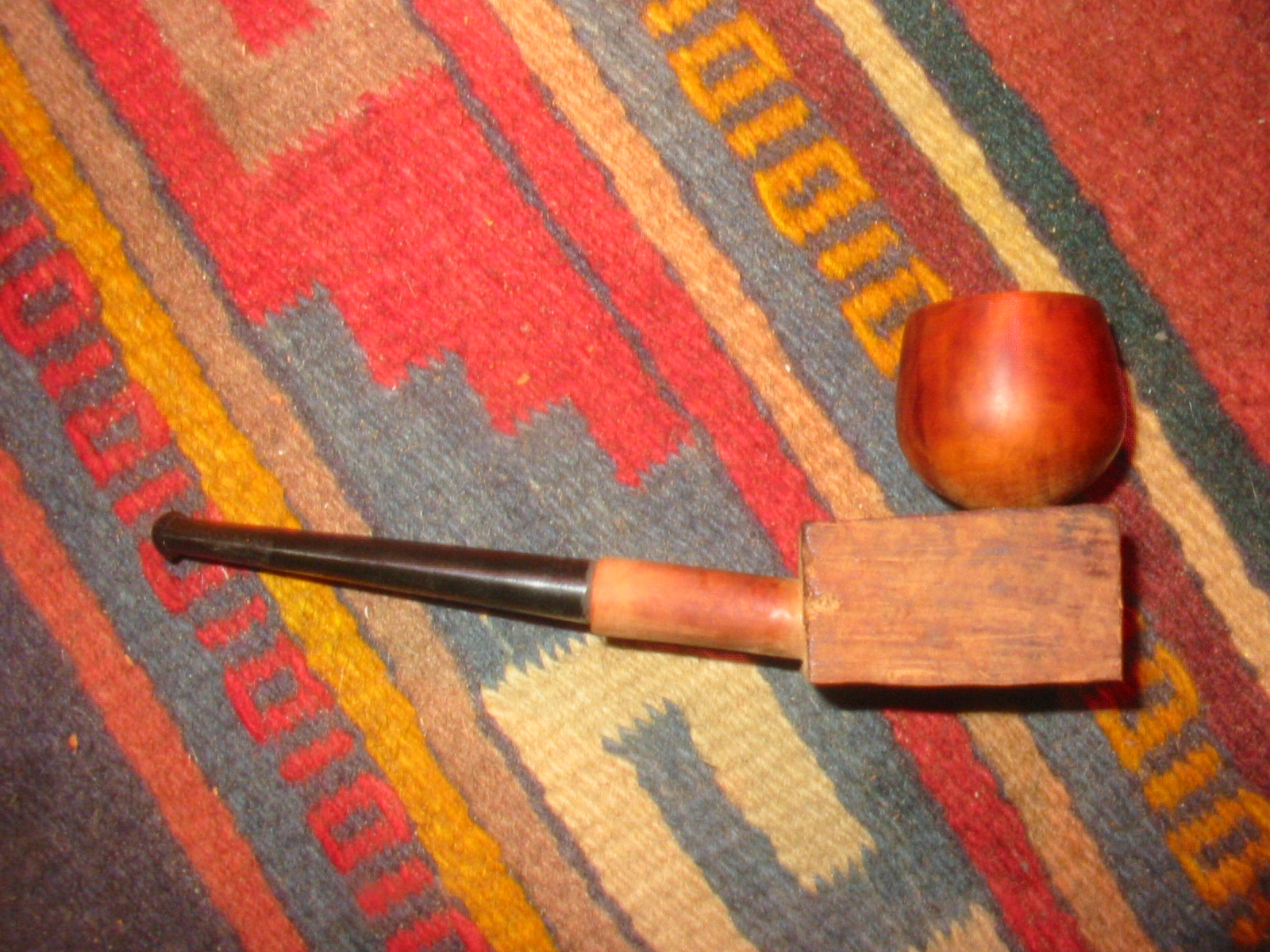
She had remembered reading about some work my grandson and I had done to a few of my cobs and was curious if I might be able to fix the chunk that had accidentally been removed when she was reaming her “Corn Dog”.  As you can see, it really is a nice old pipe, with a super (in my opinion) Bakelite stem; I was really looking forward to getting it in hand after seeing it.

As luck would have it, I have done several repairs of this type to different corn cob pipes, as well as using the general technique for everything from raising to bottom of bowls to repairing cracked bowls. So, I told her I would be happy to doctor the old cob up for her and she sent it out to me a few days later.

When the pipe arrived I had no idea of exactly what the extent of the damage was so I was anxious to see what the box from Canada held! I was pleasantly surprised to find a couple of old pipes to tinker with (and keep) as well as a generous gift of tobacco. At the bottom of the box I finally found the old pipe, and was happy to see it was just about what I’d hoped it would be: Nothing too difficult! Here are a few photos of the rim damage:Old Cob (1)_edited-1Old Cob (2)_edited-1Old Cob (3)_edited-1Old Cob (4)_edited-1

You can see the “chip” was reasonably large, but it didn’t go through the bowl – a very good thing. I started my using a dental pick to lightly scrap the damaged area to remove any loose material; there was very little, most likely because Astrid had already cleaned the pipe very well.

The next step was to mix up a patch for the damaged area. Old Cob (5)_edited-1For this project I used a new tube of fireplace mortar/sealer; my old tube had turned into stone on me. I mention this because I have found that the different brands behave differently when dry: some are impervious to moisture, while others are not. I have found that mixing in a little cigar ash (other fine ash will work too) makes the patch solid but allows for moisture and to go through to the briar (or cob in this case) and disperse better. I also mix in a little powdered activated carbon; I use the capsules now, instead of the messy process of grinding it up myself. The activated carbon does two things: it filters out any potential taste in the first few smokes that the mortar/ash patch might have and it makes it much darker, thus blending in better. The addition of these to components also makes the patch set much faster so you need to have some water on-hand to mix it right; you are looking for a dough-like consistency, wetter for longer working time. After mixing the “putty” up I began applying it with an old pipe tool’s spoon end, working it in to make a nice, Old Cob (6)_edited-1even surface, except for the top, where I left a small gap to blend in later. You can see the still wet patch in this photo, after I had smoothed it out; I used a flashlight to make the repair area easier to photograph. I then took a small amount of powdered carbon and sprinkled it onto the patch to make it blacker and less noticeable. I then set the pipe aside until morning to allow the repair to cure.

The next day it had hardened into a night patch. But, as it sometimes does, the patch had shrunken. I mixed up a little pipe mud and applied it over the patch to make it more flush inside. You can see the result of the second patch in this photo.Old Cob (8)_edited-1 You can also see here the “dip” I left in the rim; I did this to blend in the rim with wood putty.

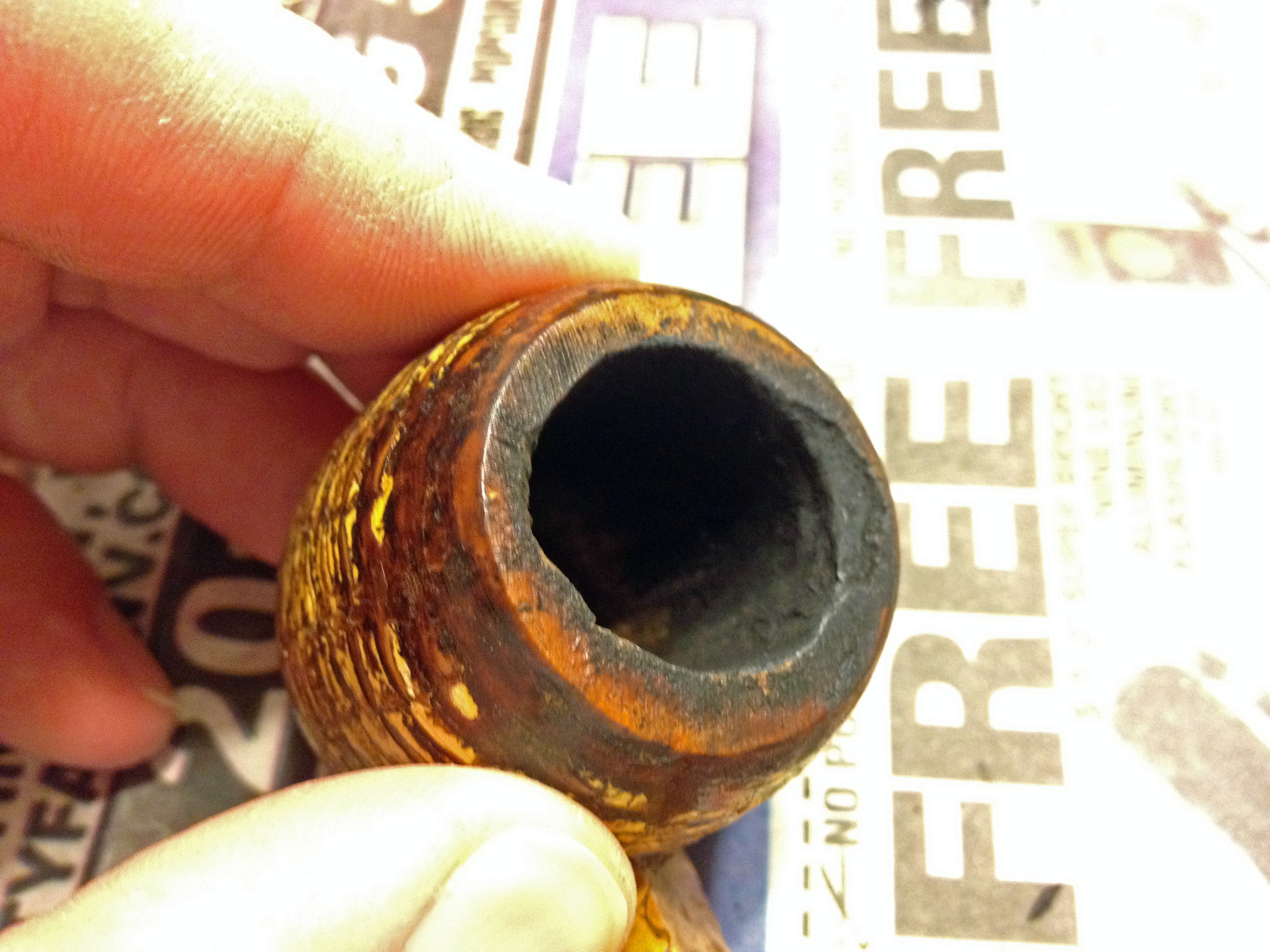
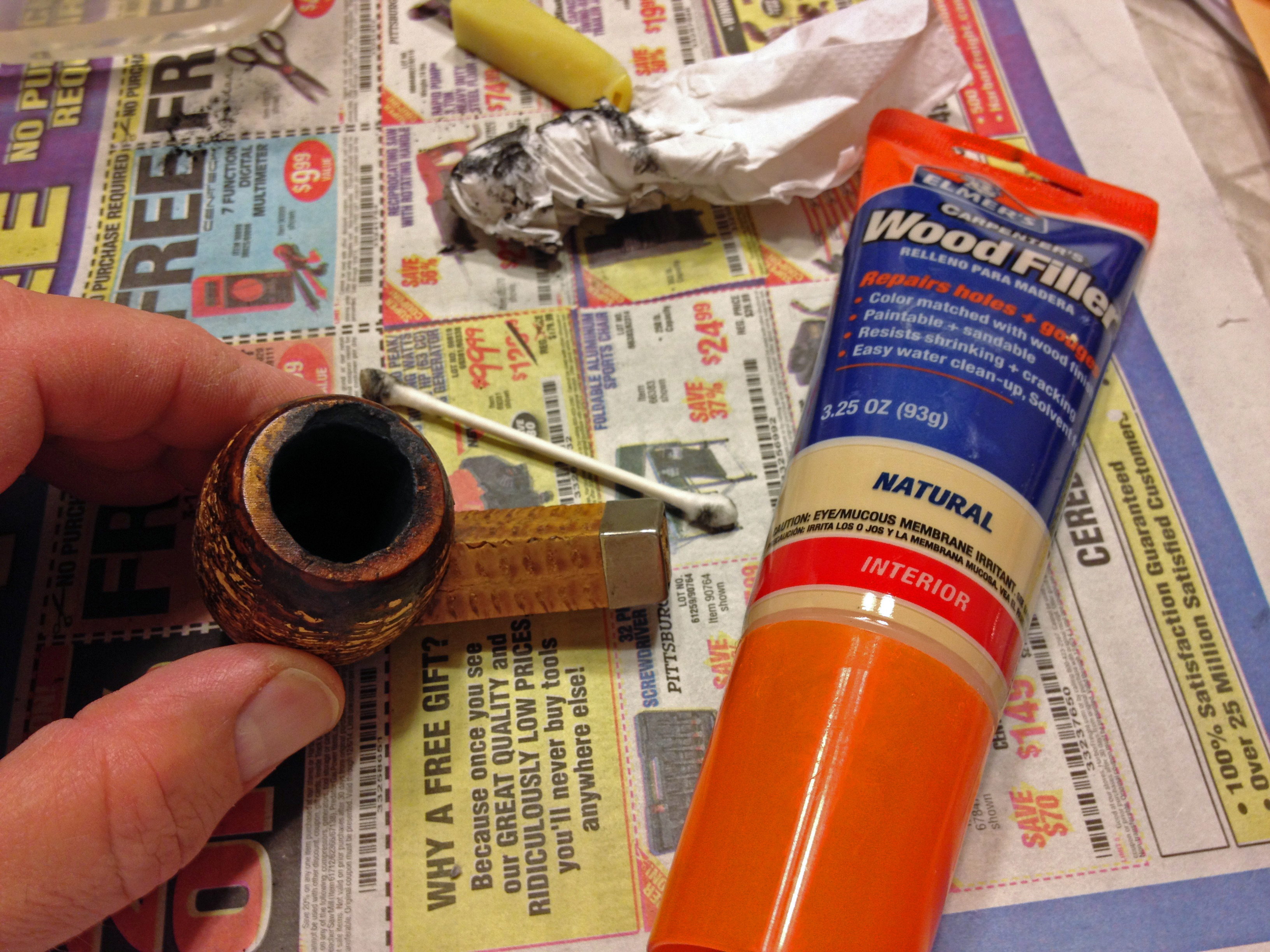
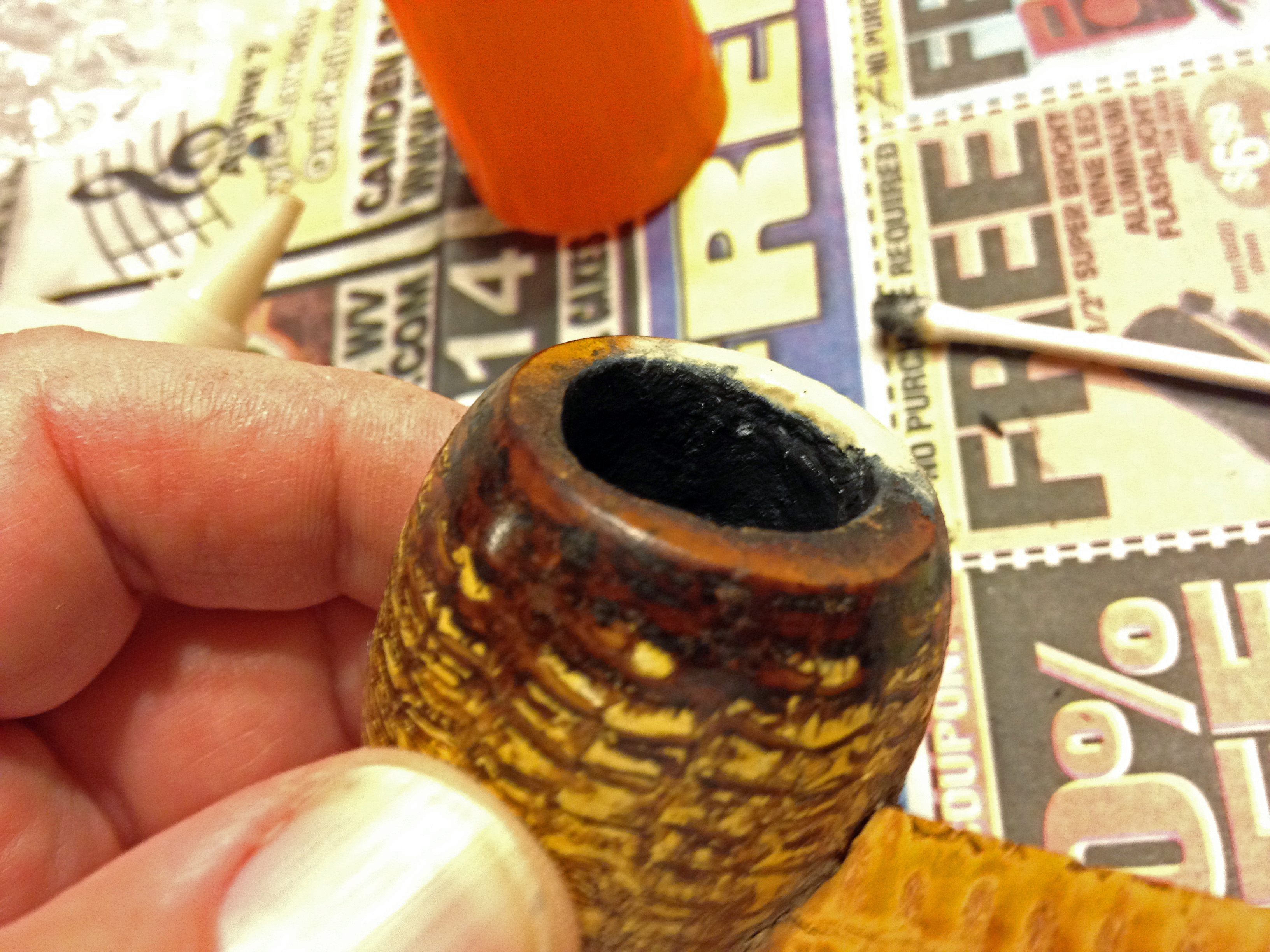
As I was waiting on the pipe mud to dry, I took a damp cotton swab and cleaned off the rim of the pipe to make sure there was nothing to keep the next patch layer from sticking and to lighten the bit of residue on the rim already. I then applied some Elmer’s Natural Wood Putty to the rim. Again, this is something you want a little water on-hand to work with and smooth the repair as you go.Old Cob (9)_edited-1 I used both a cotton swab and my finger to apply the wood putty, shaping it as I went, but applying a little extra in case it shrank.Old Cob (10)_edited-1 After I was happy with the wood putty patch I used some of the pipe mud and charcoal powder to mute the brightness of the rim repair. This would ultimately be sanded and stained so I didn’t spend too much time or effort on this step, only on making sure the inside or outside of the bowl didn’t have an excess on them.

The weather was rainy and humid during the time that I worked on this pipe so extra drying time was required on each step/patch. At this point I set the pipe aside for a couple of days to be assured that everything was well dried and cured before I moved onto the final shaping and stain blending.

When I came back to the pipe I checked to make certain the repairs were all well cured, and they were: very solid feeling all the way around. Now it was time to shape the rim; I wanted to get the top nice and even but didn’t want to take away the character of the rim so I opted to lightly top the bowl with 400 grit wet/dry paper, checking often. Old Cob (13)_edited-1After I was satisfied with the rim being level, I used the same sandpaper to touch up the edges just a bit. Looking well-shaped to my eye, I broke out the stain markers I so often rely on, choosing the lightest color I had for staining and blending the rim.

All in all, I think this was a successful repair job that came out quite well. I am sure that after a few gentle smokes that the rim will take on an even more “natural” and blended look. And best of all, I think this old corn cob pipe will provide many more years of good service to Astrid – and maybe even to someone else down the road!Old Cob (11)_edited-1 Old Cob (12)_edited-1


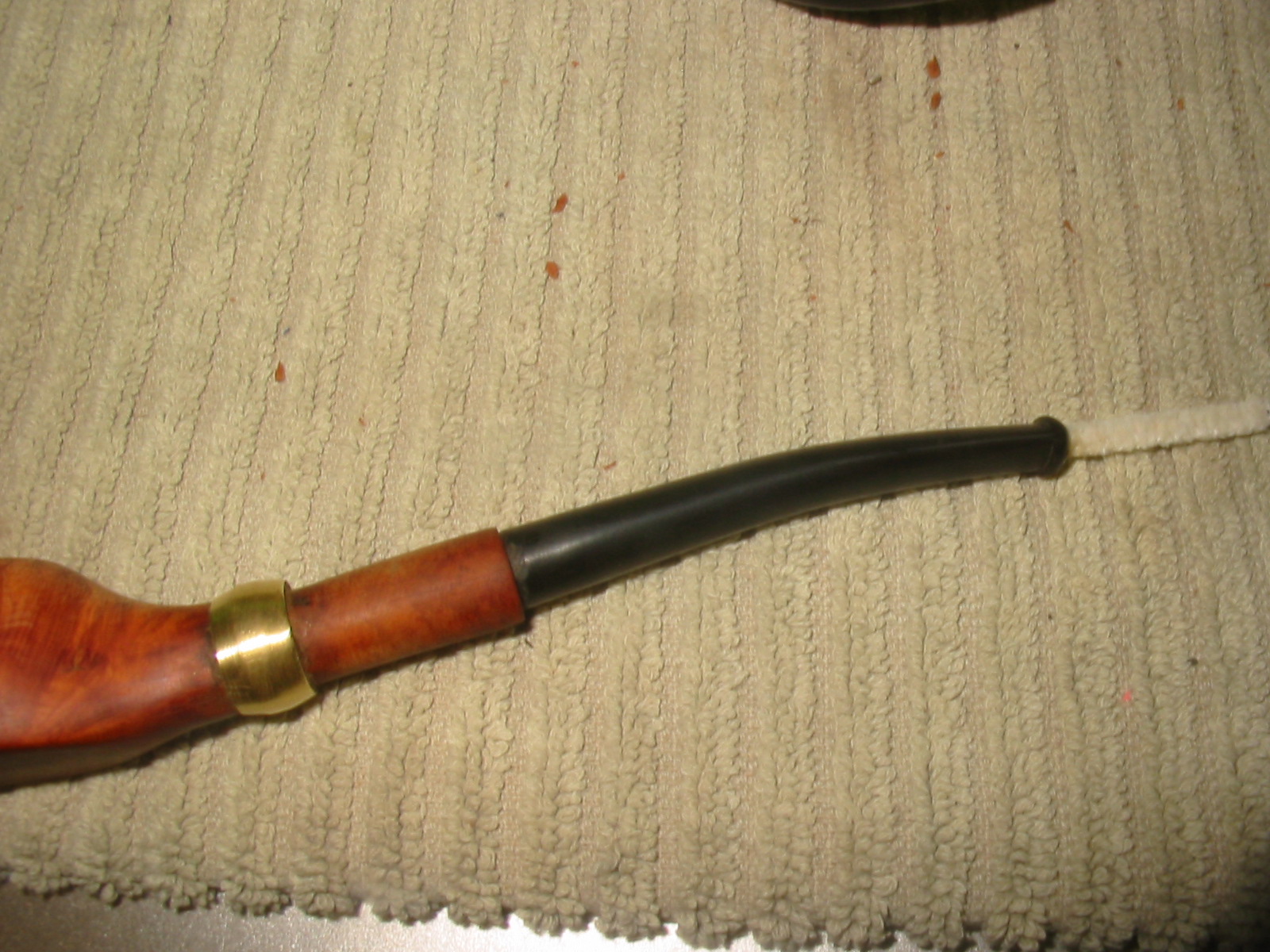
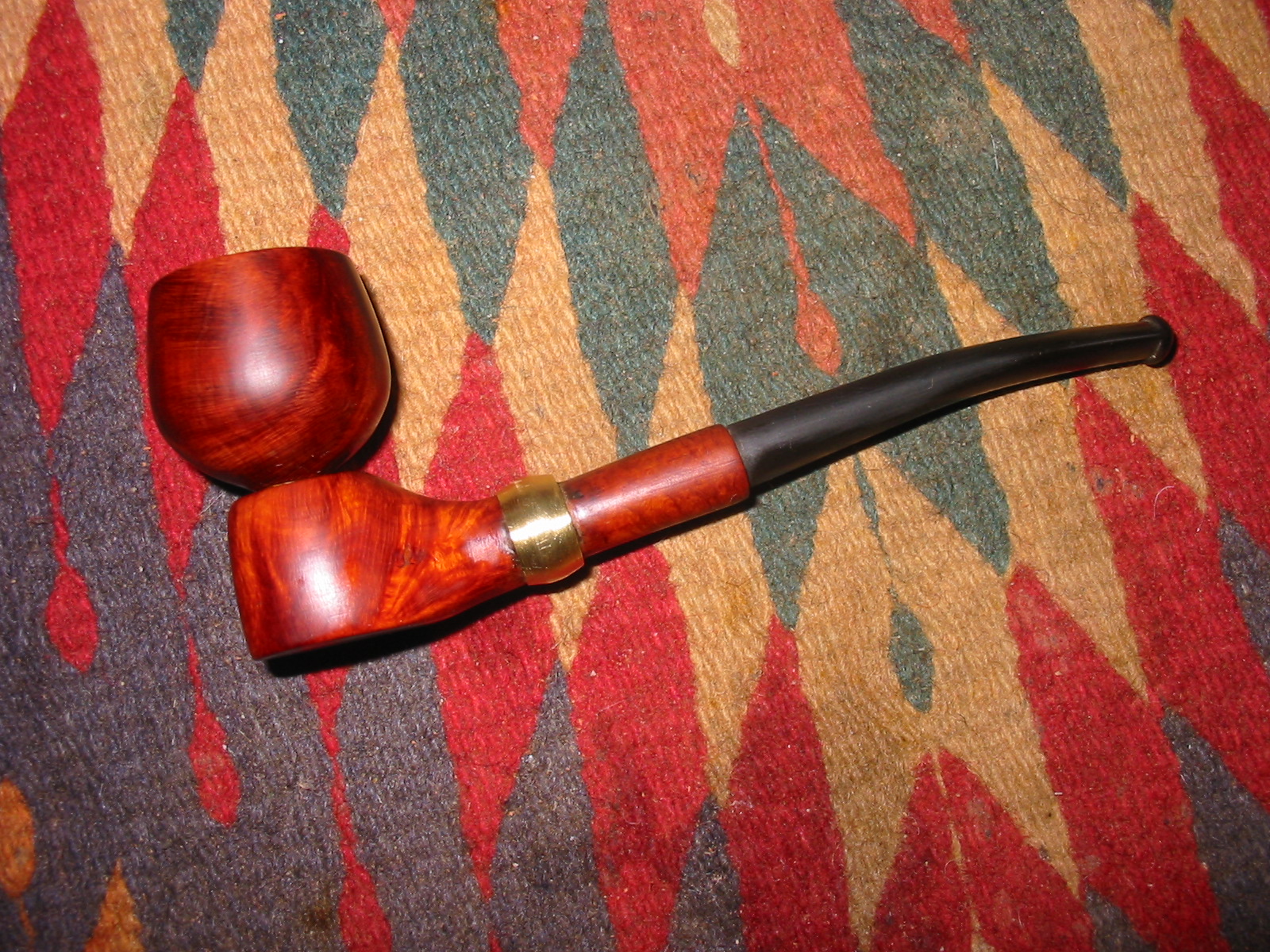
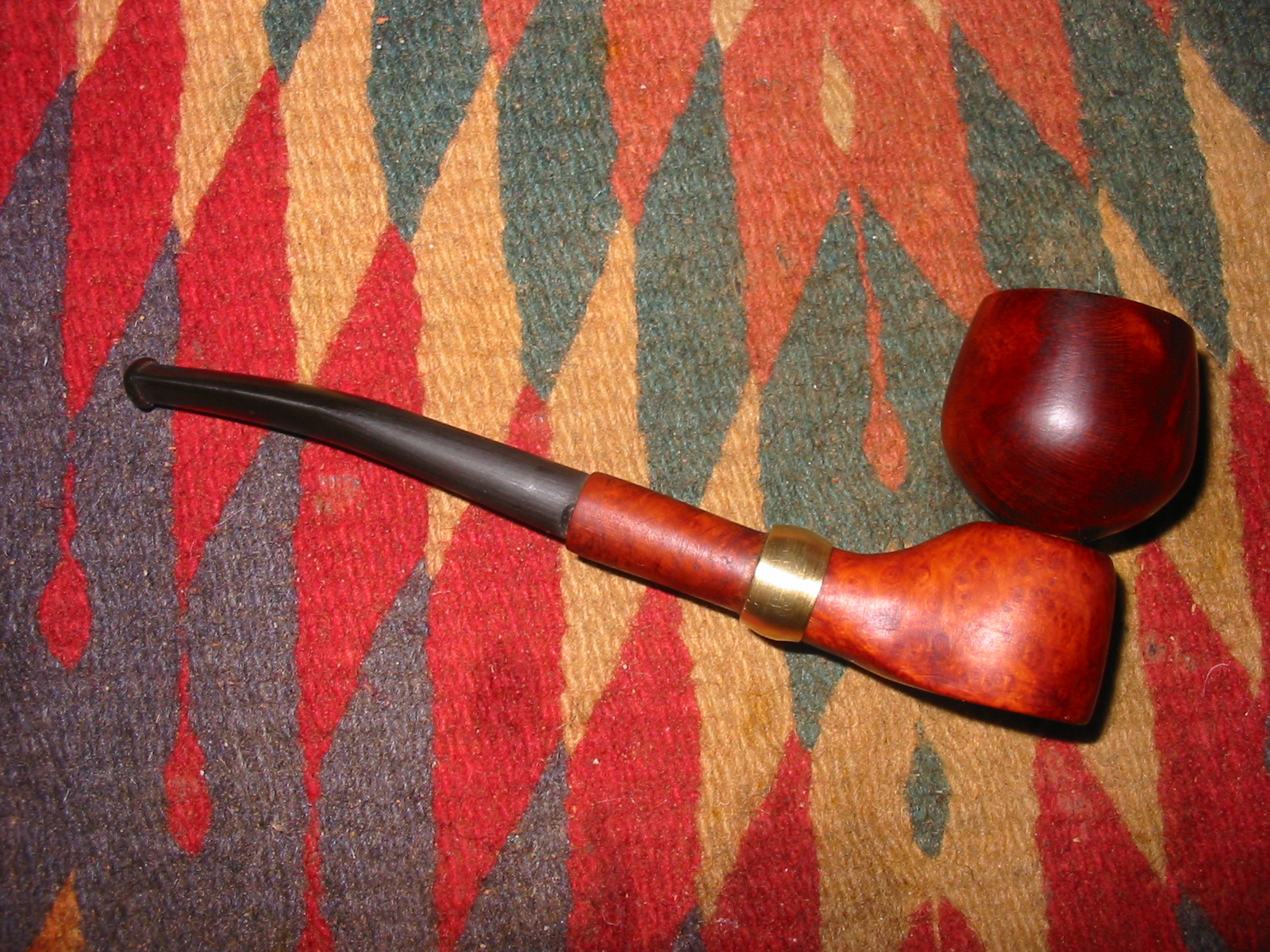
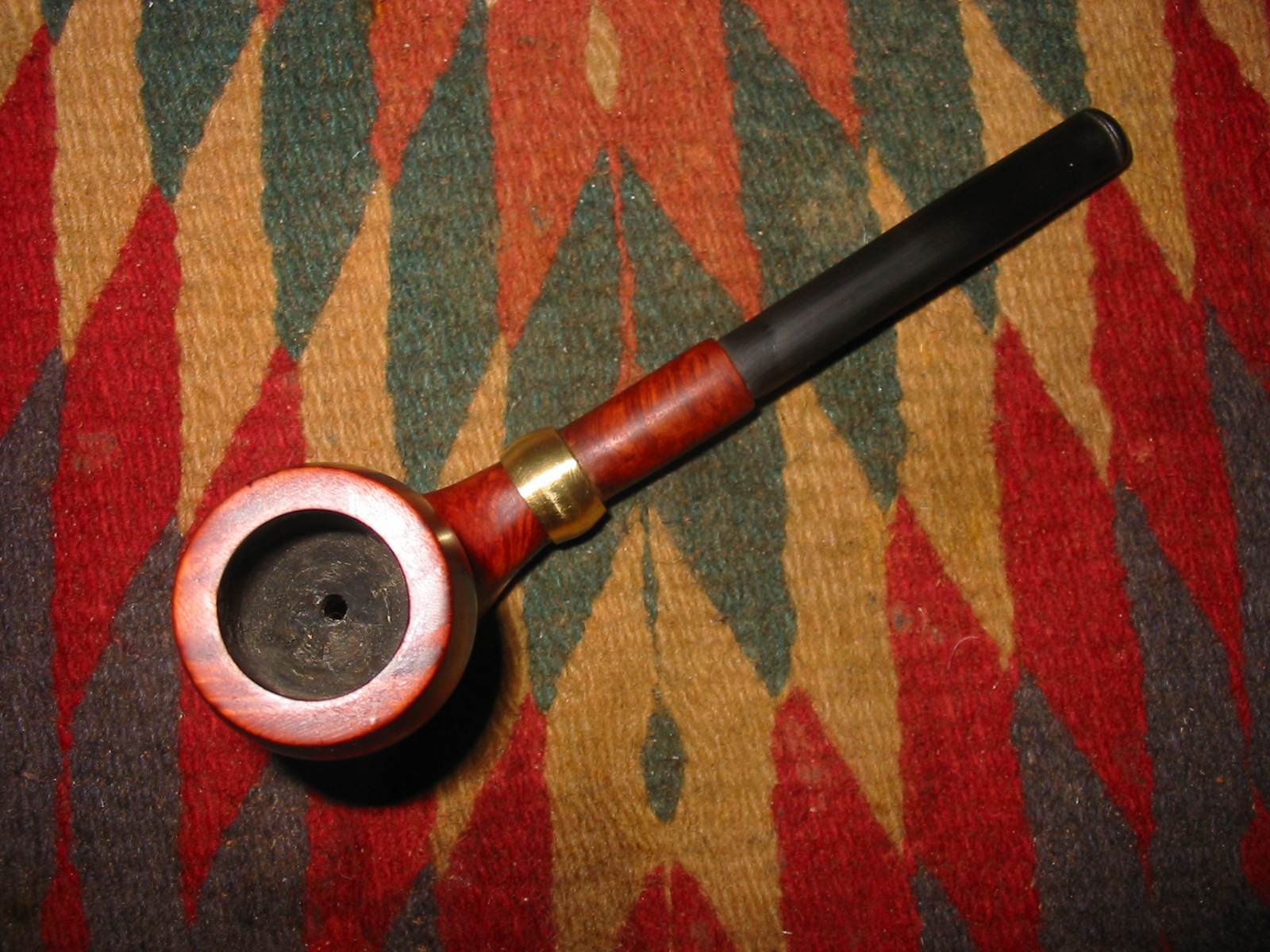
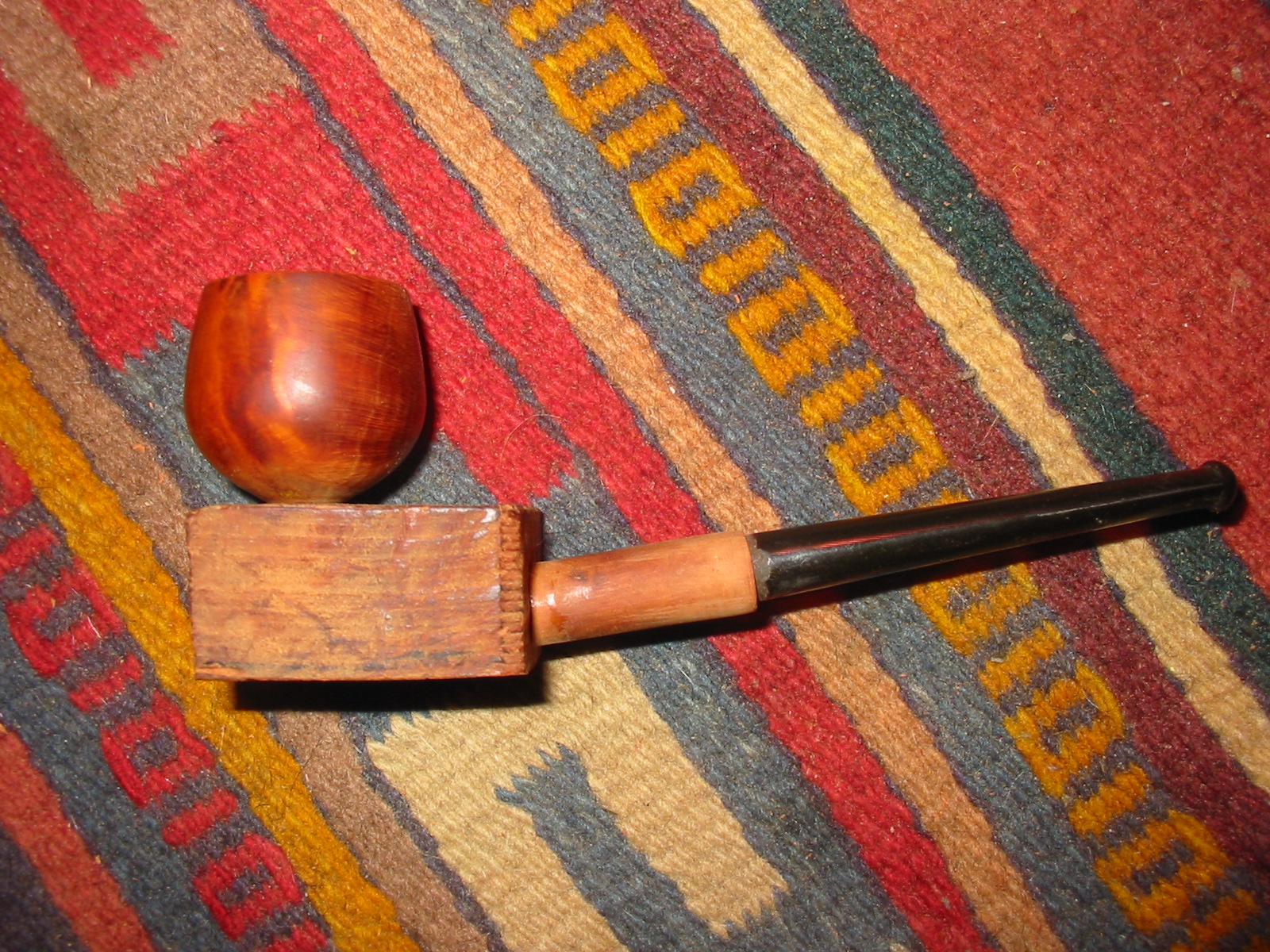
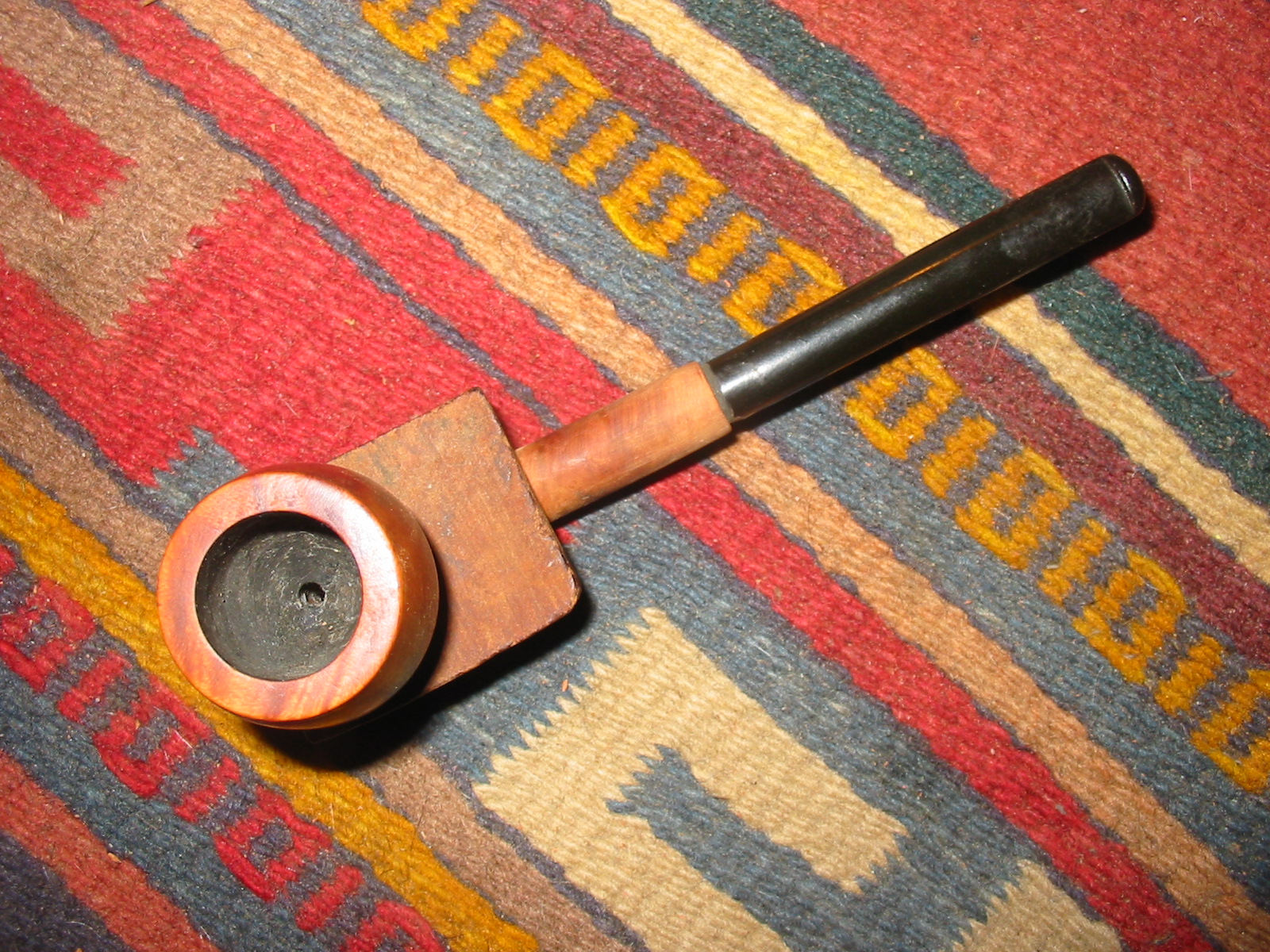
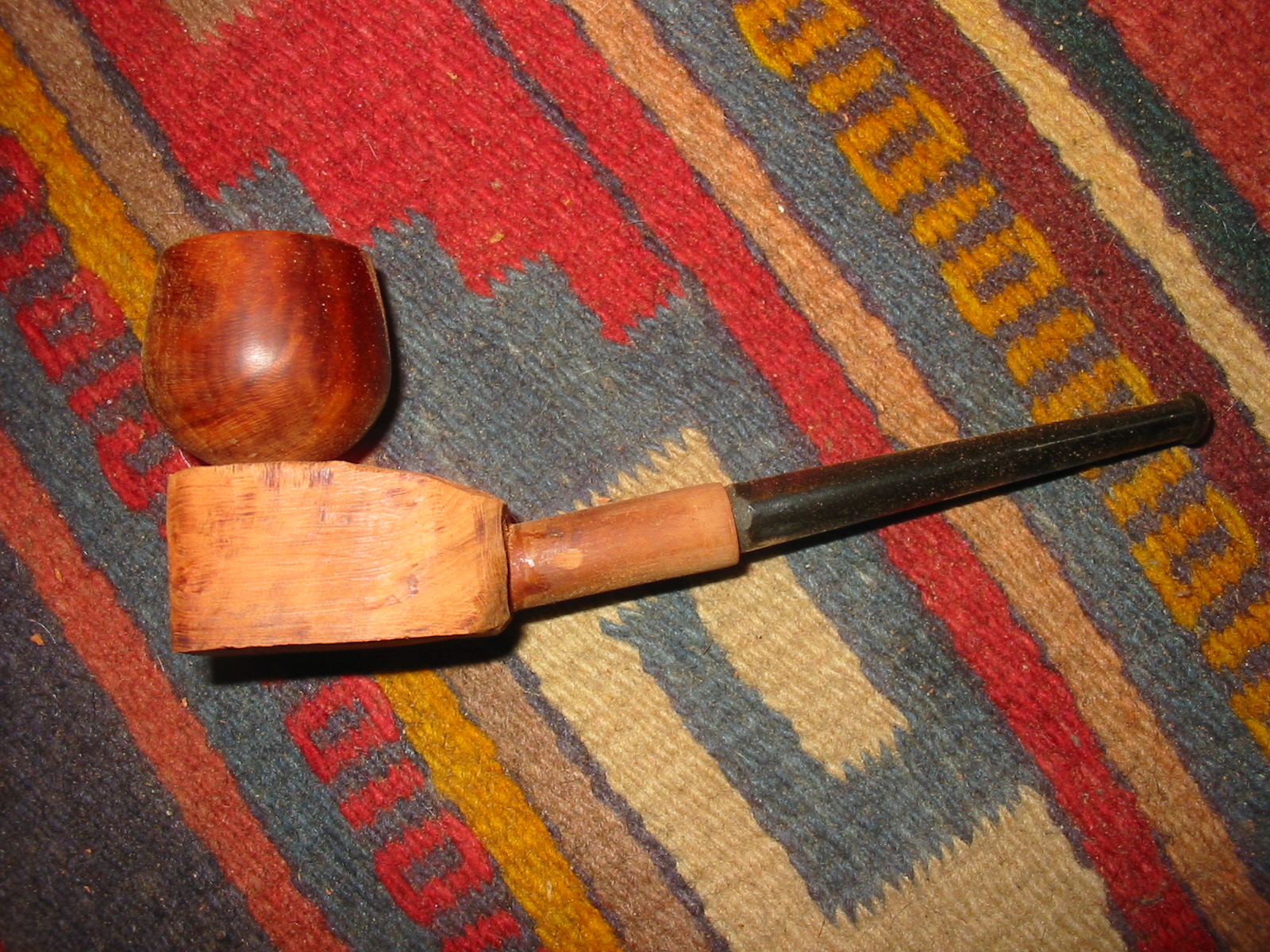
Yet Another Frankenpipe – A pipe made from assorted pieces


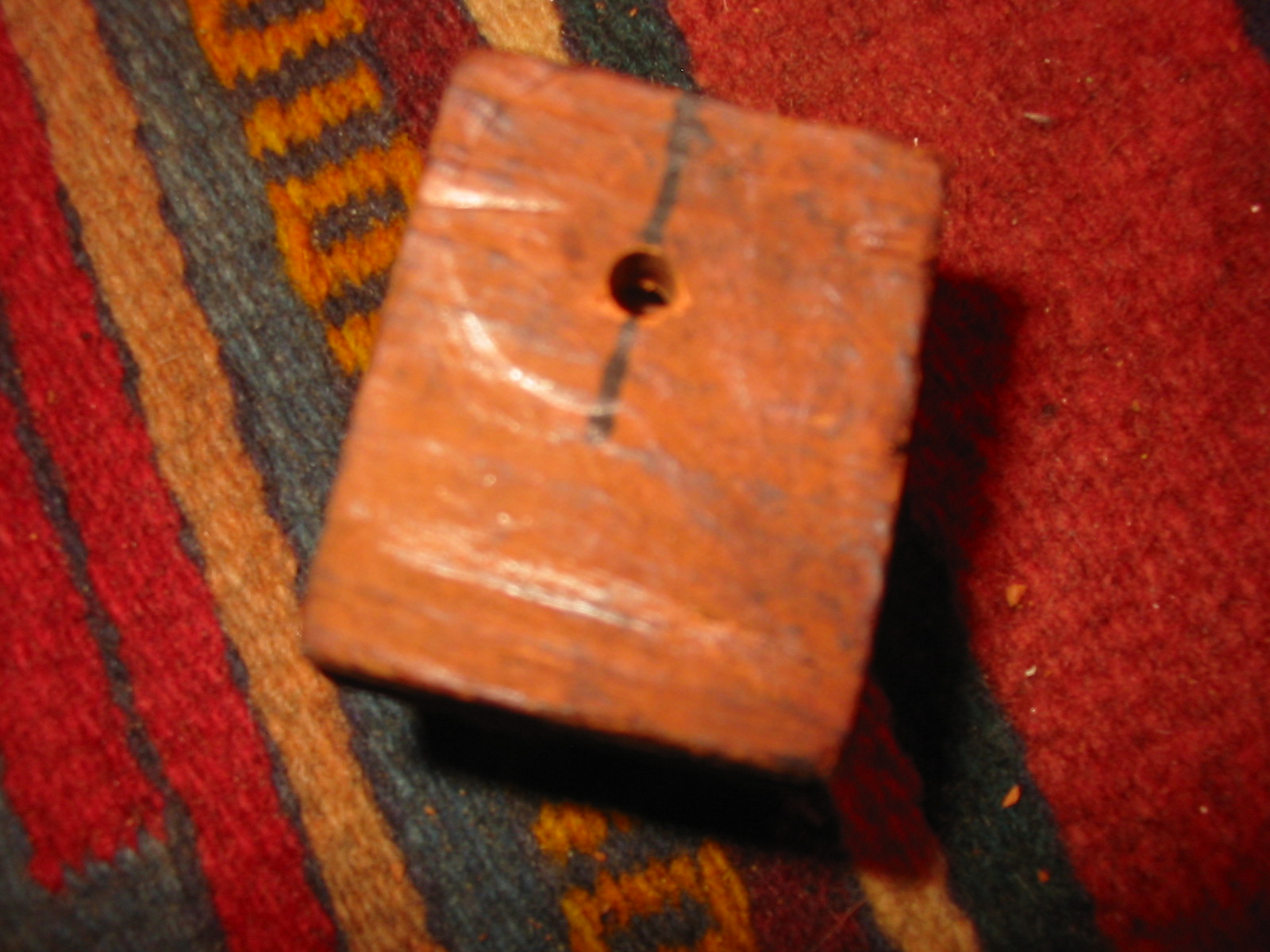
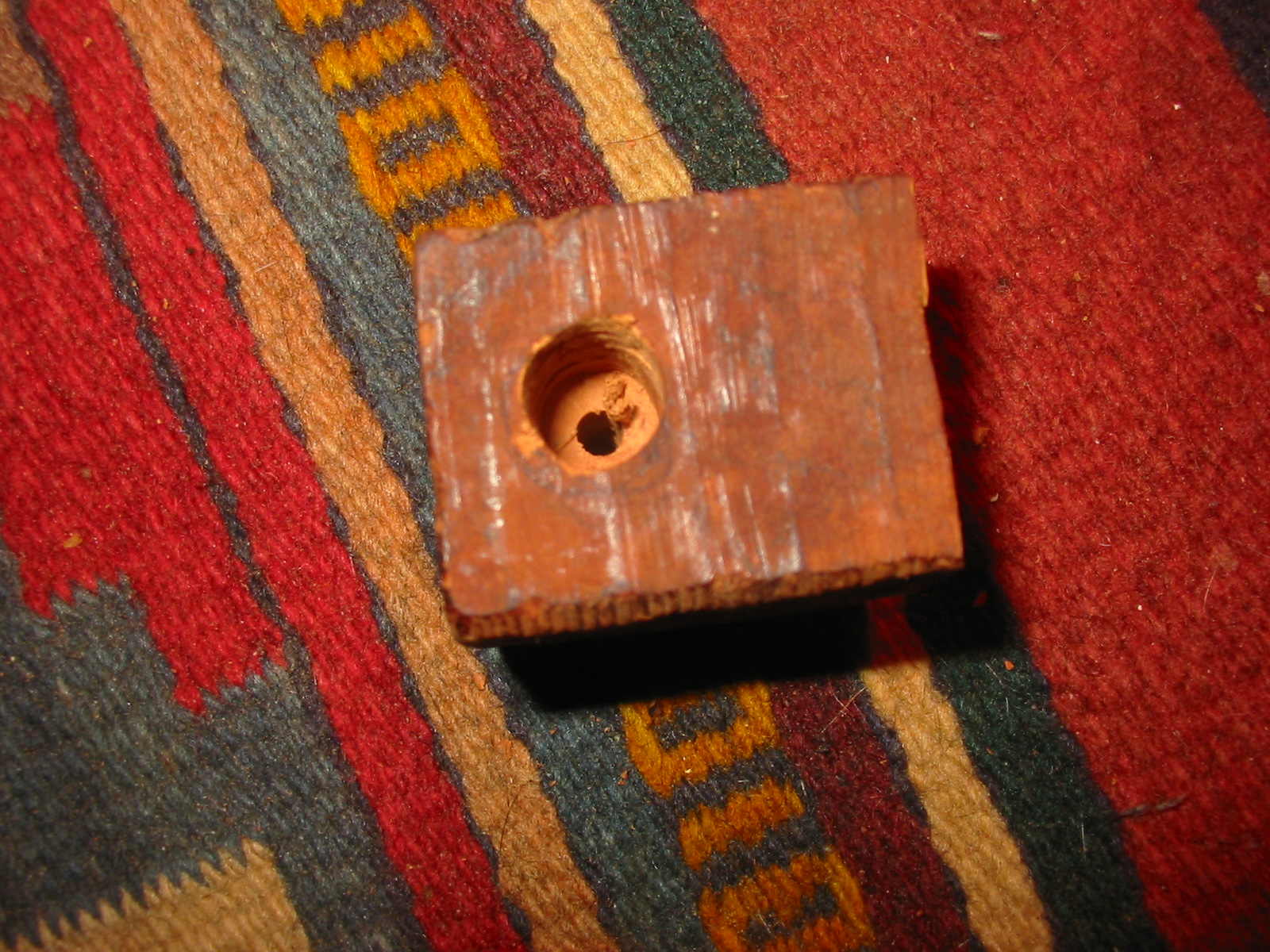
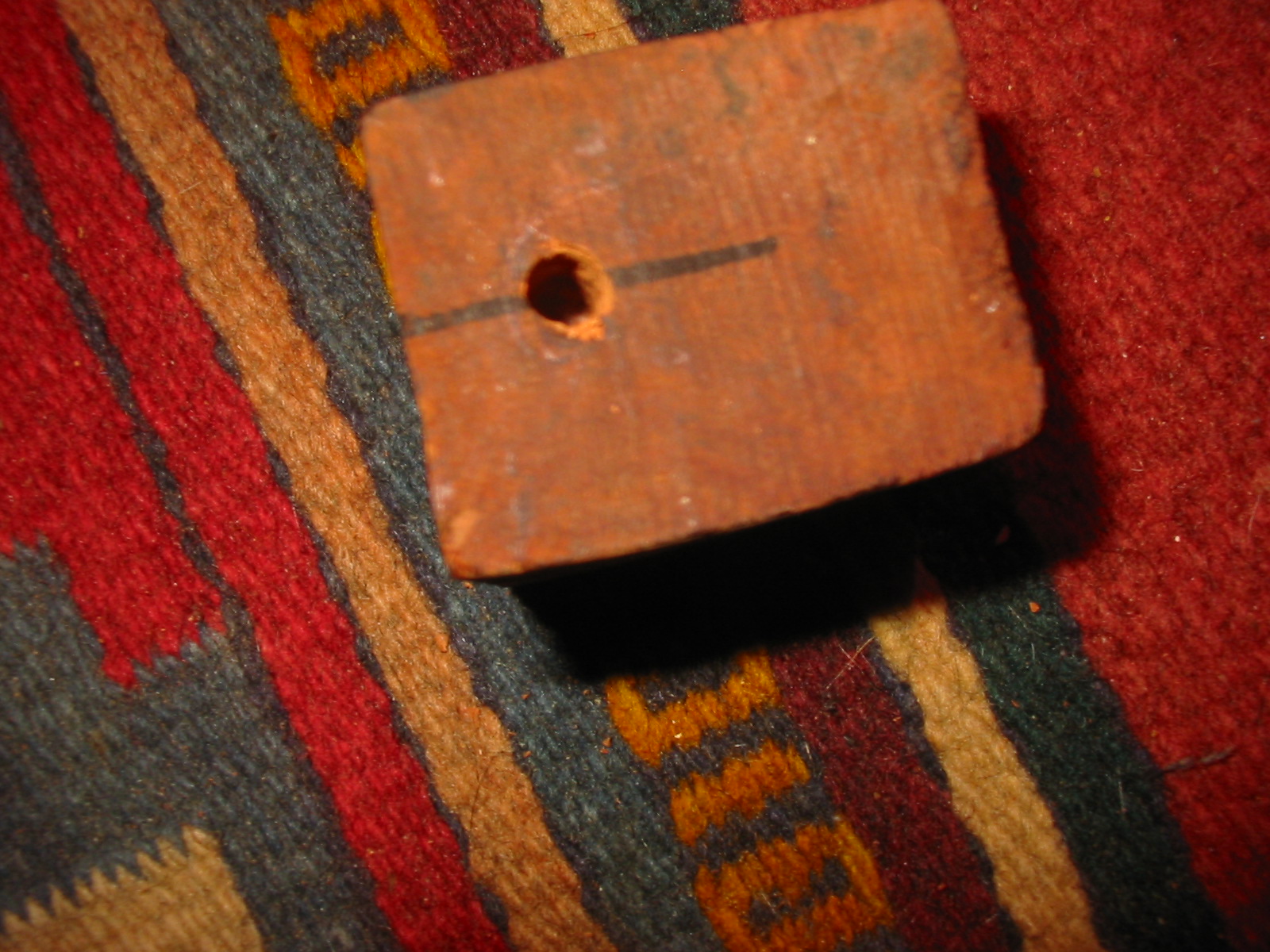
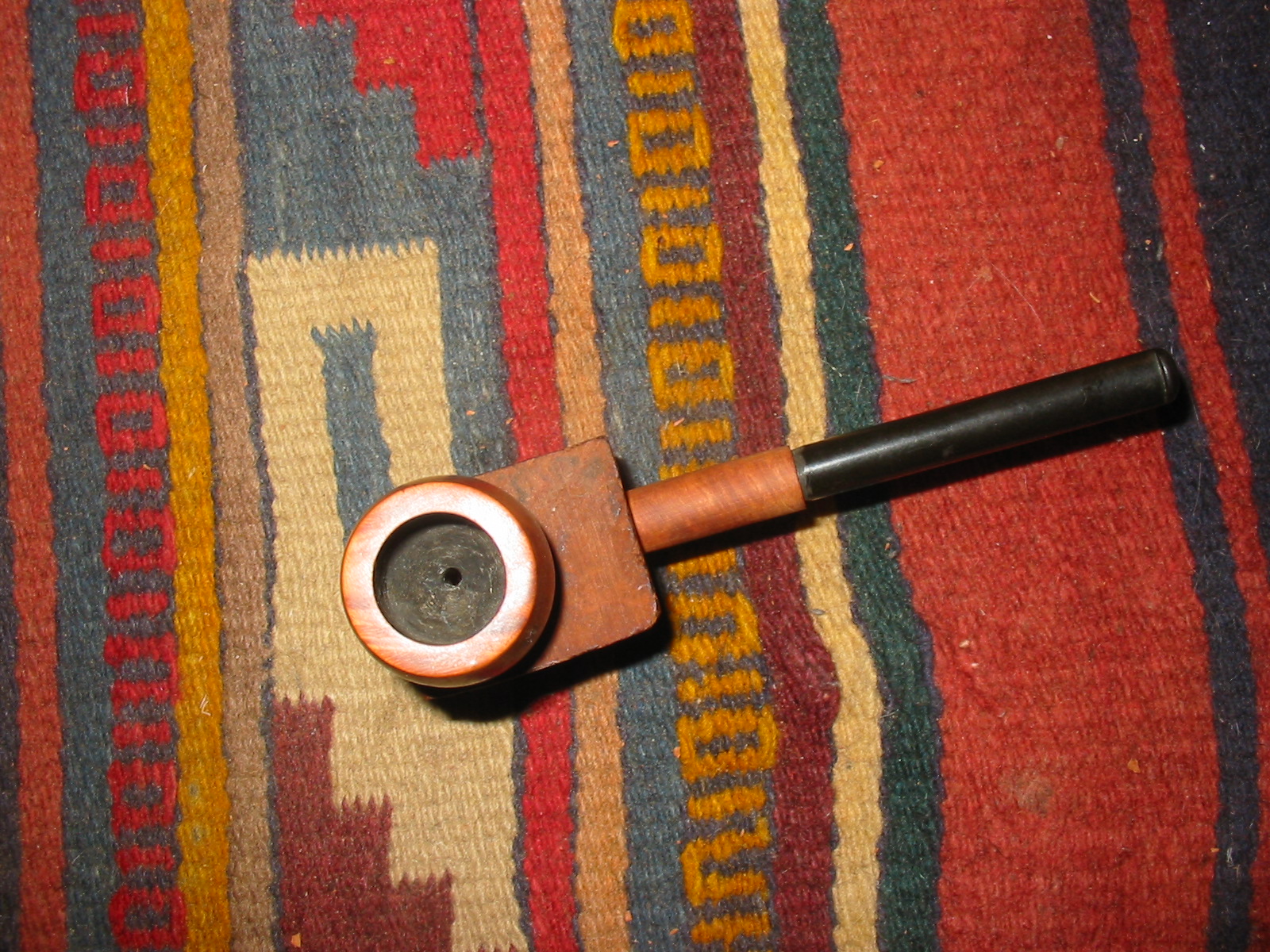
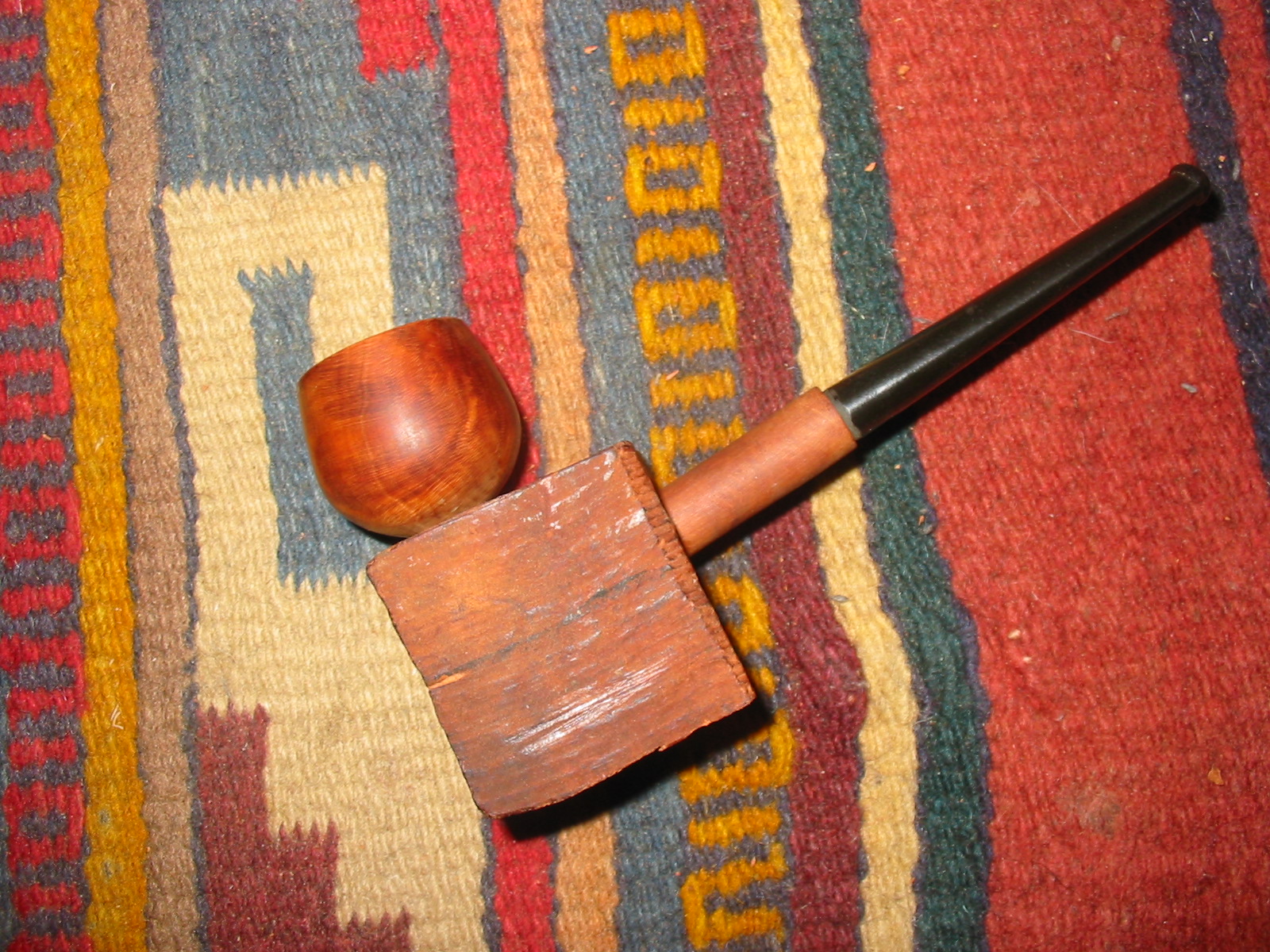
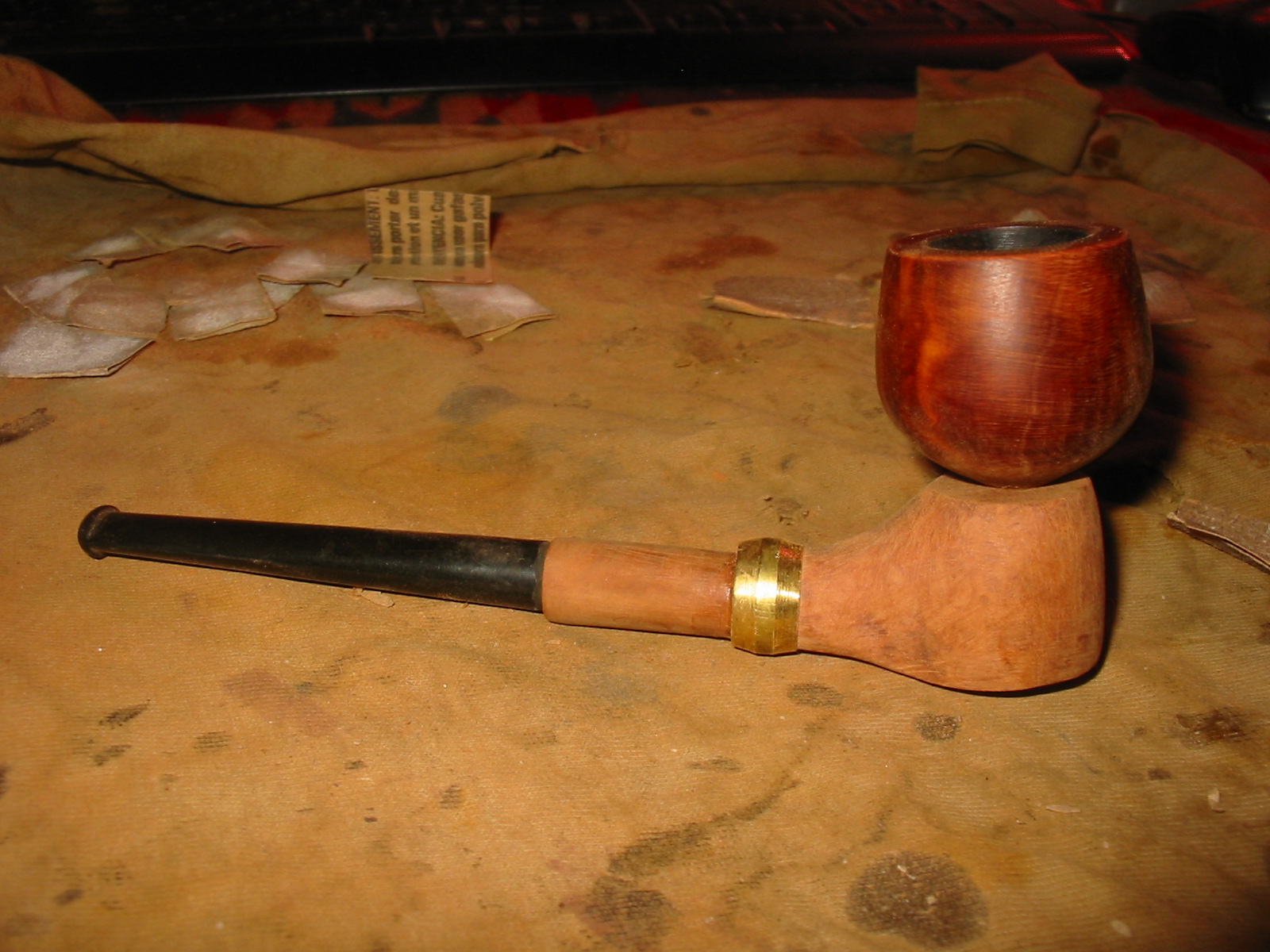
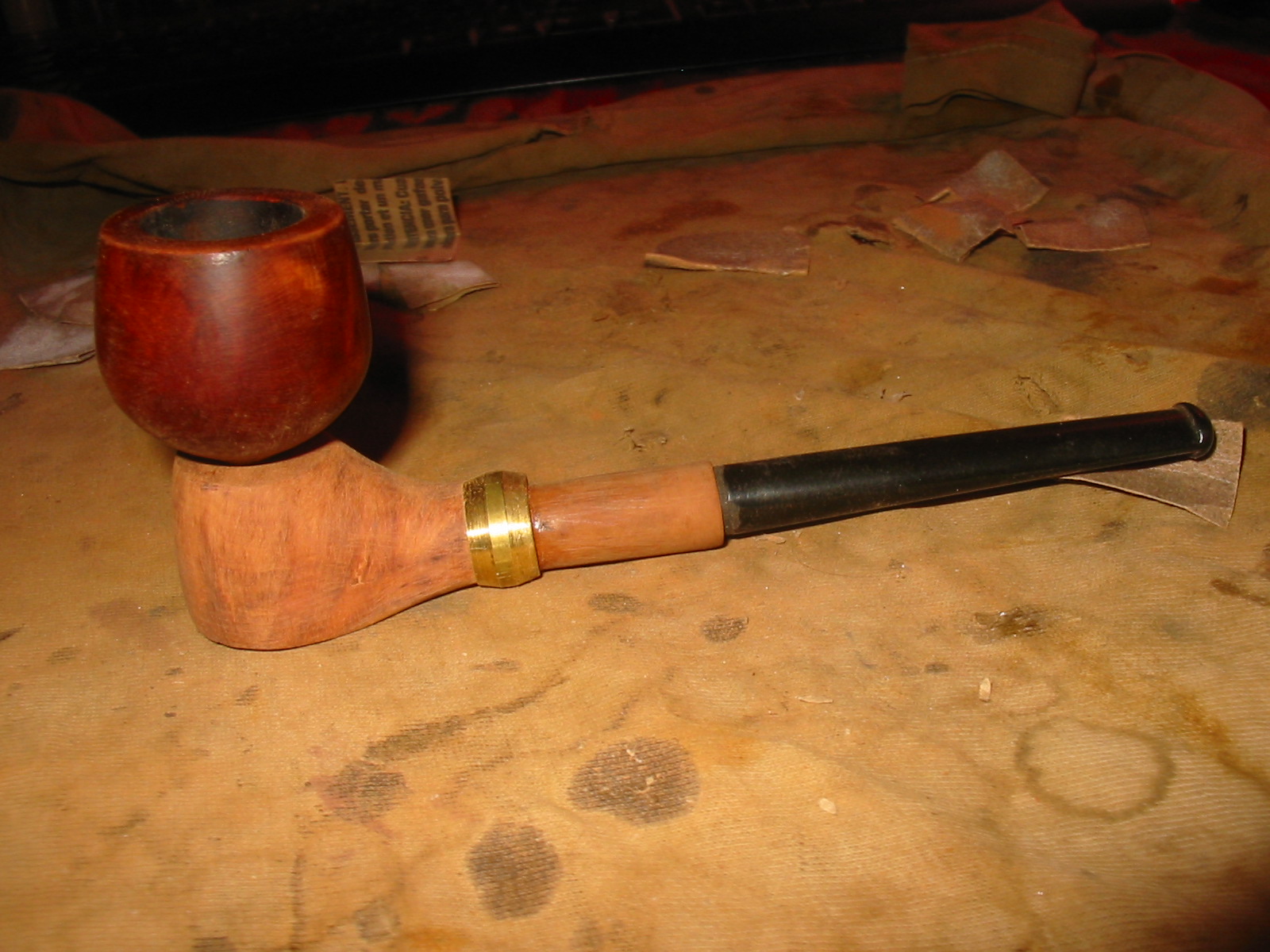
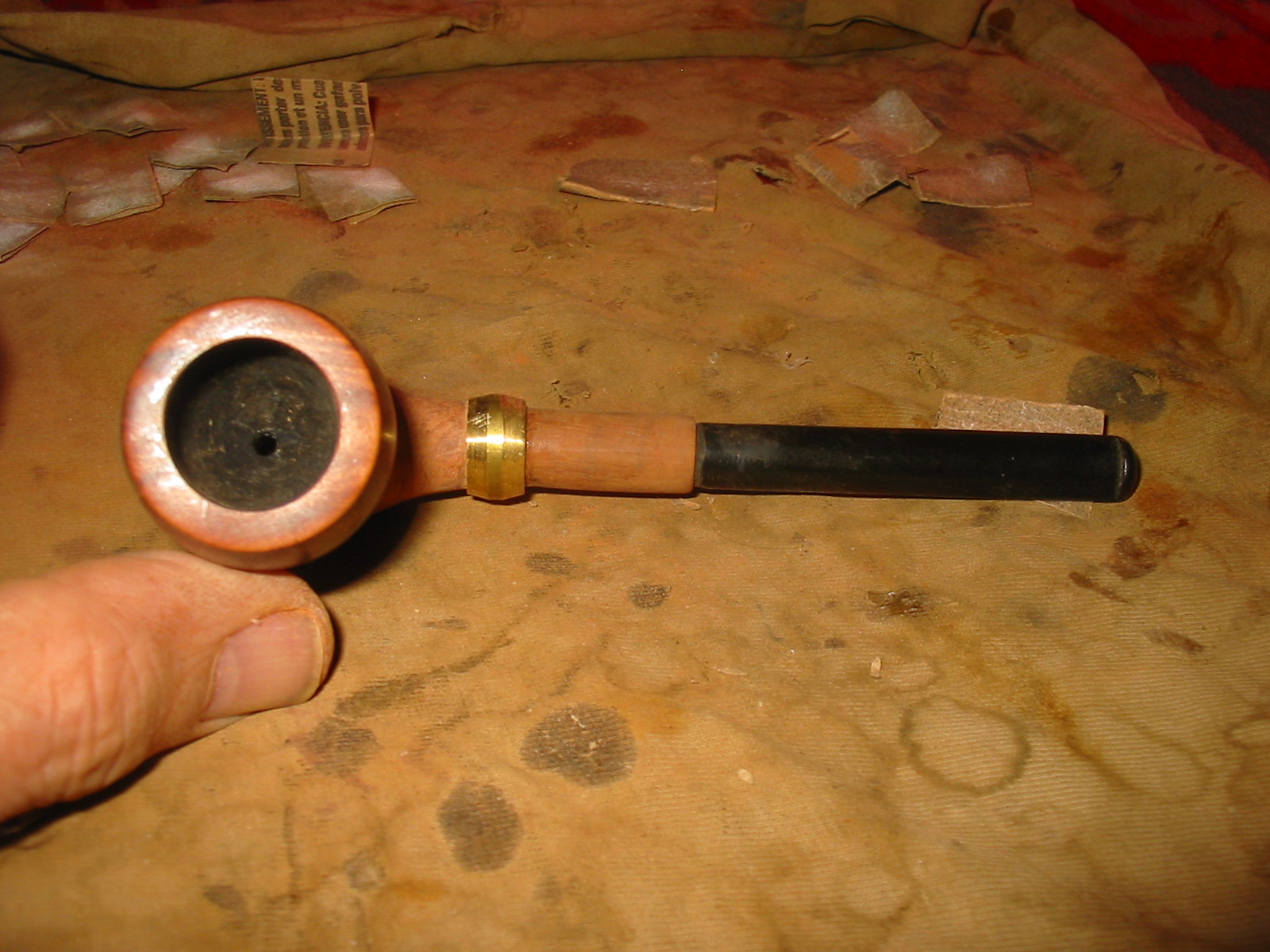
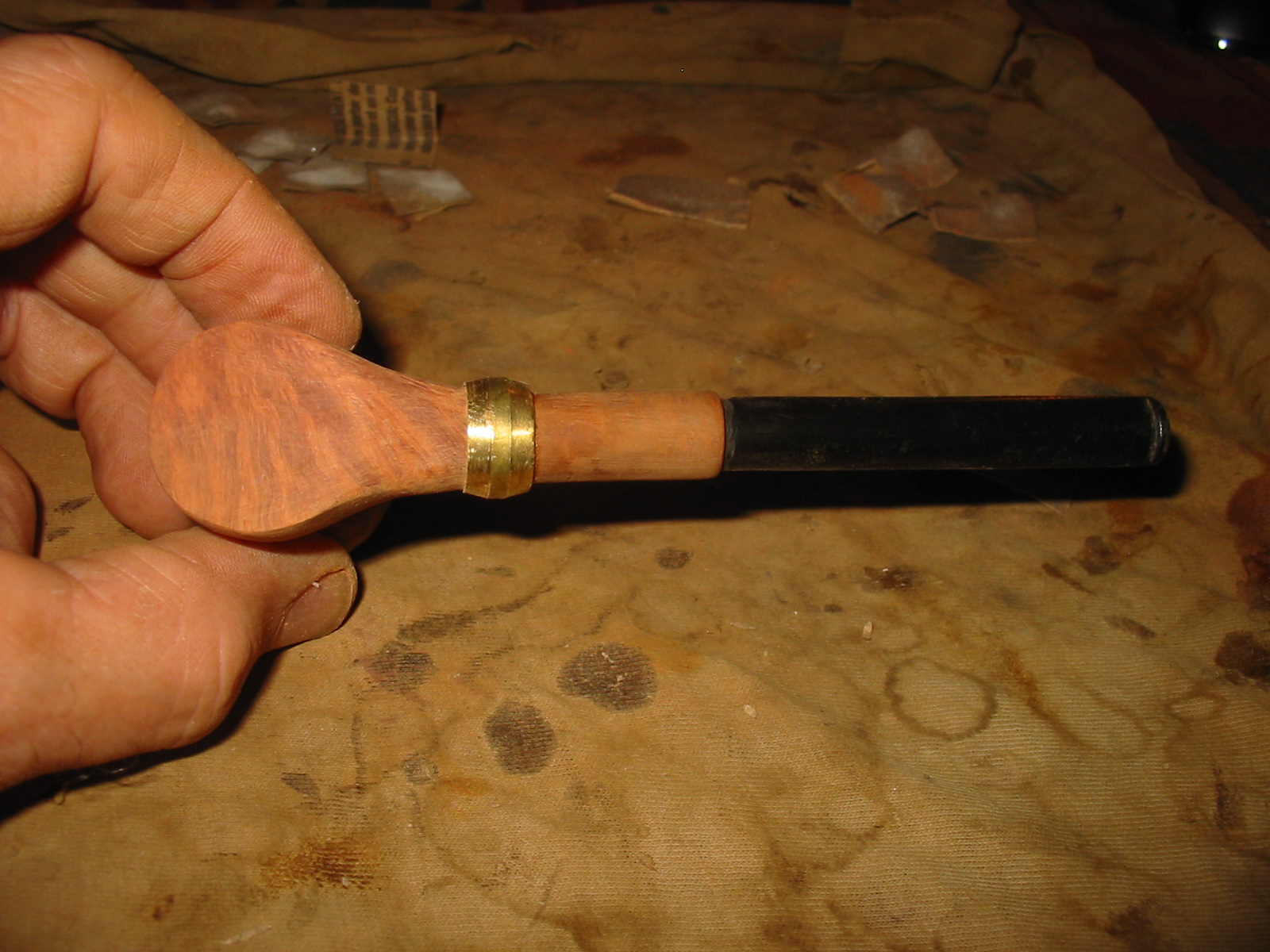
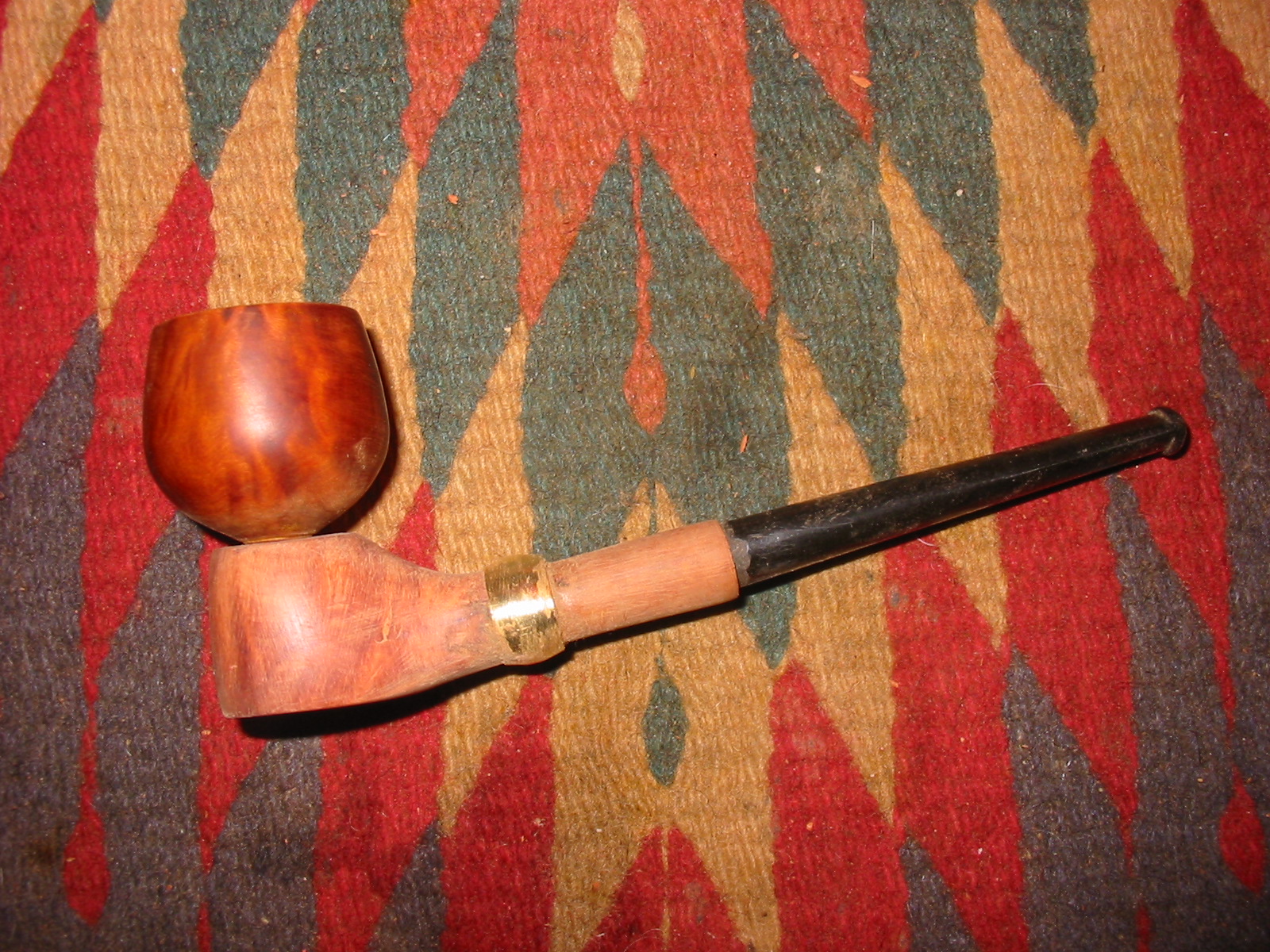
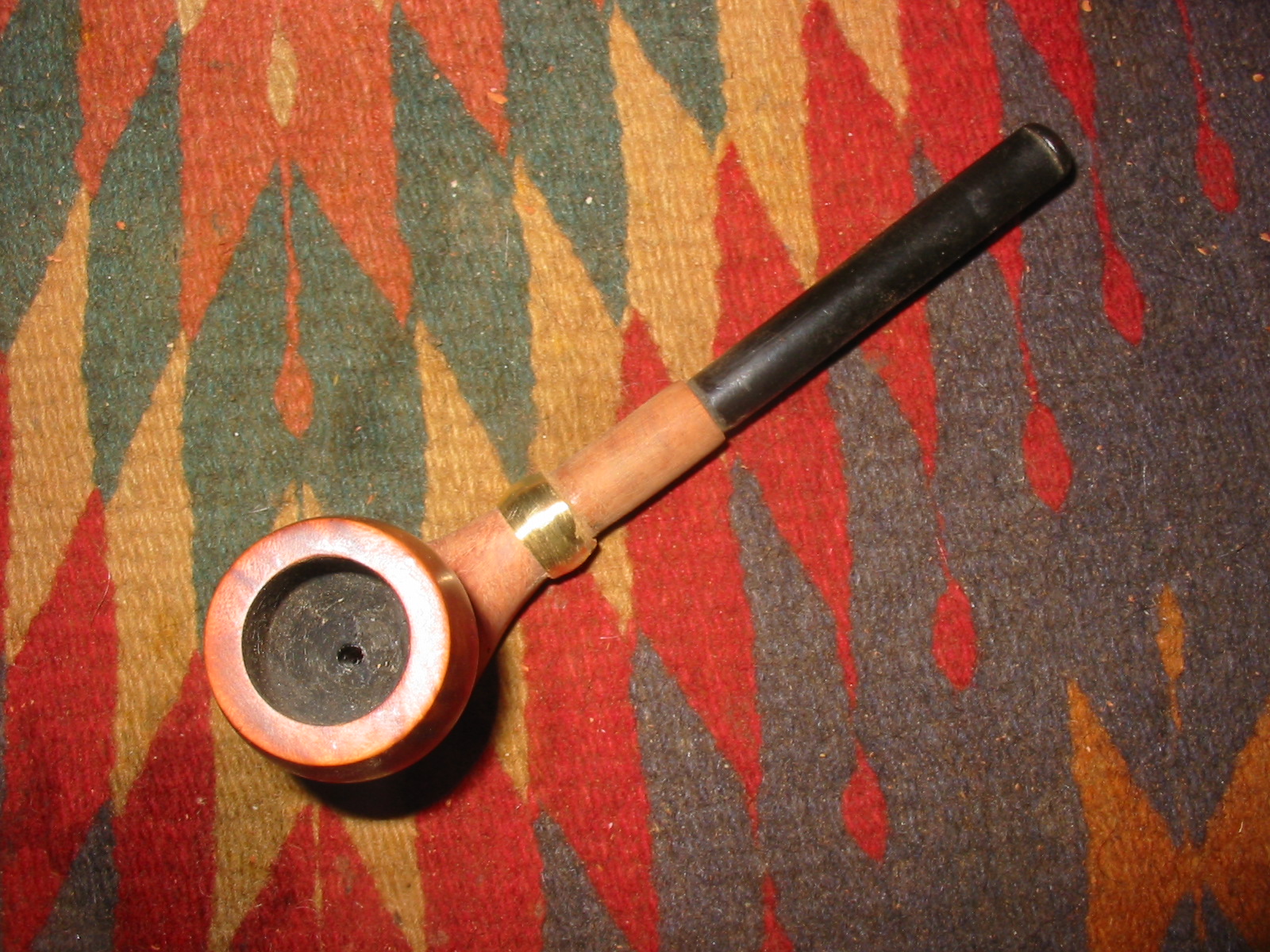
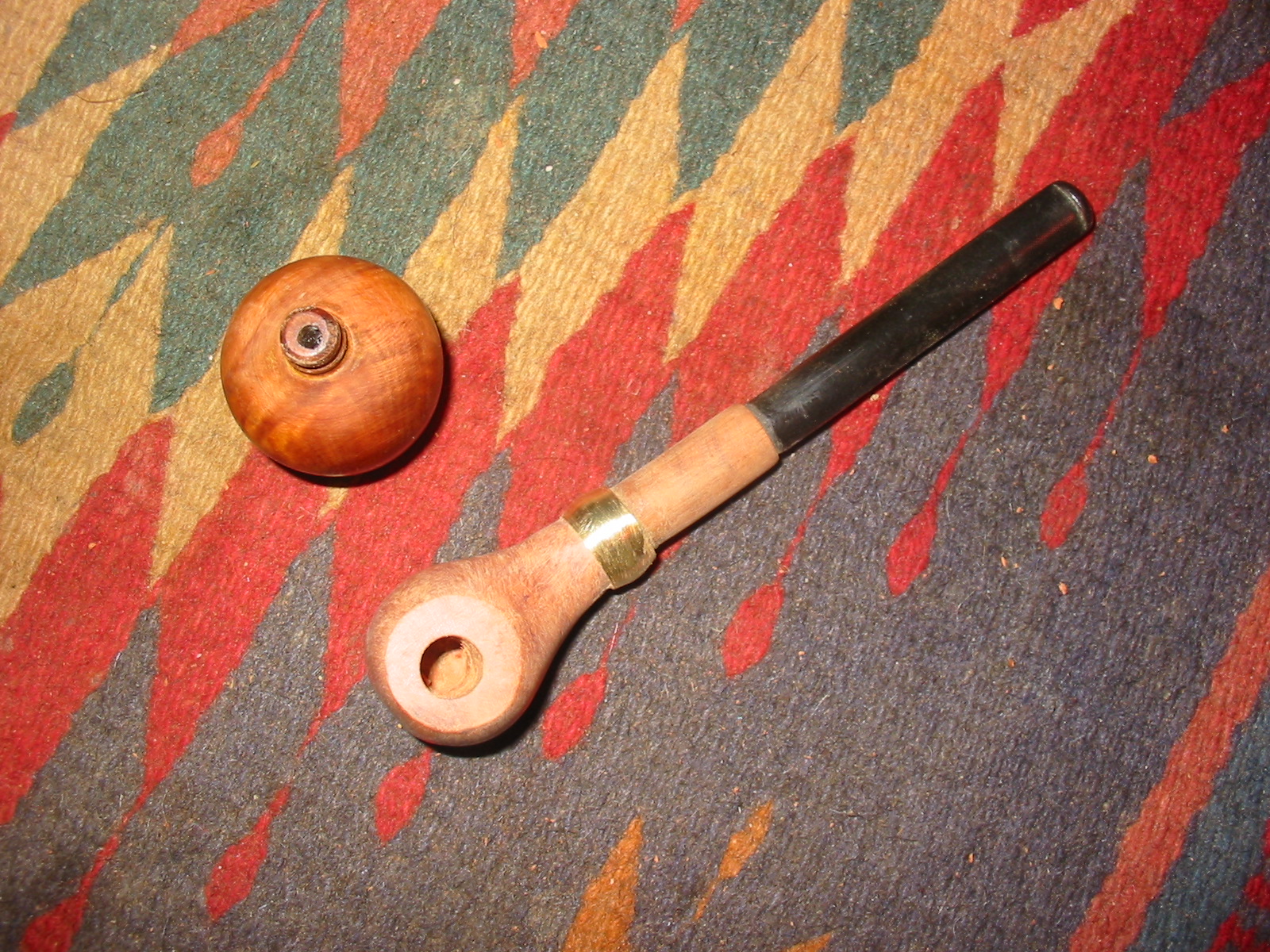
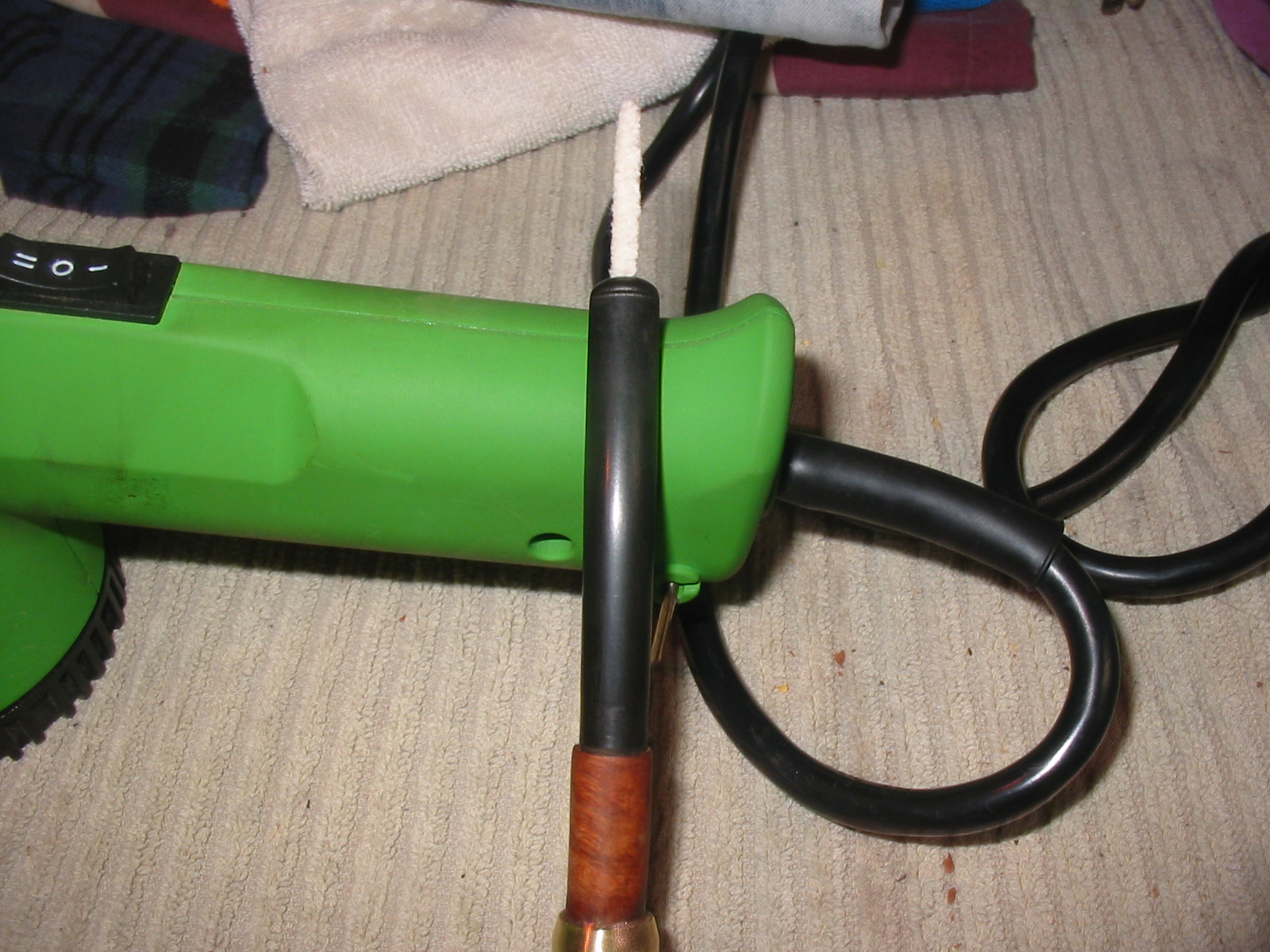
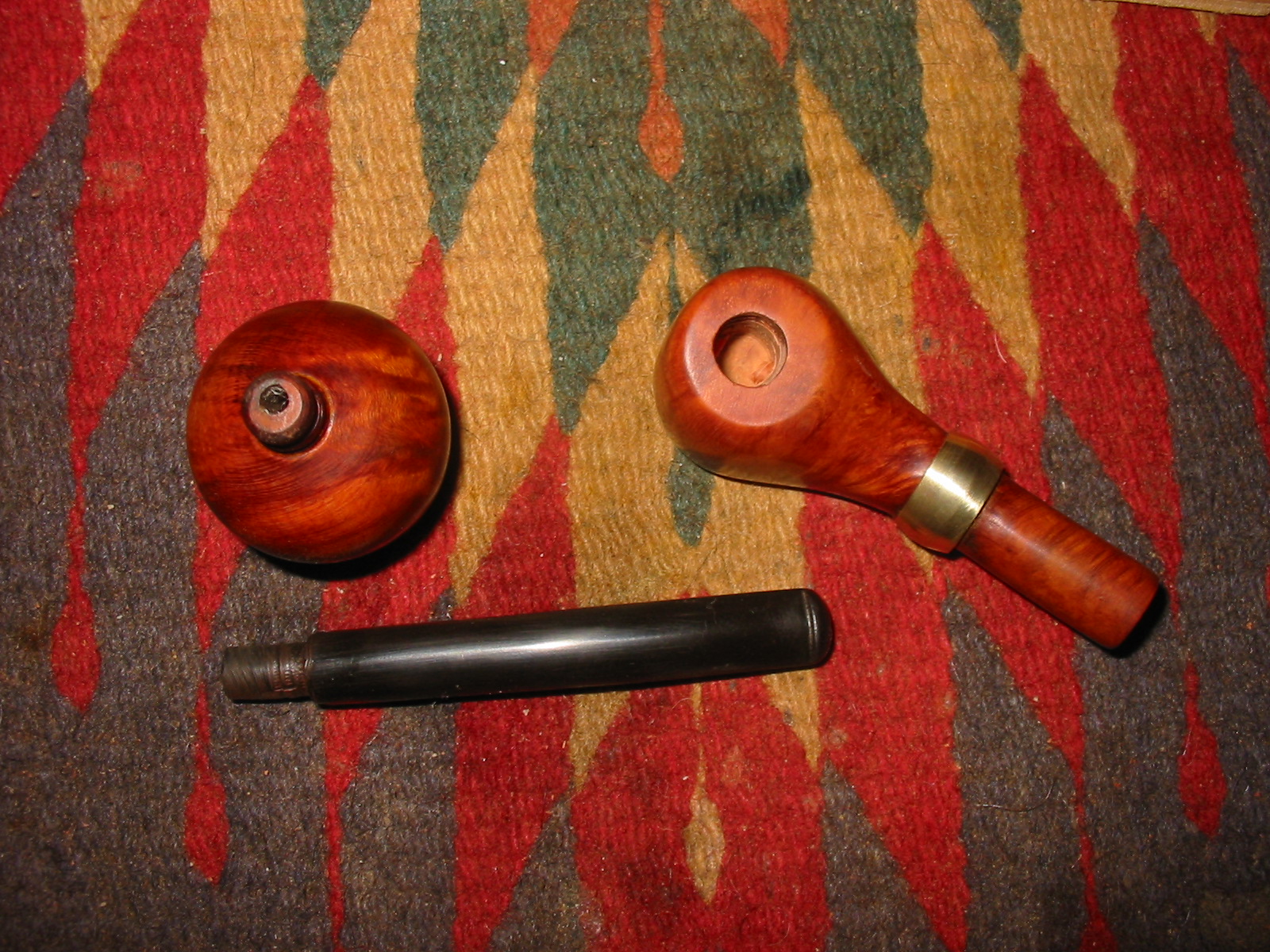
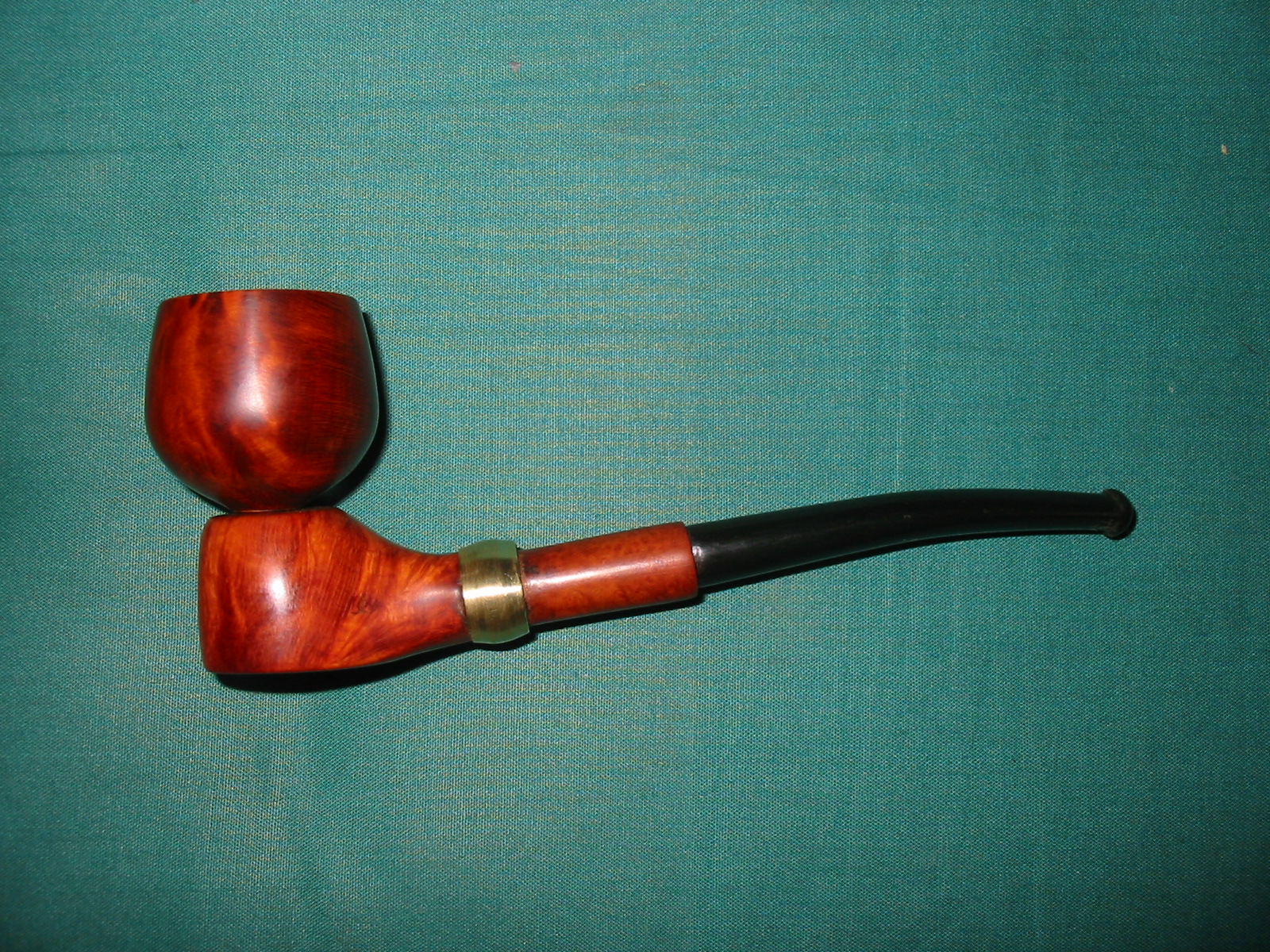
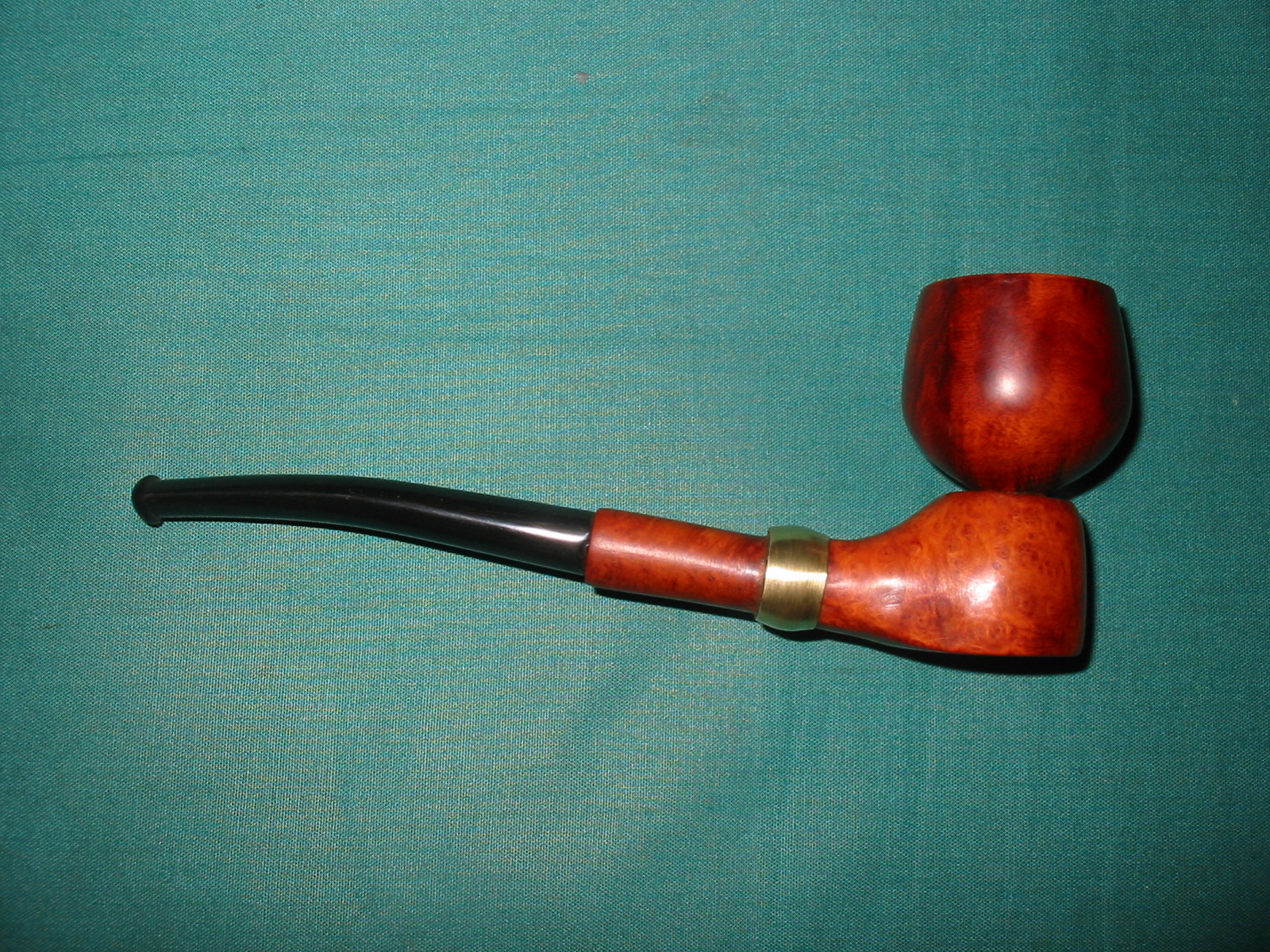
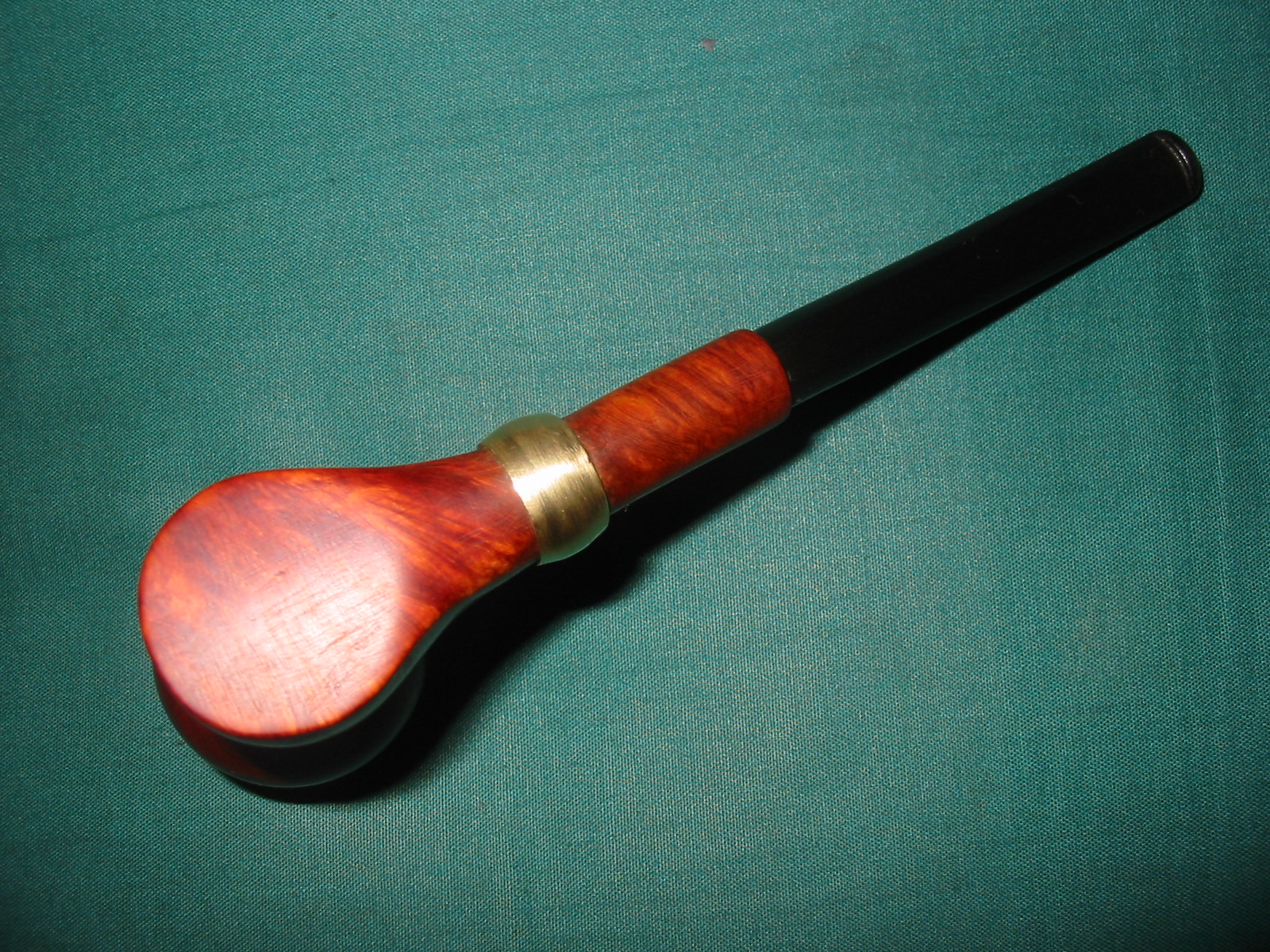
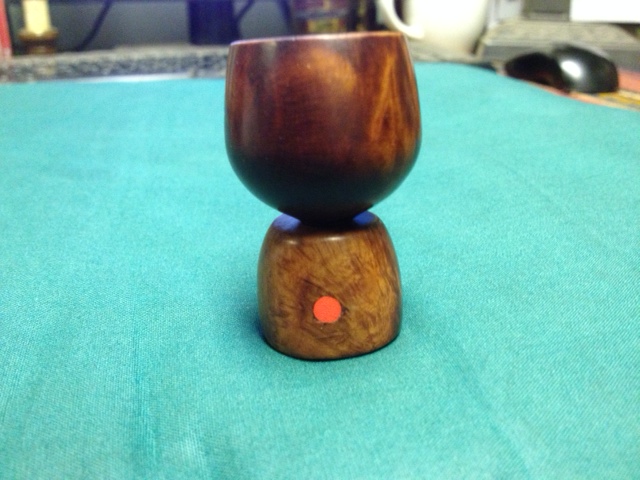
Frankenpipes are born out of having no more pipes in the refurb box to work on. I have many in transit at the moment but none with which to sit and unwind. That always is a recipe for me to dig in the boxes of parts and see what I can come up with to keep the hands busy. The pipe that follows was born of fiddling with parts in my parts box. The part I started with was an old bowl that I received in a gift box recently that did not have a pipe to go with it. It was a pressure fit bowl that obviously sat on a base of some kind of system pipe. I searched the Metal Pipes website to see if I could find out any information but did not find any likely candidates for this mystery bowl. It had some nice grain on it so it seemed like a shame to just let it sit in the box and wait for a potential pipe for it. I also I had a cut off shank piece that I had made for another purpose, a stem that fit the shank nicely and a block of briar that was too tiny for a pipe. The small block is one that I have been scavenging pieces off of to make plugs for burnout repairs. As I looked at the pieces I had an idea for putting them together into an interesting pipe that had kind of art deco feel to it. Now it was time to bring the pipe together and actualize my vision. IMG_8072 I measured out the drilling areas for the block. I needed to drill the airway large enough to insert the briar shank. I would use the Missouri Meerschaum concept of inserting the shank into the briar block. I started by drilling the first hole in the end of the block. I drilled the mortise area first. I did this in stages as it needed to be big enough for the shank piece to be pressure fit into place. Afterward I drilled the rest of the airway in the block. I decided to drill it all the way through to the other side of the block so that I could put in a funky plug on the front end. I looked around for what I would use and had several ideas. Time would tell which I would choose in the end. IMG_8069 I moved through several drill bits until the bit that was the size of the shank piece. I drilled it deep enough to inset the shank quite deep in the hole. IMG_8070 I marked the airway exit on the top of the block with a permanent marker and drew a line to show the track of the airway. I marked my drill bit to the depth of the top of the airway and drilled the hole in the top of the block. I wanted the hole to be the size of the nipple on the bottom of the bowl so that it would pressure fit into the hole. I wanted the hole to go through to the top of the airway so that the nipple on the bowl would sit on top and create good airflow from bowl to stem. IMG_8071 I pressure fit the bowl in the top of the block and the shank in the end of the block for the next two photos. I wanted to see if the parts all fit together well. I gave the shank a slight angle upward and would later bend the stem if the look was correct. Everything worked well at this point. For the plug on the end of the block I decided to do something simple. I wanted a plug that would be like a coloured dot on the end of the base. I cut off a piece of knitting needle and inserted it in the airway at the end of the block that is not showing at this point. I glued it in place and used the Dremel to take the overage back flush with the block. IMG_8073 IMG_8074 The height of the block was too much so I wanted to cut it in half. I do not have power tools to do that kind of thing so a bit of sweat equity and a small hack saw did the job. I sliced off the bottom half of the block to be used in making bowl plugs at a later date and now the height was more suitable to this little sitter. IMG_8078 I glued the shank into place in the block with epoxy and angled it the way I wanted it to be when I finished the work on the base. IMG_8079 IMG_8080 IMG_8081 IMG_8082 I used the Dremel and a sanding drum to begin to shape the block into a base for the pipe. I wanted a slope upward to the bowl – the sides would also slope upward. My idea was to have the bowl sitting on top of a volcano like base. IMG_8088 IMG_8089 It took a lot of sanding to get the shape even close to what I had envisioned and in the process I ran into my first problem. The joint of the block and the shank could not be sanded smooth or the walls would be too thin and the shank would break too easily. I probably should have used a Delrin tenon to connect the two parts but as usual looking back is not overly helpful. So I had to improvise with this one. I had a small brass pressure fitting that would look kind of interesting on this little Frankenpipe so I worked the joint area to accommodate the brass fitting. The photos below show the pipe taking shape with the brass band high on the shank. (At the time of these photos I had not yet glued the band on the shank.) IMG_8090 IMG_8091 IMG_8092 IMG_8093 I filled in the openings around the edges of the fitting where the shank joined the block with briar dust and wood glue packed into place with a dental pick. I sanded the ridges on the fitting with 150 grit sandpaper to remove them. I would have to do more work on the look of the band as I worked out the details later. I took the following photos after I had done more shaping of the base and glued the band in place. While the band is not beautiful it certainly strengthens the joint on the shank of the pipe and makes up for my lack of planning! IMG_8094 IMG_8098 The photo below shows the base with the bowl removed. You can get a clear picture of the base without the bowl and how the bowl looks from the bottom. The hole in the base is the same size as the nipple on the bowl. IMG_8099 I sanded it for another hour before calling it a night and then wiped it down with some light olive oil to get an idea where the scratches were that I needed to do more work on and also to see the grain. The next four photos show the pipe at this point in the process. There is still more sanding to do on the base and shank as well as some minor shaping. The idea though is clear – and the pipe is smokeable. The draw is very good and there are no leaks around the joint where the bowl presses into the base. So far so good. IMG_8100 IMG_8103 IMG_8104 IMG_8106 I set up a heat gun and bent the stem over the rounded handle of the heat gun to get a slight bend in it. I set the bend with cool water. With the bend the pipe is a sitter. The bend pulls the weight backward and the pip sits nicely on the button and the flat bottom of the base. IMG_8108 IMG_8110 IMG_8111 I did quite a bit more sanding and shaping of the base with 150 and 220 grit sandpaper. Once I had the shape to where I wanted it I sanded it with medium and fine grit sanding sponges. I gave the bowl and shank a wipe down with a cloth that was dampened with olive oil. Other than that the bowl and shank are not stained. IMG_8118 IMG_8119 IMG_8120 IMG_8126 While the shaping was finished there was still a lot of sanding to do to remove the scratches that remain in the briar. I also want to do some sanding on the band to remove scratches and polish it as well. The vulcanite stem also needs sanding and polishing. I took the pipe apart and sanded all the pieces with micromesh sanding pads. I sanded all of them with 1500-2400 grit pads and then finished sanding them with a 6000 grit pad. I buffed the parts with red Tripoli and then White Diamond and gave each part of the bowl and base multiple coats of carnauba wax. IMG_8127 I sanded the stem with a fine grit sanding sponge and then with the various grits of micromesh sanding pads. I wet sanded with 1500-2400 grit pads and dry sanded with 3200-12,000 grit pads. I buffed the stem with White Diamond, rubbed it down with Obsidian Oil and finished by giving it a buff with carnauba wax. IMG_8128 IMG_8129 IMG_8130 I sanded the brass band with the micromesh pads to polish it as well. When I had finished I gave the pipe a final buff with White Diamond and then applied carnauba wax to each part. I buffed them with a soft flannel buff to finish the shine. IMG_8132 IMG_8133 IMG_8134 IMG_8135 The final photo is of the front of the pipe. The knitting needle plug that I used is a bright reddish orange circle that sits at the base of the pipe on the front. The colour of the pipe is the red of the previous four finished photos. The last photo was taken with my cell phone and is a bit washed out. photo 2
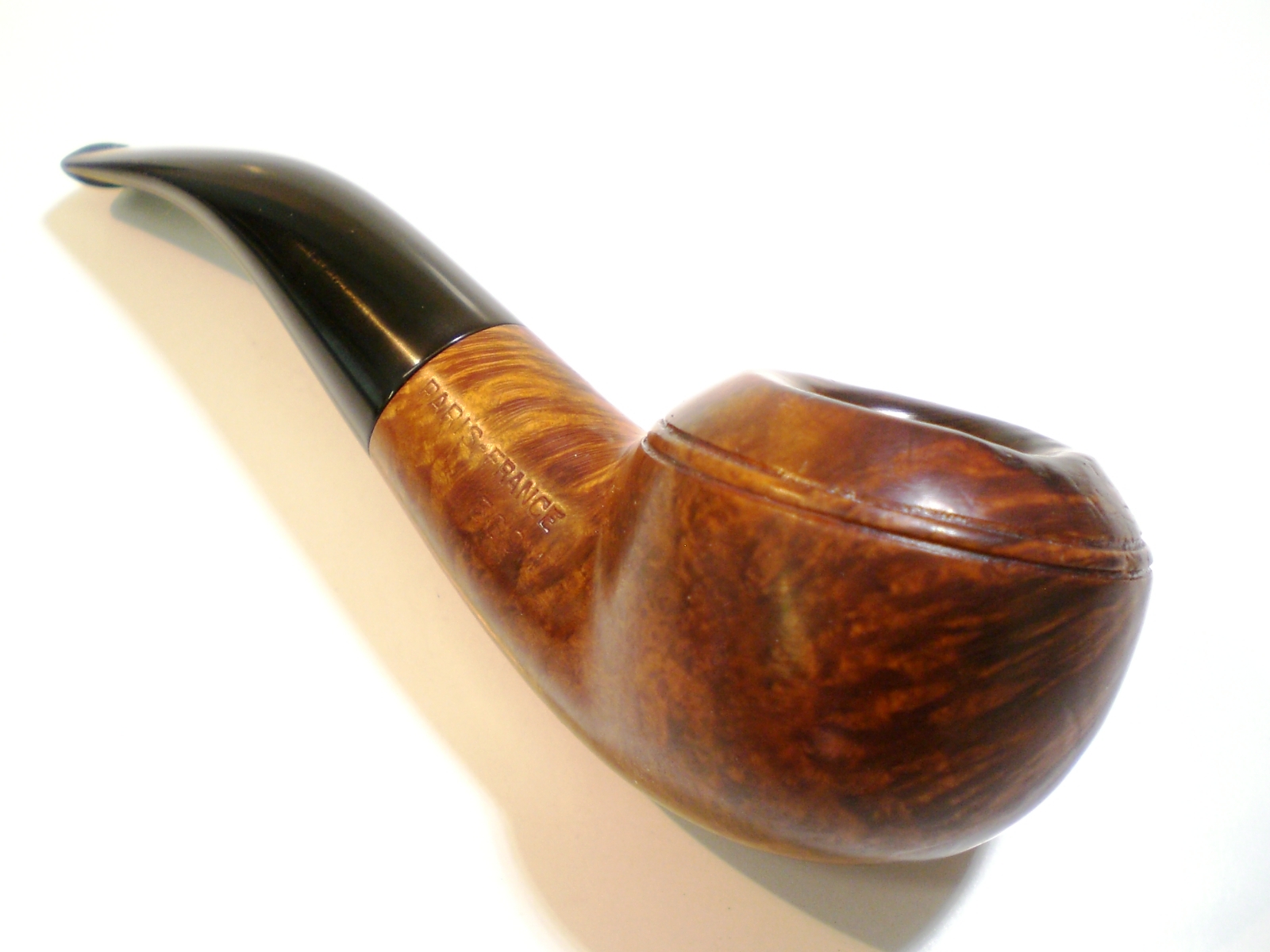
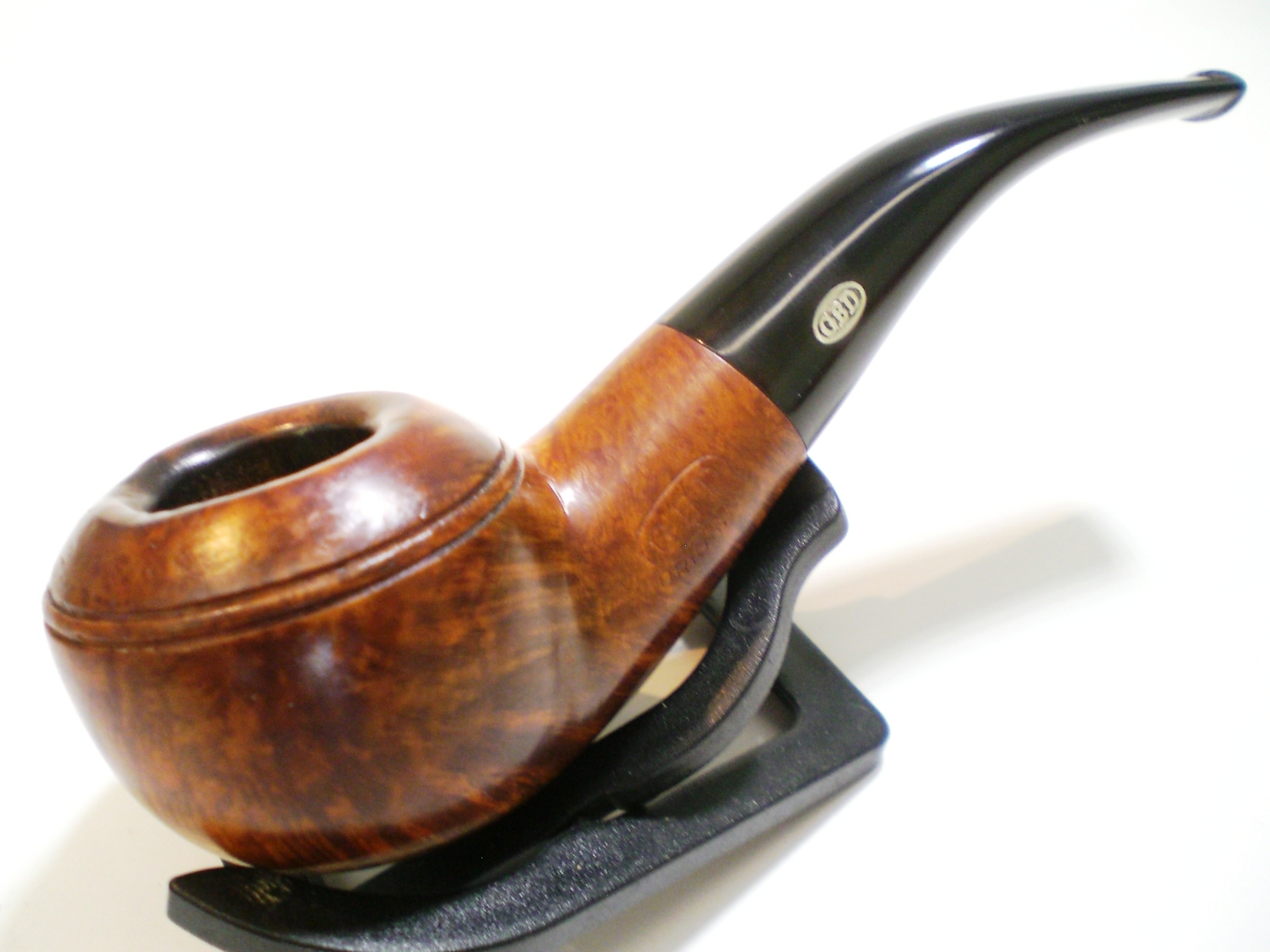
GBD Originale 569M Restoration


This was one of two GBD’s I recently acquired thru the Smokers Haven in Ohio. Back in the day, that shop sold quite a few GBD’s. I normally collect only GBD’s made in England, but I made an exception for this Originale which is stamped “Paris, France”. I knew only a few tidbits about the Original line, from a GL Pease comment in a pipe forum thread on a $500 GBD Originale. I wondered what made that one so special and GLP commented:

“The Originale is an uncommon grade of GBD, sought after by more than a few collectors. I’ve seen very few of them, and in my years of collecting GBDs”.

I also found a reference to the Originale series on Jack Thompkins home page and attributed to John Tolle. The briar definitely has an unusual sheen and depth to it, similar to an older Comoys

The GBD Originals came out in the 60s and were made in Paris Fr.
All were rather small in size and came from older briar dating
to pre/during WWII. Not many were made and very few shapes.
Thanks John Tolle

This pipe was already restored by the shop, but I thought some of the bowl top dents and scorch marks might come out.

GBD_569M_Originale

GBD_569M_Originale (1)

GBD_569M_Originale (2)

Using a propane torch, a wet rag and an old kitchen knife, I was able to work out many of the dents on the bowl top and one seam on the side of the bowl. The scorch marks still remained, so using some worn micromesh sheets, I was able to get down to the briar without disturbing the stain. I was tempted to let well enough alone, but I’m very pleased with these results and it was worth the additional effort.

GBD_569M_Originale_Finish (3)

GBD_569M_Originale_Finish (4)

GBD_569M_Originale_Finish (2)

The oxidiation had already been removed, so the stem only required a polish with 8000 and 12000 grit micromesh and a light buff with White Diamond rouge. Under magnification, it looked like there was a small crack near the button. I added a few layers of black superglue to strengthen the area.

I’m very pleased to add this one to my collection of GBD Rhodesians.

GBD_569M_Originale_Finish (1)

GBD_569M_Originale_Finish (6)

GBD_569M_Originale_Gallery

Hard Rubber and other Early Plastic Used In Pipes – Ronald J. de Haan


While searching the web for information on Bakelite I came across this very interesting article on vulcanite, Bakelite and Casein that were all used at some point in history in making pipes and pipe stems. The link for the article, that includes the photos used to illustrate the various pipes are included is shown below: http://pipeacademy.org/pdf/publications/AIP%20Publication%20PDFS/2001%20Pipe%20Year%20Book,%20de%20Haan%20searchable.pdf
I have edited the article and posted it here without the photos that were used in the original piece. I have not found this concise a description of the materials anywhere else. Thank you Ronald J. de Haan for your excellent research.

This article is an attempt to draw attention to a very interesting field within the area of smoking collectibles. Many collectors of tobacco articles know something about many smoking accessories made out of synthetic material, like ashtrays, match-holders and cigar-cases.

In general though, there is very little knowledge about pipes made out of synthetic material, like hard rubber and other early plastics. Pipes (bowl and stem) that are completely made out of synthetic material are quite rare. This is not surprising, because synthetic material is less heat resistant during smoking, than traditional materials such as meerschaum, clay or briar.

The use of hard rubber for the production of pipes did not come as the result of long research; but is the result of the discovery of vulcanisation in 1839, which increased the applications for rubber enormously.

The introduction of rubber
Rubber is a natural product extracted from the rubber tree, Hevea brasiliensis. The bark of the tree is cut in a controlled way, as not to disrupt the flow of sap so the tree will survive. The milk-like, syrupy substance is known under several names. In the Amazon area the inland name for rubber tree is Cahucha (weeping tree). This word lives on in the French Caoutchouc and the German Kautschuk, both meaning rubber. The name rubber dates from the mid 18th century and was introduced by the famous British theologian and scientist Joseph Priestly.

The story of rubber in the western world begins at the end of the 15th century. On his second journey to America, Christopher Columbus visited the island of Haiti and saw children playing with elastic balls. The material was introduced in Europe as a toy. For the next centuries its application was limited.

In 1731 the French Charles de la Condamine, during a surveyor-expedition in Peru discovered that the local inhabitants used rubber to make their clothing waterproof. They also made shoes and bottles by pulling the material around moulds and letting the rubber harden in the sun or above a fireplace.

The British Thomas Hancock experimented in 1820 with forming rubber by mechanical power after heating the material, which resulted in the first waterproof rain clothes, made by Charles Mackintosh. It was the American Charles Goodyear who patented in 1839 the process of stabilising rubber with the help of sulfur, which is called the vulcanization process.

The vulcanization process
By vulcanising the rubber for a longer time and by adding a larger percentage of sulfur (up to 50%) the product became harder. The result was a new material. It was the first half synthetic plastic made out of a natural product changed by a controlled chemical process.

This new material is known by several names, depending on the production or the appearance: ebonite, because it looks like ebony; vulcanite because of the process of heating, referring to the Roman god Vulcan; hard rubber, which speaks for itself.

One of the first patents by Goodyear states that the new material was used in the production of pipe stems, an application that proved to be very suitable because the material was easy to mould. This hard rubber, though not the most suitable material for pipe-bowls, was used for the production of complete pipes until the 20th century, undoubtedly because of the ease of doing the detailed work. In order to prevent the bowls from melting or burning away, it was necessary to place inserts of meerschaum, briar or clay in the bowl of the tobacco pipe. Cigar and cigarette holders however, were produced without an insert because it was not necessary.

Two other synthetic materials have to be mentioned in this article, because they have been used extensively in the production of pipes, sometimes in combination with hard rubber. These two materials are casein and Bakelite.

Casein
Casein, in full casein-formaldehyde, consists as the name suggests of an important part of the milk protein. Casein can be extracted from skimmed milk with a specific enzyme. By exposing the kneadable doughy substance to the liquid formaldehyde for days or even weeks a new material emerges, which will not melt, even at high temperatures.

It is a so-called thermosetting synthetic material, like rubber (semi-synthetic). The patent for the production of this material dates from 1899 and belonged to the Germans Krische and Spitteler. They called the new material Galalith. Later it became known also as Erinoid, Ameroid and Kasolid. Casein can be coloured easily. A drawback of the material is its sensitiveness to liquid. Long-term exposure to liquid makes the material crack.

The pipe-making industry used the material widely till after the Second World War for the production of cigarette pipes (pipettes), as it could easily be pierced, turned or modeled. The long Charleston cigarette pipes of the 1920’s are made of casein.

Bakelite
Bakelite, officially phenol-formaldehyde, is regarded as the first fully synthetic material. The Belgian born Leo Baekeland invented it in the United States. He succeeded in controlling the long known heavy chemical reaction between phenol and formaldehyde. Controlled high temperature and high-pressure, formed the basis for his patent which he obtained in 1907. The result of the chemical reaction is an amber-coloured resin. Mixed with filling material like sawdust, asbestos or textile fibres the result, after pressing, is a hard thermosetting synthetic material. The most important qualities of this material are its insulation for electricity, its solidity and the possibility of use in mass production.

These qualities made Bakelite the most successful synthetic material in the first half of the 20th century. From 1928 it was also produced as moulded resin. Both the pressed and the moulded forms were suitable for the pipe making industry. Pipes were made from Bakelite and moulded phenol-resin. Complete pipes of Bakelite are very rare because of its lack of heat resistance. Phenol-resin however was frequently used for pipe mouthpieces and cigarette holders because it imitated amber.

Literature
Cool, Patrick and Sessor, Catherine, Bakeliet, Helmond 1993

Engelen, Jos, De Meerschuimpijp, in: Pijpologische Kring Nederland, 20″c jaargang nr, 80 (1988), page 998

Katz, Sylvia, Early Plastics, Shire Publication nr, 168 (1986)

Perree, Rob, Bakelite, Amsterdam 1996

Tymstra, Fred, Bakelieten pijpen met stenen potje, in: Pijpelogische Kring Nederland, 16° jaargang nr, 63, page 566-572 (1993)

Woshner, Mike, India-Rubber and Gutta Percha in the Civil War Era, z.pl., z.j.

Catalogues
Smokers Articles and Walking Canes and Miscellaneous Goods, The Novelty Rubber Co., New York 1877

Price Current, Goodyear’s Rubber MFG Co. And Goodyear’s I.R. Clove MFG Co., New York 1880

Pipes and smokers Articles, Zorn & Co

George, Philadelpia 1892 (reprint by Paul Jung Jr., 1989)

Catalogue General, Bessard-Pignol Gustave, Clermont Ferrand 1894

With special thanks to:
Richard Schoevaart, Amsterdam, Karelloeff, Laren, Jacques Bergmans, Weert.