Cleaning up a Briar Bird Bent Poker or Cherrywood


Blog by Steve Laug

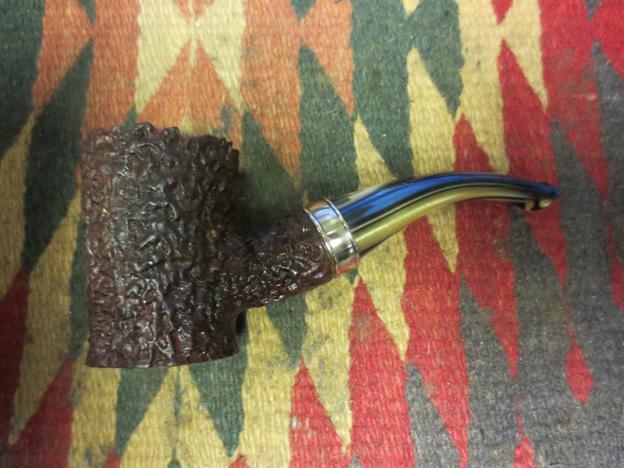
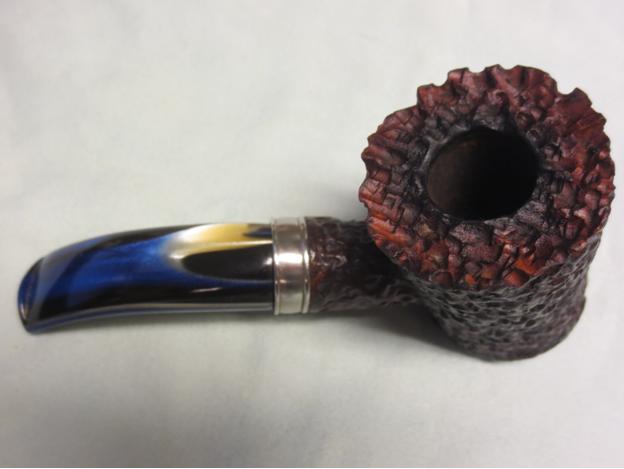
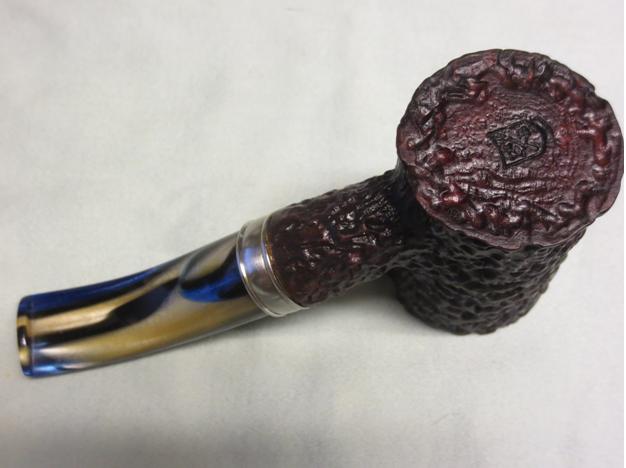
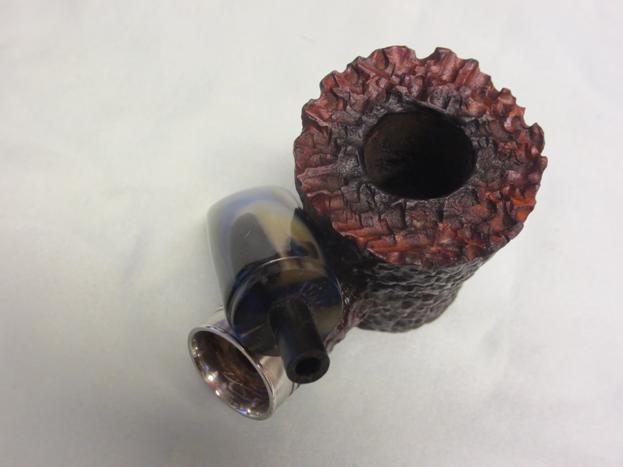
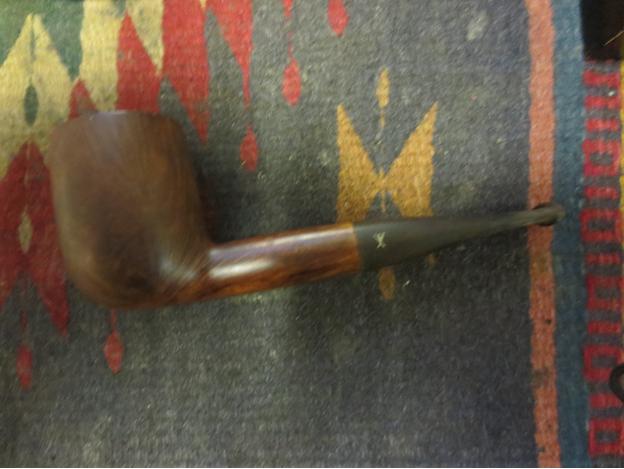
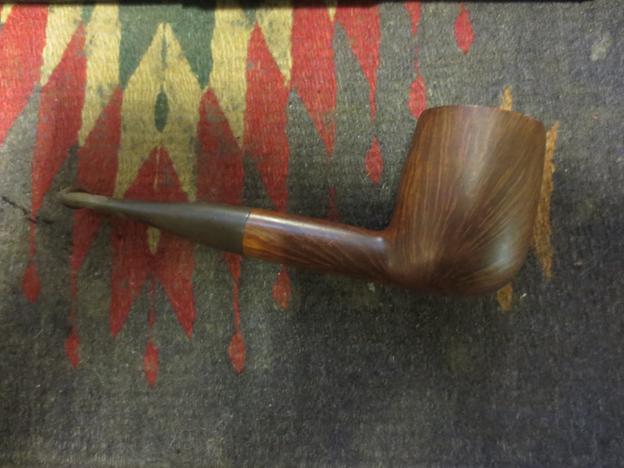
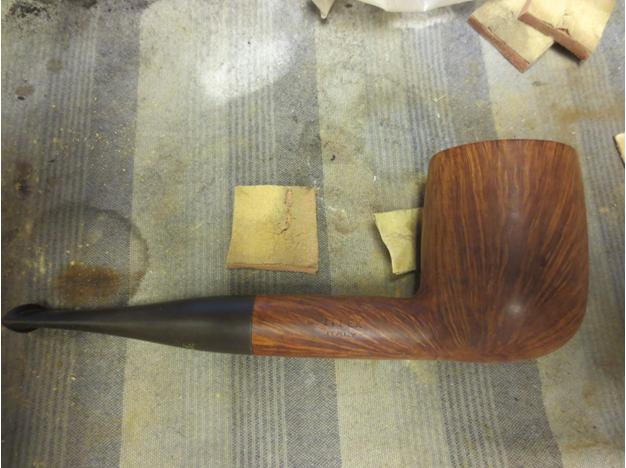
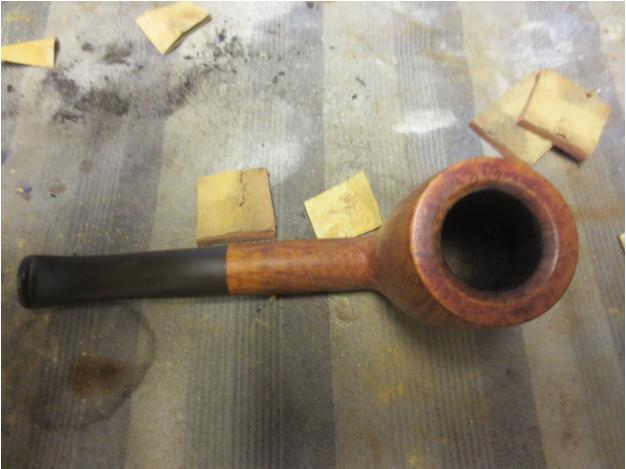
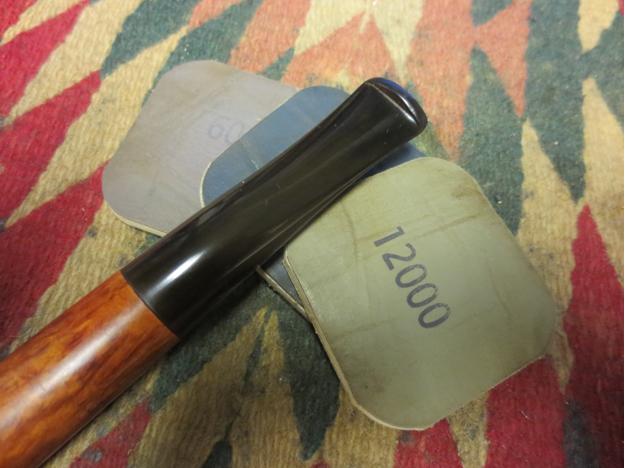
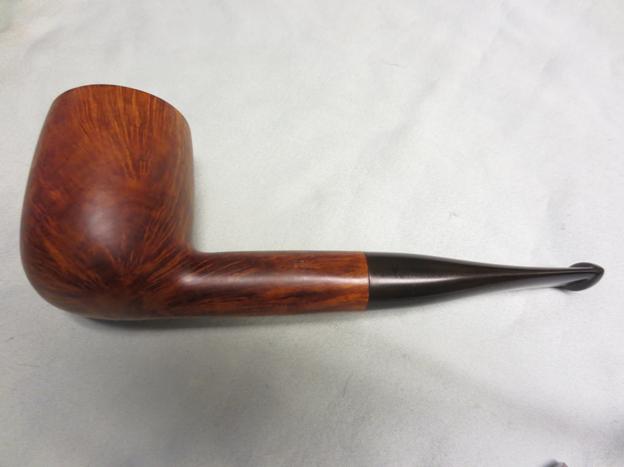
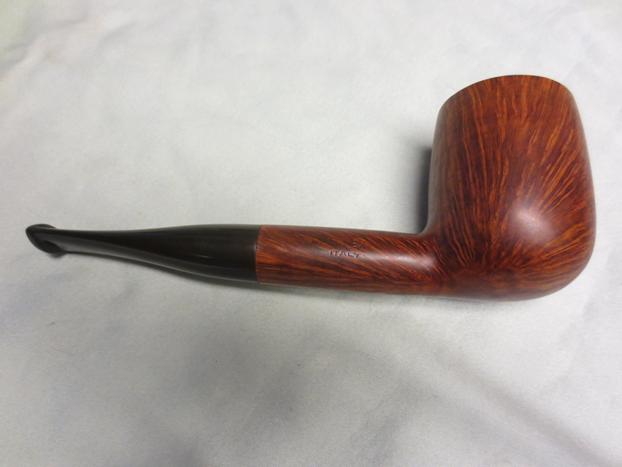
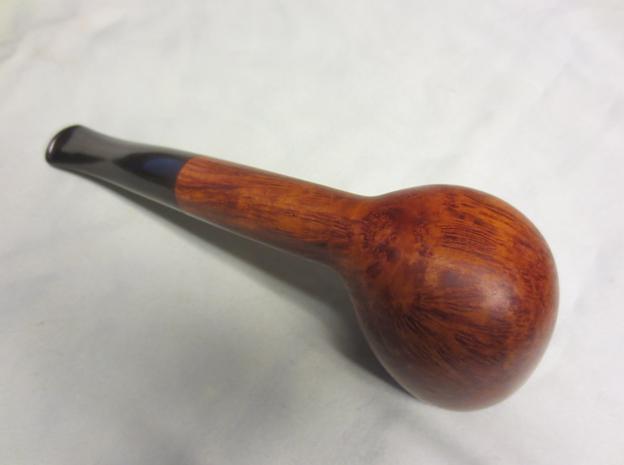
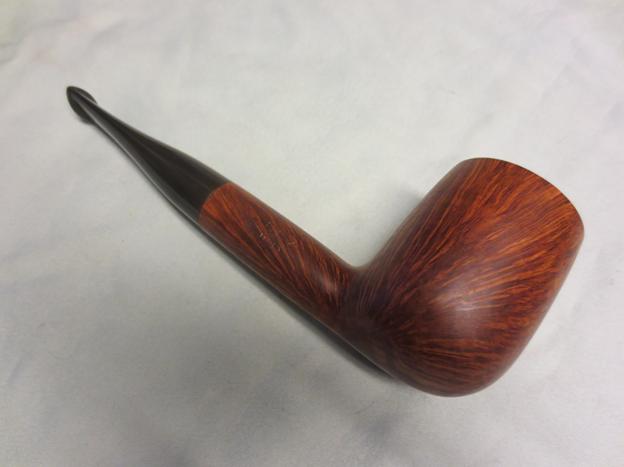
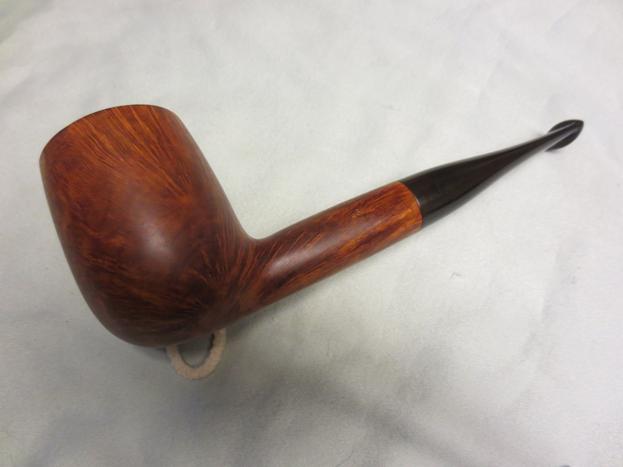
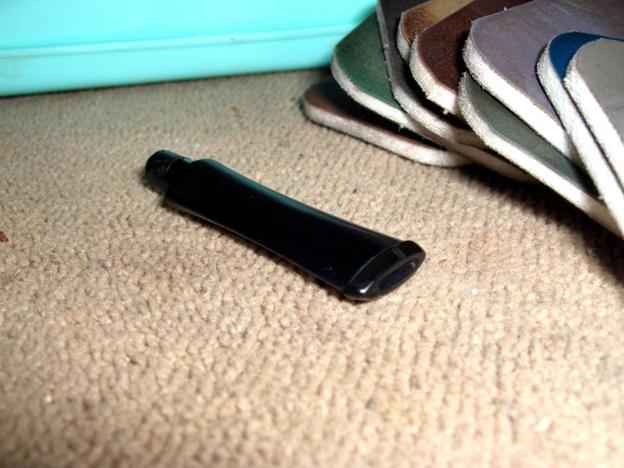
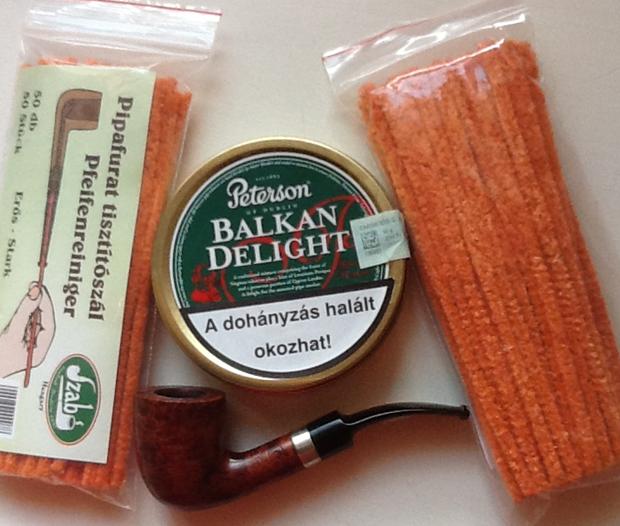
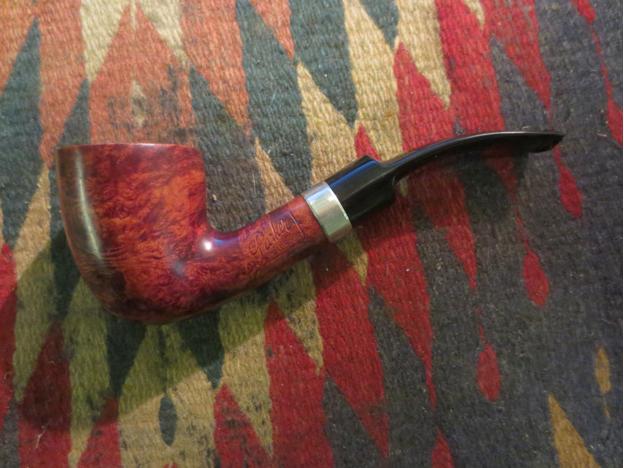
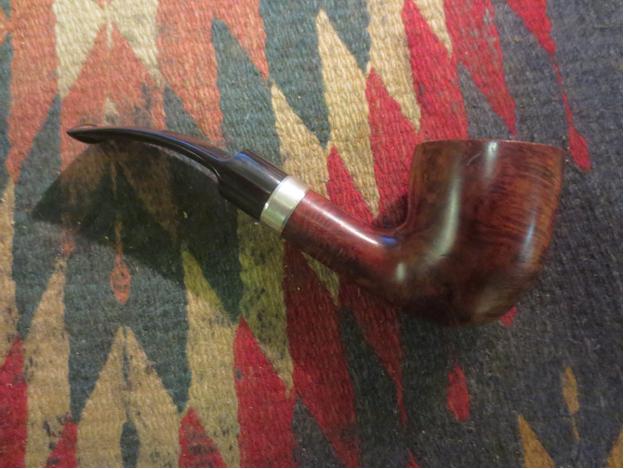
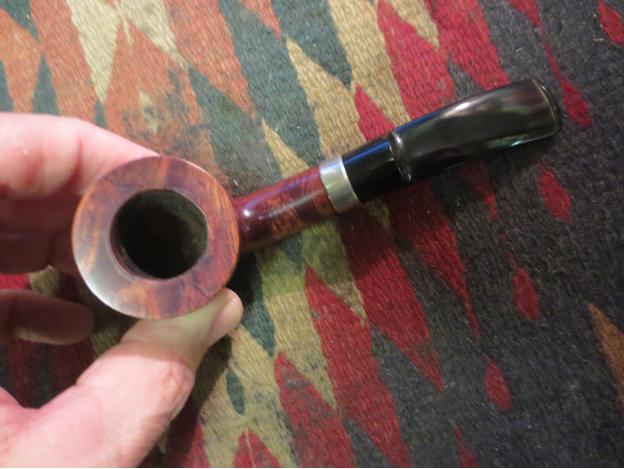
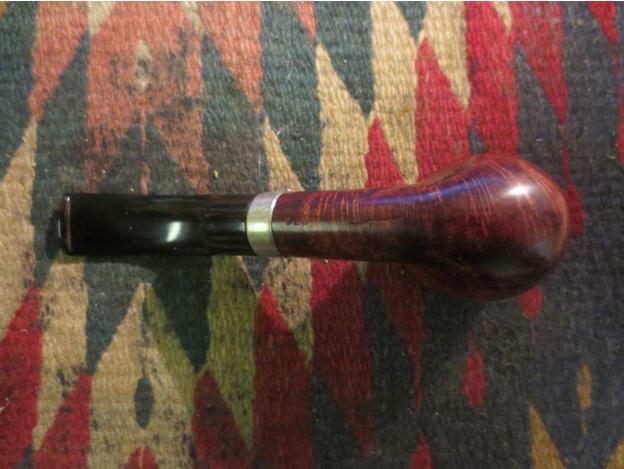
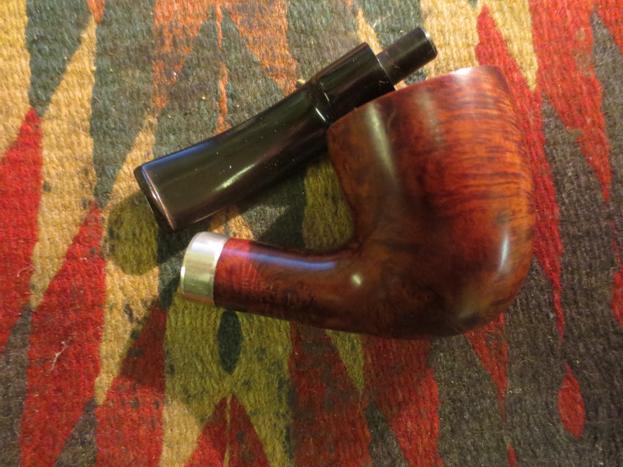
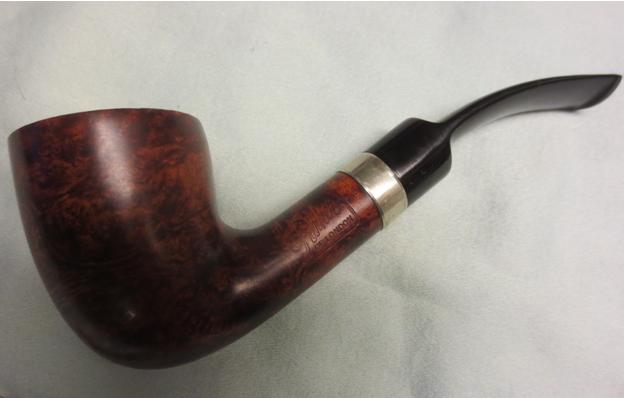
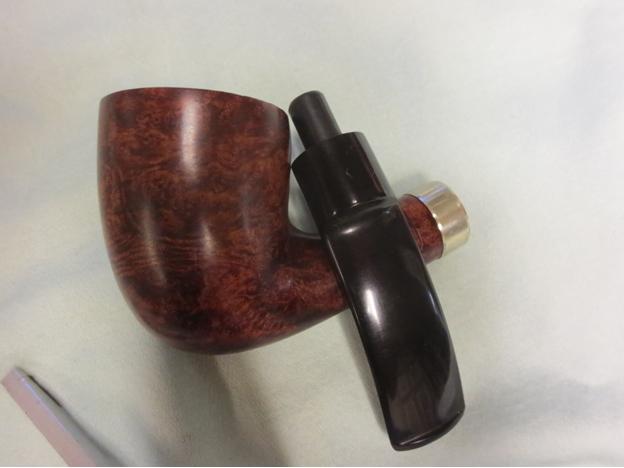
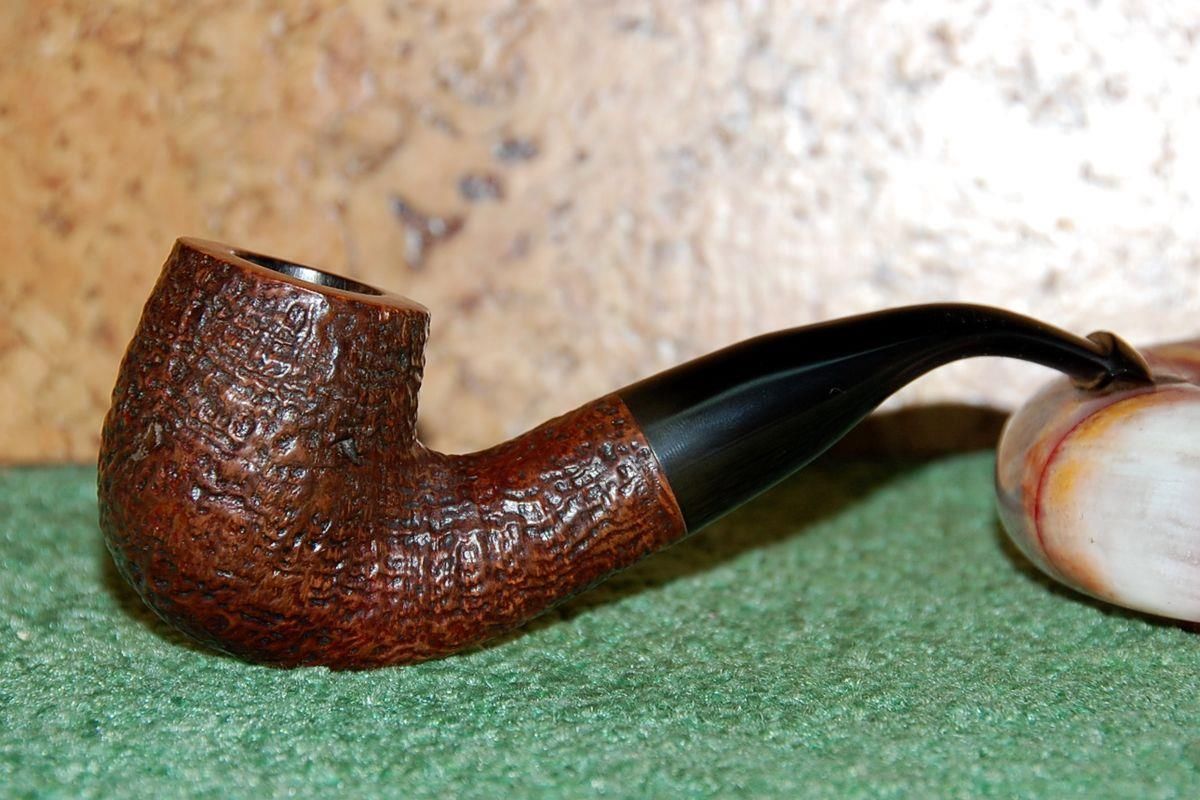
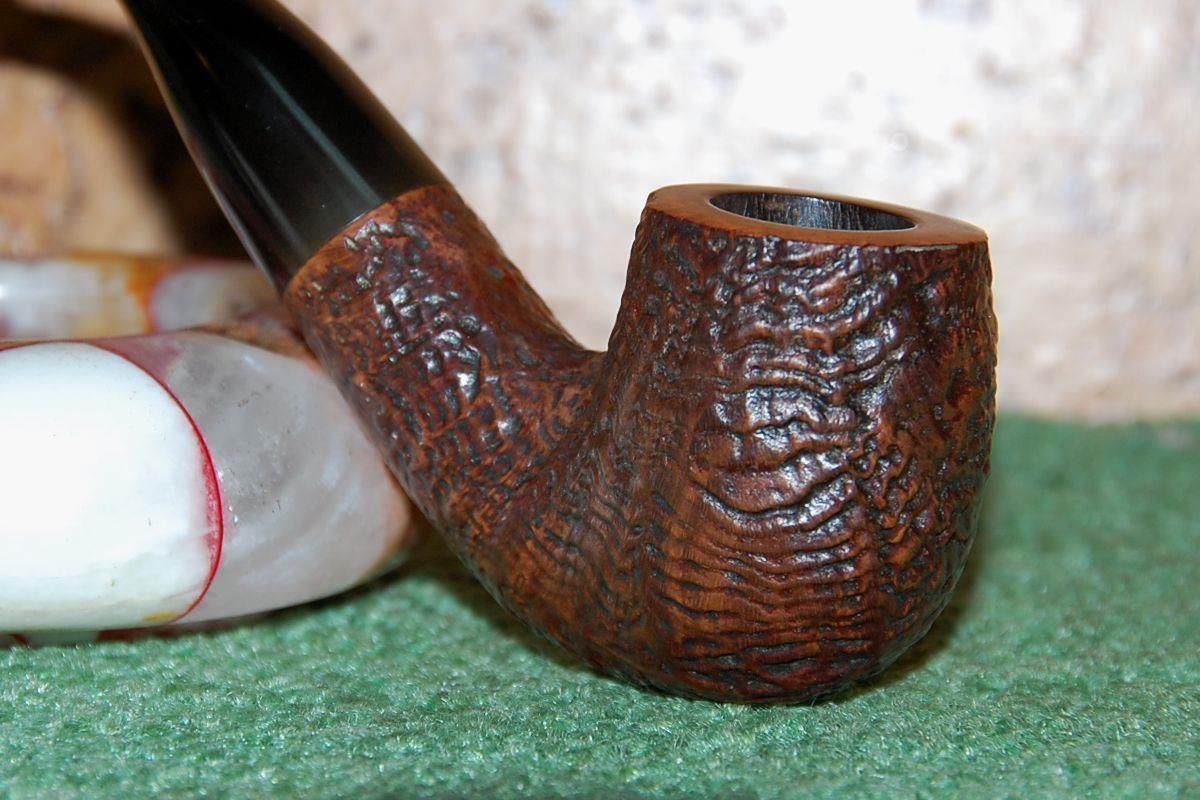
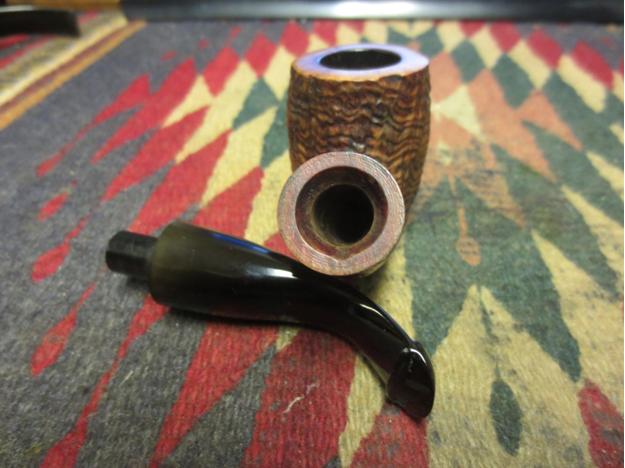
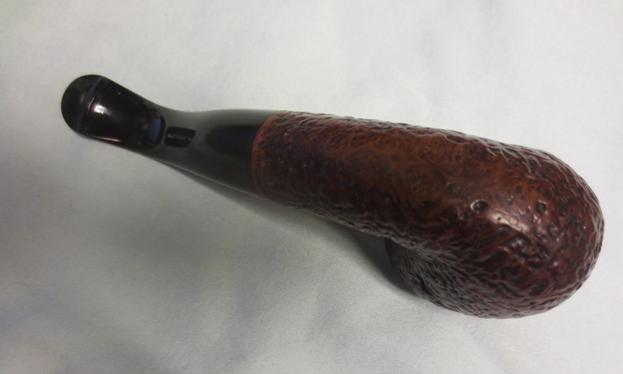
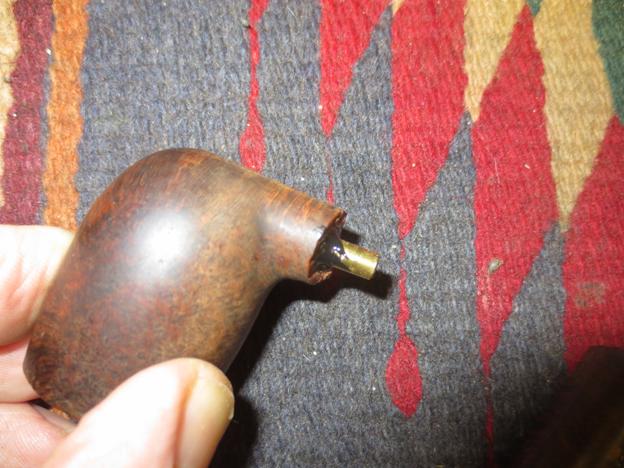
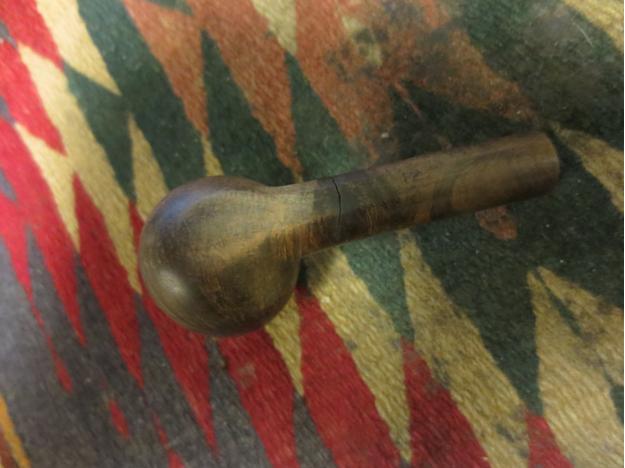
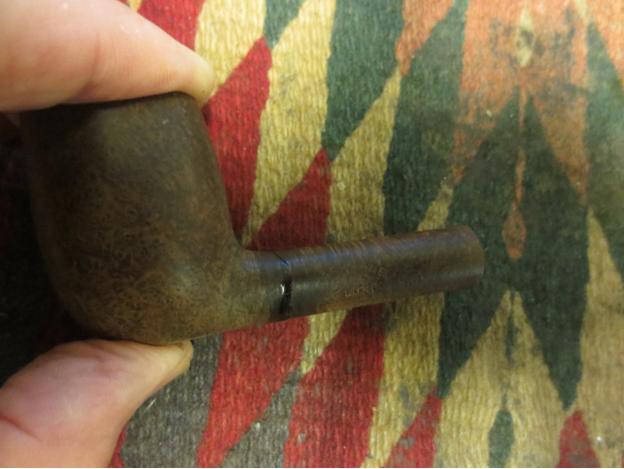
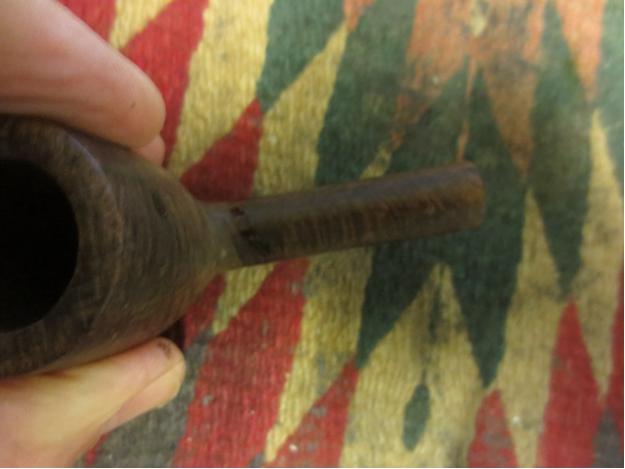
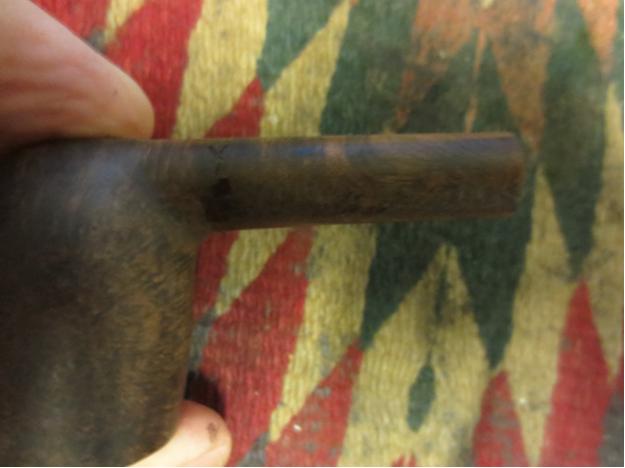
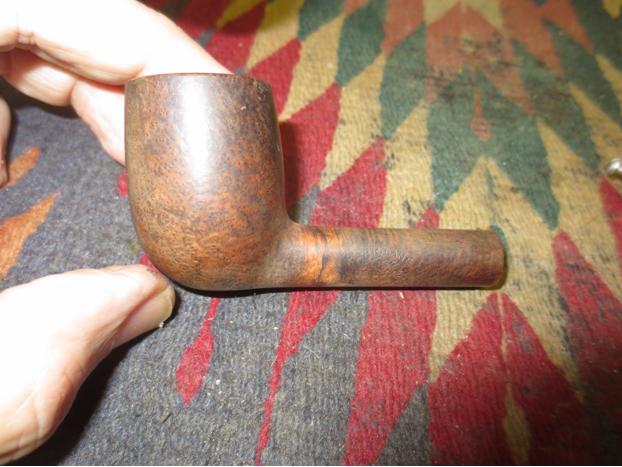
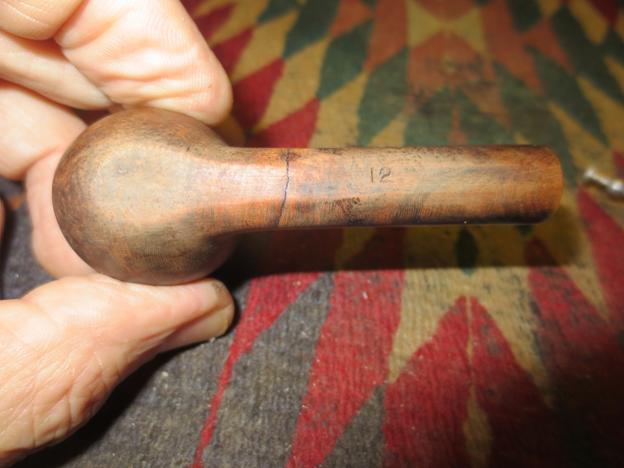
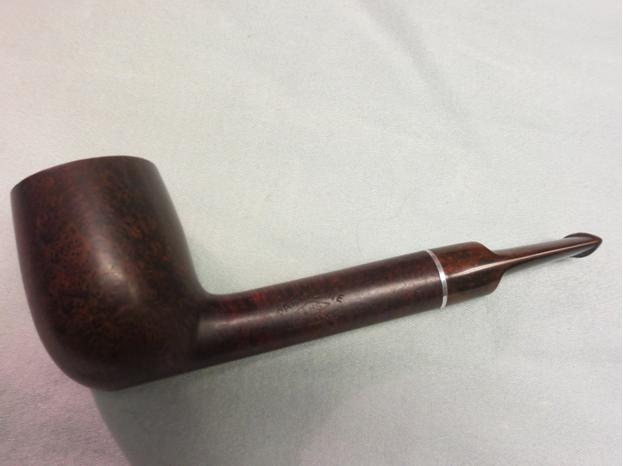
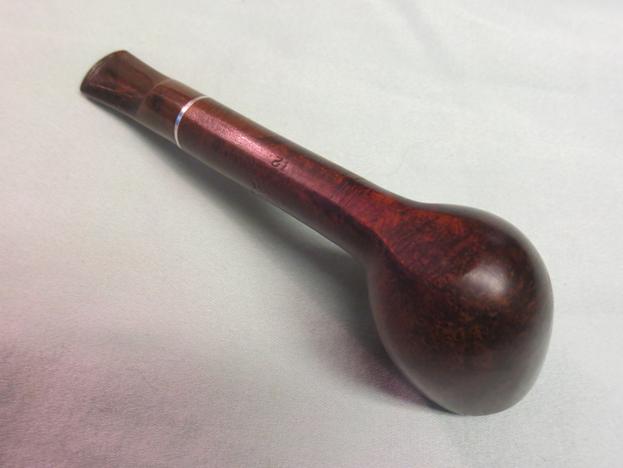
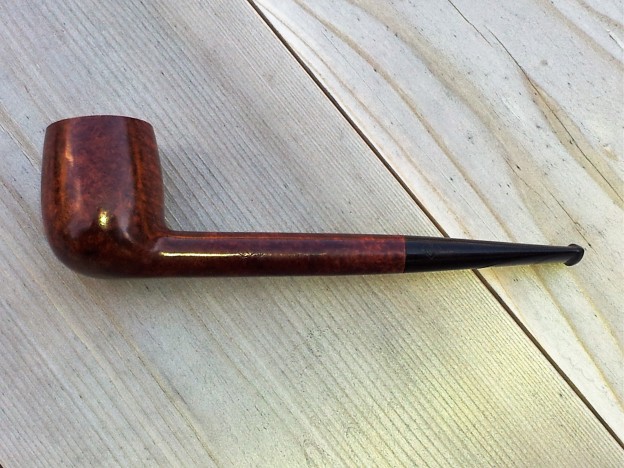
cbe069ba4835007c4c7a330473170320 A friend of mine here in Vancouver dropped off a bag of pipe goodies for me while I was in Europe. When I got home and opened the bag there were four jars of tobacco, a Peterson ceramic three pipe stand, a two pipe travel bag, some pipe cleaners and three pipes – a pipe that I had sold him, a Briar Bird Bent Poker or Cherrywood with a blue/gold acrylic stem, a Poker with a broken tenon stuck in the shank. I decided to clean up the easy pipe – The Briar Bird Poker. I emailed the giver to express my thanks at his generosity and ask him some questions about the two pokers. He answered that the broken stem pipe was a pipe made by Brian Doren. He also told me that the Briar Bird pipe by J. Cochey was one of his early works.

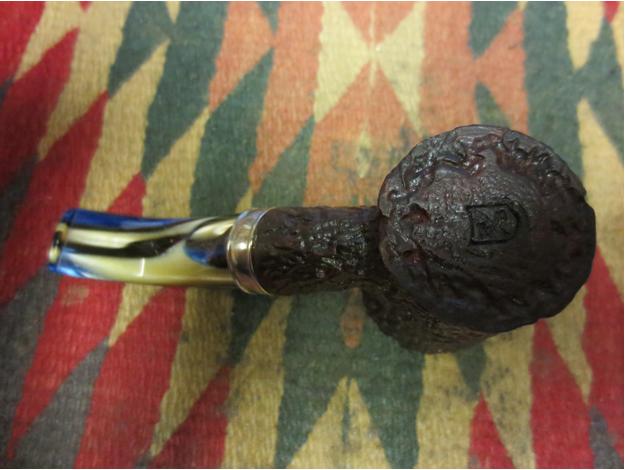
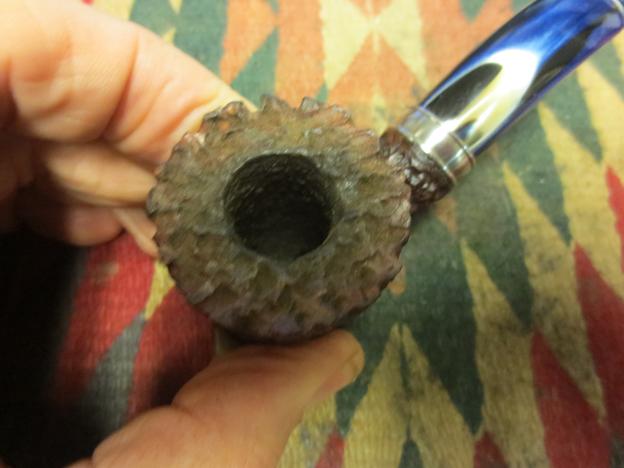
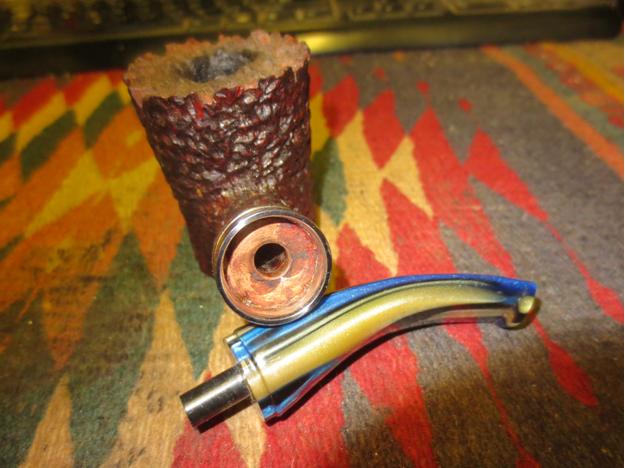
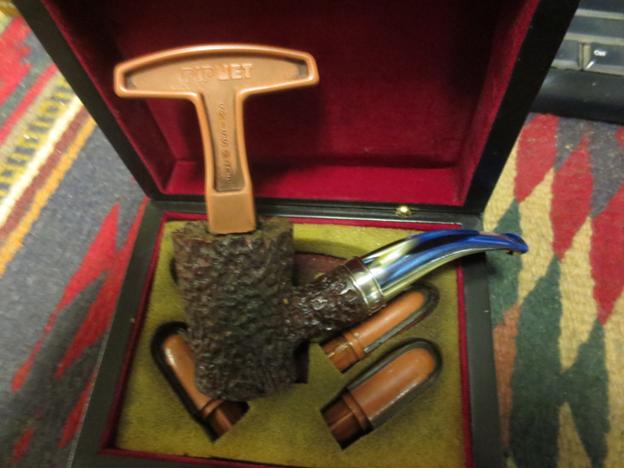
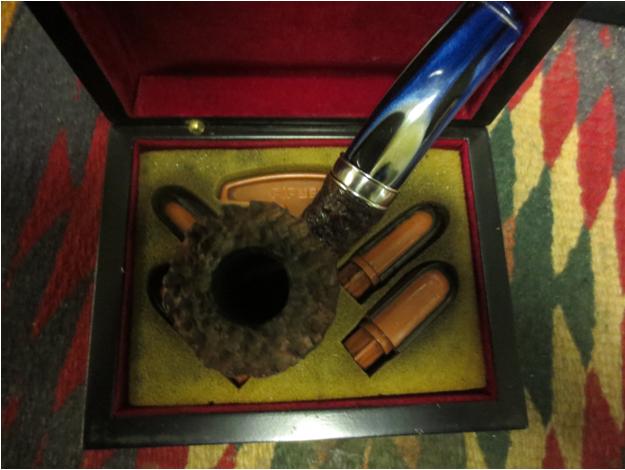
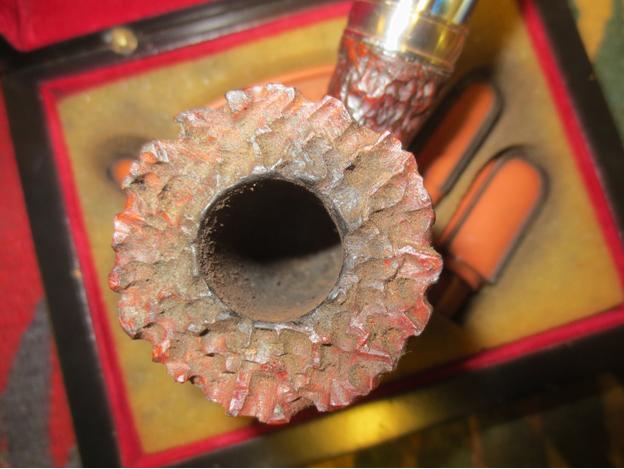
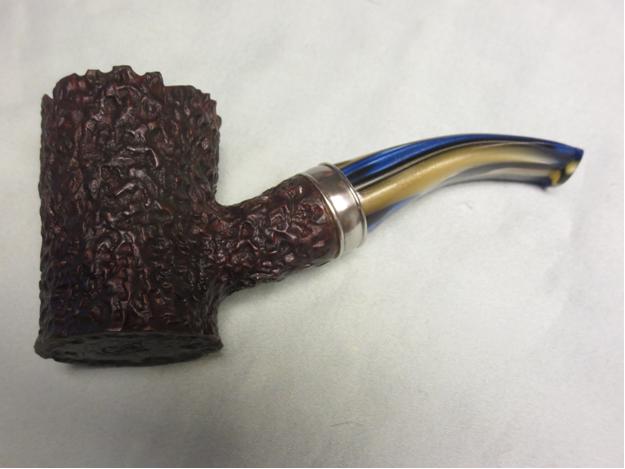
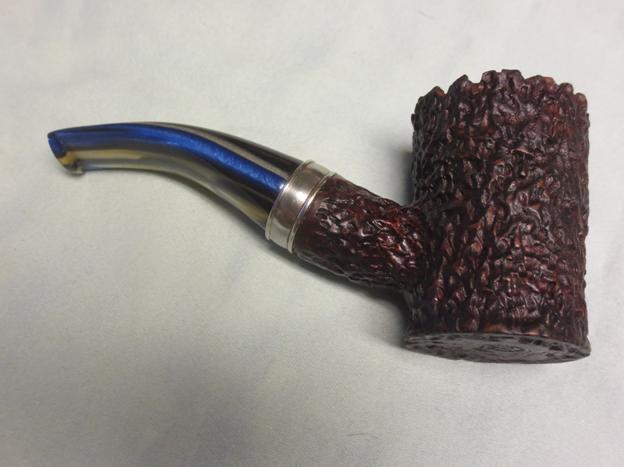
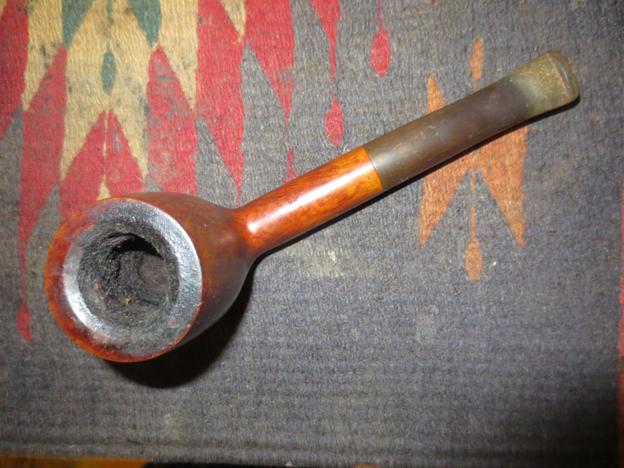
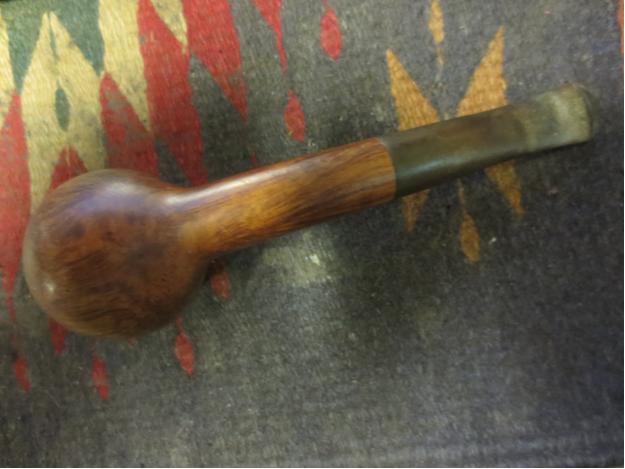
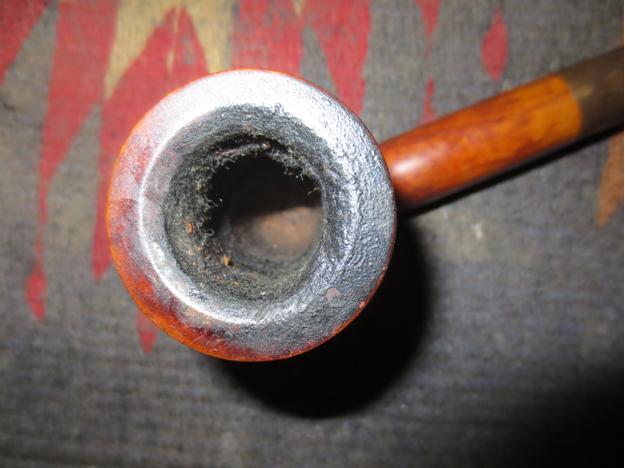
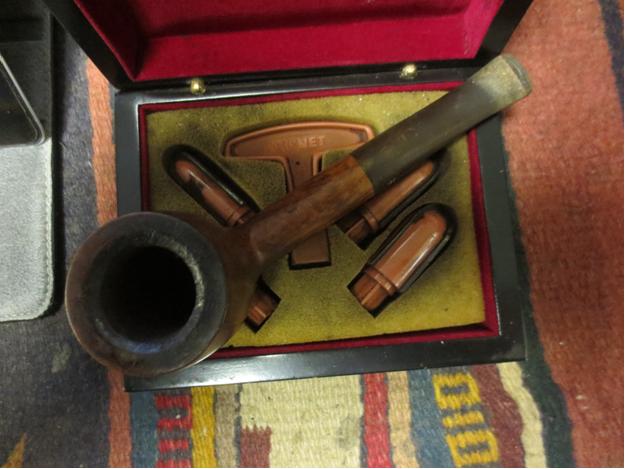
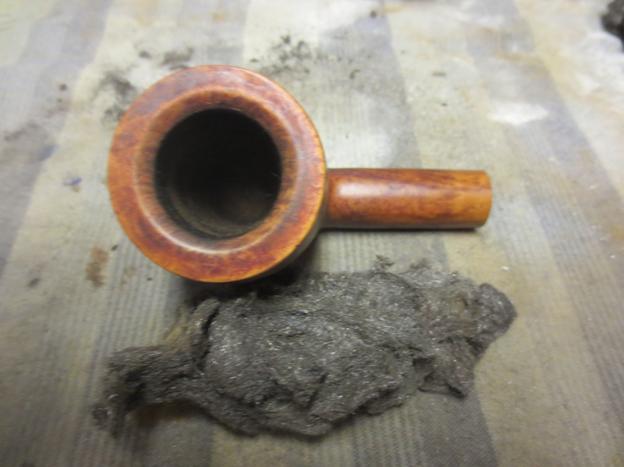
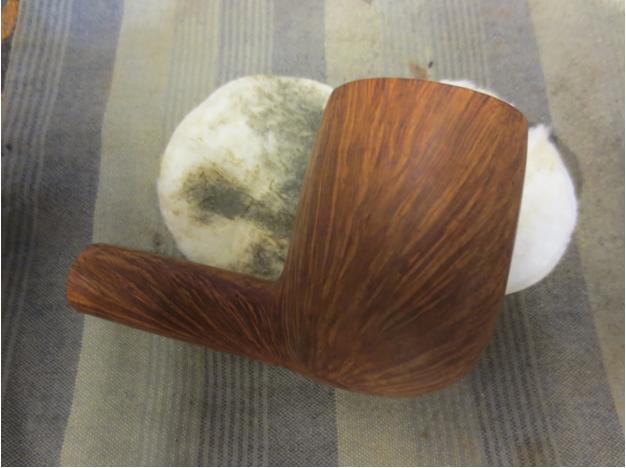
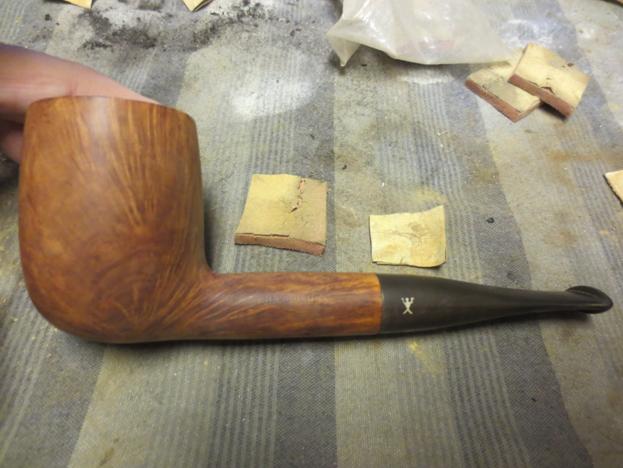
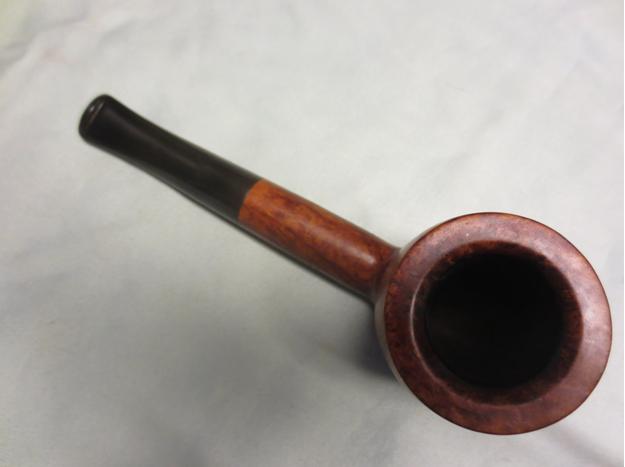
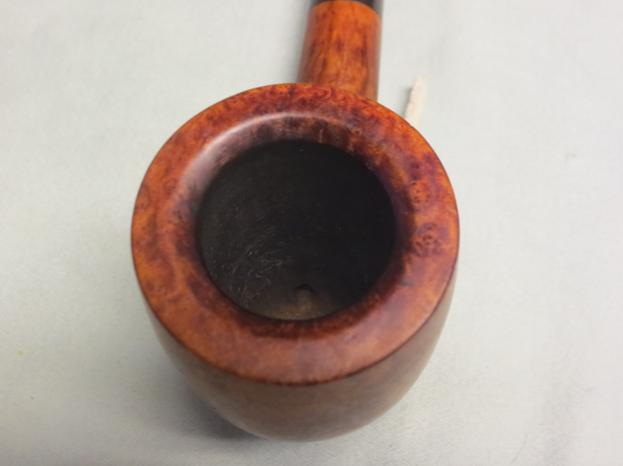
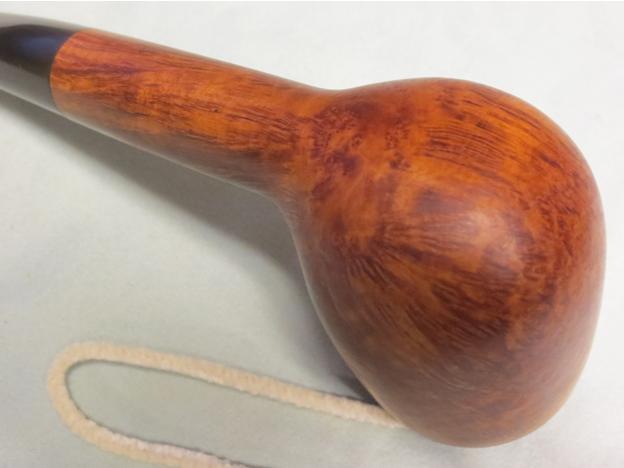
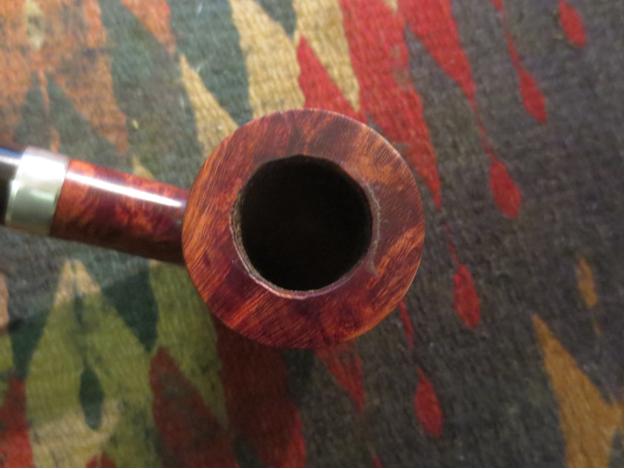
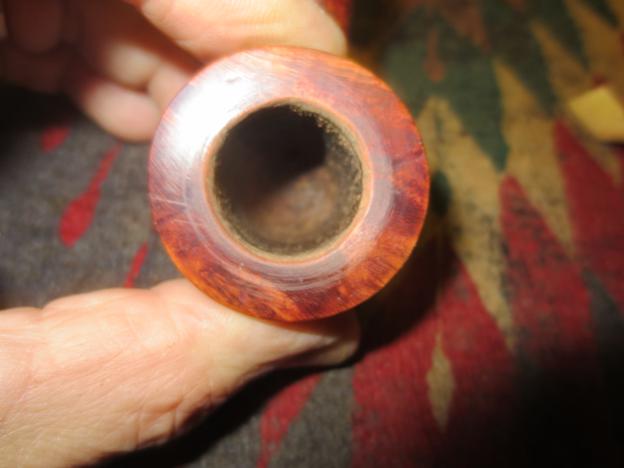
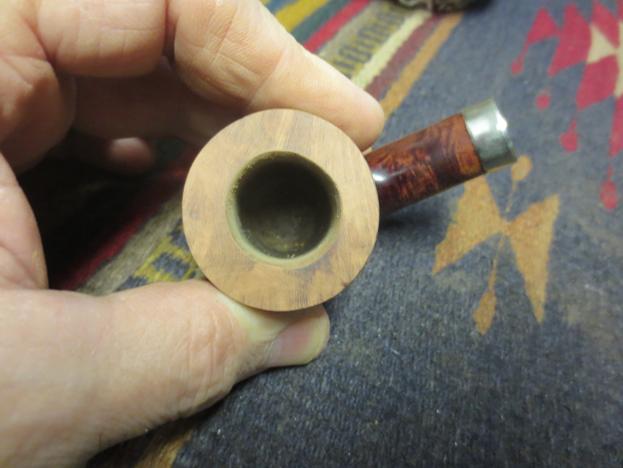
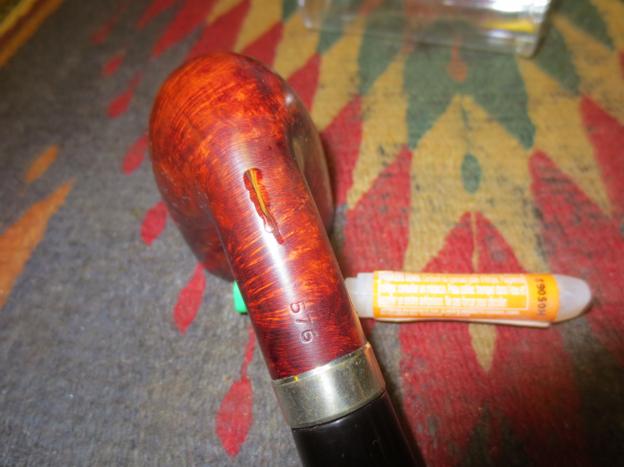
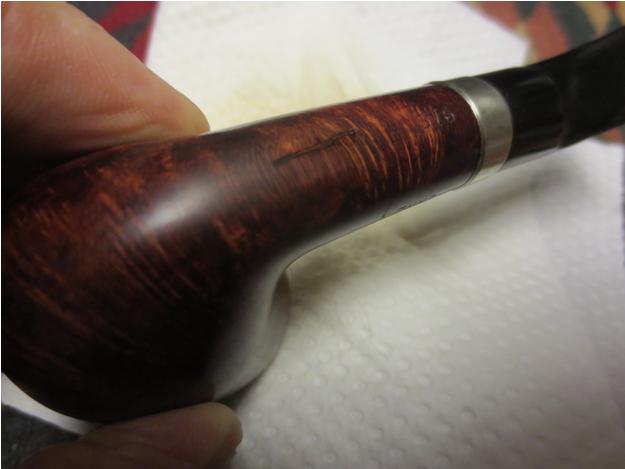
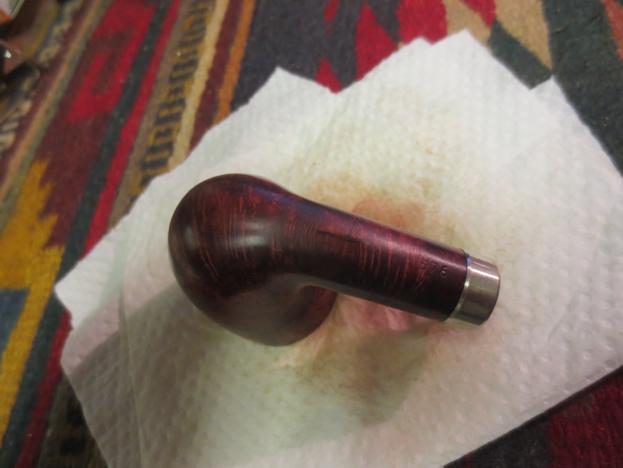
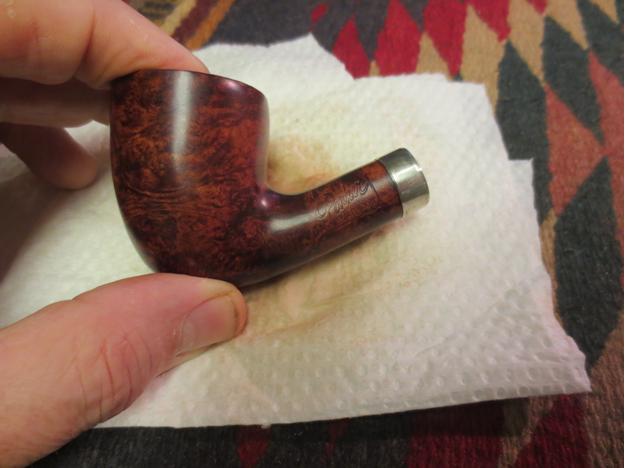
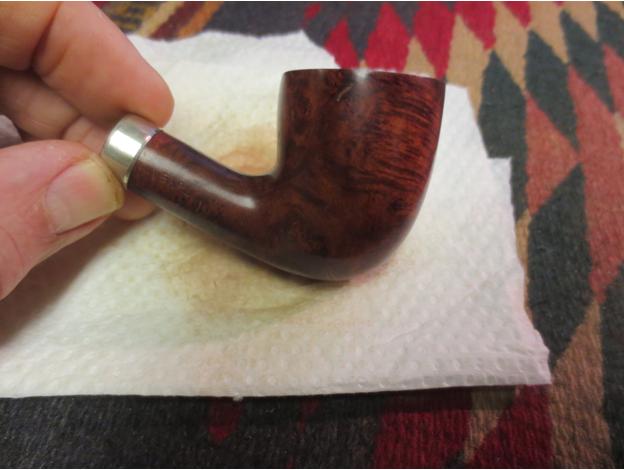
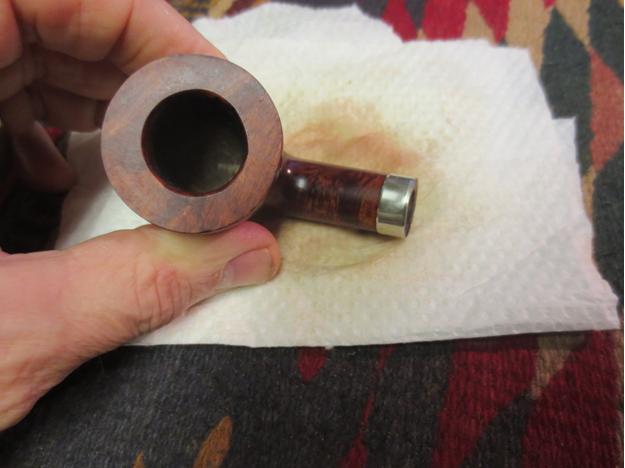
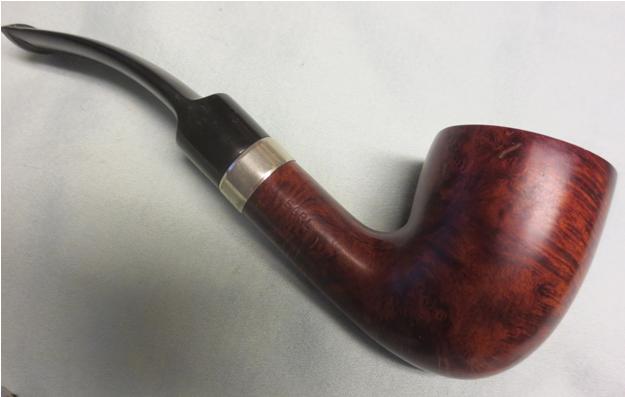
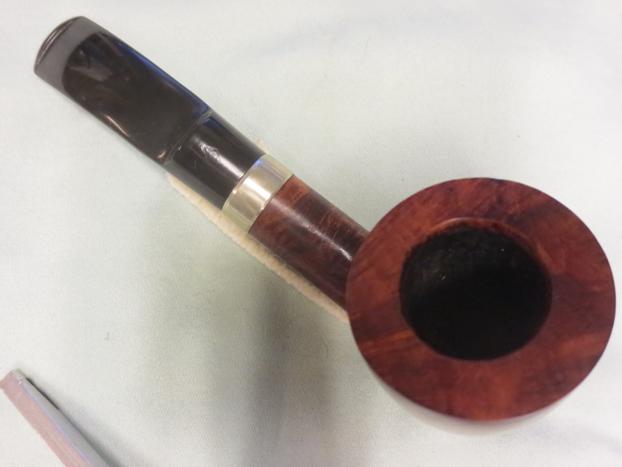
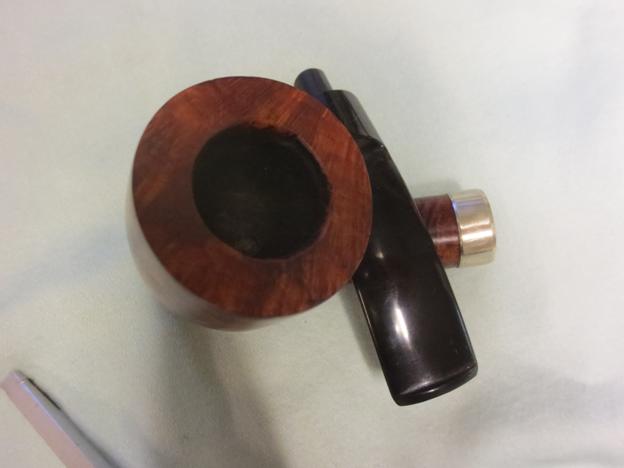
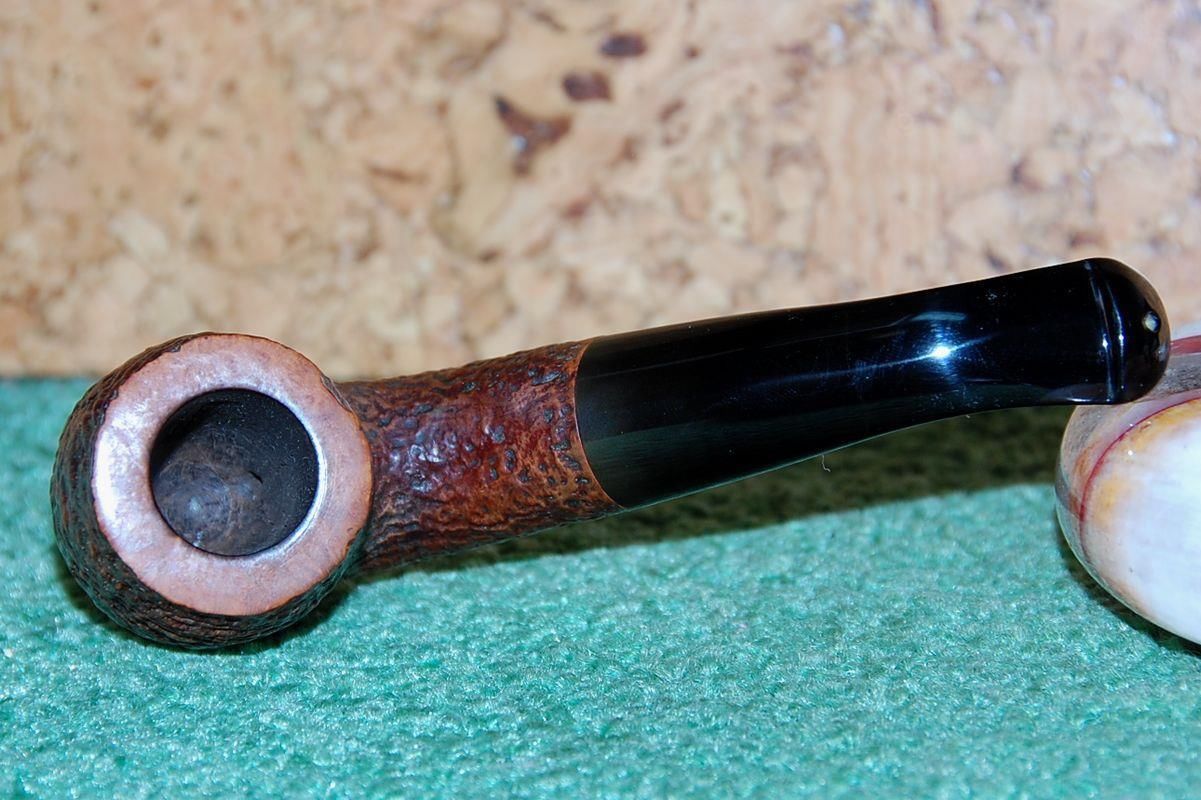
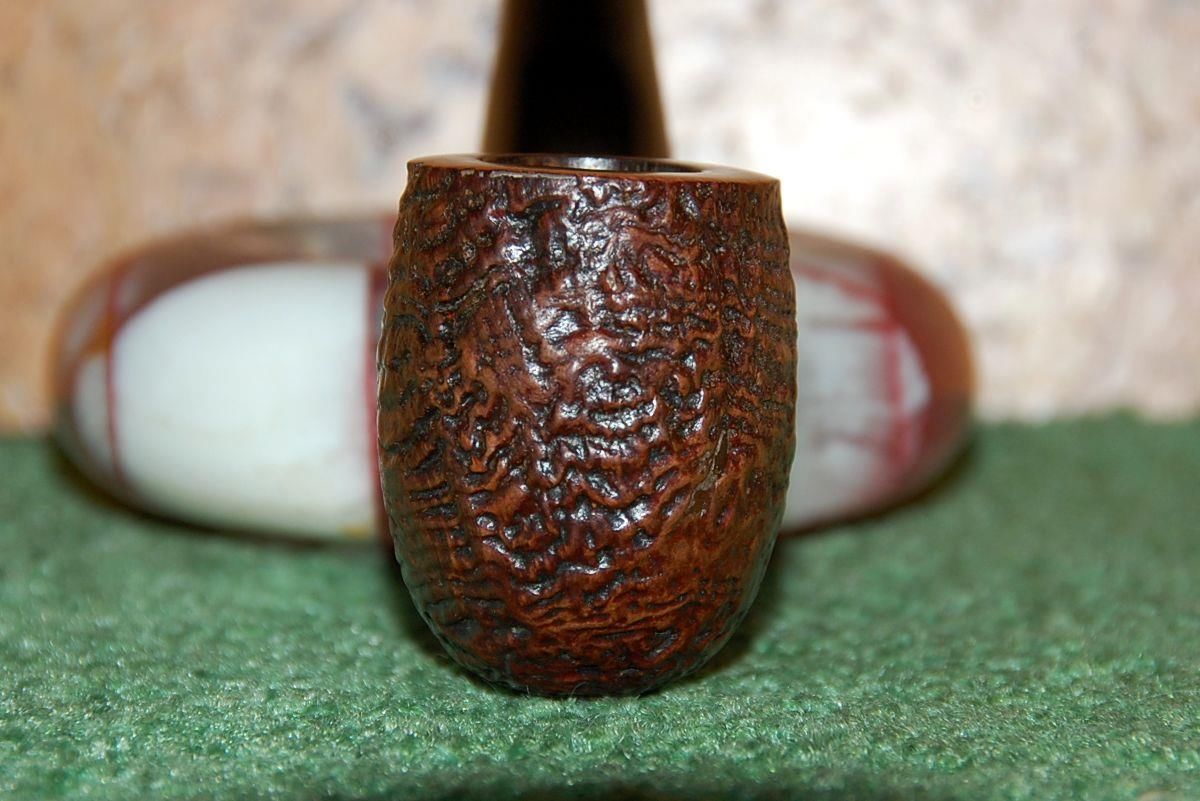
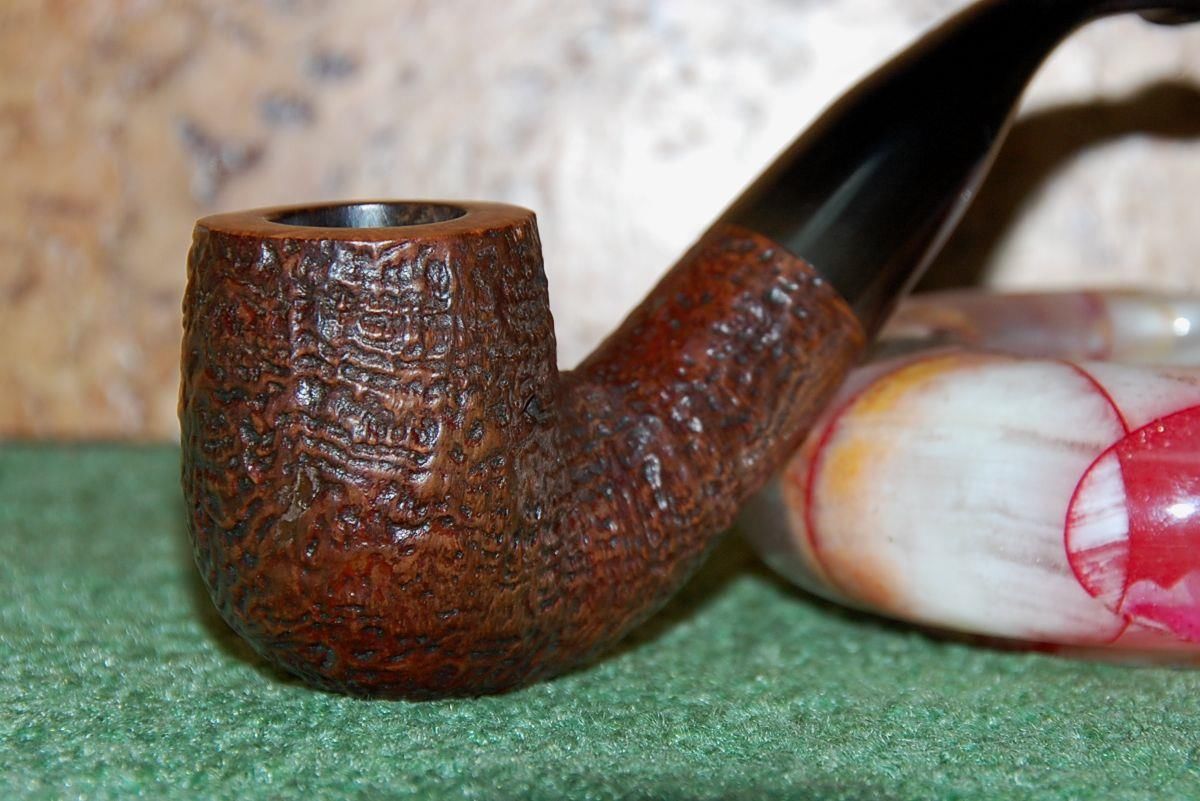
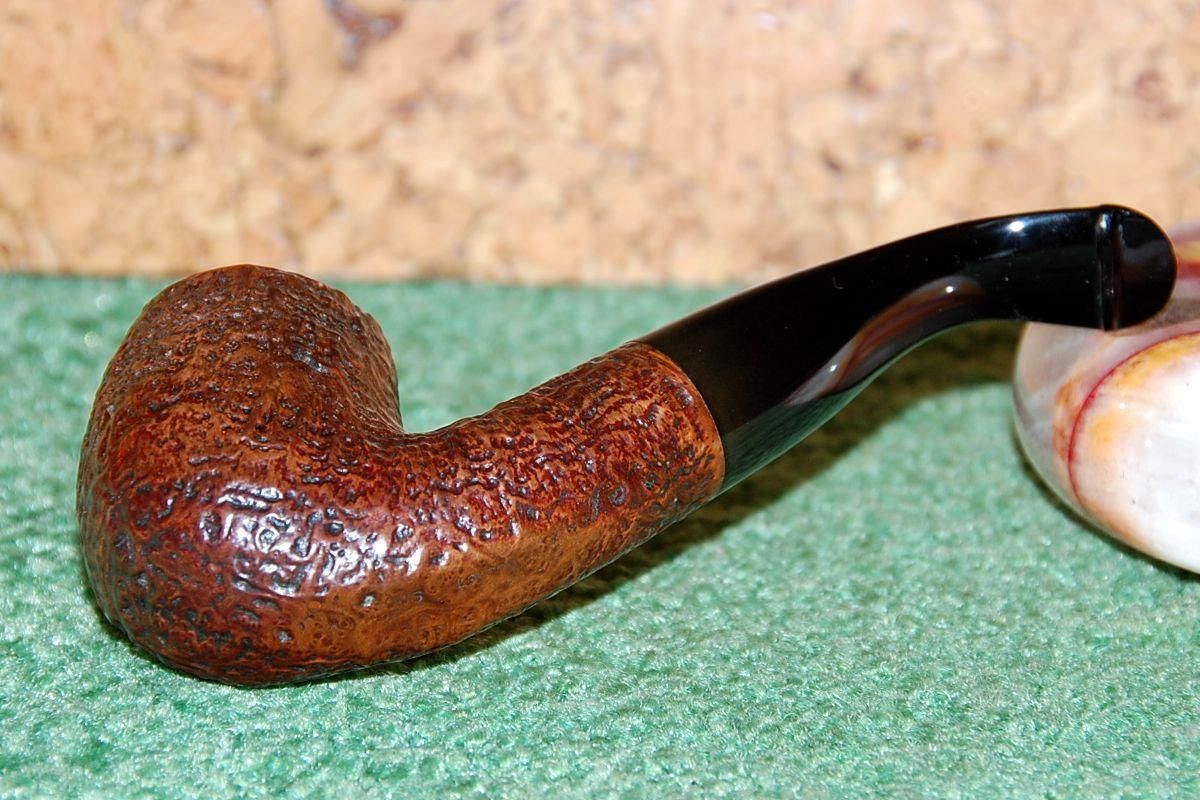
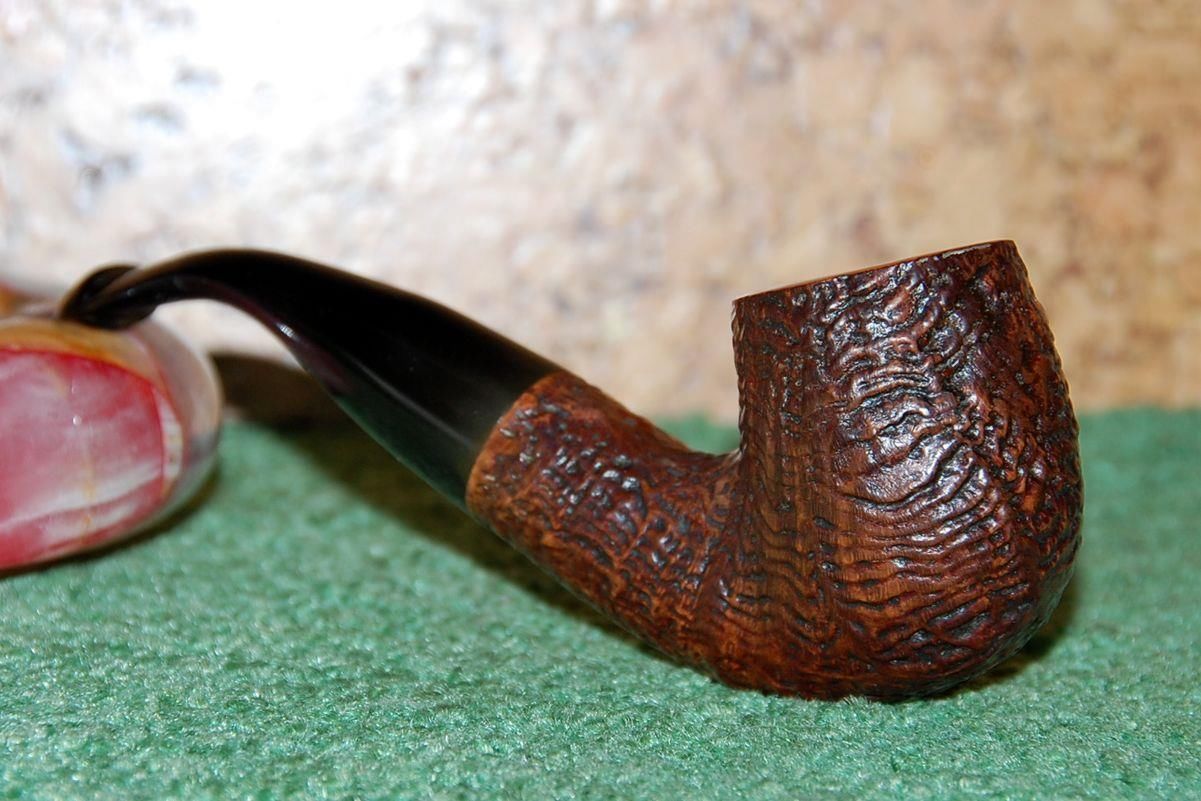
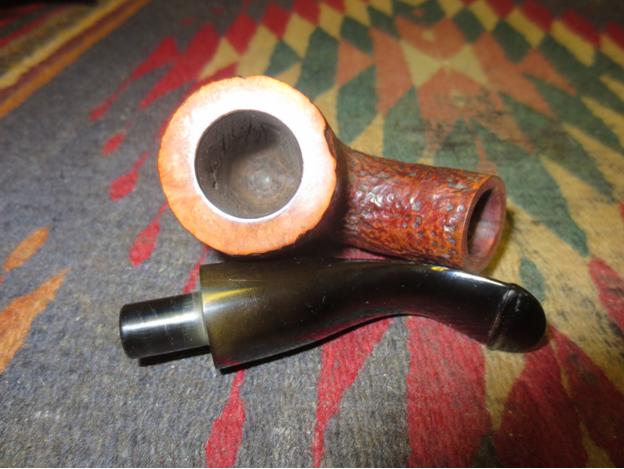
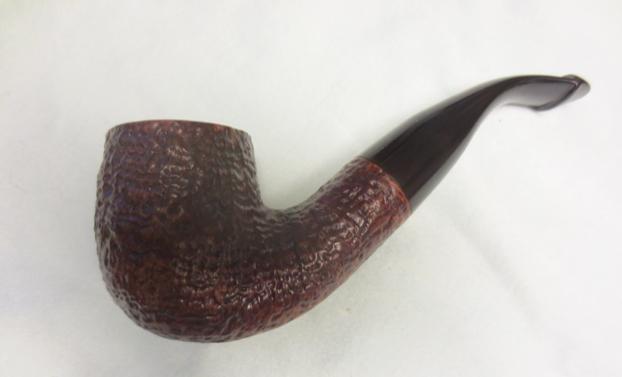
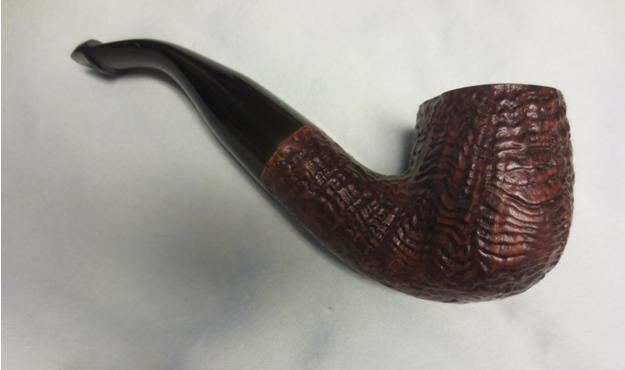
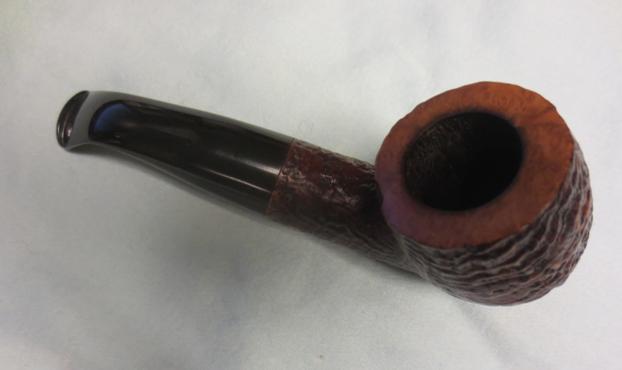
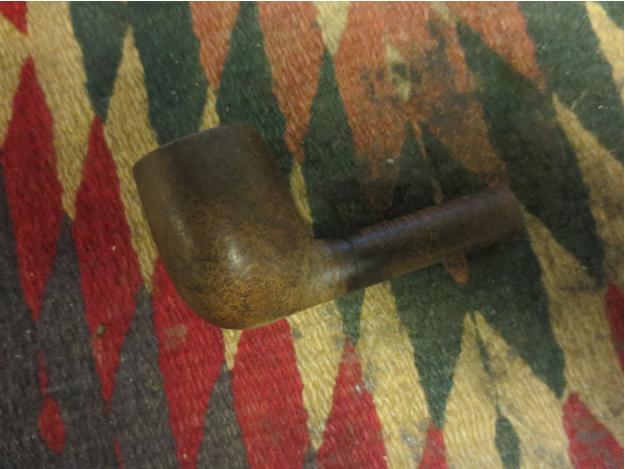
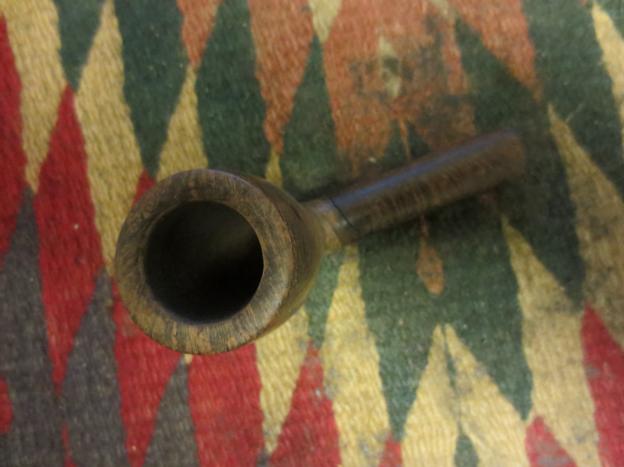
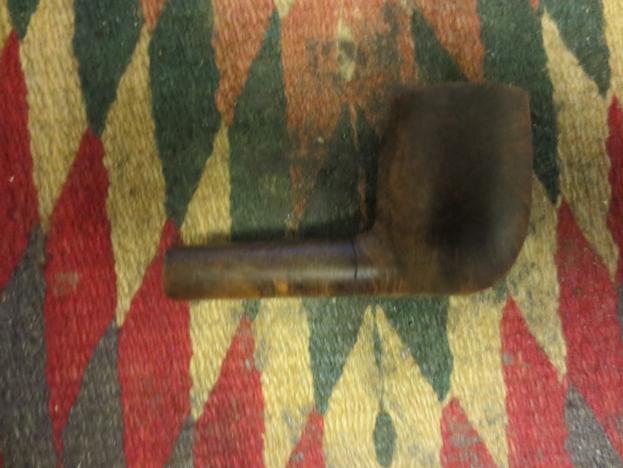
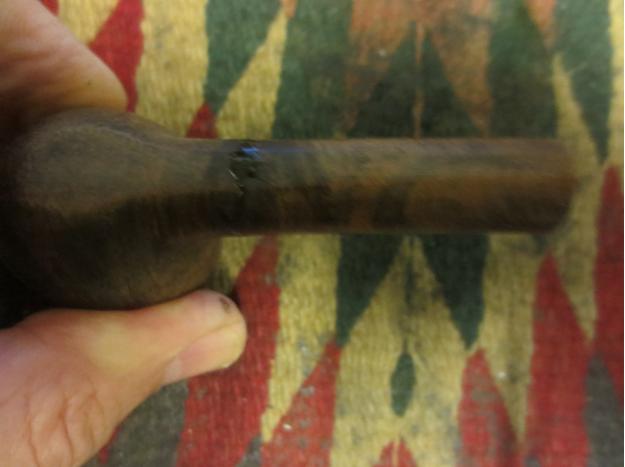
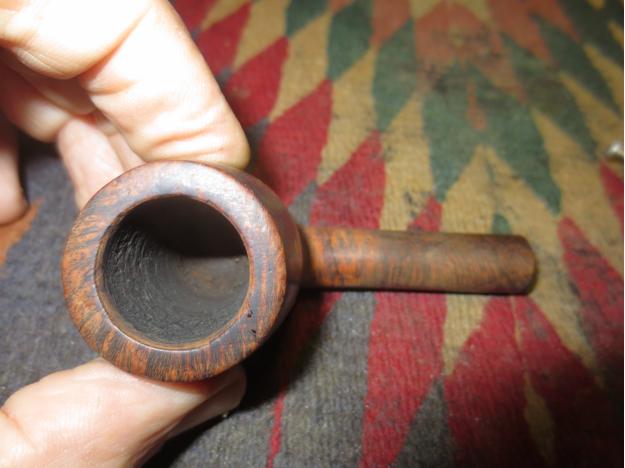
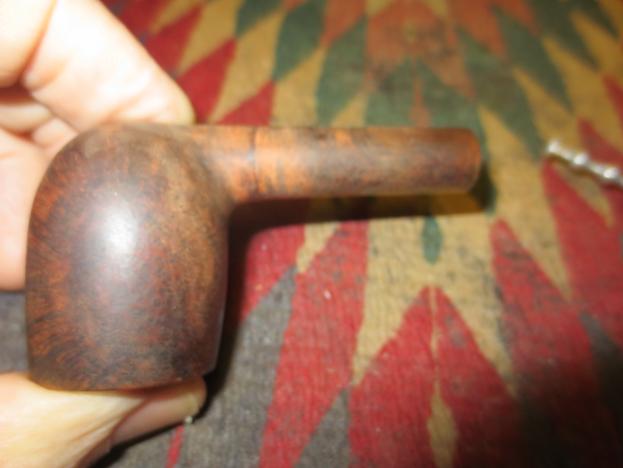
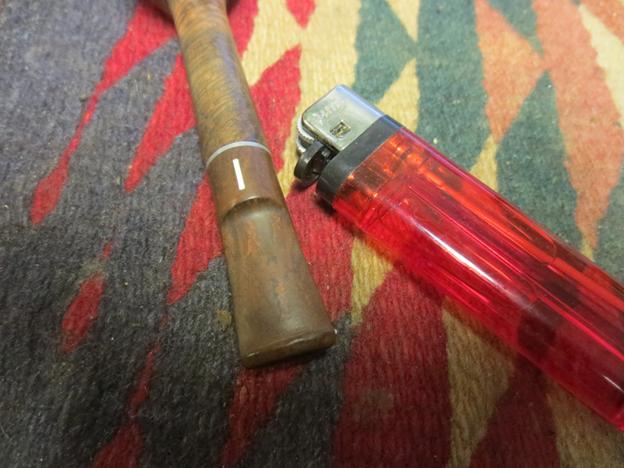
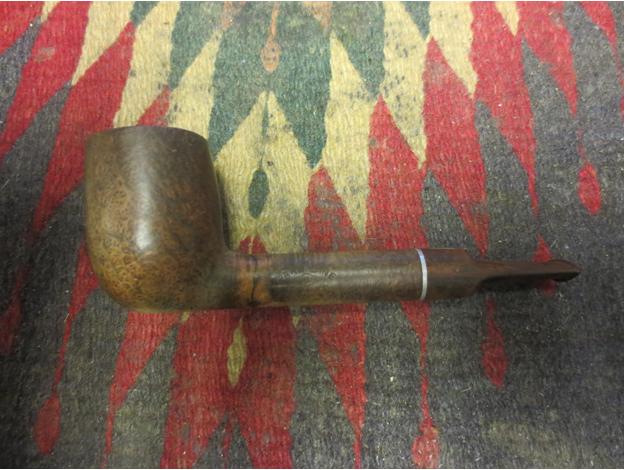
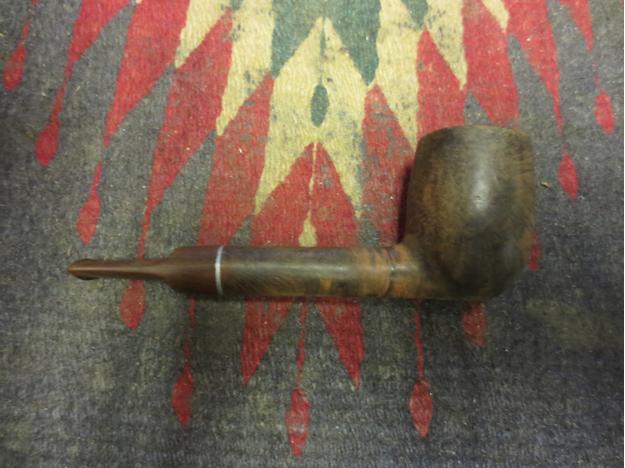
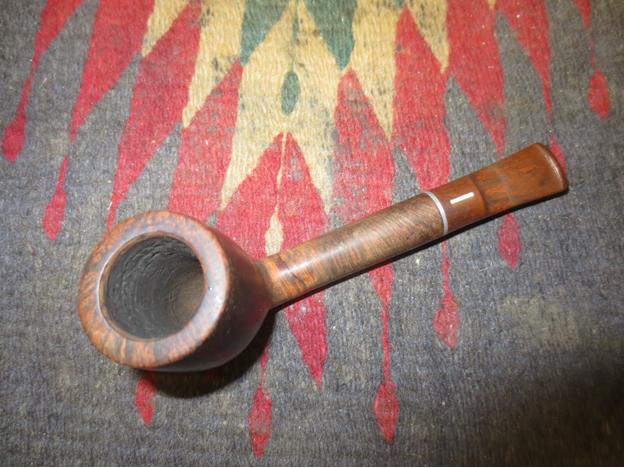
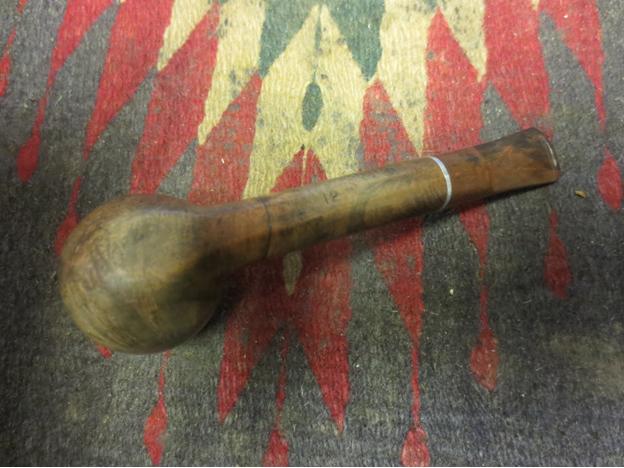
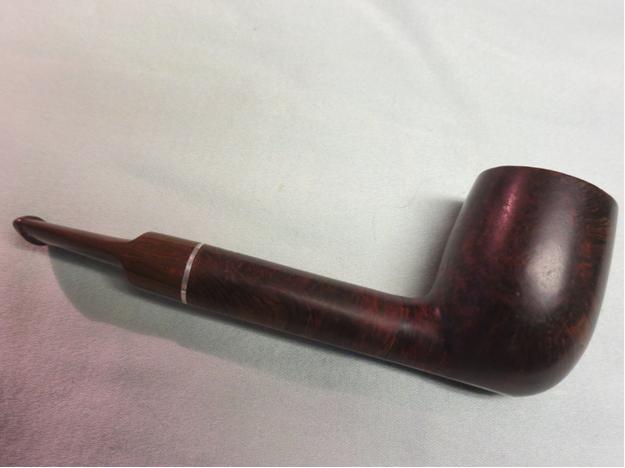
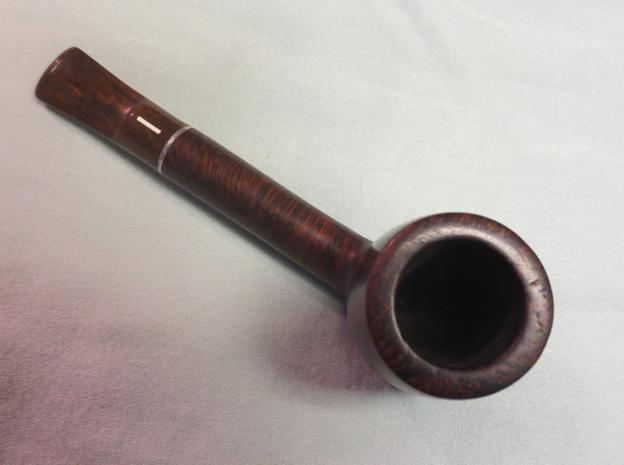
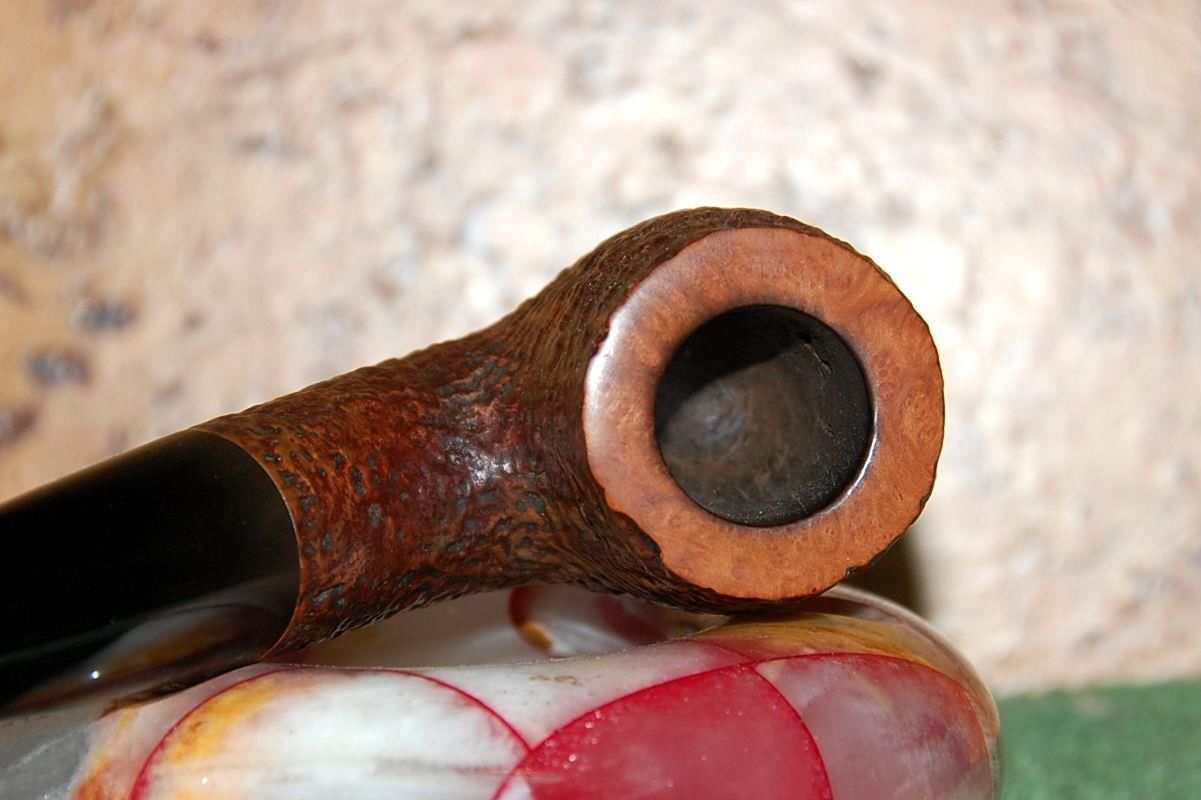
At first glance it looked like it would clean up easily and I could add it to the rotation quickly. It had a rusticated finish that was too my liking, a wedding ring style band and a blue and gold stem. The bend was good in the stem and the pipe felt good in the hand. The button seemed like a good size. The slot was open and the airway clear. The inner dimension of the bowl was smaller than I normally use but it would work. The finish was dirty and the rim had some light build up in the rustication. The bowl would need to be reamed back to keep it from becoming even smaller in diameter than it was.BB1

BB2

BB3

BB4

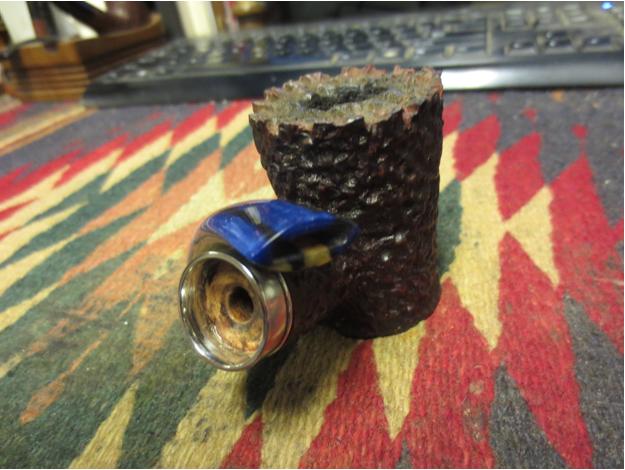
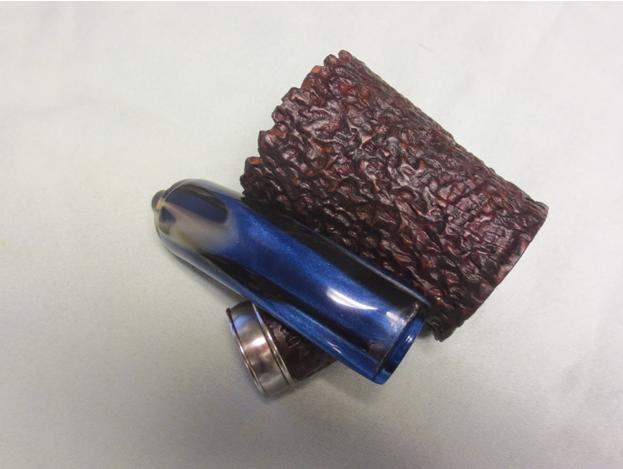
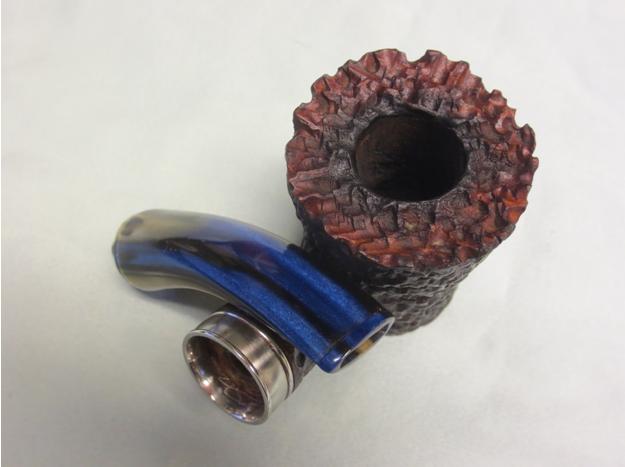
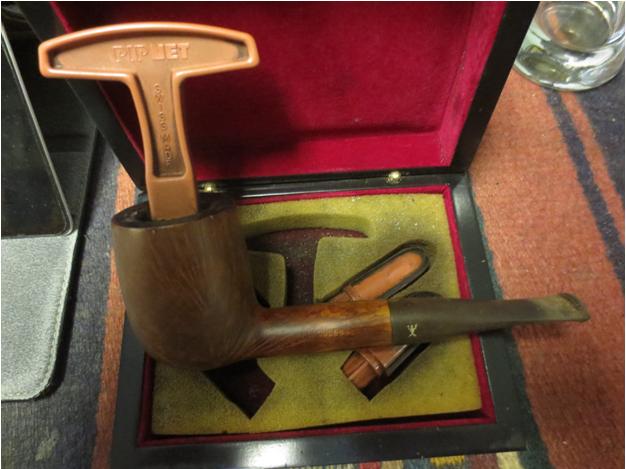
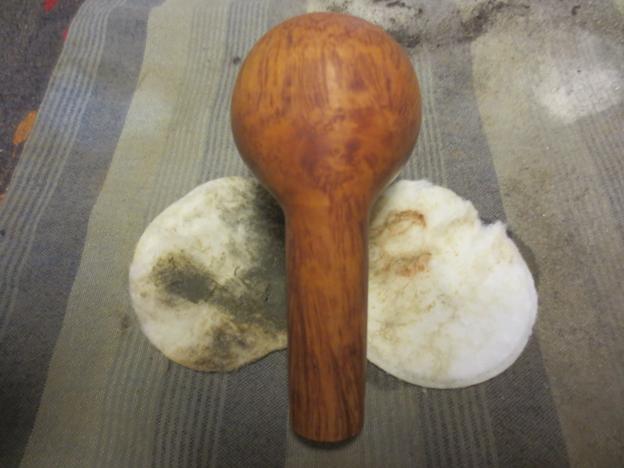
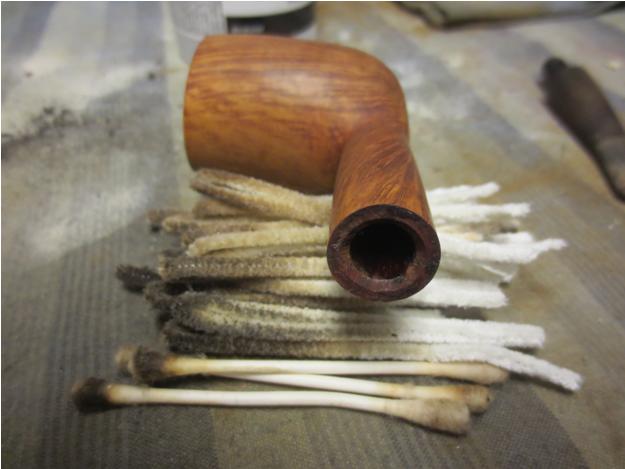
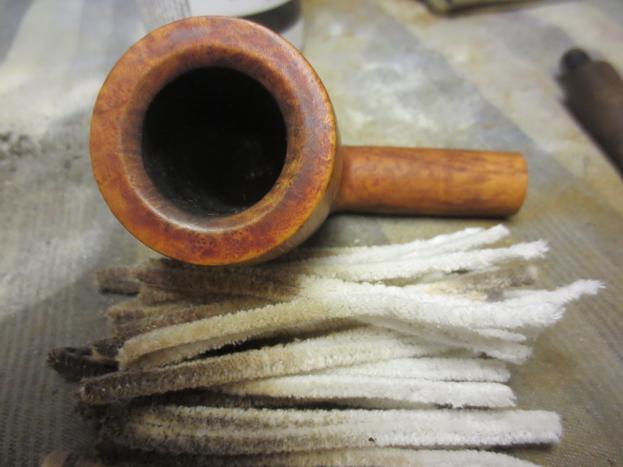
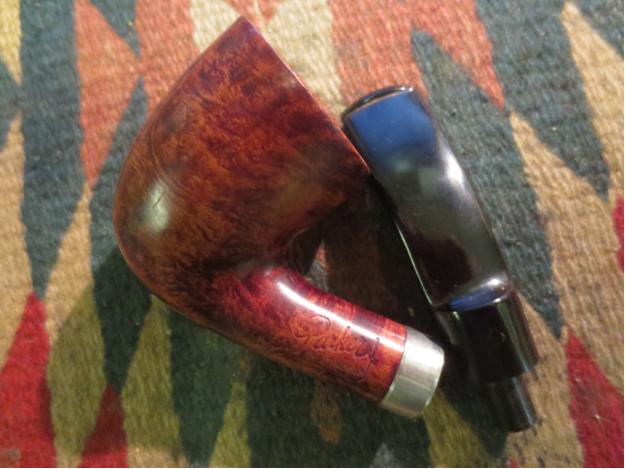
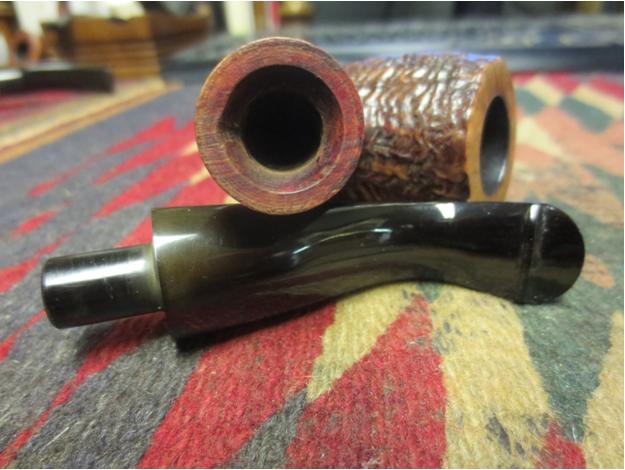
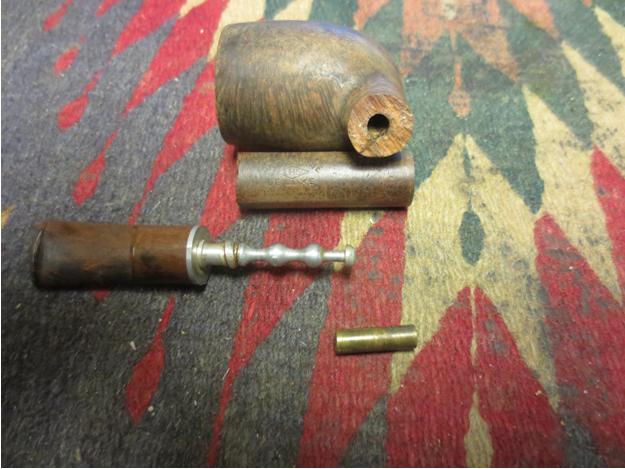
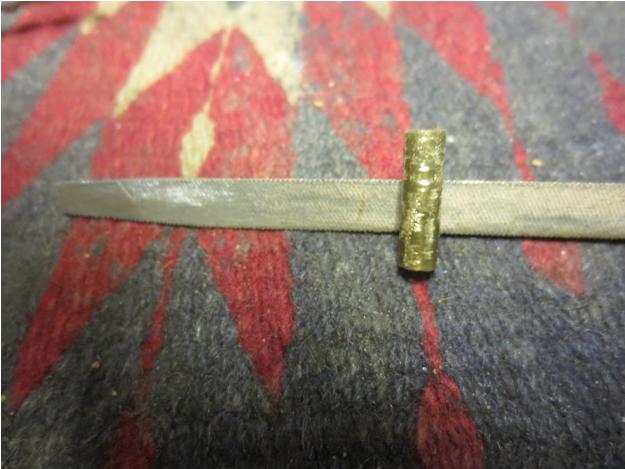
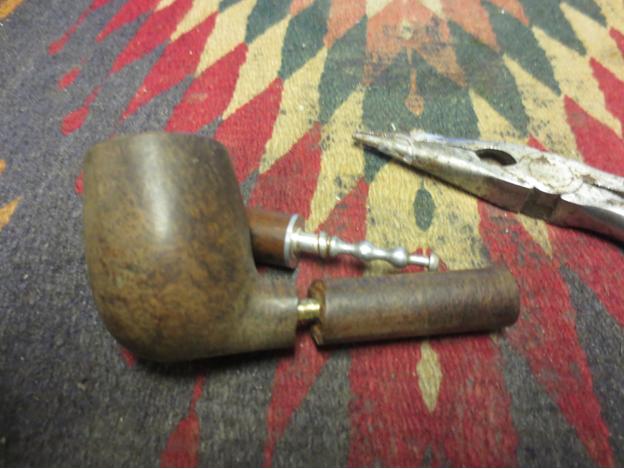
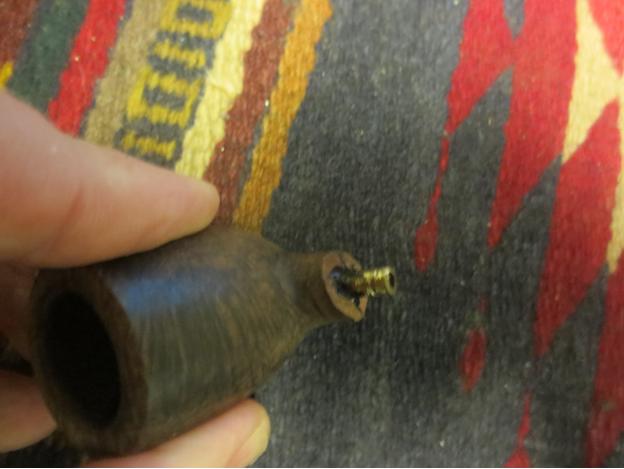
BB5 When I removed the stem to have a look at the drilling and the fit against the shank the band fell off in my hands. It had been glued to a thin smooth band on the end of the shank and extended beyond the end of the shank. I acted as a tube that the stem sat in. Examining the stem I saw that the maker had also stepped down the end of the stem to accommodate the band as well. In essence the band sat suspended over the stem with a small fit on the shank. I cleaned up the shank end and reglued the band on the shank. Before I glued it I debated whether to properly seat it on the shank – removing some of the shank briar and seating the band further back. I decided against that. When I put the stem in place on the shank without the band, the tenon was too long to allow the stem to seat against the end of the shank. I could drill the mortise slightly deeper, shorten the tenon or just reglue and leave things alone. I obviously chose to just glue it and leave it alone.BB6 The slot in this stem was drilled beautifully and the oval opening flared back to the airway properly. The draw on the pipe was excellent.BB7 I reamed the bowl with the PipNet reamer and took the cake back to bare walls. With the narrow bowl I would keep this pipe very clean and develop the thinnest of cakes so as not to constrict the bowl.BB8

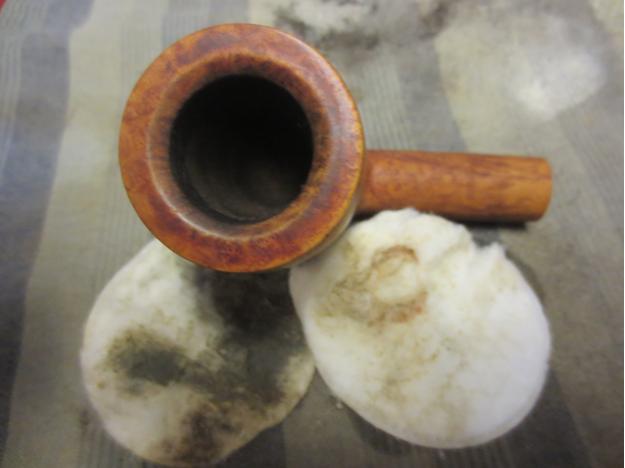
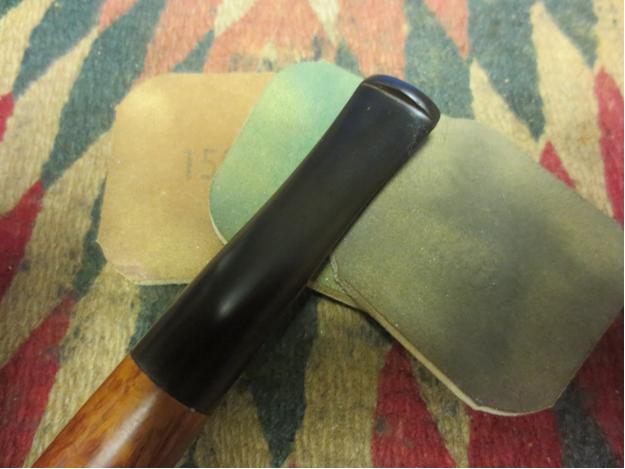
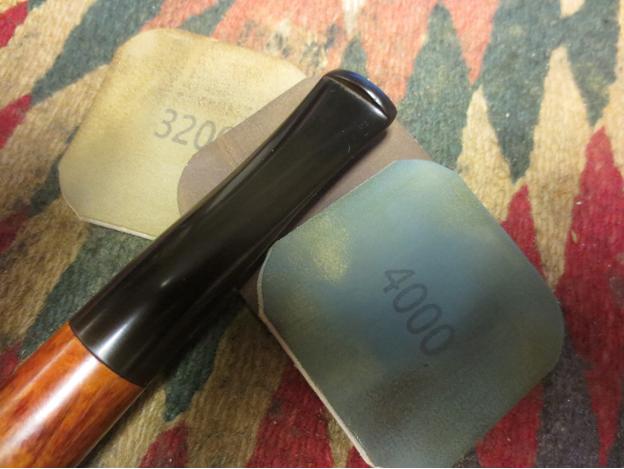
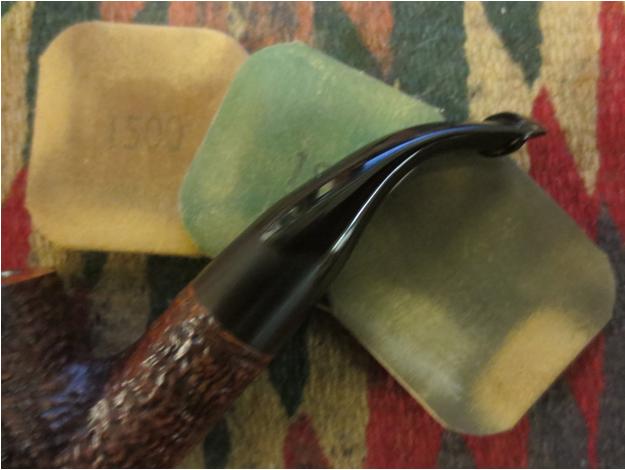
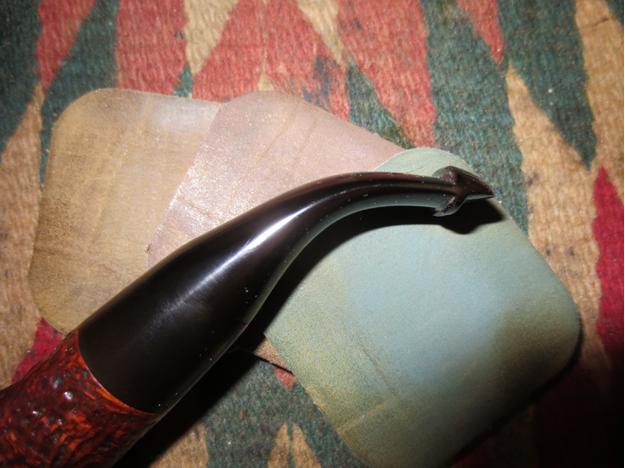
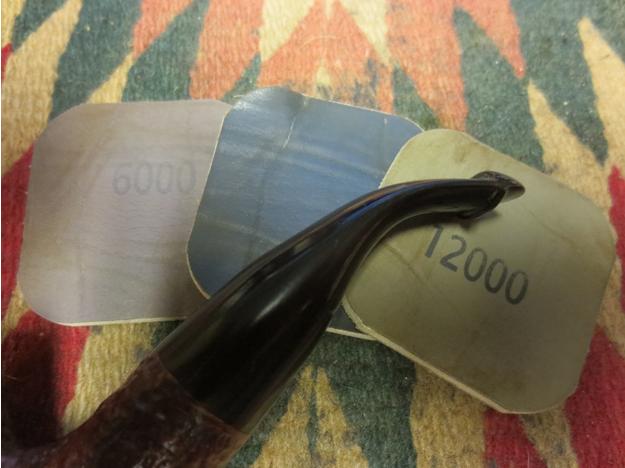
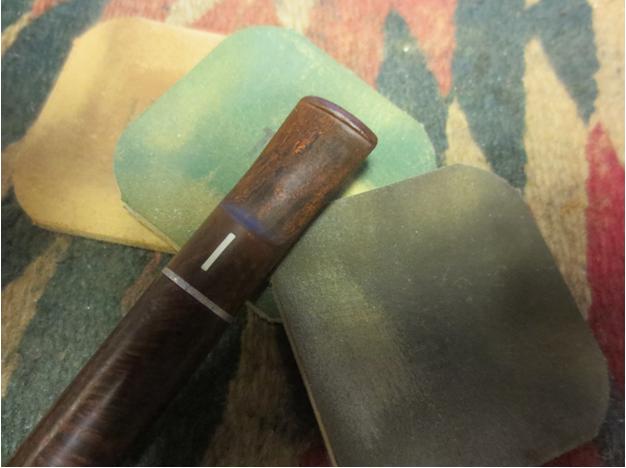
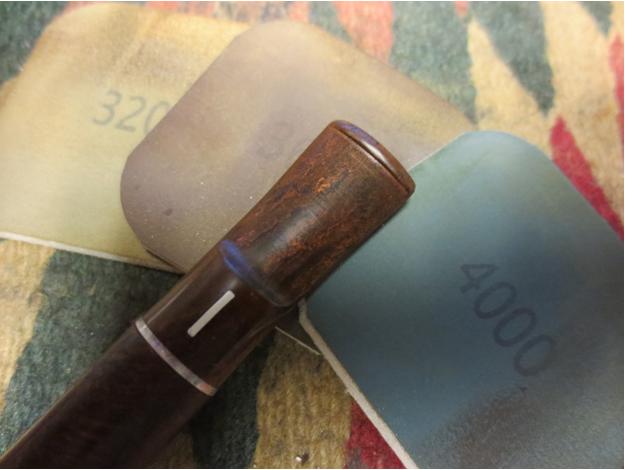
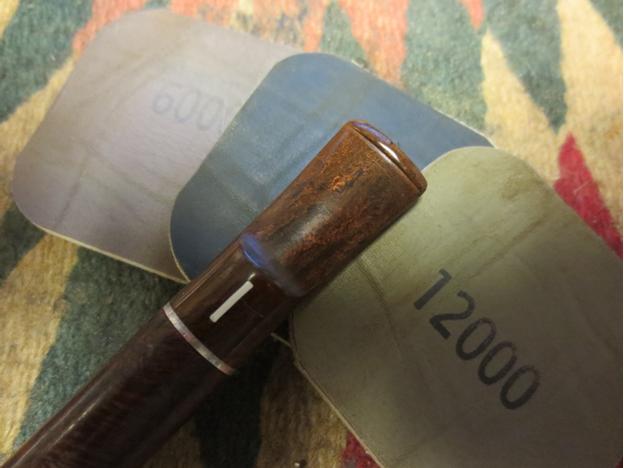
BB9 With the bowl cleaned the rim needed some attention. There was some oil and tar built up in the rustication.BB10 I used a brass bristle white wall tire brush to clean out the rustication. Once I had it cleaned out I rubbed the bowl down with some Halcyon II wax and then buffed it with a shoe brush to raise the shine. With a rough rusticated pipe like this I don’t buff it on the buffer as I want to keep the sharp edges of the rustication as they are without smoothing them out. I scrubbed out the shank and the stem with alcohol, cotton swabs and pipe cleaners until they came out clean. I polished the stem with Blue Diamond on the buffing wheel and polished the band with a jeweler’s cloth. The finished pipe is shown in the photos below. It is ready for its inaugural bowl since coming to my rack. If you are interested in seeing some of the newer work of Briar Bird Pipes I have included a link to the website. http://www.briarbirdpipes.com
BB11

BB12

BB13

BB14

BB15

BB16

BB17

BB18

Country Squire Radio Interview: Steve Laug of rebornpipes


They entitled the episode: rebirth: a chat with Steve Laug of rebornpipes

Just before I left for work in Europe late in September I was interviewed by Country Squire Radio for their podcast. I have included a link at the end of this post so you can listen to it should you choose to do so. It was an interesting time to chat with the hosts on things related to refurbishing and life.

I have included their description and disclaimer in the two photos below:
SquireRadio interview1
SquireRadio interview2

Click on this link to listen to the interview.
http://www.podasterynetwork.com/2015/09/09/rebirth-a-chat-with-steve-laug-of-reborn-pipes/

Evidently there is a YouTube version of this but I cannot locate it.

Restoring a Savinelli Hercules Billiard


Blog by Steve Laug

This pipe came to me as a fund raising donation for Smokers Forums. The donor wanted this and other pipes he sent cleaned up and restored then sold for the support of Smokers Forums. This pipe is a large Hercules Billiard made by Savinelli. It is stamped Hercules on the left side of the shank and on the right it read 111EX over Italy. This big pipe had some stunning grain. It would clean up very well. The finish is dull and dirty with grime but the briar is in excellent condition with no dents or flaws. There was a thick and uneven cake in the bowl and the overflow of lava on the rim was also heavy. In my experience the thick lava on the rim generally protected the rim from damage. The inner bevel on the rim and the edge was also undamaged. The stem was oxidized. The stamping on the stem shows well in the photo below but it was actually very light and faint. It would be virtually impossible to save it once it soaked and was cleaned up. It was almost like a decal applied to the stem rather than stamping.Herc1

Herc2

Herc3

Herc4 I reamed the bowl back to bare wood to remove the crumbling and uneven cake with a PipNet reamer. I started with the smallest cutting head and worked my way up to the diameter of the bowl.Herc5

Herc6

Herc7 I worked on the buildup on the rim with 0000 steel wool. Working it around the rim I was able to remove all of the tar and lava without damaging the finish.Herc8 I scrubbed the exterior of the bowl with acetone on cotton pads to remove the grime and the wax buildup. I believe these pipes had an oil finish originally and were not stained. The grime came off easily and the grain just popped!Herc9

Herc10

Herc11

Herc12 I cleaned out the interior of the bowl and the shank with pipe cleaners, cotton swabs and alcohol until they came out spotless. I also folded each pipe cleaner and swabbed out the inside of the bowl to remove the dust and particles left behind by the reaming.Herc13

Herc14 I gave the stem a light sanding with 220 grit sandpaper and then with a medium and fine grit sanding sponge to remove the oxidation. I worked carefully around the stamping to see if I could preserve it. So far so good on that point.Herc15

Herc16

Herc17

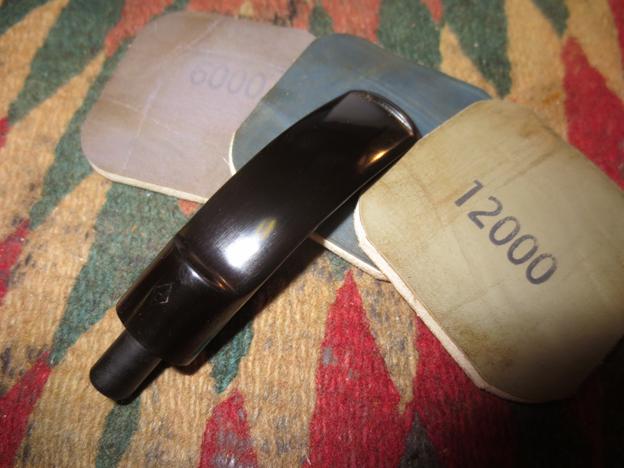
Herc18 I worked on the stem with micromesh sanding pads to remove the rest of the oxidation and to polish the stem. The first 1500 grit micromesh literally obliterated the stamping. That kind of thing bugs me but I can’t go back and change it. The decal/stamping was gone. I wet sanded the stem with 1500-2400 grit micromesh pads and then rubbed the stem down with Obsidian Oil. I dry sanded with 3200-4000 grit pads and gave it another coat of oil. I finished with 6000-12000 grit pads and gave the stem a final coat of oil and let the oil dry before taking it to the buffer.Herc19

Herc20

Herc21 I gave the bowl a light coat of olive oil and rubbed it in. I let it absorb over night. In the morning I buffed the bowl and stem with Blue Diamond and then gave both multiple coats of carnauba wax to protect. I buffed it with a clean flannel buffing pad to raise the shine then finished by hand buffing with a microfibre cloth. The only flaw in the process was the removal of the stamp/decal on the stem. For that I apologize. Otherwise the pipe is a stunning piece of craftsmanship. The finished pipe is shown in the photos below. I think this pipe will be a great smoker for whoever decides to add it to their rack.Herc22

Herc23

Herc24

Herc25

Herc26

Herc27

Herc28

Herc29

Herc30

Herc31

First in Flight: Refurbishing and Restemming a Falcon #4


Blog by Anthony Cook

I had never smoked a metal pipe before, but I was curious. I liked the idea of interchangeable bowls, especially when dealing with stronger and “ghostlier” blends (I’m looking at you, Lakelands). So, when this Falcon #4 showed up on eBay I put in a low bid that luckily turned out to be the winning one. I knew from the seller’s photos that the pipe was going to need a bit of work to get it into shape, but I was still in for a few surprises.

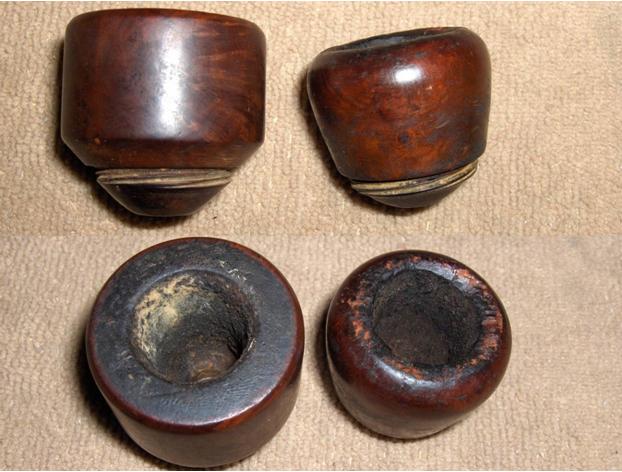
When it arrived, I could see that the aluminum frame was in good shape. There were several small dents and scratches, but nothing that would affect the smoking qualities of the pipe. The nylon stem (or, “bit” in Falconese), however, must have really suited someone’s taste because had been chewed so badly that it was crushed and the airway was almost completely closed. The larger, pot-shaped bowl was in fair condition with some tar build-up and a few scratches on the rim, but the smaller Dublin/apple-shaped bowl was charred and almost beaten to death around the rim. Luckily, the threads on both bowls were still in good shape and they would screw tightly to the frame.

Here are a few photos of the pipe as it was when it arrived:Falcon1

Falcon2

Falcon3 The first order of business was to remove the stem, since there was no way that it would work in its condition. Thankfully, Al (upshallfan) offered to send me another one that was in better shape. Removing a Falcon stem is easier said than done though. They’re intended to be a permanent part of the pipe.

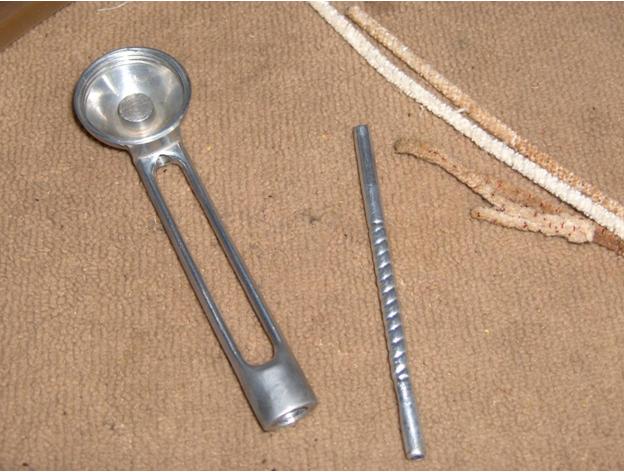
I turned to the forums in the hope of finding someone who had done it before and had developed a reliable removal method. I received several suggestions and tried them all with no luck. In desperation, I decided to try to heat the stem in boiling water. I knew from past experience that nylon would blister and burn all too easily when exposed to high heat, but I thought that this method might heat the stem slowly and gently enough to avoid that risk. Surprisingly, it worked like a charm! After about 20 minutes of submerging the stem in boiling water, not only was I able to remove the stem, but the aluminum smoke tube came out as well. That would make cleaning and polishing the frame much easier.Falcon4 After soaking the frame in alcohol for about 30 minutes, I cleaned out the interior. Without a doubt, this was the easiest cleanup job that I have ever done on a pipe. That’s not to say that it wasn’t dirty. This was obviously a well smoked pipe, but the grime came away easily from the nonporous aluminum. It took only three pipe cleaners (two for the airway and another folded one to scrub the cup) and an old toothbrush (for the threads) to completely clean the frame.Falcon5 The bowls were next on my to-do list. I reamed them both back to bare wood so that I could see what I was dealing with, and then I placed them in a jar of isopropyl alcohol to soften the build up on the rim and strip the finish. An hour or so later, I removed them and used a soft cloth to scrub away the remaining finish and grime.

I set up my topping surface to sand out the scratches on the rim of the larger bowl and level the uneven rim of the smaller one. I lightly topped the larger bowl first with 220-grit paper, and then with 320-grit until the scratches were gone. I started to top the smaller on the smaller one, but the condition of the rim was so bad that chunks of it began to fall out as I worked. I could see that was going to be a losing battle and decided that if I couldn’t beat ‘em, I’d join ‘em.

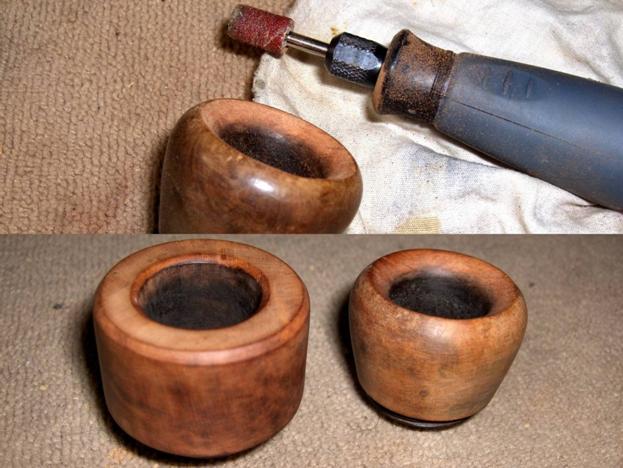
I used a Dremel with a sanding drum to bevel the inner rim of the smaller bowl back as far as the deepest gouge. I was only doing some rough shaping at that point to create the general depth and angle of the bevel. Then, I used 220-grit and 320-grit paper to clean things up and further refine the shape. After that, I lightly sanded the surface of both bowls with 220-grit and 320-grit paper to remove most of the scratches and dings.Falcon6 Once the heavy lifting was complete on the bowl cosmetics, I turned my attention back to the stem. The stem that Al had sent me was in much better shape than the original, but it was still badly chewed. It also wouldn’t pass a cleaner, which seems to be an issue with Falcon pipes in general. They make thinner cleaners specifically for Falcons, but I don’t like the idea of having to buy something else just to overcome a design flaw. So, I decided to try an experiment to see if I couldn’t open up the airway and remove much of the chatter all in one shot.

I had noticed earlier that the boiling water had not only loosened the original stem, but it also appeared to raise the dents to some degree. It wasn’t enough to save it, but I found it surprising all the same since I’d had no luck lifting dents in nylon with heat previously. I thought I’d try it again with the replacement stem. I rigged up a simple suspension mechanism with some string, a hex nut, and a wooden spoon, and then put the stem into a pot of boiling water. After nearly about 40 minutes of being submerged, there was some slight improvement but not enough to make much difference. So, I called an end to the experiment and decided that the method wasn’t worth the effort. I have a suspicion that there was some harm done to the stem with this method however, and I’ll talk more on that later.Falcon7 The constriction in the airway extended about ¼” behind the button. So, I decided to drill the airway out from the slot end. The airway was so tight that I had to start cutting through with a 3/64” bit and work my way up to a 3/32” bit. I tested the draw and it was good, and then I tested with a cleaner and it would pass, but it still needed a bit of force to get through the tight area. The stem wouldn’t take a larger bit, however, and I had to be satisfied with what I had. I finished up the work on the airway by cleaning up the slot and giving it a slight funnel with some sandpaper, needle files, and sanding needles.

In the photo below, you can see one of the drill bits chucked into a Dremel, but I never actually used the motor. That would likely have been a disaster. Instead, I used the Dremel to stabilize the bit while I turned the stem over it.Falcon8 The mechanics of the stem had been addressed and it was time to start working on the cosmetics. I used a course, flat needle file to score the surface of the stem, applied black CA glue to the indentations, and sanded it back with 220-grit paper once it was dry. Then, I began to rebuild the button. I wrapped clear tape around the area behind the button to create a sharp edge and applied more CA to the button to build up the surface. I used 220-grit paper to sand the CA back and start shaping the button after it had completely dried. When the shape was vaguely buttonish, I began to clean the edges and remove more chatter from the stem, first with 320-grit, and then with 400-grit paper.Falcon9 I lightly sanded the entire surface of the stem with 600-grit and 1200-grit paper to smooth it out and remove the seams and molding artifacts from the sides. Then, I polished the stem with Micro-Mesh pads 1500-grit through 12000-grit and used a drop of mineral oil to lubricate the stem between every three grits.

Remember when I mentioned something about the heat of the boiling water doing harm to the stem? This is where that comes into play. I had noticed that the stem felt different under the paper as I was sanding it. The higher the grit, the more noticeable it became. The surface felt normal to the touch, but it kind of grabbed at the sandpaper and pads and gave some resistance as they slid across, almost like it was gummy. It was unlike any nylon stem that I had ever worked with before and I believe that submerging it in boiling water changed the surface in some way. I’m just making a guess, of course, but in the end I wasn’t able to achieve the level of glossy shine that I had with previous nylon stems and I doubt that I’ll be trying the boiling method again. You can see the finished stem in the photo below.Falcon10 The stem was out of the way. So, it was time to get back to the bowls and start wrapping this pipe up. I wanted each bowl to have a slightly different color. So, I used a heat gun to heat the briar and open the grain, and then applied a 3:1 mix of isopropyl alcohol and Fiebing’s dark brown dye to the larger bowl and the same ratio with mahogany dye to the smaller bowl. After hand buffing with a soft cloth and sanding the surface of both bowls with 400-grit and 600-grit paper to remove most of the dye except for what was in the grain, I gave the larger bowl a medium brown stain and the smaller one an oxblood stain using the same ratio of stain to thinner as before. Then, I hand buffed again and sanded each bowl with 1200-grit and gave them both a light Tripoli buff. Both bowls received one final stain; buckskin for the larger one and British tan for the smaller. They were hand buffed again to remove the excess stain, and then polished with Micro-Mesh pads 3200-grit to 12000-grit.

Before reassembling the pipe, I polished the frame with Semichrome polish and buffed the stem and bowls with White Diamond compound on the buffer. I put everything back together (it went easily) and applied several coats of carnauba wax with the buffer. Finally, I applied a bowl coating to both bowls to give them some protection until they could build a little cake. You can see the completed pipe in the photos below.Falcon11

Falcon12

Falcon13

Falcon14 And here are a couple of shots of the other bowl…Falcon15 I’m still not happy with the stem on this one and I’m sure that I’ll be replacing it sometime in the future when there aren’t other pipes that need attention. For now, though, it serves its purpose well. I’ll admit that I was a little skeptical of the metal pipe concept, but this pipe smokes wonderfully and I can see many more Falcon bowls and a few more metal pipes in my future. Thanks for checking it out!


Cleaning up my Budapest Pipe Find – A Parker of London Earl 576 Bent Dublin


Blog by Steve Laug

On my recent trip to Budapest I visited several of the pipe shops that I found when I was there five years ago. The experience was sad in that much has changed and the pipe and tobacco selection has greatly diminished. I was in the Gallwitz Shop and looked at their estate pipes. I turned several over in my hands before leaving and not buying any. I walked about a block before I got to thinking that this would probably be the last time I was in that shop and if the downward turn of pipeshops in Budapest continued it might not last. I turned around and went back to the shop and purchased a small bent Dublin that is stamped on the left side of the shank, Parker of London. On the right it is stamped Earl and on the underside it bears the shape number 576. I have included a photo I took on my phone of the pipe and some of my other finds that day.Find1 The pipe was in decent shape. It had quite a few fills on the right side of the bowl and a long narrow fill on the underside of the shank that had shrunk and left a groove. The rim had a lot of grooves and damage that had been waxed over. The bowl was out of round but was clean. The inside of the shank and stem were still pretty dirty. The original stem was loose but relatively clean with no tooth marks and the faint diamond P logo on the top of the saddle. There was some minor oxidation in the crease at the button and the surface of the stem had some scratches that had not polished out. On the underside of the stem there were some bits of metal that were in the mix of the rubber stem. I know that in the war years the rubber used for stems was recycled so I am thinking that this one may come from that era. When I got home from Budapest I took the following photos of the pipe to show what it looked like when I began.Parker1
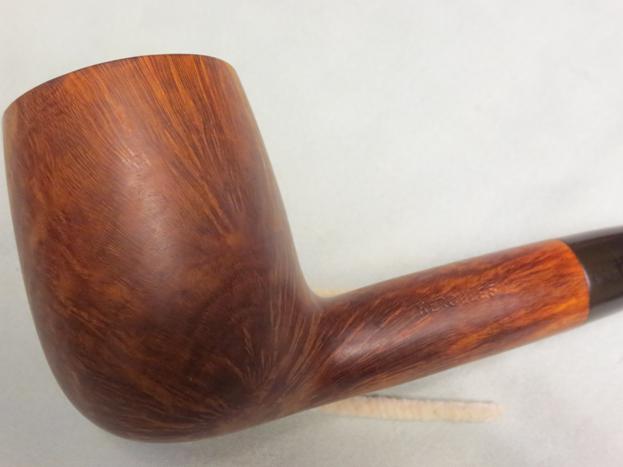
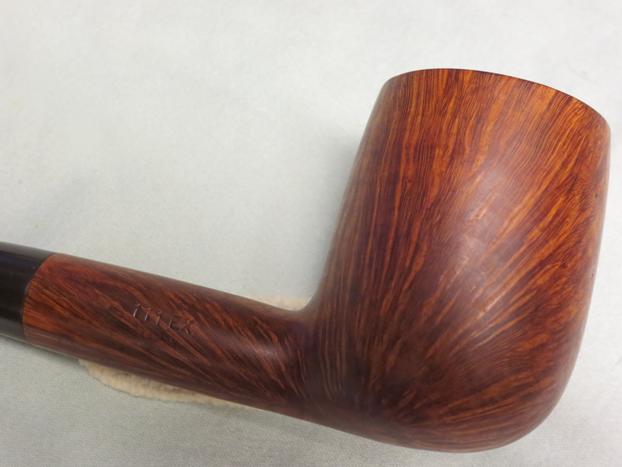
Parker2

Parker3

Parker4 I also took a few close-up photos of the rim and the stamping on the shank. To me there is a quiet elegance to this shape. You can see the rim damage and the inner edge damage in the first photo below.Parker5

Parker6

Parker7 I worked on the inner edge of the rim with a folded piece of 220 grit sandpaper. I wanted to even out the inner edge and minimize the out of round look. I gave it a slight bevel to get rid of the damage. In doing so I did not particularly care that I scratched the surface of the rim because I planned on topping it lightly to remove the damage.Parker8

Parker9 I topped the bowl on a topping board to remove the deep scratches and damaged areas on the surface of the rim.Parker10

Parker11 I sanded the rim with a medium and a fine grit sanding sponge. I then sanded it with 1500-2400 micromesh sanding pads to polish the rim. I then stained it with the staining pens – starting with the lightest colour and gradually working my way up to the darkest colour. I worked to blend it into the same colour as the bowl and shank.Parker12 The long worm shaped fill on the bottom of the bowl needed to be refilled. I decided to use clear super glue and no briar dust as the groove was not very deep. I filled it and let it dry. I sanded the repair with micromesh sanding pads until it blended into the surface of the briar. It is smooth to the touch now and is better blended into the surface of the briar.Parker13

Parker14

Parker15 I rubbed down the bowl and shank with a light coat of olive oil and then buffed it with a microfibre cloth to raise a bit of a shine.Parker16

Parker17

Parker18 I worked on the oxidation on the stem in the crease with micromesh sanding pads. I wet sanded with 1500-2400 grit pads. I scraped the groove in the crease with a dental pick and then sanded it until it was smooth. I rubbed it down with Obsidian Oil and then dry sanded with 3200-4000 grit pads, reoiled it and then finished sanding with 6000-12000 grit pads. I gave it a final coat of Obsidian Oil and then let it sit until the oil had been absorbed into the vulcanite.Parker19
Parker20

Parker21 I buffed the pipe with Blue Diamond and then gave it multiple coats of carnauba wax. I buffed it with a clean flannel buff to raise the shine. I took it back to the work table and buffed it by hand with a microfibre cloth. The finished pipe is shown below. It is cleaned and ready to use. It should give many years of good service now that it is clean. Every time I pick it up I will think of the Gallwitz shop and the changes that it went through from the first time I visited until this past time. The sad changes will go through my mind for a long time.Parker22

Parker23

Parker24

Parker25

Parker26

Parker27

Internal Injuries – Repairing an Over-Reamed Bowl and Opening the Airway on a Yello-Bole Duo-Lined


Interesting use of JB Weld to raise the bowl bottom. I have not tried that. The bowl dating is fascinating both in terms of materials and application. Worth a read. Let us know your thoughts gets. Pipe looks great.

Charles Lemon's avatar

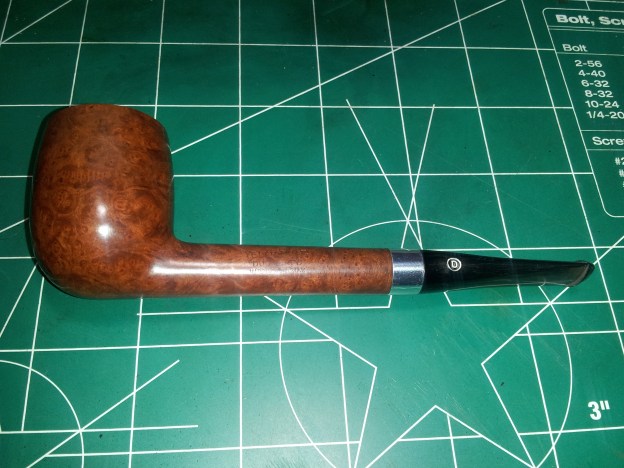
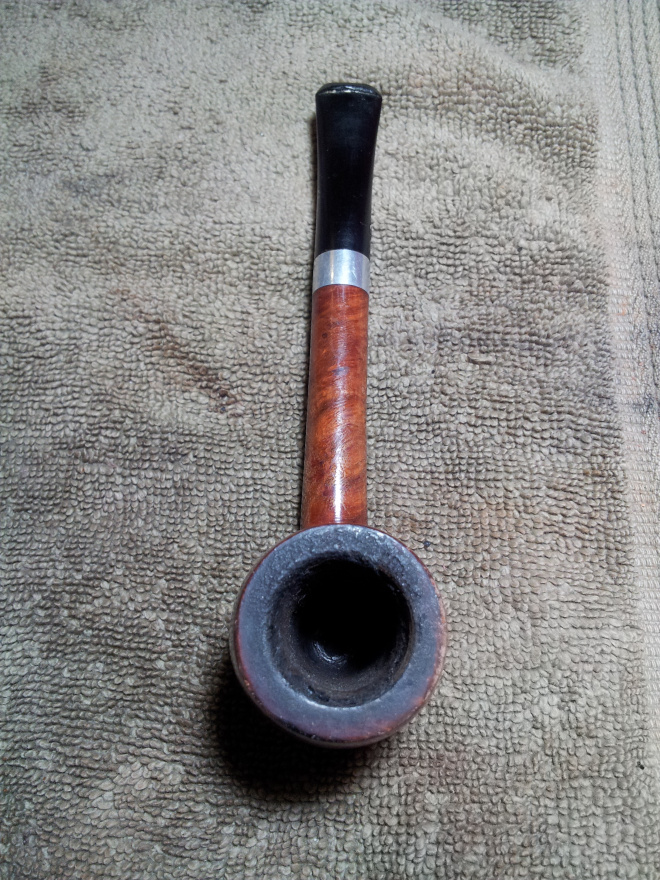
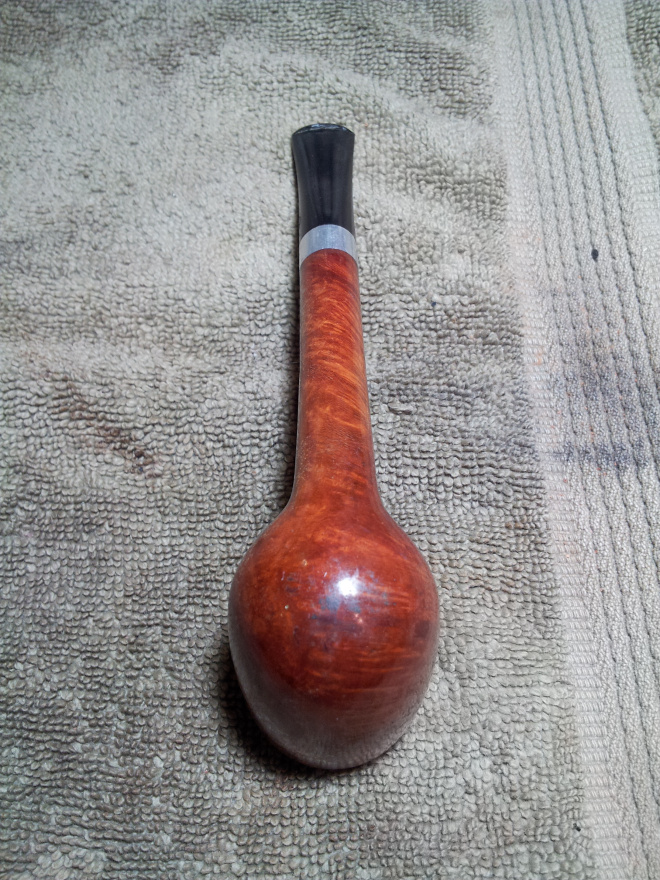
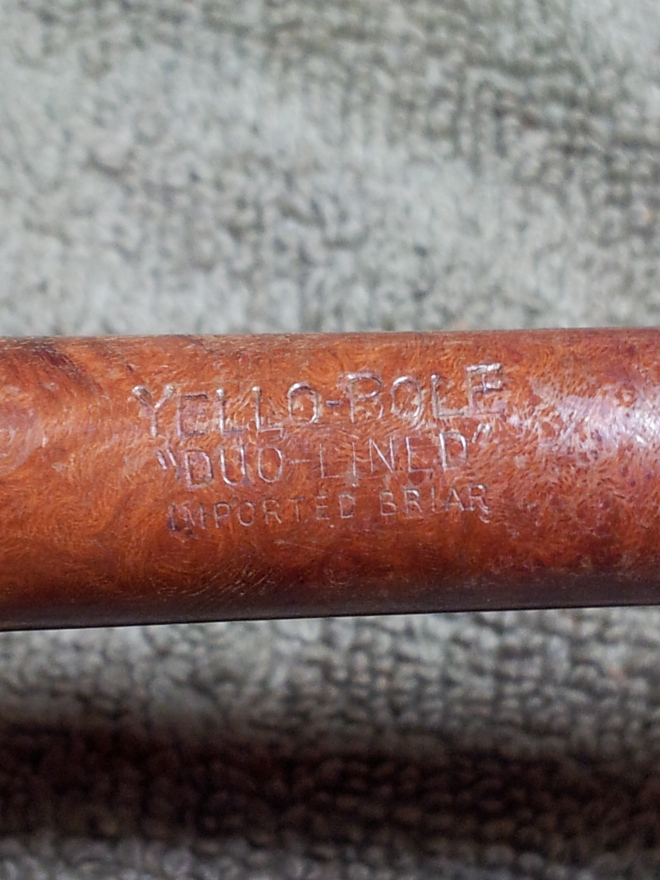
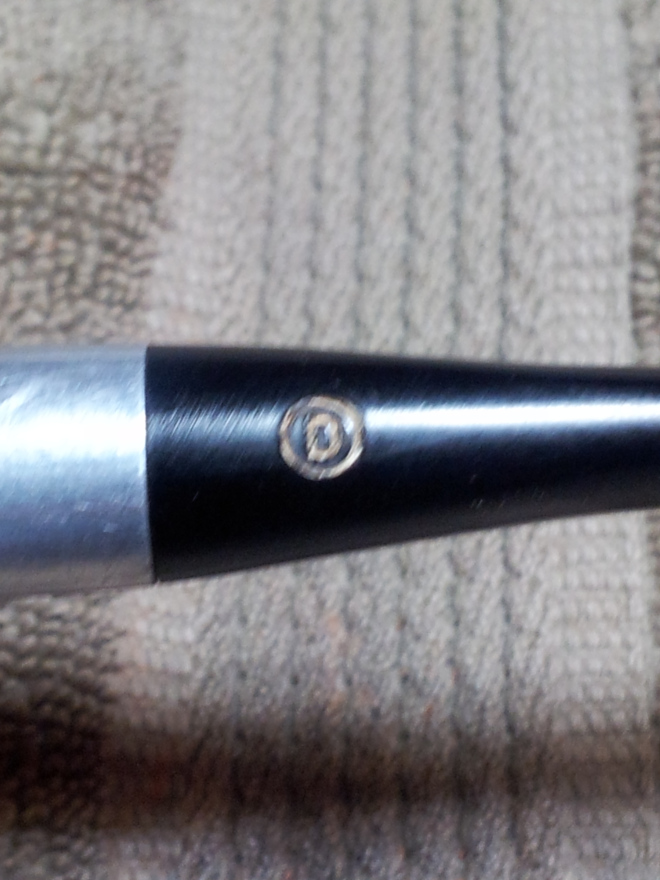
This is another pipe I picked up on a recent wander through my local antique mall – a Yello-Bole Duo-Lined in a classic Lumberman shape. It was in relatively good condition on the outside, with a bit of rim tar and a few flakes of original lacquer finish missing. The stem was original and still bore the D in a circle stamping that paired with the “Yello-Bole” over “Duo-Lined” over “Imported Briar” stamped into the left shank. The bowl had some fairly thick, though even, cake. It had obviously been a favourite of the previous owner, who had devoted a decent bit of care to the pipe’s maintenance.

20150922_09533620150922_09534520150922_09535520150922_09541320150922_09544020150922_095445

My first action on this refurb was to ream the bowl back to briar and clean the tars off the rim. This led to the discovery of a few decent dents in the rim that had been hiding under the tars, and, more seriously…

View original post 843 more words

Finally with Al’s help I picked up a PETERSON’S KAPRUF 9BC


Blog by Steve Laug

The other day Al Jones sent me a quick message about a pipe that he knew I was looking for. It was a pipe shape that I have been looking for since Mark Irwin wrote up his blog on the Peterson 9B shape. Al had found one from a Russian seller that was stamped PETERSON’S KAPRUF 9BC over LONDON MADE ENGLAND on the underside of the shank. The seller described it as follows on the EBay sale: Used pipe, smoked. Chamber reamed slightly, moderate heat crackling. Refurbished top of the bowl. Air passage opening is well centered and bottomed in the chamber. P-lip stem is clean and buffed, faint occasional oxidation, light traces of removed toothmarks. Markings on the pipe are buffed but visible: “PETERSON’S “KAPRUF” LONDON MADE ENGLAND 9BC” on the bottom of the shank. Stem has no markings or logos. It had a nice sandblast finish. The only deviation from online photos of the sandblast version of the pipe that I had seen was the smooth rim on the bowl. The seller’s comment above in bold – “Refurbished top of the bowl” makes me wonder if he had not topped the bowl in his clean up of the pipe. I am not certain if he had topped the bowl or not but if he had done so, he had done it very well. The light stain on the rim matched the light portions on the pipe as a whole at the shank and on the high points in the blast.

Included in the description was information that in the past I seemed to ignore and had paid for by the surprise of a larger or smaller than expected pipe. This time I read it and it fit my general expectations and current collecting habits.
Dimensions (approximate):
Length 4-15/16″ (125 mm)
Height 1-7/8″ (47 mm)
Bowl depth 1-3/8″ (35 mm)
Bowl width (top) 1-5/8″ (33 mm)
Chamber opening 3/4″ (19 mm)
Weight 2.05 oz (58 grams)
Peterson 9B1

Peterson 9B2

Peterson 9B3

Peterson 9B4

Peterson 9B5

Peterson 9B6

Peterson 9B7

Peterson 9B8

Peterson 9B9 The pipe arrived while I was traveling and Al had included some generous samples of tobaccos to try out in this “new to me” pipe. It came clean and ready to smoke. The condition of the pipe is superb. The finish is in excellent shape. The blast is rugged and the stain contrasts highlight the depth of the cragginess. The rim and the smooth bottom of the shank match well in terms of colour of the stain. The stampings were faint, caused either by the age of the pipe and the years of buffing that had occurred. It also could have been over buffed by the seller, but I am inclined to think otherwise due to the care with which he worked over the rest of the pipe. The stem is in great shape with no tooth marks and a deep gloss other than the slight oxidation of the stem where it meets the shank. There is no P stamp on the stem but I am pretty sure that the stem is the original. The internals are spotless and the bowl has a slight smell of tobacco. The fit of the stem to the shank is impeccable with no gap. The bend in the stem is perfect – with age it had neither straightened nor become over bent. It was precisely as had been advertized. I can’t tell you how surprised I was to find that it matched the description. Too often these days I purchase an estate pipe that has been “refurbished” only to find that the pipe was filthy on the inside.

I took a few pictures of the pipe with the stem removed to illustrate the condition of the pipe. I literally had nothing to do in terms of cleaning up the pipe. I would need to work on the oxidation on stem but other than that it was flawless.Peterson 9B10

Peterson 9B11

Peterson 9B12 Since the only thing that remained for me to do on this beautiful pipe was the oxidation on the stem I decided to tackle it immediately. I sanded it with a medium and a fine grit sanding sponge to remove the oxidation. I then wet sanded the stem with 1500-2400 grit micromesh sanding pads and then rubbed the stem down with Obsidian Oil. I dry sanded with 3200-4000 grit pads and gave it another coat of oil and then finished sanding with 6000-12000 grit pads and gave it a final coat of Obsidian Oil.Peterson 9B13

Peterson 9B14

Peterson 9B15 I buffed the stem with Blue Diamond on the wheel and then gave the stem several coats of carnauba wax to seal and protect it. I buffed it with a clean flannel buff and then hand buffed it with a microfibre cloth. The finished pipe is shown below. The oxidation is far better. The pipe looks good to my eye. The blast is stellar. Now all that remains is to fire this one up with one of the blends Al sent.Peterson 9B16

Peterson 9B17

Peterson 9B18

Peterson 9B20

y how things change: Reflections on Pipe Smoking while visiting Budapest


Blog by Steve Laug

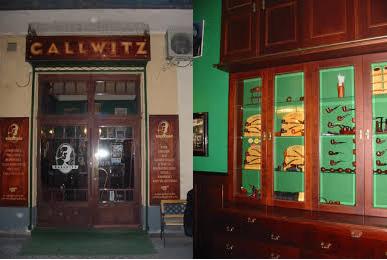
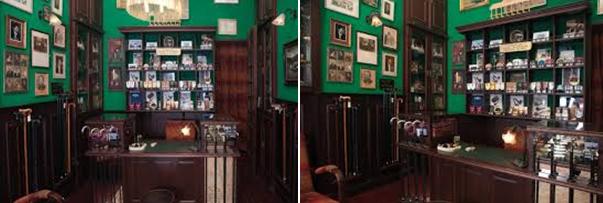
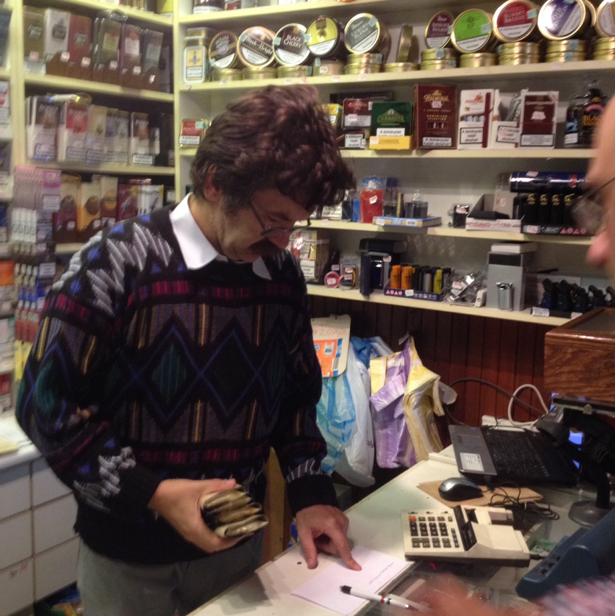
I have just returned from being in Berlin and in Budapest. I spent just over a week in Budapest and had a great time there. While I was there I was able to sit in a variety of sidewalk cafes and café terraces and enjoy dinner, a pipe and a drink in all of them with no issues. It was a delight to either end a meal with a pipe or sit and sip a new brew while enjoying a bowl.Budapest1 While I was there met other pipe smokers and found them friendly and helpful. I visited two of the pipe shops I have written about before on the blog – Gallwitz and the Pipetorium. When I visited here 5 years ago these both were amazing pipes shops in their own right. They were very different but they both are connected with good memories of that first trip. However this time when I visited them they had undergone significant change. These changes brought to mind some questions for me on the health of pipesmoking in Budapest.Budapest2 The Gallwitz shop looked the same on the outside but once I opened the door and went in it was obvious that things were not the same. The shop was reduced to almost half of its original size. I was quite shocked when I walked in the front door to see how small it had become. When I was there previously the shop was the quintessential European pipe shop. The walls were lined with cabinets and display drawers. The back of the shop had a low counter and a pipe craftsman sat in residence there. He was not only the shop keeper but a pipe maker in his own right. He “reigned” in this shop with dignity and an age beyond his years. The photos below show what the shop used to look like. I hope that these will give you a picture of what I had in my memories of the previous visit. It was a veritable treasure trove of pipe history in Budapest and a must stop for all who love the pipe and all things pipe.Budapest3 This time the many pipes both estate and new had been reduced. The drawers of pipes were less and they contained fewer examples and brands. The back wall which had earlier been filled with a variety of tinned and pouch tobacco was missing. The shop looked like it had been emptied of its aged dignity. The pipe maker was gone from the low counter. Instead it appeared that the owner (a man more my own age) was now present. I could see that things were not doing well. In speaking with him I found out that the government was making it almost impossible for him to make a living with his shop. He said that they took away tobacco sales and nationalized them. His shop could no longer sell tobacco. He seriously wondered how long he could survive. Listening to him and looking at his shop I too wonder if it will be here next time I come to Budapest.

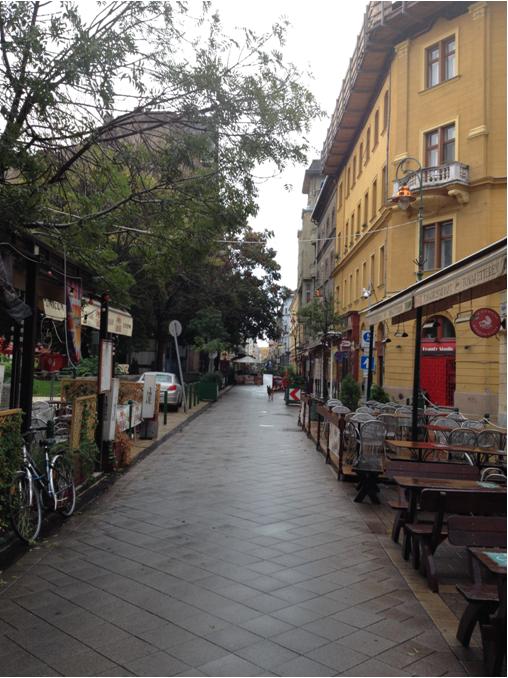
To illustrate how much things have changed there on the Vaci Utca I want to point out some of the differences that five years have made. This street is the tourist hub of the city. It contains high end shops and restaurants as well as the assorted tourist shops. There were many small tobacco shops here when I came five years ago. For instance just across the street and around the corner from Gallwitz there used to be a Davidoff shop. It was no longer there. In its place was government tobacco shop with cigarettes, drinks and candy with a limited selection of cigarillos, a small assortment of Cuban cigars, maybe 8 different pouched tobaccos and roll your own tobaccos and cigarette papers. The ambience of the elegant Davidoff shop was gone as were its humidors and shop clerks. Many of the other shops were either gone or changed to the innocuous government tobacco shops with little tie to the past that had been there before. I wonder about the state of the historic shops in Budapest and am pretty sure they will be gone when I return again to this beautiful city.

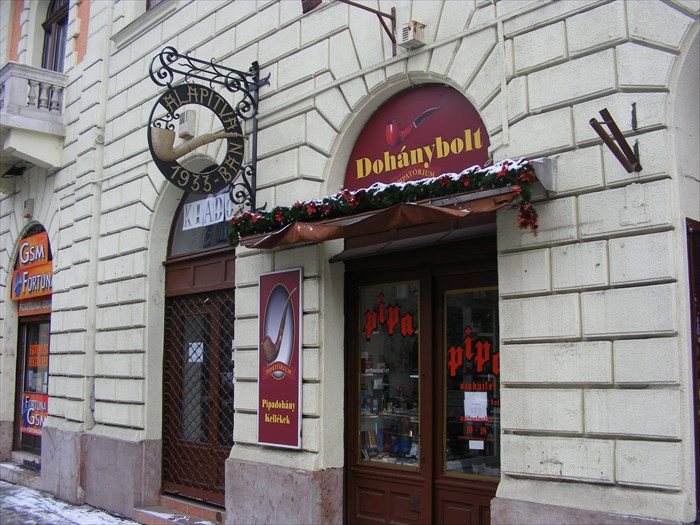
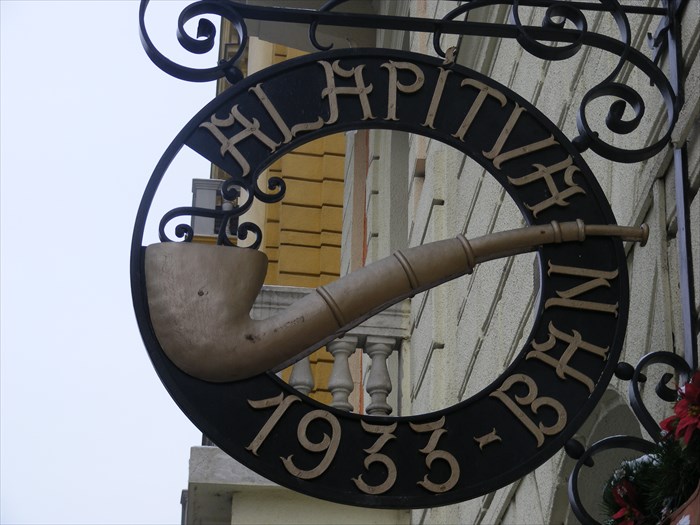
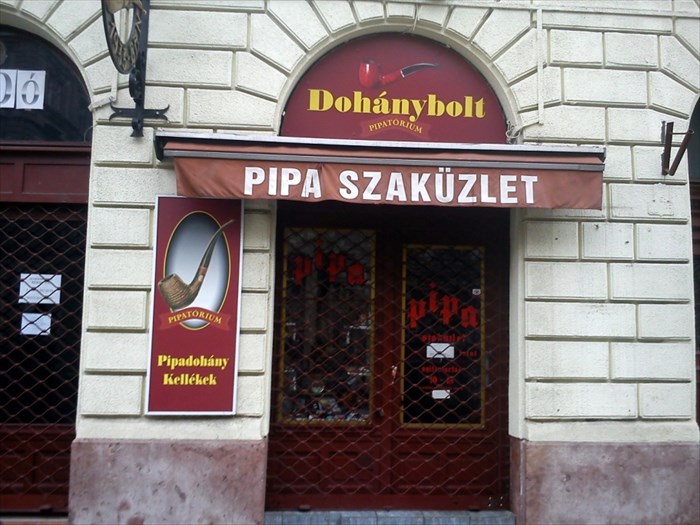
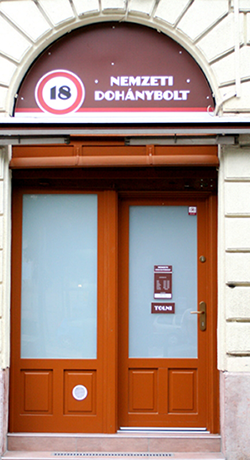
A few days later after work, one of my Hungarian colleagues, who is also a pipe smoker took me to visit the Pipetorium. This shop was a sweet memory to me of my last visit to Budapest. I was hoping that the unique little shop with its hobbit like shop keeper had not changed. The following three photos are pictures of what the shop looked like the last time I visited Budapest.Pipetorium1 Pipetorium2 Pipetorium3When we came to the location of the shop I was surprised. I would easily have walked right by without knowing that I had missed it. The unique classic pipe sign was gone and in its place was the circular government tobacco shop sign. The display windows were painted over as was the glass door. Pipetorium6My friend and I pushed open the door and I was expecting the worst. Would the shop be but a memory of my last visit, like the Gallwitz shop? I was not sure. The painted windows and door had darkened the inside but thankfully it remained much the same. The hobbitlike owner who I had met previously still sat behind his counter. The difference this time is that I had a Hungarian with me so we could actually visit. The previous time we had managed with few words. This time we visited and talked about the state of his shop. He told me that he was saddened by the changes that had been forced upon him by the government regulations. He said that he was still surviving. I purchased some pipe cleaners that he manufactured and some tobaccos to pass on to friends before leaving the shop. I looked around at the displays of pipes and tobaccos and wondered if this shop would be here the next time I came to Budapest. Time would tell.Pipetorium1

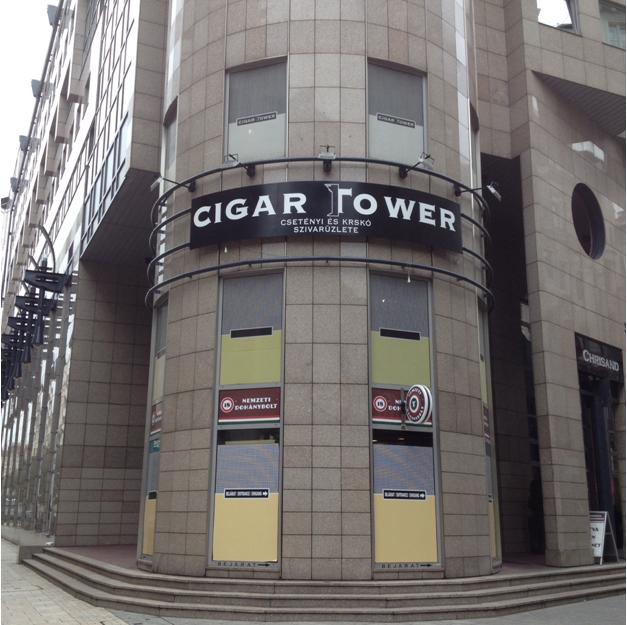
Pipetorium2 On the last day in Budapest I took a walk further down the Vaci Utca looking for some gifts for my daughters and hoping to see one last tobacco shop that had been there on my previous visit. It was called the Cigar Tower and was a tall round building that stood on a corner street just off the Vaci. When I had been there in the past it had display windows that advertised the pipes, cigars and tobaccos that filled the shop. There was a lovely cigar/smoking lounge on the upper floors. It was an interesting place to visit before but had none of the quaint ambience of the old pipe shop. It was more of a cigar shop that sold a few pipes – but at least it had that. When we walked by I looked at the windows and saw that the same government regulations had attached themselves to this shop. The windows and doors were painted over and the obnoxious government signs now cover them. The display windows are dark. The inside also was darker and the selection had deteriorated much as the other shops. There were fewer pipes and a smaller selection of tobaccos than before. Even the cigar selection had been reduced. It had changed from a unique shop to ugly one. I did not even bother checking out the lounge on the upper floors. The windows had also been painted over and looked dark. I had no desire to lose the memory I had of sitting and enjoying a pipe and a drink there. These were indeed sad times for tobacconists and lovers of the old pipe shops in Hungary. Things had changed and I was left wondering if they would survive the change. Would even this shop remain the next time I was in Budapest.Pipetorium3 After visiting these old memories and feeling the very real loss of what used to be I sat and smoked a bowl and had a pint at one of the sidewalk cafes near my hotel. It is such a contrast to experience this time in Budapest. While there is distinctly a freedom to smoke a pipe that is very much alive here there is also the sad reality that the pipe shops have declined under oppressive regulations. Things look good at first glance as you sit in a café enjoying your pipe but once you make the rounds to the shops and speak to the shopkeepers and owners you see that things are not as good as they appear. Will there be any pipe shops in Budapest next time I come? I have no idea really. But I am hoping in the years ahead that there will be new shops who figure out how to survive the regulations and thrive as unique glimpses into the past. I am also hoping that the government does not follow the path that the Canadian government has and ban smoking from the sidewalks and cafes. This would truly be sad and a real loss of personal freedom.

I am home in Vancouver now and missing the sidewalk cafes and the pleasure of a pint and a pipe in the quaint ambience that is found in those spaces in Budapest. I am left wondering if they will be there the next time I am in Budapest or whether they too will be lost to the back reaches of my memory.

Repairing a Broken Shank on an LHS Park Lane DeLuxe — Lovat 12


Blog by Steve Laug

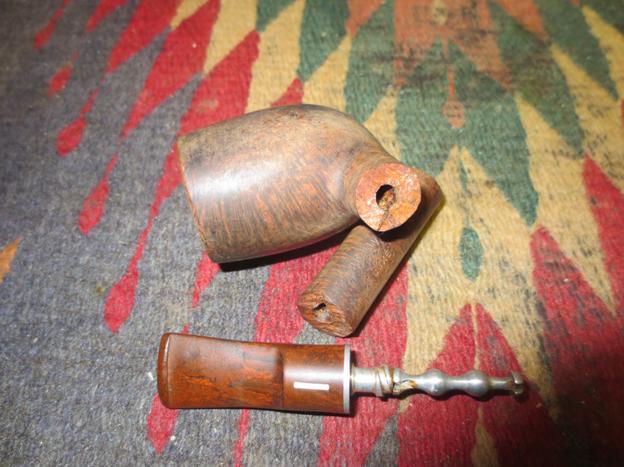
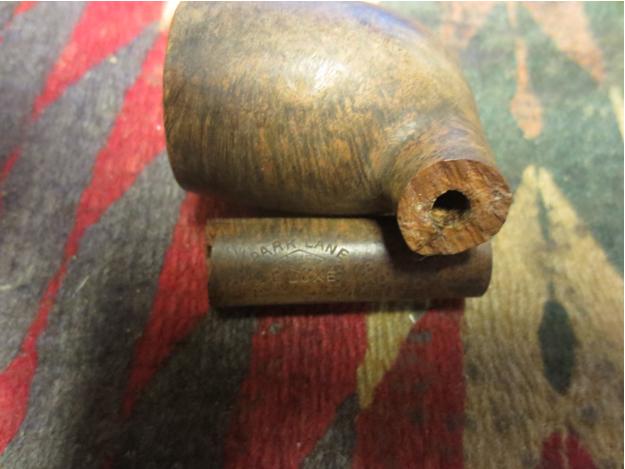
I came home from a two-week work trip to Berlin and Budapest to find a package from Troy Wilburn waiting for me. It contained a beautiful little LHS Park Lane De Luxe Lovat shape 12 that we had been speaking about before the trip. I am a sucker for LHS pipes and really like the Park Lane series as they have a quiet elegance about them. The shank on this one had broken near the bowl. Fortunately it was a clean break and not splintered or chipped. The repair on these has become pretty straight forward for me. I have learned a few tricks in joining the parts of a broken shank together from the Frankenpipes that I have crafted. That was their purpose and their schooling has paid off on quite a few of these shank repairs for me. The Park Lane had a Bakelite stem (at least I think it is Bakelite as it feels and acts different from Cumberland). The next two photos show the snapped shank.LHS1

LHS2 Just as I suspected I had a piece of brass tubing that was the perfect size and fit for the repair. I used a file to cut grooves into the tube and to roughen the surface for the glue to have something to hold onto when I glued it in the shank.LHS3

LHS4 I cleaned out the airway on both sides of the broken shank to remove debris and to give a good clean surface for the glue to bond with. To check the size and the fit of the tube in the two parts of the shank I inserted it in the bowl end of the break and then twisted the shank end onto it. The fit was perfect and once glued the repair should be solid.LHS5 I mixed some epoxy and applied it to the metal tube being careful to not get any inside of the airway. I inserted it into the bowl side of the break. I left slightly over half of the tube extending so that when I put the shank piece in place there would be enough of the metal tube to strengthen the repair on that end.LHS6

LHS7 When the epoxy set and the tube was solidly in place I painted some more of the epoxy on the opposite end of the tube and a little on the briar surface of each side of the break. I have learned not to overdo the glue on the briar as it is a pain to remove from the wood when it dries. I twisted the shank piece in place, lined it up and pressed it in place against the bowl side. I held it firmly until the quick set epoxy set and that portion of the repair was finished.LHS8

LHS9

LHS10

LHS11 I pushed some fine briar dust into the small space that remained around the surface of the crack and then filled it with clear super glue. I applied it with the point of a dental pick so as not to get too much glue on the briar.LHS12

LHS13

LHS14

LHS15 I sanded the repaired area carefully with a folded piece of worn 220 grit sandpaper to remove the excess glue and briar dust from the patch. Then I sanded with a fine grit sanding sponge to remove the scratches. I used a medium brown coloured stain pen to touch up the sanded area around the patch. I cleaned out the shank with a pipe cleaner to make sure that there was no glue in the tube.LHS16

LHS17

LHS18

LHS19 The stem was slightly under clocked. I heated the stinger with a lighter until the glue in the stem softened and then carefully screwed it into the shank while holding the shank. I was able to align it perfectly with the shank.LHS20 With that completed, the repairs to the pipe were finished. The stem was in the right position. The cracked shank repaired and strengthened with an inner tube. All that remained was to clean up the surface of the pipe and give it a coat of stain to blend in the sanded areas around the repairs. I also needed to do some work on the stem with micromesh to raise the shine and polish the Bakelite. (I rarely use the buffer on these older LHS stems as I do not want to risk it. I would rather polish them by hand than damage them.)LHS21

LHS22 I wiped the bowl and shank down with alcohol on a cotton pad to remove the grit and grime on the surface of the bowl and to remove the remaining finish.LHS23

LHS24 I cleaned off the tars on the stinger with 0000 steel wool. I wet sanded the stem with 1500-2400 grit micromesh sanding pads and then rubbed it down with Obsidian Oil. I continued to dry sand the stem with 3200-4000 grit pads and then gave it another coat of oil. I finished with the final three grits of micromesh – 6000-12000 – and gave it a final coat of Obsidian Oil. Once the oil dried I gave the stem some coats of Paragon Wax and hand buffed it with a microfibre cloth.LHS25

LHS26

LHS27 I gave the bowl a rubdown with some olive oil and then buffed it out. I touched up the light areas of the stain on the repaired shank with a dark stain pen and then rubbed a little more oil onto the shank. I buffed the pipe with Blue Diamond and then gave it several coats of carnauba wax. I buffed it with a clean flannel buff and then hand buffed it with the microfibre cloth. The finished pipe is shown below. I am hoping to put it in the mail later today or tomorrow to get it back to Troy.LHS28

LHS29 There was some light damage to the rim surface. I decided to leave it alone as it was not enough to top the bowl. It gives character to this old pipe.

LHS30

LHS31

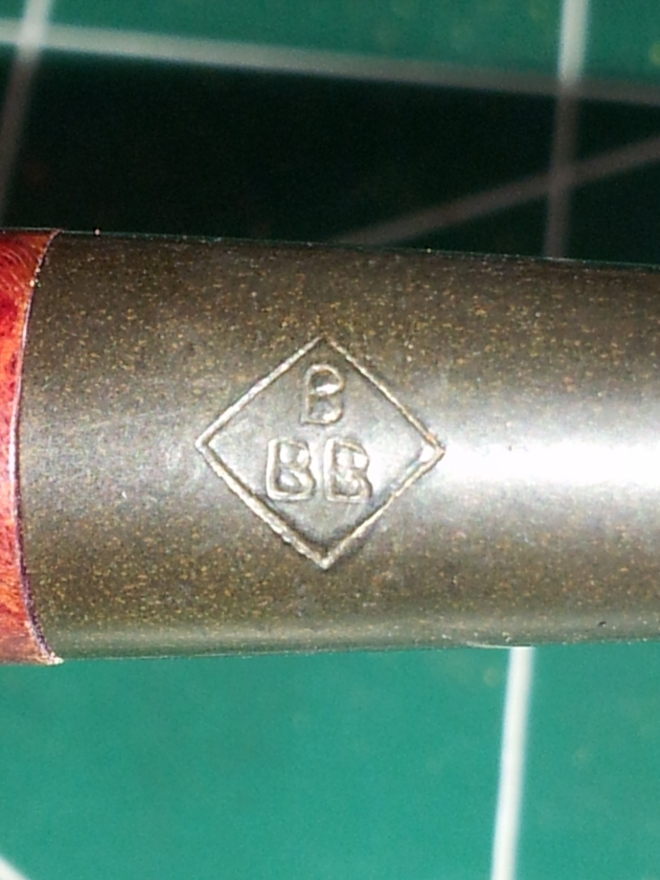
A Quick Refurb of a BBB 2 Star Billiard


I love BBB pipes. They are great smokers and generally great pieces of briar.

Charles Lemon's avatar

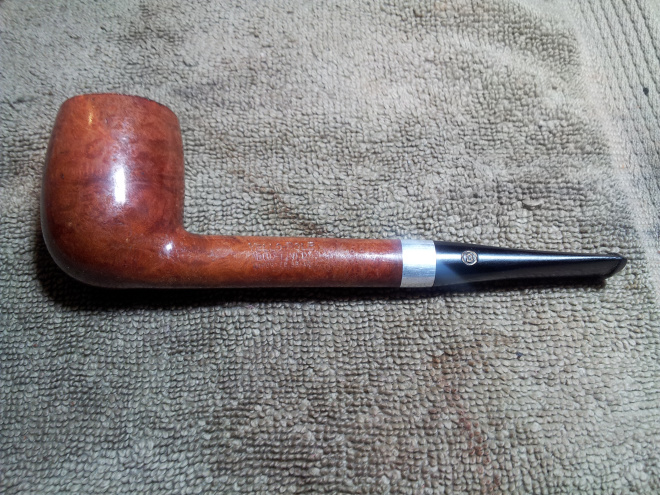
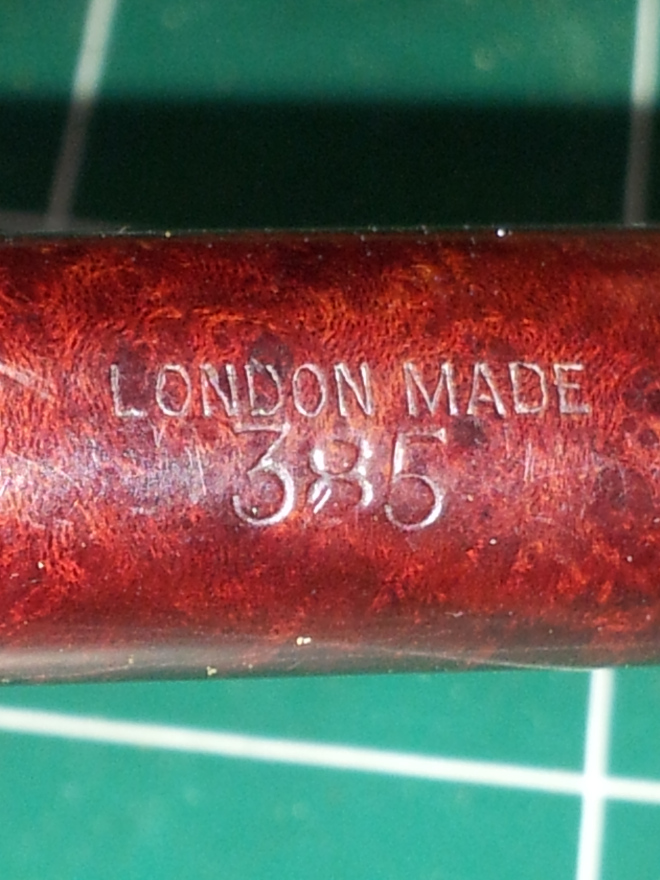
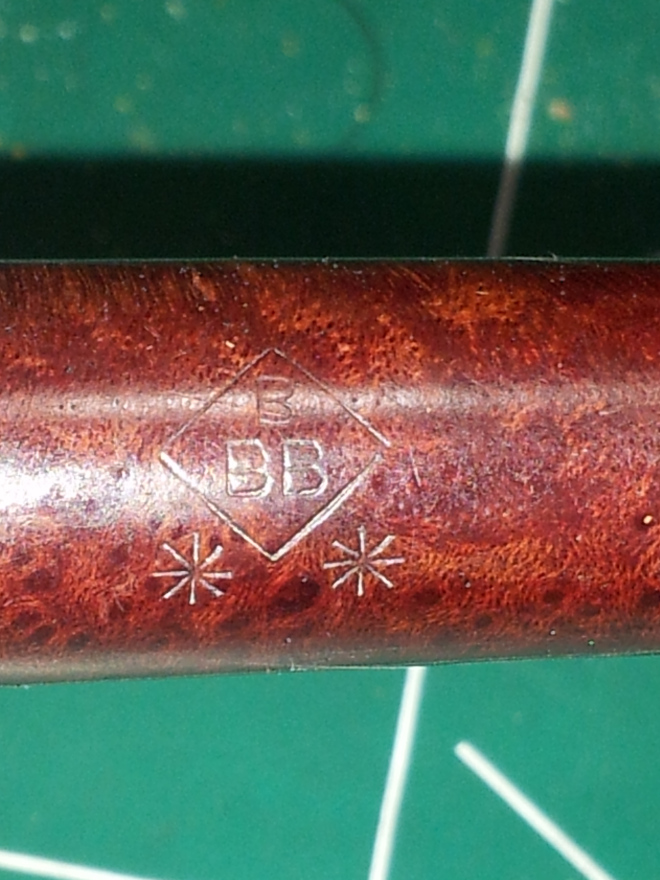
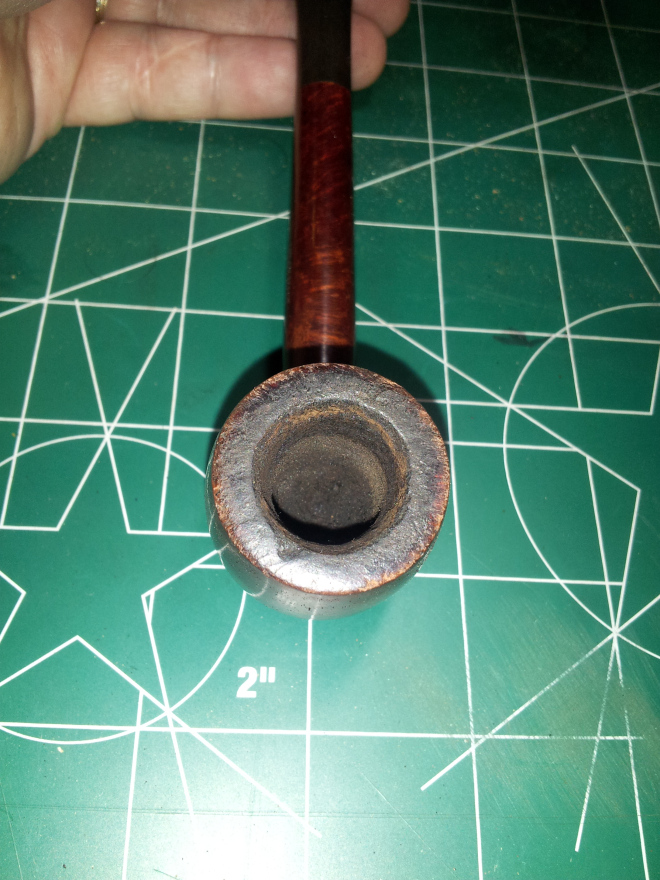
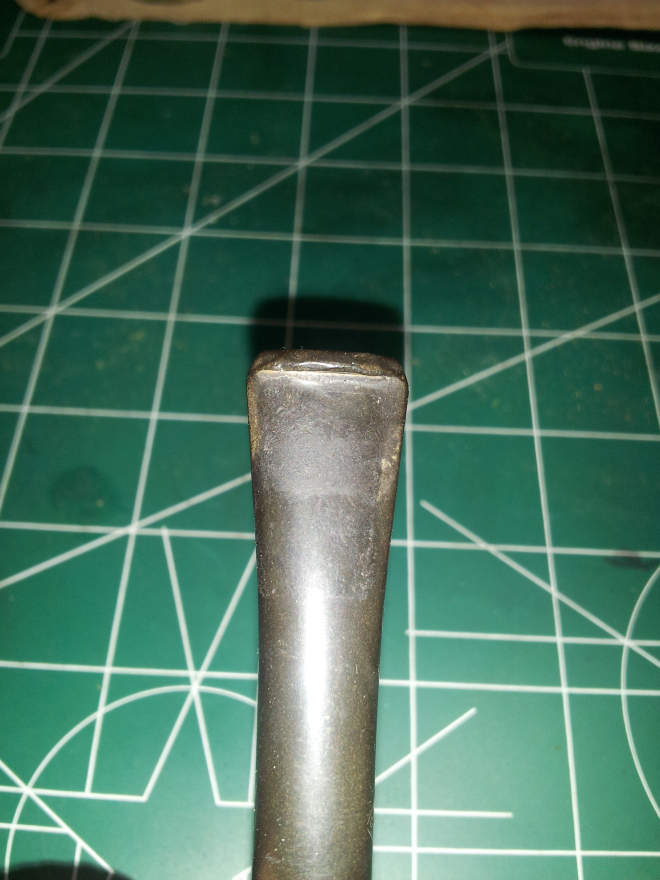
I found this BBB 2 Star Billiard at a local antiques and collectibles sale. It was in rather good shape other than a very tarry rim with a few visible dents. The stampings were crisp – the BBB 2 Star logo on the left shank, with “London Made” over “385” on the right shank. The original stem was intact, along with its own BBB logo stamping. The stem had a small bit of oxidation, mainly around the button.

20150915_19043420150915_19044120150915_19055920150915_19065220150915_19080420150915_19081020150915_190837

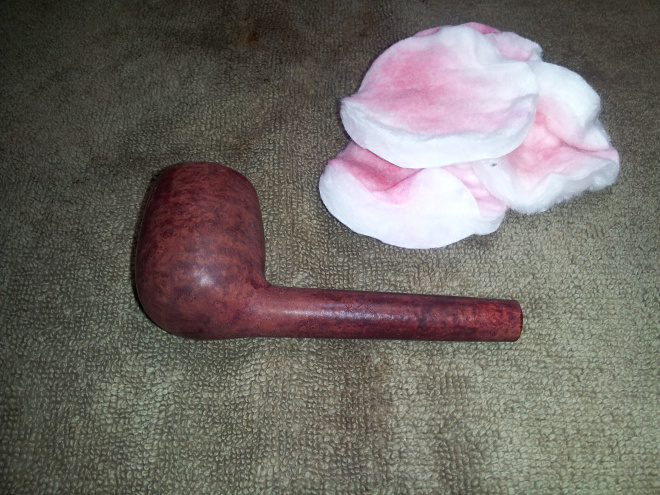
I decided that the stummel was clean enough to bypass my usual isopropyl alcohol soak; instead, I used alcohol-dipped cotton pads to wipe down the exterior of the briar. This cleaned things up nicely and removed the old finish in the process.

20150915_193433

I reamed the thin cake from the bowl and then cleaned the airway and mortise with alcohol and pipe cleaners. As you can see, it didn’t take a lot of…

View original post 315 more words