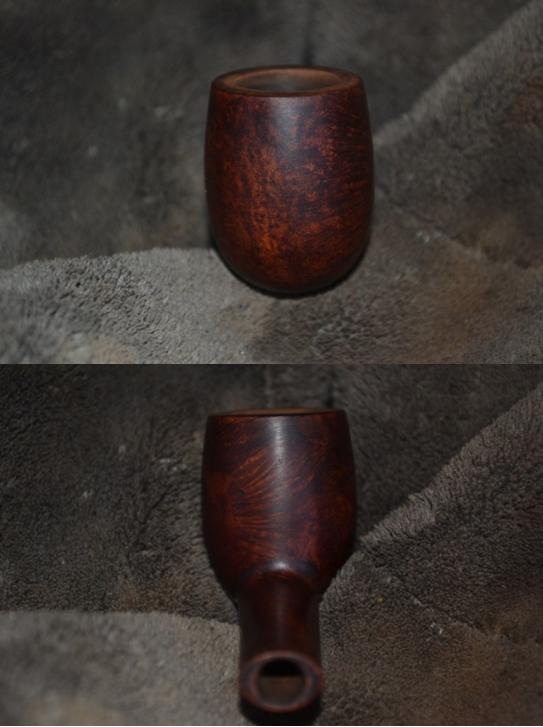
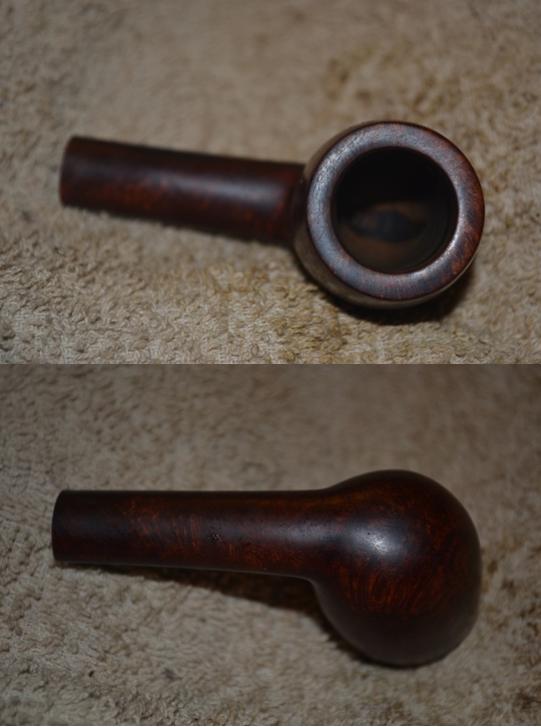
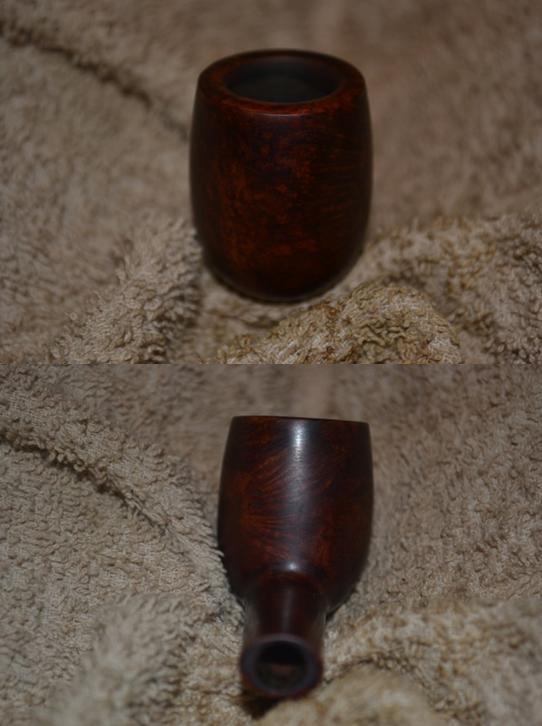
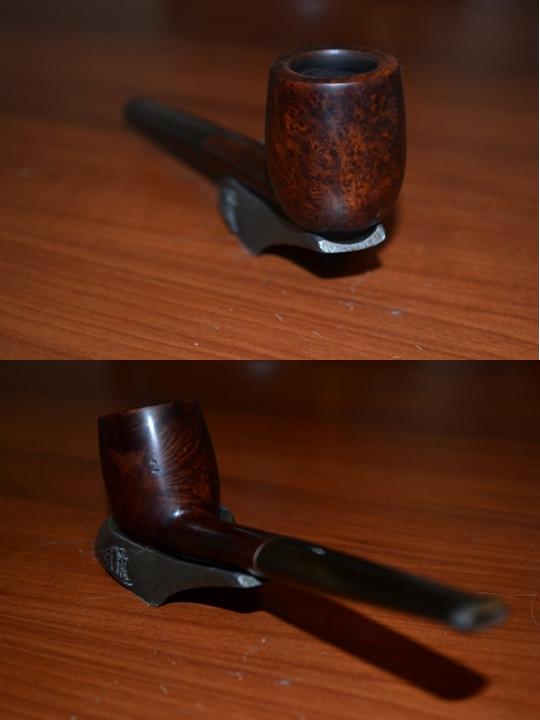
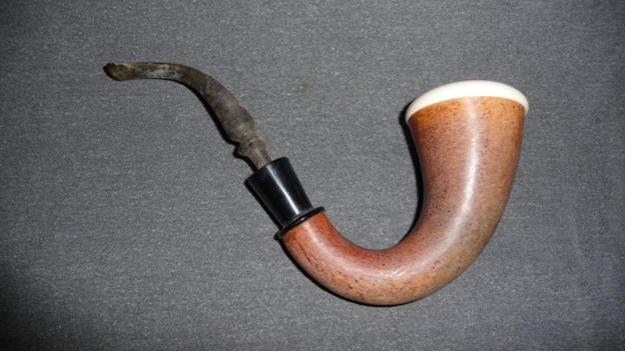
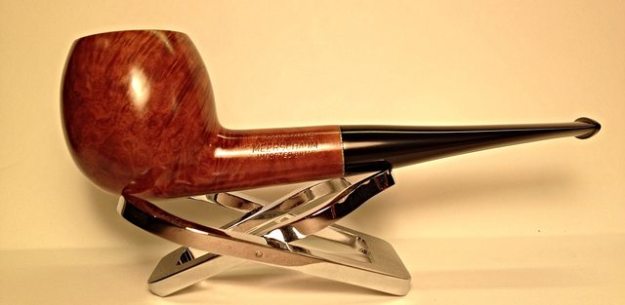
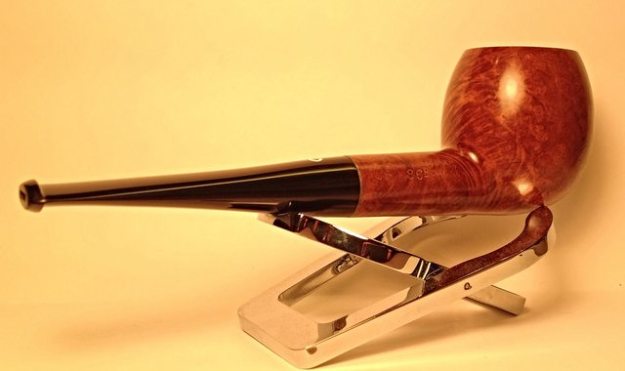
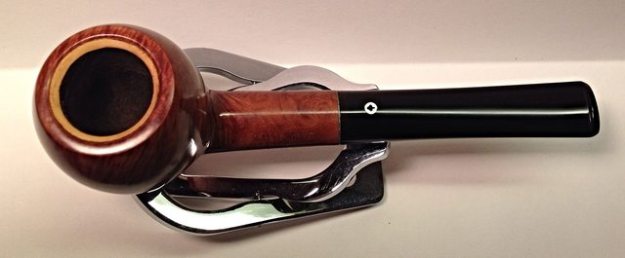
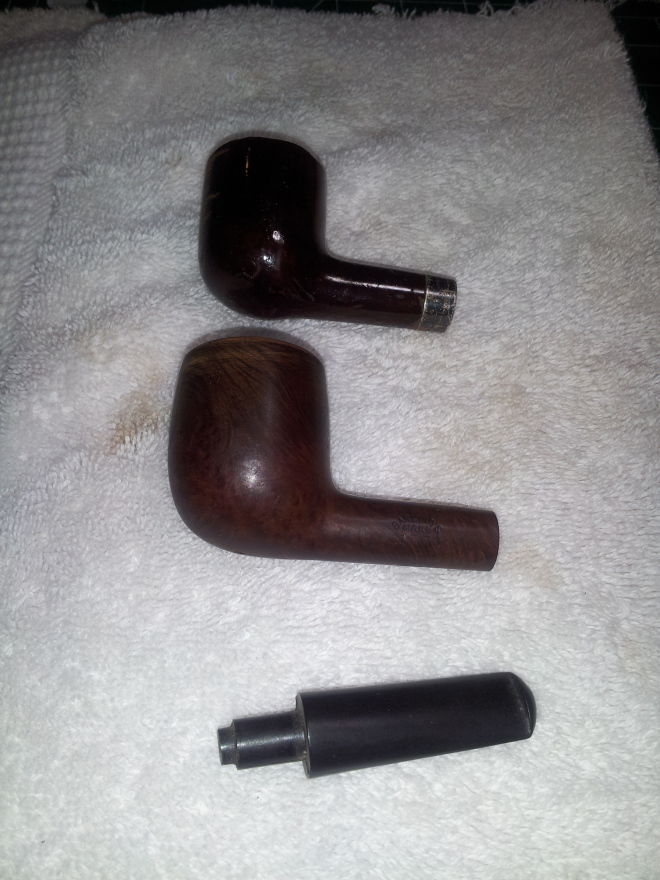
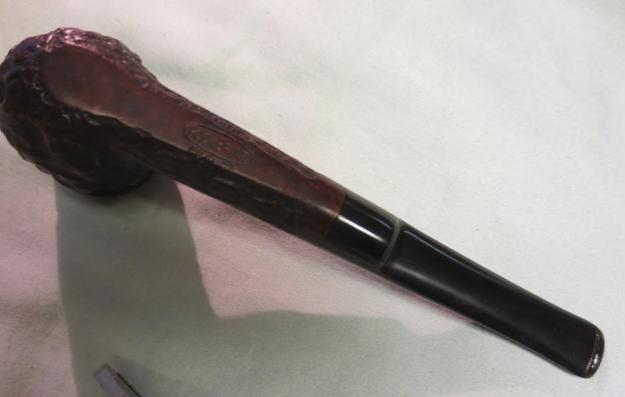
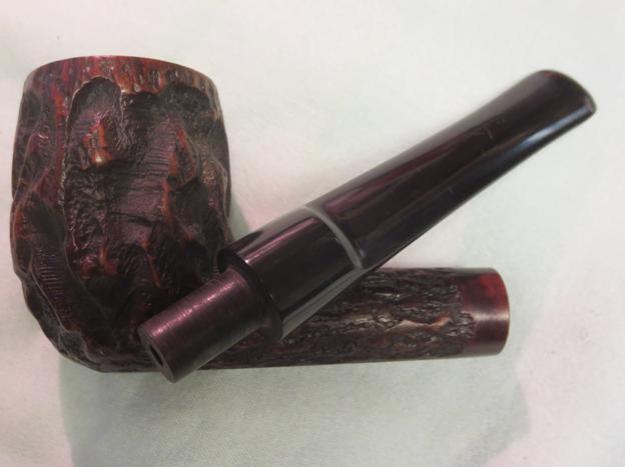
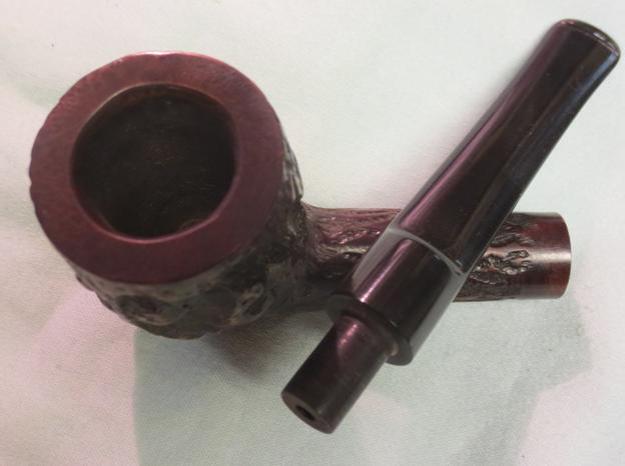
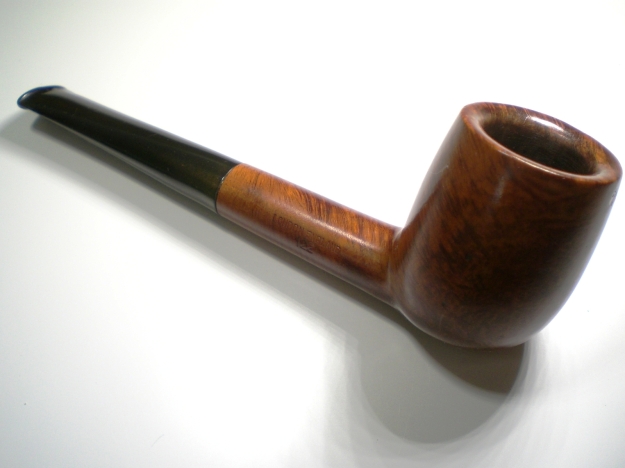
Revival of a Globetrotter: LHS Sterncrest 14K


Blog by Dave Gossett
Dave1

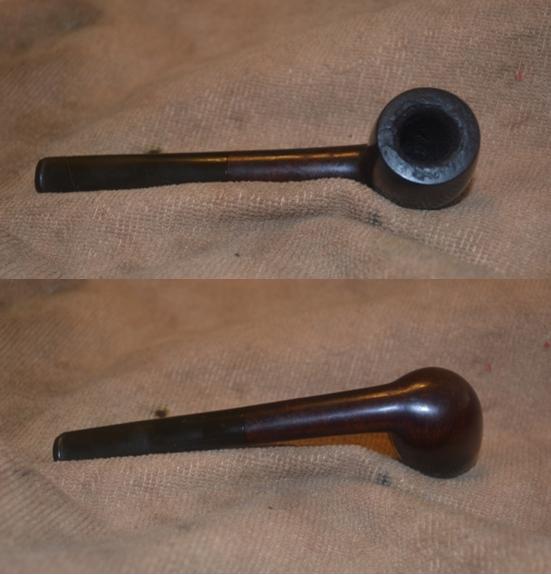
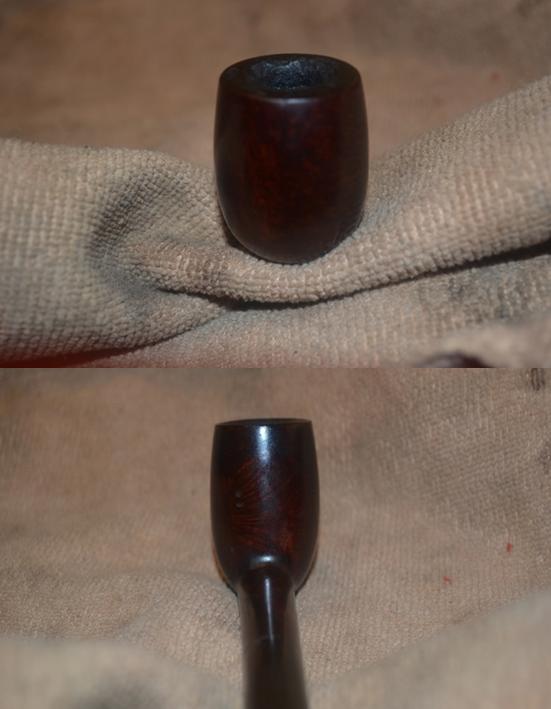
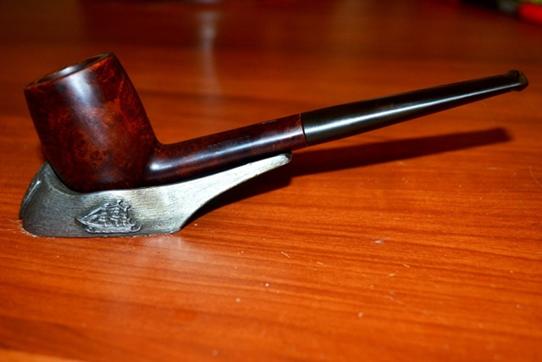
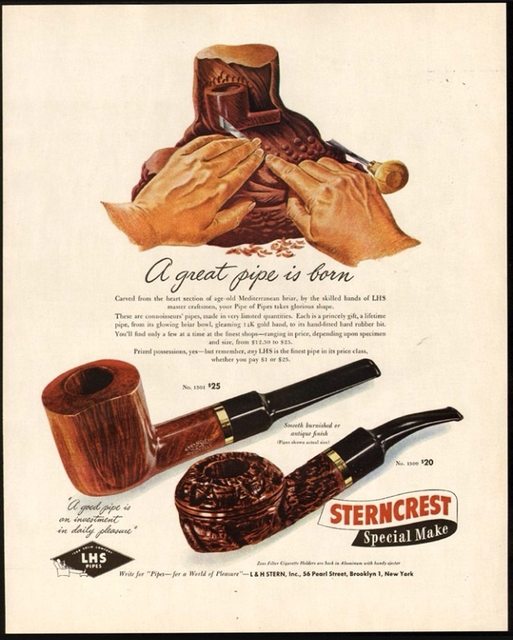
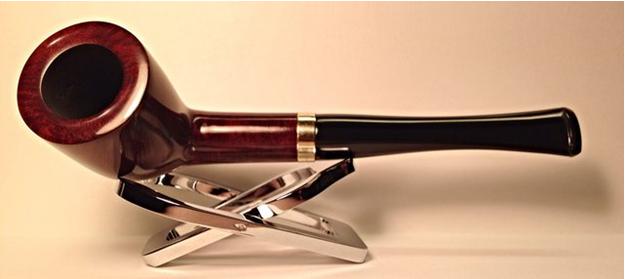
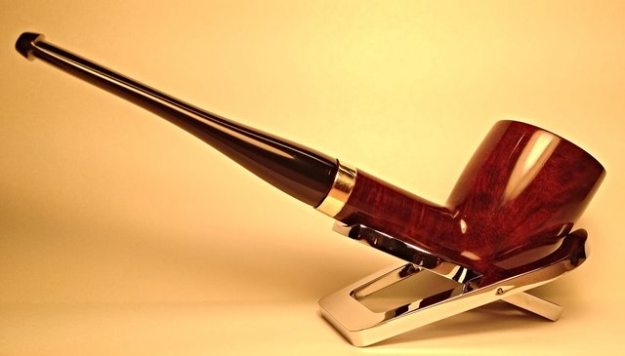
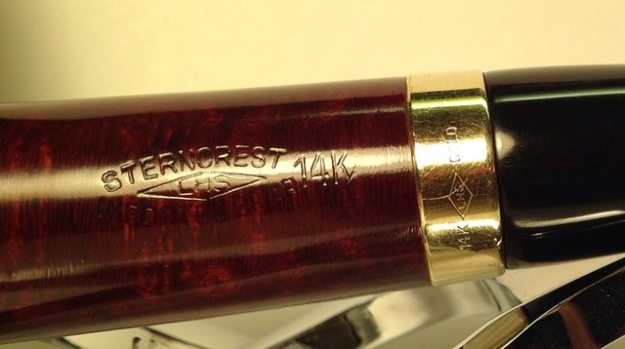
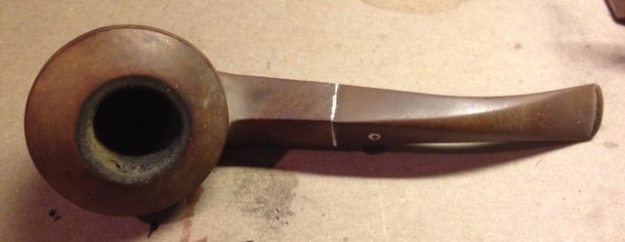
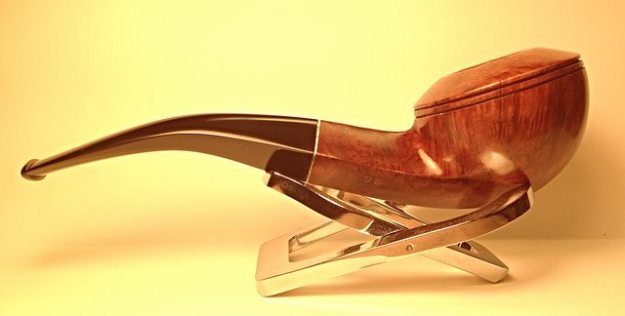
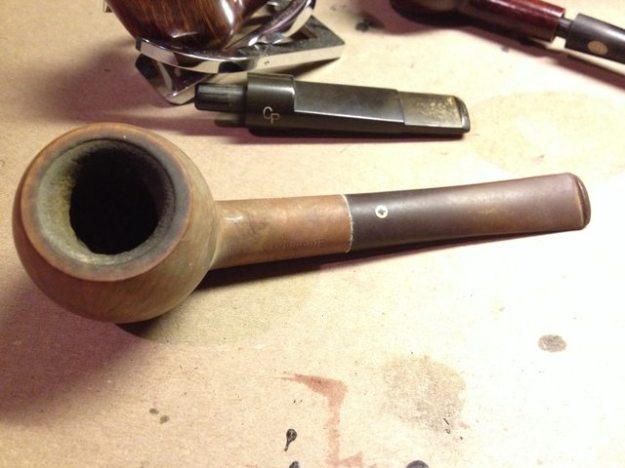
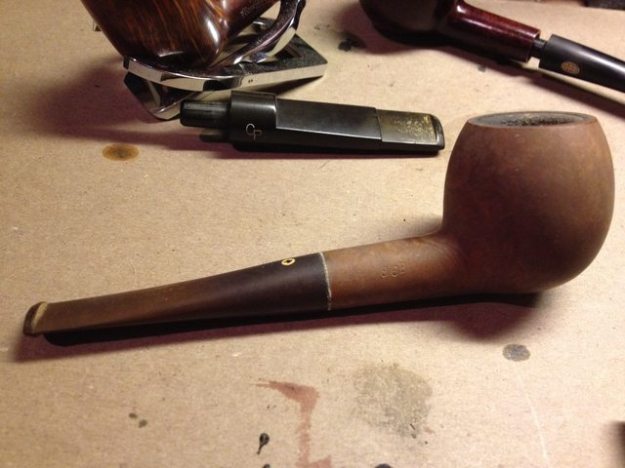
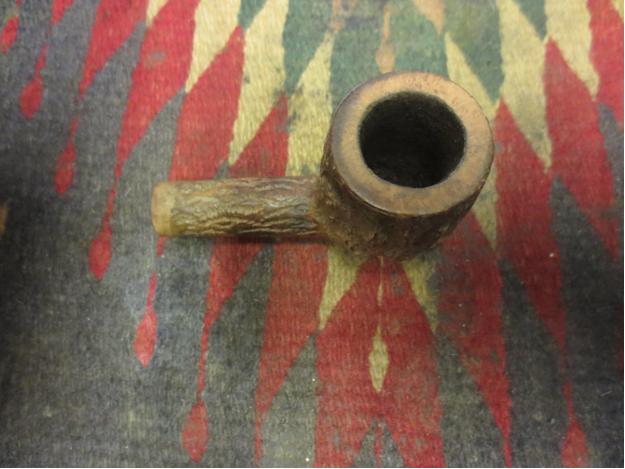
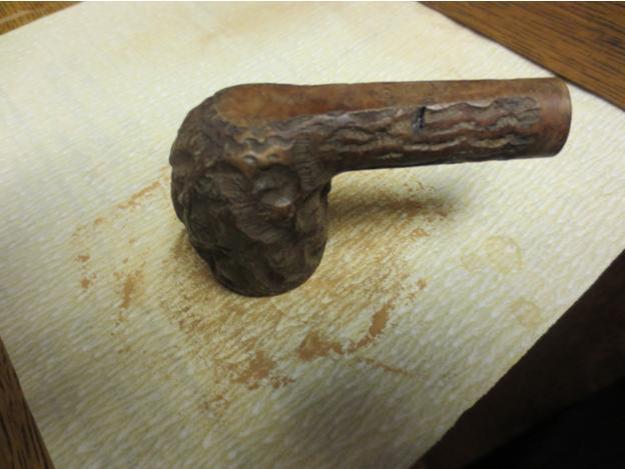
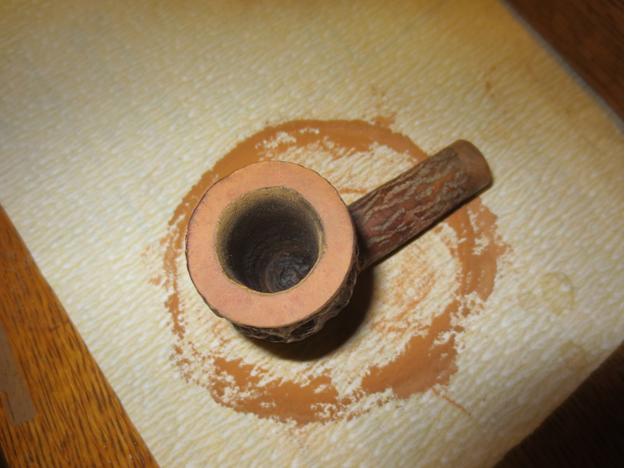
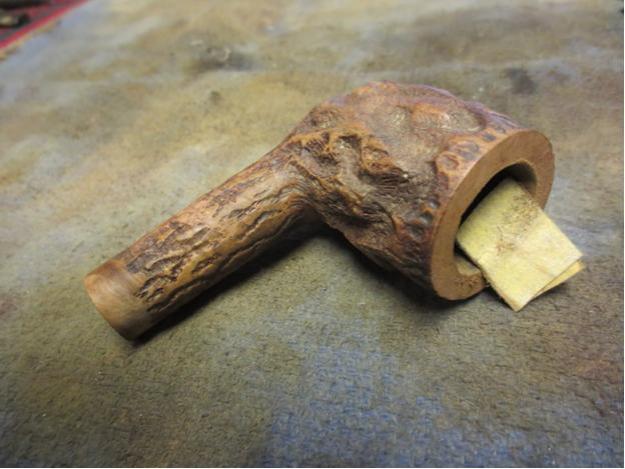
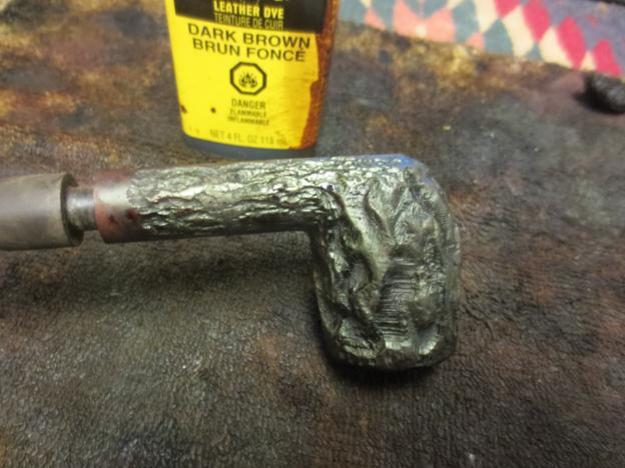
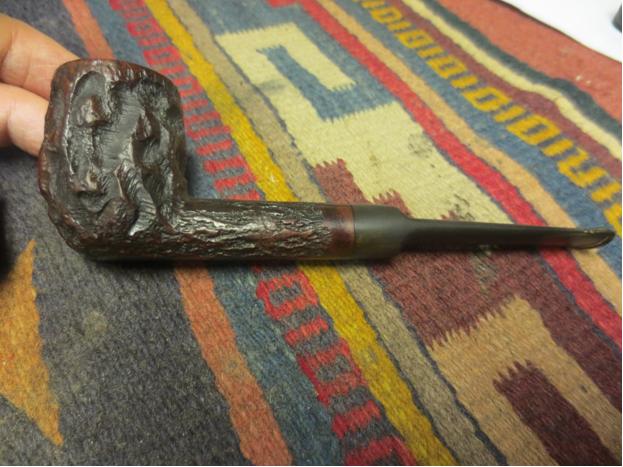
Dave2 A great pipe is reborn, the ad should read. This old LHS has been an extensive traveler throughout its long life. Plucked from the Mediterranean soil and carved in Brooklyn New York, traveling to the west coast, back to the east coast once more. From there it made its way to British Columbia, then again back to the east coast of America where it currently resides.

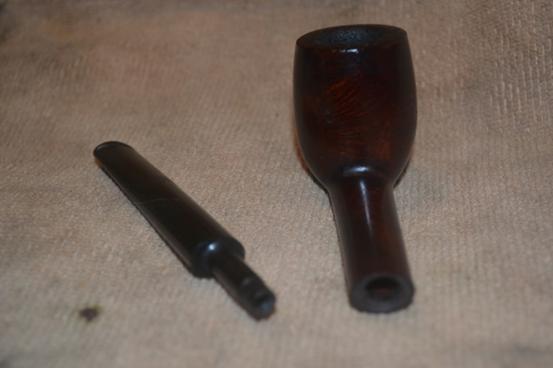
I received this pipe in an estate lot from California with the tenon and stinger broken off in the mortise. Someone had crudely tried to remove the broken tenon without success. I thought the pipe was a lost cause, but with little hope for a remedy I put out the bat signal for help. Steve Laug himself from Reborn Pipes answered the call. Off to British Columbia it went to undergo surgery from the master repairman.Dave3

Dave4 Here is the link to Steve’s great repair/rescue and stem replacement on this pipe.

Removing a Broken Metal Tenon from a LHS Sterncrest 14K

Back from surgery, Steve had sent me a fully functioning usable pipe.Dave5

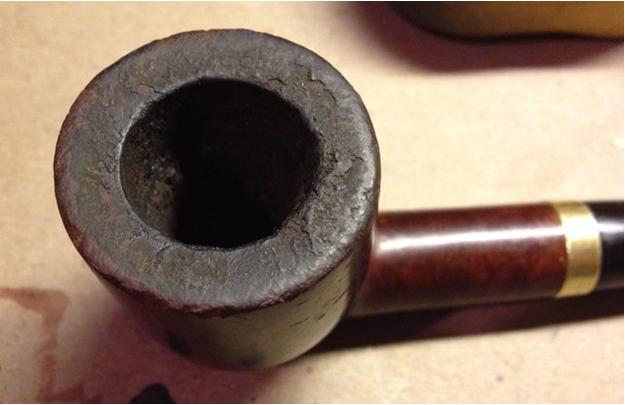
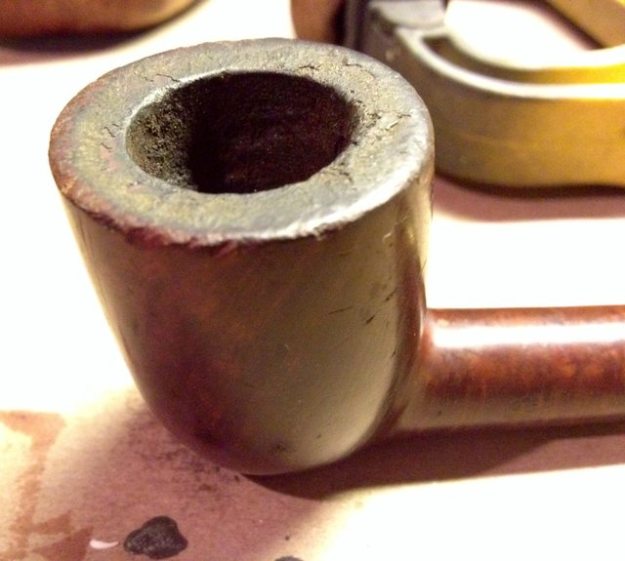
Dave6 I started in on the usual ream and clean. Next I lightly topped the bowl and began working out the dents and scratches.Dave7

Dave8

Dave9

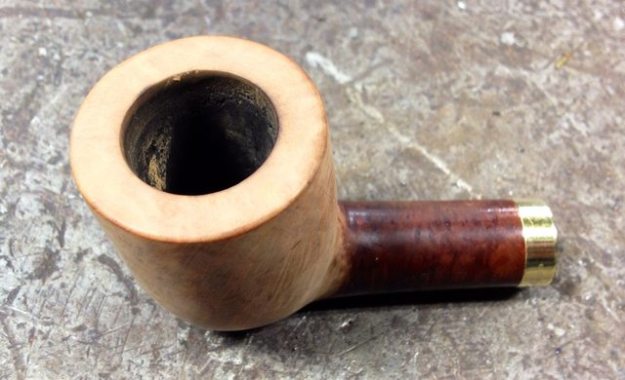
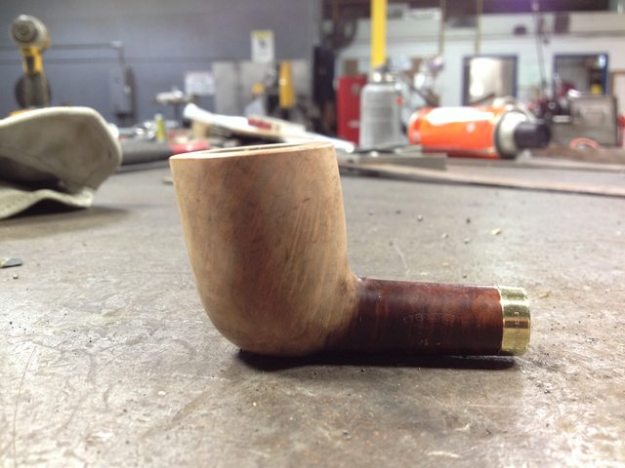
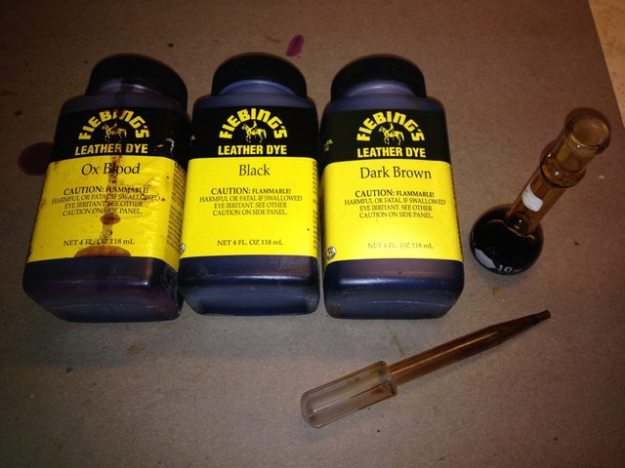
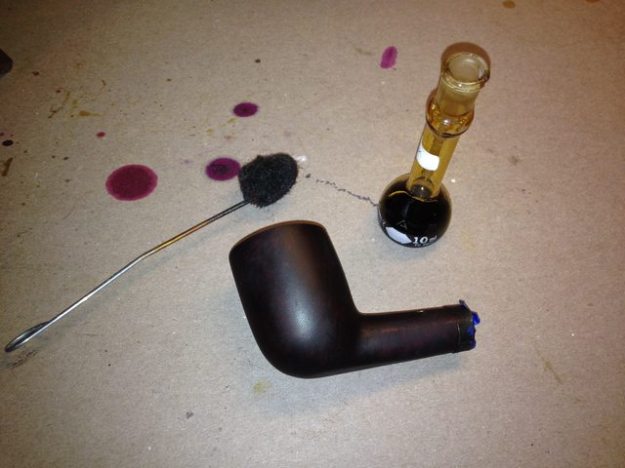
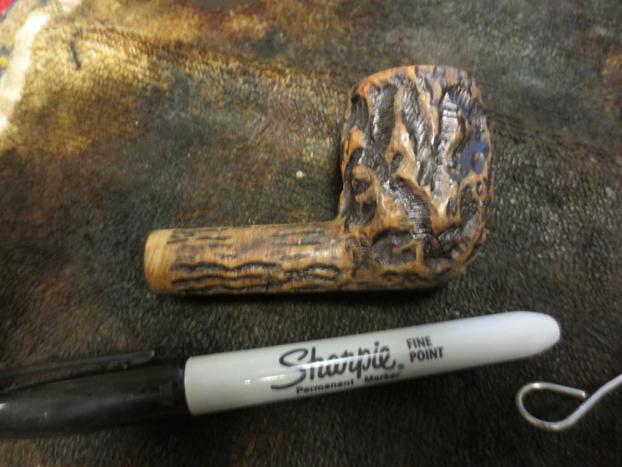
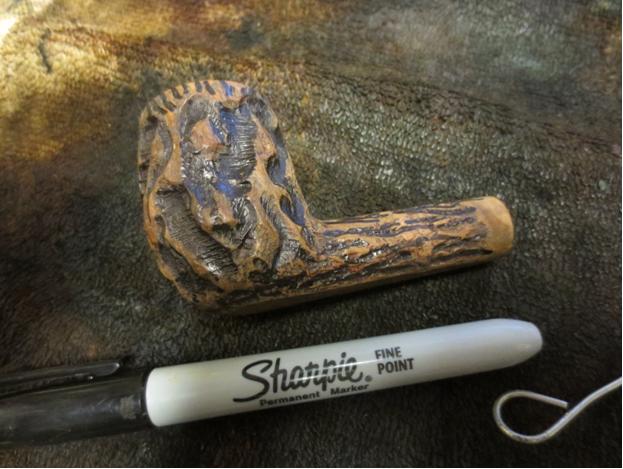
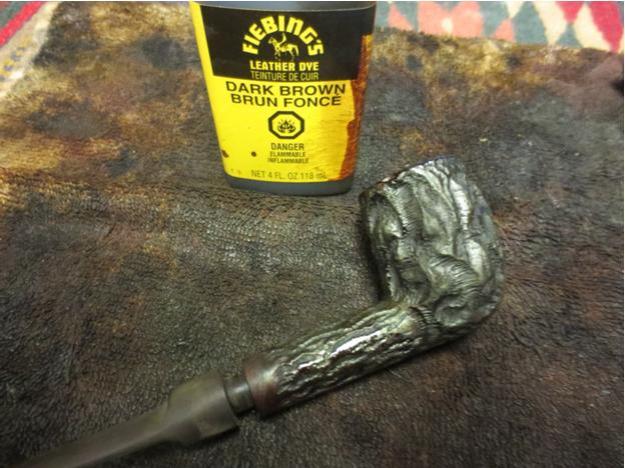
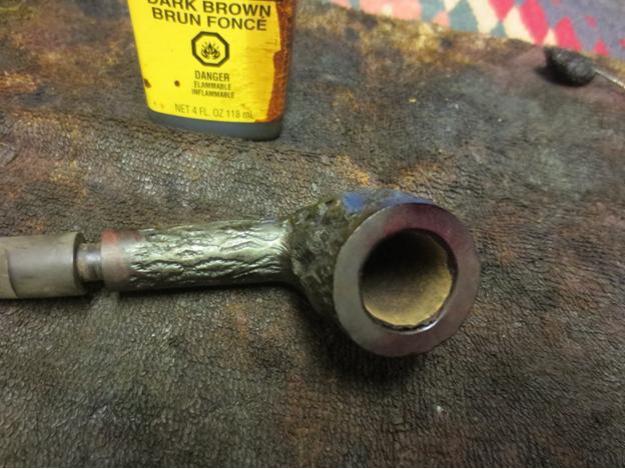
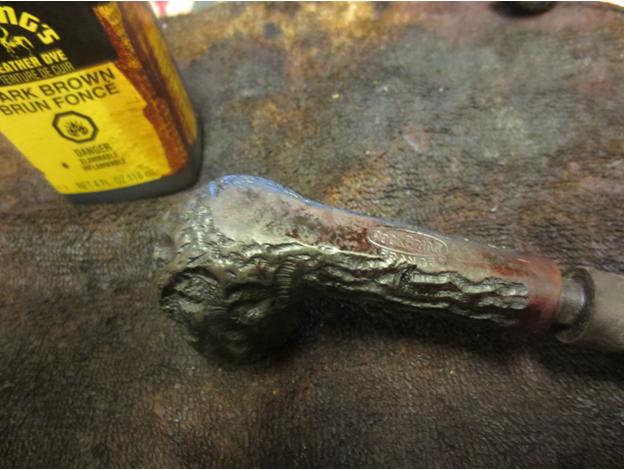
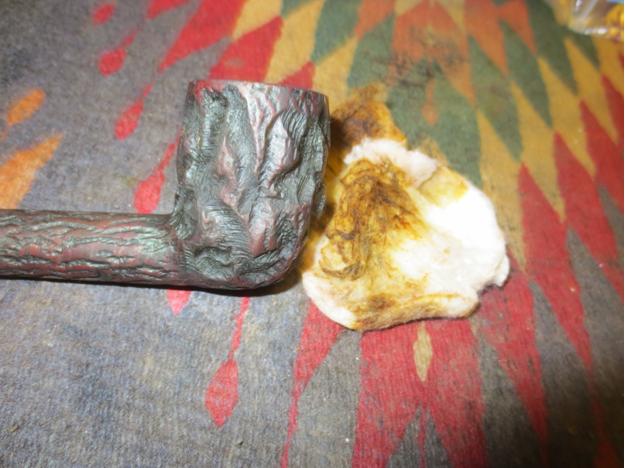
Dave10 Once I had a smooth clean stummel, I mixed up some Fiebings and tried to match the original finish.Dave11

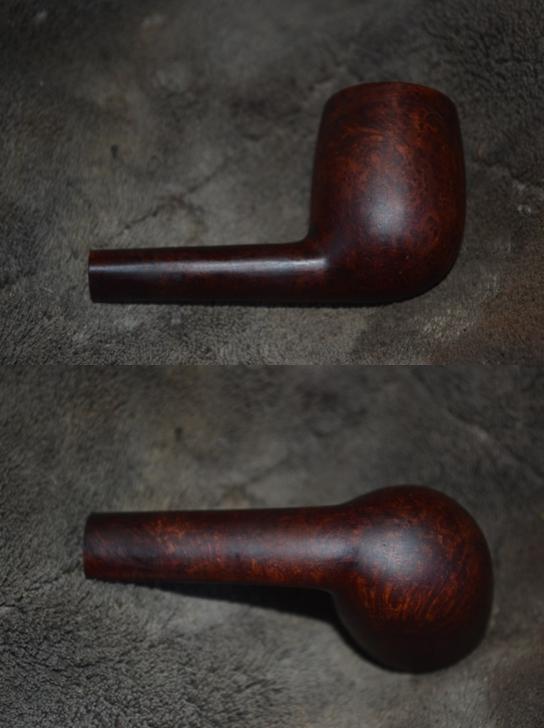
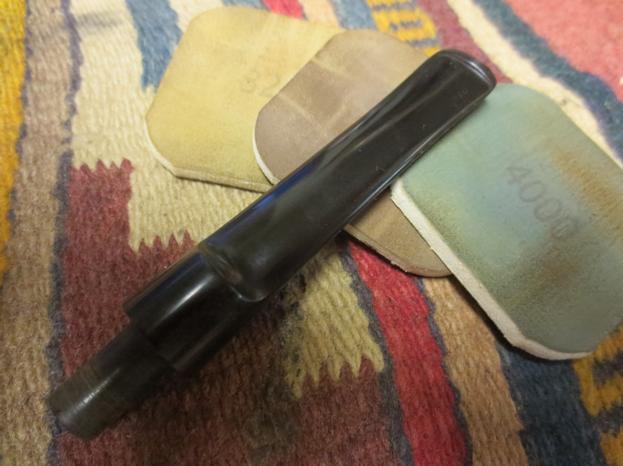
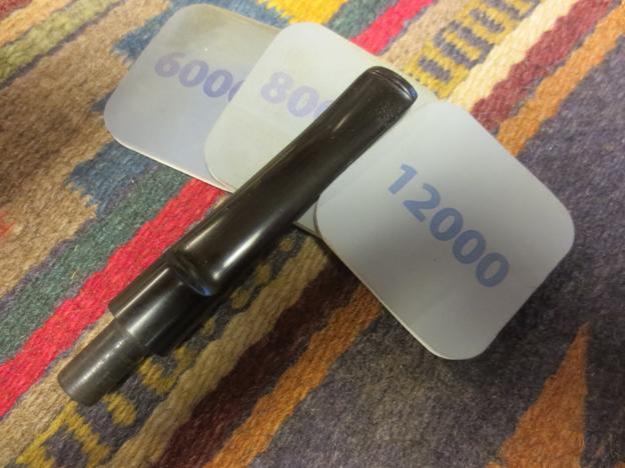
Dave12 Sanding with 2500 grit I lightened the stain until I was close to the shade I wanted. I used a rag dampened with alcohol around the stampings to lighten those areas and blend in with the rest of the stummel.Dave13

Dave14

Dave15

Dave16

Reviving a Reinhard’s Natural Billiard


Guest Blog by Robert M. Boughton
Member, International Society of Codgers
Member, North American Society of Pipe Collectors
http://www.naspc.org
http://www.roadrunnerpipes.com
http://about.me/boughtonrobert
Photos © the Author

Reinhard: Old Germanic male name meaning brave, hardy; fox
― From “Behind the Name”

INTRODUCTION
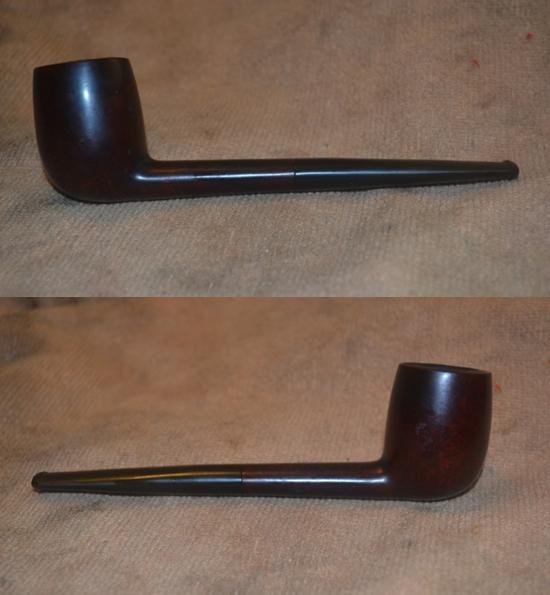
After searching in every nook and crevice of the Internet I could conceive, in search of a single clue, even, as to the origin of this Reinhard’s natural billiard, I had to concede defeat and turn to my friend and mentor, Chuck, for any suggestions he might have. I was certain this sleek gentleman’s pipe, with its classic form and fine engineering that from the general look and color hinted at a vintage make, must be an established brand, however limited its period of manufacture. The crispness of the nomenclature in particular threw me. Although the possibility that the Reinhard’s could be the creation of an independent pipe shop somewhere had crossed wires somewhere in my mind, I wanted to believe the elegant piece of briar was descended from a higher pedigree. When Chuck came back with a scenario that was not only viable but likely, therefore – that the derivation of my pipe indeed was probably a small shop somewhere, but with the added conjecture that it was likely of mid-western U.S. descent, from a place with a high concentration of German or other Teutonic immigrants – my spirits were somehow bolstered. Maybe the Reinhard’s was something more than the variety of pipe commonly relegated to the classification of “no-name” after all.

The natural, dark brown color of the pipe, reminiscent of staining popular during the 1950s and ’60s and into the ’70s, had grown more pronounced with age and regular use. As with all such pipes I come across, I wanted to bring out more of the natural grain I was sure was hidden beneath a thin layer or two of decades of accreted grime on top of the original finish. The bowl is slightly canted, suggesting a Canadian except for the longer bit. And so I settled on a sweet, alternative billiard. Please correct me if I’m wrong. I still have trouble with the whole Canadian-Lovat-Lumberman-Liverpool mess.

RESTORATIONRein1
Rein2

Rein3

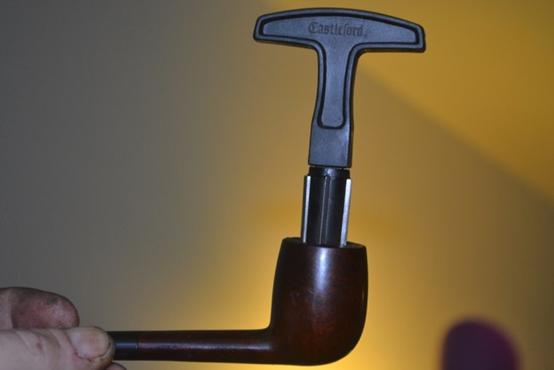
Rein4 First, there was the typical carbon buildup in the chamber and the rim cleaning to confront.Rein5 A 17mm fixed reamer started the process of dispending with the cake, and followed up with sanding, using 150-grit paper to even out the chamber interior after which I smoothed it with 320-grit paper, the result was chamois-smooth. The basic cleaning with Everclear-soaked bristly cleaners and a thorough retort was easier than I feared, but still necessary, of course. I’m always happy when a pipe only needs two or three infusions of strong boiled alcohol through its innards to leach out the buildup of tobacco juices and other elements of regular enjoyment; it shows that the previous owner cared for the pipe.
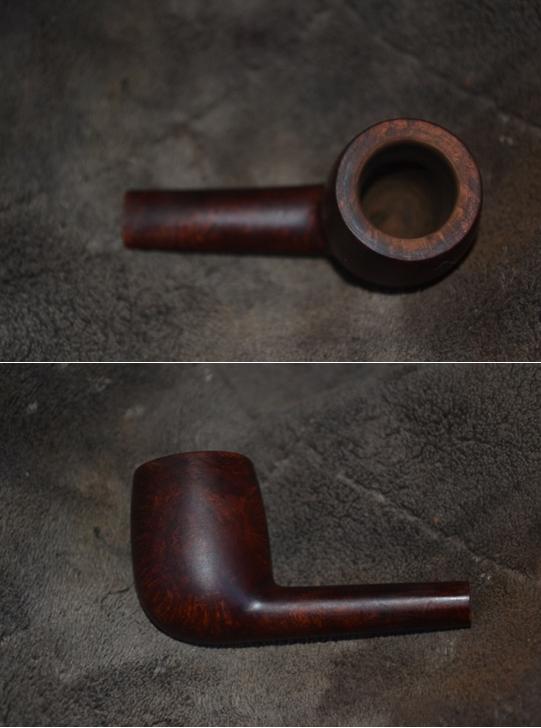
After a bath with distilled water on small pieces of cotton cloth, wet micromesh paper from 1200-3600 did a nice job on the rim. The soft, brown, more natural exterior of the bowl and shank came out with delicate use of superfine steel wool.Rein6
Rein7

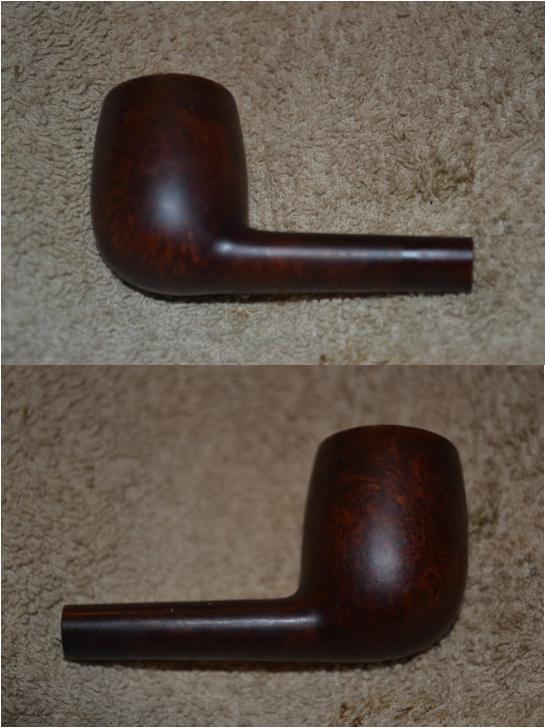
Rein8 Almost done, I used the same wet micromesh progression that cleaned up the rim to smooth the exterior of the pipe.Rein9
Rein10

Rein11 The bit was in exceptional shape, but I still rinsed it in a OxyClean solution and micro-meshed from 1500-3600. Finally, I buffed the bit with red and White Tripoli, with the clean wheel in between, and used white Tripoli, White Diamond and carnauba on the wood.Rein12
Rein13

Rein14 CONCLUSION
I achieved the effect I wanted, without over-removing the darker stain, to maintain the integrity of the maker’s – whoever he might have been, God bless him – plan.

Being somewhat of a known easy touch when it comes to gifting pipes to deserving individuals, I found myself at my tobacconist with a small box of finished pipes, including the Reinhard’s, and some that still needed work. Candice, the lovely young worker on duty, had told me she had her eyes on a golden-orange The Pipe for sale. As it was to be her first foray into the world of pipe enjoyment, in my judgment, that just would not do.

Candice, cropped from a photo with her in the background

Candice, cropped from a photo with her in the background

Perhaps a bit impetuously, I laid out my wares, separated so that Candice could choose from the restored samples. The good lady did protest, of course, citing the old it’s-too-generous excuse and even offering to pay something, but I would have none of it. They weren’t moving on my business website, after all, and Candice (who was named for Candice Bergen by her thoughtful parents) looked them all over and concluded she could not make up her mind, and she would be happier if I chose one. Isn’t that just like a woman? I love it!

And so, with a slight pang, my hand went on its own volition to the Reinhard’s, which I handed to Candice. Something in her reaction told me it was the one she would have chosen, had push come to shove, so to speak.

In my humble opinion, the Reinhard’s fits her always helpful, friendly, sparkling personality to perfection.

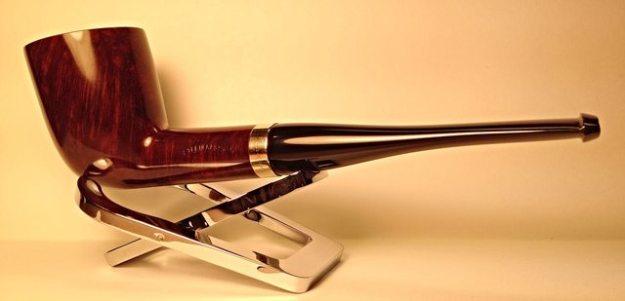
Gourd Calabash Restoration


Blog by Aaron Henson

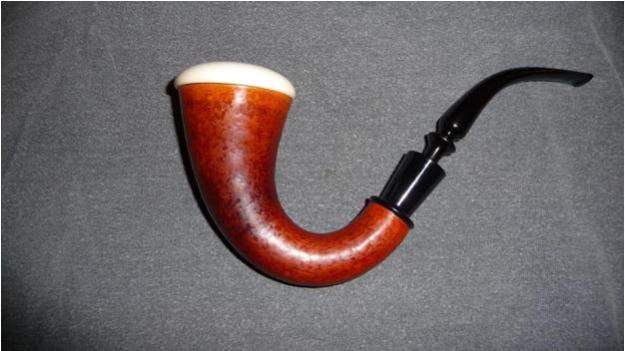
I was at work the other morning and got caught looking at something on the internet that should not have been. It was not as terrible as it sounds. My job requires that take annual training (given online) each year, and after almost ten years of the same information I take some liberties. While the training was running in one window I was browsing the latest estate pipe auctions on eBay in another. At 6:30 am there are not many other people about the office so I didn’t think much about it until a friend happened by and asked about my interest in pipes. We talked for a bit and at the end of the conversation he said that he had his father’s Sherlock Holmes pipe that was collecting dust and would I be interested in it. Of course I said “Yes!”

The very next morning my friend brought over a beautiful calabash gourd pipe. He also sent me home with nice Grabow Savoy bent billiard – his own pipe that he had not smoked in over ten years. The calabash, he said, was a pipe that he had bought as a gift for his father sometime in the late ‘70’s or early ‘80’s. After his father had passed away it had come back him. He had had it on display in his rec-room for a while but in recent years it was pushed to the back of the shelf.

Upon getting home that night, I put my other restoration projects on hold (a 1929 Peterson Irish Free State with a broken shank and an Oom-Paul with a bit through stem) to make room on the work bench. I did not jump right into the restoration that night however. All of my restorations up to this point have been with briar pipes. I have always been interested in meerschaum and calabash pipes but never actively pursued acquiring one. But now, with this amazing gift, I dove into study about the making, care and restoration of calabash gourd pipes.

What I found was that there is not nearly as much information about restoring gourd pipes as there is about restoring briar. I believe this to be in part because gourd pipes just don’t hold up as well over time as briar does.

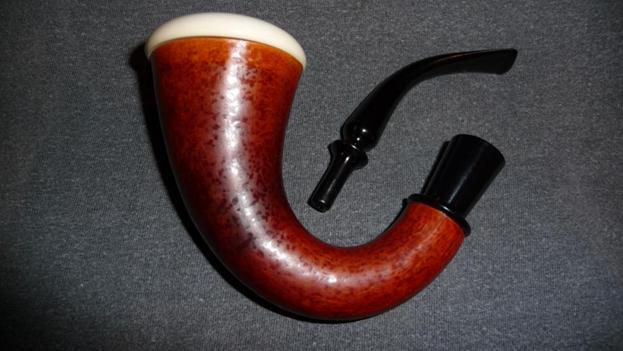
I began with a thorough inspection of the pipe. The stem had a lot of dried crust of some sort on it but not much oxidation but there was very little tooth chatter around the button. Upon reflection I realized that this was not too surprising considering that a pipe of this size would be very difficult to clench. The stem was also slightly misaligned. Nothing very noticeable and may even have been intentional so as to provide a more comfortable smoke. The stem inserted into a plastic ferrule that was in very good condition but it was only with great difficulty that I remove the stem. I was worried that would break it before it came free. A drop of alcohol at the base of the stem eventually helped it break free.

The gourd was a little dirty but the most noticeable thing was that one side appeared faded compared to the other, probably a symptom of being placed on display. I confirmed with my friend that the meerschaum bowl was a replacement. The outer rim of the bowl sits almost flush with the edge of the gourd, there not being much overhang. I tried to remove the bowl for inspection and cleaning but it seems that the new bowl was glued in place. There we no markings of any kind on the pipe, so the manufacturer will remain a mystery.Calabash1

Calabash2

Calabash3

Calabash4

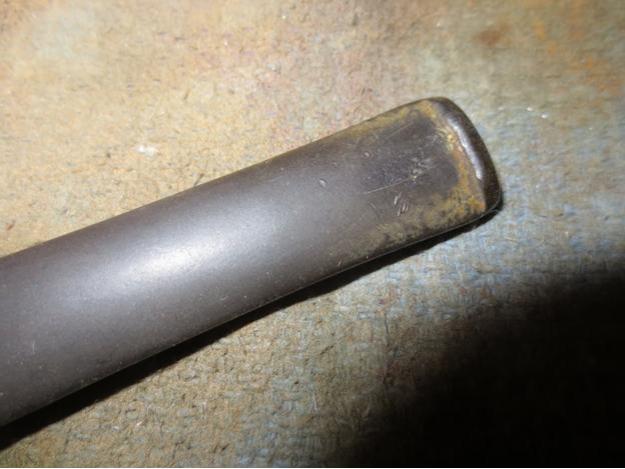
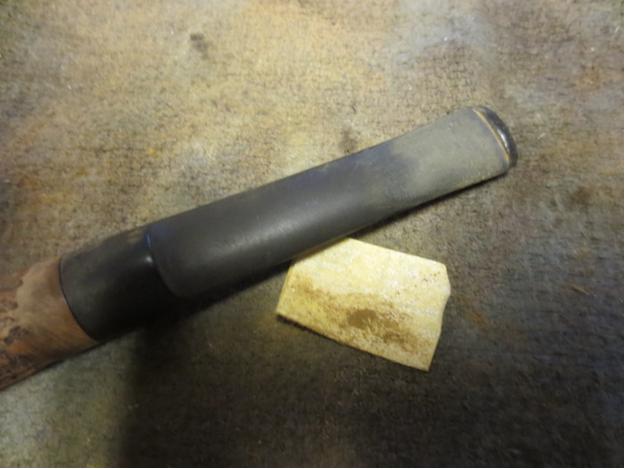
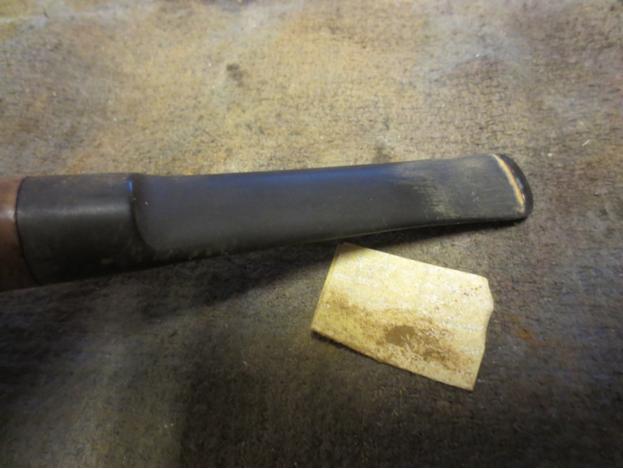
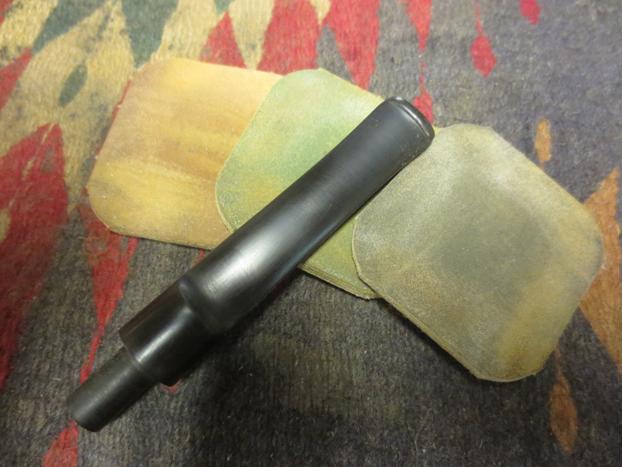
Calabash5 I began by cleaning the stem by setting it to soak in an Oxyclean bath. After 10 minutes I removed the stem and scrubbed it with a magic eraser pad. This was a new technique for me and I was so focused on what I was doing I forgot to take pictures. The outside of the stem cleaned up very well the crusties coming off in the soak. The interior of the stem also cleaned up easily; the third alcohol soaked pipe cleaner came out as clean as it went it in. Below is the cleaned stem. My apologies for the background – the green is a little hard on the eyes.Calabash6 Next I addressed the tooth chatter; one large dent on the top of the stem and three smaller on the bottom. I tried to raise the dents with some heat from lighter. While the stem was still warm I realigned the bit with the curve of the stem. The heat helped raise the dents but didn’t remove them completely and the larger one still required a drop of black super glue filler. The other dents were easily removed with 220 grit sandpaper. The pictures below are after the heat was applied and before the sanding.Calabash7 I follow the same regimen that many of the others on this blog do for polishing vulcanite stems: 1500-12000 micro-mesh pads, wet sanding the first six pads and stopping every 3 pads to coat the stem in mineral oil. I found a set of ½-inch wide micro-mesh sticks at my local Wood Works store and these worked very well around the bead detail on the stem.Calabash8

Calabash9

Calabash10 Since I could not remove the meerschaum bowl, I opted not to use any alcohol based cleaners on the gourd. Instead I scrubbed it down with Murphy’s Oil Soap on a cotton pad. After cleaning, I made several passes with a wet paper towel to wipe off the soap residue.Calabash11 The sun bleached side of the pipe had kind of a rough feel so I lightly sanded the entire gourd with 600 grit paper. This evened out the texture and removed any surface damaged of the gourd.Calabash12 The ferrule was plastic and I had very difficult time removing the stem the first time. Some of the sticky residue I had cleaned from the stem must have gotten into the mortise. I used a pipe cleaner bent in half and dipped in alcohol to swab the mortise clean. Even with my initial troubles, three passes was all that was required to clean the mortise. I wiped the outside of the ferrule down with alcohol and then buffed using the 4000 – 8000 micro mesh pads to remove any light scratches.Calabash13

Calabash14 I debated with myself a long time about what to do with the discolored gourd. I finally decided to try to blend the discoloration with a light stain. Mixing one part Fiebing’s Light Brown with three parts isopropyl alcohol, I used a cotton swab to apply the stain. Starting at the edge of the discoloration, I worked my way around the pipe, layering the stain to get the variation and depth of color. To my surprise this worked well and I was very pleased with the results. After multiple coats and looking at the pipe under various types of lighting I was finally satisfied with the results. When the stain had dried completely, I applied a light coat of mineral oil wiping off the excess.Calabash15

Calabash16

Calabash17

Calabash18 Taking the stem to the buffing wheel, I put on three coats of carnauba wax and called the restoration complete. My next project is to build a stand for the pipe. I will start on it as soon as I can settle on a design that I think will complement the shape of the pipe. And maybe someday, I will replace the bowl with one that gives the pipe a more traditional calabash look. But right now, I am looking forward to burning bowl of Burley Virginia.

Thanks for looking.

Restoring 2 Kaywoodies – a Flame Grain 99B and a Meerschaum Lined 86B


Blog by Dave Gossett
KW1 These two Kaywoodie’s were found at an estate sale. They are great survivor examples from the heyday of Kaywoodie. I could tell the previous owner cared for and loved these pipes. They were well used and dirty, but in near perfect condition. Free of fills, tooth chatter, scratches, nicks, or dents. The stampings are crisp and clear. The lines are sharp and straight. Both are 4 hole Drinkless stinger era KW’s.

Bringing these pipes back to their former glory was pretty simple. I have about an hour of work in each pipe. I gave them a wood soap wash, a light ream, deoxidized the stems, and put on fresh coat of carnauba.

The first is a Kaywoodie Flame Grain 99B KW2

KW3

KW1

KW5 The second is a Kaywoodie Meerschaum Lined 86BKW6

KW7

KW8

KW9

KW10

Challenge Accepted – The Frankenpipe Mark I


You rose to the challenge and nailed it to my eye. Very nicely done. I love the looks of the finished pipe. The brass dot is nice finishing touch. Well done.

Charles Lemon's avatar

A week ago, I published this post about my first “spare parts pipe” build, after which I was challenged by Steve Laug of RebornPipes to up the ante and create a pipe using three or more parts from other pipes. Not one to walk away from a thrown gauntlet, I accepted the challenge and started rummaging around in my parts boxes to see what I could find.

I ended up with a briar bowl in relatively decent shape, another bowl that was both burned out and over-reamed to the point of thinning the chamber walls, and a short taper stem that I thought might work. The bowl I would use to build the Frankenpipe Mark I was stamped “Hickok Deluxe” over “Imported Briar” on the right shank. The burnout bowl was a Barling’s Make that had been smoked right through the bottom of the bowl. Here are the parts.

20151109_133222

I…

View original post 1,213 more words

Replacing a push-tenon and mortise in a Meerschaum pipe


Blog by Steve Laug

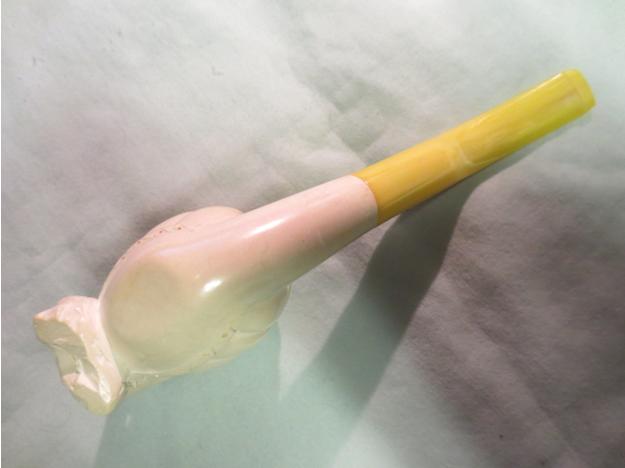
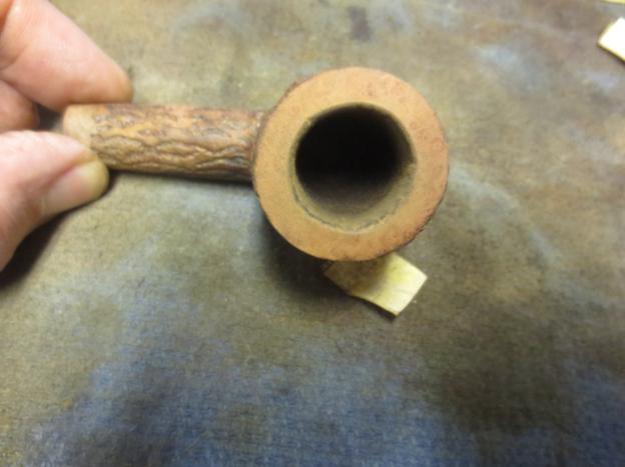
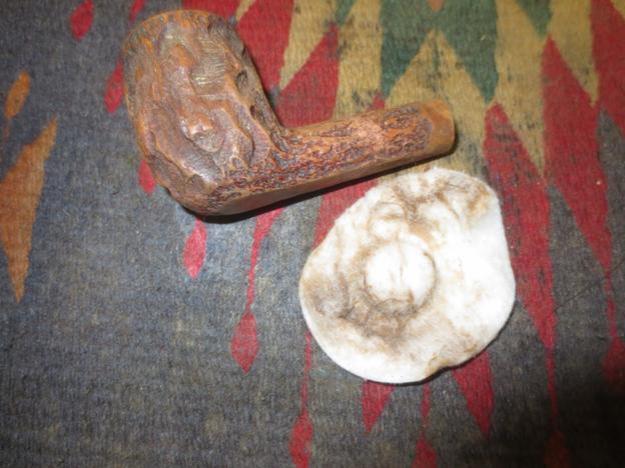
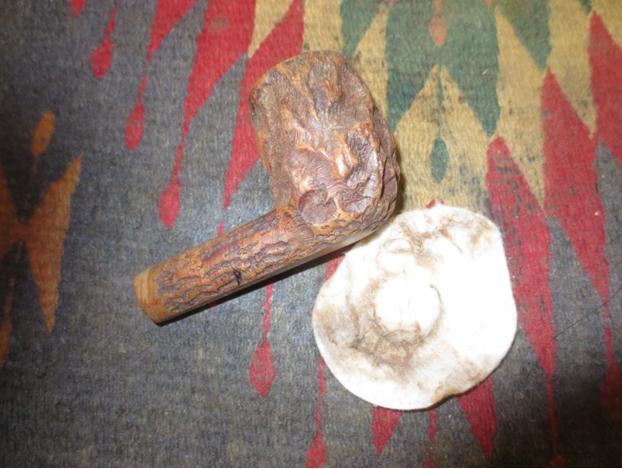
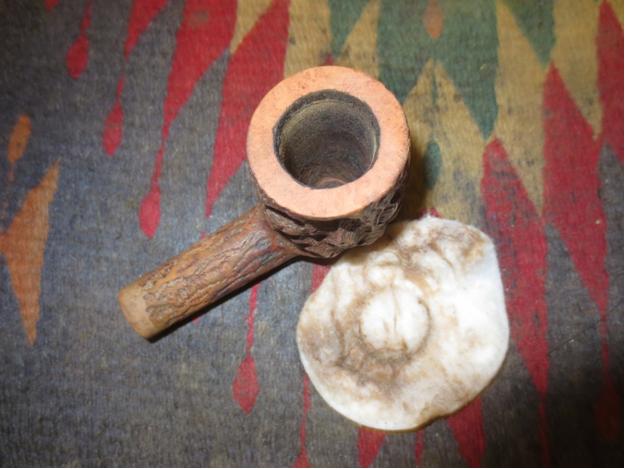
My brother, Jeff has been on a roll picking up some nice pipes that he gifted me. The first was the CAO meer that I reworked the stem and wrote about. The second was the Peterson Kildare 999 (one of my favourite shapes). The third one that I worked on was a no name meerschaum. It is a bent barrel shaped pipe with a stag running through the trees carved on the front of the bowl. The meerschaum is very heavy and dense in appearance so I am pretty certain it is a pressed meerschaum pipe. The stem is a bright yellow Lucite that actually shows better craftsmanship than the Lucite stem on the CAO meerschaum. The pipe came in a decent brown leather cover case with smooth fabric in the lid and a soft faux fur in the base. The hinge and the clasp were brass. The pipe fit well in the case. The photo below comes from the auction and gives a clear picture of the pipe as it was advertised.hunt1 The issue that I had to address with this one was that the mortise insert for the push stem connector was shattered in the shank. When I twisted the stem out of the shank a portion of the insert came with it. I looked into the mortise and I could see the cracks and breaks in the insert. It would need to be pulled.hunt2 The bowl of the pipe was pretty clean. The inside of the bowl was slightly darkened but looked like it had been smoked only a few times (if that). There was also some rim darkening that probably would clean up easily enough. Under a bright light it appeared that there was either a small crack or a scratch on the outer rim just above the ring on the barrel on the right side of the bowl. I checked the mark with a jeweler’s loupe and it appears to be a small hairline crack. I cannot feel it with my finger when I run it over the surface. There is a scratch below the band on the barrel as well, just below this. That particular line is not a crack but a scratch. That is the bad news and the good news regarding the crack. The shank was clean past the insert.

The stem had some oils and stain in the airway. There were light tooth marks and chatter on the underside of the stem next to the button. The slot was well cut in the end of the button and the interior of the Y was smoothly sanded. The button itself was well shaped. The stem did not align with the shank. Though they were both the same diameter, the airway in the shank was slightly off centre which made the right side of the stem extend past the edge of the shank while the left side was slightly smaller than the shank diameter at that point. I may need to do a bit of work on the right side to make it match the right side.

I removed the stem from the shank and wiggled the broken portion of the mortise insert that was stuck at the top of the push tenon in the stem free from the stem. I used a knife blade inserted in the shank to bite into the broken insert and twisted it free of the shank. It came out in three pieces that fell apart when they hit the table top.hunt3

hunt4 I have a few Delrin push tenons and inserts that I ordered for just such an occasion and took one out of the box where I have them. I cleaned up the edges and casting overage on the top cap. I sanded it to smooth out the Delrin fitting. I aligned the thread in the shank with those on the insert and screwed it into place in the shank. When I replace these I do not glue them in place in case they again disintegrate or crack. It will make a replacement much simpler for whoever has to work on the pipe next.hunt5

hunt6

hunt7 I unscrewed the push tenon from the stem so that I could clean out the area behind it. It was a cheap clear nylon that was discoloured and had some grooves cut in the surface from the fractured mortise insert pieces. I would replace it with the Delrin tenon counterpart once I cleaned out threads in the end of the shank and the airway in the stem. I used cotton swabs, pipe cleaners and alcohol to remove the staining and oils in the airway. The new Delrin tenon had a larger airway and gave a more open draw on the pipe. It will be a significant improvement to the smokability of the pipe. A small bonus was that once I replaced the tenon and put the pipe back together the stem aligned better with the shank. I lined up well enough that the only small overage in diameter of the stem is on the underside. Also a quick draw on the pipe once it was together confirmed the new more open draw. It looked like this quick repair gave some unexpected bonuses that were worth the little effort.hunt8

hunt9

hunt10

hunt11 I sanded the tooth chatter on the stem with 220 grit sandpaper and with a medium and fine grit sanding sponge. I wet sanded this area with 1500-2400 grit micromesh pads. I was able to remove all of the tooth chatter and polish the stem. The stem is clean and the finish has a shine. I scrubbed the top of the bowl with cotton pads and saliva to remove the tars and oils on the rim. A little elbow grease and the majority of the darkening came off.hunt12 I left the scratch on the side of the meer as I did not want to chance removing the top coat if the bowl was pressed meer.hunt13 I rubbed down the surface of the bowl and the rim with some white beeswax to protect the finish and to encourage colouration of the bowl. I let the wax dry and then hand buffed the pipe with a microfibre cloth. The finished pipe is shown in the photos below. It is polished, repaired and ready to be used.hunt14

hunt15

hunt16

hunt17

hunt18

hunt19

Bringing a Mastercraft Rock Briar Billiard back to life


Blog by Steve Laug

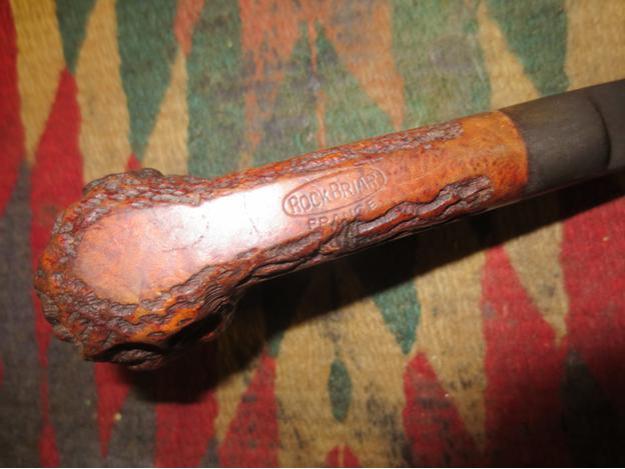
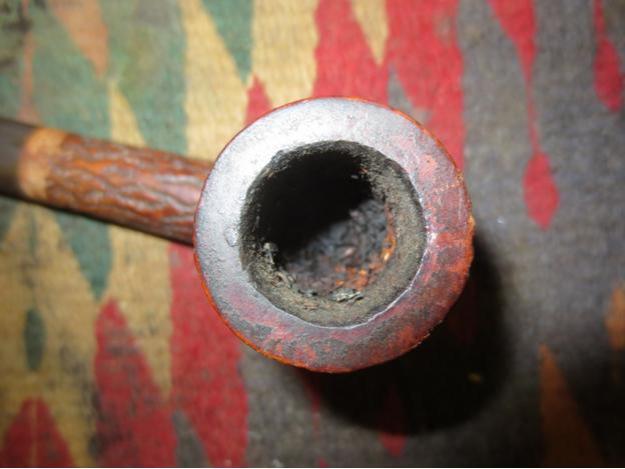
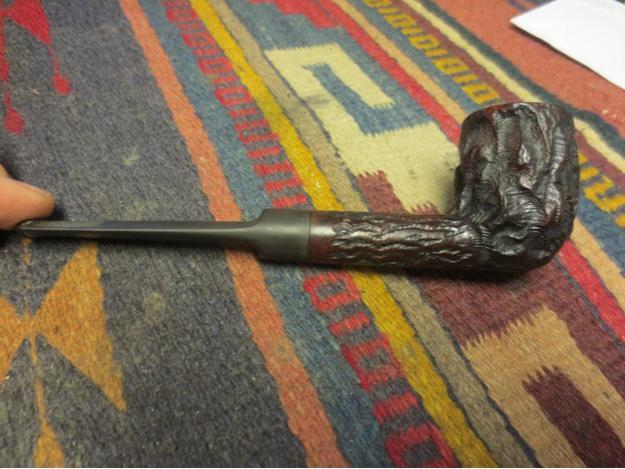
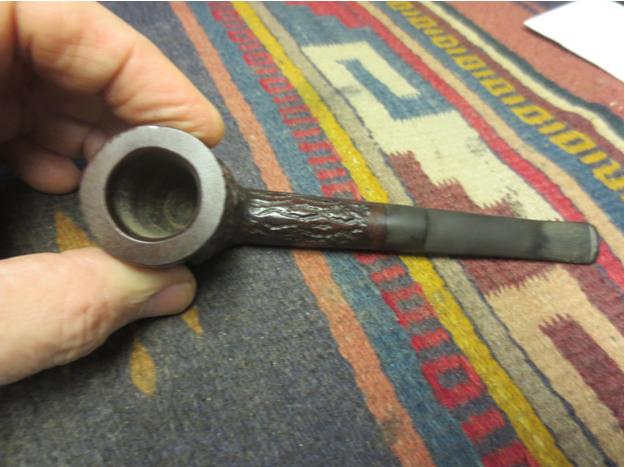
I found this old billiard for sale in an antique mall in Idaho Falls, Idaho. It was there when I visited in July and I bypassed it. It was still there this time so I made a deal with the seller and it came home with me. The bowl was dirty and had a cake and a bunch of tobacco debris and dust in the bottom. The rim had a buildup of tars and lava on the surface. The inner edge had some light damage and was slightly out of round. The finish was a rough rocklike rustication that was worn and dirty. There were white flecks and flecks of what looked like putty fills on the side of the bowl. There were several small sandpits in the bowl sides and on the bottom right side of the shank.RB1

RB2

RB3

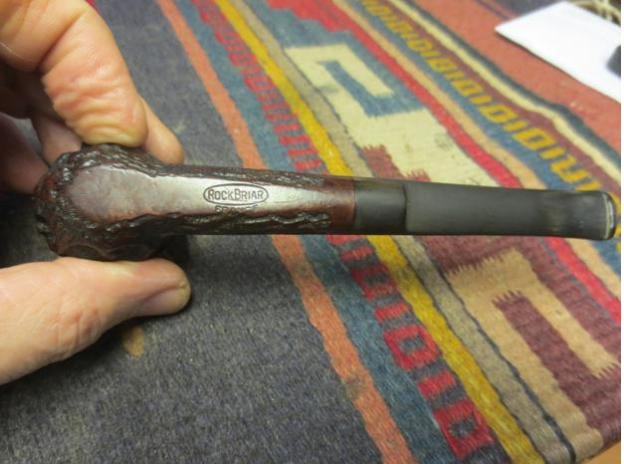
RB4 The stamping on the bowl was on a smooth flattened panel on the bottom of the bowl and shank. It bore the stamping Rock Briar in an oval and underneath France. I found out from Who Made That Pipe that the pipe was made for Mastercraft in France. From my research it doesn’t appear that Mastercraft ever manufactured pipes but rather bought them from multiple factories — mostly French and English. It survived briefly the post war recovery and then was acquired by Grabow.RB5 The next photo is a close-up picture of the rim and the debris in the bowl. The rim and bowl would take some work to clean out.RB6 I reamed the bowl with a PipNet pipe reamer and starting with the smallest cutting head worked my way up to one the same diameter as the bowl. I removed the cake and the clutter in the bottom of the bowl. I also used a pen knife to scrape out the small remnant of cake that the reamer did not take out.RB7

RB8 I scrubbed the bowl with a brass bristle whitewall tire brush to remove the buildup of grime and dust in the grooves of the rustication. Once the grime was loosened I put the bowl in an alcohol bath to soak while I went to work for the day.RB9

RB10 When I got home from work I took the bowl out of the bath and used the brass bristle brush on it once again. When I had finished brushing it I dried it off with a cotton cloth. The following photos show the bowl after the half day soak.RB11

RB12

RB13 I decided to lightly top the bowl to clean up the rim surface. I used a 220 grit topping board followed by a medium and a fine grit sanding sponge.RB14

RB15 I used a folded piece of 220 grit sandpaper to sand and bevel the inner rim. I wanted to minimize the inner edge damage.RB16

RB17 I scrubbed the bowl down with acetone on a cotton pad to remove the dust and remnants of the finish on the bowl and shank. I scrubbed out the shank, mortise and the bowl with alcohol, cotton swabs and pipe cleaners to remove the debris and dust.RB18

RB19

RB20 I decided to do a bit of contrast on the stain. I used a black Sharpie pen to colour in the grooves and rusticated patterns on the bowl and shank. Once I finished that they would add some depth to the colour that I stained the pipe.RB21

RB22 I stained the bowl with a dark brown aniline stain that I had thinned by half to give a bit of translucence to the colour on the bowl. I applied the stain and flamed the bowl to set the stain in the grain.RB23

RB24

RB25

RB26 I wiped the bowl down with isopropyl alcohol on a cotton pad to remove the stain from the high spots on the briar. I wanted a distinct contrast in colour between those and the grooves which I had coloured black.RB27

RB28 I buffed the bowl with red Tripoli and with White Diamond to remove some more of the colour from the high spots and polish them while leaving the grooves dark and unpolished.RB29

RB30

RB31

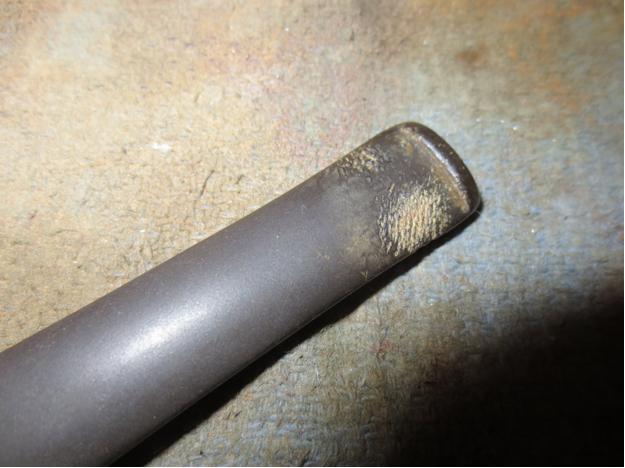
RB32 The stem was in decent shape with some tooth chatter and minor oxidation. I like the overall look and the rustication on the bowl. The stem and shank are long and straight and work well with this pipe.RB33

RB34 I sanded the stem with 220 grit sandpaper on both sides next to the button to remove the tooth chatter. I followed that by sanding it with a medium and fine grit sanding sponge.RB35

RB36 I worked on the stem with the micromesh sanding pads. I wet sanded with 1500-2400 grit pads and then rubbed the stem down with Obsidian Oil. I dry sanded with 3200-4000 grit pads, gave it another coat of oil and finished with the 6000-12000 grit pads. I gave it a final coat of Obsidian Oil and let it dry.RB37

RB38

RB39 I buffed the pipe with White Diamond and Blue Diamond and then gave it multiple coats of carnauba wax. I buffed it with a clean flannel buff and then hand buffed it with a microfibre cloth. The finished pipe is shown below. The unique finish intrigues me and the rustication feels great in the hand. Thanks for looking.RB40

RB41

RB42

RB43

RB44

RB45

GBD New Era Billiard Restoration


By Al Jones

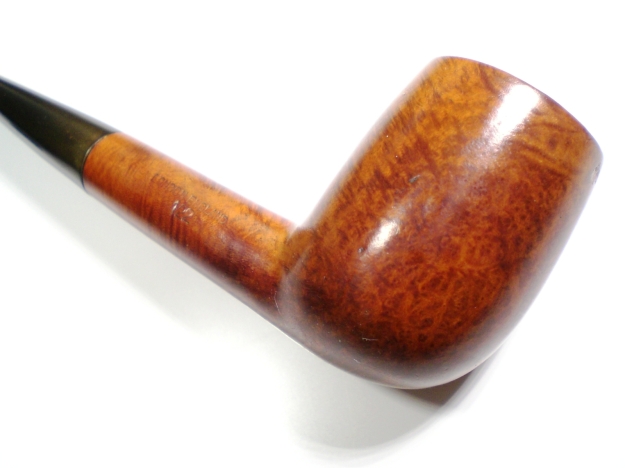
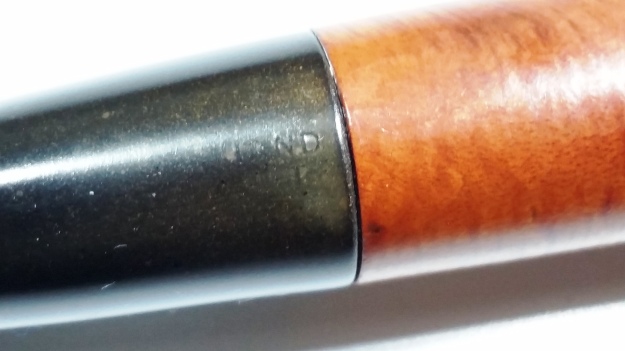
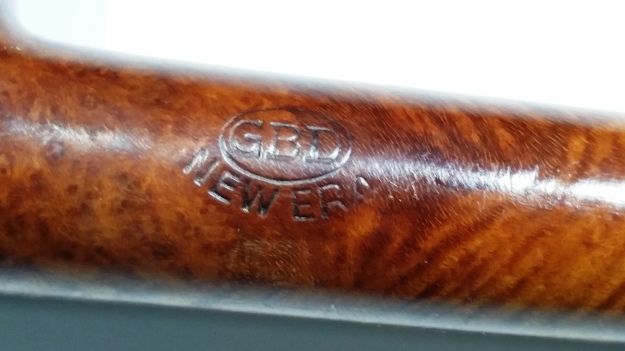
This GBD is a New Era grade, shape 122. While the classic billiard shape is not in my wheel house, two details on this pipe caught my eye. First, the New Era grade is a step up the GBD food chain and less common than the New Standard pipes. The second was a stamp on the stem. Thanks to the sellers good photos, I was able to make out the “Hand Cut” stamp on the stem, which is becoming increasingly rare. Typically, I’ve only seen the “Hand Cut” stamp on Virgin or Collector grade pipes.

In their 1973 catalog, GBD describes the New Era finish as:

“The beauty of this pipe’s perfect briar is accentuated by the richness of
the ‘take-off’ dual finish.”

The pipe looked in decent shape, with some build-up on the bowl top rim and some teeth marks on the stem.

GBD_New_Era_122_Before (1)

GBD_New_Era_122_Before (2)

GBD_New_Era_122_Before (3)

GBD_New_Era_122_Before (4)

GBD_New_Era_122_Before (5)

GBD_New_Era_122_Before (6)

There was only a very thin cake inside the bowl, which I reamed. The bowl was then soaked with 91% isopropyl alcohol and sea salt. I used a mild Oxy-clean solution and a worn piece of 8000 grade micromesh to remove the build-up on the bowl top. Under the build up was an unharmed, nicely grained, beveled bowl top.

The stem had some teeth marks, which I was able to raise slightly with a lighter flame. There was only had a mild layer of oxidation, which was removed starting with 800 grade wet paper, working thru 1500 and 2000 grades, then the 8000 and 12000 grade micromesh sheets. The stem was mounted and then buffed with white diamond and Meguiars Plastic Polish. One deeper tooth indention on the bottom of the stem bothered me, so I filled it with the black, Medium Stew-Mac Superglue product and accelerator (from Hobby Lobby). It was a shallow indention, and I was worried the repair might not work. Using a file and some 800 grade paper, I smoothed the glue fill and it blended in nicely with the rest of the stem.

GBD_New_Era_122_Finish (6)

GBD_New_Era_122_Finish(13)

There were several dents in the briar that I was able to minimize. I used a wet cloth and an iron set on high, using the steam to lift the dents. The bowl was then buffed with White Diamond and several coats of Carnuba Wax. Below is the finished pipe. The original intent was to clean this one up and resell it, but the pipe has such a nice feel, I’m tempted to hang onto this one. If I ever take a shine to the straight tapered-stem billiard, I have a feeling that I would regret letting this one go.

GBD_New_Era_122_Finish (1)

GBD_New_Era_122_Finish (2)

GBD_New_Era_122_Finish (3)

GBD_New_Era_122_Finish (4)

GBD_New_Era_122_Finish (5)

GBD_New_Era_122_Finish (7)

GBD_New_Era_122_Finish (8)

?

?

?

?

?

?

GBD_New_Era_122_Finish (1)

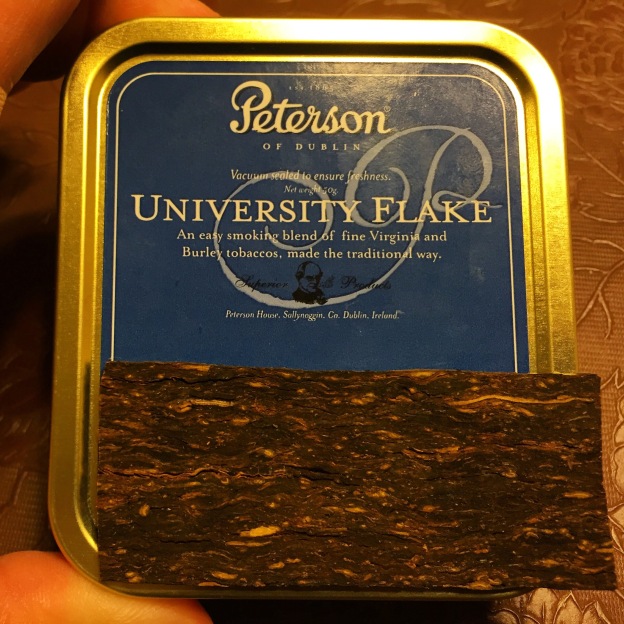
Peterson University Flake: a lesson in subjectivity


Just after the first of the year a new tobacconist opened in my area. Though they are primarily a cigar store, the last few months they’ve started really delving into pipes and pipe tobacco, giving me a new choice to shop locally; they are about 20 minutes away so it’s not very often I get […]

http://smokingjacketmagazine.com/2015/11/11/peterson-university-flake-a-lesson-in-subjectivity/

Reworking a Burned Rim on a Savinelli Oscar Lucite Prince


Blog by Steve Laug

My brother bought me a beautiful little Savinelli Prince when I was visiting. It is stamped Oscar Lucite on the left side of the shank and has the Savinelli shield and shape 313 over Italy on the right side of the shank. On the underside it is stamped Savinelli Product. The stem bears the embossed shooting star logo that is a familiar mark on the Oscar line. We had looked at it several hours earlier and I had passed on it because of the rim damage. I just did not feel like dealing with that as I looked at it and I felt the seller was asking too much for the condition it was in. But throughout the day it nagged at me and I kept thinking I should take another look at it and make an offer just to see if I could get the price down.Prince1

Prince2 So we went back late in the afternoon and I picked up a few other pipes there and my brother got the shopkeeper to take the pipe out of the case so we could look at it again. I examined it and could see that not only the top of the rim was damaged but the inner edge had significant damage from the burn. It seemed that the previous owner had not smoked the pipe much as it was in great shape other than that damage. The bowl was not even caked or darkened from mid bowl to the bottom. I removed the stem and checked out the mortise to see what it looked like. It was actually very clean. I examined the airway and slot in the stem to see what they looked like in terms of use. The stem was in great shape with no tooth marks or damage. All those things made me wonder if he used a torch lighter, fired it up once or twice – just enough to char the rim and damage it and then decided that either this particular pipe or pipes in general were not his cup of tea. Either way the pipe was in decent shape except for the burn on the back right side of the rim.Prince3

Prince4 I put it back but my brother said he would buy it for me so it came back to Canada with me. I have been home for over a week now and have cleaned up several of the pipes that came back with me. I picked the Savinelli up several times over the weeks and always put it back as I just did not feel any push to work on it. On Sunday I talked with my brother on Face Time and he asked if I had worked on it yet. I said no but it would be next on the agenda so last evening I took it from the box of refurbs to deal with it. I sat at the work table for a while examining it and looking at how deep the burn mark went into the briar. It was deep but I knew that topping it could remove much of the rim damage on the surface. I was concerned about the inner edge of the rim and wondering how I could bring that edge back into round with the rest of the bowl. I scraped out the bowl with a pen knife to remove the tobacco debris from the surface and then removed the stem to prepare it for topping.Prince5 To begin with I used a worn piece of 220 grit sandpaper to work on the rim. I faced it into the sandpaper and turned it until I removed a lot of the surface damage. I continued to work it until the sandpaper did not remove any more. I then changed the topping paper for a new piece of 220 grit sandpaper to finish the process. I sanded it until the surface was smooth and the slope of the burn from the surface to the inside of the bowl was minimized. I should have measured how much material I removed from the surface but I just kept sanding until most of the burn mark was gone. I am still surprised that it did not change the shape dramatically – such is the mercy that the burned rim was on a prince.Prince6 I sanded the rim with a medium and a fine grit sanding sponge and then with micromesh sanding pads using 1500-4000 grit pads to remove the scratch marks left behind by the sandpaper. Once the rim was smooth I stained the rim with a light brown stain touch up pen and blended it to match the colour of the rest of the bowl. I buffed it with red Tripoli and then White Diamond to smooth it out.Prince7 I then folded a piece of 220 grit sandpaper and worked on the inner edge of the rim. I wanted to bevel like it had been originally. A gentle slope on the rim toward the bowl would work to hide the burned edge and bring the rim into round once again. I sanded it with the sand paper at the same angle the entire way around the bowl edge. I repeated the circuit around the bowl repeatedly to keep the angle consistent the entire circumference of the inner edge. I sanded it until it was canted to the angle that had originally been present on the bowl.Prince8 Once the sanding was done I used a dark brown stain touch up pen to darken the bevel on the rim. I figured that by darkening the entire bevel I could mask the effect of the burn mark. I cleaned out the shank and the inside of the bowl with alcohol and cotton swabs to remove the debris and to blend the darkening of the bowl with the dark brown stain of the rim. I wanted the transition between the rim edge and the dark of the bowl to flow together.Prince9

Prince10

Prince11 I restained the rim with a light brown stain and then buffed the bowl. I gave it a light coat of olive oil and then buffed it with carnauba wax. The repaired rim is shown after all of the polishing and buffing in the next photos. The darkening of the bevel on the rim does a pretty decent job hiding the burn mark.Prince12

Prince13

Prince14 I cleaned up the stem with cotton swabs, pipe cleaners and alcohol to sanitize and refresh it. I used the micromesh sanding pads – wet sanding with 1500-2400 grit and dry sanding with 3200-12000 grit pads. I buffed the stem with Blue Diamond on the wheel to raise a final shine. I gave the bowl and stem several coats of carnauba wax and buffed them with a clean flannel buff. I finished by hand buffing the pipe with a microfibre cloth. The finished pipe is shown in the photos below. I was able to minimize the burn mark and its effects on the rim top and edge. The pipe looks great and is ready for a real pipeman to take care of it and enjoy it.Prince15

Prince16

Prince17

Prince18