Robert M. Boughton
Member, International Society of Codgers
Member, North American Society of Pipe Collectors
Member, Facebook Gentlemen’s Pipe Smoking Society
https://www.facebook.com/roadrunnerpipes/
http://about.me/boughtonrobert
Photos © the Author except as noted
Pipe: a primary masculine symbol with authoritarian overtones but also indicative of reliability and contentment.
— The Dictionary of Visual Language, 1980, by Philip Thompson and Peter Davenport
INTRODUCTION
Never before or since has a definition been more right in both parts yet presupposed in the one as that stated above. Nobody who enjoys and defends the pleasures derived from placing tobaccos into instruments known as pipes, igniting the leafy concoctions and drawing the resulting flavorful smoke into the mouth to taste, contemplate and above all savor, in most cases without inhaling, would deny the latter point. But the former – which should be noted uses the strict adjective primary, meaning before all else in importance, rather than the more lenient adverb primarily, or for the most part – affirms the societal perception that no normal woman should want to partake of the same practice. After all, why on God’s green earth would any decent _________ (insert little lady, gal, chick, babe, bird, girl, lass or whatever term comes to mind and makes most women grit their teeth) want to trespass on what might be the last bastion of manly domination on the planet?
The source of the definition – printed once in hardback and then again, in 1983, in softcover, both times by British publishers – is an excellent collection of iconic symbols assembled with scientific soundness. Its authors called it “The Dictionary of Graphic Clichés,” a far more apt title than that which they were compelled to choose by the original publisher, under the false notion that the book should have a more agreeable name. This decision may very well be the reason the astute study has been out of print for 33 years. Nevertheless, used hardbacks still start at $469 and paperbacks at $96 on Amazon, suggesting a work of genuine and lasting significance. But the likelihood of many takers at those prices is more doubtful than that the book would still be generating far more royalties if it continued to be available in general circulation at a reasonable cost to the average consumer.
The truth is th at many more women than may ever be known are as devoted to pipes and the blissful indulgence of those wonderful devices’ every facet: the astonishing variety of makers, shapes, styles, materials and sizes; the like availability of diverse tobaccos for every taste, and tobacciana. Women are just as prone as men to the same acquisition compulsion in these categories. Female artisans craft pipes, for their own use or sale. The owner of my favorite local tobacconist is a woman. Clubs and other associations exclusive to females devoted to the overall shared and altogether personal experience of pipes can be found in every corner of the world.
Indeed, searching online for this last aspect of pipe equality yields the greatest proof of the ubiquitous presence of female connoisseurs, who seem to avoid the male-dominated and likewise -biased haunts of the mainstream pipe establishment, and for good reason. Only one woman is a member of my pipe club. I know of but a single woman on the membership roster of the Smokers Forums UK, although old-timers recall in a vague way a past when there were “some more.” And Jeff Knoll of the North American Society of Pipe Collectors reported, as I recall, that of the 1000+ members of the NASPC, only 10 are not men. That’s about one percent, a woeful ratio.
I embarked upon my seven-part series of blogs last May 4. My specific intentions were two-fold: to reveal and give recognition to the far greater number of women pipe smokers than is acknowledged by most of those who are, and no one disputes in all probability will remain, in the majority, and to promote acceptance of the formidable minority. My more general desires were to foster an exploration and discussion of the contributions women make to the relaxing activity/hobby; to open a dialog between the segregated camps. A side story that crossed my perhaps naïve mind was the idea of discovering possible differences in approach to pipes between their male and female devotees that might be of interest to all involved in the activity that is, after all, a love affair of sorts. With one installment after this left before the series is complete, I believe I have gone still further than I expected but hope to wrap up some loose pieces before the end, whether most of my readers, or lack thereof, like it or not.
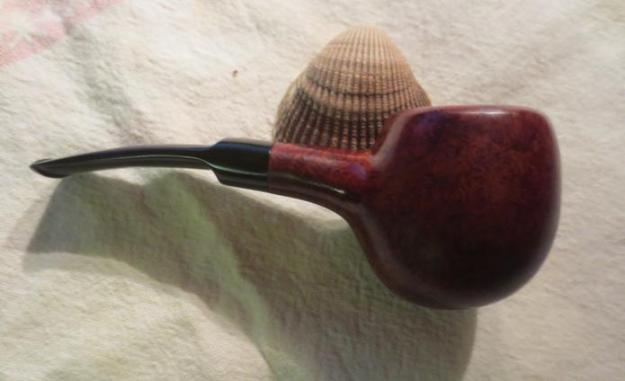
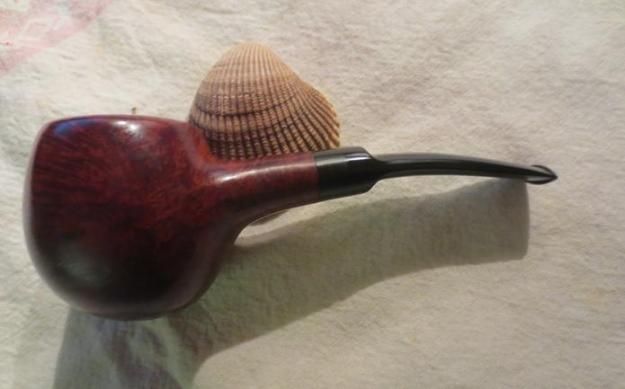
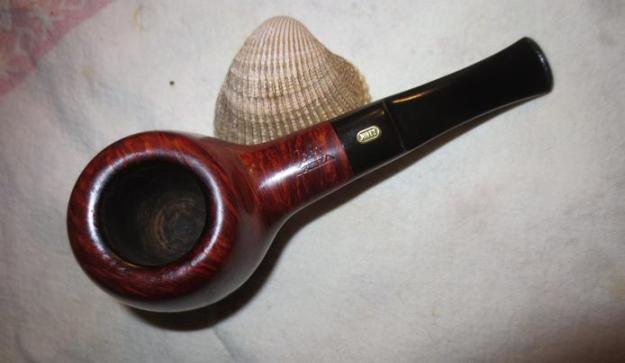
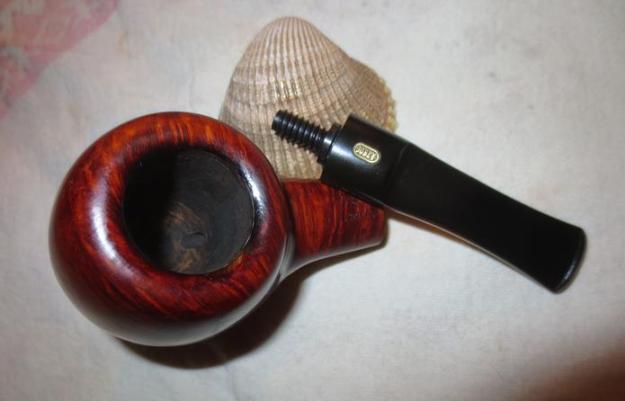
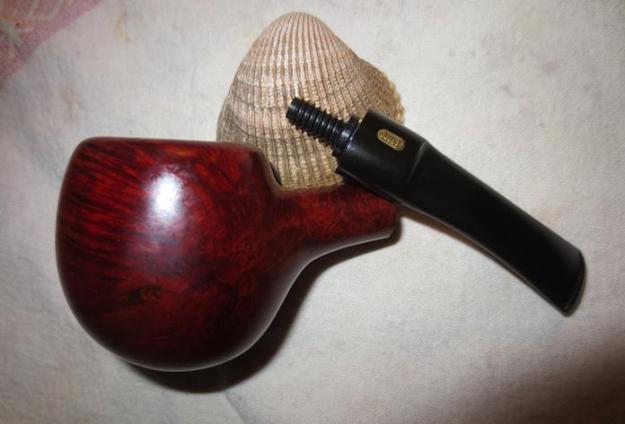
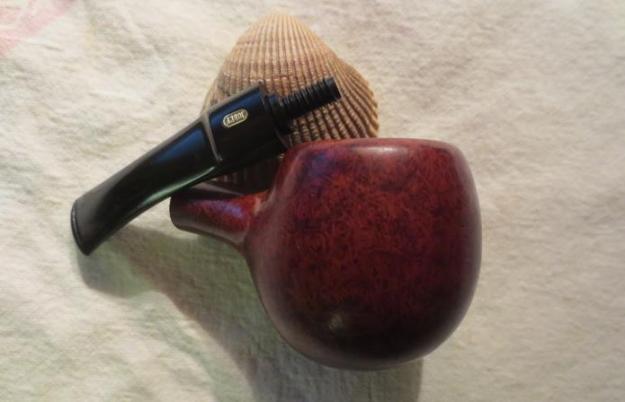
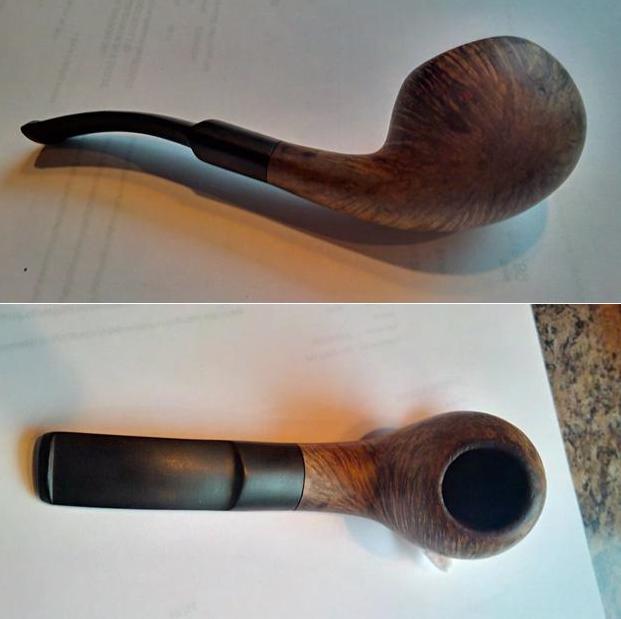
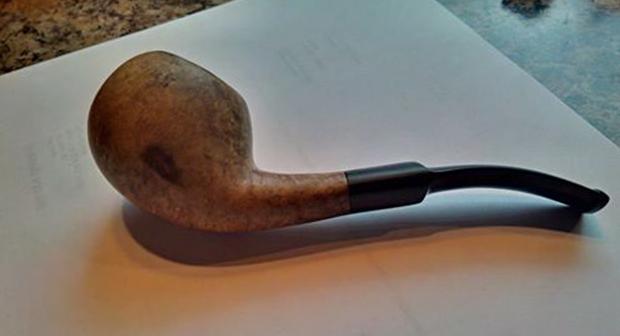
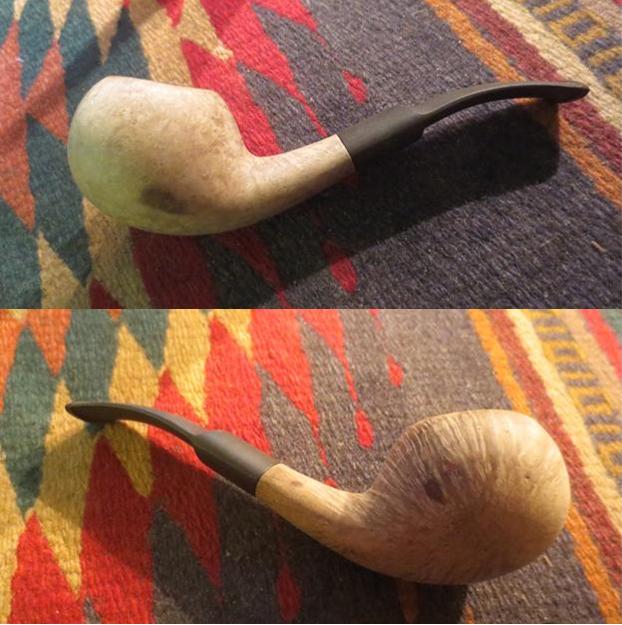
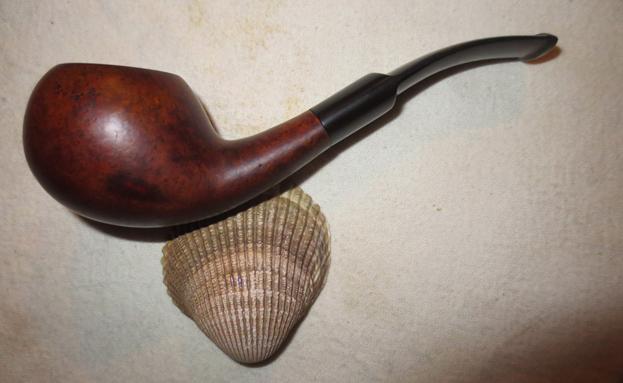
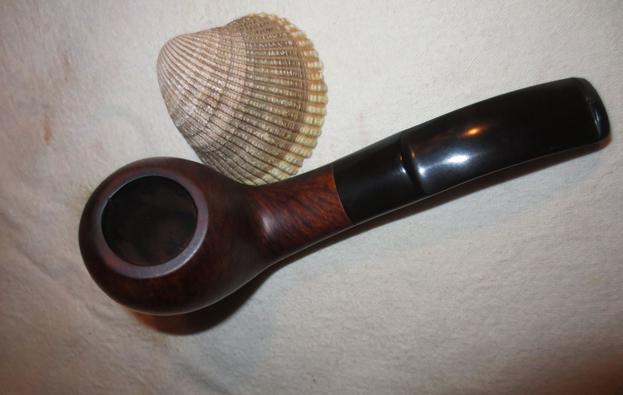
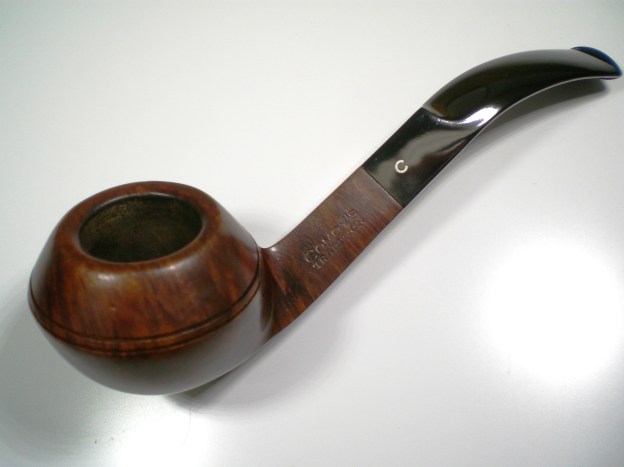
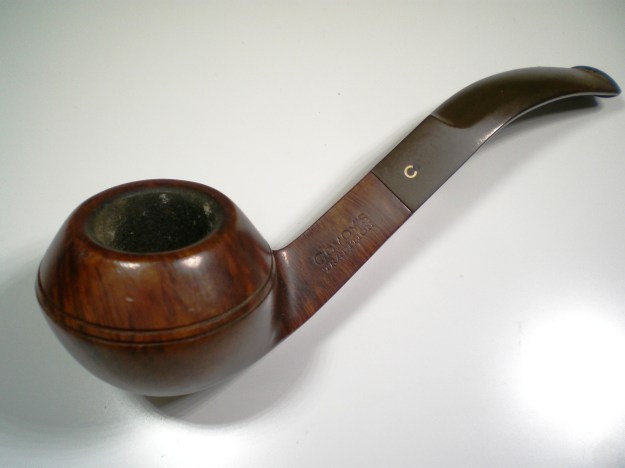
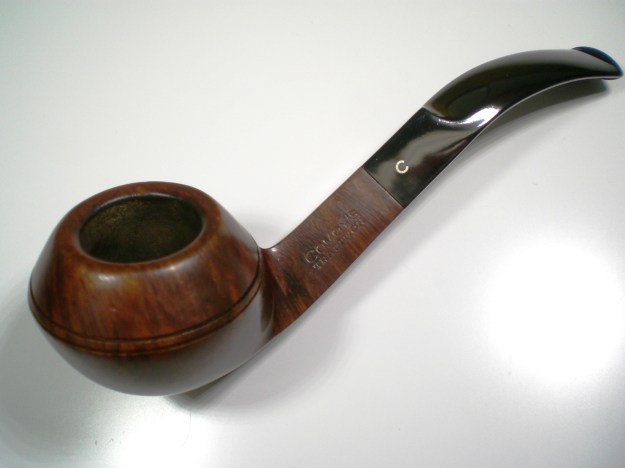
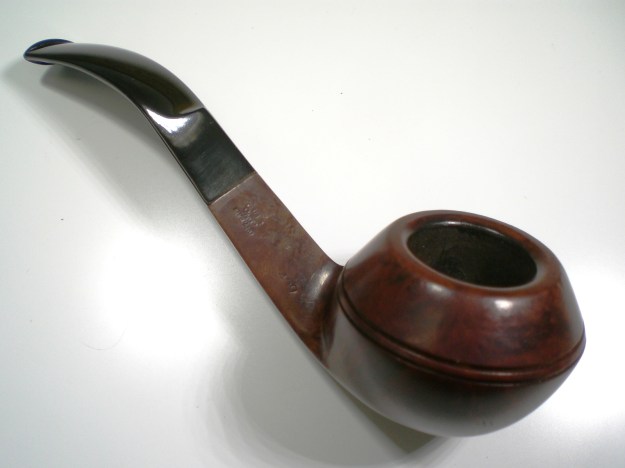
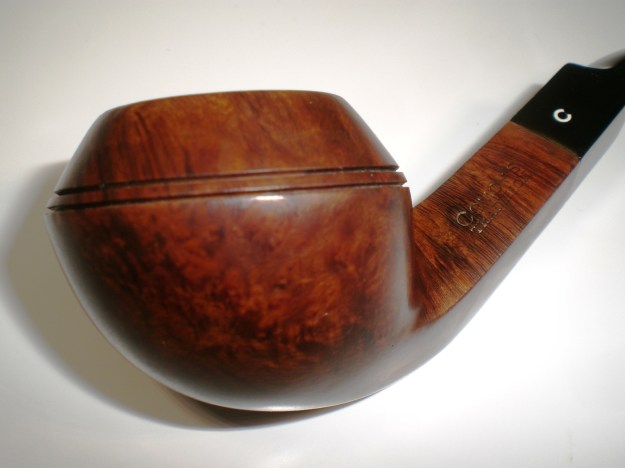
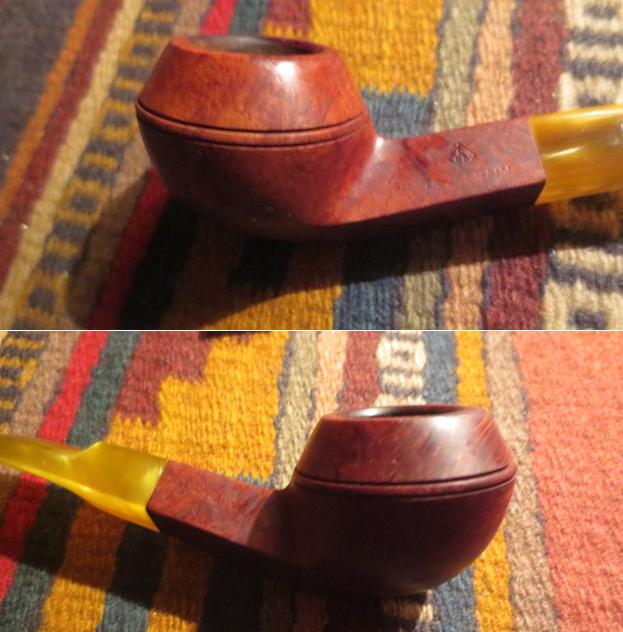
The sixth installment will show the refurbishing of a small Albertson easy bent sandblasted brandy from Belgium. Hard information on the Albertson line is difficult to come by to an inordinate degree. Through an incredible stroke of good fortune, I happened upon a font of factual information on the pipe’s real origin. First I had to navigate past Pipephil and Pipedia, whose sketchy claims proved to have little substance and were parroted throughout the cyber world.
Pipephil describes Albertson as a brand “made at Hilson’s Factory,” then in the Hilson description refers readers to Albertson as a second. About Hilson, Pipephil’s entry is muddled but notes its genesis was in 1846, when a German pipe crafter named Jean Knödgen started producing clay pipes in the town of Bree, Belgium. As it turns out, that limited intel is about all that is accurate. Jean Hillen, Knödgen’s son-in-law, bought and ran the business until his two sons took over. After World War II, when briar was scarce, Albert Hillen, the brother in charge of production, created Hilson (a combination of Hillen and son). Although I anticipate the exact time period in which Albertson pipes were made, from the one person who would know beyond a doubt, I do not expect it to arrive any time soon. I suspected its name also was formed from a combination, of Albert and son, and later confirmed the guess. With the Hilson brand, Hillen became independent of other countries, taking full control of pipe production.
Here’s the scoop, based upon the singular knowledge and much appreciated contribution of Arno van Goor, a Dutch pipe smoker and historian.** The patriarch of the family-run pipe giant known today as E. Gubbels B.V., Johannes Henricus Gubbels, began in 1870 with a modest mercantile business in Roermond, a town in the southeastern area of the Netherlands. Gubbels’ first products were diverse and included umbrellas, walking canes, toys and smoking accessories. Knödgen was one of Gubbels’ suppliers of the last category.
Johannes Gubbels died in 1911, and his second wife carried on the business until 1924, when their two children, Antonia and Elbert, established A&H Gubbels, a wholesale trader specializing in pipe accessories. After World War II, as the sole owner of the family business and because of the scarcity of supplies as well as the impossibility of importing them, Elbert did as Hillen had before him, going independent in every respect.
With the informal name EGRO (for Elbert Gubbels Roermond), Gubbels had no brand name. Then, in 1956, when Gubbels bought De Rijk & Zonen of Amsterdam – a small company that was floundering – Gubbels not only acquired a brand but more machines than the two he had and more employees than the three. But the most significant changes were his decision to convert from a wholesale to an export business with a very popular brand of pipes at the time, known as Big Ben. The Big Ben pipes had been made in England and sold by De Rijk, and Gubbels began producing them as his own brand. The result was an exponential increase of sales in Europe, the USA and Canada.
At the same time, Hillen’s Hilson brand faced severe financial problems despite its high reputation and value as far as the cost to consumers was concerned. When Gubbels bought Hilson, he was able to move into a bigger factory. To the Hilson and Big Ben lines was added a very small nose-burner called the Pipo, designed by one of Elbert’s two sons named Alfons who was then in charge of production. The Pipo, although an unknown style of pipe at the time, was highly successful and sold worldwide. By 1972, Queen Juliana of the Netherlands bestowed upon Gubbels the honored title “Royal,” and the house of Gubbels became Elbert Gubbels en Zonen – Koninklijke Fabriek van Tabakspijpen (Elbert Gubbels and Sons – Royal Dutch Pipe Factory).
After increasing its production and sales at a steady rate through the 1970s, the demand for the “luxury items” fell, and so did Gubbels’ Royal Dutch Pipe Factory (RDPF) as investors backed out. One of the biggest misconceptions online and elsewhere is that Gubbels and the RDPF were separate entities. On March 3, 2012, De Limburger daily newspaper in Maastricht, Netherlands reported the bankruptcy of that name, and the “news” that the last pipe-maker in the Netherlands was out of business echoed on pipesmagazine.com, and thence round the world.
It seems the rumors of the death of the venerable pipe-maker were greatly exaggerated. Yes, the Gubbels-RDPF name was gone, but the family persevered with capital of its own, reducing the company staff from 28 to 20 employees. Today, and not just according to the masthead of the History page of its own website, “E. Gubbels B.V. in the Netherlands, established in 1870, is a globally acclaimed and leading manufacturer of fully hand-made briar-root tobacco pipes.”
RESTORATION
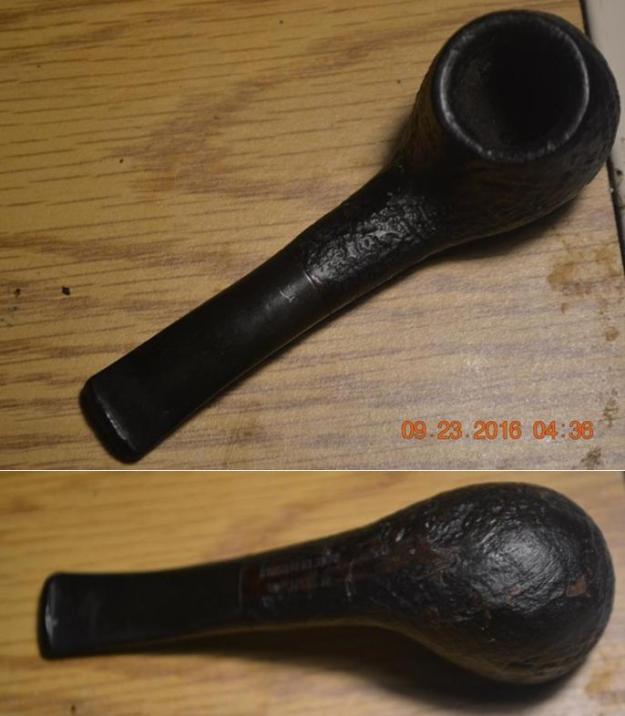
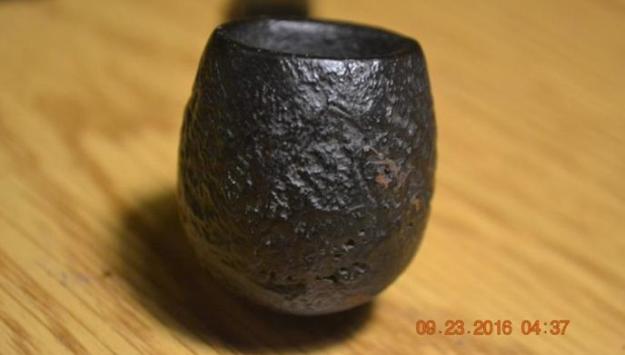
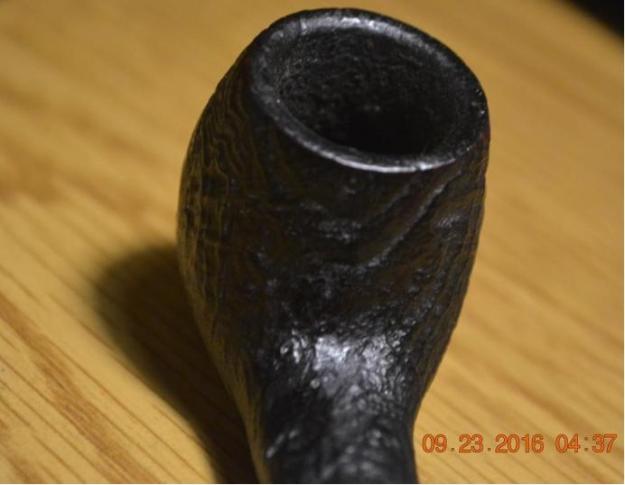
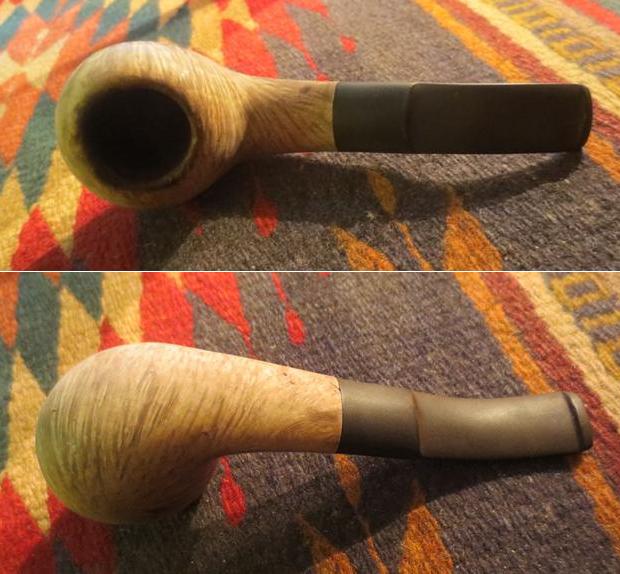
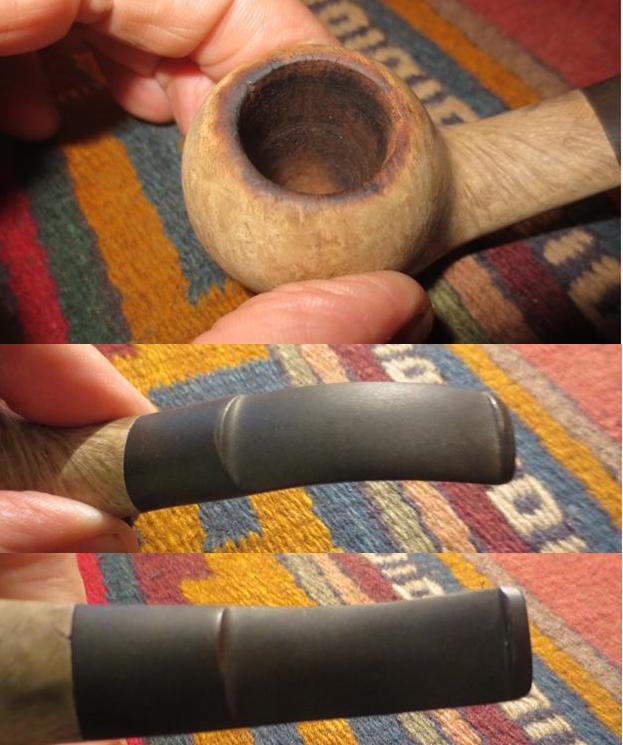
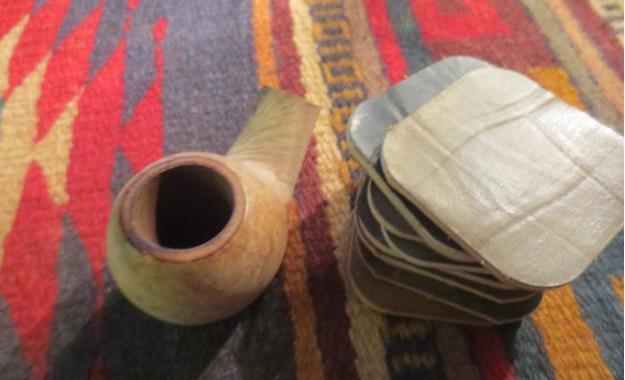
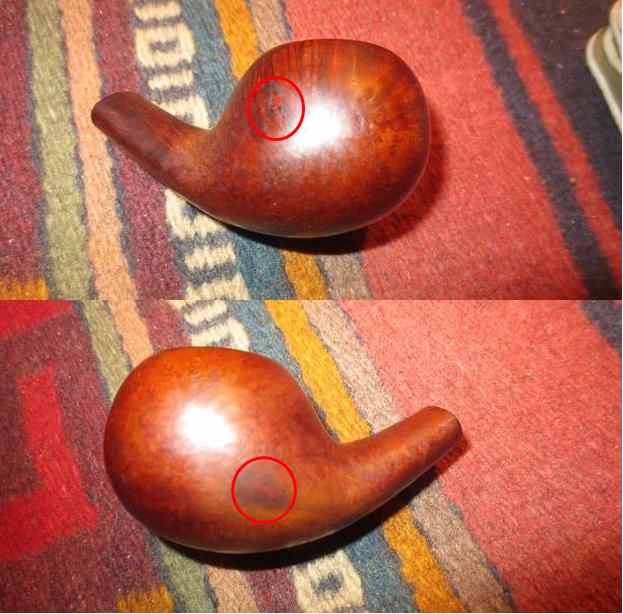
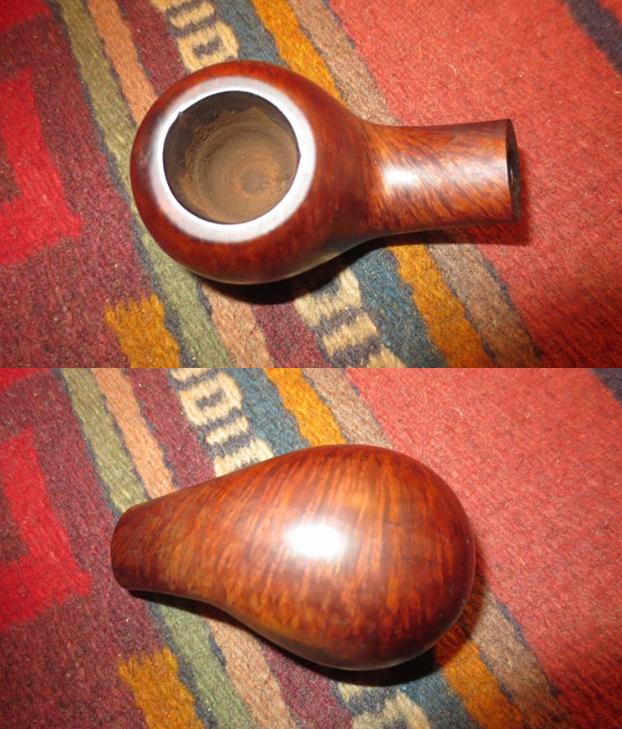
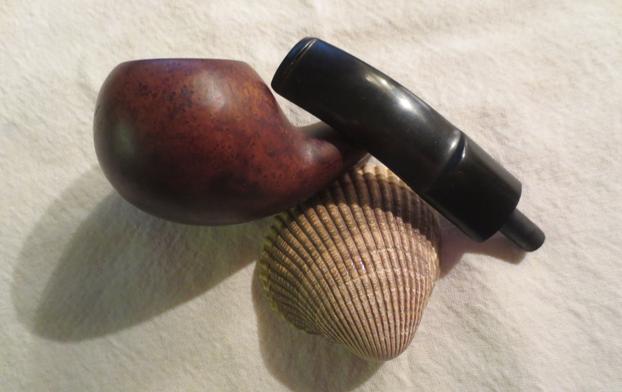
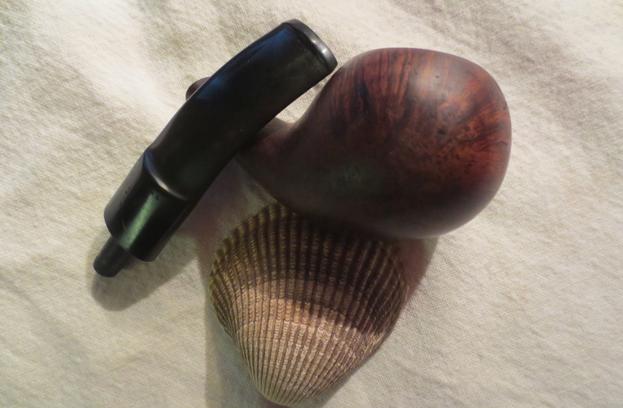
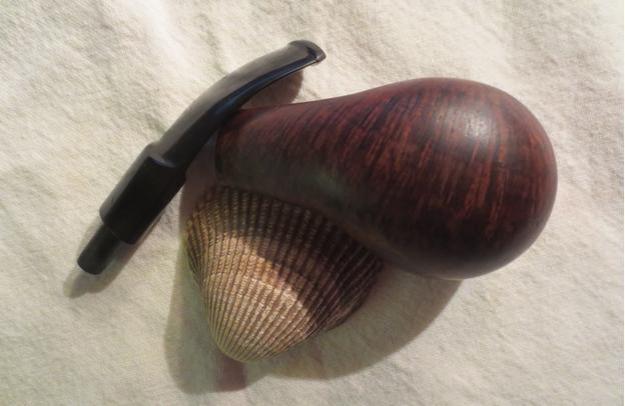
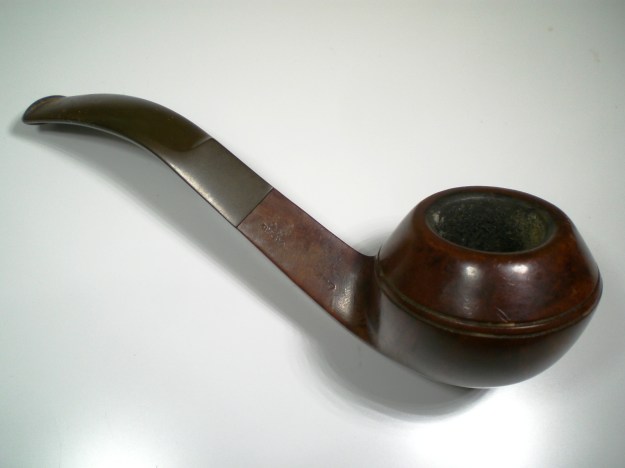
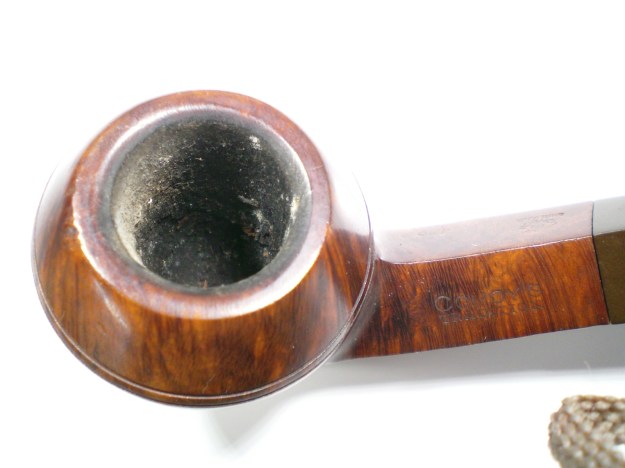
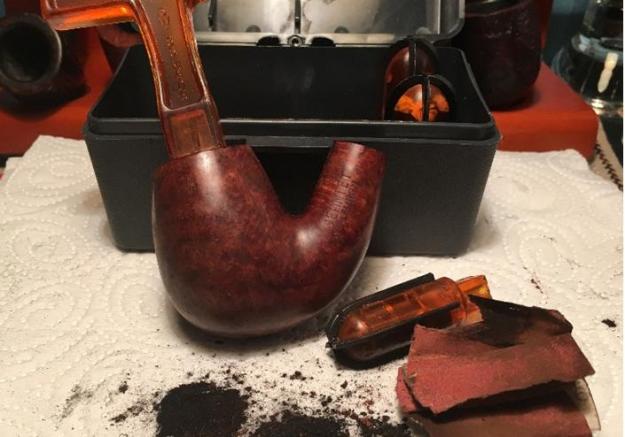
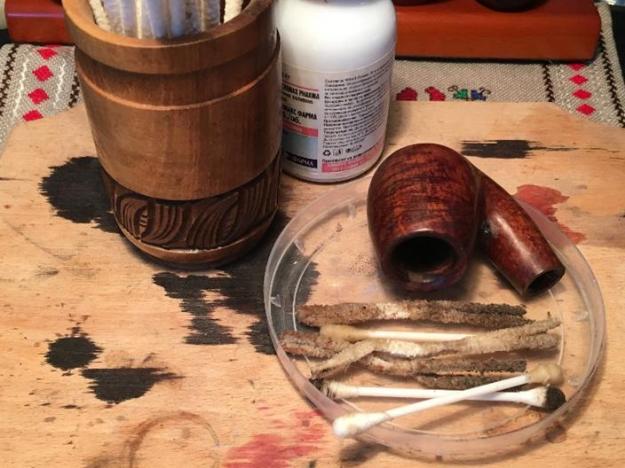
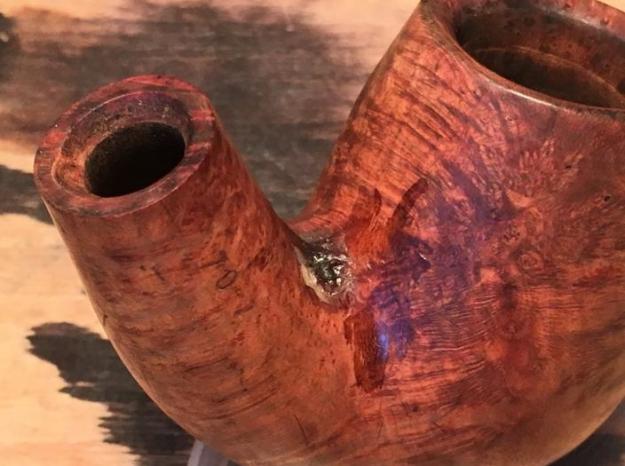
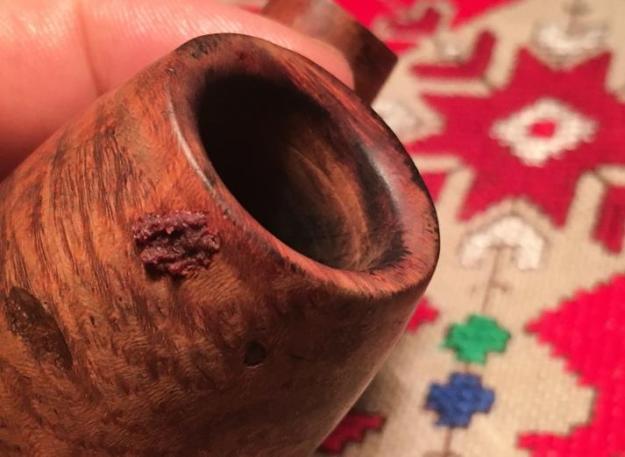
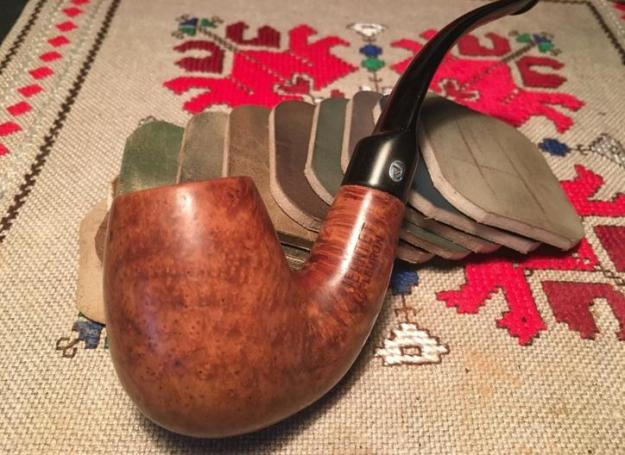
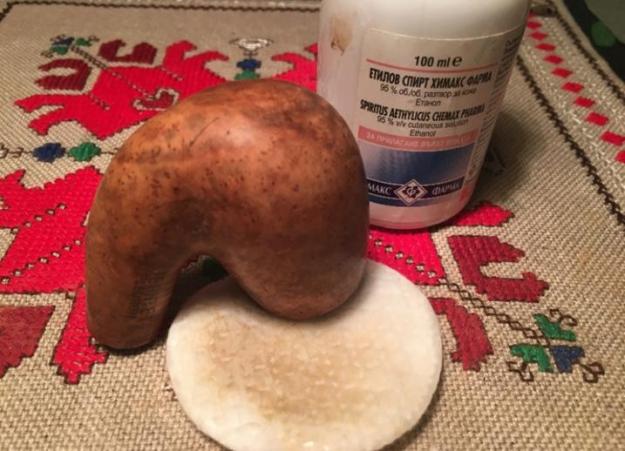
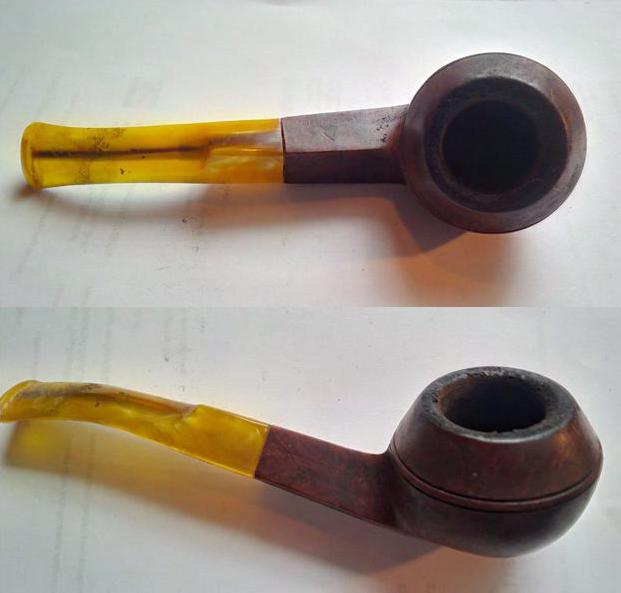
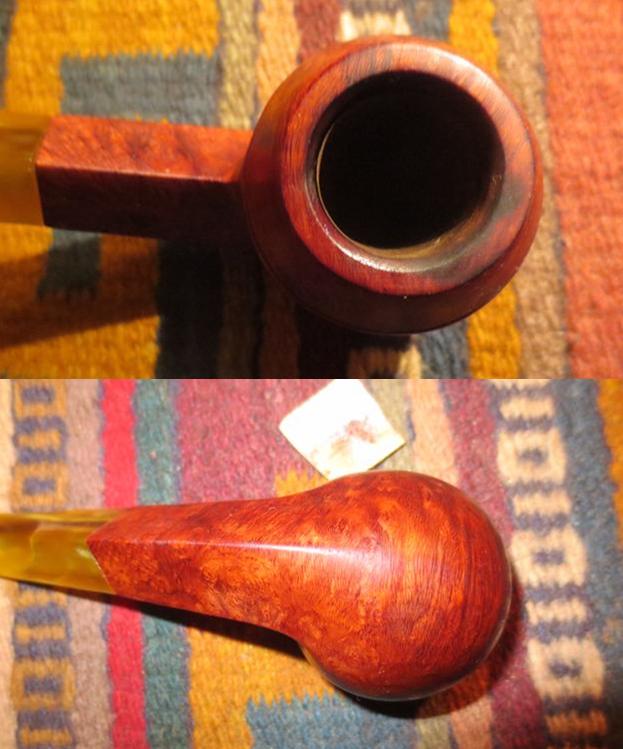
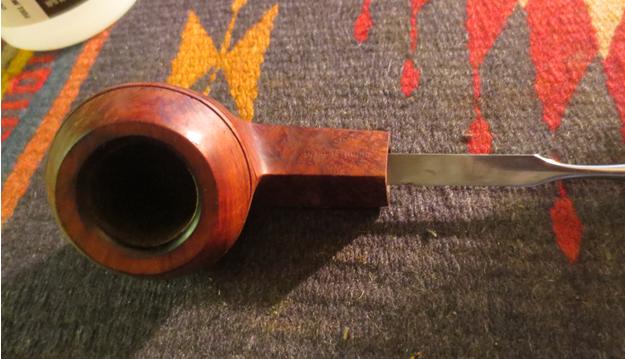
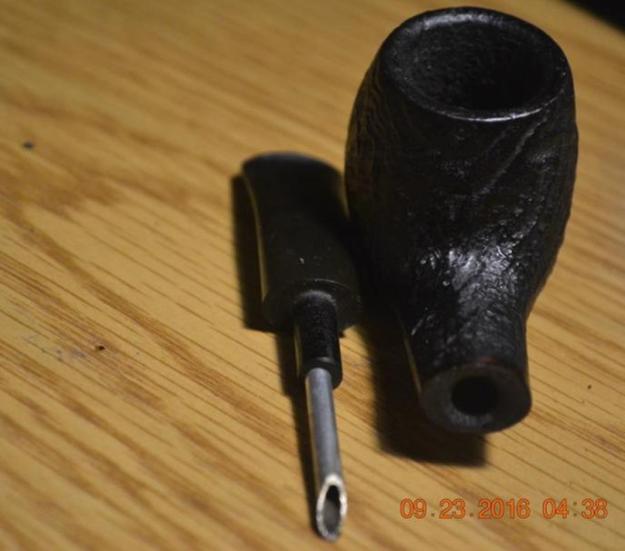 The little brandy could have been touched up and cleaned much faster if I had felt like leaving well enough alone. Of course, I did not. A close look at the photos above shows two minor scrapes, one on the middle front of the bowl and the other near the bottom, that cut to the wood and gave me an idea. The refurbish therefore began with a long soak, about five hours, in Everclear. I have some black sandblast and rustic pipes that I love the way they are, but for the most part, in restoring at least, I prefer to end up with some of the natural rusty color of the briar showing, but not because of dings and whatnot.
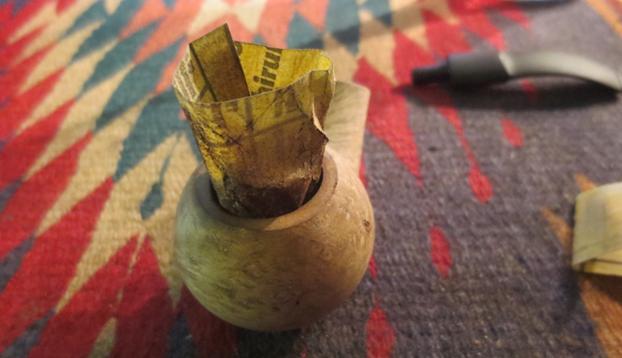
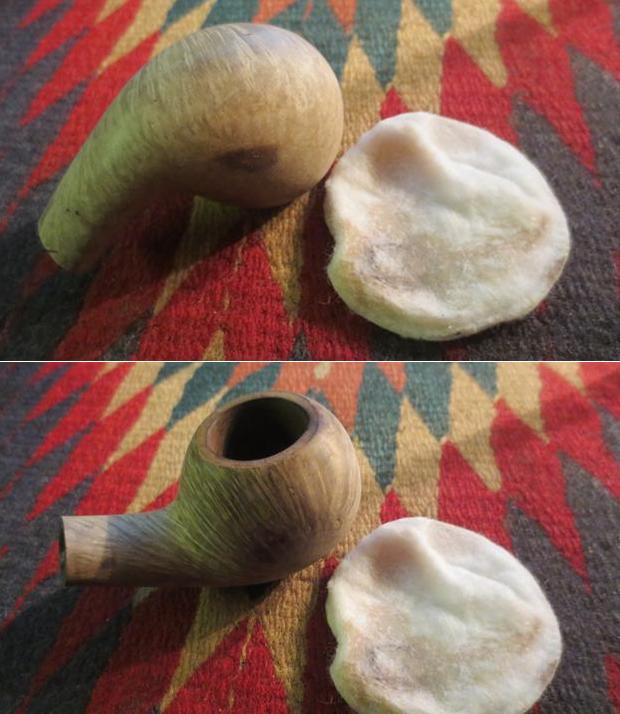
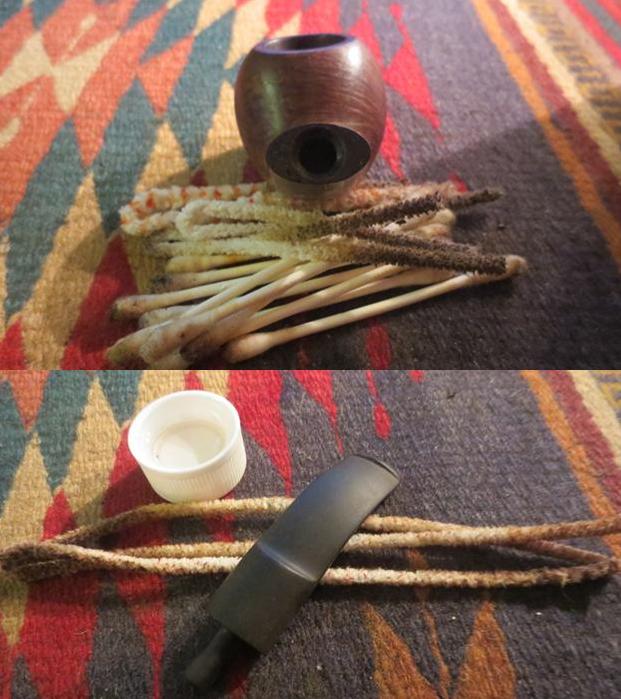
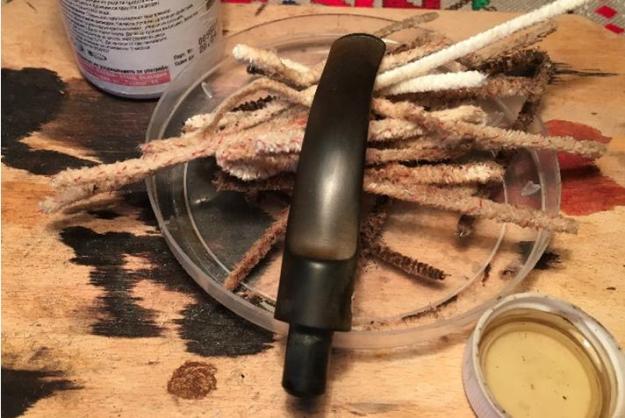
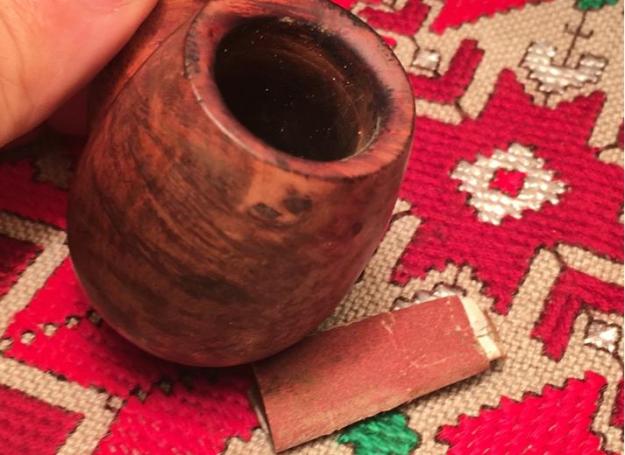
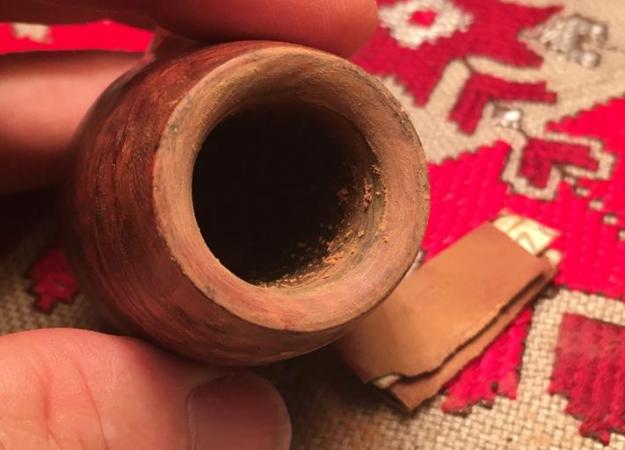
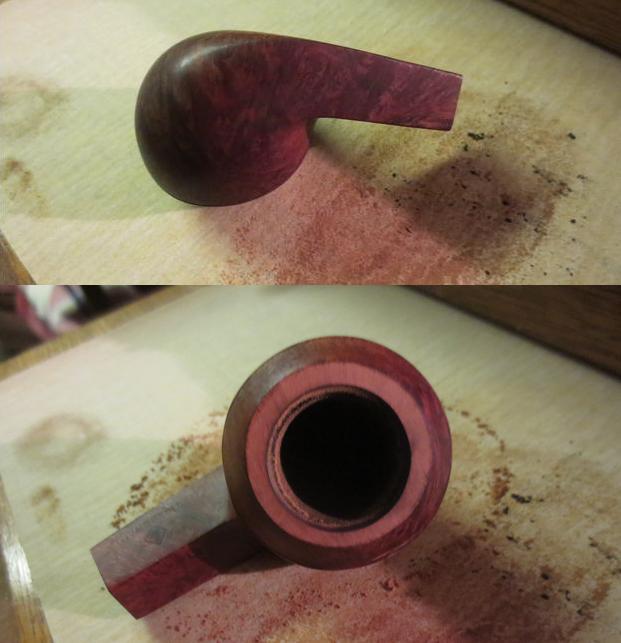
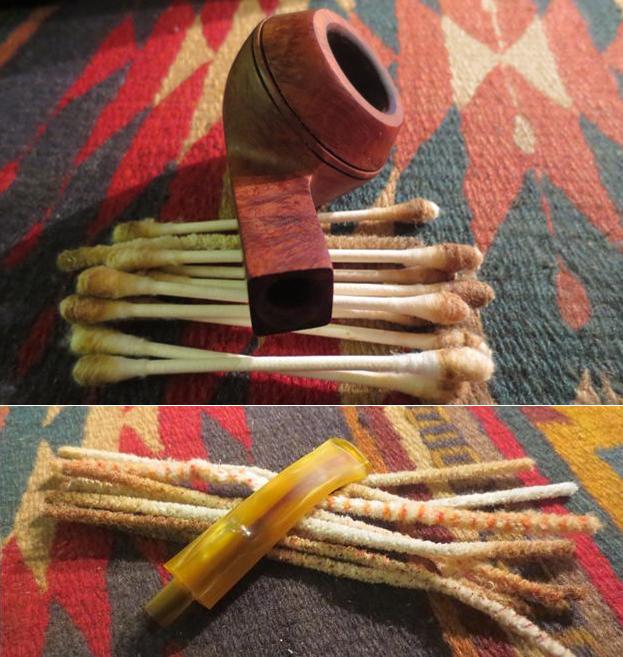
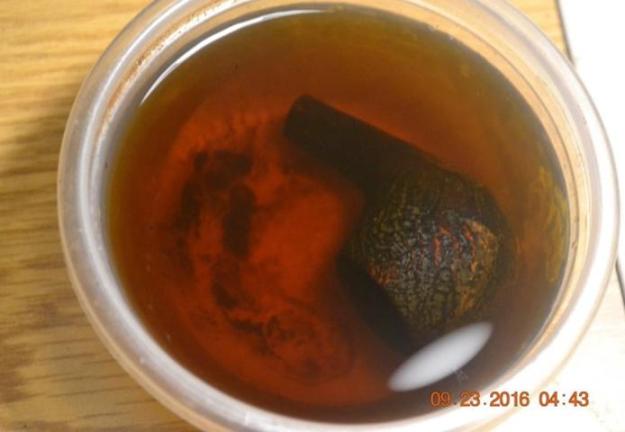 When the initial stripping was finished, I was not surprised to see much of the black stain still holding tight. I rubbed off the alcohol and some more of the blackness with some small cotton gun cleaner squares and swabbed the chamber with more, then went at the surface of the stummel with 150- and 220-grit sandpaper. While I was at it, I ran an alcohol-soaked cleaner through the bit, which shows how well-used was the dainty pipe. Even after that, a second Everclear soak was in order.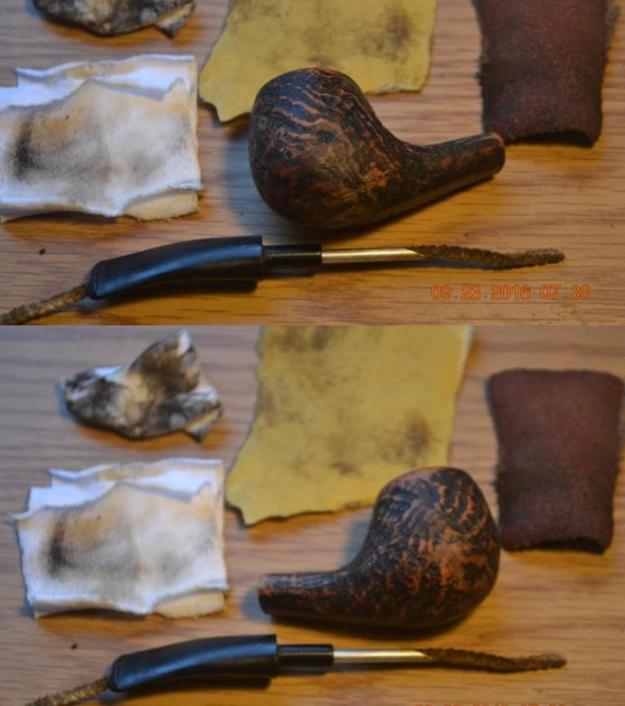
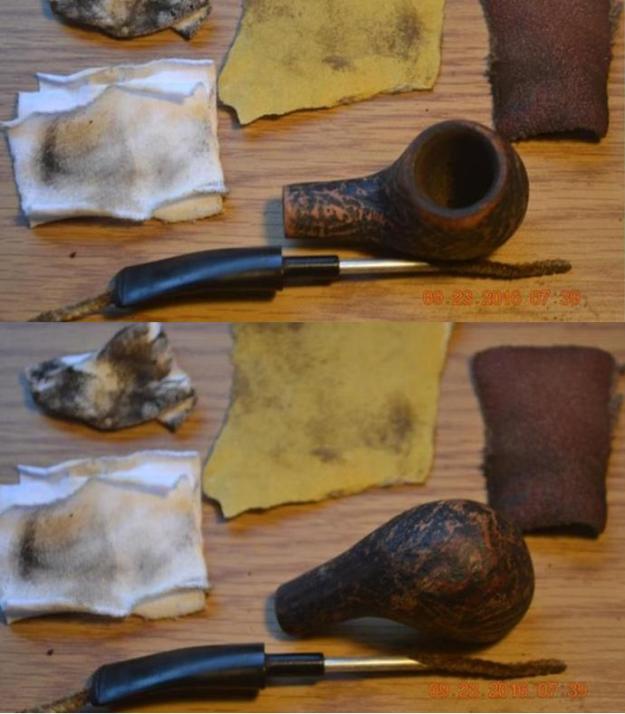
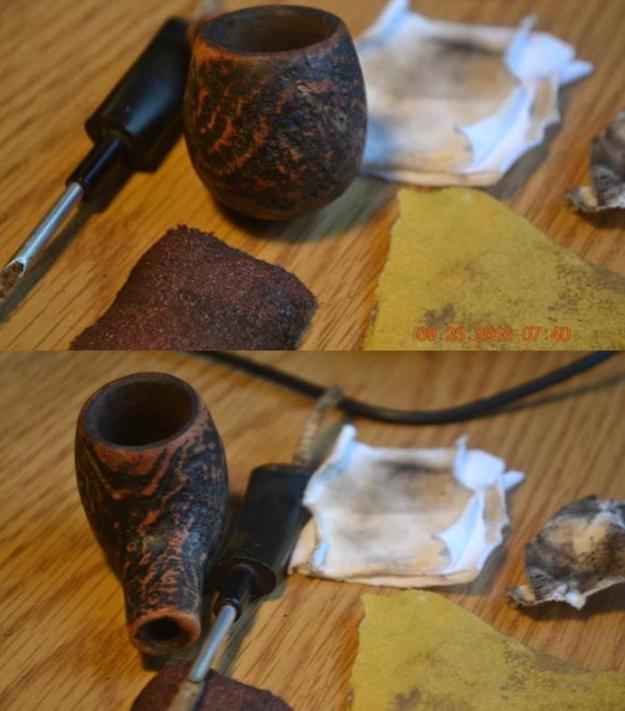
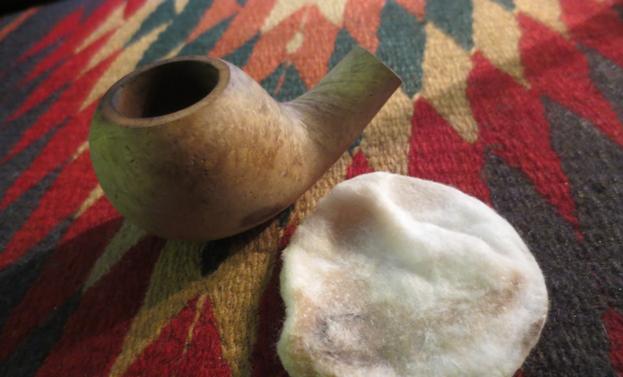
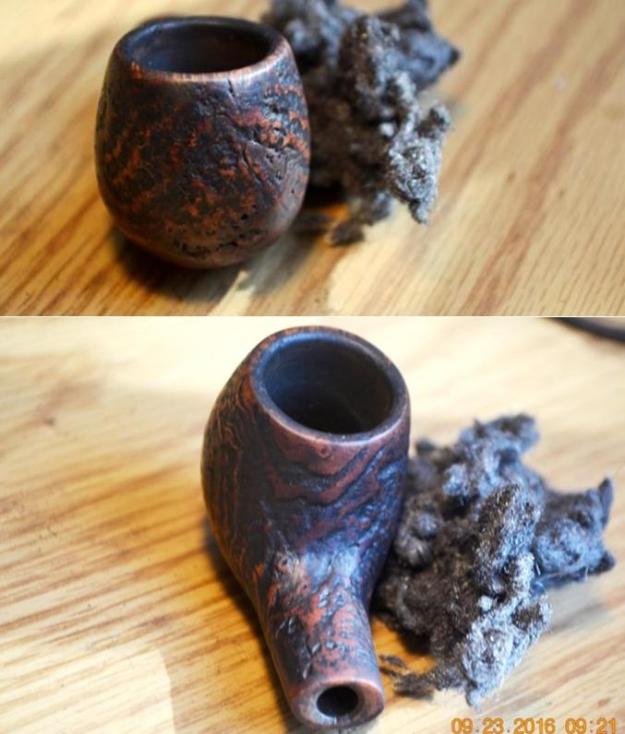
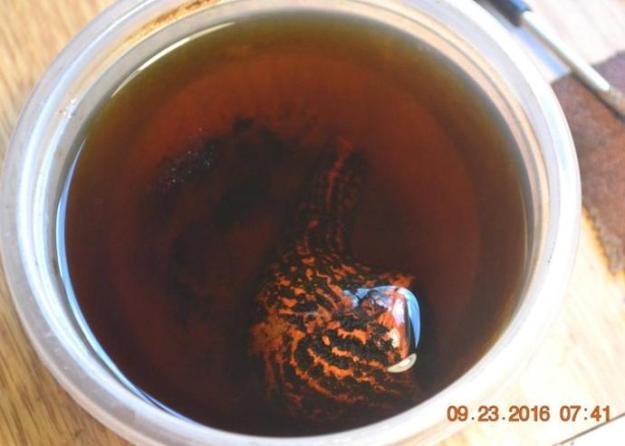 Repeating the aftermath of the previous alcohol strip, except for using super fine “0000” steel wool instead of paper, I eliminated more of the old black stain. The next pictures don’t show the focused work I did on the crevices.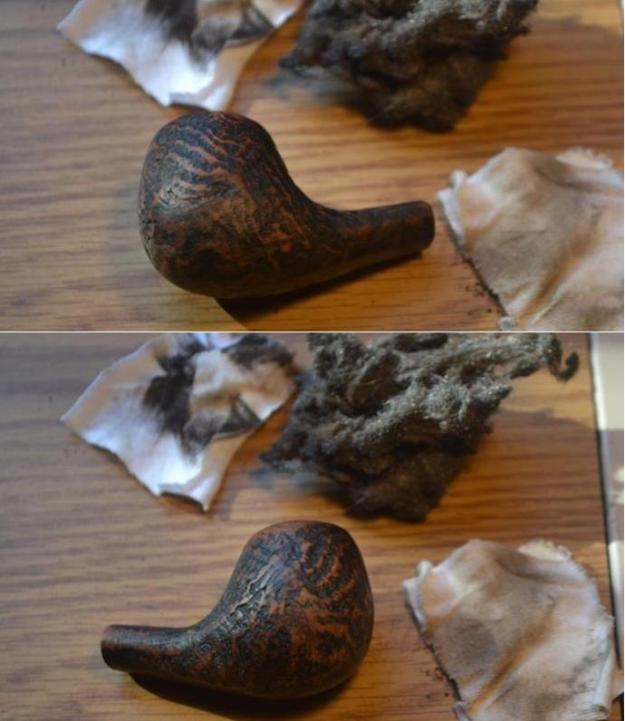
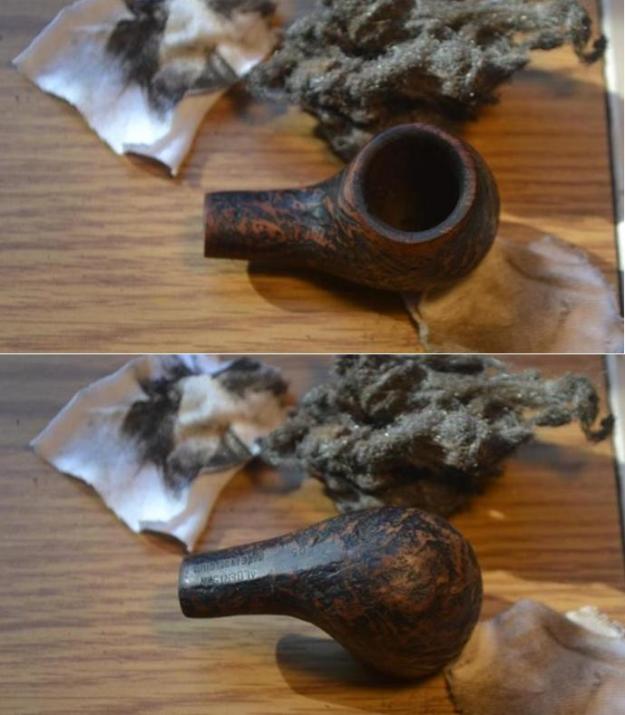
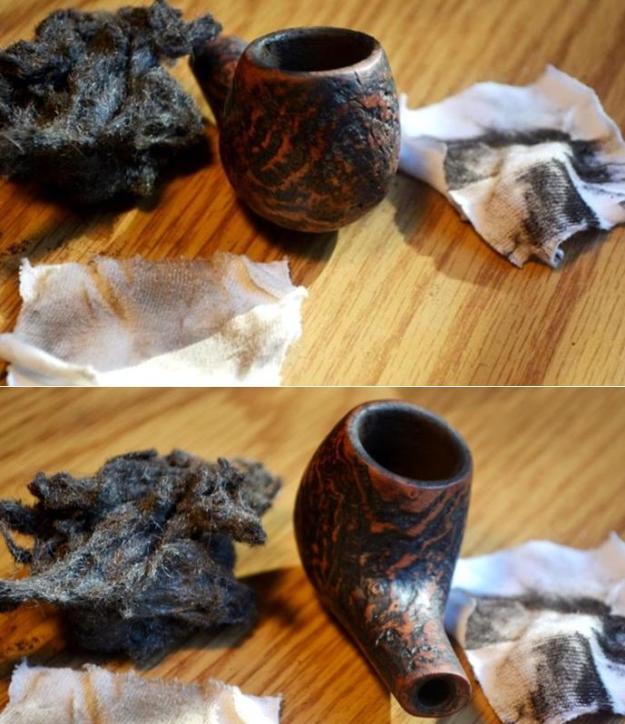 A few choice turns of the Senior Reamer in the chamber followed by 220-grit paper made the retort easy after the two soaks in Everclear, the more serious paper work in the chamber and several regular cleaners as well as the wire brush type through the shank.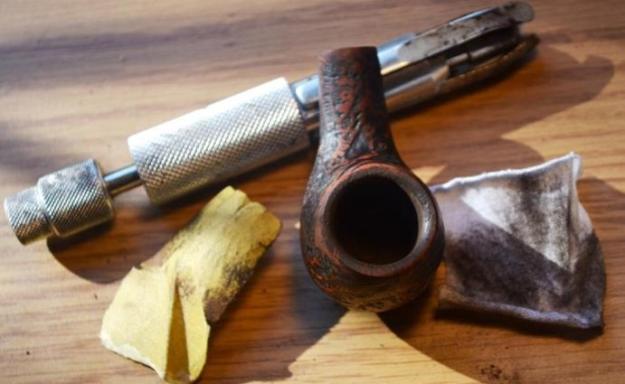
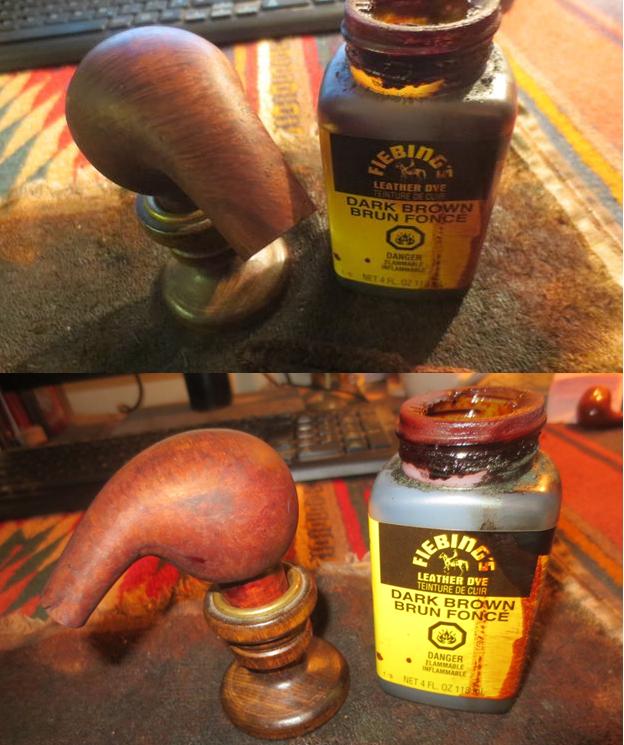
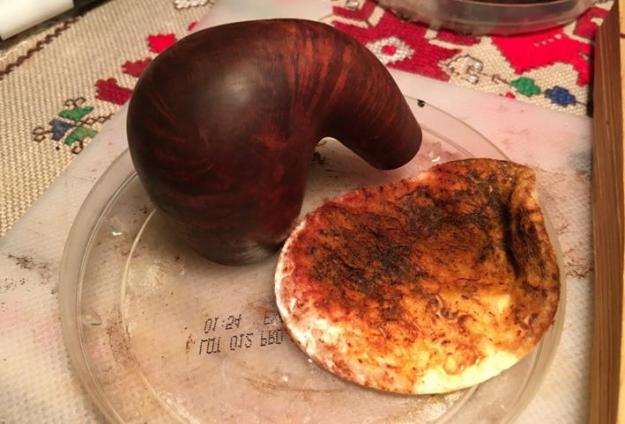
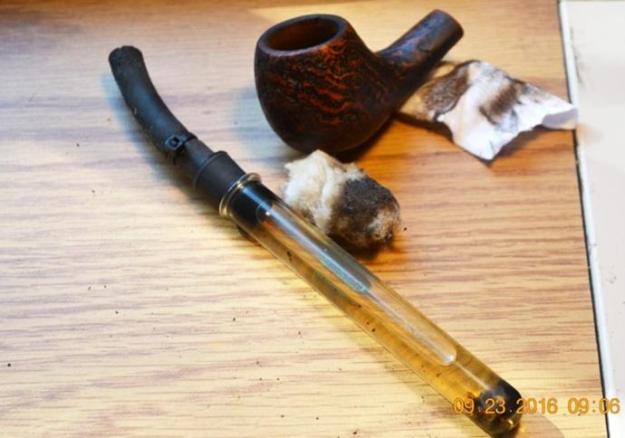 To re-stain the stummel, I used Lincoln Marine Cordovan, or dark maroon, alcohol-based boot conditioner. You know I flicked my Bic to flame out the alcohol. Afterward I buffed the residual char off with a micro mesh pad of some high number and used the steel wool to take off the excess stain to the point where I was happy.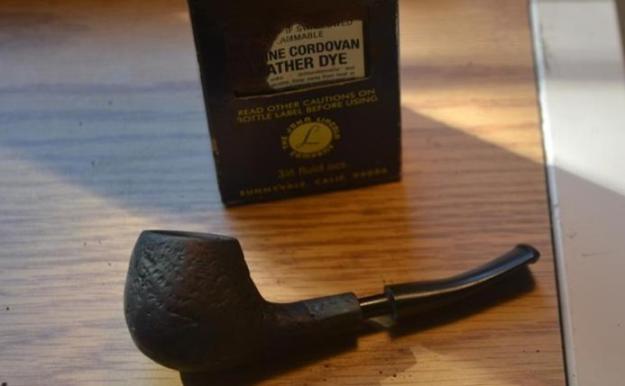
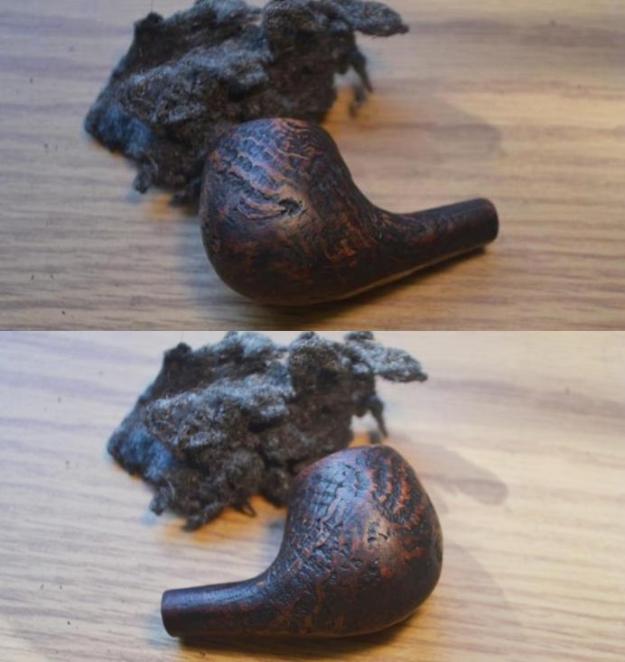
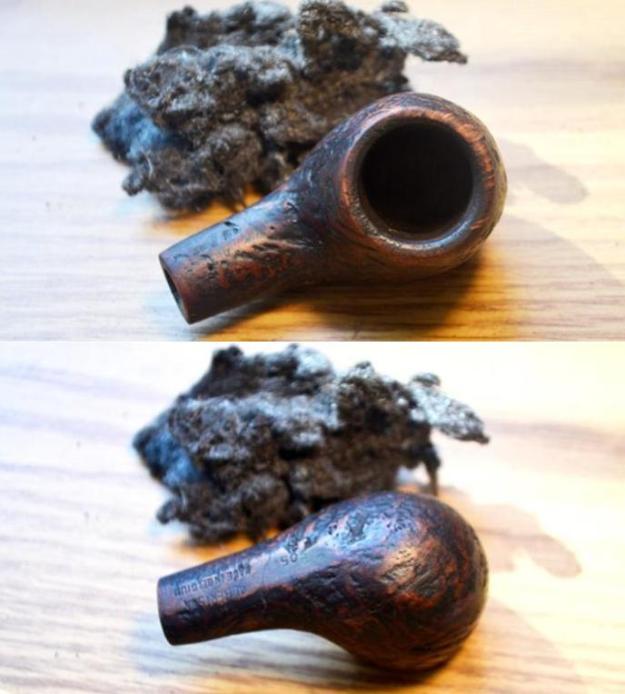
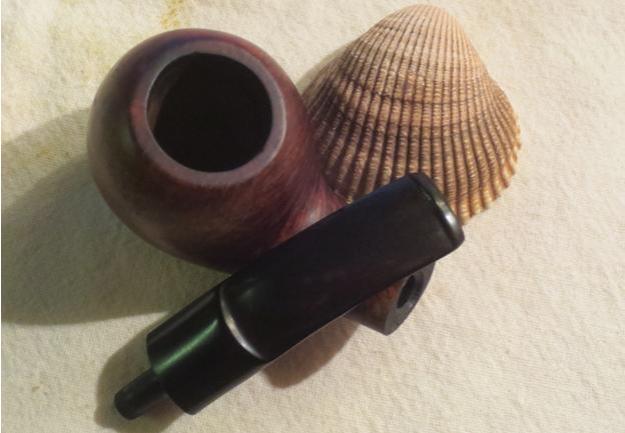
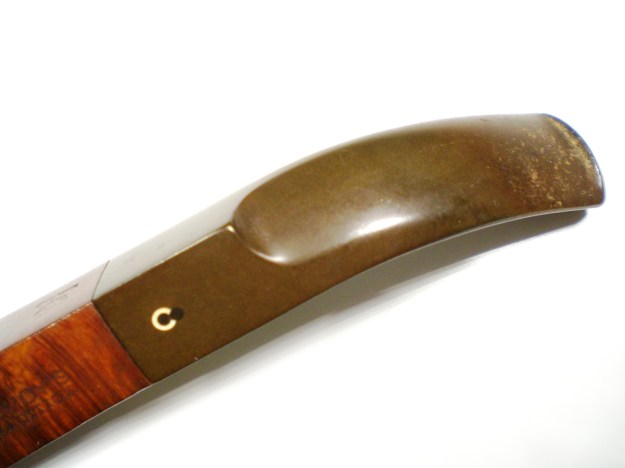
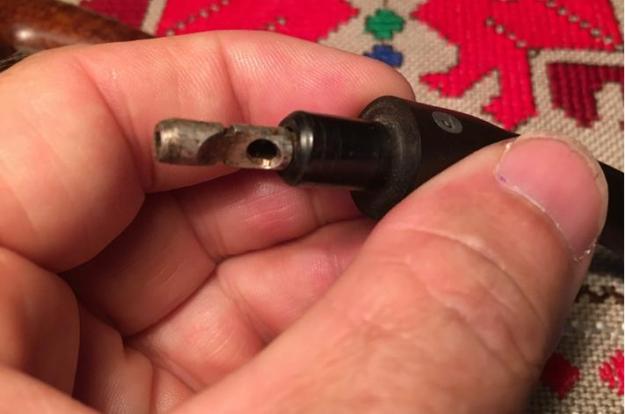
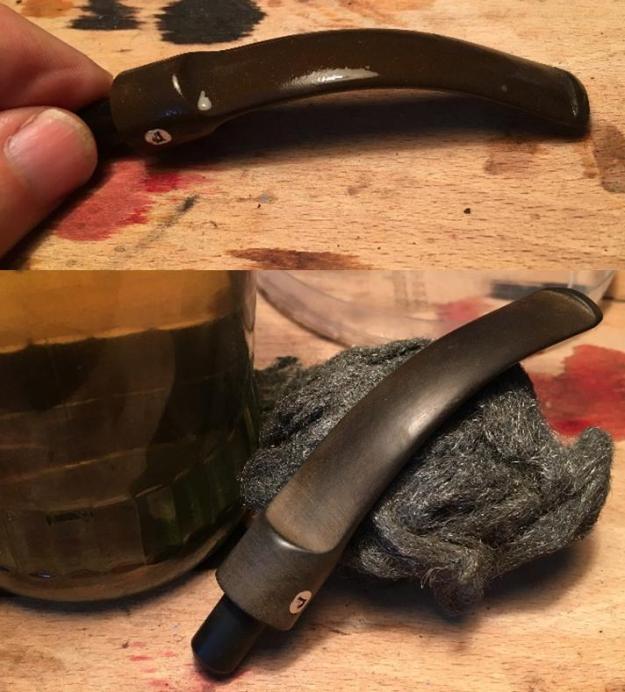
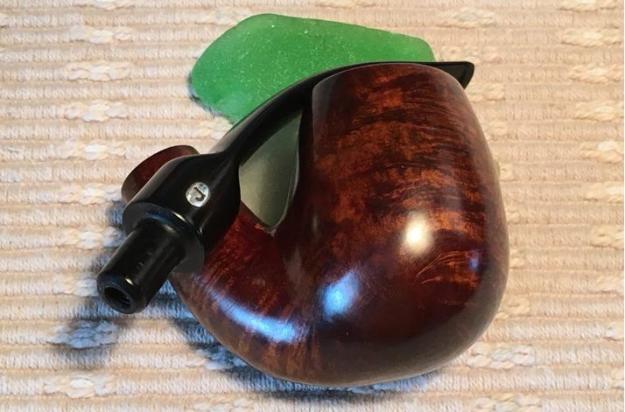
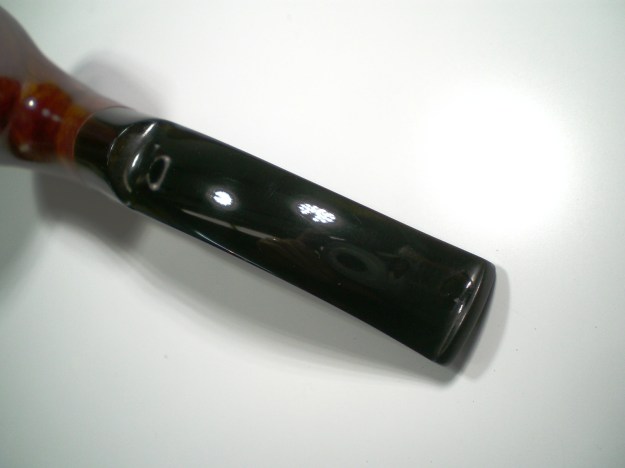
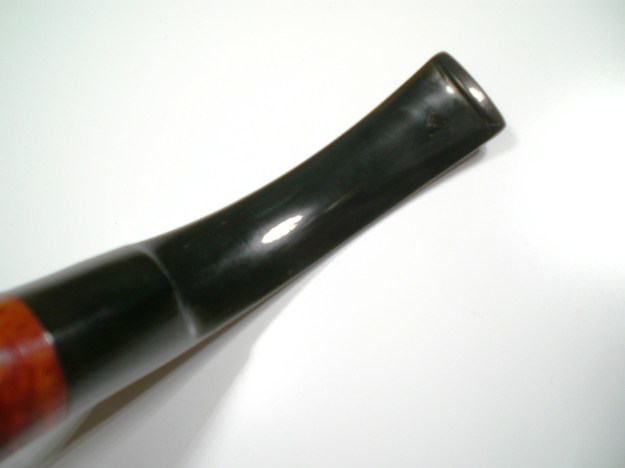
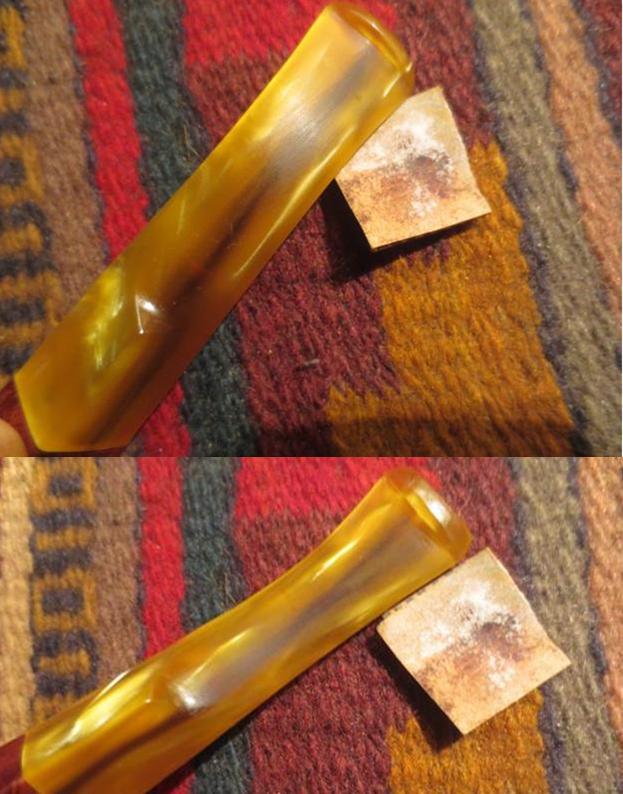
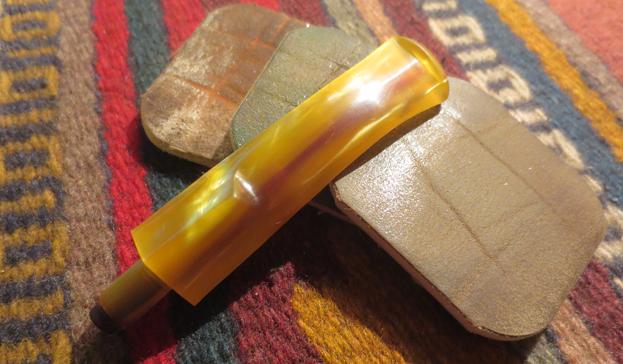
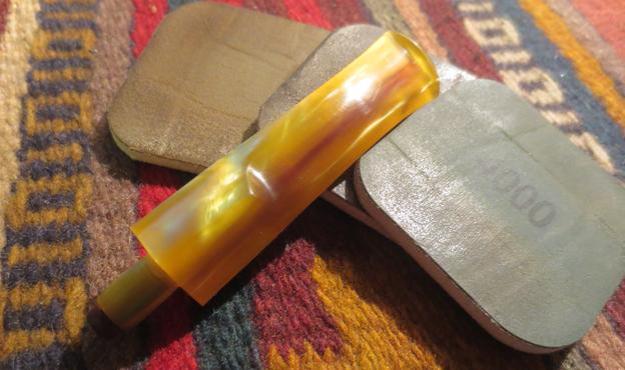
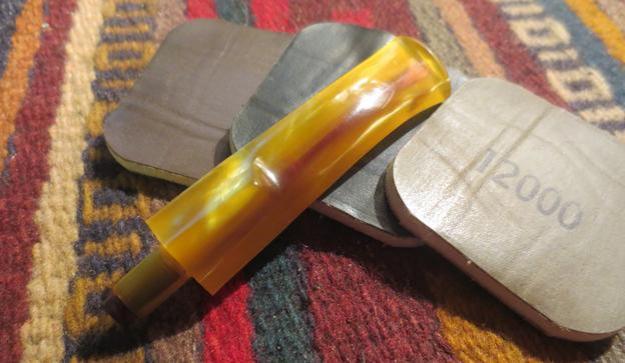
 While the Halcyon II wax soaked in, I considered the bit with its peculiar stinger that seemed to be designed for extra use as a tobacco pick. The peculiarity is the same as those in Dunhill pipes – it is an inner tube. This was often used in pipes by Gubbels. The tube extended into the bottom of the bowl the longer side sat in the bowl bottom and the angled shorter side faced upward. I went over the bit with wet micro mesh from 1500-12000.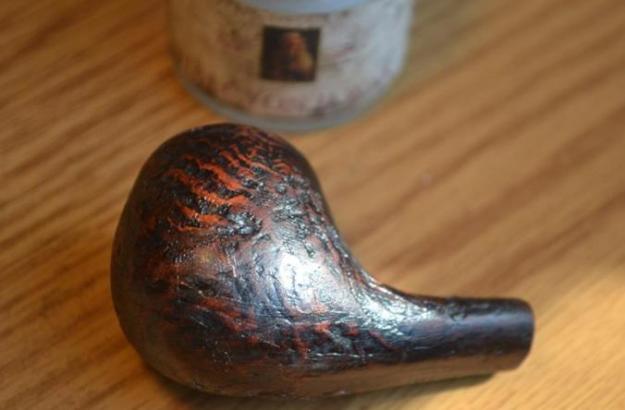
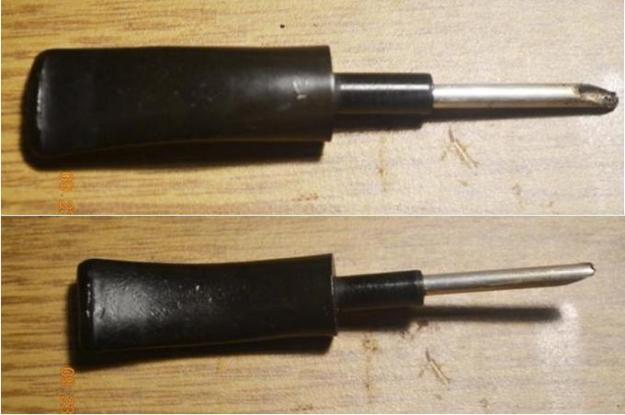
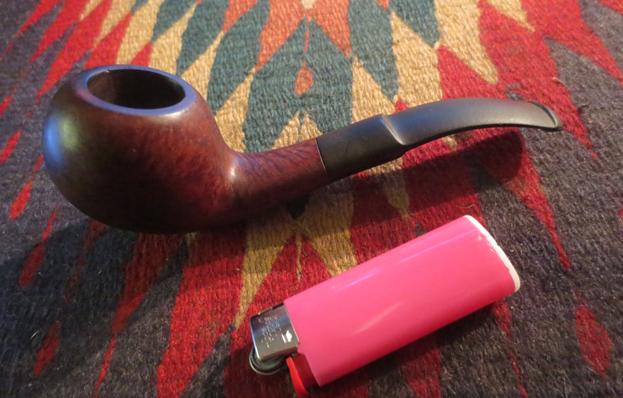
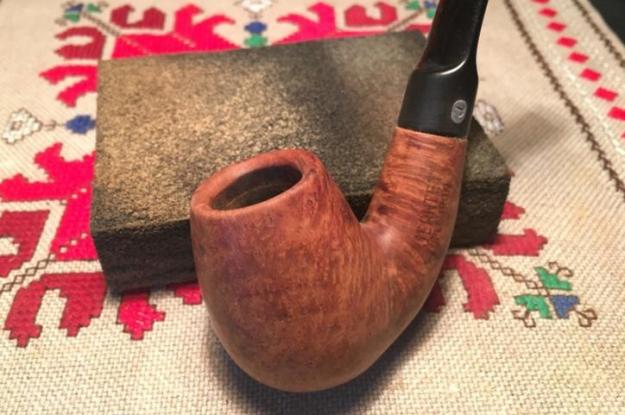
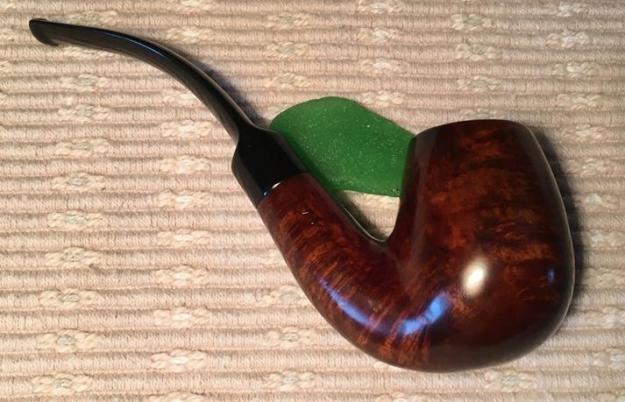
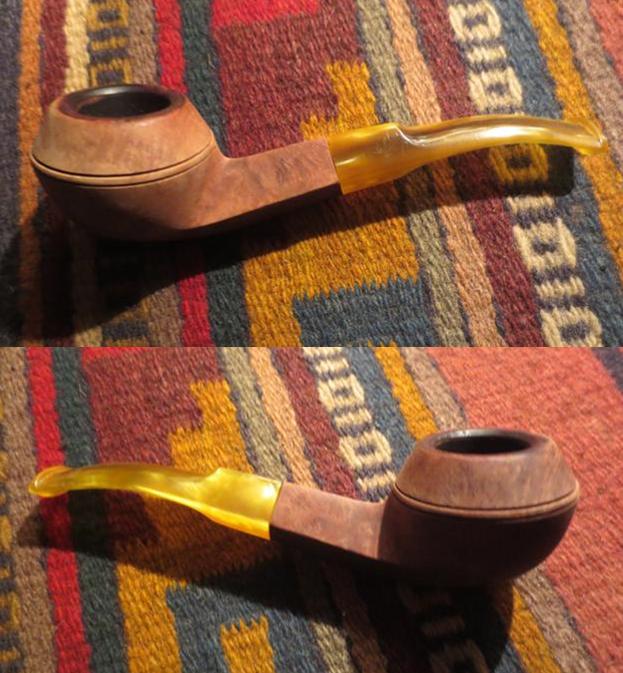
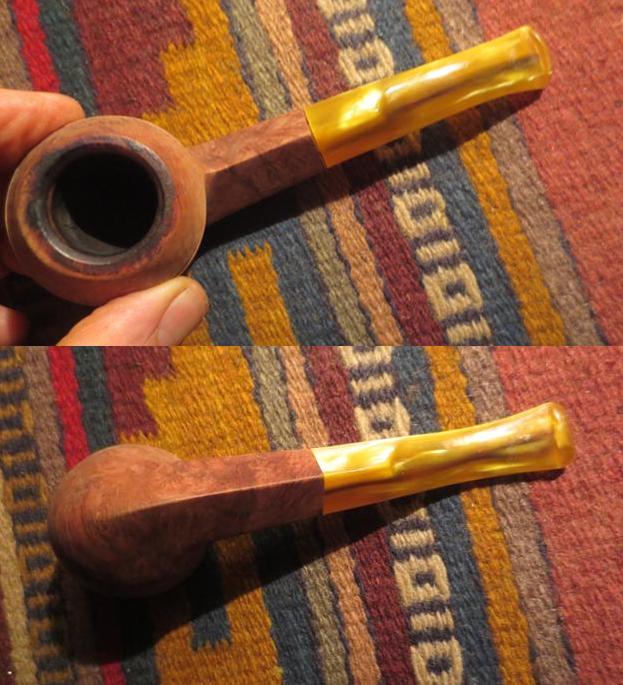
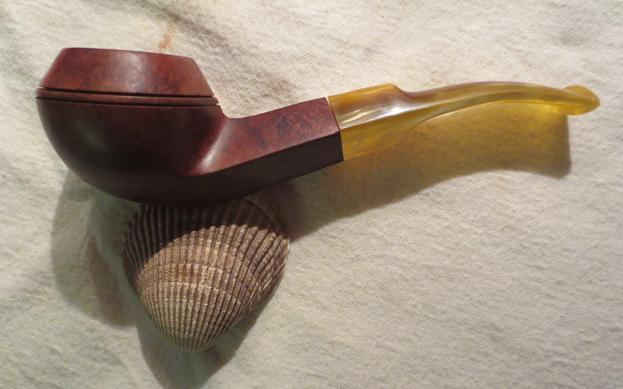
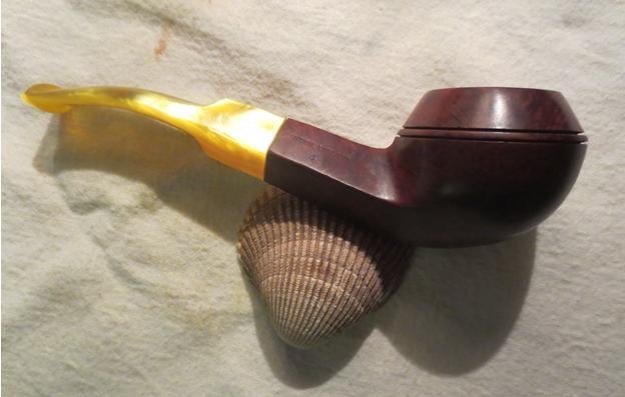
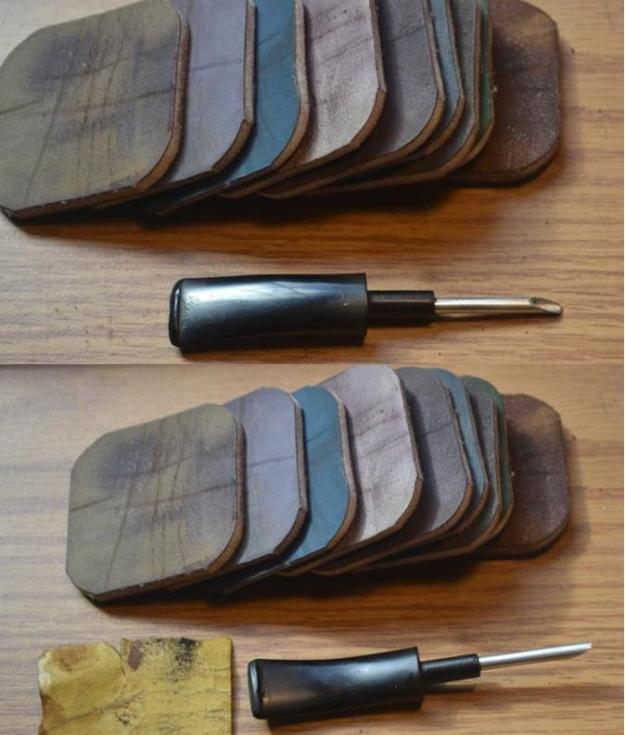 Using red and White Tripoli and White Diamond on the bit with the electric buffer and just the clean buffer on the wood, the Albertson brandy was finished.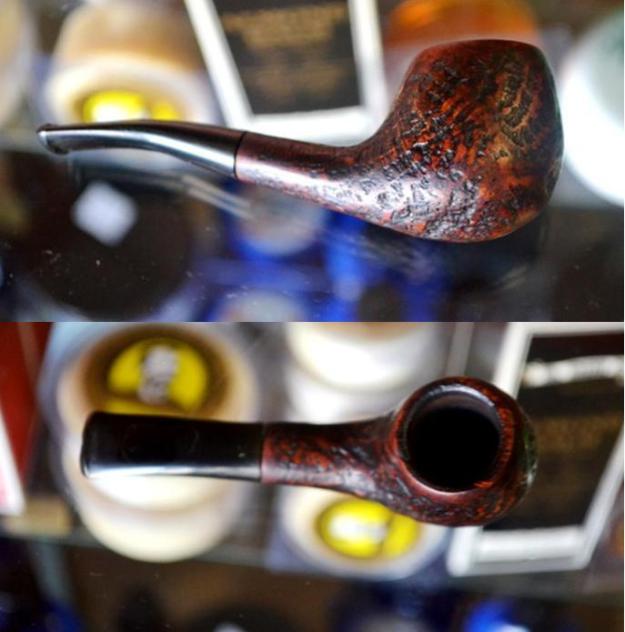
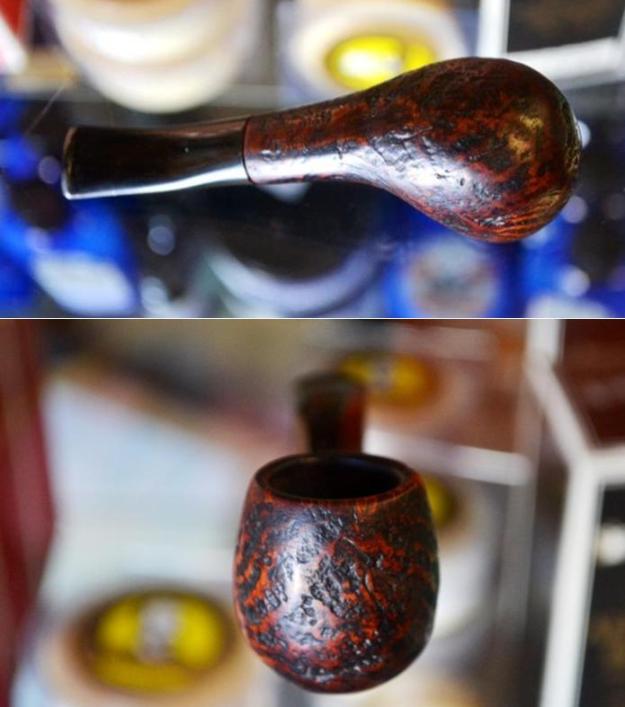
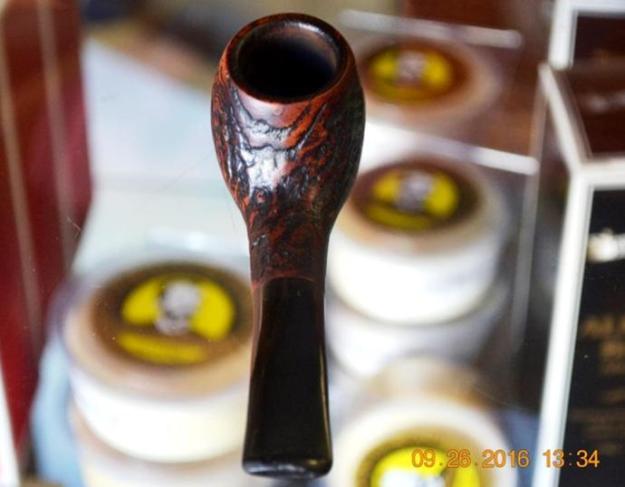
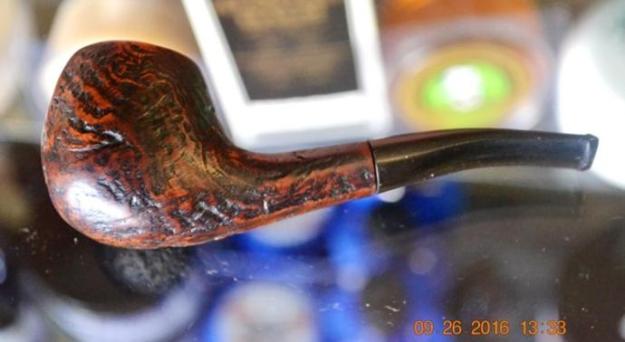 Photos taken on the front case at Stag Tobacconist
CONCLUSION
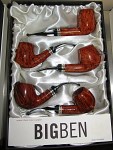
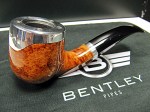
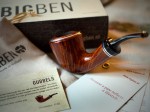
Anyone who doubts the high standing of the Gubbels name, consider this. Some left-over Big Ben Barbados natural bent Dublin pipes with exquisite grain, crowned for the occasion with special metal rim fittings, were the 2015 Year Pipes of the Dutch/Belgian Pipe Smokers Forum (PRF, for Pijprokers Forum, the Dutch translation of something that should be obvious). Dhr. van Goor, the fortuitous source of all of my factual information concerning Gubbels and a member of PRF, wrote in the second blog below: “Just over 60 pipes were available and when forum-members could order them they all were gone in no time! To be perfectly honest, I did not apply for one. I simply did not like the shape, but came to regret it later.”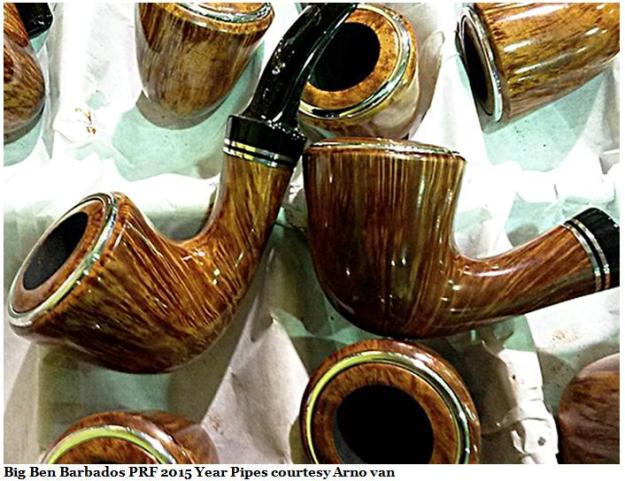 And for some of the ladies, there are these Big Ben Pipes, averaging 5” long and very stylish.
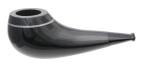
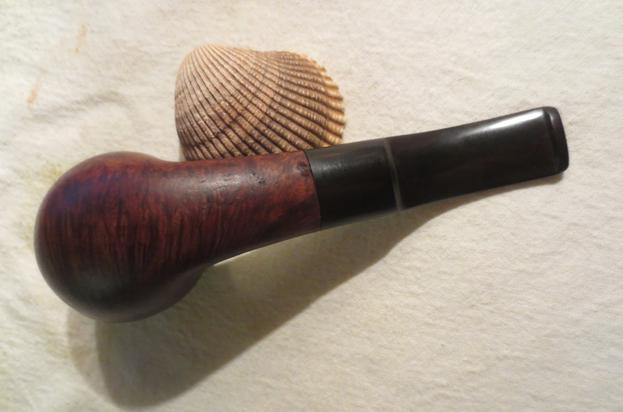
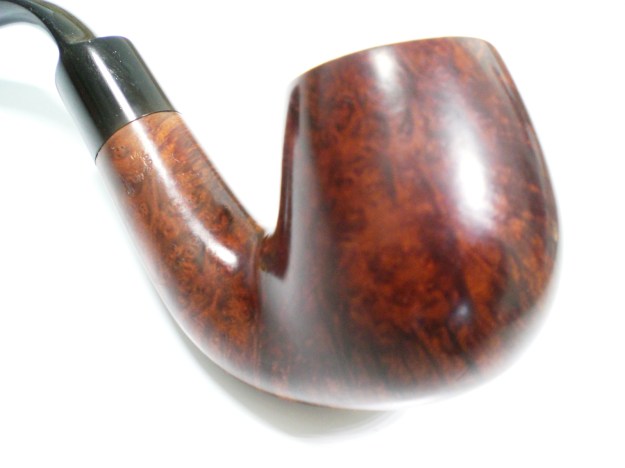
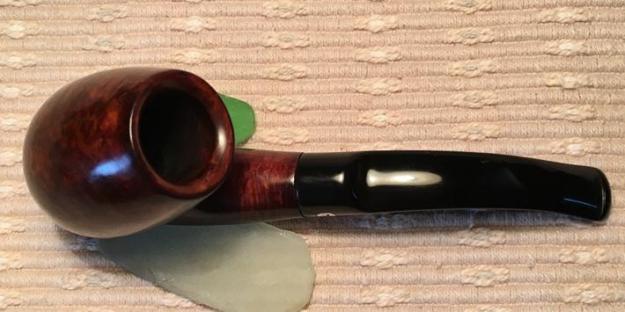
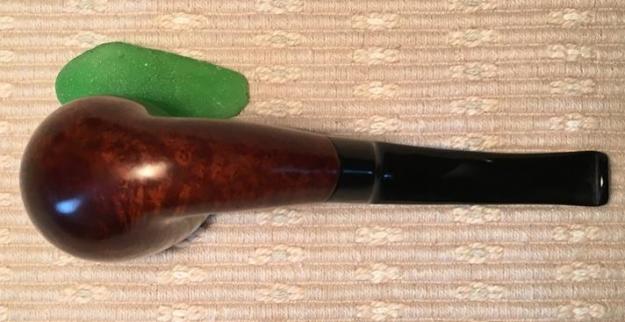
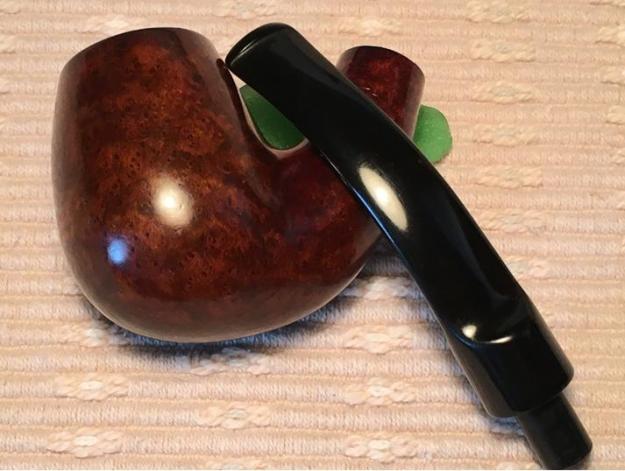
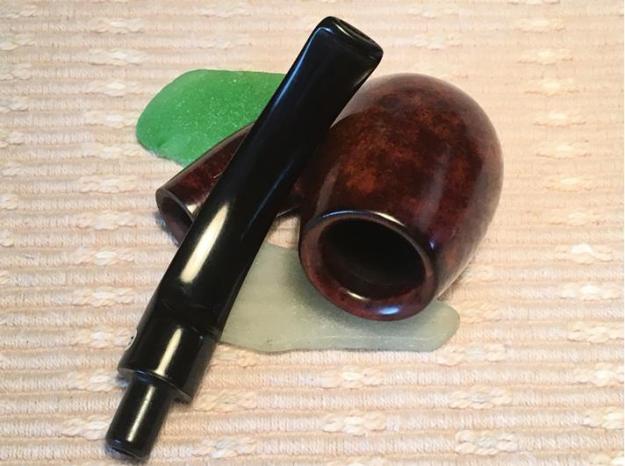
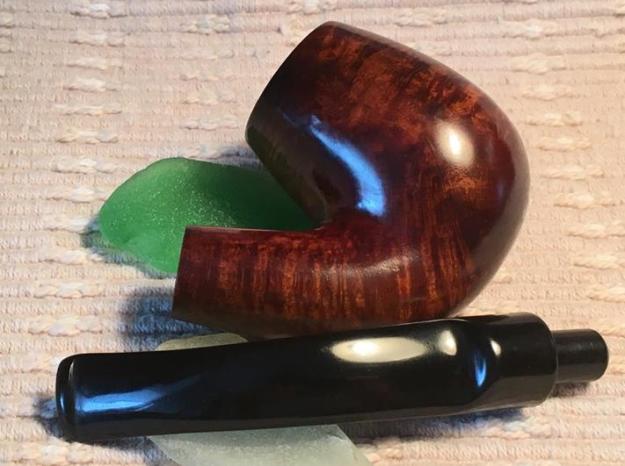
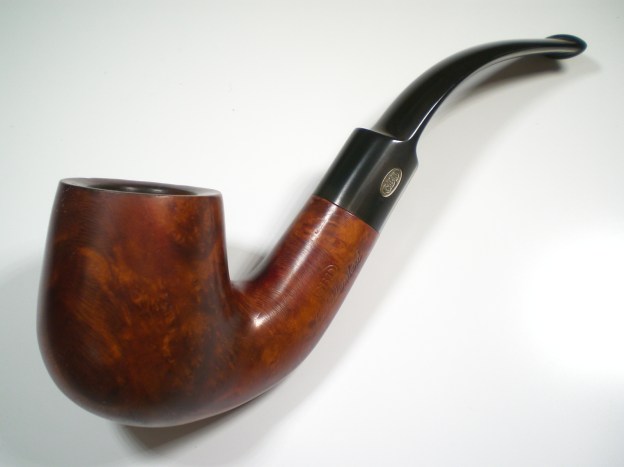
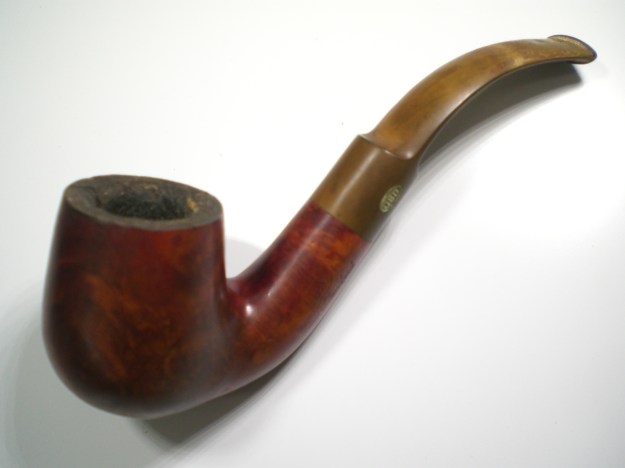
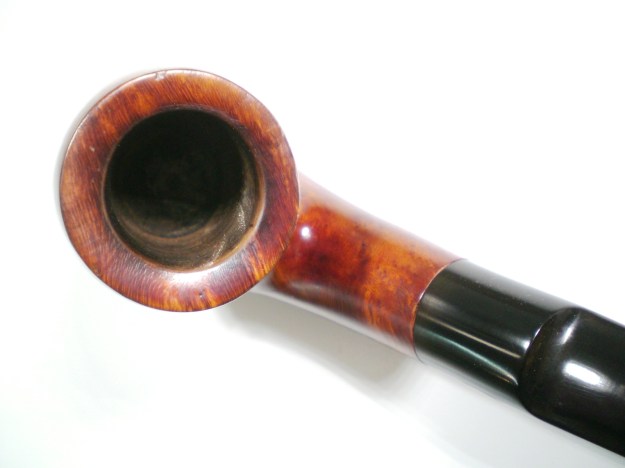
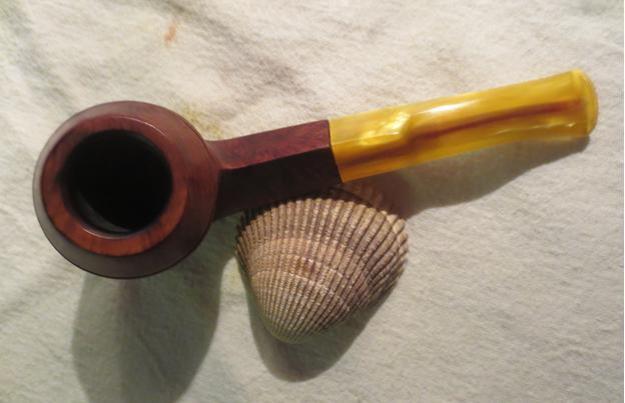
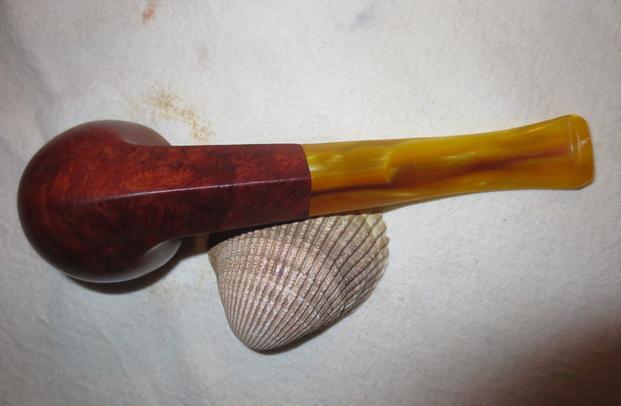
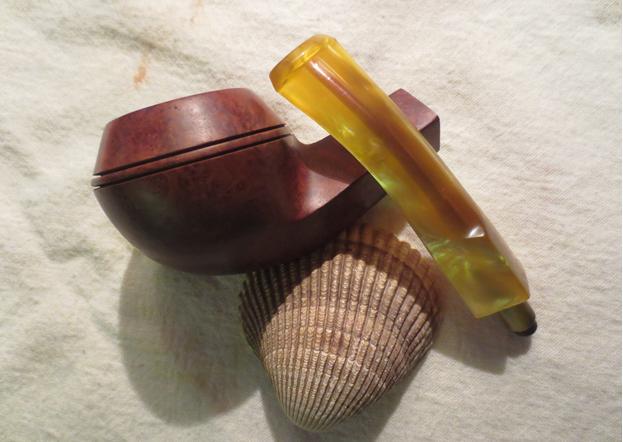
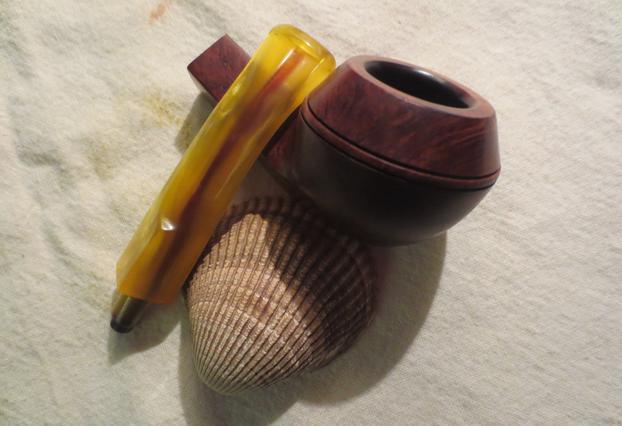
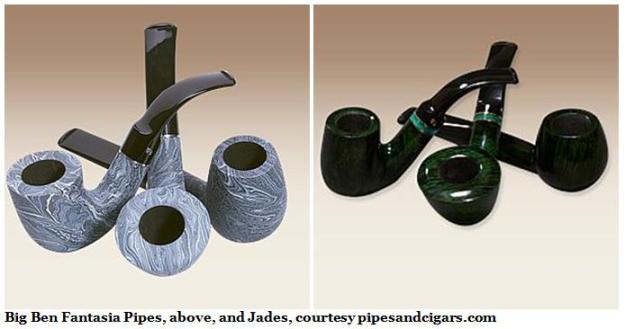 On the other hand, if you prefer something of still smaller proportions, there is the Albertson brandy described above, which is the smallest conventional tobacco pipe I have ever owned. It measures 4¼” long; the bowl is 1½” high; the rim is 1” across, and the chamber diameter is ¾” x 1⅞”. In other words, perfect for the female pipe aficionado who prefers a petite and light yet elegant pipe. And it’s for sale on my new webstore noted above!
SOURCES
http://www.eyemagazine.com/feature/article/the-dictionary-of-visual-language
https://www.amazon.com/The-Dictionary-of-Visual-Language/dp/0140511172
http://www.pipephil.eu/logos/en/logo-a3.html
http://www.pipephil.eu/logos/en/logo-h3.html#hilson
https://pipedia.org/wiki/Albertson
http://www.gubbelspipes.com/
http://pipesmagazine.com/blog/pipe-news/maker-of-big-ben-porsche-hilson-pipes-declares-bankruptcy/
**https://dutchpipesmoker.wordpress.com/tag/gubbels/
**https://dutchpipesmoker.wordpress.com/2014/12/16/2015-prf-pipe-made-by-big-ben/


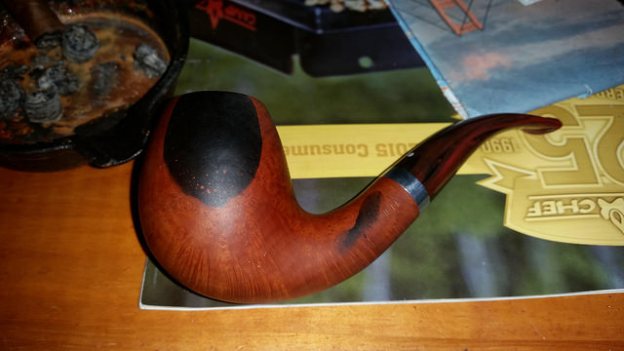
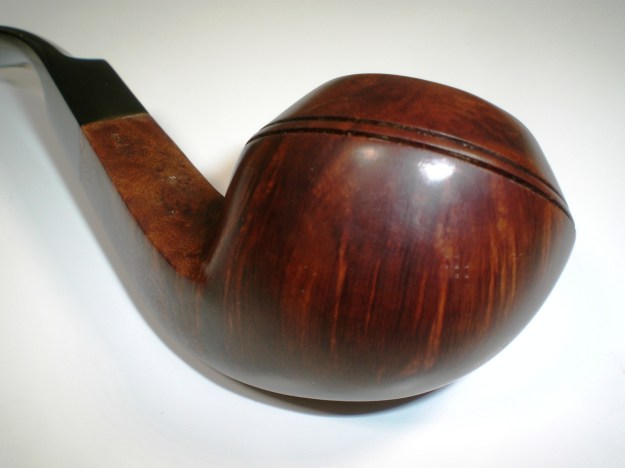
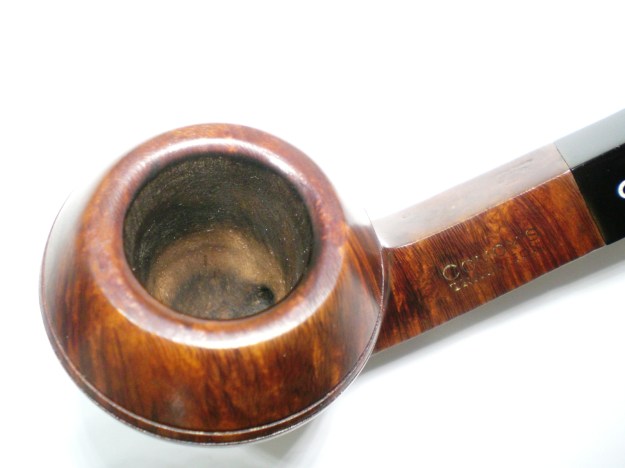
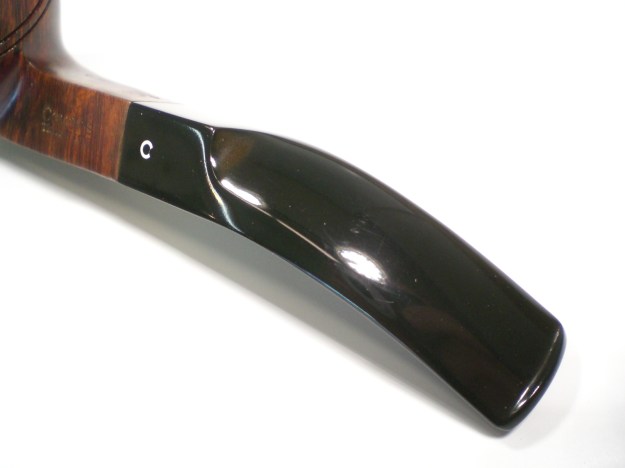
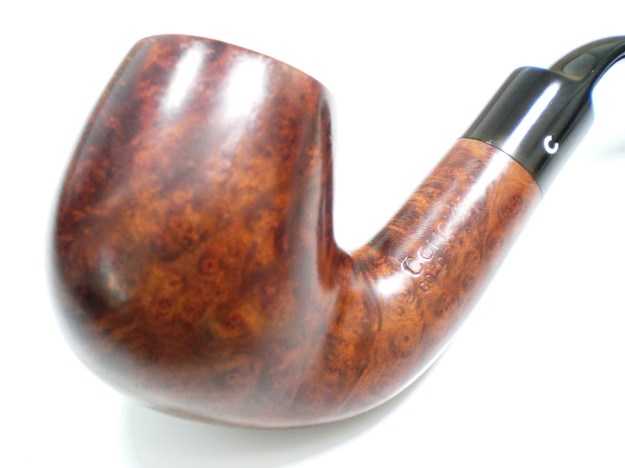
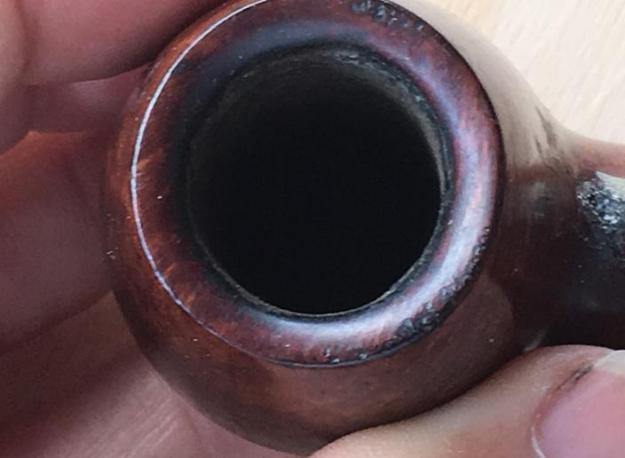
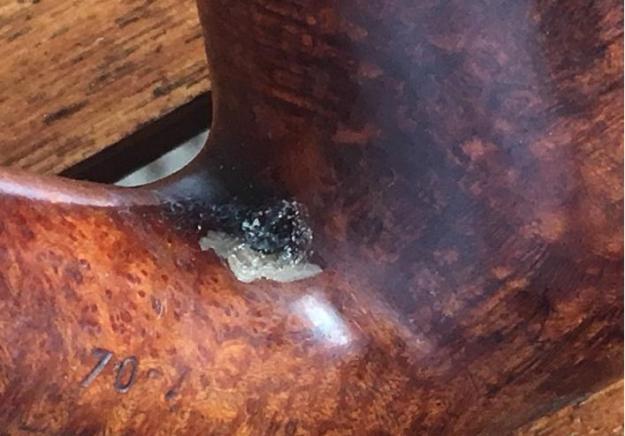
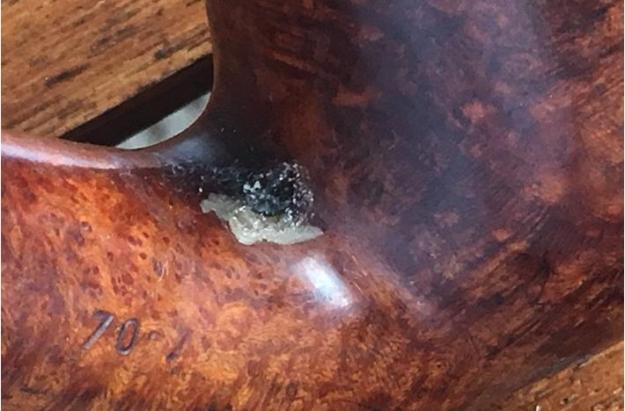
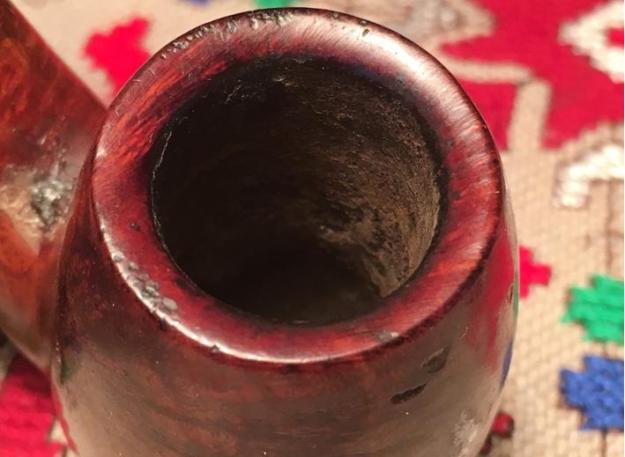
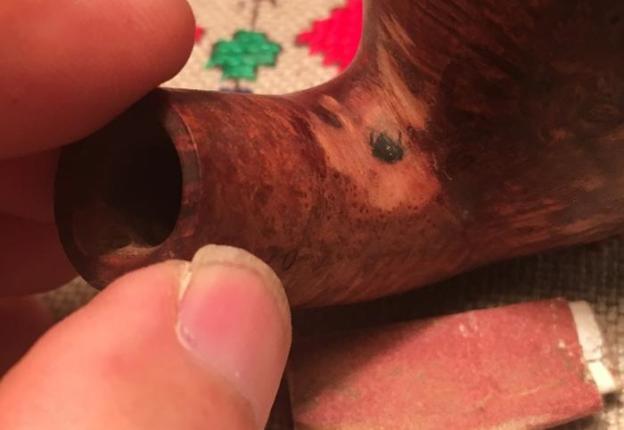
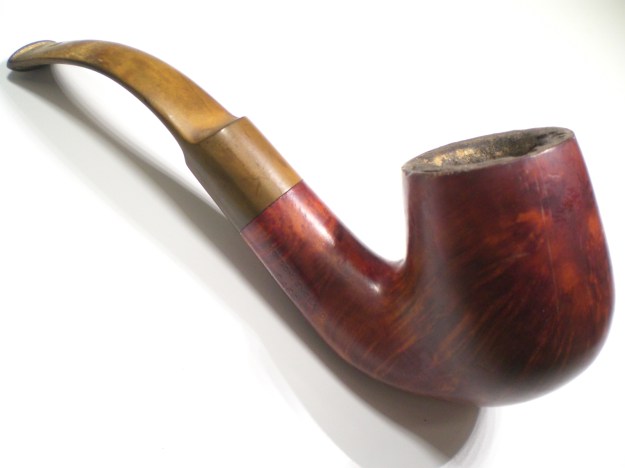
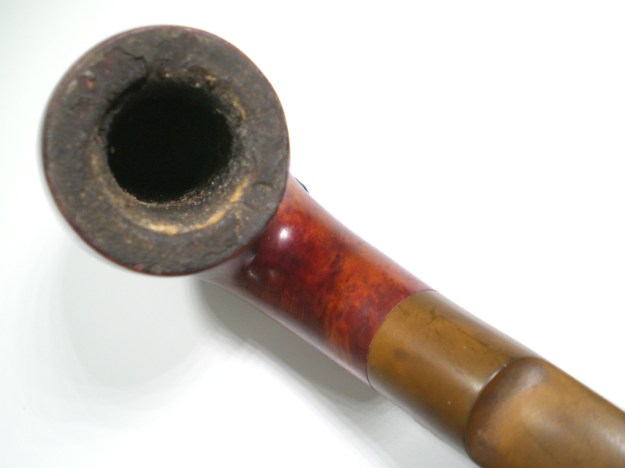
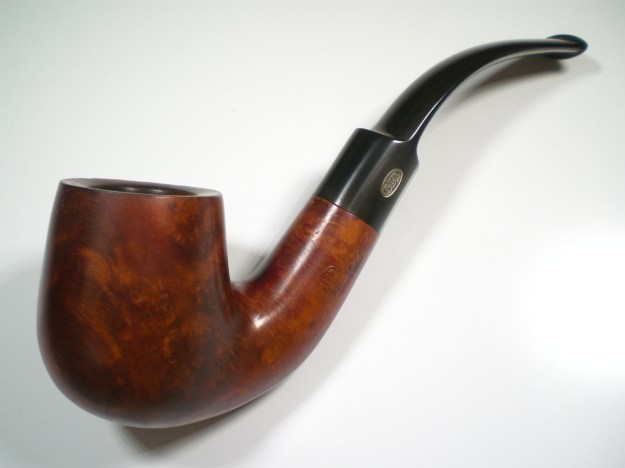
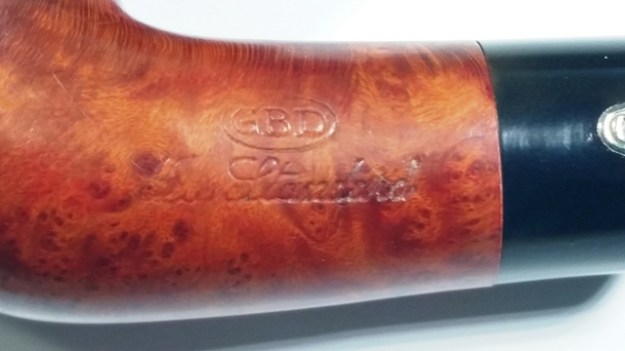
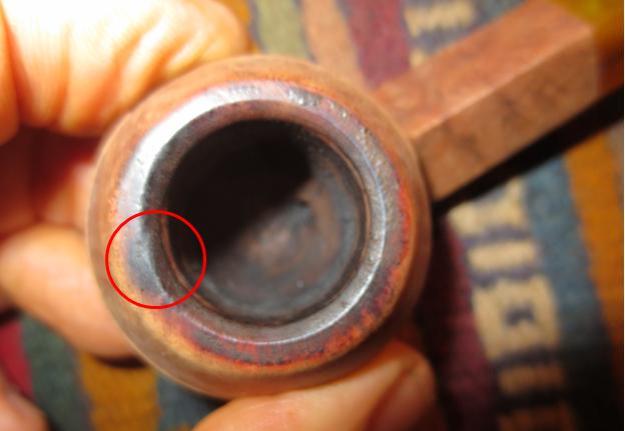
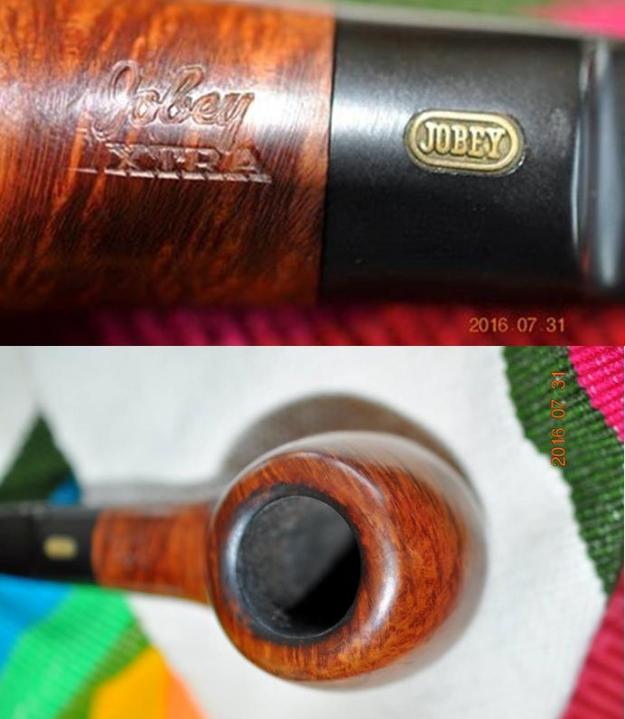
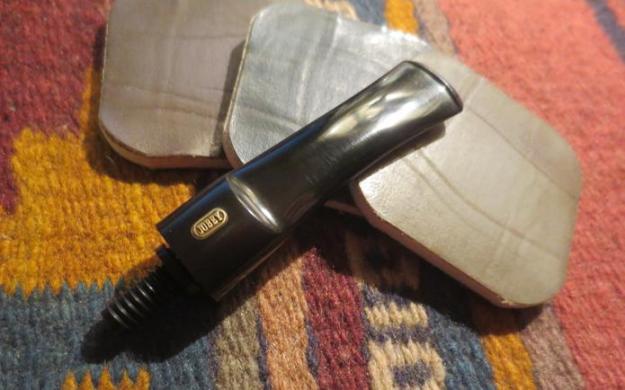
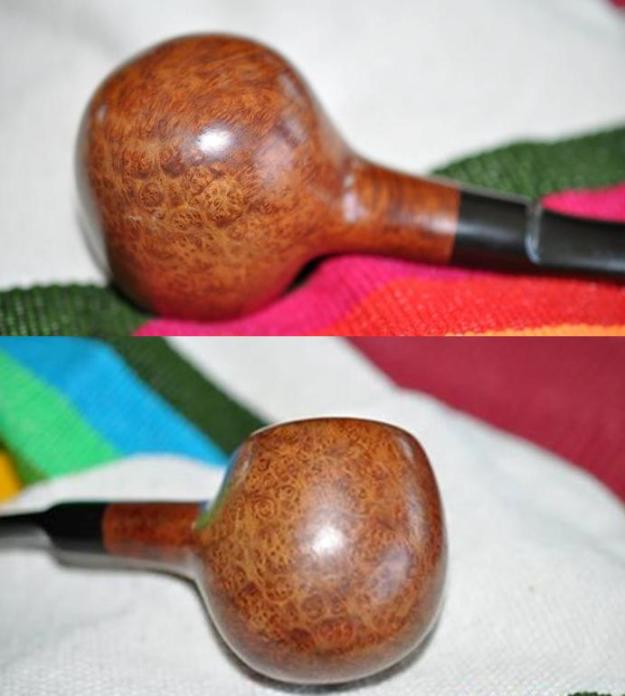 The next two close up photos show the stamping and the condition of the rim. The stamping is simply Jobey in script over Extra. The E on Extra is faint. The Jobey medallion on the stem is in great shape. The inner edge of the rim shows some buildup of tars and oils.
 As usual my brother cleaned up the pipe before sending it to me. I am getting spoiled as he is doing a lot of the hard clean up. He reamed the bowl with the PipNet reamer and scrubbed the exterior with Murphy’s Oil Soap and a soft tooth brush. He rinsed of the soap with running water. He cleaned out the airway in the stem and the shank and the mortise with cotton swabs, pipe cleaners and alcohol. When it arrived in Vancouver I took the following photos.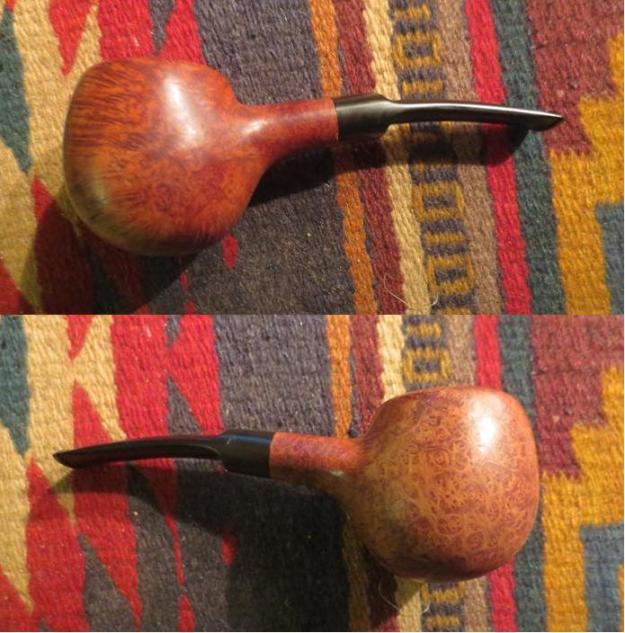
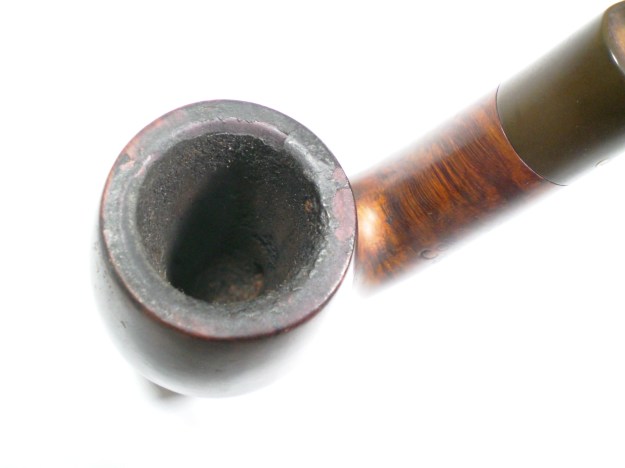
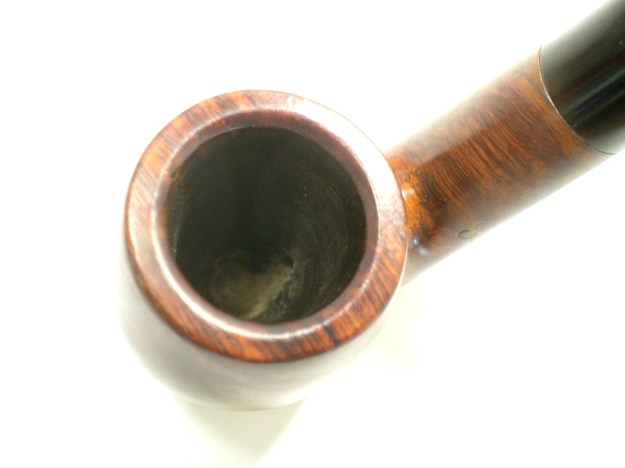
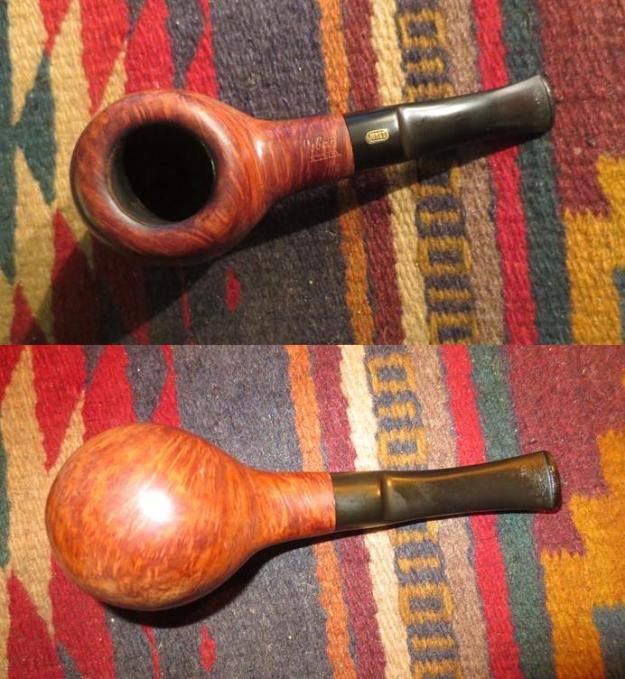 The next photo shows the bowl and the rim after he had cleaned it up. It was in excellent shape.
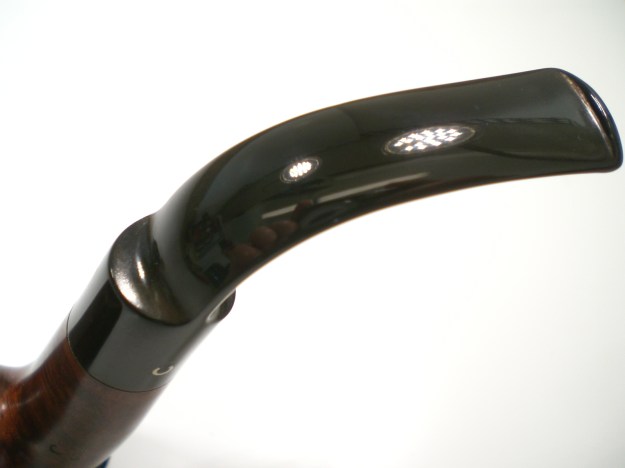
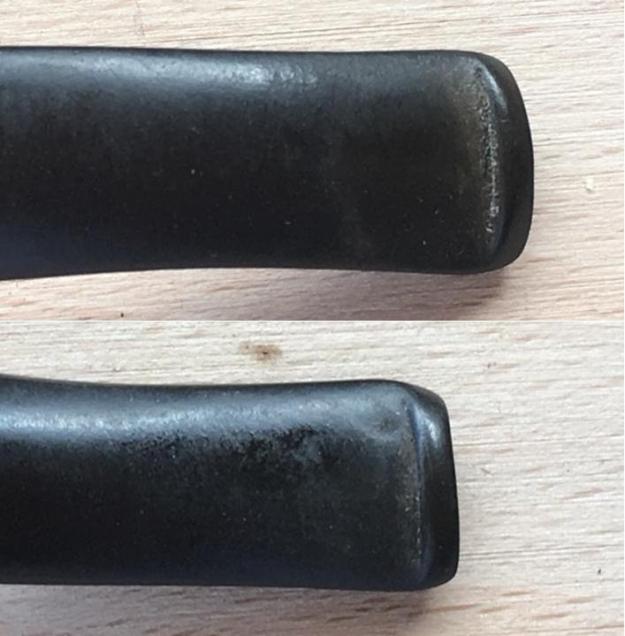
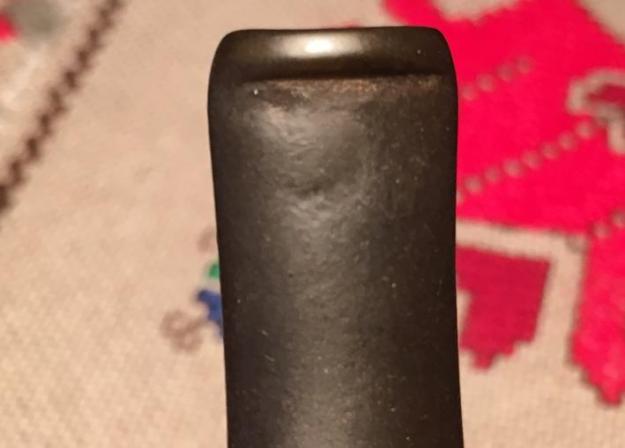
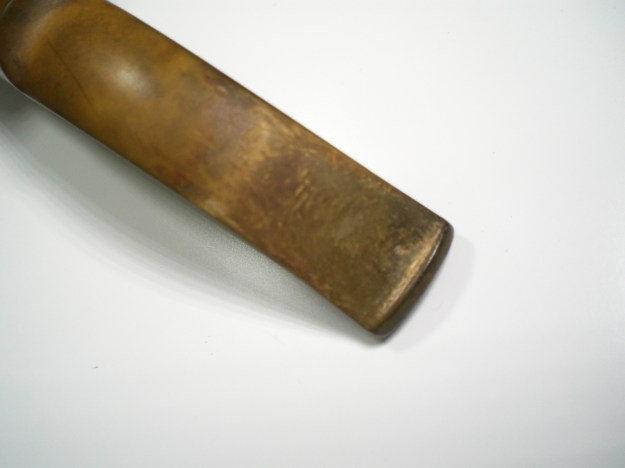
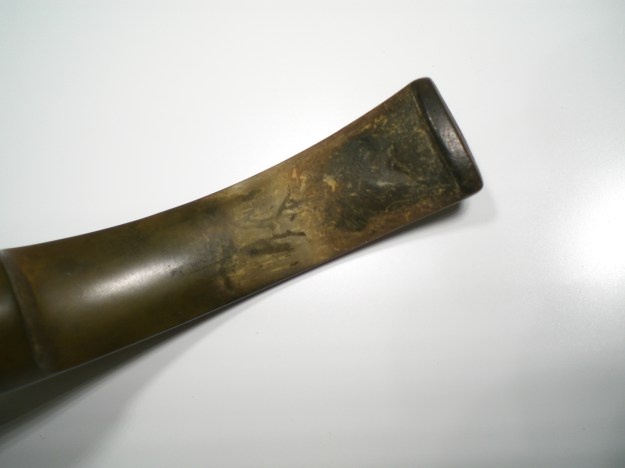
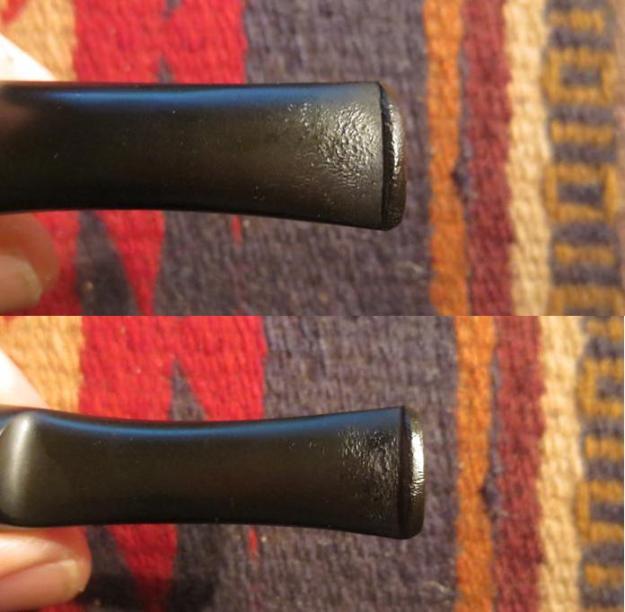
 The next two photos show the tooth chatter on the stem and a light oxidation that was over the surface of the stem.
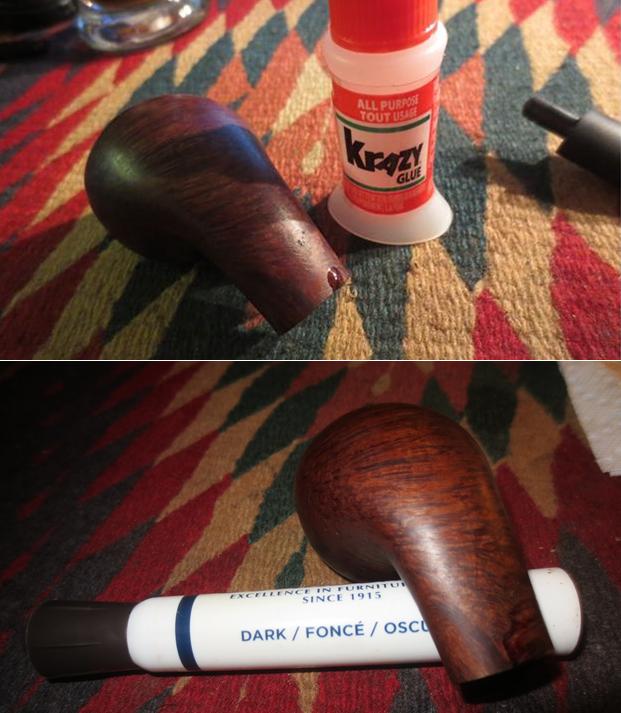
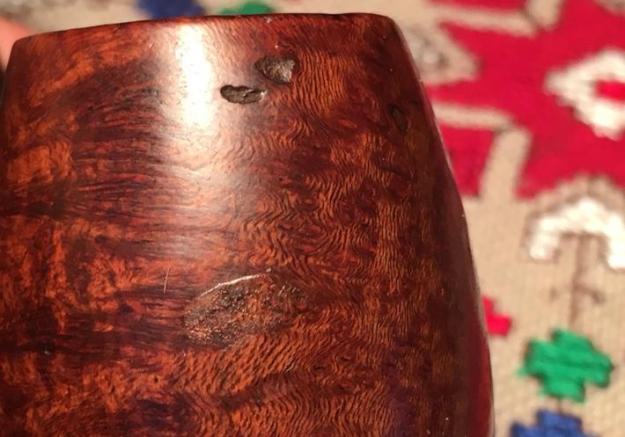
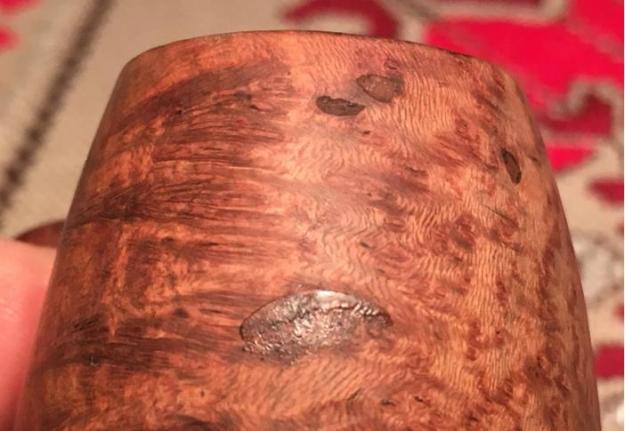
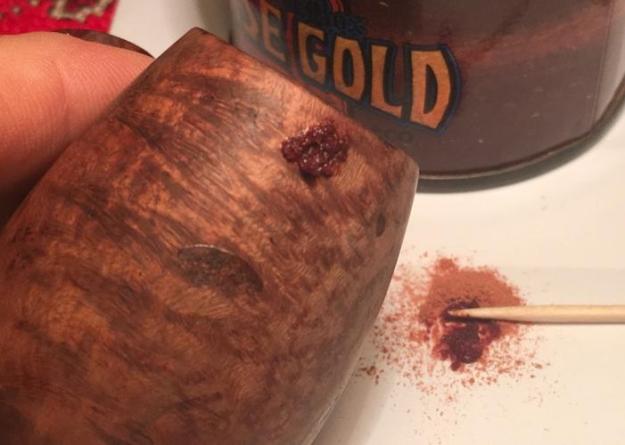
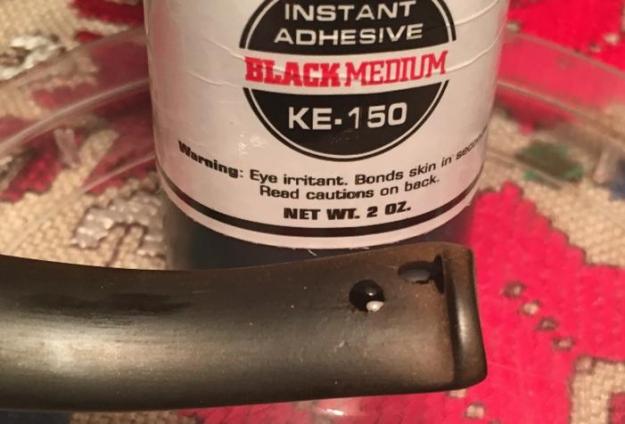
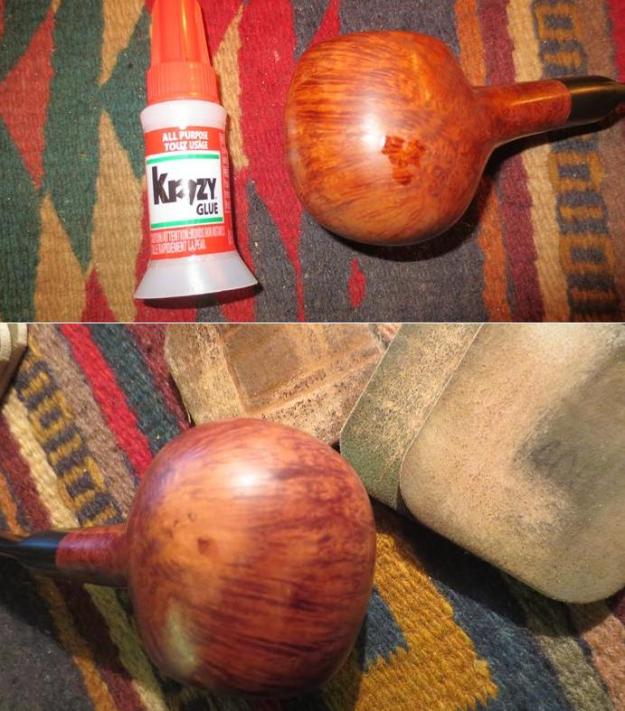
 I tried to steam the dents out of the side of the bowl with a damp cloth and a hot knife and was able to lift quite a few. There were three of them with rough edges that I lifted some but was not able to smooth them out with steam. I used some drops of clear super glue to fill in the spots on the bowl side. Once the glue dried I sanded it with 220 grit sandpaper and then with 1500-4000 grit micromesh sanding pads.
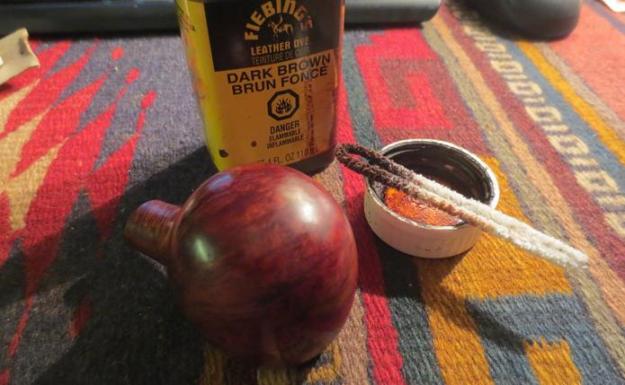
 I restained the areas on the bowl that had lightened from sanding with a combination of light, medium and dark stain pens and a little bit of black Sharpie pen. I gave the entire bowl several coats of dark brown aniline stain mixed 50/50 with isopropyl alcohol. I flamed it and repeated the process until I had an even coverage. I set the bowl aside to dry. I was sure that I would need to do some more touch ups to blend the stain well but I wanted the stain to set.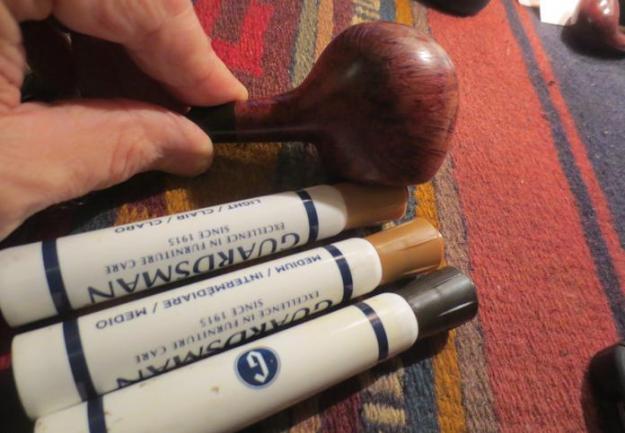
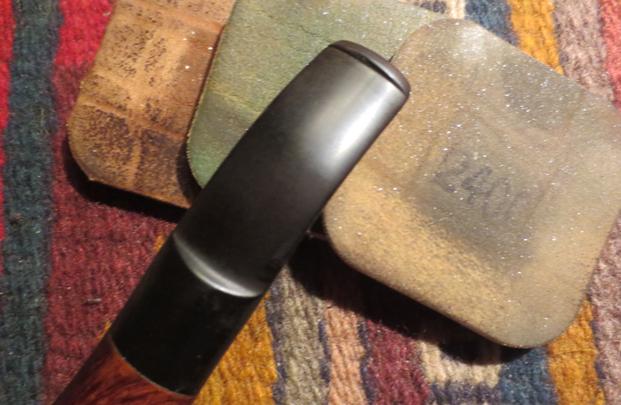
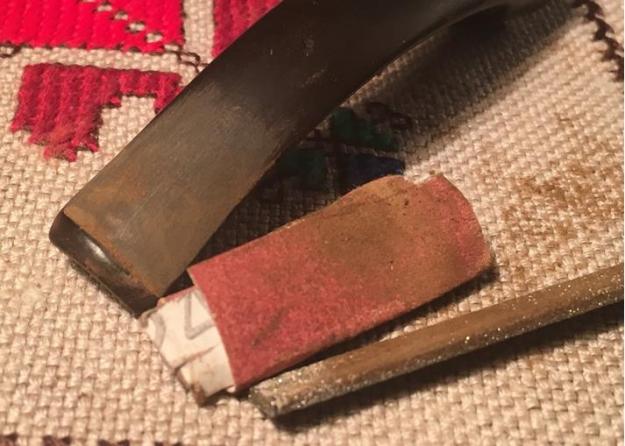
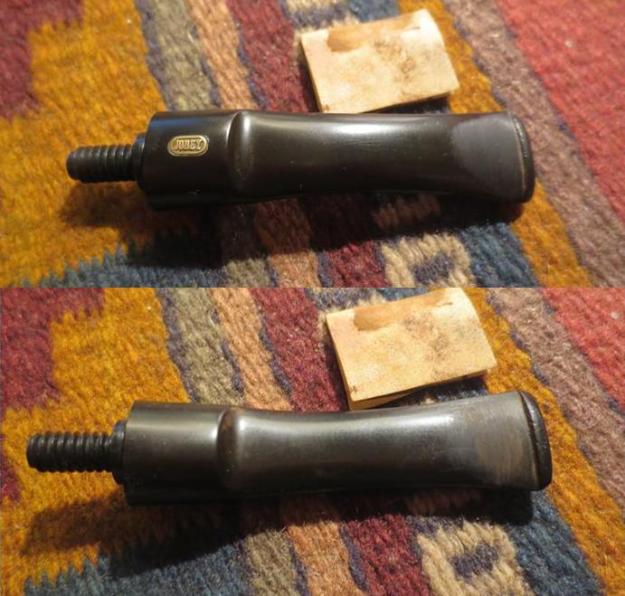
 I sanded the tooth chatter off the stem with 220 grit sandpaper and was able to smooth out all of the tooth marks.
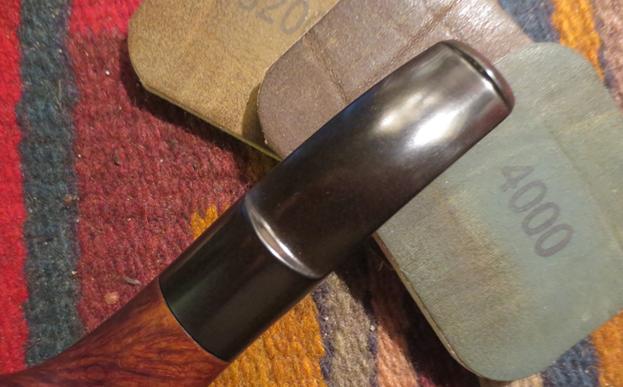
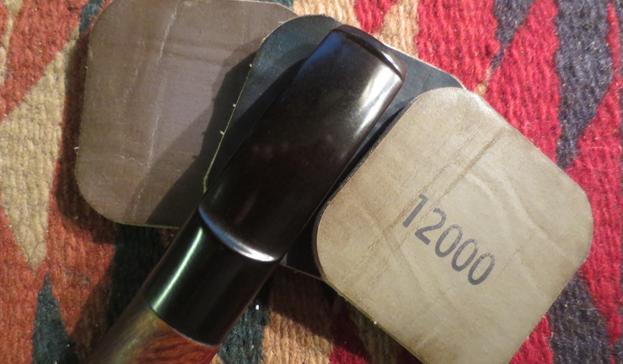
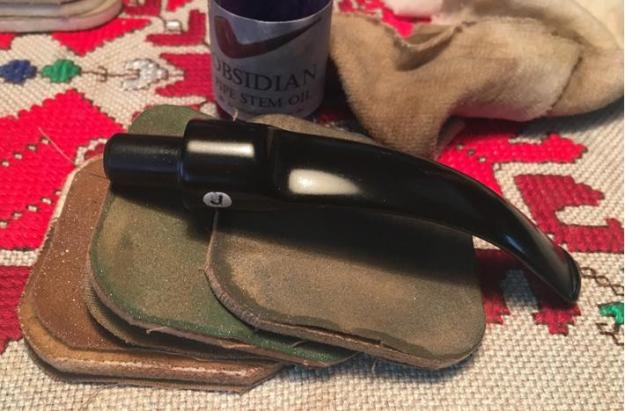
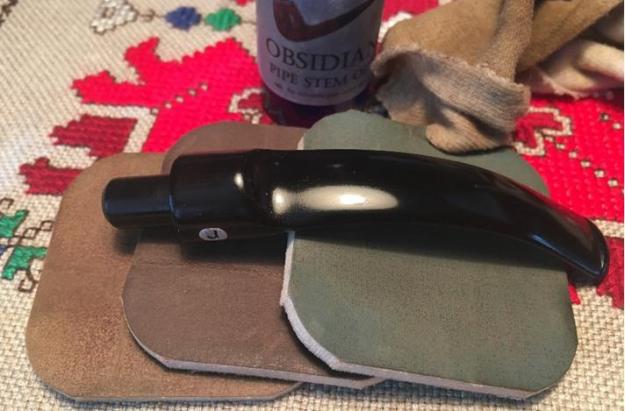
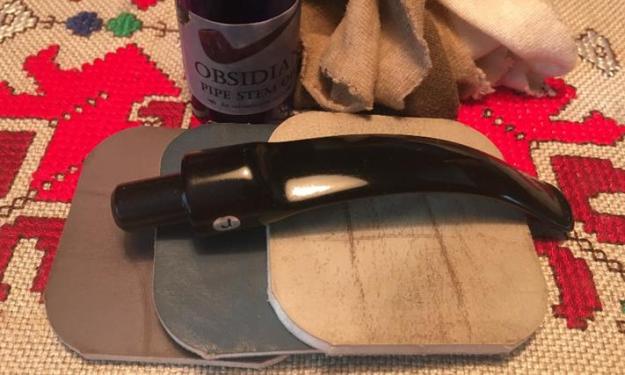
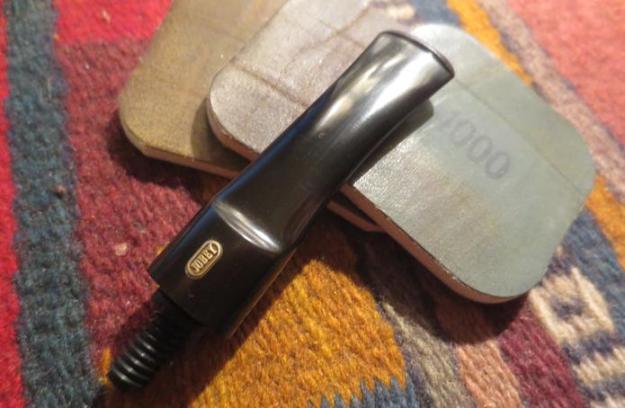
 I polished the stem with micromesh sanding pads – wet sanding with 1500-2400 grit pads and dry sanding with 3200-12000 grit pads. I rubbed the stem down with Obsidian Oil after each set of three pads. After the final rub down I let the stem dry.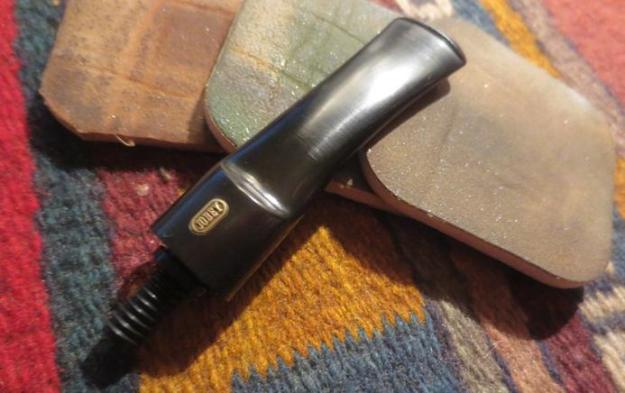
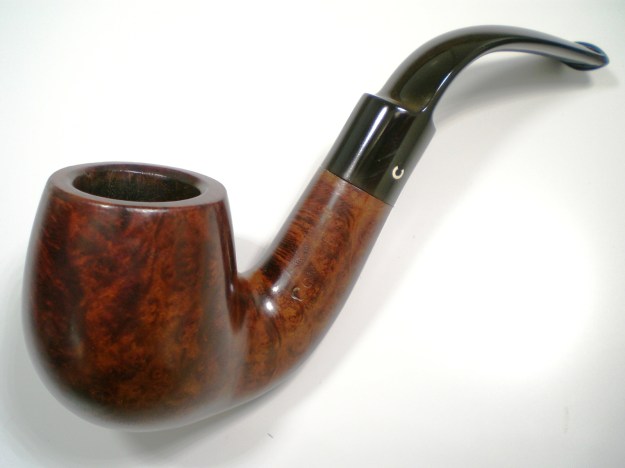
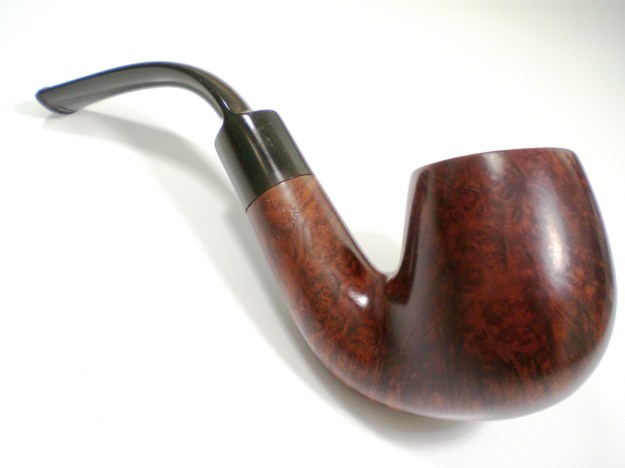
 I buffed the pipe with Blue Diamond after the stain had cured and gave it multiple coats of carnauba wax. I buffed it with a clean buffing pad to raise the shine and then by hand with a microfiber cloth to deepen the shine. The pipe is really a beauty and the stain and shine make the grain stand out. This one will also be going on the store so if you are interested in adding it to your collection let me know via email, message or a comment on the blog. Thanks for looking.