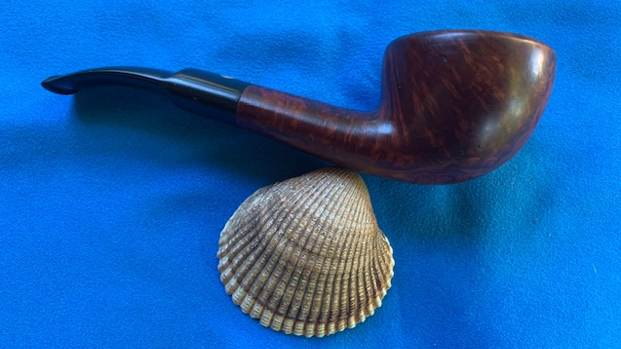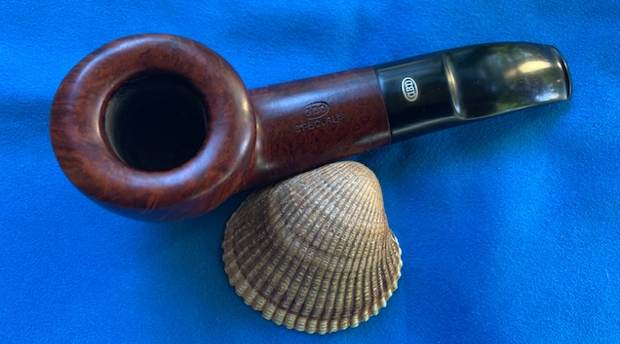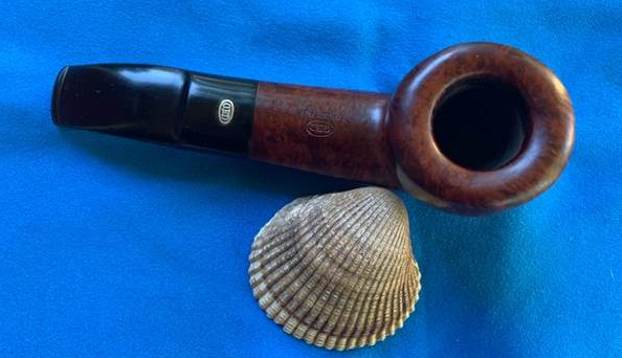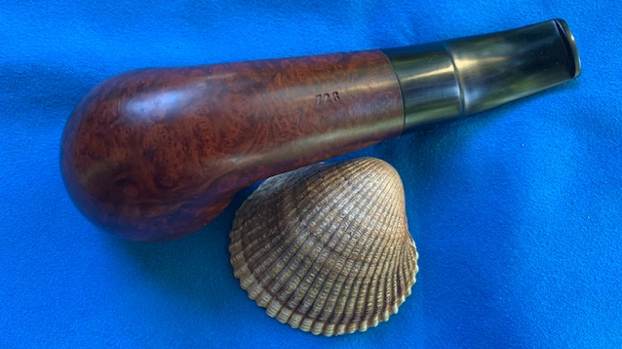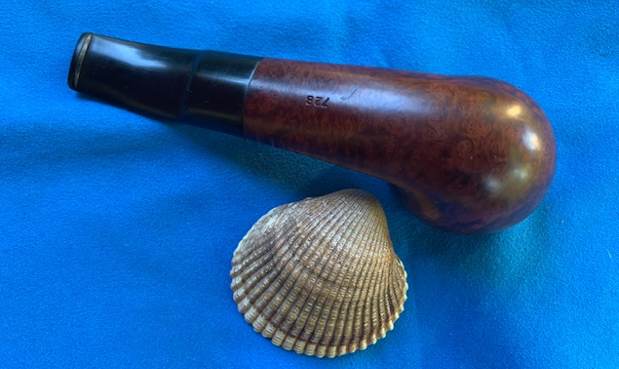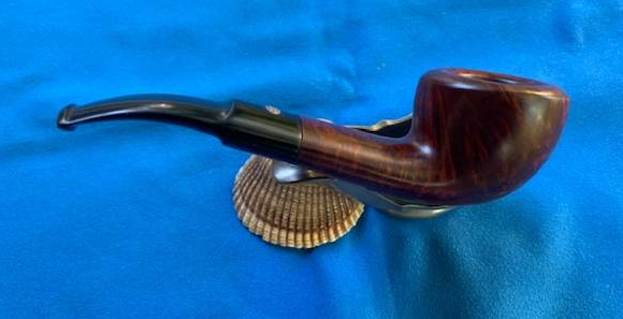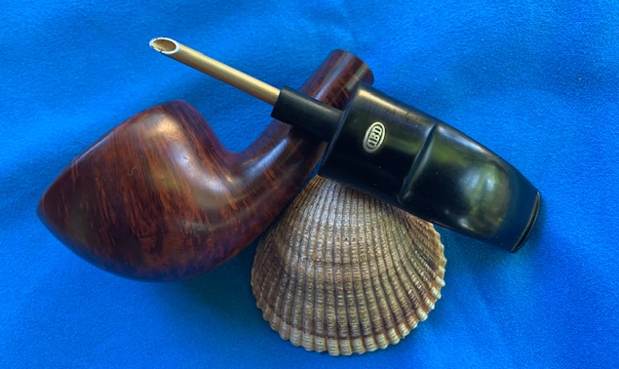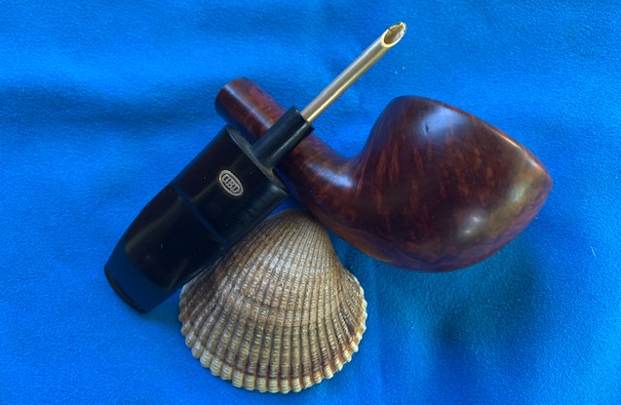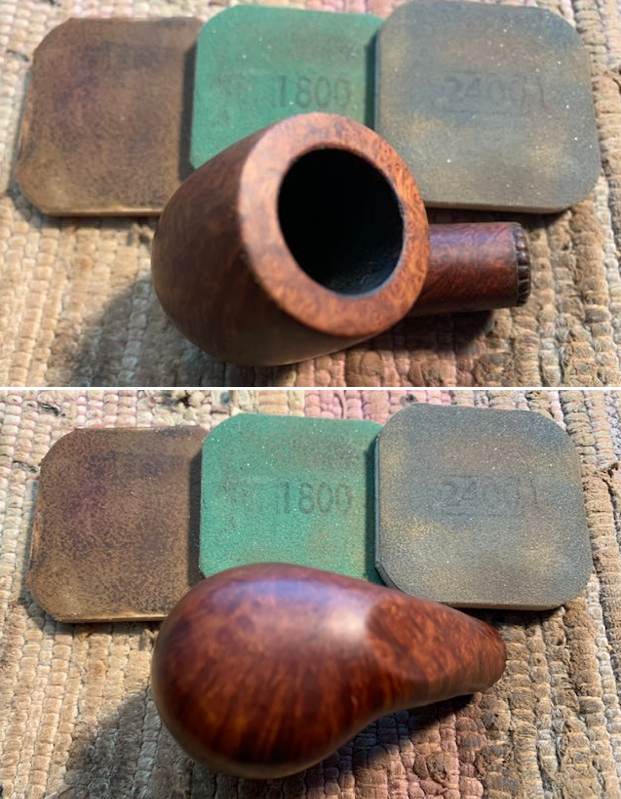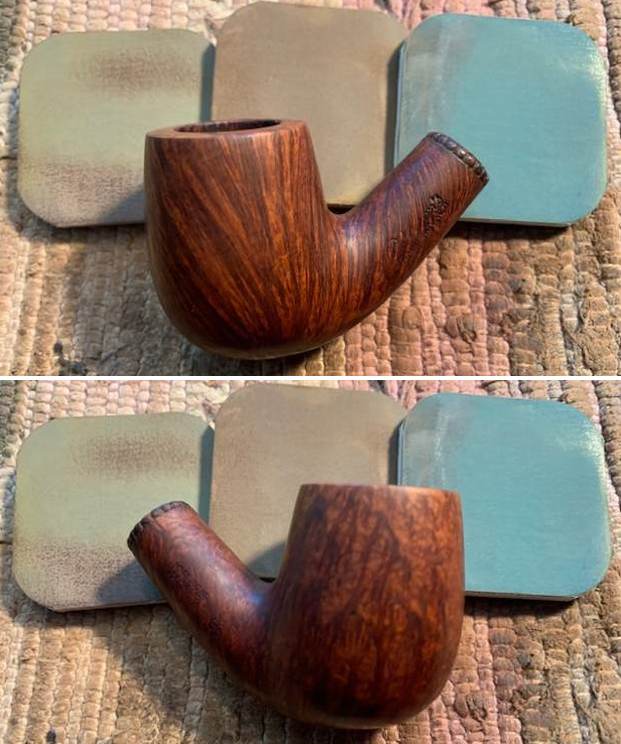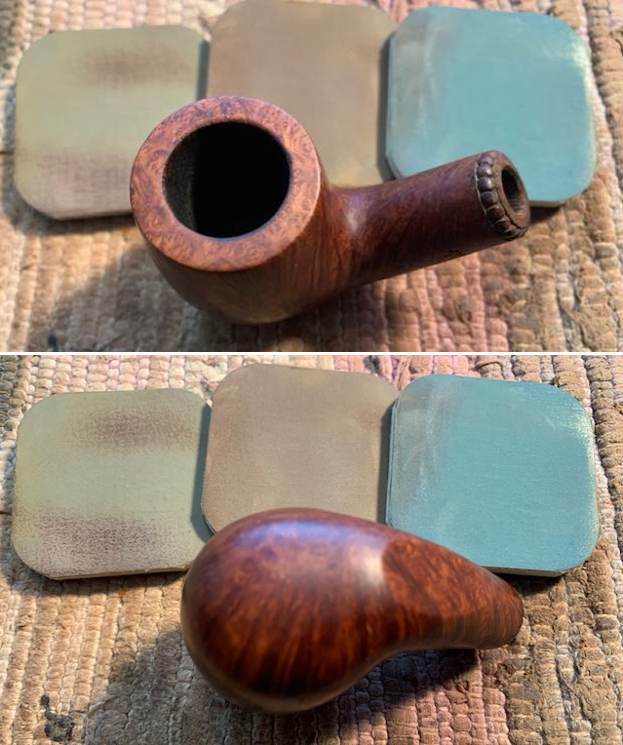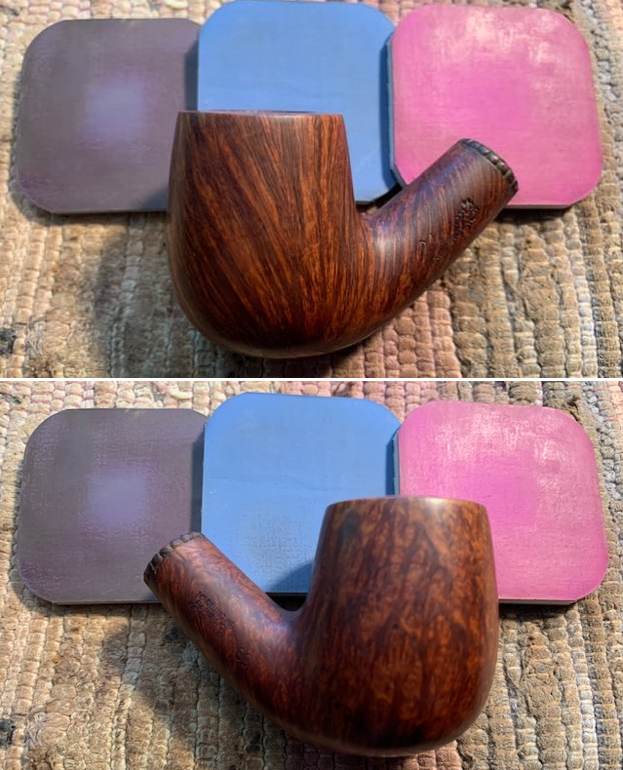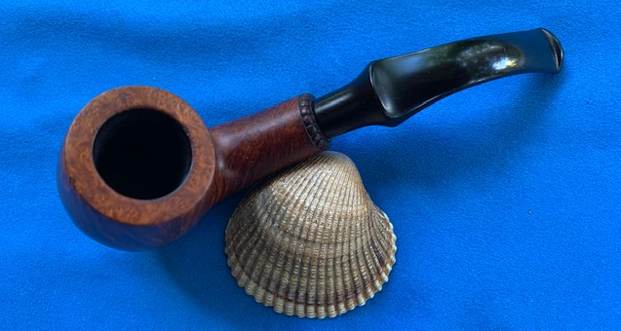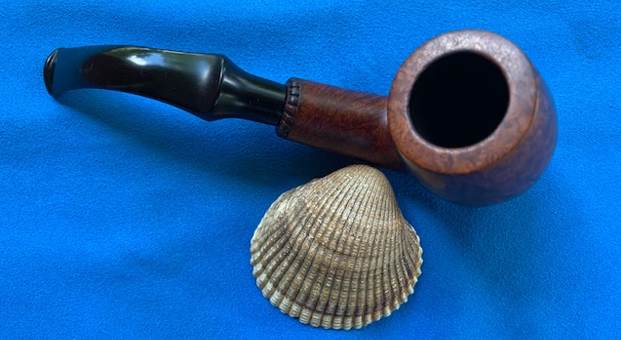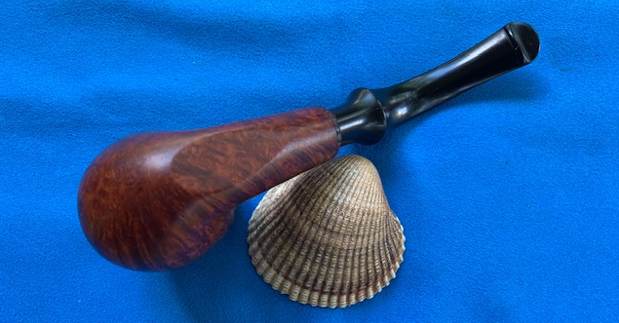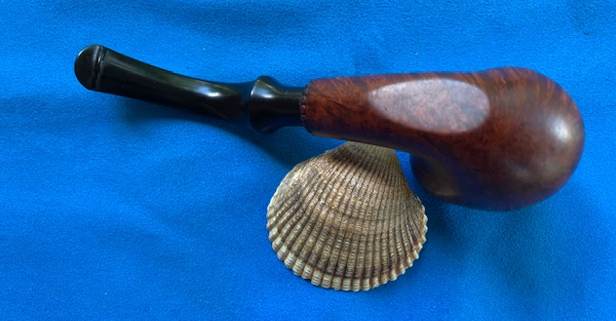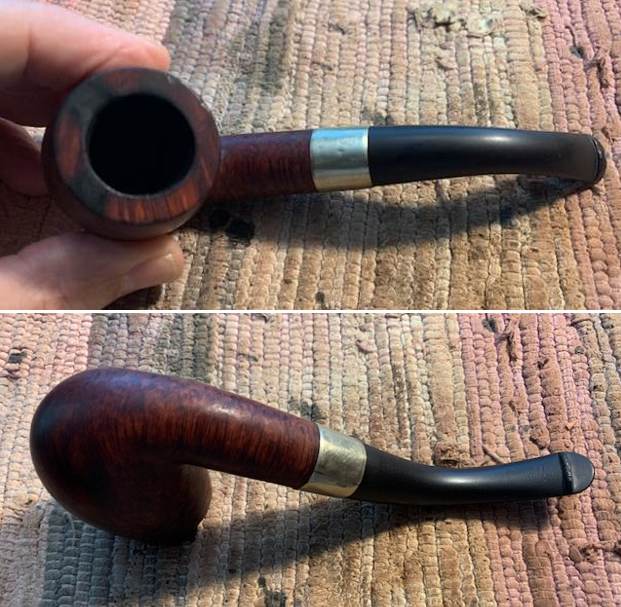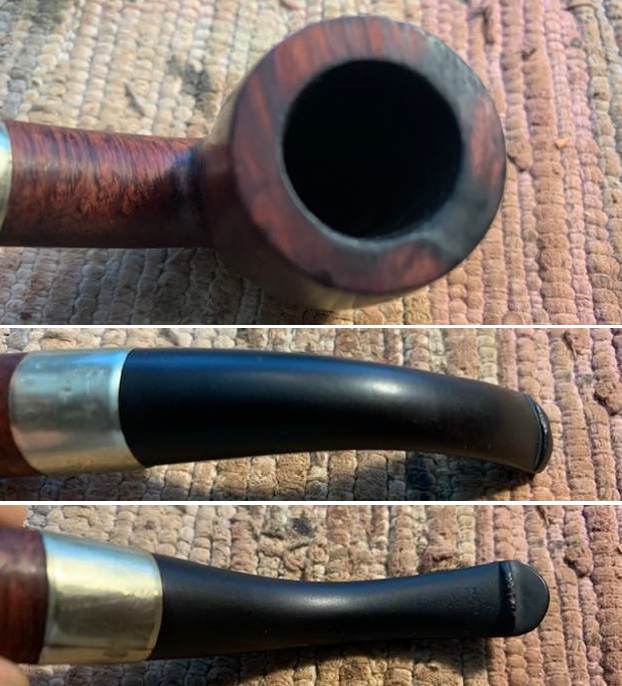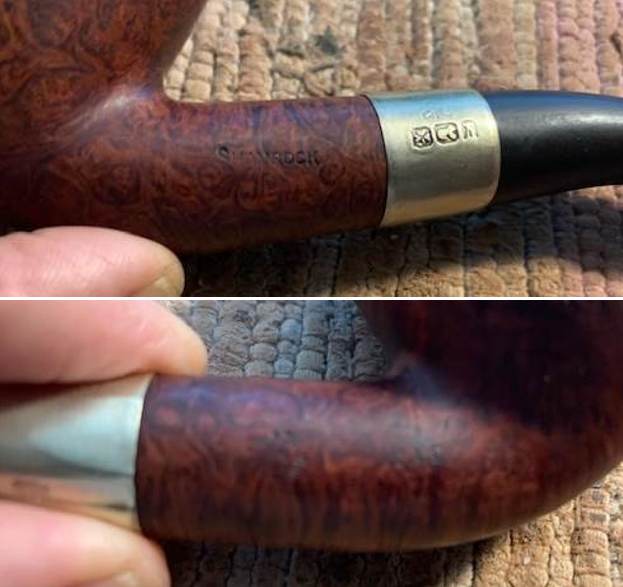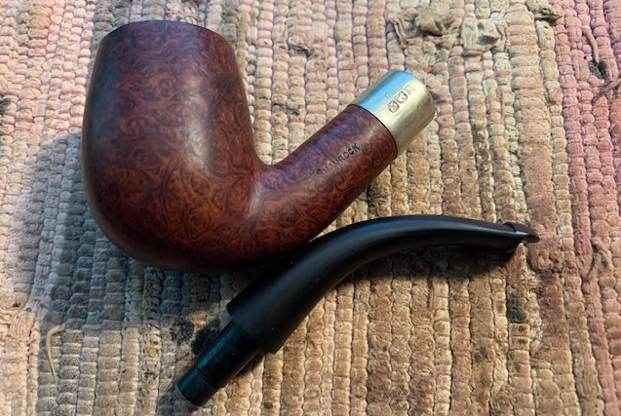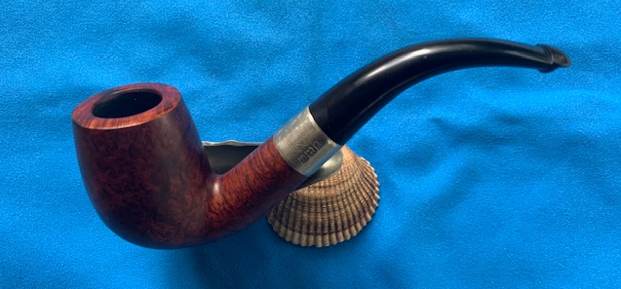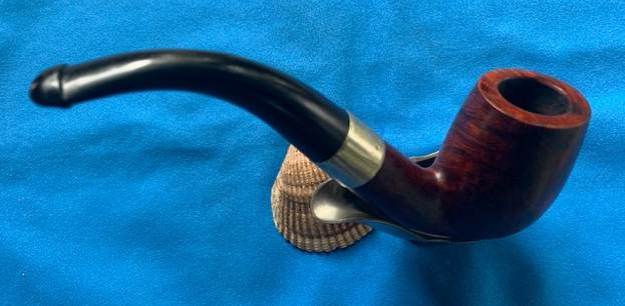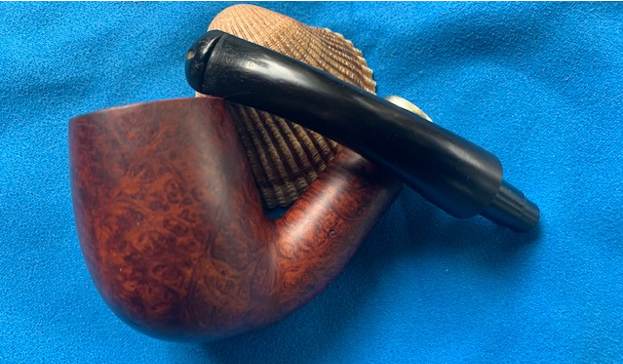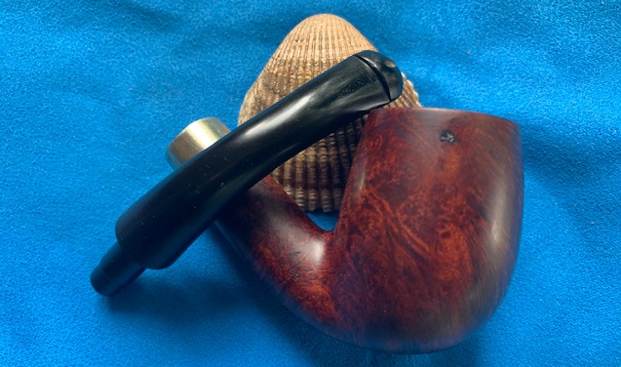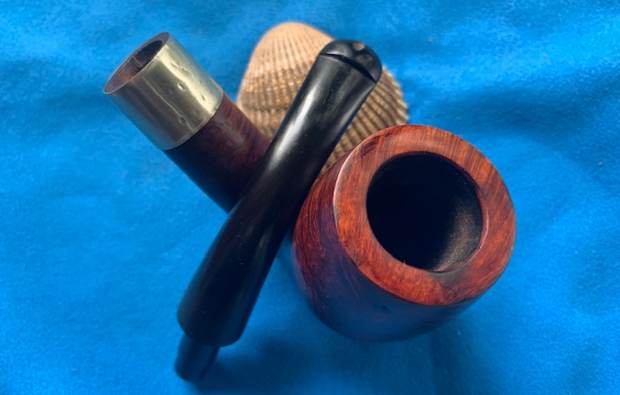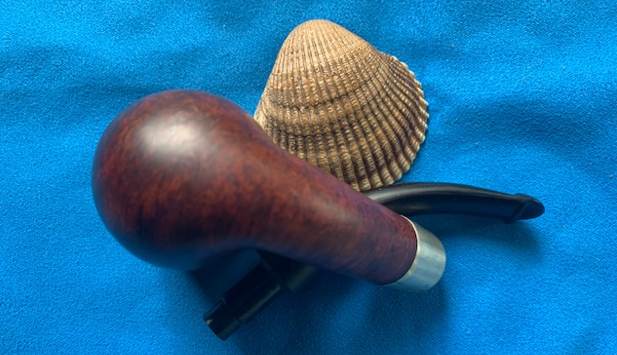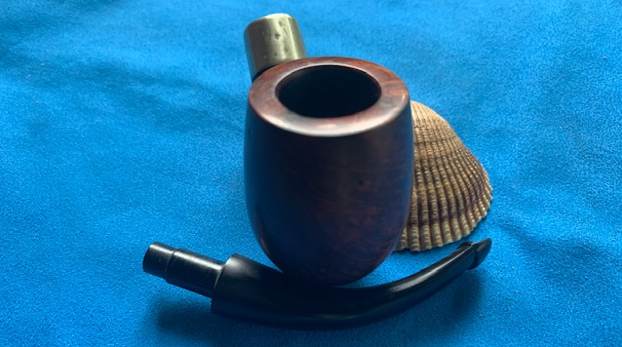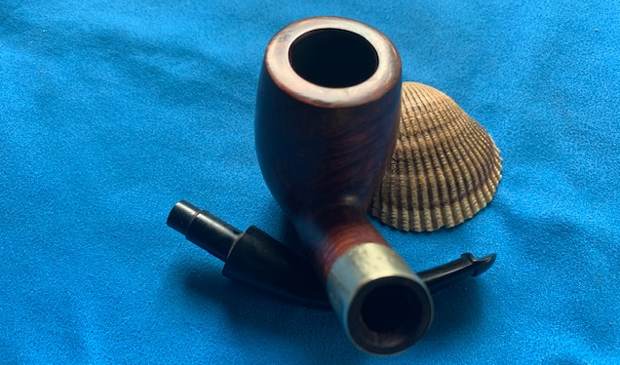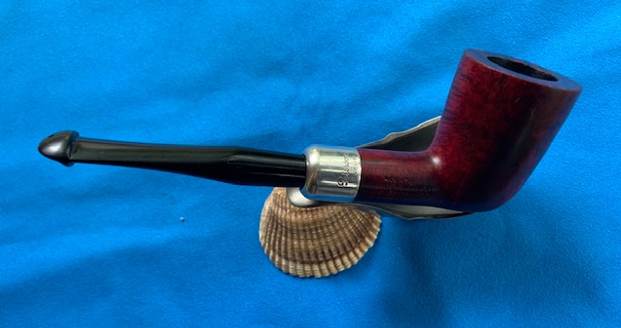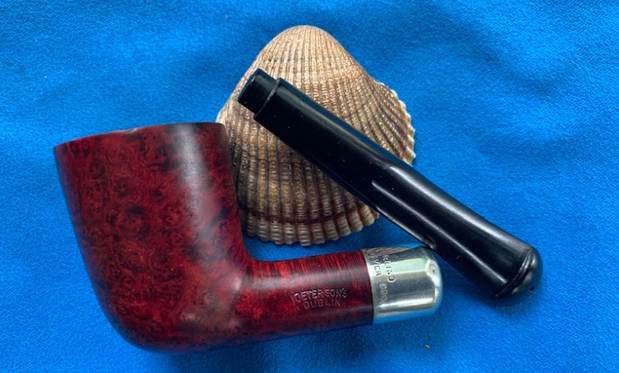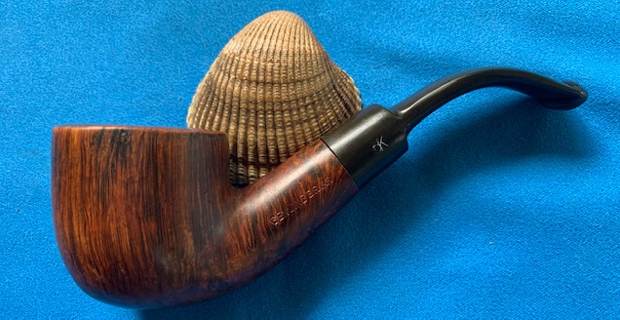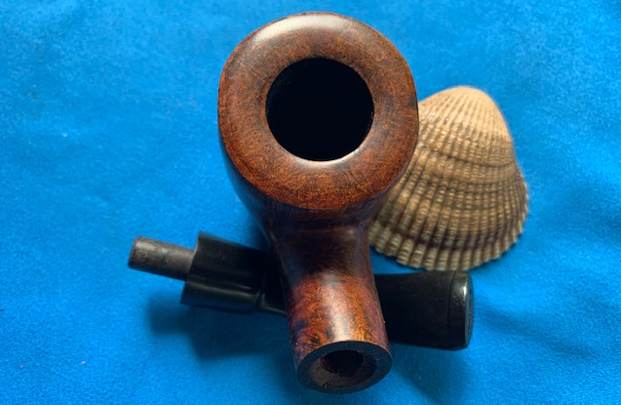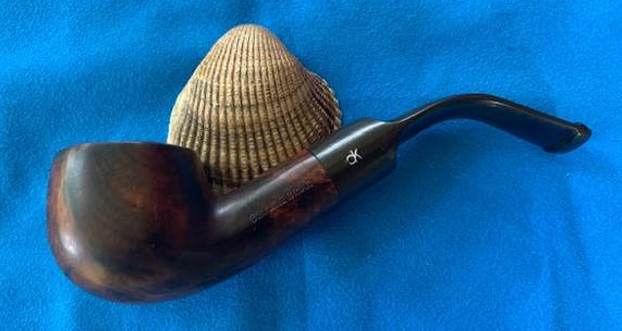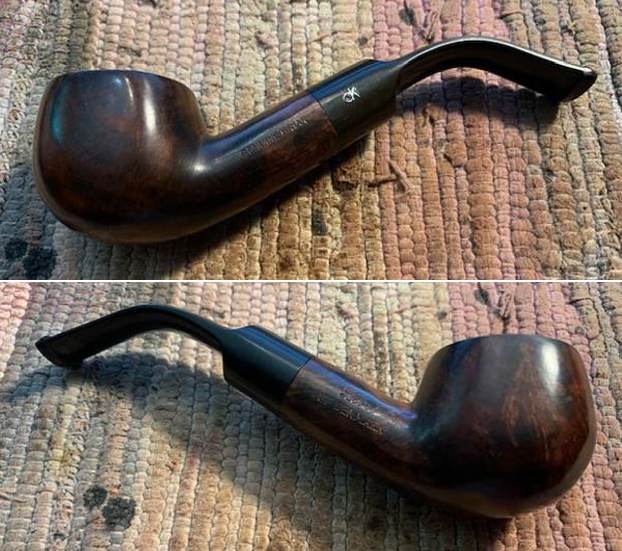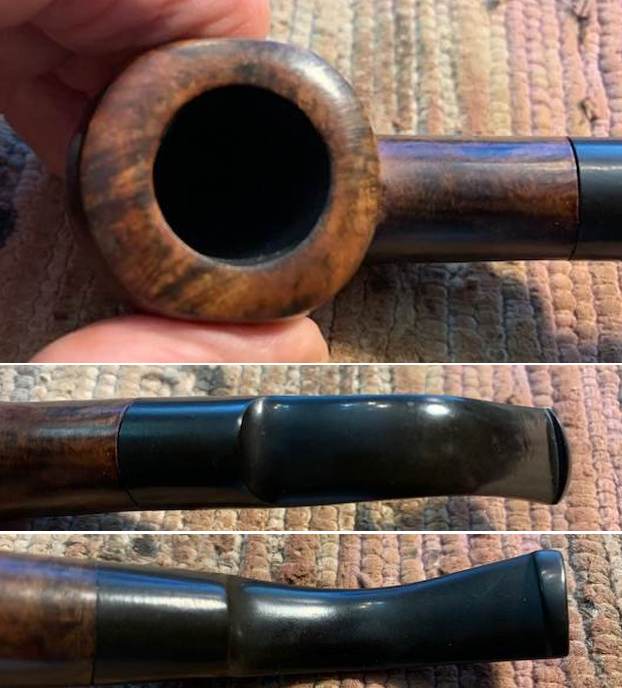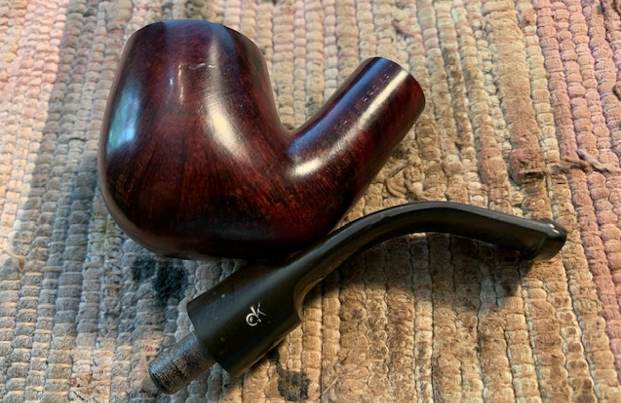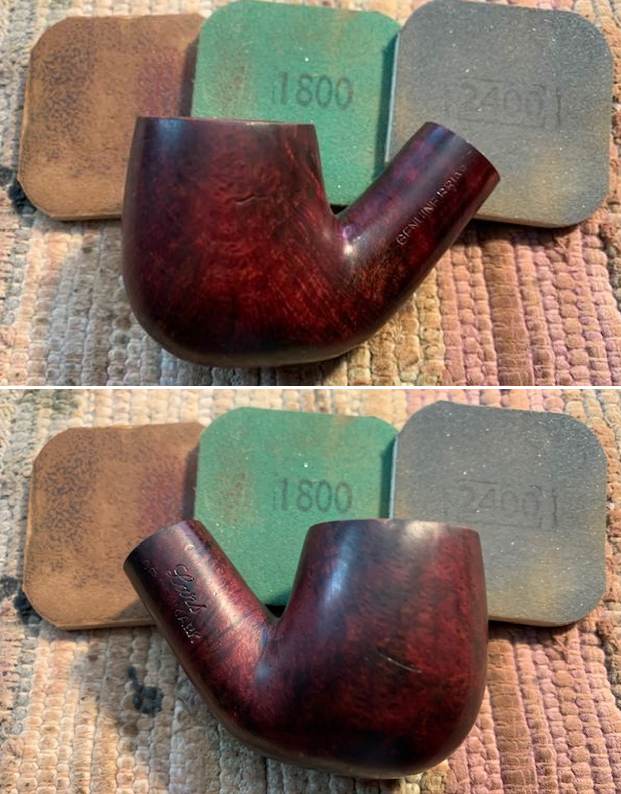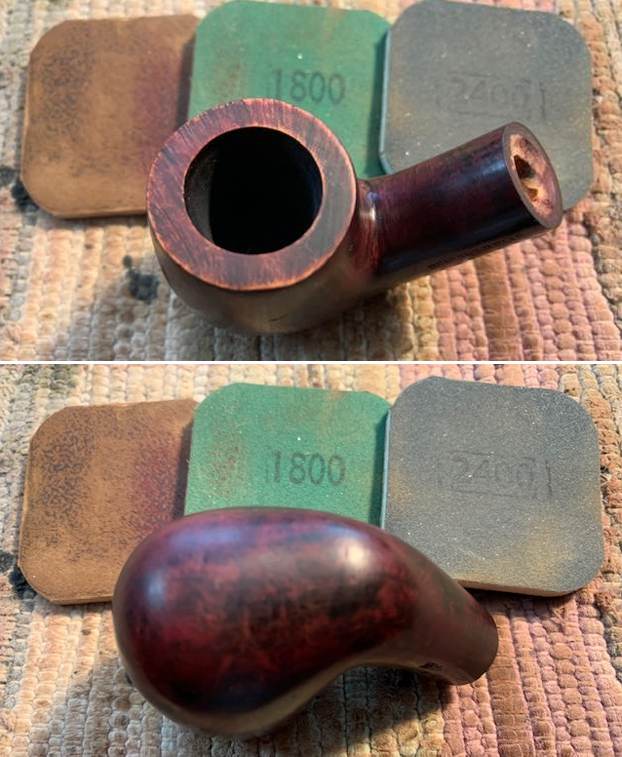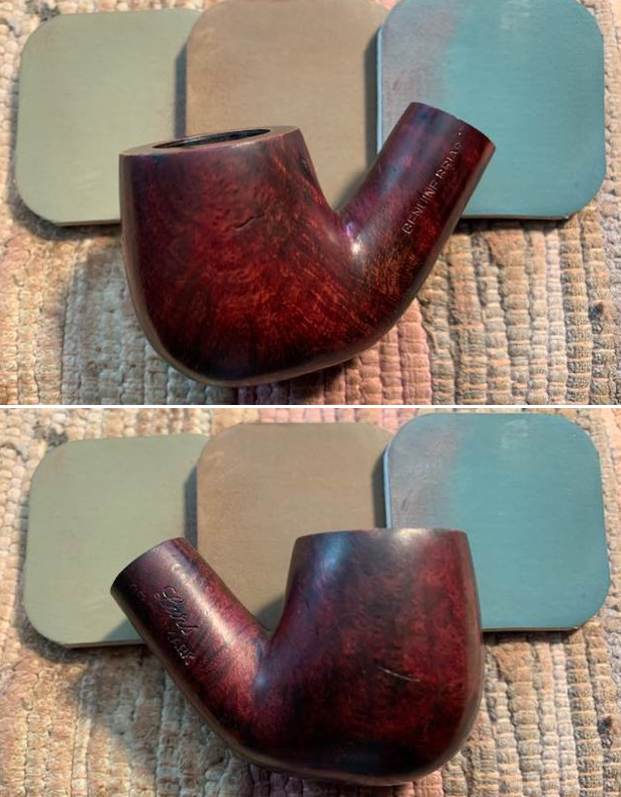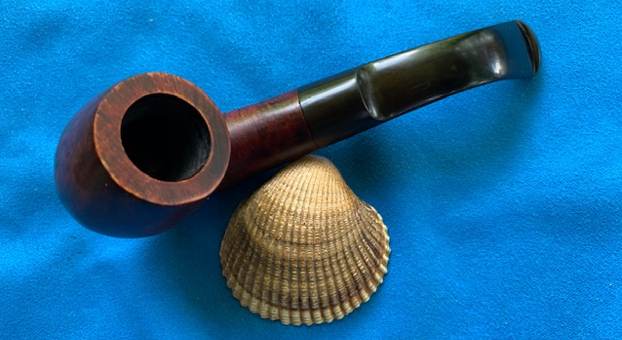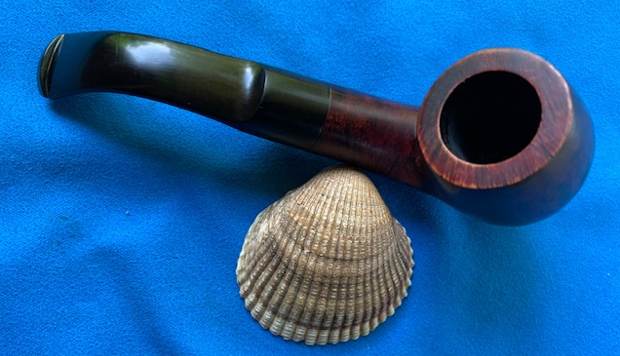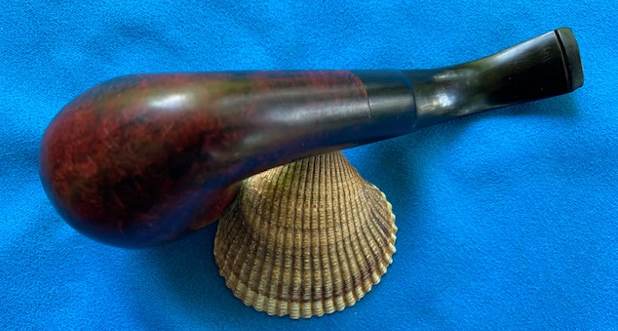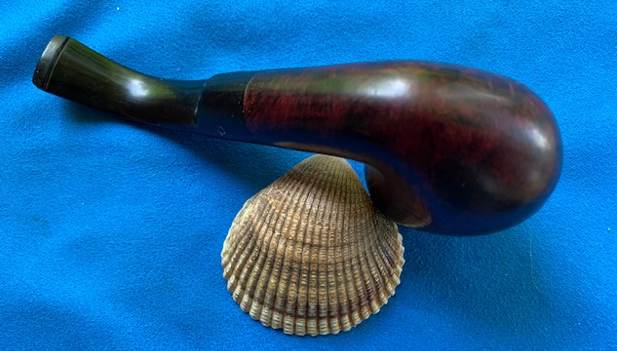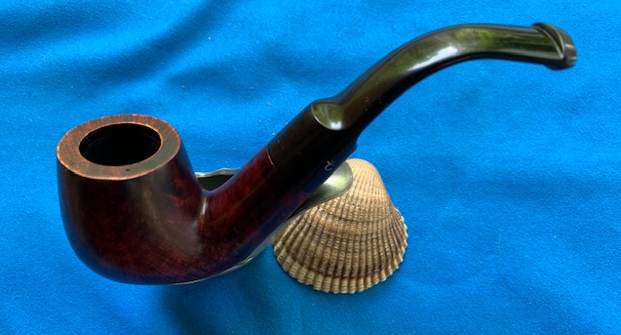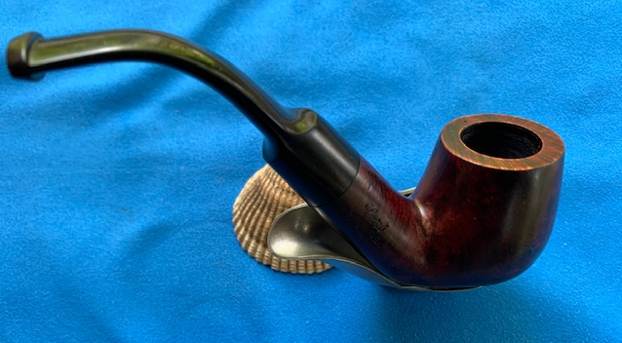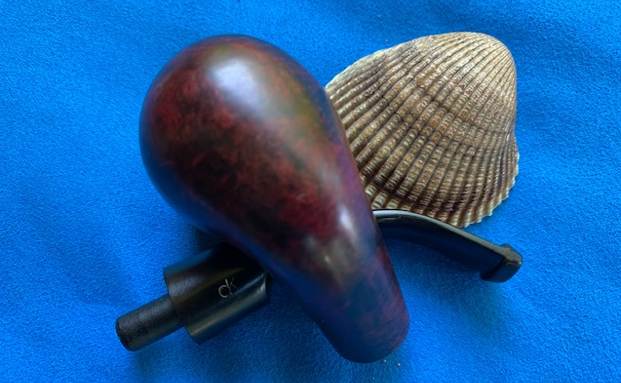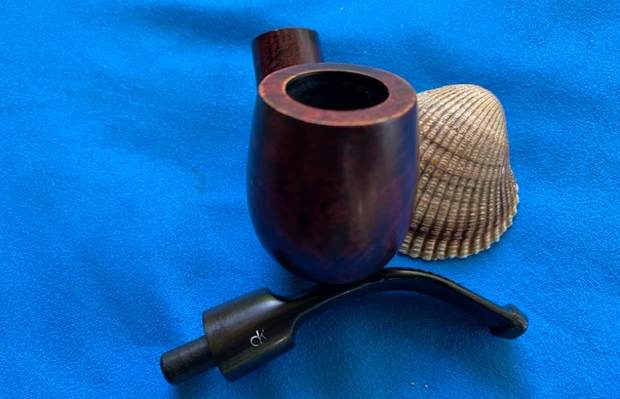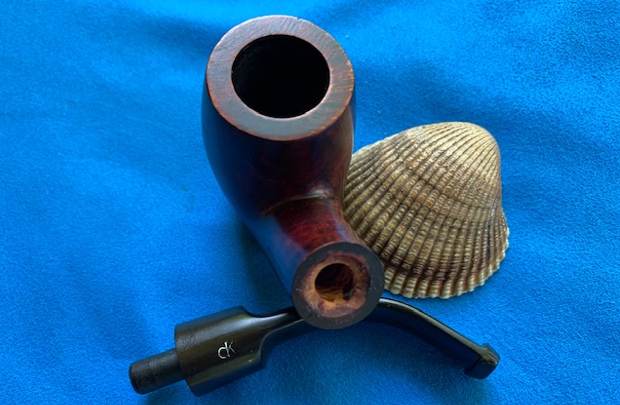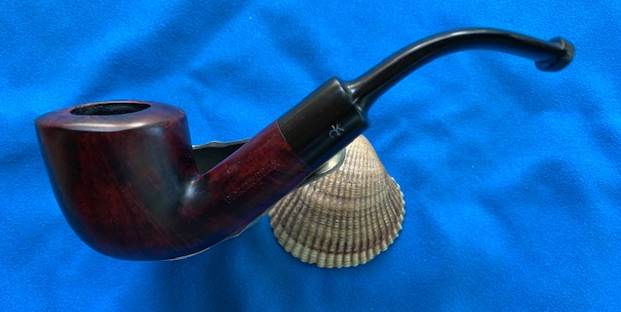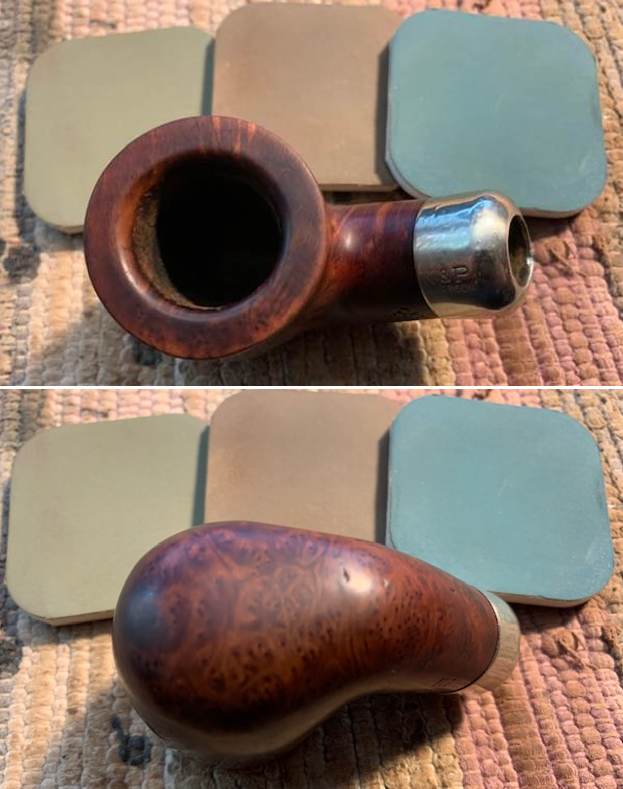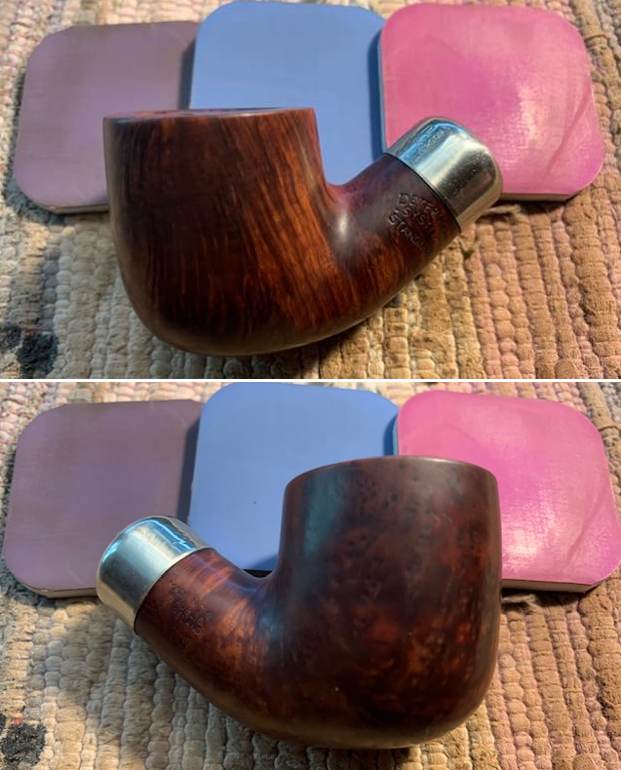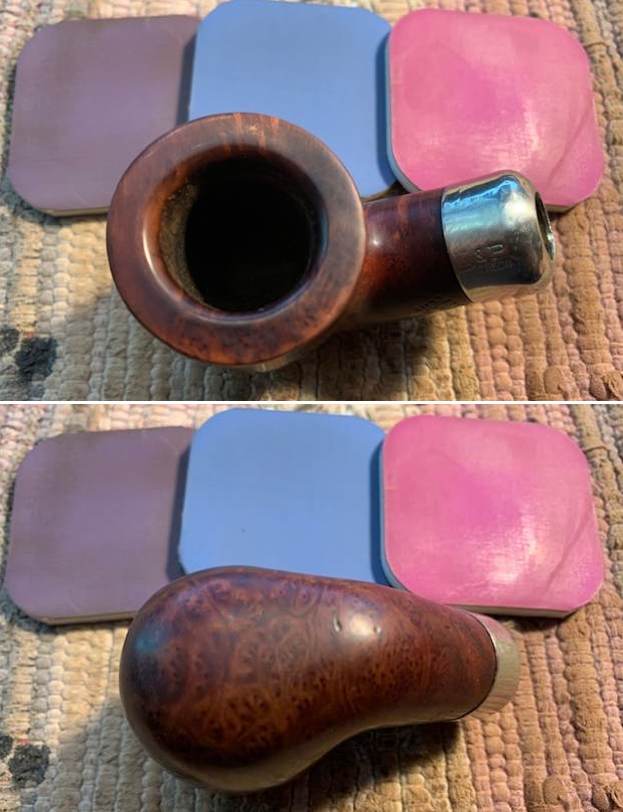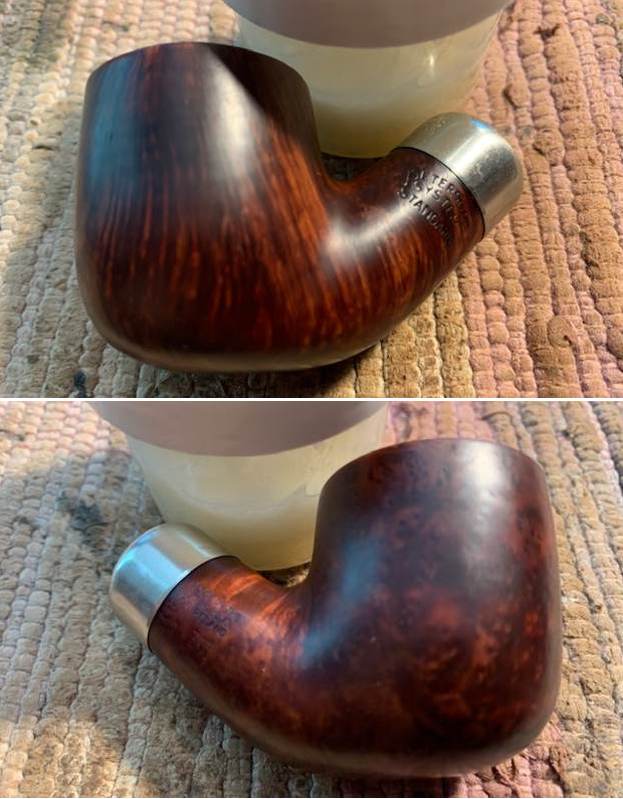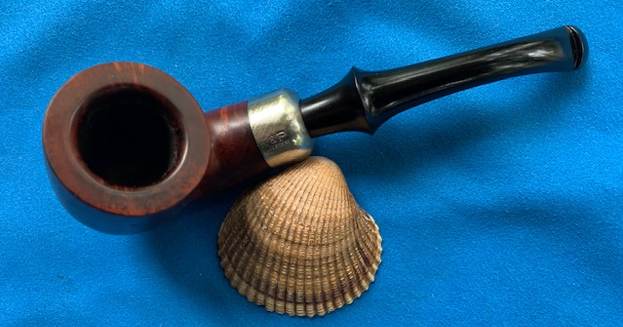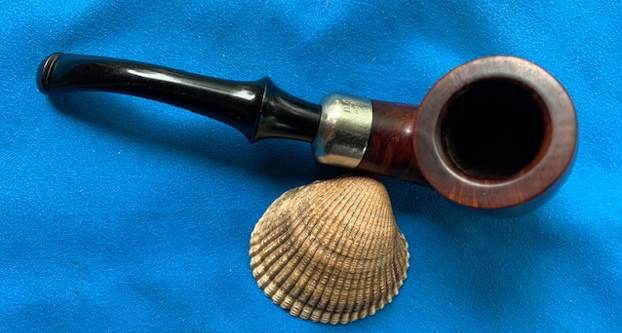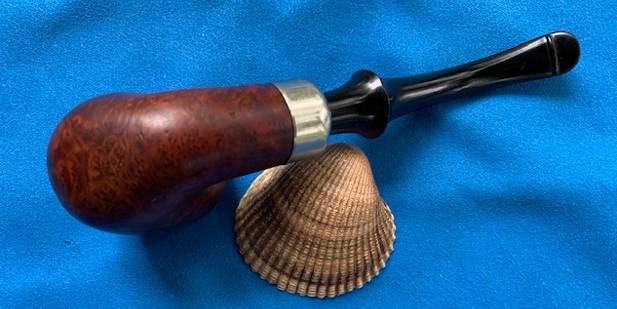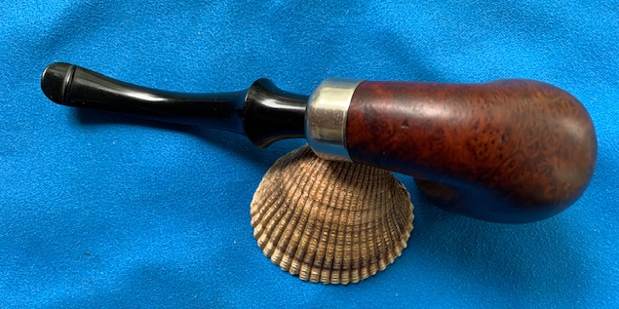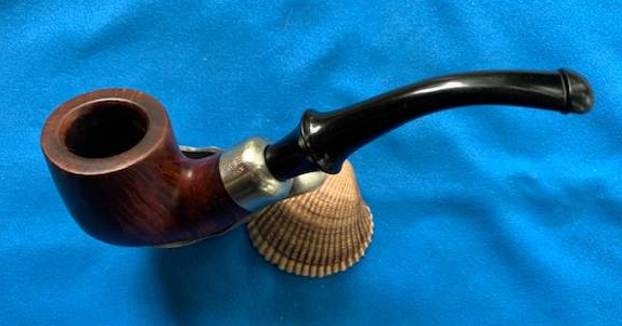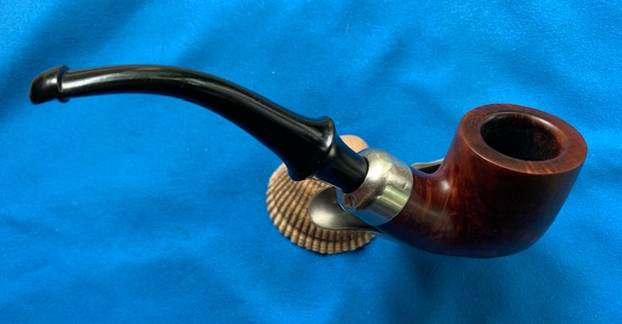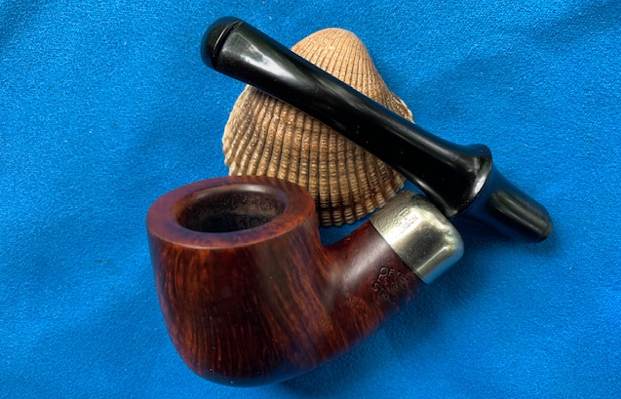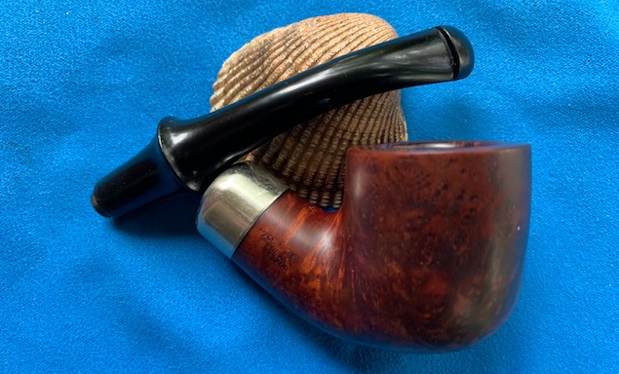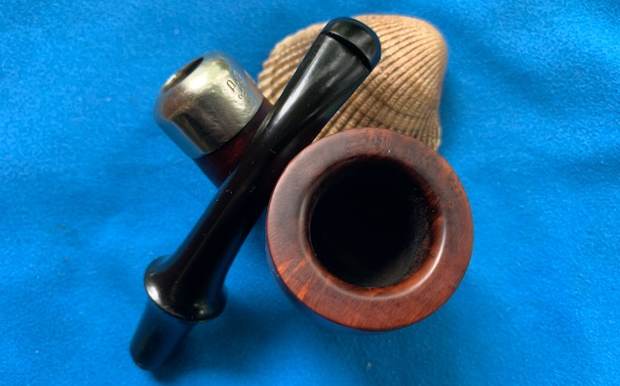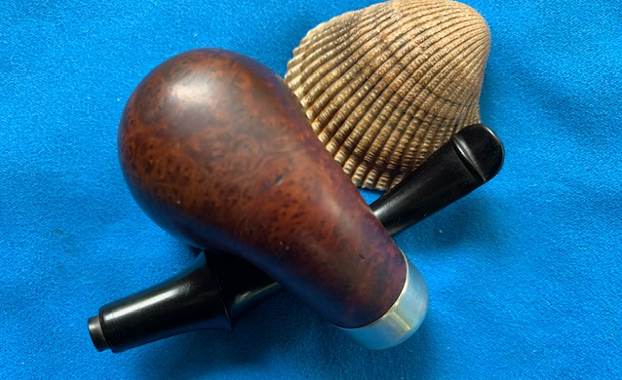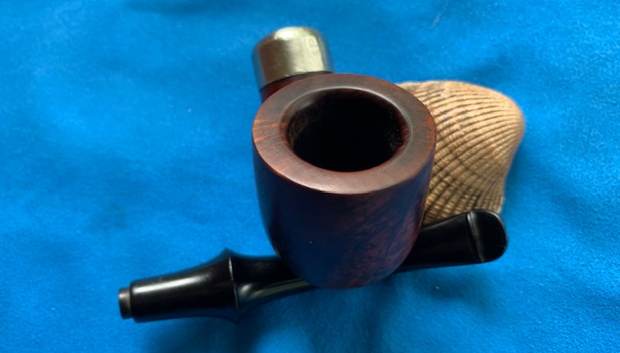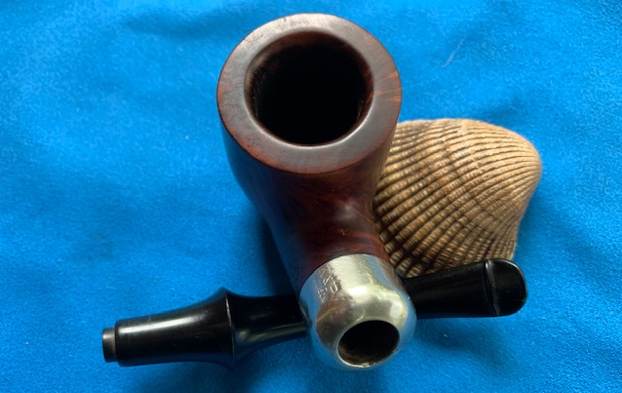
Restoring a GBD Speciale 728


Blog by Steve Laug

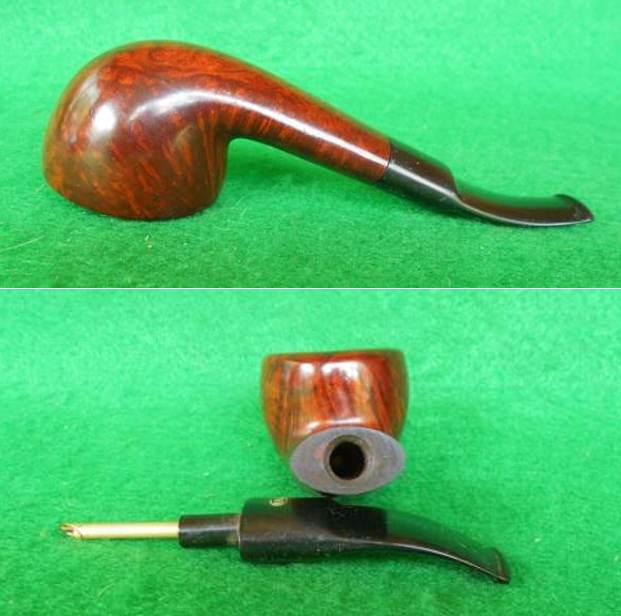
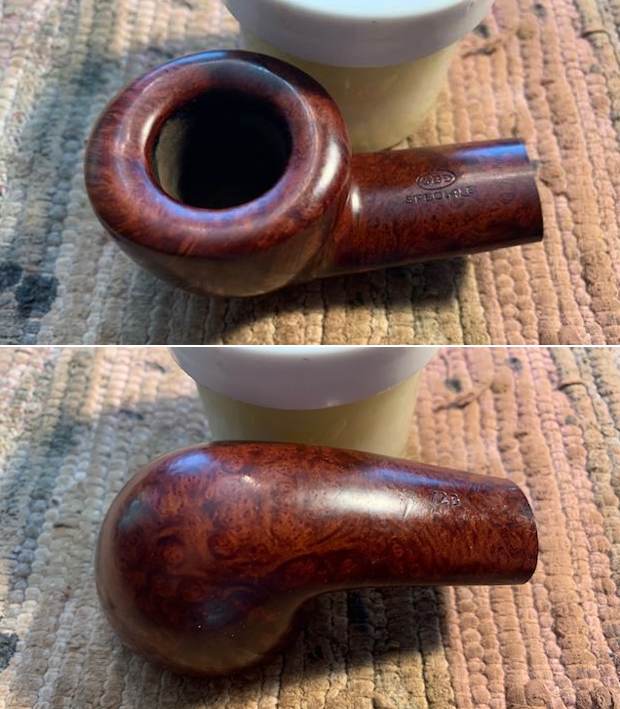
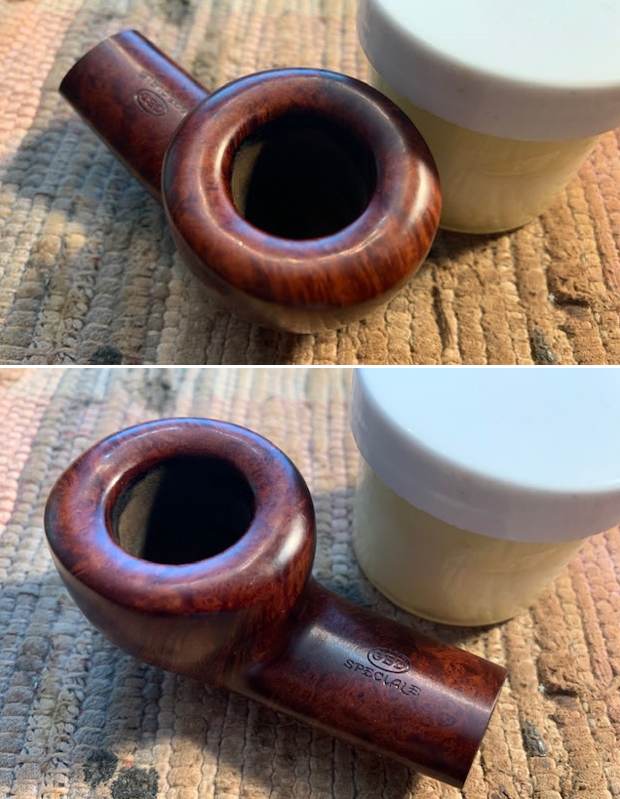
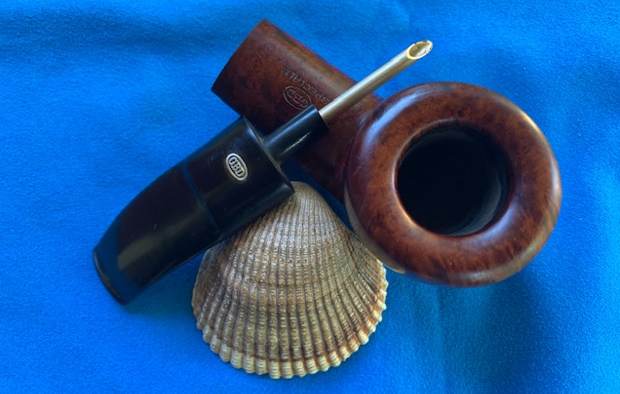
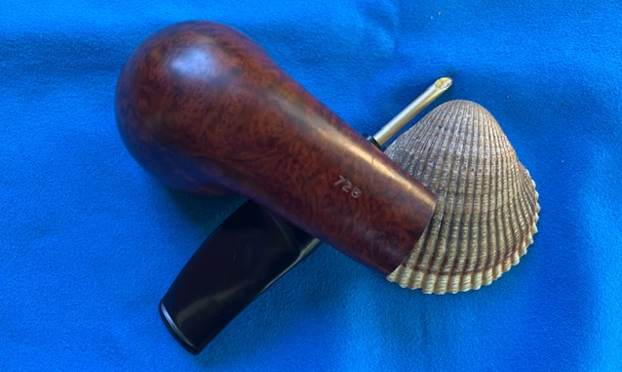
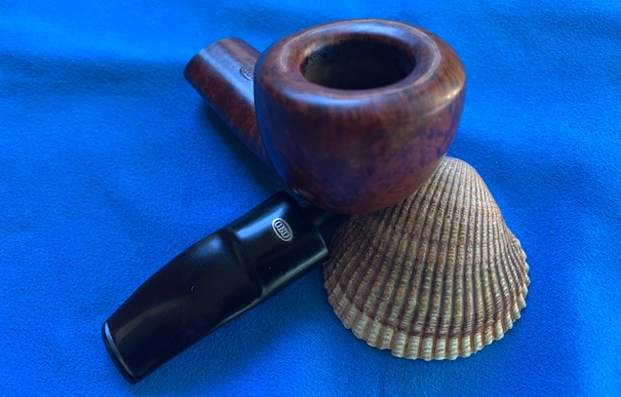
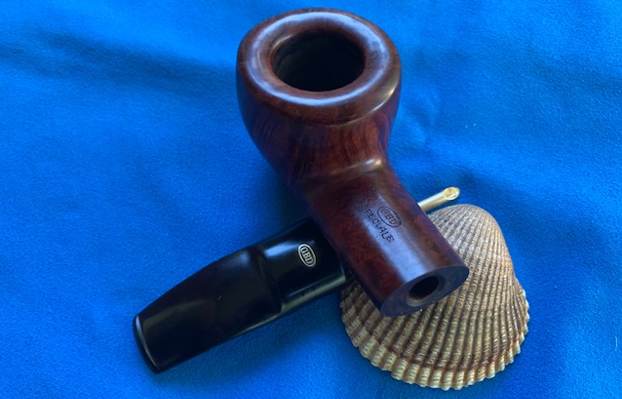
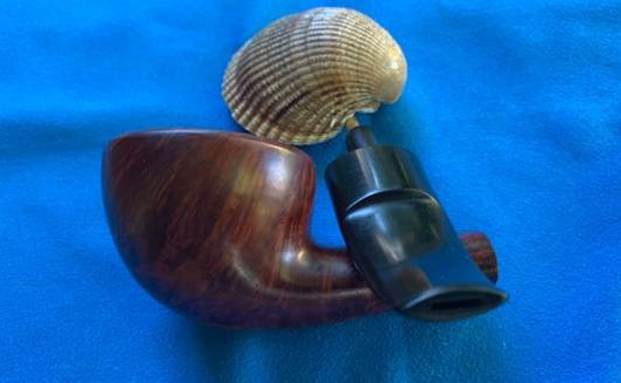
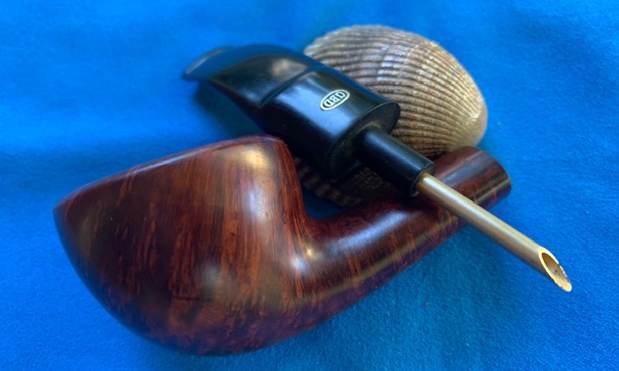
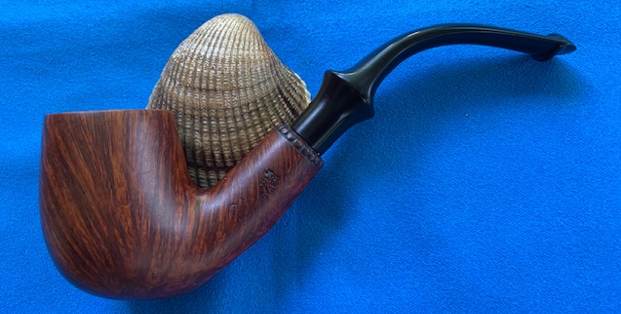
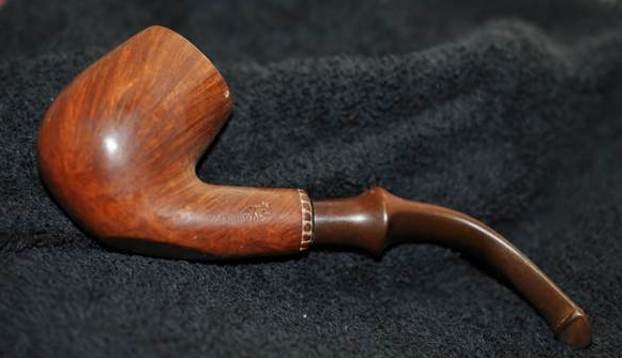
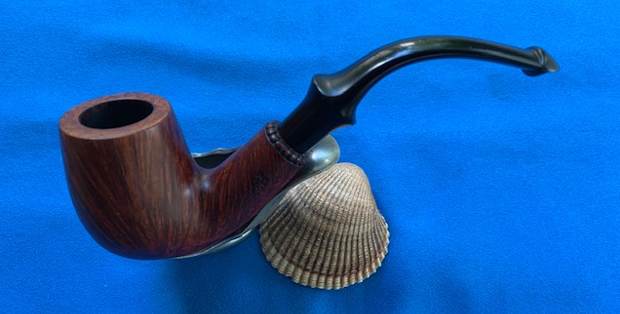
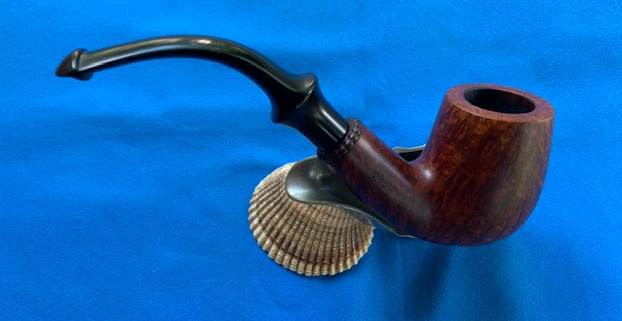
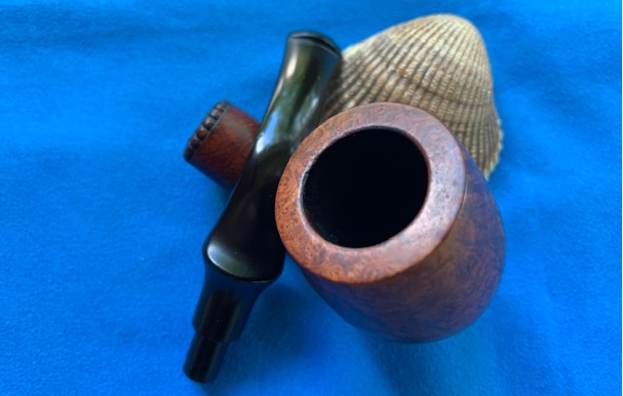
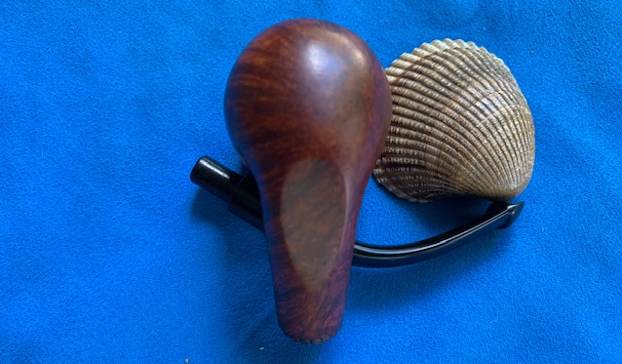
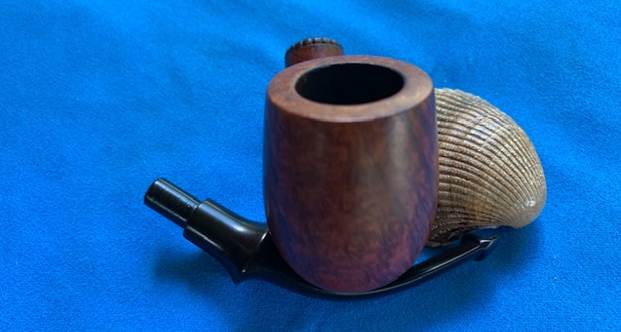
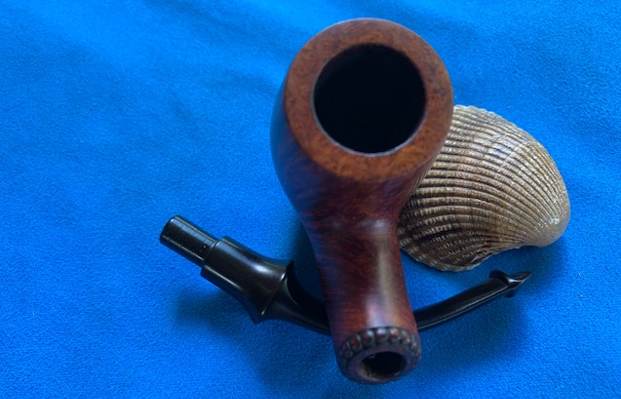
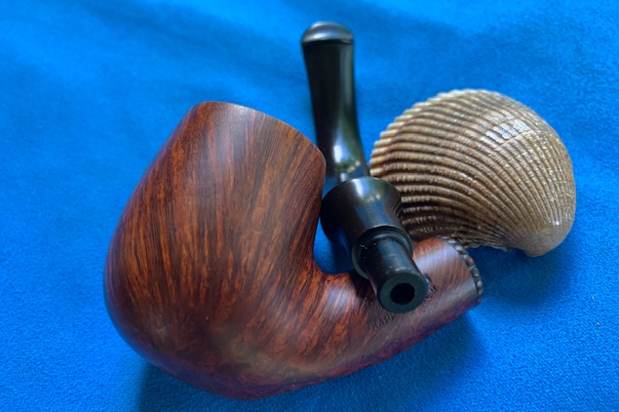
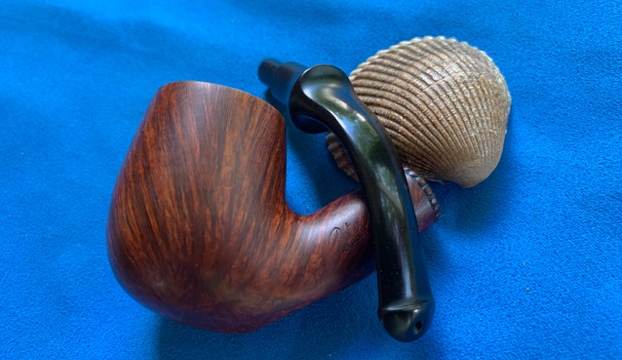
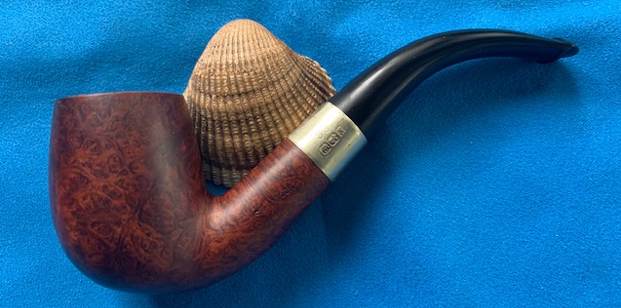
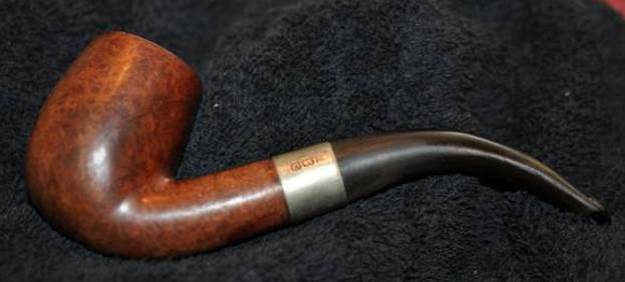
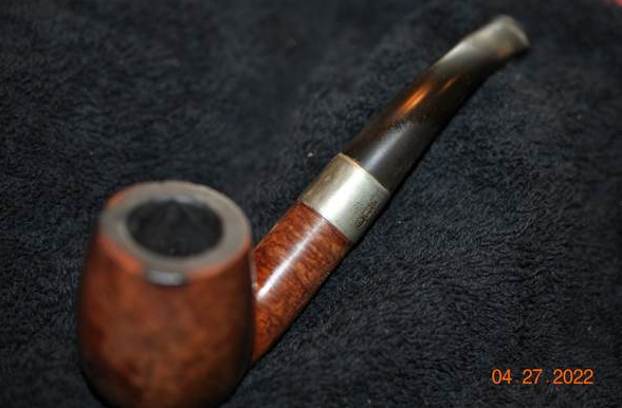
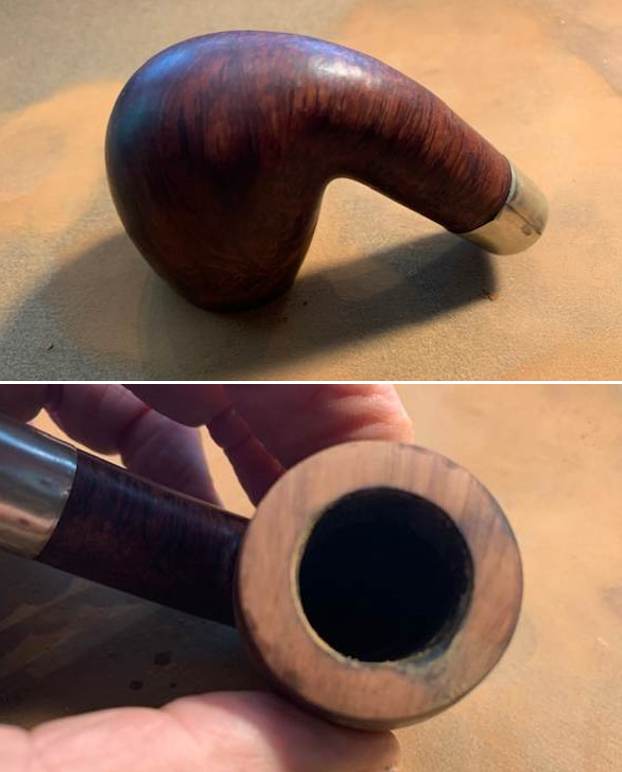
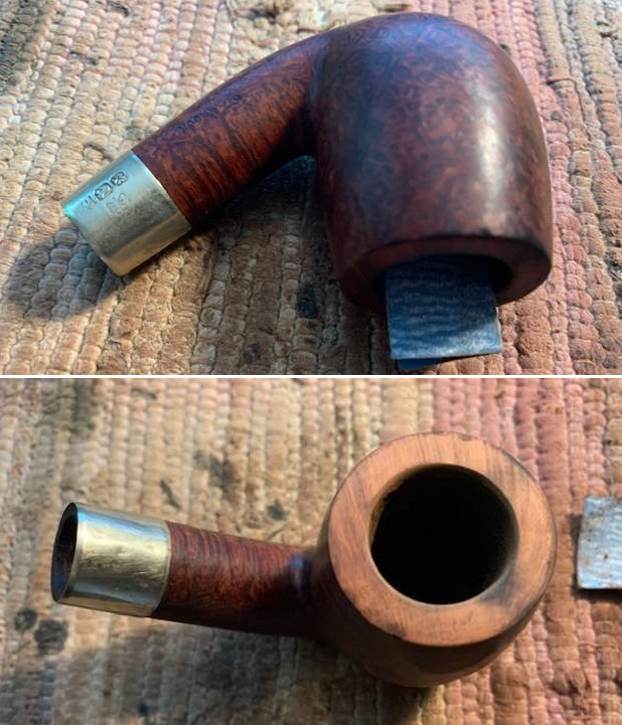
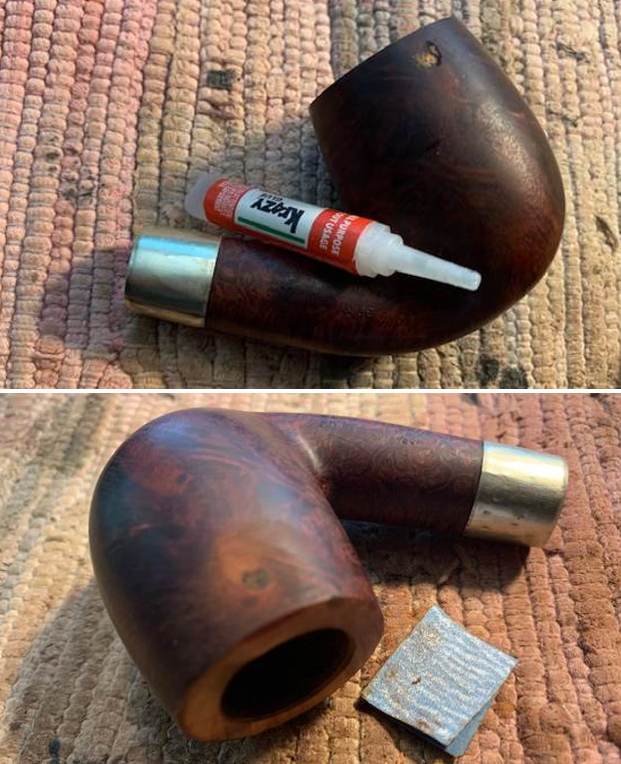
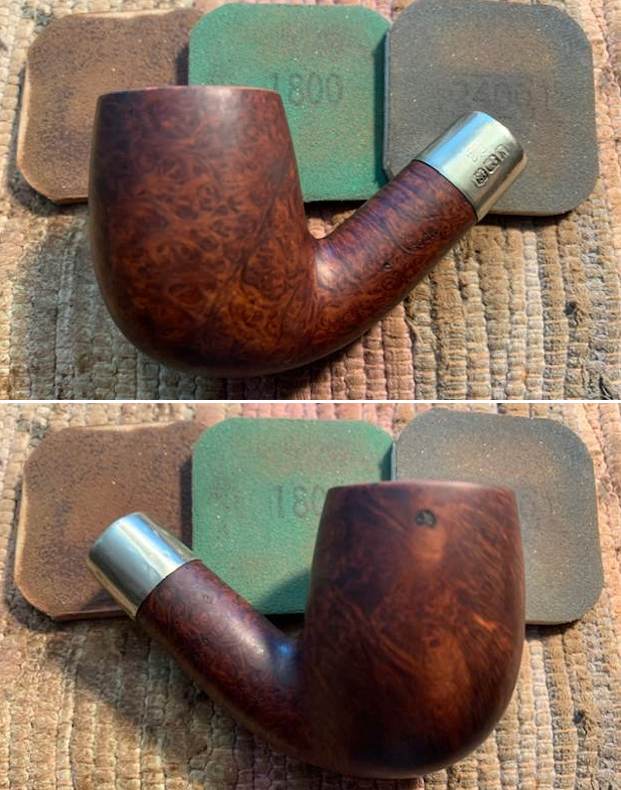
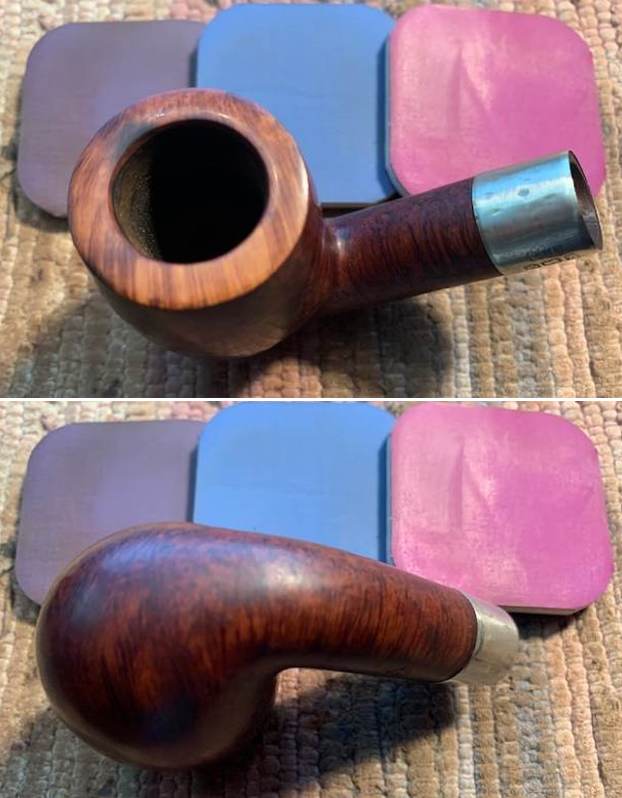
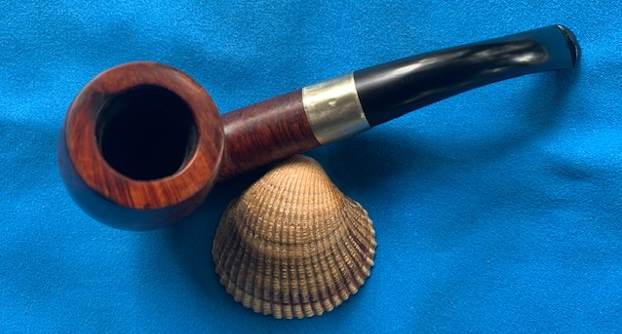
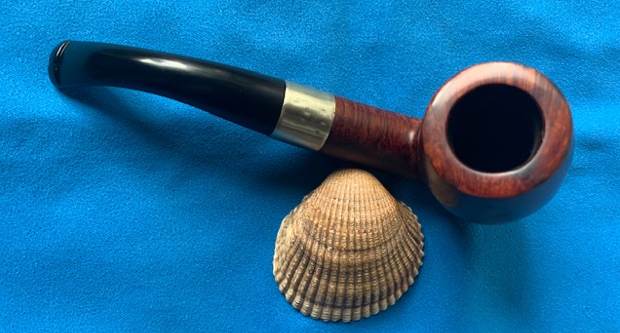
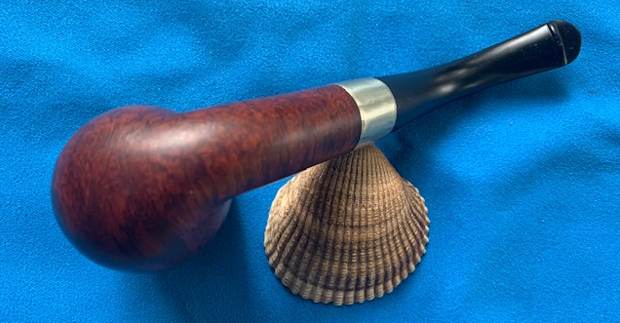
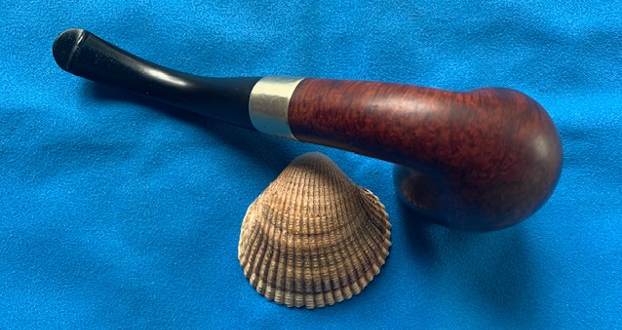
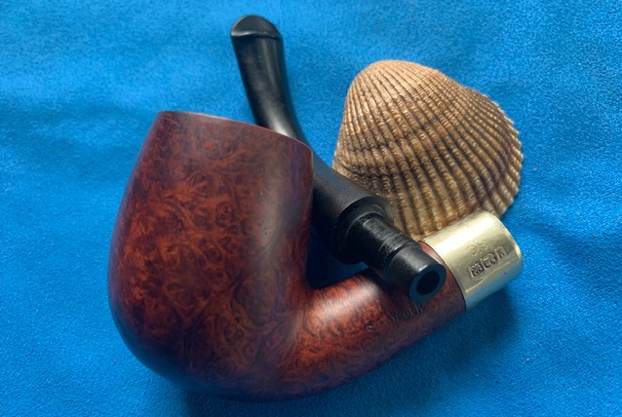
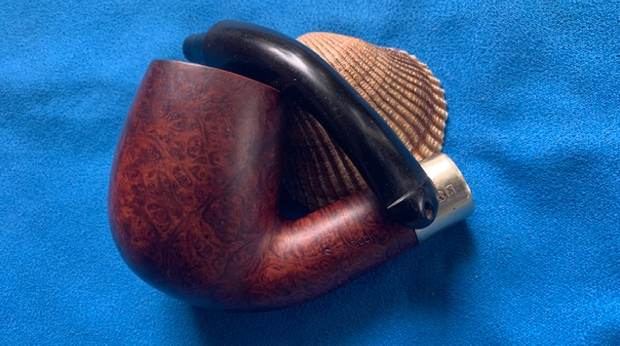
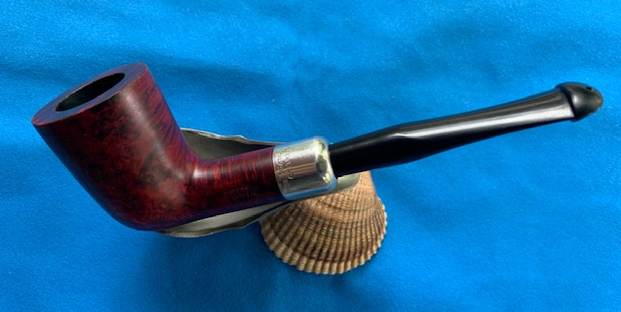
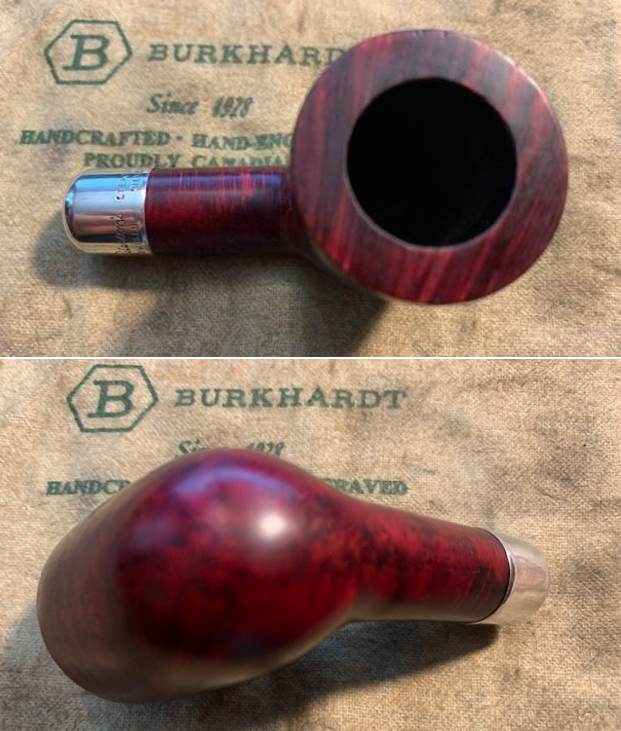
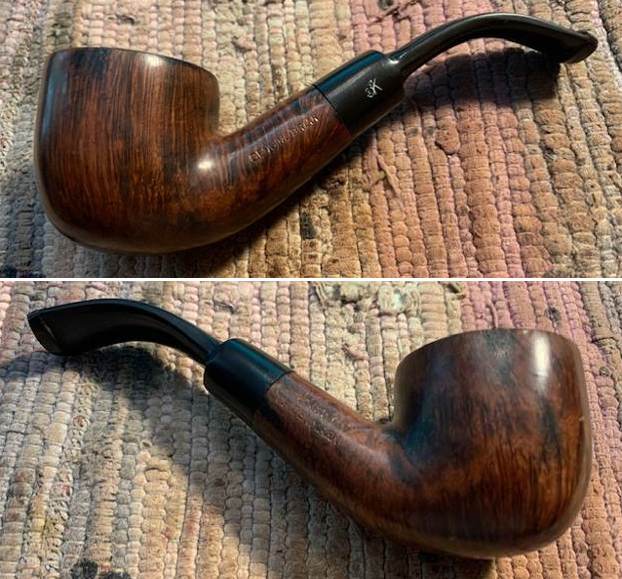
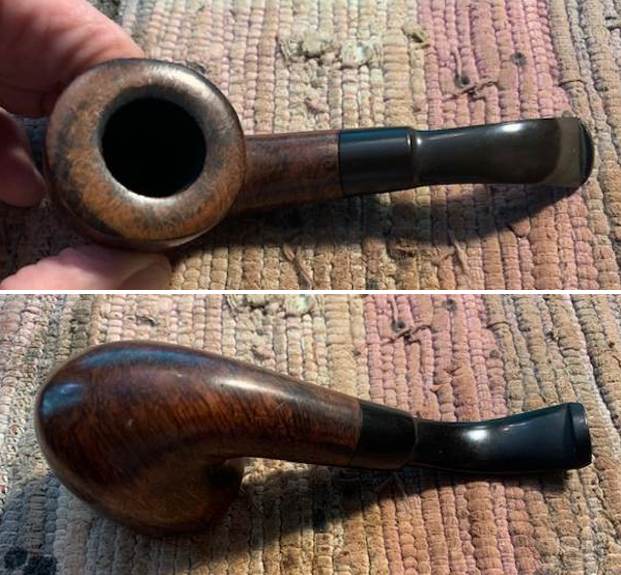
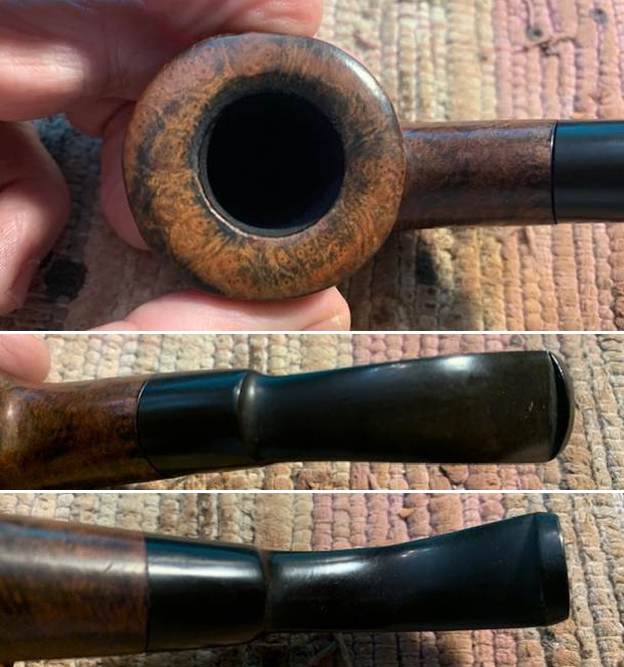
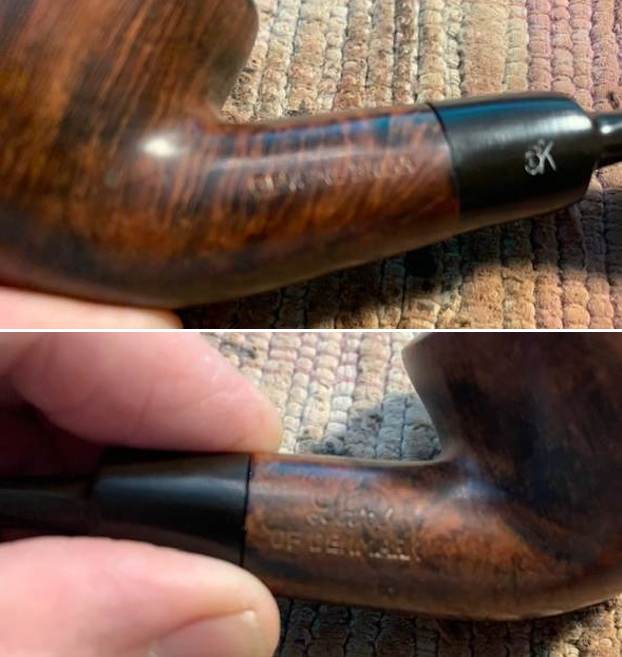
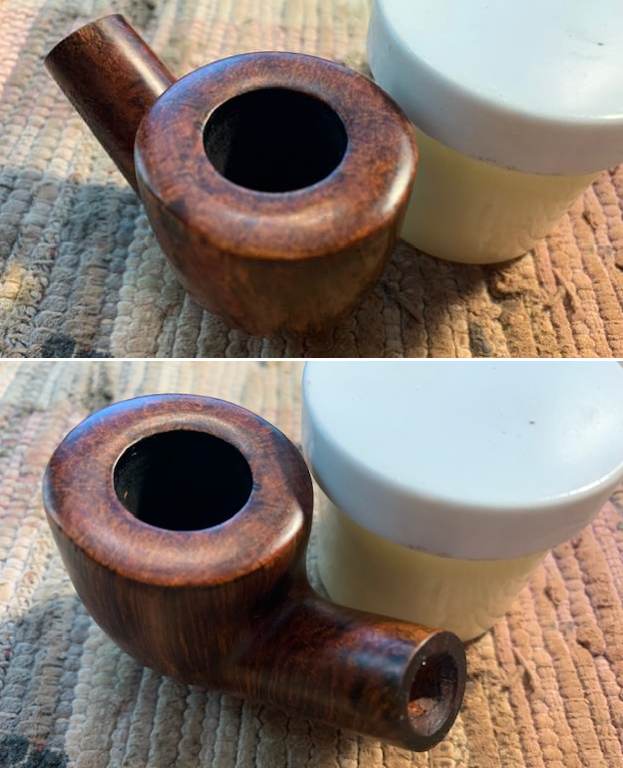
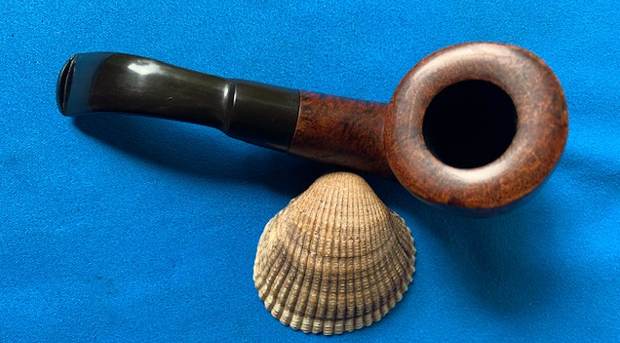
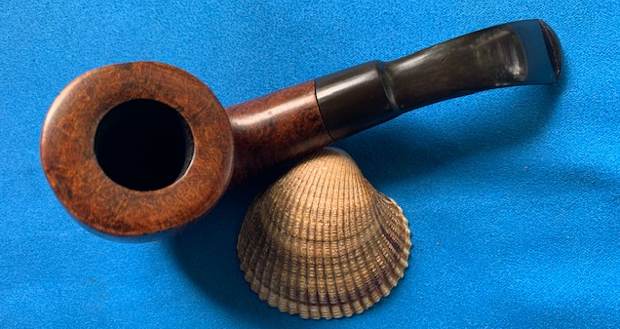
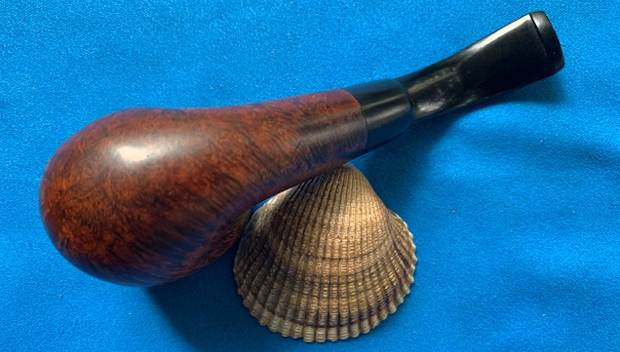
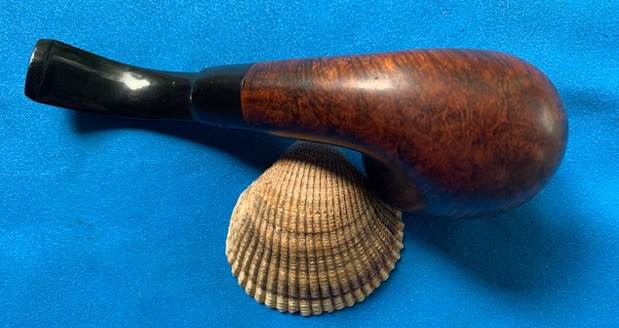
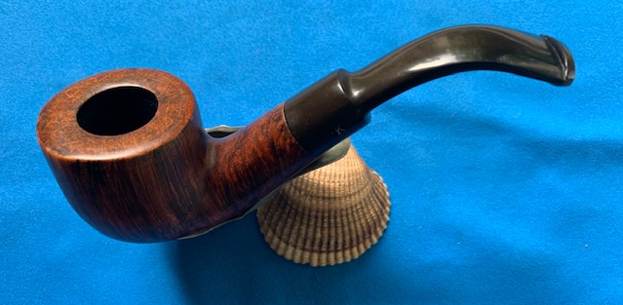
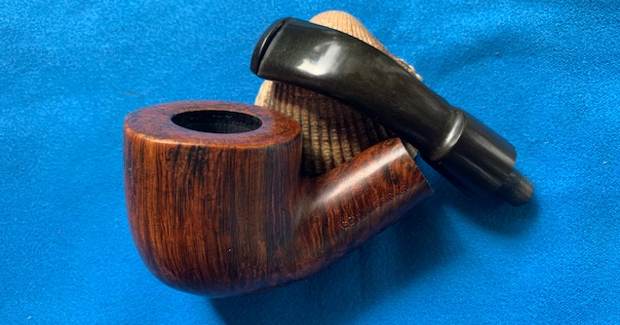
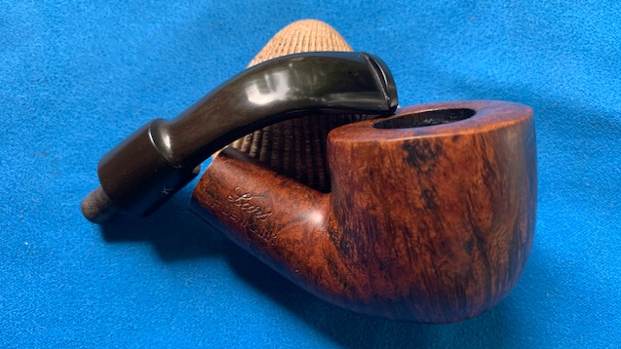
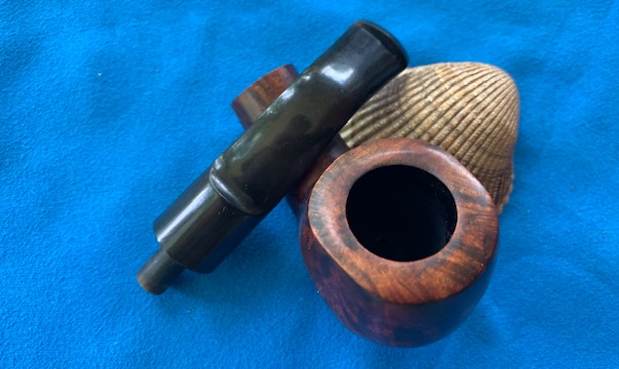
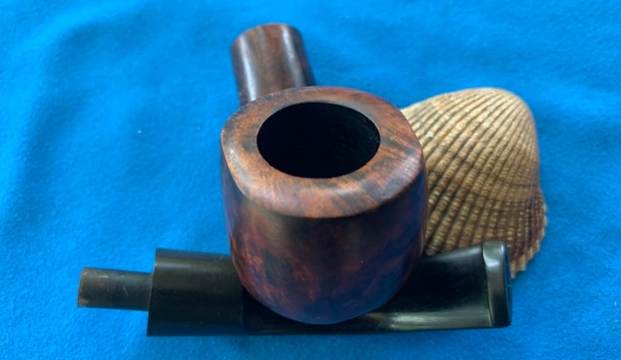
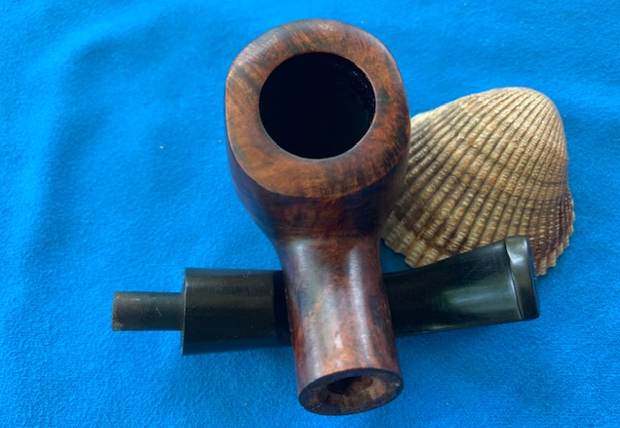
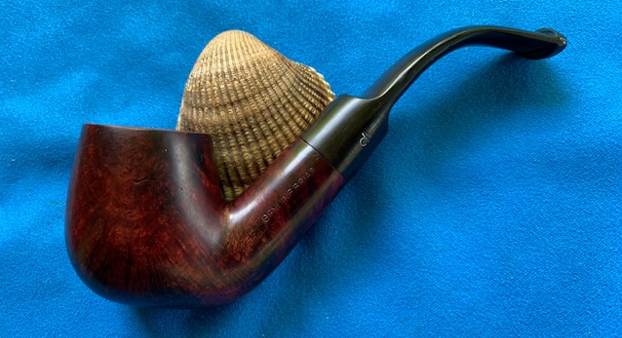
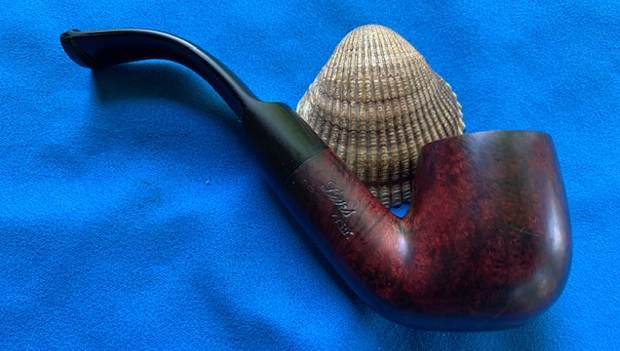
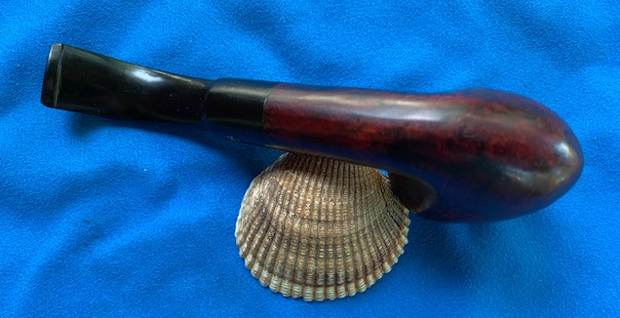
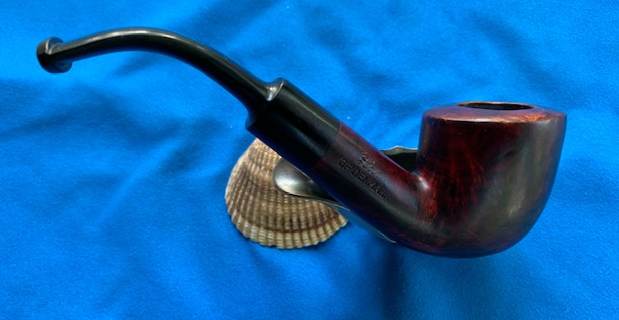
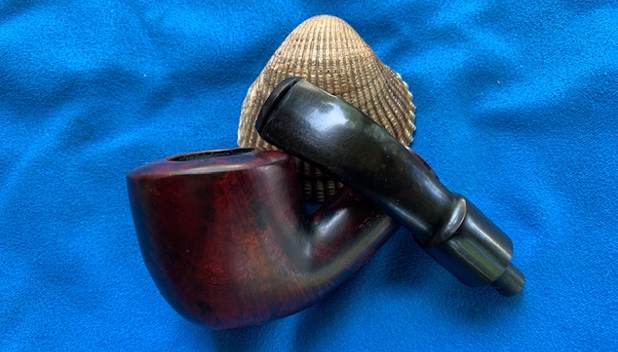
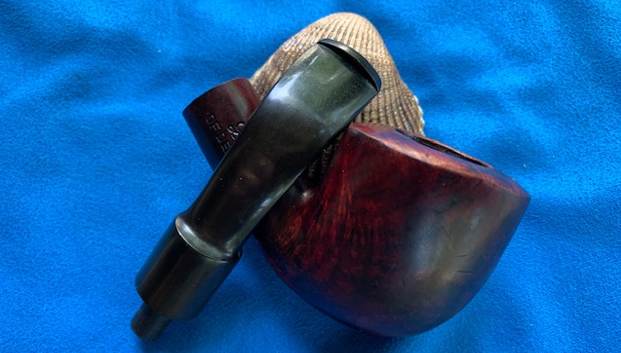
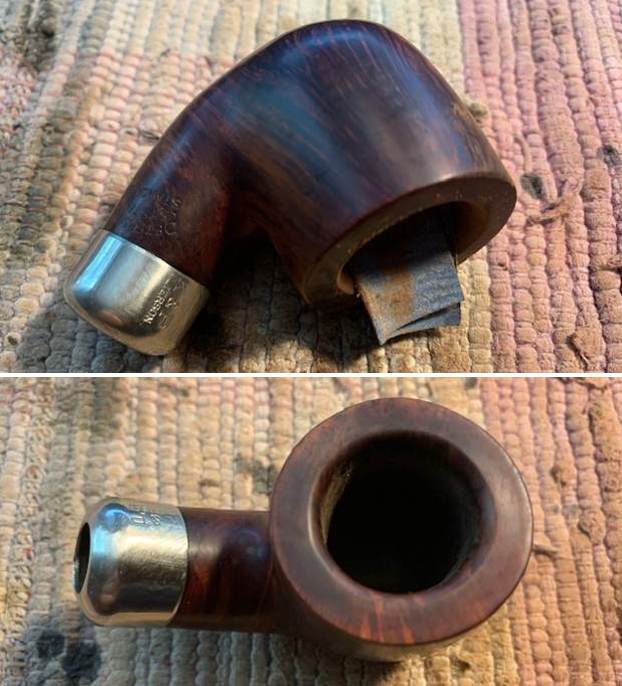
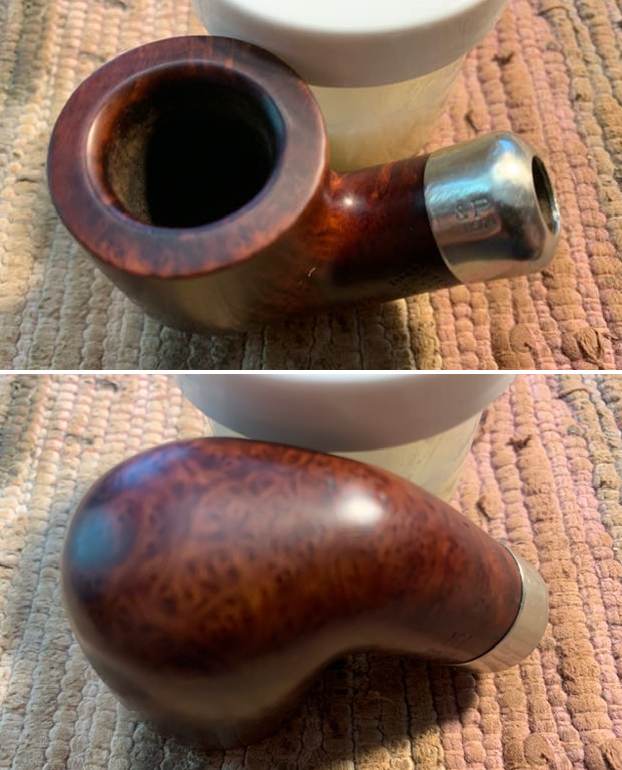
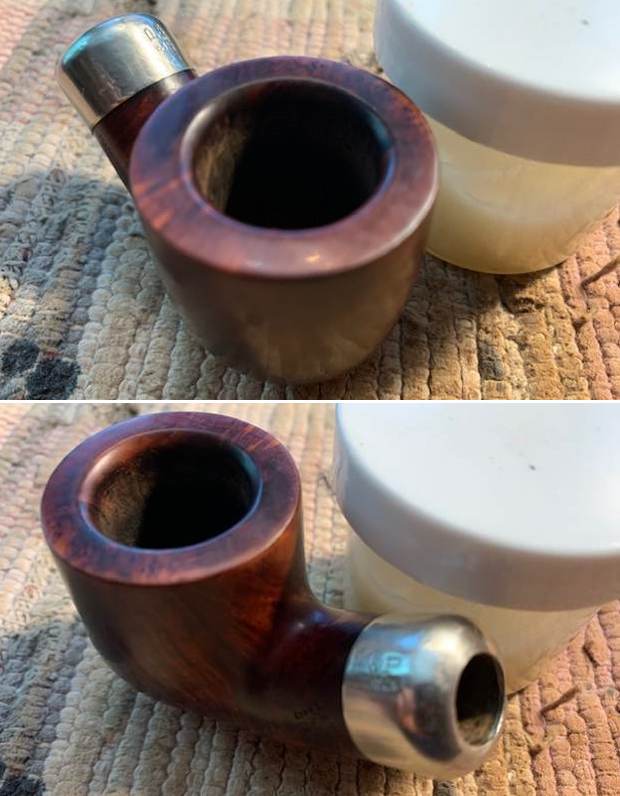
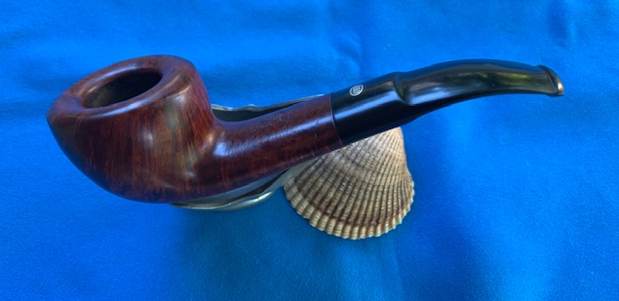
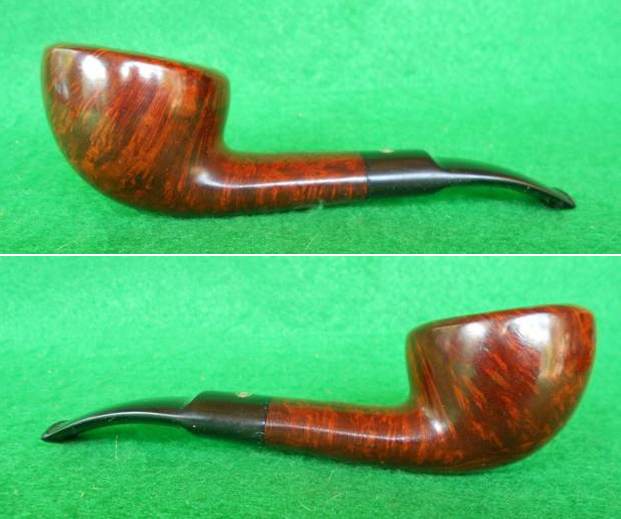
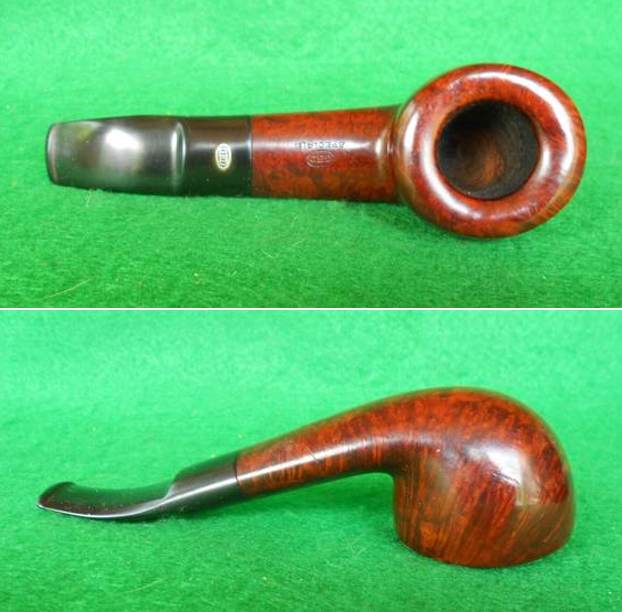
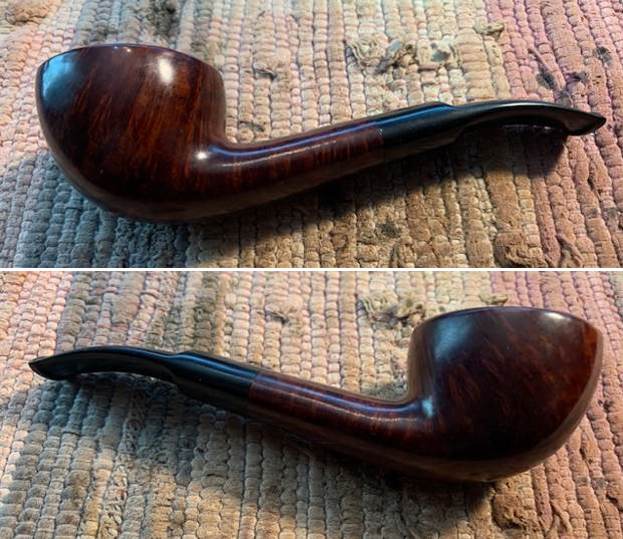
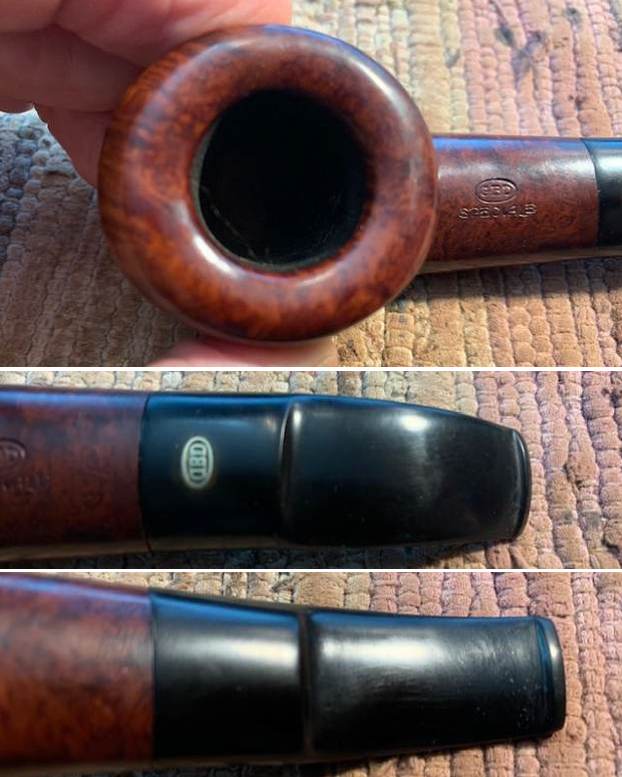
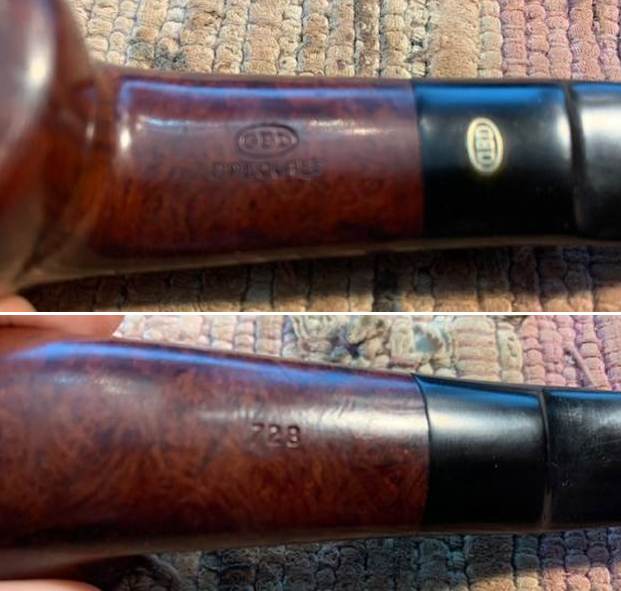
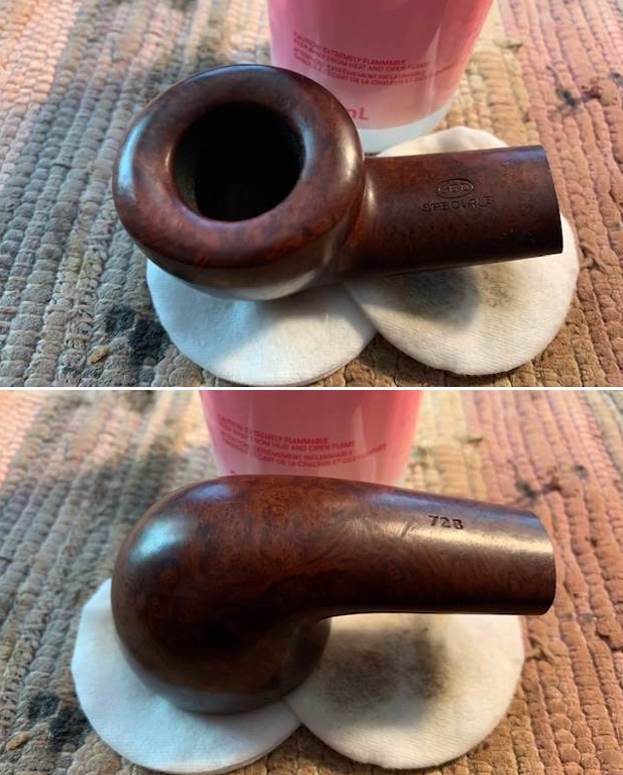
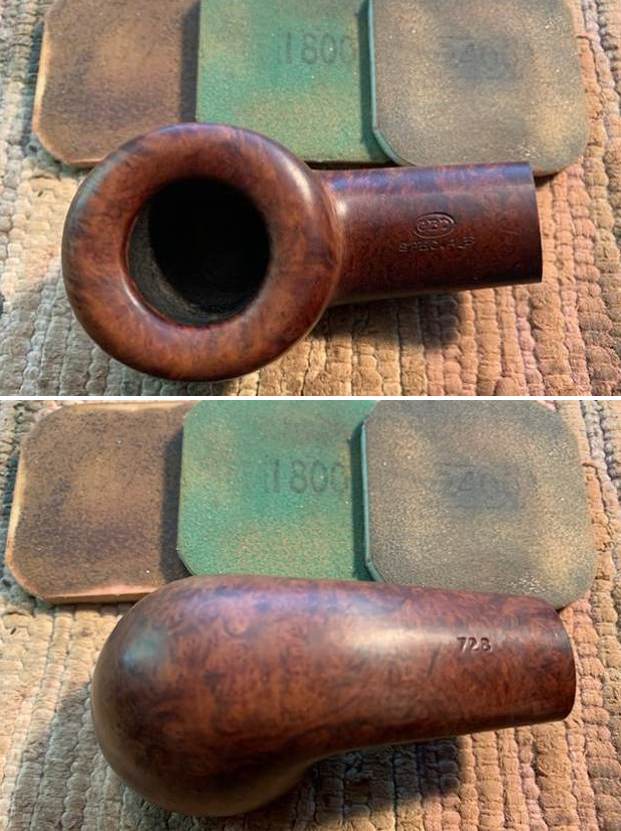
I have worked on several pipes for a fellow in Israel over the past few months and he is great to work with. He has great taste in pipes and the ones he has purchased from me have also been beautiful. Periodically I receive an email from him about another pipe he was interested in purchasing EBay. This next one was one that caught my attention. He sent me the link and wanted my opinion on it. It was a nice GBD with a brass rondel on the stem top. It is stamped with the GBD oval over Speciale on the top of the shank and on the underside it has the shape number 728. GBD called this one a Rhodesian according to their shape charts but I would not call it that. To me it is more of Dublin/Scoop and has some great looking grain around the bowl sides, rim and shank. The pipe appeared to be in decent condition and lightly smoked. Not too many days after that he wrote me to say he had won it and he had it shipped to me rather than to him in Israel. We chatted back and forth about it via email and I would let him know when I received it. Here are the pictures that the EBay seller included with the advertising. I always like to be able to set the pipe I am working on in its historical setting so I turn to Pipedia (https://pipedia.org/wiki/GBD) and read through the brand history. Toward the middle of the article I found what I was looking for. I quote below:
The Paris factory moved to Saint-Claude in 1952. Since 1981 the majority of GBD pipes come from the English factory.

The premium lines of GBD offered very good values, and are considered amongst the most affordable high end pipe of the 1960’s and earlier and a rival in quality, design, and price to Dunhill. Smokers’ Haven was the main retail supplier for GBD’s in the US until the early 1980’s.

GBD produced consistently well made pipes, almost entirely of Algerian or Grecian briar. In the late 1960’s to late 1970’s, they introduced the “Collector” and “Unique” lines, made primarily by Horry Jamieson, who had carved for Barling for many years, and was skilled in freehand design. Older GBD pieces are excellent smokers and unique in design. They did an excellent executions of classic pipe shapes, as well as some beautiful freehands in the “Unique” line. [2]

The following list comprises the better grades in descending order:

Pedigree, Pedigree I, Pedigree II, Straight Grain, Prodigy, Bronze Velvet, Virgin, Varichrome, Prestige, Jubilee, New Era, Prehistoric, International, Universe, Speciale Standard, Ebony, Tapestry, New Standard, Granitan, Sauvage, Sierra, Penthouse, Legacy, Concorde.

The pipe I am working on was stamped Speciale and though it does not say it was made in France I think it was like the other Speciale pipes I have worked on. Thus I knew that it was made either in Paris before 1952 or in St. Claude after that date and before 1981 when production moved to England. I also new that I was dealing with one of the better grade pipes with the Speciale Standard stamp.

I then followed the links included to a listing of the shapes and numbers on the GBD pipes (https://pipedia.org/wiki/GBD_Shapes/Numbers). The pipe I was working on was labeled by GBD as a 728 which is a Rhodesian/Poker according to the chart. It has an oval shank though and I am not sure I would classify it as either of those shapes.

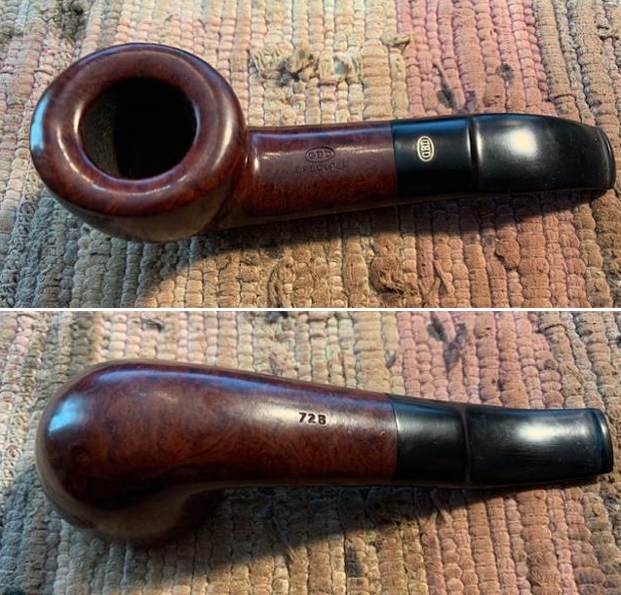
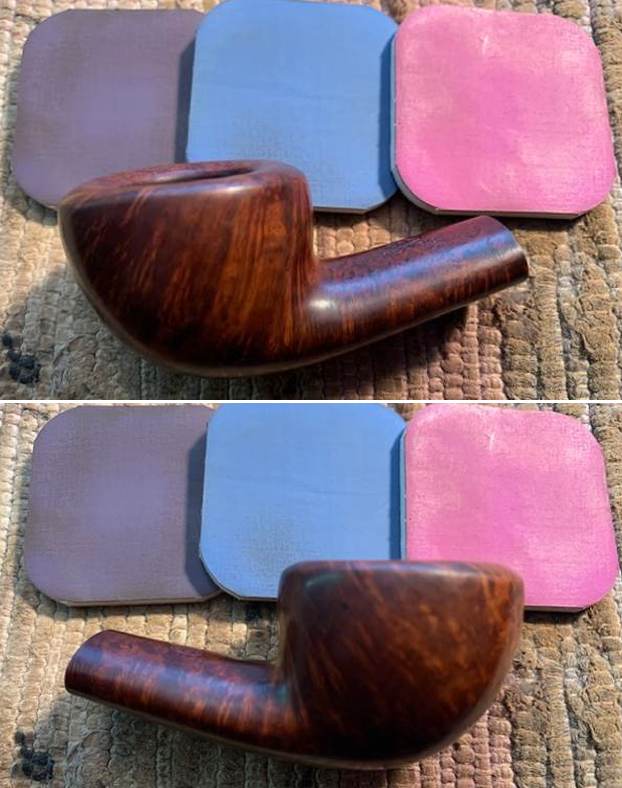
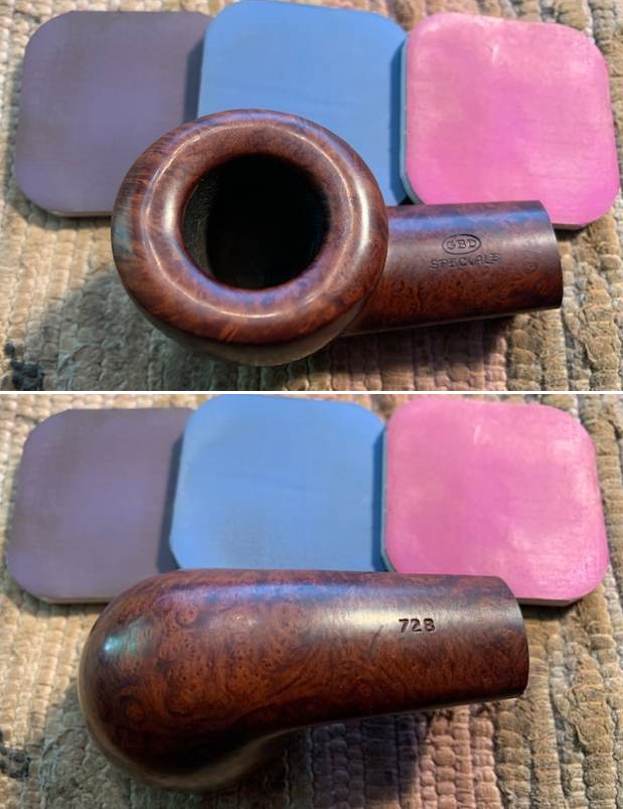
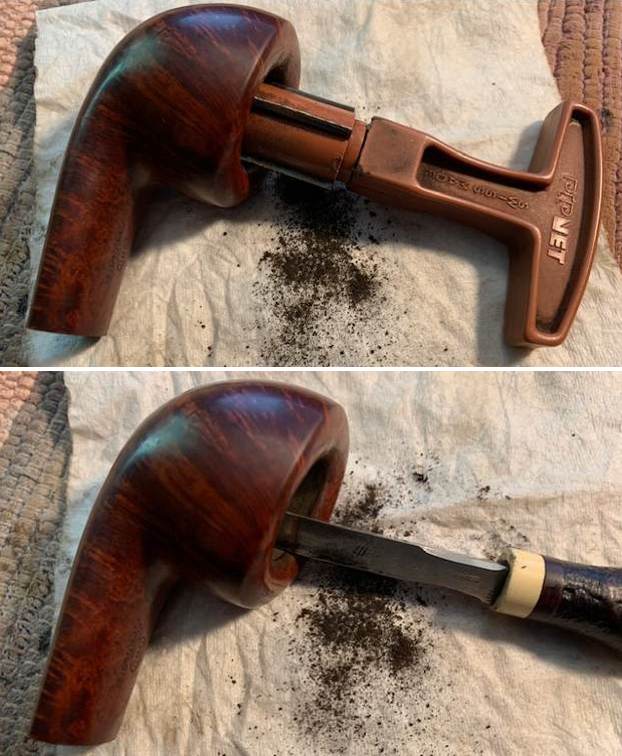
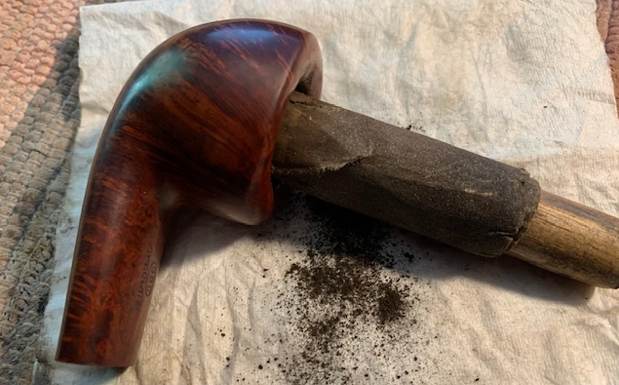
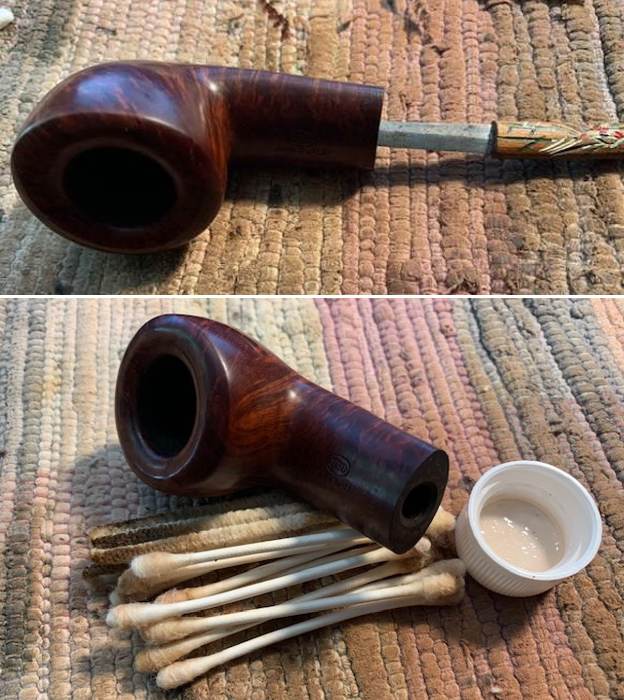
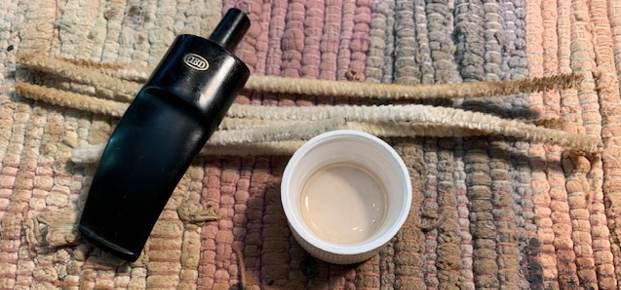
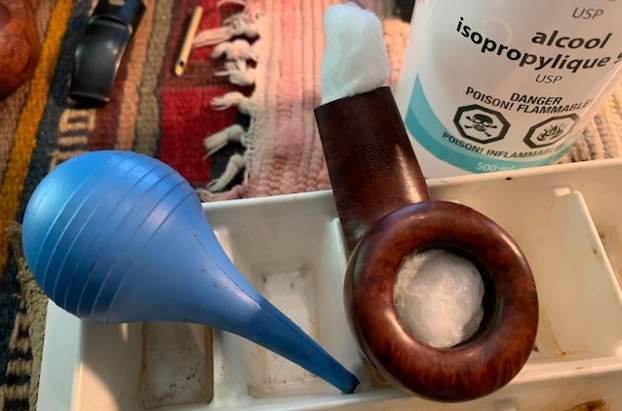
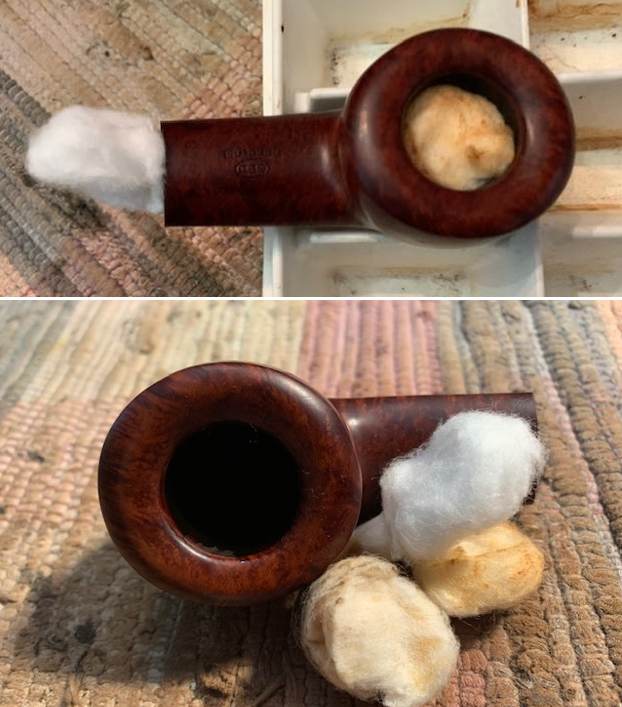
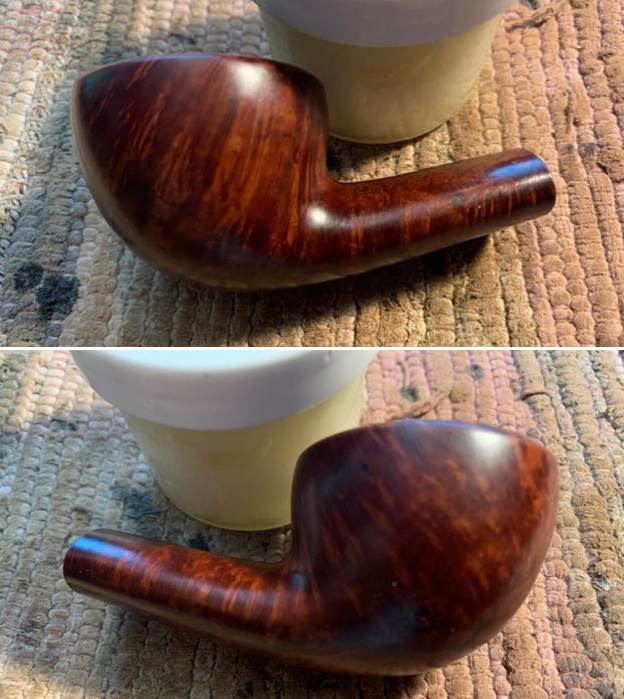
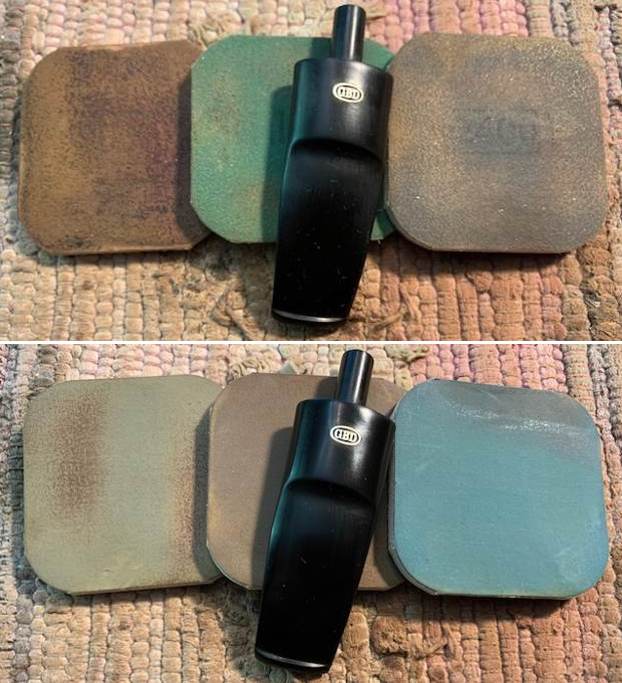
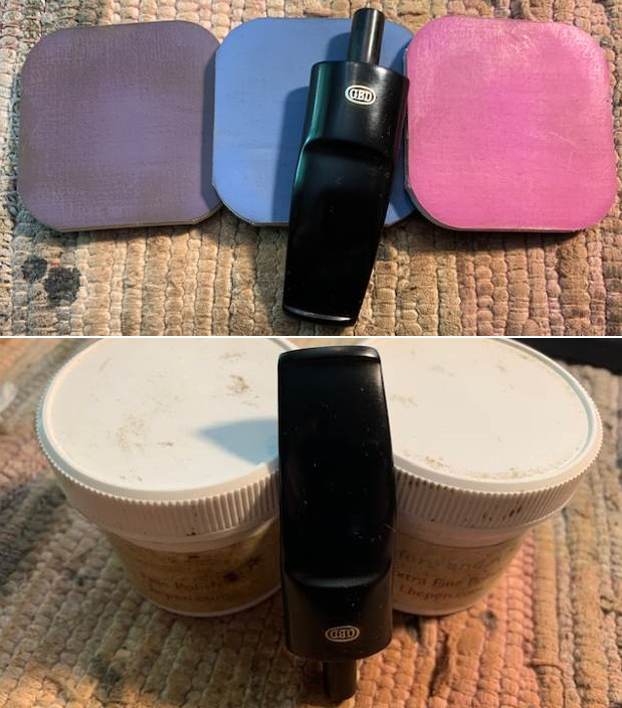
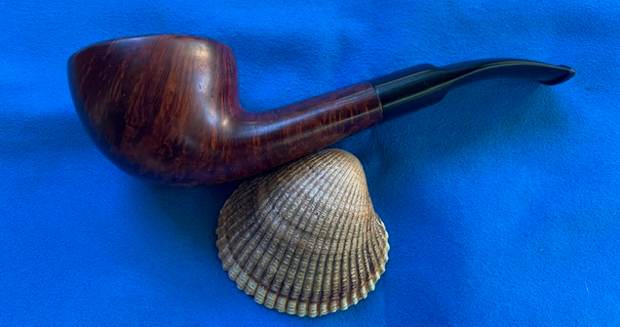
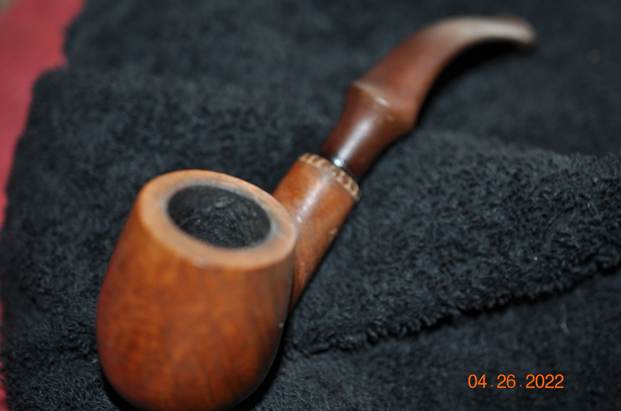
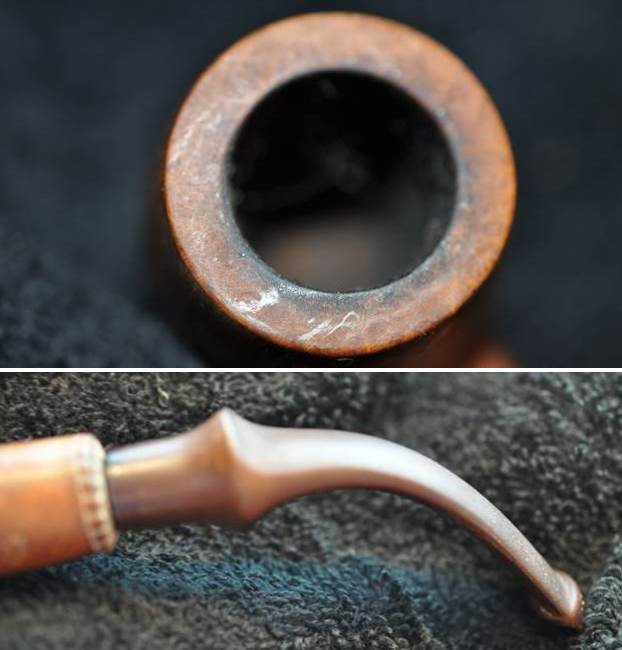
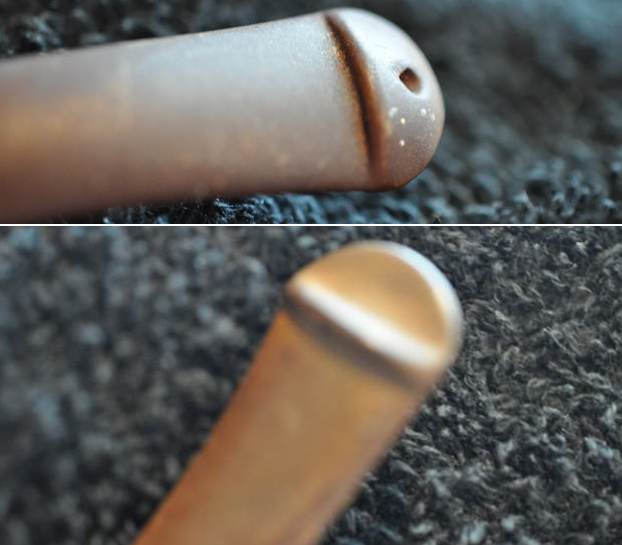
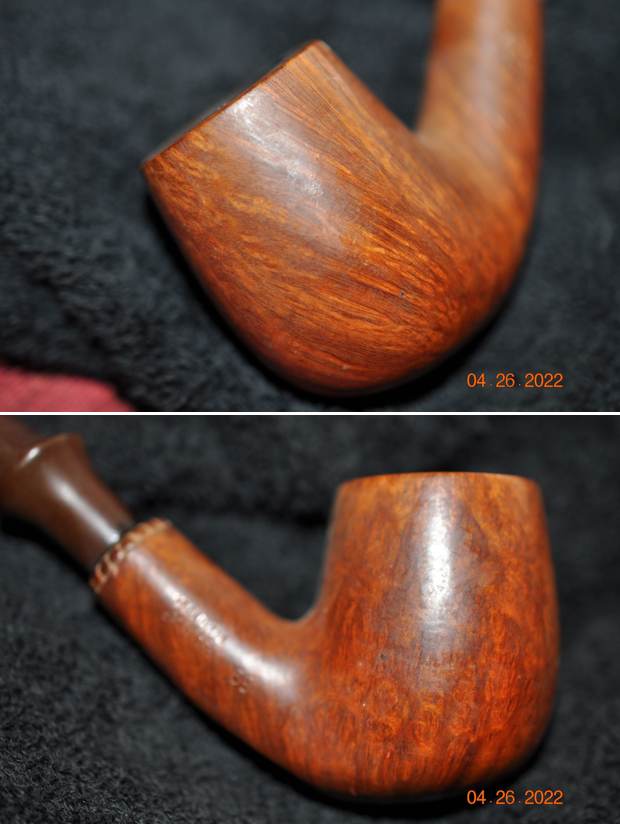
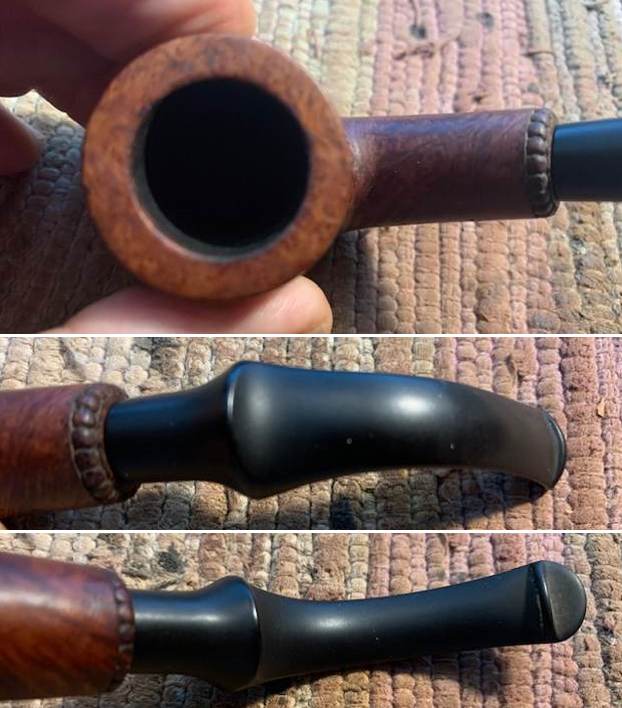
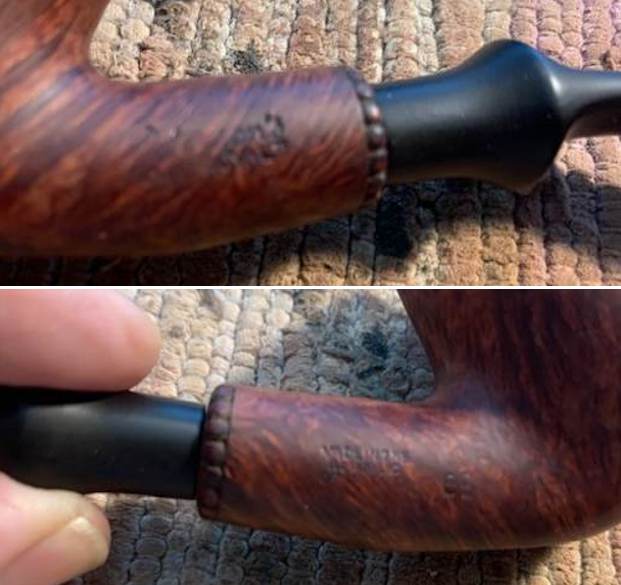
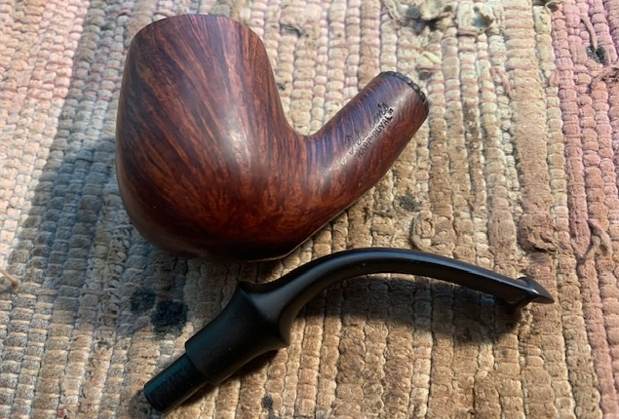
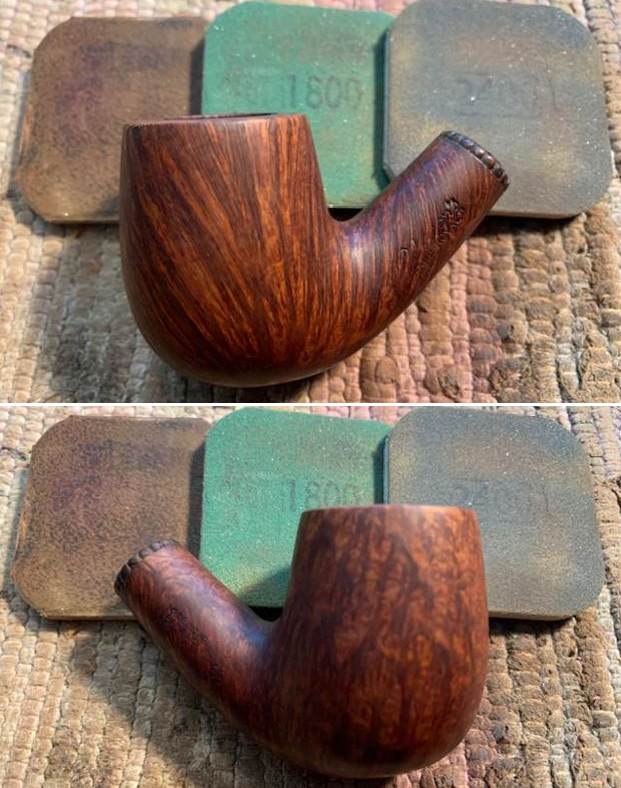
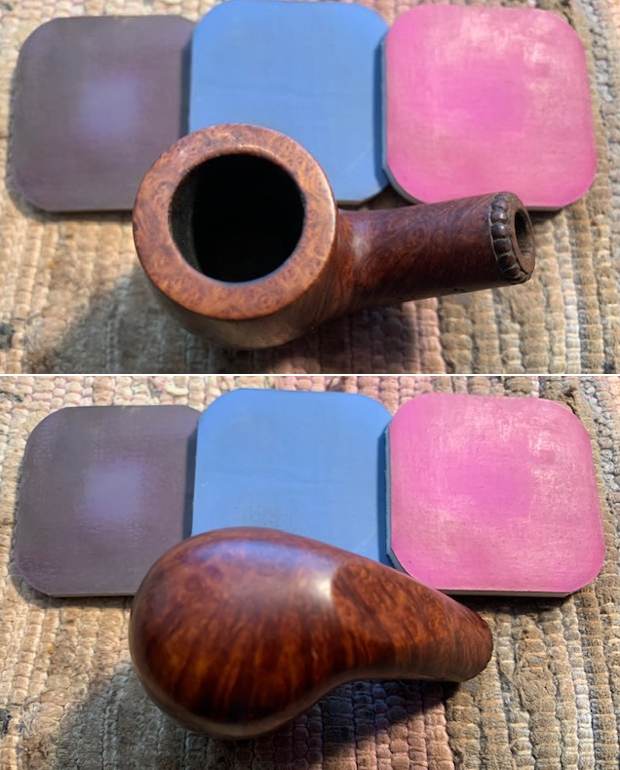
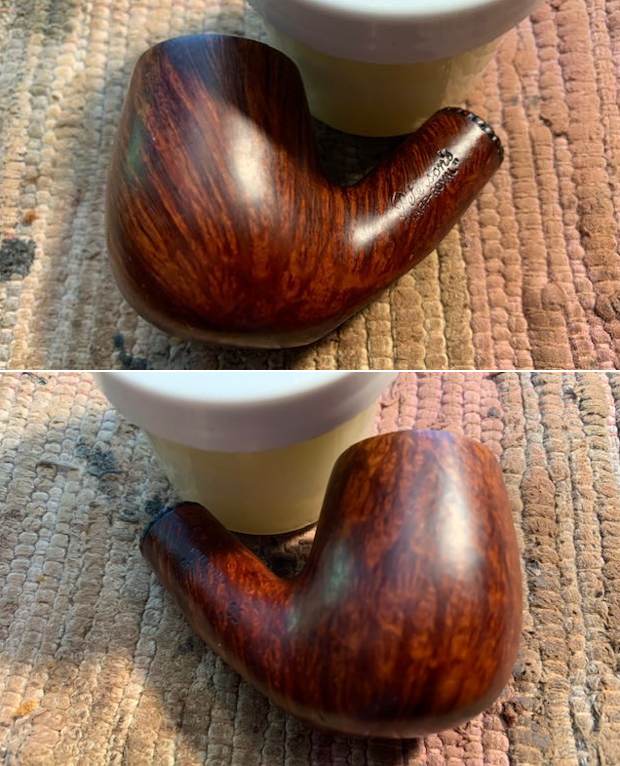
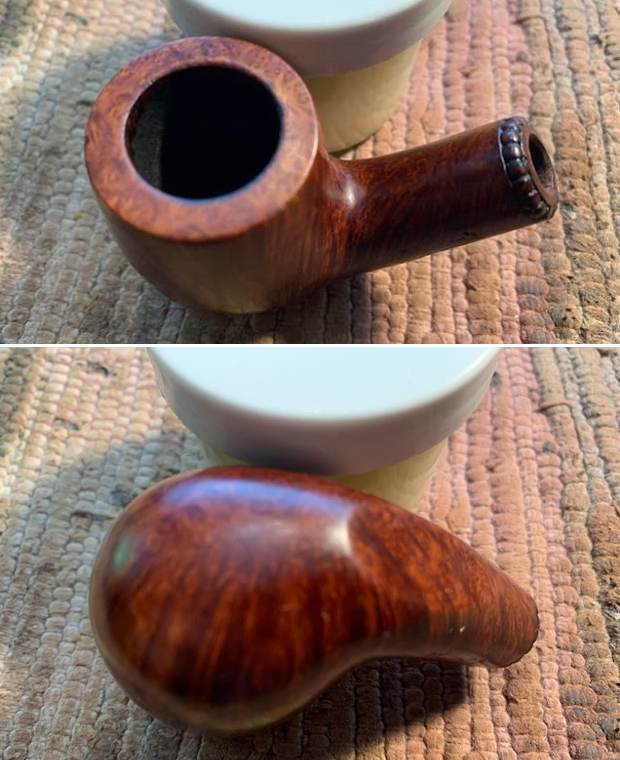
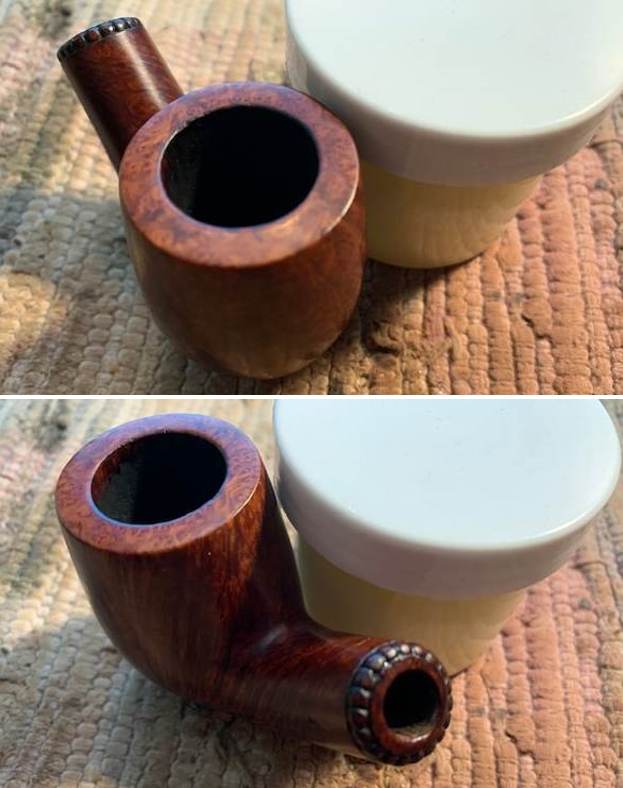
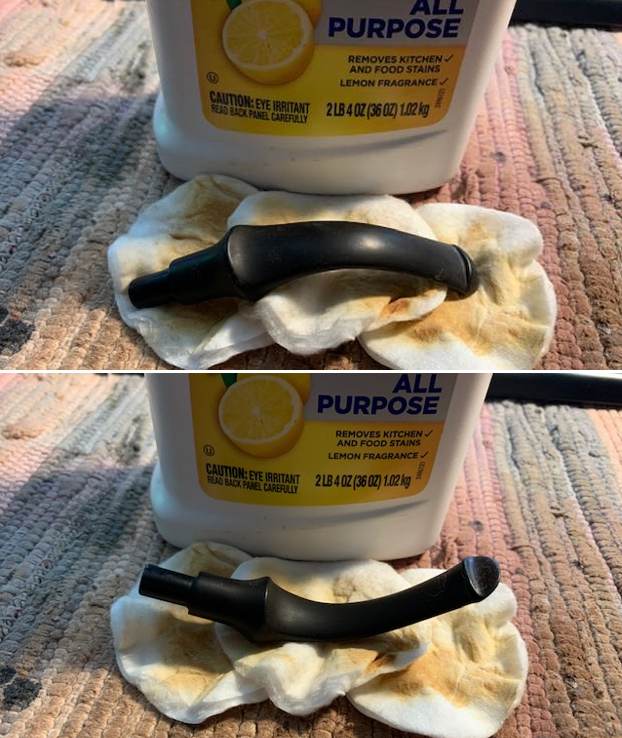
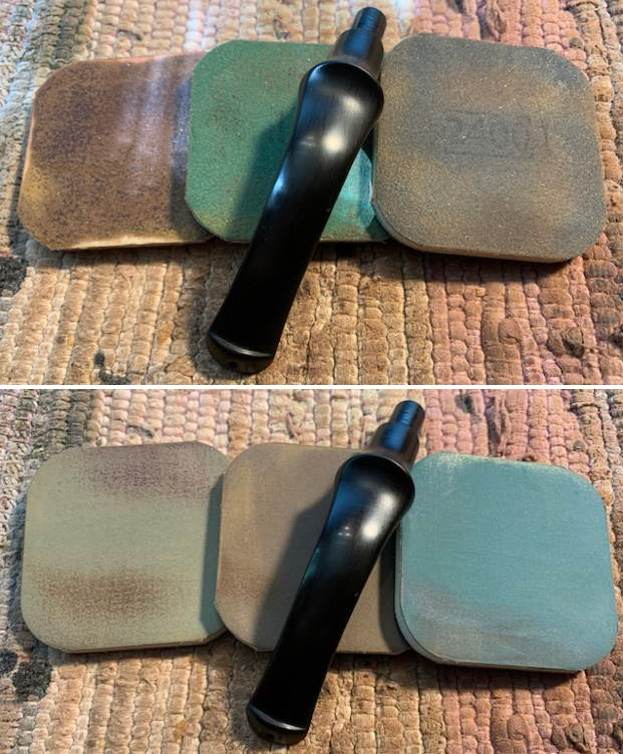
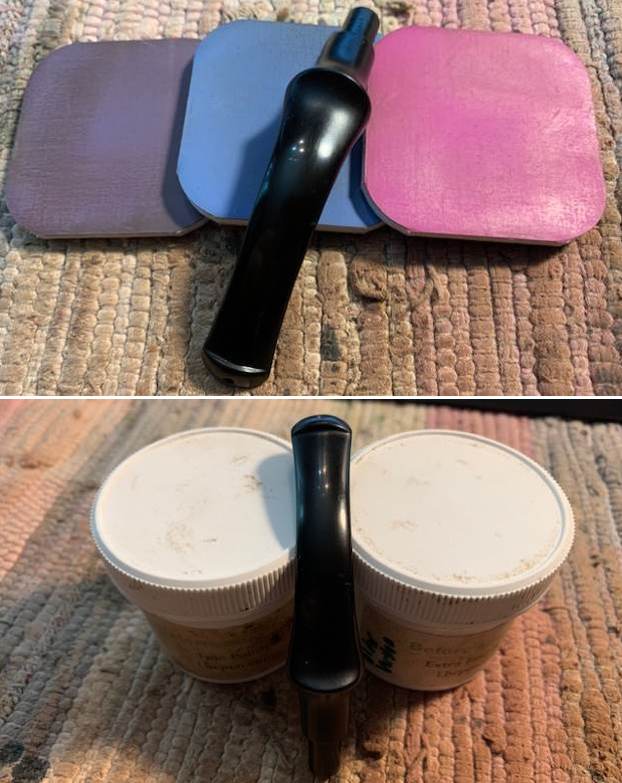
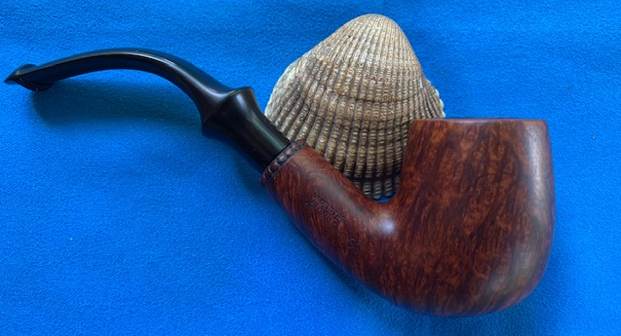
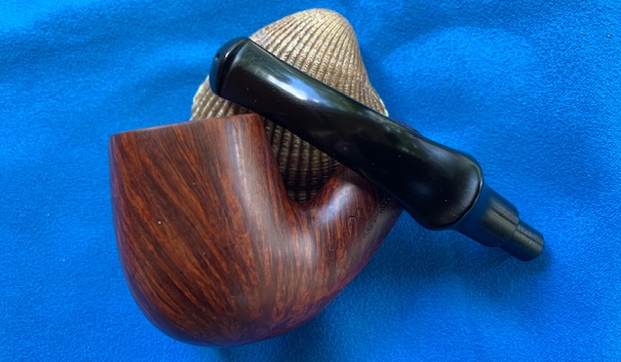
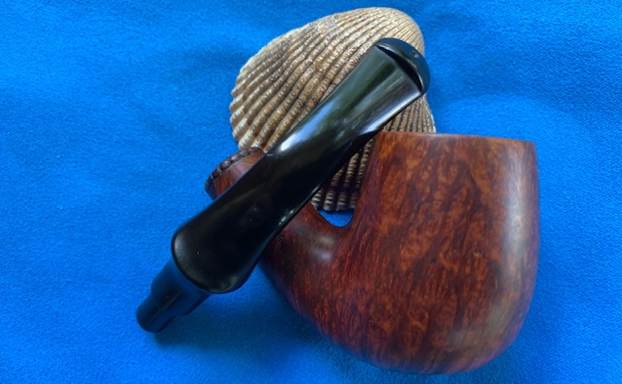
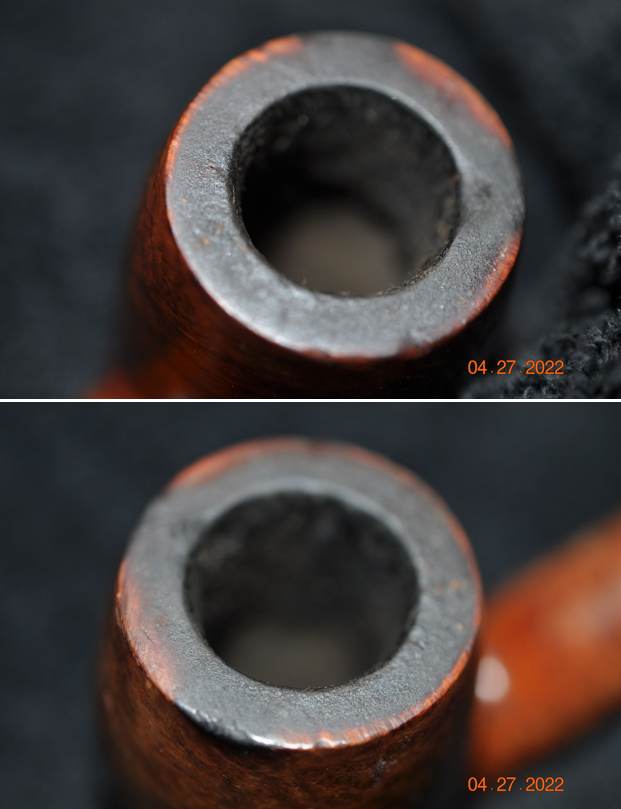
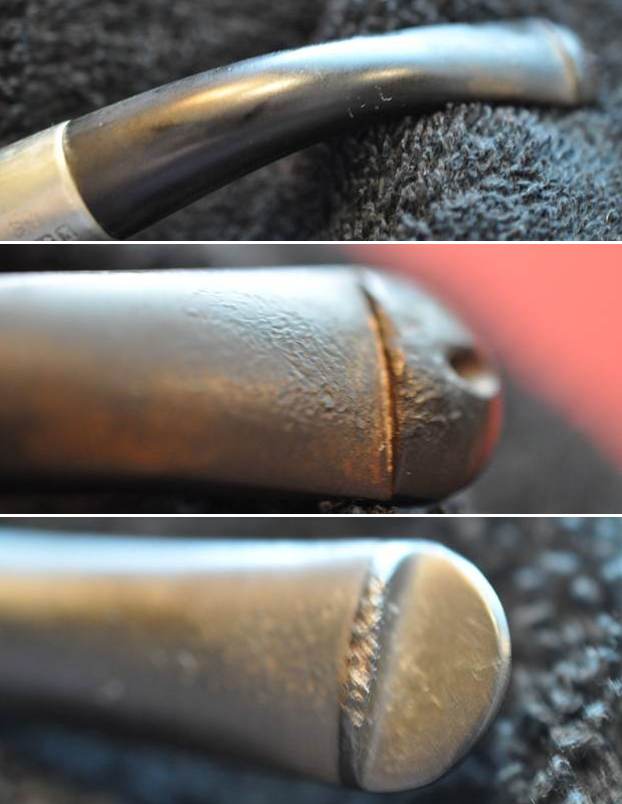
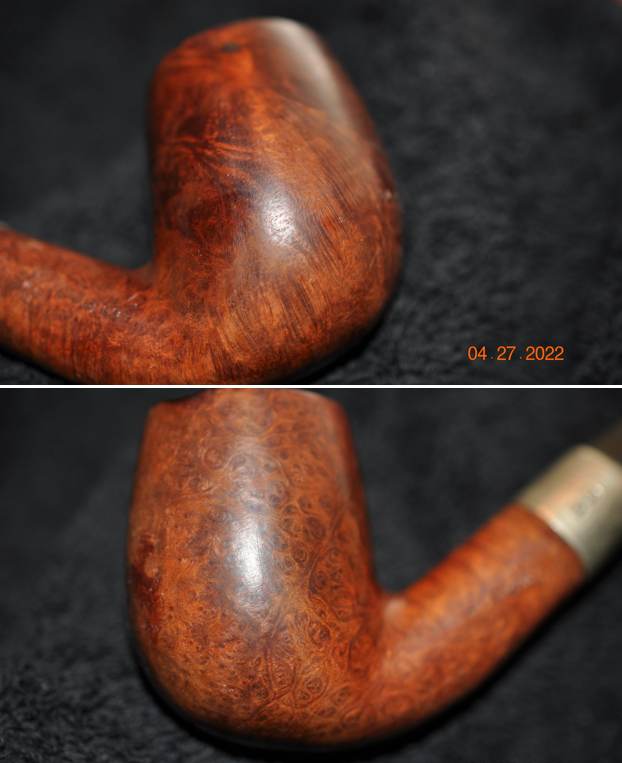
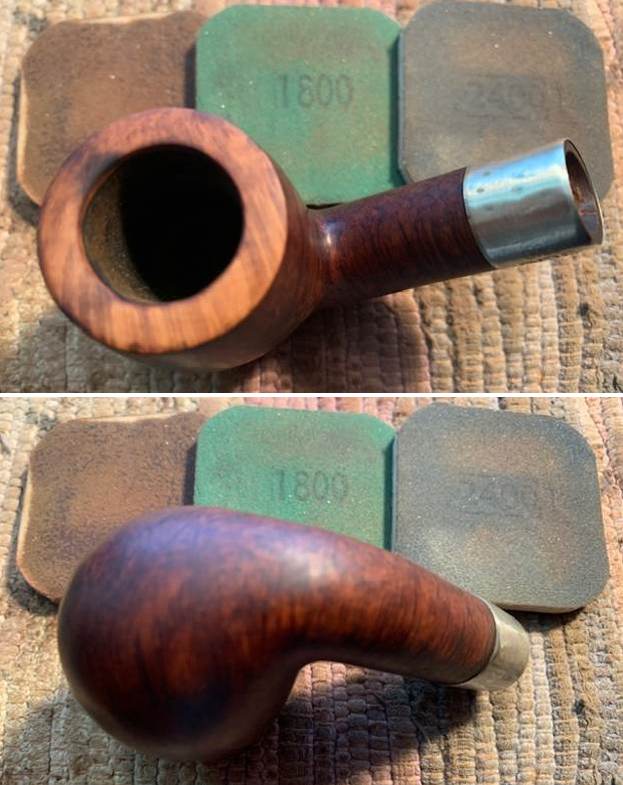
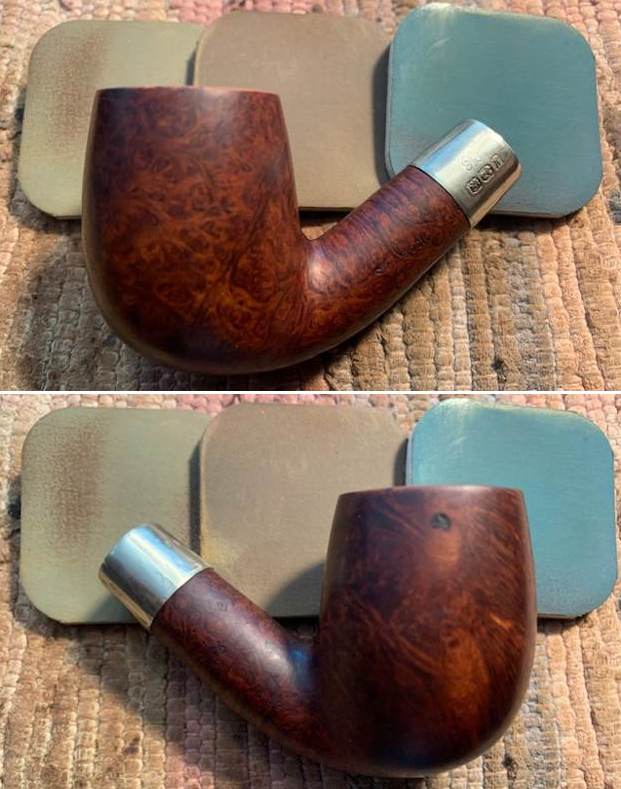
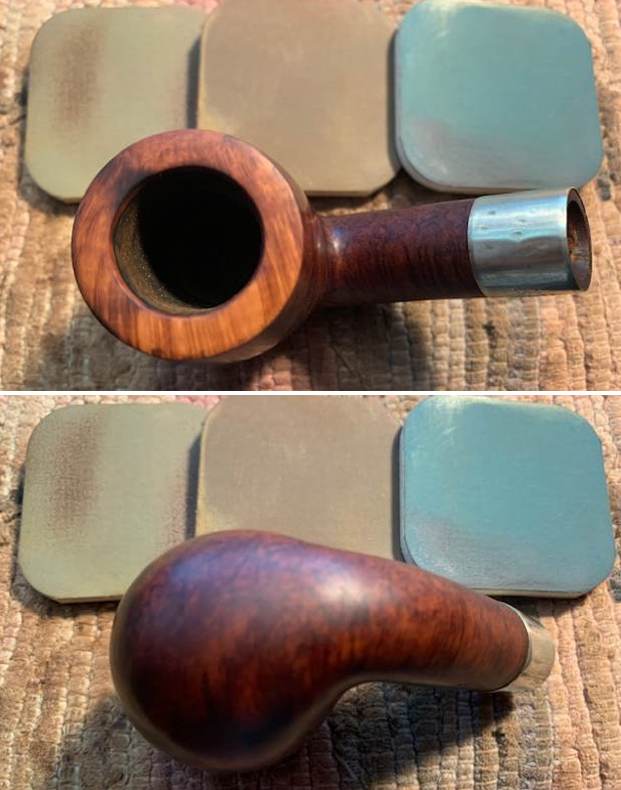
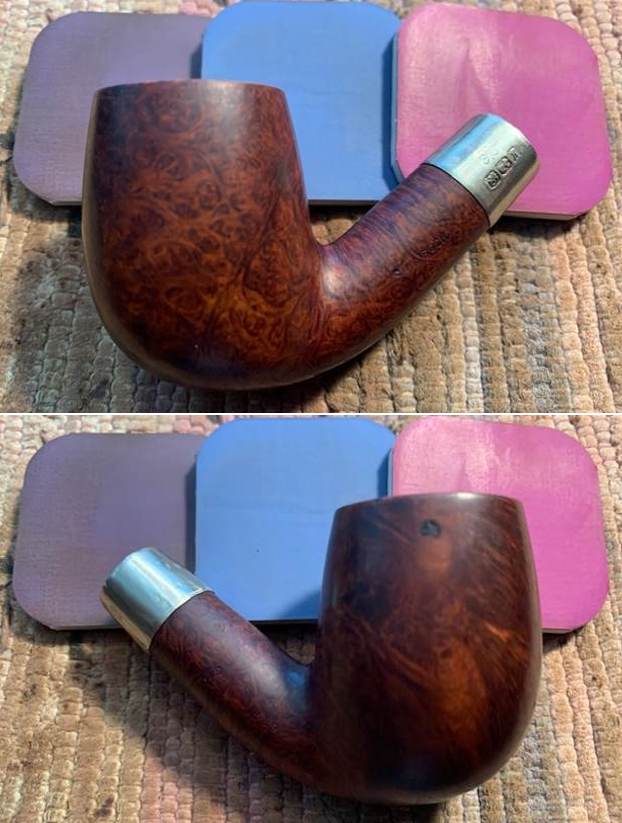
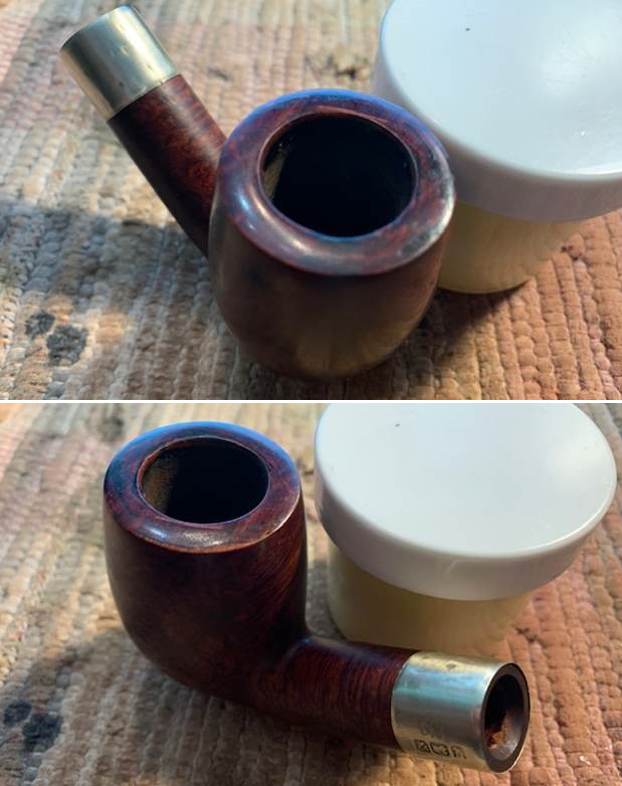
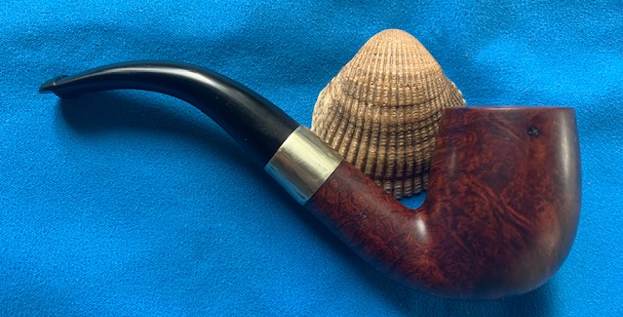
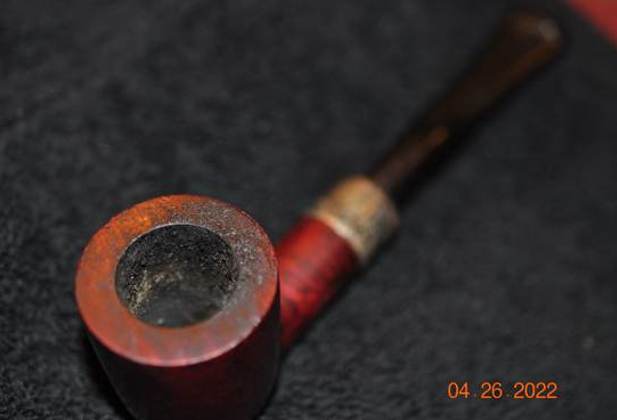
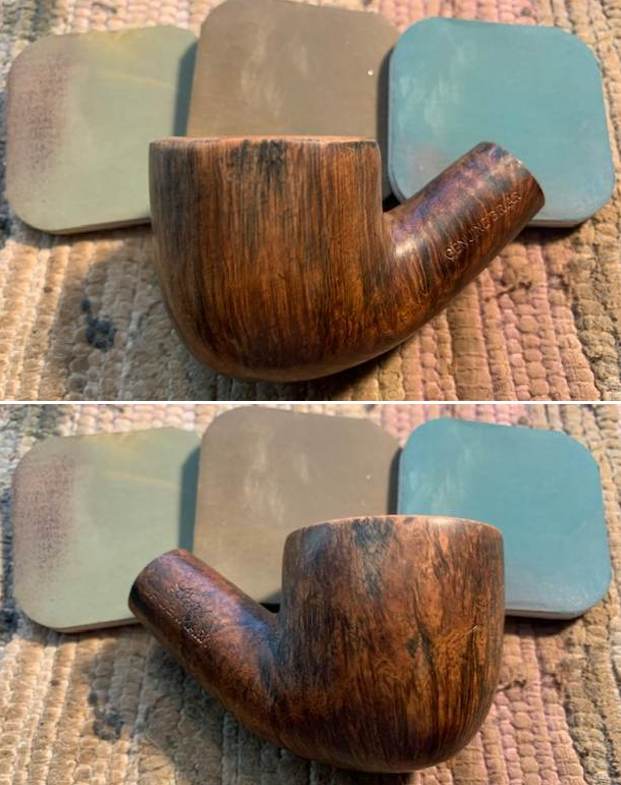
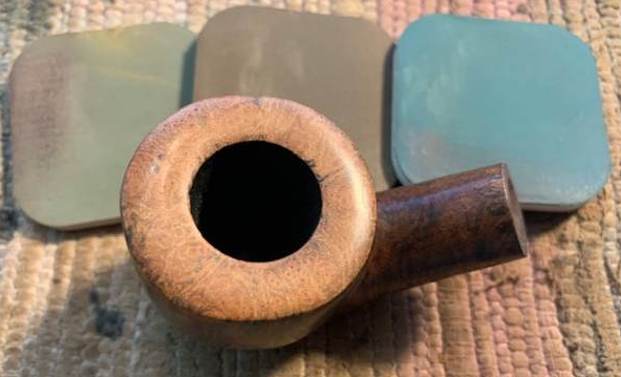
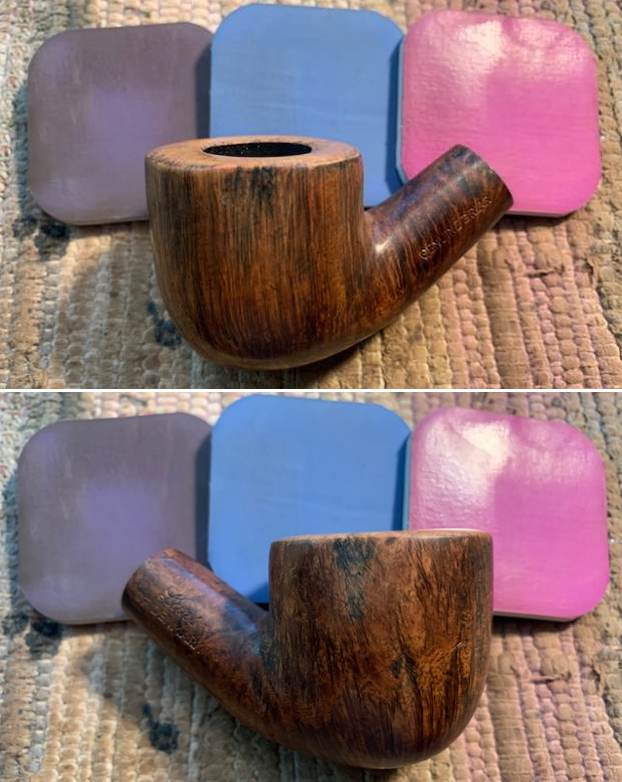
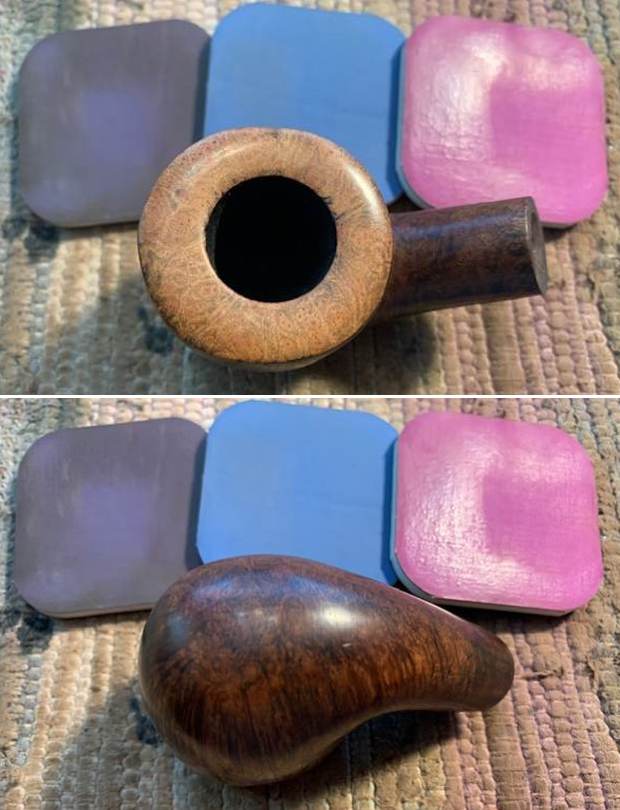
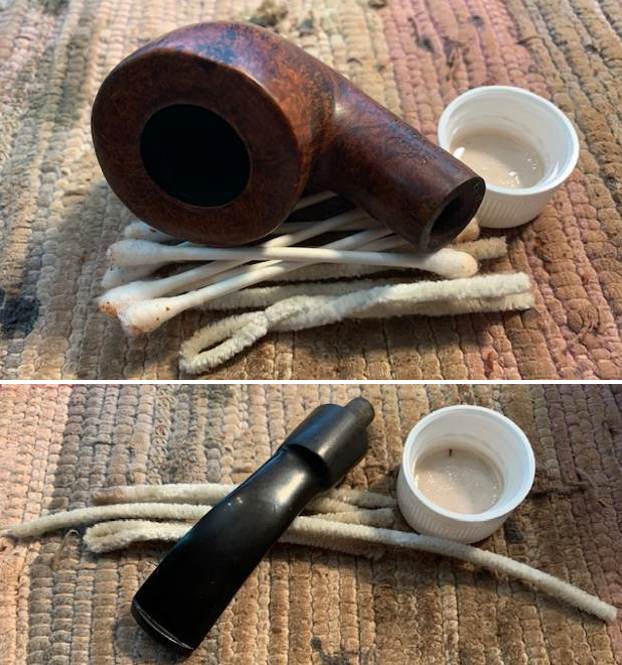
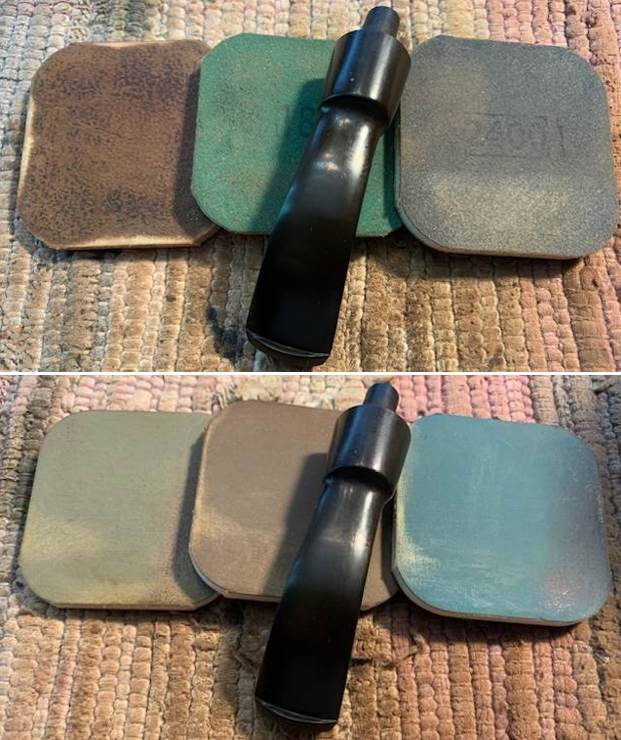
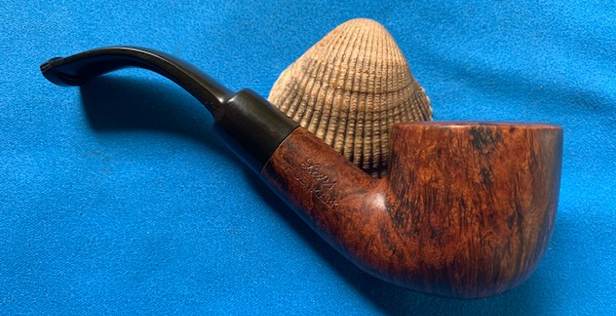
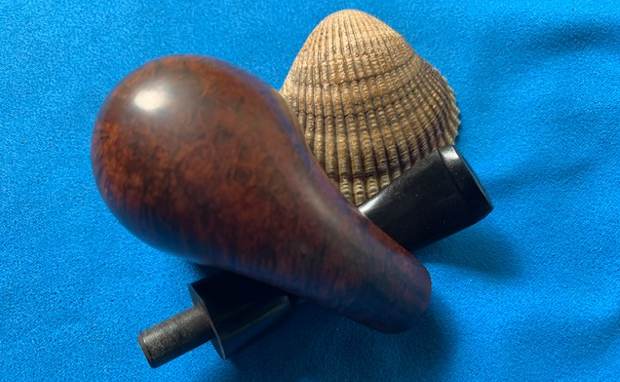
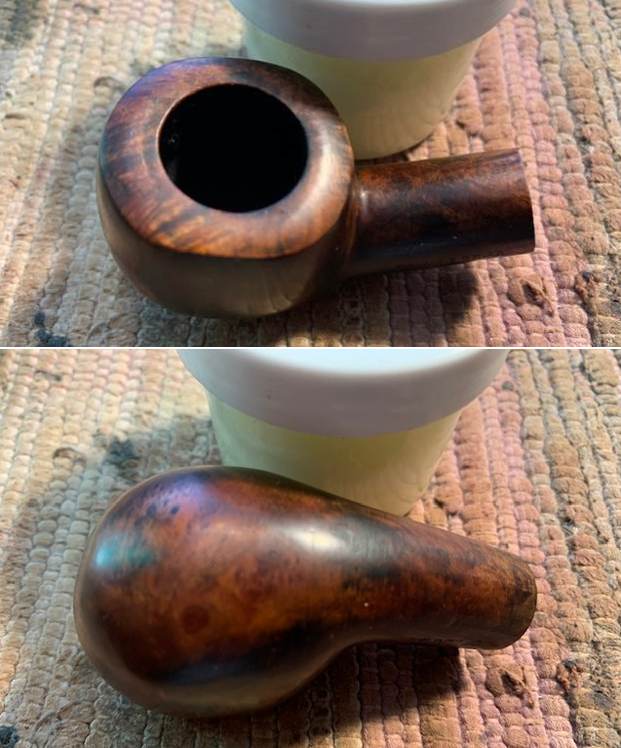
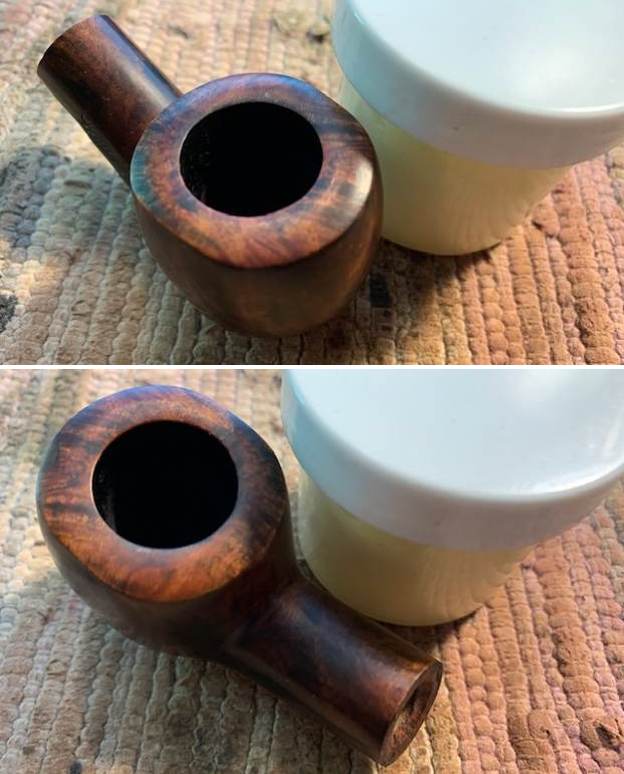
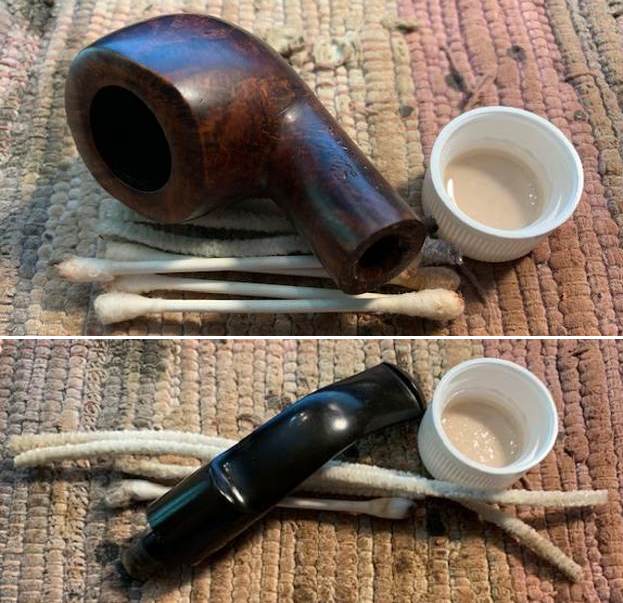
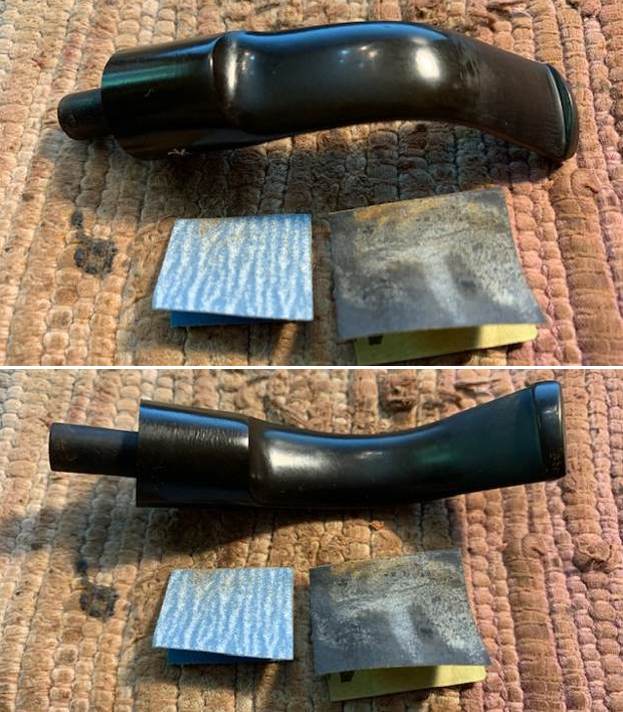
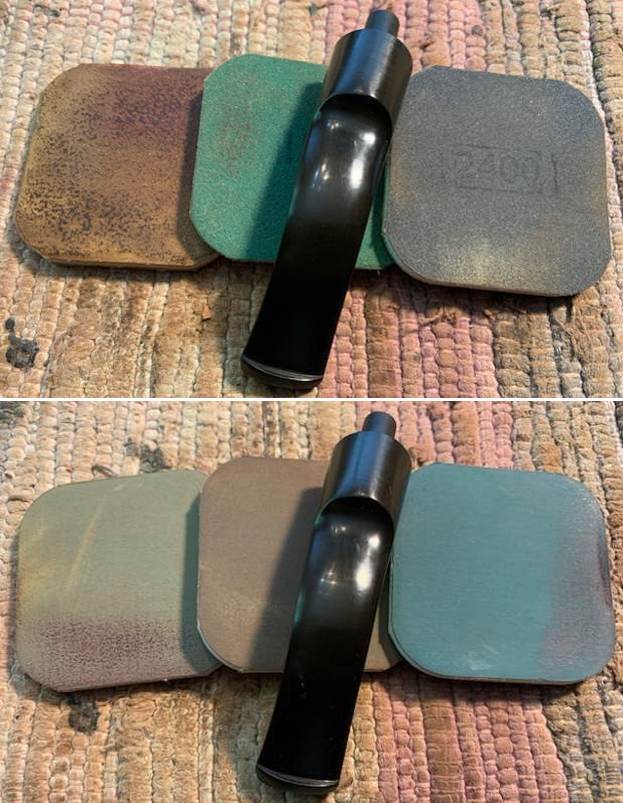
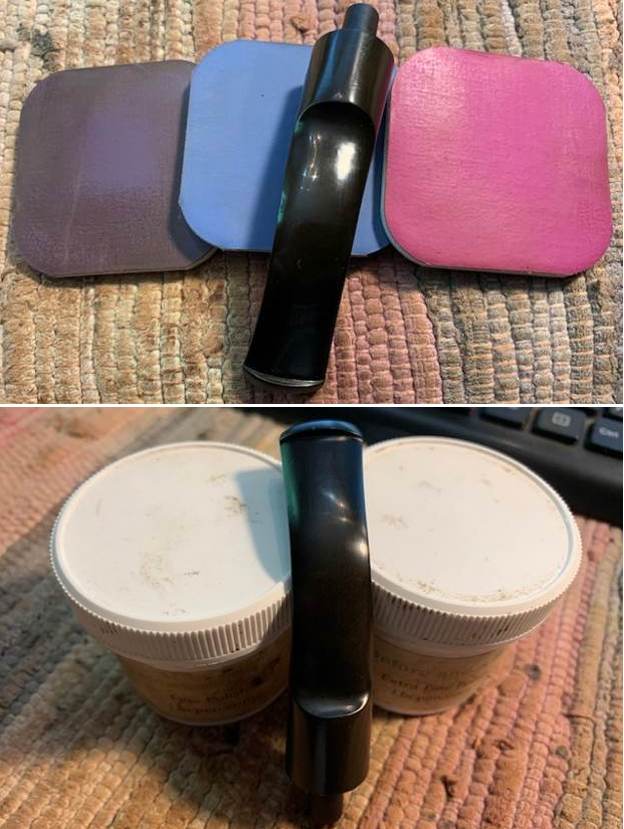
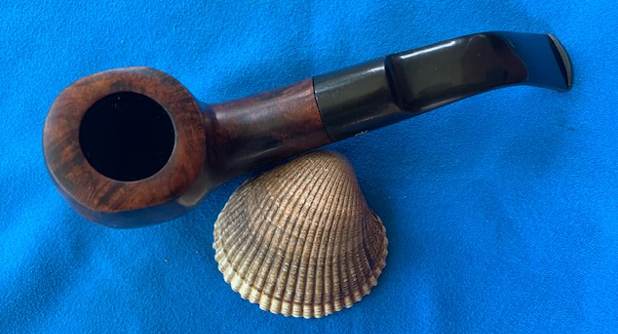
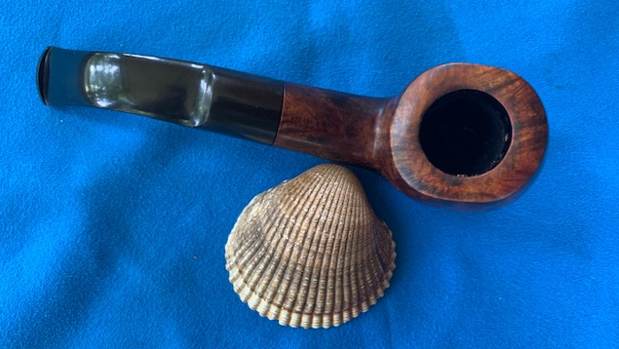
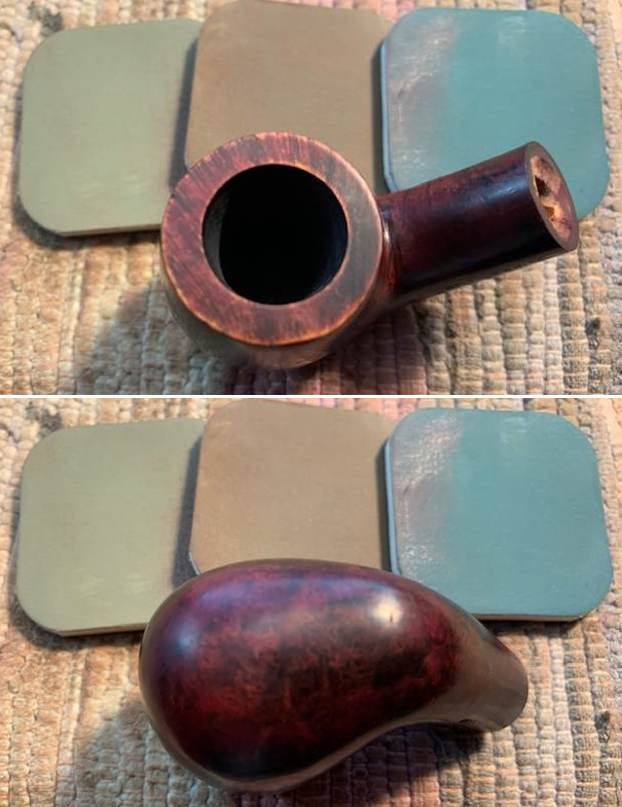
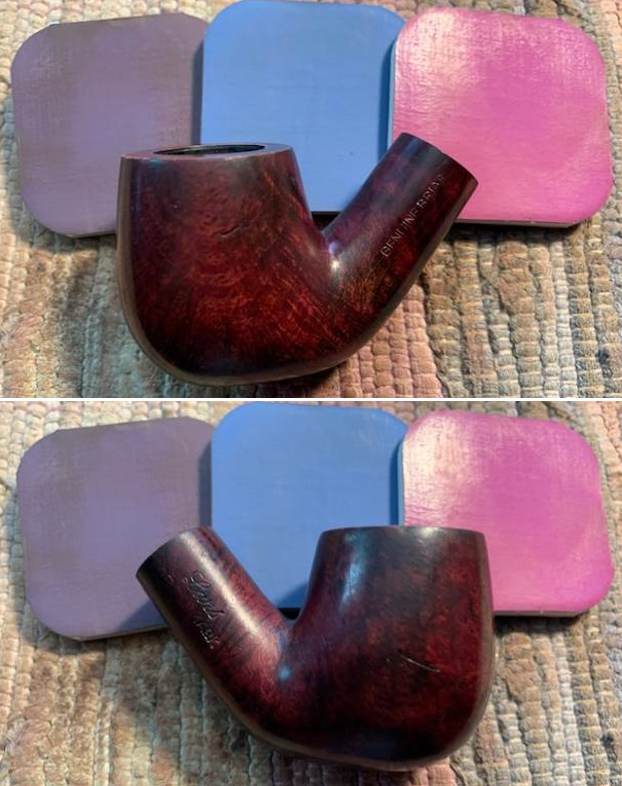
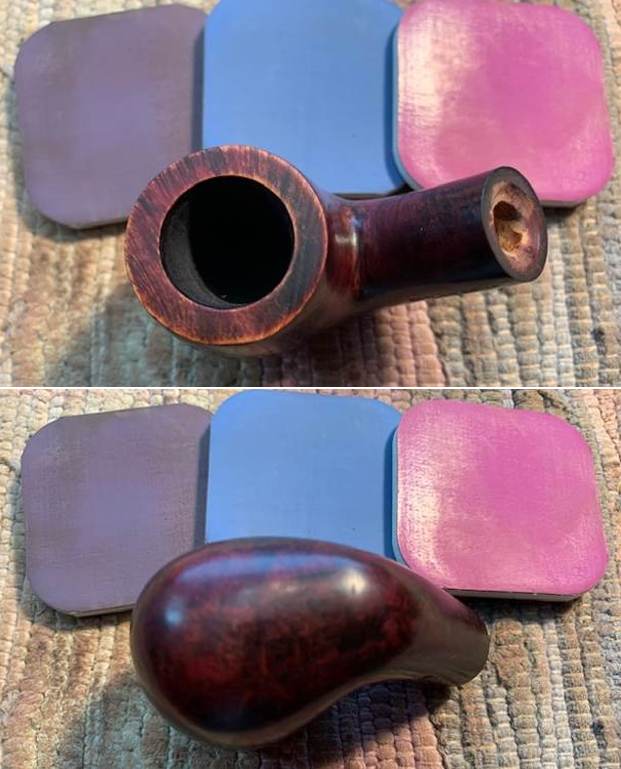
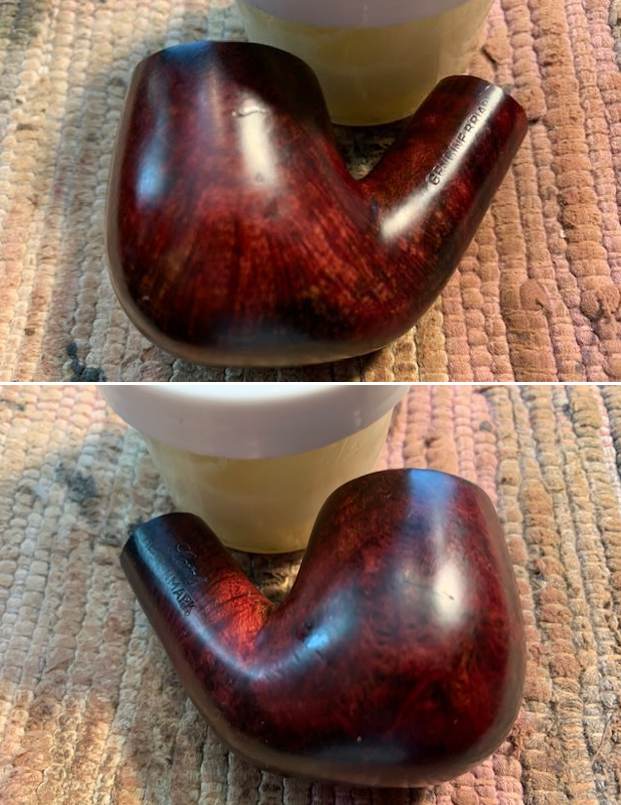
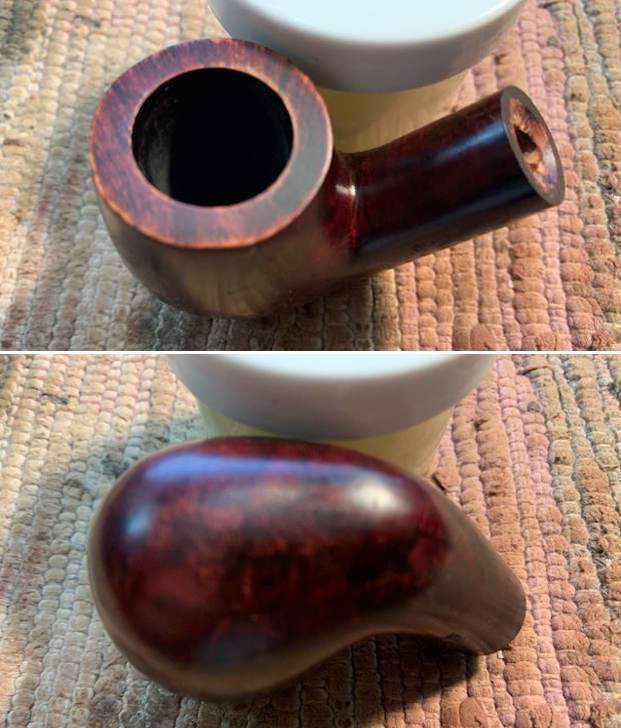
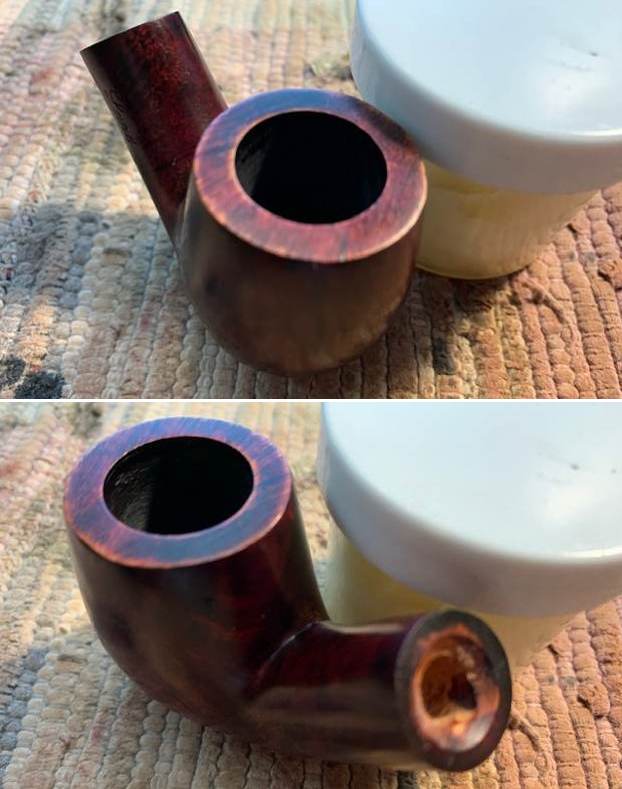
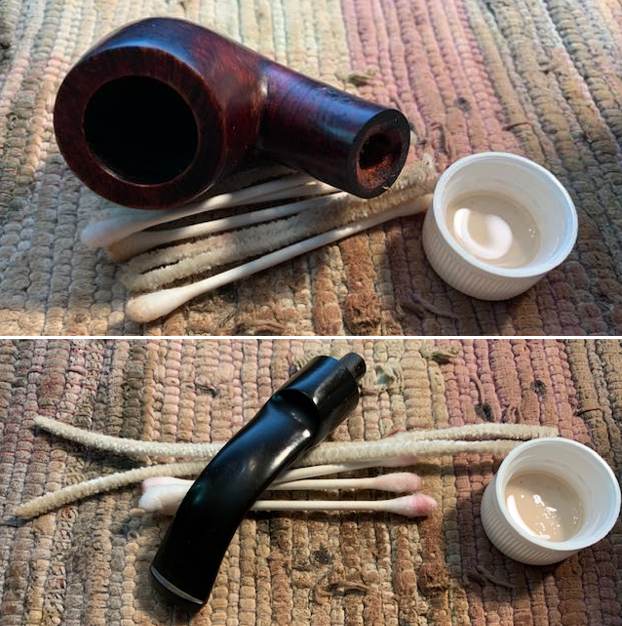
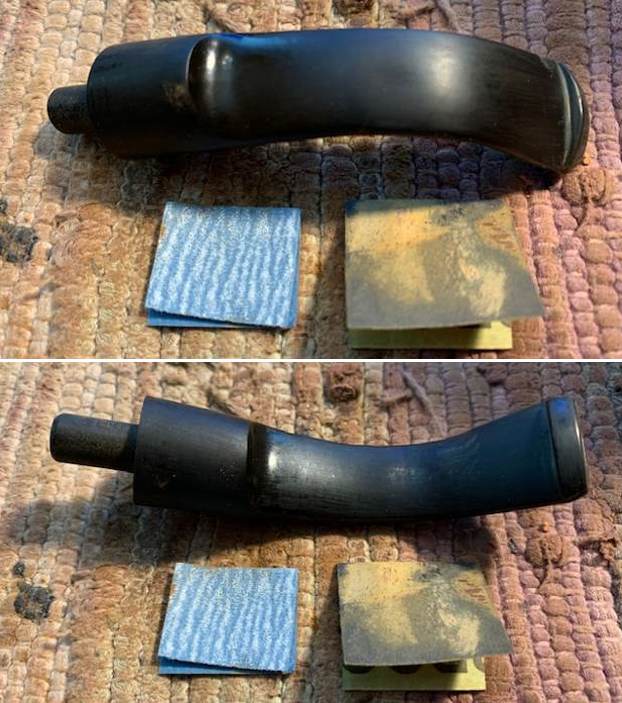
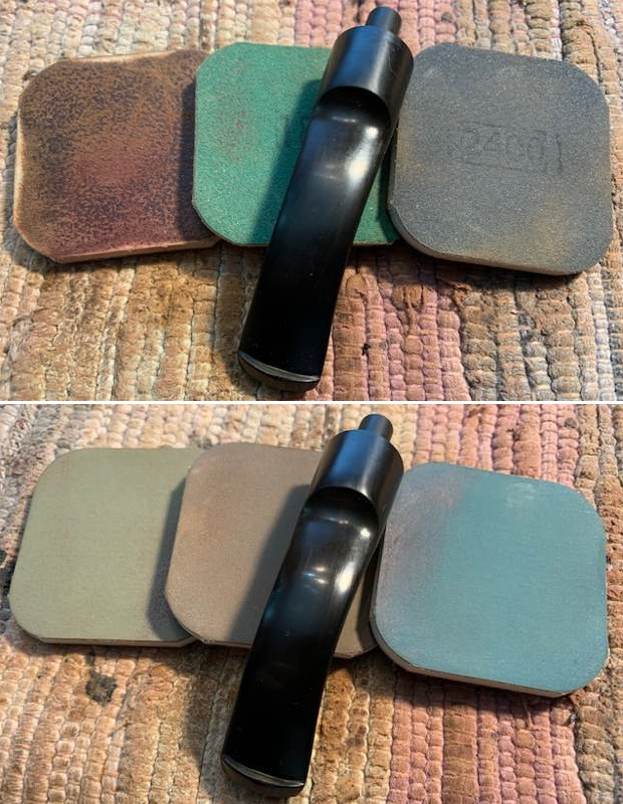
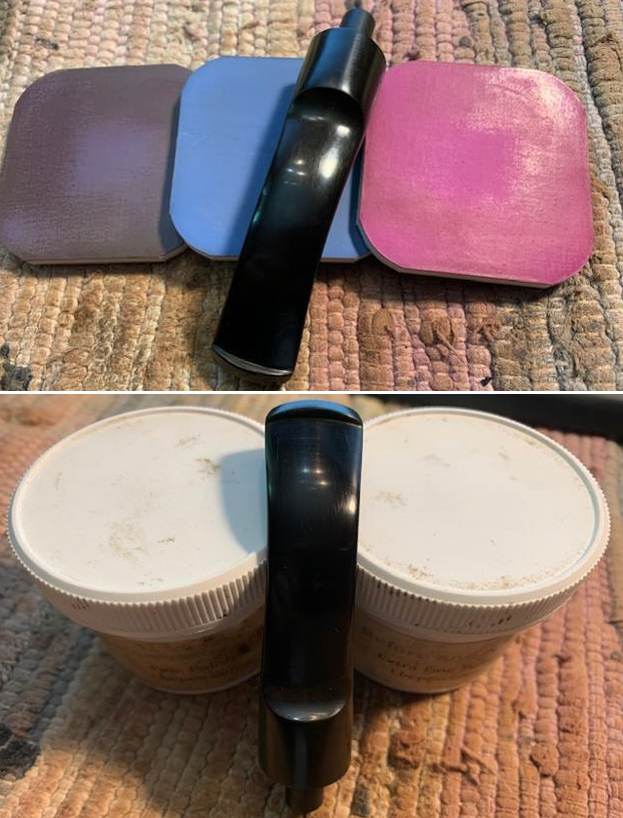
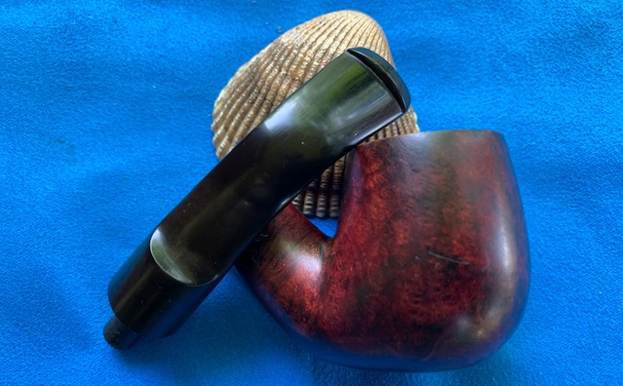
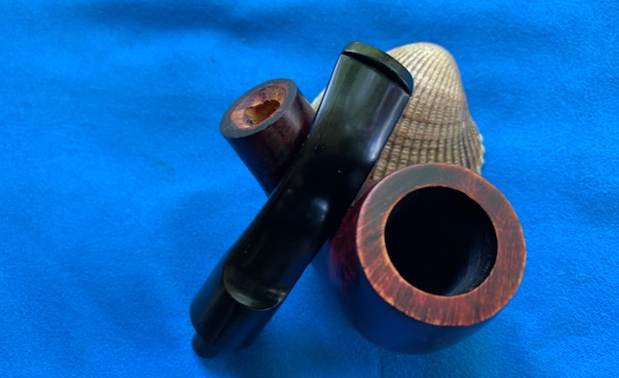
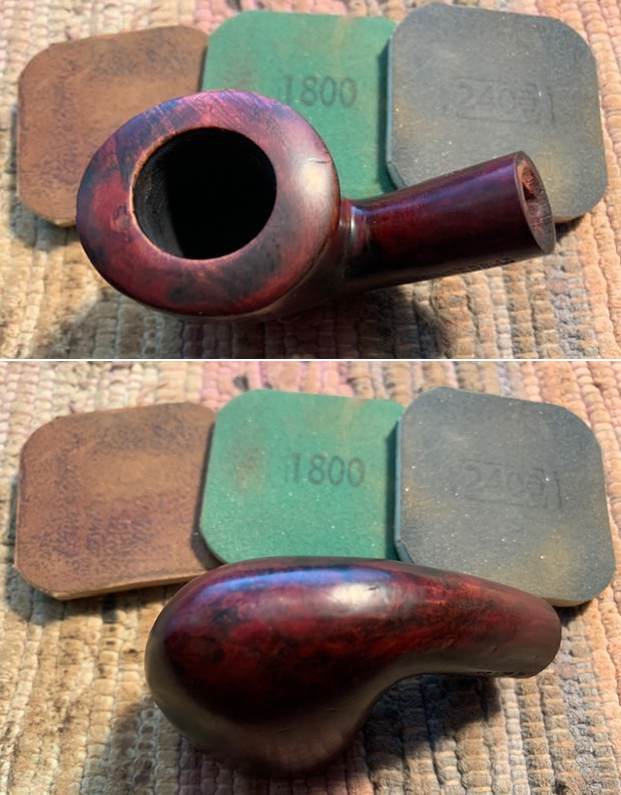
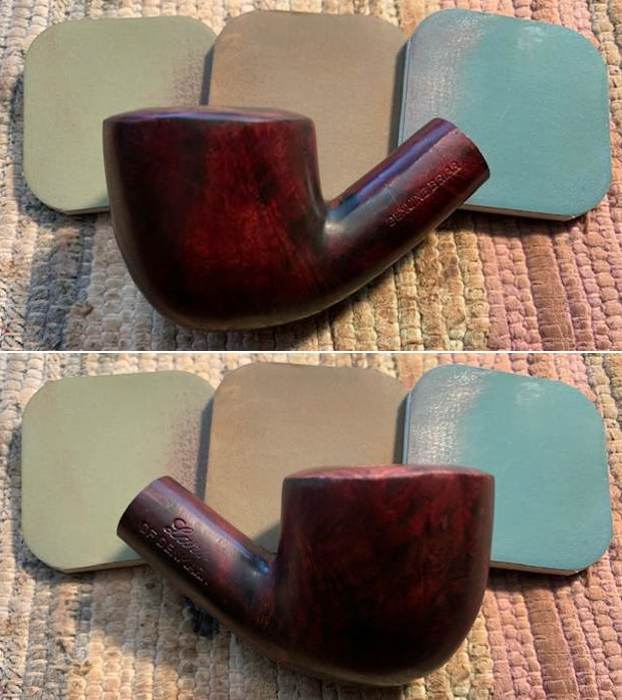
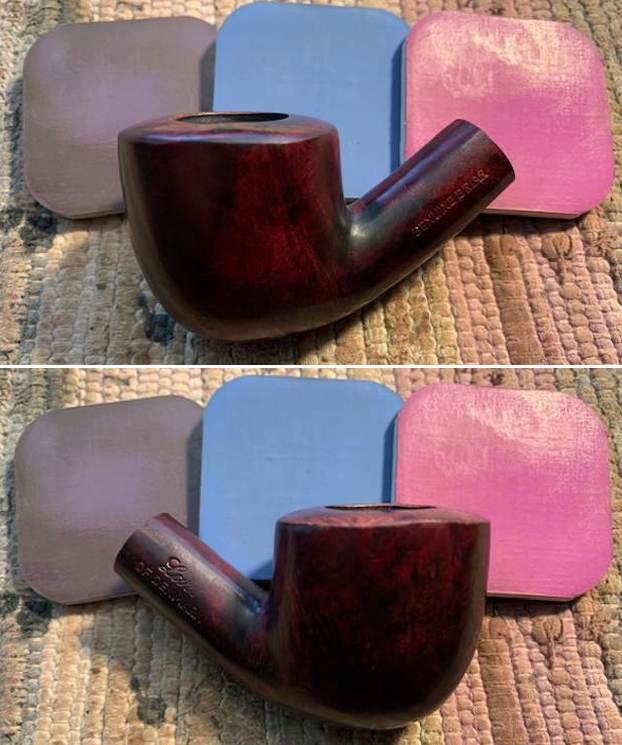
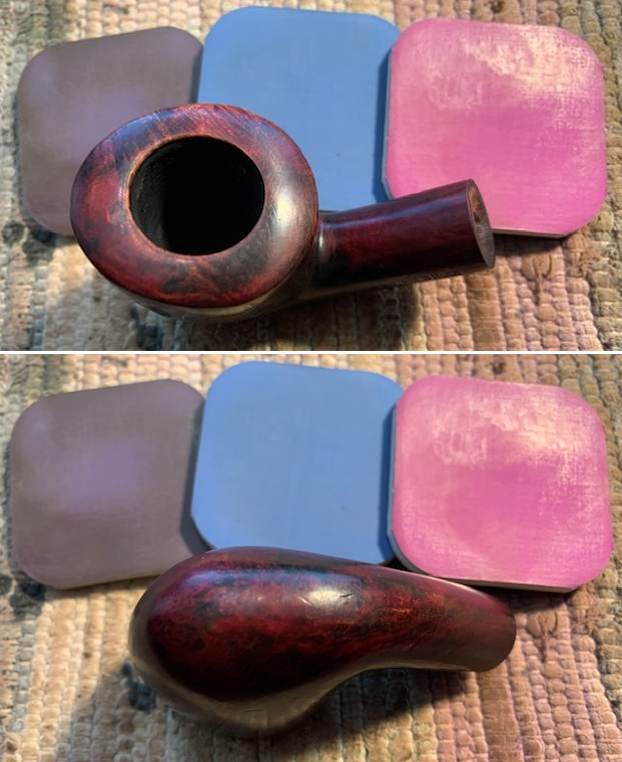
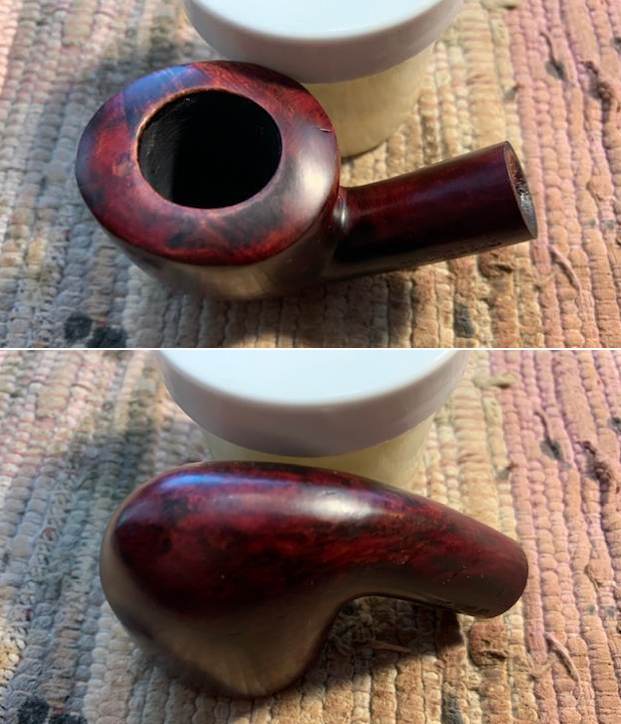
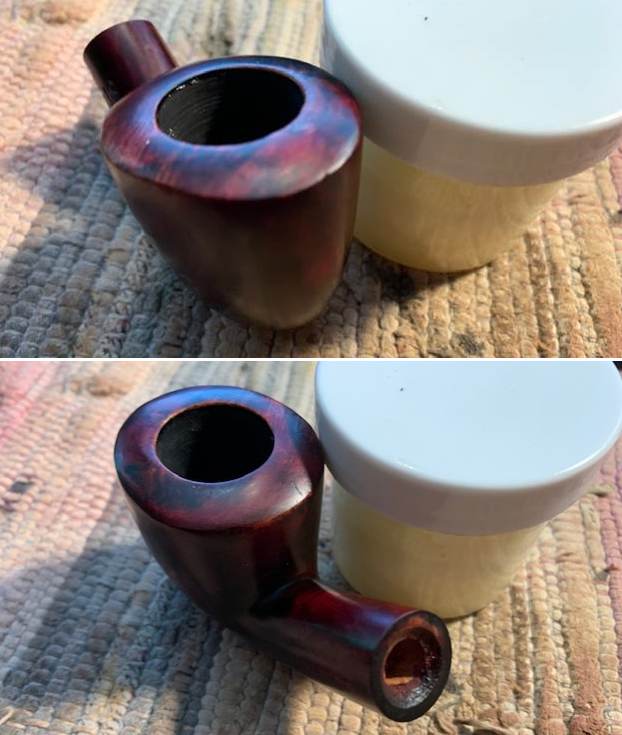
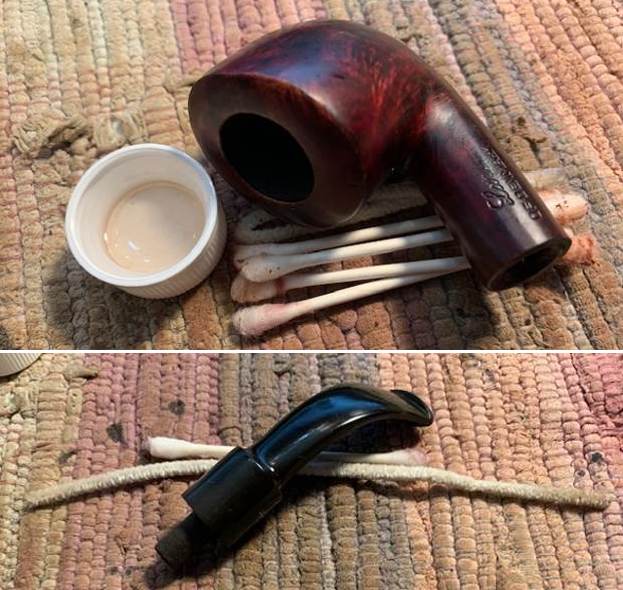
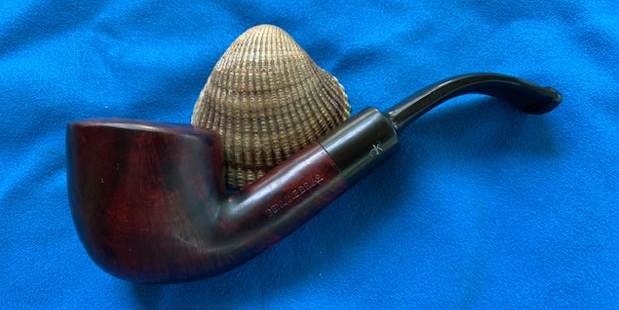
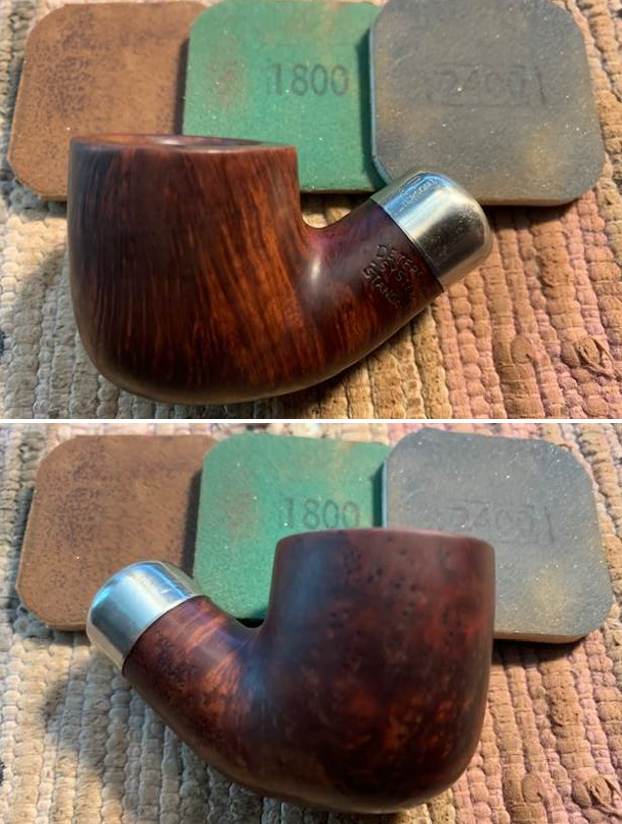
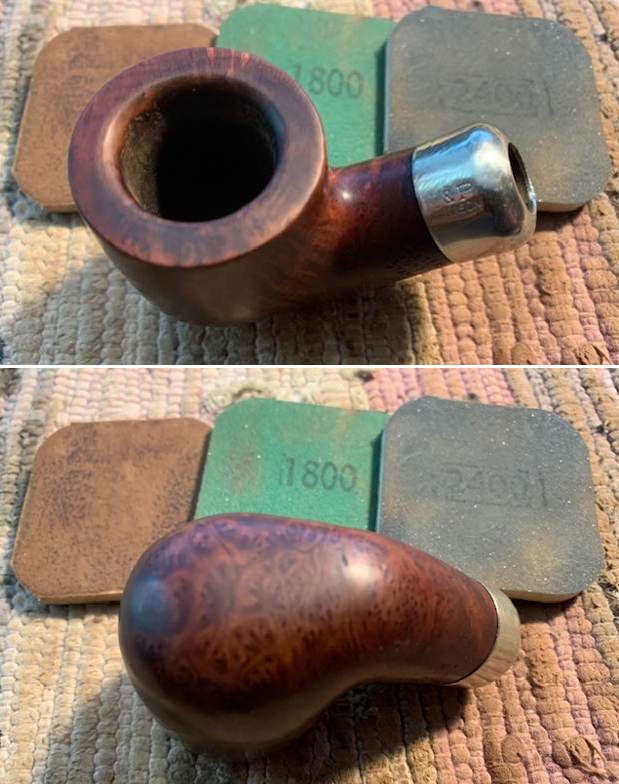
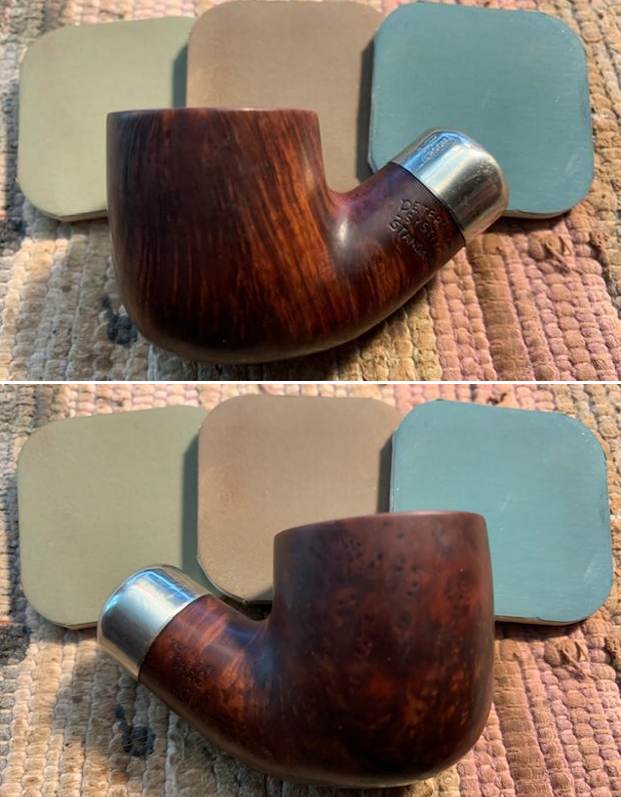
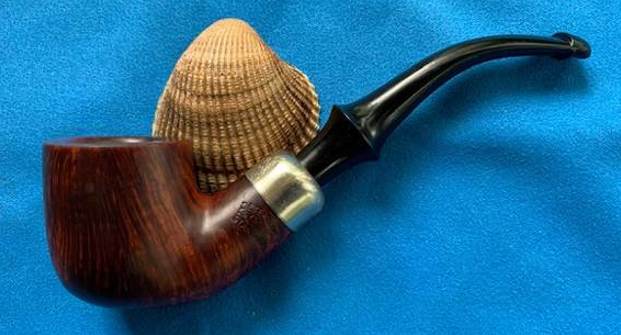
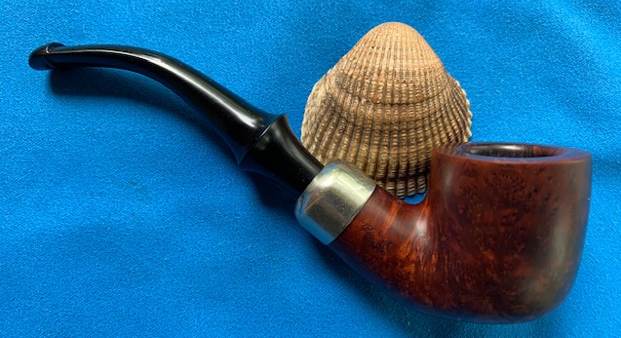
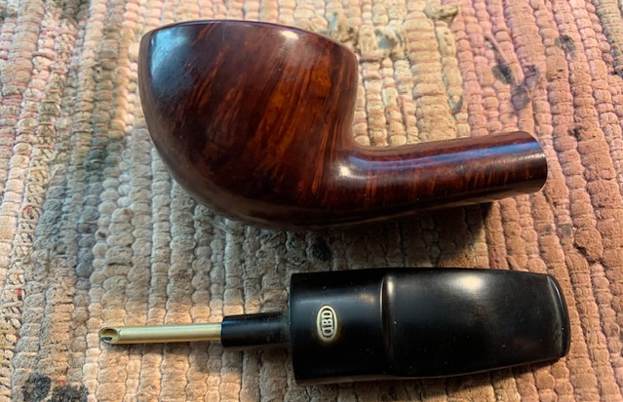
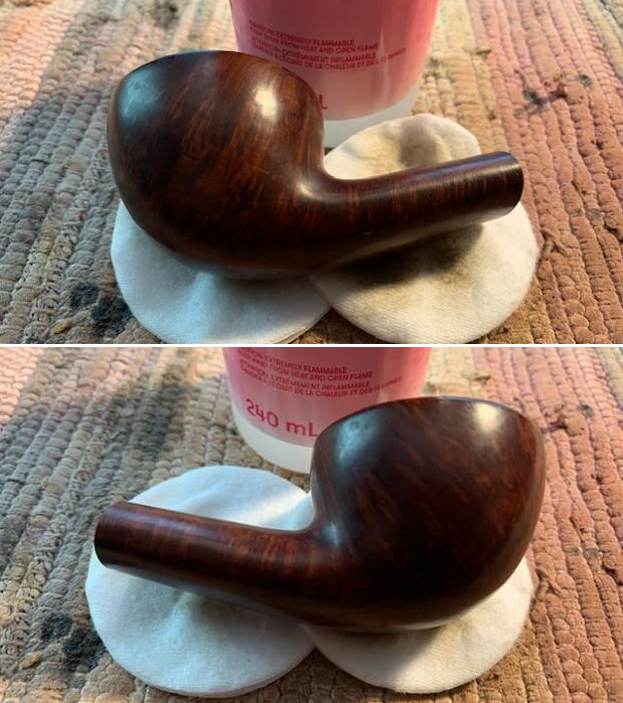
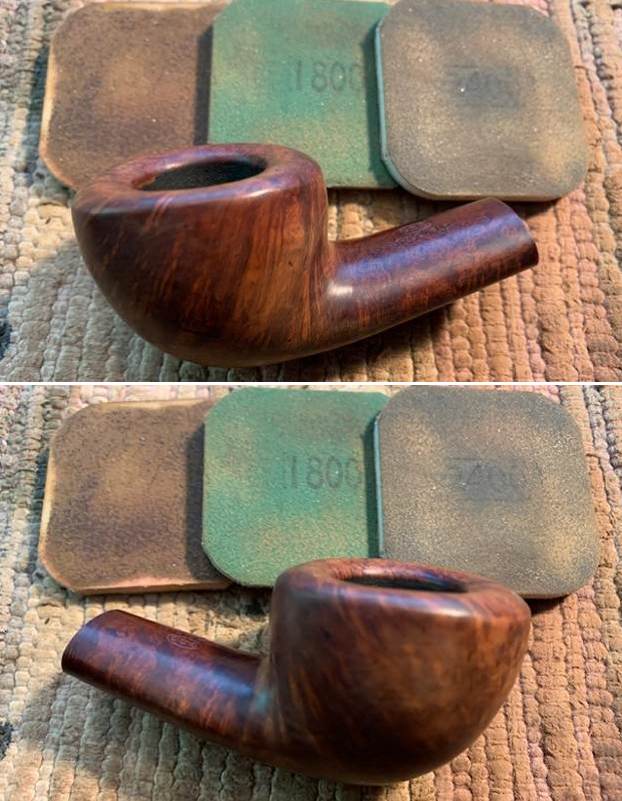
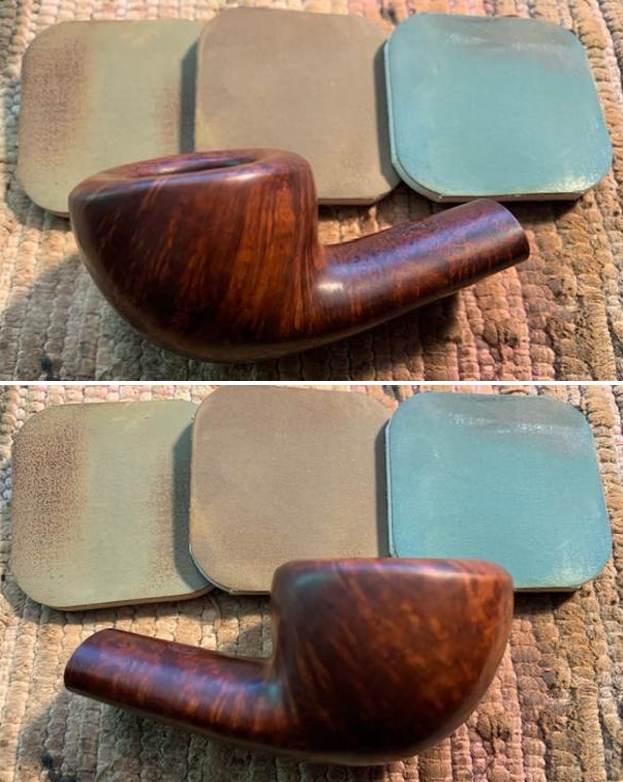
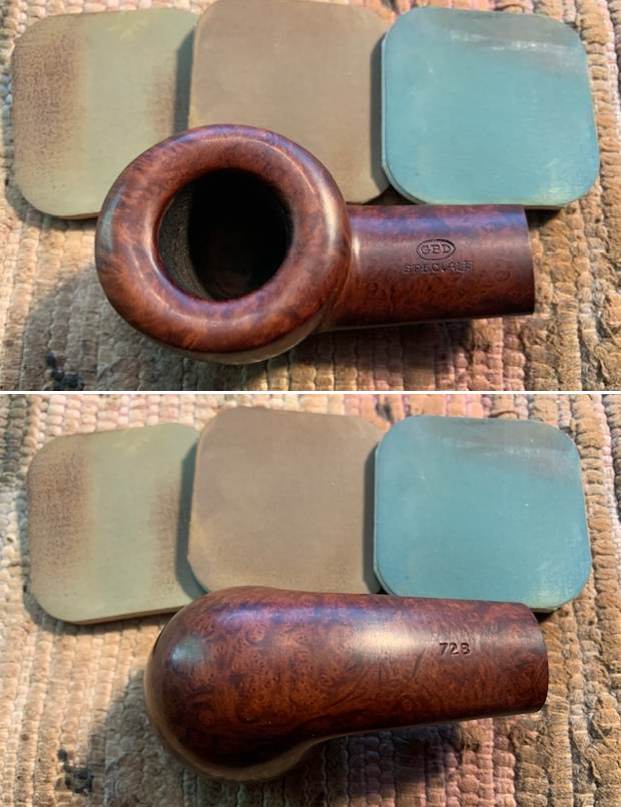
The pipe arrived this week in a Bubble Mailer from the seller in Italy. To me it is a questionable way to ship pipes as they can be easily damaged. I was concerned when I opened the mailer to examine the pipe inside. Fortunately the seller had separated the stem and bowl and wrapped each in thick bubble wrap which certainly helped. I examined the pipe carefully to assess both the condition of the pipe and what I needed to do with it. There was a light cake in the bowl and no lava on the rim top or edges. There light scratches on the rim top and on the sides of the bowl. The pipe was stamped on the on the top and underside of the shank as noted above. The finish was surprisingly clean and shiny with some great grain showing through. As I looked over the finish it appeared to me that bowl had been varnished to give it that shininess. I personally don’t like that kind of coating as I feel that it gets in the way of the briar breathing and often bubbles when the pipe is heated. The stem had the inlaid brass oval rondel on the top of the saddle portion. The vulcanite stem was fairly clean and there was light tooth marks and chatter on the top and underside. I took some photos of the pipe before I started my work on it. I have included them below. The cleaned up rim top looked very good around the edges and the top. I took some close up photos of the rim top and edges to show how it looked when it arrived. There were a few dents and scratches in the crowned top. The inner and outer edges looked good. I also took close up photos of the stem to show the light tooth marks on the surface near and on the button itself.I took photos of the stamping on the top and underside of the shank. It reads as noted above.I removed the stem and took a photo of the pipe to have a look at the parts and overall look. You can also see the inner tube in the tenon. It is removable and I will take it out and clean it up in the process.To remove the varnish coat from the briar I wiped it down with cotton pads soaked in acetone. It worked very well and took off the varnish but did no remove the stain finish. It was clean and the grain stood out more clearly. Once the bowl was polished and waxed I think that the rain would sing. I polished the briar with micromesh sanding pads – dry sanding with 1500-12000 grit sanding pads. I wiped the bowl down with a damp cloth after each sanding pad. With the outside polished I decided to clean the insides of the pipe and shank next. I reamed the bowl with the third cutting head of a PipeNet pipe reamer to take the thin cake off the walls of the pipe. I cleaned up the reaming with a Savinelli Fitsall Pipe Knife. I polished the walls of the bowl with 220 grit sandpaper wrapped around a piece of dowel.  I scraped the inside of the shank with a small pen knife to remove the tars and oils that had built up on the walls of the pipe. I scrubbed the shank with pipe cleaners, cotton swabs and isopropyl alcohol and worked on it until the shank was clean. I cleaned out the slot in the button and the airway in the stem with pipe cleaners and alcohol. It was quite dirty but with the scrubbing it was very clean. I decided to de-ghost the bowl with alcohol and cotton pads. I stuffed the bowl with cotton pads and twisted one up to insert in the shank. Once those were in place I used an ear syringe to fill the bowl with isopropyl alcohol. I set the bowl in an old ice cube tray to hold the bowl upright. I set it aside until the morning. At that time the cotton was very dirty with tars and oils both on the twisted cotton in the shank and the bolls stuffed in the bowl. I cleaned out the shank and mortise with alcohol to remove any debris. The pipe smelled much better. I worked some Before & After Restoration Balm into the surface of the briar with my fingertips to clean, enliven and protect the briar. I let the balm sit for 15 minutes and then buffed with a cotton cloth to raise the shine. The photos show the bowl at this point in the restoration process. I set the bowl aside and turned my attention to the stem. I polished the scratches and tooth chatter out of the stem with micromesh sanding pads – wet sanding with 1500-12000 grit sanding pads. I wiped it down after each sanding pad with Obsidian Oil. I polished it with Before & After Pipe Stem Polish – both Fine and Extra Fine. I am excited to finish this beautifully grained GBD Speciale 721 with a saddle stem. I put the pipe back together and buffed it with Blue Diamond on the buffing wheel. I gave the bowl and the stem multiple coats of carnauba wax. I hand buffed the pipe with a clean buffing pad to raise the shine. It is fun to see what the polished bowl looks like with beautiful mixed grain all around it. The polished bowl looks great with the black vulcanite stem. The removal of the varnish will enable the briar to breathe. This smooth Classic GBD Speciale 721 is great looking and the pipe feels great in my hand. It is light and well balanced. Have a look at it with the photos below. The dimensions are Length: 5 ½ inches, Height: 1 ½ inches, Outside diameter of the bowl: 1 ½ inches, Chamber diameter: 7/8 of an inch. The weight of the pipe is 47 grams/1.62 ounces. It turned out to be a beautiful pipe. I will be sending it off to the fellow in Israel shortly and I look forward to hearing what he thinks of it once he receives it. Remember that we are only trustees of our pipes and long after we are gone the pipes will go onto the next person who takes on the trust. Thanks for your time and as Paresh says each time – Stay Safe.
Restoring a Republic Era Peterson’s “Kapp-Royal” 69 Bent Billiard


Blog by Steve Laug

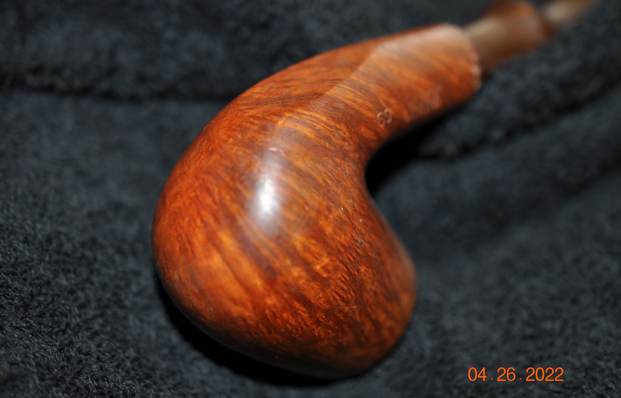
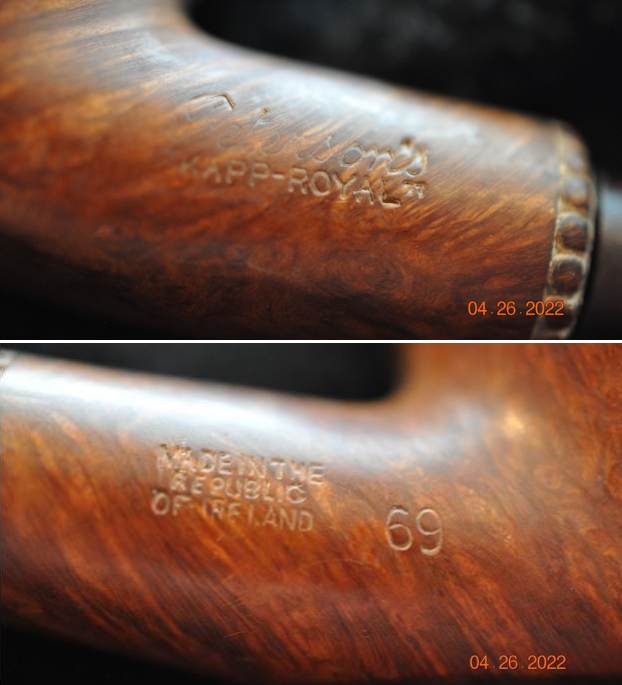
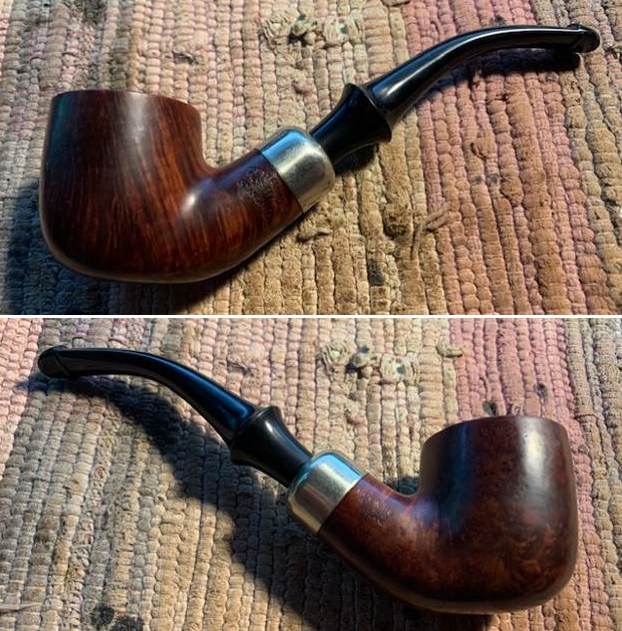
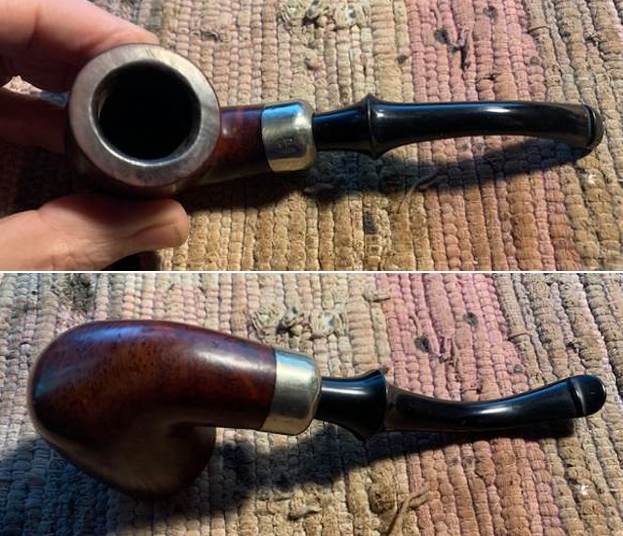
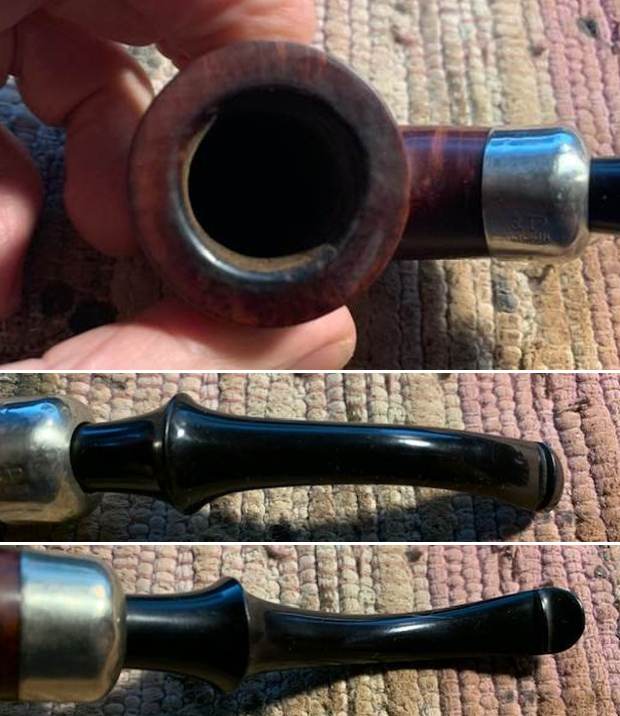
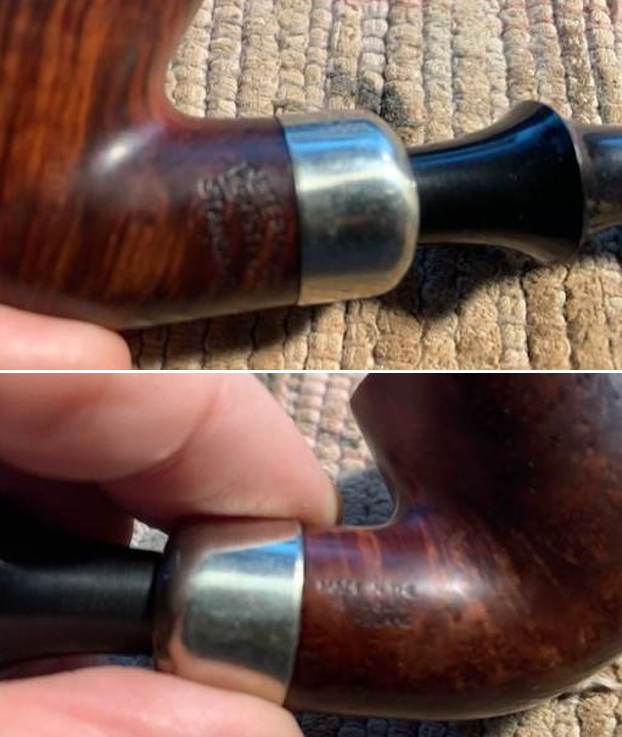
The next pipe was a mess and one that obviously had been “ridden hard and put away wet”. The finish and condition was abysmal. It was definitely a stranger to any cleaning! This one is a smooth Bent Billiard that has a rich coloured finish around the bowl sides and shank under the grit and grime of years. The shank end did not have a ferrule but had a carved finish on the end. This pipe was purchased on 06/17/21 from a fellow in Brazil, Indiana, USA. The finish is almost bland looking it is so dirty it was hard to know what to expect once it was cleaned. It was stamped on the  left side of the shank and read Peterson’s [over] “Kapp-Royal”. It was stamped to the right of the shank and reads MADE IN THE REPUBLIC OF IRELAND (three lines) with the shape number 69 next to the bowl. The underside of the shank was flattened like it is in a Dunmore pipe. It enables the pipe to be a sitter. It was filthy when Jeff brought it to the table. There was a thick cake in the bowl and lava on the back of the rim top and the inner edge of the bowl. The outer edge looked good. The stem was oxidized and had light tooth marks and chatter on the top and underside on and near the button. Jeff took photos of the pipe before his cleanup work. Jeff took photos of the rim top and stem to show the general condition of the pipe. The bowl is heavily caked and there was lava overflow on the back of the rim top and the inner edge. The stem is oxidized, calcified and grimy. It has some tooth marks on the top and underside near and on the surface of the button itself. Jeff took photos of the bowl sides and heel to show the grain that was around this bowl. The grain is quite beautiful around the sides of the bowl and shank. It is a nice looking pipe. He took photos of the sides of the shank to show the stamping. The stamping is readable in the photos below and is as noted above. I am including the link to the Pipedia’s article on Peterson pipes. It is a great read in terms of the history of the brand (https://pipedia.org/wiki/Peterson). There was a short note toward the bottom of the page about the series. It is definitely referring to the newer line that came out later. I quote:

Kapp Royal Series: The Kapp Royal series is a relatively new one, but has a well establish history in Europe. They are a handsome colourful series with a good quality natural stain briar and bright orange Lucite stems and occasionally Cumberland.

I turned to “The Peterson Pipe” by Mark Irwin and Gary Malmberg to get some background on the Peterson’s Kapp-Royal Pipe. On page 306 it had the following information.

Kapp-Royal (1969, 1976-79, c1988, 2004) First appearance  as a line introduced 1969. In 1976-79 Iwan Ries catalog offering identical with non-System Dunmore line. Second appearance in the late eighties as a high-grade Italian market line with briar band inset into the mouthpiece. From c.2004, Italian line available in US as high grade, orange finish, sterling band, amber-colored acrylic fishtail stem or sometimes vulcanite, embedded aluminum P.

Judging from the description above, the pipe I am working on is probably made between 1976-79. It fits the description above in red that says it is “identical with non-System Dunmore line”. The Made in the Republic of Ireland stamp on the right side of the stamp puts it in the Republic Era 1950-1989.

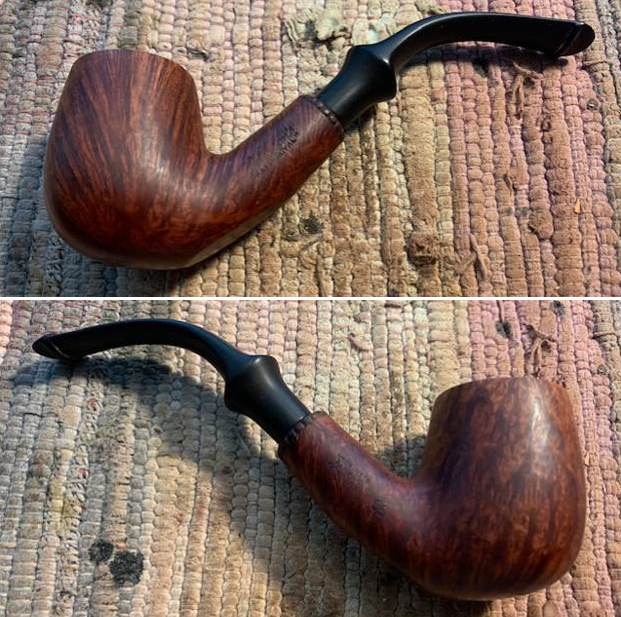
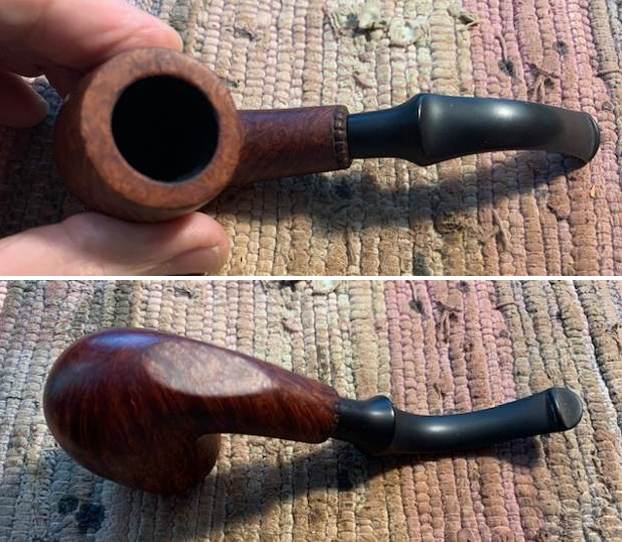
I was utterly surprised when I took this pipe out of the box and compared it to the before photos. Jeff had done a great job cleaning up the pipe as usual. He reamed the pipe with a PipNet reamer and cut back the cake back to the bare briar. He cleaned up the walls with a Savinelli Fitsall Pipe Knife. Surprisingly the walls looked unscathed from the heavy cake. He scrubbed the interior of the bowl and shank with pipe cleaners, cotton swabs and alcohol to remove the tars and oils. He scrubbed the exterior of the pipe with Murphy’s Oil Soap and a tooth brush to remove the grime from the finish. He worked on the rim top lava and darkening with the soap and tooth brush. He scrubbed the inside of the stem with alcohol and pipe cleaners. He scrubbed the exterior of the stem with Soft Scrub and then soaked it in Briarville’s Deoxidizer. He washed it off with warm water to remove the Deoxidizer. The pipe looked far better when it arrived. The cleaned up rim top looked very good around the edges and the top. I took some close up photos of the rim top and edges to show how well it had cleaned up. I also took close up photos of the stem to show the light tooth marks on the surface near and on the button itself.I took photos of the stamping on the sides of the shank. It reads as noted above.I removed the stem and took a photo of the pipe to have a look at the parts and overall look.I started my work on this pipe polishing the briar with micromesh sanding pads – dry sanding with 1500-12000 grit sanding pads. I wiped the bowl down with a damp cloth after each sanding pad. I worked some Before & After Restoration Balm into the surface of the briar with my fingertips to clean, enliven and protect the briar. I let the balm sit for 15 minutes and then buffed with a cotton cloth to raise the shine. The photos show the bowl at this point in the restoration process. I set the bowl aside and worked on the stem. I scrubbed it down with Soft Scrub to deal with the remaining oxidation on the vulcanite. It took a bit of scrubbing but I was able to remove it.I polished the stem with micromesh sanding pads – wet sanding with 1500-12000 grit sanding pads. I wiped it down after each sanding pad with Obsidian Oil. I polished it with Before & After Pipe Stem Polish – both Fine and Extra Fine. I am excited to finish this beautifully grained Peterson’s Kapp-Royal 69 Bent Billiard. I put the pipe back together and buffed it with Blue Diamond on the buffing wheel. I gave the bowl and the stem multiple coats of carnauba wax. I hand buffed the pipe with a clean buffing pad to raise the shine. It is fun to see what the polished bowl looks like with beautiful mixed grain all around it. The polished nickel band is losing some of the plating but it still looks great with the black vulcanite stem. This smooth Classic Peterson’s Kapp-Royal Bent Billiard is great looking and the pipe feels great in my hand. It is light and well balanced. Have a look at it with the photos below. The dimensions are Length: 5 ½ inches, Height: 1 ¾ inches, Outside diameter of the bowl: 1 ¼ inches, Chamber diameter: ¾ of an inch. The weight of the pipe is 43 grams/1.52 ounces. It turned out to be a beautiful pipe. I will be putting on the rebornpipes store in the Irish Pipe Makers Section. Thanks for your time and as Paresh says each time – Stay Safe.
Restoring a Made in Ireland Shamrock +69 Bent Billiard


Blog by Steve Laug

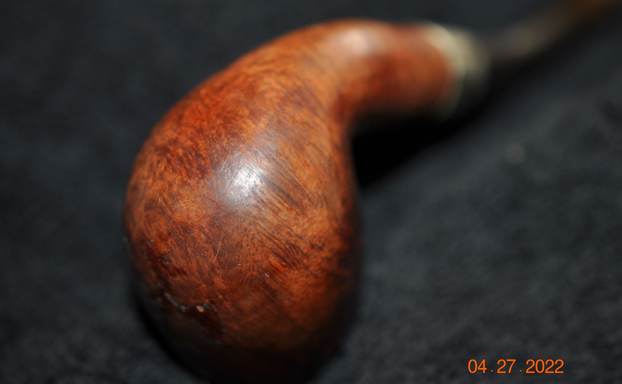
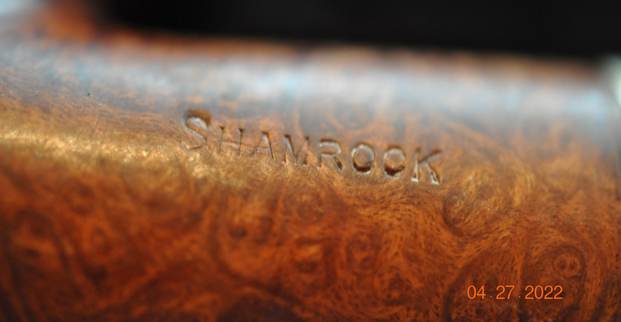
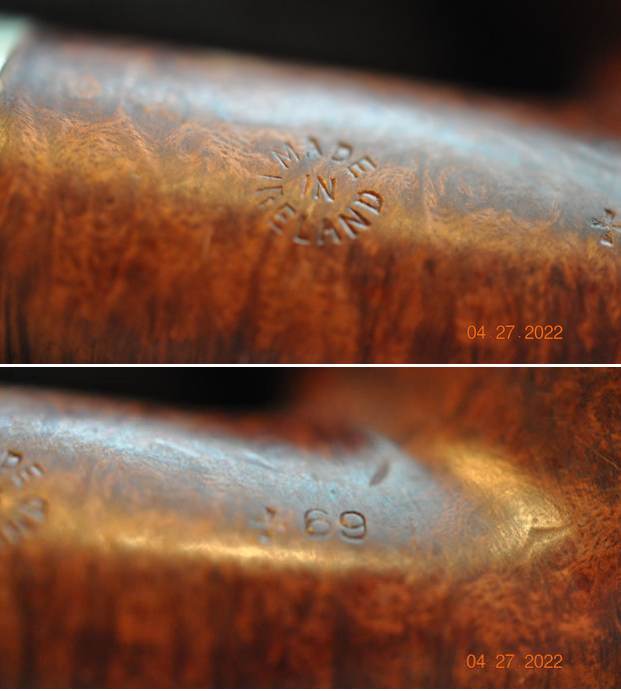
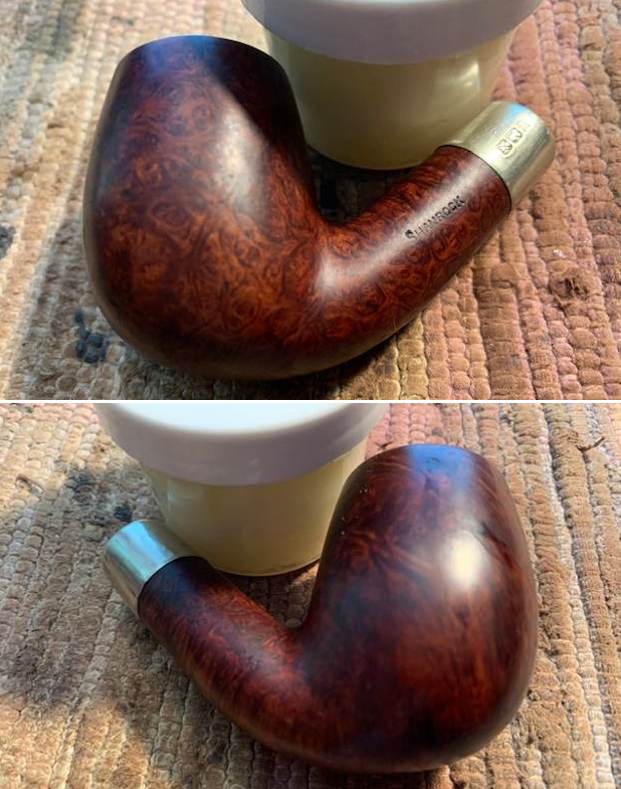
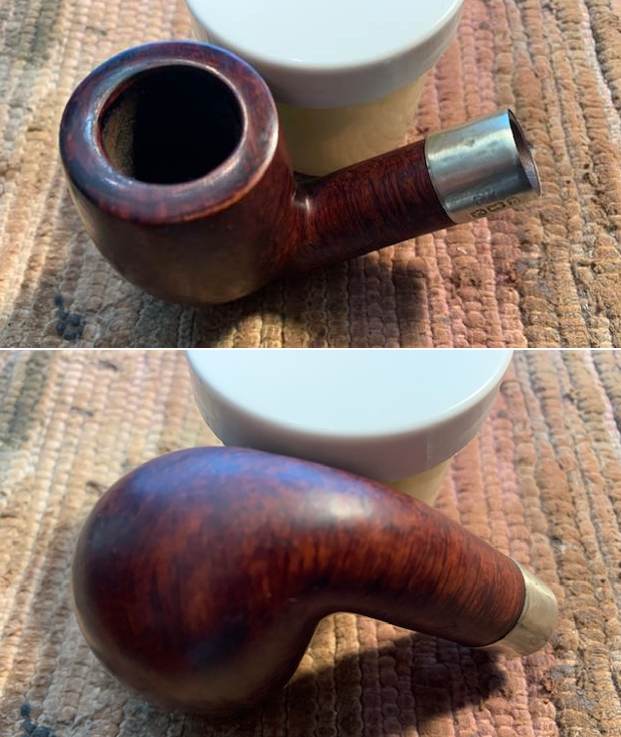
The next pipe was a mess and one that obviously had been “ridden hard and put away wet”. The finish and condition was abysmal. It was definitely a stranger to any cleaning! This one is a smooth Bent Billiard that has a rich coloured finish and great grain around the bowl sides and shank under the grit and grime of years. This pipe was purchased on 06/05/21 from a fellow in Brazil, Indiana, USA. The finish is almost bland looking it is so dirty it was hard to know what to expect once it was cleaned. It was stamped on the  left side of the shank and read SHAMROCK. It was stamped to the right of the shank and reads MADE IN IRELAND (in a circle) with the shape number +69 next to the bowl. It was filthy when Jeff brought it to the table. There was a thick cake in the bowl and lava on the rim top and the inner edge of the bowl. There were nicks in the outer edge all the way around. There were burn marks on the outer edge on the right and left front of the bowl. The stem was oxidized and had light tooth marks and chatter on the top and underside on and near the button. Jeff took photos of the pipe before his cleanup work. Jeff took photos of the rim top and stem to show the general condition of the pipe. The bowl is heavily caked so it is hard to know the condition of the edges under the lava overflow. The burn marks are also visible on the outer edge of the bowl. The stem is oxidized, calcified and grimy. It has some tooth marks on the top and underside near and on the surface of the button itself. Jeff took photos of the bowl sides and heel to show the grain that was around this bowl. You can see the sandpits and nicks in the briar in the photos below. Even so, it is a nice looking pipe. He took photos of the sides of the shank to show the stamping. The stamping is readable in the photos below and is as noted above. I am including the link to the Pipedia’s article on Peterson pipes. It is a great read in terms of the history of the brand (https://pipedia.org/wiki/Peterson).

I turned to “The Peterson Pipe” by Mark Irwin and Gary Malmberg to get some background on the Peterson’s Shamrock Pipe. On page 312 it had the following information.

Shamrock (c1941-2009) Originally stamped SHAMROCK with no brand name, an inexpensive line first described in George Yale (New York) mail order booklet in 1941, imported by Rogers Import. The line was actively promoted beginning in ’45, aggressively promoted in US by Rogers from early ‘50s when they registered the Shamrock logo with US Patent Office, claiming propriety since ’38. Over the years offered with P-lip or fishtail mouthpiece, with or without nickel band, with or without shamrock logo on the band, with or without S stamped in white or later in gold on mouthpiece. Appearing in 2008 as unstained smooth and rustic, fishtail mouthpiece with gold impressed P on the stem. COMS of MADE IN over IRELAND (C1945-1965), MADE IN IRELAND forming a circle (c1945-1965), “A PETERSON’S PRODUCT” over MADE IN IRELAND (c1945-1965), MADE IN THE over REPUBLIC over OF IRELAND9c1948-1998). Model is always difficult or impossible to date.

Judging from the description above, the pipe I am working on is stamped with the stamp noted in red above. Made in Ireland in a circle which narrows the date to between approximately 1945-1965. It is just stamped SHAMROCK with no brand name and no stamping on the stem.

On page 302 there was a listing on the nickel mounted markings such as those used on the band on the shank of this pipe. I quote:

Nickel-Mount Markings. Often called faux hallmarks or faux marks by Peterson collectors, this set of three little images of a shamrock, an Irish wolfhound and a round tower appear within rectangular shapes as decorations on nickel mountings. Very early nickel mounts (1891-c. 1920) had no such decorations, only the same stamps used on sterling but without the hallmarks. As a stamp, the set of decorations began to appear at the beginning of the Irish Free State era, sometimes alone but often under K&P and over block lettered PETERSON over DUBLIN, although the  three emblems appeared on K&P’s Irish Carving Shamrocks pipes since 1896. The stamp was used until about 1963, when hand soldered nickel bands and ferrules were replaced by pressed ferrules and premade bands…The shamrock is the emblem of Ireland; the Irish wolfhound has long been used for both hunting and protection, and is an emblem of strength; the round tower a symbol of Ireland’s early religious power. These decorations were stamped at the factory on non-sterling mounts only, and the assay office has nothing to do with them…

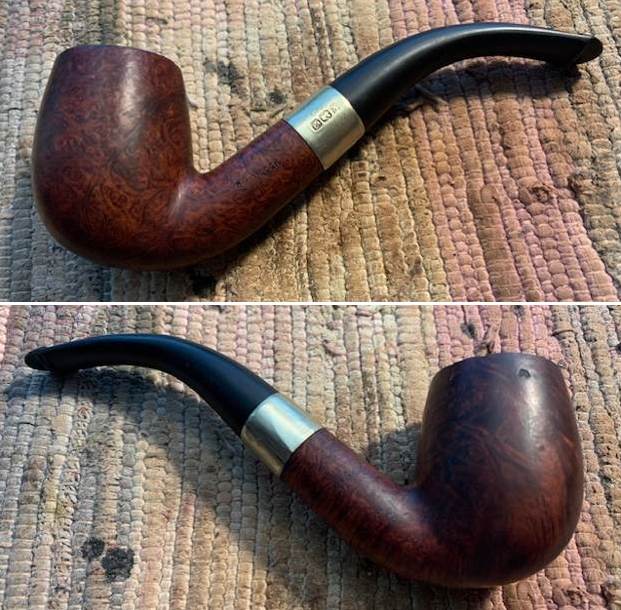
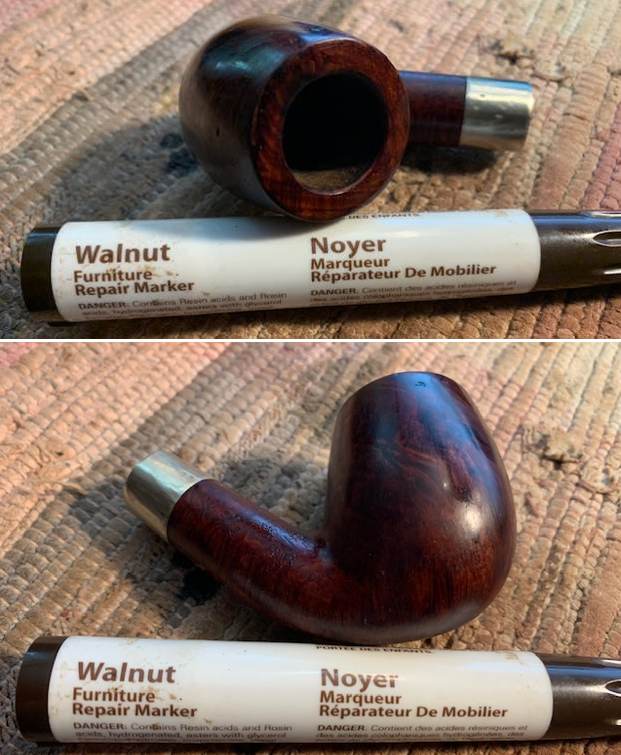
I was utterly surprised when I took this pipe out of the box and compared it to the before photos. Jeff had done a great job cleaning up the pipe as usual. He reamed the pipe with a PipNet reamer and cut back the cake back to the bare briar. He cleaned up the walls with a Savinelli Fitsall Pipe Knife. Surprisingly the walls looked unscathed from the heavy cake. He scrubbed the interior of the bowl and shank with pipe cleaners, cotton swabs and alcohol to remove the tars and oils. He scrubbed the exterior of the pipe with Murphy’s Oil Soap and a tooth brush to remove the grime from the finish. He worked on the rim top lava and darkening with the soap and tooth brush. He scrubbed the inside of the stem with alcohol and pipe cleaners. He scrubbed the exterior of the stem with Soft Scrub and then soaked it in Briarville’s Deoxidizer. He washed it off with warm water to remove the Deoxidizer. The pipe looked far better when it arrived. The cleaned up rim top revealed very damaged inner and outer edges and the top. It was both burned and nicked from being knocked out on a hard surface. I took some close up photos of the rim top and edges to show how well it had cleaned up and the damage to the edges around the bowl. I also took close up photos of the stem to show the tooth marks on the surface near and on the button itself.I took photos of the stamping on the sides of the shank. It reads as noted above.I removed the stem and took a photo of the pipe to have a look at the parts and overall look. I started my work on this pipe by topping the bowl and reworking the damage to the inner edge. I topped the bowl on a piece of 220 grit sandpaper on a topping board. Once I had it smooth I used a folded piece of 220 grit sandpaper to give the inner edge of the bowl a slight bevel to accommodate the burned areas and blend them into the surrounding briar. There was a large flaw in the briar near the rim top on the right side of the bowl. I filled it in with clear super glue and briar dust. Once the repair cured I sanded it smooth with 220 grit sandpaper to blend it into the surrounding briar.I polished the briar with micromesh sanding pads – dry sanding with 1500-12000 grit sanding pads. I wiped the bowl down with a damp cloth after each sanding pad. I restained the rim top with a Walnut stain pen to match it to the surrounding bowl colour. It looked pretty good. I also touched up the repaired flaw on the right side of the bowl toward the top. They will both blend well once the pipe is polished and buffed.I worked some Before & After Restoration Balm into the surface of the briar with my fingertips to clean, enliven and protect the briar. I let the balm sit for 15 minutes and then buffed with a cotton cloth to raise the shine. The photos show the bowl at this point in the restoration process. I set the bowl aside and polished the stem with micromesh sanding pads – wet sanding with 1500-12000 grit sanding pads. I wiped it down after each sanding pad with Obsidian Oil. I polished it with Before & After Pipe Stem Polish – both Fine and Extra Fine. I am excited to finish this Nickel Banded Older Made in Ireland Shamrock 69+ Bent Billiard. I put the pipe back together and buffed it with Blue Diamond on the buffing wheel. I gave the bowl and the stem multiple coats of carnauba wax. I hand buffed the pipe with a clean buffing pad to raise the shine. It is fun to see what the polished bowl looks like with beautiful mixed grain all around it. The polished nickel band is losing some of the plating but it still looks great with the black vulcanite stem. This smooth Classic Shamrock 69+ Bent Billiard is great looking and the pipe feels great in my hand. It is light and well balanced. Have a look at it with the photos below. The dimensions are Length: 5 ¾ inches, Height: 2 inches, Outside diameter of the bowl: 1 ¼ inches, Chamber diameter: ¾ of an inch. The weight of the pipe is 59 grams/2.08  oz. It turned out to be a beautiful pipe. I will be putting on the rebornpipes store in the Irish Pipe Makers Section. Thanks for your time and as Paresh says each time – Stay Safe.
287. A Short Dutch Refurb for Father’s Day and the Father’s Day Commemoratives (2010-14)


For Father’s Day this year I decided to take my Dad’s favorite pipe, a Late Republic sandblast 301 System, give it refurb and smoke it with his …

287. A Short Dutch Refurb for Father’s Day and the Father’s Day Commemoratives (2010-14)

Restoring a Republic Era Peterson’s Dublin 120 Military Mount Dublin


Blog by Steve Laug

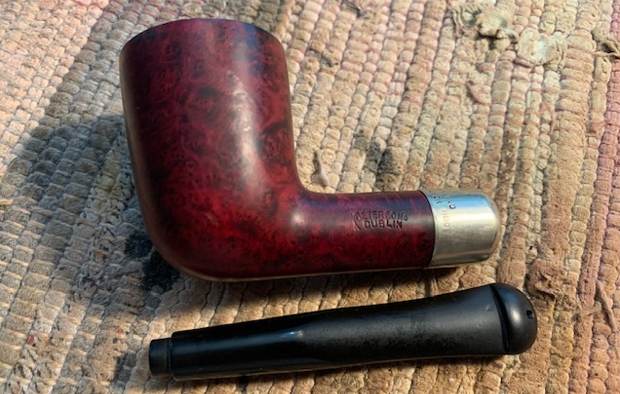
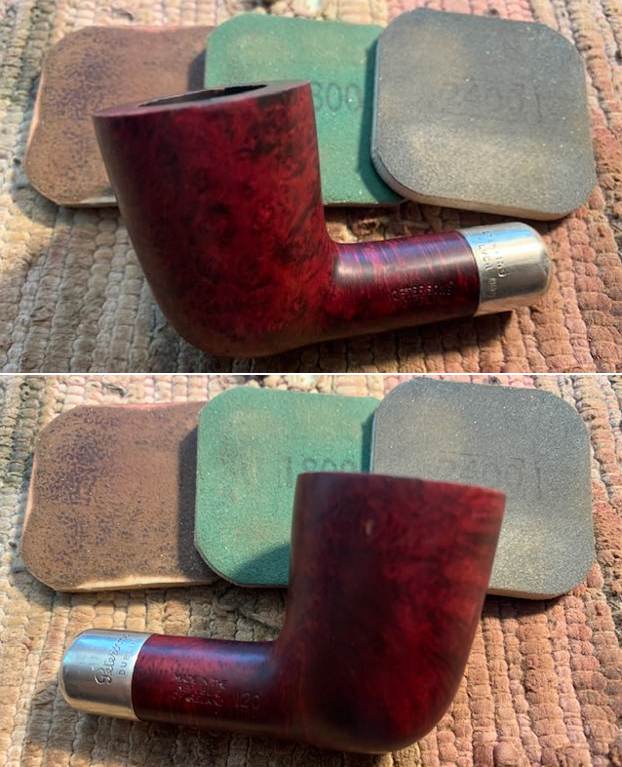
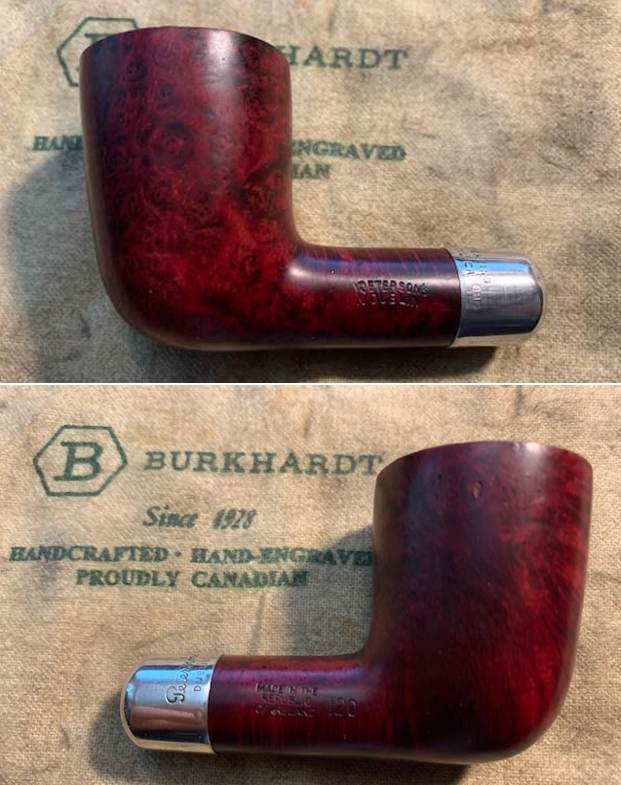
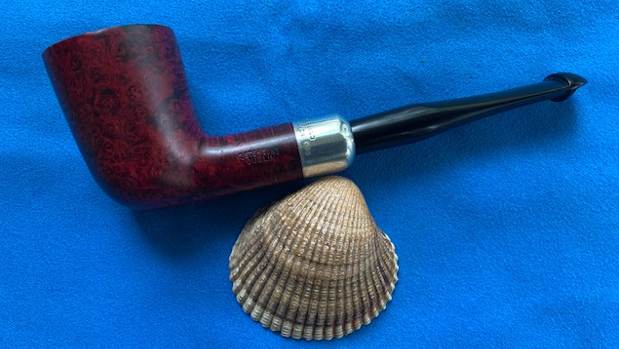
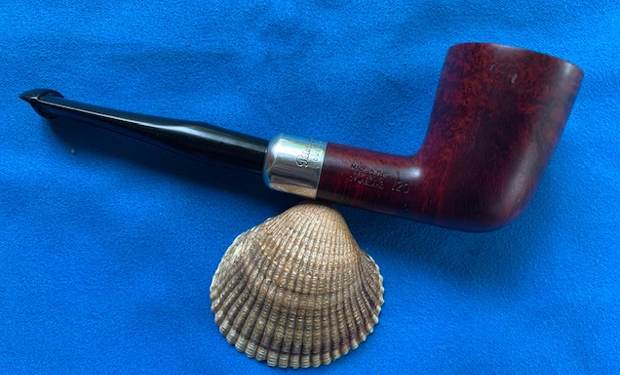
The next pipe I have chosen is another smooth finished Peterson’s Straight Dublin. This one is a smooth straight Dublin shape that has a rich coloured red finish around the bowl sides and shank. This pipe was purchased on 11/17/21 from a seller in San Marcos, Texas, USA. The finish is dark and dirty but there is some great grain around the bowl sides and shank. The briar has a few small nicks and flaws in the surface but is otherwise very nice. It was stamped on the  left side of the shank and read Peterson’s [arched over] Dublin. It was stamped to the right of the shank and read MADE IN THE REPUBLIC OF IRELAND (three lines) with the shape number 120 next to the bowl. It was filthy when Jeff brought it to the table. There was a thick cake in the bowl and a thick overflow of lava on the rim top that was heavier on the back side. It was hard to know what the condition of the rim top and edge would be under that thick lava coat. The Sterling Silver ferrule is tarnished but was stamped Peterson’s [over] Dublin. That is followed by Sterling over Silver. Following the R in Silver were three hallmarks. The first was the seated woman (Hibernia), the second was a harp (the symbol for the grade of silver, the third is the letter B (the year stamp). The unstamped stem was lightly oxidized and had tooth marks and chatter on the top and underside on and near the button. Jeff took photos of the pipe before his cleanup work. Jeff took photos of the rim top and stem to show the general condition of the pipe. The bowl is heavily caked and the rim top and edges have some lava overflow. The stem is lightly oxidized and has tooth marks on the top and underside near the button. Jeff took photos of the bowl sides and heel to show the grain that was around this bowl. It is a nice looking pipe with great grain around the bowl. He took photos of the sides of the shank to show the stamping. The stamping is readable in the photos below and is as noted above. I am including the link to the Pipedia’s article on Peterson pipes. It is a great read in terms of the history of the brand (https://pipedia.org/wiki/Peterson).

I decided to narrow down the date first before working on the pipe. I turned to a blog I had on rebornpipes on a silver ferrule that I had worked on previously (https://rebornpipes.com/tag/identifying-hallmarks-on-a-sterling-silver-ferrule/). I quote from that blog and include the graphics.

I always like to date the year a pipe was made while I am working on it. In the process of working on a pipe if I can pin down a date that it was made that it adds another dimension to the restoration process. Once I have identified the hallmarks on the pipe then I use a Hallmark chart to pin the date down. In the case of Peterson’s pipe with a silver band I use a hallmarking chart that Peterson included in their catalogs and on their website

I have a copy of the hallmark charts in one of the Peterson catalogs that I have uploaded to the blog on rebornpipes. I turned to that chart to lock down the date letter for the Sterling Silver Dublin that I am working on. Here is the link to the site (https://rebornpipes.com/wp-content/uploads/2015/05/peterson-cataloguecomp_page_27.jpg)

The chart defines the meaning of each hallmark on the silver band. The first one is of a seated woman with a harp is known as the Hibernia stamp and identifies the pipe as made in Ireland. The second stamp is a crowned harp which is a fineness mark denoting the high quality of silver that was used. The third stamp is the upper case italic letter “B”. I have included a larger screen capture of the section in the second photo below.

I blew up the photo of the above chart so that I could read the dates. I have drawn a square around the proper date letter below. It identifies the date of manufacture this Peterson’s pipe to 1987.From the hallmarks it appeared that I was dealing with a pipe that the hallmarks date to 1987.

I turned them to “The Peterson Pipe” by Mark Irwin and Gary Malmberg to get some background on the Peterson’s Dublin 3. On page 298 it had the following information.

Dublin (1906-2003) Although DUBLIN appears under PETERSON’S  on many pipe over the decades, it has served mostly as part of the brand name. The word first appeared on pipes hallmarked 1906-11, stamped PETERSON’S over PATENT over DUBLIN. The simpler PETERSON’S over DUBLIN first appeared on pipes hallmarked 1912 after the expiration of the patent. Illustrations of pipes in the ’37 catalog show a random dispersion of the stamp PETERSON’S over OF DUBLIN together with the ordinary PETERSON’S over DUBLIN on every model offered. Specimens of the former will bear either and Irish COM or LONDON MADE over ENGLAND COM and almost certainly date from 1945-62. It was first mentioned as part of a model name in the ’68 price list, as K&P DUBLIN, in ’92 for a Danish market line and in 2017 (see below).

I knew I was dealing with a pipe that had a long history of the stamping that I found on its shank. It is amazing to think that in a company that had a lot of anomalies in their stamping that the DUBLIN stamp continued from 1906-2003 and in other forms even longer. This 1987 made DUBLIN fits nicely within that time frame. Now it was time to work on the pipe.

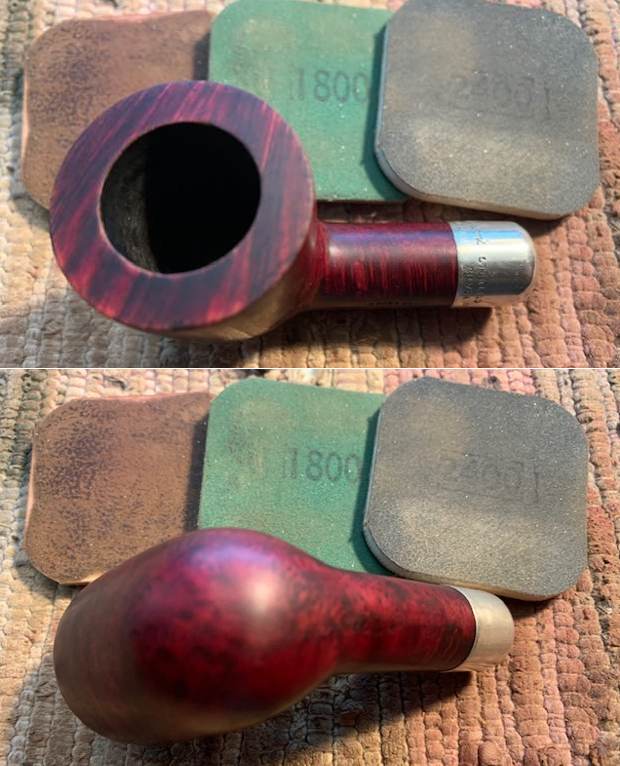
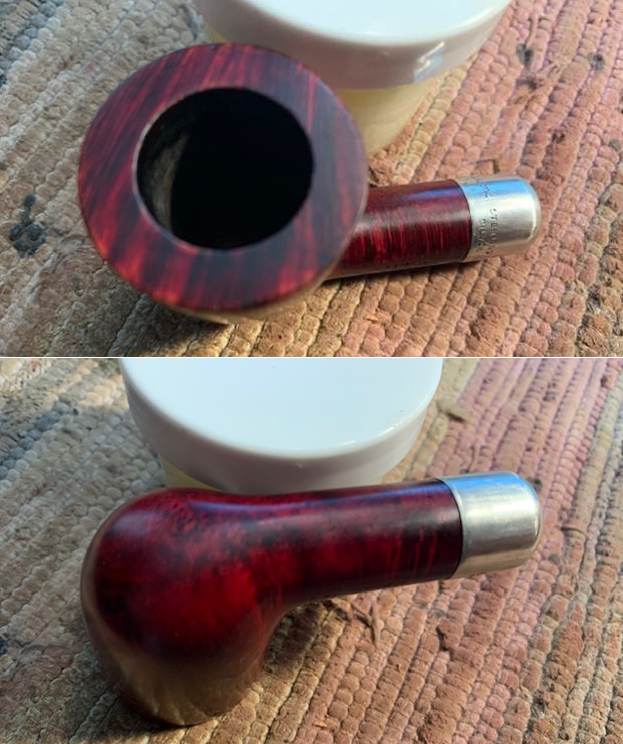
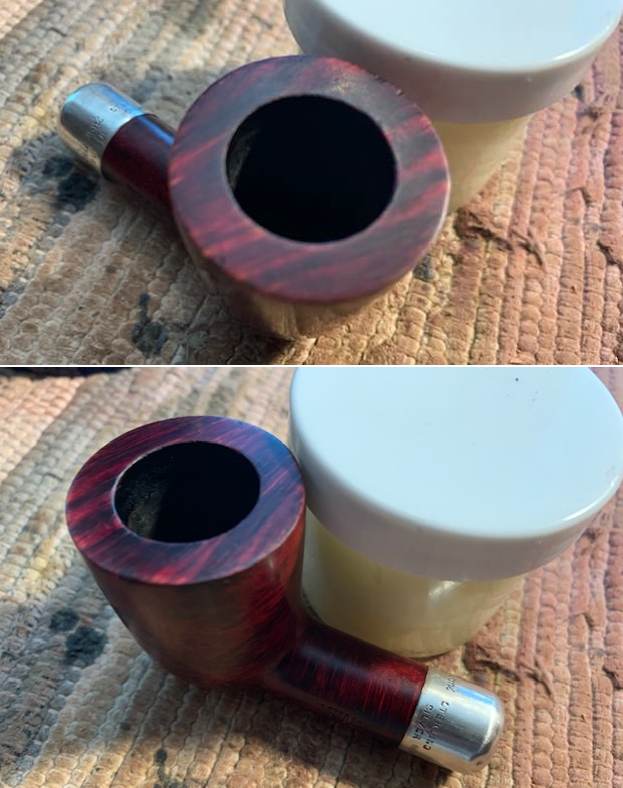
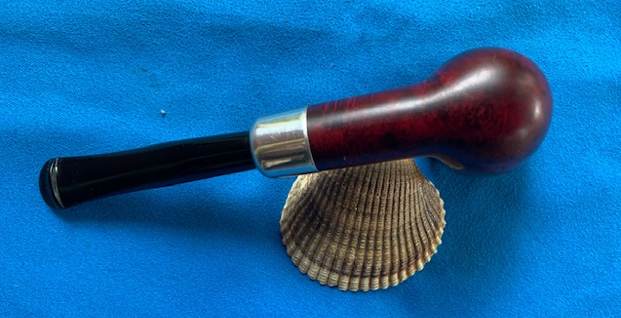
Jeff had done a great job cleaning up the pipe as usual. He reamed the pipe with a PipNet reamer and cut back the cake back to the bare briar. He cleaned up the walls with a Savinelli Fitsall Pipe Knife. He scrubbed the interior of the bowl and shank with pipe cleaners, cotton swabs and alcohol to remove the tars and oils. He scrubbed the exterior of the pipe with Murphy’s Oil Soap and a tooth brush to remove the grime from the finish. He worked on the rim top lava and darkening with the soap and tooth brush. He scrubbed the inside of the stem with alcohol and pipe cleaners. He scrubbed the exterior with Soft Scrub and then soaked it in Briarville’s Pipe Stem Deoxidizer. He washed it off with warm water to remove the Deoxidizer. The pipe looked far better when it arrived. I took a close up photo of the rim top because I wanted to show how well it had cleaned up. The rim top looked amazingly good on the top and the inner and outer edges of the bowl. I also took close up photos of the stem to show the tooth marks on the surface near the button. I took photos of the stamping on the sides of the shank. It reads as noted above.I removed the stem and took a photo of the pipe to have a look at the parts and overall look.I sanded the bowl with micromesh sanding pads – dry sanding with 1500-12000 grit sanding pads to further make the stain more transparent and make the grain stand out. I wiped the bowl down with a damp cloth after each sanding pad. I worked some Before & After Restoration Balm into the surface of the briar with my fingertips to clean, enliven and protect the briar. I let the balm sit for 15 minutes and then buffed with a cotton cloth to raise the shine. The photos show the bowl at this point in the restoration process. I polished the Sterling Silver Ferrule with a jeweler’s cloth to protect and give it a shine. It is a pretty looking pipe.I “painted” the tooth marks in the stem with a lighter flame to lift the marks. Most lifted but I filled in the ones that remained on the top and underside of the stem next to the button edge with clear CA glue. Once the repairs cured I sanded them smooth with 220 grit sandpaper and started polishing it with 400 grit wet dry sandpaper. It was starting to look good. I polished the stem with micromesh sanding pads – wet sanding with 1500-12000 grit sanding pads. I wiped it down after each sanding pad with Obsidian Oil. I polished it with Before & After Pipe Stem Polish – both Fine and Extra Fine. I am excited to finish this Peterson’s Dublin 120 Straight Dublin. I put the pipe back together and buffed it with Blue Diamond on the buffing wheel. I gave the bowl and the stem multiple coats of carnauba wax. I hand buffed the pipe with a clean buffing pad to raise the shine. It is fun to see what the polished bowl looks like with beautiful straight and flame grain all around it. Added to that the polished black vulcanite stem was beautiful. This smooth Classic Peterson’s 120 Dublin is great looking and the pipe feels great in my hand. It is light and well balanced. Have a look at it with the photos below. The dimensions are Length: 5 ¾ inches, Height: 1 ¾ inches, Outside diameter of the bowl: 1 ¼ inches, Chamber diameter: ¾ of an inch. The weight of the pipe is 35 grams/1.23 ounces. It is a beautiful pipe and one that will soon be on the rebornpipes store in the Irish Pipe Makers Section of the store. If you want to add it to your collection let me know. Thanks for walking through the restoration with me as I worked over this pipe. Thanks to each of you who are reading this blog.

Cleaning up the Fourth Unsmoked Lars of Denmark Genuine Briar Bent Pot


Blog by Steve Laug

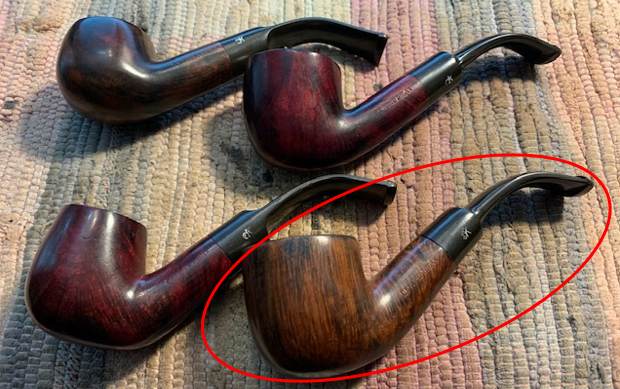
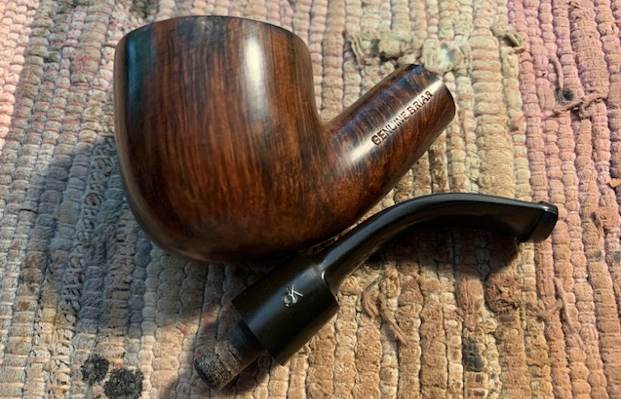
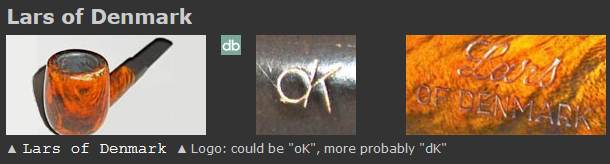
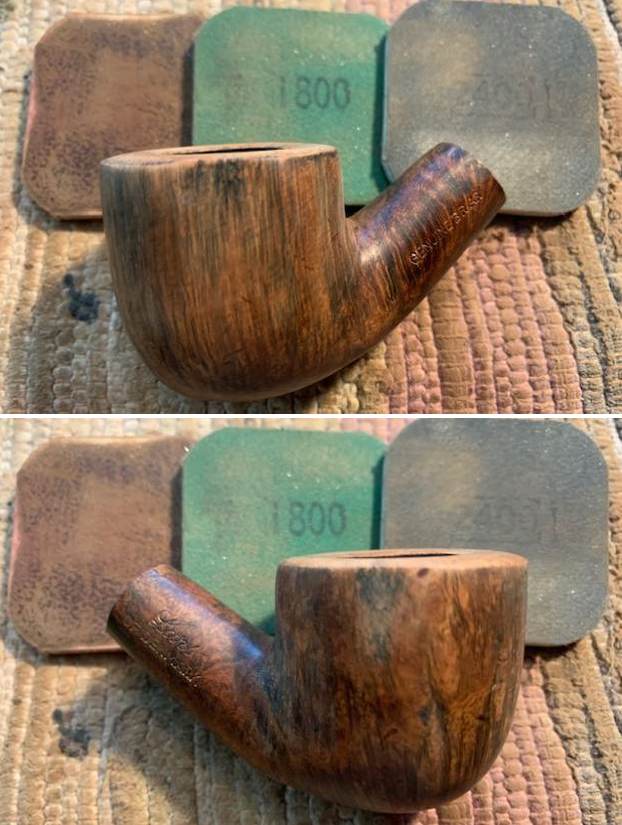
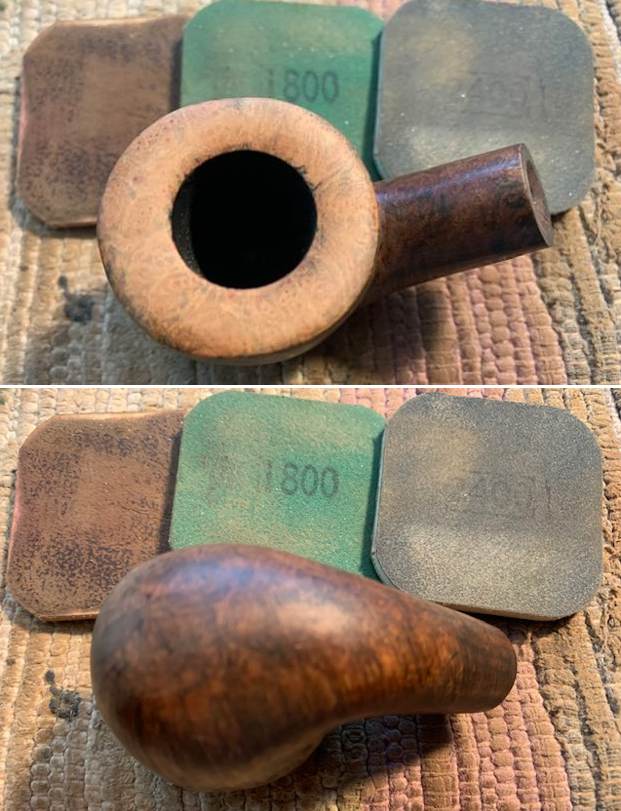
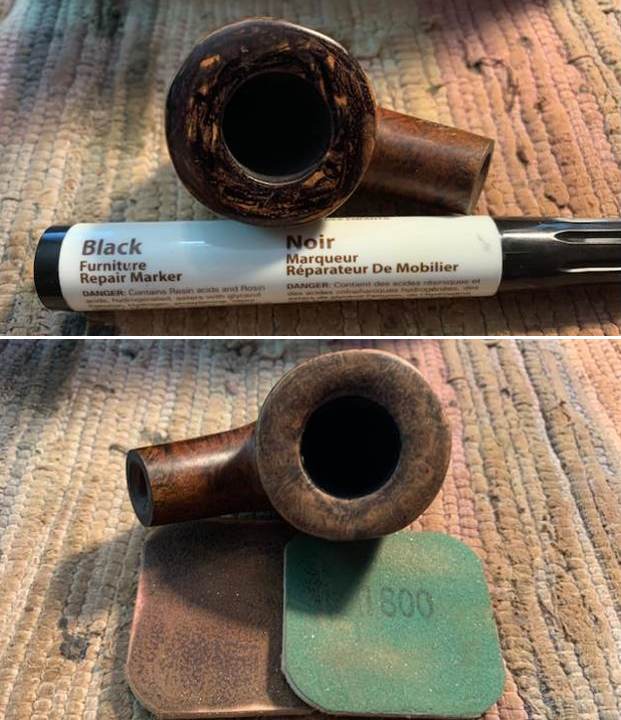
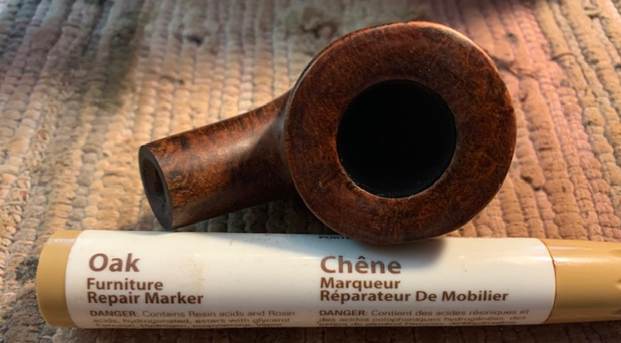
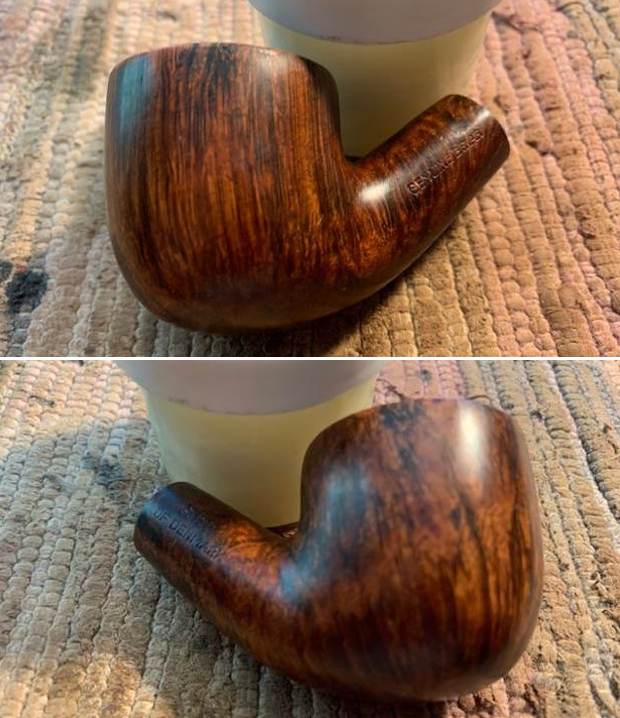
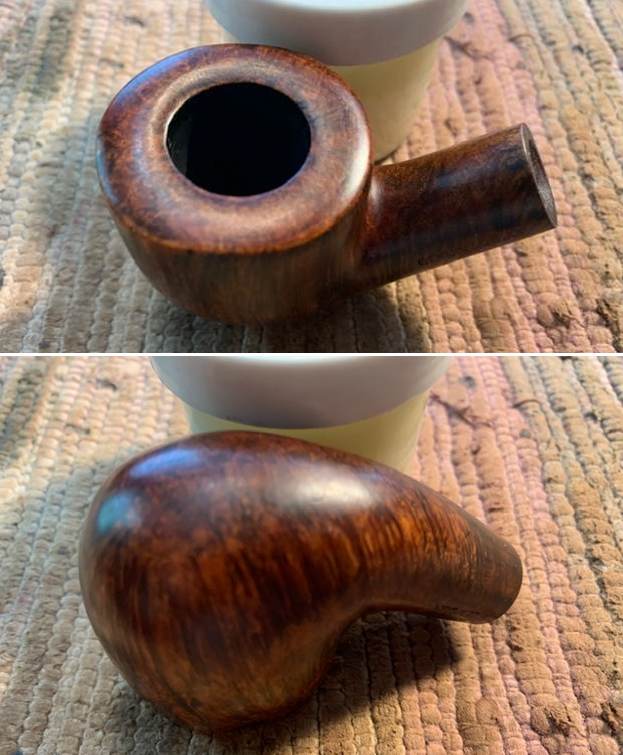
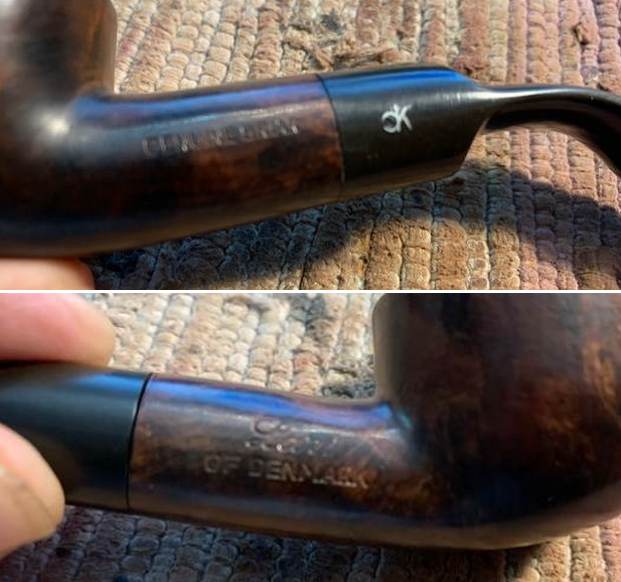
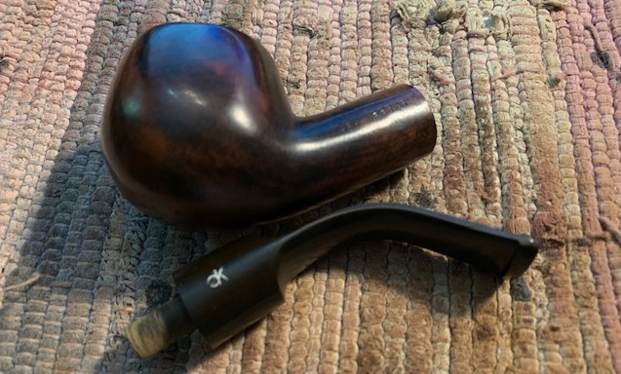
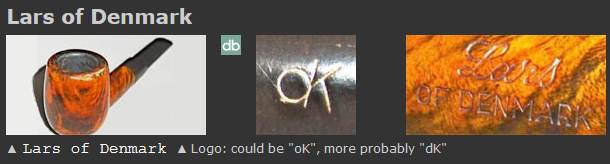
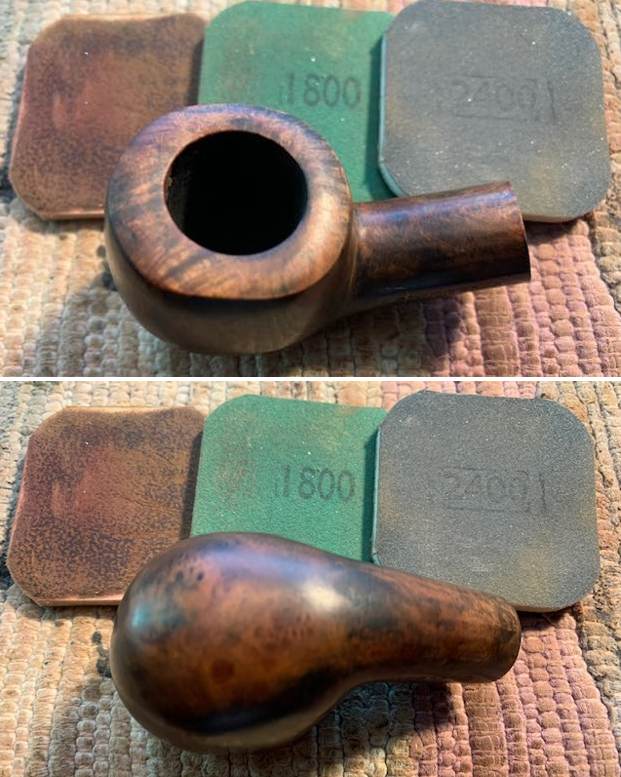
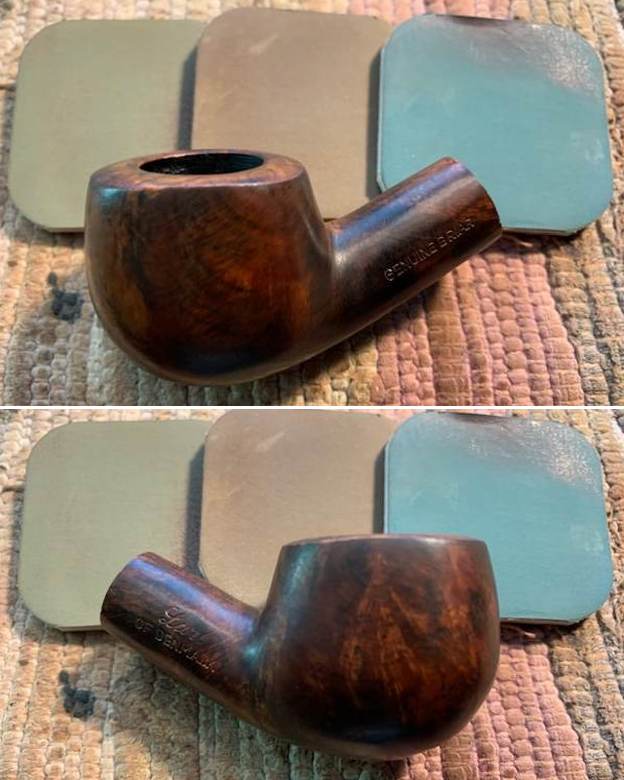
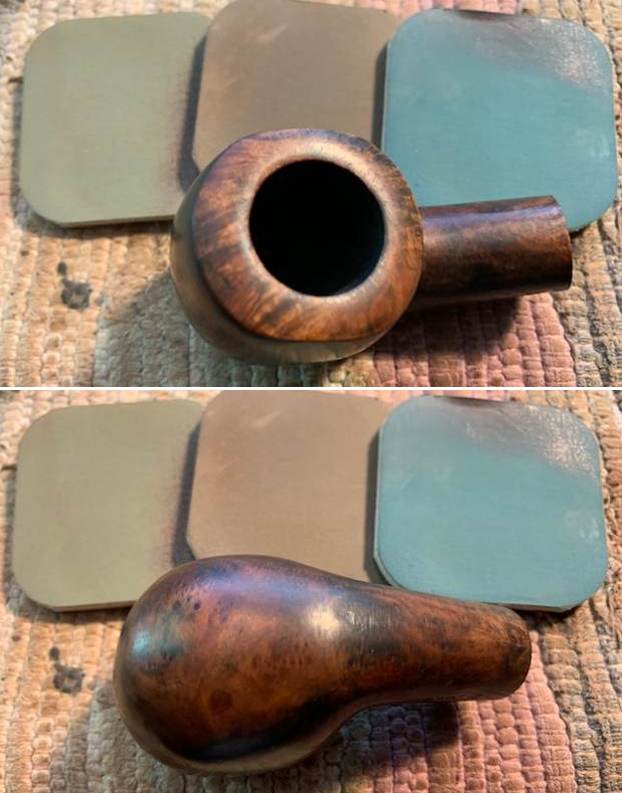
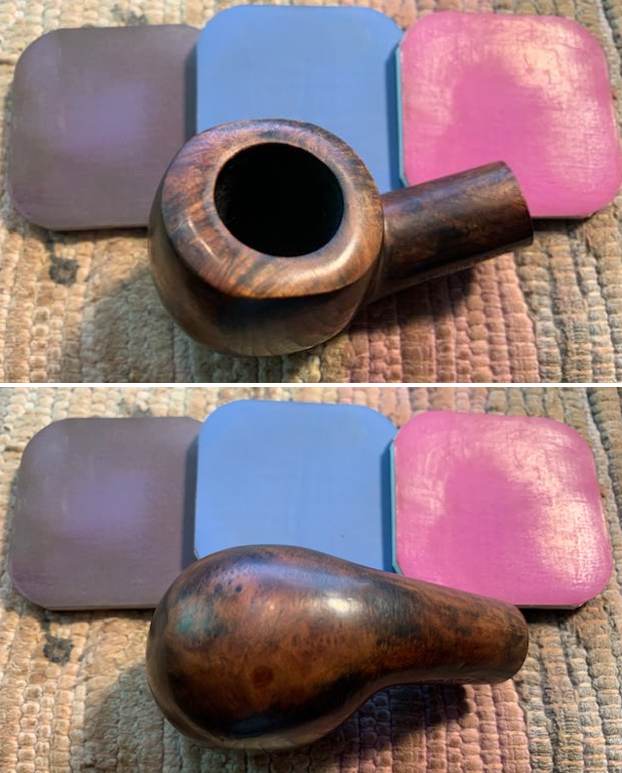
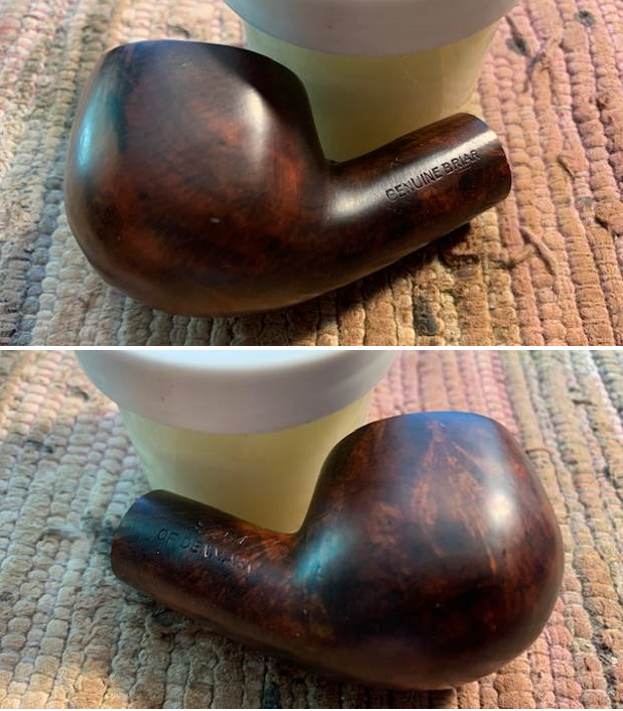
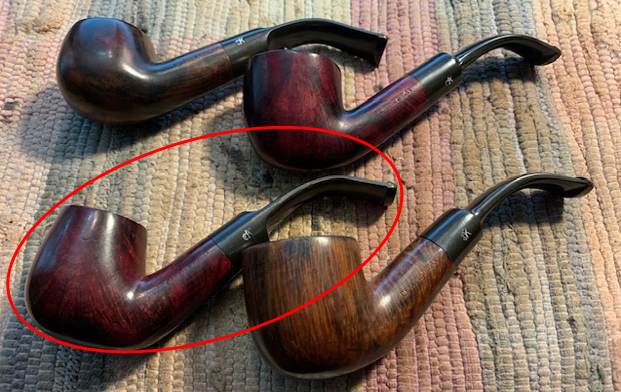
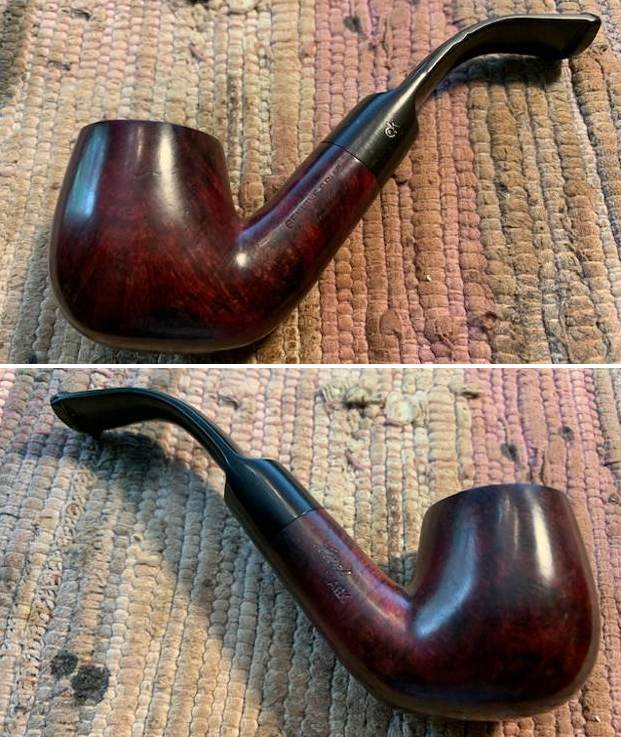
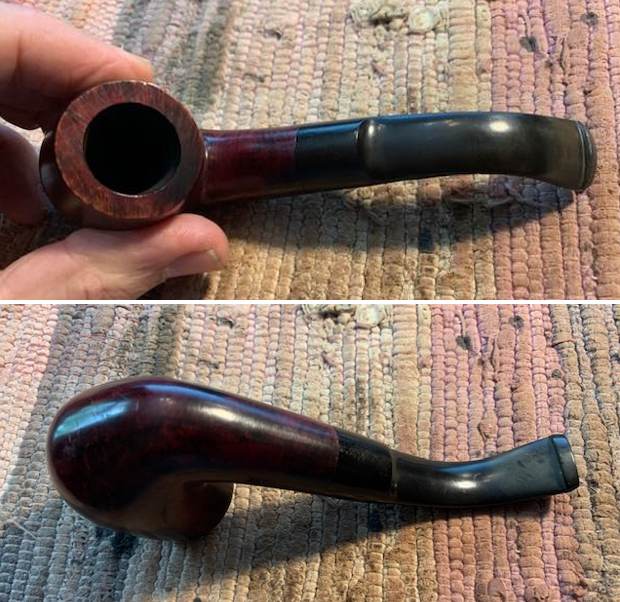
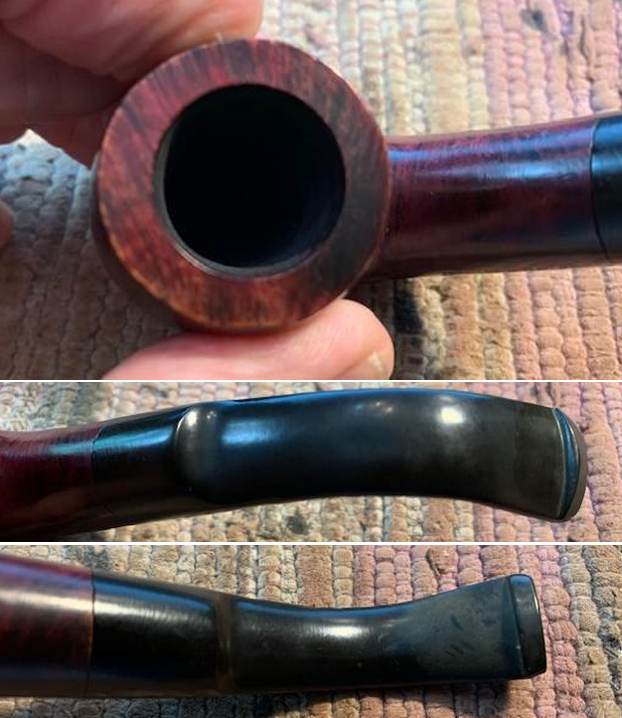
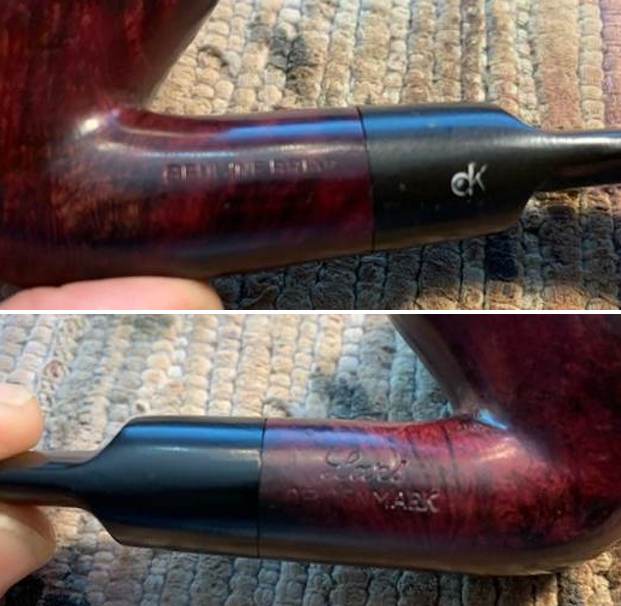
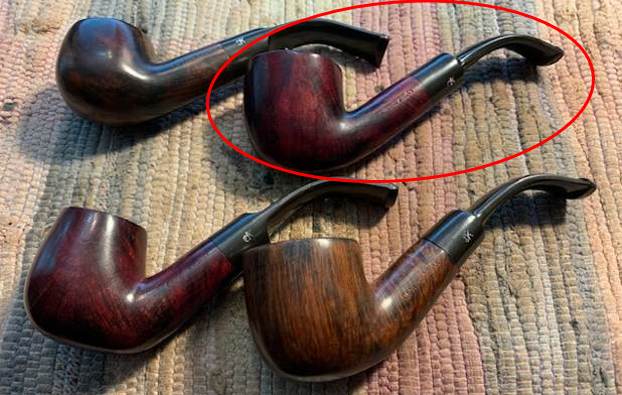
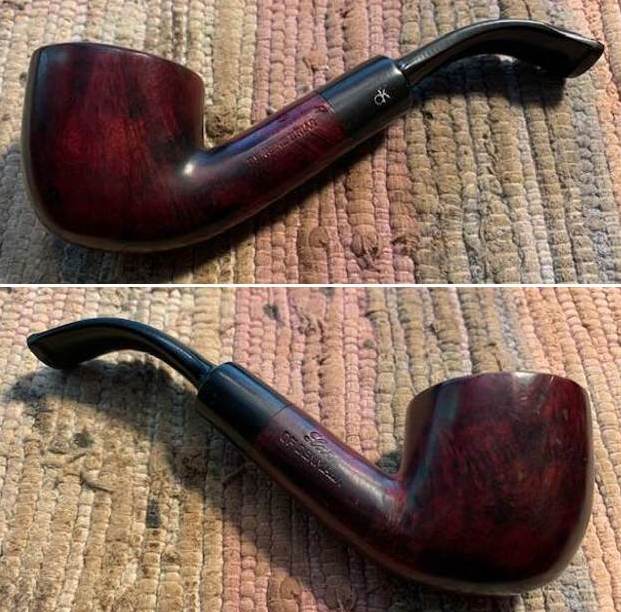
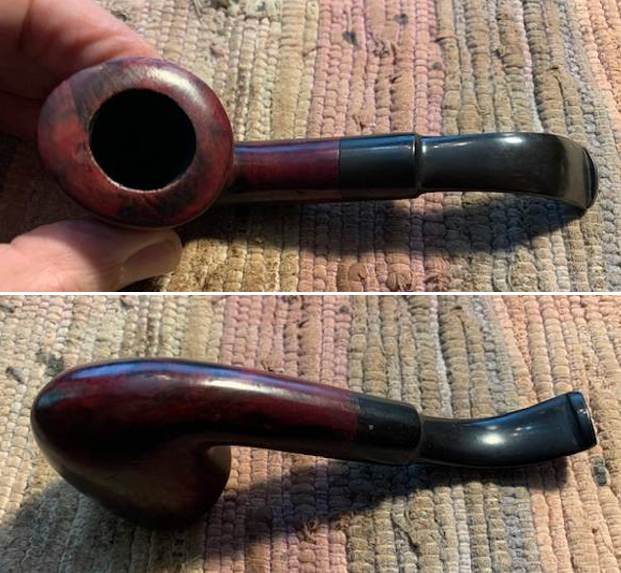
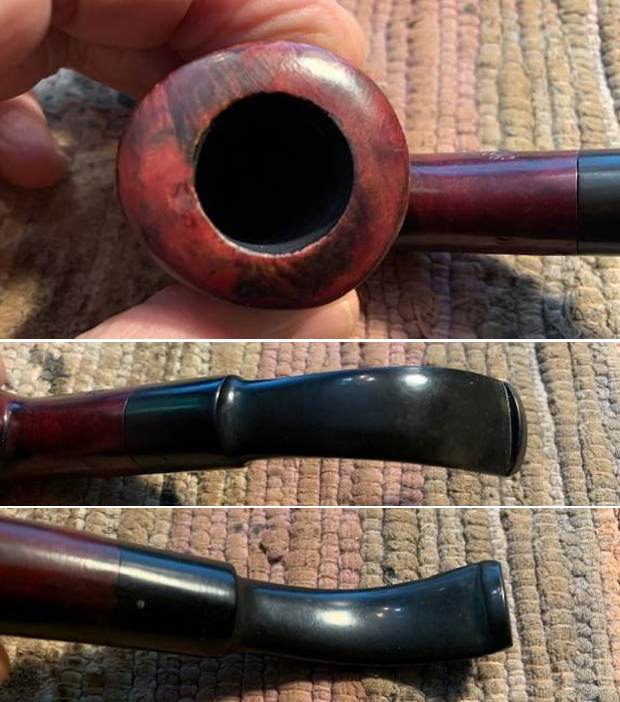
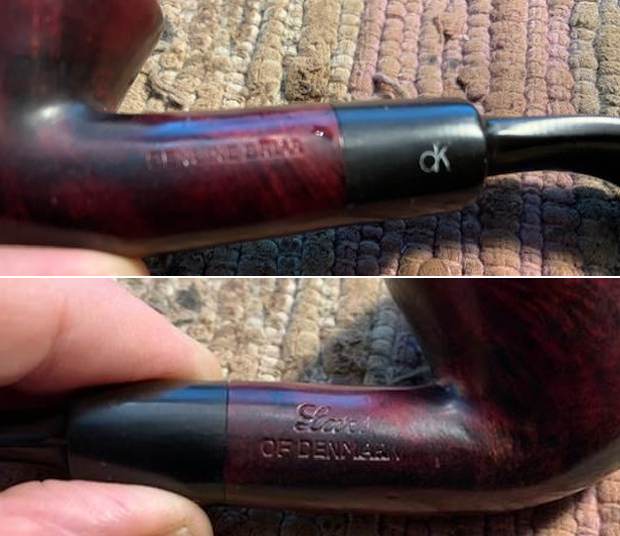
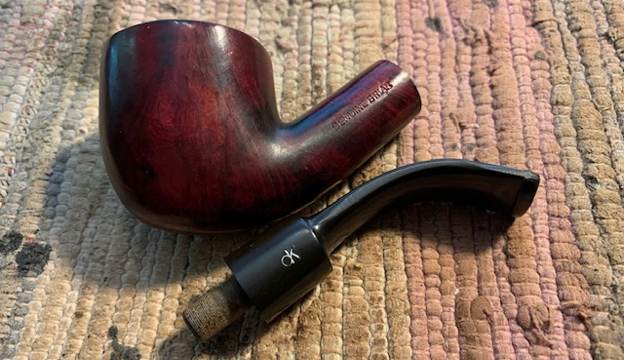
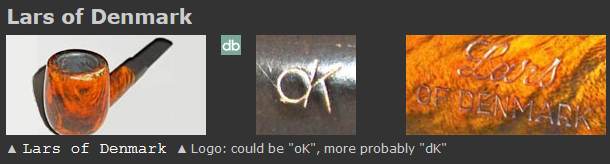
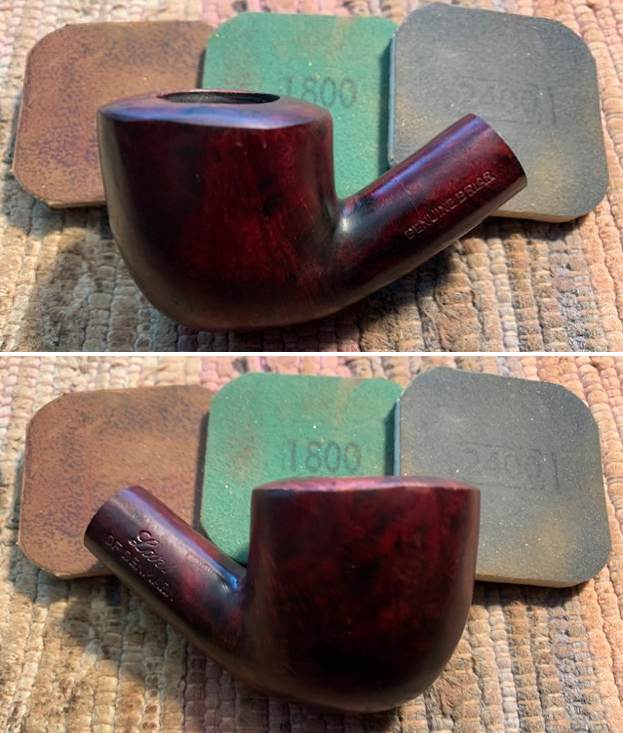
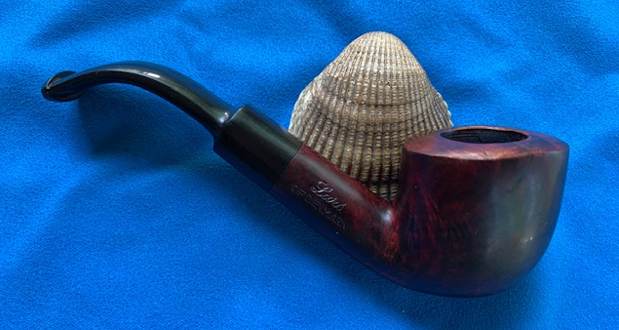
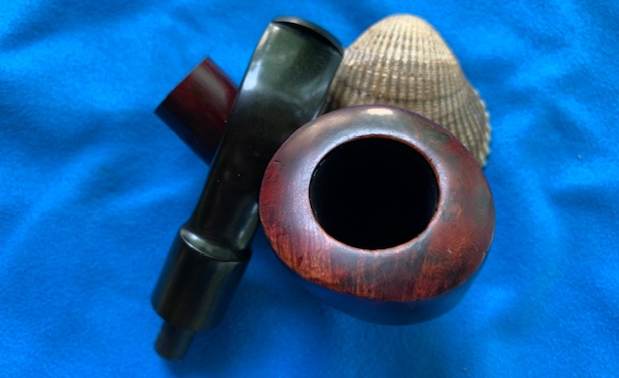
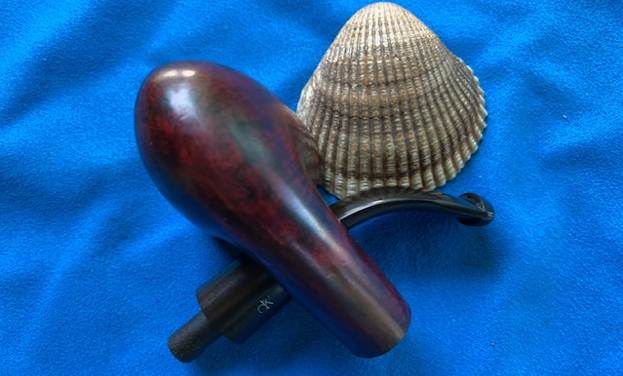
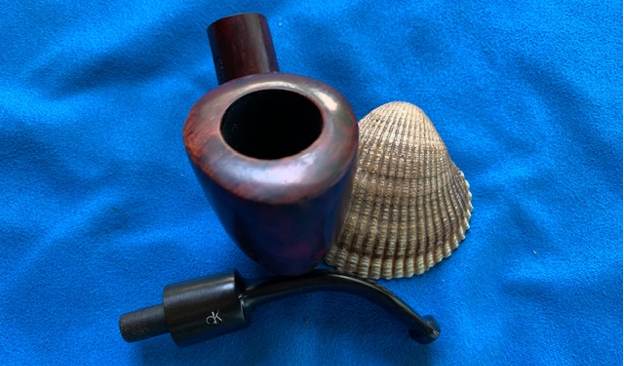
Jeff and I picked up four unsmoked, new old stock (NOS) pipes on Facebook that all are stamped on the left side and read Genuine Briar and on the right side Lars of Denmark. I took a photo of the foursome to show what they looked like. We knew that they were not pipes made by Lars Ivarrson when we bought them but the fact that they were interesting and unsmoked caught our attention. They are definitely not high end pipes they are a little higher in calibre than a basket pipe. They are well executed and the draught is good and the alignment of the entry of the airway into the bowl is centered at the bottom of the bowl. Each of the bowls has a carbon coating on the walls of the bowl that is neutral. All will need some simply refurbishing and polishing to smooth years of sitting unused in someone’s drawer or cabinet but none of them are damaged.The fourth and final one I am working on is another bent Pot. I have circled it in red in the photo above. The stem has a logo on the left side of the saddle that is a “dk” (Denmark I believe). The bowl was clean but had a bowl coating on the bowl walls. The rim top and bowl are clean but the finish is a little muddy with marks on the finish. The rim top had some dark stain that was spotty and needed to be removed. The inside of the shank and mortise had some stain inside that was like the walnut stain on the bowl. The vulcanite stem is lightly oxidized and has casting marks on the side of the stem ahead of the saddle portion. It is clean on the inside. The “dk” stamp on the left side is clear and readable. I took photos of the pipe before I started my work on it. I took a close up photo of the rim top to show some the scuff marks that were on it. The edges of the bowl looked very good. The stem was lightly oxidized and rough with casting marks on the sides of the blade but it was free of tooth marks and chatter.I took photos of the stamping on the sides of the shank. They are clear and readable as noted above. The logo stamp on the left side of the saddle bit is also clear.I removed the stem from the shank and took a photo of the pipe from the side. It is a proportionally well made pipe. The tenon is tight and will need to be cleaned as will the dusty shank. I knew next to nothing about the brand. I turned to Pipephil’s site and found some basic information and a photo of a pipe (http://pipephil.eu/logos/en/logo-l2.html). The only detail in the side bar was a note saying that this is not a pipe from Lars Mikael Ivarsson son of Sixten Ivarsson. Ah well, There was nothing else there and there was nothing on Pipedia either. It remains a mystery. I have included a screen capture of the pipe on Pipedia. It is stamped identically to the one on my table.I started the work on this pipe by removing as much of the dark spotty stain on the rim top and sides of the bowl. I used 220 grit sandpaper to remove them. I started polishing the briar with 400 grit wet dry sandpaper.I polished the briar with micromesh sanding pads – dry sanding with 1500-12000 grit pads. I wiped the bowl down after each pad with a damp cloth. It was looking better by the final three pads. I needed to do an understain on the rim top with black so I used a black stain pen and stained the top “spottily”. In essence I scribbled with it as my plan was to sand it after it dried to get a similar effect to what was on the bowl sides. Once it dried I sanded it with 1500 and 1800 grit micromesh sanding pads. I wiped it off with a damp cloth. I stained it with an Oak stain pen and it was a good match. Polishing would blend it further.  With the polishing finished I worked some Before & After Restoration Balm into the surface of the briar with my fingertips to clean, enliven and protect the briar. I let the balm sit for 15 minutes and then buffed with a cotton cloth to raise the shine. The photos show the bowl at this point in the restoration process. The inside of the shank and mortise some brown/walnut stain in it. I cleaned it out with alcohol, pipe cleaners and cotton swabs until the came out clean. I cleaned the airway in the stem at the same time in the same way.I polished the vulcanite stem with micromesh sanding pads – dry sanding with 1500-12000 grit pads. I wiped it down with Obsidian Oil after each sanding pad. I used Before & After Pipe Polish – both Fine and Extra Fine to further polish the stem and gave it a final coat of Obsidian Oil to finish it.    This interesting Lars of Denmark Genuine Briar Bent Pot turned out to be another nice looking pipe with the little extra TLC I put in once I received it. The rich walnut finish with black under tones highlights the swirls of the grain and works well with the polished vulcanite stem. I put the stem back on the bowl and carefully buffed the pipe with Blue Diamond on the buffing wheel using a light touch on the briar. I gave the bowl and the stem multiple coats of carnauba wax on the buffing wheel and followed that by buffing the entire pipe with a clean buffing pad. I hand buffed the pipe with a microfiber cloth to deepen the shine. The finished Lars of Denmark Bent Pot is a nice size pipe that I think will be a great smoker. Give the finished pipe a look in the photos below. The dimensions of the pipe are Length: 5 ¼ inches, Height: 1 ¾ inches, Outside diameter of the bowl: 1 ½ inches, Chamber diameter: ¾ of an inch. The weight of the pipe is 54 grams/ 1.94 ounces. Since it is unsmoked it is one you can break in with your tobacco of choice. I will be adding it to the Danish Pipe Makers Section of the rebornpipes store shortly. Let me know if you are interested in adding it to your collection. Thanks for reading this blog and my reflections on the pipe while I worked on it.

Cleaning up a Third Unsmoked Lars of Denmark Genuine Briar Bent Pot


Blog by Steve Laug

Jeff and I picked up four unsmoked, new old stock (NOS) pipes on Facebook that all are stamped on the left side and read Genuine Briar and on the right side Lars of Denmark. I took a photo of the foursome to show what they looked like. We knew that they were not pipes made by Lars Ivarrson when we bought them but the fact that they were interesting and unsmoked caught our attention. They are definitely not high end pipes they are a little higher in calibre than a basket pipe. They are well executed and the draught is good and the alignment of the entry of the airway into the bowl is centered at the bottom of the bowl. Each of the bowls has a carbon coating on the walls of the bowl that is neutral. All will need some simply refurbishing and polishing to smooth years of sitting unused in someone’s drawer or cabinet but none of them are damaged.The third one I am working on is bent Pot with a panel on the left and right side. I have circled it in red in the photo above. The stem has a logo on the left side of the saddle that is a “dk” (Denmark I believe). The bowl was clean but had a bowl coating on the bowl walls. The rim top and bowl are clean but the finish is a little muddy with marks on the finish. There were less visible fills on this one than the previous other two. The inside of the shank and mortise did not have any stain inside thus it was different than the previous two. The vulcanite stem is lightly oxidized and has casting marks on the side of the stem ahead of the saddle portion. It is clean on the inside. The dk stamp on the left side is clear and readable. I took photos of the pipe before I started my work on it. I took a close up photo of the rim top to show some the scuff marks that were on it. The edges of the bowl looked very good. The stem was lightly oxidized and rough with casting marks on the sides of the blade but it was free of tooth marks and chatter.I took photos of the stamping on the sides of the shank. They are clear and readable as noted above. The logo stamp on the left side of the saddle bit is also clear.I removed the stem from the shank and took a photo of the pipe from the side. It is a proportionally well made pipe. The tenon is tight and will need to be cleaned as will the dusty shank.I knew next to nothing about the brand. I turned to Pipephil’s site and found some basic information and a photo of a pipe (http://pipephil.eu/logos/en/logo-l2.html). The only detail in the side bar was a note saying that this is not a pipe from Lars Mikael Ivarsson son of Sixten Ivarsson. Ah well, There was nothing else there and there was nothing on Pipedia either. It remains a mystery. I have included a screen capture of the pipe on Pipedia. It is stamped identically to the one on my table.I polished the briar with micromesh sanding pads – dry sanding with 1500-12000 grit pads. I wiped the bowl down after each pad with a damp cloth. It was looking better by the final three pads. With the polishing finished I worked some Before & After Restoration Balm into the surface of the briar with my fingertips to clean, enliven and protect the briar. I let the balm sit for 15 minutes and then buffed with a cotton cloth to raise the shine. The photos show the bowl at this point in the restoration process. The inside of the shank and mortise some brown/walnut stain in it. I cleaned it out with alcohol, pipe cleaners and cotton swabs until the came out clean. I cleaned the airway in the stem at the same time in the same way.I sanded out the scratches and deep marks in the stem top, the casting marks on the stem sides and the oxidation on the underside of the stem.I polished the vulcanite stem with micromesh sanding pads – dry sanding with 1500-12000 grit pads. I wiped it down with Obsidian Oil after each sanding pad. I used Before & After Pipe Polish – both Fine and Extra Fine to further polish the stem and gave it a final coat of Obsidian Oil to finish it. This interesting Lars of Denmark Genuine Briar Bent Pot turned out to be another nice looking pipe with the little extra TLC I put in once I received it. The rich walnut finish with black under tones highlights the swirls of the grain and works well with the polished vulcanite stem. I put the stem back on the bowl and carefully buffed the pipe with Blue Diamond on the buffing wheel using a light touch on the briar. I gave the bowl and the stem multiple coats of carnauba wax on the buffing wheel and followed that by buffing the entire pipe with a clean buffing pad. I hand buffed the pipe with a microfiber cloth to deepen the shine. The finished Lars of Denmark Bent Pot is a nice size pipe that I think will be a great smoker. Give the finished pipe a look in the photos below. The dimensions of the pipe are Length: 5 ½ inches, Height: 1 1/2 inches, Outside diameter of the bowl: 1 ¼ inches, Chamber diameter: ¾ of an inch. The weight of the pipe is 48 grams/ 1.69 ounces. Since it is unsmoked it is one you can break in with your tobacco of choice. I will be adding it to the Danish Pipe Makers Section of the rebornpipes store shortly. Let me know if you are interested in adding it to your collection. Thanks for reading this blog and my reflections on the pipe while I worked on it.

Cleaning up an Unsmoked Lars of Denmark Genuine Briar Bent Billiard


Blog by Steve Laug

Jeff and I picked up four unsmoked, new old stock (NOS) pipes on Facebook that all are stamped on the left side and read Genuine Briar and on the right side Lars of Denmark. I took a photo of the foursome to show what they looked like. We knew that they were not pipes made by Lars Ivarsson when we bought them but the fact that they were interesting and unsmoked caught our attention. They are definitely not high end pipes they are a little higher in calibre than a basket pipe. They are well executed and the draught is good and the alignment of the entry of the airway into the bowl is centered at the bottom of the bowl. Each of the bowls has a carbon coating on the walls of the bowl that is neutral. All will need some simply refurbishing and polishing to smooth years of sitting unused in someone’s drawer or cabinet but none of them are damaged.The second one I am working on is bent Billiard though in the photo above it has a look of a Brandy. I have circled it in red in the photo above. The stem has a logo on the left side of the saddle that is a dk (Denmark I believe). The bowl was clean but had a bowl coating on the bowl walls. The rim top and bowl are clean but the finish is a little muddy with marks on the finish. There were a few fills (small and hidden) on the sides of the bowl. The vulcanite stem is lightly oxidized and has casting marks on the side of the stem ahead of the saddle portion. It is clean on the inside. The dk stamp on the left side is clear and readable. I took photos of the pipe before I started my work on it. I took a close up photo of the rim top to show some the scuff marks that were on it. The edges of the bowl looked very good. The stem was lightly oxidized and rough with casting marks on the sides of the blade but it was free of tooth marks and chatter.I took photos of the stamping on the sides of the shank. They are clear and readable as noted above. The logo stamp on the left side of the saddle bit is also clear.I removed the stem from the shank and took a photo of the pipe from the side. It is a proportionally well made pipe. The tenon is tight and will need to be cleaned as will the dusty shank.I knew next to nothing about the brand. I turned to Pipephil’s site and found some basic information and a photo of a pipe (http://pipephil.eu/logos/en/logo-l2.html). The only detail in the side bar was a note saying that this is not a pipe from Lars Mikael Ivarsson son of Sixten Ivarsson. Ah well, There was nothing else there and there was nothing on Pipedia either. It remains a mystery. I have included a screen capture of the pipe on Pipedia. It is stamped identically to the one on my table.I polished the briar with micromesh sanding pads – dry sanding with 1500-12000 grit pads. I wiped the bowl down after each pad with a damp cloth. It was looking better by the final three pads. With the polishing finished I worked some Before & After Restoration Balm into the surface of the briar with my fingertips to clean, enliven and protect the briar. I let the balm sit for 15 minutes and then buffed with a cotton cloth to raise the shine. The photos show the bowl at this point in the restoration process. There are some flaws in the briar on both sides. There are small fills and some flaws in the wood. The inside of the shank and mortise has a lot of stain inside which I assume came from dip staining the bowl. I cleaned it out with alcohol, pipe cleaners and cotton swabs until the came out clean. I cleaned the airway in the stem at the same time in the same way.I sanded out the scratches and deep marks in the stem top, the casting marks on the stem sides and the oxidation on the underside of the stem.I polished the vulcanite stem with micromesh sanding pads – dry sanding with 1500-12000 grit pads. I wiped it down with Obsidian Oil after each sanding pad. I used Before & After Pipe Polish – both Fine and Extra Fine to further polish the stem and gave it a final coat of Obsidian Oil to finish it. This interesting Lars of Denmark Genuine Briar Bent Billiard turned out to be another nice looking pipe with the little extra TLC I put in once I received it. The rich oxblood finish hides the fills on the rim top and bowl quite well. The red finish with black under tones highlights the swirls of the grain and works well with the polished vulcanite stem. I put the stem back on the bowl and carefully buffed the pipe with Blue Diamond on the buffing wheel using a light touch on the briar. I gave the bowl and the stem multiple coats of carnauba wax on the buffing wheel and followed that by buffing the entire pipe with a clean buffing pad. I hand buffed the pipe with a microfiber cloth to deepen the shine. The finished Lars of Denmark Bent Billiard is a nice size pipe that I think will be a great smoker. Give the finished pipe a look in the photos below. The dimensions of the pipe are Length: 5 ½ inches, Height: 1 ¾ inches, Outside diameter of the bowl: 1 ¼ inches, Chamber diameter: ¾ of an inch. The weight of the pipe is 47grams/ 1.66 ounces. Since it is unsmoked it is one you can break in with your tobacco of choice. I will be adding it to the Danish Pipe Makers Section of the rebornpipes store shortly. Let me know if you are interested in adding it to your collection. Thanks for reading this blog and my reflections on the pipe while I worked on it.

Cleaning up a Lars of Denmark Genuine Briar Unique Bent


Blog by Steve Laug

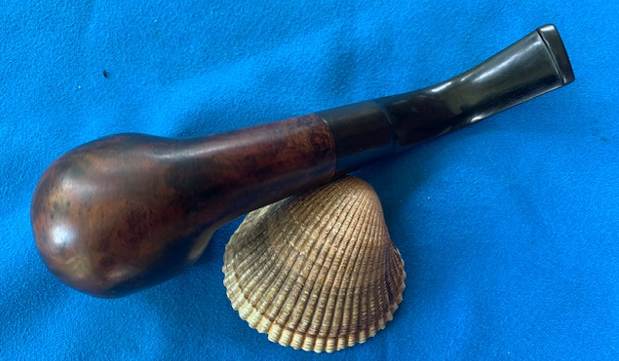
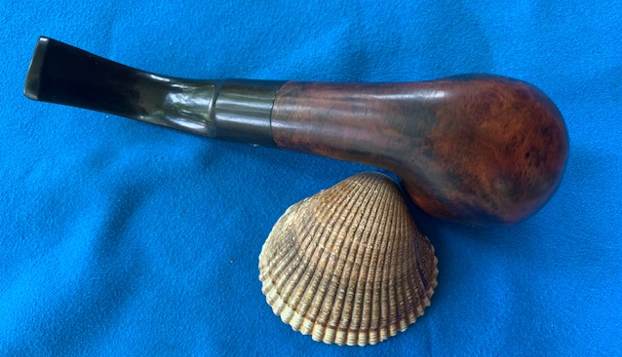
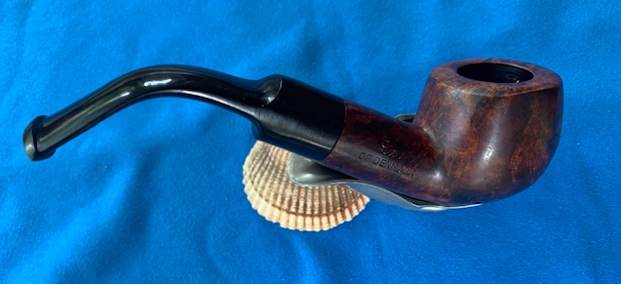
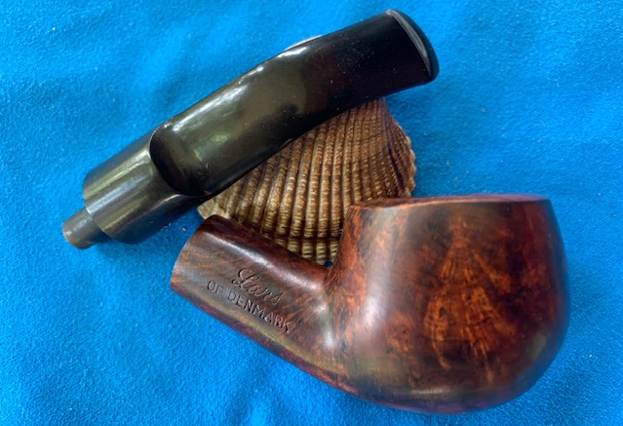
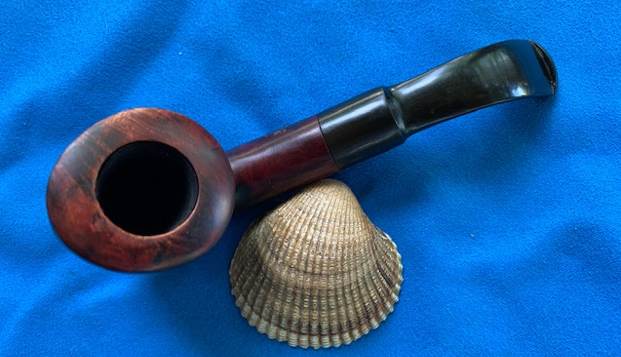
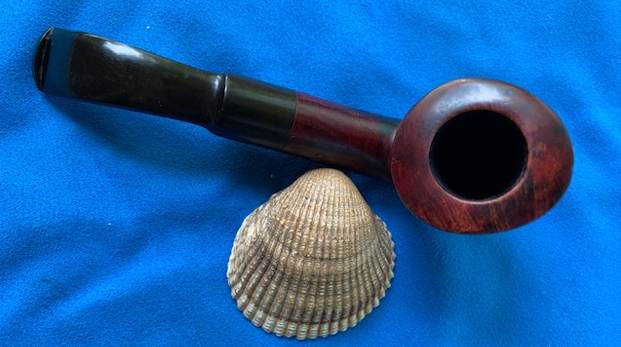
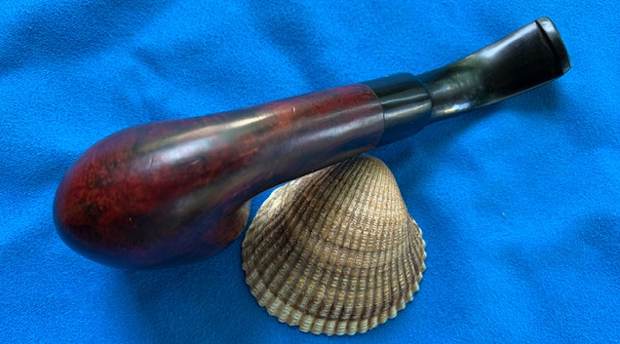
Jeff and I picked up four unsmoked pipes on Facebook that all are stamped on the left side and read Genuine Briar and on the right side Lars of Denmark. I took a photo of the foursome to show what they looked like. We knew that they were not pipes made by Lars Ivarsson when we bought them but the fact that they were interesting and unsmoked caught our attention. They are definitely not high end pipes they are a little higher in calibre than a basket pipe. They are well executed and the draught is good and the alignment of the entry of the airway into the bowl is centered at the bottom of the bowl. Each of the bowls has a carbon coating on the walls of the bowl that is neutral. All will need some simply refurbishing and polishing to smooth years of sitting unused in someone’s drawer or cabinet but none of them are damaged.The first one I am working is a bit of a unique bowl. I have circled it in red in the photo above. The shape of the bowl is a cross between a pot/a Dublin/and an Opera. Looking at it from the top it is shaped like and egg. The stem has a logo on the left side of the saddle that is a dk (Denmark I believe). The bowl was clean but had a bowl coating on the bowl walls. The rim top and bowl are clean but the finish is a little muddy with marks on the finish. There were a few fills (small and hidden) on the rim top and sides of the bowl The vulcanite stem is lightly oxidized and has casting marks on the side of the stem ahead of the saddle portion. It is clean on the inside. The dk stamp on the left side is clear and readable. I took photos of the pipe before I started my work on it. I took a close up photo of the rim top to show some the scuff marks that were on it. The edges of the bowl looked very good. The stem was lightly oxidized and rough with casting marks on the sides of the blade but it was free of tooth marks and chatter.I took photos of the stamping on the sides of the shank. They are clear and readable as noted above. The logo stamp on the left side of the saddle bit is also clear.I removed the stem from the shank and took a photo of the pipe from the side. It is a proportionally well made pipe. The tenon is tight and will need to be cleaned as will the dusty shank.I knew next to nothing about the brand. I turned to Pipephil’s site and found some basic information and a photo of a pipe (http://pipephil.eu/logos/en/logo-l2.html). The only detail in the side bar was a note saying that this is not a pipe from Lars Mikael Ivarsson son of Sixten Ivarsson. Ah well, not that Jeff or I ever thought it was an Ivarsson pipe. There was nothing else on Pipephil and there was nothing on Pipedia either. It remains a mystery. I have included a screen capture of the pipe on Pipedia. It is stamped identically to the one on my table. I polished the briar with micromesh sanding pads – dry sanding with 1500-12000 grit pads. I wiped the bowl down after each pad with a damp cloth. It was looking better by the final three pads. With the polishing finished I worked some Before & After Restoration Balm into the surface of the briar with my fingertips to clean, enliven and protect the briar. I let the balm sit for 15 minutes and then buffed with a cotton cloth to raise the shine. The photos show the bowl at this point in the restoration process. The inside of the shank and mortise has a lot of stain inside which I assume came from dip staining the bowl. I cleaned it out with alcohol, pipe cleaners and cotton swabs until the came out clean. I cleaned the airway in the stem at the same time in the same way.I polished the vulcanite stem with micromesh sanding pads – dry sanding with 1500-12000 grit pads. I wiped it down with Obsidian Oil after each sanding pad. I used Before & After Pipe Polish – both Fine and Extra Fine to further polish the stem and gave it a final coat of Obsidian Oil to finish it. This interesting Lars of Denmark Genuine Briar Unique Bent turned out to be a nice looking pipe with the little extra TLC I put in once I received it. The rich oxblood finish hides the fills on the rim top and bowl quite well. Looking at the pipe from the top down it is egg shaped. The red finish with black under tones highlights the swirls of the grain and works well with the polished vulcanite stem. I put the stem back on the bowl and carefully buffed the pipe with Blue Diamond on the buffing wheel using a light touch on the briar. I gave the bowl and the stem multiple coats of carnauba wax on the buffing wheel and followed that by buffing the entire pipe with a clean buffing pad. I hand buffed the pipe with a microfiber cloth to deepen the shine. The finished Lars of Denmark Unique is a nice size pipe that I think will be a great smoker. Give the finished pipe a look in the photos below. The dimensions of the pipe are Length: 5 ½ inches, Height: 1 ¾ inches, Outside diameter of the bowl: 1 ½ inches, Chamber diameter: ¾ of an inch. The weight of the pipe is 41 grams/1.45 ounces. Since it is unsmoked it is one you can break in with your tobacco of choice. I will be adding it to the Danish Pipe Makers Section of the rebornpipes store shortly. Let me know if you are interested in adding it to your collection. Thanks for reading this blog and my reflections on the pipe while I worked on it.

Restoring and Restemming a Republic Era Peterson’s System Standard 301


Blog by Steve Laug

Jeff and I often purchase pipe bowl/stummels of brands that we like and want to restore. These have included a lot of different bowls. If you have followed us for long you know that some of these have included Peterson’s, Dunhill’s, and a wide range of Danish and English pipes. Awhile ago Jeff and I were sorting through the bowls in our collection and pulled out eight Peterson’s bowls that were dirty and stemless. A friend referred us to a contact named Silas Walls, of Walls Pipe Repair in Wallace, Idaho, USA as he seems to have a good supply of original Peterson’s stems. Our friend has had him fit stems for some of his Petes and was very happy with the work. We made contact with him and sent him eight bowls for restemming.

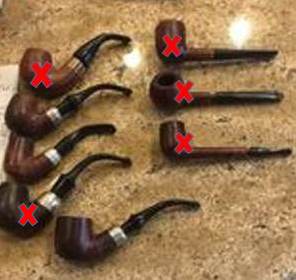
In the photo above I show the 8 restemmed pipes. I have marked the 5 I have worked on already with a red X. This sixth one that we cleaned up before mailing them out was a bowl that we purchased around the same time as the others. It is stamped on the left side of the shank and reads Peterson’s [arched over] System [over] Standard. On the right side of the shank it is a Made in the Republic of Ireland (in 4 lines) [over] the shape number 301. The ferrule is stamped K&P [over] Peterson. The bowl was dirty with lava on the rim top and a moderate cake in the bowl. The nickel ferrule was quite dirty and worn with some small dents in the surface.

The next photos I have included below are of the pipe when it arrived in Vancouver with its new stem. Jeff had done a great job cleaning up the pipe as usual. He reamed the pipe with a PipNet reamer and cut the cake back to the bare briar. He cleaned up the walls with a Savinelli Fitsall Pipe Knife. He scrubbed the interior of the bowl and shank with pipe cleaners, cotton swabs and alcohol to remove the tars and oils. He scrubbed the exterior of the pipe with Murphy’s Oil Soap and a tooth brush to remove the grime from the finish. He worked on the rim top lava and darkening with the soap and tooth brush. When the pipes came back to Jeff with their new stems they looked great. I took some close up photos of the rim top and also of the stem surface. I wanted to show how well it had cleaned up. The rim top had some darkening and damage on the top. The inner edge was out of round and had some damage on the front and the back of the bowl. It should clean up really well. I also took close up photos of the new stem to show how well it was fit to the shank. It is a tiny looking stem and thin shank! Thanks to Walls Pipe Repair!! I took photos of the stamping on the sides of the shank. It is readable as noted above. I removed the stem and took a photo of the pipe to have a look at the parts and overall look. The new stem looked really good with the bowl. I am impressed by how the stem was shaped to fit the stem.I am including the link to the Pipedia’s article on Peterson pipes. It is a great read in terms of the history of the brand (https://pipedia.org/wiki/Peterson).

I turned to “The Peterson Pipe” by Mark Irwin and Gary Malmberg to get some background on the Peterson’s System Line. On page 314 it had the following information.

Peterson’s over System – Pipes stamped Peterson’s System have been documented as early as 1920. A ’20 brochure is the earliest printed reference to the Peterson System. The pipe came in three quality grades (no mark, 2, or 3) until 1959, thereafter as De Luxe (no mark), Premier (the old 2) and Standard (the old 3).

Peterson’s over System over Standard (c1945-)

I learned previously that the shape 301 was not introduced until 1975. Considering the Republic stamp, this one would likely date between 1975 and 2000. My guess is that the pipe was made somewhere between 1975 and mid 80s. Now it was time to work on the pipe.

I set the stem aside as it was in perfect condition and turned to work on the bowl. I decided to address the damage to the inner edge of the bowl and the rim top first. I used a folded piece of 220 grit sandpaper to give the inner edge of the bowl a slight bevel to minimize the darkening and damage and blend it into the surrounding briar.I polished the briar with micromesh sanding pads – dry sanding with 1500-12000 grit sanding pads. I wiped the bowl down with a damp cloth after each sanding pad. There was a dark spot on the top of the shank toward the bowl that appears to be a deep stain rather than a burn mark. It is solid and makes me wonder if the was just a spot on the briar that took the dark understain more deeply than the rest. The polishing of the rim top and inner edge brought the rim top colour to match the rest of the bowl. I did not need to stain the rim at all. I worked some Before & After Restoration Balm into the surface of the briar with my fingertips to clean, enliven and protect the briar. I let the balm sit for 15 minutes and then buffed with a cotton cloth to raise the shine. The grain just came alive! Since the stem was new the pipe was basically finished. I am excited to put the final touches on this newly restemmed Made in the Republic of Ireland Peterson’s System Standard 301 Pot. I put the pipe back together and buffed it with Blue Diamond on the buffing wheel. I gave the bowl and the stem multiple coats of carnauba wax. I hand buffed the pipe with a clean buffing pad to raise the shine. It is fun to see what the polished bowl looks like with beautiful mixed grain all around it. Added to that the polished black vulcanite stem combined with the bowl and made a stunning pipe. This smooth Classic Peterson’s System Standard 301 is great looking and the pipe feels great in my hand. It is light and well balanced. Have a look at it with the photos below. The dimensions are Length: 6 inches, Height: 1 ¾ inches, Outside diameter of the bowl: 1 ½ inches, Chamber diameter: 7/8 of an inch. The weight of the pipe is 55 grams/1.94 ounces. It is a beautiful pipe that I will soon be putting on the rebornpipes store in the Irish Pipe Makers section. If you are interested in adding it to your collection send me an email or a message. Thanks for walking through the restoration with me as I worked over this pipe. Thanks to each of you who are reading this blog.