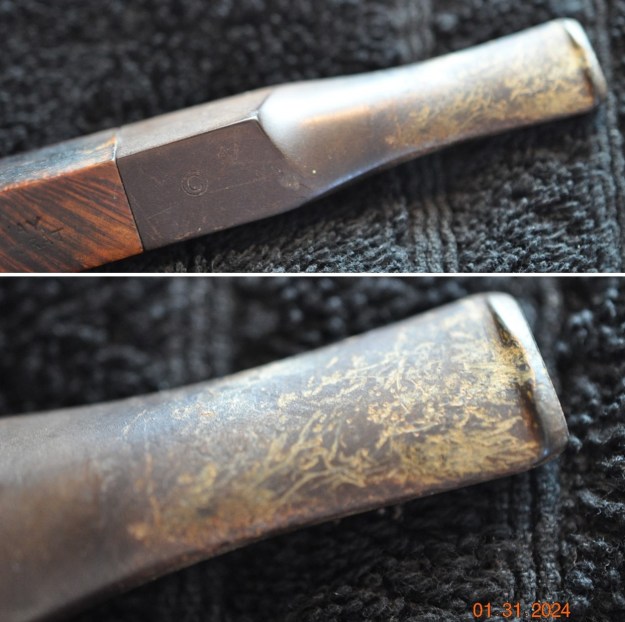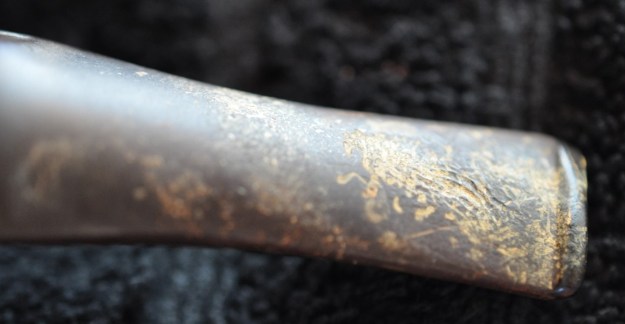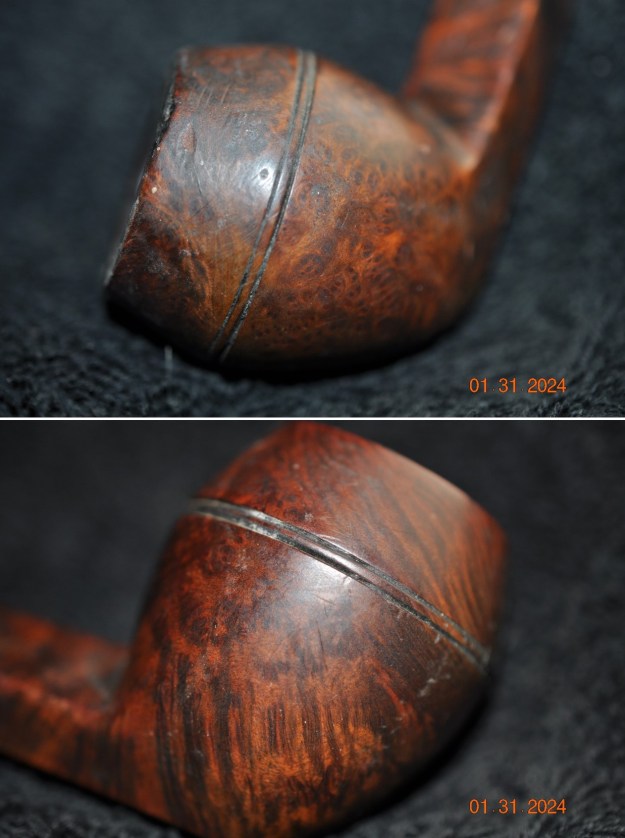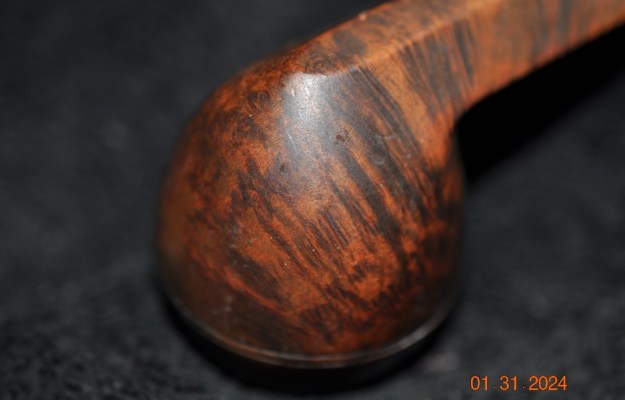
Tag Archives: Stem repairs

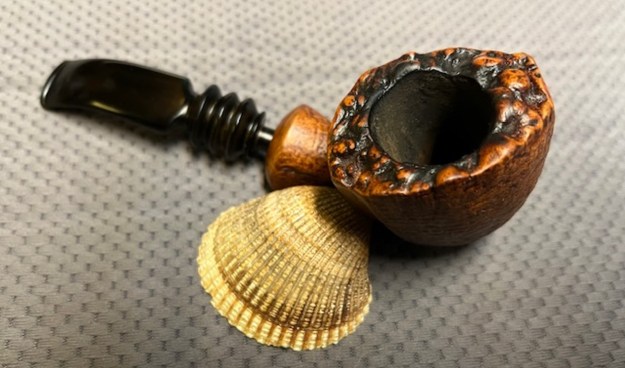
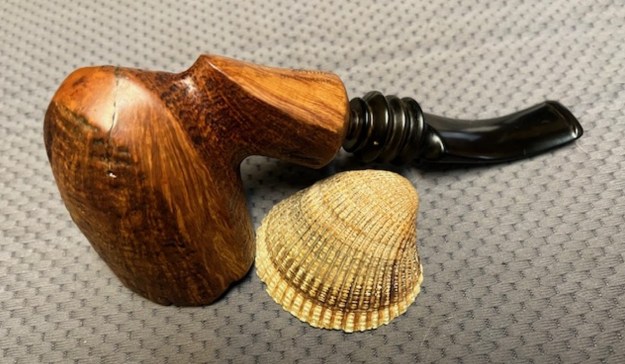
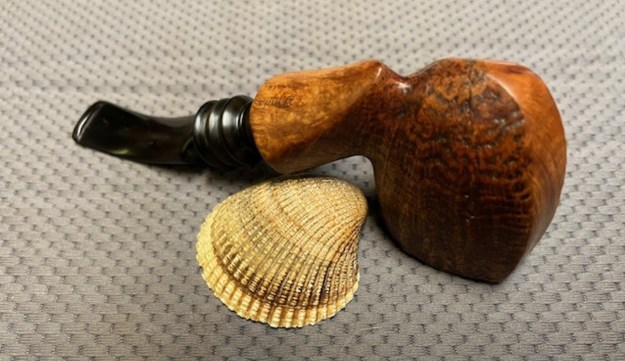
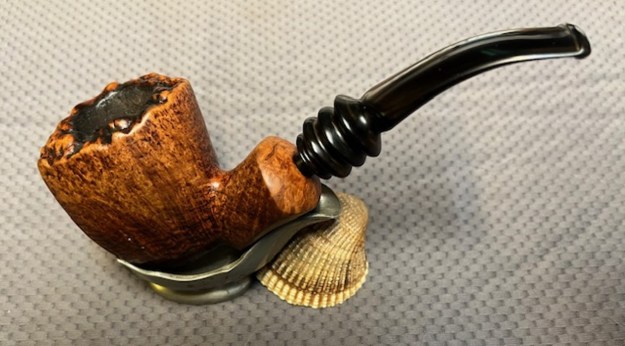
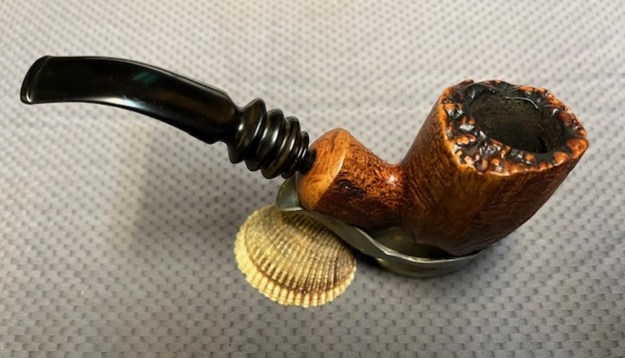
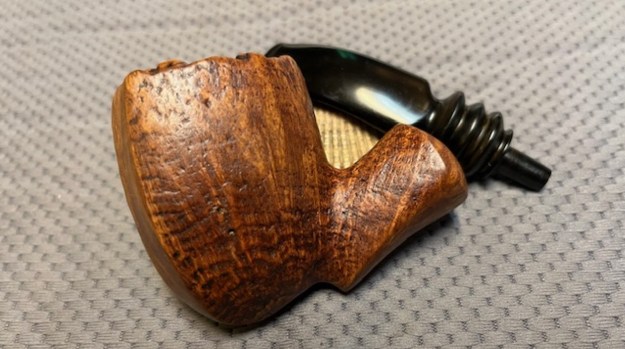
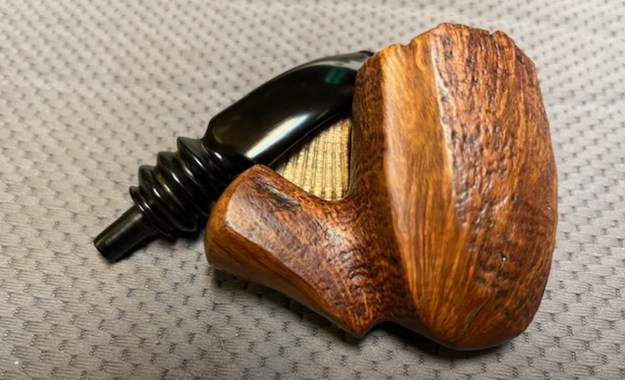
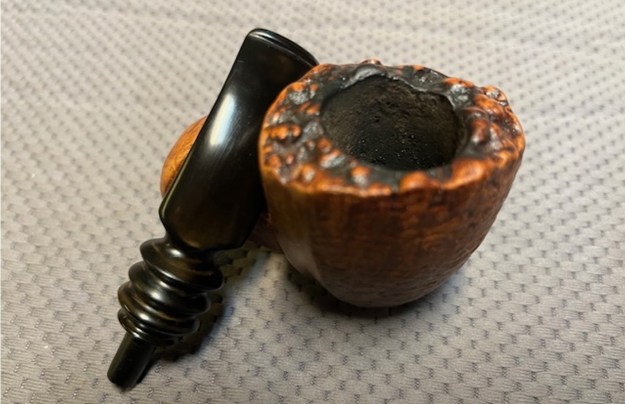
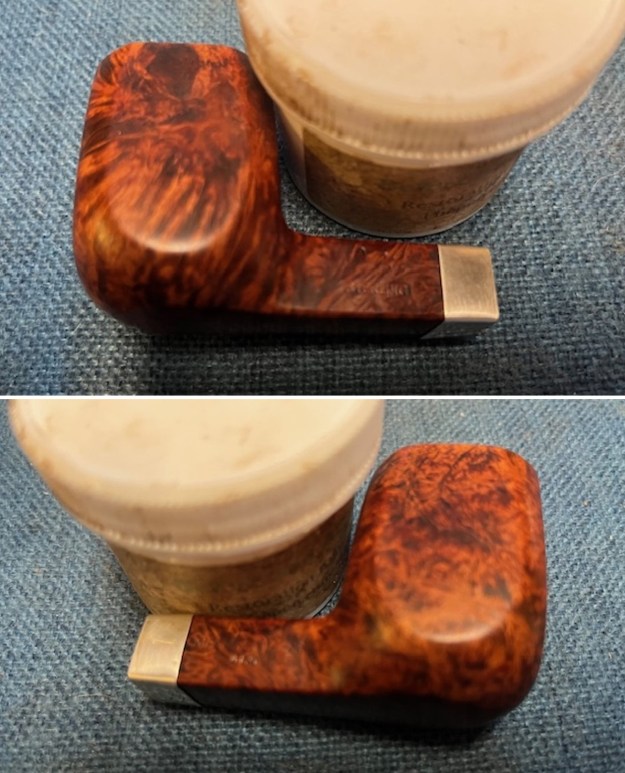
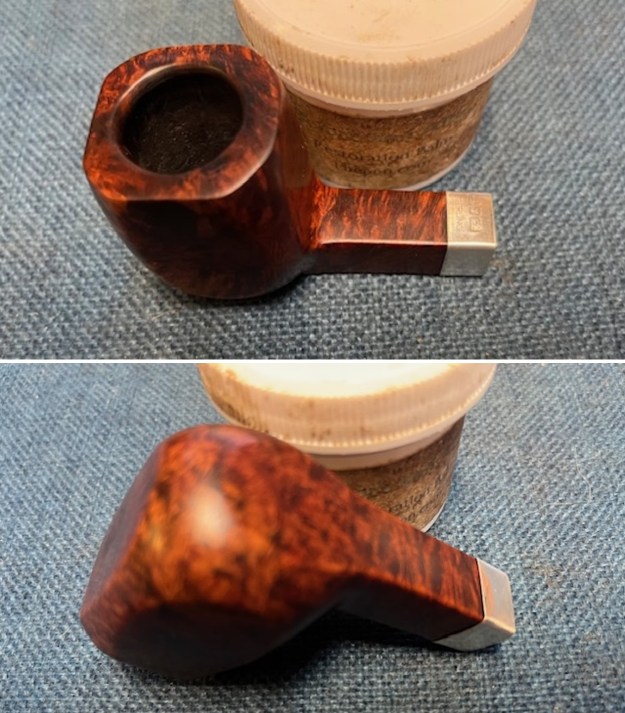
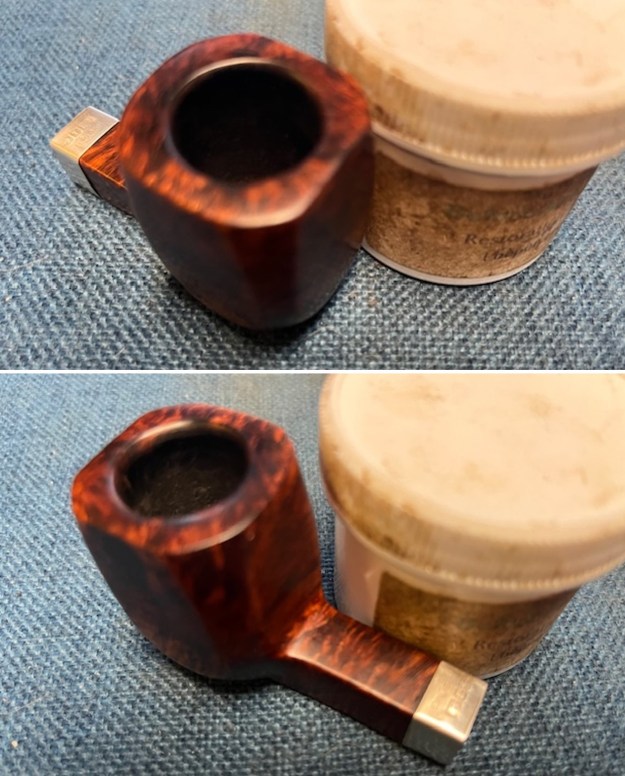
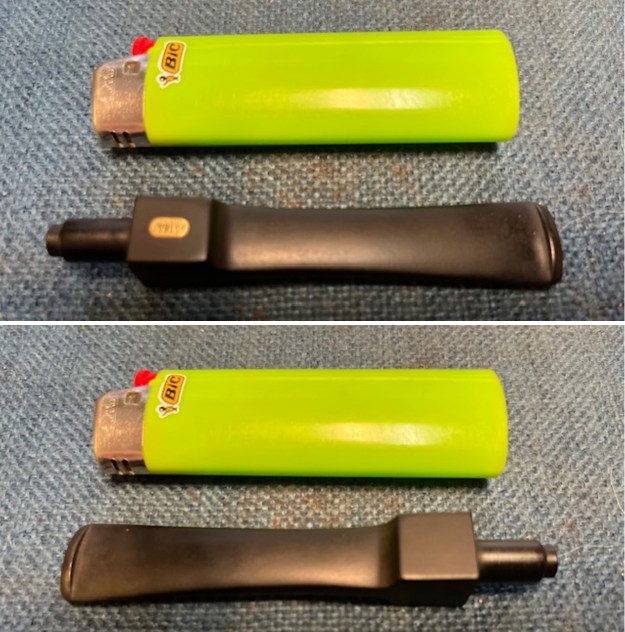
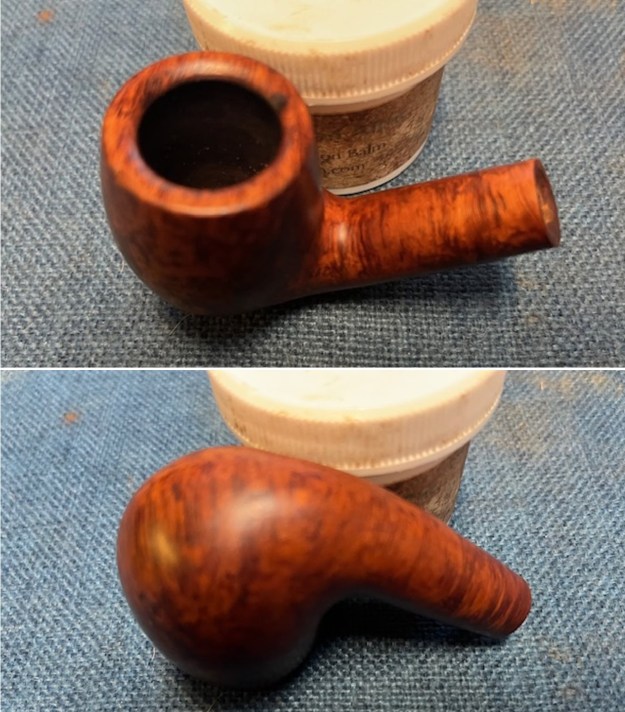
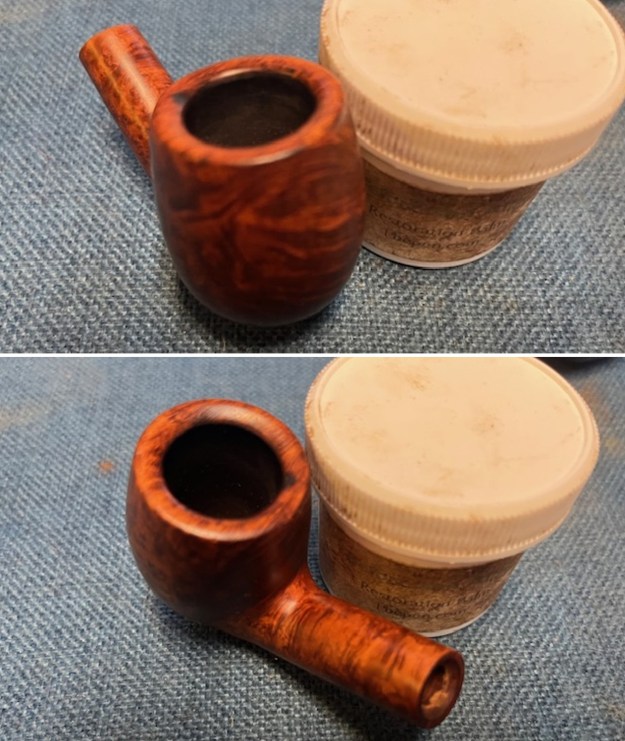
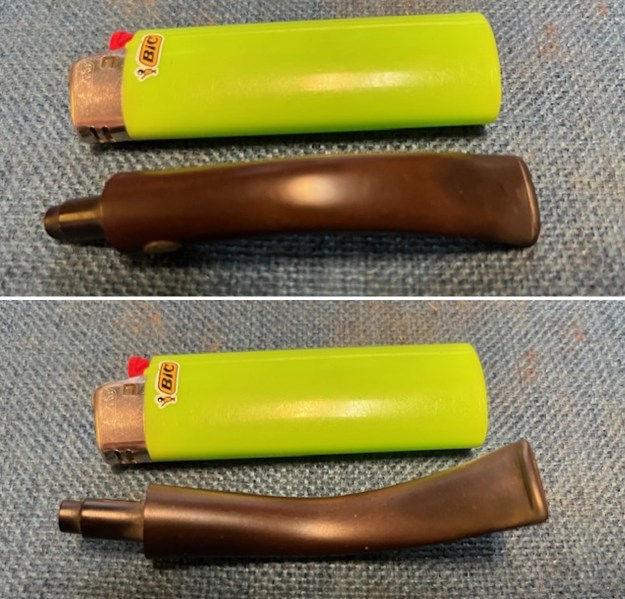
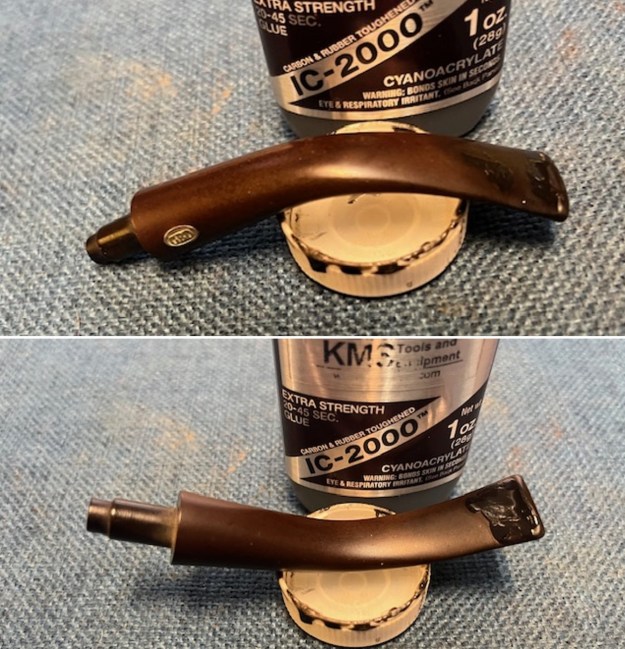
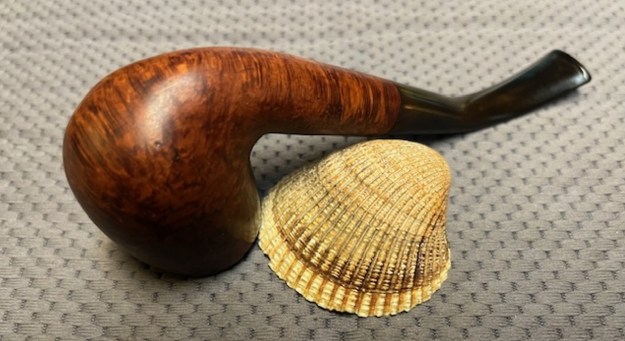
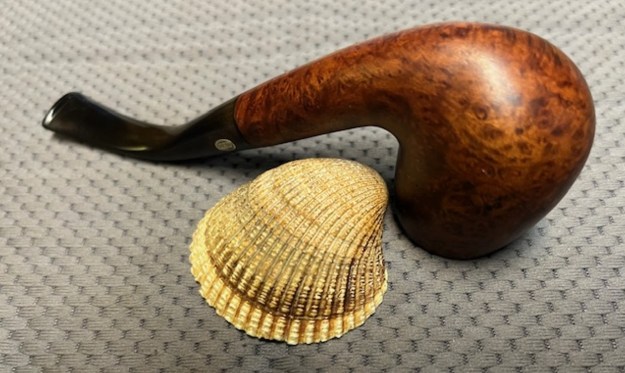
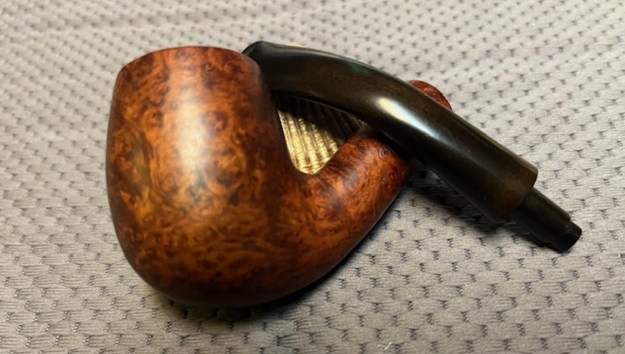
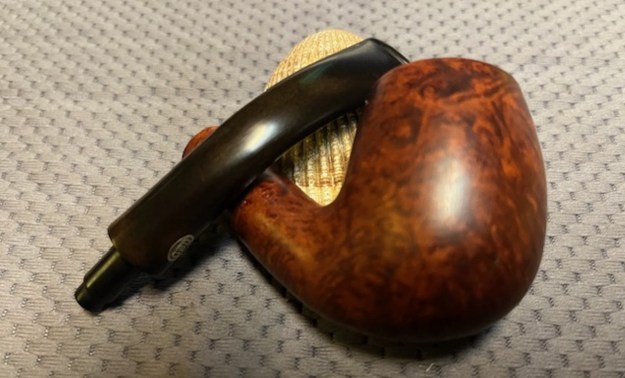
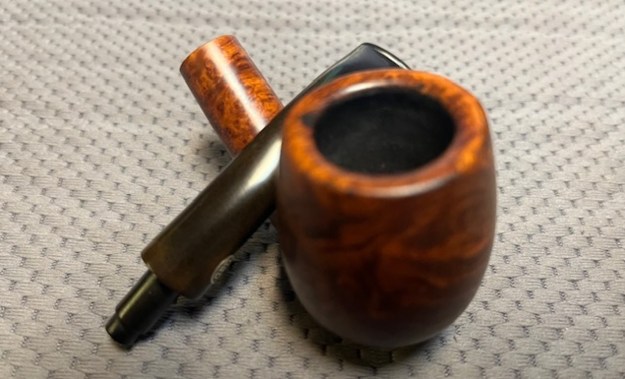
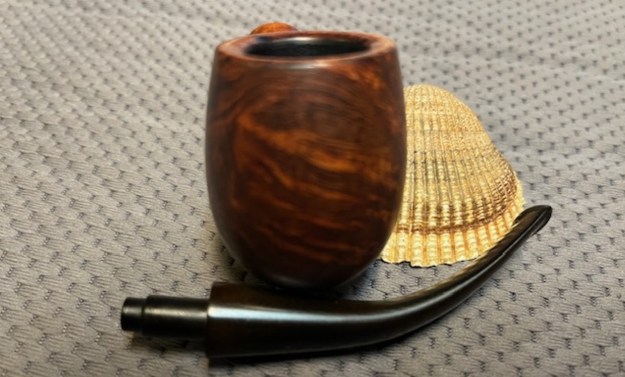
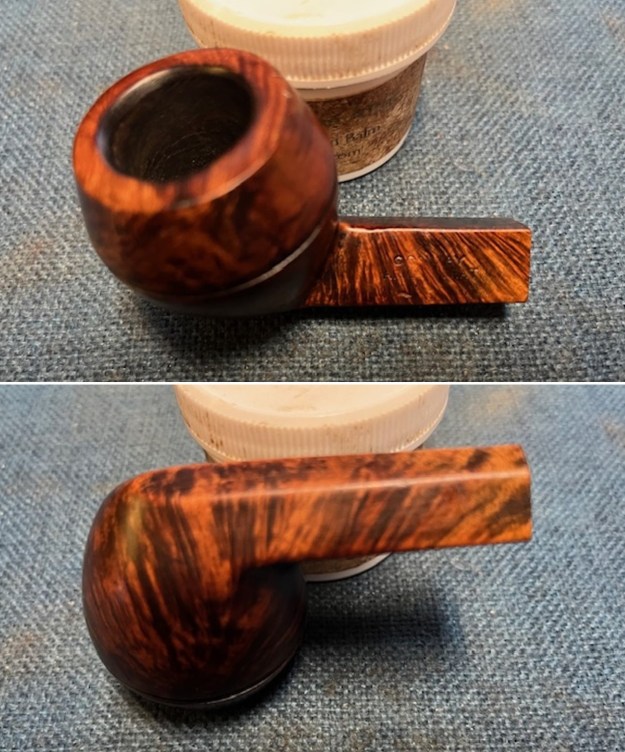
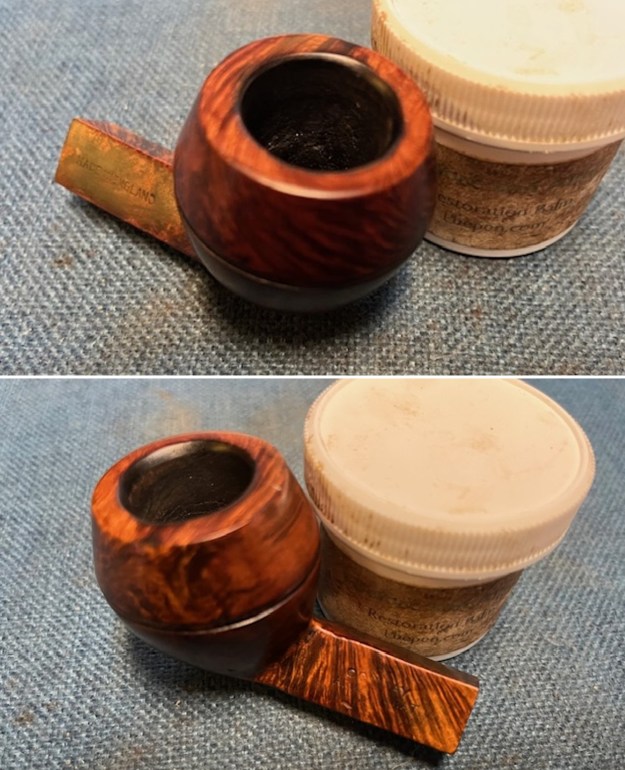
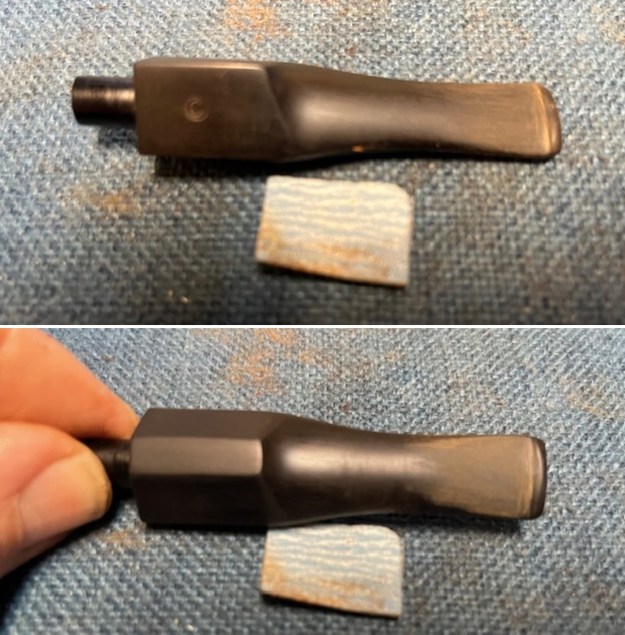
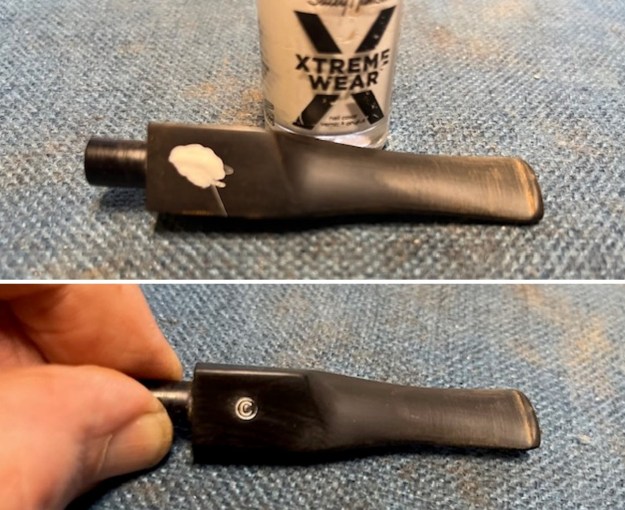
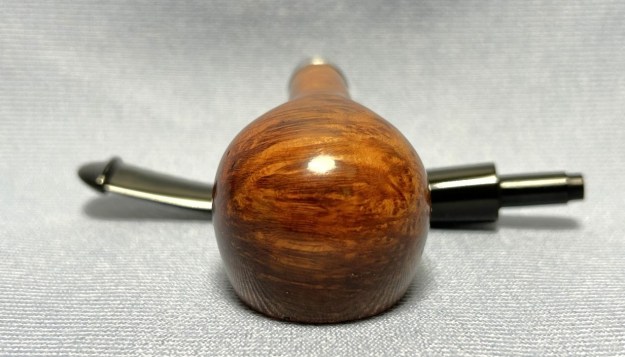
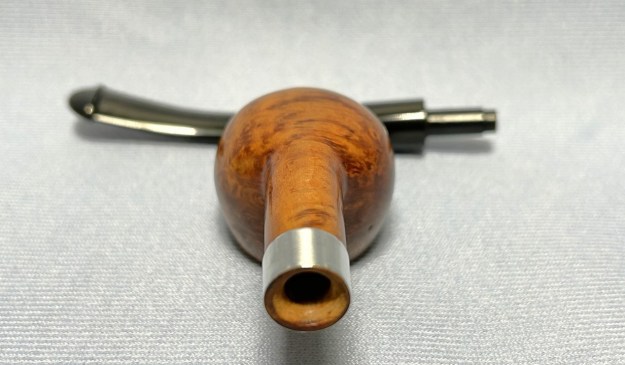
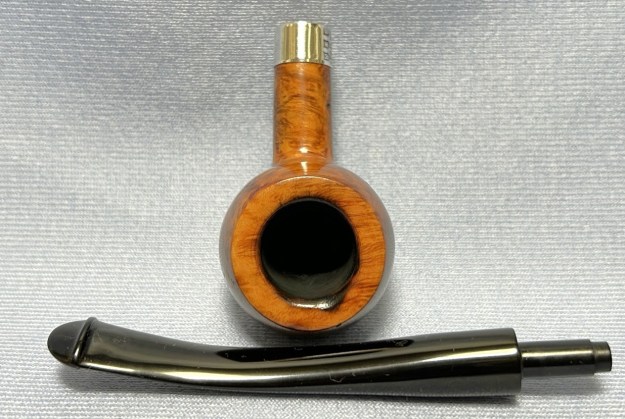
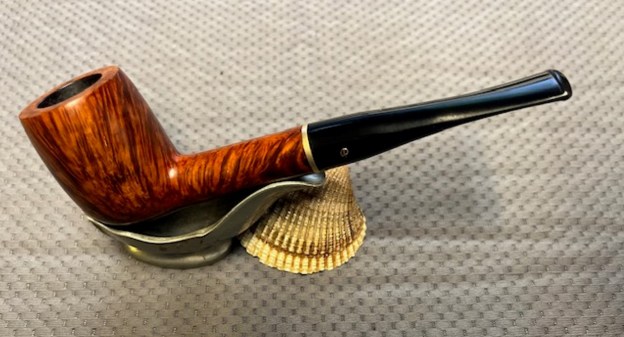
Restoring a JHW (Jack H. Weinberger) Fluted Tulip freehand with a saddle stem


By Steve Laug

When Jeff and I were contacted about an estate in Santa Cruz, California, USA for sale I was excited to see what was in the lot. There were several with no other stamping on the shank than JHW. I have to say that I have seen very few JHW pipes and my heart skipped a beat when I saw not just one but 7 pipes with that stamping. All were Freehands and all were very unique – maybe even odd you might say! We purchased the estate on 05/28/2024.I am working on the last of the seven pipes. By now you know who JHW is. But maybe not so I ask again why so excited about three initials? Well I have to tell you right up front that JHW is Jack H. Weinberger. Who is that? That does not help either? Jack H. Weinberger was a pipe maker in West Caldwell, New Jersey. Still not helping? He hired young lads from the local high school to help him out as he carved 10-12 hours a day. Two of these are none other than Curt Rollar and Mark Tinsky went on to become the American Pipe Company. There was a long list of pipe carving luminaries who came through Jack’s shop and JHW pipes but these two you probably have heard of. So JHW or Jack H. Weinberger was an important part of the American Pipemaking scene and gave many carvers a start and they have continued to this day. Now maybe you understand my excitement – being able to work on a few of Jack’s pipes and bring them back to their former glory.

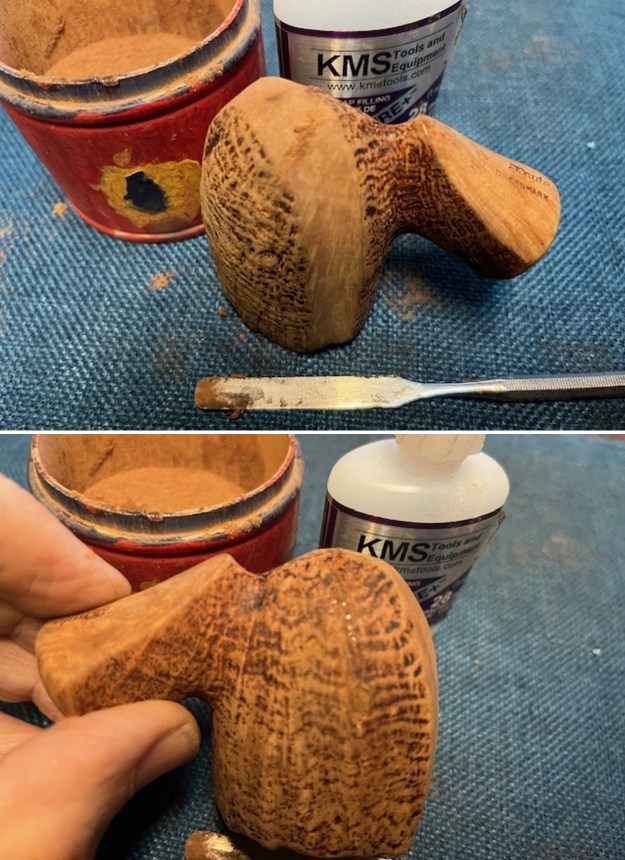
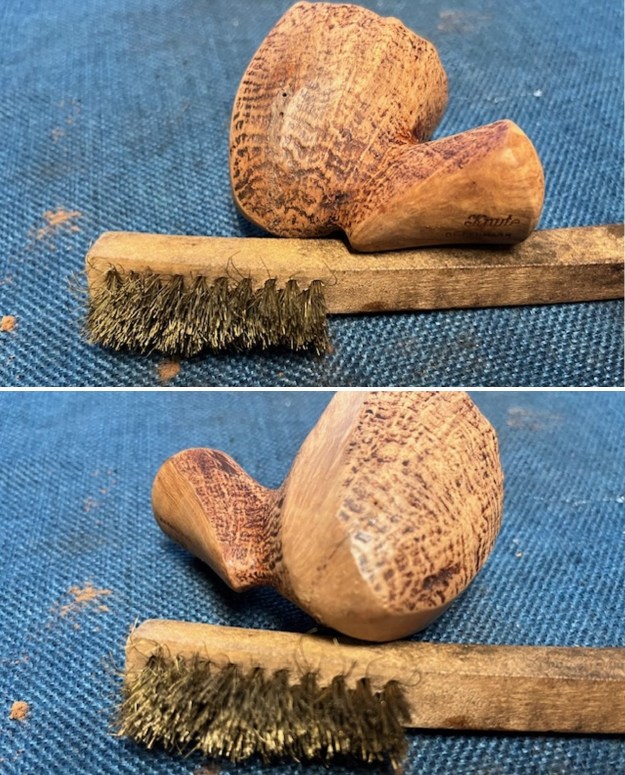
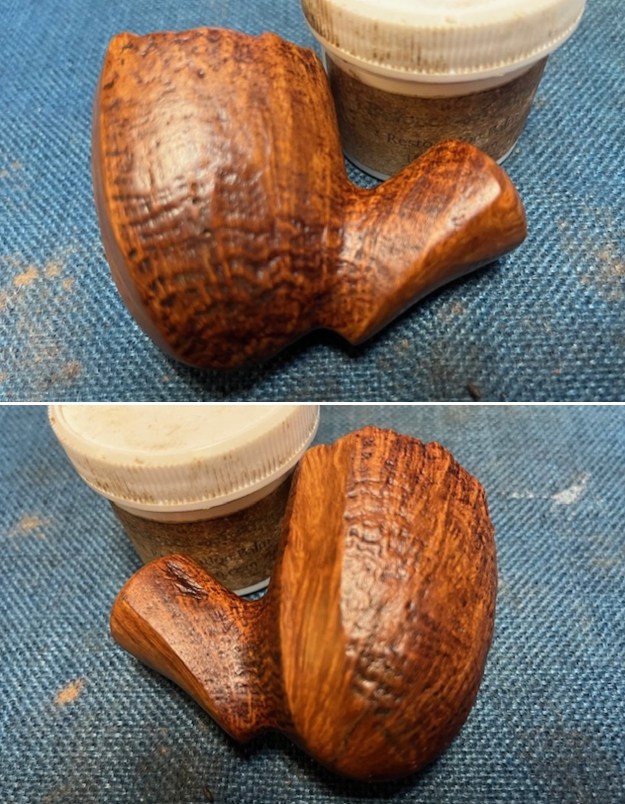
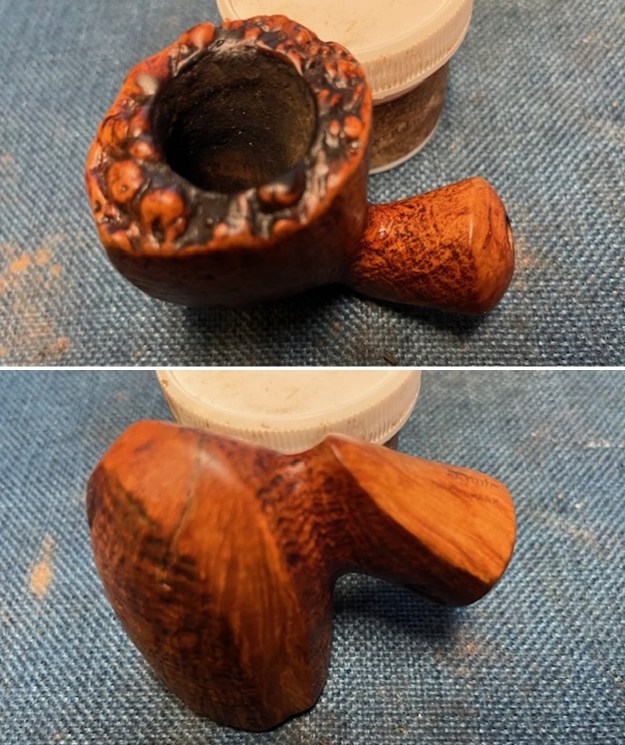
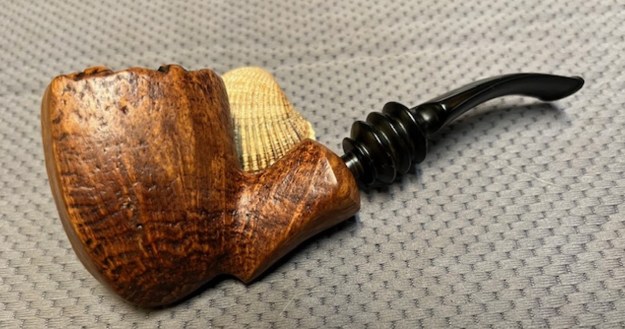
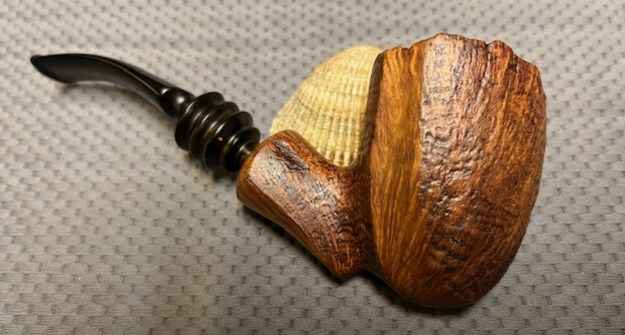
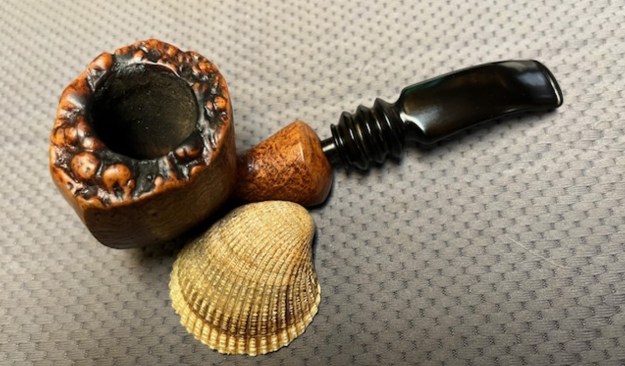
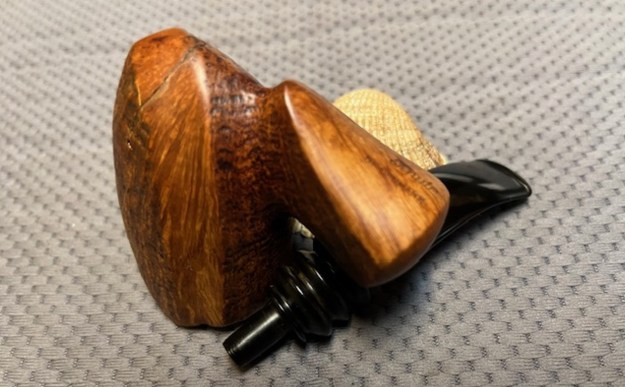
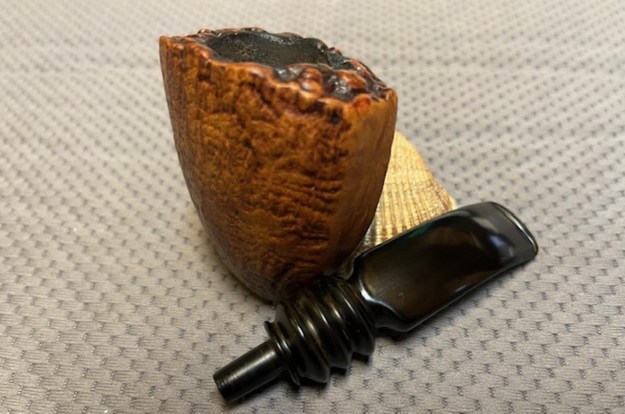
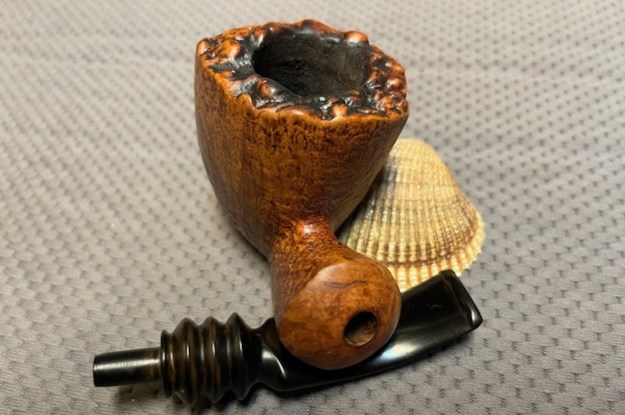
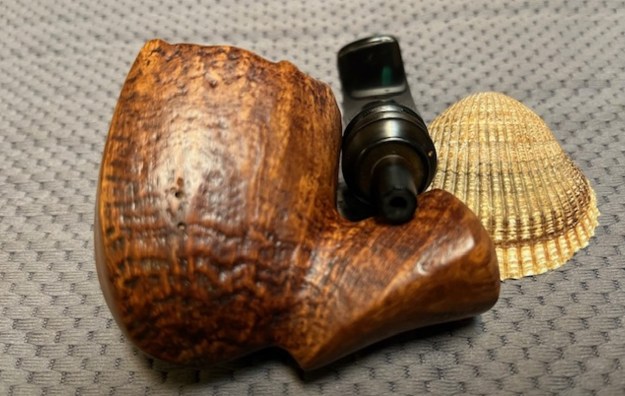
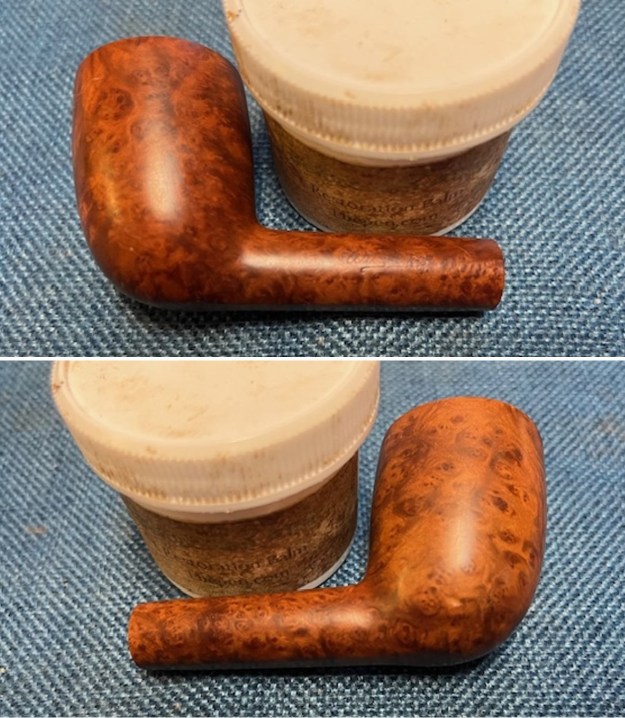
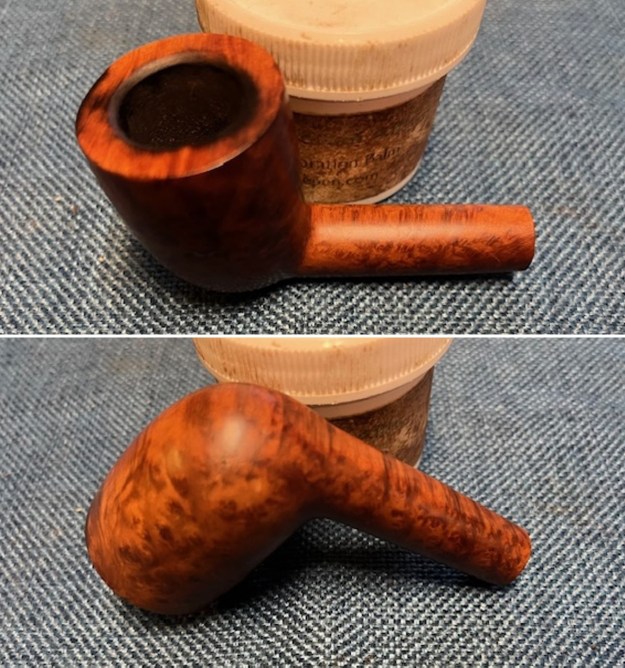
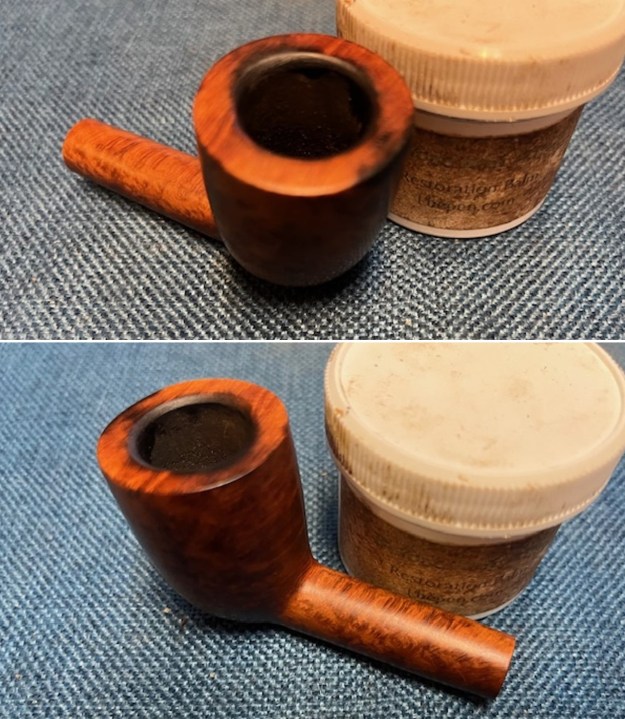
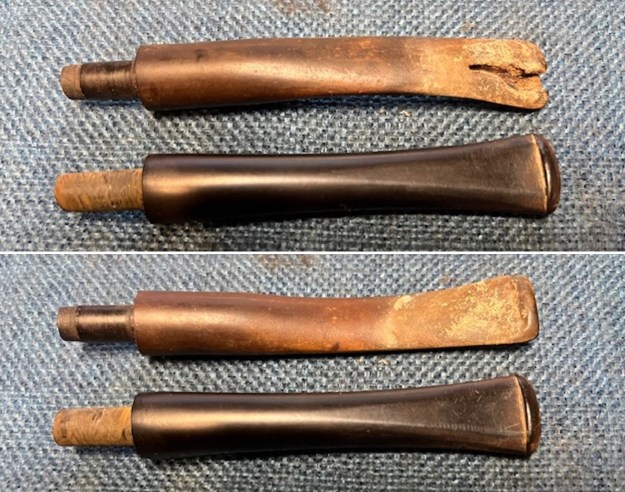
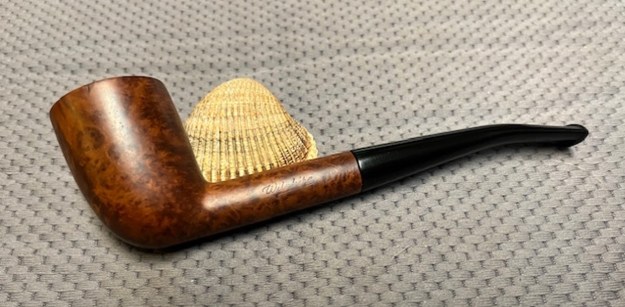
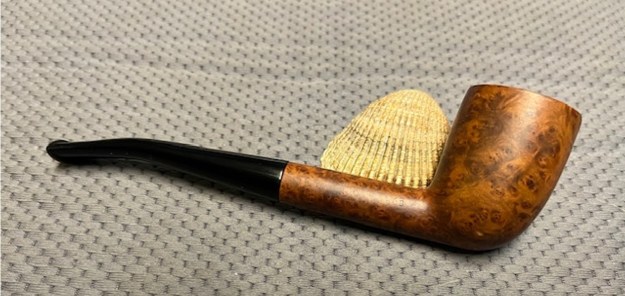
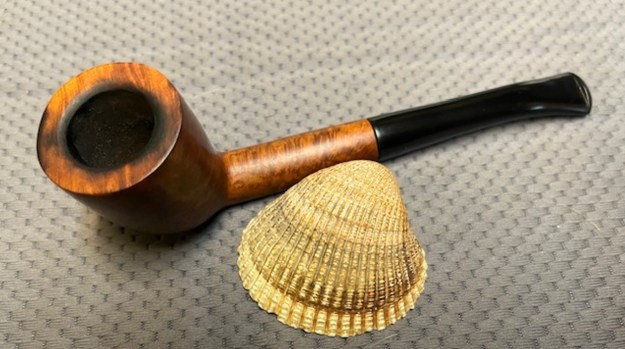
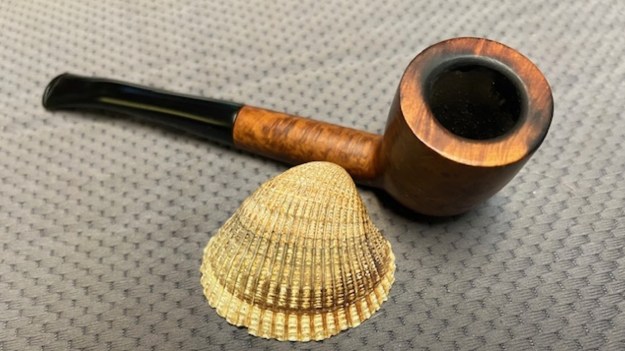
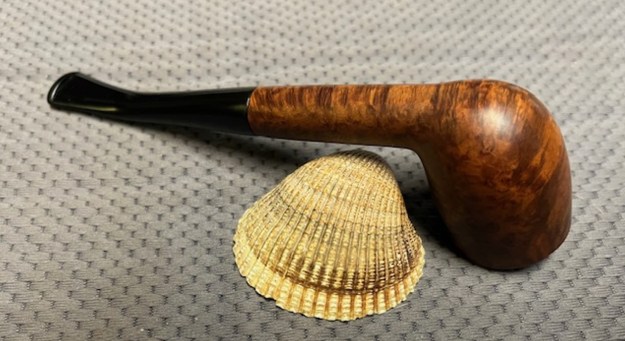
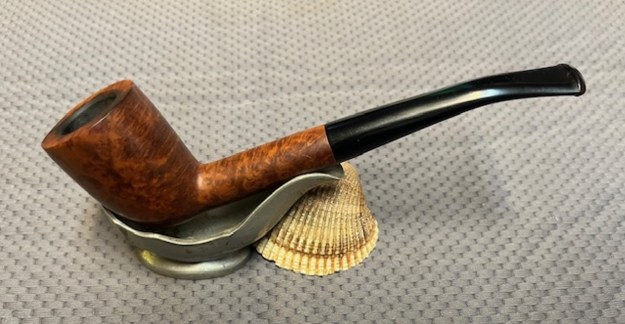
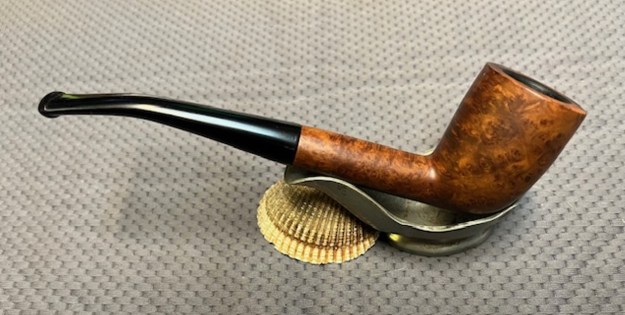
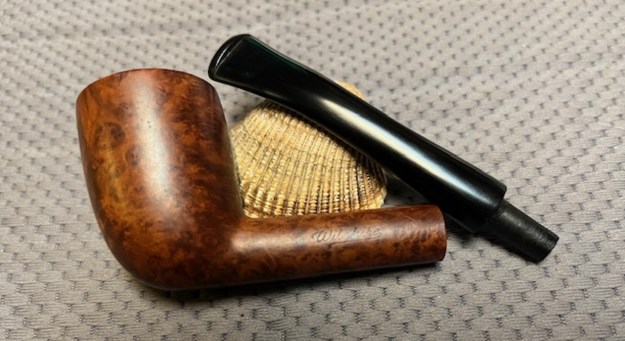
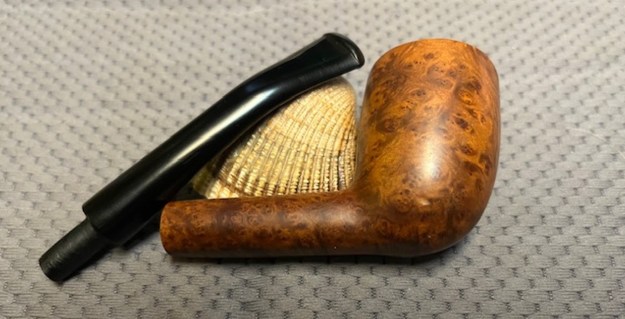
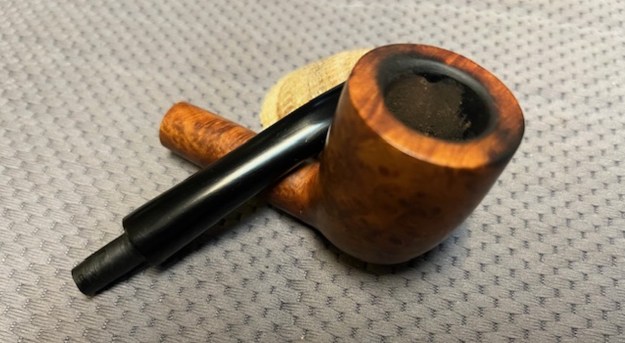
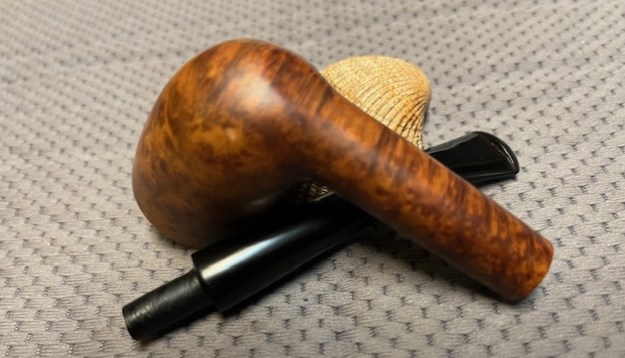
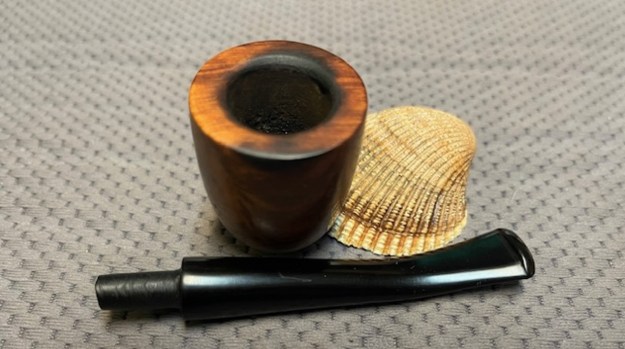
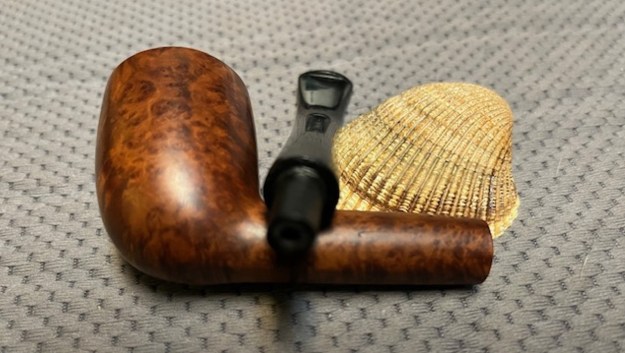
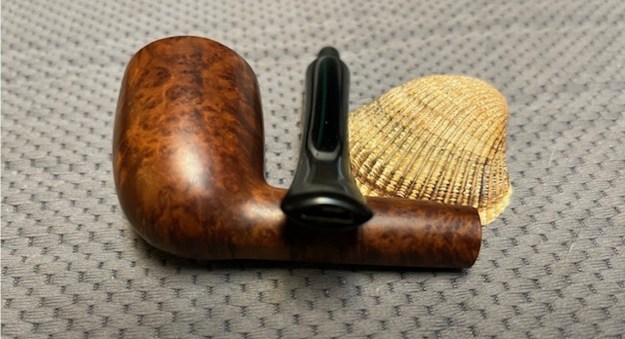
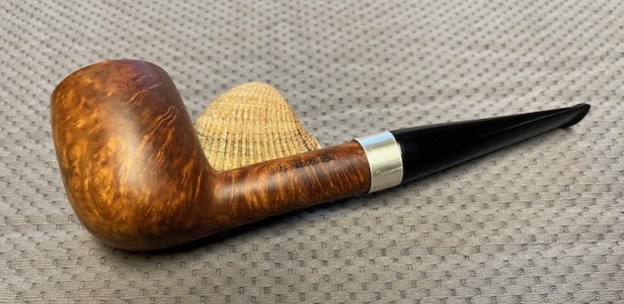
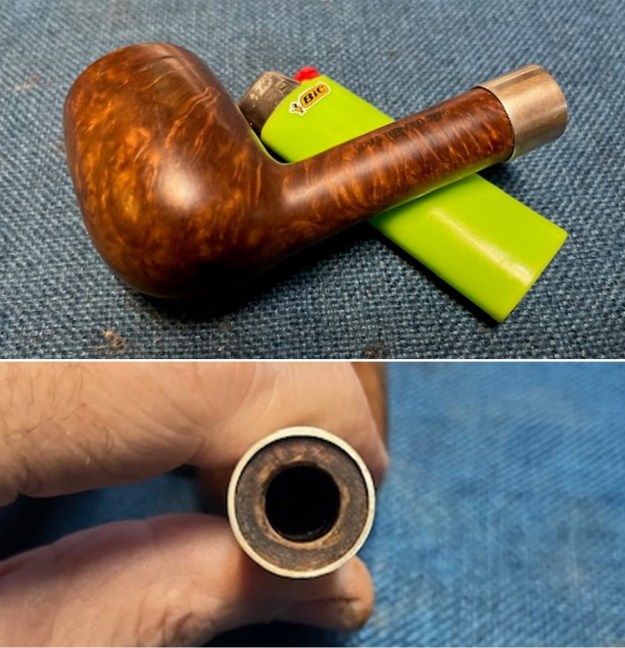
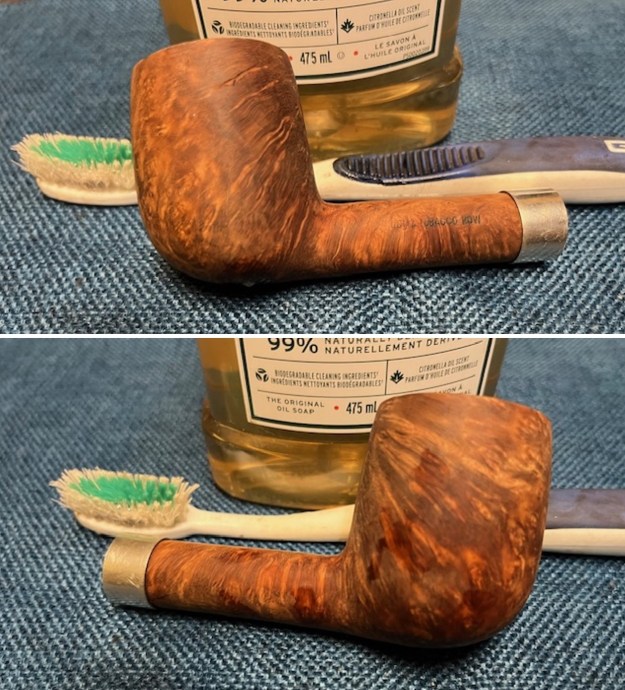
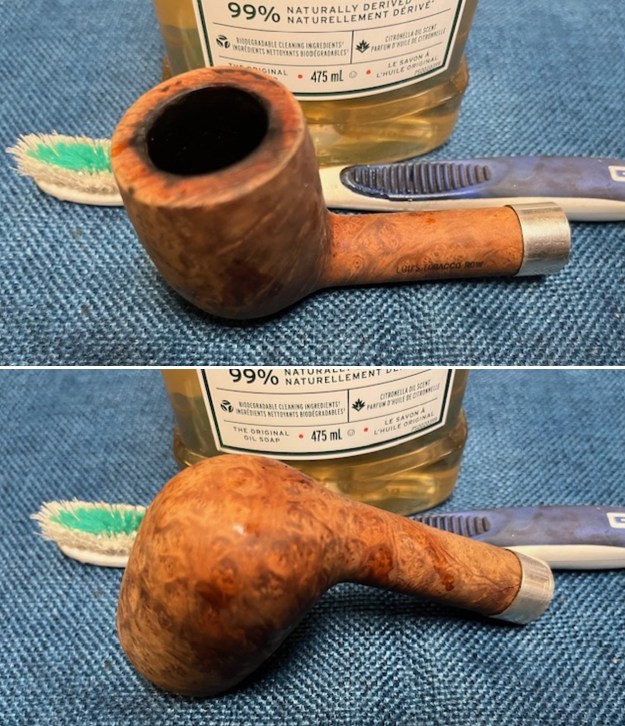
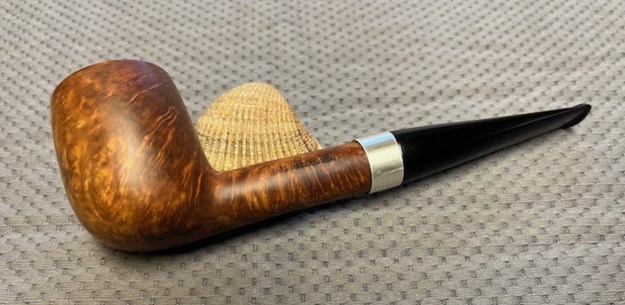
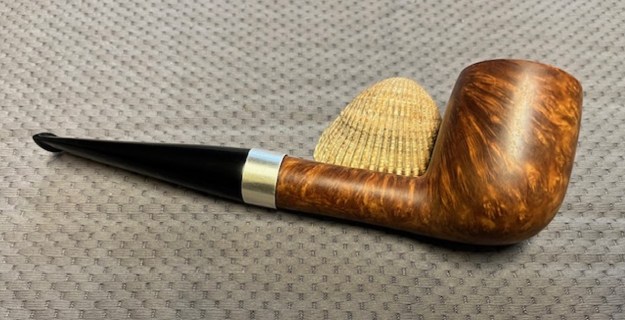
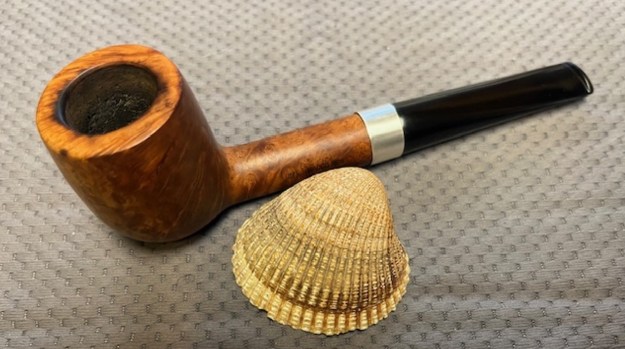
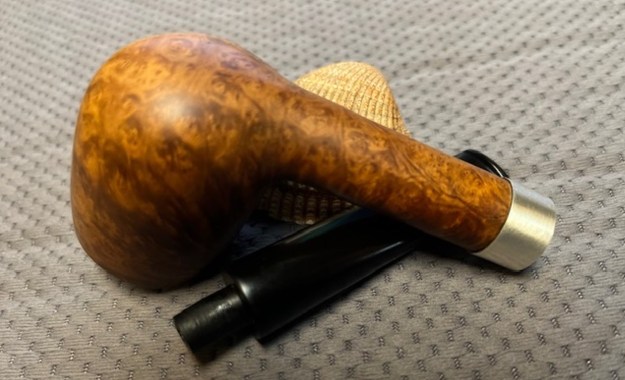
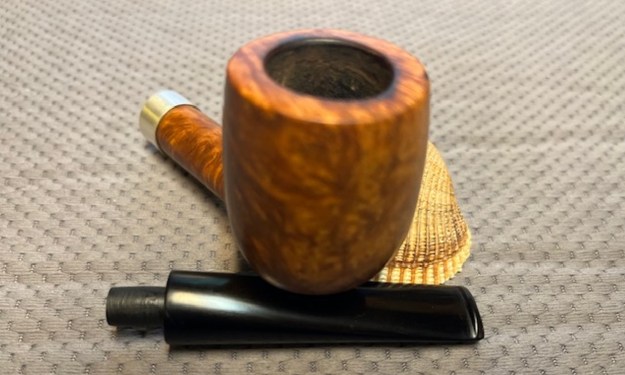
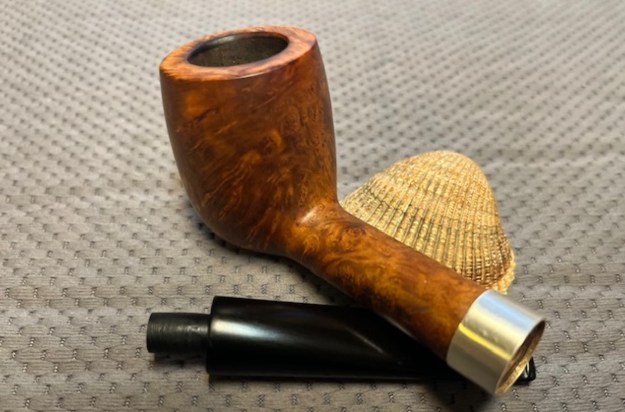
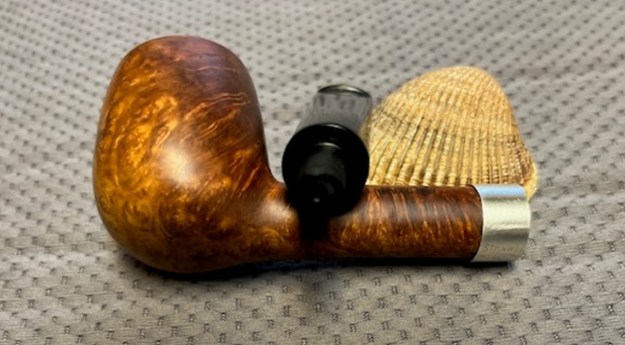
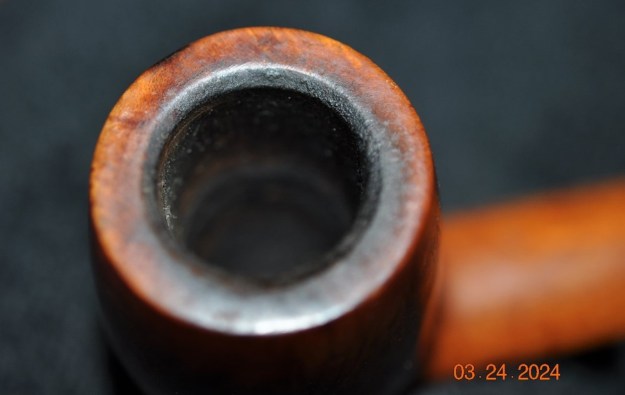
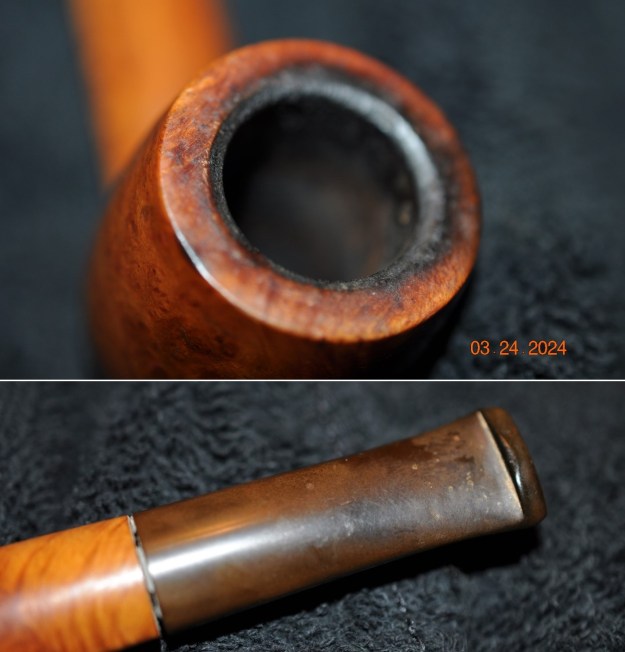
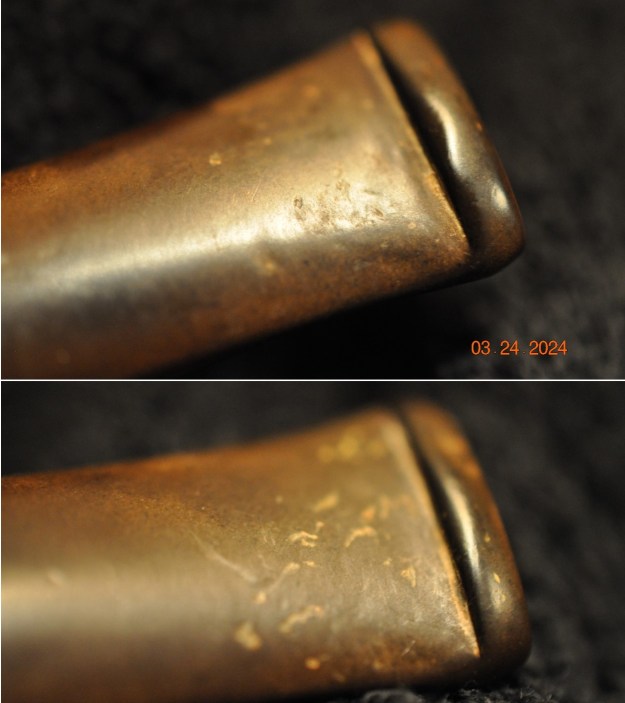
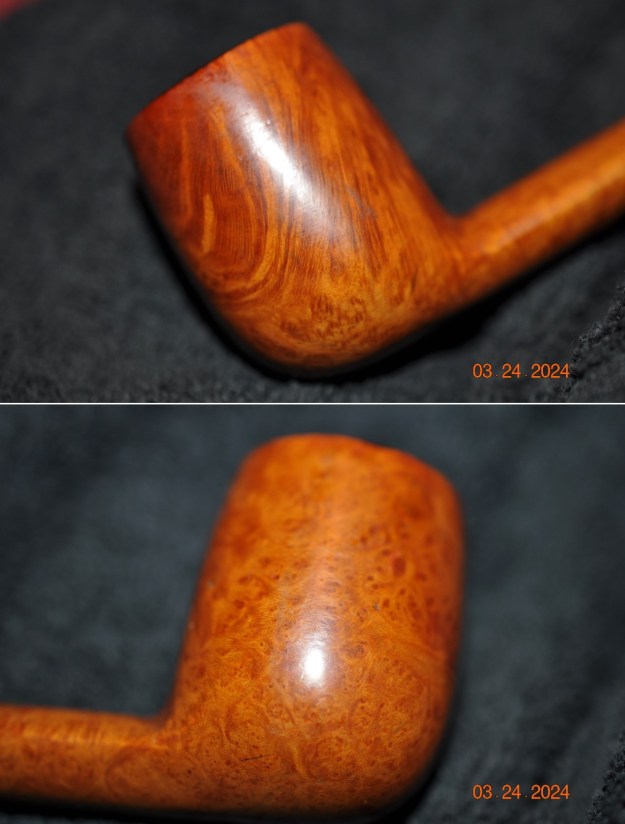
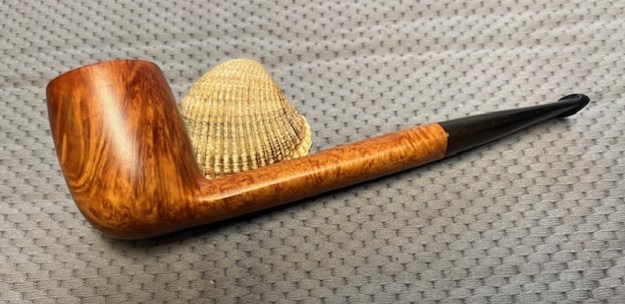
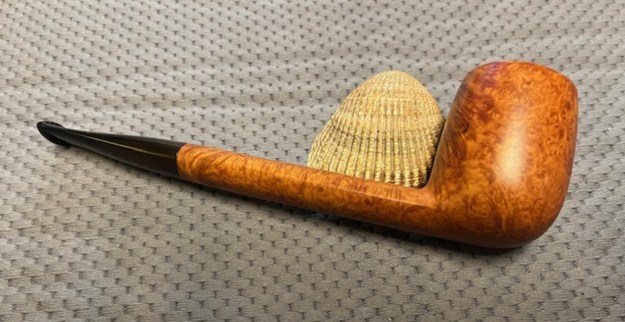
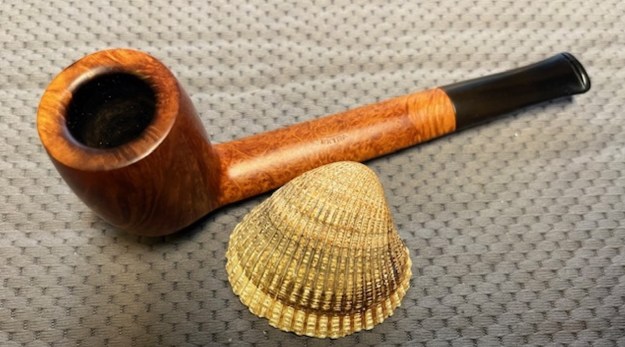
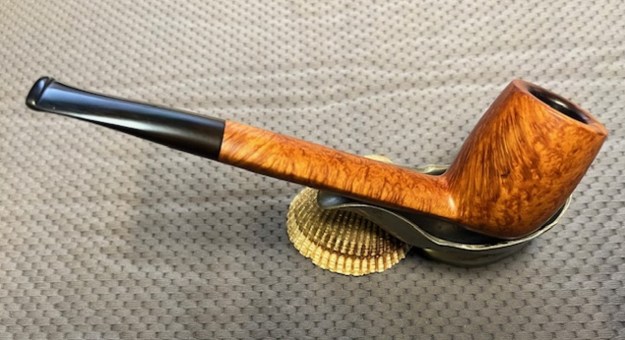
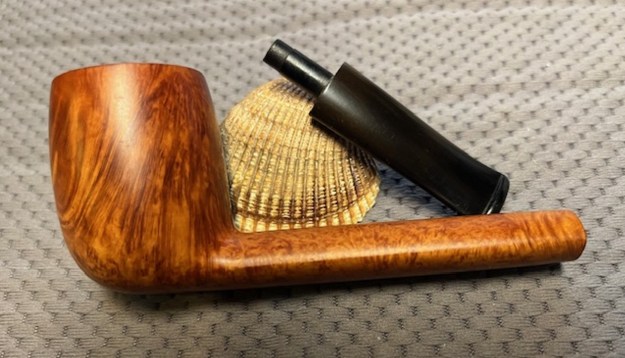
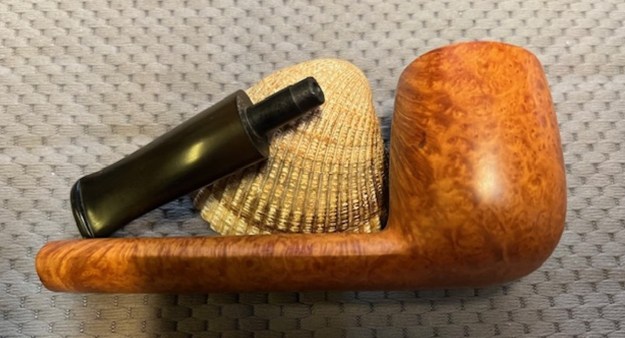
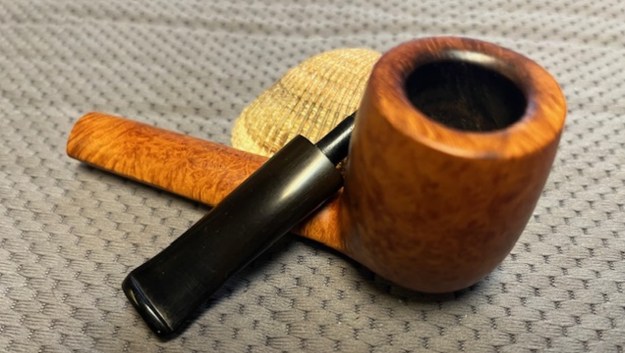
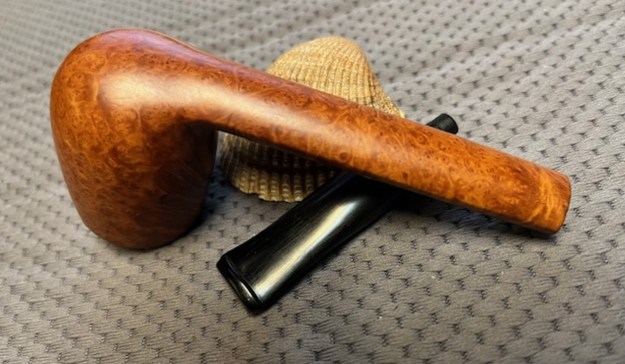
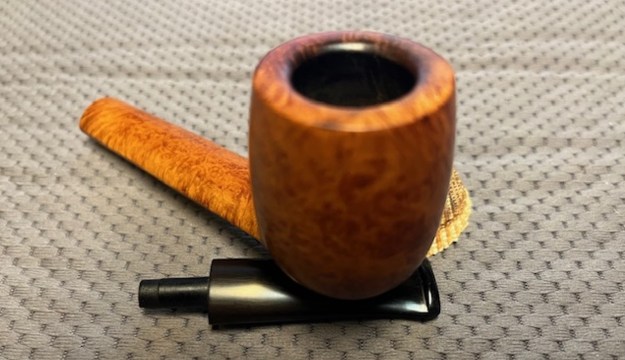
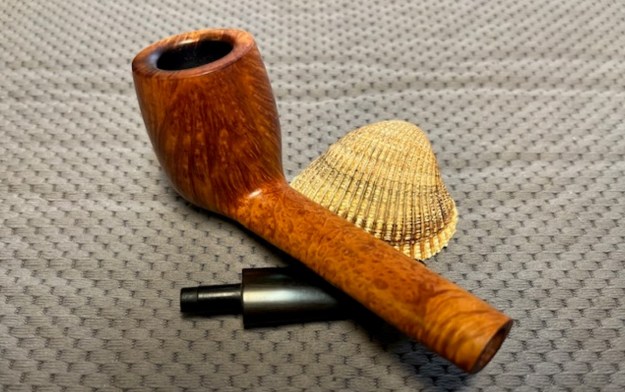
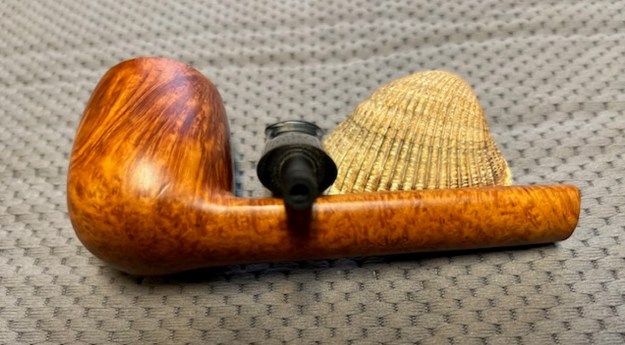
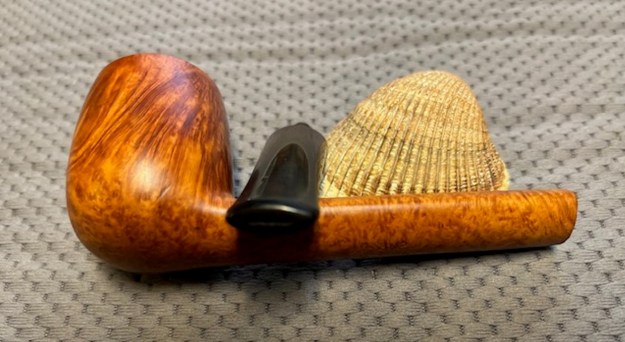
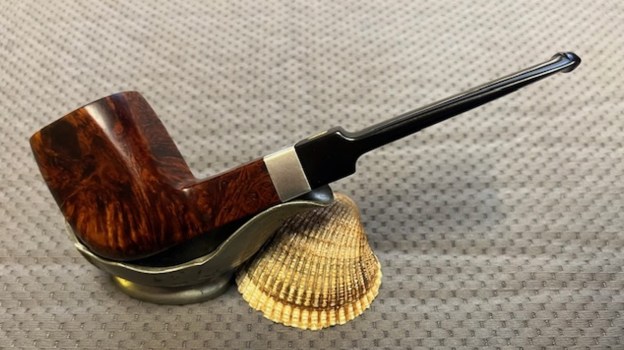
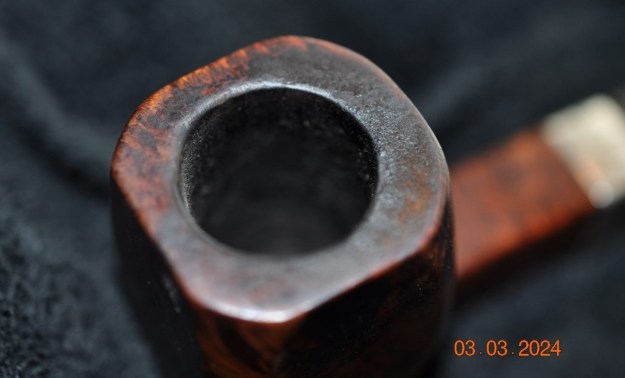
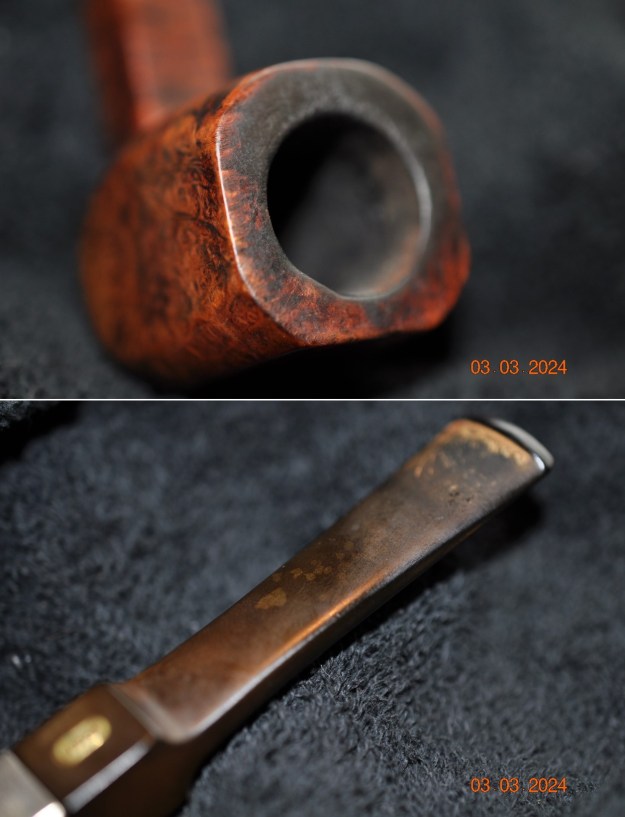
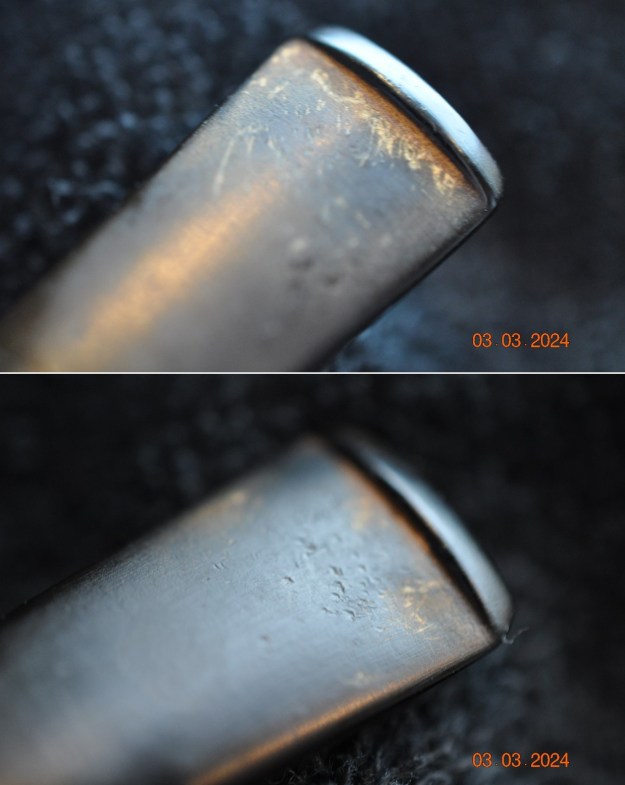
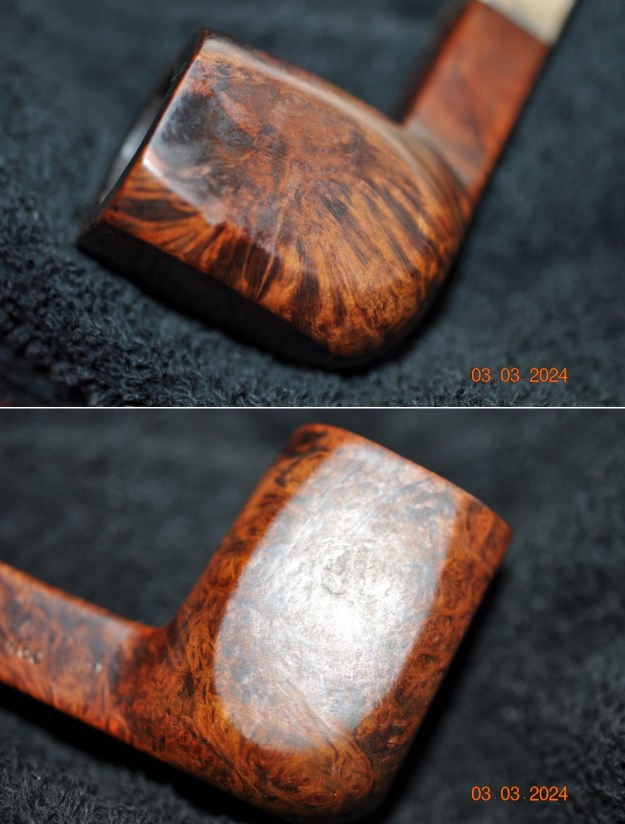
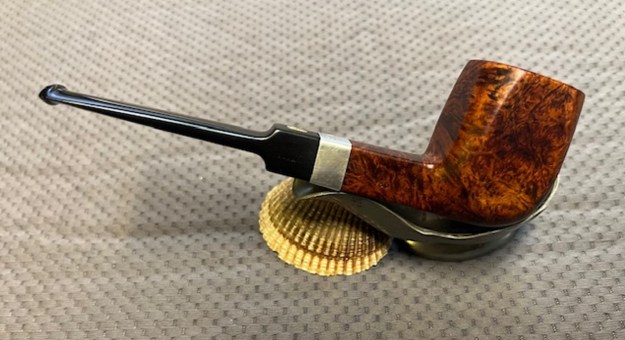
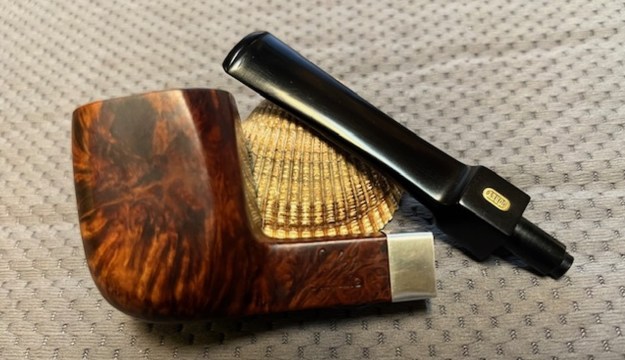
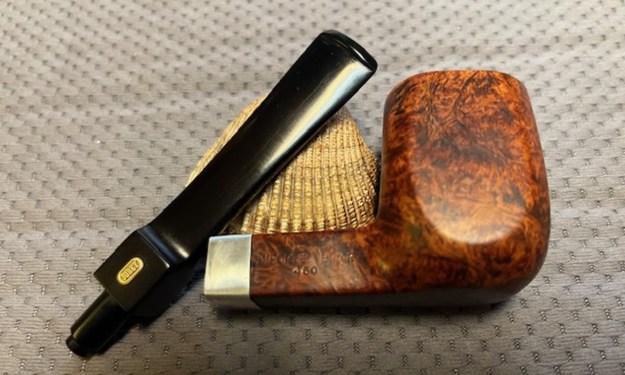
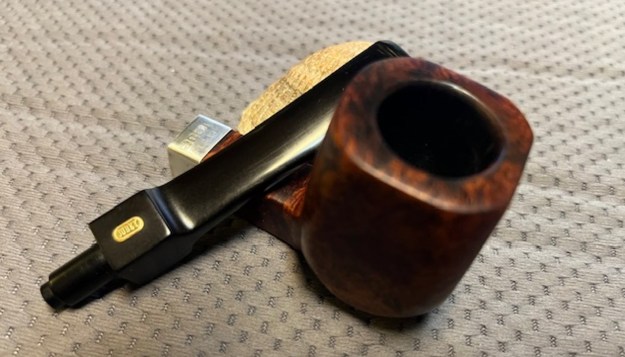
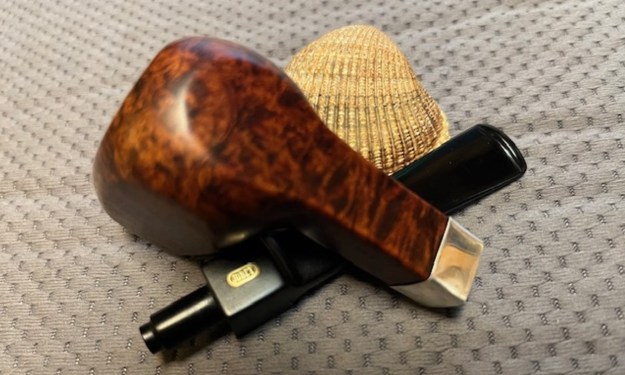
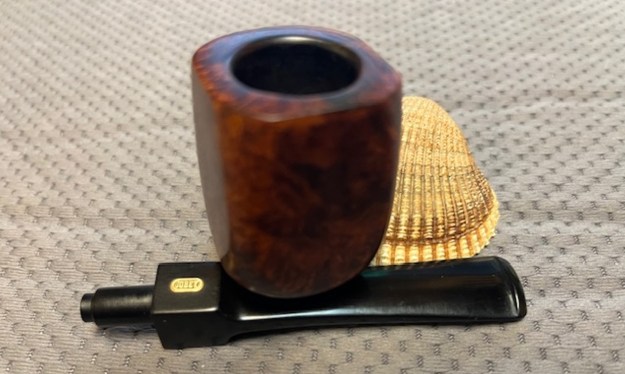
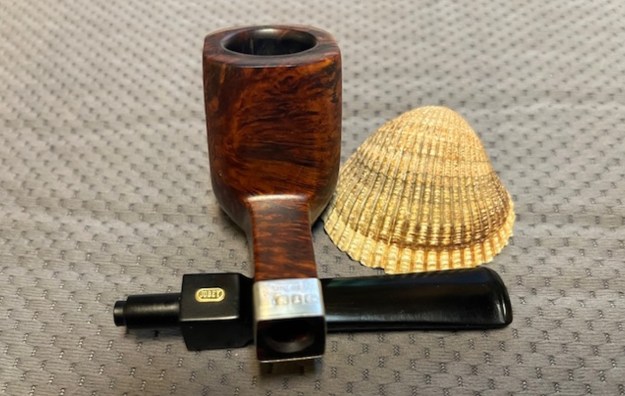
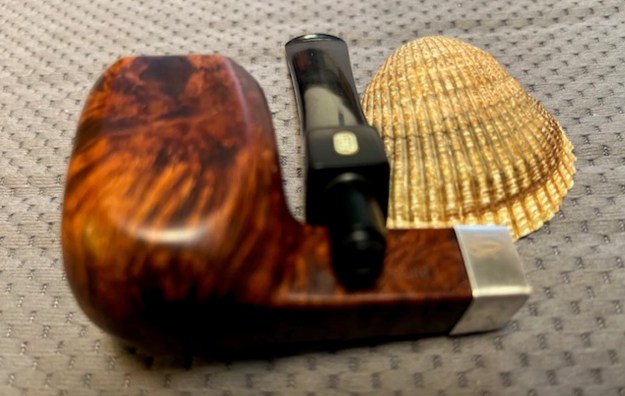
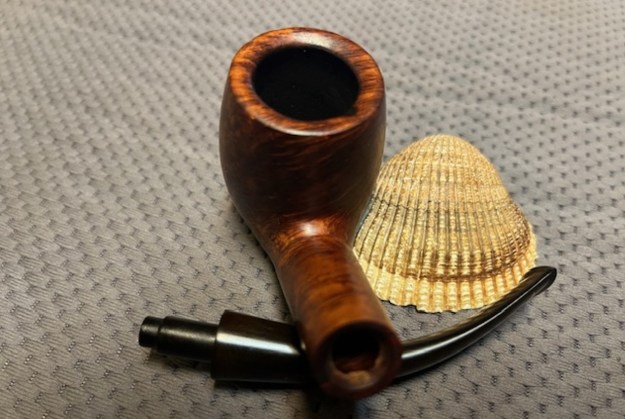
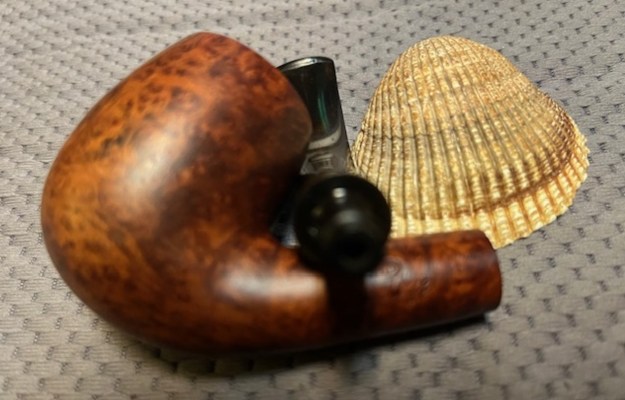
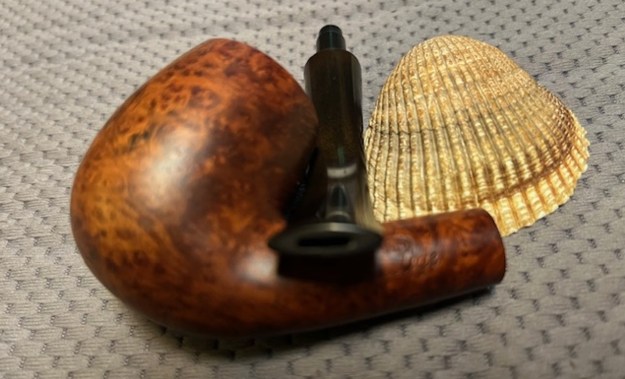
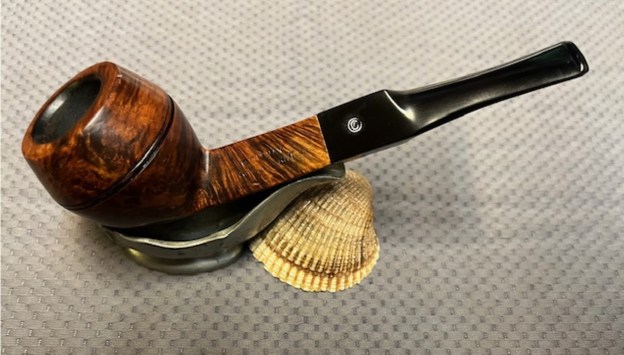
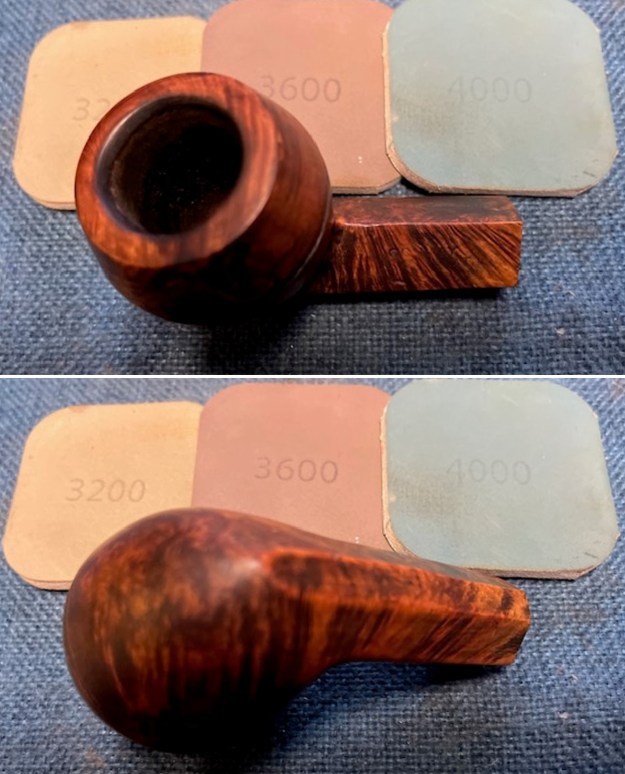
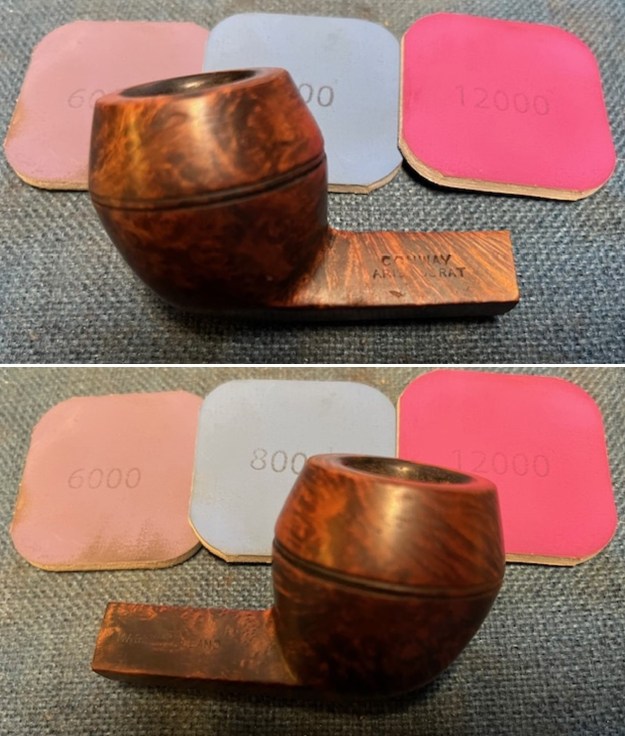
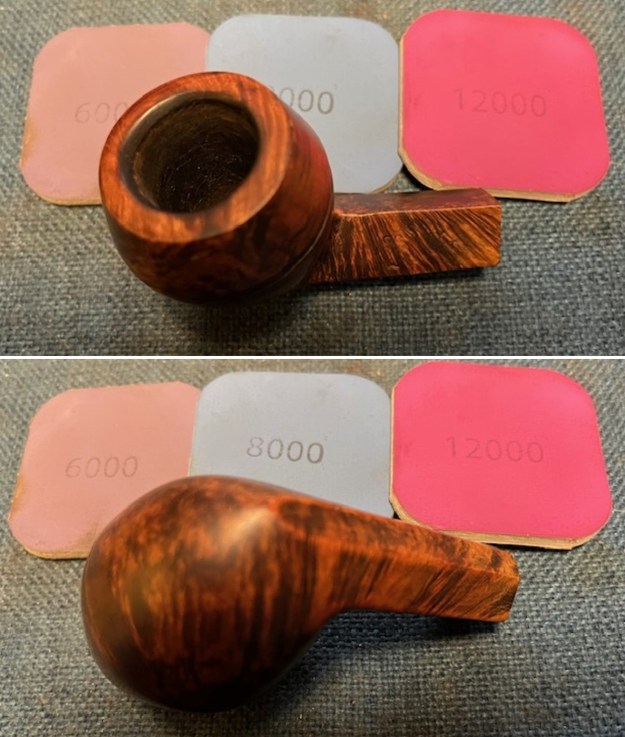
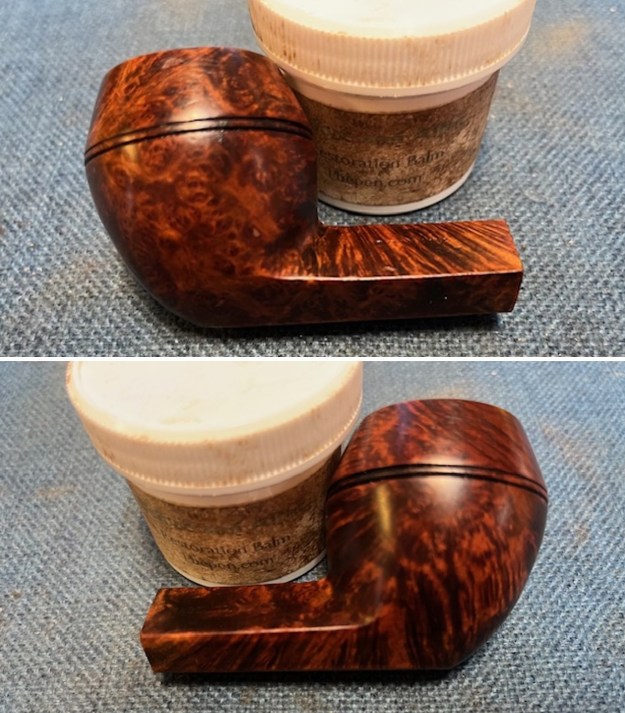
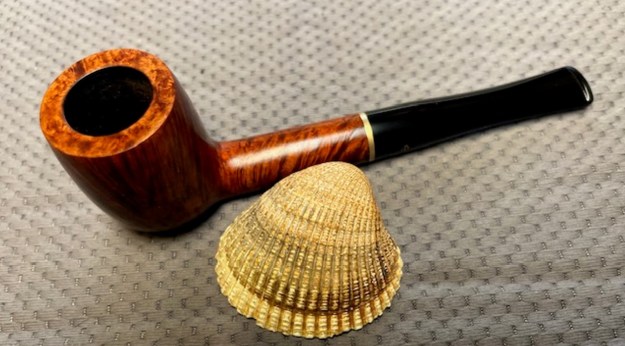
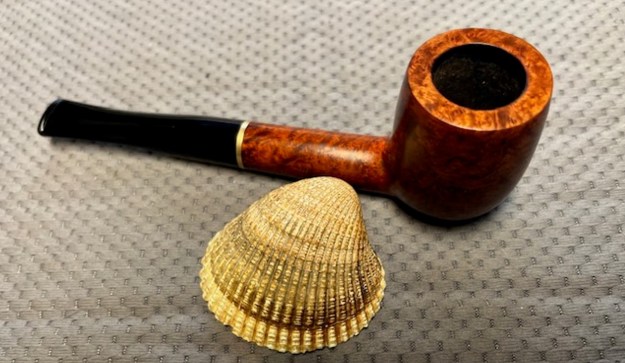
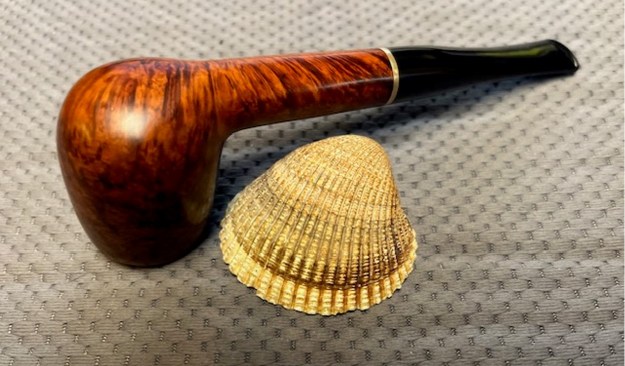
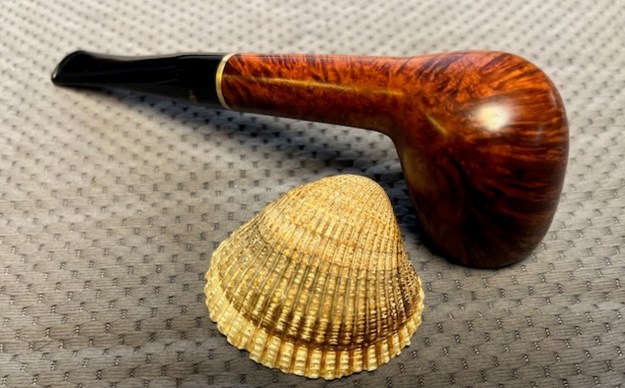
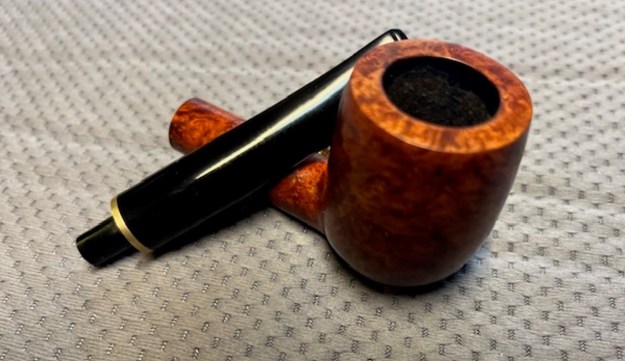
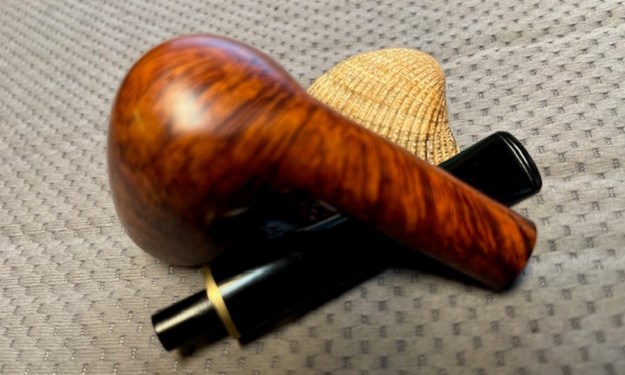
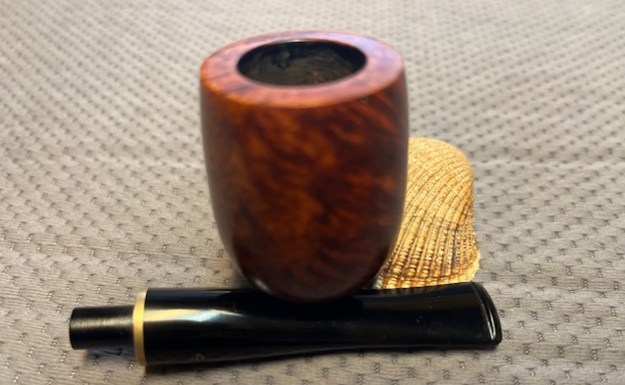
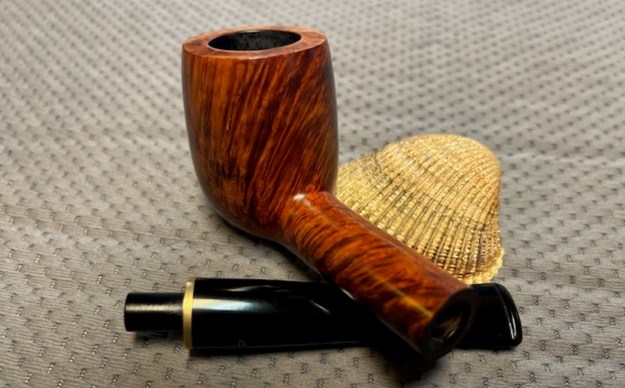
This pipe I chose to work on was another unusual one. It is a great piece of briar with a mix of grain all the way around the bowl and shank and a tulip shaped incorporated into the fluted and smooth portions of the bowl. It is a beautiful piece of briar! He made a carved, fluted style Tulip Billiard shaped pipe. The front, back and sides of the bowl have some nice straight grain. The rim top has the points of the petals around a thin flat rim top edge. Very unusual but something just calls out to you. When the pipe came to us it was dirty with grime ground into the finish. There was a thick cake in the bowl and lava on the rim top and inner edge. There appeared to be some darkening around the inner edge of the rim, the top and on the sides of the bowl. It was dirty but that did not hide the beauty of the briar. The stem is a saddle made out of vulcanite. There was light chatter on both sides just ahead of the button. Jeff took photos of the pipe as a whole before he started his cleanup work. I include them below. Jeff took some close up shots of the rim top to show the bowl and cake. You can see the lava on the rim top and the inner edge. The stem photos also show the condition it was in when we received it. Lots of promise with the pipe but some work too! Jeff took some photos of the sides – top, bottom, left and right to give a sense of the lay of the pipe on the block of briar. It is certainly unusual and unique. Here are some photos of the stamping on the left side of the shank. I think this must be an older stamp of JHW as the J is a part of the uppercase HW. It is the only one I have that has this stamping. Otherwise the J is a stylized pipe followed by the HW.Take some time to read the great writeup on Pipedia and JHW pipes and influence they had on the American pipe making scene. It is a well written and enjoyable read. Here is the link: (https://pipedia.org/wiki/JHW_Pipes).

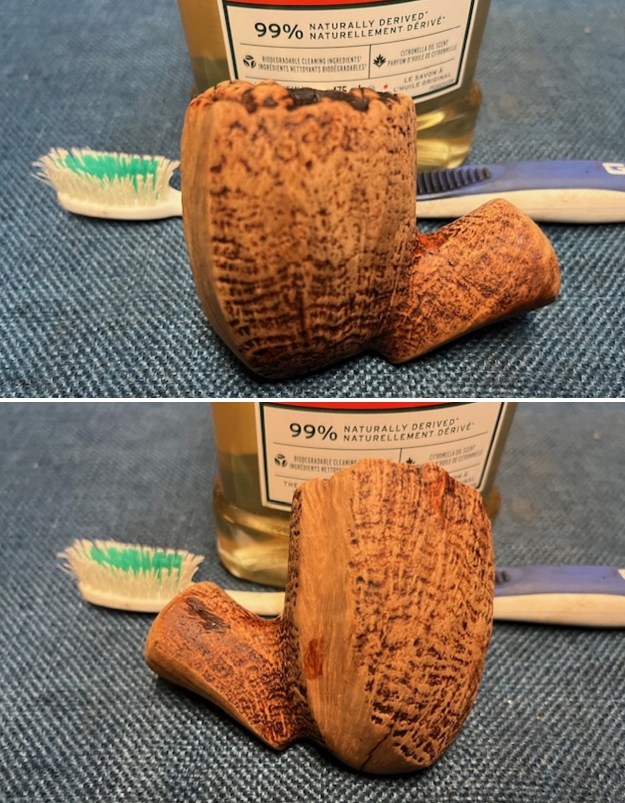
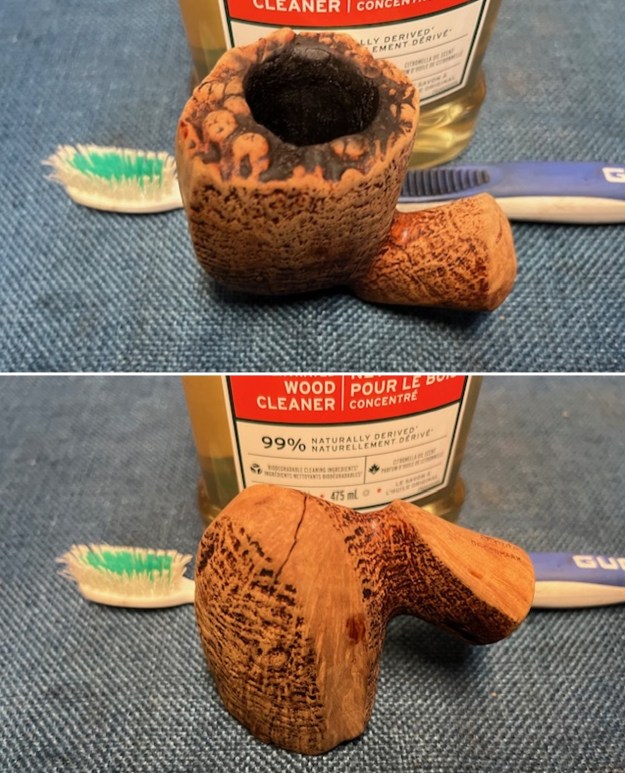
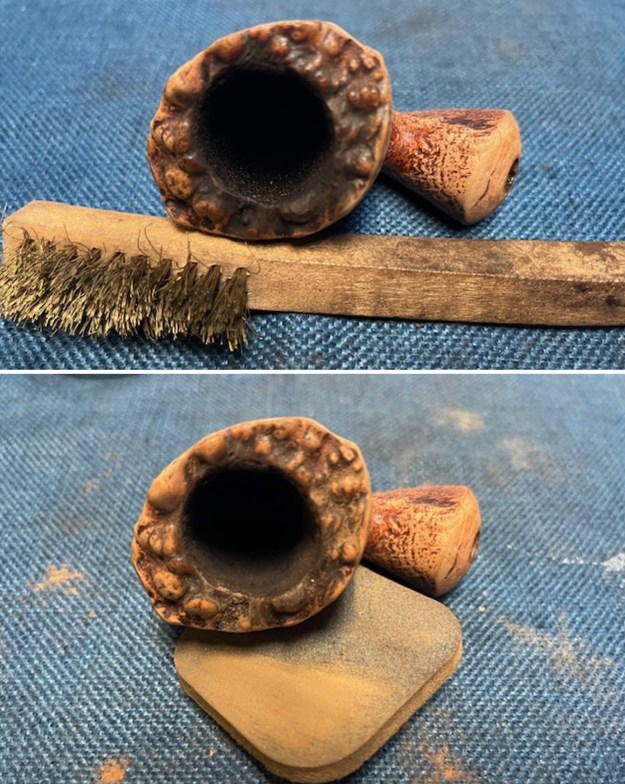
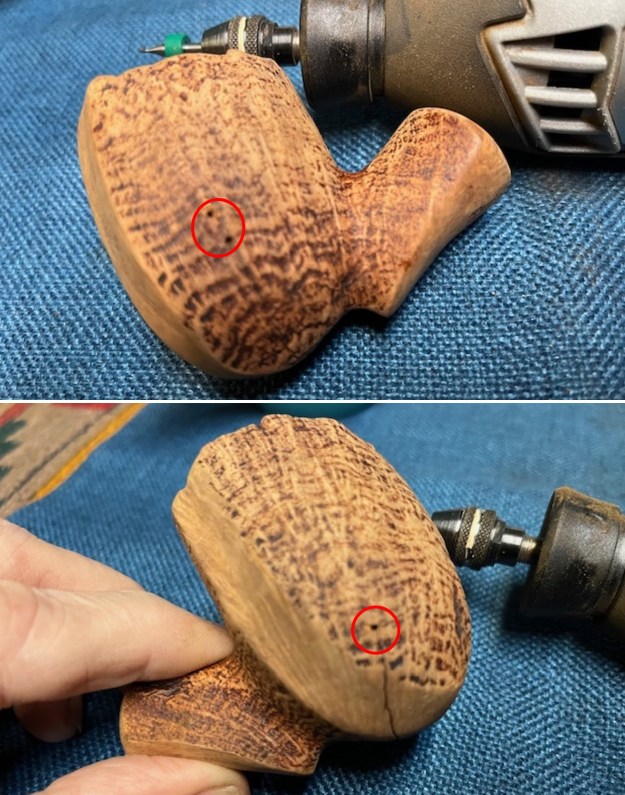
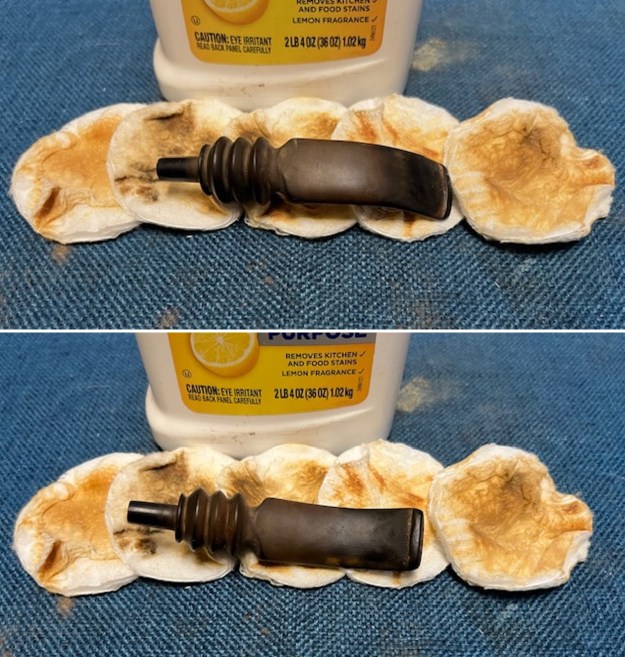
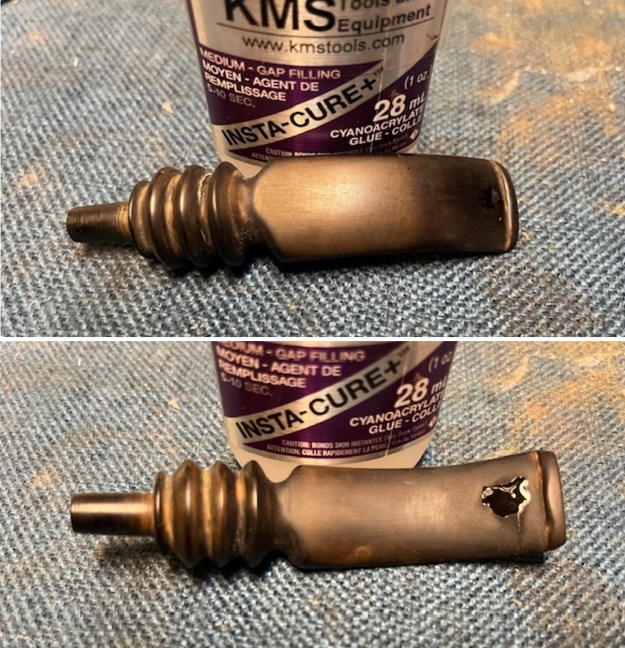
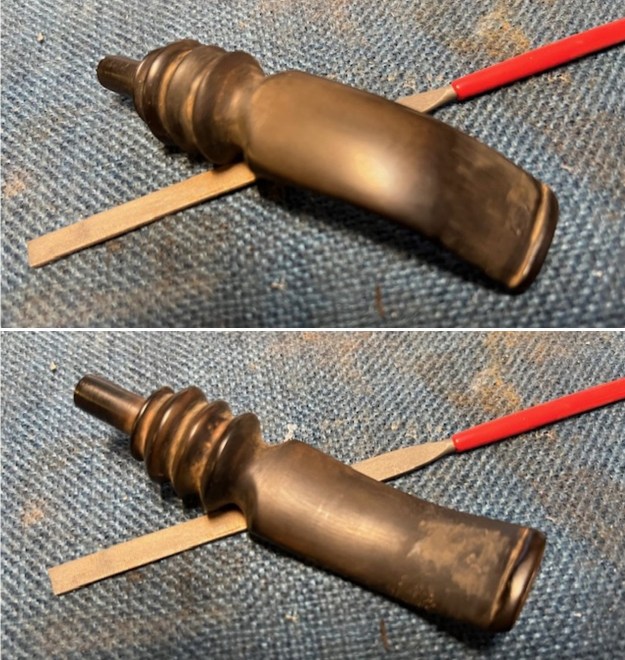
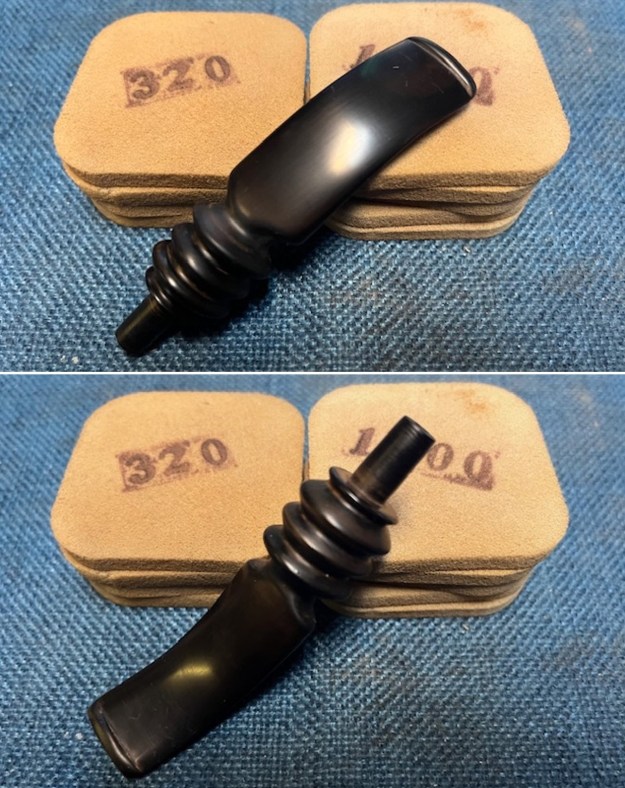
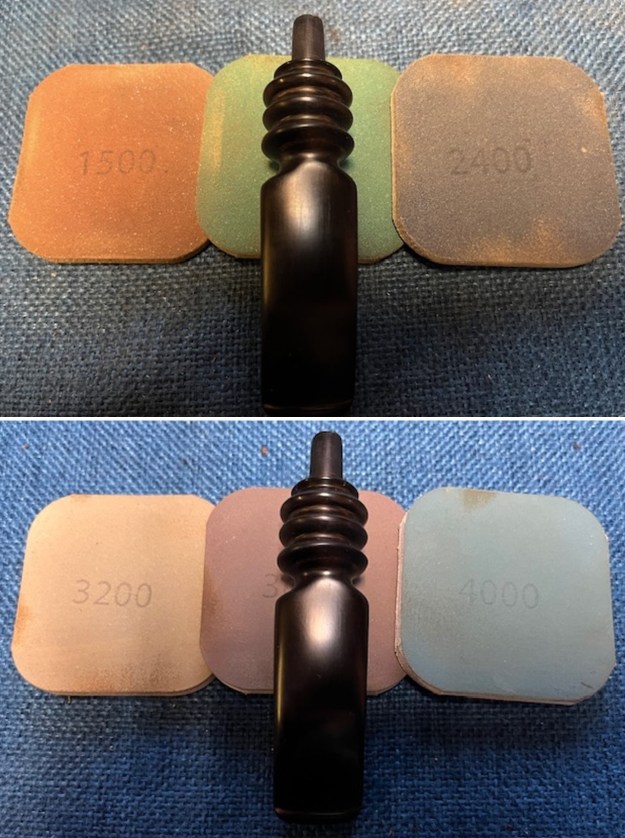
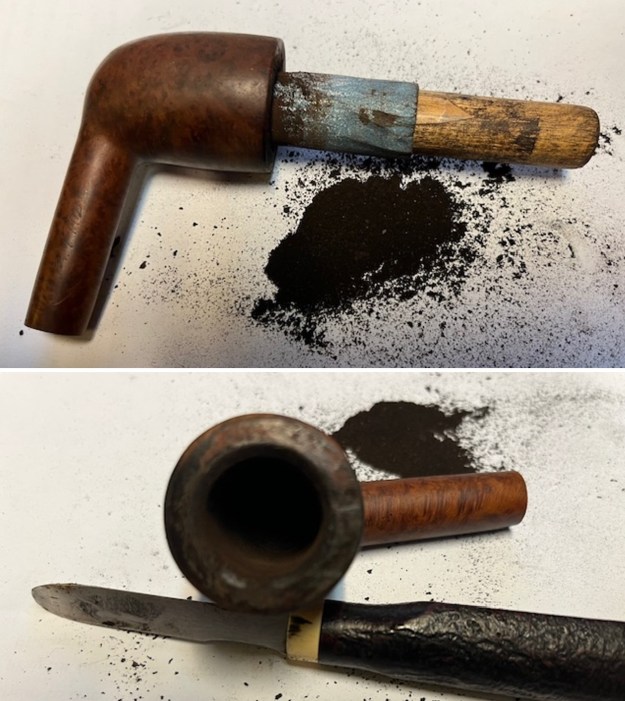
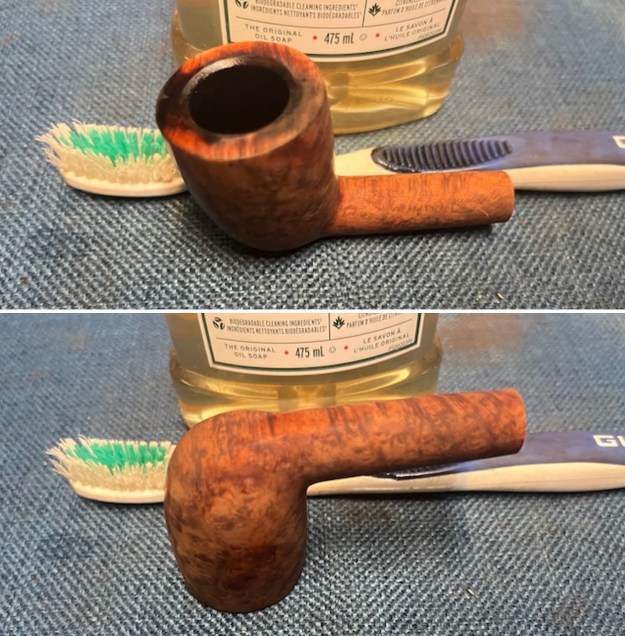
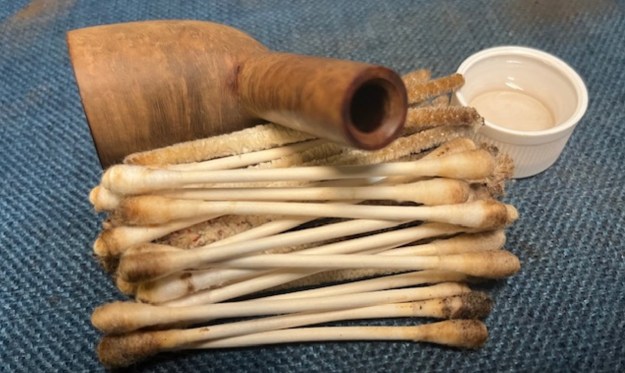
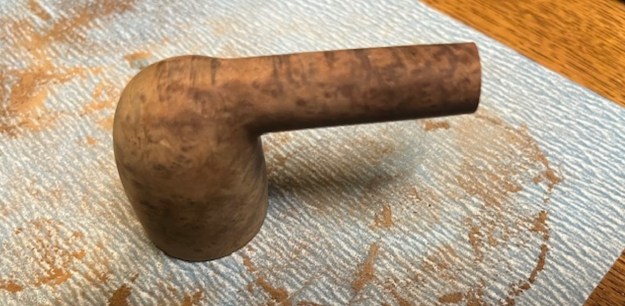
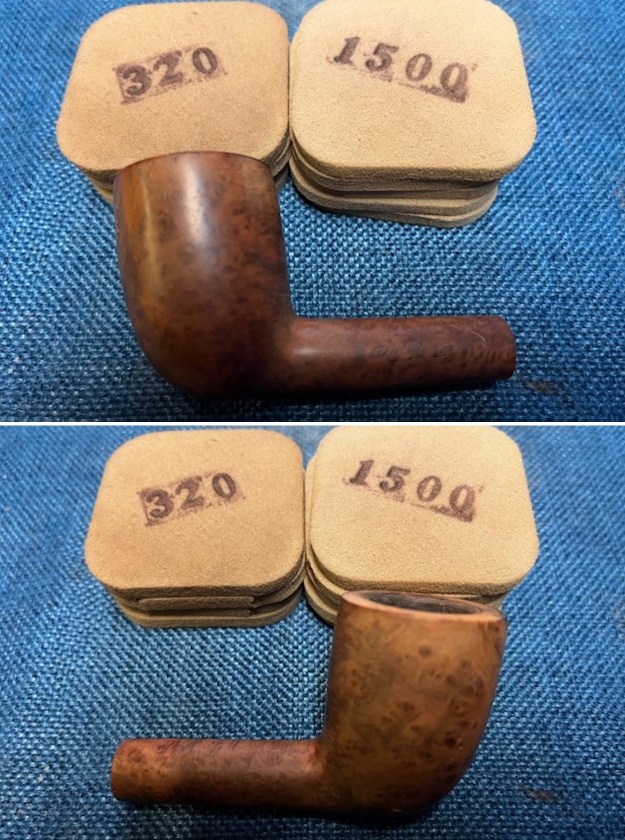
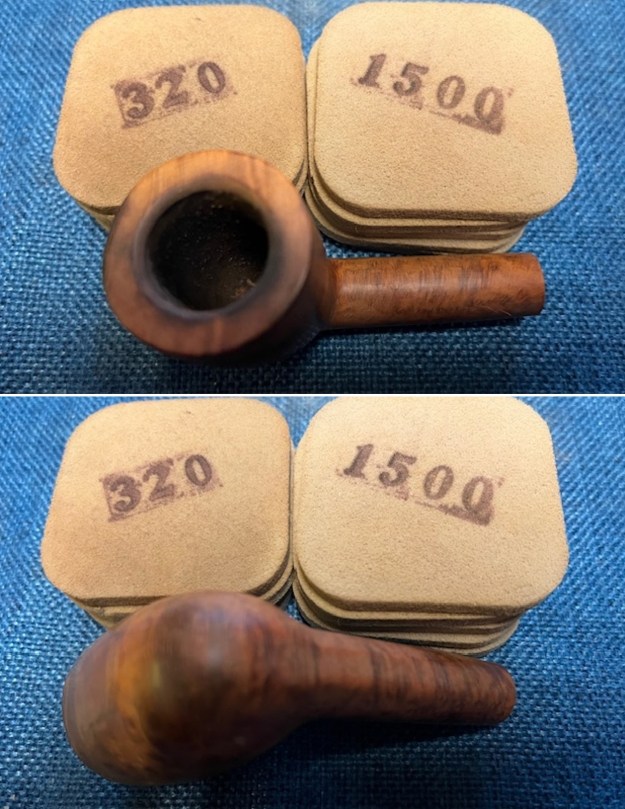
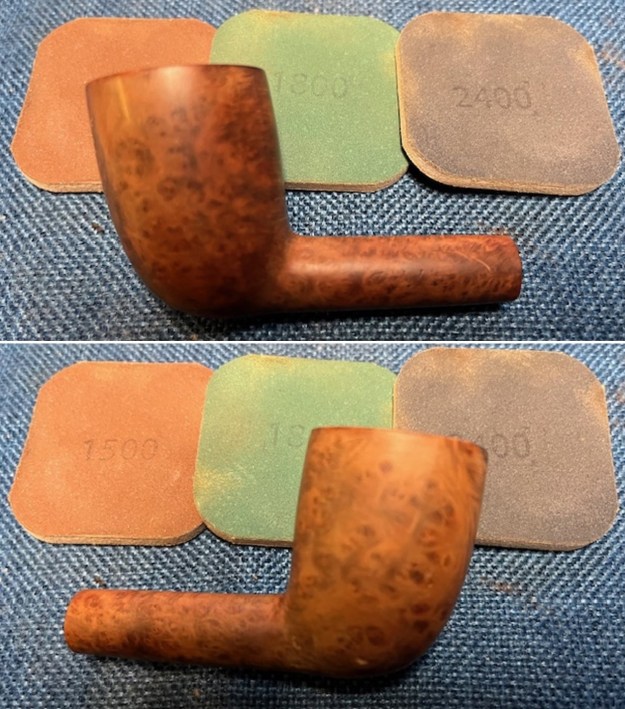
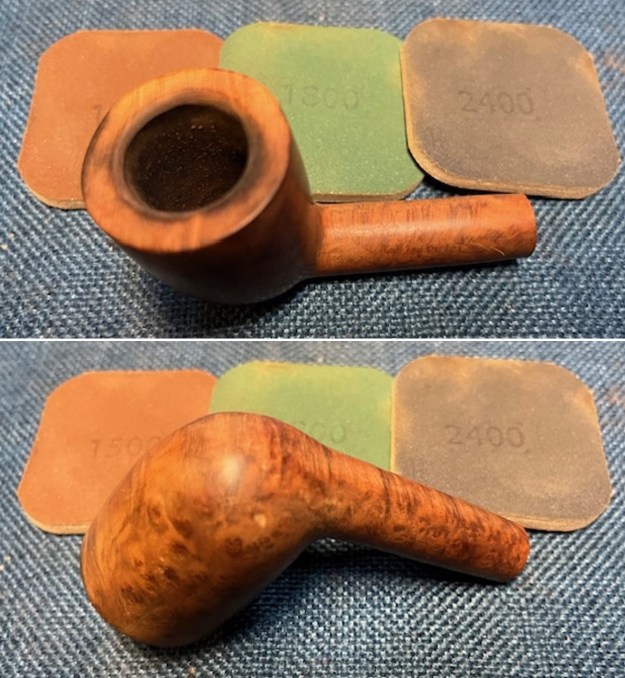
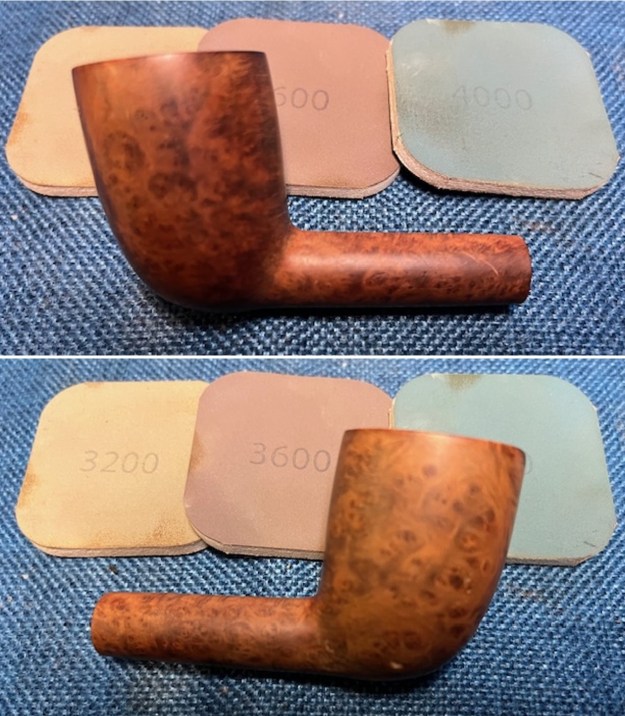
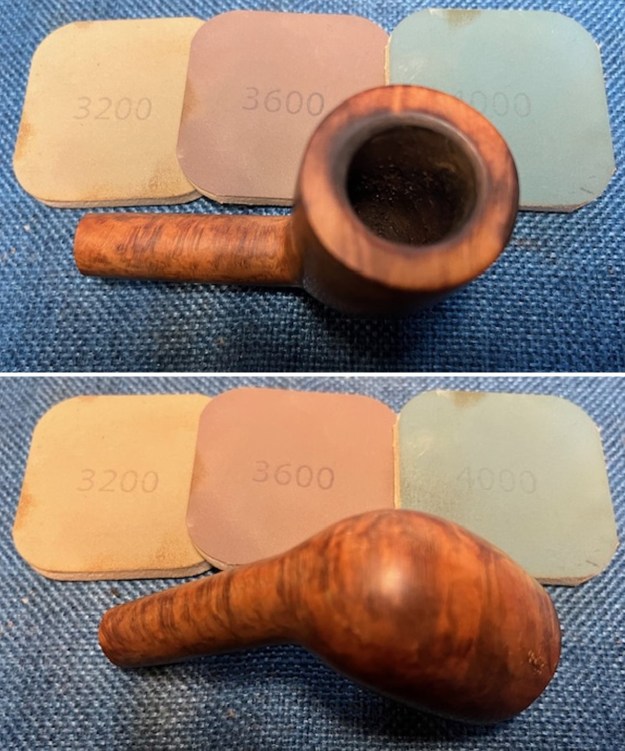
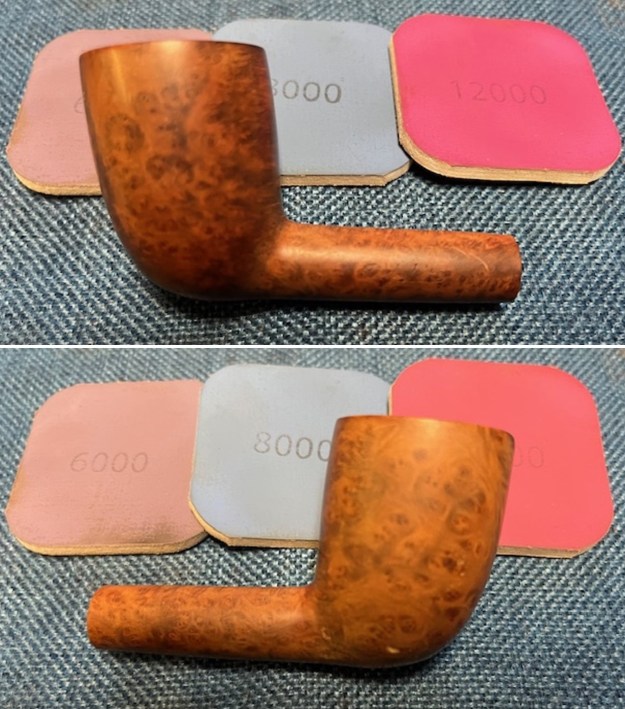
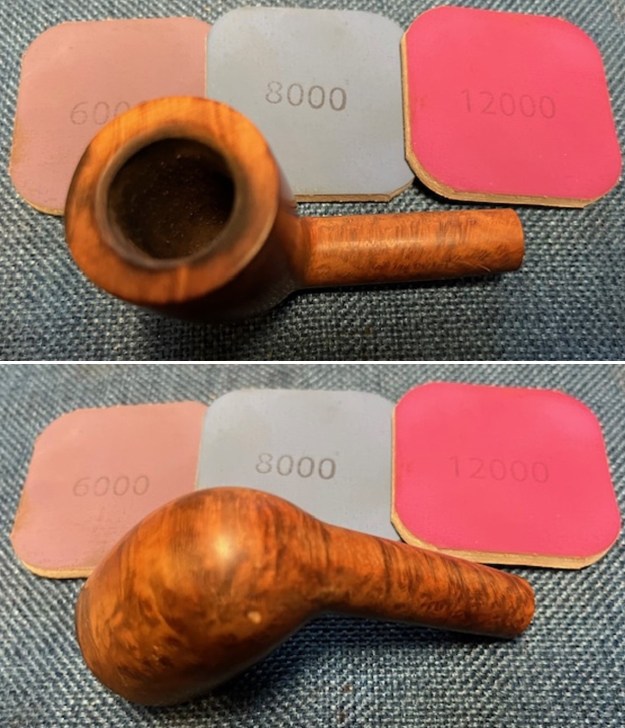
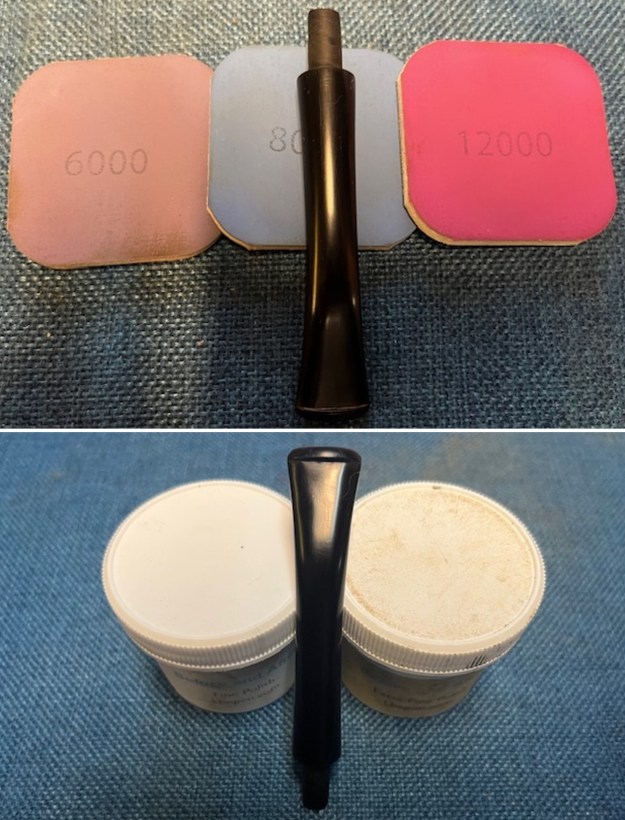
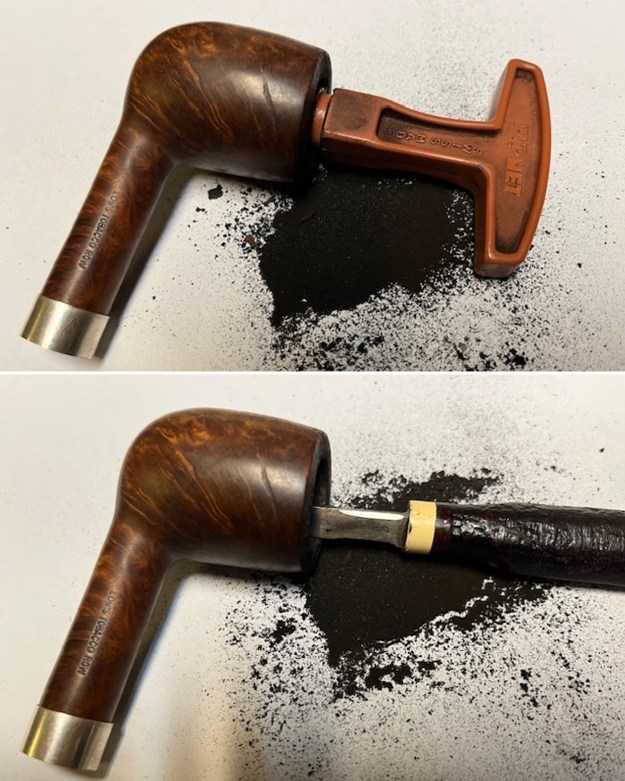
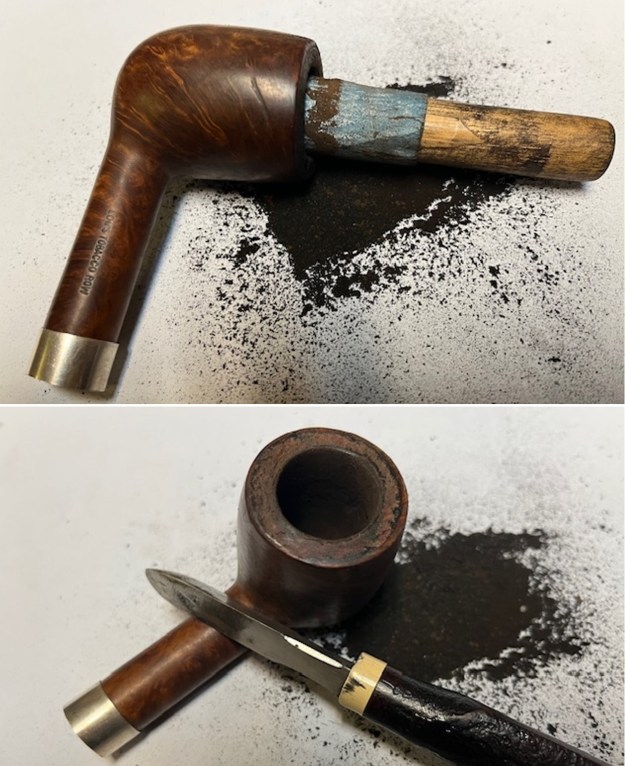
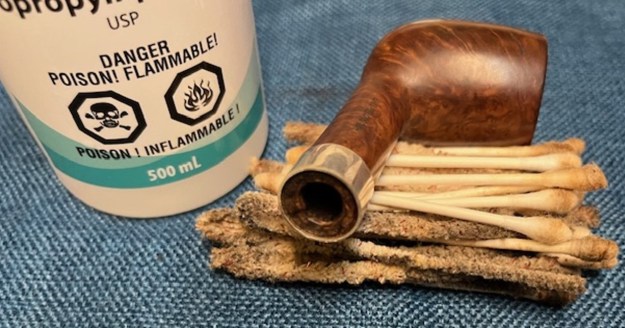
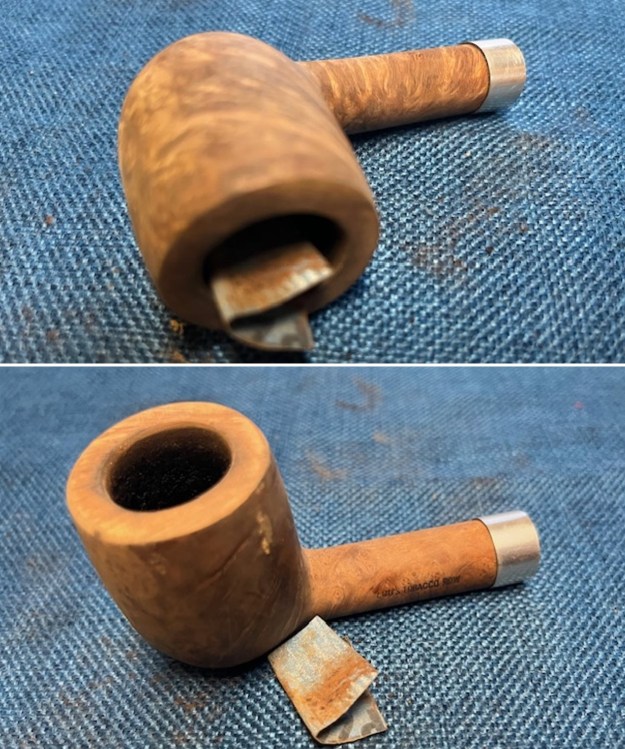
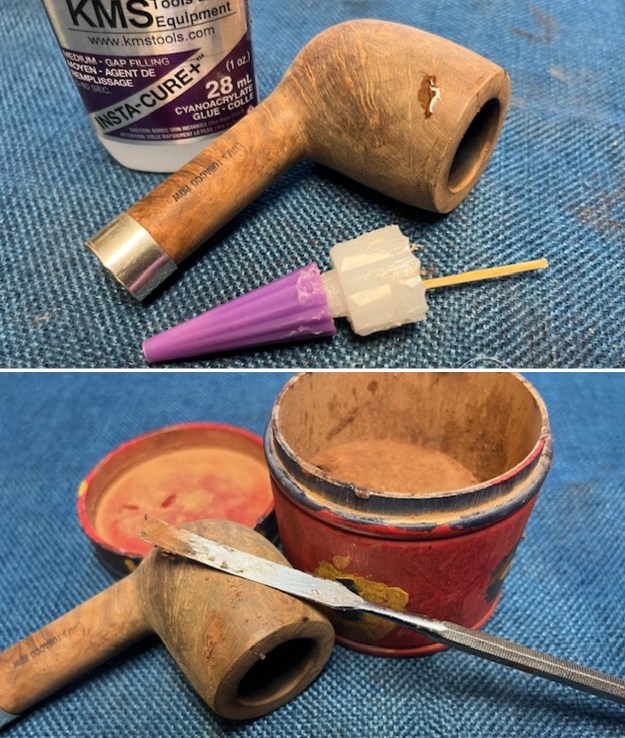
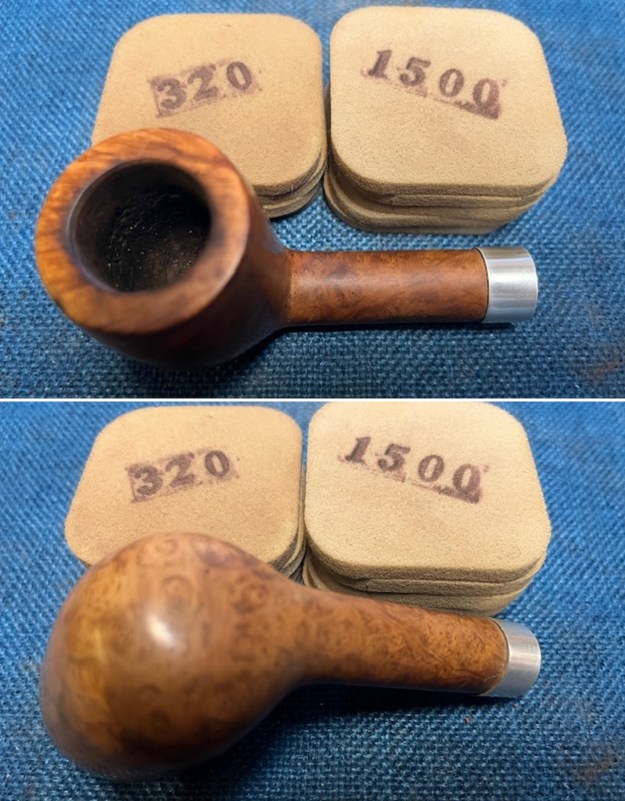
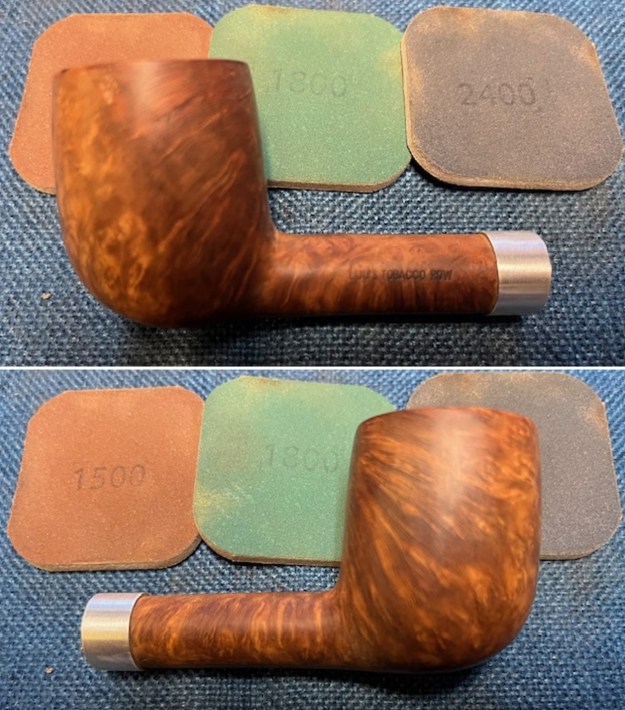
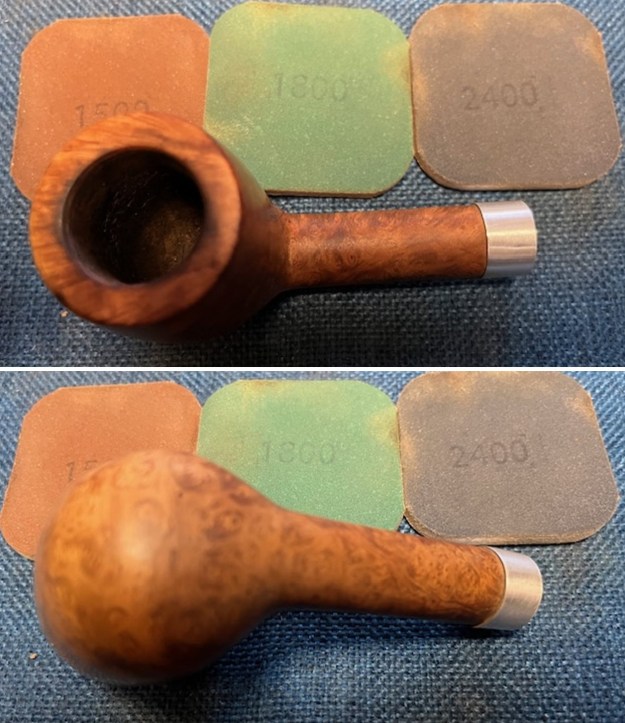
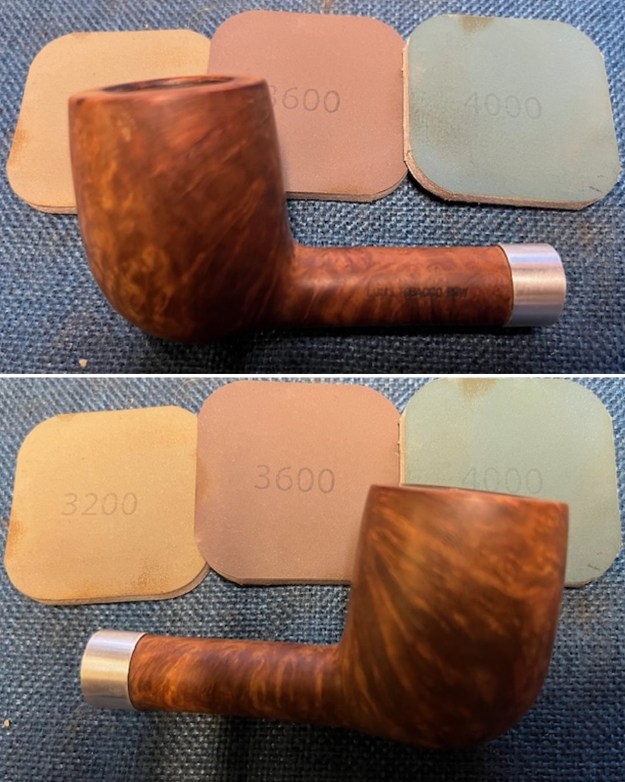
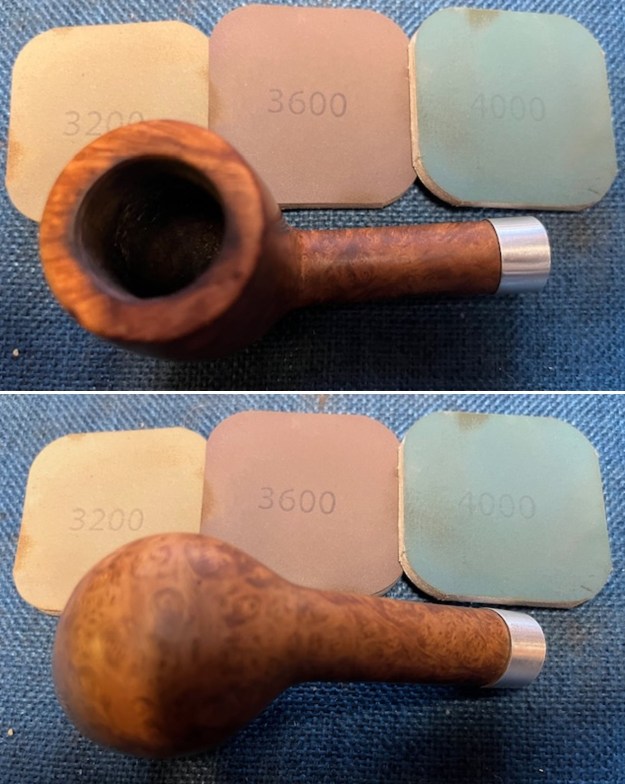
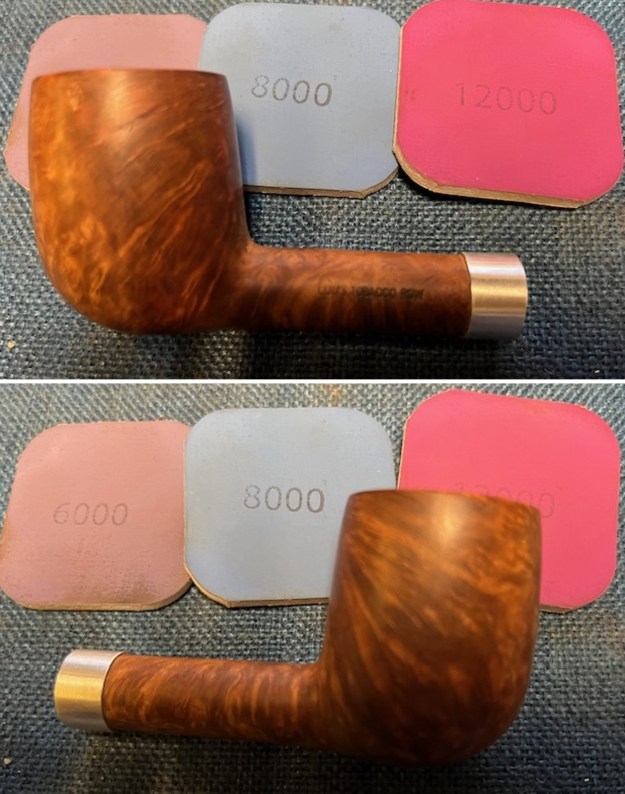
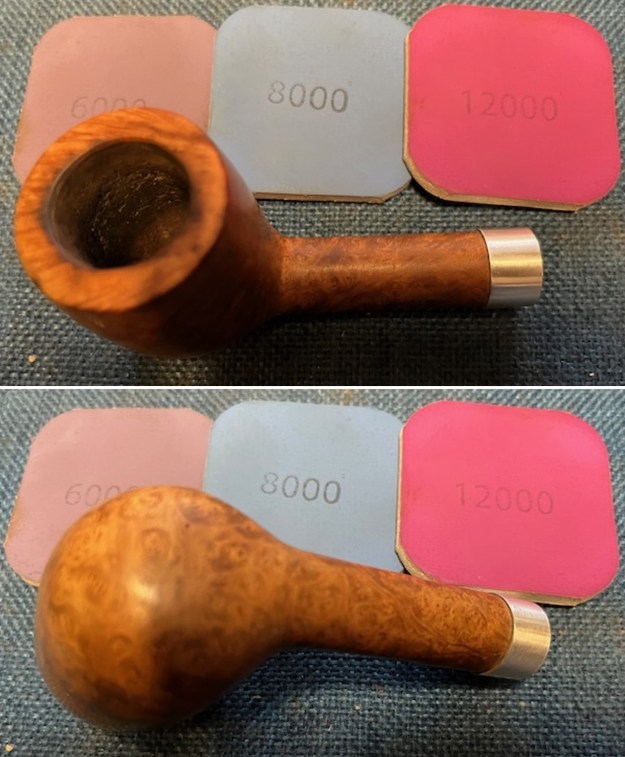
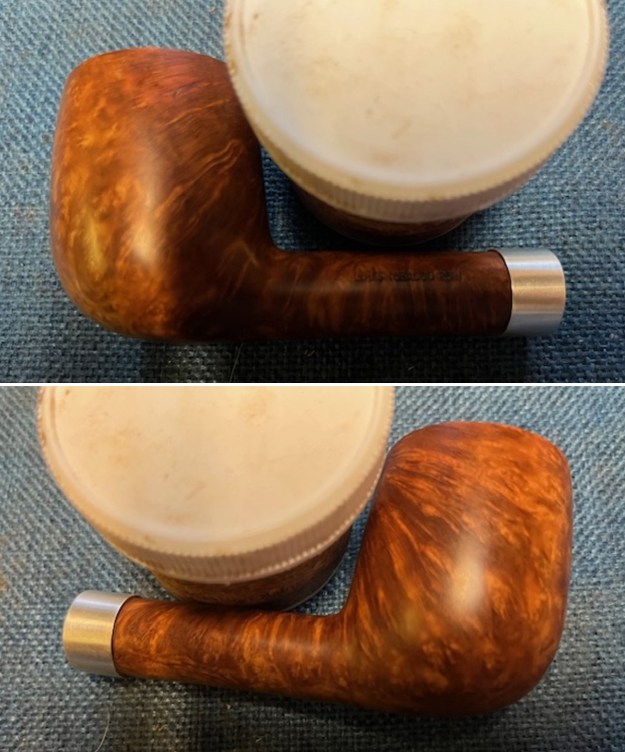
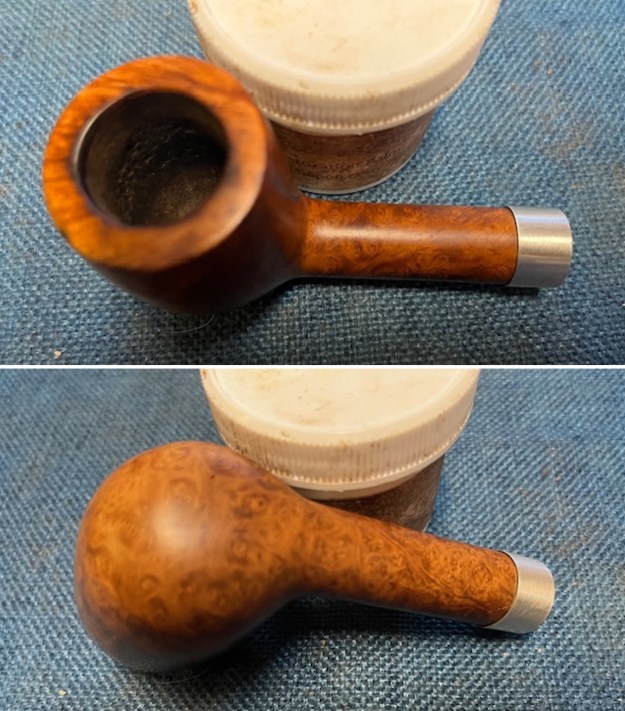
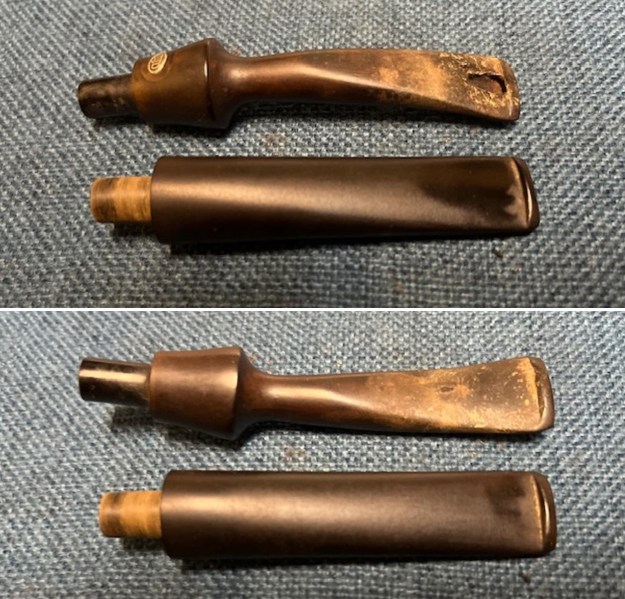
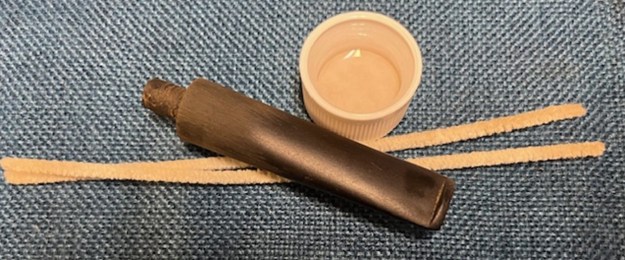
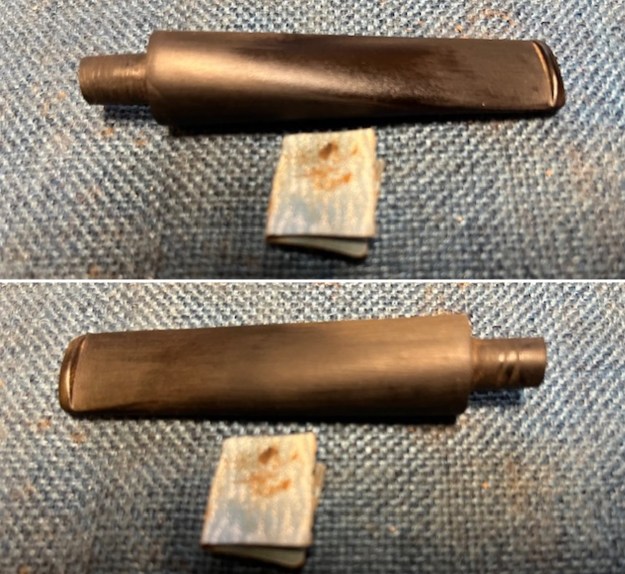
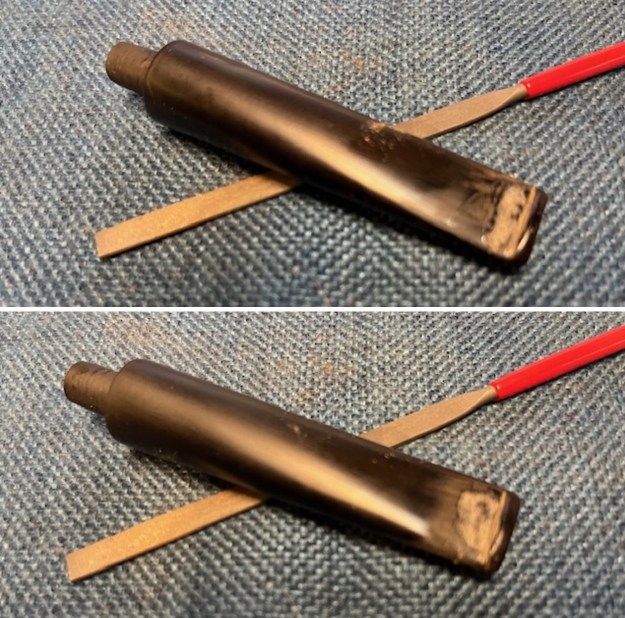
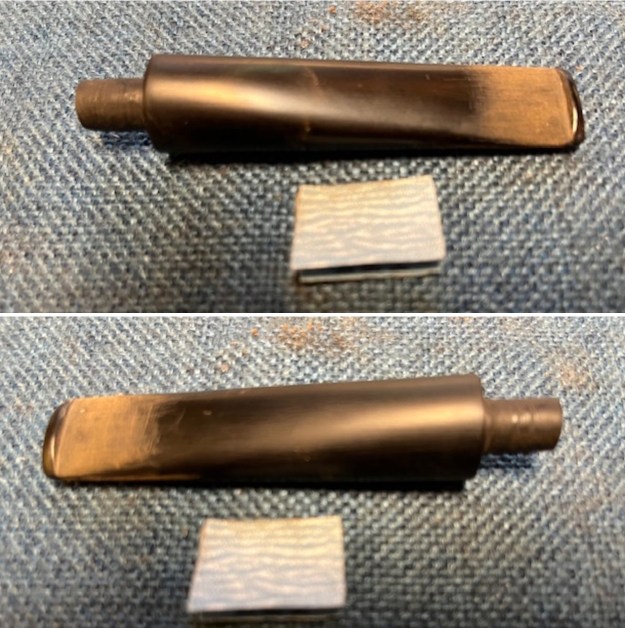
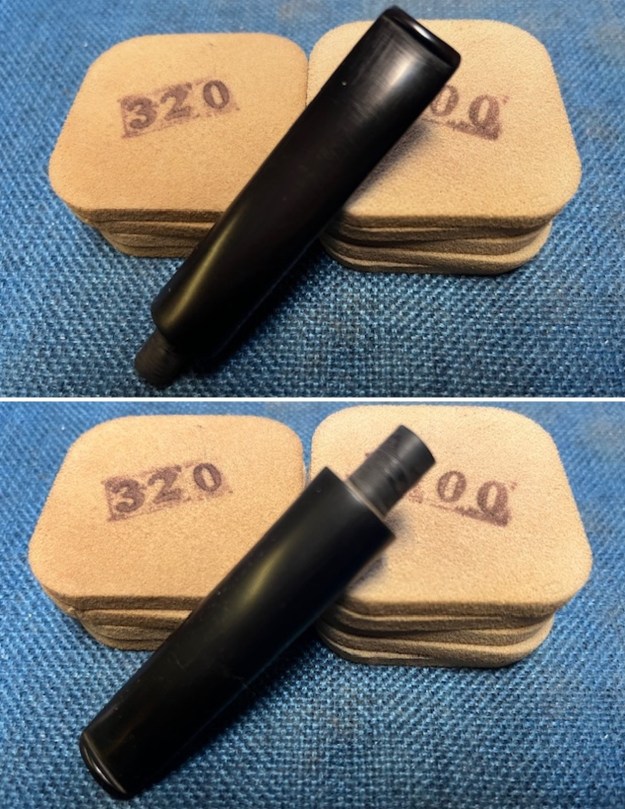
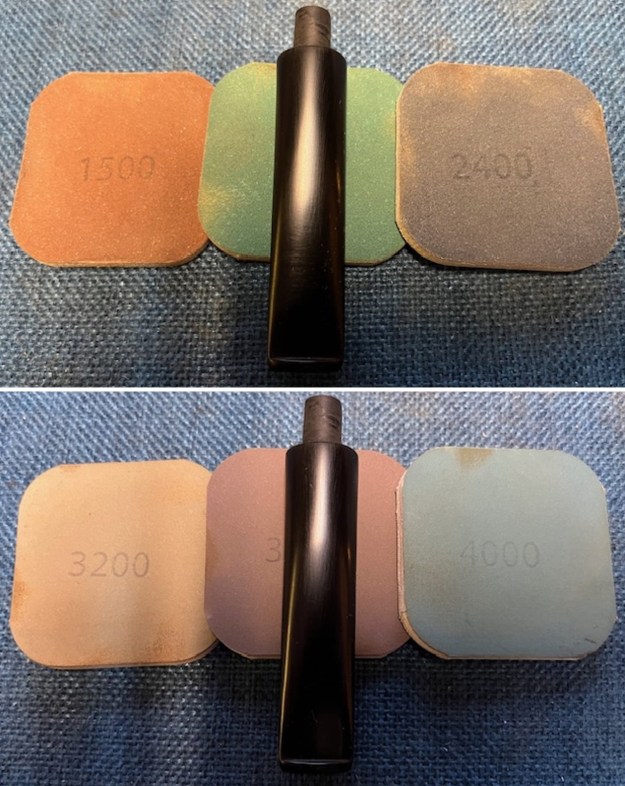
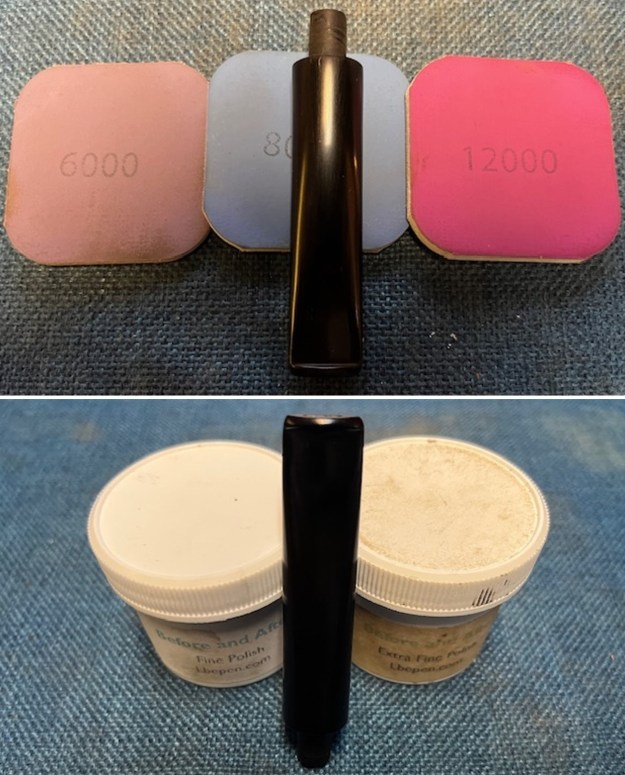
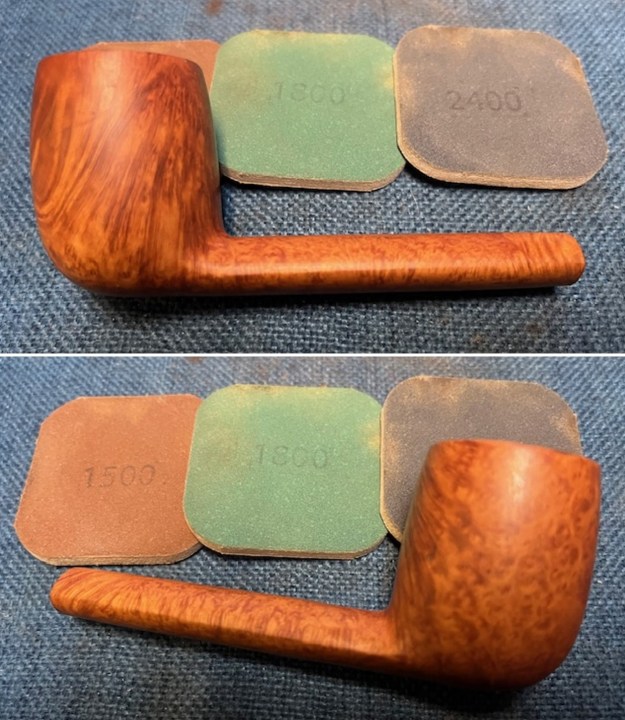
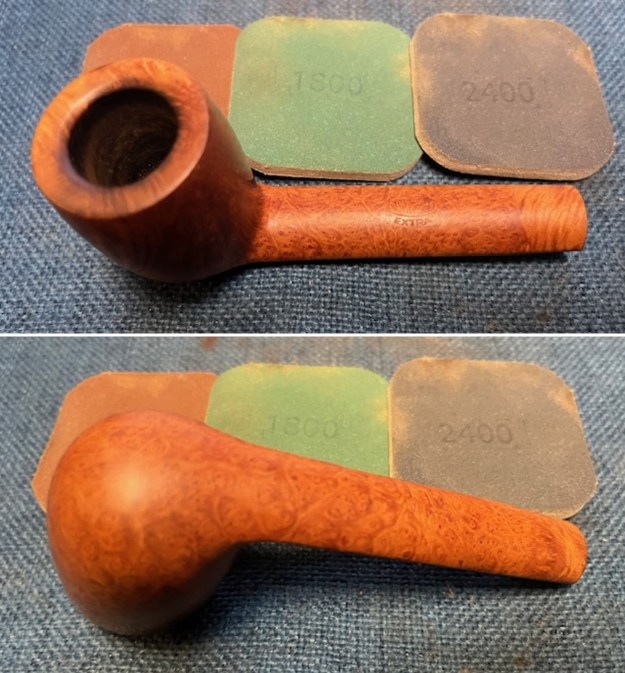
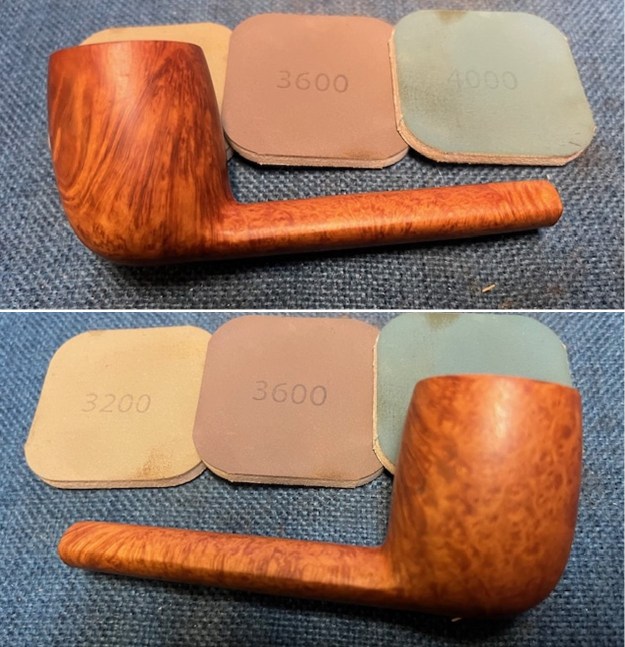
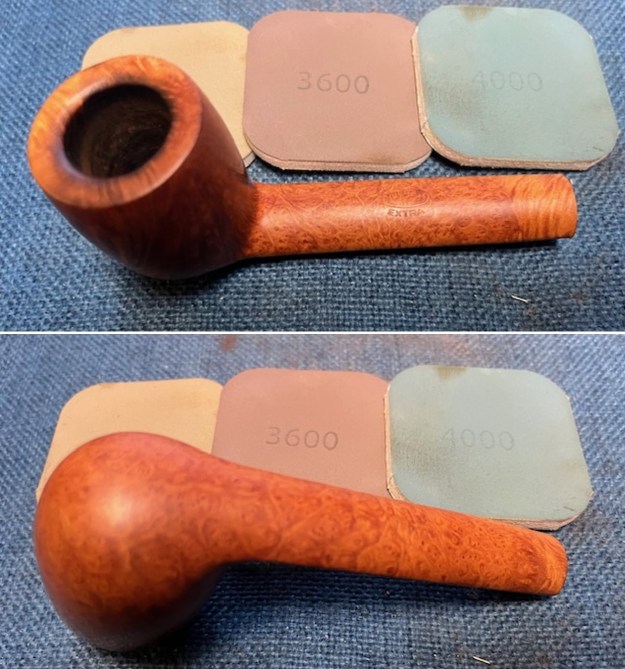
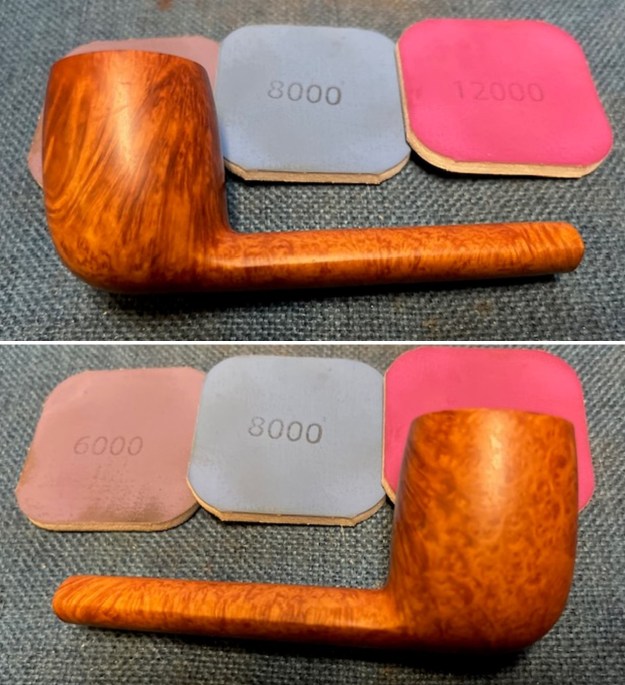
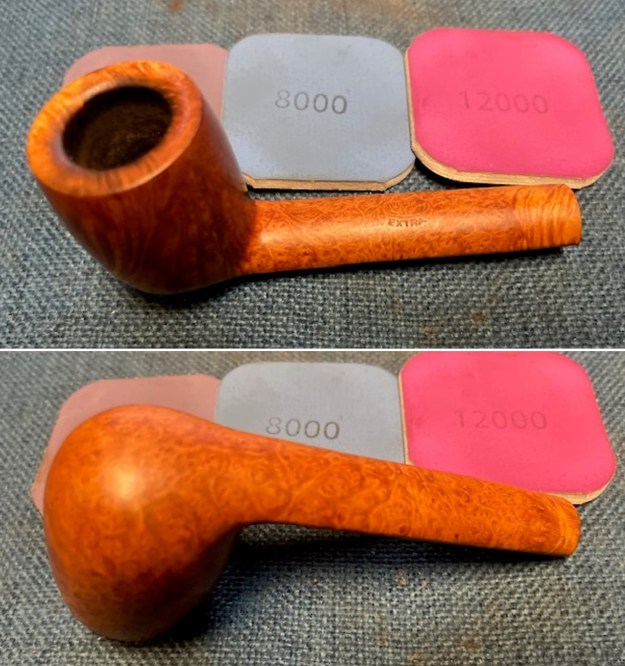
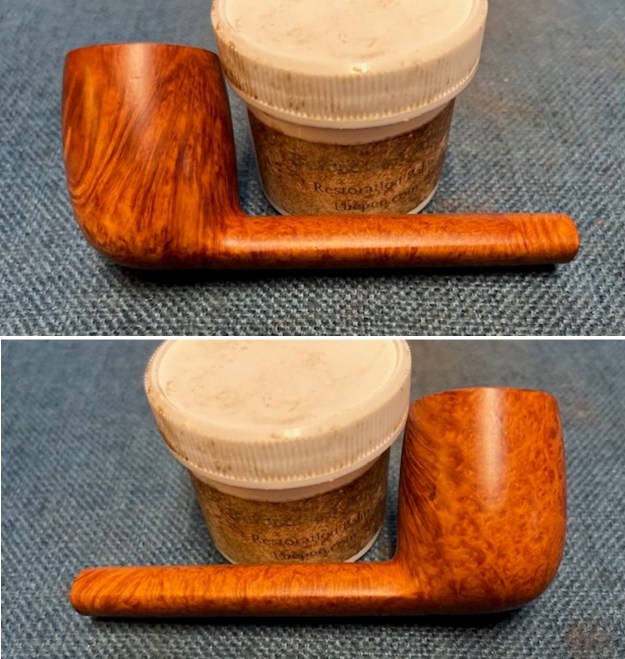
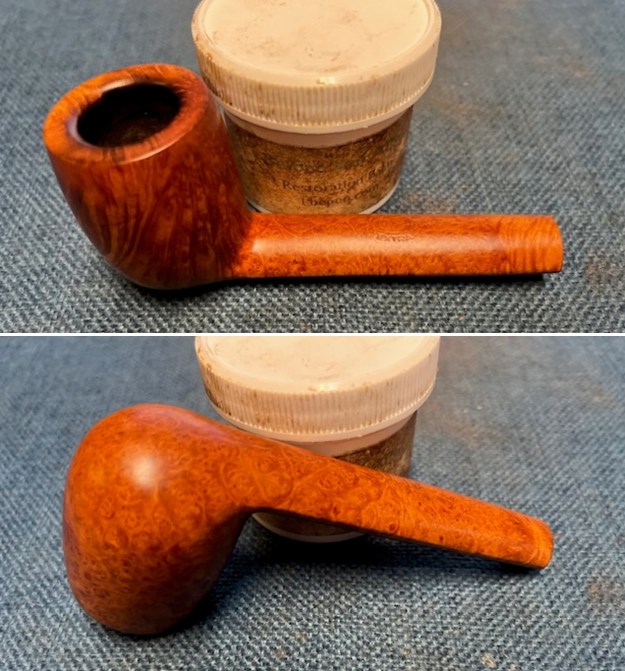
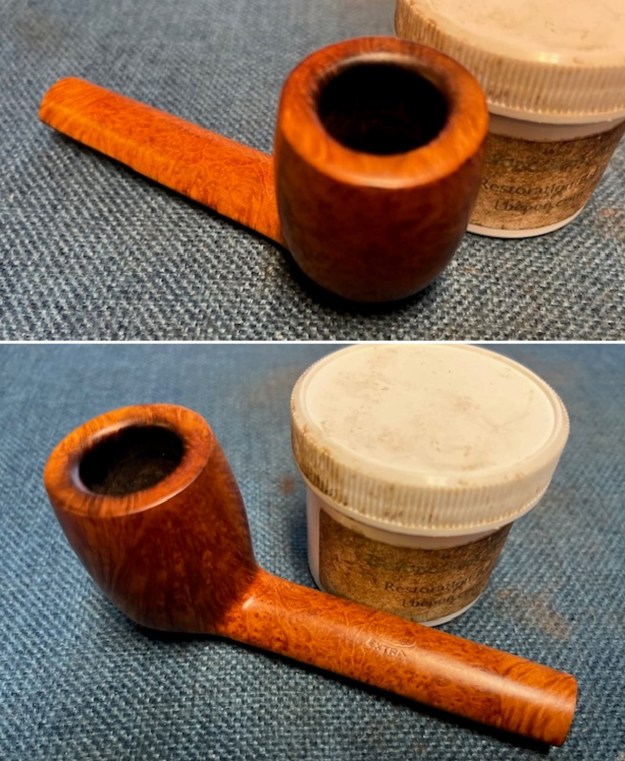
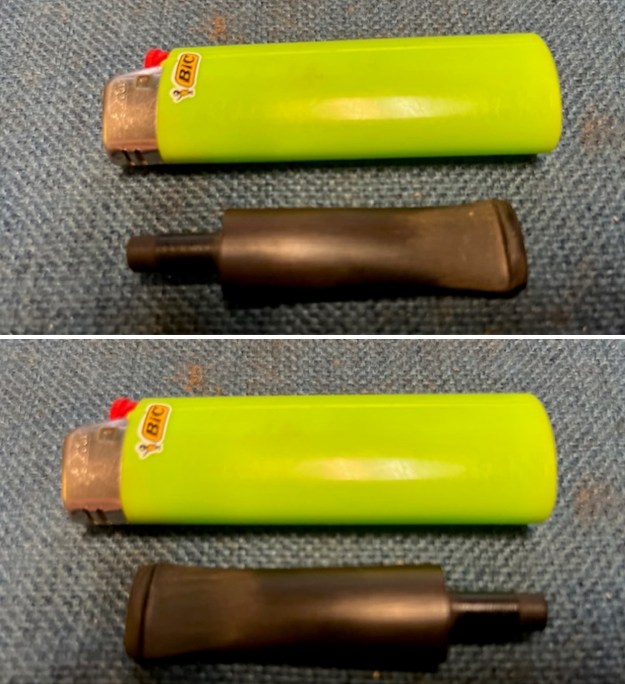
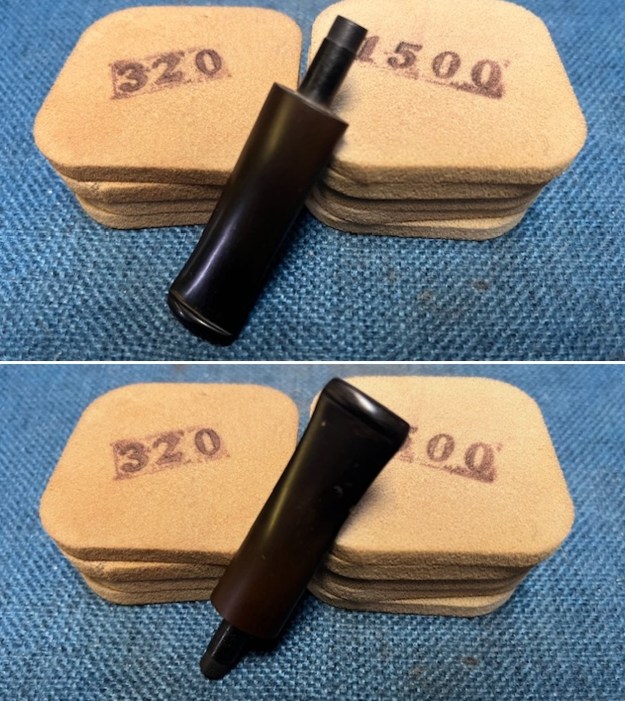
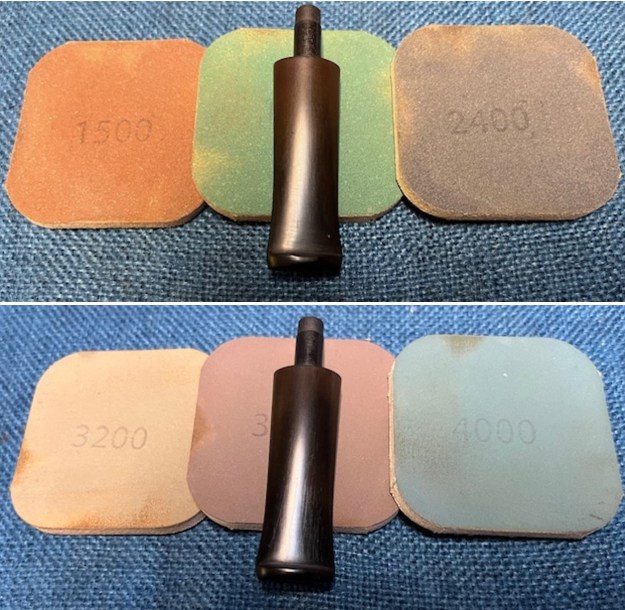
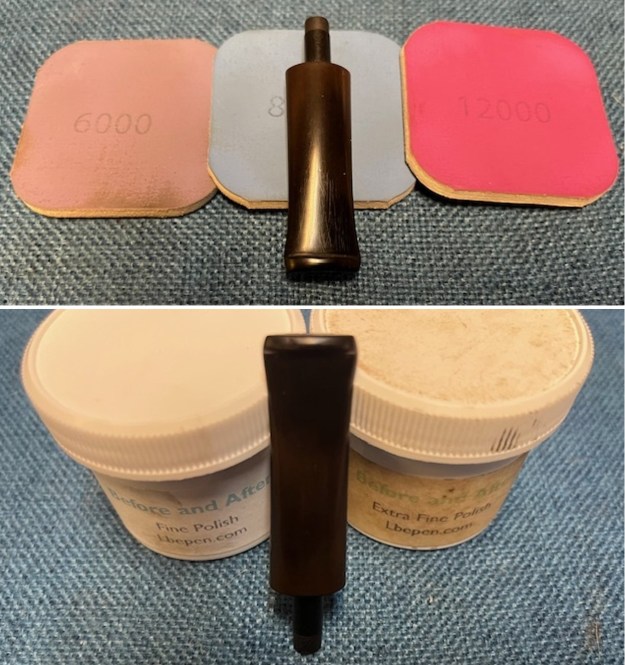
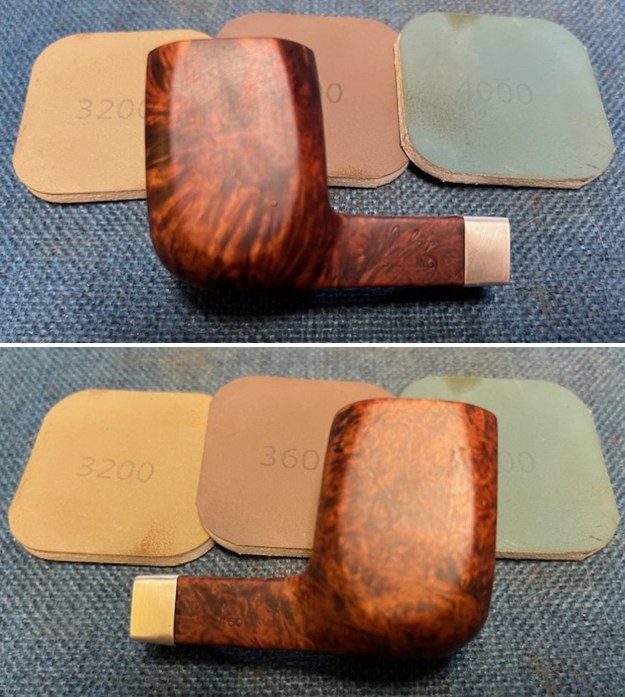
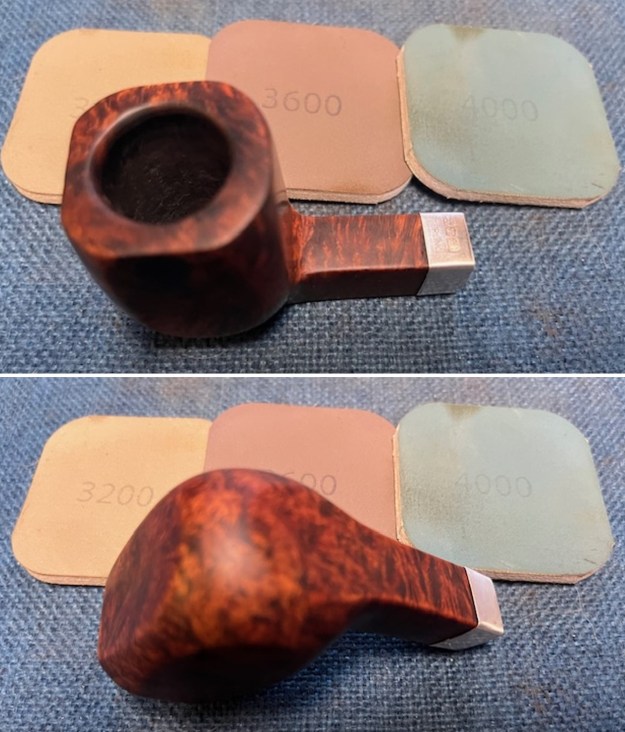
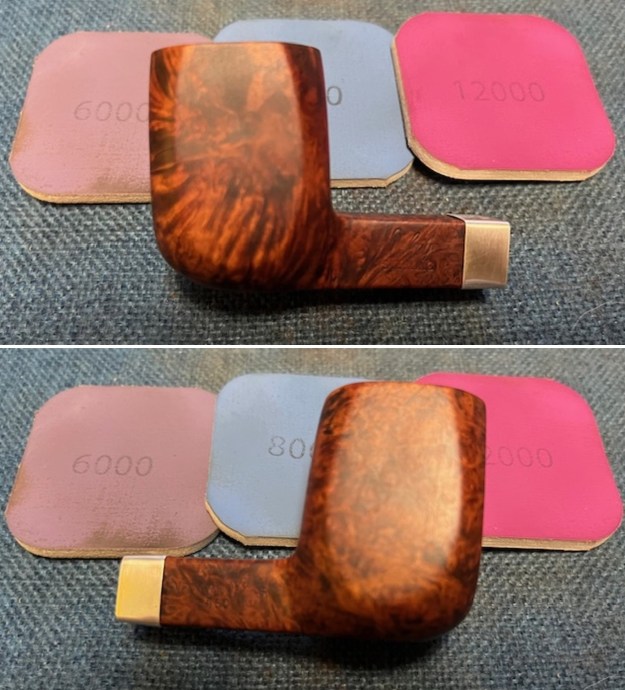
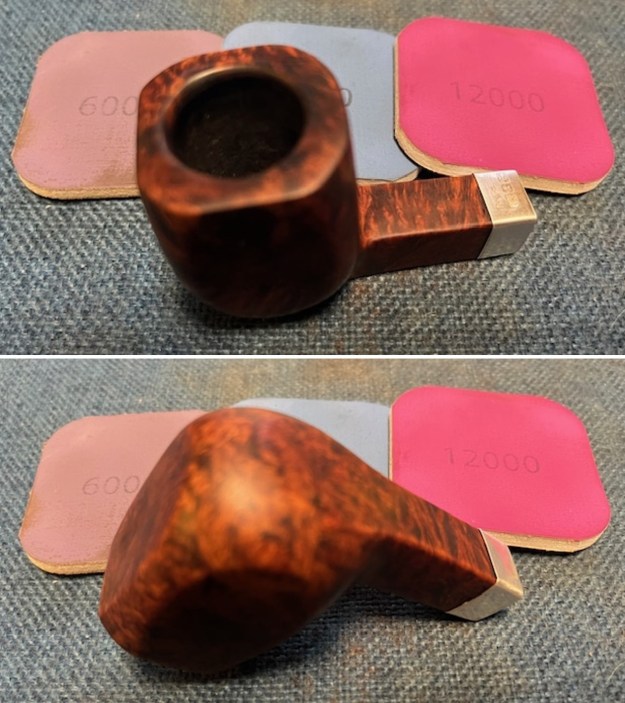
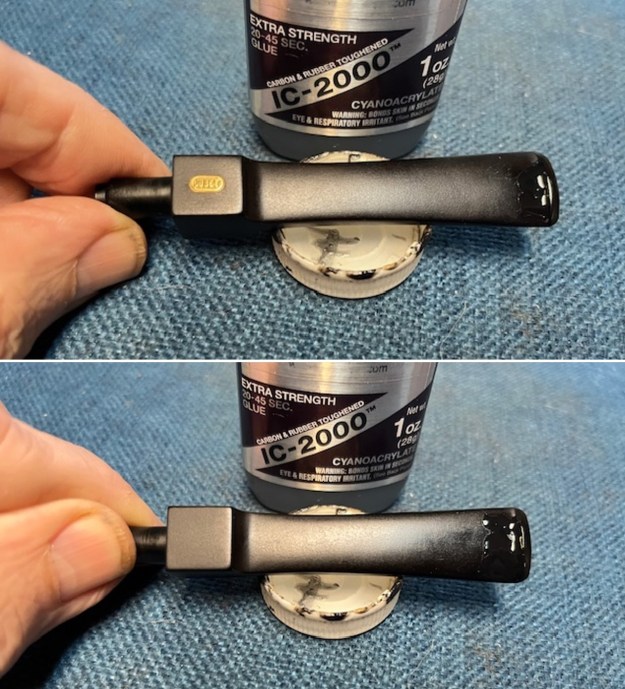
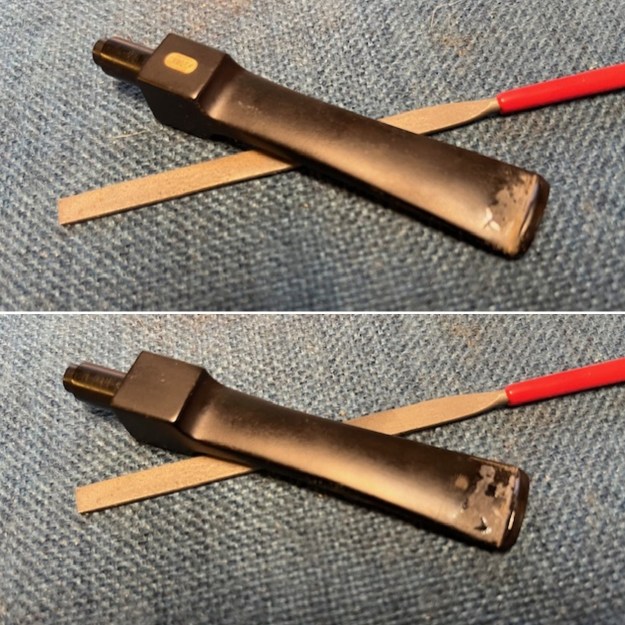
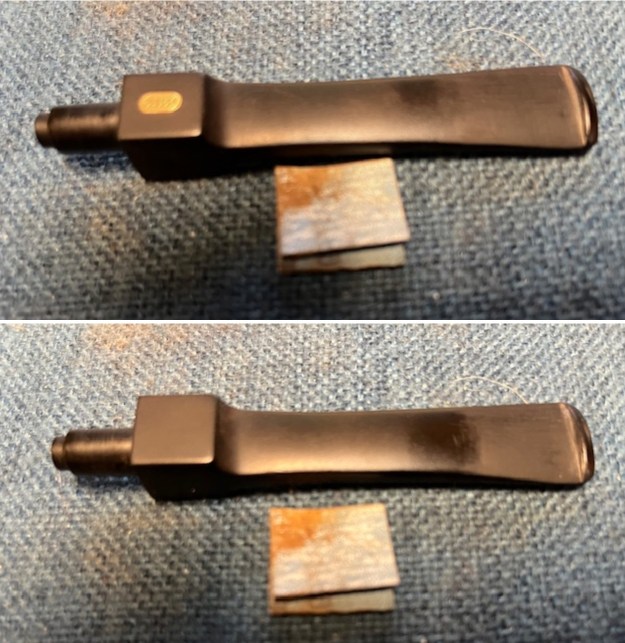
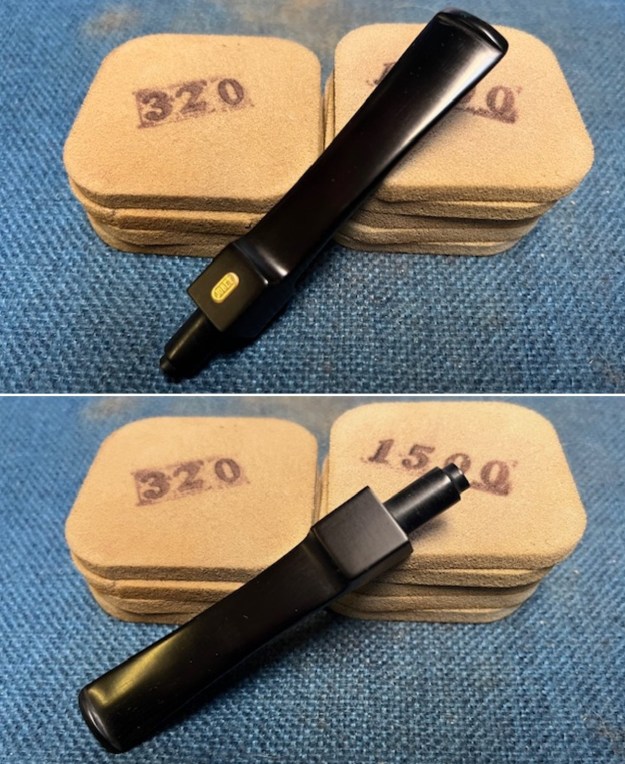
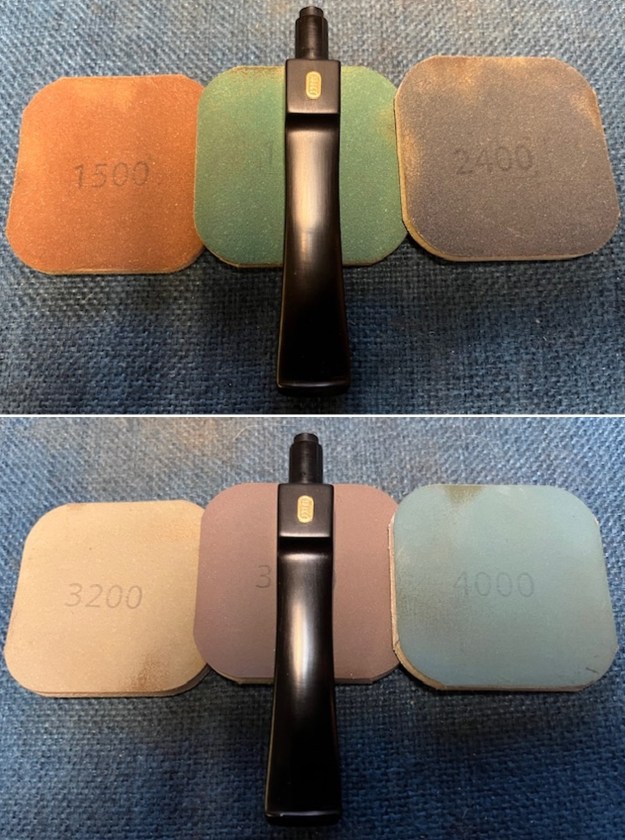
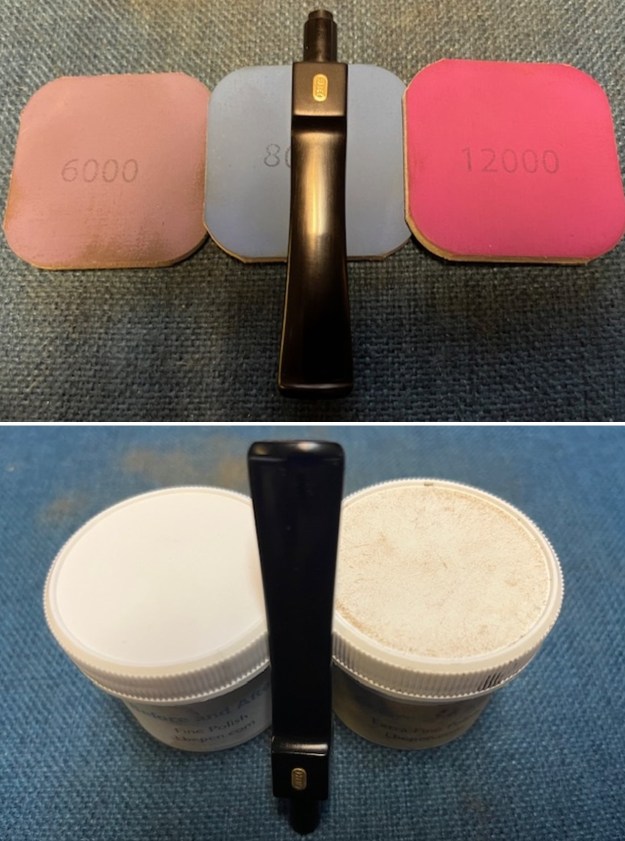
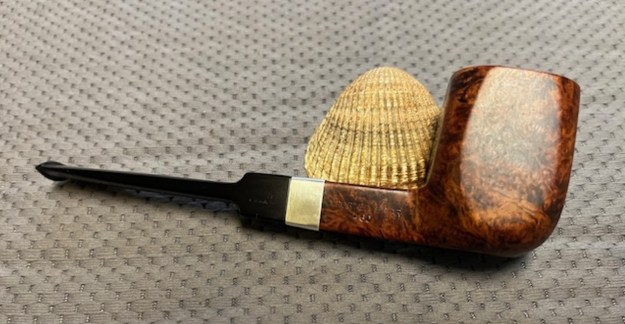
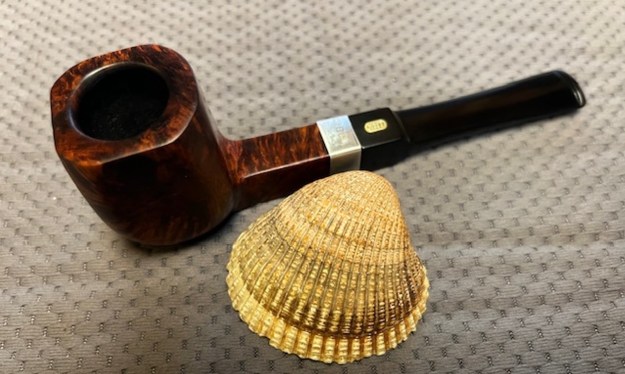
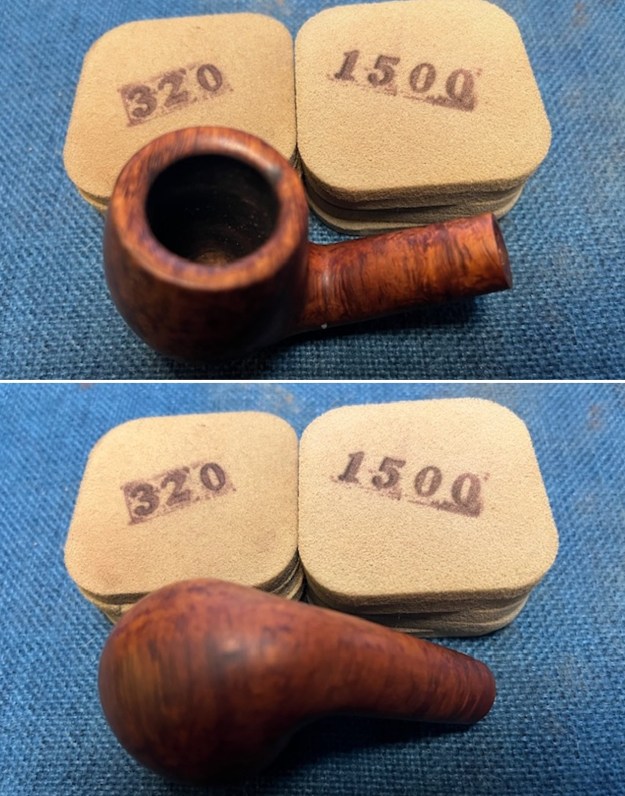
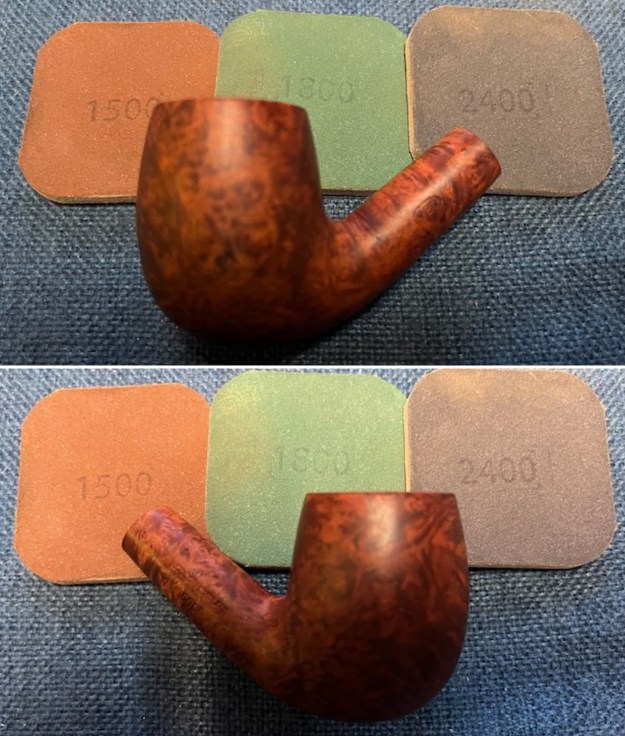
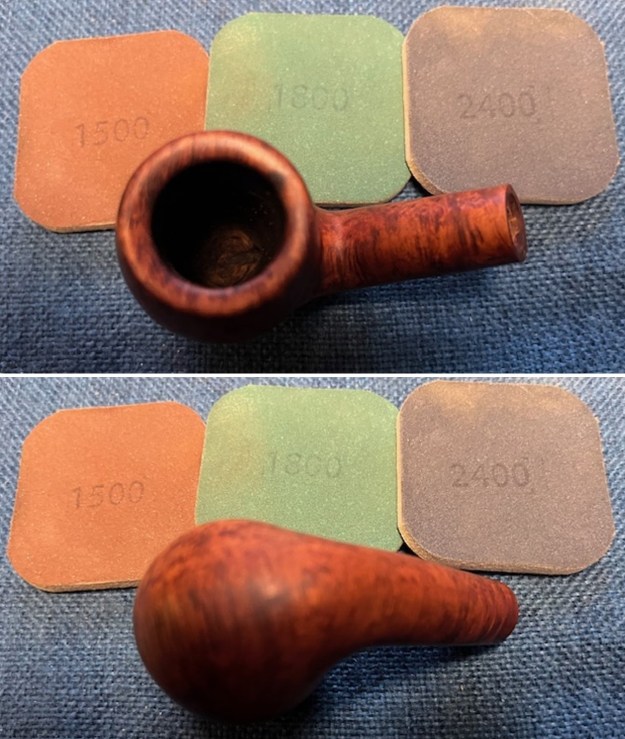
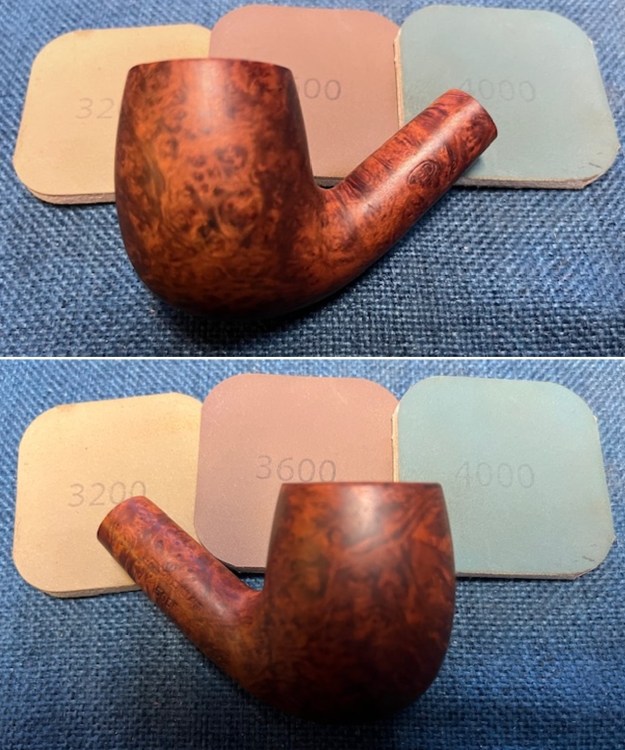
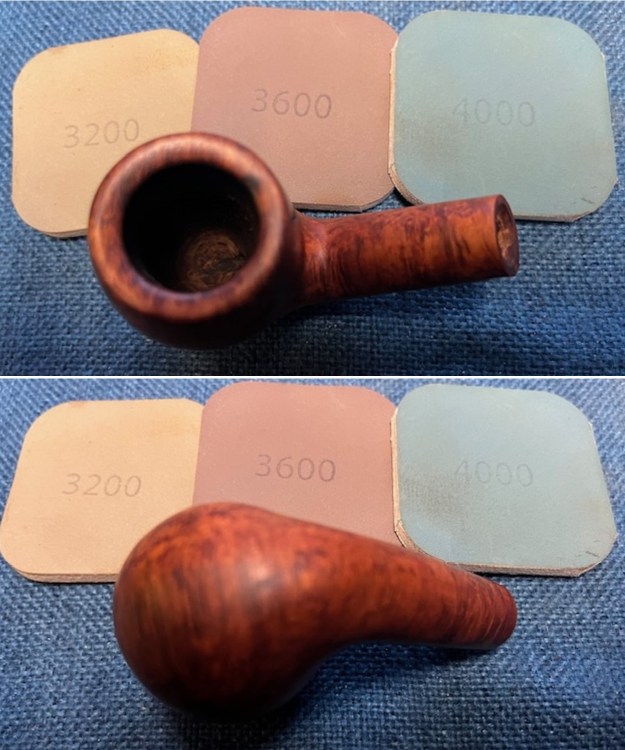
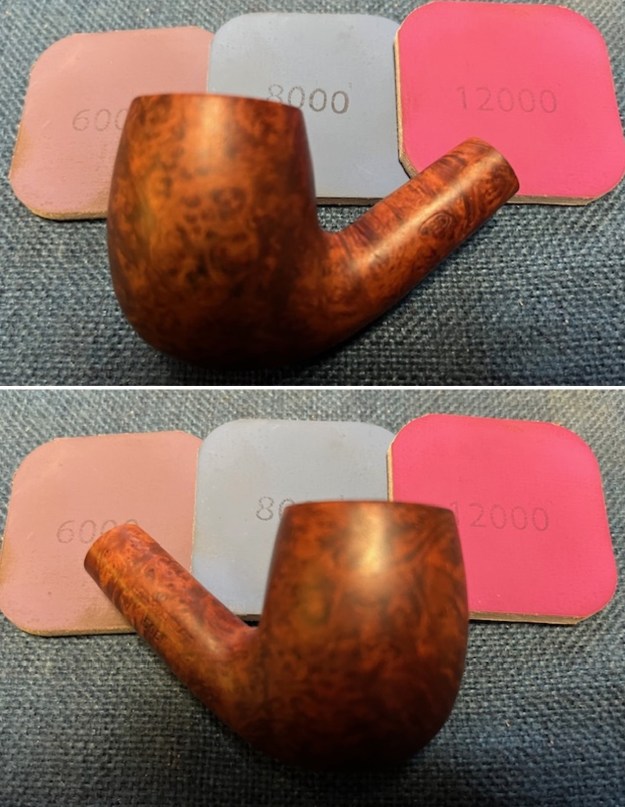
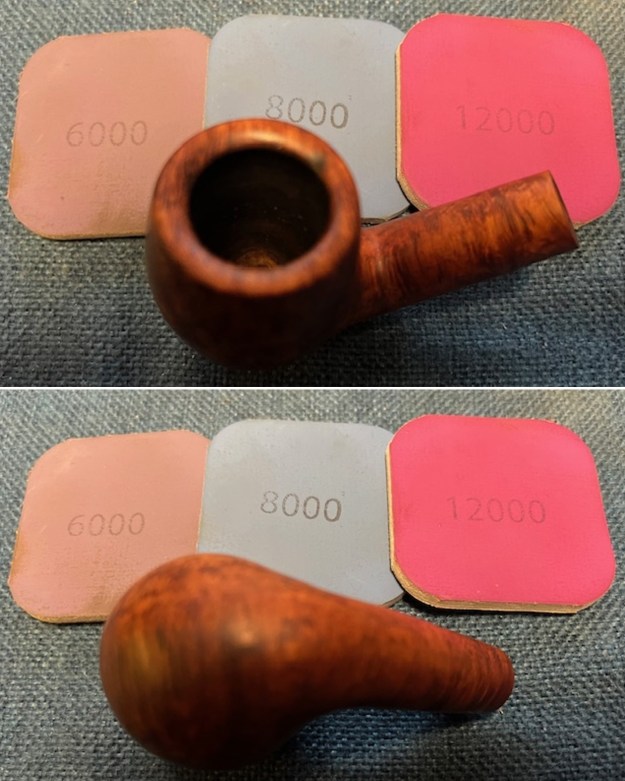
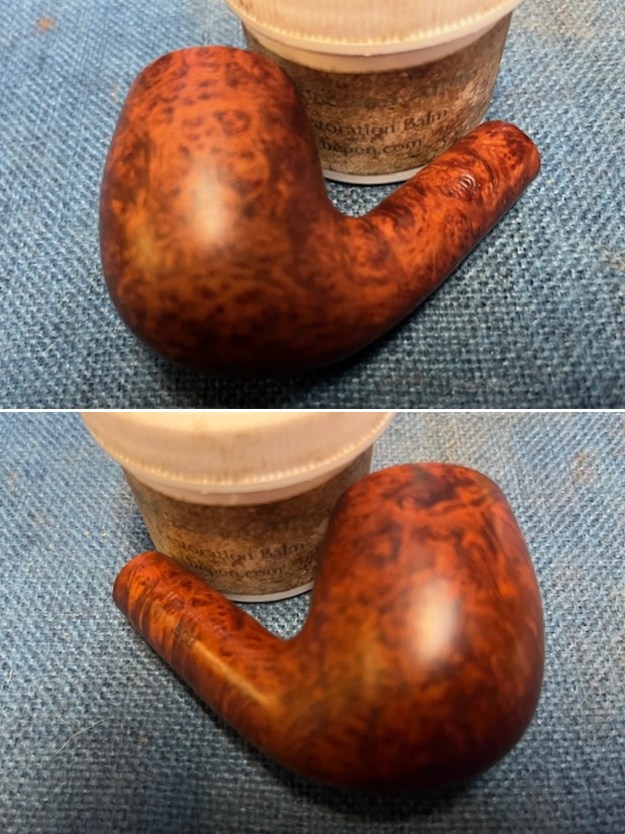
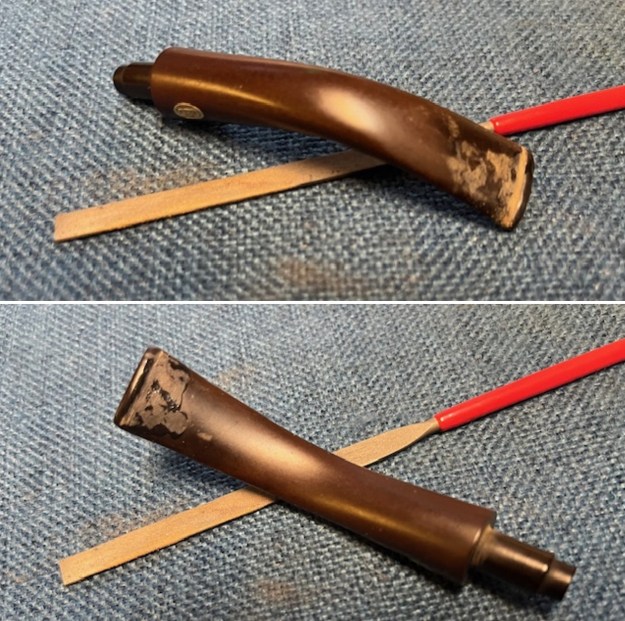
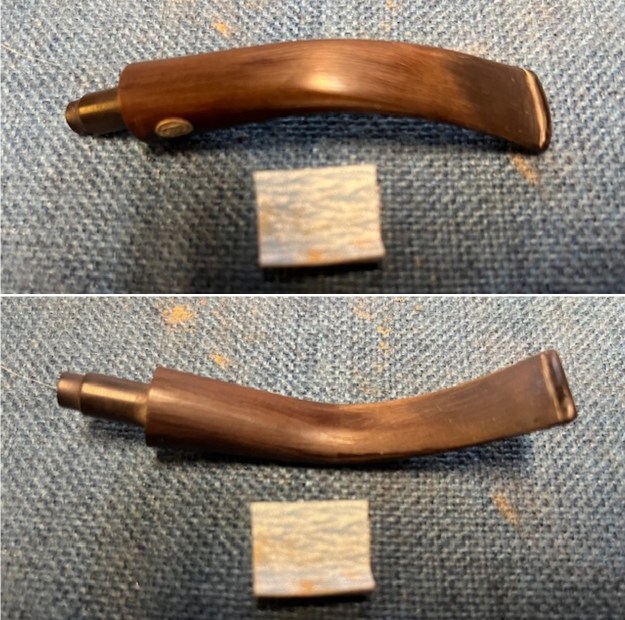
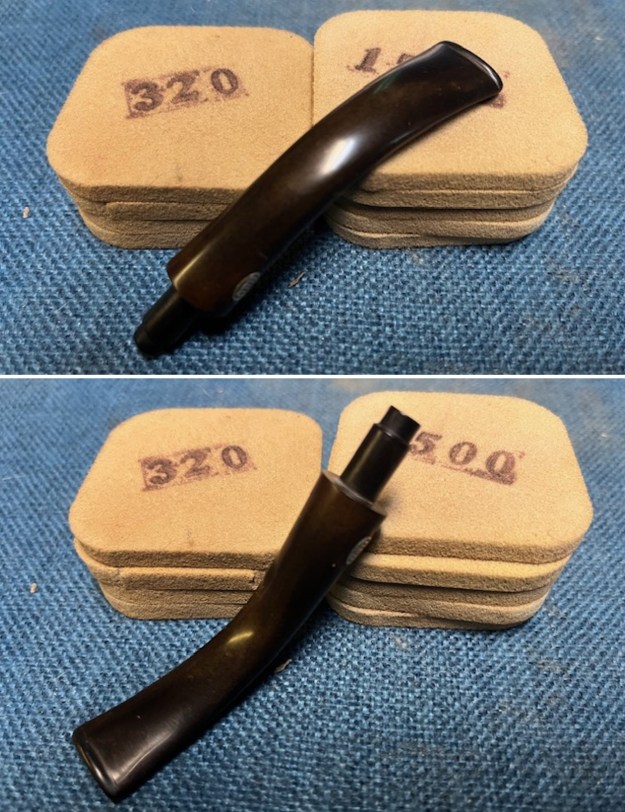
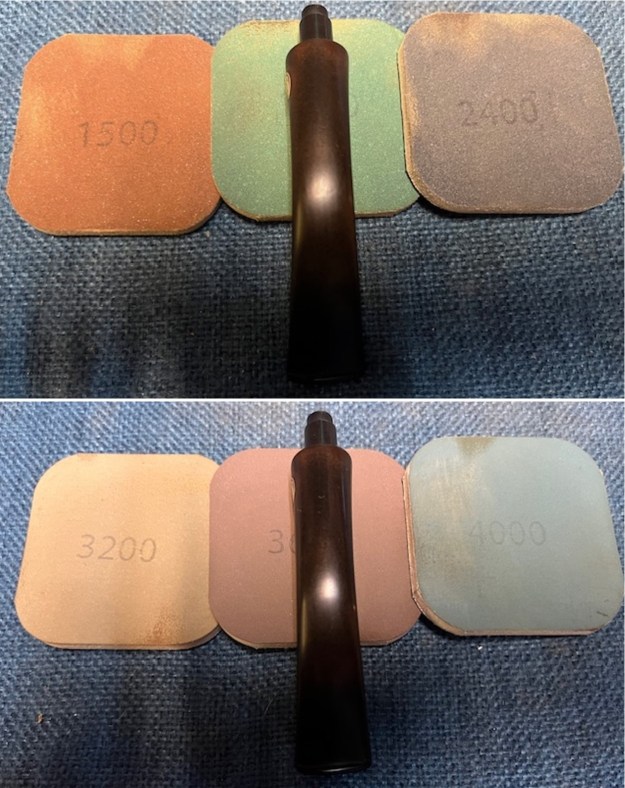
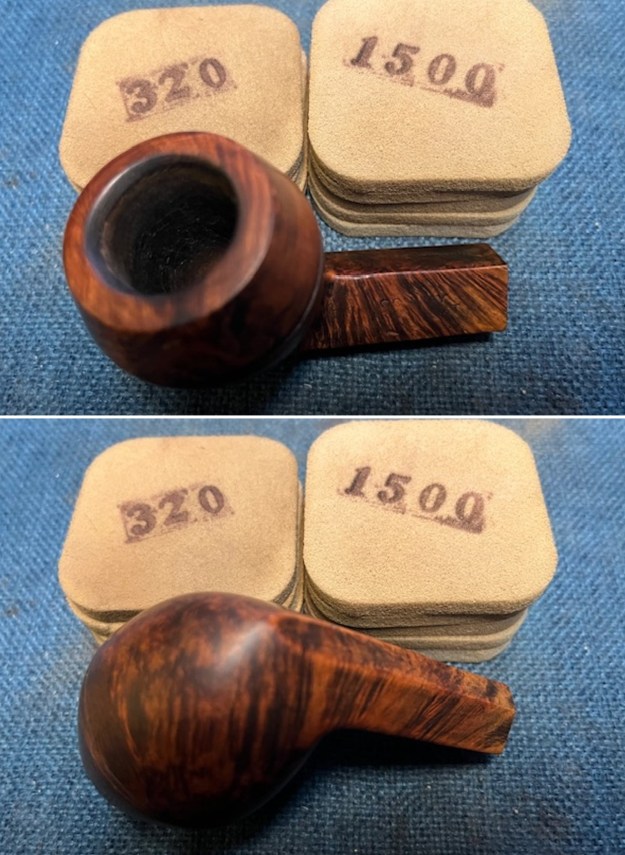
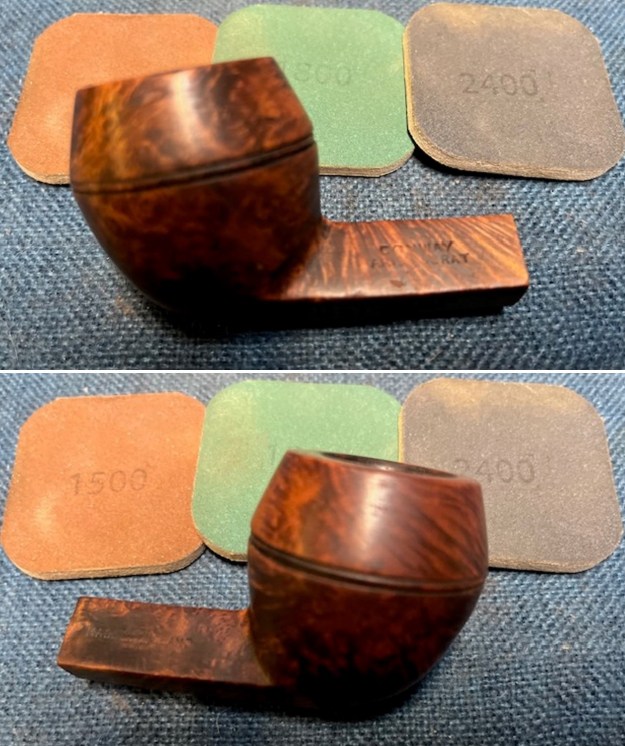
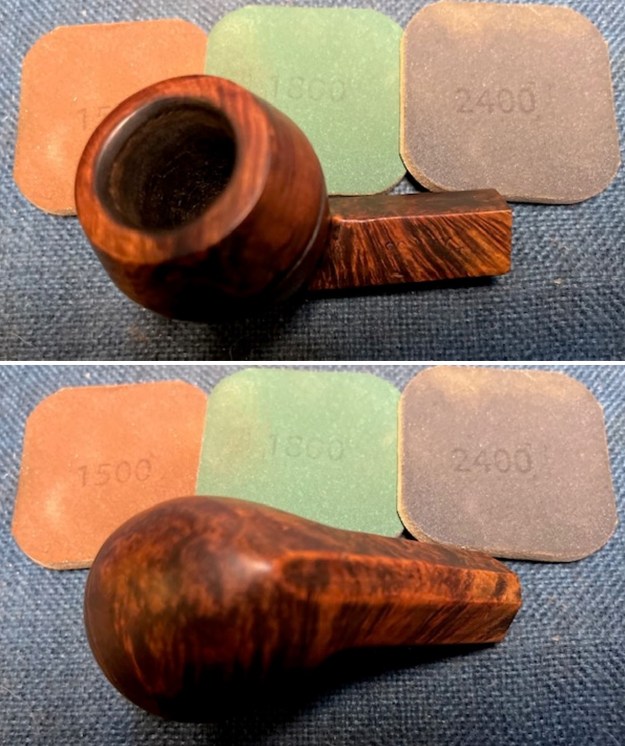
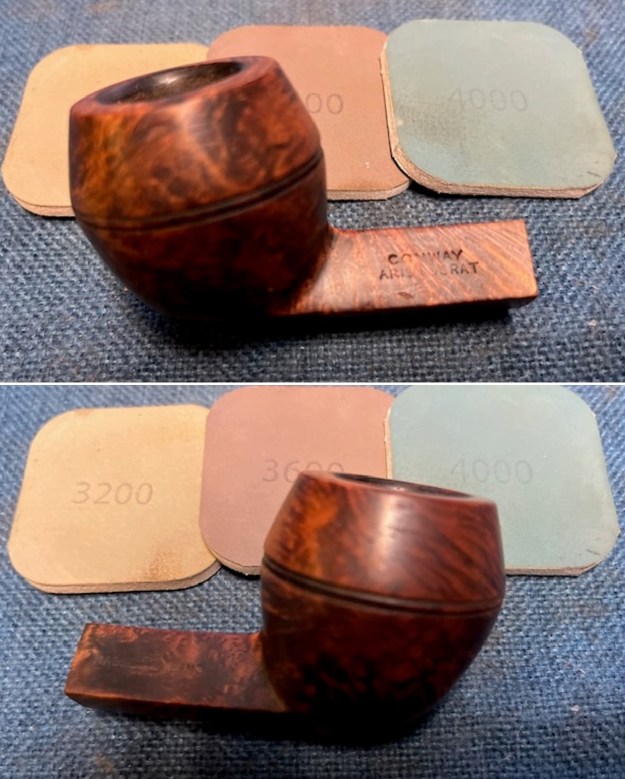
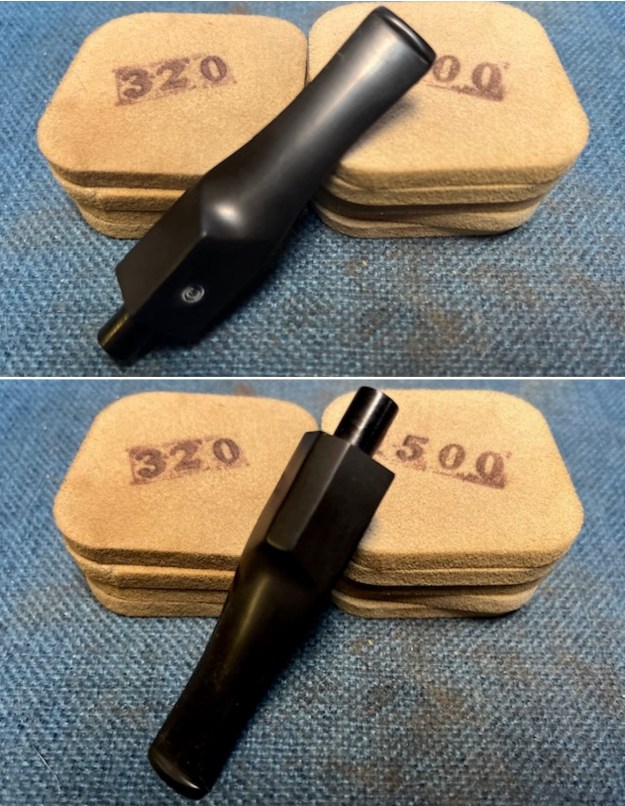
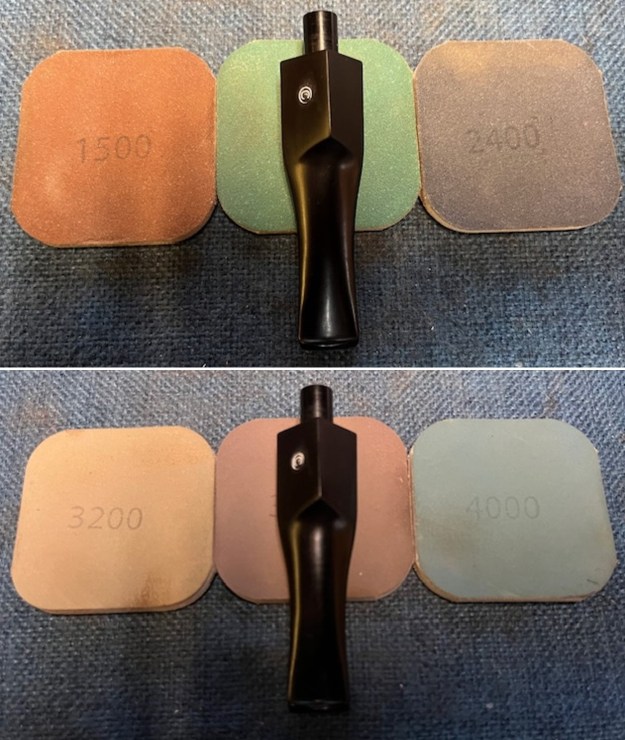
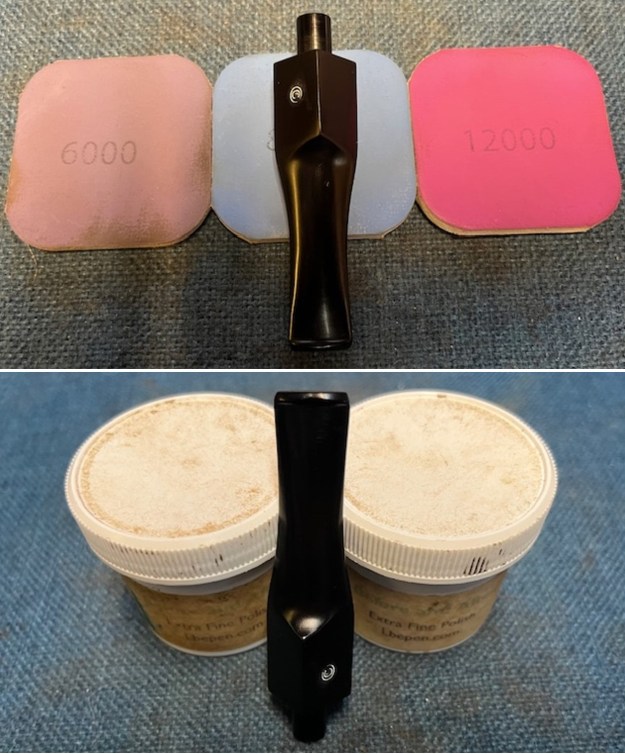
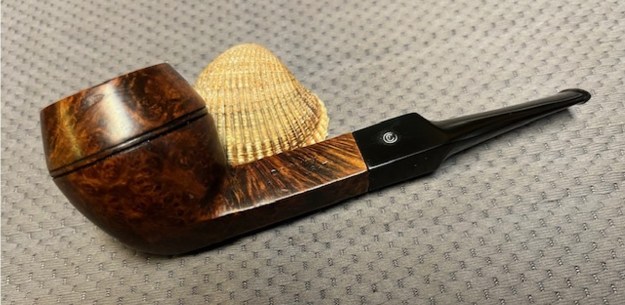
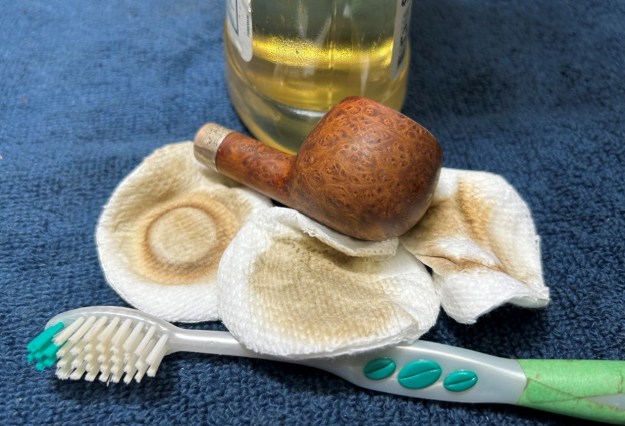
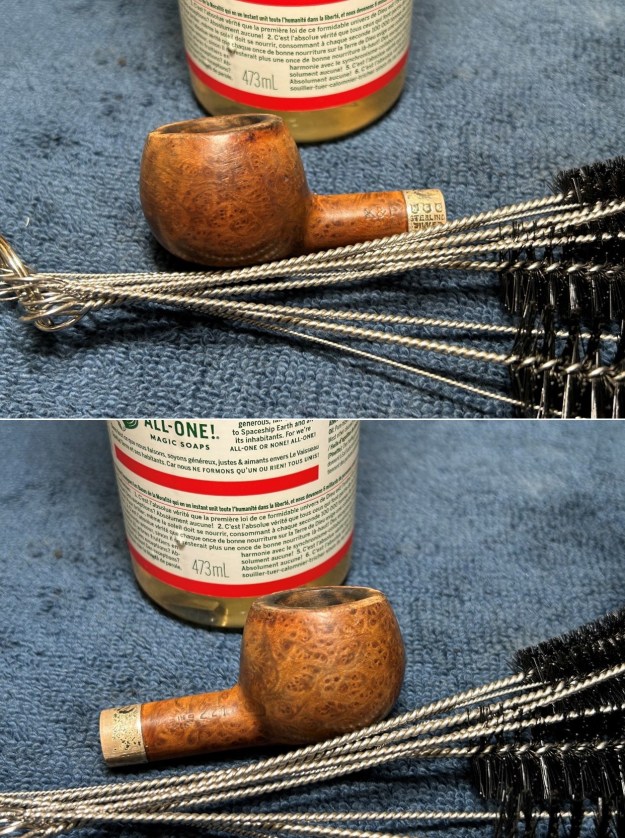
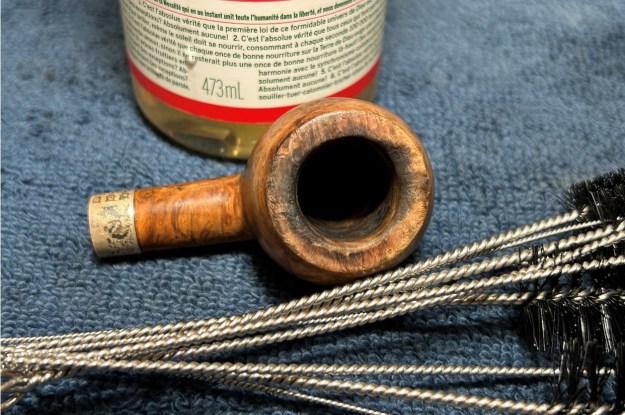
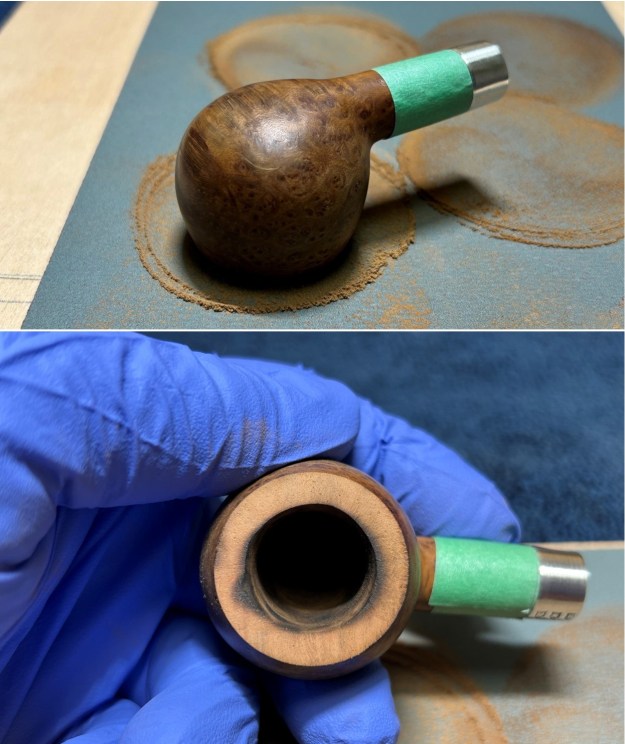
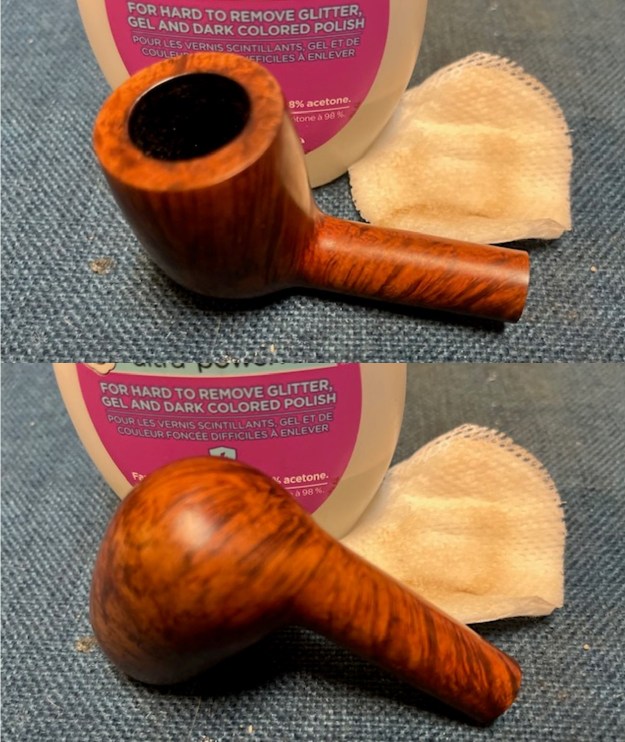
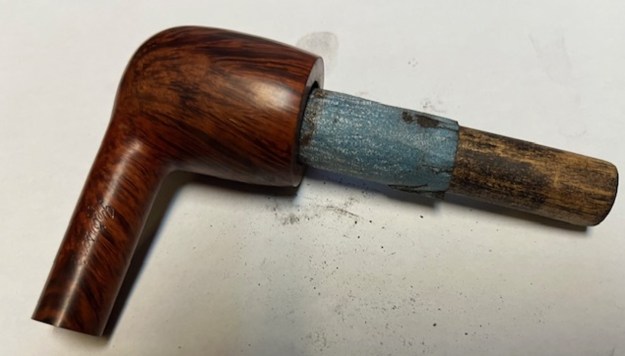
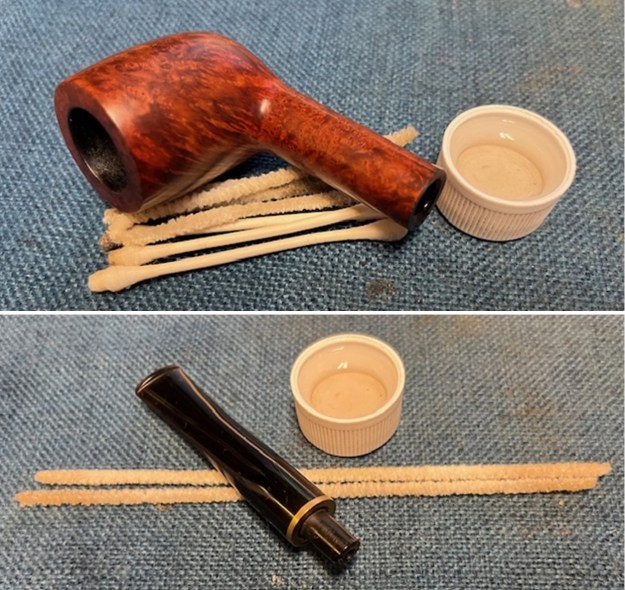
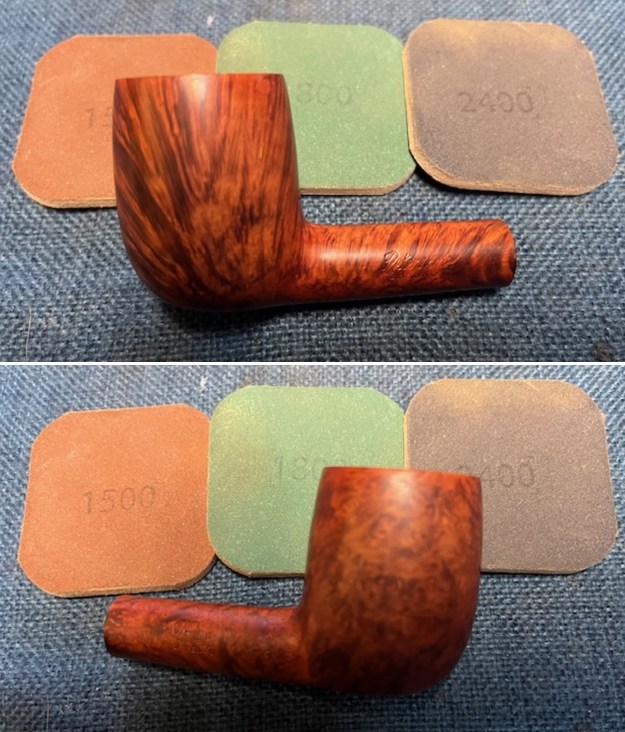
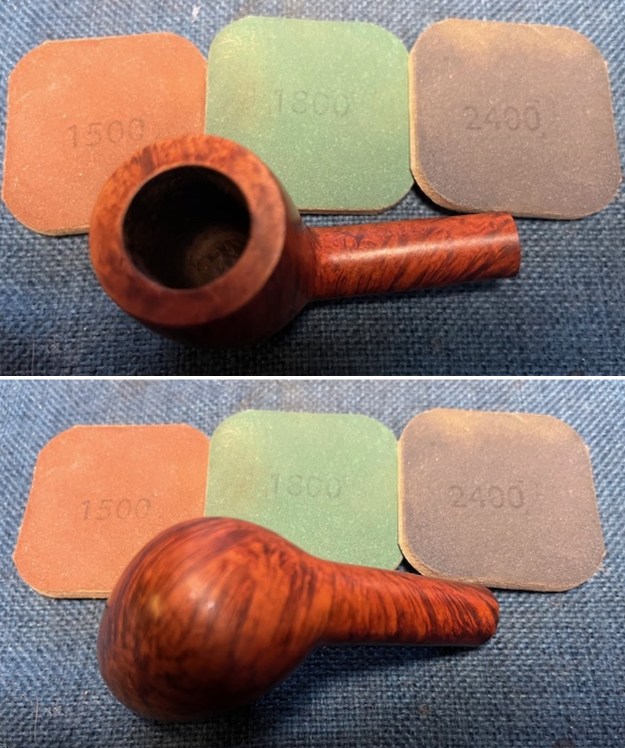
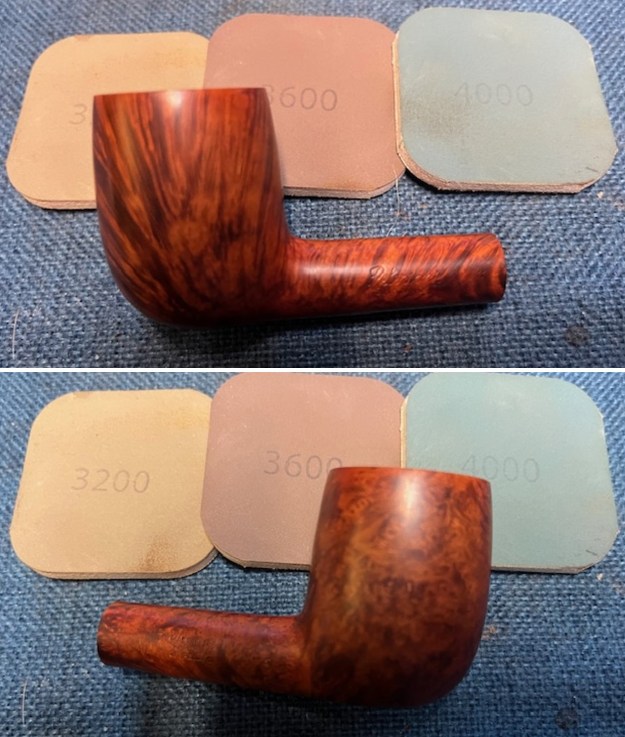
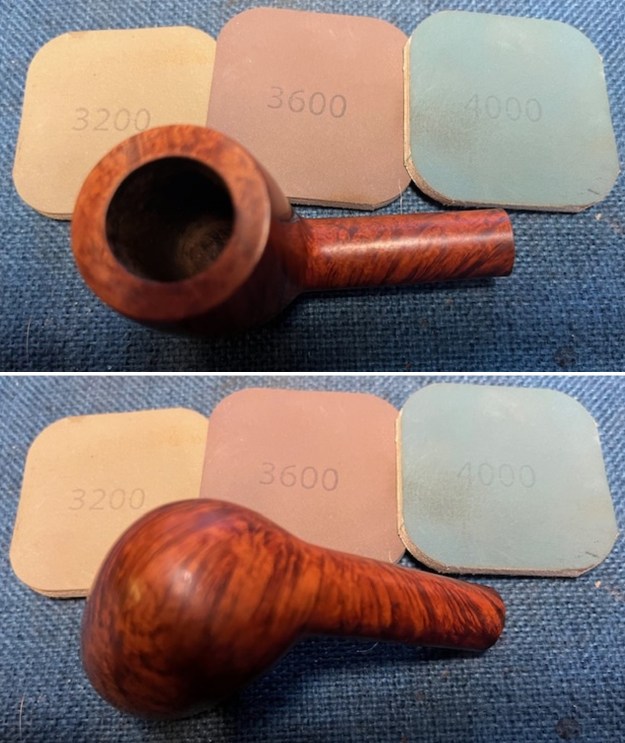
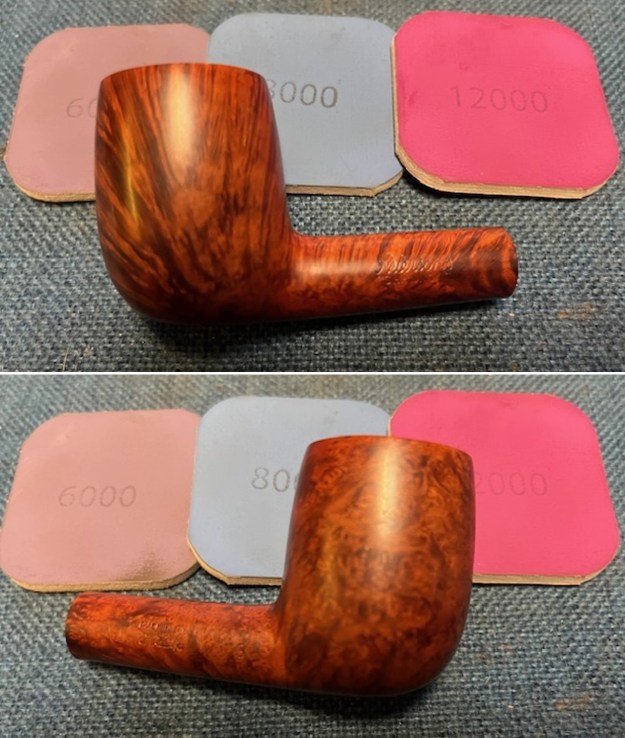
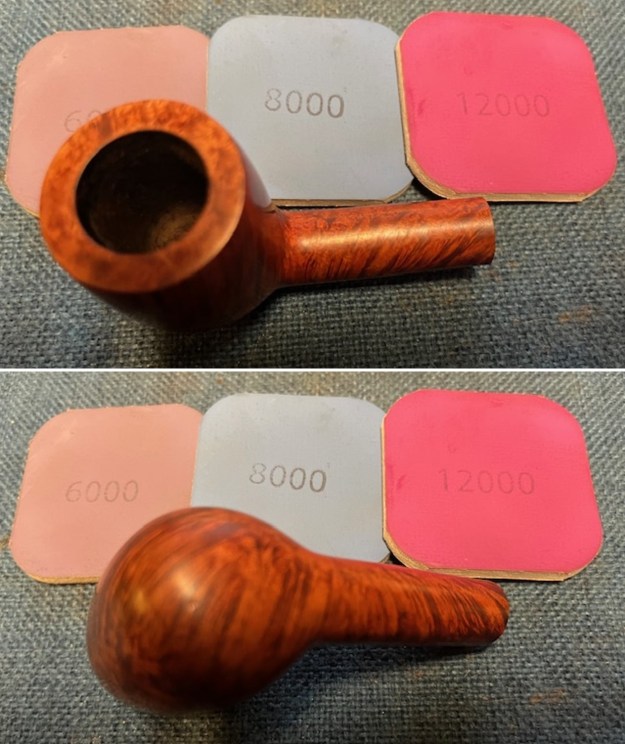
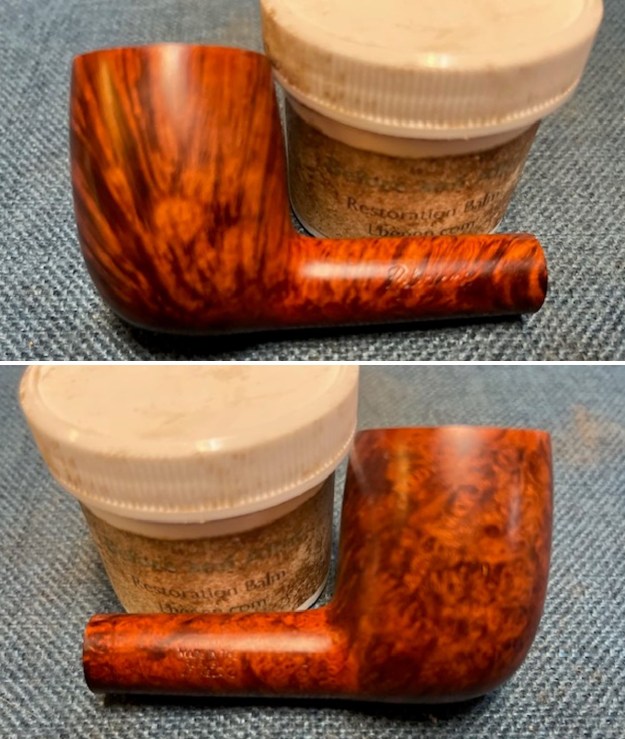
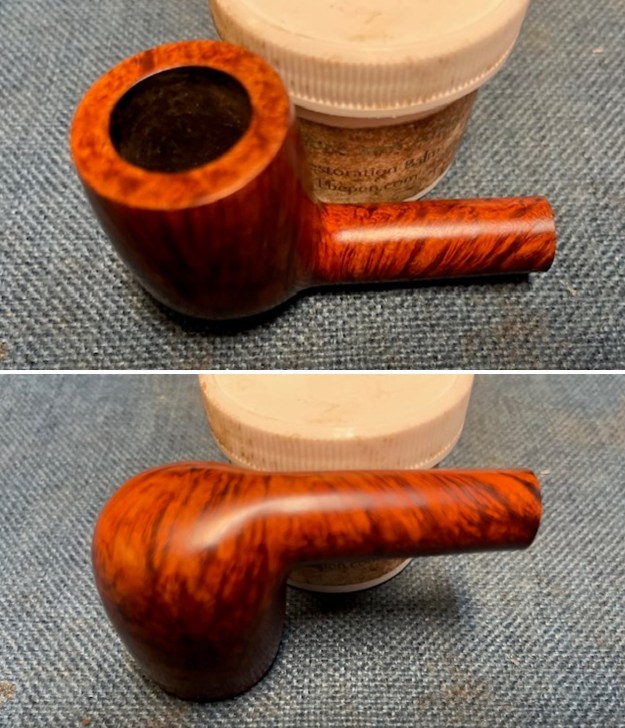
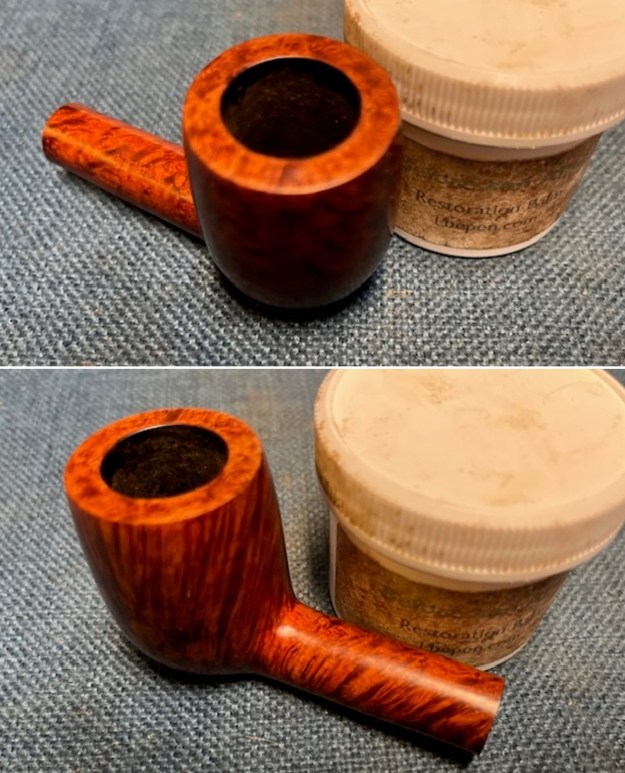
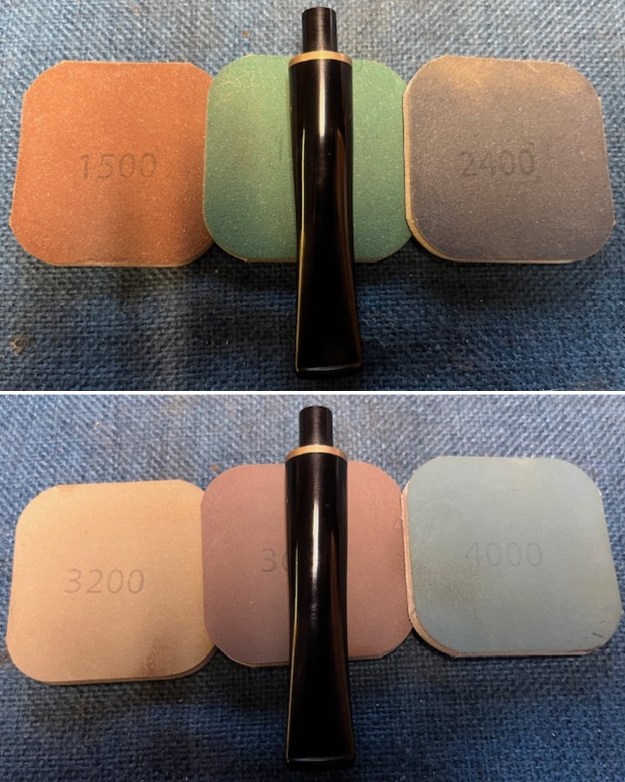
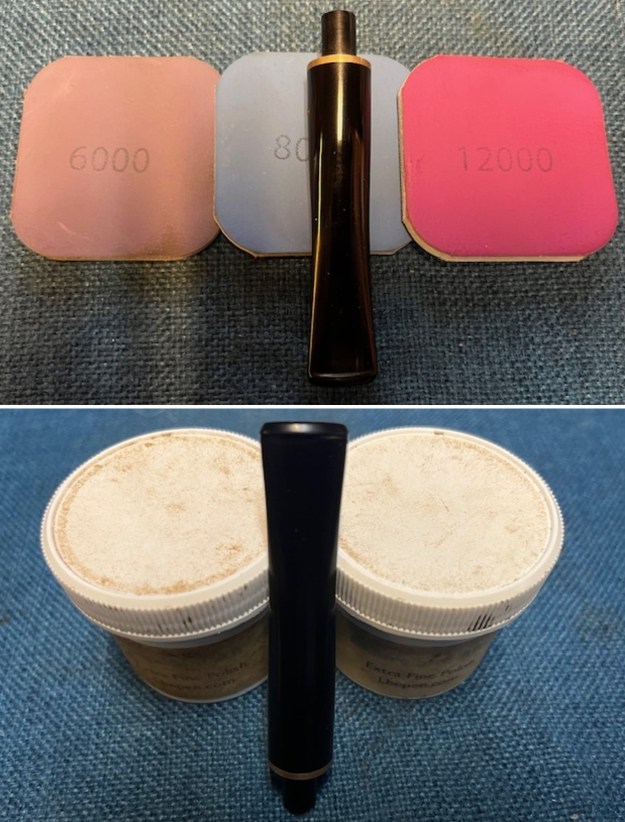
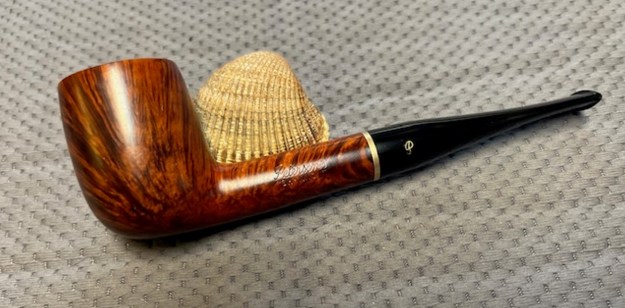
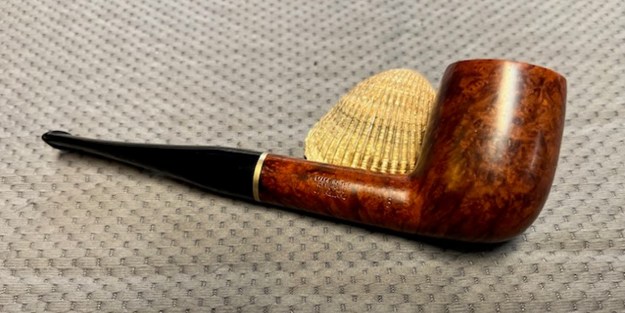
Armed with that information I turned to work on the pipe itself. Jeff had cleaned up the pipe with his usual thoroughness. He reamed the pipe with a PipNet pipe reamer and removed the rest of it with a Savinelli Fitsall Pipe Knife. He scrubbed the bowl with undiluted Murphy’s Oil Soap with a tooth brush. He rinsed it under running warm water to remove the soap and grime. He cleaned out the inside of the shank and the airway in the stem with alcohol, cotton swabs and pipe cleaners and shank brushes. He soaked the stem in Briarville’s Pipe Stem Deoxidizer and rinsed it off with warm water. I took photos of the pipe before I started my part of the restoration work. The rim top cleaned up really well. The rim top and inner edge of the bowl look good. There is some darkening on the inner edge and the top as well as on the insides of the points on the tulip petals. The bowl itself was very clean and the pipe smelled fresh. The stem surface had light tooth chatter on both sides near the button.The stamping on the left side of the shank is faint but still readable. It is stamped as noted above. I removed the stem and took a photo of the pipe to give a sense of the whole.I wiped the bowl down with some acetone to see if I could lighten the darkening around the bowl sides and on the rim top and inside edge of the petals at the top. It worked quite well. I wonder as I am doing this if the top and inside edge of the petals was stained black. I sanded the briar flutes and smooth surface with 320-3500 grit sanding pads. There was still some darkening on the bowl sides and rim edges. There were also some scratches in the briar on the sides, but nothing to deep so this process would take care of the issues. I polished the briar with micromesh sanding pads – dry sanding with 1500-12000 grit sanding pads. I wiped the bowl down with a damp cloth after each pad. I take photos of the three groups of pads for my own viewing primarily as I am looking for progress in polishing. Once again, by the end of the process it looked quite good.  I rubbed the bowl and shank down with Before & After Restoration Balm. I worked it into the surface of the bowl sides and shank with my fingertips. It works to clean, enliven and protect the briar. I let the balm sit for 15 minutes and buffed with a cotton cloth to raise the shine. The grain came alive. I set the bowl aside and turned my attention to the stem. I “painted” the surface of the stem to raise the tooth marks on the vulcanite. I filled in what remained in the surface with black CA glue and set it aside to cure. Once the repair cured I used a flat needle file to smooth out the repairs on the stem surface. I followed that up with a folded piece of 220 grit sandpaper to blend them into the surface of the stem. I sanded the stem with 320-3500 grit sanding pads. I wiped the stem down after each pad with an Obsidian Oil soaked cloth. The process helped remove the lingering oxidation.I polished the stem with micromesh sanding pads – 1500-12000 grit pads to remove them. I wiped the stem down with Obsidian Oil after each sanding pad. I used Before & After Pipe Polish – both Fine and Extra Fine to further polish the stem. I rubbed it down with a final coat of Obsidian Oil and let it dry. This Jack H. Weinberger (JHW) Tulip Billiard with a vulcanite saddle stem is a great looking pipe with some beautiful grain around the front and sides of the bowl. The grain around the bowl is quite stunning and works well with both the shape and the polished vulcanite saddle stem. I put the stem back on the bowl and carefully buffed the pipe with Blue Diamond on the buffing wheel using a light touch on the briar. I gave the bowl and the stem multiple coats of carnauba wax on the wheel and followed by buffing the pipe with a clean buffing pad. I hand buffed the pipe with a microfiber cloth to deepen the shine. The finished Jack H. Weinberger (JHW) Tulip Billiard fits nicely in the hand and feels great. Give the finished pipe a look in the photos below. The dimensions of the pipe are Length: 5 ¾ inches, Height: 2 ½ inches, Outside diameter of the bowl: 1 ½ inches, Chamber diameter: ¾ of an inch. The weight of the pipe is 1.90 ounces/54 grams. I will be putting it on the rebornpipes store in the American Pipemakers Section shortly. If you are interested in adding this pipe to your collection send me a message or an email. Thanks for reading this blog and my reflections on the pipe while I worked on it. I appreciate your support and time!

Restoring a Knute of Denmark Sandblast Freehand with Plateau Rim Top


by Steve Laug

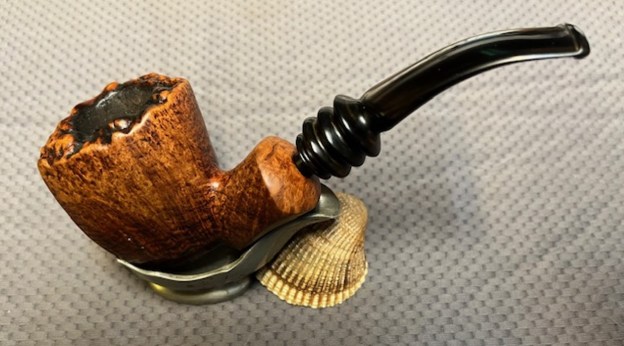
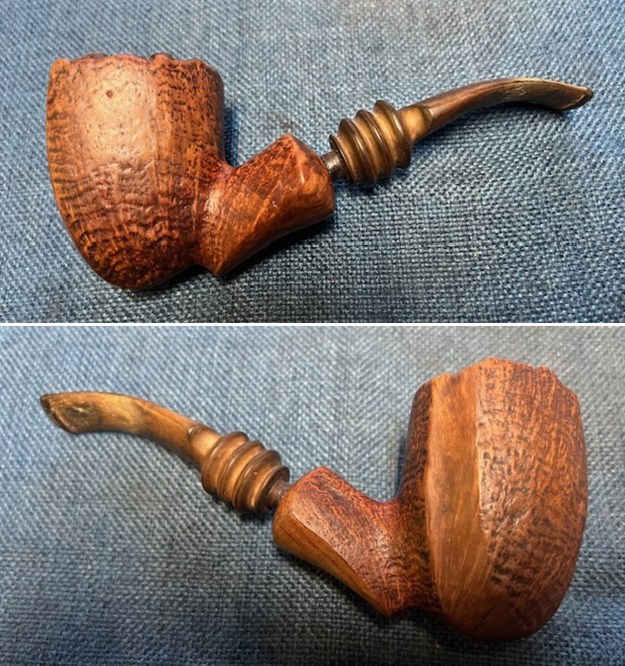
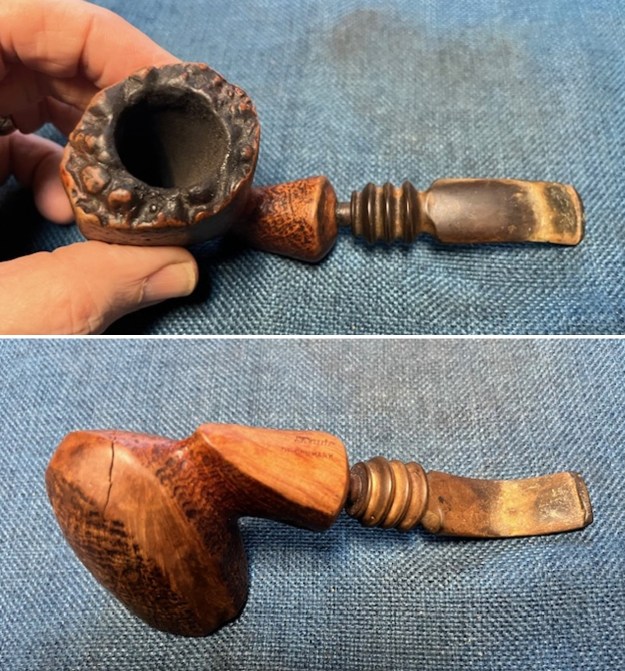
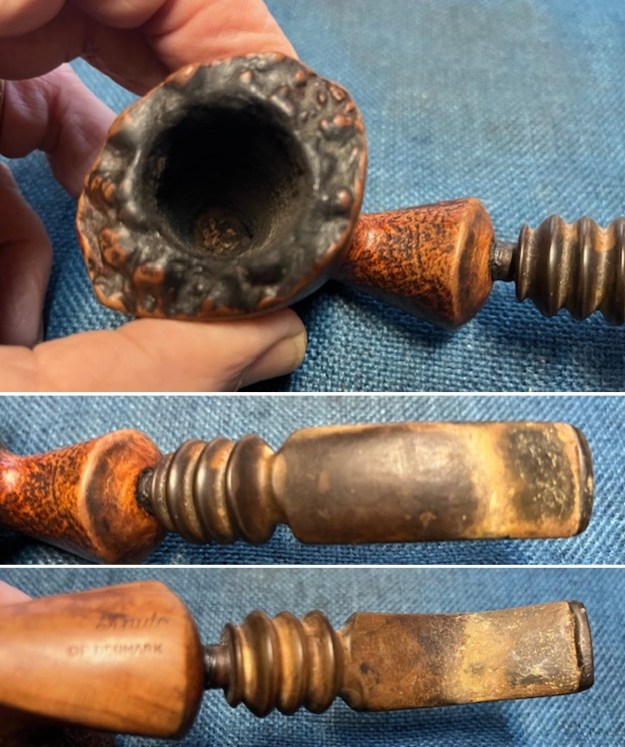
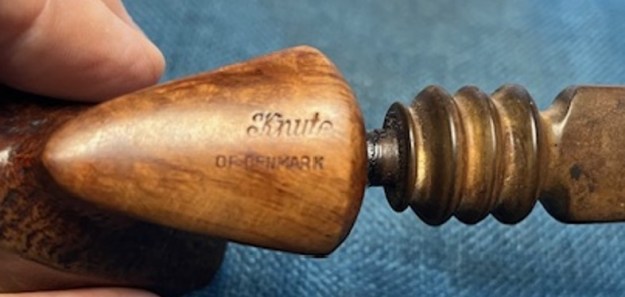
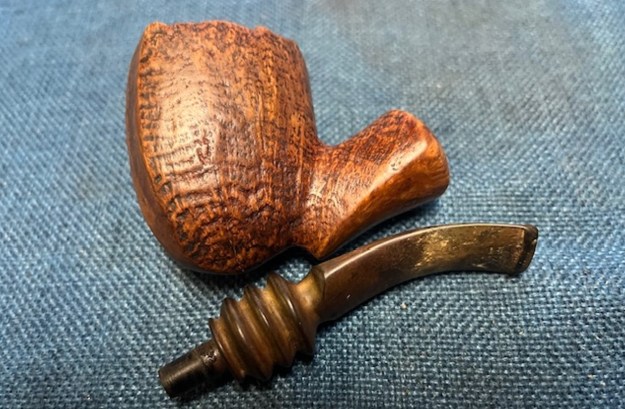
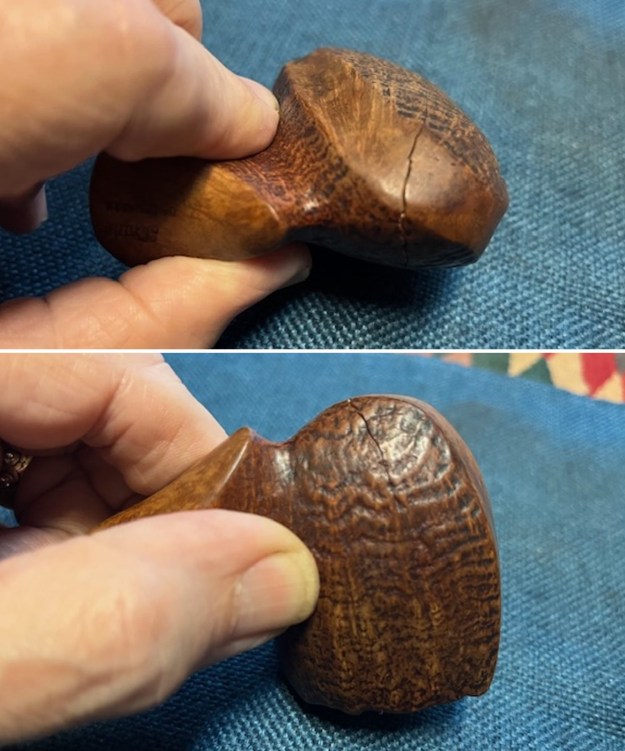
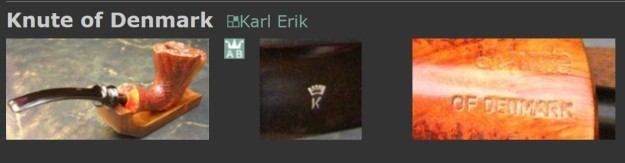
Jeff and I purchased this pipe on 05/28/2024 from a fellow in Santa Cruz, California, USA. It is well used freehand with a sandblast finish and a plateau rim top. The pipe is stamped on the underside of the shank and reads Knute [over] of Denmark. The stem has no stamp on it and is a fancy turned vulcanite one that fits the shank well. There was a heavy cake in the bowl and lava and debris overflowing onto the plateau rim top filling in the valleys. The finish showed some nice grain around the bowl and shank even through the grime that was ground into it. The stem was oxidized and there were tooth marks and chatter on both sides of the stem ahead of the button. It was a beautiful looking, well carved pipe. Jeff took photos of the pipe before he started his clean up work. He took photos of the rim and bowl to give a sense of what he was dealing with. It is heavily caked and the rim top is filled in with lava and debris. Judging from the condition it is a fine smoking pipe. He also took photos of the stem surfaces to show the condition of the stem when it arrived. The photos of the sides and heel of the bowl show beautiful shape and the way the sandblast flows with that around the bowl and shank sides. The combination of stains adds depth to the finish on the pipe. Even under the grime it is a unique piece. He also took a photo of the stamped name on the underside of shank. It reads as noted above. Before I started my work on the pipe I wanted to remind myself of the provenance of the pipe. I remembered that it was linked to Karl Erik as I have worked on quite a few Knute Freehands. I wanted to know where this pipe fit into the Karl Erik lines so I turned to the first of two sites that I always check to gather information on a brand.  I turned to the first source of information site – Pipephil’s (http://www.pipephil.eu/logos/en/logo-k3.html) got a quick overview on the brand once again connecting it to Karl Erik.I turned to Pipedia (https://pipedia.org/wiki/Karl_Erik). Pipedia had this great picture of Karl Erik Ottendahl and I decided to include it here as a reminder of the artisan who first carved and released this pipe. Reminded of the tie to Karl Erik, I knew a bit about the pipe at hand. I turned to address the pipe itself. There it is clearly identified and linked to Karl Erik Ottendahl. It is designated as a second and frequently having rustication. The interesting thing is that his pipe does not look like a second at all and I wonder if the Knute is a line of Karl Erik’s rather than a second. Who knows? This one is a very well done sandblast and shaped pipe.

Jeff cleaned up the pipe for me. He reamed the bowl with a PipNet pipe reamer and cleaned it up with a Savinelli Fitsall Pipe Knife. He scrubbed the exterior with Murphy’s Oil Soap and a tooth brush to clean off the grime off the finish and the heavy overflow of lava on the rim top. The cleaning had removed some of the black stain on the rim top. He cleaned up the internals of the shank, mortise and stem with pipe cleaners, cotton swabs and alcohol to remove all of the oils and tars in the pipe. He soaked the stem in Before & After Deoxidizer and was able to remove much of the oxidation. When it arrived here in Vancouver it was a clean pipe and I knew what I had to work with. I took photos of it before I started my part of the restoration. I took photos of the rim top and the stem to show their condition once it arrived in Canada. Jeff was able to clean up the incredibly thick cake and lava overflow that was shown in the rim and bowl photos above. The plateau and the inner edge of the rim look quite good. He was also able to get rid of the grime and grit in the surface of the briar. The stem looked better, though there were tooth marks and chatter on both sides near the button.I have noticed sometimes newer refurbishers don’t seem to pay much attention to the stamping when they are restoring a pipe. To me this is a critical part of the restoration to leave it undamaged as it is the only link we have to who made the pipe. I took a photo of the stamping on the underside of the shank to show that it was readable and undamaged by the cleanup work.I removed the stem from the shank and took a photo of the parts to give a sense of what the pipe looks like. The bowl looked so good at this point, I rubbed it down with Before & After Restoration Balm to deep clean the finish on the bowl and shank. The product works to clean, enliven and protect the briar. I worked it in with my fingers to get it into the briar. I used a horsehair shoe brush to work it into the plateau top and shank end.  I let it sit for 10 minutes then I wiped it off and buffed it with a soft cloth. The briar really began to have a rich shine. I took some photos of the bowl at this point to mark the progress in the restoration. It is a beautiful bowl. I set the bowl aside and worked on the stem at this point in the process. I “painted” the stem surface with the flame of a lighter to lift the tooth marks as much as possible. I filled in the small marks that remained with black CA glue. Once it cured I used a small file to flatten the repairs and reshape the button edge. I sanded the repairs with a folded piece of 220 to start the process of blending them into the surface. I wiped it down with Obsidian Oil. I sanded the stem surface with 320-3500 grit sanding pads to smooth the repairs out further and work out the remnants of oxidation. It is also a way I start polishing the stem. Between each sanding pad I wipe the stem down with an Obsidian Oil cloth.I polished the stem with micromesh sanding pads – dry sanding with 1500-12000 grit pads. I wiped the stem down after each pad with a damp cloth to remove the sanding dust. I polished the stem with Before & After Pipe Stem Polish – both fine and extra fine. I finished by wiping the stem down with a final coat of Obsidian Oil and set it aside to dry. I put the stem back on the Knute of Denmark Sandblast Freehand pipe and took the pipe to the buffer. I buffed the bowl and stem with Blue Diamond to polish the briar and the vulcanite. Blue Diamond does a great job on the smaller scratches that remain in the vulcanite. I gave the bowl multiple coats of Conservator’s Wax and the stem several coats of carnauba wax and buffed the pipe with a clean buffing pad to raise the shine. I hand buffed it with a microfiber cloth to deepen the shine. The pipe polished up really nicely with a great contrasting stain look to the briar. The finished pipe is shown in the photos below. This is a beautiful Karl Eric Made Knute of Denmark Freehand – the fancy turned stem and plateau rim top give the pipe a great look. The dimensions of the pipe are Length: 7 inches, Height: 2 ¾ inches, Outside diameter of the bowl: 2 inches, Chamber diameter: 1 inch. The weight of the pipe is 2.75 ounces/76 grams. This is another pipe that I will be putting on the rebornpipes online store in the Danish Pipemaking Companies Section shortly, if you are interested in adding it to your collection. Thanks for walking through the restoration with me on this beauty!

Nording “N” Handcrafted Made in Denmark Freehand with fancy turned vulcanite stem


by Steve Laug

It was time to turn back to one of the pipes that Jeff and I picked up. This pipe was purchased from an auction on 10/03/21 in Lacon, Illinois, USA. The pipe is Freehand take on a Rhodesian. The grain around the bowl sides, the plateau on the rim top and the rusticated almost leaf pattern on the underside of the bowl. The shank end has a vulcanite shank extension. You can see the flow of straight and flame grain around the bowl and shank. It is stamped on the underside of the shank with a hollow letter N [over] Handcrafted [over] Made in Denmark. There is no other stamping on the pipe. The stem does not have the expected Nording N anywhere on the sides or top. The pipe was very dirty with a thick cake in the bowl and some lava overflowing on to the plateau rim top. It was hard to know what the inner edge of the rim looked like because of the lava and cake. Other than being dirty the finish appeared to be in good condition. The fancy, turned stem was lightly oxidized and had come calcification ahead of the button. There was some tooth chatter and marks on both sides of the stem ahead of the button and on the button surface. Jeff took the following photos of the pipe before he started his clean up work on it. He took a photo of the rim top to show the thick cake in the bowl and the overflow of lava. The cake is thick and hard and the lava overflow is in the plateau. The bowl is dirty but it must have been a great smoking pipe. The stem looked dirty and oxidized with the calcification. The bite marks and tooth chatter on the stem were not too bad and the edge of the button was worn down. The mark on the back side of the bowl is actually more of the plateau running down the side rather than a flaw in the briar. The next photos show the sides and heel of the bowl to give a clear picture of the beauty of the grain around the bowl of the pipe. Under the grime there is some great grain peeking through. Jeff took photos of the stamping to capture the clarity of it even under the grime. The stamping is faint in spots but still readable. It reads as noted above.Before I started my work on the pipe I wanted to learn more about where this pipe fit into the Nording lines so I turned to the first of two sites that I always check to gather information on a brand. I turned first to Pipedia (https://pipedia.org/wiki/N%C3%B8rding). Nording’s were exclusively freehand shapes, graded from A, B, C, D, up to its highest grade, extra. Later an “F” grade was added—less expensive than the “A.” I could find no other information on the rest of the stamping on the pipe.

I did find a great collage of photos of Erik Nording that I have included below.I turned to the second information site – Pipephil’s (http://www.pipephil.eu/logos/en/logo-n2.html) did not find any more helpful information on the Nording N stamp.

Armed with that information I actually knew no more about this Freehand. I turned to address the pipe itself. Jeff cleaned up the pipe for me. He reamed the bowl with a PipNet pipe reamer and cleaned it up with a Savinelli Fitsall Pipe Knife. He scrubbed the exterior with Murphy’s Oil Soap and a tooth brush to clean off the grime off the finish and the heavy overflow of lava on the rim top. The cleaning had removed some of the black stain on the rim top. He cleaned up the internals of the shank, mortise and stem with pipe cleaners, cotton swabs and alcohol to remove all of the oils and tars in the pipe. He soaked the stem in Before & After Deoxidizer and was able to remove much of the oxidation. When it arrived here in Vancouver it was a clean pipe and I knew what I had to work with. I took photos of it before I started my part of the restoration. I took photos of the rim top and the stem to show their condition once it arrived in Canada. Jeff was able to clean up the incredibly thick cake and lava overflow that was shown in the rim and bowl photos above. You can see the spots where the black stain had been removed from parts of the plateau top. He was also able to get rid of the grime and grit in the surface of the briar. The inner edge of the bowl was in very good condition and was smooth to the touch. The rim top and edges looked very good. The stem looked much cleaner. There was tooth marks and chatter on both sides on and near the button.I took a photo of the stamping on the underside of the shank. It was clear and readable as noted above.I removed the stem from the shank and took a photo of the appearance of the parts. You can see how large the pipe is in the photos.I decided to start with polishing the briar and the vulcanite shank extension with micromesh sanding pads. I wet sanded it with 1500-12000 grit pads. I wiped the bowl down after each pad with a damp cloth. The bowl began to take on a rich shine and grain was beginning to stand out.  I paused the polishing to touch up the stain on the plateau rim top and shank end. I used a black stain pen and was able to match the black perfectly. It looks much better.I rubbed the bowl and shank down with Before & After Restoration Balm to deep clean the finish on the bowl and shank. The product works to clean, enliven and protect the briar. I worked it in with my fingers to get it into the briar. I used a horsehair shoe brush to work it into the plateau top.  After it sat for a little while I wiped it off and buffed it with a soft cloth. The briar really began to have a rich shine. I took some photos of the bowl at this point to mark the progress in the restoration. It is a beautiful bowl. I set the bowl aside and worked on the stem at this point in the process. I “painted” the tooth marks in the stem with the flame of a Bic lighter to lift them. I filled in the remaining tooth marks on the stem surface and button edge with black CA glue (forgot to take photos). I set the stem aside to let the repairs cure. I used a small file to flatten the repairs and recut the button edge. I sanded the repairs with 220 grit sandpaper to blend them into the stem surface. I sanded out the scratches in the vulcanite with 320-3500 grit sanding pads. I wiped the stem down after each sanding pad with a cloth impregnated with Obsidian Oil. It started to take on a deep shine.I polished the stem with micromesh sanding pads – wet sanding with 1500-2400 grit pads and dry sanding with 3200-12000 grit pads. I wiped the stem down after each pad with a damp cloth to remove the sanding dust. I used the Before & After Pipe Polish to remove the small minute scratches left in the vulcanite even after the micromesh regimen. I finished by wiping the stem down with a final coat of Obsidian Oil and set it aside to dry. I put the stem back on the Nording Made N Handcrafted Made in Denmark Large Freehand and took the pipe to the buffer. I buffed the bowl and stem with Blue Diamond to polish the briar and the vulcanite. Blue Diamond does a great job on the smaller scratches that remain in both. I gave the bowl and the stem several coats of carnauba wax and buffed the pipe with a clean buffing pad to raise the shine. I hand buffed it with a microfiber cloth to deepen the shine. The pipe polished up really nicely with a great contrasting stain look to the briar. The finished pipe is shown in the photos below. This is another unique Nording for me – the combination of plateau, rustication and smooth finish along with a vulcanite shank extension. The polished black vulcanite extension and stem looks really good with the reds and blacks standing out in the grain. The dimensions of the pipe are Length: 6 inches, Height: 2 ½ inches, Outside diameter of the bowl: 1 ½ inches wide x 2 long, Chamber diameter: 7/8 of an inch. The weight of the pipe is 77 grams/2.79 ounces. This is another pipe that I will be putting it on the rebornpipes online store shortly, if you are interested in adding it to your collection. Thanks for walking through the restoration with me on this beauty!

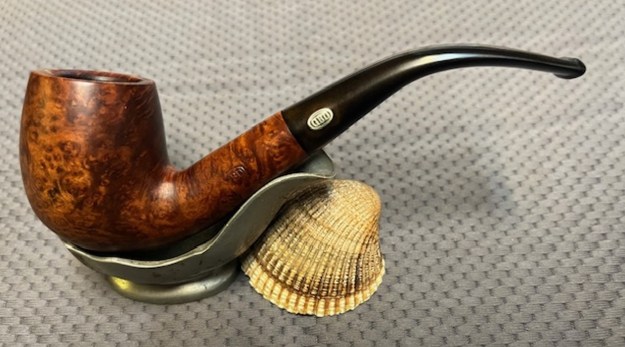
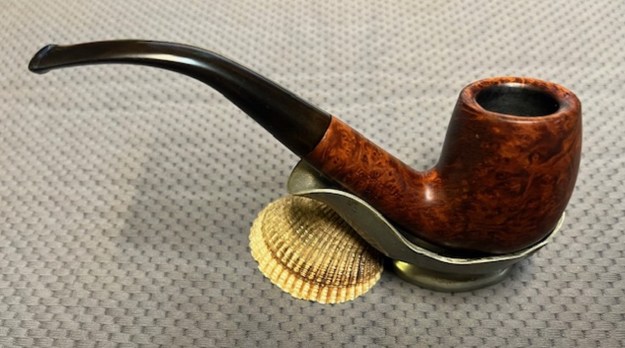
Restemming and Reclaiming a London Tower Made in London ¼ Bent Bulldog


by Steve Laug

The next bowl on the table is a classic English looking ¼ Bent Bulldog that I decided to restem. I cleaned up the bowl and matched a stem with briar bowl. It is a cleanup and restore and gives me a break from the routine of my other work on pipes. The bowl is dirty and somewhere in its life before it came to us the stem was lost. The finish was a bit dull and lifeless even though there was a shiny varnish coat. It showed promise under the grit and grime of the years. It was stamped on the left side of the shank and read London Tower in block text. On the right side it read Made In London [over] England. The bowl had a thick cake and some lava overflow on the rim top. The bowl also had some dust and oils ground into the finish of the bowl. There were a few small fills in the shank but the bowl seemed to be free of them. It is a pretty pipe with some great grain and I am hoping to match a nice stem to it. I took some photos of the bowl before I started my work on it. I took a close up photo of the rim top and bowl to give more of a sense of what I see and noted above. It is a dirty pipe but seems to have no damage on the rim top or edges.I took photos of the stamping on the left and right side of the shank. You can see that it is quite clear and readable. There were also some interesting water spots on the briar that are visible in the photos. There may well have been a shape number after the England stamp below and near the bowl but it not clear… potentially some remnants of numbers.I found a stem in my cans of stems that would work well with the pipe. It is interestingly a worn The Everyman Pipe by Comoy’s three bar logo stem and the shape was right for the pipe. The tenon was a Delrin replacement tenon that had been done before I had it and I would need to clean up the tenon end a bit and smooth it out for a clean fit but I think it would look good! Now it was time to learn about the brand itself. I was unfamiliar with the London Tower Brand but there was something about the shape and the way it looked with the Comoy’s Everyman stem above that made me think there was a Comoy’s Connection. Of course, I found nothing on either PipePhil’s site or on Pipedia. Pipedia had a listing for the brand but showed a few photos and asked for information. In essence it asked for the same thing I was looking for.

So, I turned and just did a general Google search for the London Tower Made in London England pipe. Low and behold I was given a link on Smokingpipes.com and two on eBay that connected the pipe to Comoy’s.

Here is the link to the Smokingpipes link that included a phot of the pipe they were selling. (https://www.smokingpipes.com/pipes/estate/england/moreinfo.cfm?product_id=257202). The description highlighted the stamping and the single photo shows the stamping clearly. I quote below and also have included the photo. The LONDON TOWER stamp is identical to the one I am working on though above it there is a Comoy’s stamp. The little bulldog I am working on does not currently have a Comoy’s stamp and honestly I do not think it did in my case.

A tall-bowled straight Billiard, this Comoy’s may not be amongst those that collectors spend countless waking hours pouring over listings in search of, but it’s still a fine representative of the English school nonetheless. Lightly smoked, but otherwise good condition. – Daniel BumgardnerThe first eBay item listed next was of a saddle stem, sandblast pot that bore the same stamp as the smokingpipes billiard. Here is the link (https://www.ebay.com/itm/145100770839). I include two photos of the pipe and its stamping. London Tower stamp is the same though this one just says Made in England where the one I am working on says Made in London England. The second eBay sale was for a different shaped pipe but the stamping was the same as the smokingpipes billiard – Comoy’s [over] London Tower. And like the one I have here it had some obvious fills (https://www.ebay.com/itm/195608835371?mkevt=1&mkcid=1&mkrid=711-53200-19255-0&campid=5338722076&customid=&toolid=10050).From the information I learned that the London Tower classic shape was in all probability made by Comoy’s and was a seconds line. Now it was time to work on the pipe itself.

I began by reaming the pipe. I used a PipNet Reamer with the first and second cutting heads to take back the heavy cake to bare briar. I cleaned up the reaming with a Savinelli Fitsall Pipe Knife and finally sanded the bowl walls with 220 grit sandpaper wrapped around a dowel. I like to remove all the cake to examine the walls for damage and checking. Great news is that this one is free of any damage! I scraped off the rim top and edge of the bowl with the Savinelli Fitsall knife. The inner edge and the top looked to be undamaged.I moved on to using the folded sandpaper to clean up the rim darkening on the pipe as well as further addressing the build up on the rim top. I was definitely looking better when I finished.I cleaned off the shiny coat of varnish on the bowl and shank with a cotton pad and acetone. I also used a dental pick to clean out the twin rings around the cap of the bowl. Once finished it looked better. Surprise, even what I thought was a fill on the top of the shank turned out to be a fleck of paint and it disappeared. I sanded the bowl to blend in the remaining fills to the surface of the bowl and to continue to clean up the rim top and remove any remnants of varnish. I used 320-3500 grit sanding pads and wiped the bowl down after each pad with a damp cloth to check on the progress. It came out looking much better. I used alcohol, cotton swabs and pipe cleaners to clean out the internals of the shank and the new stem. Once finished the pipe smelled as clean as it looked.I decided to put a narrow diamond shank band on the pipe. It is polished nickel and would work well with the three bars on the stem side.  The band came quite deep and I used a Dremel and sanding drum and a topping board to reduce the depth of the band. The first photo below shows the amount of band that I removed from the original band and the shorter band on the shank. I heated the band and pressed it in place on the shank end. It was short enough in depth to no hide any of the stamping. I polished the briar bowl and nickel band with micromesh sanding pads – dry sanding with 1500-12000 grit sanding pads. I wiped it down with a damp cloth after each pad to remove the debris. The bowl and the band took on a rich glow. I rubbed down the briar Before & After Restoration Balm. I worked it into the surface with my fingertips. I used a shoe brush to work the balm into the twin rings around the cap. The product works to clean, enliven and preserve the briar. I let it sit for 15 minutes then I buffed it with a cotton cloth to deepen the shine. The briar really comes alive with the balm. I set the bowl aside and worked on the fit of the stem against the shank as it was slightly larger than the shank. I also worked on removing the tooth indentations and oxidation on the stem surface. I started with 220 grit sandpaper to do the majority of the work and it began to look much better.I sanded out the scratches in the vulcanite with 320-3500 grit sanding pads. I wiped the stem down after each sanding pad with a cloth impregnated with Obsidian Oil. It started to take on a deep shine.I polished the stem with micromesh sanding pads – 1500-12000 grit pads to remove them. I wiped the stem down with Obsidian Oil after each sanding pad. I used Before & After Pipe Polish – both Fine and Extra Fine to further polish the stem. I rubbed it down with a final coat of Obsidian Oil and let it dry. This is another pipe that I am really happy about the finished restoration. This reborn London Tower Made in London England Bent Bulldog turned out really well. I used a vulcanite stem I had here to fit the pipe with a new stem. After restemming I think that it really is a great looking pipe with a great shape and grain. The bowl is a classic English Bent Bulldog that appears to have been made by Comoy’s and the “new” vulcanite stem is close to the original stem. The polished black of the stem works well with the briar. The briar really came alive with the buffing. The rich brown stains of the finish make the grain really pop with the polishing and waxing. I put the stem back on the bowl and buffed the pipe with Blue Diamond on the buffing wheel. I gave the bowl and the stem multiple coats of carnauba wax on the buffing wheel. I buffed the pipe with a clean buffing pad to raise the shine. I hand buffed the pipe with a microfiber cloth to deepen the shine. The finished London Tower Bulldog really has a unique beauty and feels great in the hand. It looks very good. Give the finished pipe a look in the photos below. The dimensions of the pipe are Length: 5 ½ inches, Height: 1 ½ inches, Outside diameter of the bowl: 1 ½ inches, Chamber diameter: ¾ of an inch. The weight of the pipe is 40 grams/1.41 ounces. The pipe will be going on the rebornpipes store soon. It will be in the British Pipemakers Section if you would like to add it to your collection. Thanks for reading this blog and my reflections on the pipe while I worked on it. It was a fun one to work on!

Salvaging a Beautiful Royal Danish from Sixten Ivarsson


by Kenneth Lieblich

I picked this pipe up recently and was immediately charmed by it. This is a really good-looking Royal Danish 990, designed in 1951 by Sixten Ivarsson. It’s got that lovely tomato shape, with a lovely sandblast, and a lovely smooth panel on each side of the bowl. The combination of smooth and sandblasted briar is very attractive. When I got my hands on it, it was one dirty, dirty pipe. But I was sure this one was going to shine once I worked my magic on it. This is a Royal Danish ball-shaped freehand with a saddle mouthpiece –that’s what the description of Stanwell pipes calls it, though I’ve called it a tomato. I learned from previous research that “Royal Danish” is a Stanwell sub-brand. As is typical of Stanwell sub-brands, the quality is immaculate and it’s not at all obvious why this wasn’t a full-blown Stanwell. This ball is a very attractive shape and it really makes an impression. The underside of the shank reads 990 Royal Danish [over] Made in Denmark and, on the stem, a lovely crown.Both Pipedia and Pipephil list Royal Danish as being a Stanwell sub-brand (and not much else), as per the photo below.The Royal Danish line uses the same shape numbers as Stanwell, but adds a 9 in front. That’s why this pipe corresponds to Stanwell 90. Meanwhile, Pipedia has a good amount of nformation on the Stanwell brand and its history. I certainly recommend looking it over: https://pipedia.org/wiki/Stanwell.

Anyway, this really is a good-looking pipe. No major issues to resolve – just a few minor ones. The stem was very dirty, and had some small dents. There was also some oxidation on the vulcanite. The stummel was sooooo dirty. Inside and outside the bowl were pretty gross. The stummel would need some considerable work to clean. The stem was first on my list. I wiped down the outside of the stem with oil soap on some cotton pads. I also took a BIC lighter and ‘painted’ the stem with its flame in order to lift the bite marks and dents. This worked reasonably well, but I would still need to sort out the dents. The stem was clogged enough that I actually needed to scoop out gunk from inside with a dental tool. Then, I cleaned out the insides of the stem with pipe cleaners and isopropyl alcohol. Once this process was done, I used some cleanser and cotton pads to wipe down the stem before throwing it in the oxidation remover overnight. The following day, I cleaned all of the de-oxidizing mess and again scrubbed with the cleanser on some cotton pads to remove the leftover oxidation. This worked well. I used some silver Rub’n’Buff to restore the crown logo on the stem. I painted the area carefully and let it fully set before proceeding. Before I moved on to the Micromesh pads, I built up the dents on the stem with black, carbon-and-rubber-infused cyanoacrylate adhesive and let them fully cure.At this point, I turned my attention to the bend in the stem – or, rather, the lack of bend. Over time, the stem had gradually uncurled and straightened, so that it now no longer looked quite right. To correct this, I gradually heated the stem with my heat gun and then carefully bent it bank into shape, using a large wooden dowel as my guide. Worked perfectly!I sanded the adhesive down with my needle files to meld seamlessly into the stem. I then used all nine Micromesh pads (1,500 through 12,000 grit) to bring out the lovely black lustre on the stem. I also used pipe stem oil in between each pad scrubbing (from 3600 on up). On to the stummel, and the usual cleaning procedures were in order for this pipe. I used both the PipNet reamer and some 220-grit sandpaper (taped to a dowel) to remove the enormous amounts of cake and take the bowl down to bare briar, as I wanted to ensure there were no significant flaws in the walls of the bowl. Fortunately, there were none.I then proceeded to clean out the insides of the shank with cotton swabs, pipe cleaners, and isopropyl alcohol. There was considerable filth inside this stummel.I decided to de-ghost the pipe, so I thrust cotton balls into the bowl and the shank and saturated them with 99% isopropyl alcohol. I let the stummel sit overnight. This caused any remaining oils, tars and smells to leach out into the cotton. I followed that up by cleaning the insides with some dish soap and tube brushes. The bowl was nice and clean after this. I then moved on to cleaning the outside of the stummel with oil soap, some cotton pads, and a toothbrush. That removed any latent dirt hidden in the lovely recesses of the sandblast.There were a few nicks on the smooth section of briar on either side of the bowl. In order to try and improve this, I took a wet piece of cotton cloth, draped over the affected area, and used a hot iron to produce steam. This steam can sometimes cause the dents to swell back into place. Since this was a partial sandblast, I only needed to use the Micromesh pads on the smooth sections near the rim and shank. I applied some Before & After Restoration Balm to the wood and let it sit for 20 minutes or so. I then used a horsehair brush to ensure the balm got into those lovely sandblast grooves. The balm does wonderful things to the wood and really emphasizes how beautiful this pipe is. I’m going to be sorry to see it go. I took the pipe to my bench polisher and gave it a thorough going-over with my buffing compound and conservator’s wax. This pipe was a delight from the start and its beauty only increased through the restoration process. This Royal Danish 990 freehand ball is elegant, light, and incredibly comfortable to hold. Finally, I am pleased to announce that this pipe is for sale! If you are interested in acquiring it for your collection, please have a look in the ‘Danish’ pipe section of the store here on Steve’s website. You can also email me directly at kenneth@knightsofthepipe.com. The approximate dimensions of the pipe are as follows: length 5 in. (127 mm); height 1½ in. (37 mm); bowl diameter 1¾ in. (44 mm); chamber diameter ¾ in. (19 mm). The weight of the pipe is 1½ oz. (46 g). I hope you enjoyed reading the story of this restoration as much as I enjoyed restoring it. If you are interested in more of my work, please follow me here on Steve’s website or send me an email. Thank you very much for reading and, as always, I welcome and encourage your comments.

Having Fun Restoring Four Charming Pipes


by Kenneth Lieblich

A great customer of mine recently sent me some pipes for repair and restoration. I was happy to help out and the pipes were sent to me post-haste. There were some surprises to be discovered and challenges to be overcome. On this occasion, I did something different than I usually do: I restored all four at once, rather than one at a time. This blog is more of a show-and-tell than my usual restoration stories. This blog post is going to give a good overview of the restorations but doesn’t need to provide detail on each individual pipe. Let’s jump right in and see what we’ve got.First is a Comoy’s Castleton 126 large straight pot. Second is a Savinelli Oscar 622KS Lucite king size bent pot. Third is a GBD London Made 1978 bent Dublin. Fourth is a Peterson Sherlock Holmes Watson P-lip. All four are very attractive and I’m sure will be good smokers. A first glace at them all suggests that everything is fine, but things are not always what they seem… As I was inspecting the Comoy, I noticed, to my chagrin, that the shank was completely snapped. Someone had glued it back together, but it wasn’t well done and I was going to have to redo it. Similarly, when I dug deeper into the Savinelli, I noticed that there was a lot of damage to the inside of the bowl. That’s a problem! But I’ve got a solution. Fortunately, the GBD and Peterson didn’t have any major issues. That was good news. With all four stems, I wiped down the outside with some oil soap on some cotton rounds. Naturally, the insides needed to be cleaned too, and I did that with some pipe cleaners and 99% isopropyl alcohol. Two of the stems were vulcanite and two were acrylic, so I only needed to soak the vulcanite stems in the deoxidizing liquid. When they were done, I wiped them down with some cleanser on cotton rounds. After that, I sanded all four stems with my Micromesh pads – and I used the pipe stem oil towards the end of the sanding. They all looked so much better when I was done. Next step, of course, was removing all the cake from inside the bowls. I took out my PipNet reamer and my KleenReem and went to work. There was plenty of filth inside and it took a little while to get it all out of four bowls. I followed that up by sanding the insides with a piece of 220-grit sandpaper on a wooden dowel. I also gently scaped down the bowl rims in order to remove any lava there. Working through these pipes reminded me that most of my cleaning techniques for these pipes came from Steve and his brother, Jeff. They personify the standard for which all pipe restorers should strive. Thanks again Jeff and Steve for all your help to me.Before I moved on to cleaning the inside of the stummels, I decided that it made sense, at this point, to take apart the broken shank. This would make it easier to clean. I used my heat gun, softened the glue, and it came apart easily. I wiped down the ends with acetone to ensure that no glue remained.Now, it was time to clean the insides. As usual, I used a truck load of pipe cleaners, cotton swabs, and isopropyl alcohol to get everything spick and span.Following that, I set all four stummels up for a de-ghosting session. The bowls were stuffed with cotton balls and then socked with alcohol. This works to draw out any remaining filth. It really makes things look and smell better. When that was done, I used some soap and tube brushes and scoured the insides. They looked fabulous. I also cleaned the outsides with some oil soap on some cotton rounds.Next, I needed to repair the broken shank on the Comoy and the gouges in the Savinelli. The location of the break on the shank was awkward and wouldn’t allow for a strengthening tube to be installed. So, I simply had to glue it with great care. I used wood glue, as it has the best strength for what was needed. I also coated a couple of cotton swabs with petroleum jelly and shoved them down the shank to prevent any glue from dripping into the shank. I clamped the two parts together and left them overnight. I was quite pleased with the results.Meanwhile, I needed to mix up some heat-resistant epoxy for the Savinelli. I stuck a petroleum-jelly-coated pipe cleaner into the draught hole of the pipe and applied a thin layer of epoxy. I also let this cure overnight. I then sanded down the excess and made the bowl a new coating – a mixture of yoghurt and activated charcoal. This also sat for some hours to try and it makes a wonderful coating for a new cake to build on. I then moved on to sanding down the wood on all four stummels. I used all of my Micromesh pads and endured that everything was smooth and lovely. There was, however, considerable burn damage on the Comoy. After topping the pipe and reshaping it, I decided that this one needed a new stain on the wood. With the broken shank, burns on the rim, and topping, it needed a beauty treatment. I ended up staining this one with Fiebing’s mahogany stain – it turned out absolutely beautifully, but, for whatever reason, the photos here show it as being much darker than it is in person. Trust me: in person, it looks great. All four pipes got a nice coating of the restoration balm and were left to sit for 20 minutes or so. I then buffed them by hand with a microfibre cloth. I took the pipes to my bench buffer and spiffed them all up with some White Diamond and carnauba wax. My last step was to polish the sterling silver band on the Peterson with my jewellery cloth. And voilà! These beauties are already on their way back to their owner. I trust that he will enjoy their new and improved status. I hope you enjoyed reading this quick write-up of this lovely bunch of pipes. If you are interested in my work, please follow me here on Steve’s website or email me directly at kenneth@knightsofthepipe.com. Thank you very much for reading and, as always, I welcome and encourage your comments.

Restoring a unique Astley’s Root Briar Specialty Sitter Freehand


by Steve Laug

The next pipe on the table is a rugged almost primitive looking sitter with unique rustication and carving around the bowl. We picked up from a friend in Santa Cruz, California, USA on 05/28/2024. It is stamped on the flat underside of the bowl and shank and read Astleys [over] 109 Jermyn St [over] London. The rim top was smooth as was the bottom of the bowl and shank. The shank was also smooth. It is a pretty pipe. The bowl had a moderate cake and there was some darkening on the inner edge but no real damage. The rusticated grooves that ran vertically on the bowl were mixed with carved lines and swirls. It was very unique and almost primitive looking. The briar was dirty from use and the bowl looked dull. The stem is a vulcanite saddle stem. It was oxidized, calcified and had tooth marks on the top and underside ahead of the button. Jeff took photos of the pipe before he started his work on it. He took photos of the rim top and the stem to show the condition. You can see the thick cake in the bowl and lava, darkening and grime on the rim edge. The photos of the stem show the tooth marks and chatter on the top and underside ahead of the button. Jeff took photos of the finish around the bowl sides to show carving and rustication around the bowl and the smooth shank. It is very unique looking. You can see the dust and debris in the finish. Jeff took some photos of the stamping on the heel of the bowl to give a sense of the condition. It is faint but still readable with a light. It reads as noted above.I had never seen an Astley’s like this one before. It was a first for me and I took some time to examine it carefully then spent time online seeing what I could find out about the pipe. I turned to Pipephil’s site (http://www.pipephil.eu/logos/en/logo-a8.html) and found a picture of a similar pipe. It is labelled the “Rock Briar” line. To be honest that did not help me much. I think it was not quite right in its labelling so I saved the screen capture below and kept digging.I turned next to Pipedia (https://pipedia.org/wiki/Astley’s) and found a great historic article about the shop and the brand. There was nothing specifically listed about what Pipephil call the Rock Briar line.

Astley’s was both a brand and name of a famous London tobacconist. The first shop was founded in 1862 and was located at 109 Jermyn Street, just down the road from the Charatan’s shop. They sold meerschaum pipes and later classic pipe shaped briar pipes. The owner of this shop was Mr. Paul Bentley whose family owned and ran the shop since the 1930’s. The shop closed some time ago, and the name of the brand was bought by Mordechai (Moty) Ezrati, who also owns the James Upshall pipe brand.

Astley’s served as an extremely exclusive and renowned shopping outlet for outstanding pipes for the British royalty and London gentry alike. Visitors to London sought out this shop as a ‘must visit’ during their stay. Although they never made their own pipes, the Astley branded pipe was made on contract by Charatan (until the 1980’s), James Upshall, Dunhill, L&JS, and Bill Taylor of Ashton pipes. Some sources (The Piperack for instance) say that Comoy’s and GBD had also made pipes for Astley’s. The shop always commanded extremely high prices for their much sought after specimens.

After Charatan had changed hands and was sold to Herman Lane Limited in the United States, Astley’s continued with their high grade pipe sales by presenting some of the best examples of British pipe manufacturing to pipe connoisseurs around the world.

Stamping: Astley’s, 109 Jermyn St, London (before, Wm Astley & Company, 109 Jermyn St S.W. London). Symbol: Styled white ‘A’.

One helpful link sent me to an Astley’s Catalogue I have on rebornpipes. I also have a hard copy here but somehow forgot about it (https://rebornpipes.com/2012/08/10/astleys-pipe-catalogue/). I flipped through the catalogue a page at a time hoping to find a listing of some sort for the “Rock Briar” line that Pipephil noted. Instead I found an almost identical pipe called an Astley’s Root Briar. It was described as follows:

These pipes are made of actual Roots of Briar and are not only unique in shape but can be relied upon to give a cool smoke. Each pipe is flattened underneath to rest upright on almost any surface. Only Astley’s can supply these.

I have included a copy of the page below showing the pipe and the Root Briar Line.Now I knew what I was working on. It is the first of these I have seen. I don’t know if they are rare but it is a first for me. I knew it was Root Briar Sitter that was uniquely carved and very individual in both its shape and look. Now it was time to work on it.

Jeff had done an amazing cleanup of the pipe. He reamed the cake with a PipNet reamer and cleaned up that with a Savinelli Fitsall Pipe Knife. He scrubbed the internals of the bowl and stem with alcohol, cotton swabs and pipe cleaners. He scrubbed the externals with undiluted Murphy’s Oil Soap and rinsed the bowl off with running water. He soaked the stem in Briarville’s Pipe stem Deoxidizer and once it had soaked rinsed it off with warm water to remove the residual solution. He dried it off and rubbed it down to remove any oxidation that was still on the stem. The pipe looked very good when I received it. I took photos of the bowl and the rim top as well as both sides of the stem to show the condition of the pipe before I started my work. The rim top was very clean and the inner edge and top look much better. The stem showed light tooth marks on the top and underside near the button. I took the stem off the bowl and took a photo of the parts. It is an interesting pipe. I sanded the smooth portions of the bowl with 320-3500 grit sanding pads carefully avoiding the stamping on the heel. I dry sanded with each pad and wiped it down with a damp cloth afterwards.I polished the briar bowl and shank with micromesh sanding pads – dry sanding with 1500-12000 grit sanding pads. I wiped it down with a damp cloth after each pad to remove the debris. The bowl took on a rich glow. I rubbed the briar down with Before & After Restoration Balm. I worked it into the plateau rim top surface with my fingertips and a shoebrush. The product works to clean, enliven and preserve the briar. I let it sit for 10 minutes then I buffed it with a cotton cloth to deepen the shine. The briar really comes alive with the balm. I set the bowl aside and turned my attention to the stem. I “painted” the tooth marks with the flame of a Bic lighter. I was able to lift the majority of them. One remained on the button surface on the top side and on the blade ahead of the button on the underside. Once the repairs cured I used a small file to smooth them out. I sanded repair further with 220 grit sandpaper and blended them into the stem surface. I smoothed out the repaired surface and the rest of the stem with 320-3500 grit sanding pads. I wiped the stem down after each pad with Obsidian Oil.I polished the vulcanite stem with micromesh sanding pads – 1500-12000 grit pads. I wiped it down with Obsidian Oil after each sanding pad. I used Before & After Pipe Polish – both Fine and Extra Fine to further polish the stem. This unusual Astley’s Root Briar Specialty Sitter with a saddle vulcanite stem is a great looking pipe now that it has been restored. The briar is clean and the carving and rustication on the sides and the grain on the rim top and heel really came alive. The rich stains gave the finish a sense of depth on the rustication with the polishing and waxing. I put the stem back on the bowl and buffed the pipe with Blue Diamond on the buffing wheel using a light touch on the briar. I gave the bowl multiple coats of Conservator’s Wax and the stem multiple coats of carnauba wax on the buffing wheel. I buffed the pipe with a clean buffing pad to raise the shine. I hand buffed the pipe with a microfiber cloth to deepen the shine. The finished Astley’s Root Briar Sitter really is a beauty and feels great in the hand and looks very good. Give the finished pipe a look in the photos below. The dimensions of the pipe are Length: 5 ½ inches, Height: 2 inches, Outside diameter of the bowl: 1 ½ inches x 2 inches, Chamber diameter: 1 inch. The weight of the pipe is 67 grams/ 2.36 ounces. This beautiful Freehand pipe will soon be on the rebornpipes store in the British Pipemakers Secton. It should make a great smoker for the next trustee. Thanks for reading this blog and my reflections on the pipe while I worked on it. It was a fun one to work on.

New Life for a Royal Demuth Mixed Finish Silver Rim Cap Patriotic 44 Billiard


by Steve Laug

I decided work on this interesting Royal Demuth mixed finish billiard next. Jeff pick up from an auction in Blue Springs, Missouri, USA on 05/07/20. So, it has been here for a while. It had a silver rim cap and band on the shank. The bowl has some unique rustication on the sides of the bowl and a carving of an eagle standing on a shield with the stars and stripes inside. The eagle has its wings extended. The carving is well done and very tactile. The pipe is stamped on the left side of the shank and reads WDC in a triangle [followed by] Royal [over] Demuth. On the right side it is stamped Imported Briar [over] Briar Root [followed by] the shape number 44. On the underside of the shank it is stamped FILTER PAT’D [over] 1934. The stem has no markings or stampings. The stem is a replacement I believe as it does not have the filter tenon as noted on the shank. It is vulcanite with a fishtail taper stem. It is lightly oxidized and has some tooth marks on the top and underside of the stem near the button. The bowl had a thick cake in it and some bits and bobs of tobacco stuck to the walls. There was a thick lava coat on the rim top and edges. The silver rim cap is tarnished as is the silver band on the shank end. The finish was dirty but still winsome in some strange way. Jeff took some photos of the pipe before he started working on it. He took photos of the rim top and stem to show the general condition of the pipe. The bowl is heavily caked and the rim top and edges have a heavy coat of lava overflowing on to them. The silver rim cap is also tarnished as is the band on the shank. The stem is oxidized and has tooth chatter and marks on both sides ahead of the button end. He took photos of the finish and carving around the sides and heel of the bowl. It is a combination of rustication carved between smooth bands on the bowl sides and the shank. It is unique and very interesting. He took photos of the carving on the bowl front and the stamping on the sides of the shank. You can see that it is clear and readable. It reads as noted above. I removed the stem from the shank and took a photo of the parts to show how the pipe looks.   I looked on Pipephil’s site and though there were many WDC pipes there was nothing stamped Royal Demuth and nothing with any of the other stamping on the shank sides of this pipe. I turned then to Pipedia (https://pipedia.org/wiki/William_Demuth_Company). As always there is a great history of this American brand. If you are interested be sure to turn there and take time to read about it.

Royal Demuth example with box and filters, courtesy of Doug Valitchka

There was an interesting example of the Royal Demuth provided by Doug Valitchka that has identical stamping to the one that I am working on. It is a different shape but it identical in terms of the stamping. It also looks like it takes a filter that is similar to the Medico filter but I will double check that once it is thoroughly cleaned. This series of photos confirm that the stem on the pipe I am working on is a replacement as it is a push stem. There was also an advertisement for the WDC Changeable Filter Pipes that included the Royal Demuth. I have included that below. There is also a great article by Ben Rapaport on the Demuth – Dunhill Connection that is an enjoyable read (https://pipedia.org/wiki/A_Demuth%E2%80%94Dunhill_Connection%3F).

I now knew that the pipe was part of a line of Filter Pipes that WDC put out and that the filter system was patented in 1934. The stamping that the Filter was Pat’d 1934 tells that it came out after the patent was granted. However, I could not fine tune the date more than that. I also knew that the pipe I was working on was an older one but that it had been restemmed sometime in its life.

I did a bit more digging to see if I could find anything on the Royal Demuth pipe I was working on with the same stamping but also with a carved Eagle and Shield on the front of the bowl. I googled that and found two examples of the same type of carving on Worthpoint. I have included both descriptions given by the seller as well as photos.

Here is the first of the sale pipes listed: https://www.worthpoint.com/worthopedia/world-war-ii-wdc-royal-demuth-filter-1797860035

World War II era WDC Royal Demuth, says “Filter Patent’d 1934 on the bottom, “Imported Briar Root’ and the number 28 on the left side, has an Eagle and Shield motif carved into the bowl, this was on of the patriotic pipes they came out with during the war. In pretty good shape, some minor chatter on the stem, a little bit of wear on the rim. The Royal Demuths are generally considered some of the best WDC pipes.Here is the second of the sale pipes listed: https://www.worthpoint.com/worthopedia/estate-royal-demuth-pipe-carved-american-eagle

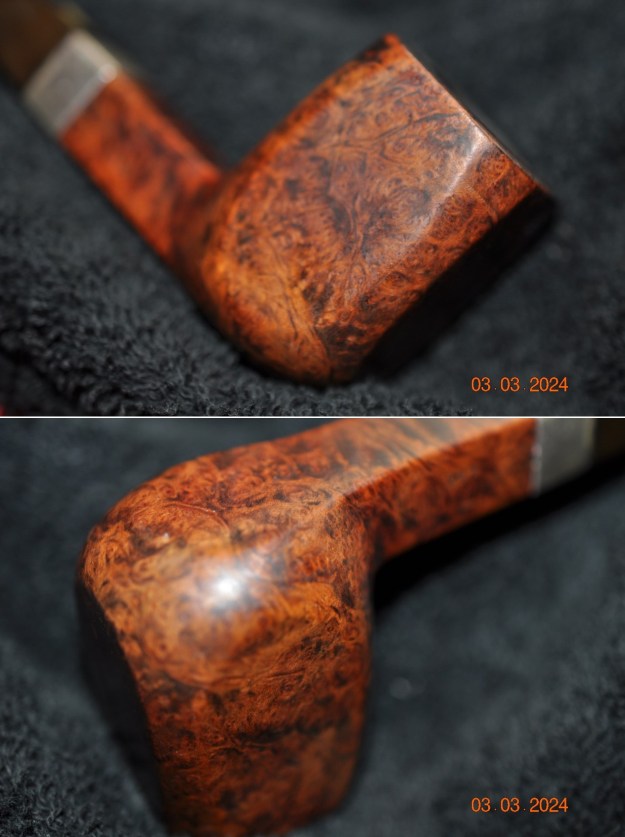
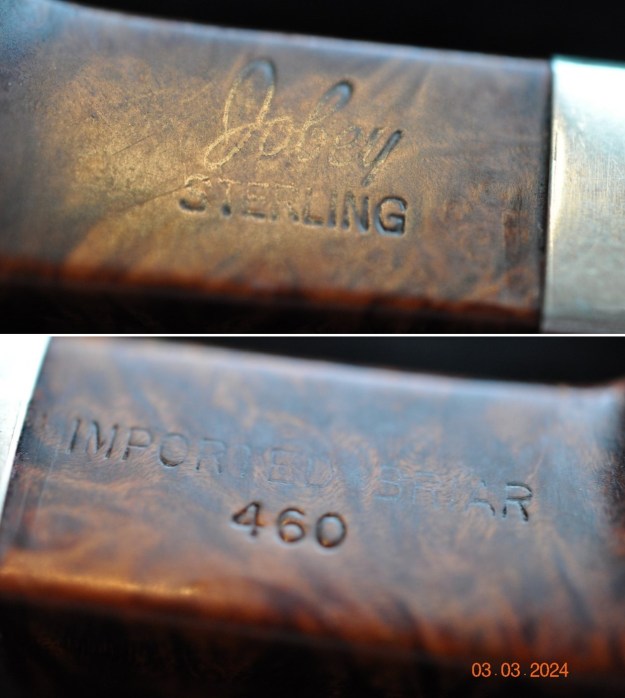
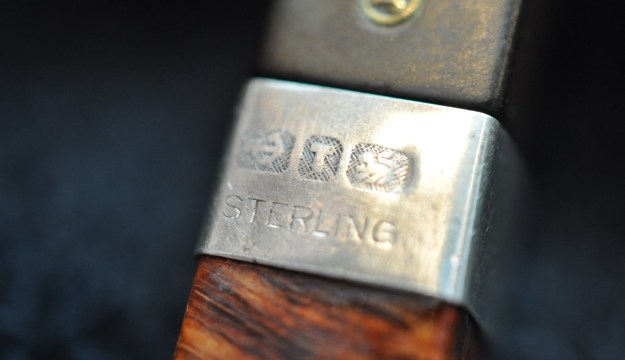
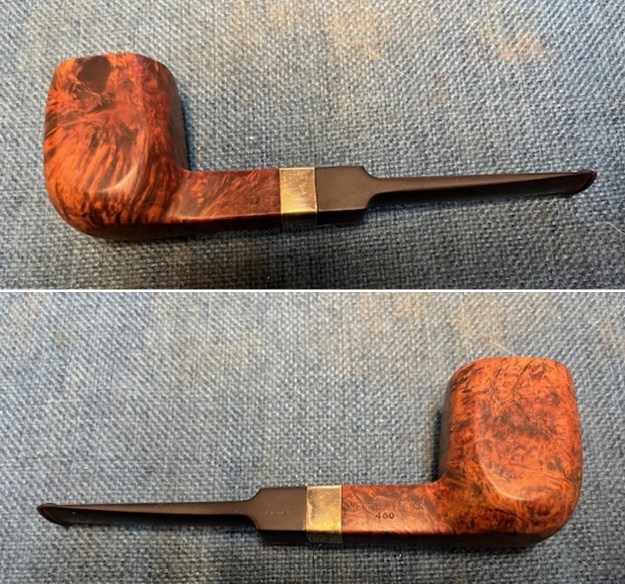
I have up for auction estate Royal Demuth pipe. It is marked on both sides and the bottom. The side that has the name also has a triangle with the letters, W, C, D inside. The other side has, Imported Briar Root, # 11. The bottom has, Filter Pat’d 1931. I am unsure of the actual date mark is does have some wear. The bowl has a beautiful American Eagle standing on a shield with 4 stars and stripes. The bowl has a strip of sterling on the rim and a band on the stem. The band is marked Sterling and has a square with a sideways anchor in it, a T in a square, and a lion in rectangle. I do not know the name of this company. The pipe is a well loved pipe and has been used. Some of the pictures were taken before I cleaned the silver.

From these sale sites I learned that the pipe I was working on was a World War II era WDC Royal Demuth. The patent date gave a start date and thus I knew it was made after that. It also has an Eagle and Shield motif carved into the bowl and the first seller surmised that it was one of the patriotic pipes that came out with during the war. I also knew that the stem was replaced sometime later and did not have the filter system expected on this pipe.

When I received it from Jeff it did not look like the same pipe. It was clean and the finish had life. He reamed it with a PipNet pipe reamer and got rid of the cake. He cleaned up the reaming with a Savinelli Fitsall Pipe Knife so that we could see the walls of the bowl and assess for damage. It was in good condition. He cleaned the internals of the shank and stem with cotton swabs, pipe cleaners and alcohol. He scrubbed the exterior with undiluted Murphy’s Oil Soap and a tooth brush. He rinsed the pipe under warm water. He dried it off with a cloth and then let it air dry. He scrubbed the stem with Soft Scrub and soaked it in Briarville’s Stem Deoxidizer. He rinsed it with warm water and dried it off with a soft cloth. It came out looking very good. The finish on the bowl and the rim top cleaned up nicely. I took pictures of the pipe to show how it looked when I brought it to the table. I took some photos of the rim top and stem to show the condition of them both when the pipe arrived. The rim top had some damage to the inner edge of the bowl and some marks on the top surface. Overall it looked very good. The oxidation on the stem had come off very well and the tooth marks chatter in the surface of the stem were visible. I took photos of the stamping on the sides of the shank. It was clear and readable as noted above. I removed the stem from the shank and took a photo of the appearance of the parts. It is a beauty. I started my work on the pipe by polishing the metal rim cap, edges and shank band. I polished it with 320-3500 grit sanding pads to polish out the scratches in the metal. It looked much better at this point in the process. I polished the metal cap and band with micromesh sanding pads – dry sanding with 1500-12000 grit sanding pads. I wiped it down with a damp cloth after each pad to remove the debris. The metal took on a rich glow. I rubbed the bowl down with Before & After Restoration Balm. I worked it into the surface of the briar with my fingertips and a horse hair shoe brush to clean, enliven and protect it. I let the balm sit for 10 minutes and then buffed with a cotton cloth to raise the shine. Mark Hoover’s Balm is a product that I have come to appreciate and one I use on every pipe I have been working on. I set the bowl aside and turned my attention to the stem. I had been thinking about the replacement stem and went through my cans of stem to see if I could find a WDC stem with the triangle logo on the left side. The amazing thing was I found one!!. The metal tenon (made for the WDC filters) was misshaped and was larger next to the stem than the mortise end. I used a small file and a Dremel and sanding drum to even us the diameter of the tenon all the way from the end to the stem end. It took some work but it worked well and the end result was the stem fit in the shank well. The diameter of the metal spacer was taller at the top than at the bottom. The measurements showed that from the tenon to the stem top was larger than the distance from the bottom edge. I would need to shape and work out that shape.  I took off some of the metal and vulcanite on the top half of the stem with the Dremel and sanding drum. I used a folded piece of 220 grit sandpaper to smooth out the sanding marks from the Dremel. Once I had smooth them out I sanded the stem with 320-3500 grit sanding pads to further blend them in and smooth out the surface of the stem.I polished the stem with micromesh sanding pads – dry sanding with 1500-12000 grit pads. I wiped the stem down after each pad with some Obsidian Oil. I finished hand polishing it with Before & After Pipe Stem Polish – Fine and Extra Fine. I rubbed it down with another coat of Obsidian Oil and let it dry. The stem really was beginning to look very good. This is a beautiful WDC Royal Demuth Silver Capped and Banded Billiard with a fitted filter vulcanite stem. The flat bottom makes it a sitter that is well balanced. The shape fits well in the hand with the curve of the bowl makes it a great pipe to hold. I polished stem with Blue Diamond polish on the buffing wheel. I gave the rusticated bowl and carvings on the bowl front multiple coats of Conservator’s Wax. I gave the stem multiple coats of carnauba wax. I buffed the pipe with a clean buffing pad to raise the shine. I hand buffed it with a microfiber cloth to deepen the shine. The pipe polished up pretty nicely. The rich combination of black and dark brown stains gave the sandblast a sense of depth. The pipe took on life with the buffing. The rich colour of the briar and the polished silver rim cap and shank band works well with the polished stem. Have a look at it with the photos below. The shape, finish and flow of the pipe and stem are very well done. The dimensions are Length: 5 ½ inches, Height: 1 ½ inches, Outside diameter of the bowl: 1 1/8 inches, Chamber diameter: 5/8 of an inch. The weight of the pipe is 33 grams/1.16 ounces. This American Made Silver Capped and Banded Filter Billiard is a real beauty. Thanks for walking through the restoration with me as I worked over another beautiful pipe. This one will be going on the rebornpipes store in the American Pipe Makers Section shortly if you would like to add it to your collection. Thanks for your time.

Great to work on an older WDC Thorobred Broken In Bent Billiard


by Steve Laug

This richly stained Bent Billiard is a beautiful pipe. The grain around the bowl is highlighted by the stain and really stands out. Jeff picked the pipe up on 08/06/22 from an online auction in Manorville, New York, USA. He purchased it along with its brother, another Thorobred that was sandblast. I have restored it already and there are many similarities. Here is the link to the blog on the restoration (https://rebornpipes.com/2022/08/14/restoring-an-old-wdc-sandblast-thorobred-kerly-briar-broken-in/). It is stamped on the left side of the shank and reads WDC in a triangle followed by Thorobred [over] Broken In. The grain follows the flow of the carved briar. The finish is stained with rich colours – a mix of browns that give depth to its finish. It was filthy with dust and debris ground into the sides of the bowl. The rim top has a heavy lava overflow on the top and edges coming from a thick cake in the bowl. The tapered hard rubber stem has a red triangle WDC logo inset on the topside. It was lightly oxidized and calcified with tooth marks and chatter on both sides ahead of the button. Jeff took photos of the pipe before he started working on it. It really is a beauty. He took photos of the rim top and the stem to show the condition. You can see the thick cake in the bowl and overflow of lava on the rim top. The photos of the stem show the tooth marks and damage in the hard rubber on the top and underside ahead of the button. Jeff took photos of the finish around the bowl sides to show flow of the grain around the bowl. You can also see the dust and debris in the finish. Jeff took photos of the stamping on the left side of the shank to capture it. It was clear and readable as noted above. He also captured the red triangle WDC logo on the top of the stem.I turned to the blog, mentioned above on the restoration of the sandblast partner of this pipe and reread the history of the brand that I had gathered when working on it. I have included that information below for ease of reference.
I have included a quick history of the brand from Pipedia that is interesting and is helpful (https://pipedia.org/wiki/William_Demuth_Company).

William Demuth. (Wilhelm C. Demuth, 1835-1911), a native of Germany, entered the United States at the age of 16 as a penniless immigrant. After a series of odd jobs he found work as a clerk in the import business of a tobacco tradesman in New York City. In 1862 William established his own company. The William Demuth Company specialized in pipes, smoker’s requisites, cigar-store figures, canes and other carved objects.

The Demuth Company is probably well known for the famous trademark, WDC in an inverted equilateral triangle. William commissioned the figurative meerschaum Presidential series, 29 precision-carved likenesses of John Adams, the second president of the United States (1797-1801) to Herbert Hoover, the 30th president (1929-1933), and “Columbus Landing in America,” a 32-inch-long centennial meerschaum masterpiece that took two years to complete and was exhibited at the World’s Columbian Exposition in Chicago in 1893…

…In 1897 Ferdinand Feuerbach joined the Demuth company and by 1903 had become the production manager. Feuerbach is credited with developing Demuth’s popular Royal Demuth and Hesson Guard Milano pipelines. He left in 1919, when Sam Frank Sr. needed an experienced pipe man to run his pipe factory, located at 168 Southern Blvd., in the Bronx. Feuerbach and Frank had been close friends since Frank started his own business in 1900 and was closely associated with the sales staff of WDC, selling their line of pipes…

In early 1937, the City of New York notified S.M. Frank & Co. of their intent to take by eminent domain, part of the land on which the companies pipe factory was located. This was being done to widen two of the adjacent streets. As a result of this, Frank entered into negotiations to purchase the Wm. Demuth Co.’s pipe factory in the Richmond Hill section of Queens. It was agreed upon that Demuth would become a subsidiary of S.M. Frank and all pipe production of the two companies would be moved to DeMuth factory. New Corporate offices were located at 133 Fifth Avenue, NYC.

Demuth pipes continued to be made at the Richmond Hill plant till December 31. 1972. Then the Wm. Demuth Company met its official end as a subsidiary company by liquidation. Demuth’s mainstay pipe, the Wellington continued to be offered in the S.M. Frank catalog until 1976. In the mid-80’s, the Wellington even made a brief return as a direct to the consumer offer.

I also have included a photo of a Billiard with the same stamping as the pipe I working on though on a sandblast or Kerly Briar. The rest of the stamping on the pipe is the same as what is on mine.When I received it from Jeff it did not look like the same pipe. It was clean and the finish had life. He reamed it with a PipNet pipe reamer and got rid of the cake. He cleaned up the reaming with a Savinelli Fitsall Pipe Knife so that we could see the walls of the bowl and assess for damage. It was in good condition. He cleaned the internals of the shank and stem with cotton swabs, pipe cleaners and alcohol. He scrubbed the exterior with undiluted Murphy’s Oil Soap and a tooth brush. He rinsed the pipe under warm water. He dried it off with a cloth and then let it air dry. He scrubbed the stem with Soft Scrub and soaked it in Briarville’s Stem Deoxidizer. He rinsed it with warm water and dried it off with a soft cloth. It came out looking very good. The finish on the bowl and the rim top cleaned up nicely. I took pictures of the pipe to show how it looked when I brought it to the table. I took some photos of the rim top and stem to show the condition of them both when the pipe arrived. The rim top had some damage to the inner edge of the bowl and some marks on the top surface. Overall it looked very good. The oxidation on the stem had come off very well and the tooth marks chatter in the surface of the stem were visible.  I took a photo of the stamping on the underside of the shank. It was clear and readable as noted above. I removed the stem from the shank and took a photo of the appearance of the parts. It is a beauty.I started my work on the pipe by addressing the issues on the top and the inner edge of the rim. I used a folded piece of 220 grit sandpaper to smooth out the roughness. It looked much better at this point in the process.I sanded the briar rim top and the sides of the bowl with 320-3500 grit sanding pads. I wiped the bowl down with a damp cloth after each pad. By the time I finished with the 3500 grit pad the briar had taken on a rich glow. I polished the briar bowl and shank with micromesh sanding pads – dry sanding with 1500-12000 grit sanding pads. I wiped it down with a damp cloth after each pad to remove the debris. The bowl took on a rich glow. I rubbed the bowl down with Before & After Restoration Balm. I worked it into the surface of the briar with my fingertips to clean, enliven and protect it. I let the balm sit for 10 minutes and then buffed with a cotton cloth to raise the shine. Mark Hoover’s Balm is a product that I have come to appreciate and one I use on every pipe I have been working on. I set the bowl aside and turned my attention to the stem. I “painted” the surface of the stem with the flame of a Bic lighter to lift the tooth marks and scratches. The heat did little to raise the marks at all. I wonder if hard rubber is unlike vulcanite in terms of memory. I used black super glue to fill in the deep tooth marks in the surface. I flattened out the repairs with small files. I sanded the stem with 220 grit sandpaper to smooth out the repairs and begin to blend them into the surface. I sanded the stem with 320-3500 grit sanding pads to further blend them in and smooth out the surface of the stem.I polished the stem with micromesh sanding pads – dry sanding with 1500-12000 grit pads. I wiped the stem down after each pad with some Obsidian Oil. I finished hand polishing it with Before & After Pipe Stem Polish – Fine and Extra Fine. I rubbed it down with another coat of Obsidian Oil and let it dry. The stem really was beginning to look very good. This is a beautiful WDC Thorobred Broken In Bent Billiard with a thick hard rubber, black stem. It has a great look and feel. The flat bottom makes it a sitter that is well balanced. The shape fits well in the hand with the curve of the bowl and bend of the shank making a great pipe to hold. I polished stem with Blue Diamond polish on the buffing wheel. I gave the sandblast bowl and plateau on the rim top and shank end multiple coats of Conservator’s Wax. I gave the stem multiple coats of carnauba wax. I buffed the pipe with a clean buffing pad to raise the shine. I hand buffed it with a microfiber cloth to deepen the shine. The pipe polished up pretty nicely. The rich combination of black and dark brown stains gave the sandblast a sense of depth. The pipe took on life with the buffing. The rich colour of the briar works well with the polished stem. Have a look at it with the photos below. The shape, finish and flow of the pipe and stem are very well done. The dimensions are Length: 5 inches, Height: 1 ½ inches, Outside diameter of the bowl: 1 1/8 inch, Chamber diameter: ¾ of an inch. The weight of the pipe is 42 grams/ 1.55 ounces. This American Made Bent Billiard is a real beauty. Thanks for walking through the restoration with me as I worked over another beautiful pipe. This one will be going on the rebornpipes store in the American Pipe Makers Section shortly if you would like to add it to your collection. Thanks for your time.

Restoring a rather odd Barrel Like Manhattan Oval Shank Billiard


by Steve Laug

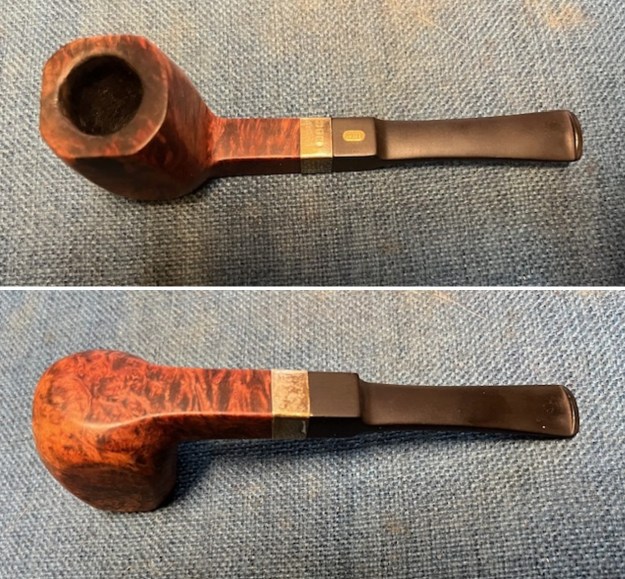
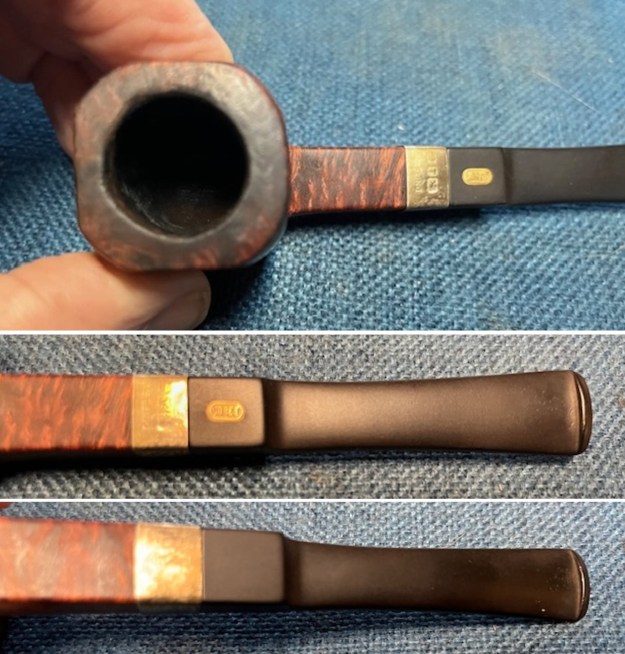
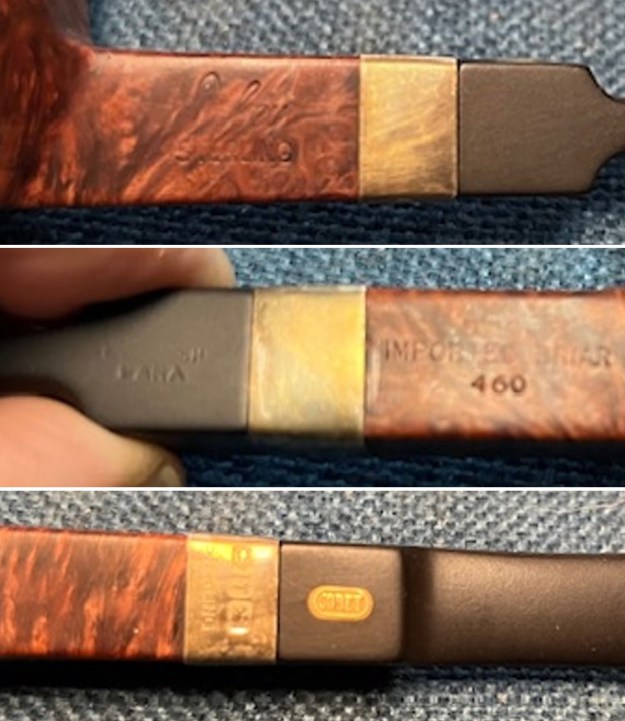
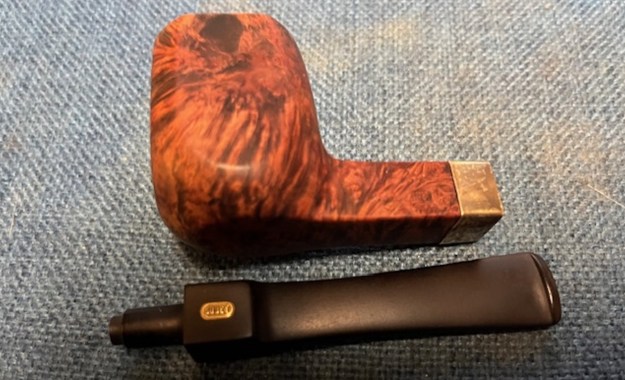
The next pipe on the work table is a unique shape that looks a lot like a billiard banded with barrel iron and buttons. It is very unique looking. It is stamped on the top side of the shank and reads MANHATTAN in gold letter. The shank has a brass (nickel) decorative band with faux hallmarks on top. On the underside of the stem it reads SOLID RUBBER. There were no other identifying marks or stamps on the shank or the stem. It came to us form a seller in Austin, Texas, USA on 11/07/2020. It has a mix of grain around the sides and shank. The bowl had a heavy cake in the bowl and thick lava on the rim top. It was thick so it was hard to be certain what the inner edge looked like. The finish was very dirty so it was hard to know with certainty what lay underneath. The bowl is a classic Billiard shape. The solid rubber oval taper stem had an orific button and showed some age. It has oxidation, calcification, tooth chatter and tooth marks on both sides ahead of the button. Jeff took photos of the pipe before he started working on it. Jeff took photos of the bowl, rim top and stem sides to show the condition of the both. It was a dirty bowl with debris and a heavy cake on the walls. The rim top had a thick lava covering the bowl and the edges. It was hard to know what the condition of the inner edge was underneath. I took photos of the top and underside of the stem showing condition and the tooth marks on both sides ahead of the button. Jeff took photos of the grain around the sides and the heel of the bowl to show the briar that was used to craft this unique pipe. He took photos to capture the stamping on the top and underside of the shank, band and stem. It is clear and readable as noted above. I turned to Pipedia and found a helpful article on the background. It was called The Manhattan Briar Pipe Company. It is an interesting read so I have included the article in its entirety as well as the advertisement from 1913 that showed a Manhattan pipe. The interesting thing for me is that the pipe is the same shape and style as the one I have in hand. The difference of course is that mine does not have a silver band and there is a horn stem rather than a vulcanite stem.

The Manhattan Briar Pipe Co. was organized in October, 1902 by the American Tobacco Company, under an agreement with the owners of the Brunswick Briar Pipe Company, as a New York corporation. Its initial address was 111 5th Avenue, New York City, and the value of its stock in 1902 was $350,000.00. American Tobacco Company had itself been founded in 1890 by J. B. Duke through a merger between a number of U.S. tobacco companies, and was one of the original twelve members of the Dow Jones Industrial Average in 1896. It was commonly called the “Tobacco Trust”.

The majority of the stock in Manhattan Briar Pipe Company was immediately acquired by the American Tobacco Company after the company was organized, but the prior owners retained a controlling minority interest for some years. In October, 1906, however, the American Tobacco Company acquired the remaining shares of stock, and from that point on Manhattan Briar was the pipe making branch of American Tobacco. By 1911, however, American Tobacco had been dissolved in anti-trust litigation, and Manhattan Briar Pipe Co. became a separate concern.

Manhattan Briar Pipe Co. had started operations in 1905 in Jersey City, New Jersey, having taken on a lease for a ten year period in 1905, and maintained a factory at Marion, New Jersey, where the pipes were made. By 1913, former American Tobacco pipe department chair John Glossinger was the president of Manhattan Briar Pipe Company, and began a significant advertising push for high grade pipes, using the slogan “Don’t spoil good tobacco by using a poor pipe”. It appears from cases having appeared on the estate market that Manhattan also sold meerschaum pipes, most likely rebranded articles originally made by European craftsmen.

After the expiration of the Jersey City lease the Manhattan Briar Pipe Company maintained offices and a factory at 415-425 Greenpoint Avenue, Brooklyn, New York beginning in 1915, evidently under the direction of W. C. Bastian, who had been granted a patent for a chambered pipe stem otherwise seemingly identical to a Peterson P-Lip in 1910. An employee of the company, one J. Gianninoto, was granted a patent for a device meant to permit the emptying of a cuspidor without the mess in early 1918, and the company continues to be listed in local directories through 1921. In 1922 Manhattan Briar was purchased by S.M. Frank and merged into that company. https://pipedia.org/wiki/Manhattan_Briar_Pipe_Co.

Further digging led me to a link on the S.M. Frank Co. & Inc. history page. Reading through the history of the company I found that S.M. Frank not only purchased the Manhattan Briar Pipe Company but also purchased WDC or William DeMuth & Company – two of the older brands that I enjoy working on. Here is the relevant section from the link: In the year 1900 Sam Frank Sr. started his own business, selling pipes and other tobacco items. His original office was located at 20 W. 17th Street, NYC. He was also closely associated with the sales staff of Wm. DeMuth & Co., selling their line of pipes. It was at this time that Mr. Frank first met Ferdinand Feuerbach and formed what would be a lifelong friendship. Mr. Feuerbach started working for the DeMuth Company in 1897 and by 1903 had become the production manager. In 1919, when Mr. Frank needed an experienced pipe man to run his pipe factory, located at 168 Southern Blvd., in the Bronx, he persuaded his old friend Ferdinand to join him. Mr. Feuerbach is credited with developing DeMuth’s popular Royal DeMuth and Hesson Guard Milano pipelines. In 1922, when S. M. Frank purchased the Manhattan Briar Pipe Co. the company incorporated.  http://www.smfrankcoinc.com/home/?page_id=2

That link led me to me to some further information including an advertisement and a shape chart on Chris Keene’s Pipe Pages http://pipepages.com/mbpc2.htm. I have included them here with acknowledgement to Chris Keene. I always enjoy reading the old copy of these advertisements as they take me back to place where the pipe was an acceptable part of the life. The pipe I have in hand is one that was made between the opening of the Manhattan Briar Pipe Company in 1905 in New Jersey and 1922 when SM Frank bought the company and it ceased to exist as a separate entity. That fit my experience of working on pipes with stems stamped Solid Rubber.

Armed with that information I turned to work on the pipe itself. Jeff had done a great job cleaning up the pipe as usual. He cleaned up the inside of the bowl with a PipNet reamer and a Savinelli Fitsall Pipe Knife. The bowl walls looked very good. He scrubbed the interior of the bowl and shank with pipe cleaners, cotton swabs and alcohol to remove the tars and oils. He scrubbed the exterior of the pipe with Murphy’s Oil Soap and a tooth brush to remove the grime from the finish. He worked on the rim top lava and darkening with the soap and tooth brush. He scrubbed the inside of the stem with alcohol and pipe cleaners. He scrubbed the exterior with Soft Scrub and then soaked it in Briarville’s Pipe Stem Deoxidizer. He washed it off with warm water to remove the deoxidizer. The pipe looked far better. I took photos of the pipe when I received it before I started working on it. I took photos of the bowl and rim top to show how clean it was. The top and the inner edge of the rim show some darkening, nicks and scratches. The stem looks clean of debris and grime. There are light tooth marks and chatter on both sides. I took a photo of the stamping on the top of the shank. The stamping is clear and readable and appears to have had gold stamp in the letters. The stem shows a Solid Rubber stamp clearly on the underside. I took a photo of the pipe with the stem removed to show the overall look of stem, tenon and profile of the pipe. I started my work on the pipe by addressing the issues on the top and the inner edge of the rim. I used a folded piece of 220 grit sandpaper to smooth out the roughness. It looked much better at this point in the process.I sanded the briar rim top and the sides of the bowl with 320-3500 grit sanding pads. I wiped the bowl down with a damp cloth after each pad. By the time I finished with the 3500 grit pad the briar had taken on a rich glow. I touched up the gold stamp on the top of the shank with Rub’n Buff Antique Gold. I worked it into the stamping with a tooth pick and buffed it off with a soft cloth. It was very readable and looked good with the brass band and brass rings and studs on the bowl. I polished the briar bowl and shank with micromesh sanding pads – dry sanding with 1500-12000 grit sanding pads. I wiped it down with a damp cloth after each pad to remove the debris. The bowl took on a rich glow. I rubbed the bowl down with Before & After Restoration Balm. I worked it into the surface of the briar with my fingertips to clean, enliven and protect it. I let the balm sit for 10 minutes and then buffed with a cotton cloth to raise the shine. Mark Hoover’s Balm is a product that I have come to appreciate and one I use on every pipe I have been working on. I set aside the bowl and turned my attention to the stem issues. I sanded it with a folded piece of 220 grit sandpaper to begin the process of blending the chatter and marks into the stem surface. On the underside I found a piece of metal embedded in the rubber confirming an early date as mentioned above.I sanded it with 320-3500 grit sanding pads to further blend them in and smooth out the surface.I polished the vulcanite with micromesh sanding pads – 1500-12000 grit pads. I wiped it down with a damp cloth after each sanding pad. I used Before & After Pipe Polish – both Fine and Extra Fine to further polish the stem.

I put the stem back on the Manhattan Barrel Like Oval Shank Billiard and took it to the buffer. I worked it over with Blue Diamond to polish out the remaining small scratches. I gave the bowl and the stem several coats of carnauba wax and buffed the pipe with a clean buffing pad to raise the shine. I hand buffed it with a microfiber cloth to deepen the shine. The pipe polished up really well and the bevelled rim top looked good. I was happy with the look of the finished pipe. The photos below show what the pipe looks like after the restoration. This Oval Shank Manhattan Billiard is a beautiful and unique take on a classic shape. The polished solid rubber taper stem looks really good with the browns of the briar and the brass of the bands around the bowl and shank. The dimensions of the pipe are Length: 7 inches, Height: 2 inches, Outside diameter of the bowl: 1 ¼ inches, Chamber diameter: 7/8 of an inch. The weight of the pipe is 1.83 ounces/52 grams. This is another pipe that I will be putting it on the rebornpipes store in the American Pipe Makers Section shortly, if you are interested in adding it to your collection. The unique brass on the bowl gives it a great look and feel. This one should be a great smoker. Thanks for walking through the restoration with me on this beauty!