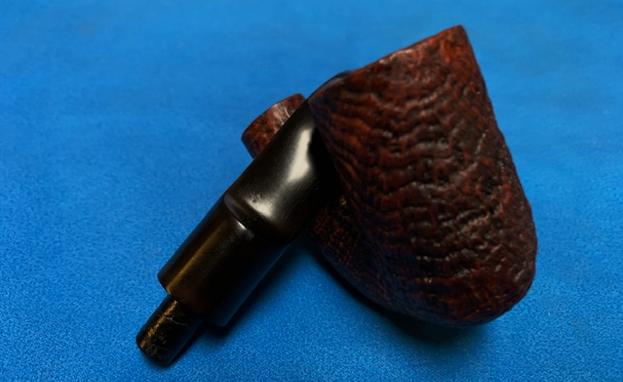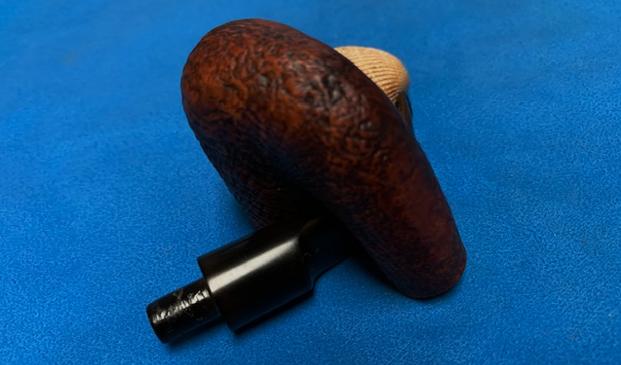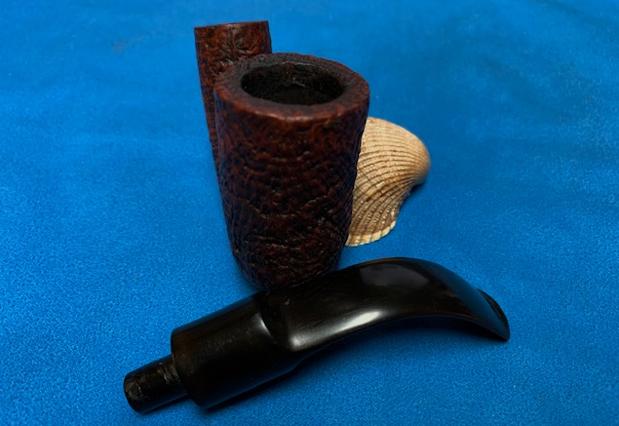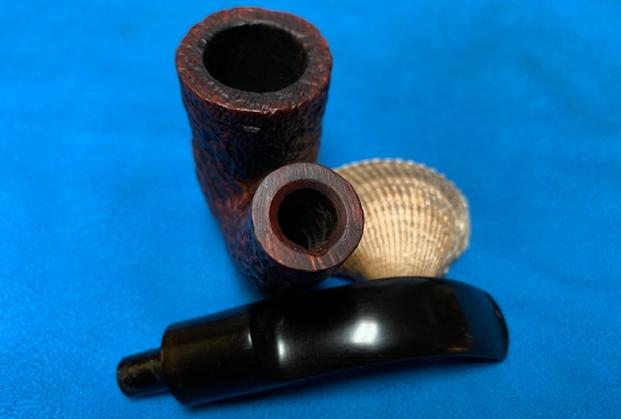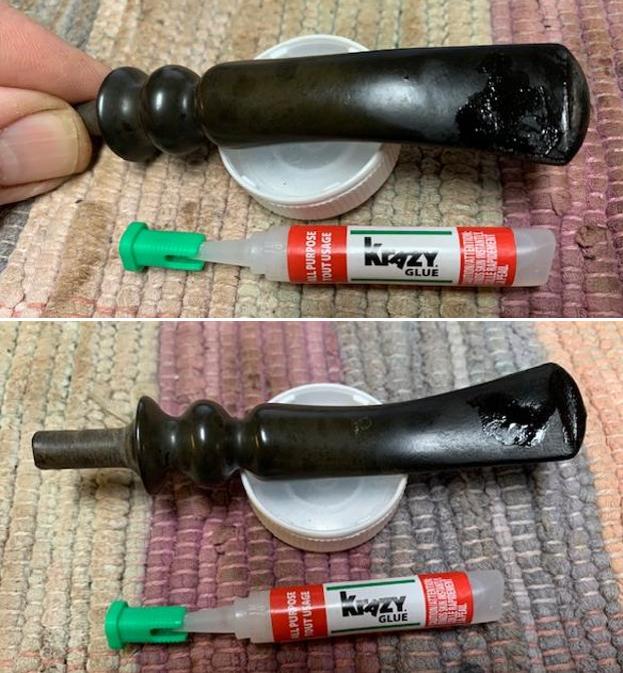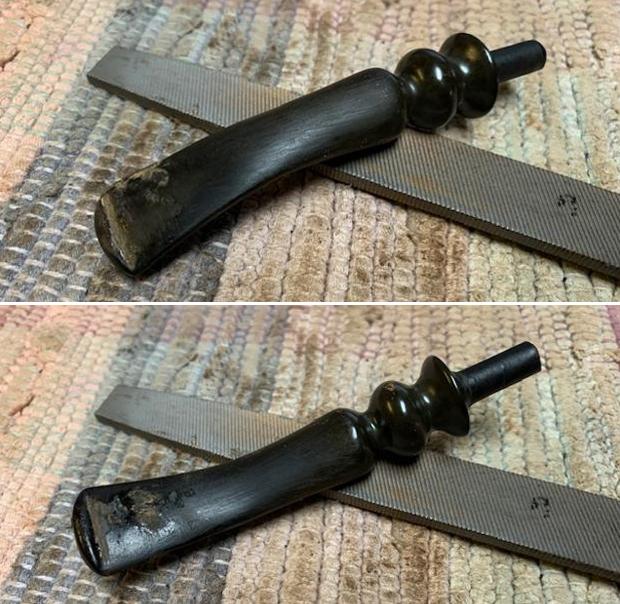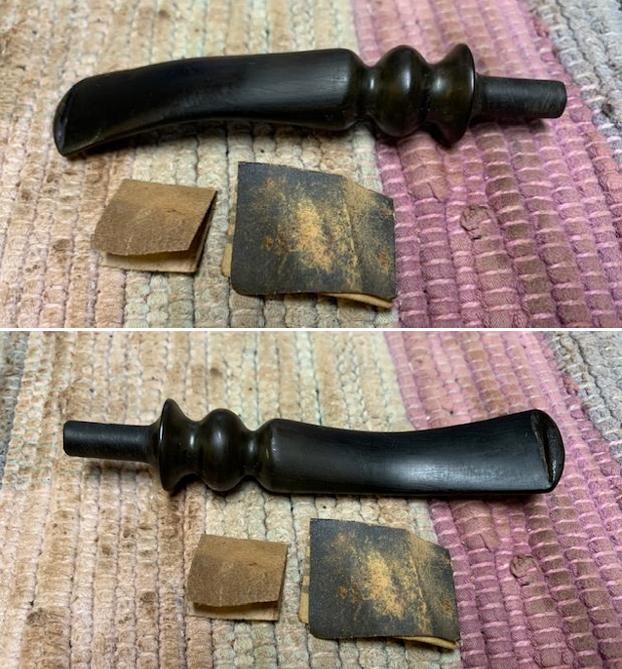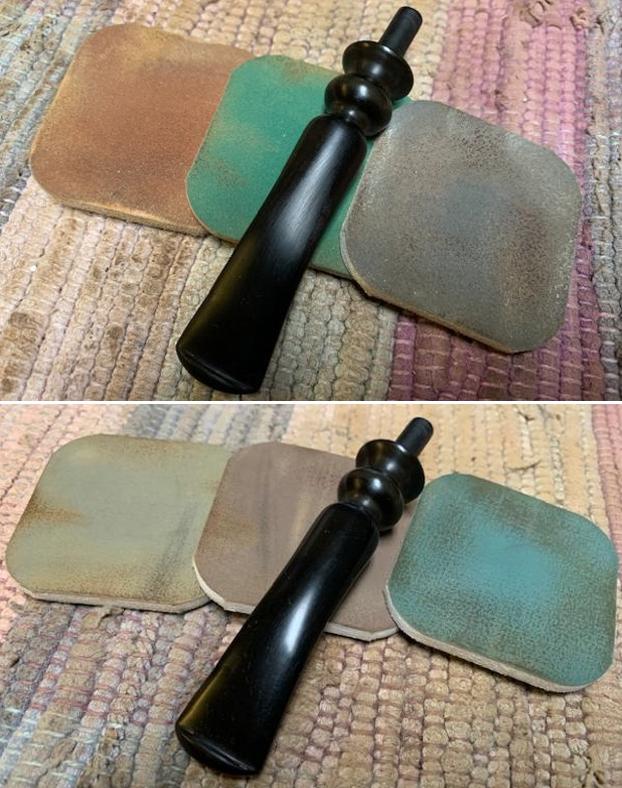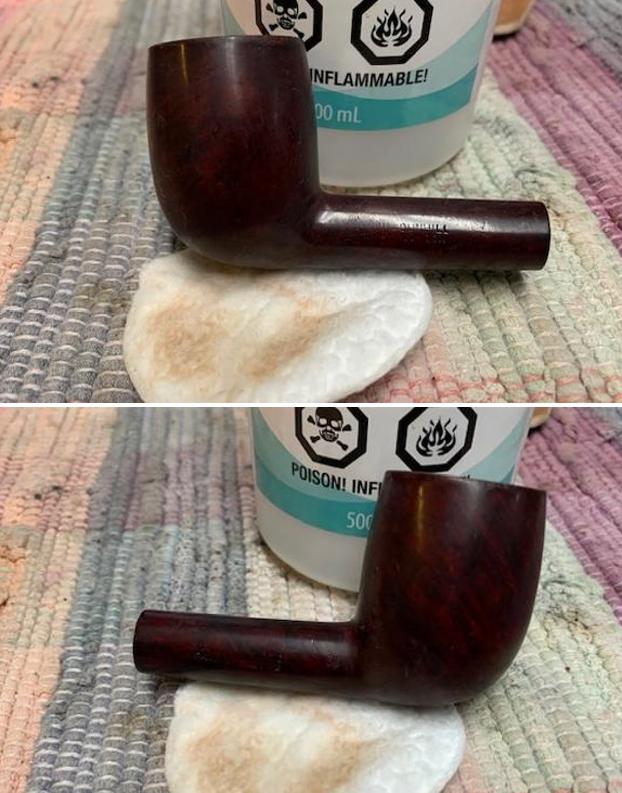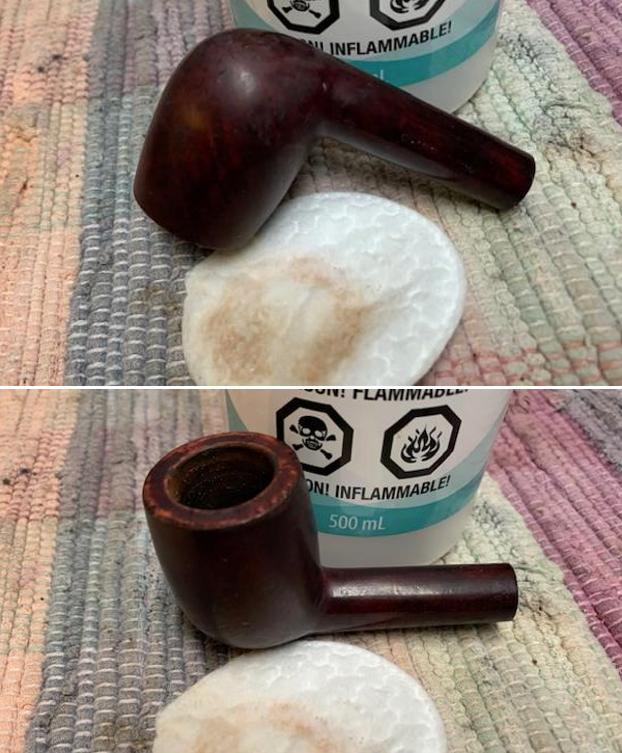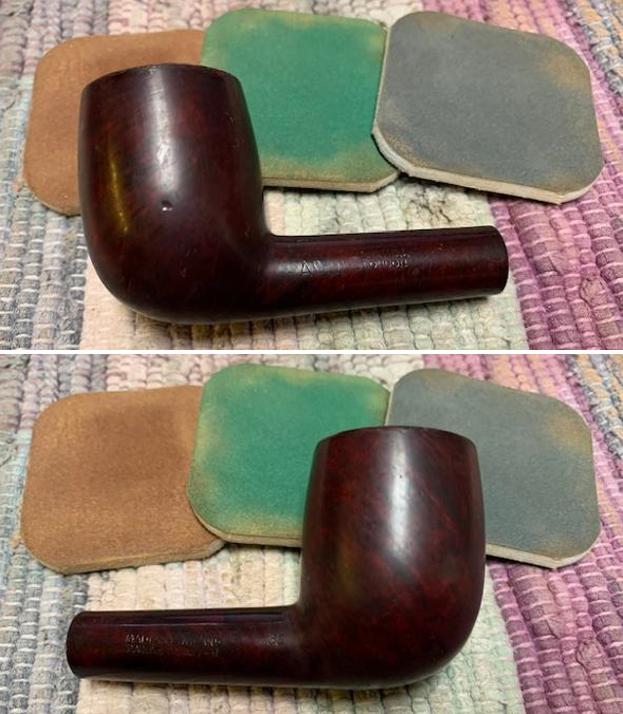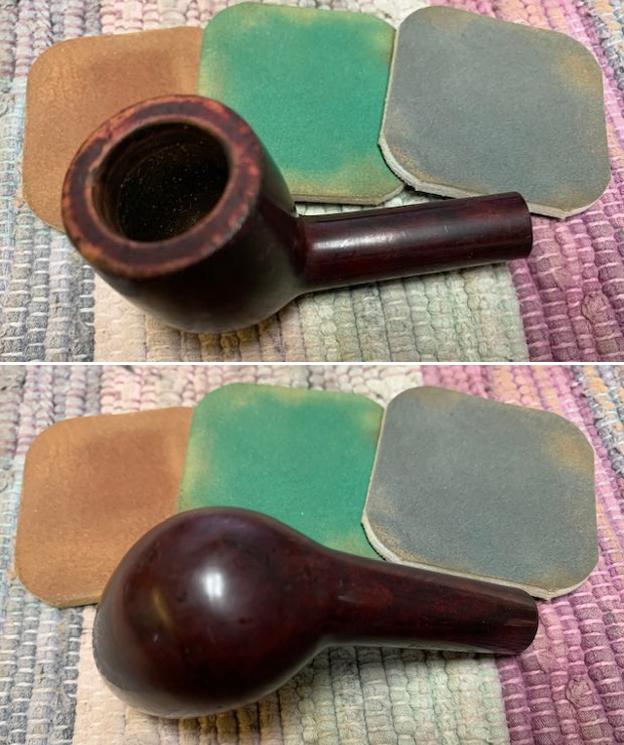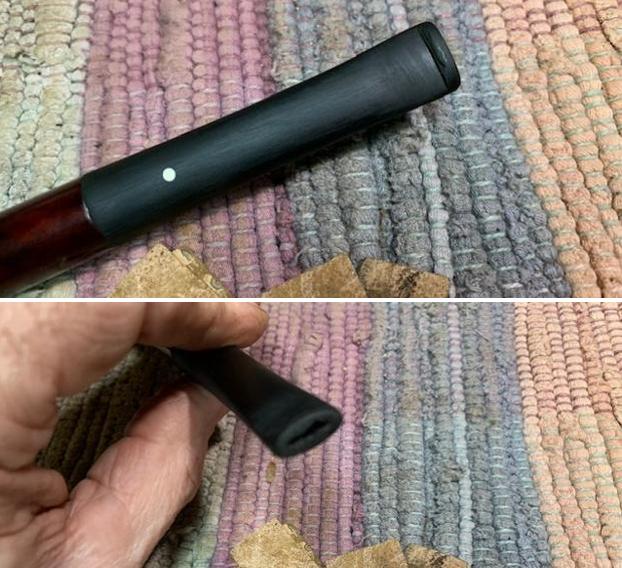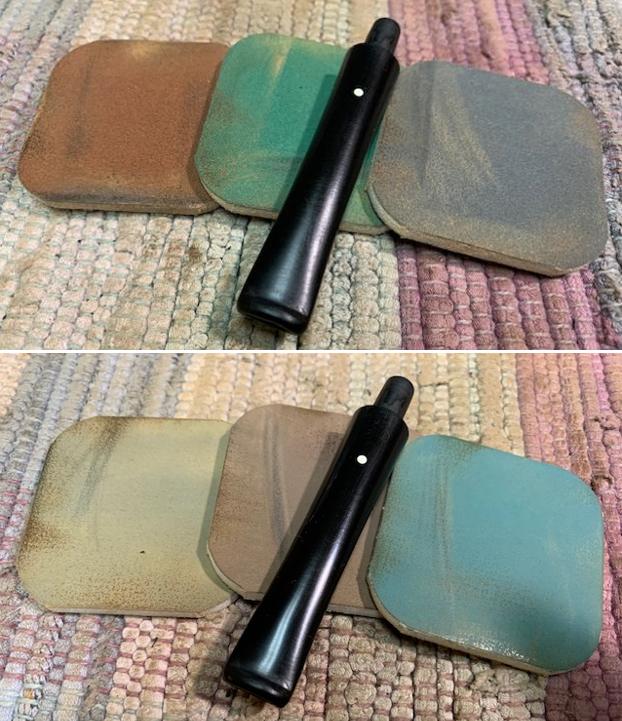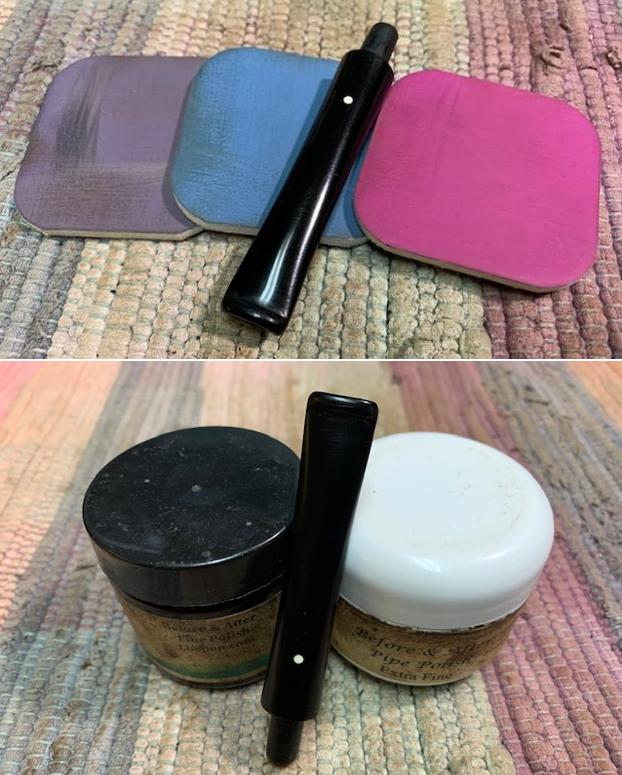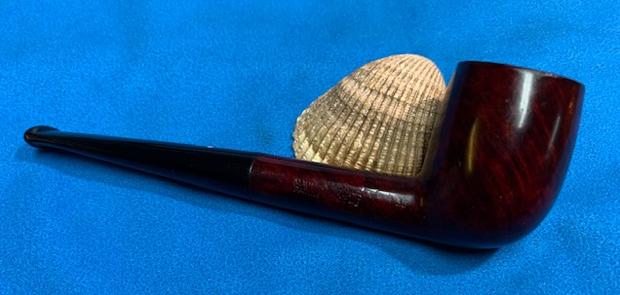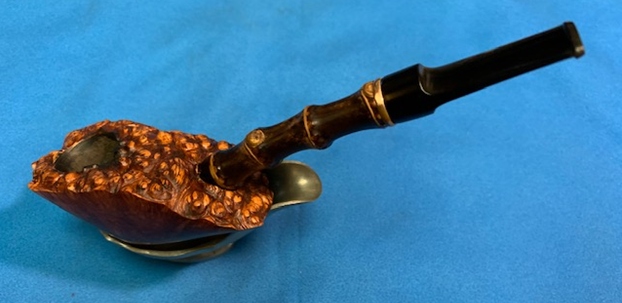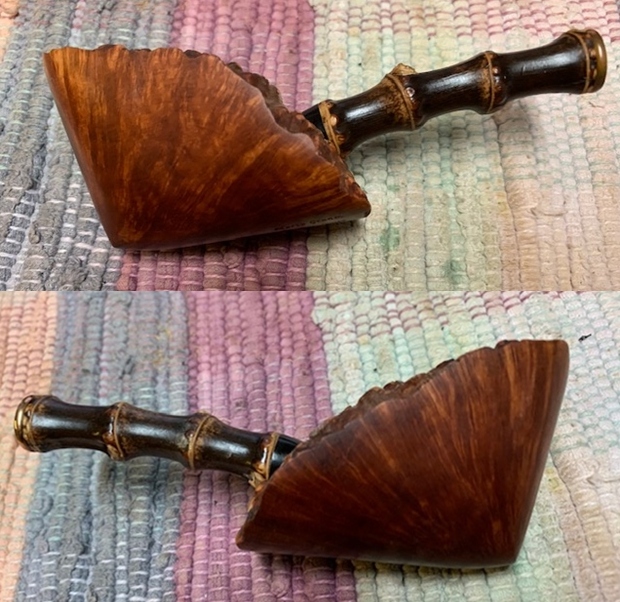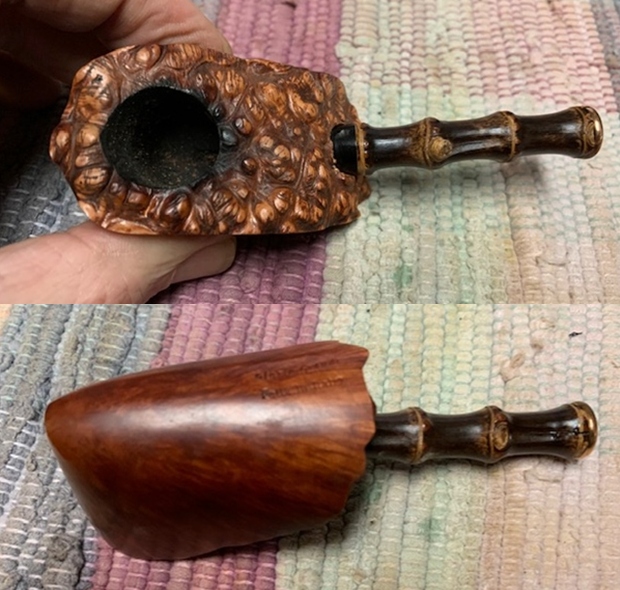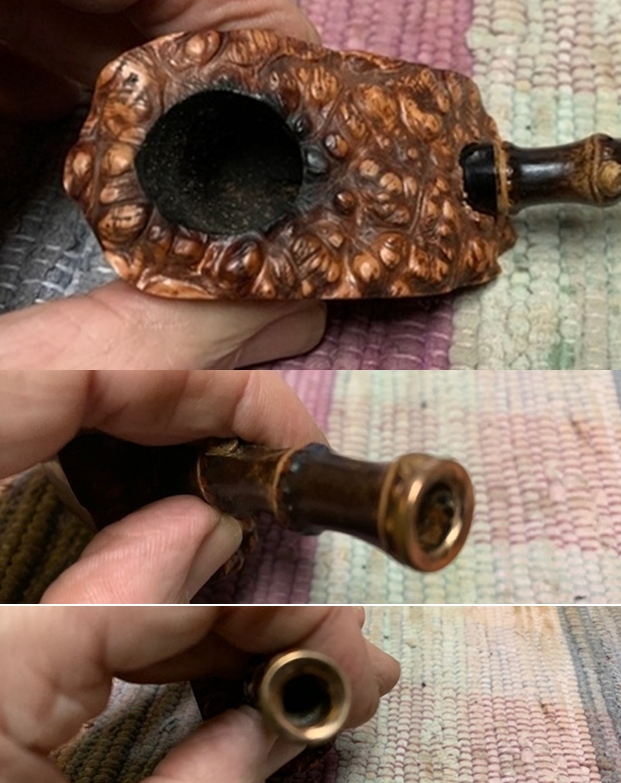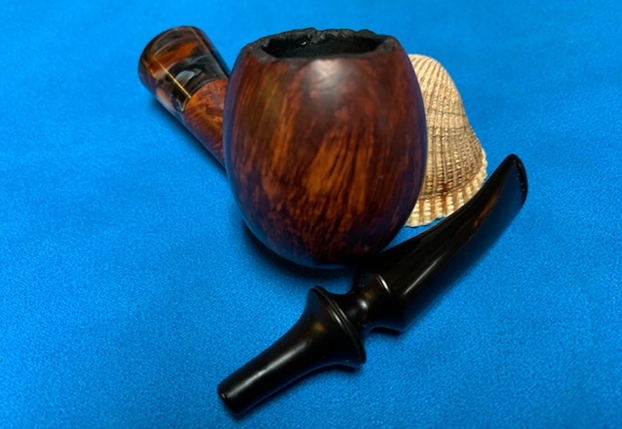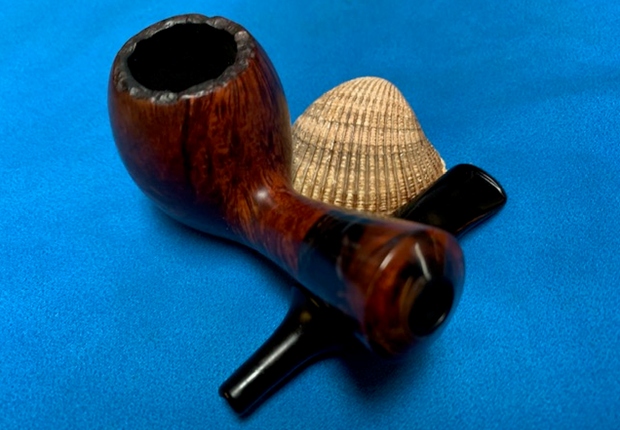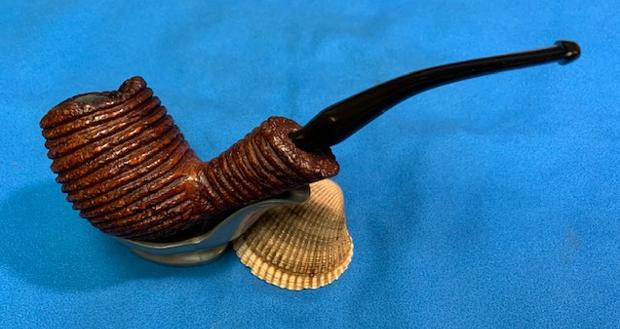
Tag Archives: restemming a pipe

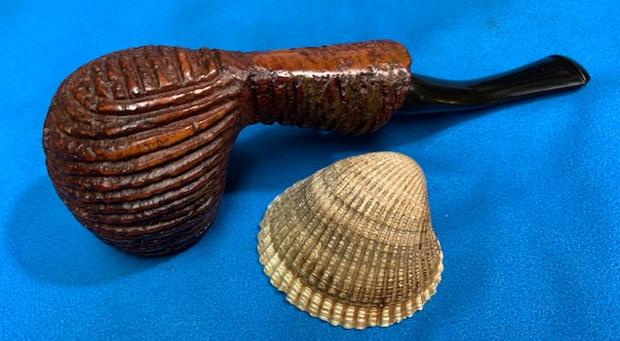
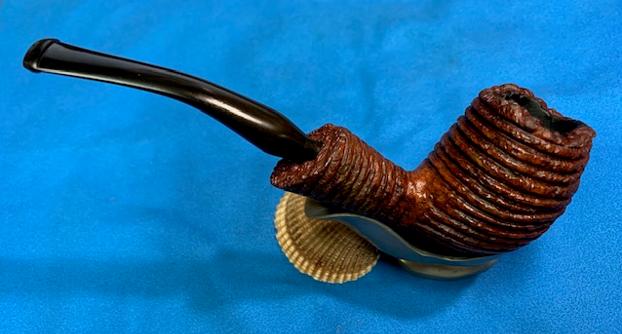
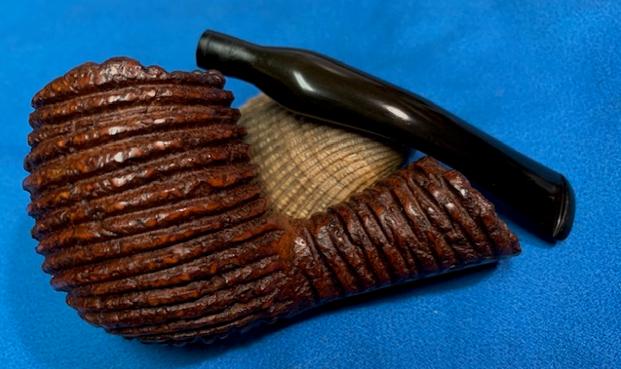
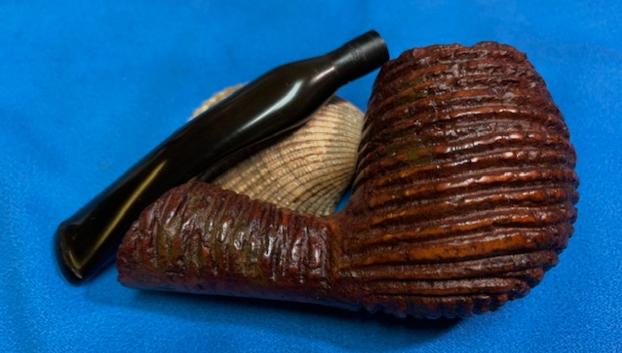
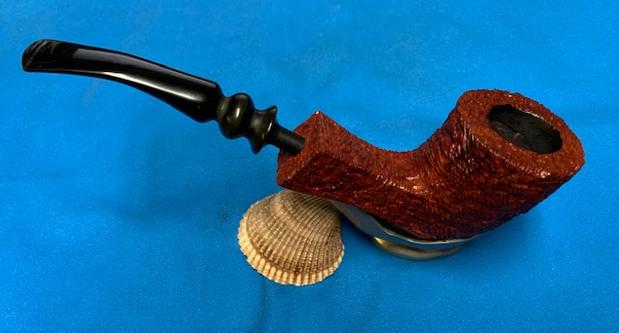
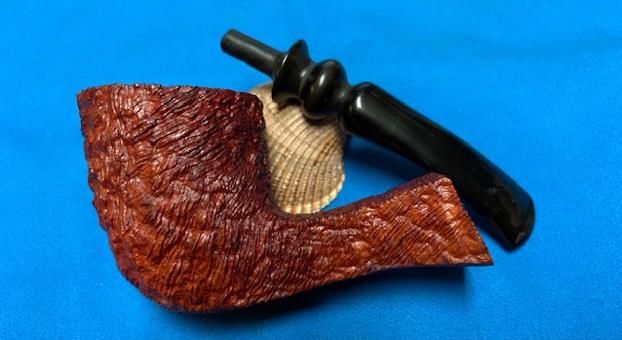
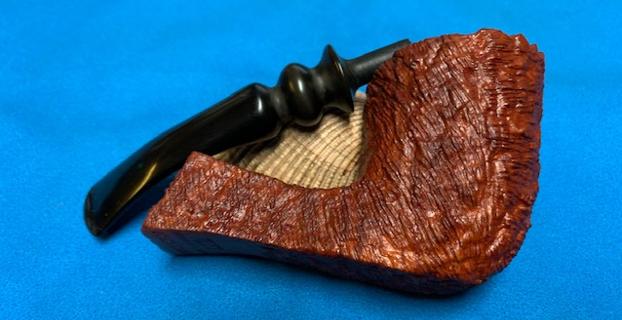
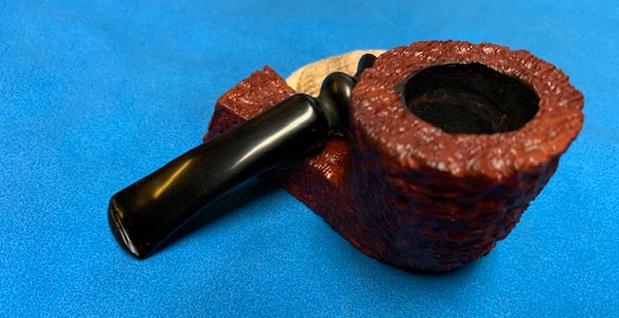
Restemming and Restoring a Stone Age K11 609 Italian Freehand Bowl


Blog by Steve Laug

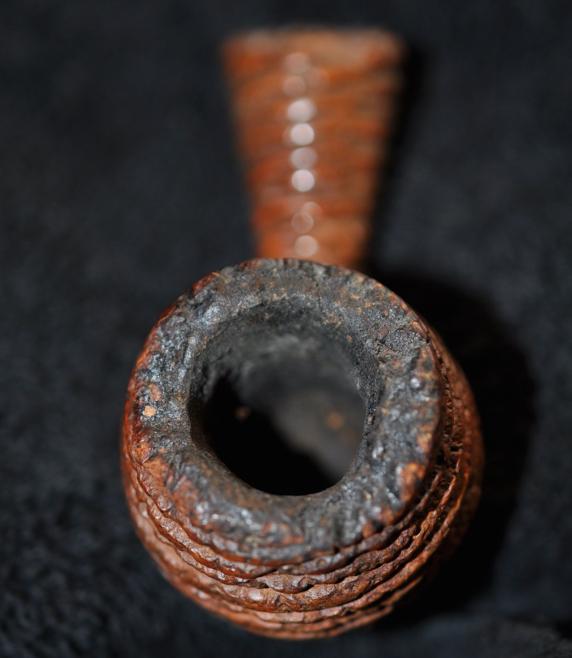
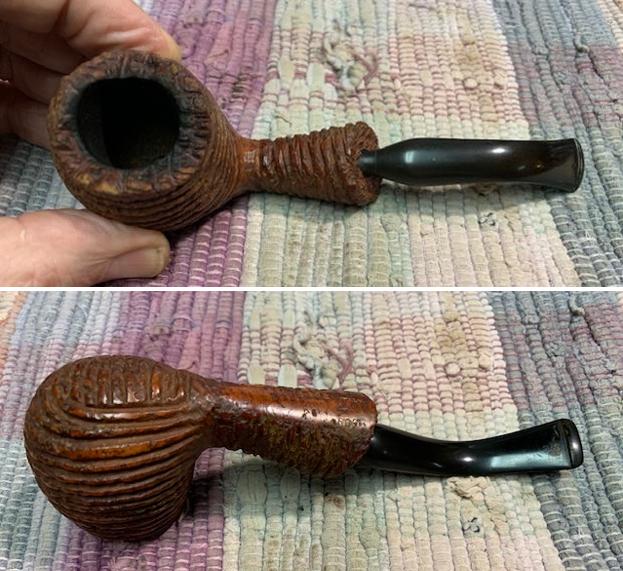
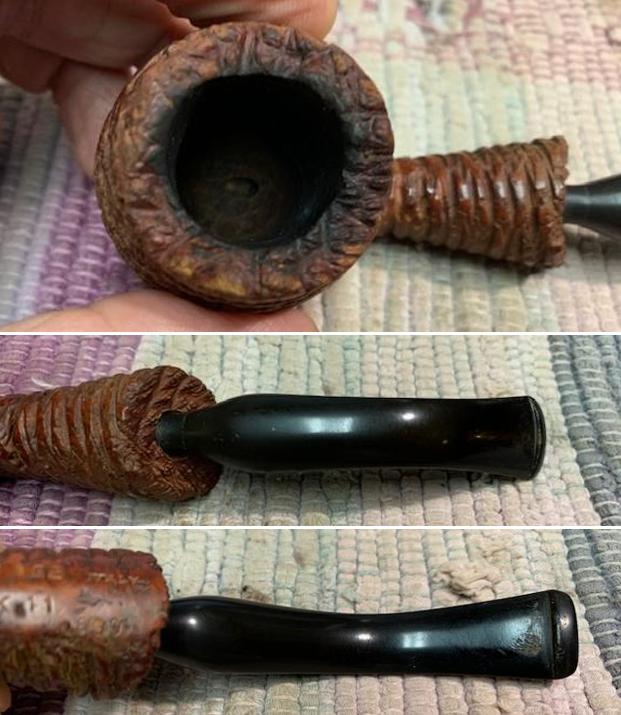
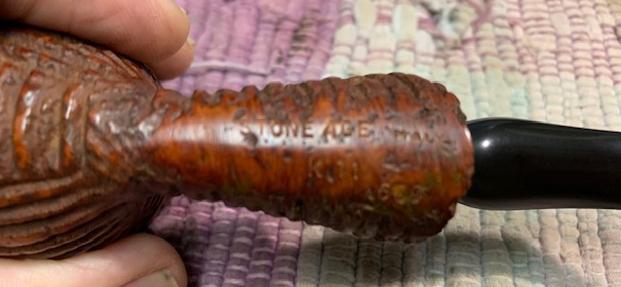
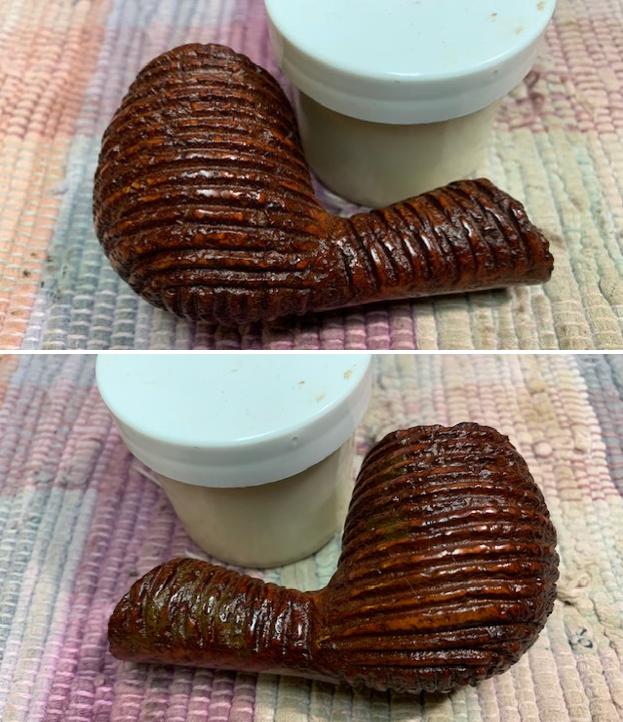
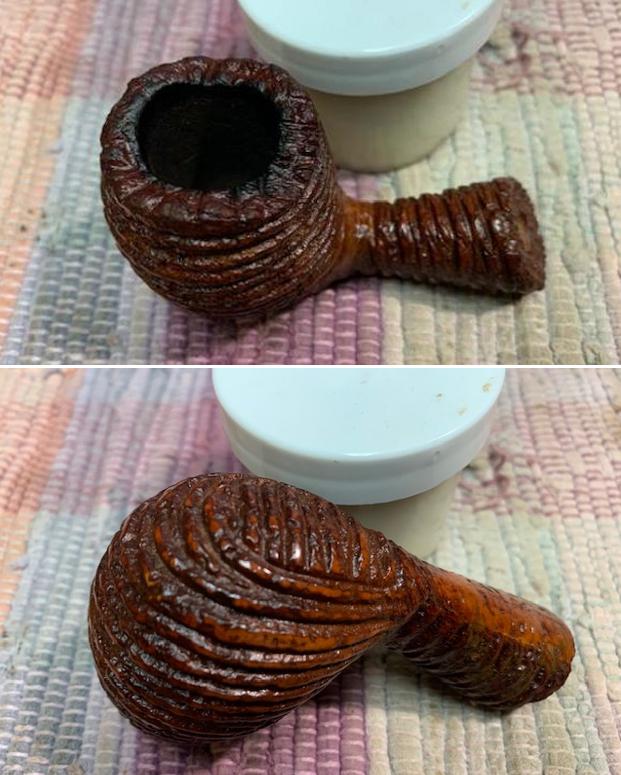
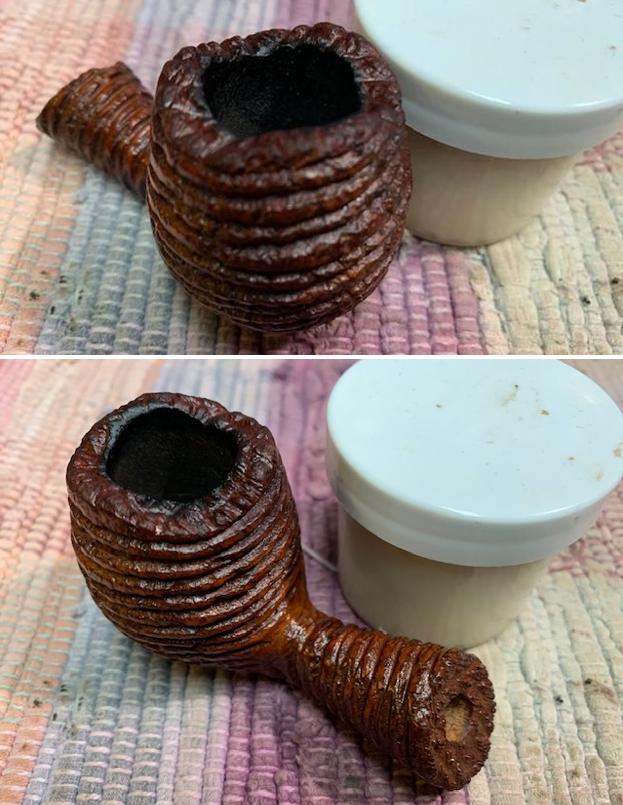
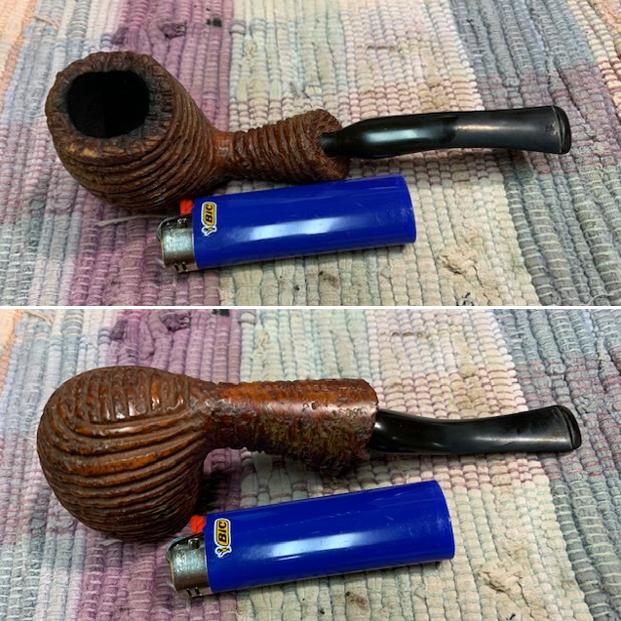
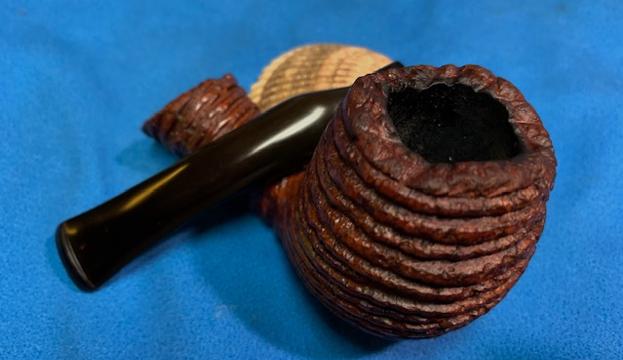
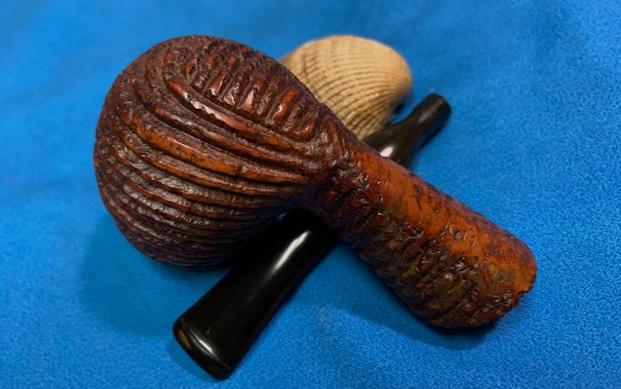
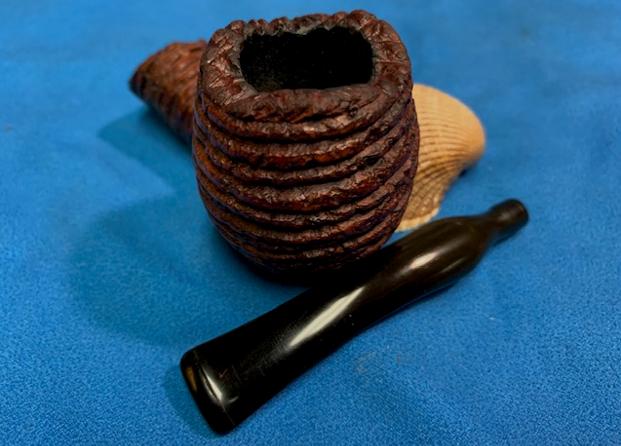
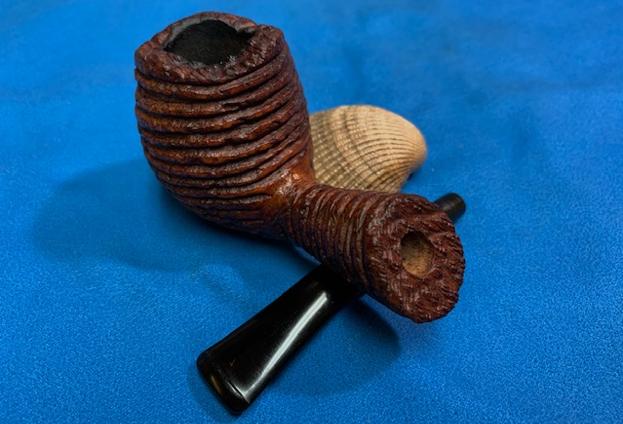
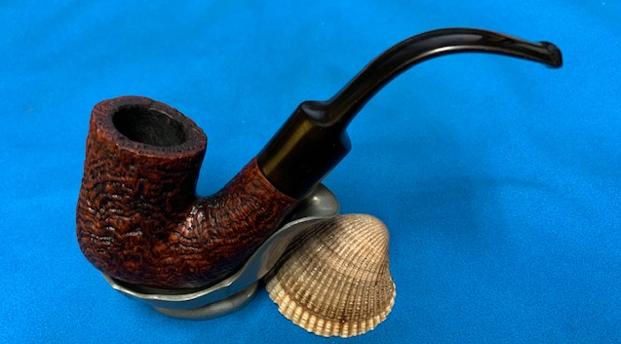
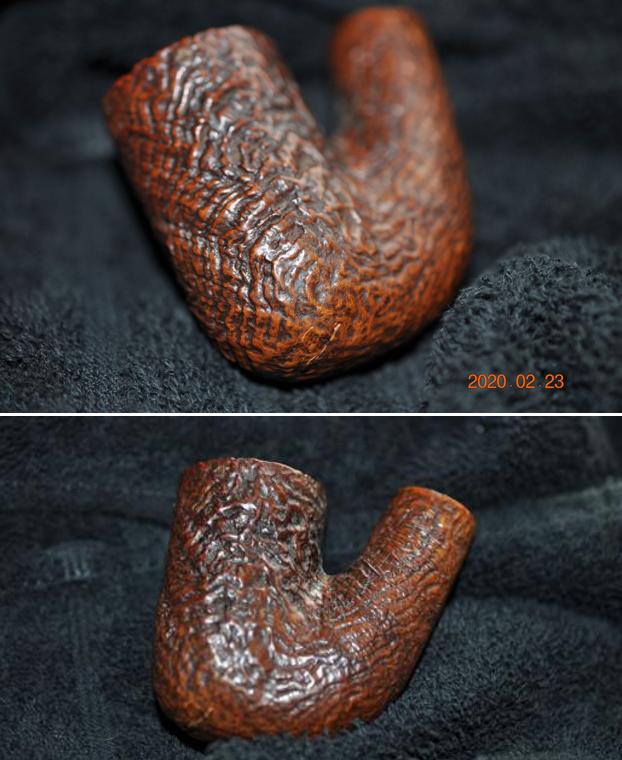
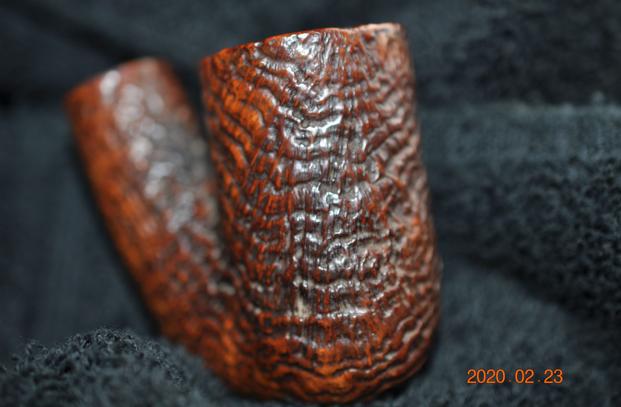
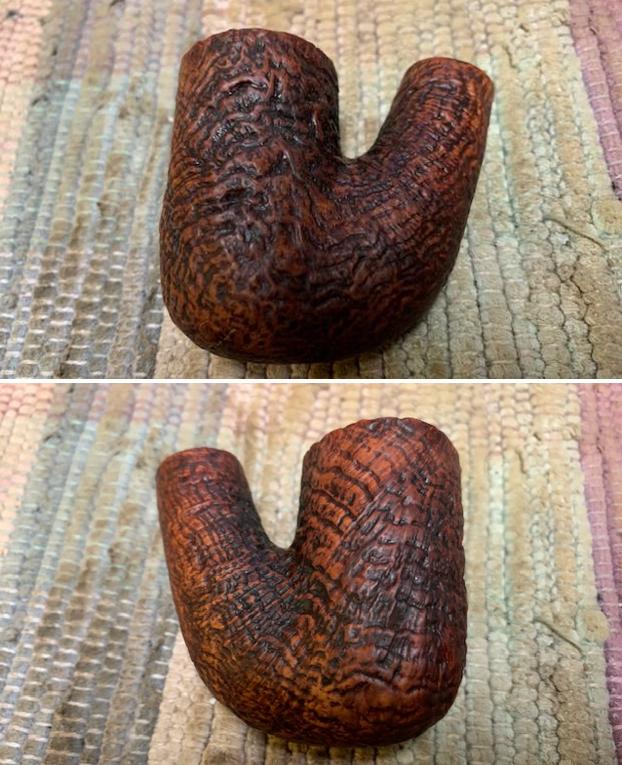
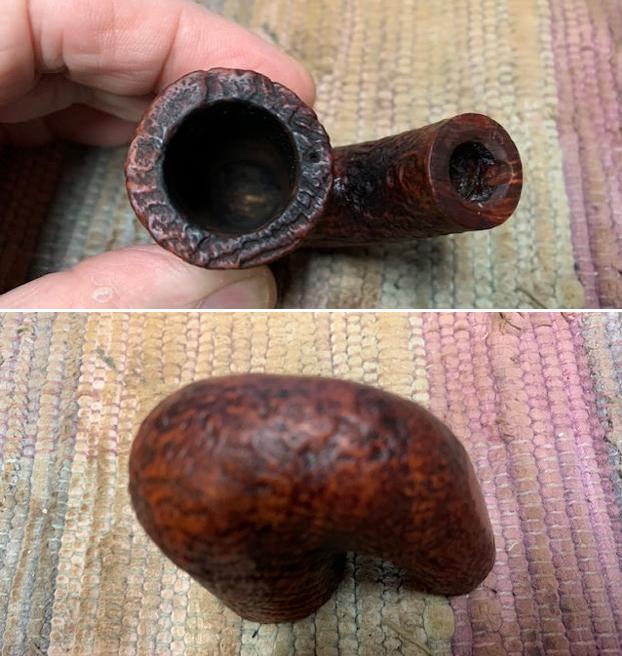
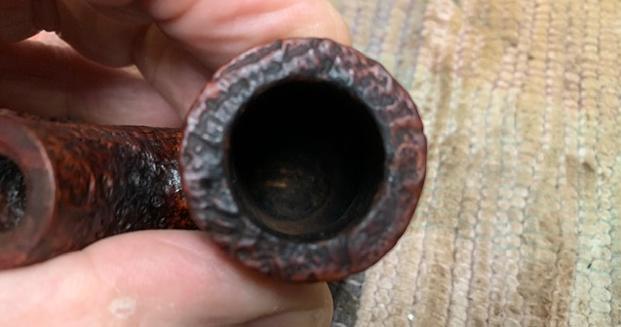
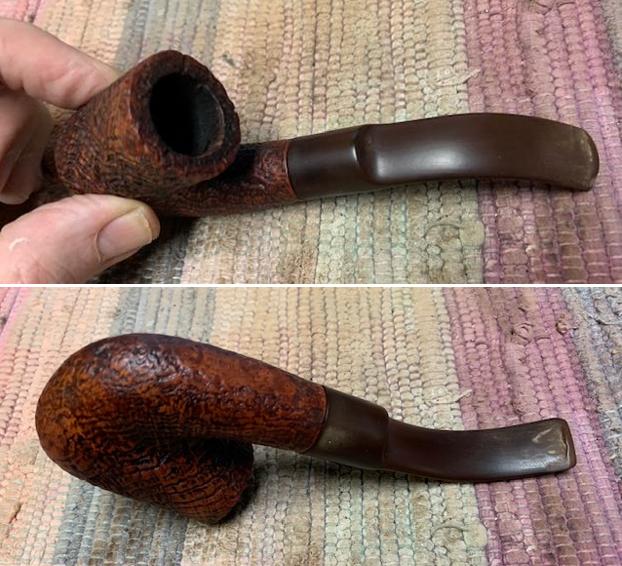
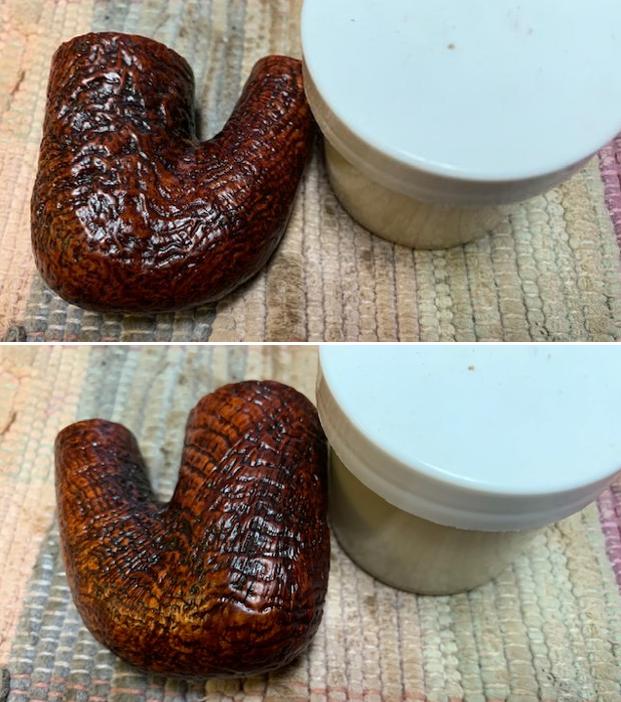
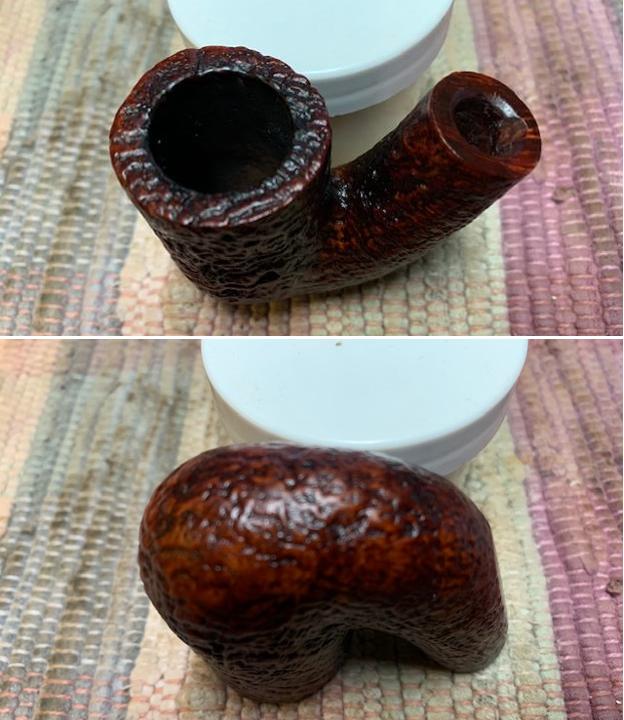
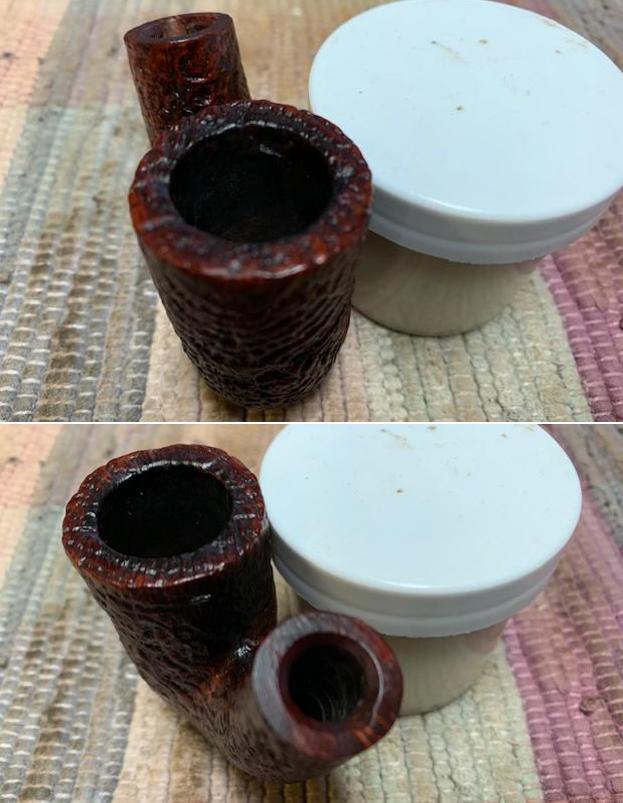
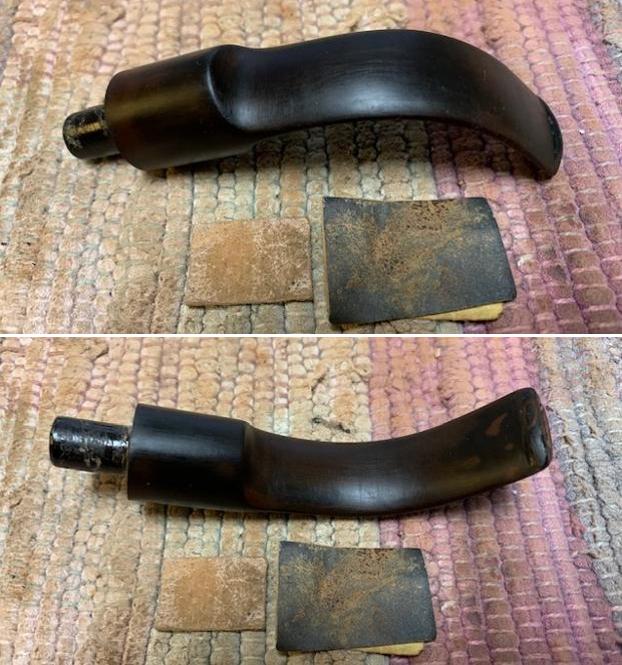
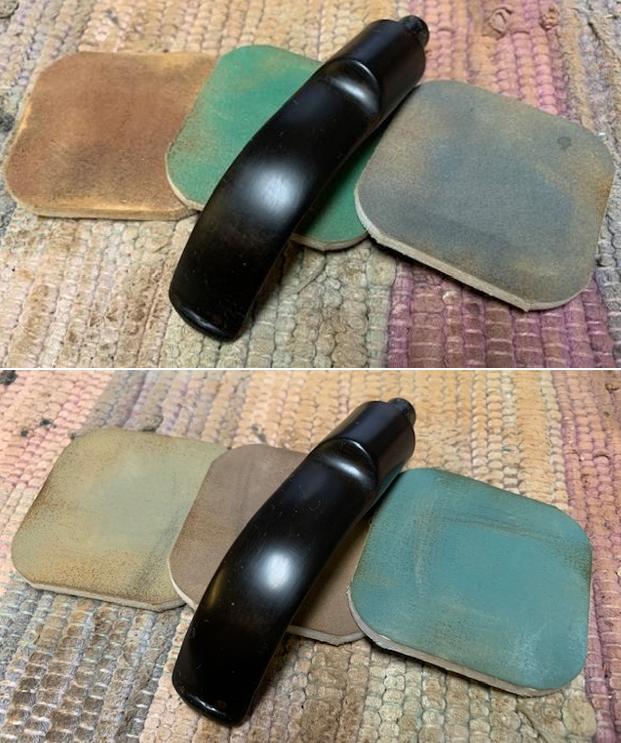
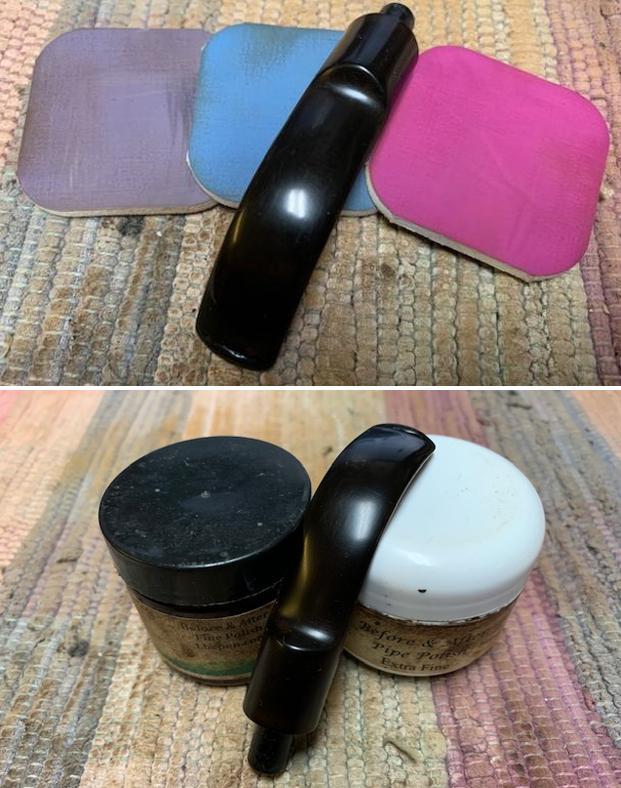
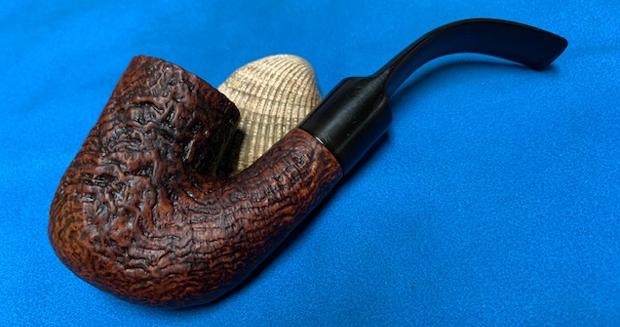
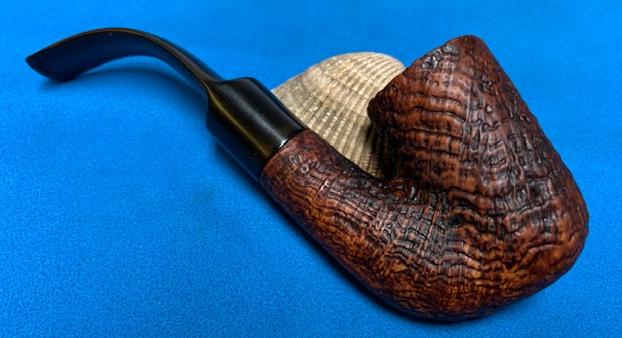
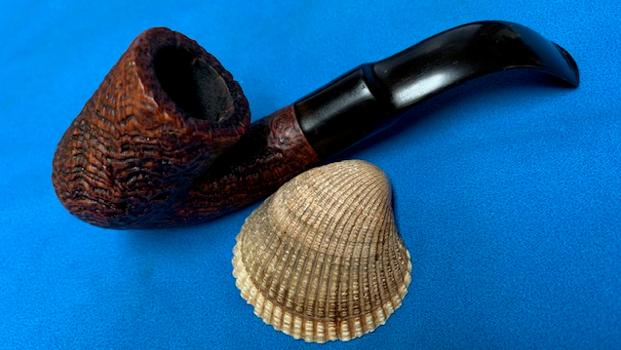
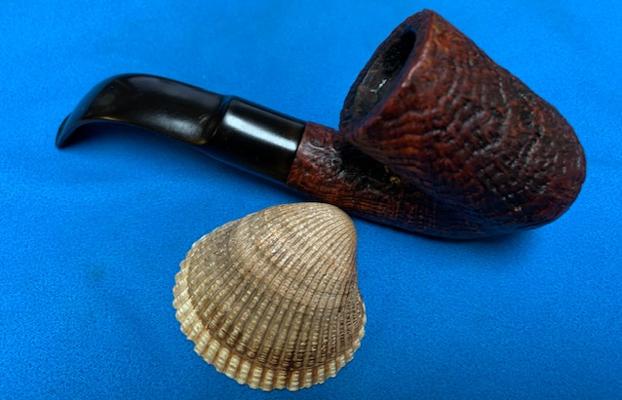
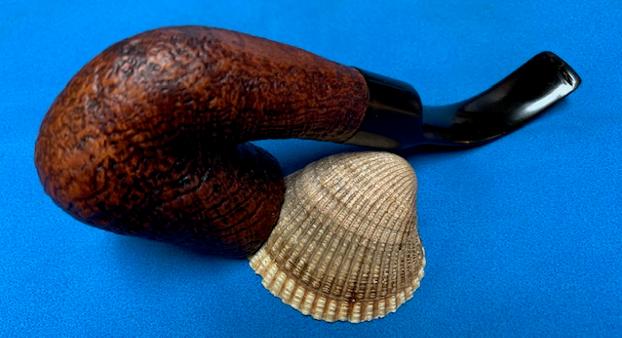
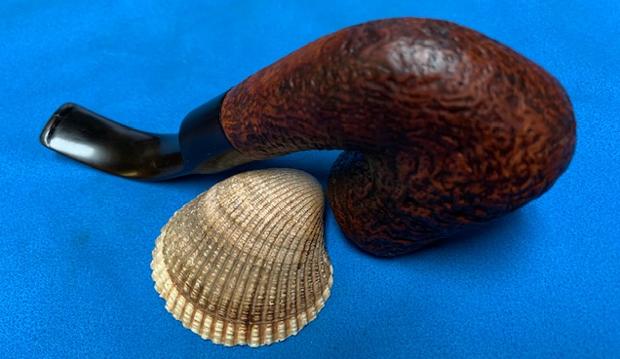
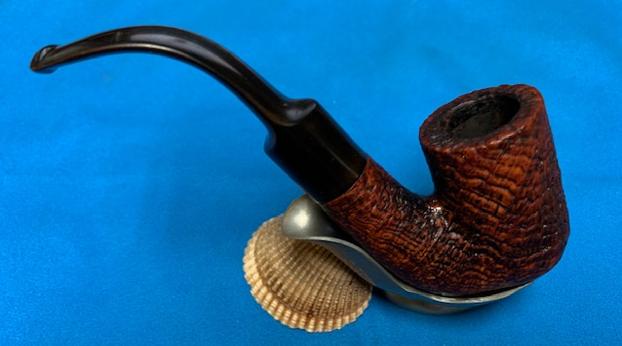
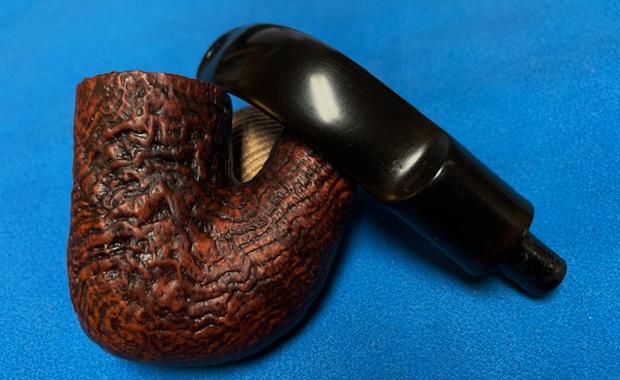
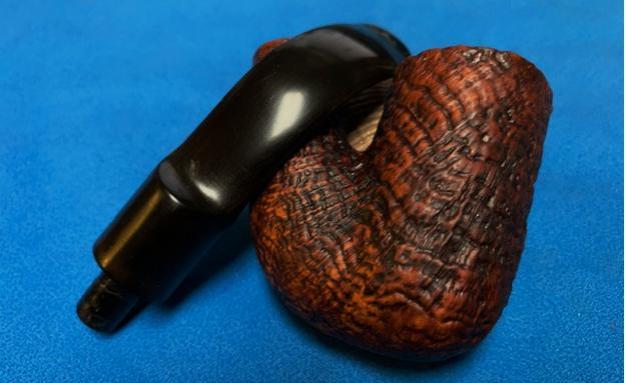
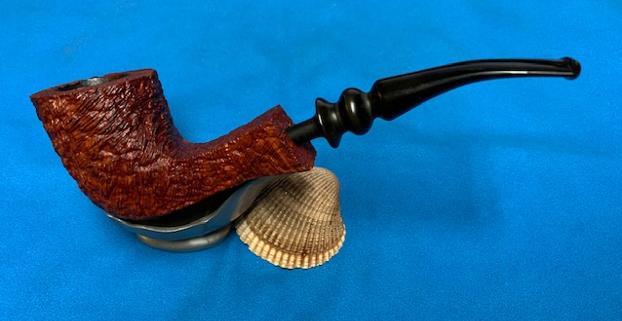
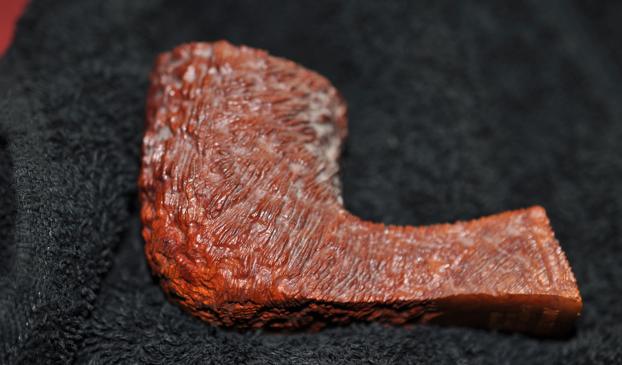
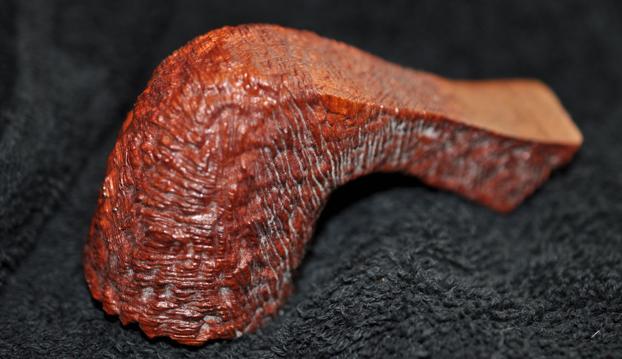
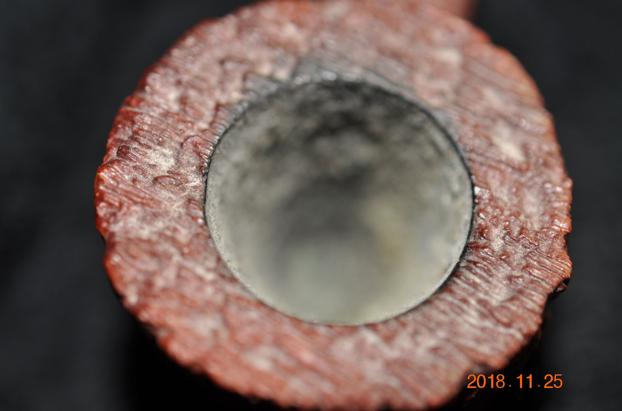
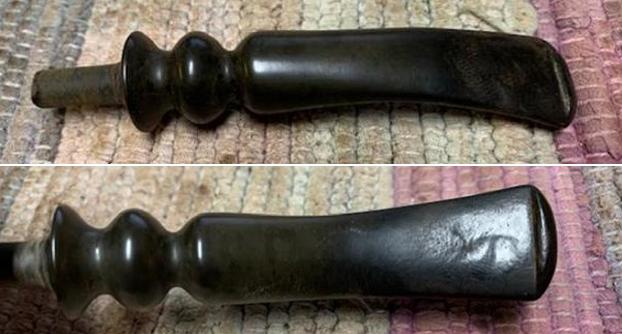
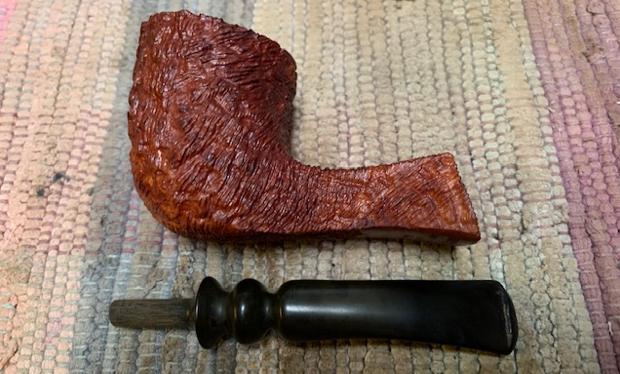
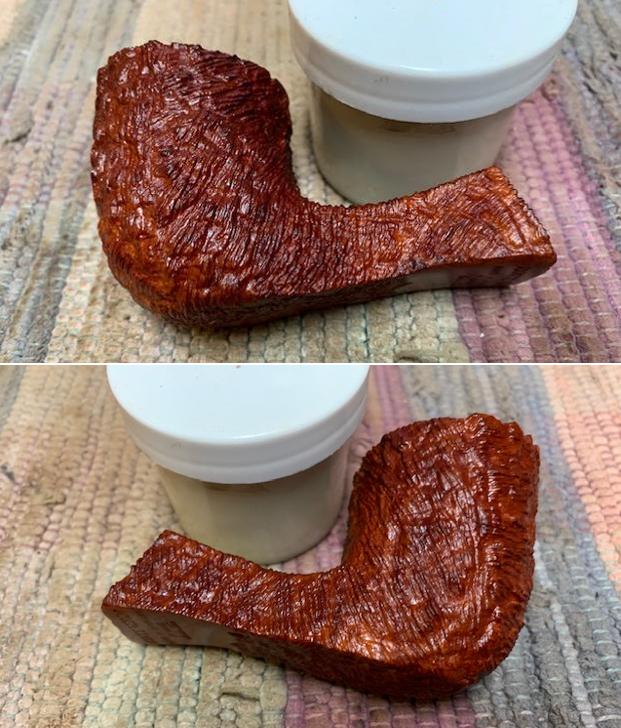
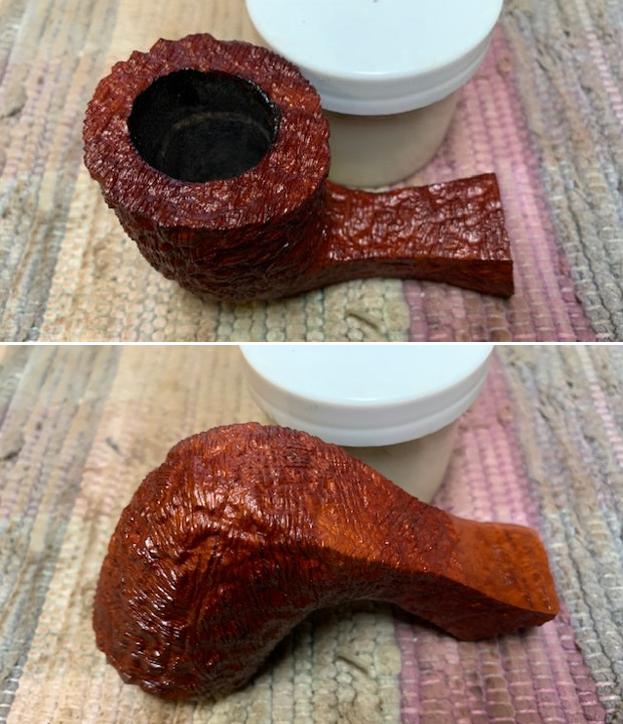
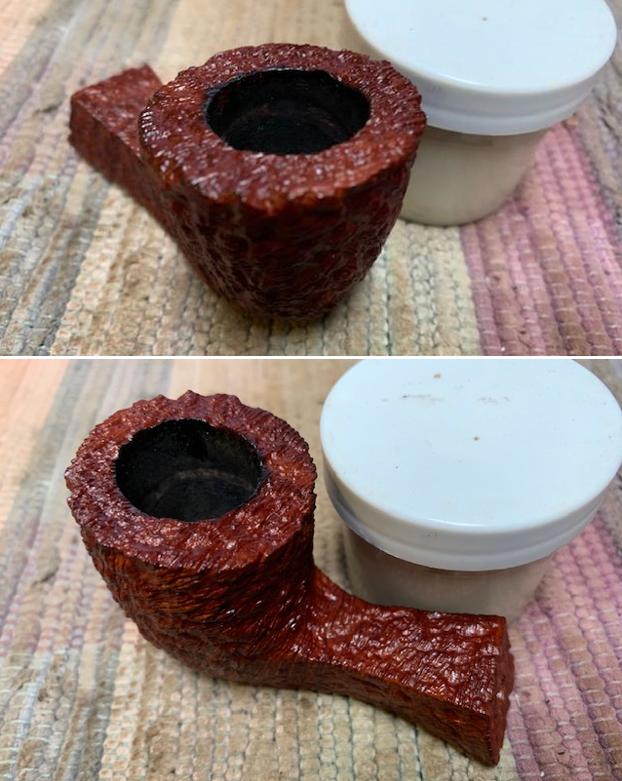
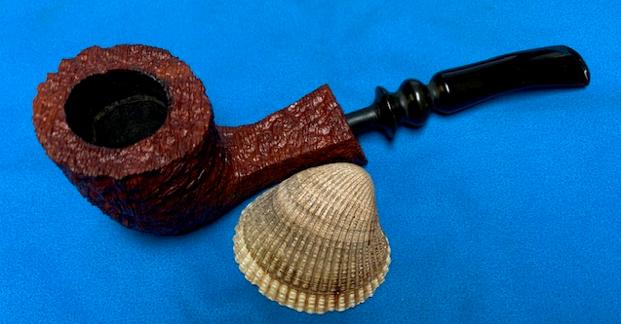
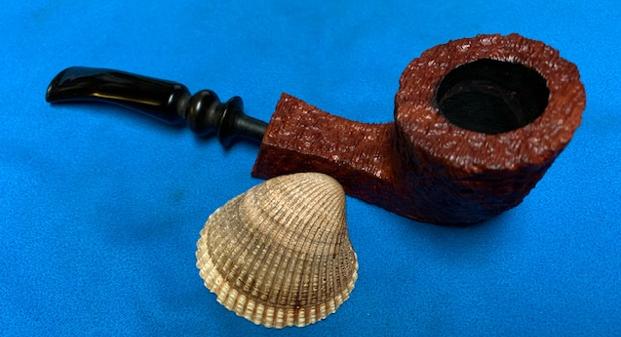
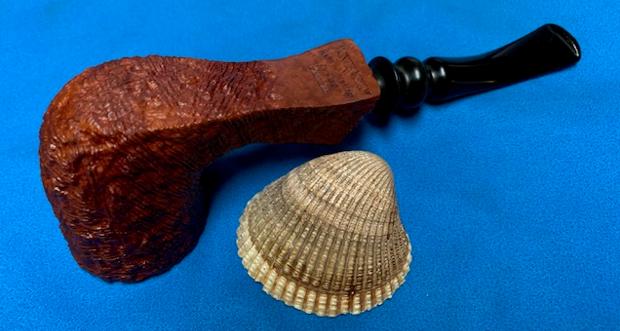
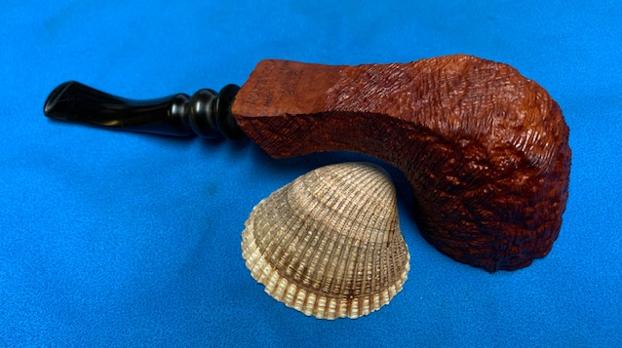
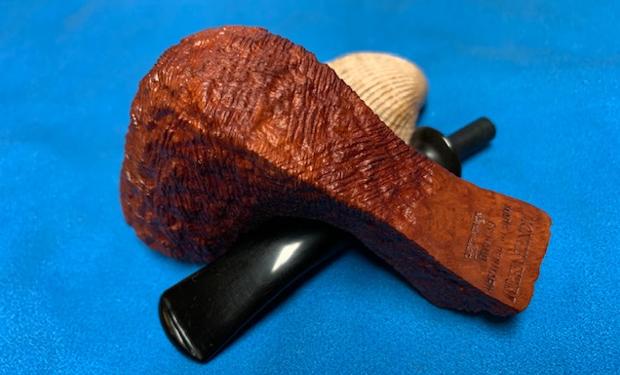
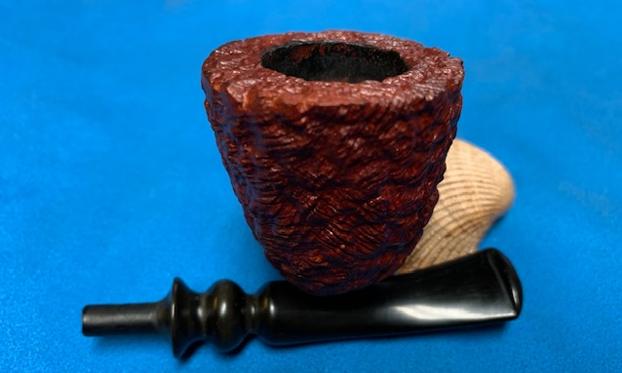
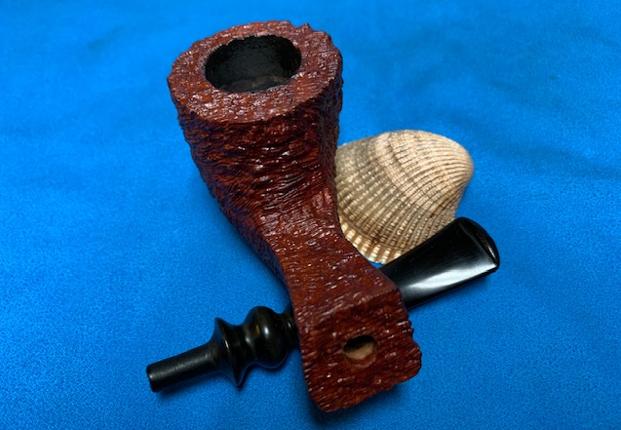
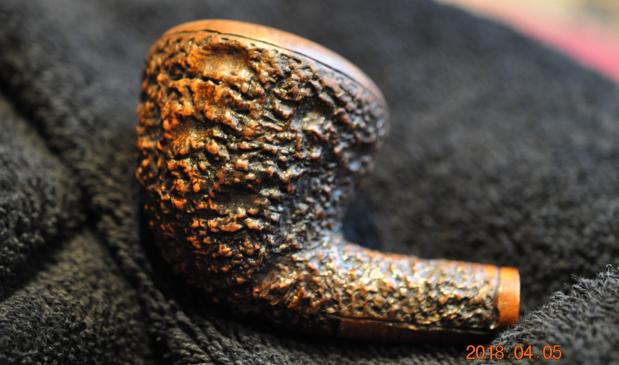
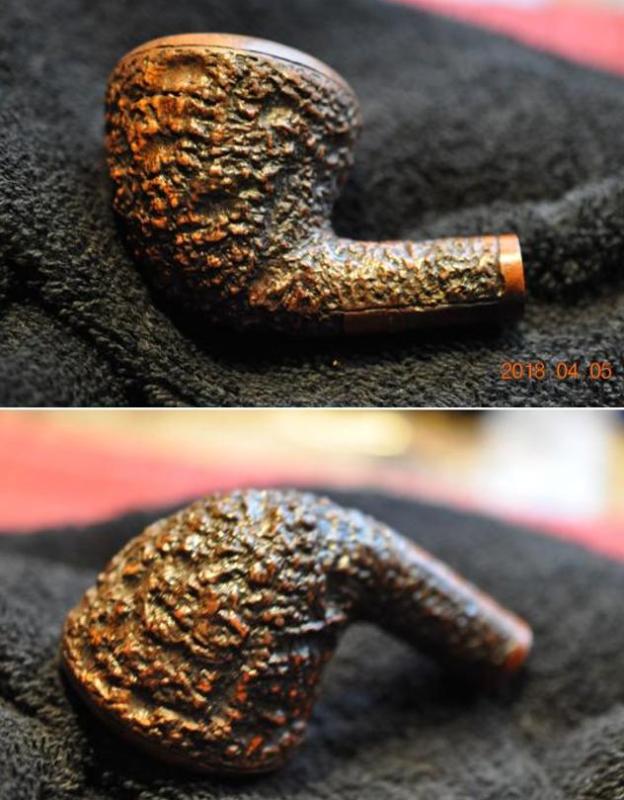
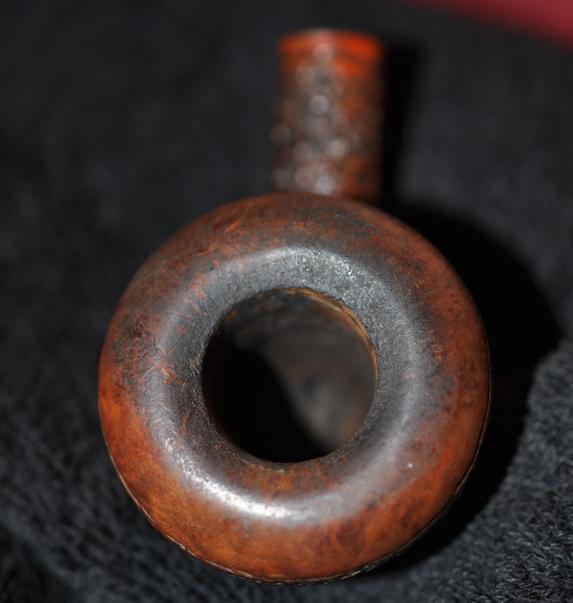
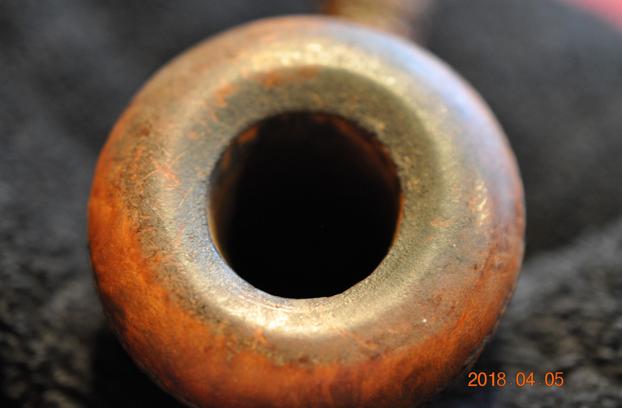
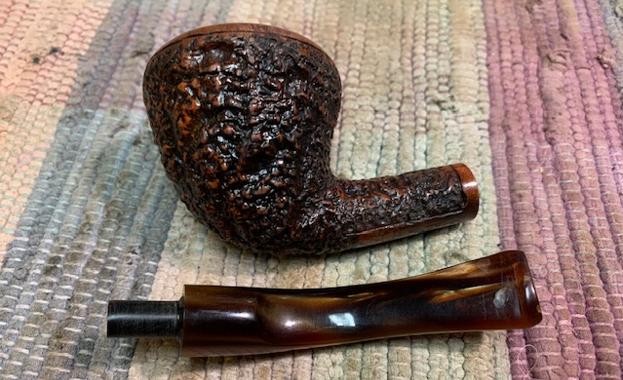
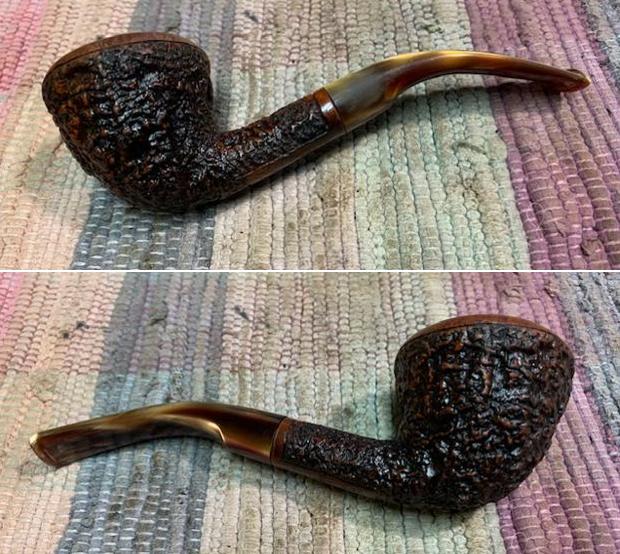
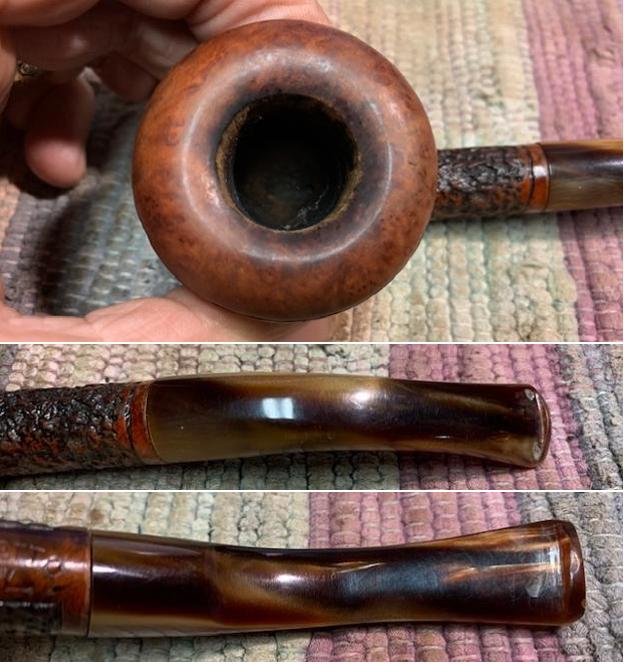
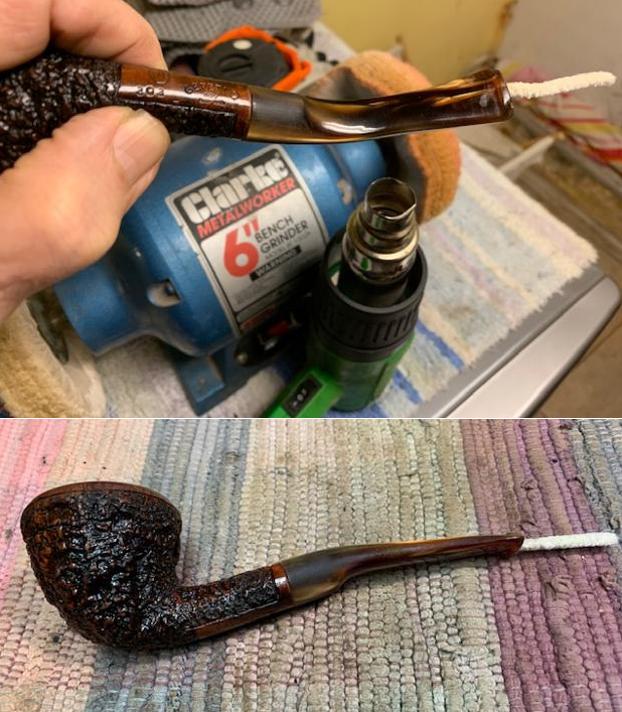
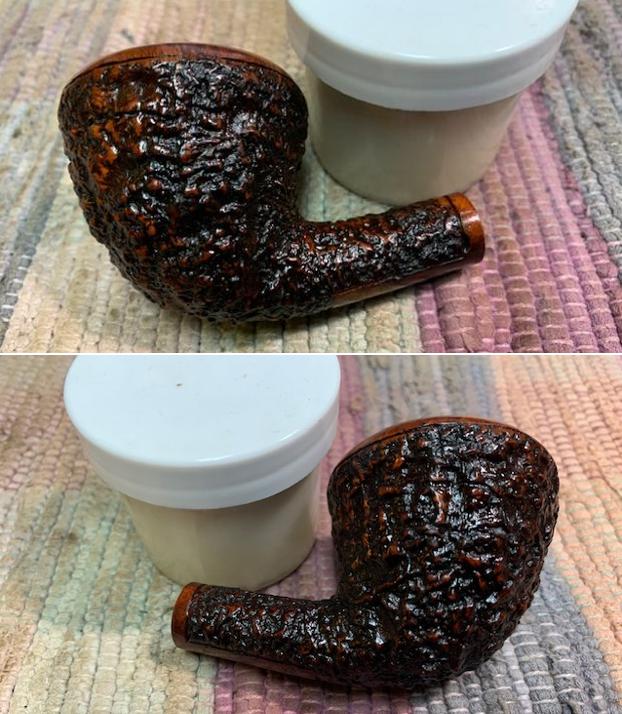
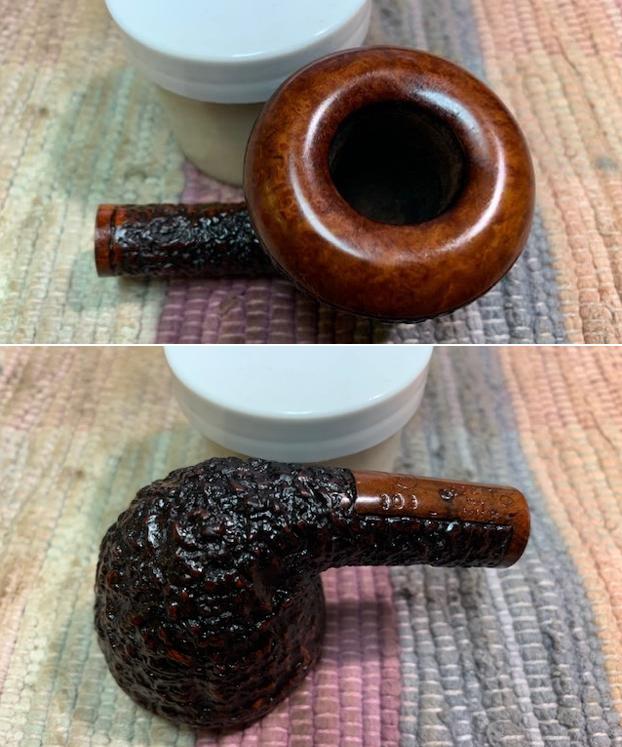
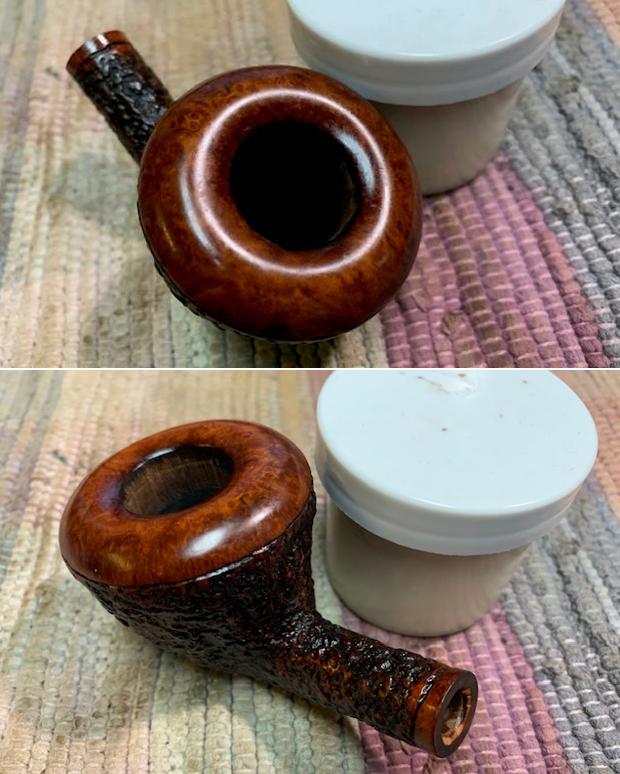
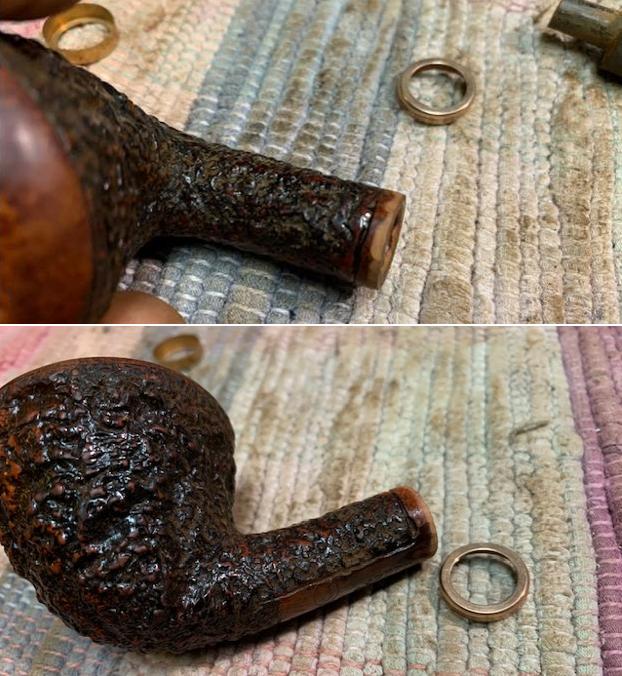
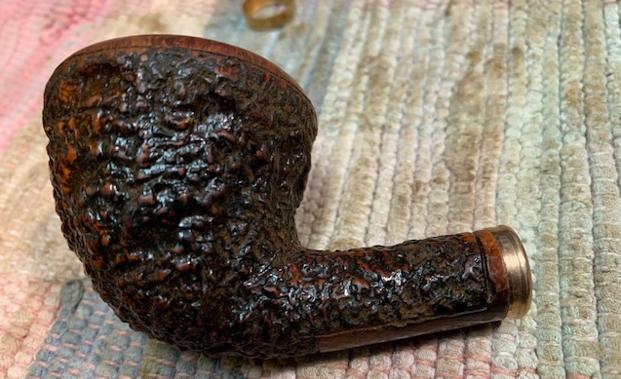
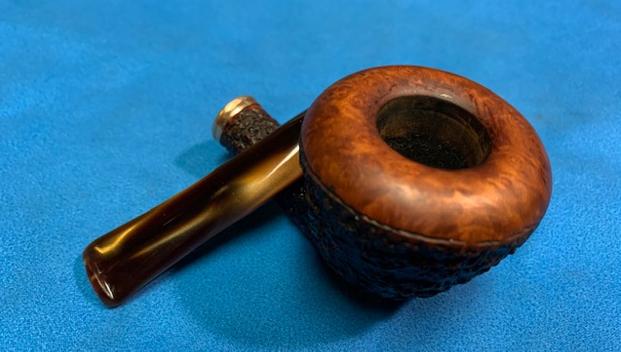
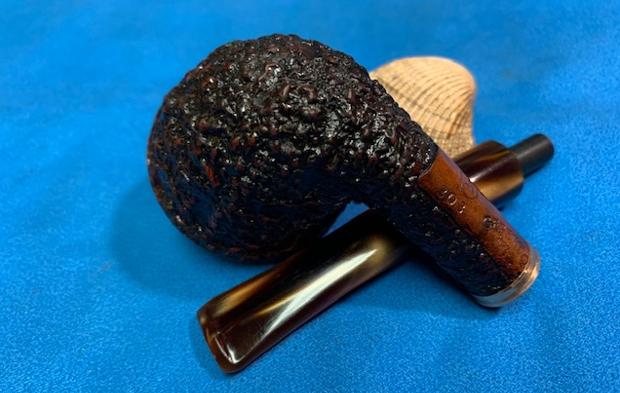
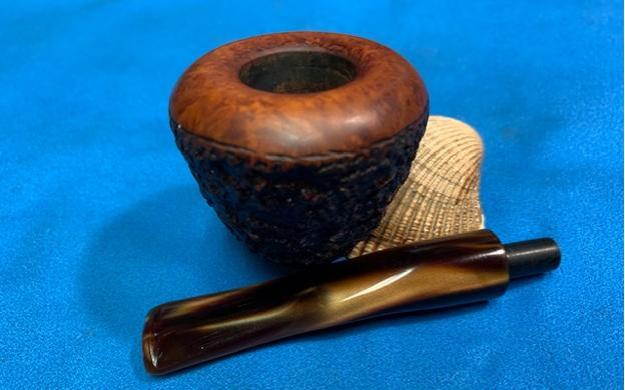
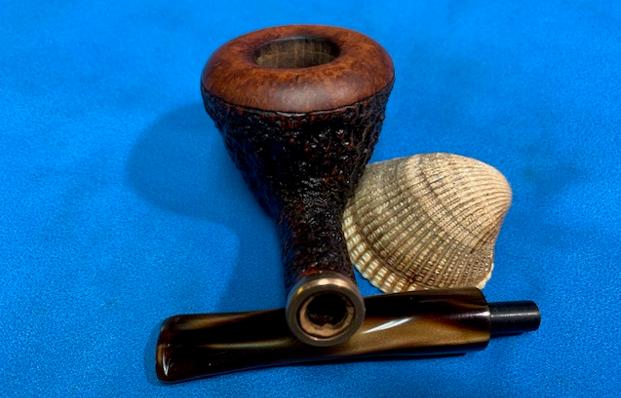
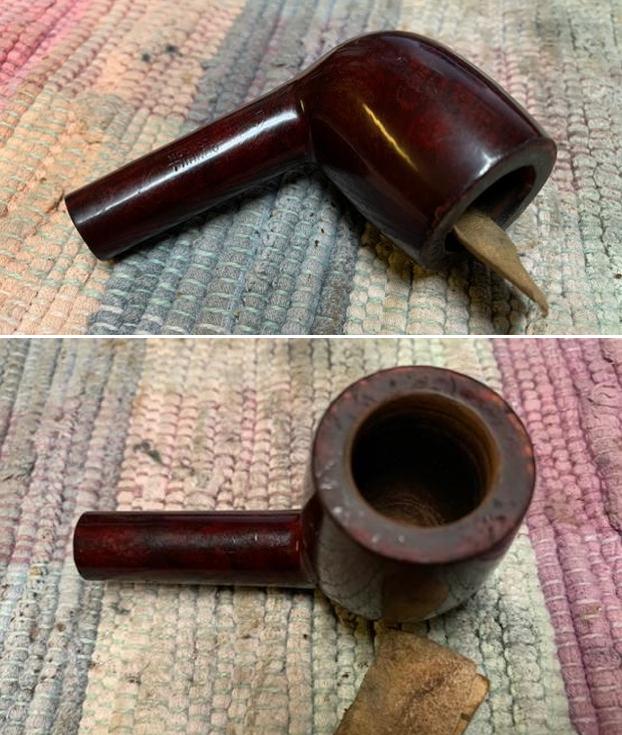
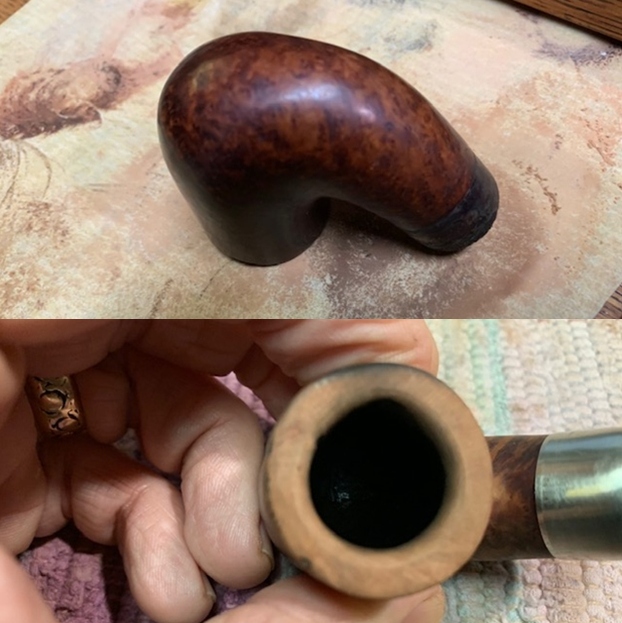
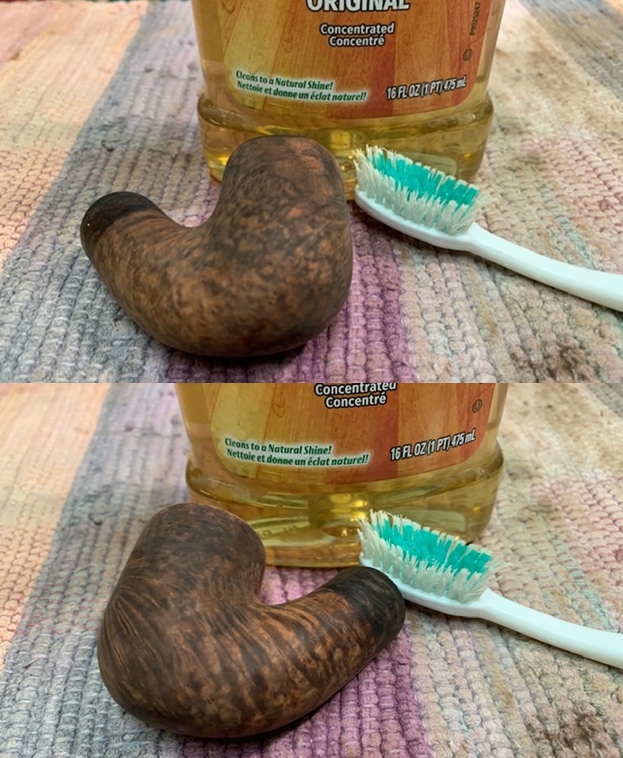
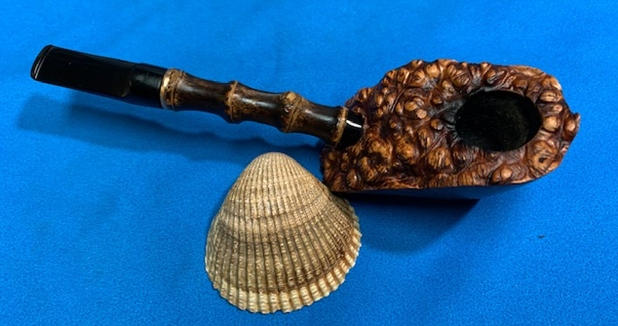
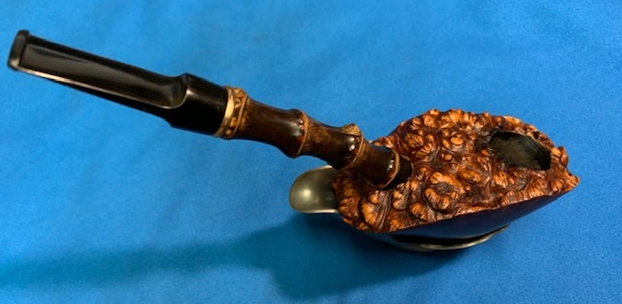
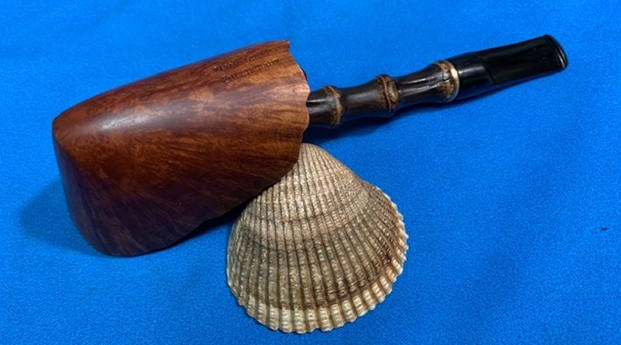
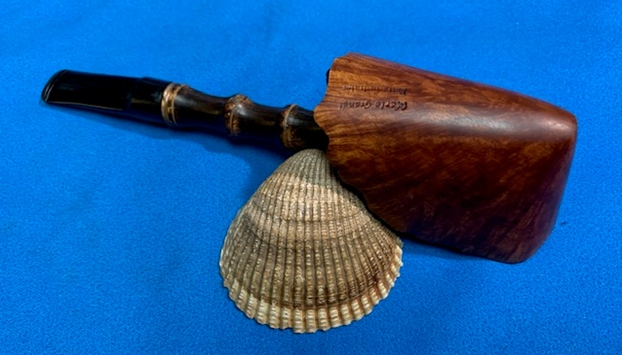
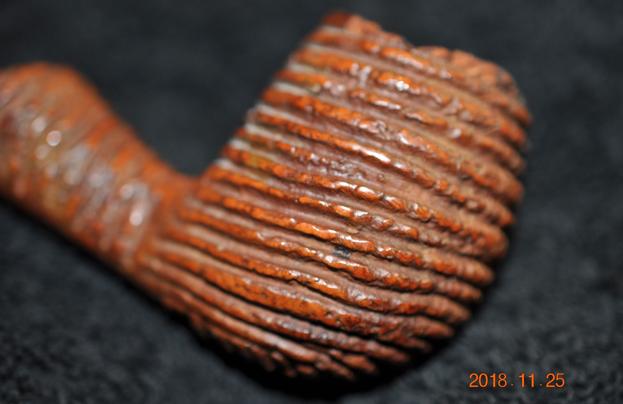
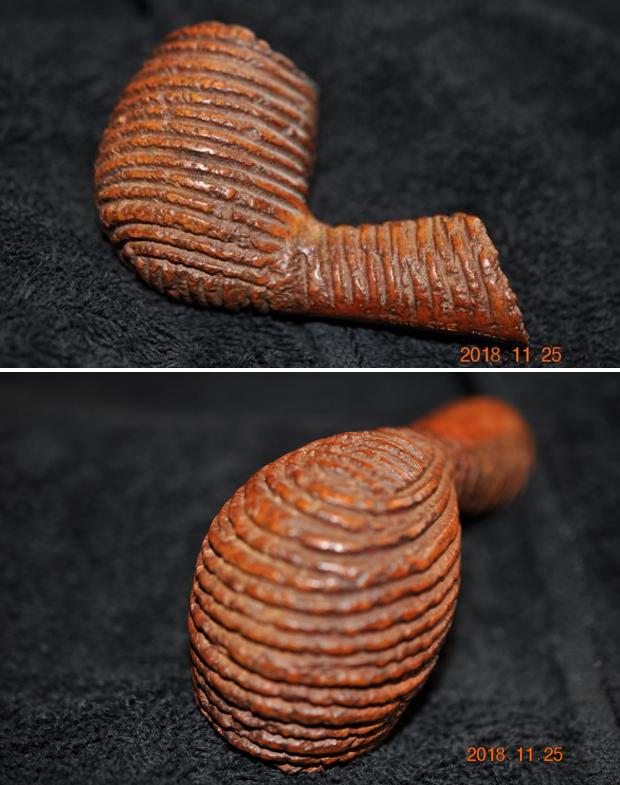
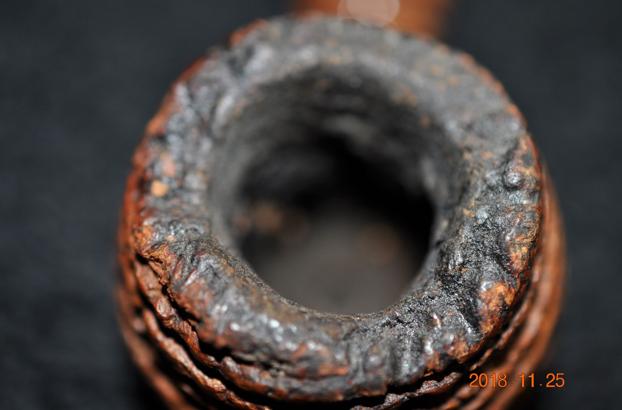
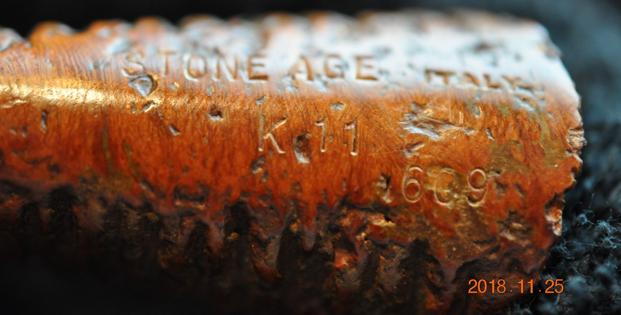
The next pipe I chose to work on was a bowl sans stem that is interestingly rusticated and reads Stone Age K11 [over] shape number 609 followed by Italy on a smooth panel on the underside of the shank. The shape number reminded me of a Savinelli number but I was not certain. It was purchased in November, 2018 from a fellow in Scottsdale, Arizona, USA. It has been sitting in my box of bowls since that time. Jeff cleaned it up and mailed it to me. It is another pipe that I have been postponing restemming for a while. This morning while going through my collection of stem I found one that fit the pipe. At least it works for me! When I found the stem I pulled the bowl out of the box and set aside to be the next pipe to work on. It has a very unique rustication that is quite different – both rugged and spun that reminds me of a honey swizzle stick. The flared shank and rim top both look like rusticated plateau – faux or real, I am unsure. Overall it is a pretty pipe. The bowl had thick cake in the bowl and the rim top had a coat of lava on the inner edge of the bowl and in the grooves of the rim top. The finish had a lot of dust and debris in the valleys of the rustication. I have no idea who made it but it is definitely interesting. Jeff took some photos of the bowl before he cleaned it up. The next two close up photos show the condition of the bowl and rim top. You can see the thick lava coat on the inner edge of the bowl and in the rustication of the rim top. Jeff took a photo of the stamping on the underside of the shank. It read as noted above and is  clear and readable.I decided to see if could confirm my thinking that the pipe was connected with Savinelli. I turned to Pipephil’s site and found nothing connecting the Stone Age K11 609 to the brand. However I was not convinced as I am sure the shape number 609 is a Savinelli number.
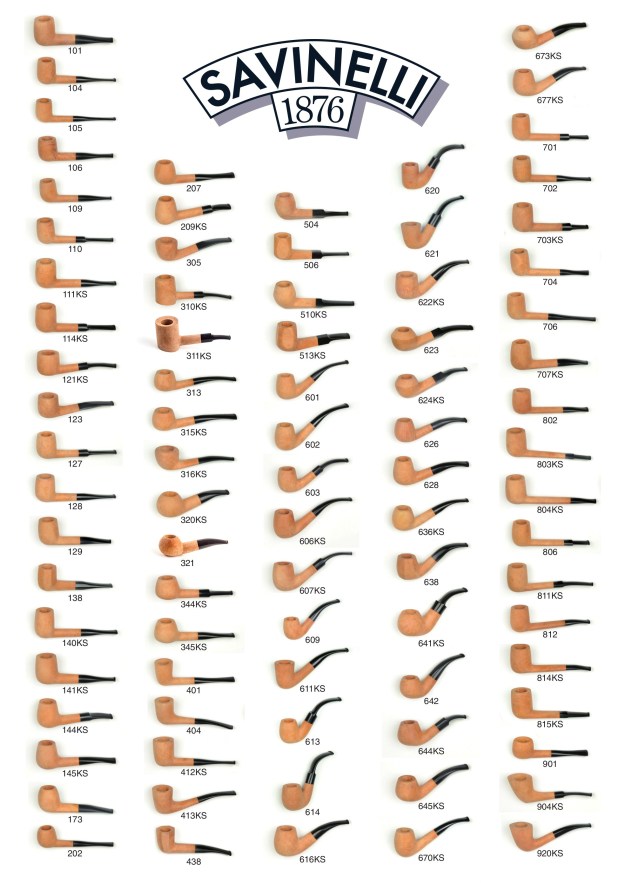
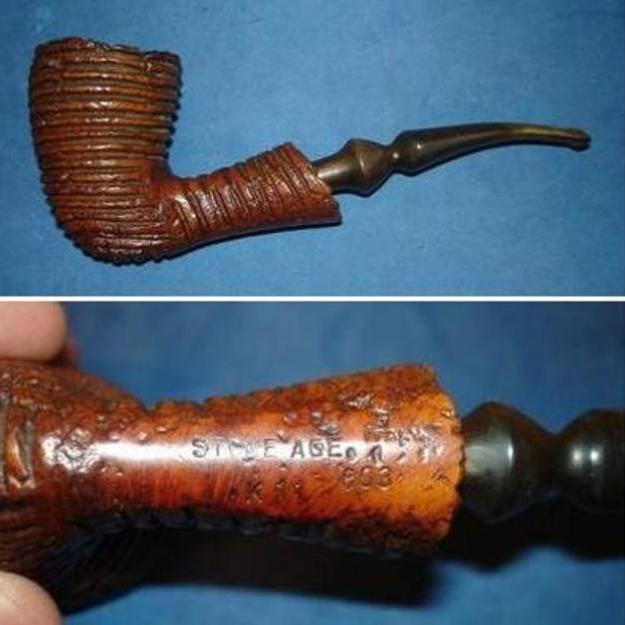
I turned to Pipedia (https://pipedia.org/images/4/41/Sav_Shape_Chart_2017.jpg) and found a shape chart and indeed for the 609 listed as a shape for a bent billiard. I am pretty sure that with a bit of imagination this freehand that I am working on could possibly be construed as a Freehand in a Bent Billiard shape. But I am uncertain. I have included the chart below.I found pipes with a similar rustication on several sites on the internet. Worthpoint, an online auction site (https://www.worthpoint.com/worthopedia/stone-age-italy-k11-603-tobacco-428555927) listed a 603 with the same rustication style and stamping on the underside of the shank. Smokingpipes.com also listed a Stone Age K11 613 Volcano sitter with the same rustication and stamping on the shank that they had sold in the past (possibly as early as 2010 from the photo (https://www.smokingpipes.com/pipes/estate/italy/moreinfo.cfm?product_id=73396).

With those photos and the shape numbers that at least appear to be made by Savinelli it leaves me wondering. The shapes really do not match the shape chart above but the numbers are present. Ah well another mystery!

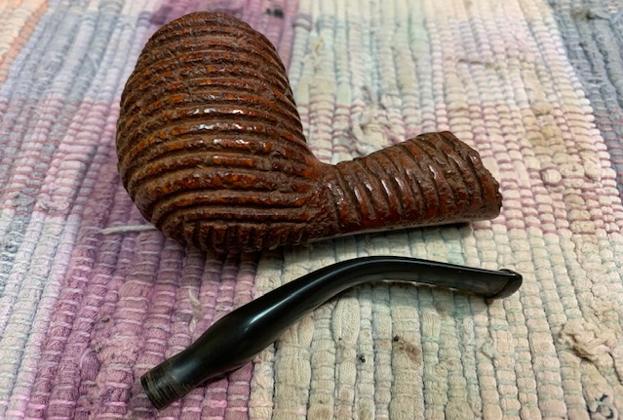
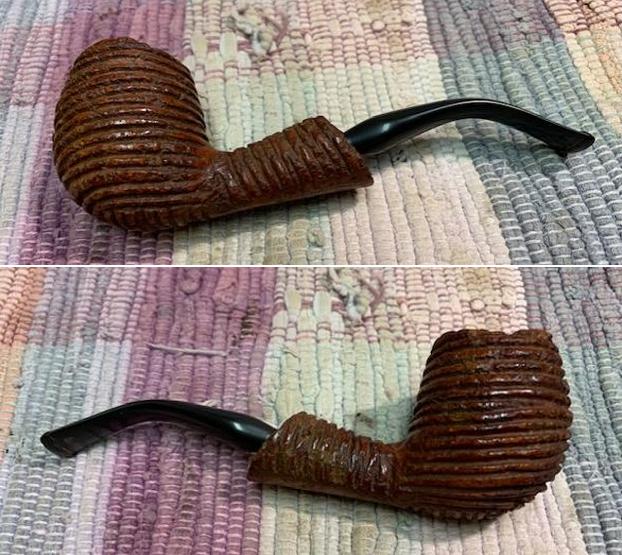
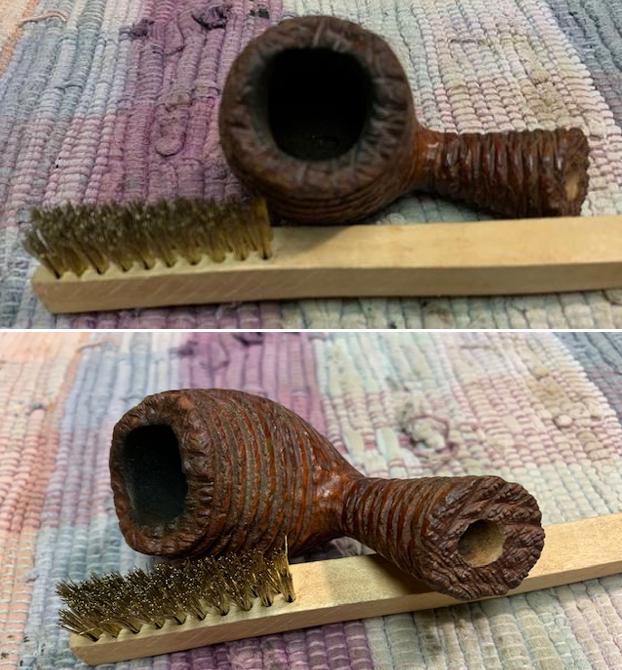
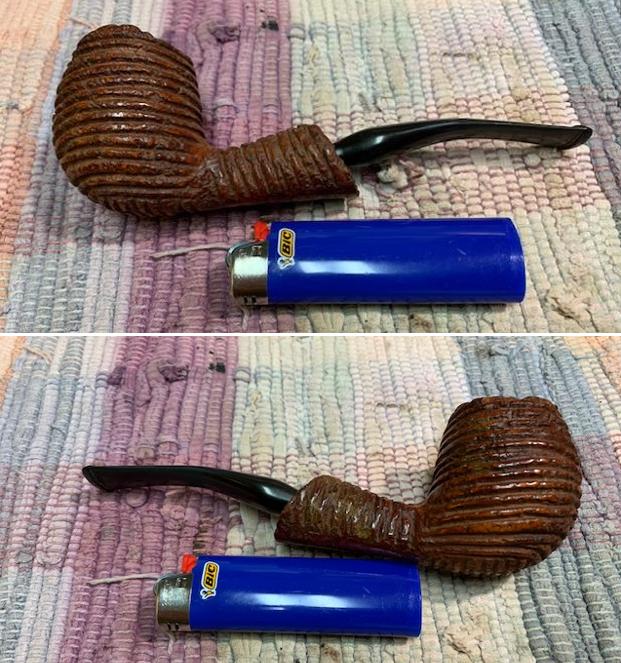
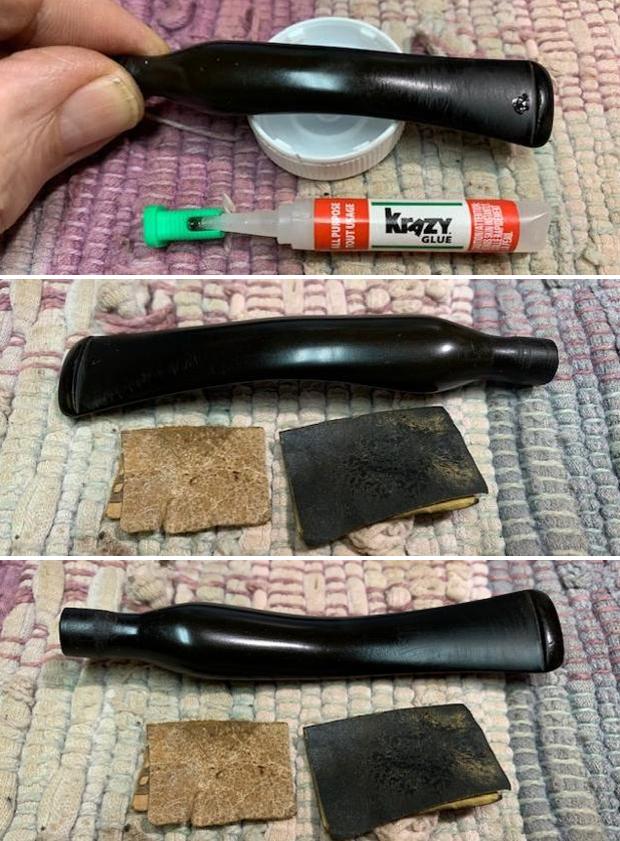
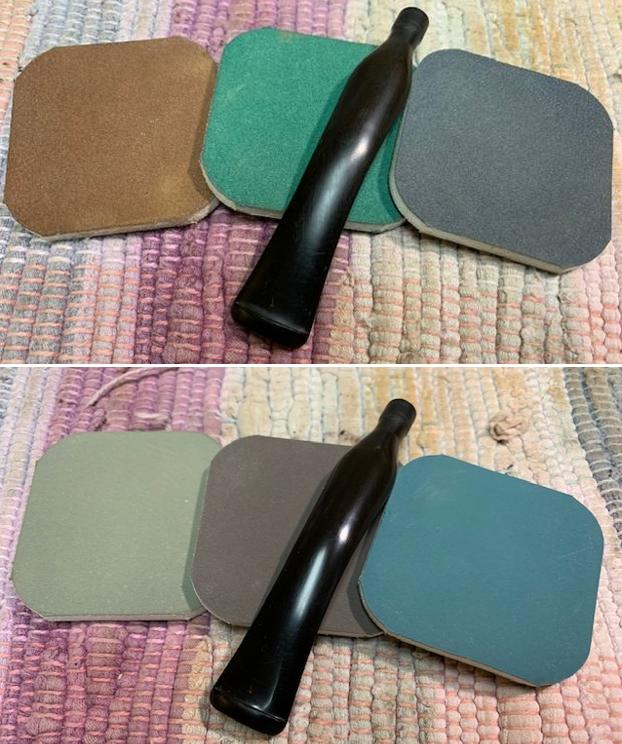
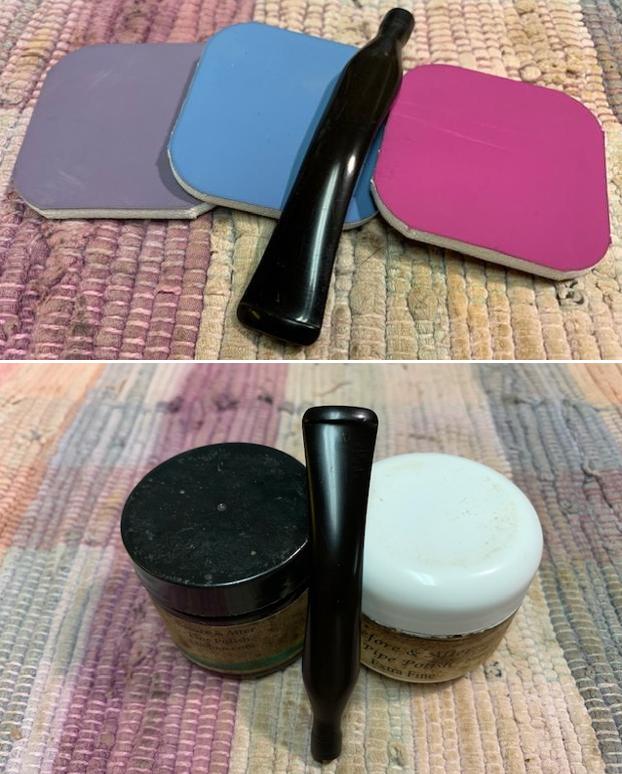
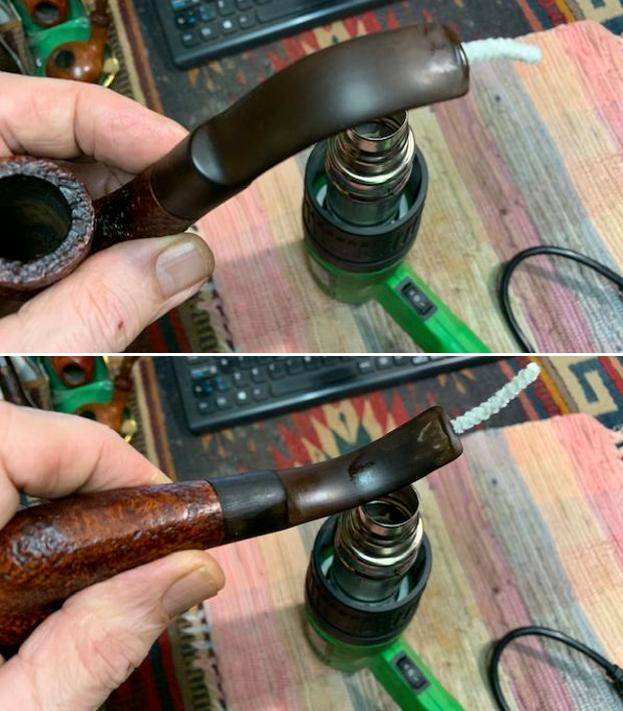
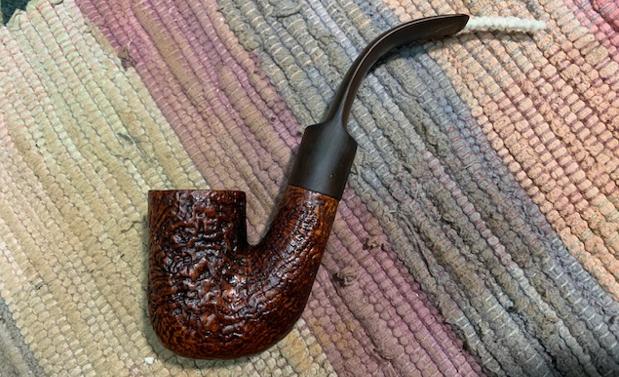
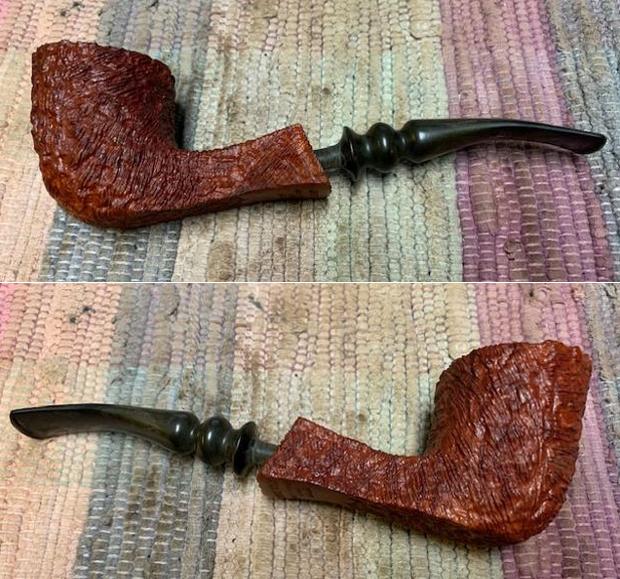
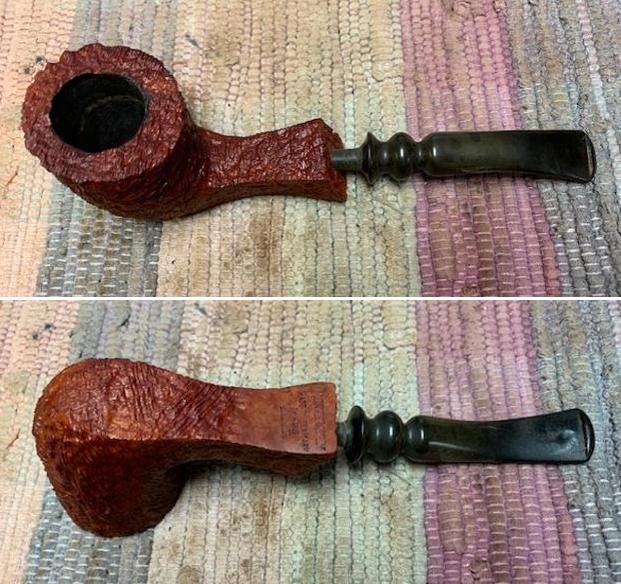
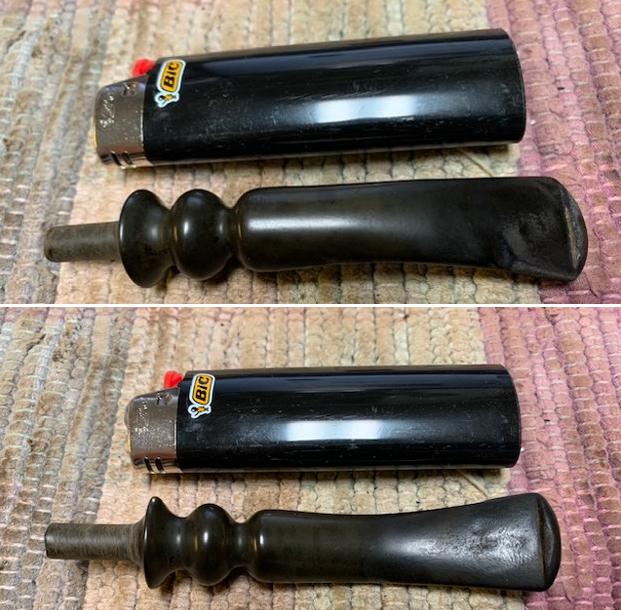
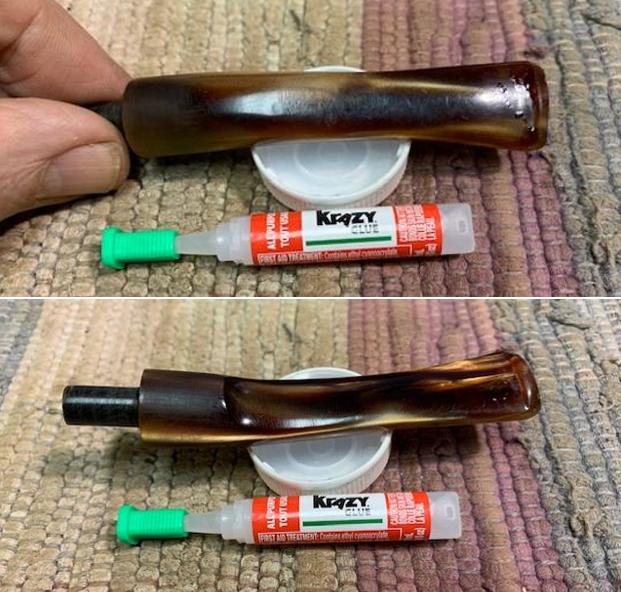
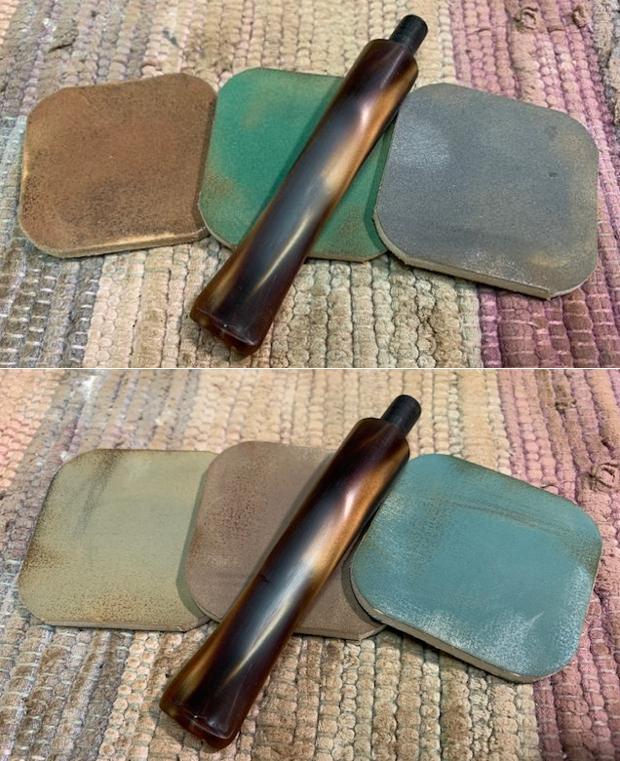
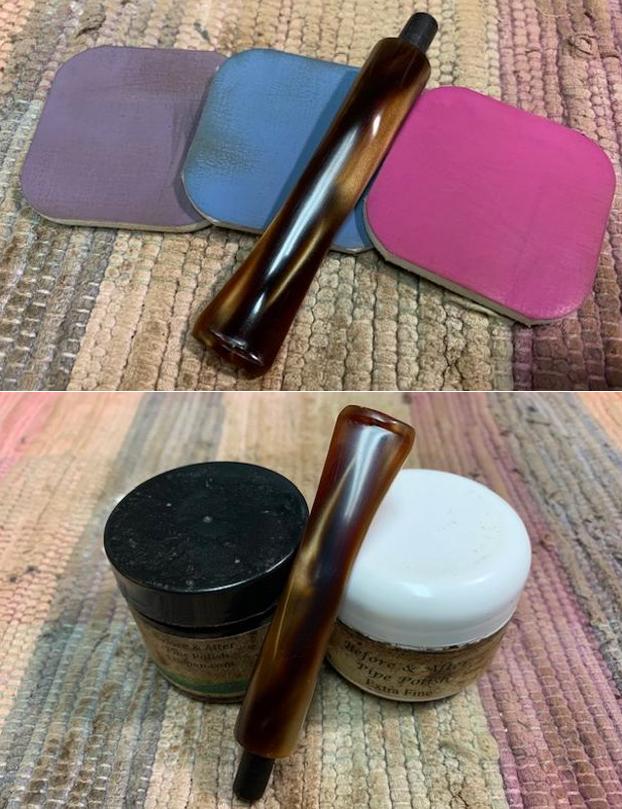
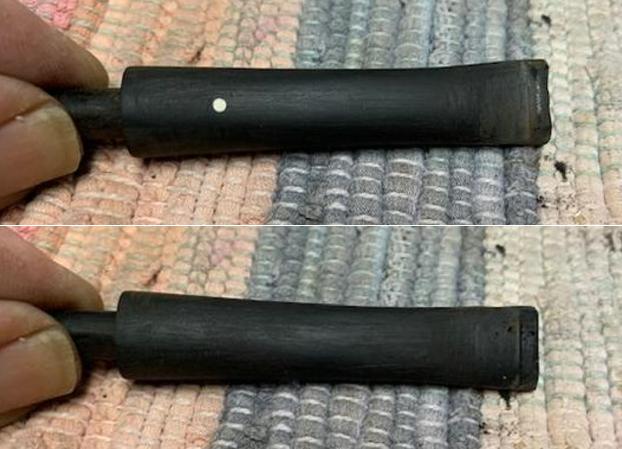
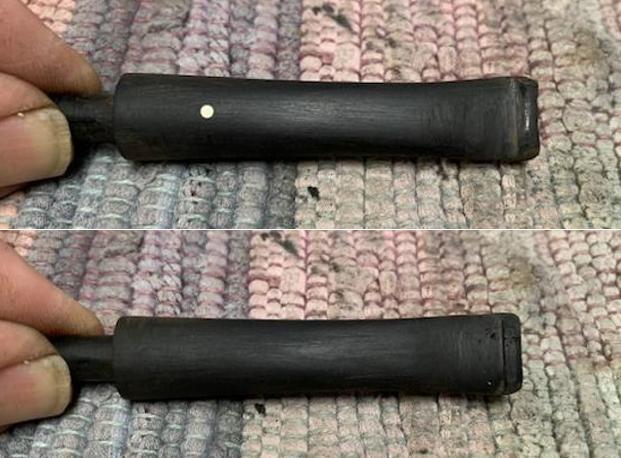
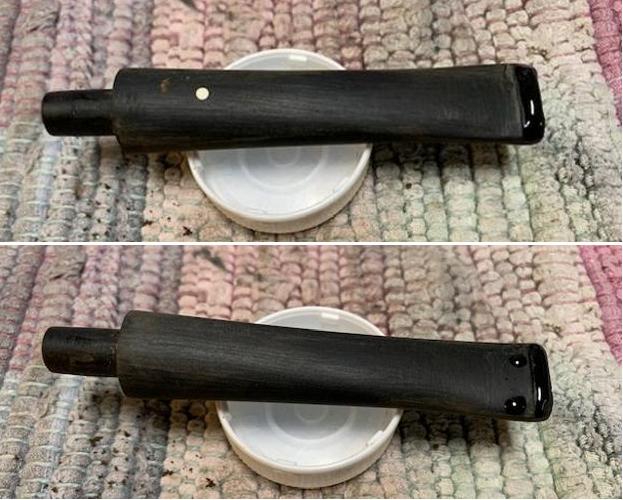
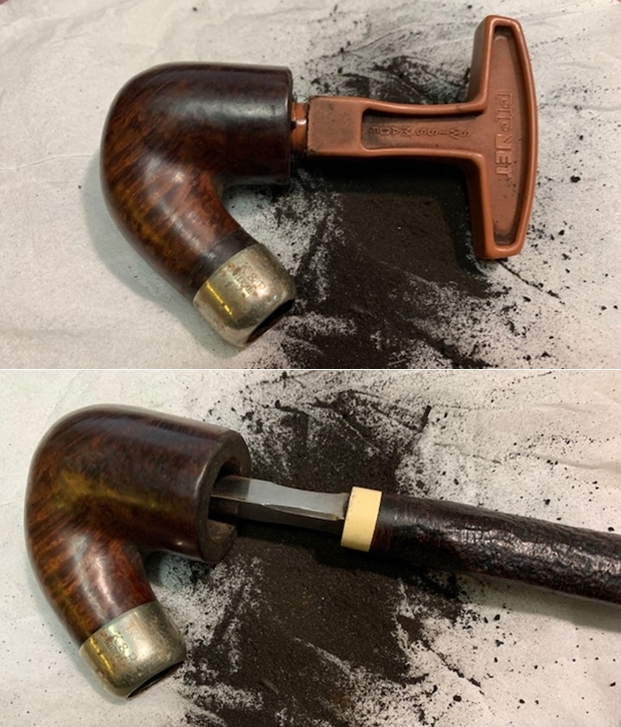
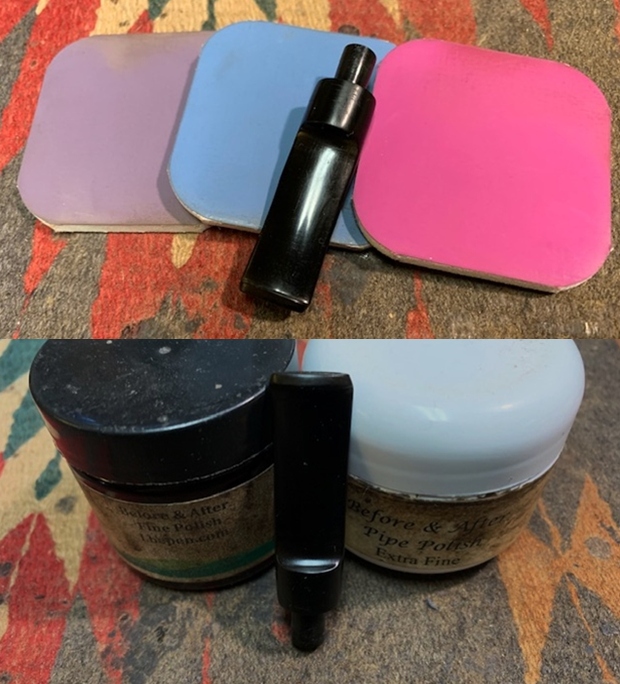
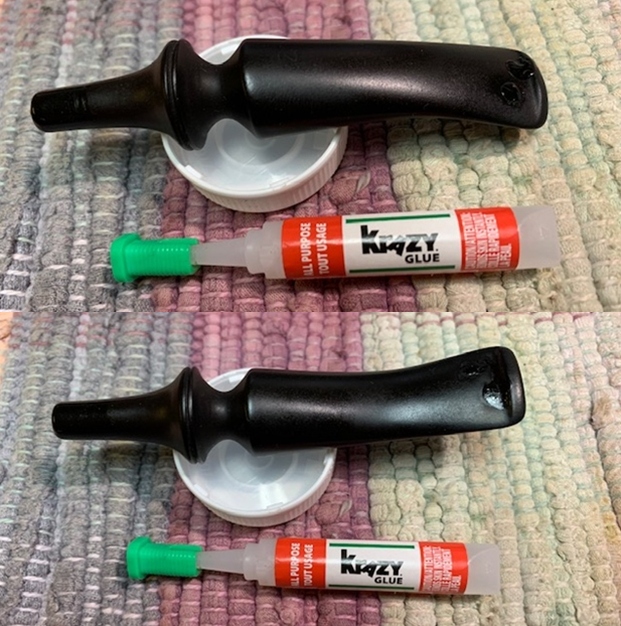
I turned to work on the pipe itself. Jeff had carried out his usual thorough cleanup of the pipe. He had reamed it with a PipNet reamer to remove the cake and cleaned the reaming up with a Savinelli Fitsall Pipe Knife. He scrubbed the internals of the bowl and stem with alcohol, cotton swabs and pipe cleaners. He scrubbed the externals with undiluted Murphy’s Oil Soap and rinsed the bowl off with running water. The pipe looked very clean when I received it. I went through my can of stems and found turned freehand style vulcanite stem that I thought would work well with the bowl and shank. I took a photo of the combination below. The stem fit the mortise perfectly though the bend to much to work well with the pipe. There were tooth marks in surface of the top and underside of the stem at the button that would need to be dealt with in the restoration. I put the stem in the shank and took some photos of the pipe. The rim top and shank end cleaned up really well as can be seen in the close up photos below. There appeared to be some debris in the grooves of the plateau top of the rim that would need to be dealt with but without the lava coat it was impressively cleaned. The stem looked like it belonged. I already noted the tooth marks and chatter on both sides near the button.I took a photo of the stamping on the underside of the shank. It really is clear and readable. I decided to start my work on restoring the pipe by addressing the debris and darkening on the rim top. I used a brass bristle brush and scrubbed the surface of the rim top and shank end working on removing debris and darkening from the grooves of the plateau and rustication. It looked much better than when I started.I rubbed the briar down with Before & After Restoration Balm. I worked it into the briar and the the grooves around the bowl and shank with my fingertips and a horsehair shoe brush. The product works to clean, enliven and preserve the briar. I let it sit for 15 minutes while I worked on the stem. After the time passed I buffed it with a cotton cloth to deepen the shine. The briar really comes alive with the balm.   Now it was time to straighten the bend I the stem to match the flow of the pipe. Instead of using my heat gun I painted the stem surface with the flame of a Bic lighter until the vulcanite became flexible. I straightened it out to the angles I wanted for the pipe. I took photos of the pipe at this point in the process. I removed the stem from the bowl and set the bowl aside. I turned my attention to the stem. I “painted” the tooth marks on both sides of the stem with the flame of a lighter to lift them as much as possible. They all lifted but one on the topside. I filled in the remaining tooth mark with clear super glue and set it aside to cure. Once cured, I blended the repairs into the surface of the vulcanite with 220 grit sandpaper. I started polishing the stem with 400 grit wet dry sandpaper. The stem was looking much better. I polished the vulcanite with micromesh sanding pads – 1500-12000 grit pads. I wiped it down with Obsidian Oil after each sanding pad. I used Before & After Pipe Polish – both Fine and Extra Fine to further polish the stem. This restemmed, rusticated Stone Age K11 609 Italian Freehand is a beautiful looking pipe that combines a rusticated finish with a unique shaped. I may never know for sure if Savinelli made it but I think so! The brown stains on the bowl work well to highlight the finish. The polished turned fancy black vulcanite stem adds to the mix. I put the finished stem on the bowl and buffed it with Blue Diamond on the buffing wheel being careful to not buff the stamping. I gave the bowl multiple coats of Conservator’s Wax and the stem multiple coats of carnauba wax on the buffing wheel and followed that by buffing it with a clean buffing pad. I hand buffed the pipe with a microfiber cloth to deepen the shine. The finished pipe is quite nice and feels great in the hand. Give the finished pipe a look in the photos below. I can only tell you that like the other pipes I am working that it is much prettier in person than the photos capture. The dimensions of the pipe are Length: 6 inches, Height: 2 inches, Outside diameter of the bowl: 1 ½ inches, Chamber diameter: ¾ of an inch. The weight of the pipe is 54grams/1.90oz. It will soon be added to the Italian Pipe Makers section on the rebornpipes store. Thanks for walking through the restoration with me as I worked over another beautiful pipe. Remember we are not pipe owners; we are pipemen and women who hold our pipes in trust until they pass on into the trust of the next generation.

Restemming and Restoring a Sasieni Windsor London Made Oom Paul 80


Blog by Steve Laug

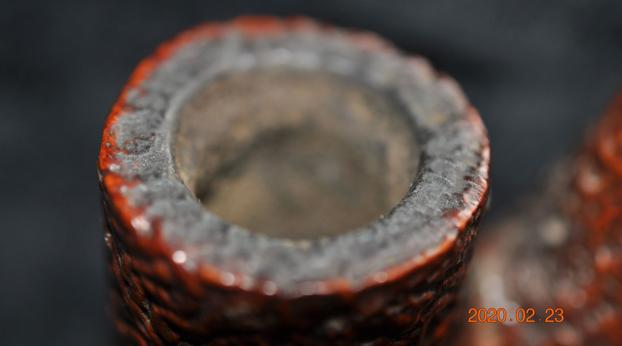
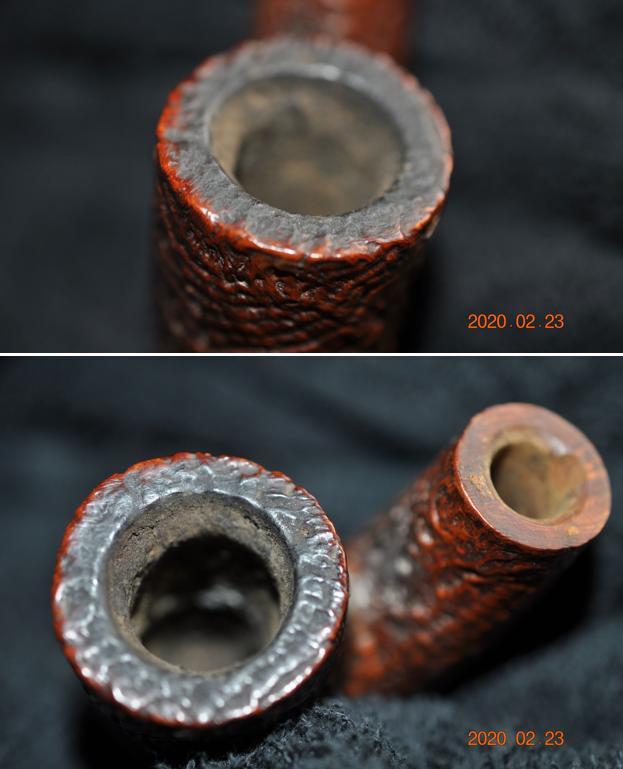
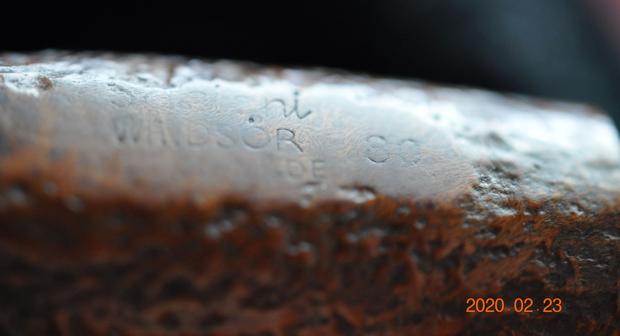
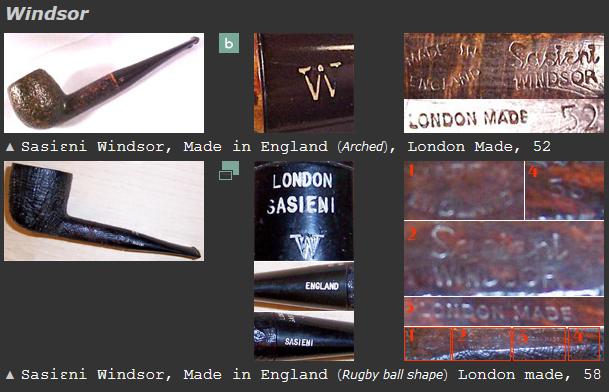
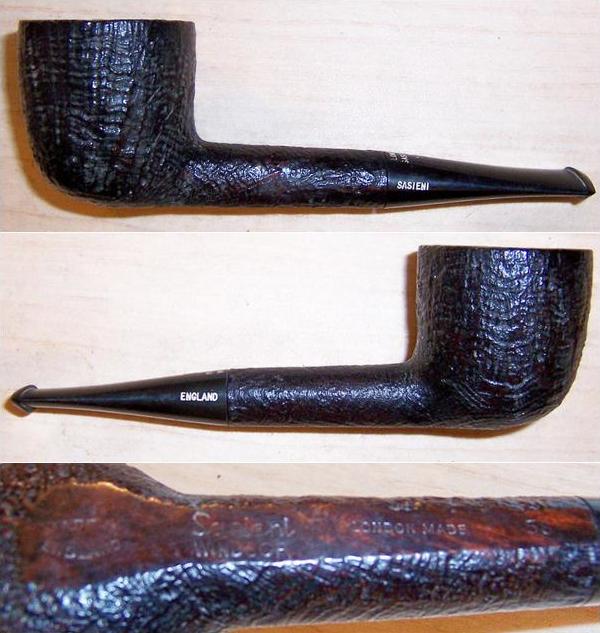
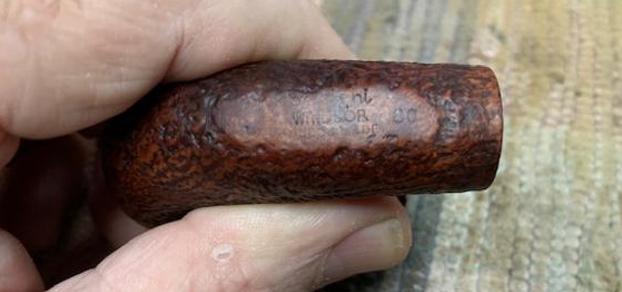
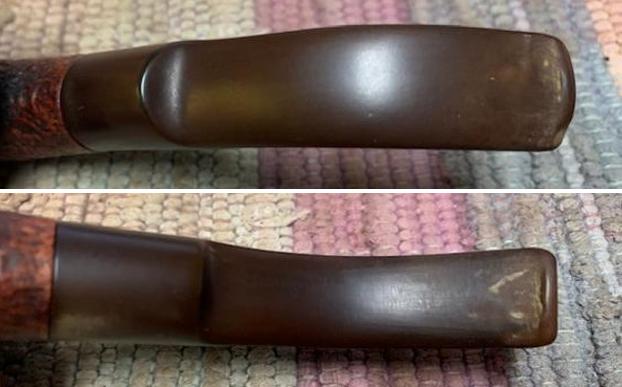
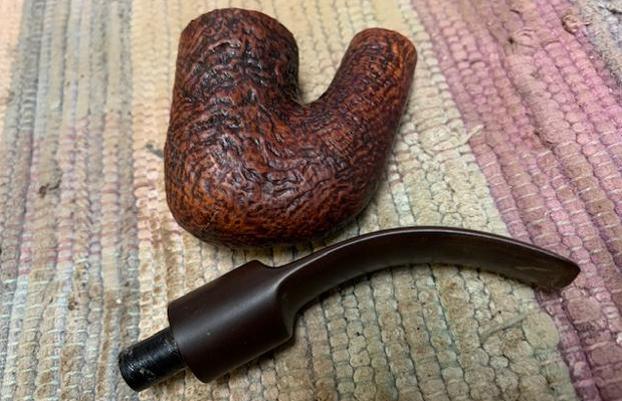
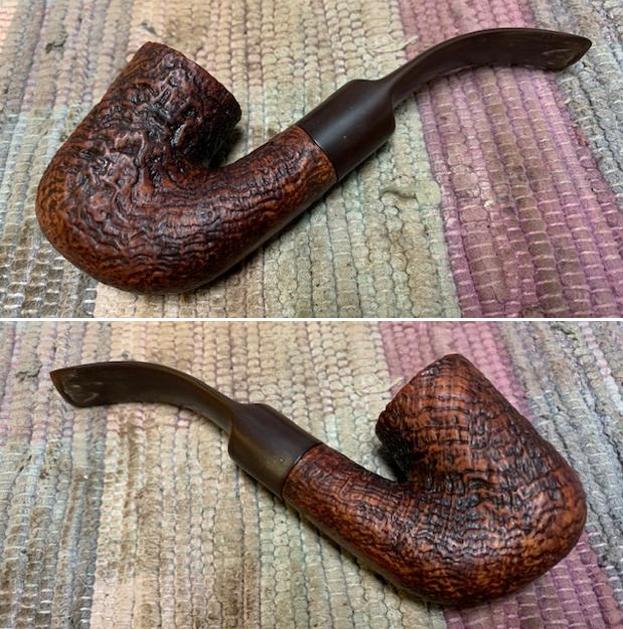
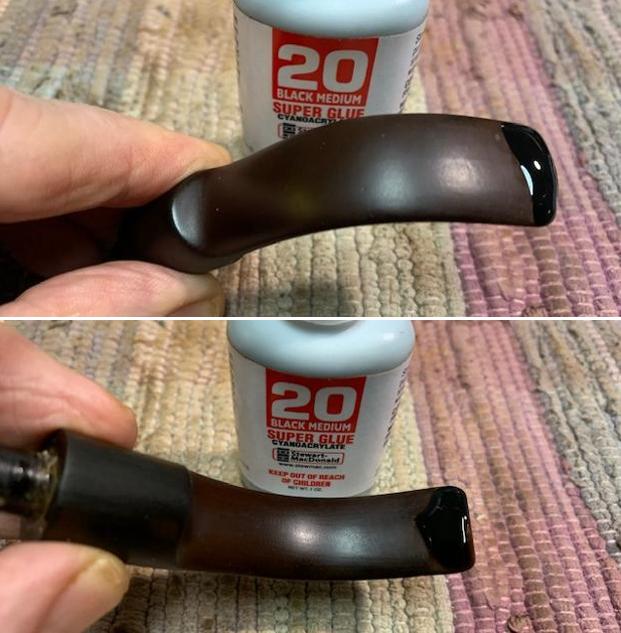
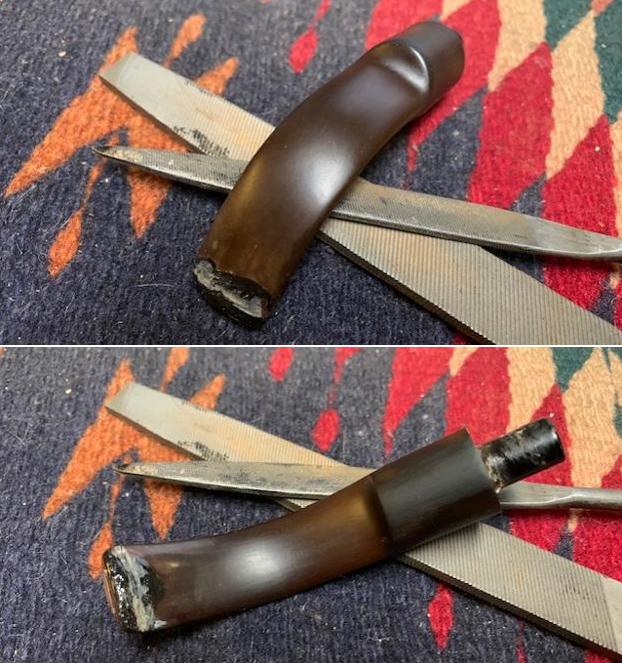
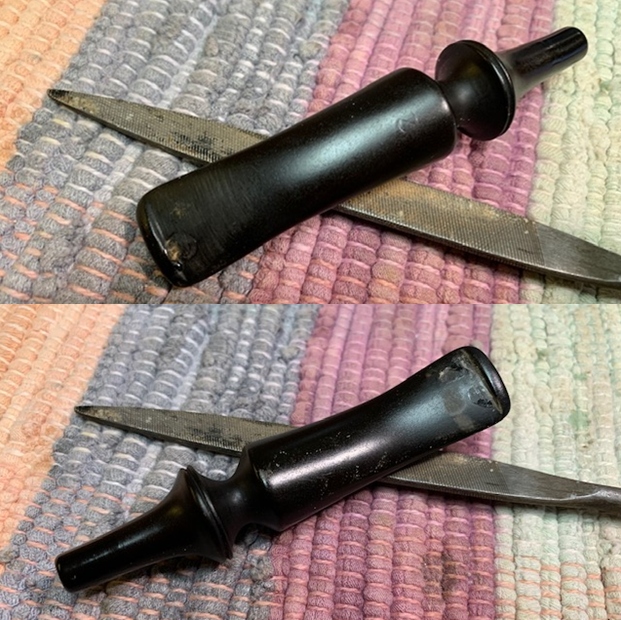
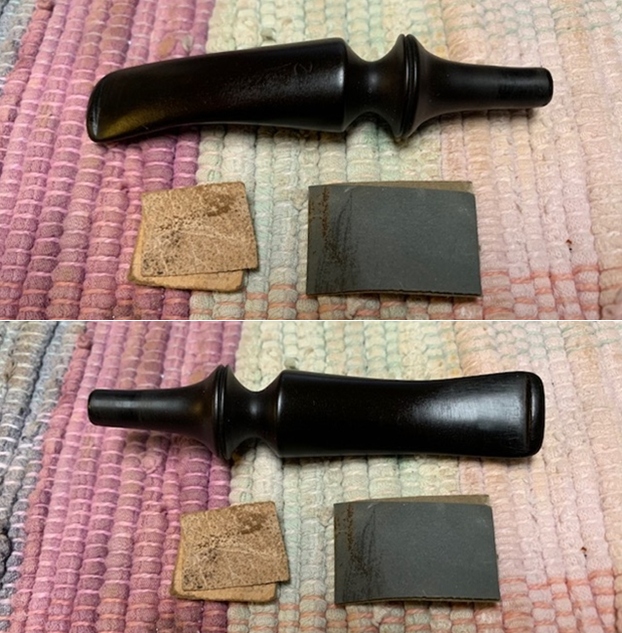
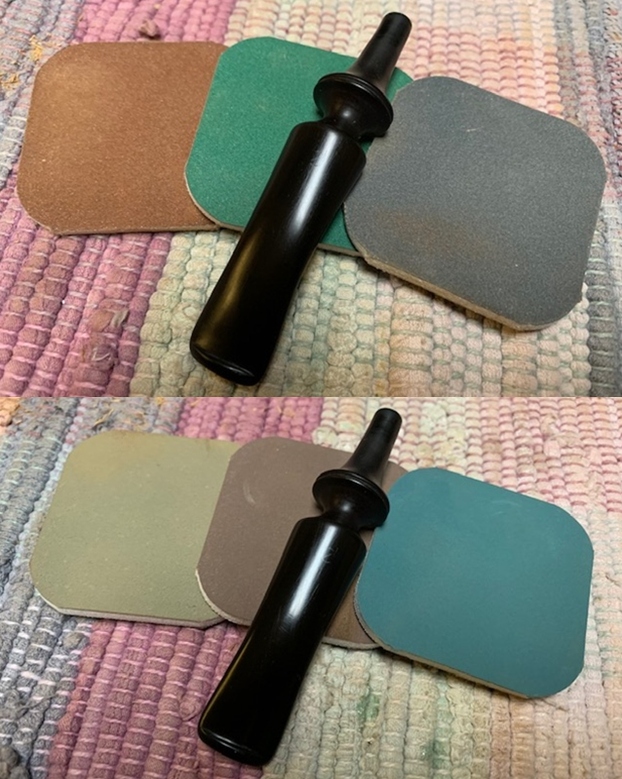
The next pipe I chose to work on was a Sasieni Windsor Sandblast |Bowl sans stem that was purchased from a shop in Oregon when Irene and I visited my brother on the coast there. It has been sitting in my box of bowls since that time. Jeff cleaned it up and mailed it to me. I have been postponing restemming any of the pipes for a while now but after restemming that little gourd calabash a couple of days ago I was ready to do a few more. I pulled this one out of the box and set aside to be the next pipe to work on. It has a very deep sandblast that is quite stunning on the full bent pipe. Overall it is a pretty pipe. The bowl had thick cake in the bowl and there was a coat of lava in the grooves of the rim top. The finish had a lot of dust and debris in the valleys of the blast. The stamping on the smooth panel on the underside of the shank was clear and readable. It was stamped Sasieni [over] Windsor [over] London Made. To the right of that it was stamped with the shape number 80. To the left of the Sasieni stamp on the heel of the bowl it is stamped Made in England in a rugby ball shaped stamp. Jeff took some photos of the bowl before he cleaned it up. The next three close up photos show the condition of the bowl and rim top. You can see the lava coat on the inner edge of the bowl and the debris in the rustication of the rim top. Jeff took a photo of the stamping on the underside of the shank. It read as noted above and is  faint and readable.I turned to Pipephil’s site to get a read on the Sasieni Windsor line to see if I could find out more about the stamping (http://pipephil.eu/logos/en/logo-sasieni2.html). The pipe was in the section on the site as a Sasieni seconds and sub-brands. The pipe in the second photo had very similar stamping to the bowl I was working on. I did a screen capture of the section on Pipephil. I have included it below.  There were also photos that were included on Pipephil of what the sandblast looked like on the Sasieni Windsor originally.The third photo of the underside of the shank shows a similar stamping to the pipe I am working on. The pipe originally had a saddle vulcanite stem. The stem was long gone when Jeff and I picked it up so I had some decisions to make about the stem I would use to restem it.I turned to work on the pipe itself. Jeff had carried out his usual thorough cleanup of the pipe. He had reamed it with a PipNet reamer to remove the cake and cleaned the reaming up with a Savinelli Fitsall Pipe Knife. He scrubbed the internals of the bowl and stem with alcohol, cotton swabs and pipe cleaners. He scrubbed the externals with undiluted Murphy’s Oil Soap and rinsed the bowl off with running water. The pipe looked very clean when I received it. The rim top cleaned up really well as can be seen in the close up photos below. I took a photo of the stamping on the underside of the shank. It really is faint but readable. I went through my can of stems and found turned freehand style vulcanite stem that would work well with the bowl and shank. The bend in it was a little too high and would need to be heated and bent for the Oom Paul shape. There were tooth marks in surface of the top and underside of the stem at the button that would need to be dealt with in the restoration.   I took a photo of the stem and bowl together to give a sense of the look of the pipe and the proportion of the stem. I put the stem in place on the shank and took photos of combination of the bowl and stem. It is going to look very good once it is cleaned up. I rubbed the briar down with Before & After Restoration Balm. I worked it into the briar with my fingertips and a horsehair shoe brush. The product works to clean, enliven and preserve the briar. I let it sit for 15 minutes while I worked on the stem. After the time passed I buffed it with a cotton cloth to deepen the shine. The briar really comes alive with the balm.   I set the bowl aside and turned my attention to the stem. I put a pipe cleaner in the stem and then heated the stem with my heat gun until the vulcanite was supple. I bent it to the angle that matched the bowl. I filled in the tooth marks and rebuilt the button top with black super glue and set it aside to cure. Once it had cured I used files to reshape the edge of the button and flatten the repairs on the stem surface. I blended the repairs into the surface of the vulcanite with 220 grit sandpaper. I started polishing the stem with 400 grit wet dry sandpaper. The stem was looking much better. I polished the vulcanite with micromesh sanding pads – 1500-12000 grit pads. I wiped it down with Obsidian Oil after each sanding pad. I used Before & After Pipe Polish – both Fine and Extra Fine to further polish the stem. This restemmed, sandblasted Sasieni Windsor 80 Oom Paul is a beautiful looking pipe. The brown stains on the bowl work well to highlight the finish. The polished black vulcanite saddle stem adds to the mix. I put the finished stem on the bowl and buffed it with Blue Diamond on the buffing wheel being careful to not buff the stamping. I gave the bowl multiple coats of Conservator’s Wax and the stem multiple coats of carnauba wax on the buffing wheel and followed that by buffing it with a clean buffing pad. I hand buffed the pipe with a microfiber cloth to deepen the shine. The finished Sasieni Windsor 80 is quite nice and feels great in the hand. Give the finished Oom Paul a look in the photos below. I can only tell you that it is much prettier in person than the photos capture. The dimensions of the pipe are Length: 5 ½ inches, Height: 2 inches, Outside diameter of the bowl: 1 ¼ inches, Chamber diameter: ¾ of an inch. The weight of the pipe is 46grams/1.62oz. It will soon be added to the British Pipe Makers section on the rebornpipes store. Thanks for walking through the restoration with me as I worked over another beautiful pipe. Remember we are not pipe owners; we are pipemen and women who hold our pipes in trust until they pass on into the trust of the next generation.


Restemming and Restoring a Monte Verde Hand Made Freehand Bowl


Blog by Steve Laug

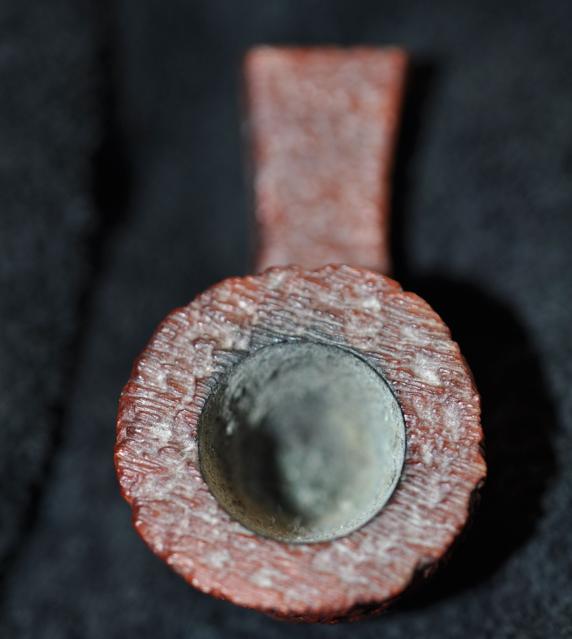
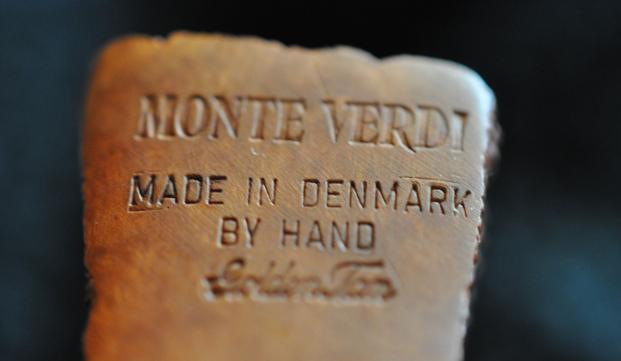
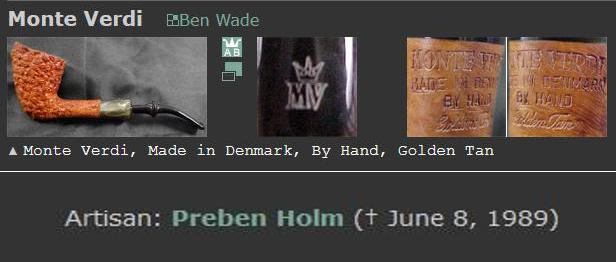
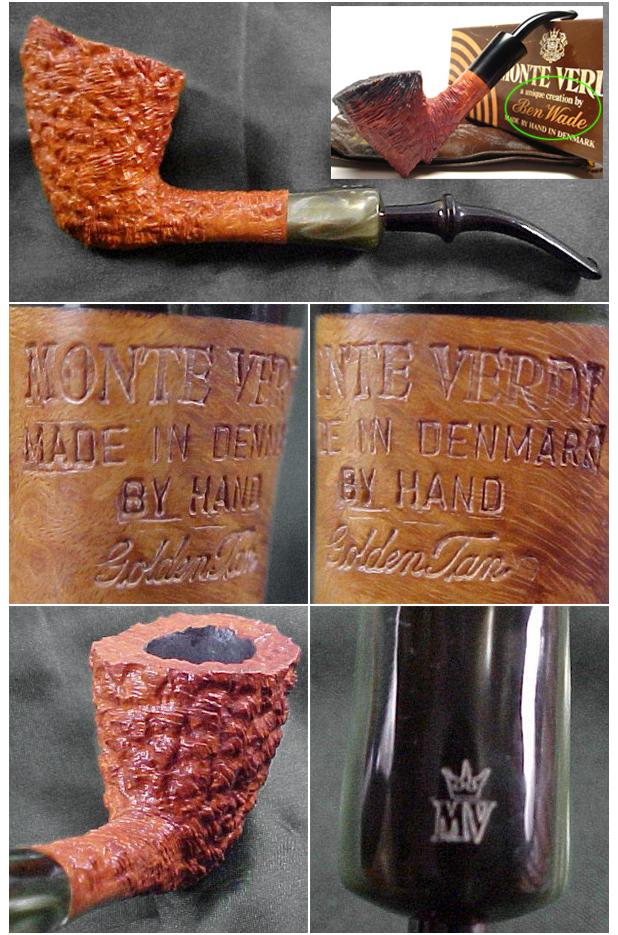
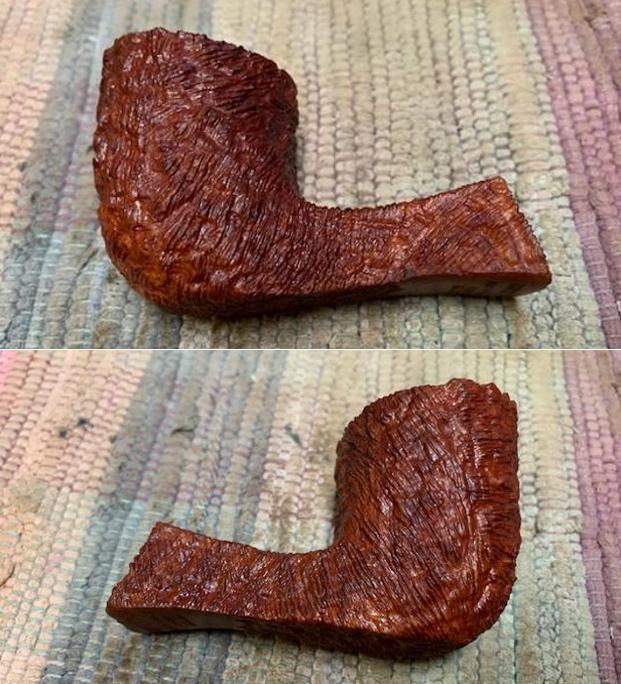
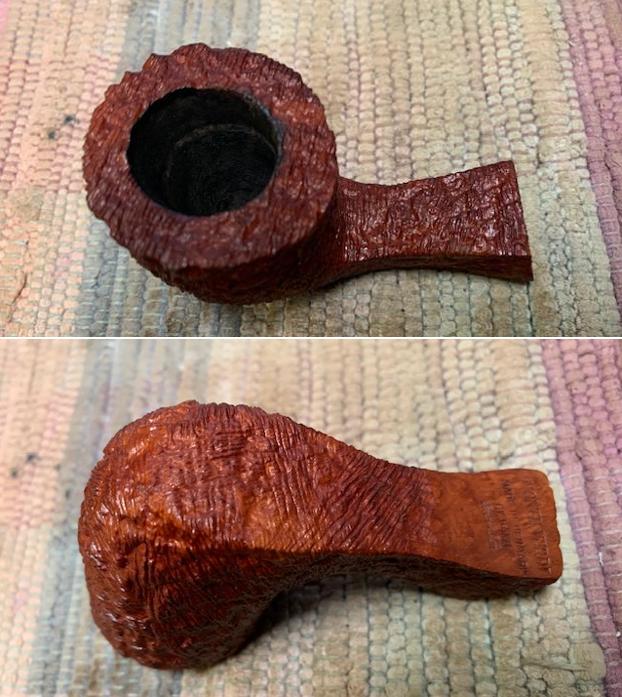
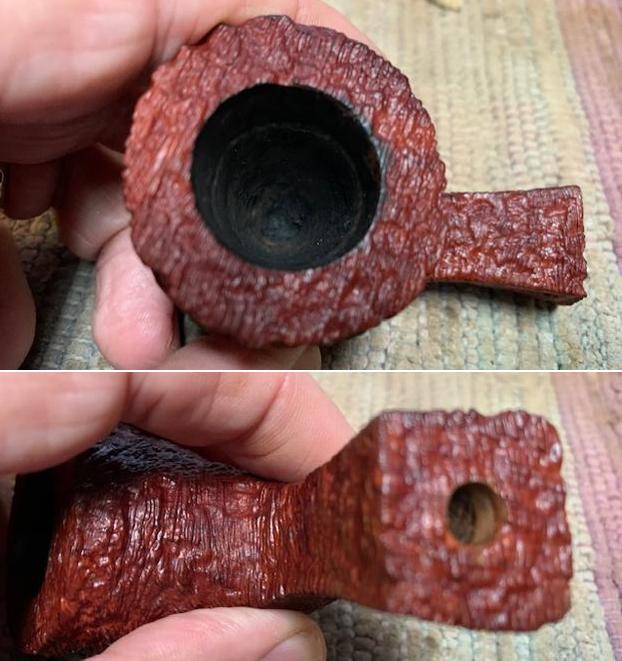
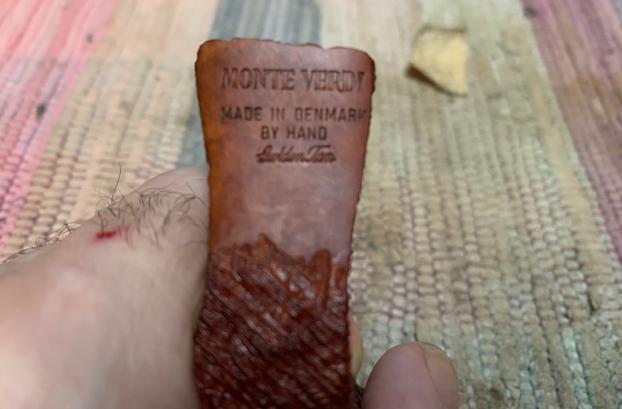
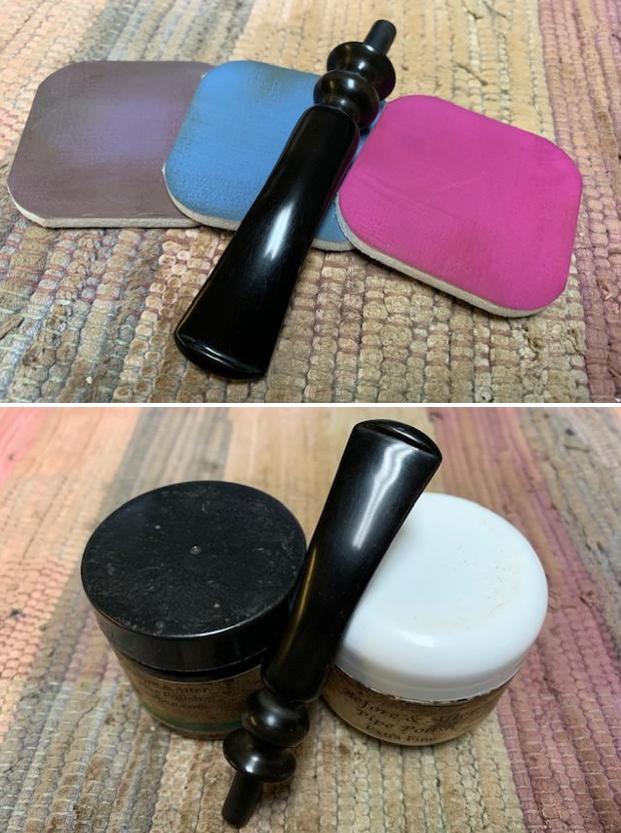
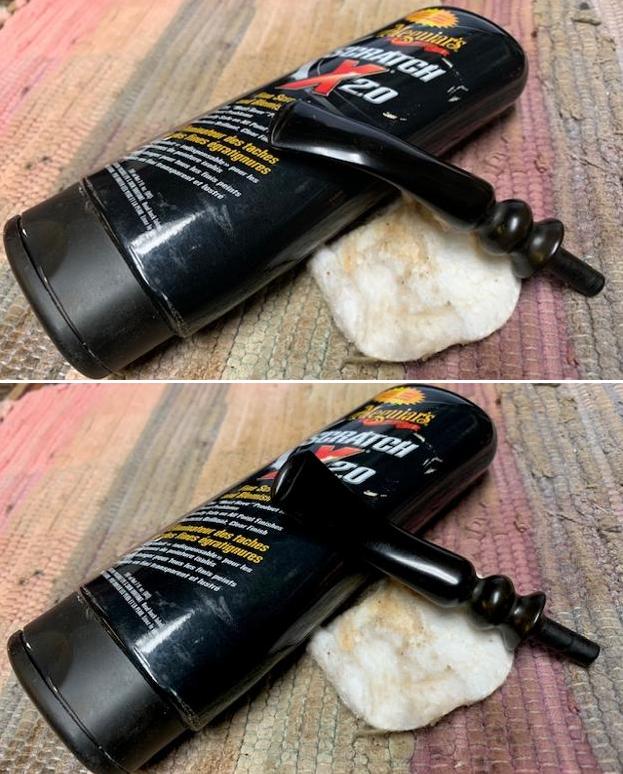
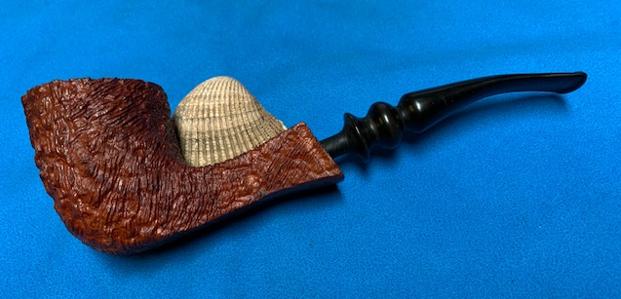
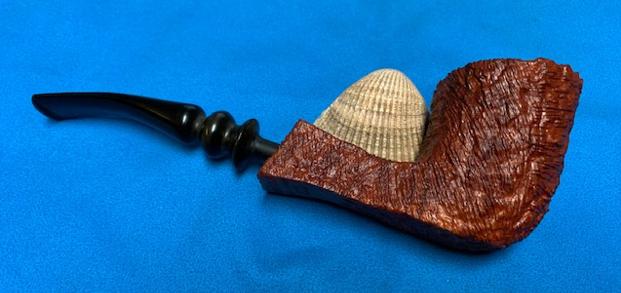
The next pipe I chose to work on was a Monte Verde bowl sans stem that was purchased from an online auction on 03/06/18 from Nampa, Idaho, USA. It has been sitting in my box of bowls since that time. Jeff cleaned it up and mailed it to me. I have been postponing restemming any of the pipes for a while now but after restemming that little gourd calabash a couple of days ago I was ready to do a few more. I pulled this one out of the box first and set aside to be the next pipe to work on. It has a very craggy rustication that is quite stunning and a square flared shank. Overall it is a pretty pipe. The bowl had thick cake in the bowl and the rim top had a coat of lava on the inner edge of the bowl and in the grooves of the rim top. The finish had a lot of dust and debris in the valleys of the rustication. The stamping on the smooth panel on the underside of the shank was clear and readable. It was stamped Monte Verdi [over] Made in Denmark [over] By Hand [over] Golden Tan in script. I knew that the Monte Verdi line was made by Preben Holm of Ben Wade and Preben Holm Freehand fame. Jeff took some photos of the bowl before he cleaned it up. The next two close up photos show the condition of the bowl and rim top. You can see the lava coat on the inner edge of the bowl and the debris in the rustication of the rim top. Jeff took a photo of the stamping on the underside of the shank. It read as noted above and is  clear and readable.I decided to confirm my thinking that the pipe was connected with Preben Holm/Ben Wade. I turned to Pipephil’s site to get a read on the brand (http://pipephil.eu/logos/en/logo-m6.html). Sure enough the Monte Verdi line was made by Preben Holm. The pipe in the photo had a very similar rustication to the Monte Verdi bowl I was working on. I did a screen capture of the section on Pipephil. I have included it below.  There were also photos that were included on Pipephil of what this particular pipe looked like when it had left Denmark. The rustication around the bowl and shank is very similar. The pipe I have does not have a shank extension but otherwise the finish is much the same.The pipe originally had a fancy turned vulcanite stem. The stem was long gone when Jeff picked it up so I had some decisions to make about the stem I would use to restem it.I turned to work on the pipe itself. Jeff had carried out his usual thorough cleanup of the pipe. He had reamed it with a PipNet reamer to remove the cake and cleaned the reaming up with a Savinelli Fitsall Pipe Knife. He scrubbed the internals of the bowl and stem with alcohol, cotton swabs and pipe cleaners. He scrubbed the externals with undiluted Murphy’s Oil Soap and rinsed the bowl off with running water. The pipe looked very clean when I received it. The rim top and shank end cleaned up really well as can be seen in the close up photos below.I took a photo of the stamping on the underside of the shank. It really is clear and readable.I went through my can of stems and found turned freehand style vulcanite stem that would work well with the bowl and shank. The bend in it was perfect. There were tooth marks in surface of the top and underside of the stem at the button that would need to be dealt with in the restoration. I took a photo of the stem and bowl together to give a sense of the look of the pipe and the proportion of the stem. I shortened the length of the tenon with my Dremel and sanding drum and smoothed out the tenon with 220 grit sandpaper and fit the stem in the shank and took pictures of the pipe and stem. I removed the stem and rubbed the briar down with Before & After Restoration Balm. I worked it into the briar with my fingertips and a horsehair shoe brush. The product works to clean, enliven and preserve the briar. I let it sit for 15 minutes while I worked on the stem. After the time passed I buffed it with a cotton cloth to deepen the shine. The briar really comes alive with the balm.   I set the bowl aside and turned my attention to the stem. I “painted” the tooth marks on both sides of the stem with the flame of a lighter to lift them as much as possible. I filled in the tooth marks that remaining with clear super glue and set it aside to cure. Once it had cured I used a flat file to reshape the edge of the button and flatten the repairs on the stem surface. I blended the repairs into the surface of the vulcanite with 220 grit sandpaper. I started polishing the stem with 400 grit wet dry sandpaper. The stem was looking much better. I polished the vulcanite with micromesh sanding pads – 1500-12000 grit pads. I wiped it down with Obsidian Oil after each sanding pad. I used Before & After Pipe Polish – both Fine and Extra Fine to further polish the stem. In speaking with Kenneth yesterday I remembered that I had used a product in the past called Meguiar’s Scratch X2.0 to polish the surface of the stem after all of the previous polishing I had done. I took photos of the stem after polishing with the compound and did give a rich shine.   This restemmed, rusticated Preben Holm Hand Made Monte Verdi Golden Tan Freehand is a beautiful looking pipe that combines a rusticated finish with a unique shaped. The brown stains on the bowl work well to highlight the finish. The polished turned fancy black vulcanite stem adds to the mix. I put the finished stem on the bowl and buffed it with Blue Diamond on the buffing wheel being careful to not buff the stamping. I gave the bowl multiple coats of Conservator’s Wax and the stem multiple coats of carnauba wax on the buffing wheel and followed that by buffing it with a clean buffing pad. I hand buffed the pipe with a microfiber cloth to deepen the shine. The finished pipe is quite nice and feels great in the hand. Give the finished pipe a look in the photos below. I can only tell you that like the other pipes I am working that it is much prettier in person than the photos capture. The dimensions of the pipe are Length: 7 inches, Height: 2 inches, Outside diameter of the bowl: 1 ¾ inches, Chamber diameter: 7/8 of an inch. The weight of the pipe is 63grams/2.22oz. It will soon be added to the Danish Pipe Makers section on the rebornpipes store. Thanks for walking through the restoration with me as I worked over another beautiful pipe. Remember we are not pipe owners; we are pipemen and women who hold our pipes in trust until they pass on into the trust of the next generation.

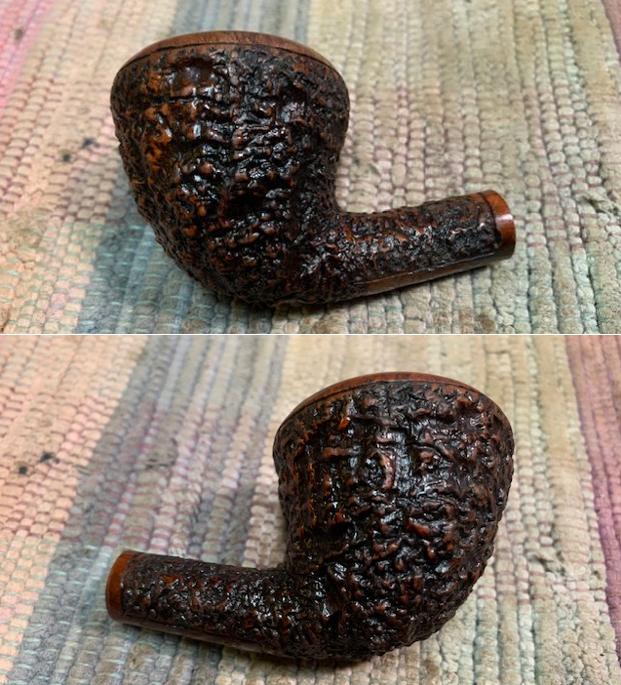
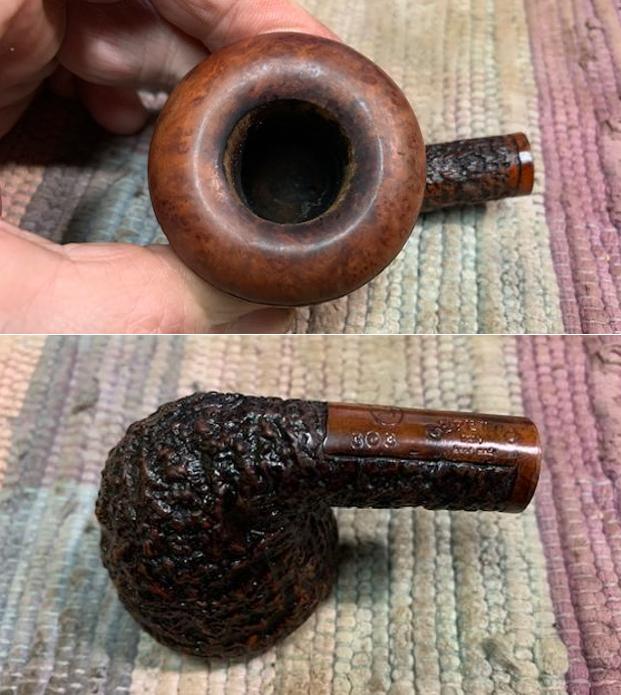
Restemming and Restoring a Gepetto 303 Rusticated Bowl


Blog by Steve Laug

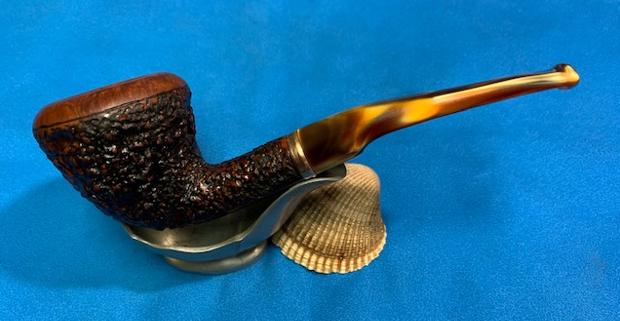
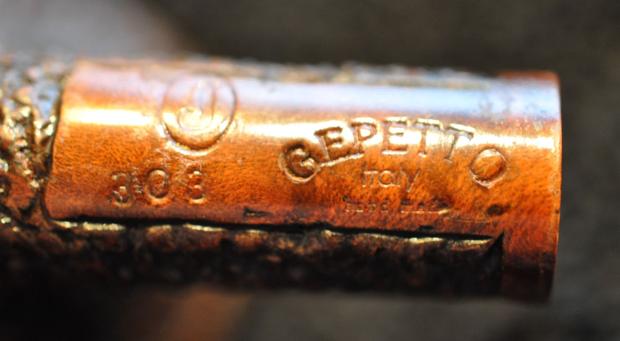
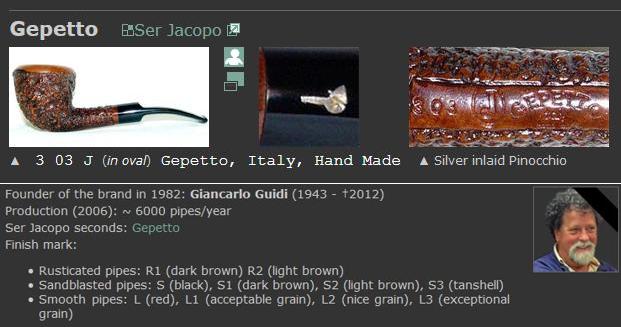
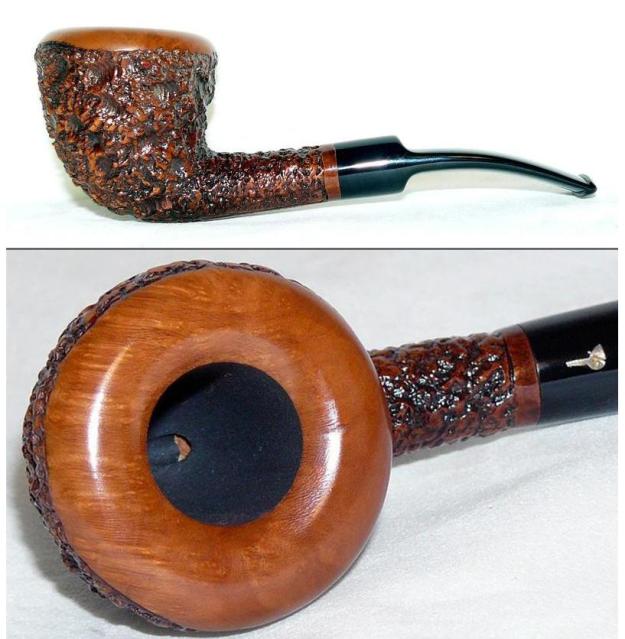
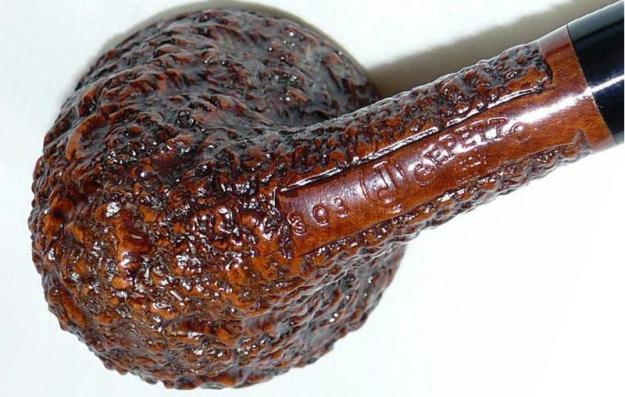
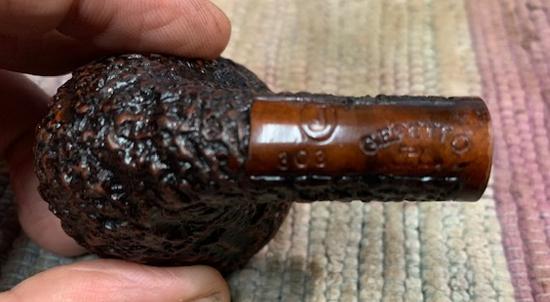
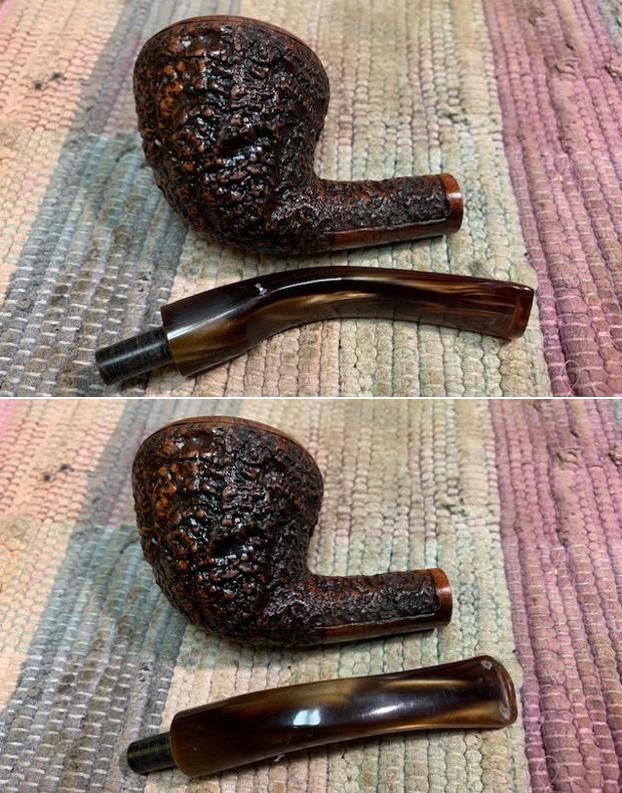
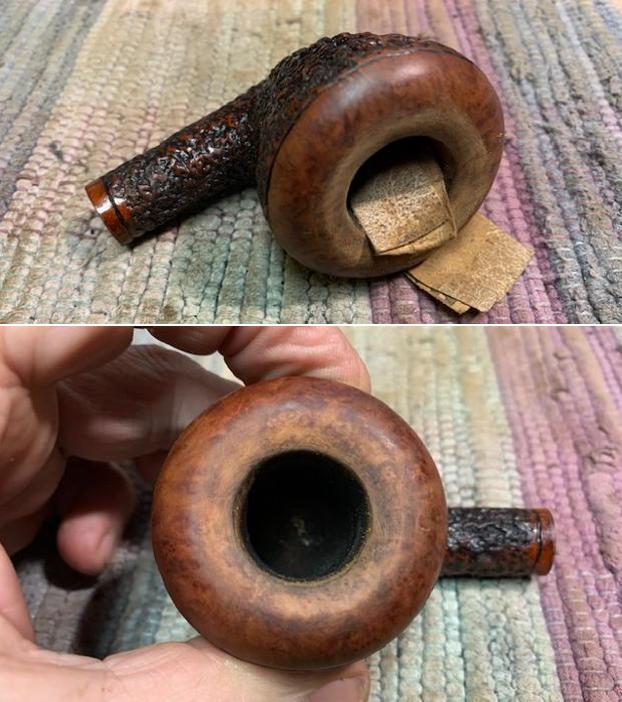
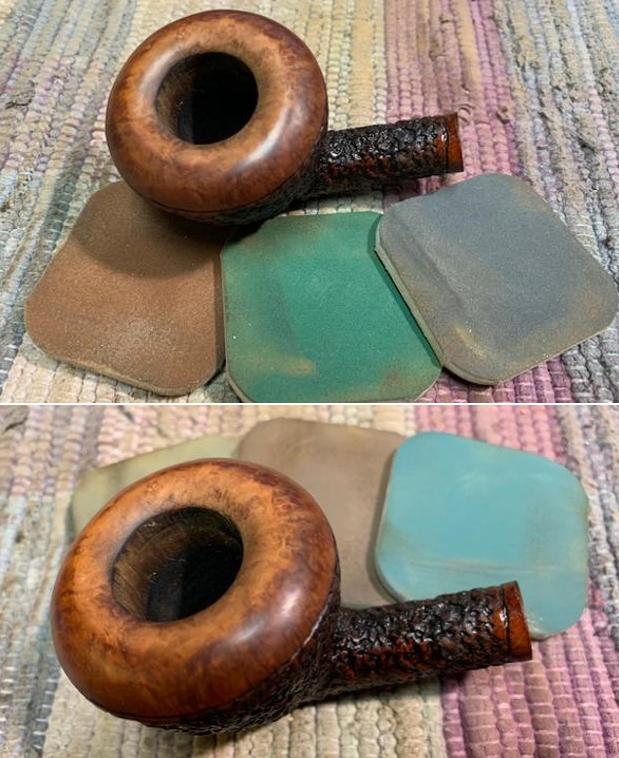
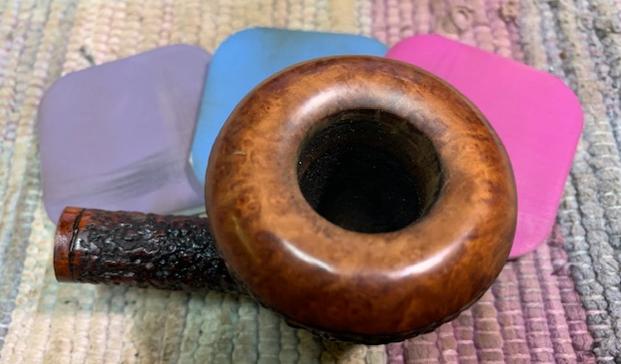
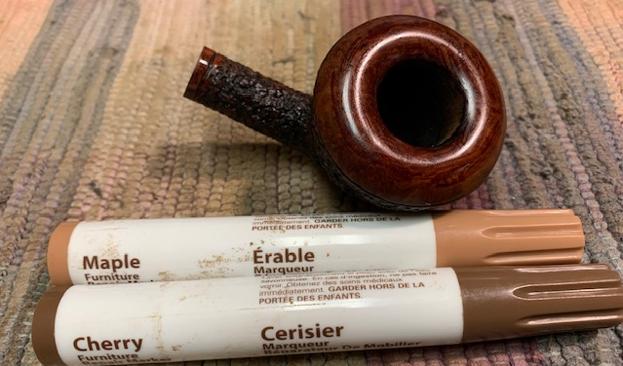
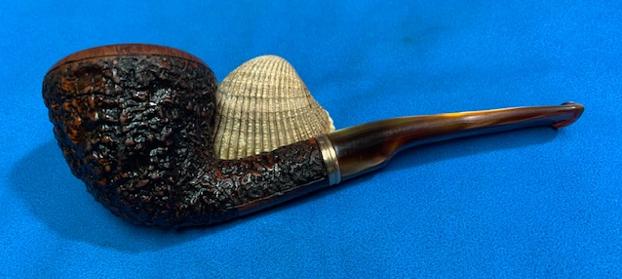
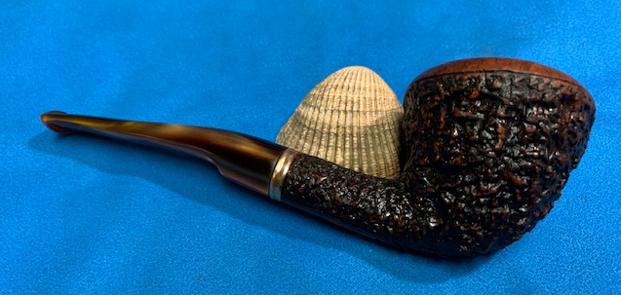
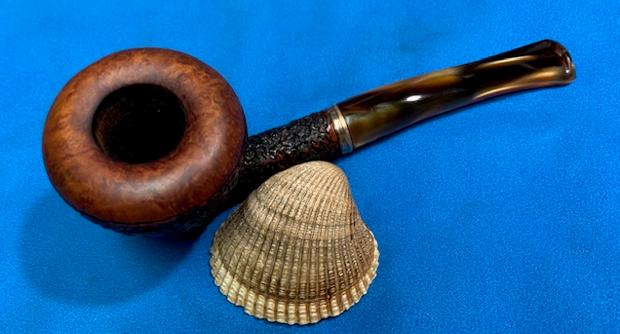
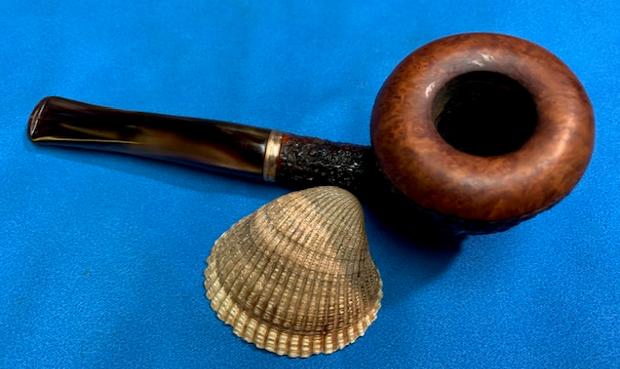
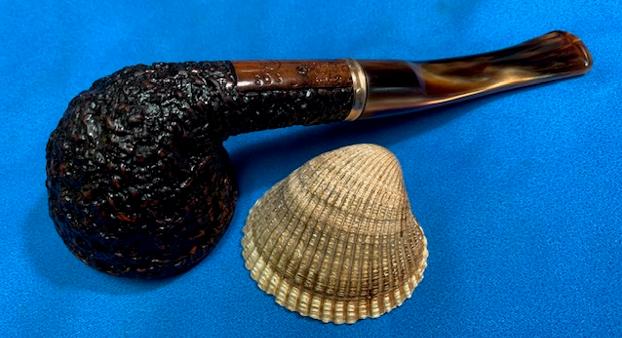
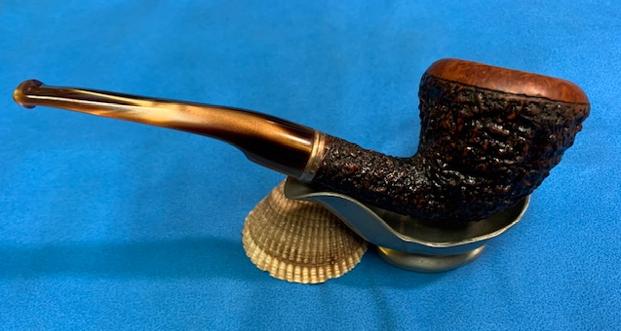
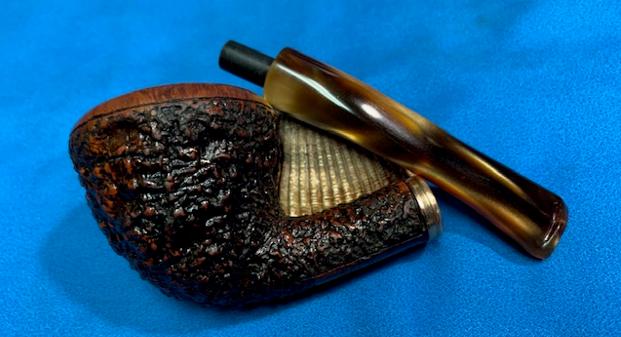
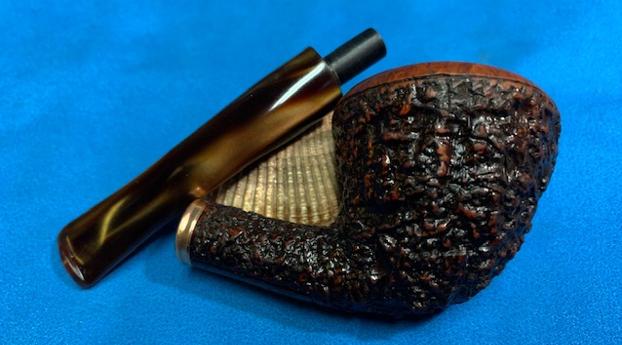
The next pipe I chose to work on came to us from an antique shop in Houston, Texas, USA that Jeff visited in 2018. It has been sitting in my box of bowls since that time. Jeff cleaned it up and mailed it to me. I have been postponing restemming any of the pipes for a while now but after restemming that little gourd calabash a couple of days ago I was ready to do a few more. I pulled this one out of the box first and set aside to be the next pipe to work on. It has a very craggy rustication that is quite stunning and it has a smooth rim cap and ring  that make me call it a Rhodesian. It also has a smooth band on the shank end. Overall it is a pretty pipe. The bowl had been reamed before Jeff purchased it and was pretty clean. The rim top had a coat of lava that covered the majority of the cap. The finish had a lot of dust and debris in the valleys of the rustication. The stamping on the smooth panel on the underside of the shank was clear and readable. It had a J in circle [over] the shape number 303. That is followed by Gepetto [arched over] Italy [over] Hand Made. The J stamp made me immediately think of a connection to Ser Jacopo but I would look into that later in the blog. The next two close up photos show the condition of the bowl and rim top. You can see the thick lava coat on the top and you can see the reamed bowl sides on the left rear. It would need to be cleaned up but it was surprisingly clean for the condition of the rim top. Jeff took a photo of the stamping on the underside of the shank. It read as noted above and is clear and readable.I decided to confirm my thinking that the pipe was connected with Ser Jacopo. I turned to Pipephil’s site to get a read on the brand (http://pipephil.eu/logos/en/logo-g2.html). Sure enough the Gepetto line is called a second of Ser Jacopo. I did a screen capture of the section on Pipephil on both the Gepetto line and the informative side bar from the Ser Jacopo section that also states that the line is a second. I have included them below.  There were also photos that were included on Pipephil of what this particular pipe looked like when it had left Italy. The rustication around the bowl and shank is very similar though the stain on this one is darker and the grain on the smooth rim cap much more prominent. The pipe originally had an acrylic saddle stem with a silver inlaid Pinnochio on the top of the stem. The stem was long gone when Jeff picked it up so I had some decisions to make about the stem I would use to restem it. I turned to work on the pipe itself. Jeff had carried out his usual thorough cleanup of the pipe. He had reamed it with a PipNet reamer to remove the cake and cleaned the reaming up with a Savinelli Fitsall Pipe Knife. He scrubbed the internals of the bowl and stem with alcohol, cotton swabs and pipe cleaners. He scrubbed the externals with undiluted Murphy’s Oil Soap and rinsed the bowl off with running water. The pipe looked very clean when I received it. The rim top looked better but still needed a lot of work. I went through my can of stems and found an acrylic one that had the right colour combination of browns and golds to work with the finish on the bowl. It was a little too bent but that would not be an issue. There were also tooth marks in the top and underside of the stem at the button that would need to be dealt with in the restoration. I fit the stem in the shank and took a picture of the pipe. The stem is a little larger in diameter than the shank. I will need to sand it down to match the shank. I will also need to straighten the stem. I took a close up photo of the rim top. You can see the cleanness of the bowl and rim. There is darkening around inner edge of the rim and crown top. You can also see the stem is a little larger in diameter than the shank in the photos below. You can also see the tooth marks in the second and third photos below.I straightened the stem over my heat gun. I put a pipe cleaner in the shank and heated it until the stem was flexible and I was able to straighten it to match the bend in the stem. I took photos of the pipe and stem after the straightening.I set the stem aside and worked on the rim edges and top with a folded piece of 220 grit sandpaper. I was able to remove the damage to the rim edges and top.I polished the rim top with micromesh sanding pads and wiped it down with a damp cloth to remove the sanding dust. The crown took on a rich shine. I stained the rim top with a Maple and Cherry stain pen to match the finish on the smooth portions on the bowl.With the repair completed I rubbed the briar down with Before & After Restoration Balm. I worked it into the briar with my fingertips and a horsehair shoe brush. The product works to clean, enliven and preserve the briar. I let it sit for 15 minutes while I worked on the stem. After the time passed I buffed it with a cotton cloth to deepen the shine. The briar really comes alive with the balm.   In the process of rubbing the bowl down with Before & After Balm I noticed a hairline crack in the underside of shank that needed to be addressed. I don’t know if it was present or if it cracked when I fitted the new stem. Either way it needed to be repaired. I sanded the smooth area on the shank end down with 220 grit sandpaper in  preparation for the band I wanted to put on it. I found a nice brass band that was grooved to look like a double band. I heated the band and pressed it in place. The band looked very good on the shank. I filled in the tooth marks on the stem with clear super glue and set it aside to cure. Once it had cured I sanded it down with 220 grit sandpaper. I also sanded the diameter of the stem to match the diameter of the shank. I set the bowl aside and turned my attention to the stem. I polished the acrylic stem with micromesh sanding pads – 1500-12000 grit pads. I wiped it down with Obsidian Oil after each sanding pad. I used Before & After Pipe Polish – both Fine and Extra Fine to further polish the stem.   This restemmed, rusticated Gepetto 303 Rhodesian is a beautiful looking pipe that combines a smooth rim cap and rusticated bowl and shank. The brown stains on the bowl work well to highlight the grain. The polished variegated brown/gold half saddle acrylic stem adds to the mix. I put the finished stem on the bowl and buffed the pipe with Blue Diamond on the buffing wheel being careful to not buff the stamping. I gave the bowl multiple coats of Conservator’s Wax and the stem multiple coats of carnauba wax on the buffing wheel and followed that by buffing it with a clean buffing pad. I hand buffed the pipe with a microfiber cloth to deepen the shine. The rusticated pipe is quite nice and feels great in the hand. Give the finished pipe a look in the photos below. I can only tell you that like the other pipes I am working that it is much prettier in person than the photos capture. The dimensions of the pipe are Length: 6 ½ inches, Height: 2 inches, Outside diameter of the bowl: 2 inches, Chamber diameter: 7/8 of an inch. The weight of the pipe is 57grams/2.05oz. It will soon be added to the Italian Pipe Makers section on the rebornpipes store. Thanks for walking through the restoration with me as I worked over another beautiful pipe. Remember we are not pipe owners; we are pipemen and women who hold our pipes in trust until they pass on into the trust of the next generation.


Restemming a Dunhill Pipe – A Patent Era 1936 Dunhill Bruyere 35 Billiard


Blog by Steve Laug

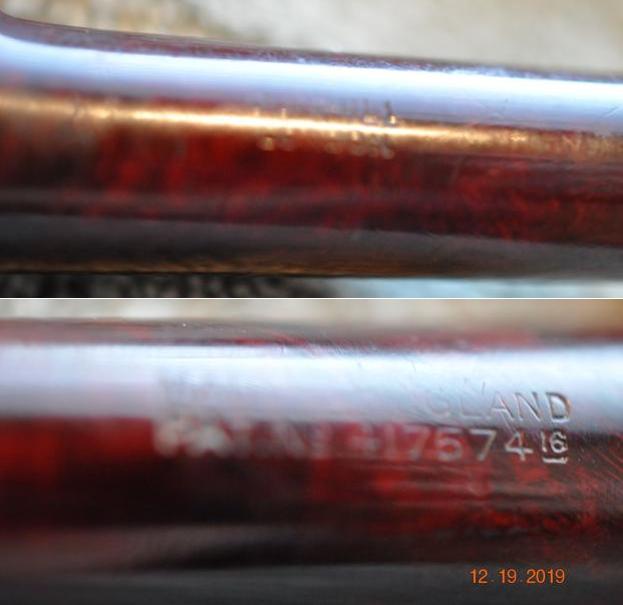
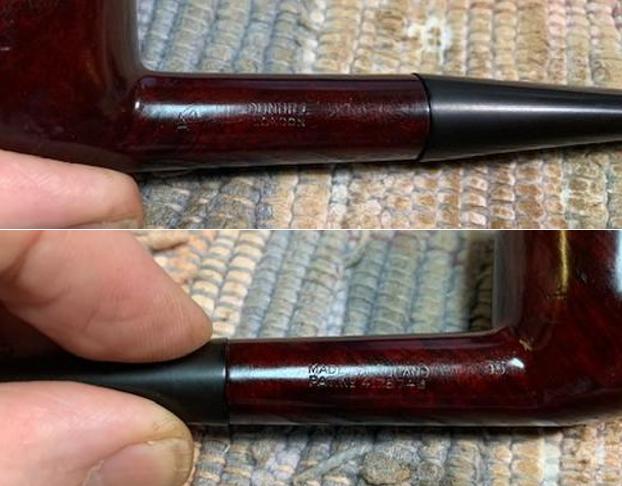
This Dunhill Billiard was one of five other Billiards that came to us in the same lot as the 1922 Dunhill Bruyere Reading Pipe, a cracked shank 1962 Dunhill Shell Briar Pot and the 1905 BBB Calabash Reading Pipe and 1911 BBB Glokar Poker. It was a great looking Bruyere Billiard that had a Yello-Bole stem instead of the original Dunhill stem. The pipe is stamped on the left side of the shank with the letter A next to the bowl and the was followed by DUNHILL [over] LONDON. On the right side of the shank it was stamped MADE IN ENGLAND [over] PAT. NO 41757416 that is followed by the shape number 35.

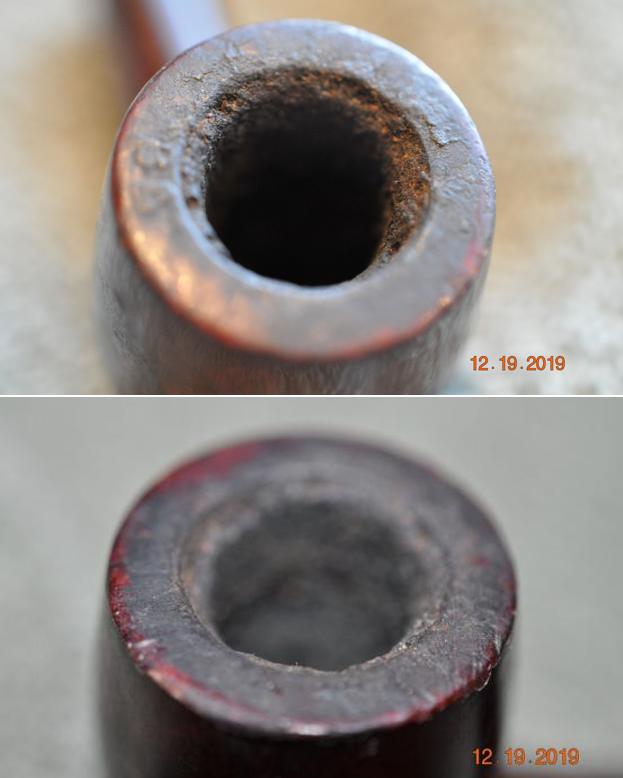
It was another filthy pipe with a thick cake in the bowl and a heavy lava overflow on the rim top. It looked like it had a shiny coat of varnish or shellac on the bowl that would need to be removed so I could work on the rim top and nicks in the bowl sides. The stem would need to be replaced so Jeff and I would look over what he had there in terms of stems we had set aside. Perhaps there would be one in the lot that would work. Jeff removed the Yello-Bole stem from the shank and took photos of the bowl before he did his clean up work.  He took photos of the bowl and rim to give a picture of the thickness of the cake and lava on the rim top. This must have been a favourite pipe to have gone through a Dunhill stem and then pressing a Yello-Bole stem into service. I would need to find a Dunhill stem for it but it had promise even under the thick cake in the bowl.  Jeff took photos of the stamping on the sides of the shank but they are quite blurry because of the refection of the shiny varnish/shellac coat. I am including them anyway here as the give a sense of where the stamp was on the shank sides.I turned to Pipedia’s section on Dunhill Root Briar Pipes to get a bit of background on the Dunhill finishes (https://pipedia.org/wiki/Dunhill#Root_Briar). I quote:

Bruyere

The original finish produced (usually made using Calabrian briar), and a big part of developing and marketing the brand. It was the only finish from 1910 until 1917. A dark reddish-brown stain. Before the 1950s, there were three possible finishes for Dunhill pipes. The Bruyere was a smooth finish with a deep red stain, obtained through two coats, a brown understain followed by a deep red.

There was a link on the above site to a section specifically written regarding the Bruyere finish (https://pipedia.org/wiki/Dunhill_Bruyere). I turned there and have included the information from that short article below.

Initially, made from over century-old briar burls, classified by a “B” (denoted highest quality pipe); “DR” (denoted straight-grained) and an “A” (denoted first quality), until early 1915. After that, they became a high-end subset to the Dunhill ‘Bruyere’. The DR and B pipes, a limited production, they should be distinguished as hand-cut in London from burls as opposed to the Bruyere line which was generally finished from French turned bowls until 1917, when the Calabrian briar started to be used, but not completely. Only in 1920 Dunhill took the final step in its pipe making operation and began sourcing and cutting all of its own bowls, proudly announcing thereafter that “no French briar was employed”.

Bruyere pipes were usually made using Calabrian briar, a very dense and hardy briar that has a modest grain but does very well with the deep red stain.

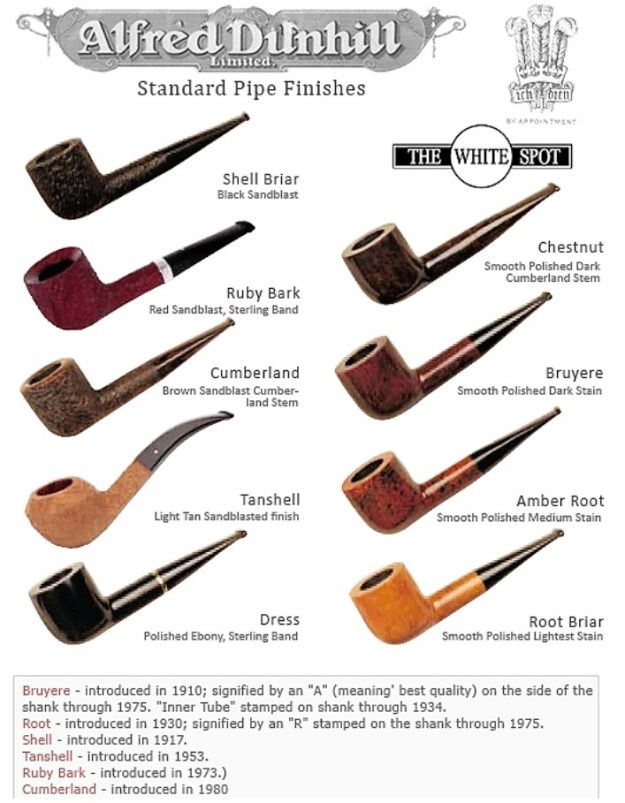
“Before the 1950s, there were three possible finishes for Dunhill pipes. The Bruyere was a smooth finish with a deep red stain, obtained through two coats, a brown understain followed by a deep red. The Shell finish was the original sandblast with a near-black stain (though the degree to which it is truly black has varied over the years). Lastly, the Root finish was smooth also but with a light brown finish. Early Dunhill used different briars with different stains, resulting in more distinct and identifiable creations… Over the years, to these traditional styles were added four new finishes: Cumberland, Dress, Chestnut and Amber Root, plus some now-defunct finishes, such as County, Russet and Red Bark.”

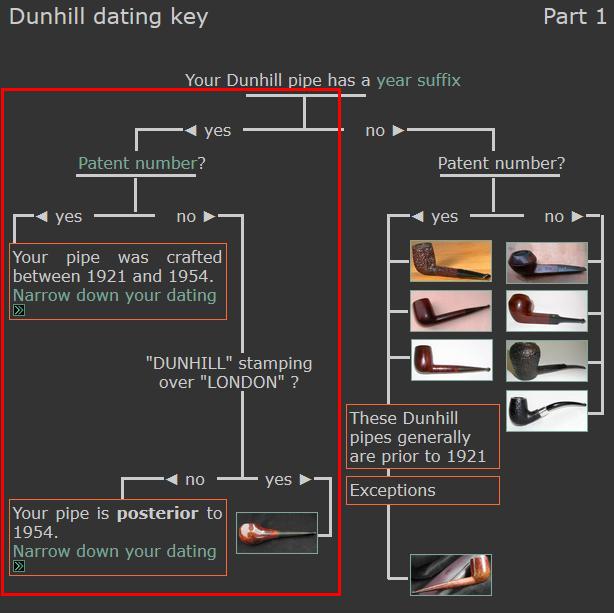
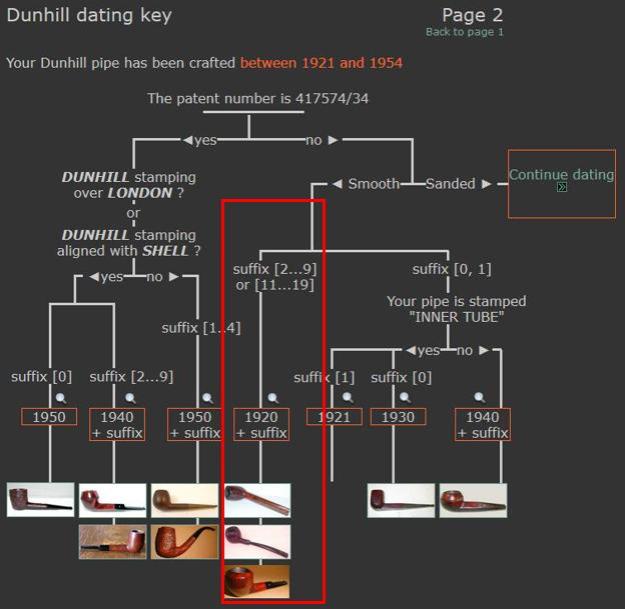
There was also a link to a catalogue page that gave examples and dates that the various finishes were introduced (https://pipedia.org/wiki/File:Dunnypipescatalog-1.png).I turned to Pipephil’s dating guide to show how I arrived at the date of manufacture for this pipe (http://www.pipephil.eu/logos/en/dunhill/cledat-en1.html). I am including two charts that are provided there for the dating a pipe. I have drawn a red box around the pertinent section in each chart. Since the pipe I am working on has a suffix 16 that is raised superscript it points to 1920+ 16 for a date of 1936 on the charts below. I now knew that I was working on a Bruyere that came out in 1936 because of the date stamp 16. The shape of the pipe was one of many Billiards that Dunhill put out and the #35 was a normal billiard shape with a taper stem. That helped me figure out the kind of stem I would need to restem the pipe.

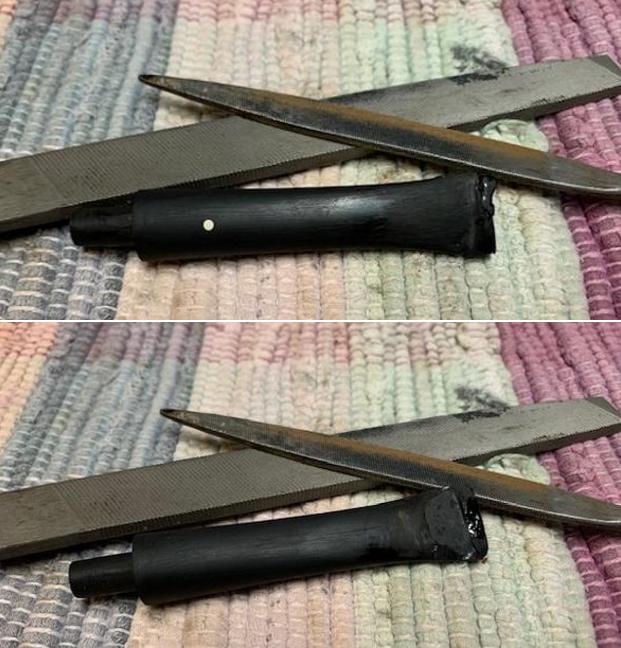
I turned to work on the pipe itself. Jeff had carried out his usual thorough cleanup of the pipe. He had reamed it with a PipNet reamer to remove the cake and cleaned the reaming up with a Savinelli Fitsall Pipe Knife. He scrubbed the internals of the bowl and stem with alcohol, cotton swabs and pipe cleaners. He scrubbed the externals with undiluted Murphy’s Oil Soap and rinsed the bowl off with running water. He had included a stem that we thought could work with the pipe and had soaked it in Before & After Deoxidizer and once it had soaked rinsed it off with warm water to remove the residual solution. He dried it off and scrubbed it down with Soft Scrub All-Purpose cleaner to remove any oxidation that was still on the stem. The biggest issue with the stem was the large chunk of vulcanite missing on the button on the underside but I thought we could make it work. The stem was from the wrong era and the button was the wrong shape but it would work until the proper stem was located. The pipe looked very clean when I received it. I took a photo of the bowl and the stem I was planning on using. I sanded the tenon to slightly reduce the diameter and leave a snug fit in the shank. It did not take too much to get a nice fit. Note that the diameter of the stem is slightly larger than the shank and it is flattened on the bottom. Since it is larger the flatten portion will not be an issue and with a little work the stem will be a perfect fit.  The fourth photo of the underside of the stem shows the damage to the button that will need to be repaired. I took a photo of the rim top to show the condition. You can see the darkening, scratches and damage on the rim top. It is roughened and slightly out of round. The varnish/shellac coat is peeling on the top. The stem came out looking quite good. There are tooth marks and chatter on the top side near the button and a large chunk of the button missing on the underside. 

I took photos of the stamping on both sides of the shank to try to capture it better than the photos above. It is better and is readable it reads as noted above. Also not the variation in the diameter of the stem that will need to be addressed.It was time to work on the stem. I decided to tackle the repair to the missing part of the button on the underside of the stem first. I would also need to work on the diameter of the stem at the shank and the shape of the stem to match the year it was made. There was a lot of work to do on the stem.

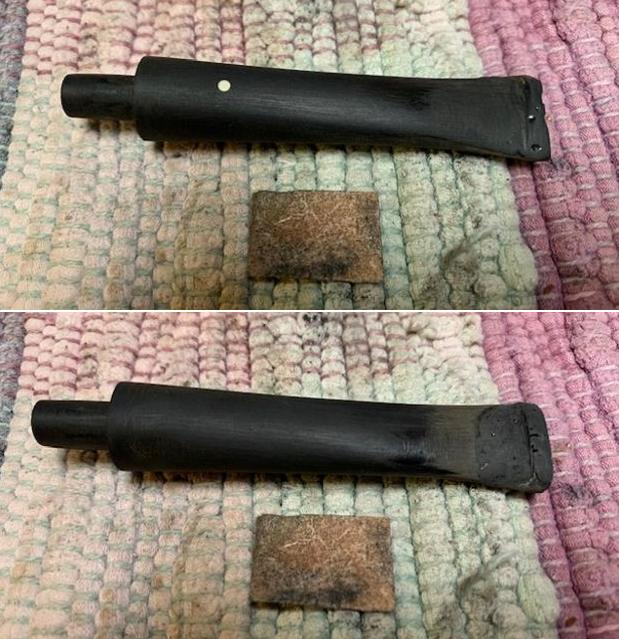
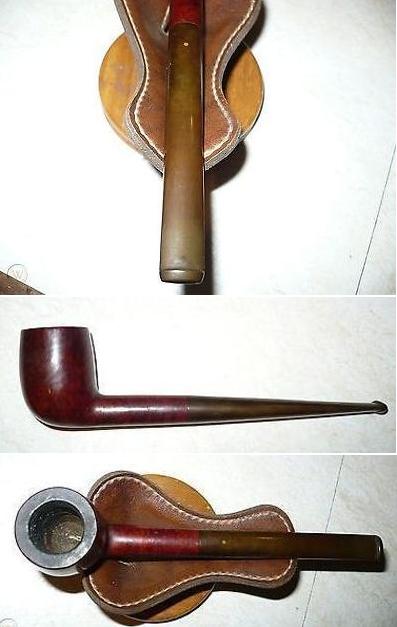
I got the repair station set up. I use a piece of cardboard with two strips of packing tape to mix the putty. I used Loctite 380 rubberized Black CA glue and three capsules of charcoal powder. I made a cardboard wedge covered in packing tape to fit in the slot and keep me from filling the slot in with the mixture.  I put a pool of the glue on the middle of the cardboard base so I could mix the charcoal powder into it.I mixed the powder and the glue together with a dental spatula. I stirred it until I got a thick putty like paste. I used the spatula to place the mixture on the top of the stem and fill in the missing chunk. I always overfill the area as I can easily remove the excess with the Dremel and files. I sprayed the repair with accelerator to harden the surface so I could remove the cardboard wedge. I took out the wedge and took a photo of the stem at this point in the process.I let the repair cure overnight and in the morning I used a rasp and file to begin to shape the stem surface and flatten the repair. It was a good solid repair and with a lot of shaping and sanding it would work well.I continued to shape the stem surface with 220 grit sandpaper to the button and stem surface smooth. I also worked on the diameter of the stem and removed the flattened bottom. Lots more work to do but it is getting there.I knew that the 1936 stem would not have had the flared fishtail look but probably would have been more of a straight taper. I did a search on Google for a 1936 Dunhill Bruyere in a shape 35 to see if I could find one that would provide a pattern for the shaping of this replacement stem. I found one (https://www.worthpoint.com/worthopedia/1936-dunhill-bruyere-grade-billiard-490781280). I copied several of the photos to get a pattern to work with.

You can see from the photos to the left that the stem was significantly different in shape than the fishtail stem that I was working with. The taper on the sides from the shank to the button was far more gentle and almost straight. The taper on the top and bottom the stem is very similar to what I have. The biggest difference was in the last half inch of the stem and button. I would need to remove the horns or fish tail edges from the button and smooth out the transition on the button end so that it is not flared.

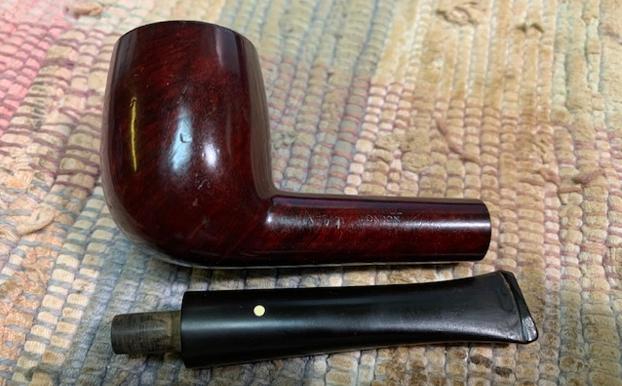
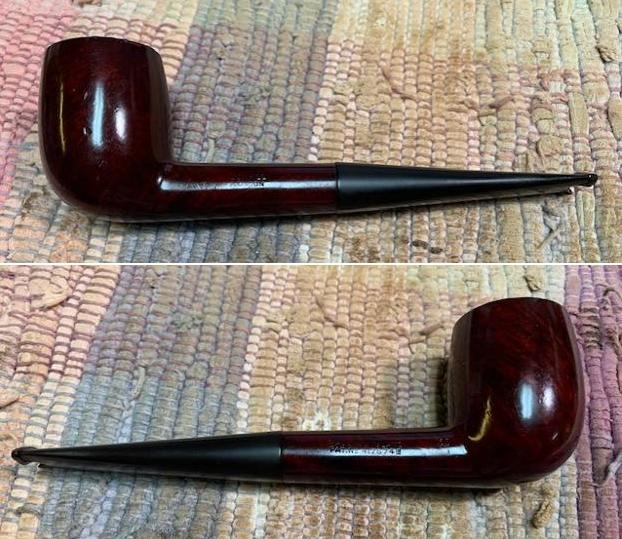
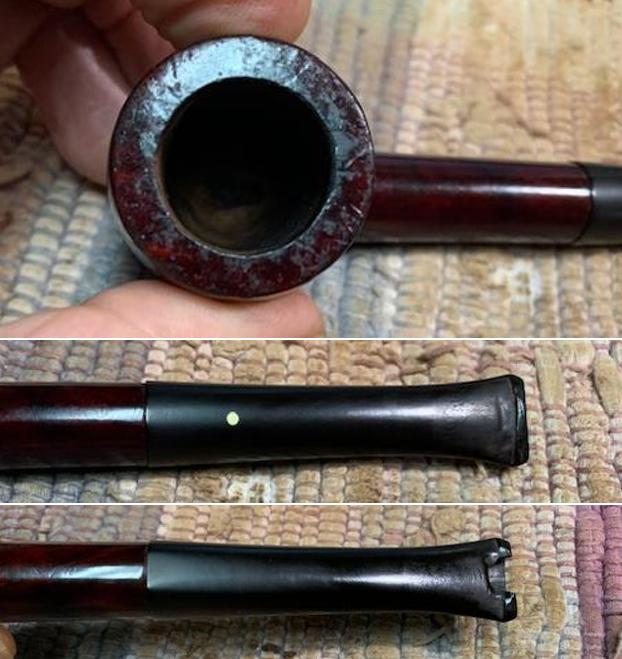
It took some work but I used the Dremel to roughly shape the stem like the sides of the stem and the button edges. I took off a lot of vulcanite and when I was done it was very close. I think the rest of the work would be done with sandpaper.I continued shaping it with 220 grit sandpaper. It is looking very good at this point. I still have work to do on the repair to take care of air bubbles but I am happy with how it is coming out so far.I filled in the air bubbles on the stem and button surfaces with black super glue and set the stem aside for the repairs to cure.I turned my attention to the bowl. I decided to start the restoration on it by working on the damage on the inner edge of the bowl. It had darkening and some damage to the edge. There were burn and reaming damage marks on the edge. I worked it over with a folded piece of 220 grit sandpaper to give the edge a light bevel and remove and minimize the damage on the edge. When I finished with it, the bowl and the rim top looked much better.I wiped down the bowl with alcohol on a cotton pad to remove the shellac/varnish coat. It removed a lot of the shiny coat but the polishing with micromesh will remove the rest of it. I polished the rim top and bowl with micromesh sanding pads – dry sanding with 1500-12000 grit sanding pads. I wiped the bowl down with a damp cloth after each sanding pad. The briar began to take on a shine.    I paused the sanding with the micromesh to stain the rim top with a Mahogany Stain pen to match the colour around the bowl. Afterwards I picked up the micromesh pads 3200-12000 and completed the cycle to polish the bowl. I rubbed the briar down with Before & After Restoration Balm. I worked it into the briar with my fingertips. The product works to clean, enliven and preserve the briar. I let it sit for 15 minutes while I worked on the stem. After the time passed I buffed it with a cotton cloth to deepen the shine. The briar really comes alive with the balm. I was excited to be finishing this pipe. I still had work to do but thought I would take a look at the stem and pipe together. I put the stem in place and tried I tried to blow through it and only got read in the face. I tried to put a pipe cleaner through the button and it went into the area of the repair and stopped. I tried to push a wire through the blockage and it would not budge. My stem repair had sealed off the airway!!!!. I usually do a stem repair with a folded greased pipe cleaner in the airway. This time I tried the cardboard wedge that both Dal and Paresh have used many times with no issues, thinking this stem would be a great candidate for that. I made a wedge and fit it in place but it must have had a small opening at the end that allowed the repair material to go past it. The airway was sealed tight and hard as a rock! I set the stem aside and went to the Post Office to mail a package. While I waited for the clerk I had an idea. When I got home I tried it. I put the smallest drill bit I had in the chuck of my cordless drill and carefully drilled it through. I up the bit to the second smallest one and the airway was clear! Whew… but even more amazing is that with all the drilling and fussing at the button lip the repair did not chip or loosen. The repair was solid. That at least was very good news in the midst of this mess.I worked on the stem some more fine tuning the fit against the shank and the shape of the button and stem to get as close as possible to the pictures that I found and included above. I sanded and shaped and sanded and shaped… did I say sanded and shaped?? It seemed almost endless. I polished the vulcanite with micromesh sanding pads – 1500-12000 grit pads. I wiped it down with Obsidian Oil after each sanding pad. I used Before & After Pipe Polish – both Fine and Extra Fine to further polish the stem.  This Dunhill A Bruyere 35 Patent Billiard from 1936 is a beautiful looking piece of briar that has a shape that follows grain. It is a great looking pipe that came out looking even better after the cleanup and restemming. The Bruyere is an early finish that Dunhill specialized in making. The finish on the pipe is in excellent condition. The red and brown stain on the bowl works well to highlight the grain. The polished black vulcanite taper stem that I repurposed to replace the Yello-Bole stem adds to the mix. It is not the 1936 stem but I reshaped it to a close approximation. It will work until I find the proper era stem. I put the stem back on the bowl and buffed the pipe with Blue Diamond on the buffing wheel being careful to not buff the stamping. I gave the bowl and the stem multiple coats of carnauba wax on the buffing wheel and followed that by buffing it with a clean buffing pad. I hand buffed the pipe with a microfiber cloth to deepen the shine.

The finished Bruyere 35 Billiard is quite nice and feels great in the hand. Give the finished pipe a look in the photos below. I can only tell you that like the other pipes I am working that it is much prettier in person than the photos capture. The dimensions of the pipe are Length: 5 ½ inches, Height: 1 ¾ inches, Outside diameter of the bowl: 1 ¼ inches, Chamber diameter: 5/8 of an inch. The weight of the pipe is 31grams/1.06oz. Thanks for walking through the restoration with me as I worked over another beautiful pipe. Remember we are not pipe owners; we are pipemen and women who hold our pipes in trust until they pass on into the trust of the next generation.


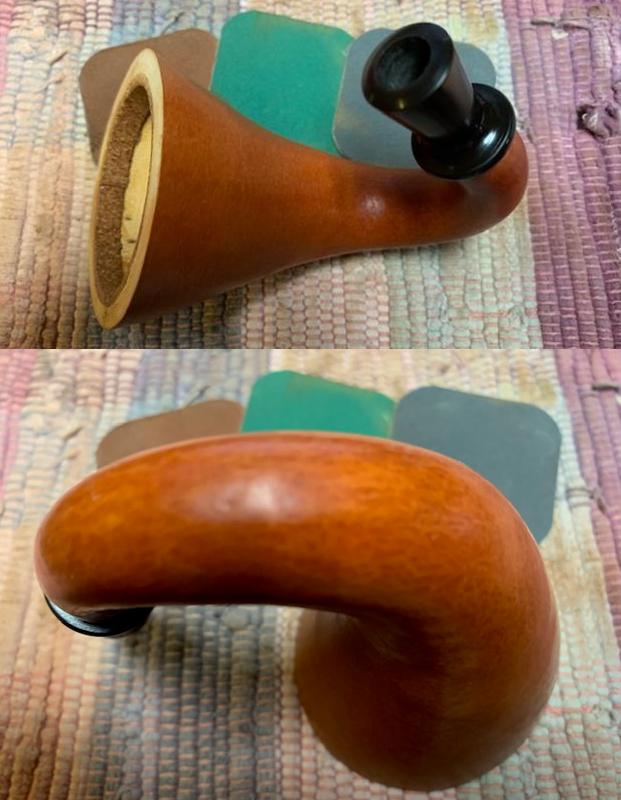
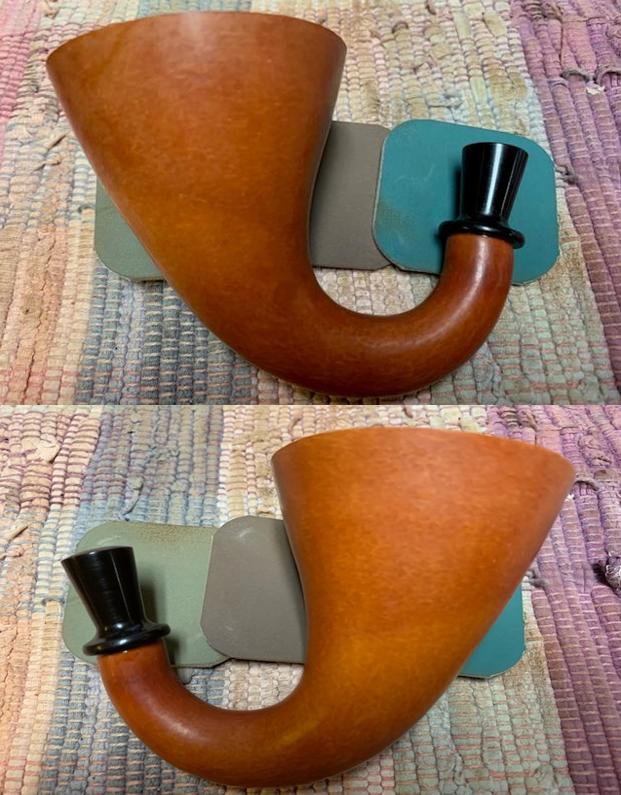
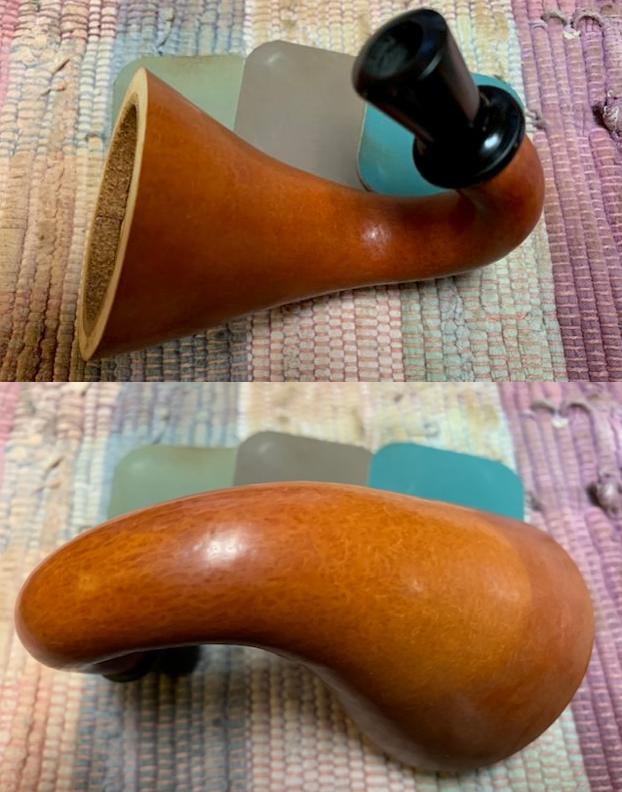
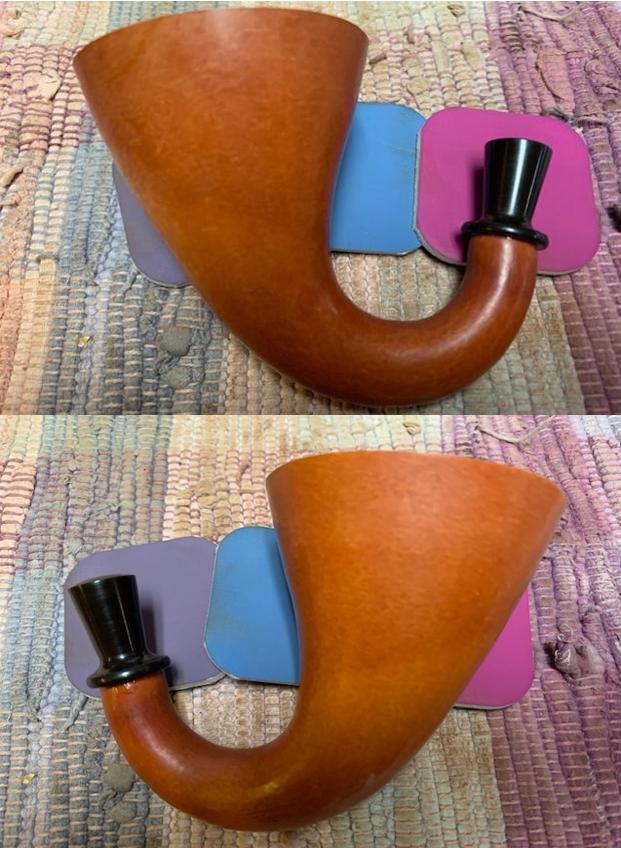
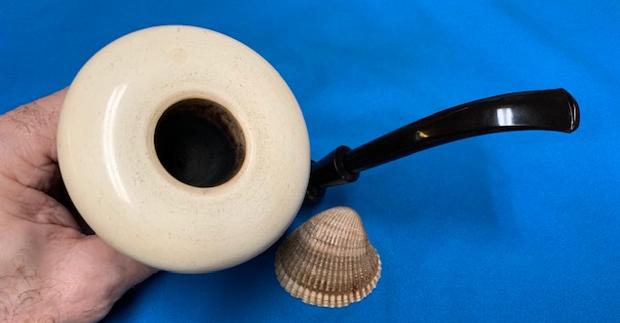
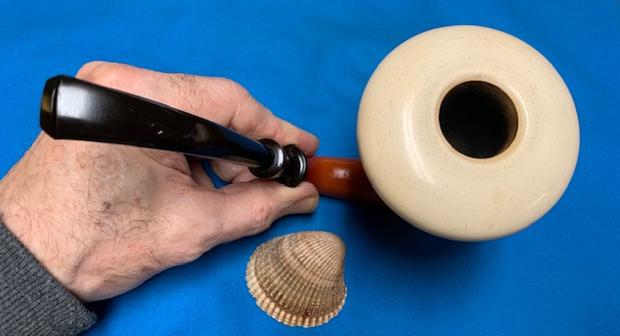
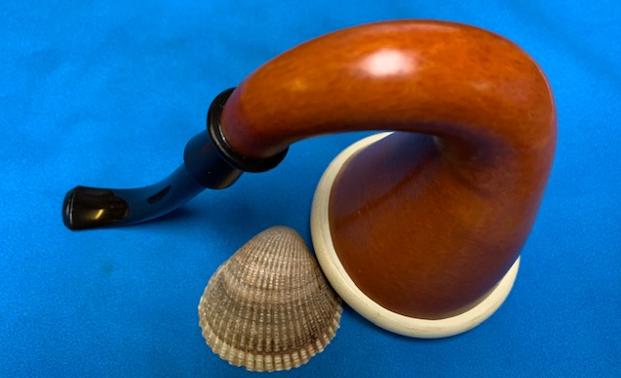
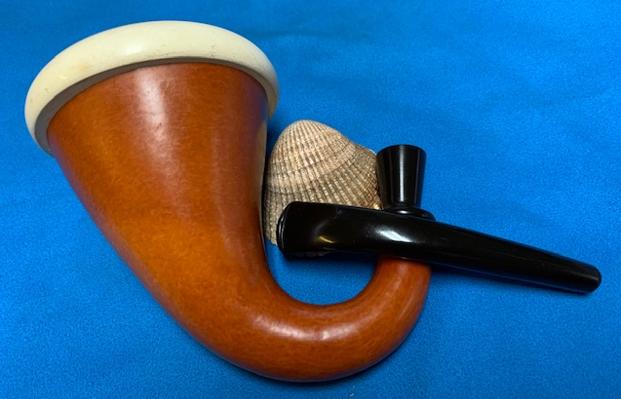
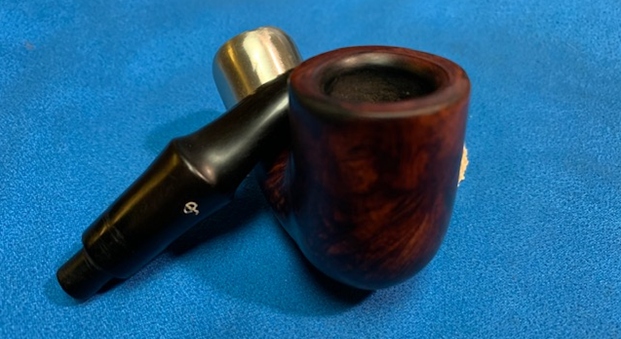
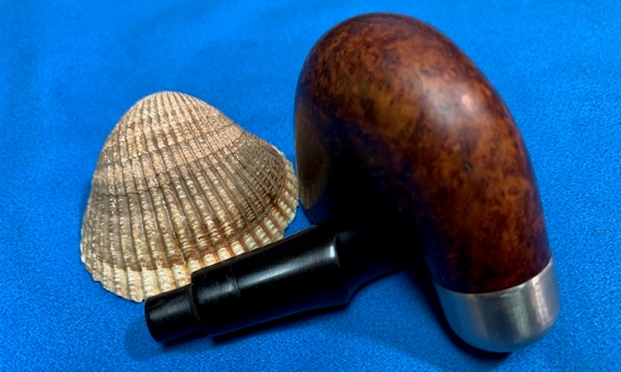
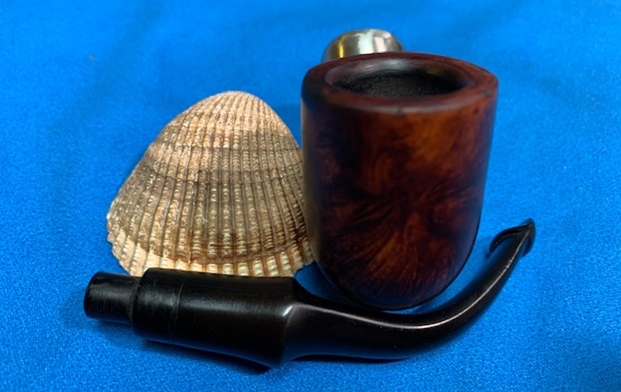
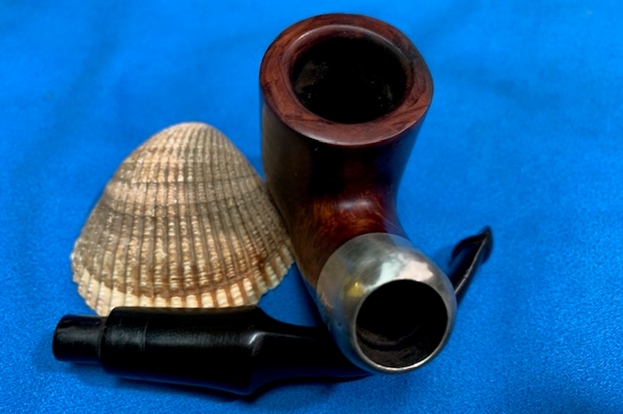
Restemming a Small Porcelain Bowled Gourd Calabash


Blog by Steve Laug

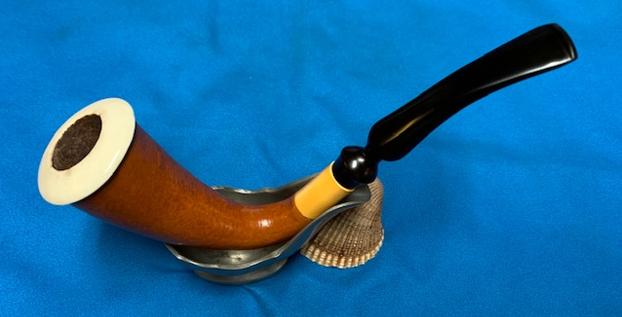
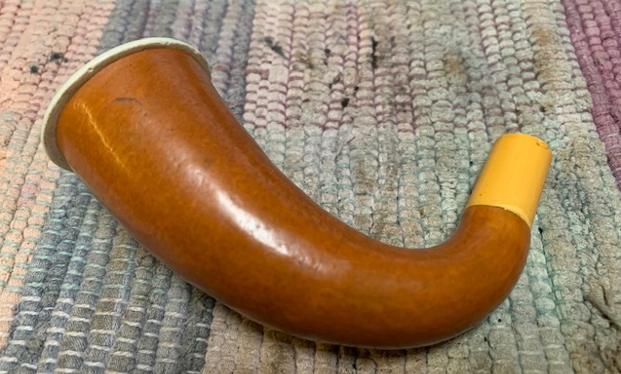
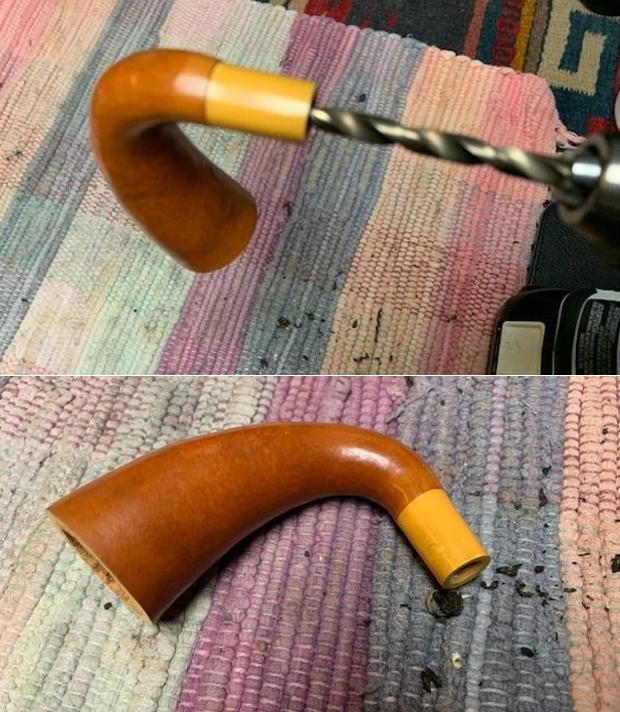
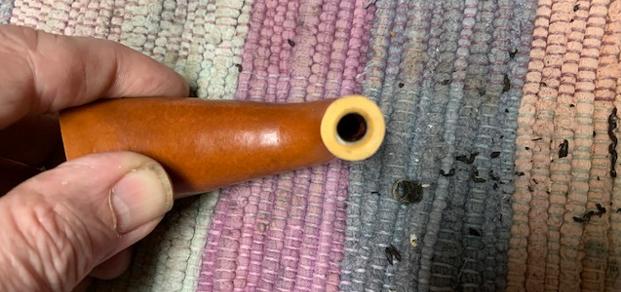
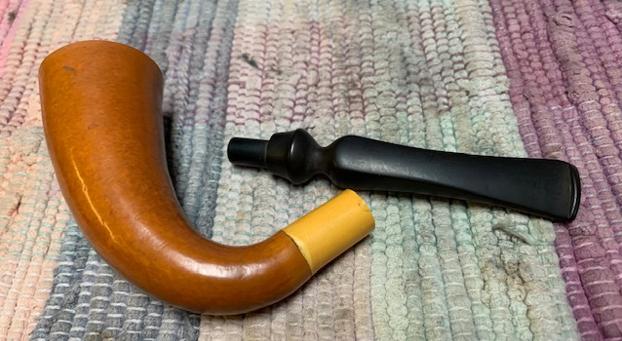
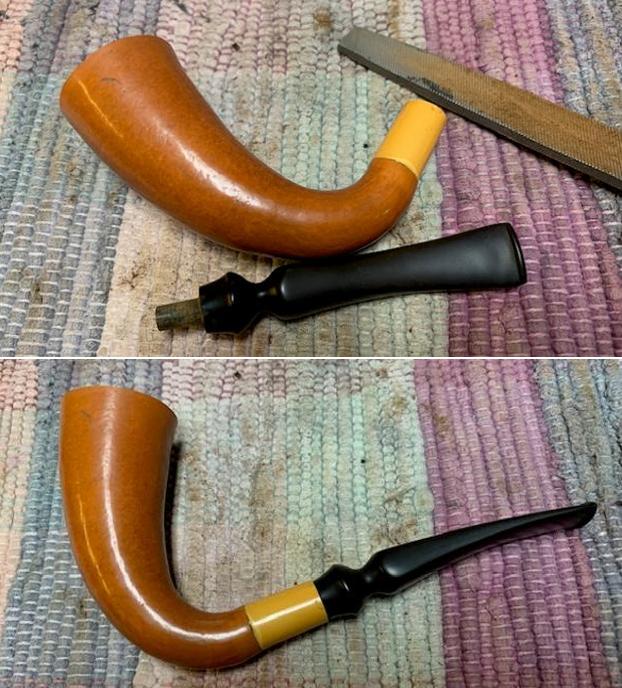
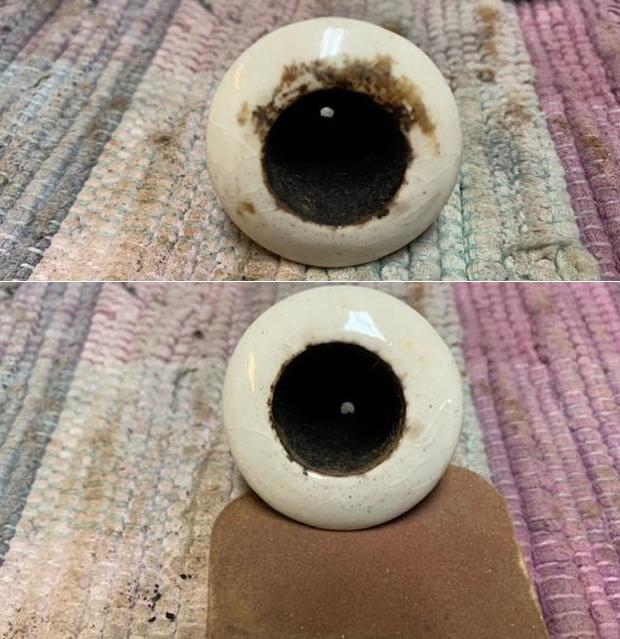
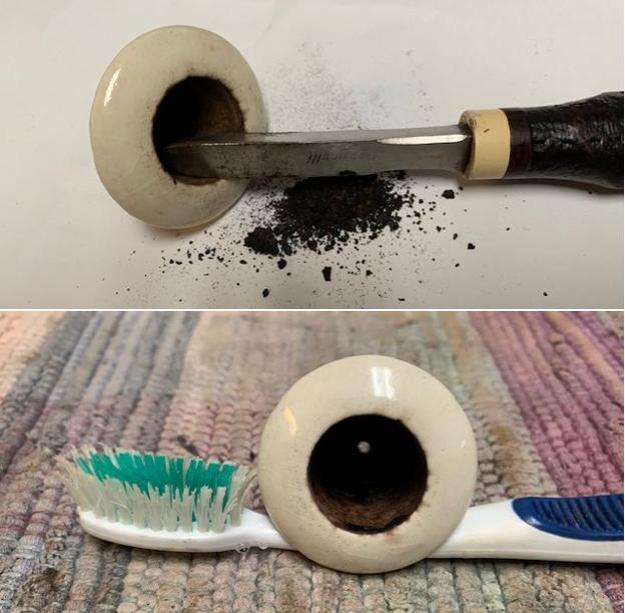
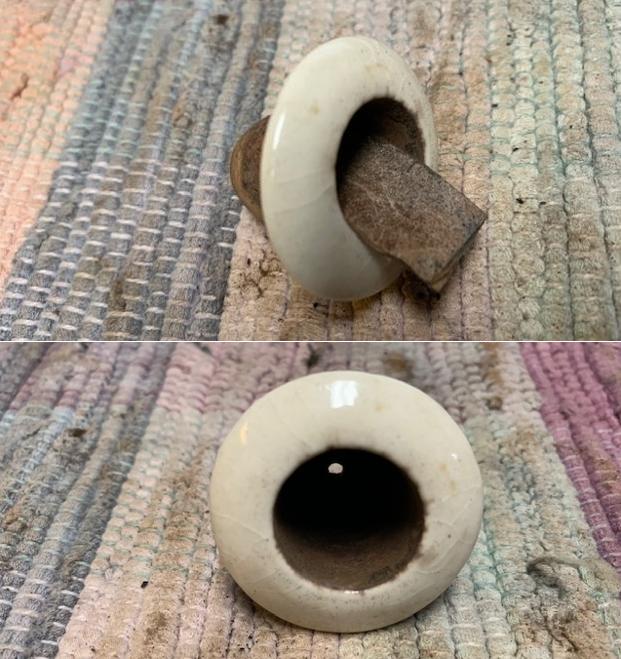
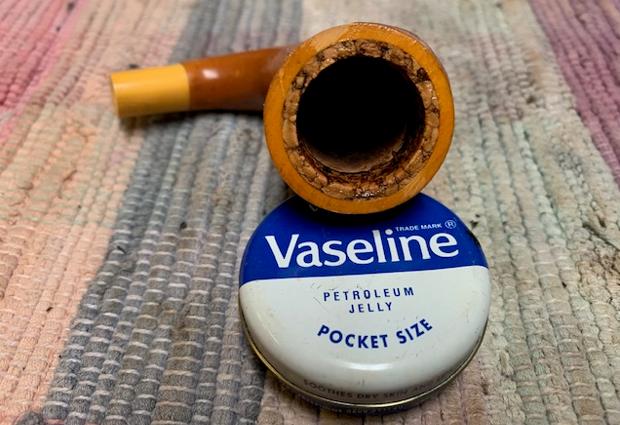
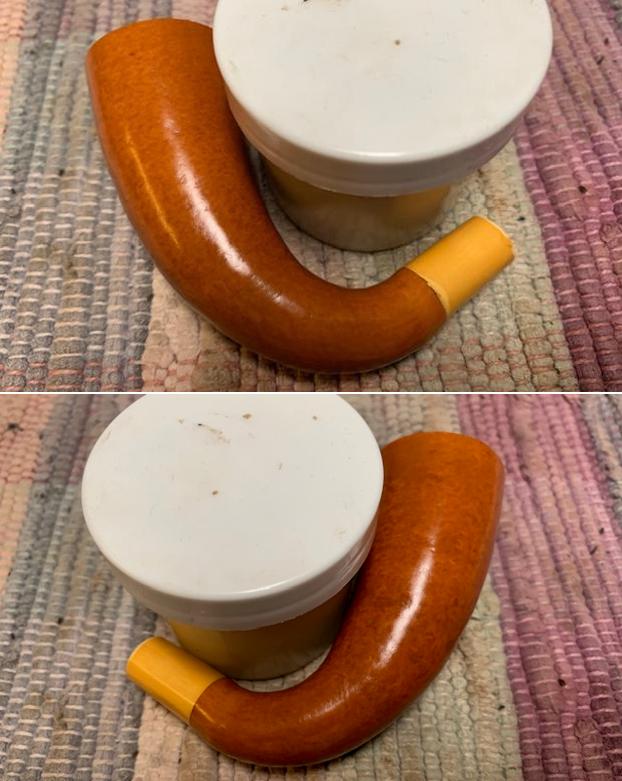
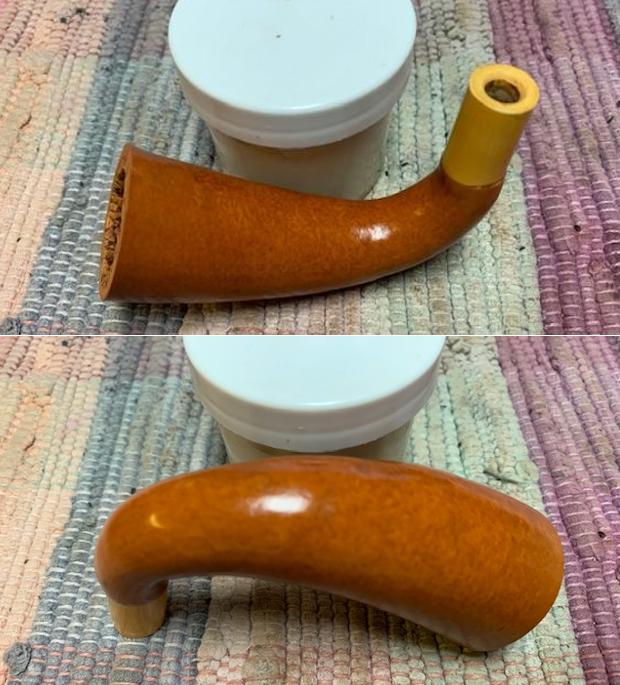
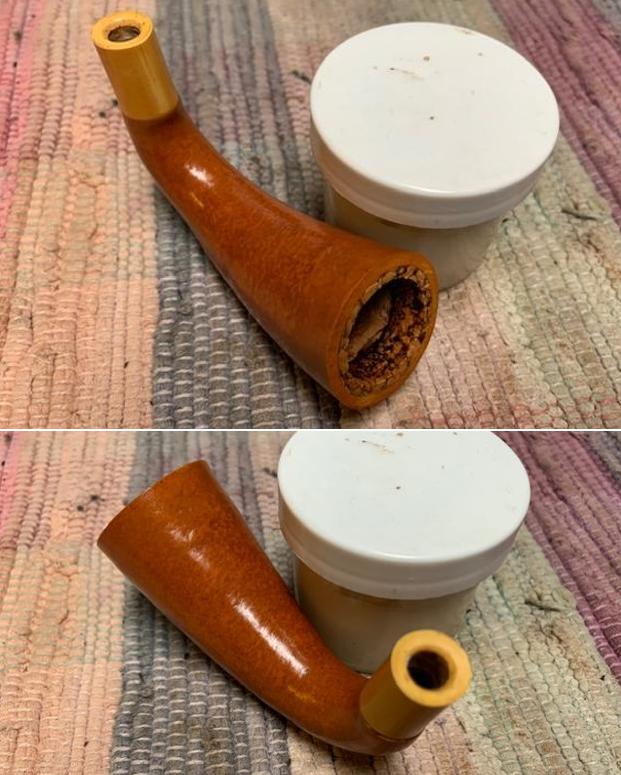
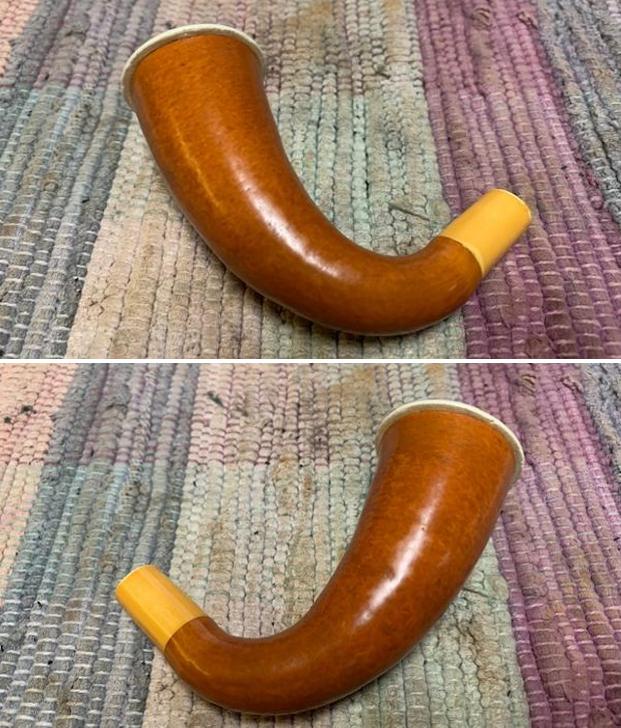
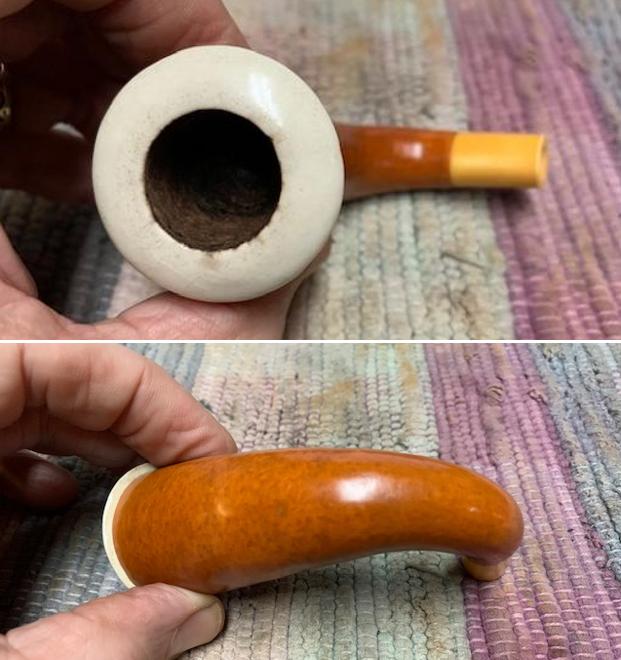
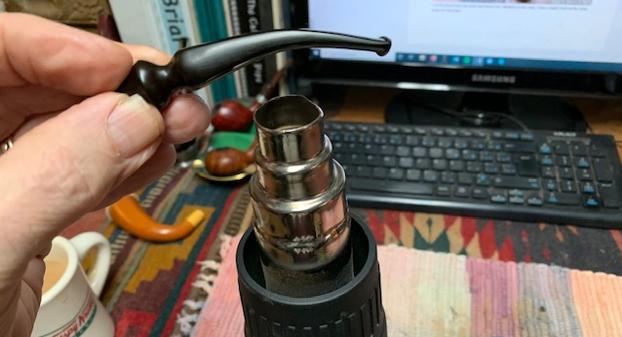
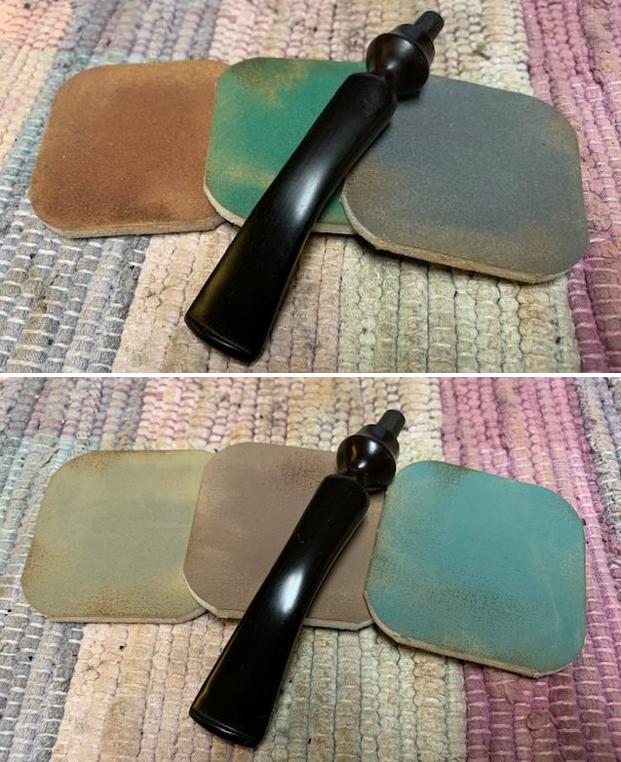
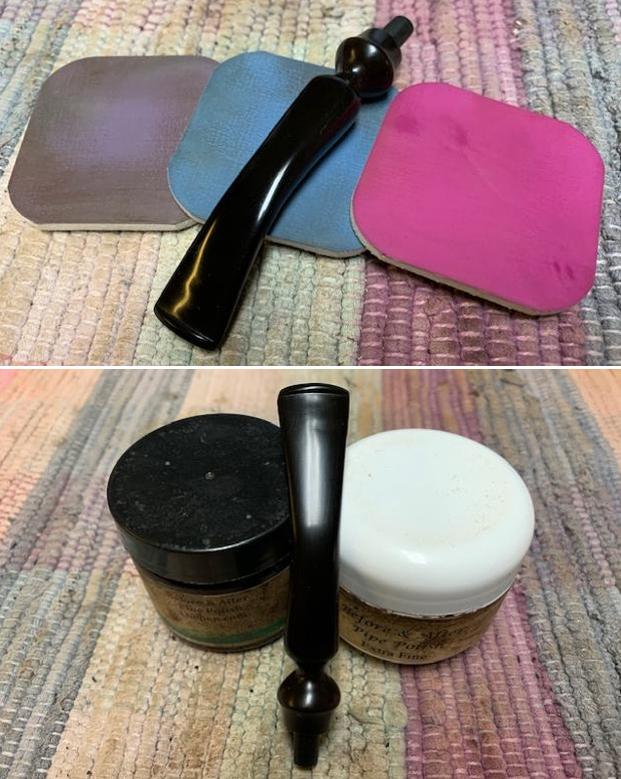
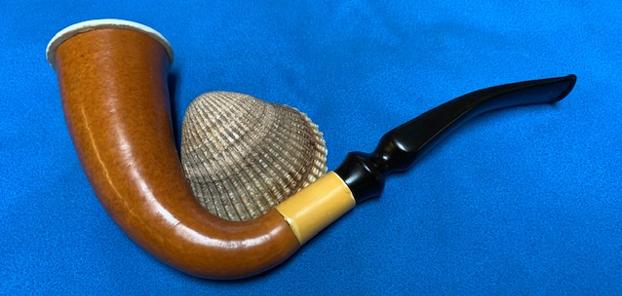
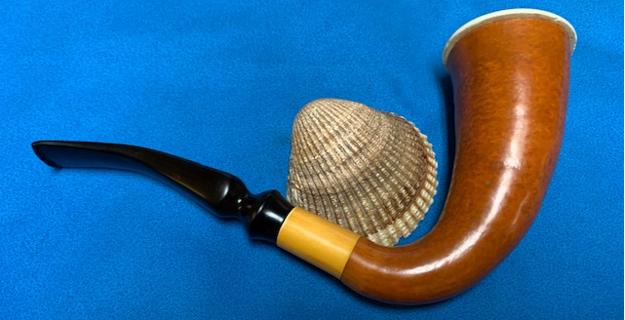
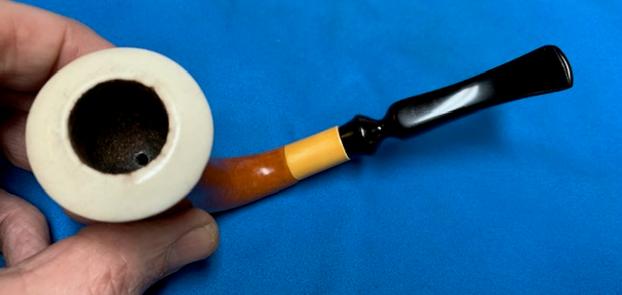
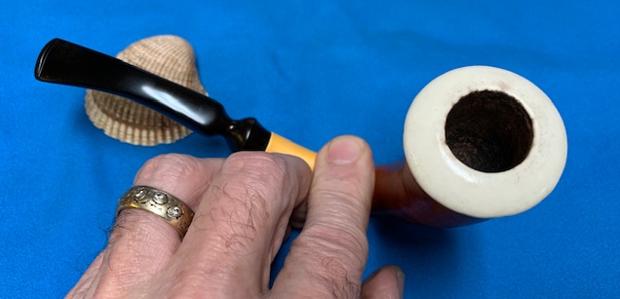
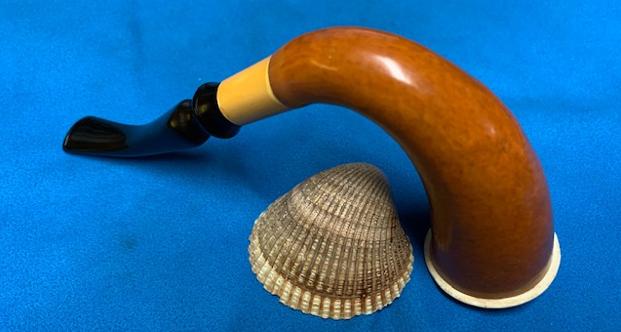
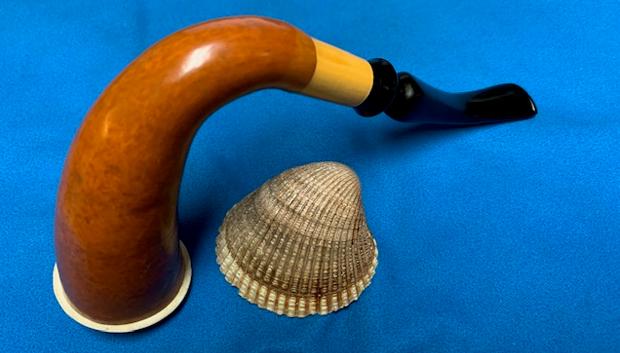
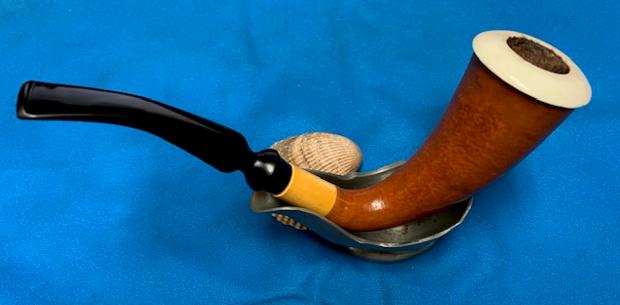
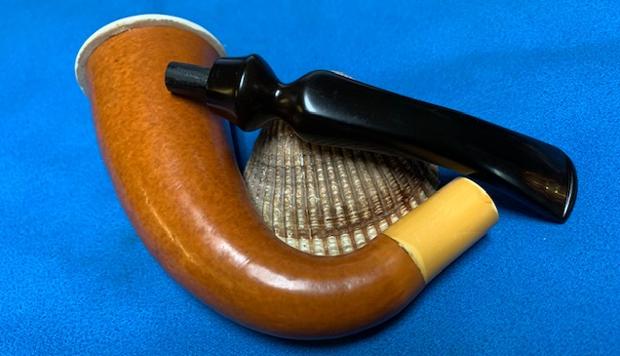
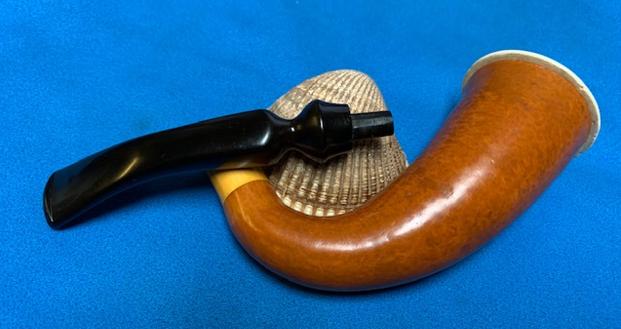
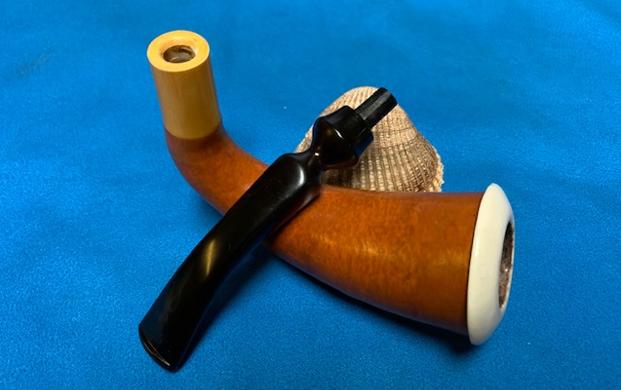
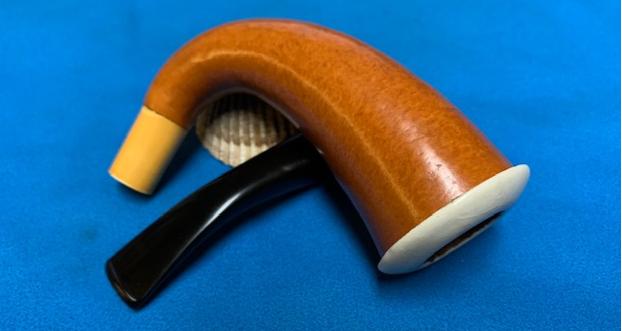
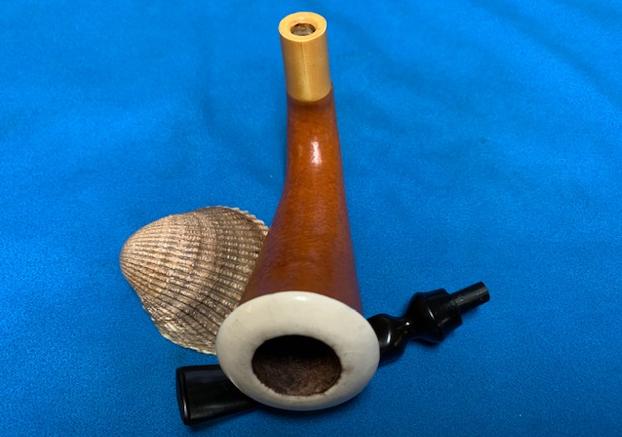
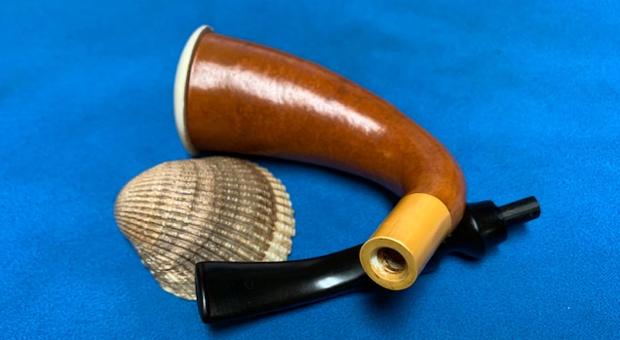
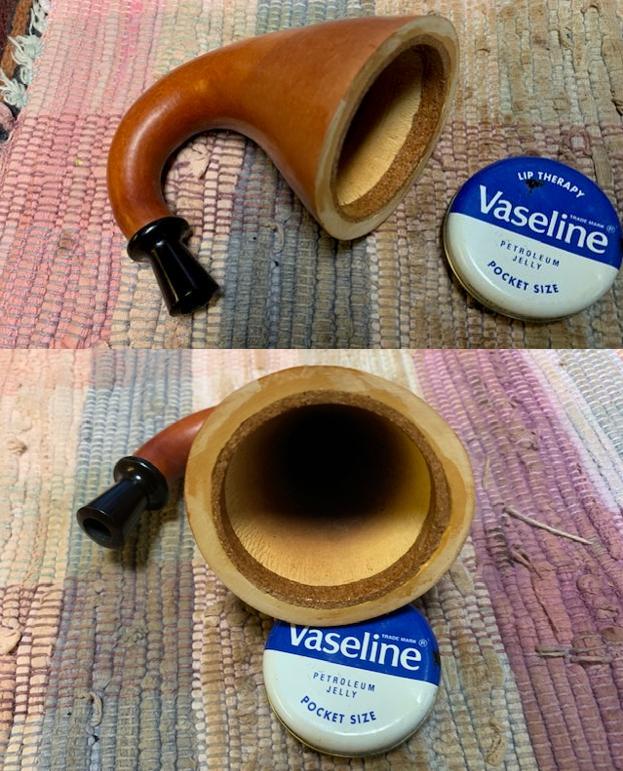
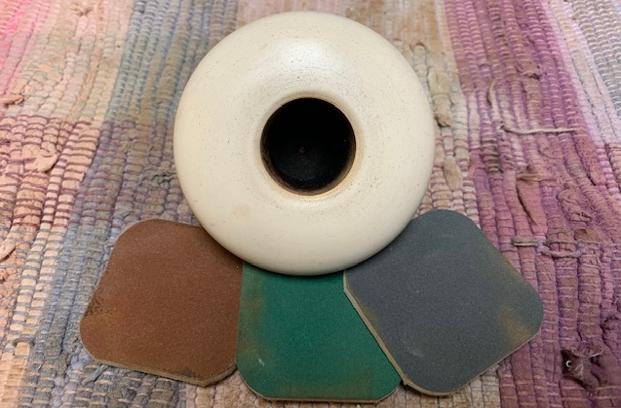
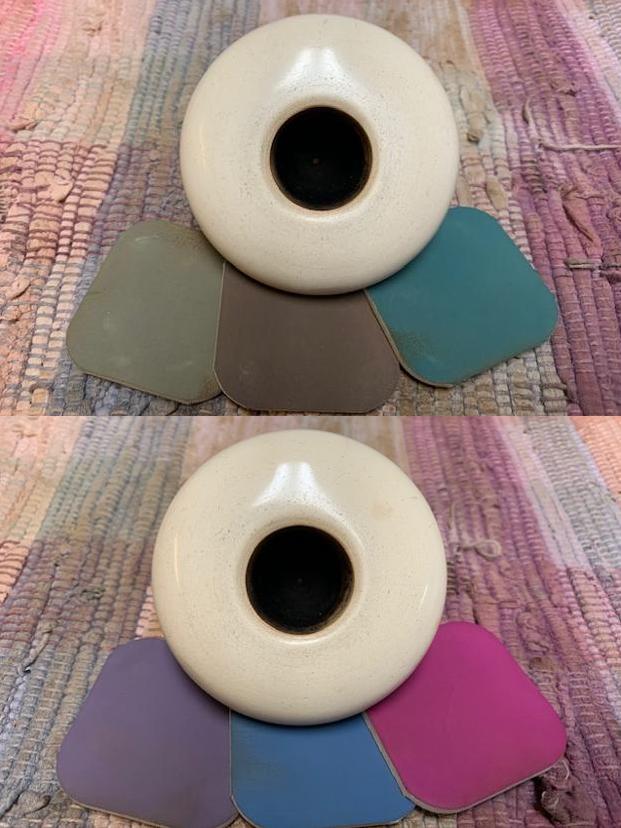
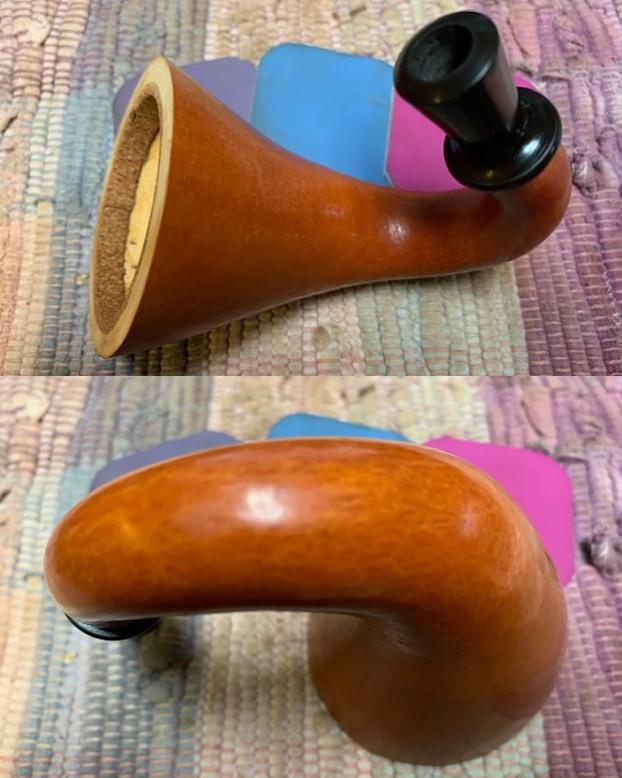
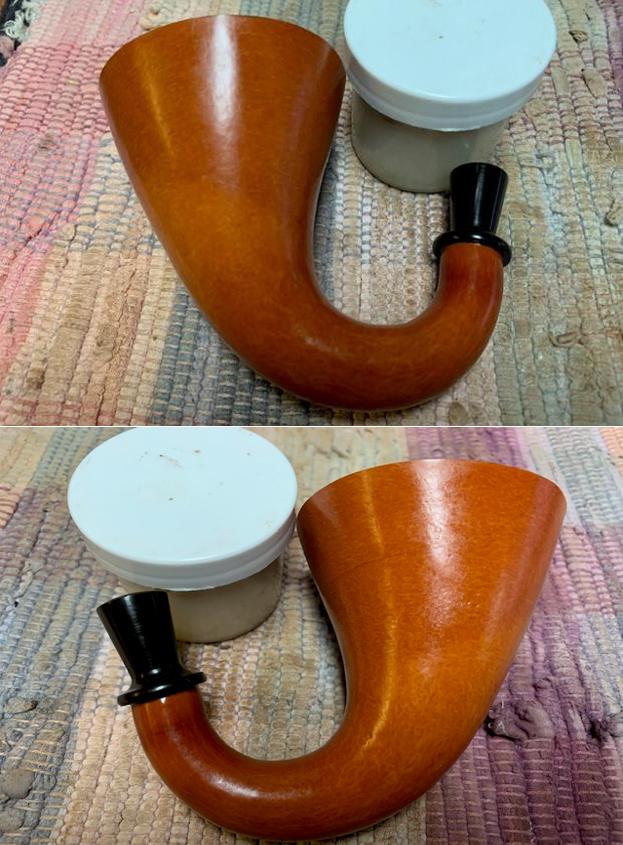
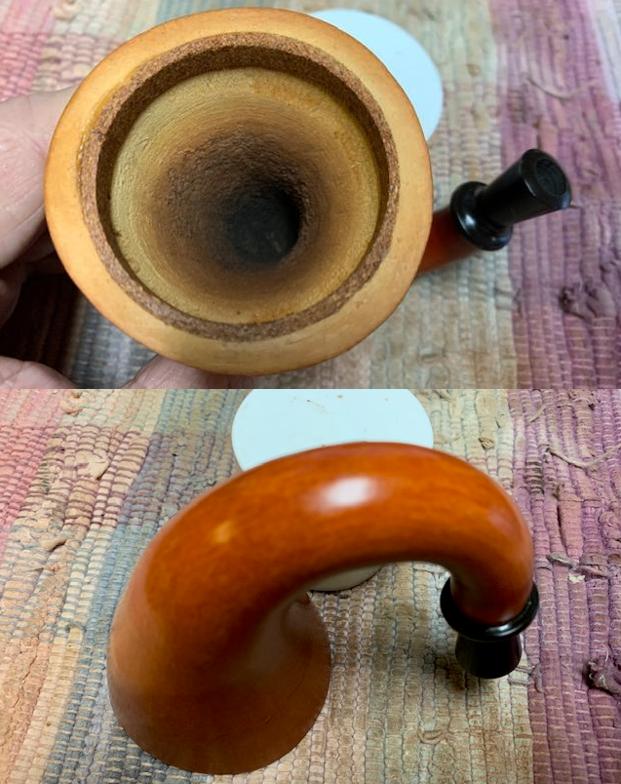
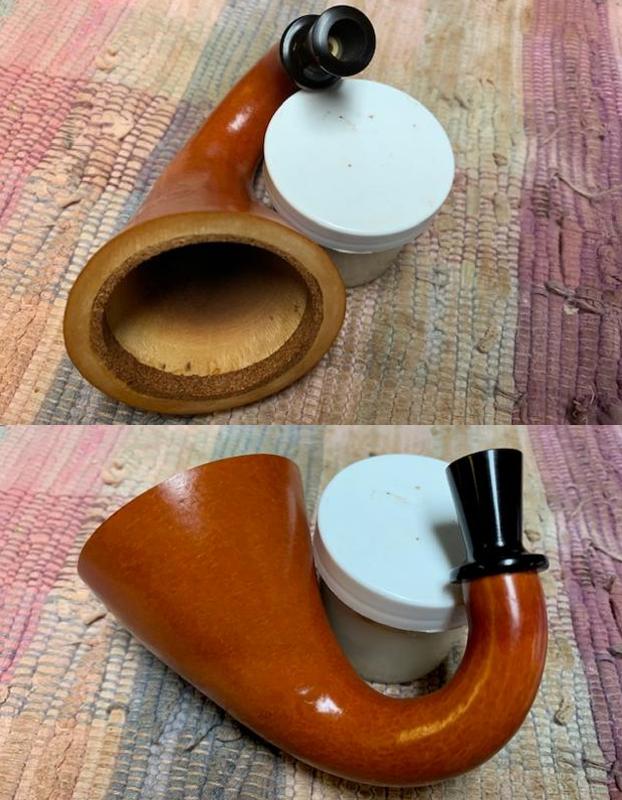
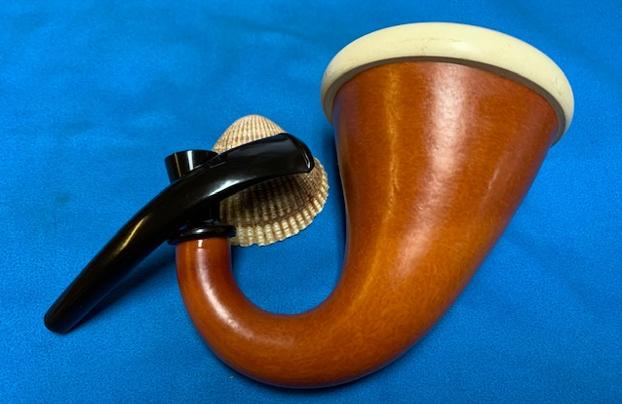
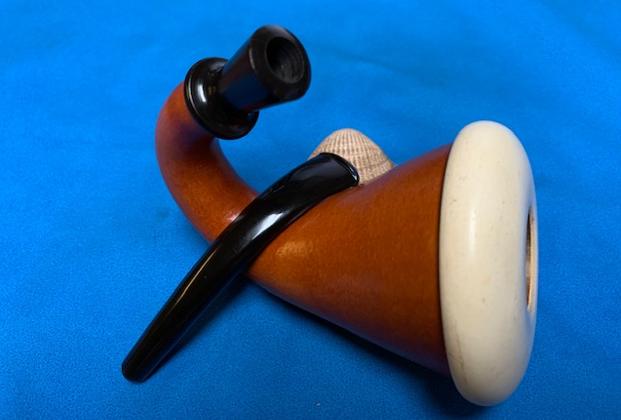
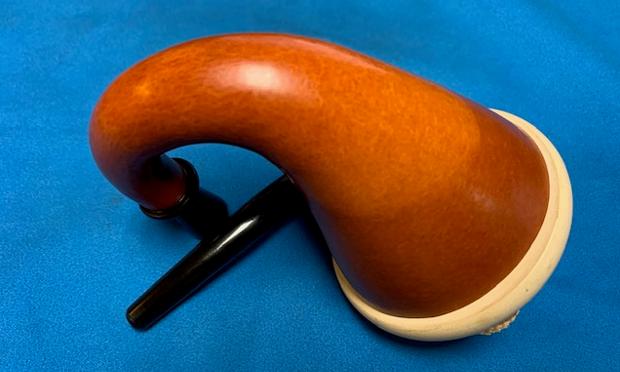
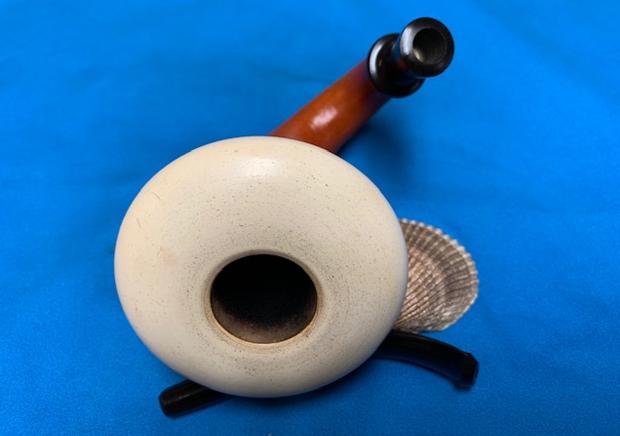
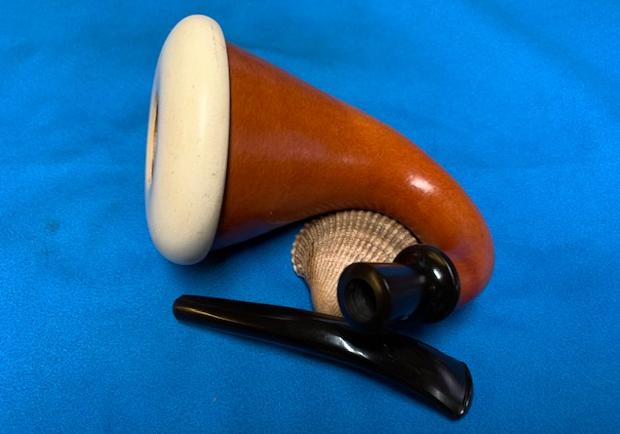
In my box of bowls, collected over the years I had this small gourd calabash pipe with a ceramic cup insert. Somewhere along its journey someone had broken the tenon off in the shank. I was looking at it this morning and was drawn to it. There was something about the little calabash that was attractive. The golden shank extension and the white porcelain cup looked good. I imagined what it would look like with a black stem and figure it would be a good one to fiddle with while I waited for calls that I was expecting. To start off the work I would need to remove the broken tenon in the shank. There are multiple ways to do that but first I tried to pull it with a screw twisted into the airway but it would not budge. I removed the porcelain bowl from the gourd and set it aside to work on later. I did not drop it by accident. I used my cordless drill and a bit the same size as the mortise and slowly drill the broken tenon out of the mortise. It did not take long before it dropped out of the mortise in pieces as shown in the photos below. I went through my can of stems and found one that I thought looked good with golden coloured shank extension and gourd. It is a fancy stem that is paneled once passed the saddle.The tenon was a little large for the mortise so I used a Dremel and sanding drum to start the process of taking down. I noticed that the tenon was not centered on the stem so I used a rasp to bring it back to center and remove the excess vulcanite. I sanded it smooth with a folded piece of 220 sandpaper and fit it on the shank. I took photos of the look of the stem at this point. I would need to give it a slight bend before it was finished, but I liked the look of it.I set the gourd and stem aside for awhile and turned to work on the porcelain bowl. It was a dirty mess with lava on the rim top and a thick cake in the bowl. I removed the lava on the rim top by dry sanding it with a 1500 grit micromesh sanding pad. I was able to remove all of the build up and get it back to the porcelain finish underneath.I scraped out the cake in the bowl with a Savinelli Fitsall Pipe Knife and took it back to bare walls. The bowl and airway at the bottom were in excellent condition. I scrubbed the internal of the bowl and the exterior of the cup and rim top with a tooth brush and some dish soap to remove the grime that had build up and leave the bowl clean and fresh smelling.I cleaned up the inner edge of the bowl with a folded piece of worn 220 grit sandpaper to smooth out the nicks in the edge. When I finished it looked better.I polished the porcelain cup top with micromesh sanding pads – dry sanding with 1500-12000 grit pads. I wiped the cup top down after each pad with a damp cloth to remove the dust and debris. The cup really took on a shine.The gourd was quite clean inside. I wiped it out with a paper towel to remove the debris. I used some Vaseline petroleum jelly renew the cork gasket around the inside of the gourd neck. I worked it in with my fingertips and let it sit until the dry cork had absorbed the jelly and was more elastic.I worked some Before & After Restoration Balm into the surface of the gourd with my finger tips to enliven, clean and protect the surface. I let it sit on the gourd for 15 minutes then buffed it off with a soft cloth. The gourd really came alive with the product. I put the porcelain cup back on the gourd bowl and took pictures of the pipe at this point in the restoration and restemming. I set the gourd and cup aside and turned my attention to the stem. I put a slight bend in the stem using my heat gun. The photo below shows the bend. The angle of the bend makes the pipe level in the mouth.I polished the vulcanite with micromesh sanding pads – 1500-12000 grit pads. I wiped it down with Obsidian Oil after each sanding pad. I used Before & After Pipe Polish – both Fine and Extra Fine to further polish the stem.  This Delicate Looking Small Porcelain Bowled Gourd Calabash is a great looking older pipe. I have no idea of the age of the pipe but I have had it in my box of bowl for probably15-18 years and I have no memory of where I picked it up or when. It is a great looking pipe that came out looking even better with the newly fit stem. The finish on the pipe is in excellent condition. The white of the porcelain cup works well with the orange/brown of the gourd, the golden shank extension and the polished black vulcanite fancy stem adds to the mix. With the grime gone from the finish and the bowl it was a beauty and is eye-catching. I put the stem back on the bowl and buffed the pipe with Blue Diamond on the buffing wheel being careful to not drop or damage the bowl or gourd. I gave the gourd and the stem multiple coats of carnauba wax on the buffing wheel and followed that by buffing it with a clean buffing pad. I hand buffed the pipe with a microfiber cloth to deepen the shine. The finished Porcelain Bowled Gourd Calabash is quite nice and feels great in the hand. Give the finished pipe a look in the photos below. I can only tell you that like the other pipes I am working that it is much prettier in person than the photos capture. The dimensions of the pipe are Length: 6 ½ inches, Height: 3 ½ inches, Outside diameter of the bowl: 1 ½ inches, Chamber diameter: ¾ of an inch. The weight of the pipe is 42grams/1.48oz. It will soon be added to the Ceramic and Meerschaum Pipes section on the rebornpipes store. Thanks for walking through the restoration with me as I worked over another beautiful pipe. Remember we are not pipe owners; we are pipemen and women who hold our pipes in trust until they pass on into the trust of the next generation.

Putting together a Great Looking Gourd Calabash from Parts


Blog by Steve Laug

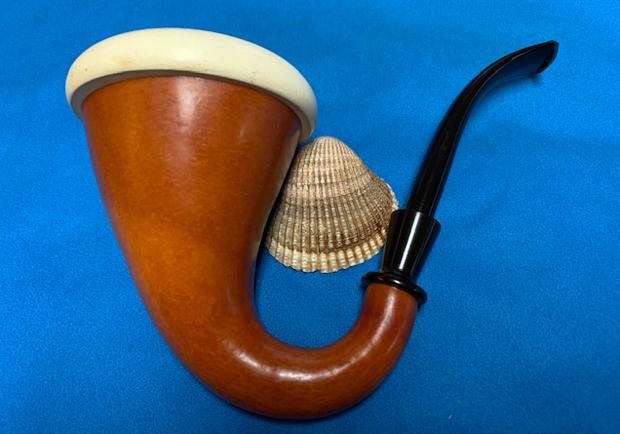
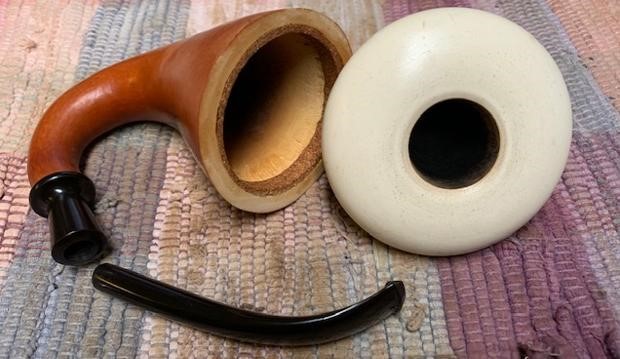
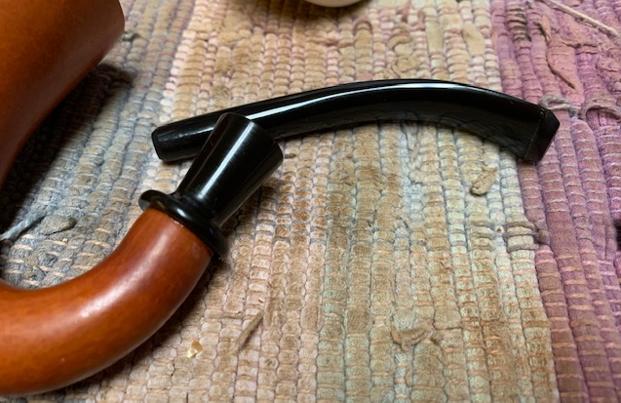
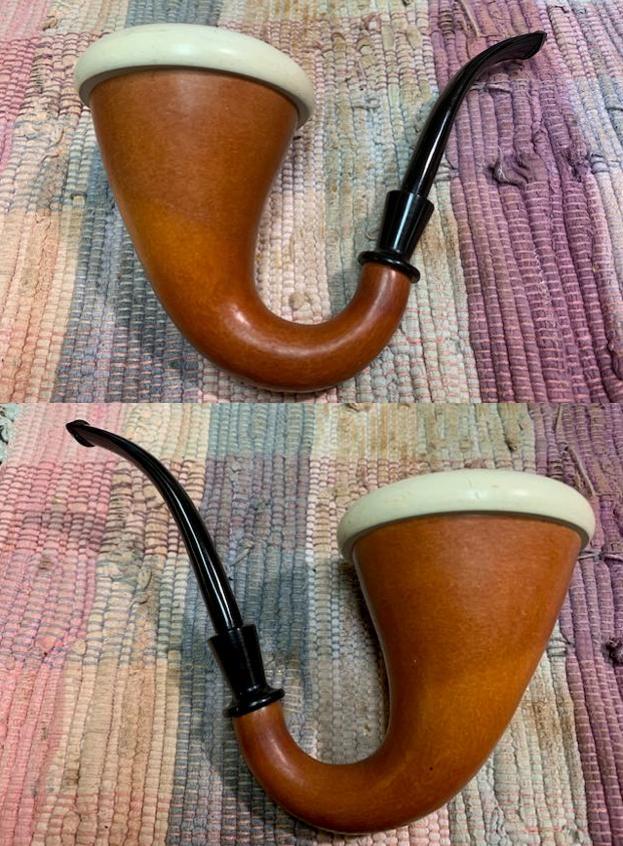
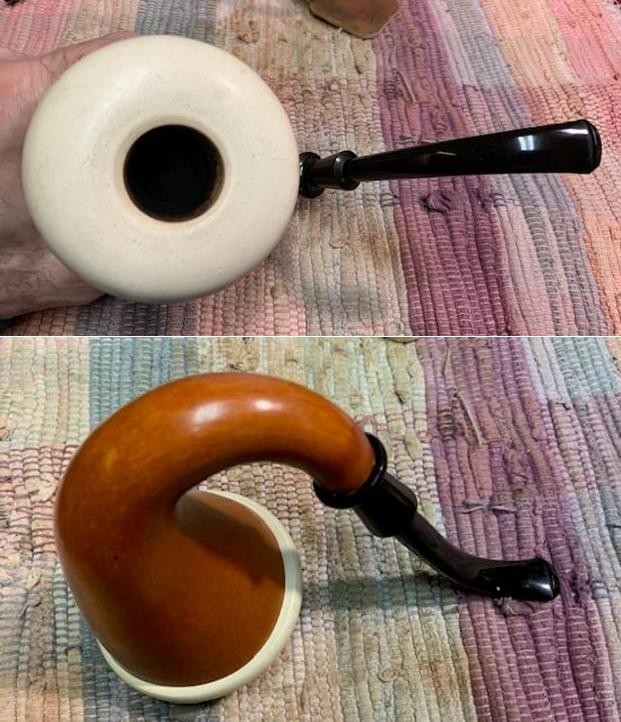
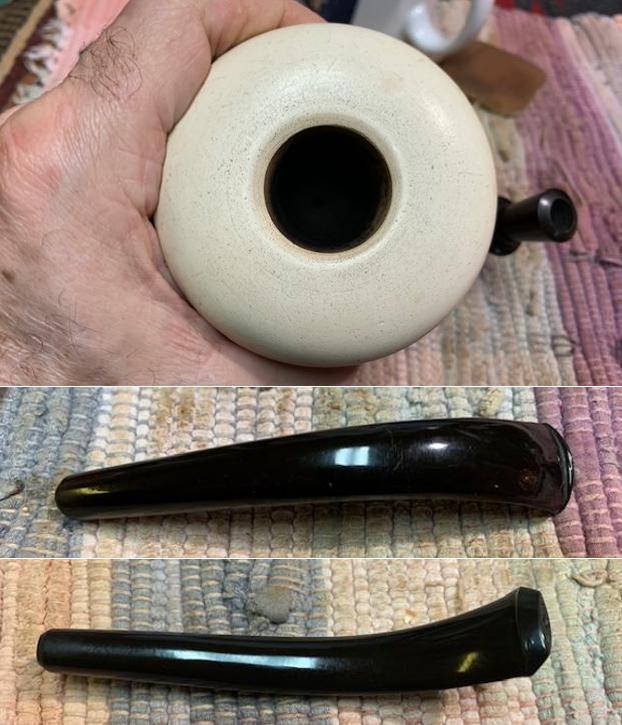
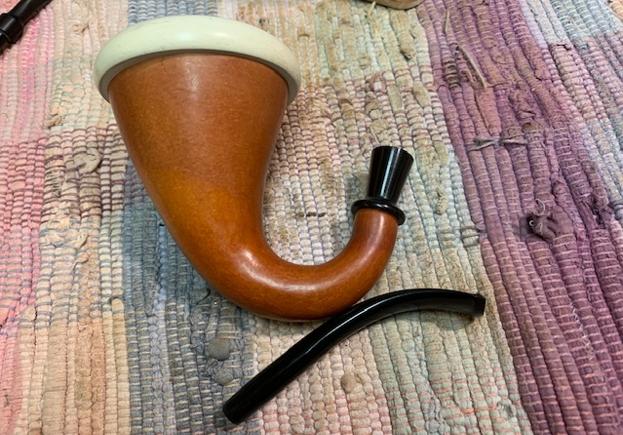
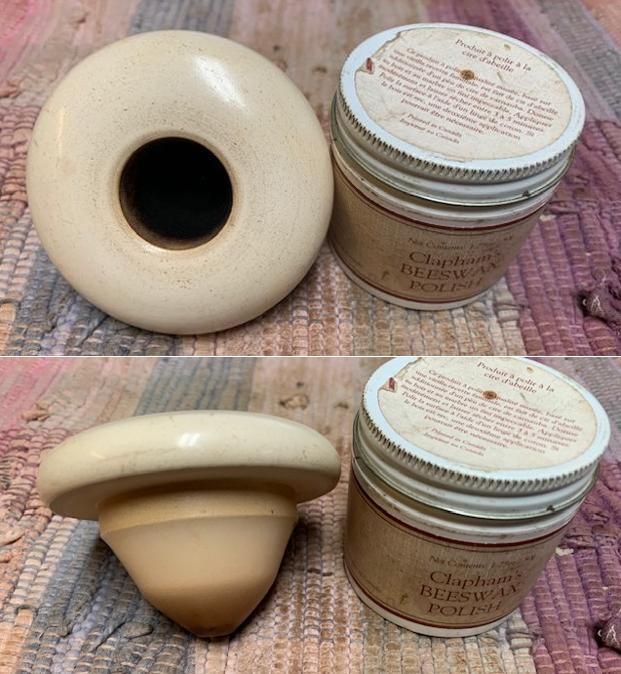
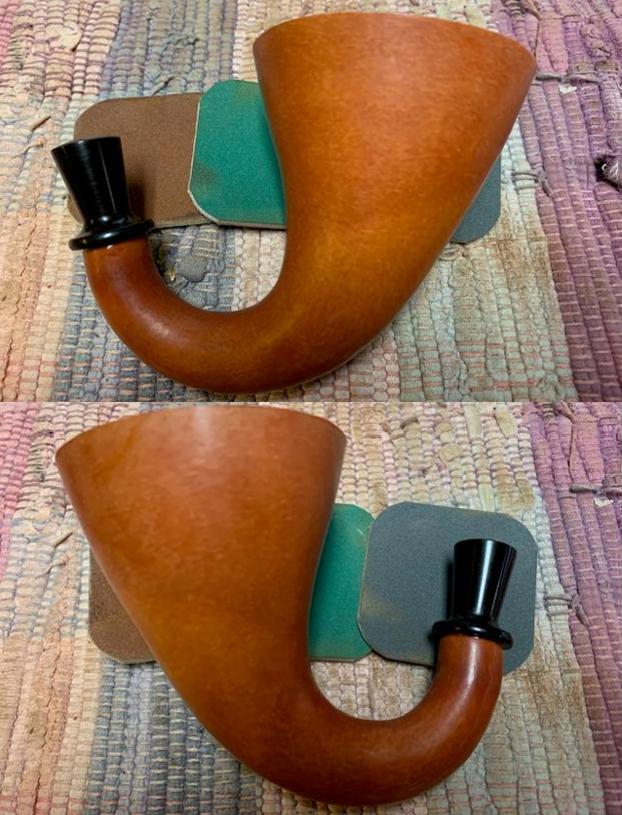
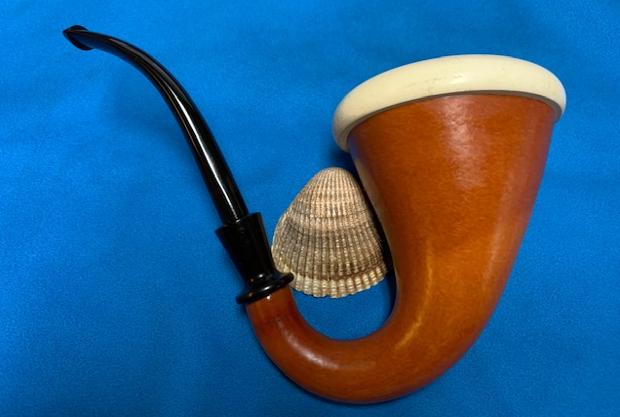
For years now I have kept a box of parts and bowls for a variety of pipes. It has briar bowls that I want to one day restem and shank extensions etc. Periodically Jeff will send me bits and bobs in the boxes of pipes that he sends me. I don’t remember where I picked up the gourd calabash with a meerschaum cup below. It was large and in excellent condition. It was missing the acrylic  shank extension that was glued into the shank of the calabash and it was missing a stem. In the latest box that Jeff sent me he included a shank extension and a stem that I thought would work perfectly to complete this calabash. I put the extension in the shank and took pictures of the parts of the pipe. It worked very well together and once it was all glued and fitted it would look great. I glued the shank extension in the end of the calabash and set it aside to cure. Once the glue was set the shank extension was ready for the new stem.I used some Vaseline Petroleum Jelly to rejuvenate the cork gasket in the bowl. I worked it into the cork with my finger tips to soften the gasket. Once it had absorbed a bit it would be soft and hold the meerschaum bowl in the gourd easily.I put the meerschaum bowl in the gourd and put the stem in the shank extension and took photos of the newly constructed calabash.  I took a photo of the meerschaum cup from the top to show the general condition. It was in decent condition with some scratching and staining around the top surface. The inside of the bowl was in excellent condition. The edges of the bowl and chamber  were in excellent condition. The stem was virtually unused with no tooth marks or chatter on either side.  I took a photo of the bowl and stem from the side to give a sense of proportion. It is a great looking pipe.I started my work on the bowl by polishing the meerschaum bowl with micromesh sanding pads – polishing with 1500-12000 grit pads and wiping them down with a damp cloth after each pad. I waxed the meerschaum bowl with Clapham’s Beeswax Polish. I rubbed it into the meerschaum with my finger tips and once it had dried I buffed it out with a soft cotton cloth.    I polished the gourd down with 1500-12000 grit micromesh sanding pads. The gourd had taken on a great shine. I rubbed the gourd down with Before  and After Restoration Balm to clean and rejuvenate the  gourd and give the calabash and briar a fresh look. I put the meerschaum cup in the gourd calabash bowl and took photos of this portion of the restoration of this pipe. I set aside the bowl and turned my attention to the stem. I polished the stem with micromesh sanding pads – wet sanding it with 1500-12000 grit pads. I polished it further with Before & After Pipe Stem Polish – both fine and extra fine.   I really enjoyed putting this pipe together and restoring it because I love the final touches that make it sing. I put the Gourd Calabash back together and lightly buffed the bowl with Blue Diamond on the buffing wheel. I gave the gourd and stem multiple coats of carnauba wax. I buffed the pipe with a clean buffing pad to raise the shine. I hand buffed it with a microfiber cloth to deepen the shine. It is fun to see what the polished meerschaum bowl looks like with the smooth finished gourd and the black vulcanite stem. This richly finished Gourd Calabash is light weight and ready for you to load up a tobacco of preference and enjoy smoking it. Have a look at it in the photos below. The dimensions are Length: 7 inches, Height: 4 inches, Outside diameter of the bowl: 3 ¼ inches, Chamber diameter: 1 inch. The weight of the pipe is 142grams/5.04oz. This is one that will go on the Meerschaum Pipemakers section of the rebornpipes online store shortly. Thanks to each of you who are reading this blog. Remember we are not pipe owners; we are pipemen and women who hold our pipes in trust until they pass on into the trust of the next generation.    

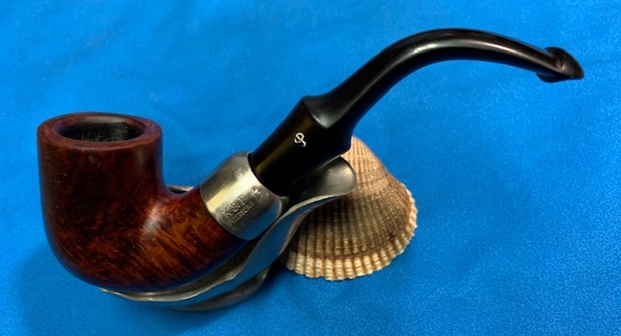
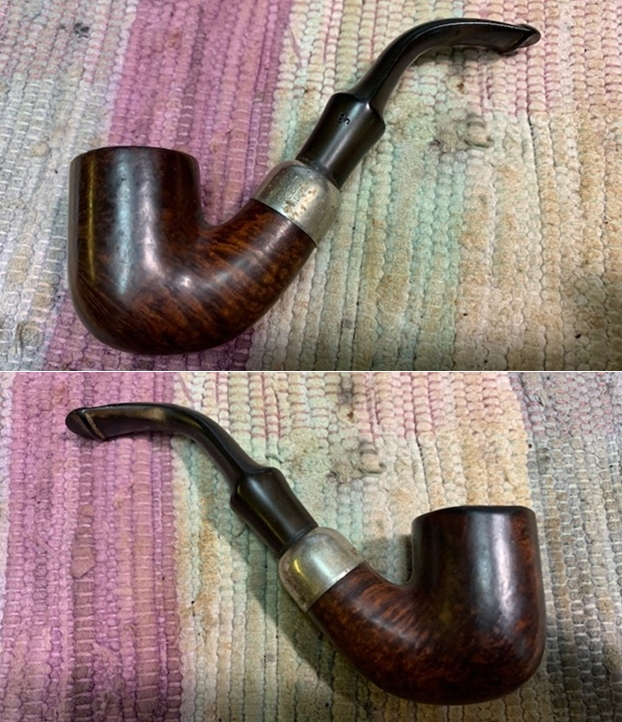
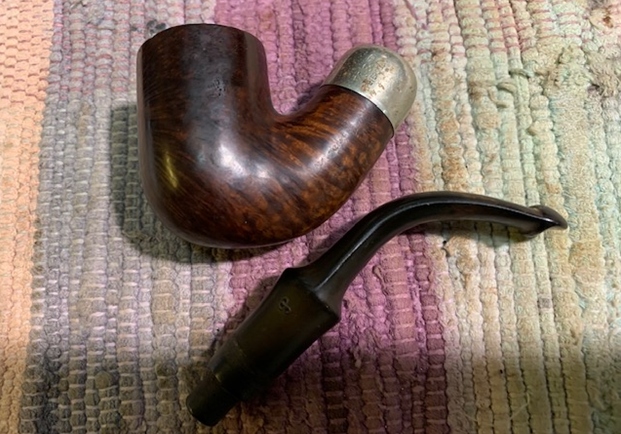
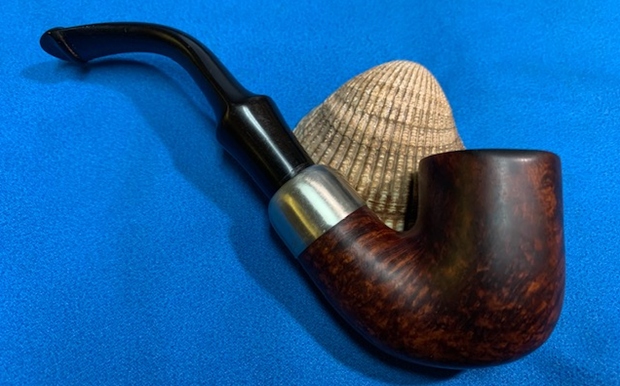
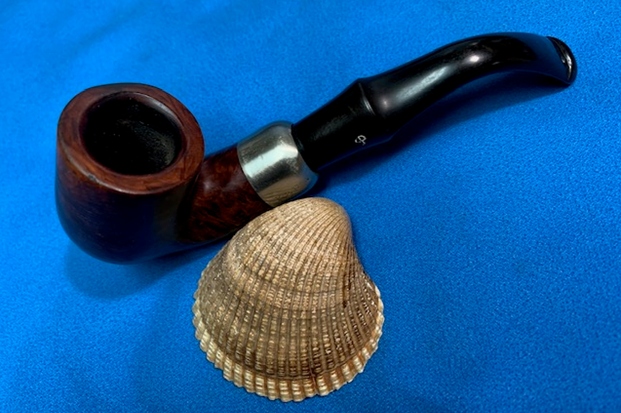
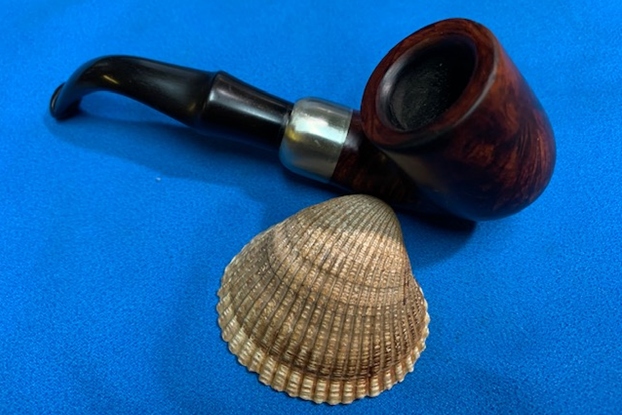
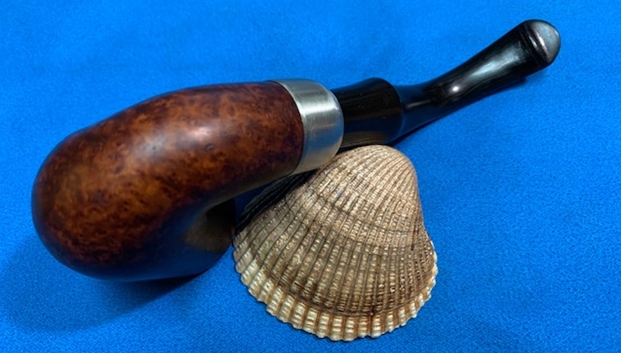
Restoring & Restemming a Peterson’s Republic Era System Standard 313 Bent Billiard


Blog by Steve Laug

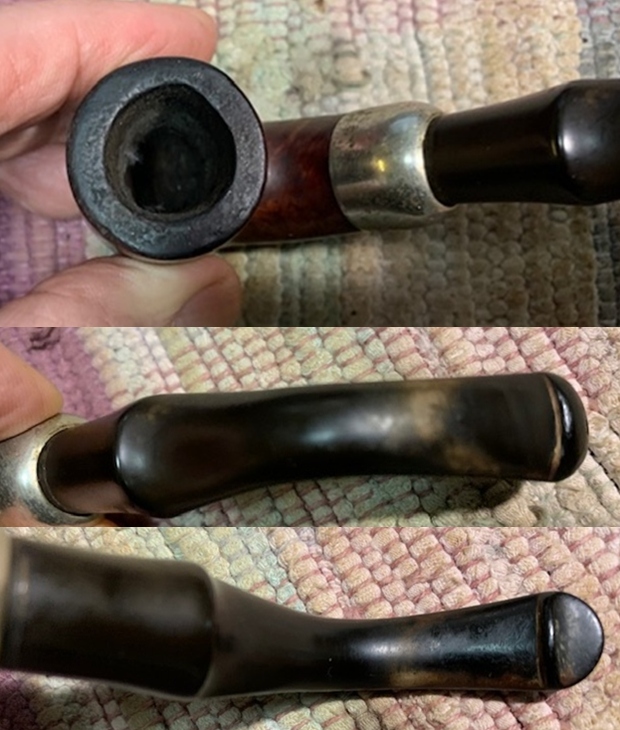
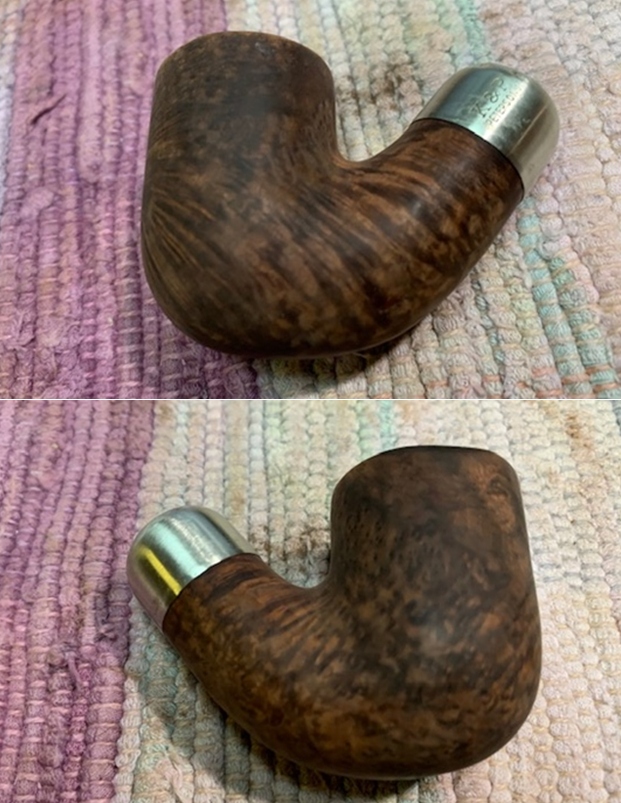
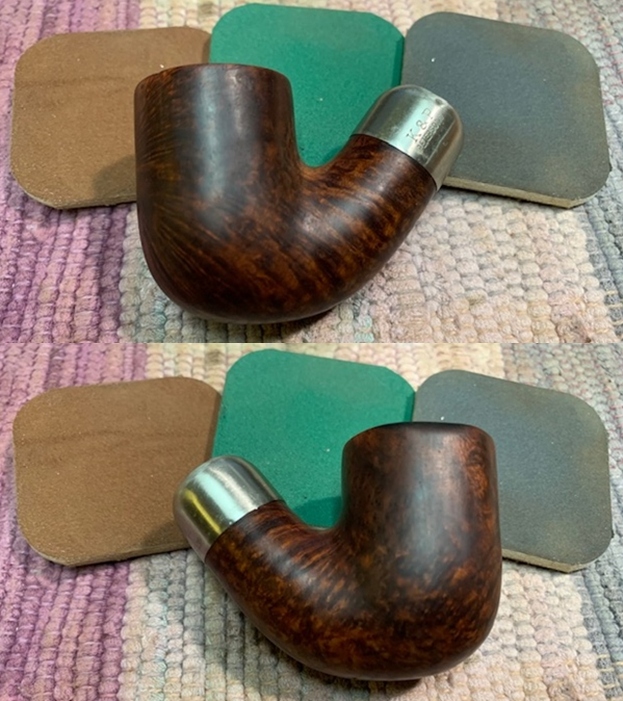
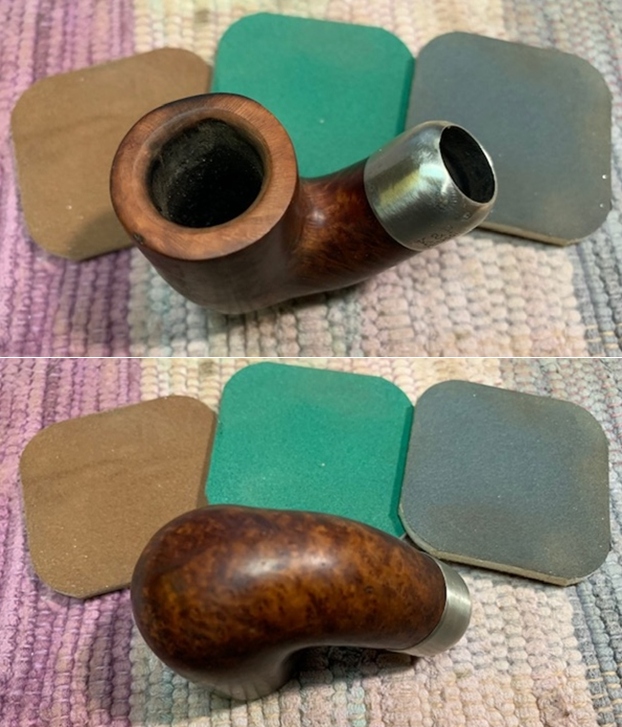
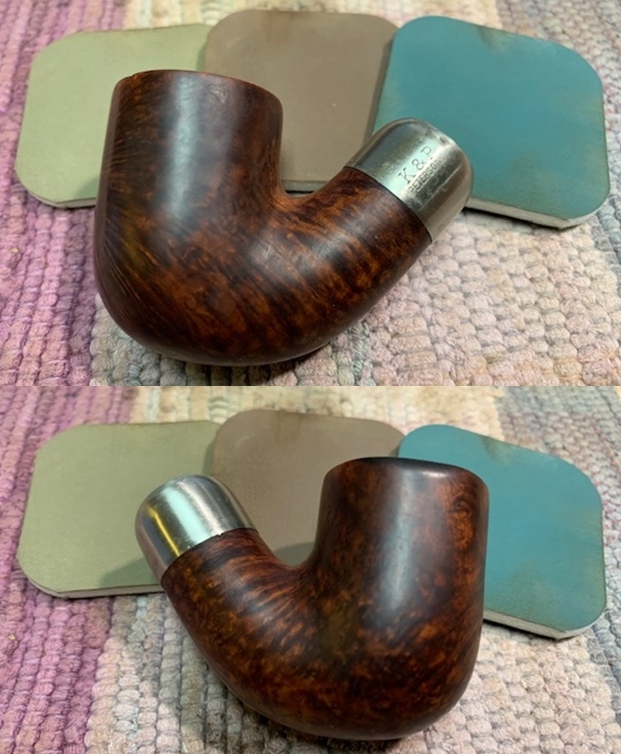
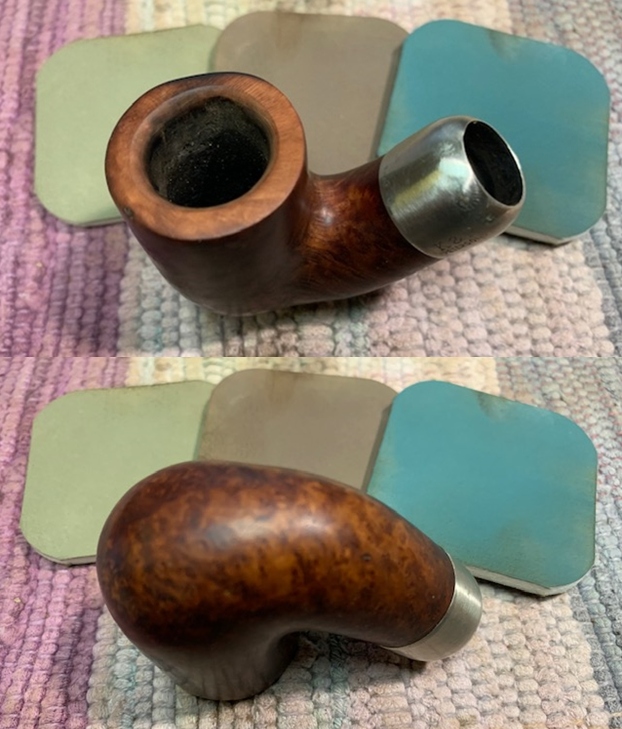
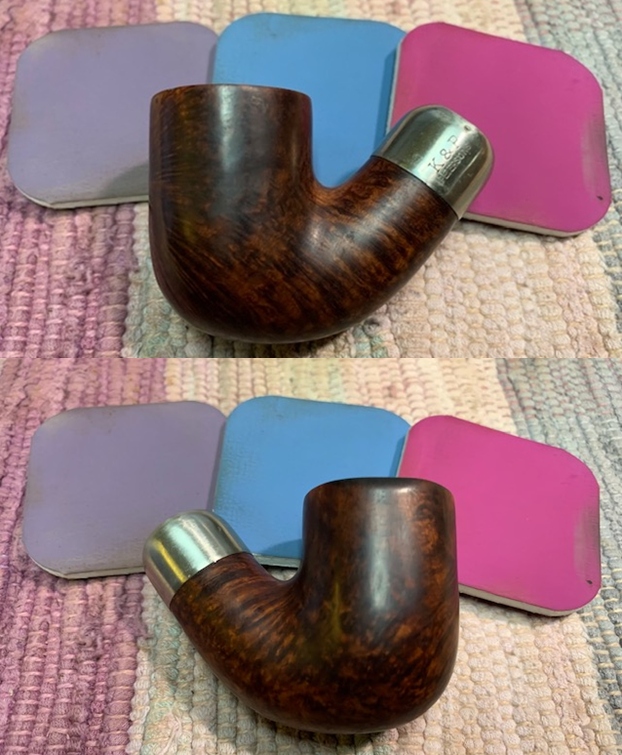
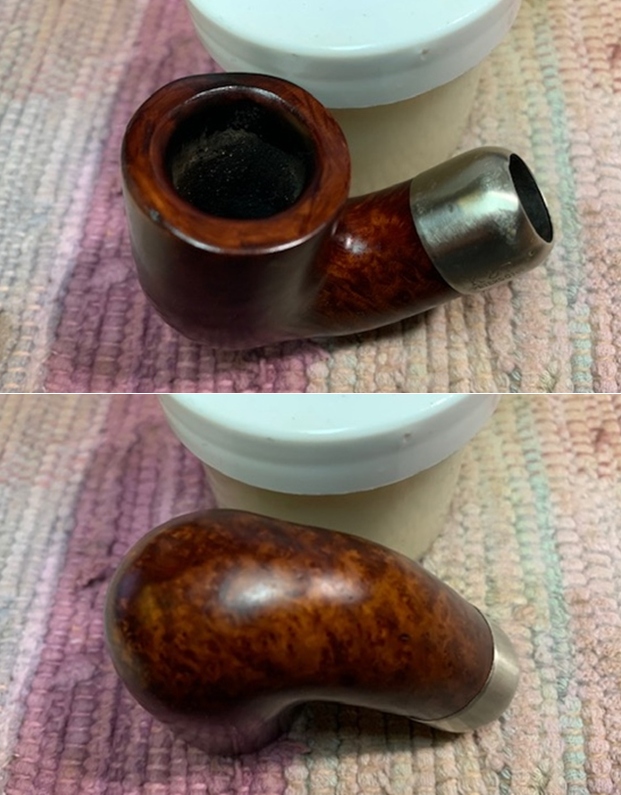
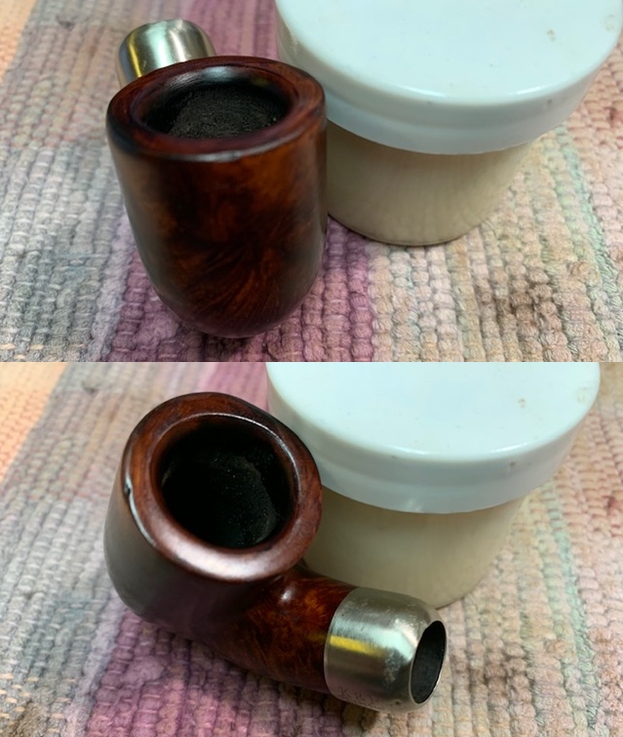
The next pipe on the work table was a bit of a surprise. I was sorting through the bowls that had accumulated over the past 20+ years with Jeff and pitching the worthless ones. You have to understand the drive that made me keep them around this long was still strong but I need to clean up things here so I asked Jeff to walk through the box of around 50-60 bowls and thin them down. As we went through them we came across a smooth Peterson’s System Standard 313 bowl. It had some interesting grain around the bowl but it also had a lot of damage. The right outer edge of the bowl was burned and damaged and the bowl was completely out of round. It had a thick cake and it was a mess. But there was something about it that caught our eye. The pipe is faintly stamped on the left side of the shank and reads Peterson’s [over] System [over] Standard. On the right side it is faintly stamped Made in the Republic of Ireland and underneath that is the shape number 313. The nickel ferrule is stamped K & P [over] Peterson. The nickel ferrule was also heavily discoloured by oils and tars and the glue holding it in place had long since dried and it was loose. The finish had a lot of grime ground into it and it was very dirty.

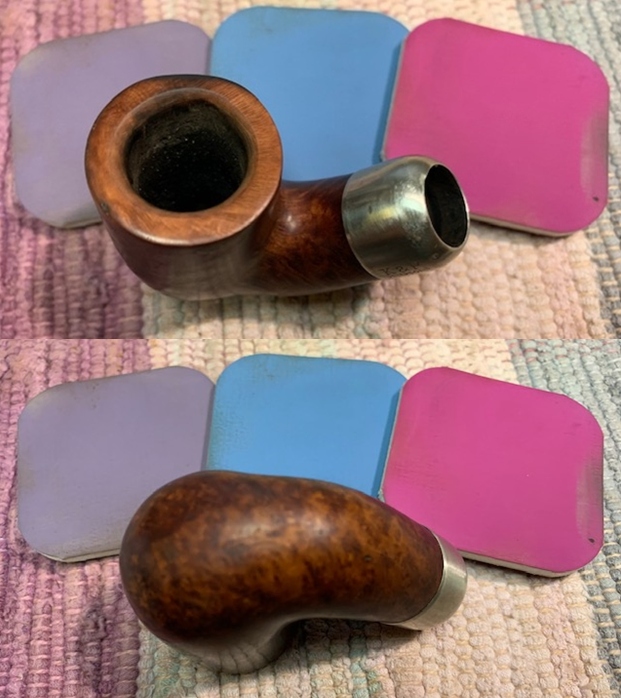
I remembered that I had a stem that would fit it perfectly that I had found recently. I found it and fit it on the shank and it was perfect. The stem was oxidized, calcified and had tooth chatter and marks on the top and underside near the P-lip style button. The “P” stamp on the left side of the saddle was undamaged. After putting it all together, the pipe showed promise but it was very dirty. I took these photos before I started my work on it.  I took a photo of the rim top and bowl to give a clear picture of the thickness of the cake and the condition of the rim top and edges. I also took photos of the top and underside of the stem to show the oxidation, calcification and chatter and tooth marks. He took photos of the stamping on the shank and the nickel ferrule. It reads as noted above and is faint but readable.    I removed the stem from the shank and took a photo of the pipe as a whole. It showed a lot of promise.I am including the information from Pipedia’s article on Peterson pipes. It is a great read in terms of the history of the brand (https://pipedia.org/wiki/Peterson). I have included a bit of the pertinent history here.

1950 – 1989 The Republic Era – From 1950 to the present time, the stamp for this era is “Made in the Republic of Ireland” in a block format generally in three lines but two lines have been used with or without Republic being abbreviated.

I knew that I was dealing with a Republic Era pipe made between 1950-1989. It was a smooth Peterson’s System Standard 313 Bent Billiard with nice grain. The finish was stained with a combination of brown stains. Now it was time to work on the pipe.

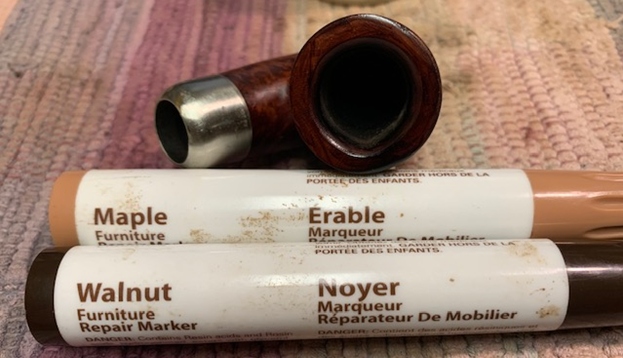
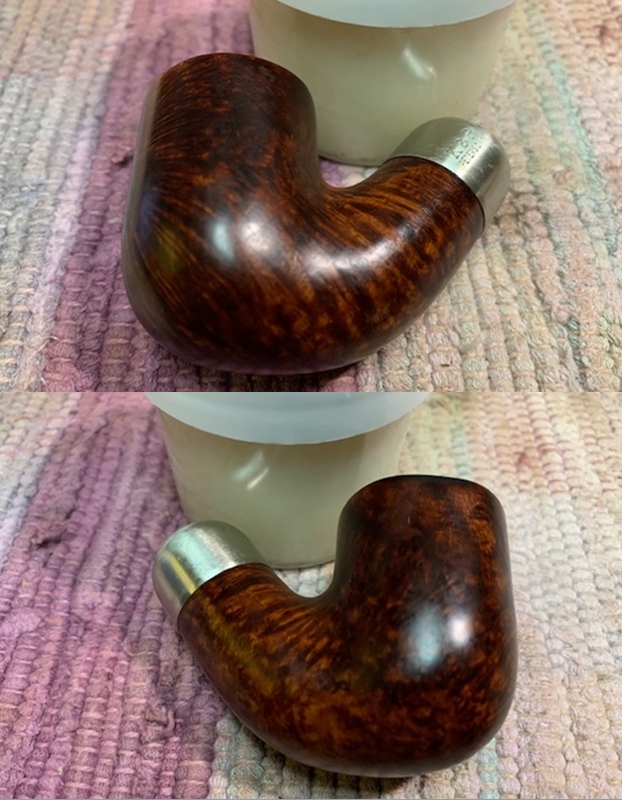
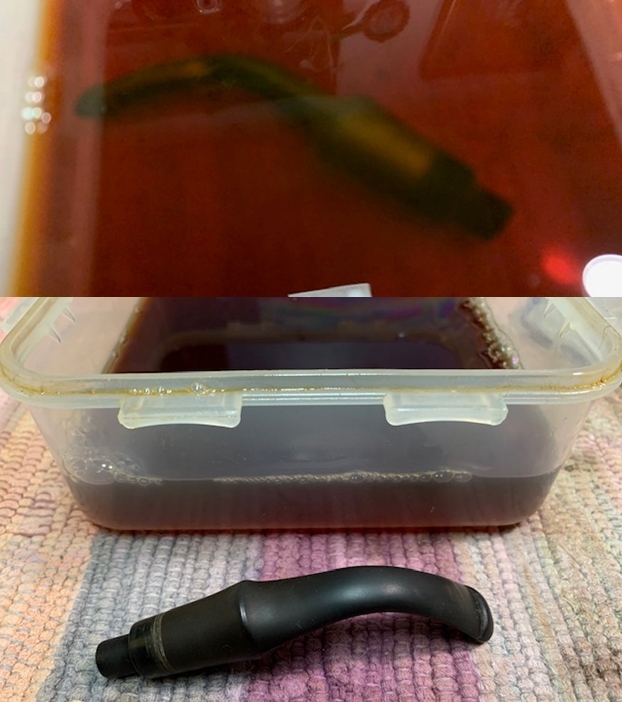
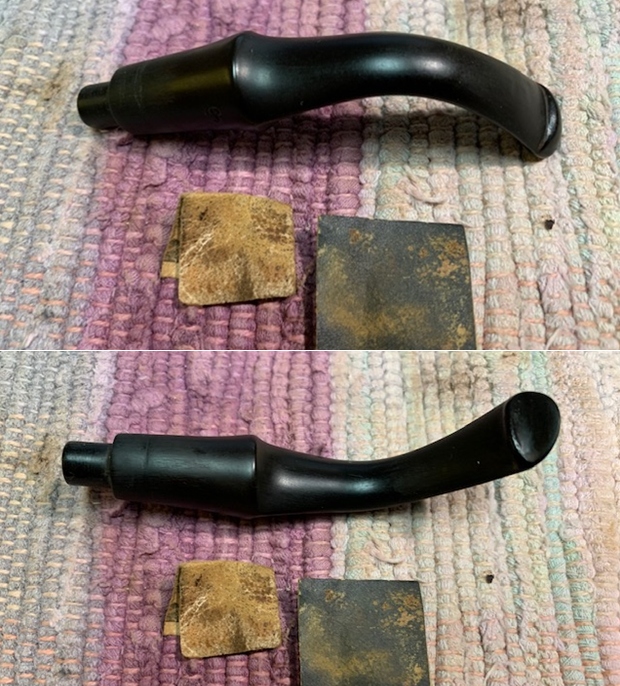
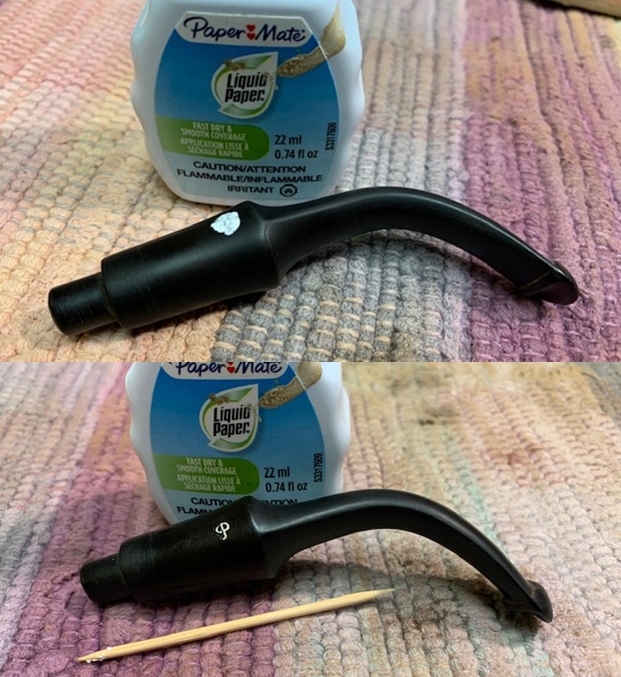
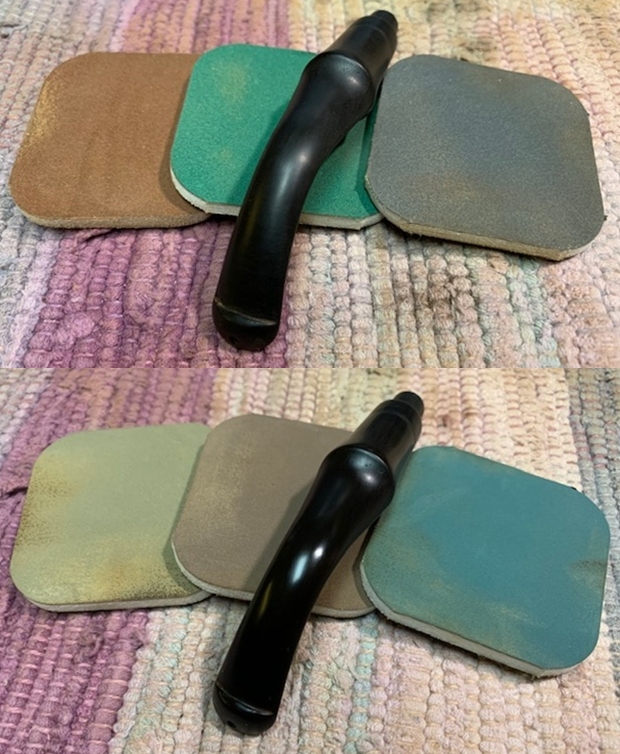
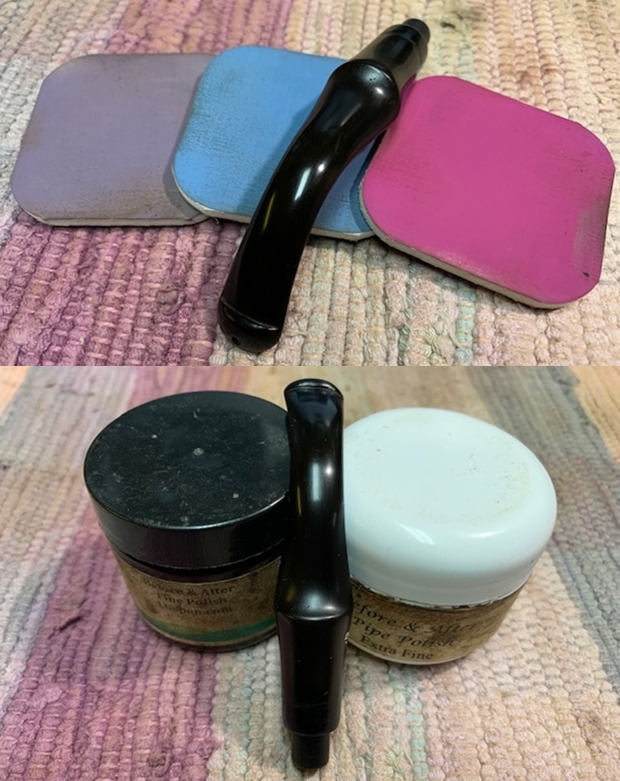
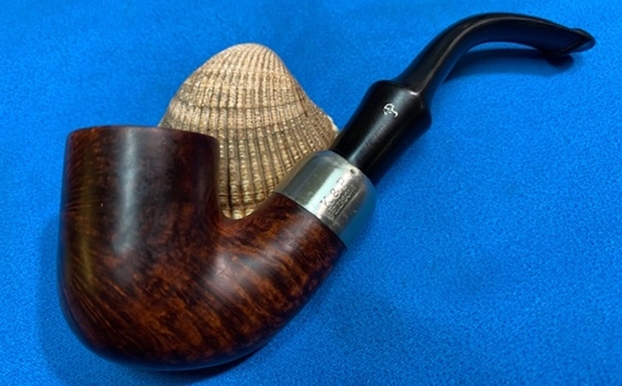
To start my work on the pipe I reamed the bowl with a PipNet pipe reamer and took the cake back to bare briar. I followed that by scraping the wall clear of remaining debris with a Savinelli Fitsall pipe knife. I finished the bowl by sanding the walls with 220 grit sandpaper wrapped around a piece of dowel.  The ferrule was loose so I removed it while I worked on cleaning the internals and externals of the pipe.I cleaned out the shank and the sump in the mortise as well as the airway into the bowl and in the stem with alcohol, pipe cleaners and cotton swabs. It came out quite clean and smelled significantly better.I set the stem aside and decided to address the damage on the rim top and edges before I scrubbed the exterior of the pipe. I topped the bowl on a topping board with 220 grit sandpaper and started reshaping the inner edge of the bowl with a folded piece of 220 grit sandpaper.  I scrubbed the pipe with undiluted Murphy’s Oil Soap and a tooth brush to remove the grime on the bowl and shank. I rinsed it off with warm running water and dried it off with a soft towel. The pictures show the grain around the sides of the pipe. With the briar clean I smeared the shank end with all-purpose glue. I aligned the stamping on the ferrule with the left side of the shank and pressed it on to the shank end.    With the ferrule in place and the briar clean it was time to take photos of the pipe. While the rim top still shows damage on the right outer edge and inner edge it is significantly better than it was when I started.     I polished the briar with micromesh sanding pads – wet sanding with 1500-12000 grit pads. I wiped the bowl down after each pad with a damp cloth.  I restained the front of the bowl and the rim top with a combination of Walnut and Maple stain pens to blend in the colour of those areas to the rest of the bowl.I rubbed the bowl down with Before & After Restoration Balm. I worked it into the surface of the bowl sides and shank with my fingertips. The product works to clean, enliven and protect the briar. I let the balm sit for a little while and then buffed with a cotton cloth to raise the shine. I set the bowl aside and turned my attention to the stem. Earlier in the day I had dropped the stem in a Deoxidizer Bath from Briarville and let it sit most of the day. Once I removed it from the bath it had soaked for about 5-6 hours. I removed it and wiped it down with a paper towel. I worked it over pretty roughly to remove the calcification and oxidation that sat on top of the vulcanite. It came out looking very good.  I sanded out the damage on the shank end of the stem where the previous pipe bowl and ferrule had cut a groove. I also sanded it with 220 grit sandpaper to remove the tooth marks and chatter on both sides ahead of the button. I started polishing the stem with 400 grit wet dry sandpaper.I touched up the “P” stamp on the left side of the stem with Paper Mate Liquid Paper. I applied it with the sponge in the bottle and worked it into the stamp with a tooth pick. Once it dried I scraped off the excess with the tooth pick. The stamp looks very good.   I polished the vulcanite stem with micromesh sanding pads – 1500-12000 grit pads. I wiped it down with a damp cloth after each sanding pad. I used Before & After Pipe Polish – both Fine and Extra Fine to further polish the stem.    This Peterson’s System Standard 313 Bent Billiard with a vulcanite stem is a great looking pipe now that it has been restored. The beautiful grain that shines through the polished finish is stunning. I put the stem back on the bowl and carefully buffed the pipe with Blue Diamond on the buffing wheel. I gave the bowl and the stem multiple coats of carnauba wax on the buffing wheel and followed that by buffing the entire pipe with a clean buffing pad. I hand buffed the pipe with a microfiber cloth to deepen the shine. The grain just popped with the wax and the buffing. It is a beauty! The finished Peterson’s System Standard Billiard 313 fits nicely in the hand and feels great. Give the finished pipe a look in the photos below. The dimensions of the pipe are Length: 5 inches, Height: 1 ¾ inches, Outside diameter of the bowl: 1 ¼ inches, Chamber diameter: ¾ of an inch. The weight of the pipe is 45gr/1.55oz. If you are interested in adding this pipe to your collection send me a message or an email. Thanks for reading this blog and my reflections on the pipe while I worked on it. There are many more to come!

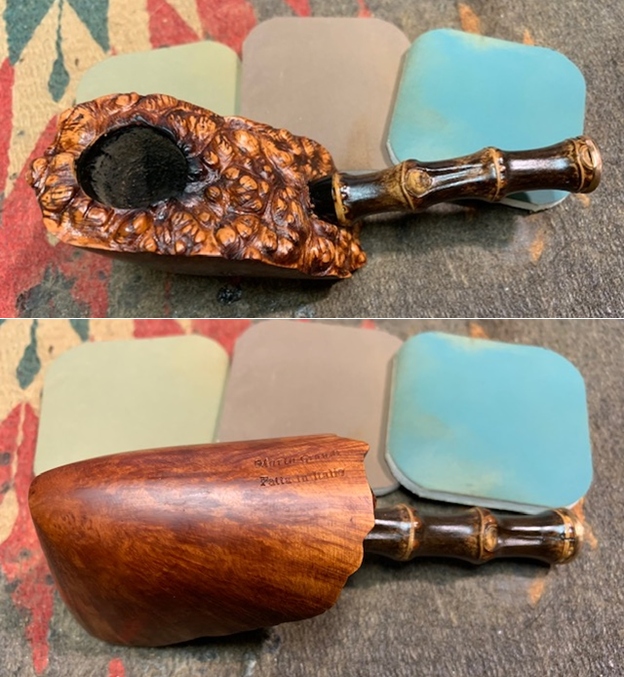
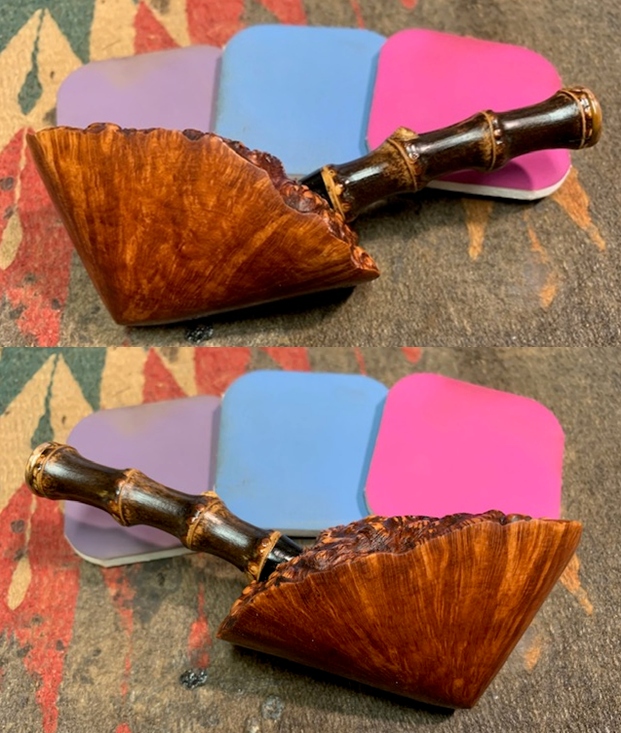
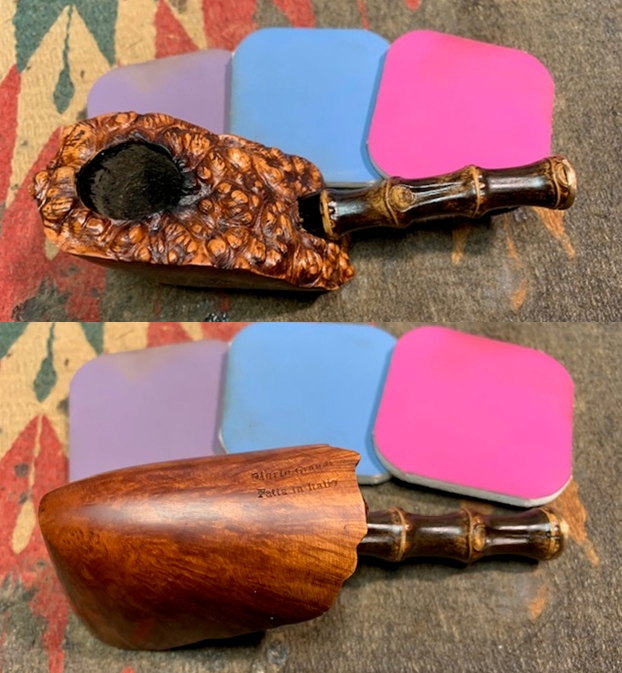
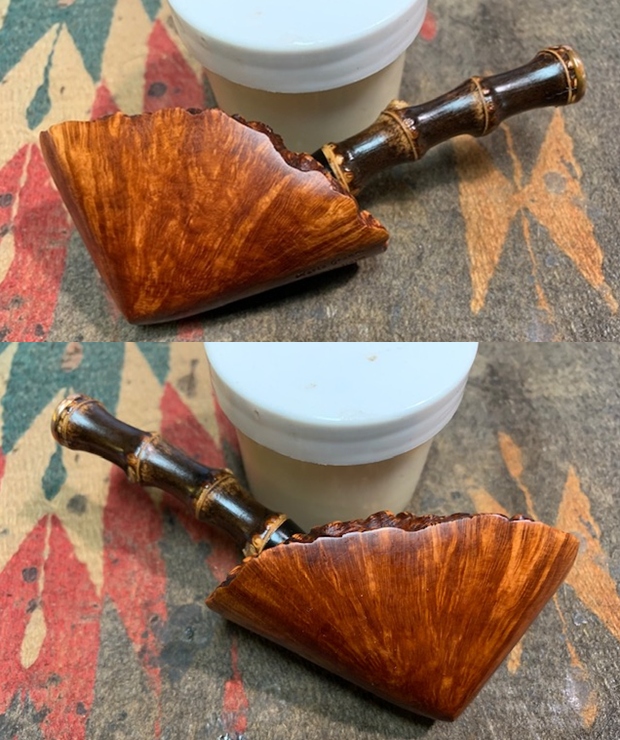
Restemming and Restoring the Smallest Mario Grande Freehand I have seen


Blog by Steve Laug

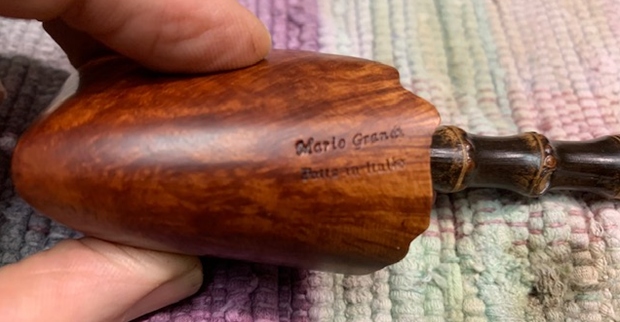
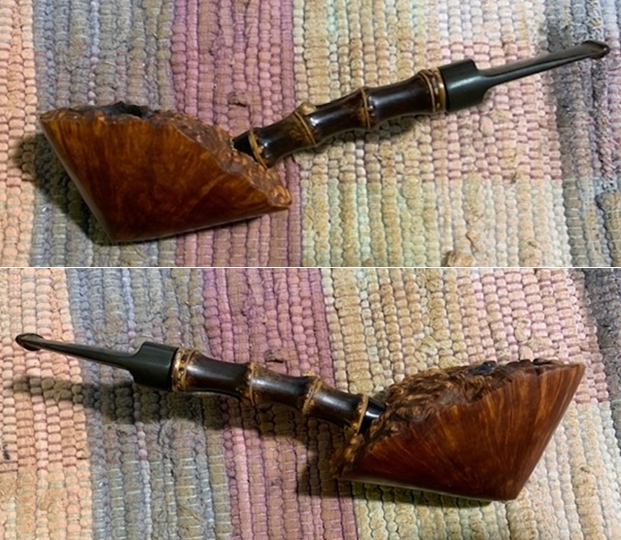
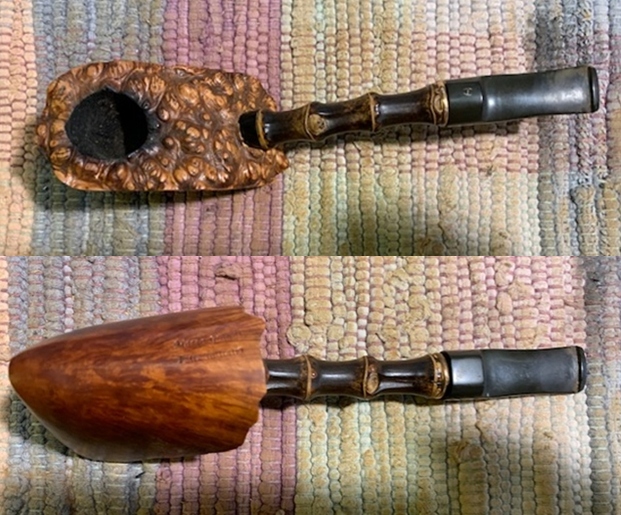
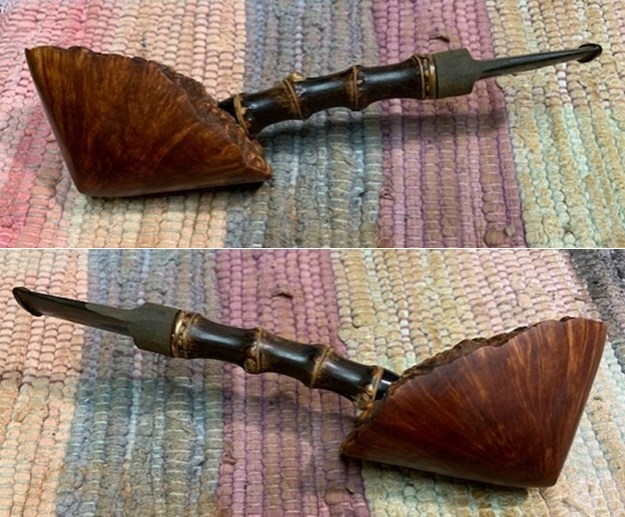
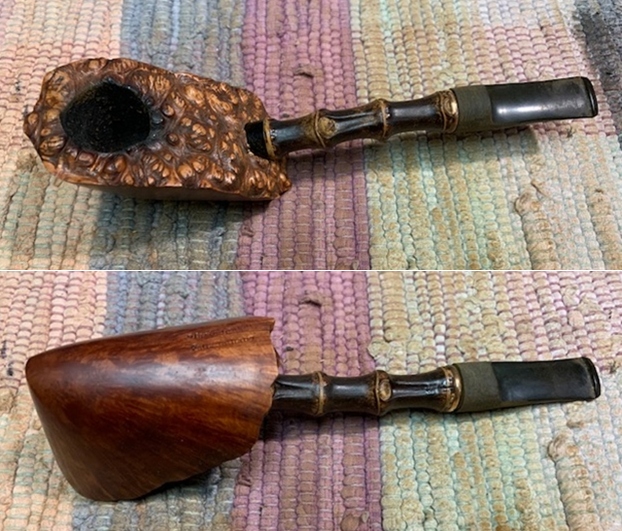
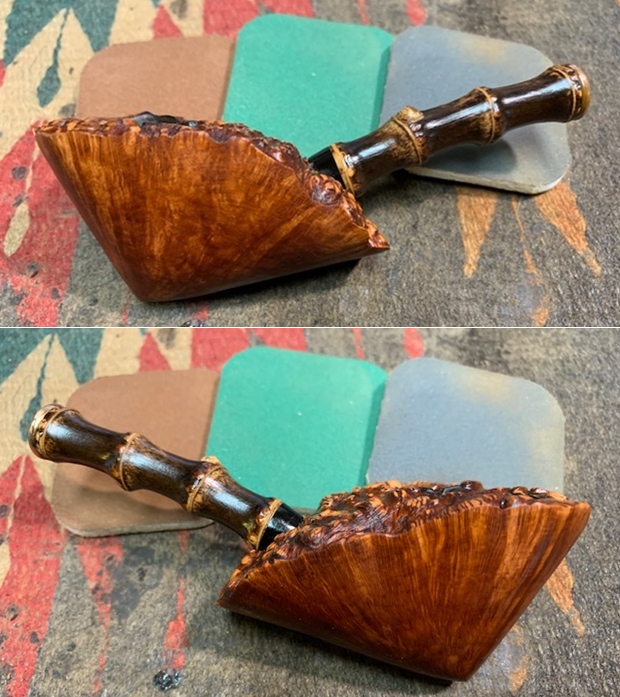
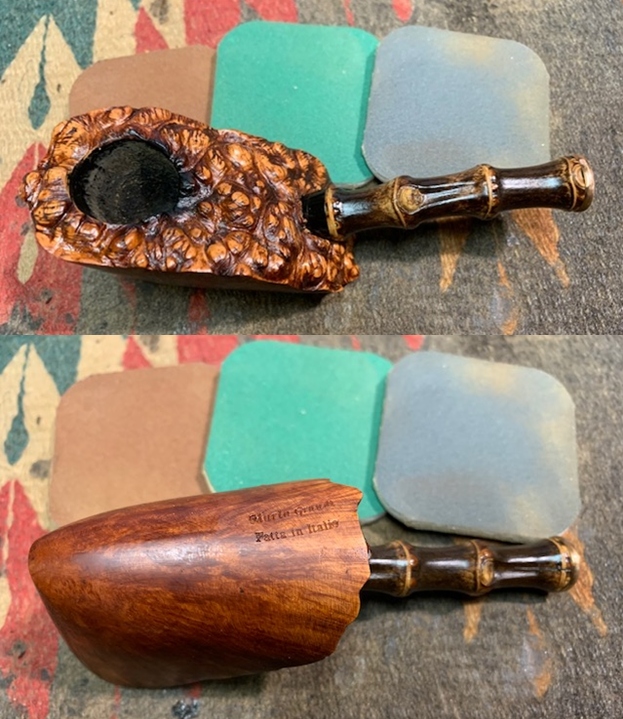
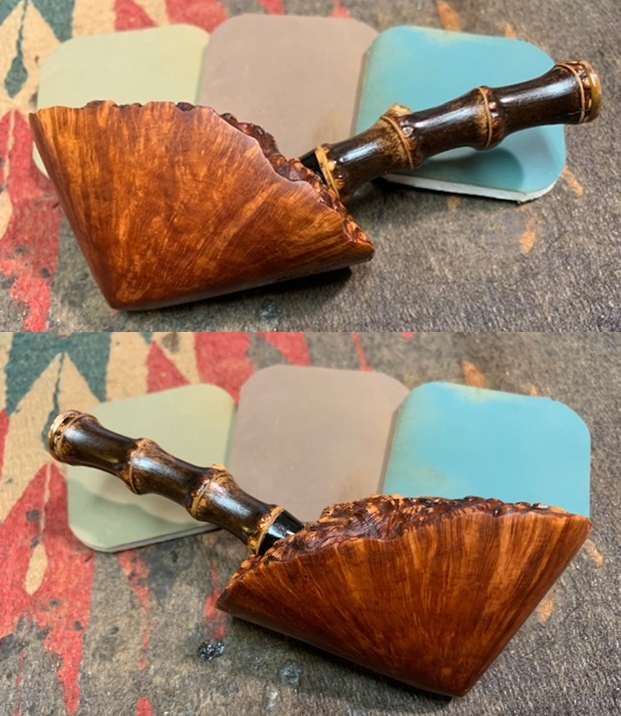
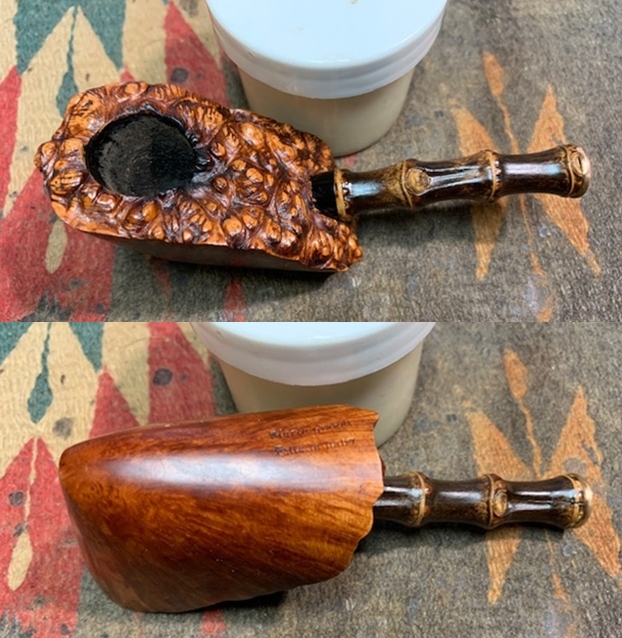
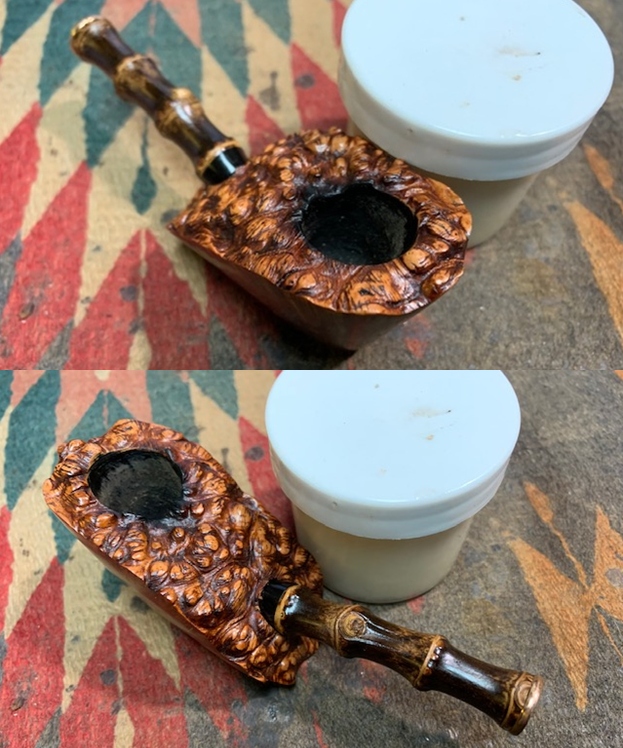
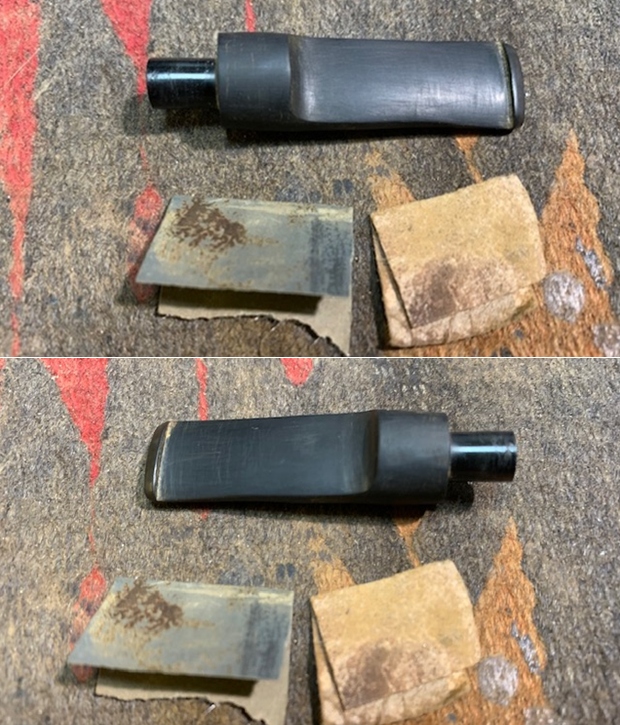
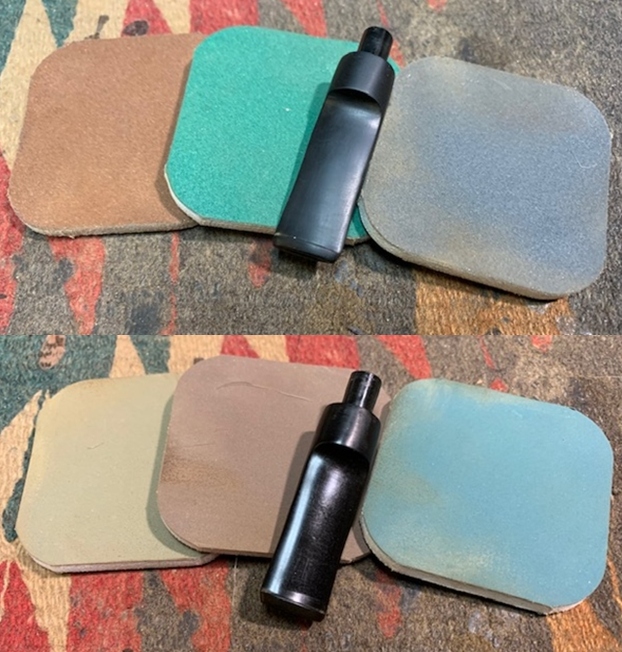
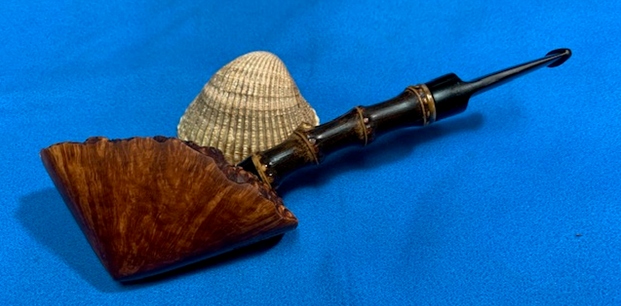
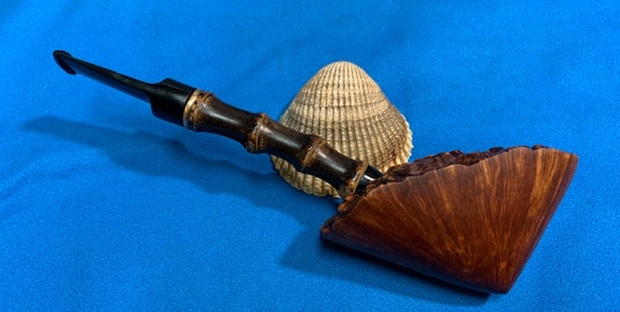
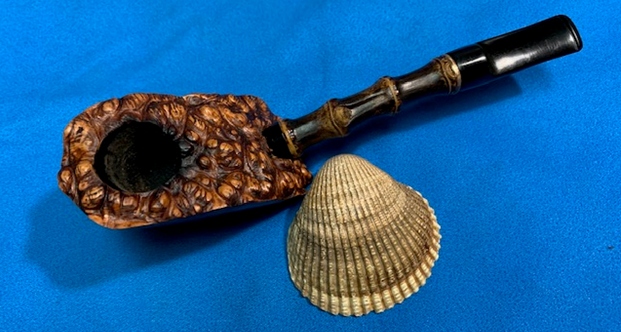
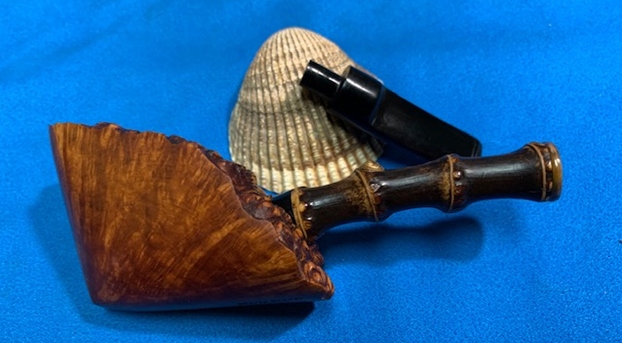
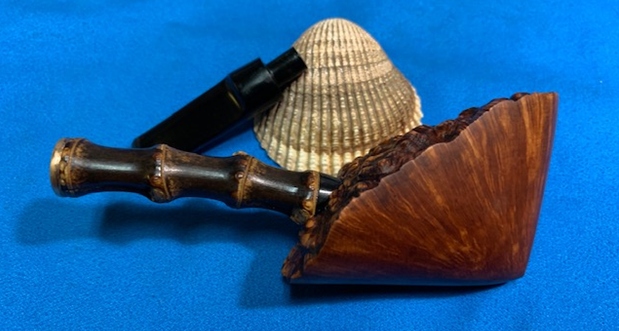
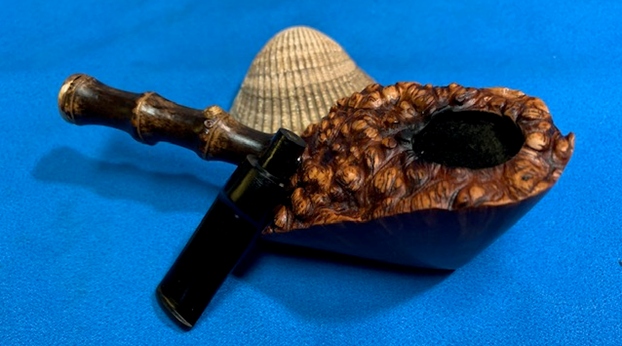
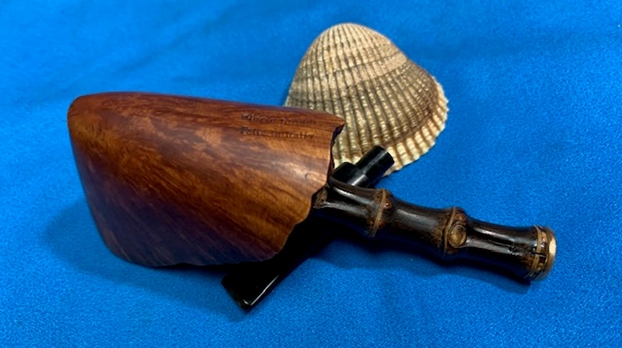
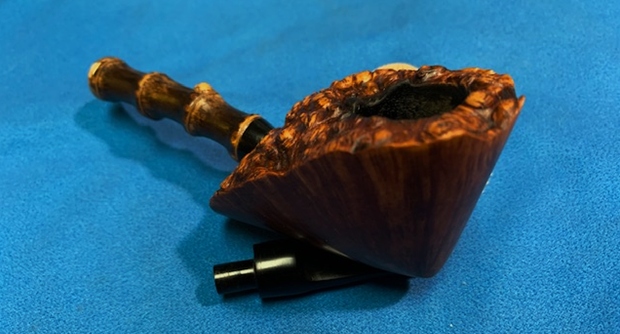
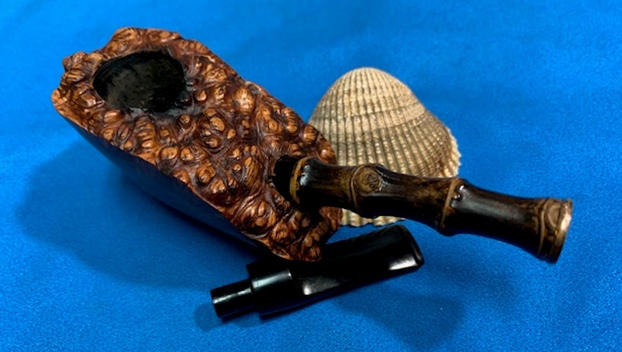
The pipe below is a bit of a mystery to me. It has been in a box of bowls that I have here for a very long time. It is kind of a wedge of nicely grained briar with a plateau rim top. When Jeff and I went through the box of bowls to sort and dispose of them we came across this bowl. I was ready to pitch it but Jeff saw something in it and said to see what we could do with it. So it is on the table today.  It is stamped on the underside of the briar and reads Mario Grande Fatta in Italy. The bowl end of the bamboo shank was loose and had an acrylic end and a Delrin tenon that inserted into the briar. On the stem end the mortise is incredibly small and drilled at an angle. The dark bamboo shank had a split on the underside at the stem end. It was a bit of a mess. The bowl had been well smoked and there was some darkening on the back edge of the rim top and plateau. Somewhere along the way it had been reamed. The shank was clean but there was debris in the mortise end. I am guessing that the original stem probably had a stainless steel tenon and was held in place by friction. I am also guessing that the crack in the shank was from the pipe being dropped. In the photos below of the bowl you will notice a thin brass band on the shank end. I put that in place before I took photos of the pipe. It is thin enough to be almost invisible but one glued in place will bind the crack in the bamboo together permanently. I took a closer photo of the rim top to show the condition of the bowl and plateau. You can see the darkening around back inner edge of the bowl. Otherwise the rim was very clean. I also took photos of the brass band that I had pressed onto the shank end. It is hard to see from my photos but the drilling in the mortise is off.I took a photo of the stamping on the underside of the shank. It clearly reads as noted above.I glued the crack in the shank and glued the brass band in place on the shank end. Then I used my cordless drill with increasingly larger drill bits to carefully straighten out the mortise and prepare it for a saddle stem that I had set aside for the pipe. Unfortunately I did not take photos of the process so my words will have to suffice. Once the mortise was straight and the same size as the opening in the brass band I put the stem on the shank and took photos of the pipe at this point. I would need to reduce the diameter of the saddle portion of the stem as it was larger than the shank end but I liked the look.  I used the Dremel and sanding drum to reduce the diameter of the stem. I worked to match it to the shank end diameter. It took some fiddling but once it was finished I liked the look.    I polished the smooth briar and the bamboo with micromesh sanding pads. I dry sanded with 1500-12000 grit sanding pads. I wiped the briar and bamboo down with a damp cloth after each sanding pad.   I worked some Before & After Restoration Balm into the surface of the briar with my fingertips to clean, enliven and protect the briar. I worked the Balm into the plateau top with a horsehair shoe brush. I let the balm sit for a little while and then buffed with a cotton cloth to raise the shine. The photos show the bowl at this point in the restoration process. I set the bowl aside and turned my attention to the stem. I sanded out scratching and light oxidation on the stem with 220 grit sand paper. I started to polish it with a folded piece of 400 wet dry sandpaper. I polished the stem with micromesh sanding pads – wet sanding with 1500-12000 grit sanding pads. I wiped it down after each sanding pad with Obsidian Oil. I polished it with Before & After Pipe Stem Polish – both Fine and Extra Fine.   I am glad to finish this Mario Grande Fatta in Italy Freehand. It was a bit more work than I expected when I took it out of the bin. I put the pipe back together and buffed it with Blue Diamond on the buffing wheel. I gave the bowl and the stem multiple coats of carnauba wax. I hand buffed the pipe with a clean buffing pad to raise the shine. It is fun to see what the polished bowl looks like with the grain popping through on the bowls sides and the plateau rim top. Added to the briar, the combination of the brass band on the black bamboo and the polished black vulcanite stem was beautiful. This petite Mario Grande (for his pipes it is petite!) is nice looking and feels great in my hand. It is light and well balanced. Have a look at it with the photos below. The dimensions are Length: 6 ½ inches, Height: 1 ¾ inches, Outside diameter of the bowl: 1 ½ inches, Chamber diameter: 5/8 of an inch. The weight of the pipe is 50grams/1.76oz. It is a beautiful pipe and one that will be on the rebornpipes store soon. If you are interested in adding it to your collection let me know. Thanks for walking through the restoration with me as I worked over this pipe. Thanks to each of you who are reading this blog. Remember we are not pipe owners; we are pipemen and women who hold our pipes in trust until they pass on into the trust of the next pipeman or woman. 
Restoring and Restemming an Asselta Freehand Egg


Blog by Steve Laug

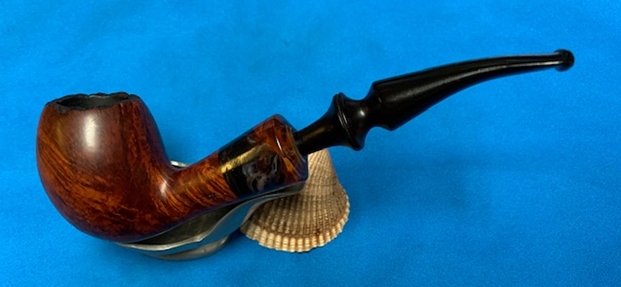
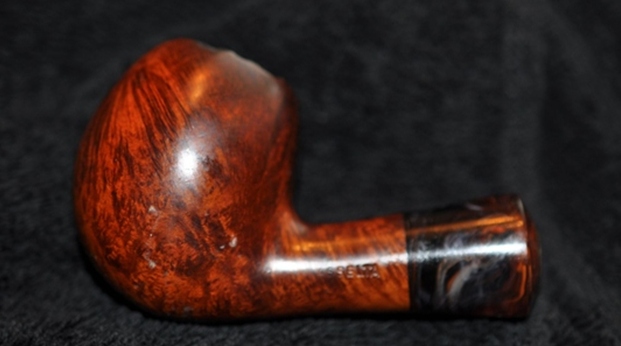
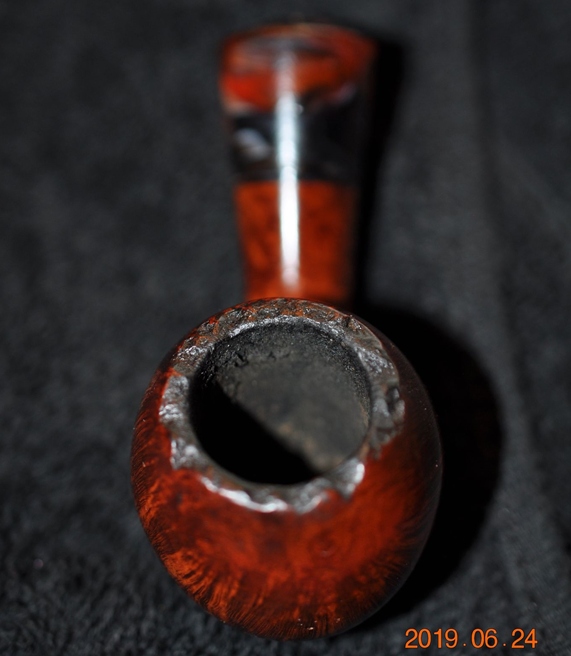
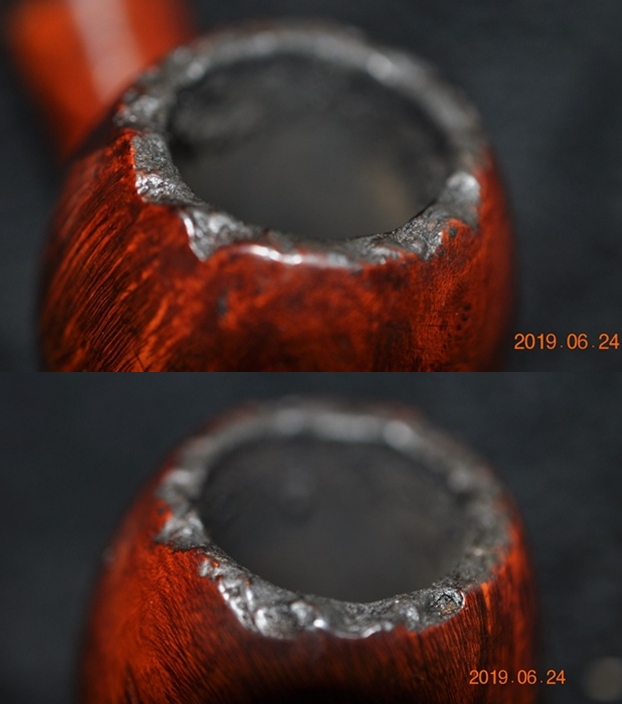
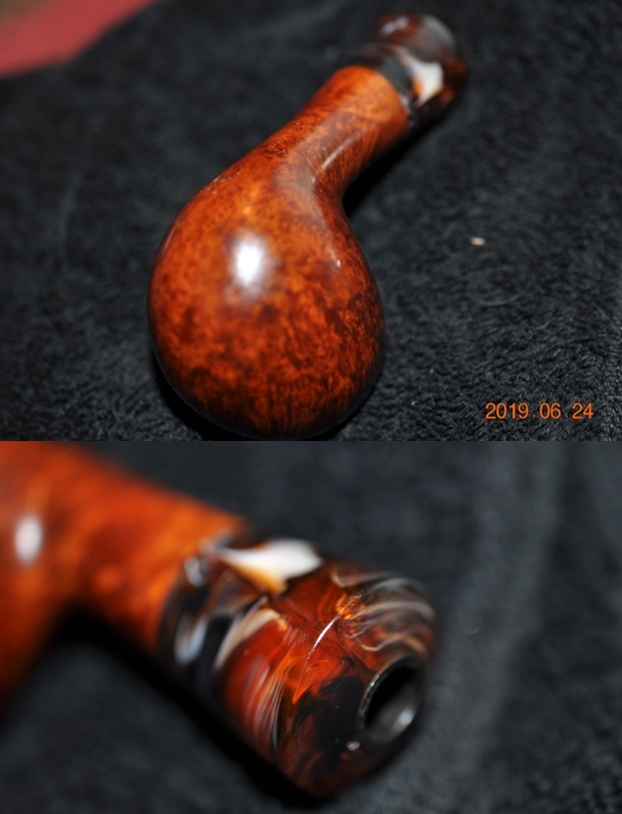
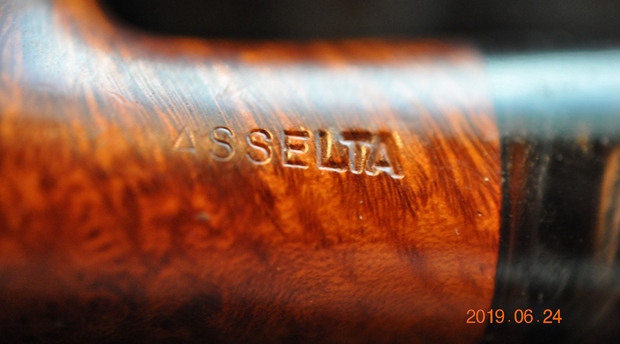
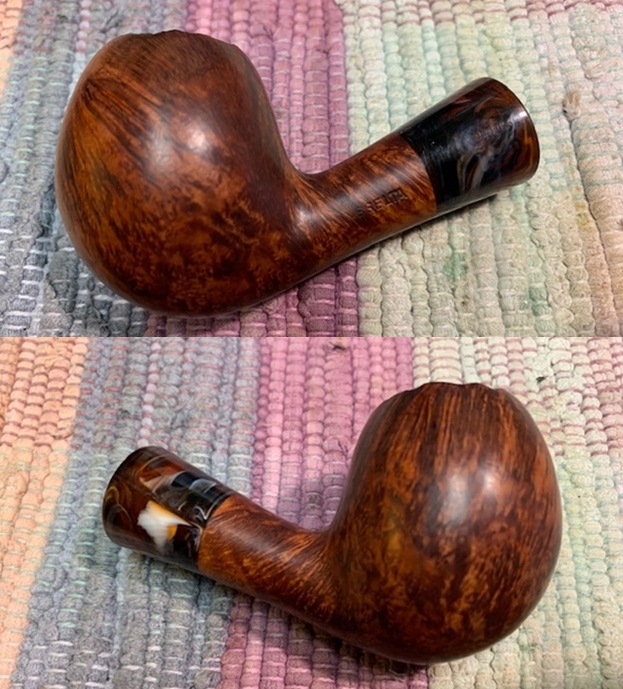
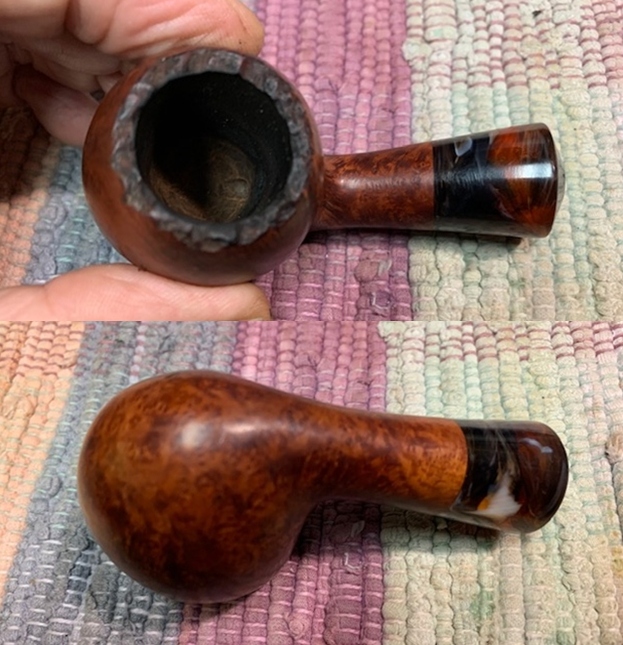
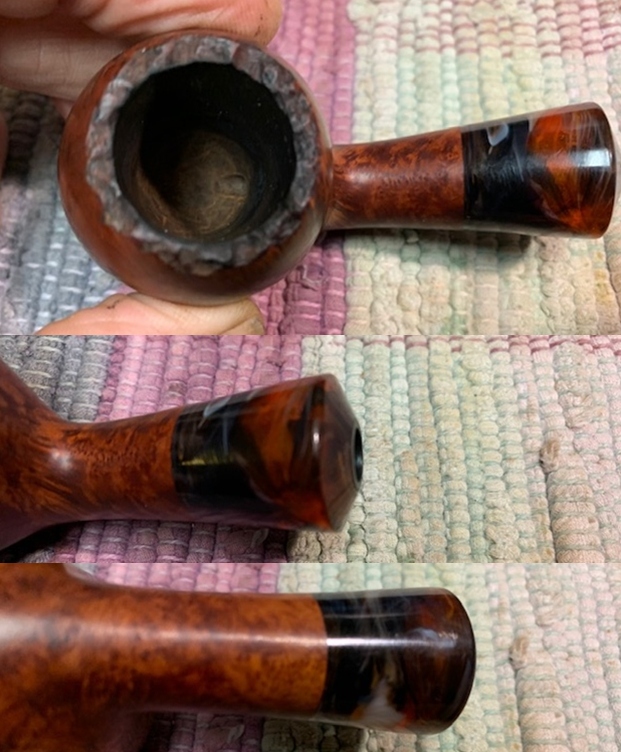
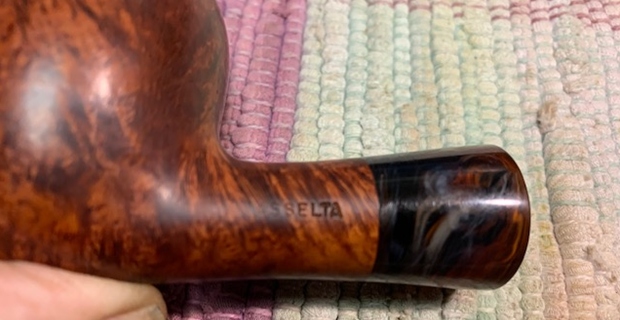
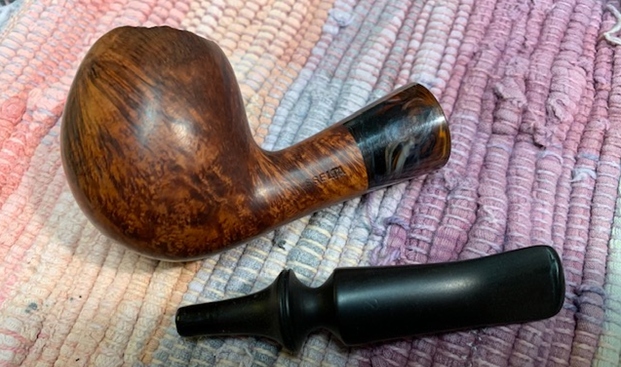
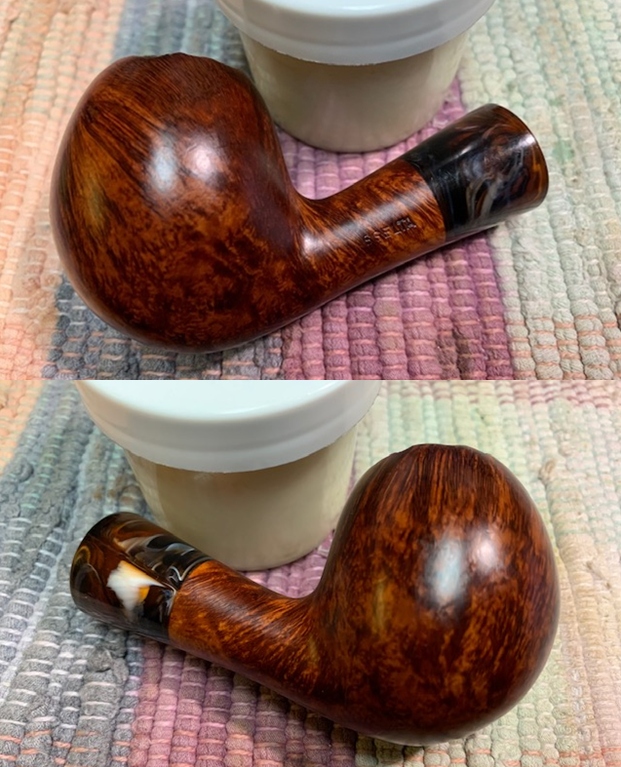
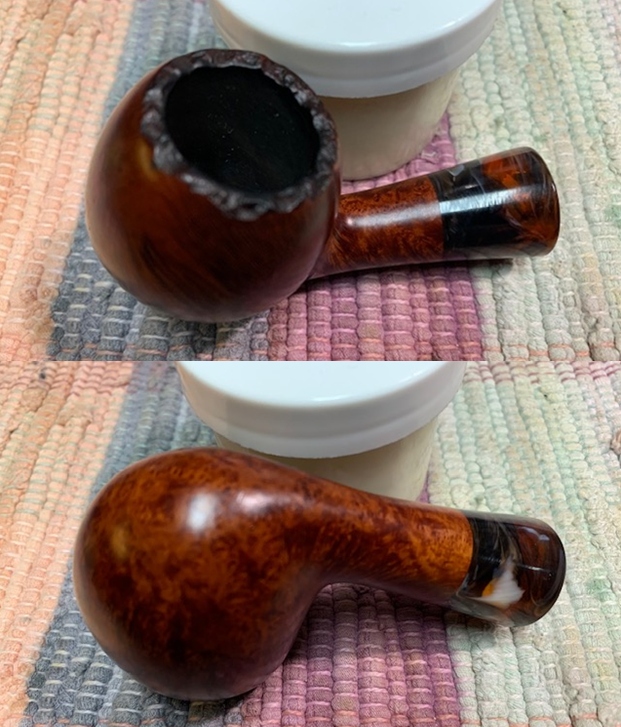
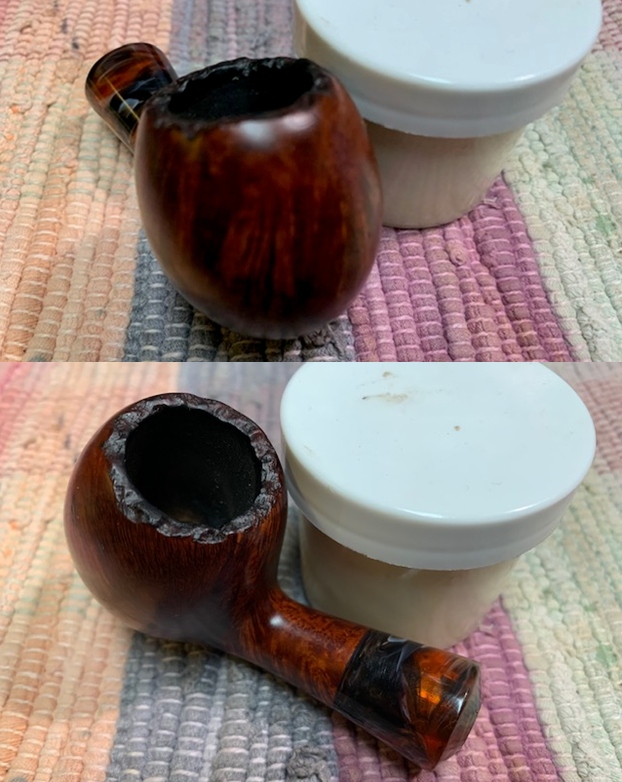
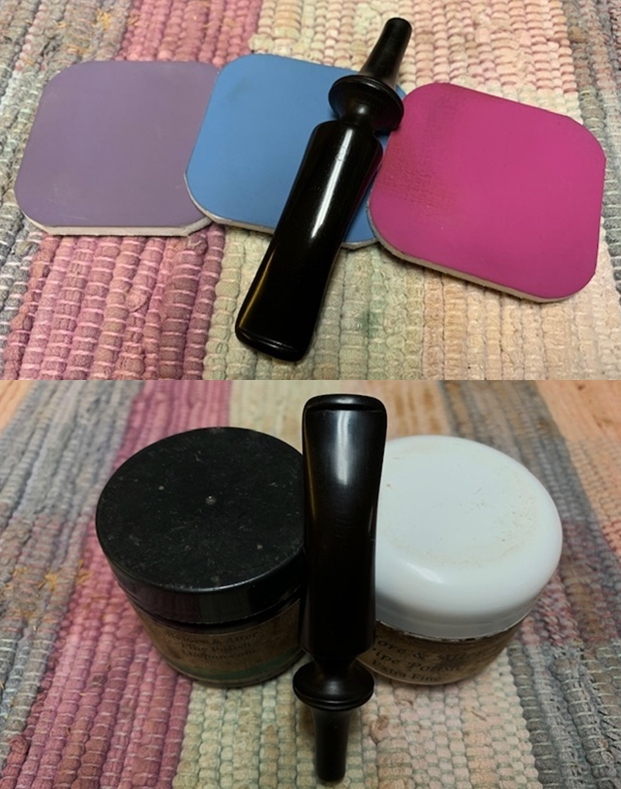
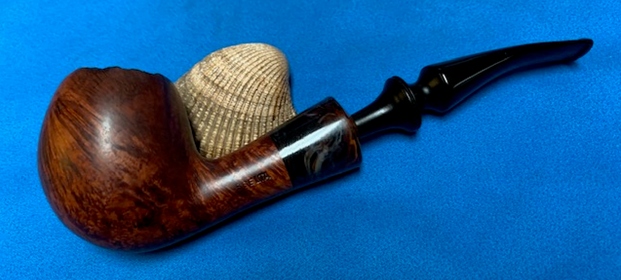
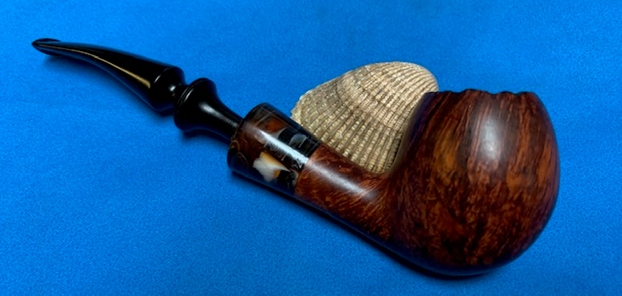
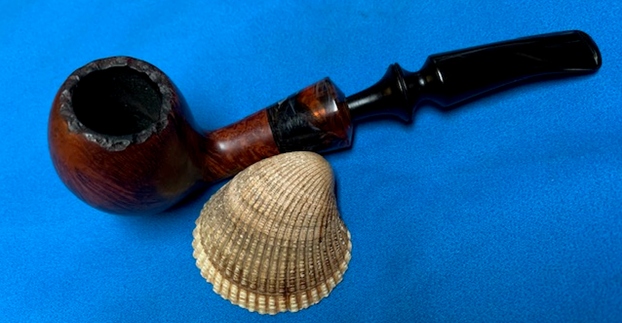
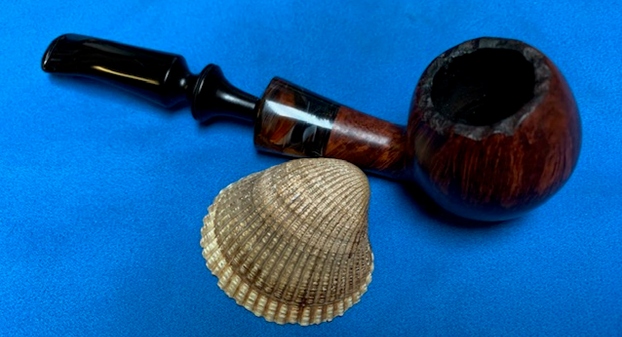
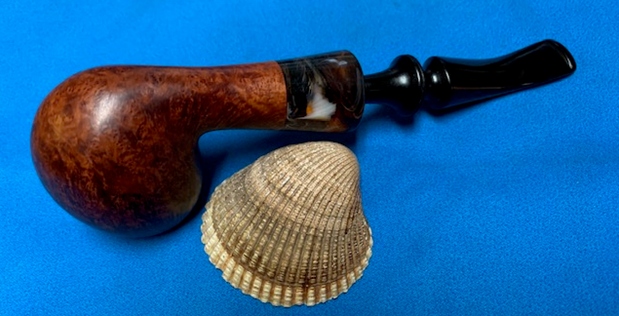
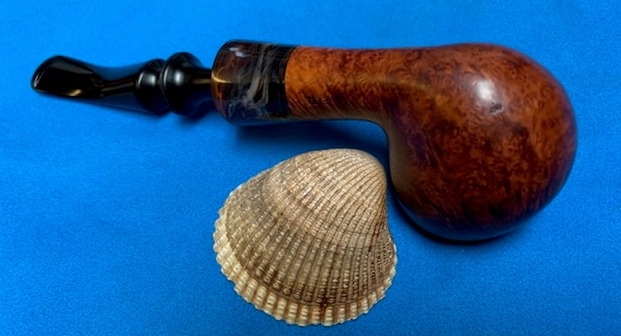
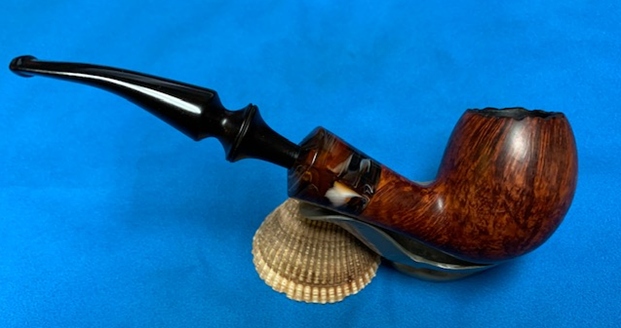
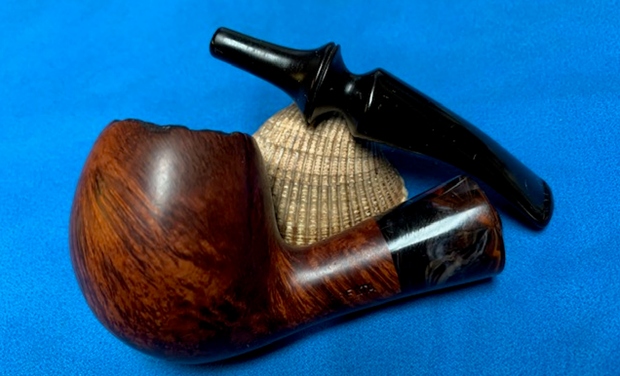
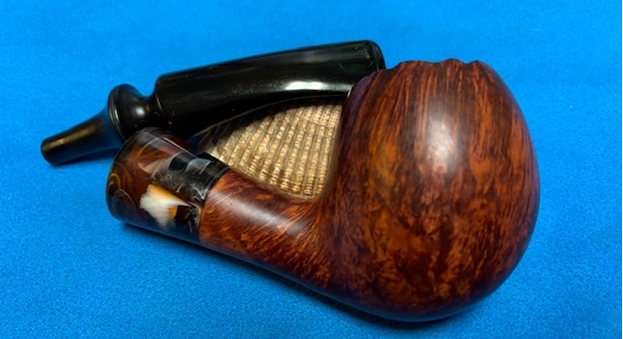
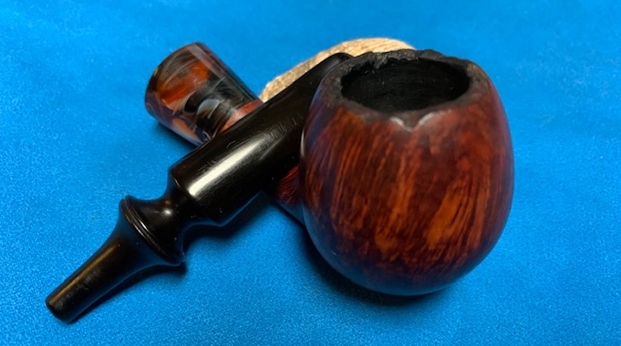
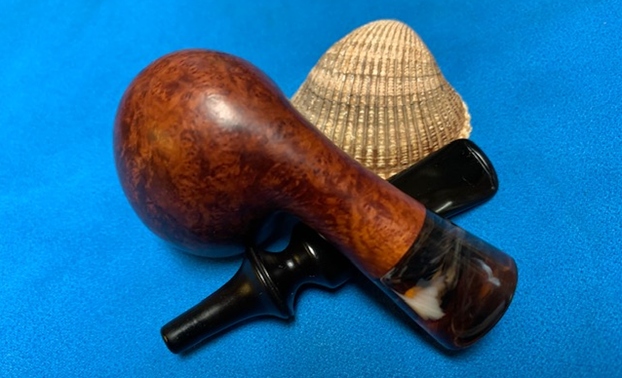
The next pipe came to us from an auction in Huntington Station, New York, USA and has been sitting here since mid-2019. I am finally getting to it. Even though the plateau rim top was dirty it had some charm showing through the grit and grime of the years. The grain around the bowl and shank were quite stunning under the grime. The acrylic shank extension was an incredible mixture of brown, orange and blue swirls. On the left side of the shank it was stamped Asselta. The pipe came to us without a stem so I would need to pick through what I have here and find a good option. The pipe is a smooth egg shape bowl with a plateau rim. The finish is filthy with dust and grit ground into the briar of the bowl and shank sides. The bowl had a thick cake and an overflow of lava on the top and inner edge of the rim obscuring the plateau. Jeff took some photos of the pipe to show its overall condition before he started his cleanup work. He took photos of the rim top and bowl to give a clear picture of the thickness of the cake and the lava and dust ground into the plateau rim top.   Jeff took photos of the sides and heel of the bowl and shank and the acrylic swirled shank extension to give a picture of what the briar around the pipe looked like.   He took a photo of the stamping on the shank. It reads as noted above and is clear and readable.    I turned to Pipedia and did a search for Asselta pipes. The search came with a link in the American Pipe Brands (https://pipedia.org/wiki/American_Pipe_Brands_%26_Makers_A_-_B). It appears that the pipe was potentially made in Long Island, New York, USA. Seeing how the pipe came to us from New York it had not traveled far in its life before we purchased it. Now it has traveled from New York to Idaho and then to Vancouver, Canada. Where its journey will end only time will tell.

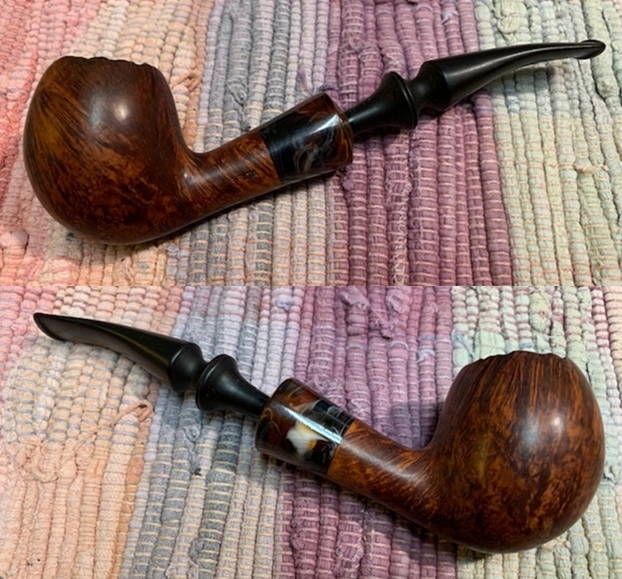
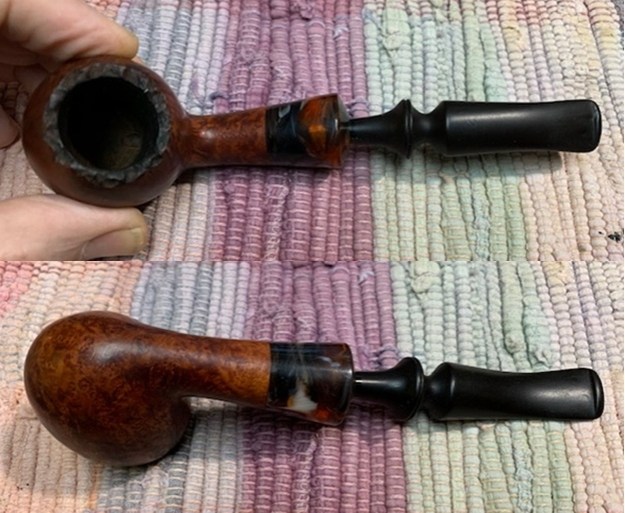
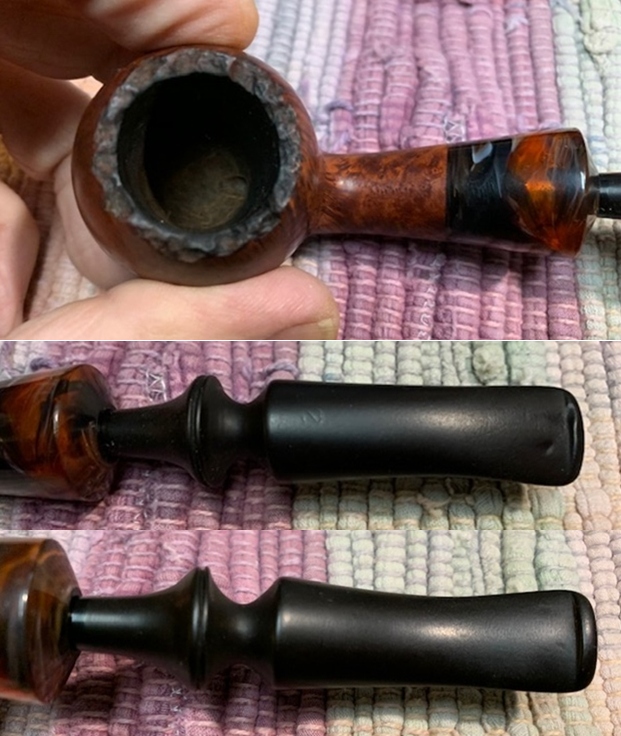
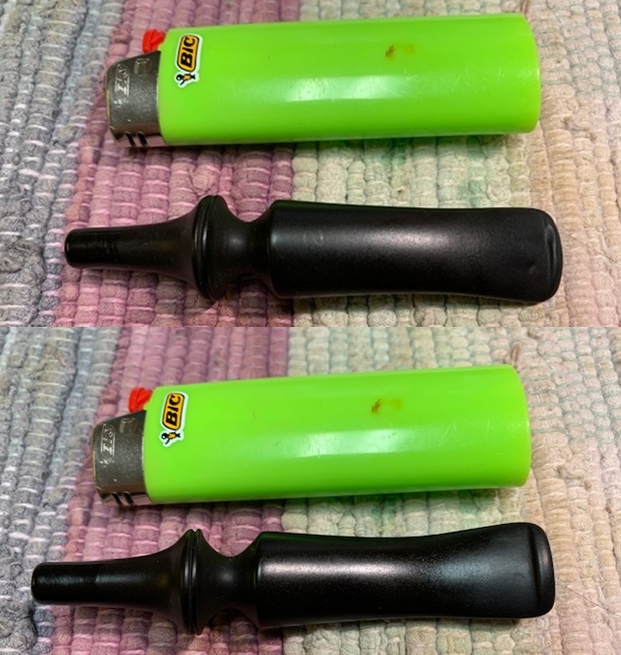
Now it was time to work on the pipe. Jeff had cleaned up the pipe with his usual penchant for thoroughness. He reamed the pipe with a PipNet Pipe Reamer and cleaned up the remnants with a Savinelli Fitsall Pipe Knife.  He scrubbed the bowl with undiluted Murphy’s Oil Soap with a tooth brush. He worked over the debris on the plateau rim top and was able to remove it. He rinsed it under running warm water to remove the soap and grime. He cleaned out the inside of the shank and the airway with alcohol, cotton swabs and pipe cleaners. I took photos of the pipe bowl once I received it. It really looked good.    The plateau rim top was very clean and the bowl was spotless. It was a good looking pipe. The swirled acrylic shank extension was beautiful.   I took a photo of the stamping on the left side of the shank. It was clear and read as noted above. I went through my assortment of stems and found one that really worked well with the shank extension and the bowl. It is going to be a great looking pipe. I put the stem in the shank and took photos of the new look of the bowl. I like the overall look that pipe had. Once I cleaned up and polished the stem it would look very good.  I took close up photos of the bowl and plateau rim top and the stem. I was going to need to remove the tooth marks but the stem was going to look very good. The bowl was in such good condition that I started my work on it by rubbing down with Before & After Restoration Balm. I worked it into the surface of the bowl sides and shank with my fingertips. I used a horsehair shoe brush to work it into plateau top. The product works to clean, enliven and protect the briar. I let the balm sit for 15 minutes and then buffed with a cotton cloth to raise the shine.   I set the bowl aside and turned my attention to the stem that I had picked out. I “painted” the surface of the stem with the flame of a lighter to lift the tooth marks. I was able to lift all of them on the top side and all but two on the underside. I filled them in with super glue and set it aside to cure. I used a file to flatten the repair on the stem and reshape the button. Once I had it reshaped and the repair flattened I sanded the stem with 220 grit sandpaper to remove the scratching and blending them into the surface. I began the polishing with 400 grit wet dry sandpaper. I polished the scratches out of the acrylic stem with micromesh sanding pads – 1500-12000 grit pads. I wiped it down with a damp cloth after each sanding pad. I used Before & After Pipe Polish – both Fine and Extra Fine to further polish the stem.     This smooth finish/plateau rim top Asselta Freehand Egg with a swirled acrylic shank extension is a great looking pipe. It is a pipe made in Long Island, New York but other than that the carver is a mystery to me. The replacement fancy, saddle vulcanite stem works well and goes nicely with the extension and the briar. I put the stem back on the bowl and buffed the pipe with Blue Diamond on the buffing wheel using a light touch on the briar. I gave the bowl and the stem multiple coats of carnauba wax on the buffing wheel and followed that by buffing the entire pipe with a clean buffing pad. I hand buffed the pipe with a microfiber cloth to deepen the shine. The finished Asselta Freehand Egg fits nicely in the hand and feels great. Give the finished pipe a look in the photos below. The dimensions of the pipe are Length: 6 ¼ inches, Height: 2 inches, Outside diameter of the bowl: 1 ¼ inches, Chamber diameter: ¾ of an inch. The weight of the pipe is 53grams/1.87oz. I will be adding it to the rebornpipes store shortly in the American Pipe Makers Section. Thanks for reading this blog and my reflections on the pipe while I worked on it. There are many more to come!