Tag Archives: refurbishing

Restoration – The Guildhall 284


By Al Jones

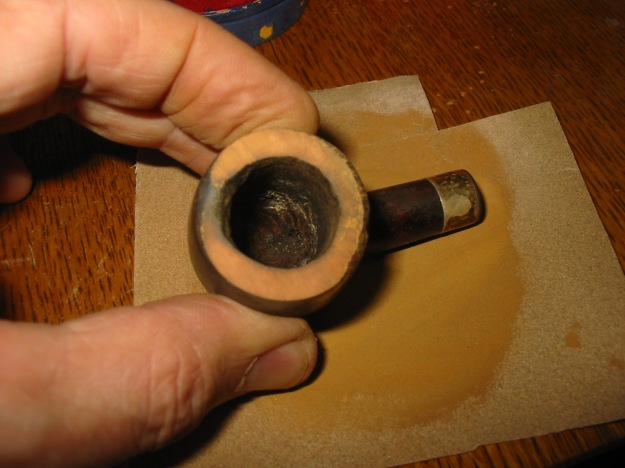
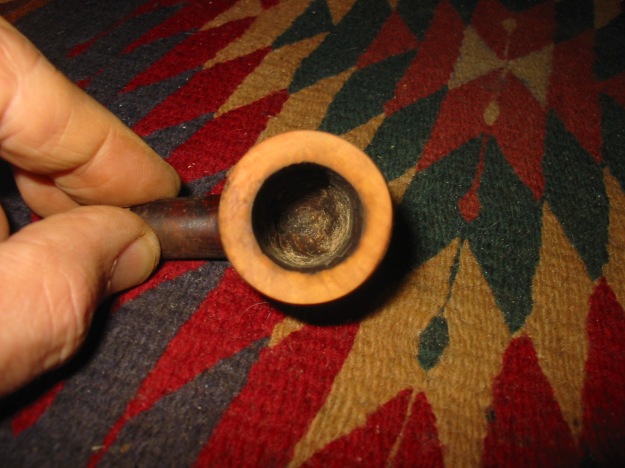
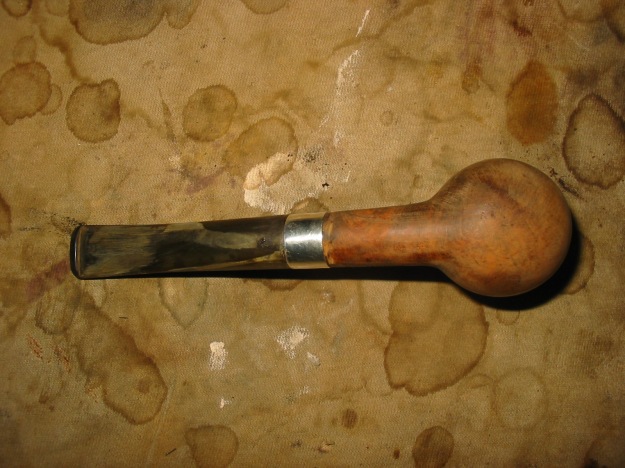
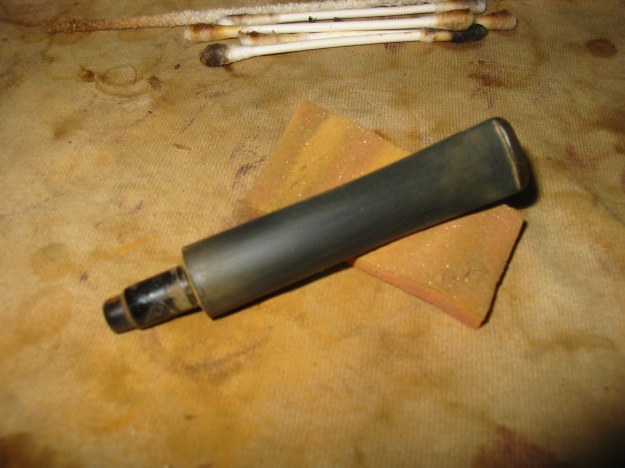
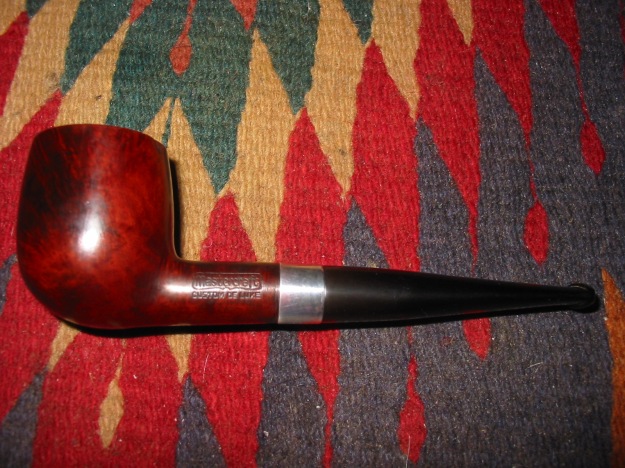
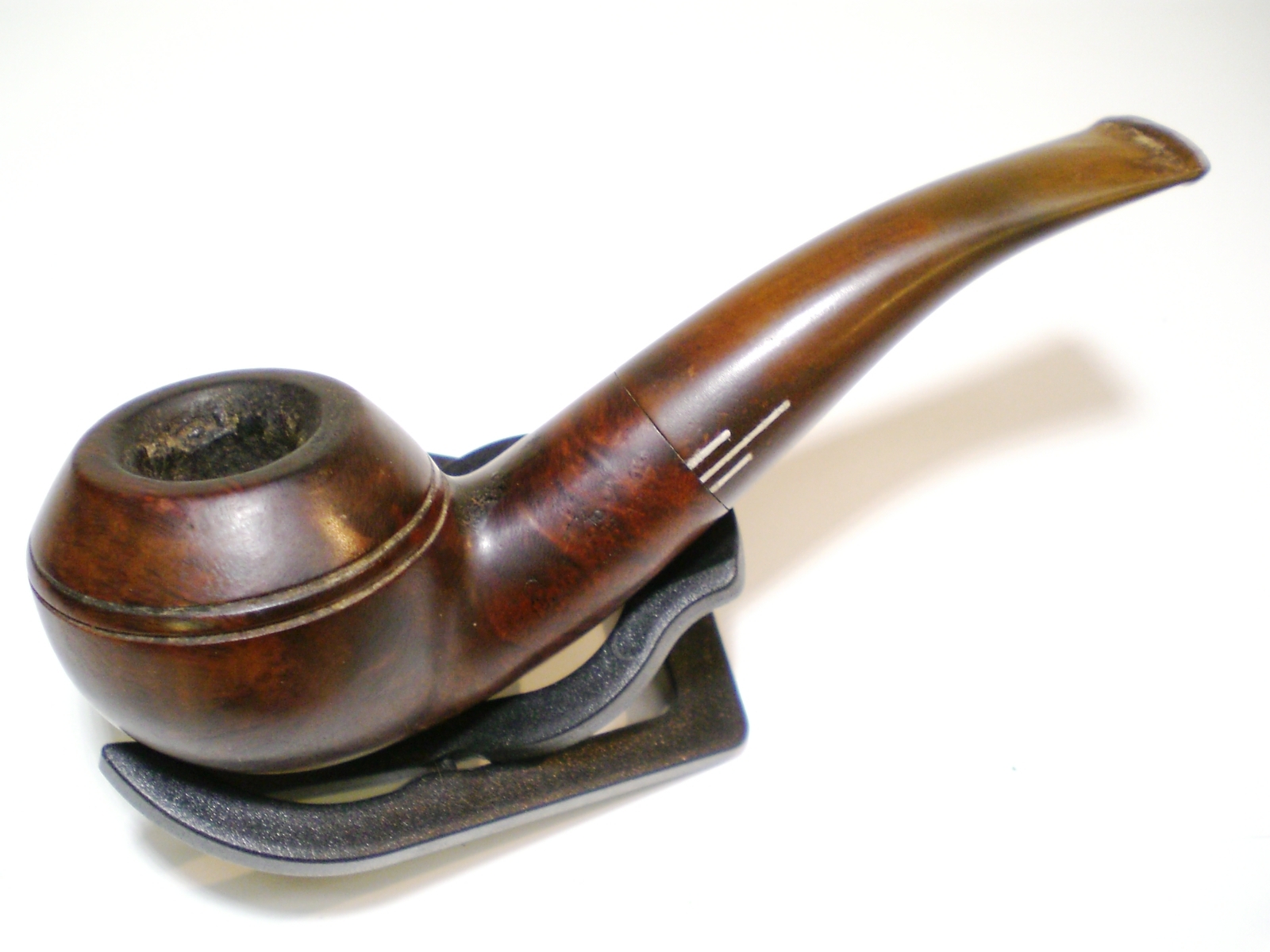
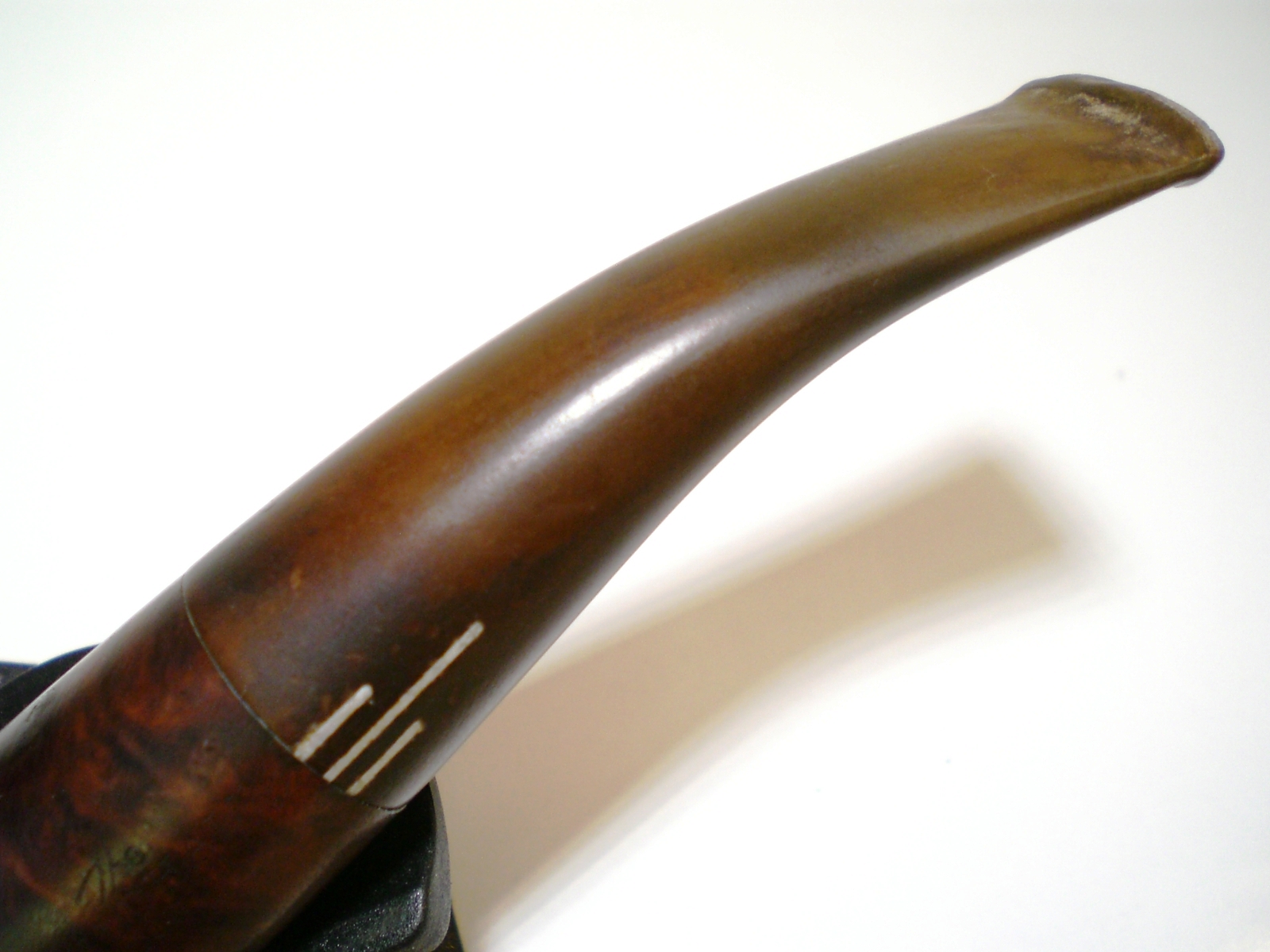
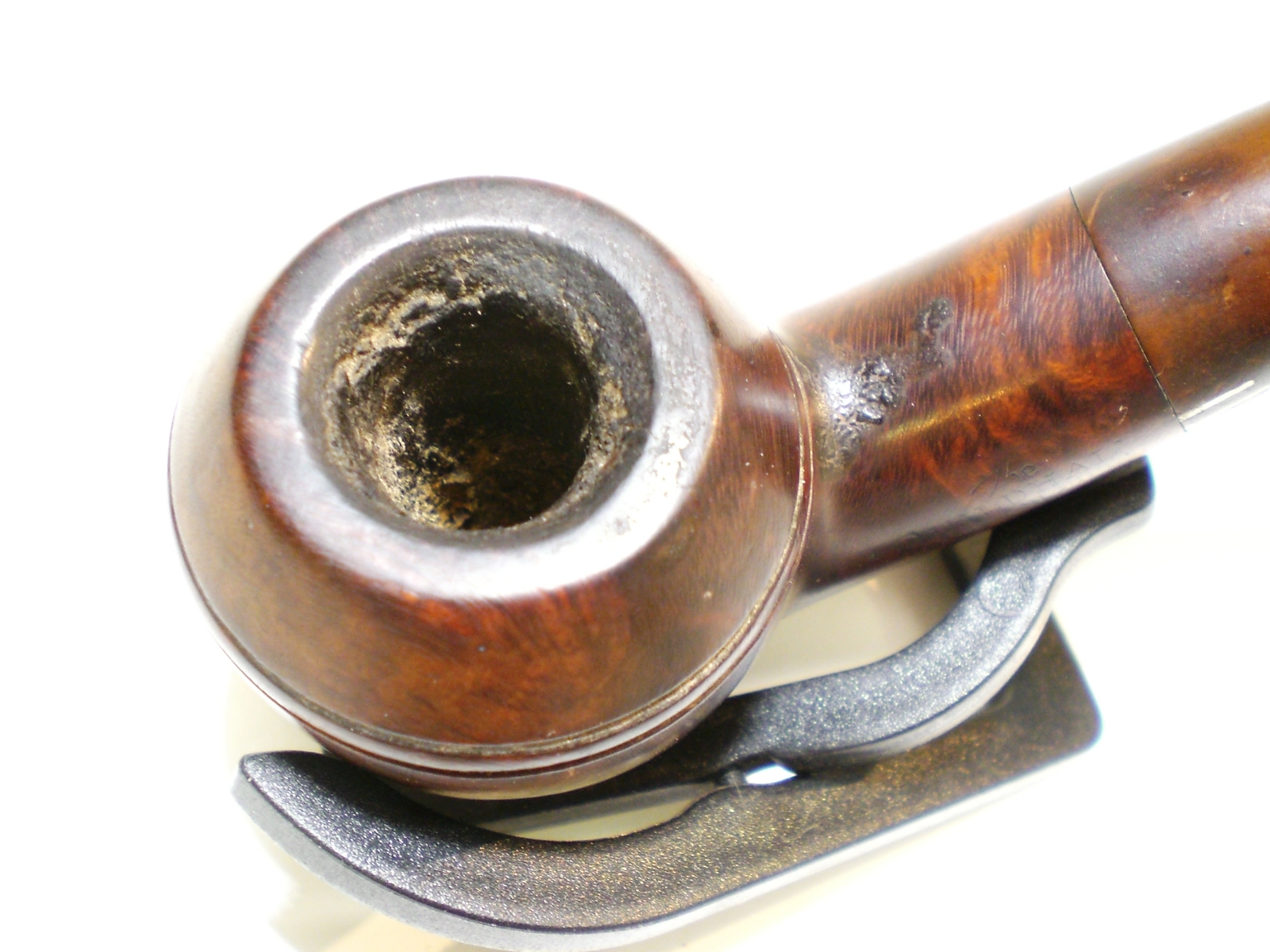
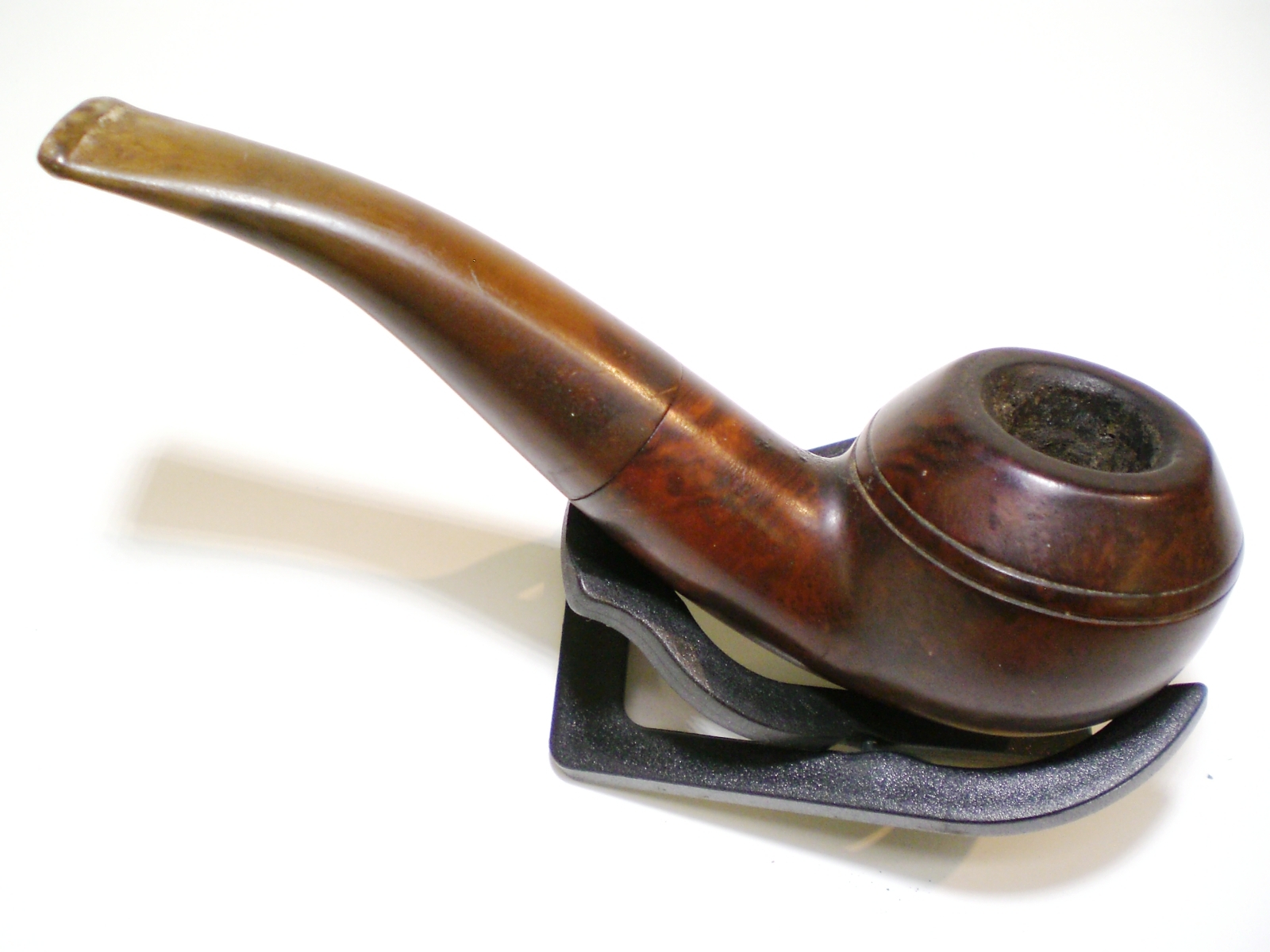
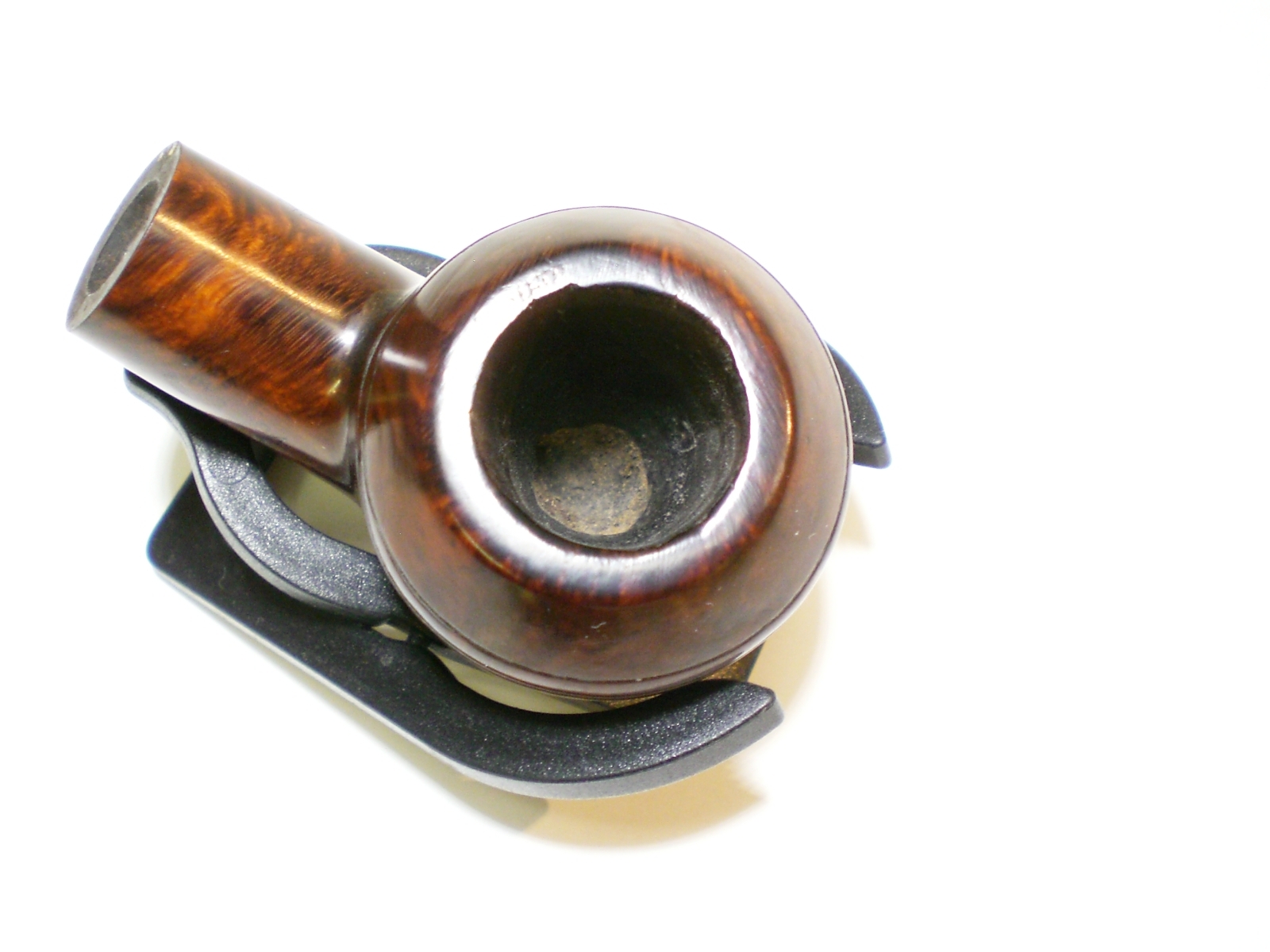
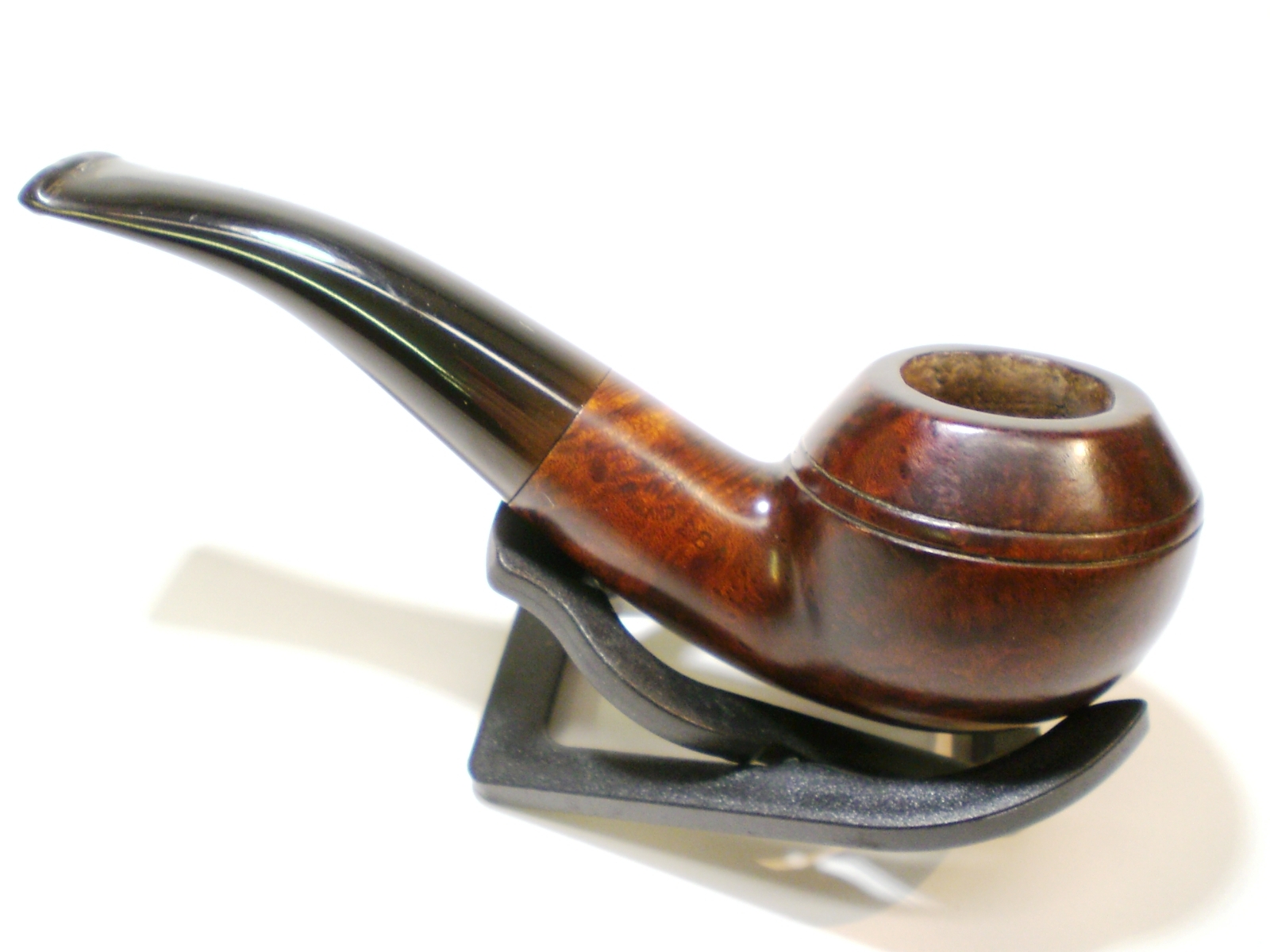
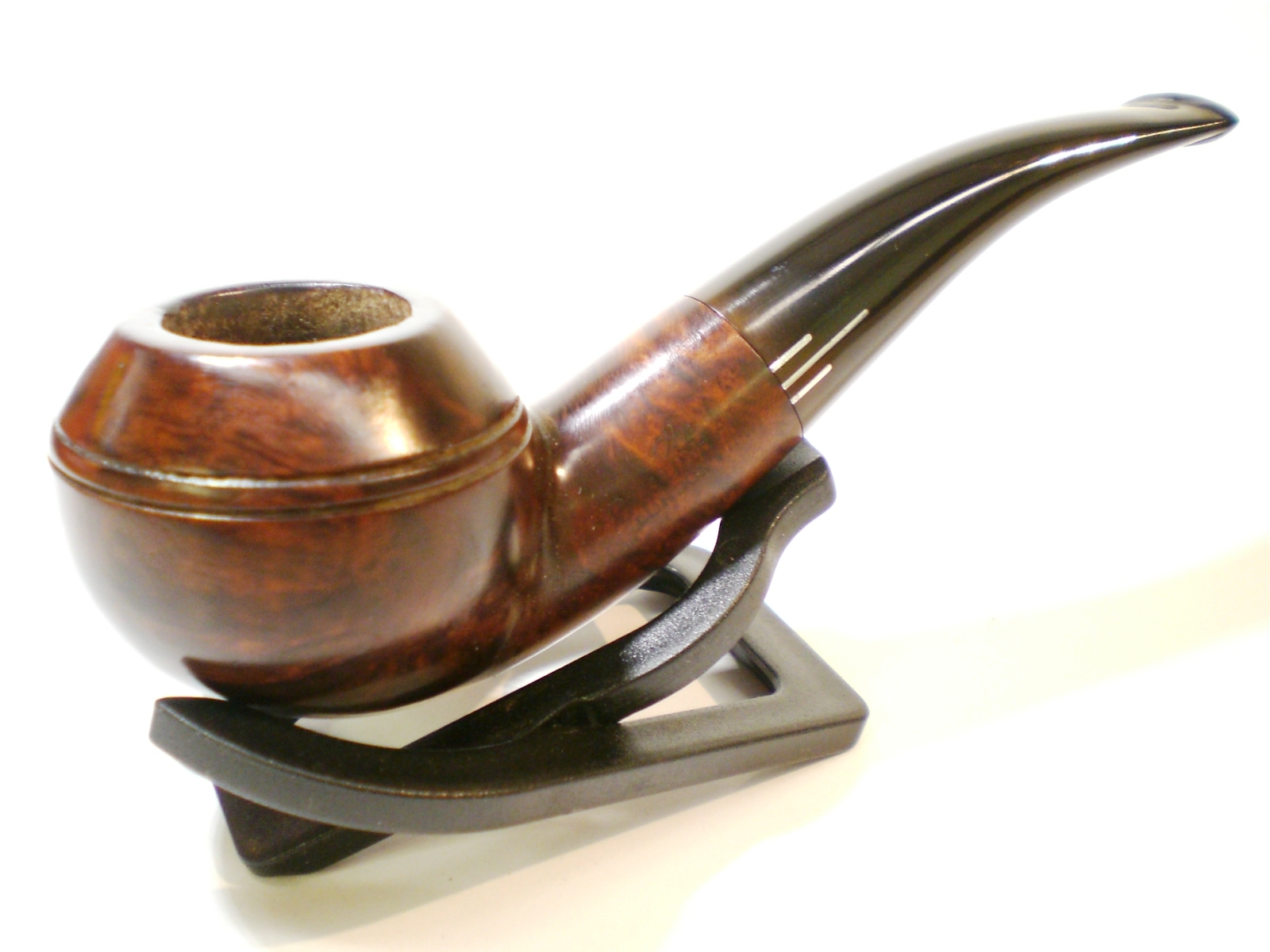
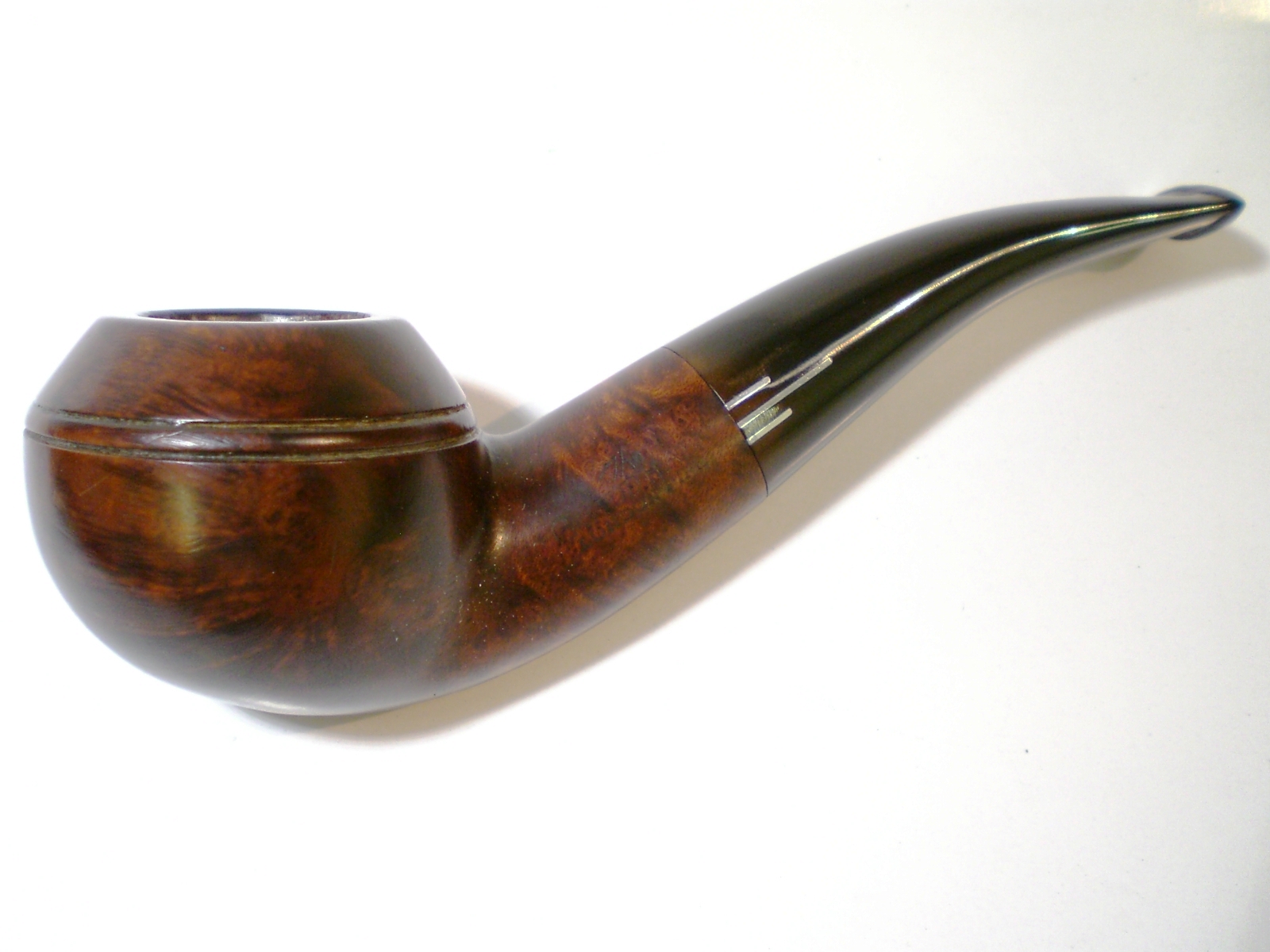
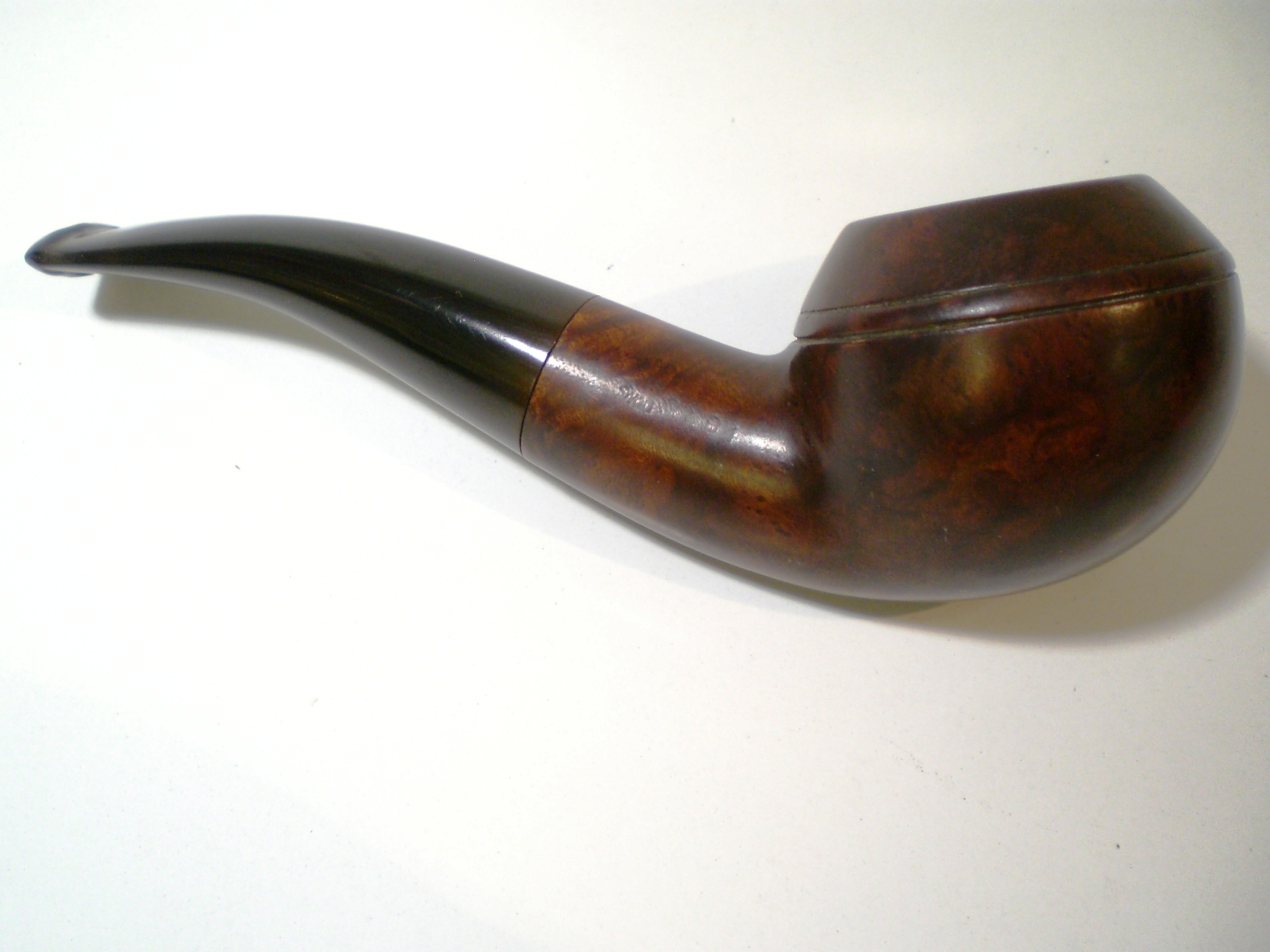
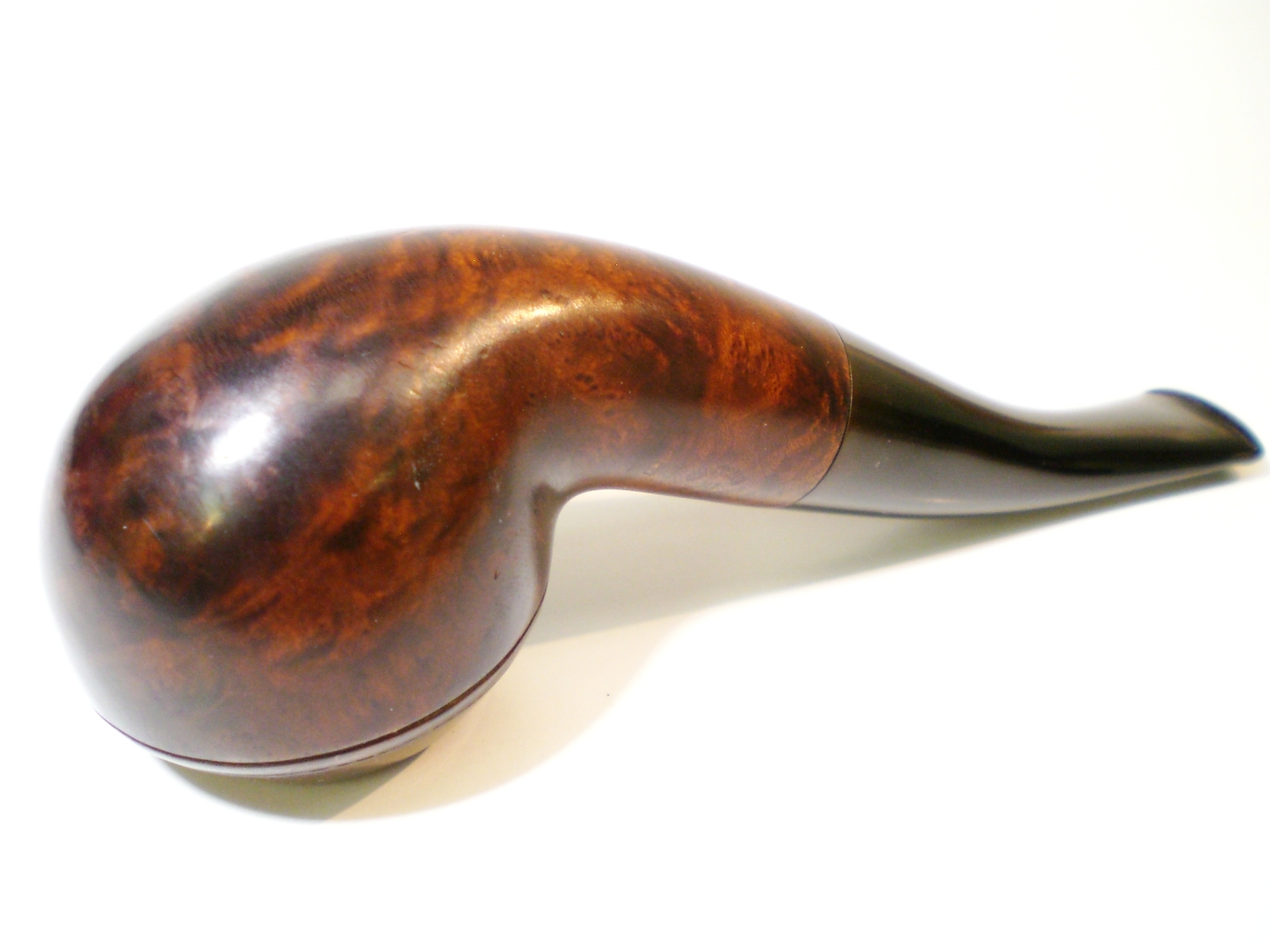
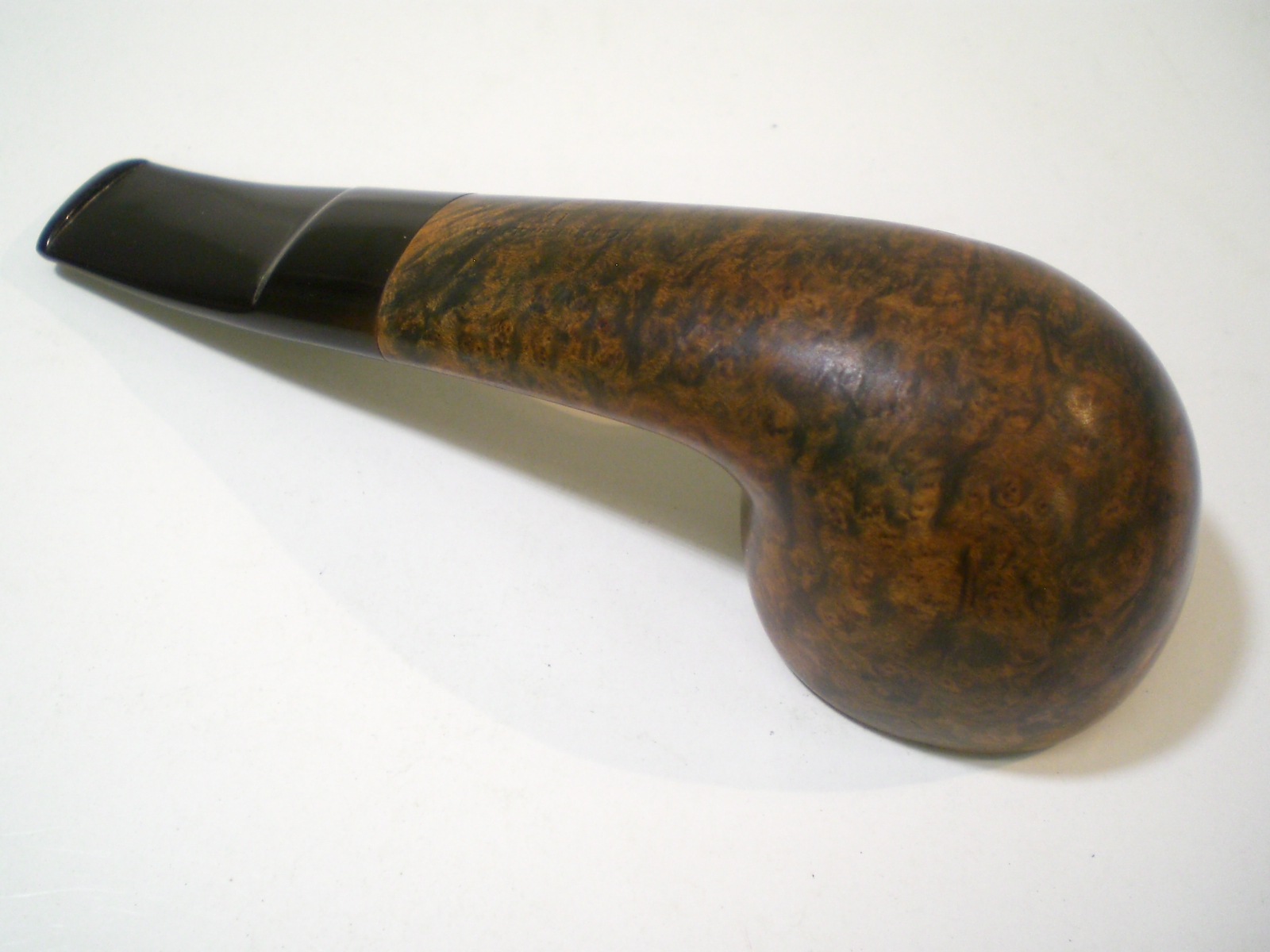
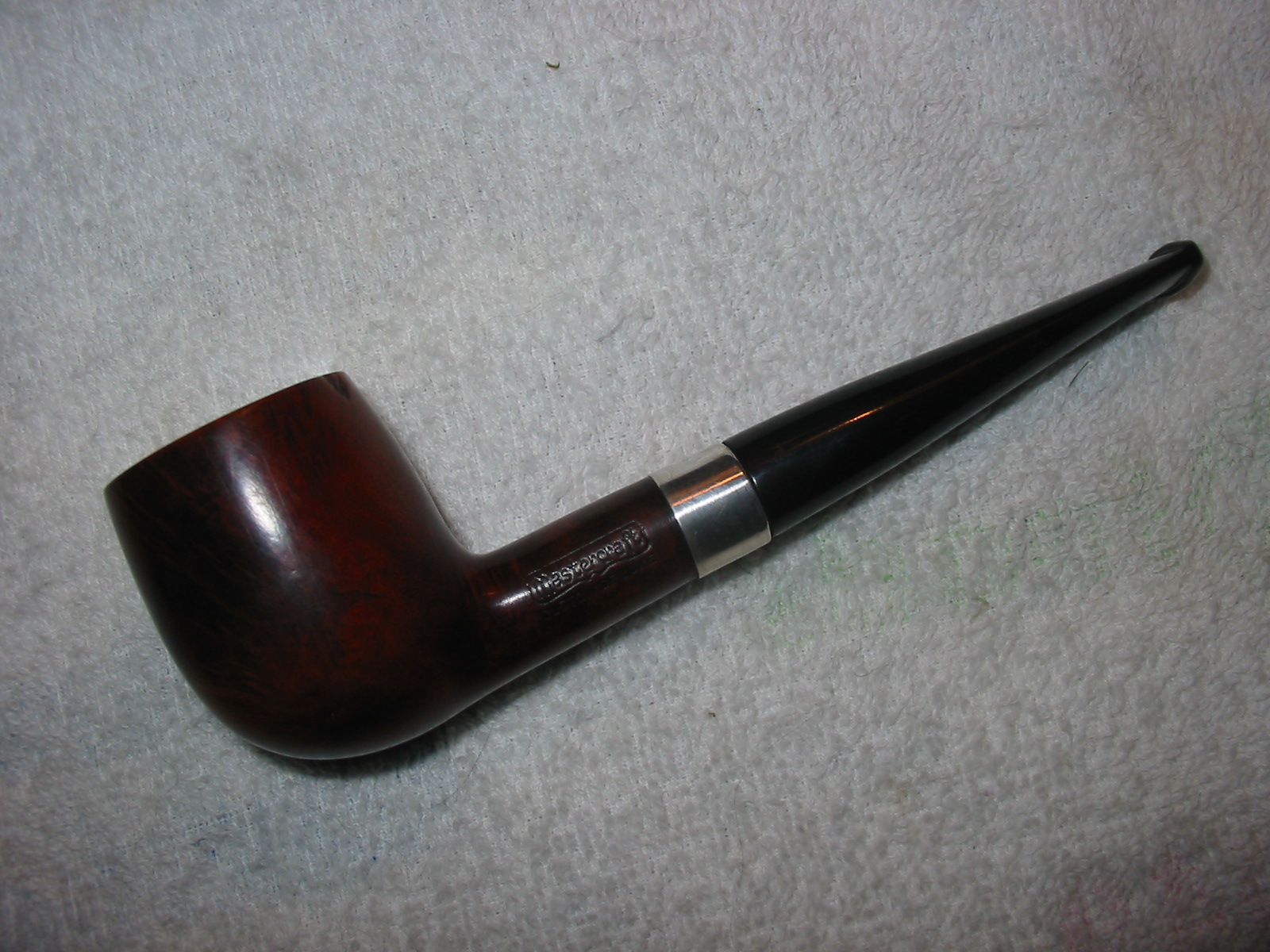
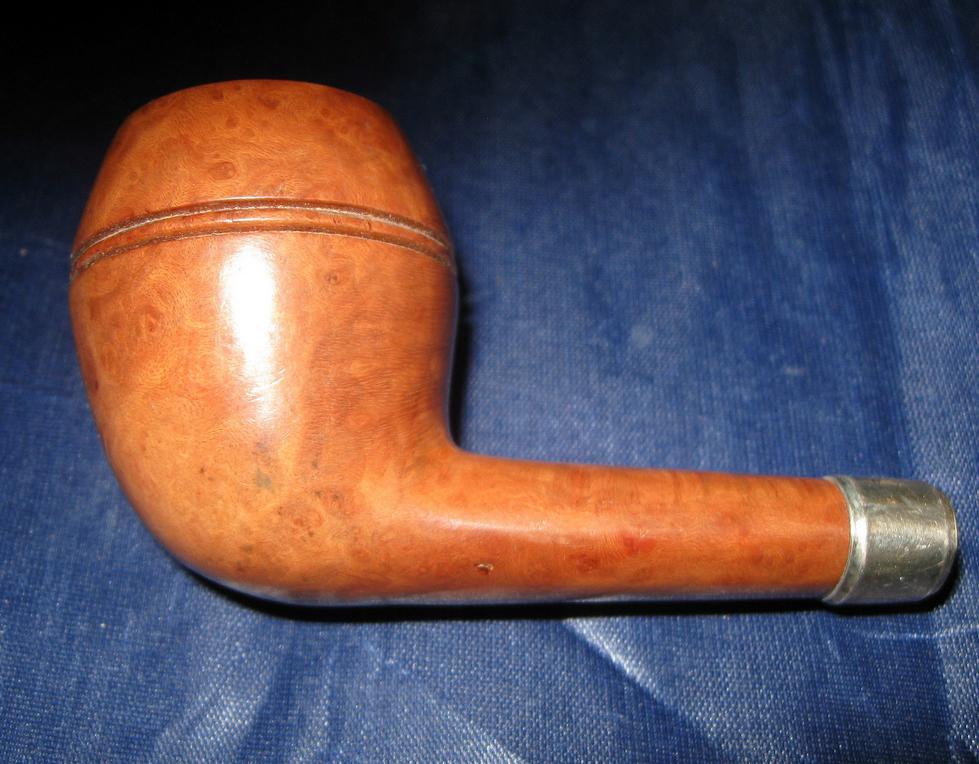
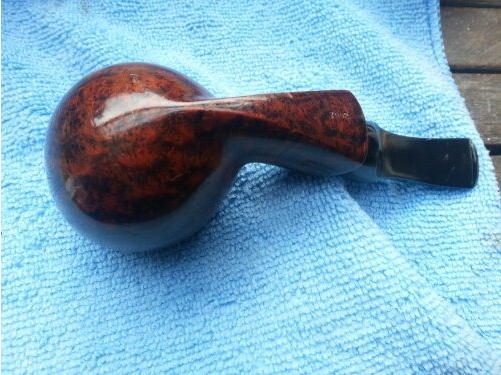
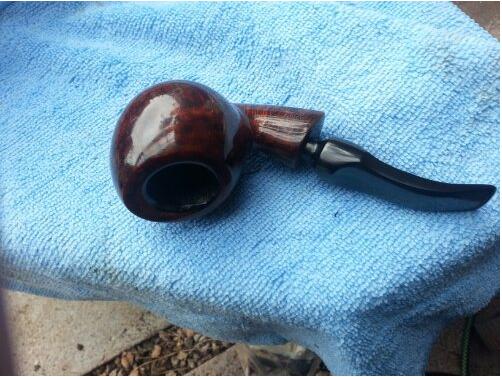
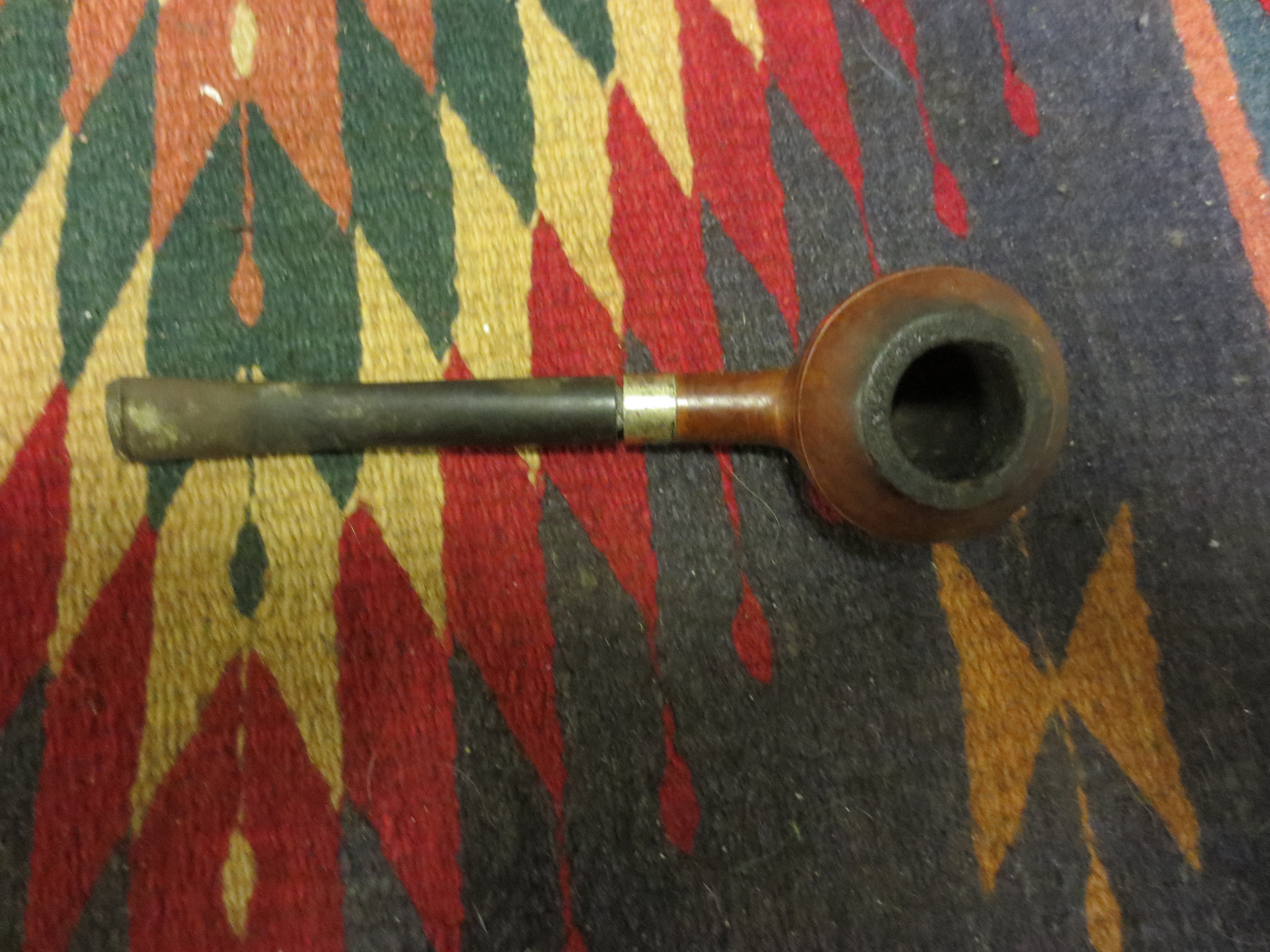
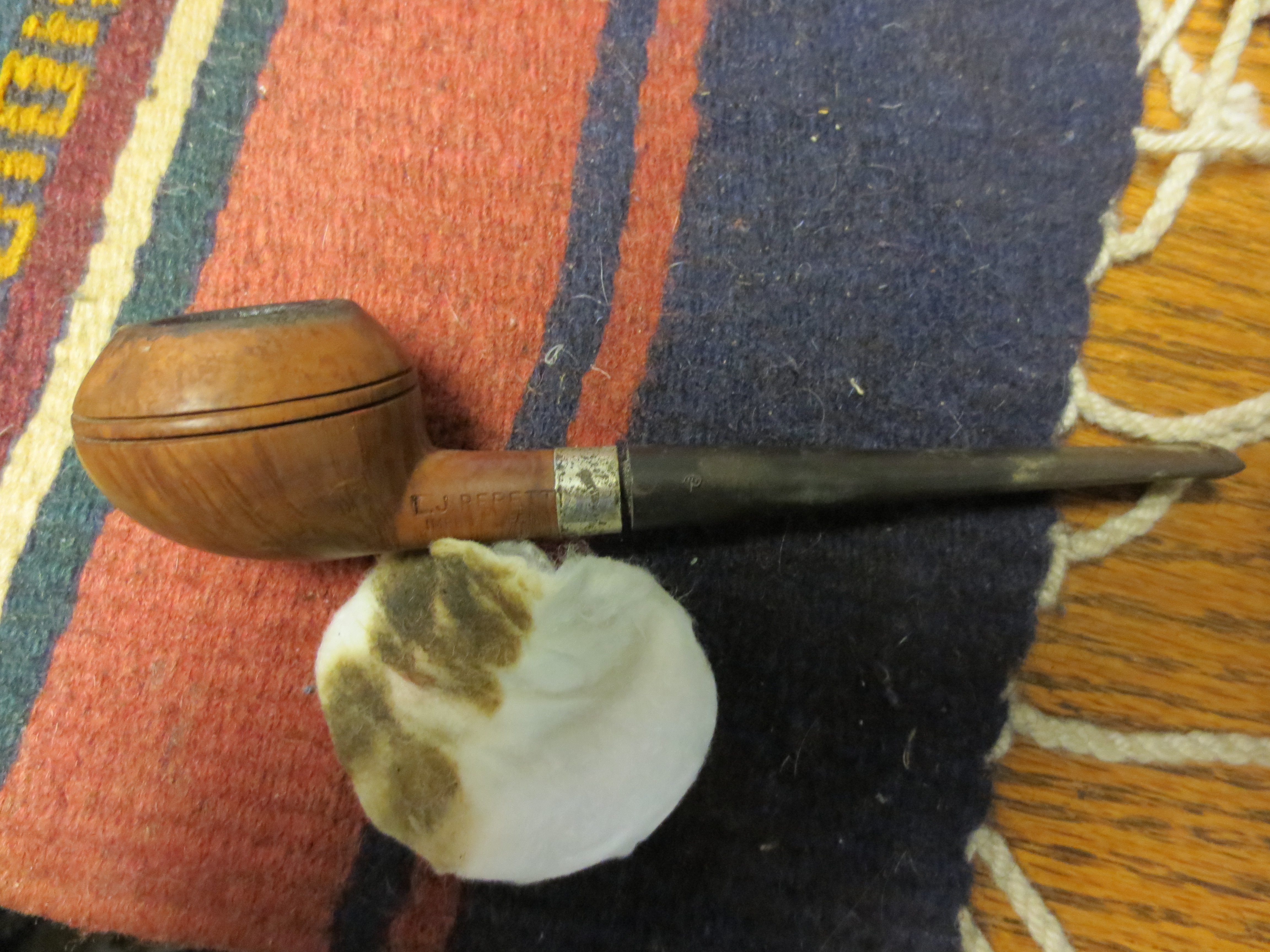
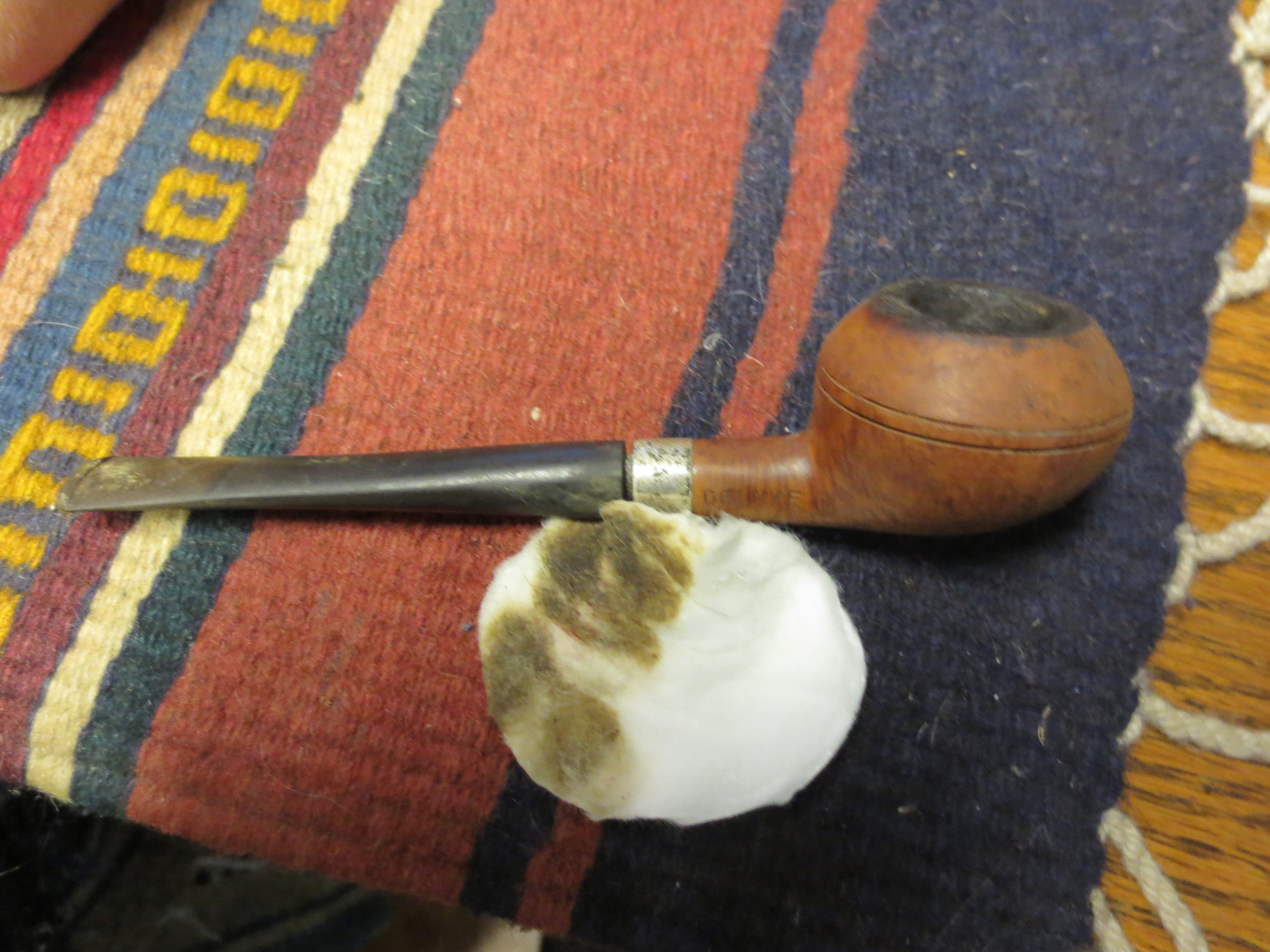
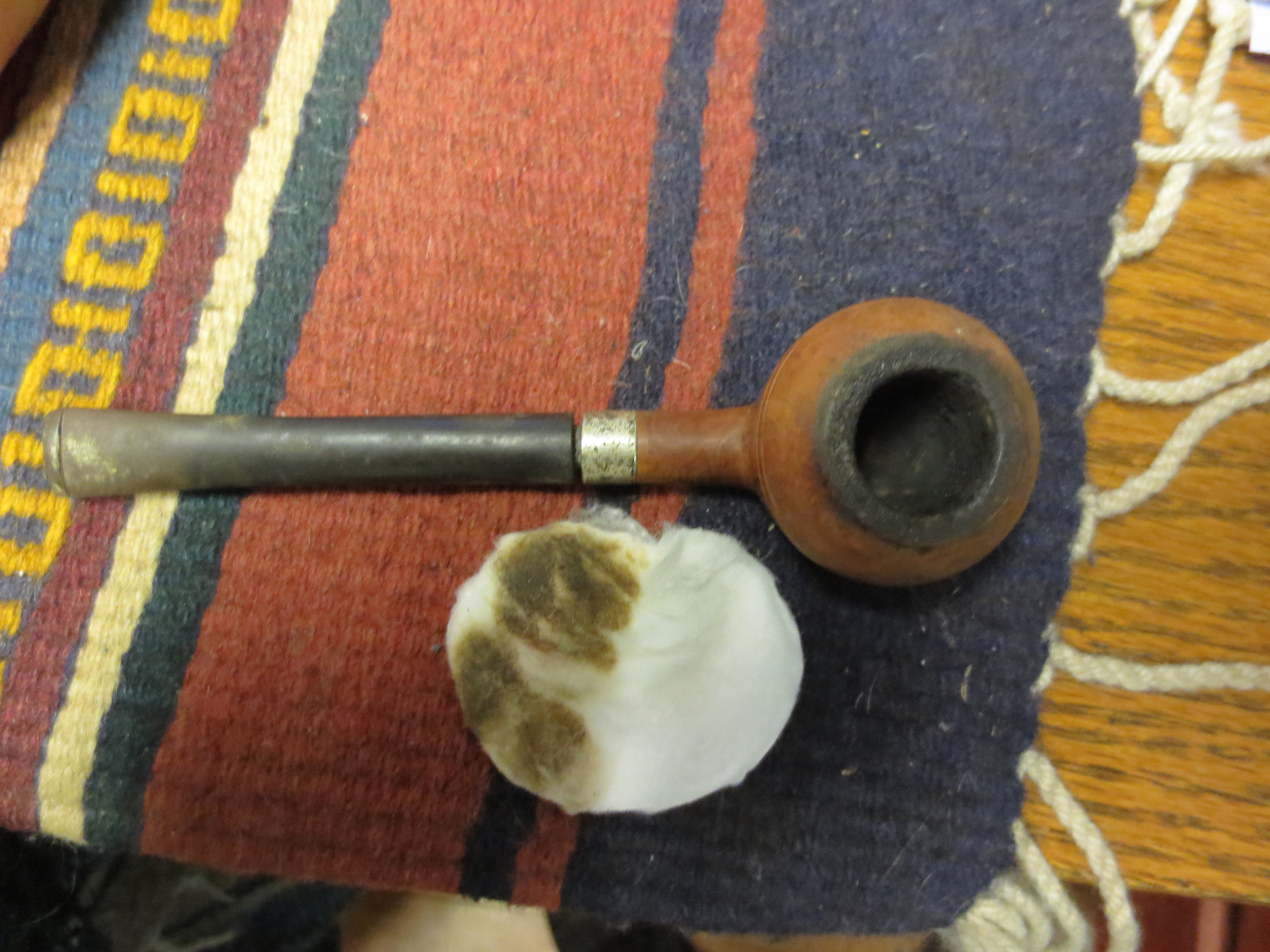
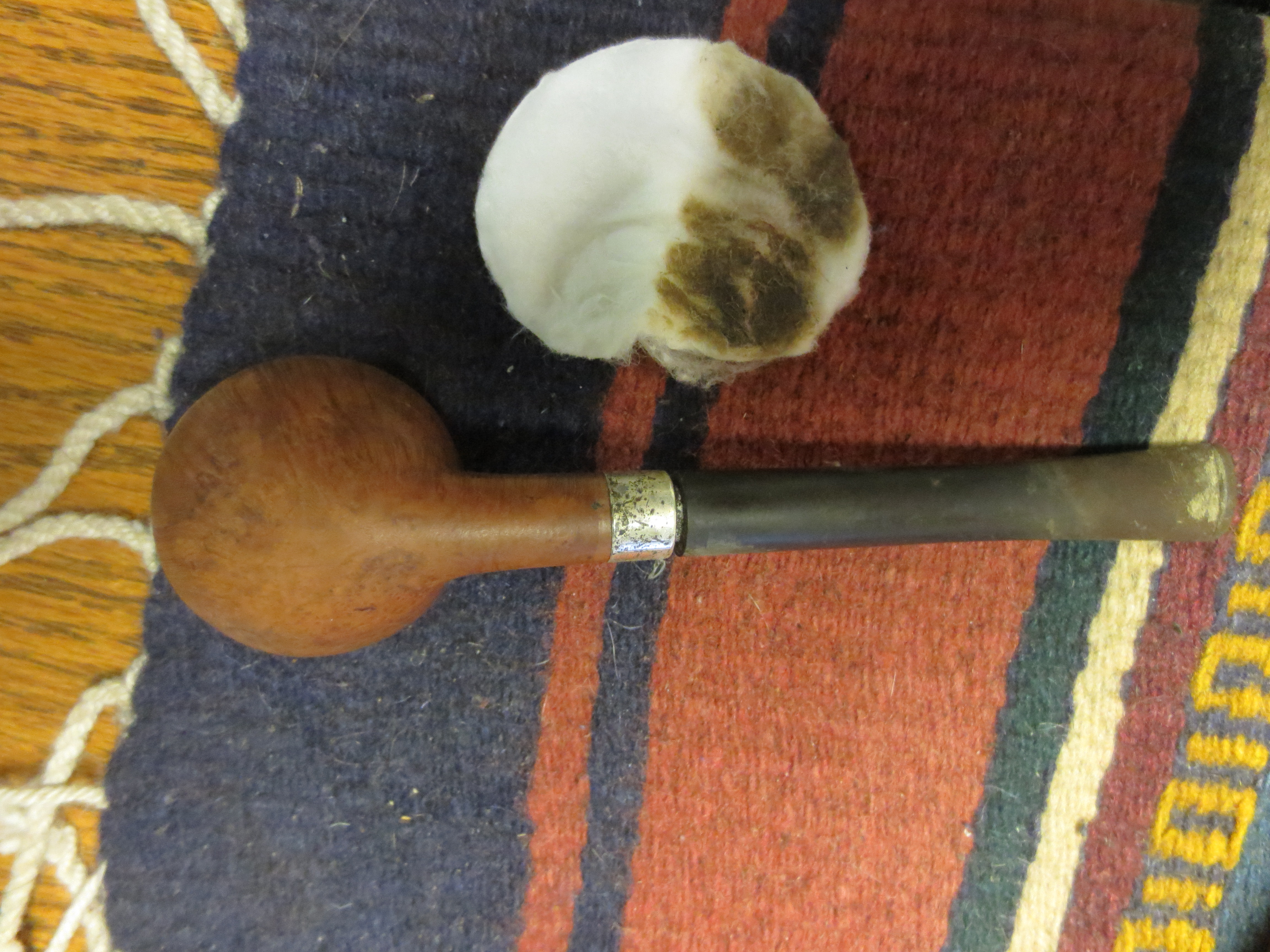
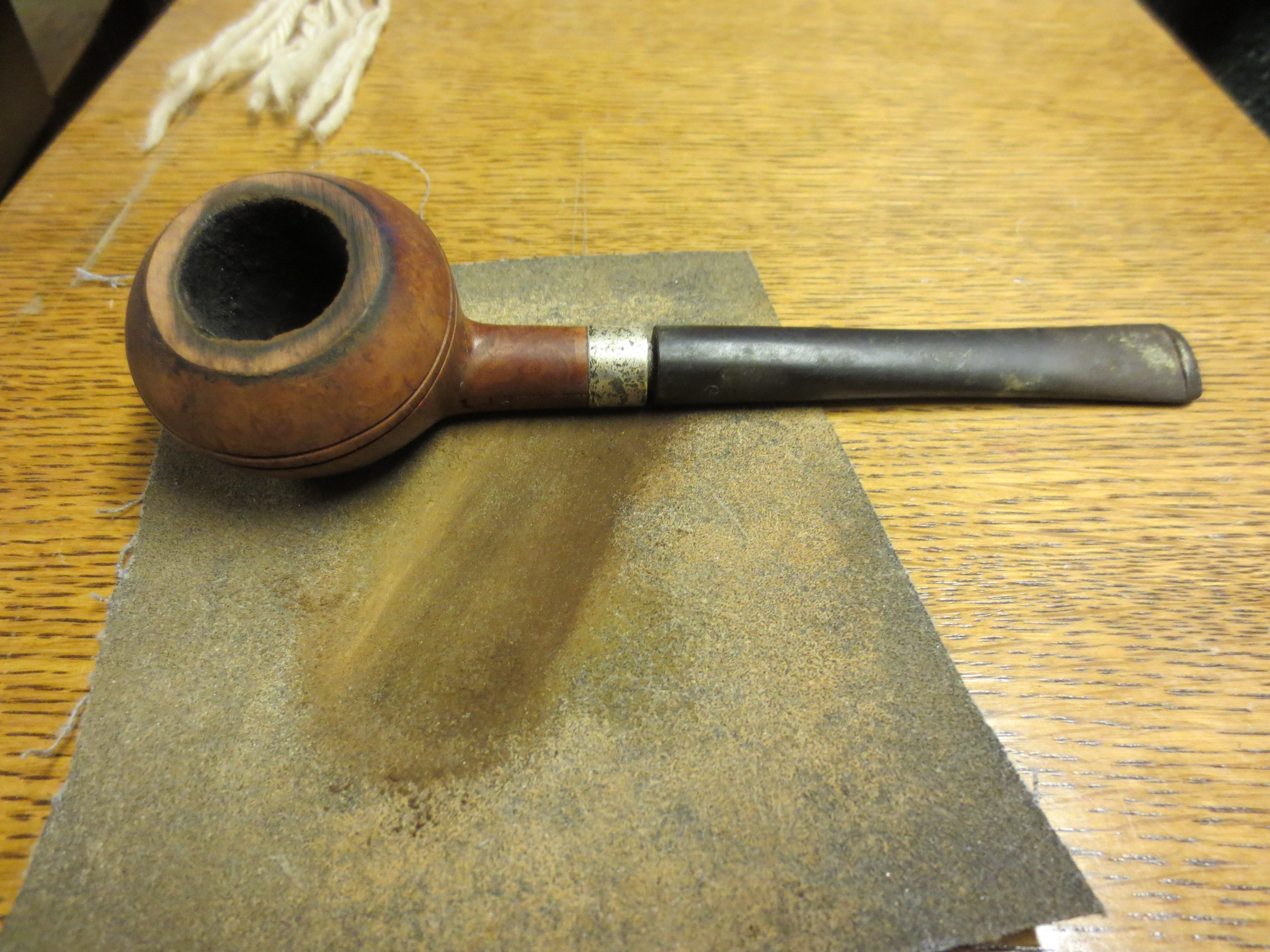
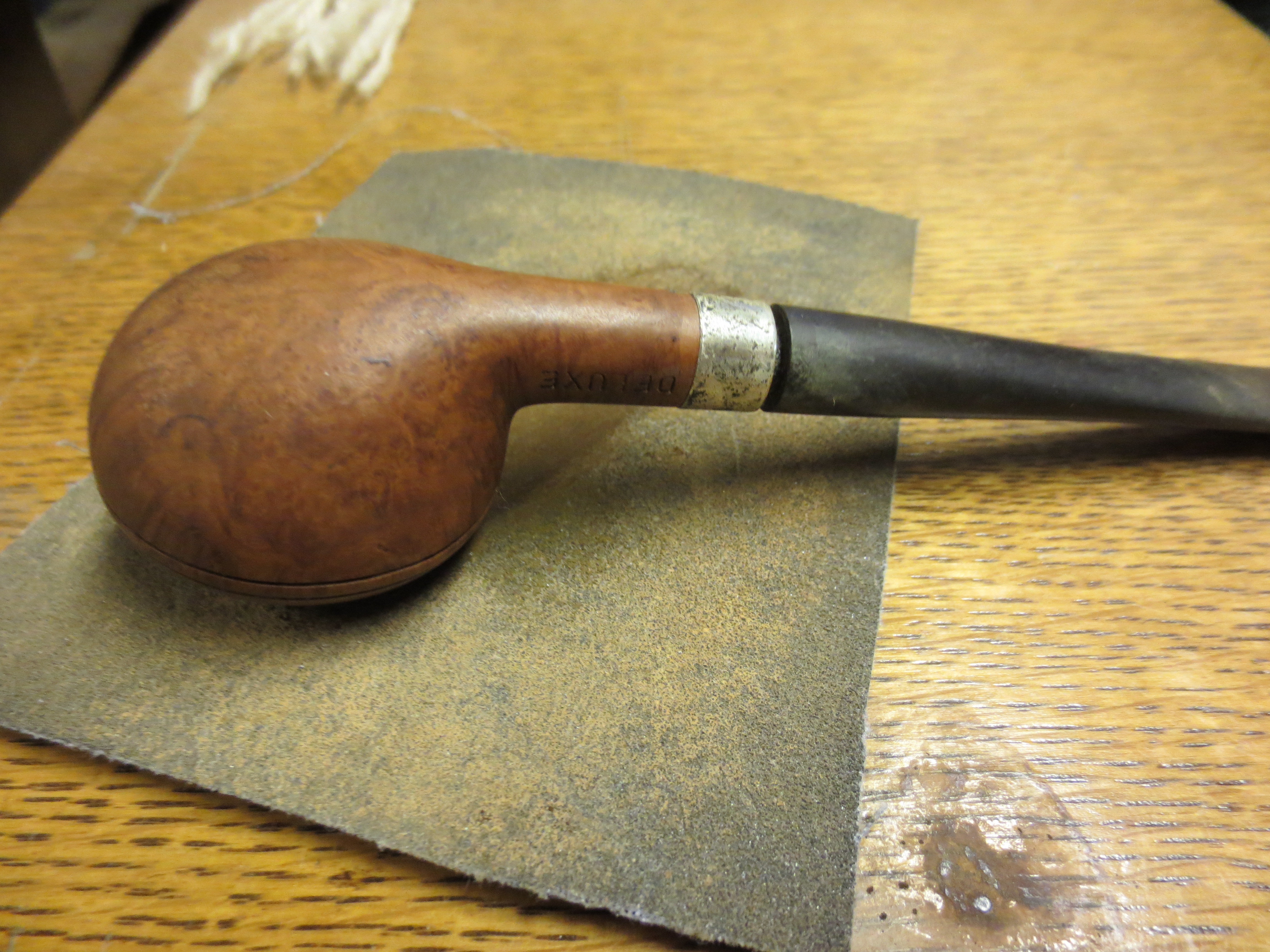
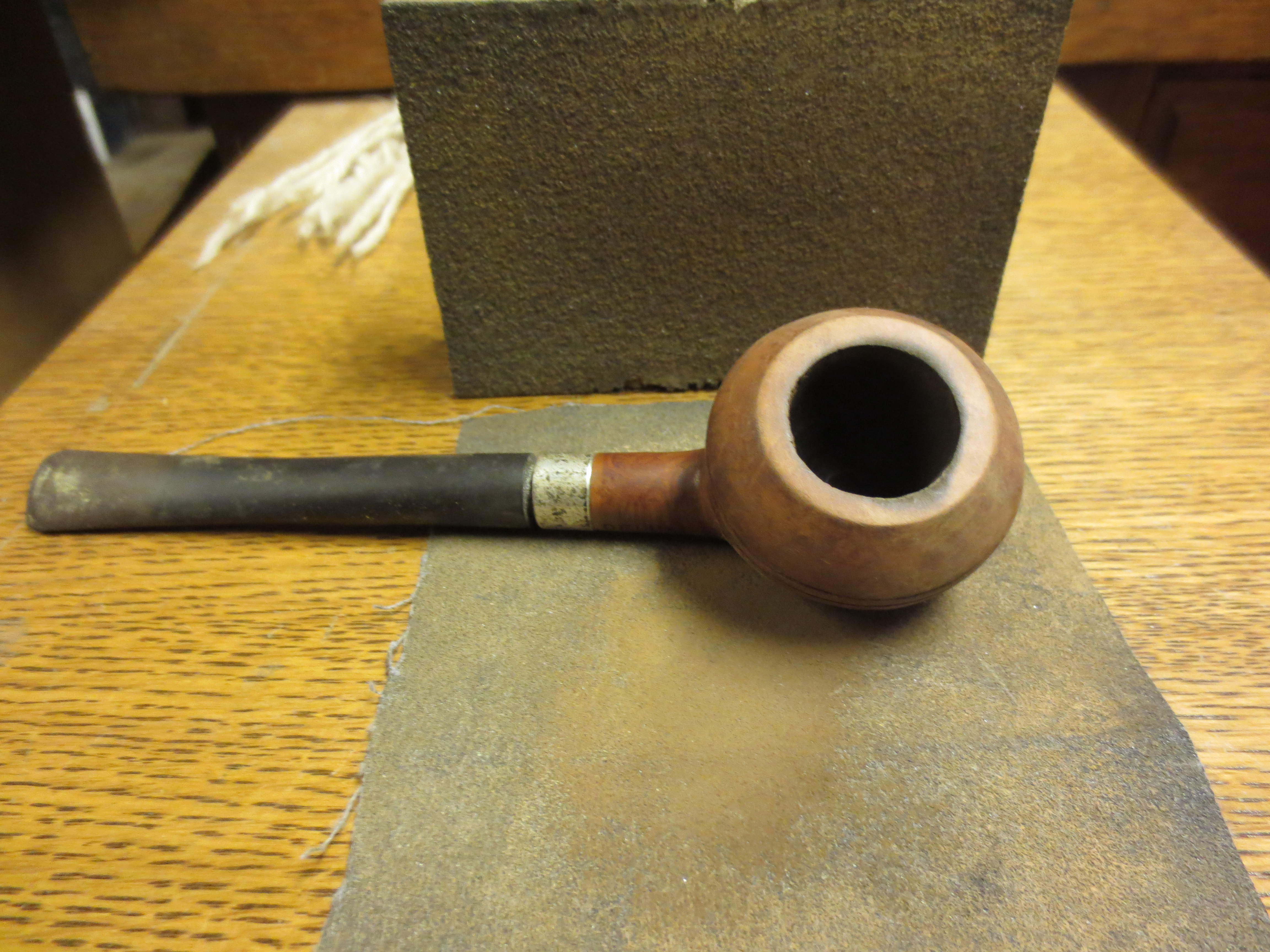
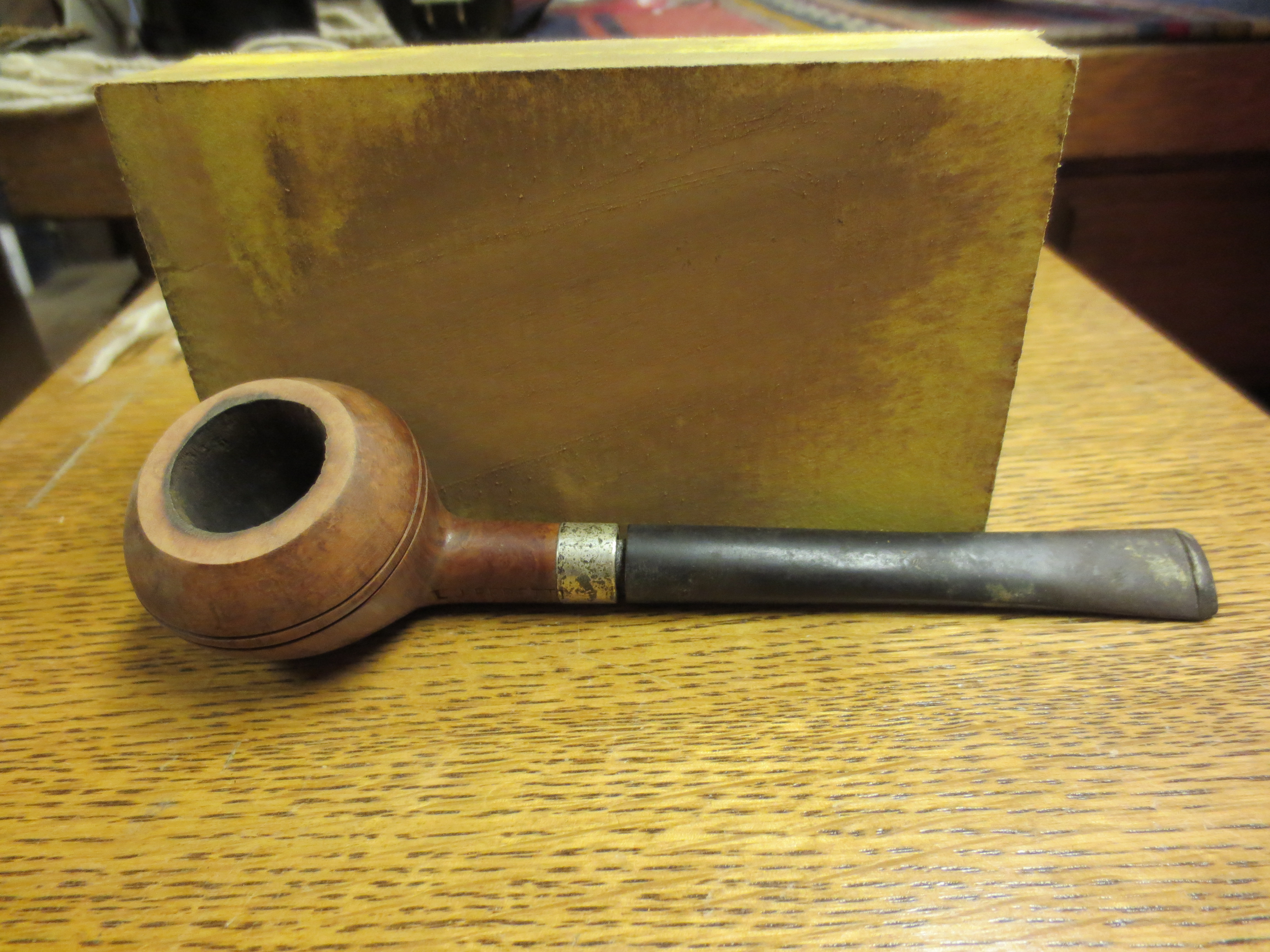
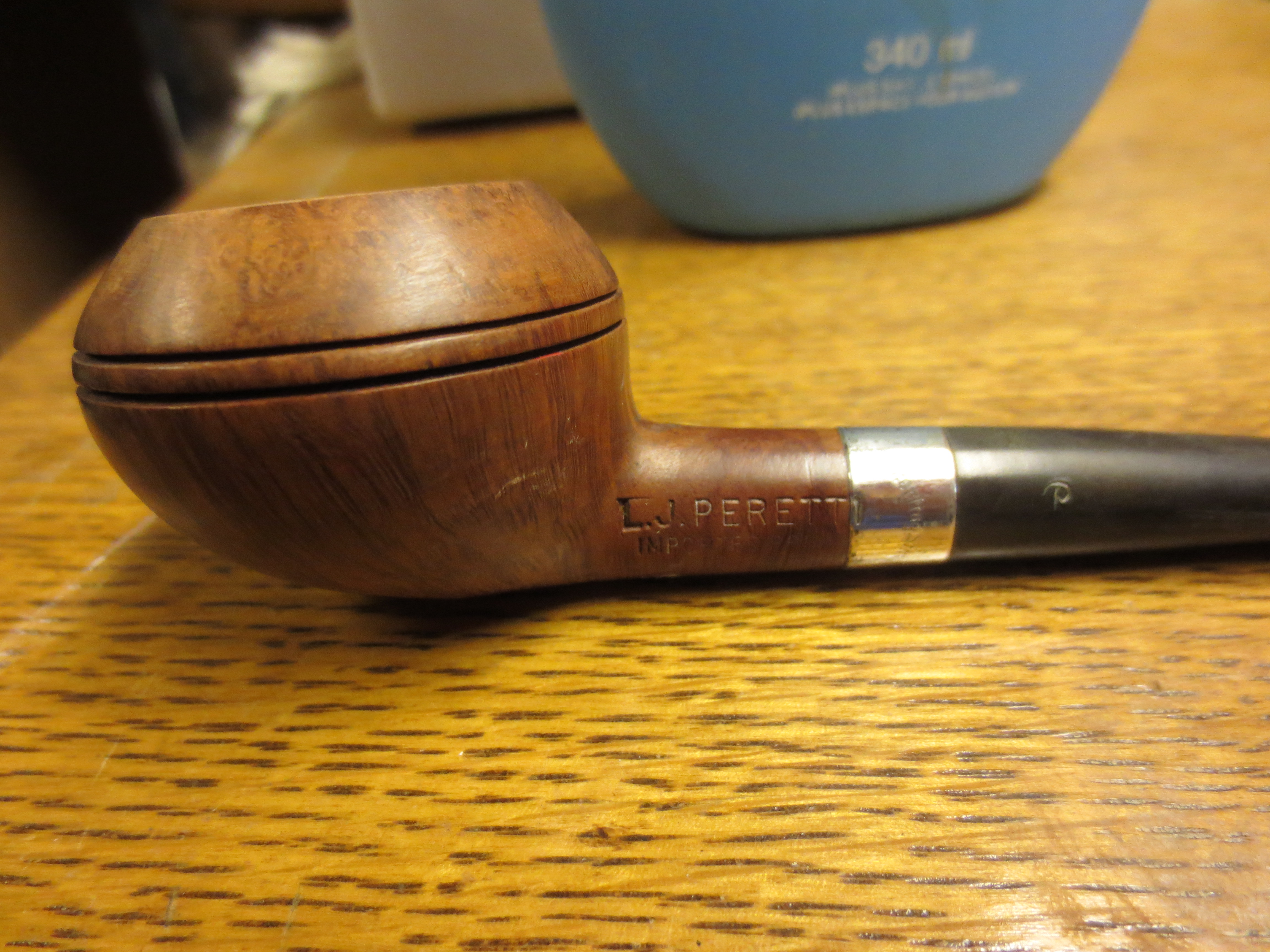
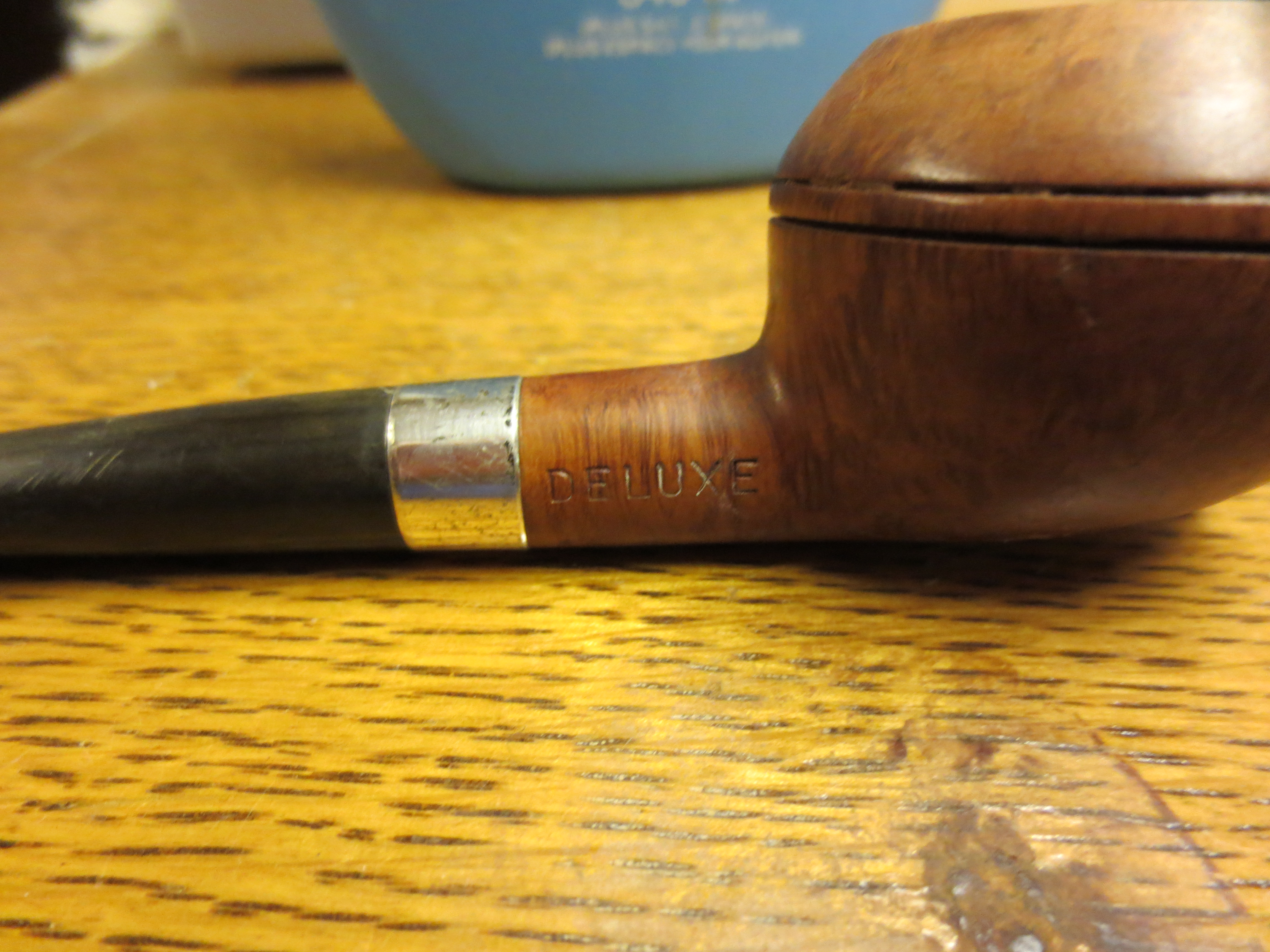
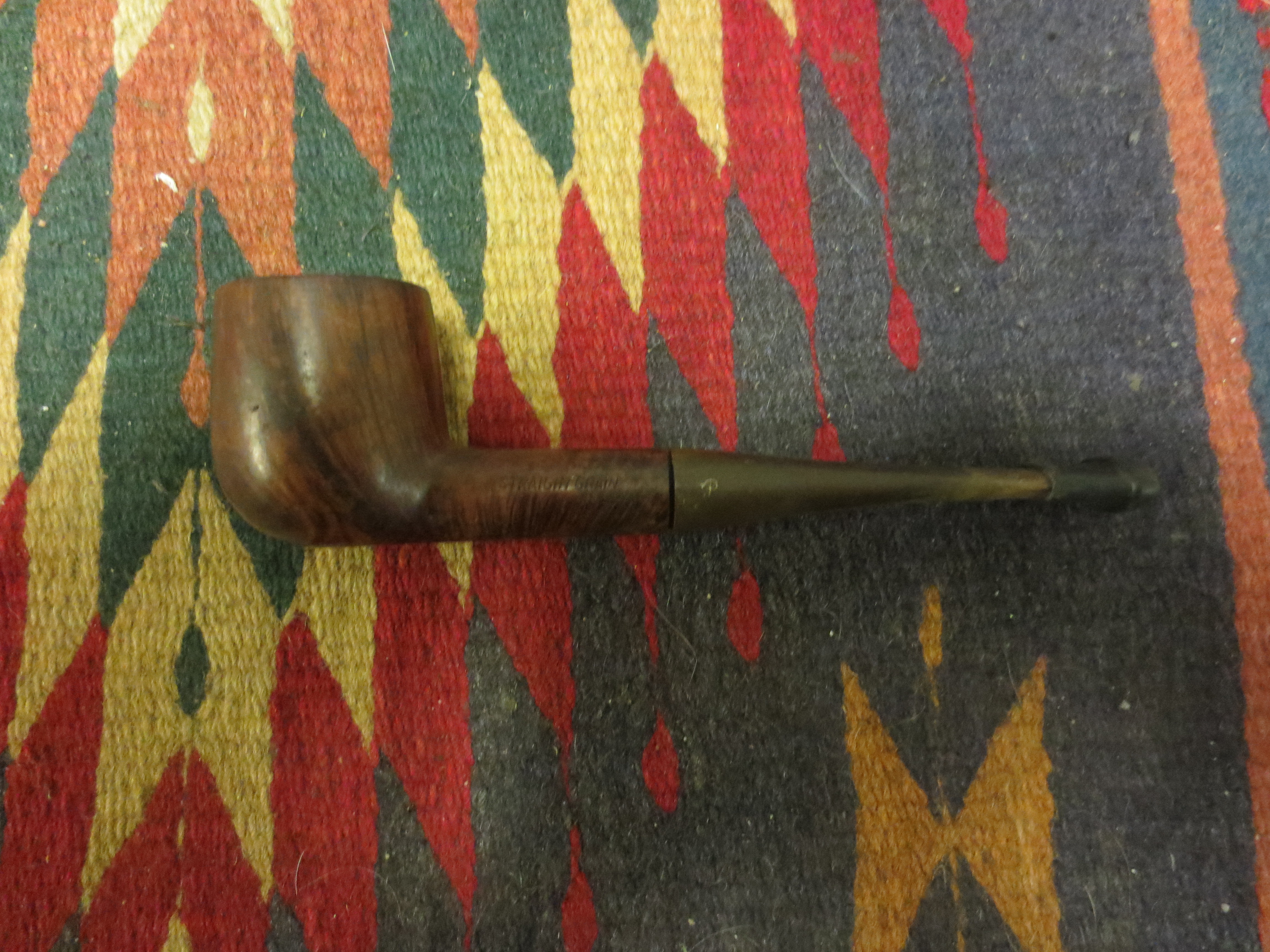
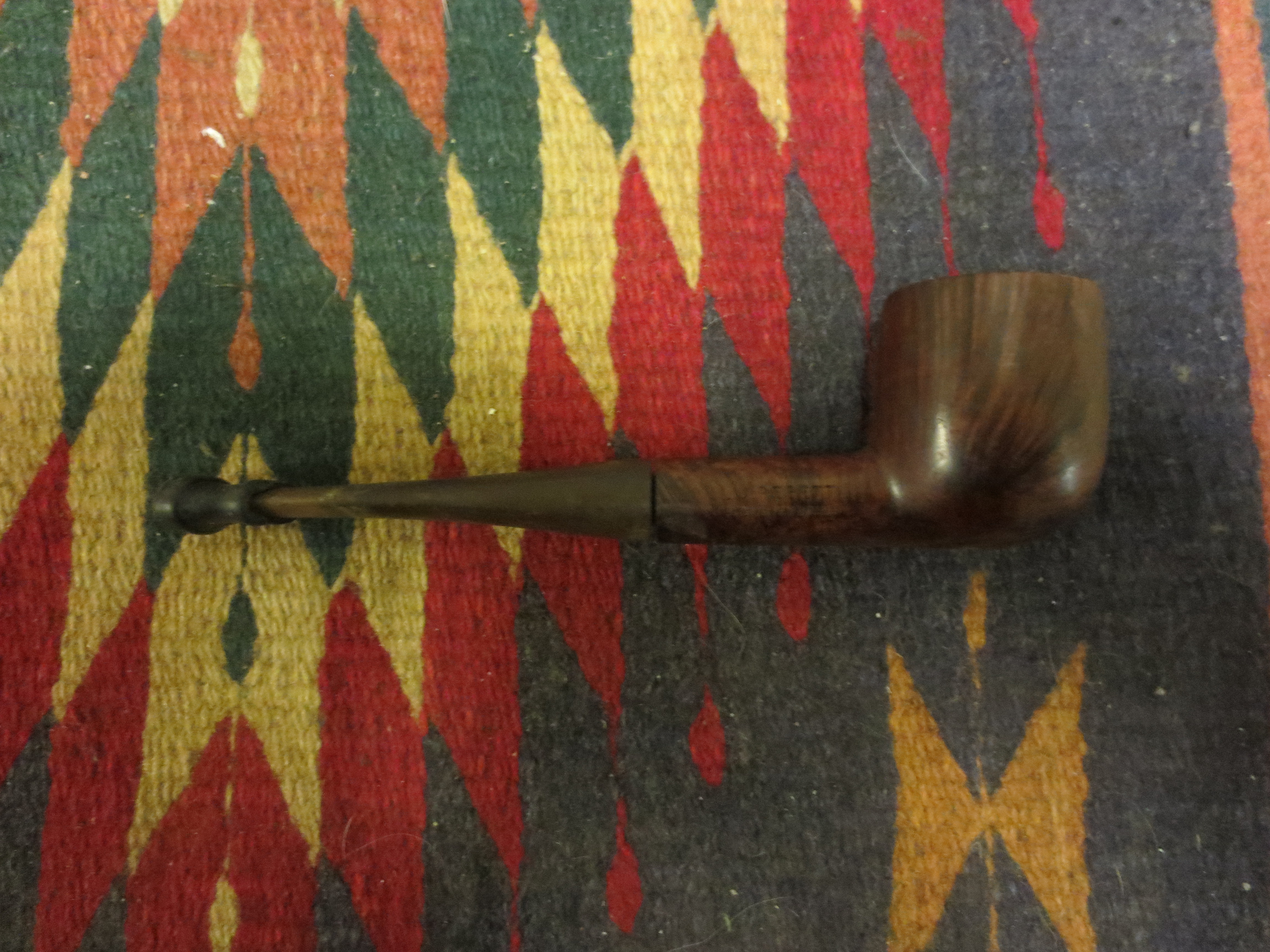
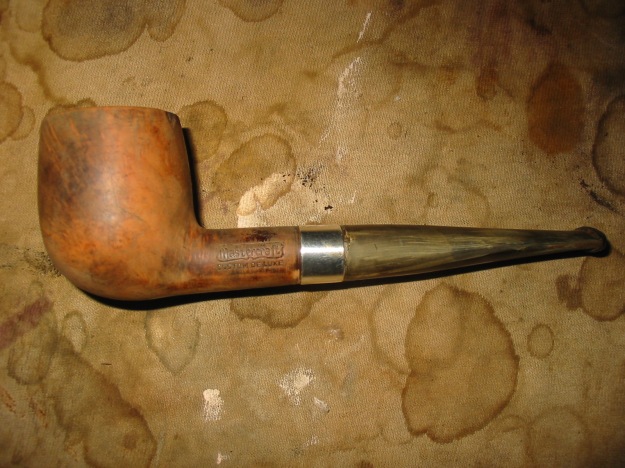
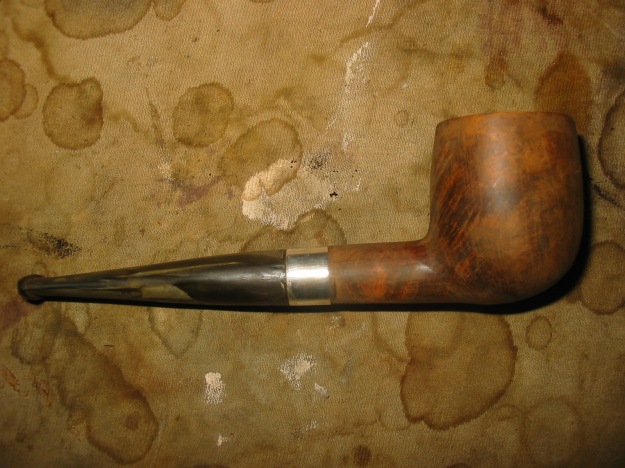
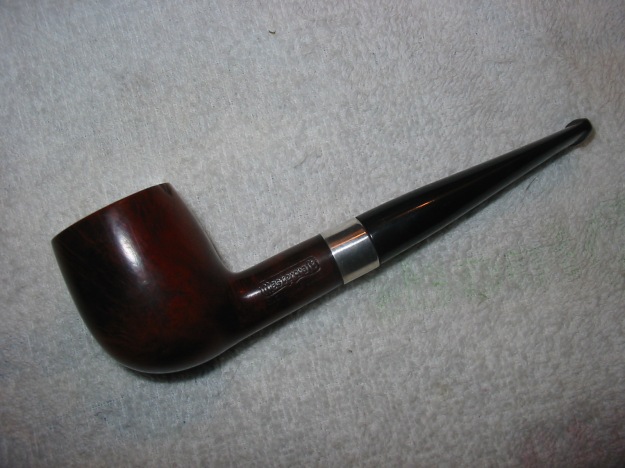
I am an admirer of the Rhodesian shape and the Comoy’s Shape 284, a compact Rhodesian, is one of my favorites. Unfortunately that shape doesn’t show up that often and when it does there is strong competition. I found this “The Guidall” shape 284 on Ebay but it was not in great shape, so I took a chance on it. “The Guildhall London Pipe” is a Comoy’s second line with a distinctive three-metal bar stem logo.

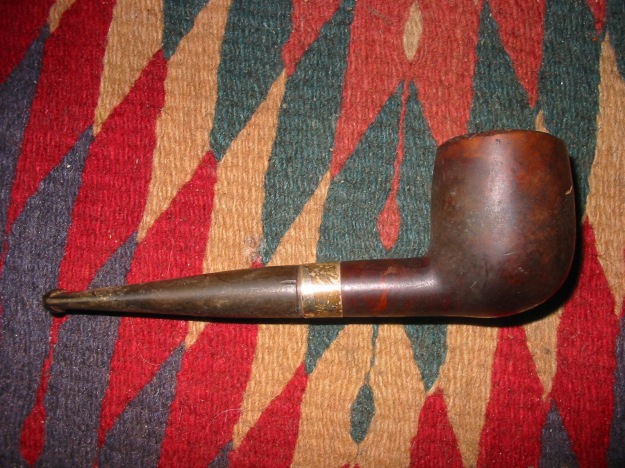
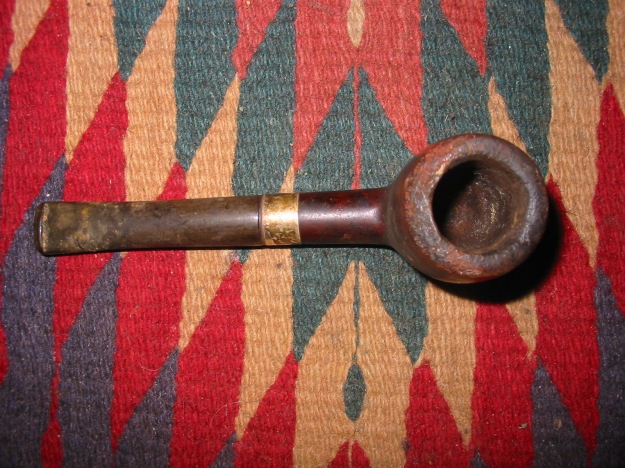
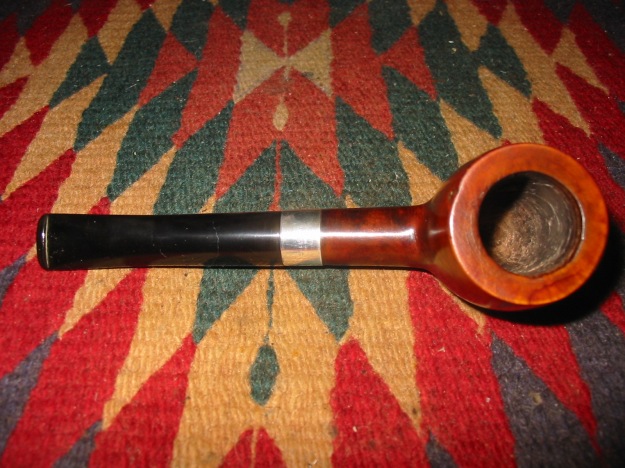
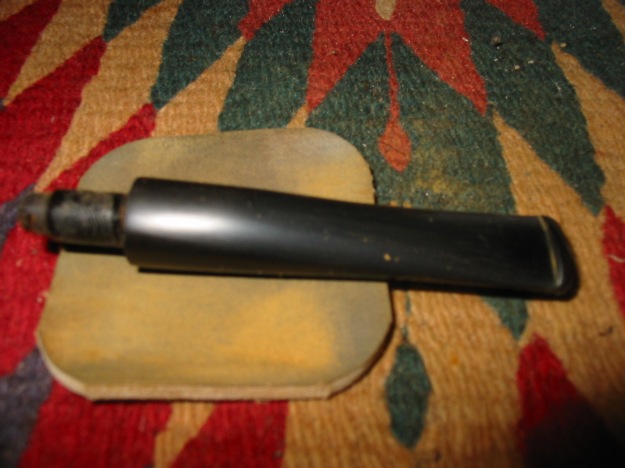
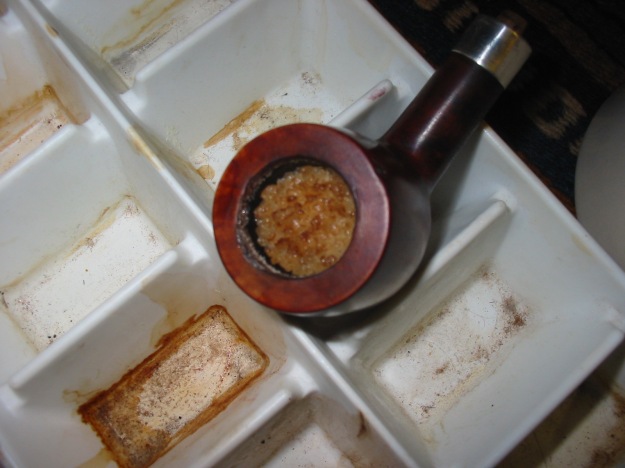
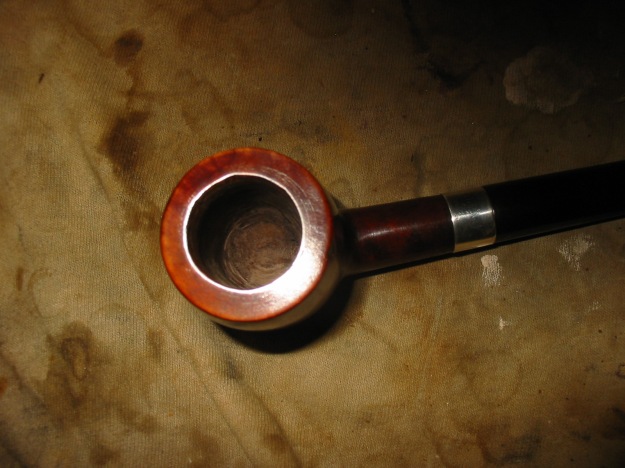
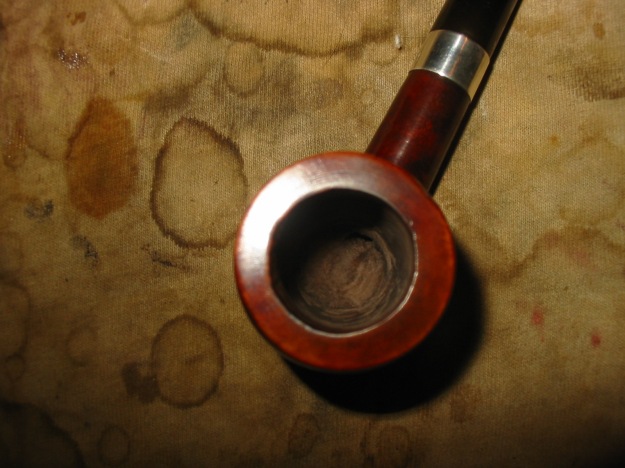
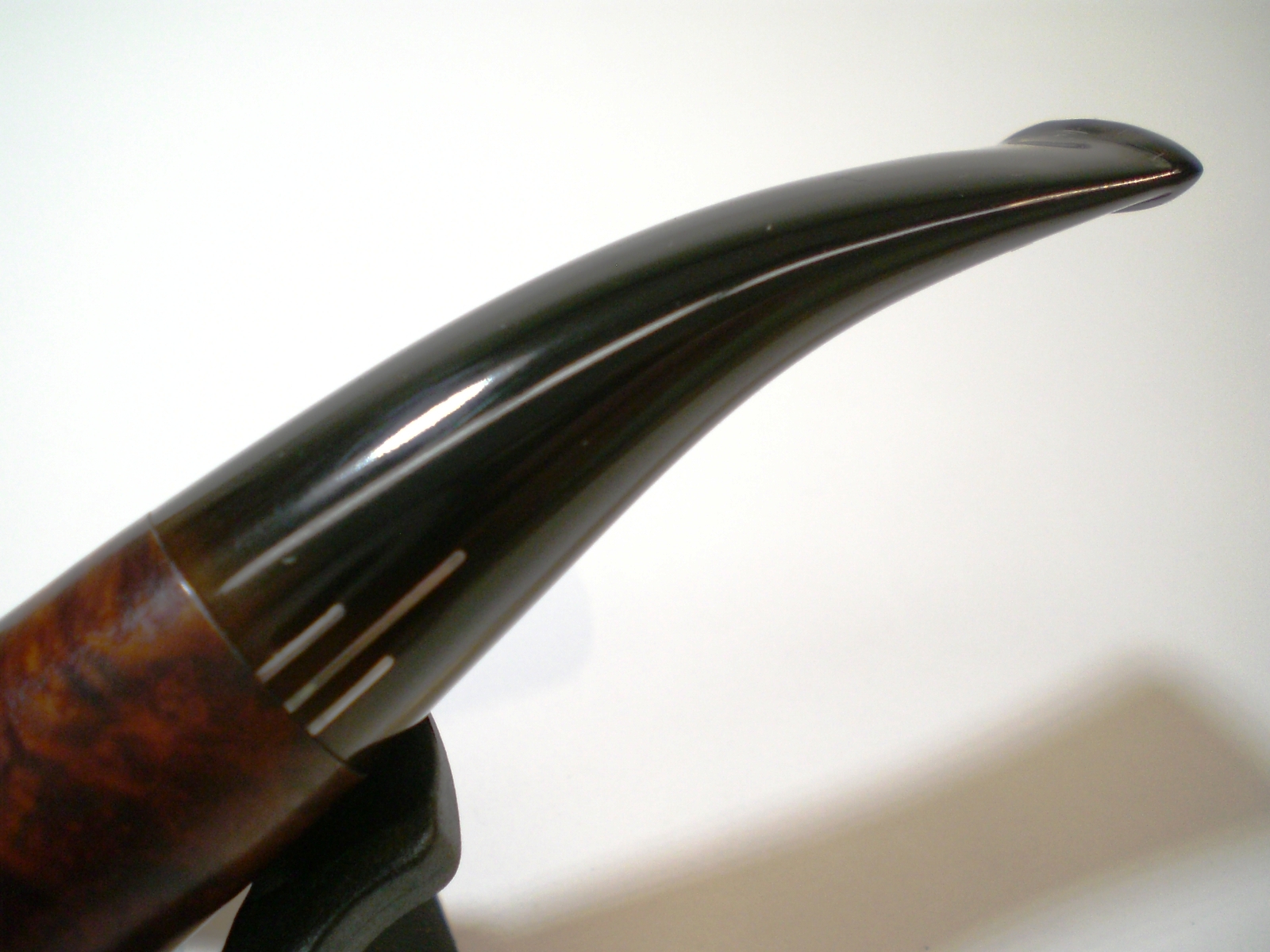
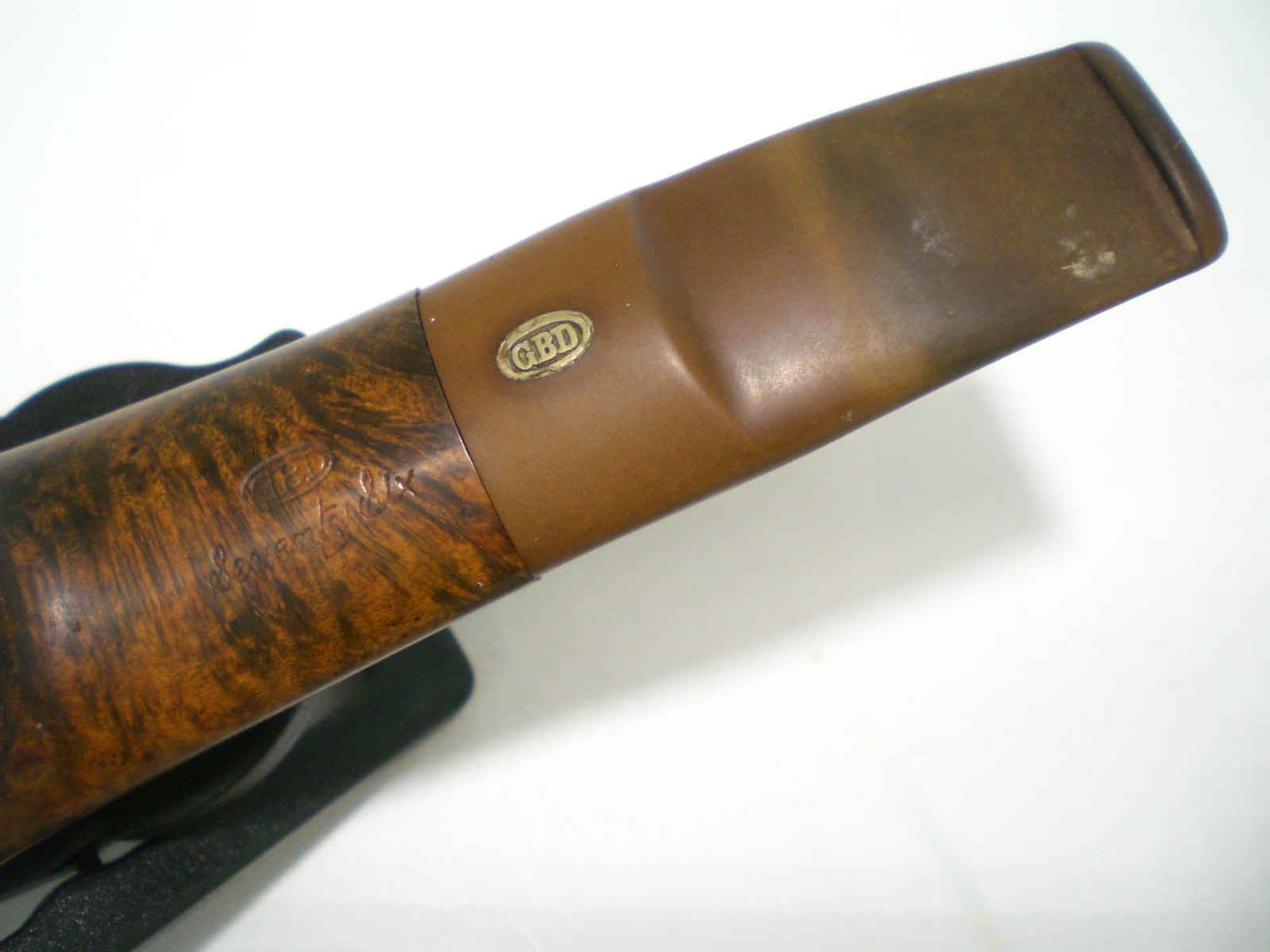
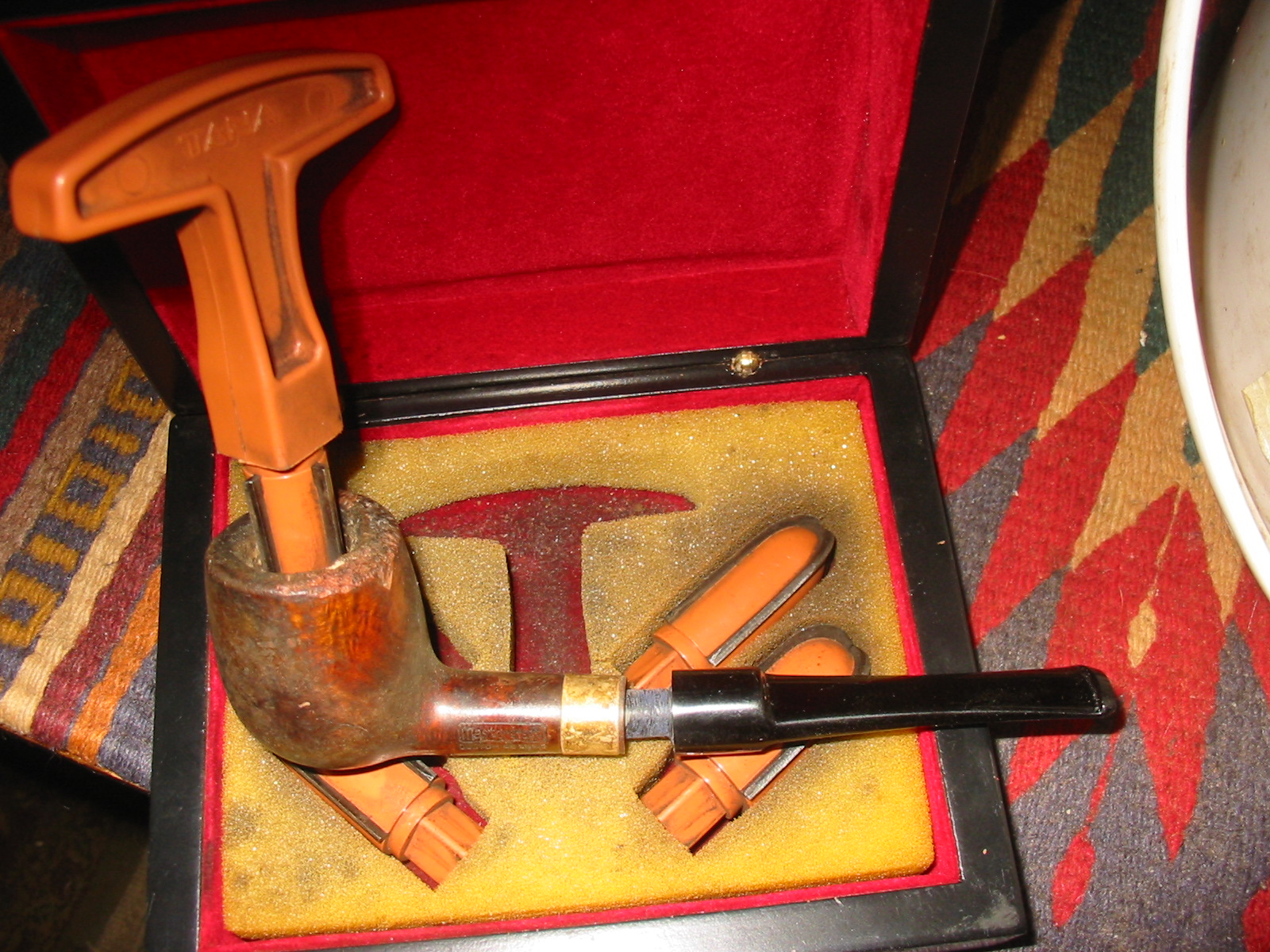
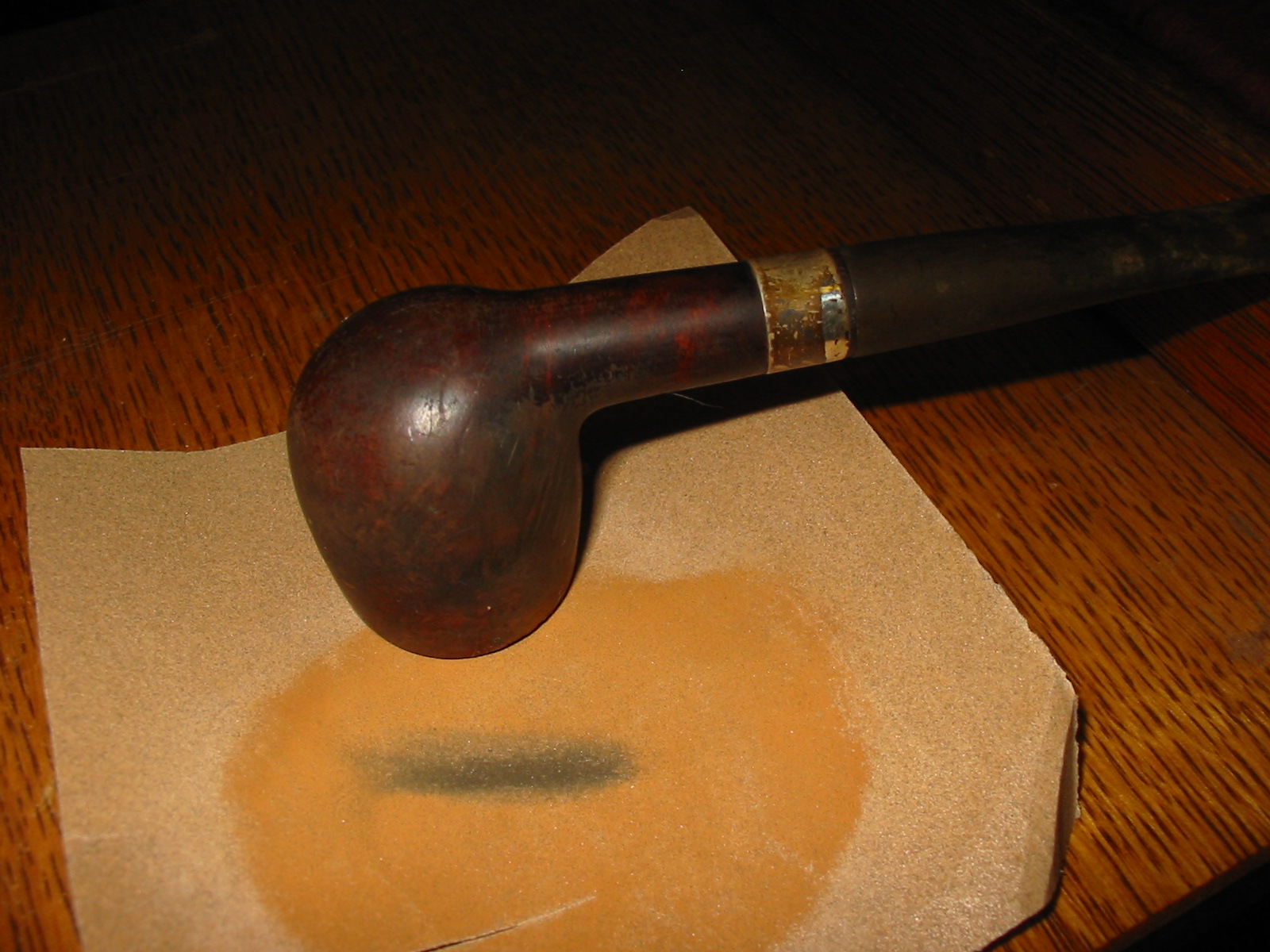
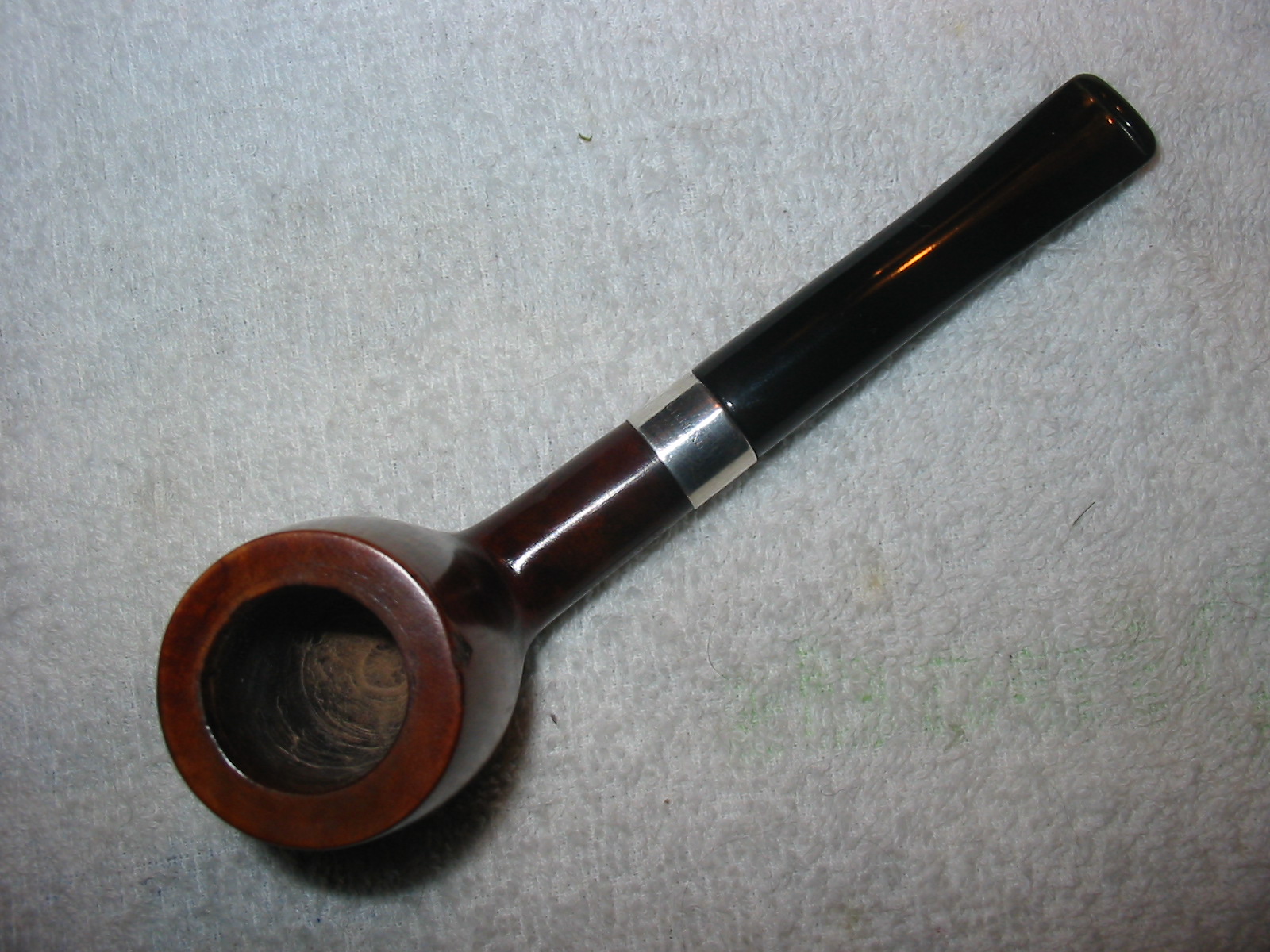
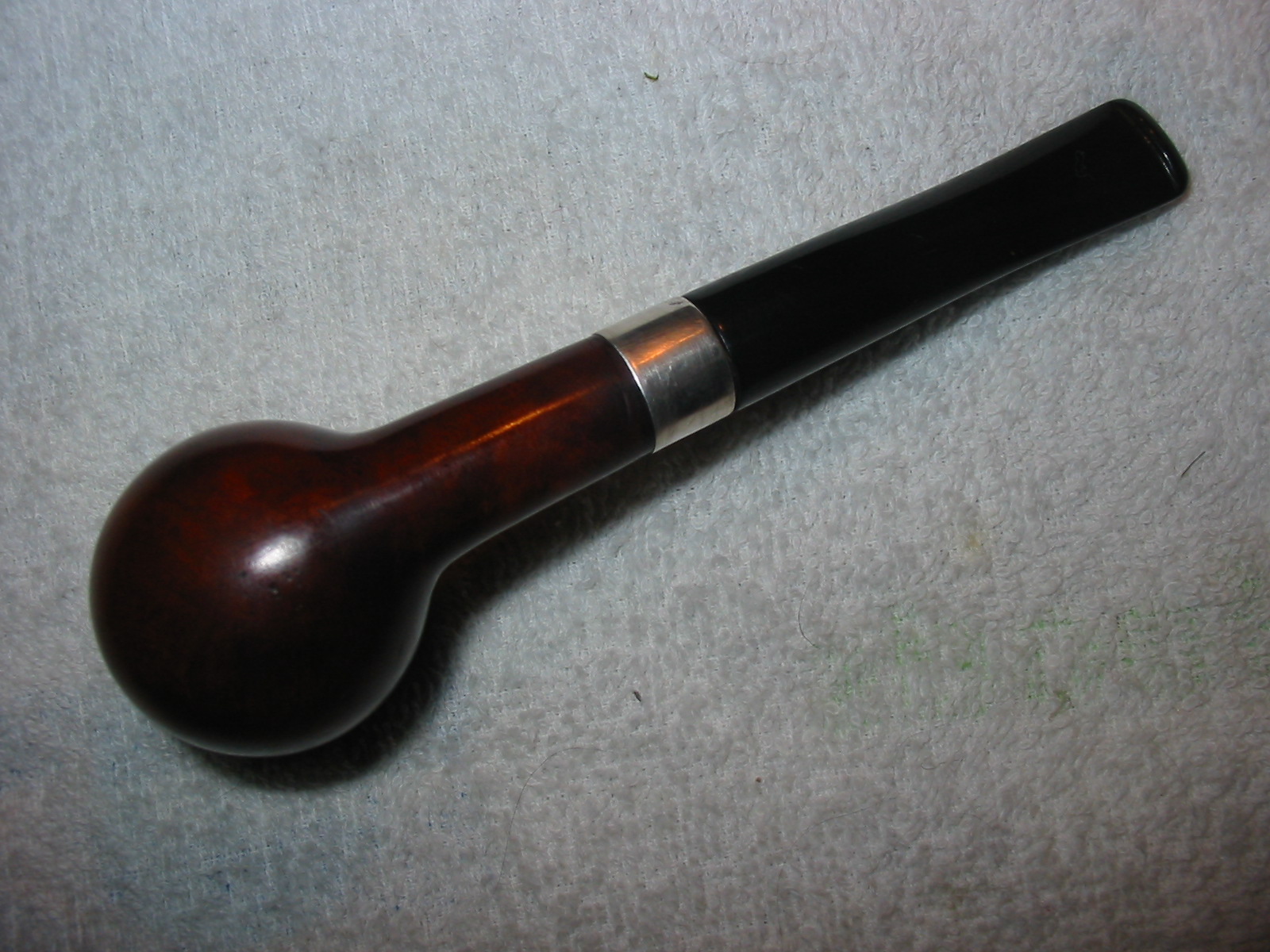
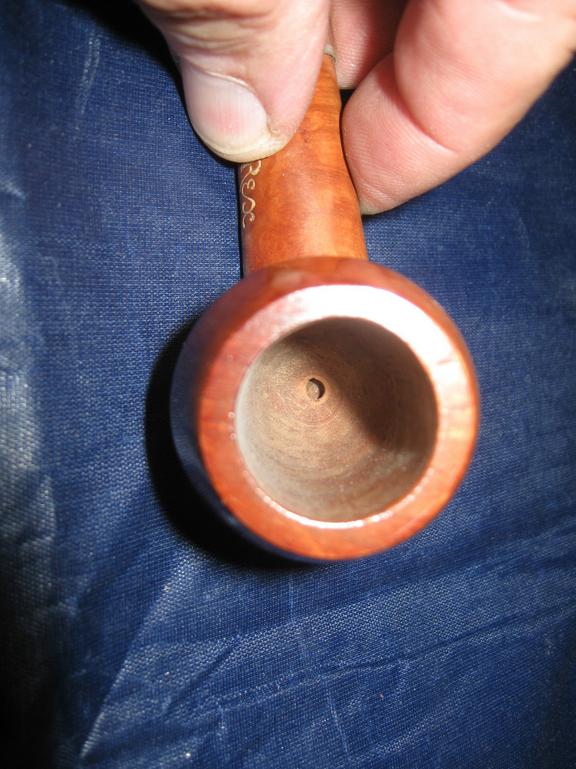
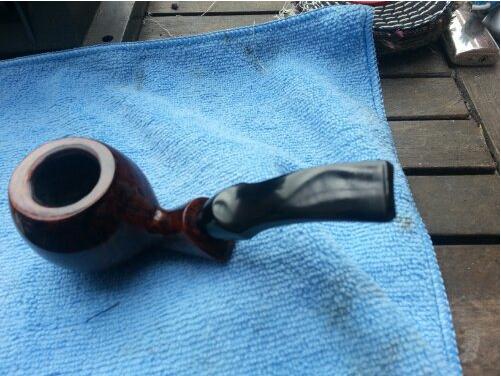
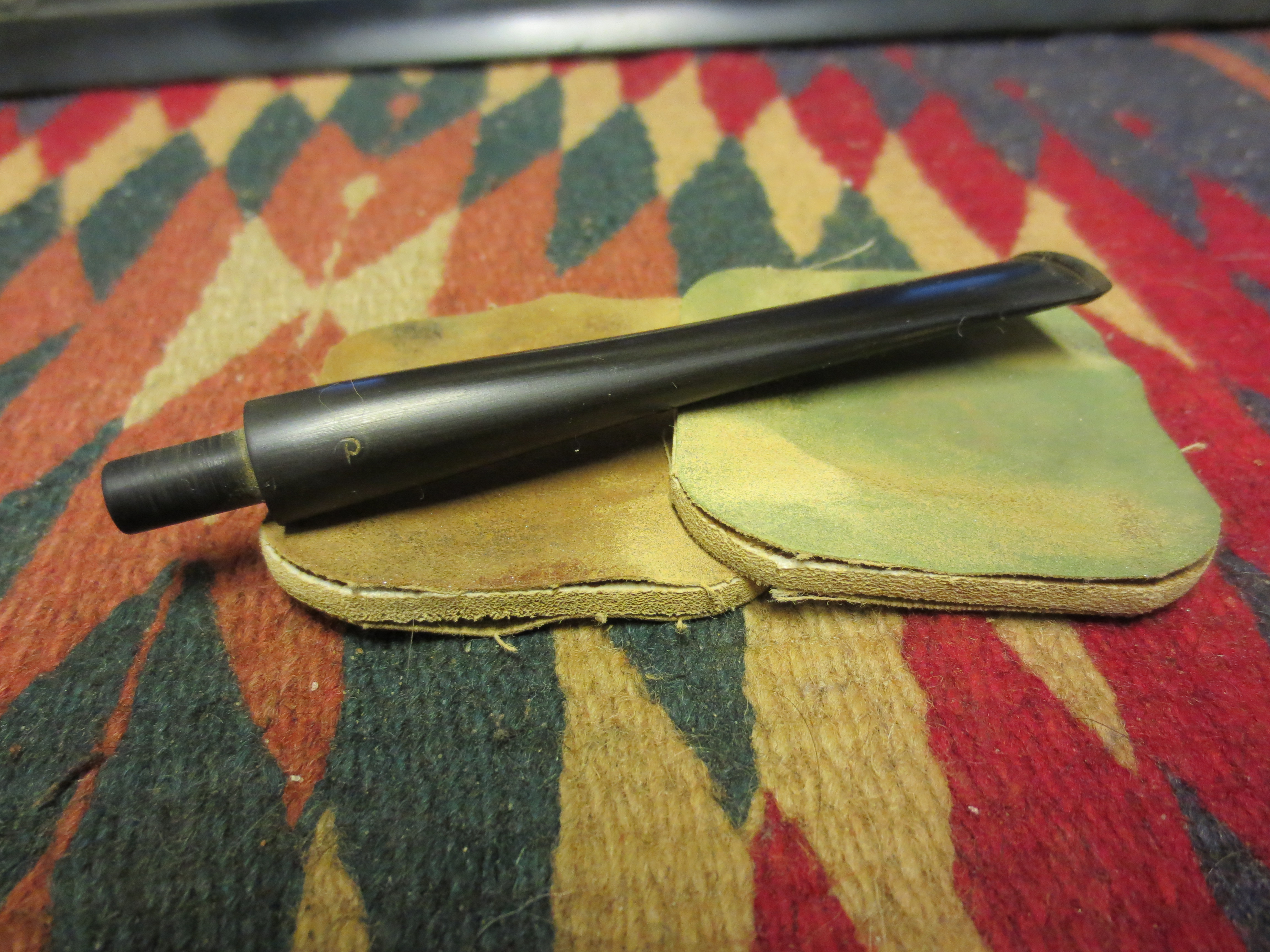
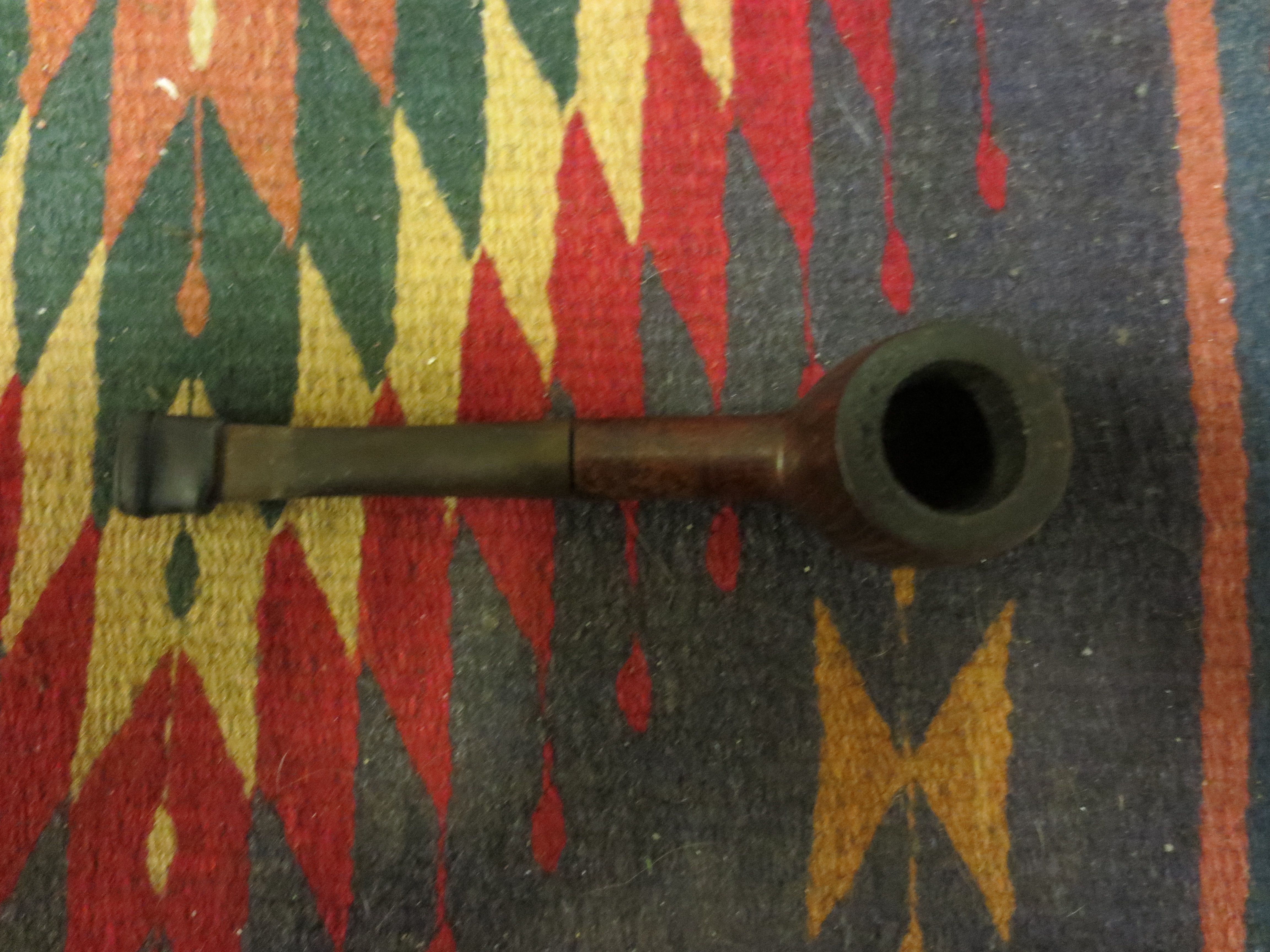
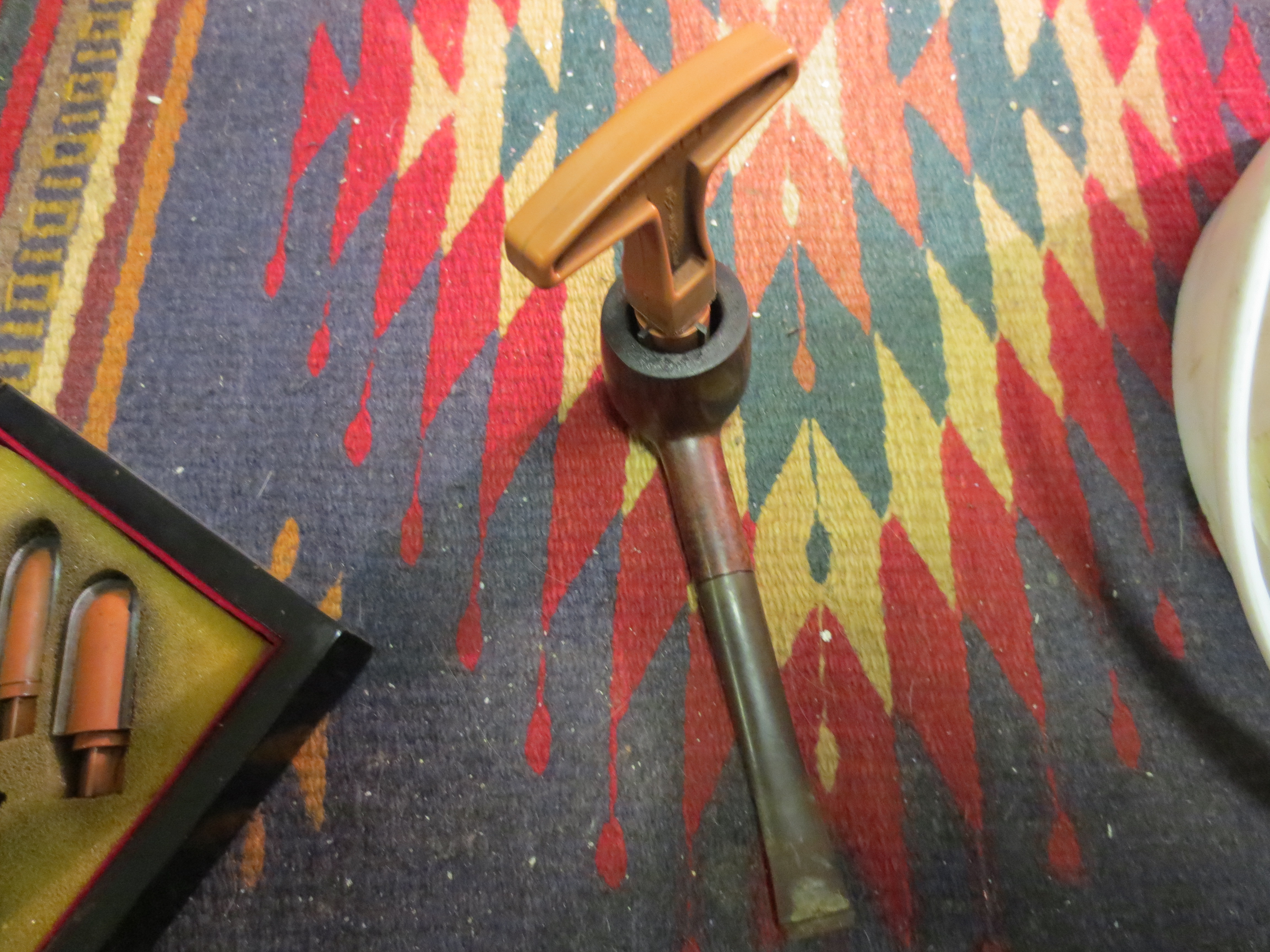
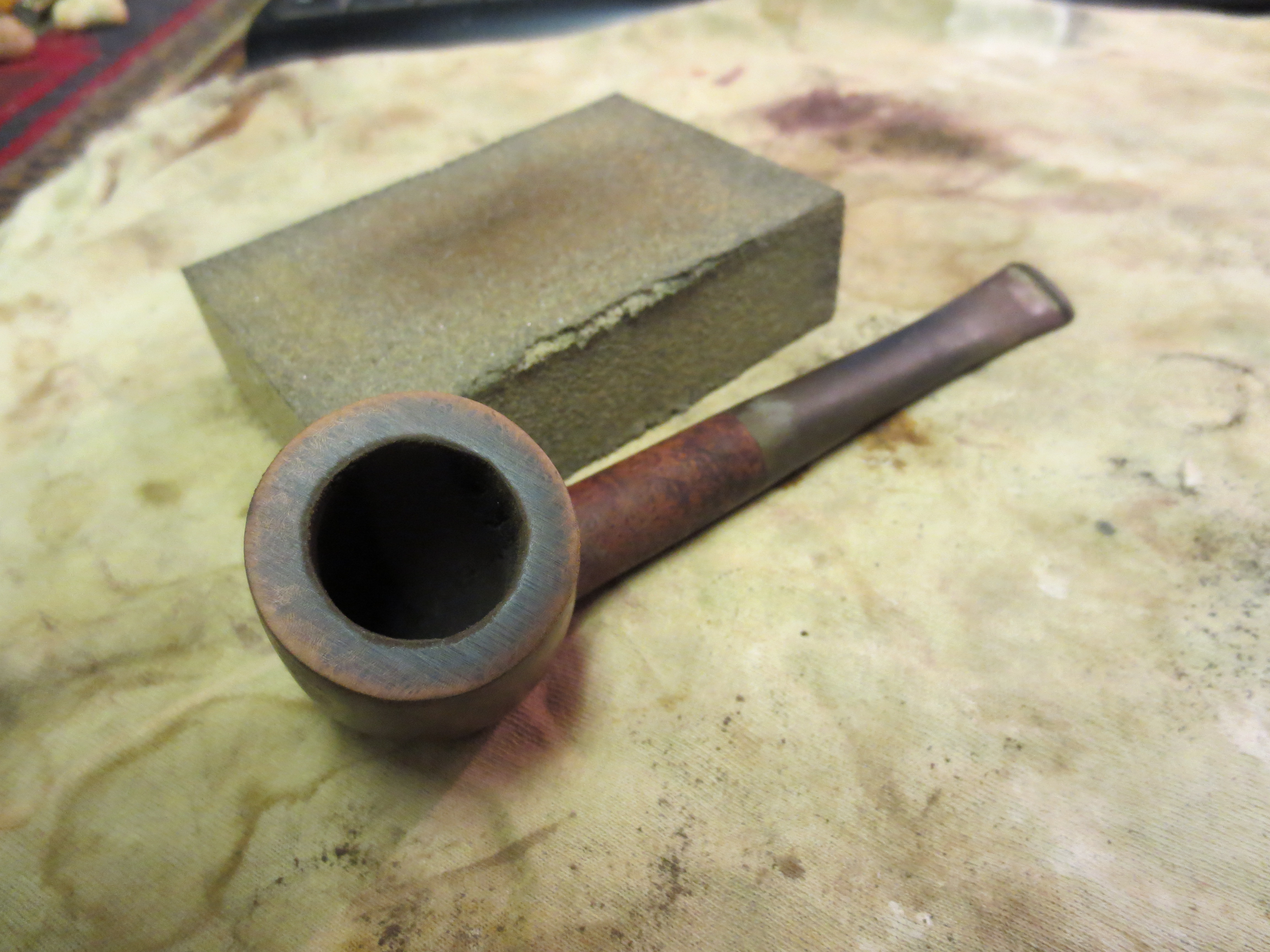
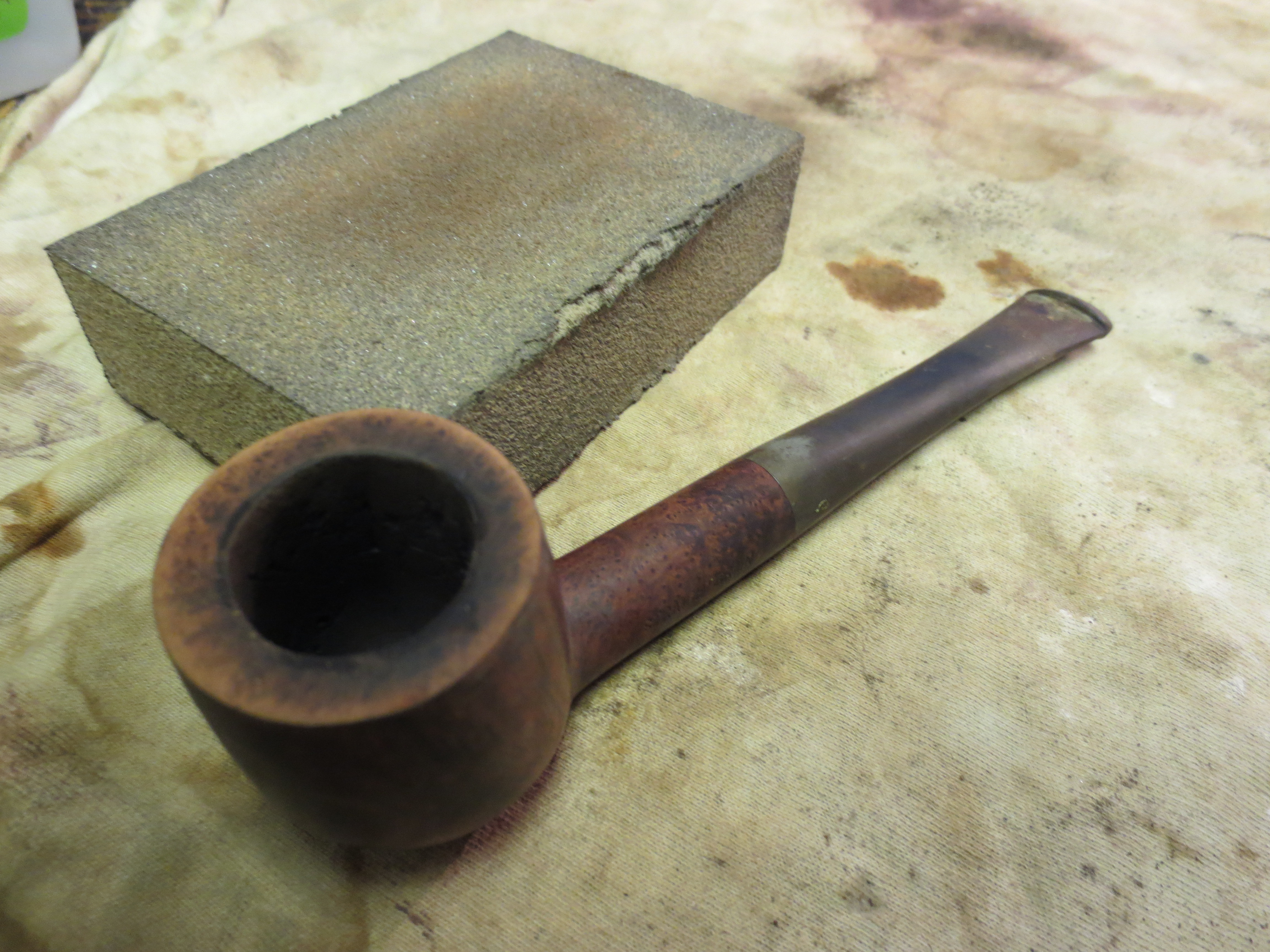
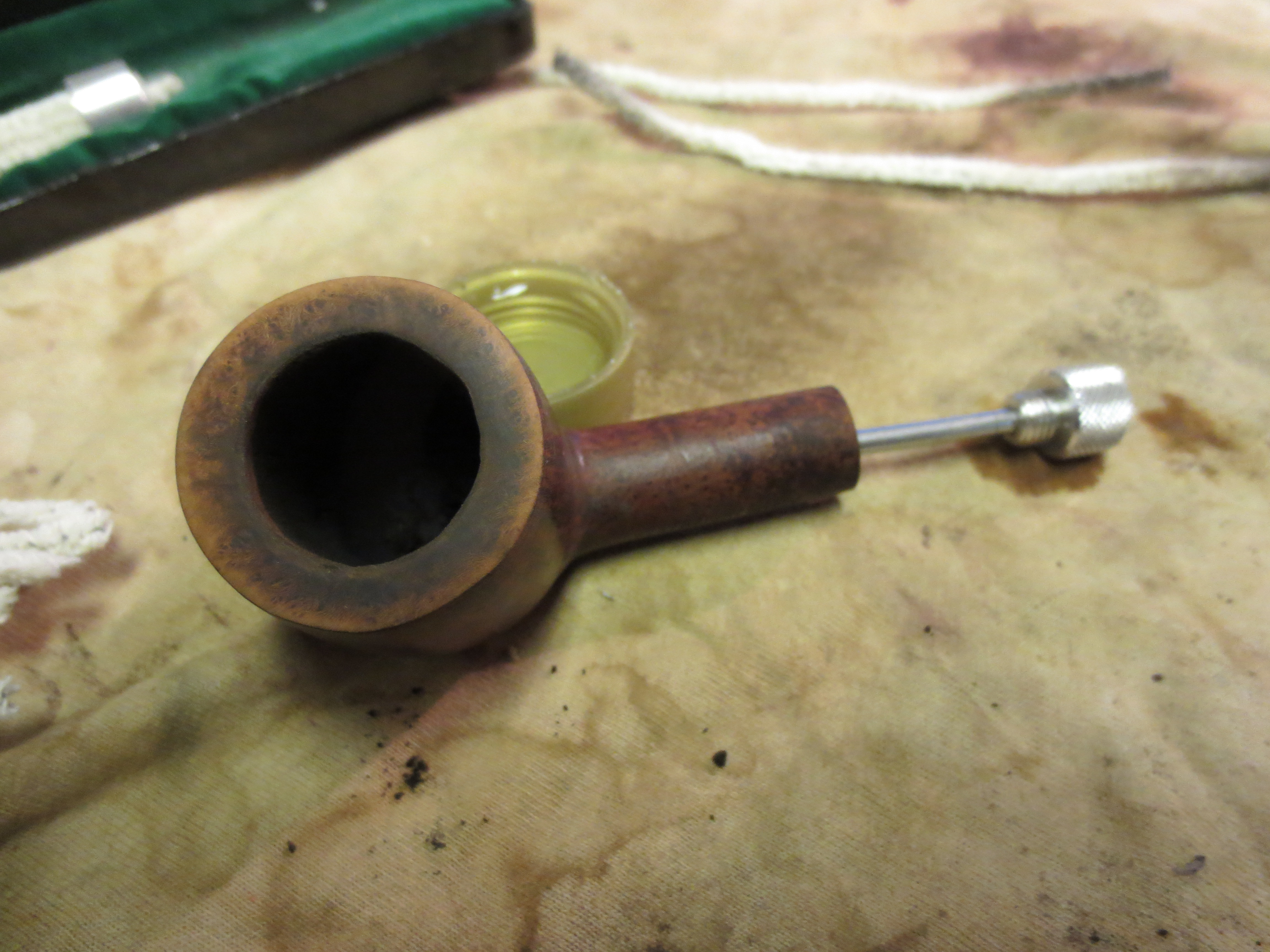
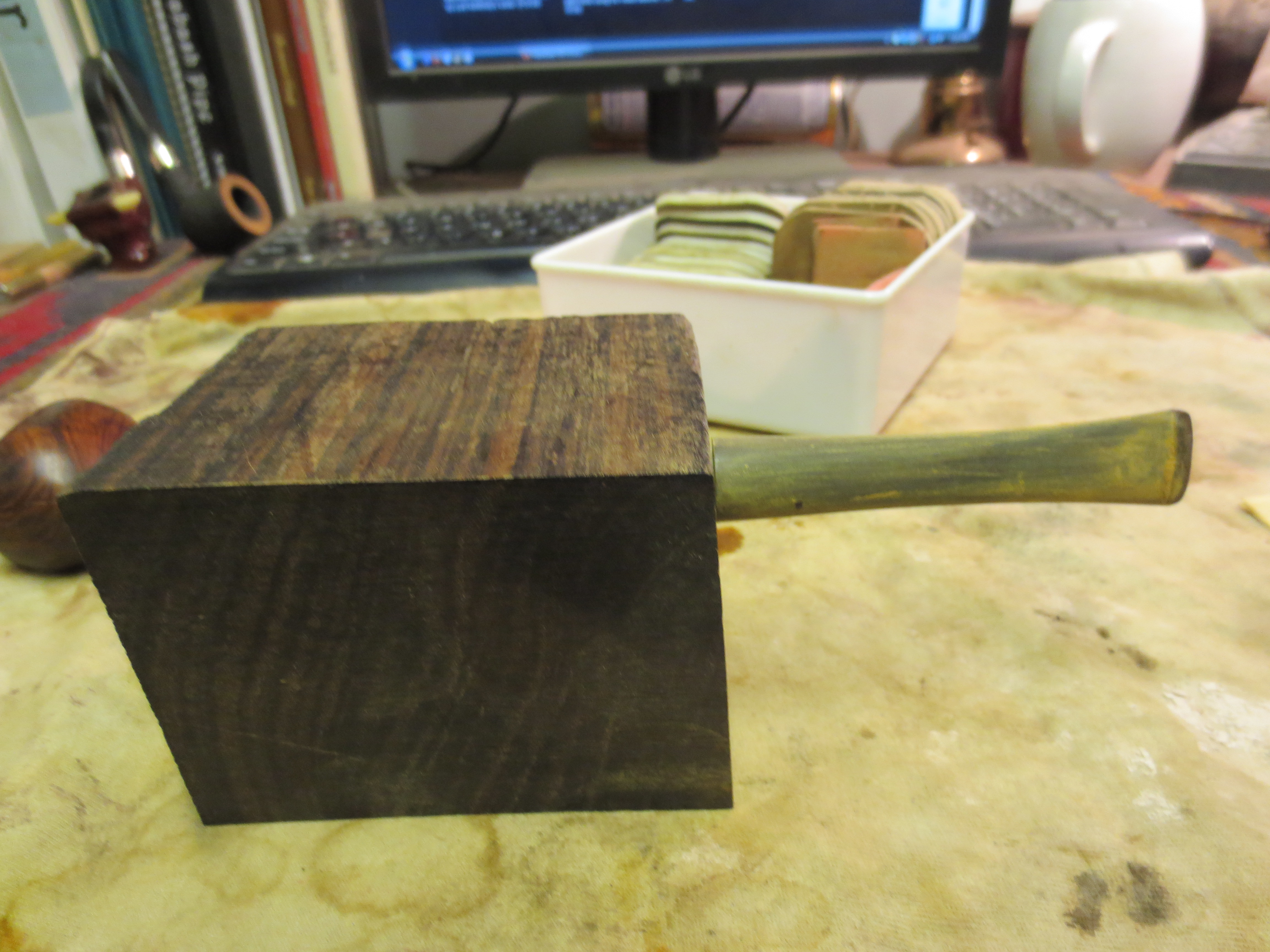
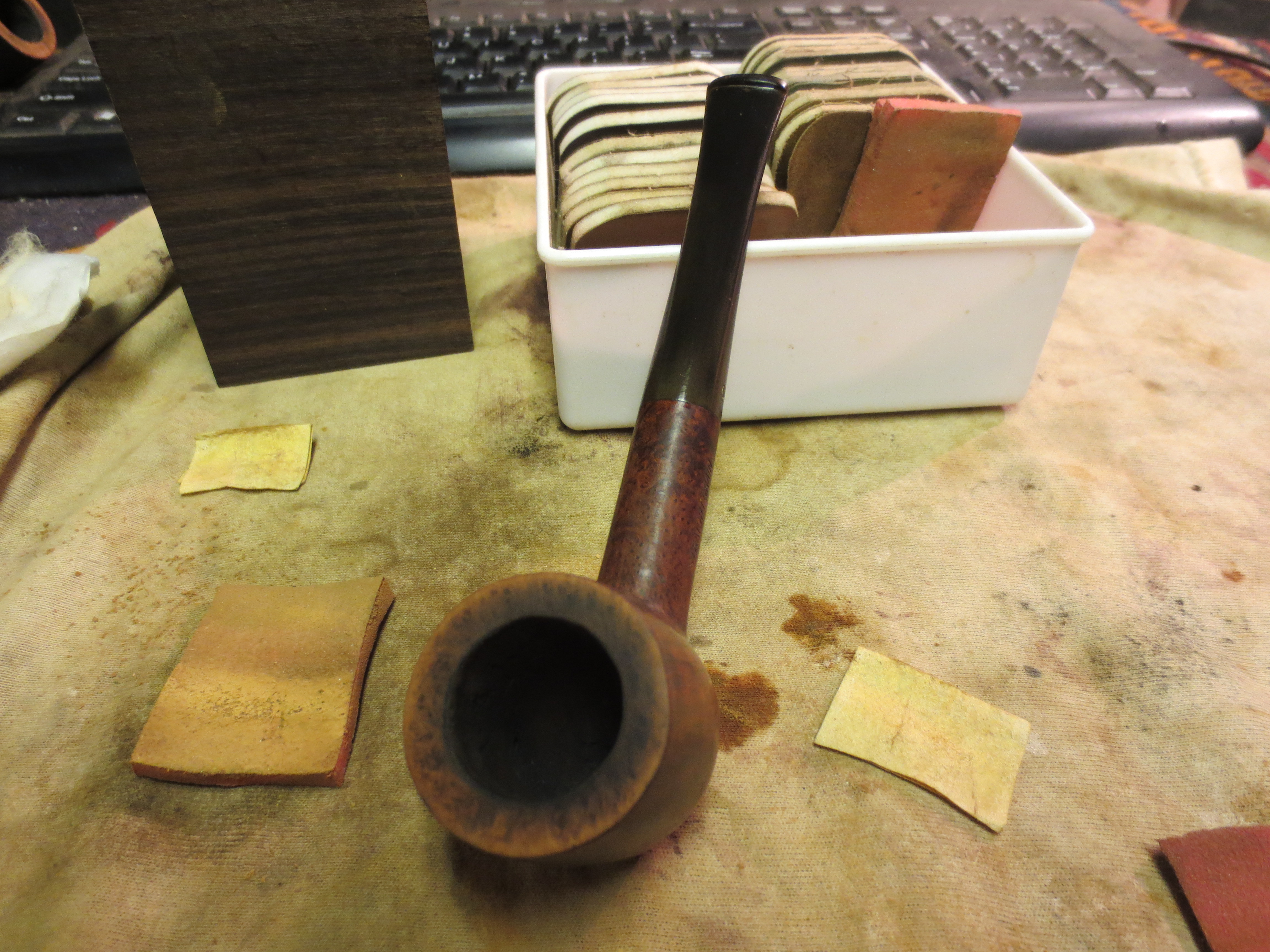
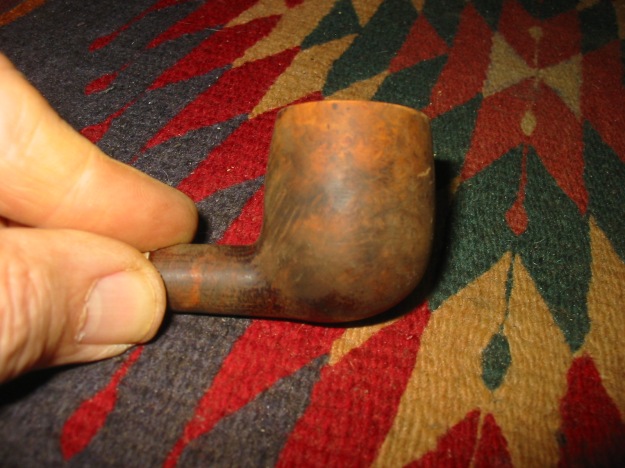
As you can see from these photos, the stem was heavily oxidized but it didn’t appear to have any tooth marks. The bowl top was a little misshapen and it had a very heavy cake build-up. Mike, the “Streets of London” social group administrator on the SmokersForums.uk tells me that The Guidall used pre-made stems. This one had a large stinger. I’m not a fan of stingers, so I warmed the metal end of the stinger and pulled it out.

Guidall_284_Before (4)

Guidall_284_Before

Guidall_284_Before (1)

Guidall_284_Before (2)

Guidall_284_Before (3)

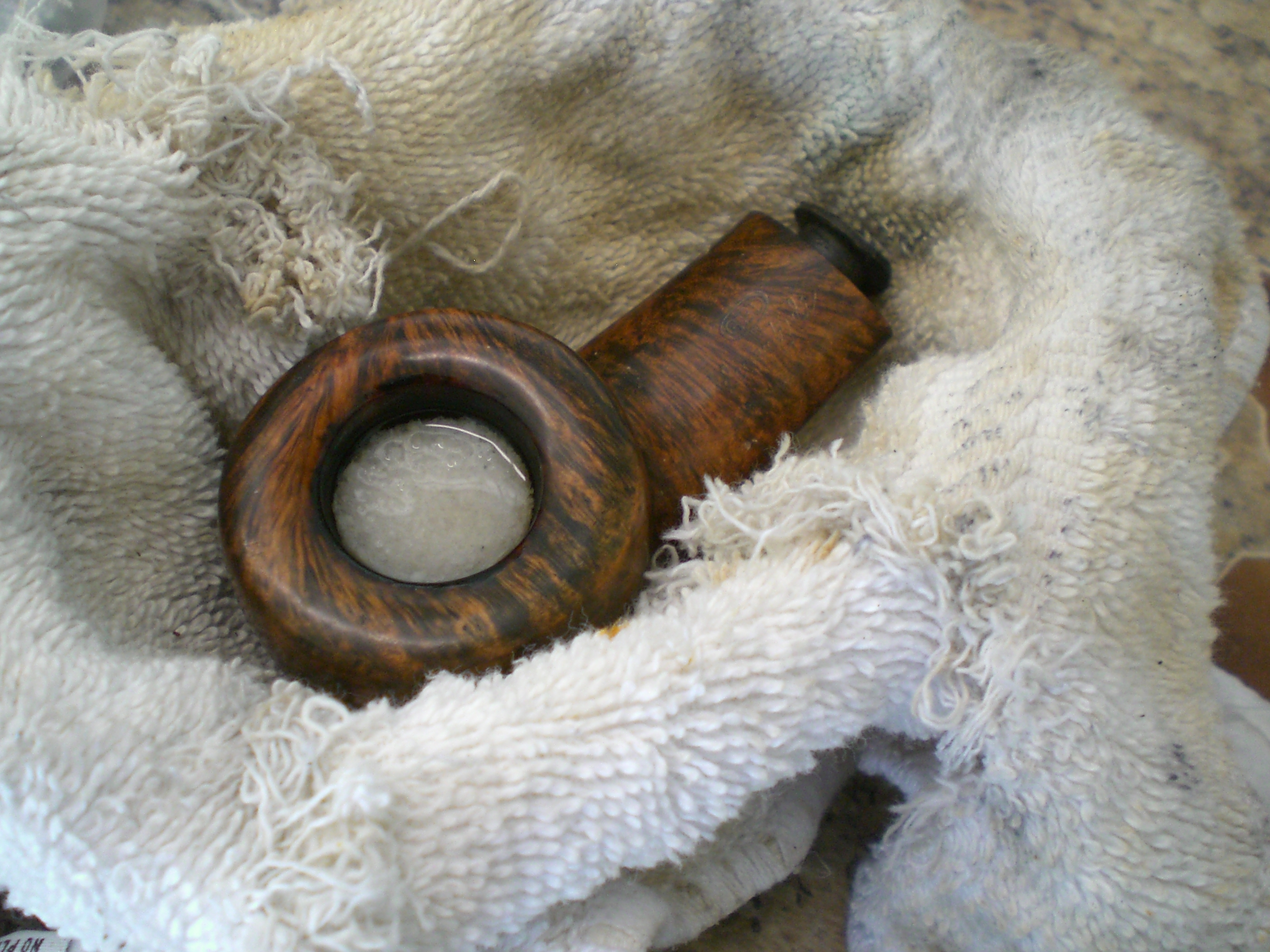
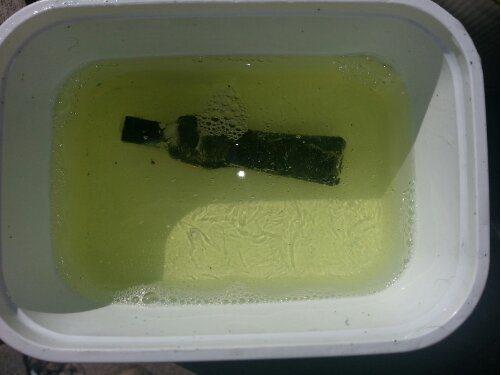
I reamed the bowl starting with my smallest Castleford bit and gradually worked up to the full bowl size. There was some damage at the bottom of the bowl that I will have to repair with some “pipe mud” (cigar ash & water). I soaked the bowl overnight with some sea salt and alcohol to remove the tars and residue. The stem was soaked in a mild Oxyclean and water solution. The metal stem logo looked pretty durable, so I didn’t do anything to protect it.

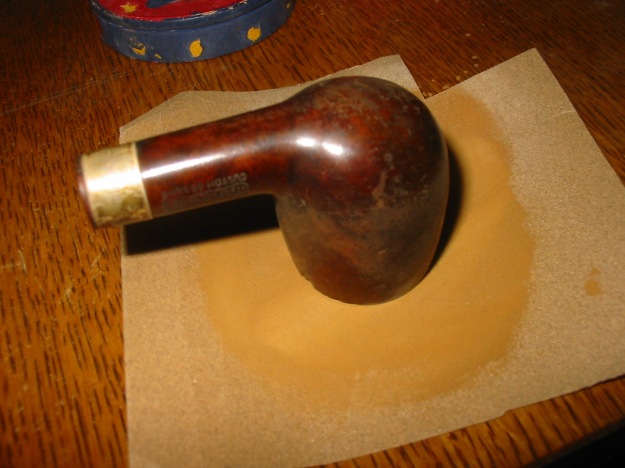
After the bowl soak was completed, I polished the briar on my buffer with some Tripoli and then White Diamond rouge. The briar was in remarkably good condition, considering the way the rest of the pipe was treated over its life. I didn’t detect any fills or other imperfections. You can see the burned out area on the bottom of the bowl, but when I filled it with pipe mud, it wasn’t as deep as it appeared.

Guidall_284_Work (2)

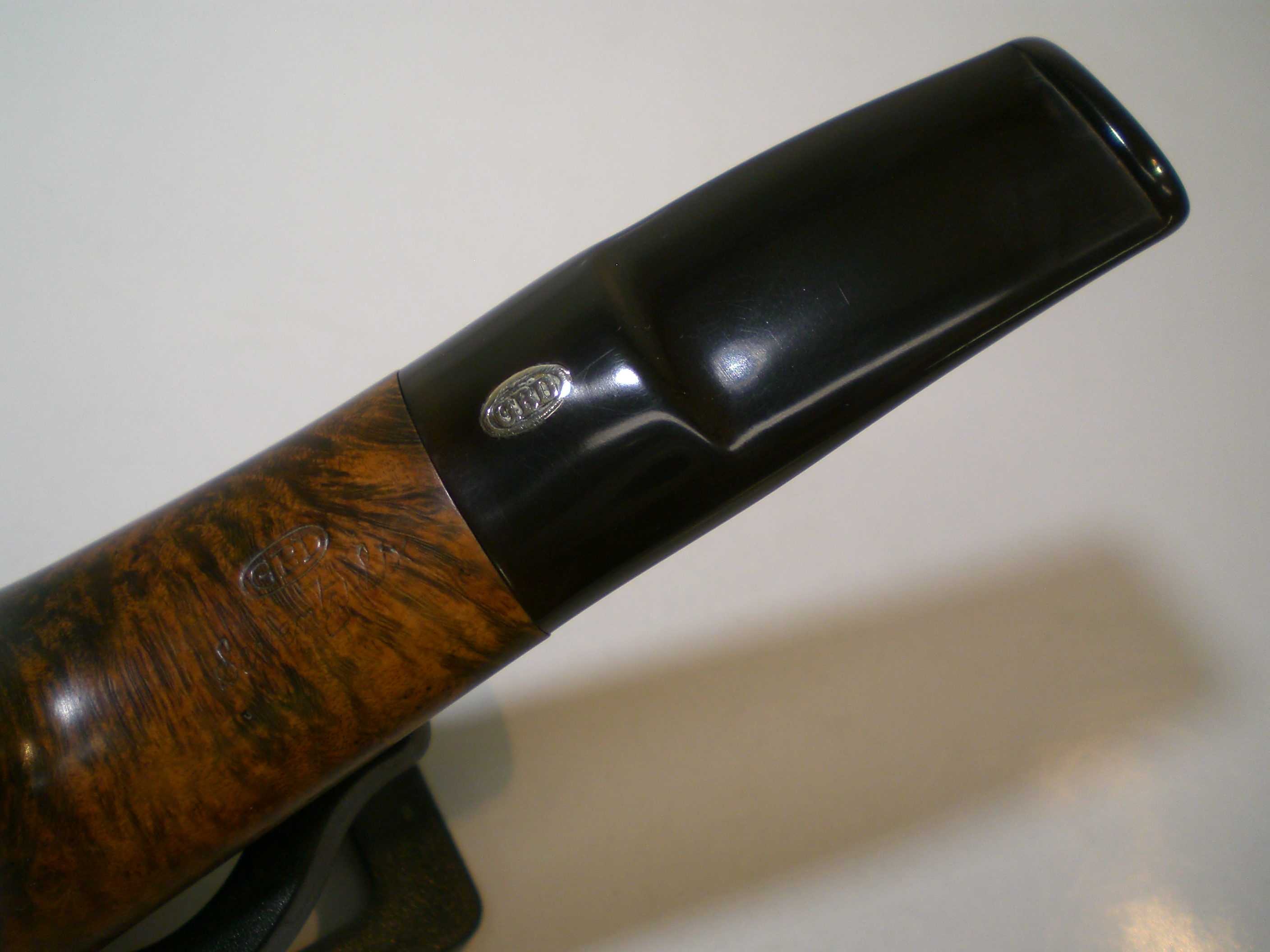
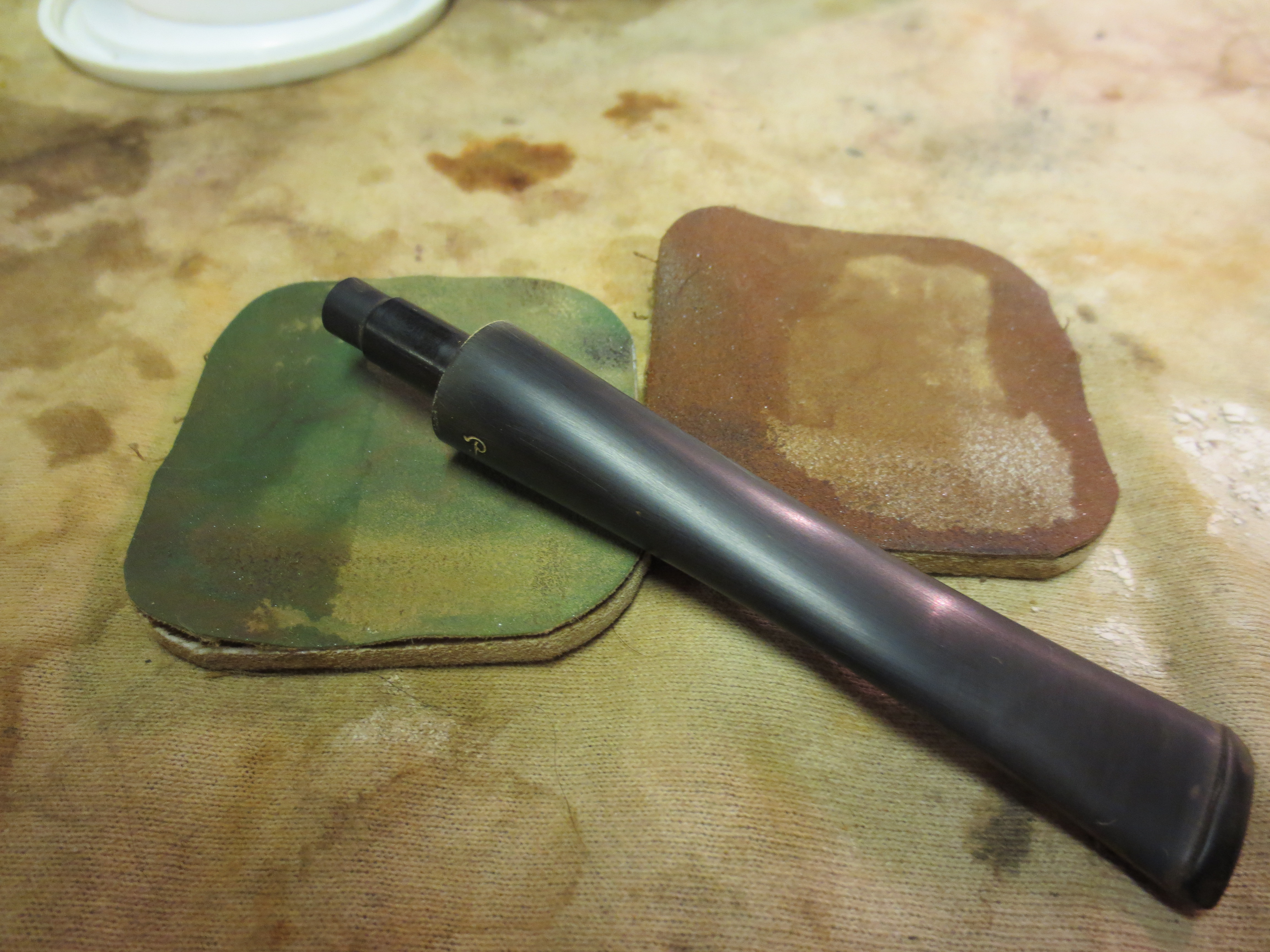
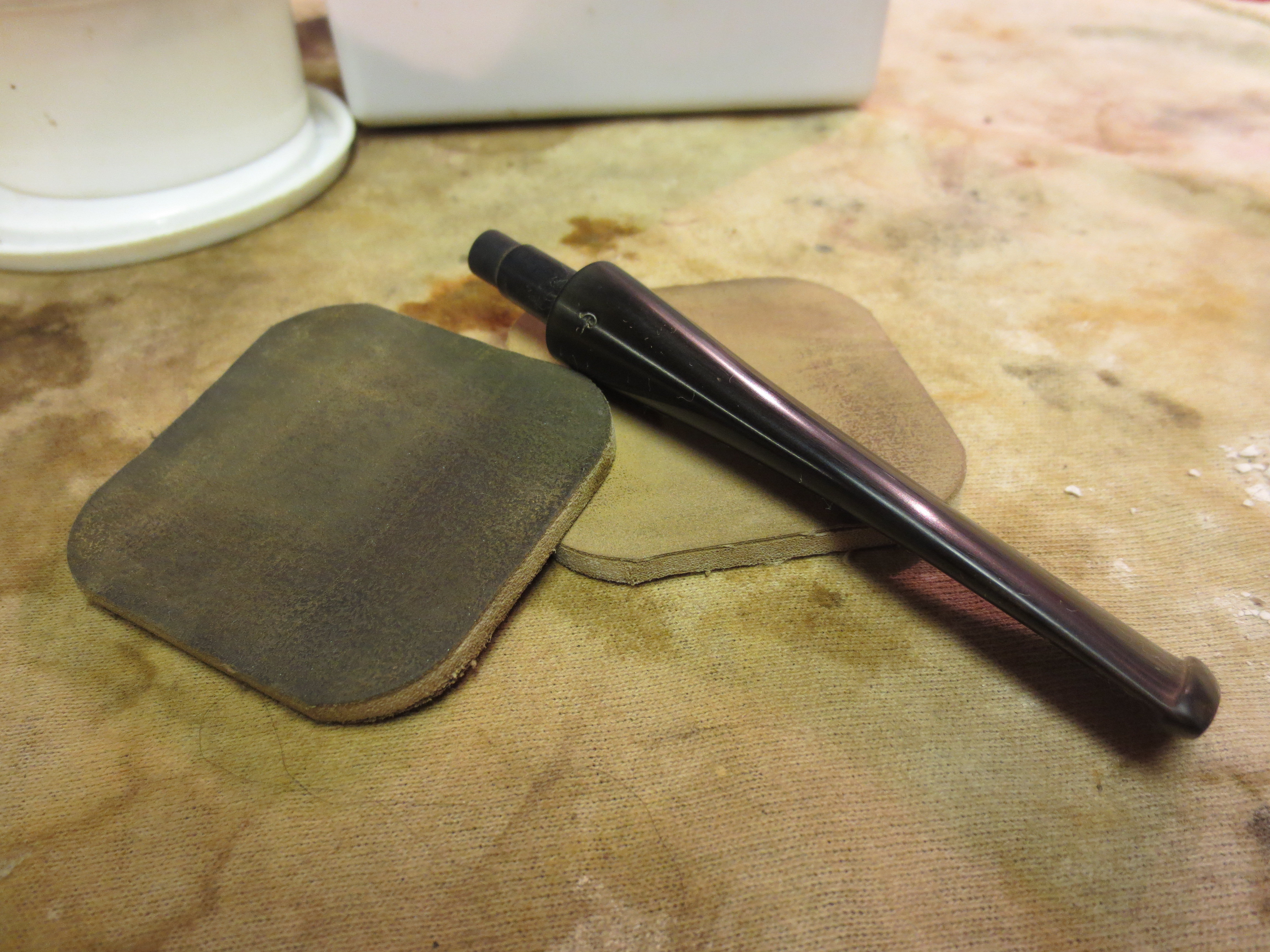
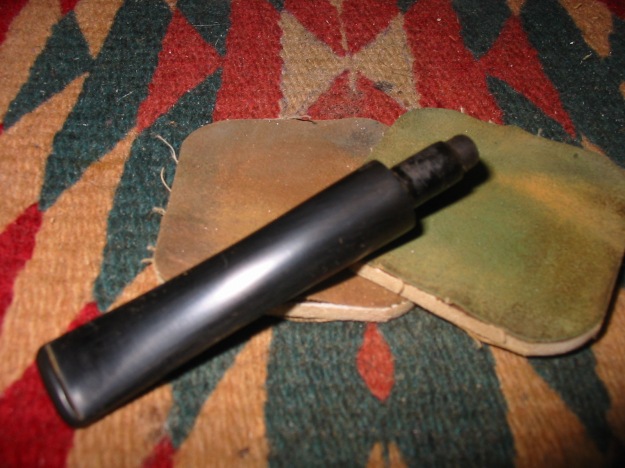
The stem took quite a bit of work to remove the heavy layer of oxidation, which was also in the draft hole. I started with 800 wet grit paper, then progressed to 1500 and 200 grits. I then moved to the micro-mesh paper, with 8000 and finally 12000 grit papers used. The stem was then buffed on the machine with White Diamond rouge. I always use an automotive plastic polish as a final prep. The end of the stem where it meets the briar still has a little oxidation but I was reluctant to sand further for fear of rounding the stem. I may go back and retouch this area. I mixed up some cigar ash I save with just a few drops of water to make a paste called “pipe mud”. I used the spoon on a Czech tool to ladle in the mixture and a small button head bolt to tamp it into shape.

The premade stem feels all right in my mouth, but I have to wait until the pipe mud dries to smoke it. I need a compact pipe for travel use and carry in my one-pipe bag and I’m hoping this one can fit that requirement.

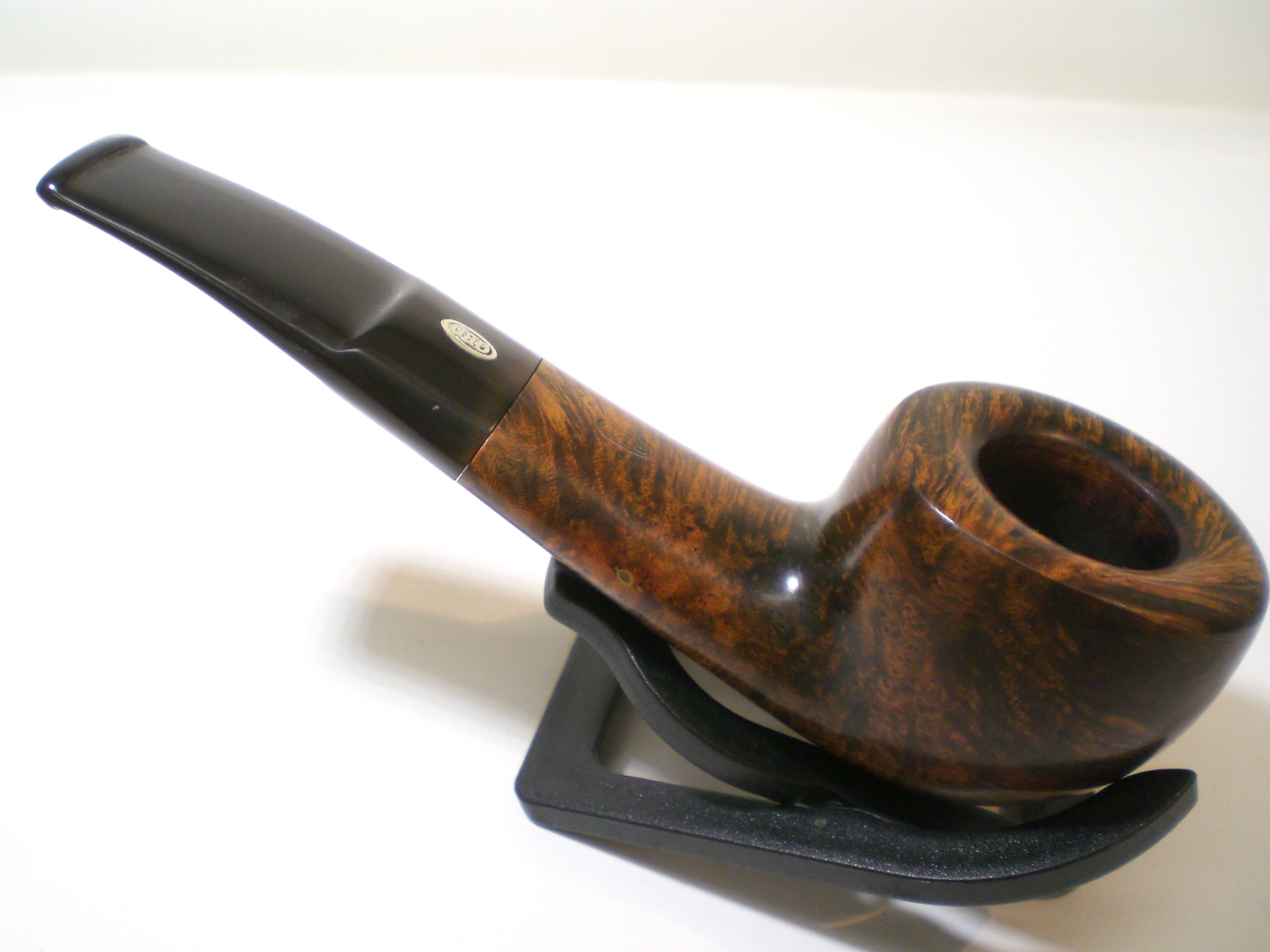
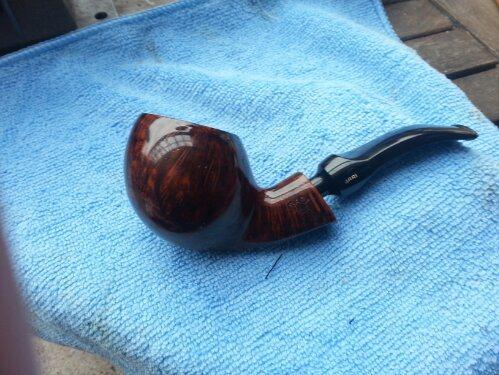
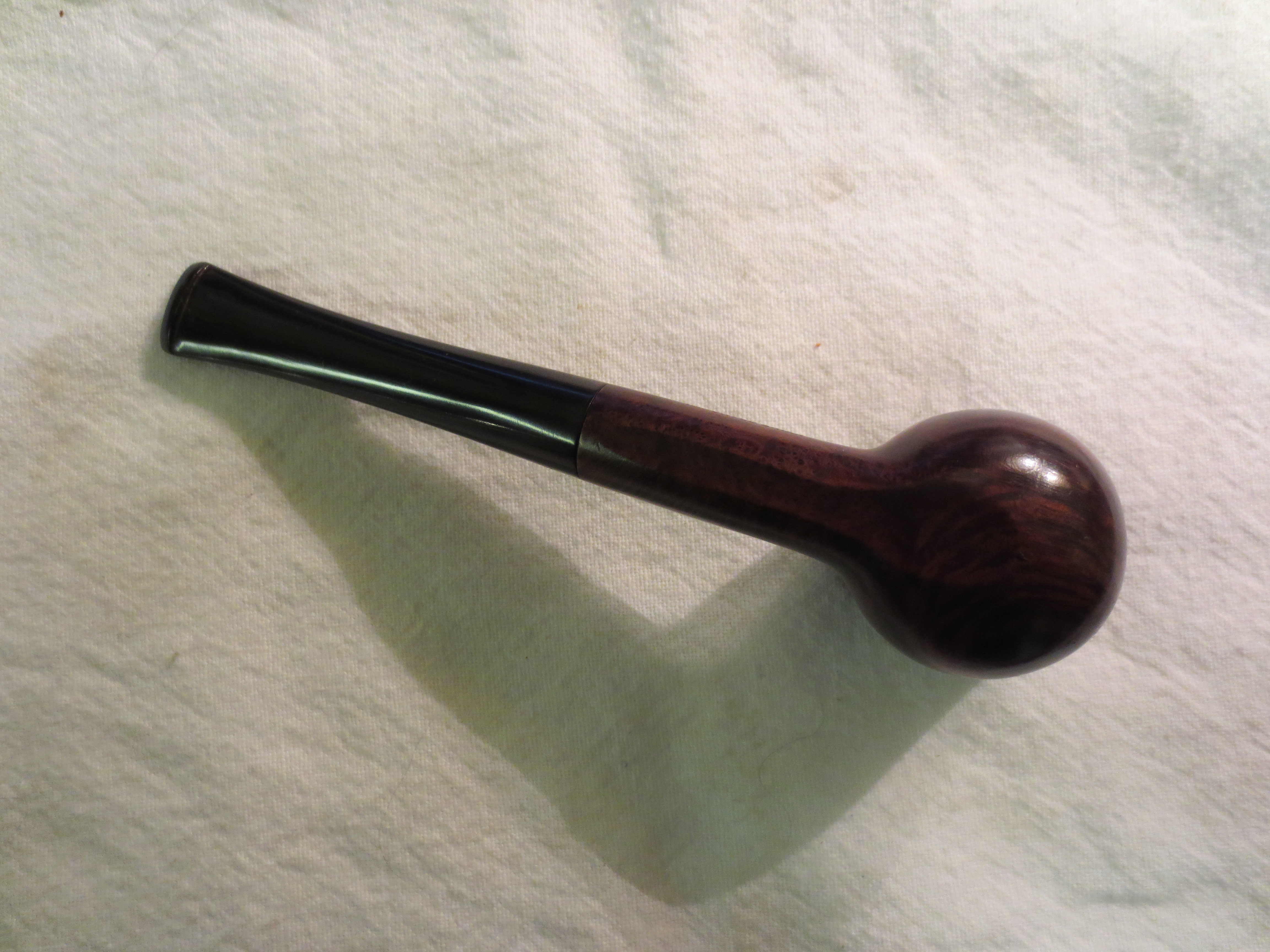
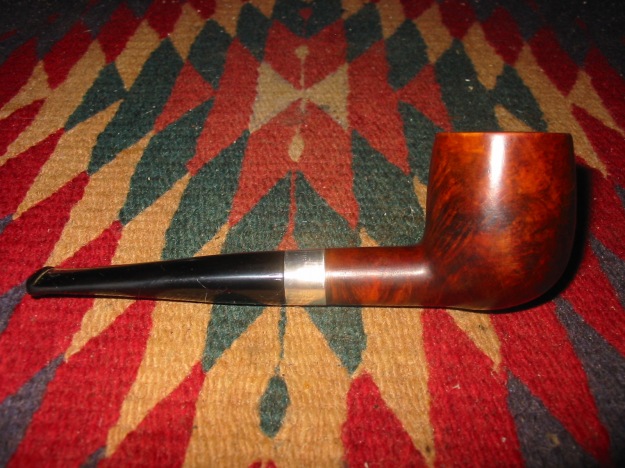
Here is the finished pipe.

Guidall_284_Finished (7)

Guidall_284_Finished

Guidall_284_Finished (1)

Guidall_284_Finished (2)

Guidall_284_Finished (3)

Guidall_284_Finished (4)

Guidall_284_Finished (6)

Cleaning Out the Shank of an Estate Pipe


Blog by Steve Laug

Over the years I have been continually looking for better ways of cleaning out the shank of an estate pipe. I have tried and discarded many methods over that time. The one certainty about the cleaning is that it takes many pipe cleaners, cotton swabs and much alcohol. There are no short cuts to cleaning the shank and airway. Nothing takes the place of slow and repetitive cleaning. Even with using a retort, a short cut on one level, the cleaning of the pipe still takes time before and after the retort has been used. I thought it might be interesting to some of you to read about the process in detail. I have written about the cleaning process – with and without the use of a retort.

With a retort

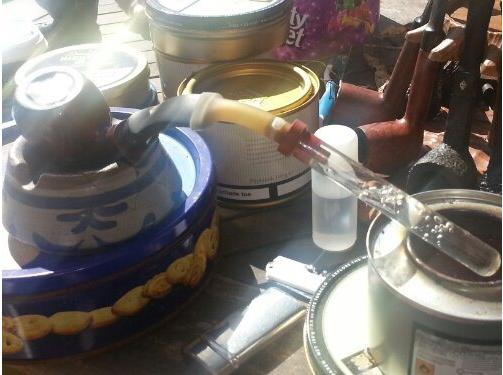
When I clean the shank with a retort I clean the inside of the stem and remove surface grime in the shank and airway. Before setting up the retort I try to remove as much of the surface grime internally as possible. I ream and clean out the bowl to remove any crumbling or breaking cake. I clean out the stem and button as well to give the pipe a relatively clean surface before I set up the retort. Some people use the retort immediately after reaming and leave out the cleaning step that I begin with. I have done it both ways but like the results of my process. The surgical tubing on the retort slides over the button on the stem and if the surface is dirty or has calcified buildup it does not seal well and the boiling alcohol will seep out around the tubing and make a mess. I clean out the inside of the stem to accelerate the cleaning in the shank. Even with pre-cleaning the pipe it often takes multiple uses of the retort to actually remove all of the tars and oils.

IMG_1115

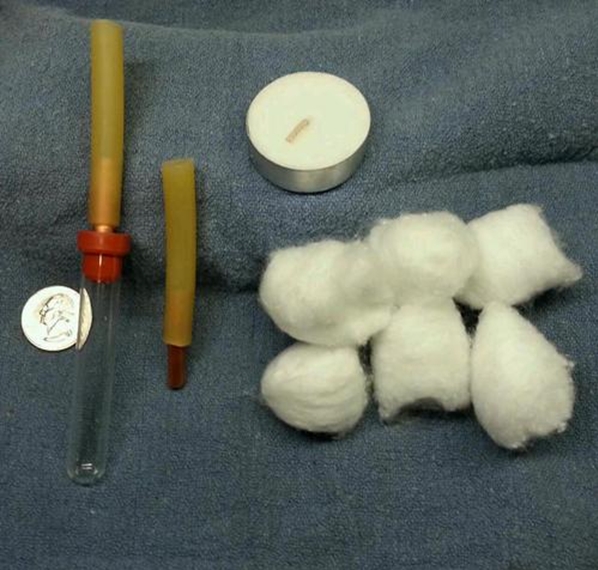
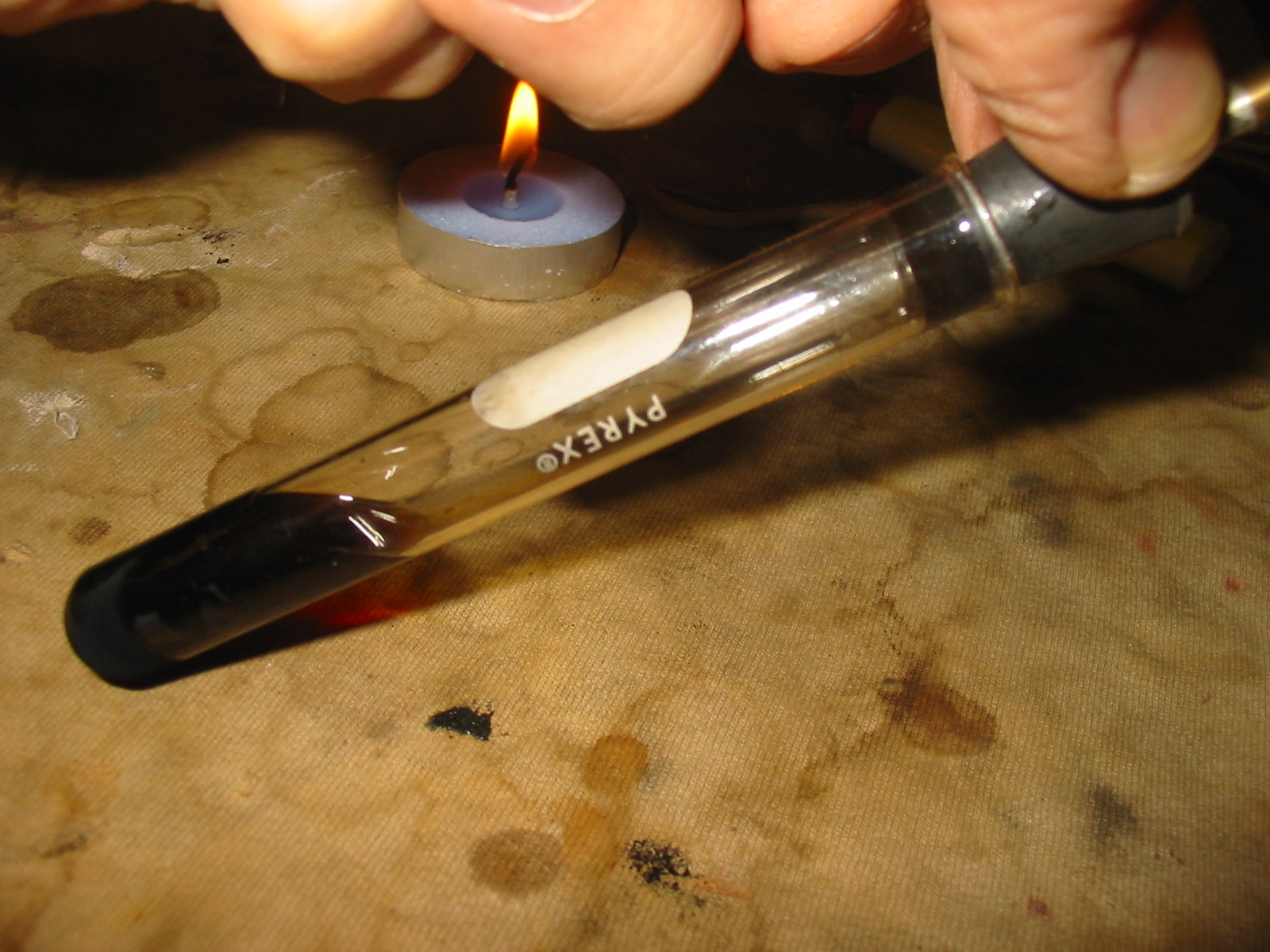
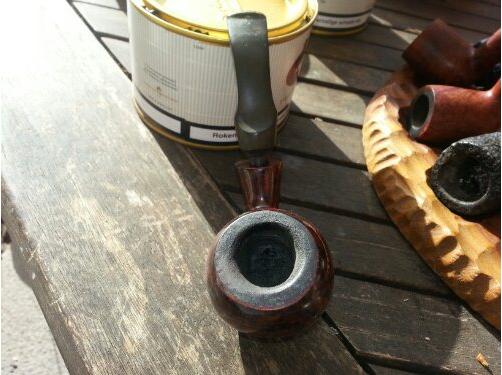
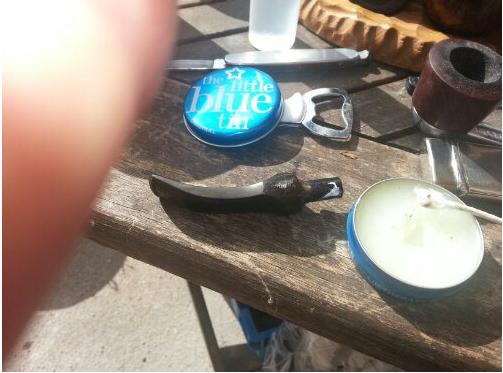
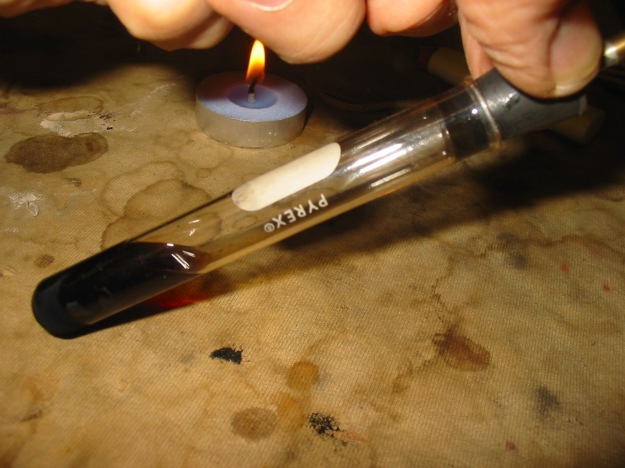
To prepare the pipe for the retort, I stuff a cotton boll in the bowl and do not press it down to hard into the bowl. I want it to plug the top so that the boiling alcohol does not come out the top but still allow it to circulate within the bowl and the shank. I use isopropyl alcohol in the test tube of the retort and I heat it over a tea light/small candle. The boiling point is quite low so it does not take long for alcohol to begin to boil. The stem and shank heat up as the alcohol goes through them. When it is removed from the heat the alcohol will be drawn back into the test tube and will be a dark brown. I empty out the dirty alcohol, refill the test tube and repeat the process until the alcohol come out clean. I remove the retort and run cotton swabs and pipe cleaners dipped in alcohol through the stem and the shank to absorb anything that has been left behind. When the pipe dries out it smells fresh and new.

retort2

retort3

retort1

Without a retort

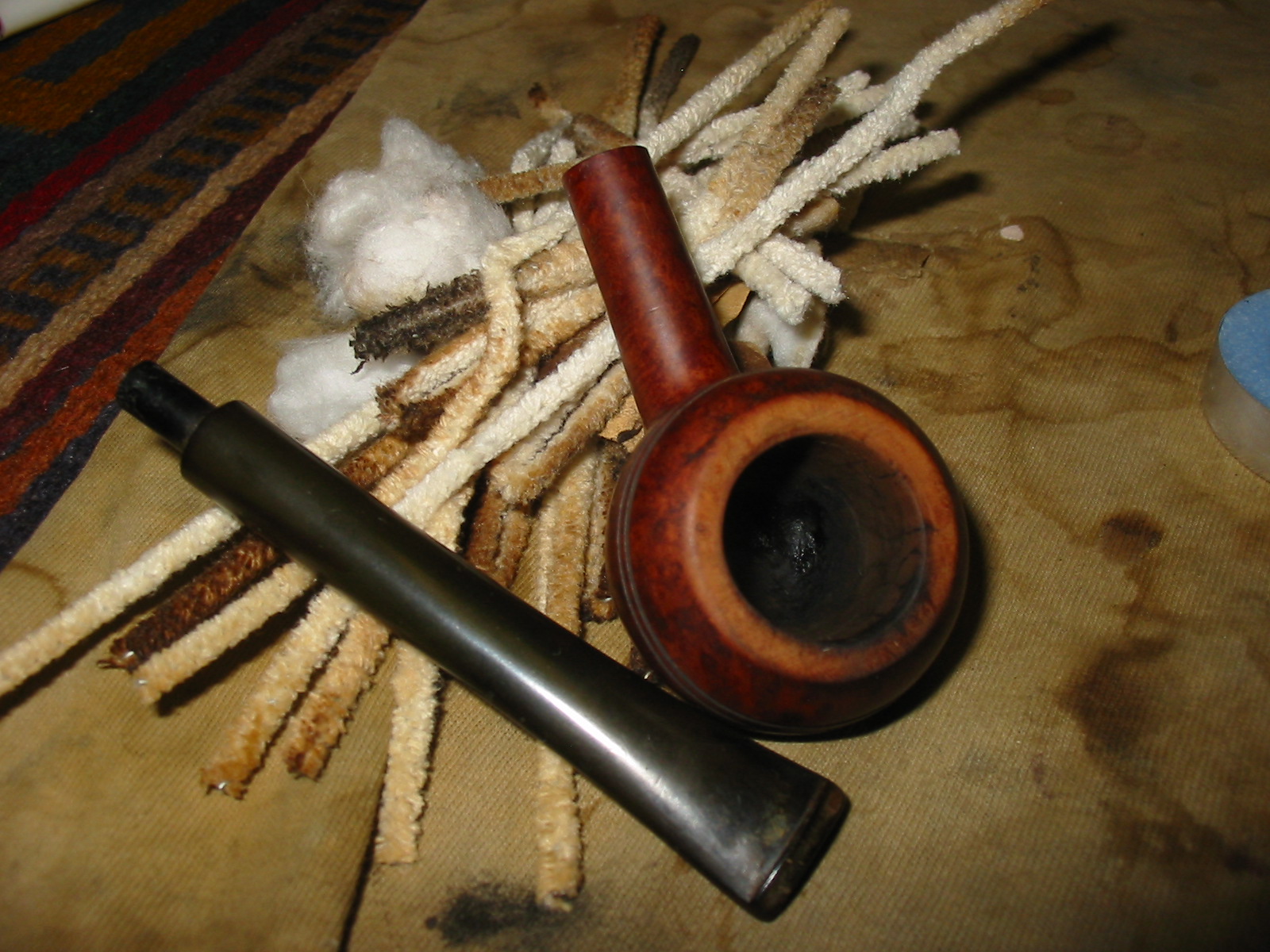
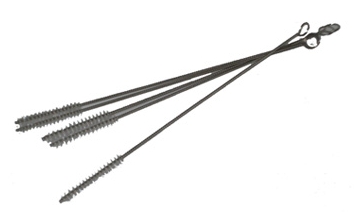
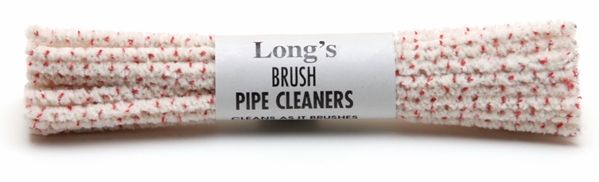
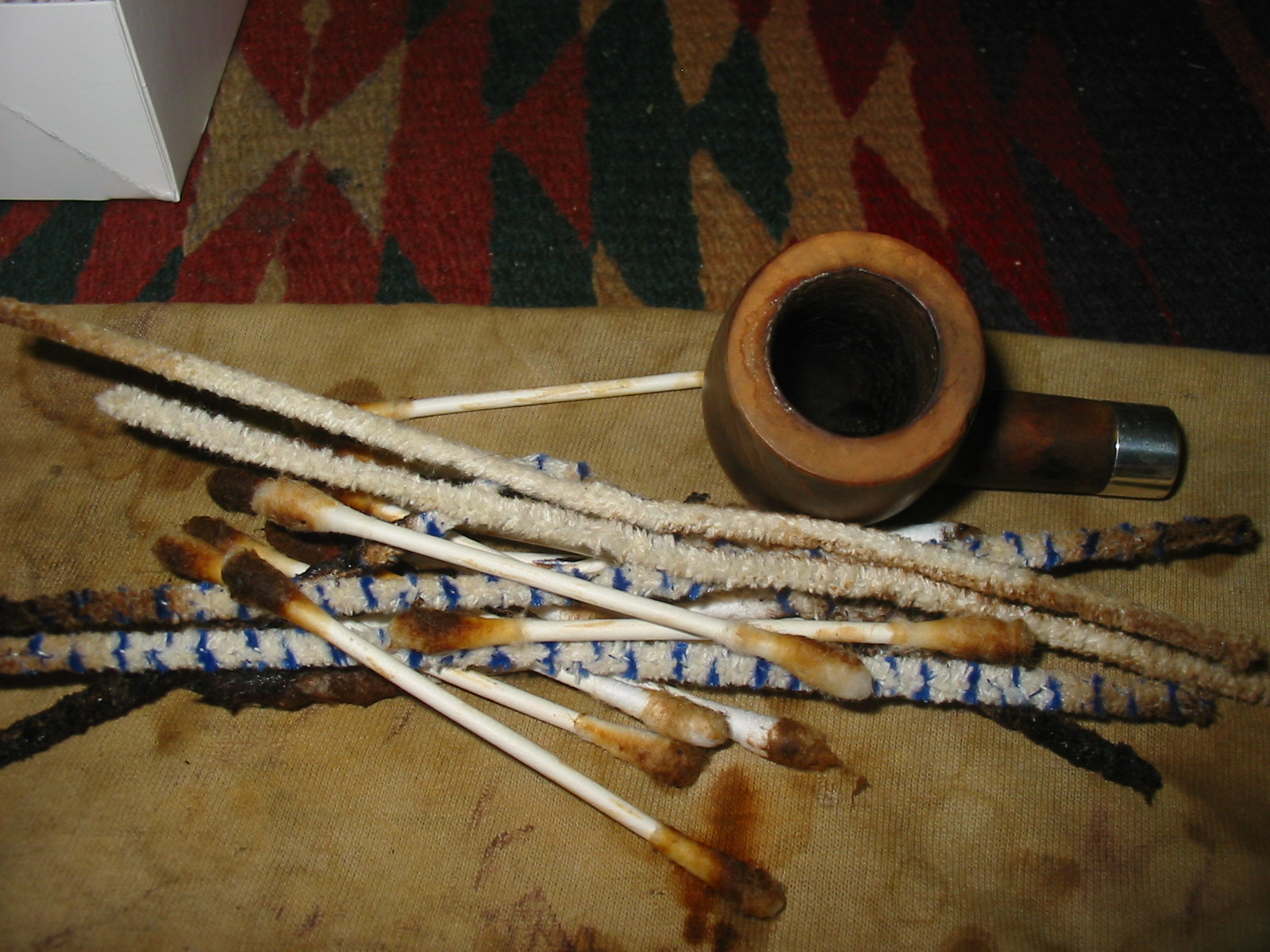
The process of cleaning a shank without a retort begins the same way as the above description. I ream the bowl and clean out the bowl and shank with pipe cleaners and cotton swabs dipped in isopropyl alcohol. I use both the bristle and the fluffy pipe cleaners and also shank brushes. The process for cleaning begins with removing the surface grit and grime. This takes many pipe cleaners before they begin to come out semi clean. Then I use the drill bit that is built into the KleenReem reamer and twist it into the shank. It scrapes the sides of the airway all the way into the bowl and removes the tarry buildup. I clean the bit off with alcohol and repeat the process several times until the bit slides through the airway with no impediment. I then wrap a cut pipe cleaner around the drill bit, dip it in alcohol and run it through the shank and airway until it comes out clean. I finish the cleaning process by scrubbing out the shank and the airway with cotton swabs dipped in alcohol and then pipe cleaners folded and unfolded.

mainmaincotton-swabs-1

cotton-swabs-3

Shank brushes

Shank brushes 3

Longs_Extra_Absorbent_Pipe_Cleaners

Longs_Brush_Pipe_Cleaners

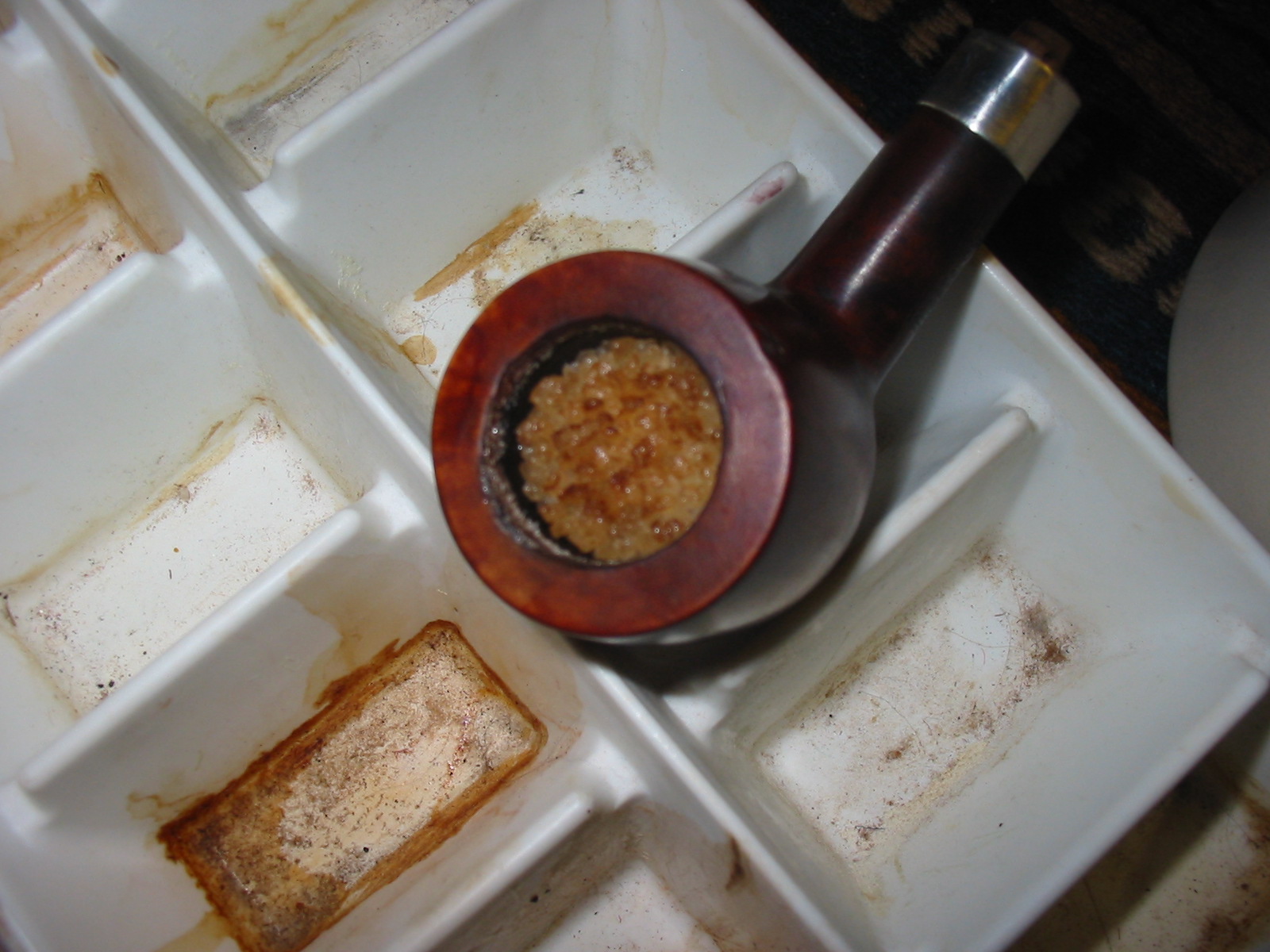
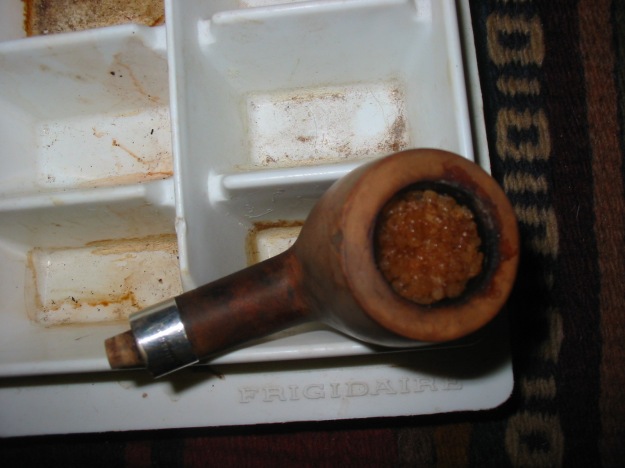
Once the pipe cleaners and the cotton swabs come out clean I smell the pipe and shank to see if it smells clean. If not then I stuff cotton bolls in to the bowl tightly. I leave about ¼ inch of clearance from the bowl rim and then fill the bowl with alcohol using an ear syringe. I have found that this keeps the alcohol within the bowl and off the finish of the pipe. I set the pipe in an old ice cube tray that I have and leave it overnight. The alcohol leaches out the oils and tars that are in the shank and bowl. I remove the cotton and wipe out the shank and bowl and repeat the process until the cotton is clean on the next morning. Once that is done the bowl and the shank are cleaned a final time with pipe cleaners and alcohol. The pipe is now ready to be used.

IMG_9808

Comoys 215 “The Guidall” Restoration


This Comoys “Guildhall” came with an Ebay estate lot that held my recent GBD Seventy-Six project. It is a stamped “C” logo pipe but the briar is nice and it should make a decent smoker. I suspect given the stamped logo and nomenclature, that this one is from the 1980’s.

The stem was heavily oxidized and it took a lot of elbow grease to get it shiny again. The bowl was reamed and soaked with an alcohol and sea salt mixture, as is my usual practice. There was a chip on the bowl top, around the 7 o’clock position. That spot was sanded lightly with a piece of 6000 grit micromesh which mininized the mark and didn’t require the bowl top to be restained. The beveled edge, a common Comoys styling element, is still intact with some darkening.

Comoys_215_Guidall_Before (3)

Comoys_215_Guidall_Before (4)

Comoys_215_Guidall_Before (5)

Comoys_215_Guidall_Before (6)

I put a dab of grease on the “C” logo stamp and soaked it in a mild Oxy-Clean solution. It took a lot of sanding with a piece of 1500 grit wet paper to remove the oxidation. The logo has to be avoided, which is tricky. I then moved to 2000 grit wet paper. The stem had a pretty decent level of shine at that point and I finished the hand work with 8000 followed by 12000 grit micromesh papers. The pipe was then buffed on a machine with White Diamond followed by Blue Magic plastic polish.

The bowl was buffed lightly with Tripoli rouge followed by White Diamond and finally several coats of carnuba wax.

Here is the finished pipe. This one will most likely be sold via pipe forum classifieds or Ebay.

Comoys_215_Finish_B

Comoys_215_Finish_B (1)

Comoys_215_Finish (8)

Comoys_215_Finish_B (4)

Comoys_215_Finish_B (5)

Not So “Mint” Danish Sovereign Reborn


Blog by Greg Wolford

I picked up this Danish Sovereign off eBay for my son as a gift. I have one in a different shape and he has admired it since I got it. I knew that he had been wanting a Danish pipe and when I was this one it looked to be right up his style-alley.

This pipe came described as in “mint condition” from an eBay seller. It was a Father’s Day gift for my son, his first Father’s Day pipe actually; he took up the pipe only about 8 months ago. The photos the seller provided were not good and none of the problems were shown/disclosed; I could see some oxidation but didn’t expect the chatter and dents.

The seller shipped it not as expediently as I had hoped so the pipe didn’t arrive in time for Father’s Day; it came yesterday. I spent the evening getting it cleaned up for him, not doing anything to alter the originality of the pipe, which is what he wanted. If he decides he wants me to, I may end up sanding it down and re-staining it, filling the dents as needed, to make it much more like new. But that’ll be his call since it’s his gift.

I thought I would try something, actually a few things, different for this project: I used a few new things/processes, yes, but mainly the difference is I took video as I went instead of photos and will show the steps/progress in the video rather than writing it all out. This is something I have been wanting to try and so, now I have! Since it is the first time doing a resto-video I’m sure there will be things that could’ve been done better. And hopefully with time and practice, if this idea seems to “fly”, they will in the next projects.

GBD Oval-Shank Pot “Seventy-Six” Restoration


In 1976 GBD introduced a series called the “Seventy-Six” to commemorate the United States Bicentennial.  I was in Sophomore in high school during 1976 and the year-long celebration had a big impact on me.  The Seventy-Six model remained in the GBD catalog until 1981.  From the 1976 Catalog:

“The GBD “Seventy-Six” is our contribution to the Bicentennial celebrations.  We have really pushed out the boats for “the colonies” in launching this new series that will be remembered by its proud owner long after the celebrations are forgotten.”

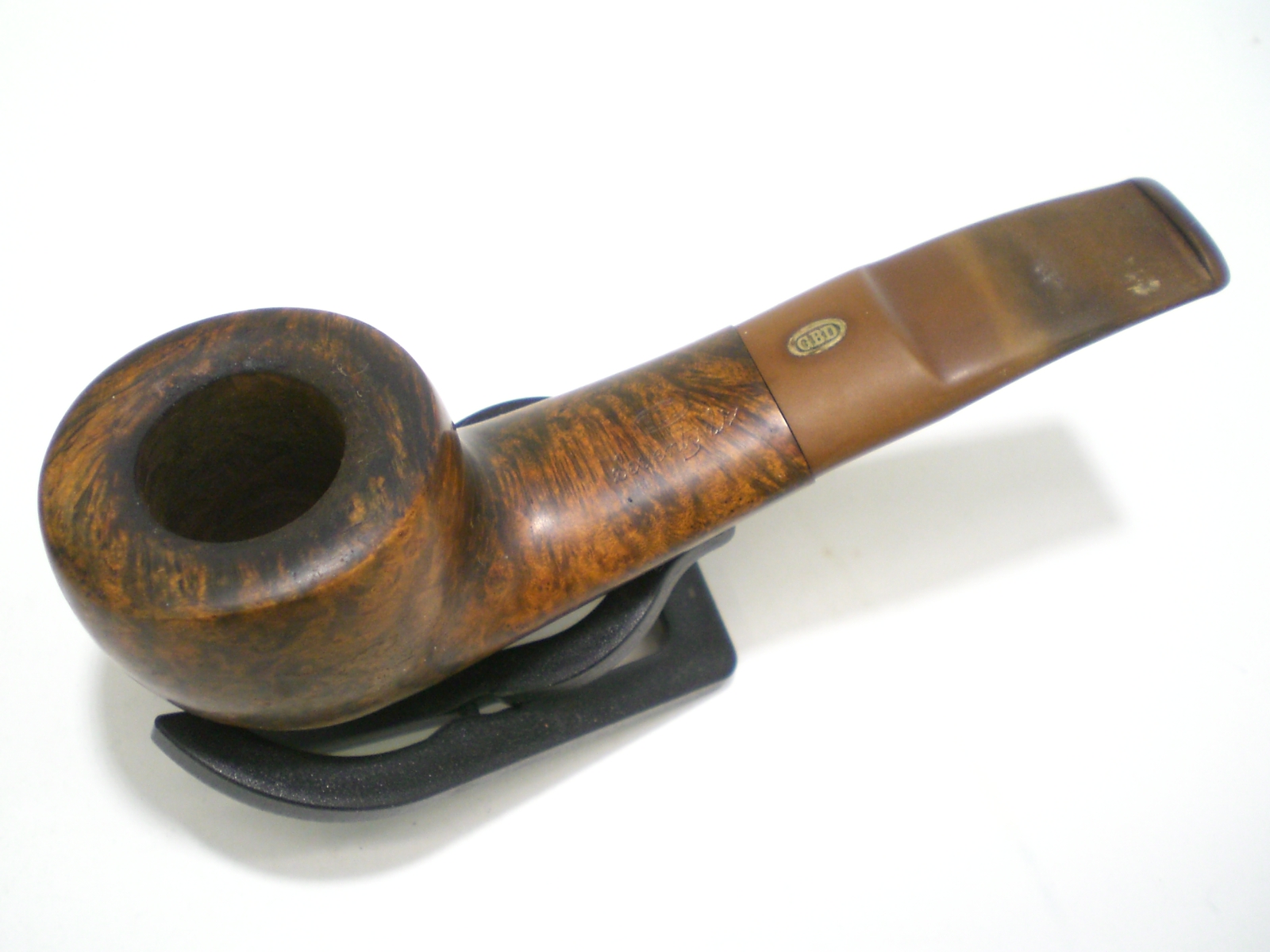
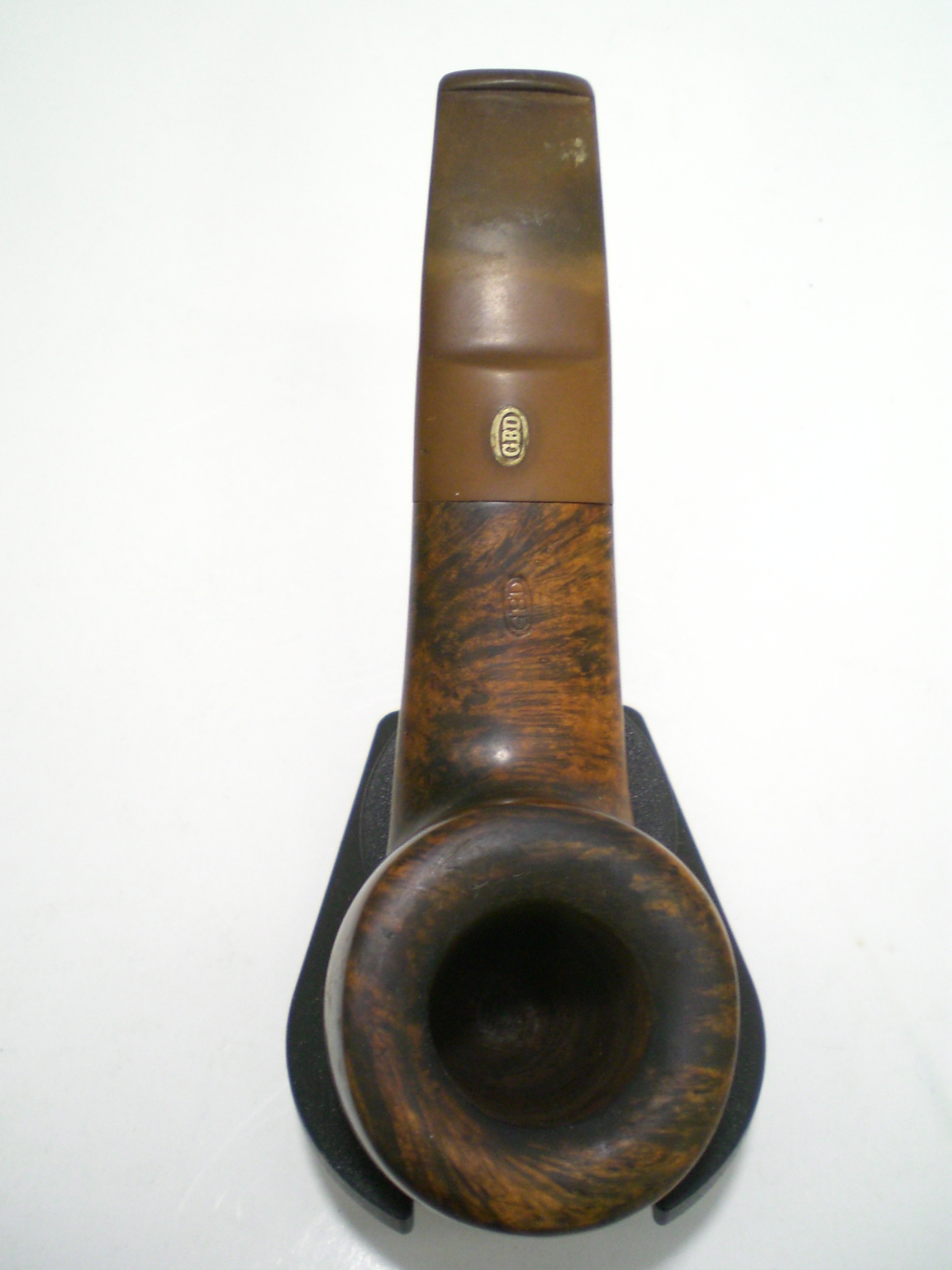
My first “Seventy-Six” model was a 1976 Coloussus and I’ve since added three more, including this Shape 1353.  I would call this a banker, but in a Smokers Haven sales ad, it is referred to as a “bent oval-shank pot”.

The pipe was in decent shape, with a moderate coating tars on the bowl top, along with a few nicks and dents.  The stem, while heavily oxidized still had the brass rondell.  The rondell along with the “London, England” stamp indicated a pre-Cadogan era GBD.  The stem was also free of any serious teeth marks.  Several of the nicks were very noticeable and I wasn’t sure they could be removed or hidden easily.

GBD_1353_76_Before GBD_1353_76_Before (1) GBD_1353_76_Before (2) GBD_1353_76_Before (3)

I reamed the bowl and soaked it for six hours with some Everclear and sea salt.  Prior to soaking, I buffed the pipe lightly with some Tripoli and White diamond followed by a buff with carnuba wax.  I like to leave the wax on the pipe during the soaking process in the event some alcohol is splashed on the briar bowl top and I believe the wax gives it some protection from lifting the stain.  While the bowl was soaking, the stem was also soaked in a mild solution of Oxy-clean.  I put a dab of grease on the brass rondell.  The oxidation was so heavy, part of the rondell was obscured and at first I thought it was just worn heavily.   That turned out not to be the case.

GBD_1353_76_Restore (13) GBD_1353_76_Restore (5)

After the bowl was soaked, I emptied the salt and alcohol solution.   I heated a kitchen knife with a torch and applied that to the dents with a wet towel.  The steam generated allows the dents to pop back out most of the time.  In this case, the dents did spring back to shape and I was able to reduce the depth of some of the nicks.  Next I buffed the briar bowl again, using separate wheels of Tripoli, White Diamond and several coats of carnuba wax.  I was able to diminish all of the nicks, in particular the one on the right side of the oval stem.

Next I went to work on the stem, which I re-attached to the bowl in order not to round off the crisp edge.  I removed the oxidation with 1500 grade wet paper (dipped in my oxy-clean solution) followed by 2000 grade paper.  Next I moved to the Micromesh sheets, using 8000 and finally 12000 grade paper.  I then buffed the stem with white diamond and Blue Magic brand plastic polish.

A wire bristle brush dipped in Everclear was used to clean the shank.  It took approximately 25 swabs with the bristle cleaner until the brush came out clean.    I’ll let the briar dry out for a few days before smoking the pipe.   Below are some pictures of the finished pipe.

GBD_1353_Gallery2 GBD_1353_Finished (1) GBD_1353_Finished2 (3) GBD_1353_Finished (3) GBD_1353_Finished (5) GBD_1353_Finished (4)

Reworking a Mastercraft Custom Deluxe Billiard and Removing Mold


Blog by Steve Laug

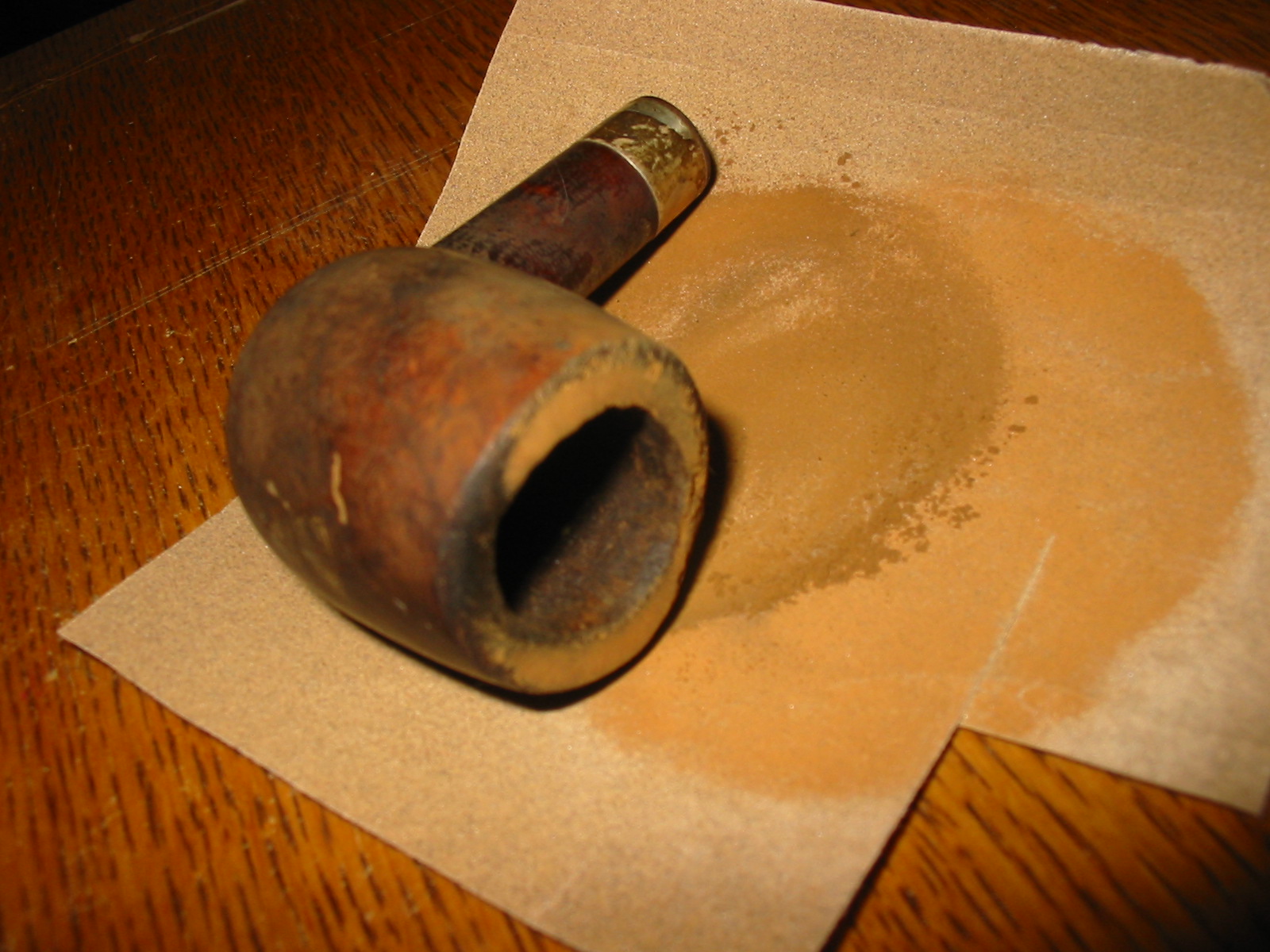
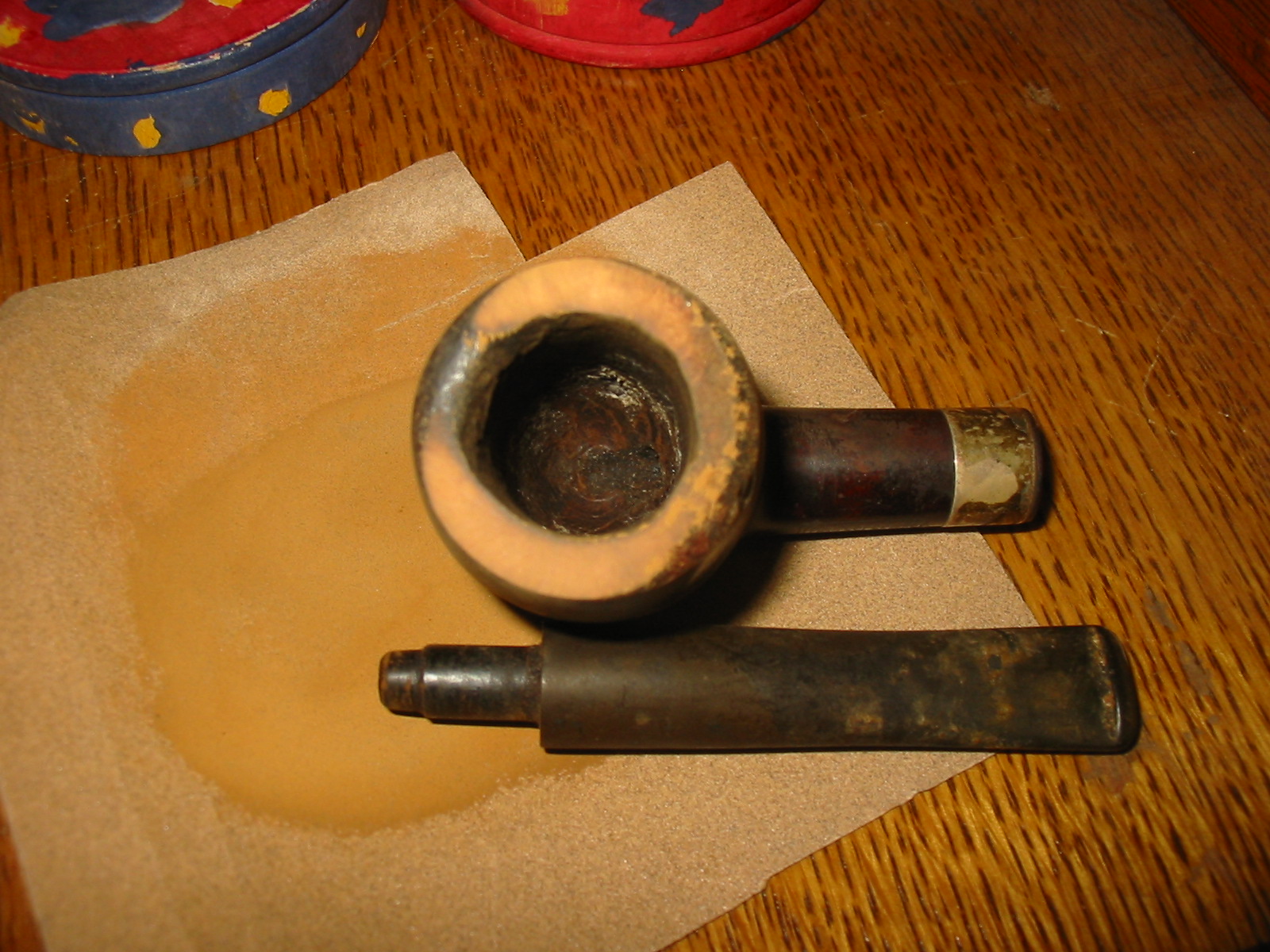
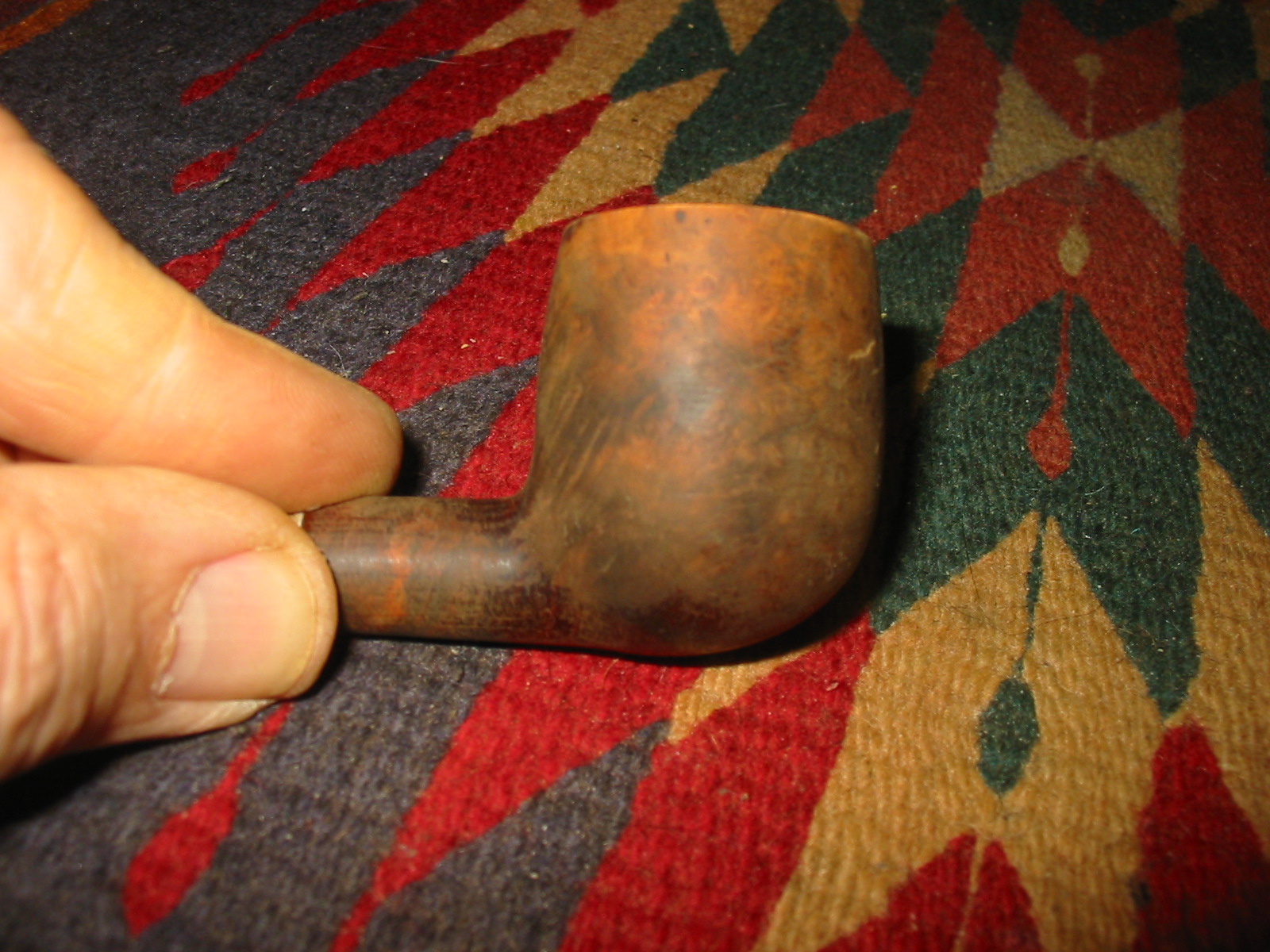
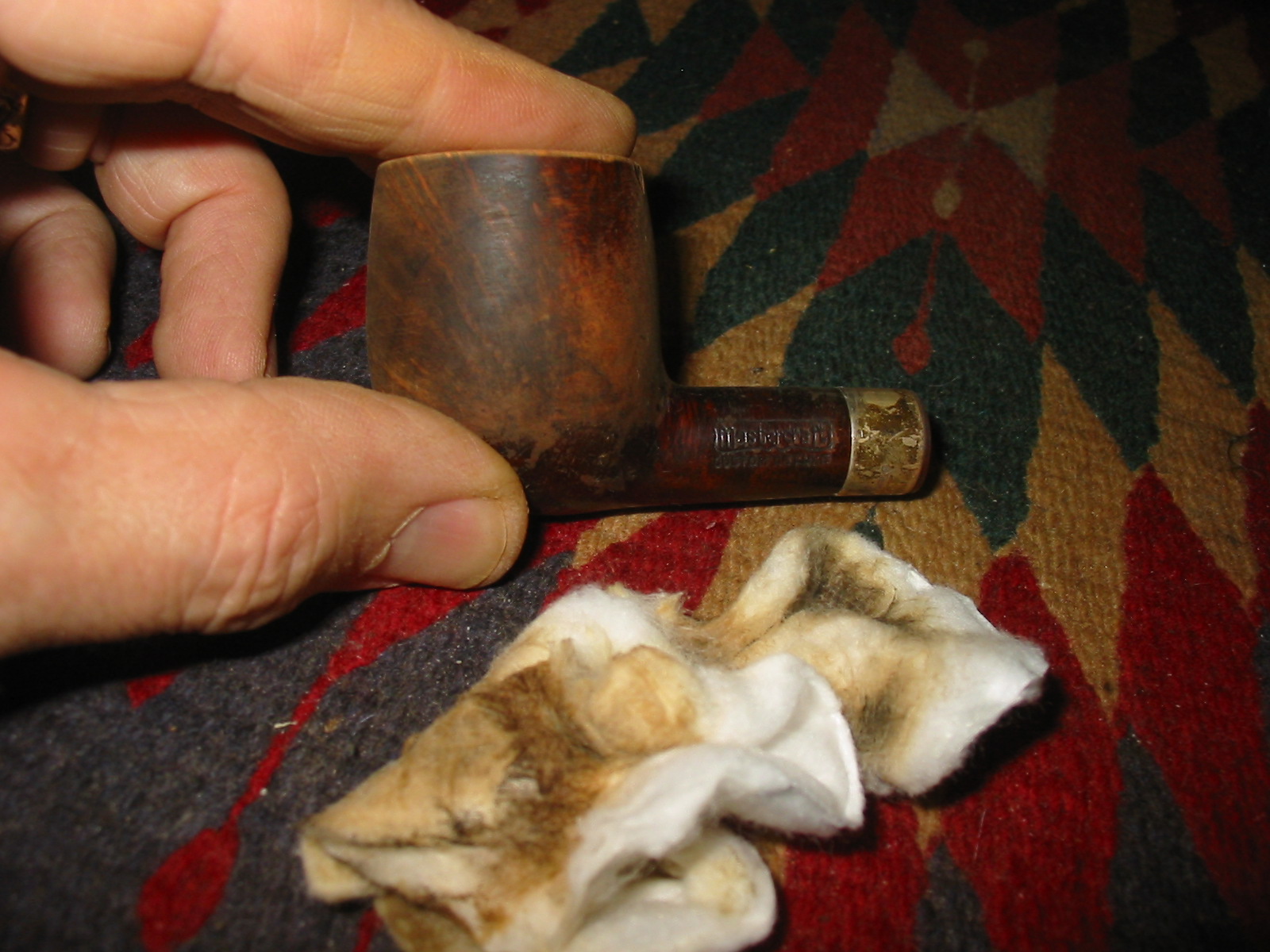
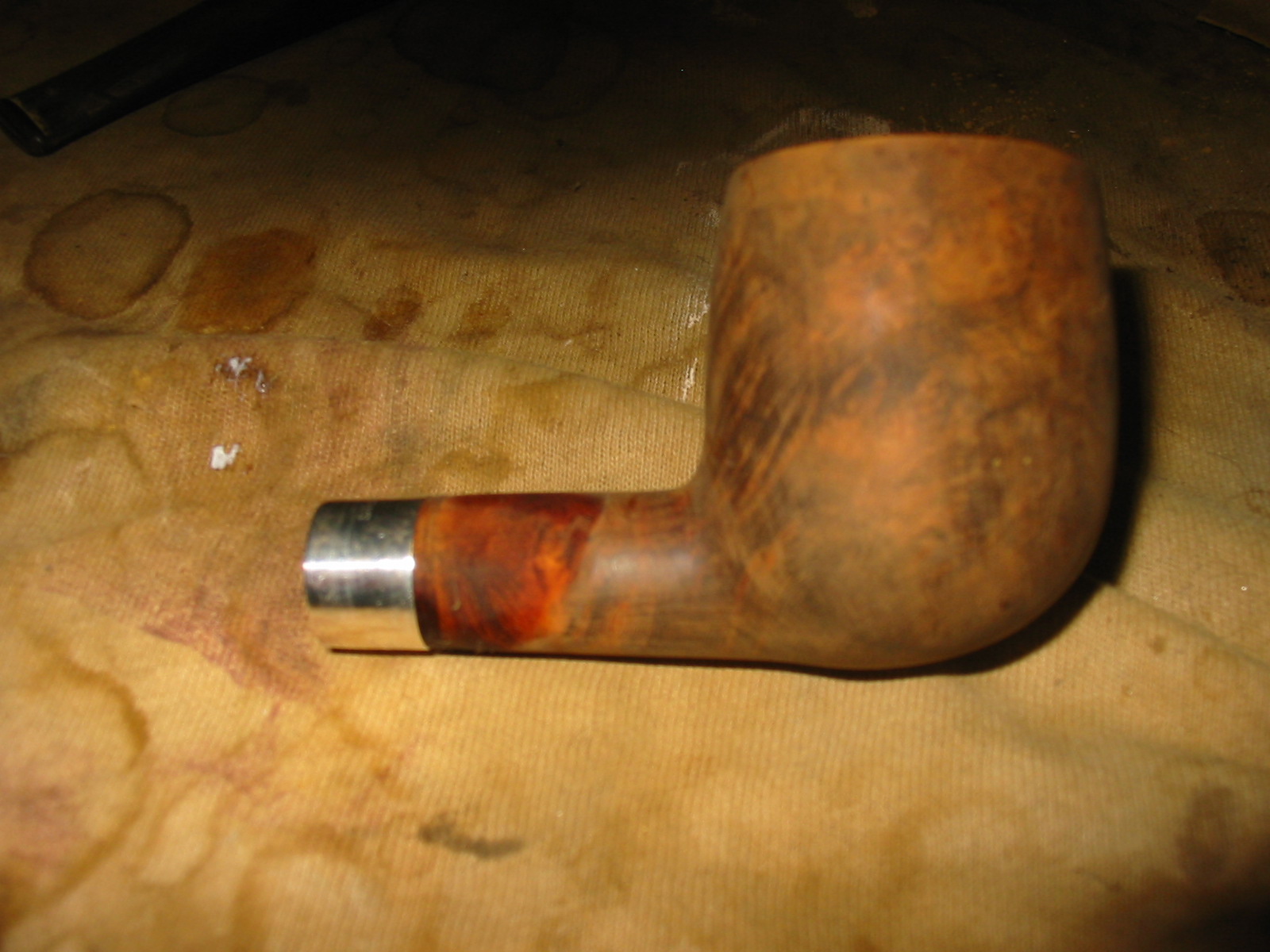
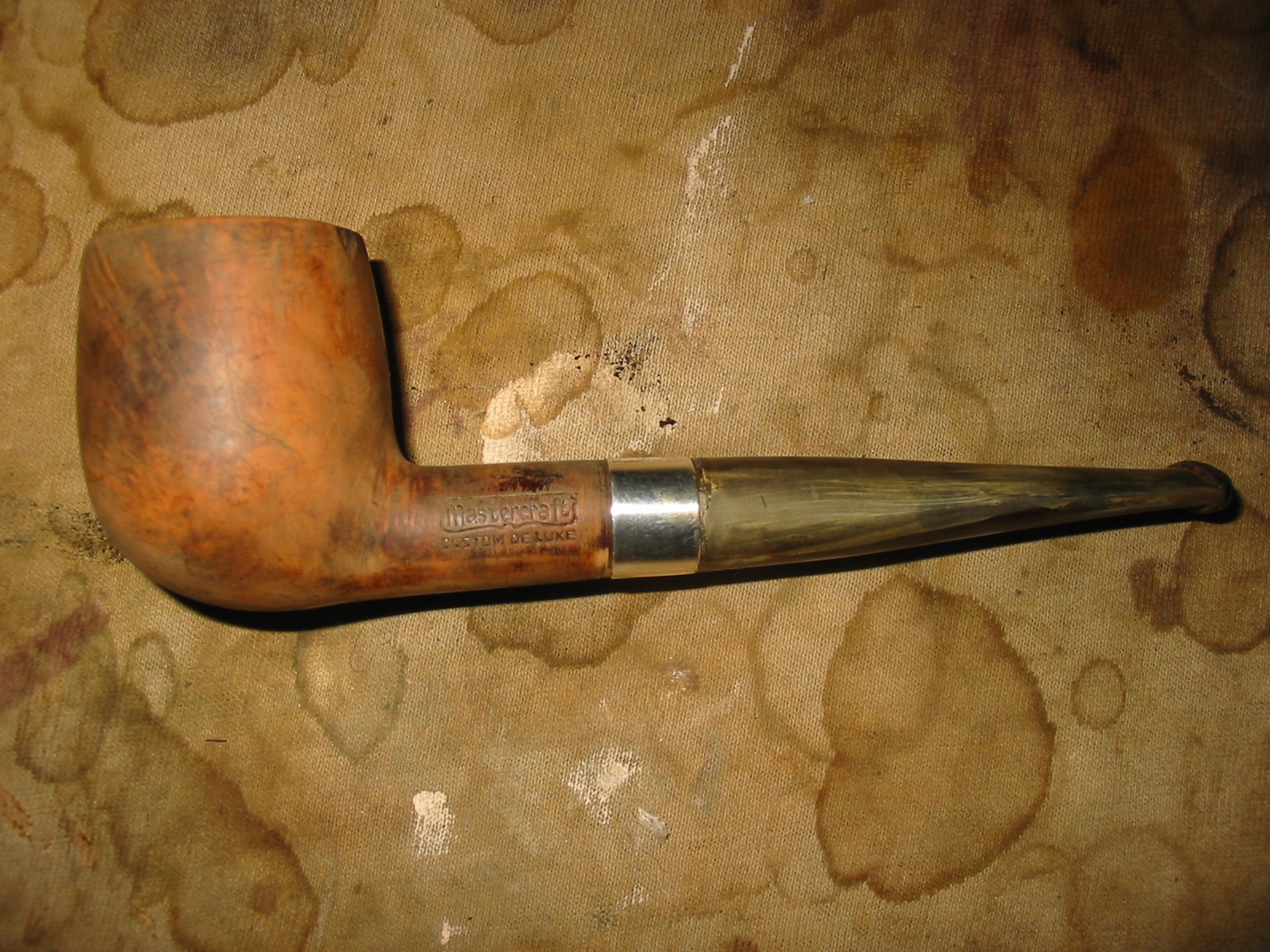
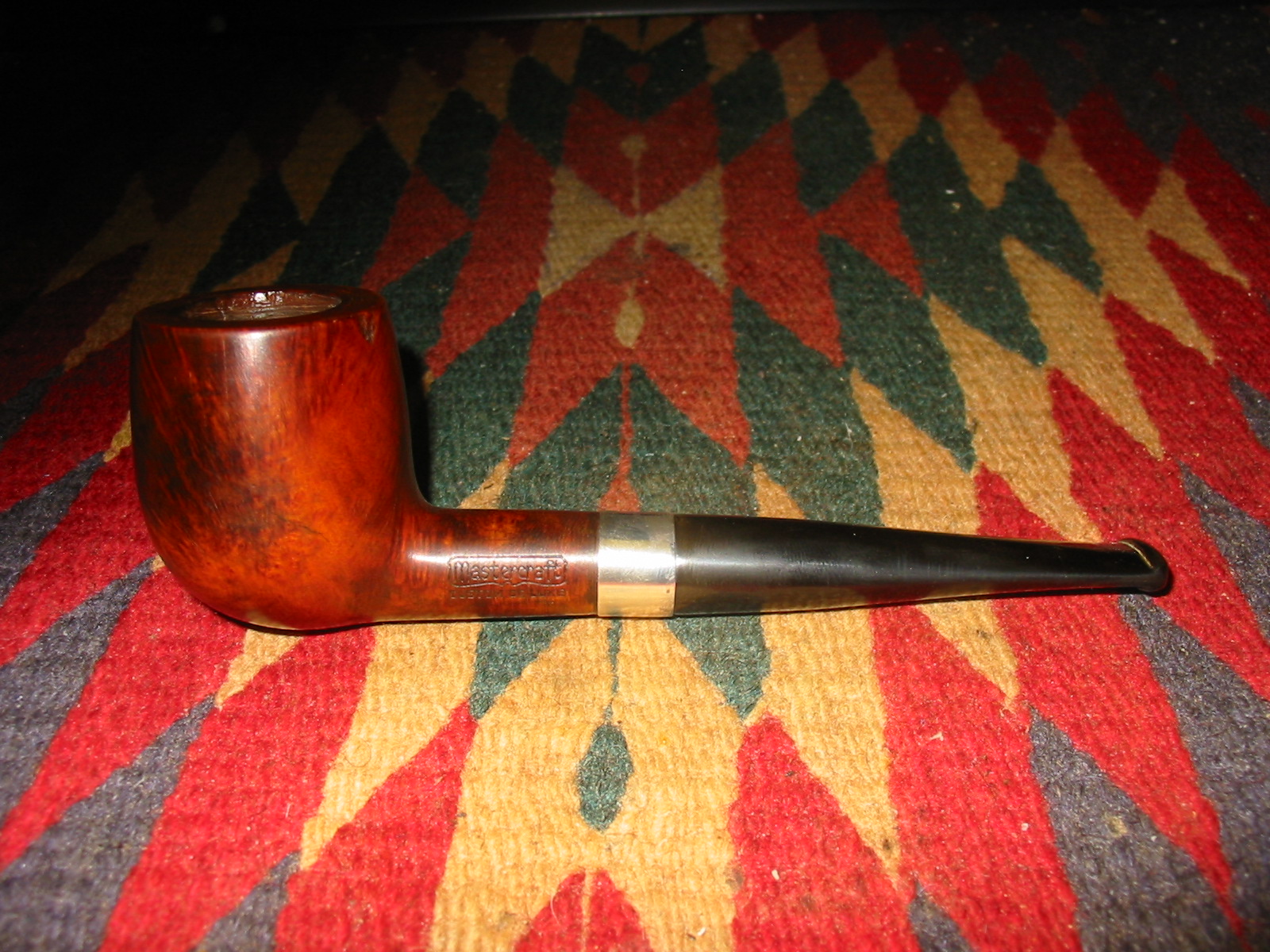
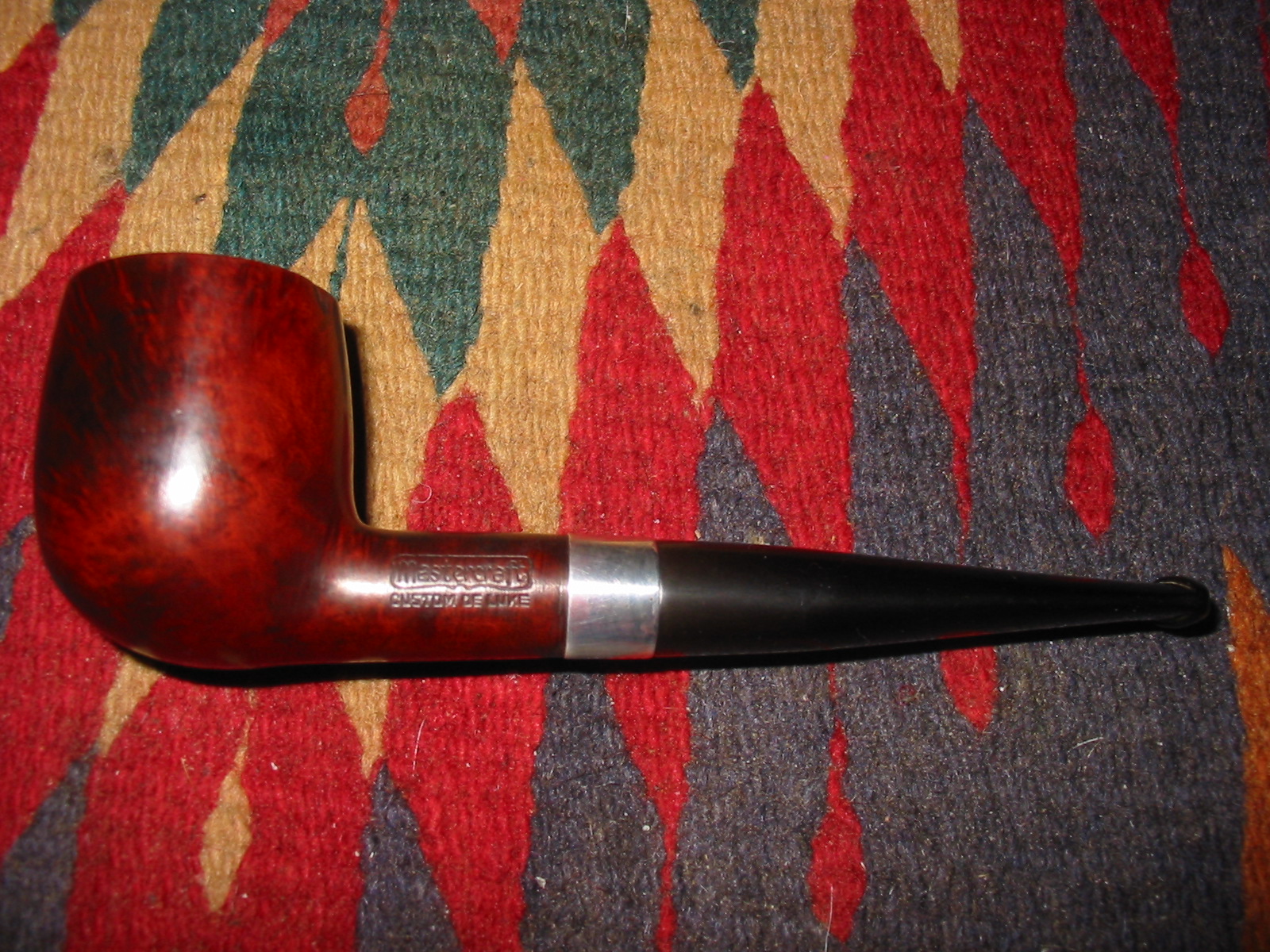
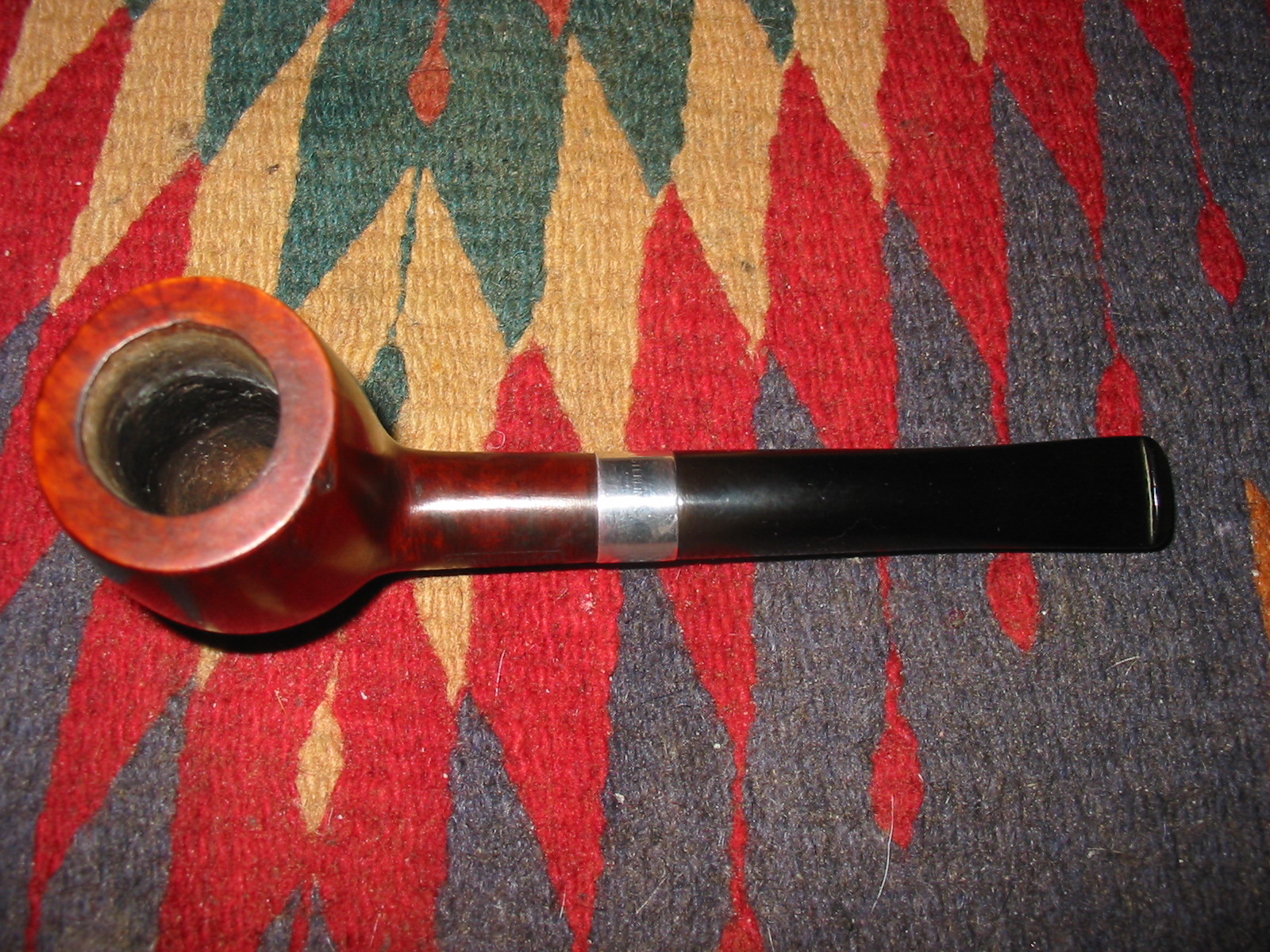
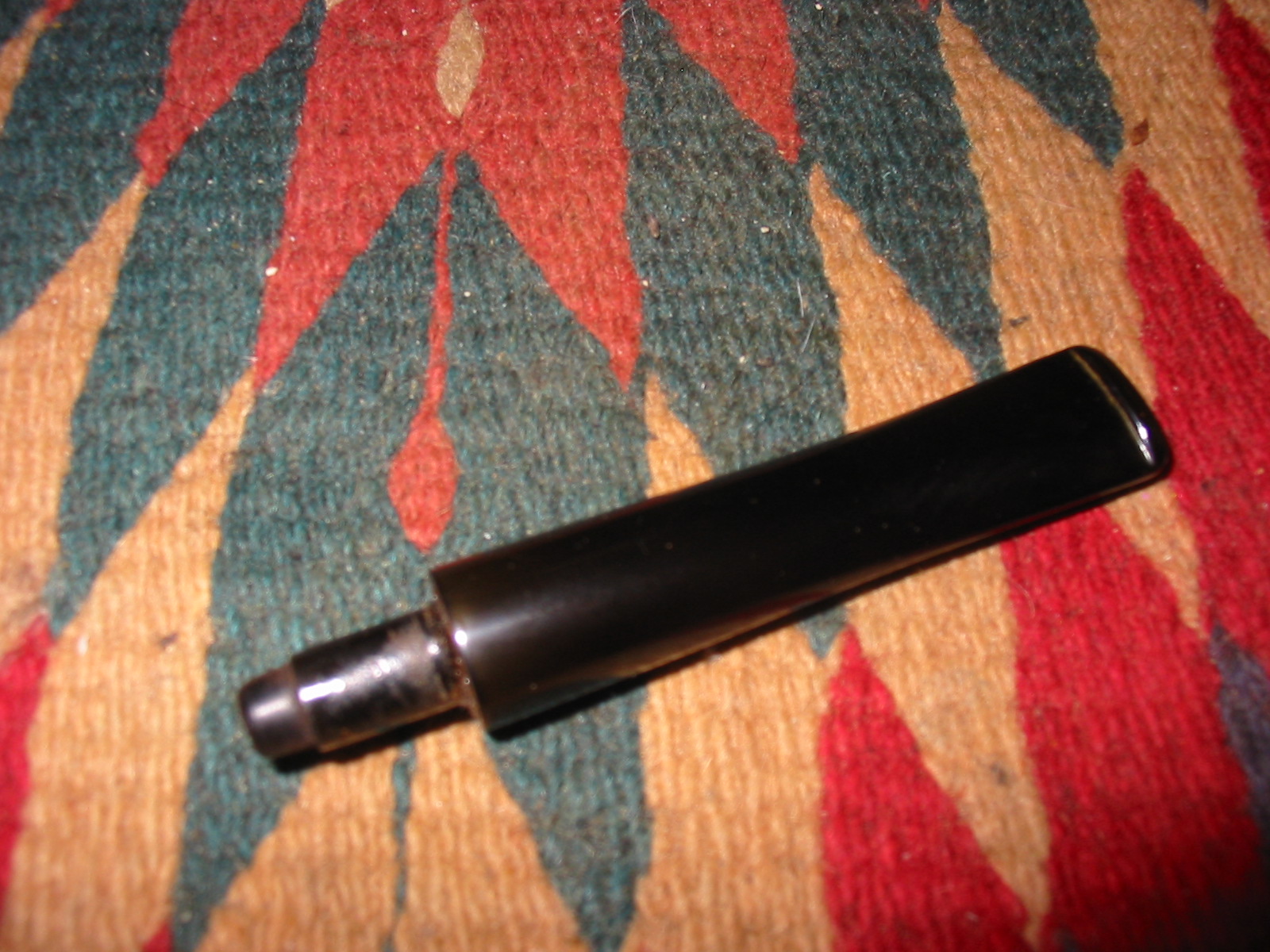
This old Mastercraft billiard is the second pipe of the threesome that was sent to me last week as a gift. In his email asking if I wanted them he said they were either going to the rubbish bin or to me so I was not surprised when I opened the box and unpacked them. It had some nice looking grain underneath all of the grime and peeling varnish. But this one was in very rough shape. The stem was chewed in half so there was not enough to save. The inner tube apparatus inserted into the stem looked like it had been destroyed and then somebody bent it close to shape and cut a X cut in the end of the tenon so that it would fit into the stem. The shank was grimy and dark with a white mold residing inside both the bowl and the shank. The pipe reeked of mold. The bowl itself had a heavy but broken cake underneath the mold. It had a coat of varnish that was spotty and peeling where it was worn off the briar. In those worn spots the briar was almost black. The rim was also in very bad shape. The front was burned down from repeatedly lighting the pipe in the same spot with a torch. The back side of the rim looked like it had been scraped on concrete or hammered out on concrete because it was worn and broken down. The three photos below (I apologize for the poor quality – still getting used to this new camera!) show the state of the bowl and stem.
IMG_1009

IMG_1010

IMG_1011

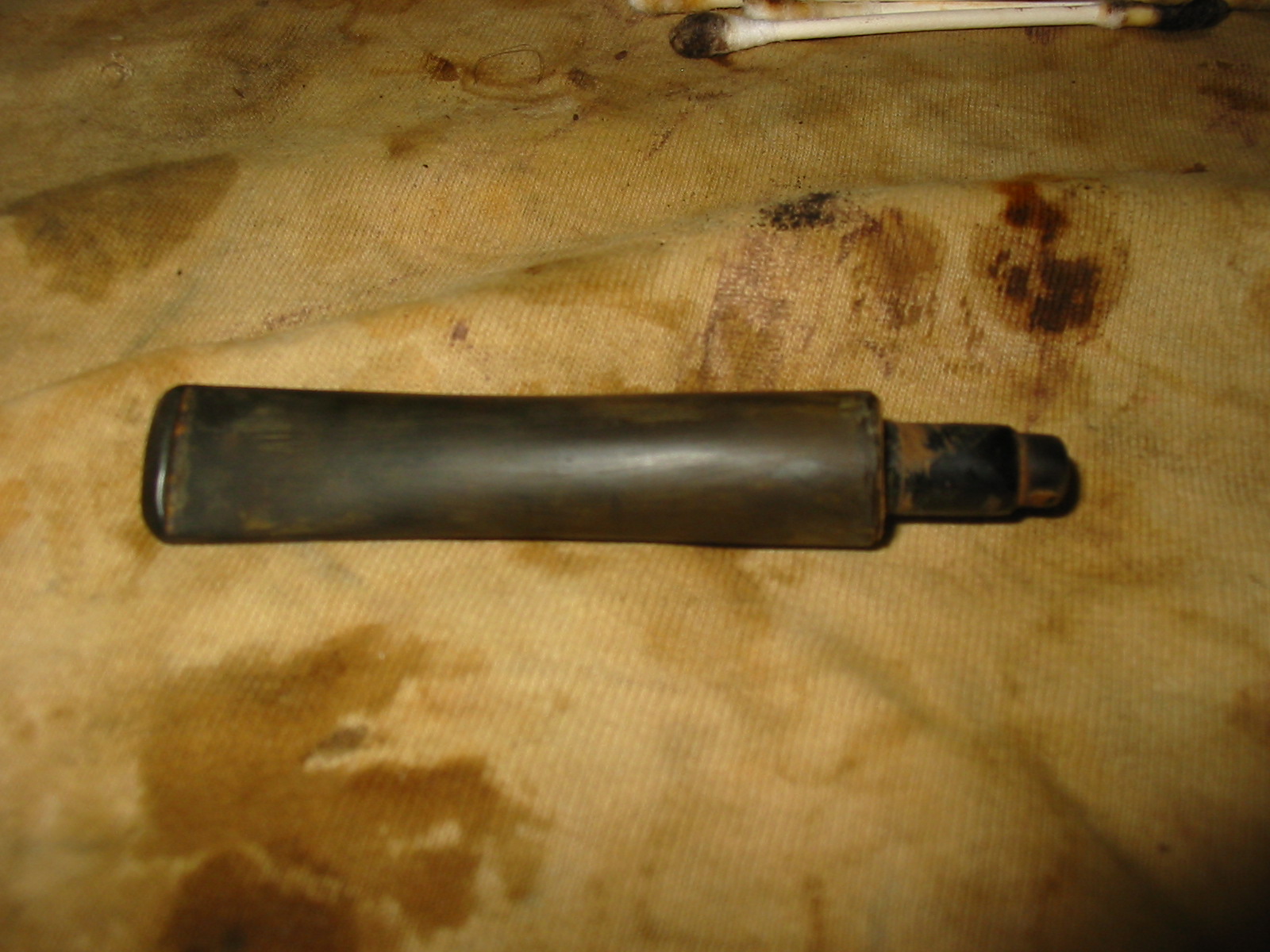
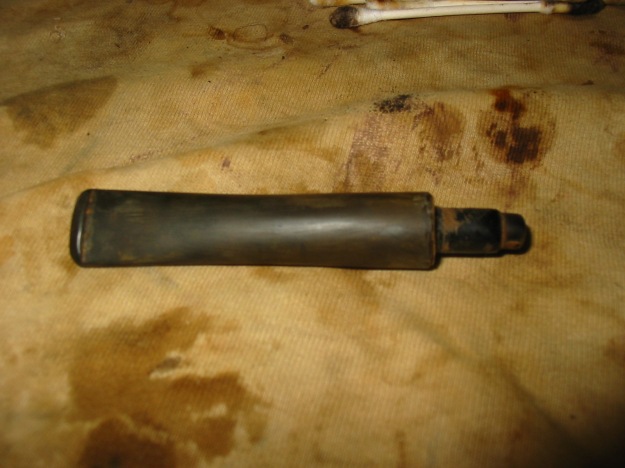
I sorted through my stems and found two options that I thought might work on the pipe. The first one was an acrylic saddle stem that I thought might look good with the bowl (pictured in the first photo below). I turned the tenon and fit it to the pipe but did not like the proportion of the stem and shank length. I then took the second stem – a shorter, straight tapered stem and fit it to the pipe (pictured in the second – fourth photo below). It looked like it belonged on the pipe so my choice was made. It was an old previously used vulcanite stem from my collection of old pre-used stems that I collect. This one would take some work as it was oxidized and had a calcified buildup around the button area. It was also clogged and the slot was plugged to a small pin hole. But it had the right look so it would be worth cleaning up.
IMG_1020

IMG_1049

IMG_1050

IMG_1051

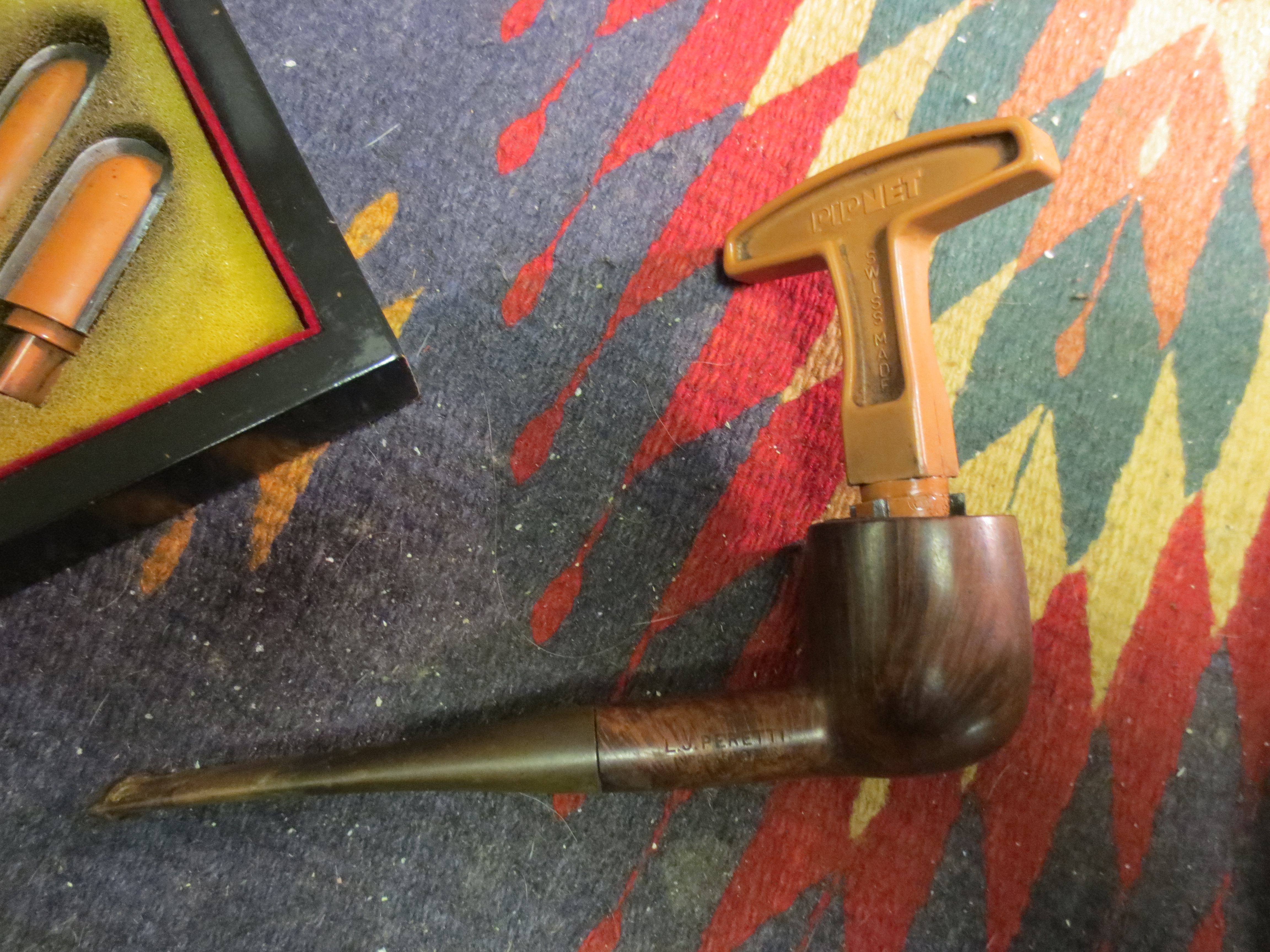
I set the stem aside and worked on the bowl. I reamed the pipe with a PipNet reamer to get rid of the cake and the mold. I cleaned the reamer with alcohol before putting it away. I cleaned the bowl and the shank with cotton swabs, pipe cleaners and Everclear to remove as much of the tars and oils and moldy smell as possible.
IMG_1021

IMG_1022

IMG_1023

When I finished it still smelled moldy, but I had several plans in mind for addressing that. But first I topped the bowl with my usual flat board and 220 grit sandpaper. I place the bowl rim down flat against the sandpaper and work in it a circle to remove the damage on the rim. This one took quite a bit of work to even out the top and get rid of the damage from the burn on the front side of the rim and the roughened back edge done by beating the pipe against concrete. I sanded it, repeatedly checking to see if I was removing enough of the damage to get a sharp edge on the bowl. On the outer rim next to the shank there was a chunk of briar missing that I would try to minimize after topping the bowl. I was able to remove all of the damage of the burned area and most of the damage of the battering the old pipe had taken. The rim looked good. I used a folded piece of sand paper to work on the inside edge of the rim and clean up the damage that was done there and keep the bowl in round.

IMG_1053

IMG_1054

IMG_1055

IMG_1056

IMG_1057

IMG_1058

I wiped the exterior of the bowl down with acetone on a cotton pad to remove the grime and the finish that remained. I repeated this until I could not remove any more finish or grime. The next two photos show the wipe downed bowl.
IMG_1059

IMG_1060

I placed the bowl in an alcohol bath for several hours while I worked on the stem and worked on several other old pipes that I have on the go. When I took it out of the bath, I dried it off with a cotton cloth and scrubbed it with a tooth-brush dipped in alcohol from the bath. I dried it again to check on the finish. There were still several spots where the varnish remained – the shank and the bottom of the bowl. One benefit of the bath was that the glue softened on the over pressed band and I was able to remove it from the shank. I sanded and scrubbed the old glue off the shank and sanded the bowl with a fine grit sanding sponge. I wiped it down with another acetone cotton pad. It still needed to soak a bit longer to finish breaking down the varnish that remained. While it soaked I cleaned up the silver band with silver polish and the jeweler’s polishing cloth. Under all the tarnish I found that the band was stamped Sterling.
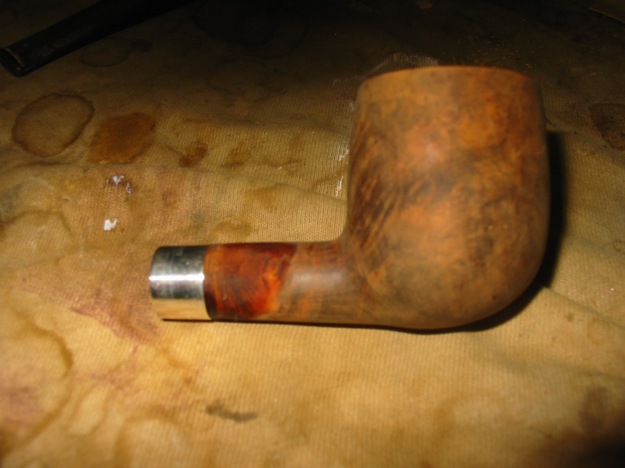
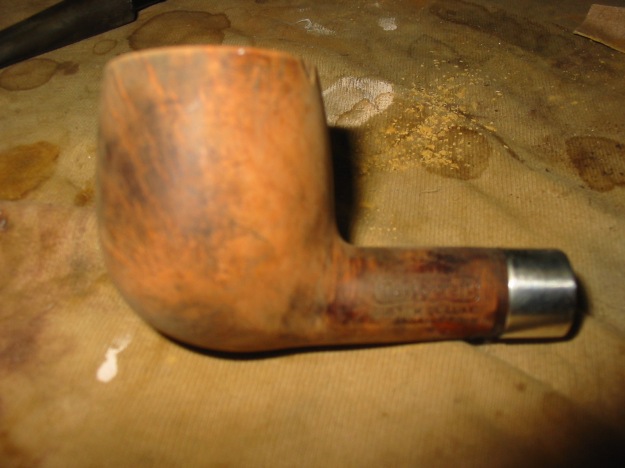
I removed the bowl from the alcohol soak and dried it off. I used a lighter to burn off the alcohol from inside the bowl and the shank. I then recleaned the inside of the bowl and the shank with Everclear and many more pipe cleaners and cotton swabs. The amount of tars and sticky oils and grit that came out of the shank was incredible. It was no wonder that the pipe still reeked like mold. The next series of three photos show the pipe after soaking and sanding.
IMG_1061

IMG_1062

IMG_1063

I scoured the shank until it was fairly clean and then set up a retort to do a more thorough clean. The retort sends vaporized alcohol into the bowl and shank and in essence boils out the grime with hot alcohol. As the alcohol cools it returns to the tube and with it the grime and oils from the pipe. I repeated the retort three times on the pipe until the alcohol came out clean. I then took apart the pipe and cleaned out the shank with pipe cleaners and cotton swabs a third time. There was even more oil and grime that came out of the shank. I cleaned off the surface with an acetone wipe and then reset the silver band with Weldbond glue. I turned it so that the Sterling stamp was on the top of the shank and pressed it on to the shank until it was even with the edge of the shank. Weldbond dries fairly quickly to touch so that the band would not be loosened when I went on to the next step in my cleaning process.

IMG_1064

IMG_1065

IMG_1071

After removing the retort I cleaned the bowl and shank. Yet even more grime came out. I put the stem back on and took the four photos below to show the state of the pipe at this point. I did this more for an encouragement to me as this one was proving a difficult rework. The photos gave me a picture of what I was aiming for in cleaning this one up. If I lose sight of that it will end up in the bin as rubbish.
IMG_1066

IMG_1067

IMG_1068

IMG_1069

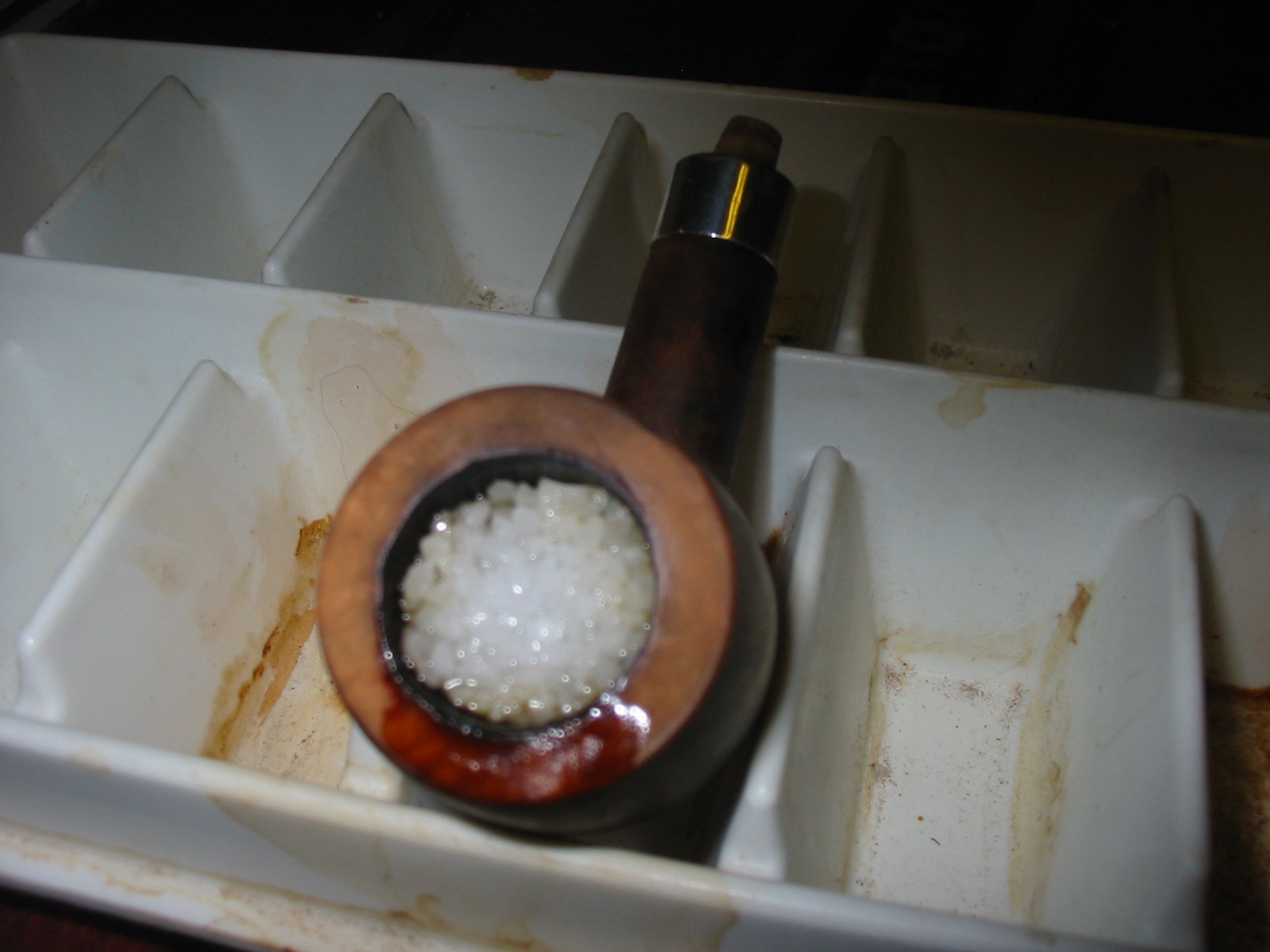
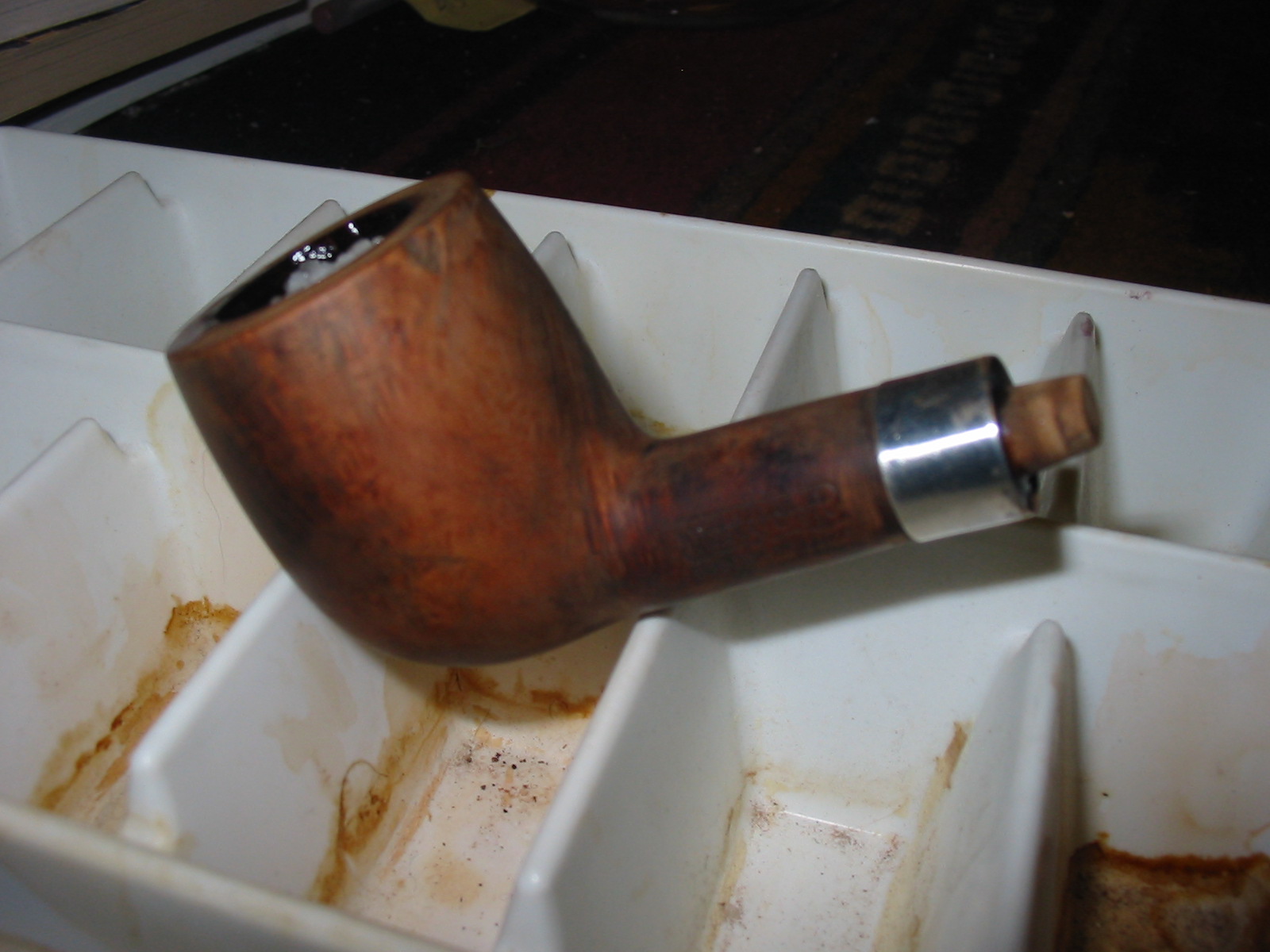
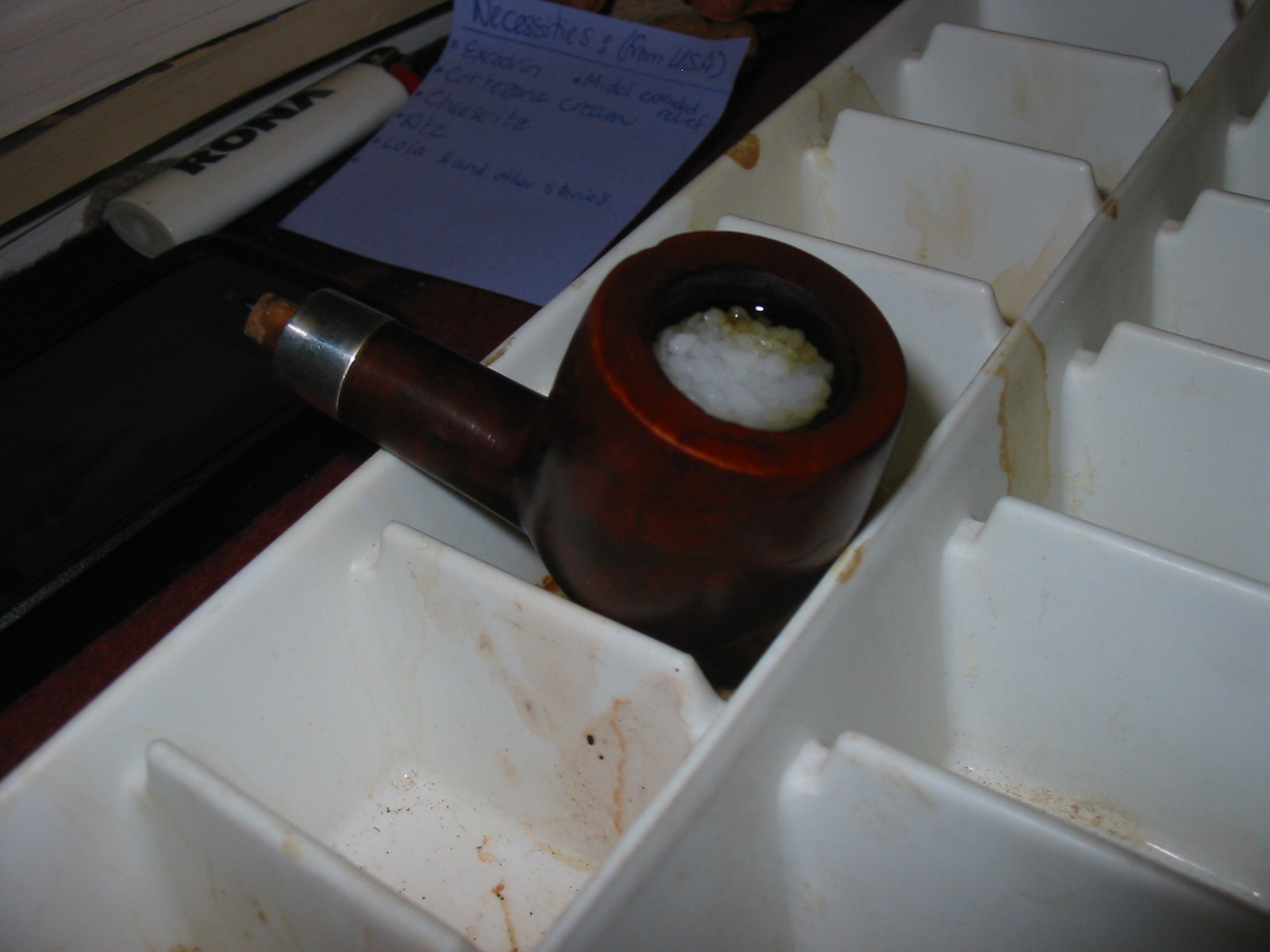
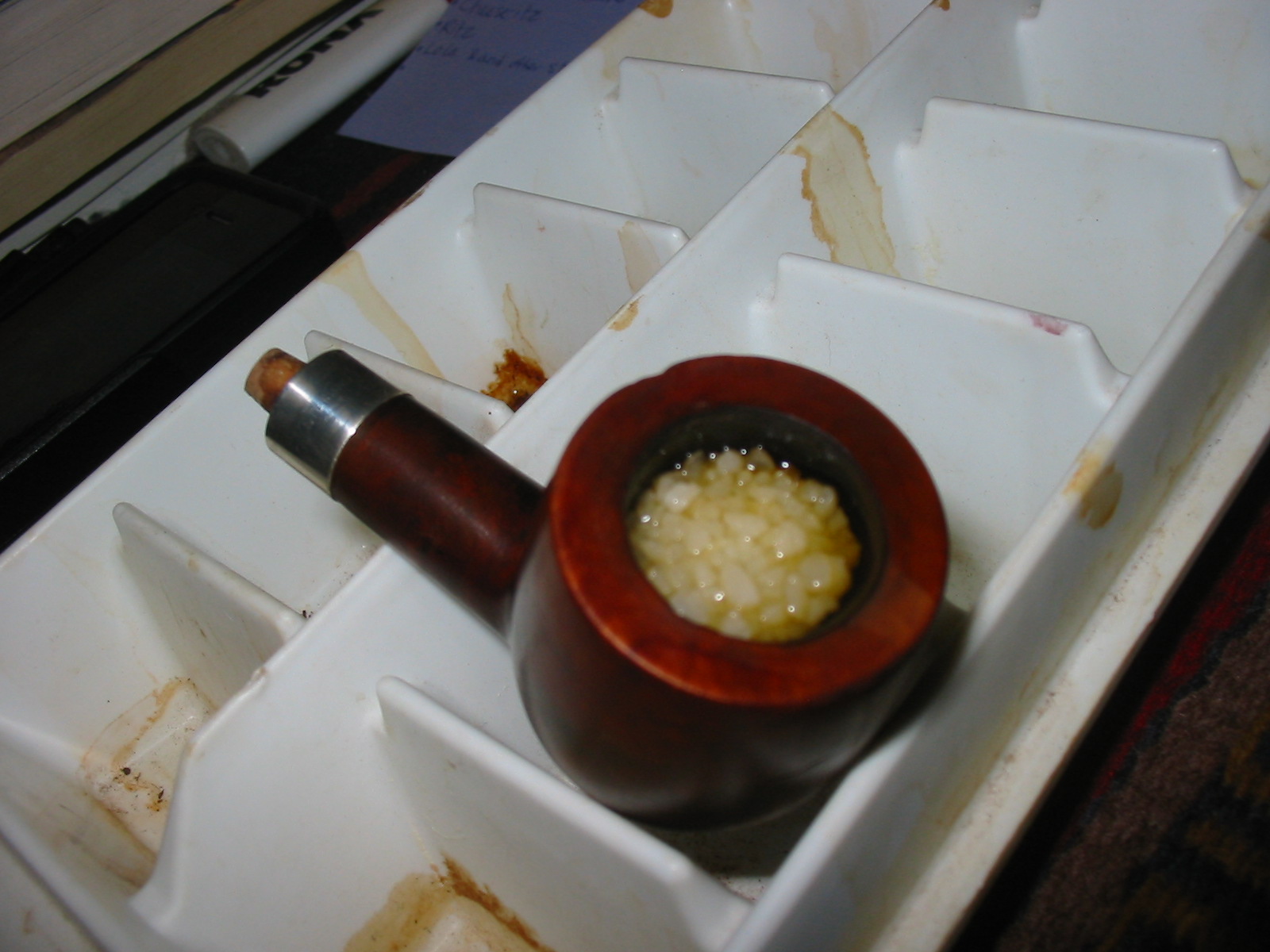
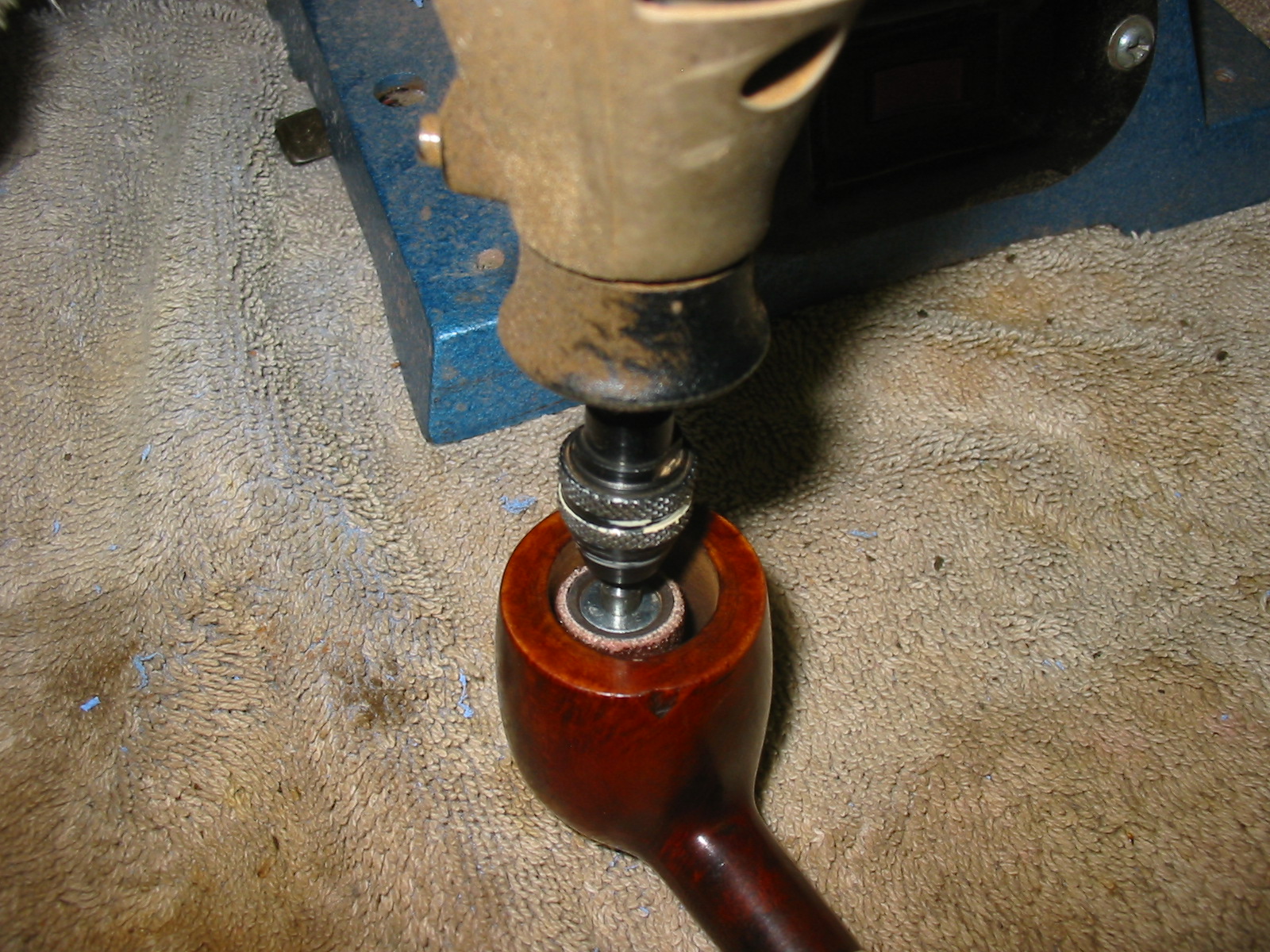
When the alcohol dried in the bowl and the visual showed a clean bowl and shank I took a sniff of the bowl. After all of this work the moldy smell still was present in the bowl and shank. This called for more drastic measures. I used the Dremel with a sanding drum on it and sanded the inside of the bowl until the briar was bare and clean. Then I filled the bowl with salt and alcohol to leach out the oil from the inside of the bowl and shank. My hope was that in doing this I would also kill the stench. I plugged the shank with a cork, filled the bowl with kosher rock salt (I was out of my normal cotton bolls) and set it up on an old ice-cube tray. I used an ear syringe to fill the bowl with 99% isopropyl alcohol. I set it aside and went to bed to let the treatment do its work while I was sleeping. The two photos below show the bowl after filling with alcohol.

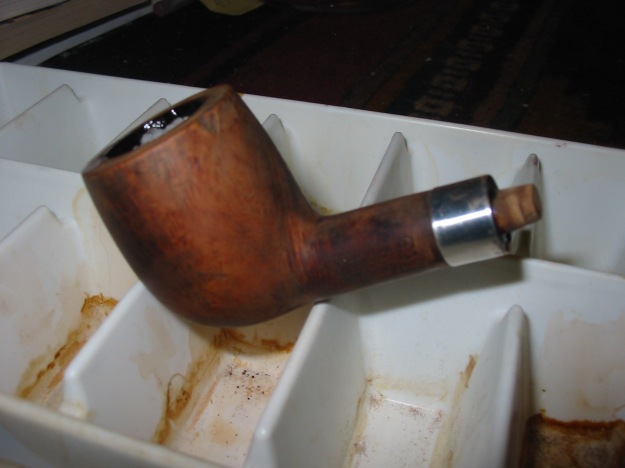
IMG_1072

IMG_1073

In the morning the salt was a dark brown as pictured below. I emptied the now darkened salt and dried out the inside of the bowl by flaming the alcohol with my lighter. It still smelled like mold though the smell was definitely losing strength.

IMG_1070

I cleaned out the button area of the stem with the dental pick and then ran several bristle pipe cleaners through it and then followed up with regular pipe cleaners. I soak both in Everclear to clean out the stem. I then sanded the stem with 220 grit sandpaper to remove the calcification that was all over the stem. I also gave the stem a quick sand all over with the 220 grit to remove the top oxidation. I ran the flame from the Bic lighter over the surface to burn off the oxidation. It did a great job of removing what I had loosened with the sandpaper. I continued sanding it with a fine grit sanding sponge to remove the remaining oxidation. I rubbed down with Obsidian Oil and set it aside with the bowl while I went off to work. The Obsidian Oil sat on the stem and soaked in for the 9 hours I was at work.
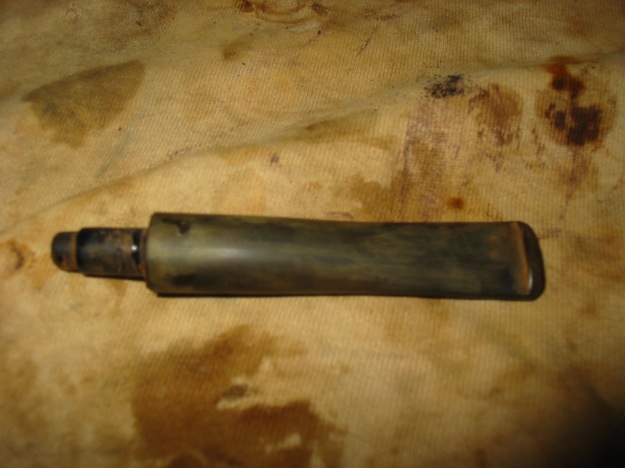
IMG_1074

IMG_1075

IMG_1076

IMG_1077

I refilled the bowl with salt and put a cork in the shank. I again used the ear syringe to fill the bowl with alcohol and set it aside to work on the stem. It too sat for the nine hours I was at work.

IMG_1072

When I got home from work the stem looked quite good. It was significantly more black and the oxidation was gone except around the stem shank union. More work to do there. The salt was a dark brown, but slightly lighter than the first treatment. I dumped out the salt and cleaned out the bowl and shank with cotton swabs again. When I finished the smell was better but present nonetheless. I cleaned out the bowl with alcohol and cotton swabs again.
IMG_1078

I needed another bit of encouragement at this point so I decided to stain the pipe with a dark brown aniline stain cut 2:1 with isopropyl alcohol. I applied the stain, flamed it and then buffed it on with Tripoli and White Diamond (photos 1-4 below). The brown did a fair job of coverage but I would need to give it a second coat of stain using a oxblood colour to do some blending with the dark areas on the bowl.

IMG_1083

IMG_1084

IMG_1085

IMG_1086

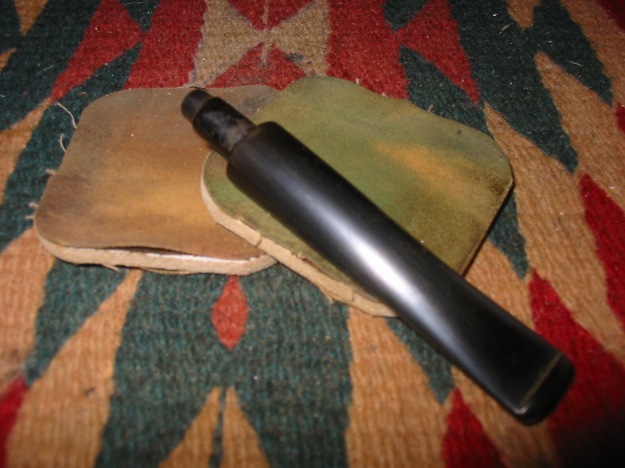
I worked on the stem with fine grit sanding sponges and 1500-2400 grit micromesh sanding pads. There were some minor tooth dents that still showed up so I passed over them with a Bic lighter and was able to raise them. More sanding was needed and I repeated the sanding described above.
IMG_1079

IMG_1080

IMG_1081

IMG_1082

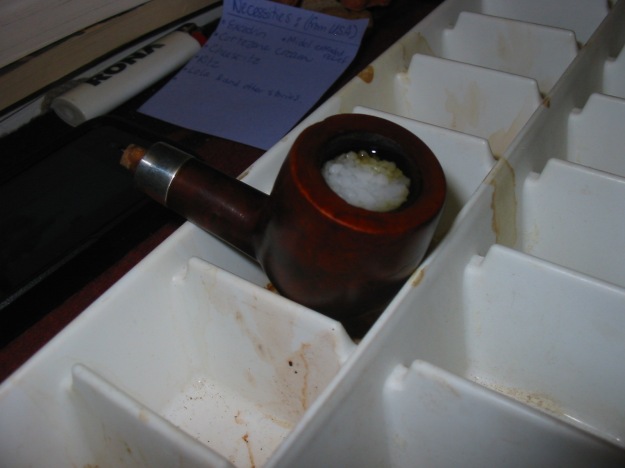
Once the bowl dried out it still smelled so I decided to repeat the salt and alcohol treatment a third time. I filled the bowl with salt and isopropyl and set it aside over night (photo 1 below). In the morning the salt was little lighter brown this time (photos 2-3 below). I dumped the salt out and cleaned the bowl and shank again. This time the cotton swabs came out fairly clean. I flamed the inside of the bowl. Once the bowl dried out it still smelled so I decided to repeat the salt and alcohol treatment again. I filled the bowl with salt and isopropyl and set it aside over night. In the morning the salt was once again a dark brown. I dumped the salt out and cleaned the bowl and shank again. This time the cotton swabs came out fairly clean. I flamed the inside of the bowl. Though the inside of the bowl and the shank was very clean the musty smell still remained, though less prevalent. This was one stubborn pipe bowl to clean.
IMG_1087

IMG_1088

IMG_1089

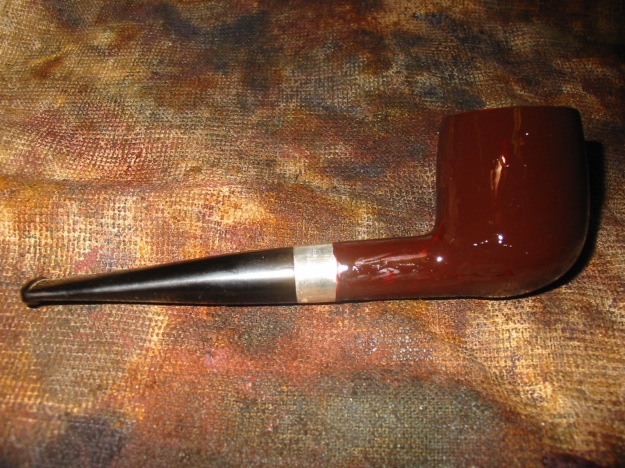
While the inside of the bowl dried out I decided to restain the bowl. For the second/top coat I used a oxblood stain. I applied it and wiped it off (first photo below). The coverage this time was much better. The dark reddish stain blended well and covered the dark areas of the bowl. The finished colour is a nice older deep reddish brown look (second-fourth photos below).
IMG_1090

IMG_1091

IMG_1092

IMG_1093

I decided to sand back the inside of the bowl yet again. I used the Dremel with the sanding drum a second time. When I was finished the inside of the bowl was very clean and fresh looking. The smell was still there. I stuffed the bowl with cotton bolls and then used an ear syringe to fill it with white vinegar and set it in the ice-cube tray to let it work. I have used that in the past to remove stubborn ghosts so I thought I would give it a try on this one.

IMG_1094

While the bowl soaked I worked on the stem with the remaining grits of micromesh sanding pads – 3200-12,000 to bring back the deep shine on the stem. Sanding them with the higher grits of micromesh really gives a deep shine to the stem. It is amazing to see the difference between each of the successive grits of micromesh. I did not take photos of the steps as almost all of my refurbishing posts have shown the polishing process with the micromesh. The next two photos show the finished stem. Once the bowl is finished I will buff the bowl and stem with White Diamond and then give the whole a buff with multiple coats of carnauba wax to polish.

IMG_1141

IMG_1142

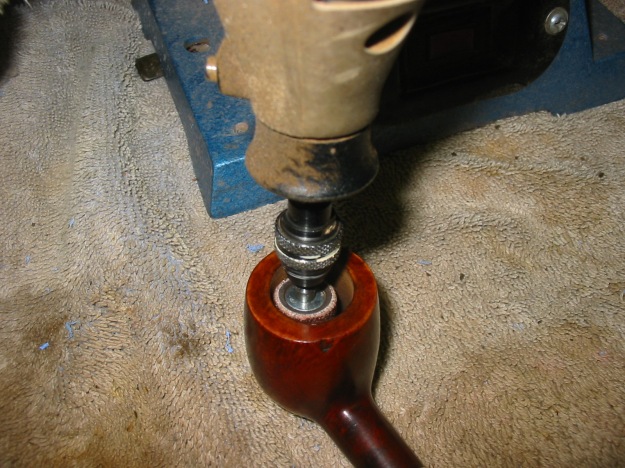
Once the vinegar had soaked in the bowl for several hours I removed the cotton boll and dried out the bowl. I then used a Dremel with a sanding drum to sand back the sides of the bowl yet again. This time I extended the diameter of the bowl to get rid of the surface area of the bowl interior. Once I was finished with the Dremel I hand sanded the bowl with 220 grit sandpaper to smooth out the small ridges left behind by the drum sanding. The last two photos in this sequence show the newly sanded bowl.

IMG_1126

IMG_1127

IMG_1119

IMG_1120

I took the bowl outside and put it in the bright sun on my patio. I wanted to let the heat and the UV rays from the sun do more work on the potential mold in the bowl. The evening is cooling down and the sun is no longer as warm. I brought in the bowl and wiped down the inside of the bowl and shank with an alcohol based anti bacterial wipe. I took it to the buffer and gave the whole pipe a buff with White Diamond. I then gave it several coats of carnauba wax and buffed it with a clean flannel buff. The pipe is like new and it SMELLS GREAT. I finally beat the moldy smell. The final four photos show the finished pipe.
IMG_1143

IMG_1144

IMG_1145

IMG_1146

What’s the Story to be told by 3 Old Unsmoked Pipes without Stems?


I bid on these three pipes on Ebay based on the pictures I have included in this post. They were two different lots from the same seller in California. They were unsmoked according to the seller and as best as I could tell from the photos they looked at least very clean if not unsmoked. They arrived yesterday in the post and they are amazingly clean. All three are unsmoked and what I would label as New Old Stock. I am curious as to how they were separated from their stems and when this happened. They all came from the same seller and I asked what happened to the stems and was told that they were that way when they bought them. That is not a problem as I can easily restem them. They are all older pipes – my guess for the second and third pipe is that they came from the early 1900’s. Not sure about the BBB.
The first is a BBB Hand Made Dublin shape with an oval shank. In the photos the bowl looks dark, but upon examination it is unsmoked. It may have stain in the bowl that I will have to remove before it is smoked. The finish is very good with no fills. There are a few small scratches and dings that come from sitting unused for so long. I am guessing but I would say that the three and several others that the seller had all must have been kept in the same box for years. This one has a very clean shank mortise area so it should be fairly easy to match a stem to it. I am waiting on a BBB stem but in the mean time I have fit it with a vulcanite stem. I have to clean the stem up and finish the fit and the polish but it looks good.

BBB1

BBB2

BBB3

BBB4

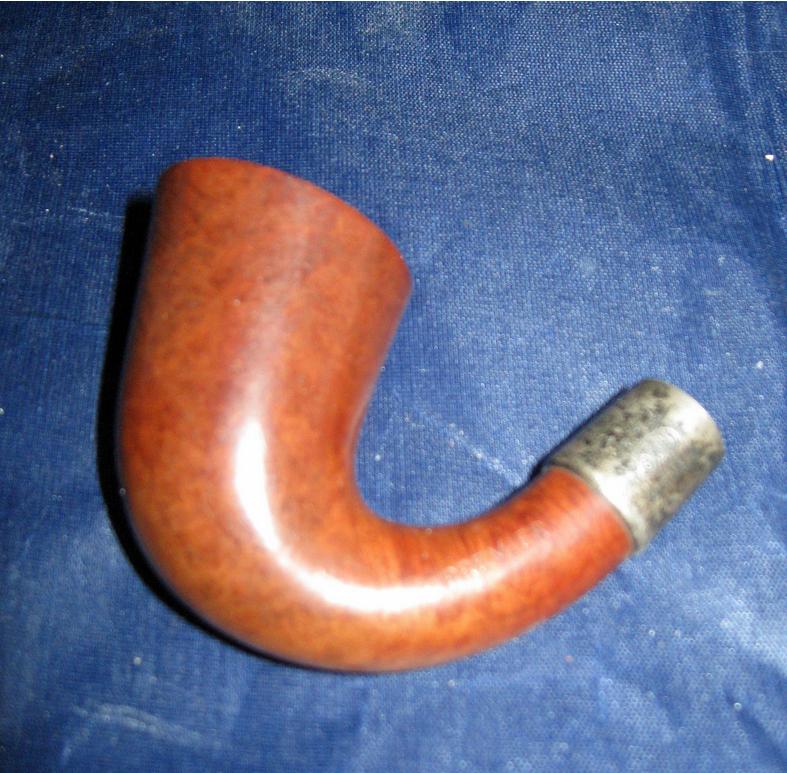
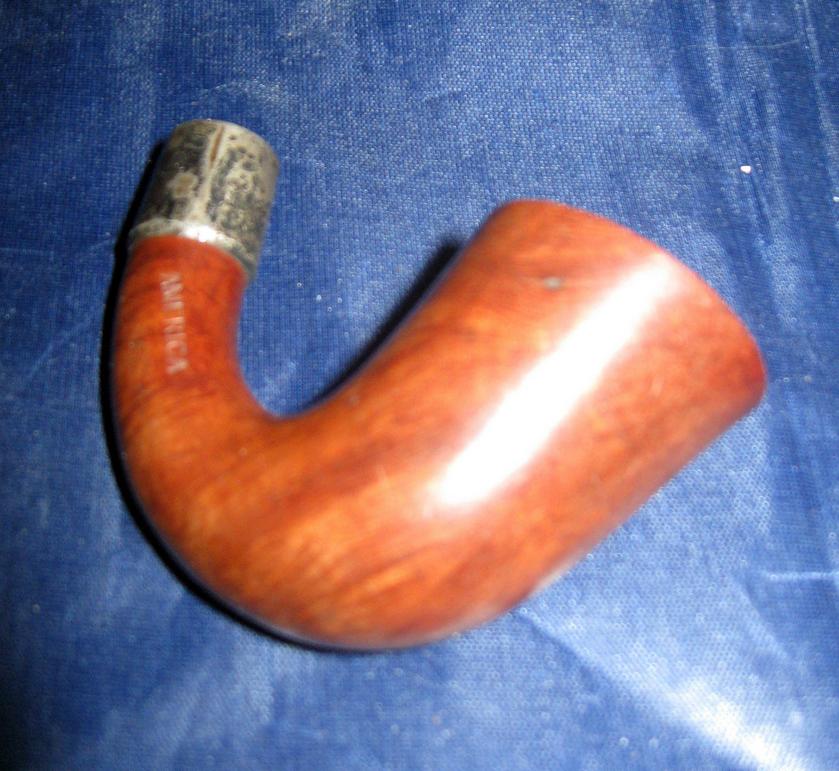
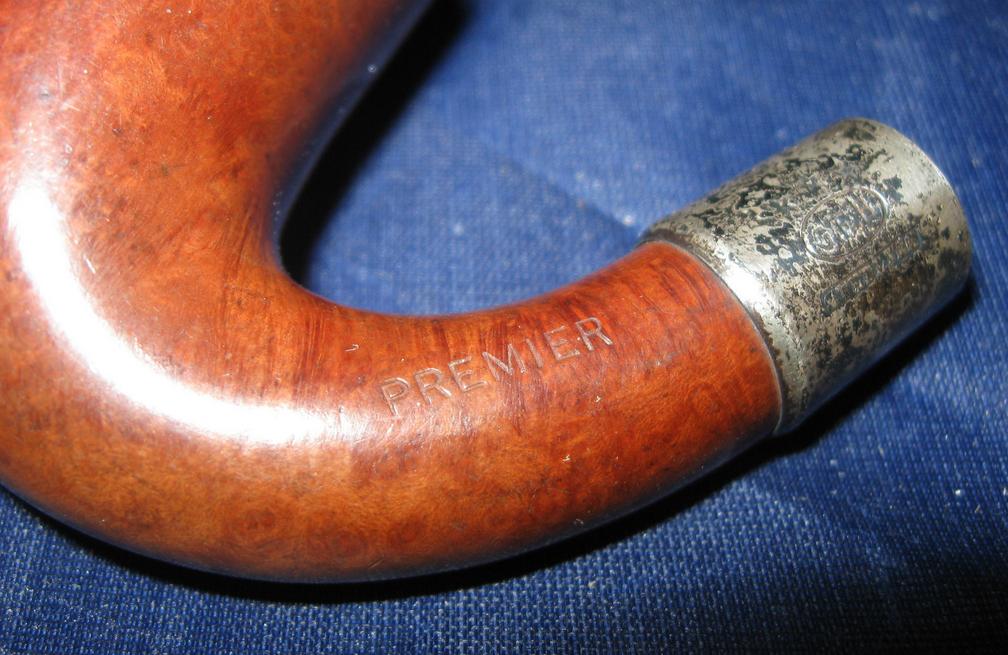
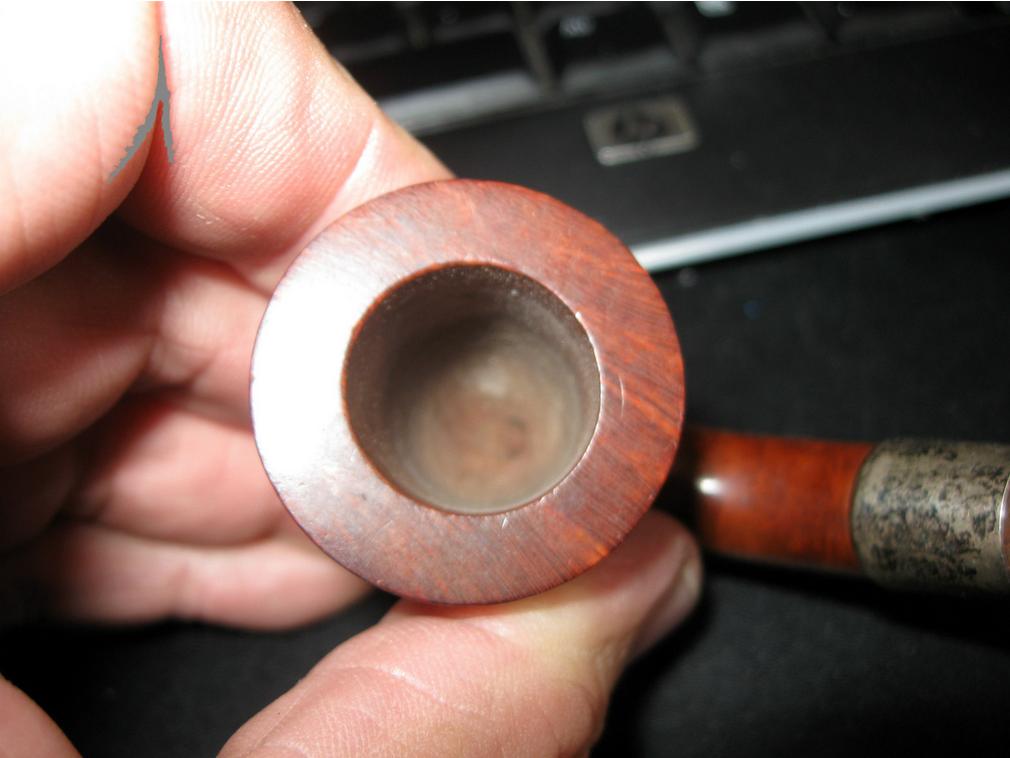
The second pipe is a GFB calabash. It is stamped Premier on the left side of the shank and America on the right side. The band says GFB in an oval with 3 stars above that and Sterling underneath. The band was loose when it came. The photos made it a bit hard to tell what the size of the pipe was and also what the grain was like on it because of the lack of focus. When I took it out of the package I was glad to see that it was smaller than expected. The finish is great and the bowl is pristine. The shank and bowl are raw smooth briar. The silver was tarnished but the pipe was unsmoked. Like the one above it has some small scratches and dings from sitting in a box for so long. I am pretty sure this is an early 1900’s pipe. It is identical in shape to a 1912 BBB calabash I have here. The beauty is that I will get to break in this ancient old pipe. It is incredibly light weight. I worked on a stem for it last evening and have it fitted and the first stage of sanding and polishing finished. I will write it up when I am finished on the weekend.

GFB1

GFB2

GFB3

GFB4

The third pipe was a bit of a mystery to me. It is stamped with a gold filigree – REX in a script on the right side of the oval shank. It has a long shank and a factory fit silver band that is also stamped REX and Sterling. It too is unsmoked and very clean. Again like the others it has a few dings and scratches but otherwise is in good shape. There are several very small sandpits on it but they do not detract from the look and finish. I tried several lengths of stems on it before settling on an oval stem that would go on a Canadian. It looks right on this old guy. I can find out nothing regarding the REX stamping though my guess would be that it is an American made pipe. The seller noted that this one is an early 1900’s pipe as well but I got no response on how they know that. The look and feel of the pipe, the size and shape, the silver band all would argue for that age but there is no way to know for sure that I can tell. Do any of you recognize the brand? Some thought it might be an early Barclay-Rex pipe but I cannot find any back story that would make that certain. So for now the mystery remains. I will finsih polishing and shaping the stem over the weekend and then do a write up on the threesome. They are all beautiful examples of well made bowls.

Rex1

Rex2

Rex3

Rex4

With these three in hand from the same seller I am very curious as to their stories. Where did they come from? Who had them? Were they always without a stem? Were they purchased and set aside for a special time and then got separated from their stems? Did their stemless condition guarantee their not being smoked? Or maybe they came from a shop somewhere and the stems just were never put in place after they arrived from their makers. Who knows? All I know is that they will soon be put to the use they were intended for. I wish they could tell their stories. I for one would love to sit and listen. Wouldn’t you?

I just finished the initial work of restemming them. Here is a photo of the three bowls with their new stems inserted. A lot of work remains in terms of fitting the stems but the idea is clear from these photos.

IMG_0974

Restoring an L.J. Perretti Deluxe Prince


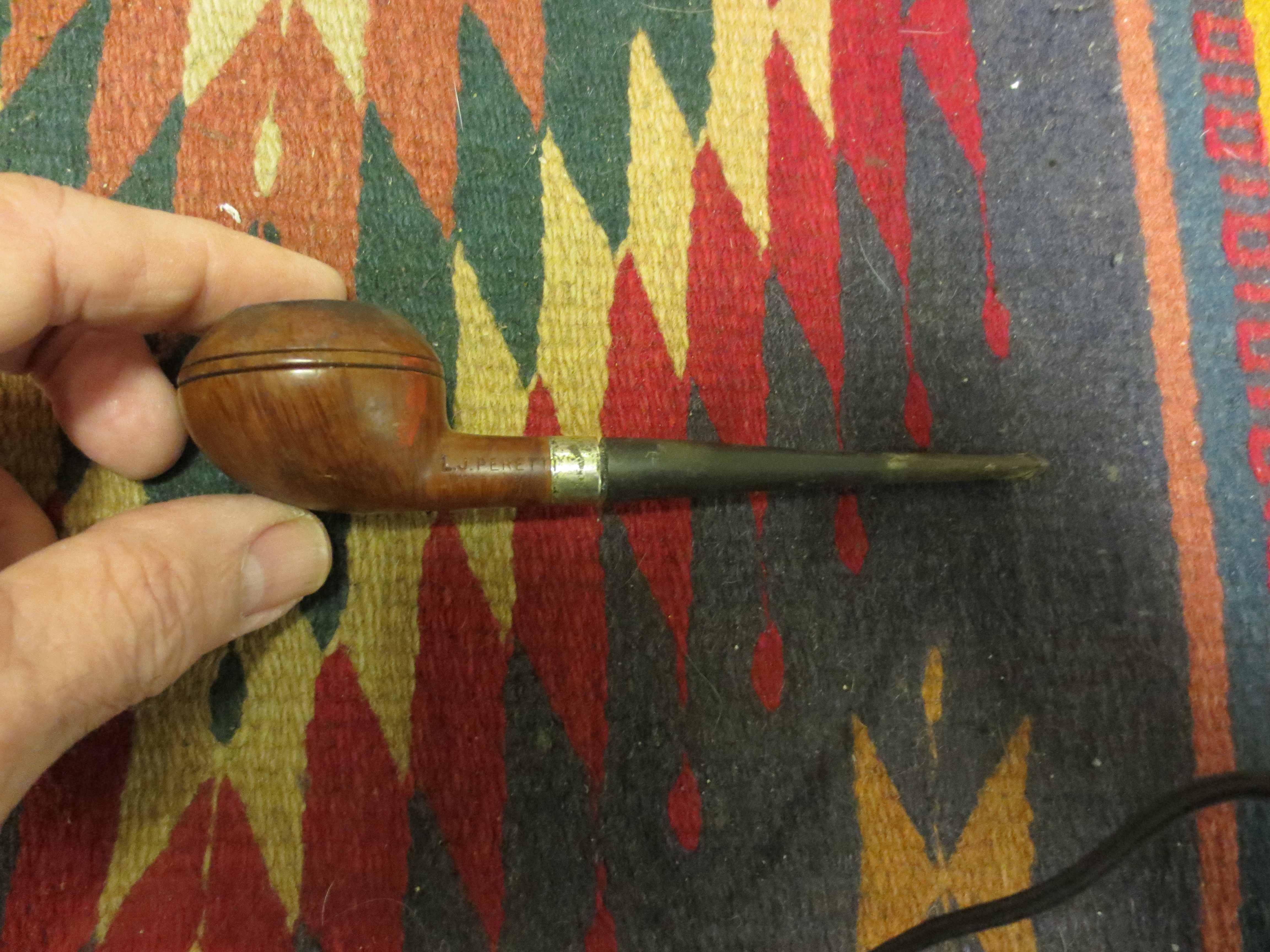
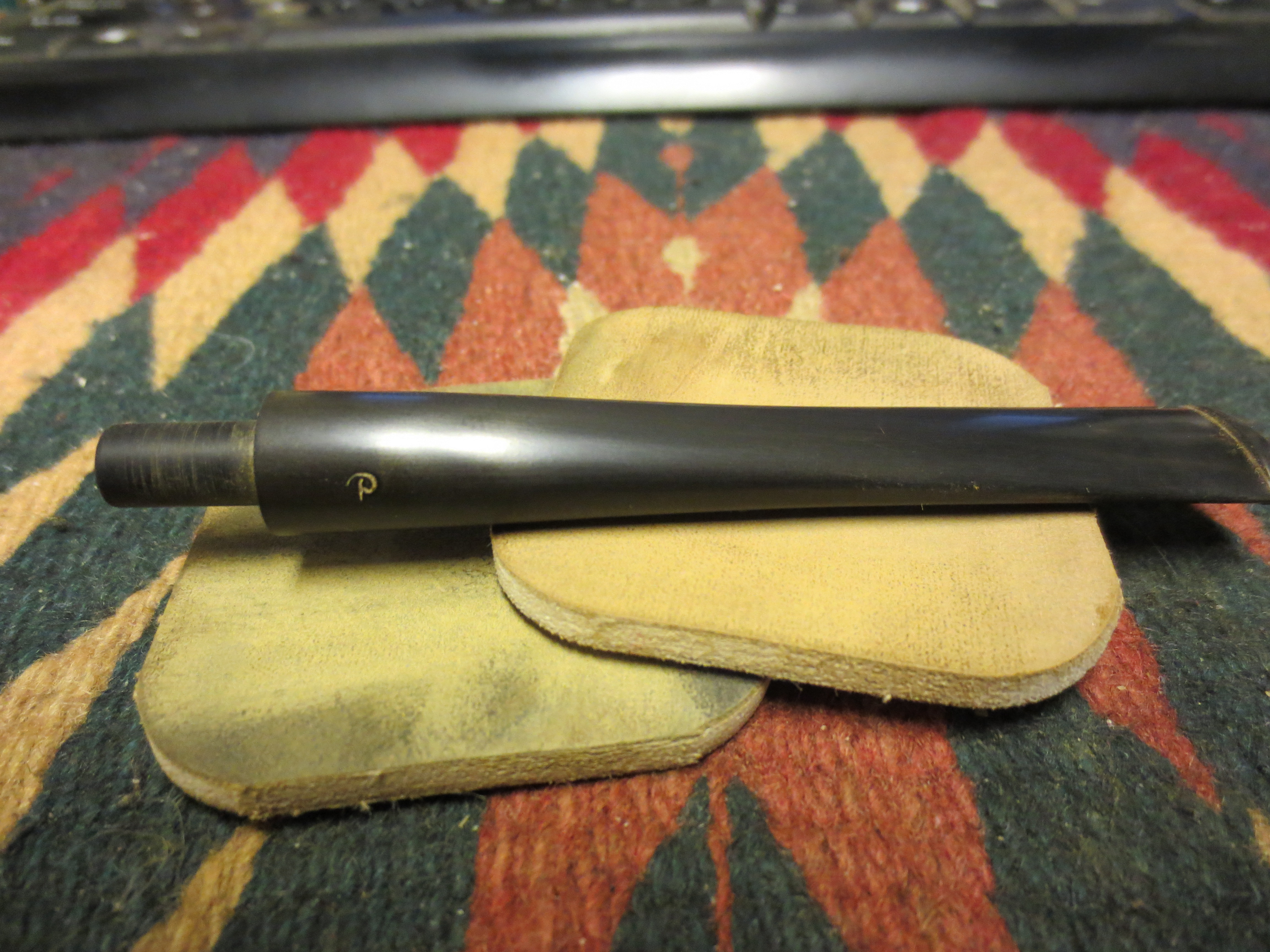
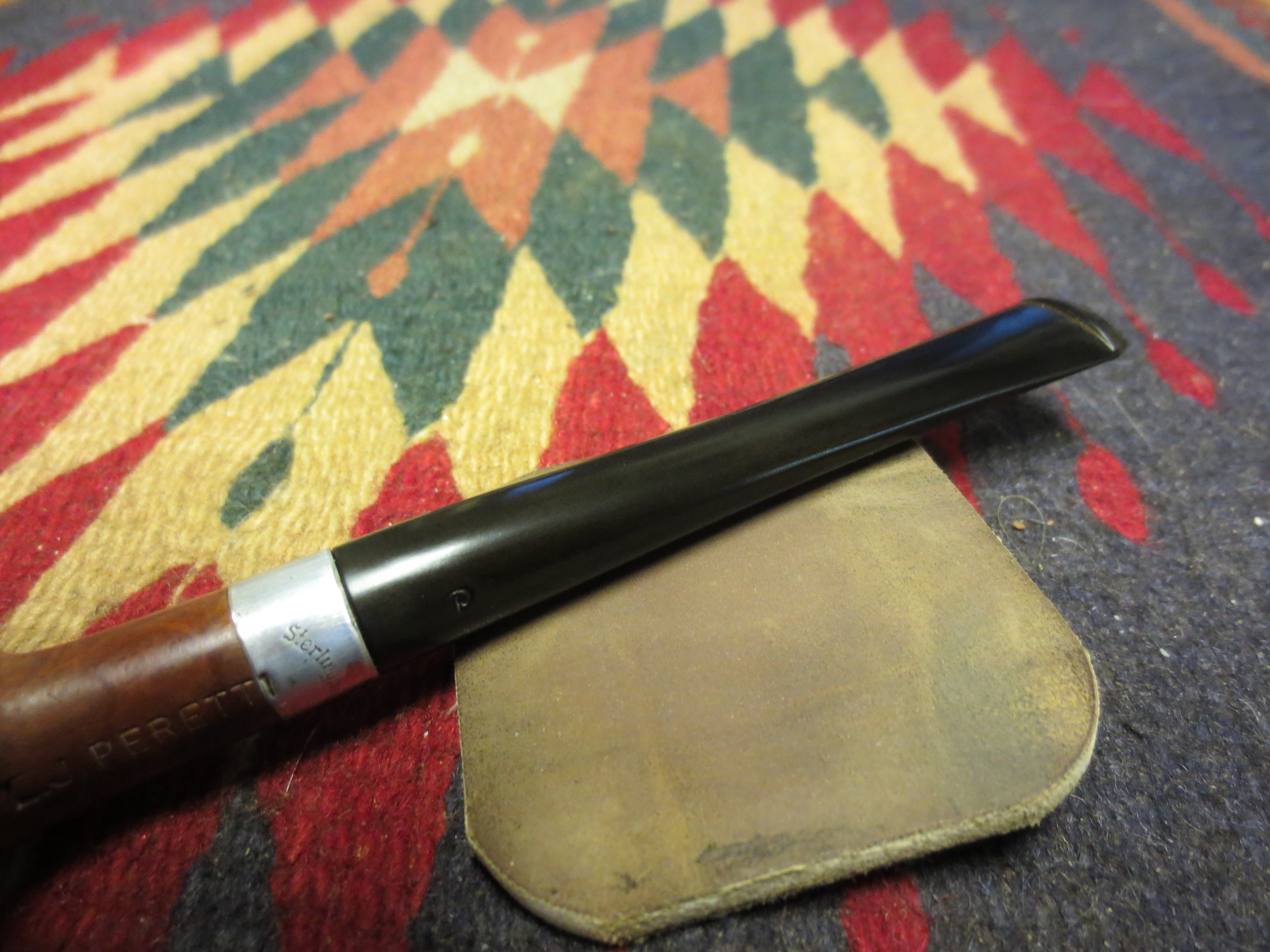
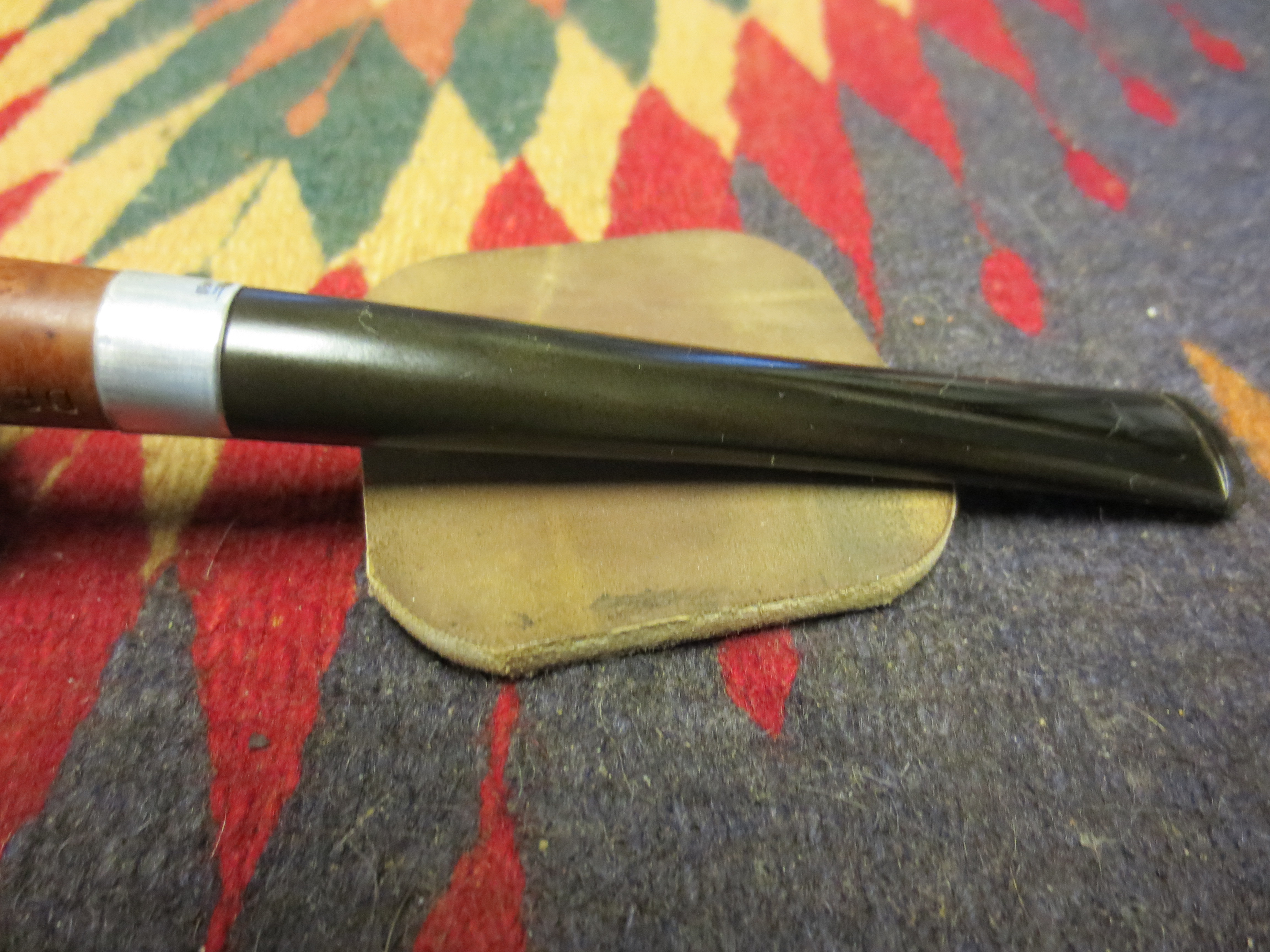
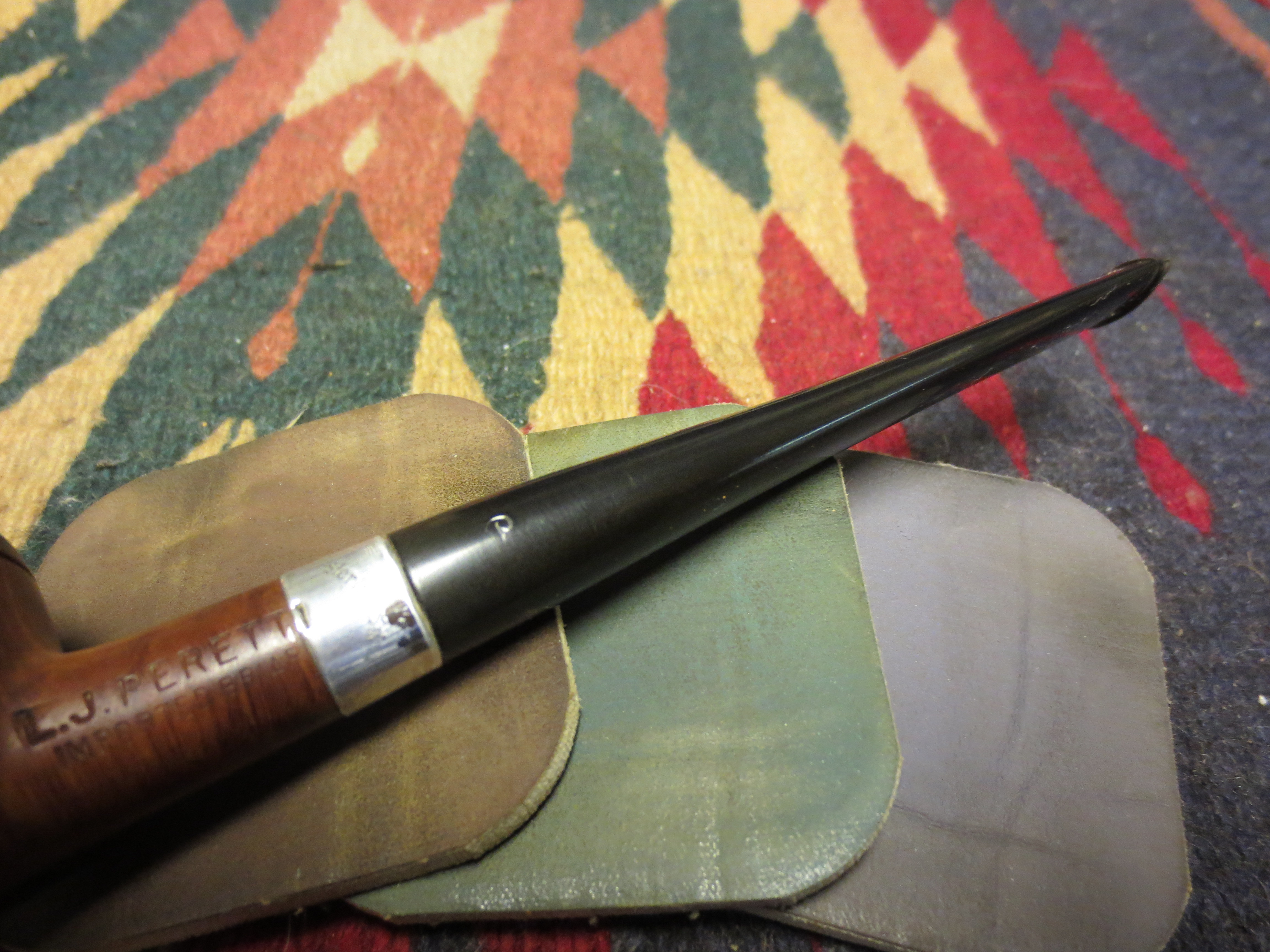
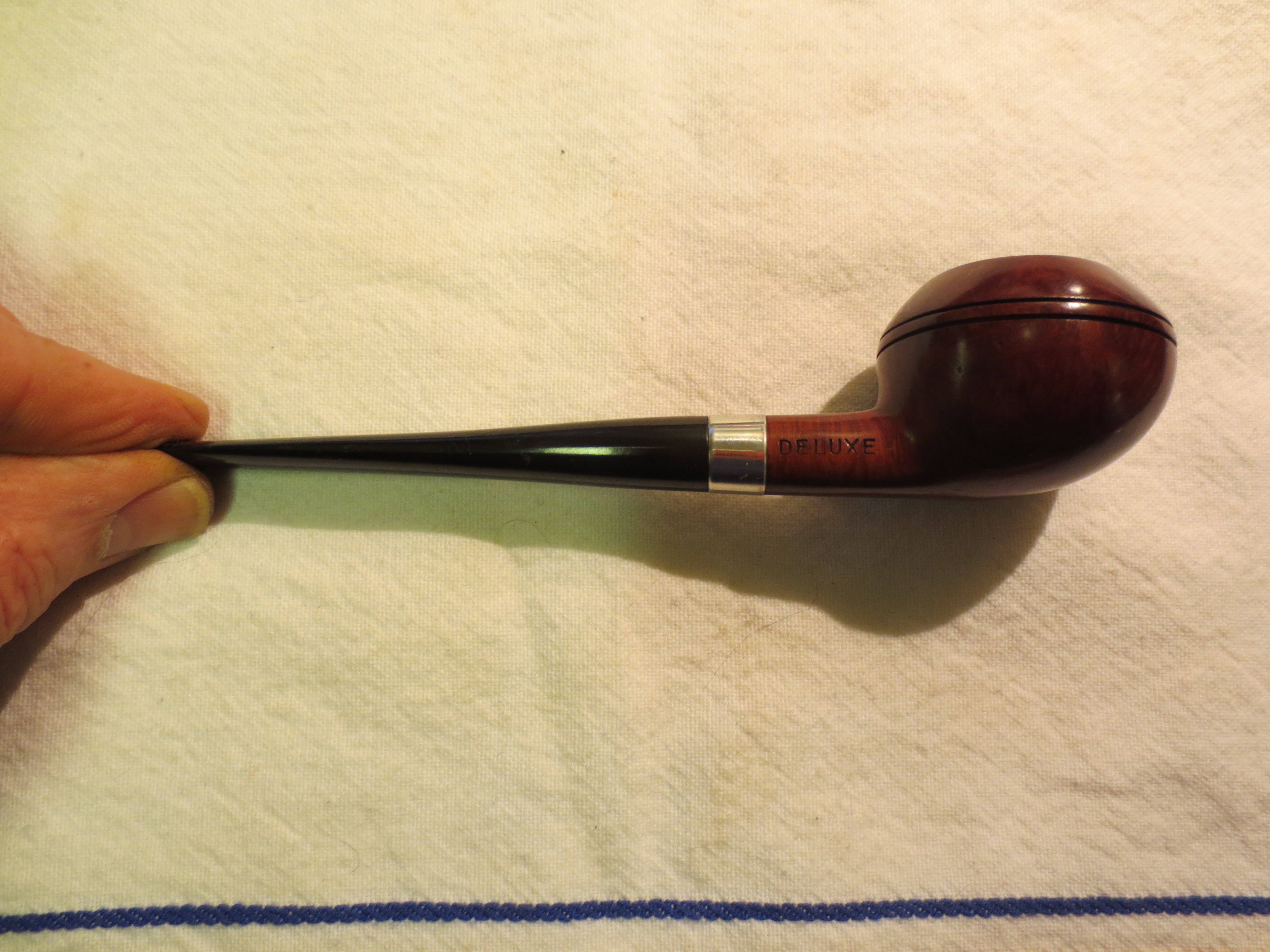
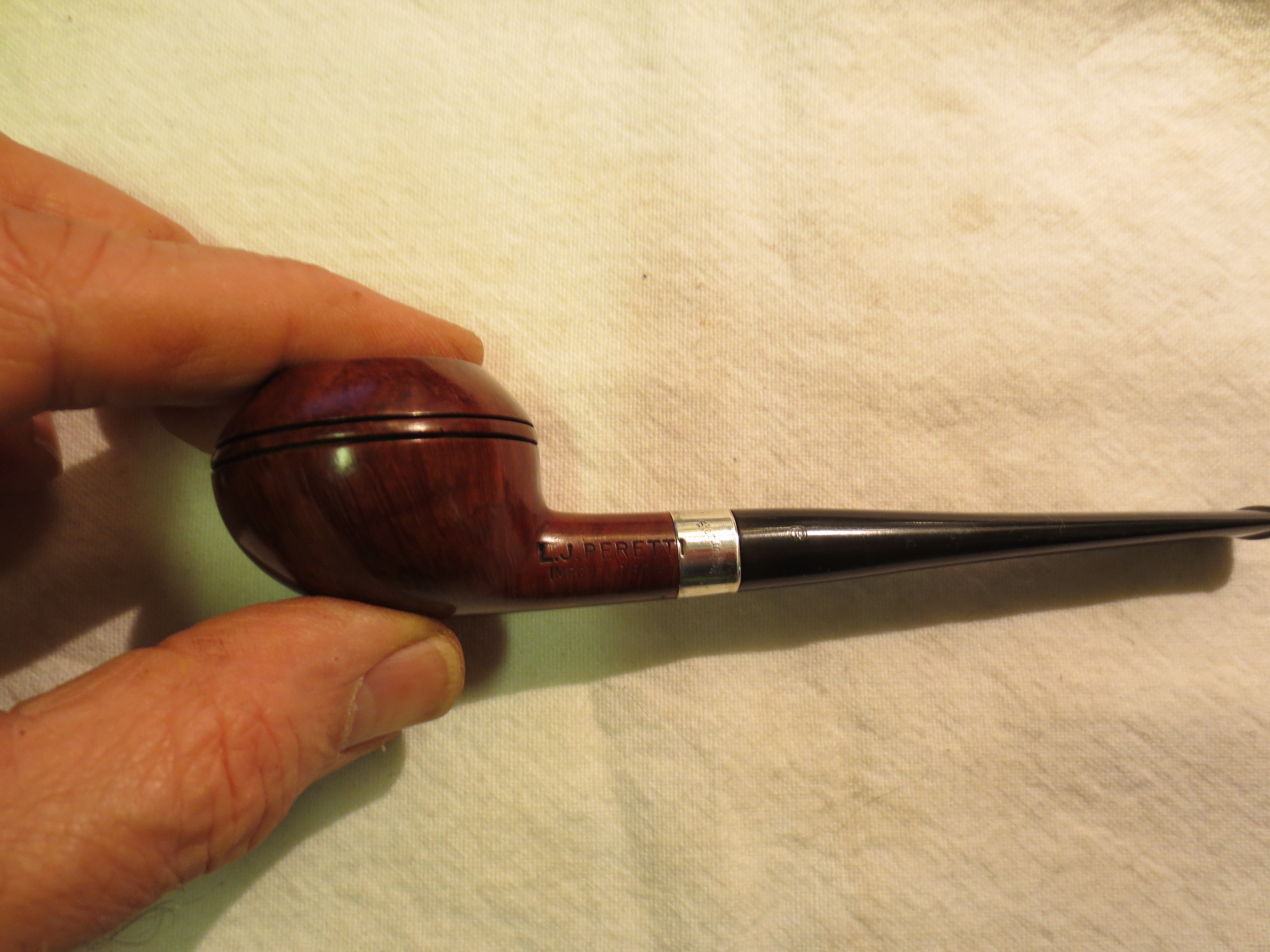
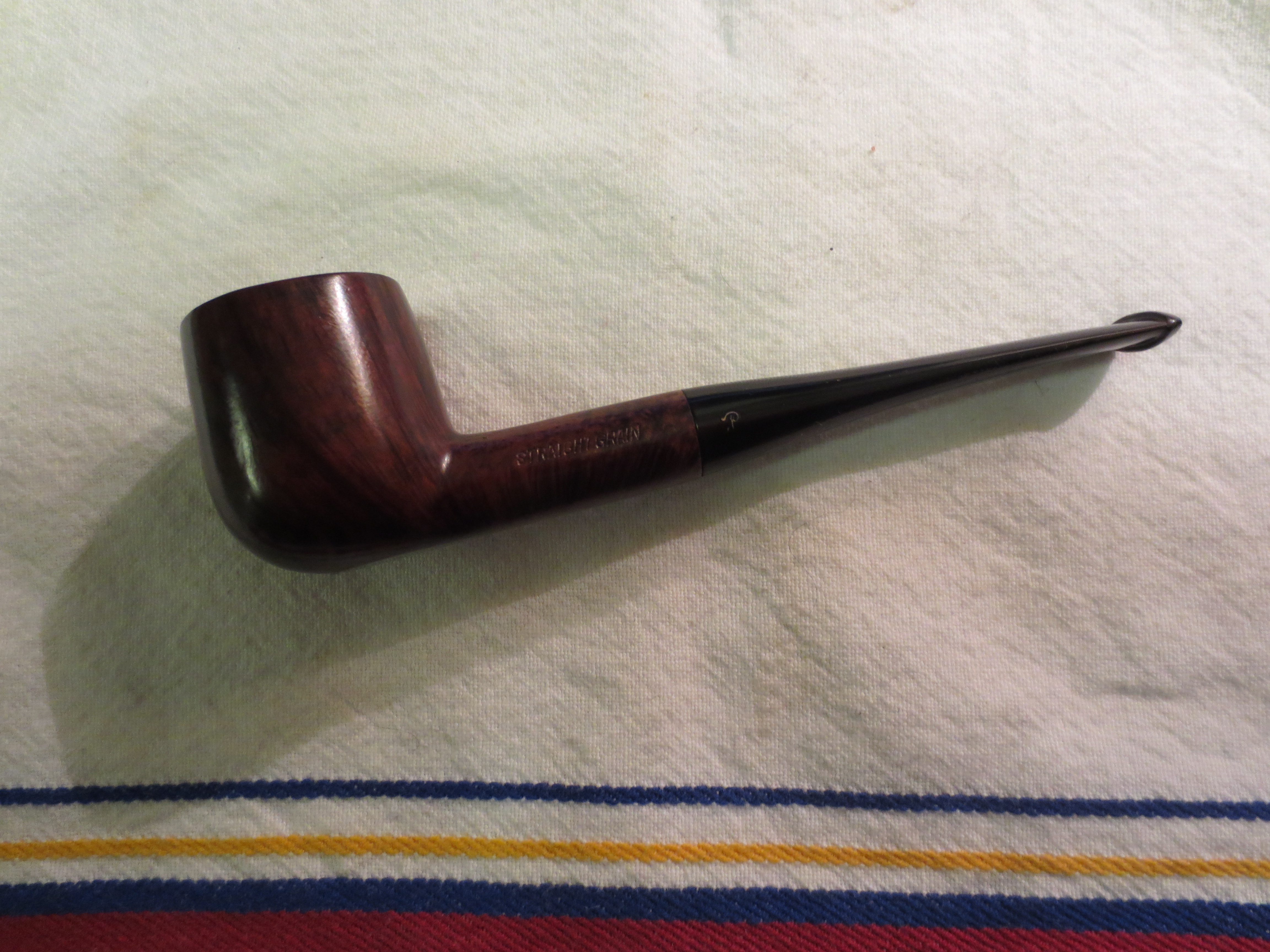
I learned from the last Perretti pipe that I worked on and subsequent replies that the Straight Grain was the top of the line of Perretti pipes. I have no idea where in the hierarchy this one sits but it is stamped L.J. PERRETTI over Imported Briar on the left side and DELUXE on the right side of the shank. It has a factory installed band that is stamped Sterling Silver in an arch. This pipe was a bit of a mess. Like some of the others I have had this one was marked with a swatch of paint – this time red paint. In the first photo below you can see it on the left side of the bowl near the shank bowl junction. The finish was rough but underneath was some great grain. Again there were no fills visible in this piece of briar. The bowl was caked and the lava had erupted over the edges of the rim leaving a thick hard cake on the rim of the bowl. The silver was badly tarnished and the stamping on the silver was not readable. The L.J. Perretti stamping on the left side of the shank ends with the “I” stamped on the silver band. The stem was oxidized and also had a buildup of calcification from the button up the stem about ½ inches. The stem was about a ¼ inch out of the shank and could not be pushed in from the buildup on tars in the shank. The first three photos show the state of the pipe when I brought it to the work table.
IMG_0892

IMG_0893

IMG_0894
I wiped down the bowl with acetone on a cotton cloth. I find that the acetone quickly dispenses with paint spots and splashes on the briar. It seems to go beneath the paint and it easily is scrubbed off. It also removes grime and buildup on the finish and removes the remaining stain on the briar. I wiped down the caked rim to soften the hard surface before I moved on to top the bowl. The next four photos show the pipe after I had scrubbed it with acetone.

IMG_0927

IMG_0928

IMG_0929

IMG_0930
I set up my sanding board and placed the medium grit emery paper on the board. I rotated the bowl on the sandpaper in a circular motion to remove the grime on the rim. I also had seen that there was some burn damage on the rim that needed to be removed. I place the pipe with the rim firmly against the sandpaper and work it until the rim is clean and the damage is minimized. Photos 1 & 2 show the process of sanding on the emery paper. Once I had finished the rough work I moved on to use a medium grit sanding sponge in the same way. I place the sponge flat on the board and work the bowl in a circular motion on the flat surface of the sponge (Photo 3). I then used a fine grit sanding sponge to do the same (Photo 4). Each progressive sanding grit smoothed the scratches and marks left by the previous grit.
IMG_0931

IMG_0932

IMG_0933

IMG_0934
When I had finished topping the bowl I reamed the bowl and cleaned out the shank with cotton swabs, pipe cleaners and Everclear. I also polished the silver band with some tarnish remover applied with a cloth and rubbed into the band. I finished by wiping down the pipe again using Everclear on a cotton pad. This removed the sanding dust and also the overrun of the silver polish on the briar. I reinserted the stem to make sure the fit was correct. The next two photos show the pipe at this point in the process.
IMG_0935

IMG_0936
The next series of six photos show the progressive work on the stem using 1500-12,000 grit micromesh sanding pads. Each degree of grit gave the stem a deeper shine and removed any remaining oxidation. Once I had finished with the micromesh pads I wiped down the stem with Obsidian Oil and then when dry I put the stem on the pipe and buffed it with White Diamond.
IMG_0937

IMG_0938

IMG_0939

IMG_0940

IMG_0941

IMG_0942
I stained the bowl with two different stains – dark brown aniline thinned 2:1 with isopropyl alcohol (Photos 1 – 3 below) and then followed up with an oxblood aniline stain. I flamed the stain, restained, reflamed and then gave the rim a third coat of the brown stain.
IMG_0943

IMG_0944

IMG_0945
The final four photos show the finished pipe. I buffed the entirety a final time with White Diamond and then gave it multiple coats of carnauba wax. I finished by buffing it with a clean flannel buff to bring out the shine.
IMG_0947

IMG_0948

IMG_0949

IMG_0950

LJ Perretti Straight Grain Rejuvenated


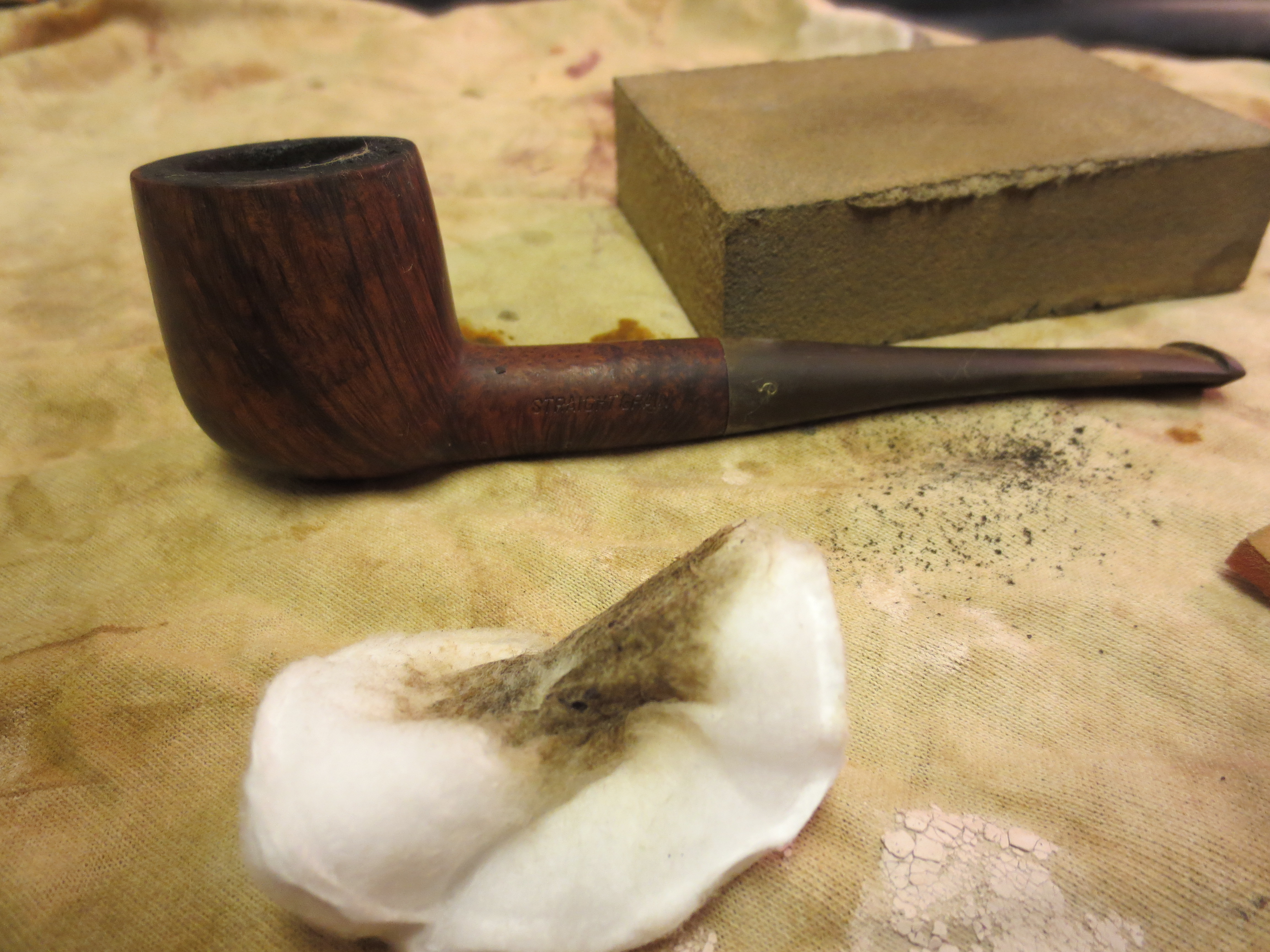
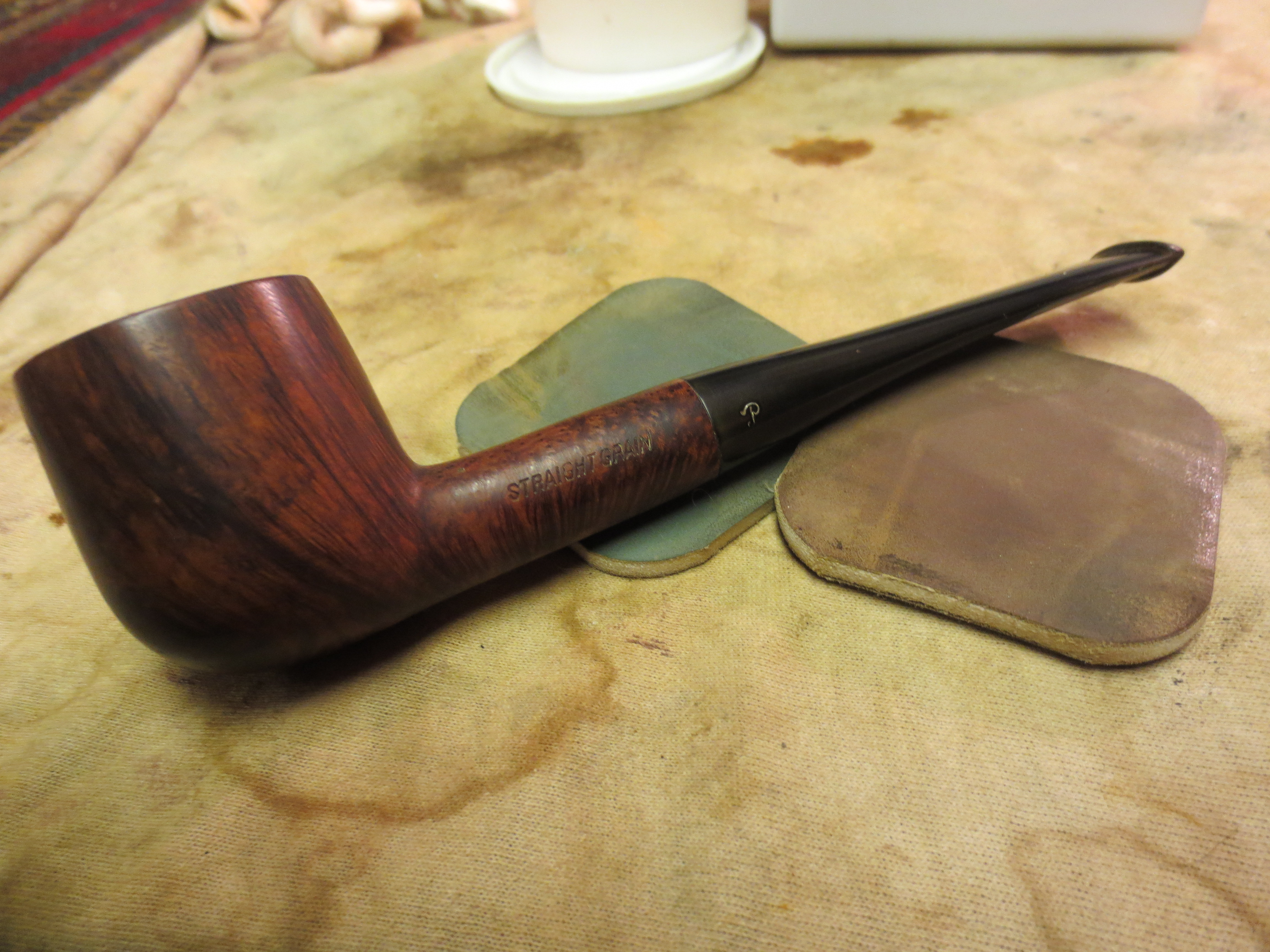
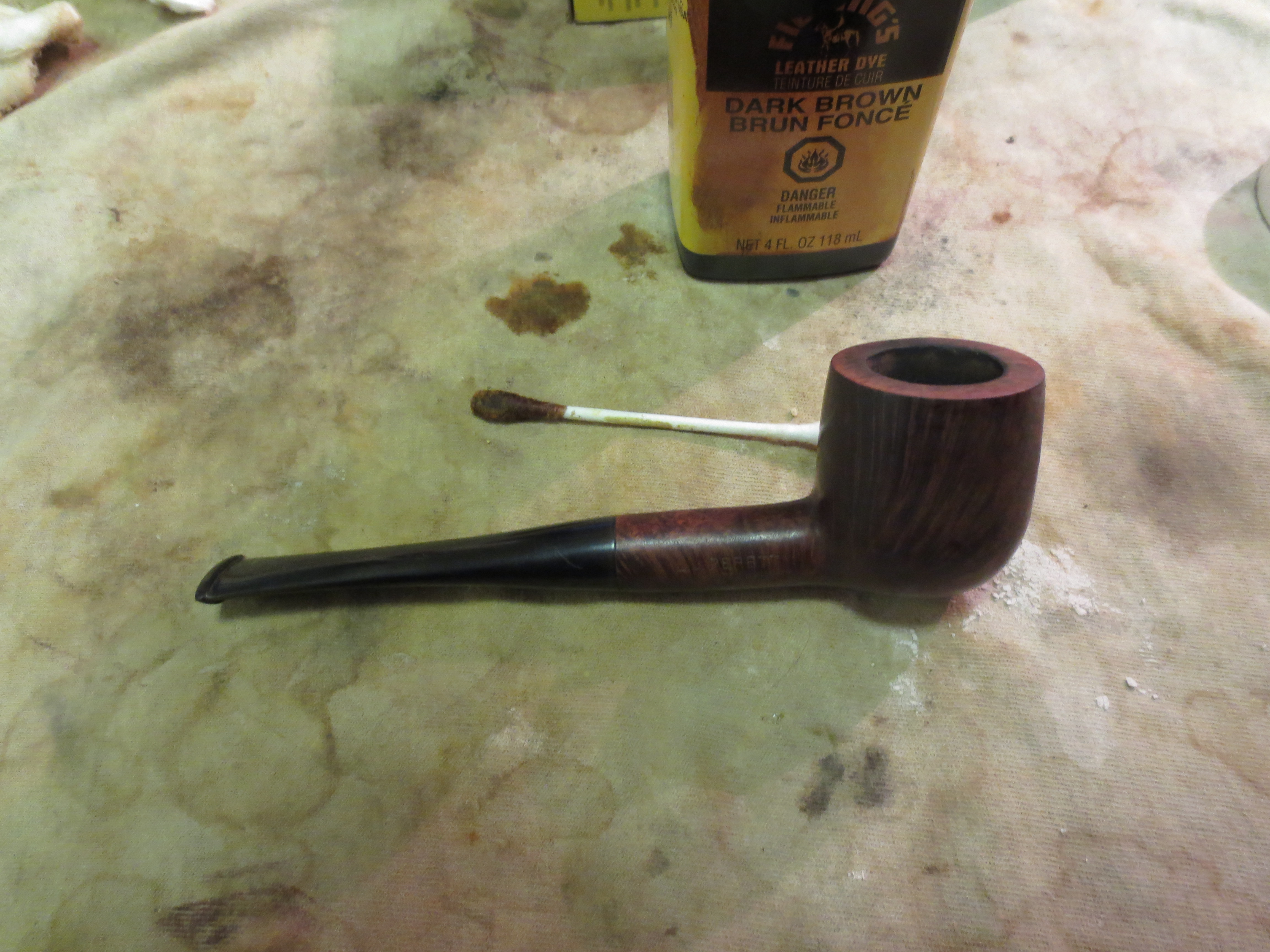
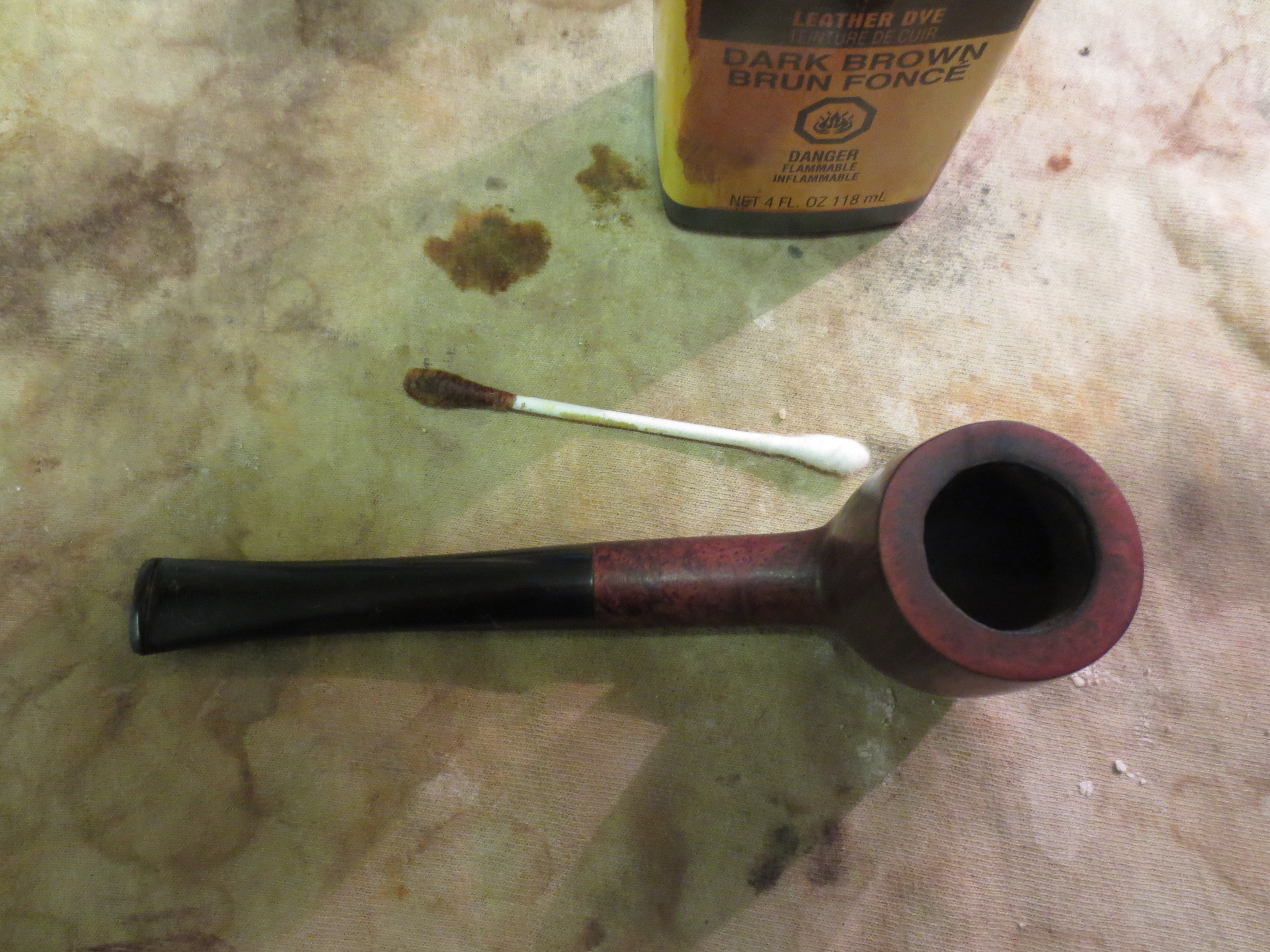
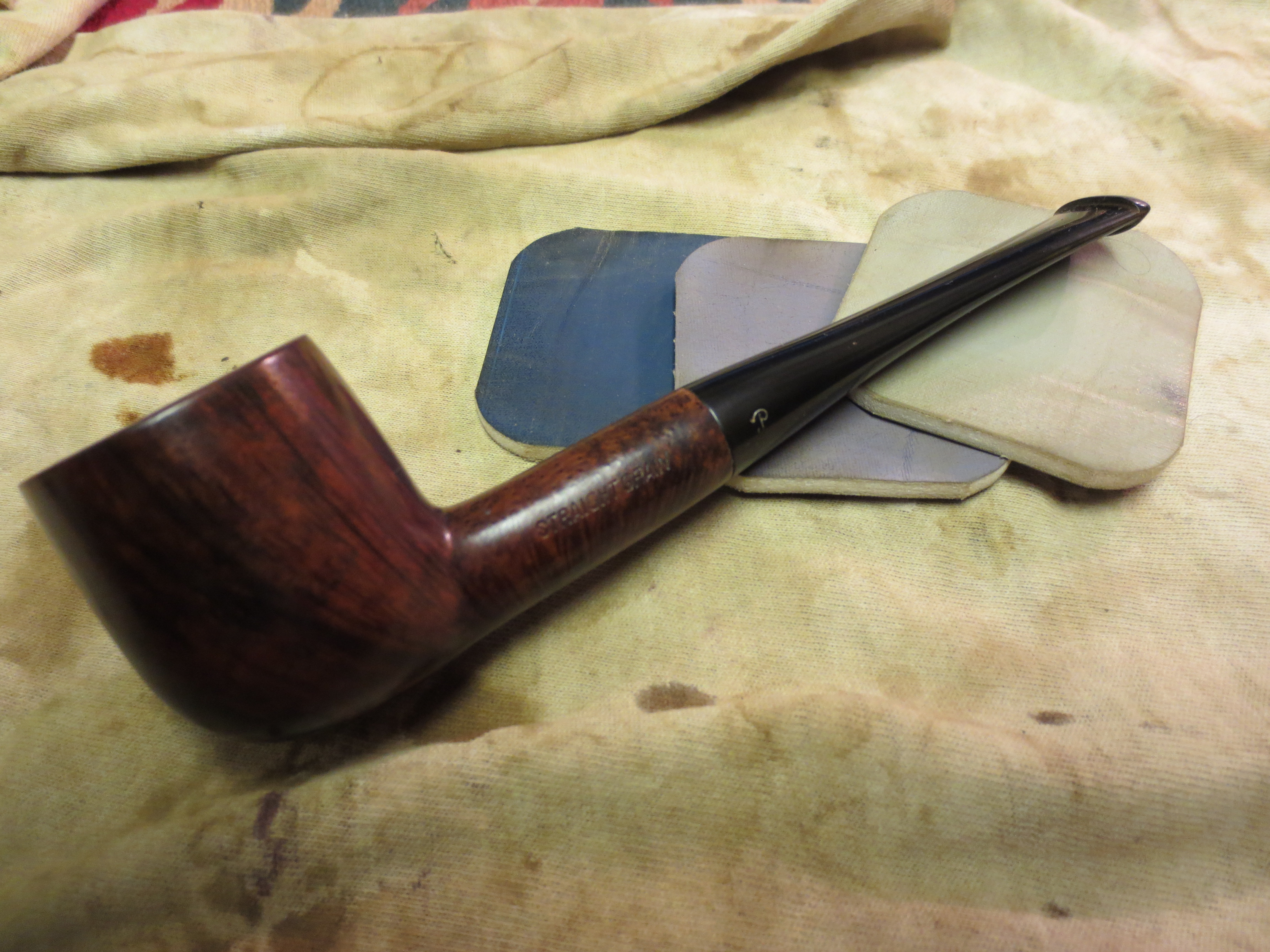
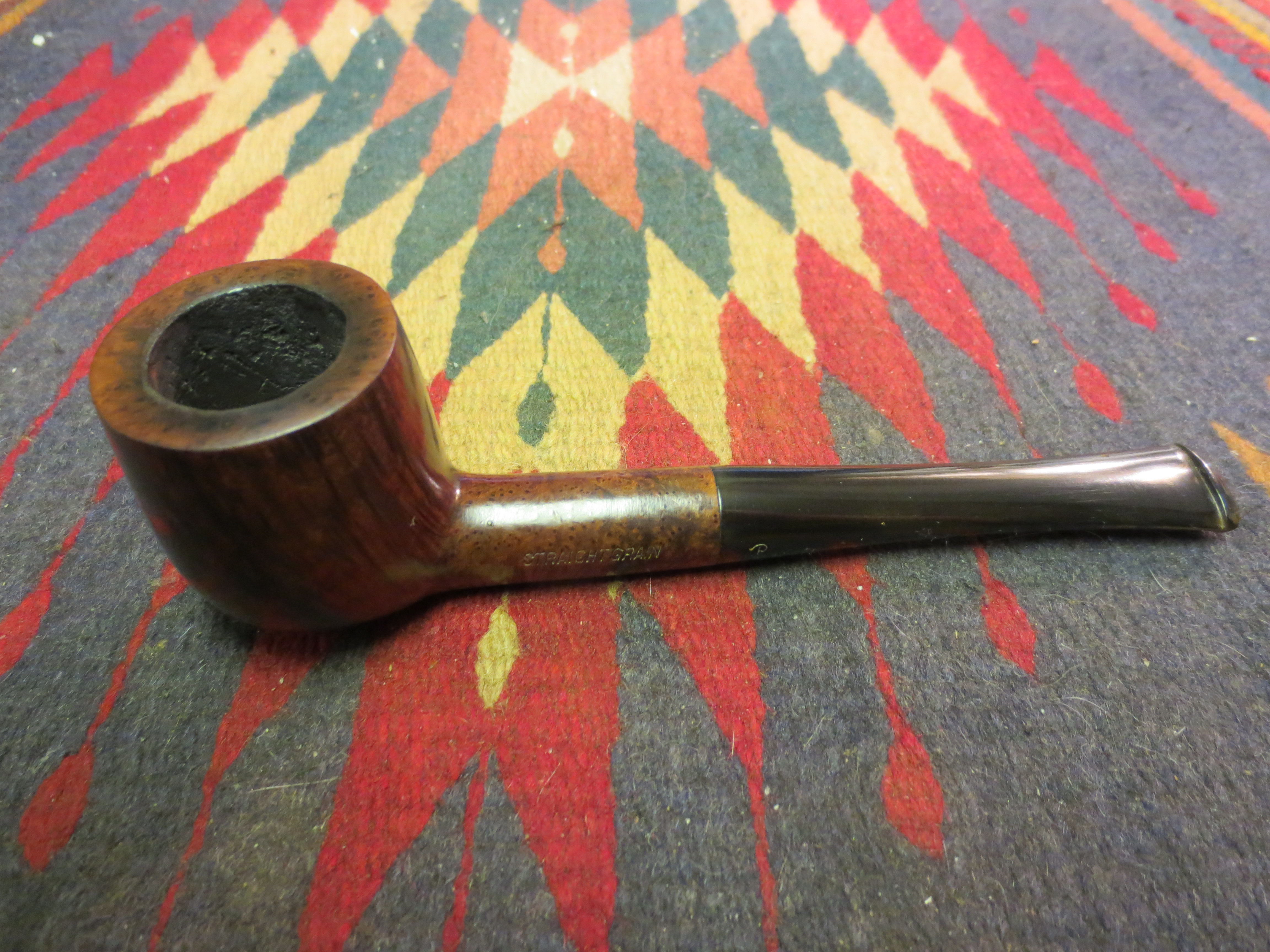
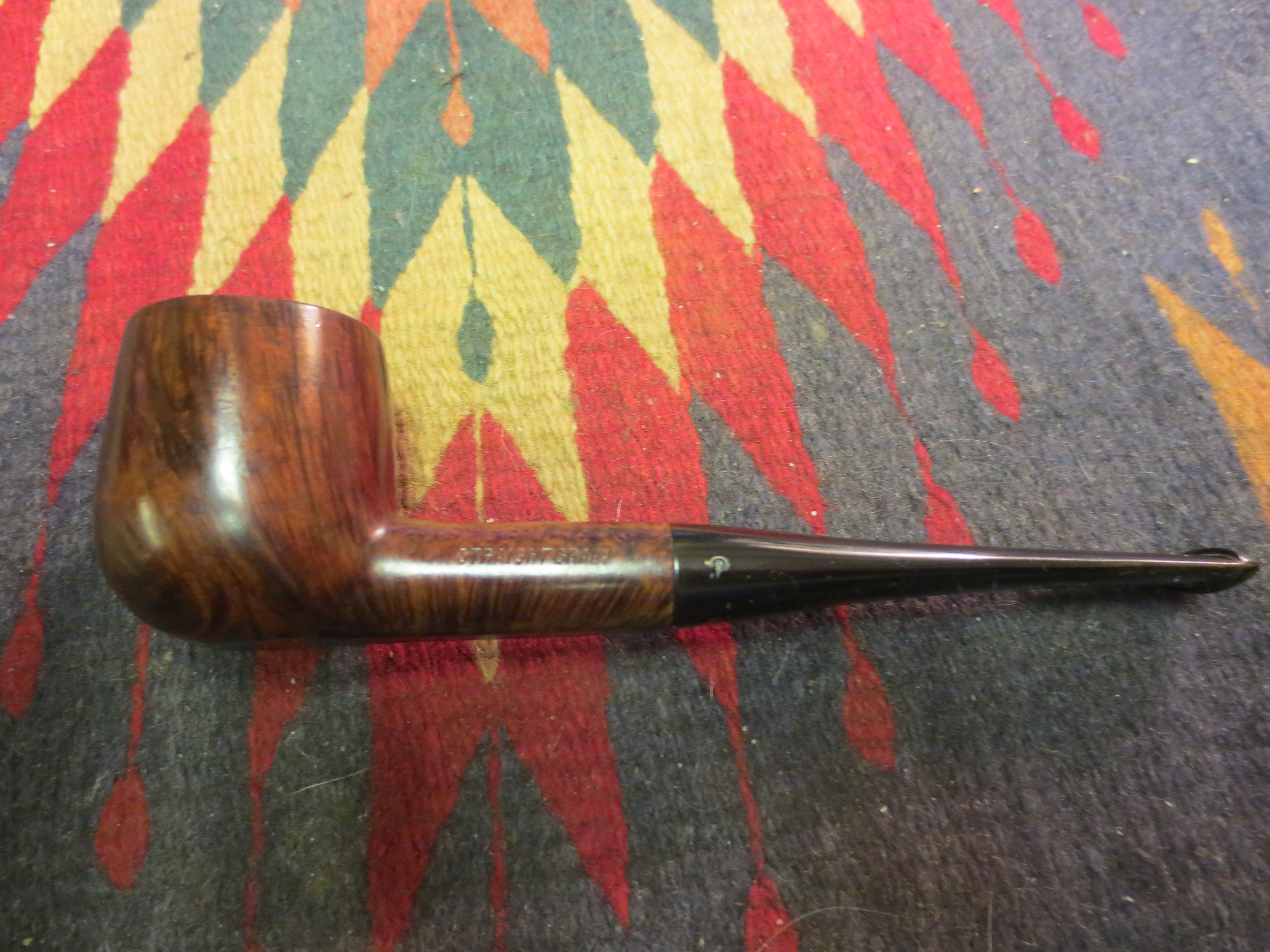
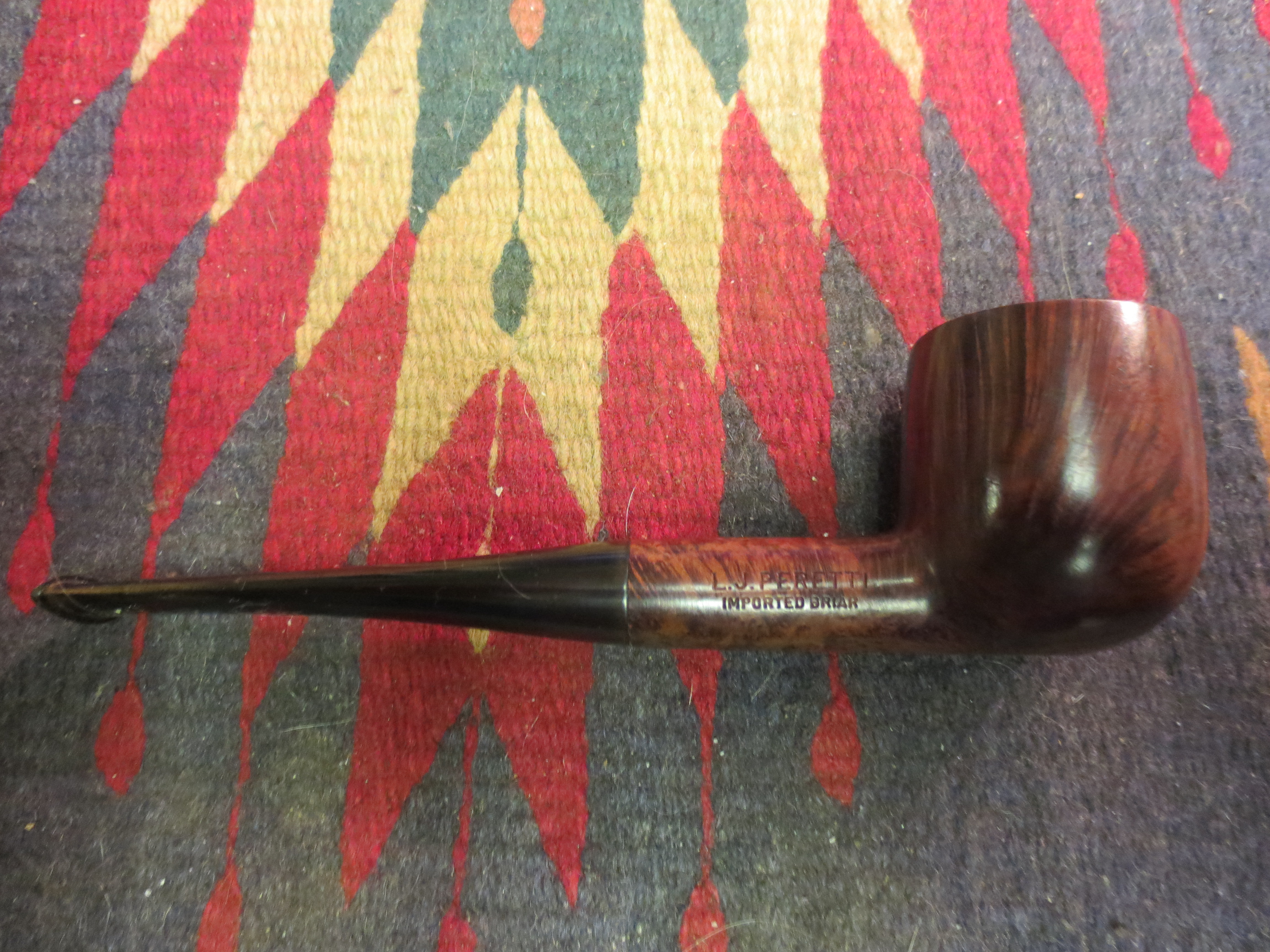
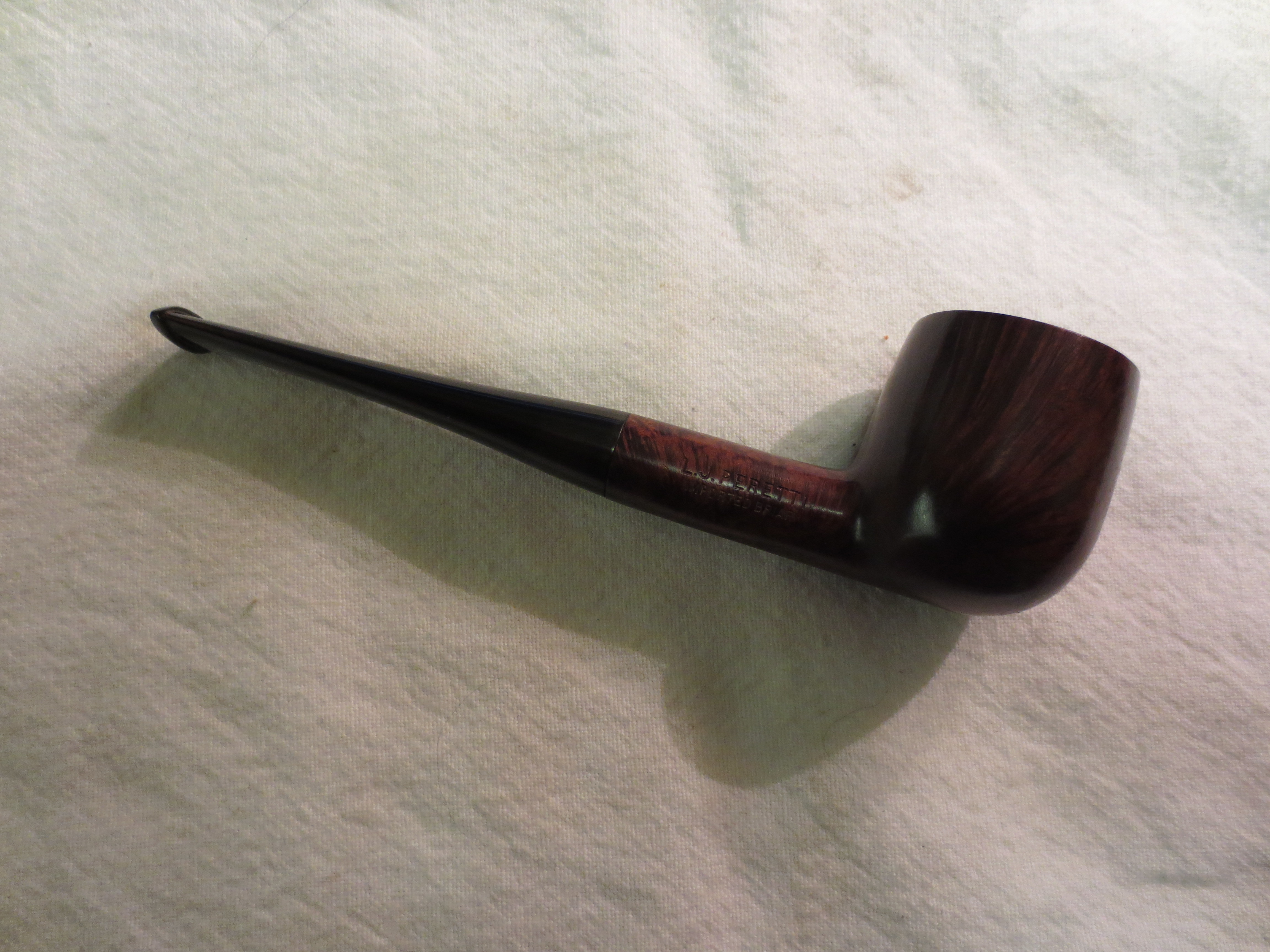
I picked up a seven pipe lot on EBay all because there were at least two of the pipes that were stamped LJ Perretti. One of them is the little pot/billiard pictured in this article. I say pot/billiard because the proportion of the bowl and shank more accurately fit a billiard but the height of the bowl is more like a pot. Ah well whatever it is it showed promise even in the seller’s photos on EBay. I bid and won. There is another Perretti that I will write about as I rework it but this one is stamped L.J. PERRETTI over IMPORTED BRIAR on the right side. It is stamped Straight Grain on the left side of the shank. The grain is quite nice and there are no fills in the briar that are visible. It was a dirty pipe – the finish was darkened and grit and oils were ground into the outside of the bowl. The rim had a serious cake of lava on it and the bowl was packed with a cake. The inside of the shank was so dirty and gritty that the stem would not sit all the way in the mortise. The stem was oxidized and had a rubber softy bit guard that was stuck on the stem. There was a cursive P on the left side of the stem. The Perretti pipes are shop pipes that may have been made by a variety of carvers or by Robert Perretti himself. These are old enough that they may well be done by Perretti. The stamping on the side of the shank that says Imported Briar seems to point to the pipe being American made. The first series of three photos shows the state of the pipe when I took it to my work table.
IMG_0895

IMG_0896

IMG_0897
I cut off the rubber softie bit guard with a knife and peeled it free of the stem. I reamed the bowl with a PipNet pipe reamer to remove the buildup of carbon. I cleaned out the stem and the shank with pipe cleaners and Everclear until the pipe cleaners came out as clean as they went in. It never ceases to amaze me how many pipe cleaners it takes to clean out the inside of the pipe and stem. Once the internals were clean the stem fit into the shank with no interference.
IMG_0901

IMG_0902
I wiped won the outside of the bowl with acetone on a cotton pad (Photo 1 below). I wiped down the rim with acetone as well and then decided to lightly top the bowl (Photos 2 – 5). I used a medium grit sanding sponge to top the bowl on this one. I just wanted to remove the carbon build up on the rim and leave as much of the stain intact as I could. Once finished I wiped it a second time with acetone. I also used the drill bit from the Kleen Reem reamer to clean out the airway from the mortise to the bowl. I recleaned the shank with pipe cleaners and Everclear afterwards (Photo 6 below).
IMG_0903

IMG_0904

IMG_0905

IMG_0906

IMG_0907

IMG_0908
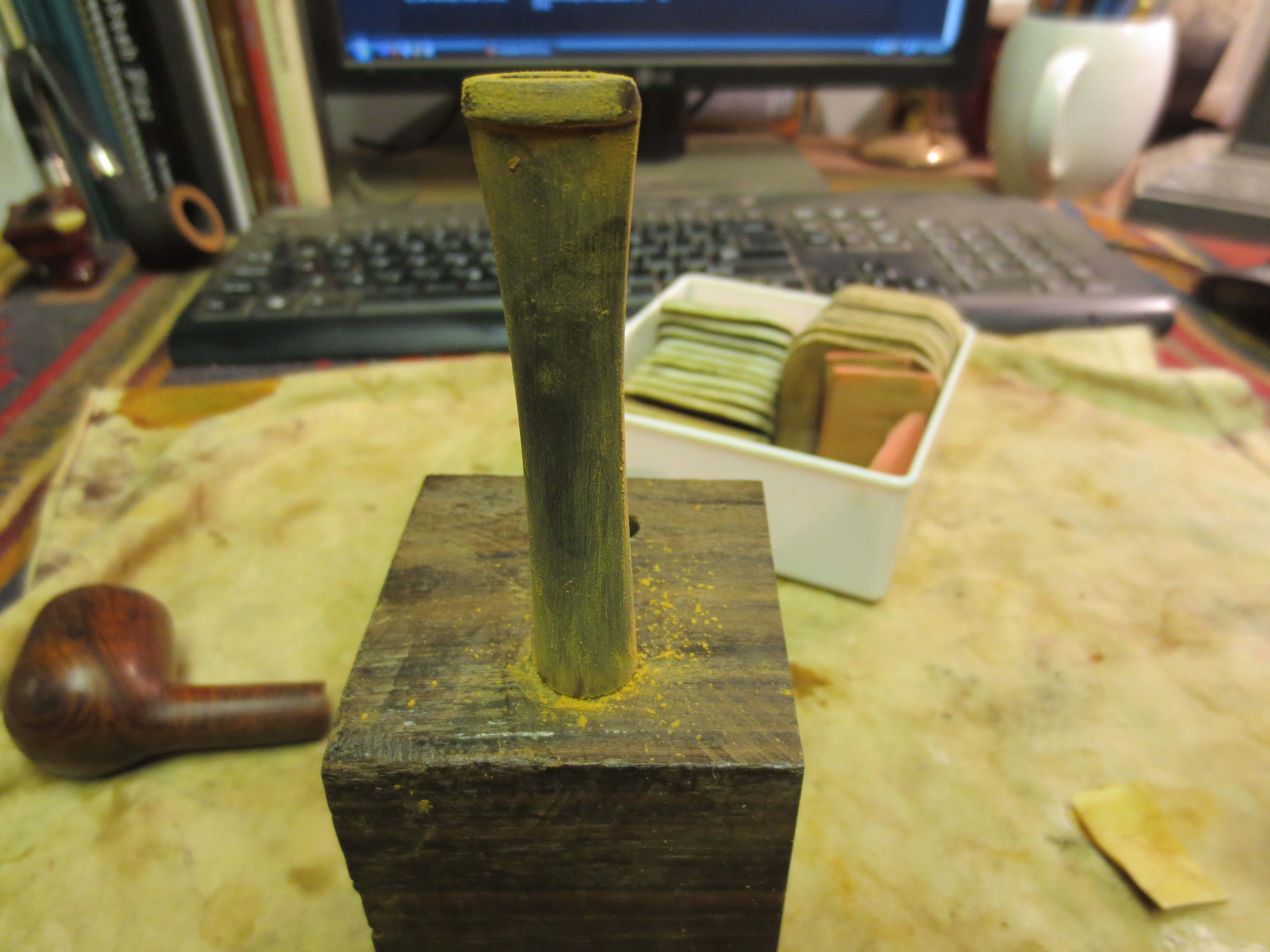
I set the bowl aside and then worked on the stem. I inserted it in the ebony block that I drilled as a mortise to work on the oxidation. I sanded it with 320 grit sandpaper to break up the oxidation and remove the calcium buildup that was under the softee bit. There were also some tooth chatter and marks that needed to be worked out. These were not deep so all I did was sand them with the 320 grit sandpaper. The next two photos show the work on the stem.
IMG_0909

IMG_0910
I reinserted the stem on the pipe and then continued to work on the stem and clean up the oxidation. I sanded around the edge of the stem/shank junction. I used 320 grit sandpaper and a medium grit sanding sponge.
IMG_0911
I wet sanded the stem with 1500 and 1800 grit micromesh sanding pads. I dry sanded with 2400-12,000 grit micromesh sanding pads. The next three photos show the progress of the sanding with the pads. I selected three to show the progress but could easily have shown the lot. The main idea is to show the development of the shine on the stem. I finished sanding with 12,000 grit and then wiped the stem down with Obsidian Oil and buffed it by hand with some carnauba wax.
IMG_0912

IMG_0913

IMG_0914
I restained the pipe with dark brown aniline stain thinned 2:1 with isopropyl alcohol. I flamed the stain and then restained it and reflamed it. I applied a third coat of the stain to the rim and flamed that again as well (Photos 1 & 2 below). I then sanded the bowl and the stem with the 6000, 8000 and 12,000 grit micromesh sanding pads (Photo 3 below) and then took it to the buffer and buffed it with White Diamond (Photos 4 – 6).
IMG_0915

IMG_0916

IMG_0917

IMG_0918

IMG_0919

IMG_0920
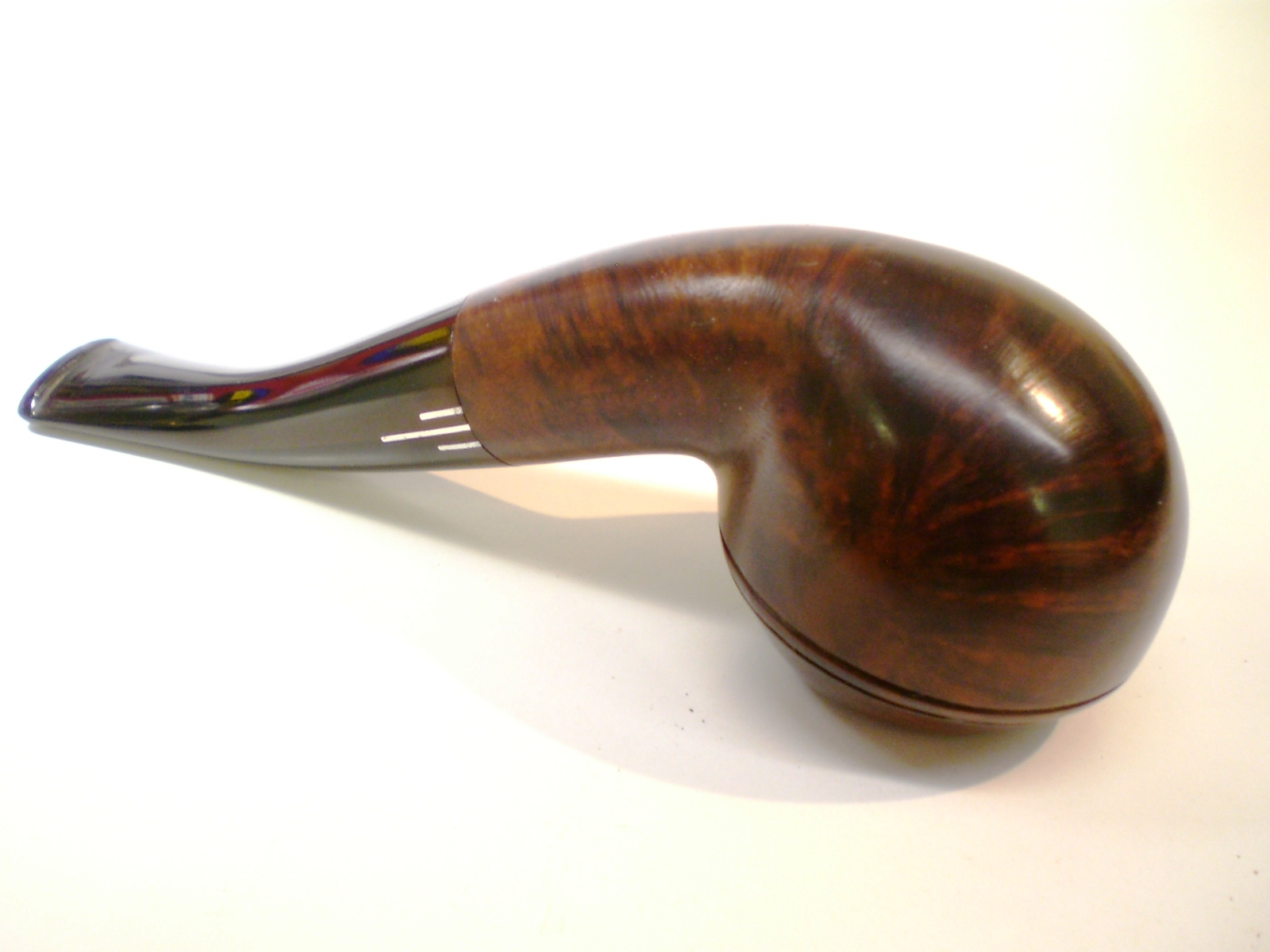
I finished by buffing the pipe with multiple coats of carnauba wax and then polished with a soft flannel buff on the buffer. The final series of four photos below show the finished pipe.
IMG_0922

IMG_0925

IMG_0921

IMG_0923