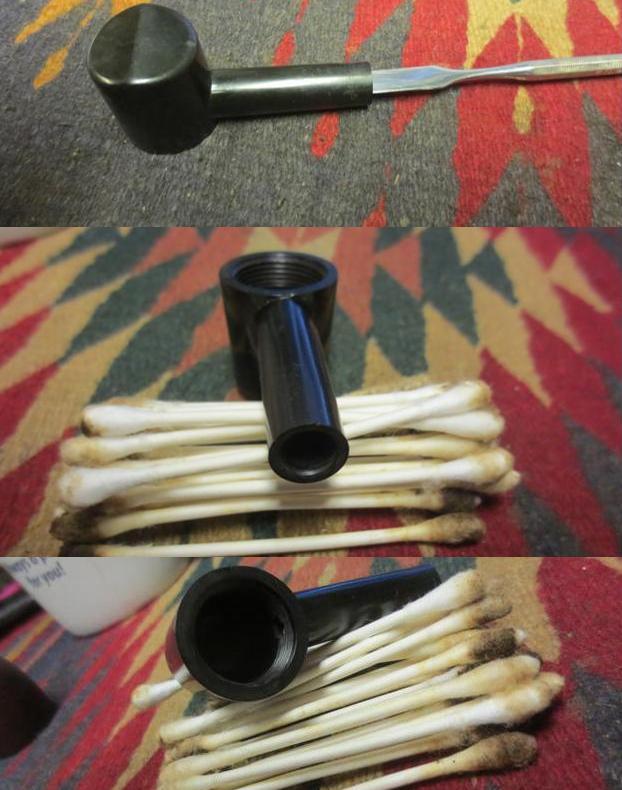
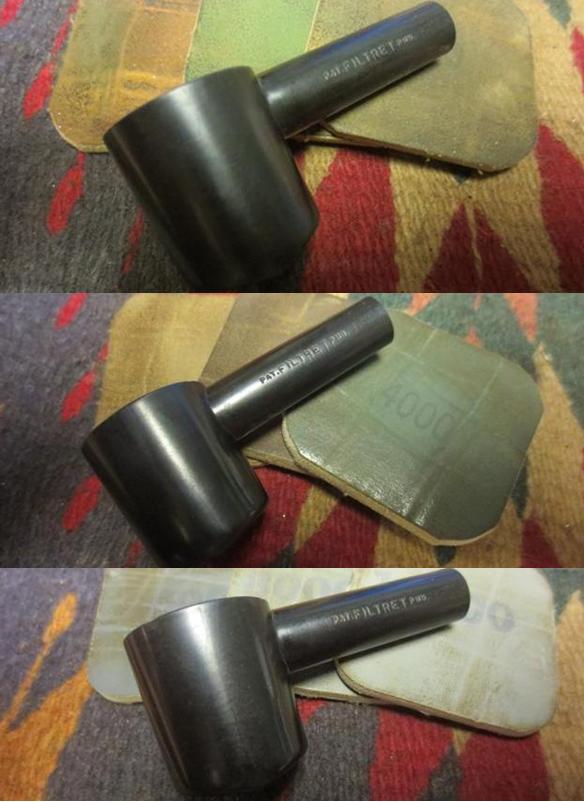
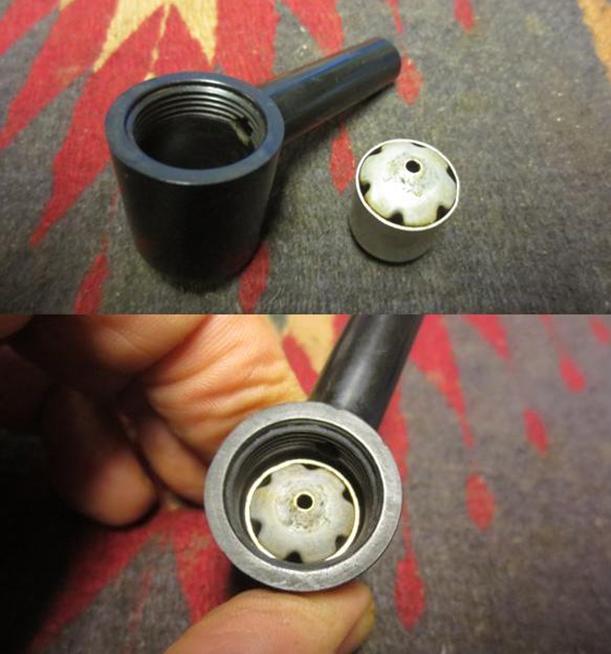
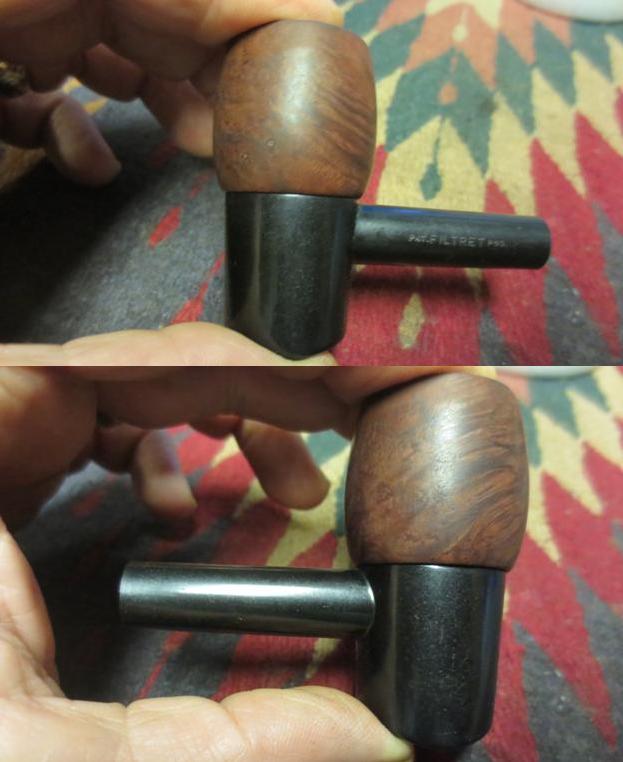
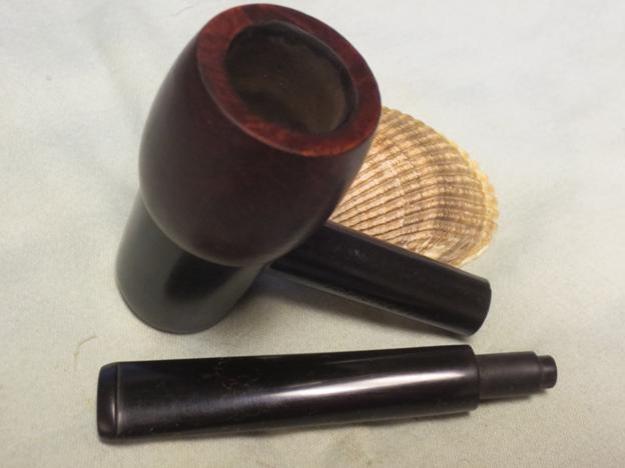
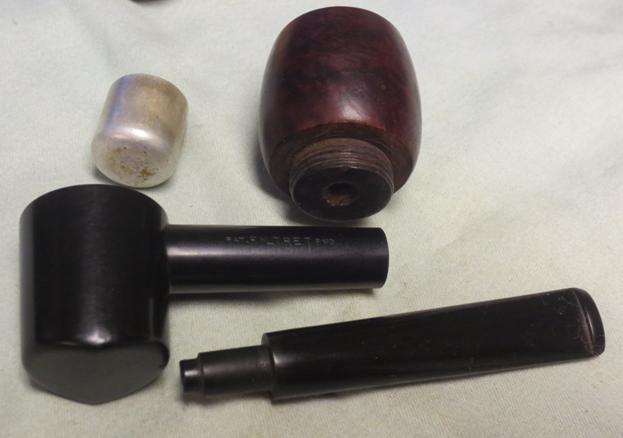
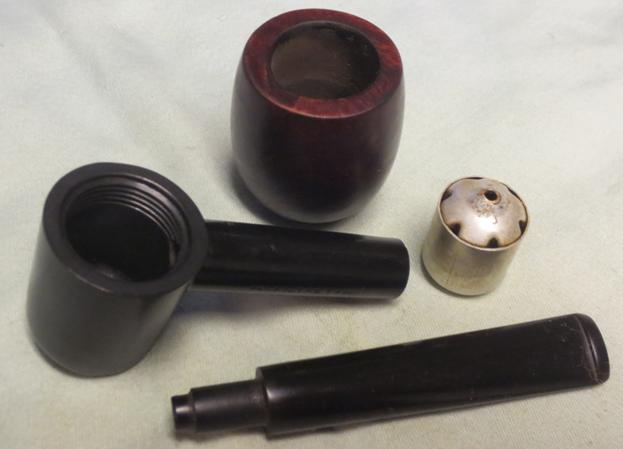
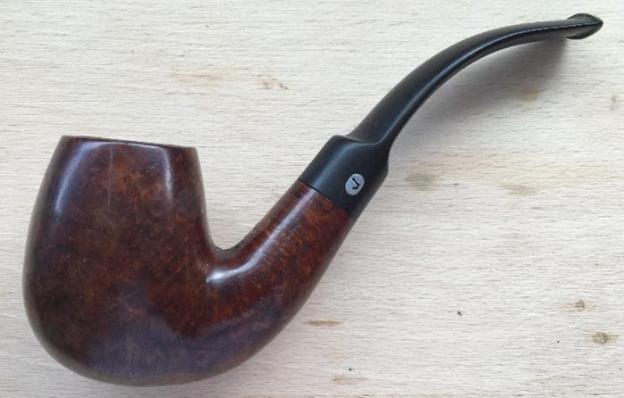
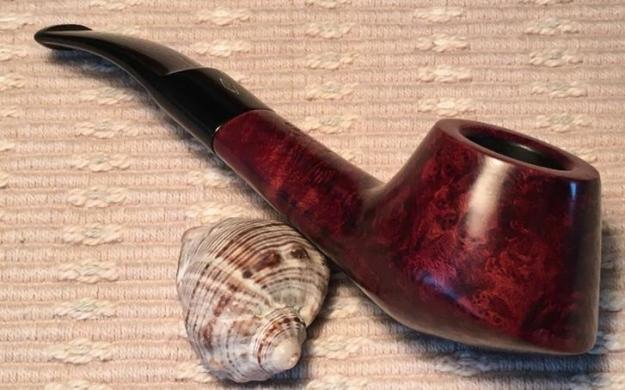
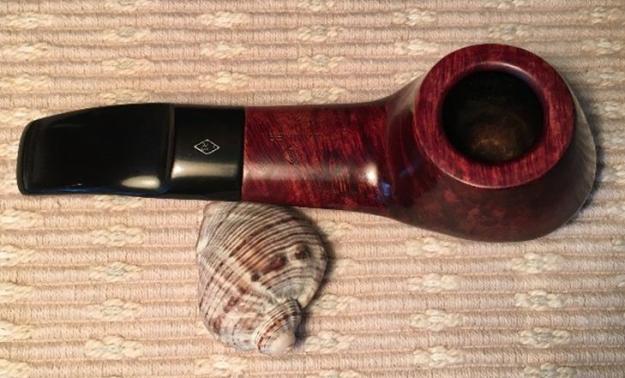
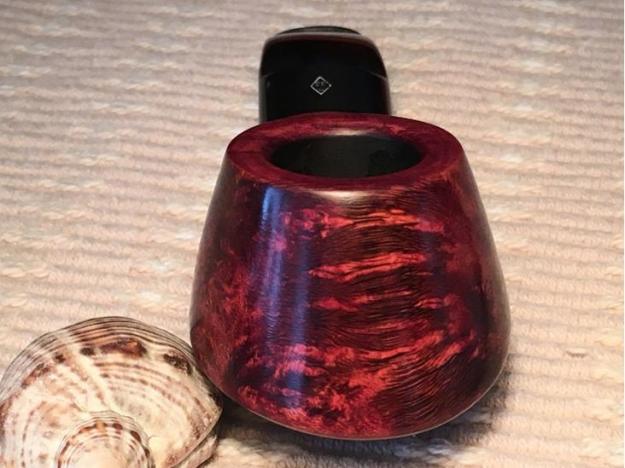
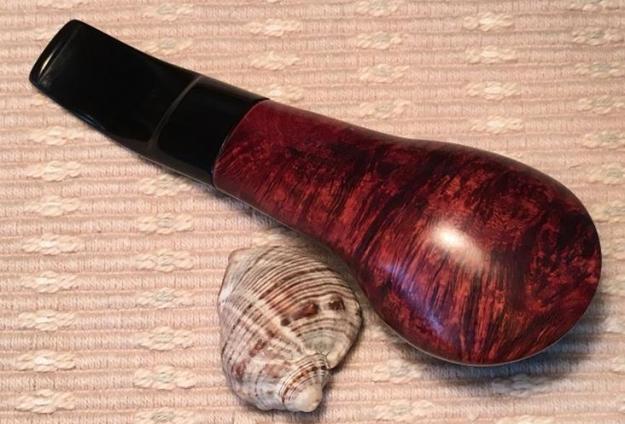
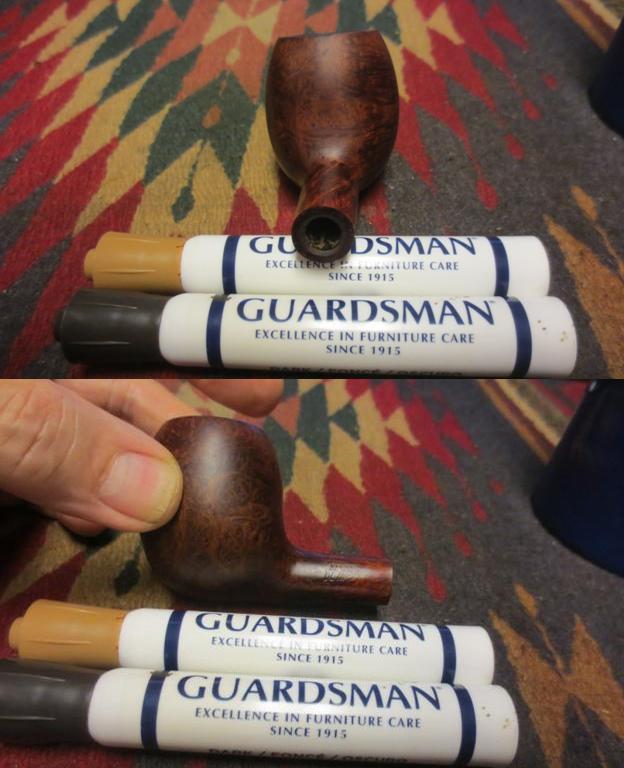
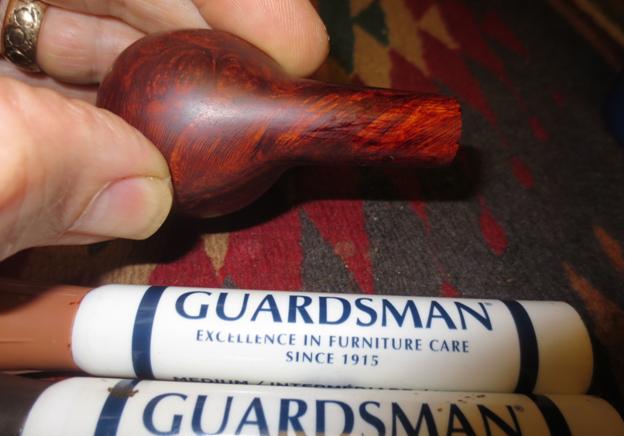
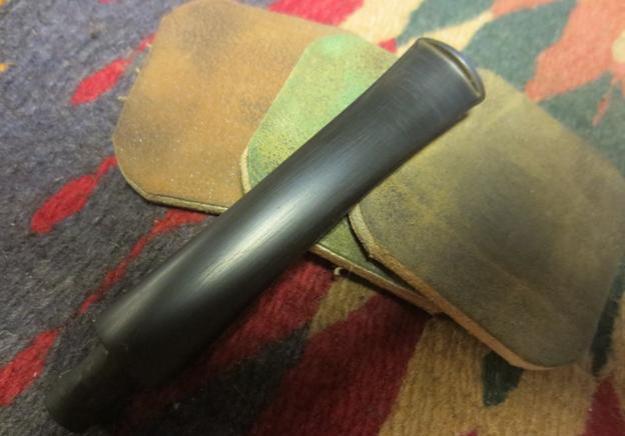
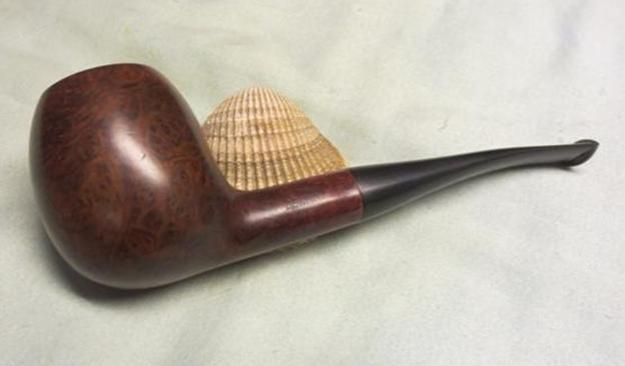
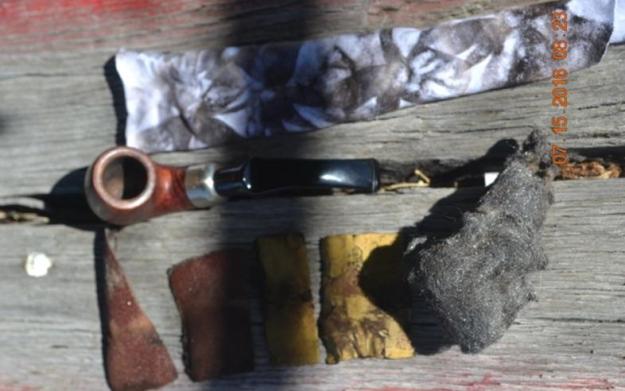
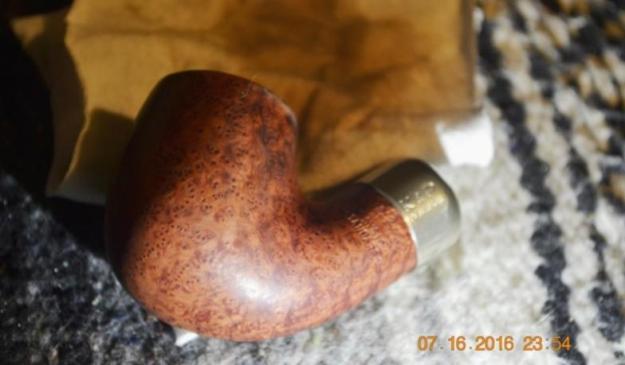
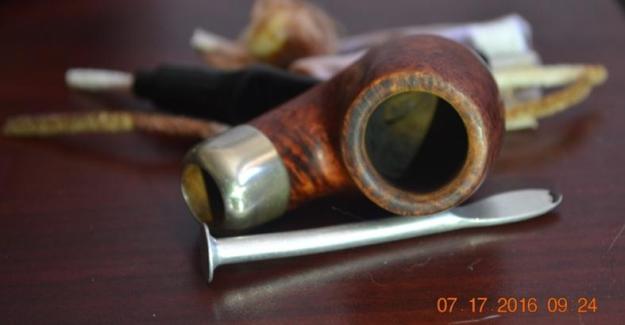
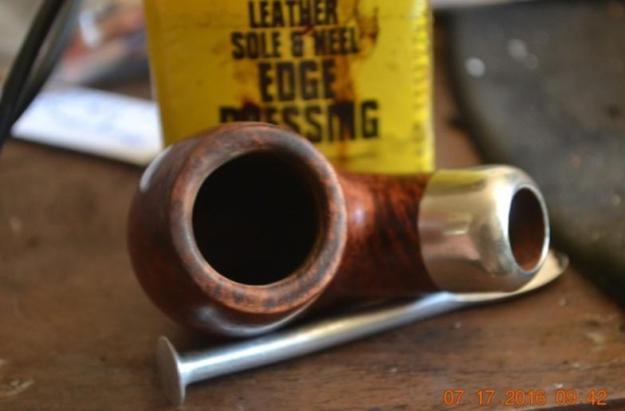
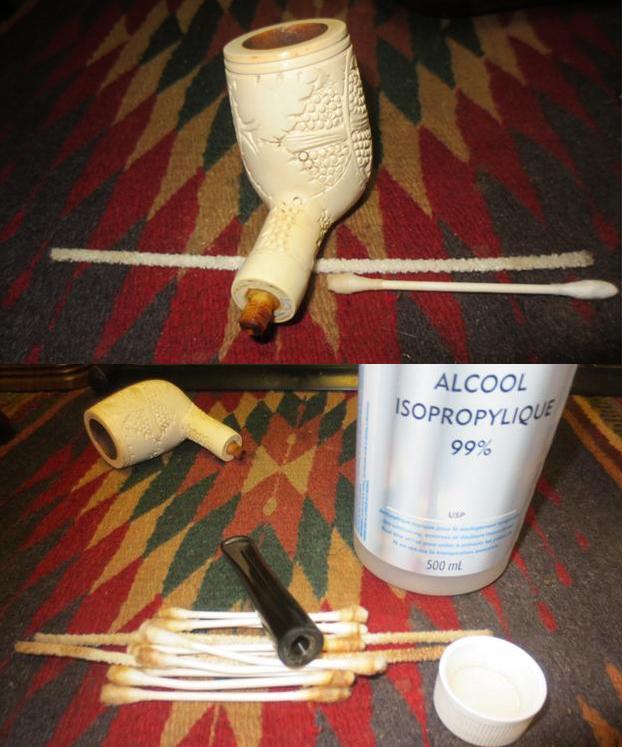
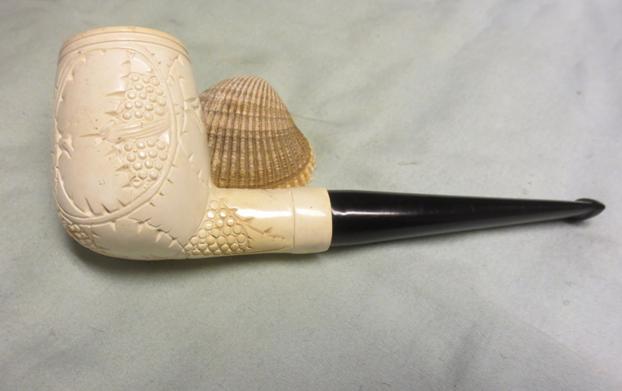
Tag Archives: polishing

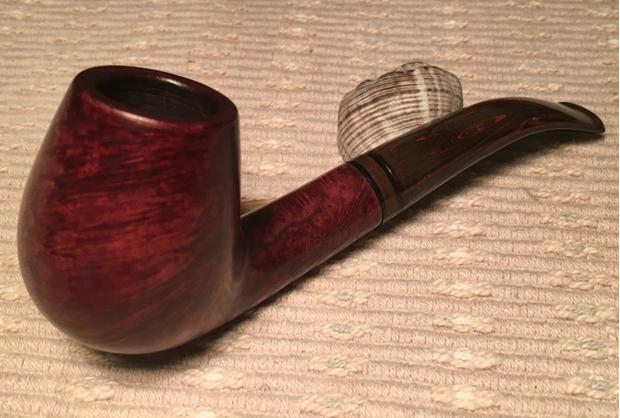
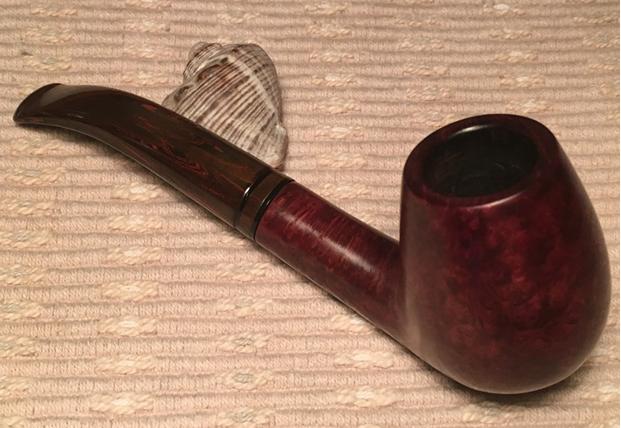
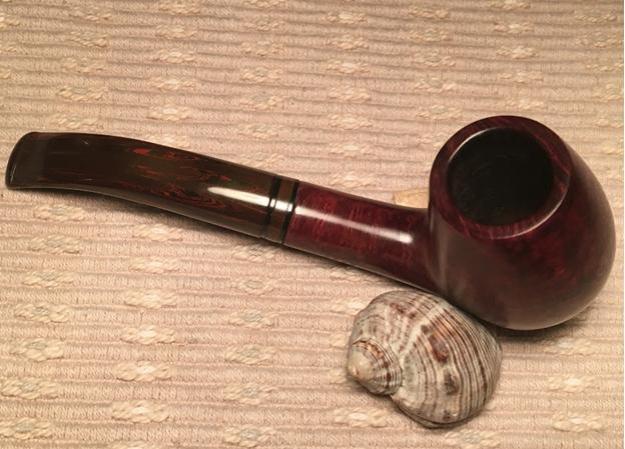
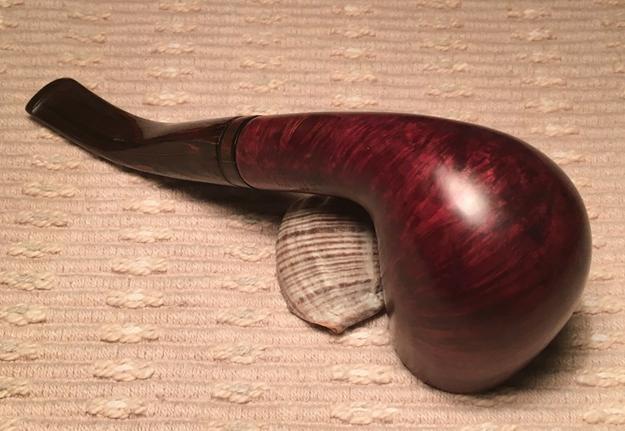
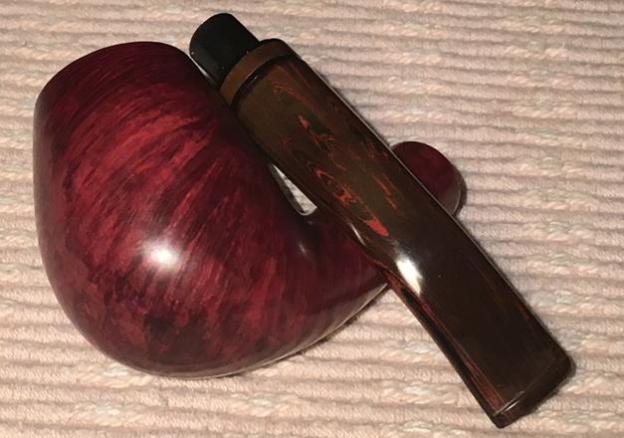
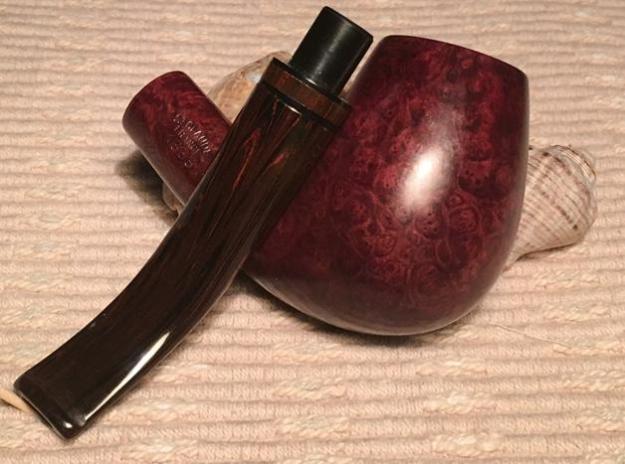
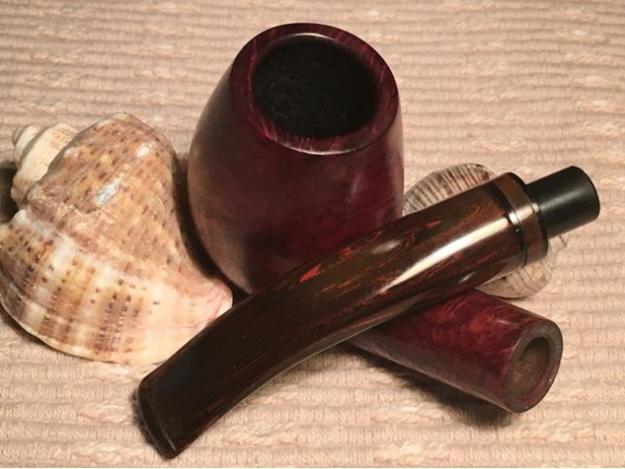
Midterm Exam #4: Re-Refurbishing an Unknown Bulldog


Blog by Anthony Cook

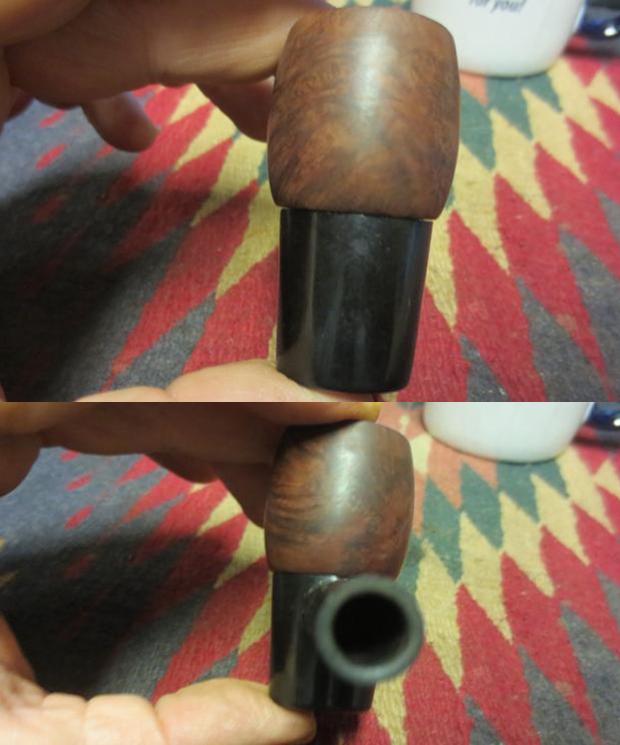
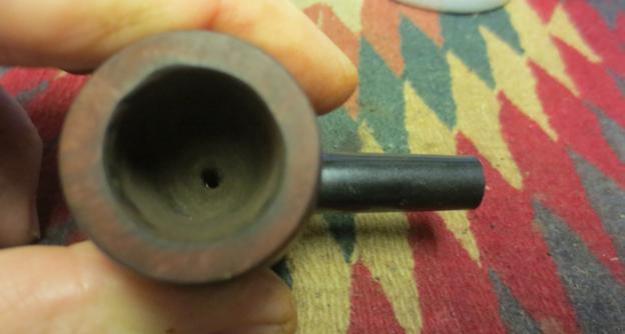
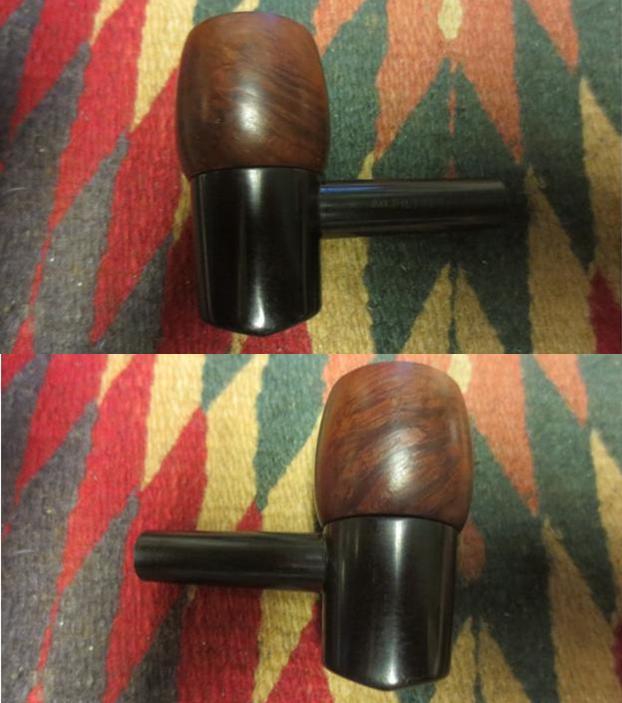
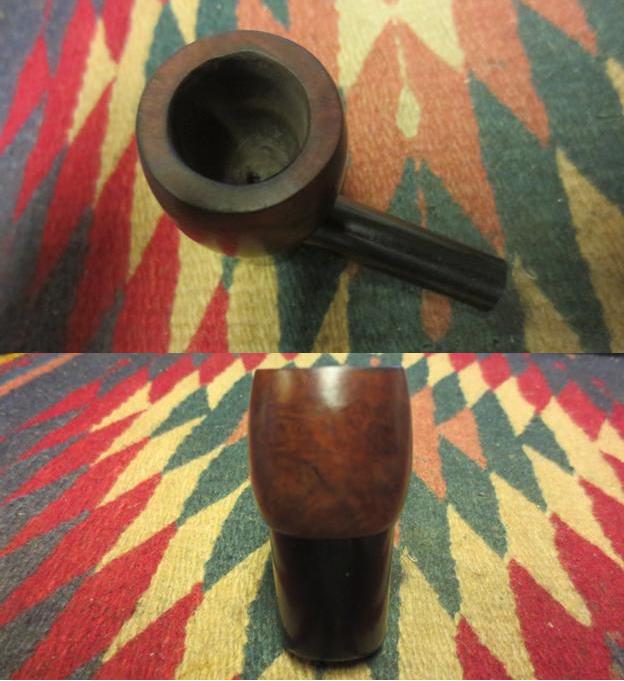
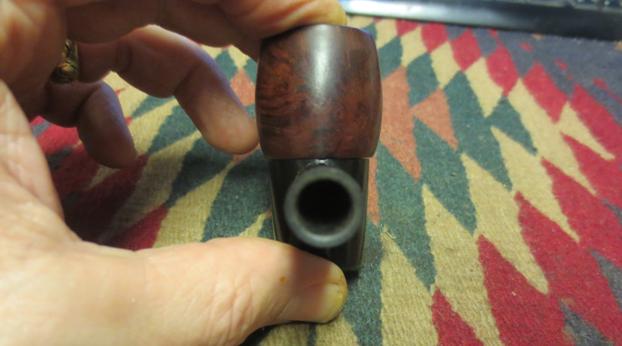
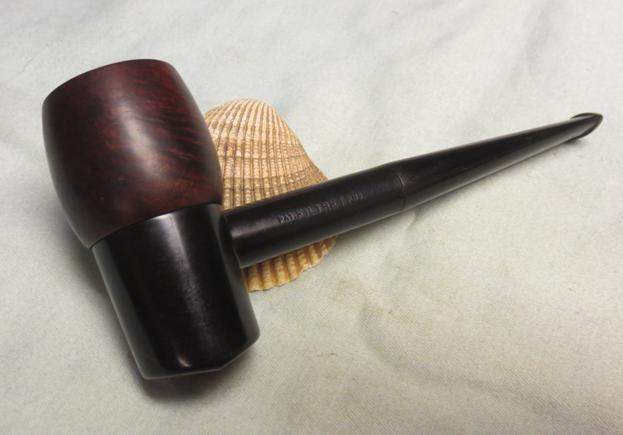
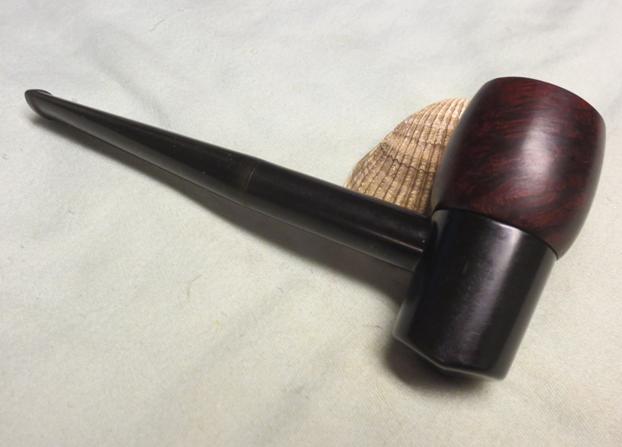
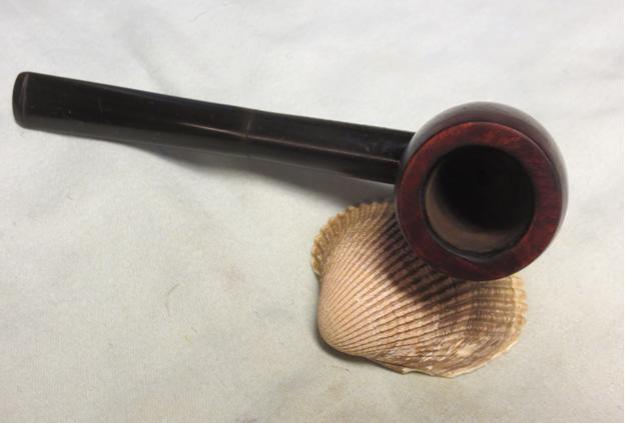
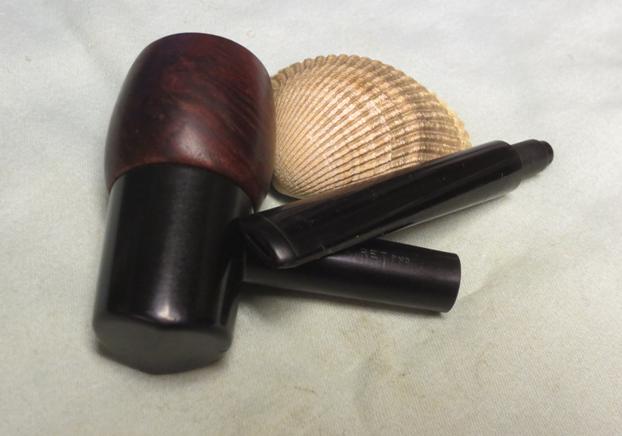
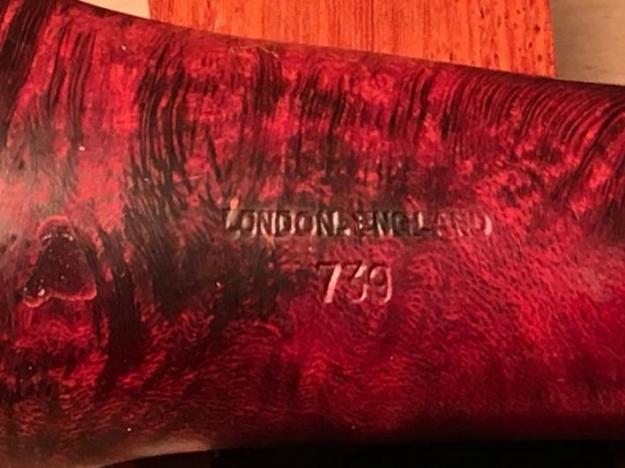
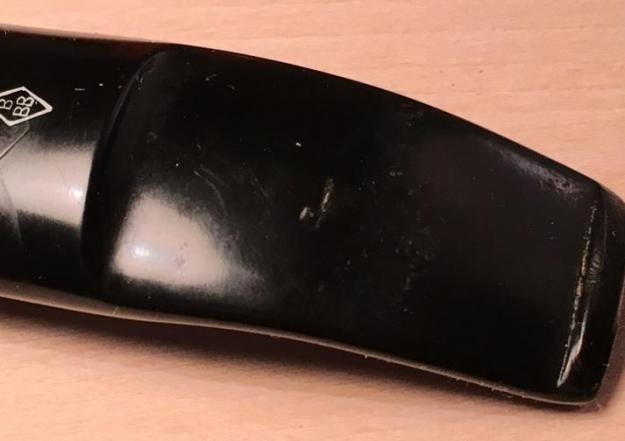
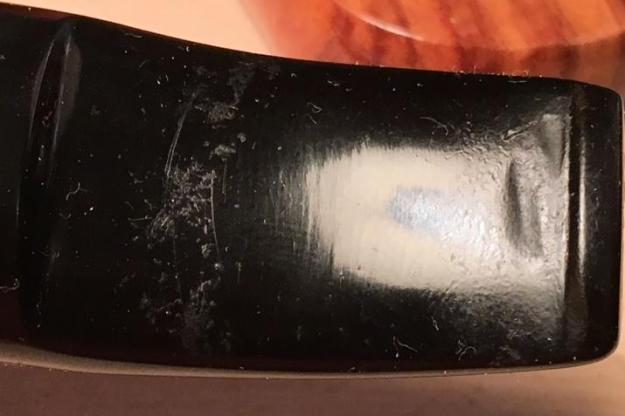
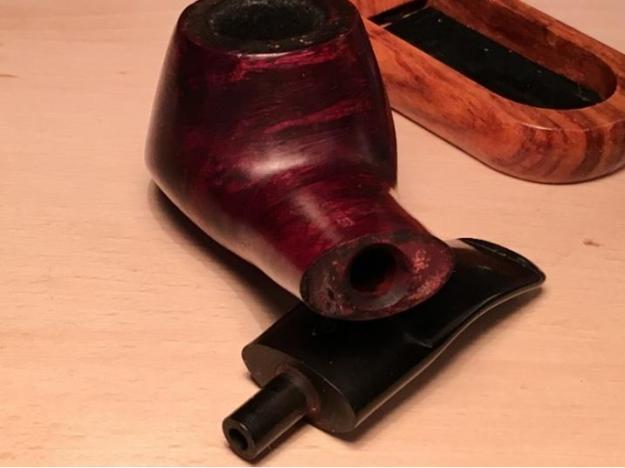
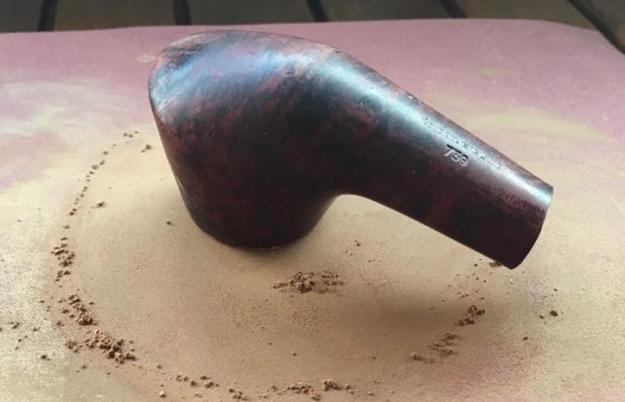
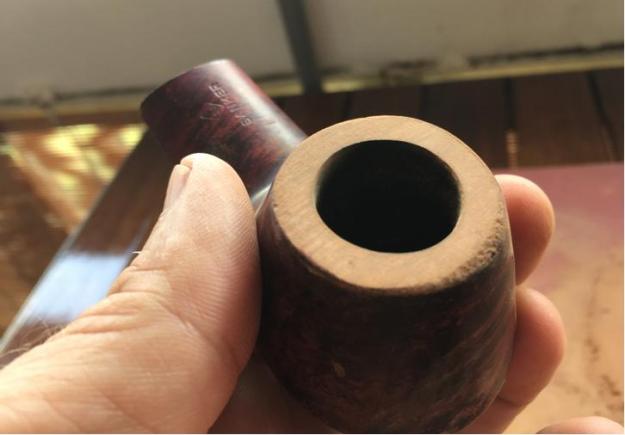
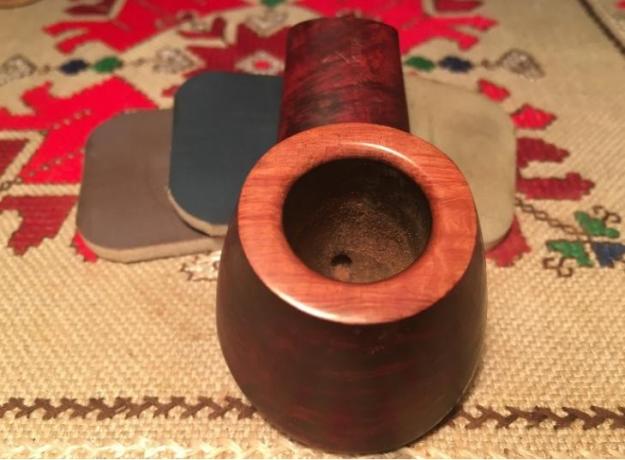
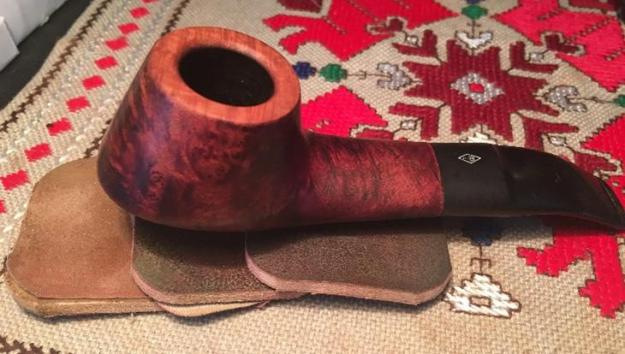
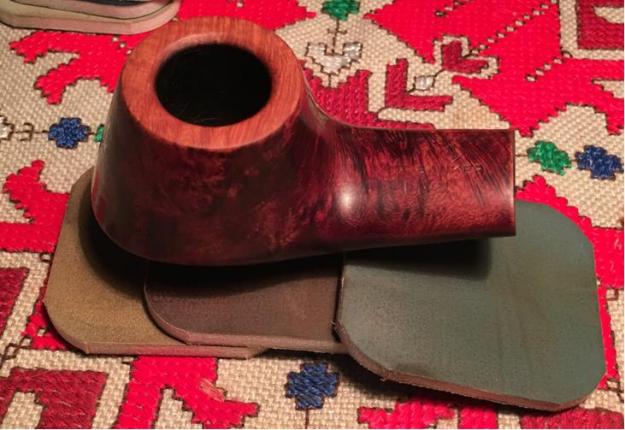
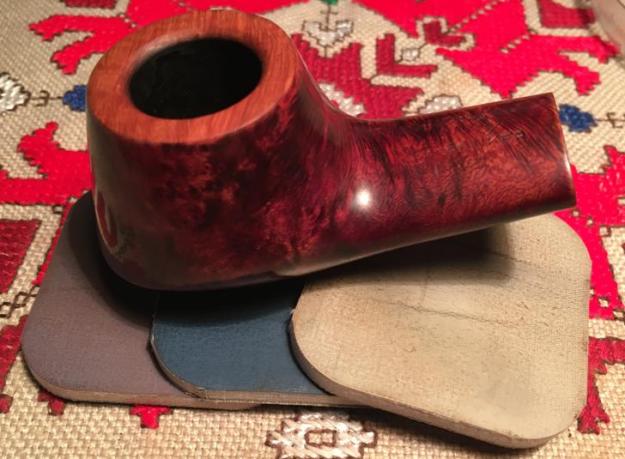
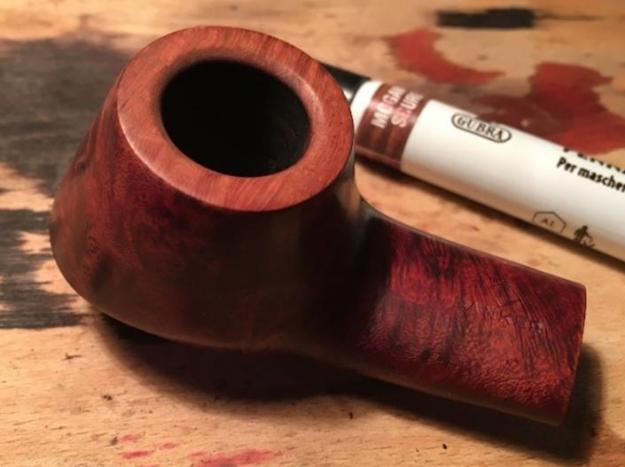
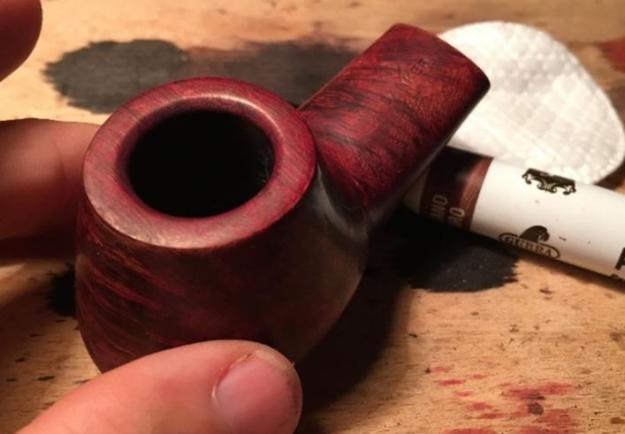
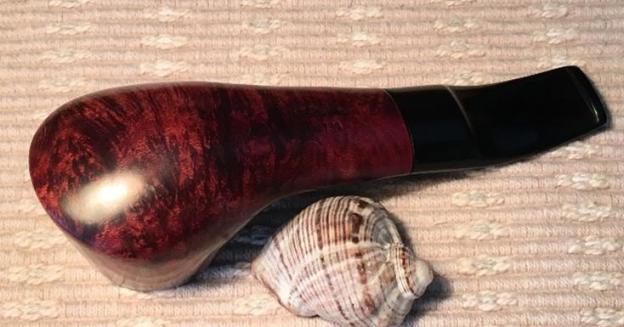
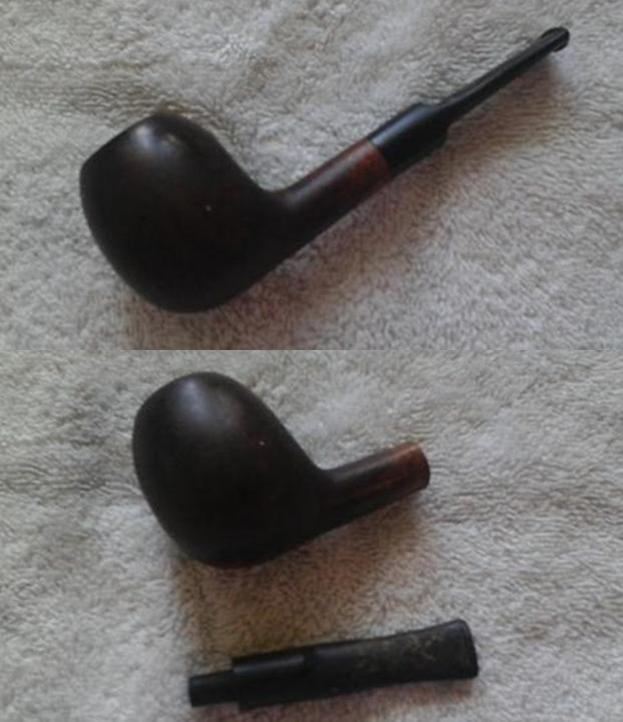
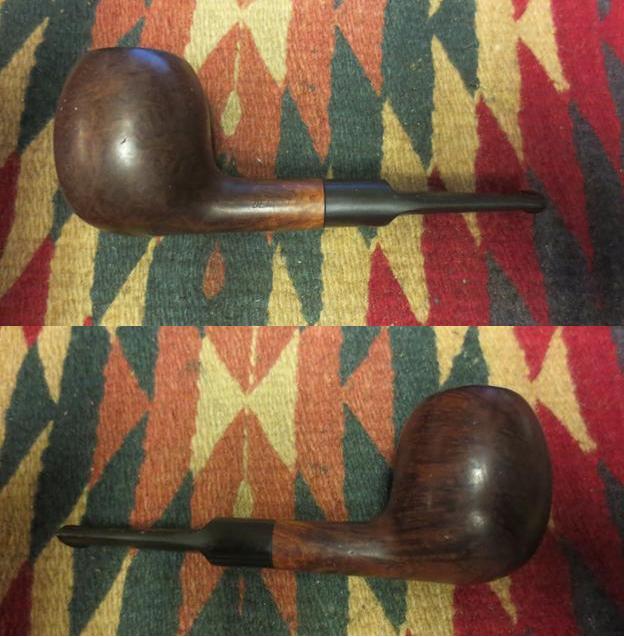
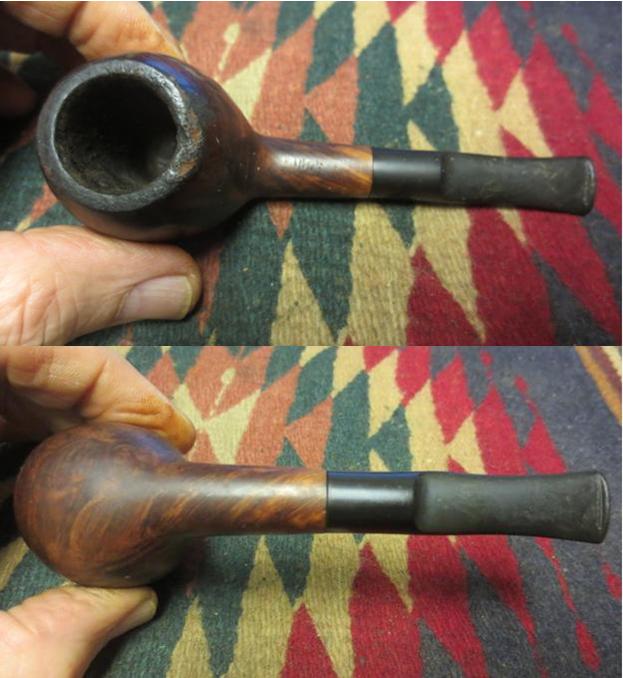
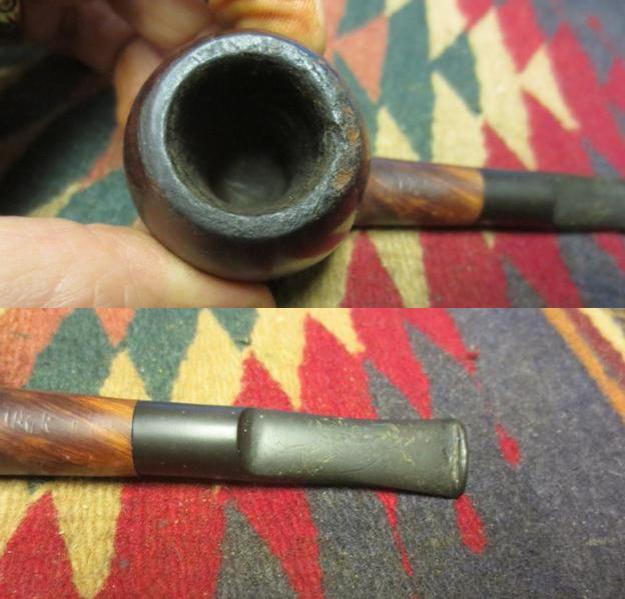
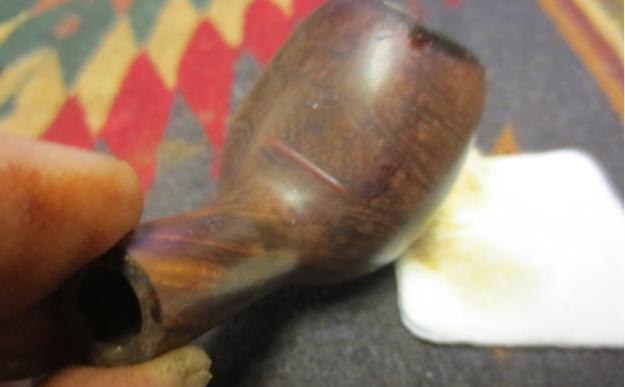
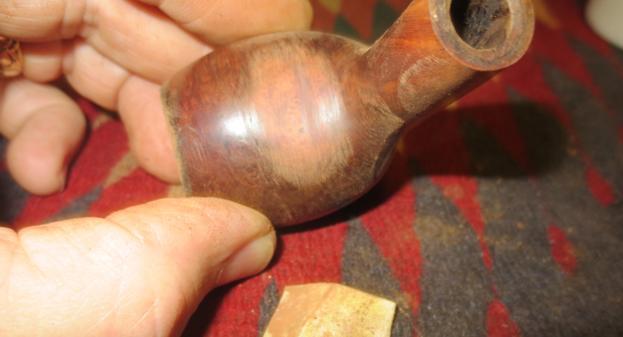
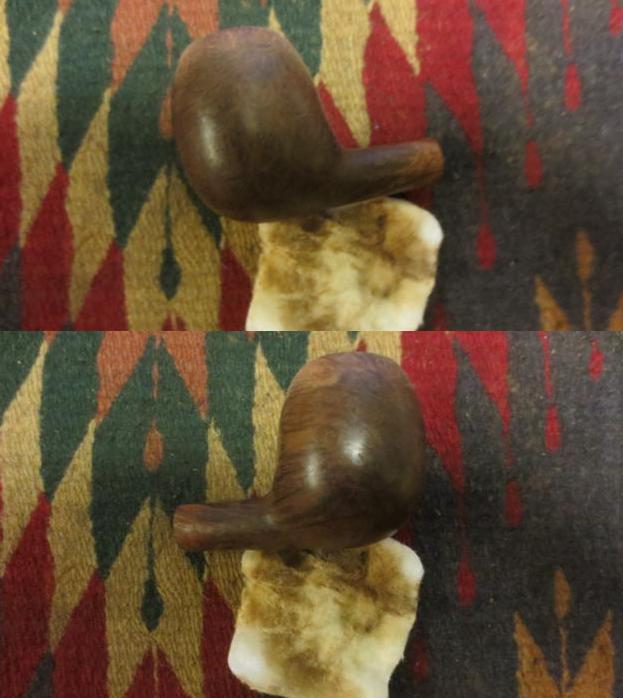
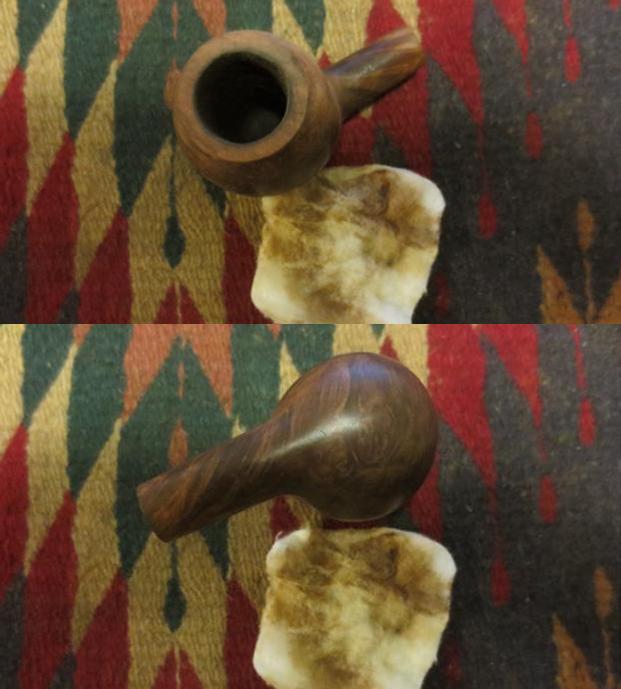
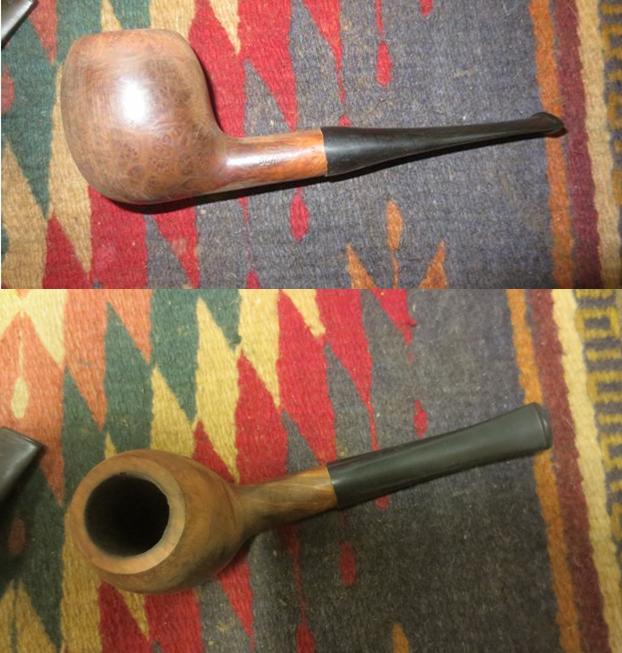
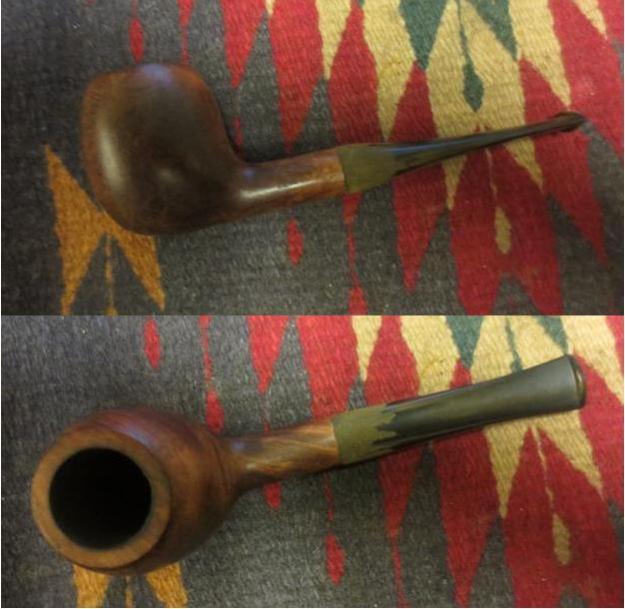
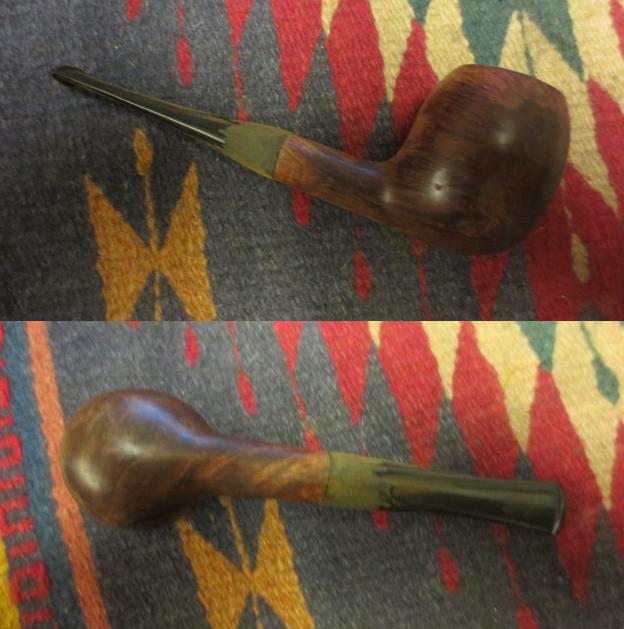
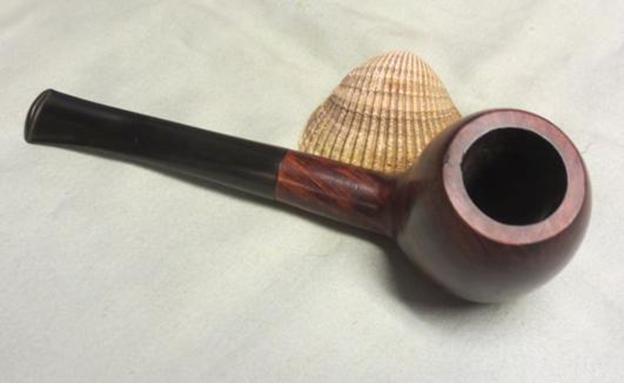
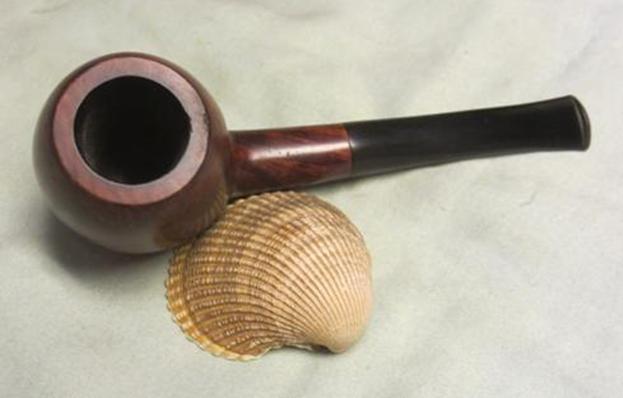
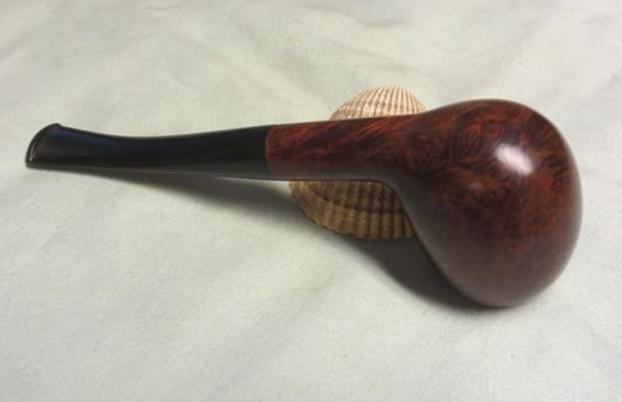
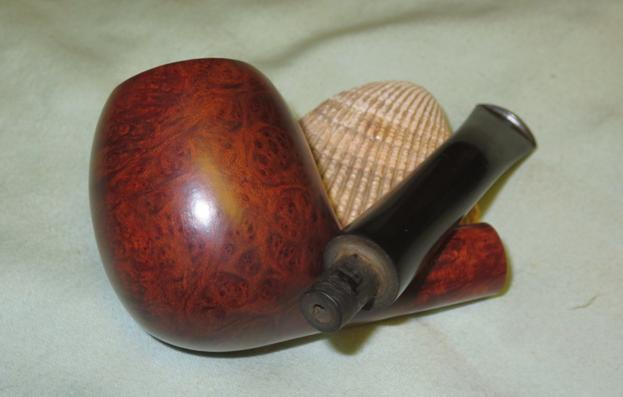
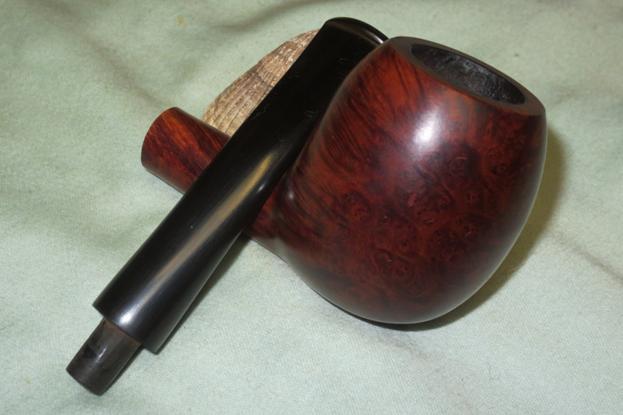
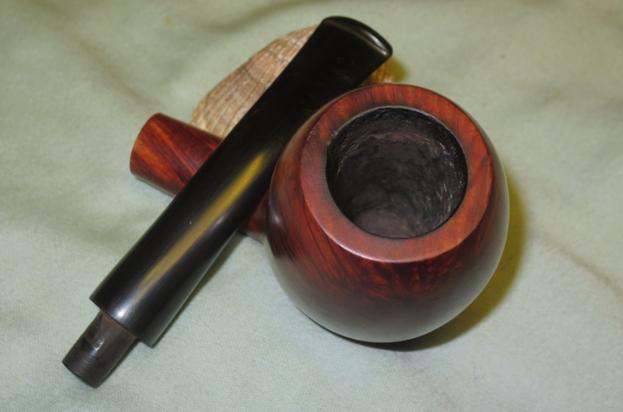
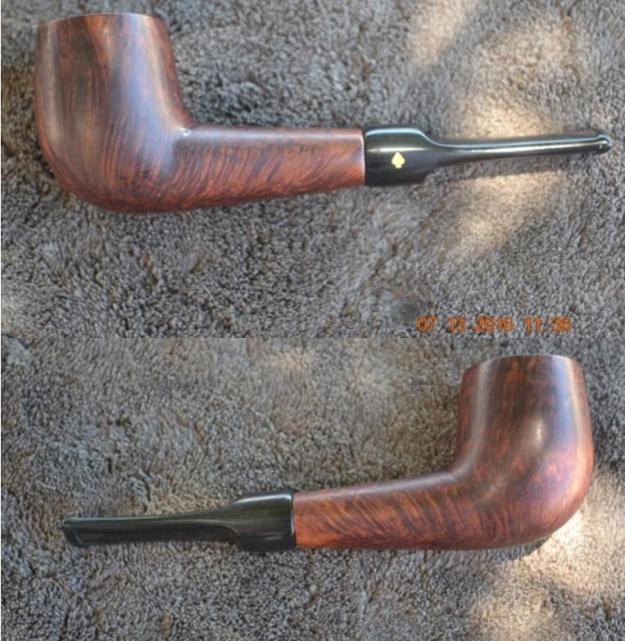
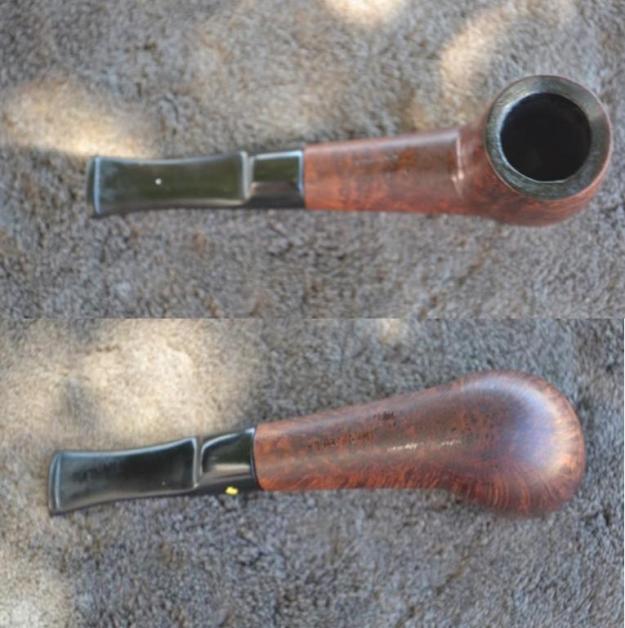
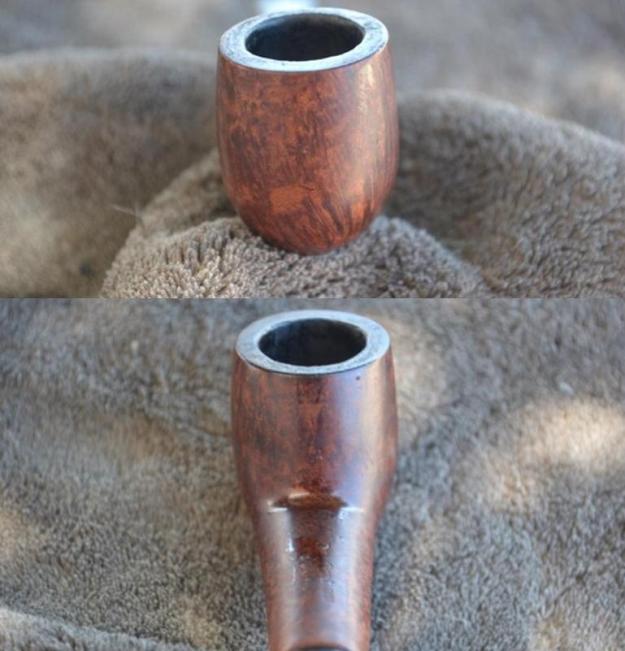
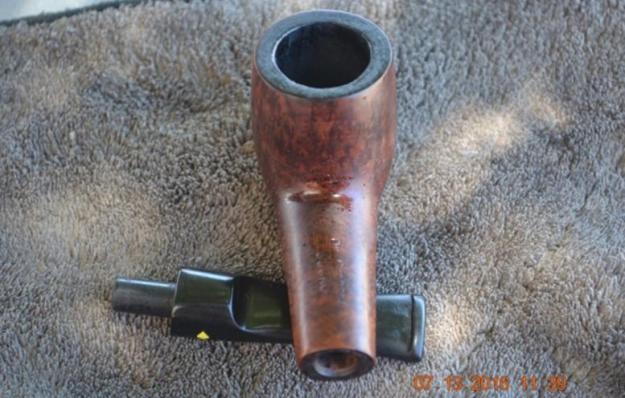
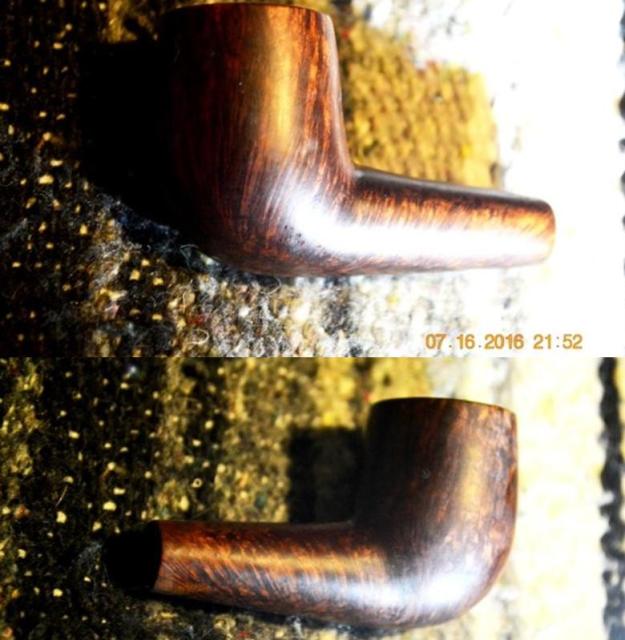
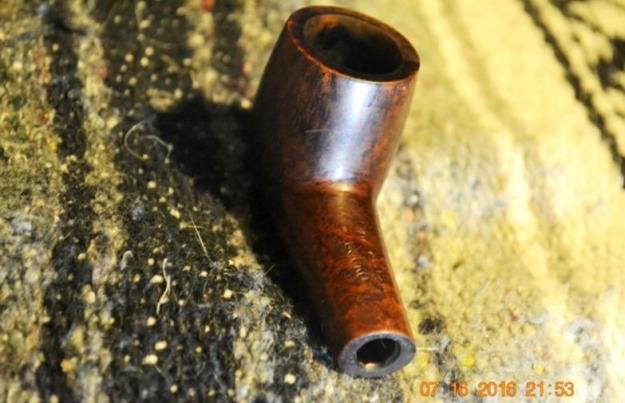
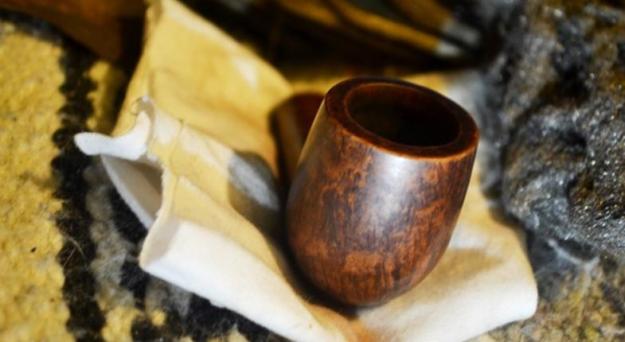
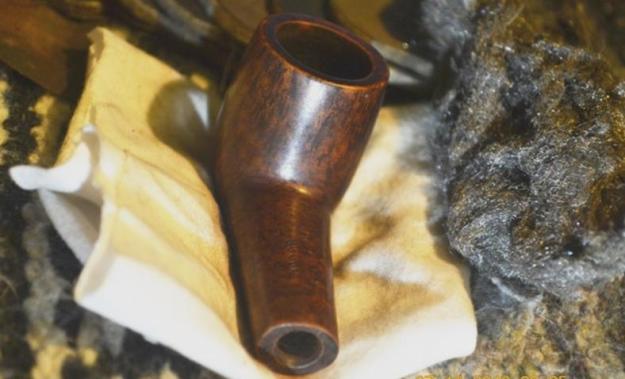
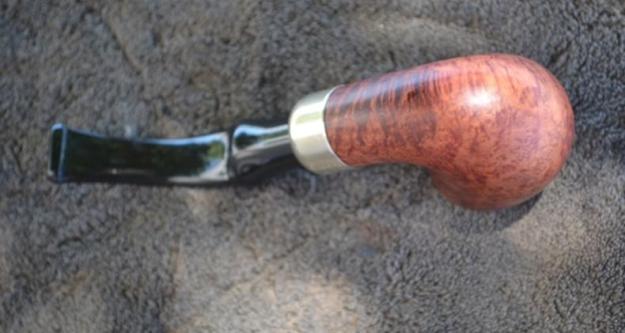
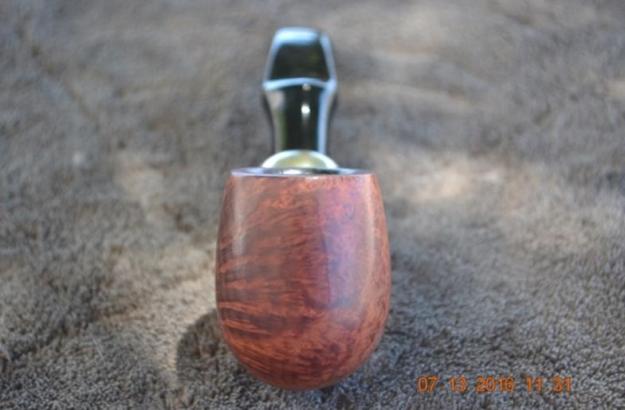
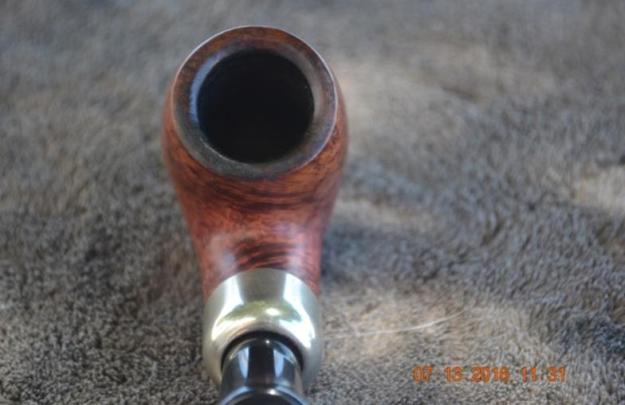
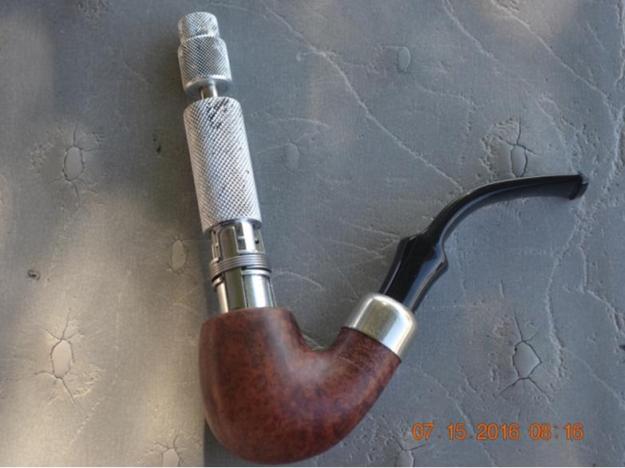
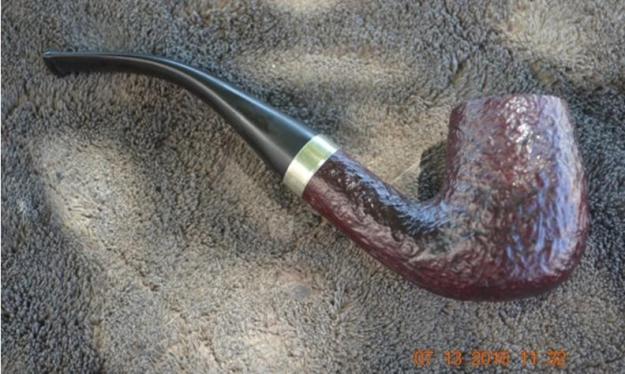
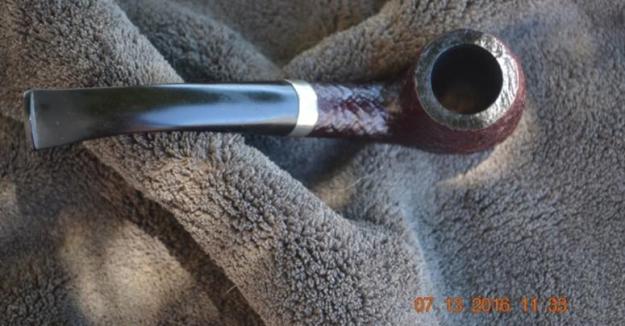
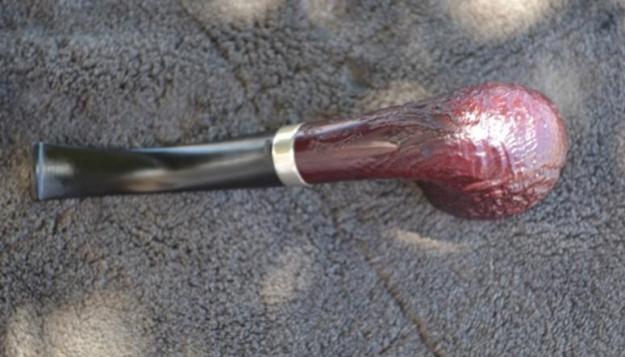
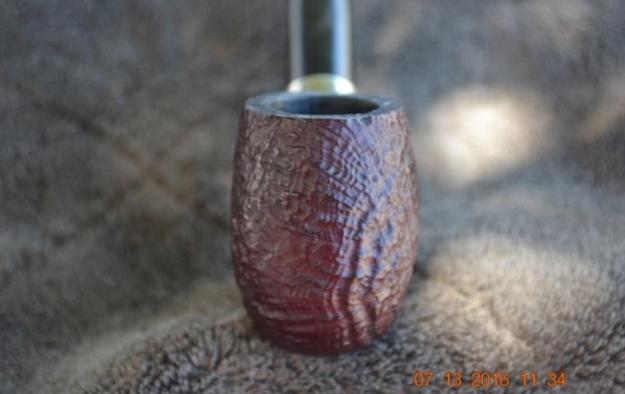
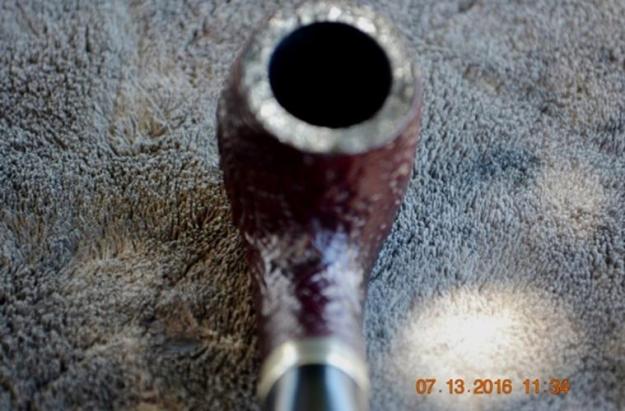
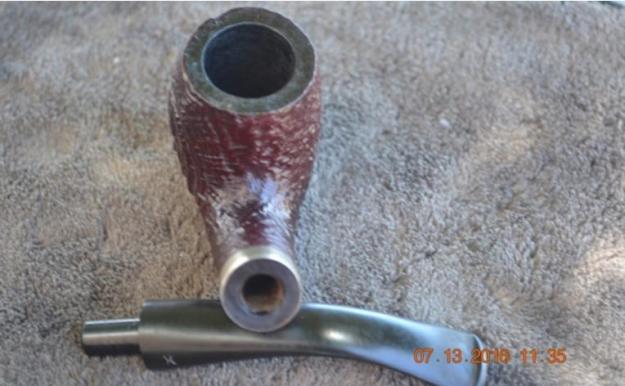
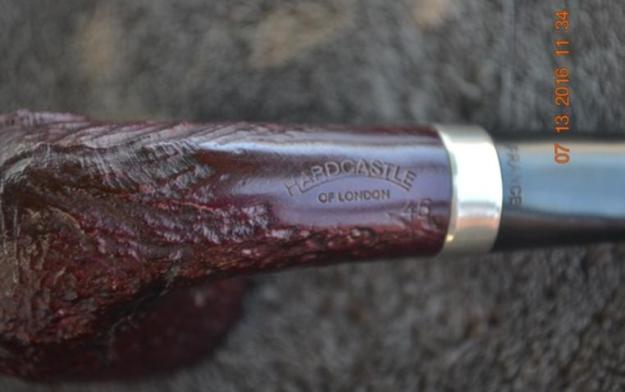
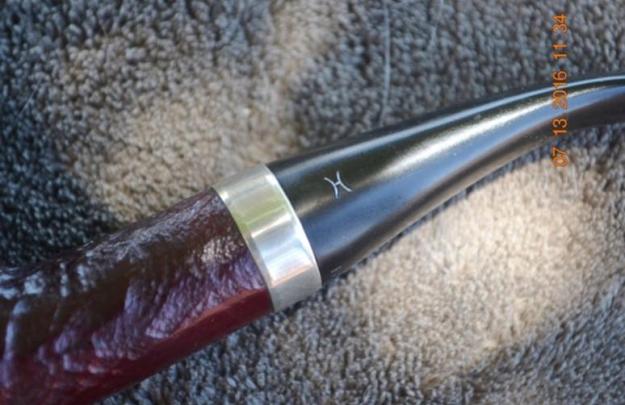
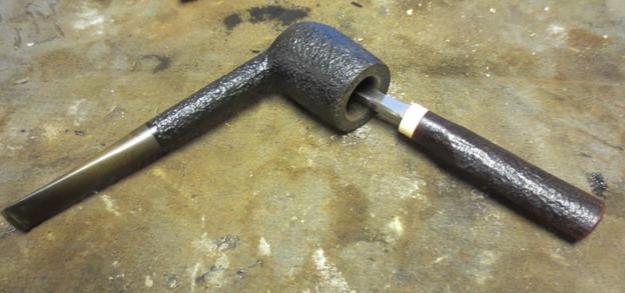
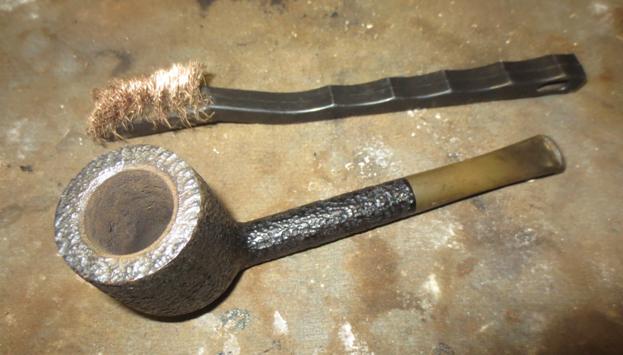
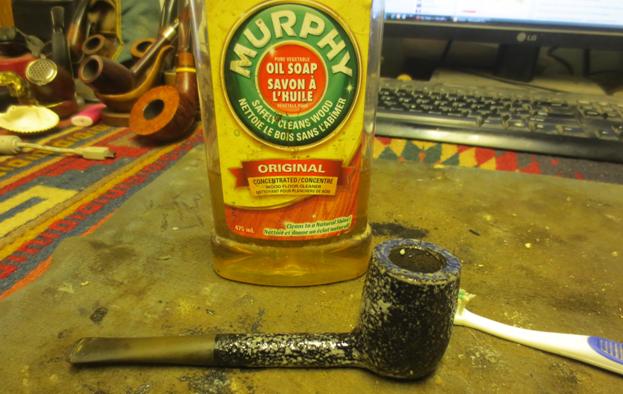
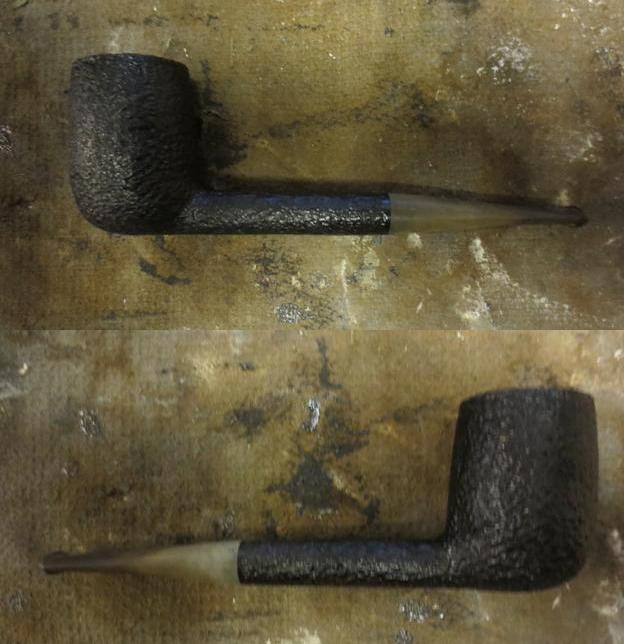
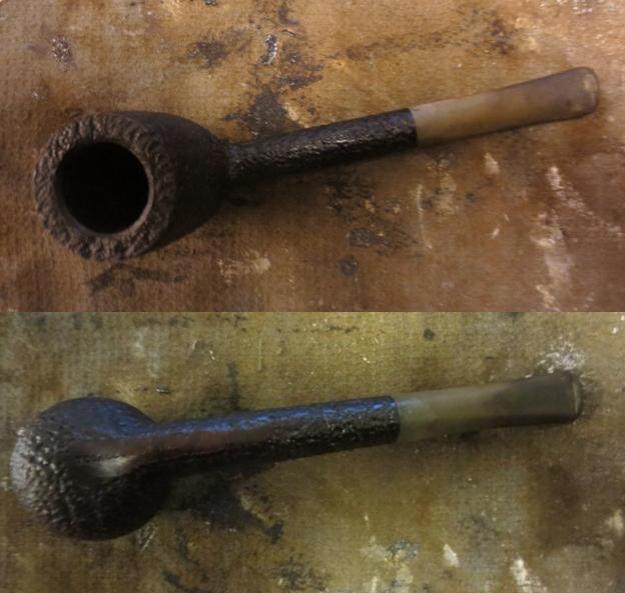
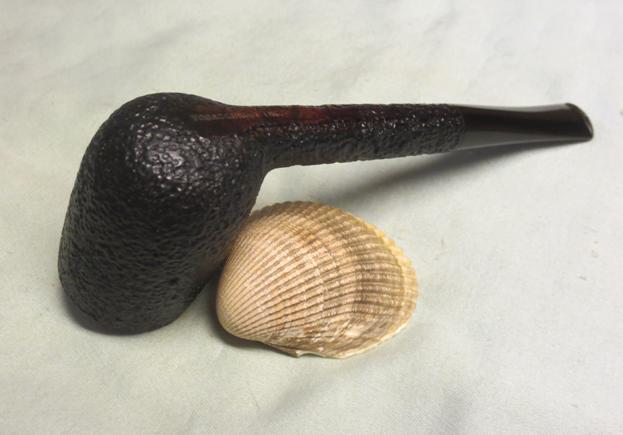
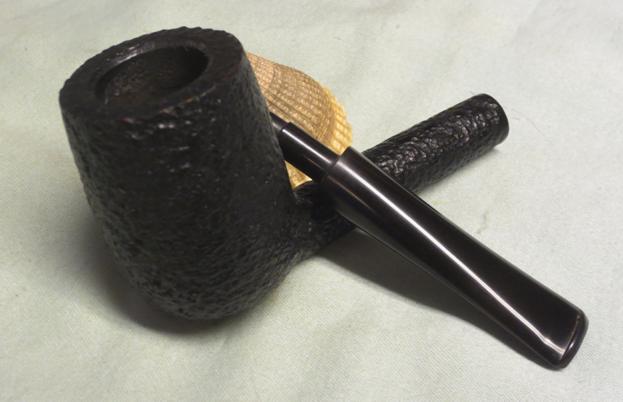
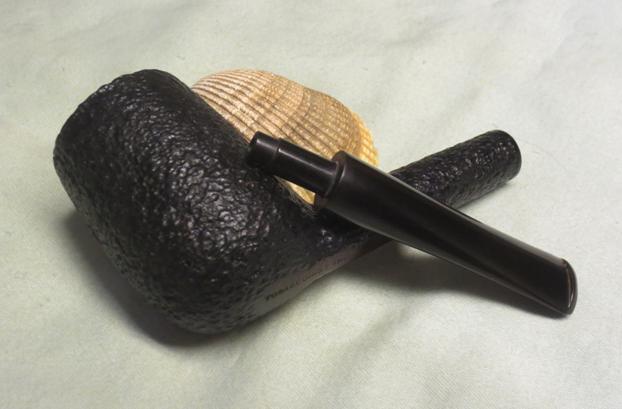
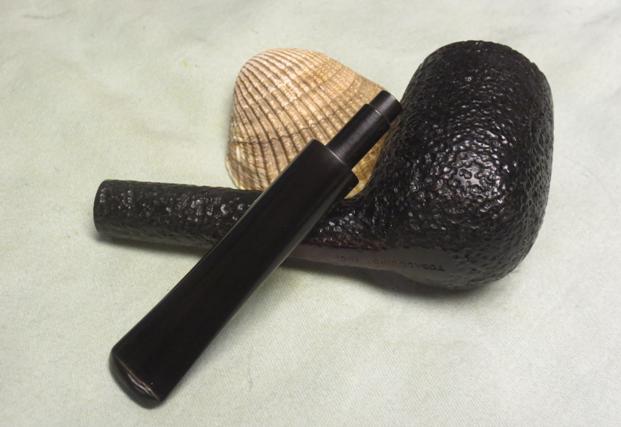
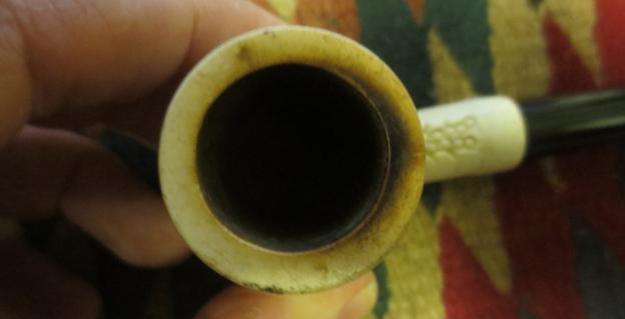
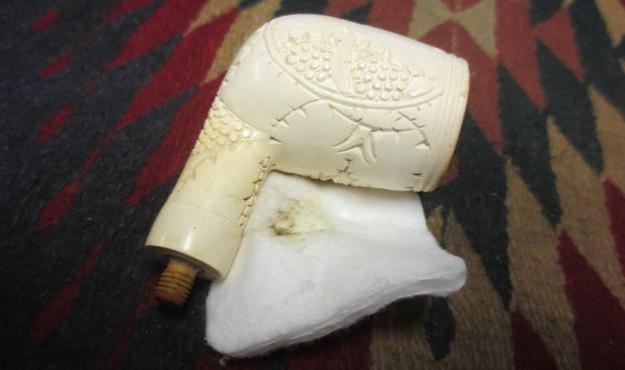
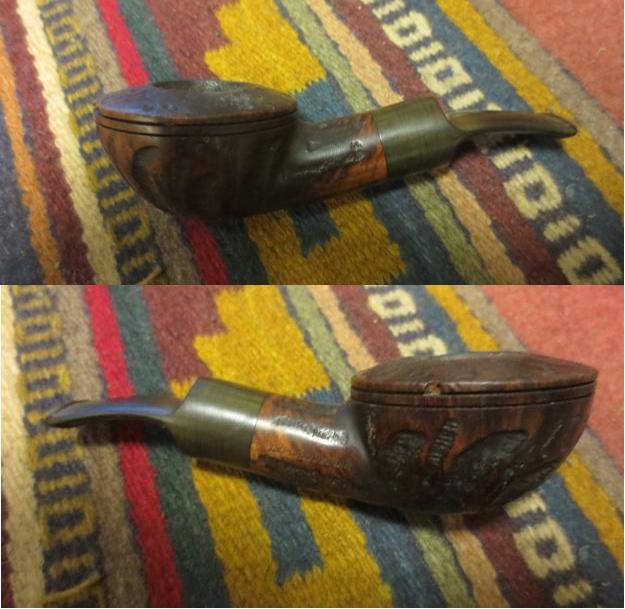
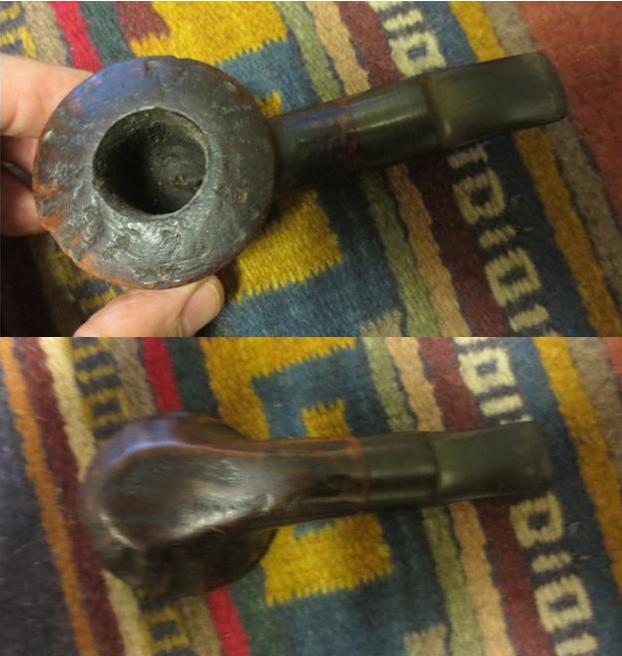
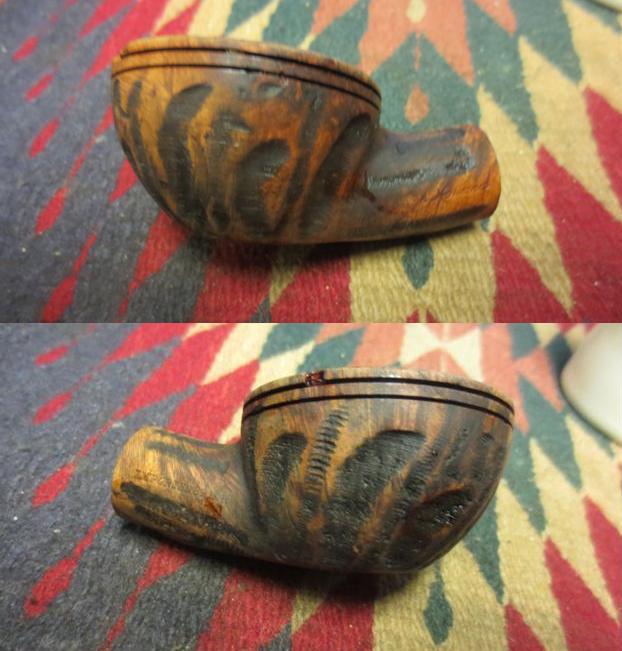
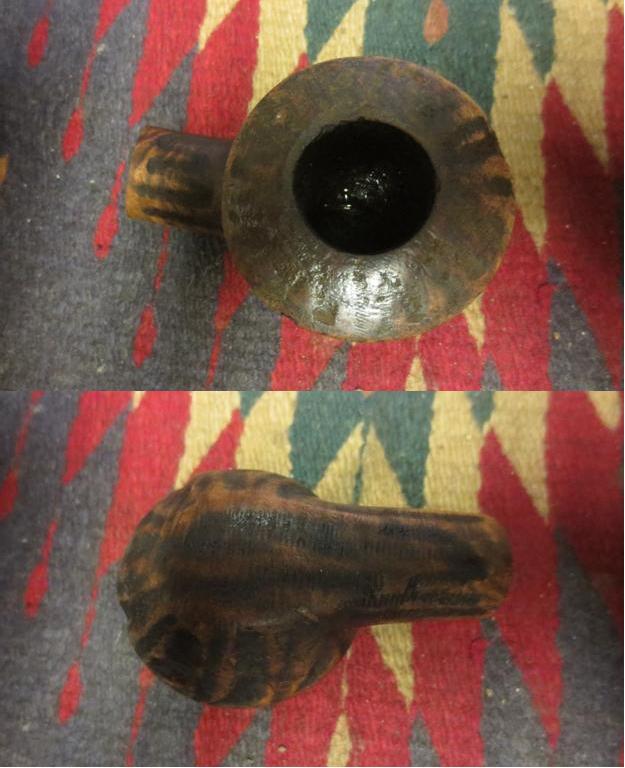
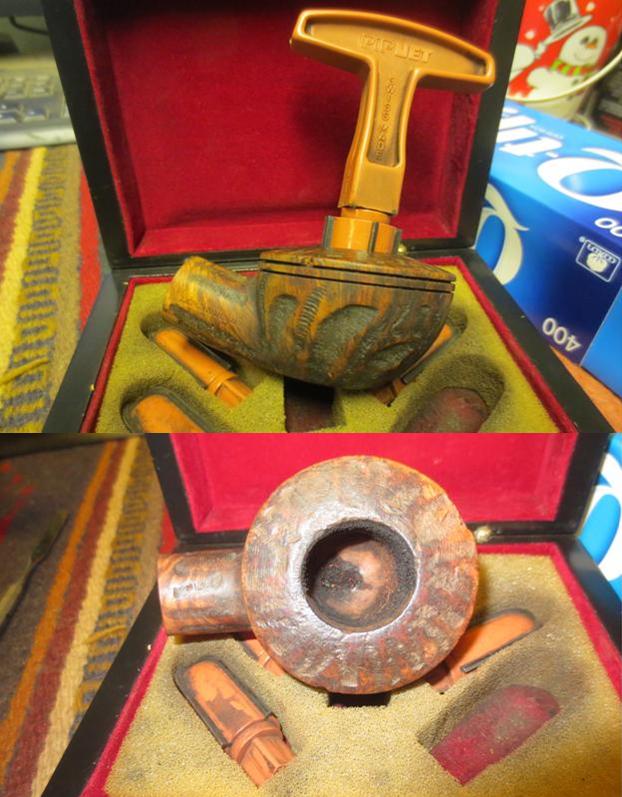
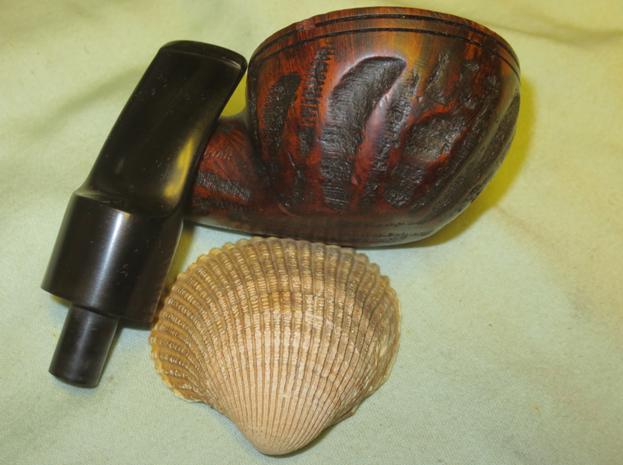
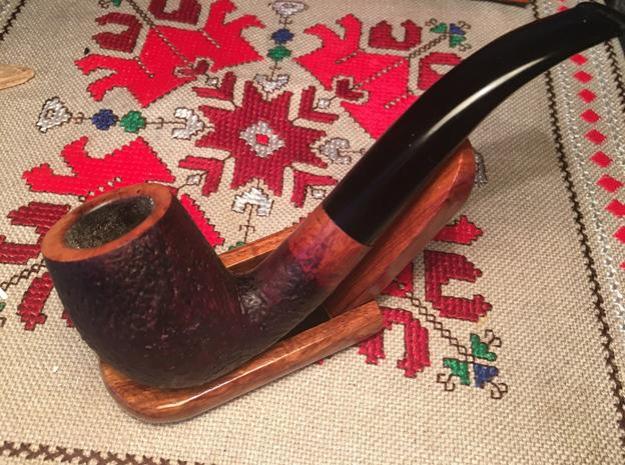
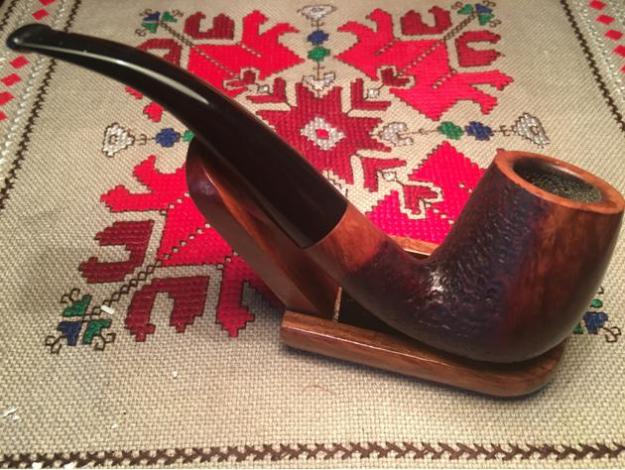
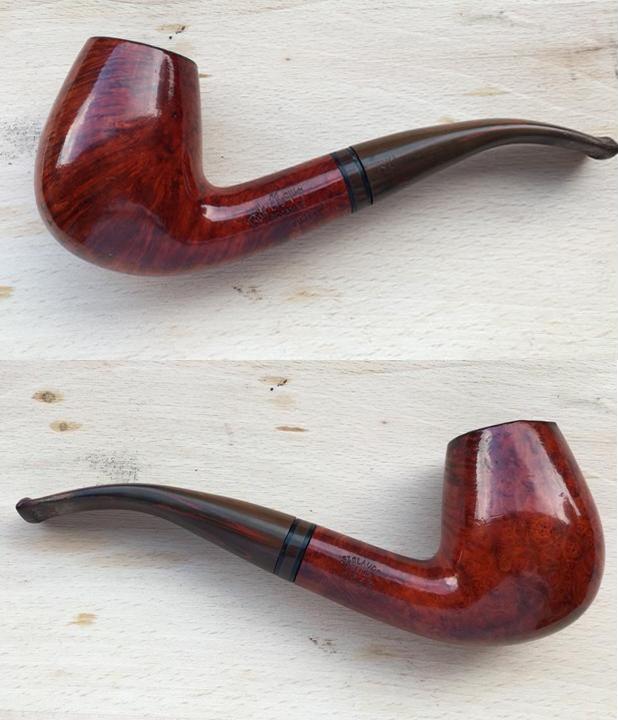
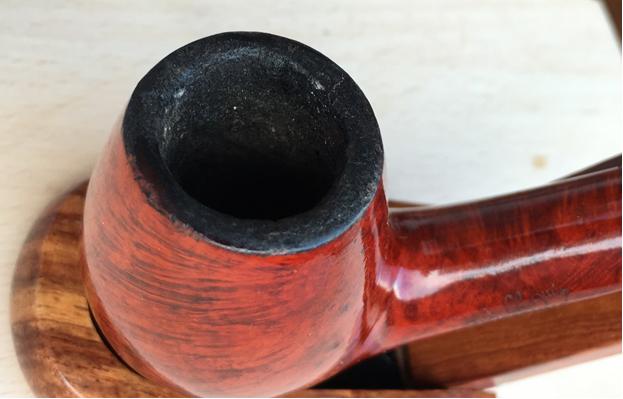
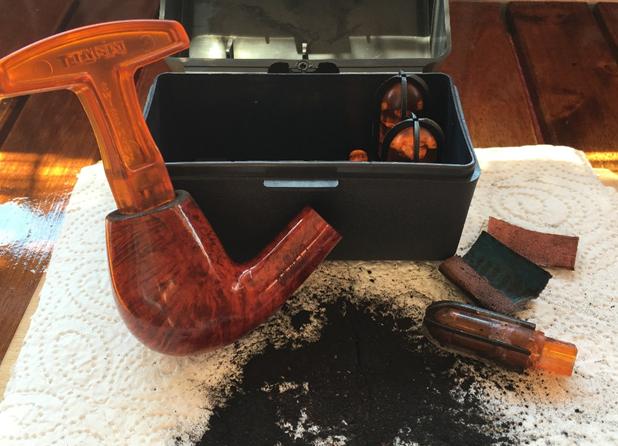
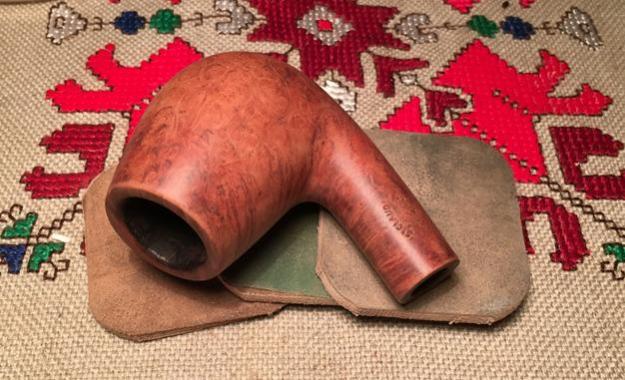
It’s time for the fourth and final midterm exam! This one is an “unknown” bent bulldog that I picked up from eBay. I snagged it because I liked the shape and it was cheap. What I didn’t know at the time, but became immediately apparent when the pipe arrived, was that the end of the shank had been shattered into at least three pieces and glued back together. There was no stamping on the pipe, but I don’t think that was always the case. It was likely sacrificed during the shank repair. The repair is fairly obvious in my photos below, but I assure you that it was not nearly so in the seller’s. The right combination of lighting and angles can cover up a multitude of sins, folks. Caveat emptor.

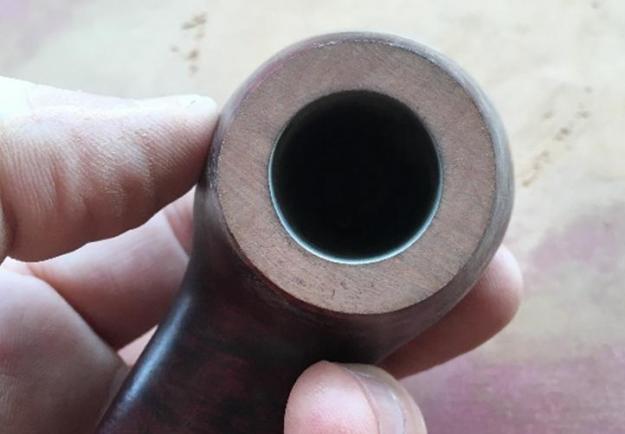
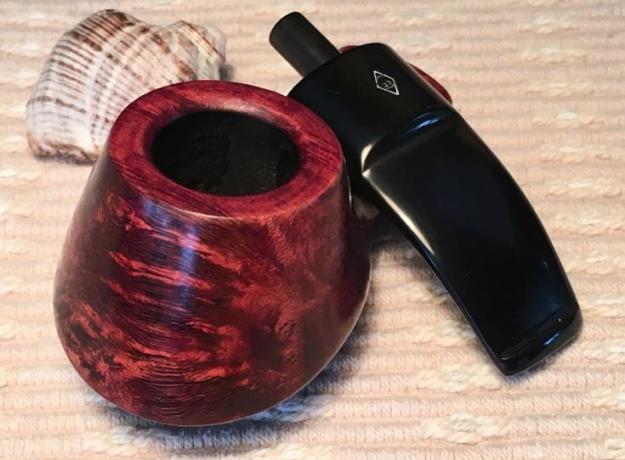
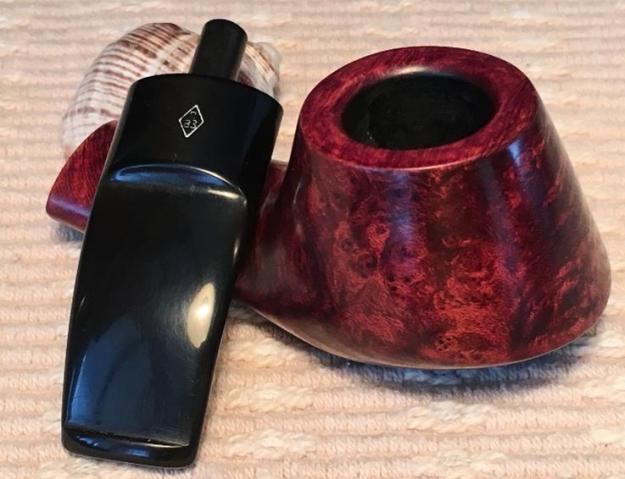
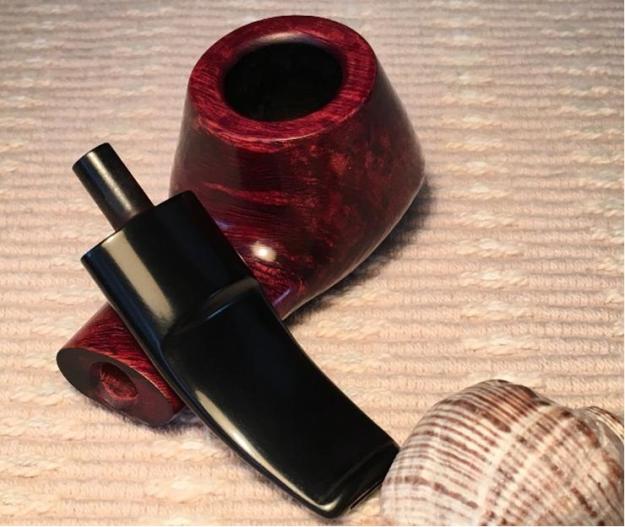
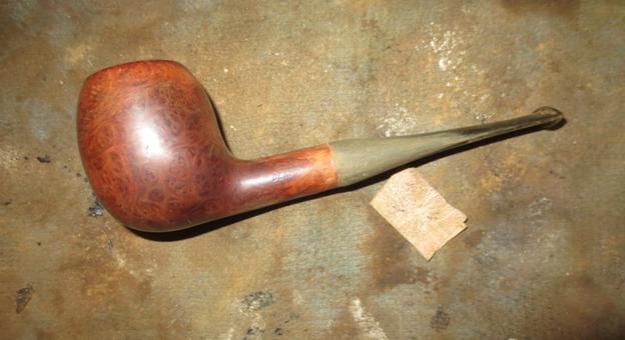
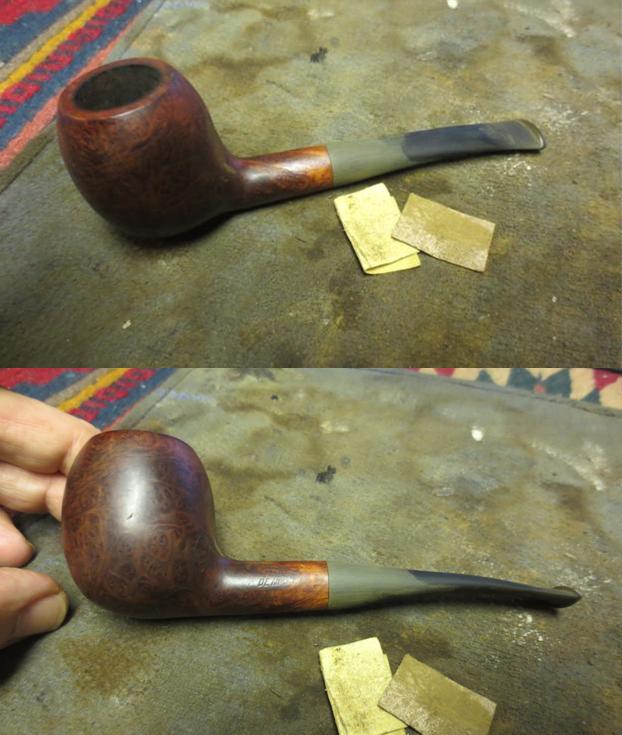
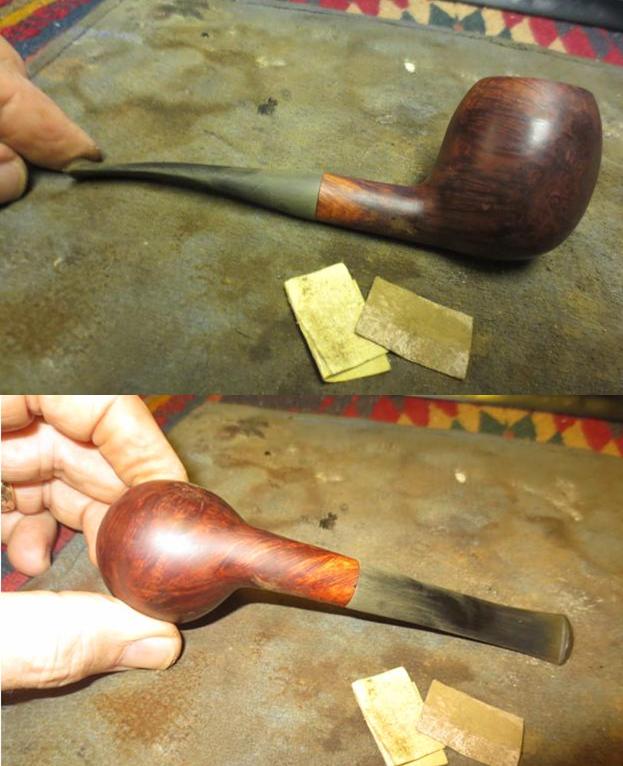
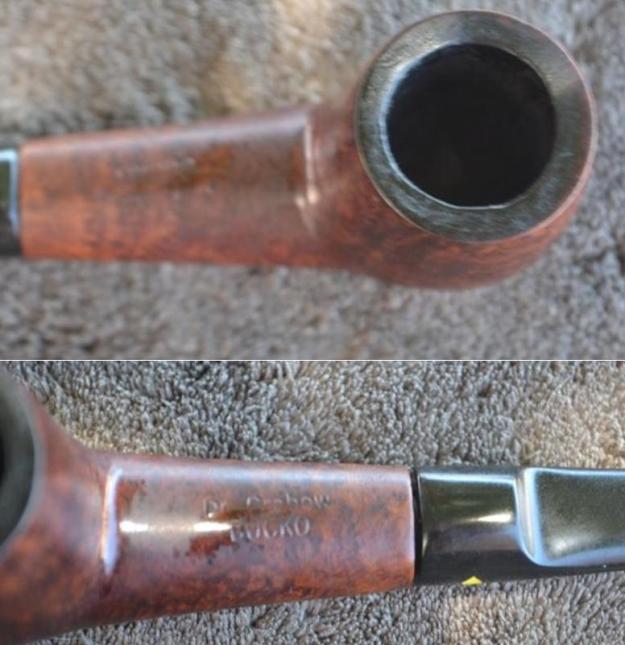
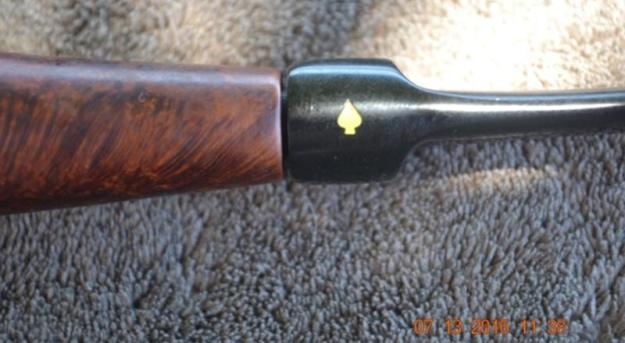
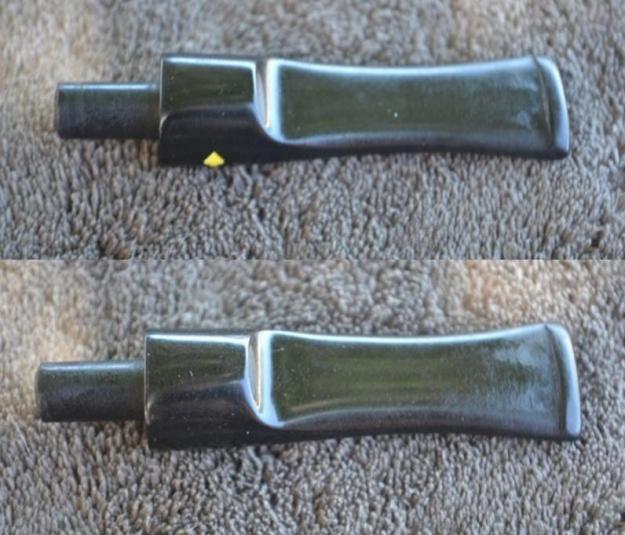
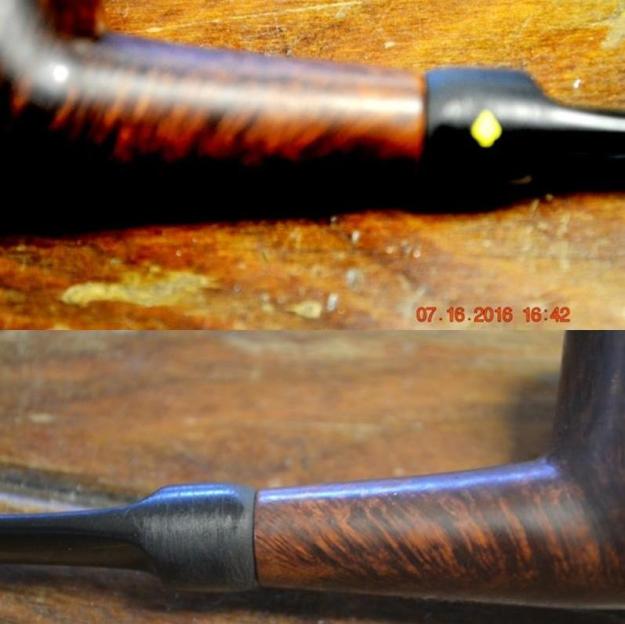
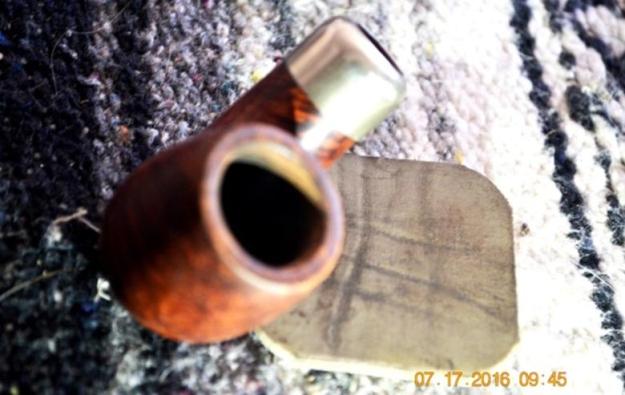
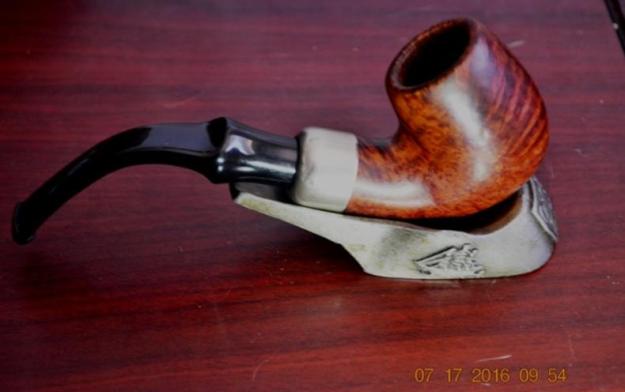
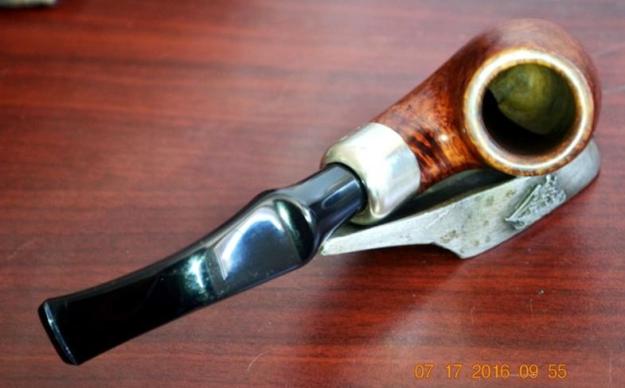
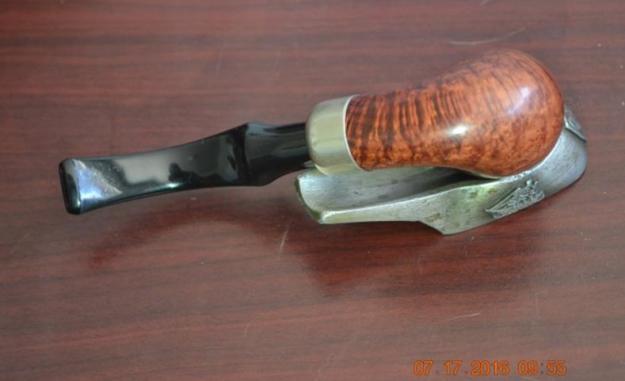
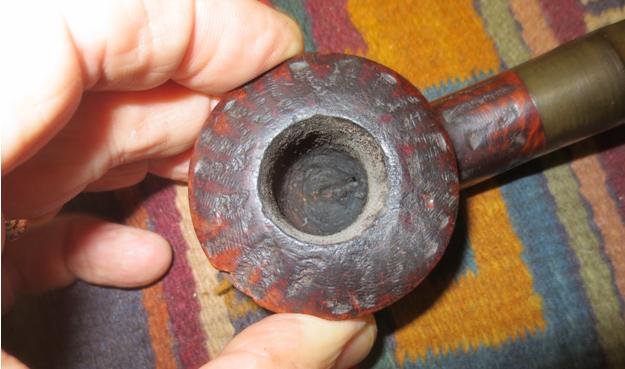
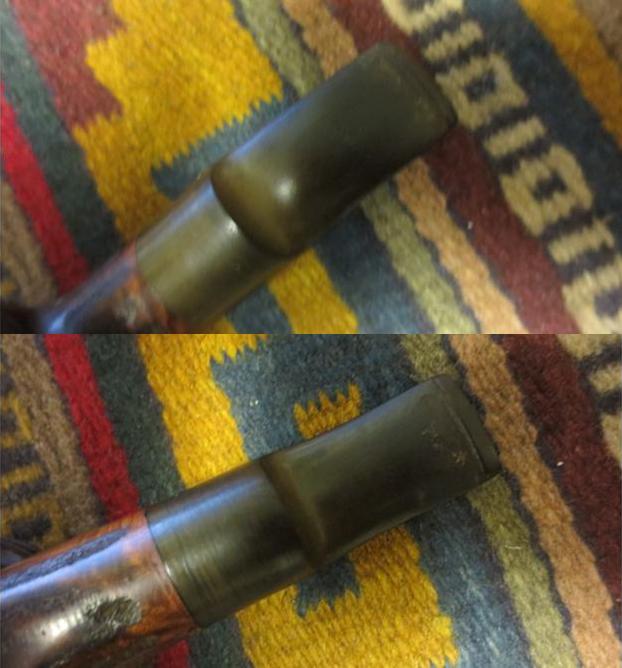
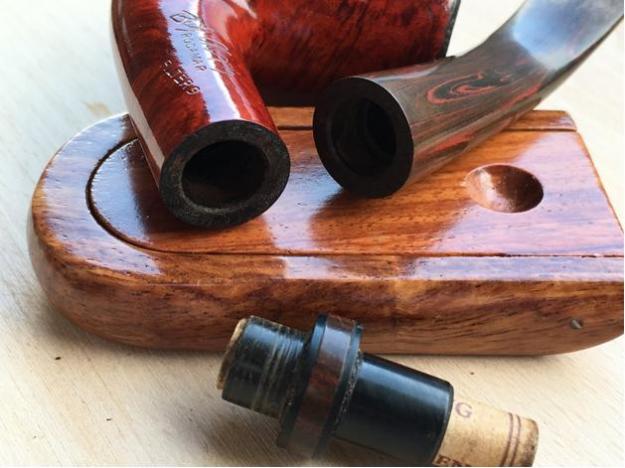
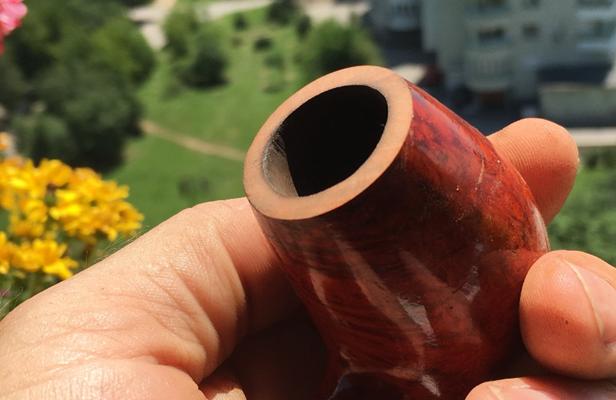
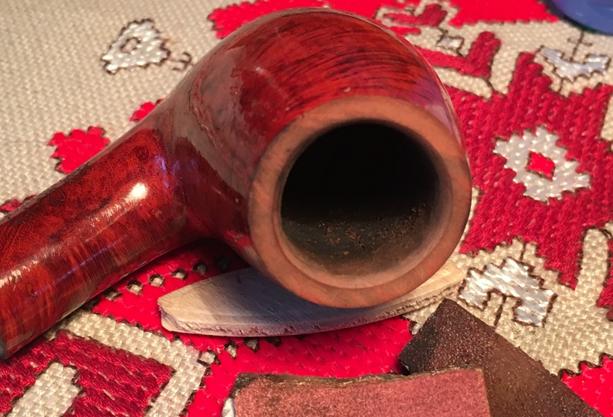
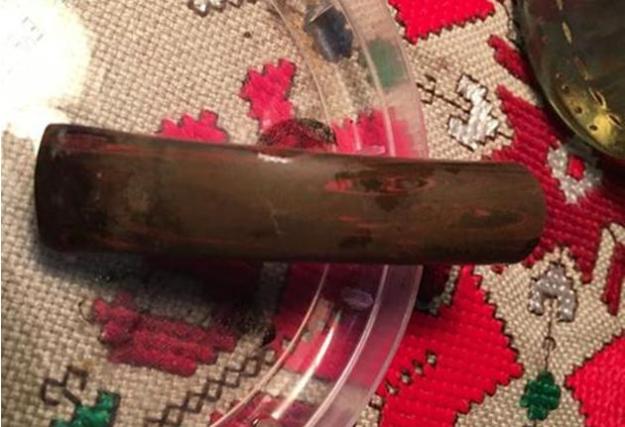
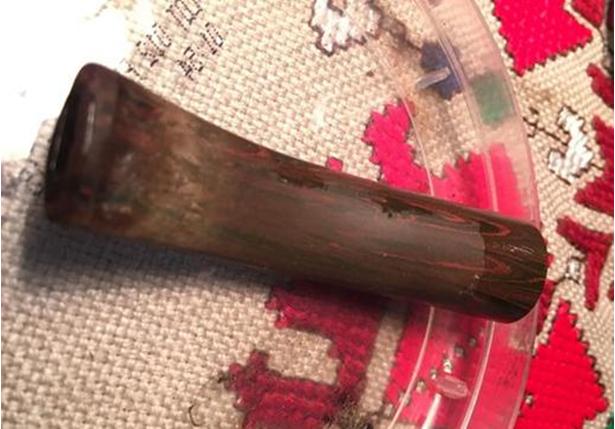
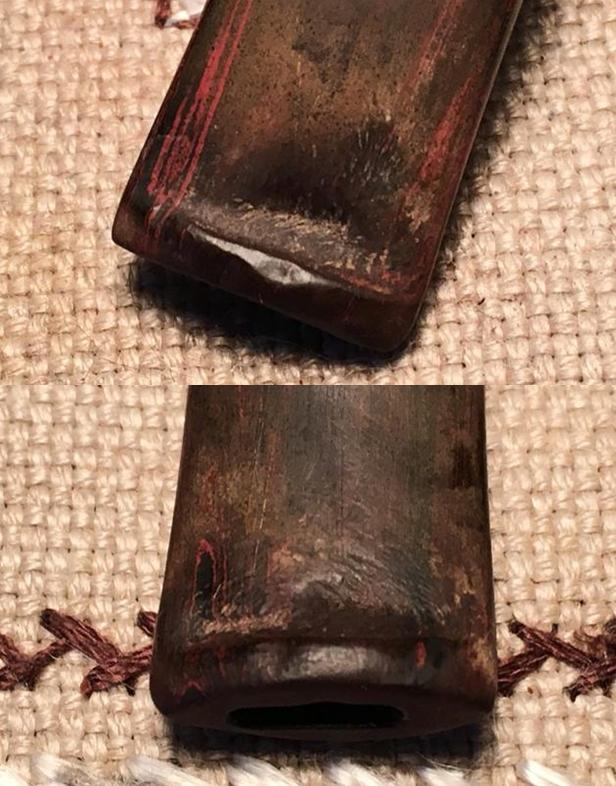
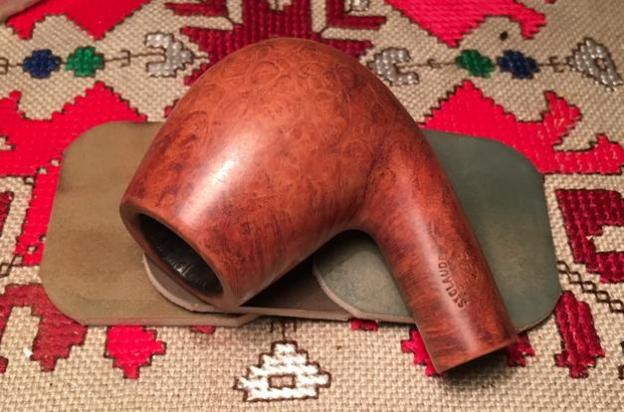
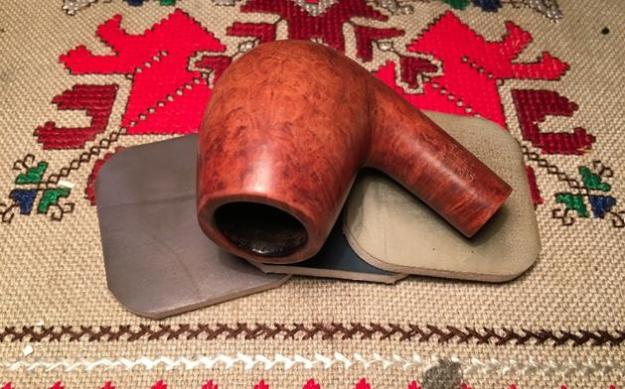
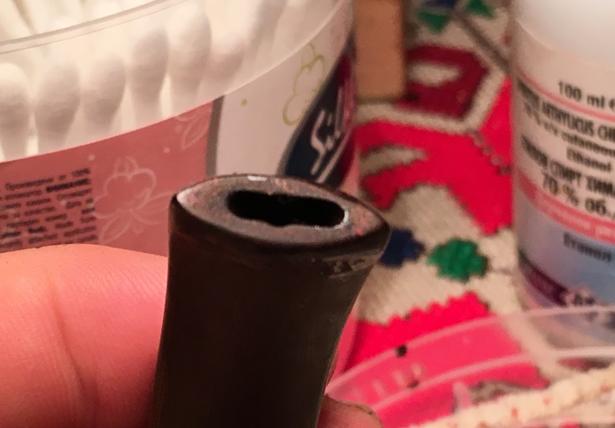
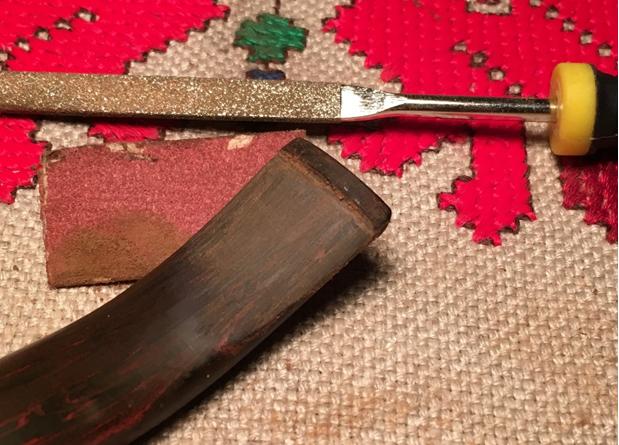
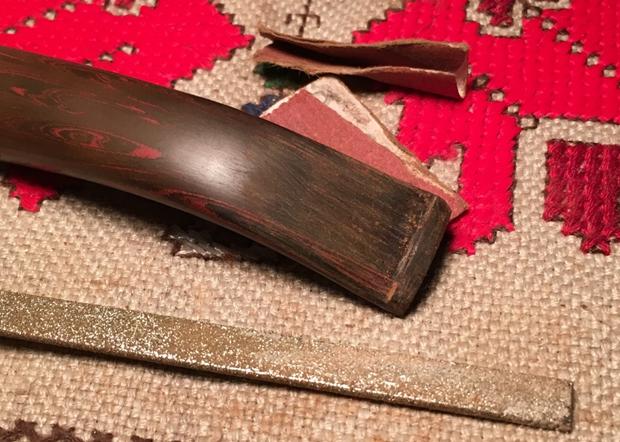
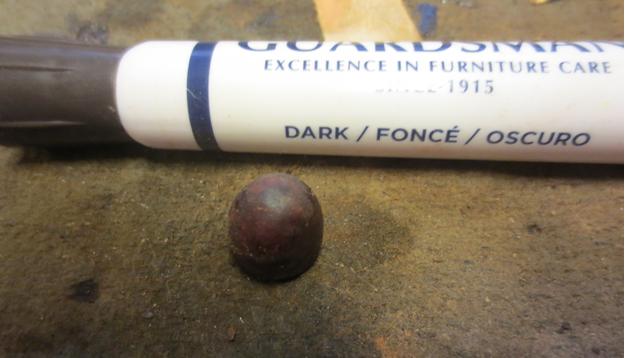
The exposed cracks weren’t the worst part of the story though. The repair did as much damage to the pipe as the crack did. An alarming amount of material had been taken off while sanding out the excess glue. It’s difficult to see in the photos, because from any one angle everything looked correct. However, if you held the pipe in hand and rolled it around you would notice that no two faces on the shank were equal. The shank was no longer a diamond shape; it was a trapezium. The repairman hadn’t paid much attention to keeping the surfaces level either. So, there was a subtle undulation to the line of the shank as it went from thick to thin and back again several times along its length. There was also very little effort made to blend the repaired area into the rest of the pipe, and several shallow “steps” were visible where the two surfaces met. There was at least an attempt to match up the stem to the shank, but that only gave the stem the same odd angles and even they didn’t quite match up to the ones on the shank. All in all, it was a bit of a travesty. Here are a few photos taken just after it arrived.Anthony1

Anthony2

Anthony3 That was all far more than my tender, noobie hands could handle at the time. So, I cleaned the internals of the pipe and put it away for later, but not before adding a bit of bend to the stem that it seemed to have lost over time.
I’ve finished up work on all the rest of the pipes in that first batch. So, this week it was time to put a collar on that dog and turn in my final midterm.

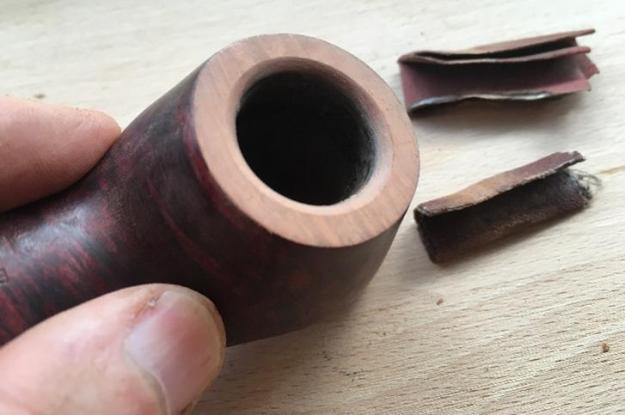
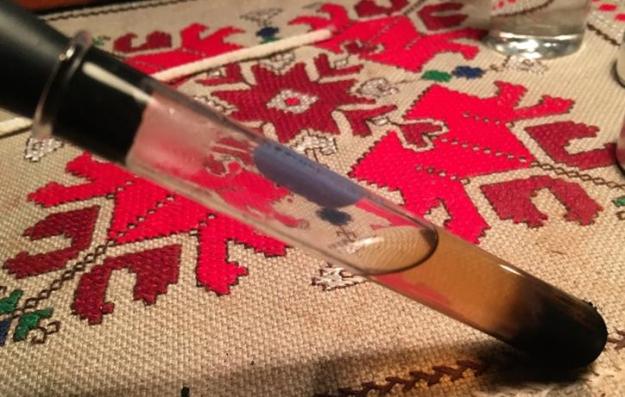
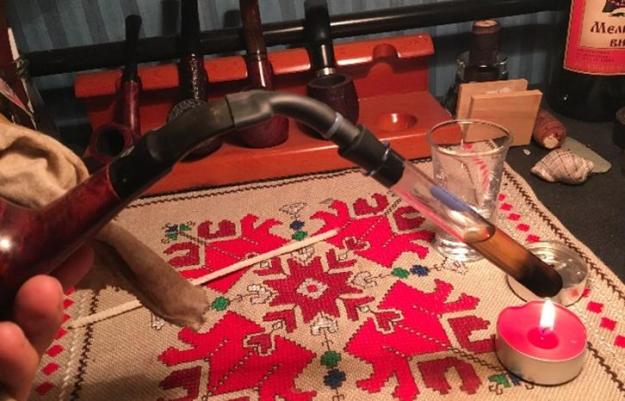
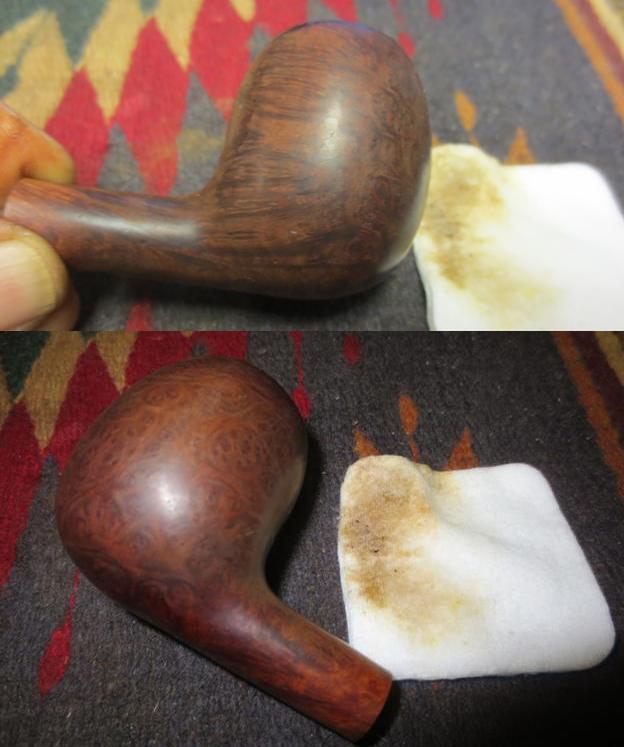
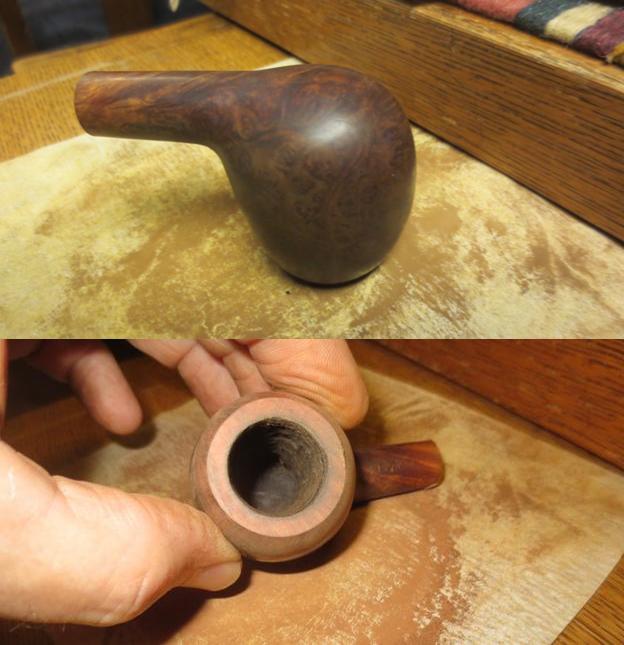
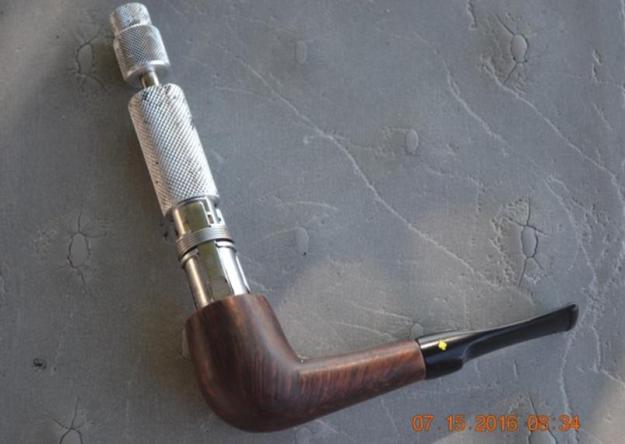
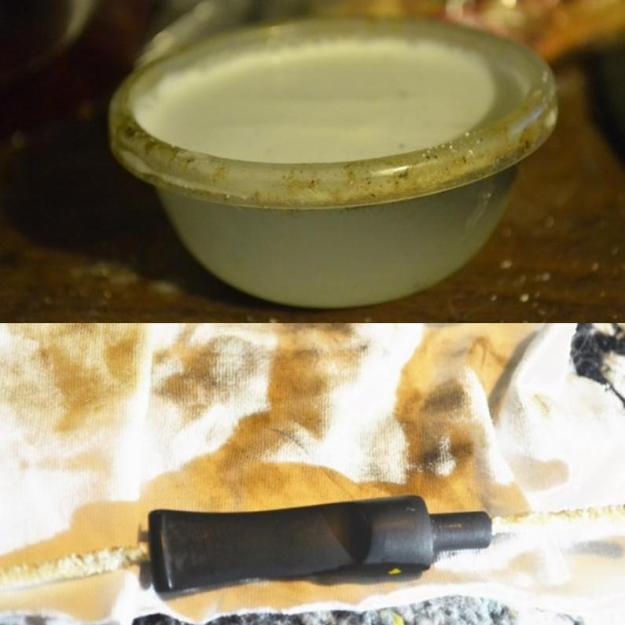
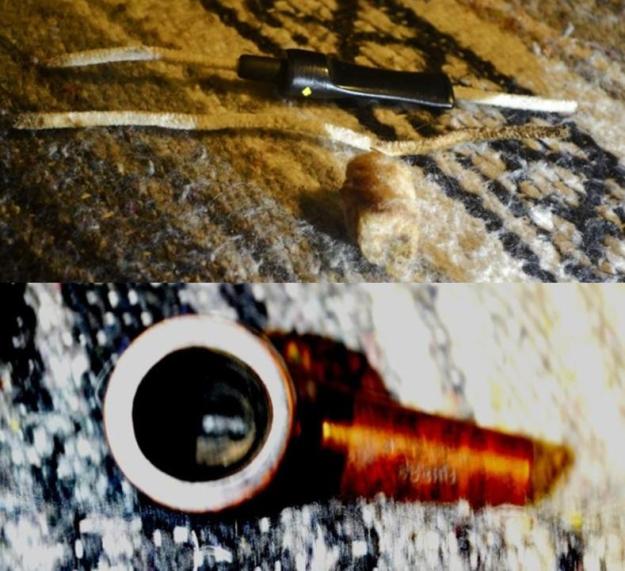
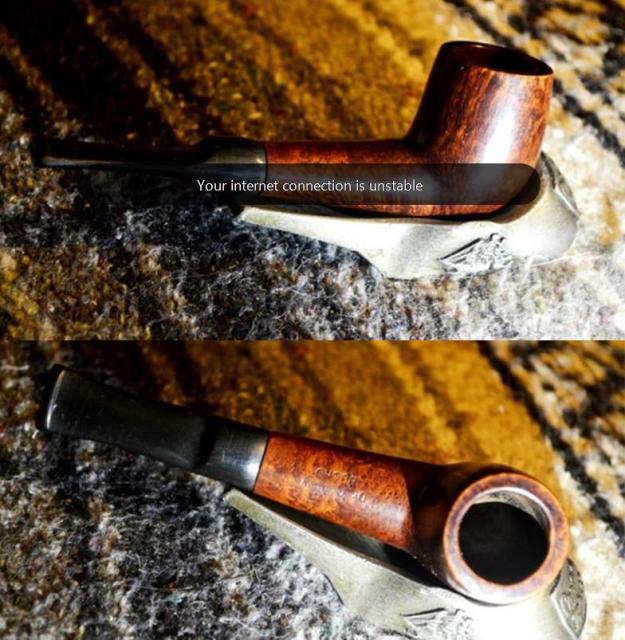
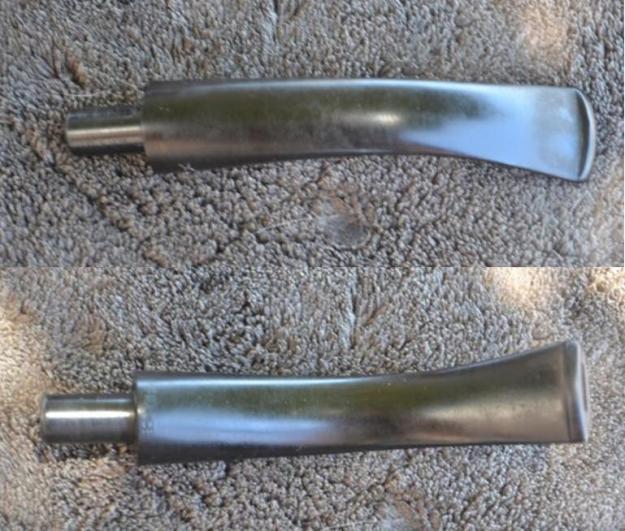
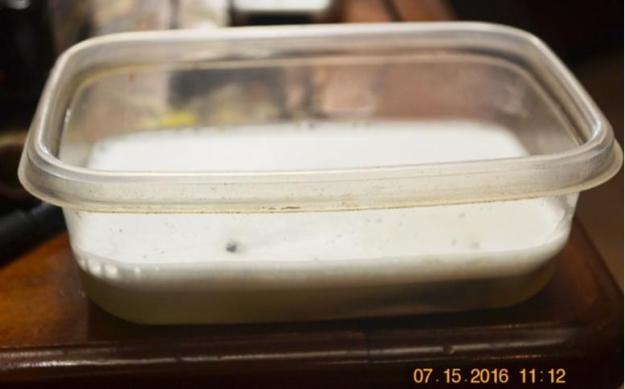
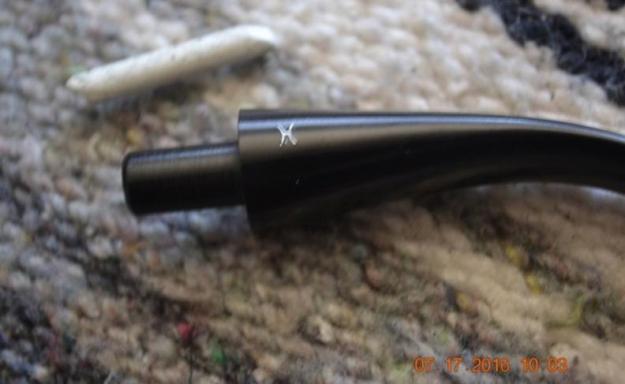
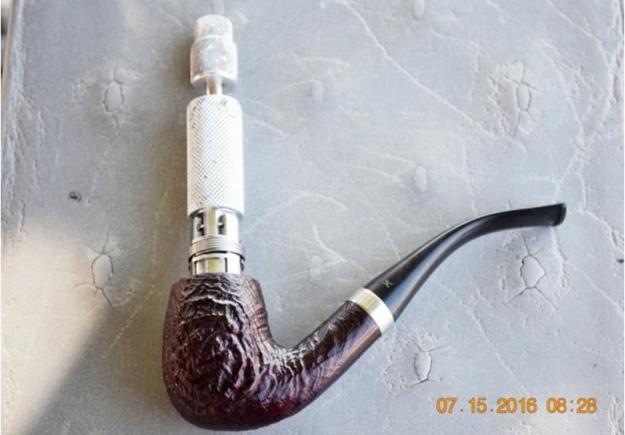
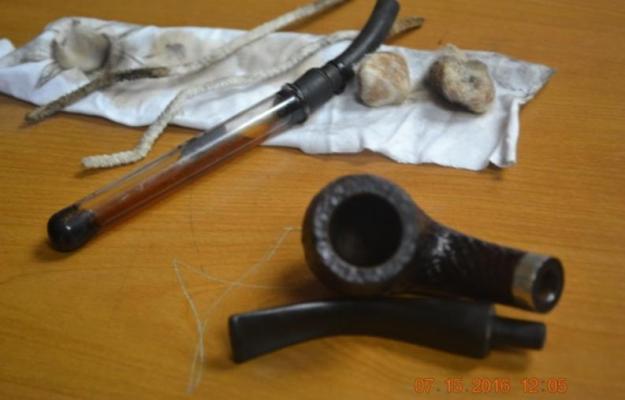
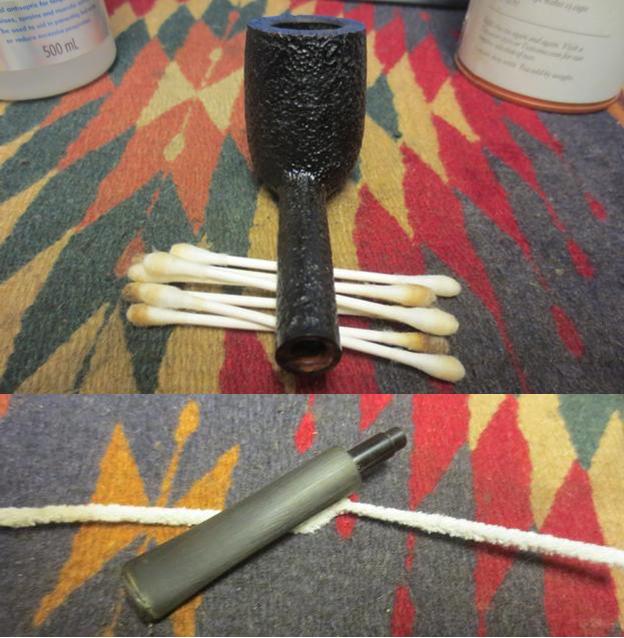
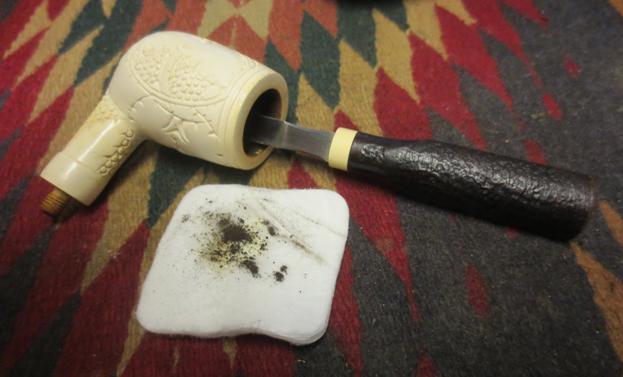
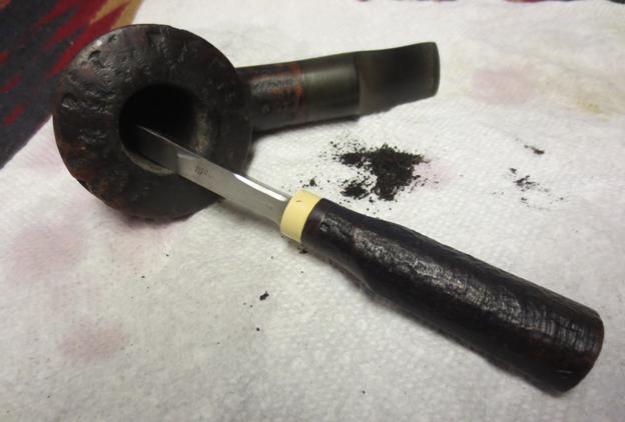
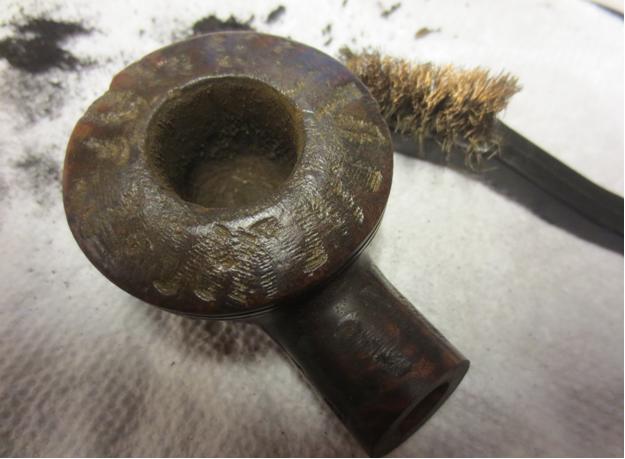
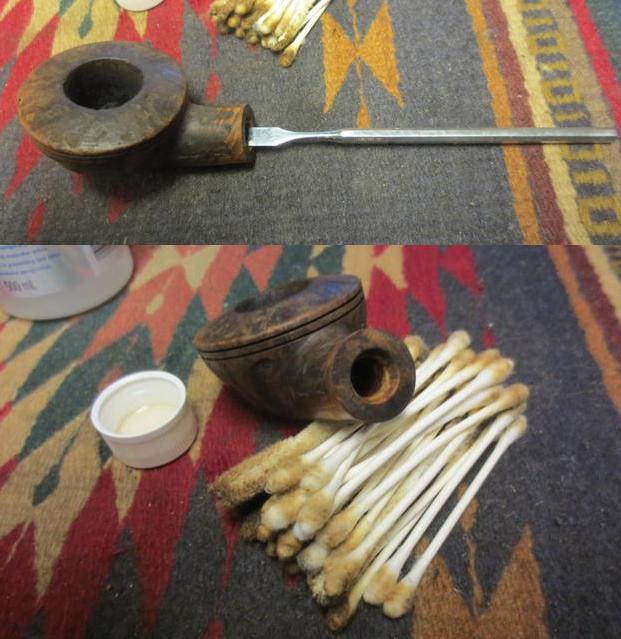
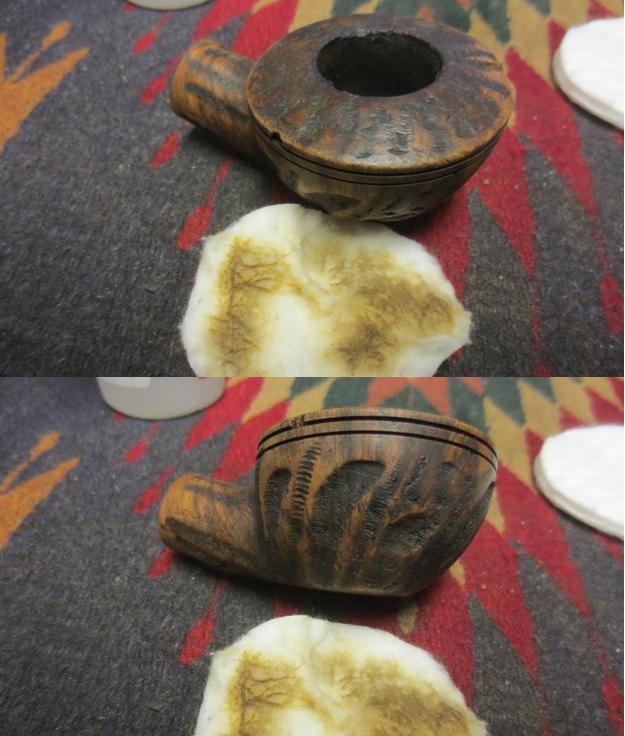
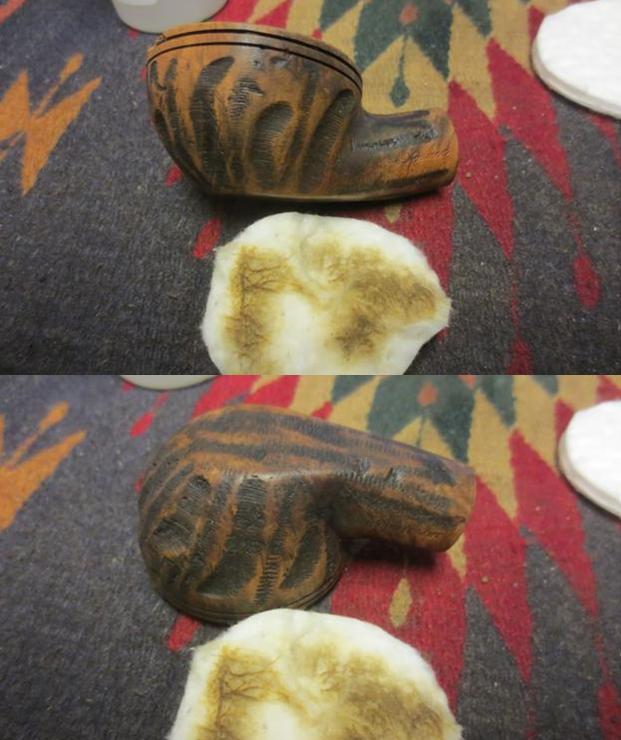
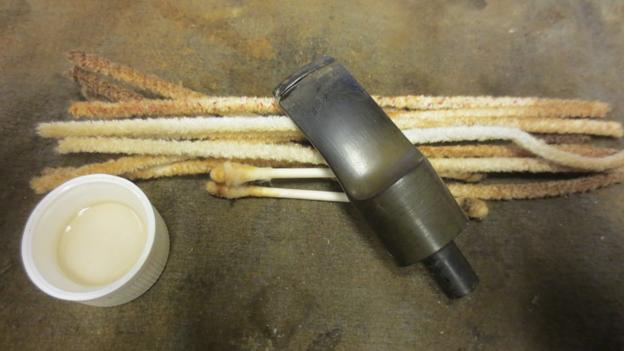
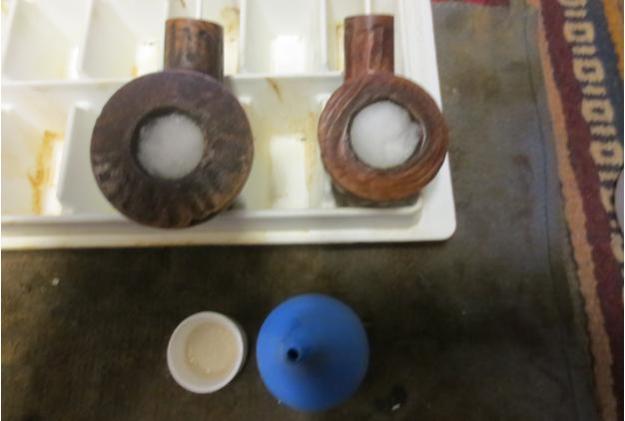
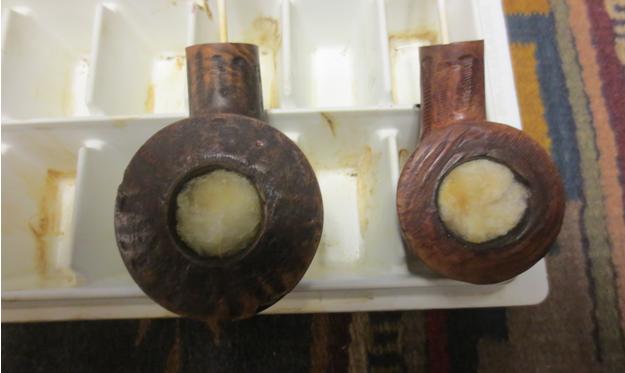
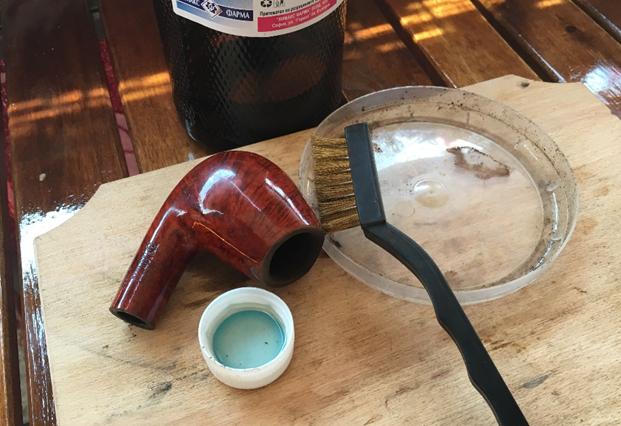
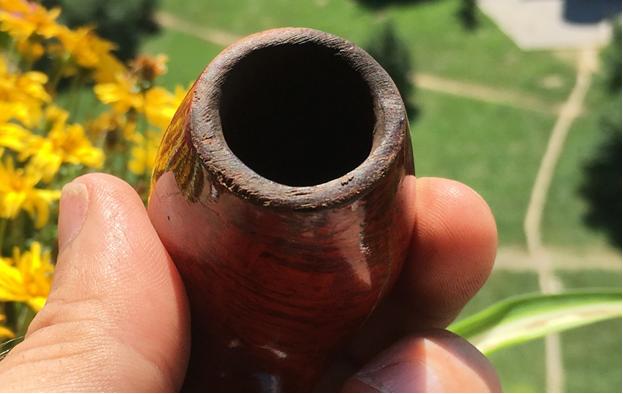
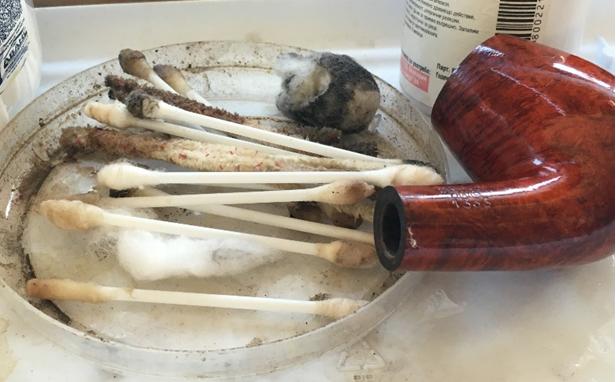
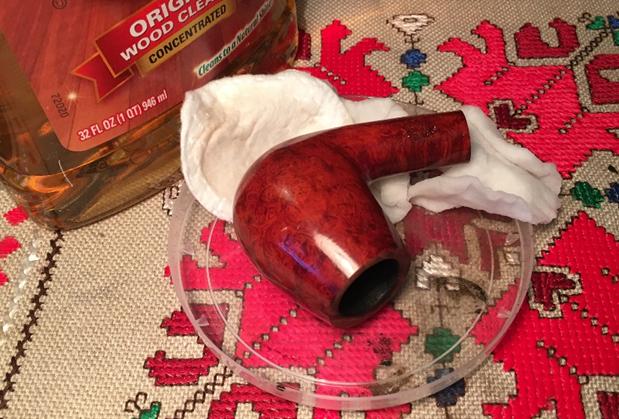
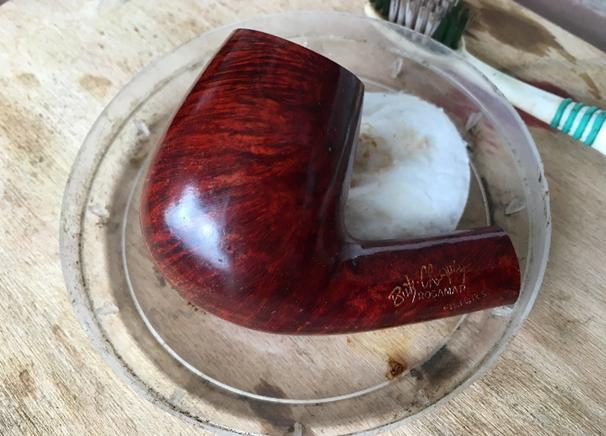
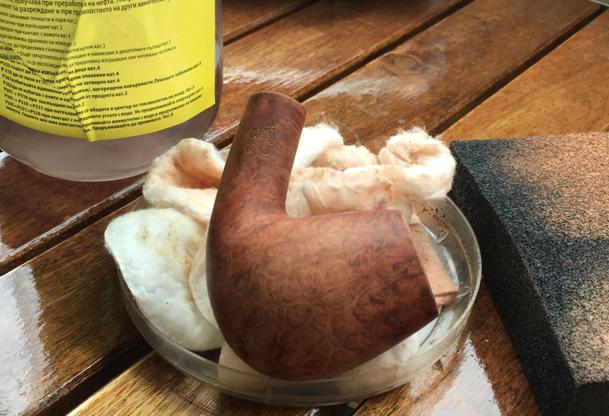
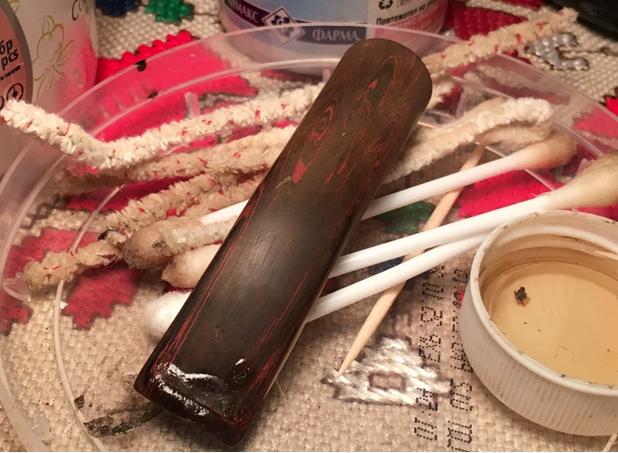
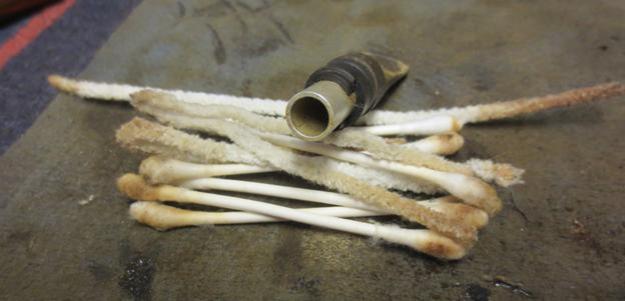
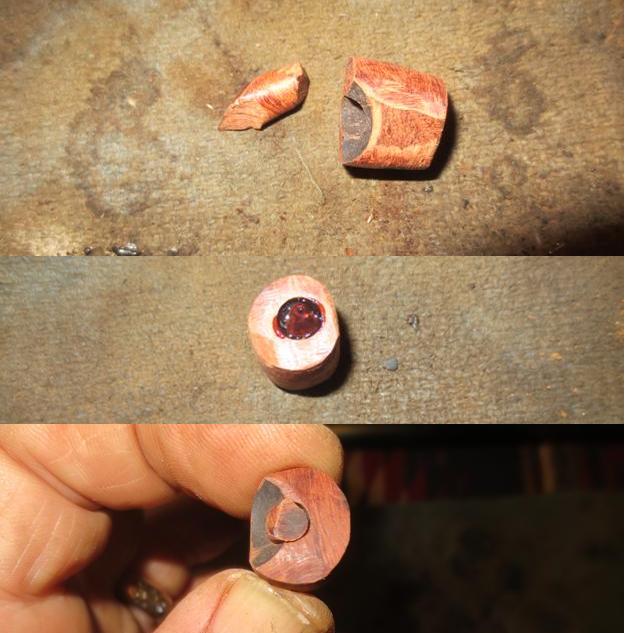
I started (or restarted I should say) by dropping the stummel into an alcohol bath for a couple of hours to soften any coating that might be on the pipe. I had quite a surprise when I removed it later on. It looked fine when it was fresh from the bath, but a hazy, white glaze began to form on the surface as it dried. I hadn’t seen anything like this before and I’ll admit to a brief moment of panic. I assumed that this was probably the result of some type of coating reacting to the alcohol. So, I wiped the stummel down with acetone taking extra care around the shank repair, since acetone will break down superglue. That did the trick and the stummel cleaned up nicely.Anthony4 I set up the retort to see if I could remove any more tar buildup from the pipe. I flushed the shank about 10 times with boiling alcohol before allowing the pipe to cool. I noticed that the vial appeared to be losing a lot of liquid during the retort. The cotton wasn’t discolored. So, it wasn’t gassing out through the bowl. It really had me scratching my head until I saw a spot of moisture on the shank when I was removing the retort. For some reason, it wasn’t sealing well at the mortise and I’d need to look into that before I went much further.Anthony5 I gave the pipe a post-retort scrub of the stem and shank, and then inspected the crack repair for gaps. The surface of the glue joints looked airtight, but I noticed that the glue hadn’t penetrated very deep. The joints left shallow fissures inside the mortise and along the shank face. I used a small pushpin to place a little super-thin CA glue directly into the fissures, and then used a toothpick to apply a thin layer of the CA around the end of the mortise to create a seal inside as well as out.

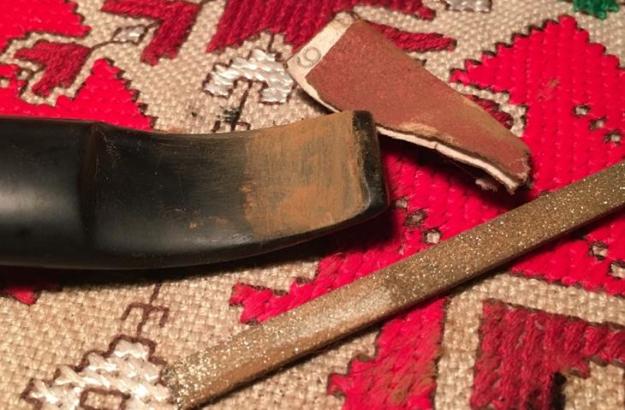
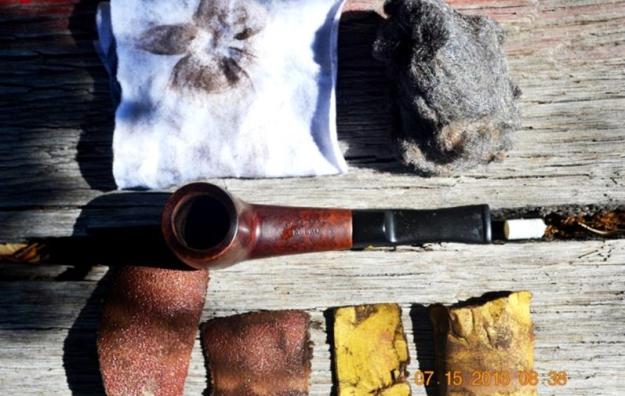
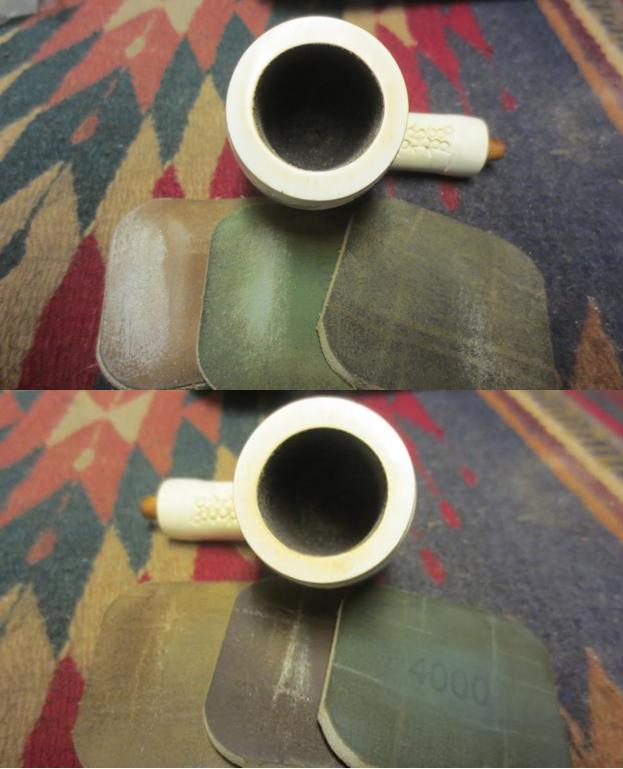
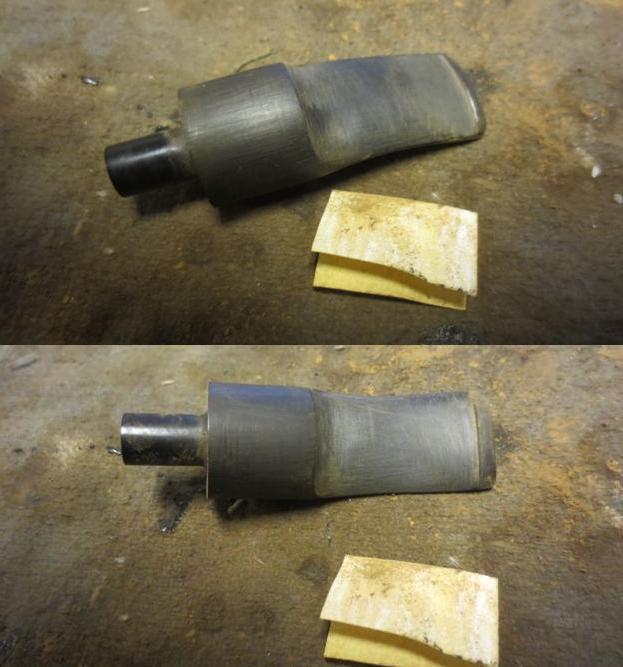
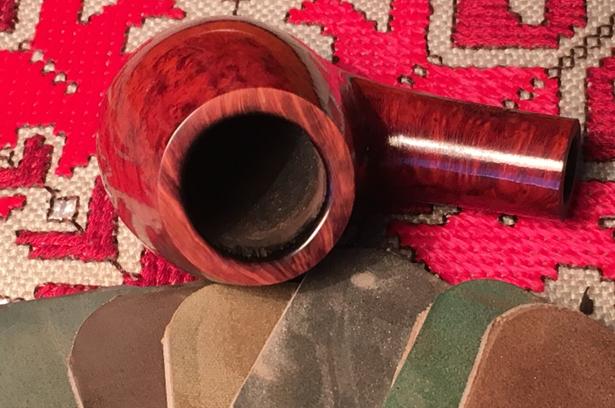
When the glue was dry, I sanded out the interior patches with sanding needles and a piece of 400-grit sandpaper wrapped around a small dowel. I refaced the shank on my topping surface in a manner similar to how I would top a bowl (pressing lightly into the paper and using a circular motion). The following pictures show the patches when fresh and after they had been sanded out. You can also get some idea of the irregularities in the shank by comparing the differences in the face angles and wall thickness around the mortise.Anthony6 After that, I reattached the stem and ran a retort through it again to test for leaks. The outside of the stem and shank stayed dry as a bone through the whole process. So, I began addressing the pipe’s cosmetic issues.

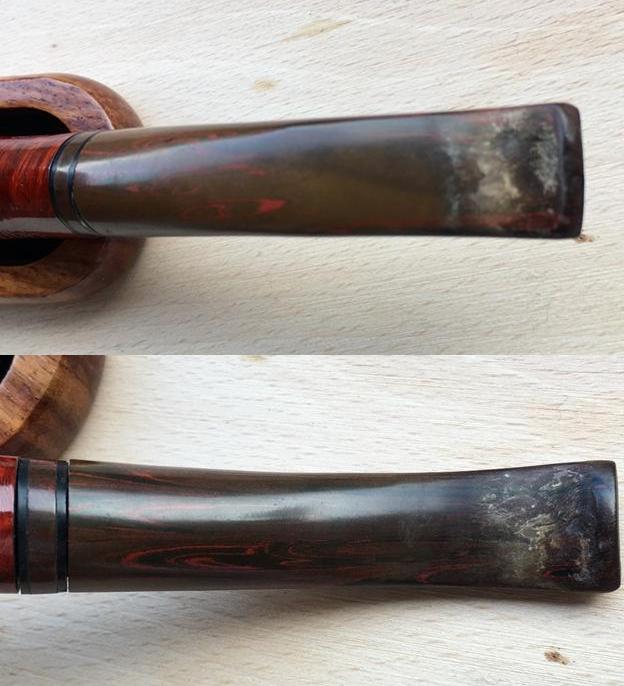
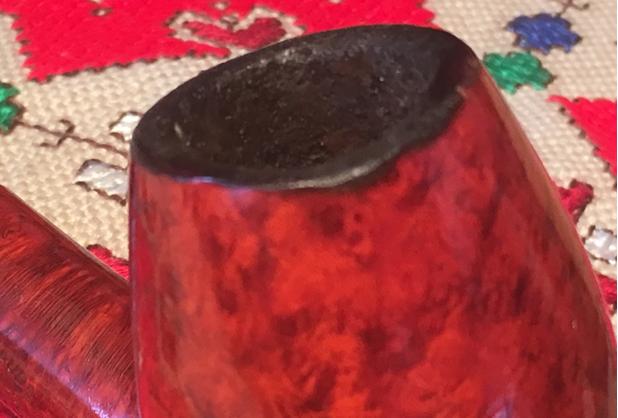
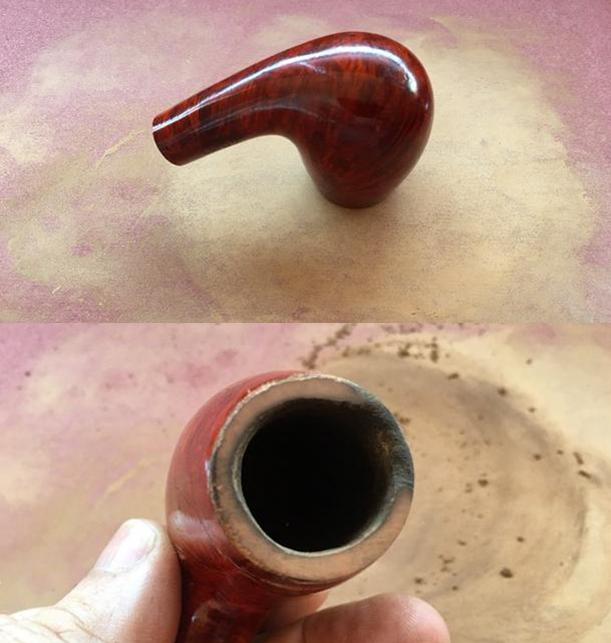
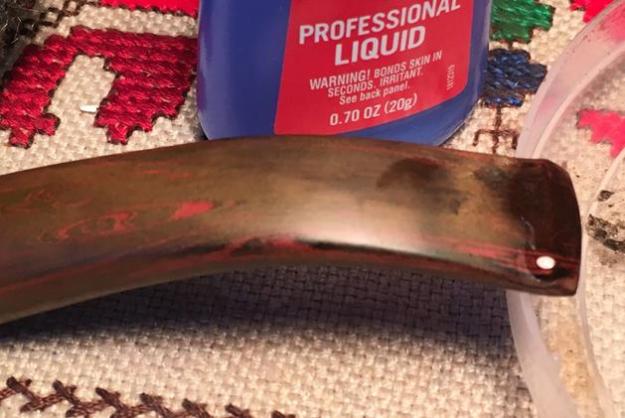
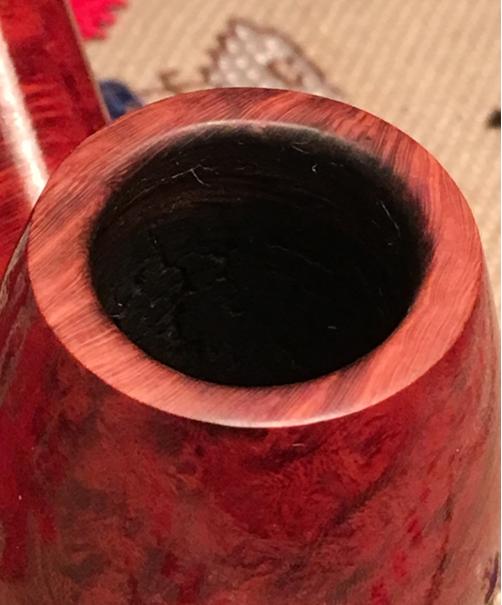
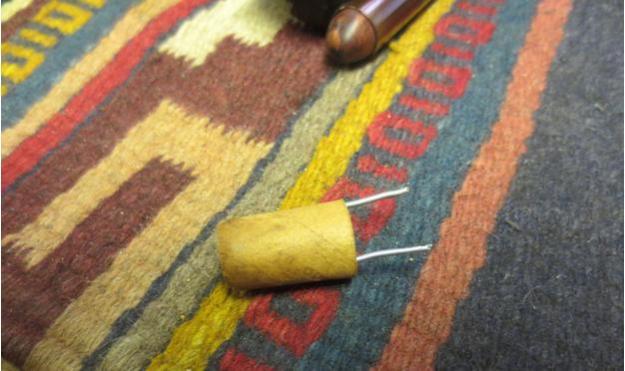
I lightly topped the bowl and chamfered the inner rim to remove the scratches and dings. Then, I steamed a few dents out of the finish by pressing a screwdriver that had been heated over a tea candle into a wet cloth placed over the dents. Finally, I used CA glue and briar dust to patch a few, small gouges and missing fills and sanded them out with 220-grit and 320-grit sandpaper.Anthony7 While I worked on the stummel, the stem had been soaking in an Oxyclean bath. I removed it and scrubbed it down with a Magic Eraser to remove any oxidation. I used black CA glue to fill the tooth dents on the top and bottom of the stem. Once that had dried I sanded it down with 220-grit paper.Anthony8 The stem button needed to be rebuilt since it was worn and dented. I wrapped several layers of clear tape around the stem just below the button to create a form to make a crisp edge and also inserted a Vaseline smeared wedge of cardboard into the slot to seal it. Then, I applied thick, black CA glue in several layers to the end of the stem to begin building the new button. It wasn’t a pretty thing to look at when I removed the tape, but the edge was sharp and there was enough material to work with. I trimmed away the glue artifacts created by the tape molding with an X-Acto blade and rough-shaped the new button with 220-grit paper.Anthony9 Once the button started taking shape, it was time to do something about the other end of the stem and also the deformity of the shank. This was the part of the exam that I had not been looking forward to. Up to this point, everything had been the equivalent to multiple-choice or fill-in-the-blank questions. There were a couple of challenges, but nothing too rough. The next part was more like the essay section.

After a lot of thought, I finally decided that there just wasn’t enough material left around the stem to square everything back up. So, I thought I’d try some trickery of my own. If I couldn’t make everything right, maybe I could use a little more finesse and subtlety than the original repairman did to make it at least look “righter”. If ya can’t beat ‘em, join ‘em.

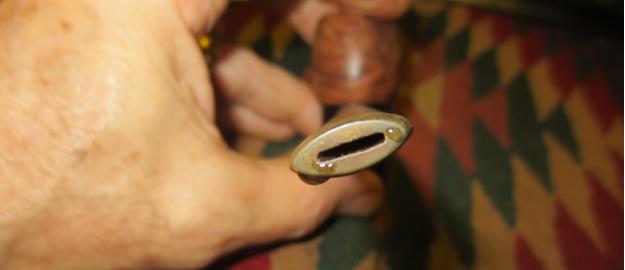
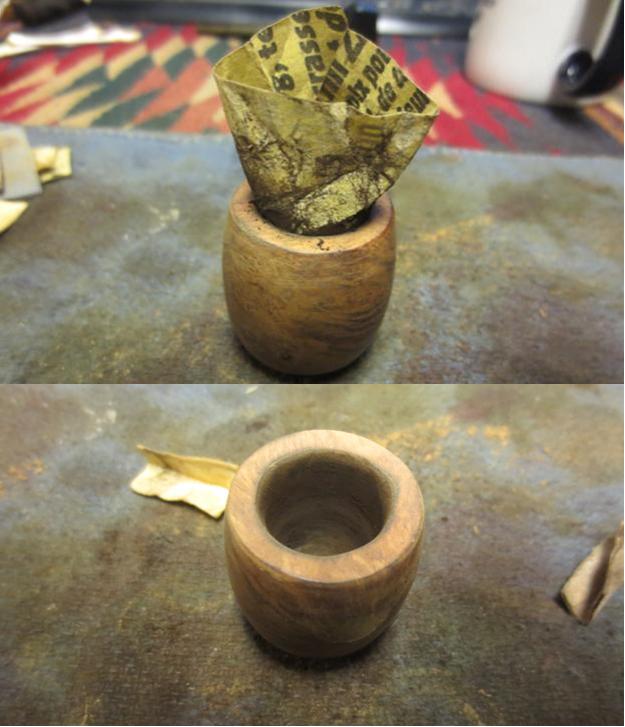
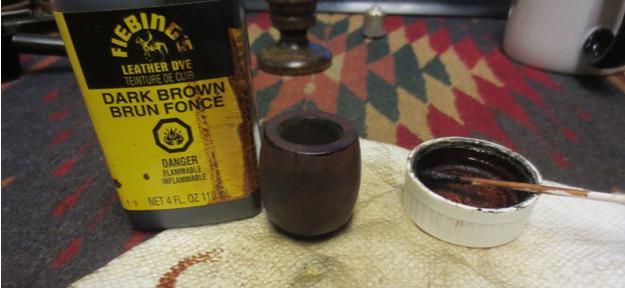
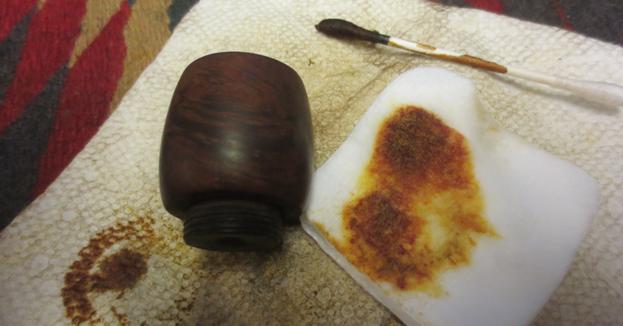
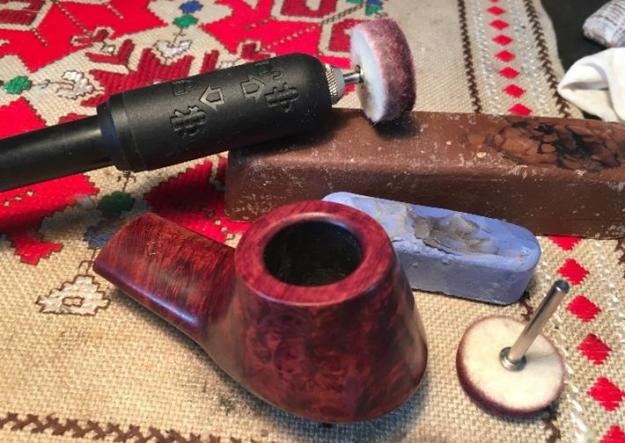
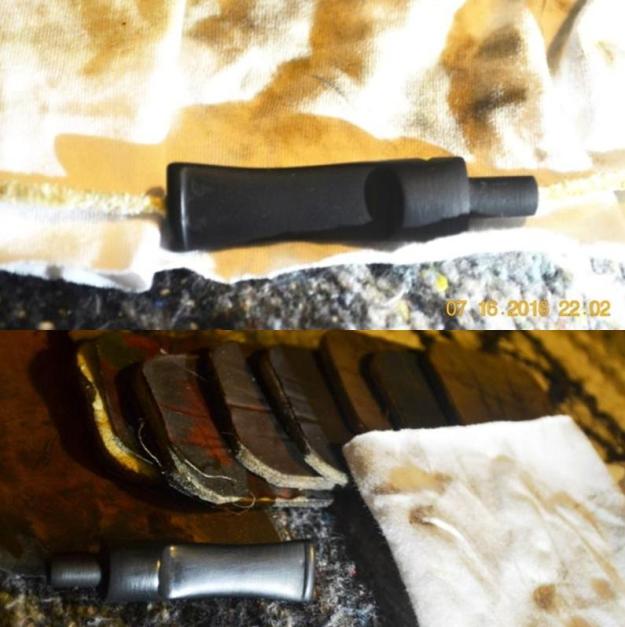
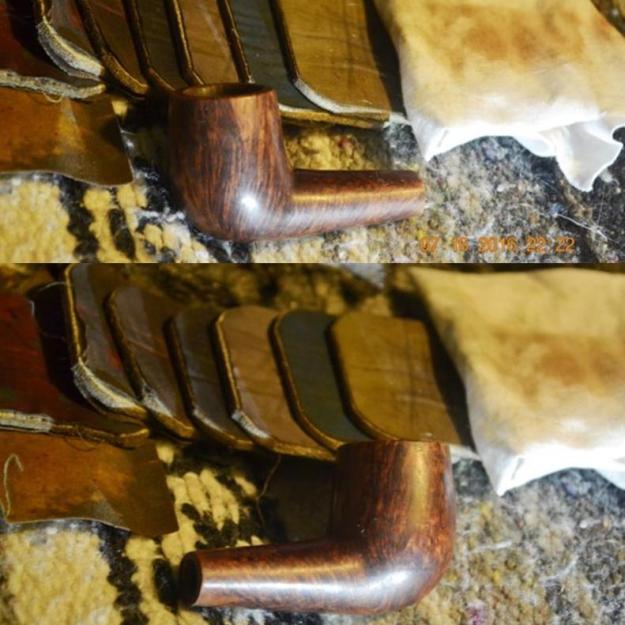
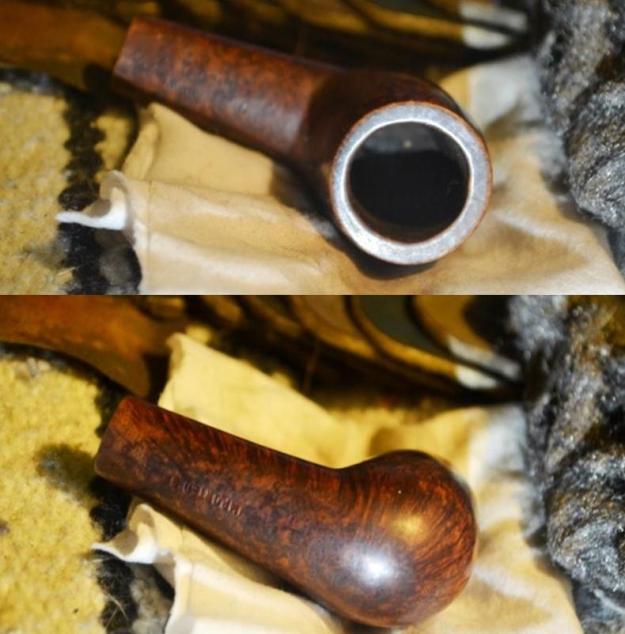
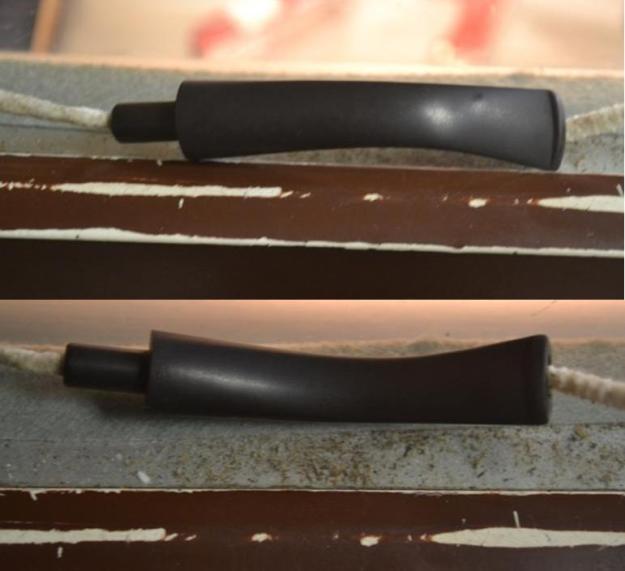
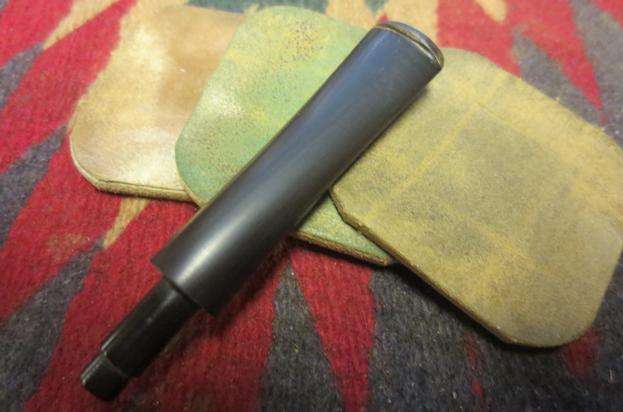
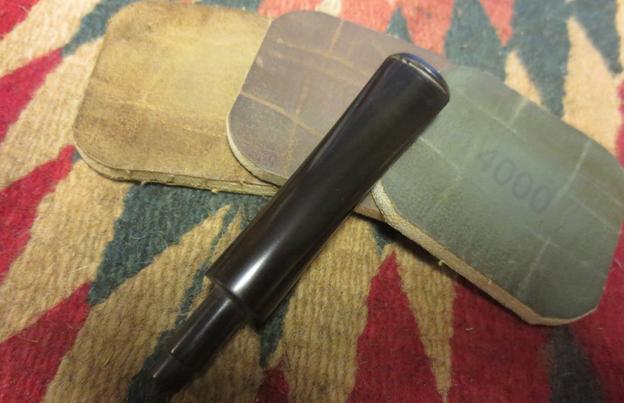
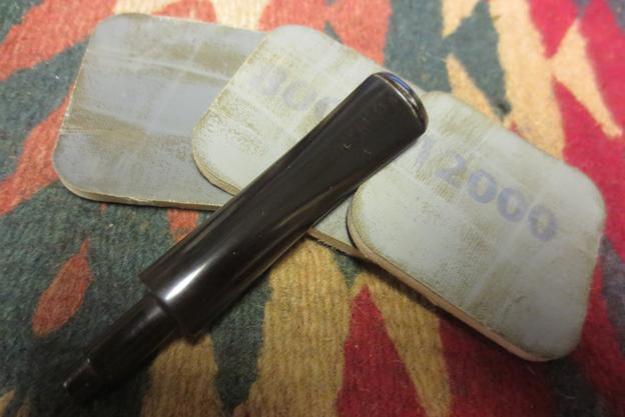
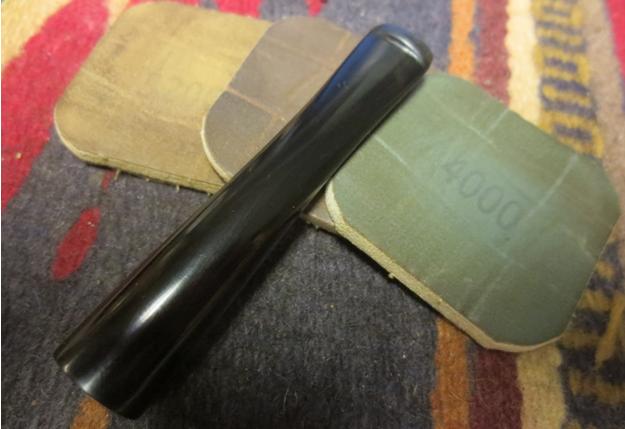
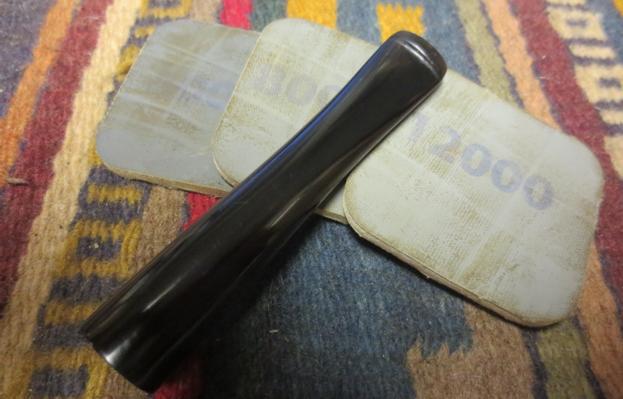
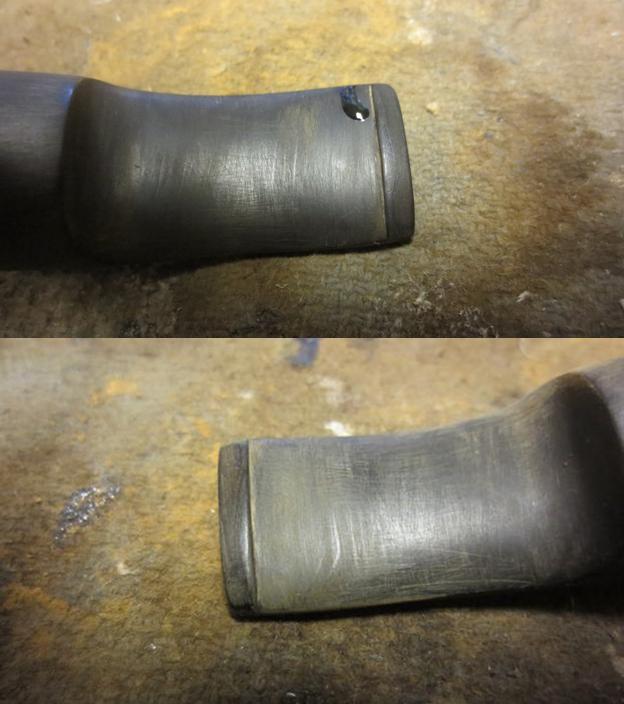
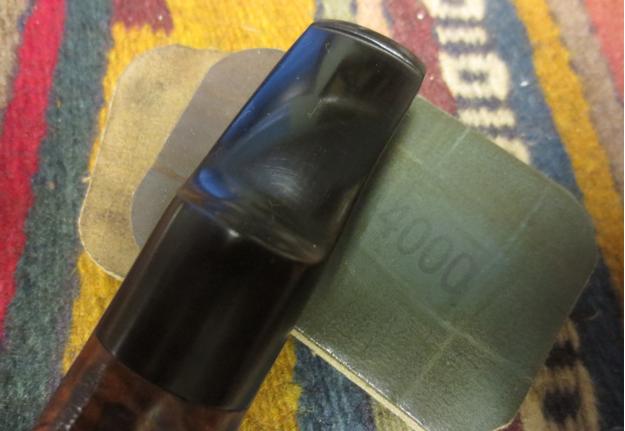
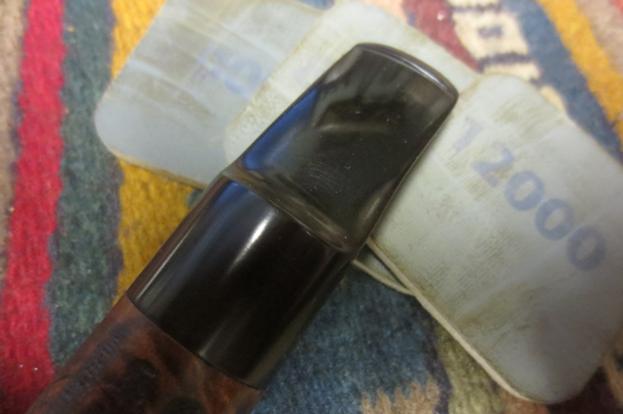
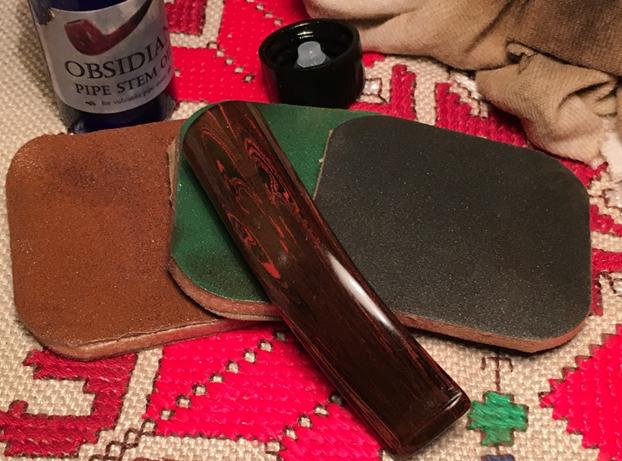
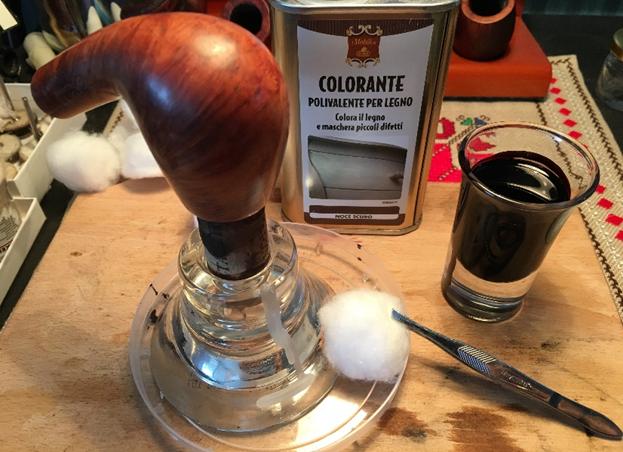
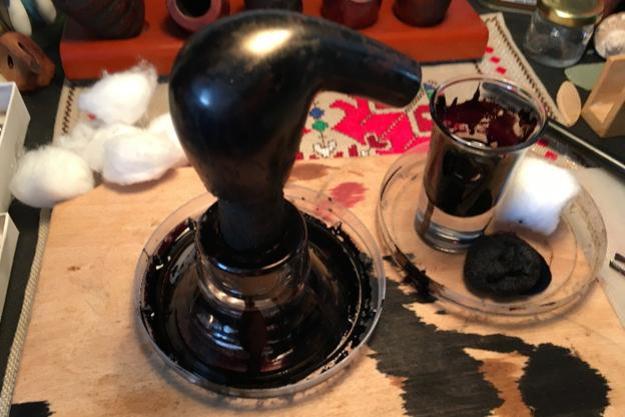
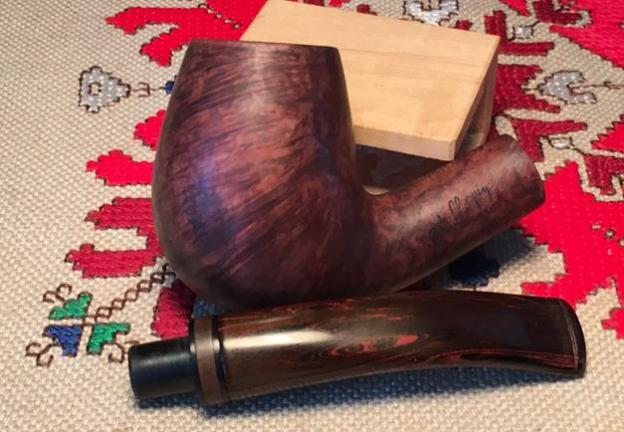
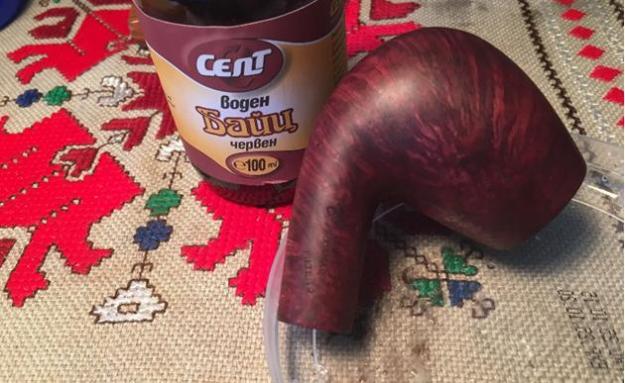
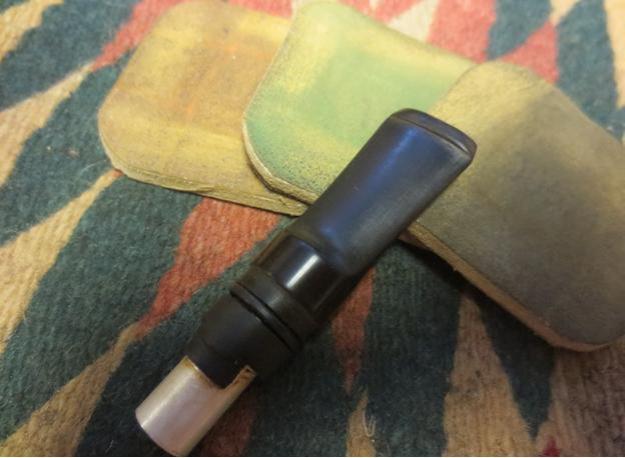
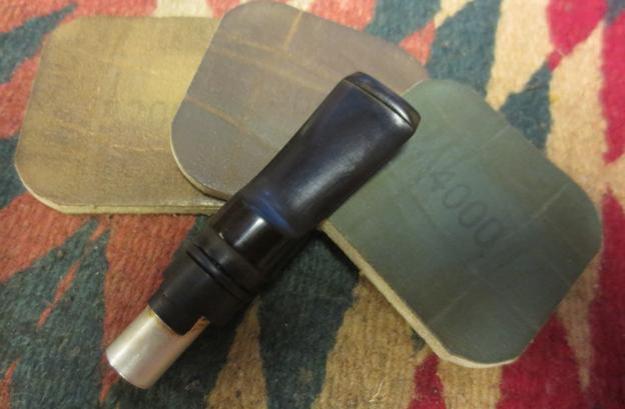
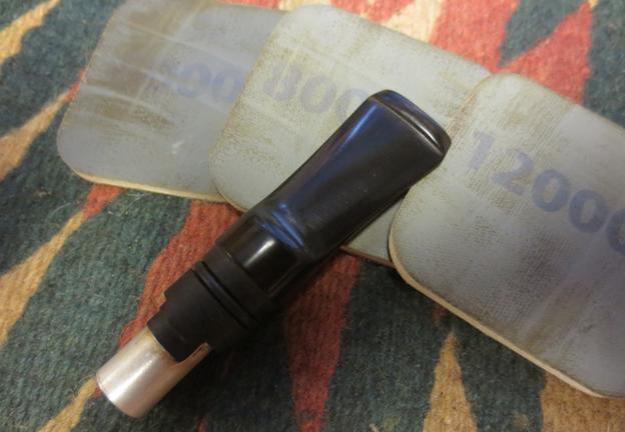
I used 220-grit sandpaper to start carefully nudging the edges of the shank and stem saddle this way and that to give them an appearance of alignment. All the while I paid special attention to keep the faces as level and even as I could. There was very little technical skill involved. I was basically just freehanding. Once I had corrected the lines as much as I could, I began blending the reworked areas into the rest of the pipe with 320-grit. The photo below shows the progress somewhere early in the reshaping phase. Honestly, I was at this for a while and kind of lost myself in the middle of it. So, I didn’t get many photos.Anthony10 When I was as satisfied as I was likely to be with the shape of the shank and saddle, I went back to work on the rest of the stem to finish it up. I continued shaping the button with 320-grit and 400-grit paper. Then, I smoothed the entire surface by lightly sanding with 600-grit and 1200-grit paper. Finally, I polished the stem with micro-mesh pads 1500-12000.Anthony11 The stem work was wrapped up. So, it was time to do the same for the stummel. The off-kilter shape of the shank made it difficult to find a band that would fit well. It took three attempts before I found one that would work. I used a method for shaping a round band for the diamond shank similar to what Steve has previously written about here, but it took quite a bit of reworking to get it to conform to the now strange dimensions of the shank. I’m still not quite happy with how it fits, but I’m not sure what I could have done differently.Anthony12 There was nothing left to do at that point but to address the finish of the stummel. I wanted the final color to be close to the original but a little darker to help hide the bit of crack repair that was still visible. I heated the stummel over the heat gun to open the grain and then applied Fiebing’s black dye to the stummel. I then sanded down the surface with 400-grit paper to remove the remaining scratches and most of the black stain, except for what had set in the grain and recesses of the rings. Next, I applied a mahogany stain before sanding with 600-grit and 1200-grit paper. I took the stummel to the buffer and gave it a quick Tripoli buff, and then applied a final stain of British Tan.

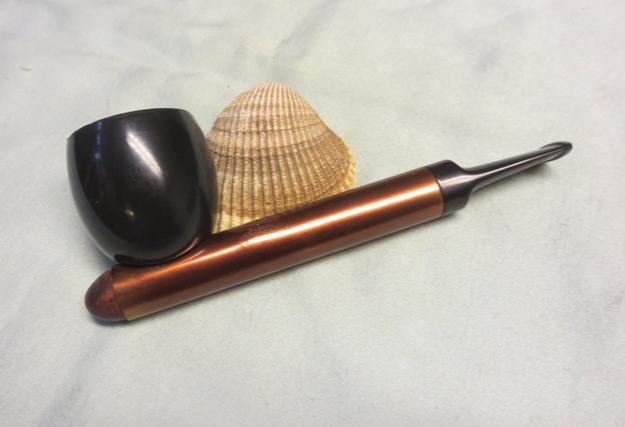
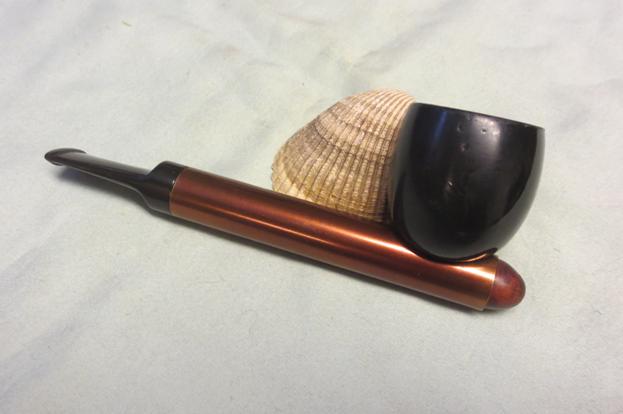
The stummel was polished with micro-mesh pads starting with 3600-grit and working through to 12000-grit. I then buffed the entire pipe with white diamond compound and gave it several coats of carnauba wax to finish it up.

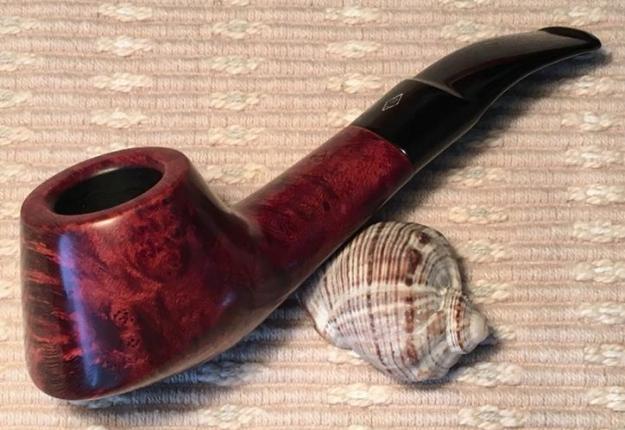
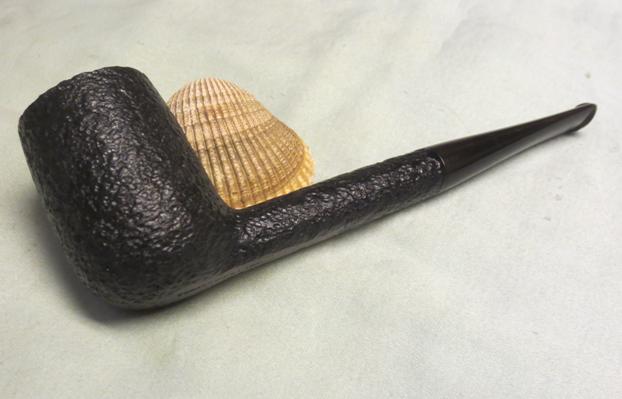
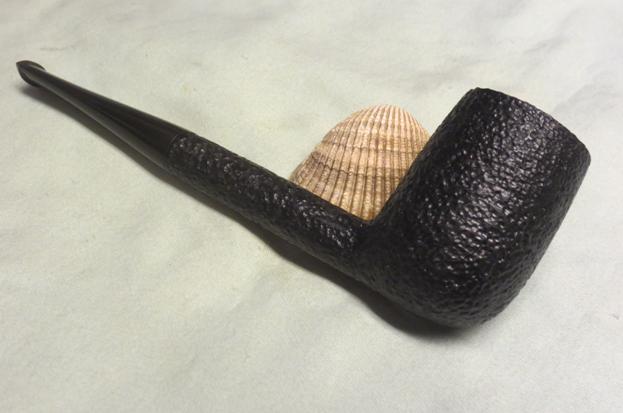
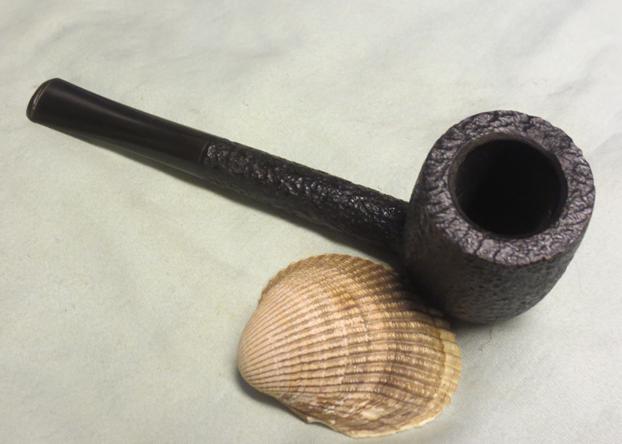
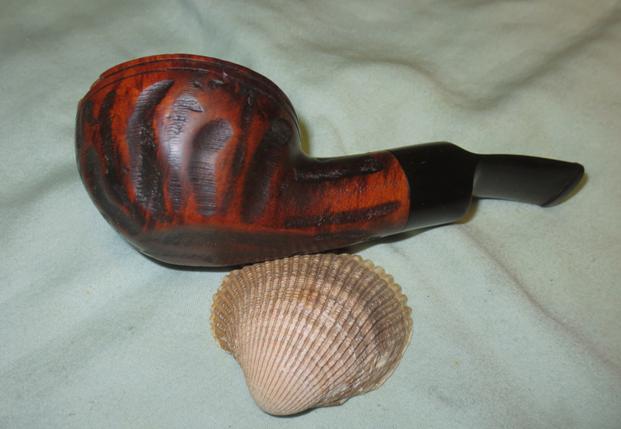
I leaned back in my chair and checked the clock on the wall. There were only minutes to go and most of the other seats were already empty. I had to admit that this was really as good as it was going to get. So, with a sigh, I stood up from my chair, gathered my exam materials, and delivered them to the desk at the front of the room…Anthony13

Anthony14

Anthony15

Anthony16

An Easy Restoration of a Bertram Grade 60 217 Poker


Blog by Troy Wilburn

I have been looking for a nice upper grade (Grade 50 or above) Bertram Poker for a while. I had almost purchased a couple of lower grades and one 50 grade but they were all either to expensive or pretty beat up, so I kept holding out for the right one. When this nice example of a 60 grade came across my path for a modest price I knew my patience had paid off.

This makes my 2nd Bertram pipe. The other being a straight Cutty and it is an excellent smoker. They are some of my highest end estate pipes. I very much like the quality of them and the long interesting history they have.

If you don’t know much about them I recommend doing a little research on them. Bertram pipes were based out of Washington DC. They were popular among famous politicians and celebrities of the time. They made many products for them from FDR’s cigarette holders to Joseph Stalin’s favorite pipe. They were considered some of the best America had to offer till they finally closed their doors in the 70s. They graded their pipes by 10s, the higher the grade the better. Above 60s are uncommon and 80-90s are quite rare. I’ve never heard of or seen a 100 grade. Here is a link with some brief history of Bertram pipes on Pipedia.

I found this image of from a page of a Bertram pipe booklet that shows the poker shape number of 217.
http://pipedia.org/wiki/Bertram Bertram1 This is what the pipe looked like when I received it. Other than being dirty it’s in excellent shape. It’s hard to put a date on it but it’s at least from the 70s and maybe as far back as 40s or more. Bertram started in 1927.Bertram2

Bertram3

Bertram4

Bertram5 I started by cleaning out the bowl and shank. The cake came out very easily and the cleaning was not that difficult.Bertram6 I then cleaned and stripped off old wax and rim residue with Oxy Clean, warm water, cotton balls and a Scotch Brite pad on the rim.Bertram7 I then wet sanded the bowl with mineral oil and 1200 to 2500 grit sandpaper.Bertram8 After soaking the stem for a couple of hours in Oxy Clean and warm water I scrubbed off all the surface oxidation with a Scotch Brite pad.Bertram9 I had a couple of small tooth marks to file out.Bertram10 Then I wet sanded the stem with 400-2500 grit paper.Bertram11 The stem was fitting rather tight so I applied some bee’s wax to the tenon.Bertram12 The bowl and stem back together with a mineral oil applied and wiped off for a quick inspection before buffing.Bertram13 I gave it a quick buff with some brown Tripoli before applying some white Tripoli then many coats of carnauba wax.Bertram14 After applying wax and finished pipe.Bertram15

Bertram16

Bertram17

Bertram18

Bertram19

Bertram20

Bertram21 There was one small flaw in the briar. I decided to leave it as is.Bertram22 Very nice stampings on pipe.Bertram23

Bertram24

Bertram25

Bertram26 All in all it was a very simple refurbish due to its condition. I’m very happy with the way it turned out and have intentions of adding at least one more Bertram to my collection. Hopefully a large straight billiard.

NEPAL PROJECT PIPE SALE 6 –Restoring a Bantam ¼ bent Dublin


Blog by Steve Laug

This is the sixth pipe from the box of pipes that I was gifted by a good friend of mine with the instructed purpose of cleaning them up and selling them with all of the proceeds going to the aid of earthquake victims in Nepal. Once again all funds raised will all go to the SA Foundation, and organization that has worked in Nepal for over 15 years helping provide recovery, housing and job training for women who are victims of sexual exploitation and trafficking. The ongoing earthquakes (over 300) that continue to shake Nepal have left much in ruins. The SA Foundation Project there was able to find new housing for the women and help with staff as well. Every dollar raised from the sale of these pipes will go to the work in Nepal.

It is stamped on the left side of the shank, BANTAM with a cursive B on the saddle portion of the stem. On the right side it is stamped with the classic Comoy’s circle Made in London over England then the shape number 1007. On the underside of the shank next to the stem is the stamp O. In checking on the maker of the brand in Who Made That Pipe (WMTP) I found that it was indeed made by Comoy.

The finish on this one was in decent shape, just a little dirty. The rim had a build of tar on the back quarter that needed to be scraped and cleaned. The rim itself was quite clean and was undamaged on either the outer or inner edge. The stamping was very clear on both sides of the shank as noted above. I am a little mystified by the 1007 shape number on the shank as I can find no mention of that in the catalogues. The stem was oxidized and had a bit of tooth chatter on both the top and bottom sides near the button. The bowl had been reamed and cleaned but the inside of the shank and the stem were very dirty. The slot in the end of the stem was partially clogged and constricted the airflow. The pipe is a delicate Dublin shape around 5 inches long and very light weight.Bantam1

Bantam2

Bantam3

Bantam4 The close-up photo of the rim below shows the tar and oil build up on the back side as well as the ragged cake that had been left behind when the bowl had been reamed previously.Bantam5 I did not take photos of the bowl clean up. I am not sure what happened but I know I was working on several pipes at the same time so somehow I over looked photographing this one. I apologize for that and give you a description of the work I did on the bowl and the interior of the pipe.

I reamed back the rough cake with a sharp pen knife to smooth it out and leave a very thin coating. I scrubbed the rim with saliva and cotton pads and worked on it until I was able to get all of the tarry buildup off the back of the rim. I scrubbed the bowl with a tooth brush and Murphy’s Oil Soap and then rinsed it off with cool water. I dried off the bowl. I then buffed the bowl and rim with White Diamond and gave them a light coat of carnauba wax. I then took the bowl back to the work table and cleaned out the shank and the airway in the stem with pipe cleaners, cotton swabs and alcohol. I scrubbed until the cleaner came out white and the pipe smelled clean and fresh.

I did take a close-up picture of the stem to show the tooth chatter and tooth mark. The other side of the stem had matching tooth marks.Bantam6 I sanded out the tooth marks and the tooth chatter with 220 grit sandpaper followed by a medium and fine grit sanding sponge. Once I had the tooth marks cleaned up and no longer present I sanded the entire stem, carefully working around the stamped logo on the left side of the saddle.Bantam7

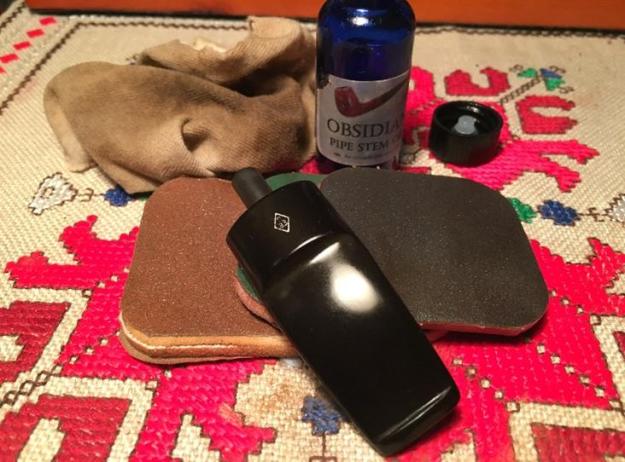
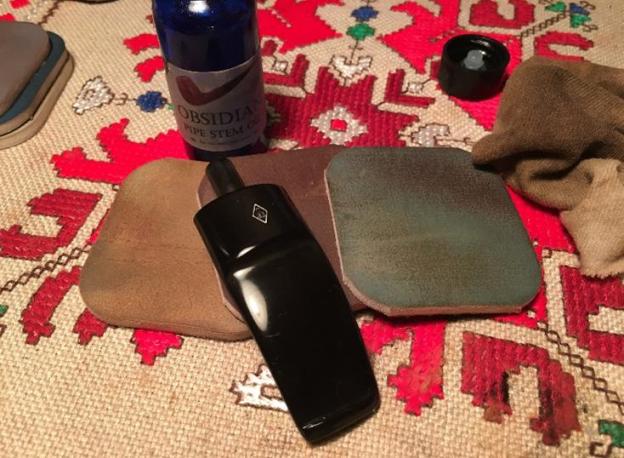
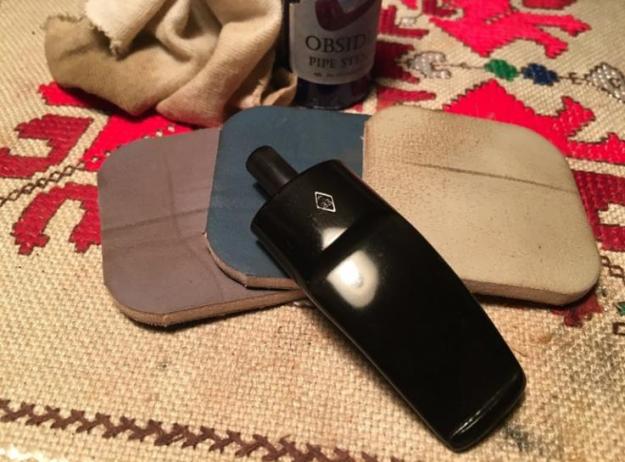
Bantam8 The oxidation on this one was particularly stubborn. I wet sanded it with 1500-2400 grit micromesh sanding pads and repeated that until I had the majority of the oxidation conquered. I rubbed the stem down with Obsidian Oil and took the first photo below. The oxidation still showed up in the bright light of the flash so I started over with this set of micromesh pads and repeated the process until it was clean.Bantam9 When the oxidation was gone I moved on to dry sand with 3200-4000 grit micromesh pads and sanded the stem until it began to shine. I rubbed it down with Obsidian Oil once more and when it dried I buffed the stem with White Diamond on the wheel before continuing with the next set of micromesh pads.Bantam10 I dry sanded with 6000-12,000 grit micromesh pads and then rubbed the stem down again with a final coat of Obsidian Oil.Bantam11 When the oil had dried I buffed the pipe and the stem with Blue Diamond Plastic Polish and then gave them both multiple coats of carnauba wax. The finished pipe is shown below. It is ready for the next owner to load with a bowl of his or her favourite tobacco and enjoy it. It should serve as a good smoke for a long time to come.Bantam12

Bantam13

Bantam14

Bantam15

Bantam16

Bantam17 You can purchase this beautifully shaped English looking Bantam 1007 ¼ bent Dublin and add it to your collection and help out the women of Nepal who are part of the SA Foundation’s project there. If you are interested in purchasing the pipe email me with an offer at slaug@uniserve.com and we can discuss it. The entirety of the sale price will go to the Nepal project. I will pay the postage so that does not get taken off the proceeds. If you are interested in reading about the SA Foundation you can look at their website at http://www.safoundation.com.

Thanks for looking.

NEPAL PROJECT PIPE SALE 5 – Restoring an Orlik De Luxe L206 – an Inclined Bevelled Egg


Blog by Steve Laug

This is the fifth pipe from the box of pipes that I was gifted by a good friend of mine with the instructed purpose of cleaning them up and selling them with all of the proceeds going to the aid of earthquake victims in Nepal. Once again all funds raised will all go to the SA Foundation, and organization that has worked in Nepal for over 15 years helping provide recovery, housing and job training for women who are victims of sexual exploitation and trafficking. The ongoing earthquakes (over 300) that continue to shake Nepal have left much in ruins. The SA Foundation Project there was able to find new housing for the women and help with staff as well. Every dollar raised from the sale of these pipes will go to the work in Nepal. It is stamped on the left side of the shank, Orlik De Luxe over London Made and on the right side of the shank it is stamped with the shape number L206. According to the page from the Orlik shape chart below, the L206 (the bottom pipe on the page) was called an Inclined Bevelled Egg.Egg1 The next four photos show the condition of the pipe when I brought it to the worktable to clean it up. The finish was in very decent shape though soiled and would clean up very nicely. The stamping was clear, though toward the back of the shank it was stamped more lightly than the front half of the shank.Egg2

Egg3

Egg4

Egg5 The next photos are close-up pictures of the outer edge of the rim. The outer edge was damaged around over half of the bowl. Someone along the path this pipe took during its life time had smoothed out the damage and in so doing had rounded the outer edge of the bowl.Egg6

Egg7

Egg8 From the Orlik shape chart and photos on the web I could see that the edge was supposed to be sharp and smooth rather than rounded. The rounding also hid some rough spots in the briar caused by knocking out the pipe against something hard. I decided to top the bowl with a topping board. I used 220 grit sandpaper on the board and sanded the top in a circular motion while pressing it into the sandpaper. I took it down until the damaged sections were gone and the outer edge was sharp once again.Egg9

Egg11

Egg10 I sanded the rim with a medium and fine grit sanding sponge to remove the scratching. I sanded it with 1500-2400 grit micromesh sanding pads to further smooth it out. I buffed the bowl and rim with White Diamond. I used a light and a medium brown stain touch up pen mixed together to match the stain with the rest of the bowl.Egg12 I used a sharp knife to ream cake the bowl, remove the crumbling cake from the bottom portion of the bowl and leave a thin cake on the walls of the bowl. My purpose was to facilitate forming a new cake on the walls.Egg13

Egg14 I cleaned out the mortise and the airway in the shank and the stem with pipe cleaners, cotton swabs and alcohol until the cleaners came out white.Egg15 With the inside clean I put the stem back in place with a plastic washer on the tenon so that when it was pushed in place it sat between the shank and the stem. This allows me to sand the stem and remove the oxidation without rounding the shoulders or damaging the stain and finish on the shank. I sanded it with a worn piece of 220 grit sandpaper and then with a medium and a fine grit sanding sponge.Egg16

Egg17 With the oxidation removed from the stem I went on to sand it with micromesh sanding pads – wet sanding with 1500-2400 grit pads and dry sanding with 3200-12,000 grit pads. I rubbed down the stem with Obsidian Oil between each set of three pads and then when I had finished the third set I did it again and set it aside to let the oil dry.Egg18

Egg20

Egg19 After the oil dried I buffed the pipe and the stem with Blue Diamond Plastic Polish on the wheel while carefully avoiding the stamping. I gave it multiple coats of carnauba wax and buffed it with a soft, flannel buff to raise the shine. The finished pipe is shown below. It merely waits for the right person to add it to their rack and enjoy a flavourful smoke in a very light weight pipe.Egg21

Egg26

Egg25

Egg24

Egg23

Egg22 This beautifully shaped Danish looking Orlik L206 Inclined Bevelled Egg should make someone a great addition. If you are interested in this pipe email me with an offer at slaug@uniserve.com and we can discuss it. The entirety of the sale price will go to the Nepal project. I will pay the postage so that does not get taken off the proceeds. If you are interested in reading about the SA Foundation you can look at their website at http://www.safoundation.com.

Thanks for looking.
Bringing a Comoy’s Grand Slam 5 Straight Bulldog Back to Life


Blog by Steve Laug

The next pipe on my worktable was a Comoy’s Bulldog. Personally, I think Comoy’s nailed the straight bulldog shape better than most others. It is a perfect bulldog shape and it is a pleasure to hold and smoke. The stamping on the left side of the shank reads Comoy’s over Grand Slam over Pipe. On the left underside of the shank next to the stem it is stamped X7. On the right topside it is stamped in the classic circle reading Made in London with the “in” in the centre of the circle. Underneath the circle it reads England. Further up that side of the shank is a number 5 stamped almost next to the bowl. I examined the C-inlay on the stem to see how it was made. I have learned over time and through research on these pipes that if it’s been applied in three steps, then it was made pre-1980. This one was indeed a three-step C-inlay. Thus I knew it was made earlier than 1980.Comoy1

Comoy2 Like all of the pipes I work on, I took a moment to give the pipe a quick assessment. Before I even start the clean up and restoration I take time to look it over to make sure I see what I have to deal with on a particular pipe. The examination helps me to plan how I am going to address the issues on this particular pipe. The Comoy’s pipe was definitely in need of some TLC. The original finish on the Grand Slam Pipe line was rich and full of life. The contrast of dark stain that highlights the grain and the top coat of stain that varies from a rich red to a dark golden combine together to give a very beautiful finish. There were no major dents in the briar that needed to be addressed, though there was a small one in the shank near the stem junction on the sharp edge on the right side that could not be repaired. The briar itself was lifeless and faded looking dull and flat. There was some dirt and grime on it and particularly at the bowl shank junction.Comoy3 The rim had a thick coating of tars on top and some minimal damage to the inner bevel. The bowl had a light cake and seemed to have been reamed recently. It would need to be tidied up.Comoy4

Comoy5 The stem was badly oxidized and had tooth marks on the top side and the underside near the button. The slot was partially plugged and would need to be opened.Comoy6

Comoy7 I cleaned up the bowl with a wipe down of alcohol on a cotton pad to remove the dirt and grime and begin to soften the tars on the rim. I gave it a light sanding with 1500 grit micromesh sanding pads.Comoy10 Then I wiped it down once more with the alcohol and cotton pads. The buildup was just about gone. Just a little more scrubbing and the rim was finished.Comoy11 I lightly sanded the stem with a medium grit sanding sponge to loosen the oxidation and then dropped it in a bath of Oxyclean to soak overnight. In the photo below you can see the oxidation begin to run off the stem into the white bubbles of the Oxyclean mixture.Comoy8 The next morning when I took it out of the bath the mixture was yellow with the oxidation. I dried off the stem with a coarse cotton towel to remove the softened oxidation. The stem was much cleaner and black of the vulcanite was beginning to show.Comoy9 I put the stem on the shank and sanded it with 220 grit sandpaper followed by a medium grit sanding sponge to remove the oxidation that had come to the surface after the soak.Comoy12

Comoy13

Comoy14

Comoy15 I wiped it down with Obsidian Oil and then took the following photos of the stem to show the progress so far.Comoy16

Comoy17

Comoy18 I cleaned out the deep tooth mark on the underside of the stem with a dental pick and then a cotton pad and alcohol. Once it was clean I used clear super glue to make a patch on the marks. I over filled the repair so that it would dry and not shrink too much requiring a second coat.Comoy19 I set the repaired stem aside to dry for the day while I was at work. After work I sanded it smooth with 220 grit sandpaper and then with a medium and a fine grit sanding sponge. When the surface of the repair matched the stem material the sanding was finished. I then used a flat blade screw driver to unscrew the end of the stinger in the tenon. The cap on the end held a replaceable leather washer in place. Once the cap was off I was able to remove the washer. I then used a pair of needle nose pliers on which I have covered then ends with a thick wrapping of scotch tape. This provides a cushion when grabbing onto metal. The stingers in the Grand Slam were threaded and I heated the metal tenon until the goop holding it tight was loose. I turned it with the pliers until it was free of the tenon.Comoy20 With all of the parts removed from the stinger I cleaned it with a soft bristle brass tire brush to clean off the tars. I cleaned out the interior of the stinger with pipe cleaners, cotton swabs and alcohol. I used the brass brush to also clean the threads on both ends of the stinger. When I had them cleaned I used coated the threads on the front of the stinger with a light coat of Vaseline to protect it and lubricate them when I turned the cap onto the end. I had cleaned it with some soap and warm water and then used the Vaseline to give it some life. With it all cleaned and lubricated I put it back together and set it aside while I cleaned the shank and the stem.Comoy21 I used the drill bit on the KleenReem pipe reamer to clean out the airway from the end of the mortise to the bottom of the bowl. It had almost closed off with the tars. The draught on the shank was very constricted. Once I had run the bit through it several time cleaning out the buildup the draught was open and unrestricted. I cleaned out the shank and airway with alcohol on cotton swabs and pipe cleaners. Once they came out clean the shank was finished and ready for the stem.Comoy22

Comoy23 I cleaned out the stem with pipe cleaners and cotton swabs while I had the stinger out. I was able to remove all of the buildup in the stem and then put it all back together again. The stinger end was lubricated and then threaded back into the tenon. It sits quite deep in the tenon and has a small flange that sits against the tenon end. Here are some photos of the stinger in place in the stem.Comoy24

Comoy25 I used a 1500 grit micromesh pad to further polish the aluminum of the stinger. I sanded the stem with micromesh sanding pads – wet sanding with 1500-2400 grit pads and dry sanding with 3200-4000 grit pads. Between the first set of three pads and after the second set I rubbed the stem down with Obsidian Oil. When it dried I buffed the stem with White Diamond on the wheel to polish the vulcanite. I brought it back to the worktable and gave it a further coat of Obsidian Oil.Comoy26

Comoy27 I finished dry sanding with 6000-12,000 grit micromesh sanding pads. I rubbed the stem down a final time with Obsidian Oil and buffed it with Blue Diamond Plastic Polish on the buffing wheel.Comoy28 I buffed the pipe with Blue Diamond and then gave it multiple coats of carnauba wax. Between each coat of wax I buffed it with a clean, soft flannel buffing pad to raise the shine. The photos below show the finished pipe. It is cleaned, polished and ready for that next inaugural smoke.Comoy29

Comoy30

Comoy31

Comoy32

Comoy33

Comoy34

Comoy35 Thanks for looking.
Conjuring a Makeover for a Carey Magic Inch


Guest Blog by Robert M. Boughton
Member, North American Society of Pipe Collectors
http://www.naspc.org
http://www.roadrunnerpipes.com
http://about.me/boughtonrobert
Photos © the Author

“Blessed are they who see beautiful things in humble places where other people see nothing.”
― Camille Pissarro (1830-1903), French Impressionist painter

INTRODUCTION
I suspect there is some aspect of my basic personality that is incapable, to a degree, of not admiring the tenacity alone required to survive 67-years – and still going – in the admirable pursuit of providing affordable smoking pipes. Remember, this is an industry that has seen all manner of fly-by-night systems for dissipating the high heat of the all-important tobacco that has an inherent tendency to become moist and therefore brackish in the process of flowing through the basic designs of all pipes.

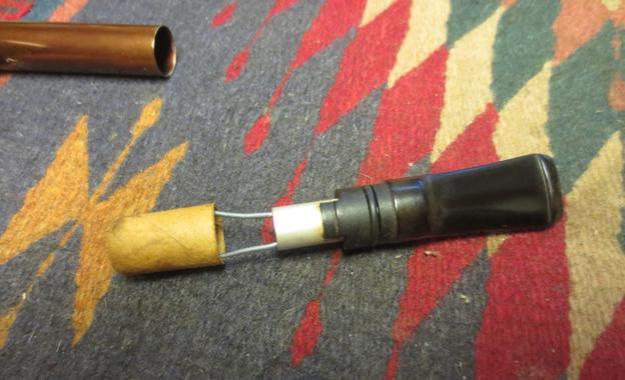
Notwithstanding the relative quality of pipes that evolve based on the periodic new patents from the ever-pioneering designers at E.A. Carey, which also owns the Duncan Hill Aerosphere brand, the system’s section that comprises the so-called “Magic Inch” has changed little since 1948, when the first billiard version was created and marketed. The system involves five elements: 1-2) the first two in the double-pronged tenon, the thin, hollow end of which attaches to the plastic bit and the typical part that slides into the shank; 3) the thin bit insert with six small drilled holes, two each on the top and bottom (when properly inserted) and one each on either side; 4) the newer Papyrate II sleeve (two-ply) – made of very thin, wet slices, from the roots of an aquatic plant, that are pressed together and dried – that fits snugly over the holes of the bit insert, and 5) six horizontal slits in the shank end of the bit, three on the top and three on the bottom. The photos of the bit show the used, brownish papyrate sleeve that came with the original pipe.Carey1

Carey2

Carey3

Carey4

Carey5 Back some months when I was snatching up pipe lots online, I bought one with 10 sundry examples of the craft, including a few nice finds such as a Kaywoodie Filter Plus metal pipe from the late 1950s, a Jobey Extra, a nice glazed clay pipe and others, with this Magic Inch among them.Carey6 I put all of these in a small box “for later,” except for the beautiful unknown clay billiard that I cleaned up and added new cork in the shank with a hole drilled to fit the screw-in tenon attached to the acrylic stem, for my own collection.

By the way, not everyone knows that Carey does not only make Magic Inch pipes. Here are a few of the company’s representative standard briar pipes.Carey7 But this blog concerns the vintage Magic Inch billiard, U.S. Patent №. 3,267,941 granted in 1966, shown in the lot above three rows down on the right. A few years ago, I owned, and for a while enjoyed, another Magic Inch, and it wasn’t – well, bad. But first, I have a few comments regarding Carey’s rather imaginative advertising.
Numerical data and the manifold methods of collection, arrangement and interpretation of them for publication as fact by the complex use of statistics in almost every facet of society – including but by no means limited to governmental and other political concerns, businesses and the news media – can be misleading at best and downright manipulative at worst.

Take, for example, the E.A. Carey Smokeshop claim [http://www.eacarey.com/ pipes.html] that it has sold more than one million of its Magic Inch pipes since 1948. That sounds impressive, and suggests that Carey’s pipes are superior to others. But that total averages to 15,152 pipes (rounded up, through 2014) per year. Then again, Carey changes the number of Magic Inch pipes sold in the same period to a vague “hundreds of thousands” [http://www.eacarey .com/magicinchinfo.html]. Allowing for hundreds of thousands to be a maximum of 200,000 pipes, which quite likely is stretching it, the average drops to 3,030. Somehow, I doubt that either annual sales figure engenders any impulse among the world’s other pipe makers to compete with the folks at the venerable Carey Smokeshop online, both in the U.K. [http://www.eacarey. co.uk/] and U.S.

Now, to return to the real subject matter, the purpose of this particular blog is to show how a pipe with a singular lack of attractive qualities can be transformed into something nicer.Carey8

Carey9

Carey10 RESTORATION
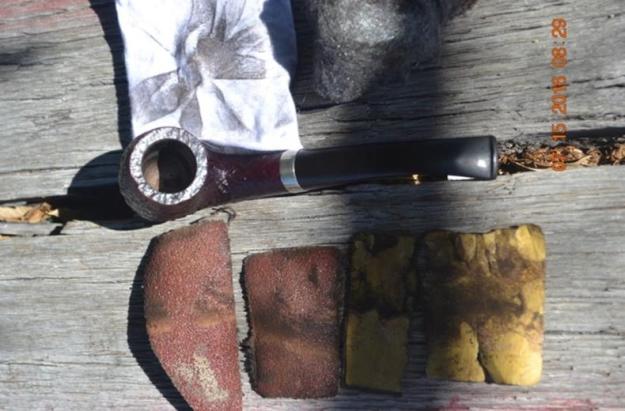
After removing and separating the bit and two-sided tenon, throwing away the old brown papyrate sleeve, on an impulse, I decided to give the old rusticated briar girl an Everclear soak. For some reason, this process took quite a while – say six hours. At any rate, when the old finish was stripped and the wood dried, I began a hand-buff with super fine steel wool followed by a progression of micromesh pads from 1500-3600.

I turned a reamer a few times in the chamber, followed by sanding with 200-grit and 320, and the chamber was almost good to go. Then I attached a suitable stem and retorted the shank and chamber.Carey11

Carey12

Carey13

Carey14

Carey15

Carey16 Thinking the pipe, which was dreary in the beginning, deserved something more distinctive and in keeping with its natural reddish color, I chose maroon boot stain. After the quick application and flaming, I rubbed the wood gently with 3200 micromesh.Carey17

Carey18

Carey19

Carey20

Carey21

Carey22 To clean the hollow plastic bit and tenon, I diluted – and I mean heavily – a little Everclear with a lot of water. I like to think of this as the Reverse Julia Childs Approach. The popular cook once said, “I like to cook with wine. Sometimes I even put it in the food.” From what I recall of watching Julia in the studio kitchen on TV, I am not surprised that she seemed to have forgotten the apparent equal measures of wine expended in the food and down the hatch. Anyway, I bent a soft pipe cleaner in half and dipped it in the comparatively wimpy solution, which is like comparing wine to Moonshine, and inserted the folded end in the stem, turning it several times and finding it needed replacing. And so I repeated the action, but giving the inner bit the old in-and-out, scrubbing its sides. Only the slightest amount of grime came out on the second run, and I used the same cleaner to work through the slits on the top and bottom. I used a third, dry cleaner to finish.
The outer bit required very little work with one micromesh pad, although I forget the grade, to make it shine. Using a white china marker, I filled in the small, long-empty square with a three-sided C in the middle, forming all but one line of a second square. Thanks to a generous gift of a handful of papyrate sleeves from my good friend and mentor, Chuck Richards, I was able to complete the tenon for ultimate placement into the shank.

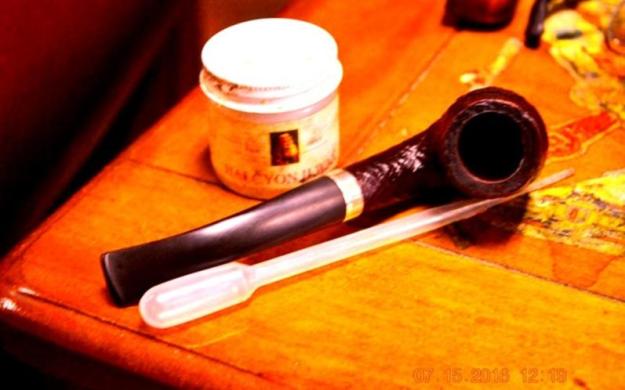
All that was left to do was buff the wood on the electric wheels, using white Tripoli and White Diamond, with quick runs on the clean wheel after each. At last, with a finger, I applied a thin, even coat of Halcyon II, and after letting the briar sit for 10-15 minutes, buffed it with the clean wheel.Carey23

Carey24

Carey25

Carey26

Carey27

Carey28

Carey29 CONCLUSION
Love ’em, hate ’em or really don’t give a hoot either way, the Carey Magic Inch has secured its place in tobacco pipe history, as well as giving many a smoker a start in the pleasures derived from fine tobaccos. And as far as I’m concerned, the Carey system works better than most far more complicated attempts.

Imagine, if you will, a special place in the Twilight Zone – an area so horrific only the most heinous attempts at pipe cooling ever make it there. Take, for example, the following specimen, a Jenkins, which, with its screw designed to hang while smoking like a broken appendage from the underbelly of the shank at a point just before the bowl, may never find its way back.Carey30

Another Pre-War Yello Bole


Blog by Andrew Selking

In my quest to corner the market on pre-war Yello Bole pipes, I snagged this nice little oval shank Dublin. It’s between a group one and group two size, my smallest reamer head only fits about half way into the bowl. The best part is the pipe had not suffered serious abuse. It had some tar on the rim, along with a few nicks and a small tooth mark on the back of the stem. Here is what it looked like when I got it.Andrew1 You will notice the varnish, in a lot of cases a finish like that is to cover up imperfections in the briar. So it was with a little trepidation that I dropped the bowl into the alcohol bath.Andrew2 While the bowl marinated, I soaked the stem in Oxyclean. Next I reamed the bowl. As I mentioned earlier the reamer head didn’t fit all the way down, so I carefully removed the remaining cake with a small pen knife (which you can see in the corner of the picture) and a dental pick.Andrew3 Next up the retort. Judging from the stinger I didn’t expect a dirty pipe.Andrew4

Andrew5

Andrew6 The stem was a little dirtier, but a second retort cleared it up nicely.Andrew7

Andrew8

Andrew9 With the internals sorted, I could now see what lurked under the varnish. I used 0000 grit steel wool and acetone to remove the tar on the rim and the varnish.Andrew10 I was pleased to only find a single fill.Andrew11 It was the pink putty though, and I hate pink putty, so it had to go.Andrew12 I’ve tried as many different techniques for fixing fills as I can think of. My current technique is to use a push pin to spread a small amount of CA glue into the hole, next I pack it full of briar dust, followed by a drop of CA, followed by a drop of accelerator. The nice thing about using accelerator is you can work the repair right after drying off any remaining accelerator. Here is what the repair looked like before sanding.Andrew13 Next I tackled the oxidation on the stem. I used 400 grit wet/dry with water followed by 1500, 1800, and 2400 grit micro mesh pads with water. I always hold a washer over the tenon to prevent rounding the shoulders of the stem. Here is the stem after removing oxidation.Andrew14 I still had the tooth mark on the bottom of the stem to fix, so I mixed up some clear CA and finely ground charcoal dust and applied it with my push pin. You may notice the yogurt container, I use that to mix the glue and charcoal. When it gets too dirty I throw it away and get a new one.Andrew15 I used 400 grit sand paper to shape the fill, followed by 1500-2400 grit micro mesh. I usually don’t use water when sanding down fills. I removed the top coat of finish on the bowl with a progression of 1500 to 2400 grit micro mesh pads. Next I used 3200 to 12,000 grit micro mesh pads to polish the entire pipe. You will again notice the washer on the stem. Here is the pipe ready for final polish.Andrew16 I used my rotary tool with white diamond and carnauba wax on the stem.Andrew17 I took the bowl to the buffer and used white diamond and carnauba wax on it as well. Just a word of caution when using a buffer, hold onto whatever you’re buffing with both hands.

Here is the final result. Thanks for looking.Andrew18

Andrew19

Andrew20

Andrew21

Andrew22

Restoring an old Peterson Canadian – the old pipe in the craigslist lot


Blog by Steve Laug

The fourth pipe I took on for repair from the craigslist lot was a small Peterson Canadian with a silver band and p-lip stem. It is the second pipe down on the right side of the photo below.craig5 The stamping on this old Peterson was unique enough that I wanted more information. It was different from any of the other Petersons that I have worked on. When I need specific information on a Pete I drop an email to Mark Irwin and he never fails to give the details I need. I sent him the following email:

“Mark, the Peterson that I need information on is a Canadian shape with a silver band. It has the p-lip stem in quite remarkable shape under the oxidation. The stamping on the pipe is interesting. On the top of the shank it is stamped K&P over DUBLIN and on the underside of the shank it is stamped Made in Ireland in a circle with the “in” in the centre of the circle. The silver band was black with oxidation but after a light cleaning I can see that it is stamped STERLING SILVER horizontally to the shank. Over that are the K & P in three shields. Underneath there are hallmarks stamped vertically to the shank. It looks to be the typical stamping. The first two shields are worn but seem to have the Ireland figure, the 925 silver stamp and a third that looks to be a P. Any information would help. Thanks Mark.” Pete1 Mark got back to me fairly quickly with this response:
“Peterson made a number of Canadian shapes back in the day, although the standard is now the 264. The Made in Ireland in a circle suggests tells us it what made before 1949, the lack of a hallmark (aside from the K&P in 3 shields) means it was made after 1938, as they quit hallmarking from 1938-1968. No shape number stamp would seem to confirm the 1938-1949. As they made very few pipes from 1942-1945, it probably fell on either side of 42-45. If you’ll measure the length of the pipe and bowl height and width for me, I’ll check it against the 1937 catalog, which featured full scale illustrations. The ‘37 catalog doesn’t list all the Canadian shapes, however, just the more popular ones. If you want to remove the band, you might find a number scratched in the wood—we think this has to do with the band, however, and not the shape number. GT&C were Peterson’s sole importer in Canada from about 1910-1960, and after the war, they primarily carried unbanded Petes. They also had their own shape numbers stamped by Peterson—the System pipes always carry a “1” in front of the Peterson numbers—“1307,” etc. Almost every Peterson System estate for sale from Canada on eBay will have that “1” on the Systems.”

I sent Mark some photos of the unrestored pipe so he could see the stampings and the marking on it and assess its date. He responded with the following email: “Okay, what you’ve got is a Kapet, the line between the DeLuxe and the lower K line. It’s a Kapet because of the Sterling. It’s not a DeLuxe because of the “special aluminum inner tube for easy cleaning” (1937 catalog, p. 1). The K also had the inner tube, but would not have the sterling mount. The bowl itself is the same size as the current 264, although the shank is a bit shorter than the current 264. I am surprised there is no Kapet stamp on the pipe, as the ‘37 catalog engravings plainly show line stamps. But it’s a pipe, and of course subject to the vagaries of production.”
When I saw the pipe I was not too excited about it because I had not cleaned it up at all or looked at it. It was in rough shape. The finish was worn and it had dents and dings. The rim was dirty and caked with tars and oils – the lava of use. The bowl was dirty and had a light cake and a raw briar bottom of the bowl. It had not been smoked to the bottom of the bowl. The band was dark and oxidized and unreadable. The stem was oxidized and had evidently sported a softie bit like all the other pipes in this collection. I cleaned up the band enough to send Mark the information. I was more excited by the pipe once I knew its potential age. His initial response put it before 1949 and after 1938. After seeing the photos of the pipe his dating changed to potentially 1937. Thus it was the oldest pipe in the craigslist lot. It was a decent piece of briar with mixed grain and no visible fills.Pete01

Pete02 After cleaning up the silver a bit I took the following photos. These are the ones that I sent Mark to help date the pipe and give me as much information as he could.Pete2

Pete3

Pete4

Pete5 I took some close up photos of the stem to show the inner tube more clearly as well as the state of the stem. As can be seen from these photos, under the oxidation the stem is in great shape with no tooth marks or chatter that needed to be address. The P-Lip was in great shape with no tooth damage to it either. The stem should clean up very well.Pete6

Pete7 I used a silver polishing cloth and silver polish to further remove the oxidation from the band. I also scrubbed it with some cigar ash and found that it worked extremely well to remove the tarnish on the sterling silver band.Pete8

Pete9 I sanded the oxidation and calcification off the stem with 220 grit sandpaper. I then sanded the stem with a medium and a fine grit sanding sponge.Pete10

Pete11 I reamed the bowl with a PipNet reamer and took it back to a very thin cake. I also scrubbed the rim with isopropyl alcohol to remove the tarry buildup that had accumulated there. It took a lot of elbow grease and hard scrubbing but it all came off. There was some darkening on the inner and outer edge of the rim. I also scrubbed the bowl down with the alcohol on cotton pads to remove the grime and dirt on the finish.Pete12

Pete13

Pete14

Pete15 I scrubbed out the shank and the stem with pipe cleaners, cotton swabs and isopropyl alcohol until it was clean. The pipe even smelled fresh!Pete16 I sanded the stem with micromesh sanding pads – wet sanding with 1500-2400 grit pads and dry sanding with 3200-12,000 grit pads. I rubbed the stem down with Obsidian Oil as usual between each set of three pads. Once it was finished I buffed the stem with Red Tripoli to get some of the stubborn oxidation off at the tenon end and the Blue Diamond. I took it back to the work table and repeated the dry sanding with 4000-12,000 grit pads.Pete17

Pete18

Pete19 I buffed the finished pipe with Blue Diamond and then gave the stem and bowl several coats of carnauba wax to protect the finish and stem and give it a shine. I then buffed it with a clean soft flannel buff to raise the shine. The finished pipe is shown below. It is ready to load with a bowl of my favourite Virginia and be reintroduced to what it was made for.Pete20

Pete21

Pete22

Pete23

Pete24

Pete25

Pete26

ADDENDUMI find I need to correct this post. Instead of rewriting it and changing it I decided to add this to the end of the story.

After doing a bit more research and receiving another email from Mark I took the pipe out into bright light and used a jeweler’s loop to see if I could read the faint hallmarks on the band. Mark sent along an older Peterson Hallmark chart and I compared the faint stampings to the chart. I could see a cartouche with a P in it that led me to amend my original post – the pipe is not a 30s era Pete but rather a Pete from 1981. Ah well. The thrill of having an old one lasted for at least a day…Peterson Hallmark Chart