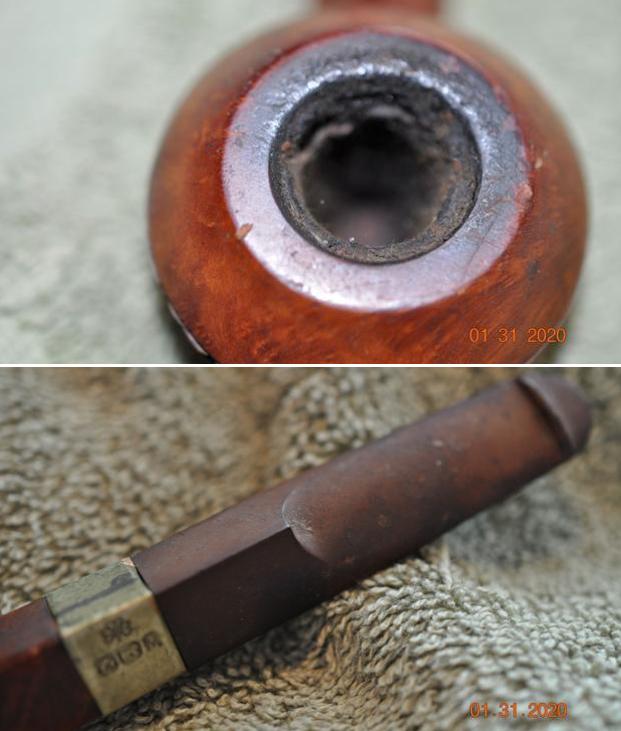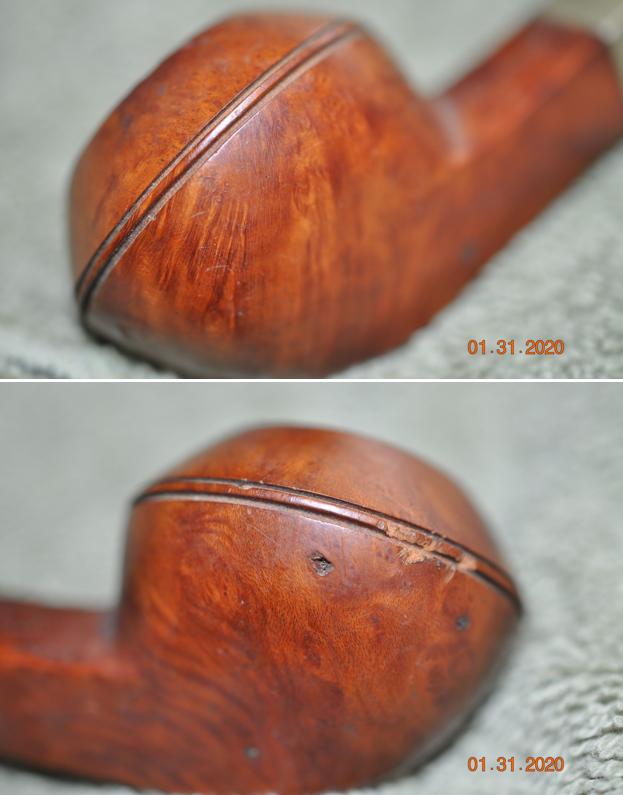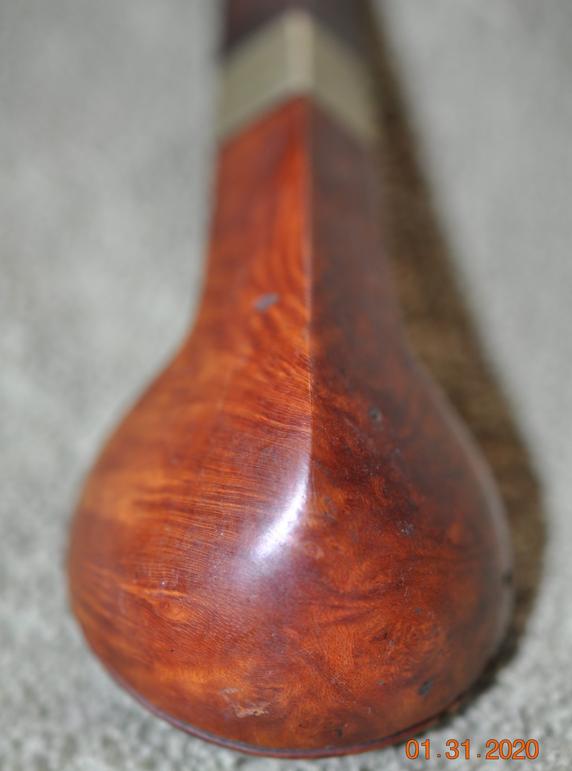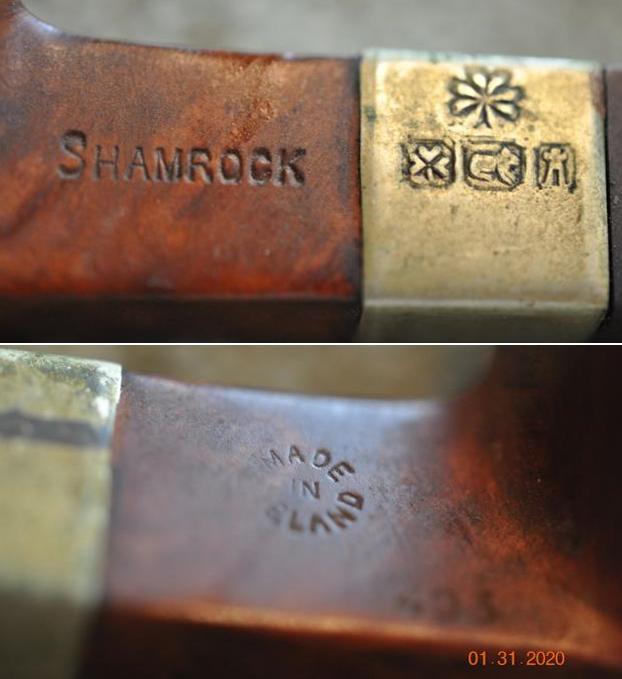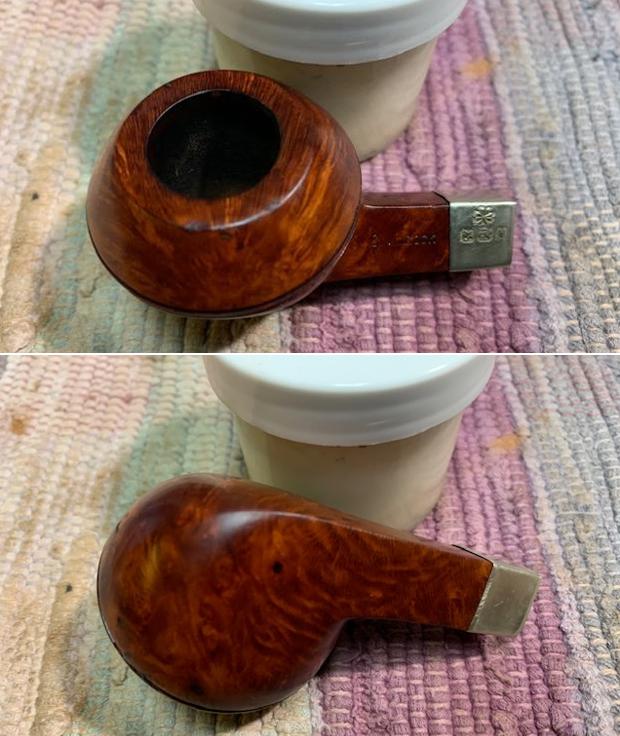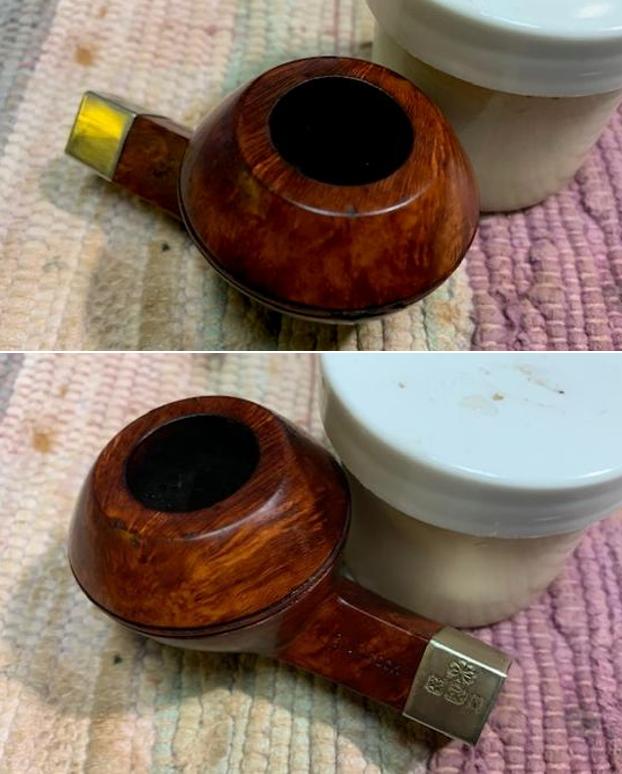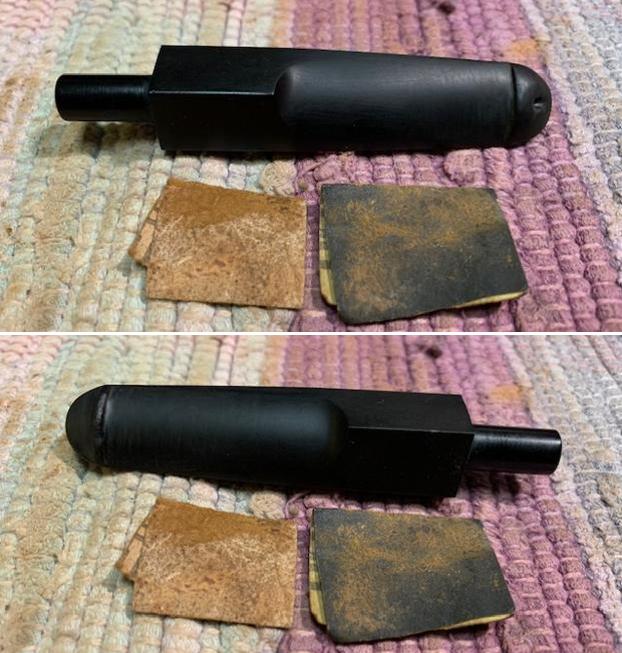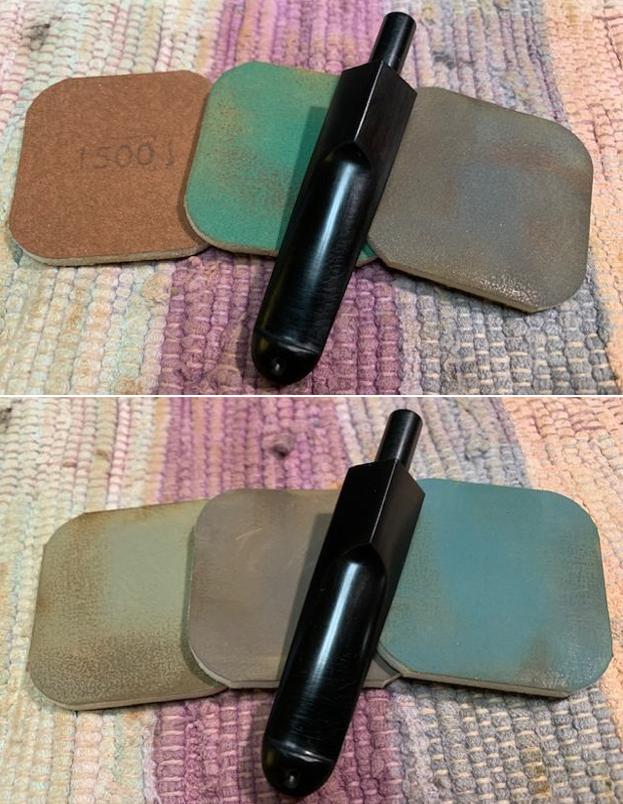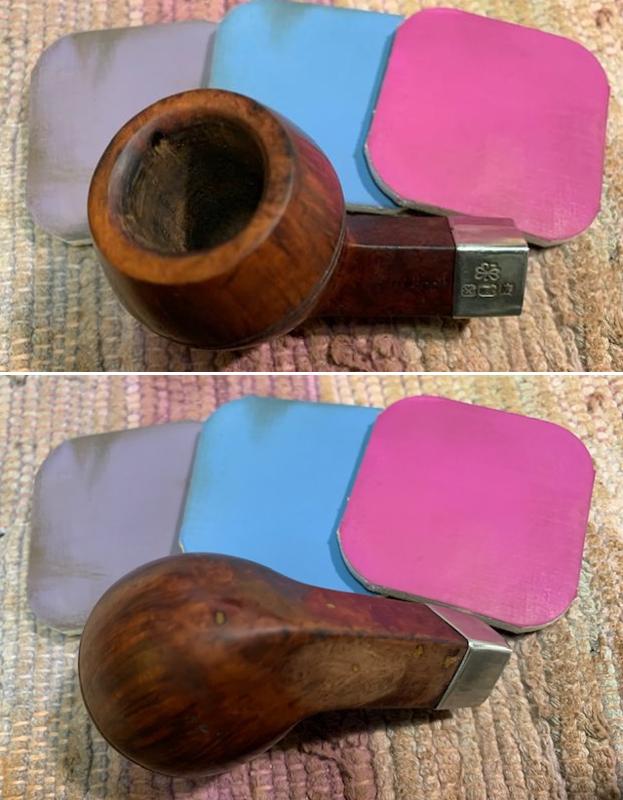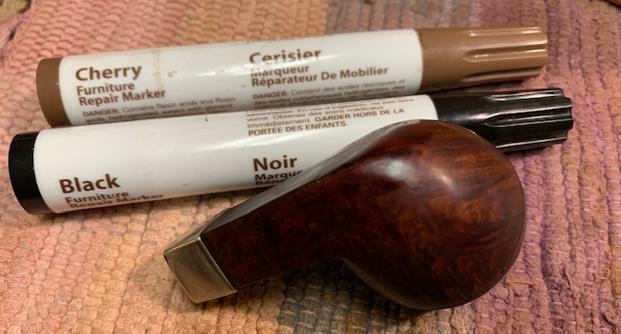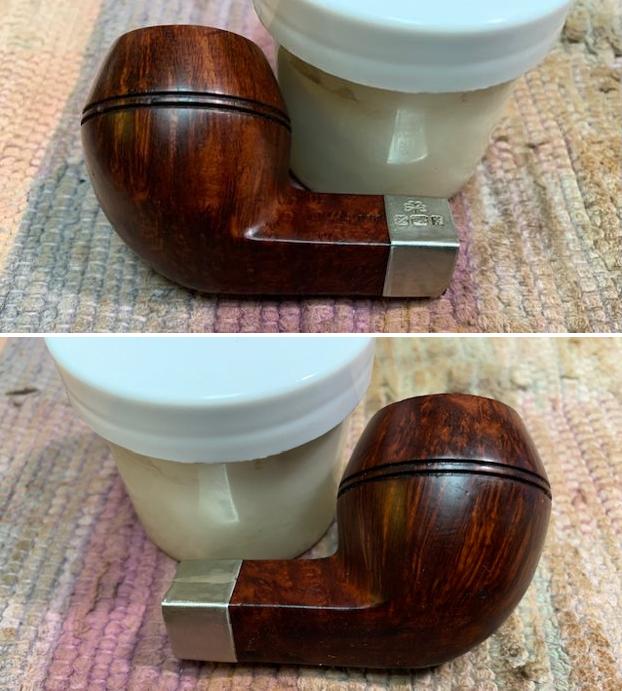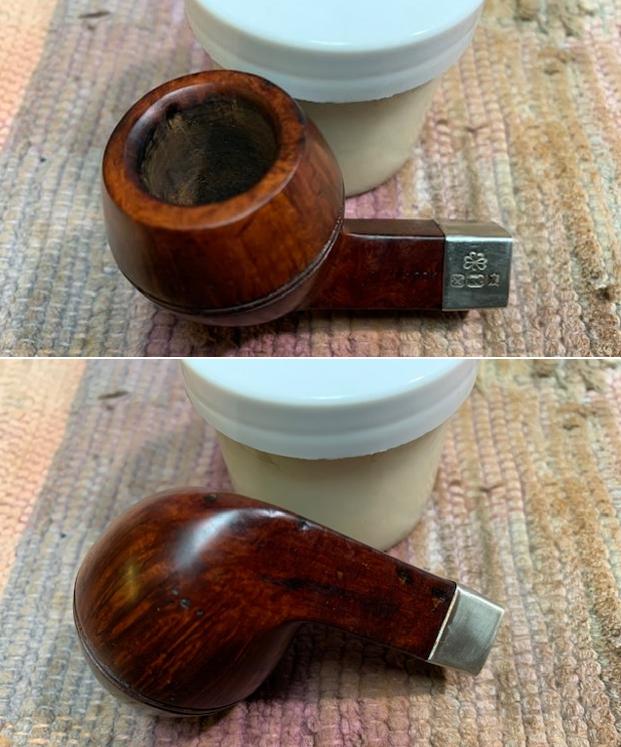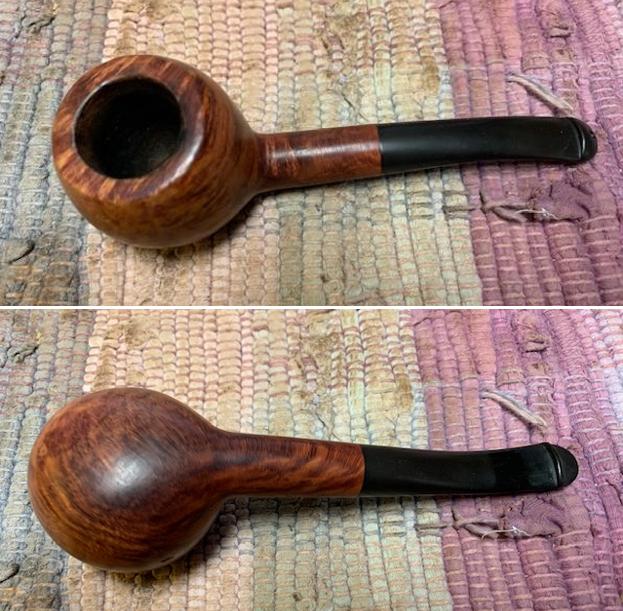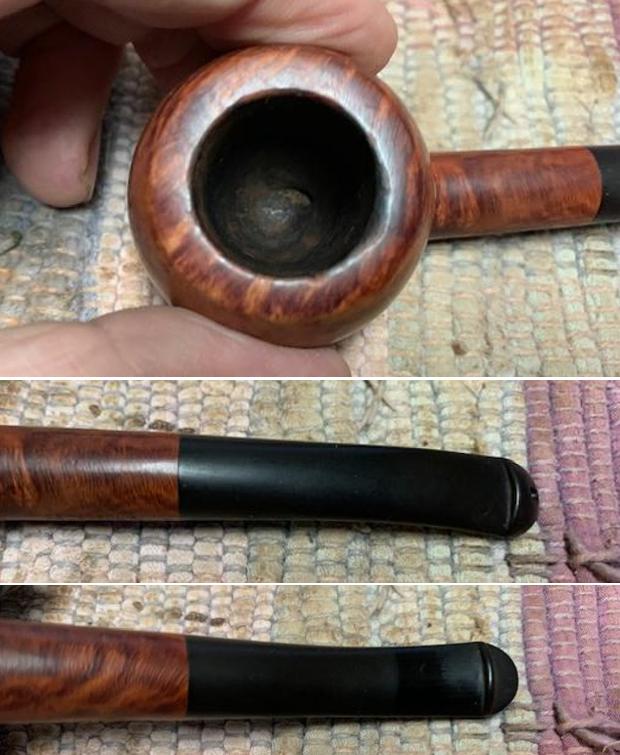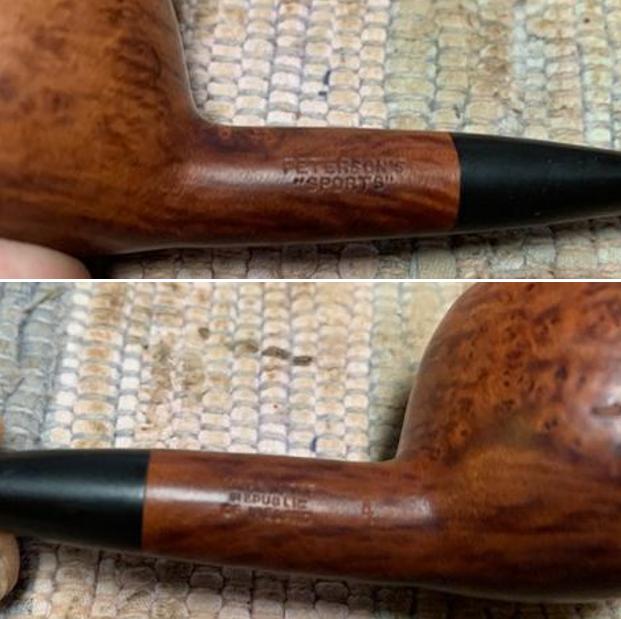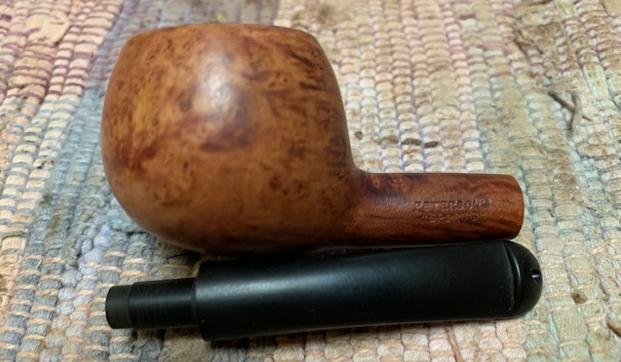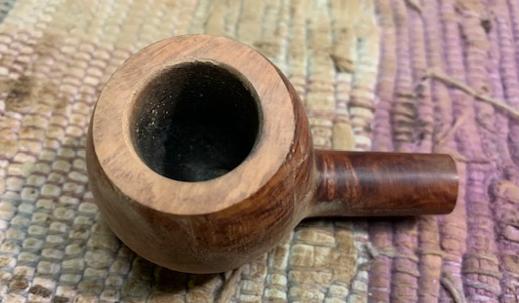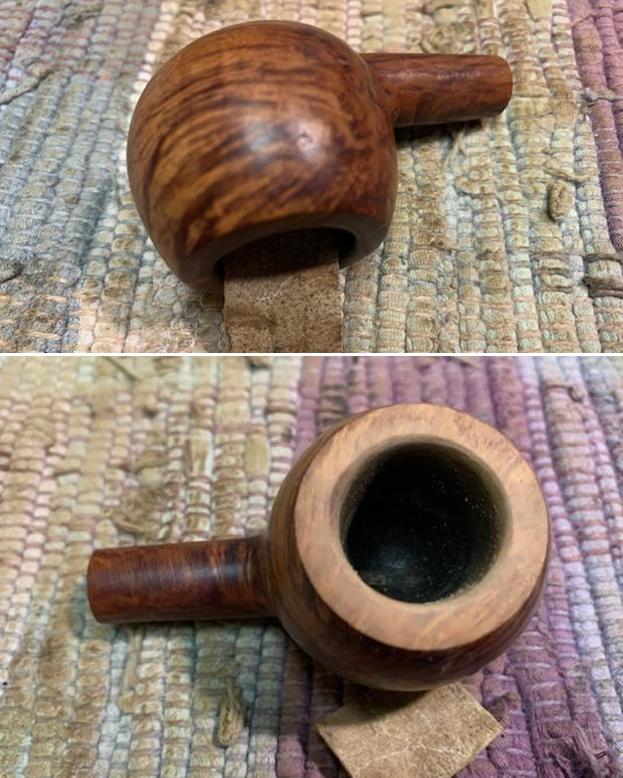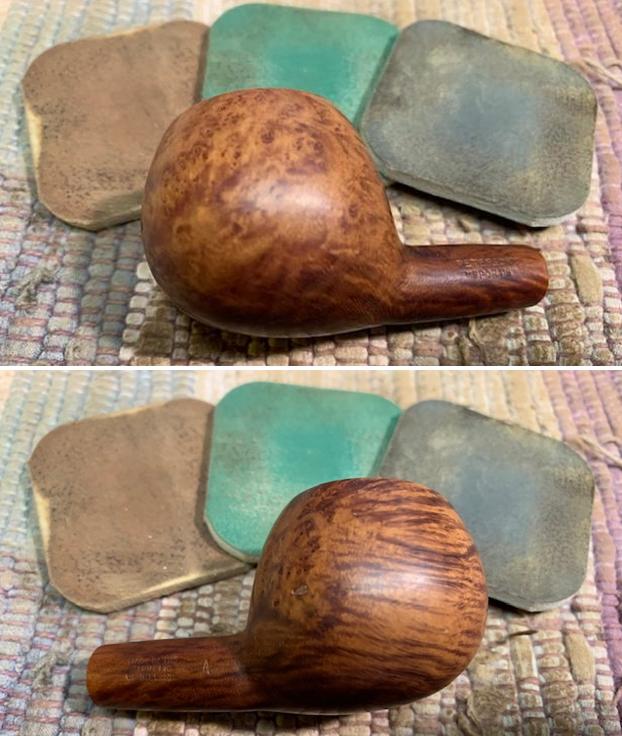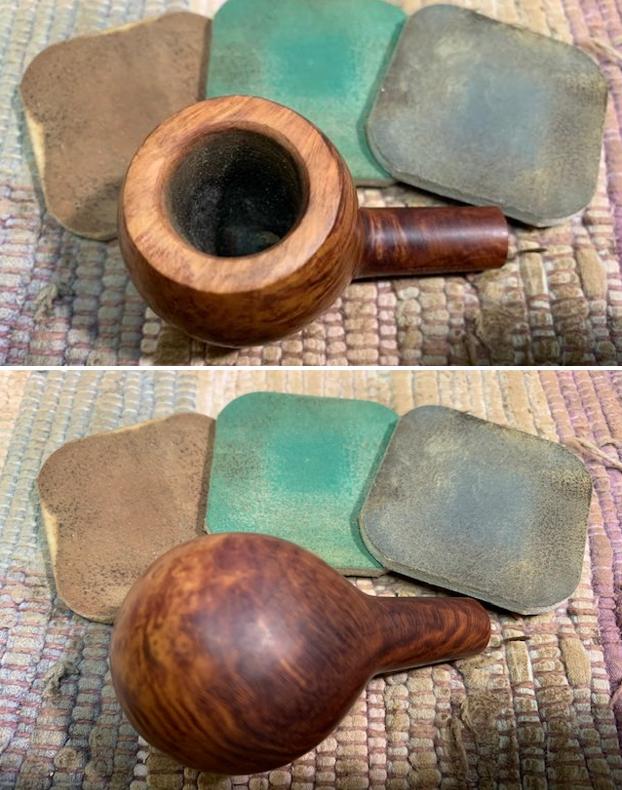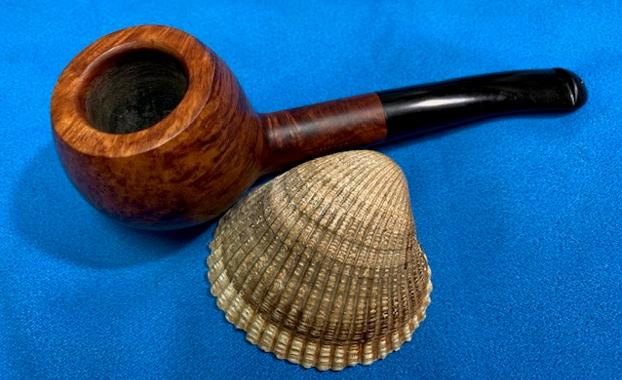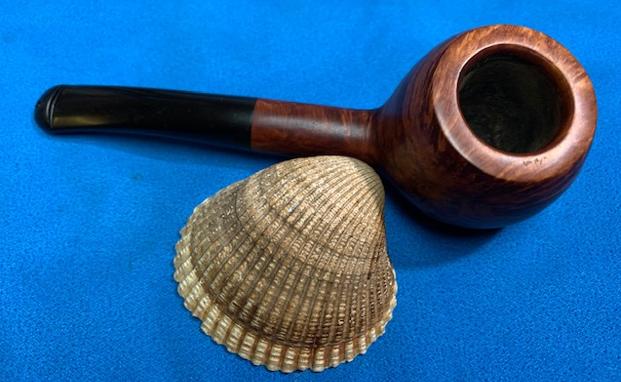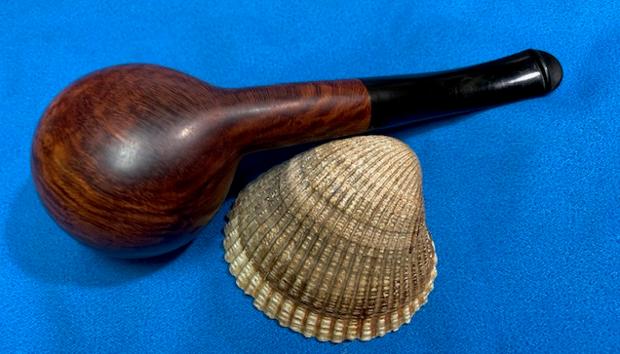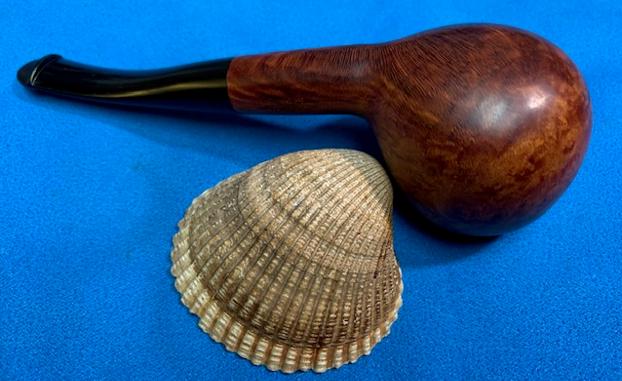
Tag Archives: Petersons Pipes

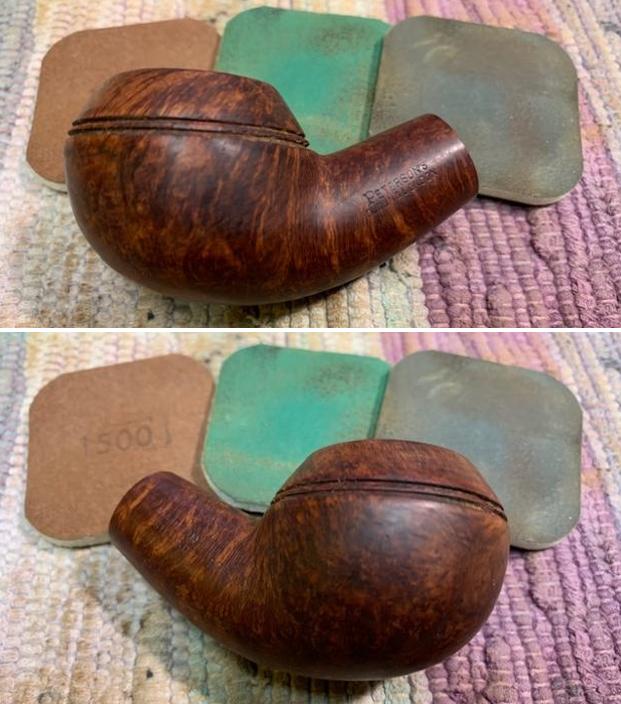
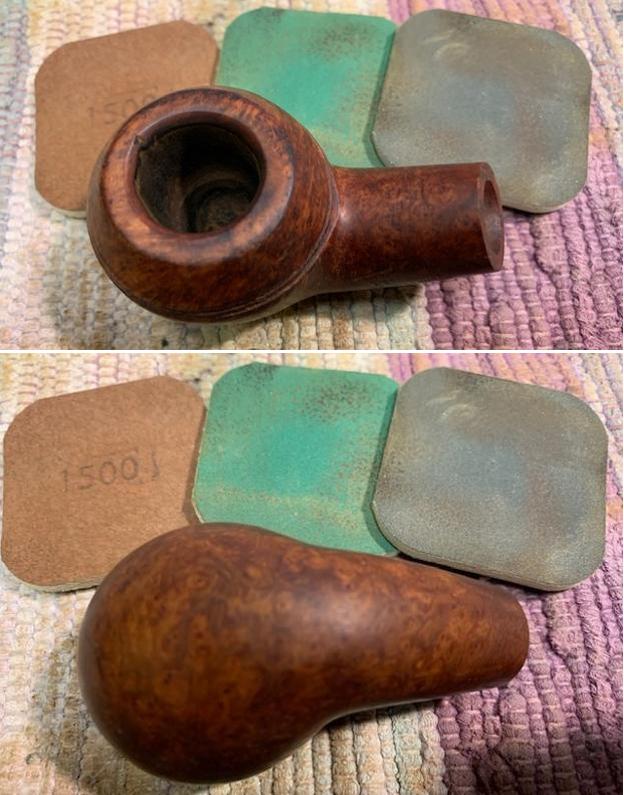
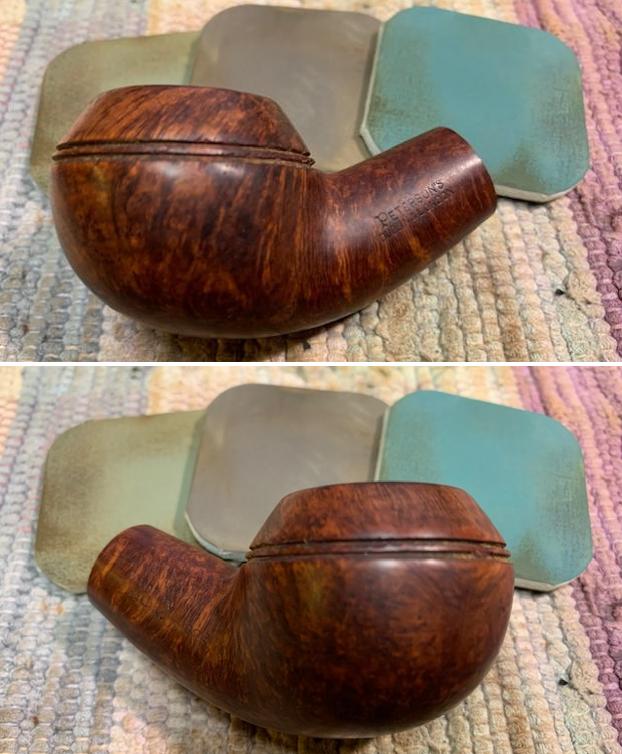
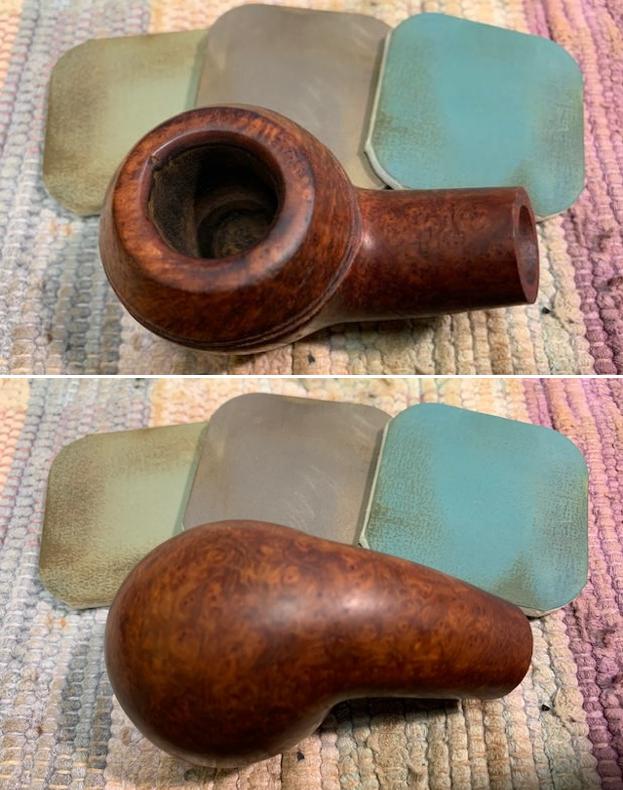
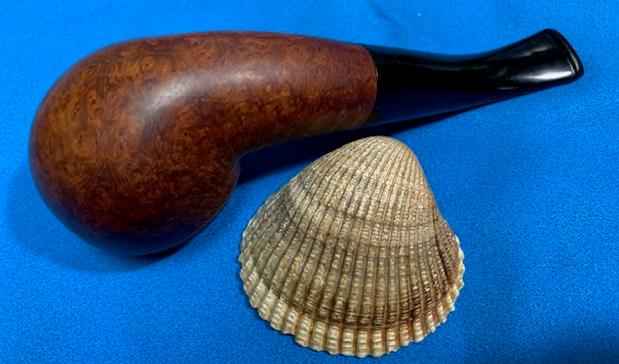
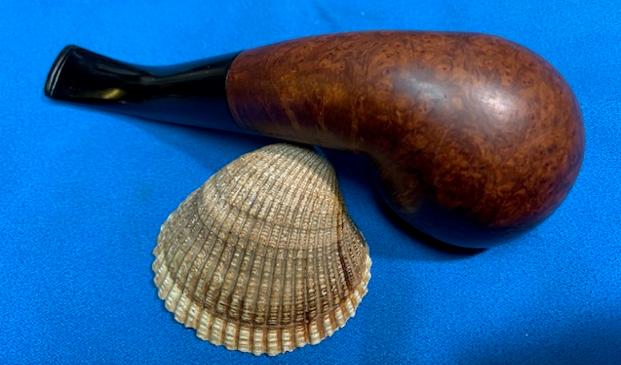
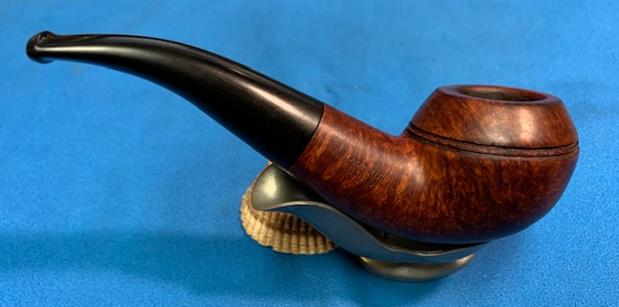
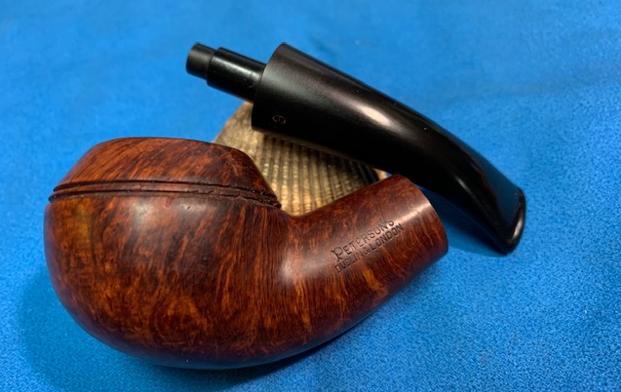
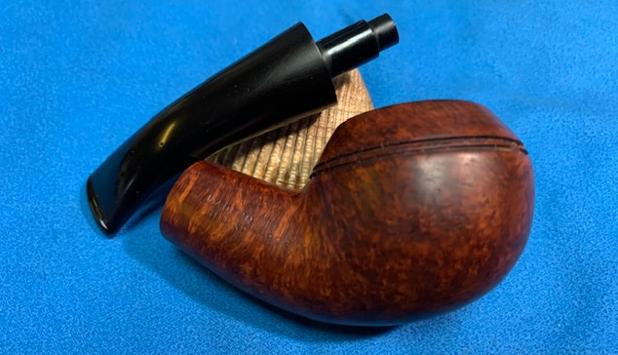
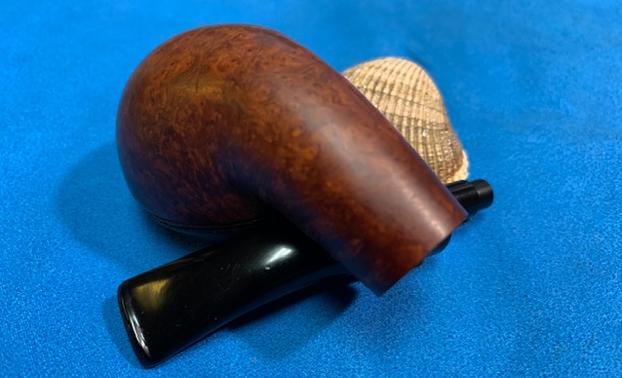
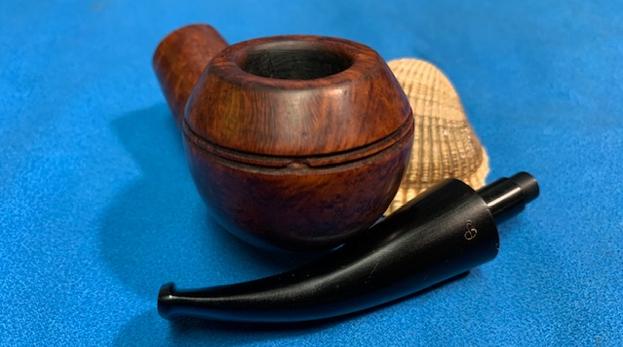
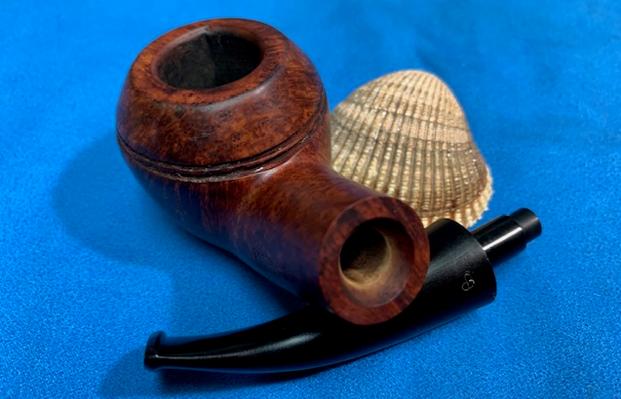
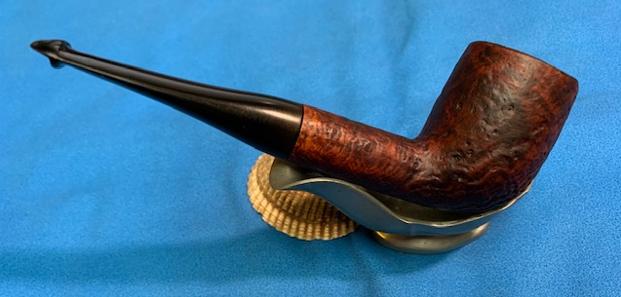
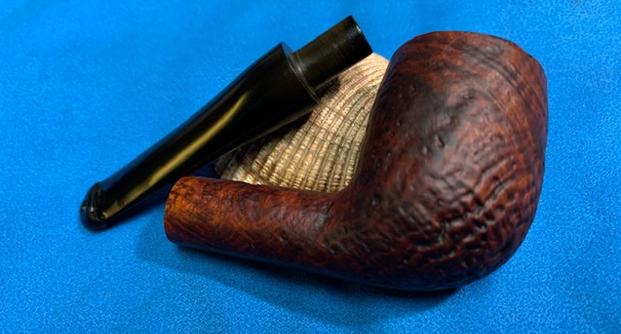
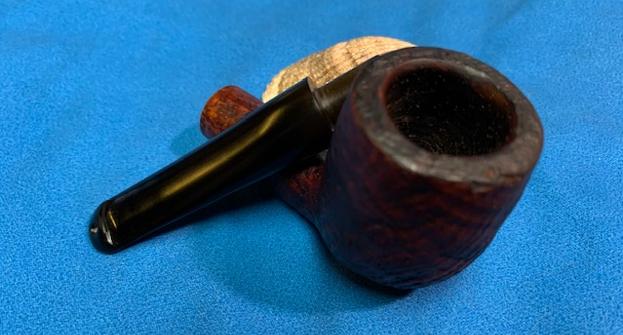
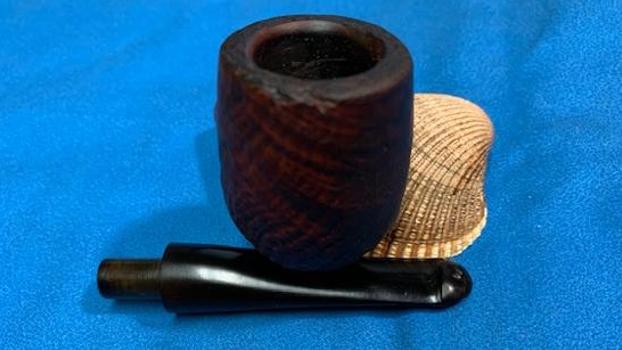
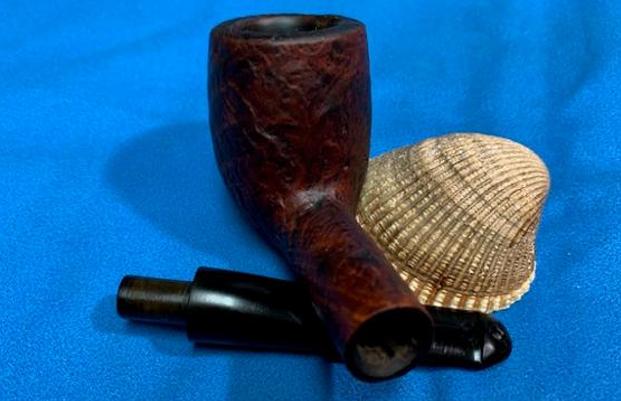
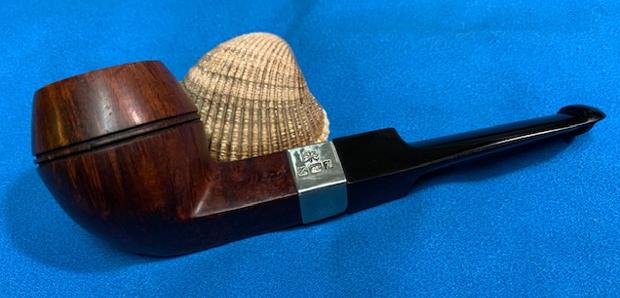
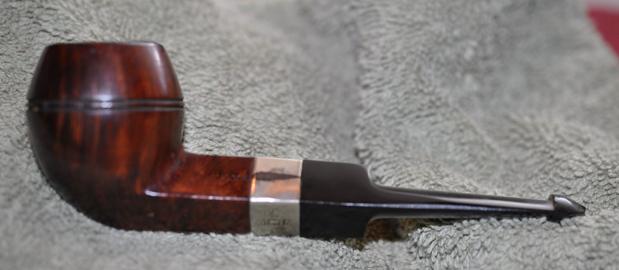
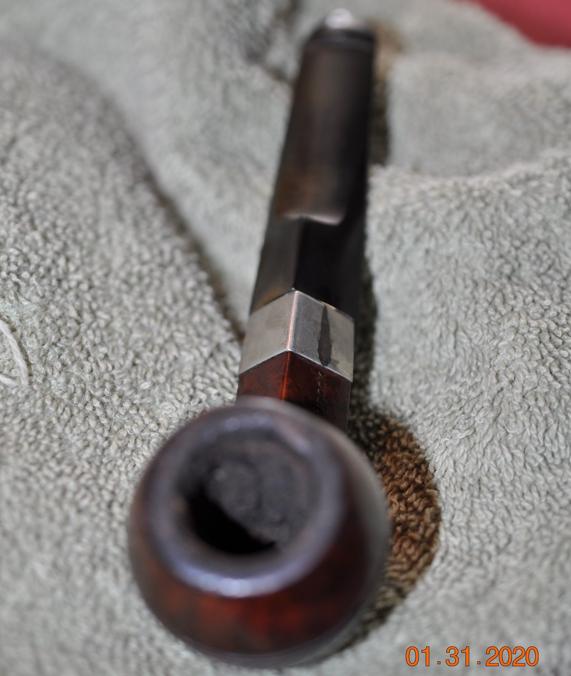
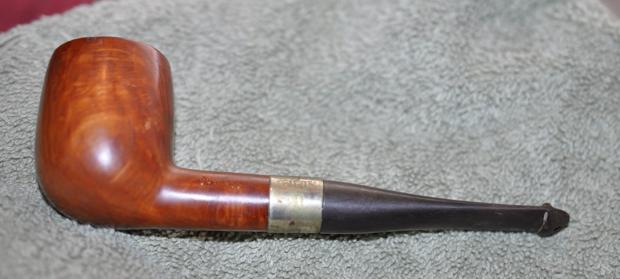
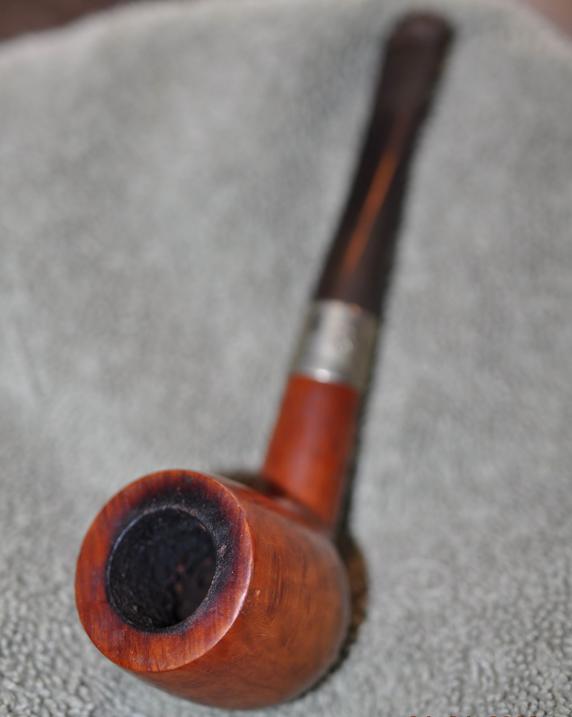
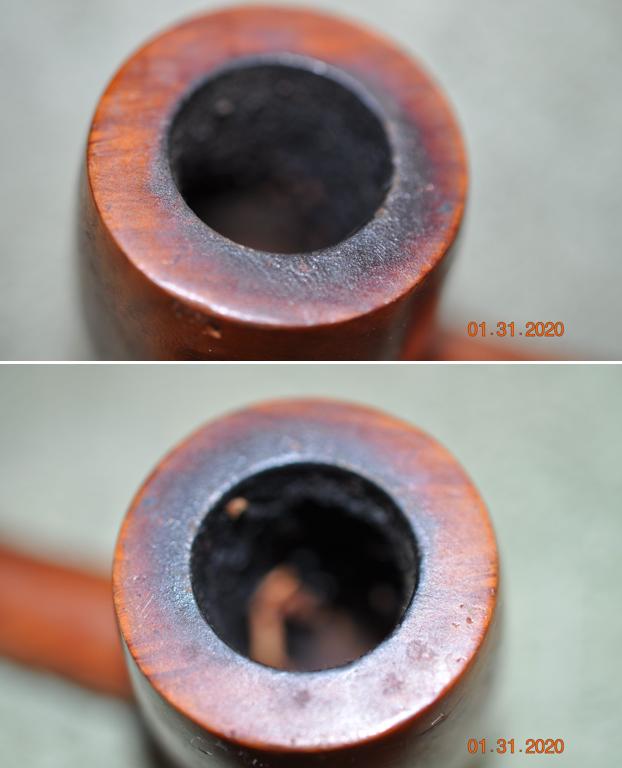
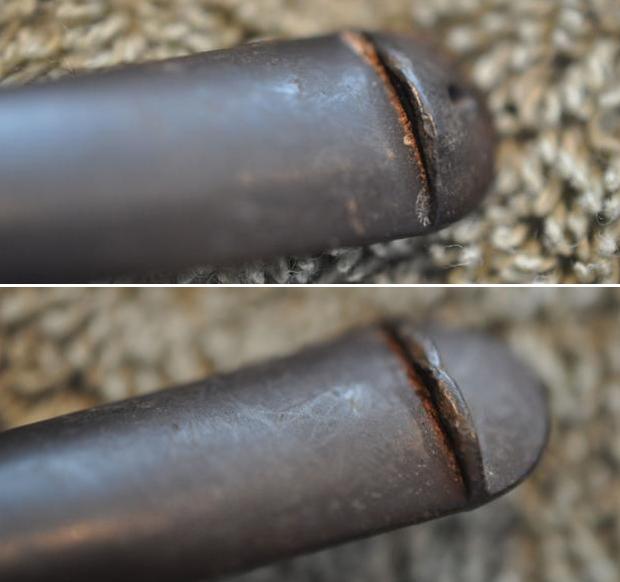
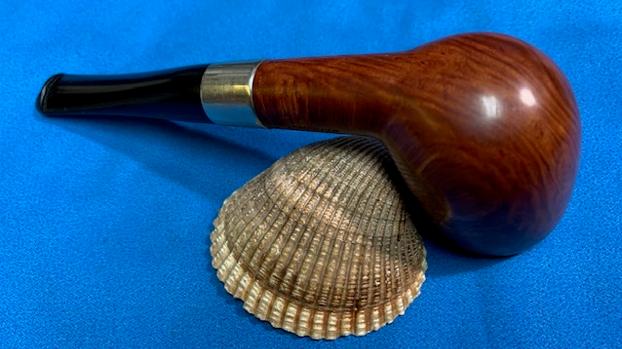
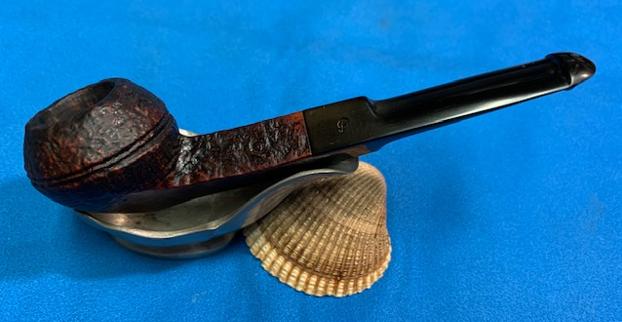
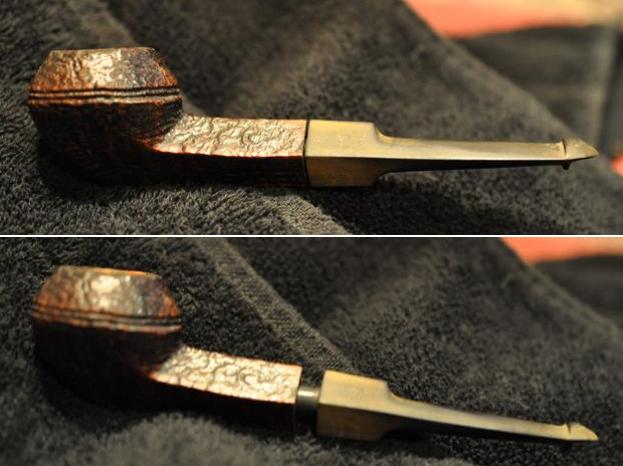
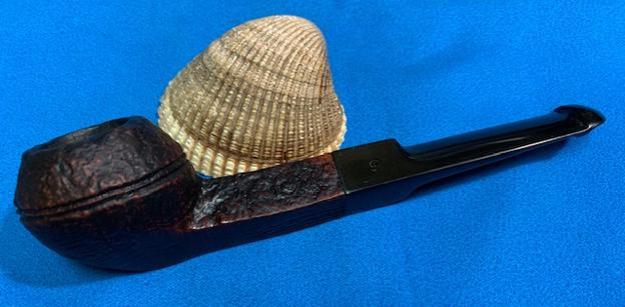
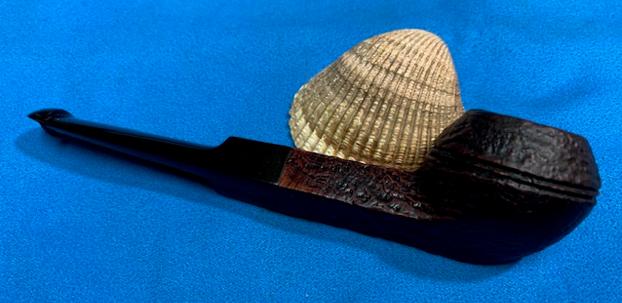
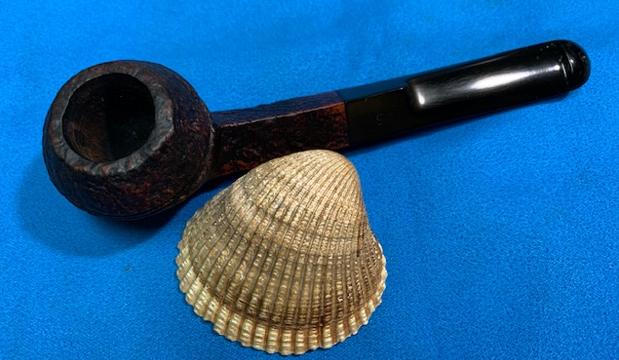
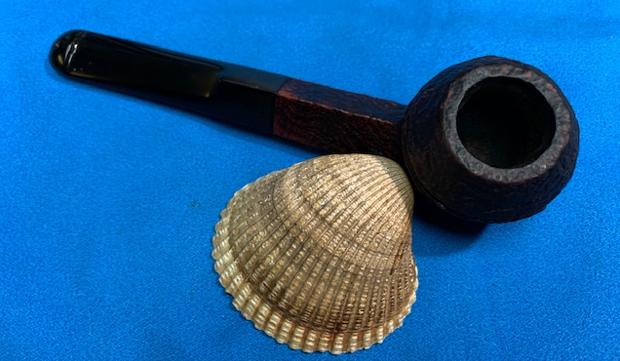
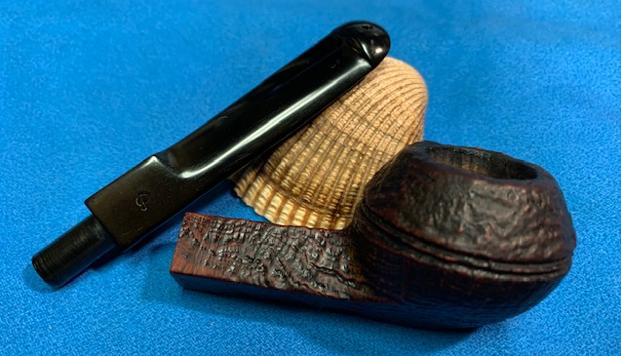
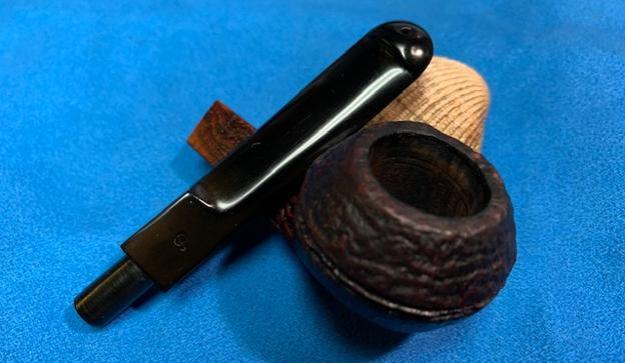
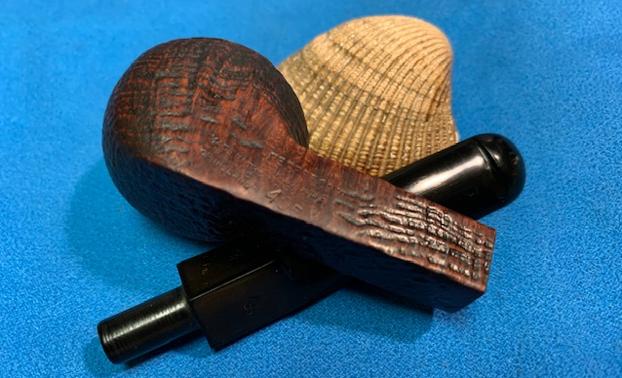
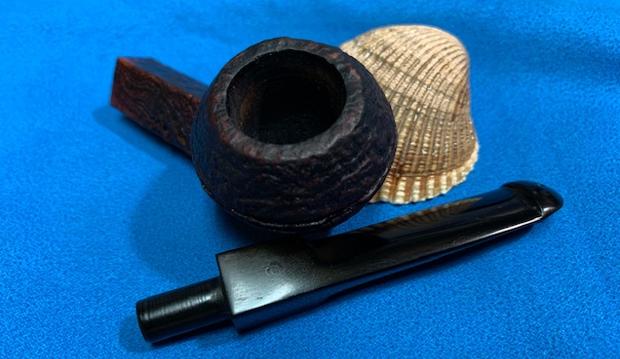
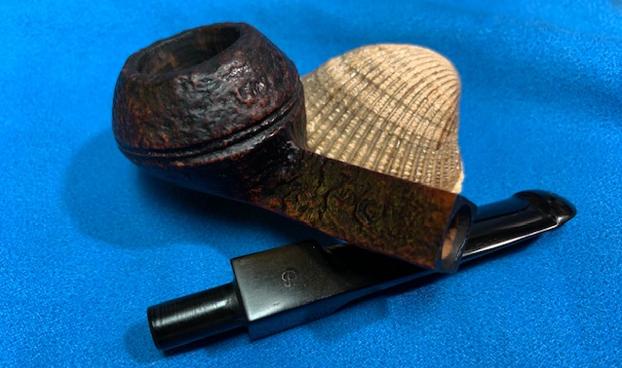
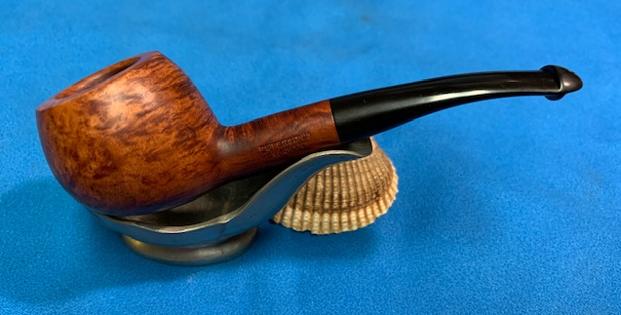
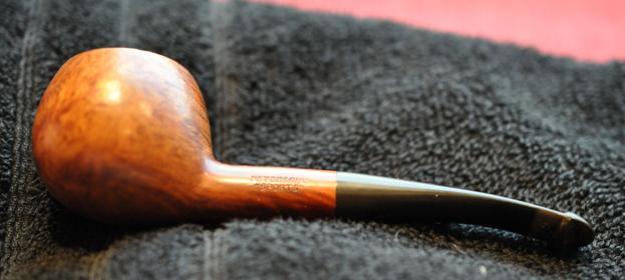
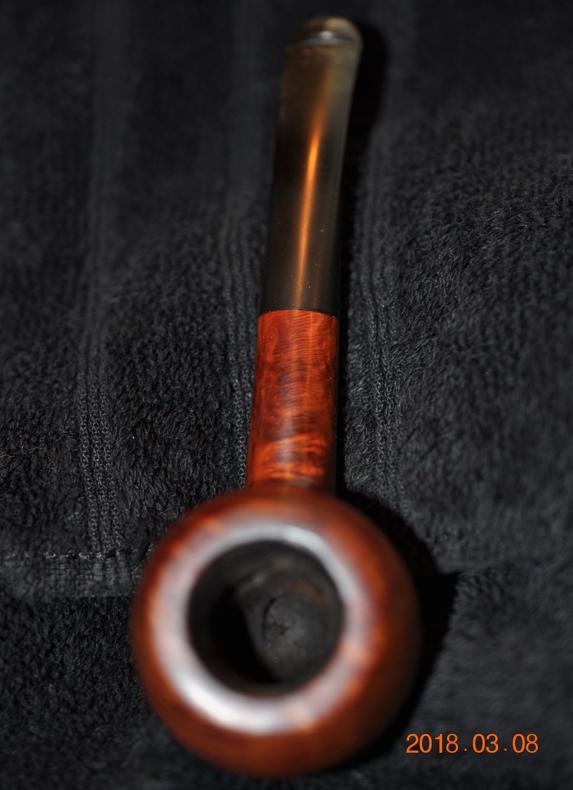
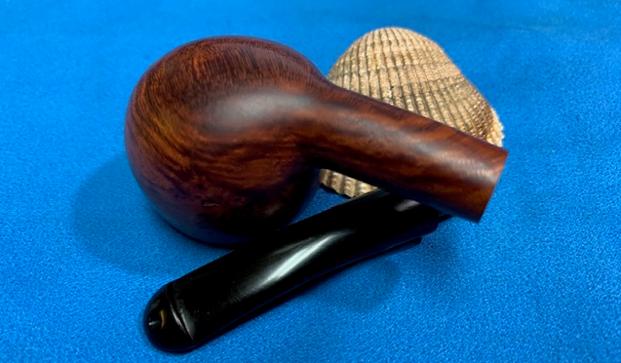
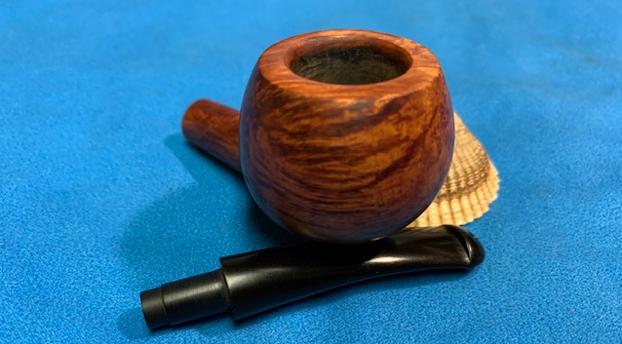
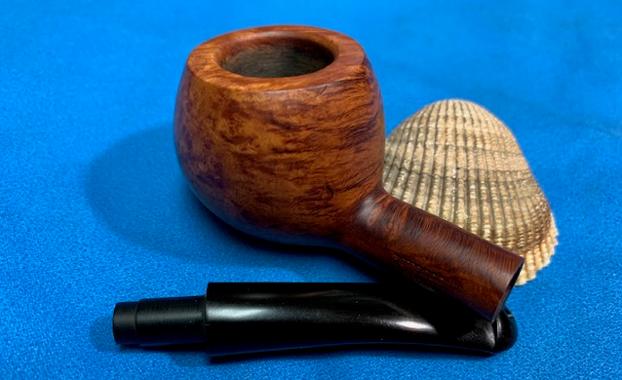
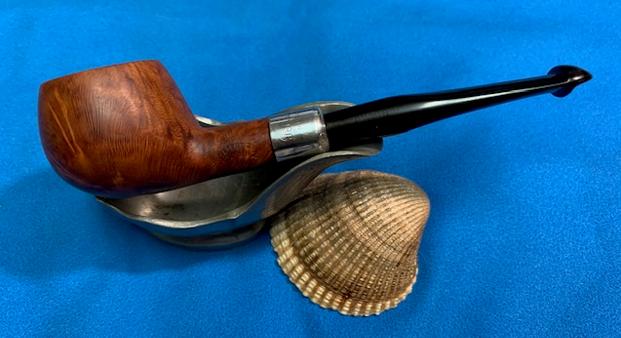
Finally an easy restore – a Made in Ireland Peterson’s Kapruf 86 Apple


Blog by Steve Laug

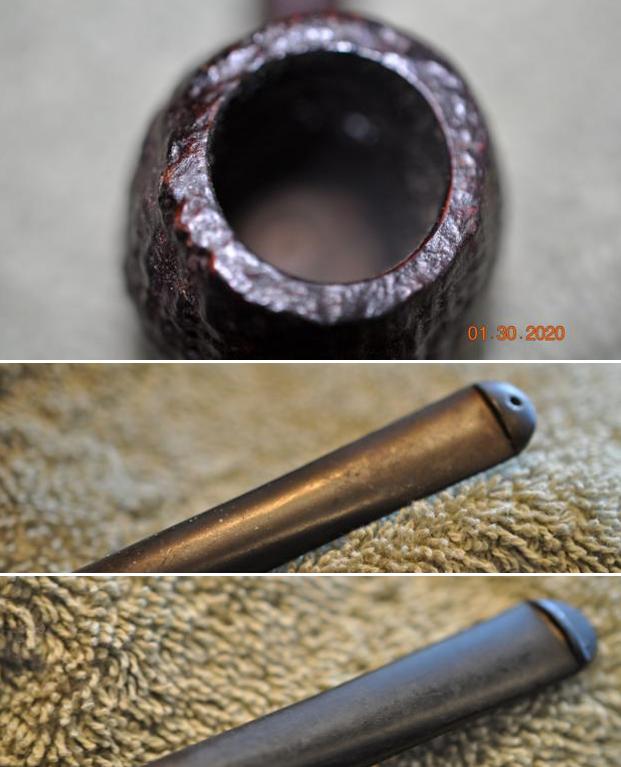
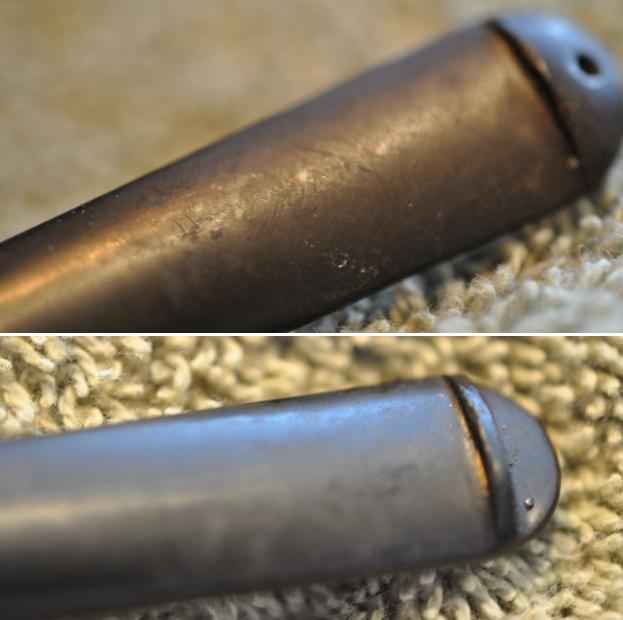
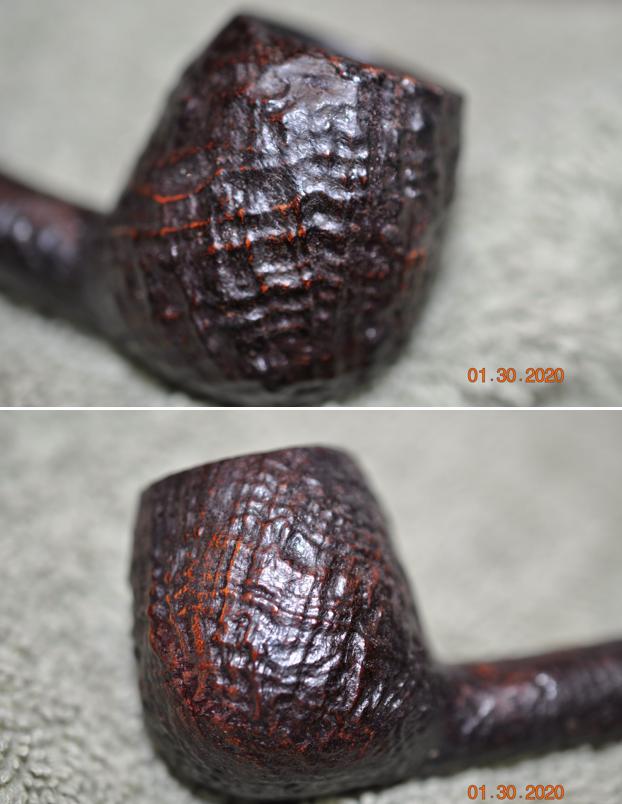
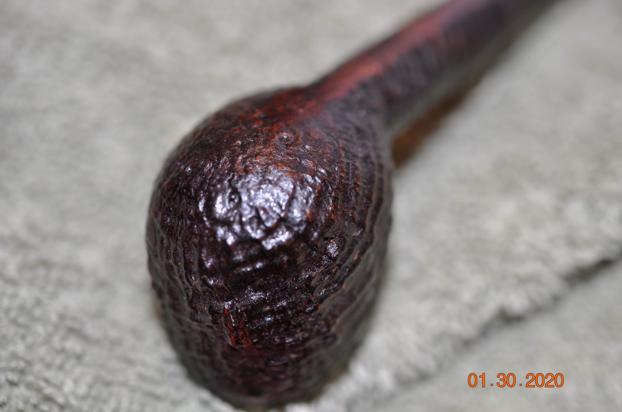
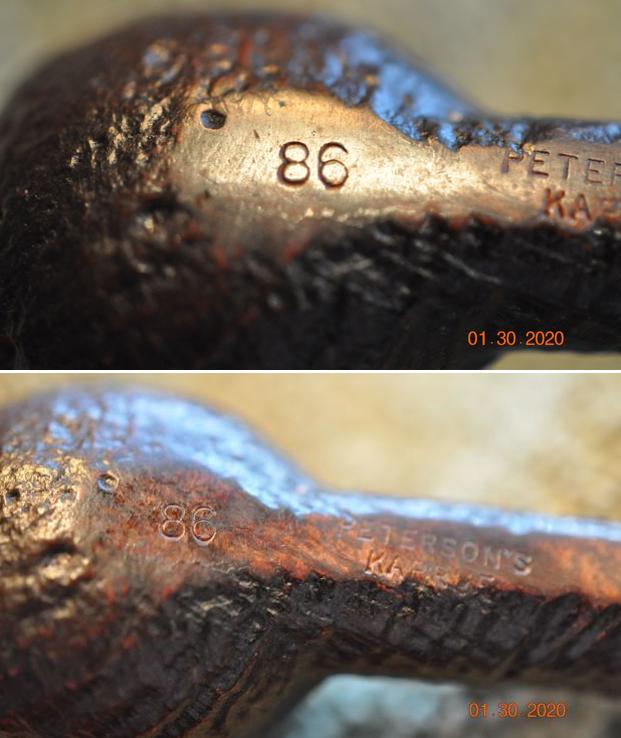
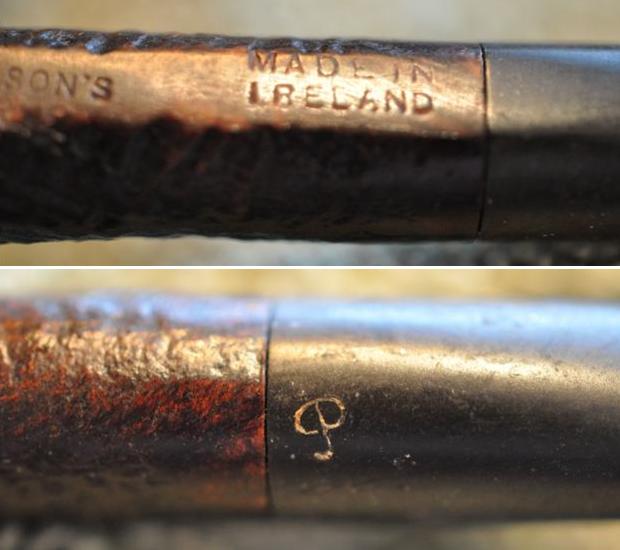
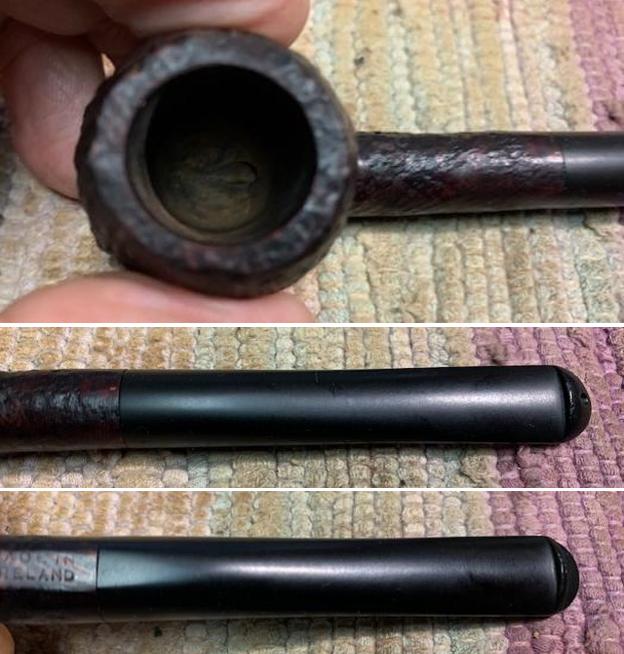
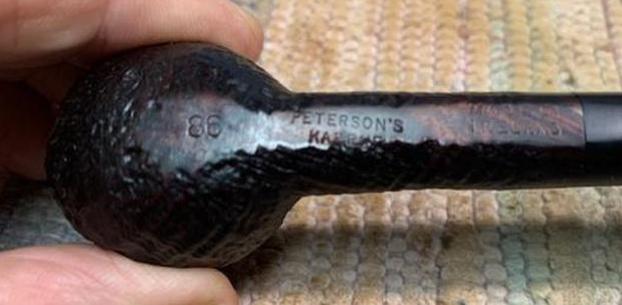
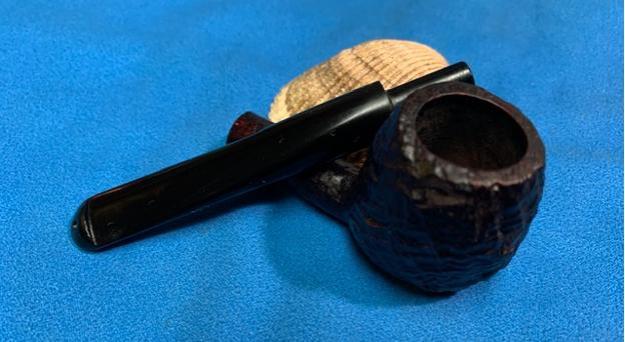
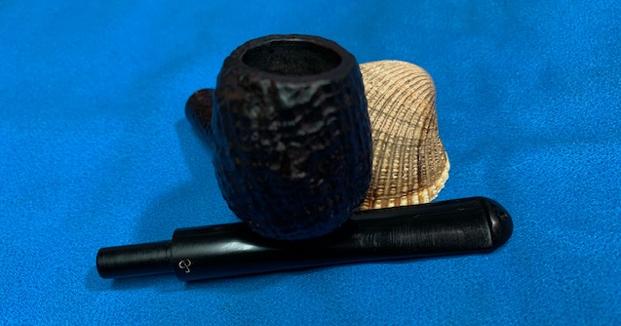
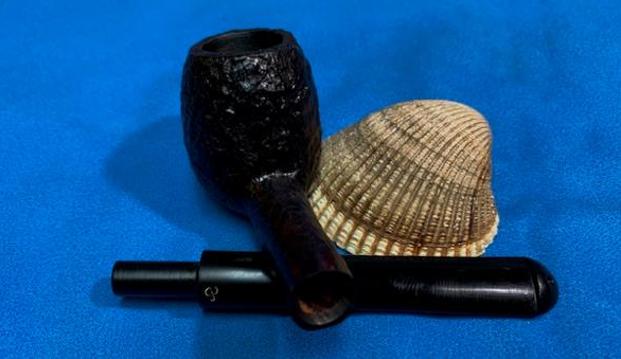
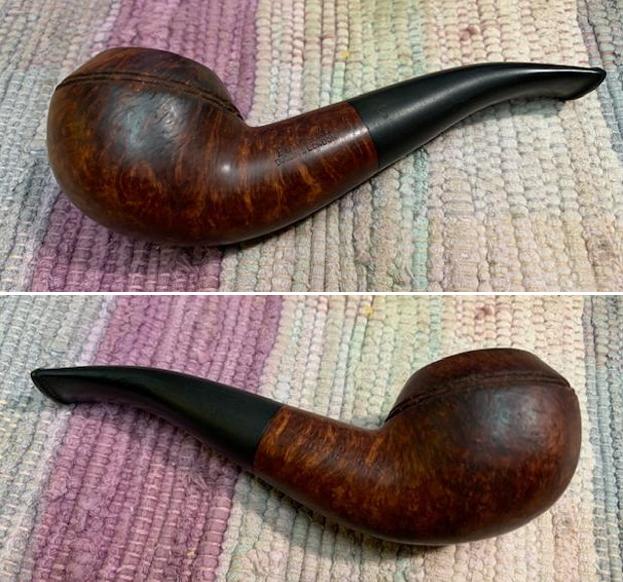
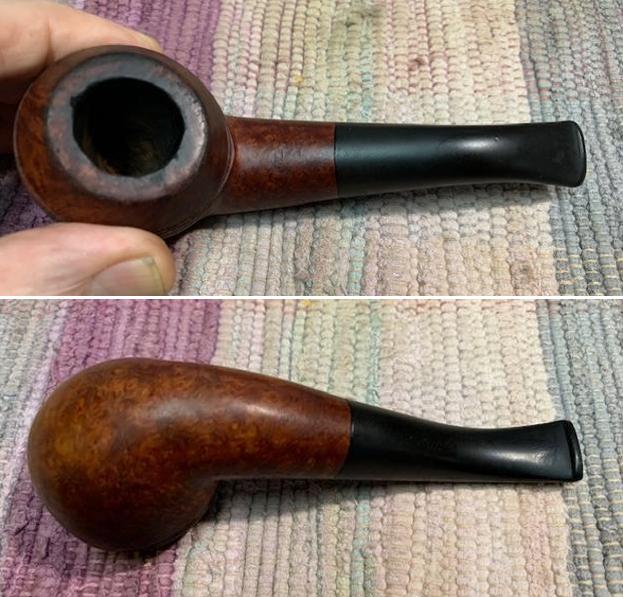
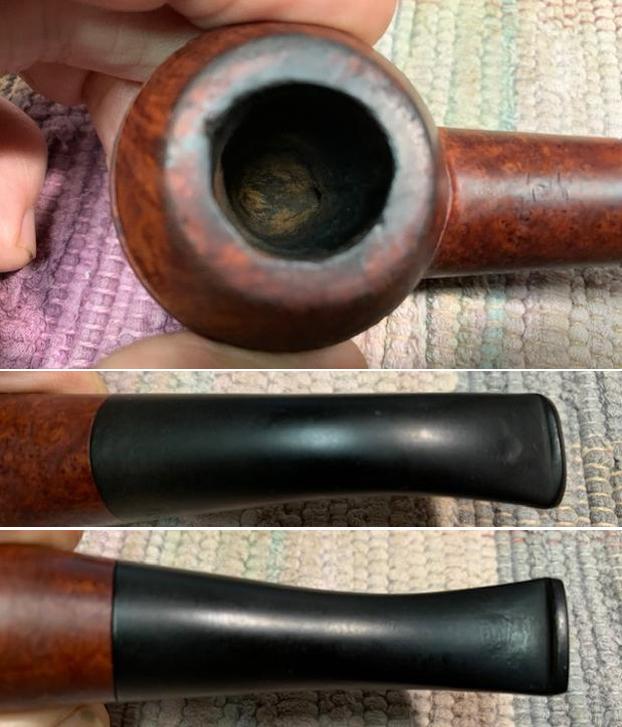
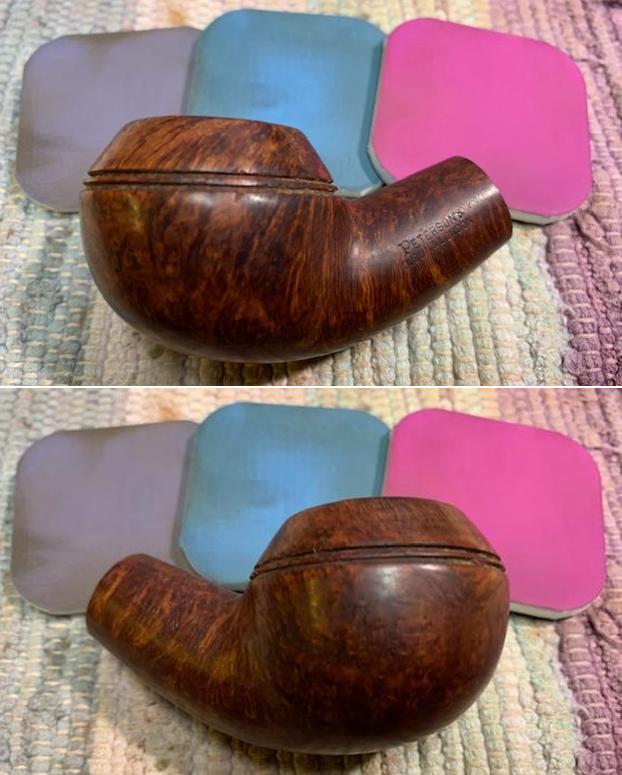
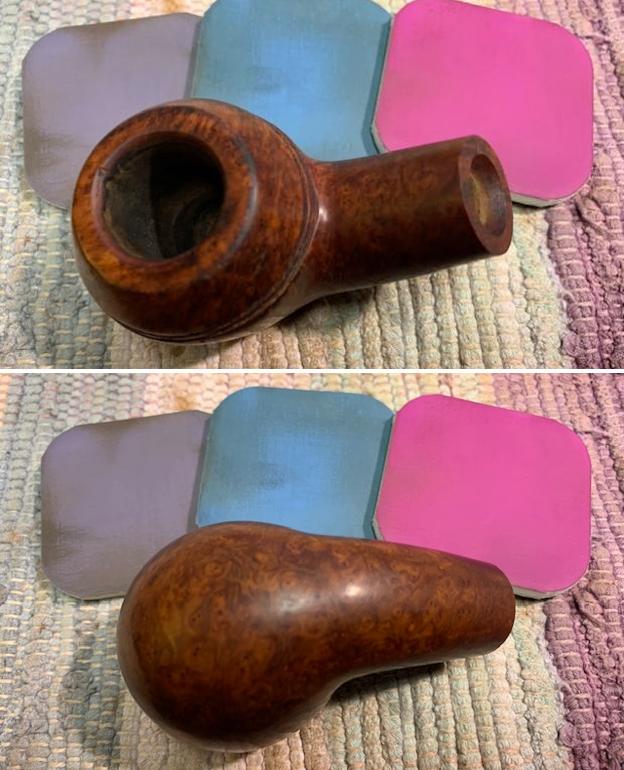
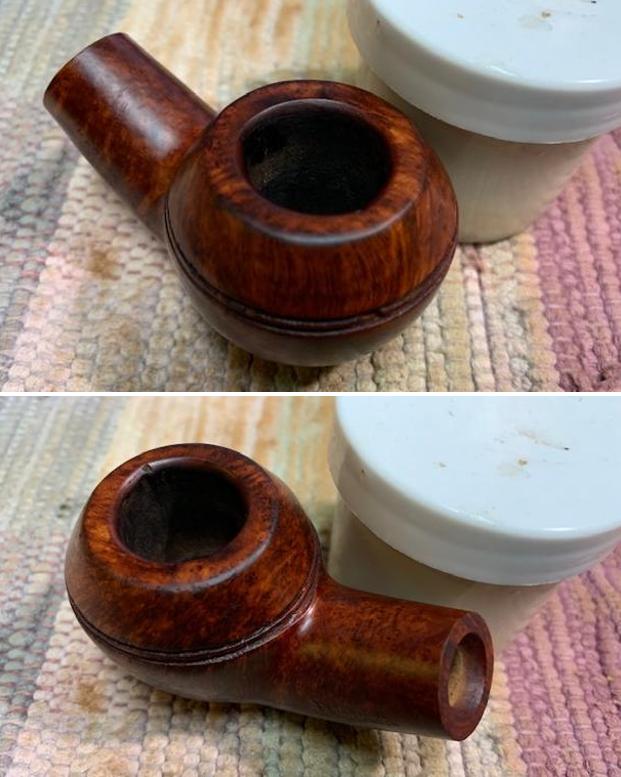
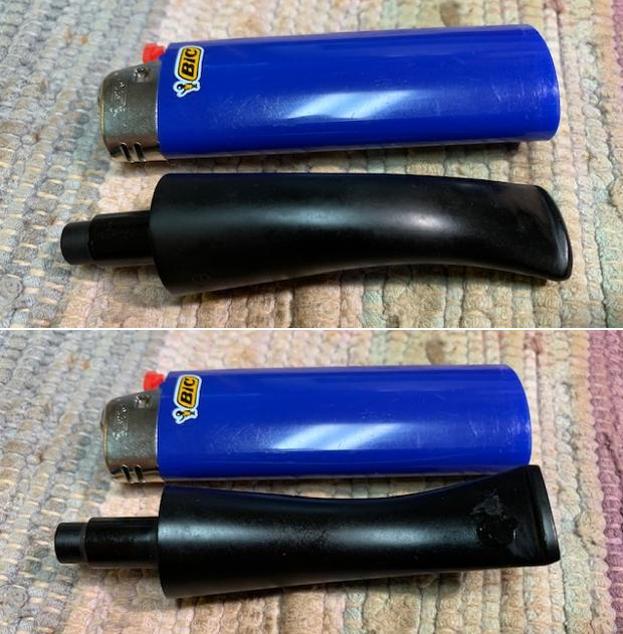
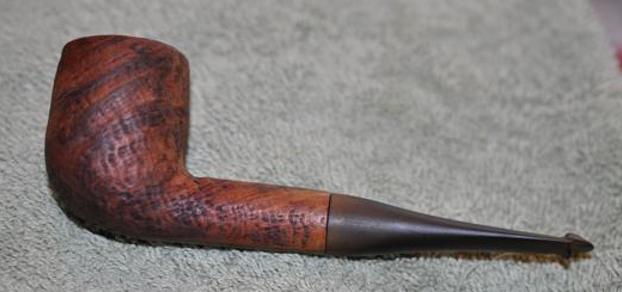
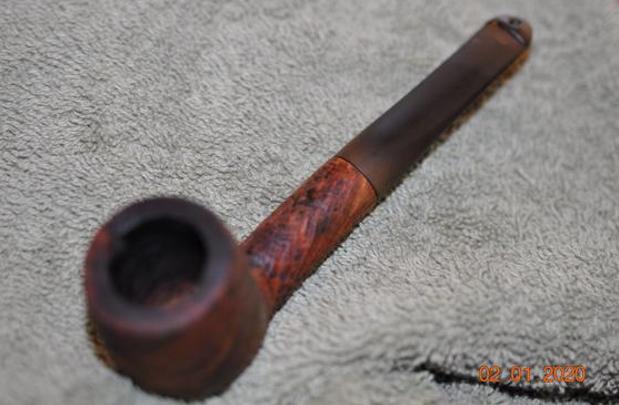
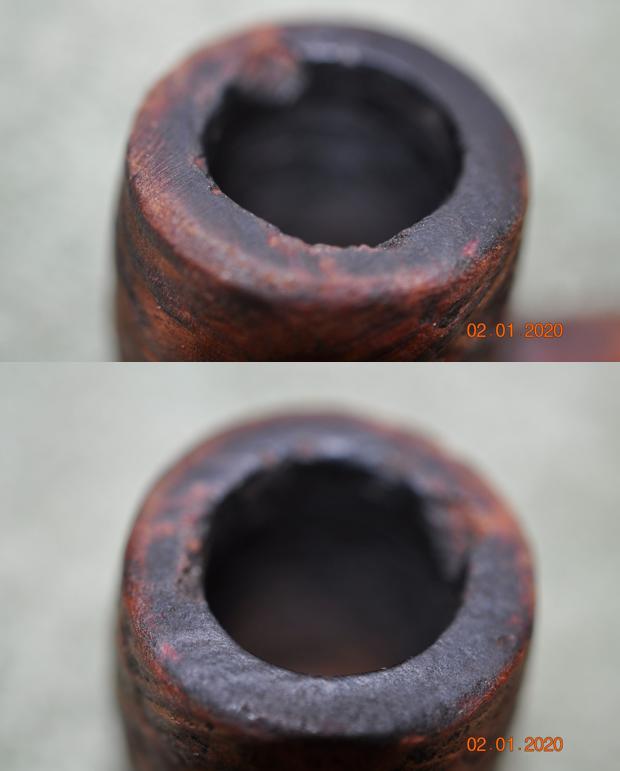
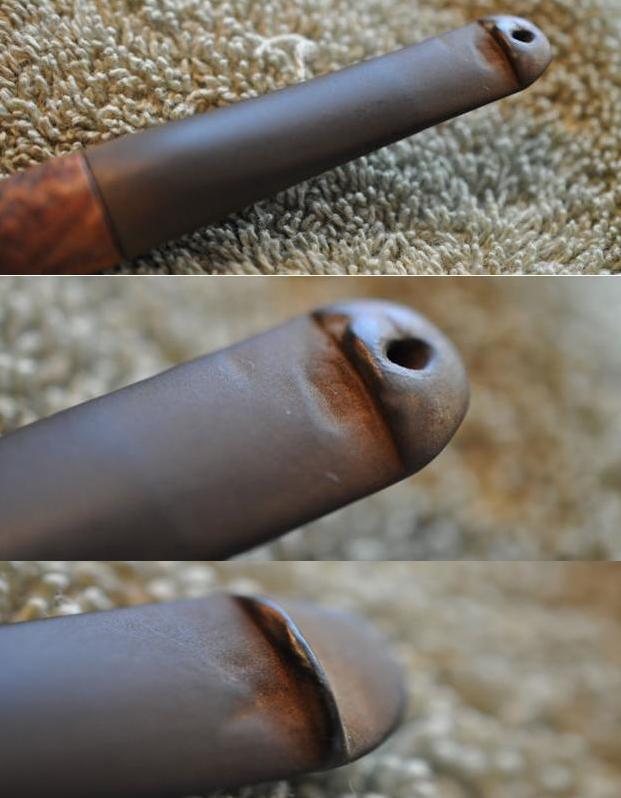
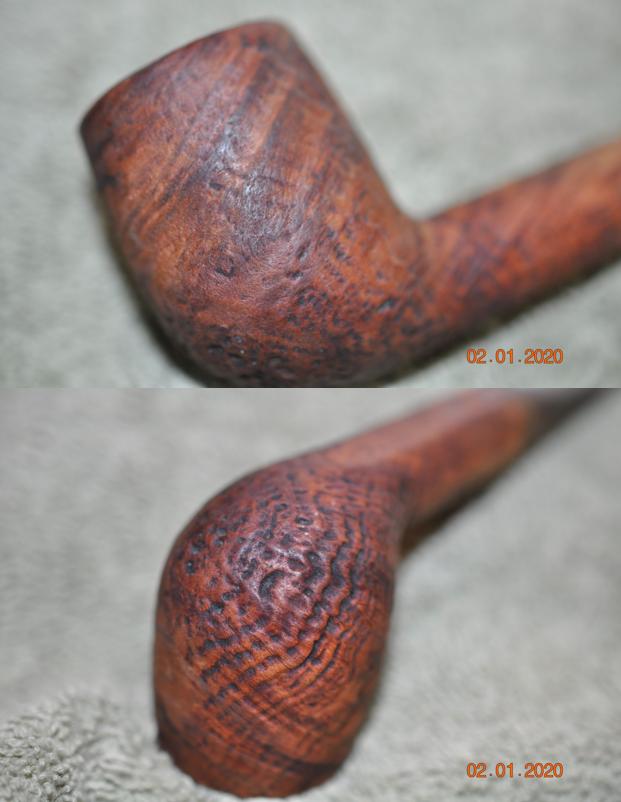
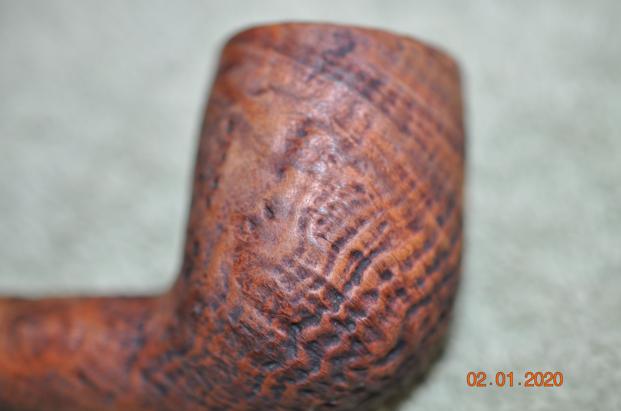
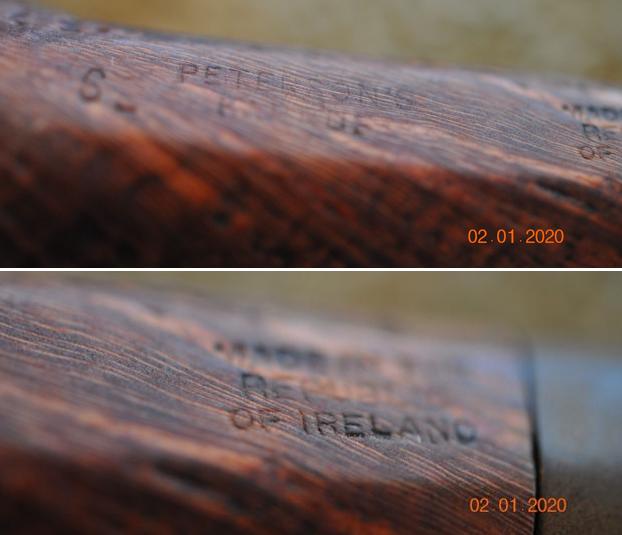
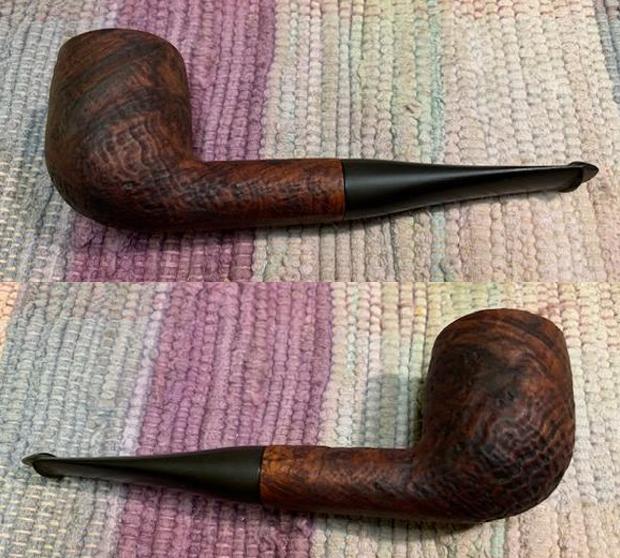
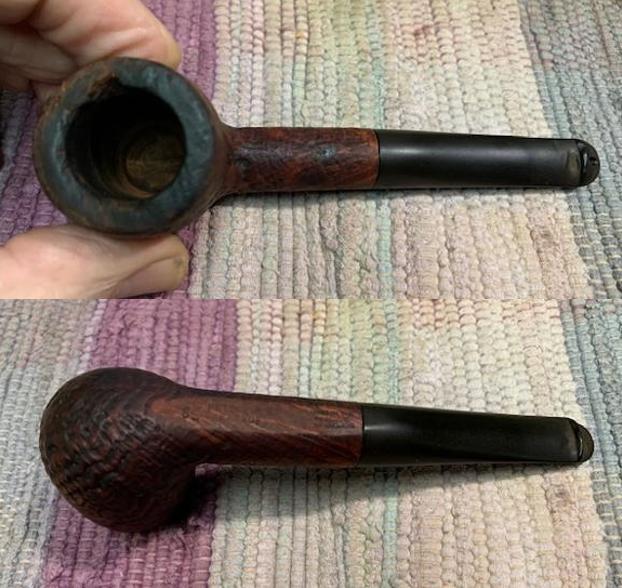
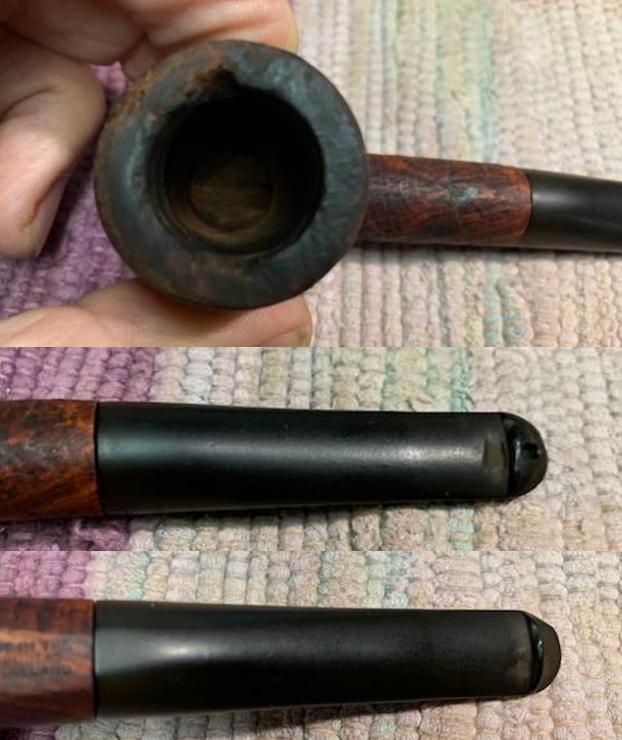
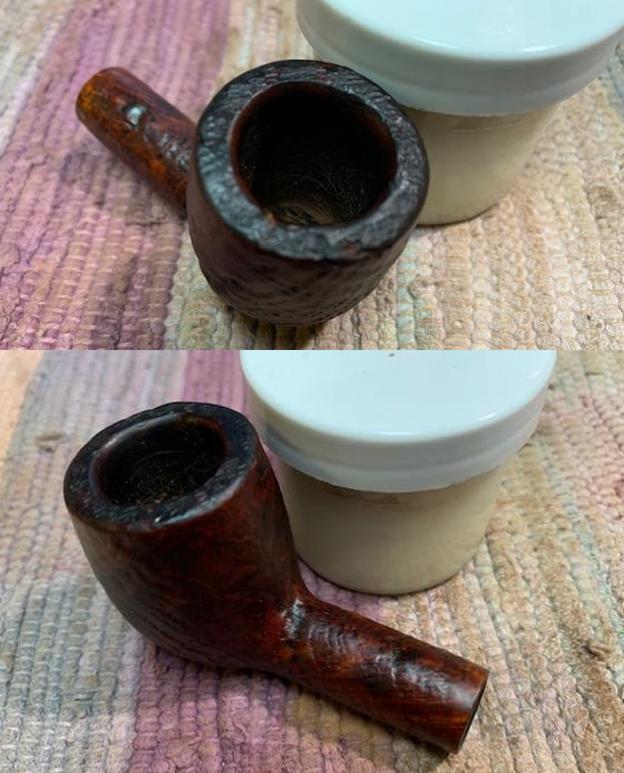
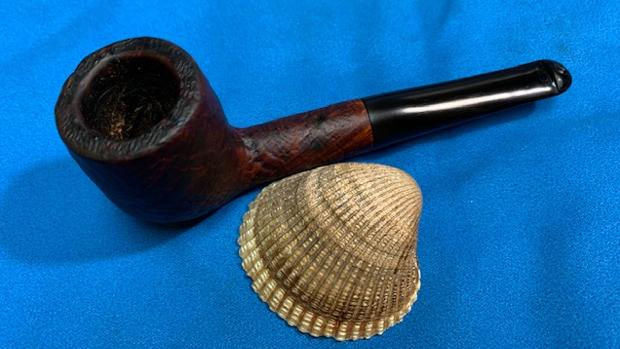
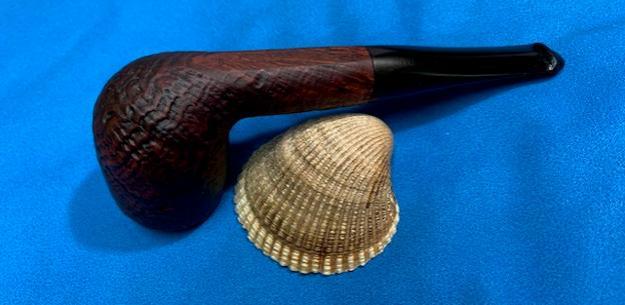
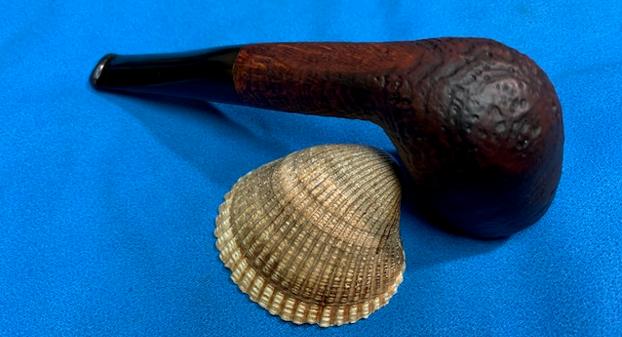
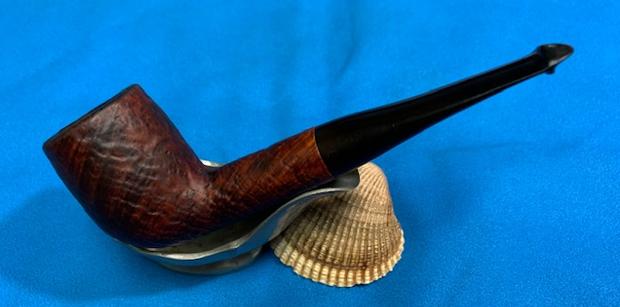
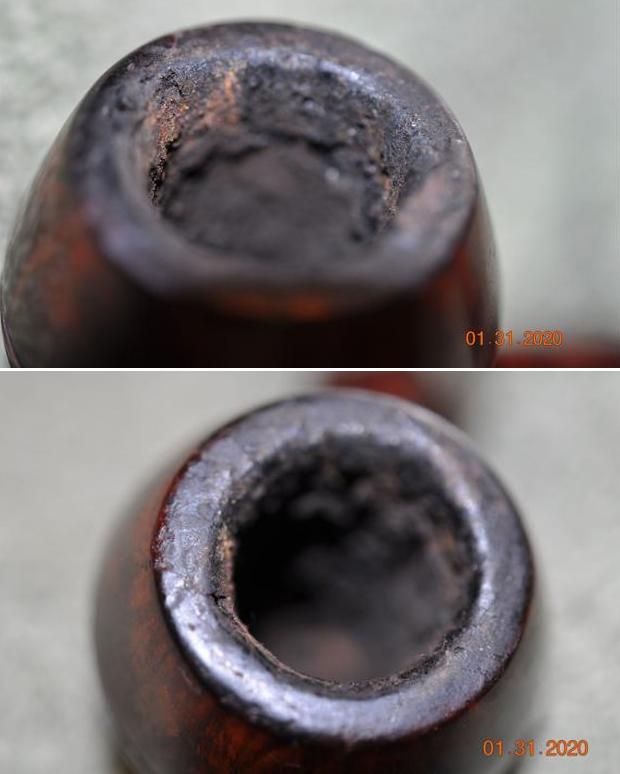
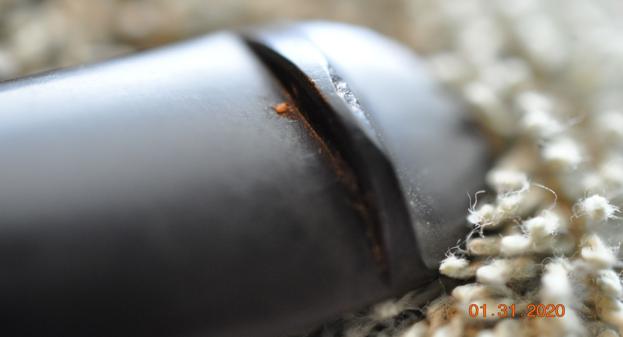
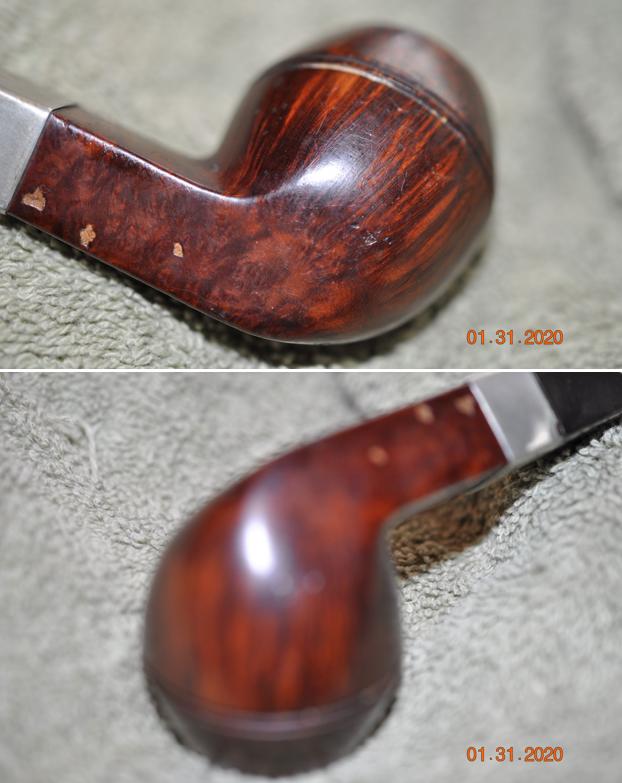
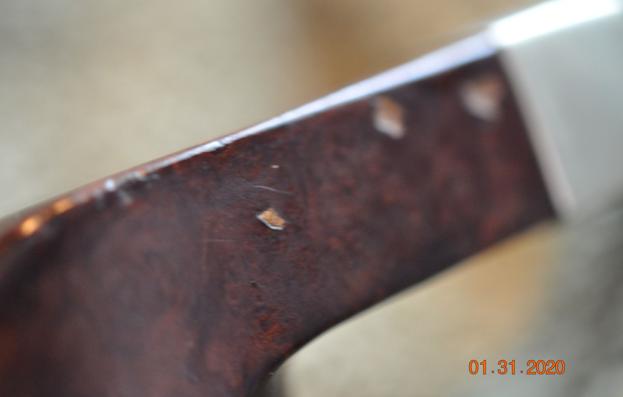
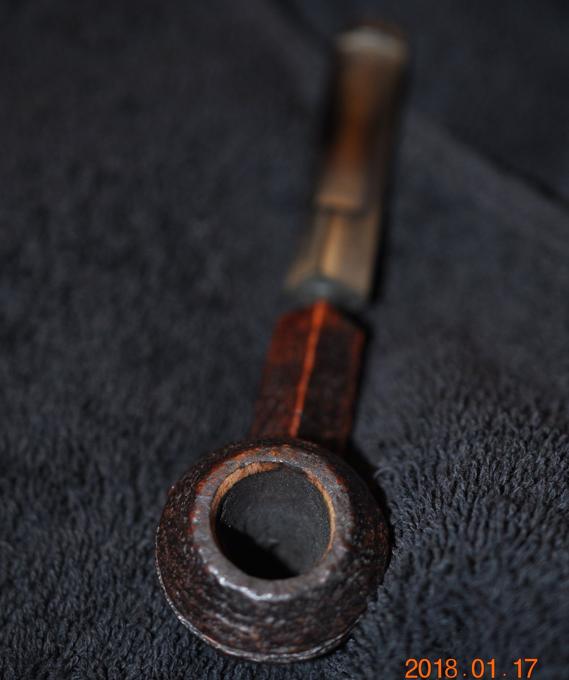
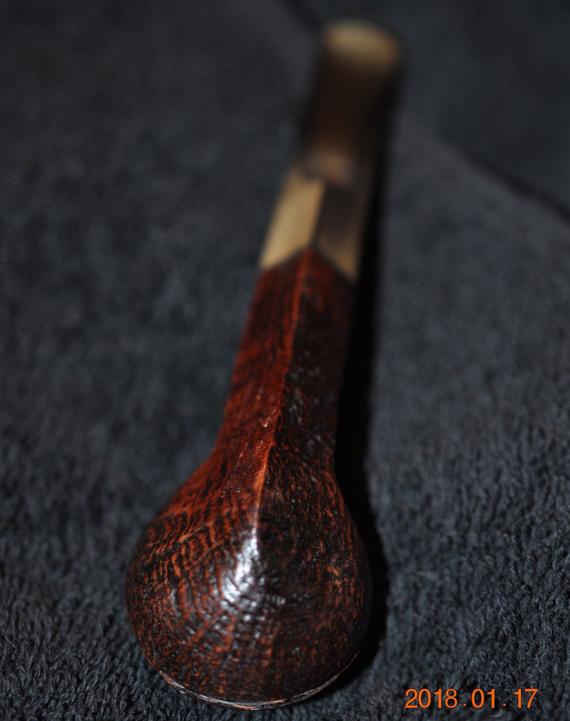
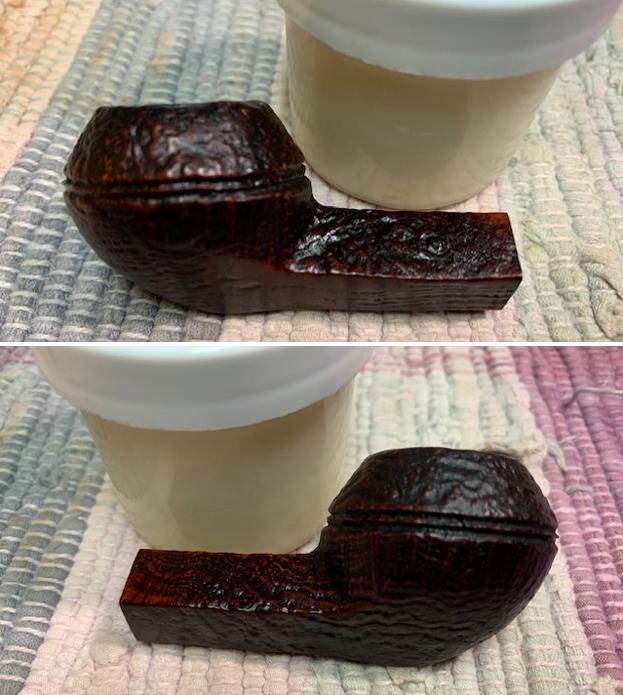
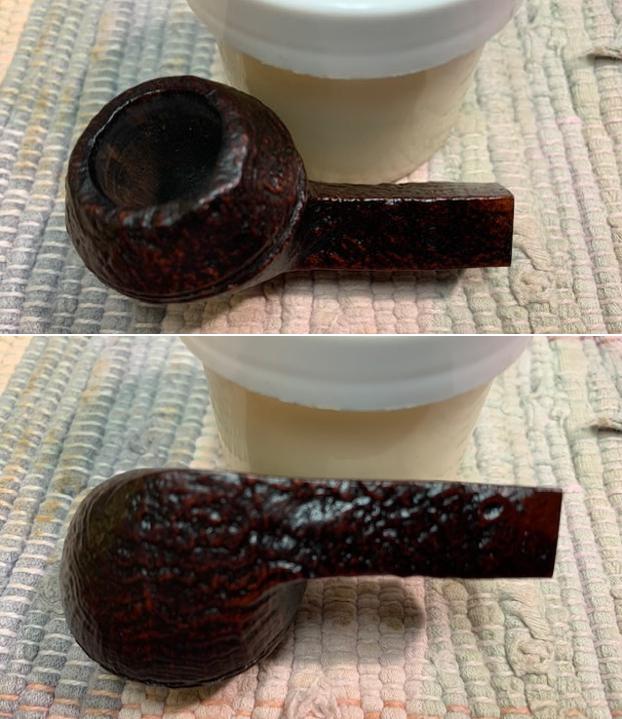
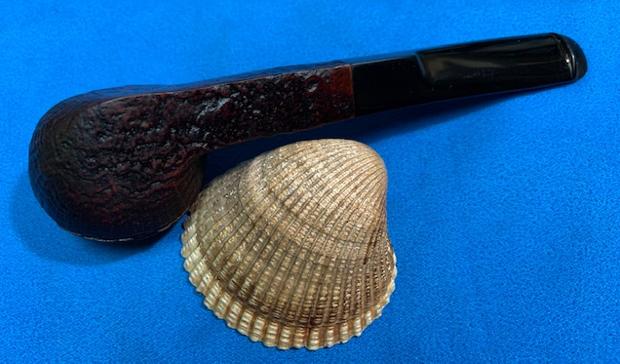
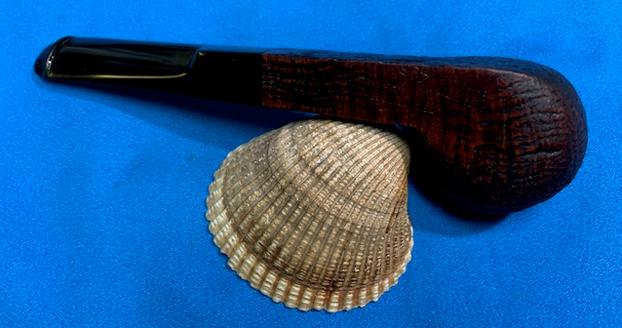
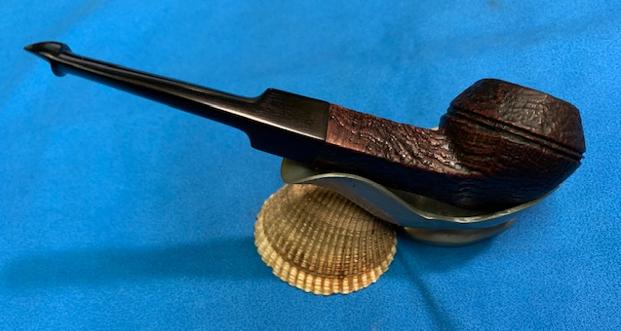
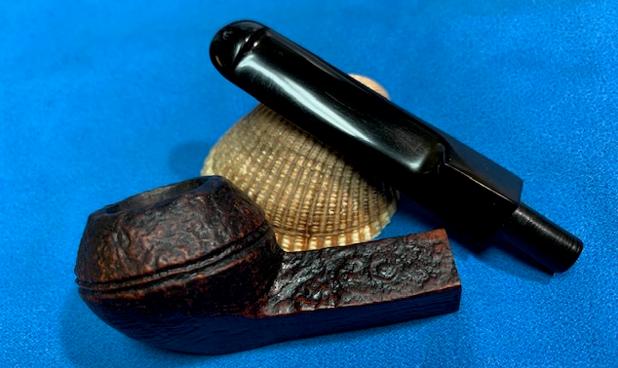
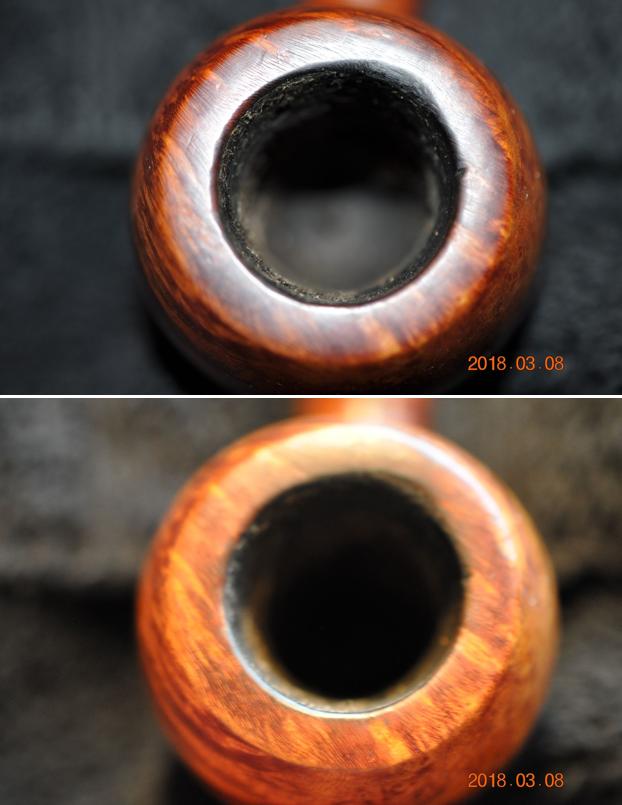
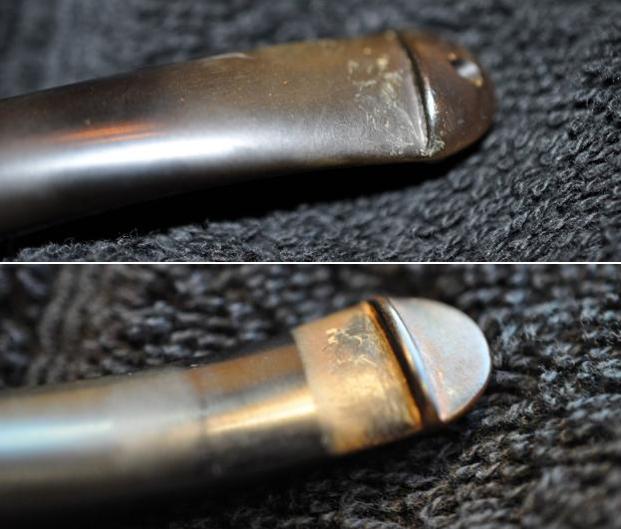
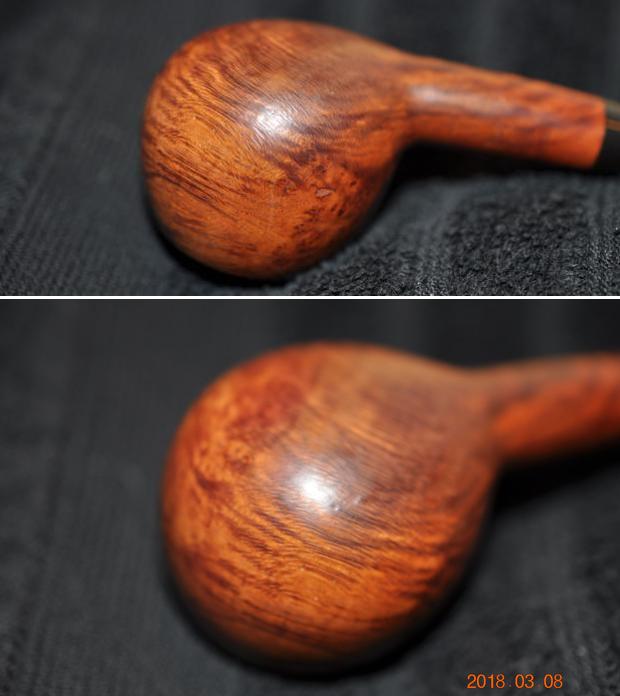
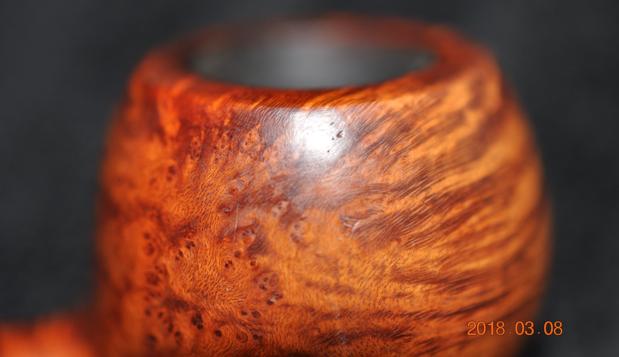
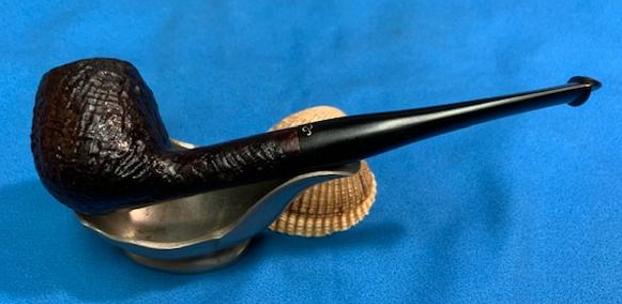
After some great sunny days this past week today is rainy, chilly day in Vancouver. I know in comparison to where many of you live it is not cold but to us it is. It is a great day to stay inside at the work bench listening to a church service and/or pod cast while working on pipes. Of course that will be accompanied by some music. The next pipe I have chosen is another Peterson’s pipe. This one is a petite sandblast Apple that was surprisingly clean. It came to us from a fellow in Los Angeles, California, USA. It was dusty but the sandblasted grain shown through. The contrast of the brown and black stains gave the blast a sense of depth. It was stamped on the flat underside of the shank and read Peterson’s [over] Kapruf. To the left of that on the heel was the shape number 86. To the right of the Kapruf stamp it read Made in [over] Ireland. There was a thin cake in the bowl but the rim top looked to be in excellent condition. The outer and inner edges of the bowl were in excellent condition. The stem was lightly oxidized and had some tooth chatter on the top and underside on and near the button. Jeff took photos of the pipe before his cleanup work. Jeff took photos of the rim top and stem to show the general condition of the pipe. The bowl is lightly caked and the rim top and edges look very good. The photos of the stem show that it was oxidized and has scratches and tooth chatter on both sides. Jeff took photos of the bowl sides and heel to show the blast that was around this bowl. It is a rugged sandblast that the choice of stain adds depth to on this beautiful bowl.   He took photos of the stamping on the underside of the shank. It is clear and readable and reads as noted above.      I turned to “The Peterson Pipe” by Mark Irwin and Gary Malmberg to get some background on the Kapruf line. On page 306 it had the following information.

Kapruf amd “Kapruf” (c.1922-87) Sandblast (hence the name, Kapp-rough) P-lip or fishtail mouthpiece, in catalogs from 1940-87. Early documented specimens stamped IRISH over FREE STATE, no Eire specimens documented. Mid-century specimens may be stamped LONDON MADE [over] ENGLAND or MADE IN ENGLAND forming a circle or MADE IN [over] IRELAND, all dating no later than 1970. Those of recent vintage stamped MADE IN THE[over] REPUBLIC [over]OF IRELAND.

I knew that I was working on a KAPRUF that was made no later than 1970 as it is stamped MADE IN IRELAND as noted above. Now it was time to work on the pipe.

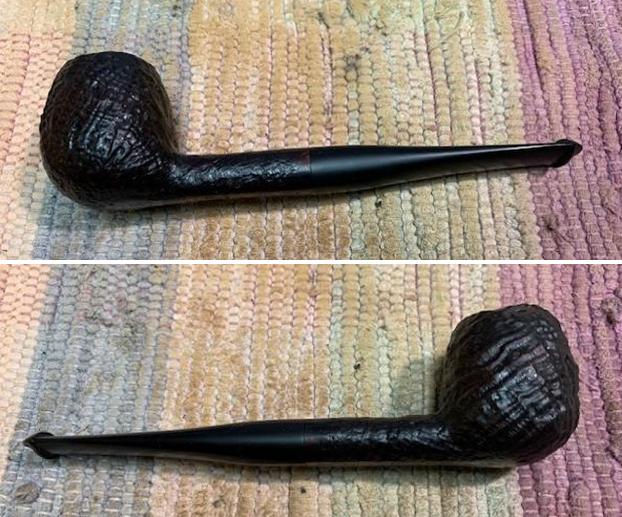
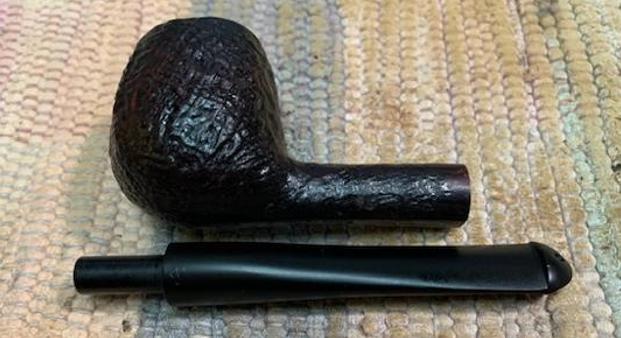
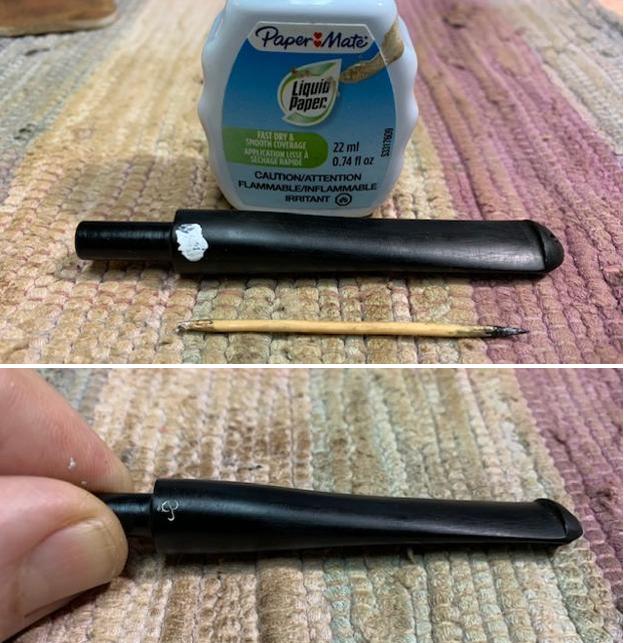
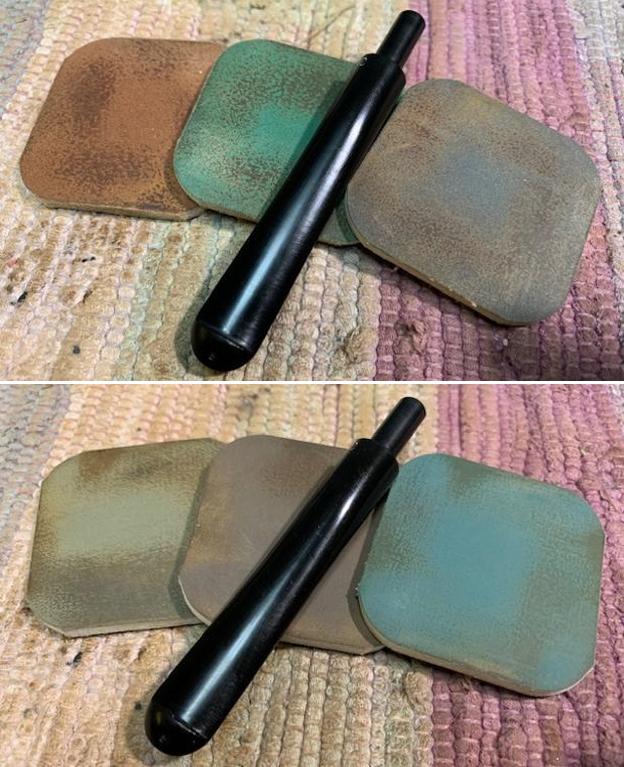
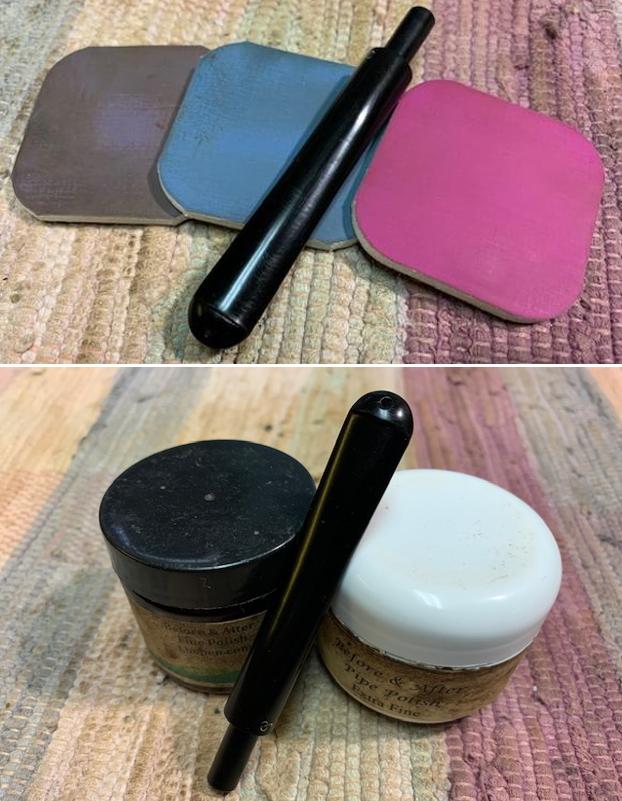
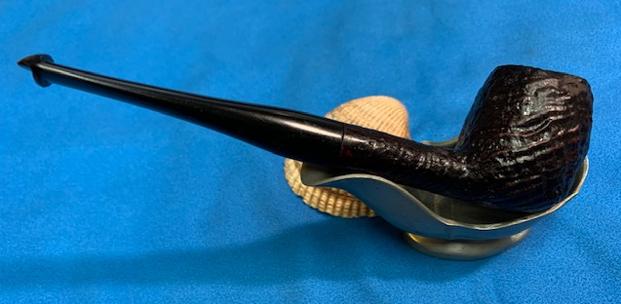
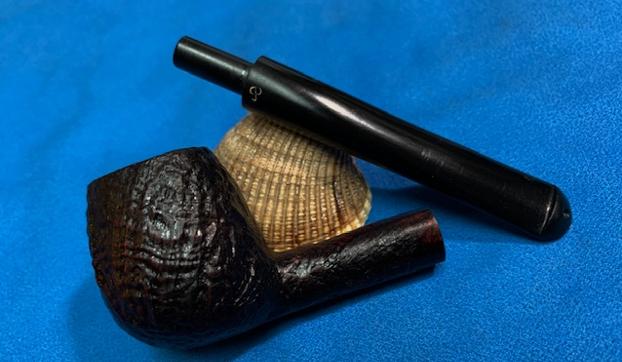
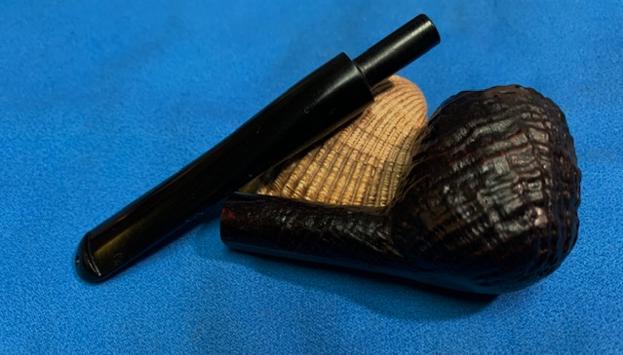
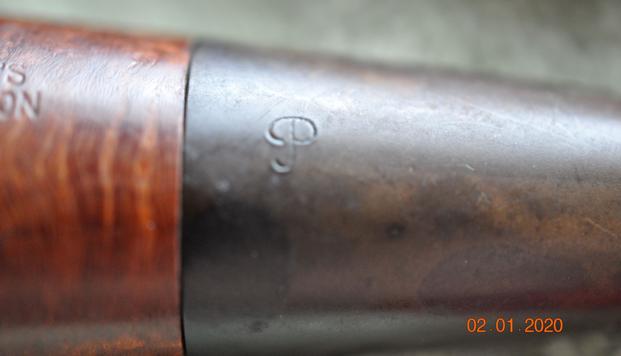
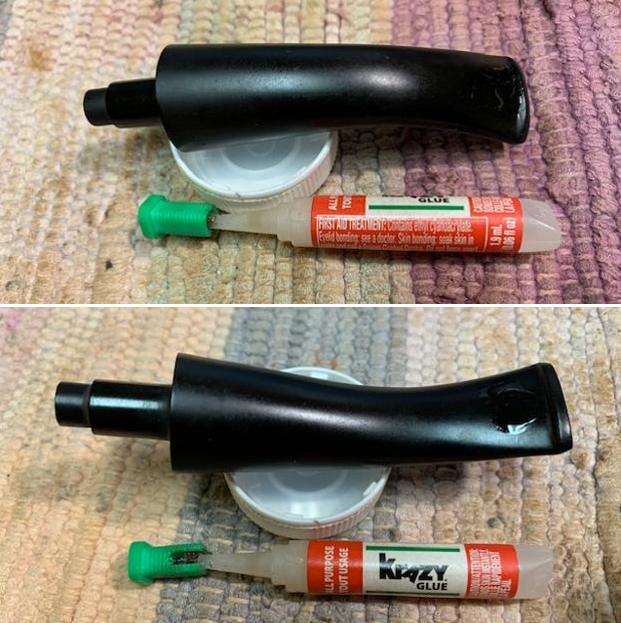
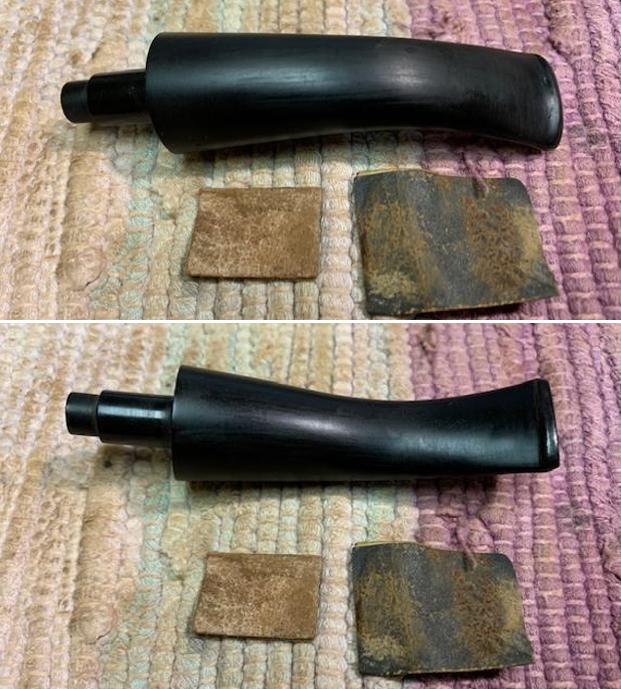
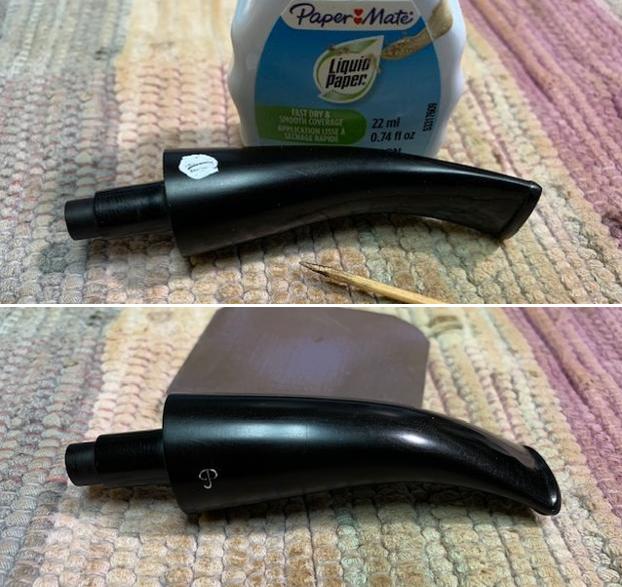
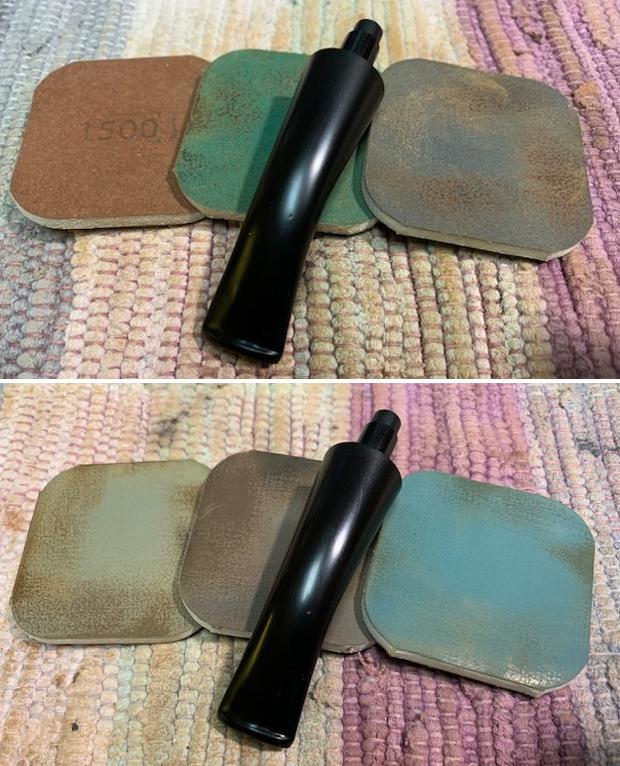
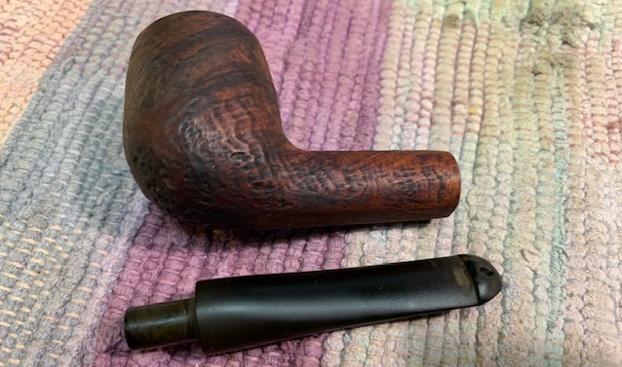
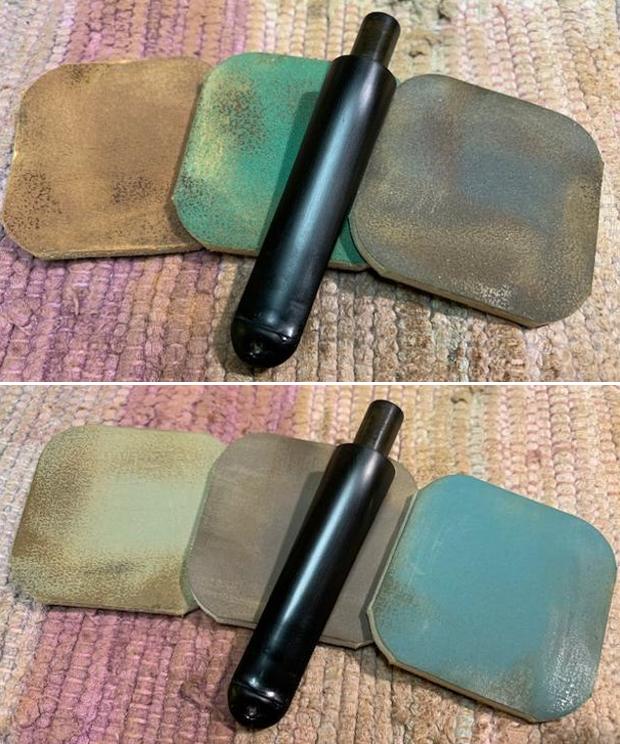
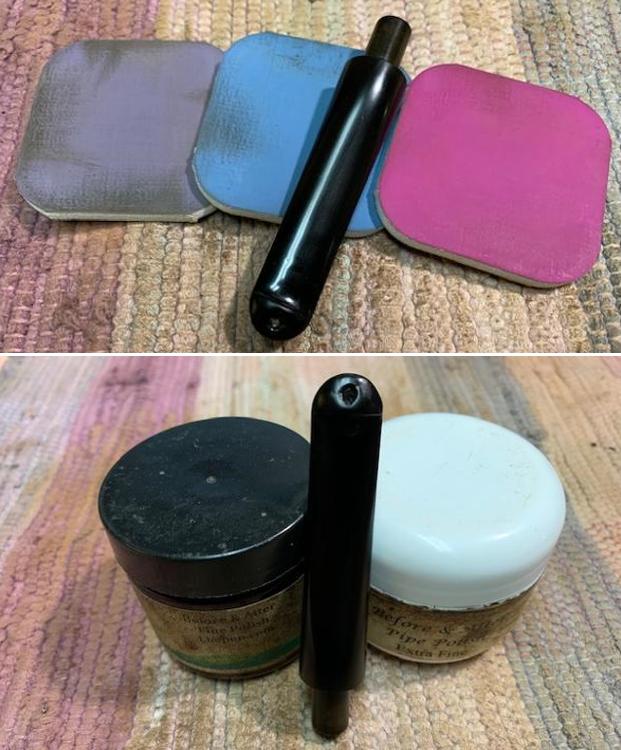
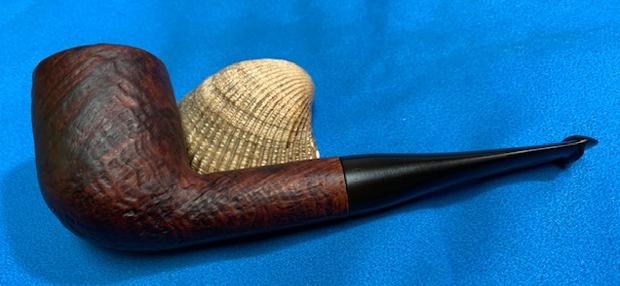
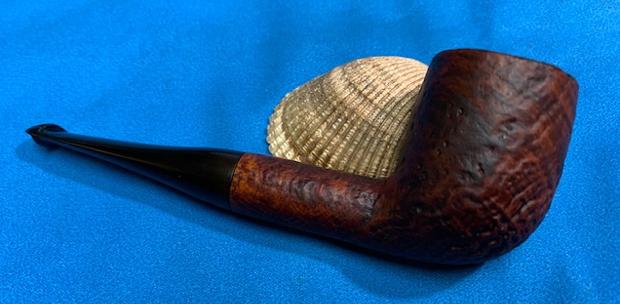
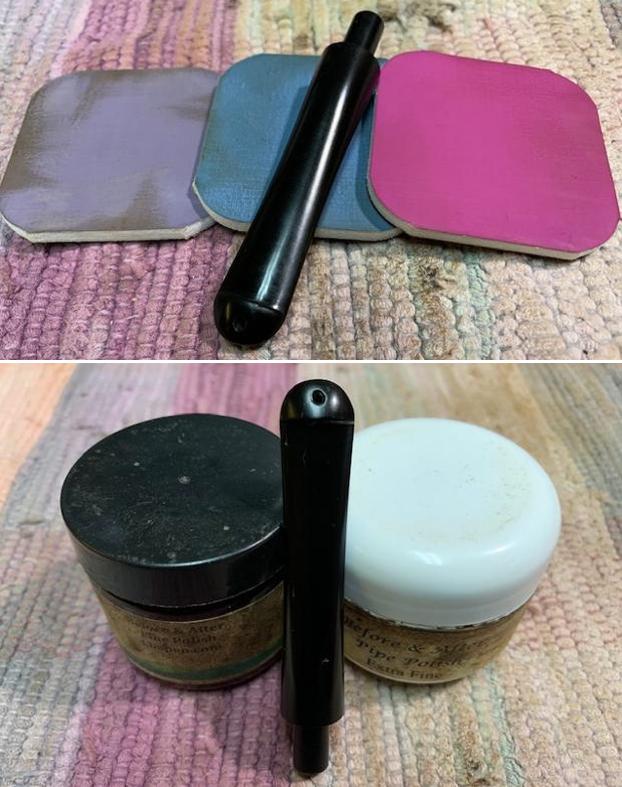
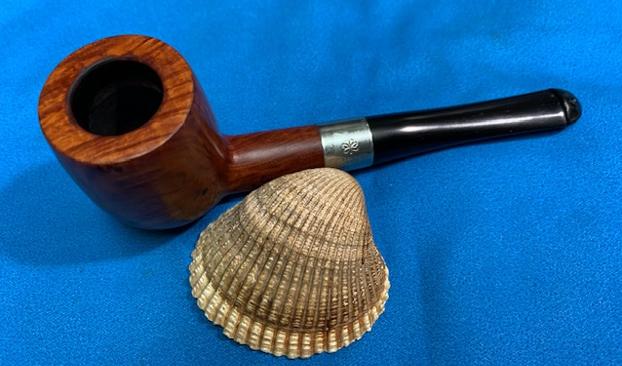
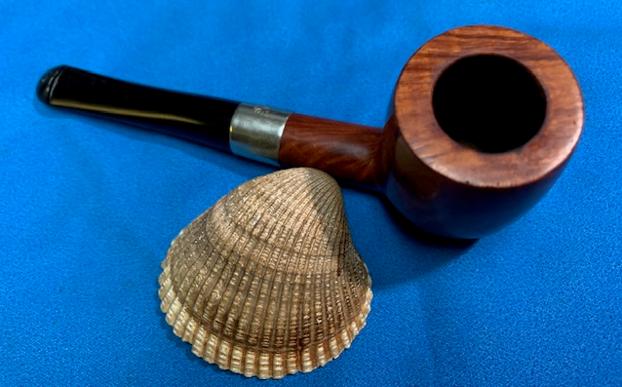
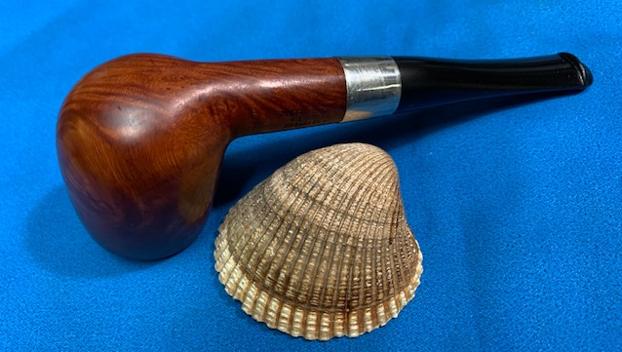
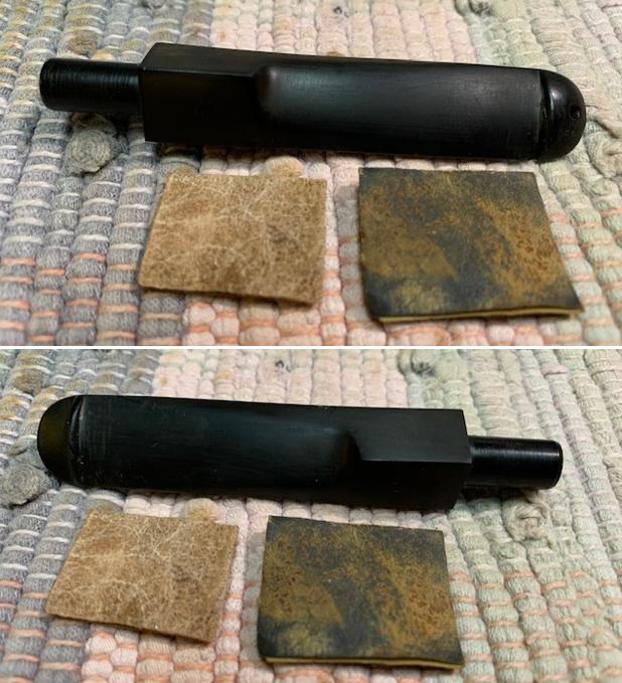
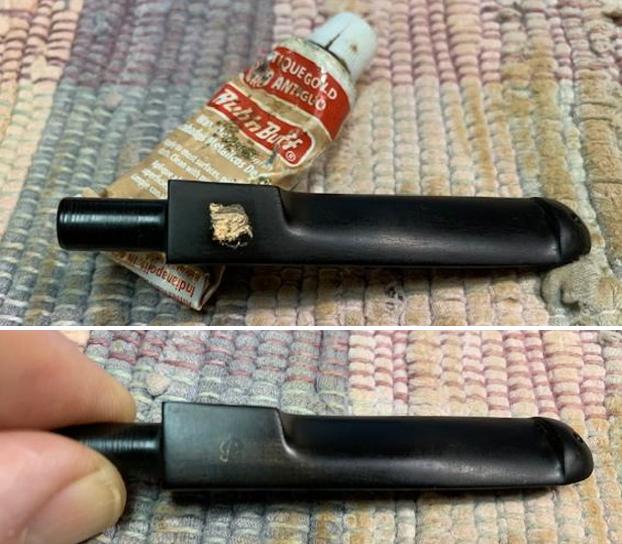
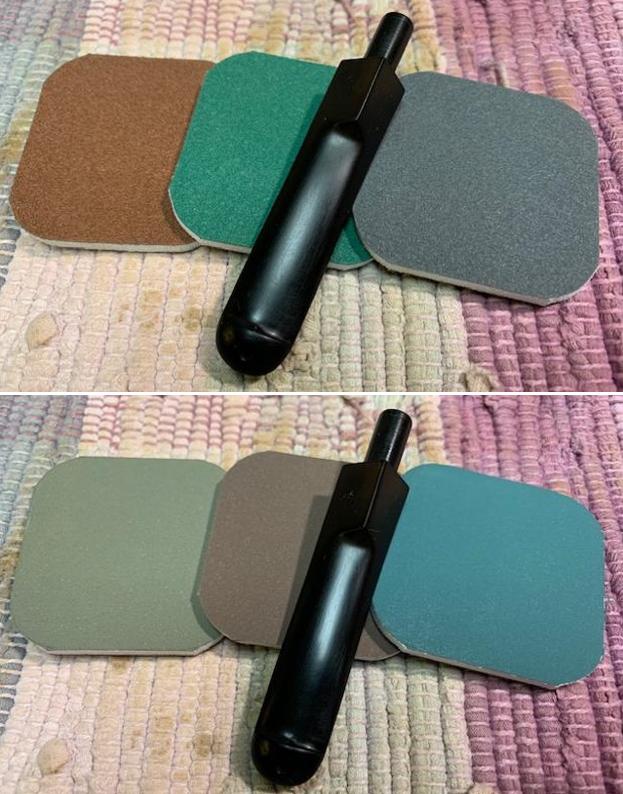
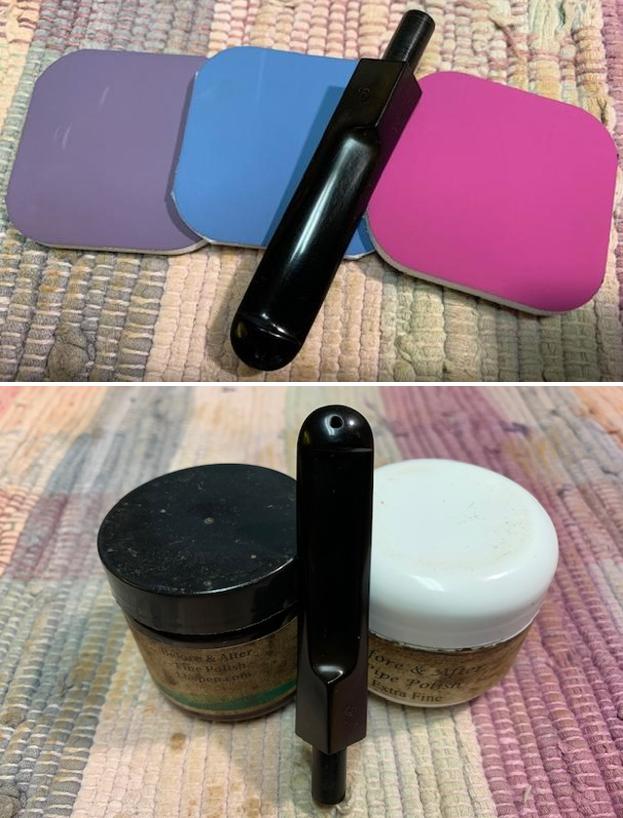
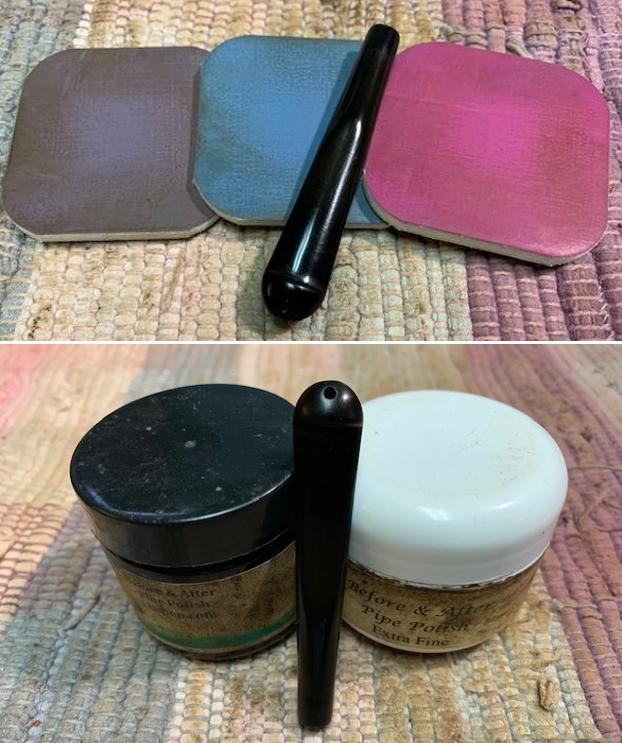
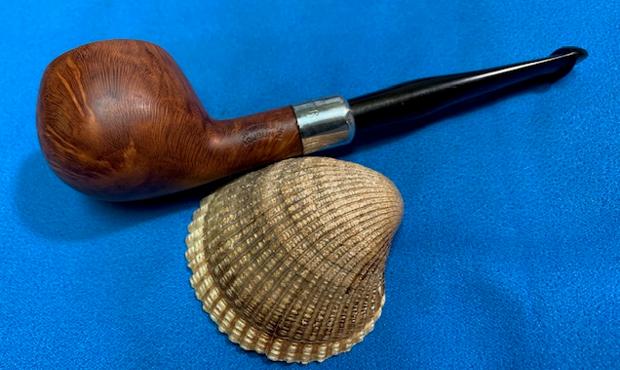
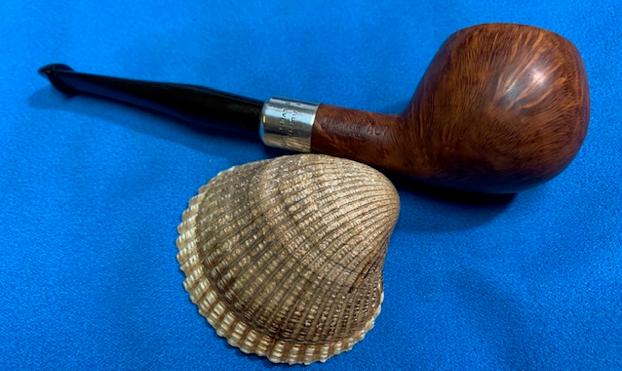
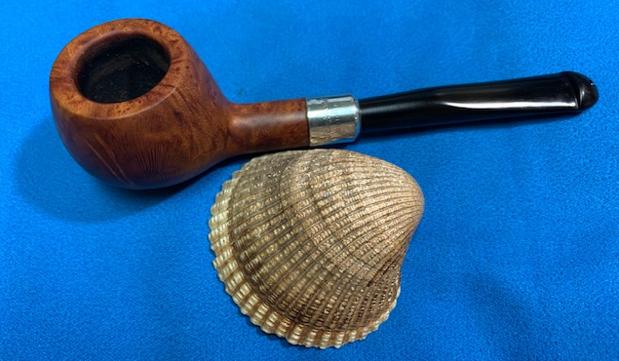
Jeff had done a great job cleaning up the pipe as usual. He reamed the pipe with a PipNet reamer and took the cake back to the bare briar. He cleaned up the remnants with a Savinelli Fitsall Pipe Knife. He scrubbed the interior of the bowl and shank with pipe cleaners, cotton swabs and alcohol to remove the tars and oils. He scrubbed the exterior of the pipe with Murphy’s Oil Soap and a tooth brush to remove the grime from the finish. He scrubbed the inside of the stem with alcohol and pipe cleaners. He scrubbed the exterior with Soft Scrub and then soaked it in Briarville Pipe Stem Deoxidizer. He washed it off with warm water to remove the deoxidizer. The pipe looked great when it arrived in Vancouver.     I took some close up photos of the rim top and the stem surface. I wanted to show how well it had cleaned up. The rim top looks very good and the sandblast is also in great condition. I also took close up photos of the stem to show condition of the surface.     I took a photo of the stamping on the underside of the shank. You can see that it is stamped as noted above. It is faint but readable. I took the pipe apart and took a photo of the pipe. It is a good looking pipe and has an interesting shallow sandblast on the bowl. The pipe was in excellent condition so I started my work on the bowl by working Before & After Restoration Balm into the surface of the briar with my fingertips and a horse hair shoe brush to clean, enliven and protect the briar. I let the balm sit for 15 minutes and then buffed with a cotton cloth to raise the shine. The photos show the bowl at this point in the restoration process. I set the bowl aside and turned my attention to the stem. It was in great condition other than the polishing. I touched up the “P” stamp on the left side of the stem with Liquid Paper and a tooth pick to fill in the stamping. Once it cured I scraped it off with the edge of a tooth pick.   I polished the stem with micromesh sanding pads – wet sanding with 1500-12000 grit sanding pads. I wiped it down after each sanding pad with Obsidian Oil. I polished it with Before & After Pipe Stem Polish – both Fine and Extra Fine. I gave it a final coat of Obsidian Oil to protect the vulcanite.      I am excited to finish this Peterson’s Kapruf 86 Apple, Made in Ireland. I put the pipe back together and buffed it with Blue Diamond on the buffing wheel. I gave the bowl multiple coats of Conservator’s Wax and the stem multiple coats of carnauba wax. I buffed the pipe with a clean buffing pad to raise the shine and hand buffed it with a microfibre cloth to deepen the shine. It is fun to see what the polished smooth rim top and the sandblast bowl looks like with the black vulcanite taper stem. This Classic looking Peterson’s Kapruf Sandblast Apple feels great in my hand. It is light and well balanced. Have a look at it with the photos below. The dimensions are Length: 5 ½ inches, Height: 1 ½ inches, Outside diameter of the bowl: 1 inch, Chamber diameter: 5/8 of an inch. The weight of the pipe is 26grams/.92oz. It is a beautiful pipe and one that will soon be on the rebornpipes store in the Irish Pipe Makers section. If you would like to add it to your collection let me know. Thanks for walking through the restoration with me as I worked over this pipe. Thanks to each of you who are reading this blog.

Restoring a Made in Ireland  Peterson’s Dublin & London 999 Rhodesian


Blog by Steve Laug

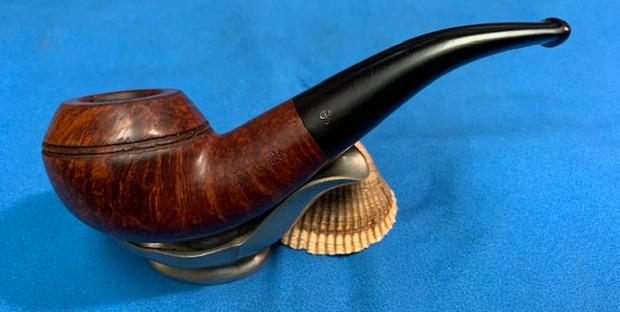
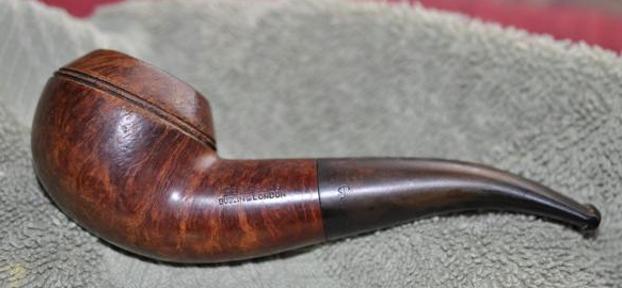
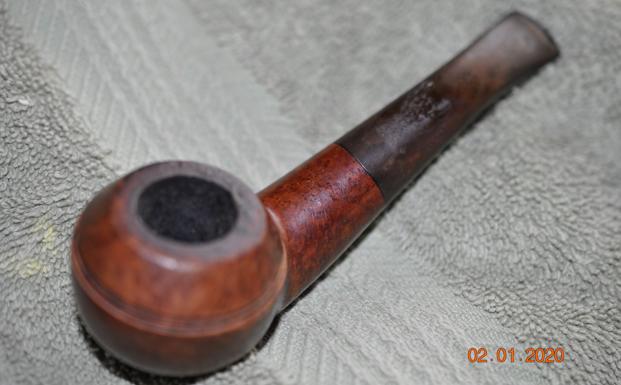
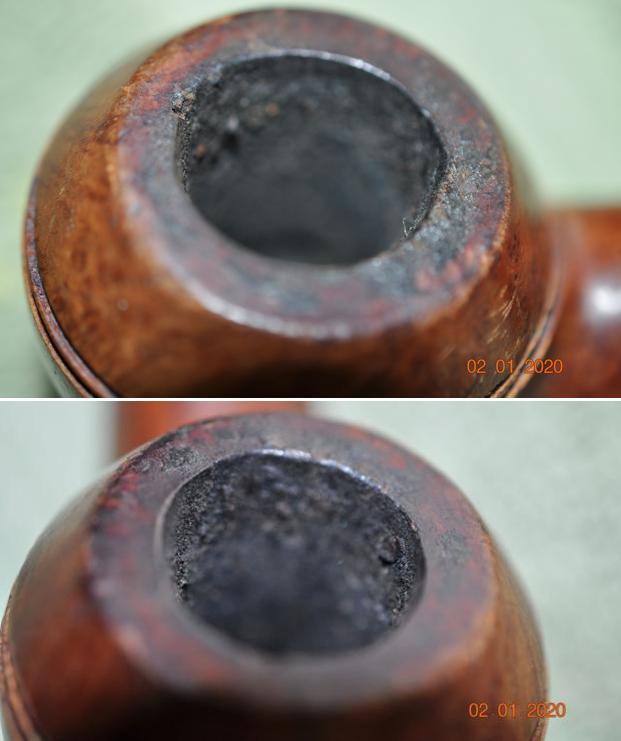
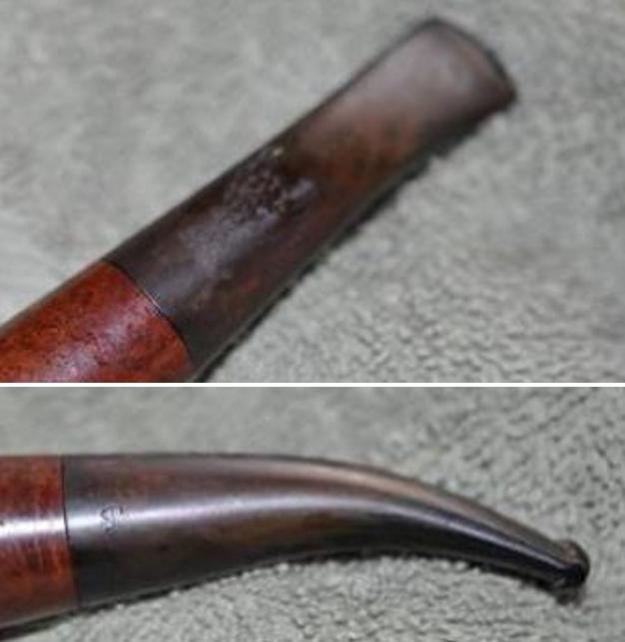
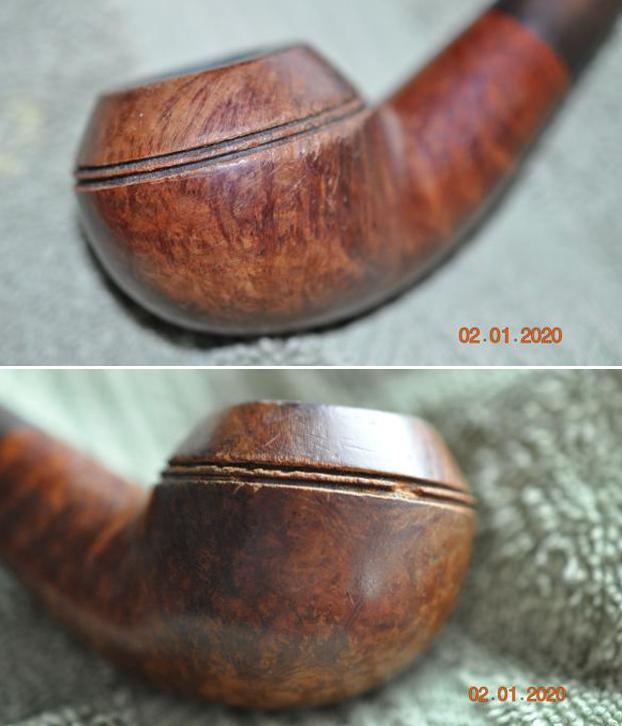
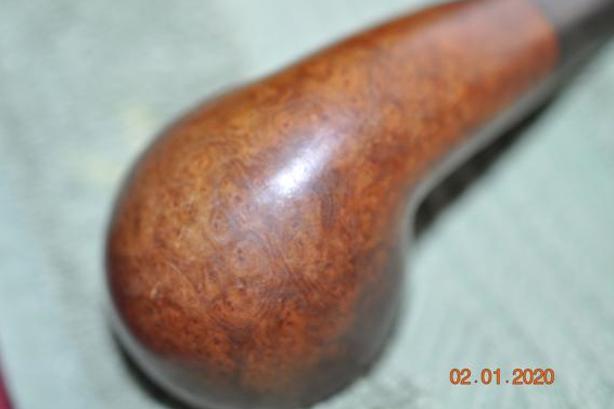
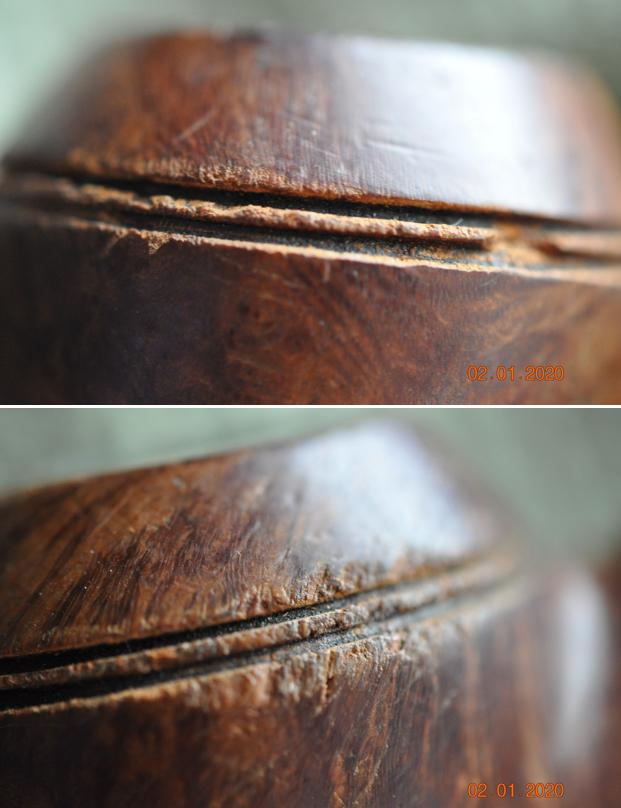
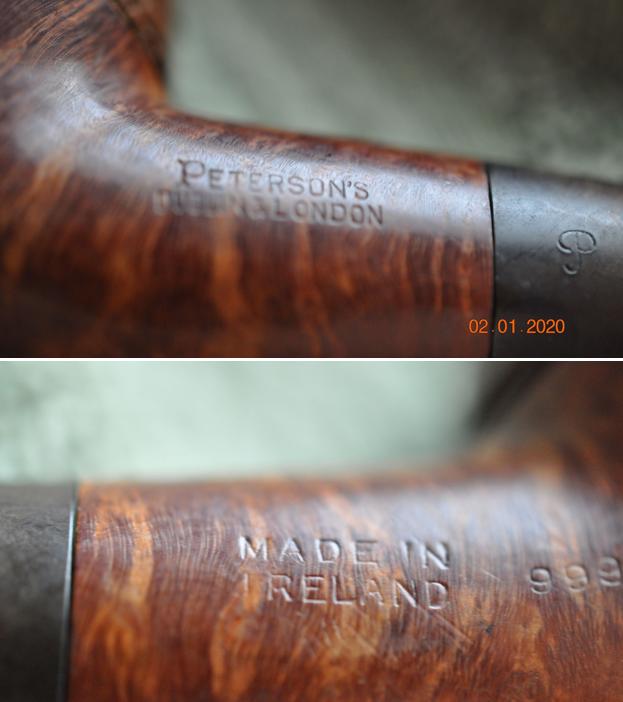
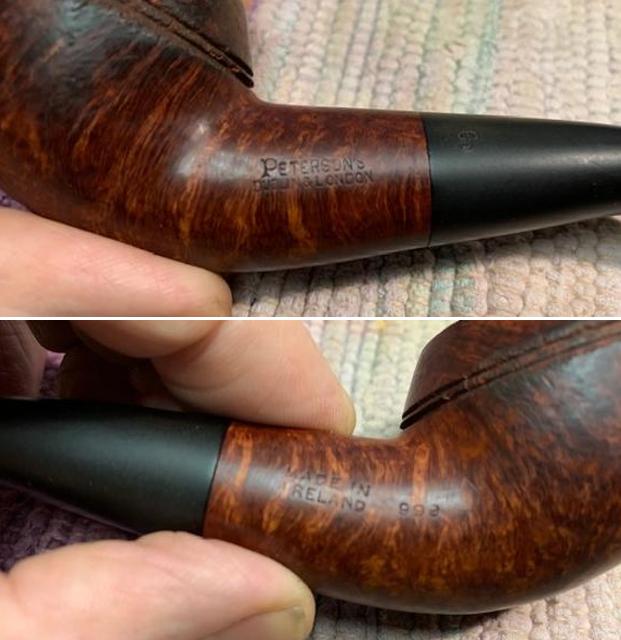
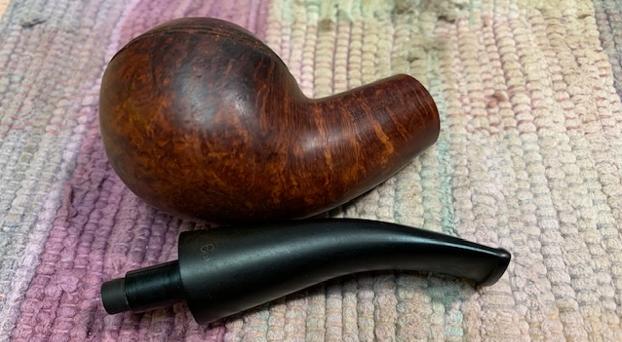
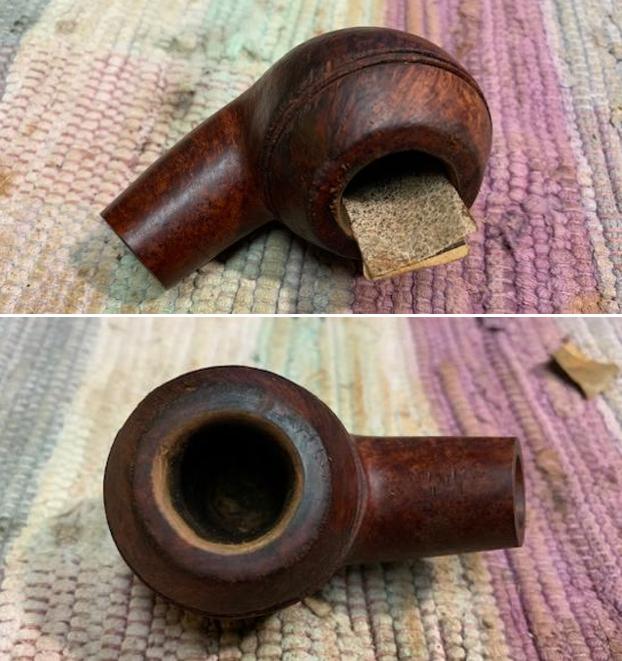
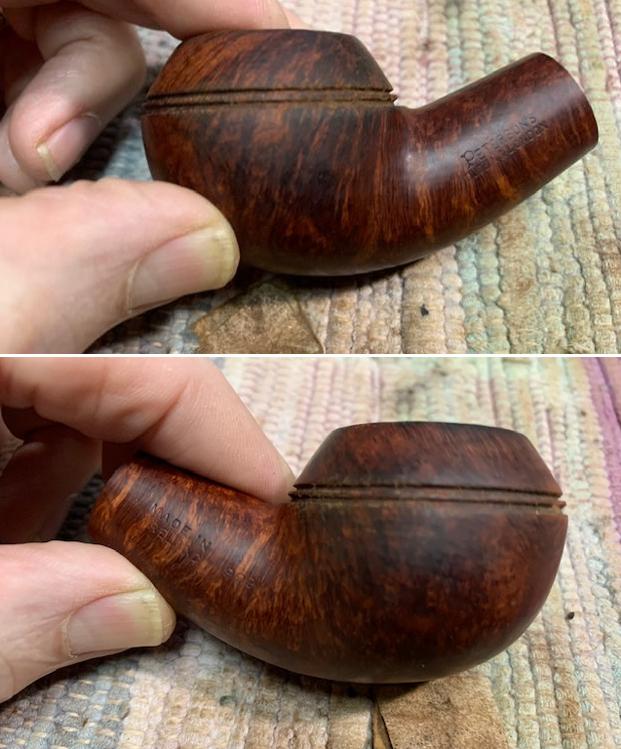
The next pipe I have chosen is another smooth finished Peterson’s pipe. This one is a smooth 999 Rhodesian that has a rich coloured finish around the bowl sides and shank. It came to us from an auction in Garden City, Missouri, USA. The finish is dark and dirty but there is some great grain around the bowl sides and cap. There is some road rash around the rings on the left side and right front of the bowl. It was stamped on the  left side of the shank and read Peteron’s [over] Dublin & London. It was stamped to the right of the shank and read MADE IN IRELAND in two lines with the shape number 999 next to the bowl. It was filthy when Jeff brought it to the table. There was a thick cake in the bowl and a thick overflow of lava on the rim top and the inner edge of the bowl. It was hard to know what the condition of the rim top and bowl were under that thick lava coat. The “P” stamp on the stem was visible but faint. The stem was oxidized, calcified and had tooth marks and chatter on the top and underside on and near the button. Jeff took photos of the pipe before his cleanup work. Jeff took photos of the rim top and stem to show the general condition of the pipe. The bowl is heavily caked and the rim top and edges have some lava overflow. The stem is oxidized and has tooth marks on the top and underside near the button.  Jeff took photos of the bowl sides and heel to show the grain that was around this bowl. It is a nice looking pipe. There is some damage to the twin rings and cap edges on both sides of the bowl. On the left it is the full side and on the right it is toward the front of the bowl. Jeff took a closeup photo of the damage on the sides of the bowl around the cap. It looks like the bowl has been dropped several times on a hard surface.He took photos of the sides of the shank to show the stamping. The stamping is readable in the photos below and is as noted above.  
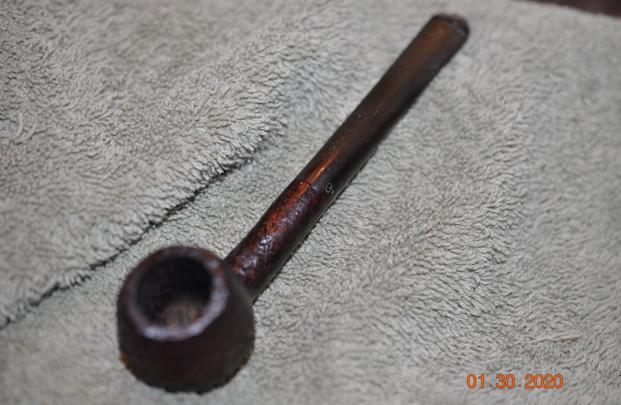
I am including the link to the Pipedia’s article on Peterson pipes. It is a great read in terms of the history of the brand (https://pipedia.org/wiki/Peterson).

I turned to “The Peterson Pipe” by Mark Irwin and Gary Malmberg to get some background on the Peterson’s Dublin & London Pipe. On page 298 it had the following information.

Dublin & London (c1940-97, 2016-) First mentioned in a 1940 brochure, but probably not widely distributed until ’45, Dublin & London was the highest quality line (aside from the Supreme, introduced in ’53) until about ’86. P-lip or fishtail mouthpiece, polished finish, although sandblast described in ’70 Iwan Ries & Co. catalog. COMs include MADE IN over IRELAND (1940-80) and MADE IN THE over REPUBLIC over OF IRELAND (c1980-97).

Judging from the description above, the pipe I am working on is stamped with the stamp noted in red above. It reads Made in Ireland which narrows the date to between approximately 1940-1980. It was also one of the highest quality lines available by Peterson when it was made. Now it was time to work on the pipe.

Jeff had done a great job cleaning up the pipe as usual. He reamed the pipe with a PipNet reamer and cut back the cake back to the bare briar. He cleaned up the walls with a Savinelli Fitsall Pipe Knife. He scrubbed the interior of the bowl and shank with pipe cleaners, cotton swabs and alcohol to remove the tars and oils. He scrubbed the exterior of the pipe with Murphy’s Oil Soap and a tooth brush to remove the grime from the finish. He worked on the rim top lava and darkening with the soap and tooth brush. He scrubbed the inside of the stem with alcohol and pipe cleaners. He scrubbed the exterior with Soft Scrub and then soaked it in Briarville’s Deoxidizer. (We are using a new product for us to compare it with the Before & After Deoxidizer.) He washed it off with warm water to remove the deoxidizer. The pipe looked far better when it arrived.   I took some close up photos of the rim top and also of the stem surface. I wanted to show how well it had cleaned up. The rim top had some darkening on the top and damage to the inner edges around the bowl. I also took close up photos of the stem to show the tooth marks on the surface near the button.  I took photos of the stamping on the sides of the shank. It reads as noted above.I removed the stem and took a photo of the pipe to have a look at the parts and overall look.I decided to work on the damage to the inner edge of the bowl first. I used a folded piece of 180 and followed that with 220 grit sandpaper to give the inner edge of the bowl a slight bevel to deal with the damaged areas and blend them into the surrounding briar.  Next I turned to the road rash around the side of the ring and the cap. It had been roughened and pitted. I sanded it smooth with 220 grit sandpaper to remove the damage and rework the twin rings and edges on both sides of the ring (above & below). I followed that by sanding it with 400 grit wet dry sandpaper to further smooth out the lines of the twin rings. It is far from perfect but it is looking much better.I polished the briar with micromesh sanding pads – dry sanding with 1500-12000 grit sanding pads. I wiped the bowl down with a damp cloth after each sanding pad.   I worked some Before & After Restoration Balm into the surface of the briar with my fingertips to clean, enliven and protect the briar. I let the balm sit for 15 minutes and then buffed with a cotton cloth to raise the shine. The photos show the bowl at this point in the restoration process. I set the bowl aside and turned my attention to the stem. I “painted” the tooth marks with the flame of a lighter to lift them. I was able to lift most of them. Those that remained I filled I with clear CA glue. Once the glue cured I sanded it with 220 grit sandpaper to blend them into the stem surface. I started polishing it with 400 grit wet dry sandpaper.   I touched up the P on the left side of the stem with Paper Make Liquid Paper. I rubbed it on and worked it into the P with a tooth pick. I rubbed it off with a soft cloth. It is quite readable. I set the bowl aside and polished the stem with micromesh sanding pads – wet sanding with 1500-12000 grit sanding pads. I wiped it down after each sanding pad with Obsidian Oil. I polished it with Before & After Pipe Stem Polish – both Fine and Extra Fine.  I rubbed it down with another coat of Obsidian Oil. I am excited to finish this Peterson’s London & Dublin Made in Ireland 999 Rhodesian. I put the pipe back together and buffed it with Blue Diamond on the buffing wheel. I gave the bowl and the stem multiple coats of carnauba wax. I hand buffed the pipe with a clean buffing pad to raise the shine. It is fun to see what the polished bowl looks like with beautiful straight and flame grain all around it. Added to that the polished nickle band and the black vulcanite stem was beautiful. This smooth Classic London & Dublin Higher Grade 999 Rhodesian is great looking and the pipe feels great in my hand. It is light and well balanced. Have a look at it with the photos below. The dimensions are Length: 5 ½ inches, Height: 1 ½ inches, Outside diameter of the bowl: 1 ¼ inches, Chamber diameter: ¾ of an inch. The weight of the pipe is 55grams/1.94oz. It is a beautiful pipe and one that is already sold, or as Dal calls it “commissioned”. The gentleman who asked for it has the first right of refusal. Thanks for walking through the restoration with me as I worked over this pipe. Thanks to each of you who are reading this blog.
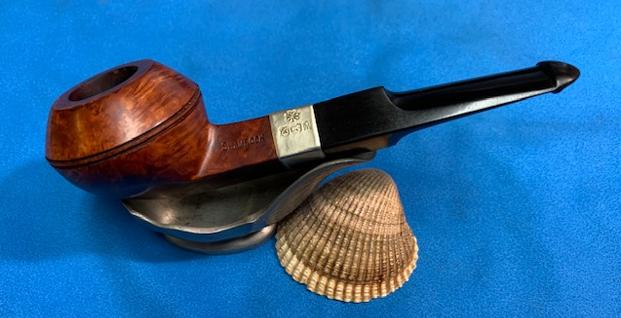
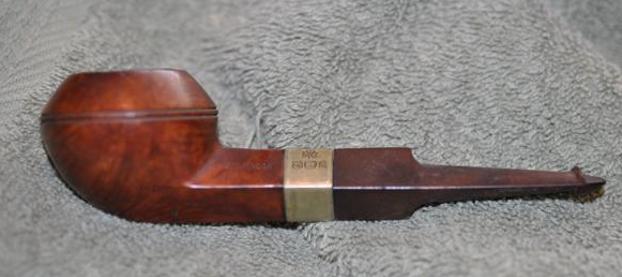
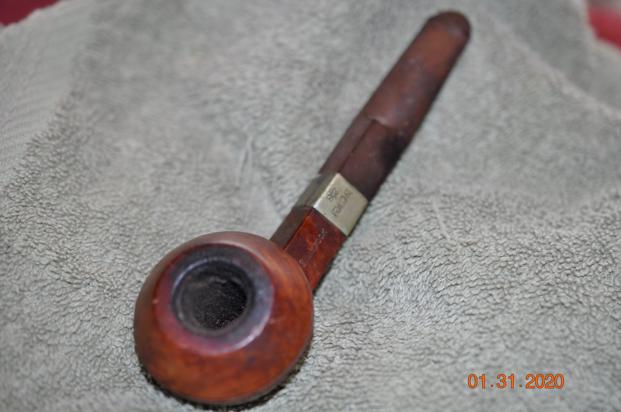
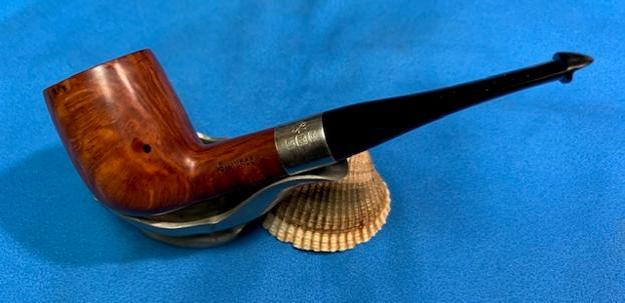
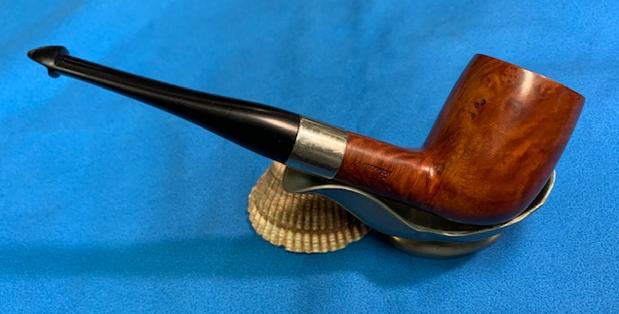
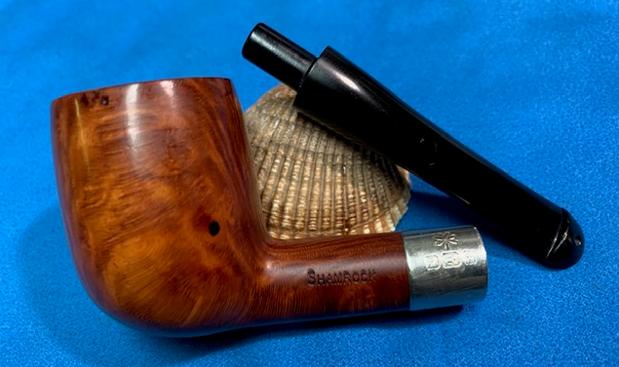
Restoring a Made in Ireland  Shamrock 493 Squat Bulldog


Blog by Steve Laug

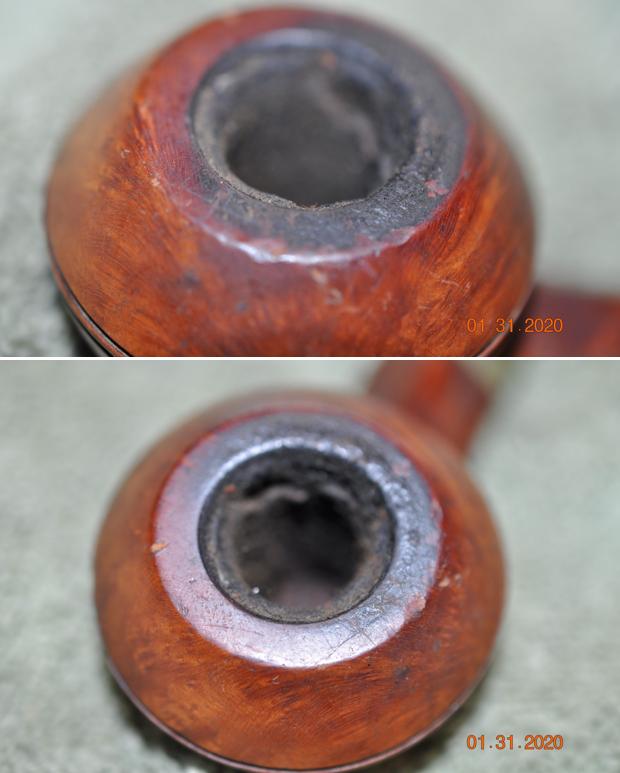
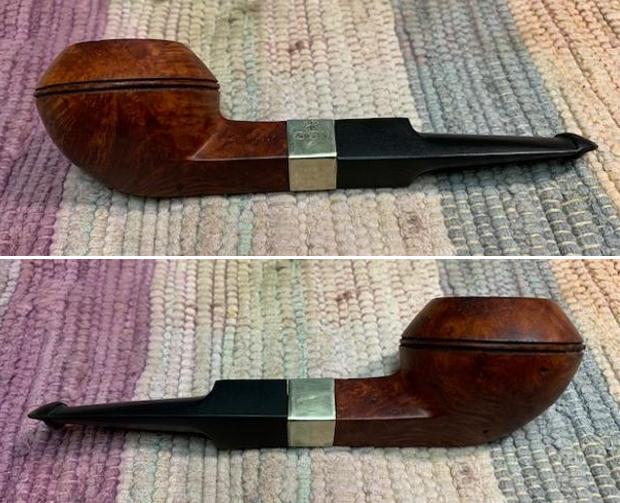
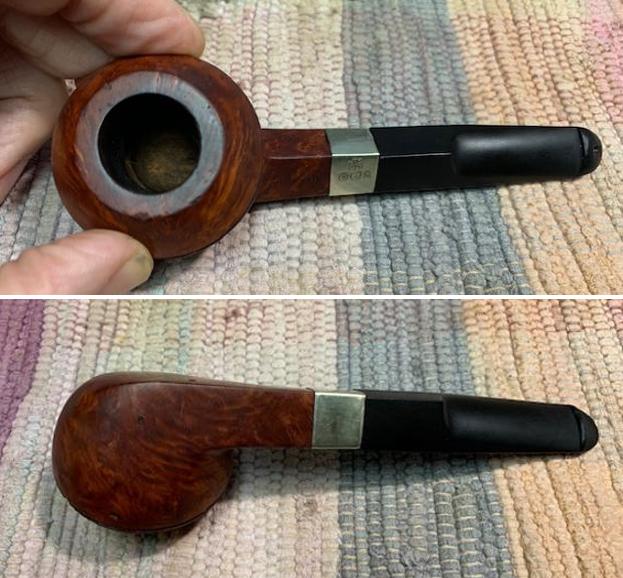
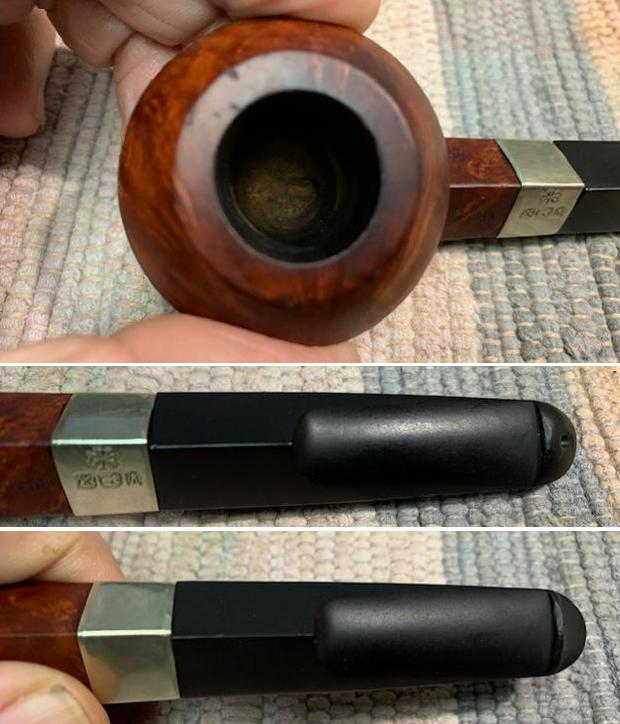
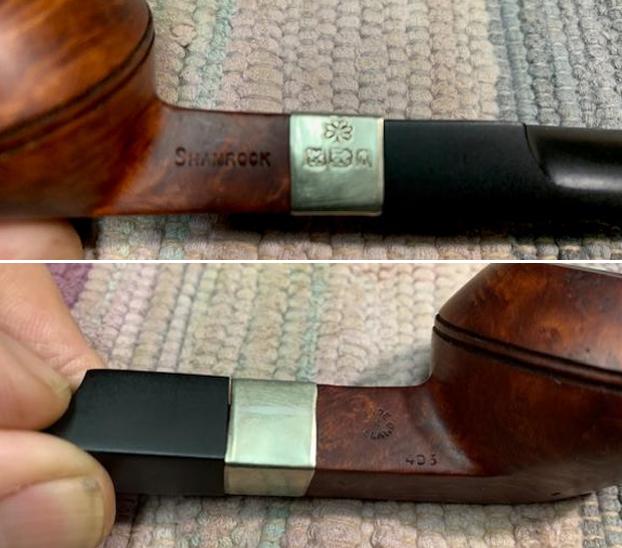
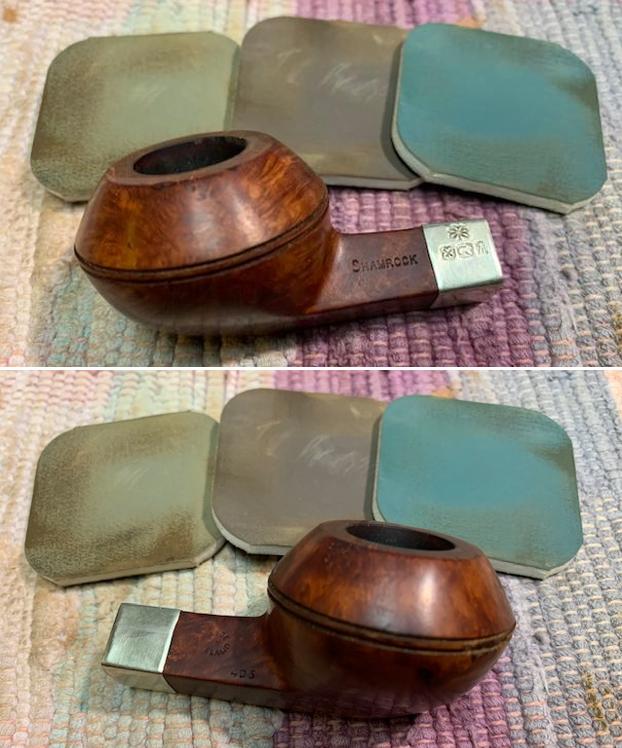
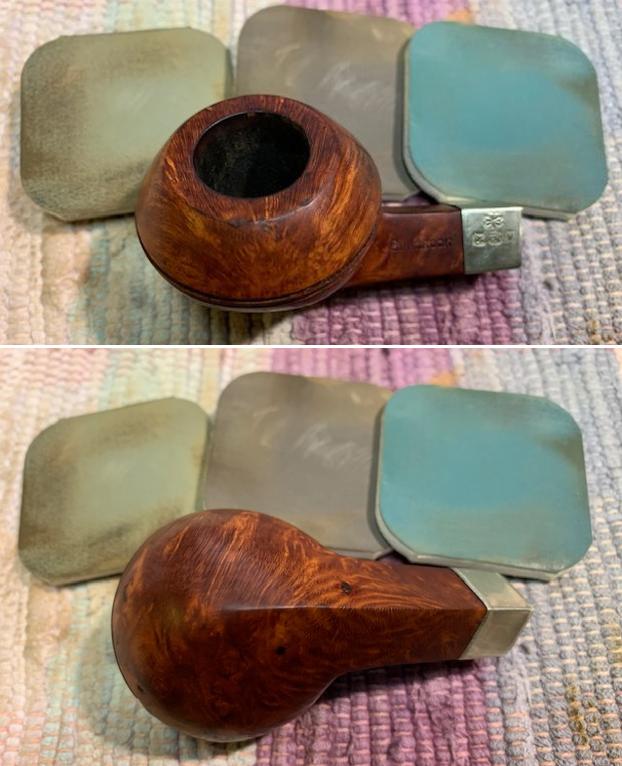
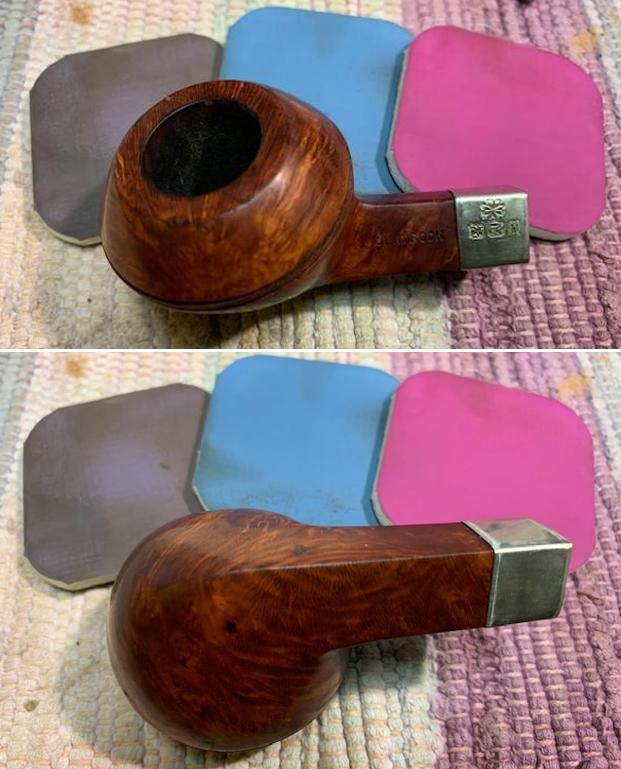
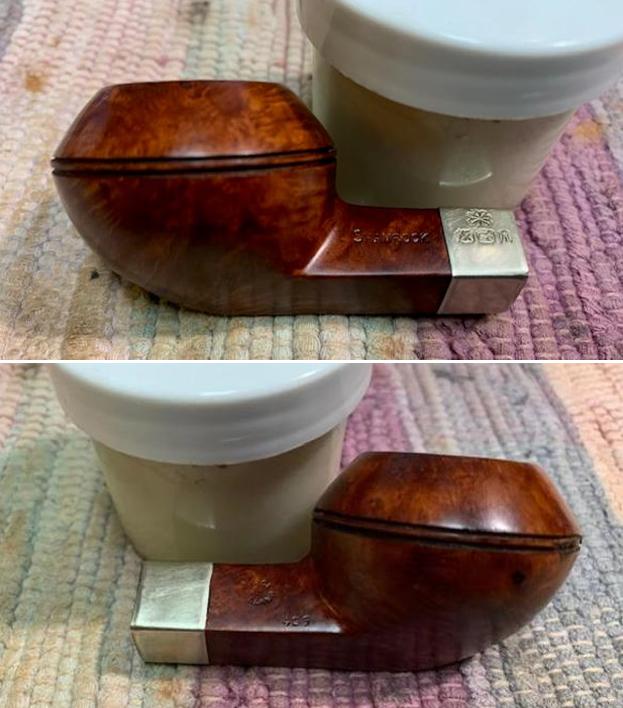
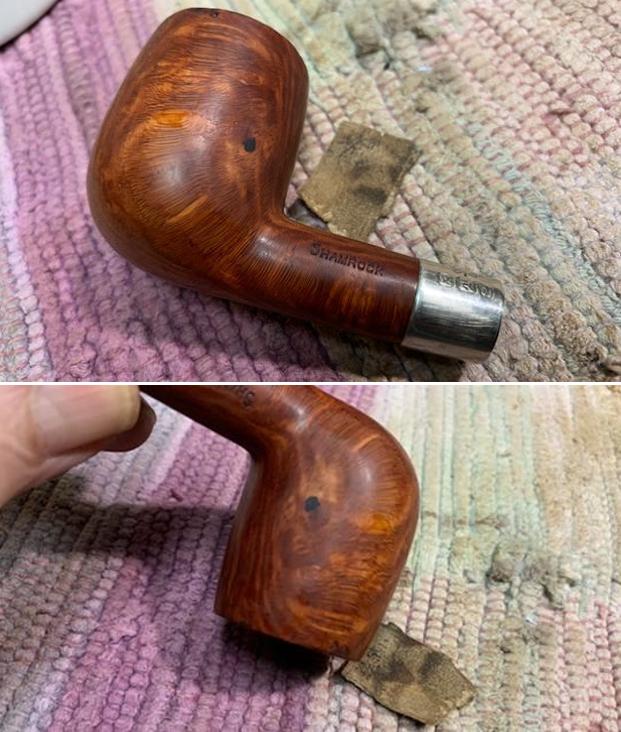
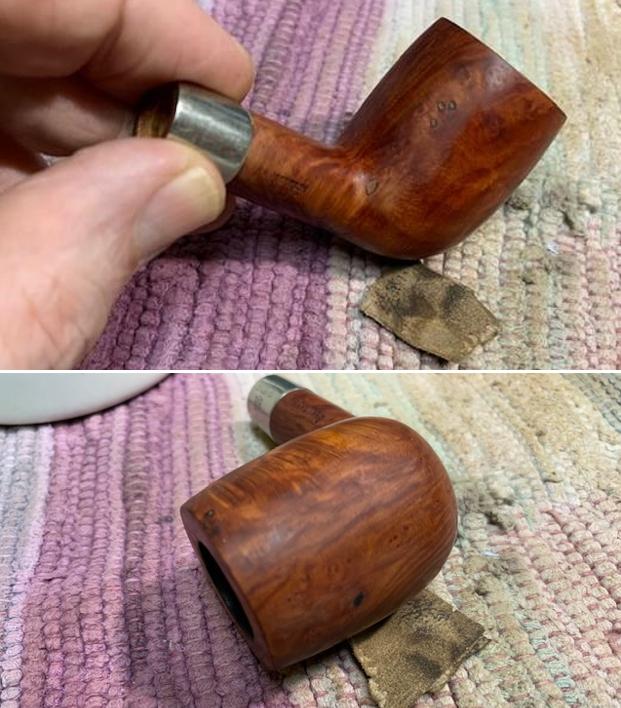
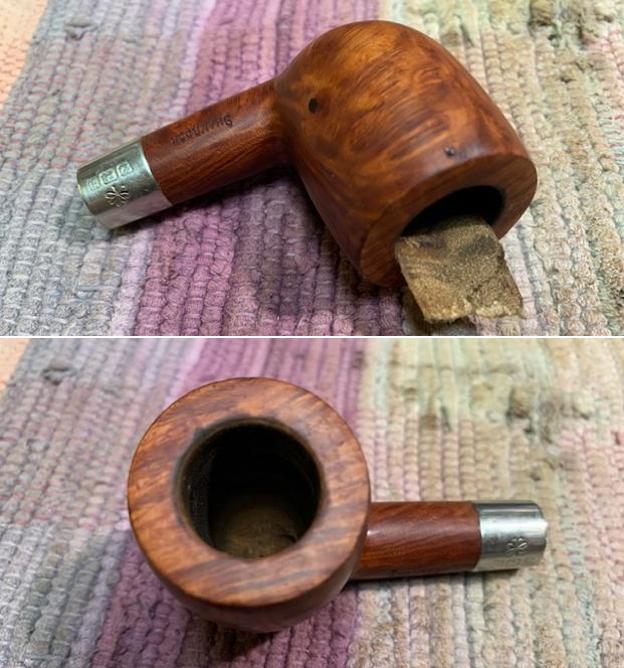
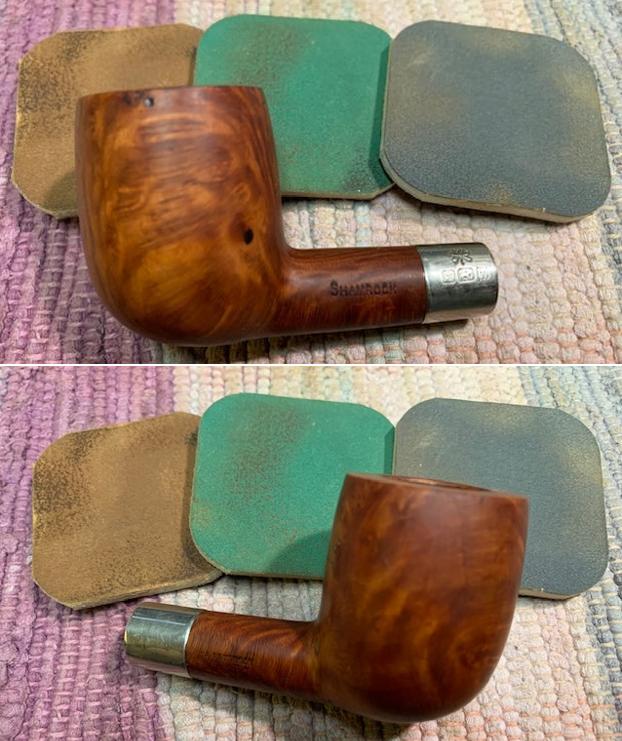
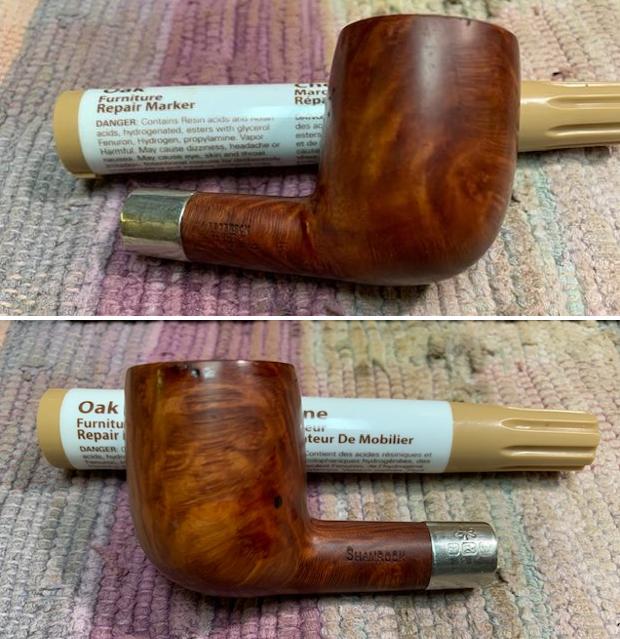
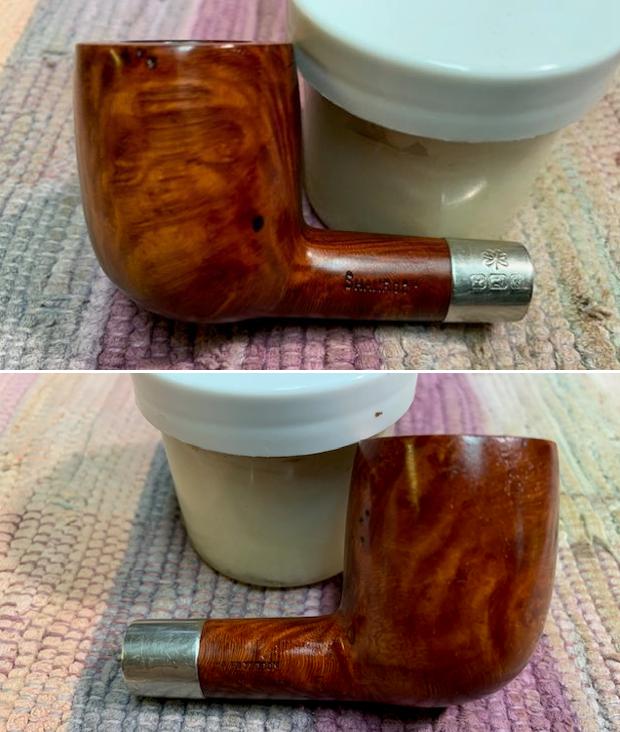
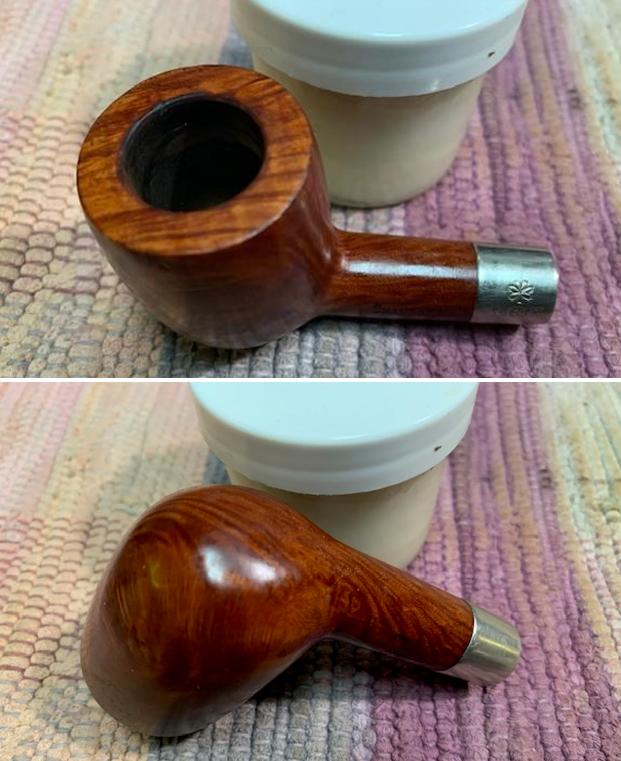
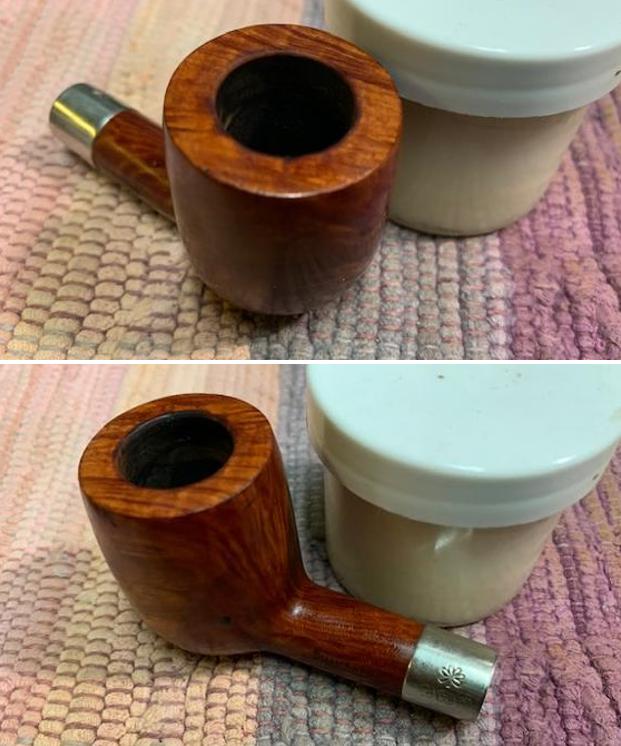
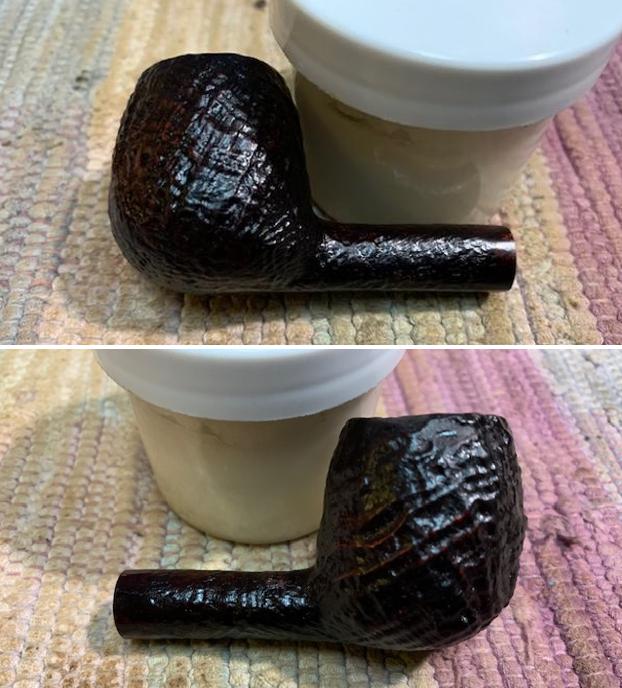
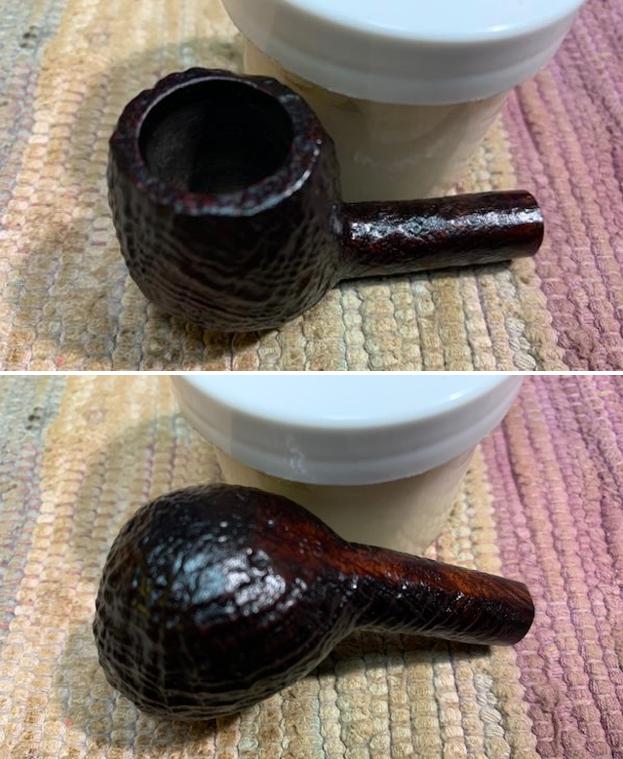
The next pipe I have chosen is another smooth finished Peterson’s Bulldog pipe. This one is a smooth straight Bulldog that has a rich coloured finish around the bowl sides and shank. It came to us from a fellow in Los Angeles, California, USA. The finish is dark and dirty but there is some great grain around the bowl sides and cap. There are chips and damaged fills on the underside of the bowl, shank on both sides and on the heel. It was stamped on the  left side of the shank and read SHAMROCK. It was stamped to the right of the shank with COM circle that read MADE IN IRELAND with the shape number 493 next to the bowl. It was filthy when Jeff brought it to the table. There was a thick cake in the bowl and a thick overflow of lava on the rim top and the inner edge of the bowl. It was hard to know what the condition of the rim top and bowl were under that thick lava coat. The nickel band is tarnished and had wear marks on both sides and a small nick on the underside at the stem end. The unstamped stem was lightly oxidized and had tooth marks and chatter on the top and underside on and near the button. Jeff took photos of the pipe before his cleanup work. Jeff took photos of the rim top and stem to show the general condition of the pipe. The bowl is heavily caked and the rim top and edges have some lava overflow. The stem is oxidized and has tooth marks on the top and underside near the button. Jeff took photos of the bowl sides and heel to show the grain that was around this bowl. It is a nice looking pipe. The photos show the damage around the bowl and on the twin rings around the bull cap. Jeff took a closeup photos of some of the damaged fills around the bowl. He took photos of the sides of the shank to show the stamping. The stamping is readable in the photos below and is as noted above.   I am including the link to the Pipedia’s article on Peterson pipes. It is a great read in terms of the history of the brand (https://pipedia.org/wiki/Peterson).

I turned to “The Peterson Pipe” by Mark Irwin and Gary Malmberg to get some background on the Peterson’s Shamrock Pipe. On page 312 it had the following information.

Shamrock (c1941-2009) Originally stamped SHAMROCK with no brand name, an inexpensive line first described in George Yale (New York) mail order booklet in 1941, imported by Rogers Import. The line was actively promoted beginning in ’45, aggressively promoted in US by Rogers from early ‘50s when they registered the Shamrock logo with US Patent Office, claiming propriety since ’38. Over the years offered with P-lip or fishtail mouthpiece, with or without nickel band, with or without shamrock logo on the band, with or without S stamped in white or later in gold on mouthpiece. Appearing in 2008 as unstained smooth and rustic, fishtail mouthpiece with gold impressed P on the stem. COMS of MADE IN over IRELAND (C1945-1965), MADE IN IRELAND forming a circle (c1945-1965), “A PETERSON’S PRODUCT” over MADE IN IRELAND (c1945-1965), MADE IN THE over REPUBLIC over OF IRELAND9c1948-1998). Model is always difficult or impossible to date.

Judging from the description above, the pipe I am working on is stamped with the stamp noted in red above. It reads Made in Ireland in a circle which narrows the date to between approximately 1945-1965. It is just stamped SHAMROCK with no brand name as an inexpensive a P-Lip stem. Now it was time to work on the pipe.

Jeff had done a great job cleaning up the pipe as usual. He reamed the pipe with a PipNet reamer and cut back the cake back to the bare briar. He cleaned up the walls with a Savinelli Fitsall Pipe Knife. He scrubbed the interior of the bowl and shank with pipe cleaners, cotton swabs and alcohol to remove the tars and oils. He scrubbed the exterior of the pipe with Murphy’s Oil Soap and a tooth brush to remove the grime from the finish. He worked on the rim top lava and darkening with the soap and tooth brush. He scrubbed the inside of the stem with alcohol and pipe cleaners. He scrubbed the exterior with Soft Scrub and then soaked it in Briarville’s Deoxidizer. He washed it off with warm water to remove the deoxidizer. The pipe looked far better when it arrived. I took some close up photos of the rim top and also of the stem surface. I wanted to show how well it had cleaned up. The rim top looked to be in good condition with some darkening on the inner edges around the bowl. The edges themselves appeared to be in good condition. I also took close up photos of the stem to show the tooth marks on the surface near the button.I took photos of the stamping on the sides of the shank. It reads as noted above.I removed the stem and took a photo of the pipe to have a look at the parts and overall look.I decided to work on the damage to the fills around the bowl and the twin rings around the bull cap. I filled them in with clear CA and briar dust. Once they cured I sanded them with a piece of 220 grit sandpaper to blend them into the surrounding briar. I polished the briar with micromesh sanding pads – dry sanding with 1500-12000 grit sanding pads. I wiped the bowl down with a damp cloth after each sanding pad. I worked some Before & After Restoration Balm into the surface of the briar with my fingertips to clean, enliven and protect the briar. I let the balm sit for 15 minutes and then buffed with a cotton cloth to raise the shine. The photos show the bowl at this point in the restoration process. I sanded out the tooth marks and chatter with 220 grit sandpaper and started polishing the stem with 400 grit wet dry sandpaper. I wiped it down with Obsidian Oil.I set the bowl aside and polished the stem with micromesh sanding pads – wet sanding with 1500-12000 grit sanding pads. I wiped it down after each sanding pad with Obsidian Oil. I polished it with Before & After Pipe Stem Polish – both Fine and Extra Fine. I gave it a final rubdown with Obsidian Oil. I am excited to finish this Nickel Banded Older Peterson’s Shamrock 493 Squat Bulldog. I put the pipe back together and buffed it with Blue Diamond on the buffing wheel. I gave the bowl and the stem multiple coats of carnauba wax. I hand buffed the pipe with a clean buffing pad to raise the shine. It is fun to see what the polished bowl looks like with beautiful straight and flame grain all around it. Added to that the polished nickle band and the black vulcanite stem was beautiful. This smooth Classic Shamrock 493 Bulldog is great looking and the pipe feels great in my hand. It is light and well balanced. Have a look at it with the photos below. The dimensions are Length: 5 ½ inches, Height: 1 ½ inches, Outside diameter of the bowl: 1 ¾ inches, Chamber diameter: ¾ of an inch. The weight of the pipe is 45grams/1.59oz. It is a beautiful pipe and one that is already sold, or as Dal calls it “commissioned”. The gentleman who asked for it has the first right of refusal. Thanks for walking through the restoration with me as I worked over this pipe. Thanks to each of you who are reading this blog.


Rebirthing a Republic Era Peterson’s Kapruf 62 Billiard


Blog by Steve Laug

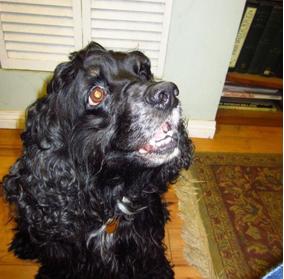
Today is rainy, chilly day in Vancouver. I know in comparison to where many of you live it is not cold but to us it is. It is also the kind of day that my old friend Spencer would have been next to my work table begging for a treat and keeping company. I can’t believe that he died almost four months ago now. I miss him a lot on days like today. The next pipe I have chosen is another Peterson’s Billiard. It is a chunky sandblast pipe but it also was a very dirty pipe. It also came to us from Garson, Ontario, Canada. The grime was ground into the light grooves of the sandblast finish on the bowl sides. I love the way the contrast of the brown and black stains gave the shallow blast a sense of depth. The stain is almost tiger striped. It was faintly stamped on the flat underside of the shank and read Peterson’s [over] Kapruf. To the left of that on the heel was the shape number 62. To the right of the Kapruf stamp it read Made in the Republic of Ireland (three lines). This pipe must have been another favourite as it had been well smoked. There was a thick cake in the bowl and an overflow of lava and darkening on the rim top. The inner edge of the bowl was badly damaged with a chunk missing on the front and the right side. The stem was oxidized, calcified and had deep tooth marks and chatter on the top and underside on and near the button. Jeff took photos of the pipe before his cleanup work. Jeff took photos of the rim top and stem to show the general condition of the pipe. The bowl is badly damaged and heavily caked. The rim top and edges have a lava overflow does little to obscure the damage to the inner edge. The photos of the stem show that it was oxidized, calcified and has deep tooth marks on the top and underside near the button.   Jeff took a photo of the bowl sides and heel to show the blast that was around this bowl. It is a shallow sandblast but the choice of stain adds depth to the appearance of the bowl. He took photos of the stamping on the underside of the shank. It is clear and readable and reads as noted above.I turned to “The Peterson Pipe” by Mark Irwin and Gary Malmberg to get some background on the Kapruf line. On page 306 it had the following information.

Kapruf and “Kapruf” (c.1922-87) Sandblast (hence the name, Kapp-rough) P-lip or fishtail mouthpiece, in catalogs from 1940-87. Early documented specimens stamped IRISH over FREE STATE, no Eire specimens documented. Mid-century specimens may be stamped LONDON MADE [over] ENGLAND or MADE IN ENGLAND forming a circle or MADE IN [over] IRELAND, all dating no later than 1970. Those of recent vintage stamped MADE IN THE[over] REPUBLIC [over]OF IRELAND.

I knew that I was working on a KAPRUF that was made between 1970-1987 as it is stamped MADE IN THE REPUBLIC OF IRELAND as noted above. Now it was time to work on the pipe.

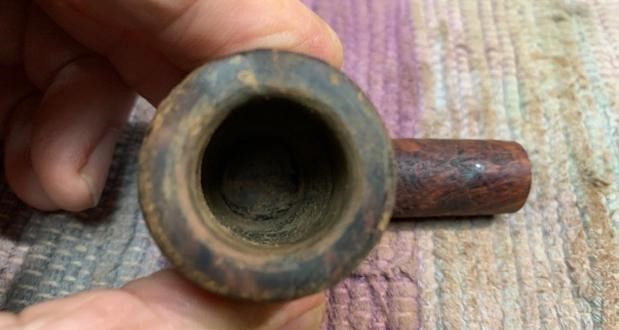
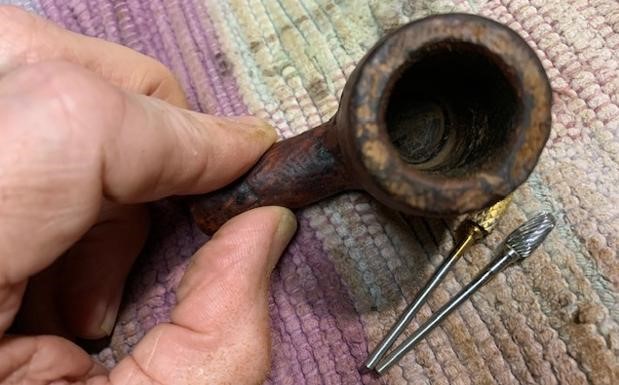
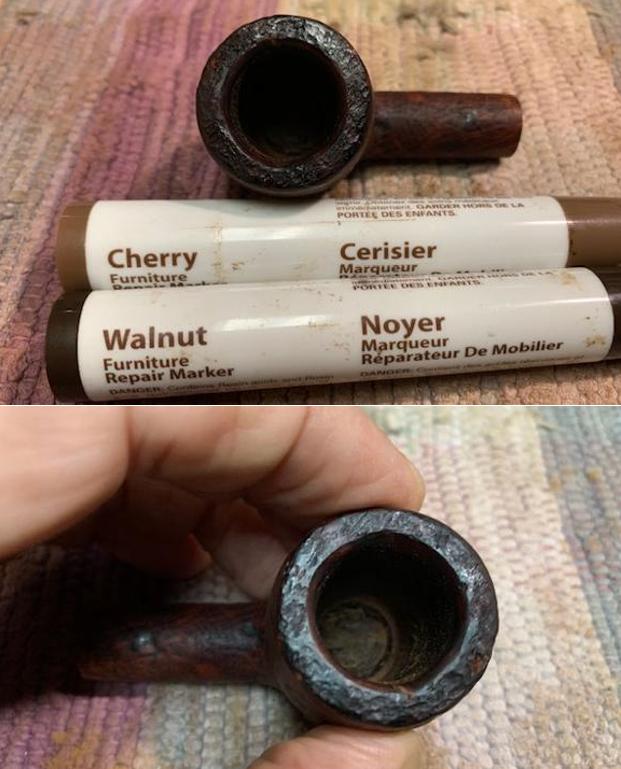
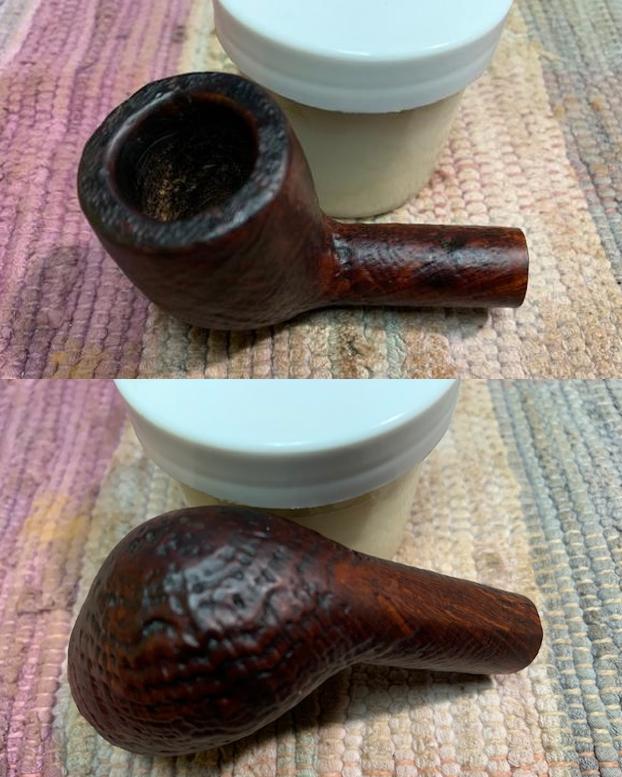
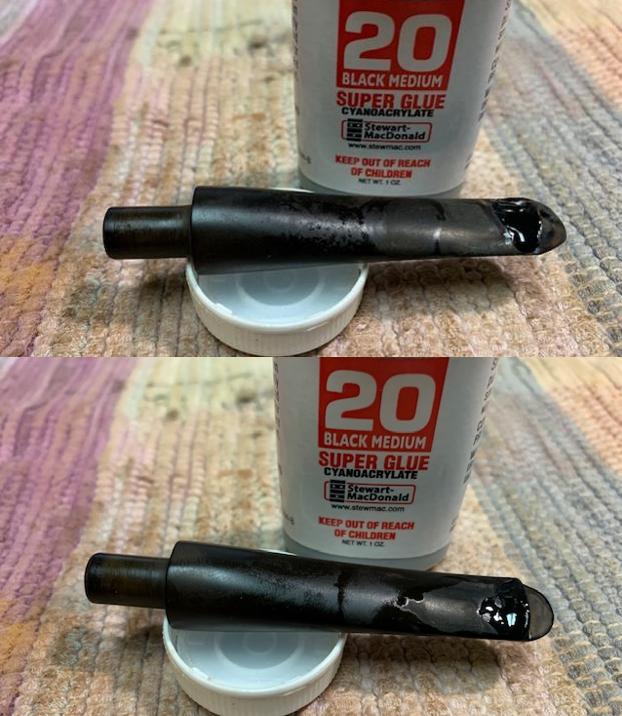
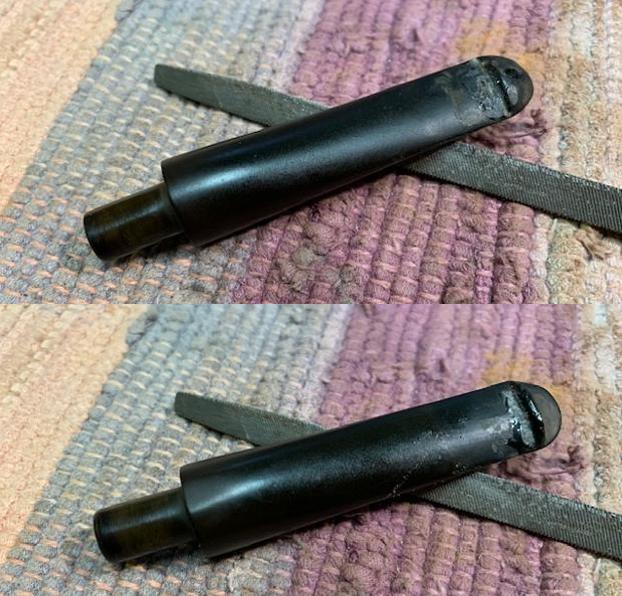
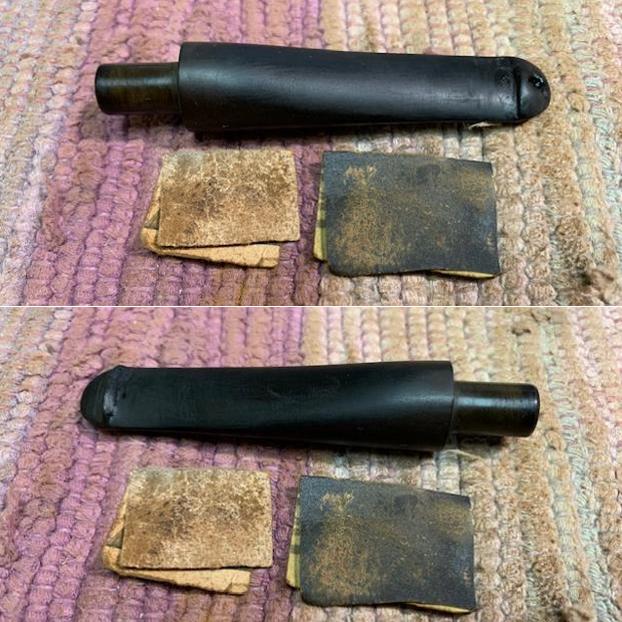
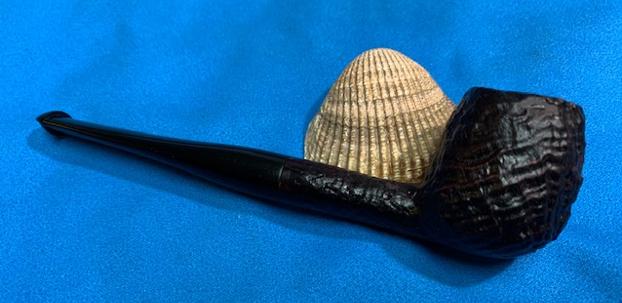
Jeff had done a great job cleaning up the pipe as usual. He reamed the pipe with a PipNet reamer and cut back the cake back to the bare briar. He cleaned up the walls with a Savinelli Fitsall Pipe Knife. He scrubbed the interior of the bowl and shank with pipe cleaners, cotton swabs and alcohol to remove the tars and oils. He scrubbed the exterior of the pipe with Murphy’s Oil Soap and a tooth brush to remove the grime from the finish. He worked on the rim top lava and darkening with the soap and tooth brush. He scrubbed the inside of the stem with alcohol and pipe cleaners. He scrubbed the exterior with Soft Scrub and then soaked it in Before & After Deoxidizer. He washed it off with warm water to remove the deoxidizer. The pipe looked far better when it arrived.    I took some close up photos of the rim top and also of the stem surface. I wanted to show how well it had cleaned up. The rim top photo shows some heavy damage on the right top and inner edge. There is also damage on the front inner edge. The sandblast on the rim top is virtually destroyed. It will take some work to rebuild and refinish it. I also took close up photos of the stem to show the deep tooth marks on the surface near the button.I took a photo of the stamping on the underside of the shank. You can see that it is stamped as noted above. It is faint but readable.I took the pipe apart and took a photo of the pipe. It is a good looking pipe and has an interesting shallow sandblast on the bowl.I started my work on the pipe by repairing the damage on the inner edge and rim top. I rebuilt the inner edge and the rim top damage with clear CA glue and briar dust. I put the glue in place and used a dental spatula to apply the briar dust on top of the glue. I layered it on until I was looking far better.  I wrapped a dowel with 220 grit sandpaper (virtually the same diameter as the chamber of the bowl). I inserted it in the bowl and turned it until the edge was round again. I worked on the inner edge itself with a folded piece of sandpaper to give the rim edge a slight bevel. That took care of the damaged edge very well. The photos below tell the story.  With the edge and top cleaned up it was time to try to match the rim top to the sandblast finish on the bowl. I used my Dremel with the two dental burs shown in the photo below. I carefully attempted to make it look like a light blast. When I got it to the point I was happy I stained it with an Oak and a Cherry stain pen. I intermix the streaks of both pens to approximate the colour of the briar on the bowl sides. I touched up some of the spots that showed up in the photo above with a Black Sharpie Pen to further blend it in. I worked some Before & After Restoration Balm into the surface of the briar with my fingertips and a horse hair shoe brush to clean, enliven and protect the briar. I let the balm sit for 15 minutes and then buffed with a cotton cloth to raise the shine. The photos show the bowl at this point in the restoration process. I set the bowl aside and turned my attention to the stem. I “painted” the stem with the flame of a Bic lighter to lift the dents. I forgot to take photos of the process. However it worked very well and I was able to lift them significantly. What remained I filled in with Black Super Glue and sprayed with an accelerator to keep it from running everywhere. I set the stem aside to cure. Once the repair cured I smooth out the repair and recut the edge of the button with a small file. I sanded the stem with 220 grit sandpaper to blend the repairs into the rest of the stem. I started polishing it with 400 grit wet dry sandpaper.    I polished the stem with micromesh sanding pads – wet sanding with 1500-12000 grit sanding pads. I wiped it down after each sanding pad with Obsidian Oil. I polished it with Before & After Pipe Stem Polish – both Fine and Extra Fine.      I am excited to finish this Peterson’s Kapruf 62 Billiard, Made in Ireland. I put the pipe back together and buffed it with Blue Diamond on the buffing wheel. I gave the bowl multiple coats of Conservator’s Wax and the stem multiple coats of carnauba wax. I buffed the pipe with a clean buffing pad to raise the shine and hand buffed it with a microfibre cloth to deepen the shine. It is fun to see what the polished smooth rim top and the sandblast bowl looks like with the black vulcanite taper stem. This Classic looking Peterson’s Kapruf Sandblast Billiard feels great in my hand. It is light and well balanced. Have a look at it with the photos below. The dimensions are Length: 5 ½ inches, Height: 1 ¾ inches, Outside diameter of the bowl: 1 ¼  inches, Chamber diameter: ¾ of an inch. The weight of the pipe is 36grams/1.27oz. It is a beautiful pipe and one that is already sold, or as Dal calls it “commissioned”. The gentleman who asked for it has the first right of refusal. Thanks for walking through the restoration with me as I worked over this pipe. Thanks to each of you who are reading this blog.
Restoring a Made in Ireland  Shamrock 150 Bulldog


Blog by Steve Laug

The next pipe I have chosen is another smooth finished Peterson’s Bulldog pipe. This one is a smooth straight Bulldog that has a rich coloured finish around the bowl sides and shank. It came to us from an auction in Selden, New York, USA. The finish is dark and dirty but there is some great grain around the bowl sides and cap. There are fills on the underside of the shank on both sides and on the heel. It was stamped on the  left side of the shank and read SHAMROCK. It was stamped to the right of the shank with COM circle that read MADE IN IRELAND with the shape number 150 next to the bowl. It was filthy when Jeff brought it to the table. There was a thick cake in the bowl and a thick overflow of lava on the rim top and the inner edge of the bowl. It was hard to know what the condition of the rim top and bowl were under that thick lava coat. The nickel band is tarnished and had wear marks on both sides and a small nick on the underside at the stem end. The unstamped stem was lightly oxidized and had tooth marks and chatter on the top and underside on and near the button. Jeff took photos of the pipe before his cleanup work. Jeff took photos of the rim top and stem to show the general condition of the pipe. The bowl is heavily caked and the rim top and edges have some lava overflow. The stem is oxidized and has tooth marks on the top and underside near the button.  Jeff took photos of the bowl sides and heel to show the grain that was around this bowl. It is a nice looking pipe. The fills on the underside are shrunken and obvious. Jeff took a closeup photo of the right underside of the shank to capture the fills in the briar. He took photos of the sides of the shank to show the stamping. The stamping is readable in the photos below and is as noted above.   I am including the link to the Pipedia’s article on Peterson pipes. It is a great read in terms of the history of the brand (https://pipedia.org/wiki/Peterson).

I turned to “The Peterson Pipe” by Mark Irwin and Gary Malmberg to get some background on the Peterson’s Shamrock Pipe. On page 312 it had the following information.

Shamrock (c1941-2009) Originally stamped SHAMROCK with no brand name, an inexpensive line first described in George Yale (New York) mail order booklet in 1941, imported by Rogers Import. The line was actively promoted beginning in ’45, aggressively promoted in US by Rogers from early ‘50s when they registered the Shamrock logo with US Patent Office, claiming propriety since ’38. Over the years offered with P-lip or fishtail mouthpiece, with or without nickel band, with or without shamrock logo on the band, with or without S stamped in white or later in gold on mouthpiece. Appearing in 2008 as unstained smooth and rustic, fishtail mouthpiece with gold impressed P on the stem. COMS of MADE IN over IRELAND (C1945-1965), MADE IN IRELAND forming a circle (c1945-1965), “A PETERSON’S PRODUCT” over MADE IN IRELAND (c1945-1965), MADE IN THE over REPUBLIC over OF IRELAND9c1948-1998). Model is always difficult or impossible to date.

Judging from the description above, the pipe I am working on is stamped with the stamp noted in red above. It reads Made in Ireland in a circle which narrows the date to between approximately 1945-1965. It is just stamped SHAMROCK with no brand name as an inexpensive a P-Lip stem. Now it was time to work on the pipe.

Jeff had done a great job cleaning up the pipe as usual. He reamed the pipe with a PipNet reamer and cut back the cake back to the bare briar. He cleaned up the walls with a Savinelli Fitsall Pipe Knife. He scrubbed the interior of the bowl and shank with pipe cleaners, cotton swabs and alcohol to remove the tars and oils. He scrubbed the exterior of the pipe with Murphy’s Oil Soap and a tooth brush to remove the grime from the finish. He worked on the rim top lava and darkening with the soap and tooth brush. He scrubbed the inside of the stem with alcohol and pipe cleaners. He scrubbed the exterior with Soft Scrub and then soaked it in Before & After Deoxidizer. He washed it off with warm water to remove the deoxidizer. The pipe looked far better when it arrived. I took some close up photos of the rim top and also of the stem surface. I wanted to show how well it had cleaned up. The rim top looked to be in good condition with some darkening on the top and damage to the inner edges around the bowl. I also took close up photos of the stem to show the tooth marks on the surface near the button.  I took photos of the stamping on the sides of the shank. It reads as noted above.I removed the stem and took a photo of the pipe to have a look at the parts and overall look.I decided to work on the damage to the inner edge of the bowl first. I topped the bowl on a topping board with 220 grit sandpaper to smooth out the rim top. I then used a folded piece of 220 grit sandpaper to give the inner edge of the bowl a slight bevel to deal with the damaged areas and blend them into the surrounding briar.   Next I turned to address the shrunken fills around the underside of the shank. I filled them in with clear super glue. Once the glue cured I sanded the repairs smooth with 220 grit sandpaper to blend them into the surrounding briar. I polished the briar with micromesh sanding pads – dry sanding with 1500-12000 grit sanding pads. I wiped the bowl down with a damp cloth after each sanding pad. I stained each of the repaired areas with a Black and a Cherry Stain Pen to blend them into the surrounding briar and make them less intrusive.  While not perfect it looks better than it did.I worked some Before & After Restoration Balm into the surface of the briar with my fingertips to clean, enliven and protect the briar. I let the balm sit for 15 minutes and then buffed with a cotton cloth to raise the shine. The photos show the bowl at this point in the restoration process. I set the bowl aside and polished the stem with micromesh sanding pads – wet sanding with 1500-12000 grit sanding pads. I wiped it down after each sanding pad with Obsidian Oil. I polished it with Before & After Pipe Stem Polish – both Fine and Extra Fine.    I am excited to finish this Nickel Banded Older Peterson’s Shamrock 150 Straight Bulldog. I put the pipe back together and buffed it with Blue Diamond on the buffing wheel. I gave the bowl and the stem multiple coats of carnauba wax. I hand buffed the pipe with a clean buffing pad to raise the shine. It is fun to see what the polished bowl looks like with beautiful straight and flame grain all around it. Added to that the polished nickle band and the black vulcanite stem was beautiful. This smooth Classic Shamrock 150 Bulldog is great looking and the pipe feels great in my hand. It is light and well balanced. Have a look at it with the photos below. The dimensions are Length: 5 ½ inches, Height: 1 ¾ inches, Outside diameter of the bowl: 1 ¼ inches, Chamber diameter: ¾ of an inch. The weight of the pipe is 40grams/1.41oz. It is a beautiful pipe and one that is already sold, or as Dal calls it “commissioned”. The gentleman who asked for it has the first right of refusal. Thanks for walking through the restoration with me as I worked over this pipe. Thanks to each of you who are reading this blog.
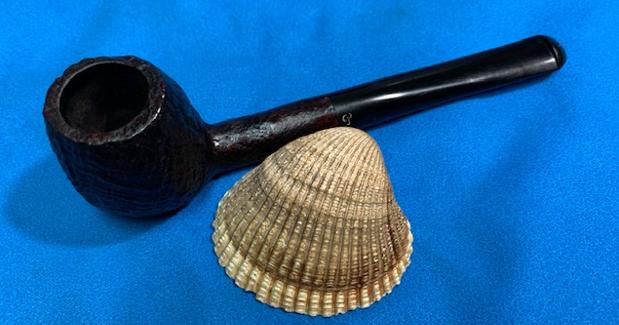
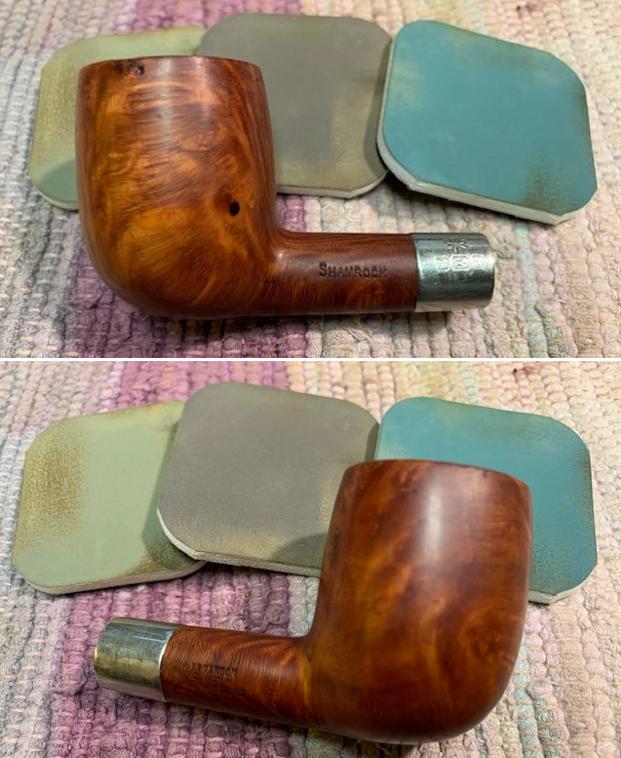
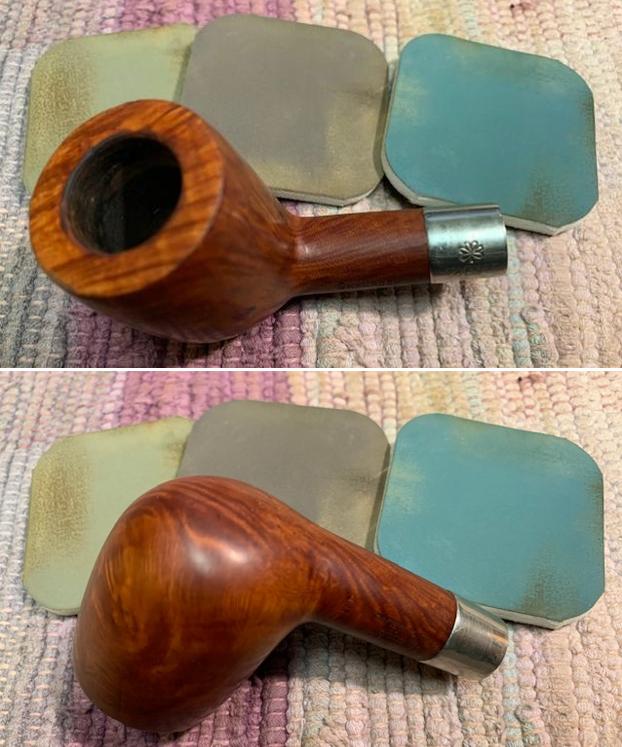
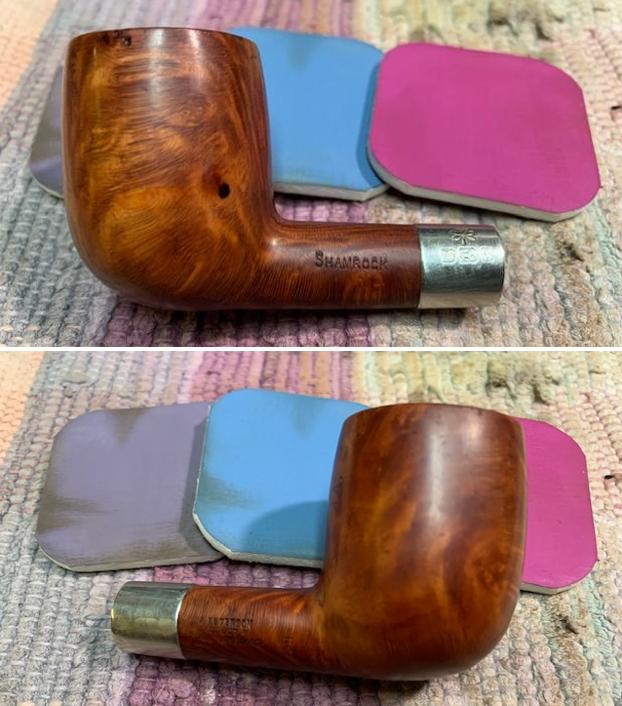
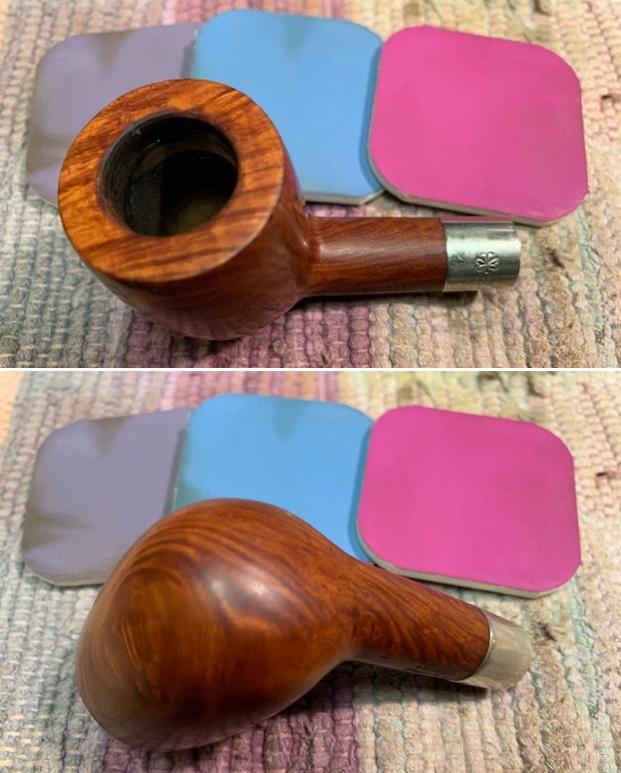
A Peterson’s Product – a Made in Ireland  Shamrock 5 Billiard


Blog by Steve Laug

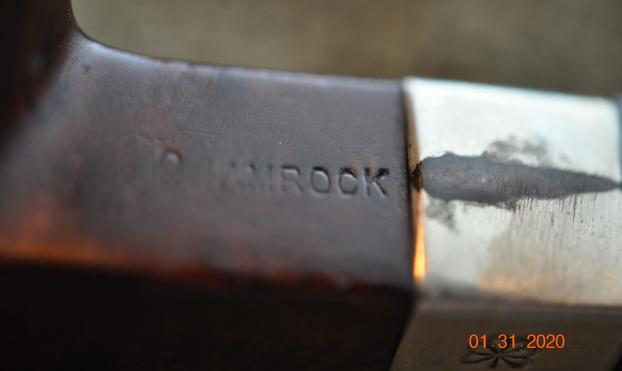
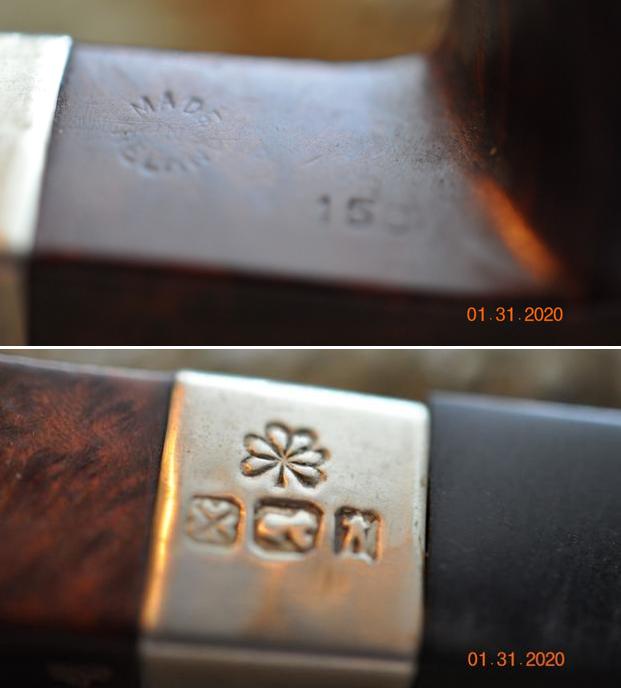
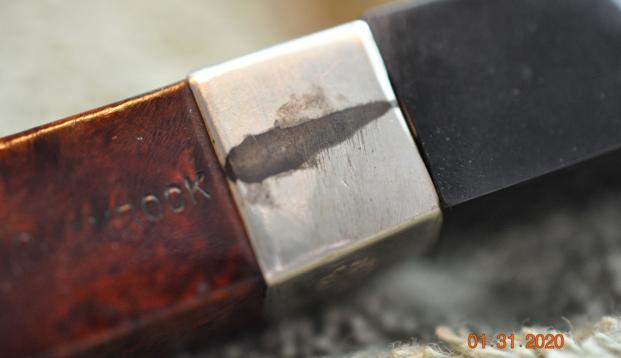
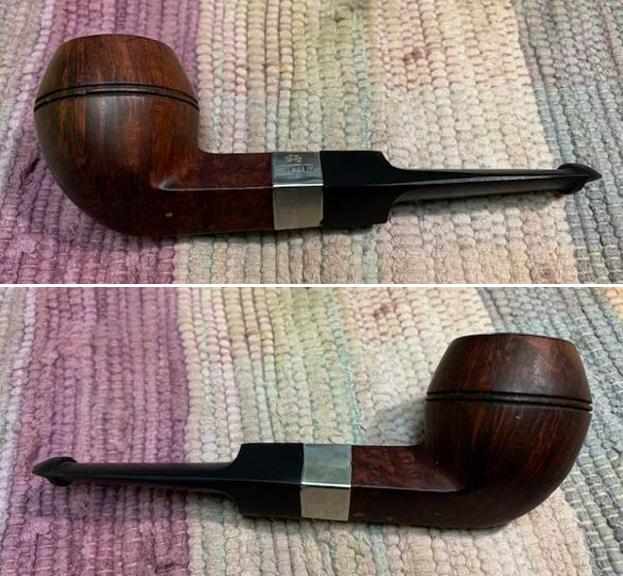
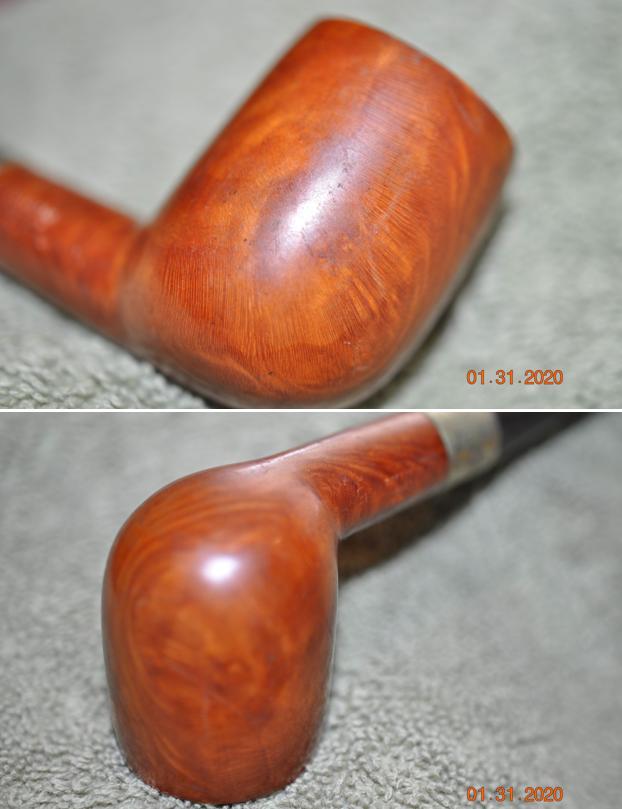
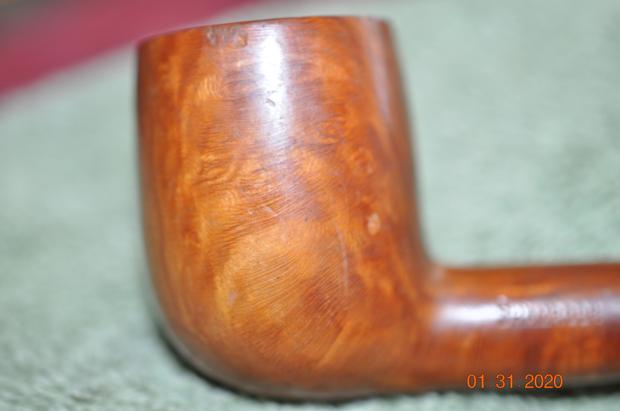
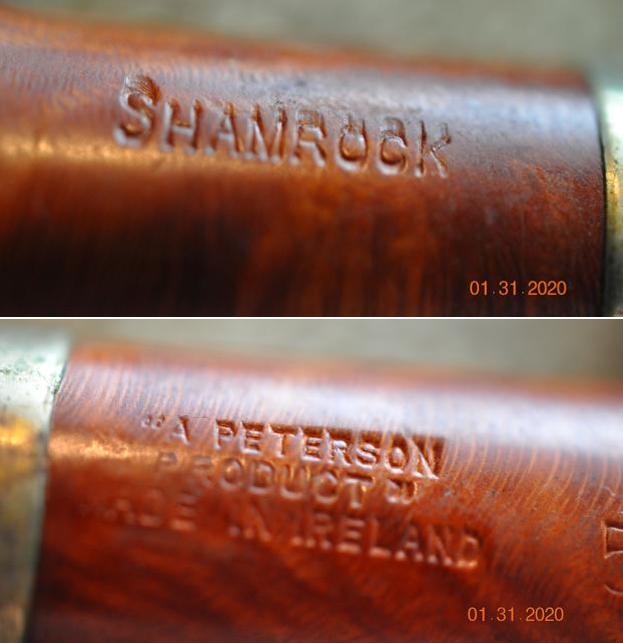
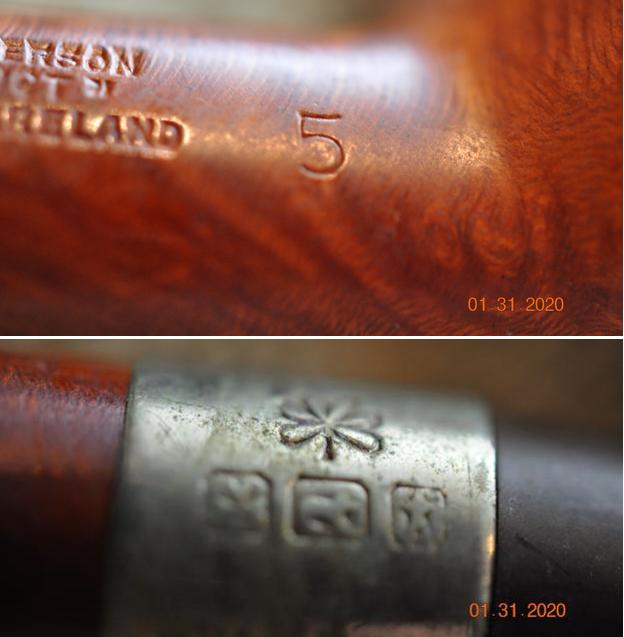
The next pipe I have chosen is another smooth finished Peterson’s Billiard pipe. This one is a smooth Billiard that has a rich coloured finish around the bowl sides and shank. It came to us in early in 2020 from fellow in Los Angeles, California, USA. The finish is almost bland looking it is so dirty. I can see fills around the bowl but don’t know what to expect. It was stamped on the  left side of the shank and read SHAMROCK. It was stamped to the right of the shank and reads “A PETERSON’S [over] PRODUCT” over MADE IN IRELAND (3 lines) with the shape number 5 next to the bowl. It was filthy when Jeff brought it to the table. There was a cake in the bowl and lava on the rim top and the inner edge of the bowl. The rim top was covered but the inner edge appeared to have some damage. The unstamped stem was oxidized and had tooth marks and chatter on the top and underside on and near the button. Jeff took photos of the pipe before his cleanup work. Jeff took photos of the rim top and stem to show the general condition of the pipe. The bowl is heavily caked and the rim top and edges have some lava overflow. The stem is oxidized and has tooth marks on the top and underside near the button.  Jeff took photos of the bowl sides and heel to show the grain that was around this bowl. It is a nice looking pipe. He took photos of the sides of the shank to show the stamping. The stamping is readable in the photos below and is as noted above.   I am including the link to the Pipedia’s article on Peterson pipes. It is a great read in terms of the history of the brand (https://pipedia.org/wiki/Peterson).

I turned to “The Peterson Pipe” by Mark Irwin and Gary Malmberg to get some background on the Peterson’s Shamrock Pipe. On page 312 it had the following information.

Shamrock (c1941-2009) Originally stamped SHAMROCK with no brand name, an inexpensive line first described in George Yale (New York) mail order booklet in 1941, imported by Rogers Import. The line was actively promoted beginning in ’45, aggressively promoted in US by Rogers from early ‘50s when they registered the Shamrock logo with US Patent Office, claiming propriety since ’38. Over the years offered with P-lip or fishtail mouthpiece, with or without nickel band, with or without shamrock logo on the band, with or without S stamped in white or later in gold on mouthpiece. Appearing in 2008 as unstained smooth and rustic, fishtail mouthpiece with gold impressed P on the stem. COMS of MADE IN over IRELAND (C1945-1965), MADE IN IRELAND forming a circle (c1945-1965), “A PETERSON’S PRODUCT” over MADE IN IRELAND (c1945-1965), MADE IN THE over REPUBLIC over OF IRELAND9c1948-1998). Model is always difficult or impossible to date.

Judging from the description above, the pipe I am working on is stamped with the stamp noted in red above. It reads “A Peterson’s Product” over Made in Ireland which narrows the date to between approximately 1945-1965. It is just stamped SHAMROCK with no brand name as an inexpensive a P-Lip stem. Now it was time to work on the pipe.

Jeff had done a great job cleaning up the pipe as usual. He reamed the pipe with a PipNet reamer and cut back the cake back to the bare briar. He cleaned up the walls with a Savinelli Fitsall Pipe Knife. He scrubbed the interior of the bowl and shank with pipe cleaners, cotton swabs and alcohol to remove the tars and oils. He scrubbed the exterior of the pipe with Murphy’s Oil Soap and a tooth brush to remove the grime from the finish. He worked on the rim top lava and darkening with the soap and tooth brush. He scrubbed the inside of the stem with alcohol and pipe cleaners. He scrubbed the exterior with Soft Scrub and then soaked it in Before & After Deoxidizer. He washed it off with warm water to remove the deoxidizer. The pipe looked far better when it arrived. I took some close up photos of the rim top and also of the stem surface. I wanted to show how well it had cleaned up. The rim top looked to be in good condition with some darkening on the inner edges around the bowl. I also took close up photos of the stem to show the tooth marks on the surface near the button.  I took photos of the stamping on the underside of the shank. It reads as noted above.I removed the stem and took a photo of the pipe to have a look at the parts and overall look.I decided to address the shrunken fills around the sides of the bowl first. I filled them in with clear super glue to even them out. Once they cured I sanded them smooth to blend them into the surrounding briar. They are smooth and look better to me even though they are black. Next I reworked the damage to the inner edge of the bowl. I used a folded piece of 220 grit sandpaper to give the inner edge of the bowl a slight bevel to accommodate the burned areas and blend them into the surrounding briar.I polished the briar with micromesh sanding pads – dry sanding with 1500-12000 grit sanding pads. I wiped the bowl down with a damp cloth after each sanding pad. I stained each of the repaired areas with an Oak Stain Pen to blend them into the surrounding briar and make them less intrusive. It works for the majority of them other than the one on the right and the front. But even then it looks better than it did. I worked some Before & After Restoration Balm into the surface of the briar with my fingertips to clean, enliven and protect the briar. I let the balm sit for 15 minutes and then buffed with a cotton cloth to raise the shine. The photos show the bowl at this point in the restoration process.   I set the bowl aside and polished the stem with micromesh sanding pads – wet sanding with 1500-12000 grit sanding pads. I wiped it down after each sanding pad with Obsidian Oil. I polished it with Before & After Pipe Stem Polish – both Fine and Extra Fine.    I am excited to finish this Nickel Banded Older Peterson’s Shamrock 5 Straight Billiard. I put the pipe back together and buffed it with Blue Diamond on the buffing wheel. I gave the bowl and the stem multiple coats of carnauba wax. I hand buffed the pipe with a clean buffing pad to raise the shine. It is fun to see what the polished bowl looks like with beautiful flame grain all around it. Added to that the polished Sterling Silver band and the black vulcanite stem was beautiful. This smooth Classic Shamrock 5 Billiard is great looking and the pipe feels great in my hand. It is light and well balanced. Have a look at it with the photos below. The dimensions are Length: 5 ½ inches, Height: 1 ¾ inches, Outside diameter of the bowl: 1 ¼ inches, Chamber diameter: ¾ of an inch. The weight of the pipe is 38grams/1.34oz. It is a beautiful pipe and one that is already sold, or as Dal calls it “commissioned”. The gentleman who asked for it has the first right of refusal. Thanks for walking through the restoration with me as I worked over this pipe. Thanks to each of you who are reading this blog.
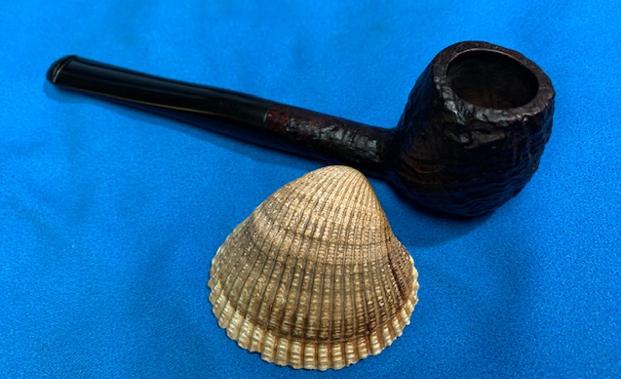
Restoring a Peterson’s Dublin (London Made England) 21 Calabash


Blog by Steve Laug

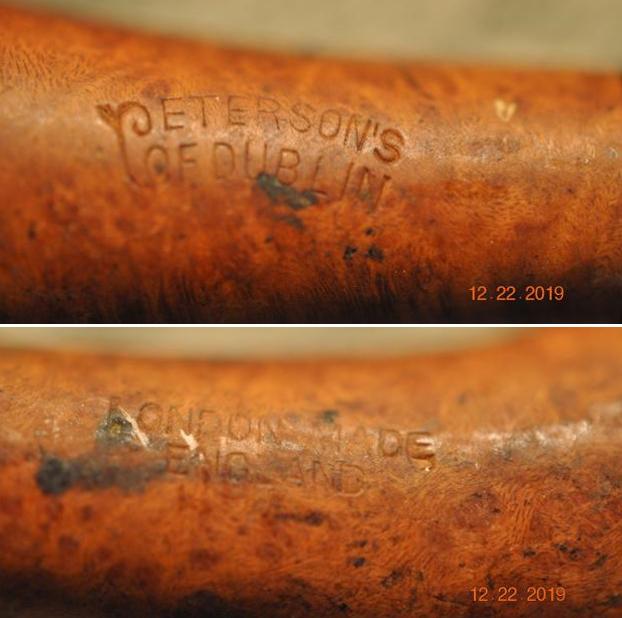
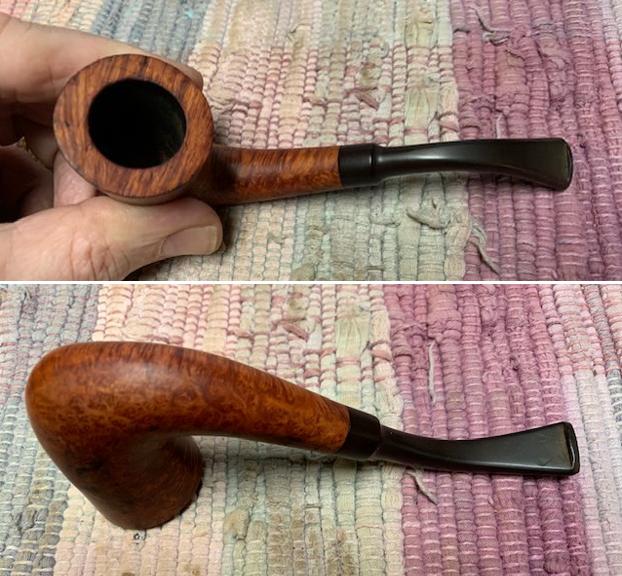
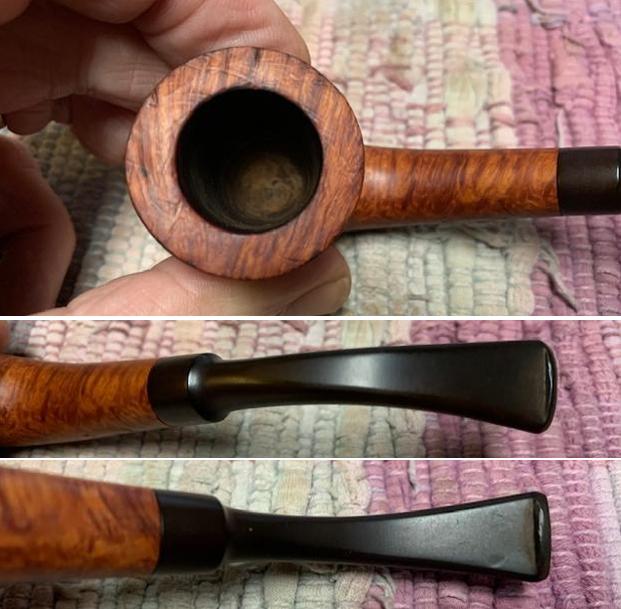
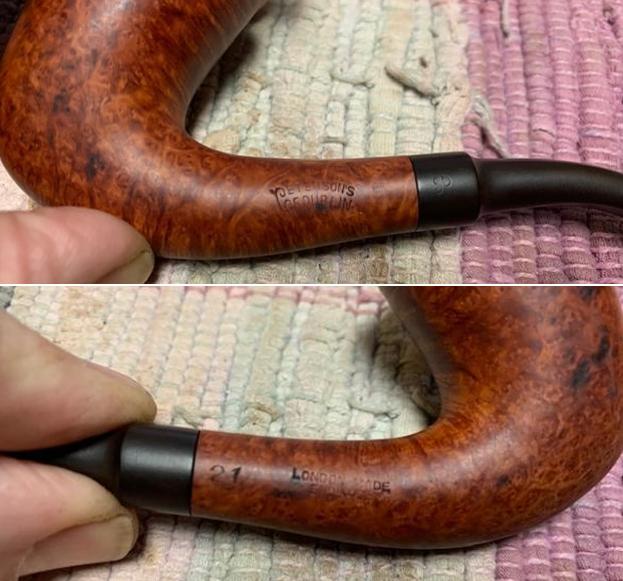
The next pipe I have chosen is smooth finished Peterson’s Dublin Calabash pipe that had a bit of a bland looking finish but had some good looking grain around the bowl sides and shank. It came to us in a group of pipes we bought from a fellow in Los Angeles, California, USA. This Calabash was stamped on the left side of the shank and read Peterson’s [arched over] Dublin. It was stamped on the right side and read London Made [over] England. On the left of that next to the stem it is stamped 21. The pipe was in filthy condition when he brought it to the table. The finish was dirty with grime ground into the briar sides and rim. There were black spots on the briar around the bowl and shank. There was a thick cake in the bowl and a light coat of lava on the rim top but the edges of the bowl and top actually looked to be in good condition. The stem was oxidized, calcified and had tooth marks and chatter on the top and underside on and near the button. It had a stamped P on the left side of the saddle. Jeff took photos of the pipe before his cleanup work. They tell the story and give a glimpse of the promise that we see in this pipe. Jeff took photos of the rim top and stem to show the general condition of the pipe. The bowl is thickly caked and the rim top and edges look pretty good under the light lava coat. The photos of the stem show some oxidation and light tooth marks on both sides near the button. Jeff took some photos of the bowl sides and heel to show the amazing grain that was around this bowl. It is a nice looking pipe.     He took photos of the sides of the shank to show the stamping. The stamping is readable in the photos below and is as noted above.    I am including the link to the Pipedia’s article on Peterson pipes. It is a great read in terms of the history of the brand (https://pipedia.org/wiki/Peterson).

I turned to “The Peterson Pipe” by Mark Irwin and Gary Malmberg to get some background on the Peterson’s London Made England line. On page 296-297 it had the following information.

MADE IN over ENGLAND and variations shown below (1936-62) Peterson maintained a factory in England for about a quarter of a century, from the late 1930s to ’62. Corporate transcripts and London business periodicals suggest the London operation on White Lion Street was about to get underway in ’37. Only a handful of London hallmarked Petersons are documented, stamped with date marks of 1936 and 1939, and these have no COM stamp. Their output would be limited by the onset of the Battle of Britain in July 1940, but it seems reasonable to suppose pipes were made in the London factory during WWII, inasmuch as the K&P Staff Register lists twelve employees earning wages there in January ’44. London hallmarked Petersons have been identified with dates of 1949-54. Most London made Petersons in a collector’s inventory were made in these postwar years, from 1949 until the closing of the factory in ’62. This narrow range  of dates is probably the most reliable indicator of years when the stamp and the variations listed below were employed. The presence of one variation or another on a pipe is not by itself a reliable indicator of age.

Made In over England

Made In England forming a circle

Made In England forming an ellipse

Made in England in a line

A “Peterson’s Product” over Made In England

A Peterson’s Product over Made In England

A Peterson Product over Made in England

Made In over Great Britain

Great Britain

London Made over England

London Made

Now I knew a date range for the pipe I was working on – 1949-1962. I have underlined and made the text bold in the above list to show the stamping on the pipe I am working on. Now it was time to work on the pipe.

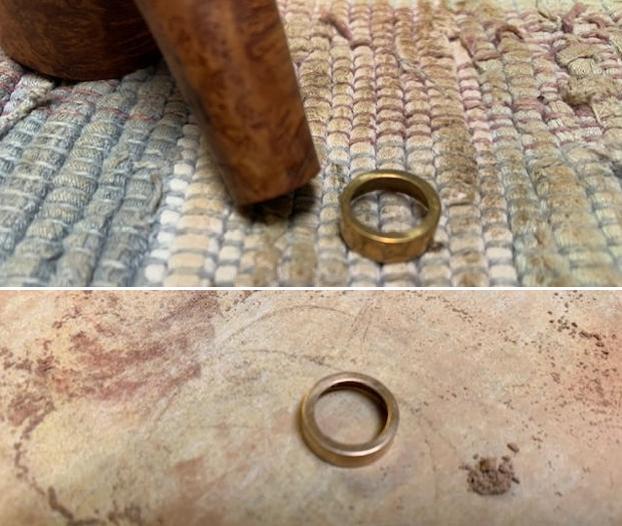
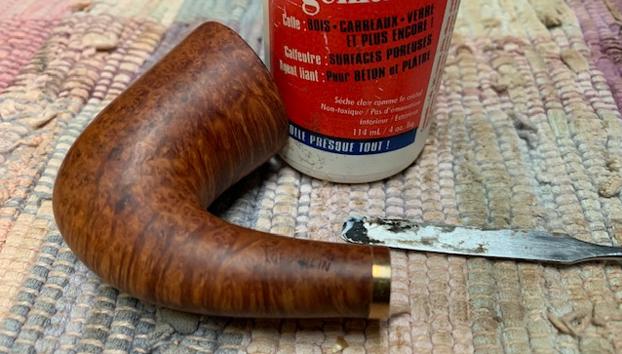
Jeff had done a great job cleaning up the pipe as usual. He reamed the pipe with a PipNet reamer and cut back the cake back to the bare briar. He cleaned up the walls with a Savinelli Fitsall Pipe Knife. He scrubbed the interior of the bowl and shank with pipe cleaners, cotton swabs and alcohol to remove the tars and oils. He scrubbed the exterior of the pipe with Murphy’s Oil Soap and a tooth brush to remove the grime from the finish. He worked on the rim top lava and the darkened spots with the soap and tooth brush. He scrubbed the inside of the stem with alcohol and pipe cleaners. He scrubbed the exterior with Soft Scrub and then soaked it in Before & After Deoxidizer. He washed it off with warm water to remove the Deoxidizer. The pipe looked far better when it arrived. I took some close up photos of the rim top and also of the stem surface. I wanted to show how well it had cleaned up. The rim top had some looked quite good and the inner edge had some darkening and damage. It should clean up really well. I also took close up photos of the stem to show the tooth marks on the surface near the button.     I took photos of the stamping on the sides of the shank. You can see that it is stamped as noted above. It is clear and readable.     I removed the stem and took a photo of the pipe to have a look at the parts and overall look. I decided to address the spots around the bowl sides first. I was pretty sure I could remove them with micromesh sanding pads. I sanded it with 1500-2400 grit pads and was able to remove and minimize those that remained with the micromesh.    In the process of sanding the shank I found a small hairline crack in the underside of the shank that extended straight up the shank for about ½ inch. I checked out the stability of the crack and it was still quite tight. I decided the best course for this kind of crack was to bind it together with a thin brass band. I topped the band edge off and removed some of it so that it did not interfere with the number stamp on the right side and would still do the job it was intended to do. I drew a red rectangle around the crack in the shank and took two pictures to capture it. There is some darkening around the crack and that was what caught my eye.  I went through my bands and found one that was the proper fit for the shank diameter. It was a bit too deep and covered some of the shape number stamp on the right shank so I used a topping board and 220 grit sandpaper to reduce the depth so that it did not cover the number. Once I had the depth correct I put some all purpose glue on the shank end and pressed the band in place on the shank. I wiped off the excess glue with a damp pad. I finished polishing the briar with the remaining micromesh sanding pads – dry sanding with 3200-12000 grit sanding pads. I wiped the bowl down with a damp cloth after each sanding pad. I worked some Before & After Restoration Balm into the surface of the bowl and shank with my fingertips to clean, enliven and protect the briar. I let the balm sit for 15 minutes and then buffed with a cotton cloth to raise the shine. The photos show the bowl at this point in the restoration process.    I set the bowl aside and “painted” the stem surface with the flame of a “Bic” lighter to lift the tooth marks. I was able to raise most of them I filled in the remaining tooth marks with clear super glue. Once the glue cured I sanded the repairs smooth to blend them into the surface of the surrounding vulcanite.  I touched up the P stamp on the left side of the saddle stem with Rub’n Buff  Antique Gold. I rubbed it on with a tooth pick and worked it into the stamp. I buffed it off with a soft cloth. While the stamping is faint it is still readable.     I polished the stem with micromesh sanding pads – wet sanding with 1500-12000 grit sanding pads. I wiped it down after each sanding pad with Obsidian Oil. I polished it with Before & After Pipe Stem Polish – both Fine and Extra Fine.    I am excited to finish this London Made English Peterson’s Dublin, Calabash 21. I put the pipe back together and buffed it with Blue Diamond on the buffing wheel. I gave the bowl and the stem multiple coats of carnauba wax. I hand buffed the pipe with a clean buffing pad to raise the shine. It is fun to see what the polished bowl looks like with beautiful mixed grain all around it. Added to that the polished black vulcanite stem combined with the bowl and brass band on the shank and made a stunning pipe. This smooth Classic Older Peterson’s Dublin English Made Calabash is great looking and the pipe feels great in my hand. It is light and well balanced. Have a look at it with the photos below. The dimensions are Length: 5 ½ inches, Height: 2 inches, Outside diameter of the bowl: 1 ¼ inches, Chamber diameter: ¾ of an inch. The weight of the pipe is 34grams/1.20oz. It is a beautiful pipe that I will soon be putting on the rebornpipes store in the Irish Pipe Makers section. If you are interested in adding it to your collection send me an email or a message. Thanks for walking through the restoration with me as I worked over this pipe. Thanks to each of you who are reading this blog.
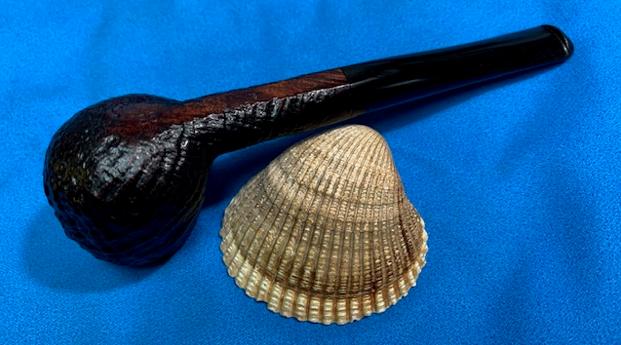
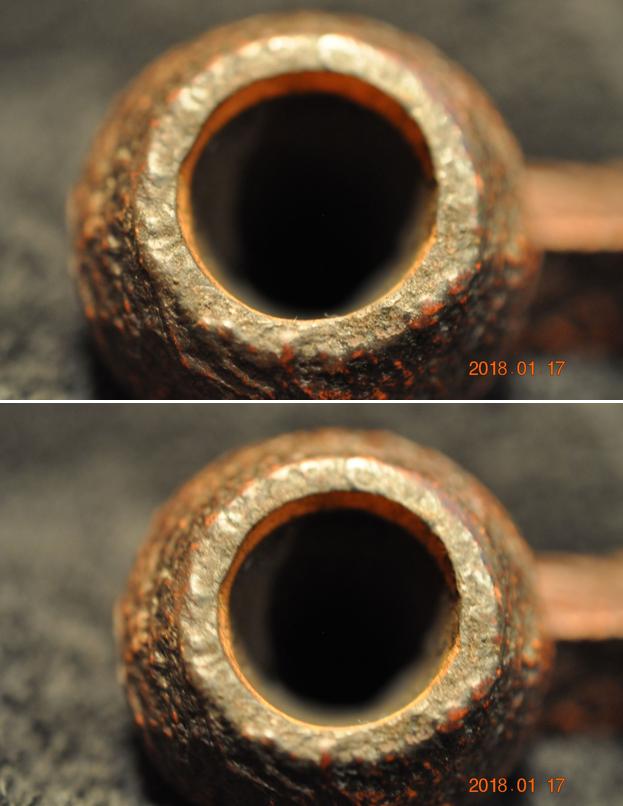
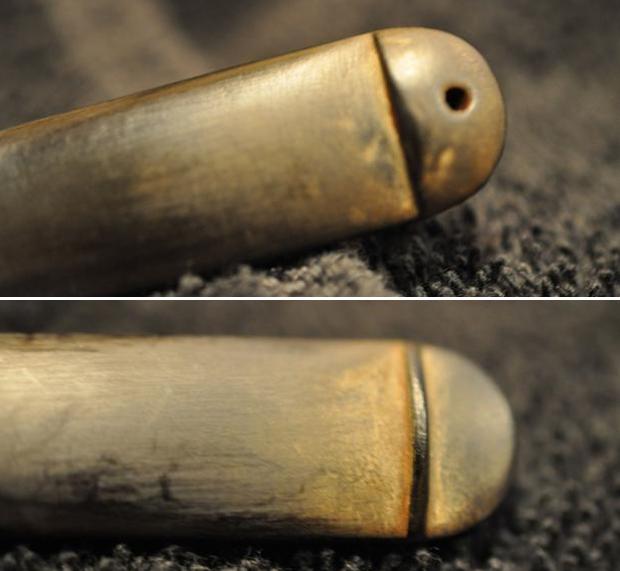
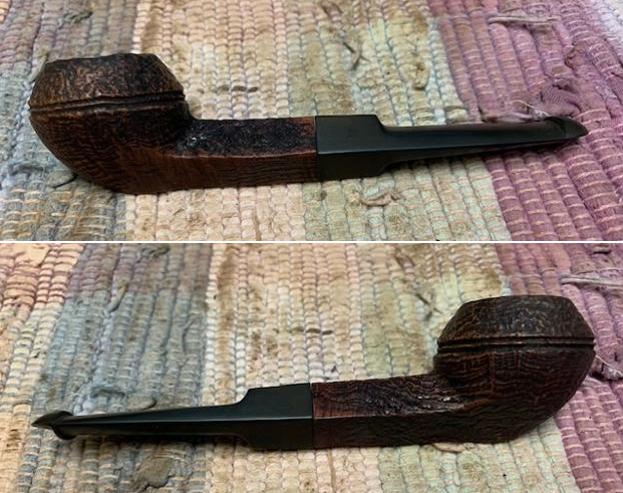
Breathing New Life into a Peterson’s “Kapruf” 495 Sandblast Squat Bulldog


Blog by Steve Laug

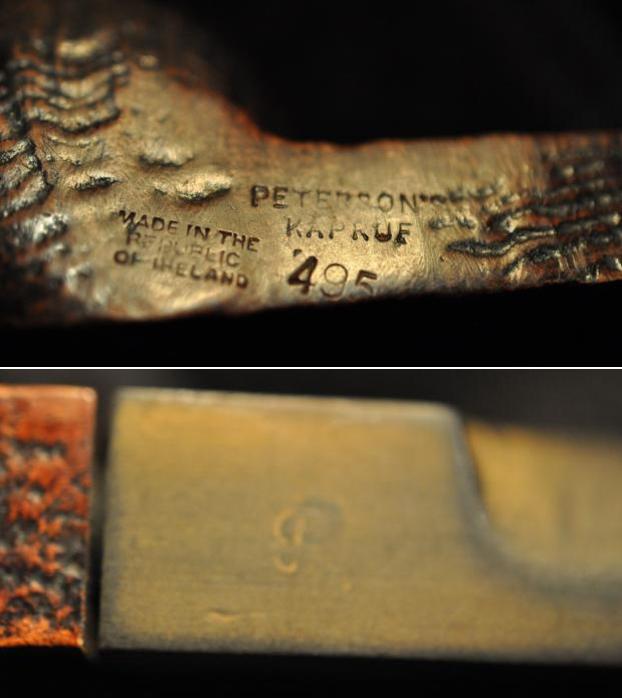
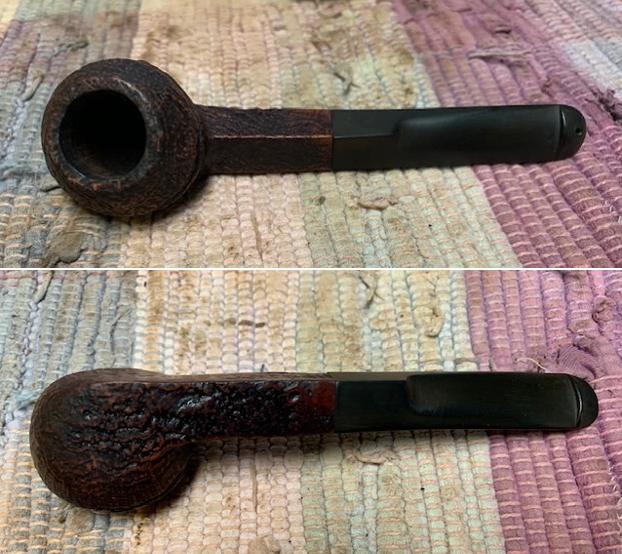
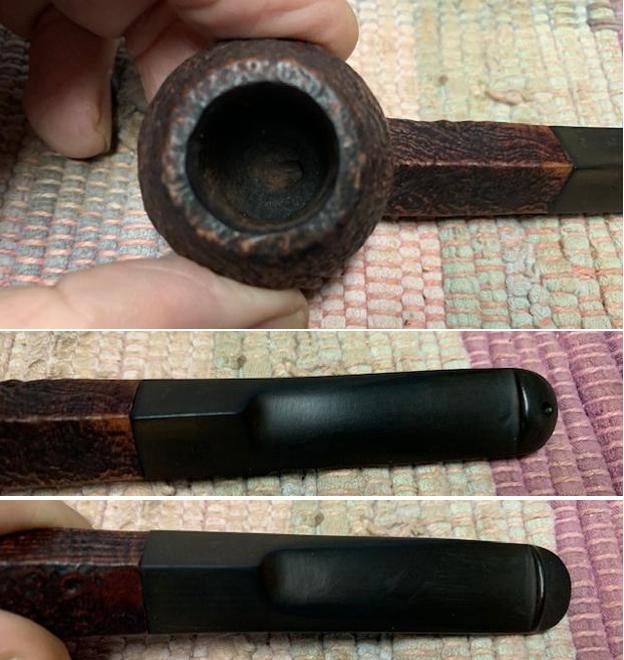
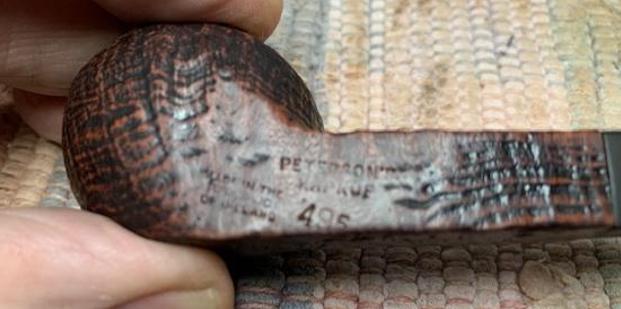
The next pipe I have chosen is another sandblasted Peterson’s Kapruf. This squat Bulldog shaped pipe has a medium brown finish around the bowl sides and shank and a nice looking shallow sandblast finish. It also came to us from the estate of Anglican minister that was a great friend of mine here in Canada. The sandblast rim top and edges were in good condition. The finish on the bowl sides was dirty. It was stamped on the left underside of the shank and read Made in the Republic of Ireland on the heel of the bowl followed by Peterson’s [over] Kapruf [over] 495. There was a light cake in the bowl and debris and lava on the rim top. The inner edges of the bowl seemed to be okay and were raw briar from scraping. The stem was oxidized, calcified and there were heavy tooth marks on the top and underside and on the button. The “P” stamp on the left side of the diamond saddle stem was quite faint. Jeff took photos of the pipe before his cleanup work. They tell the story and give a glimpse of the promise that we see in this pipe. Jeff took photos of the rim top and stem to show the general condition of the pipe. The bowl is heavily caked and the rim top and edges have some lava overflow. The stem is oxidized, calcified has tooth marks on the top and underside near the button.     He took photos of the underside of the bowl and shank to show the stamping. The stamping is readable in the photos below and is as noted above.    I am including the information from Pipedia’s article on Peterson pipes. It is a great read in terms of the history of the brand (https://pipedia.org/wiki/Peterson).

I turned to “The Peterson Pipe” by Mark Irwin and Gary Malmberg to get some background on the Kapruf line. On page 306 it had the following information.

Kapruf and “Kapruf” (c.1922-87) Sandblast (hence the name, Kapp-rough) P-lip or fishtail mouthpiece, in catalogs from 1940-87. Early documented specimens stamped IRISH over FREE STATE, no Eire specimens documented. Mid-century specimens may be stamped LONDON MADE [over] ENGLAND or MADE IN ENGLAND forming a circle or MADE IN [over] IRELAND, all dating no later than 1970. Those of recent vintage stamped MADE IN THE [over] REPUBLIC [over]OF IRELAND.

I knew that I was dealing with a KAPRUF made after 1970 (or as they say in the book above “recent vintage” as it is stamped MADE IN [over] THE REPUBLIC [over] OF IRELAND as noted above. That fit with the majority of his pipes so I was clear what I was working on. Now it was time to work on the pipe.

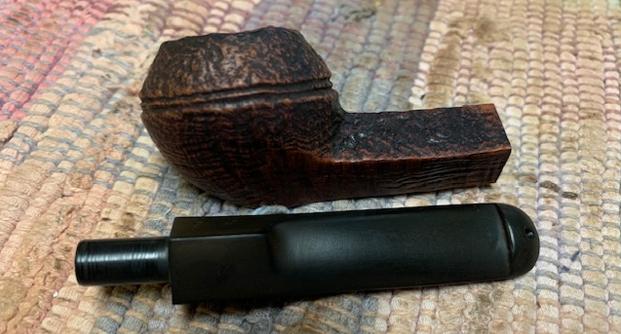
Jeff had done a great job cleaning up the pipe as usual. He reamed the pipe with a PipNet reamer and cut back the cake back to the bare briar. He cleaned up the walls with a Savinelli Fitsall Pipe Knife. He scrubbed the interior of the bowl and shank with pipe cleaners, cotton swabs and alcohol to remove the tars and oils. He scrubbed the exterior of the pipe with Murphy’s Oil Soap and a tooth brush to remove the grime from the finish. He worked on the rim top lava and darkening with the soap and tooth brush. He scrubbed the inside of the stem with alcohol and pipe cleaners. He scrubbed the exterior with Soft Scrub and then soaked it in Before & After Deoxidizer. He washed it off with warm water to remove the Deoxidizer. The pipe looked far better when it arrived.     I took some close up photos of the rim top and also of the stem surface. I wanted to show how clean the rim top looked. The sandblast surface is perfect. I also took close up photos of the stem to show the tooth marks on the surface of the stem and button.    I took a photo of the stamping on the underside of the shank. You can see that it is stamped as noted above. It is faint in spots but very readable. I took the pipe apart and took a photo of the pipe. It is a good looking pipe and has a great looking sandblast. The bowl was in such good condition that I worked some Before & After Restoration Balm into the surface of the briar with my fingertips and a horsehair shoe brush to clean, enliven and protect the briar. I let the balm sit for 15 minutes and then buffed with a cotton cloth to raise the shine. The photos show the bowl at this point in the restoration process.    I set the bowl aside and turned my attention to the stem. I “painted” the surface of the stem with the flame of a lighter to lift the tooth marks. While it lifted many of them a few remained. I filled them in with clear super glue. Once the repair had cured I flattened it out with 220 grit sandpaper to blend them into the surface of the vulcanite. I started polishing the stem by wet sanding it with 400 grit wet dry sandpaper.    The “P” stamp on the left topside of the saddle stem was quite faintly stamped. I touched it up with some Rub’n Buff Antique Gold. I worked it into the remaining stamp with a tooth pick. I buffed off the excess with a cotton pad. It shows but it is very faint.   I polished the stem with micromesh sanding pads – wet sanding with 1500-12000 grit sanding pads. I wiped it down after each sanding pad with Obsidian Oil. I polished it with Before & After Pipe Stem Polish – both Fine and Extra Fine.     I am excited to finish this Peterson’s “Kapruf” 495 Republic Era Sandblast Squat Bulldog. I am really happy with how the bowl turned out when I consider the damage that needed to be addressed. I put the pipe back together and buffed it with Blue Diamond on the buffing wheel. I gave the bowl multiple coats of Conservator’s Wax and the stem multiple coats of carnauba wax. I buffed the pipe with a clean buffing pad to raise the shine. I hand buffed it with a microfibre cloth to deepen the shine. It is fun to see what the polished bowl looks like with the colours popping through the sandblast. Added to that the polished  black vulcanite taper stem was beautiful. This shapely Classic Peterson’s “Kapruf” Squat Bulldog is nice looking and the pipe feels great in my hand. It is light and well balanced. Have a look at it with the photos below. The dimensions are Length: 5 ½ inches, Height: 1 ½ inches, Outside diameter of the bowl: 1 ½ inch, Chamber diameter: ¾ of an inch. The weight of the pipe is 25grams/.88oz. It is a beautiful pipe and one that I soon put on the rebornpipes store I you are interested in carrying on the pipeman’s legacy. Thanks for walking through the restoration with me as I worked over this pipe. Thanks to each of you who are reading this blog.
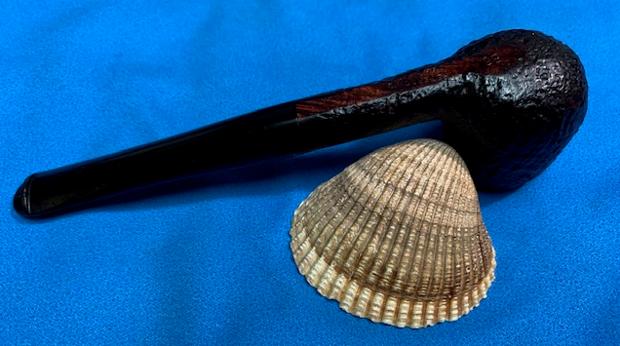
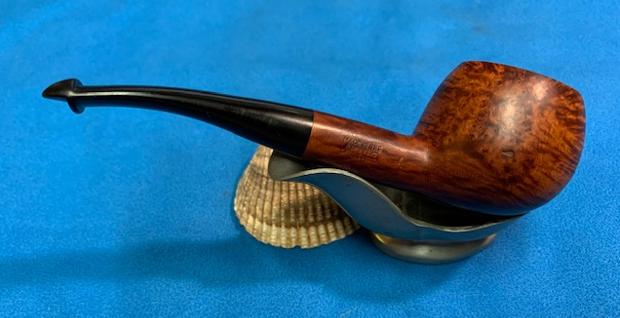
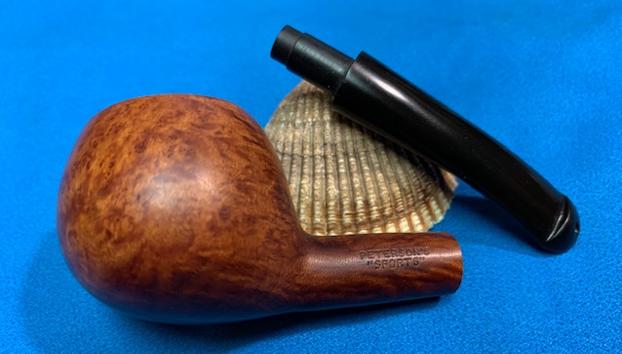
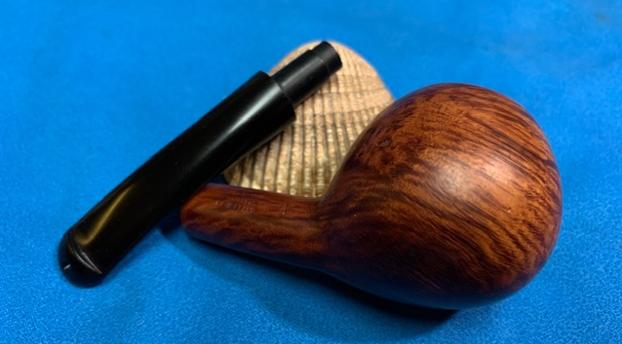
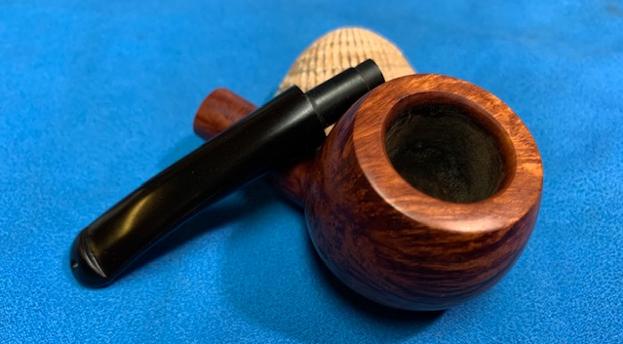
Restoring a Republic Era Peterson’s “Sports” 4 Apple


Blog by Steve Laug

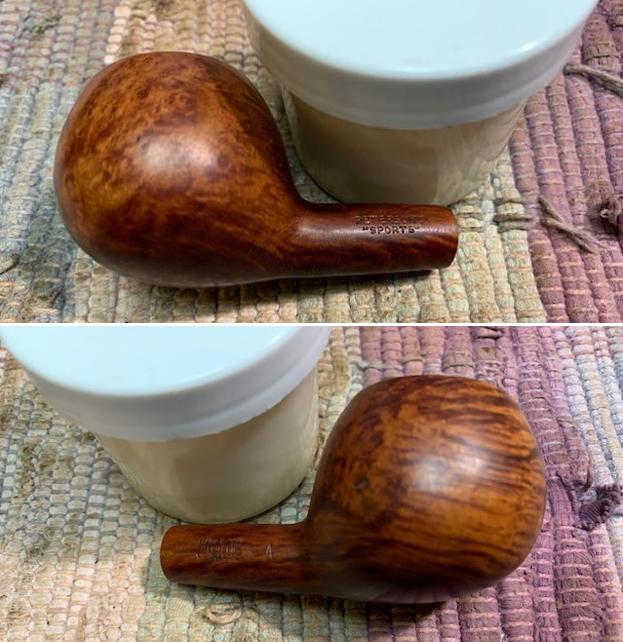
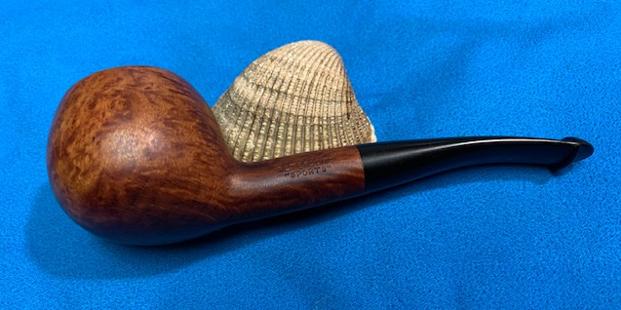
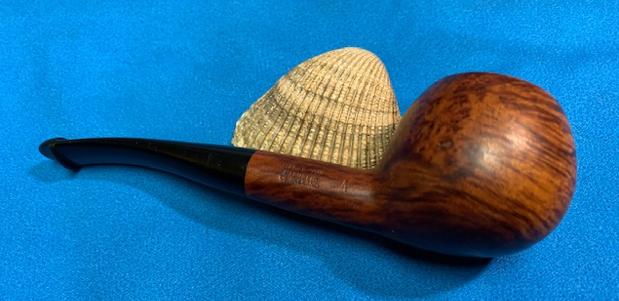
The next pipe I have chosen is smooth finished Peterson’s Apple shaped pipe that had a bit of a bland looking finish but had some good looking grain around the bowl sides and shank. It also came to us from the estate of Anglican minister that was a great friend of mine here in Canada. This Apple did not have a nickel ferrule on the shank end. It was stamped on the left side of the shank and read Peterson’s [over] “Sports”. It was stamped on the right side and reads Made in the Republic of Ireland (3 lines). Next to the bowl it is stamped 4. The pipe was in filthy condition when he brought it to the table. The finish was dirty with grime ground into the briar sides and rim. There was a thick cake in the bowl and there was some damage to the rim top and the inner edge of the rim. The stem was oxidized, calcified and had tooth marks and chatter on the top and underside on and near the button. Jeff took photos of the pipe before his cleanup work. They tell the story and give a glimpse of the promise that we see in this pipe. Jeff took photos of the rim top and stem to show the general condition of the pipe. The bowl is thickly caked and the rim top and edges show quite a bit of damage around the bowl. The photo of the stem shows some oxidation and light tooth marks on both sides near the button. Jeff took some photos of the bowl sides and heel to show the amazing grain that was around this bowl. It is a nice looking pipe. He took photos of the sides of the shank to show the stamping. The stamping is worn but is still readable in the photos below and is as noted above.   I am including the link to the Pipedia’s article on Peterson pipes. It is a great read in terms of the history of the brand (https://pipedia.org/wiki/Peterson).

I turned to “The Peterson Pipe” by Mark Irwin and Gary Malmberg to get some background on the Peterson’s Sports. On page 313-314 it had the following information.

“SPORTS” (1947-) A “Sport” is traditionally a compact pipe made for smokers engaged in athletic pursuits, most notably equestrian riders who do not want the bowl to bounce up and down. Six shapes described in 1947 shape chart. Occasional later catalogs show as many as 11 shapes. Last  appeared in shape chart in ’98, but still made in small numbers. Recorded specimens are stamped MADE IN IRELAND (forming a circle) or MADE IN THE over REPUBLIC over OF IRELAND. See Outdoor and Outdoor Sportsman.

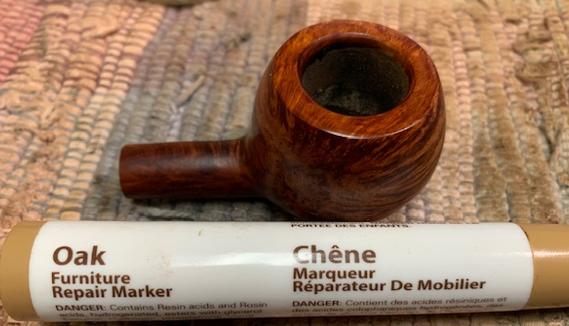
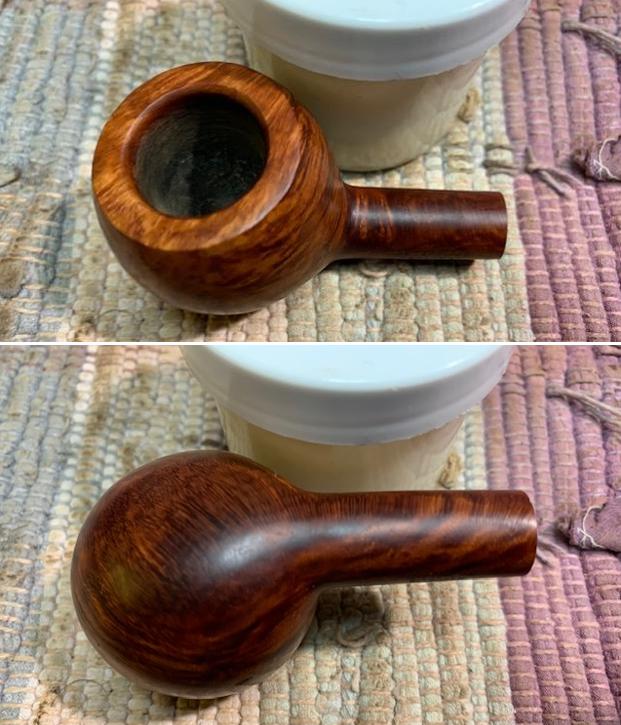
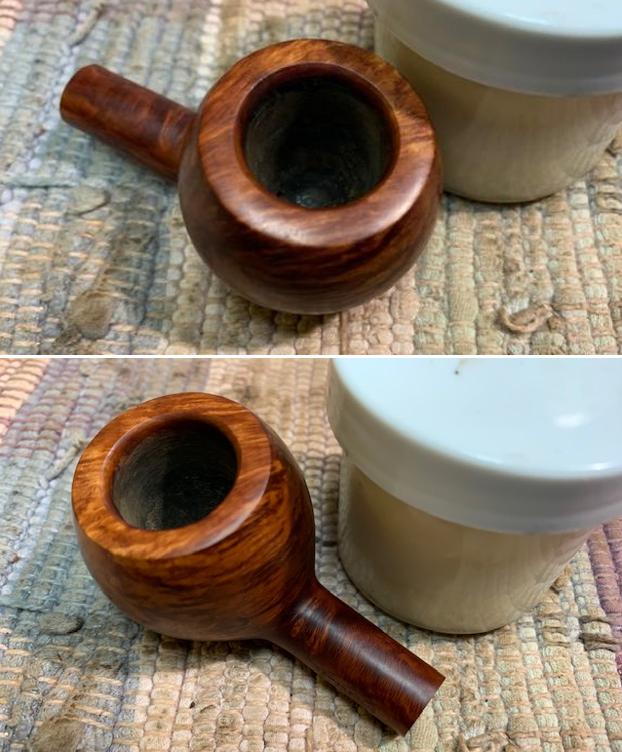
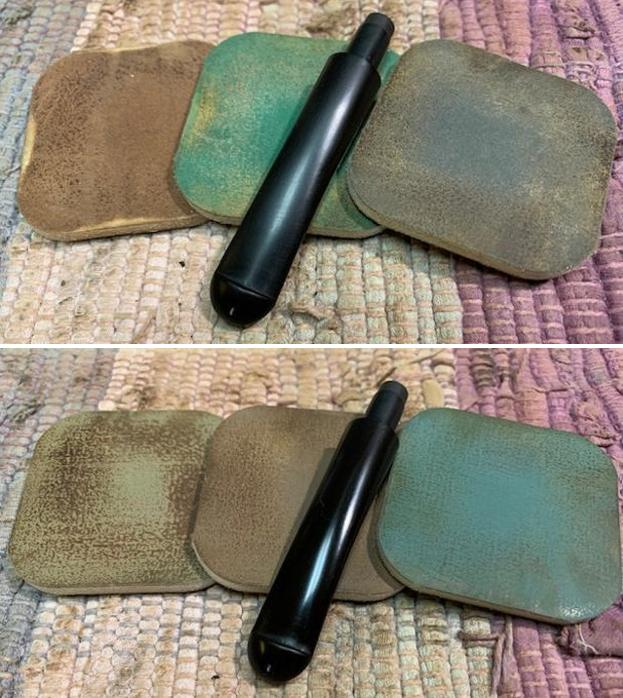
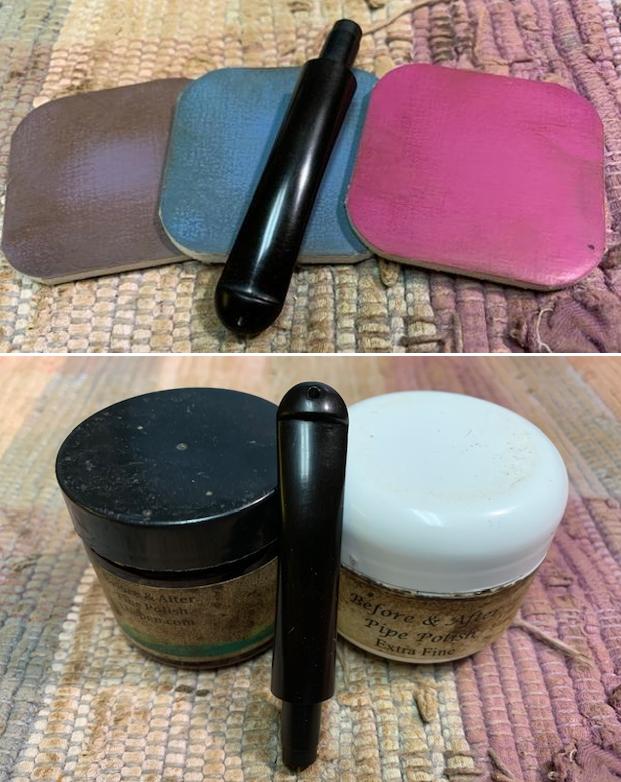
Now it was time to work on the pipe. Jeff had done a great job cleaning up the pipe as usual. He reamed the pipe with a PipNet reamer and cut back the cake back to the bare briar. He cleaned up the walls with a Savinelli Fitsall Pipe Knife. He scrubbed the interior of the bowl and shank with pipe cleaners, cotton swabs and alcohol to remove the tars and oils. He scrubbed the exterior of the pipe with Murphy’s Oil Soap and a tooth brush to remove the grime from the finish. He worked on the rim top lava and darkening with the soap and tooth brush. He scrubbed the inside of the stem with alcohol and pipe cleaners. He scrubbed the exterior with Soft Scrub and then soaked it in Before & After Deoxidizer. He washed it off with warm water to remove the Deoxidizer. The pipe looked far better when it arrived.    I took some close up photos of the rim top and also of the stem surface. I wanted to show how well it had cleaned up. The rim top had some looked quite good and the inner edge had some darkening and damage. It should clean up really well. I also took close up photos of the stem to show the tooth marks on the surface near the button.   I took photos of the stamping on the sides of the shank. You can see that it is stamped as noted above. It is clear and readable.    I removed the stem and took a photo of the pipe to have a look at the parts and overall look. I decided to address the damage to the edge of the bowl and the rim top first. I topped the bowl on a topping board with 220 grit sandpaper to smooth out the damage to the rim top. I used a folded piece of 220 grit sandpaper to give the inner edge of the bowl a slight bevel to accommodate the burned areas and blend them into the surrounding briar. I polished the briar with micromesh sanding pads – dry sanding with 1500-12000 grit sanding pads. I wiped the bowl down with a damp cloth after each sanding pad.    I touched up the rim top with an oak stain pen to match it to the surround briar of the bowl.I worked some Before & After Restoration Balm into the surface of the briar with my fingertips to clean, enliven and protect the briar. I let the balm sit for 15 minutes and then buffed with a cotton cloth to raise the shine. The photos show the bowl at this point in the restoration process. I set the bowl aside and turned my attention to the stem. I polished the stem with micromesh sanding pads – wet sanding with 1500-12000 grit sanding pads. I wiped it down after each sanding pad with Obsidian Oil. I polished it with Before & After Pipe Stem Polish – both Fine and Extra Fine.          I am excited to finish this Republic of Ireland Made Peterson’s “Sports” 4 Apple. I put the pipe back together and buffed it with Blue Diamond on the buffing wheel. I gave the bowl and the stem multiple coats of carnauba wax. I hand buffed the pipe with a clean buffing pad to raise the shine. It is fun to see what the polished bowl looks like with beautiful mixed grain all around it. Added to that the polished black vulcanite stem combined with the bowl and made a stunning pipe. This smooth Classic Older Peterson’s “Sports” 4 Apple is great looking and the pipe feels great in my hand. It is light and well balanced. Have a look at it with the photos below. The dimensions are Length: 5 inches, Height: 1 ¼ inches, Outside diameter of the bowl: 1 ½ inches, Chamber diameter: ¾ of an inch. The weight of the pipe is 33grams/1.16oz. It is a beautiful pipe that I will soon be putting on the rebornpipes store in the Irish Pipe Makers section. If you are interested in adding it to your collection send me an email or a message. Thanks for walking through the restoration with me as I worked over this pipe. Thanks to each of you who are reading this blog.
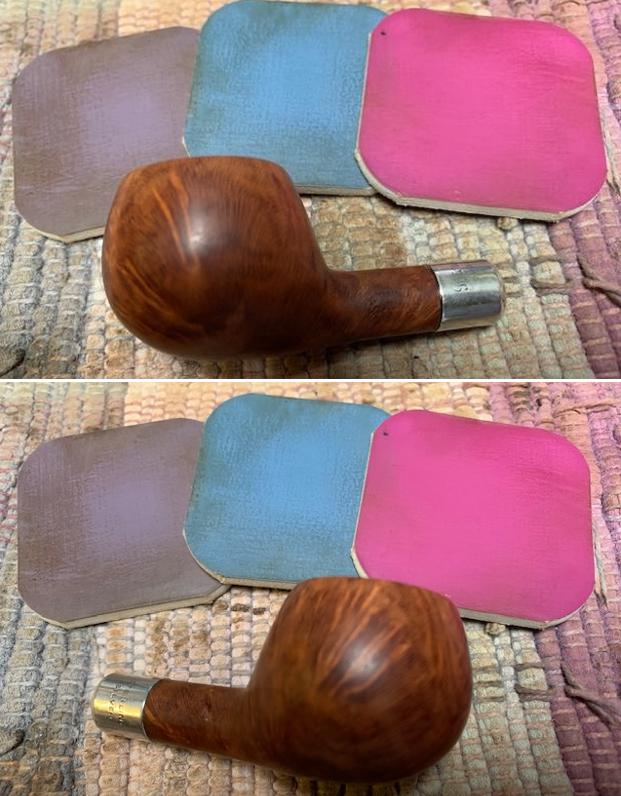
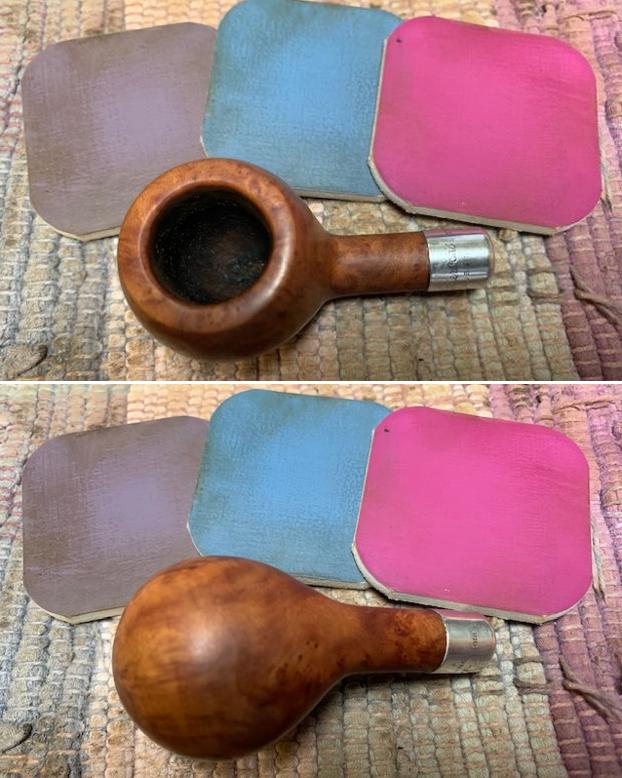
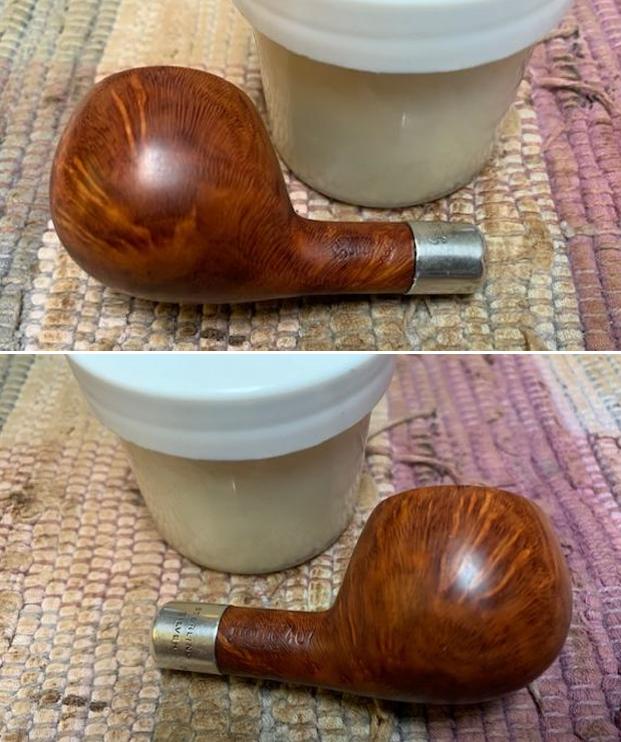
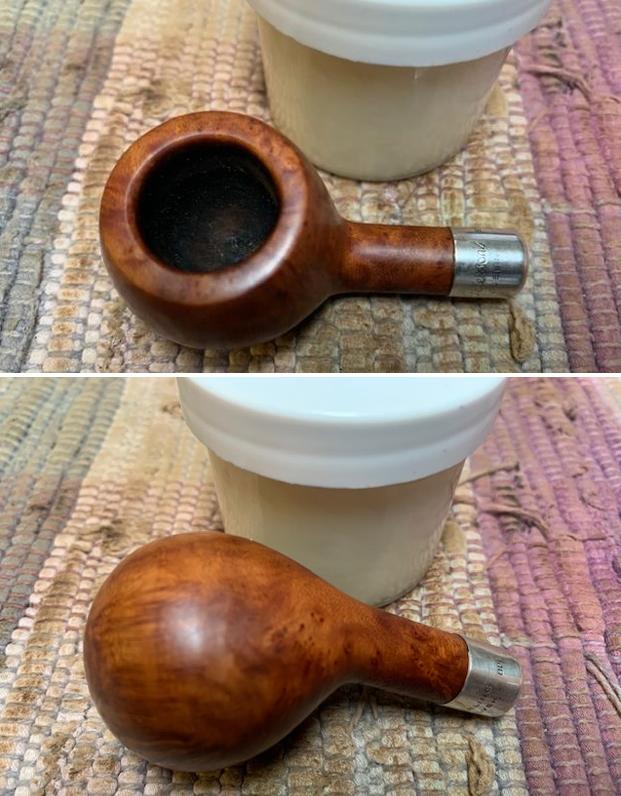
Restoring an Early Republic Era Peterson’s Dublin 2 Prince 407


Blog by Steve Laug

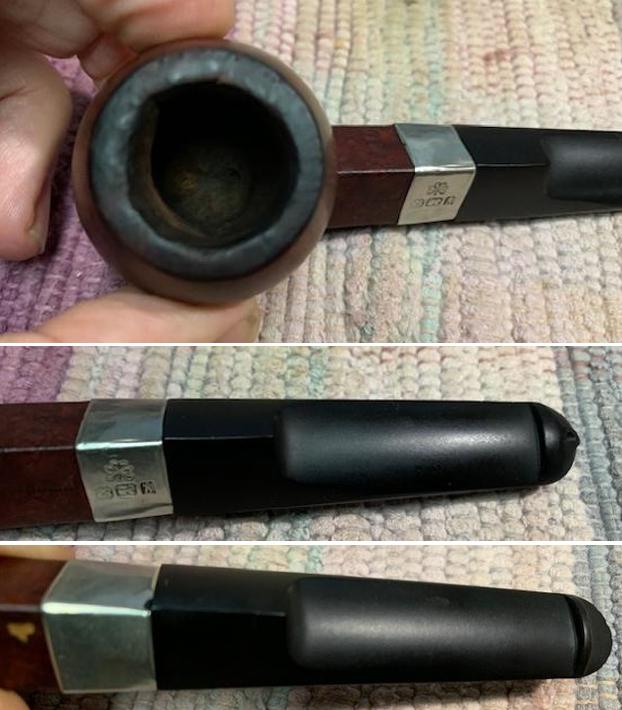
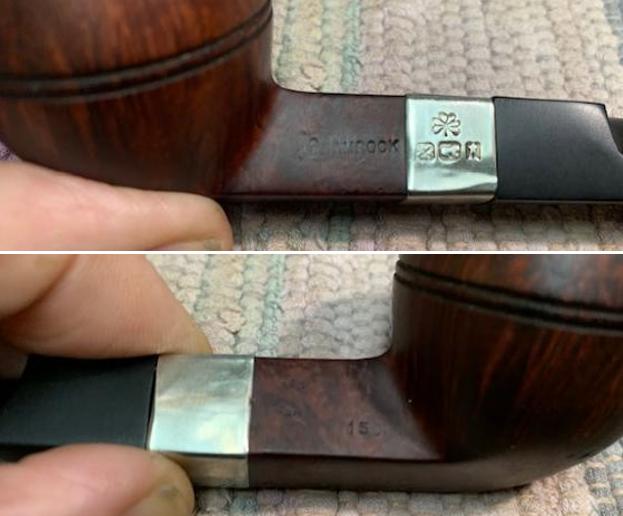
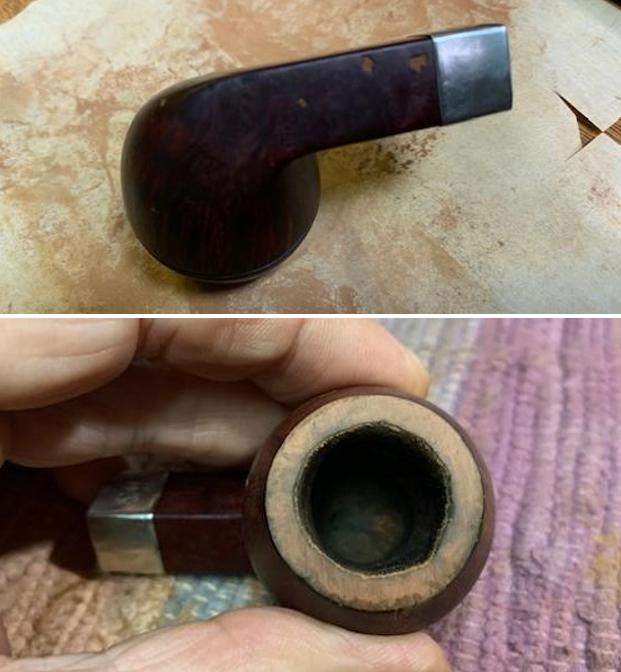
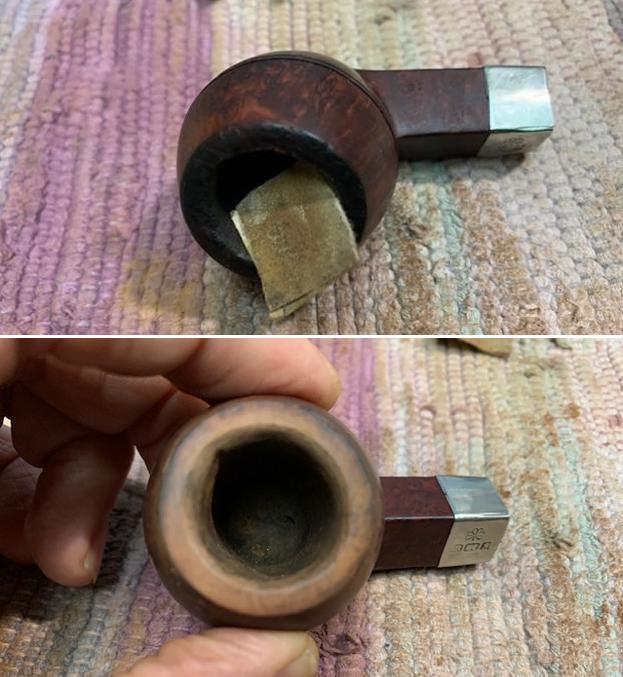
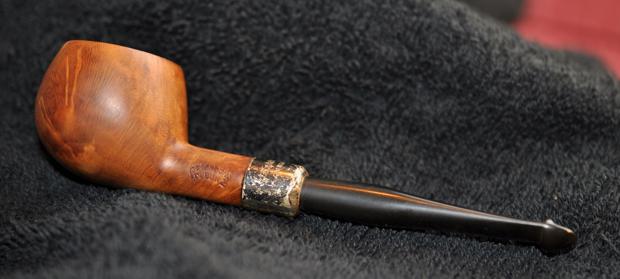
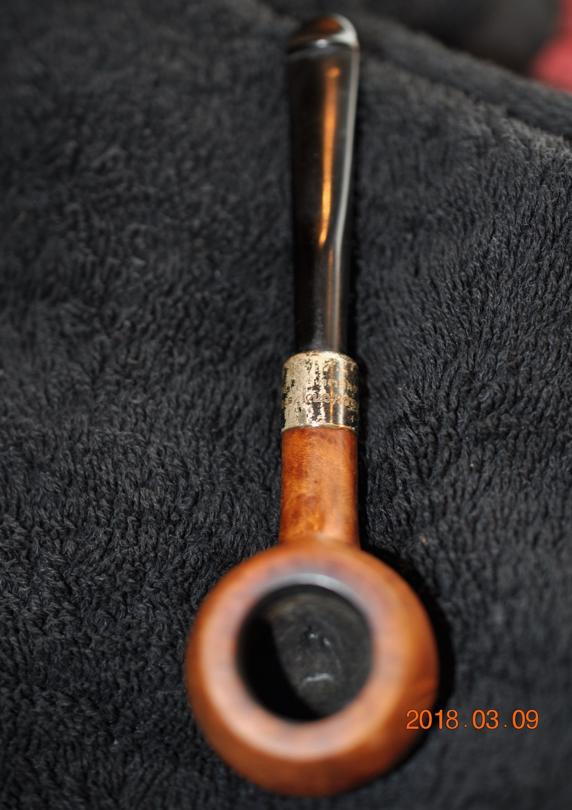
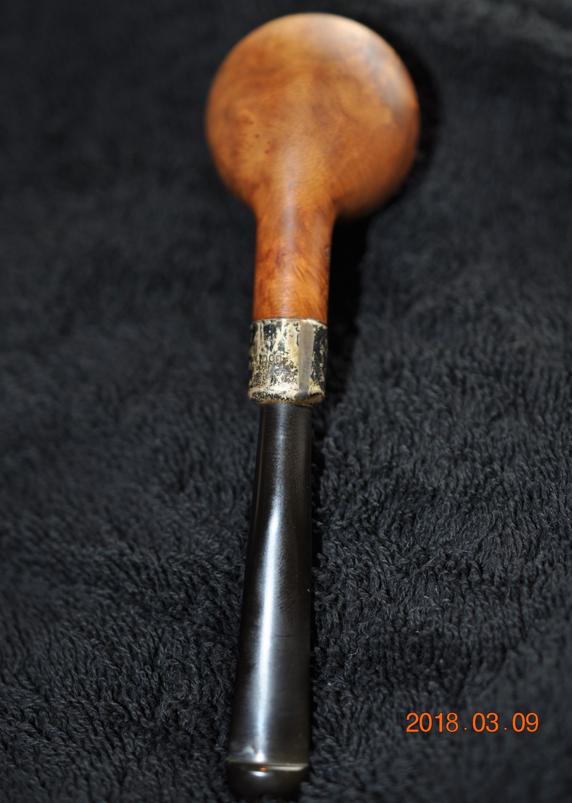
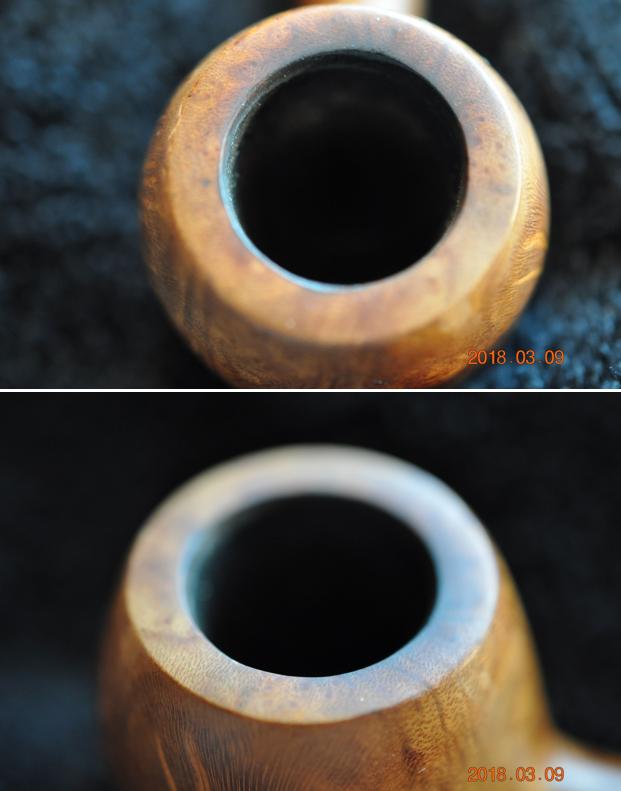
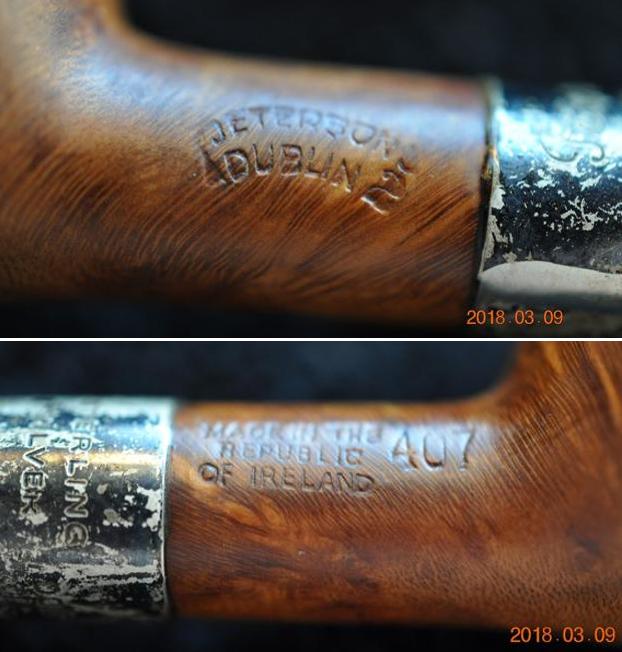
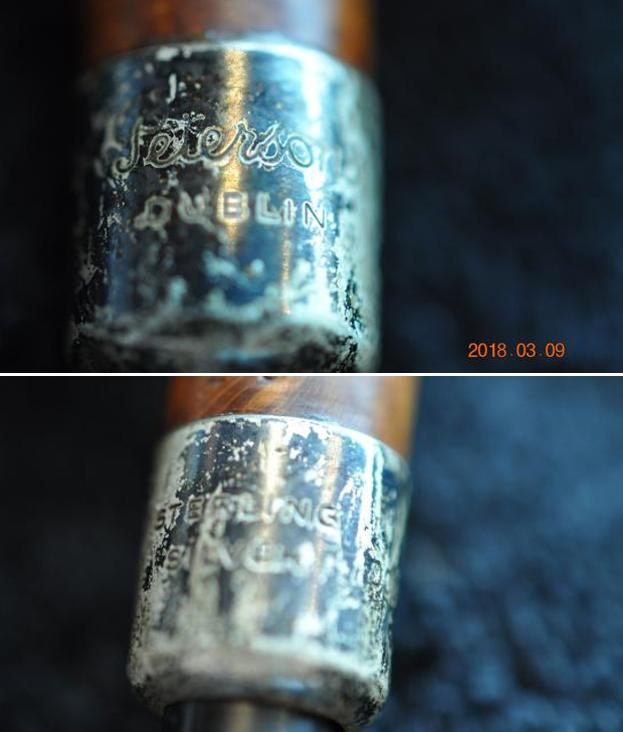
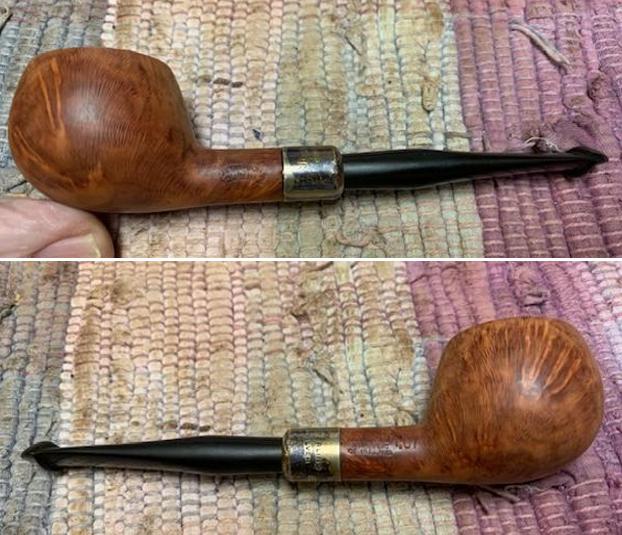
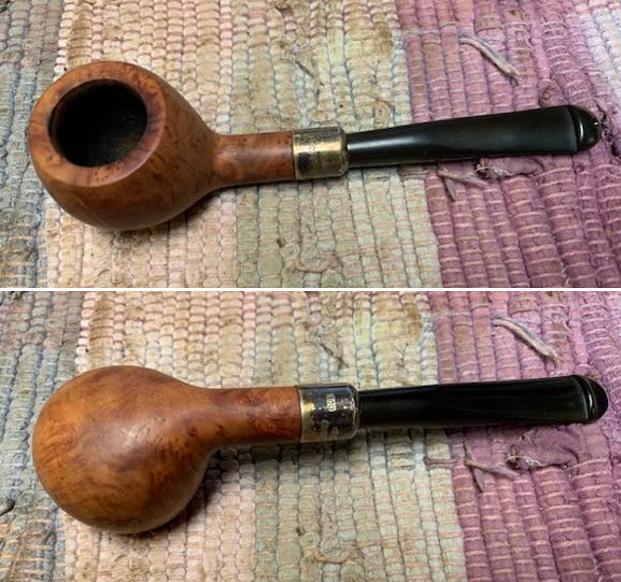
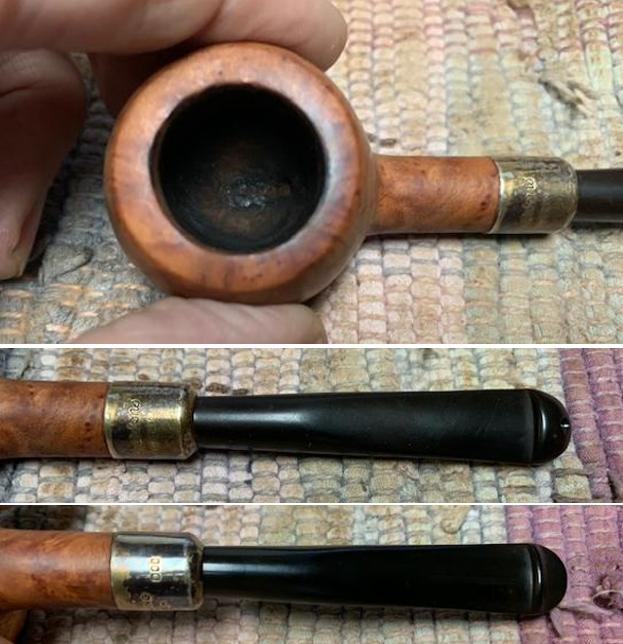
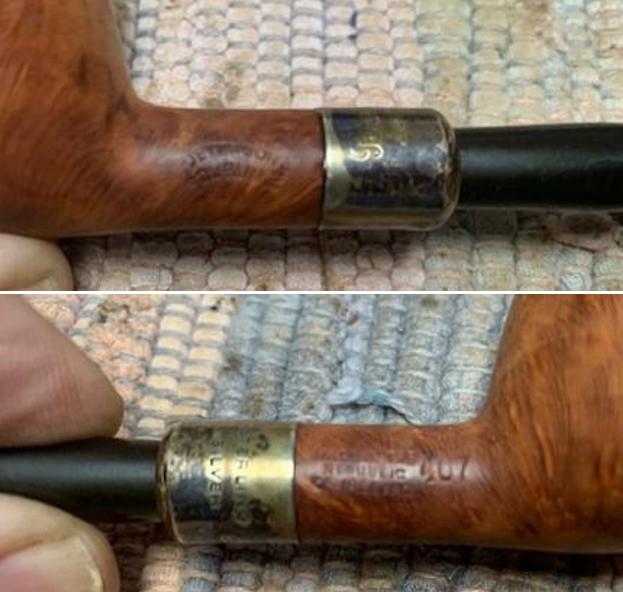
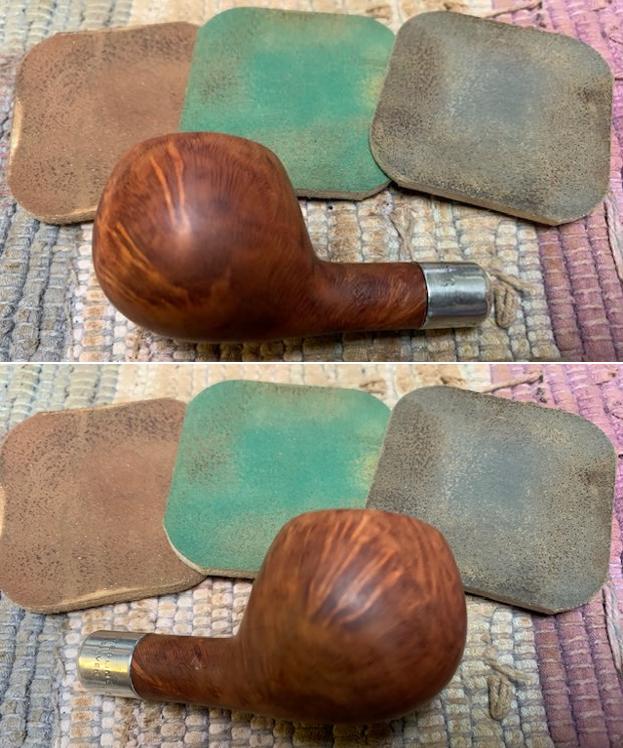
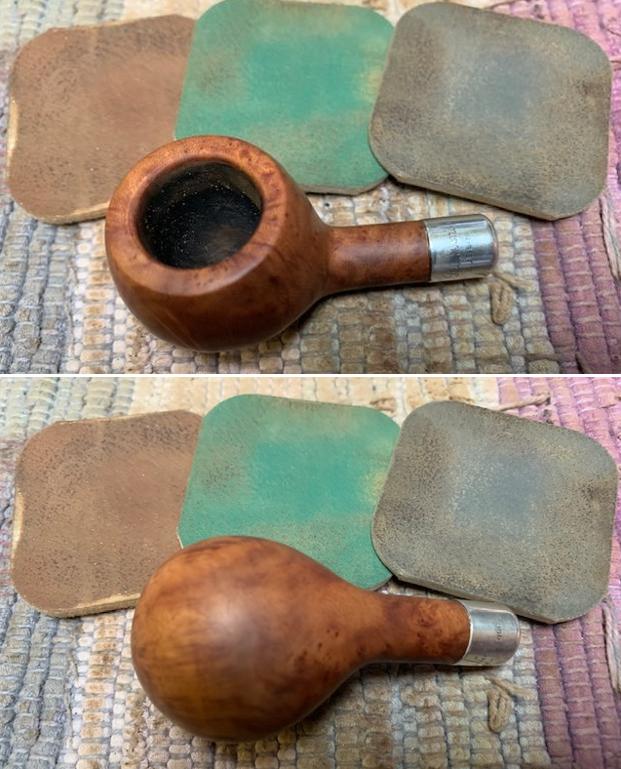
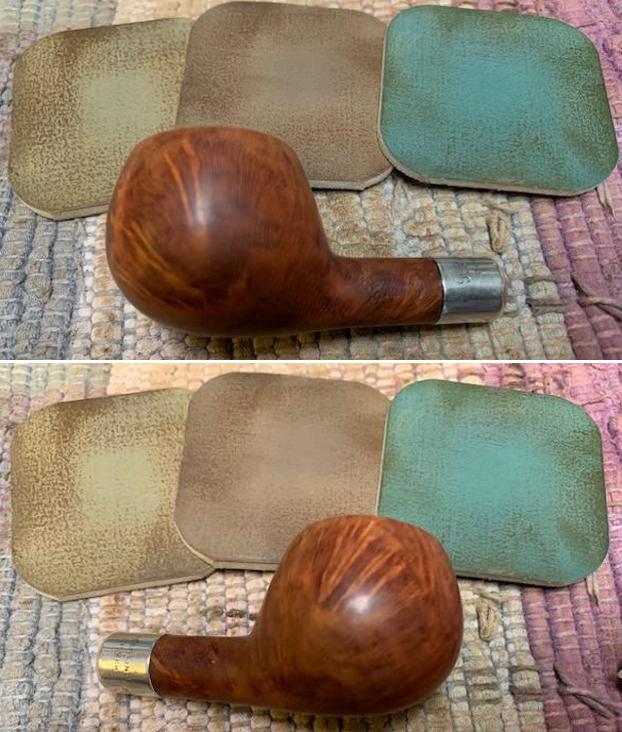
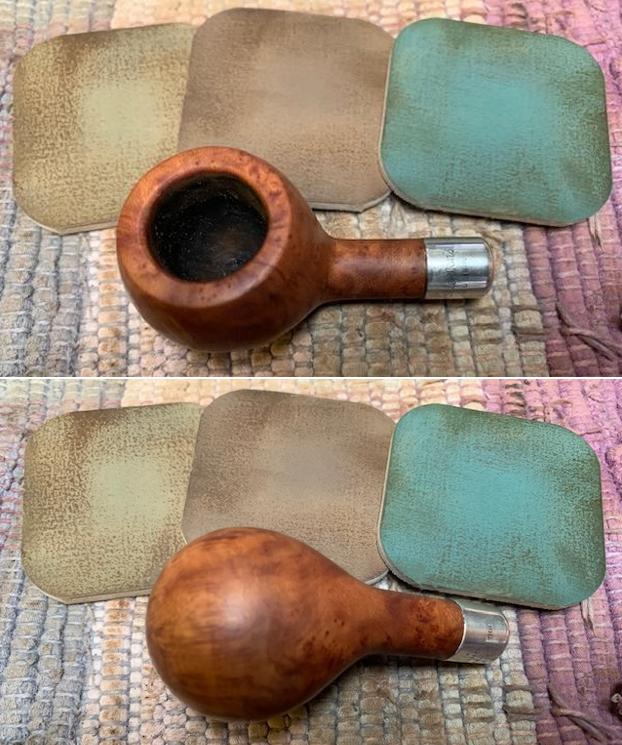
The next pipe I have chosen is smooth finished Peterson’s System 2 Military bit Prince pipe. The stamping on the shank was similar to the Billiard and the Bulldog that I have worked on previously. I had a bit of a bland looking finish but had some good looking grain around the bowl sides and shank. It also came to us from the estate of Anglican minister that was a great friend of mine here in Canada. This Prince was in decent condition and had a Sterling Silver ferrule on the shank end. It was stamped on the left side of the shank and read Peterson’s in an arch [over] Dublin 2 in an arch. It was stamped on the right side and reads Made in the Republic of Ireland (3 lines) with a shape number 407 next to the bowl. The pipe was in filthy condition when he brought it to the table. The finish was dirty with grime ground into the briar sides and rim. There was a light cake in the bowl and light spattering of lava on the rim top and the inner edge of the bowl. There was some damage to the rim top and the inner edge of the rim. The silver ferrule was oxidized and had a few small dents in it. The ferrule was stamped Peterson’s over Dublin on the top. That was followed by the stamping Sterling Silver on the right side. On the underside it had three hallmarks – the first was a woman with a harp, the second was a harp and the third was the letter “h”. The stem was oxidized, calcified and had tooth marks and chatter on the top and underside on and near the button. Jeff took photos of the pipe before his cleanup work. They tell the story and give a glimpse of the promise that we see in this pipe. Jeff took photos of the rim top and stem to show the general condition of the pipe. The bowl is lightly caked and the rim top and edges show quite a bit of damage around the bowl. The photos of the stem show some oxidation and tooth marks and chatter near the button.  Jeff took some photos of the bowl sides and heel to show the amazing grain that was around this bowl. It is a nice looking pipe.     He took photos of the sides of the shank to show the stamping. The stamping is worn but is still readable in the photos below and is as noted above. I am including the link to the Pipedia’s article on Peterson pipes. It is a great read in terms of the history of the brand (https://pipedia.org/wiki/Peterson).
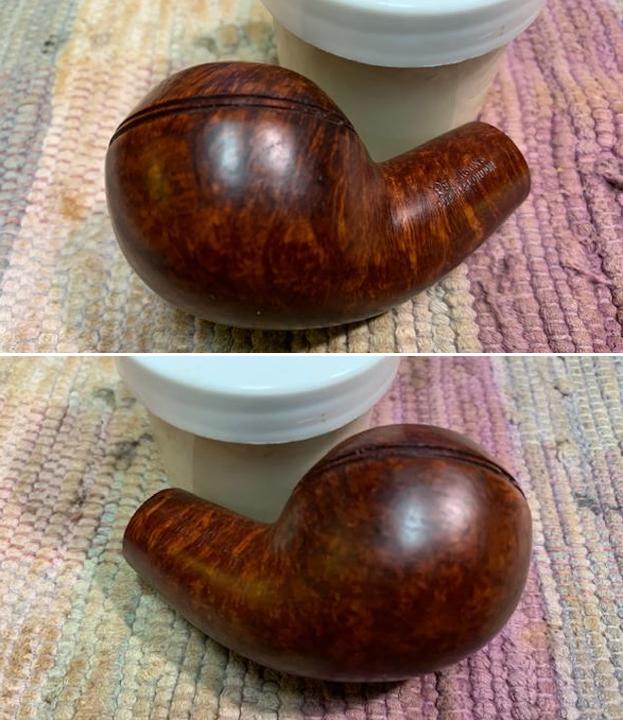
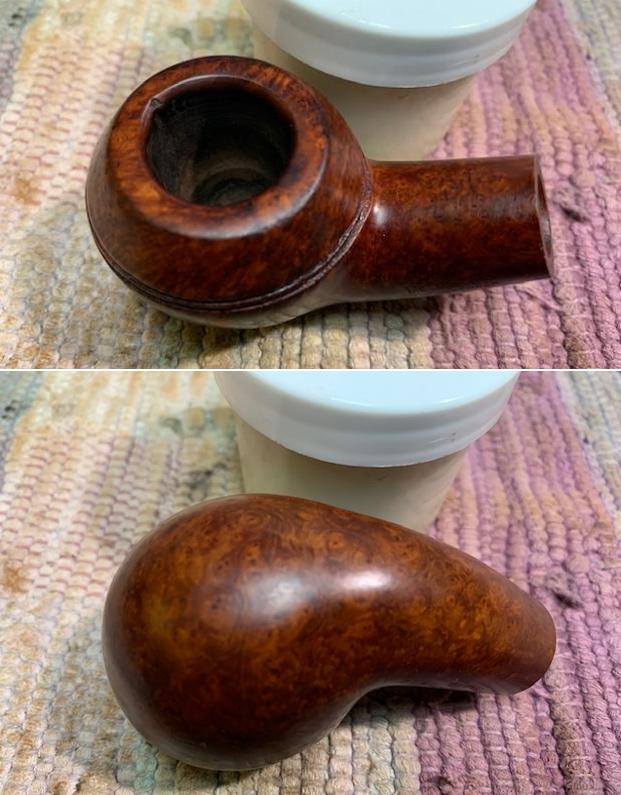
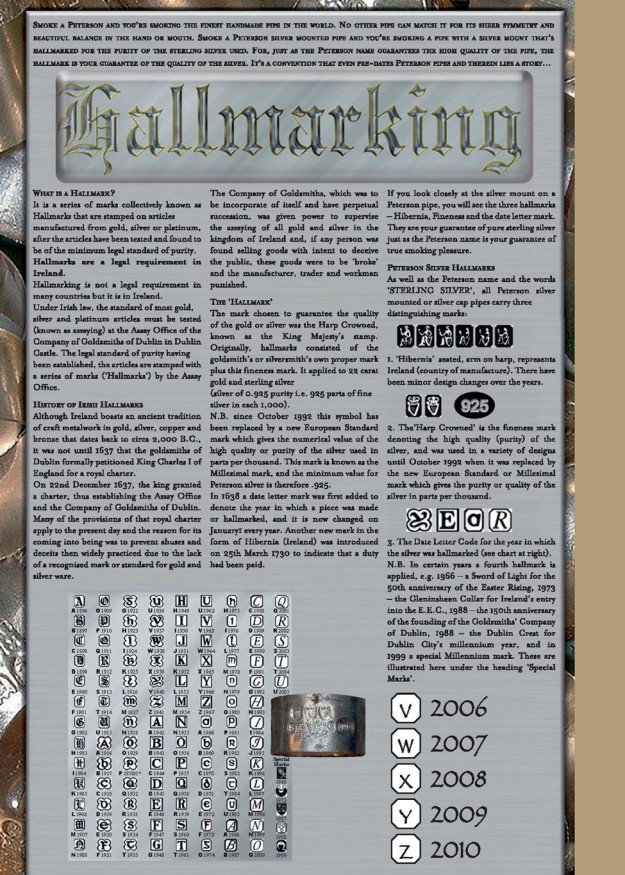
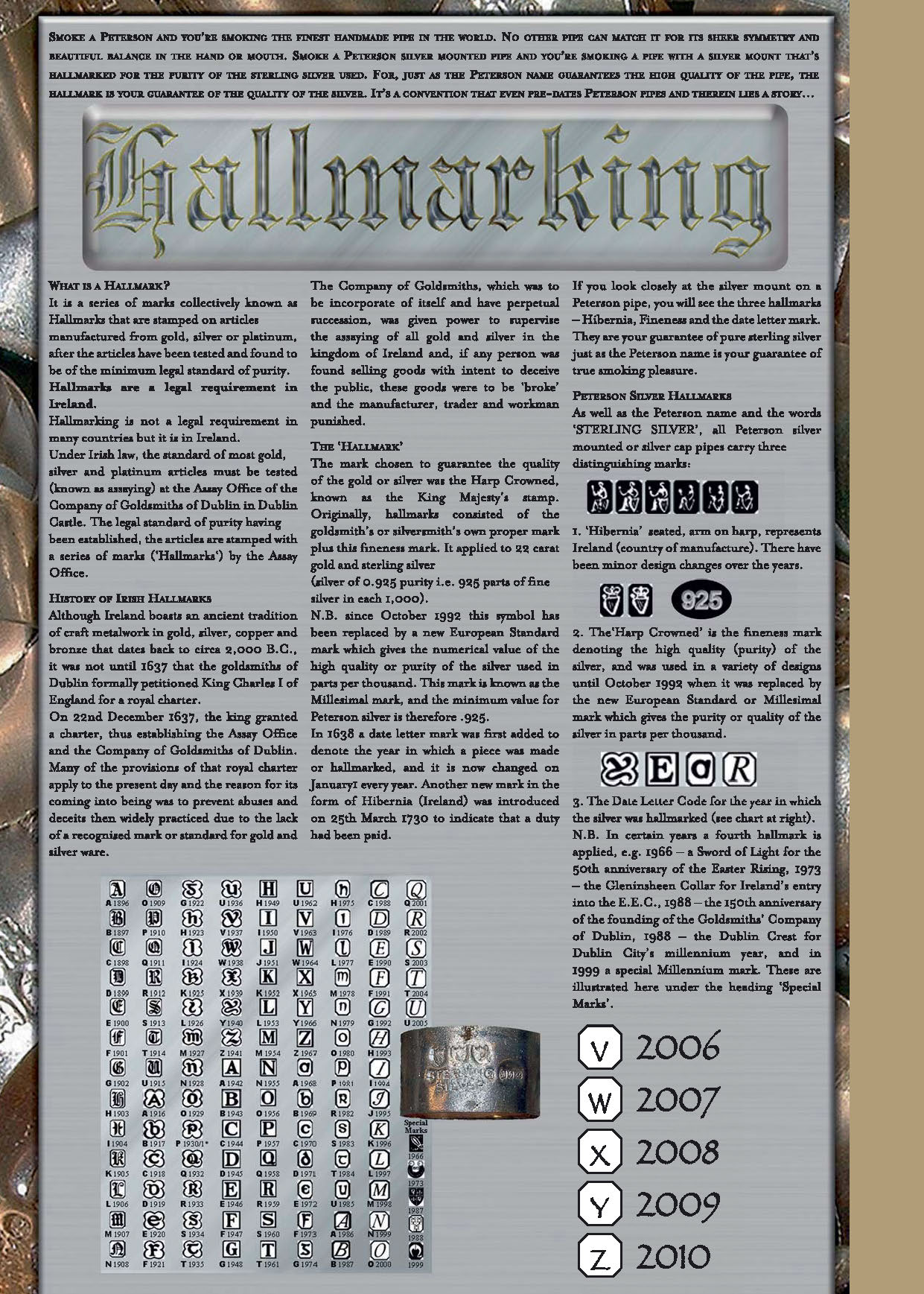
I always like to date the year a pipe was made while I am working on it. In the process of working on a pipe if I can pin down a date that it was made that it adds another dimension to the restoration process. Once I have identified the hallmarks on the pipe then I use a Hallmark chart to pin the date down. In the case of Peterson’s pipe with a silver band I use a hallmarking chart that Peterson included in their catalogs and on their website

I have a copy of the hallmark charts in one of the Peterson catalogs that I have uploaded to the blog on rebornpipes. I turned to that chart to lock down the date letter for the Sterling Silver Prince that I am working on. Here is the link to the site (https://rebornpipes.com/wp-content/uploads/2015/05/peterson-cataloguecomp_page_27.jpg).

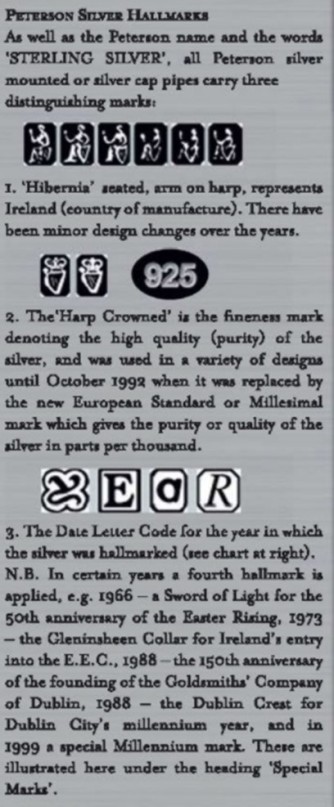
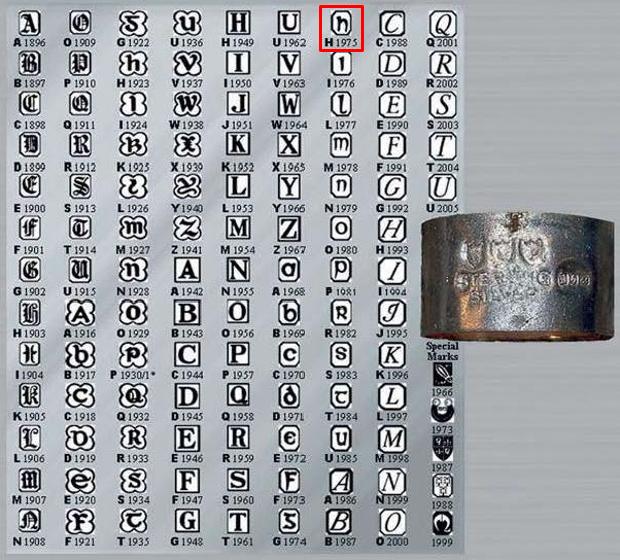
The chart defines the meaning of each hallmark on the silver band. The first one is of a seated woman with a harp is known as the Hibernia stamp and identifies the pipe as made in Ireland. The second stamp is a crowned harp which is a fineness mark denoting the high quality of silver that was used. The third stamp is the lowercase letter “h”. I have included a larger screen capture of the section on the third column of the chart in the photo below.

I have drawn a square around the date letter below. It identifies the date of this Peterson’s pipe to 1975.From the hallmarks it appeared that I was dealing with a pipe that the hallmarks date to 1975. However, the other stamping on the shank sides left me wondering a bit about what was happening.
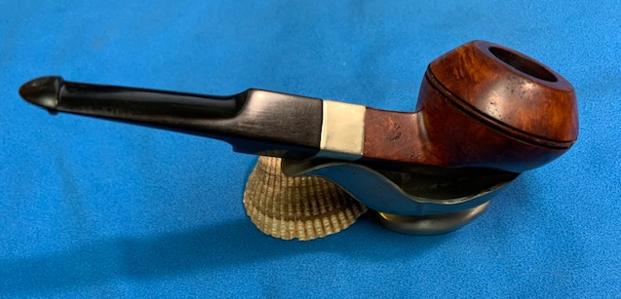
I turned to “The Peterson Pipe” by Mark Irwin and Gary Malmberg to get some background on the Peterson’s Dublin 3. On page 298 it had the following information.

Dublin (1906-2003) Although DUBLIN appears under PETERSON’S  on many pipe over the decades, it has served mostly as part of the brand name. The word first appeared on pipes hallmarked 1906-11, stamped PETERSON’S over PATENT over DUBLIN. The simpler PETERSON’s over DUBLIN first appeared on pipes hallmarked 1912 after the expiration of the patent. Illustrations of pipes in the ’37 catalog show a random dispersion of the stamp PETERSON’S over OF DUBLIN together with the ordinary PETERSON’S over DUBLIN on every model offered. Specimens of the former will bear either and Irish COM or LONDON MADE over ENGLAND COM and almost certainly date from 1945-62. It was first mentioned as part of a model name in the ’68 price list, as K&P DUBLIN, in ’92 for a Danish market line and in 2017 (see below).

“Dublin” (1992-2003) An orange-brown smooth line with a brass-nickel-brass sandwich band, vulcanite fishtail mouthpiece, consisting mostly of D shapes released for the Danish market. Stamped PETERSON’S in script over “DUBLIN”. A tenth anniversary pipe for the line was produced with a sterling band stamped 2001. Market demand fell shortly thereafter and several pipes stamped “DUBLIN” were released in ’03 for the Fourth of July commemoratives for the US market.

I wrote to Mark Irwin again and asked for his help in clearing up the mystery and helping to date this pipe. I also asked him to provide any additional information for me. He responded with the following:

Steve…It’s first decade of the Early Republic (1948-1958). The 2 and 3 numbers were discontinued in 1958. Great little pipe! The “2” = today’s Premier grade.

I had forgotten to include the hallmarks on the silver so that left me even more in a quandary. So I wrote Mark back about the date stamp on the silver and the conflicting stamping on the pipe.

How does that work with date on the ferrule seeming to point to 1975? It has the standard stamping – woman on chair, harp and the letter “h”

Mark responded as follows:

Haha! I love it. You have just entered the Twilight Zone of Peterson pipes, because the “2” and the small “h” for 1975 cancel each other out. I would prefer to leave it there: “a dimension beyond that which is known to man. It is a dimension as vast as space and as timeless as infinity. It is the middle ground between light and shadow, between science and superstition, and it lies between the pit of man’s fears and the summit of his knowledge.” If, however, you want to get mundane about it, there are only two possibilities: it was rebanded in 1975 (highly unlikely but not impossible) or someone picked up the old stamp (and they have dozens and dozens) who was new to the hand-stamping job. For myself, I’d rather leave it in the imponderables, but there are always skeptics who prefer the easy explanation to the miracle.

I could not have said it any better! The Twilight Zone of Peterson’s Pipes. So I have a pipe made between 1948-1958 with a silver ferrule that is dated 1975! What a great mystery! Now it was time to work on the pipe.

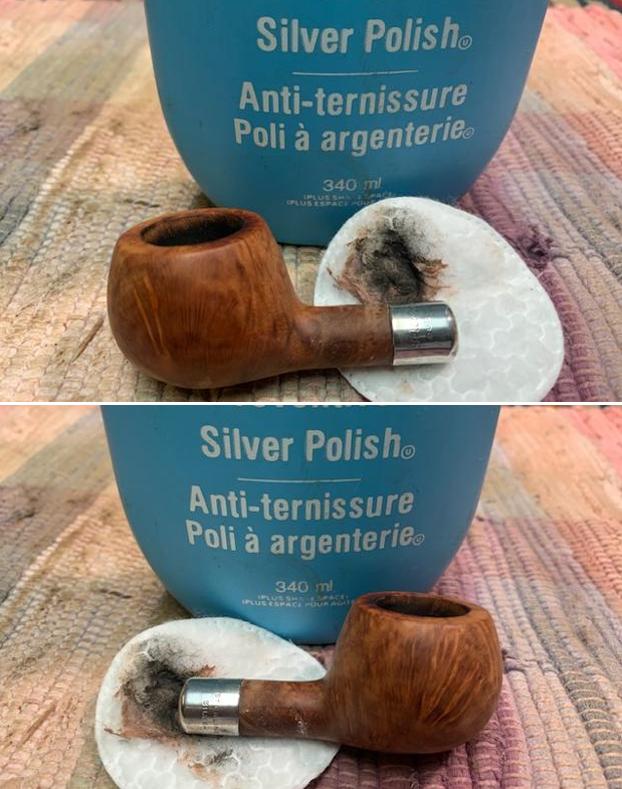
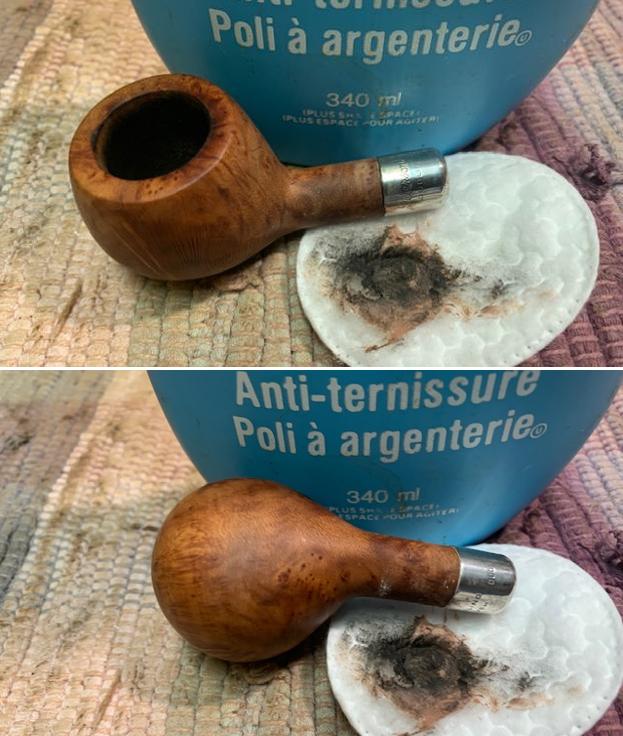
Jeff had done a great job cleaning up the pipe as usual. He reamed the pipe with a PipNet reamer and cut back the cake back to the bare briar. He cleaned up the walls with a Savinelli Fitsall Pipe Knife. He scrubbed the interior of the bowl and shank with pipe cleaners, cotton swabs and alcohol to remove the tars and oils. He scrubbed the exterior of the pipe with Murphy’s Oil Soap and a tooth brush to remove the grime from the finish. He worked on the rim top lava and darkening with the soap and tooth brush. He scrubbed the inside of the stem with alcohol and pipe cleaners. He scrubbed the exterior with Soft Scrub and then soaked it in Before & After Deoxidizer. He washed it off with warm water to remove the Deoxidizer. The pipe looked far better when it arrived. I took some close up photos of the rim top and also of the stem surface. I wanted to show how well it had cleaned up. The rim top had some looked quite good and the inner edge had some darkening and damage. It should clean up really well. I also took close up photos of the stem to show the tooth marks on the surface near the button.     I took photos of the stamping on the sides of the shank. You can see that it is stamped as noted above. It is clear and readable.  I removed the stem and took a photo of the pipe to have a look at the parts and overall look.     I polished the silver ferrule with silver polish to remove the tarnish. Once it was clean the silver really shined.     I decided to address the damage to the edge of the bowl and the rim top first. I used a folded piece of 220 grit sandpaper to give the inner edge of the bowl a slight bevel to accommodate the burned areas and blend them into the surrounding briar. I also worked over the darkening on the rim top with the sandpaper. I polished the briar with micromesh sanding pads – dry sanding with 1500-12000 grit sanding pads. I wiped the bowl down with a damp cloth after each sanding pad.     I worked some Before & After Restoration Balm into the surface of the briar with my fingertips to clean, enliven and protect the briar. I let the balm sit for 15 minutes and then buffed with a cotton cloth to raise the shine. The photos show the bowl at this point in the restoration process. I set the bowl aside and turned my attention to the stem. I “painted” the surface of the stem with a lighter to lift the tooth marks. I was able to lift the majority of them. I sanded out the remaining tooth marks next to the button with 220 grit sandpaper to blend them into the surface of the vulcanite. I started polishing the stem by wet sanding it with 400 grit wet dry sandpaper.   I polished the stem with micromesh sanding pads – wet sanding with 1500-12000 grit sanding pads. I wiped it down after each sanding pad with Obsidian Oil. I polished it with Before & After Pipe Stem Polish – both Fine and Extra Fine.  I am excited to finish this Peterson’s Dublin 2 Prince. I put the pipe back together and buffed it with Blue Diamond on the buffing wheel. I gave the bowl and the stem multiple coats of carnauba wax. I hand buffed the pipe with a clean buffing pad to raise the shine. It is fun to see what the polished bowl looks like with beautiful flame grain all around it. Added to that the polished black vulcanite stem combined with the bowl and made a stunning pipe. This smooth Classic Older Peterson’s Dublin 2 Prince is great looking and the pipe feels great in my hand. It is light and well balanced. Have a look at it with the photos below. The dimensions are Length: 5 ¼ inches, Height: 1 ¼ inches, Outside diameter of the bowl: 1 ¼ inches, Chamber diameter: ¾ of an inch. The weight of the pipe is 23grams/.81oz. It is a beautiful pipe that will joining the two Dublin 3 pipes – the Billiard and the Bulldog in my collection. I look forward to carrying on the trust left to me by my friend. Thanks for walking through the restoration with me as I worked over this pipe. Thanks to each of you who are reading this blog.