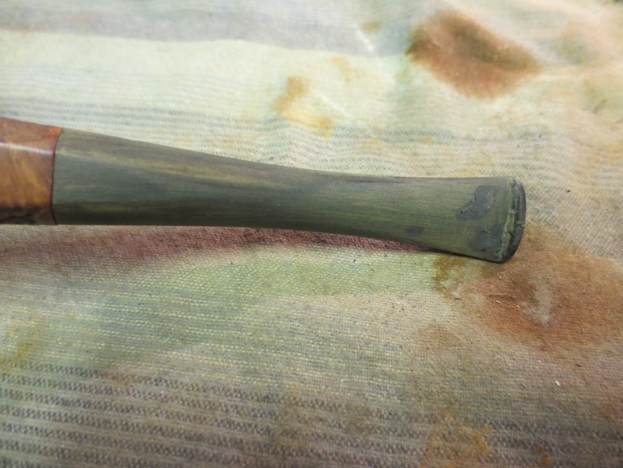
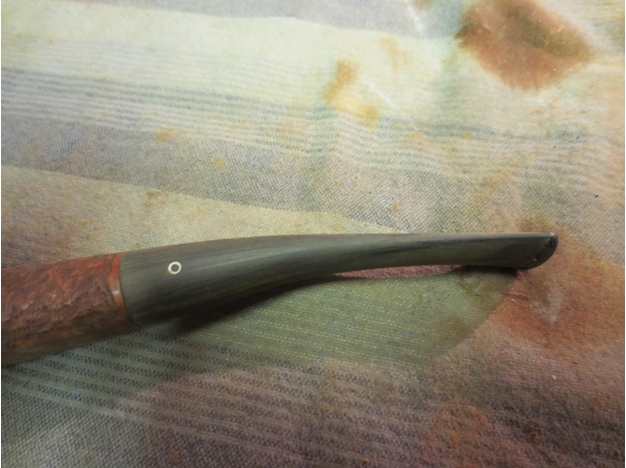
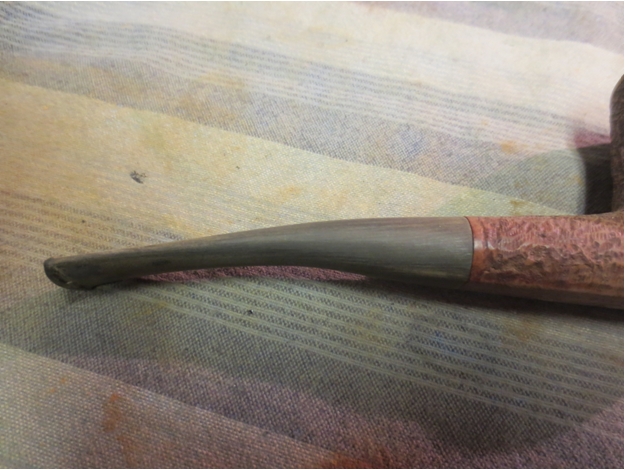
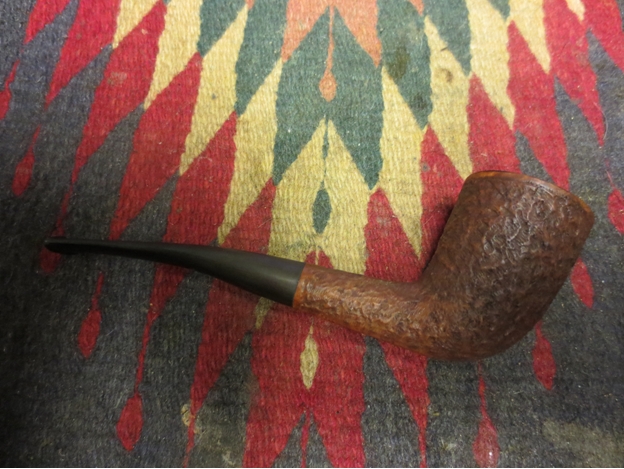
Tag Archives: Oxidation

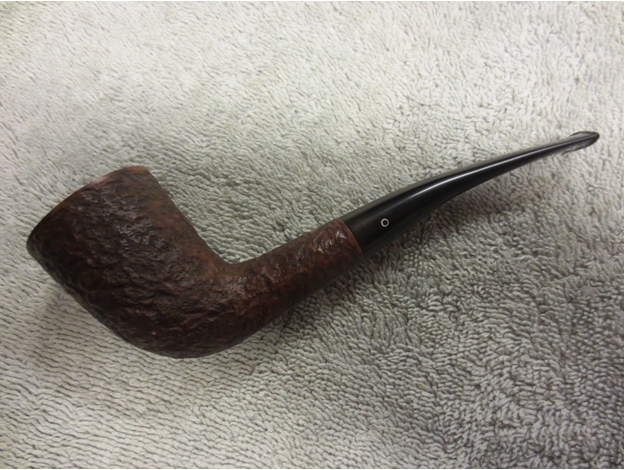
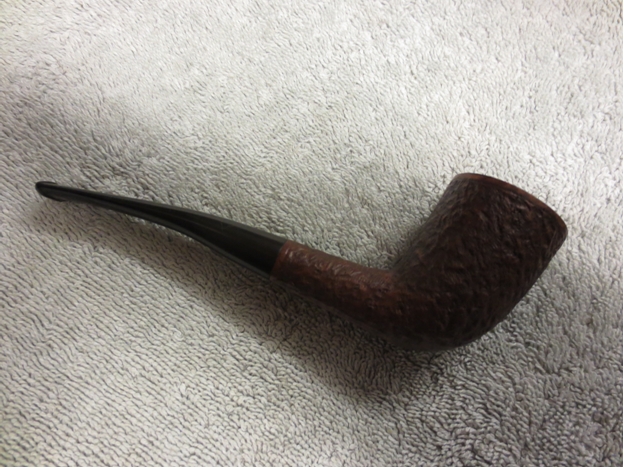
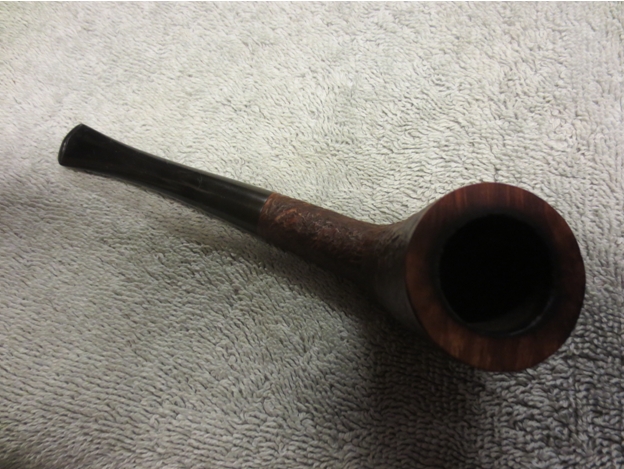
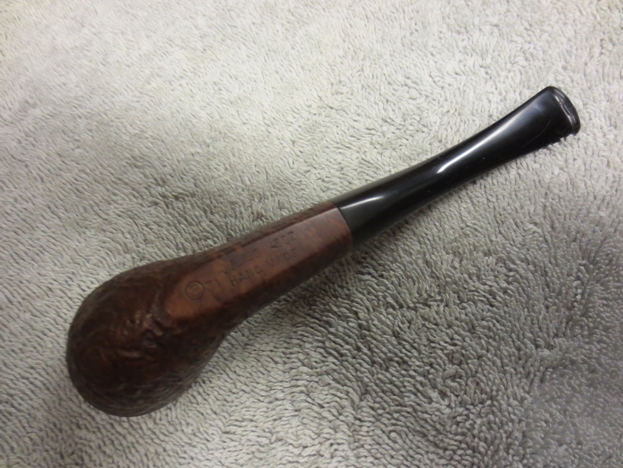
Changing Directions in the midst of a Refurb – Plugging a Burnout in a Paul’s Canadian


Blog by Steve Laug

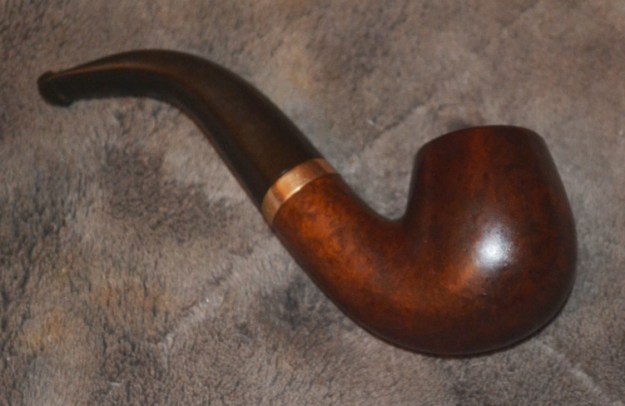
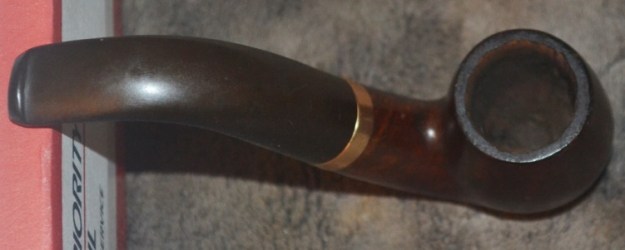
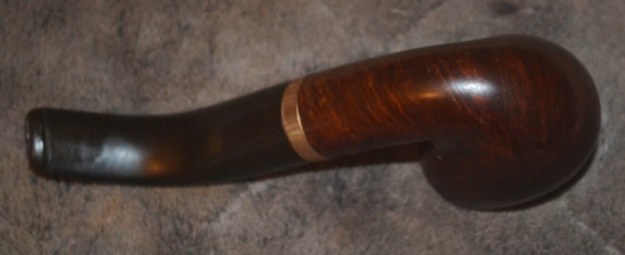
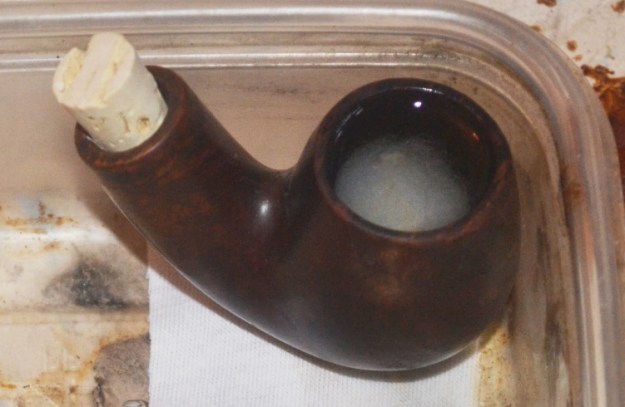
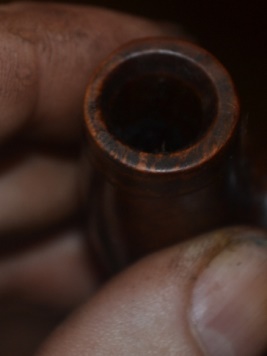
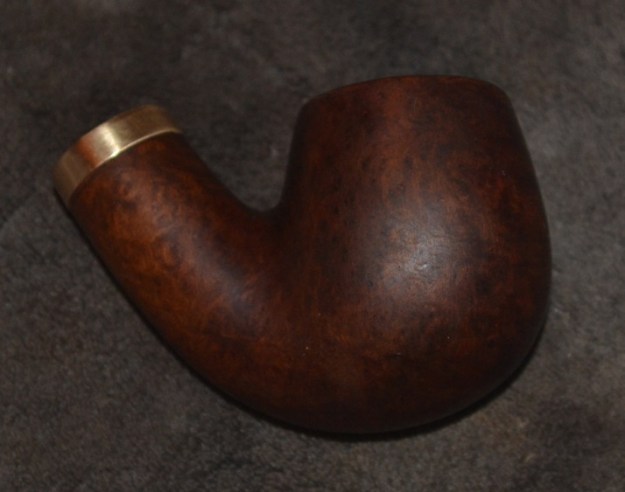
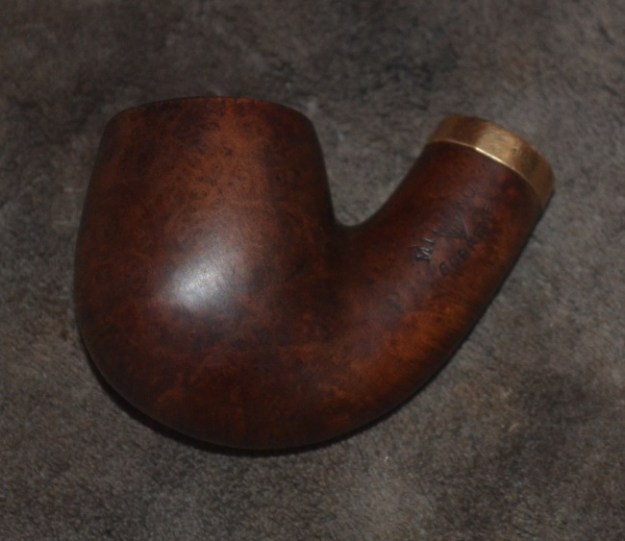
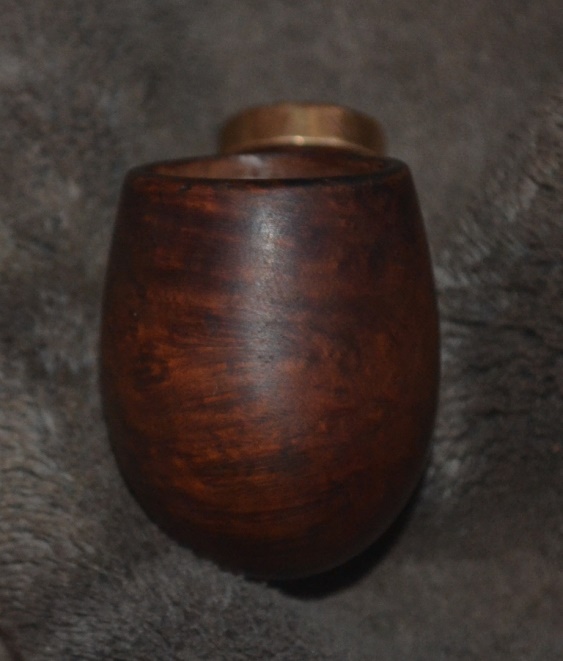
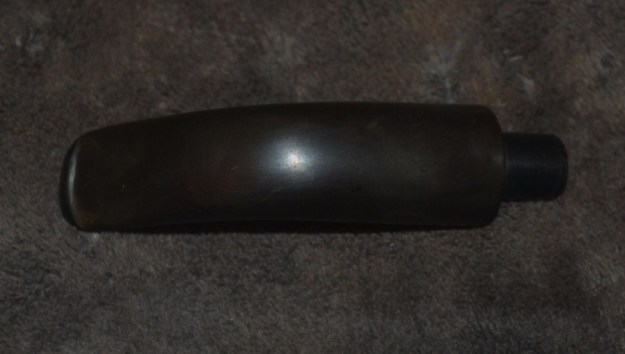
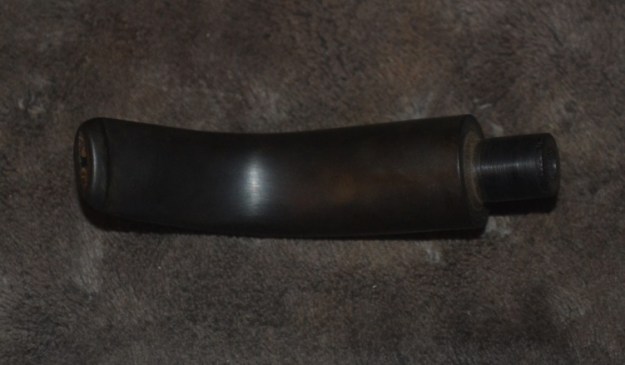
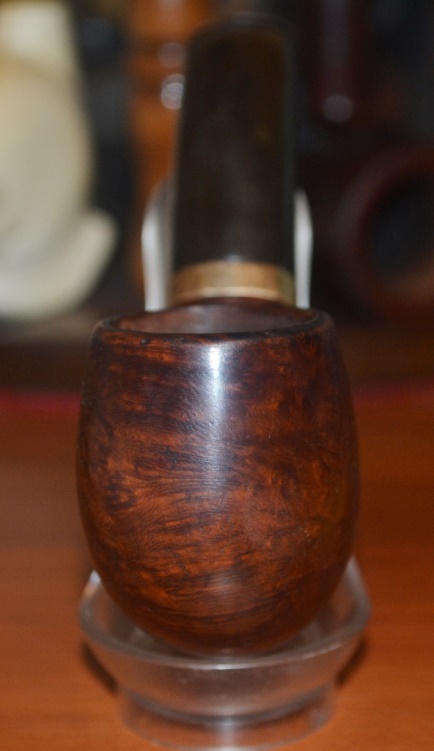
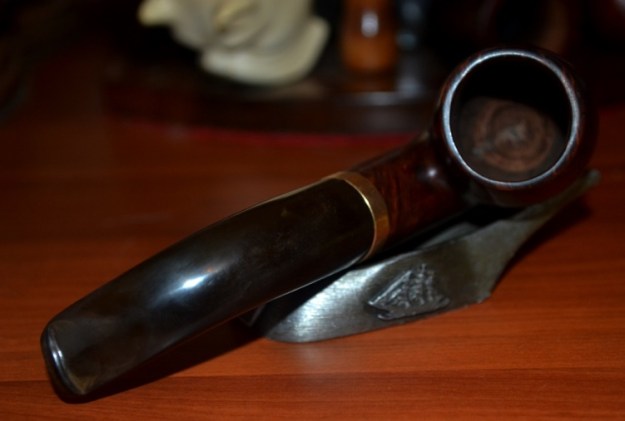
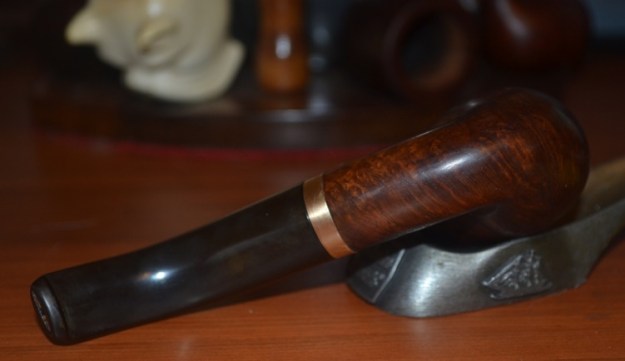
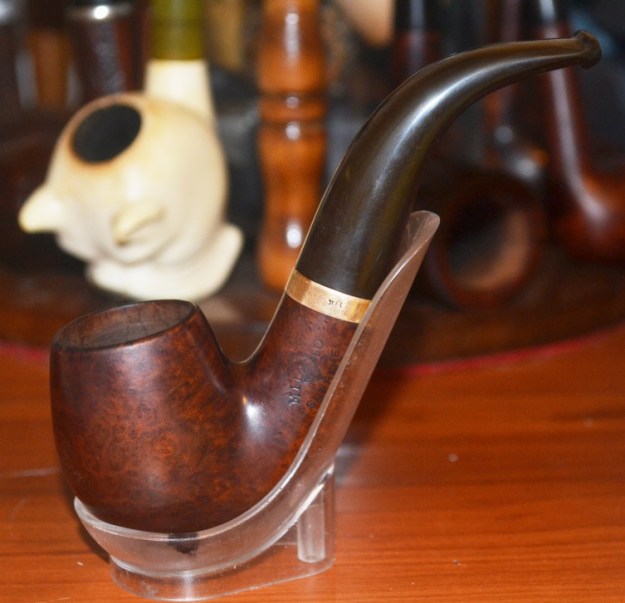
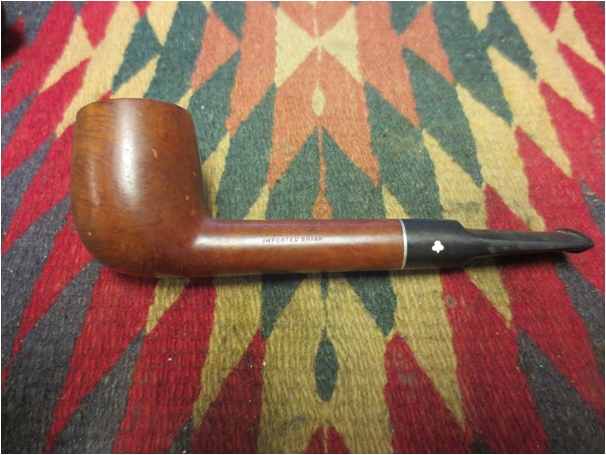
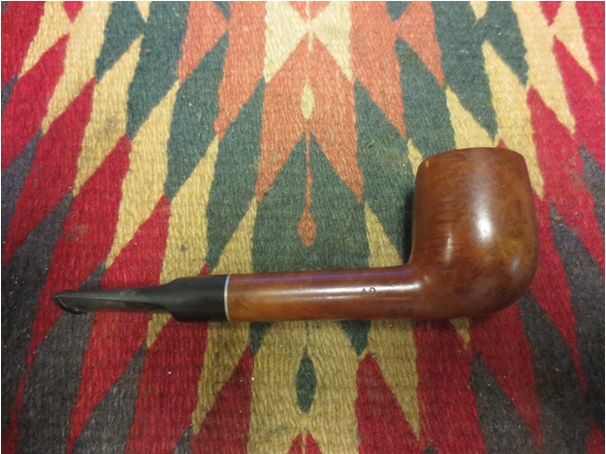
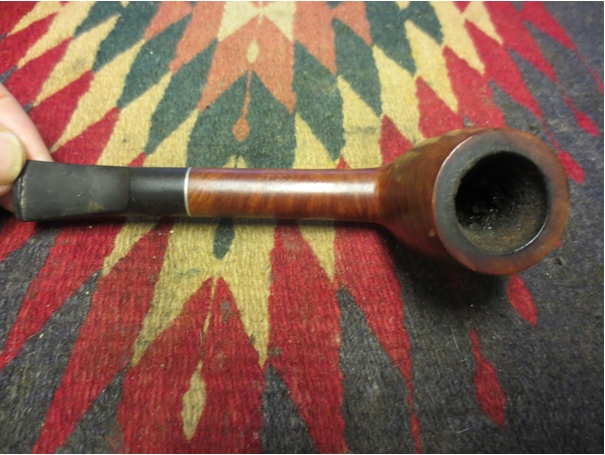
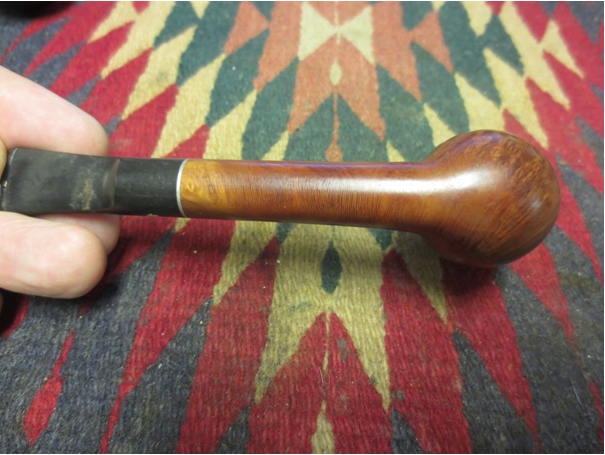
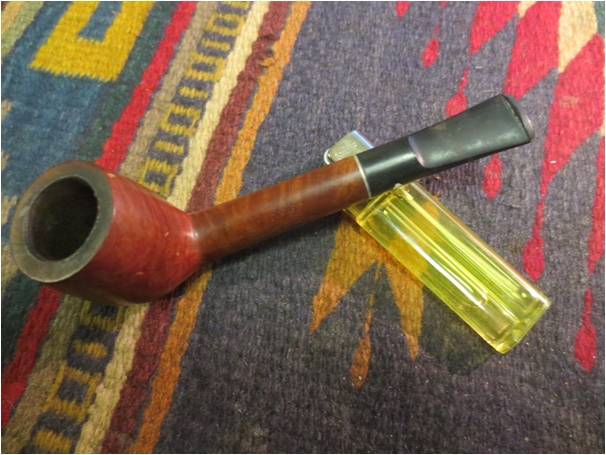
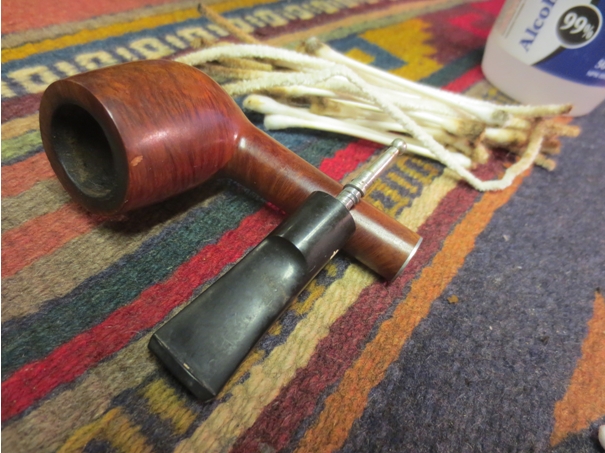
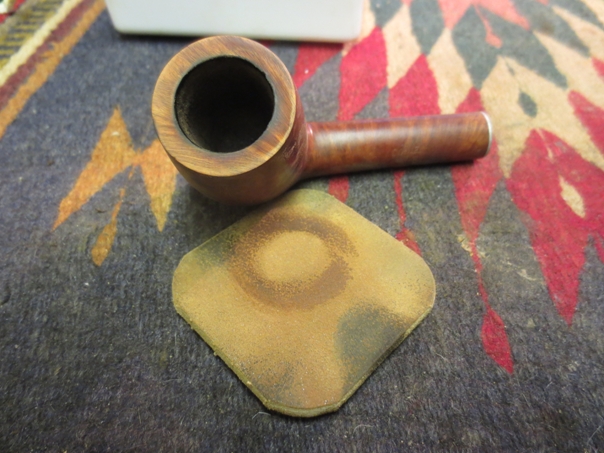
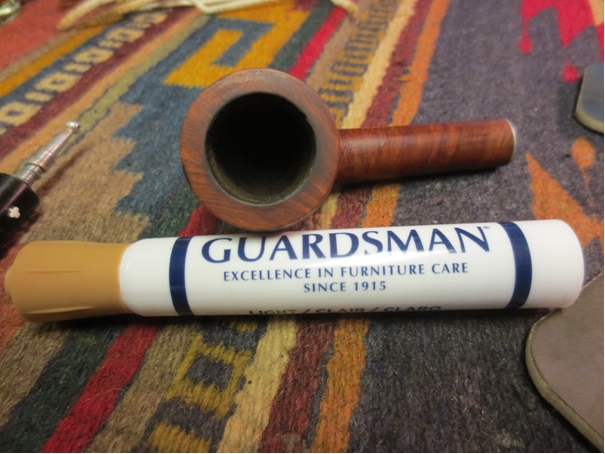
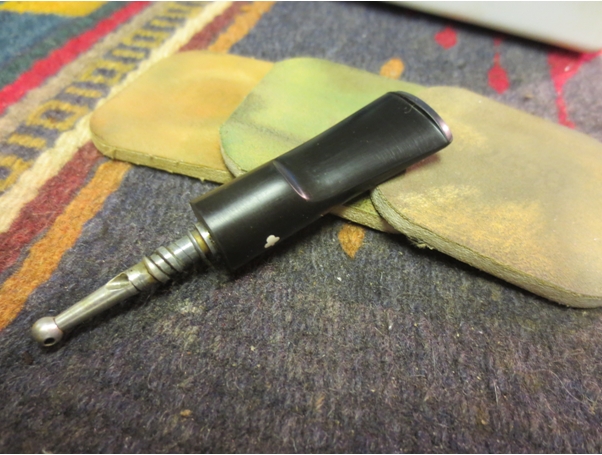
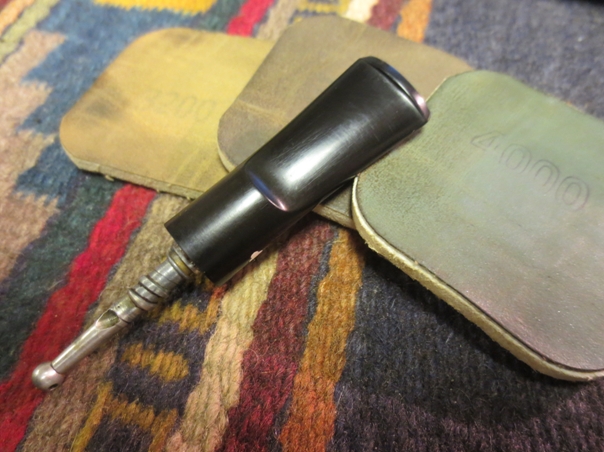
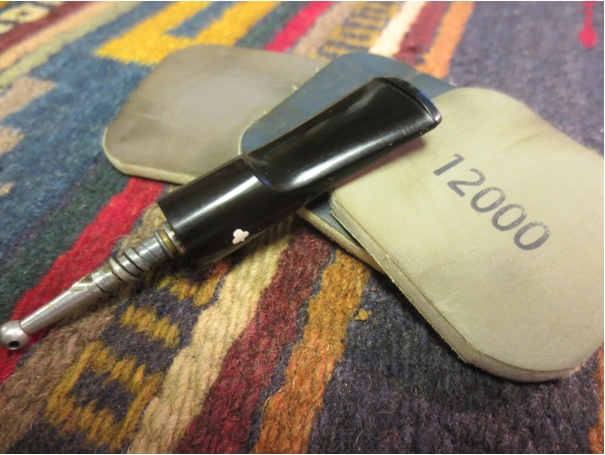
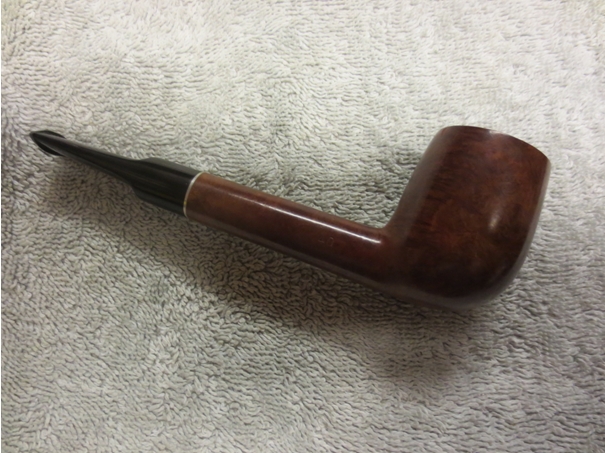
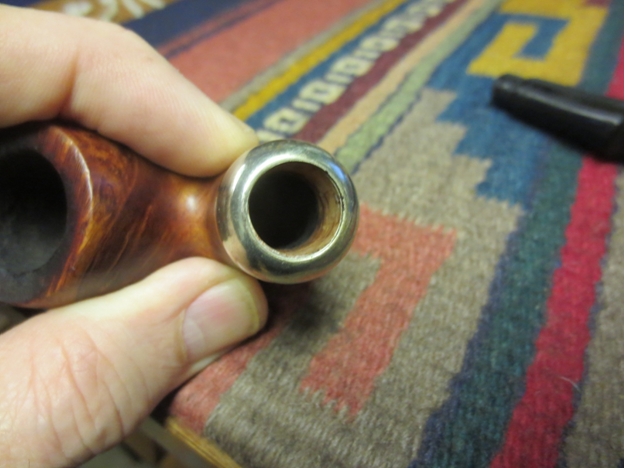
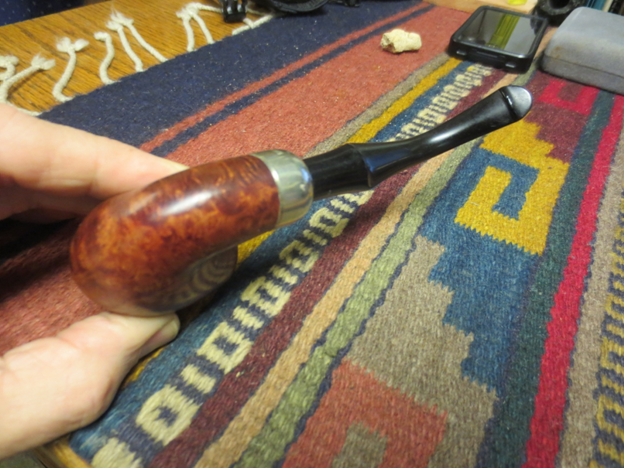
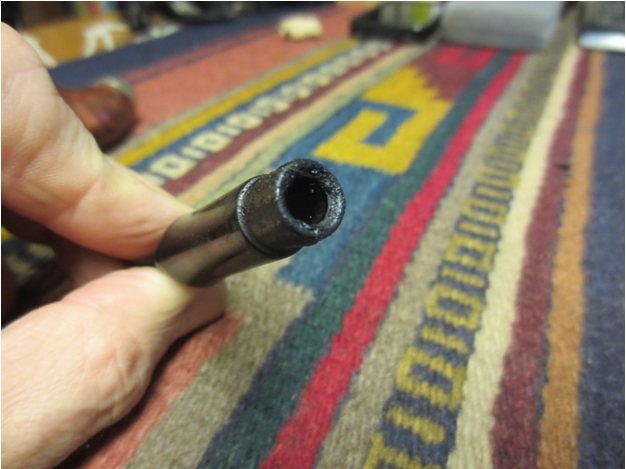
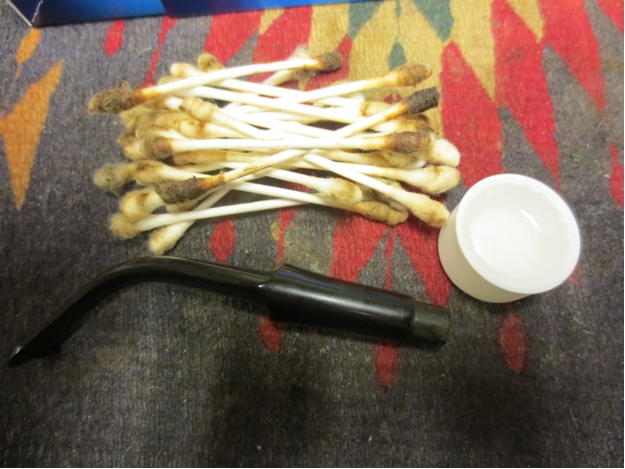
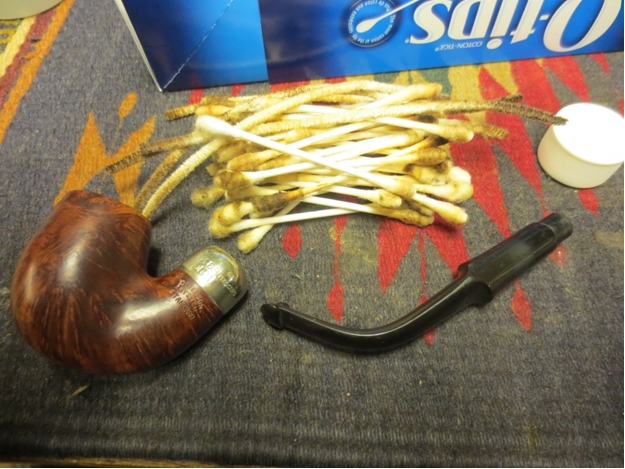
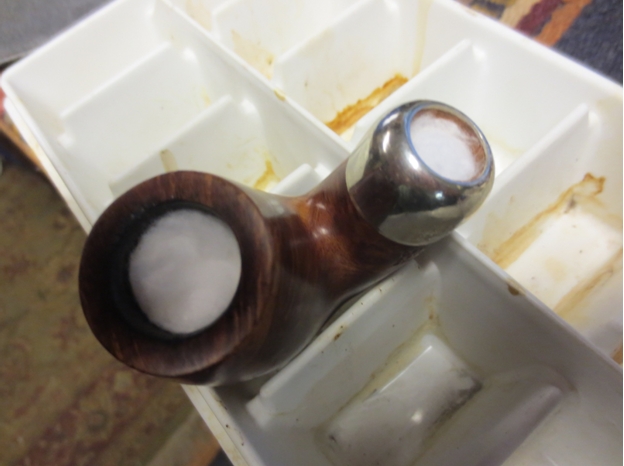
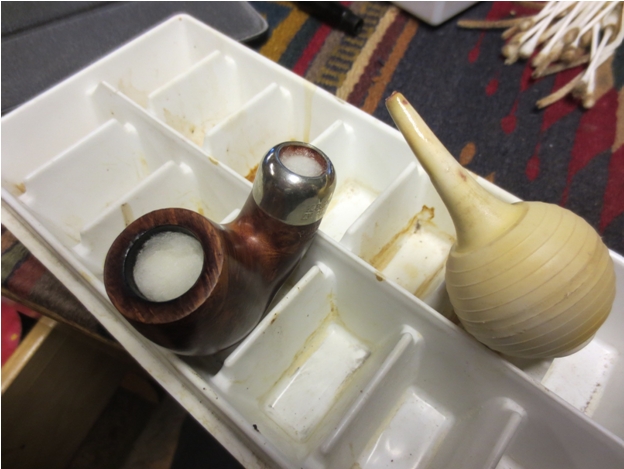
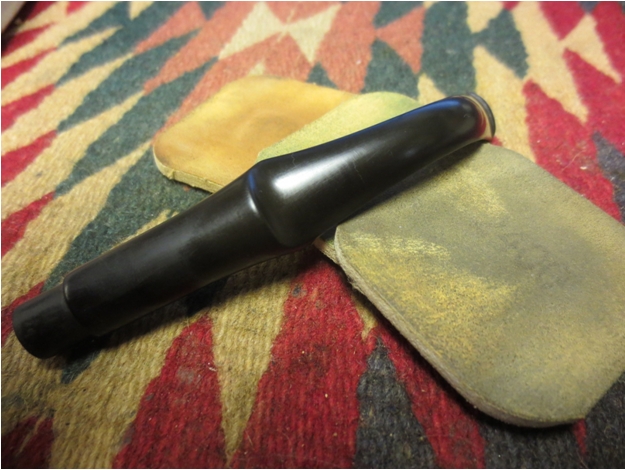
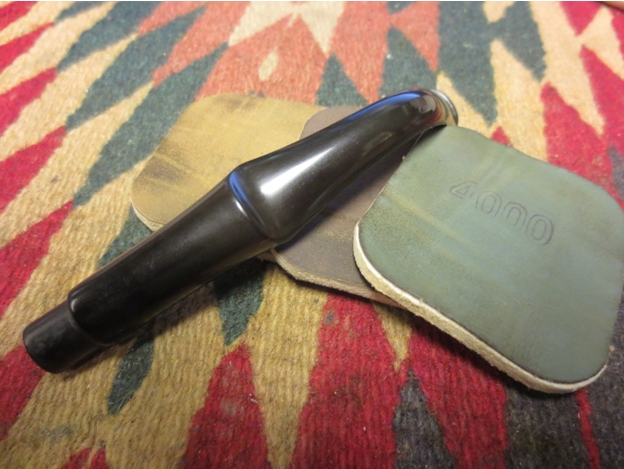
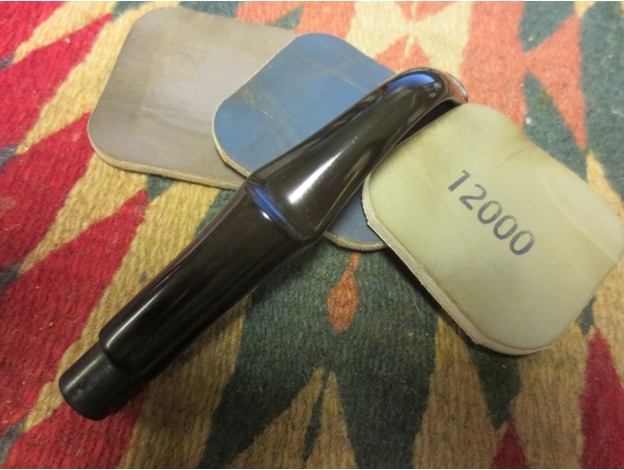
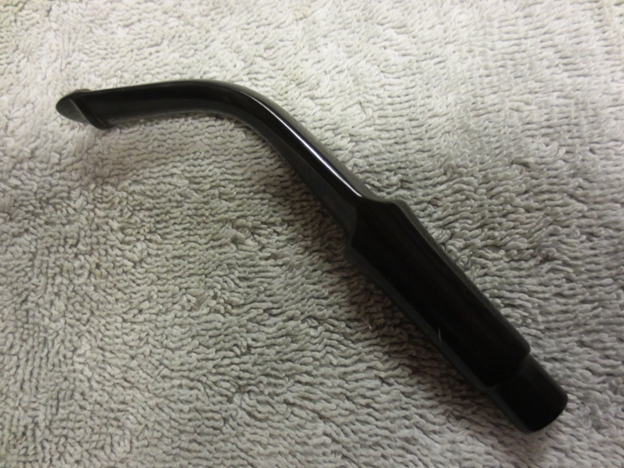
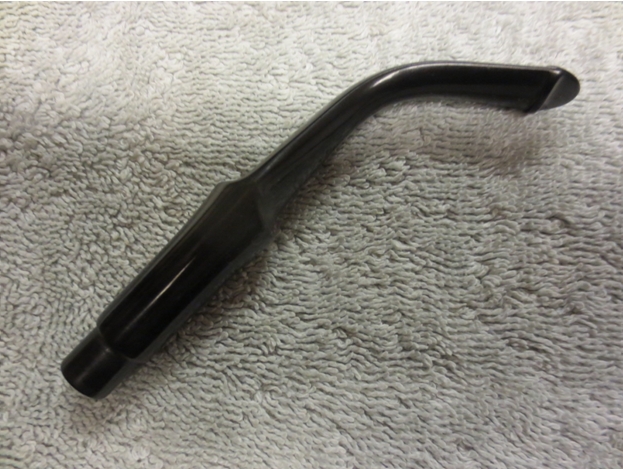
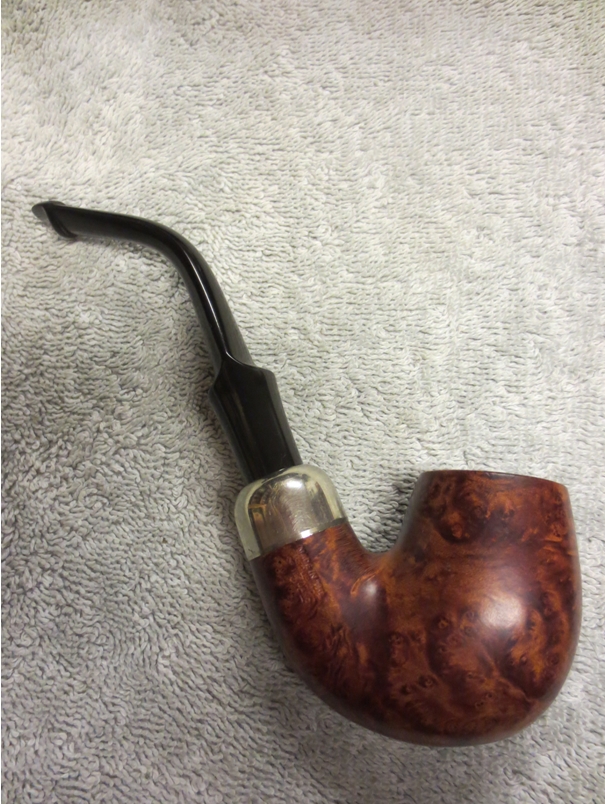
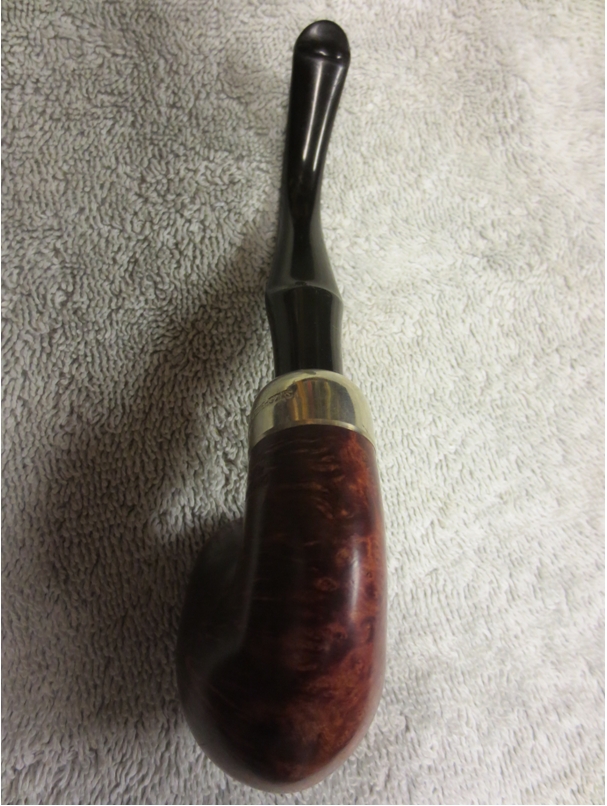
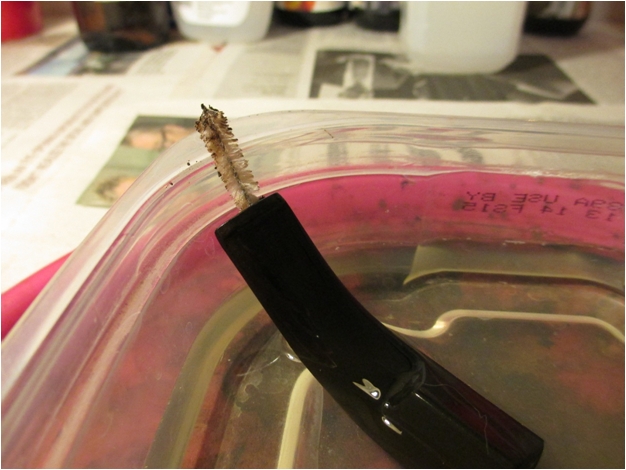
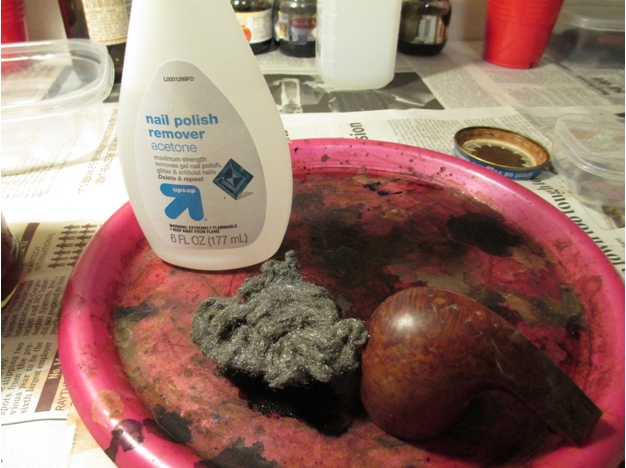
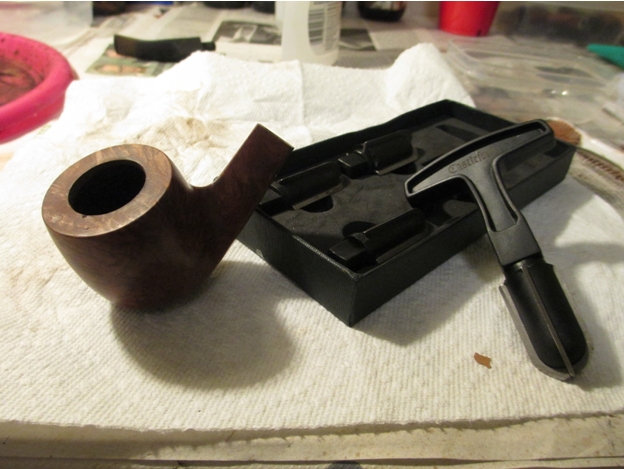
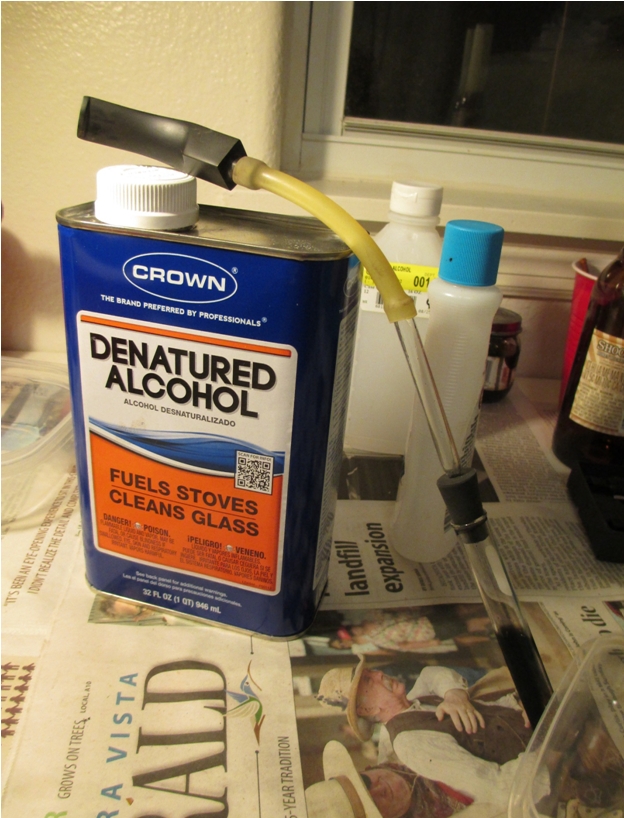
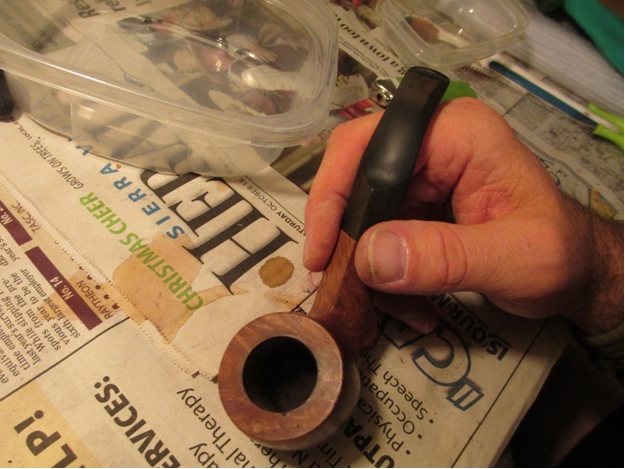
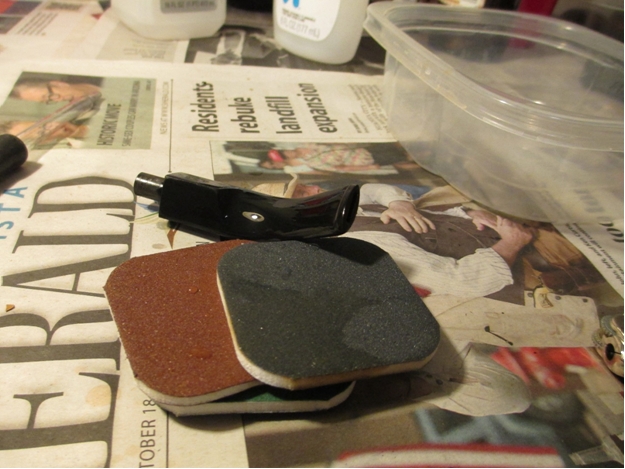
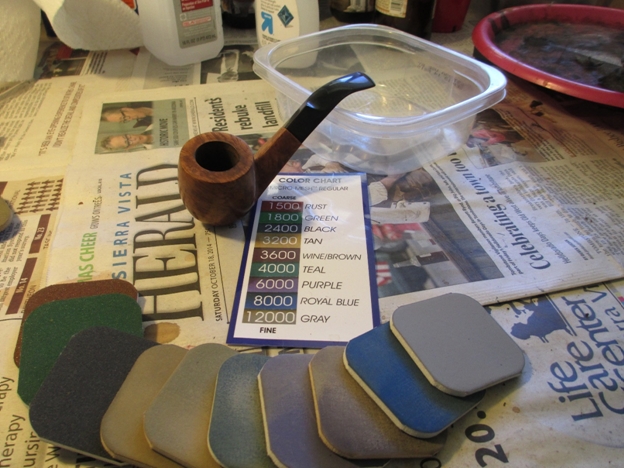
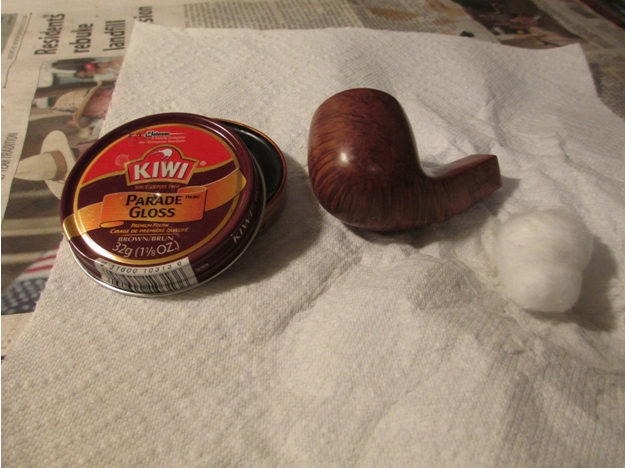
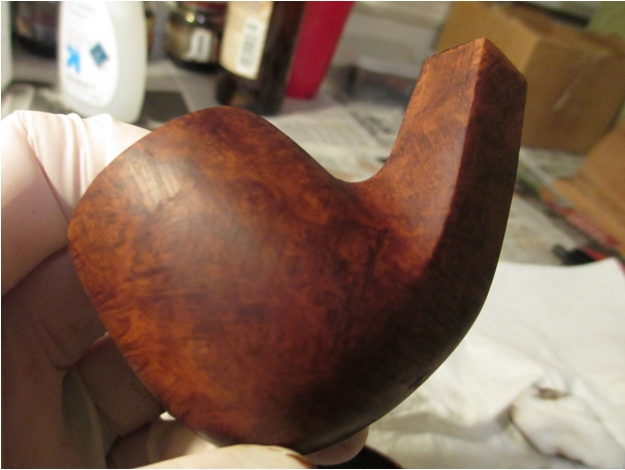
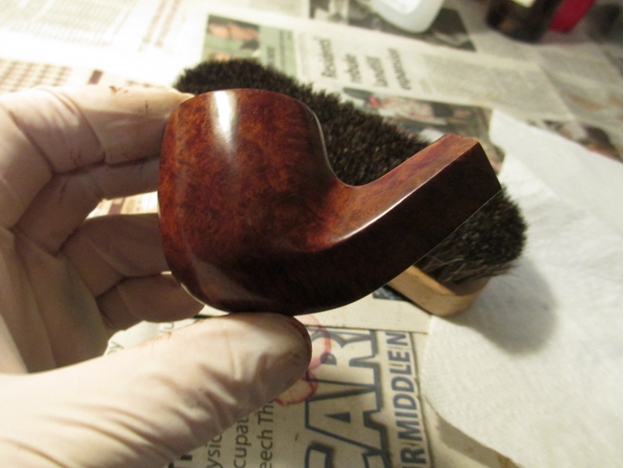
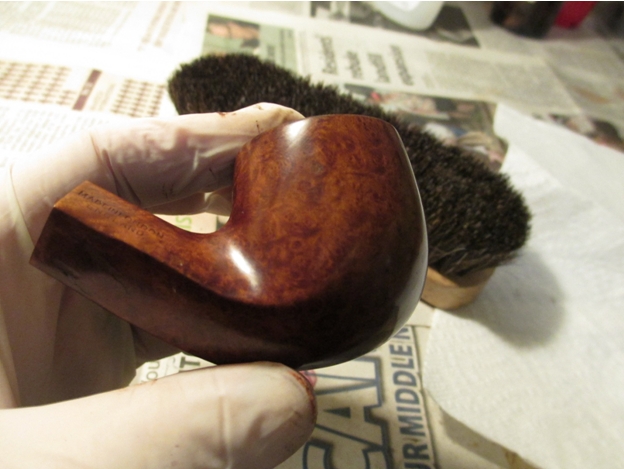
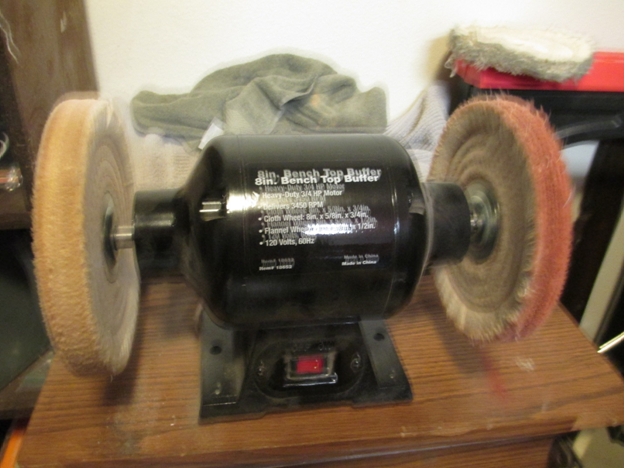
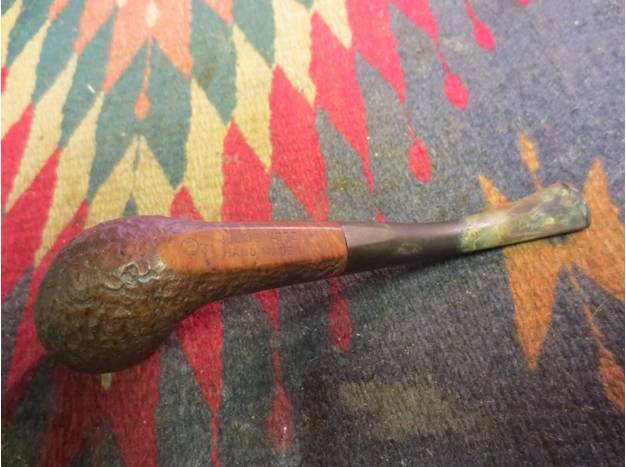
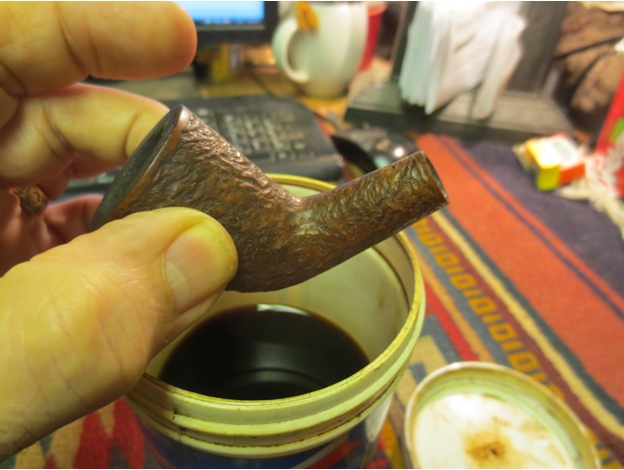
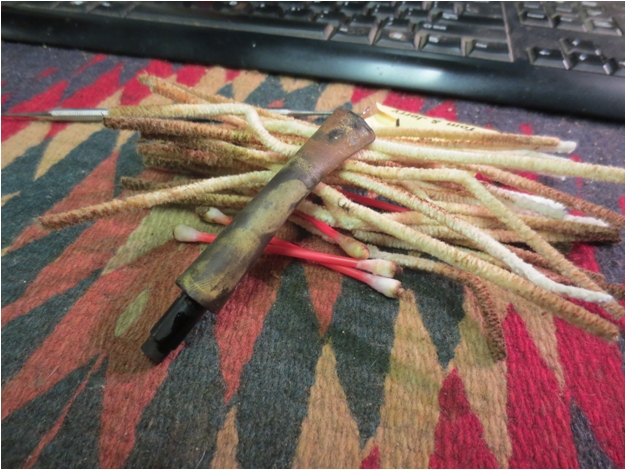
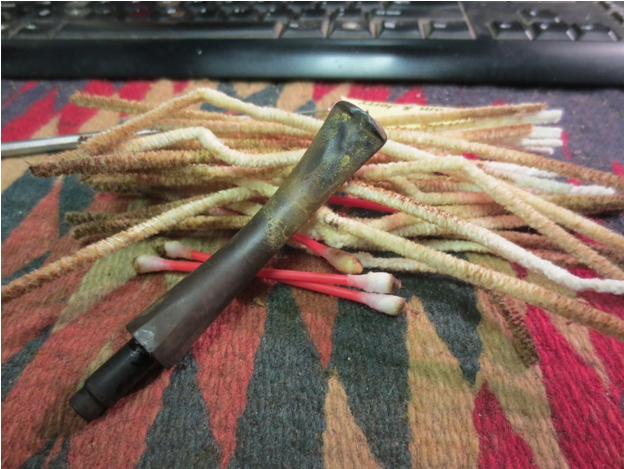
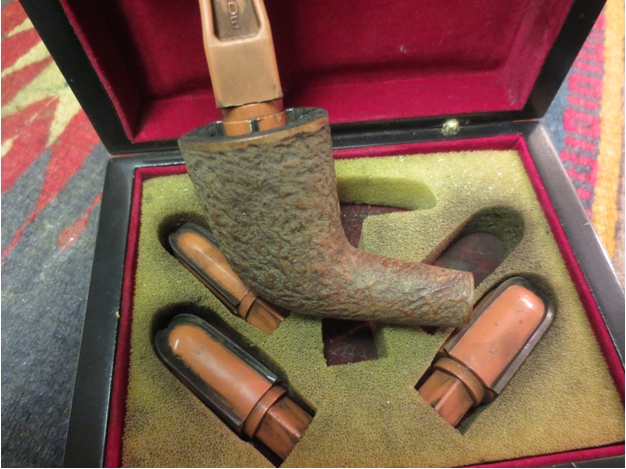
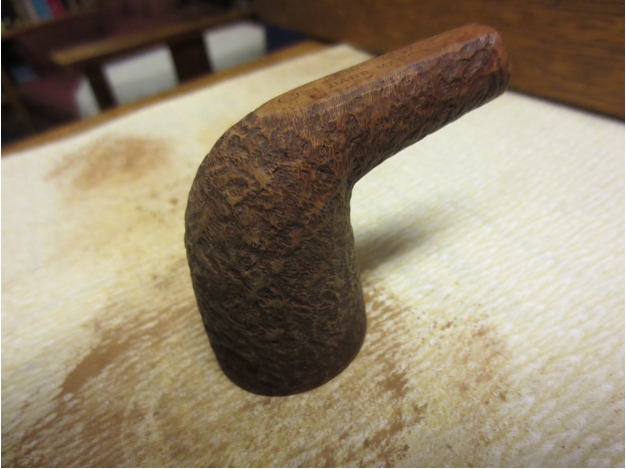
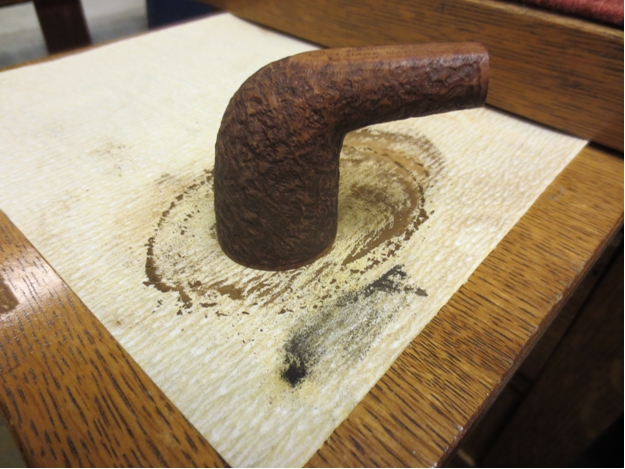
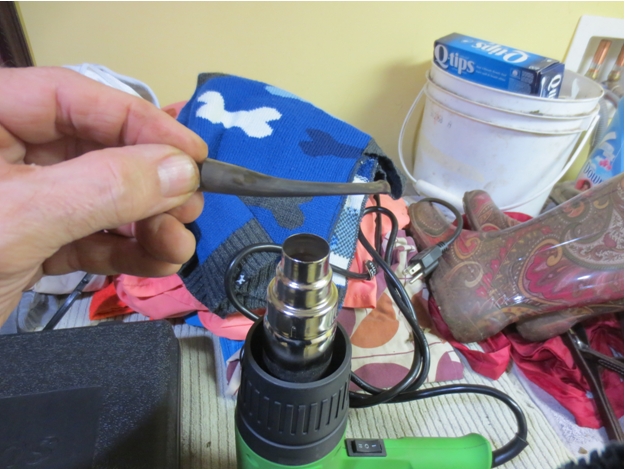
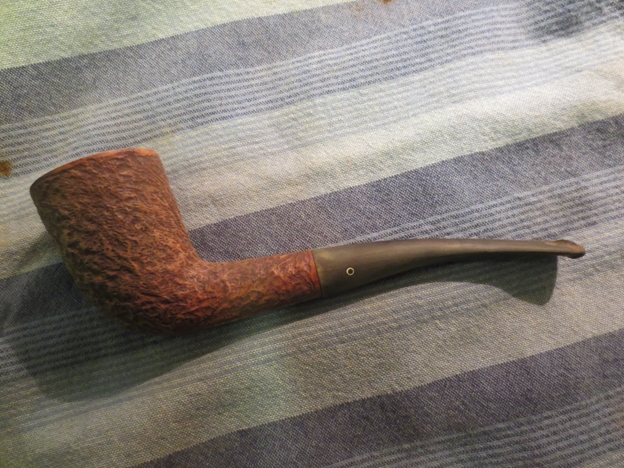
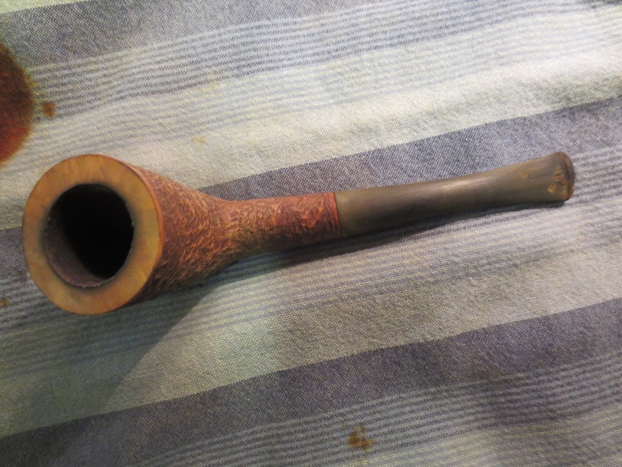
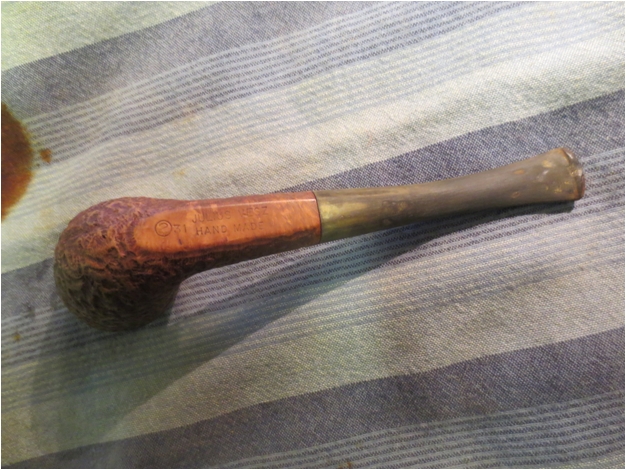
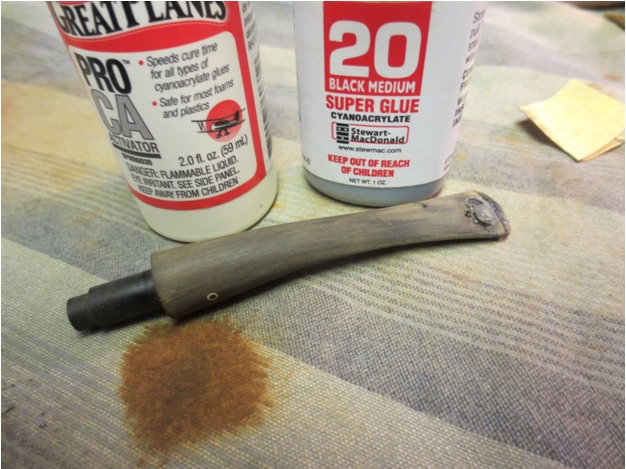
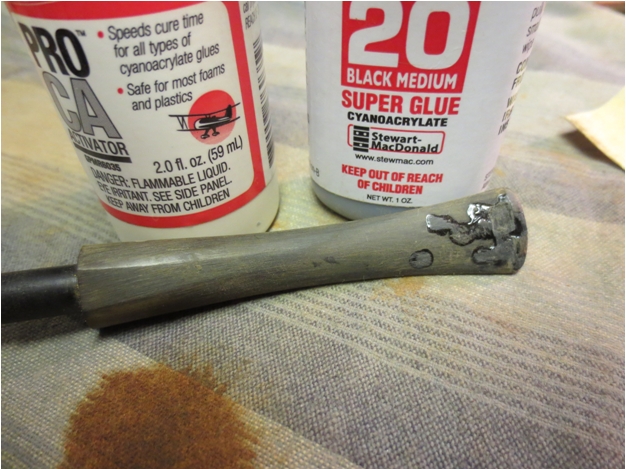
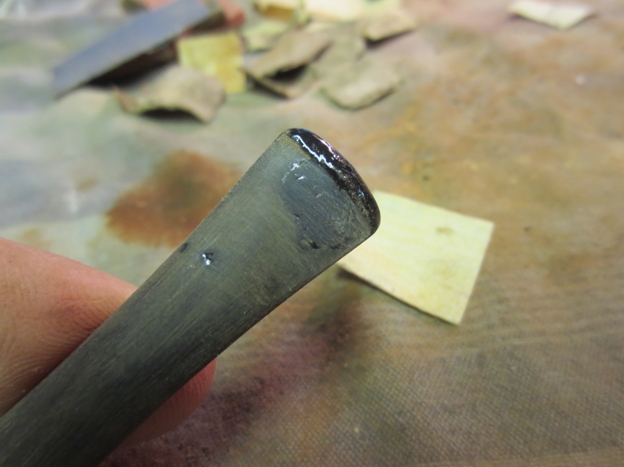
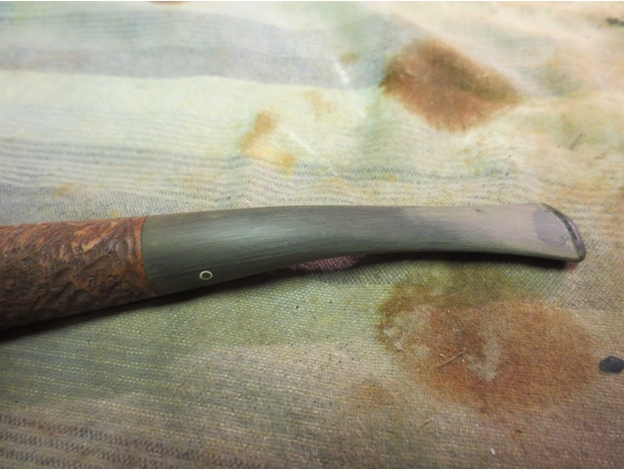
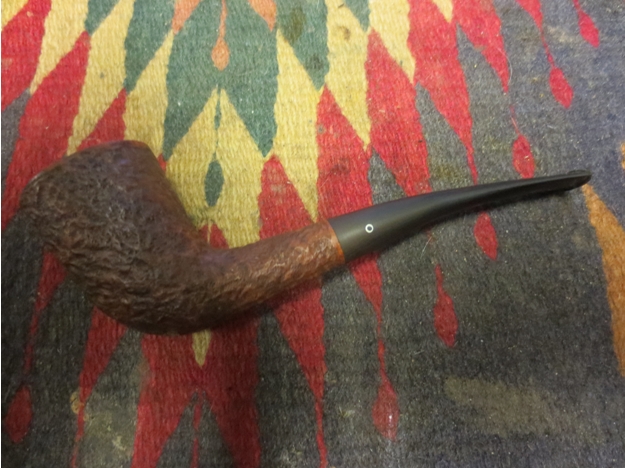
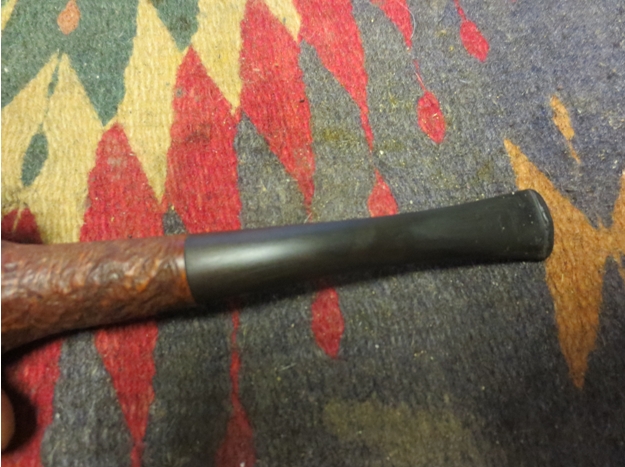
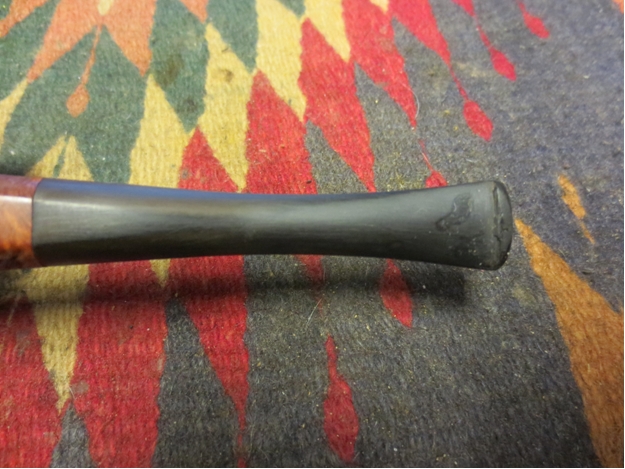
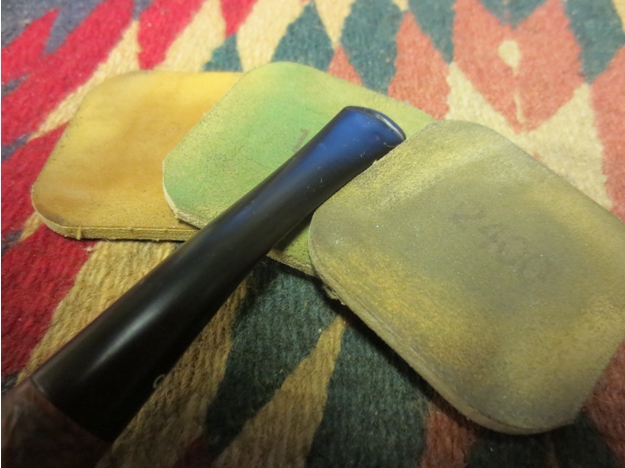
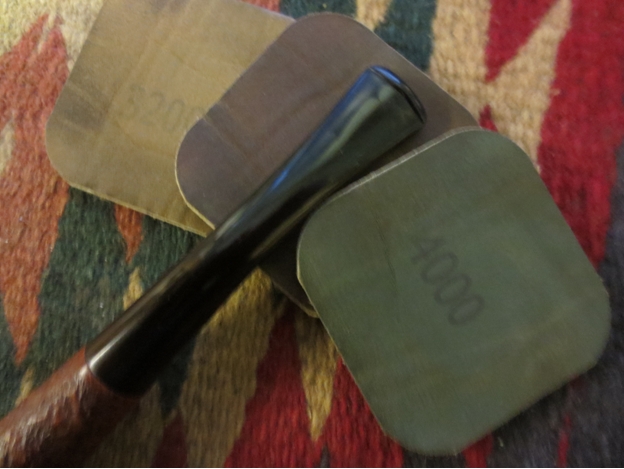
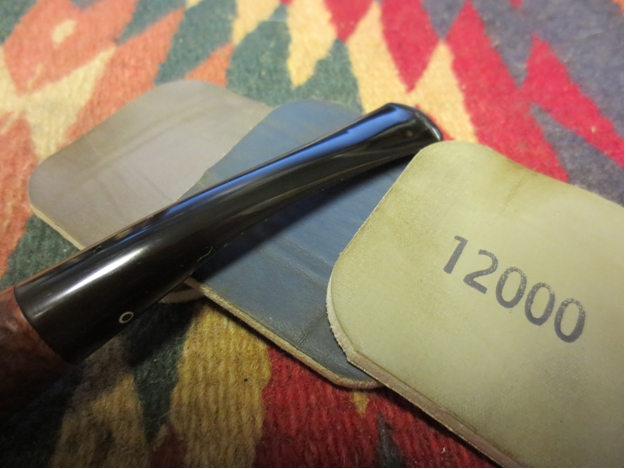
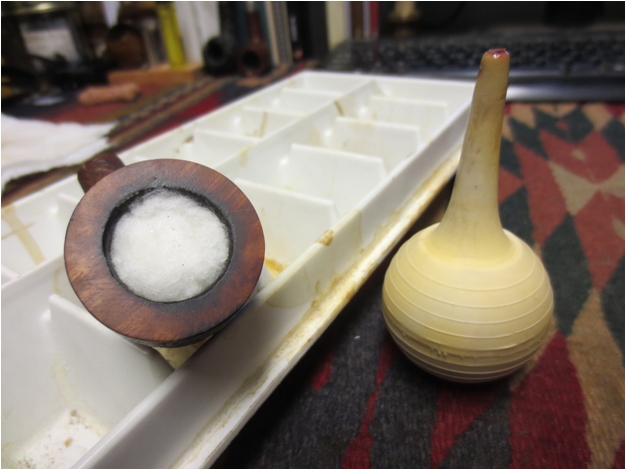
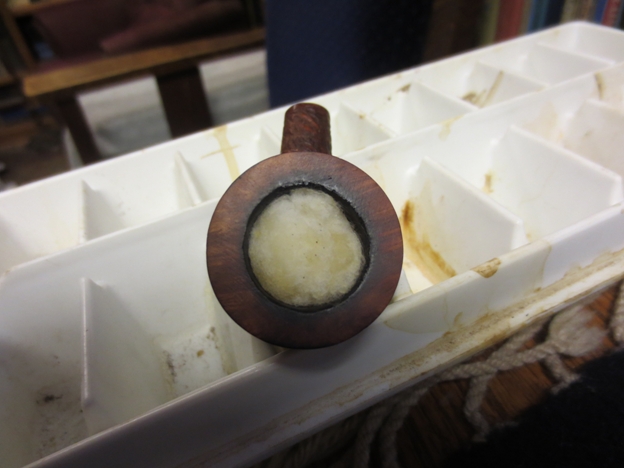
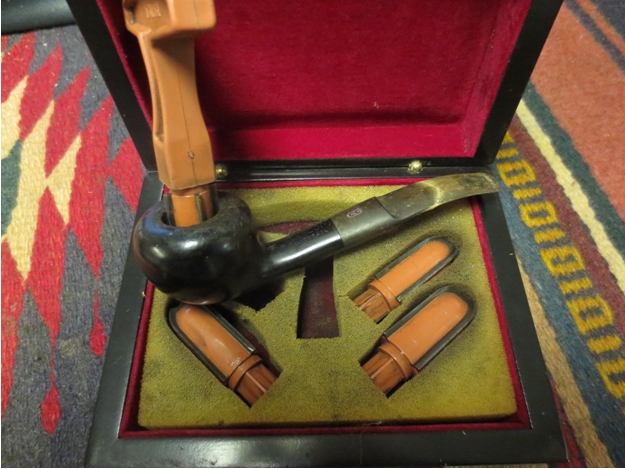
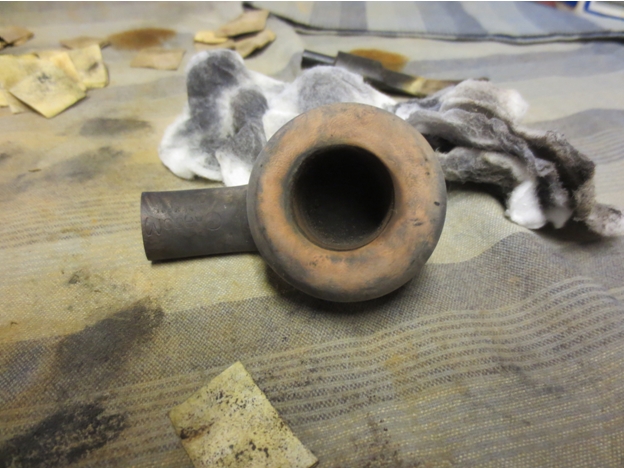
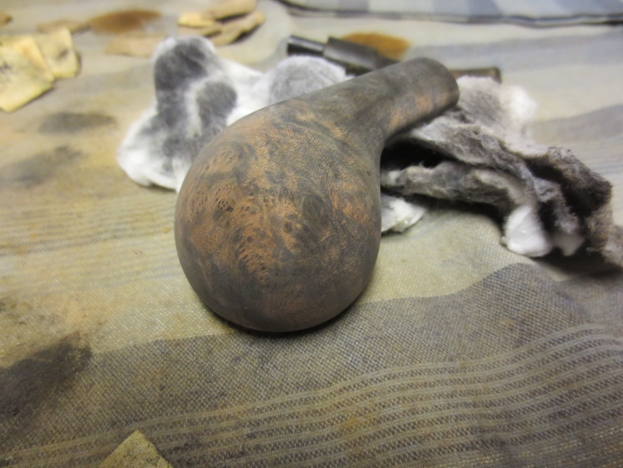
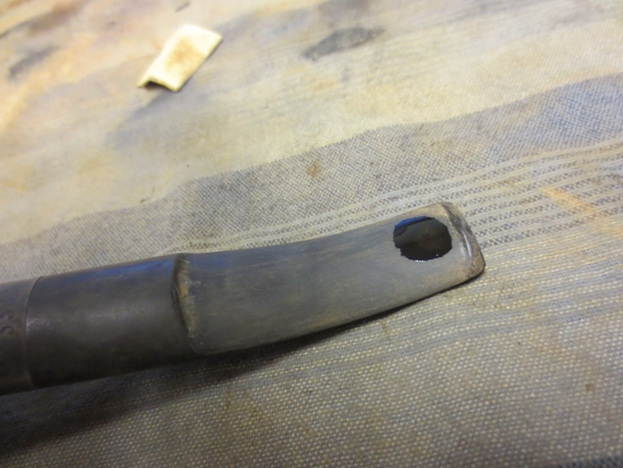
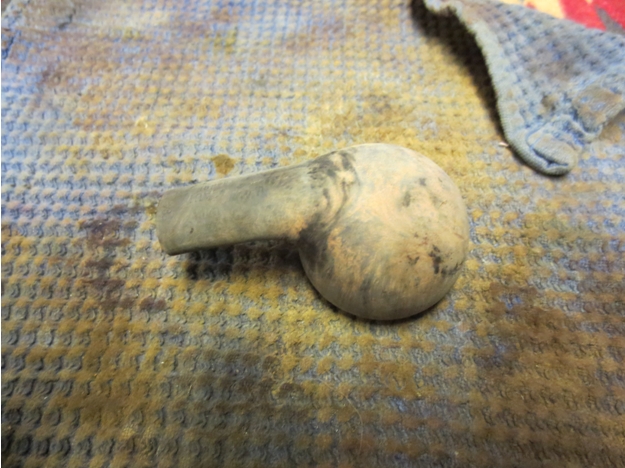
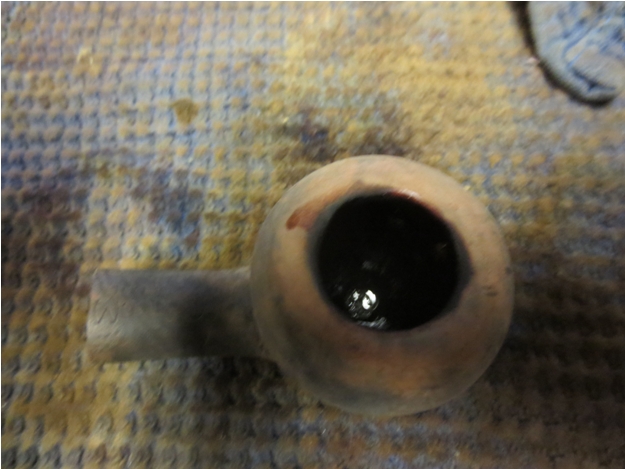
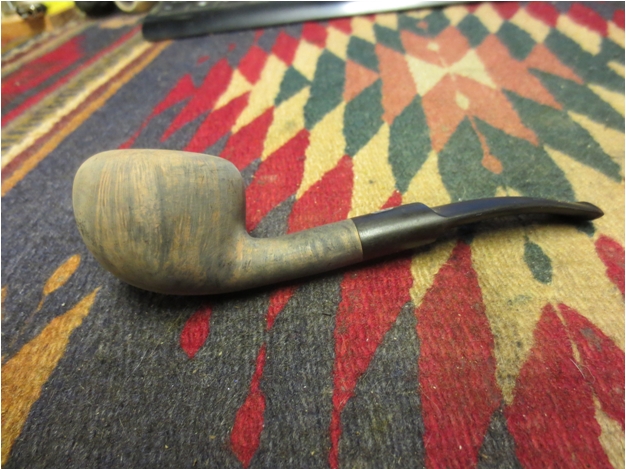
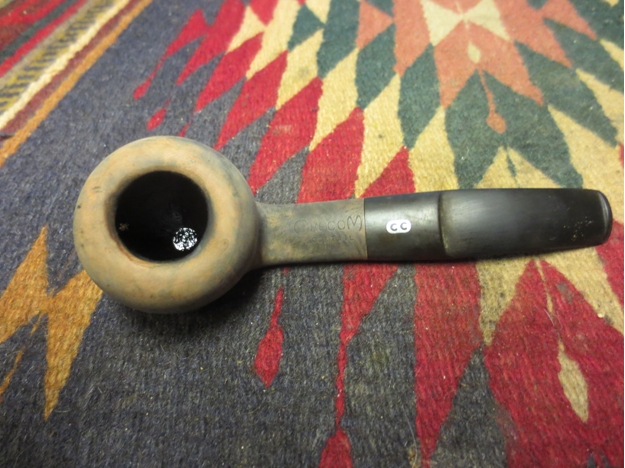
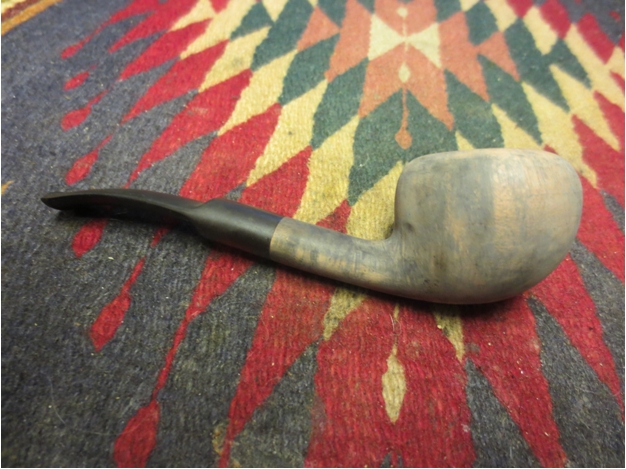
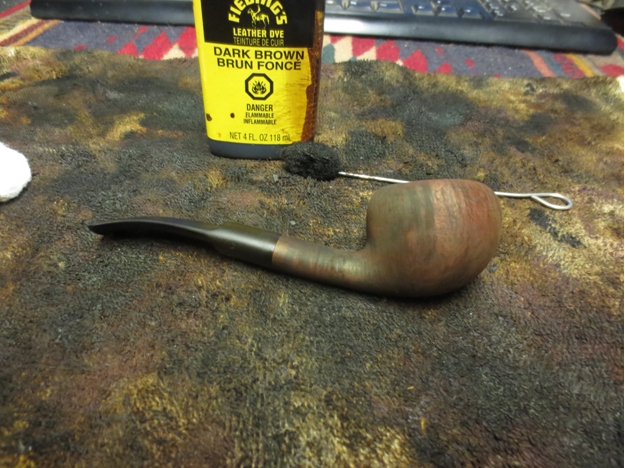
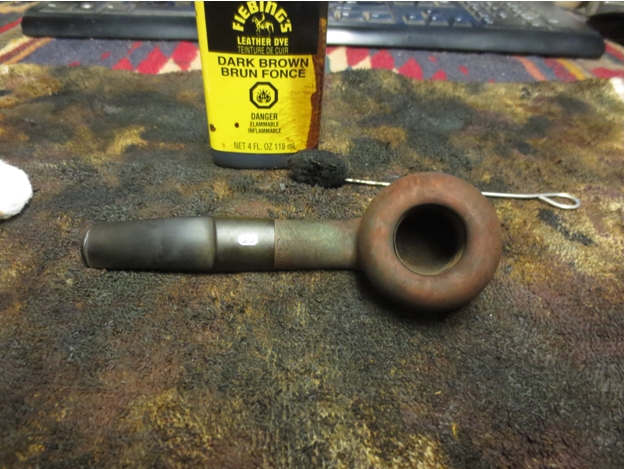
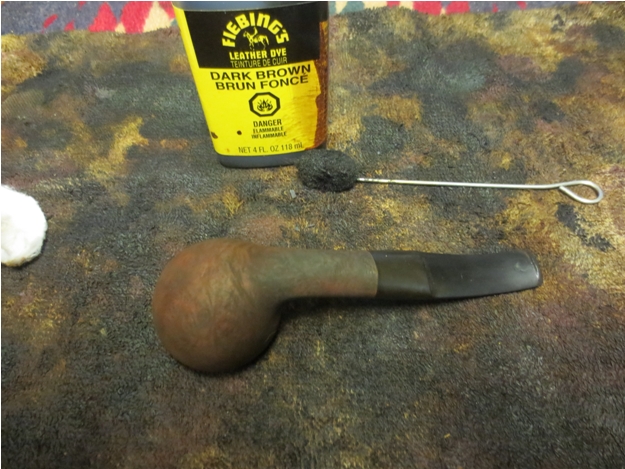
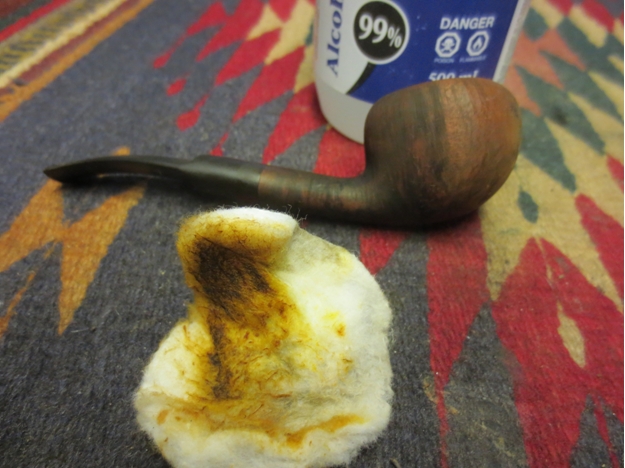
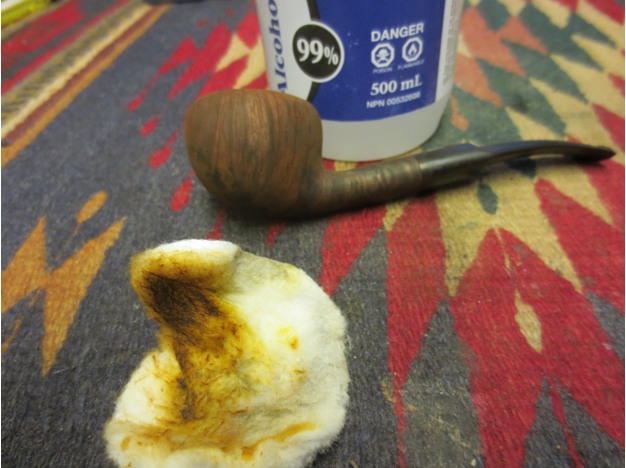
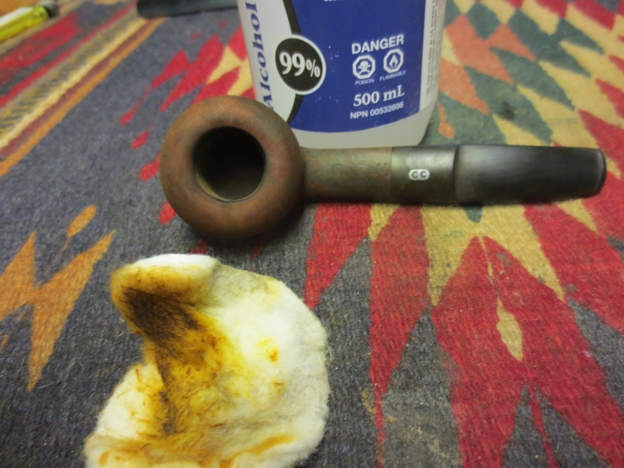
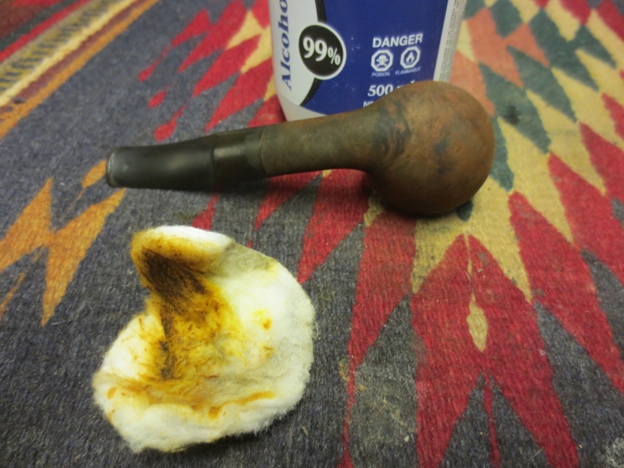
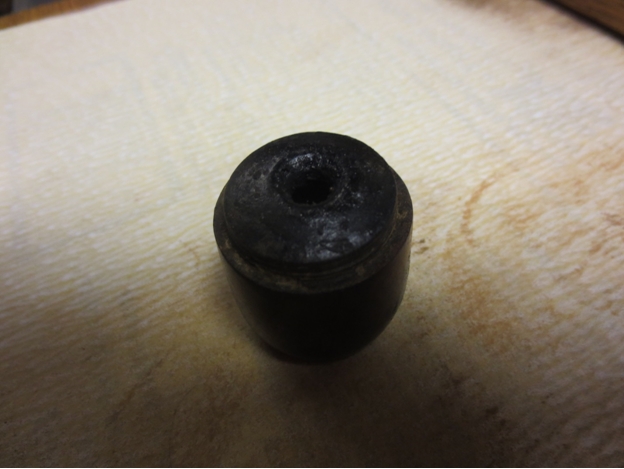
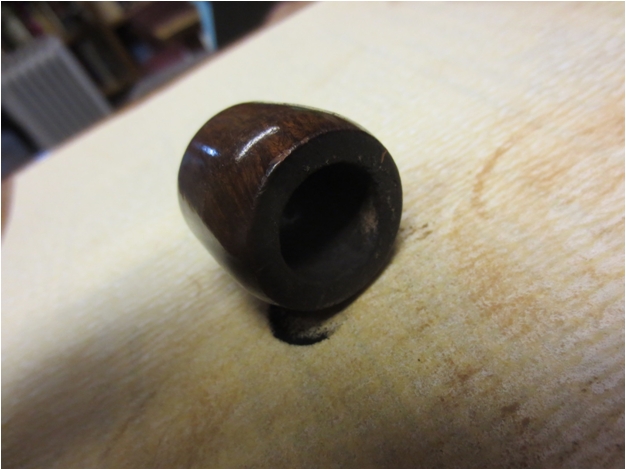
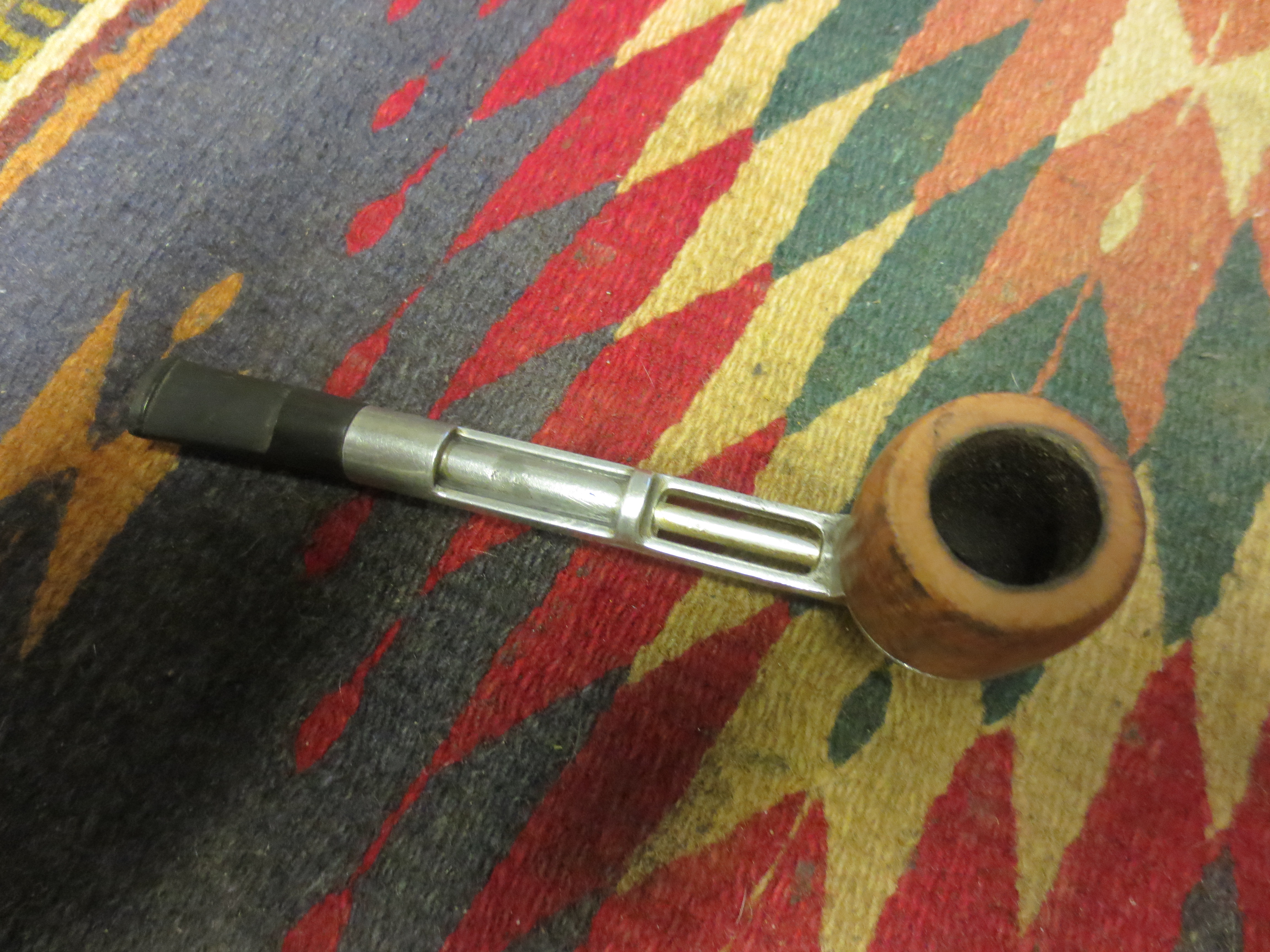
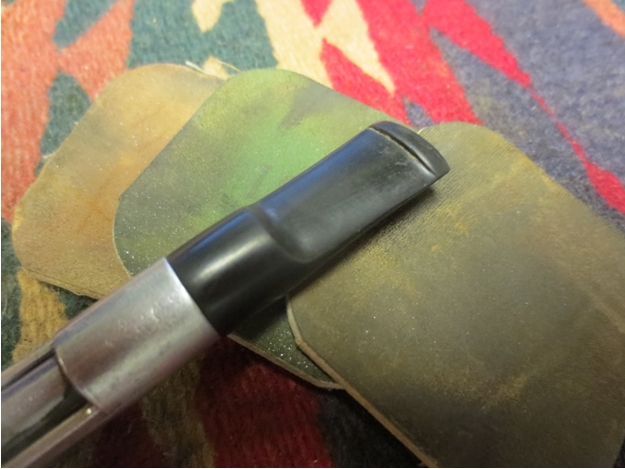
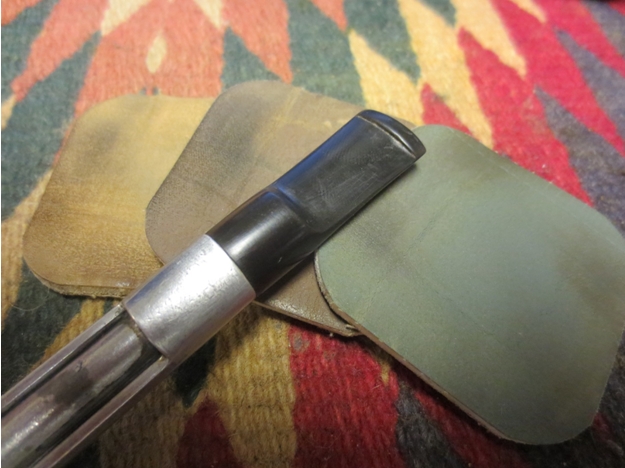
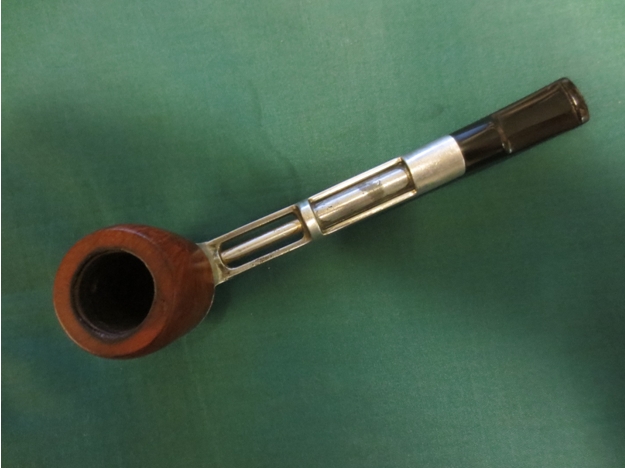
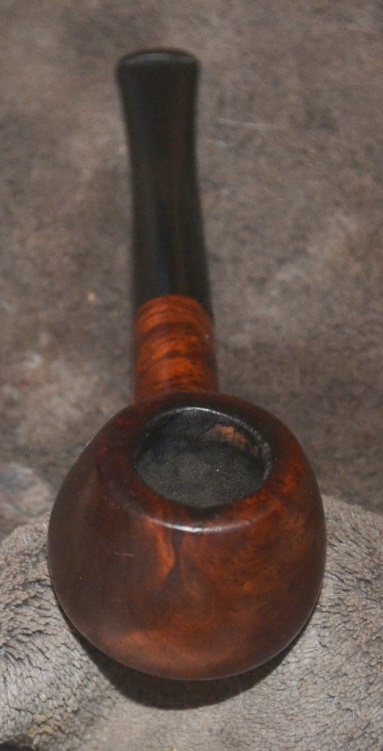
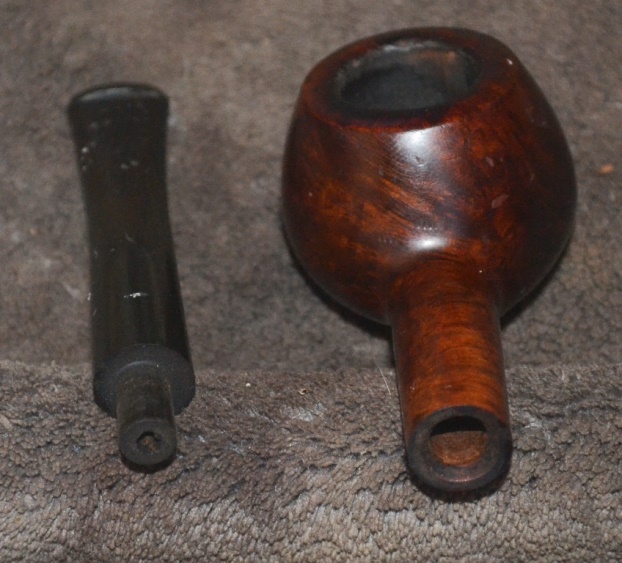
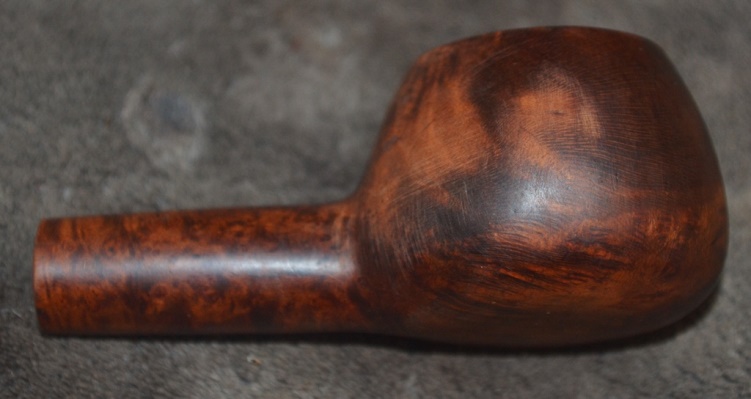
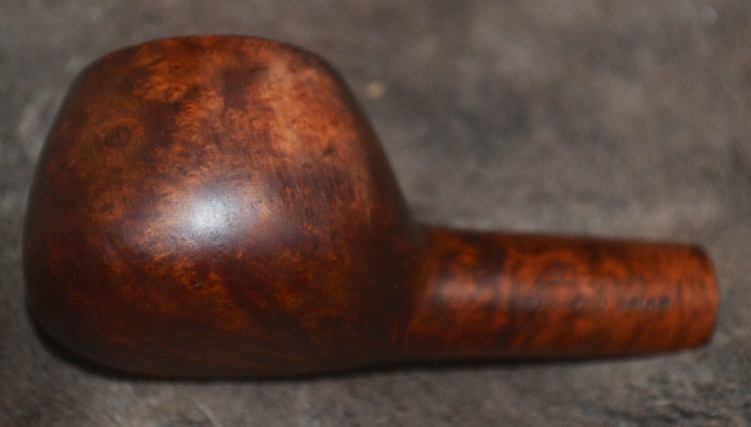
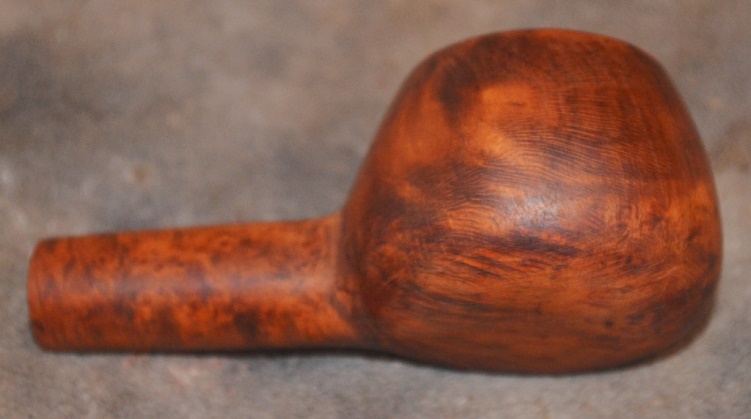
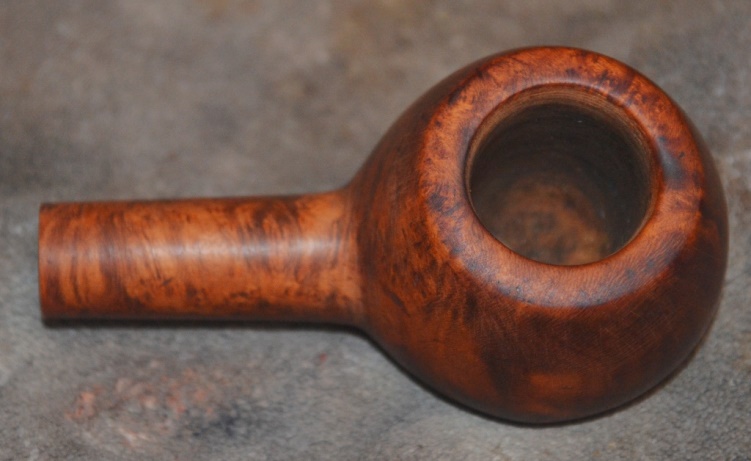
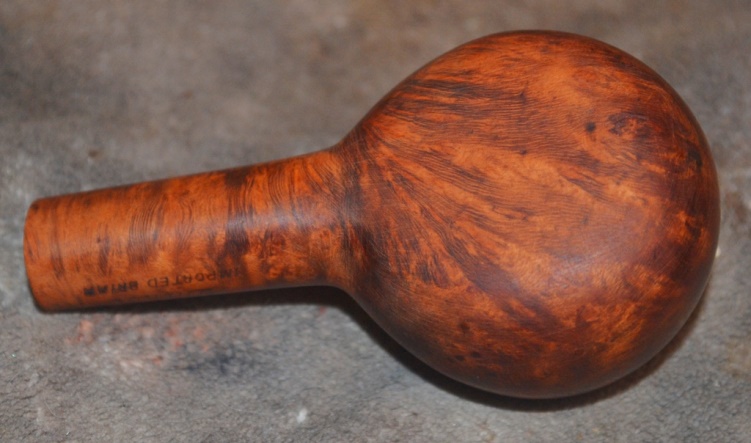
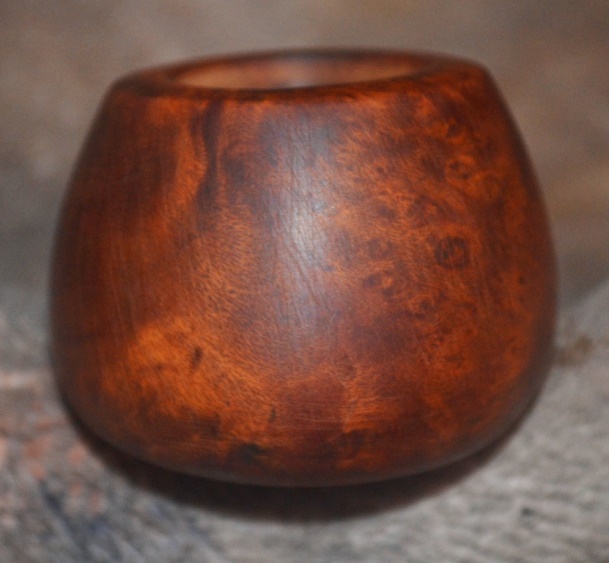
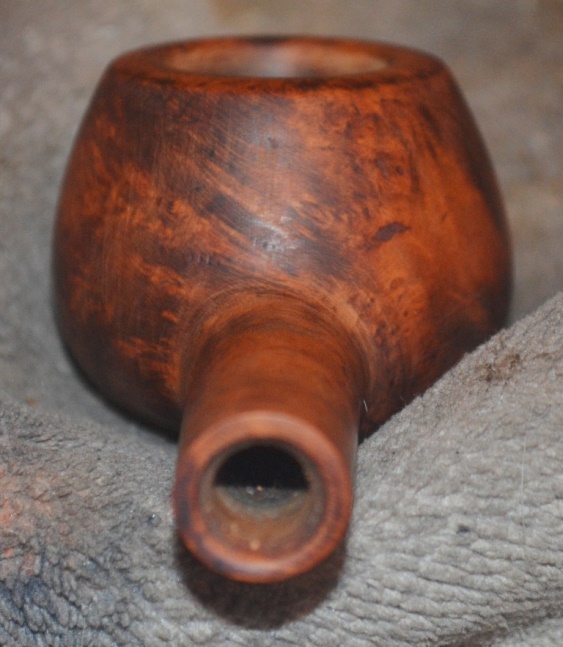
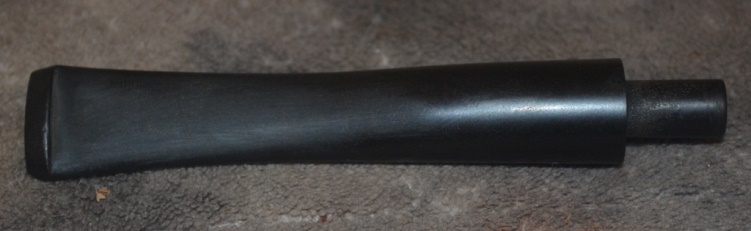
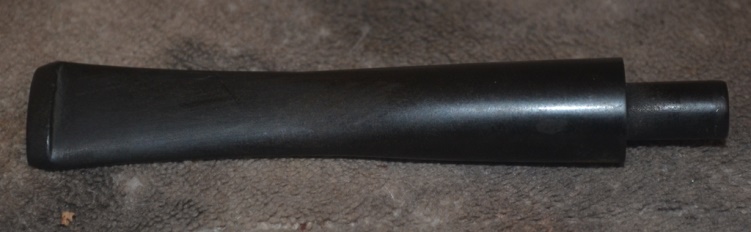
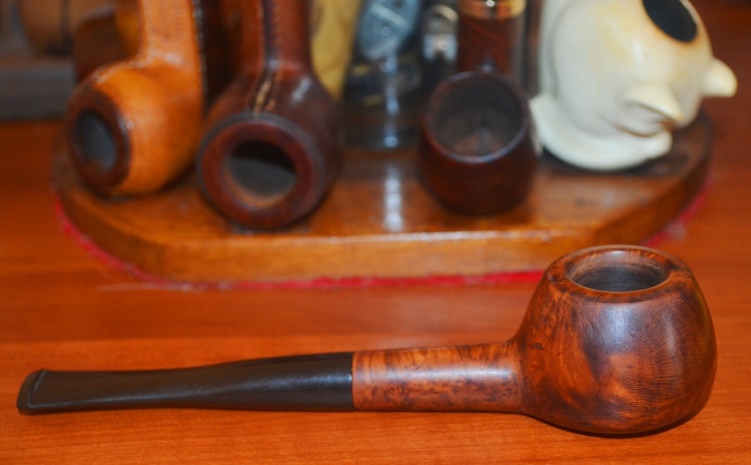
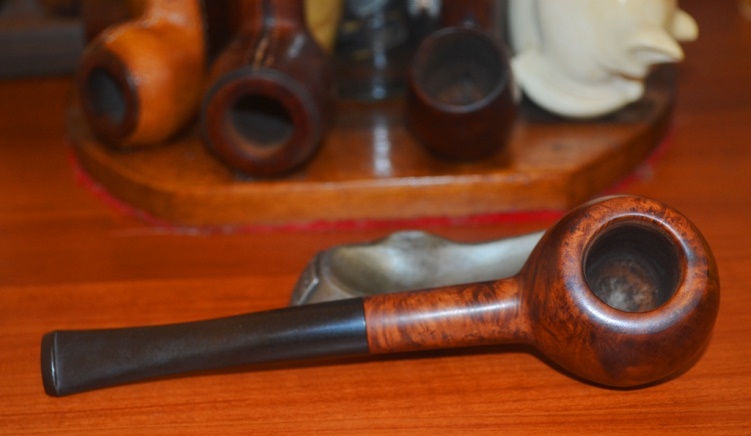
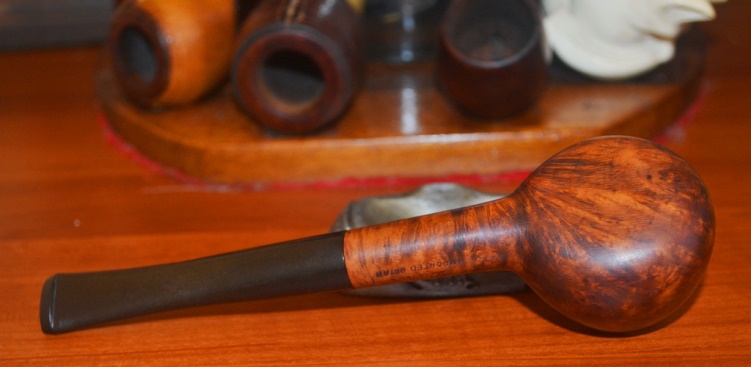
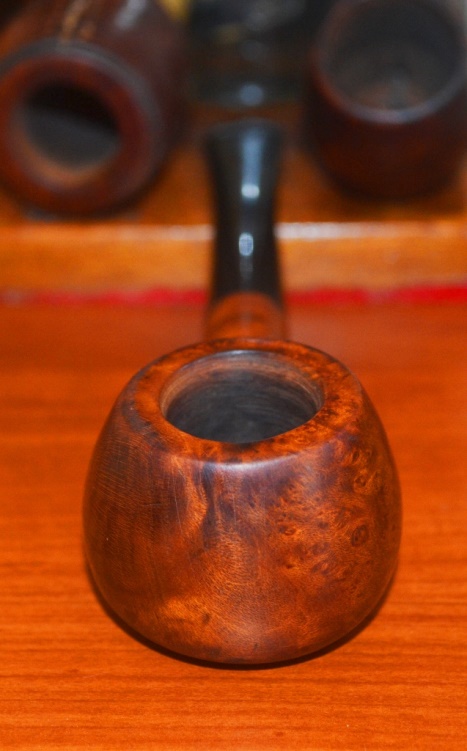
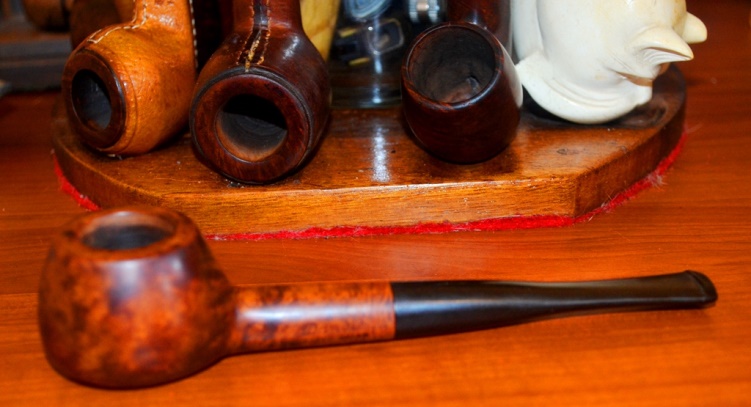
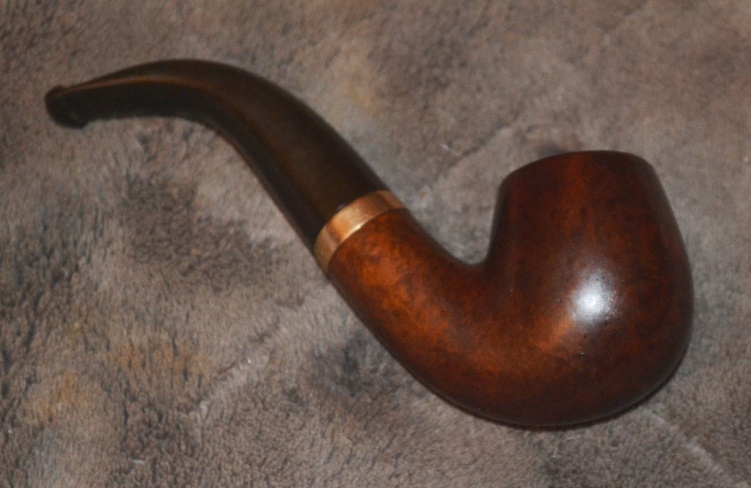
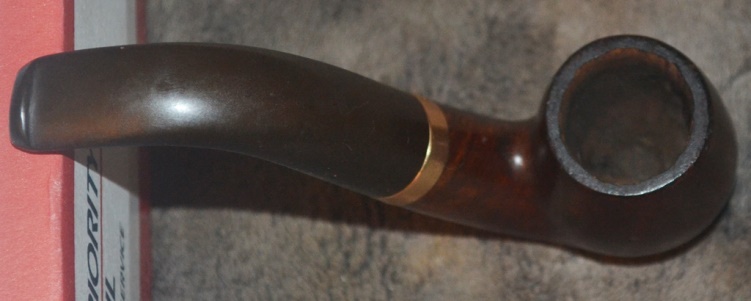
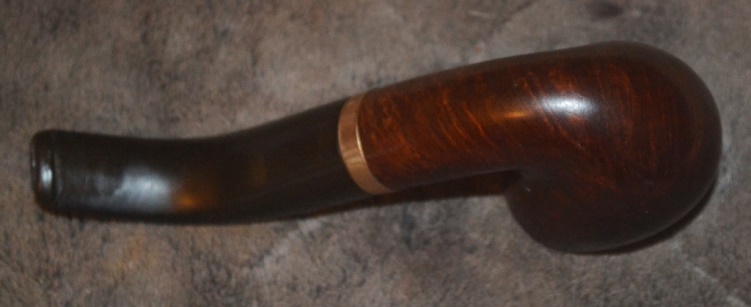
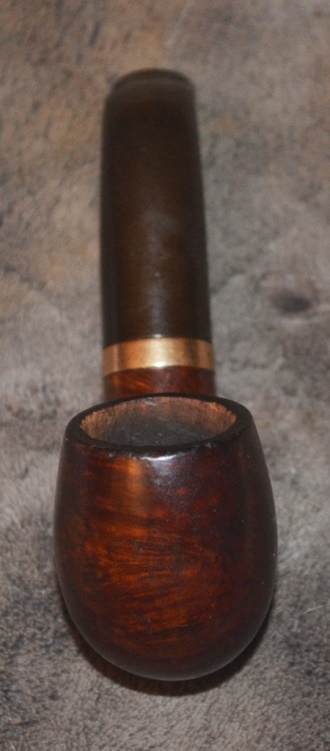
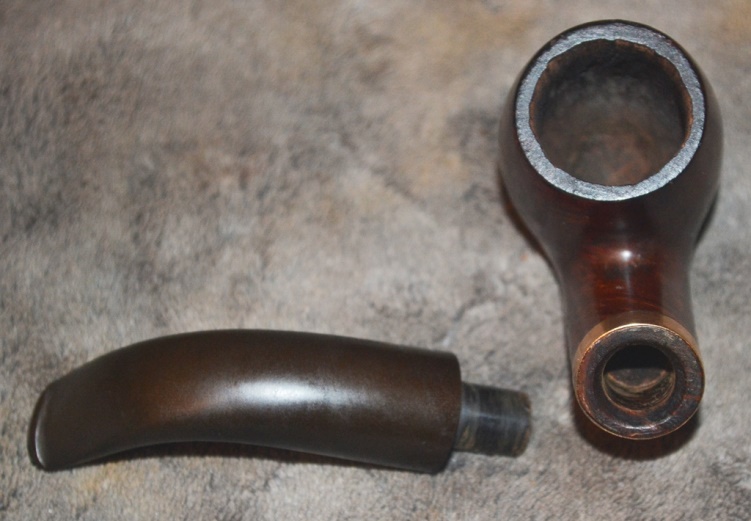
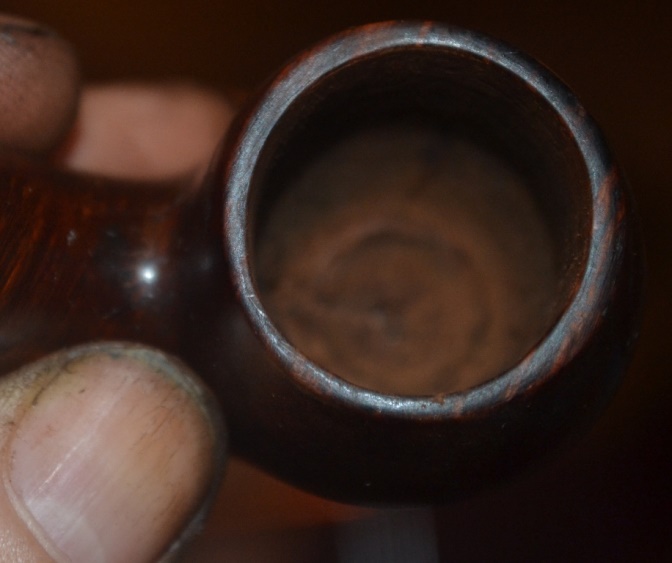
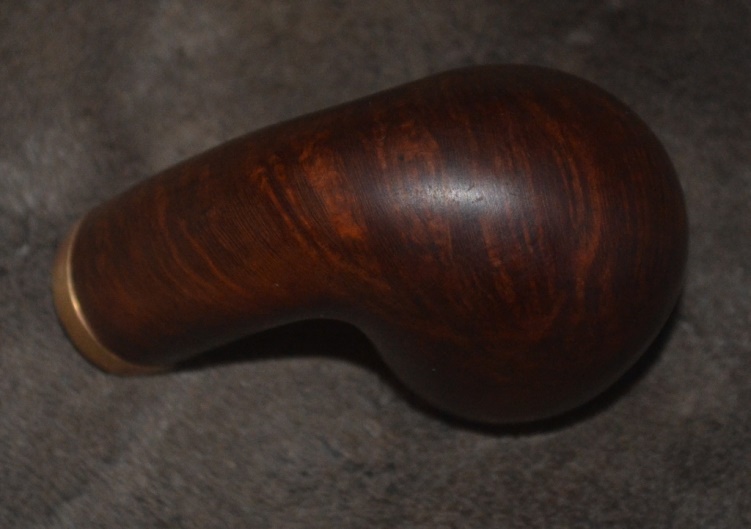
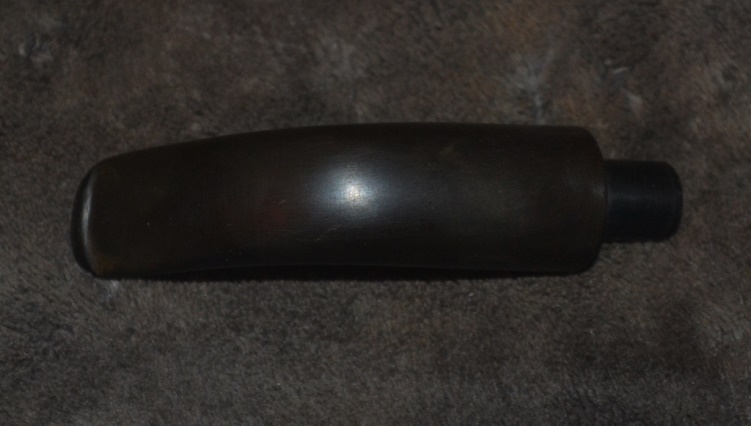
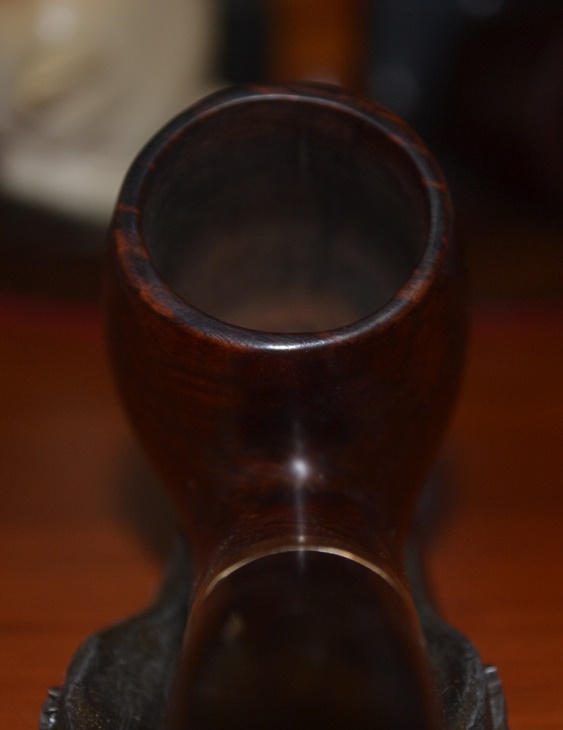
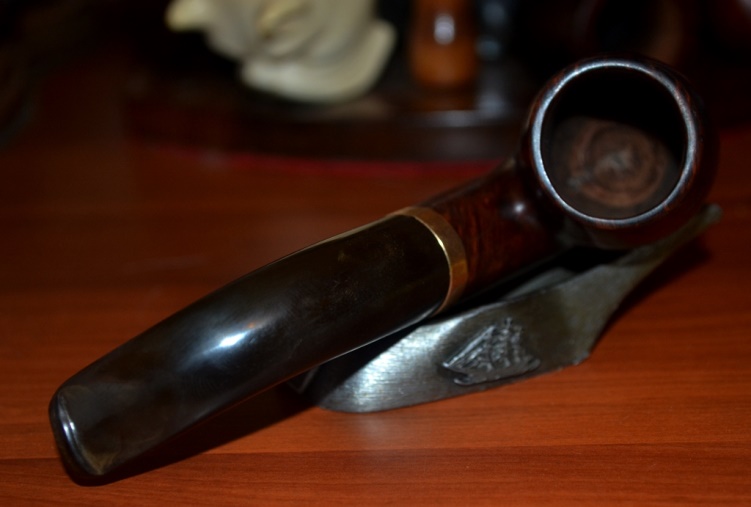
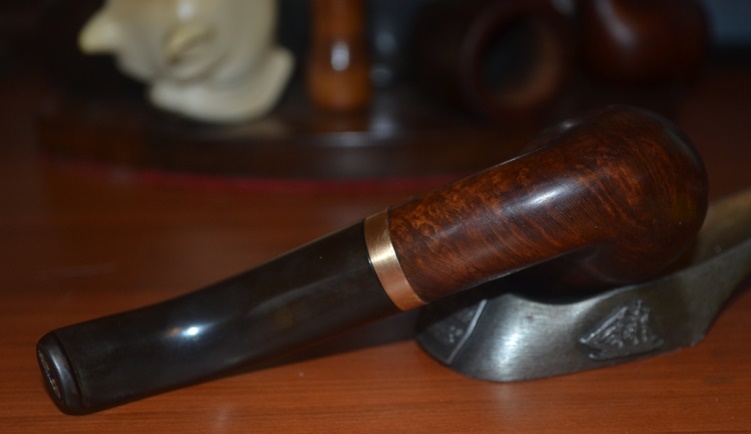
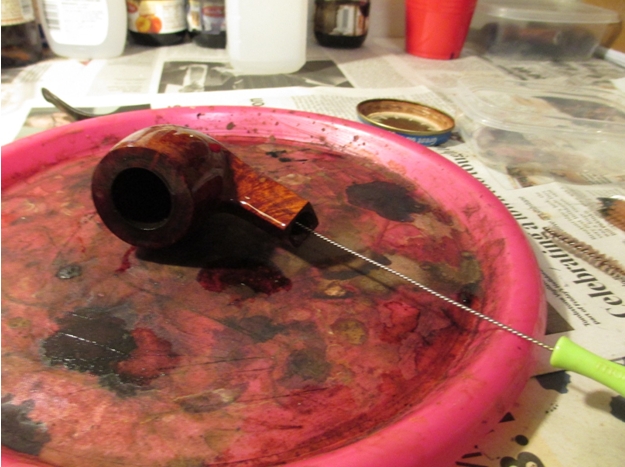
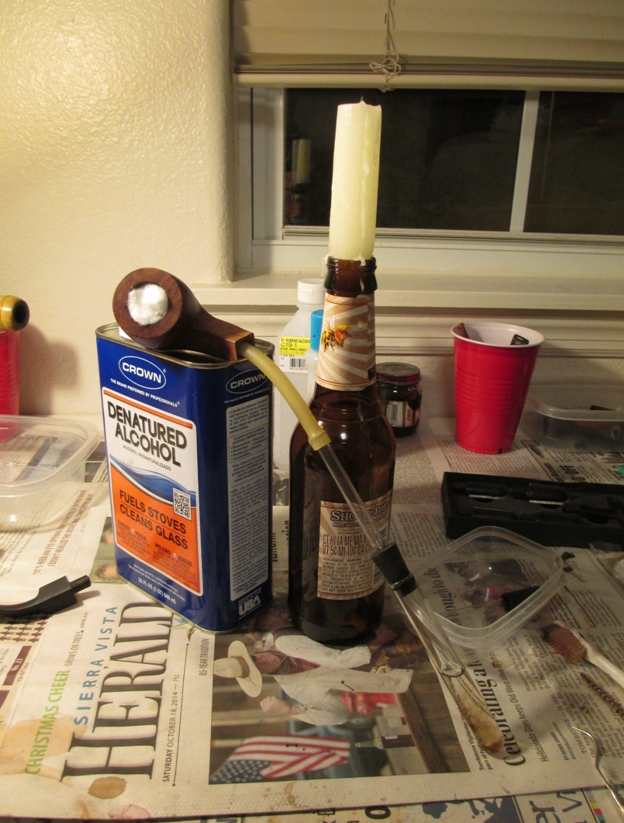
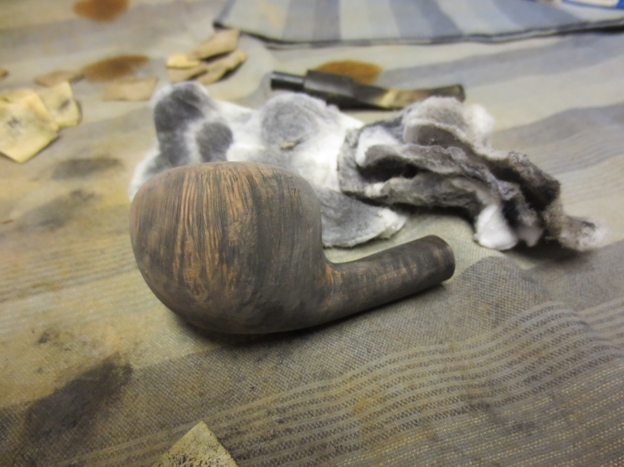
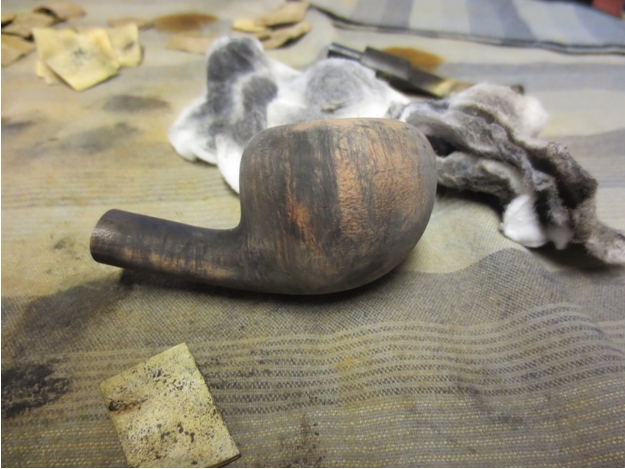
I am finally getting around to cleaning up the pipes I found on my recent pipe hunt. I decided to choose what I thought would be the easiest one. It was filthy and greasy. The top looked like it had been used as a hammer. I figured that it would clean up quickly and I liked the look of the briar that was peeking through. The bowl was stamped PAUL’S on the underside of the shank and Italy across the end of the shank. There is a stylized P on the stem. There was a sticky glue on the briar in several places that I think came from the price tag that was on the pipe. The bowl was really dirty and over reamed. The bottom of the bowl was almost flat. But there was a buildup of carbon from the top down about half way and there was tobacco fragments in the bowl bottom. The sides were no longer parallel and the airway entered above the bottom of the bowl. The stem was oxidized and had tooth chatter on the top and bottom of the stem.Plug1 Plug2 Plug3 Plug4I cleaned up the sides of the bowl interior with a PipNet reamer and used a dental pick to remove the detritus on the bottom of the bowl.Plug5I scrubbed the exterior of the briar with acetone to remove the grit, grime and grease from the finish. It actually took off the grime and took it down to the nice grain that I had seen peeking through. I think that the briar is oil cured as there is an oily texture to the wood.Plug6 Plug7 Plug8 Plug9 The top was so beat up that it had to be topped to smooth out the damage and restore the clean edges. I set up a topping board and worked on the top until it was smooth and the outer edges were sharp and well defined.Plug10 Plug11 Plug12I sanded the bowl with 220 grit sandpaper and a medium and fine grit sanding sponge to further clean up the finish. There was some darkening on the sides and bottom of the bowl and I wanted to bring it back to the same look as the shank and the rim. The idea was to bring the pipe back to clean and natural finish so that if I stained it the blend and matching would be much easier.Plug13 Plug14 Plug15 Plug16I decided to soak the bowl in an alcohol bath to remove some of the oils and grease on the surface. While it soaked I worked on the stem.Plug17I sanded the stem with 220 grit sandpaper to remove the oxidation, calcium buildup and tooth chatter. I carefully sanded around the stamping on the stem to preserve it.Plug18 Plug19I used a needle file and a sanding stick to rework the edges of the button and sharpen the crease.Plug20 Plug21I took the bowl out of the alcohol bath and dried it off. Once the inside had air dried it was time to raise the bottom of the bowl to the bottom of the entrance of the airway. I mixed a batch of plaster of Paris and packed it in the bottom of the bowl until it was level. Things were looking good at this point. Once it was dried I would give it a coat of pipe mud and it would be good to go.Plug22 Plug23That was when things began to go south for me! I was sanding the bowl bottom and had found a spot that seem to give as I sanded on it. I had wondered if the bowl bottom was too thin from the over reaming but had not seen the soft area of the briar. I used a dental pick to exam the spot and with very little effort the end of the pick went right through the bowl bottom! BURNOUT. I poked around some more and found that there were several very soft spots. This was not what I wanted to find on what I thought would be a very easy clean up!! YIKES.Plug24With very little effort the entire area that was darkened broke away. I used a drill to clean up the ragged edges and make the hole round. I used a Dremel with a sanding drum to even out the edges and used it on the inside of the bowl to bring it back into round on the side where there had previously been a slope from a bad over reaming job.Plug25 Plug26 Plug27I had a round piece of briar left over from a plug I had cut for another burnout I had repaired. I smoothed out the bottom of the plug and fit it into the hole in the bowl. Once the fit was good and snug I glued it in place with wood glue then a top coat of super glue.Plug28 Plug29 Plug30 Plug31 Plug32 Plug33 Plug34 Plug35While the glue was hardening I used the Dremel and sanding drum to take off the excess briar from the plug.Plug36 Plug37I sanded the plug with 220 grit sandpaper to shape it to the curves of the heel of the pipe. The spots that appear as gaps around the plug are where the glue has already dried hard. These will disappear as the glue cures and hardens.Plug38 Plug39I sanded the entire pipe with a medium and fine grit sanding sponge and then wet sanded with 1500-2400 grit micromesh sanding pads to remove the scratches from the finish and blend in the patch with the surface of the briar.Plug40 Plug41 Plug42 Plug43 Plug44 Plug45 Plug46I left the pipe overnight to give the glue time to cure. In the morning I sanded the bottom area of the bowl to smooth it out as the areas around the patches had swollen above the patch when they dried.Plug47Since the briar had been oil cured I decided to rub it down lightly with some olive oil and let it soak in. The next four photos show the pipe after the light rub down with oil.Plug48 Plug49 Plug50I spent a bit of time thinking about the next steps in the process. I had a decision to make – whether to leave the plug smooth and just stain the pipe and keep it glaringly present or to rusticate the bottom of the bowl and blend the plug into the rustication pattern. I decided to rusticate it. I took out the rusticator that Chris made for me and drew a boundary line around the area on the bottom of the bowl that I wanted to rusticate.Plug51 Plug52I pressed the rusticator into the briar and twisted it until the surface was roughened I used a brass bristle wire brush to knock off the loose briar and smooth things out. I buffed the rustication with White Diamond to smooth the high points.Plug53I stained the rusticated area with a black aniline stain and flamed it to set the stain. I sanded the lines around the rustication and the peaks on the rustication as well to get the look I wanted for this piece.Plug54 Plug55When I came home from work this evening I decided to extend the rustication back along the shank. I used the rusticator to work the briar and then stained the entire rustication with a black aniline stain.Plug56 Plug57I sanded the stem with my usual array of micromesh sanding pads to bring out the shine. I wet sanded with 1500-2400 grit pads and dry sanded with 3200-12,000 grit pads. I rubbed the stem down with Obsidian Oil between each set of three pads.Plug58 Plug59 Plug60I mixed a batch of Plaster of Paris to rebuild the bottom of the bowl and raise the part that was untouched by the plug to the same height as the plug and to the bottom of the entrance of the airway from the bowl. I inserted a pipe cleaner in the airway and put the mix into the bowl. I tamped in the plaster mix with a pipe nail and the cuticle tool. It dried to touch fairly quickly and I wiped down the walls of the bowl with a cotton swab and water. I smoothed out the bottom of the bowl the same way. Once the plaster has cured I will give the bottom of the bowl and walls a thin coat of pipe mud to preserve and protect the new plug and the freshly shaped briar on the walls of the pipe.Plug61I buffed the bowl and stem with White Diamond and then gave it multiple coats of carnauba wax. I buffed it with a soft flannel buff to raise a shine. The finished pipe is shown in the photos below. The soft colour of the oil cured briar and the light coat of olive oil bring out the grain. The contrast of the rustication on the bottom of the bowl and the black stain on that gives the bowl a fresh look. One of the side benefits of the added rustication is that the bowl is now a sitter whereas before the rounded bottom of the shank made that impossible. The pipe needs to cure for a few days and then I will give it an inaugural smoke.Plug62 Plug63 Plug64 Plug65.

Giving It the Old College Try, As a Favorite Substitute Teacher Used To Say – Robert M. Boughton


Guest Blog by Robert M. Boughton
Member, North American Society of Pipe Collectors
http://www.roadrunnerpipes.com
http://about.me/boughtonrobert
Photos © the Author

“What is the real purpose behind the Tooth Fairy, the Easter Bunny and Santa Claus? They seem like greater steps toward faith and imagination, each with a payoff. Like cognitive training exercises.”
— Author Chuck Palahniuk, in a Seattle Times interview, November 18, 2005

INTRODUCTION
Attention, working memory, processing speed, long-term memory, visual processing, auditory processing, logic and reasoning are the primary aspects of cognitive thinking, or the ability to learn. That’s why I kicked myself, in the figurative sense of course, the other day when I finished this restoration project and discovered I had deviated from my normal habit of photographing each part of the project – in this case, the pipe before it was restored. I mean, that’s not really an important step, after all, only the key to understanding the significance of the end product.

My excuse is that I bought a lot of eight pipes on eBay, knowing they were in foul condition but rather desperately needing more ware for my online store, and in the repetitious task of documenting all of their original conditions from every angle, the one slipped past me. However, being more attentive by nature, I have managed to forgive myself, if not without some wicked self-chastising.

Anyway, I bought that particular set for several reasons: nobody seemed to see what I did, that hidden in the apparent wreckage (at least to someone with an eye to get past all of that) were an unusual Savinelli huge billiard, a Ropp cherry wood, a smooth and well-colored old meerschaum bulldog and a Longchamp pigskin billiard, all of which appeared to be vintage; the bidding was low, I thought – I won for $32.50 with free shipping, more than the price for any one of them with careful work – and I was determined to have them, without sniping, at a sane cost I was confident of achieving by scaring off the competition with a max bid that had to seem outrageous to the others who were watching. I wonder if any of the unfortunate amateurs even took another look to see who won. And, oh, the thrill of victory in the best example of the open market that is eBay, even at its downright dirtiest.

Only one of the eight, a very old corncob, was burned out. In fact, that is putting it over nicely, for there was a glaring hole in the bottom that I confirmed with a poke from my pocket three-in-one pipe utility tool, but even it offered an excellent age-browned stem and gold-colored shank plate that fit an old restore with a crack I’ve been working on. The beautiful Savinelli Punto Oro marked “Herman Marcus” – which the eBay seller misidentified in the ad as a “Neiman Marcus” – on the right shank is very badly caked like the others and has an original short stem that for whatever hair-brained reason was bent up and back and not surprisingly has a chunk out of the lip. Call it foolhardiness or even plain arrogance, but I think I can fix the chunk. The other six pipes are finished, but this account concerns only one.

THE PIPE RESTORATION
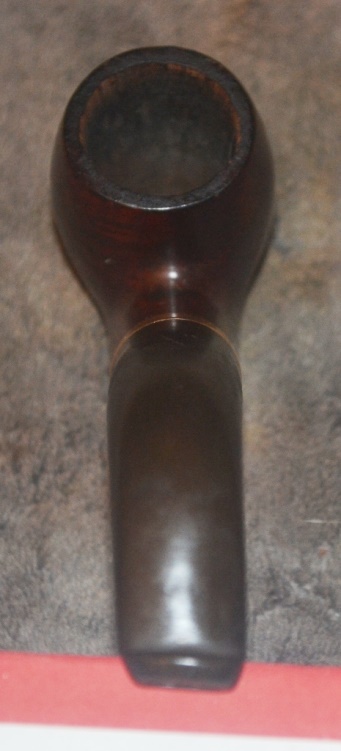
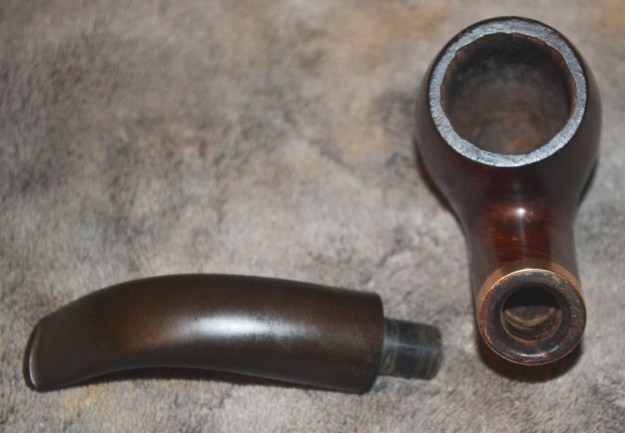
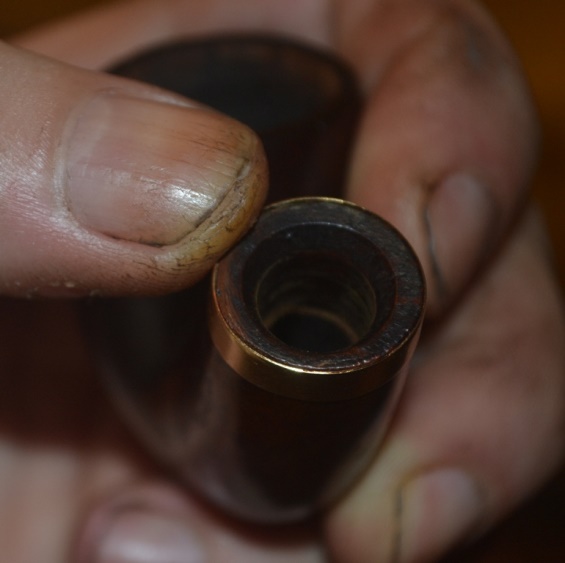
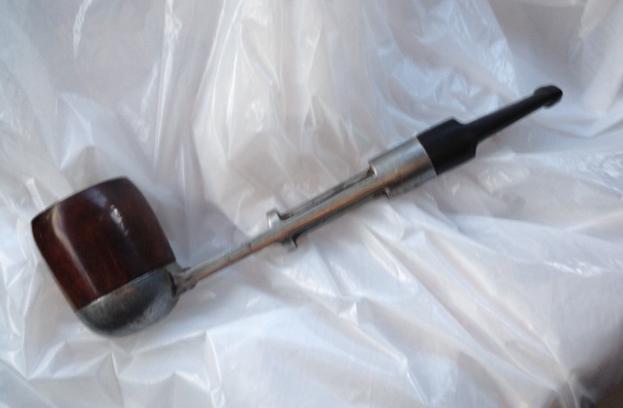
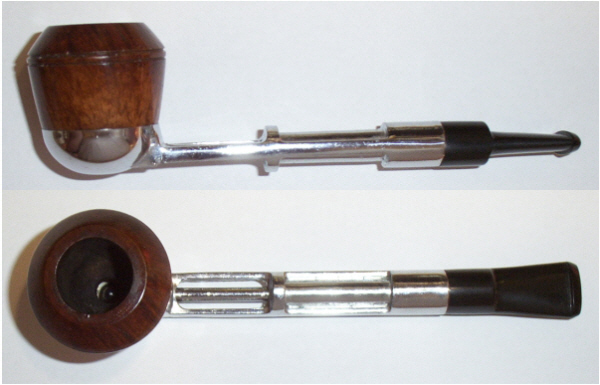
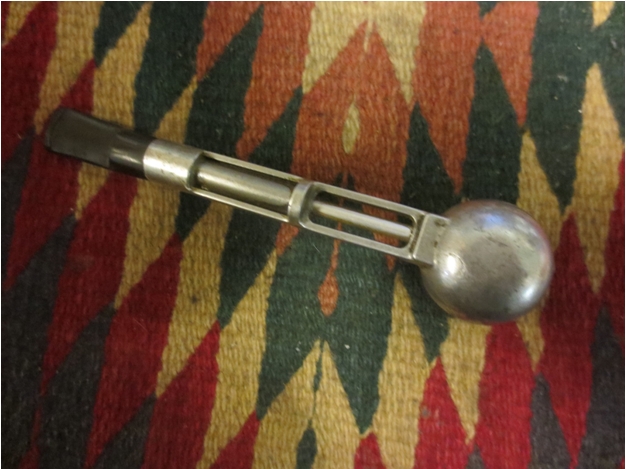
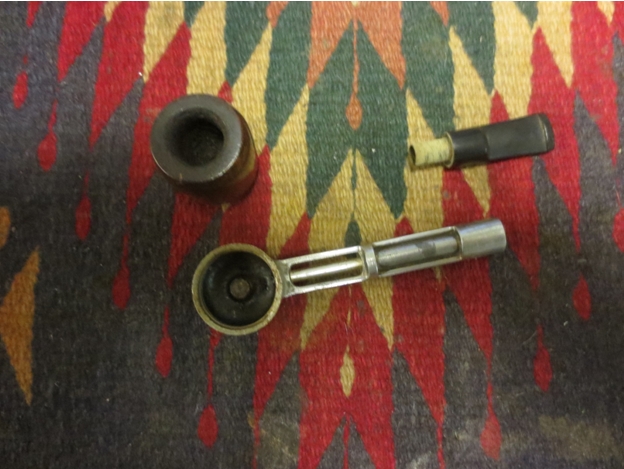
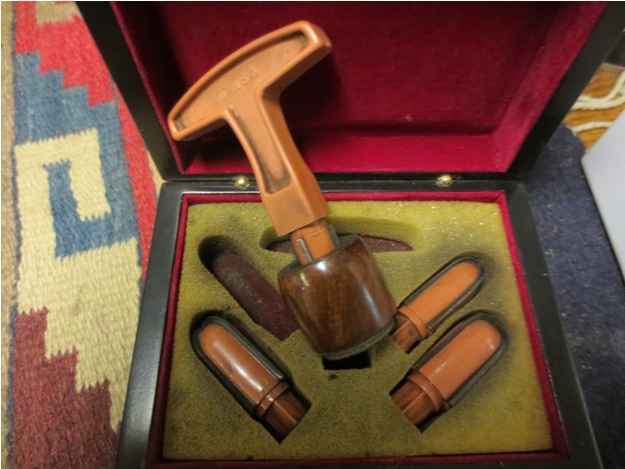
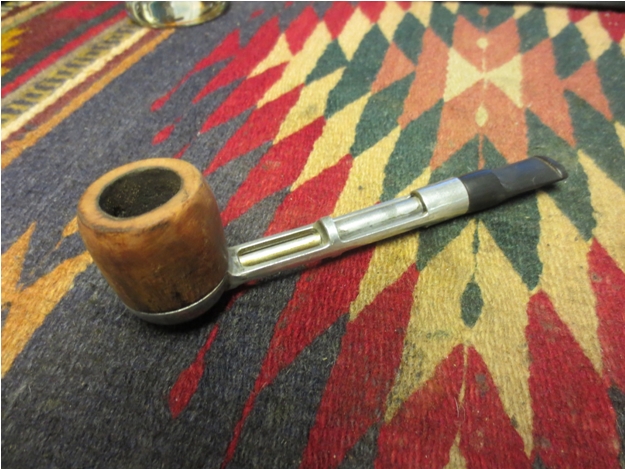
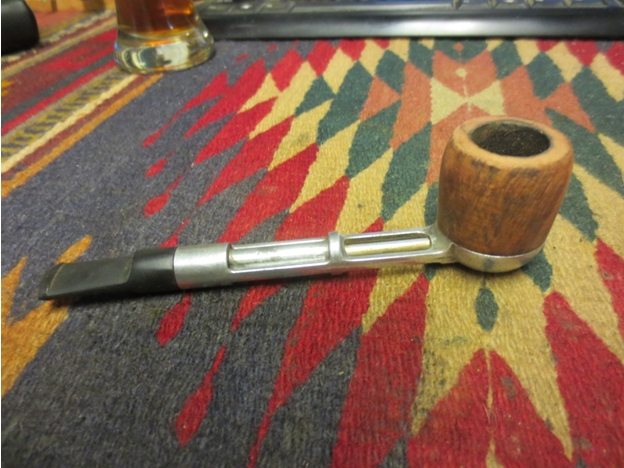
My blog today is about a lesser-known pipe brand called Monarch, which was established in Hartford, Connecticut in the 1930s and also distributes the Carey Magic Inch and Aerosphere pipes. Specifically, this concerns an apple shaped sitter with a bizarre patented tenon that screws into the shank. Once inserted with great difficulty, the tenon leaves a jet engine-like protrusion with a tiny piece of the rod that snaps onto the stem. Robert1At the time I believed my greatest problem would be disassembling the pipe, as something within the complex tenon system went awry and left the stem and cap spinning out of control with no purchase whatsoever. Naturally, I consulted my friend and mentor, Chuck Richards, first. He examined the pipe, sighed, made a doubtful face and suggested I give the whole thing a hot alcohol flush to see if that might loosen things up. But he was making no promises. And so, just for backup, I emailed our host, Steve, and posed my question. He said he had encountered the same problem once or twice in the past, and the only way he was able to get the pieces apart was to wiggle the stem carefully back and forth for as long as it took to do the job. Steve suggested the process could take some time and be quite tiring.

And so I decided upon a course of compromise. I gave the pipe a normal cold alcohol flush just to remove some gunk, which it did, and as I was quick to wipe up the overflow, it cleaned the bowl and shank well also. Then I commenced the wiggling. Steve was correct. The darned thing wanted to put up a fight. But maybe I lucked out, or the pipe just felt the negative vibes beginning to emanate from my psyche, because after about a half-hour of this nonsense the stem popped off. I was sure I had broken it!

Uncovering something out of a sci-fi comic book from back in the day, before anyone from Earth at least had ever traveled into space, or perhaps more like a diagram one might see in an old tech manual on airplane engines, I grasped the bowl and shank firmly in one hand and seized the curious bulb with two fingers of my free one and tried my hardest to twist. This approach got me nowhere but hot and sweaty.
Acutely aware of how easily I might demolish the entire pipe with one fell move but needing in the worst way to get that thing out of the shank, I wrapped the extending end of the tenon in a few small pieces of cotton and found some pliers. I started with the least necessary force and worked my way up a few notches before thinking better.

Sitting down and applying all of that processing (in particular visual), logic and reasoning I mentioned in the beginning, I noted the small opening in the exposed end of some sort of rod as yet unknown to me but most certainly to become so. And I remembered something (learning) I had done before to extract similar parts jammed in admittedly more sturdy objects. Rummaging through my toolbox, I found a small screw and screwdriver and with all due respect for the frail pipe, not to mention the unknown integrity of the odd tenon, forced the screw a short distance into the hole, where it jammed as I had intended.
Reversing the turn of the screw, no pun intended, I was rewarded almost at once with movement of the rod. Soon it became loose enough to finish by hand, and then the whole, approximately two-inch, grimy rod, along with the bulbous end and the stem cap, were in my hands. I know pride is supposed to be a sin, but not in all cases, and at any rate, there it is.

The patented supertenon, which appeared not to be intended for removal in order to accomplish such trivial tasks as cleaning the pipe now and then, suddenly told me, as clearly as if it spoke the words, why I found it and the inner shank coated with vile muck accreted over the decades. Intense alcohol scrubbing with stem cleaners corrected that problem.

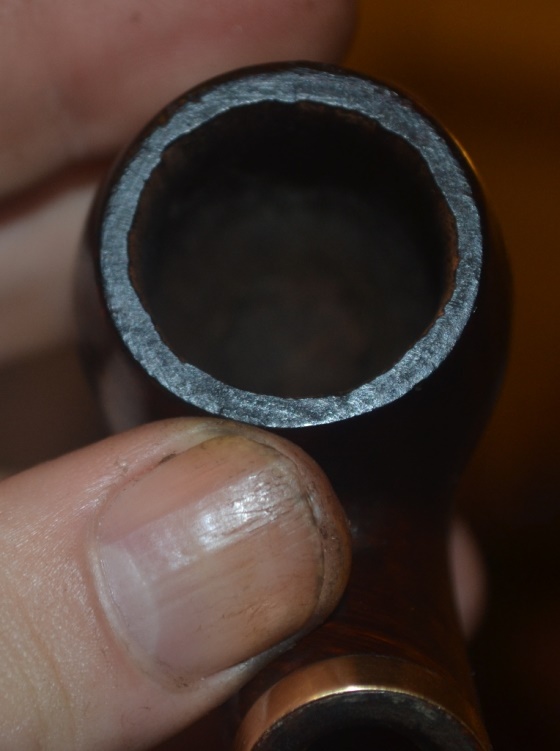
But then there were the bowl and rim to make right again, and I emphasize that term. The iniquitous conditions of the two, un-photographed as they may be, can be approximated by a shot I took of those areas of another pipe from the same lot:Robert2Although clearly not even the same material as the Monarch apple, the rim scorching and cake buildup in the bowl are for all intents and purposes identical.

I reamed that bowl with vigor and then sanded it, first with 150-grit paper and then 400, for about 40 minutes, until it was completely clear of carbon and down to the briar at the top. I used 220 on the rim, then micro-meshed it with 2400.

In this way time flew, and the hour arrived to reassemble the pipe. I really had no idea how that would go, but after a few tries I managed, with the rod inserted through the holes on either end of the bulb and decorative cap that was attached to it, to turn the crazy tenon as far as it would go back into the shank. Relieved that the cap was snug in place, I made several tries to line up the tiny exposed end of the rod with a space station-like dock deep inside the hollow stem.Robert3 For some odd reason I felt like Major Tom floating in a tin can. At last I heard a happy click of connection, and the pipe was as whole as it could be.
You see, that was the problem right there. Even after I buffed up the stem with red Tripoli and White Diamond, and the briar with the works, I just was not satisfied with the wicked little Apollo 13 shimmy thing going on between the stem and the tenon. My attention, working memory, processing speed, long-term memory, visual processing, logic and reasoning were all whirring at full capacity as I tried to rationalize putting this piece of horse pucky up for sale on my new Web store, but something in my subconscious still refused to learn this new trick.

Therefore, I went to the Google chalkboard to see if I could work it out by looking up “Monarch tobacco pipe tenons,” which was actually a suggested search, and found images of them. And what do you know, but right there, number one, was my hideous creature.Robert4 Take special note of two items of intelligence we can gather from this photo: the significantly greater length of the rod sticking out of the bulb, and the still far too big of a gap between the exposed rod and the connector in the stem of my Monarch. The first thought I had was to disassemble the doggone thing again and see if I had somehow made a mistake – which does happen sometimes – and perhaps the tenon was screwed in too tightly. I’m sorry to say it wasn’t.

Still, the exercise in self-doubt was a success in that without it I might not have observed the length of the tenon loose in my hand again and imagined it re-inserted into the shank without the bulb and cap in the way. I mean, I never really liked it from the beginning, let’s face it, and so the notion of tossing it into my growing assortment of pipe odds and ends was rather appealing.

I made a battlefield decision and thought, what the heck. I’ve already spent too much time on this fanciful, vintage and even patented experiment in pipe making, so what are a few more minutes? After re-screwing in the rod without the bulb and cap, I snapped on the stem – and it indeed was a much better fit.Robert5 Robert6 Robert7 Robert8 Robert9 Robert10 Robert11
CONCLUSION
Now that all is said and done, I am happy that I did the work of making this sad example of pipe craft look beautiful again and ready to smoke in some fashion. But the bottom line is, I don’t even want to keep it around to use for my own enjoyment, so I certainly won’t sell it to anyone. First thing after finishing this blog and dispatching it, I intend to remove the pipe from my online store, where I have already posted it for $35. To me that would be the same as robbery, and even offering it free with the purchase of another pipe would be a cruel joke to play on some unsuspecting customer. Besides, it would only come back to me by the power of three times three. Maybe I’ll give it to a friend who is particularly fond of apples, with a copy of this blog. At least I have made it reasonably easy to remove the so-called tenon now.

To me, this is the real purpose behind the Tooth Fairy, the Easter Bunny and Santa Claus. Learning.

John’s First Restoration – A Danish Sovereign Peewit #30


When John and I got home from our pipe hunt we spent the evening and the next morning working on the pipes he had found. We figured that the best way for him to learn how to refurbish pipes was to work on this lot together. That way he would learn as he worked with me on the pipes and we could discuss any issues that might arise during the process of the cleanups. He was intrigued with the idea and liked working with his hands so it seemed like this might be a part of the pipe smoking hobby that he could use to unwind and clear his thoughts from the heavy work of his day to day work as a Presbyterian minister. For his first pipe to refurbish he chose to restore a Danish Sovereign Peewit Shape #30. It is shown in the picture below and is the second pipe in the first row at the top. Walking through the entire process with him on this pipe and one of the others that he did taught him everything from removing the cake, cleaning the finish on a bowl and restaining it to cleaning and polishing a stem to the point that it shone. IMG_2050 Once again I forgot to take photos of the pipe before we started but remembered after I had reamed it with a PipNet reamer. The bowl was badly caked and the rim had a thick buildup of tars and oils. The briar had a nice blast on it and the stain was worn in quite a few spots. The stem was odd on this particular pipe. The tenon had a sleeve on it that added diameter. It appeared that somewhere along the way the shank had been redrilled larger than the original tenon so the sleeve was a necessity. The bowl was drilled way off centre to the right so the airway entered the bowl on the right side of the bottom of the bowl. The bowl itself was round but the pipe itself was way out of round with far more briar on the right side than the left. Danish1 Danish2 Danish3John scrubbed the bowl with a tooth-brush and Murphy’s Oil Soap to remove the grime and the old finish. He used a dental pick to remove the remainder of the buildup on the top of the rim. He rinsed it under running water to remove the soap and grime and dried it with a soft cloth. He used a dark brown stain pen (thanks Greg) to match the stain on the bowl in those areas on the shank and rim where the stain had worn off. He buffed the bowl with White Diamond and then gave it several coats of carnauba wax and hand buffed it with a shoe brush. Danish4 Danish5 Danish6The stem needed a lot of attention. There were some tooth dents in the surface of the stem on the top and bottom side. We set up the heat gun and heated the vulcanite to lift the dents. We also adjusted the bend in the stem while we were at it with the heat gun.Danish7 Danish8 The next photo of the end of the tenon shows the sleeve that had been added to the tenon to increase the diameter. Danish9John sanded the stem with 220 grit sandpaper to remove the calcification and the oxidation. He also used that to sand out the remnants of the tooth marks after we heated the stem. He then sanded the stem with a medium and fine grit sanding sponge to remove the scratch marks left behind by the sandpaper. Once finished he moved on to sand with micromesh sanding pads – wet sanding with 1500-2400 grit pads and dry sanding with 3200-12,000 grit pads. I had him rub the stem down with Obsidian Oil between each set of three pads. He buffed the stem with White Diamond and then we waxed it with some Renaissance Wax (he will not have access to a buffer at home so I was trying work as much as possible without one).Danish10 Danish11 Danish12 Danish13I had John give the pipe another coat of Renaissance Wax and buff it with a shoe brush to raise the shine. The finished pipe is shown below in all of its new sheen. I think John will enjoy smoking this one. I know when I refurbished my first pipe it seemed to smoke exceptionally well. I think it is the time spent bringing it back to life that makes this happen. Great job on this one John, it is a refurbished pipe to be proud of. Be sure to let us know how it smokes when you fire it up.Danish14 Danish15 Danish16 Danish17

Restoring a Peterson Dunmore #72


Blog by Steve Laug

The Dunmore line from Peterson really is a stripped down pipe. The one that I worked on this weekend was in essence a system pipe. The lack of a ferrule is made up for by a stylized carving around the shank end. The stem sits snugly against the end of the shank but is not flush with the diameter of the shank. The saddle on the stem has a different flair than a regular Peterson pipe. The one we found had a Plip stem. This particular Dunmore was found by my friend John when we went pipe hunting this weekend. We had a blast as can be seen from the haul of pipes that he picked up below. The Dunmore is picture at the top left of the first column in the photo below. below. IMG_2050 While John worked on restoring the oak pipe rack that he had found I worked on his Peterson Dunmore. This old pipe had some beautiful grain – birdseye on both sides and cross grain front and back. The bowl almost perfectly aligned with the grain on this one. I forgot to take pictures of the pipe before I began cleaning it up so the only one that is left of the pre-clean is shown in the group photo above. I reamed the bowl with a PipNet reamer and then cleaned out the sump and the internals of the bowl and stem with pipe cleaners, cotton swabs and isopropyl alcohol until all came out clean. Dunmore1 The finish on the bowl was virtually non-existent as it had worn away. I wiped it down with acetone to clean the briar and remove the oils and marks that had settled on top of the wood. The acetone pads came away dirty with the grime more than with any previous colour or stain. Cleaning the surface revealed even more clearly the marvelous grain that was on this pipe. Dunmore2 The top of the bowl and rim had some damage from tapping out the pipe. The outer edge of the rim particularly had taken a beating. The bowl was still in round so the inner edge was fine. To minimize the damage to the top and the outer edge I set up a topping board with 220 grit sandpaper and worked on the bowl top. (The whole time I was working on this pipe I gave a running commentary to John as he wanted to know the process so that he could clean up some of the other pipes once he had finished the rack). Dunmore3 Dunmore4 After topping the bowl I sanded the outer edge with a folded piece of 220 grit sandpaper to remove some of the darkening around the bowl top. I resanded it with medium and fine grit sandpaper to remove scratches and did the same to the rim top. I sanded the entirety of the rim and edges with 2400 grit micromesh to smooth it out. After wiping down the briar with alcohol to remove the dust from the surface of the bowl John and I decided not to stain the pipe but to keep it natural. I rubbed it down with a bit of olive oil to give some life to the wood and then buffed it with White Diamond. I was careful to not buff the areas around the stamping so as not to damage them. I chose rather to buff these areas by hand with a shoe brush. I gave the bowl several coats of carnauba wax and buffed it with a soft flannel buff to shine it. Dunmore5 Dunmore6 Dunmore7 There were two small crevices that showed up on the inside of the bowl on the right side about ¼ inch below the rim. I mixed a batch of pipe mud and filled the small crevices and smoothed the mud over the surrounding area of the bowl. I set it aside to dry while I worked on the stem.

The stem had a lot of tooth chatter and a few shallow tooth marks on the top and the bottom next to the button. It also had a deep oxidation that required a lot of elbow grease to remove. I sanded the stem with 220 grit sandpaper to remove the surface oxidation and the calcification near the button. I “painted” the stem with my Bic lighter to raise more of the oxidation to the surface and also to raise the small tooth marks on the stem. I sanded it some more with the 220 grit sandpaper followed by a medium and a fine grit sanding sponge. That work brought it to the condition shown in the next two photos below. Dunmore8 Dunmore9 I sanded it with micromesh sanding pads – wet sanding with 1500-2400 grit pads and dry sanding with 3200-12,000 grit pads. I rubbed the stem down between each set of three pads with Obsidian Oil. After finishing with the 12,000 grit pad I buffed it lightly with White Diamond on the wheel and then rubbed it down one more time with the oil. When it had dried I gave the stem multiple coats of carnauba wax and buffed it to a shine. Dunmore10 Dunmore11 Dunmore12 I hand buffed the completed pipe with a bit more wax and a shoe brush to finish the polish. The finished pipe is shown below in all of its beauty. I am really glad we decided to leave the wood natural and only give it a light oil finish before waxing. The grain stands out well and the feel of the pipe in hand is very nice. John loved the finished pipe. I am looking forward to hearing from him once he has smoked it a few times. Dunmore13 Dunmore14 Dunmore15 Dunmore16
Got Today’s Apple! Restoring an Imported Briar Apple


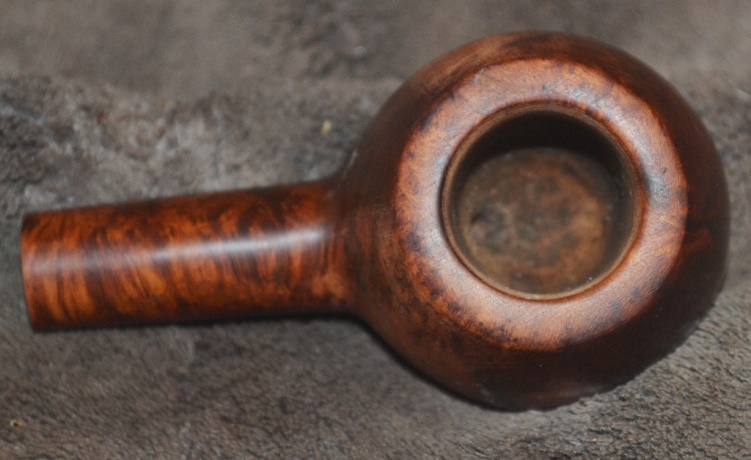
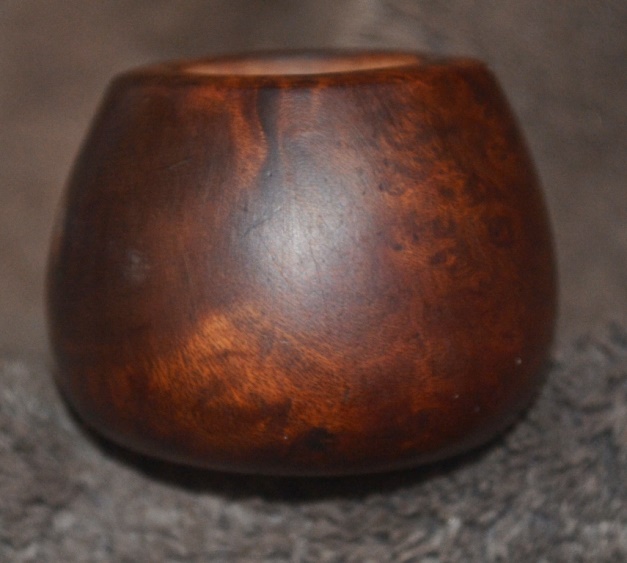
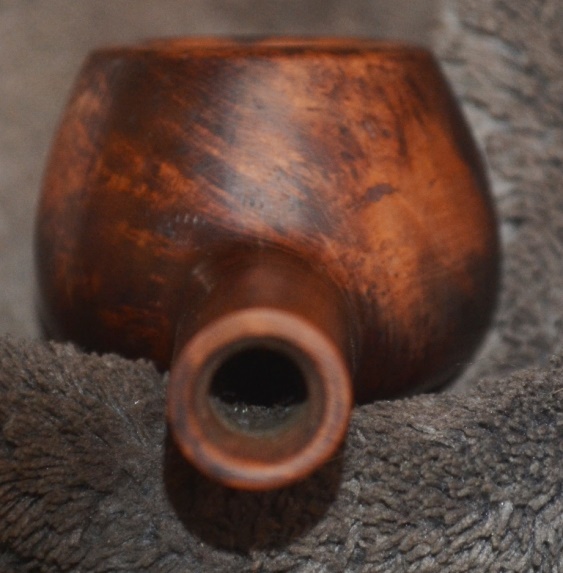
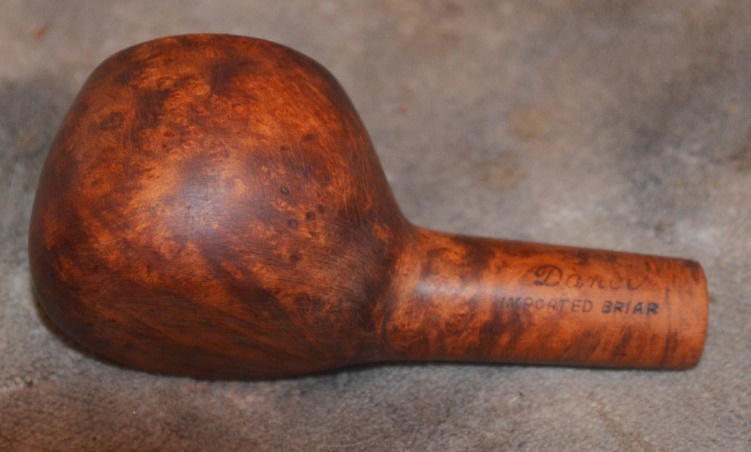
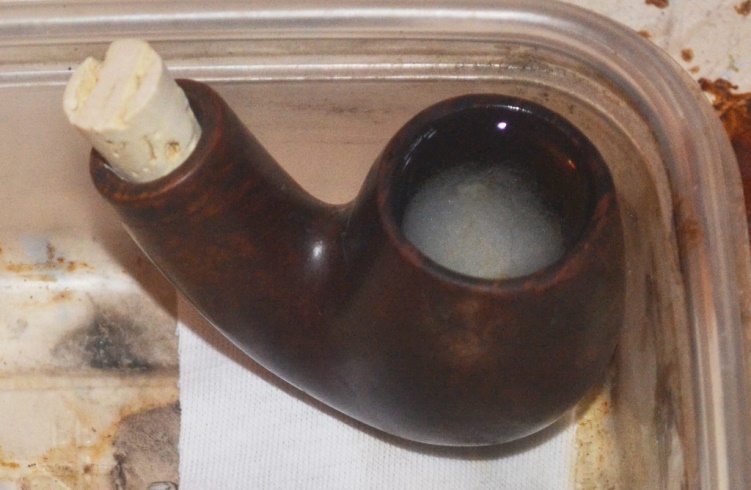
Yet another gift pipe bowl that I had in my box was a no name Imported Briar Apple. It had a threaded tenon and I just “happened” to have a stem that fit it perfectly in my can of stems. (One day I need to get the stems sorted and organized more. Currently I have a can of round stems and a can of everything else stems. This necessitates emptying the entire can on the work table each time I need them and sorting through to find what I need.) The stem was a used Grabow stem that was missing the stinger but the tenon was intact. It was oxidized and dirty but very functional. There were no tooth marks or bite marks on the surface. When twisted onto the pipe it was slightly overturned. IMG_2015 IMG_2016 The bowl had an interesting finish in that the briar was smooth around the rounded rim and down the bowl. Then there were grooves or what I call worm trails cut vertically down the sides of the bowl and horizontally on the shank. The all culminated in rusticated pattern on the bottom of the bowl. The finish was shot and the worm trails had all nature of detritus packed into them. The grooves were full in some places. The stain was present but worn. If there had ever been a varnish coat it too was gone. The aluminum mortise insert was well oxidized. The bowl had a thick buildup of cake and loose pieces of tobacco handing on the sides. The rim was dirty but did not have any damage. IMG_2017 IMG_2018 I heated the tenon with a Bic lighter and straightened the overclocked stem. I reamed the bowl with a PipNet pipe reamer and then scrubbed the bowl down with Murphy’s Oil Soap and a tooth brush. I rinsed it with lukewarm water and dried it off. I scrubbed the buildup on the rim with a cotton pad and saliva and then used isopropyl alcohol on a cotton pad until I had broken through the tough outer coat. I used a medium grit sanding sponge to sand off the rest of the buildup and then wiped it down again with alcohol. IMG_2019 IMG_2020 I wiped down the exterior of the bowl and shank with acetone on cotton pads to remove the remaining finish. IMG_2022 I sanded the stem with 220 grit sandpaper to remove the oxidation and the calcification buildup at the button. I worked in the creases with a sanding stick. Once I had cut through the oxidation I sanded the stem with a medium and a fine grit sanding sponge.IMG_2026 IMG_2027 IMG_2028 IMG_2029 Once I had removed the finish and did the initial sanding on the stem I cleaned out the shank and stem with cotton swabs, pipe cleaners and alcohol until they were clean. IMG_2024 IMG_2025 I sanded the aluminum mortise insert with medium and fine grit sanding pads. I stained the bowl with a Danish Oil Walnut stain. IMG_2030 IMG_2031 IMG_2032 After I had stained the pipe I put a cork in the bowl and set it aside in an old candle stick holder to dry while I worked on the stem. IMG_2033 IMG_2034 IMG_2035 IMG_2036 I sanded the stem with my usual array of micromesh sanding pads – wet sanding with 1500-2400 grit pads and dry sanding with 3200-12,000 grit pads. I rubbed it down with Obsidian Oil between each set of three sanding pads and gave it a final coat of the oil after sanding with the 12,000 grit pad. I took it to the buffer and buffed it with White Diamond. IMG_2037 IMG_2038 IMG_2040 When the stain on the bowl had dried I put the stem on the pipe and then gave the entire pipe another buff with the White Diamond and then gave it multiple coats of carnauba wax. I finished by buffing it with a soft flannel buff to raise the shine on the bowl and stem. The finished pipe is shown below. The stem actually looks like it is the original stem and the pipe looks as good as new. It is ready for a long life in the hands of the next pipeman who takes it home to join his/her rack. IMG_2041 IMG_2042 IMG_2046 IMG_2048

Rejuvenating a Willard Straight Rhodesian


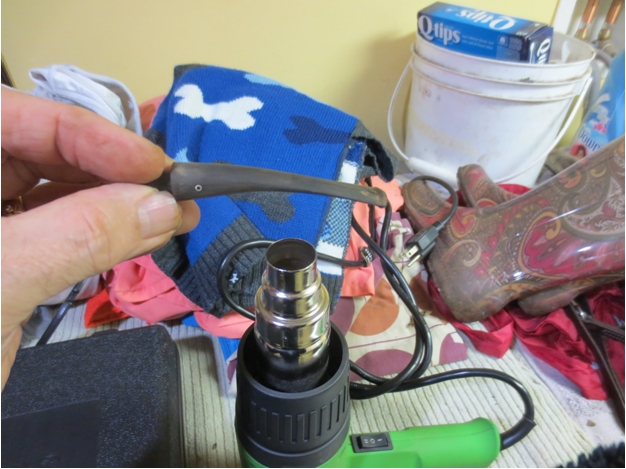
Another of the bowls from the gift box was this Willard Rhodesian. It was in pretty good shape other than being dirty and stemless. The bowl had a broken cake at the top of the bowl and remnants of tobacco left in the bowl. The rim was dirty and lightly caked with some damage caused from tapping the rim on something. The outer and inner edges of the bowl were undamaged. The interior of the shank was dirty. The shank was fitted with a threaded mortise that would take a threaded stem. I had a stem in m can of stems that fit well in the shank, was overturned but workable. The diameter of the stem was larger than the shank. The photo below shows the stem on the pipe in the middle of the threesome. IMG_1750 I set up a heat gun and held the stem about three inches above the heat. The first photo below shows the stem in place. To heat it I removed it from the bowl and heated the metal tenon. When it was warm I screwed it back in place and twisted it. I had to reheat it several times to get the alignment correct. The second photo shows the aligned stem. IMG_1752 IMG_1755 I sanded the stem with 150 grit sandpaper to reduce the diameter of the stem. I also sanded the slope to the button to highlight the tooth marks on the stem. IMG_1809 IMG_1810 IMG_1811 I used a needle file to sharpen the inner edge of the button and make the angles more distinct. IMG_1812 I wiped down the bowl with acetone to remove the grime and clean up the finish. I did not want to lighten the finish as much as to clean off the light coat of varnish on the briar. IMG_1814 IMG_1813 I lightly topped the bowl to clean up the rim damage. I used a sanding board and 220 grit sandpaper to remove the damaged briar and then followed that by sanding with a medium and a fine grit sanding block. IMG_1815 IMG_1816 I continued to sand the stem to match it to the diameter of the shank. I used 220 grit sandpaper to finish the sanding and shaping of the stem. I worked on the tooth marks on the top side and underside of the stem with 220 grit sandpaper until they were no longer visible. IMG_1817 IMG_1818 IMG_1819 IMG_1820 I reamed the bowl with a PipNet pipe reamer beginning with the smallest cutting head and working up to the one that was the same diameter as the bowl. I reamed the bowl back to bare wood. IMG_1821 IMG_1822 I sanded the stem with a medium and fine grit sanding sponge to reduce the scratches left behind by the 220 grit sandpaper. IMG_1823 There was one stubborn tooth mark that I could not get out on the underside of the stem next to the button. I cleaned the area with alcohol and then used clear super glue to repair it. I sprayed the path with an accelerator so that I could sand the patch sooner. IMG_1824 IMG_1825 IMG_1826 IMG_1827 I sanded the stem with micromesh sanding pads – wet sanding with 1500-3200 grit pads and dry sanding with 3600-12,000 grit pads. I rubbed down the stem with Obsidian Oil between each group of three micromesh sanding pads and then when I finished sanding with the 12,000 grit pad I buffed it with White Diamond. IMG_1828 IMG_1829 IMG_1830 I buffed the bowl and shank with White Diamond and then gave it a coat of Danish Oil and walnut stain to protect and preserve the finish. When it was dry I buffed the pipe with White Diamond and then gave it several coats of carnauba wax. IMG_1835 IMG_1836 IMG_1837 IMG_1838 The finished pipe is shown in the photos below. The new stem fits well. In fact it looks like it came with the pipe. The repairs to the stem are not visible. The bowl itself dried well and buffing the finish gave it a softer look. The finished pipe was given several more layer of carnauba wax and then buffed with a soft flannel buffing pad. It is now ready for many more years of service to another pipeman. IMG_1844 IMG_1845 IMG_1846 IMG_1847

Giving New Life to a Kaywoodie Connoissuer Dublin Shape 45C


This is the third old-timer I received in my gift box from Jim. It is stamped Kaywoodie over Connoissuer on the left side of the shank and 45C on the right side near the bowl. It was in rough shape. The finish was gone and the bowl was almost black with grit and grime. There were places on the sides and bottom of the bowl that had black spots of a sticky, oily substance. The rim was heavily caked and damaged as well. There were rough outer edges on the rim on the back right side and the front as well. The bowl was badly caked and appeared to be out of round from reaming with a knife. The stem was in pretty decent shape however. There was a buildup of calcium on the end of the stem about ½ inch from the button forward but there was only minimal tooth chatter and no deep bite marks. The stem even fit correctly and was not over turned in the shank.IMG_1710 IMG_1711 IMG_1712 IMG_1713 IMG_1714 I looked up an old Kaywoodie shape chart to make sure the shape number 45C was indeed a Dublin, in fact a Large Dublin. I found it in the second column, third entry down that column in the chart below. I think that the name is quite relative as the size is not that large and would easily be a group 3 sized bowl in Dunhill terms. I also found that the Connoisseur line was the top of the line (at least in this chart of pipes). Read the notes on the bottom of the page, the last line that shows a price of $27.50 – the highest priced KW on this chart. Kaywoodie_shapes70_71 When I removed the stem the stinger was black with buildup but was not damaged. It only had two holes in it, a flattened head rather than a ball and a space on the top of the stinger where the air went through. This was obviously a pre-Drinkless stinger. IMG_1715 I reamed the bowl with a PipNet pipe reamer and used a dental pick to clean out some of the scale around the edges of the airway. IMG_1716 IMG_1717 I started with the smallest reaming head and worked up to one approximately the size of the bowl. I wanted to try to minimize the rim damage and bring the bowl back to as close to round as possible with the reamer. IMG_1718 The amount of damage to the edges of the outer rim and the broken spots on the inner rim required that I top the bowl. I set up a topping board and 220 grit sandpaper and sanded the top of the bowl. I press the bowl into the sandpaper, taking care to keep the rim flat against the board so as not to slant the top of the bowl. I worked it until the top was clean and the outer edge was sharp once again. The second photo shows the topped rim and the damage down to the roundness of the bowl inner edge. It was going to take some work to work this back to round as much as possible. IMG_1719 IMG_1720 I sanded the inner edge with a folded piece of 220 grit sandpaper to even it out and give it more of a round shape once again. I wiped the bowl down with acetone on cotton balls to remove the grime on the finish. I decided against using the oil soap this time around as the finish was basically gone any way so the acetone would make short work of removing the finish. I scrubbed it longer and harder than I expected to remove the grime. The next series of photos show the bowl after scrubbing. There was some nice grain under the blackness. IMG_1721 IMG_1722 IMG_1723 I sanded the bowl and the stem with 220 grit sandpaper and also with a medium and fine grit sanding sponge and fine grit sanding block to further clean things up on the surface of the bowl and stem. IMG_1724 IMG_1725 IMG_1726 The photo below shows the bowl after the work on the inner edge of the rim. It certainly has come a long way from the beat up inner edge pictured above. IMG_1727 IMG_1728 I dropped the bowl into the alcohol bath to soak out some more of the grime from the briar. I turned my attention to the stem. I cleaned up the stinger with alcohol, pipe cleaners and cotton balls until the aluminum shined once again. I continued to sand the stem with the medium and fine grit sanding sponges to remove the surface scratching. I cleaned out the area around the slot with a dental pick and finally after many pipe cleaners was satisfied with the cleanness of the internals of the stem. IMG_1729 I sanded the stems with micromesh sanding pads – wet sanding with 1500-2400 grit pads and dry sanding with 3200-12,000 grit pads. I rubbed the stems down with Obsidian Oil between each set of three pads. I buffed the stem with White Diamond and polished it with a coat of carnauba wax to raise a shine. IMG_8249 IMG_8250 IMG_8252 I took the bowl out of the alcohol bath and dried it off with a cotton cloth. I sanded it lightly with a fine grit sanding sponge to remove the last of the grit and grime softened by the bath. The bowl is shown in the photo below. It is cleaned and ready for staining. IMG_8253 There were two areas that were dark on the bowl – the left side midbowl toward the front and the right side midbowl toward the back. I cleaned and stained the bowl with some Danish Oil and walnut stain and in the dark spots two small minor cracks showed up. At this point the cracks are not visible in the inside walls of the bowl. They may well be there and not seen in the darkening of the interior walls. Once the oil dried I exposed the two cracks with a dental pick to make them accessible. I then used superglue and briar dust to repair the cracks. I overfilled them with the glue and briar dust to ensure that the repair is solid and would have no pits in the surface once I sanded them. I sanded the repairs with a well used piece of 220 grit sandpaper and followed that with a fine grit sanding sponge and 1500-2400 micromesh sanding pads.IMG_1730 IMG_1731 I wiped the sanded bowl down and then gave it a coat of Danish Oil with Walnut stain to touch up the repairs and the entire bowl. IMG_1732 IMG_1733 IMG_1735 IMG_1734
When the pipe was dry I buffed it with White Diamond and polished the bowl and stem. I gave it multiple coats of carnauba wax to protect and give it a shine. I buffed it with a soft flannel buff. The pipe is finished. It has come a long way from the pipe that I started with when I took it from the box. The repairs, though visible look pretty good. I expect them to hold for a long time and provide a quality smoke in an old Kaywoodie for whoever ends up with this old pipe. It is cleaned and ready for the next pipeman. IMG_1741 IMG_1742 IMG_1743 IMG_1744

Restoring an Old BBK Hunter Pipe


In the box of pipe bowls that I received was a complete sitter with a silver shank band and windcap. Upon looking at the side of the bowl I could see that it was stamped Swiss Made and on the side of the shank it was stamped BBK. The finish was sandblasted and well done. The stain was either a dark brown or a black. The cap was in good shape. Under the cap the silver rim trim was also blackened and tarry. The end cap/band on the shank was also silver and quite nice. Inside the cap was blackened and the bowl was caked with a crumbly aromatic smelling cake. The inside of the shank was black with tars and oils and the stem was very tight in the shank. The stem was clean of tooth marks and dents but was badly oxidized. On the front of the bowl was a carved/pressed stag climbing the bowl. There were nails holding the top rim cap and the stag emblem on the briar. On the back of the rim cap was a small silver ring where a chain had obviously been sometime along the way. It was missing as was the place on the stem where it attached to the stem. I have seen these before on German-made pipes as a means of keeping the stem and bowl together.
IMG_8233 IMG_8234 IMG_8236 IMG_8237 IMG_8238
I have cleaned up several BBK pipes over the years. The last one was a square shank panel billiard that I have written about previously on the blog https://rebornpipes.com/2012/09/21/refurb-on-a-bbk-panel-billiard-swiss-made/. I had never done much research on the maker or the meaning of the BBK initials. I knew that it was a Swiss made brand as the shanks of all the pipes I had cleaned up and restored were stamped with that moniker. I did not however have any idea of the history of the brand. This time I decided to do a bit of digging and see what I could find out about the pipemaker. IMG_8245 I checked one of my usual sources of information, Pipedia and found that there was actually quite a bit of helpful information to be found there. http://pipedia.org/index.php?title=Bru-Bu. I have copied, edited and summarized that material below. I find the information quite fascinating to read and gives me more appreciation for the pipes themselves.

“Josef Brunner, oldest son of the farmer Konstantin Brunner from the hamlet Nieder-Huggerwald, belonging to the community of Kleinlützel (Canton Solothurn), was sent in 1871 to a pipe turner in Winkel/Alsace for his apprenticeship. As was usual at that time, Brunner wandered as a journeyman after ending the apprenticeship. Eventually, he went to Saint-Claude, France which was then the world’s stronghold of briar pipe manufacturing. There, Brunner was able to increase and deepen his knowledge in the field of industrial pipe making. When he returned home in 1878, he installed a small turner’s workshop in the house of his father. With the energetic support of his two younger brothers, he began to produce tobacco pipes of his own calculation, taking them to the markets in the surrounding area. In 1893, Bernhard Brunner’s wife inherited the mill in Kleinlützel. At this point, the pipe fabrication was transferred to an annex belonging to the mill. Now it was possible to drive the machines by water power – an important relief to the workers and a considerable innovation compared to the previous pedal-driven system.

On the Pipedia site they also had some photos of a catalogue from BBK that was interesting. They note that it was an early catalog and came to them courtesy of Guido Brunner, Josef Brunner’s grandson.” Unbenannt Unbenannt2 Unbenannt3

Also on the Pipedia site was a photo of a pipe that was very similar to the one I have but obviously older. The stem on mine is not horn but is rather a hand cut vulcanite that makes it much newer in age than the one below. However the shank cap, the rim cap, the Double Deckel wind cap (pictured on the last page of the above catalogue are the same. The one I have is also missing the chain from the cap to the stem but the finish and everything else about the pipe below is parallel to the one I worked on. It was interesting to see how they attached the chain to the stem. That gave me an idea on how to attach a new chain to the one that I have. The stem on this one however made me question whether the one that I had was an original or some newer replacement stem. More digging would be required to know whether my stem was original or not. BBK_9 A bit more digging revealed one for sale on EBay that had the exact same stem as the one I have. It also was missing the chain and the shape and top cap was slightly different but the stem was identical. Now I knew that the one I had was at least original. BBK Further information was found on the Pipedia site that spoke of the growth of the company. “The production was boosted, and business developed pleasantly. A new factory building was realized by 1896. Corresponding to another demand, a department producing walking sticks was added in 1900. The pipes from Kleinlützel were well appreciated and received many awards, e.g., a gold medal for outstanding craftsmanship at the National Swiss Fair in Bern in 1914.

The business developed so well after the turn of the century that even a lack of workers in Kleinlützel occurred. The problem was solved by founding a subsidiary company in the small nearby town Laufen an der Birs in the Canton of Bern. This plant didn’t exist too long. The disastrous economic crisis in the 1920’s and early 1930’s forced the Brunner family to restrict the fabrication of pipes dramatically. In addition the big French pipe factories in Saint-Claude – although suffering from the same circumstances – flooded the Swiss market with pipes at prices that couldn’t be matched by Swiss producers. By 1931 ca. 150 of 180 Brunner employees had been sacked – the rest remained in Kleinlützel, where the cheap electric energy ensured a meager survival.

In 1932, Mr. Buhofer joined the Brunner family. The company was named Brunner-Buhofer-Kompagnie, and, shortly thereafter, Bru-Bu. Buhofer had made his fortune in the United States but, homesick, returned to Switzerland to search for a new challenge.

Bru-Bu’s fabrication program was expanded with many handcrafted wooden art articles: carved family coats of arms, bread plates, fruit scarves, and – more and more – souvenir articles for the expanding Swiss tourism industry. Pipes remained in the program continuously, but the offerings changed from traditional Swiss pipes to the more standard European shaped pipes. Bru Bu is widely known as BBK.”

One further point of interest to me was found in the last paragraph of the Pipedia article linking BBK pipes to Former Nielsen. I have two of Former’s pipes so this stood out to me.

“At some point in the late 1970’s, Bru-Bu went out of business. Some of the Brunners, as far as known, continued as timber traders. But in 1986 new life filled the old Bru-Bu pipe workshop, when Dr. Horst Wiethüchter and “Former” Nielsen started to produce the high-grade Bentley pipes there.”

I am not sure why it works this way but once I have some background information on a pipe I move into cleaning and restoring it with more gusto. It seems to energize me knowing a little about the company or individual who carved the pipe I am working on at the moment. I took the next two photos show the inside of the lid and the front of the bowl before I started cleaning up the pipe. The tars and oils on the inside of the lid were rock hard did not come off with scrubbing with alcohol or oil soap. Instead it would take more work to remove it. IMG_1685 IMG_1686 I reamed the pipe with a PipNet reamer (also Swiss Made by the way) to remove the cake buildup around the inside of the rim. Once the bowl was clean and smooth I wiped it out with cotton swabs and isopropyl alcohol. IMG_1690 IMG_1691 I scrubbed the briar with undiluted Murphy’s Oil Soap and then wiped it off with a cotton pad. The finish was in great shape under the grime and once polished with a soft cloth and Halcyon II wax it had a rich glow to the sandblast. I wiped down the silver with a silver polishing cloth and the tarnish on the rim cap, the shank cap, wind cap and stag emblem came off very easily and the silver shone. IMG_1692 IMG_1694 IMG_1693 I scrubbed the inside of the windcap and the rim with 0000 steel wool to remove the tars and oils that had hardened on the surface of the caps and the inside of the windcap. It came off easily and then I polished with the silver polishing cloth. IMG_1695 I cleaned out the inside of the shank with pipe cleaners, cotton swabs and isopropyl alcohol. The tars that came out of the shank were black and thick. It took quite a few swabs before the shank and sump area were clean and the cotton was still white after I ran it through the shank. IMG_1696

IMG_1697 The stem had been soaking in Oxy Clean while I worked on the bowl. I removed it from the bath and dried it off. The oxidation had softened significantly and I was able to see the black of the vulcanite show through the brown oxidation. IMG_1698 I scrubbed the stem with Meguiar’s Scratch X2.0 and once dry wiped it off to see how much more of the oxidation had been removed. The second photo shows the stem after I had wiped off the polish. There was still a lot of work to do on this stem. IMG_1699 IMG_1700 I sanded the stem with 220 grit sandpaper and then with medium and fine grit sanding sponges to remove more of the surface oxidation. It took some careful sanding but the oxidation was finally coming off and the stem was moving toward the place where I would sand it with micromesh sanding pads. IMG_1701 I buffed the stem with red Tripoli and White Diamond before sanding with the micromesh pads. I wet sanded with 1500-2400 grit pads and dry sanded with 3200-12,000 grit pads. I rubbed the stem down with Obsidian Oil between each set of three pads. I buffed the stem with White Diamond and then rubbed it down with Obsidian Oil one last time. I buffed it with carnauba wax and then a soft flannel buffing pad to raise the shine. IMG_1702 IMG_1703 IMG_1704 I gave the silver caps a final polish with the silver polishing cloth, buffed the pipe by hand with a shoe brush and then took the final photos below. The finished pipe is ready to load a bowl and fire up its inaugural smoke. I still have to do a hunt for a piece of chain to connect the cap to the stem and make a strap or connector to hold it to the stem. IMG_1705 IMG_1706 IMG_1707 IMG_1708 IMG_1709
Giving New Life to a SINA Rhodesian


When I first saw this old Rhodesian on Ebay I wanted it. It had the look of GBD 9242 but was chunkier than normal. I have had the 9242 on my wish list for a long time and have missed many over the years on Ebay. But this one seemed to be under the radar. It was stamped SINA on the shank and the stem and France on the underside of the shank near the stem. It looked to be in rough shape in terms of cake and finish. The stem looked oxidized and the rubber bite guard looked positively ancient. I watched the pipe for several days and there was no action so I bid a low-ball bid on it. No one else bid until the last two hours. Then there was some hot action between one other bidder and myself. I threw the top price I was willing to pay for the pipe in and sat out the auction to see what would happen. I won the pipe and only had to wait to receive it. The seller sent it out on a Friday from New Jersey in the US and it arrived in Vancouver, Canada on Tuesday. I was very surprised when I came home to find that it was already here. The photos below are from the seller. They give an accurate portrayal of the condition of the pipe. Sina1 Sina2 Sina3 Sina4 The photos showed that the condition of the pipe was rough. The cake build up on the rim was like rock. The finish was worn and had hardened pieces of tobacco stuck to the finish. The outer edge of the rim was actually still in good shape and the bowl was still round. The inner edge looked to be fine under the grime. The double ring around the bowl was in fair shape with some small chipping on the bottom edge of the ring. It was minor and would definitely clean up. The grooves of the rings were filled with grit so that they were almost the same height as the rest of the bowl surface in some places on the pipe. There were some fills on the side of the bowl and shank but they were hard to see under the grime. The shank was dirty and the stem did not fit flush against it due to the buildup. The stamping was crisp and showed white paint on both the shank and the stem. There was an ancient fossilized rubber bit guard on the end of the stem so I was hoping that it had protected the stem from damage.

I did a bit of research to find out about the maker of the SINA pipe. I looked on Pipephil’s site and was able to find out that there was indeed a connection to GBD. The connection was with the French branch of GBD. Noname From the screen capture above you can see the two links under the photo on the left. The first connects the pipe to the Marechal Ruchon & Co. factory that made GBD pipes. They eventually sold out to the Oppenheimer group. The French brand was also connected to C.J. Verguet Freres and to Sina & Cie which were sold to Oppenheimer in 1903-1904. In 1905-1906 Oppenheimer merged the two companies. The accompanying chart gives an overview of the twisted trail of the GBD brand and its mergers and sales. The chart also comes from the Pipephil site and was the second link under the above photo. GBD Pipe Connections Armed with that information I knew that the pipe was made before the 1905-1906 mergers. This also fits well with the thick hard rubber stem and the shape of the button and orific opening. The thick shank also fits well with the period as the 9242 shape thinned down considerably in the later years of manufacture. I really like the shape and style of this era of pipe history so this one would be a pleasure to clean up.
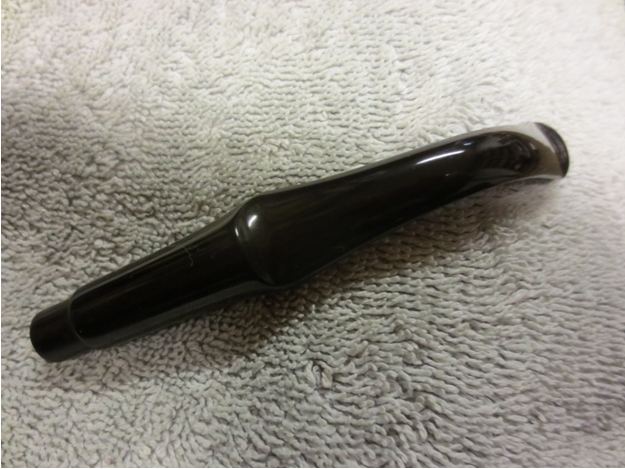
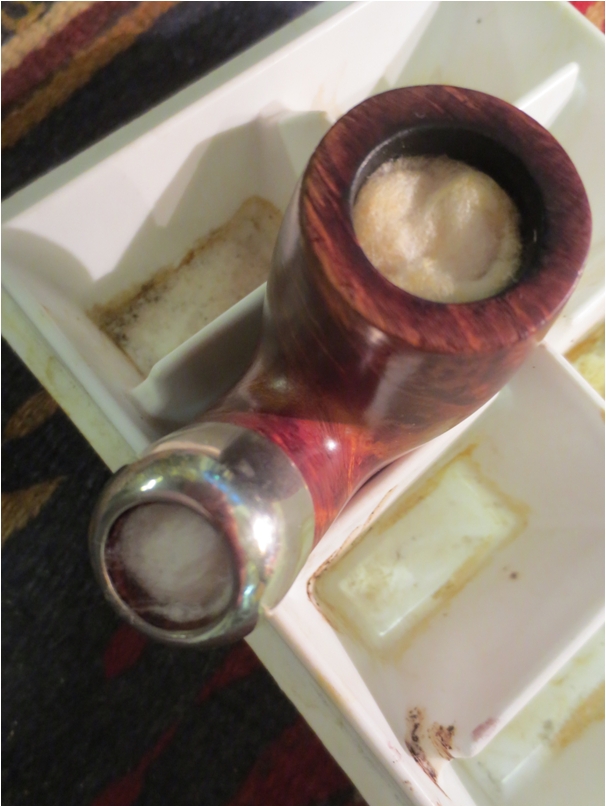
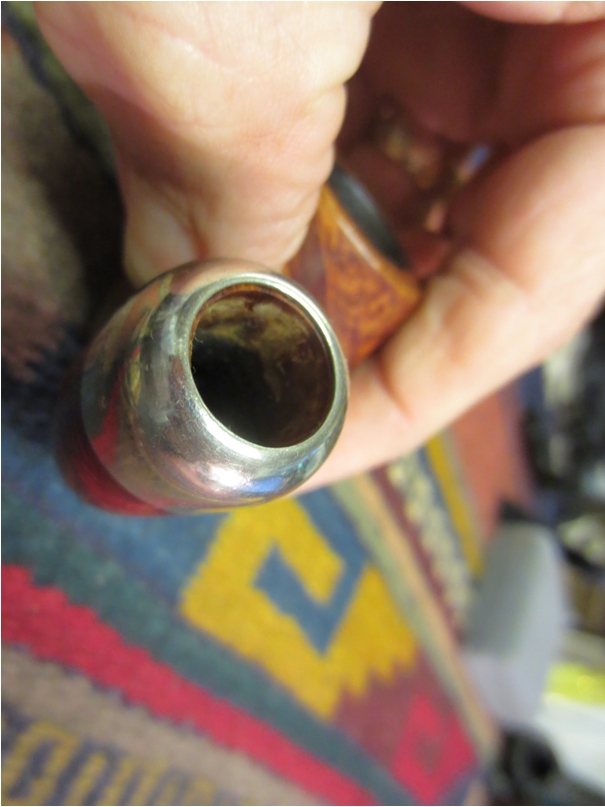
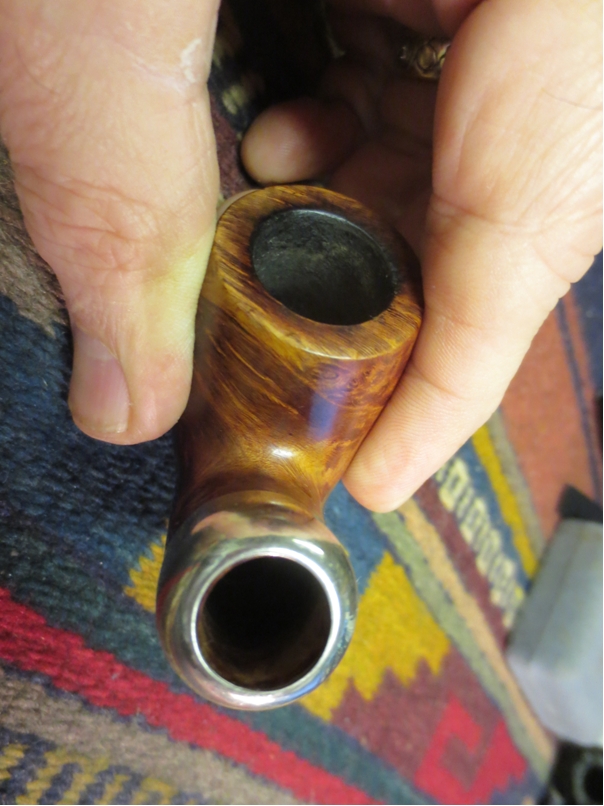
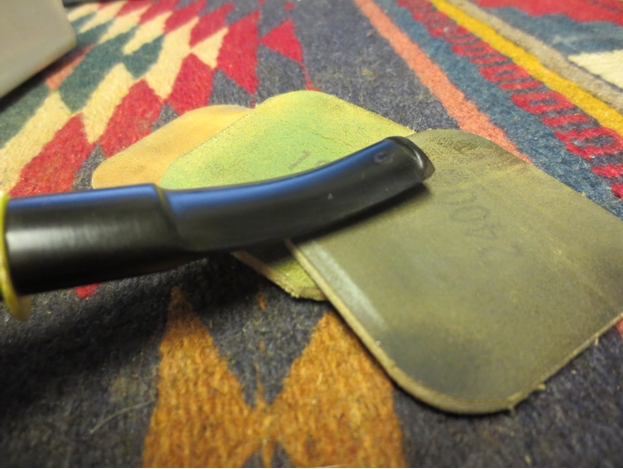
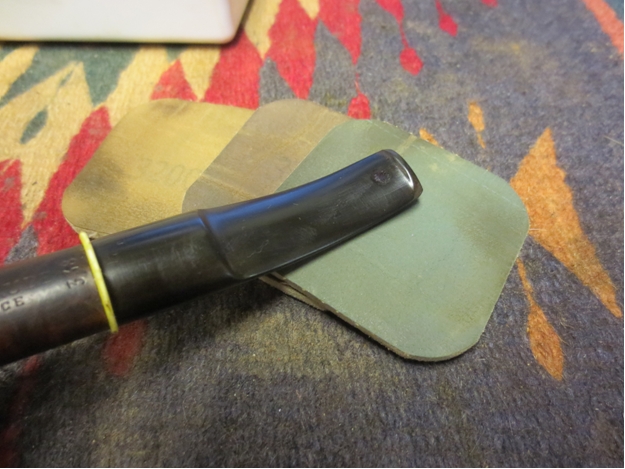
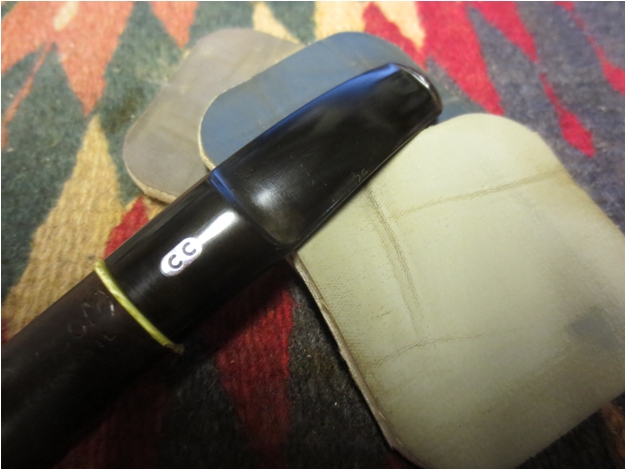
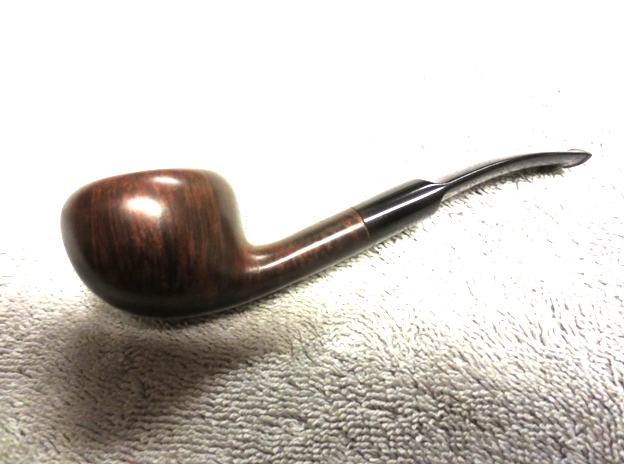
I started by cutting off the fossilized rubber bit guard. Underneath the stem was in fairly decent shape. There was a tooth indentation on the top and bottom of the stem next to the button but it was very shallow. The rubber of the stem was clean underneath behind the calcified line on the stem. Sinaa IMG_8184 IMG_8183 Sinaf Sinad I reamed the bowl with a PipNet reamer using the smallest cutting head first and then working up to one that fit the bowl. I find that if I use this procedure I am less likely to damage the shape of the bowl and inner rim.IMG_8185 The tarry buildup on the rim was impervious to Murphy’s Oil Soap or even saliva and a hard scrub. It was hard as rock. I sanded it lightly to see if I could remove the tar. It looked like that was the only way this stuff would be removed. I carefully sanded the bevel of the rim to remove the tars and clean it up. I wiped it down with oil soap after each sanding to make sure I was only removing the surface. I sanded the inner edge with a folded piece of sandpaper and reached down into the bowl with the sandpaper as well. IMG_8198 I was able to remove the tar but there was some charring and darkening at the back inner edge of the rim that remained. I sanded it smooth but it is still visible in the photo below. I scrubbed out the shank which was absolutely filthy and smelled of sweet aromatic tobacco. The bowl itself also needed to be cleaned and I found that the back inside wall of the bowl around the entrance of the airway was damaged. It was pitted and the opening was very flared so I would need to use some pipe mud to repair that and reshape the opening. I used isopropyl alcohol 99%, cotton swabs and pipe cleaners to clean out the shank. IMG_8200 I mixed a batch of pipe mud – water and cigar ash to repair the inside of the bowl. I put a pipe cleaner in the shank with the tip showing in the bottom of the bowl and rebuilt the wall around the bottom of the bowl next to the airway. I used a dental spatula that Joyal sent to me and it worked perfect for pressing the pipe mud into place and packing it into the rough wall. I was able to reshape the airway so that the wall was smooth and clean. Once it was packed and cured for a short time I removed the pipe cleaner so that the air would move freely through the bowl and shank and allow the mud to cure. IMG_8204 I wiped down the outside of the bowl with undiluted Murphy’s Oil Soap to remove the grime and tobacco bits from the finish of the bowl. I also scrubbed the hard rubber stem with the oil soap to remove the grime on it. The rubber was not too badly oxidized at all once the grime was gone. I find that this old rubber does not have the same trouble with oxidation as later vulcanite stems. The rim damage is visible in the photos below. I would need to do some more sanding on the surface to smooth it out and remove as much of the damage as possible without changing the shape of the rim bevel. IMG_8207 IMG_8209 IMG_8210 IMG_8211 With the bowl cleaned I set it aside to let the pipe mud cure and turned my attention to the stem. There was a unique stinger apparatus in the end of the tenon that looked like a mushroom cap on the end. It was black with tars and the draw on the stem was quite tight. IMG_8199 I cleaned the stinger with alcohol on cotton pads and swabs and was able to remove the tarry buildup. It took quite a bit of scrubbing but I was also able to push a pipe cleaner through the stem and out the button. I had to guide it around the mushroom cap end but I cleaned it until the metal was shiny. IMG_8201 IMG_8202 IMG_8203 Once it was clean I could see that it appeared to be pressure fit into the tenon and not threaded. I was not certain so I wrapped a cotton pad around the end and carefully turned it by hand until it popped free of the end. The photo below shows the insert clearly. It had to slits on the sides that could be spread open to make a tighter fit if necessary. The end of the tenon was quite open without the stinger. The insert end of the stinger gives some idea of the diameter of the airway. With the stinger out of the way I cleaned the stem with cotton swabs, pipe cleaners and isopropyl alcohol until it was clean. IMG_8205 I buffed the stem with red Tripoli and White Diamond and then sanded it with micromesh sanding pads. I wet sanded with 1500-2400 grit pads and dry sanded with 3200-12,000 grit pads. I gave the stem a final buff with White Diamond and then gave it several coats of carnauba wax. IMG_1654 IMG_1659 IMG_1660 I decided not to stain the pipe but rather to give a rubdown with olive oil and let it dry for several days. The photo below shows the pipe after it has been drying for several days. The rich dark reddish brown colour of the briar comes out nicely and the fill areas are well blended into the finish. IMG_8212 I used a correction pen with white out to restore the white in the stamping on the left side of the shank and also on the stem. I applied the white out and then let it dry before rubbing it off with a cloth. IMG_8213 IMG_8214 I gave the bowl a coat of Danish Oil to protect the finish and give it a completed look. I applied the oil with a cotton pad and set it up to dry overnight. The pipe is shown in the photos below after the oil has dried.
IMG_1655 IMG_1656 IMG_1657 IMG_1658 My old camera is slowly dying so I am adjusting to a new camera. I had my daughter help me with the following photos. I like the overall look that the new camera delivers as it is truer in terms of colour and shine of the pipe. I am still learning the ropes with all the settings though. I took two series of photos for the finished pipe. The first series of five photos I used a flat white background to see how that would turn out. The last series of four photos I used the same green background I have used in the past. The photos against the green background actually give a truer picture of the colour of the pipe. Ah well still a lot to learn with this camera. IMG_1661 IMG_1662 IMG_1663 IMG_1664 IMG_1665 The finished pipe is cleaned and ready to fire up with its inaugural bowl. The old soldier from the early 1900’s will once again feel the warmth of the fire and tobacco and the draw of a pipe man enjoying its feel in his hand. I think this weekend will be the time to enjoy a nice bowl of aged 5100 in this pipe. IMG_1666 IMG_1669 IMG_1668 IMG_1667

Restemming and Rejuvenating a Pipe for my Son-in-Law


Last evening my daughter and her husband had us over for a wonderful meal of pulled pork and salads. My daughter is a great cook but this time around her husband made the main course. My daughter called just before we went and asked that I bring my pipe and some tobacco to share. I could relax on the back porch and her husband, Lance and I could share a few bowls. It was a great evening and we shared a few bowls. I looked over his pipes and realized that most of them had come from me. In fact the first pipe he had ever smoked came from me – many years ago now. His brother had worked for me and I had introduced them both to the pipe. Anyway, as we spoke he said he had one with a broken stem. The pipe was an Italian basket pipe and had a hard Lucite stem. Somehow he had stepped on it and the stem had snapped in half. In the photo below you can see the break in the stem. It had been sitting with the stem out of the shank for a long time and the tenon no longer fit into the shank. The edges of the stem had been rounded to give it an interesting look, but it did nothing for me. The shank itself was also rounded so it would not take a stem the same diameter as the shank. IMG_8143 To take out the rounded end would have shortened the shank by almost ½ inch so I decided to leave that detail alone and restem it with a stem similar to the original. I also decided to use vulcanite instead of Lucite. The new stem is shown below. It is the same diameter as the previous stem and would have a similar look to it. I would not round the end of the stem but rather leave it flat to sit flush against the top of the crowned shank. IMG_8144 The stem was one from my stem can that had previously been on a different pipe. It was bent the proper angle already so I would not need to bend it or shape it. I just need to clean it up and remove the oxidation from the outside and clean out the interior as well. I also use some 220 grit sandpaper and worked on the tenon so that it had a good snug fit in the shank. I twisted it into place in the shank and took the photo below to get an idea of the new look. IMG_8145 The next two photos give a picture of just a few of the pipe cleaners I used to clean out the stem. I also used a sharp knife to bevel the end of the tenon into a funnel. The previous stem had been drilled off centre and did not match the airway in the end of the mortise. It was well drilled and centered so the funnel on the tenon end would encourage good airflow through the pipe. A quick draw on the stem demonstrated that the draught was good and open now as opposed to the tight draw that it had before. I sanded the calcification on the stem with 220 grit sandpaper and then with medium and fine grit sanding sponges to remove the scratches and the oxidation at the end of the stem. IMG_8146 IMG_8147 I took the pipe to the buffer and gave it a quick buff with Tripoli and White Diamond to clean off the rim and also clean up the stem some more. I still need to sand the stem around the shank junction to remove stubborn oxidation and then polish it. I sanded the stem with 220 grit sandpaper and medium and fine grit sanding sponges to remove the oxidation near the shank. Then I used my usual array of micromesh pads – wet sanding with 1500-2400 grit pads and dry sanding with 3200-15,000 grit pads. IMG_8150 IMG_8151 I wiped the stem down with Obsidian Oil and when it dried I buffed it with red Tripoli and worked on the area near the tenon. I buffed it with White Diamond after than to polish it. Then I took it back to the work table and sanded it with the last three micromesh sanding pads. IMG_8154 I polished the stem with Meguier’s Scratch X2.0 and then buffed a final time with White Diamond. I gave the stem multiple coats of carnauba wax and buffed it with a soft flannel buff. I lightly buffed the bowl with wax and a soft buff as well. The finished pipe is shown below. On Wednesday evening I will deliver it to my son in law so he can fire it up after several years of not using it. I look forward to hearing what he thinks of the new stem. photo 1 photo 2 photo 3 photo 4