Tag Archives: Malaga Billiard

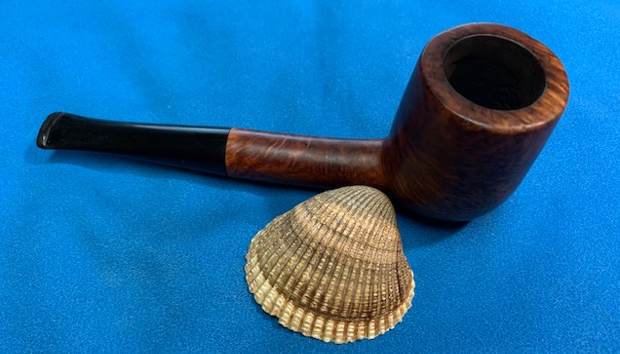
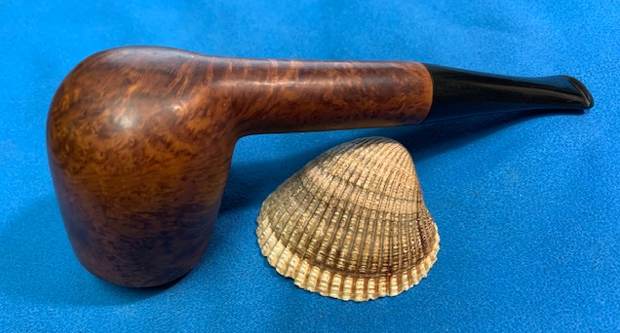
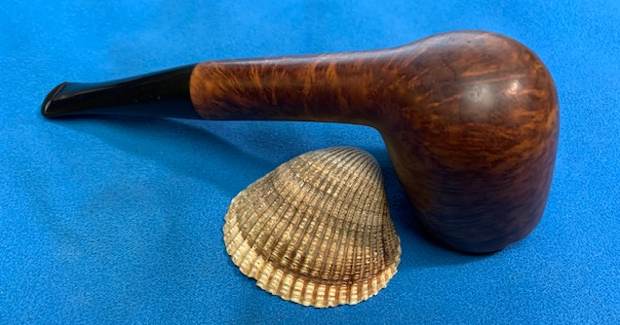
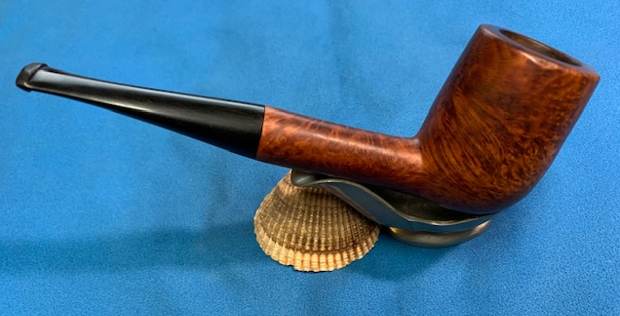
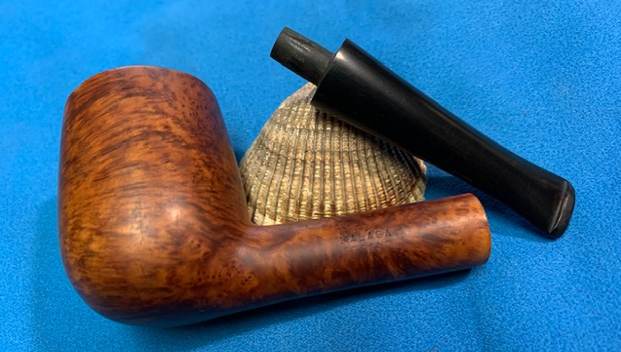
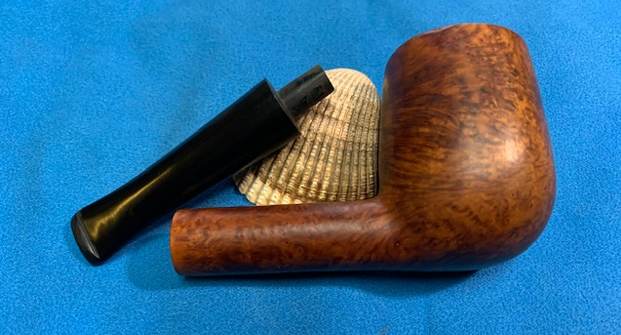
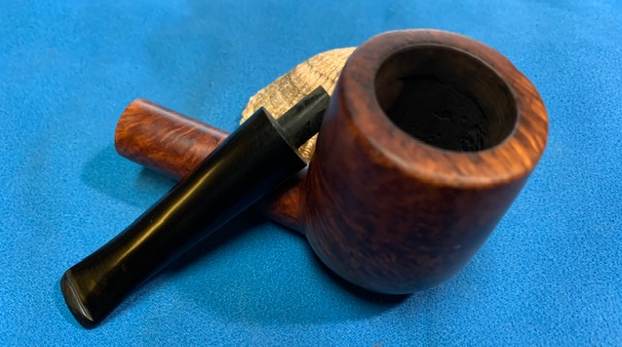
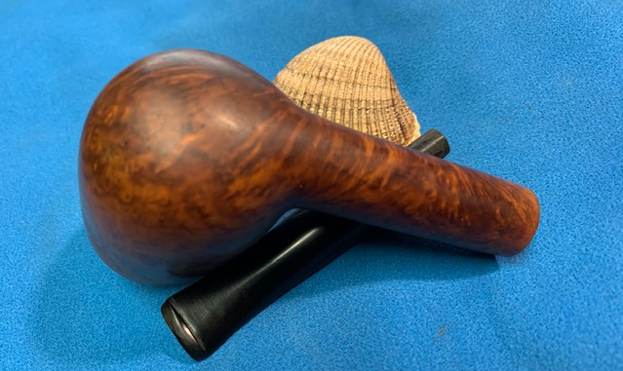
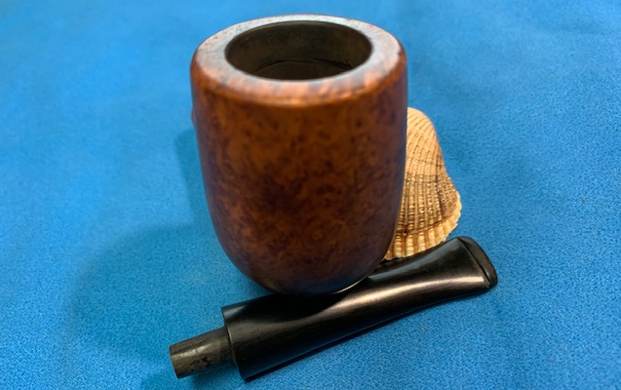
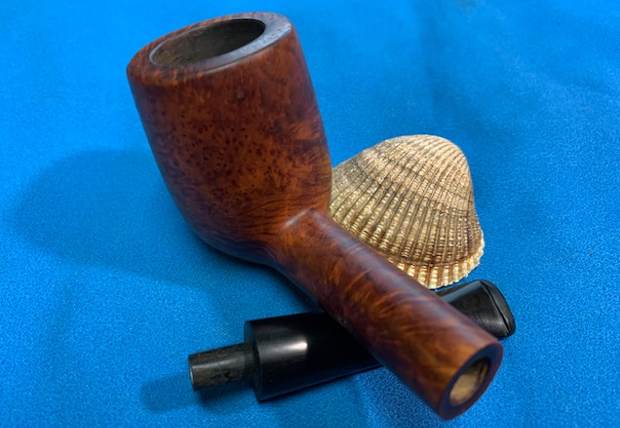
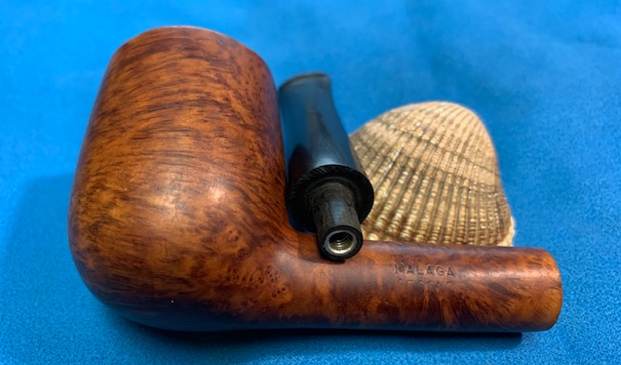
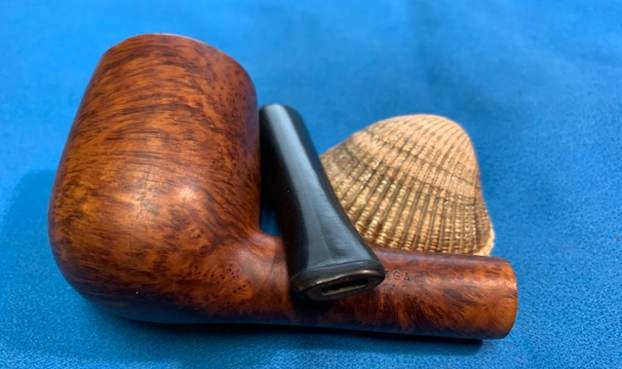
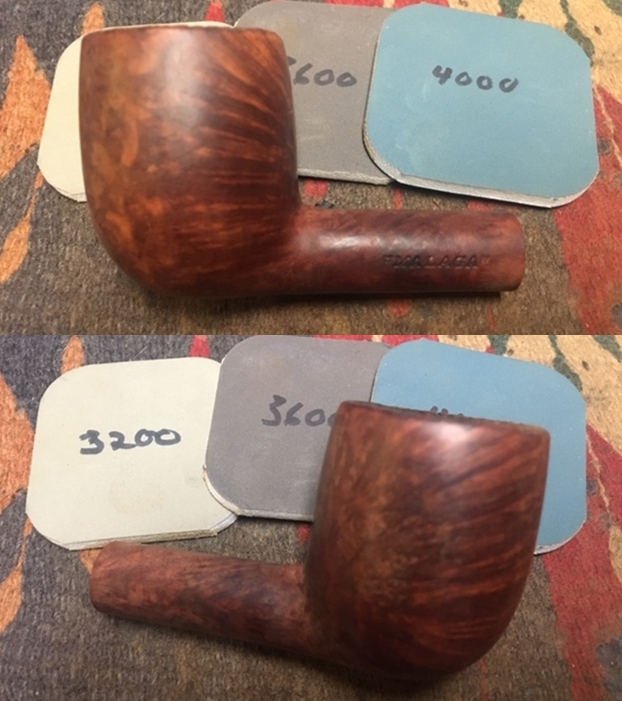
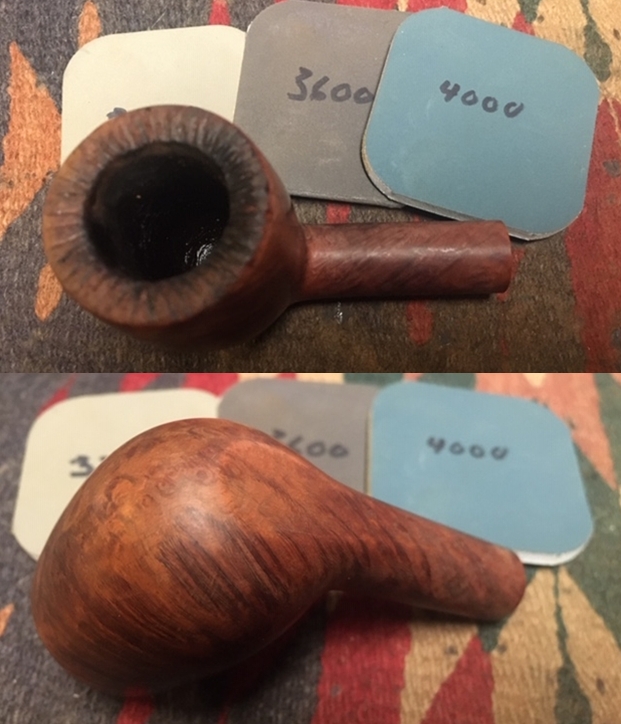
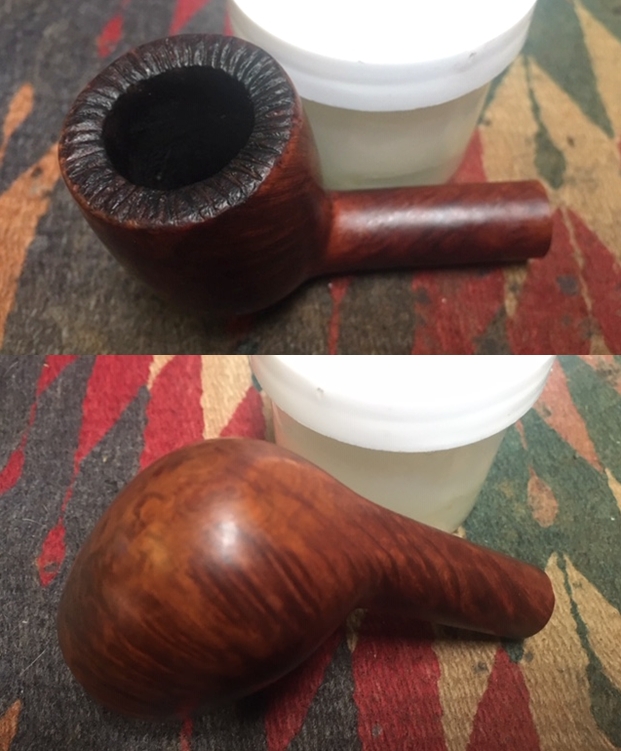
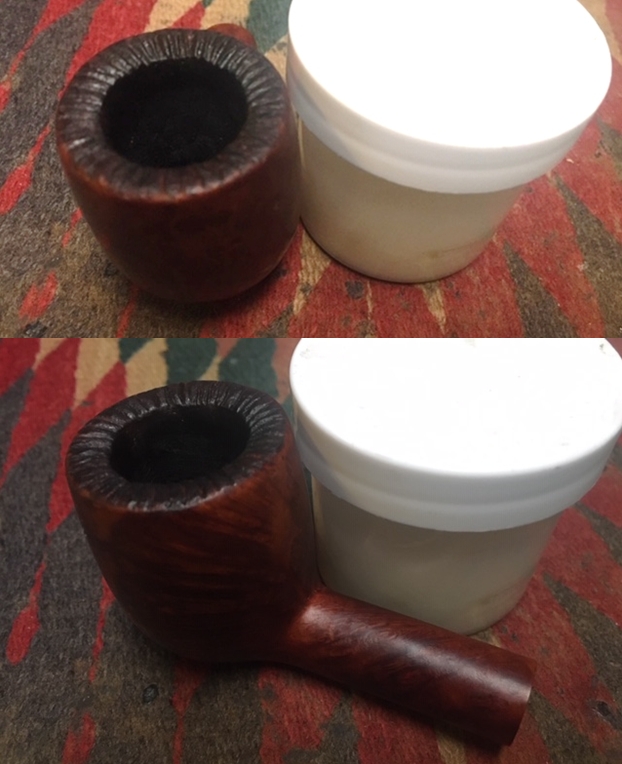
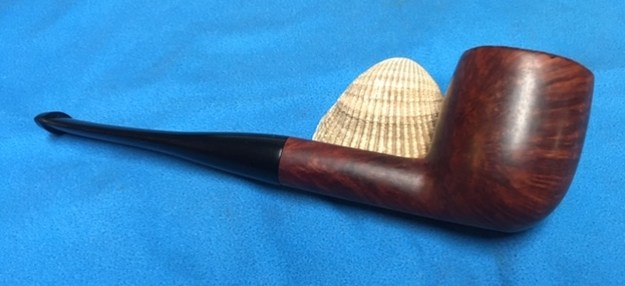
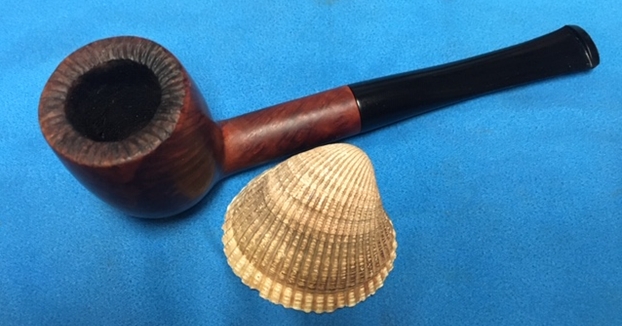
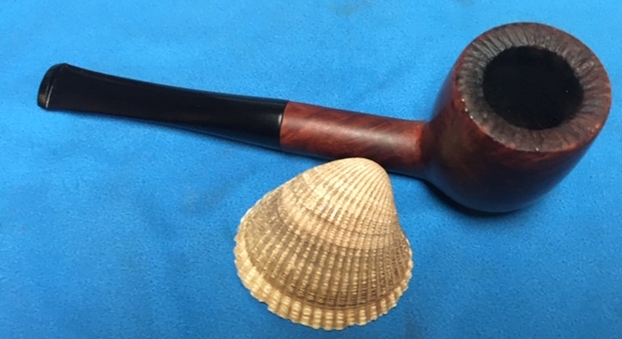
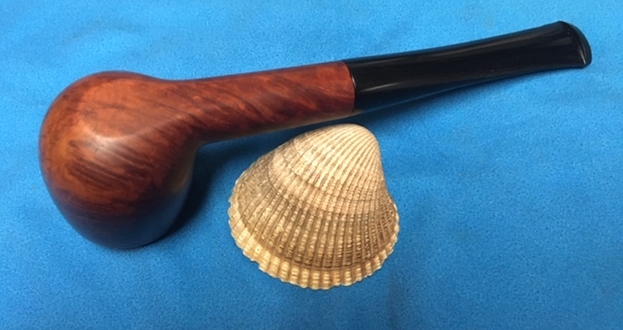
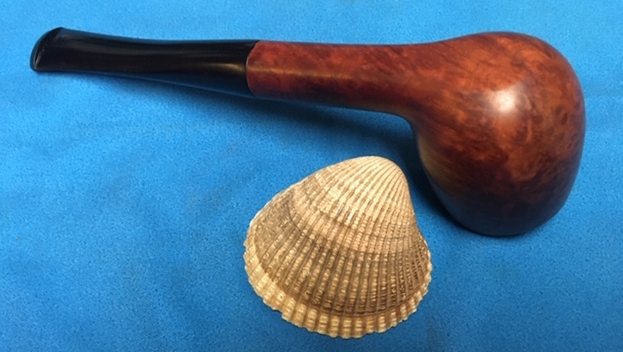
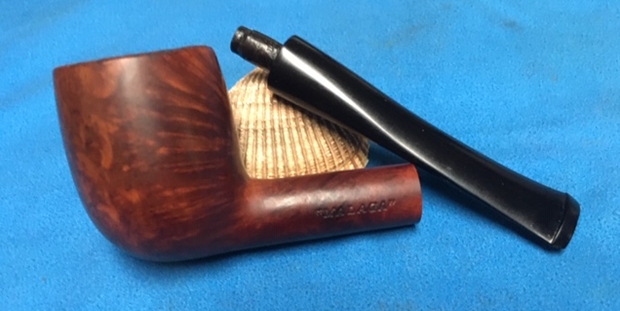
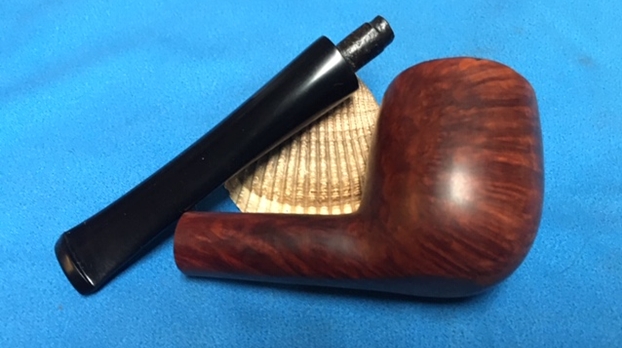
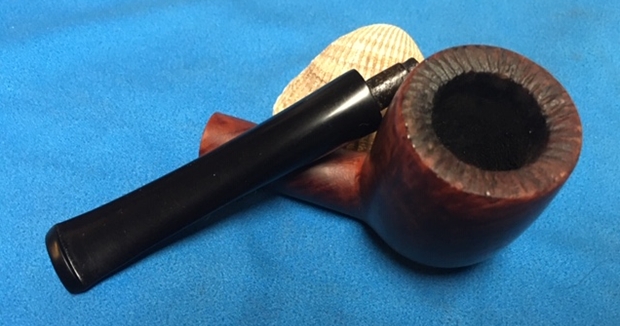
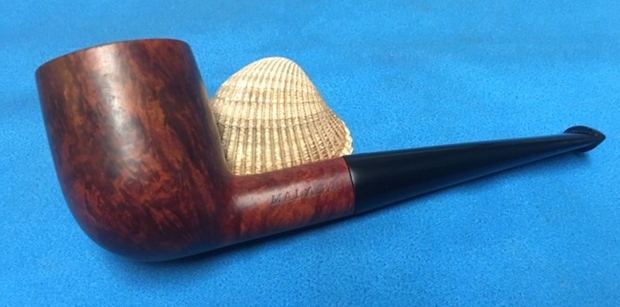
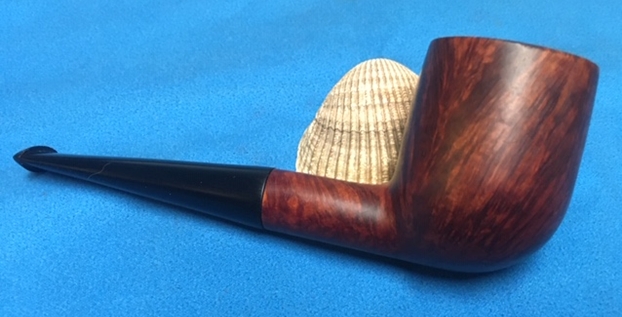
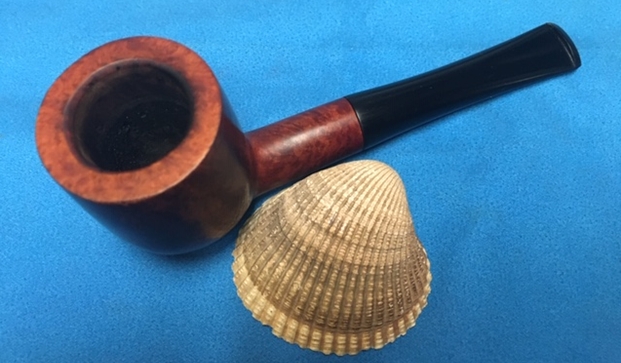
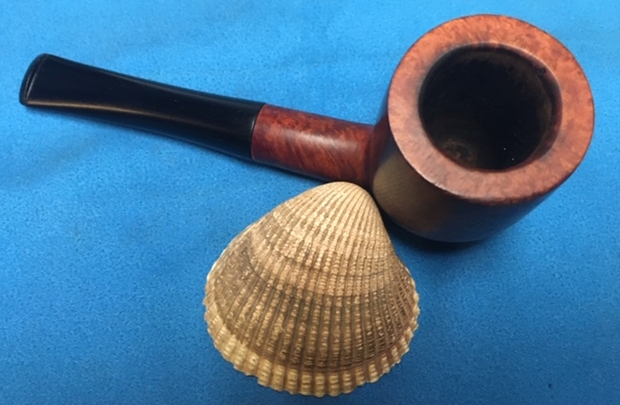
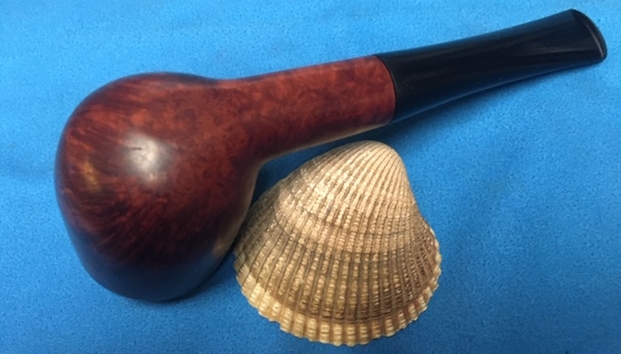
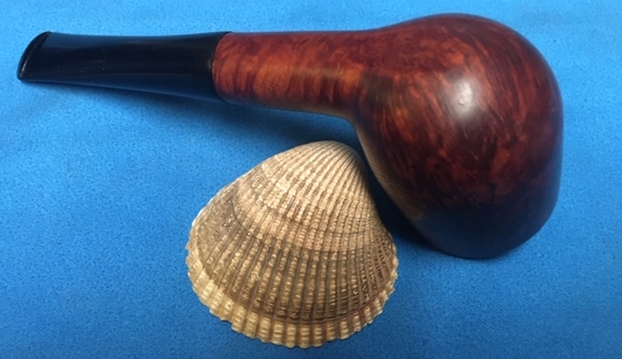
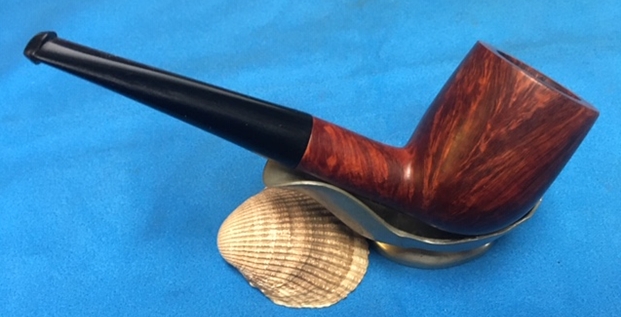
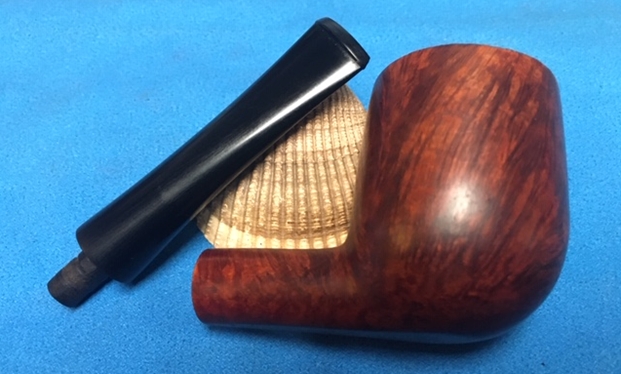
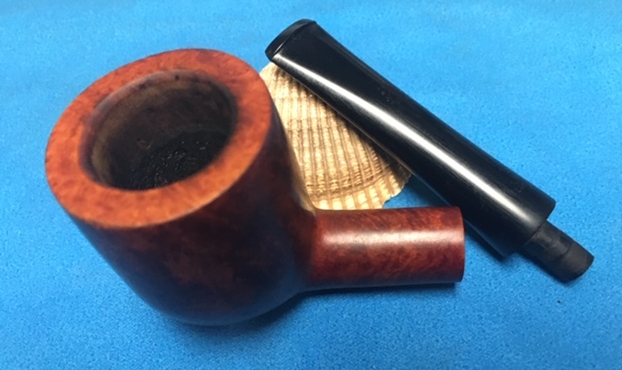
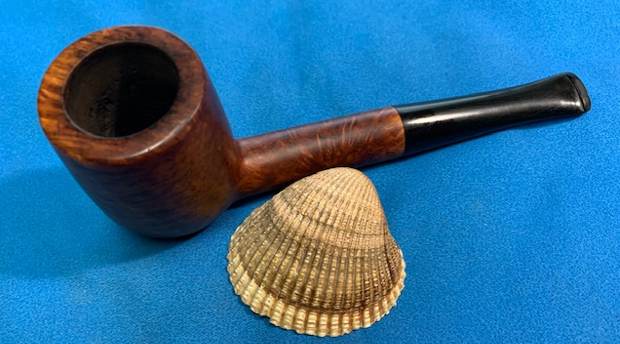
Restemming & Restoring a Malaga Second Long Shank Billiard


Blog by Steve Laug

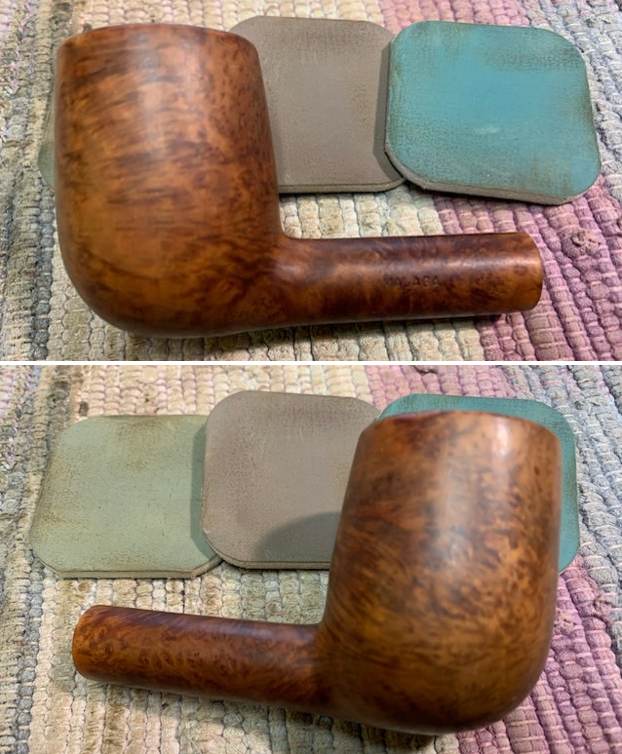
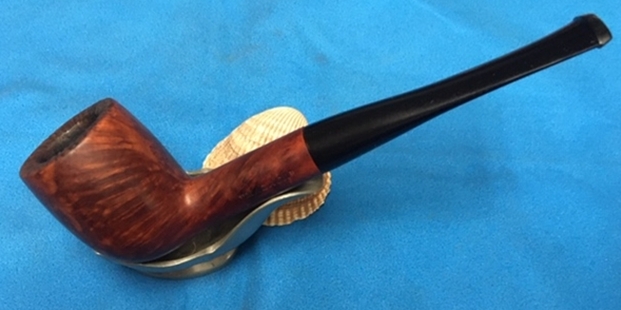
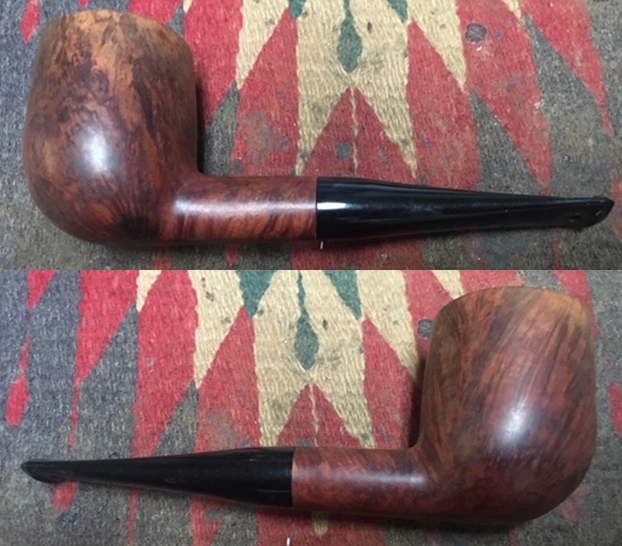
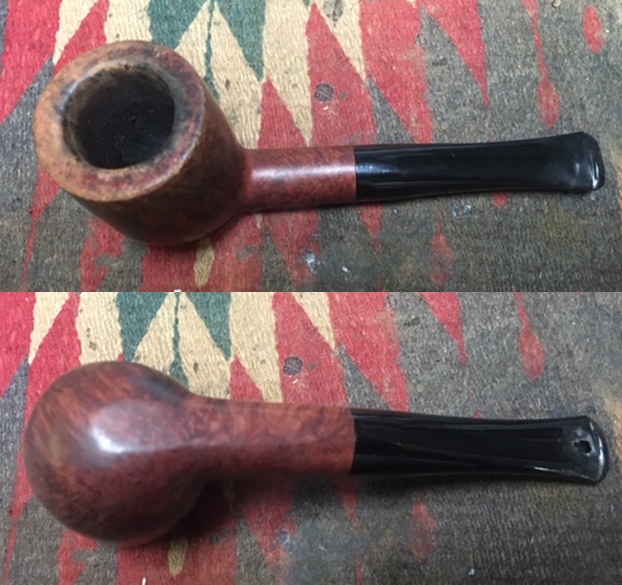
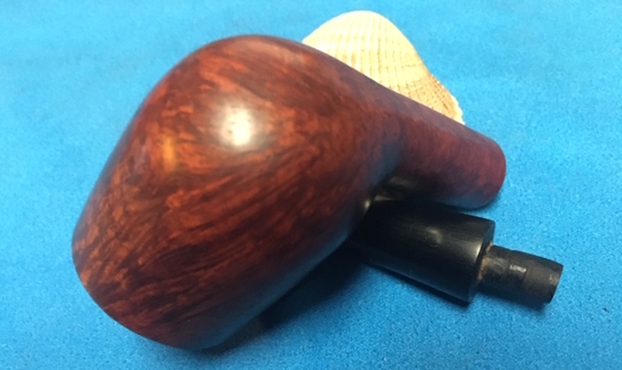
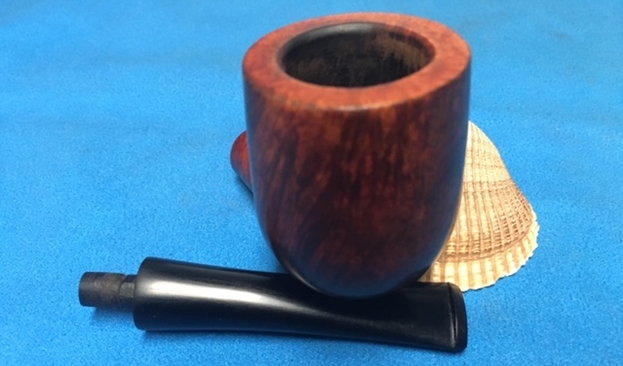
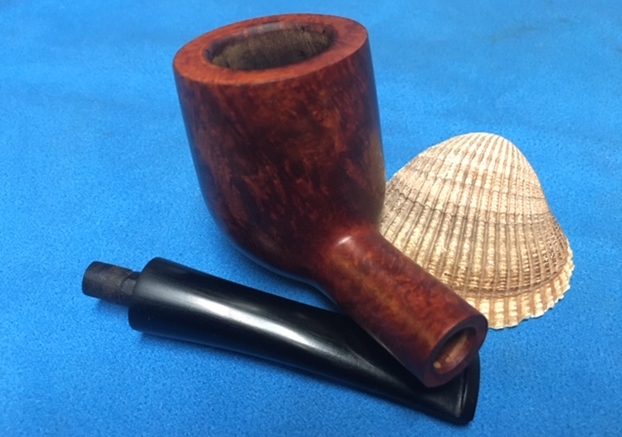
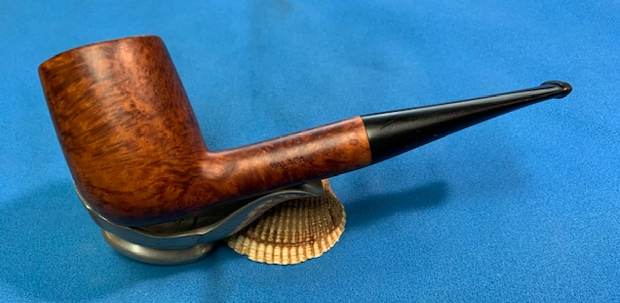
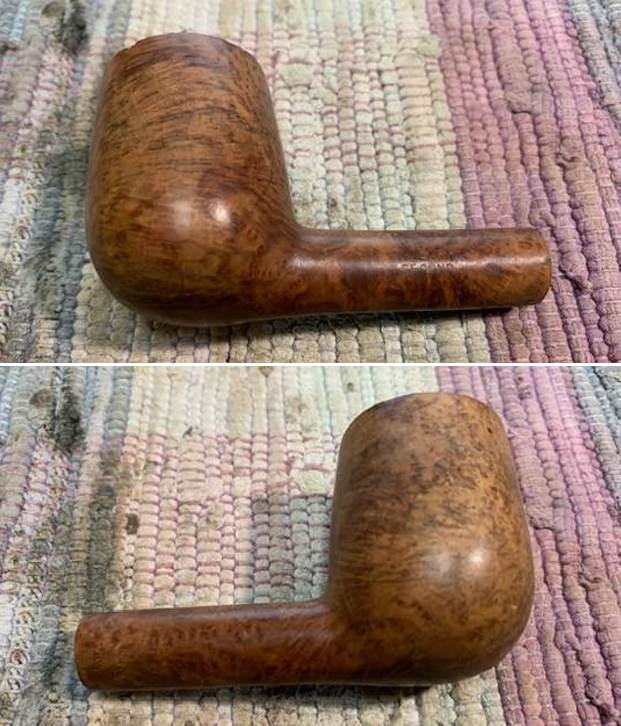
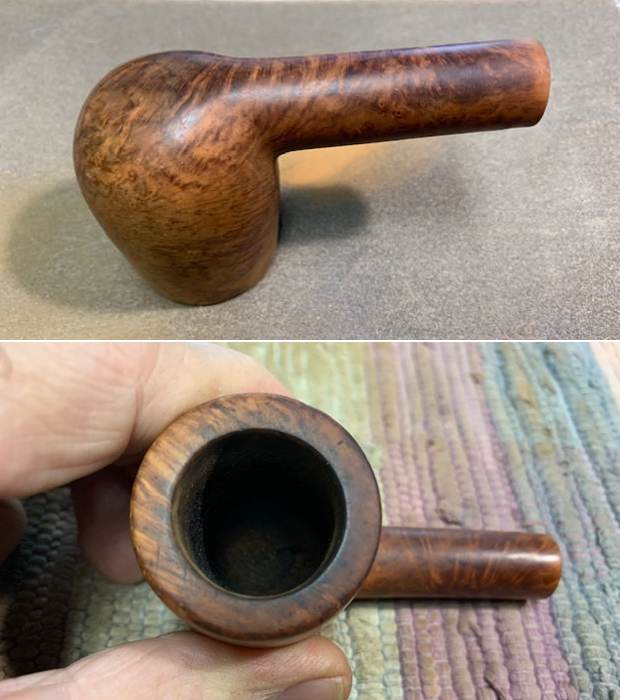
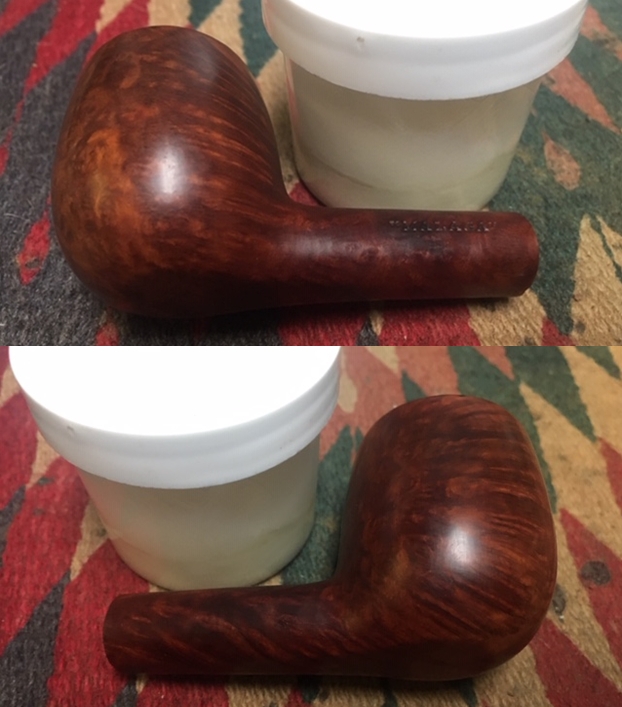
I have been on a restemming binge for the last week or so. I have a box of stummels (bowls) here that I periodically go through and see if I have a potential stem that would fit them. Yesterday when I finished the restoration and restem on the Viking Brandy, I went through the box and picked out three bowls and found workable stems for them. All were in different states of need but all had been thoroughly cleaned before I boxed them up. The first of those that I chose to restem and restore is a lovely Malaga Second Long Shank Billiard stummel. If you have followed me for long you will know that I have worked on a lot of Malaga pipes in the past so I am not a stranger to the brand. This particular bowl is actually quite beautiful and for the life of me I have no idea why is stamped a Second.

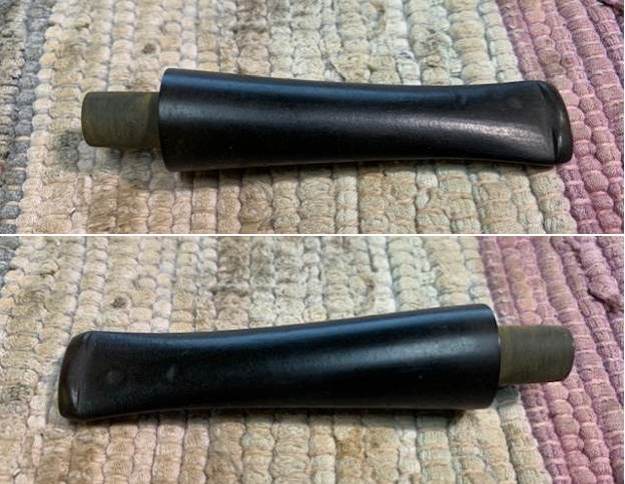
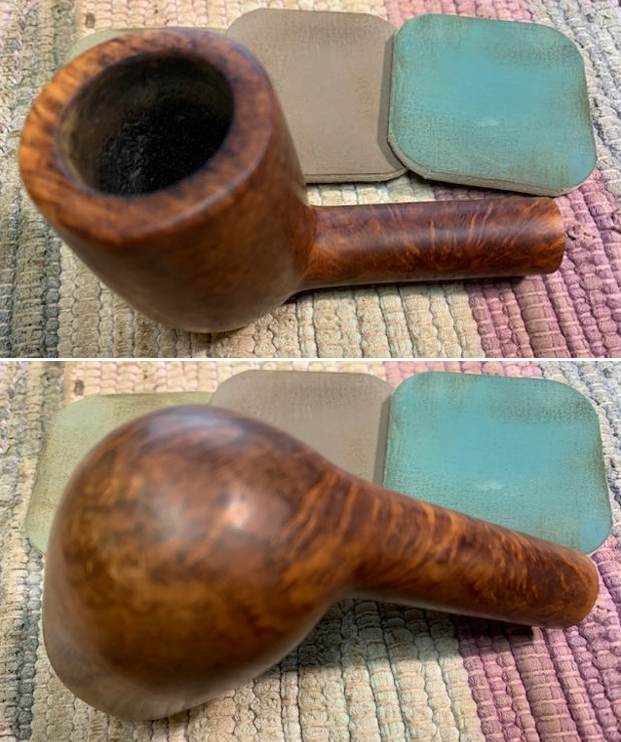
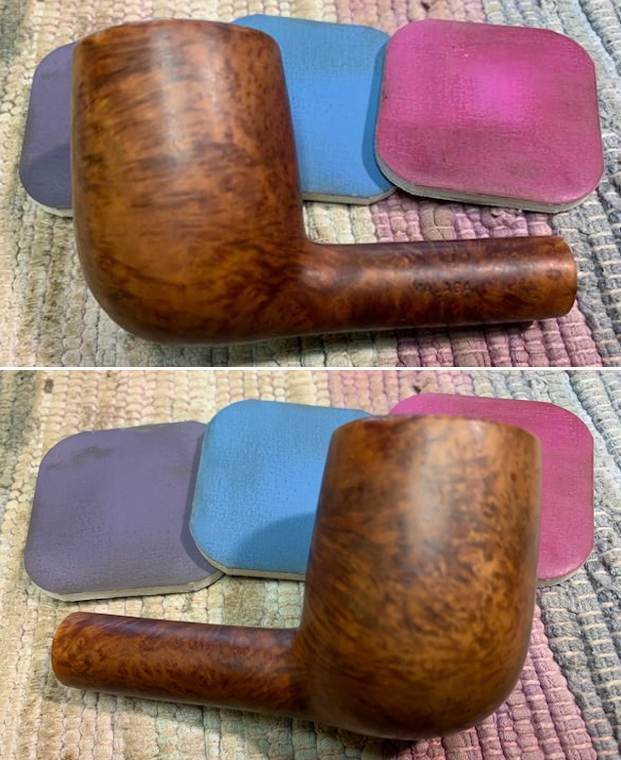
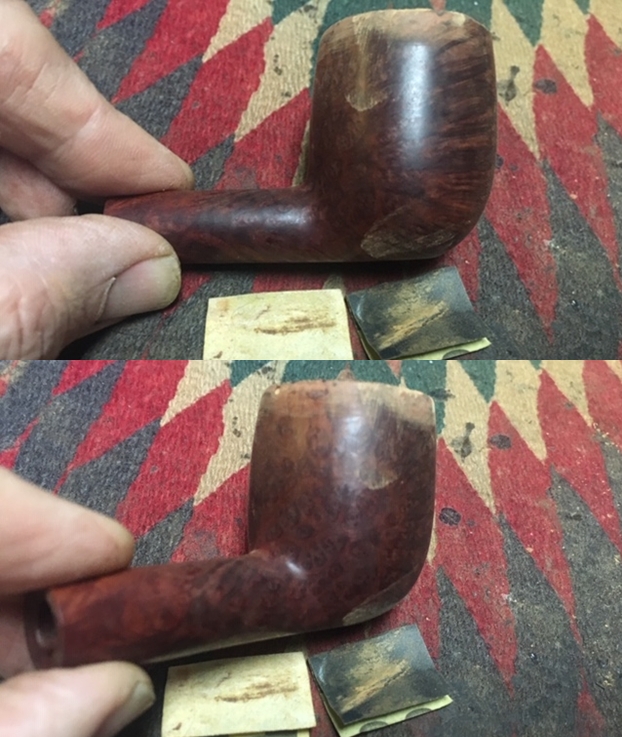
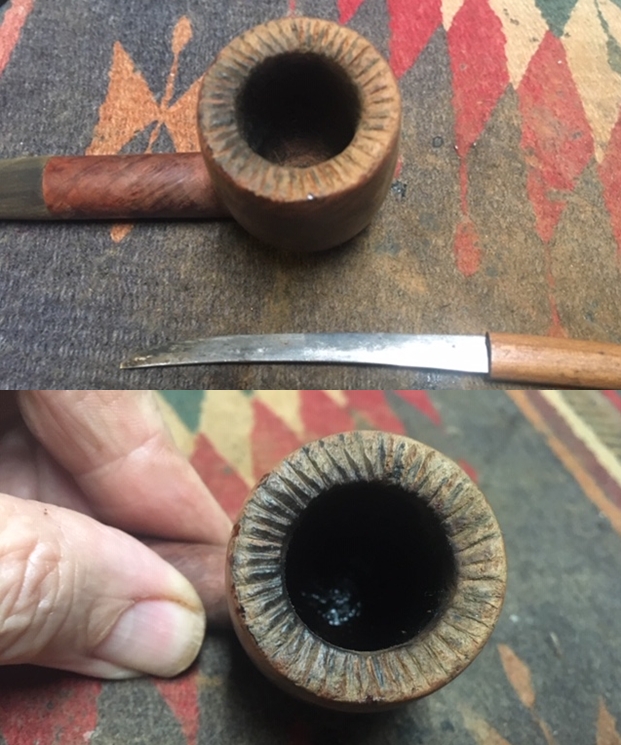
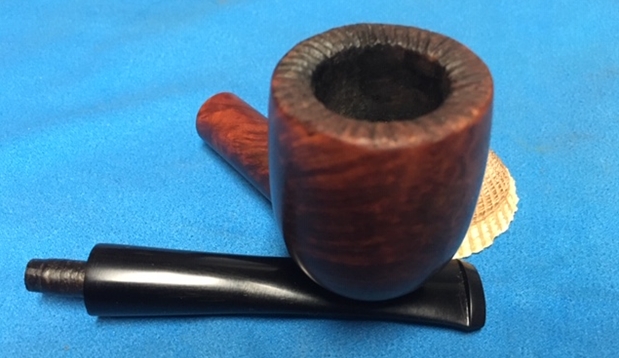
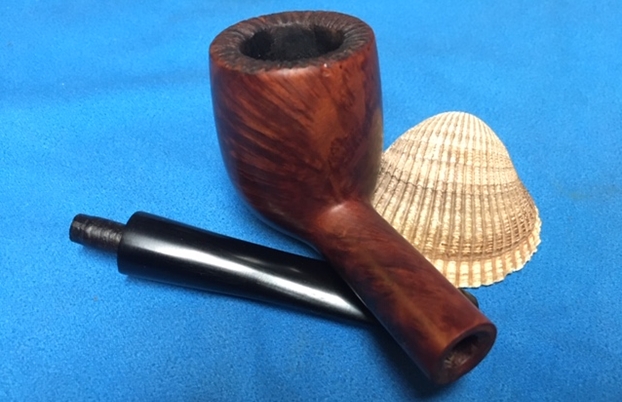
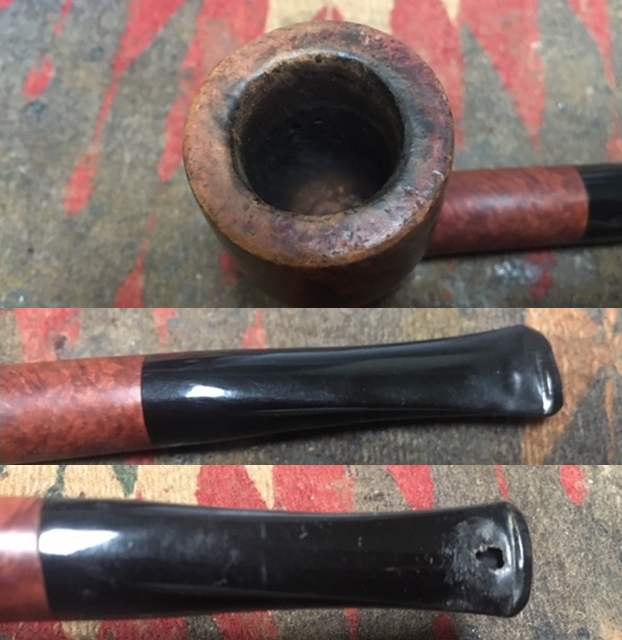
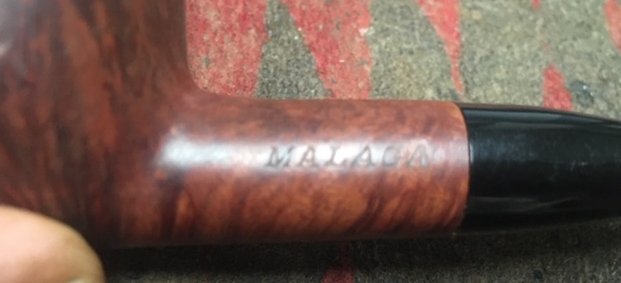
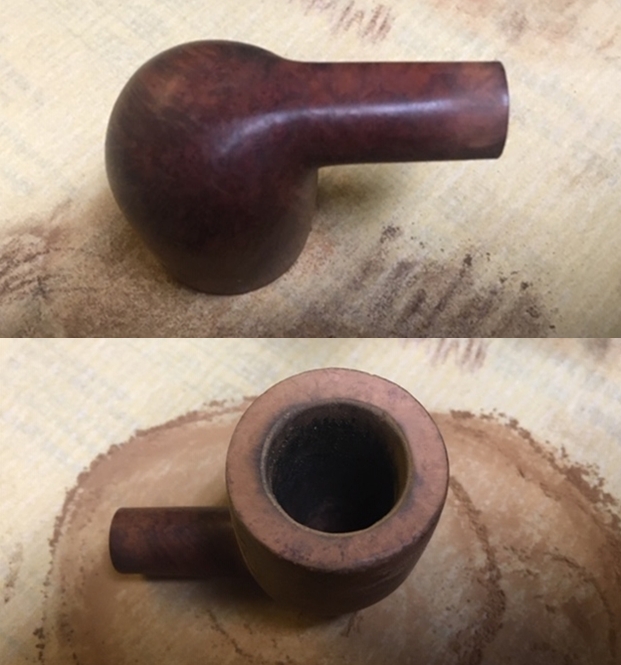
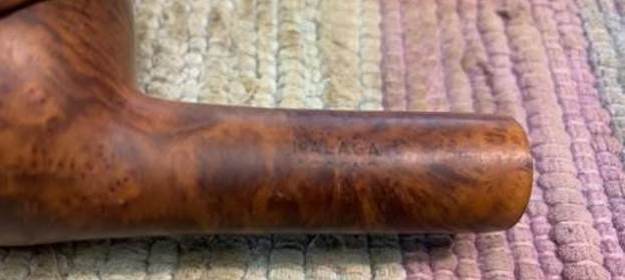
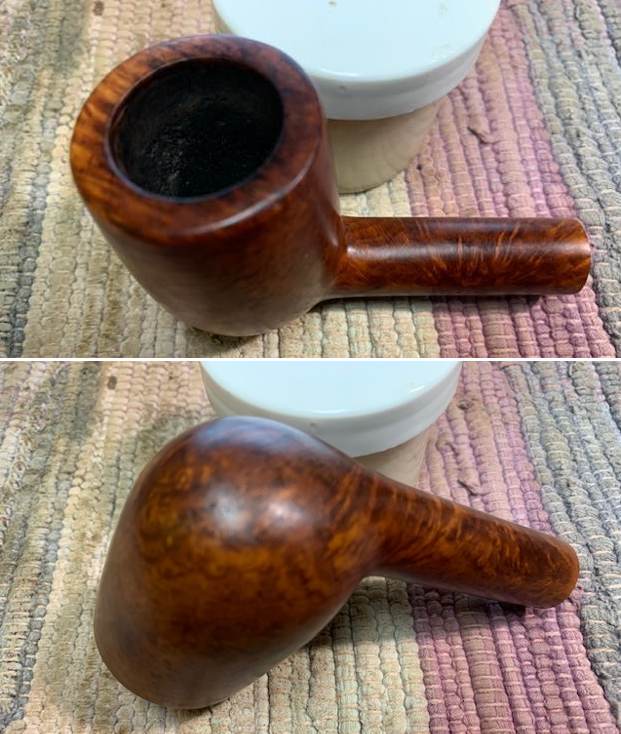
The bowl looked very good. The grain around the sides was quite nice and a mix of cross grain and birdseye grain. The rim top had light damage to the inner edge and some nicks of flaws in the outer edge. The rim top had been beat about a bit and showed the wear and damage and there was darkening around the top and edges. The interior of the bowl was clean and there was some light checking on the walls. Examining the mortise it was clean and well drilled with no issues. The finish was washed out and bit and tired but still quite redeemable. The stamping on the pipe was clear and readable. On the left side it read MALAGA [over] Second. I took some photos of the bowl before I started to work on it. I took a photo of the stamping on the side of the shank. It reads as noted above and is clear and readable.I went through some of stems and found this shorter taper stem that needed some work on the tenon and diameter at the shank but it was exactly what I wanted. It has a few tooth marks and chatter on both sides near the button but it would clean up well. I have worked on quite a few Malaga pipes and blogged their restorations, so rather than repeat previous blogs, I am including the link to one that gives some of the history of the Malaga brand and the Malaga Pipe Shop in Royal Oak, Michigan in the USA from a catalogue. It gives a sense of the brand and the history in their own words. Follow the link to get a feel for the brand and the pipemaker – https://rebornpipes.com/2013/02/09/george-khoubesser-and-malaga-pipes/.
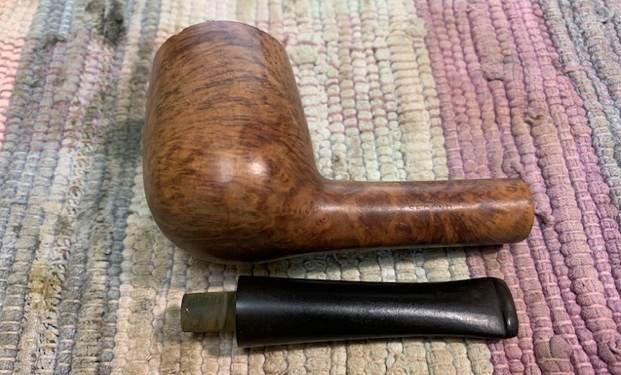
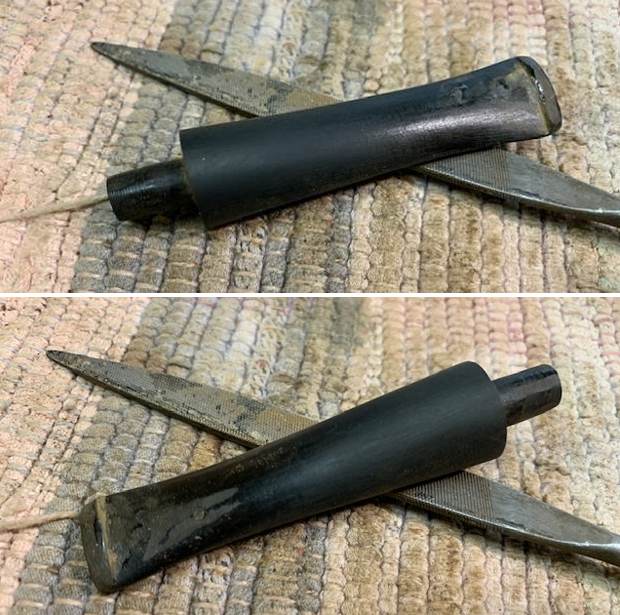
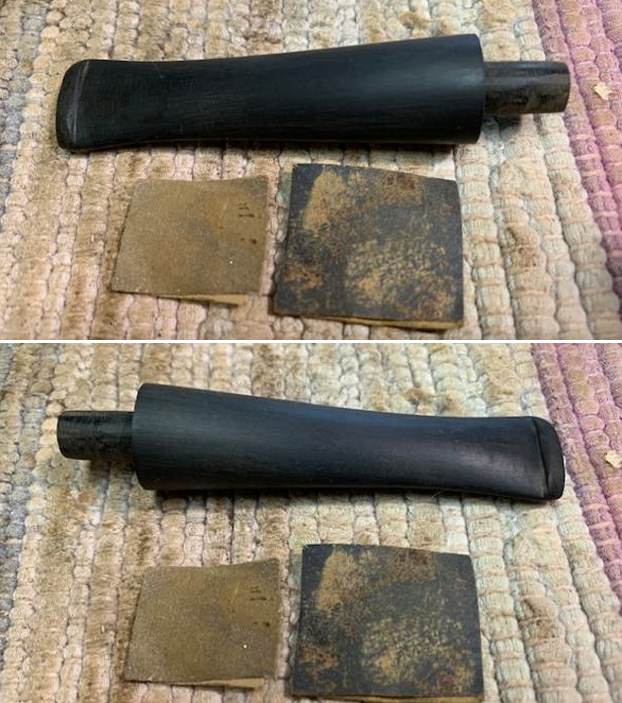
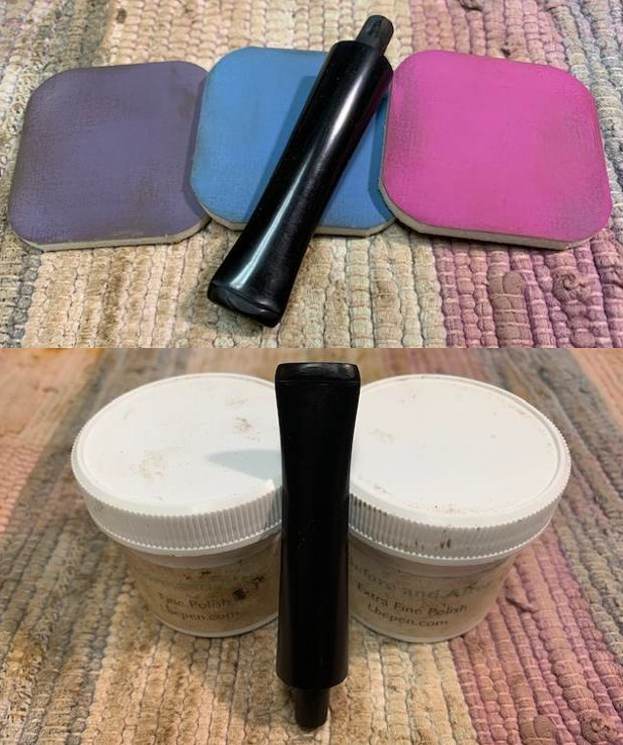
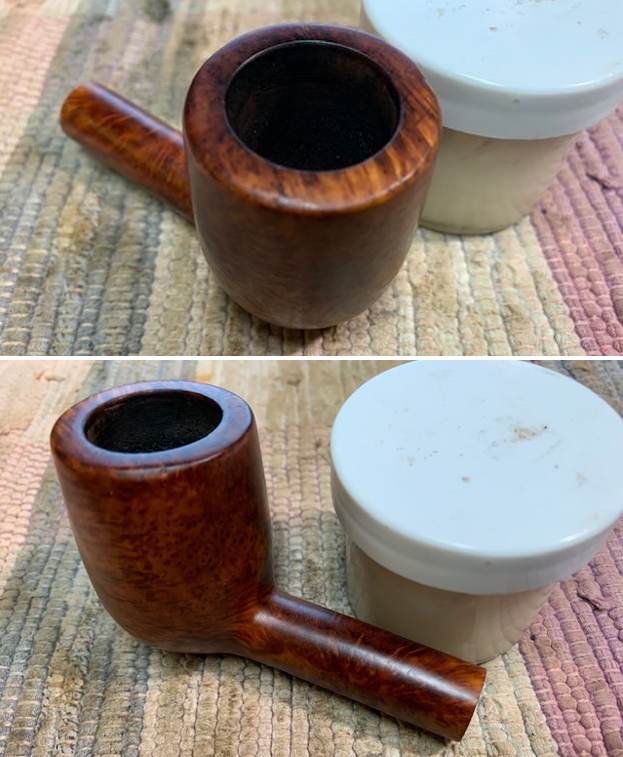
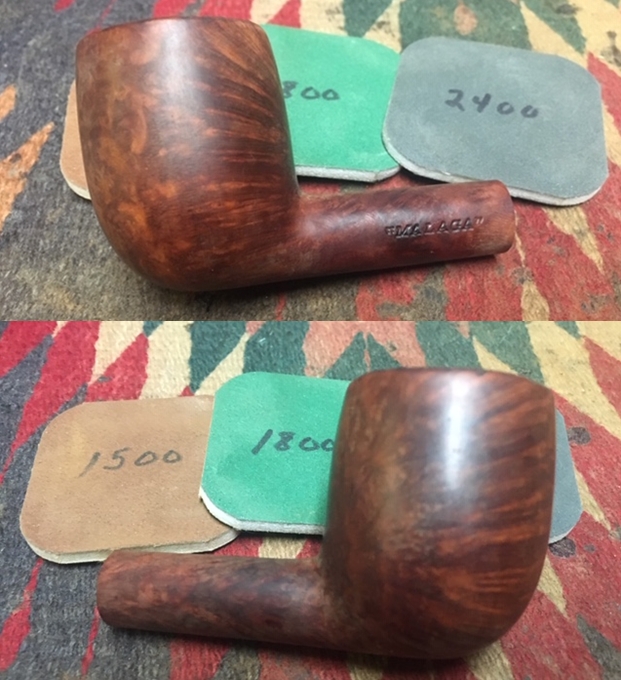
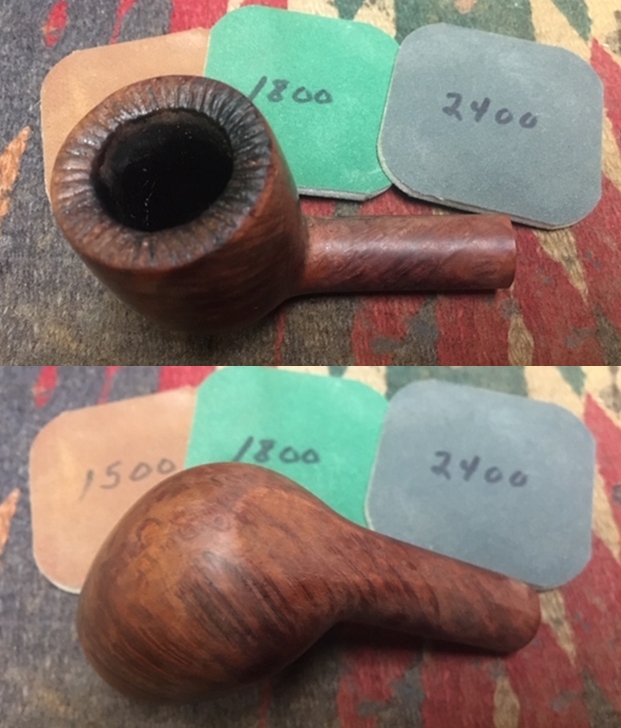
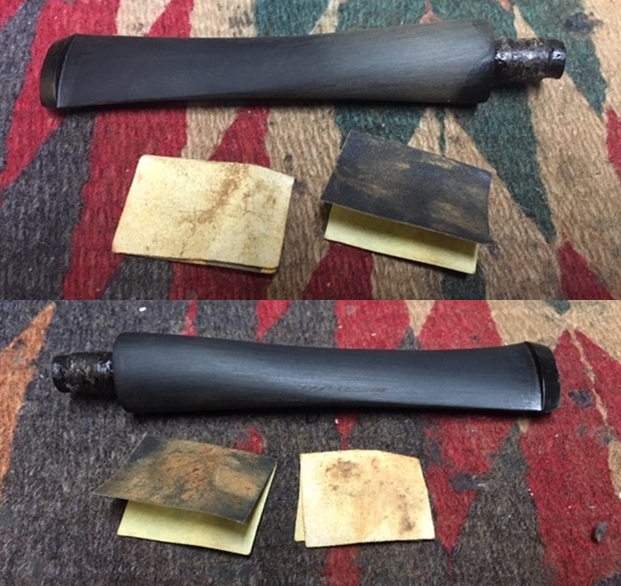
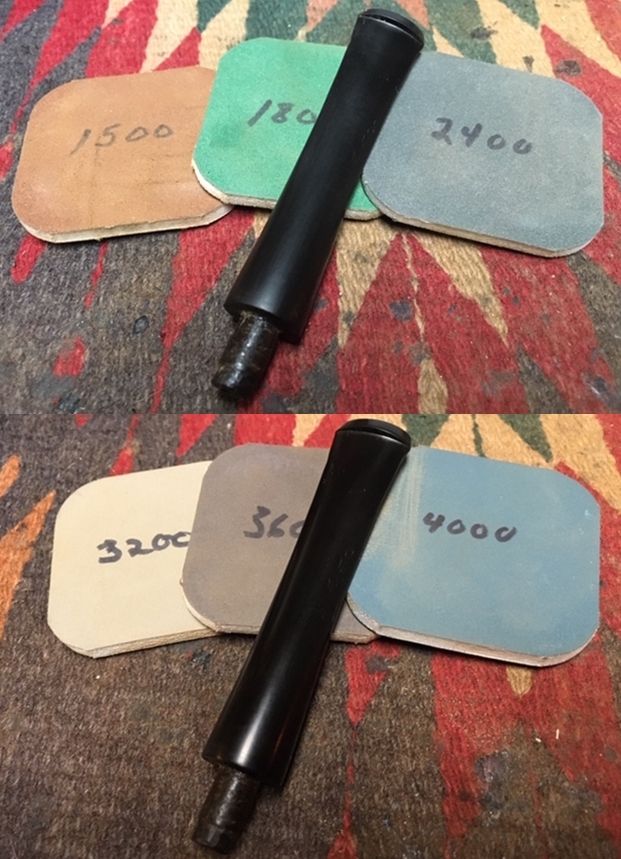
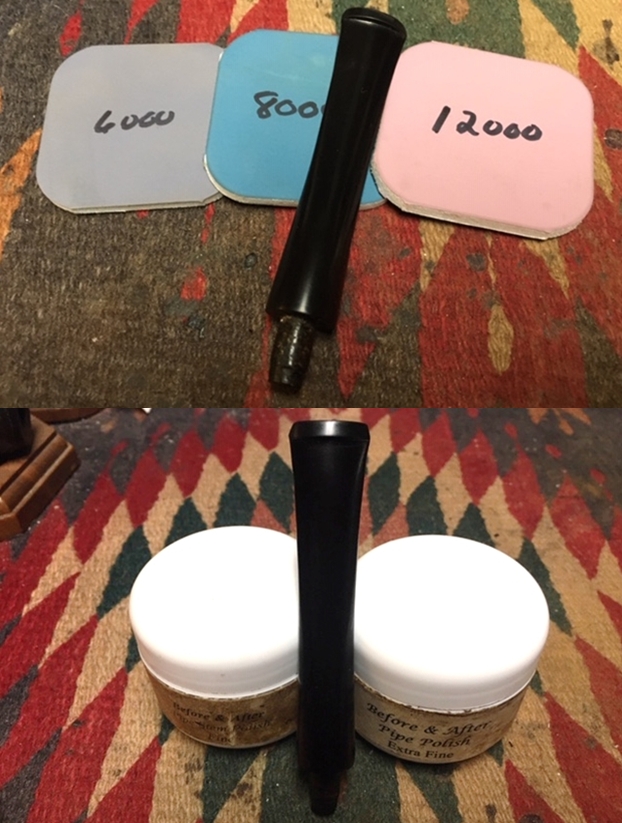
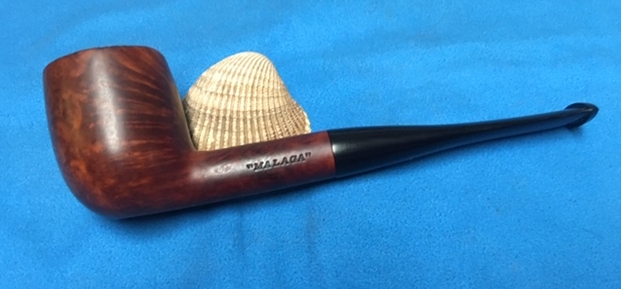
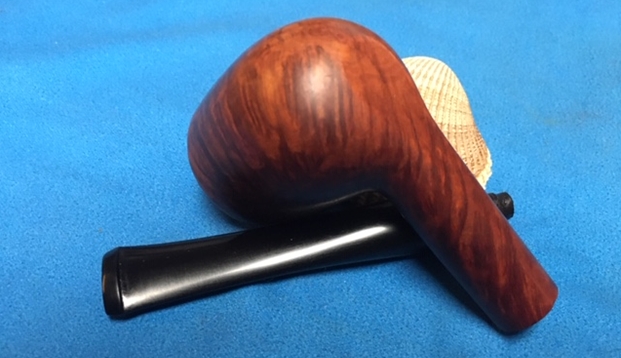
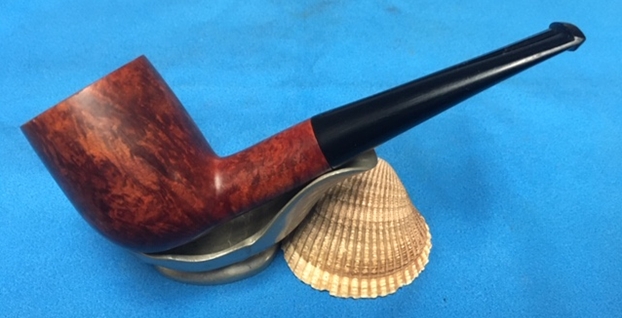
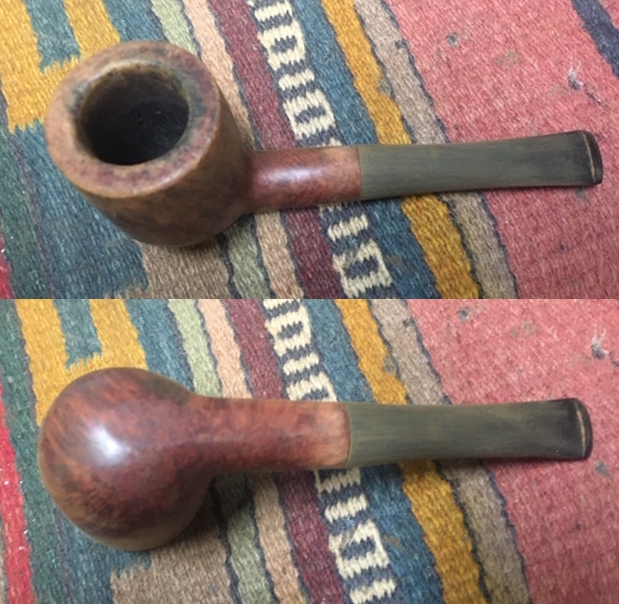
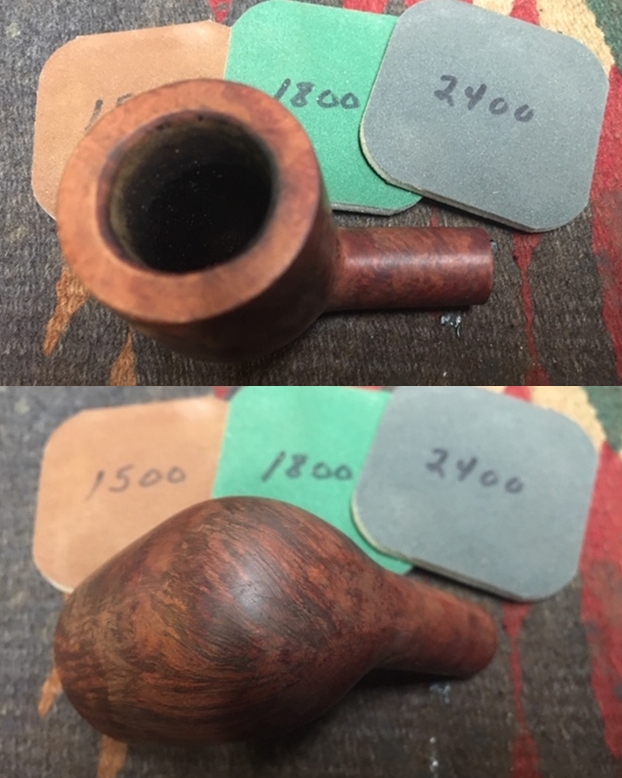
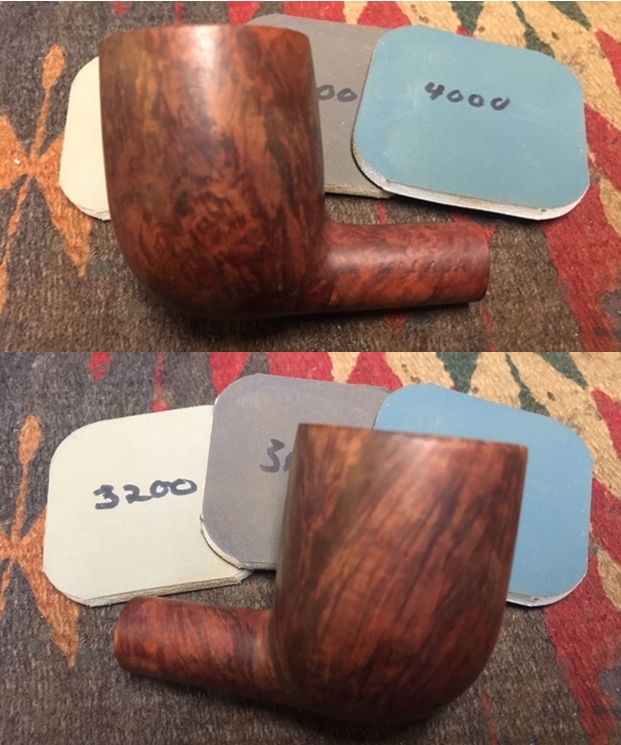
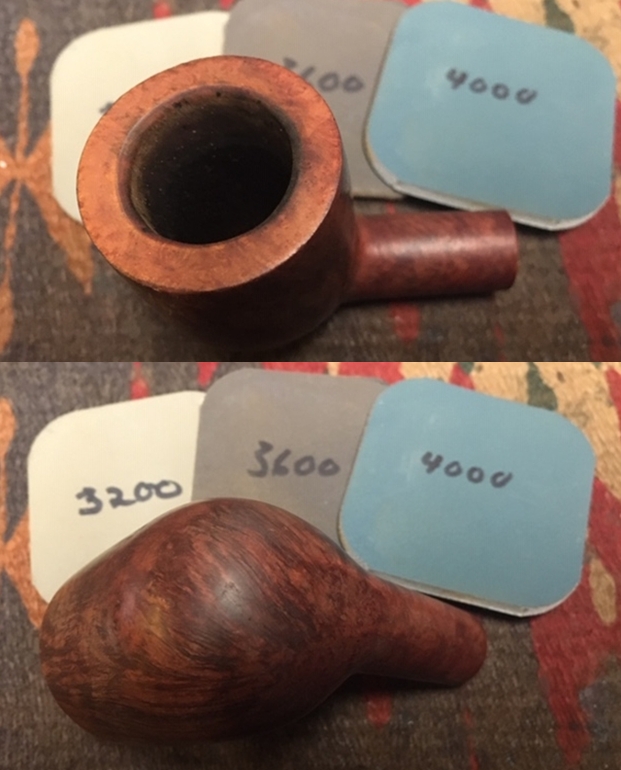
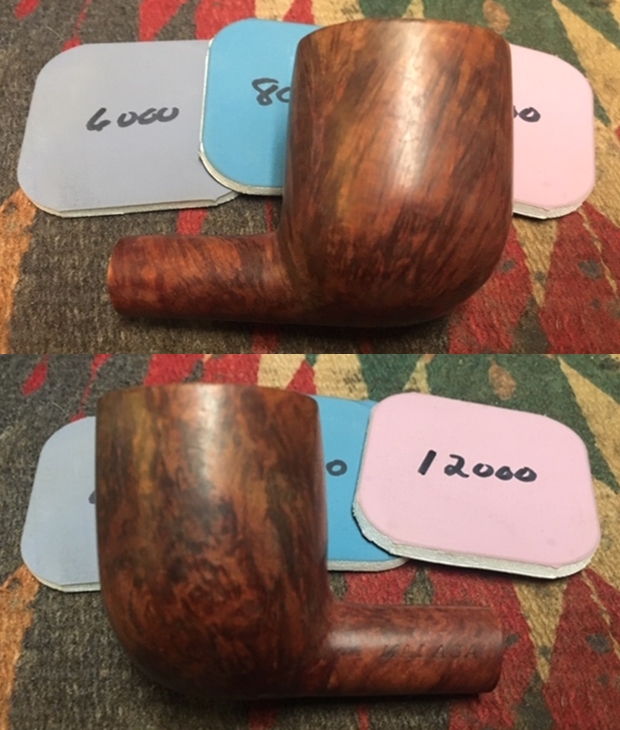
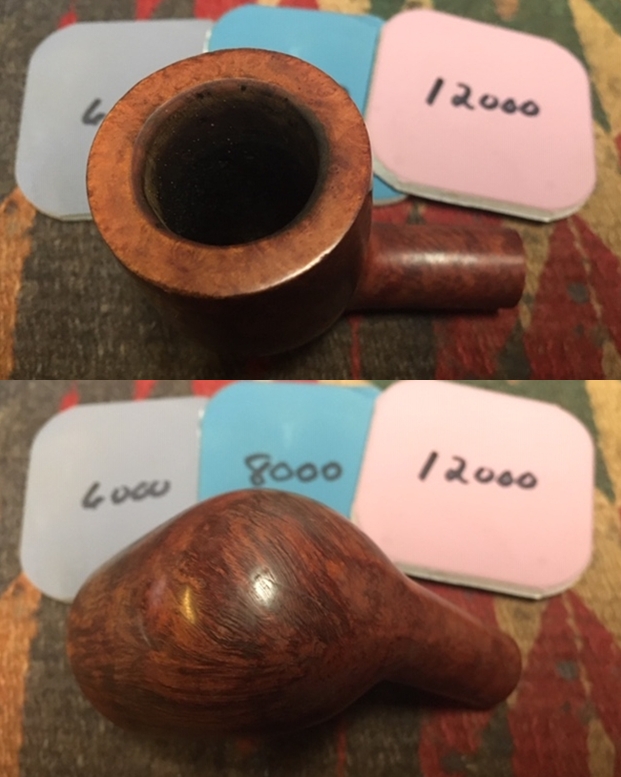
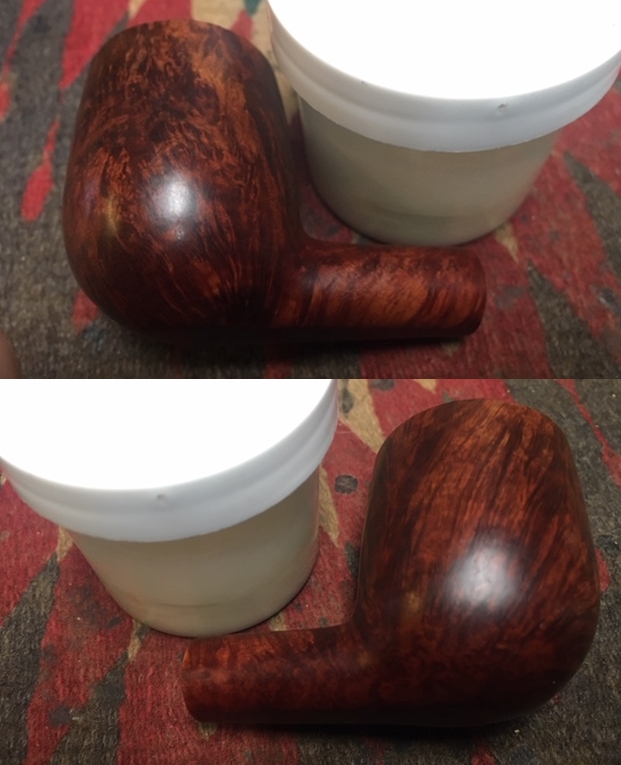
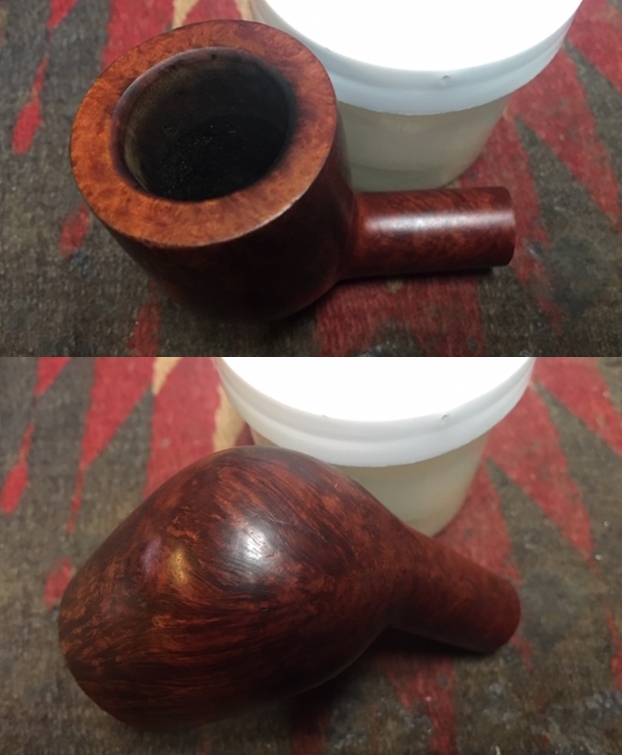
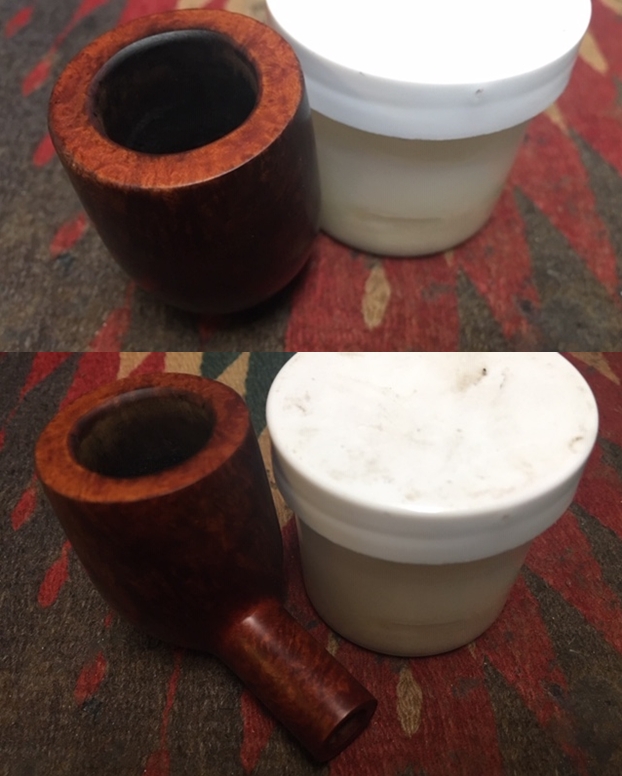
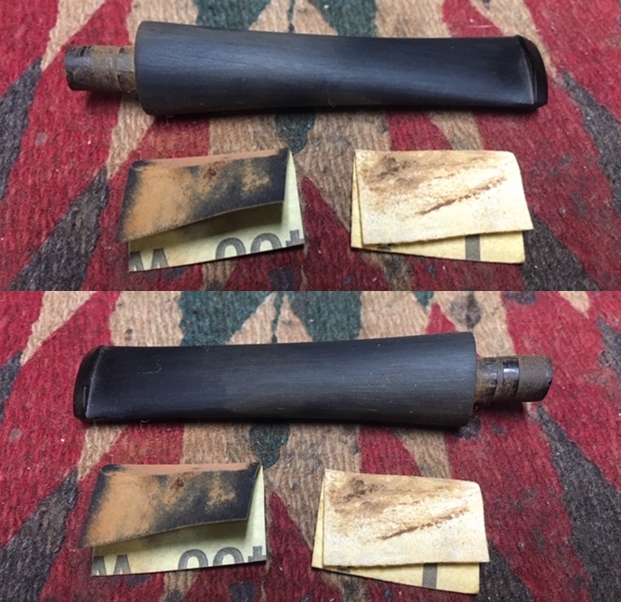
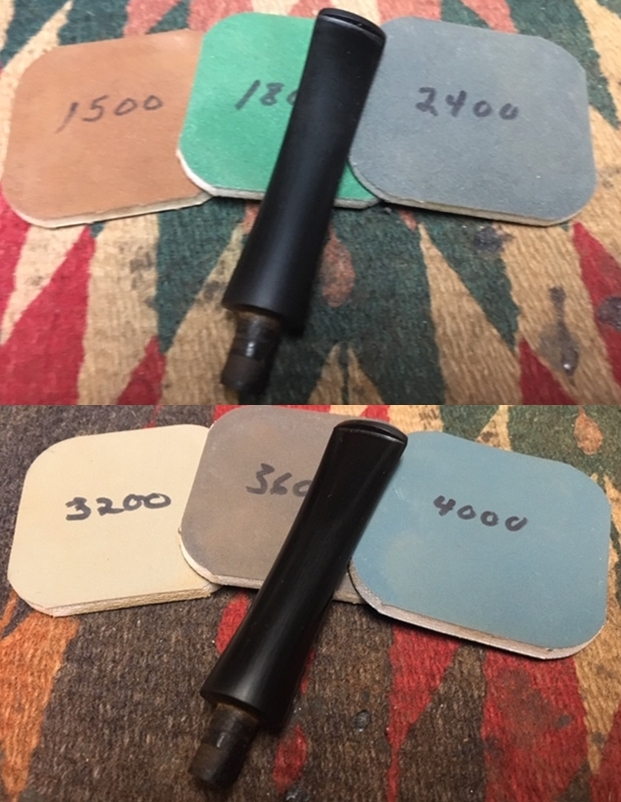
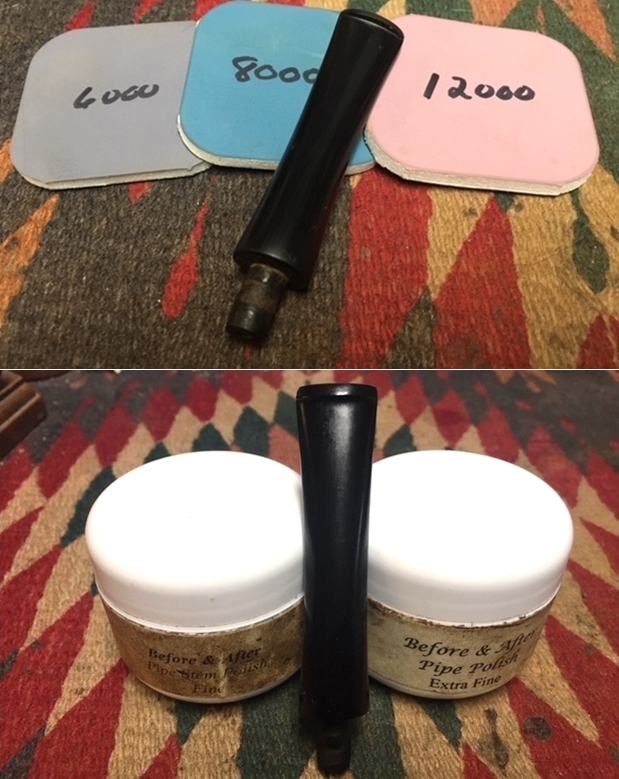
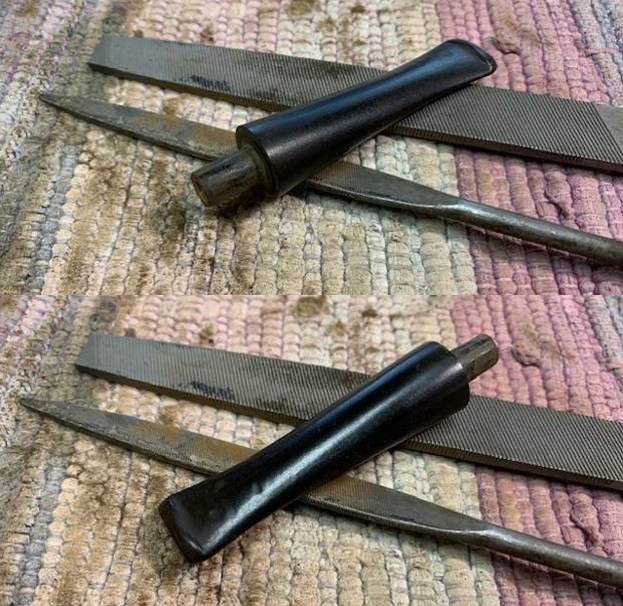
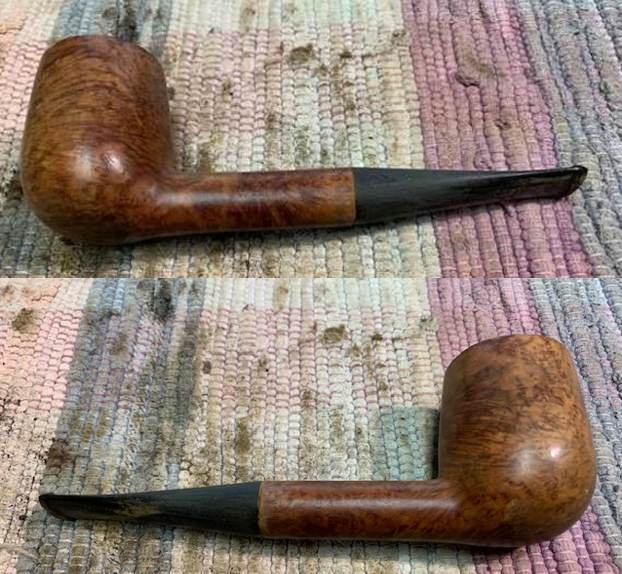
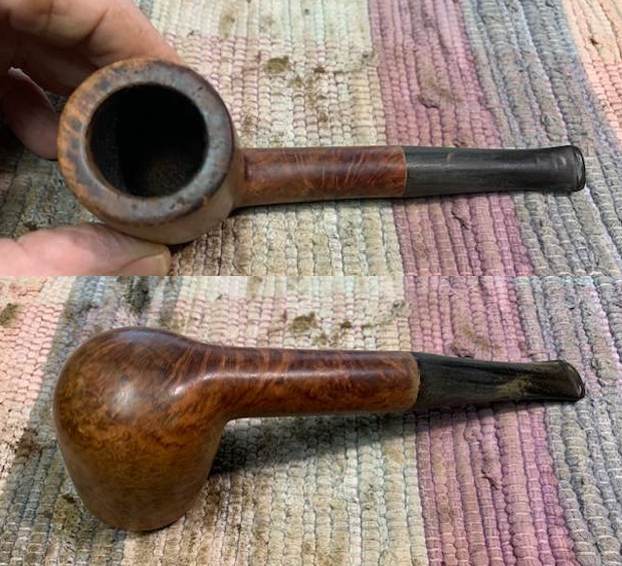
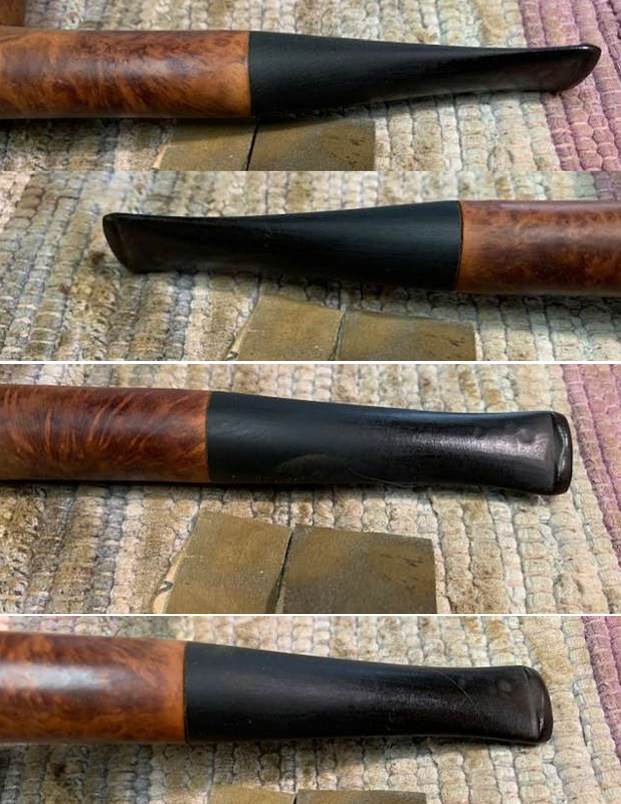
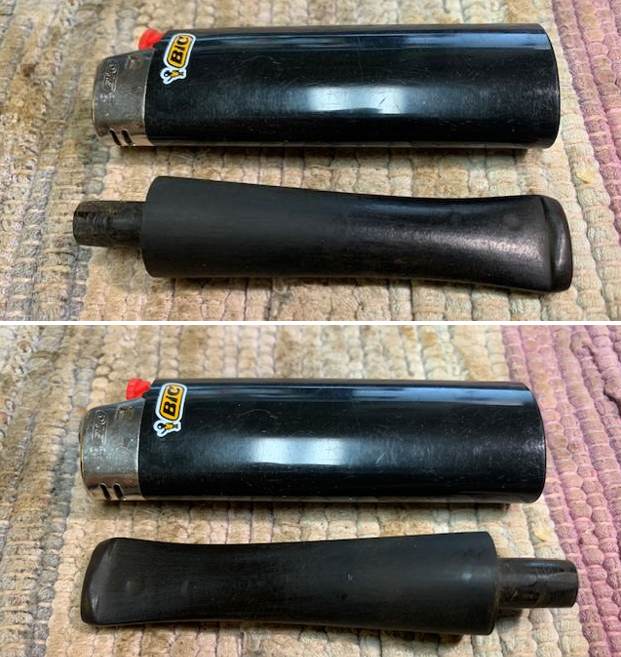
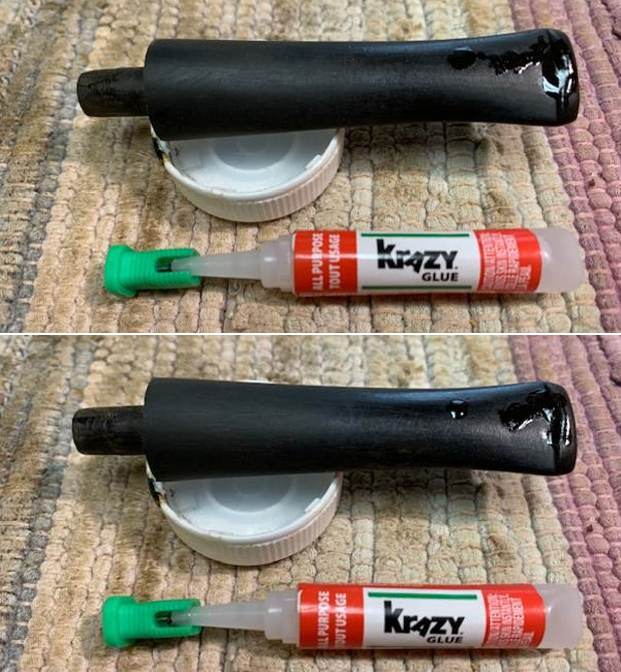
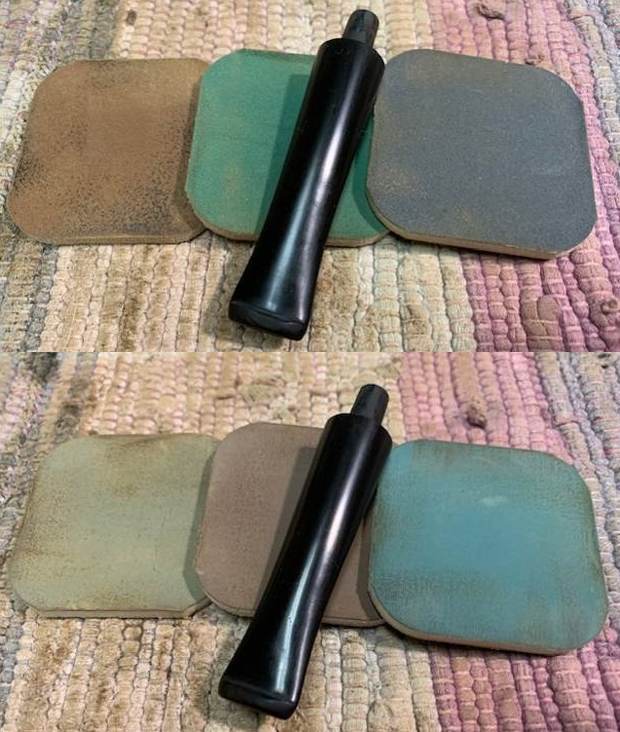
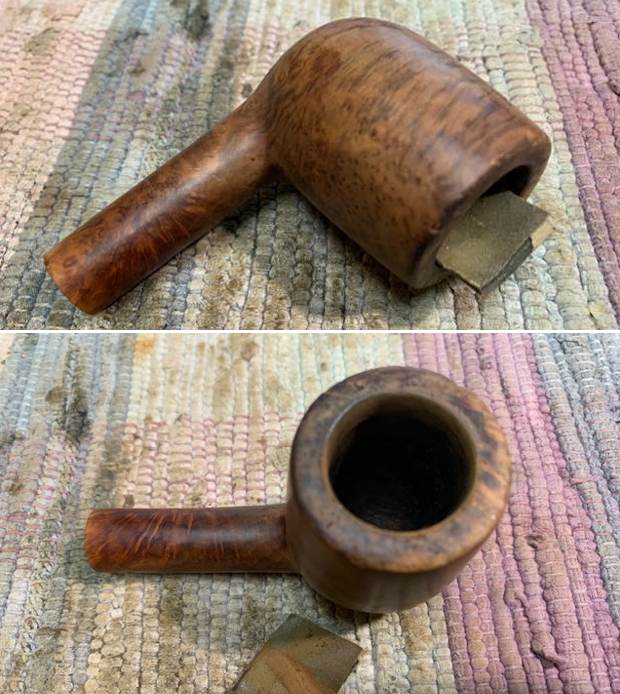
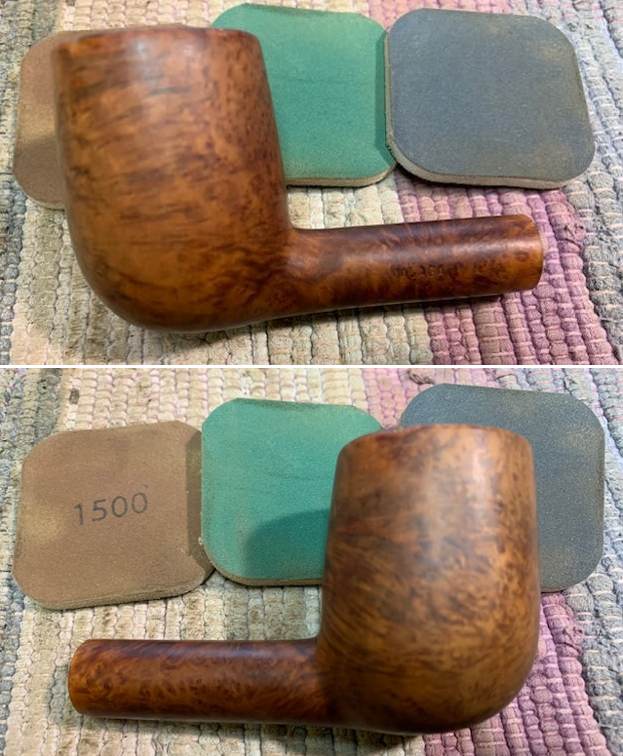
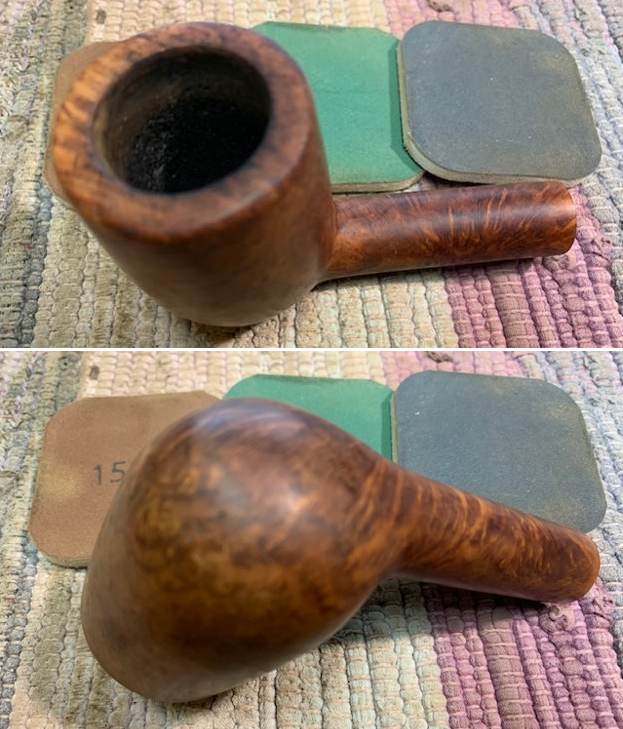
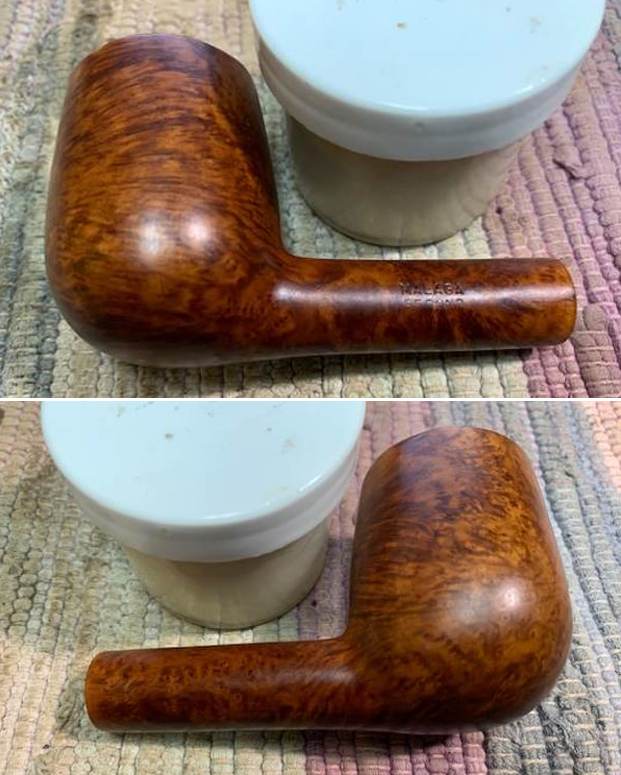
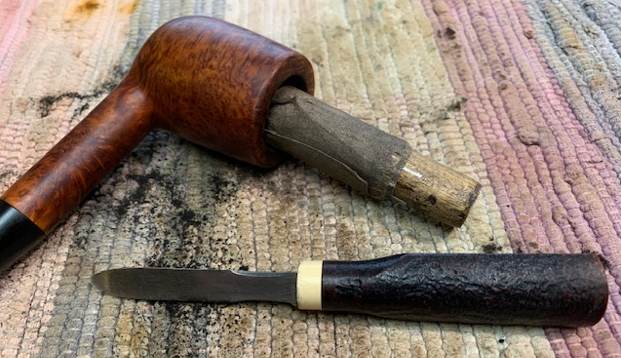
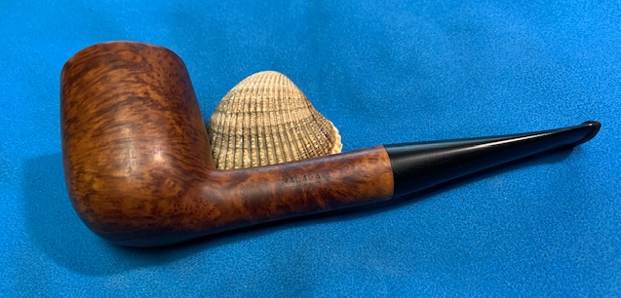
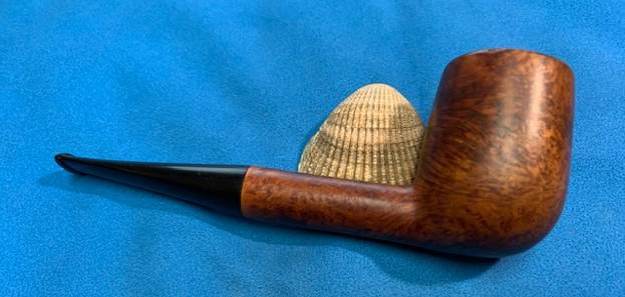
Now it was time to work on the stem and fit it to the shank of the pipe. The diameter of the tenon was close. I used the Dremel and sanding drum to bring it close to a fit and then used two files that I have here that work well for me to do the fine tuning of the fit.I used a piece of 220 grit sandpaper to smooth out the file marks on the tenon and make sure it was round. It is an interesting stem in that it has a tube in the tenon for making it “unbreakable”. I fit it on the pipe and took photos of the fit at this point. The fit against the shank was perfect. There were spots where the stem diameter and the shank diameter did not match. I used a folded piece of 220 grit sandpaper to smooth out the transition between the two so it was smooth.I set the bowl aside and turned my attention to the remainder of the stem. I “painted” the stem surface with a Bic lighter flame to raise the tooth marks. I was able to lift some of them to the surface. I filled in what remained with clear CA glue. Once it cured I flattened the repairs and reshaped the button with a small flat file. I then repaired areas 220 grit sandpaper to blend them into the rest of the surrounding vulcanite. I finished this part of the process by starting the polishing of the stem with 400 grit wet dry sandpaper. I polished the stem with micromesh sanding pads – dry sanding with 1500-12000 grit pads. I wiped the stem down after each pad with a cloth and Obsidian Oil. I finished the polishing with Before & After Pipe Stem Polish – both Fine and Extra Fine. I gave it a final coat of Obsidian Oil. I set the stem aside and turned my attention to the bowl. I started with the rim top issues. I used a folded piece of 220 grit sandpaper to smooth out the inner and the outer edge of the rim. I topped the bowl on a topping board with 220 grit sandpaper to smooth out and minimize the damage on the rim top. The top and edges looked much better at this point in the process. I polished the briar with micromesh sanding pads – dry sanding with 1500-12000 grit pads and wiping it down with a damp cloth after each pad. It really began to shine. I worked some Before & After Restoration Balm into the surface of the smooth briar with my finger tips. The product is amazing and works to clean, enliven and protect the briar. I let it sit on the briar for 10 or more minutes and then buff it off with a soft cloth. It really makes the grain sing. Before I finished the buffing on the pipe I wanted to address the checking on the inside of the bowl. I noticed it while I was taking the photos. Sometimes it is part of the cake and sometimes not. This time I was able to clean out the majority of it with a Savinelli Fitsall Pipe Knife and then sandpaper wrapped around a piece of dowel. There is still some shallow checking on the front of the bowl toward the top and a little on the backside but it is far better and should be good for many years. I cleaned out the bowl, shank and stem with alcohol and pipe cleaners to remove the sanding and scraping debris.I put the pipe back together – the bowl with its new stem. This restored Malaga Second Long Shank Billiard is a real beauty and the chosen stem works well with it. I have no idea why it would be marked a second other than the pits on the rim top. The grain on the bowl is quite beautiful came alive with the buffing. I used Blue Diamond on the buffing wheel on both the bowl and stem. I gave both multiple coats of carnauba wax on the wheel then buffed it with a clean buffing pad to raise the shine. I hand buffed it with a microfibre cloth to deepen the shine. The Malaga Second Billiard feels great in the hand. It is lightweight and the contrast in the browns of the briar and the polished vulcanite stem is quite amazing. The dimensions of the pipe are Length: 6 inches, Height: 2 inches, Outer diameter of the bowl: 1 ½ inches, Chamber diameter: 7/8 of an inch. The weight of the pipe is 1.98 ounces/56 grams. It really is a beauty. I will be putting it on the rebornpipes store in the American (US) Pipe Makers section shortly if you are interested in adding it to your collection. Thanks for walking through the restemming and the restoration with me. Cheers.
Restemming a “Malaga” Billiard from Kathy’s Dad’s Pipes


Blog by Steve Laug

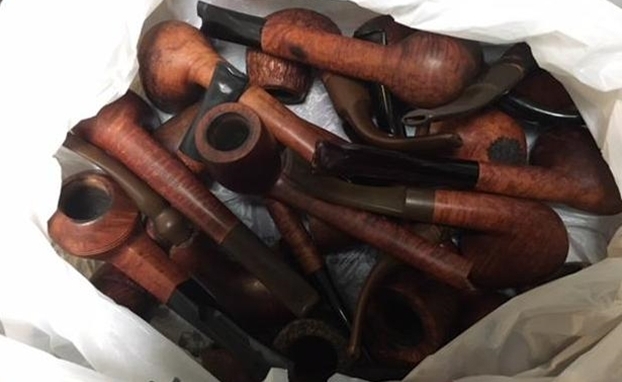
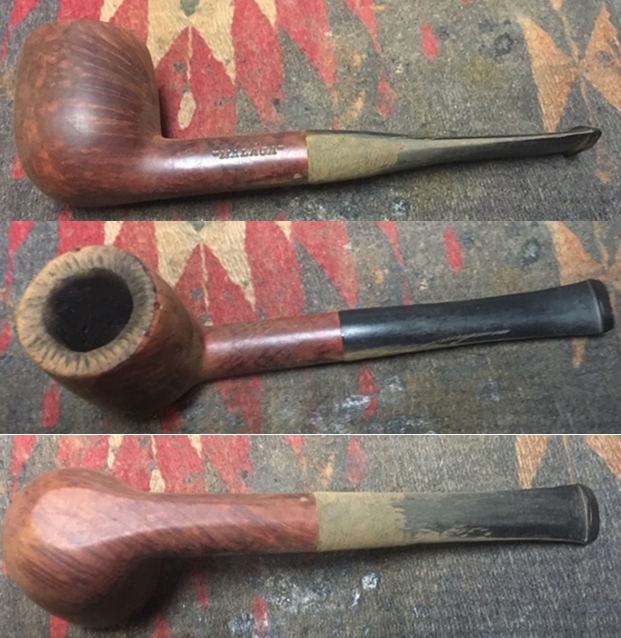
I have been working on a lot of different estate pipes and selling them for different families. This morning I was looking through the bag of pipes that I have left from George Koch’s estate. There are only three of them and all were in pretty rough shape. The rims were well knocked about and the stems were either chewed off or through and really would need to be carefully worked over and have new stems fit to them. The second of these three Malaga pipes that need a lot of attention was the next one I picked up this morning. It is a Billiard with a chewed through stem. Once again the rim top was used as a hammer or at least spent a lot of time being knocked against hard surface. The rim top was scored and originally had a bit of sunburst look around the chamber. But sides of the bowl had a mix of grain styles that was fascinating. It is the second of the last three Malaga pipes that came to my brother and me in several shipments of pipes from George’s daughter Kathy. Alex had gone through the bag in essence had passed on these three. Jeff unwrapped the pipes when they came to him and took the following photo to give an idea of the volume of the pipes that we purchased. In each of the previous blogs that I have written on the restoration of George’s pipes I have told his story. If you have followed the restorations you will have read the information and the background piece that Kathy did on her father. Here is a link to one of the previous blogs on his Malaga pipes where I included her tribute in full (https://rebornpipes.com/2019/01/26/back-to-kathys-dads-pipes-restoring-a-%c2%bc-bent-malaga-author/). You can also read the bio on her Dad, George Koch. It is an interesting read and one that shows just how far our pipe collecting passion can go when we find a brand of pipes that we enjoy. I am going to only include the portion on the Malagas at this point. If you wish to read the rest follow the link above.

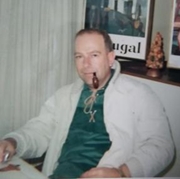
Kathy writes…We lived in Livonia, and that’s where his love for Malaga pipes began. After a few years he returned to Allis Chalmers and we moved back to Springfield. I remember that when we went back to Michigan to visit friends, Dad had to go to the Malaga store and acquire a few new pipes. Many a year I wrote to Malaga and they picked out a pipe for me to purchase that I could give Dad for a Christmas or birthday present. He was always pleased. His favorites were the straight stemmed medium sized bowl pipes, but he liked them all. 

He had some other pipes, but the Malagas were his favorites. I remember him smoking them sitting in his easy chair after work, with feet up on the ledge by the fire burning in the fireplace.  Growing up it was my job to clean them and he liked the inner bowl and stem coated with Watkins vanilla, leaving a little of that liquid in the bowl to soak in when I put them back on the rack…I’m very happy they are being restored by you and your brother and hope they find homes who enjoy them as much as Dad did. Thank-you for your care and interest. — Kathy, the oldest daughter

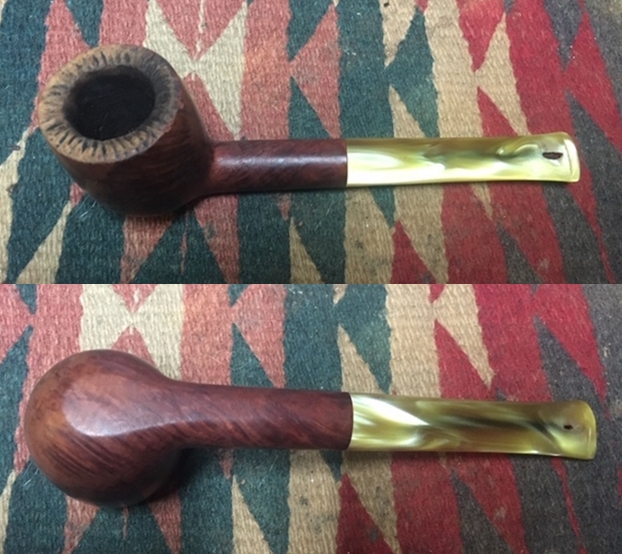
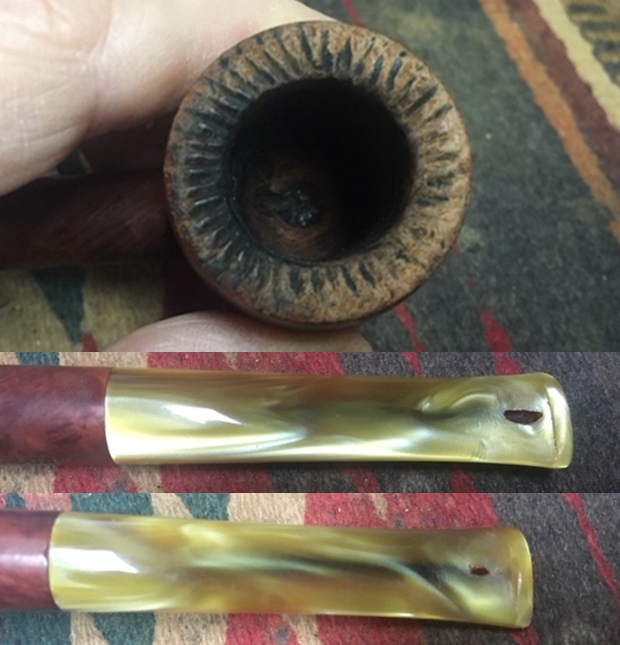
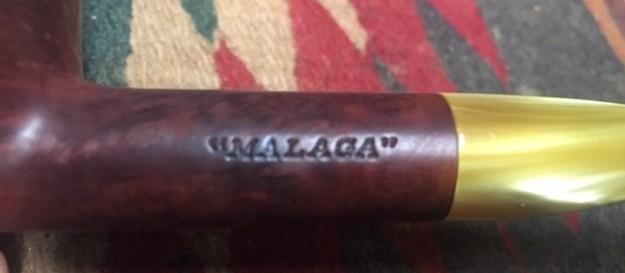
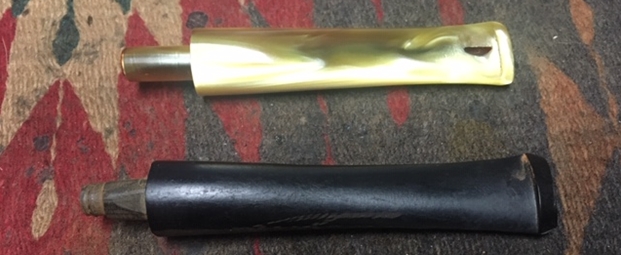
The “Malaga” Billiard on the table is another on that is in rough condition. But even under the damage and dirt I can see the great grain on the briar. There was an interesting sunburst pattern of grooves carved in the rim top. The large bowl, round shank and chewed through acrylic stem give a clear picture of what the pipe must have looked like when George bought it at the shop. Again, I did not bother Jeff for the pre-cleanup photos because really it was obvious what the pipe must have looked like. From the condition of the bowl and rim post cleanup I could see that it originally had a thick cake that overflowed with lava onto the rim so that there was damage on the inner edges. The rim top had been knocked hard against rough surfaces to knock out the dottle and left damage. The sides of the bowl and shank are very dirty with grime and oils from prolonged use. The stamping on the left side of the shank read “MALAGA”. The acrylic stem had been gnawed through leaving a useless stem that would need to be replaced. Since Paresh is not here in Canada it will be replaced rather than rebuilt! 😉 I took photos of the pipe before I started my work. The condition of the pipe will be shown in the photos below. I took a photo of the  rim top and bowl to show the condition of the pipe. You can see why I said it was used as a hammer. The surface of the rim is very rough but you can see the carved sun burst like grooves.  The inner edge of the rim looks good while the outer edge has some damage. There is some darkening on the back edge and surface of the rim top. I think that this pipe must have been another shop pipe or knock about pipe for George as it was very well smoked! I took photos of the stem to show the broken and chewed condition it was in. Remember this is hard acrylic so it took some real gnawing to do this to it!I took a photo to capture the stamping on left side of the shank. The photo shows the stamping “MALAGA” and is very readable.I am also including the link to a blog that I wrote that gives some of the history of the Malaga brand and the Malaga Pipe Shop in Royal Oak, Michigan in the USA. I have written an earlier blog to give a little history of the Malaga Brand and the pipemaker, George Khoubesser. Here is the link – https://rebornpipes.com/tag/malaga-pipes/.That blog also includes links to a catalogue and the history of the pipemaker George Khoubesser. Follow the link to get a feel for the brand and the pipemaker.

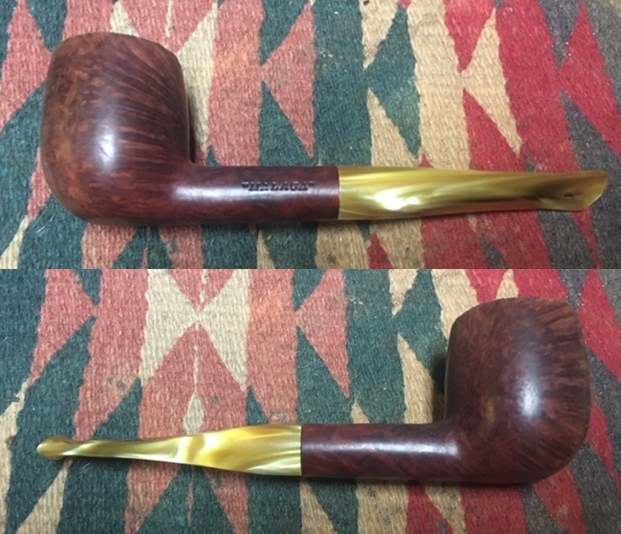
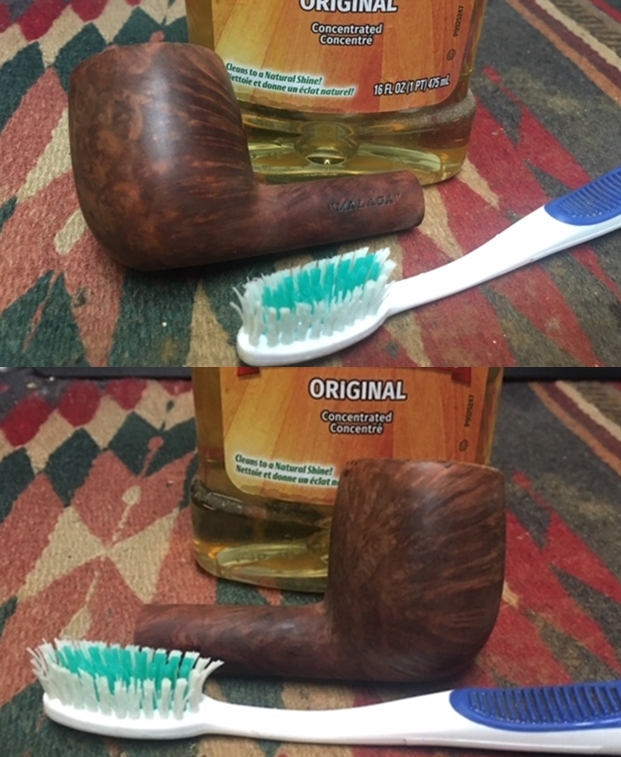
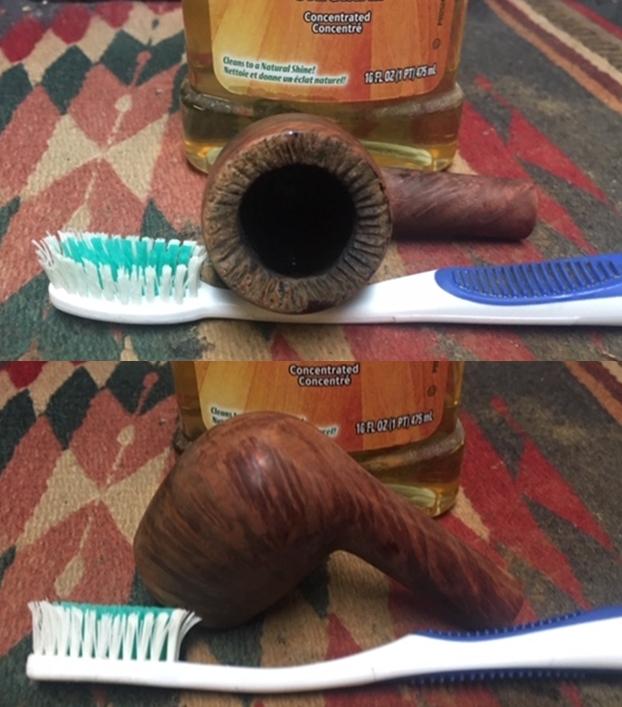
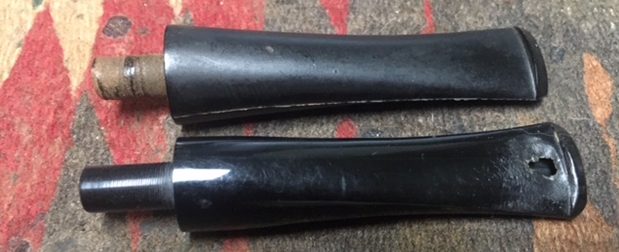
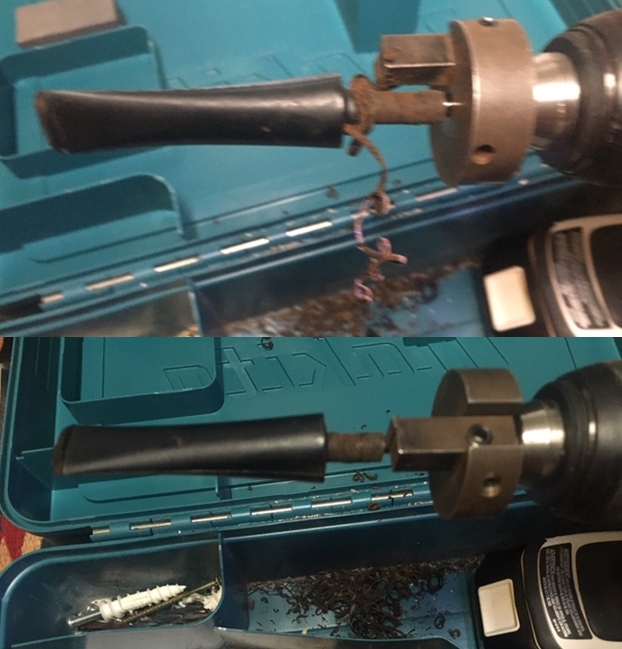
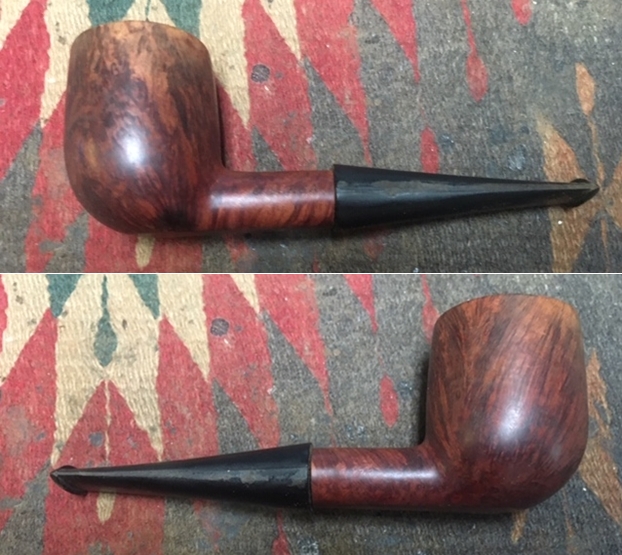
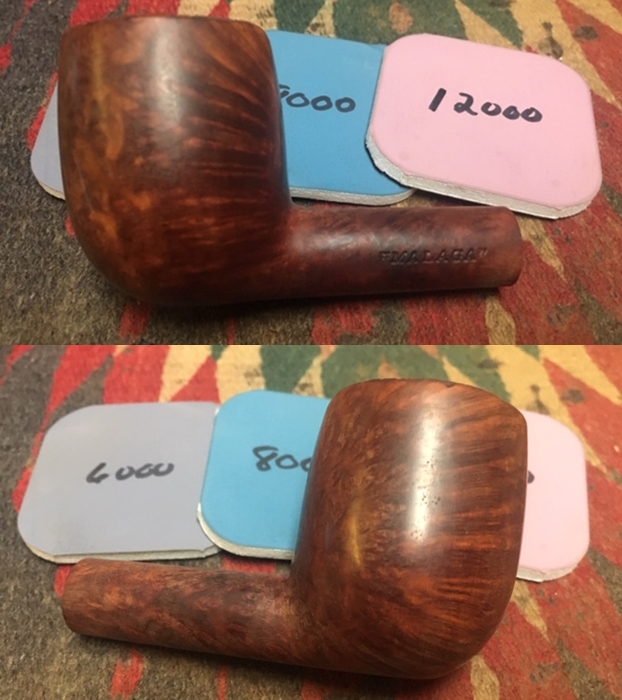
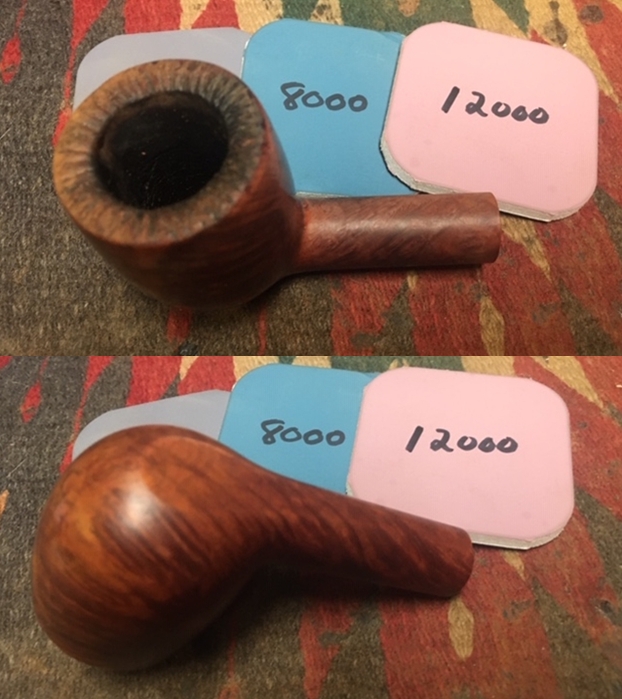
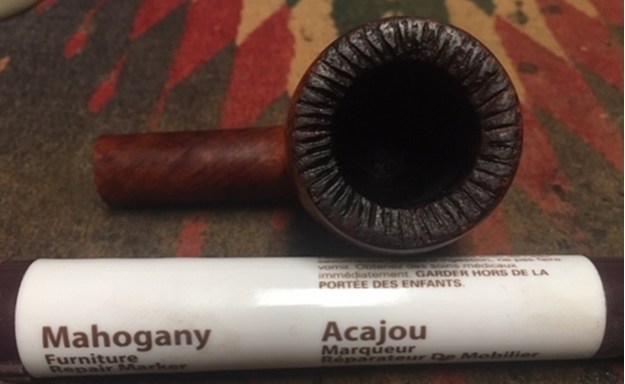
Jeff had gone to the trouble to ream the bowl with a PipNet pipe reamer and followed up with a Savinelli Fitsall pipe knife to remove the cake. He scrubbed out the mortise and the airway in the shank and the stem with alcohol, cotton swabs and pipe cleaners. He scrubbed the exterior of the bowl, rim, shank and stem with a tooth brush and Murphy’s Oil Soap to remove the oils and tars on the rim and the grime on the finish of the bowl. He rinsed it under running water. He dried it off with a soft cloth. All of his work gave me a clean pipe to work on to say the least. I decided to start with the new stem. I went through my collection of stems to find one that was the same dimensions as the ruined stem. I found one in my can that would fit the bill. Interestingly it is a twin bore bite proof stem like the other ones that Malaga used when they restemmed pipes.I set up my cordless drill with the PIMO Tenon Turning Tool in the chuck and started turning the tenon on the new stem back to match the broken one. I usually do the turning in several passes, adjusting the depth of the blade between each cut. In this case I did it in three passes. I got it close and finished the fit with my Dremel and sanding drum.I sanded off the castings on the sides and slot end of the stem with the Dremel and sanding drum and did a few turns on the tenon with the sanding drum. You can see from the first photo below that it was very close. I cleaned it up with a folded piece of 220 grit sandpaper. You can see the fit in the photos below.I set the stem aside and turned my attention to the bowl. I used a folded piece of 220 grit sandpaper to clean up the outer edge on rim top. Once I had the edges smooth I filled in the deeper nicks and chips in the outer edge of the rim with clear Krazy Glue. Once the repairs cured I sanded them smooth with 220 grit sandpaper and a piece of 400 grit sandpaper. I used a pen knife to clean up the cut marks on the rim top. Some of them were worn so I recut them to give them more definition. I cleaned up the carving with a brass bristle wire brush to clean up the repairs. The second photo shows the cleaned up rim top.I scrubbed the briar with Murphy’s Oil Soap and a tooth brush. I rubbed it into the surface of the briar with my finger tips and let it sit for about 10 minutes then rinsed it off with running water. I dried it off with a soft cloth. I polished the bowl with micromesh sanding pads to smooth out the rim edge repairs and the nicks in the bowl sides. I wet sanded with 1500-12000 grit pads and wiped the bowl down with a damp cloth after each pad. The photos show the progress. I used a Mahogany Stain Pen to stain the carvings on the rim top to blend all of the darkening together and make it stand out. I buffed it with a clean buffing pad. You can see from the photo below that I was able to blend it into the rest of the bowl.I worked some Before & After Restoration Balm into the surface of the briar with my fingertips to clean, enliven and protect it. I let the balm sit for a little while and then buffed with a cotton cloth to raise the shine. The following photos show the bowl at this point in the restoration process. I am very happy with the results. I turned to the stem and started by sanding the surface. I wanted to smooth out the surface of the vulcanite to remove the castings and the sanding marks. I sanded it with 220 grit sandpaper and 400 grit sandpaper to clean up the stem.I polished the stem with micromesh sanding pads – wet sanding with 1500-12000 grit sanding pads. I wiped it down after each sanding pad Obsidian Oil. I finished by polishing it with Before & After Pipe Stem Polish both Fine and Extra Fine and then wiped it down with a final coat of Obsidian Oil. This is a restemmed and restored “Malaga” Billiard with a vulcanite tapered “bite-proof” stem. The new black vulcanite stem looks good in place of the yellow acrylic stem. It has a great look and feel. The shape of the bowl, the reshaped and repaired rim top and the cut of the briar work well to highlight the grain around the bowl sides. I polished stem and the bowl with Blue Diamond polish on the buffing wheel. I gave the bowl and the stem multiple coats of carnauba wax. I buffed the pipe with a clean buffing pad to raise the shine. I hand buffed it with a microfiber cloth to deepen the shine. The pipe polished up pretty nicely. The grain took on life with the buffing. The rich oil cured colour works well with the polished vulcanite stem. The finished pipe has a rich look that is quite catching. Have a look at it with the photos below. The shape, finish and flow of the pipe and stem are very well done. The dimensions are Length: 6 ¼ inches, Height: 1 7/8 inches, Outside diameter of the bowl: 1 ½ inches, Chamber diameter: ¾ of an inch. I will be adding the pipe to the finished Malaga pipes that I have completed. I am looking forward to a new pipeman picking up this pipe and will carry on the trust for George Koch. Thanks for walking through the restoration with me as I worked over another one of Kathy’s Dad’s Pipes.
Restemming another “Malaga” Billiard from Kathy’s Dad’s Pipes


Blog by Steve Laug

I have been working on a lot of different estate pipes and selling them for different families. This morning I was looking through the bag of pipes that I have left from George Koch’s estate. There are only three of them and all were in pretty rough shape. The rims were well knocked about and the stems were either chewed off or through and really would need to be carefully worked over and have new stems fit to them. The third of these three Malaga pipes that need a lot of attention was the next one I picked up this morning. It is a Billiard with a chewed through acrylic stem. Of the three was the least beat up of the three. The rim top had some damage on the flat surface and the inner edge. But sides of the bowl had great looking flame and mixed grain that was fascinating. It is the last of the three Malaga pipes needing restemming that came to my brother and me in several shipments of pipes from George’s daughter Kathy. Alex had gone through the bag and had passed on these three. Jeff unwrapped the pipes when they came to him and took the following photo to give an idea of the volume of the pipes that we purchased. In each of the previous blogs that I have written on the restoration of George’s pipes I have told his story. If you have followed the restorations you will have read the information and the background piece that Kathy did on her father. Here is a link to one of the previous blogs on his Malaga pipes where I included her tribute in full (https://rebornpipes.com/2019/01/26/back-to-kathys-dads-pipes-restoring-a-%c2%bc-bent-malaga-author/). You can also read the bio on her Dad, George Koch. It is an interesting read and one that shows just how far our pipe collecting passion can go when we find a brand of pipes that we enjoy. I am going to only include the portion on the Malagas at this point. If you wish to read the rest follow the link above.

Kathy writes…We lived in Livonia, and that’s where his love for Malaga pipes began. After a few years he returned to Allis Chalmers and we moved back to Springfield. I remember that when we went back to Michigan to visit friends, Dad had to go to the Malaga store and acquire a few new pipes. Many a year I wrote to Malaga and they picked out a pipe for me to purchase that I could give Dad for a Christmas or birthday present. He was always pleased. His favorites were the straight stemmed medium sized bowl pipes, but he liked them all. 

He had some other pipes, but the Malagas were his favorites. I remember him smoking them sitting in his easy chair after work, with feet up on the ledge by the fire burning in the fireplace.  Growing up it was my job to clean them and he liked the inner bowl and stem coated with Watkins vanilla, leaving a little of that liquid in the bowl to soak in when I put them back on the rack…I’m very happy they are being restored by you and your brother and hope they find homes who enjoy them as much as Dad did. Thank-you for your care and interest. — Kathy, the oldest daughter

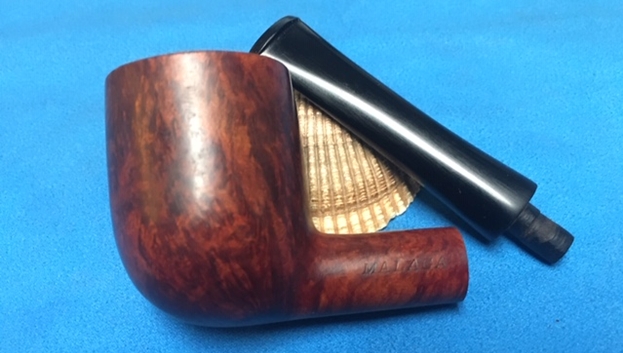
This second “Malaga” Billiard on the table is the least damaged of the three. Under the damage and dirt I can see the great grain on the briar. There were some scratches and nicks in surface of the rim top. The large bowl, round shank and chewed through acrylic stem give a clear picture of what the pipe must have looked like when George bought it at the shop. Again, I did not bother Jeff for the pre-cleanup photos because really it was obvious what the pipe must have looked like. From the condition of the bowl and rim post cleanup I could see that it originally had a thick cake that overflowed with lava onto the rim so that there was damage on the inner edges. The rim top had been knocked hard against rough surfaces to knock out the dottle and left damage. The sides of the bowl and shank are very dirty with grime and oils from prolonged use. The stamping on the left side of the shank read MALAGA. The acrylic stem had been gnawed through leaving a useless stem that would need to be replaced. Since Paresh is not here in Canada this is another that will be replaced rather than rebuilt! 😉 I took photos of the pipe before I started my work. The condition of the pipe will be shown in the photos below. I took a photo of the  rim top and bowl to show the condition of the pipe. You can see why I said it was used as a hammer – though less than the others. The surface of the rim is very rough. The inner and the outer edge have some damage. There is some darkening on the back inner edge, bevel and surface of the rim top. I think that this pipe must have been another shop pipe or knock about pipe for George as it was very well smoked! I took photos of the stem to show the broken and chewed condition it was in. Remember this is hard acrylic so it took some real gnawing to do this to it!I took a photo to capture the stamping on left side of the shank. The photo shows the stamping MALAGA and is very readable.I am also including the link to a blog that I wrote that gives some of the history of the Malaga brand and the Malaga Pipe Shop in Royal Oak, Michigan in the USA. I have written an earlier blog to give a little history of the Malaga Brand and the pipemaker, George Khoubesser. Here is the link – https://rebornpipes.com/tag/malaga-pipes/.That blog also includes links to a catalogue and the history of the pipemaker George Khoubesser. Follow the link to get a feel for the brand and the pipemaker.
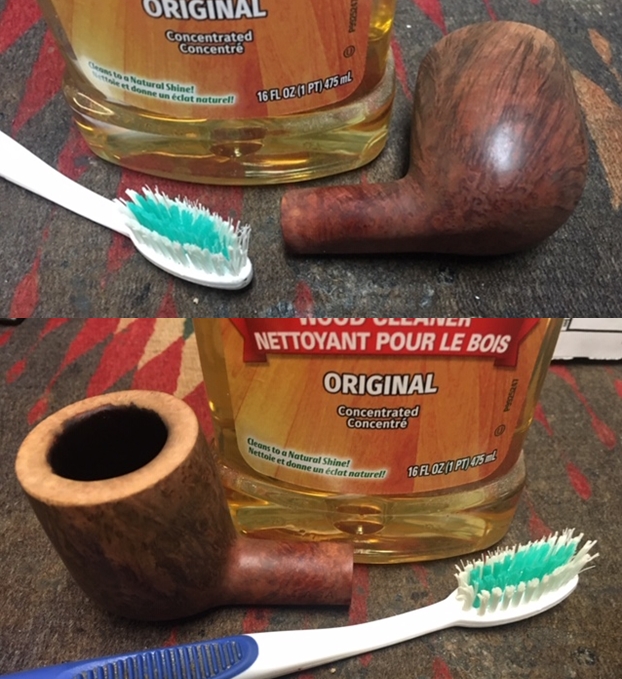
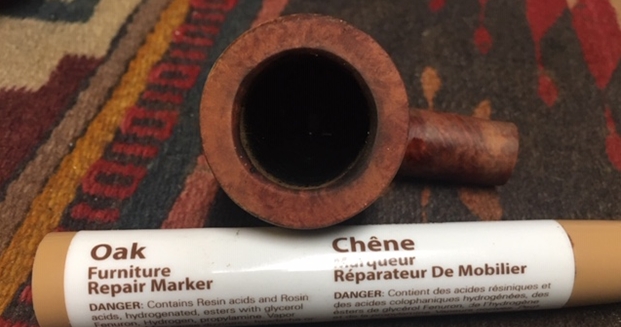
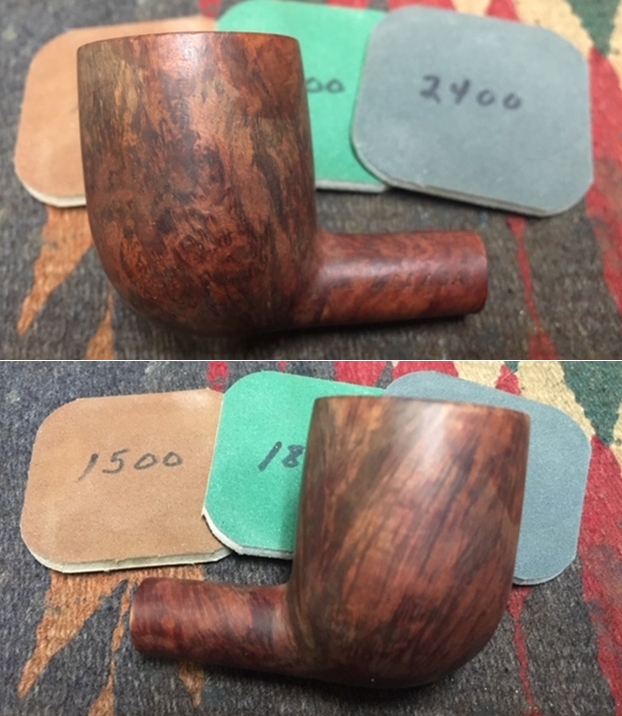
Jeff had gone to the trouble to ream the bowl with a PipNet pipe reamer and followed up with a Savinelli Fitsall pipe knife to remove the cake. He scrubbed out the mortise and the airway in the shank and the stem with alcohol, cotton swabs and pipe cleaners. He scrubbed the exterior of the bowl, rim, shank and stem with a tooth brush and Murphy’s Oil Soap to remove the oils and tars on the rim and the grime on the finish of the bowl. He rinsed it under running water. He dried it off with a soft cloth. All of his work gave me a clean pipe to work on to say the least. I decided to start with the new stem. I went through my collection of stems to find one that was the same dimensions as the ruined stem. I found one in my can that would fit the bill.I set up my cordless drill with the PIMO Tenon Turning Tool in the chuck and started turning the tenon on the new stem back to match the broken one. I usually do the turning in several passes, adjusting the depth of the blade between each cut. In this case I did it in three passes. I got it close and finished the fit with my Dremel and sanding drum.I sanded off the castings on the sides and slot end of the stem with the Dremel and sanding drum and did a few turns on the tenon with the sanding drum. You can see from the first photo below that it was a good snug fit. The diameter of the stem was larger than the shank do I would need to remove the excess material to get a solid fit.I used a Dremel and sanding drum to remove the excess material from the stem and get it close to the diameter of the shank. I worked over the diameter with a folded piece of 220 grit sandpaper to smooth out the stem. It still has a ways to go before it was finished but it was getting pretty close. I set the stem aside and turned my attention to the bowl. I topped the bowl with 220 grit sandpaper on a topping board. I removed the damaged areas on the rim top. I did not need to remove too much to bring it back to smooth condition and the outer edge was still clean.I used a folded piece of 220 grit sandpaper to clean up the inner bevel of the bowl. I worked it at an angle to clean up the edge and to give it a smooth bevel.I scrubbed the briar with Murphy’s Oil Soap and a tooth brush. I rubbed it into the surface of the briar with my finger tips and let it sit for about 10 minutes then rinsed it off with running water. I dried it off with a soft cloth. I used an Oak Stain Pen to stain the carvings on the rim top to blend all of the darkening together and make it stand out. I buffed it with a clean buffing pad. You can see from the photo below that I was able to blend it into the rest of the bowl.I polished the bowl with micromesh sanding pads to smooth out the rim edge repairs and the nicks in the bowl sides. I wet sanded with 1500-12000 grit pads and wiped the bowl down with a damp cloth after each pad. The photos show the progress. I worked some Before & After Restoration Balm into the surface of the briar with my fingertips to clean, enliven and protect it. I let the balm sit for a little while and then buffed with a cotton cloth to raise the shine. The following photos show the bowl at this point in the restoration process. I am very happy with the results. I turned to the stem and started by sanding the surface. I wanted to smooth out the surface of the vulcanite to remove the castings and the sanding marks. I sanded it with 220 grit sandpaper and 400 grit sandpaper to clean up the stem.I polished the stem with micromesh sanding pads – wet sanding with 1500-12000 grit sanding pads. I wiped it down after each sanding pad Obsidian Oil. I finished by polishing it with Before & After Pipe Stem Polish both Fine and Extra Fine and then wiped it down with a final coat of Obsidian Oil. This is a restemmed and restored Malaga Billiard with a vulcanite tapered stem. The new black vulcanite stem looks good in place of the black chewed acrylic stem. It has a great look and feel. The shape of the bowl, the reshaped and repaired rim top and the cut of the briar work well to highlight the grain around the bowl sides. I polished stem and the bowl with Blue Diamond polish on the buffing wheel. I gave the bowl and the stem multiple coats of carnauba wax. I buffed the pipe with a clean buffing pad to raise the shine. I hand buffed it with a microfiber cloth to deepen the shine. The pipe polished up pretty nicely. The grain took on life with the buffing. The rich oil cured colour works well with the polished vulcanite stem. The finished pipe has a rich look that is quite catching. Have a look at it with the photos below. The shape, finish and flow of the pipe and stem are very well done. The dimensions are Length: 5 ¼ inches, Height: 2 inches, Outside diameter of the bowl: 1 ½ inches, Chamber diameter: ¾ of an inch. I will be adding the pipe to the finished Malaga pipes that I have completed. I am looking forward to a new pipeman picking up this pipe and will carry on the trust for George Koch. Thanks for walking through the restoration with me as I worked over another one of Kathy’s Dad’s Pipes.