Tag Archives: fitting a stem

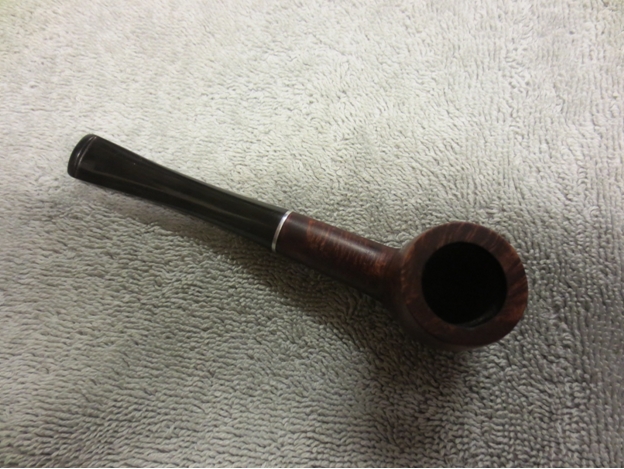
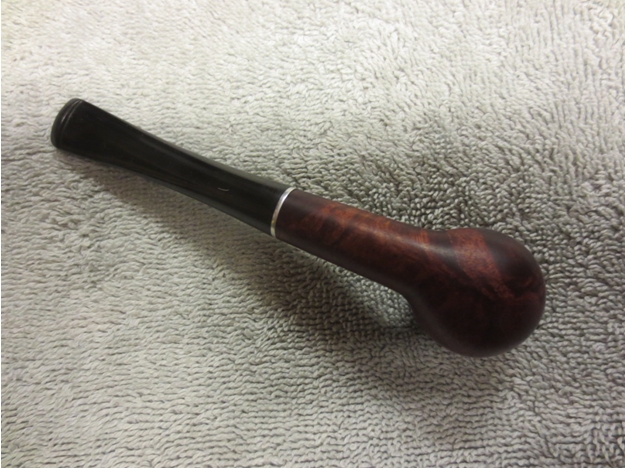
An Old Meerschaum Bowl Restemmed and Reborn


Blog by Greg Wolford

Over the past couple of months I’ve been moving my workshop upstairs to an empty bedroom. With winter’s quick approach, I wanted to be ready for the bone-stiffening cold so I could do more restorations this year. All but the buffer had been moved into its new home and was close to being tidily organized when my plan went south; our son was moving back home and would need my new space back for his room!

It was a rather quick transition so all of my supplies were hastily packed up and moved back to the basement garage. In my rush, I didn’t think to make notes on boxes or anything else to help me sort through it later, I only packed quickly and securely and moved it all out. I felt like I got evicted! (Please note, that is not what happened to my son.) So finding any of the half-dozen projects I had in the works is now a daunting challenge; our garage serves as a catch-all of sorts, with our laundry area, my workshop, my wife’s “over flow” from her antique booth, and all of my son’s extras now piled in there.

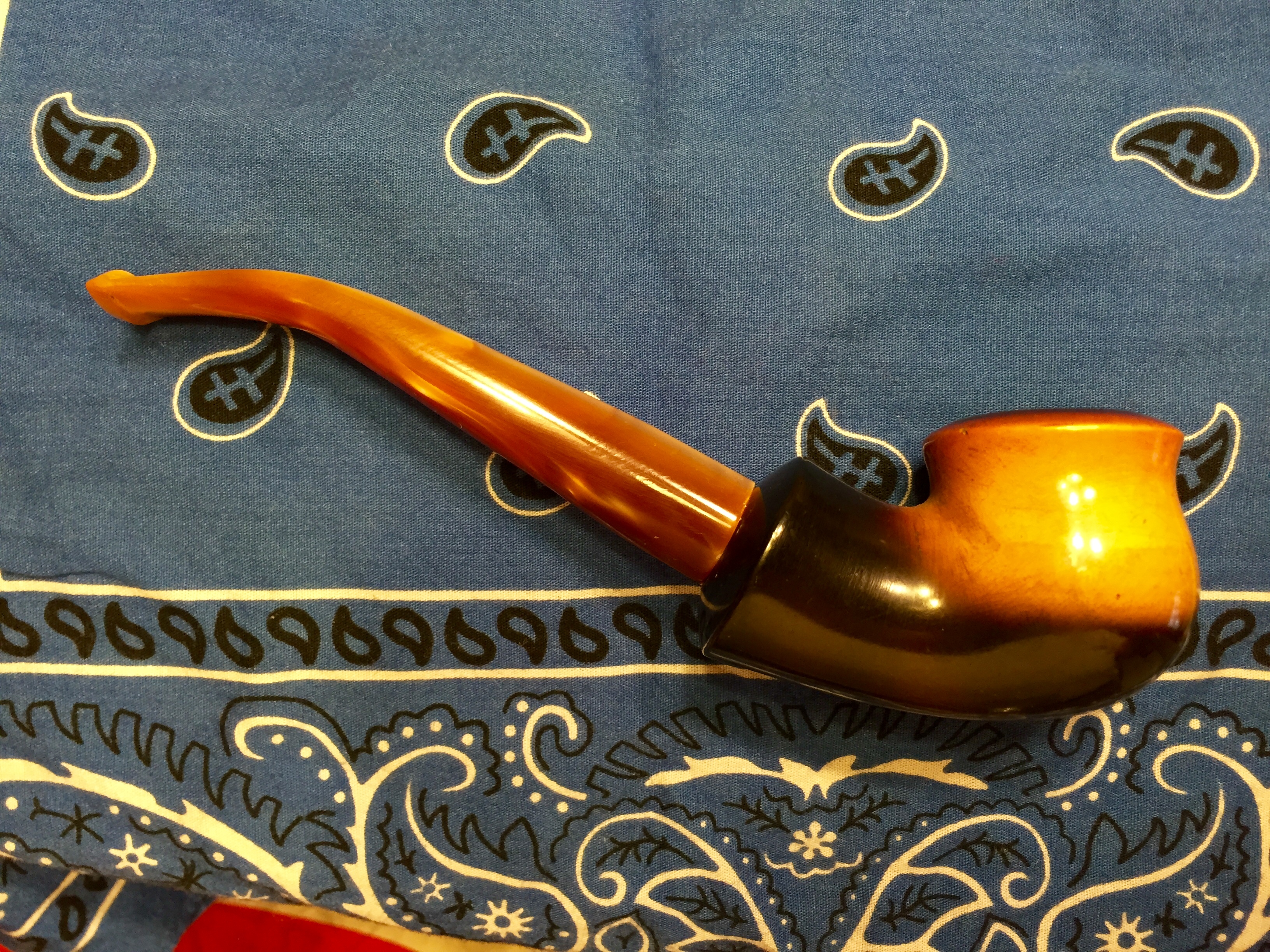
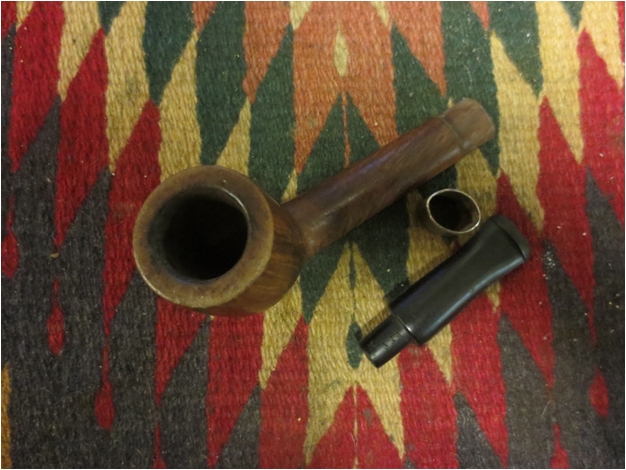
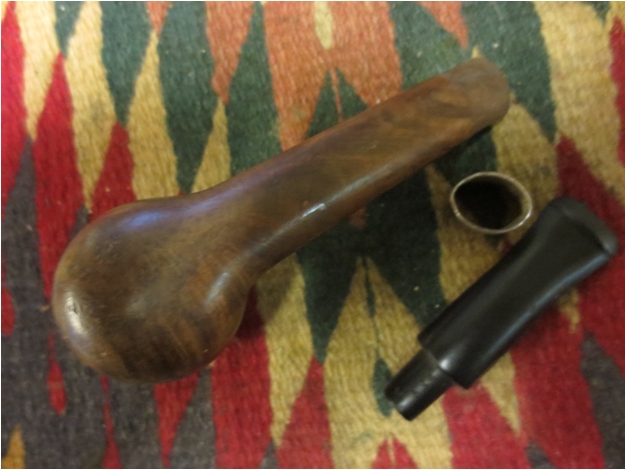
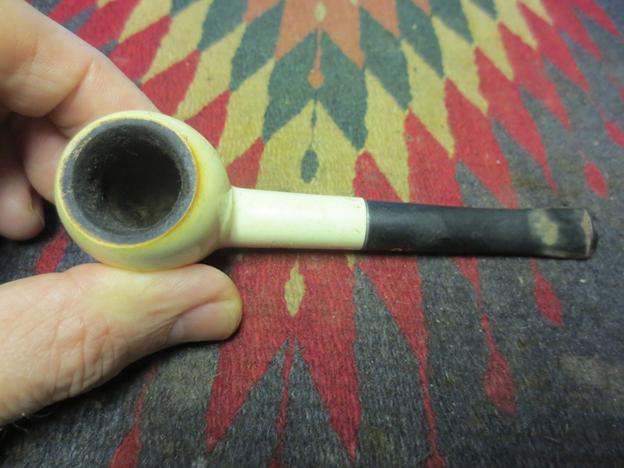
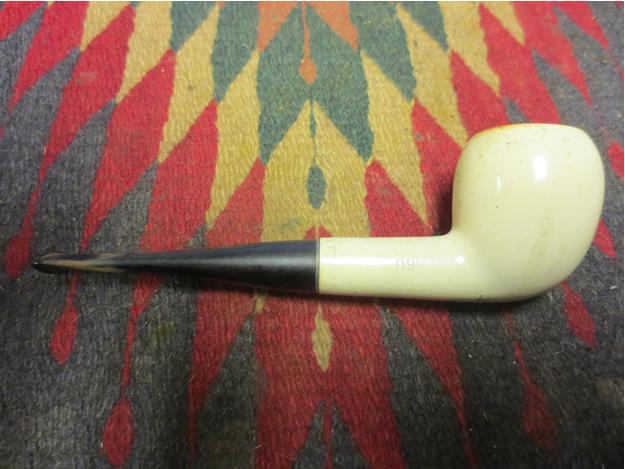
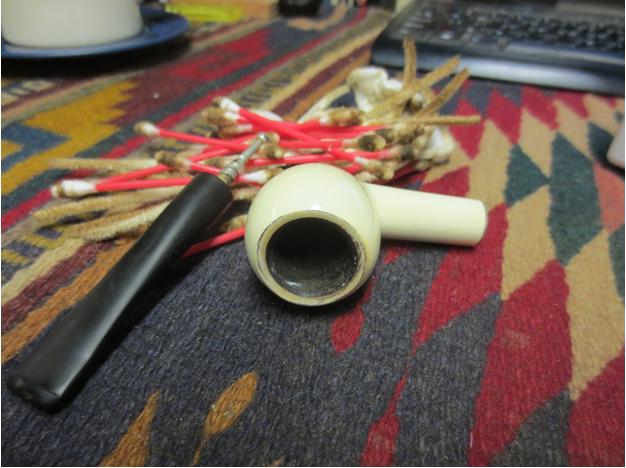
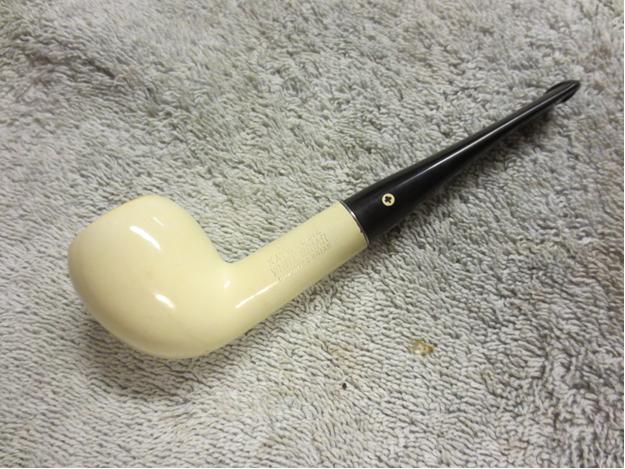
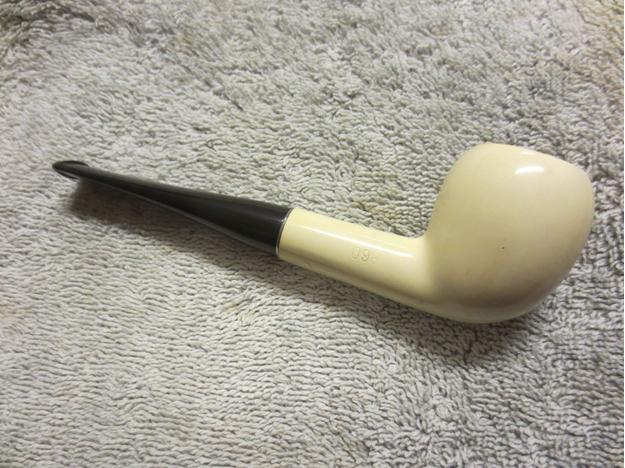
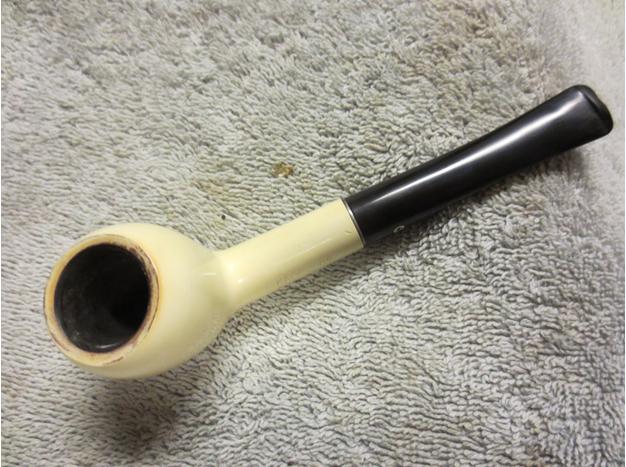
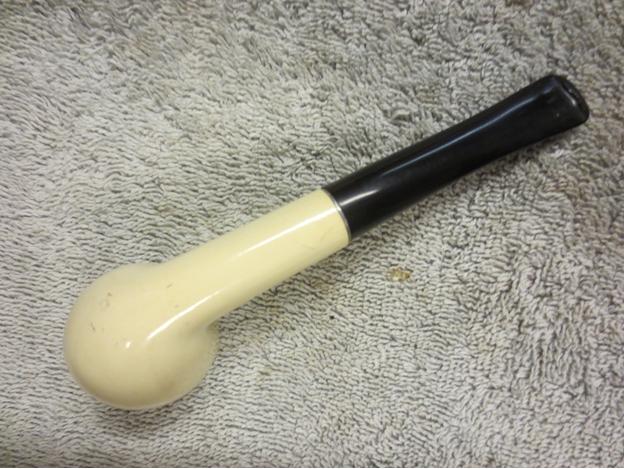
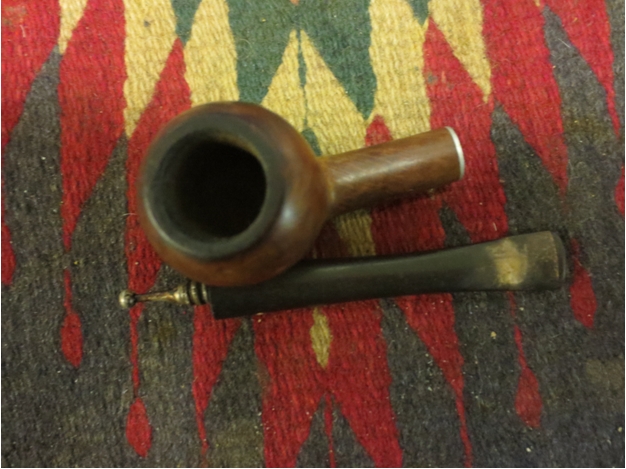
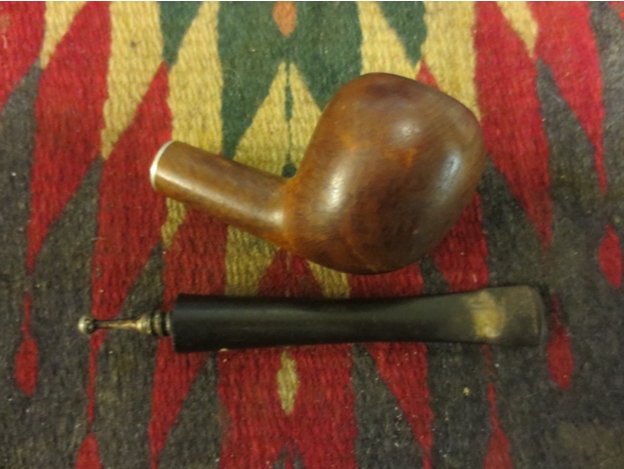
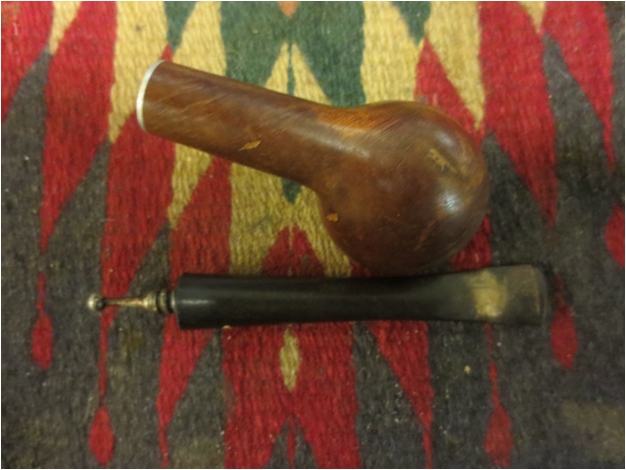
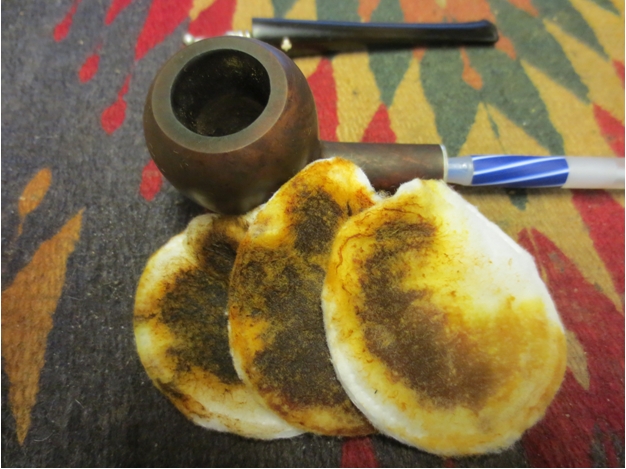
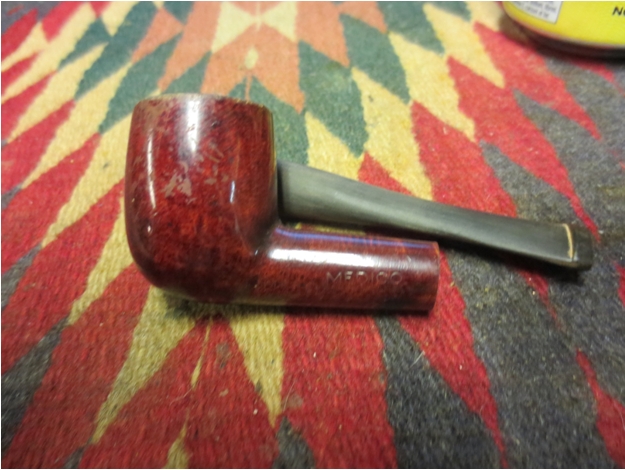
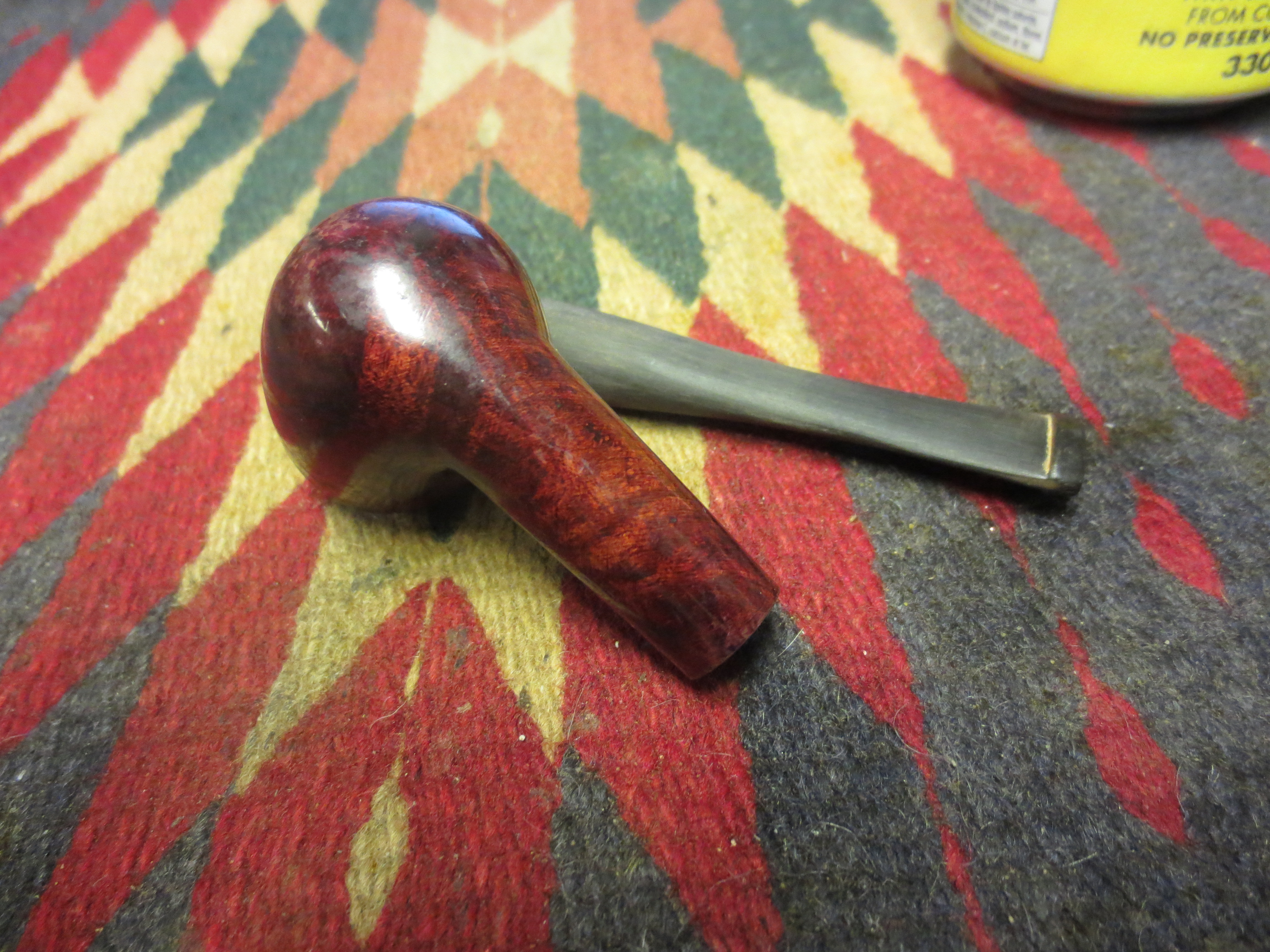
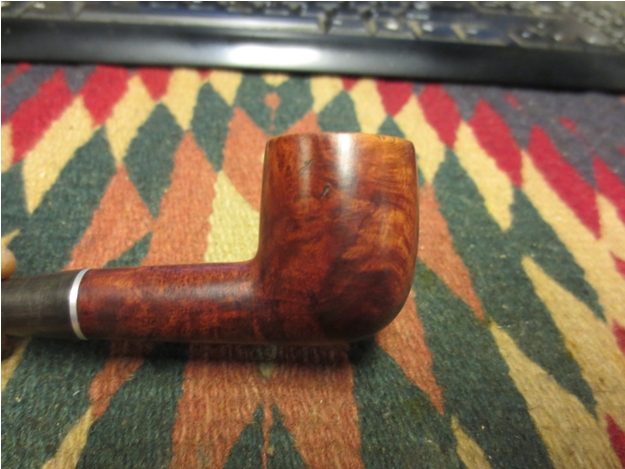
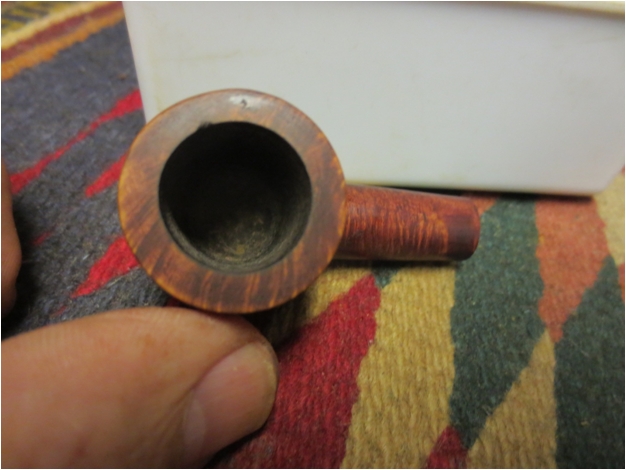
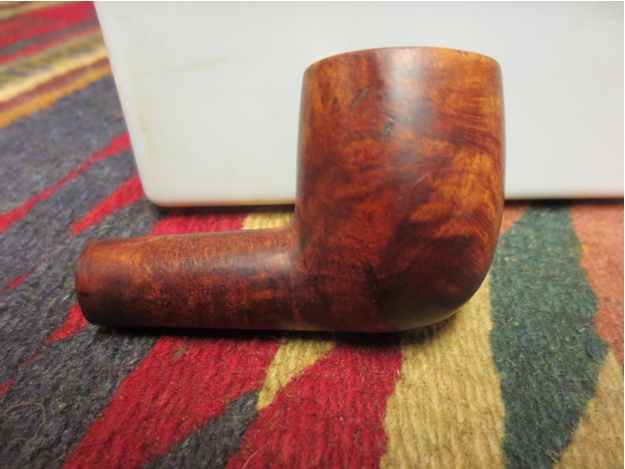
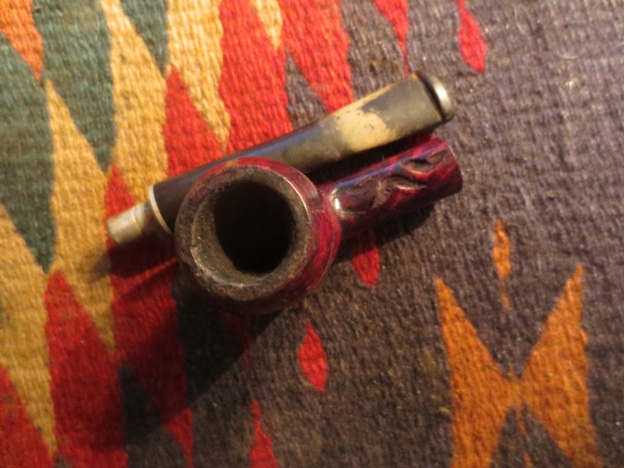
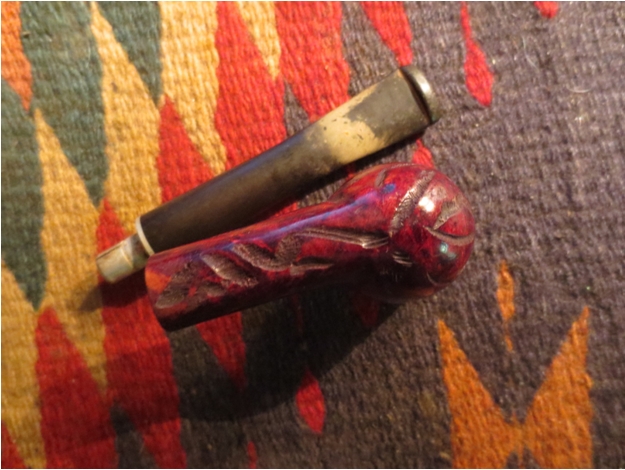
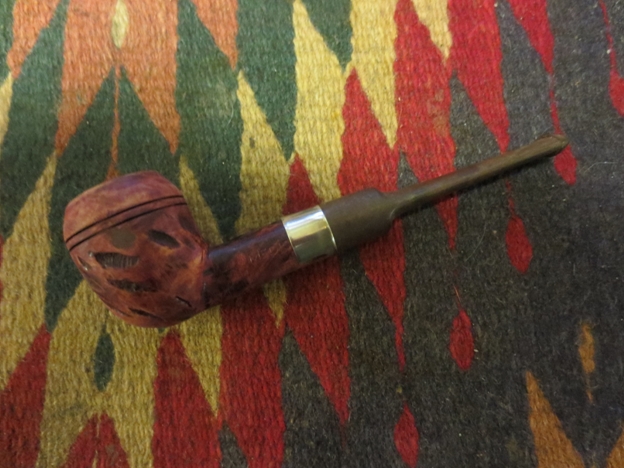
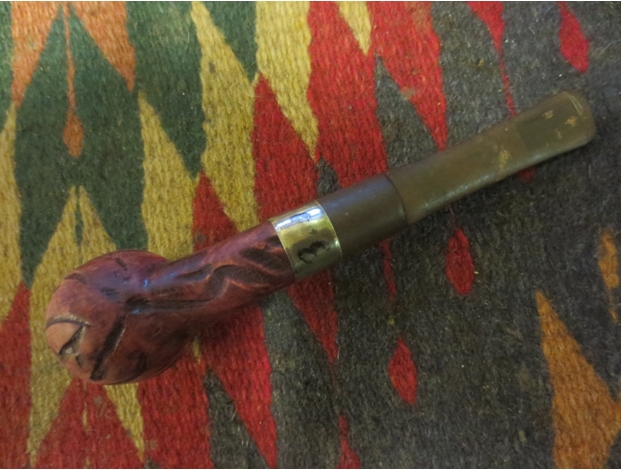
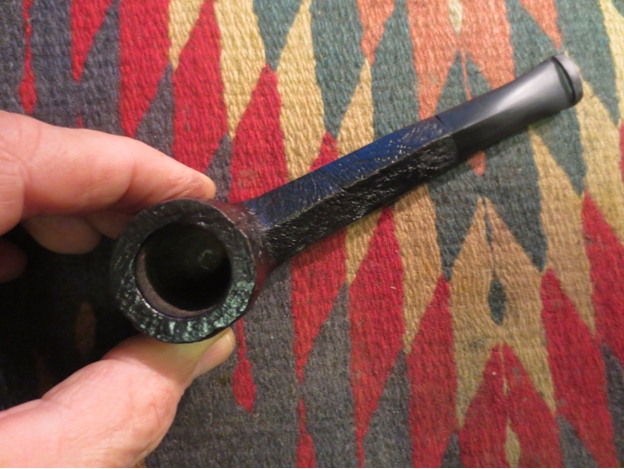
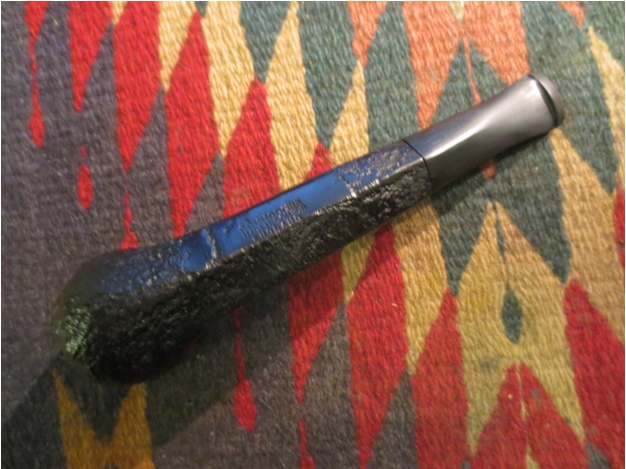
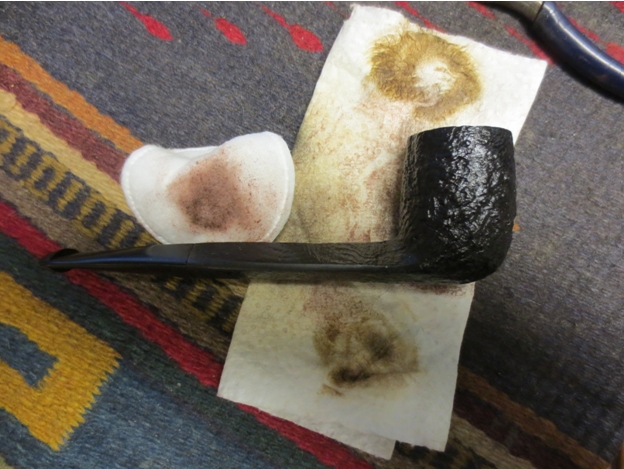
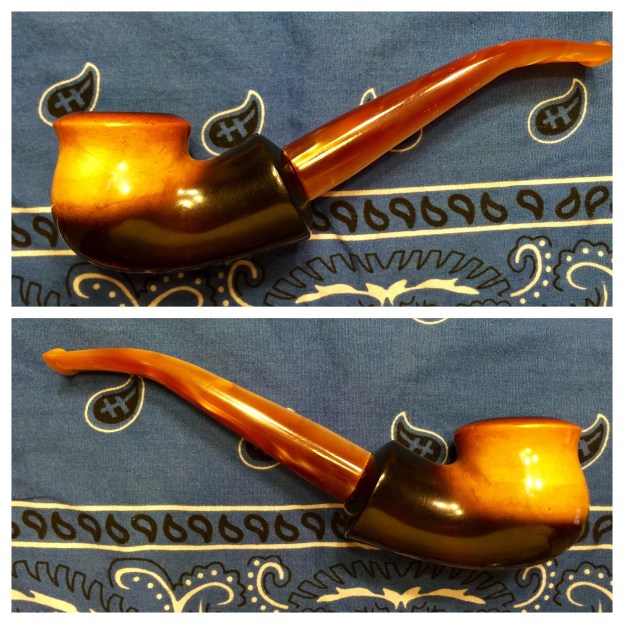
The other day I did manage to find an old meerschaum bowl that I’d began to work on. It came to me in a lot I had gotten a couple of months ago I think, along with another bowl and aOld Meer couple of pipes (this is the only before photo I have).  In fact, this bowl was the main reason I got the lot; it looked old and interesting to me.

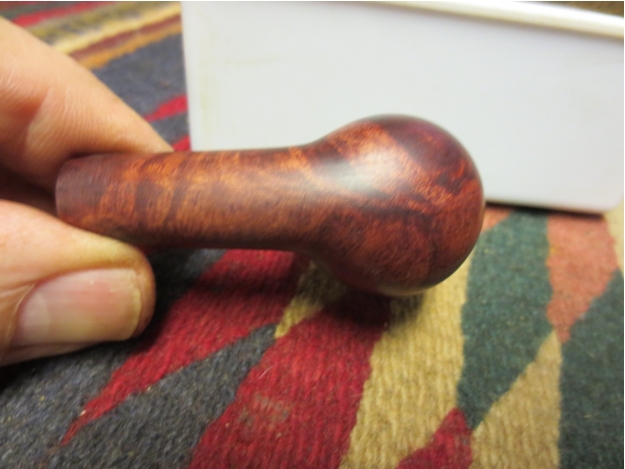
After doing a little research and getting some comments from friends on Instagram and Facebook I think it may be an Austrian meerschaum; I originally thought it was African. If I am correct, this pipe, well, bowl, is probably over 100 years old. It originally had a wooden shank extension which is now long gone. At first I thought of trying to make some sort of extension to replace it but soon decided that was more than I was willing to risk/attempt on this bowl.

(I forgot to take photos along the way; sorry folks.)

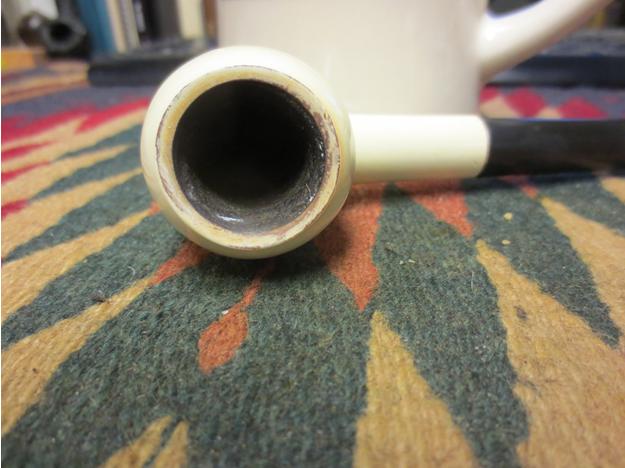
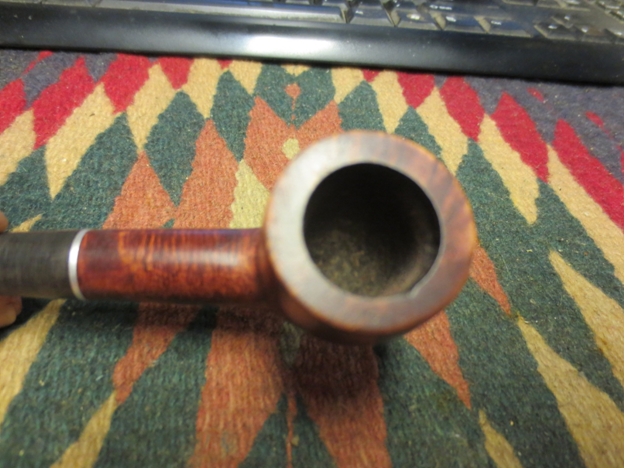
There was a think but soft and crumbly cake in the bowl and lots of oily build up in the shank. I gently reamed the cake back to very close to the meerschaum walls with my Castleford reamer, followed by an old round-ended, dull knife that I use for this purpose. Then I used some 400 grit wet/dry paper to get the last of the cake out and leave a nice, smooth bowl.

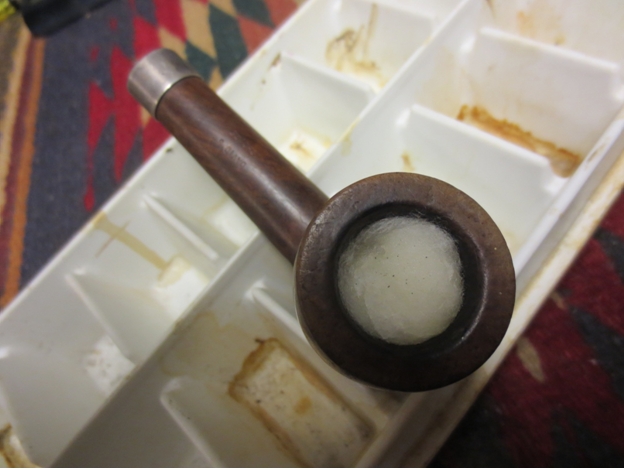
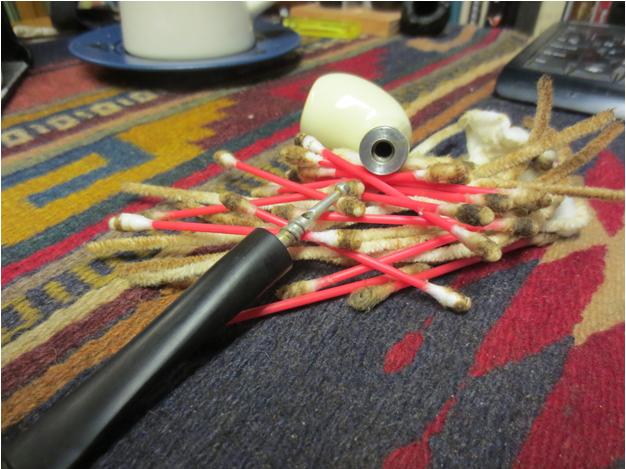
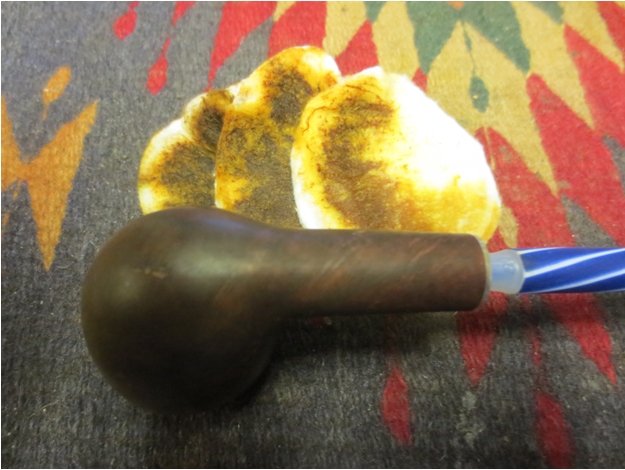
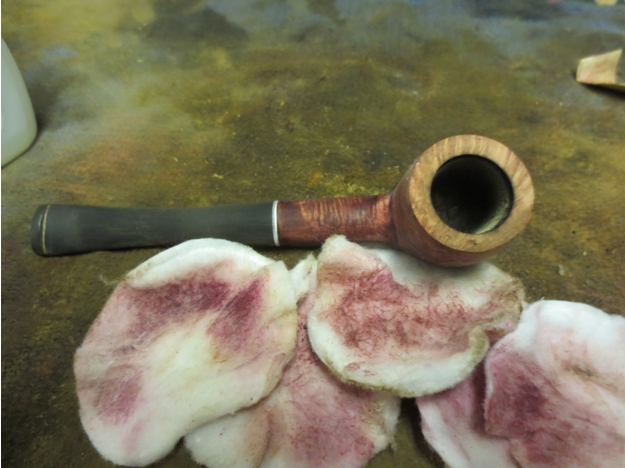
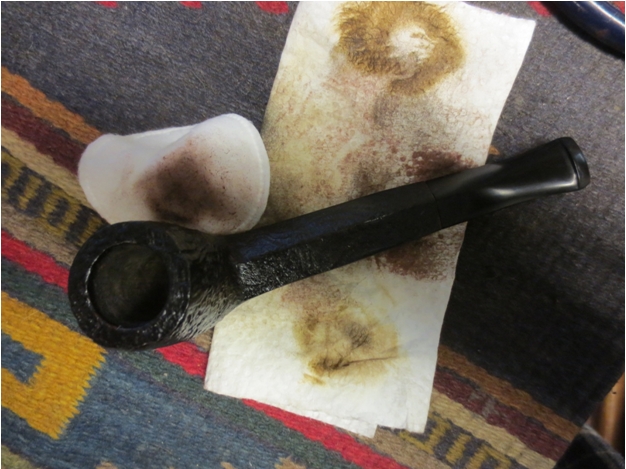
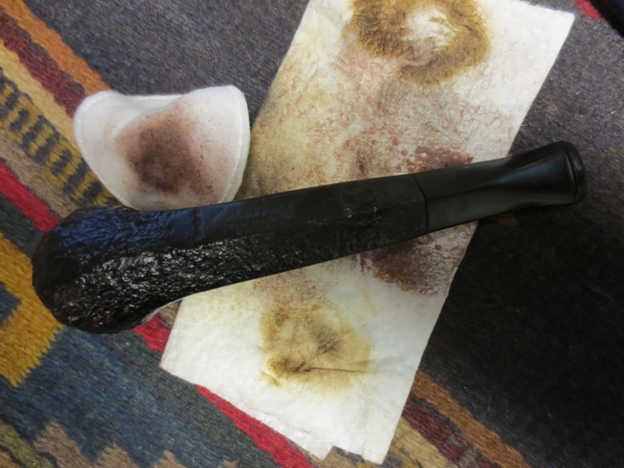
For the shank I stared with the poker-end of a Czech-tool, opening up the airway very gently. Then I moved to pipe cleaners that were dampened with isopropyl alcohol. Then I used alcohol dampened and dry cotton swabs to clean the shank. Do note the term dampened here; you do not want to get the meerschaum too wet. It took some time and many cleaners and cotton swabs to get the shank clean; there were also bits of meerschaum that were loose or came loose in the cleaning process that had to be removed. I also wiped out the bowl with several dampened cotton swabs after cleaning the shank. I also wiped off the outside of the bowl with alcohol dampened cotton balls; other than the rim, the exterior was quite clean. Then I let the pipe rest, to dry, overnight.

The next morning I examined the shank and found it to be a little rough inside. There was also a small divot in the bottom of the “lip” where the extension was and the new tenon would enter. I took the same dull reaming knife and scraped the mortise very gently to smooth it out; this took only a couple of passes and removed very little material but made a bug difference. I put a drop of amber superglue in the divot and sprayed it lightly with glue accelerator (I used a cloth to cover the pipe from over-spray) and then let it cure for a little while as I piddled with other things in the garage. I repeated this a second time and the result was a nice hard, smooth mortise entrance. Now it was time to decide on a stem.

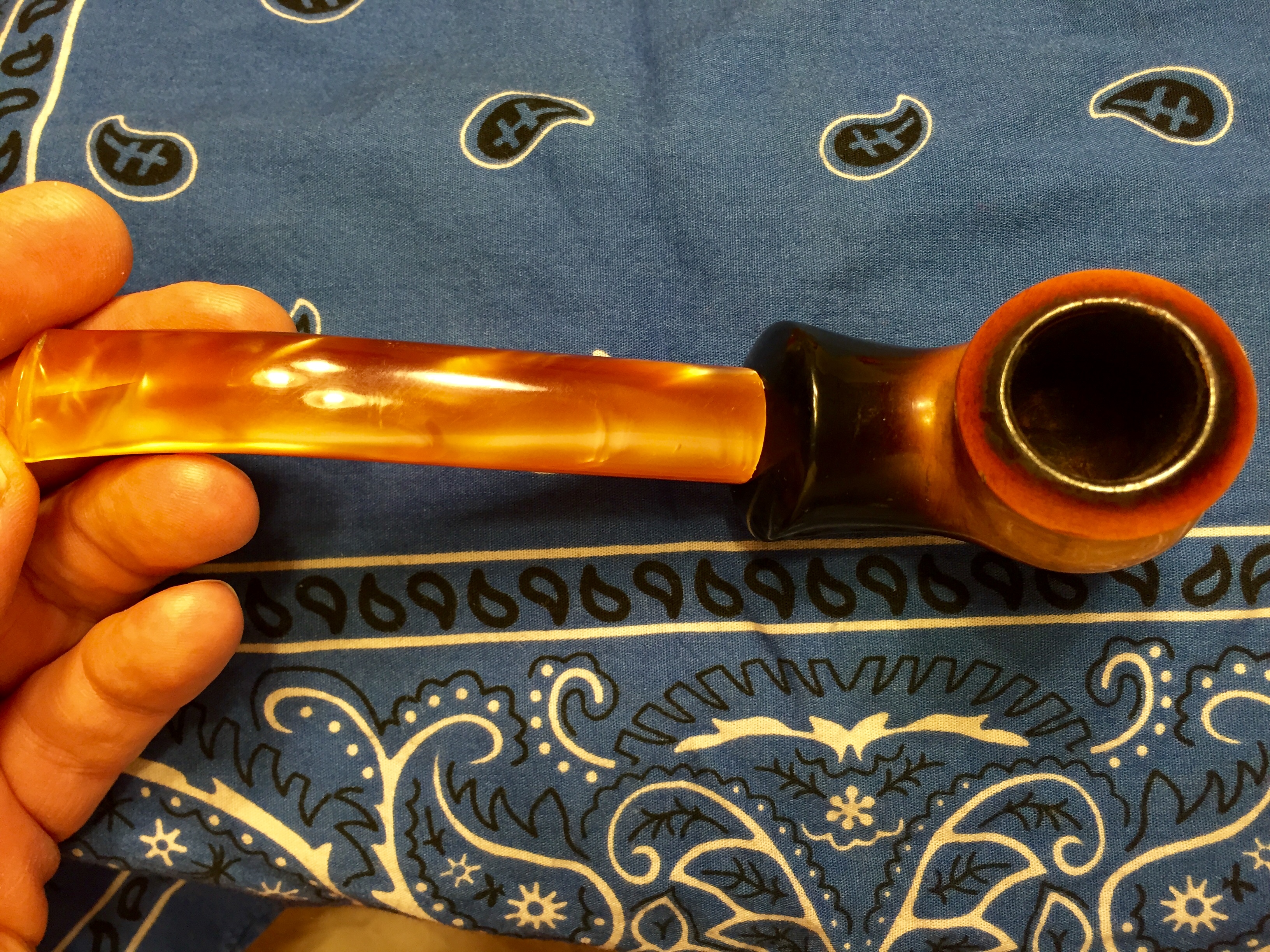
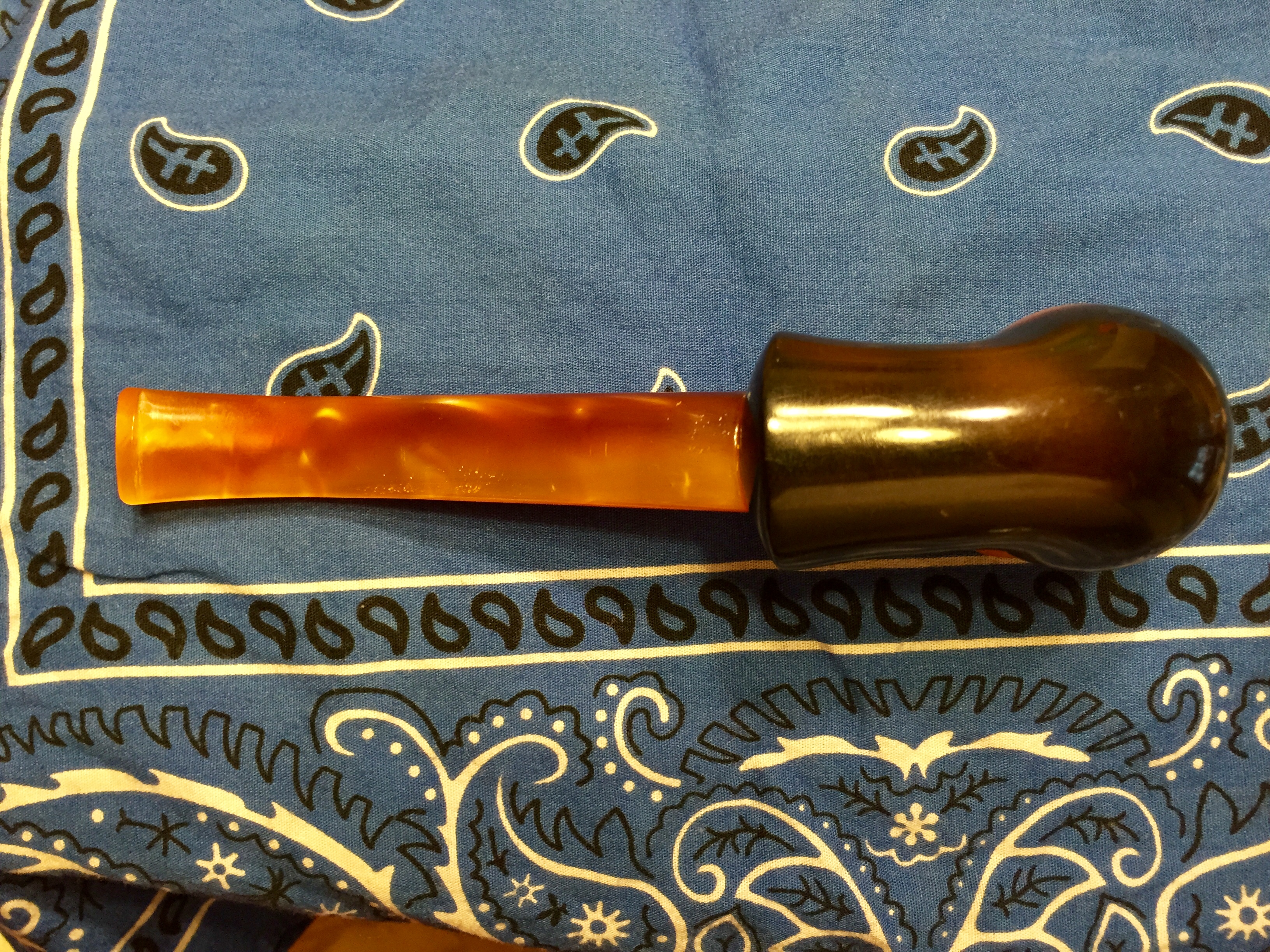
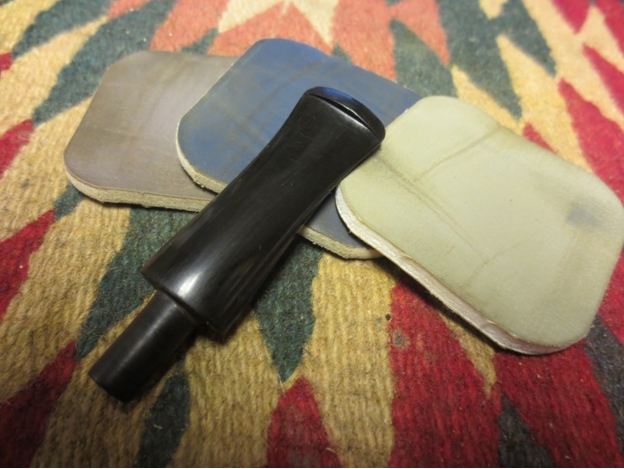
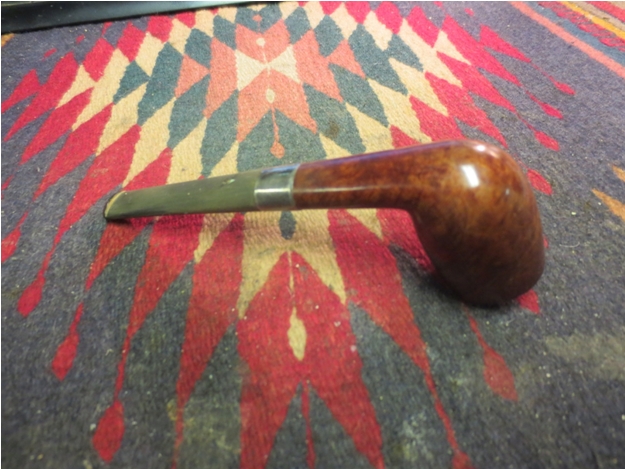
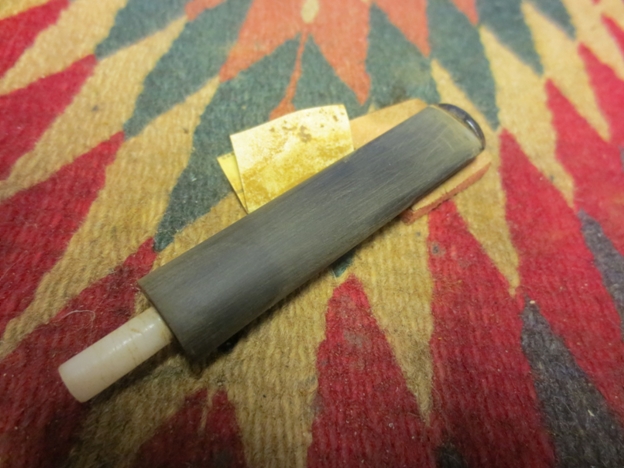
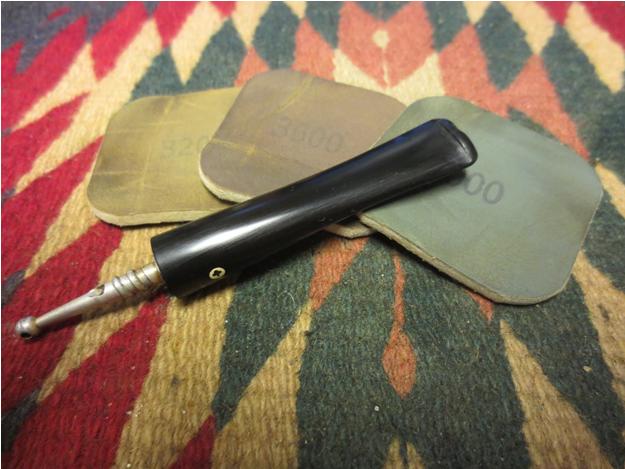
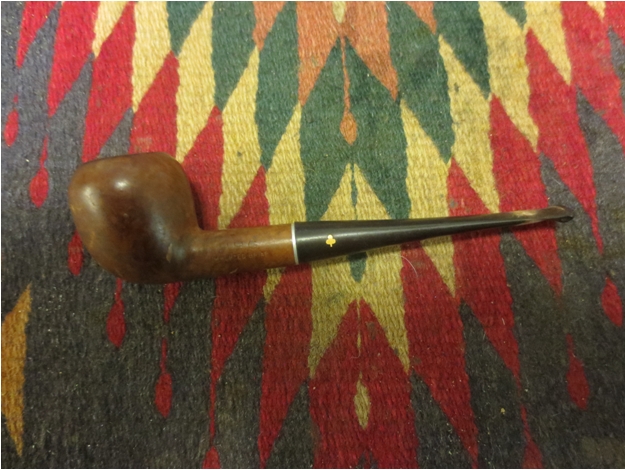
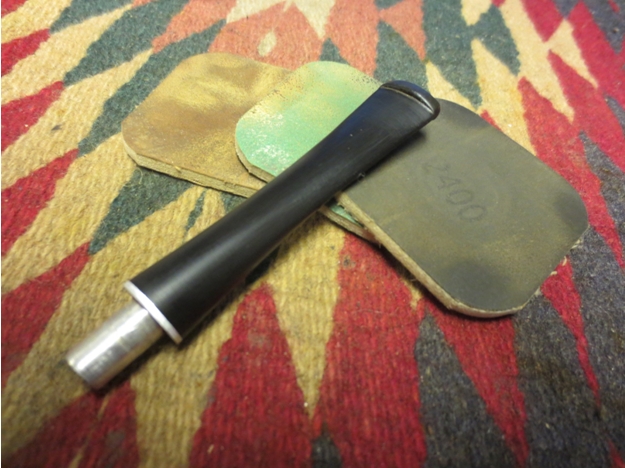
Since the extension was gone, the mortise was very large, which would limit my stem options. I looked through my stems and found two candidates that had tenons large enough to work: a fancy vulcanite one and a long, round tapered acrylic one. It was a pretty easy choice when I put them up to the pipe to compare: acrylic wins by a long shot! The amber/bronze color of the stem just looked “right” with this bowl to my eye so now it was time to fit it.

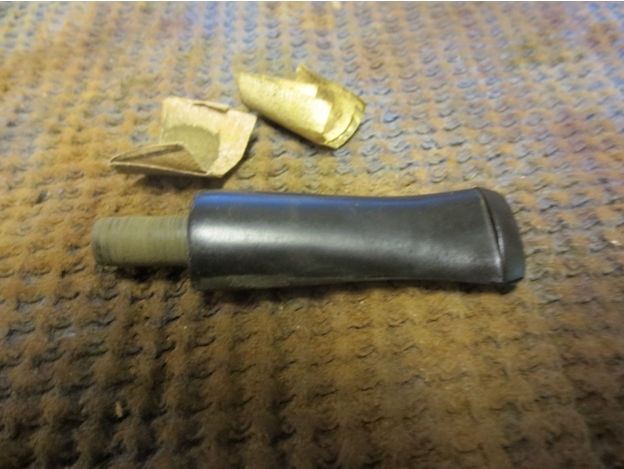
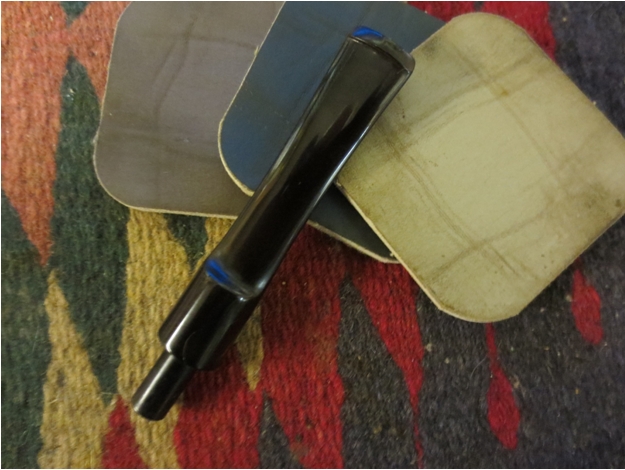
I used my PME tenon turning tool to slowly reduce the size of the tenon.I noticed as I was cleaning the shank that the mortise narrowed a bit, probably from material loss both previously and current, closer to the bowl. So, as I test fit the tenon and found it stopping at the point of the narrowing I began to turn the tenon only about halfway up the total length. By doing this in small increments I was able to tell when the tenon was almost a perfect fit, which is when I switched to 320 grit paper and sanded the tapered tenon smooth and to a very nice fit.

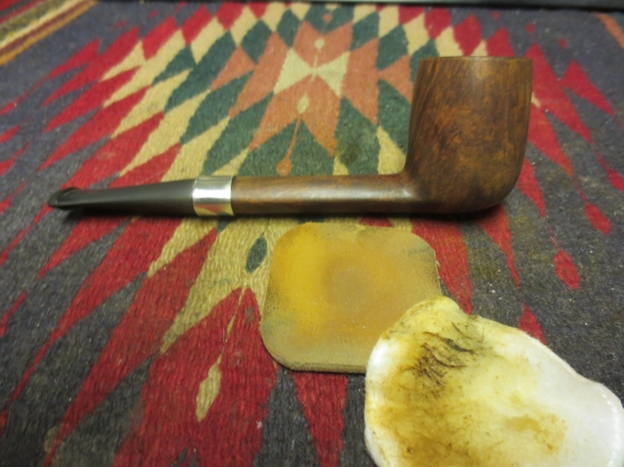
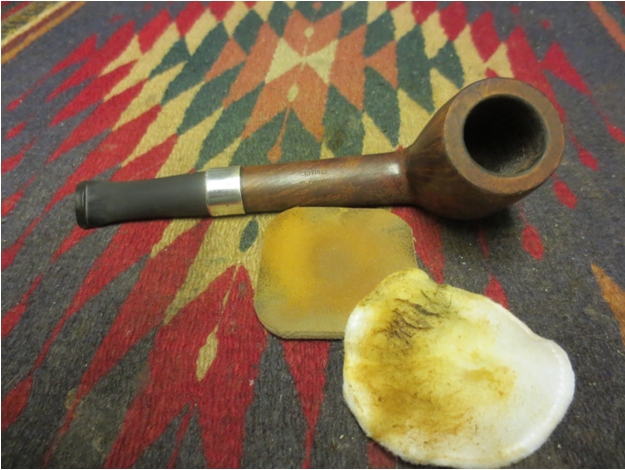
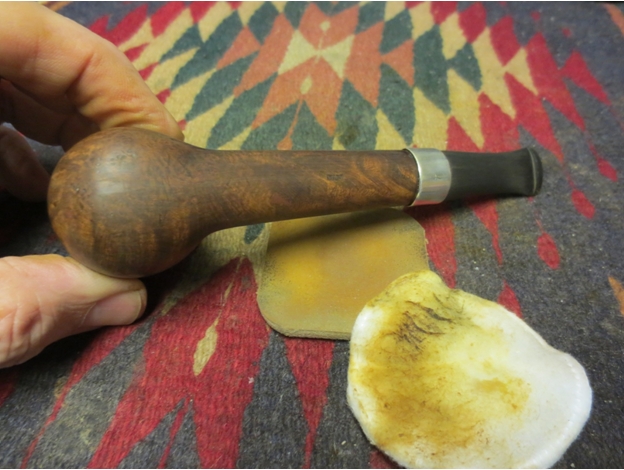
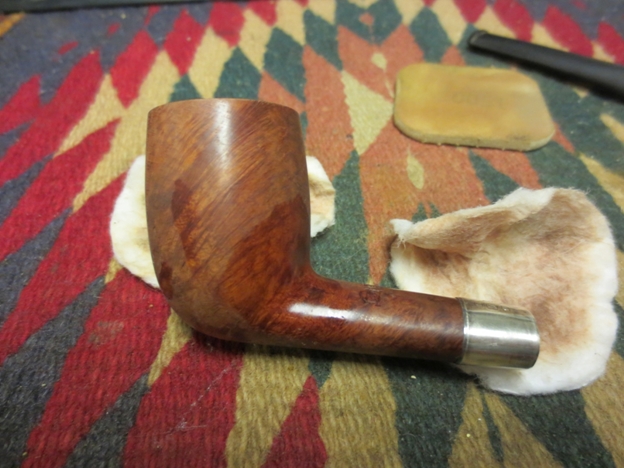
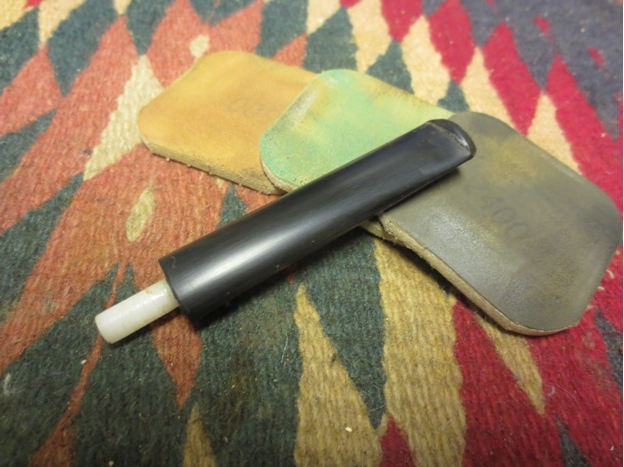
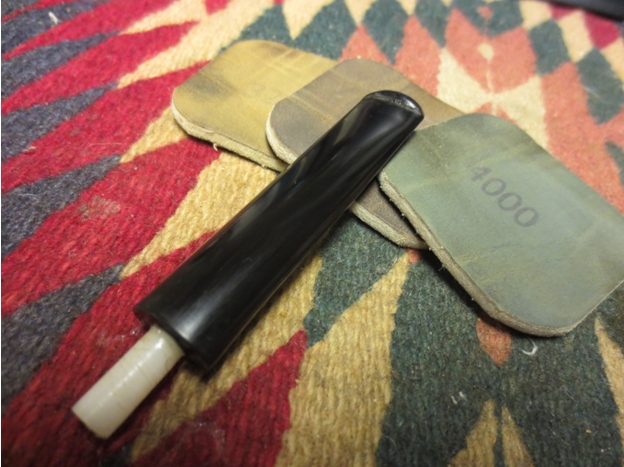
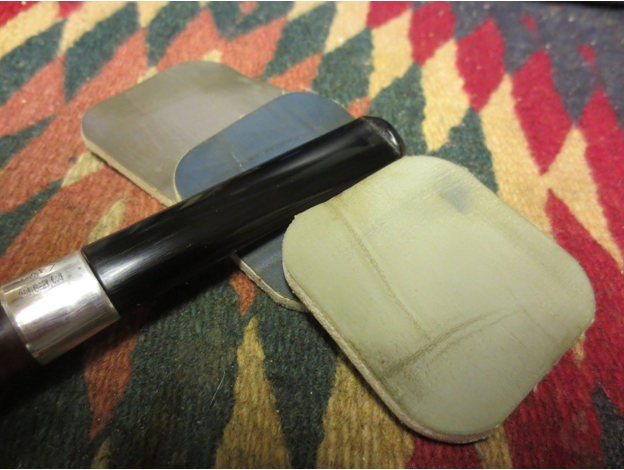
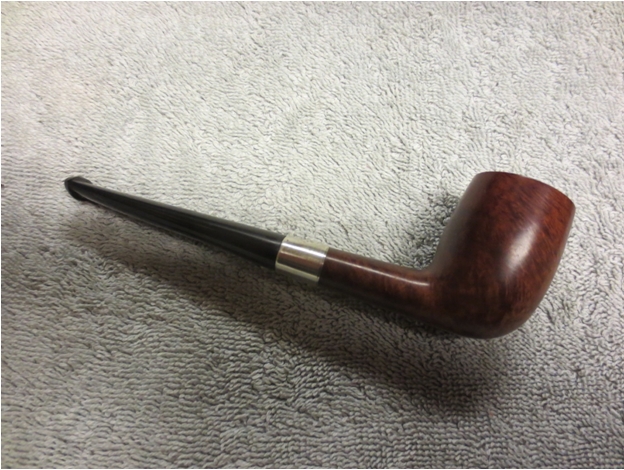
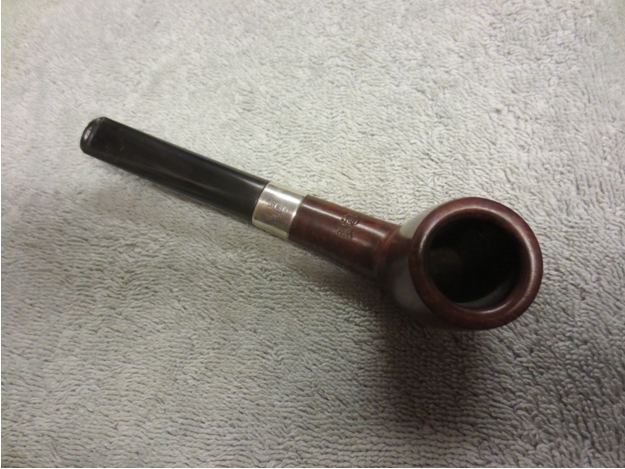
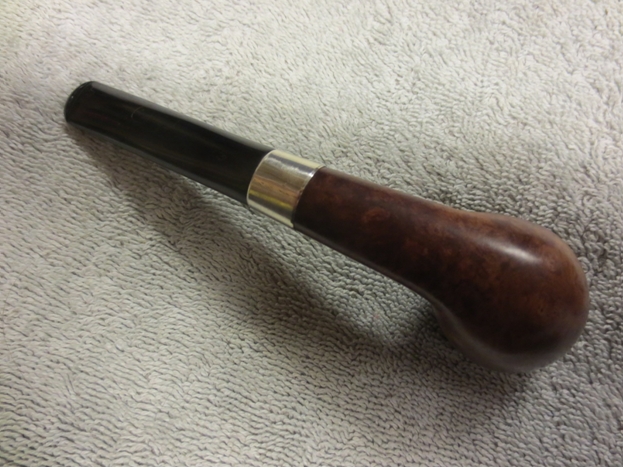
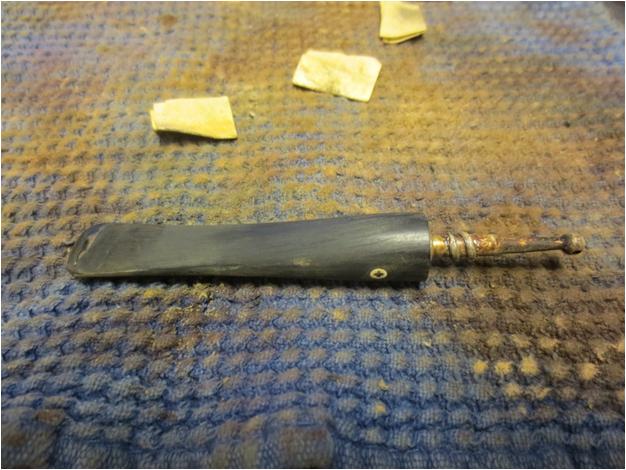
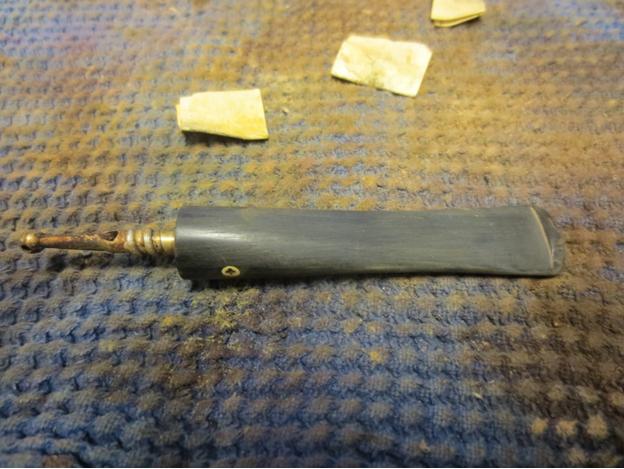
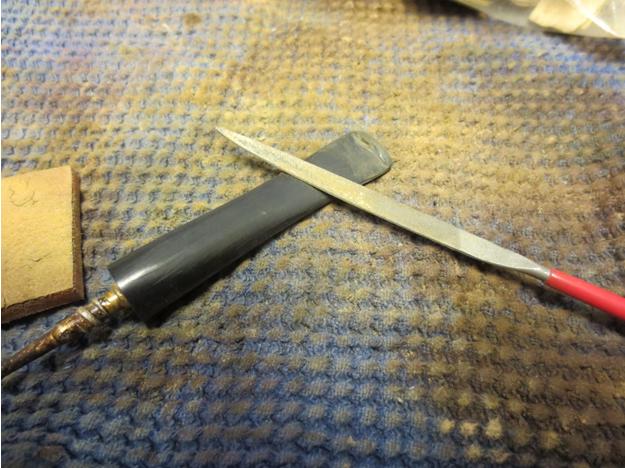
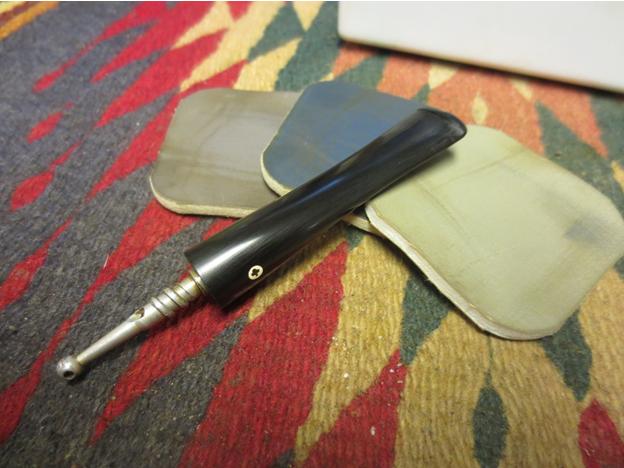
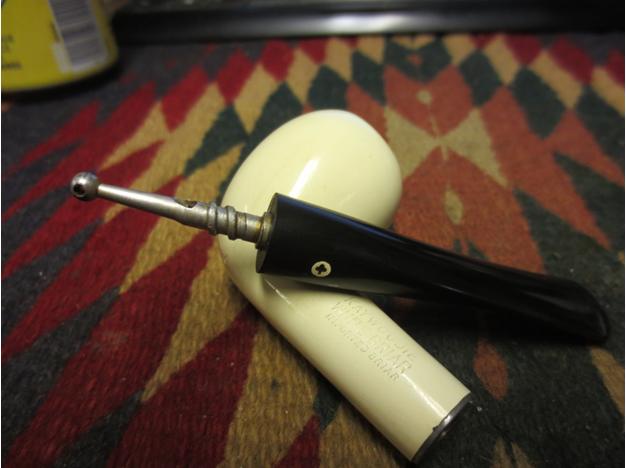
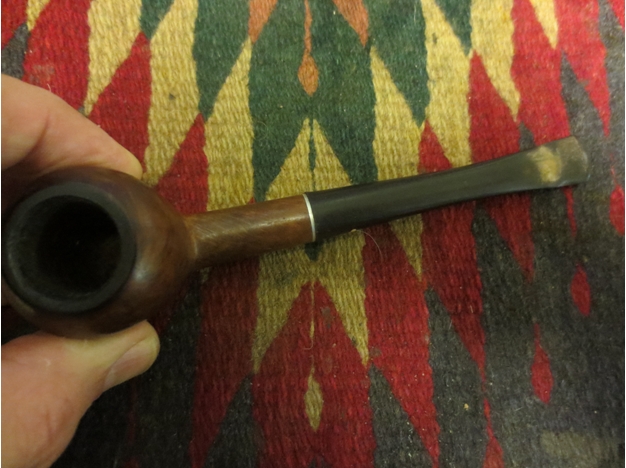
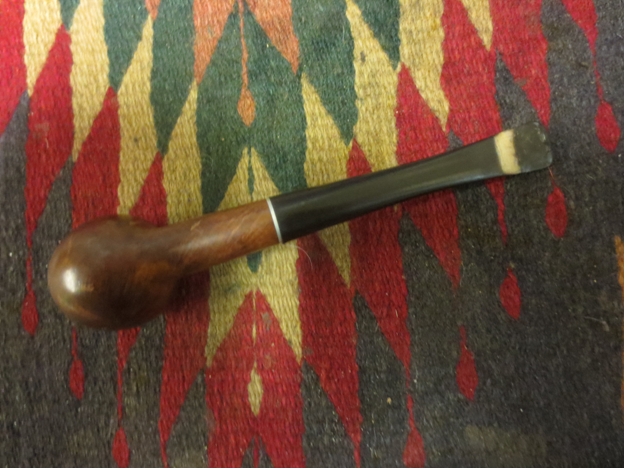
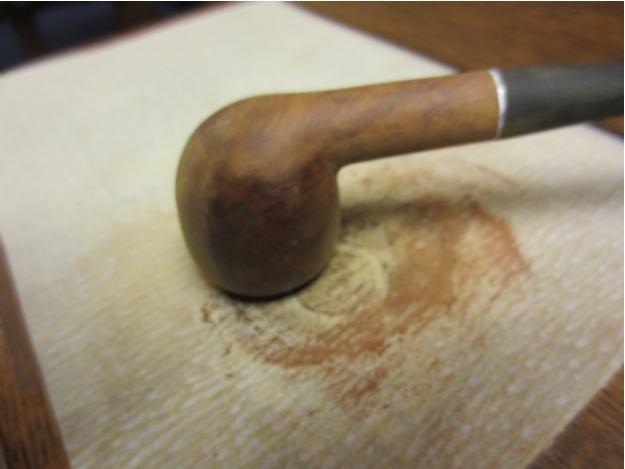
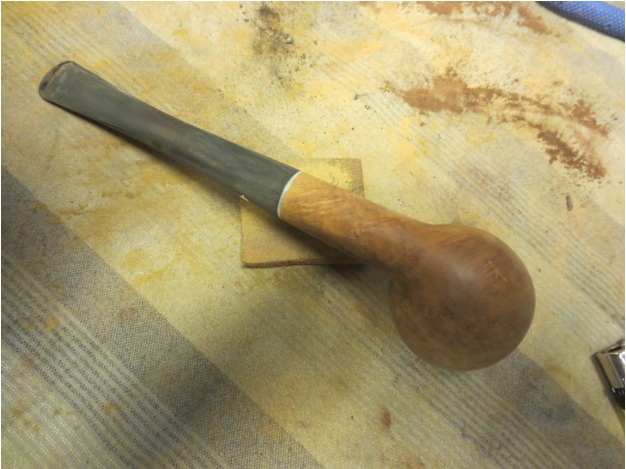
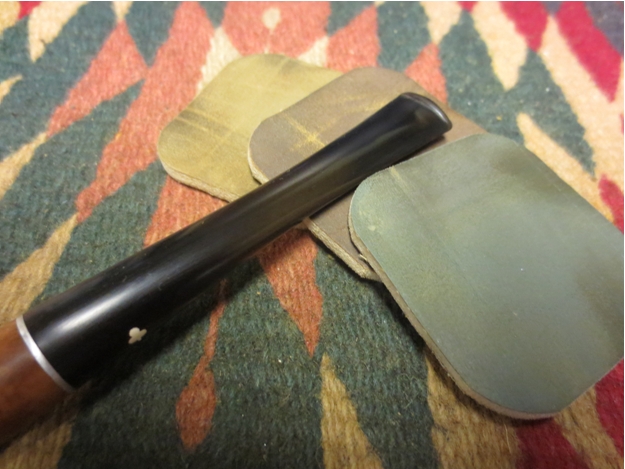
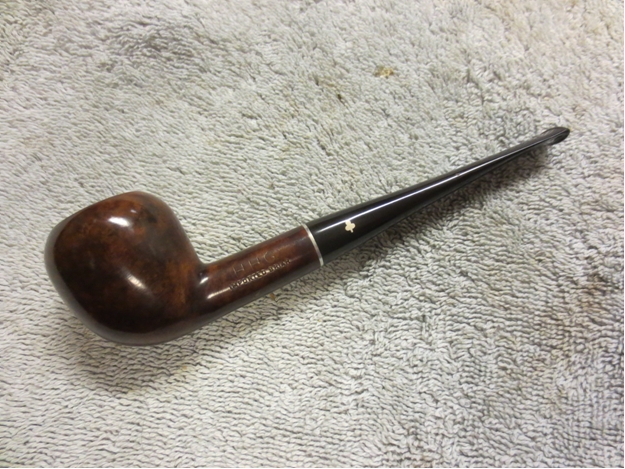
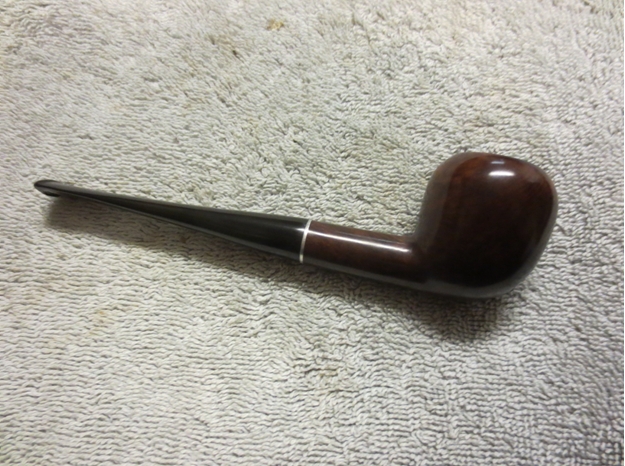
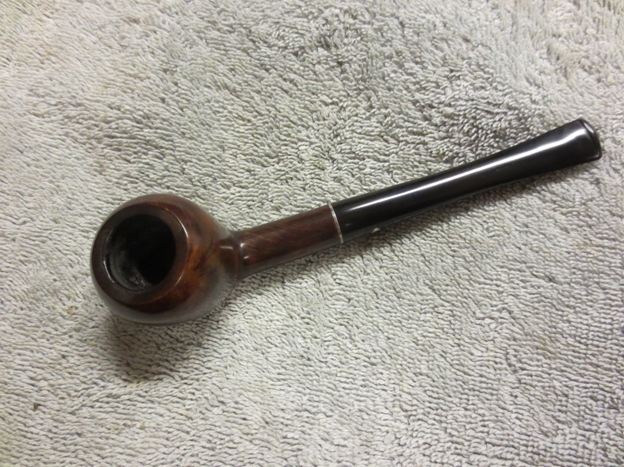
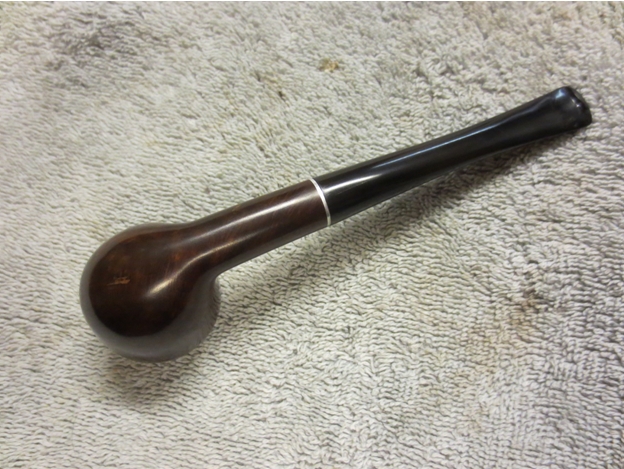
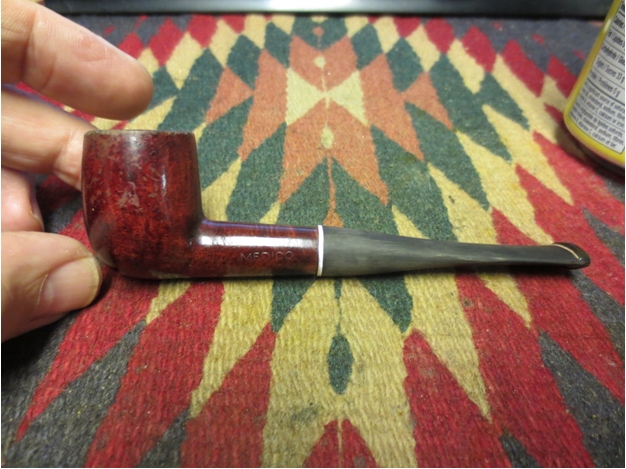
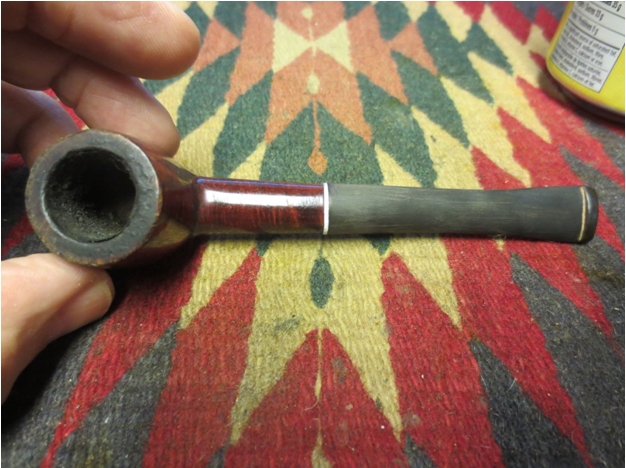
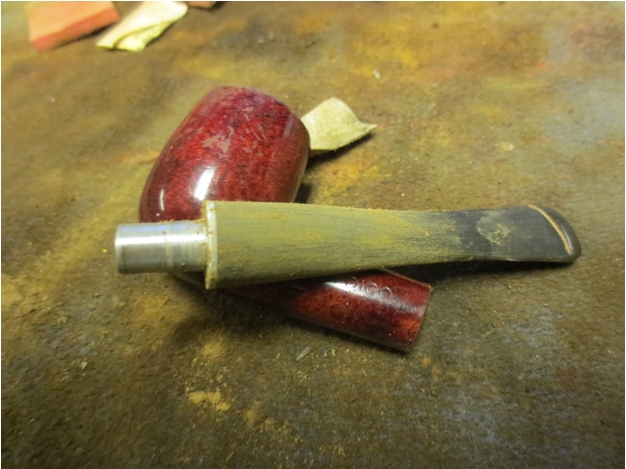
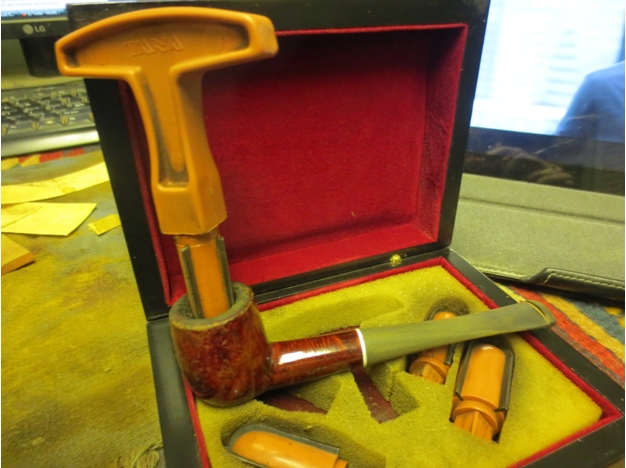
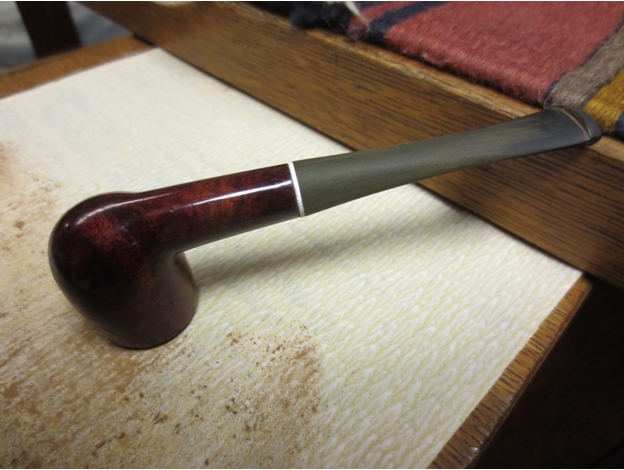
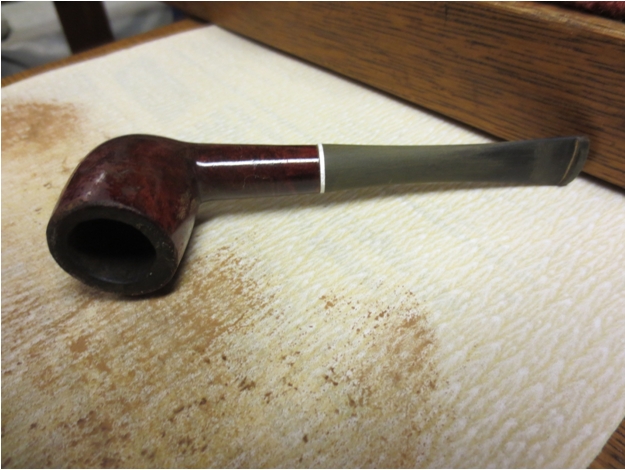
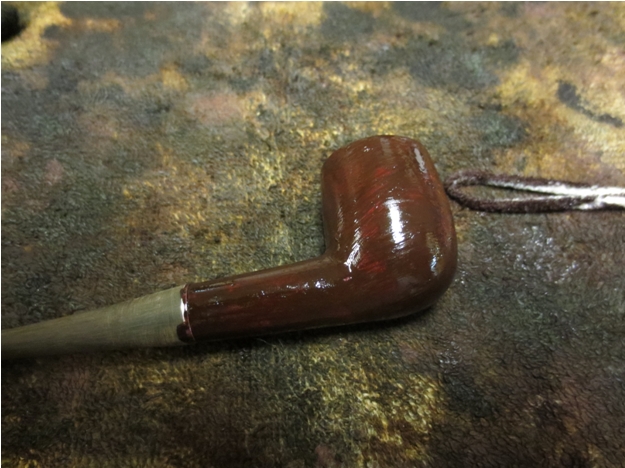
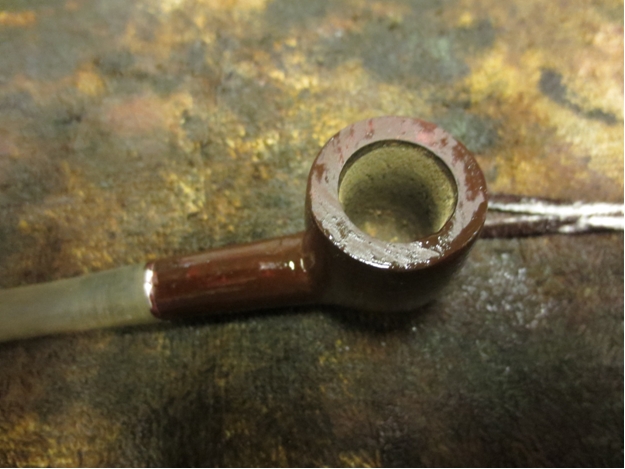
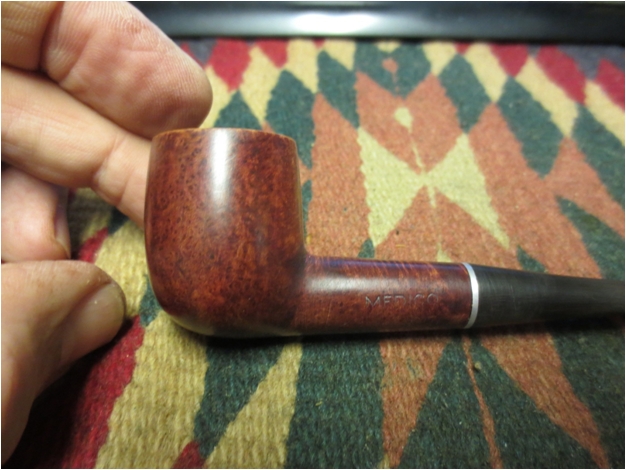
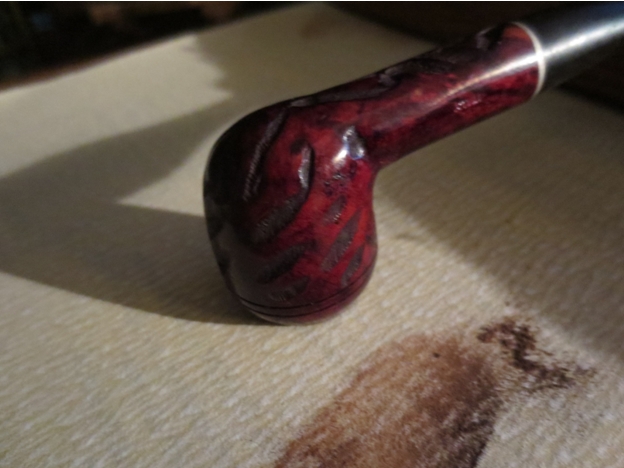
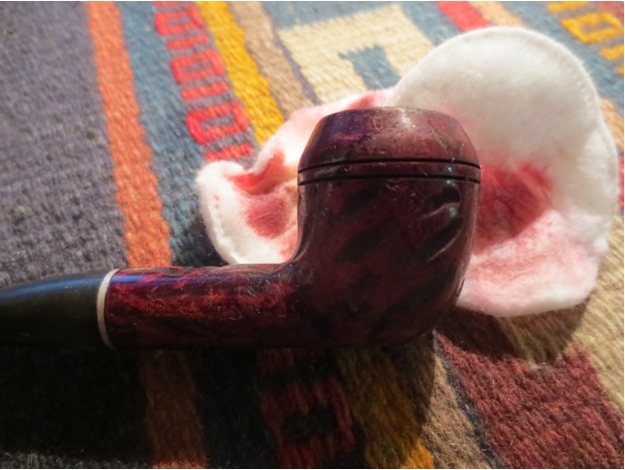
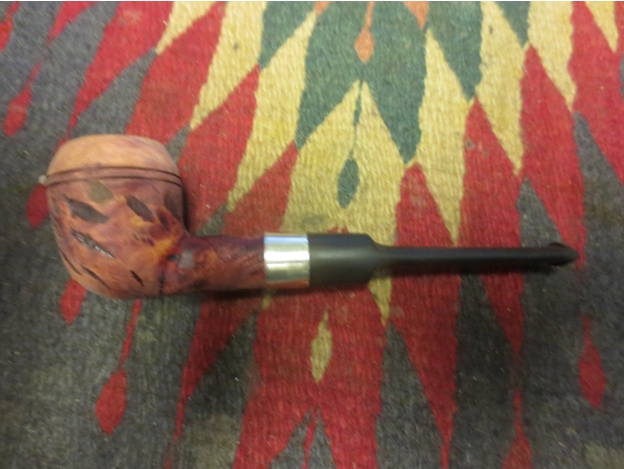
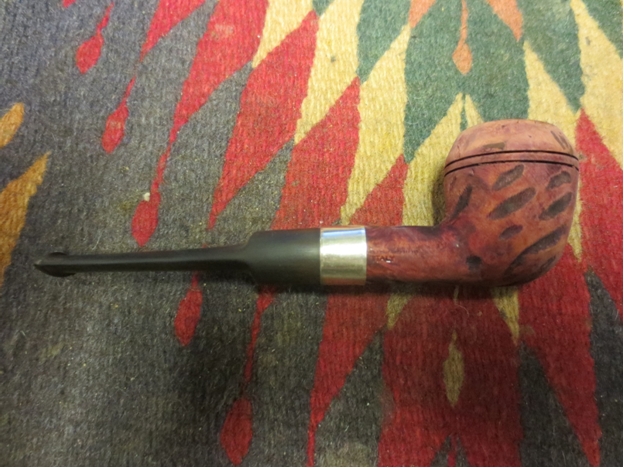
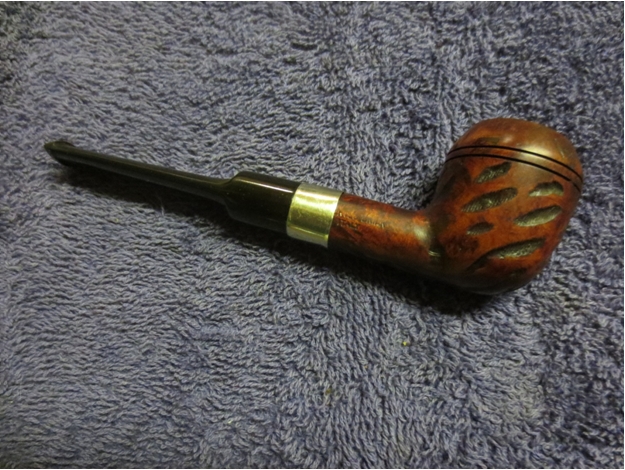
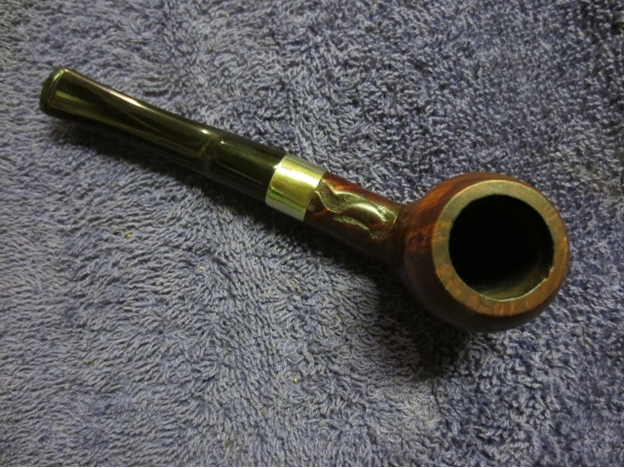
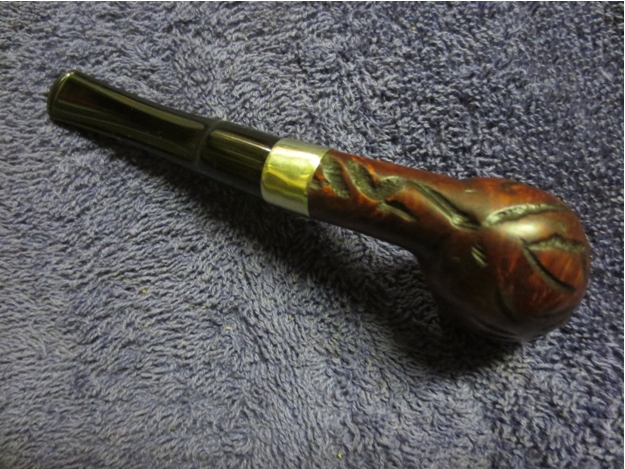
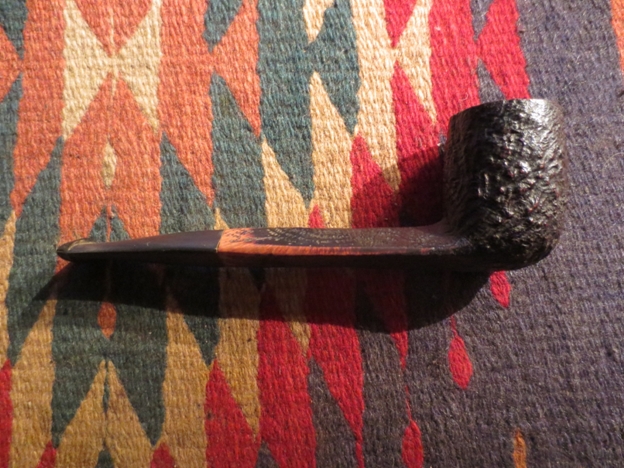
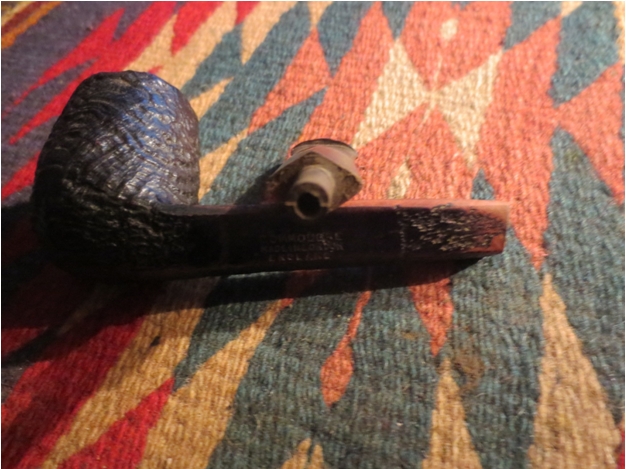
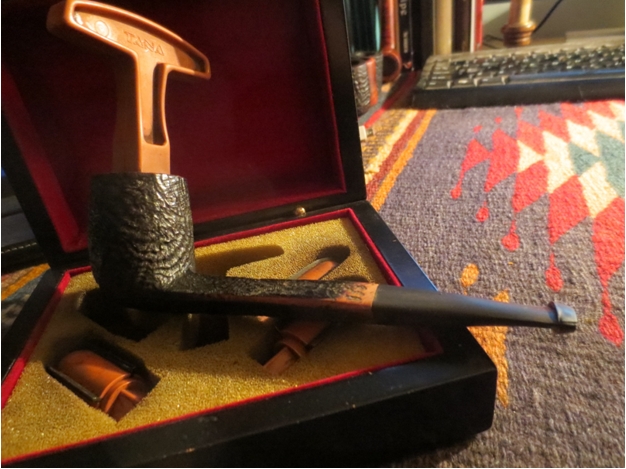
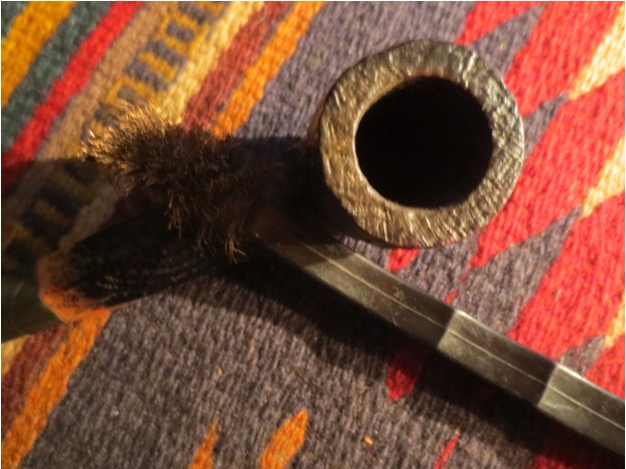
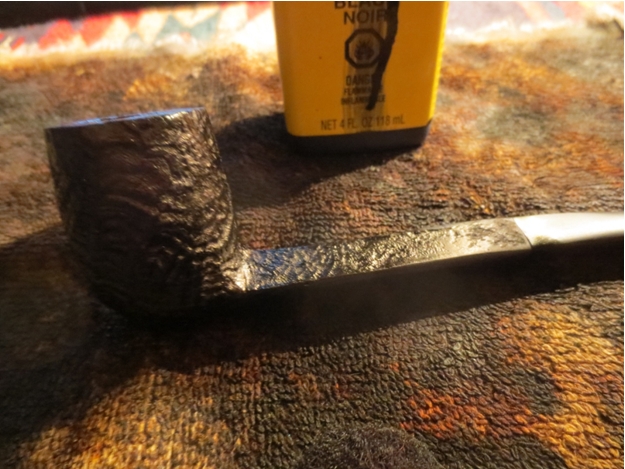
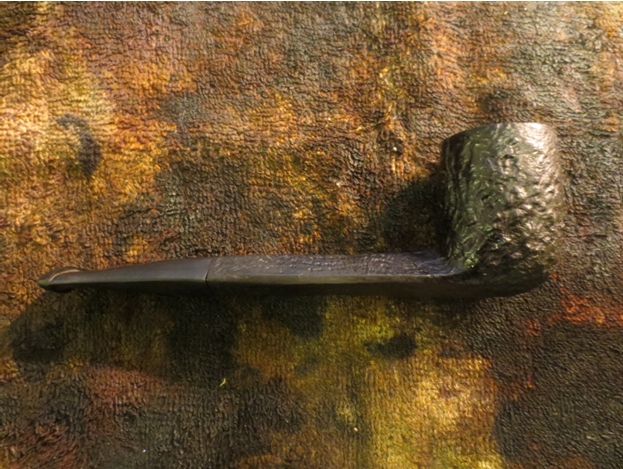
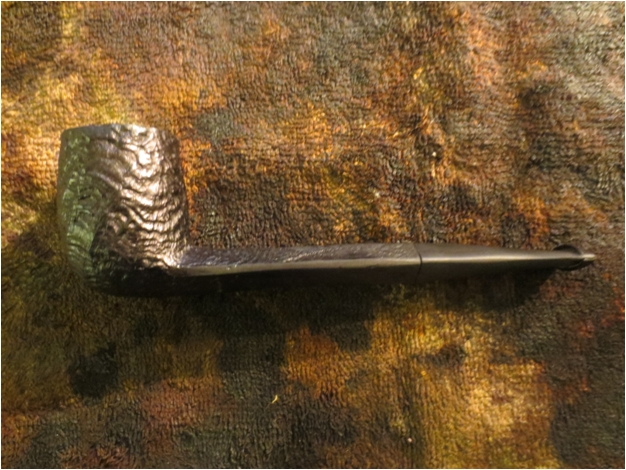
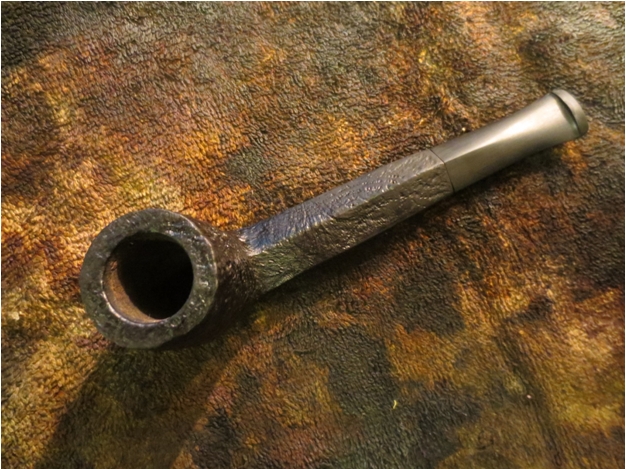
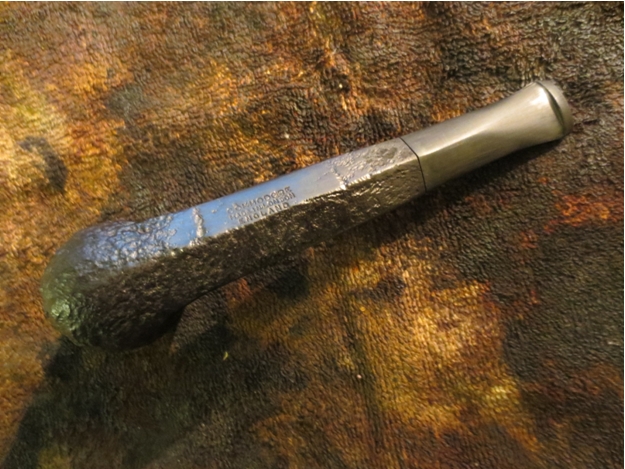
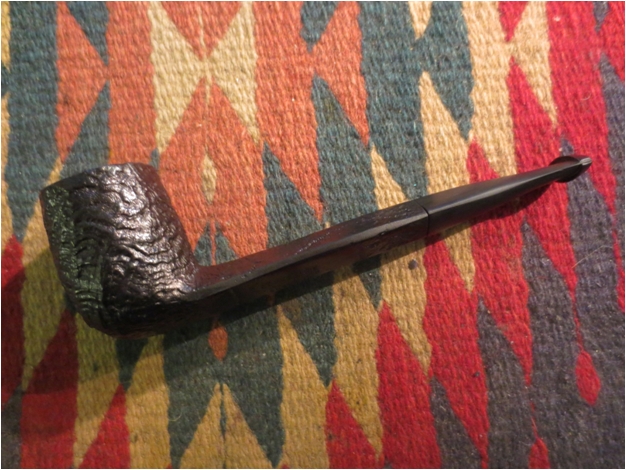
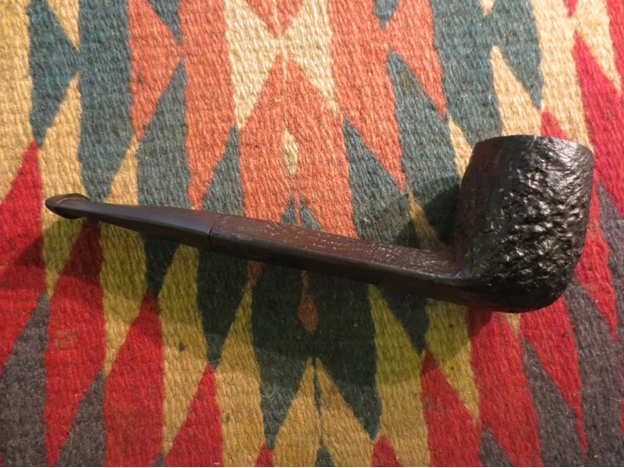
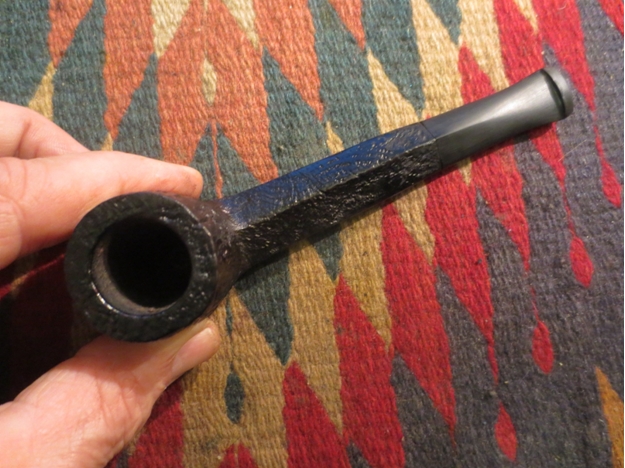
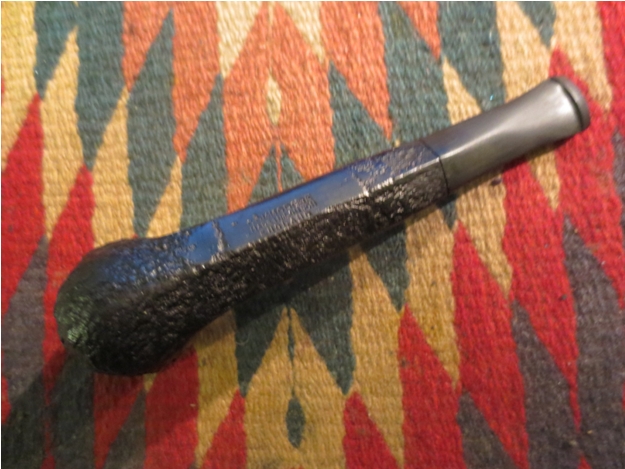
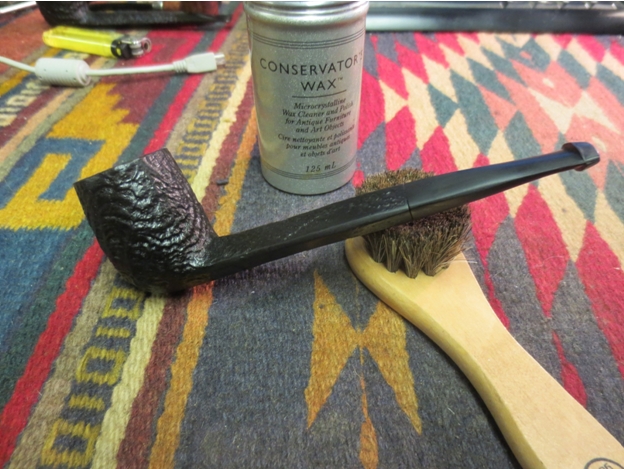
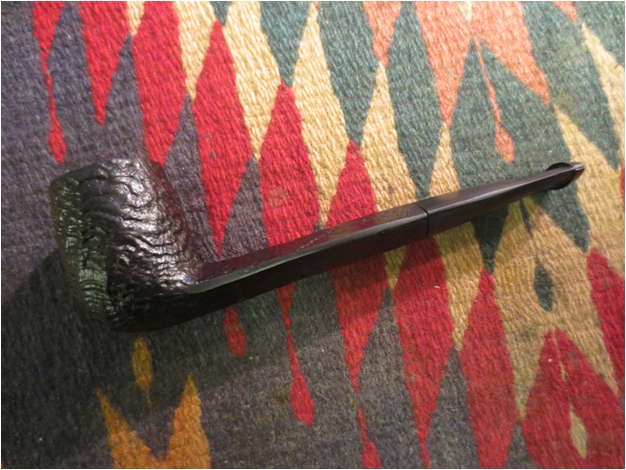
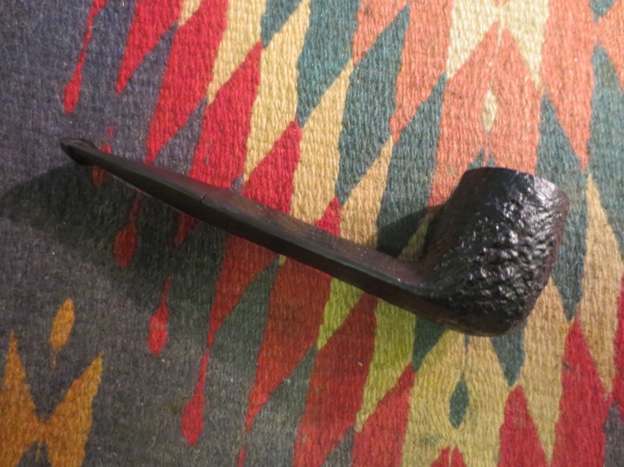
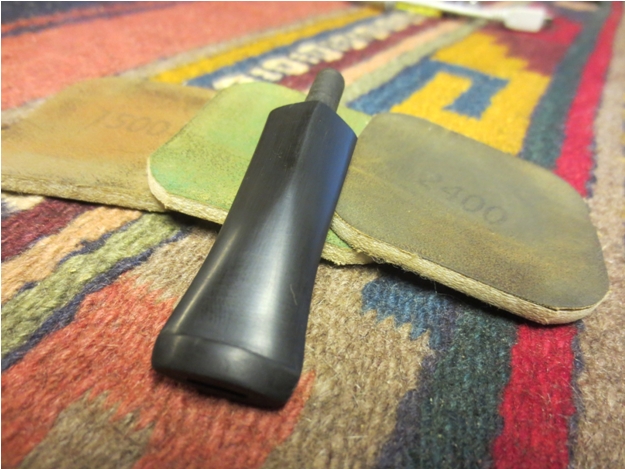
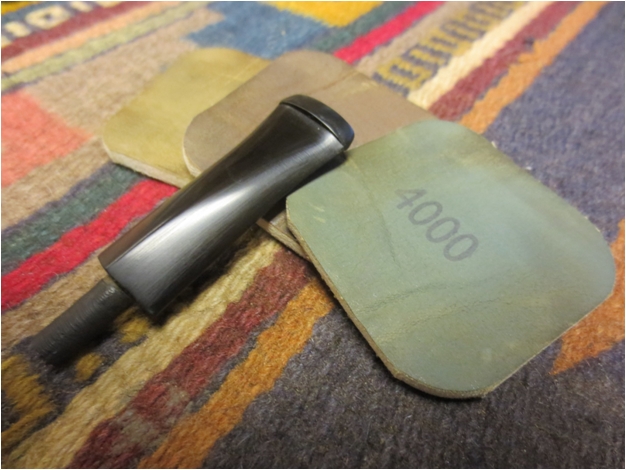
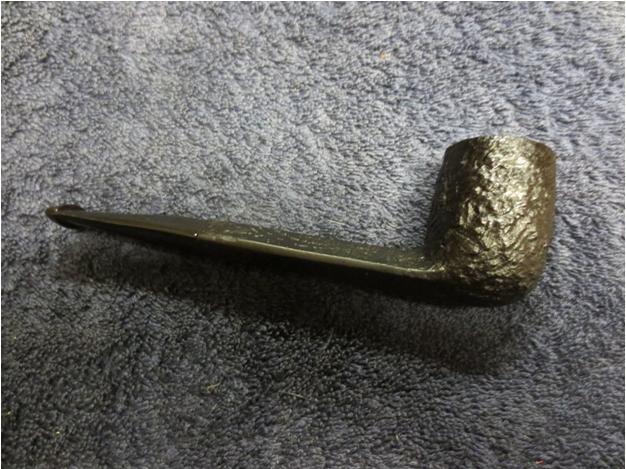
The new stem was in nice condition, without a lot of drawer-dings, so it didn’t require much polishing: a little sanding with 220 and 400 grits, some plastic polish and a buff (lightly) with Tripoli and white diamond. I then used a heat gun to soften the stem and put the bend in it that I wanted and was pleased with. One more round of plastic polish and then everything got a coat of Halcyon II wax.Old Meer (1) Old Meer (2)Old Meer (3) Old Meer (4)
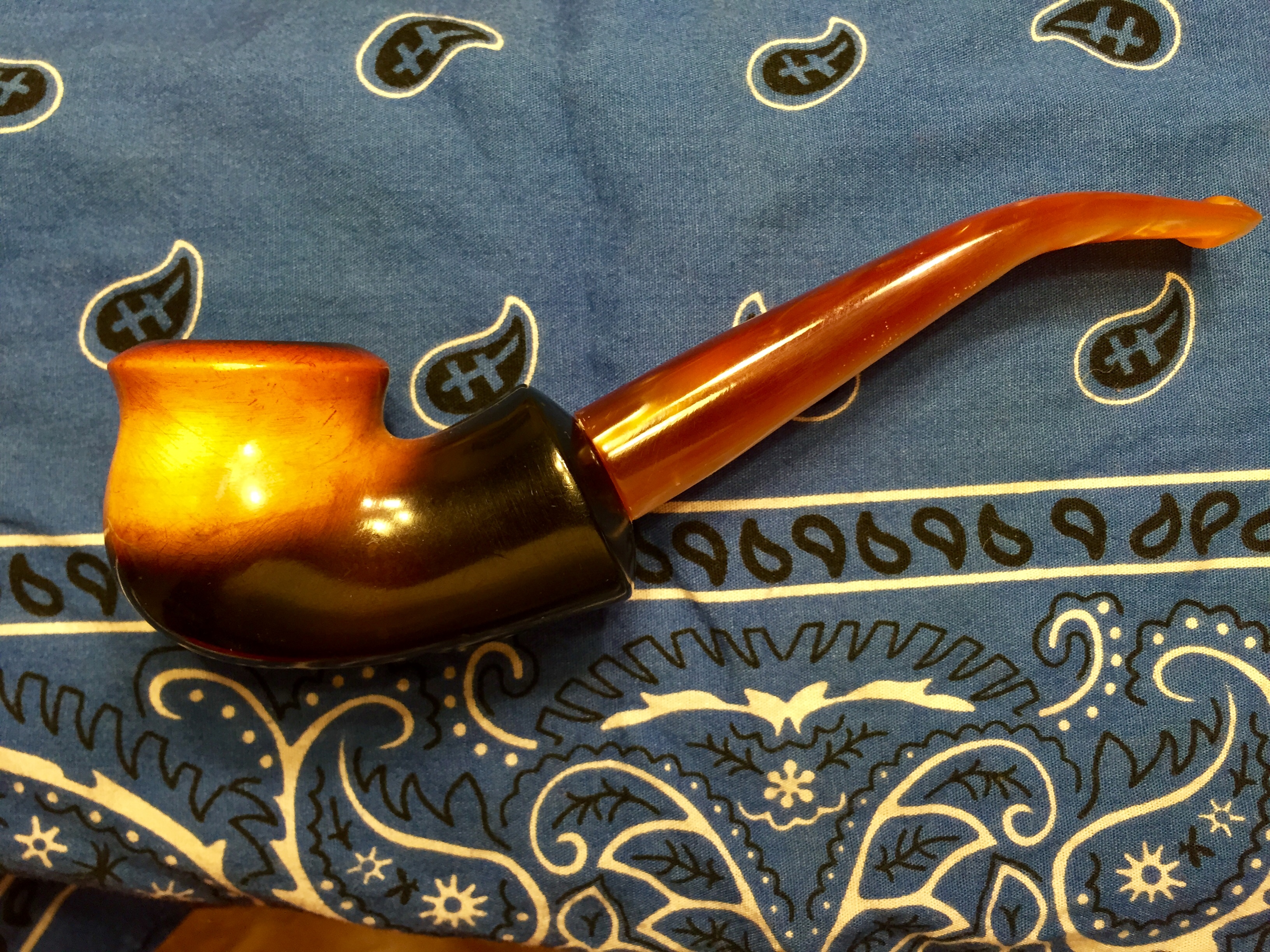
I’d love to tell you how wonderful the old ‘meer smokes but I can’t. You see, my son, the source of my “eviction”, saw the bowl on my work table and fell in love with it, before it was even cleaned up. So, after I got it all finished I took it straight to him to “see what he thought”; he really went nuts over it all reborn! As you have probably guessed by now, the old ‘meer now has a new home in his pipe rack, his first meerschaum pipe, which I hope and expect will serve him well with many good smokes for many years to come.

Giving new life to a Savinelli Product – a David’s Choice Canadian


Blog by Steve Laug

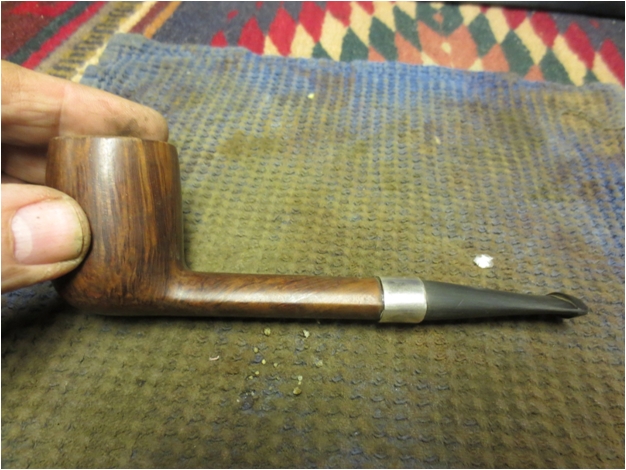
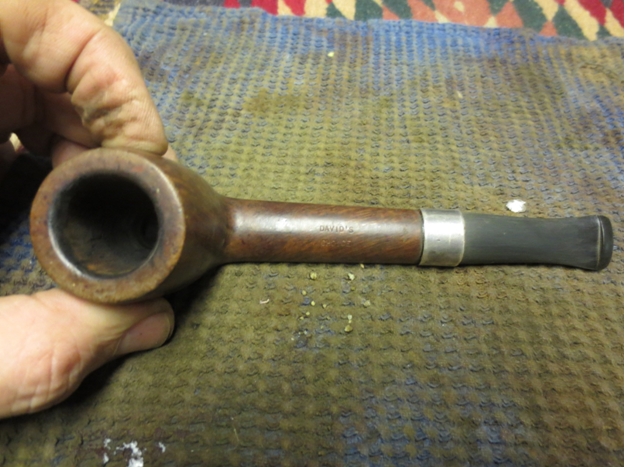
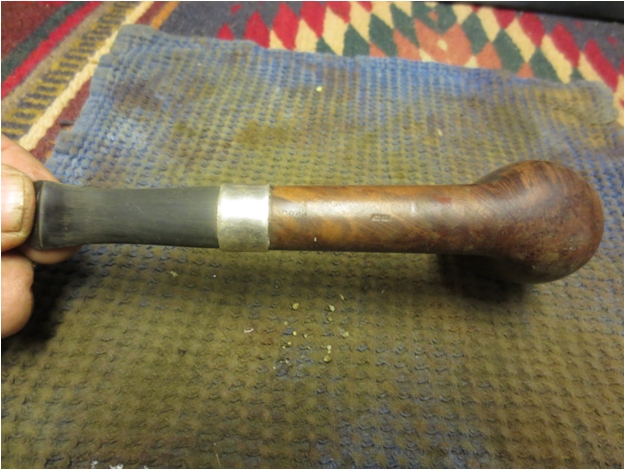
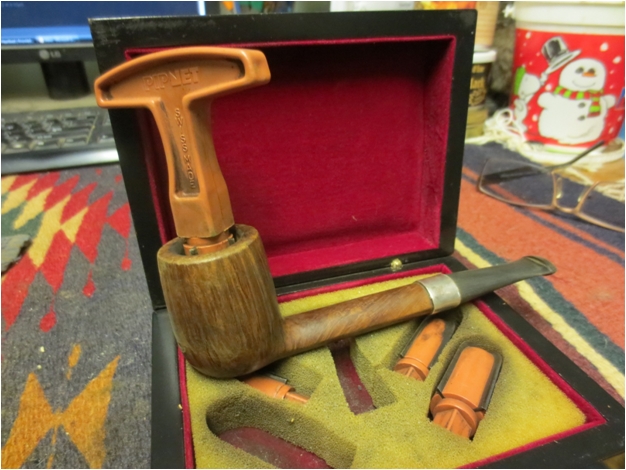
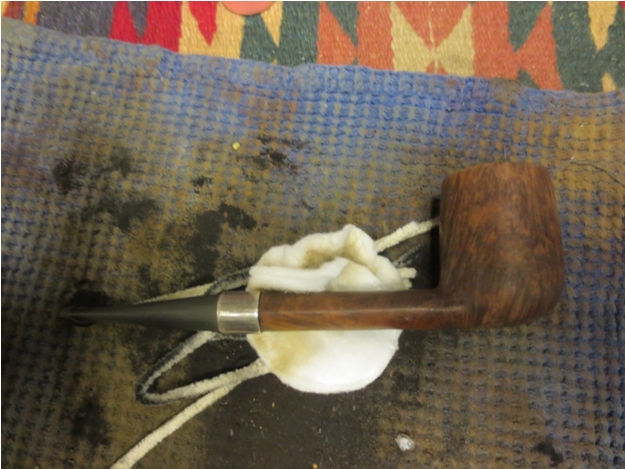
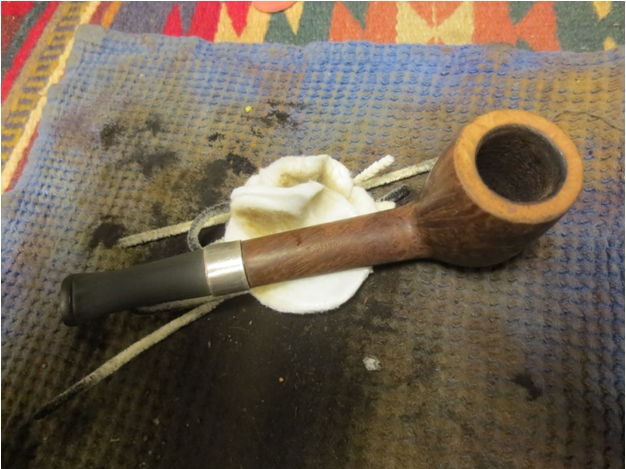
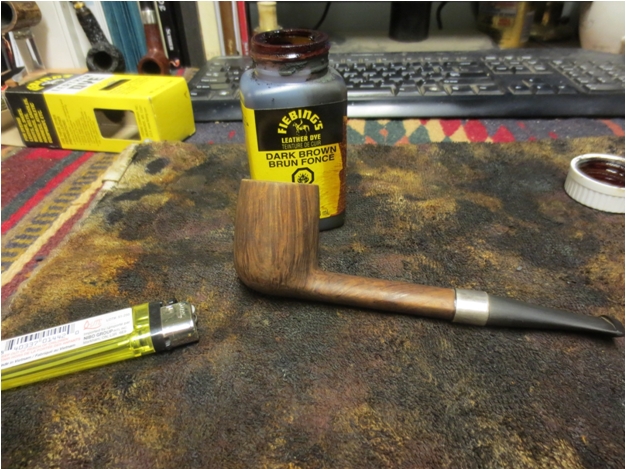
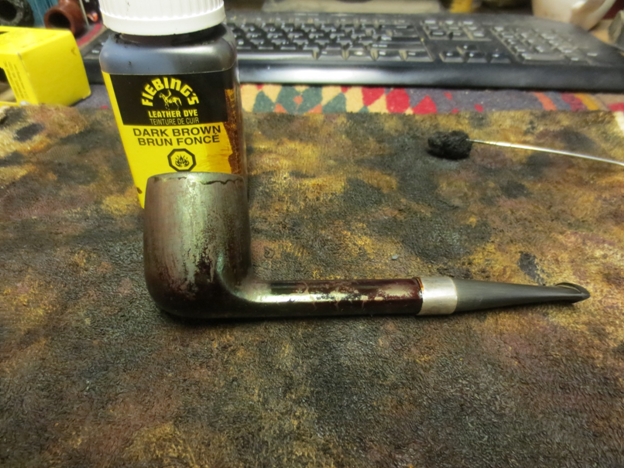
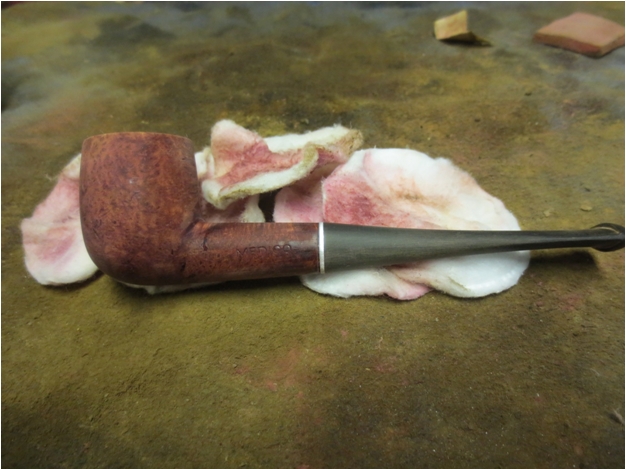
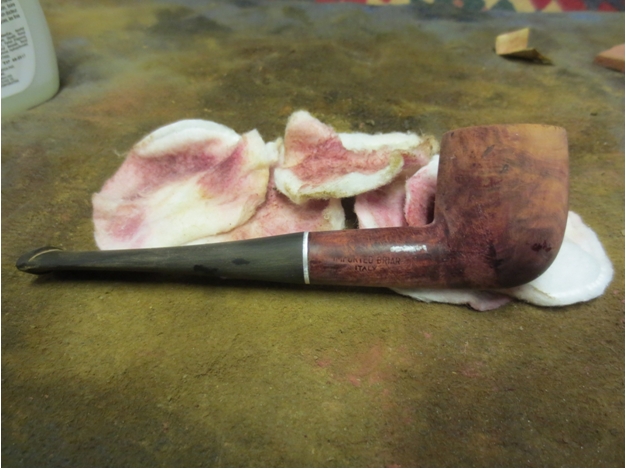
I have written about the restoration and restemming of the first pipe bowl I picked up while on a recent trip. It was found in an antique shop in Nanton, Alberta. It was an old AF Billiard from 1923. The second pipe bowl I found at the same shop is the focus of this refurbishing article. It is stamped on top of the shank with the words David’s Choice and stamped on the underside Italy and barely visible under the repair band Savinelli Product. The repair band was loose and when it was removed the shank had a crack on the bottom side. At the bowl shank junction there is also a small crack that extends back along the shank for almost an inch. It does not appear to go through the shank to the airway but it is visible. The rim of the pipe was clean but the outer edge was damaged and the top edge was badly dented. The finish on the bowl was gone and the briar, though it had stunning grain, was lifeless looking. The bowl was clean in the top ½ inch – looking to have been reamed. The rest of the bowl was badly caked to the point that a pencil would stand in the bottom half unaided. There was no room for additional tobacco. Surprisingly the shank was clean. The stem was long since gone but I found a stem blank in my stem can that would work very well with the pipe.Sav1 Sav2 Sav3 Sav4 Sav5 Sav6 The cake was like concrete in the bottom half of the bowl. I could not cut through it with either the PipNet or the KleenReem pipe reaming tools. I filled the bowl with cotton balls and then used an ear syringe to fill the bowl with isopropyl alcohol. I let it sit for several hours while I worked on fitting the stem.Sav7 Sav8 I used the Pimo Pipe Turning tool to reduce the diameter of the tenon and cut a clean edge against the stem. I sanded it by hand to get it to the proper diameter to fit the shank. I still needed to fit the stem to the angles of the shank and make the lines straight and clean from shank to button. I fit it on the pipe and took some photos to get an idea of what I needed to sand.Sav9 Sav10 I took the cotton balls out of the bowl and then reamed the bowl. The alcohol softened the hard cake and it came out more easily. I finished scraping the bowl with a sharp knife to take out the remnant of cake. I sanded the stem with 220 grit sandpaper to reduce the stem to fit the shank. I glued the band in place on the shank with an all-purpose wood glue.Sav11 Sav12 Sav13 Sav14 Sav15 I wiped down the bowl with acetone on cotton pads to remove the remaining finish from the briar. I would eventually stain the briar – not sure at this point what colour I would use but I wanted to have a clean surface for the stain. I also lightly topped the bowl with a topping board and 220 grit sandpaper to remove the damaged top and edges of the rim.Sav16 Sav17 Sav18 I heated the briar with a heat gun to open the pores in the briar to receive the stain and then used a dark brown aniline stain. I applied it and flamed and repeated the process until I had an even coverage over the surface of the bowl. In the past I have thinned the stain to lighten it but have lately just applied it and then wiped it down with alcohol and cotton pads to lighten it after staining.Sav19 Sav20 Sav21 I sanded the bowl and shank with a 1500 grit micromesh sanding pad to further lighten the finish and then wiped it down a further time with the alcohol wet pads.Sav22 Sav23 Sav24 Sav25 I sanded the stem with 220 grit sandpaper and medium and fine grit sanding sponges. I wet sanded with 1500-2400 grit micromesh sanding pads and dry sanding with 3200-12,000 grit pads. I rubbed the stem down with Obsidian Oil after each set of three pads. Once I had finished sanding I buffed the stem with White Diamond. I polished the band with silver polish and gave it a light buff with White Diamond as well.Sav26 Sav27 Sav28 I put the stem back on the pipe and buffed it all again with White Diamond and gave it a several coats of carnauba wax. I buffed it with a soft flannel buff to raise the shine. Though this old warhorse of a pipe has seen much use, the new finish and restored, rebanded and restemmed pipe should give many more years of service. It is cleaned and ready to load with its inaugural bowl. Though the pictures do not show it the pipe is a large one – it is 6 inches long with a bowl that is 2 inches tall. The diameter of the bore is 7/8 inches. It will certainly be a long smoke – and if the build of cake left behind by the previous owner tells any tales it will be a good smoking pipe.Sav29 Sav30 Sav31 Sav32

An Old 1923 Adolph Frankau Billiard Restemmed and Restored


Blog by Steve Laug

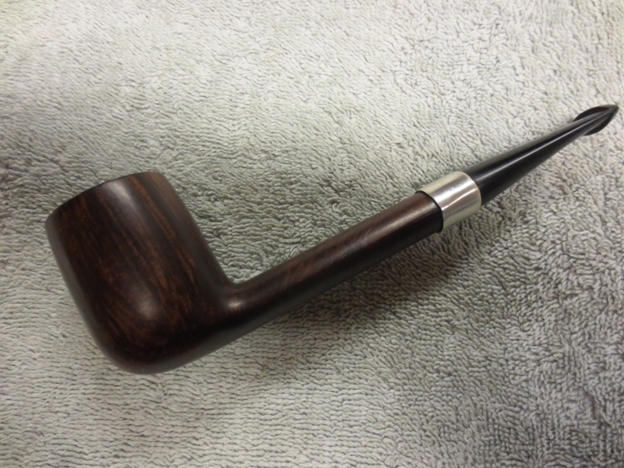
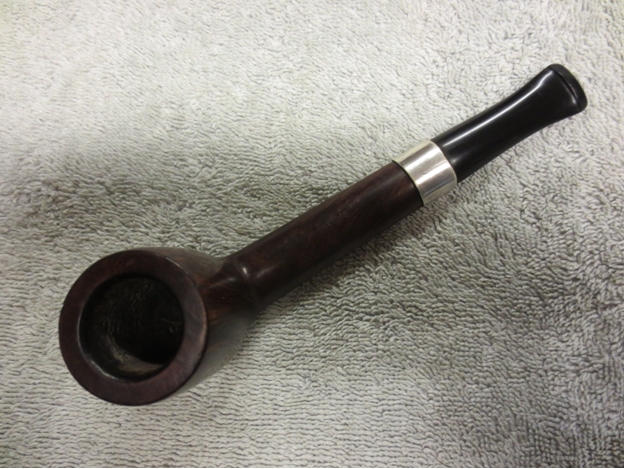
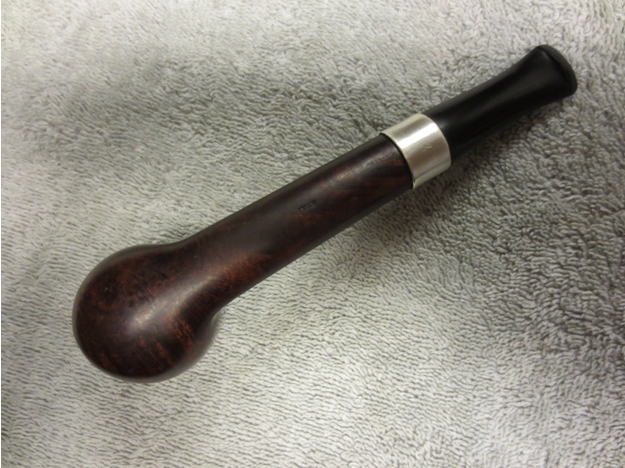
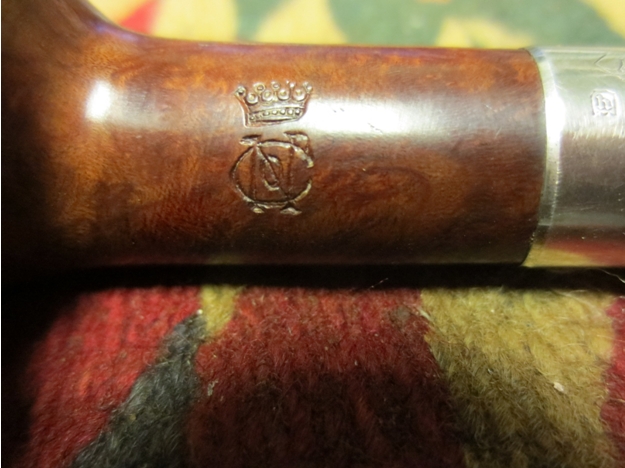
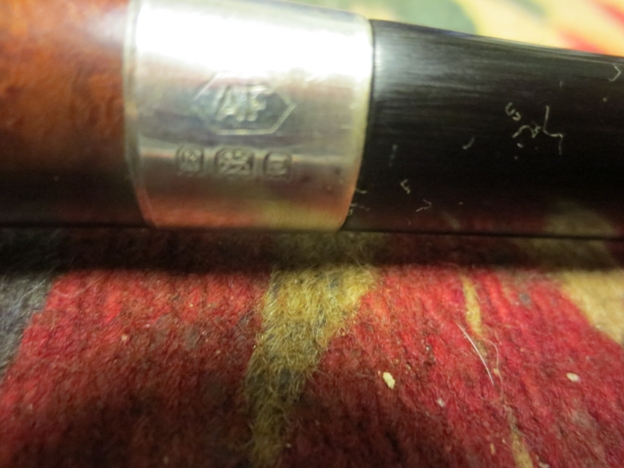
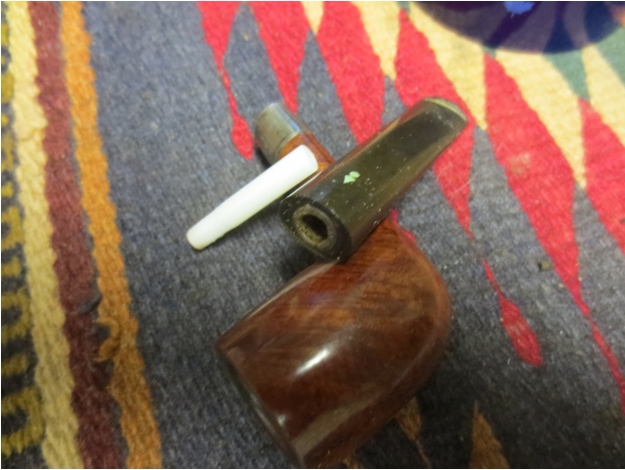
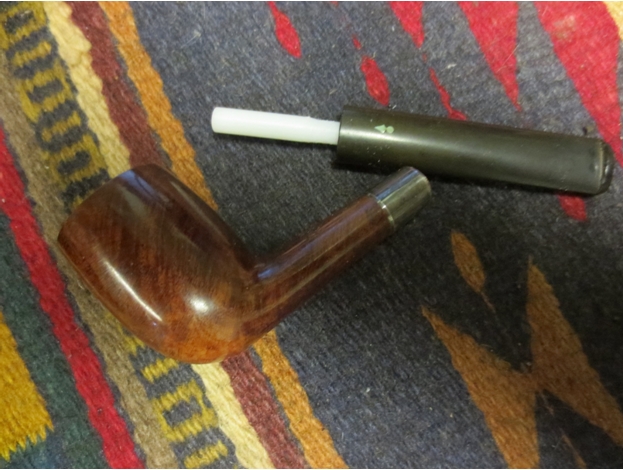
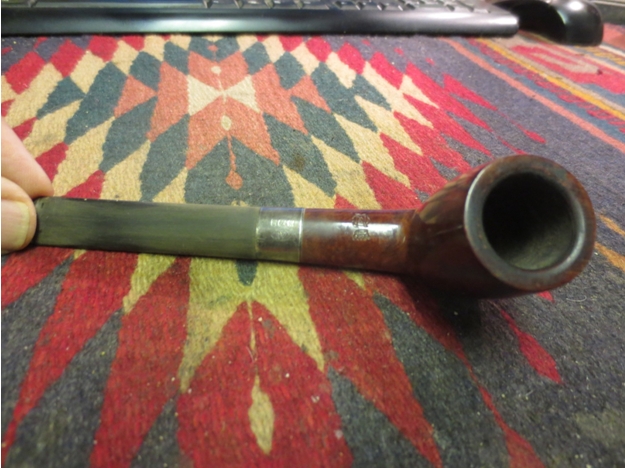
On a recent road trip to Alberta I drove over 3300 kilometres and stopped along the way at antique shops and antique malls to look for old pipes to add to my refurbishing box. I am always on the lookout for old pipes that show promise or will make good additions to my own collection. In one of the shops in Nanton, Alberta I found an old billiard and a Savinelli Made Canadian pipe bowl. Both bowls were missing their stems. The billiard bowl was stamped with a stacked lower case o and an N with C over the top of it. Above the stamped letters was a crown. There was no other stamping on the briar. I have looked around the web for this stamping and have not been able to find out who made the pipe from the stamping and the logo on the shank. The photo below gives a clear picture of the stamping on the top of the oval shank. If it looks familiar to any of you reading this article please post the information in the replies at the bottom of the page.A1 There was also a band on the shank that was factory installed. It was not a repair band or one that was added at a later date. The sterling silver band also bore stamping. On the top of the shank band there was an AF in a hexagon stamped in the silver. That AF stamping seems to point to the pipe being made by Adoph Frankau and Company as far as I can ascertain. Stamped underneath the AF there were three hallmarks in the silver. These hallmarks included the following – each of them was in a cartouche. The first was a letter h, the second was a lion, and the third was a lion’s head. The stamping and the order in which they were stamped identifies the silver band on the pipe in the following order – the h is the year 1923, the lion is the stamp for sterling silver and the third stamp, the lion’s head is the stamp for the city of London. The close up photo below shows the stamping on the silver band.A2The finish on the bowl was worn and spotty but otherwise was in good shape. The rim was slightly darkened but did not have any tarry build up. The bowl interior was clean and appeared to either have been reamed or lightly smoked. The shank had a threaded mortise and would have taken a threaded tenon. I went through my can of stems and found a stem that was oval and of a similar diameter as the shank. It had a broken off tenon that needed to be sanded smooth to flatten it against the face of the stem. With some sanding and cleaning up it would fit the shank well. Once I had faced the stem I drilled the remainder of the old broken tenon out of the stem and fit a piece of Delrin tenon into the hole. The piece of Delrin was too long and I cut it off with a hacksaw. The tenon was not threaded to fit in the threaded mortise however the diameter would make a snug fitting push tenon. The diameter of the stem was slightly larger than the shank and band so it would need to be sanded to remove the excess material.A3 A4 I cut of the tenon piece and then glued it into the drilled out stem with superglue. I sanded the stem to adjust the diameter of the oval to make the fit more precise.A5 When the stem was in place the fit was better with the logo side of the stem facing down. I decided to sand that side to fit it against the shank. The inlaid logo was not set too deeply into the vulcanite and with sanding it would be easy to remove. Once I had sanded it with 220 grit sandpaper to remove the excess vulcanite I fit it in the shank to get an overall look at the pipe with stem. More sanding would be necessary to get the fit perfect against the band and shank.A6 a7 a8 A9 To further shape the stem I removed it from the shank and sanded it some more with 220 grit sandpaper and then with a medium and a fine grit sanding sponge. I sanded the stem until the diameter matched that of the shank. I sanded the tooth marks next to the button on the top and bottom of the stem. The photo below shows the shaped and sanded stem. All tooth marks and damage to the stem was removed in the sanding and the stem was ready to polish.A10 I wiped down the bowl with acetone on a cotton pad to remove the spotty finish on the bowl. It took some scrubbing to remove the varnish coat on the pipe. I scrubbed the silver band with silver polish and wiped it down with a silver polishing cloth.A11 A12 A13 I sanded the stem with micromesh sanding pads – wet sanding with 1500-2400 grit pads and dry sanding with 3200-12,000 grit pads. I sanded the tenon smooth as well. I rubbed the stem down with Obsidian Oil after each set of three sanding pads. I buffed the stem with White Diamond to further polish it and then gave it several coats of carnauba wax and buffed it with a soft flannel buffing pad to raise the shine. A14 A15 A16 I buffed bowl with White Diamond on the buffer and then gave it multiple coats of carnauba wax to protect and polish it. I then buffed it with a soft flannel buff to give it a shine. I put the stem back in place on the shank and the buffed the pipe a final time. The finished pipe is shown in the next set of four photos below. It is ready to smoke with its inaugural bowl. It will be a treat to fire up this lightly smoked pipe from 1923.A17 A18 A19 A20
The Screwy Nature of the Jenkins Truly Dry System Billiard – Robert M. Boughton


Guest Blog by Robert M. Boughton
Member, North American Society of Pipe Collectors
http://www.roadrunnerpipes.com
http://about.me/boughtonrobert
Photos © the Author

“Life is really simple, but we insist on making it complicated.”
— Confucius (551-479 BC), Chinese philosopher, teacher, editor and politician

INTRODUCTION
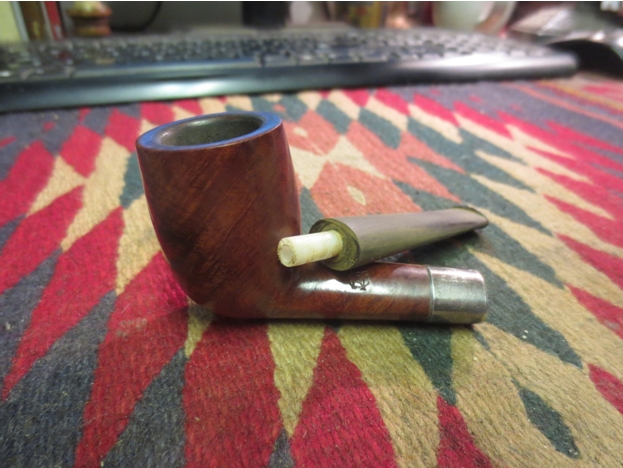
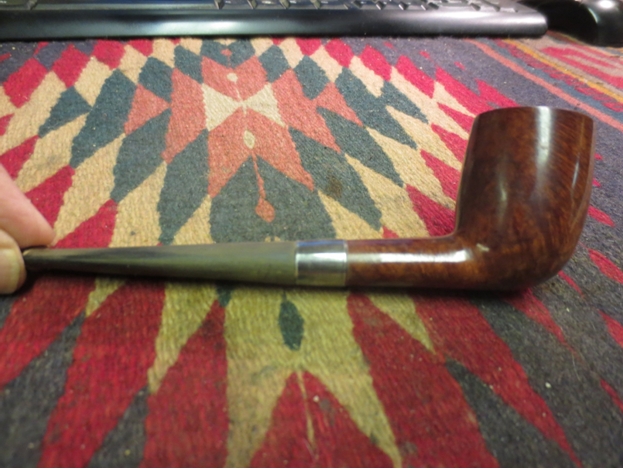
I had two main concerns when another pipe lot arrived in the mail and I turned one of the diverse examples in my hands: the head of a screw tightened flush with the draught end of the bottom of the shank, just before the chamber, and my serious doubts that whatever purpose a screw might serve could be legitimate. In other words, I was afraid to remove the thing for fear the pipe, which otherwise had potential for elegance, would fall to pieces if I did so.Rob1 Before attempting to remove the ominous screw, I tried blowing through the open end of the shank, only to become red in the face and breathless with failure. Then I turned to running an alcohol-soaked pipe cleaner through the shank and found that it, also, was blocked, although the cleaner came out with only a light rusty color, a fact I told myself was promising. For the first time in my restoration experience, I had a structural problem with which to deal. I was elated.
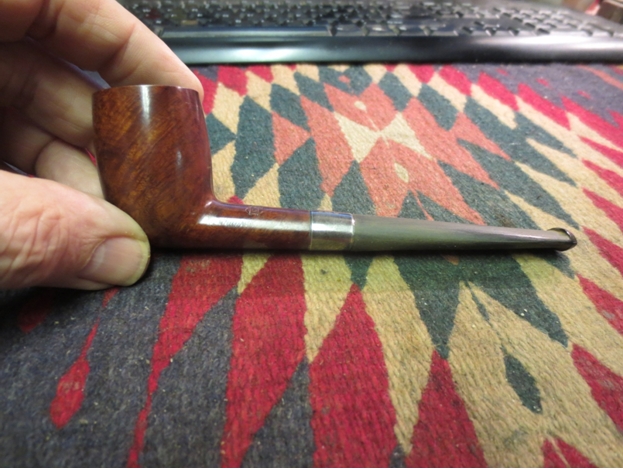
Now, don’t go and think I’m some sort of nut who gets his jollies working on broken things. For the most part I satisfy myself making old, abused or “well-used” pipes beautiful again. From upcoming photos, the need for this treatment on the bizarre Jenkins billiard this blog is about will be obvious. It’s just that until this pipe, the only kind of restoration I had done was of the basic variety. At last, I had an opportunity to tinker around and make adjustments to a pipe’s infrastructure, if you will. Hence, I felt the butterfly effect in my stomach.

Before touching whatever was screwed into the bottom of the pipe – I only describe the device this way now, as at the time I had no reason to suspect it might be anything but an average screw – I thought it advisable to see if I could find a Jenkins Pipe Co. or the like anywhere online. I started with pipephil.eu, my favorite first stop, but found no mention of the brand. And so I resorted to pipedia.com, which, as a user-generated source of information, can be more dubious in its reliability. Still I found no mention of the maker, despite the crisp, clear nomenclature including an elaborate brand stamp.Rob2 Having spent two days using more than every word combination in Heaven and Earth than are dreamt of in my philosophy to track down the pipe’s origin, with both Google and Yahoo search engines, and finding everything but a plausible reference to the Jenkins who made this beautiful if weird pipe, my patience, wits and research skills (short of doing something crazy like going to the library) were exhausted. I must now hope for knowledgeable feedback from readers of this blog, or maybe our host.

The closest I came was a patent issued to one Eric G. Jenkins in 1959 for a wild but unique spring contraption to be used for tamping the spent ashes of pipe tobacco from the chamber into a suitable receptacle, without risking damage to the pipe or staining of the fingers, to which I gather pipe enjoyers back in the day had no other way to avoid. [See first hyperlink at the end of the blog. Thinking about it, the idea occurs to me that this is just the sort of Jenkins who could design the device used in the Ever Dry.

Remember, this was before the now ubiquitous three-piece pocket pipe tool was patented in the early 1970s.

RESTORATION
My routine in these blogs has been to take a linear path showing, with words and photos, what it was like, what happened, and what it is like now. But this restore was far more indirect, and so to guide me in my description of it I organized my photos to prompt my memory of just what it was I did, and when, to fix this Jenkins TrulyDry system pipe. That noted I will nevertheless begin with what it was like: Rob3 Rob4 Rob5 Rob6 Rob7 Rob8 As some may have noticed in a few of the photos above, the stem and shank were uneven. In fact, I had to place the entire pipe in the refrigerator for close to an hour before I could even make the stem budge much less remove it. That feat came with more time in the cooler. The problem with the alignment, I soon learned, was remedied without trouble by cleaning off the buildup of some substance, with which I am not familiar, from the tenon.Rob9 Confident enough to continue with the removal of the screwy, old-fashioned tenon attachment-like gizmo that was over-tightened into the bottom of the shank, I did so with extreme care and slowness, listening all the while for something like a nut to come undone inside. But there was no such sound.Rob10 Right away, it was apparent that the object removed from the shank was not a regular screw employed in an ad lib repair but something designed for a purpose, however inexplicable. Able to blow through the shank, at least, I decided it was time to clean the pipe after reaming and sanding the chamber and using super fine steel wool on the rim to remove the blackness there.

Without much hope that the pipe would have any draw on it when I replaced the screw, I was, therefore, not disappointed to find I was correct. But an idea came to me, and I loosened the screw just one full turn, allowing me to blow and inhale through the intact pipe. I removed the ventilator again and set it aside for the remaining work on the wood.

I cleaned up most of the scattered scratches either with 1500 micromesh or 400-grit paper and then rubbed the entire area of wood with the 1500 followed by 3600. The result was, as one reader of another recent blog commented, baby smooth. I also only had to re-stain a few small patches of the wood, not counting the rim.Rob11The stem required heavy sanding with 400-grit paper to fix all of the scratches, teeth chatter and uneven bit, followed by 1500 and then 3600 micromesh.

When I had prepped the pieces better than I had ever done before, the buffing brought out a brilliant, dark reddish luster. Rob12 - Copy Rob13 Rob15 Rob16 Rob17 Rob18 CONCLUSION
I emailed my blog-in-progress to a retired engineer friend of mine, who looked over the text and photos and called me to arrange a meeting at McDonald’s the next morning. Armed with my laptop, an iced coffee and two printouts of the ash removal system patent that even I could see did not match the device used in the Ever Dry, I was relieved when I saw my friend walk through the door.

Confirming my conclusion concerning what the valve was not, my friend determined by the design and placement of the device that it was some sort of ventilator, however obtuse in planning and execution, that was intended to release heat and maybe even to collect moisture and small pieces of tobacco with the valve extended almost all the way. The engineer’s analysis made sense, and, happy to have an explanation of the atypical screw valve to present in this blog space, I embraced it.

At that time, I experienced another one of my moments of clarity. Seeing the intentional groove cut into the wood, I suggested that it would accommodate storage of the device with the valve retracted at times when the pipe was not being enjoyed. The engineer concurred.

Still later, while making the extensive but necessary revisions to my original version that had been debunked by the good engineer, I recalled an enlightening and lengthy online article concerning and titled “The Revolution of the System Pipe,” by Don Duco. The general knowledge and research behind the study of the evolution of system pipes around the globe is exhaustive.

I flashed on a description of the original Kirsten metal pipes with screw-on briar bowls and their inclusion of a closure system between the bowl and the shank that accomplished the same result of the screw valve on the Jenkins, and realized the design of the mechanism in the Jenkins pipe was nothing more than an adaptation of the early Kirsten, despite the newer, cruder method.

Still, whoever owned the Jenkins pipe brand must have been a frustrated engineer, if only by the aesthetic evidence, for being inspired by the notion of screwing something that, when the pipe is being enjoyed, dangles downward with an obvious and alarming attraction of attention. Besides, anyone, whether or not a connoisseur of pipes but not familiar with the Jenkins system, seeing one with the head of a screw in the bottom of it, would think it some sort of jury-rigged attempt to hold the pipe together.

As my father often pointed out, it takes all kinds.

WEBSITES TO VISIT

http://www.google.com/patents/US2886044 (Click on View as PDF for official USPTO document.)

http://www.pijpenkabinet.nl/Artikelen/Systeempijp/art-E-systeempijp.html

Reclaiming a Kaywoodie White Briar Medium Pear 09B


Blog by Steve Laug

The last pipe in my box is now finished! It is a Kaywoodie White Briar pipe. Among the many White Briar pipes I have found this one has the distinction of actually being in pretty decent shape. All of the others I have found had many chips in the paint and the paint itself was dull and worn through. Not this one. The finish was in pretty decent shape with only a few nicks on the bottom of the bowl and some that might show up under the thick tars on the rim. It is stamped Kaywoodie over White Briar over Imported Briar on the left side of the shank and 09B on the right side. Looking up the shape number I found that the shape is known as a medium pear which was available on the market from 1936-1972. I have no idea when this one was made as the stem that is shown below came from my can of stems. It fits perfectly and it is an old four hole stinger stem. It was worn and oxidized by the fit was correct. It has some calcification that would need to be cleaned and it was clogged. The bowl had a thick cake that I reamed out with a PipNet reamer. The shank was dirty and the aluminum face plate on the end of the shank was oxidized.IMG_2512 IMG_2513 IMG_2514 IMG_2515I scrubbed the rim with spit and cotton pads and then used Meguiar’s Scratch X2.0 on cotton pads to remove the tars and oils on the top of the rim. The worn spots shown in the photo below are actually spots where the tars still remain. More scrubbing removed most of them.IMG_2516I sanded the stem with 220 grit sandpaper to remove the oxidation, calcification, and tooth chatter that was near the button on the top and bottom of the stem.IMG_2517 IMG_2518I used a needle file to sharpen the crease of the button and then sanded the repair with 220 grit sandpaper to remove the file marks. I sanded the stem with medium and fine grit sanding sponges to minimize the scratching left behind by the sandpaper.IMG_2519I cleaned out the shank and the stem with alcohol and cotton swabs and pipe cleaners until they came out clean. I used cotton pads and alcohol and a brass bristle brush to clean up the stinger apparatus and polish it. I gave the aluminum shank end a quick sand with a 1500 grit micromesh sanding pad to polish it up. I scrubbed the surface of the bowl with Scratch X2.0 on cotton pads to remove the grime and polish the painted surface of the bowl.IMG_2520 IMG_2521I sanded the stem with micromesh sanding pads – wet sanding with 1500-2400 grit pads and dry sanding with 3200-12,000 grit pads. As has become my habit, I rubbed down the stem with Obsidian Oil between each set of three sanding pads and then gave it a light buff with White Diamond before rubbing on a final coat of oil.IMG_2522 IMG_2523 IMG_2524The photo below shows the cleaned up internals of the pipe and stinger. The aluminum took on a shine once it was clean.IMG_2529The finished pipe is shown in the photos below. It is cleaned and ready to smoke. The White Briar KWs were never favourites of mine but this one turned out very well. I am sure that it will make a great rack mate to someone who collects KW pipes and wants to add a shape 09B. Feel free to contact me if you would like to have this one. We can certainly work something out. I am sure it will smoke great and last for many more years to come.IMG_2525 IMG_2526 IMG_2527 IMG_2528

Bringing an acorn shaped bowl back to life – wondering if there was a point to this exercise.


Blog by Steve Laug

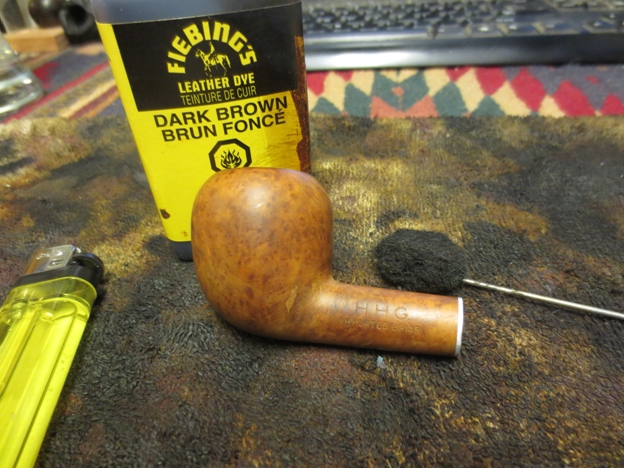
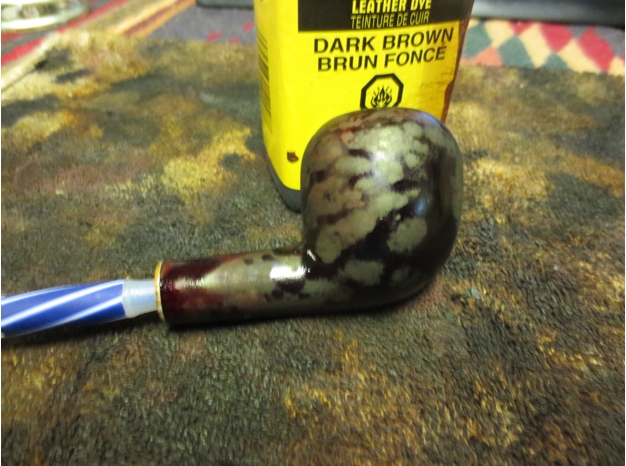
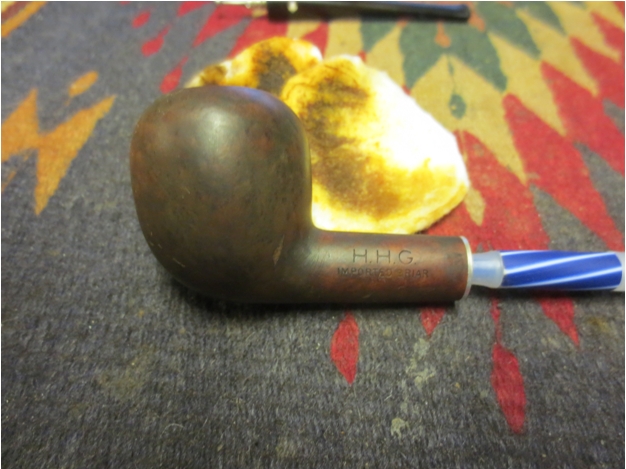
When I took this old bowl out of the box – last of two pipes to refurbish in my box – I looked at it and wondered what the point would be to clean it up. It had three large and visible fills on the bowl back left side and bottom of the shank and bowl. The finish was shot and it did not have a stem. I sorted through my can of stem and found a threaded Kaywoodie stem that had a short stinger and some scored threads. I tried it in the metal mortis on this pipe and it actually fit perfectly with no overage. The stamping on the old bowl remains a mystery to me – it is stamped on the left side of the shank as follows: HHG over Imported Briar. There is no other stamping at all on the pipe. So far I am unable to find any information on it at all. Who Made That Pipe has the listing but says maker unknown. I do know that the Imported Briar stamping makes it likely that the pipe is an American made pipe post WWII. Other than that I am at a loss. The two fills were solid and undamaged and the putty was a light brown. The finish was shot and opaque. It was hard to see what the grain looked like underneath. The rim was darkened but undamaged.IMG_2484 IMG_2485 IMG_2486The photo below shows the three fills that were very present on the bowl. The potential grain shows through on the bottom of the shank and led me to have a little hope that underneath the opaque ruined finish would be some nice grain.IMG_2487I screwed the stem in place on the shank to have a look at the shape and fit with the pipe. It actually looked quite good with the long, slender stem. The stem had oxidation and calcium build ups on the top and bottom but would clean up nicely.IMG_2488 IMG_2489 IMG_2490I wiped down the bowl with alcohol (ran out of acetone) and scrubbed the surface to remove the finish. Without the acetone I would need to sand the bowl. I set up a topping board and used 220 grit sandpaper to remove the thick darkening on the rim. I lightly topped it so as not to change the profile or look of the pipe.IMG_2492 IMG_2493 IMG_2494I sanded the bowl and stem with 220 grit sandpaper and then with a medium and fine grit sanding sponge to remove the remnants of the old finish on the bowl and the buildup of calcium on the stem. Some nice birdseye grain was underneath the finish on the right and left sides of the bowl.IMG_2495 IMG_2496 IMG_2497 IMG_2498I cleaned the metal tenon with alcohol and then sanded the rough areas on the threads to clean up the aluminum damage. I sanded the stem with 220 grit sandpaper and medium and fine grit sanding sponges to remove the tooth indentations that were underneath the calcified buildup. I used a Bic lighter to paint the surface of the stem and lift the tooth dents. Once they had lifted I redefined the crease of the button with needle files. I sanded it with micromesh sanding pads – wet sanding with 1500-2400 grit pads and dry sanding with 3200-12,000 grit pads. I rubbed it down with Obsidian Oil between each set of three sanding pads. When I finished sanding with the 12,000 grit pad I buffed it lightly with White Diamond and gave it another coat of Obsidian Oil. I set it aside while I worked on the bowl.IMG_2499 IMG_2500 IMG_2501I wiped down the bowl one final time with alcohol before staining it with a dark brown aniline stain. I applied the stain and flamed it and repeated the process until the coverage was even.IMG_2502 IMG_2503I wiped down the bowl with alcohol on cotton pads to remove some of the dark heavy colour of the brown stain and to make it more transparent. Once I had it to the point where I could see through the stain to the grain I quit wiping it down. The trick was to make the stain transparent enough to highlight the grain but at the same time minimize the three fills.IMG_2504 IMG_2505 IMG_2506 IMG_2507Once I had the stain at the place I wanted I put the stem back on the pipe and took it to the buffer. I buffed the bowl with red Tripoli to polish and buff through the dark areas that remained on the stain coat. I buffed the bowl until it met the look I was aiming for. I then buffed the bowl and stem with White Diamond and gave them multiple coats of carnauba wax. I buffed it finally with a soft flannel buff to raise the shine. The finished pipe is shown below. It actually came out quite well and should provide a great yard pipe for someone down the line. I expect this will be another pipe that I gift to a pipeman I meet along the way.IMG_2508 IMG_2509 IMG_2510 IMG_2511If anyone has some clues as to the maker of this pipe let me know. It turned out to be worth working on after all. I am pleased with what came out of an otherwise ignoble old pipe bowl without a stem that had been sitting in my box for quite awhile as I ignored it and worked on other bowls and stems.

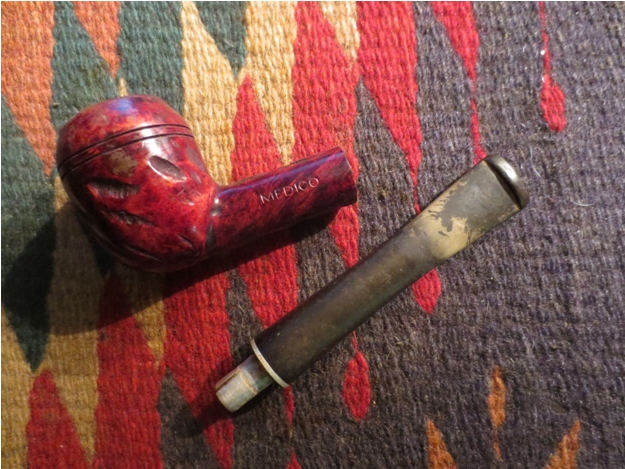
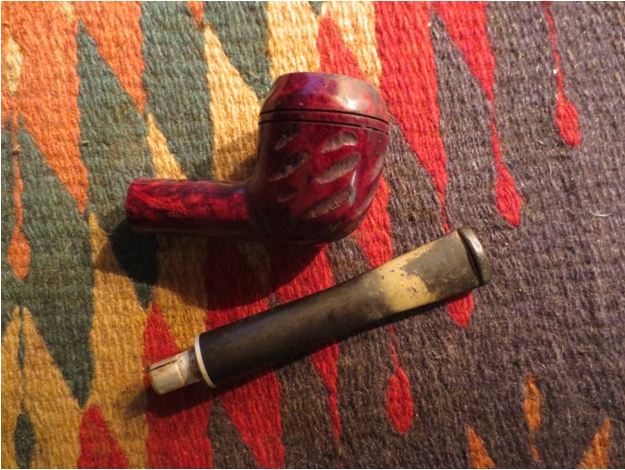
The Sentimental Journey Continued – Restoring a Second Medico, a Smooth Billiard


Blog by Steve Laug

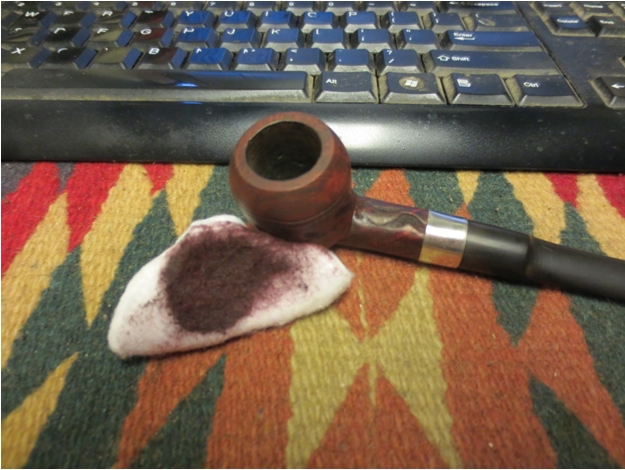
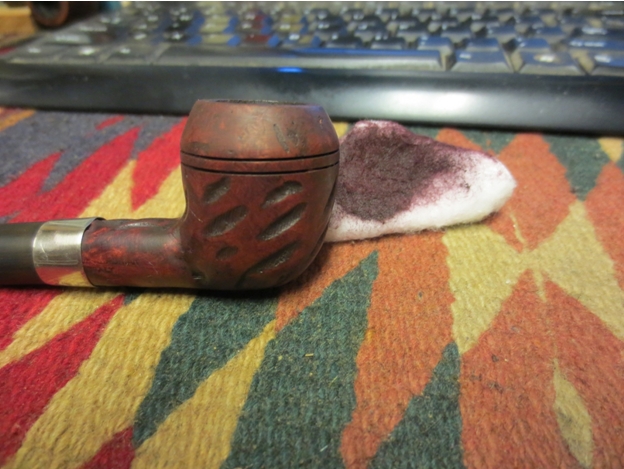
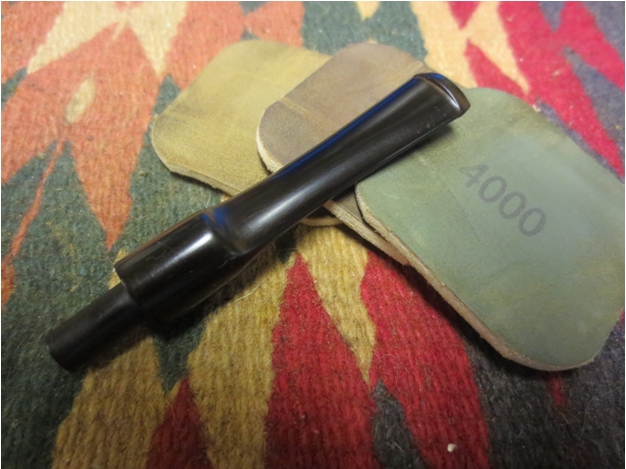
In a previous post called a Sentimental Journey I wrote of why Medico’s always get attention when they cross my desk. Last evening I reached into my box of pipes to be refurbished and pulled out the next pipe to clean up and it too was Medico – this time it was a smooth billiard. The finish was worn and the varnish was peeling off the bowl. The rim was badly knocked around so there was damage on the outer edge at the front of the bowl and the back. There was a heavy build up on top of the damage and the bowl had a thick cake at mid bowl – not much at the top or bottom. The stamping was the same as the previous pipe – MEDICO on the left side of the shank and Imported Briar Italy on the right side. A bonus for me was that the stem I had work on for the little Rhodesian fit this one and only needed adjustment in the diameter of the stem. It had the metal tenon that was generally on Medico pipes and would hold the Medico paper filter as per design. The rest of the stem was vulcanite not nylon which was a bonus.IMG_2408 IMG_2409 IMG_2410 IMG_2411I cleaned out the shank and fit the stem in place to see how much sanding I would need to do to match the diameter of the shank. It did not look like it would take very much to bring it in line. I would need to sand the aluminum band on the stem at the same time so I would need to be careful to not create dips or valleys next to it on the softer vulcanite when sanding.IMG_2412 IMG_2413I sanded the stem with 150 grit sandpaper to reduce the diameter of the stem.IMG_2414I reamed the bowl with a PipNet reamer using the smallest cutting head to clean it out.IMG_2415To clean up the rim damage I topped the bowl with 220 grit sandpaper to take down the rim and reduce the rough pitting on the outer edge. I also sanded around the edge of the rim to smooth out the remaining roughness.IMG_2416IMG_2417IMG_2418I wanted to get rid of the peeling varnish on the bowl so I wiped it down with acetone on cotton pads to remove it. It took a lot of scrubbing as the varnish was very stubborn.IMG_2419IMG_2420IMG_2421I sanded the bowl and the rim with 220 grit sandpaper and then with medium and fine grit sanding sponges to remove more of the finish and reduce the scratching on the bowl. I sanded it with a medium and fine grit sanding sponge before wiping it down one last time with alcohol. I decided to stain it with an aniline based oxblood stain. I applied it and then flamed it to set it in the grain.IMG_2422 IMG_2423I rubbed the excess stain off with an alcohol dampened cloth and then hand buffed it with a shoe brush. This old Medico had some really nice grain and was a far better piece of briar than I had expected.IMG_2424 IMG_2425 IMG_2426 IMG_2427 IMG_2428I sanded the bowl with 1500-2400 grit micromesh sanding pads and then buffed it with White Diamond to smooth out the bowl further. I gave it a coat of carnauba wax and buffed it lightly.IMG_2429 IMG_2430 IMG_2431 IMG_2432I finished the work on the stem fit and then sanded it with micromesh sanding pads – wet sanding with 1500-2400 grit pads and dry sanding with 3200-12,000 grit pads. I rubbed it down with Obsidian Oil and moved through each successive set of three pads. Once I had finished sanding it I rubbed it down a final time with the oil and gave it a buff with White Diamond.IMG_2433 IMG_2434 IMG_2435I put the pipe back together and gave it a final buff with White Diamond and then multiple coats of carnauba wax. I buffed it with a soft flannel buff to finish and polish the wax. The finished pipe is shown in the next series of photos. It is a small light weight billiard with fairly decent grain and a few character marks. The new stem fits well and it looks better than it did when it left the factory. It should provide a great smoke to another pipeman. This is one that I will inevitably gift to someone along the way.IMG_2436 IMG_2437 IMG_2438 IMG_2439

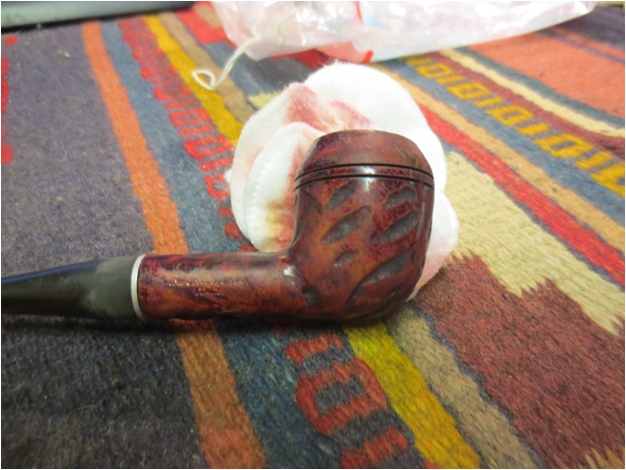
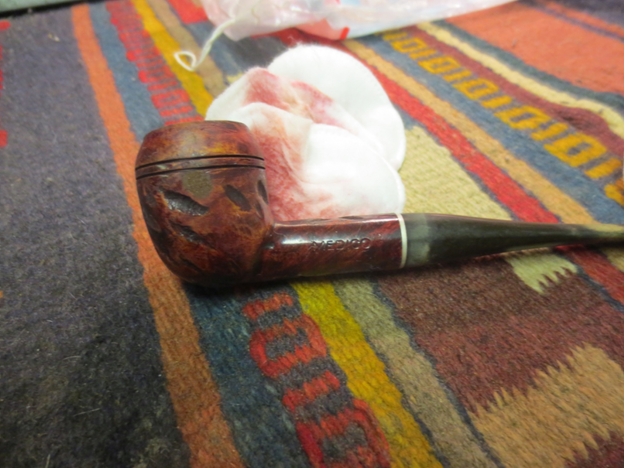
A Sentimental Journey – the Restemming and Restoration of a Medico Rhodesian


Blog by Steve Laug

For years now I have had a special spot in my heart for Medico pipes. I don’t like the paper filter system, or the cheap stems with the split aluminum tenon, or the heavy varnish on the briar, or the fills that are hidden below the thick varnish, or any endless number of complaints that come to the surface with these old US made briar pipes. But I can’t get past the fact that the first pipe I ever owned was a Medico – paper filter and all, and that the first pipe I picked up when my first daughter was born years later was a Medico as well. Because of that whenever I am given an old Medico bowl I restem it and restore it. I strip away the varnish and rework the fills, make a new stem and bring it back to life in even better condition that it was when it was first sent out.

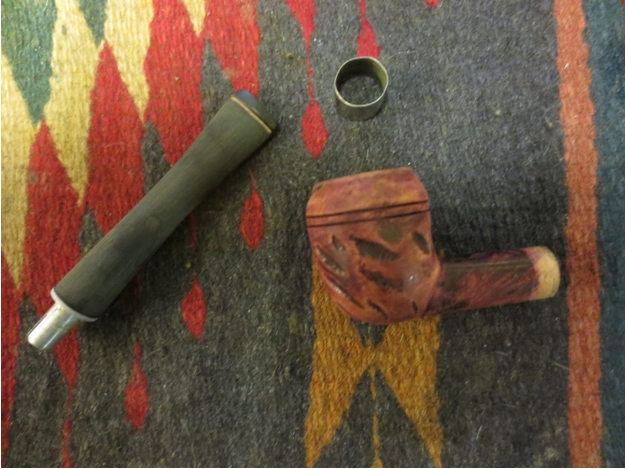
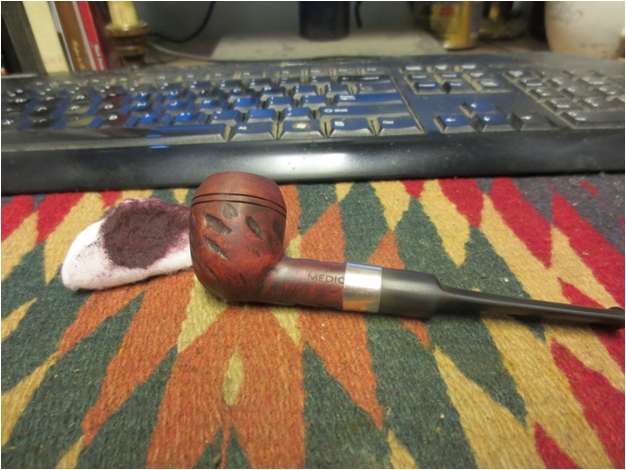
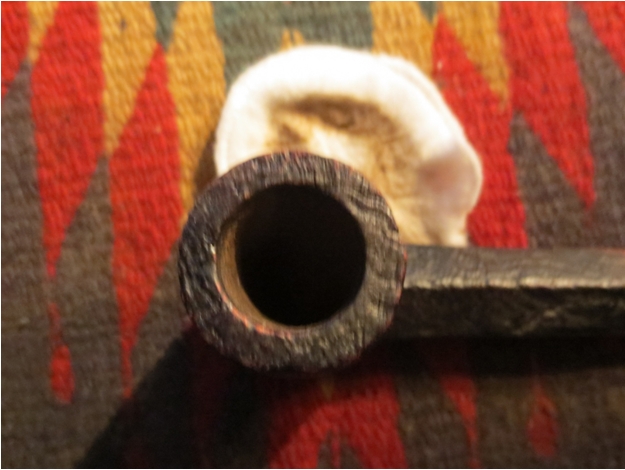
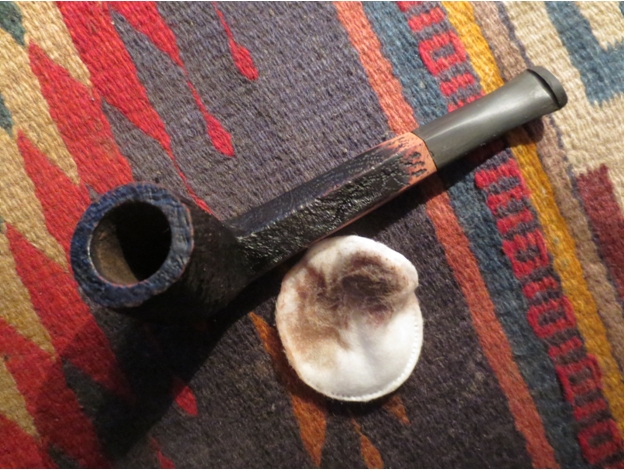
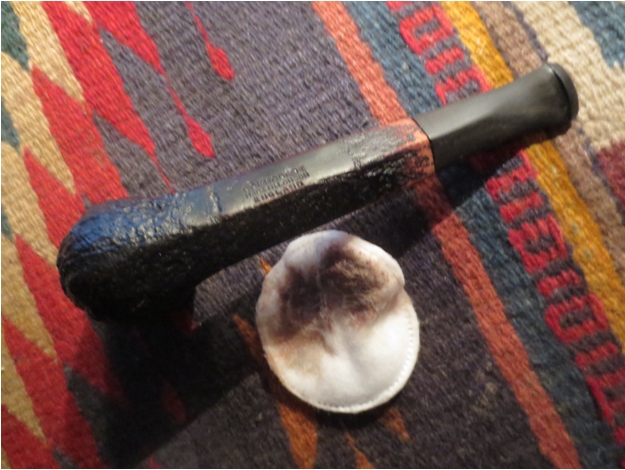
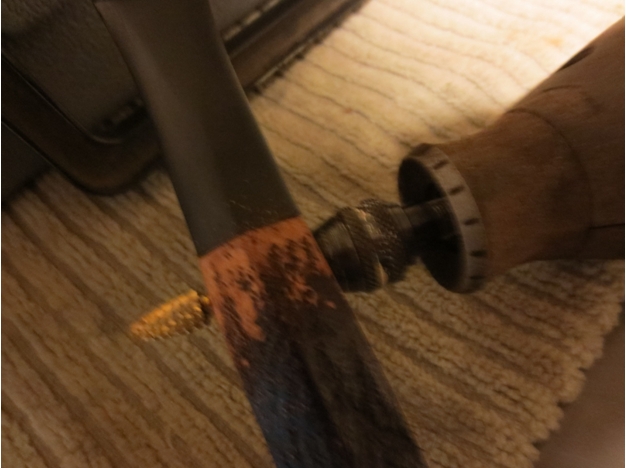
The Medico that I worked on in this restoration was a straight shank Rhodesian that came to me in a gift box of bowls. It was stemless and I had two potential stems that would work for it. There truly was nothing particularly redeemable that I saw in the bowl so the reason was as stated above solely sentimental. The bowl was dirty and worn with a thick cake. The rim had been battered and had deep nicks on the outer edge. There was a thick dark red varnish on the briar. It was stamped MEDICO on the left side of the shank and Imported Briar Italy on the right side. On the left side of the bowl was a large brown putty fill that stood out like a sore thumb. The first stem I tried was a split metal tenon Medico style stem. It was worn but usable.Med1 Med2 Med3 Med4 It fit the shank perfectly and looked good on the pipe. I thought for sure this would be a simple and quick restoration. I should have learned by now that whenever I think that problems would pop up on the way to the finish. I cleaned the shank with cotton swabs, pipe cleaners and isopropyl alcohol.Med5The top of the bowl was badly damaged with large dents and missing chunks on the outer edge of the rim so I decided to top the bowl. I used the topping board with 220 grit sandpaper and worked on the rim until it was smooth and clean. There were still several places on the outer front edge that would need to be worked on but the finished look of the topped bowl was far better than when I had started.Med6 Med7I wiped down the bowl with acetone on cotton pads to remove the thick varnish coat and clean up the finish on the bowl. I wanted to remove it back to the briar. In the process the dark red stain coat also was removed from the bowl.Med8Once the stain coat and varnish were removed I could see several problems that I would need to address. The front edge of the bowl needed to be sanded and the slope on the cap would need to be modified by hand sanding to remove the damage on the front edge and face of the cap. There was also a fine crack that had seeped tobacco oils on the top right edge of the shank. It had been hidden by the dark stain. When I move the stem it was not visible and did not open or spread but it was definitely present. I would need to clean up the shank, band it and with the band a different stem would need to be fit to the shank. The stem I had previously chosen had a metal face that would not work against the band. I scrubbed the bowl and shank until all the red stain that I could remove was gone.Med9 Med10 Med11I used a Dremel with a sanding drum to sand back the shank so that I could fit a band on the shank. I also wanted to smooth out the surface of the rustication pattern and clean up the crack so that I could glue and clamp it before banding.Med12I put the band around the end of the shank and then heated the metal band with a Bic lighter until I could press it into place on the shank. It took several reheats with the lighter before I had a flush fit on the band. At that point I took the second stem I had chosen and lightly sanded the tenon to get a good tight fit in the shank and pushed it in place.Med13 Med14 Med15 Med16I reamed the bowl with my PipNet reamer and the smallest cutting head until I had taken the cake back to bare wood. I wanted the bowl to be clean so that I could see if there was any damage to the interior of the bowl.Med17Once I had reamed the bowl I reshaped the angle on the cap with 220 grit sandpaper and medium and fine grit sanding sponges. Once I had the angle correct around the entire rim and had removed the damage on the front of the cap I sanded the entire bowl with the sanding sponges. I also sanded the stem with the same sandpaper and sanding sponge combination to remove the oxidation and tooth chatter near the button. The newly shaped bowl and freshly sanded stem is shown in the next series of four photos below.Med18 Med19 Med20 Med21I stained the bowl with some oxblood aniline stain and flamed it. I wanted the red colour of the stain but I did not want it to be as opaque as the original stain had been. The aniline stain seems to be more transparent. It did however, do a great job in hiding the big fill on the left side of the bowl.Med22 Med23 Med24I sanded the stem with 220 grit sandpaper, then a medium and fine grit 3M sanding sponge. I followed that with my usual array of micromesh sanding pads – wet sanding with 1500-2400 grit pads and dry sanding with 3200-12,000 grit pads. I rubbed the stem down between each set of three pads with Obsidian Oil before moving on to the next three pads. I finished by giving it a final rubdown with the oil before taking it to the buffer.Med25 Med26 Med27I buffed the entire pipe with White Diamond and then gave it multiple coats of carnauba wax to protect and polish both bowl and stem. With that completed my sentimental journey with this old Medico was complete and it was ready to go back into service. I am sure I will gift this pipe to some new pipeman somewhere along the way as it should smoke very well and give many years of service. It is not a thing of beauty and never will be but it is a good serviceable pipe that will deliver a good smoke. The finished pipe is pictured in the photos below.Med28 Med29 Med30 Med31

A Note of Clarification on the Monarch Apple Fiasco – Robert M. Boughton


Guest Blog by Robert M. Boughton
Member, North American Society of Pipe Collectors
http://www.roadrunnerpipes.com
http://about.me/boughtonrobert
Photos © the Author

Last week, a blog of mine called “Giving It the Old College Try, As a Favorite Substitute Teacher Used To Put It” [https://rebornpipes.com/2014/09/24/giving-it-the-old-college-try-as-a-favorite-substitute-teacher-used-to-say-robert-m-boughton/], about a Monarch apple with an absurd tenon contraption that screwed into the shank with more or less permanence. Really, the nice-looking briar apple, as it was designed, was the worst example of pipe engineering I can imagine – and the maker even had the nerve to patent the monstrosity.Robert1I described my great difficulty trying to keep the pipe intact with its worse than useless tenon and my eventual semi-success by removing an obnoxious, bulbous extension that protruded from the shank to connect to the stem, much as a Space Shuttle docks with a station way up beyond the limit of the Earth’s atmosphere. However, at the time, I was so caught up with the notion that the tenon was necessary as to miss the obvious. Here was my final effort, which was far from perfect in its sturdiness.Robert11After writing that I wouldn’t even give the ridiculous pipe away to anyone who purchased another one on my Web store, I became more and more fixated on finishing the project some unknown right way – using the right stuff, so to speak. I considered all kinds of possibilities, including tracking down a replacement rod of appropriate length and design to replace the original. Now that, I must admit, was stupid.

Then I showed the pipe with all due meekness to Chuck Richards, my friend and mentor, describing its imperfections and showing him the reason. But all he had to say was that the stem had a minor crack in the lip anyway, and it would break altogether in time. I figured that meant sooner than later. And so my immediate brainstorm was to go ahead and offer the pipe for free with another purchase and include both the original and a prepared replacement stem.
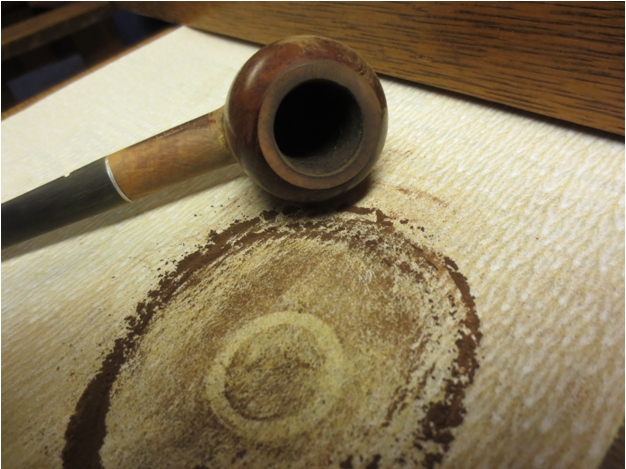
Still, the only real solution eluded me! But at last, by George, I got it! Remove the whole wretched tenon and replace the stem!

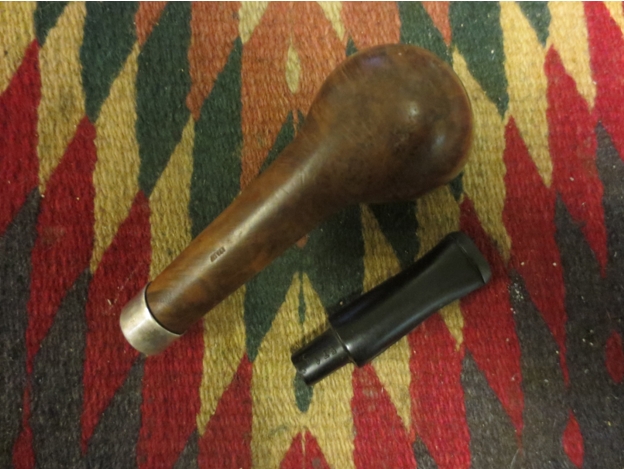
And so, that I did, spending hours sanding down the new stem’s tenon to fit. I even added a brass band to make up for the dorky faux band that was attached to the original tenon-lunar module piece.Robert1Satisfied of a job done right, I filled the bowl halfway with some good Gawith Full Virginia Flake and spent the next hour or so puffing away in delight. I could taste the natural sweetness of the Virginias all the way through. Minus the tenon and with a stem that attached without it, the old Monarch became a good pipe after all.

I have decided either to keep the unique but dreadful tenon as a souvenir or maybe donate it to the local space museum.

That is all.

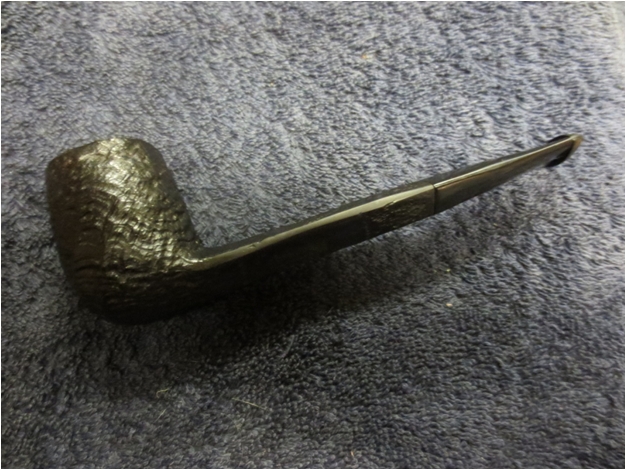
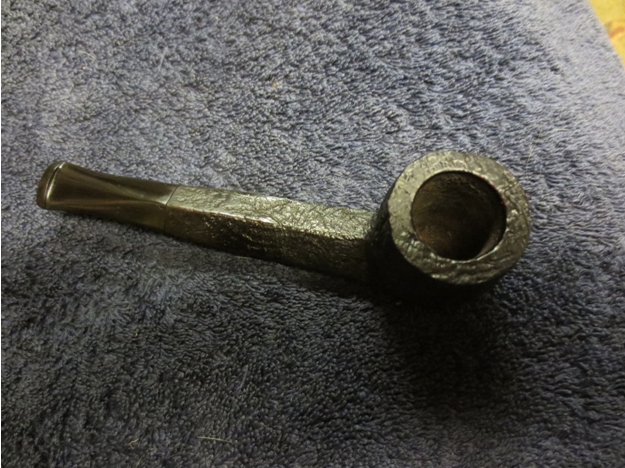
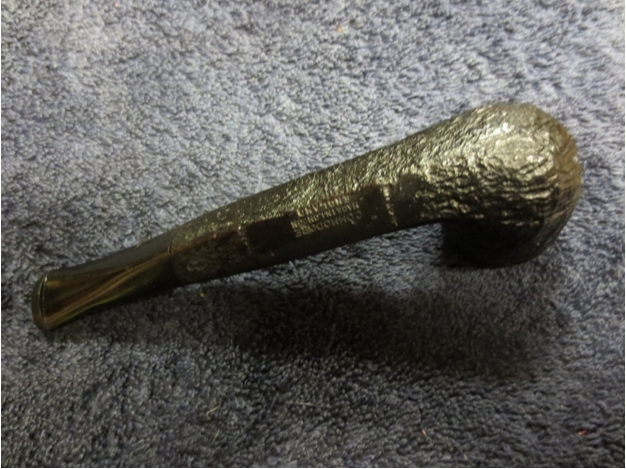
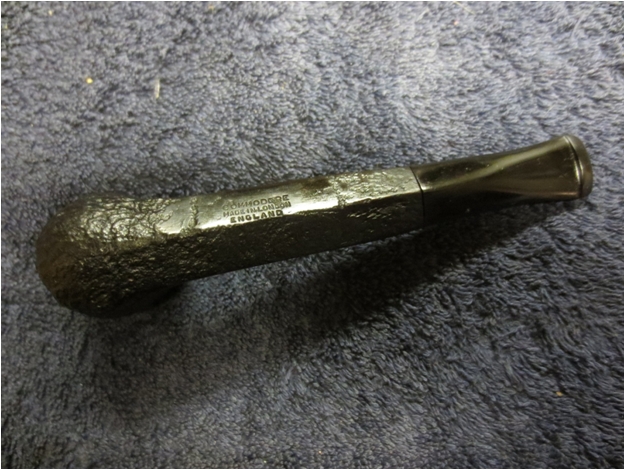
Restemming and Restoring a Diamond Shank Commodore Canadian


Blog by Steve Laug

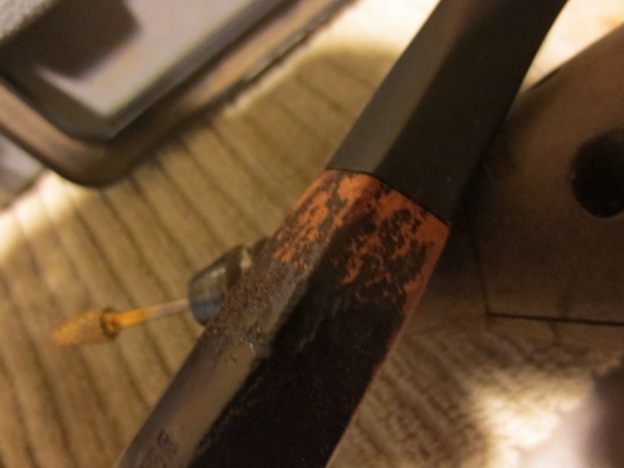
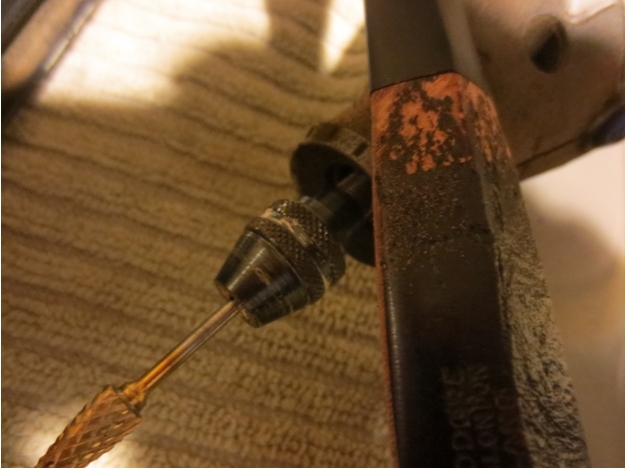
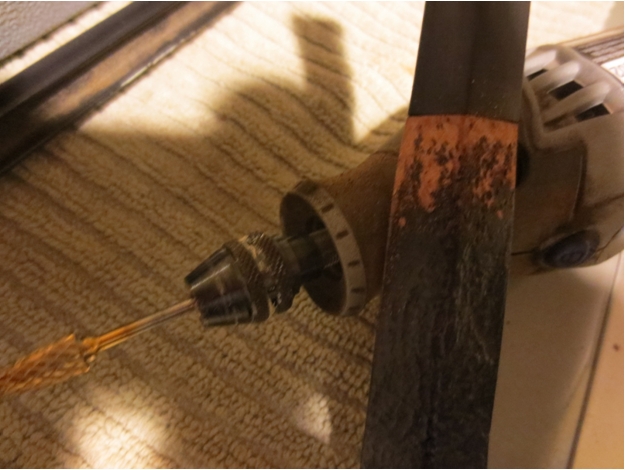
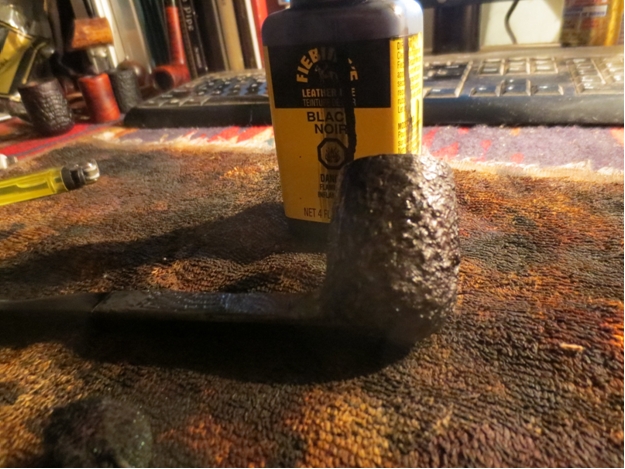
This pipe bowl came up on eBay and I bid on it. I really liked the diamond-shaped shank and the pipe looked to be in great condition. I did a bit of research and found that the brand was either made by Comoy’s or Charatan. The style of the stamping, which read Made in London over England, made me more inclined to think it was a Charatan made pipe. The diamond shank and the overall style of the pipe also seemed to point to it being Charatan made. The photos below were the ones included by the seller. Commodore1 Commodore2 Commodore3 Commodore4The sandblast was very rugged and craggy. The rim had a lighter blast and the shank had a blast about 2/3 of the way back from the bowl toward the stem. The last 1/3 was rusticated to match the blast of the first portion of the bowl. The diamond shank was flattened – it was wider from side to side than it was tall. The sides of the shank were sanded smooth and the bottom left side of the shank was smooth and stamped COMMODORE over Made in London over England. The bowl had a light cake and some shards of tobacco still in the bowl. The finish was in very good shape other than the sides next to the shank end – it was worn and the stain was worn. The rim had some tars on it and a light build up. There was not a stem with this bowl.
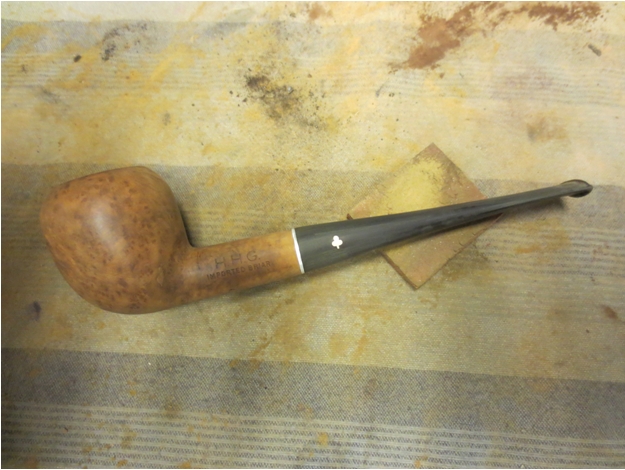
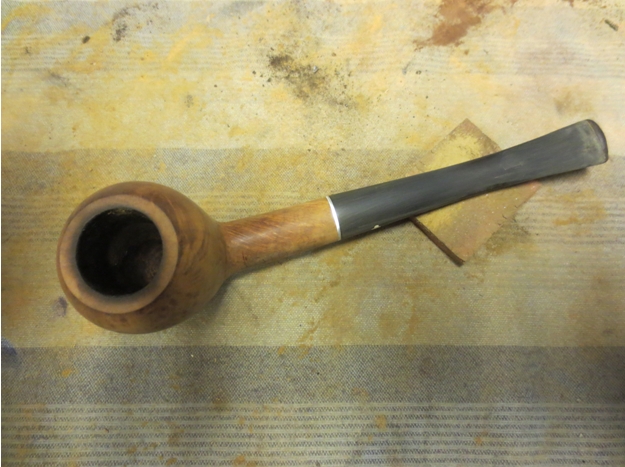
The first steps I took in this process I forgot to document with my camera. The battery was dead when I did remember so I will have to describe it with words. I went through my can of stems to see if any of the diamond-shaped stems would fit this shank. None of them were wide enough for the width of the shank. I had several oval stems that were close in width and height. I looked through the stems until I found one that was the right height and width for the shank. I turned the tenon on a PIMO Tenon Turning Tool until it was a close fit and then sanded it by hand until it fit snuggly in place. The end of the shank was not quite square so there was a slight gap on the side corners. Filing and shaping the stem would help with the fit. I shaped it with a Dremel and sanding drum as well as hand sanded until it was a flattened diamond. I sanded the stem in place on the shank to make the transition smooth between the shank and stem. It took a lot of sanding to shape it correctly.IMG_2324 IMG_2325 IMG_2326 IMG_2327The photo below shows the shape of the finished stem. There was still a lot of work to do to smooth out the end of the tenon to remove the casting marks and to smooth out the diamond shape of the stem but the diamond shape was basically finished.IMG_2328I reamed the bowl with a PipNet reamer to remove the slight cake and the tobacco shards that were stuck to the sides of the bowl.IMG_2131I used a brass bristle tire brush to clean the rim top and remove the overflow of cake on the top. I wiped it down with a cotton pad and alcohol to remove the dust and clean out the grooves in the blasted rim.IMG_2333 IMG_2334I wiped down the bowl and shank with cotton pads and alcohol to remove the dirt in the finish and prepare it for working on the shank.IMG_2335 IMG_2336I used a dental burr in the Dremel to re-rusticate the shank area where I had sanded it smooth. I ran the Dremel at a slow speed to match the pattern on the rest of the shank.IMG_2337 IMG_2338 IMG_2339 IMG_2340I wiped down the rusticated shank area and wiped down the dust on the rest of the bowl to prepare it for the new stain coat. I used a black aniline stain for the stain on the newly rusticated areas and also gave the entire bowl a coat of the black stain to cover the worn areas. I applied the stain, flamed it and repeated the process until the coverage was even on the bowl.IMG_2341 IMG_2342I hand buffed the pipe with a rag I use for that purpose. It picks up the stain coat and evenly spreads it across the bowl and rim.IMG_2343 IMG_2344 IMG_2345 IMG_2346I buffed the pipe with White Diamond to polish the new stain and to blend it better with the rest of the bowl colour. The next series of four photos below show the pipe after this initial buffing.IMG_2351 IMG_2352 IMG_2353 IMG_2354I decided to give the bowl a coat of wax to see what black looked like when polished. I wanted to see if I would need to give it another coat of stain to highlight the higher spots on the sandblast. I applied it by hand and then buffed it with a shoe brush.IMG_2355 IMG_2356 IMG_2357 IMG_2358 IMG_2359 IMG_2360I set the bowl aside to work on the stem. I sanded it some more with the 220 grit sandpaper and then with the medium and fine grit sanding sponges. I followed those up by sanding with my usual array of micromesh sanding pads. I wet sanded with 1500-2400 grit pads and dry sanded with 3200-12,000 grit pads. I rubbed the stem down with Obsidian Oil between each group of three pads. I buffed the stem with White Diamond to polish it.IMG_2361 IMG_2362 IMG_2363I decided to give the pipe a second coat of stain to highlight the black. I used a oxblood stain to give it the contrast that I was looking for. I applied the topcoat of stain and wiped it off. I buffed the pipe and stem with White Diamond again to polish the stain coat and stem.IMG_2364 IMG_2365 IMG_2366 IMG_2367I waxed it with several light coats of carnauba wax. I use a light touch so as not to gum up the wax in the sandblast. At the same time I want the shine that a good coat of wax gives the bowl and stem. The finished pipe is shown below. The new stem works well with the shape of the shank and gives the pipe a quiet, understated elegance. I hope to load up a bowl and give it an inaugural smoke tomorrow out on the front porch and relax with a good bowl of aged Virginia.IMG_2370 IMG_2371 IMG_2372 IMG_2373 IMG_2374