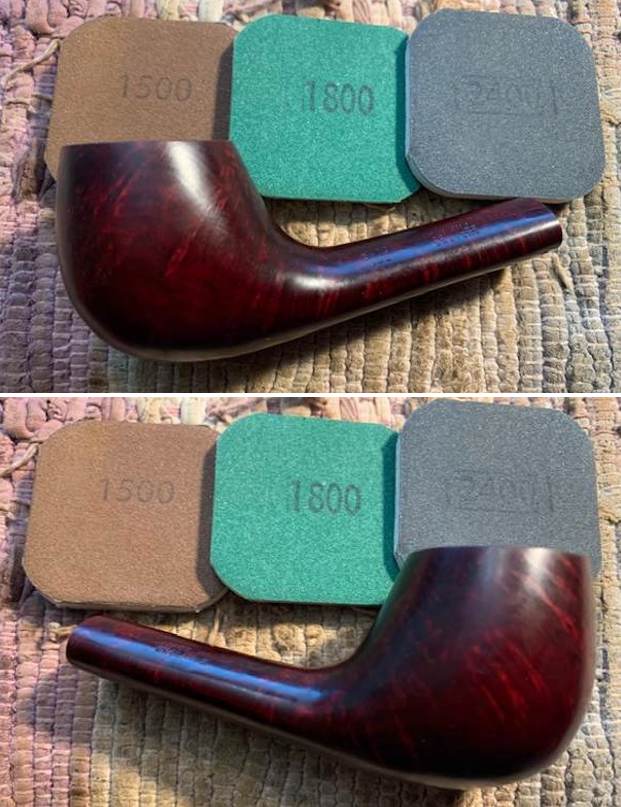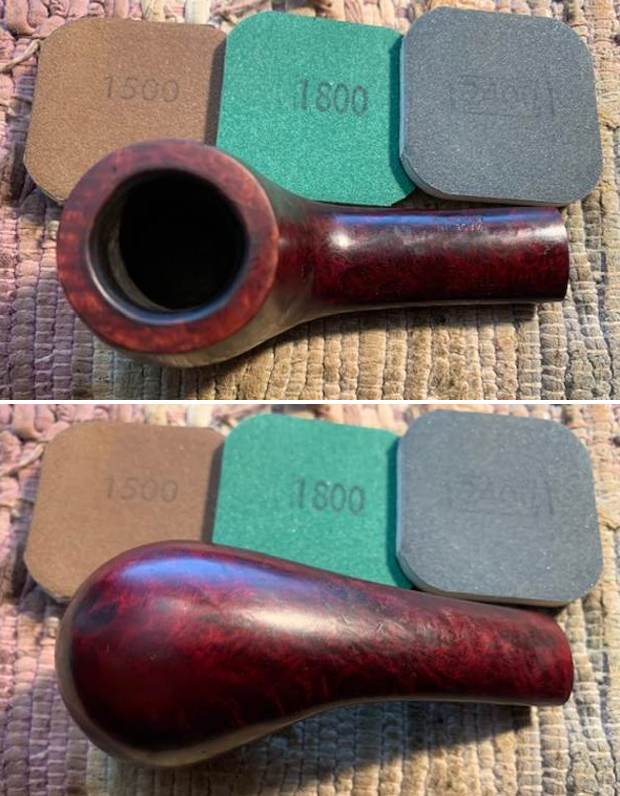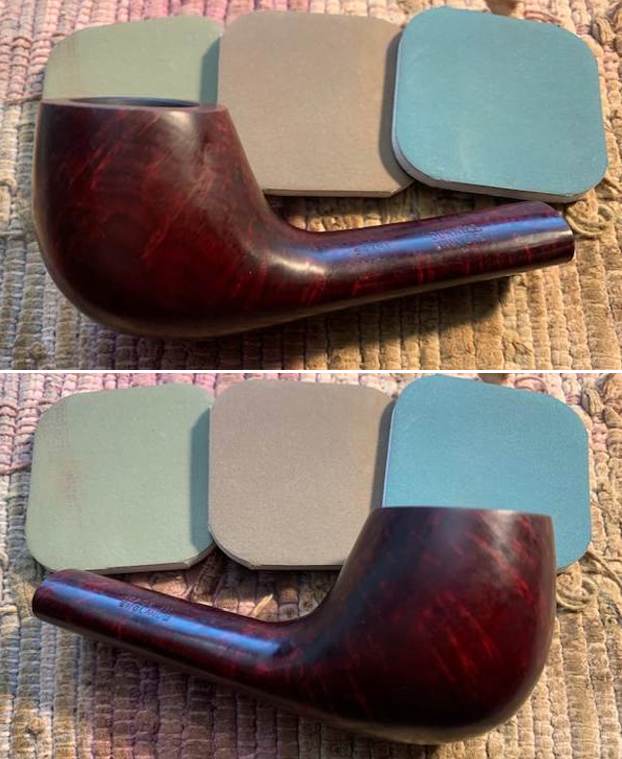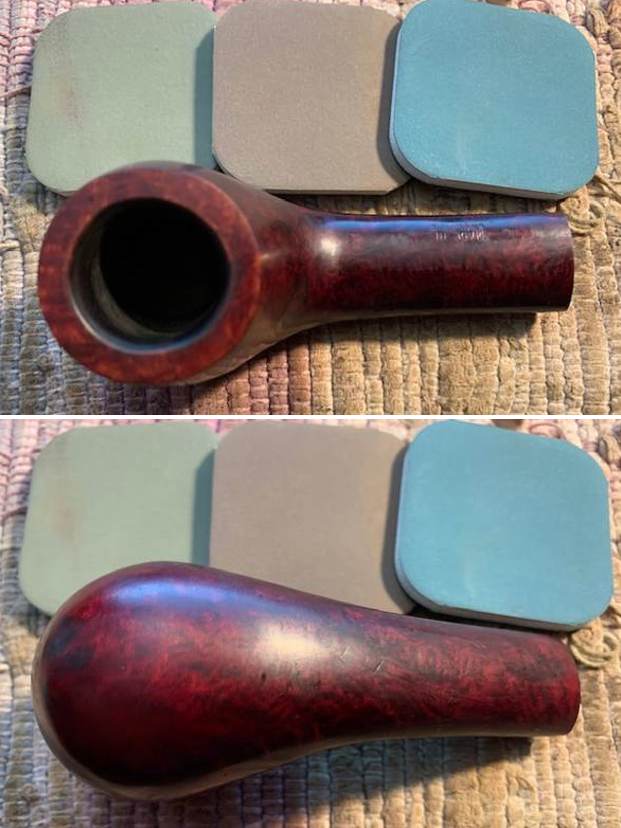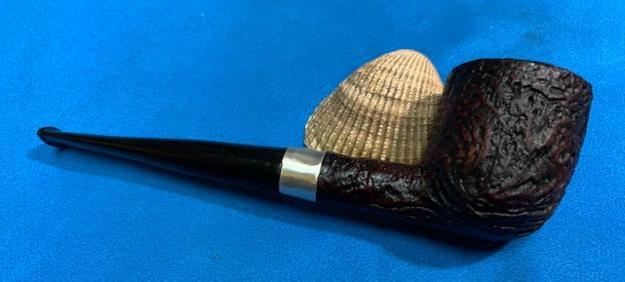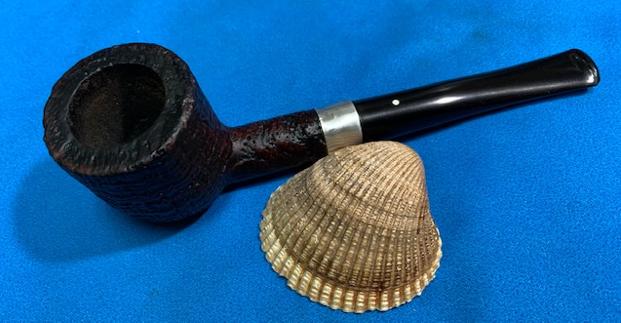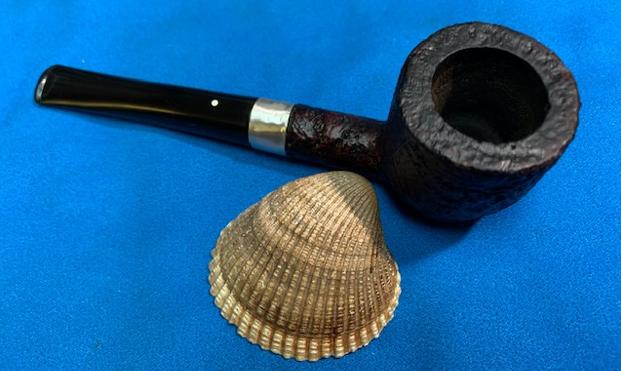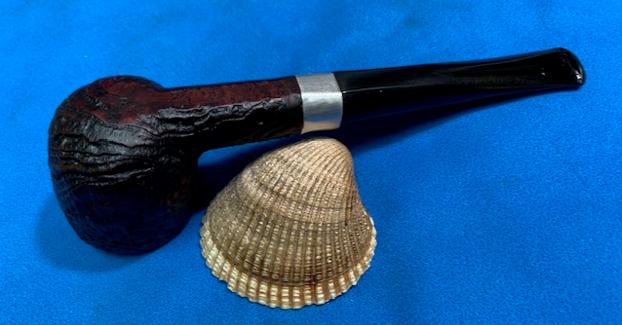
Tag Archives: Dunhill Pipes

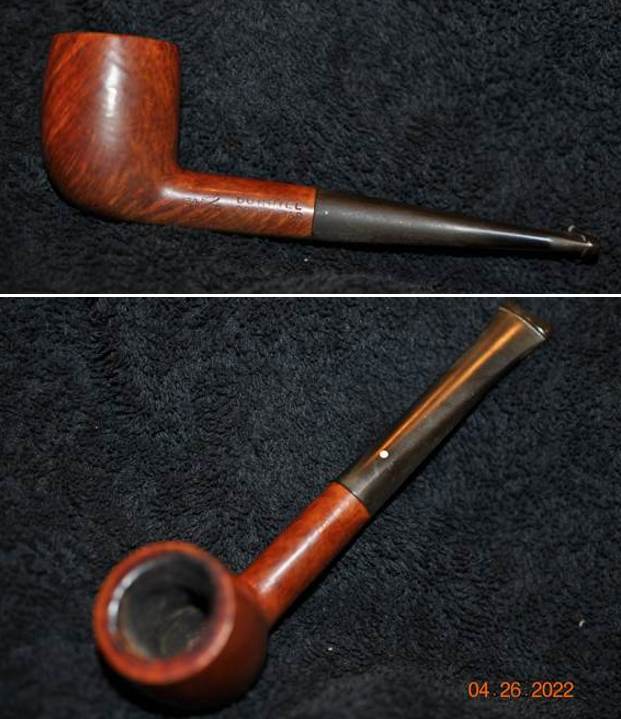
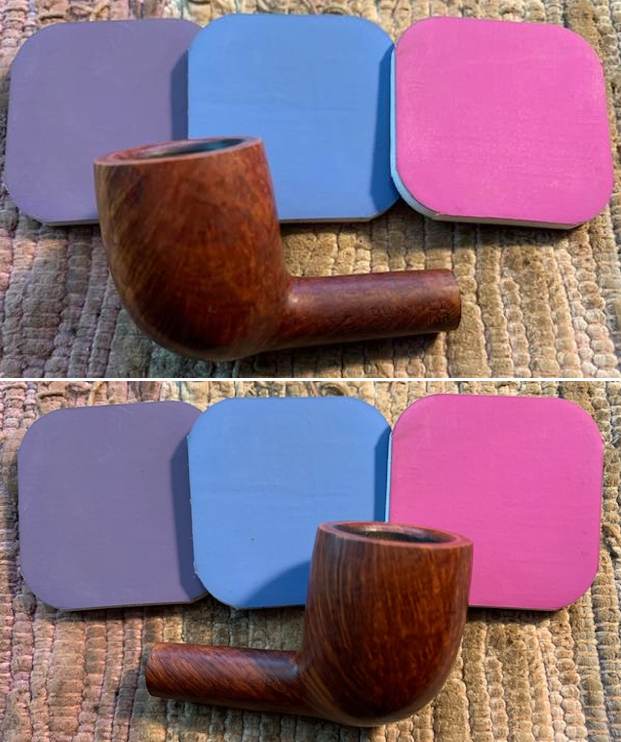
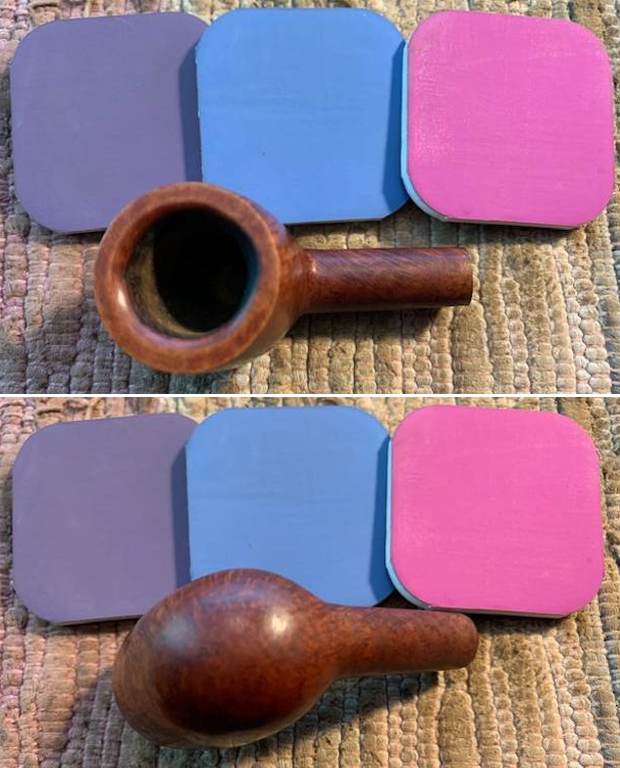
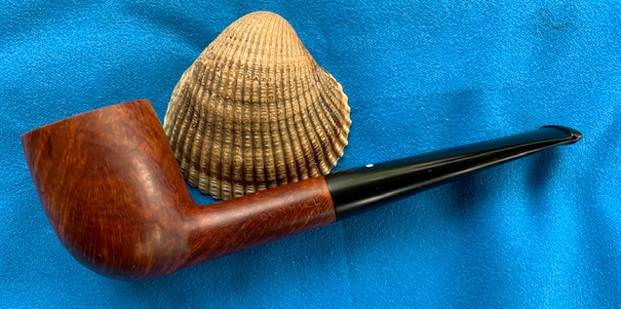
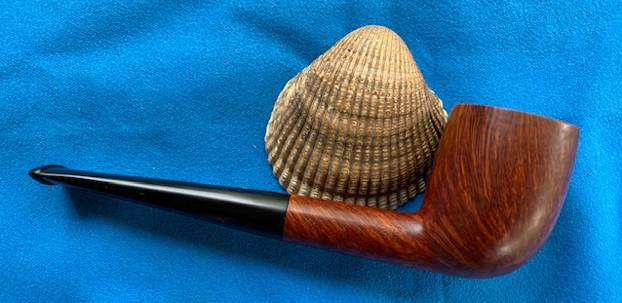
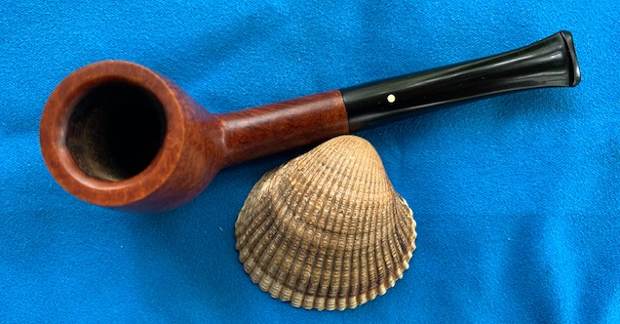
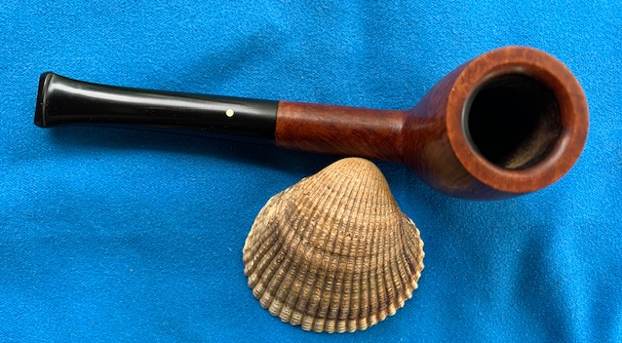
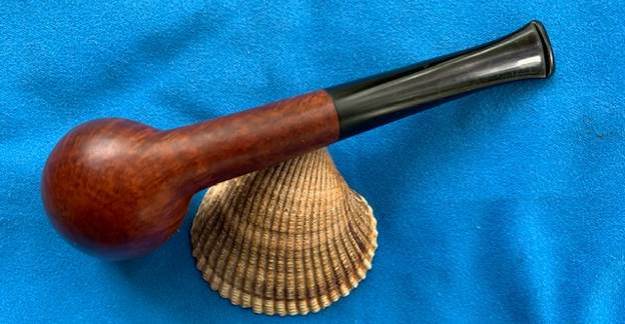
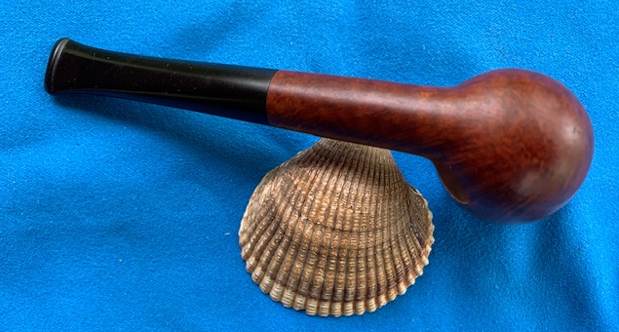
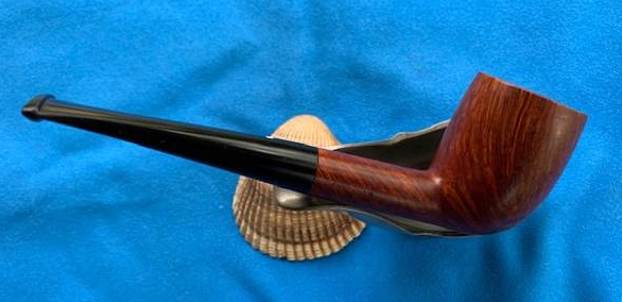
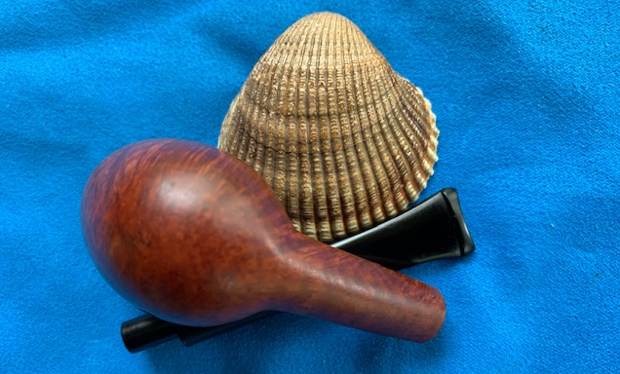
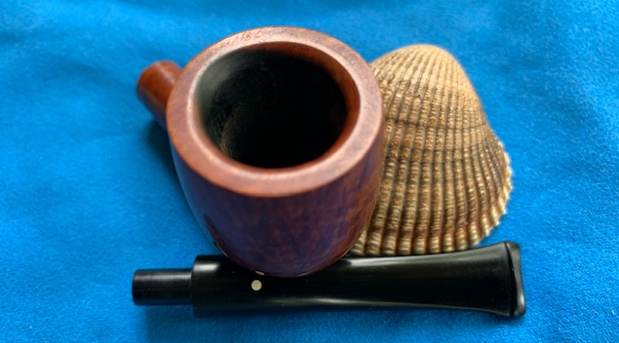
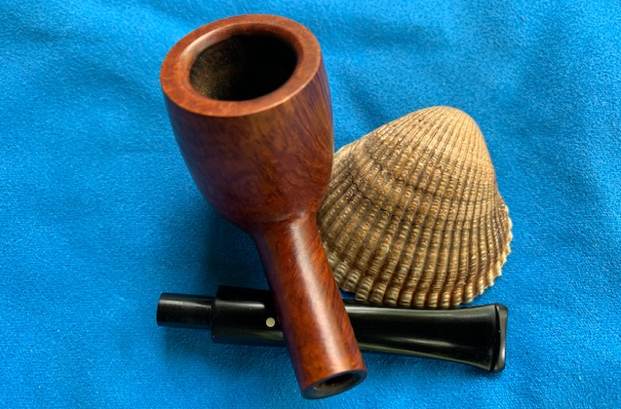
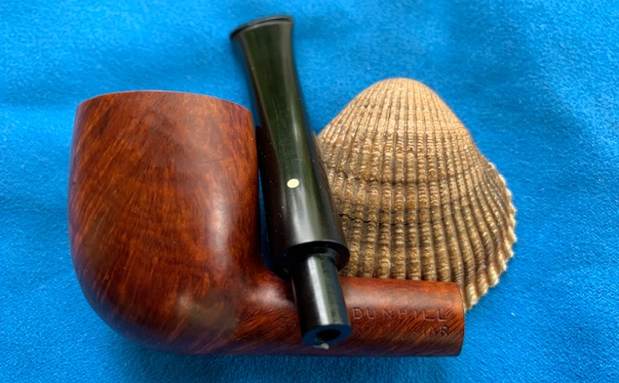
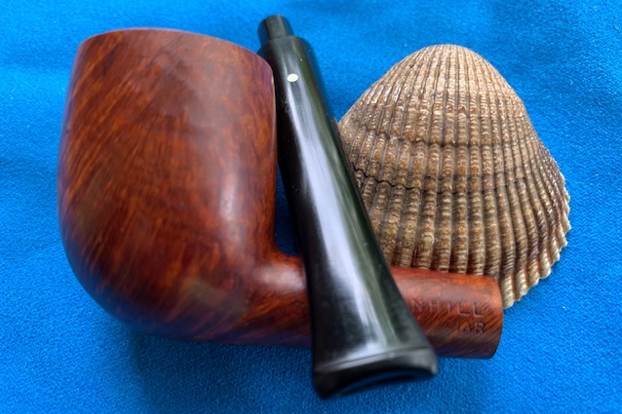
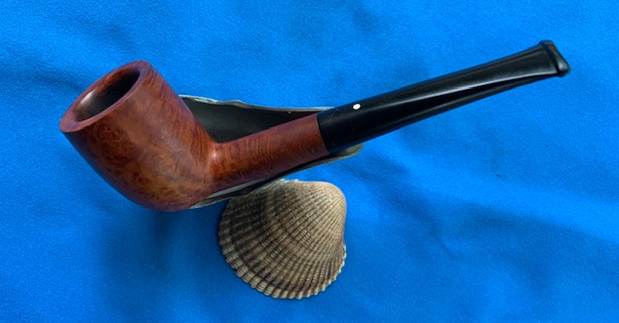
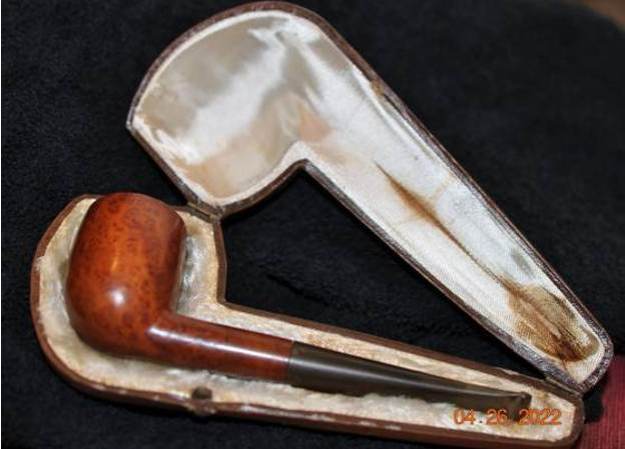
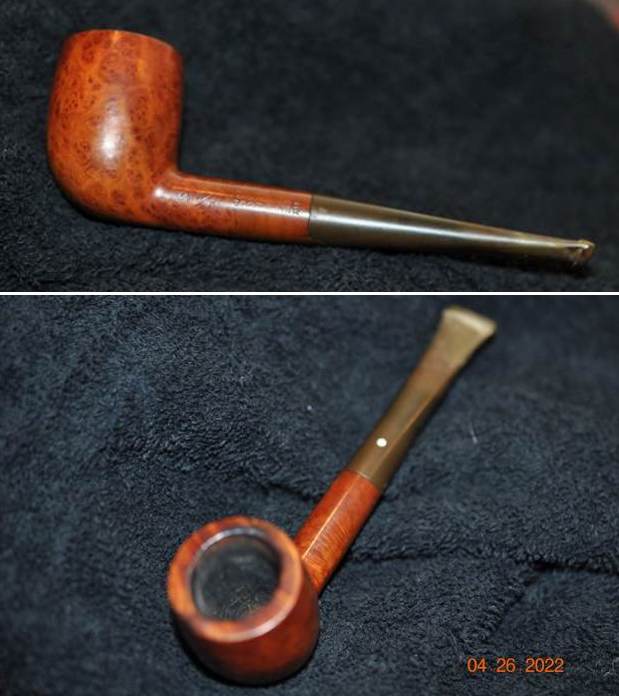
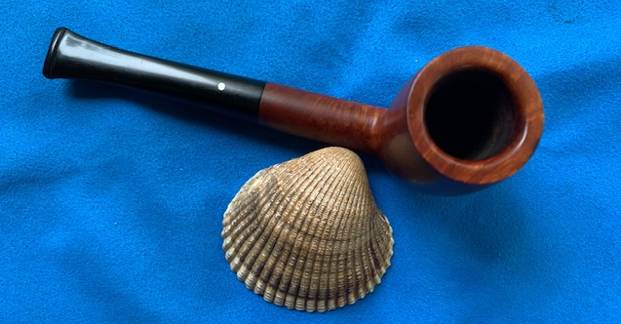
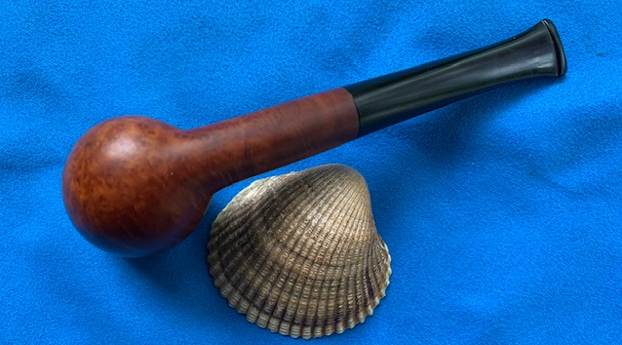
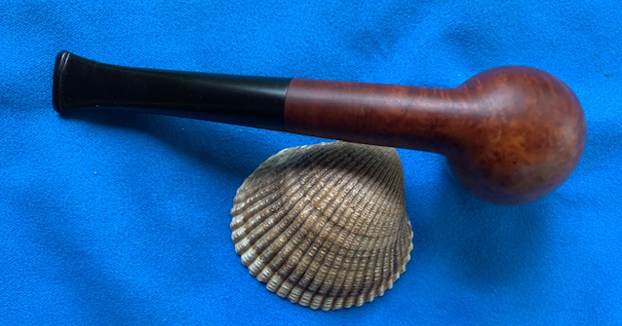
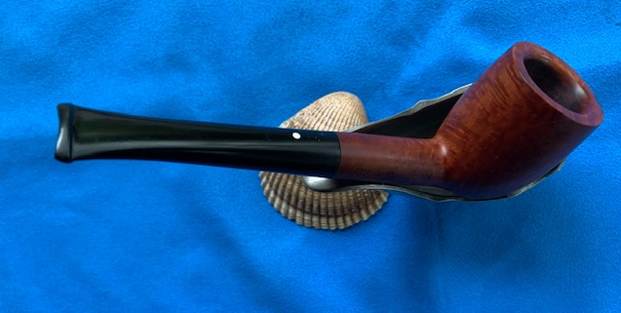
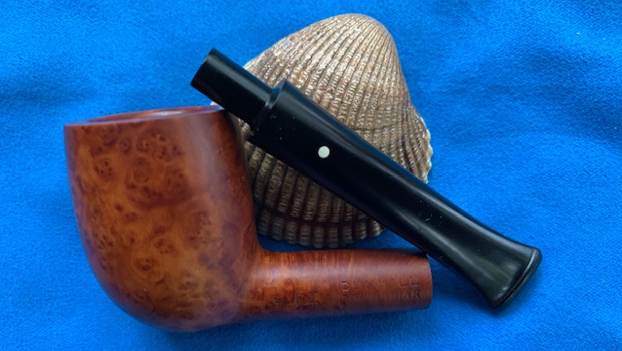
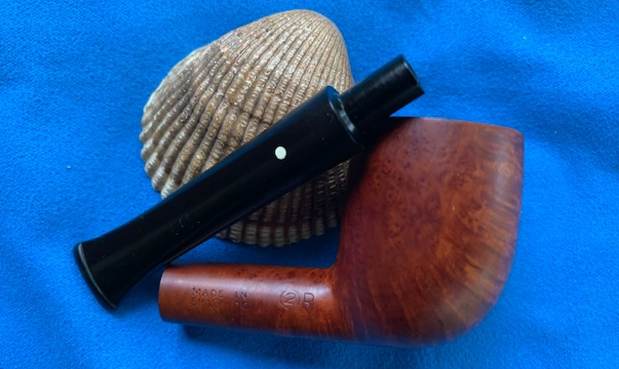
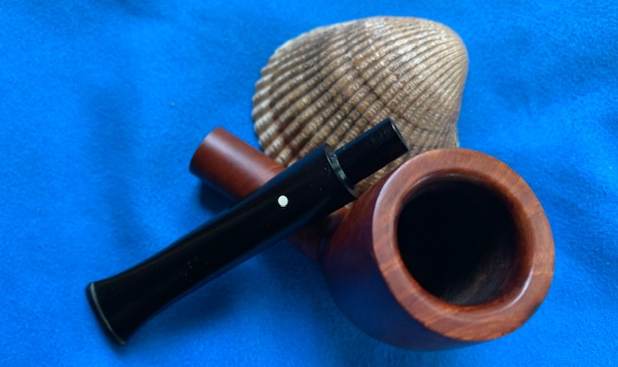
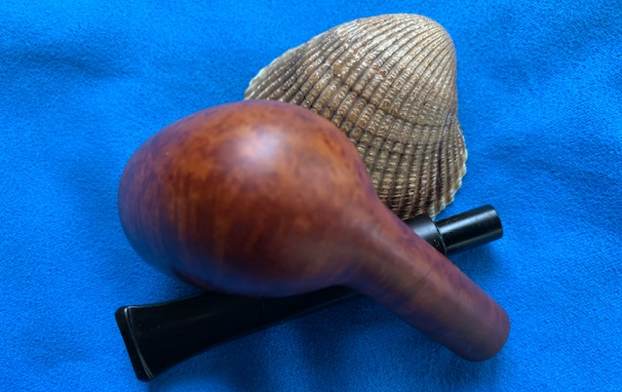
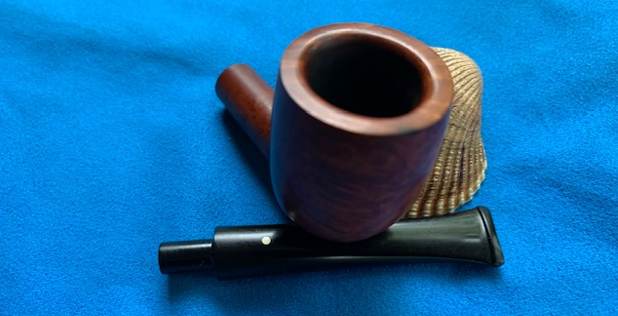
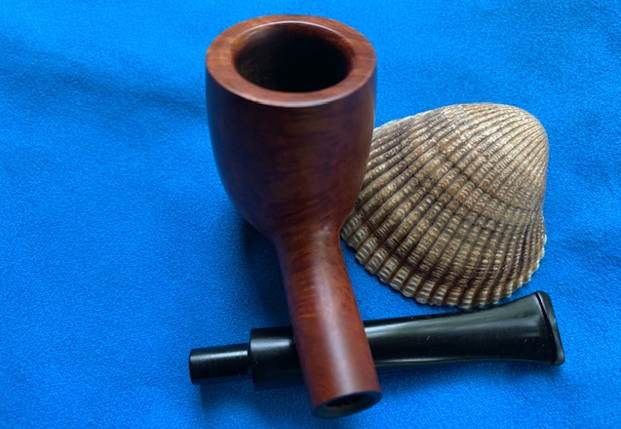
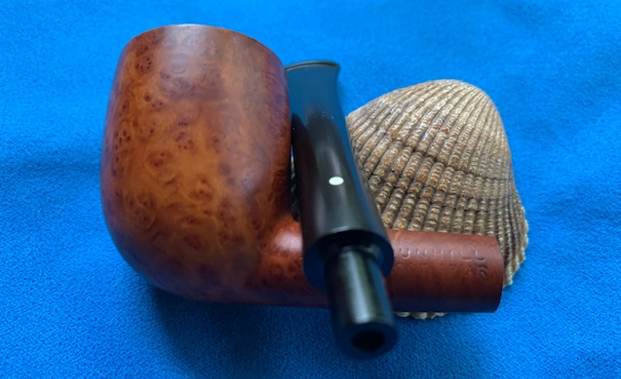
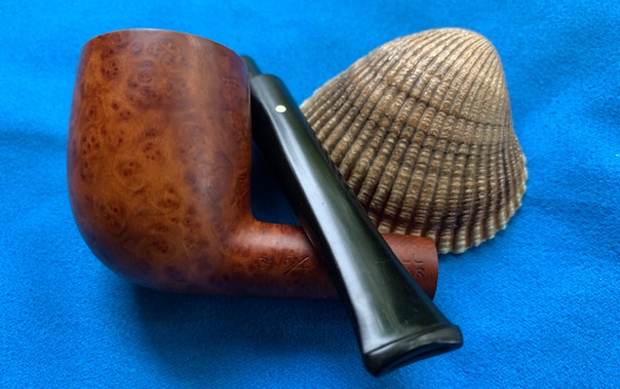
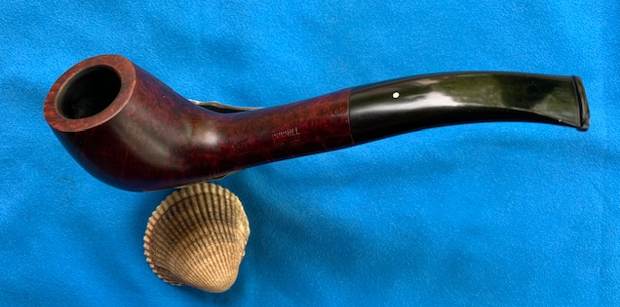
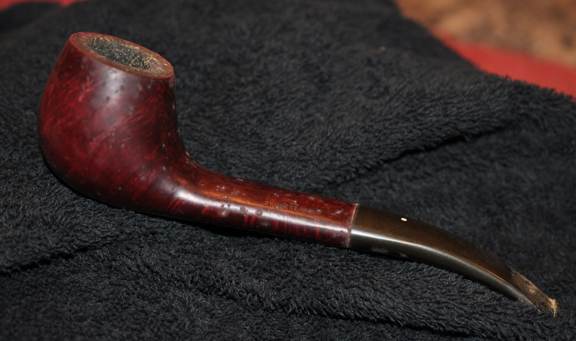
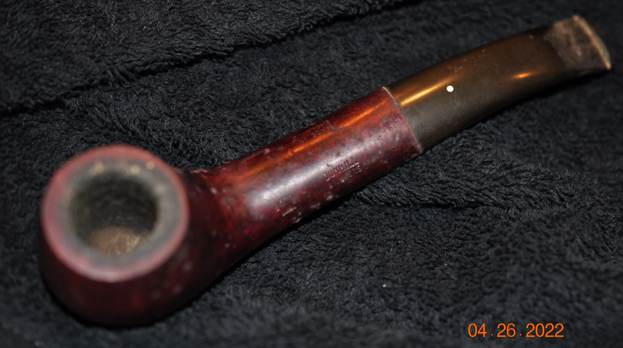
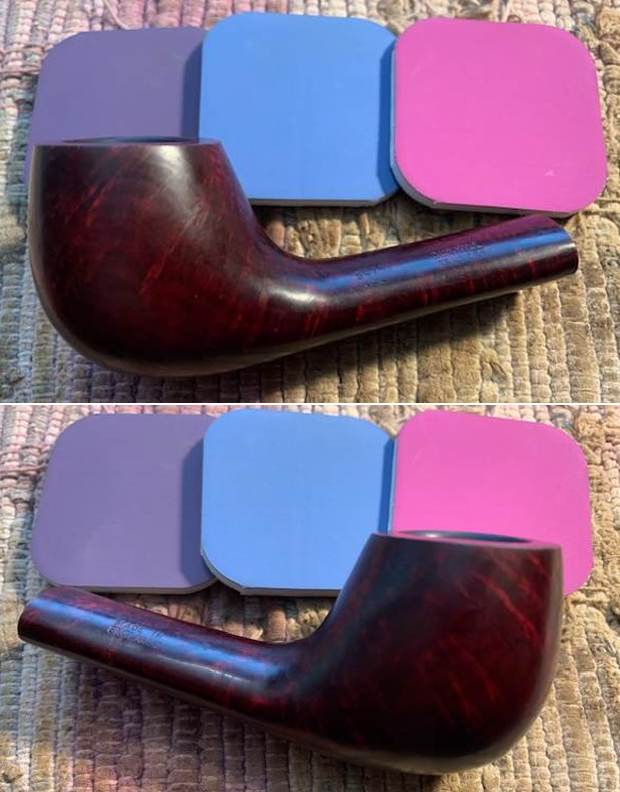
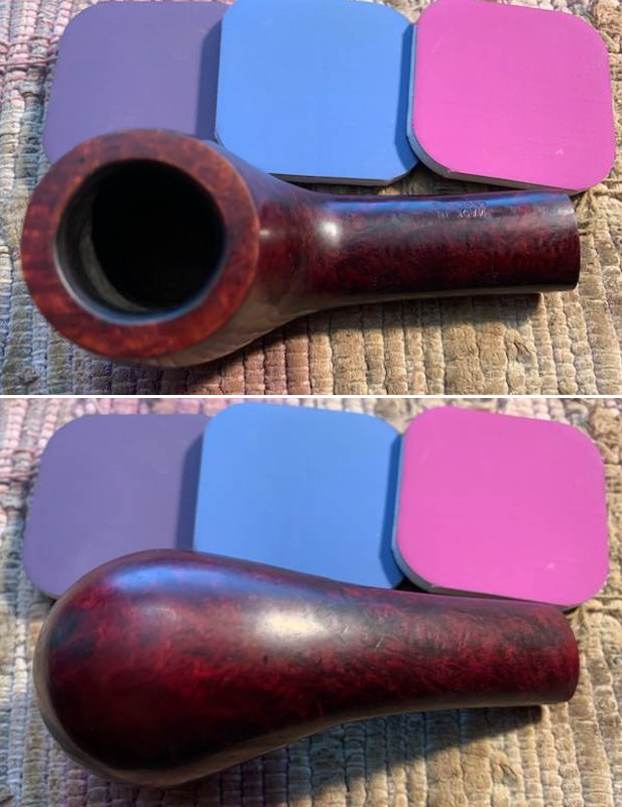
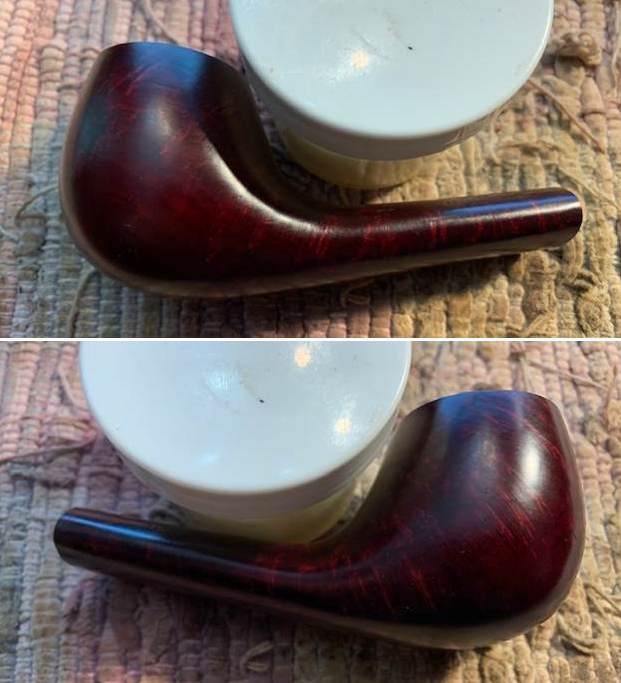
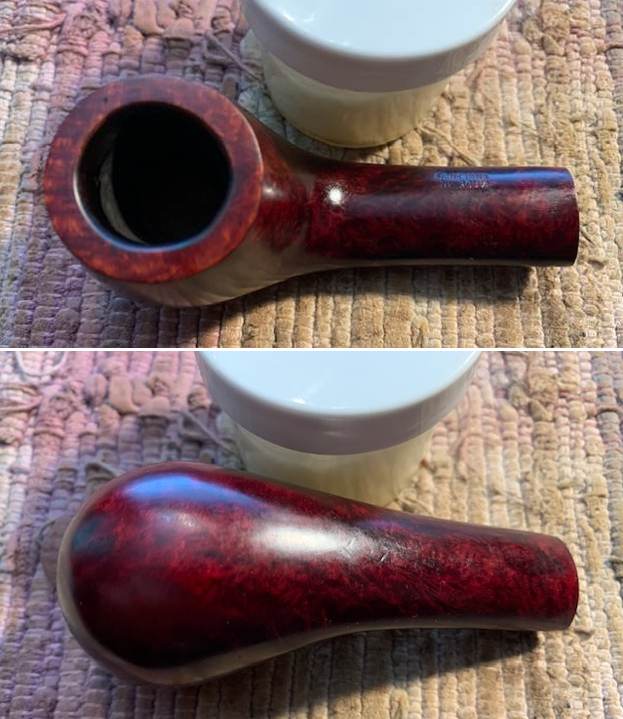
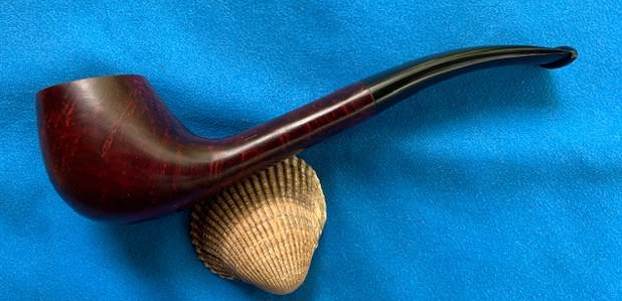
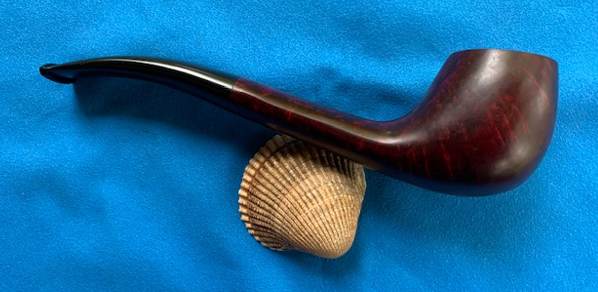
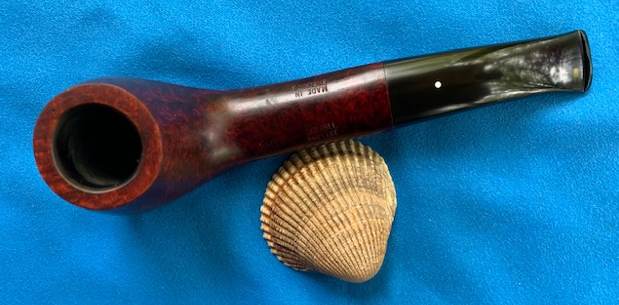
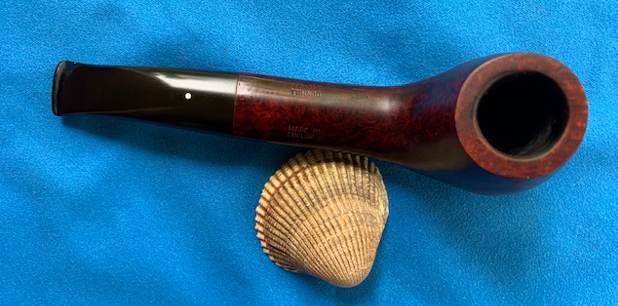
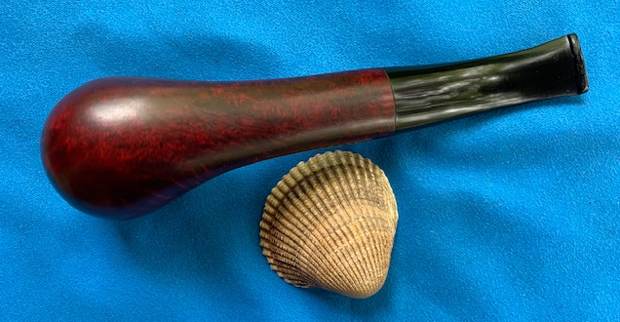
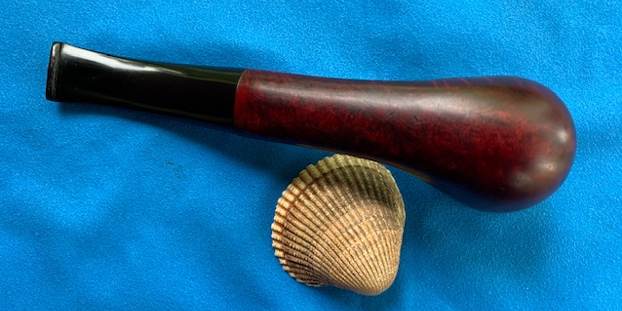
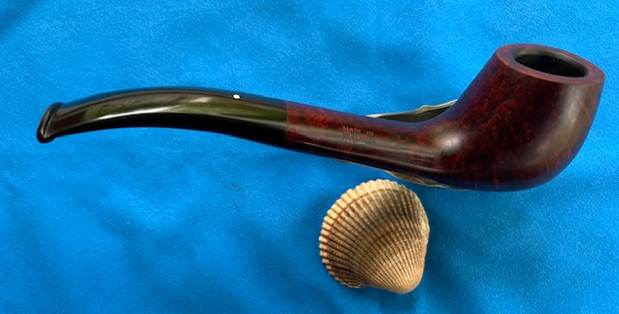
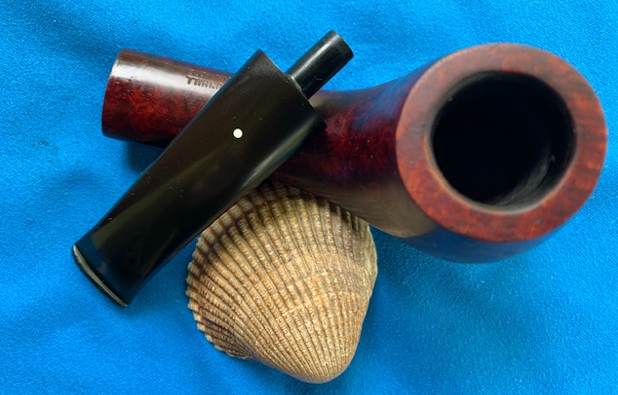
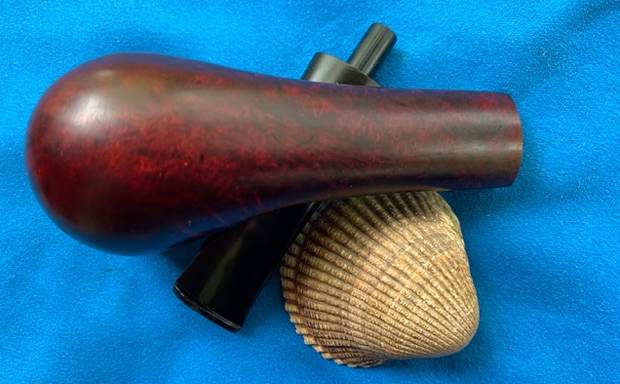
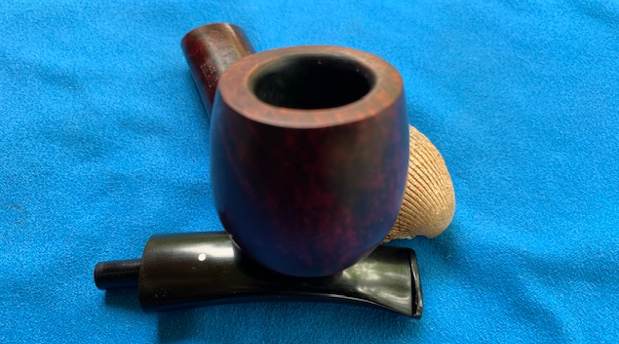
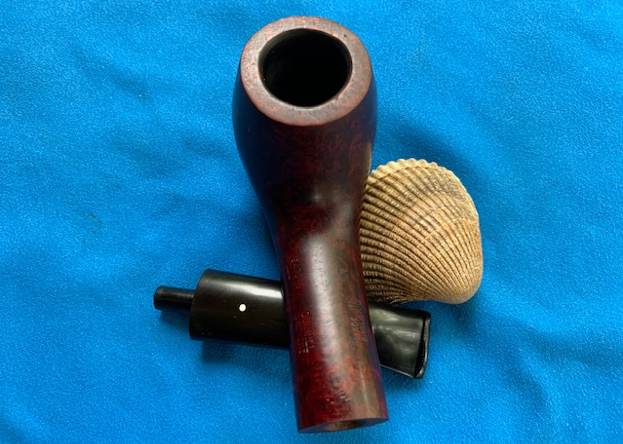
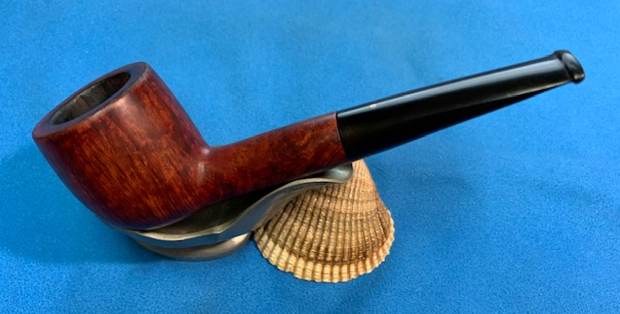
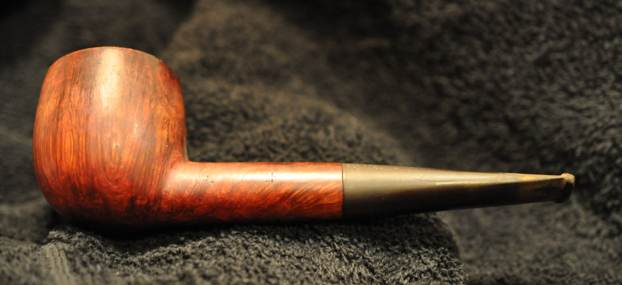
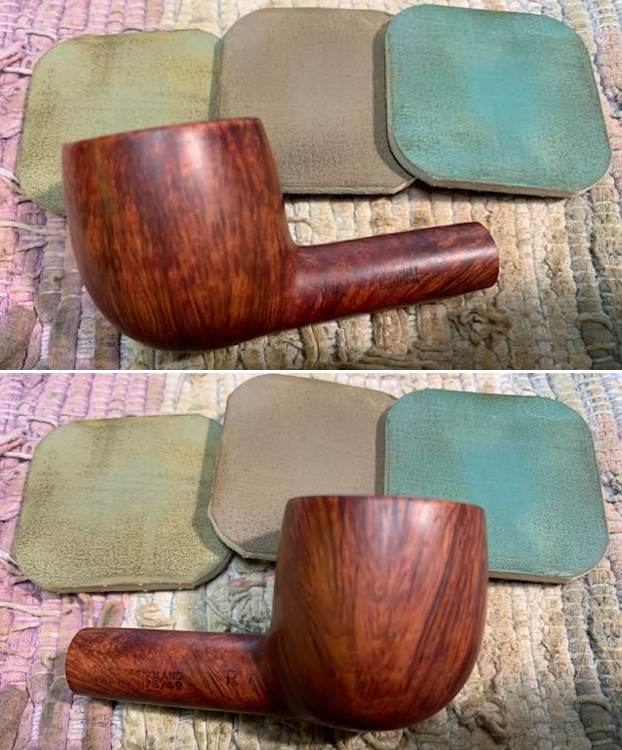
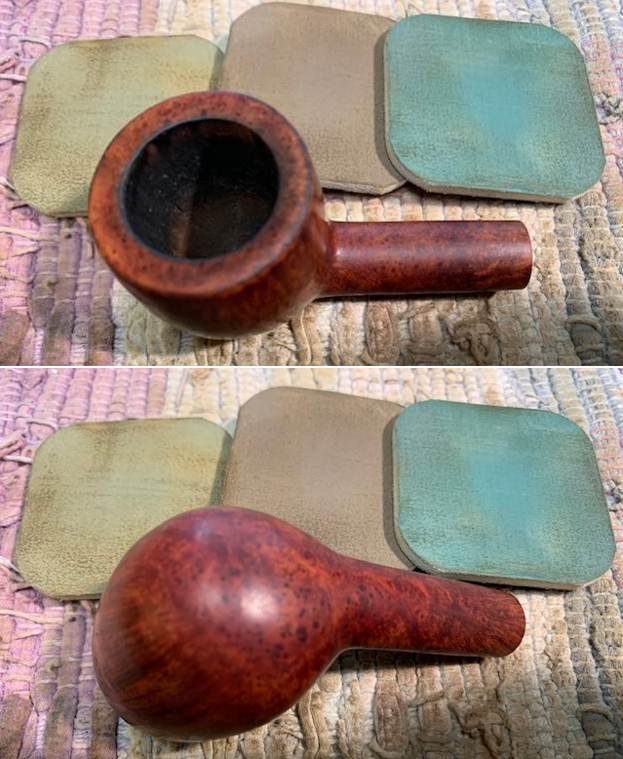
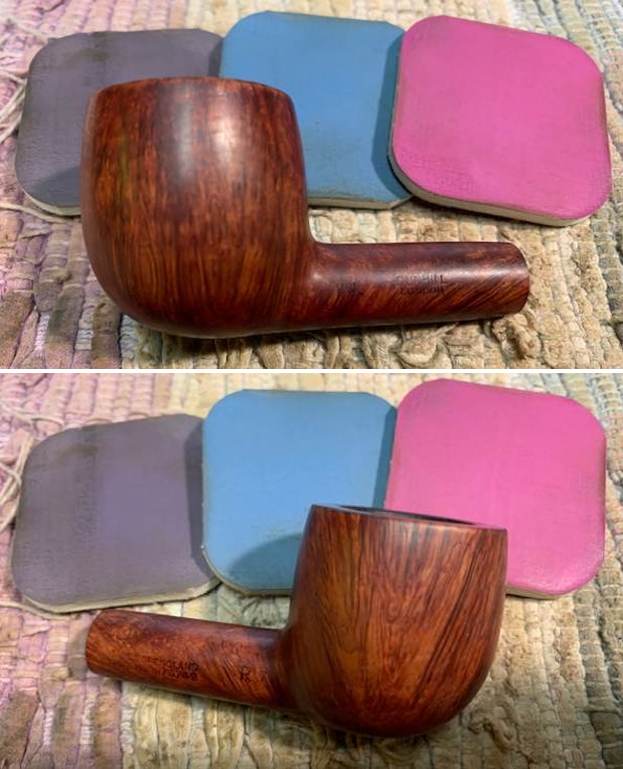
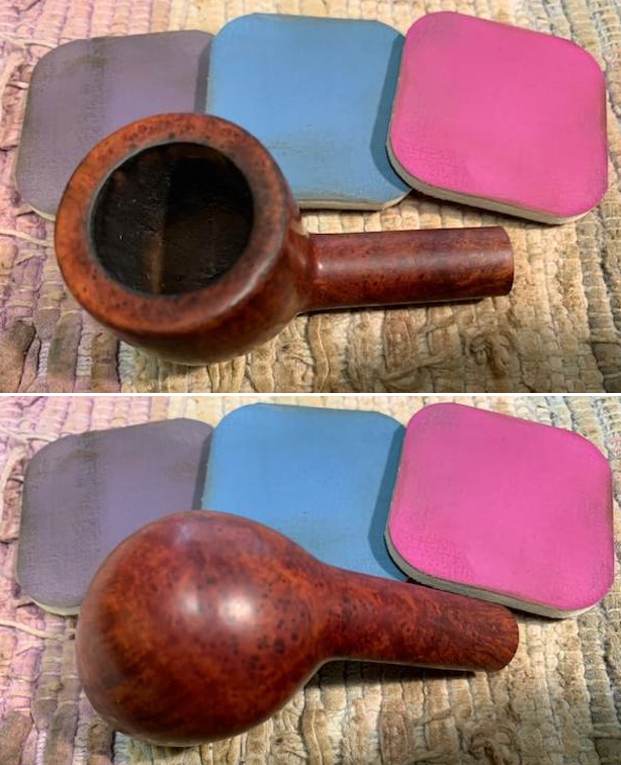
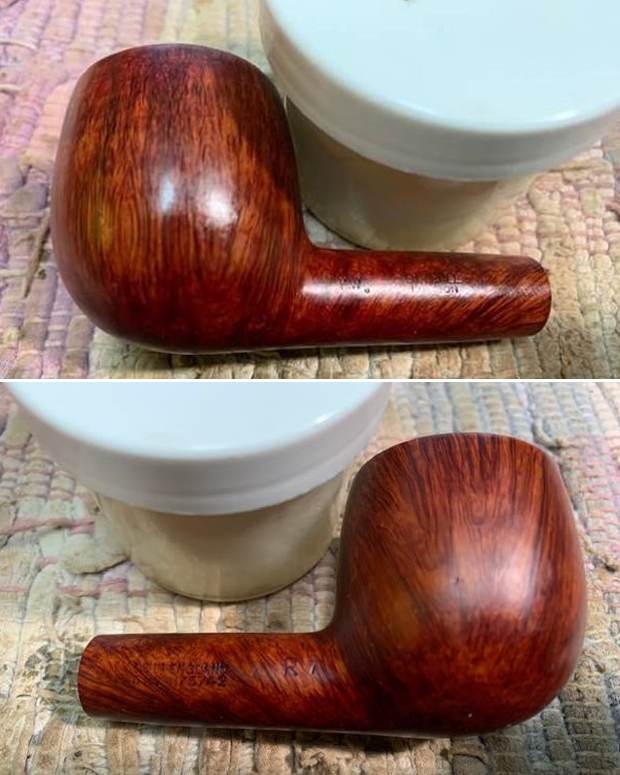
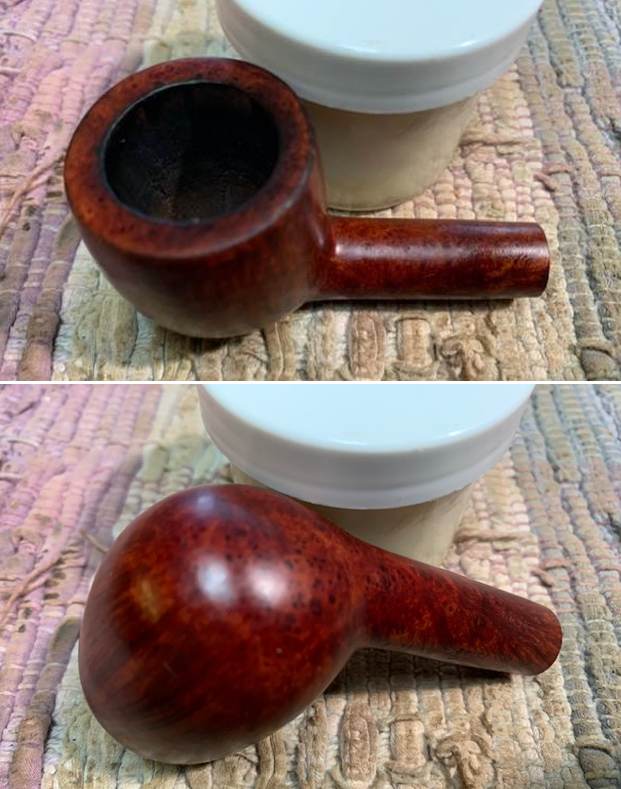
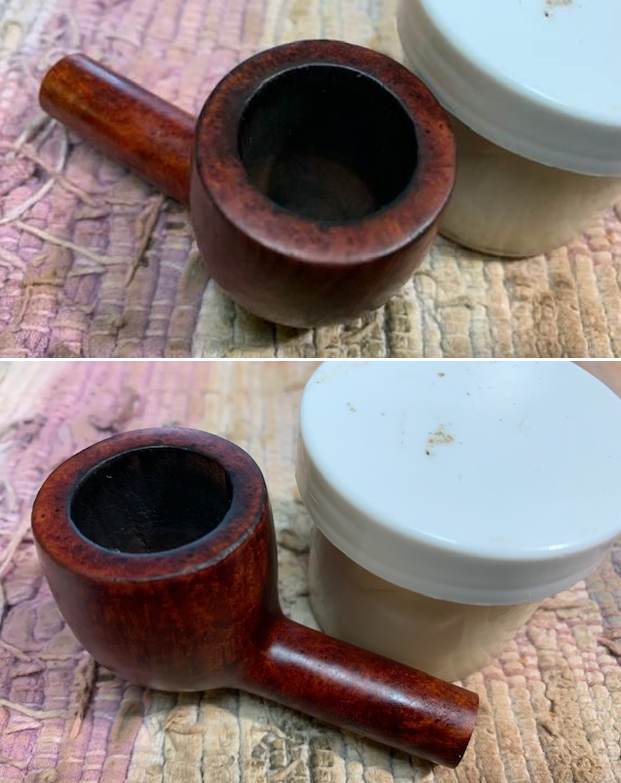
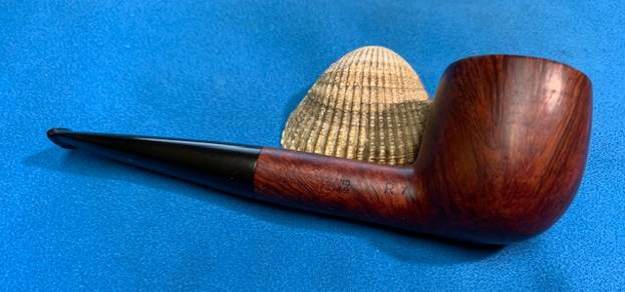
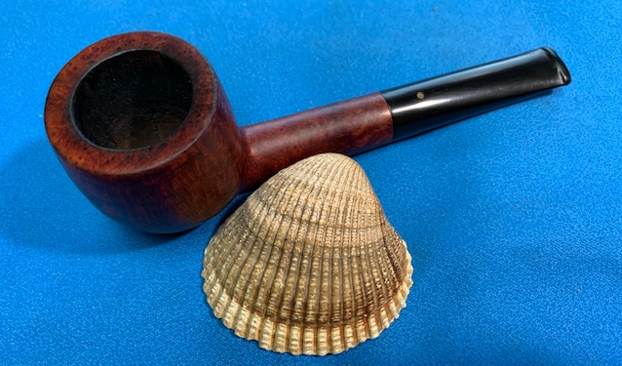
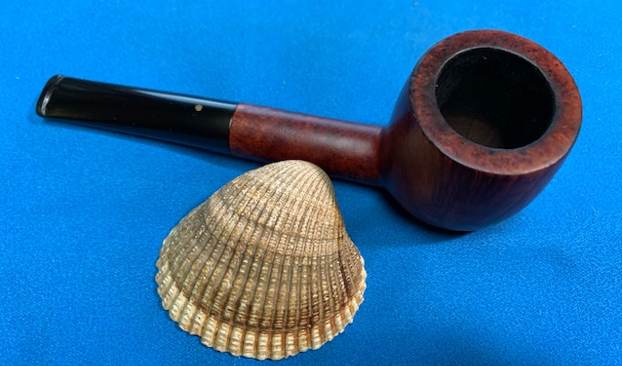
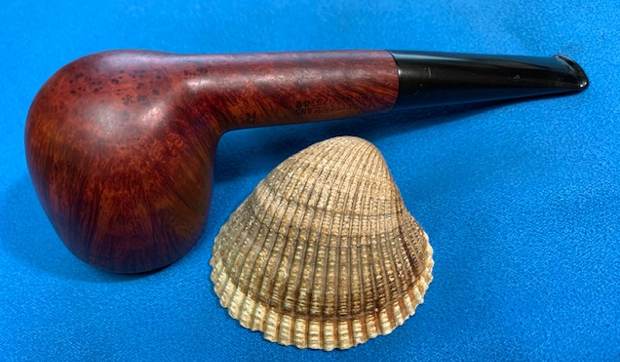
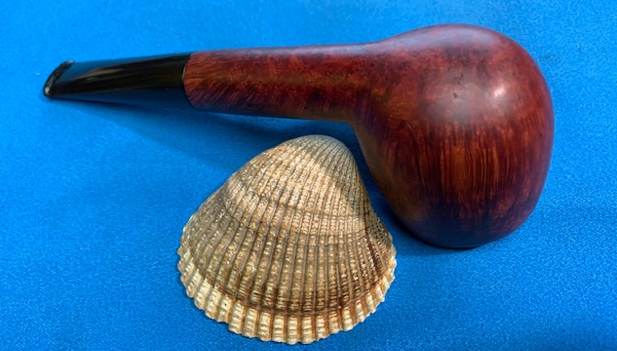
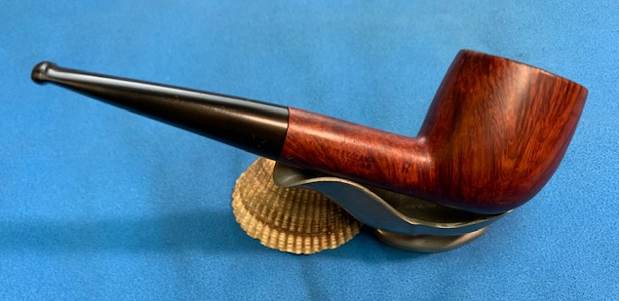
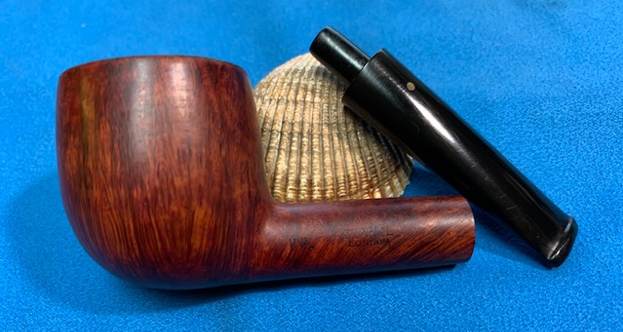
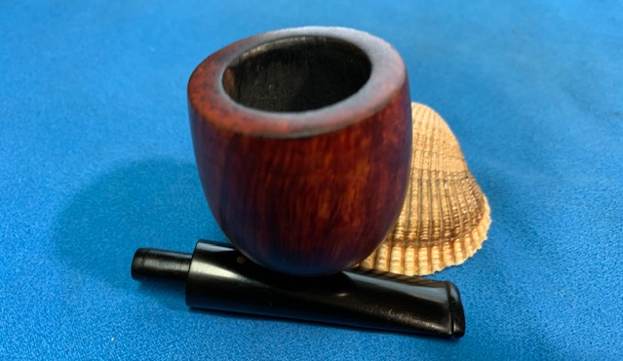
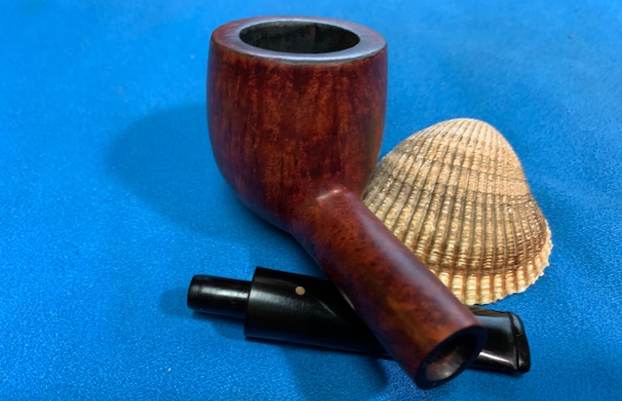
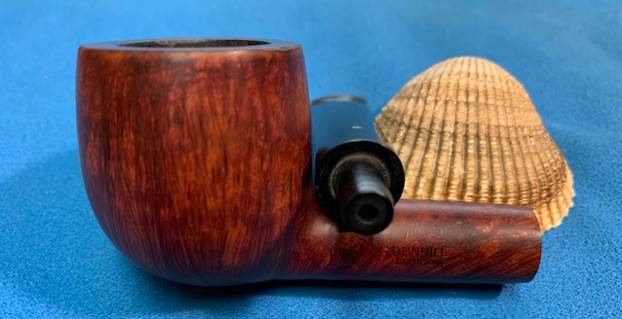
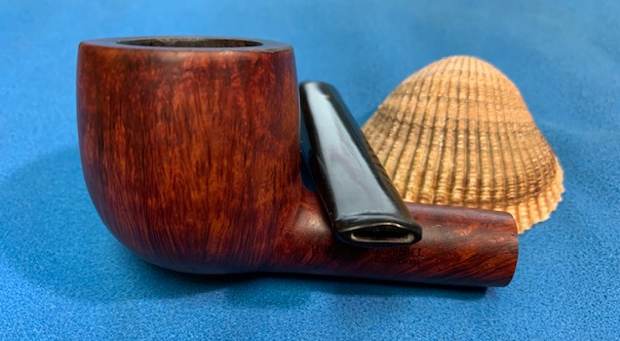
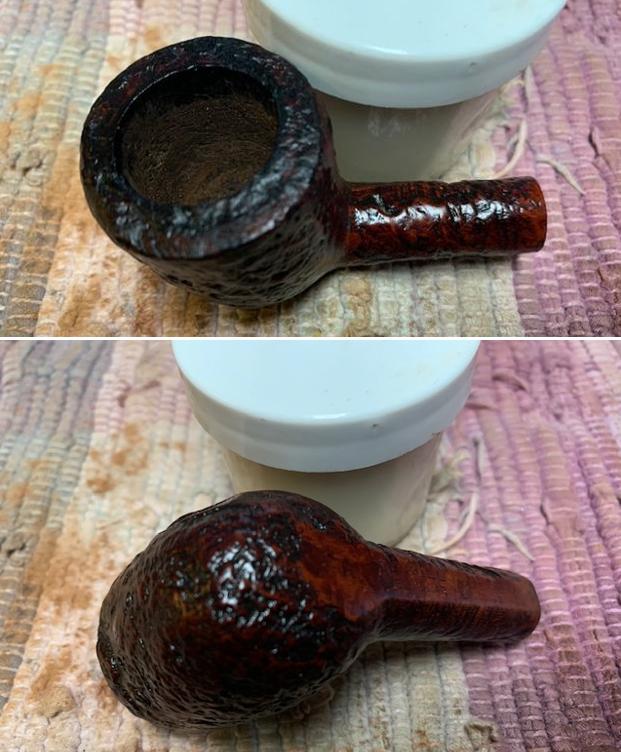
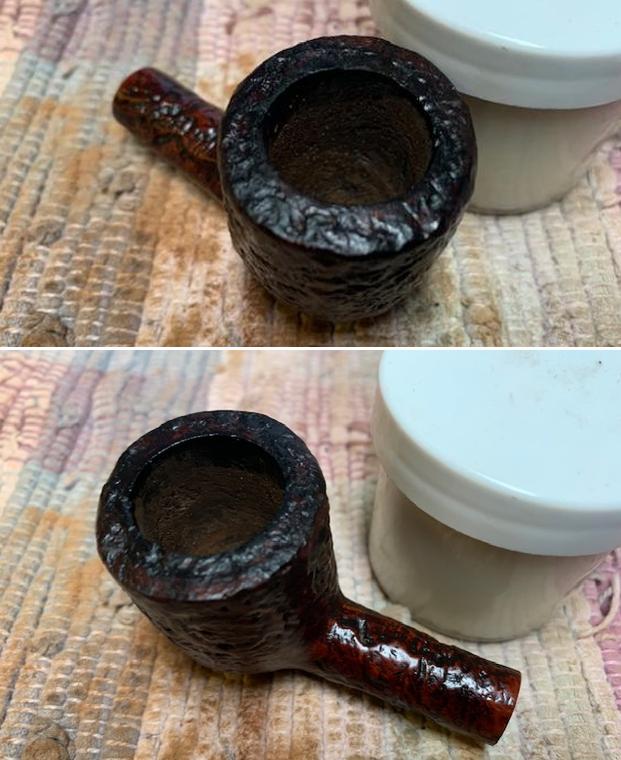
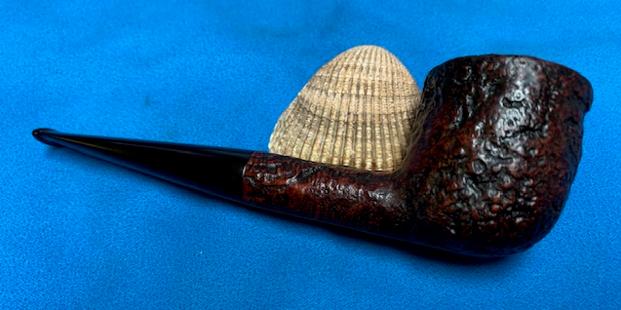
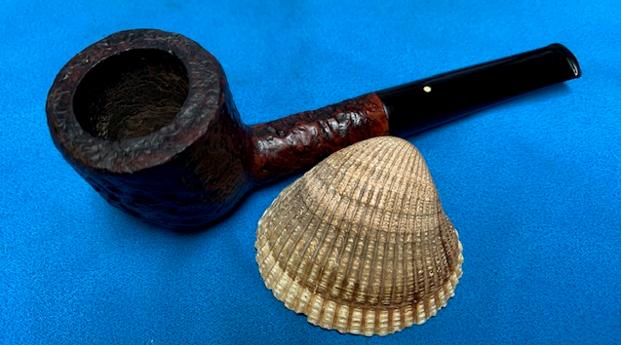
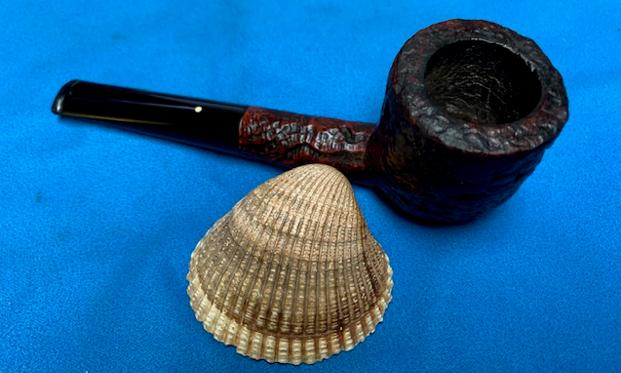
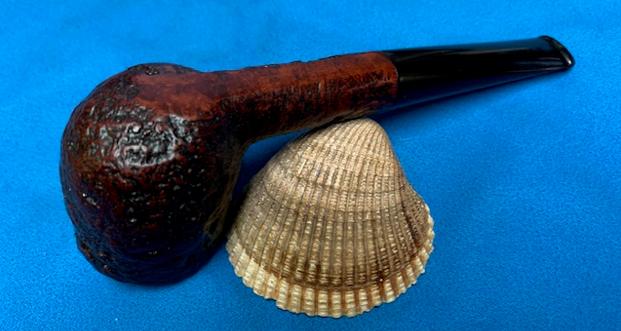
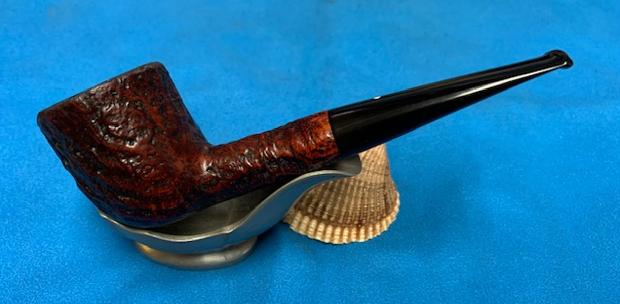
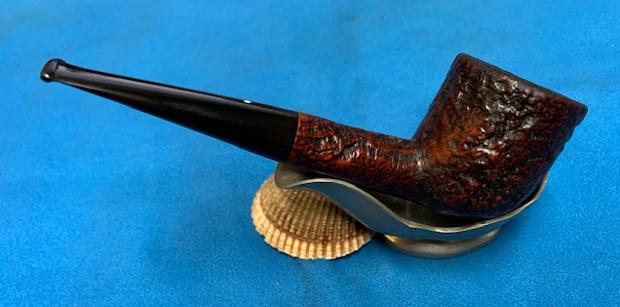
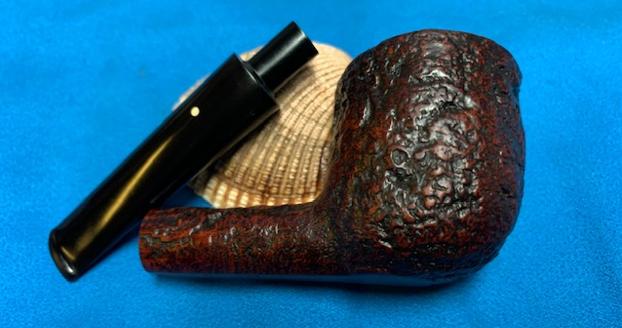
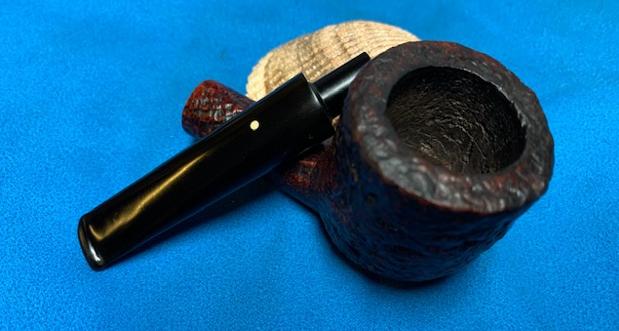
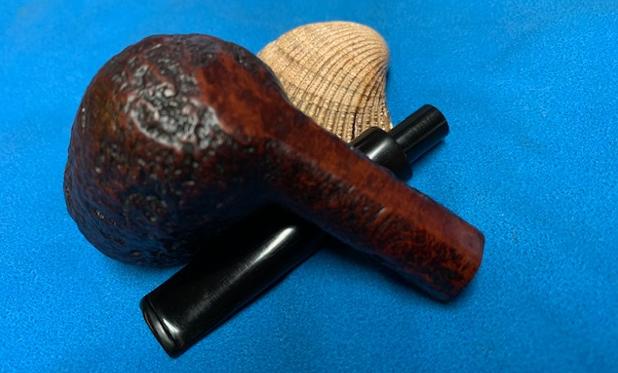
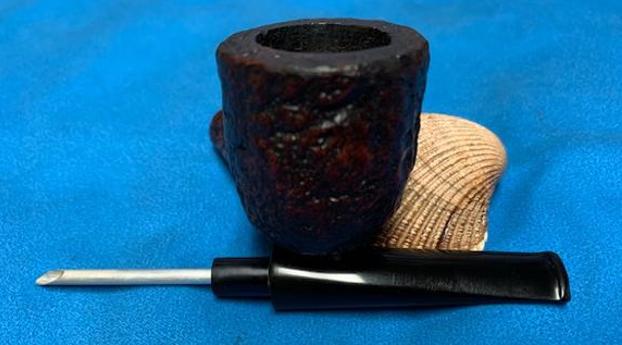
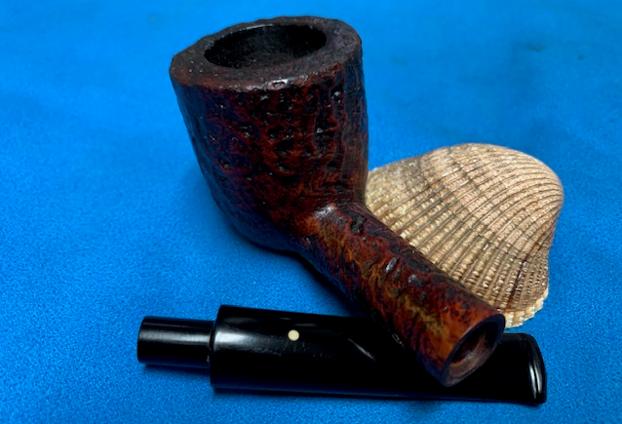
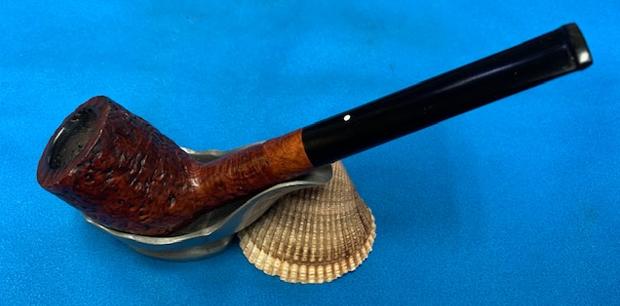
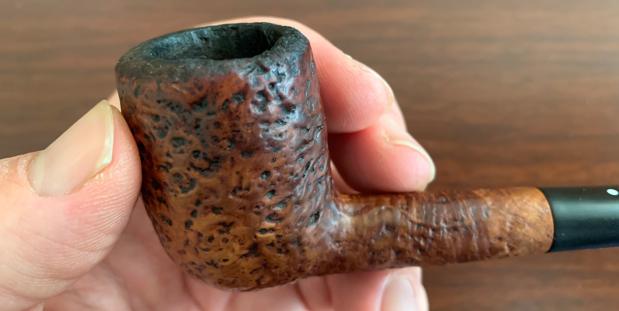
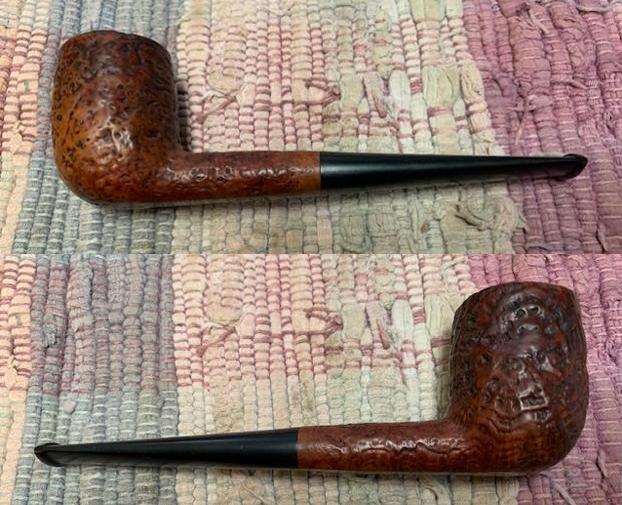
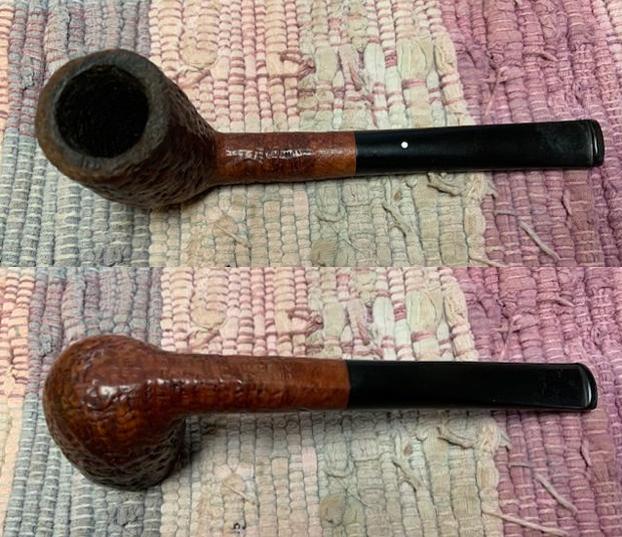
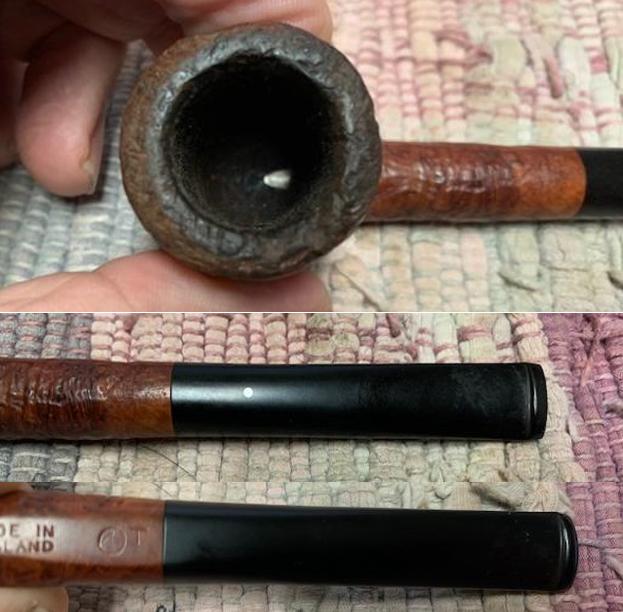
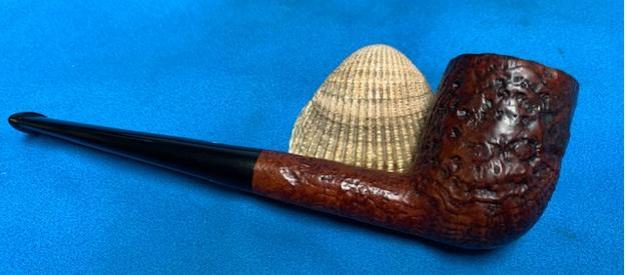
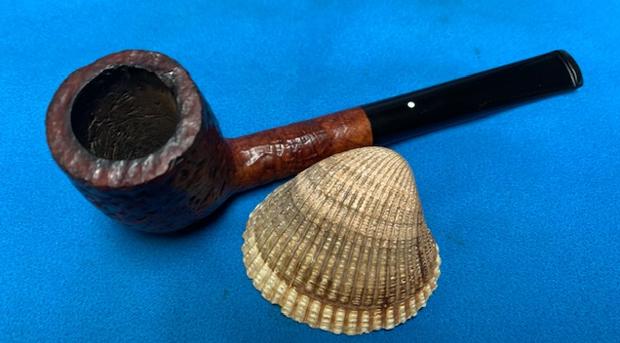
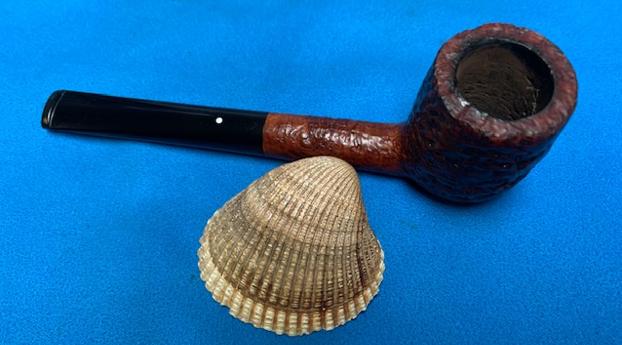
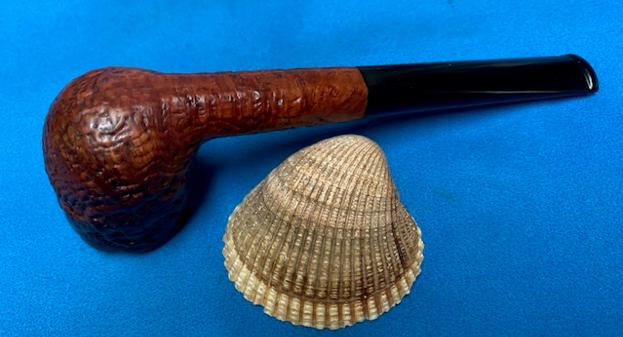
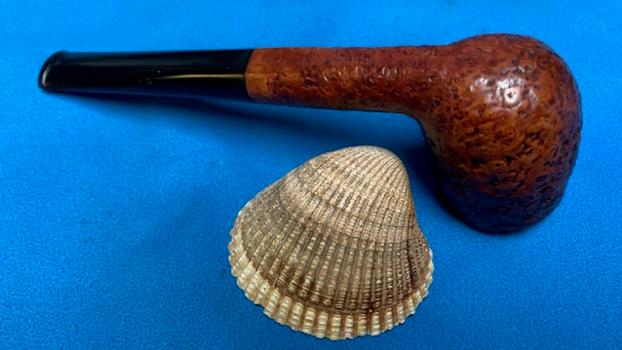
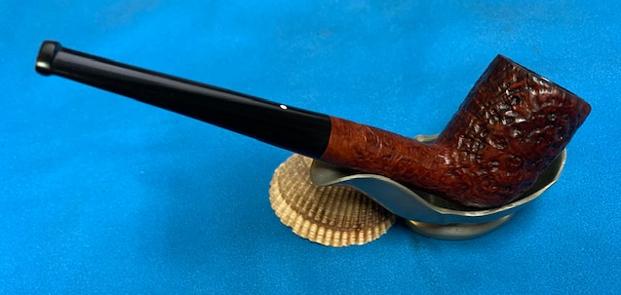
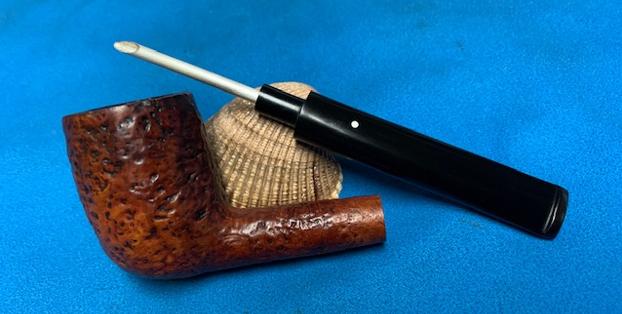
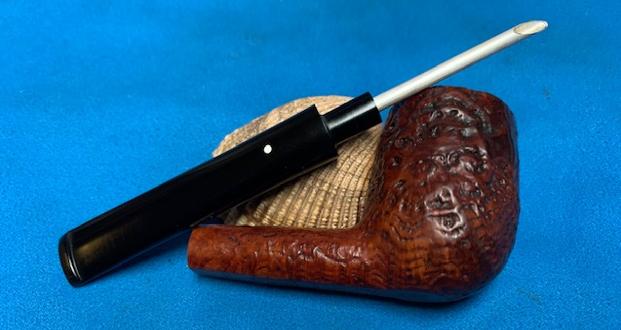
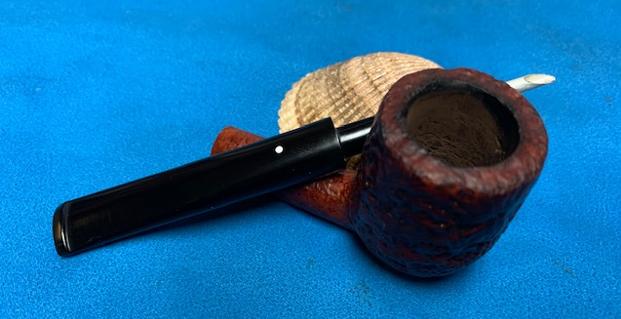
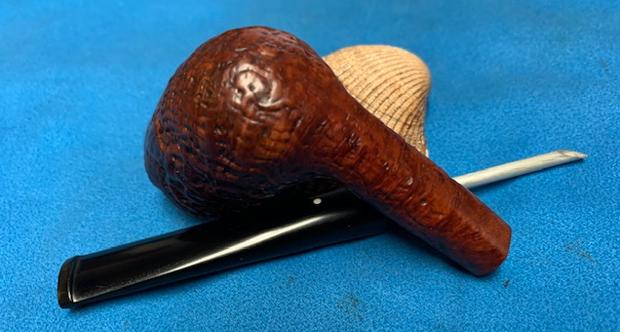
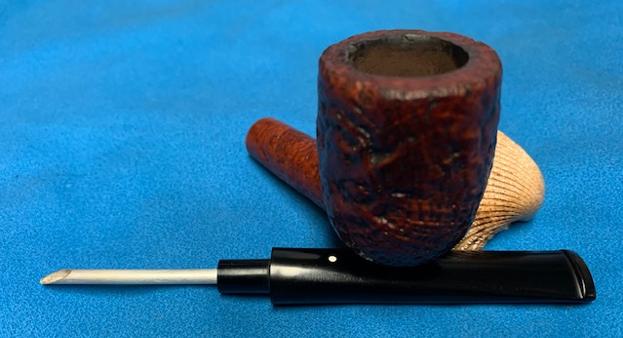
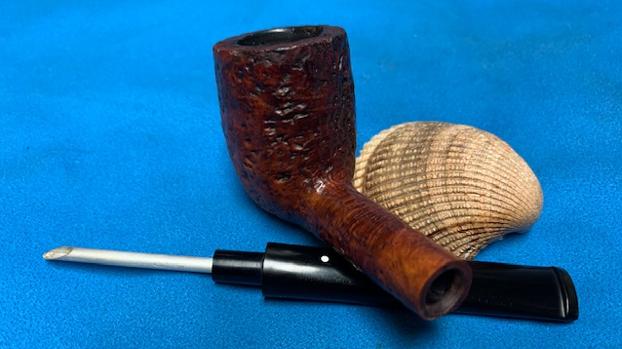
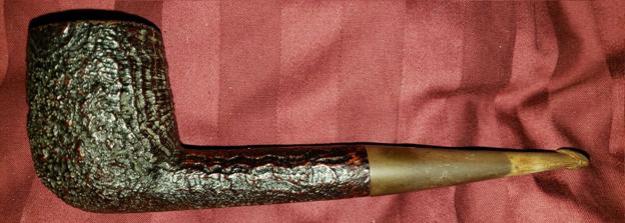
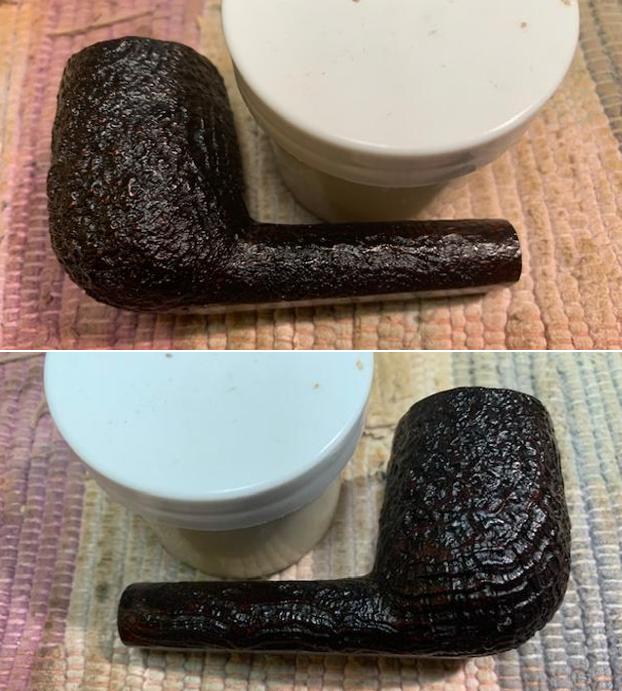
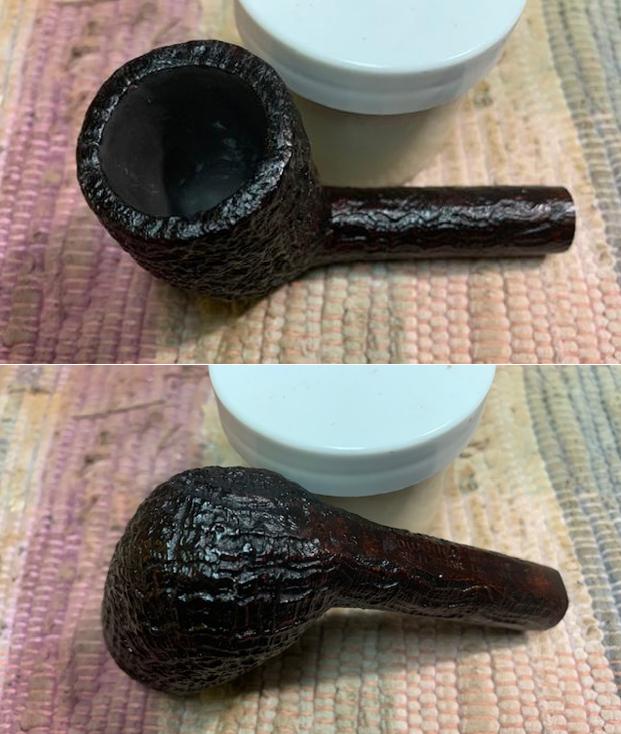
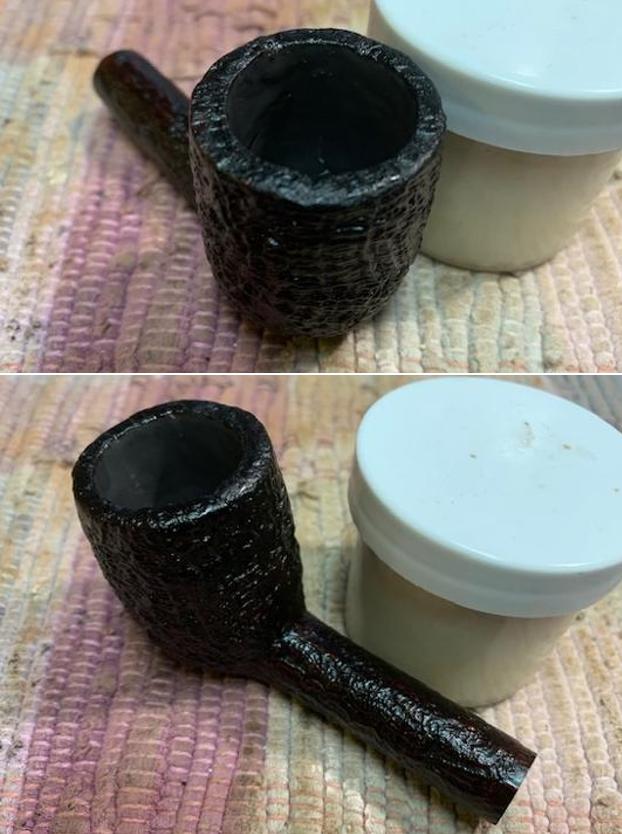
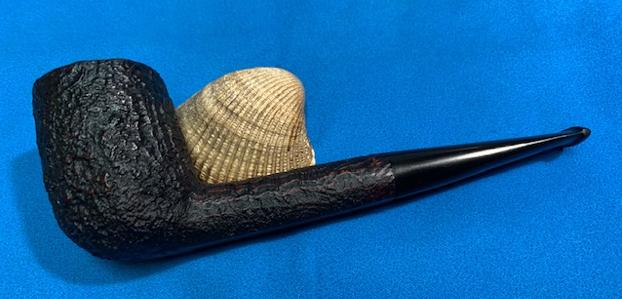
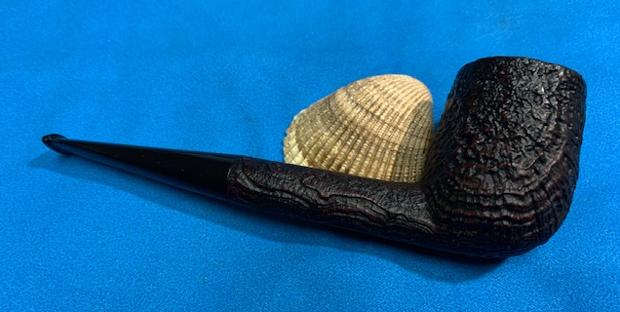
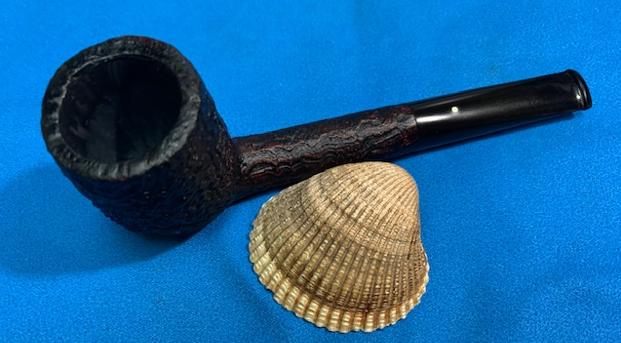
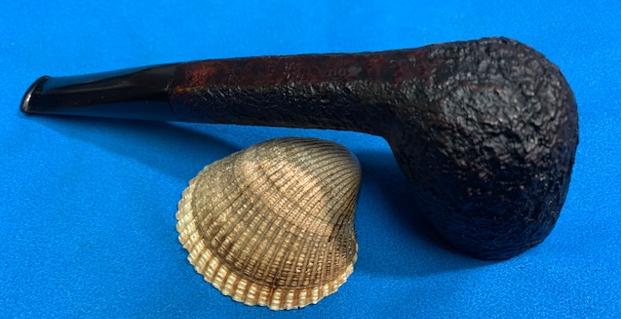
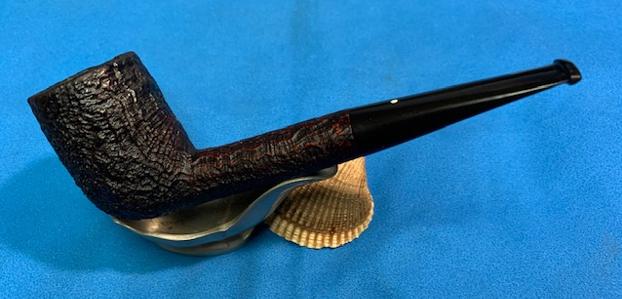
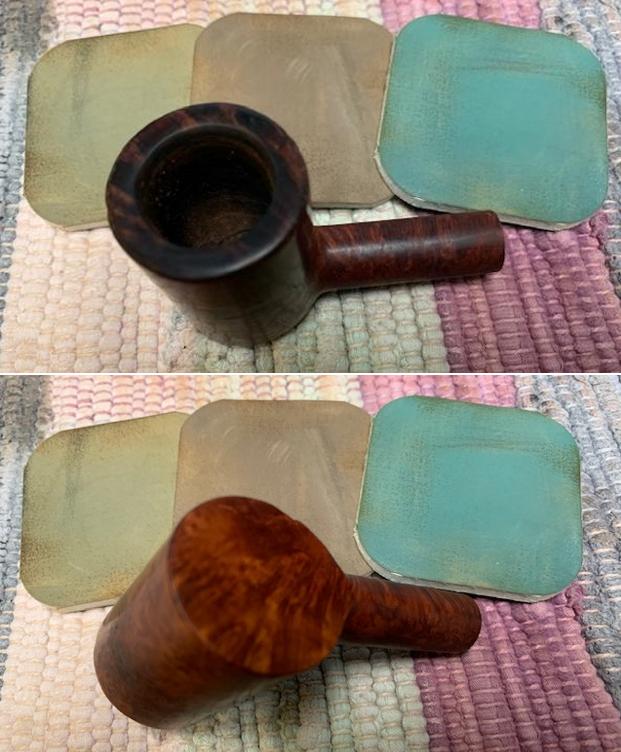
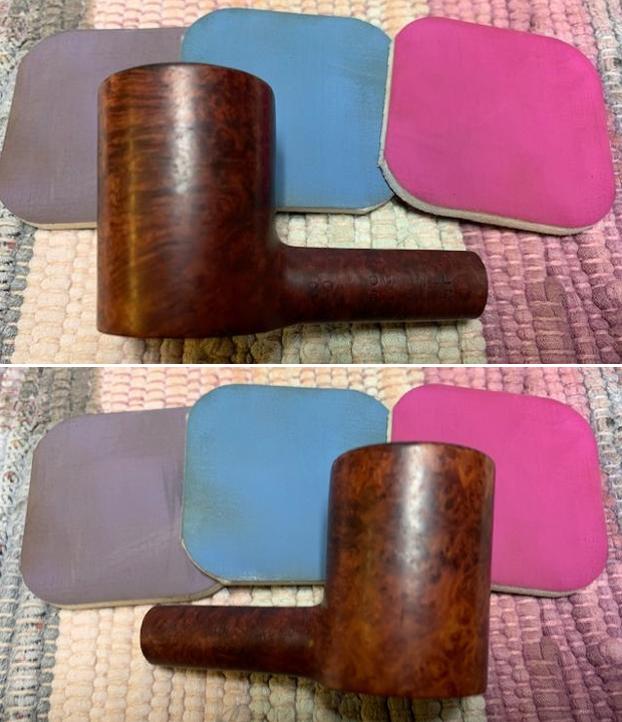
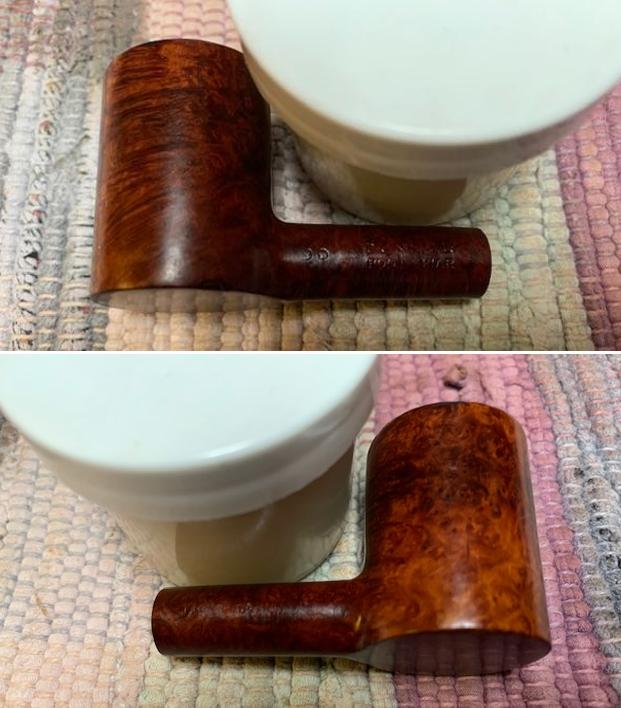
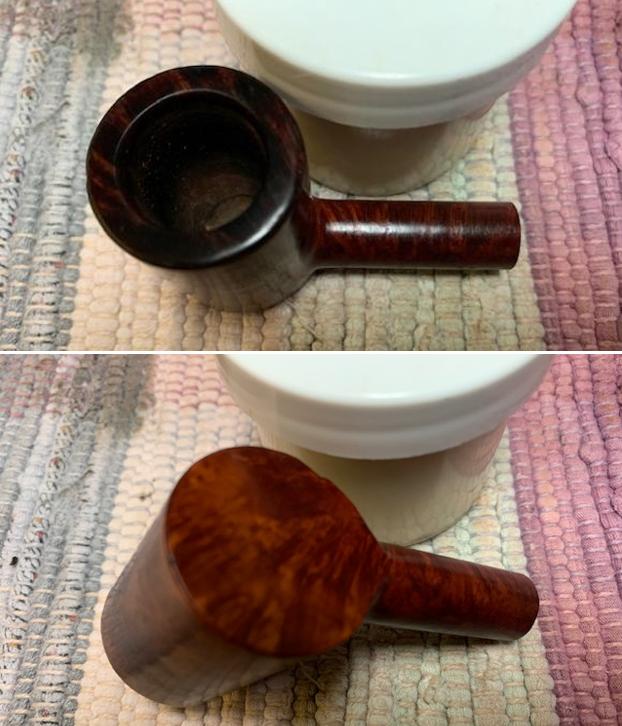
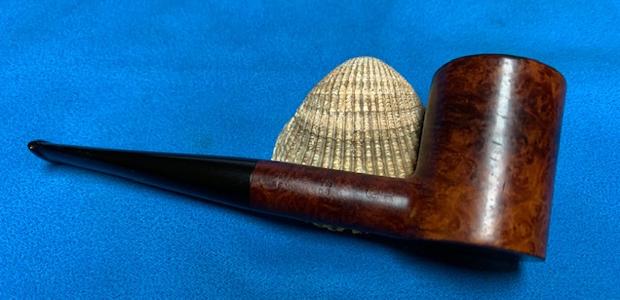
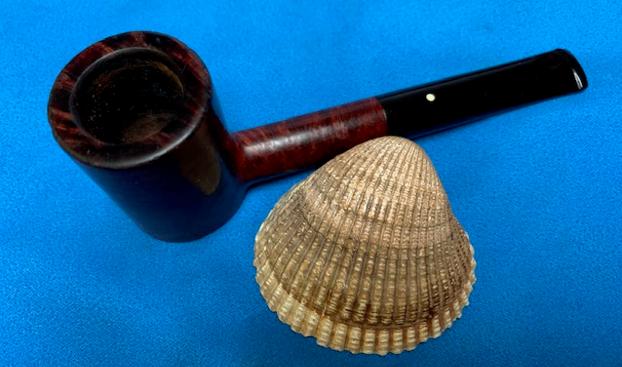
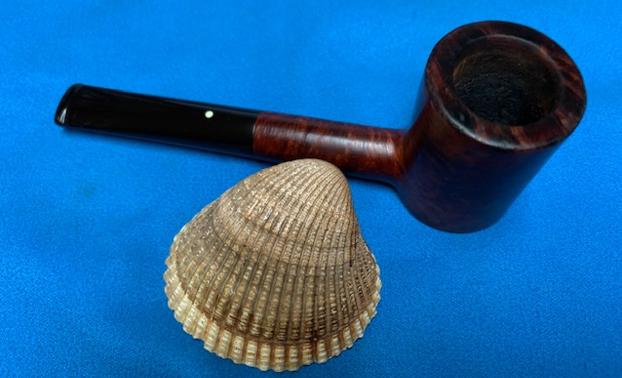
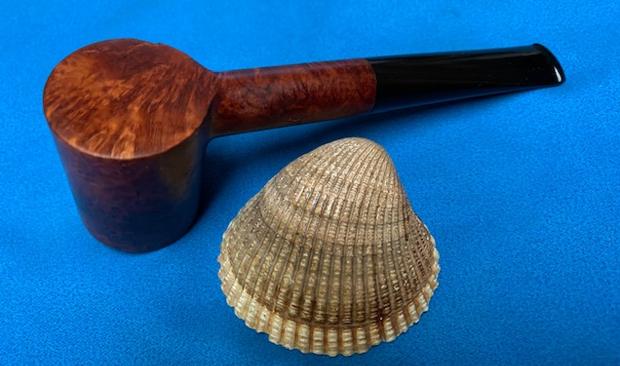
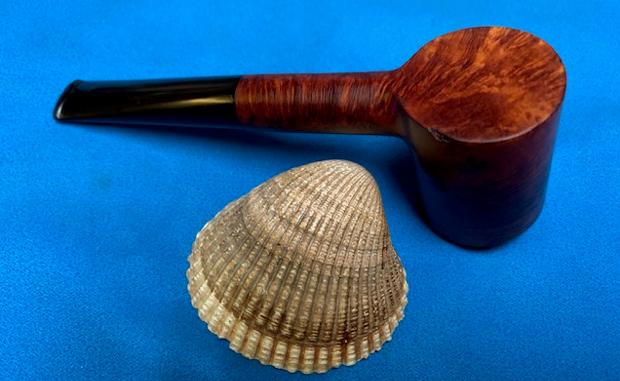
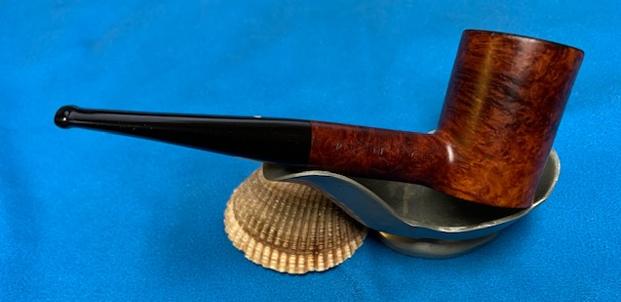
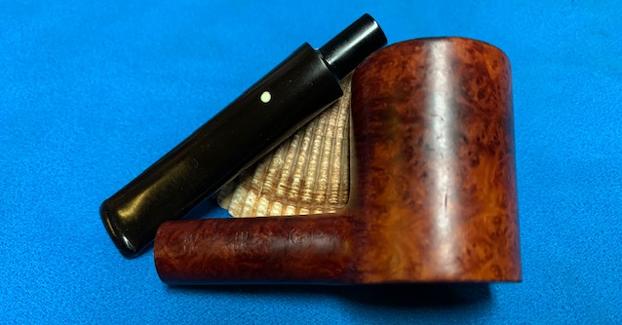
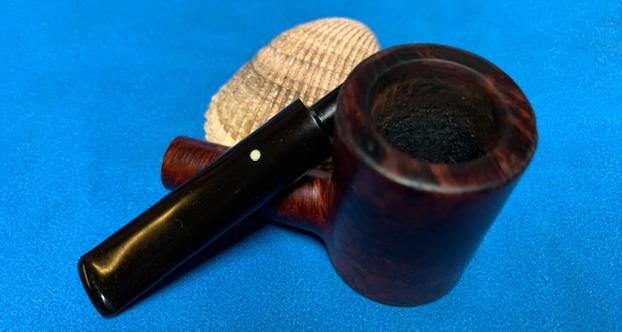
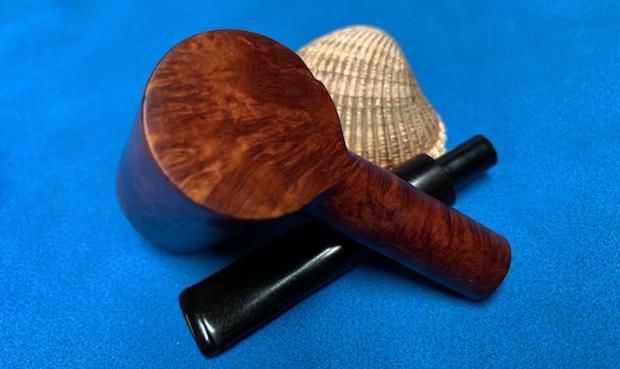
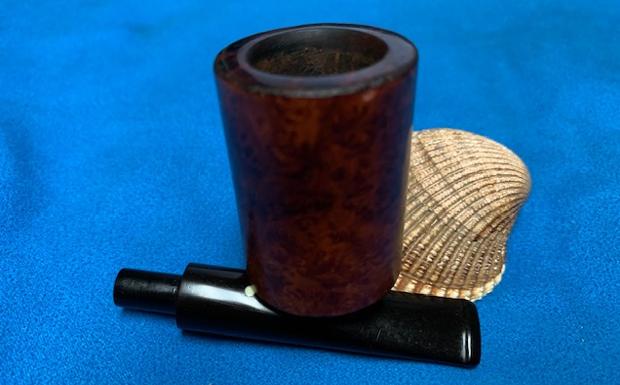
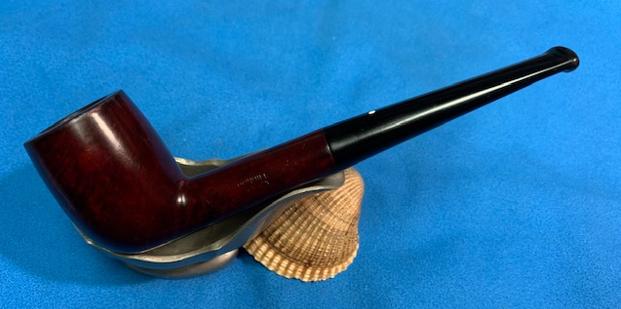
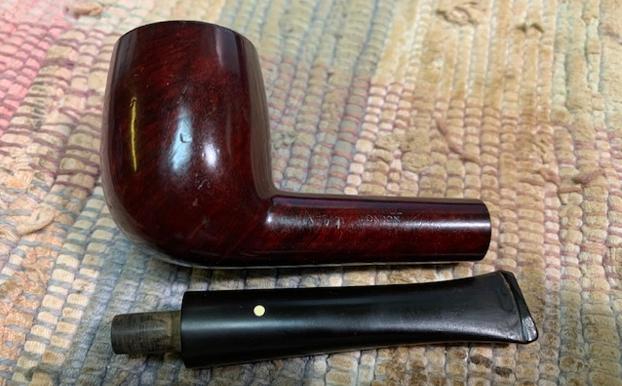
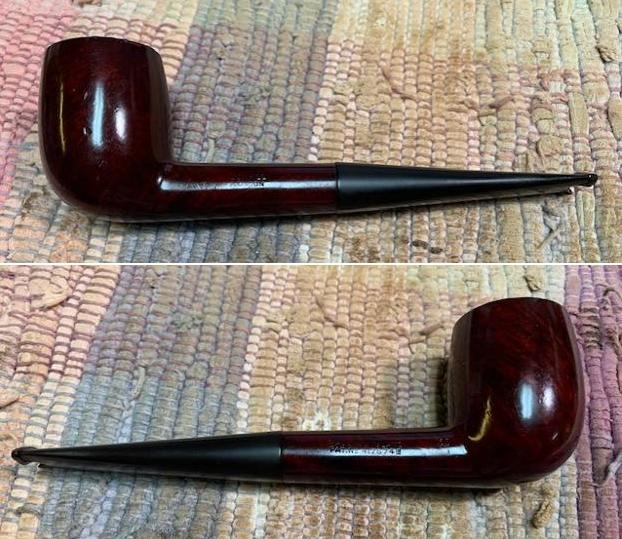
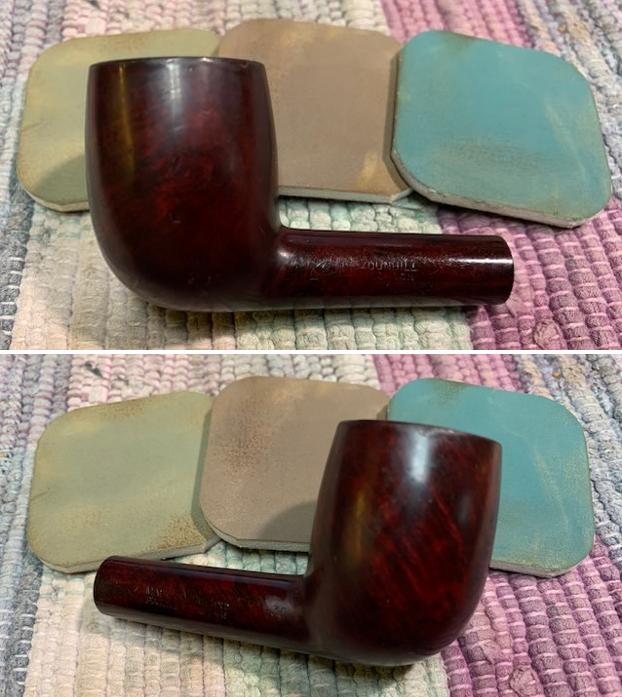
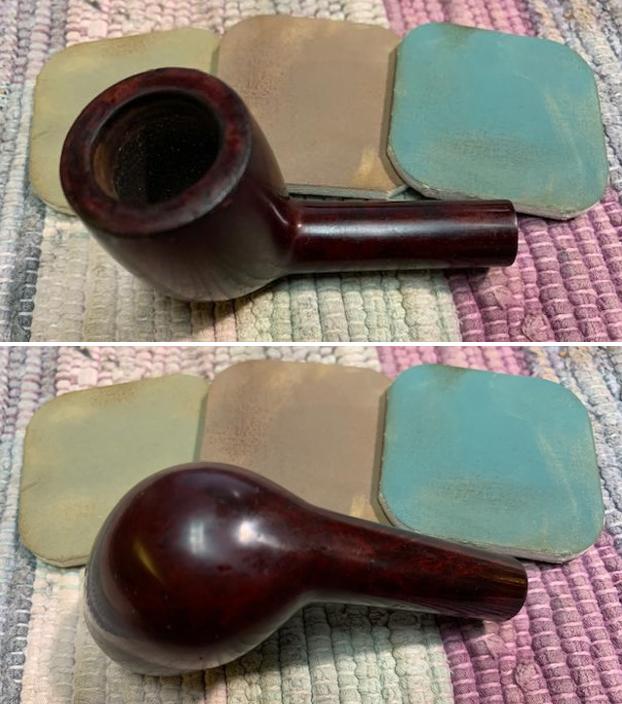
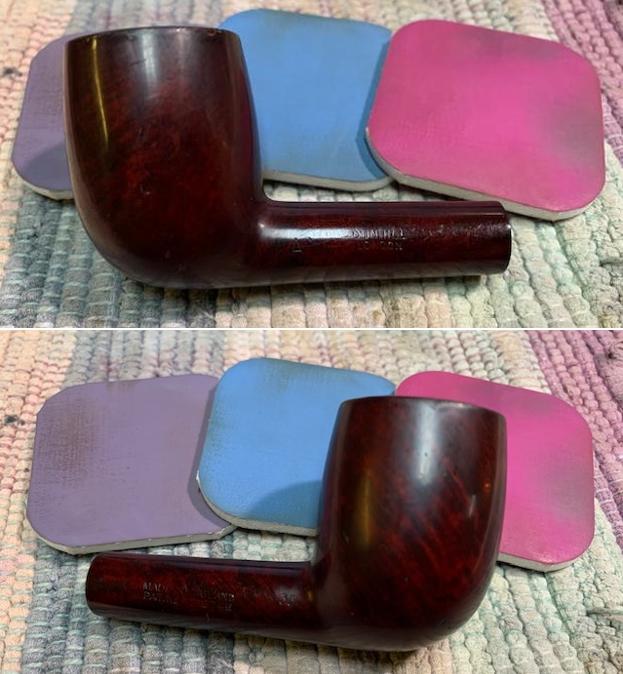
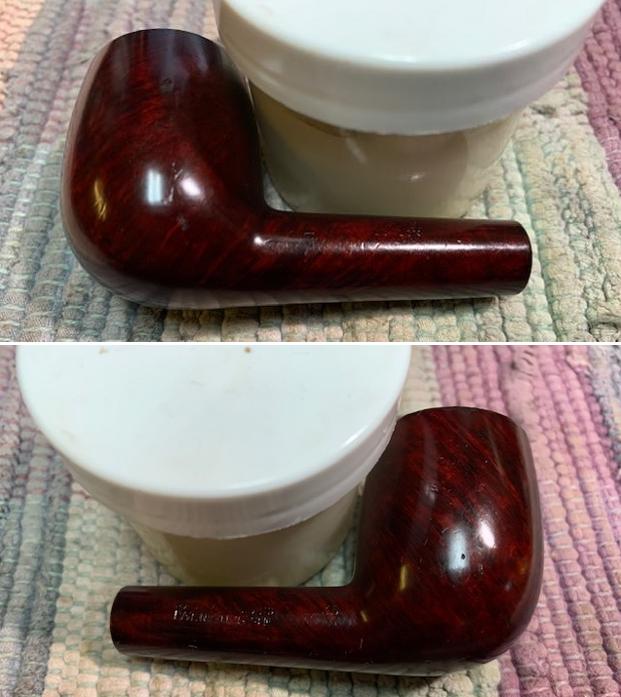
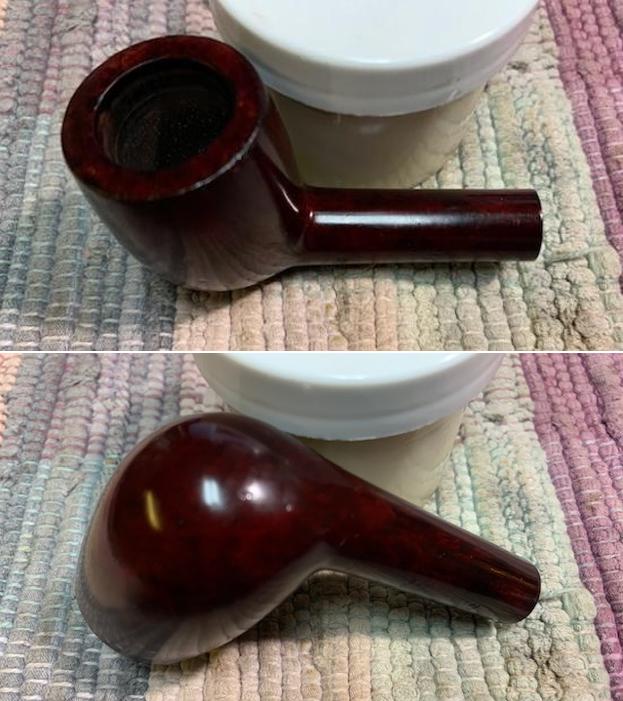
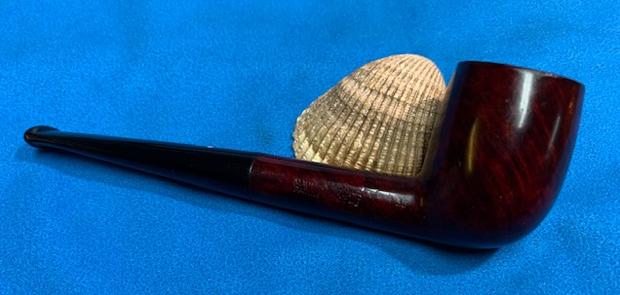
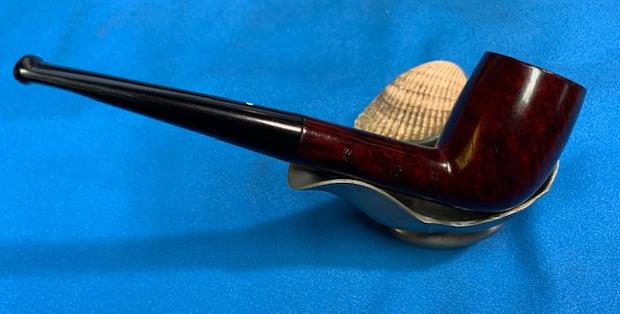
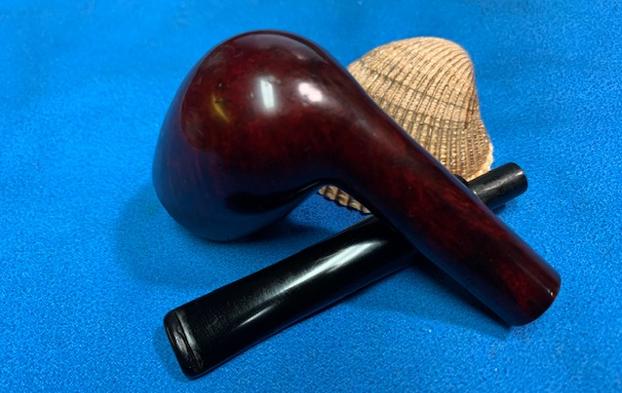
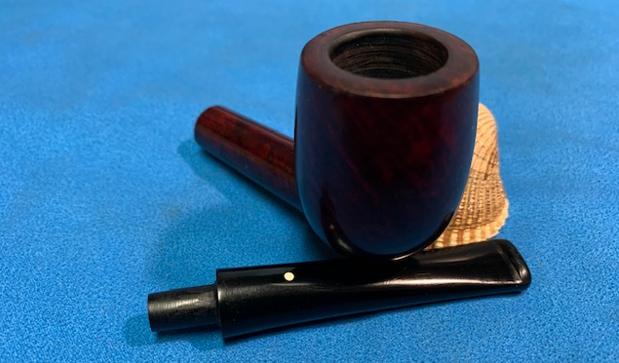
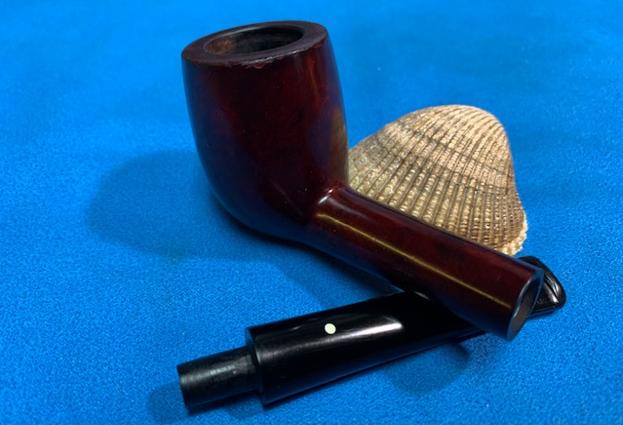
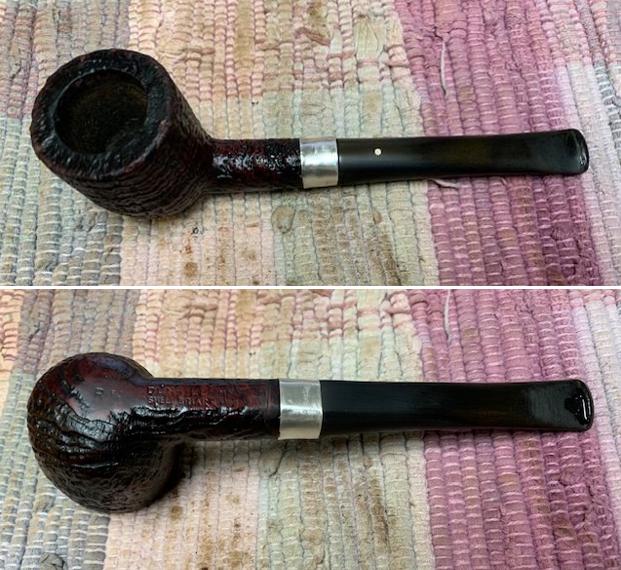
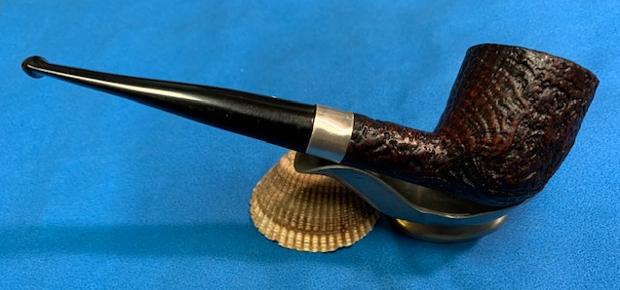
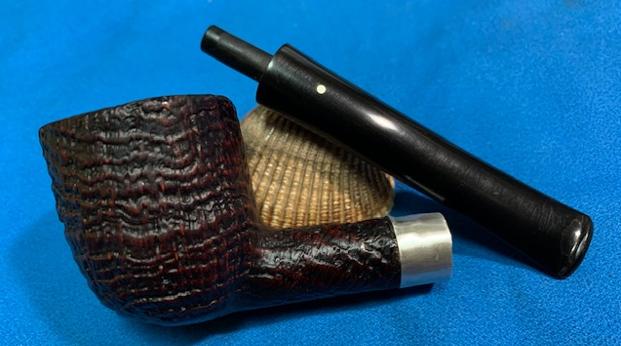
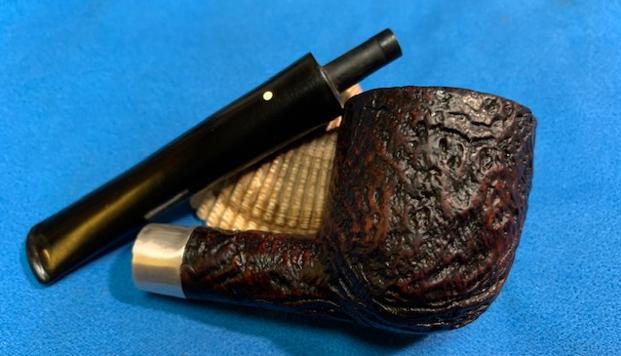
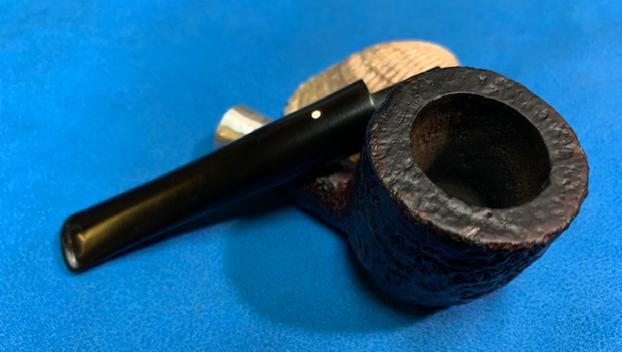
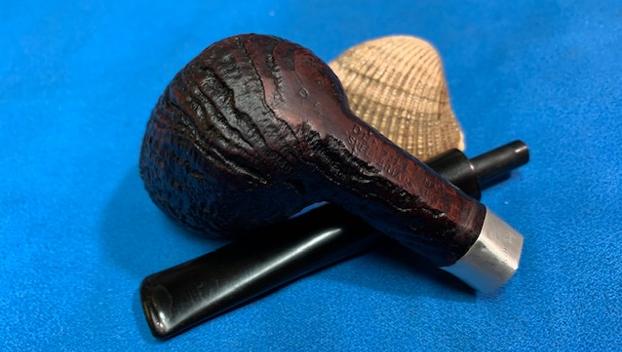
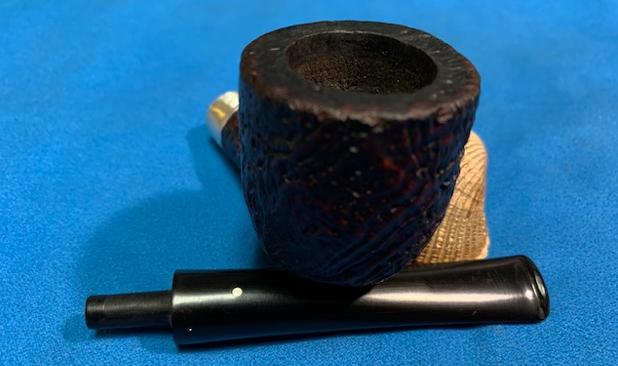
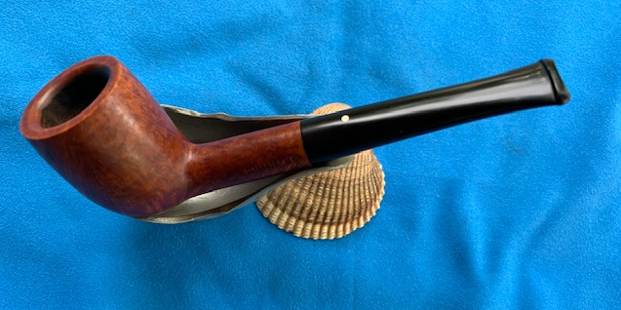
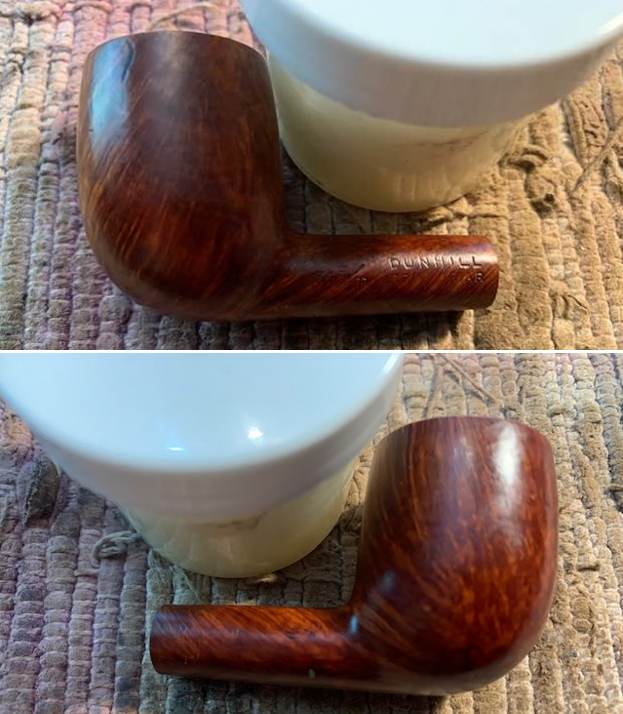
What would you call this Dunhill Bruyere 54791 – a Scoop?


Blog by Steve Laug

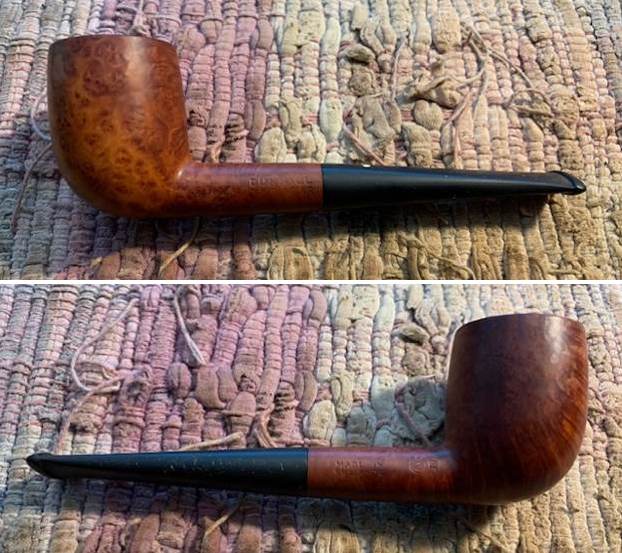
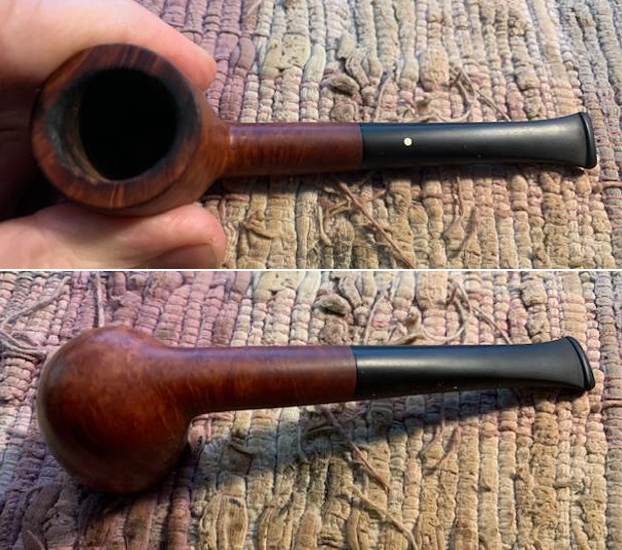
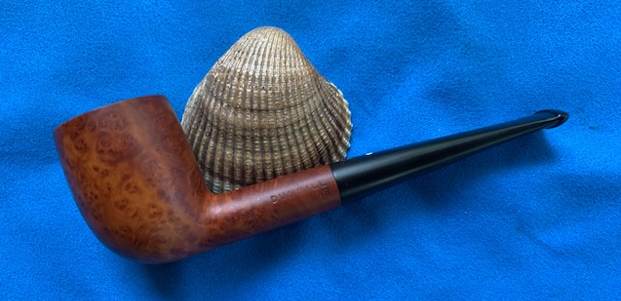
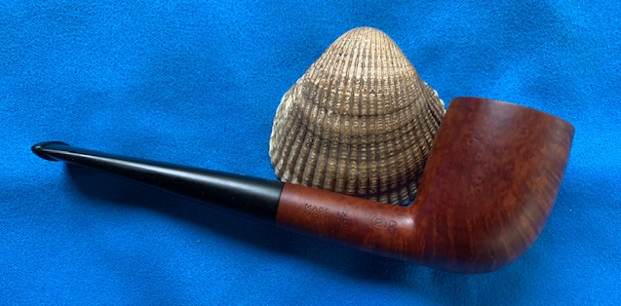
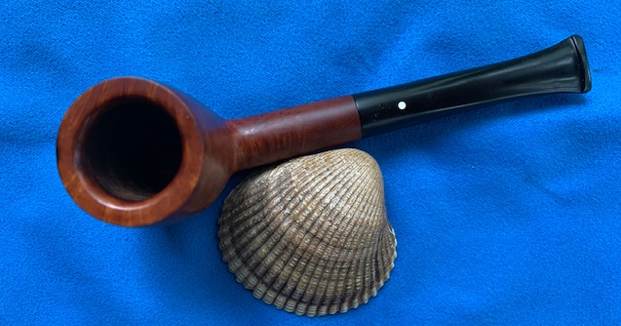
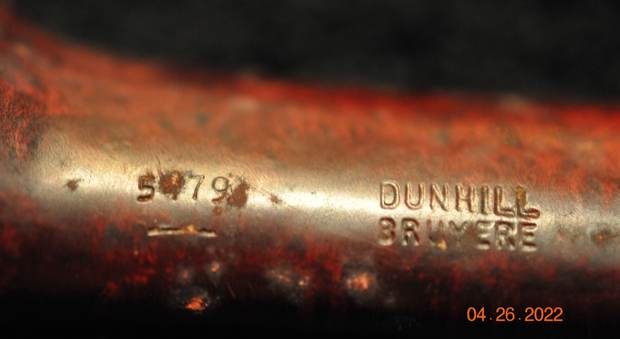
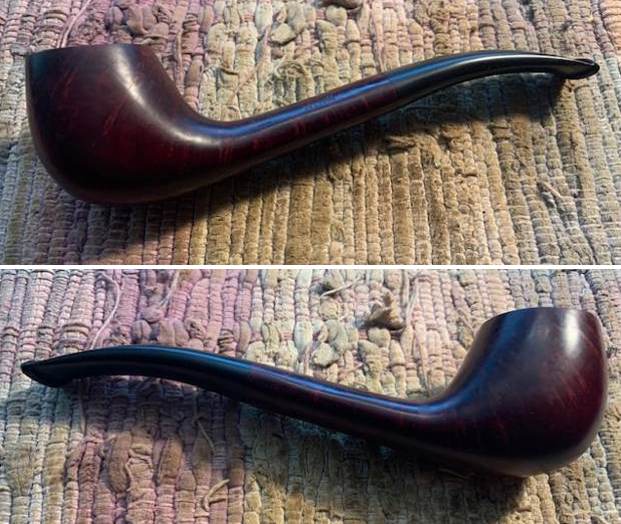
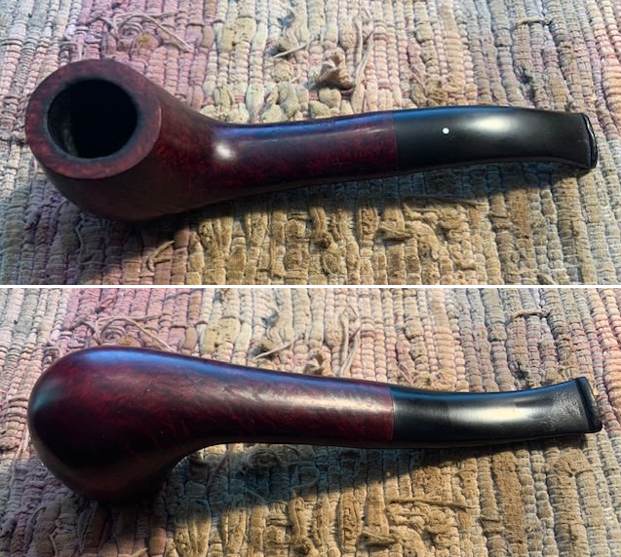
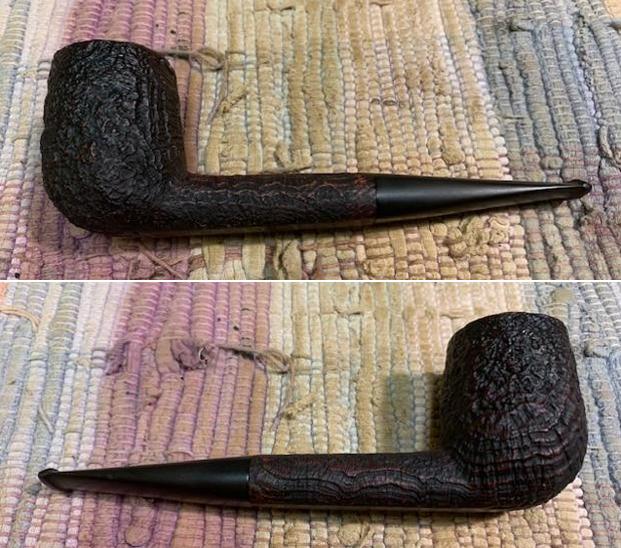
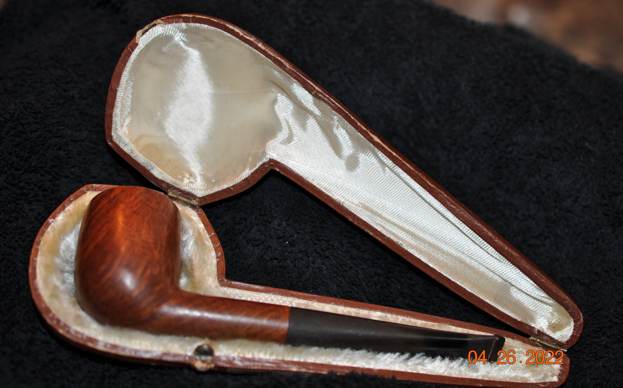
The next pipe on the table is another Dunhill but one that I am not sure how to identify the shape. It is kind of a scoop with a long oval shank but the shape number is not on any charts that I have looked at. Even though it has five digits the number is the same as a four digit number. The extra digit defines the bowl style. Anyone have any idea what to call this or perhaps can give me a chart that shows the number? Much appreciated. Jeff and I purchased on 04/26/2022 from a woman who contacted us from Cleveland, Ohio, USA. We spent time chatting with her and arrived at a price and she sent the pipes to Jeff. It included another 28+ pipes with this one.

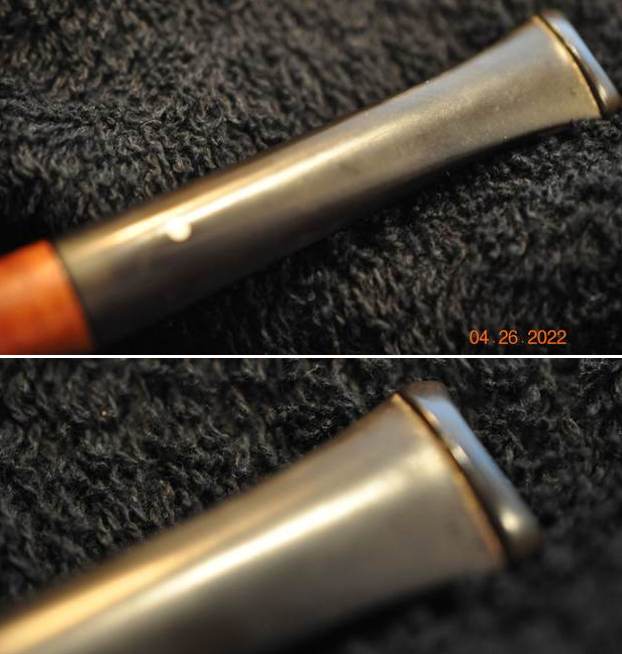
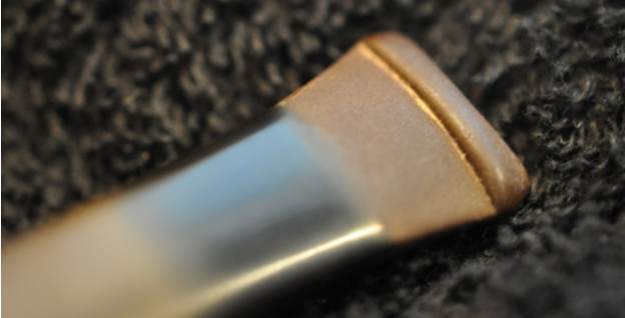
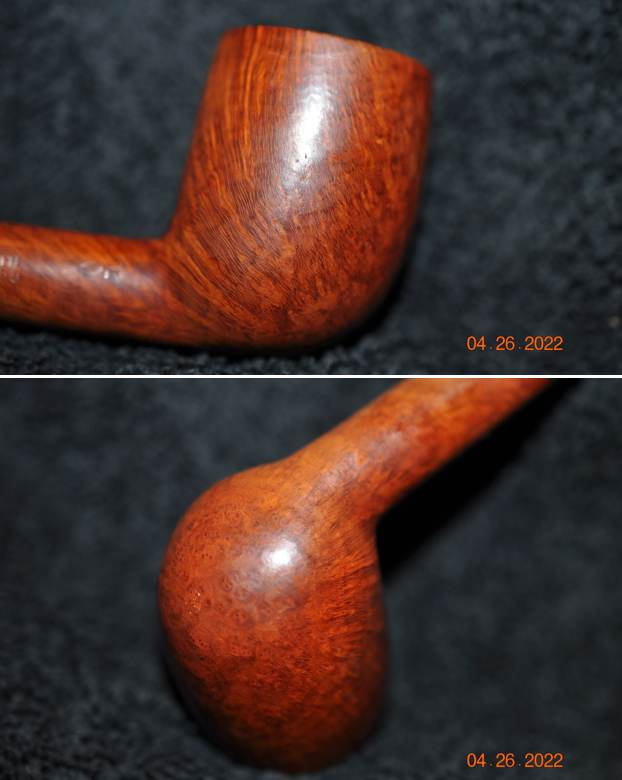
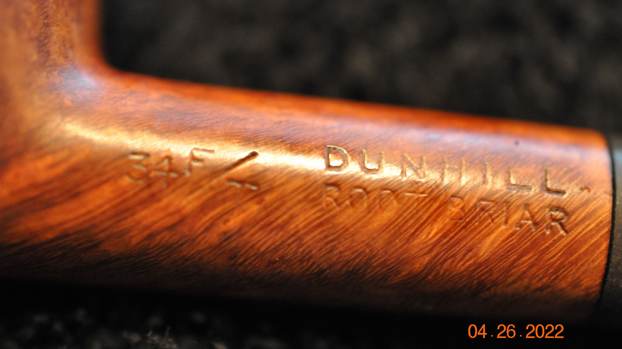
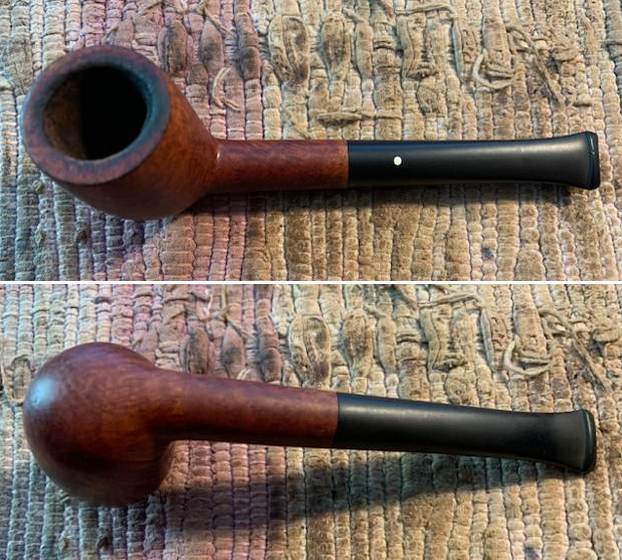
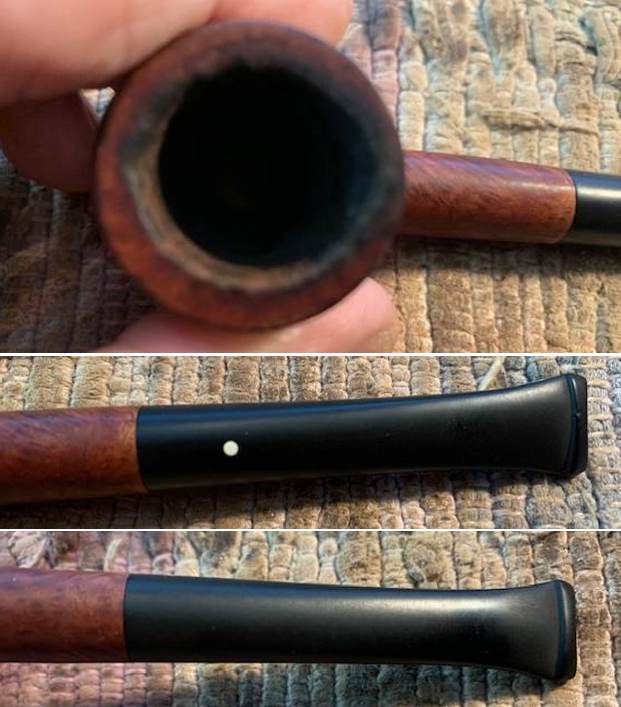
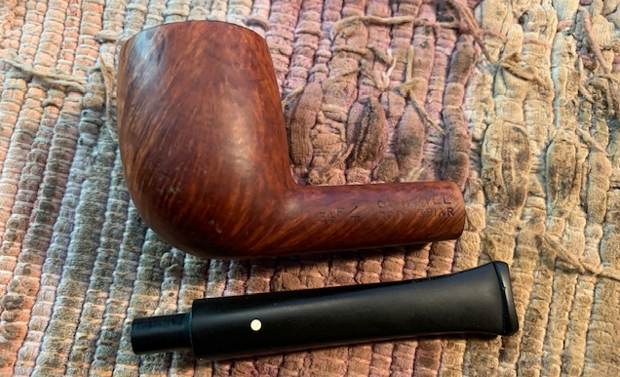
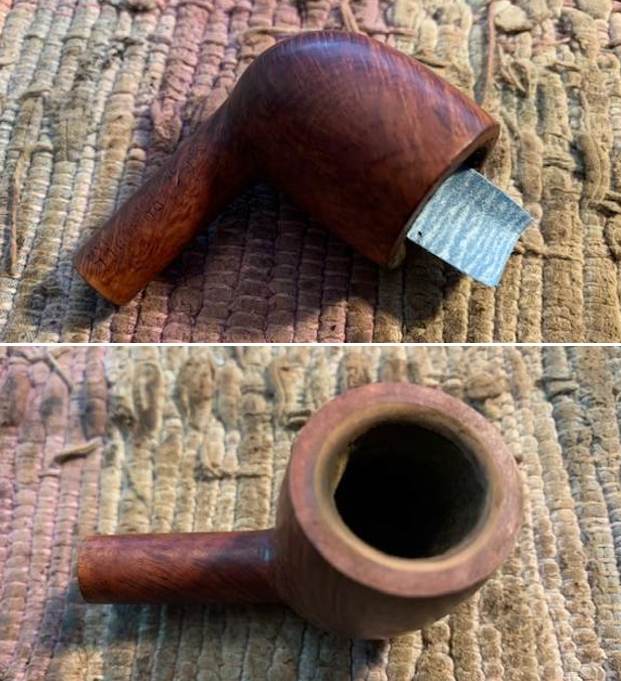
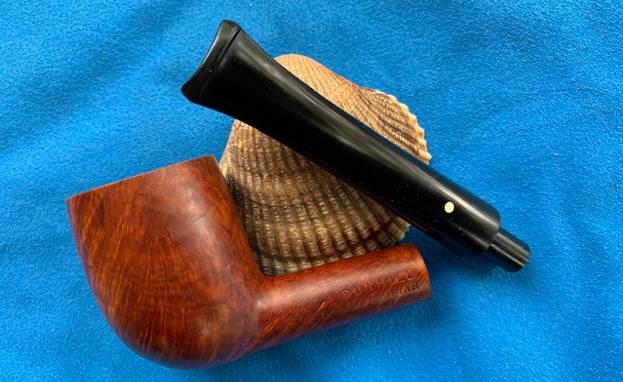
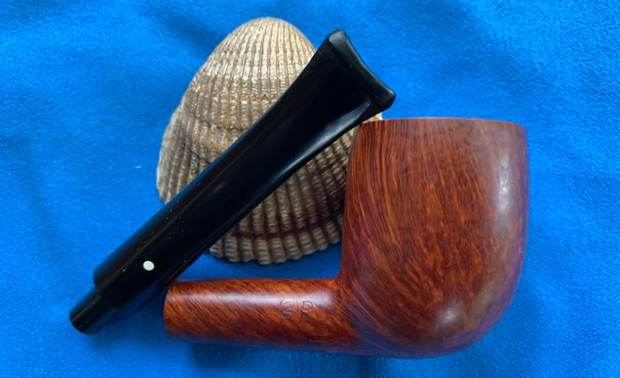
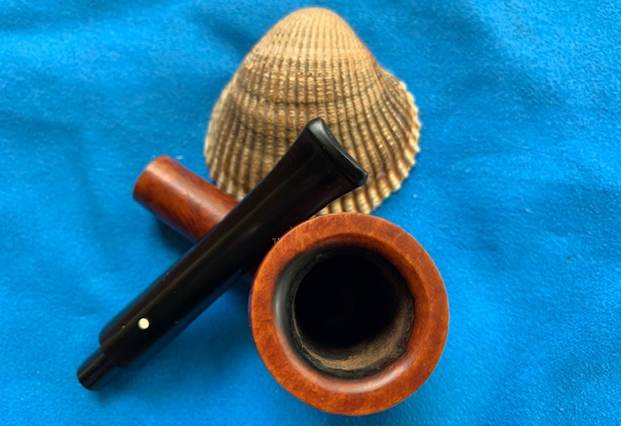
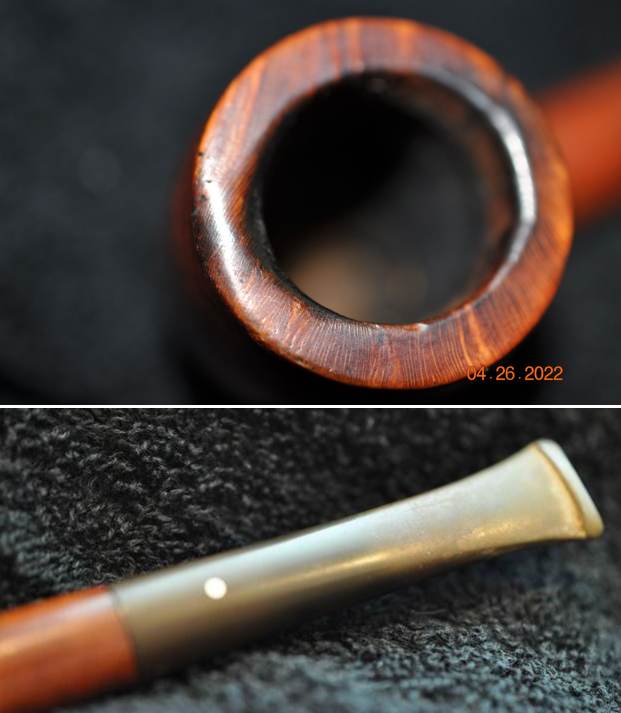
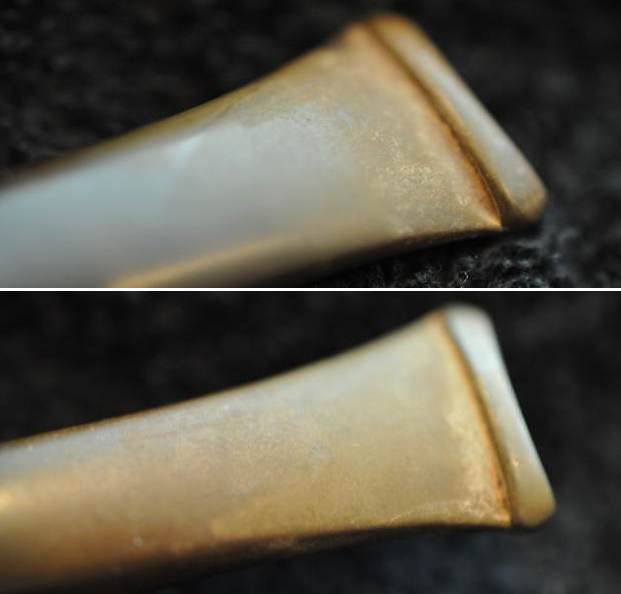
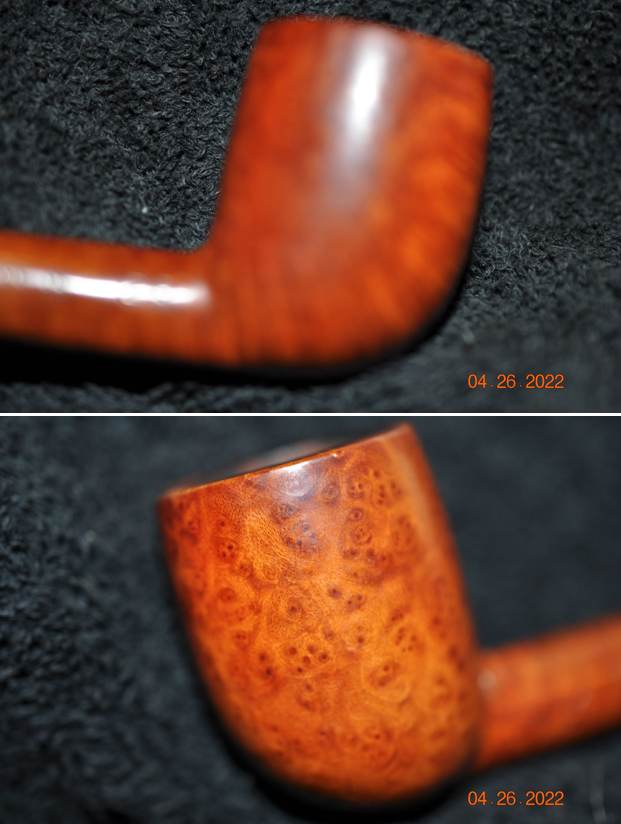
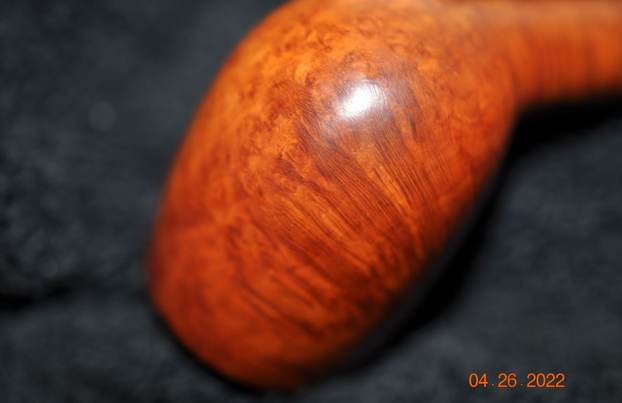
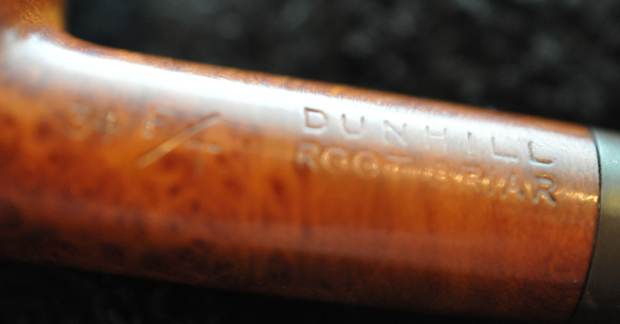
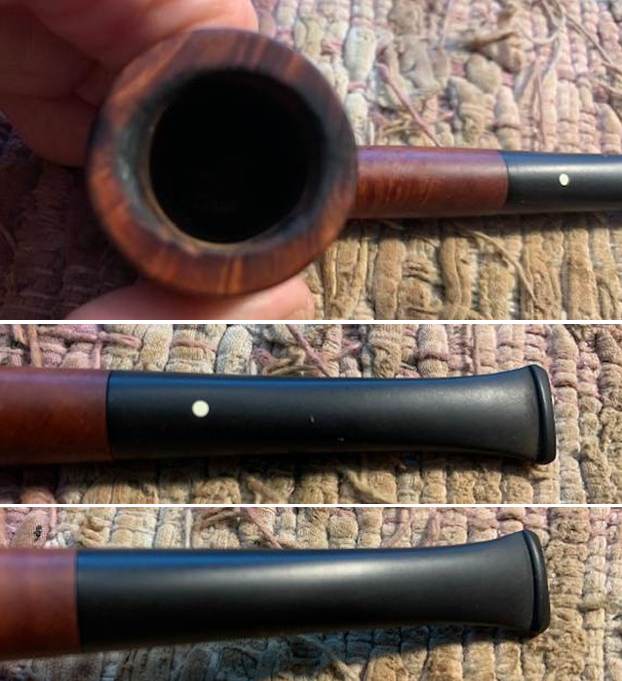
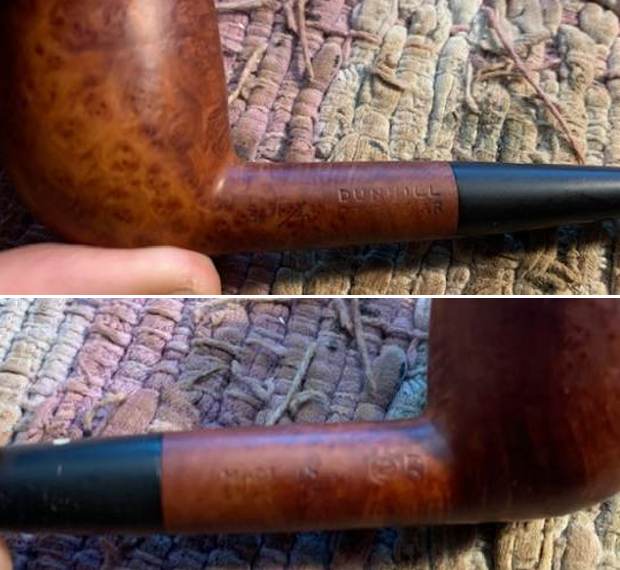
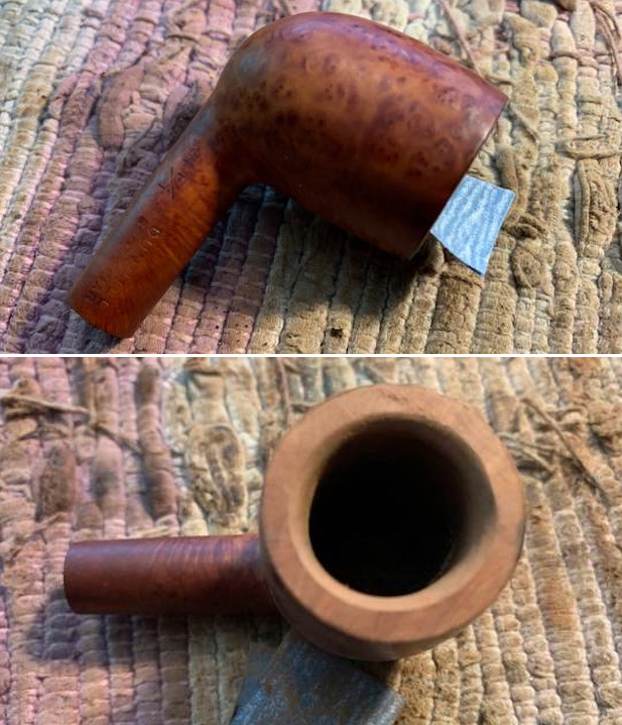
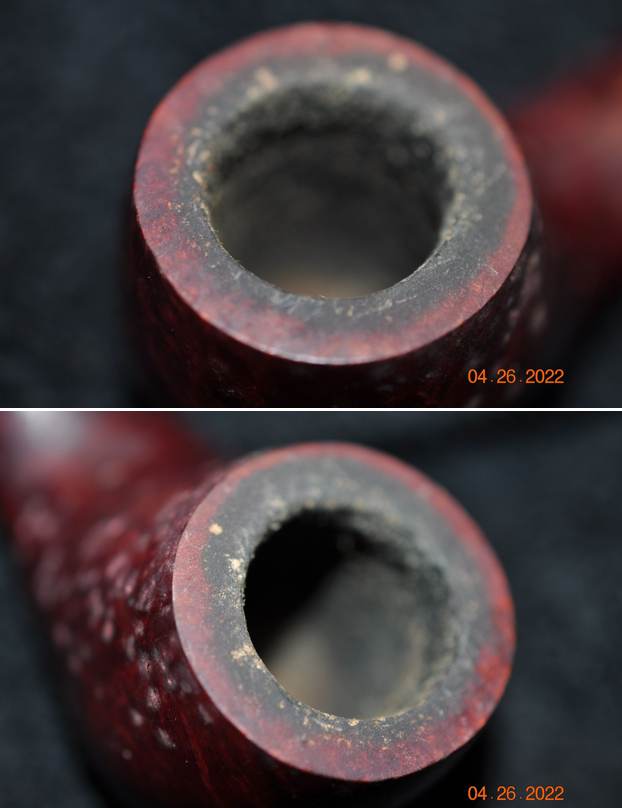
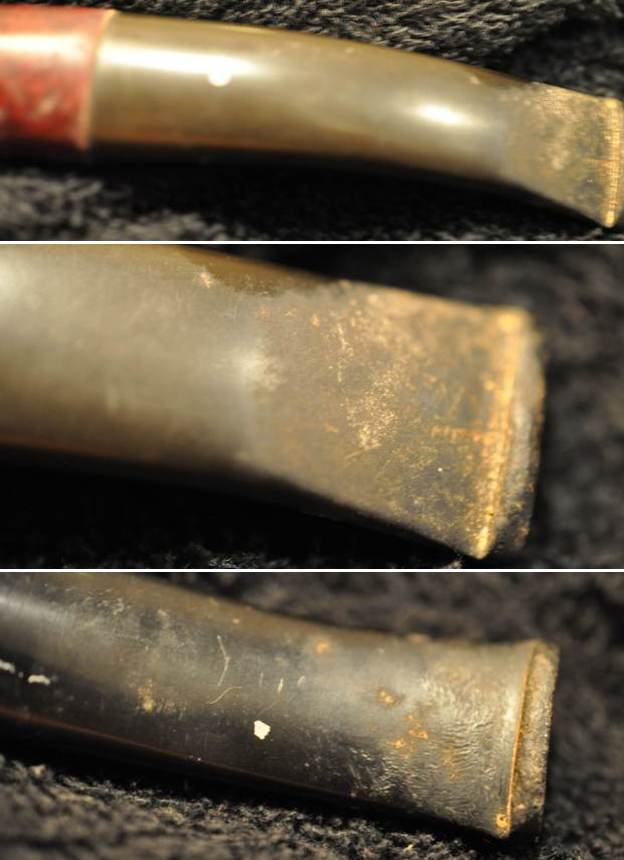
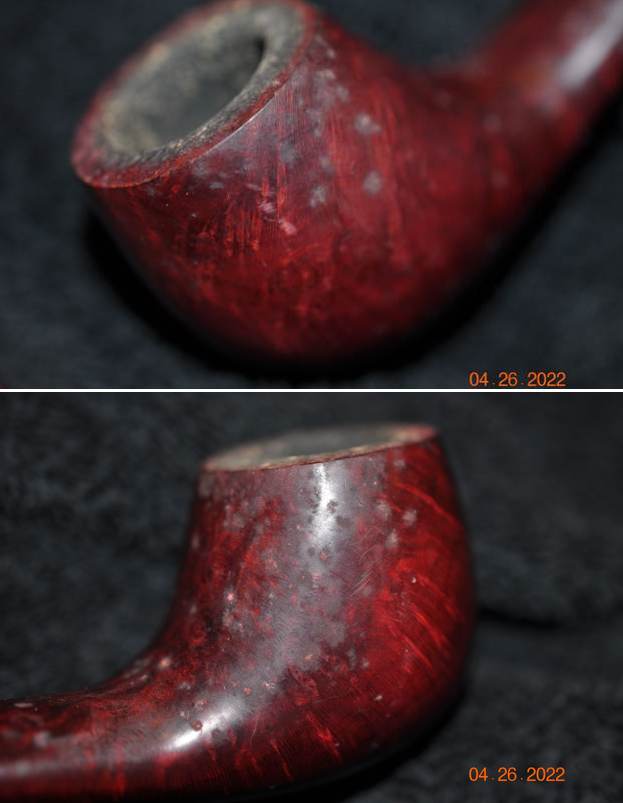
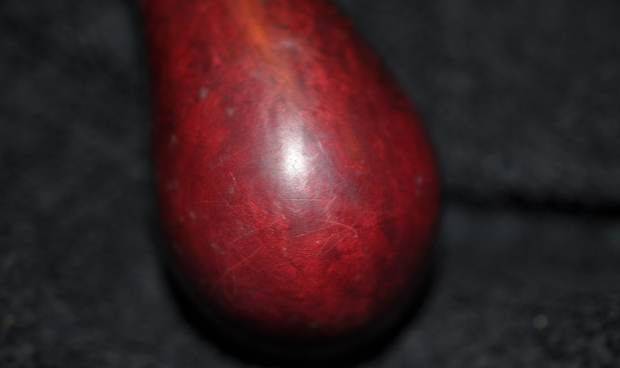
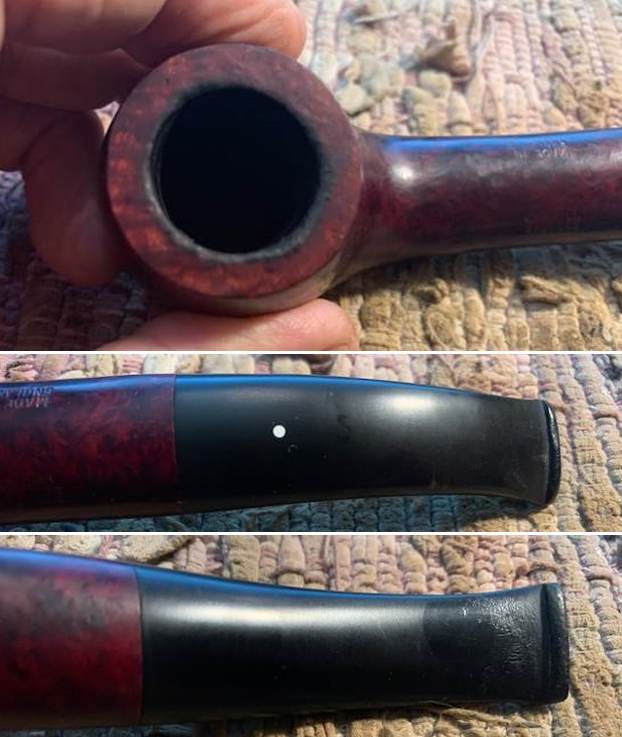
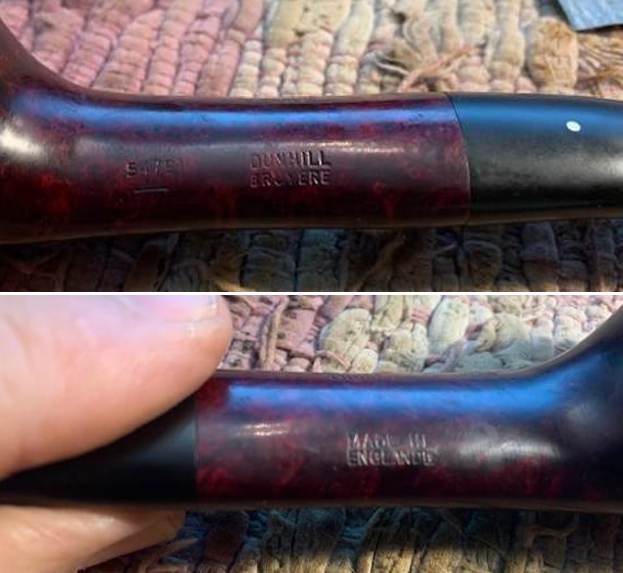
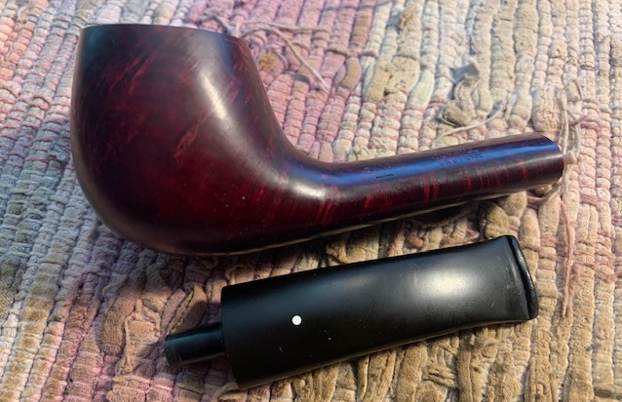
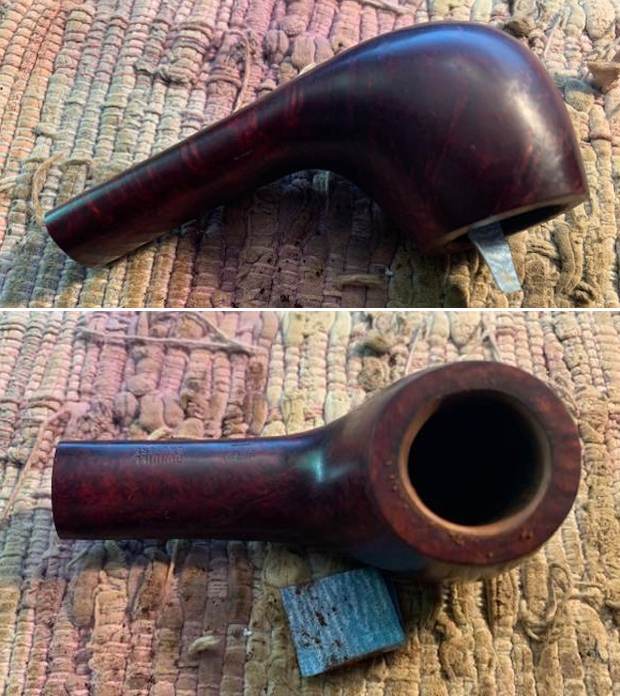
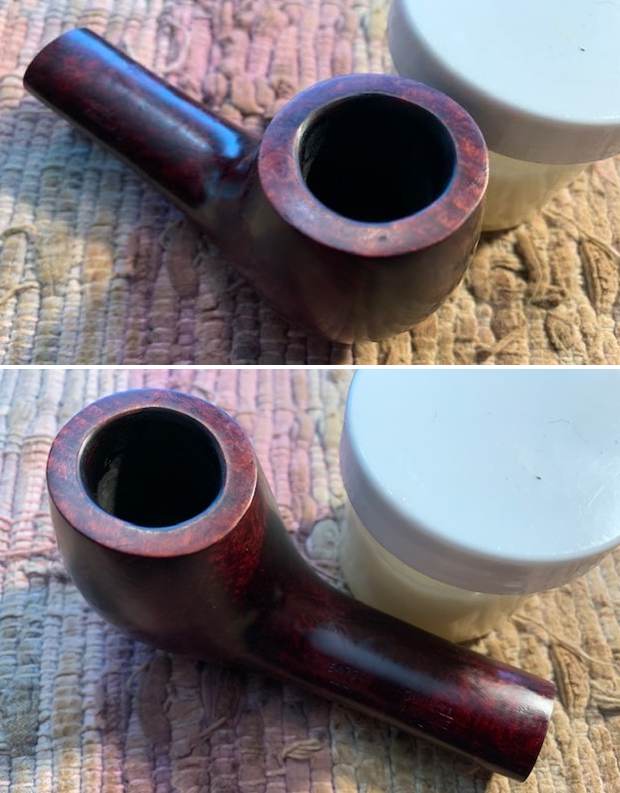
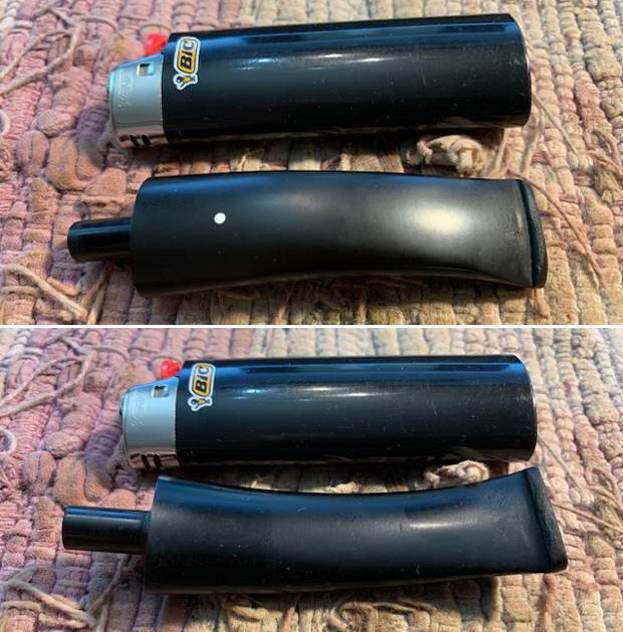
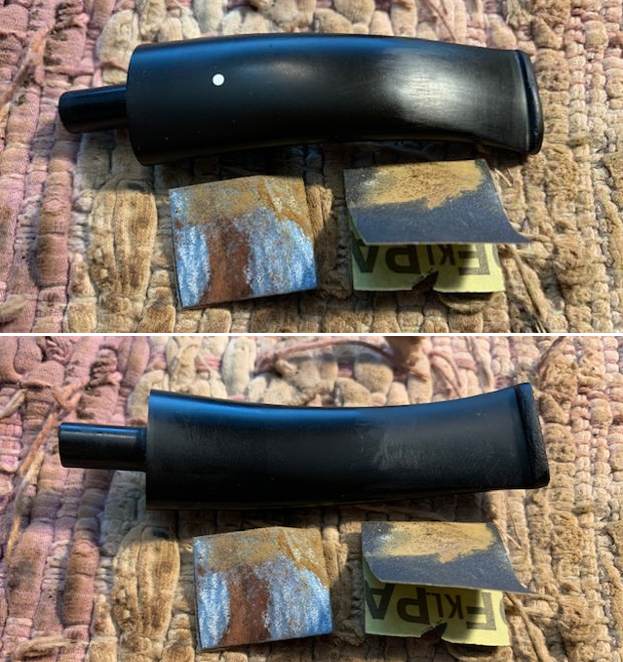
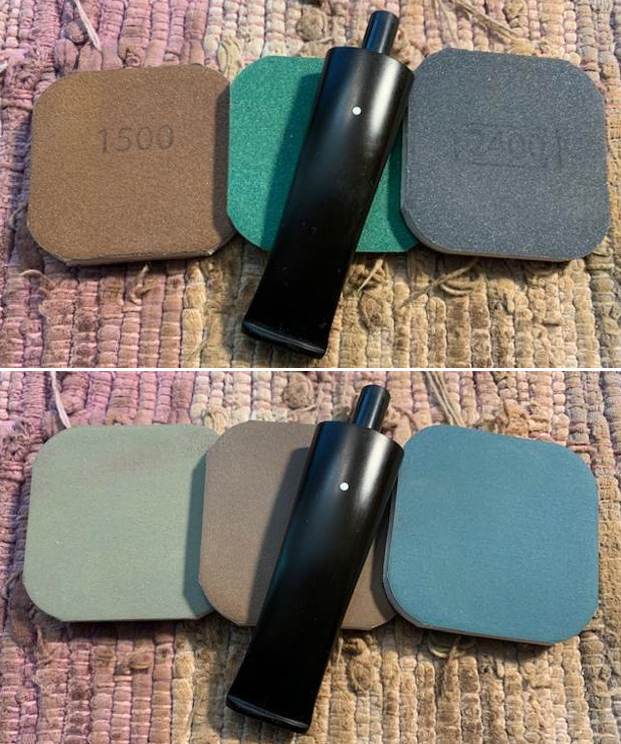
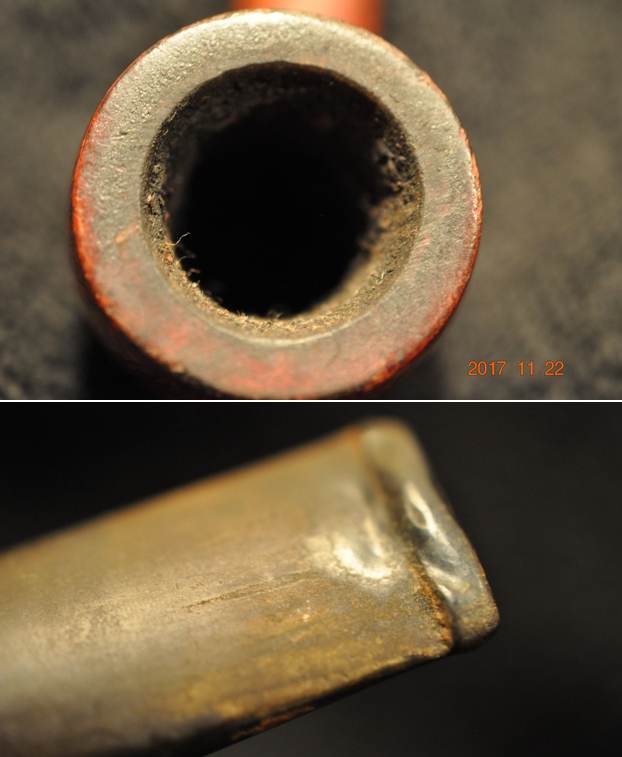
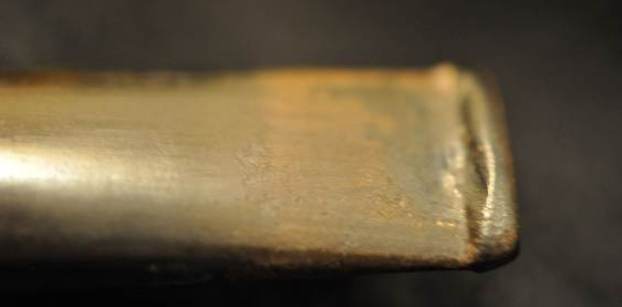
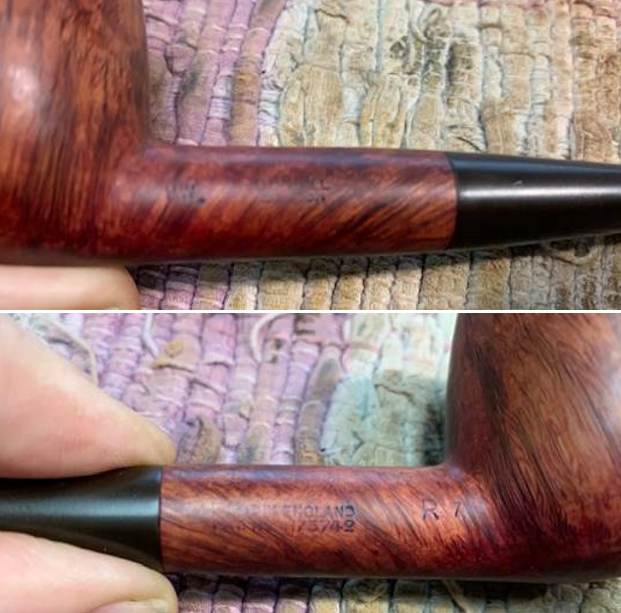
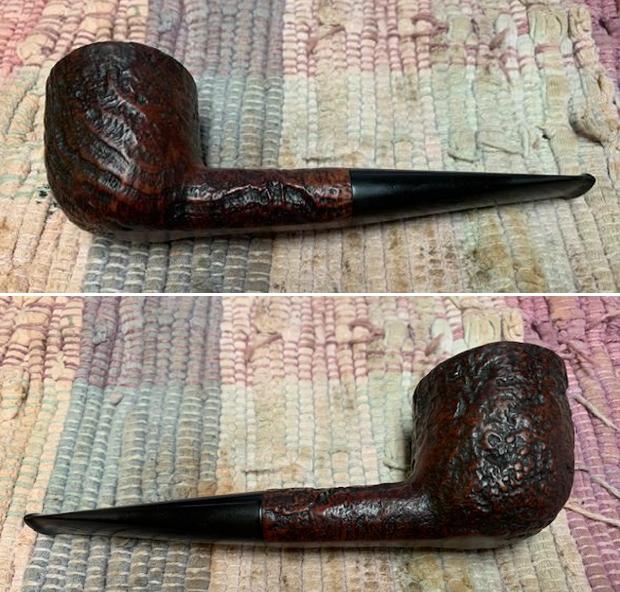
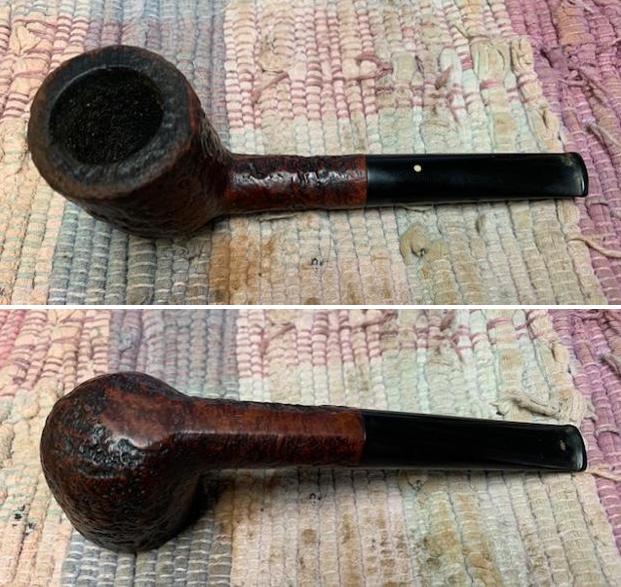
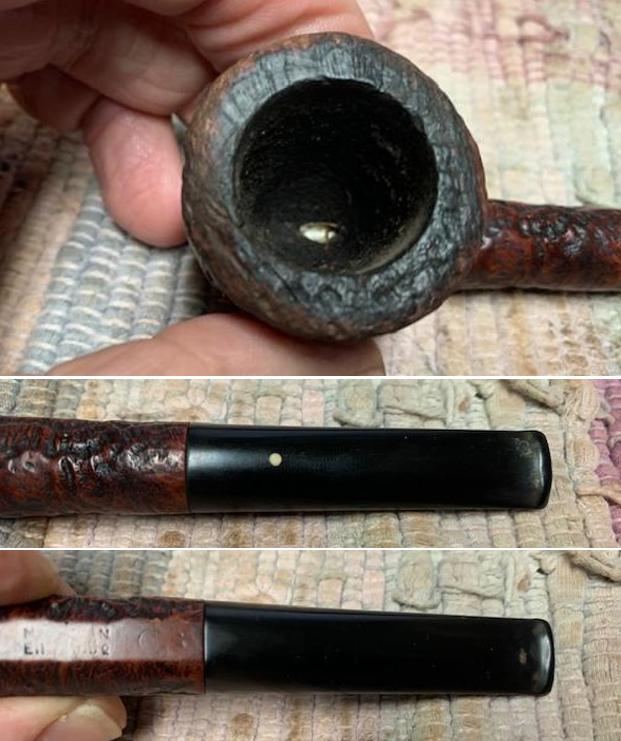
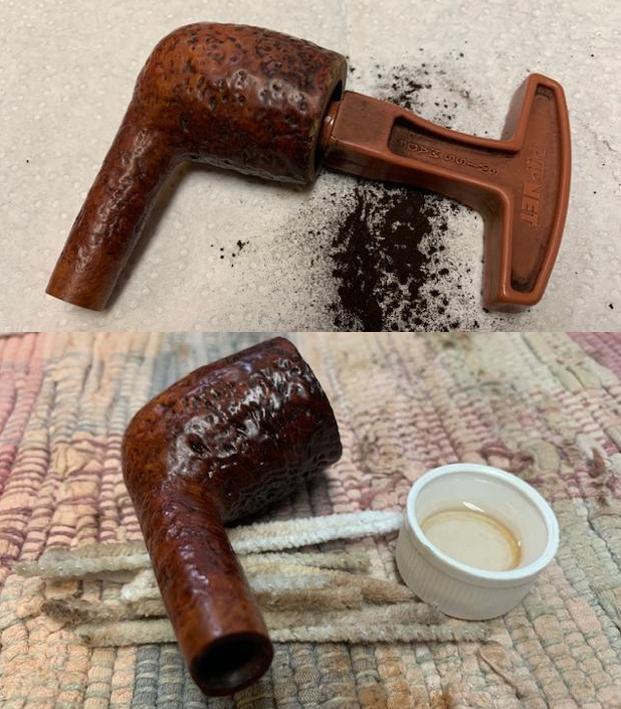
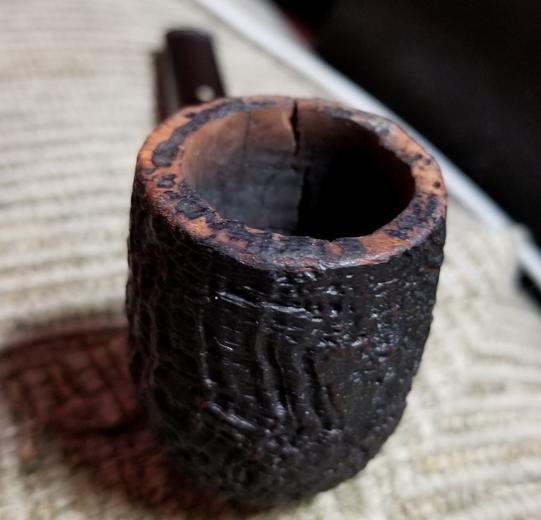
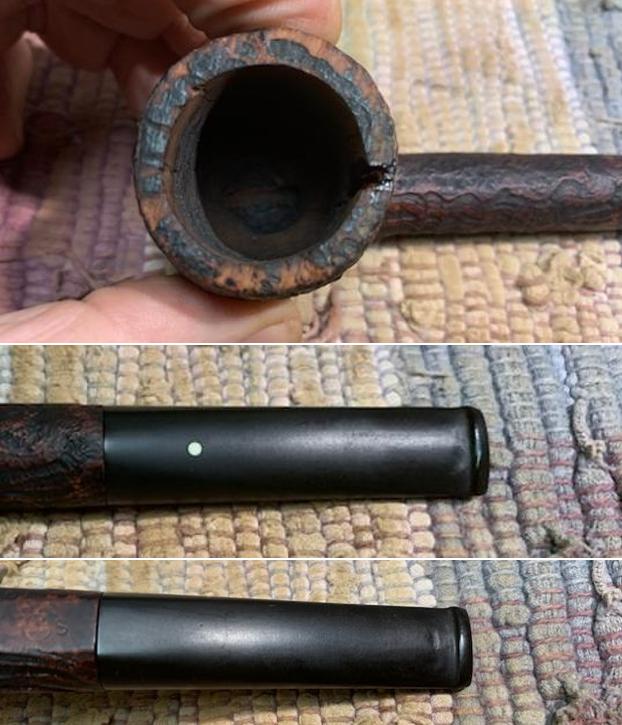
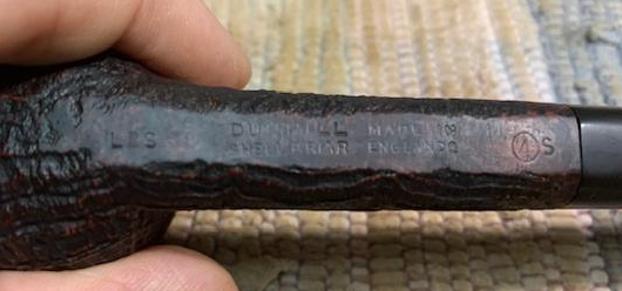
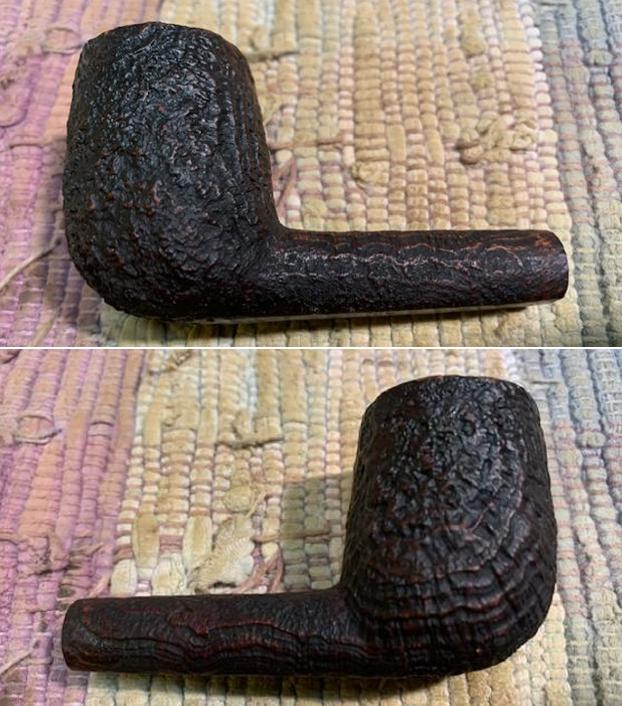
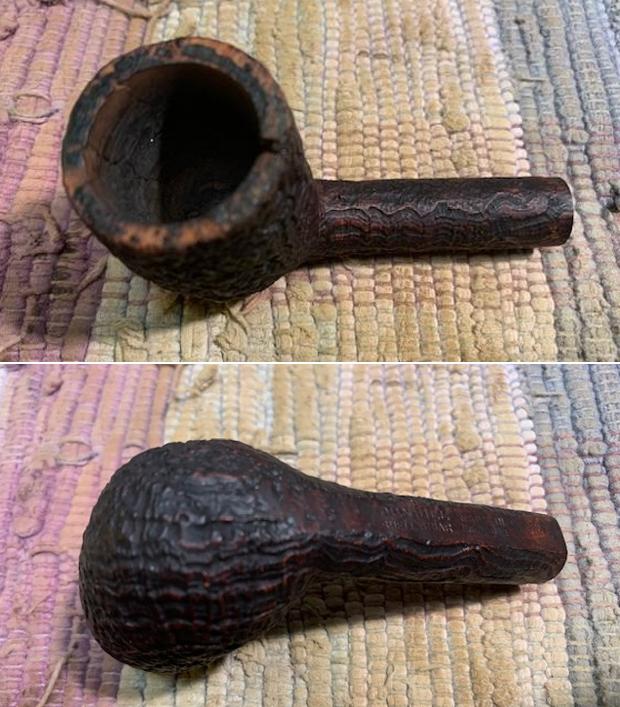
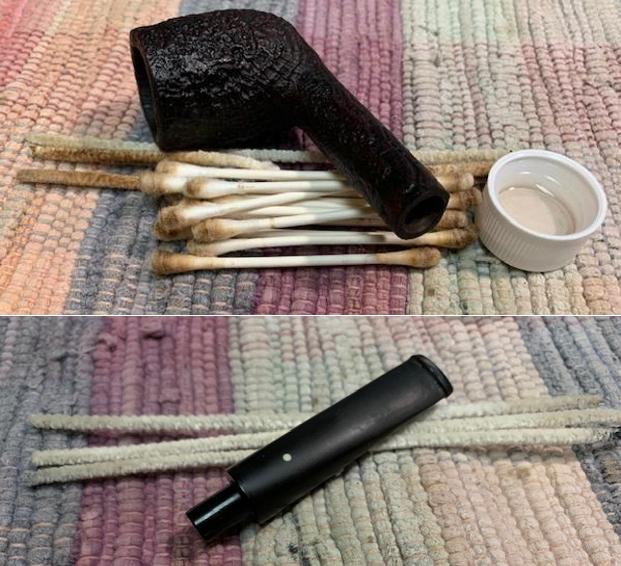
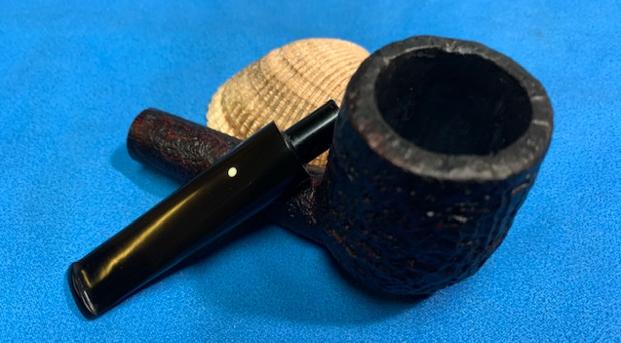
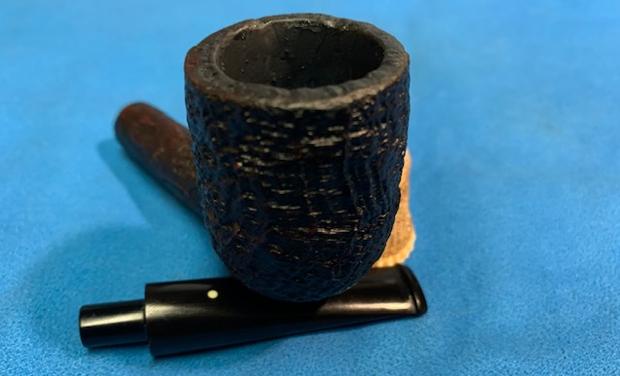
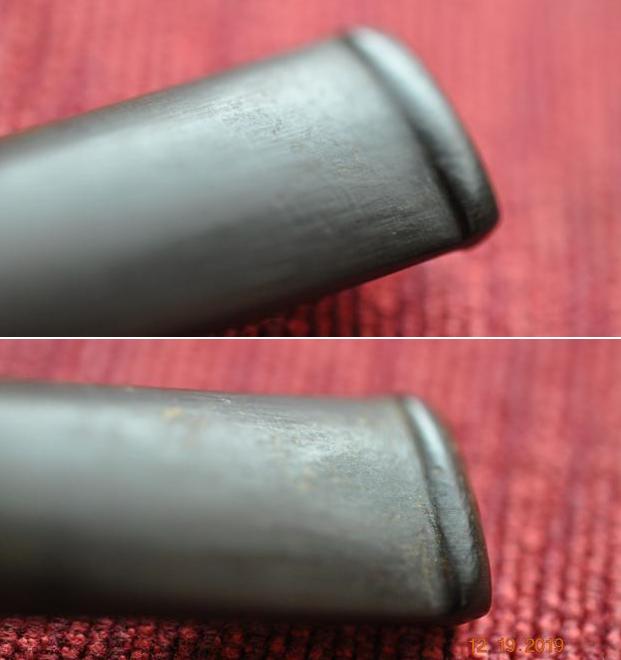
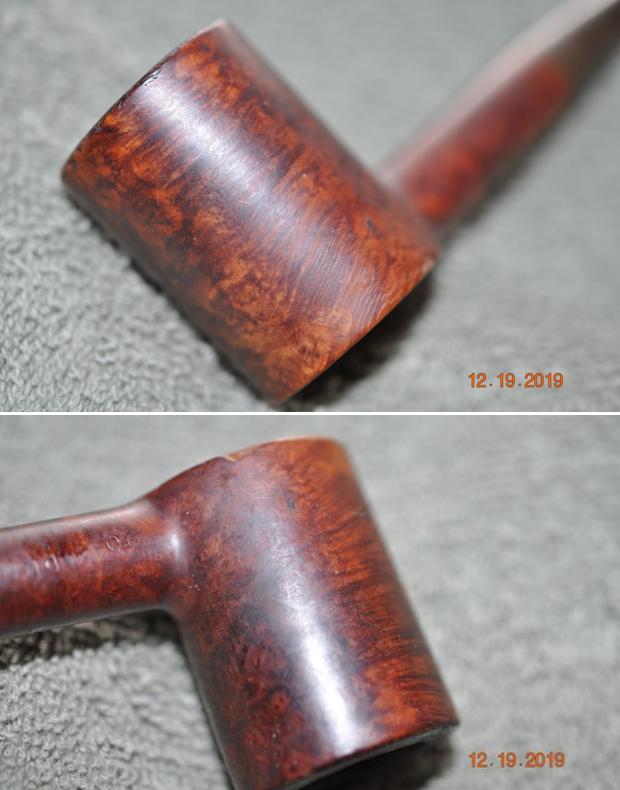
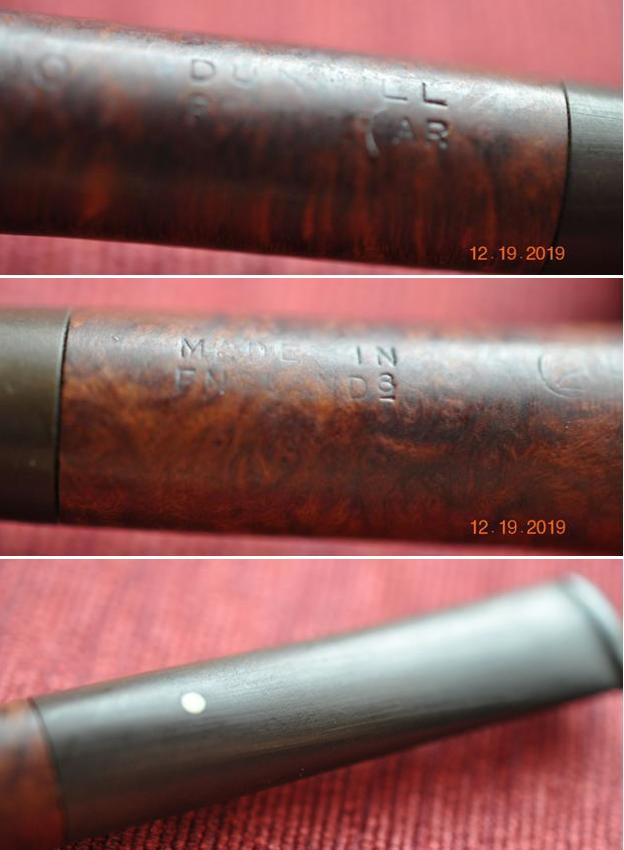
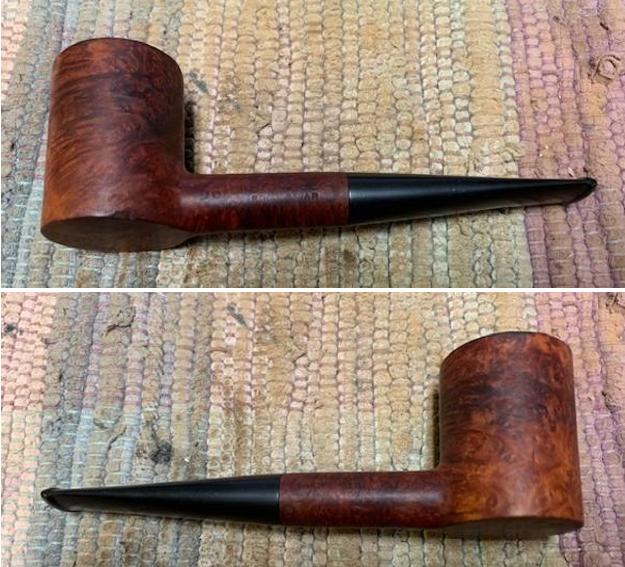
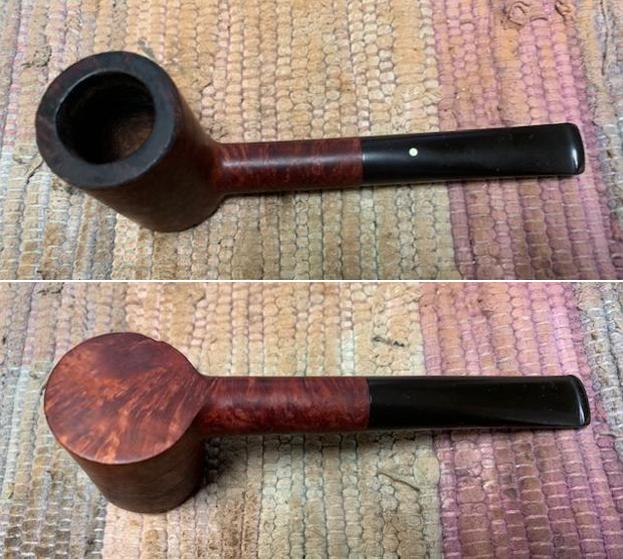
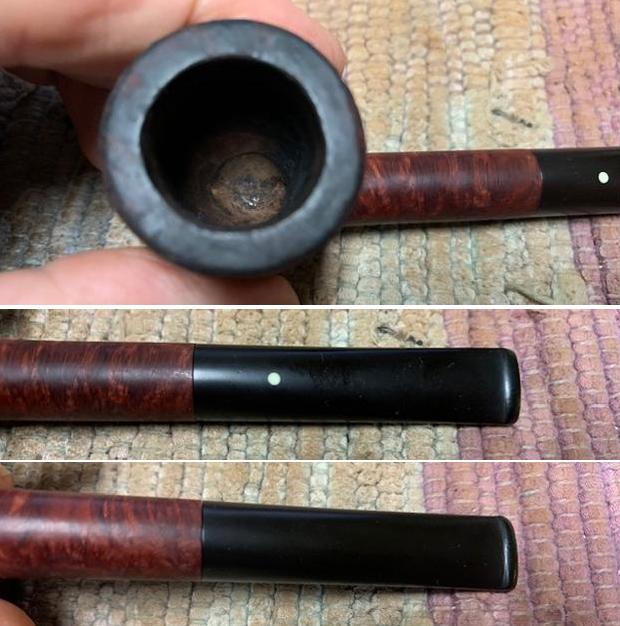
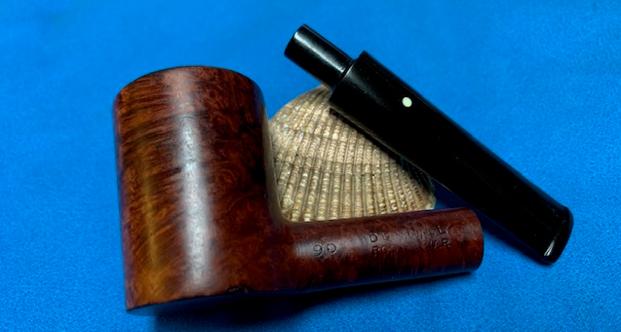
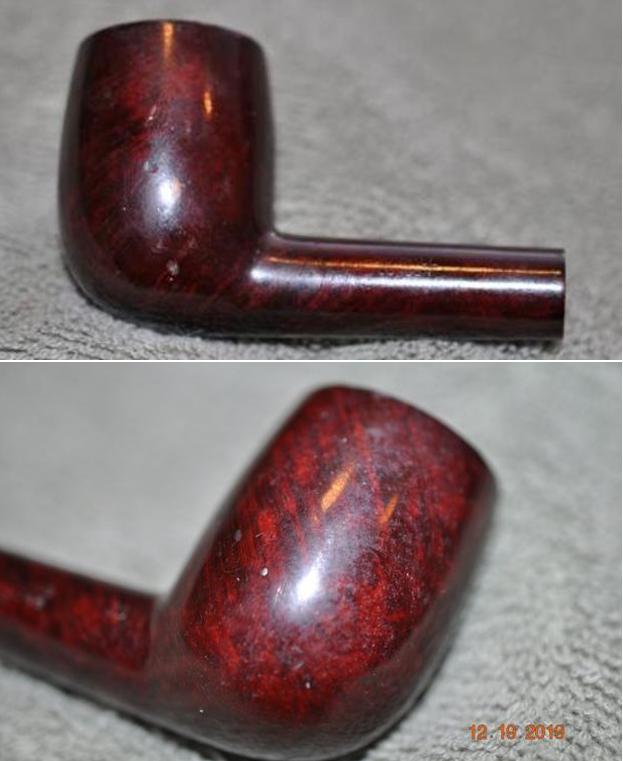
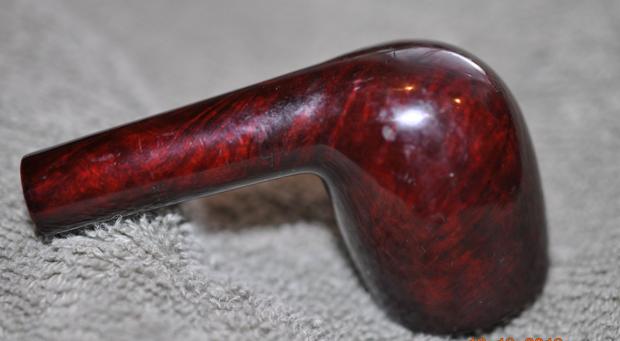
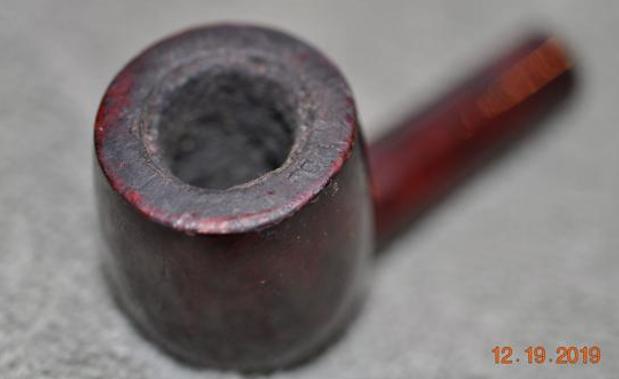
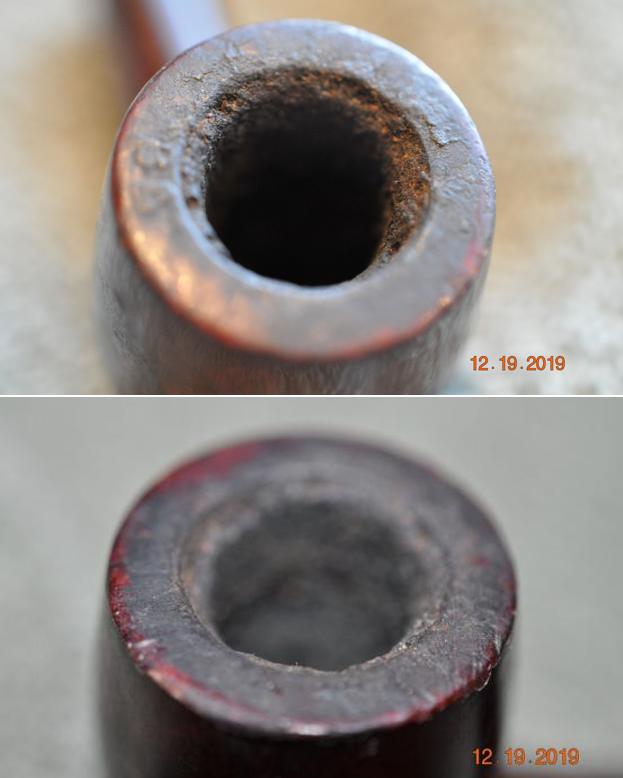
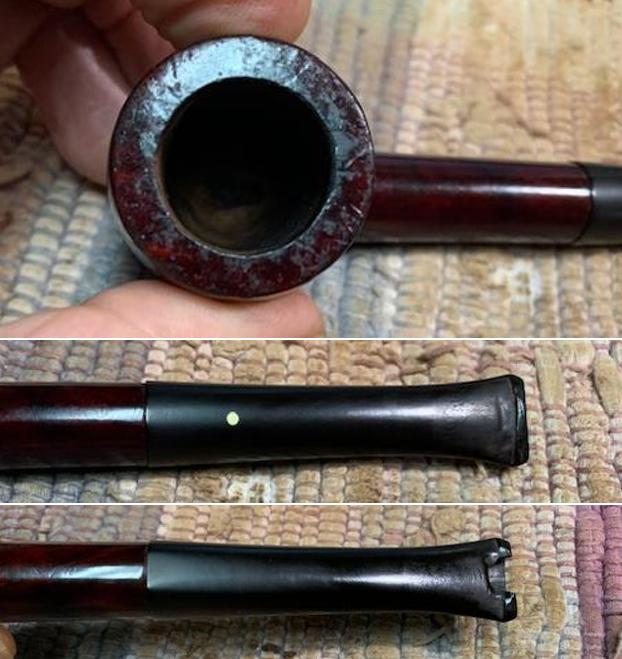
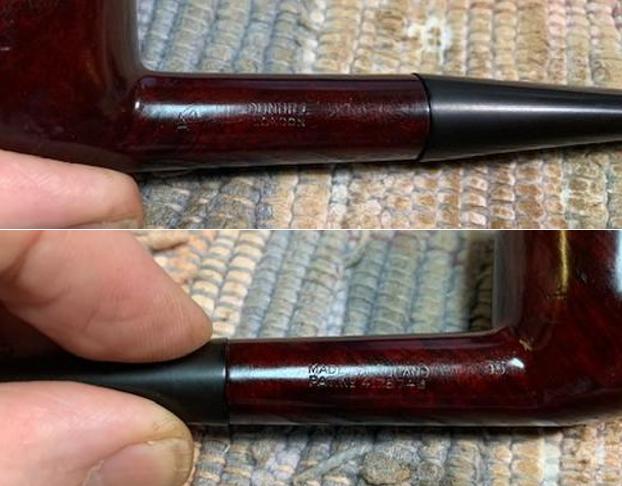
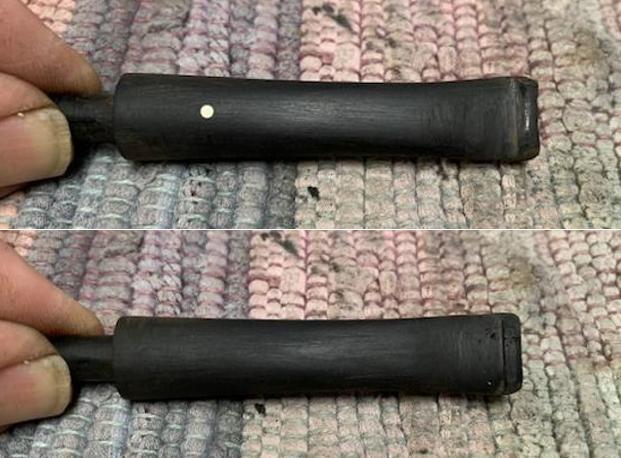
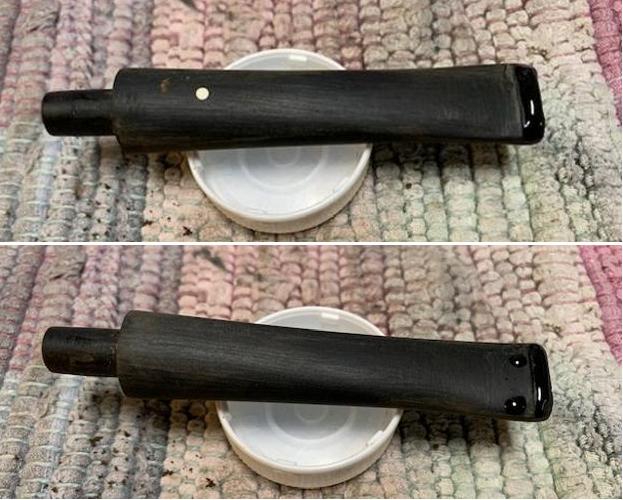
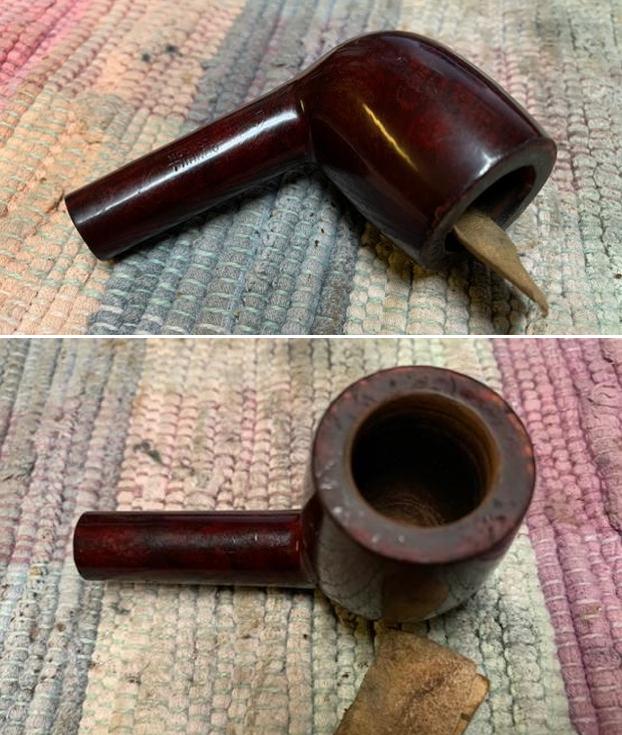
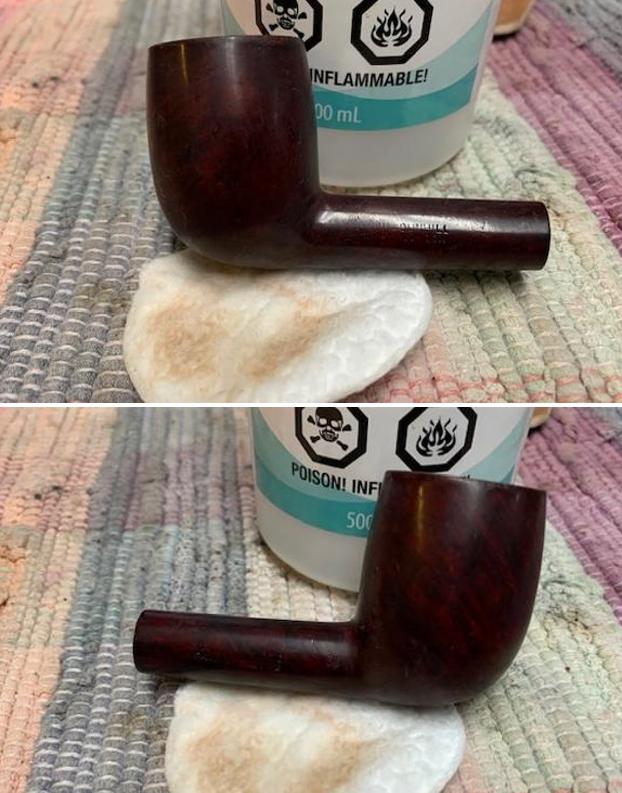
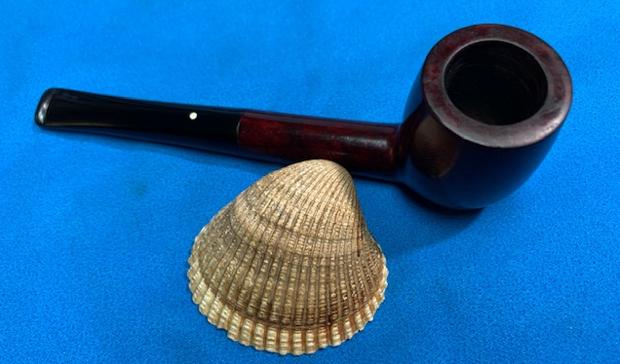
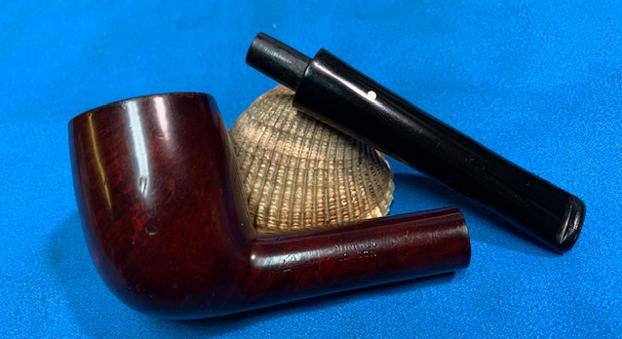
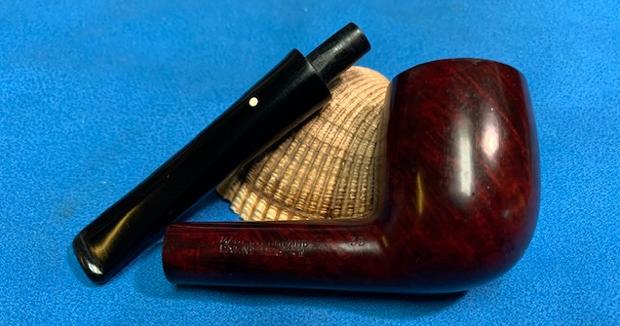
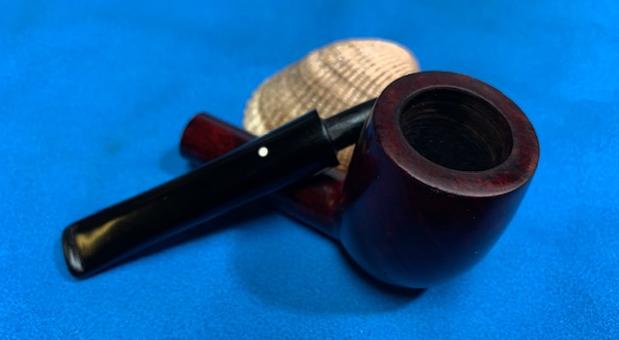
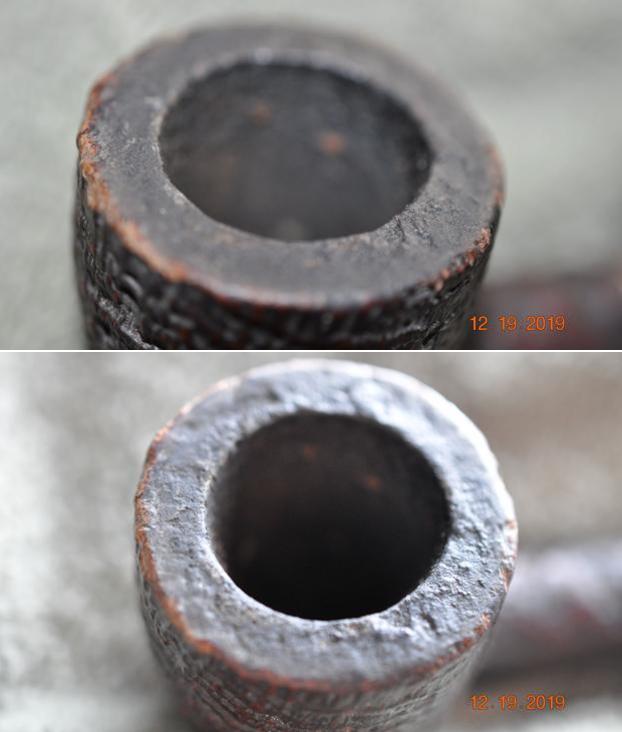
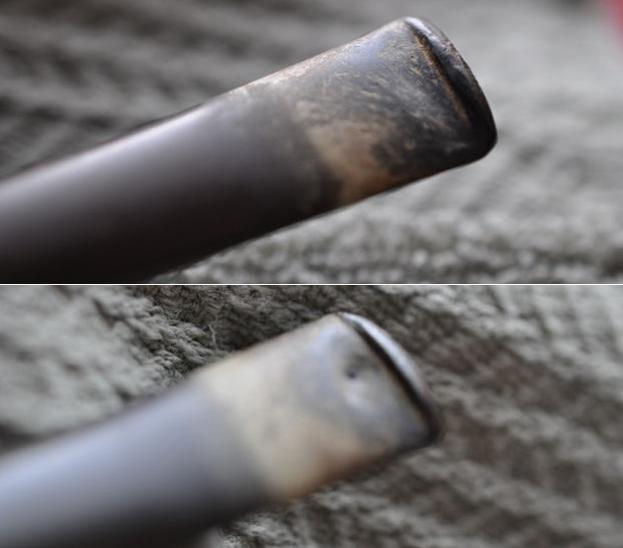
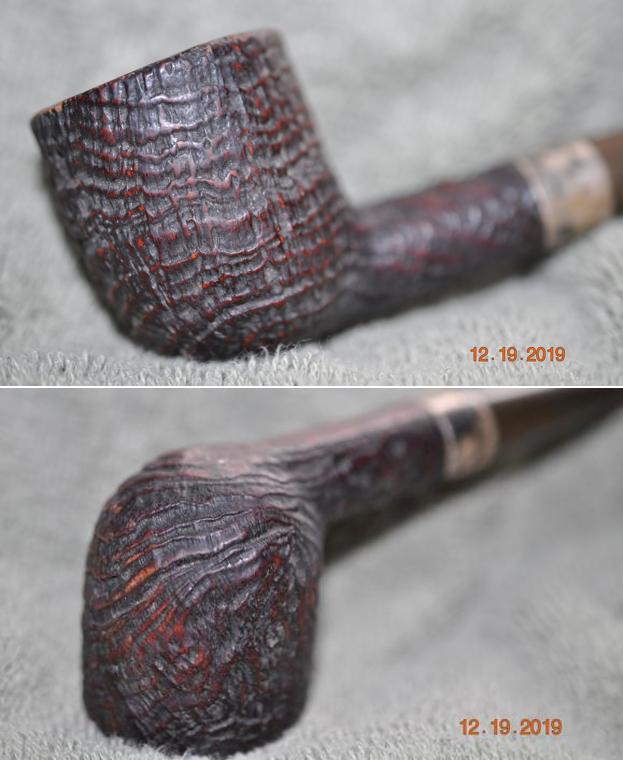
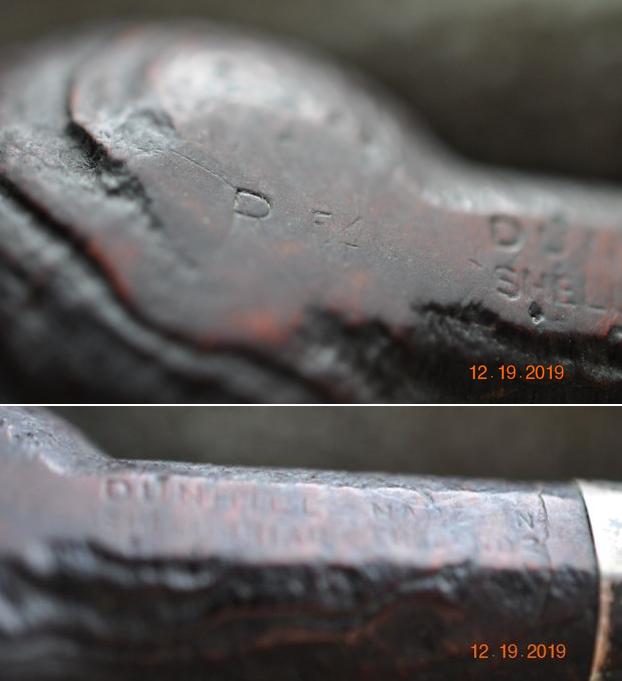
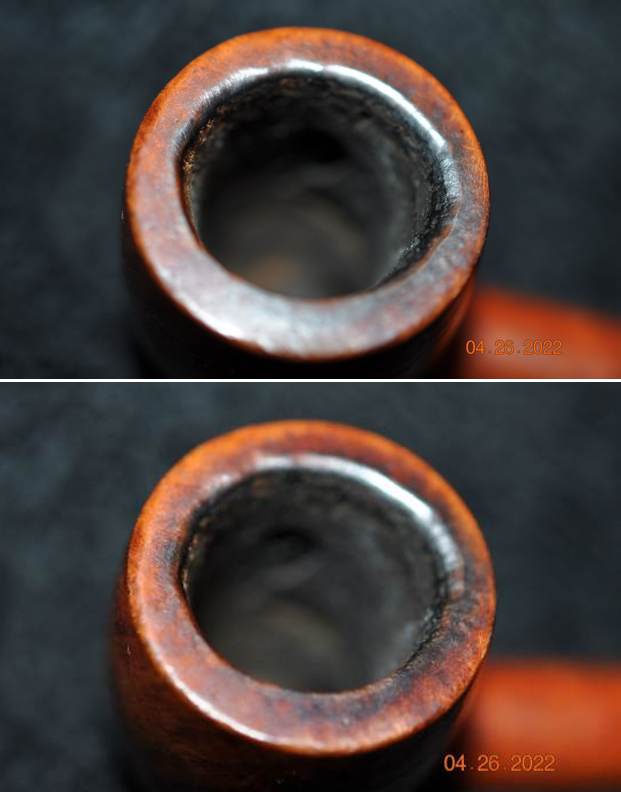
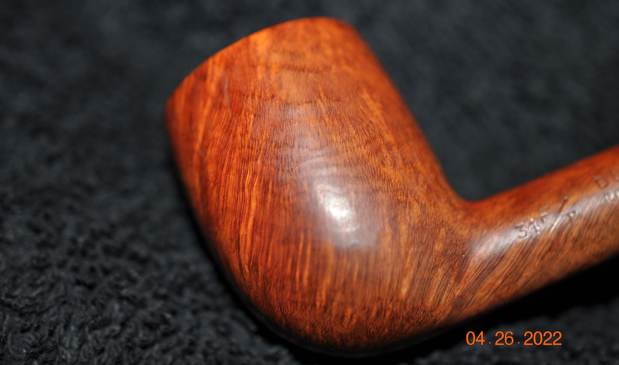
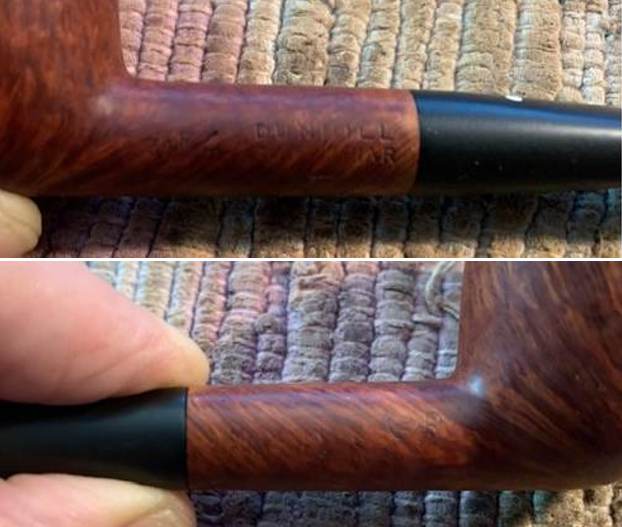
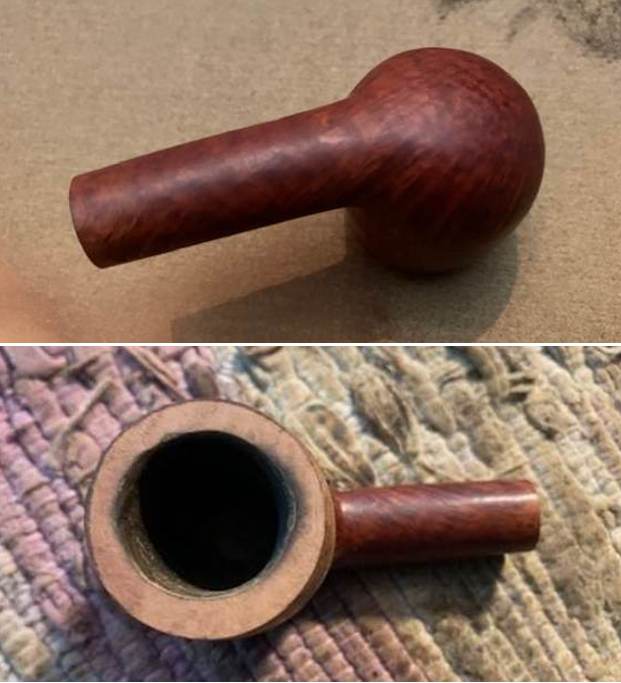
But now this Dunhill is the question. On the left side it is stamped 54791 followed by Dunhill over Bruyere and on the right side is stamped Made in England19. I know that it is a Bruyere finish but the shape number still is a mystery. It has a long oval shank, scoop like bowl and a ¼ bent taper stem. The finish was very dirty with spots of grime and debris stuck on it. The bowl had a thick cake in the bowl and heavy lava overflowing onto the rim top. It was hard to know the condition of the top and edges without removing the lava. The stem had calcification, oxidation and tooth marks and chatter on both sides ahead of the button. The button itself appeared to be in good condition. Jeff took photos of the pipe before he started his clean up work on it. He took photos of the bowl and rim top to show the condition. You can see the thick cake in the bowl and the lava overflowing onto the rim top. It appears to me that the rim is damaged but I will not know for sure until it is reamed and cleaned. It is also hard to know the condition of the rim top at this point. The outer edge of the bowl looks to be okay. The stem was heavily oxidized, calcified and has tooth marks and chatter on both sides ahead of the button. Overall the pipe is a real mess.Jeff took photos of the grain and finish around the bowl sides and heel. It was nice looking if you can see through the grime ground into the finish. He took a photo of the stamping on the left side of the shank. There is no photo of the right side stamping that gives the Made in England date code. It is readable but filthy.Now it was time to begin to work on the stamping on the pipe. I turned first to Pipedia as I remembered they had some great information on the Bruyere finish and dates and how the finish was made (https://pipedia.org/wiki/Dunhill#Bruyere). The first quote below give the short version of the finish. The second link goes into more detail. I quote from both below.
Bruyere – The original finish produced (usually made using Calabrian briar), and a big part of developing and marketing the brand. It was the only finish from 1910 until 1917. A dark reddish-brown stain. Before the 1950s, there were three possible finishes for Dunhill pipes. The Bruyere was a smooth finish with a deep red stain, obtained through two coats, a brown understain followed by a deep red.th

https://pipedia.org/wiki/Dunhill_Bruyere

Initially, made from over century-old briar burls, classified by a “B” (denoted highest quality pipe); “DR” (denoted straight-grained) and an “A” (denoted first quality), until early 1915. After that, they became a high-end subset to the Dunhill ‘Bruyere’. The DR and B pipes, a limited production, they should be distinguished as hand-cut in London from burls as opposed to the Bruyere line which was generally finished from French turned bowls until 1917, when the Calabrian briar started to be used, but not completely. Only in 1920 Dunhill took the final step in its pipe making operation and began sourcing and cutting all of its own bowls, proudly announcing thereafter that “no French briar was employed”.

Bruyere pipes were usually made using Calabrian briar, a very dense and hardy briar that has a modest grain but does very well with the deep red stain.

“Before the 1950s, there were three possible finishes for Dunhill pipes. The Bruyere was a smooth finish with a deep red stain, obtained through two coats, a brown understain followed by a deep red. The Shell finish was the original sandblast with a near-black stain (though the degree to which it is truly black has varied over the years). Lastly, the Root finish was smooth also but with a light brown finish. Early Dunhill used different briars with different stains, resulting in more distinct and identifiable creations… Over the years, to these traditional styles were added four new finishes: Cumberland, Dress, Chestnut and Amber Root, plus some now-defunct finishes, such as County, Russet and Red Bark.”

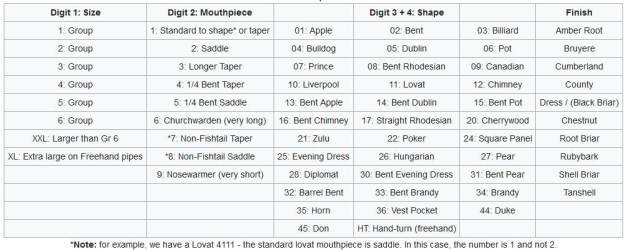
With that information clear for me I wanted to identify the shape number and try to pin that down (https://pipedia.org/wiki/Dunhill_Shape_Chart). I turned to the section on the Five Digit Shape Numbers and read it. I quote it below and added a chart on the numbers.

The 5th digit indicated the style of the bowl within the group of a similar classification, each identified by the last digit, which could be any number between 1-9.

While e.g. within the Gp.4 Billiard there were 5 different styles of bowls (5th digit being either 1,2,3,4, or 9), for a Gp.1 Billiard there were only 3 styles used (5th digit being 1, 2, or 9).

Although the 5-digit code was stamped on the pipe and thus was visible to the consumer, it was mostly used for internal production planning purposes and to a lesser extent for retail staff. The system proved to be quite complex.

The elimination of the 5th digit on the pipes (in 1984) resulted in better management of the pipe stock as there were less skus and it also facilitated the work for the sales staff in the retail shops as the complexity and number of skus was considerably reduced.

Notes:

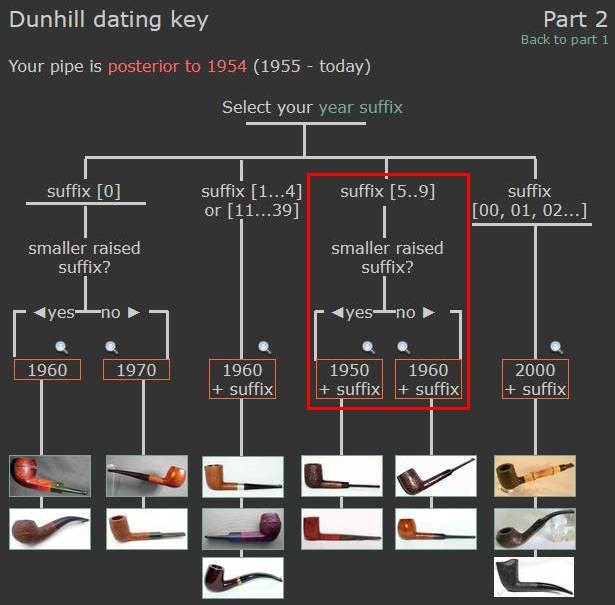
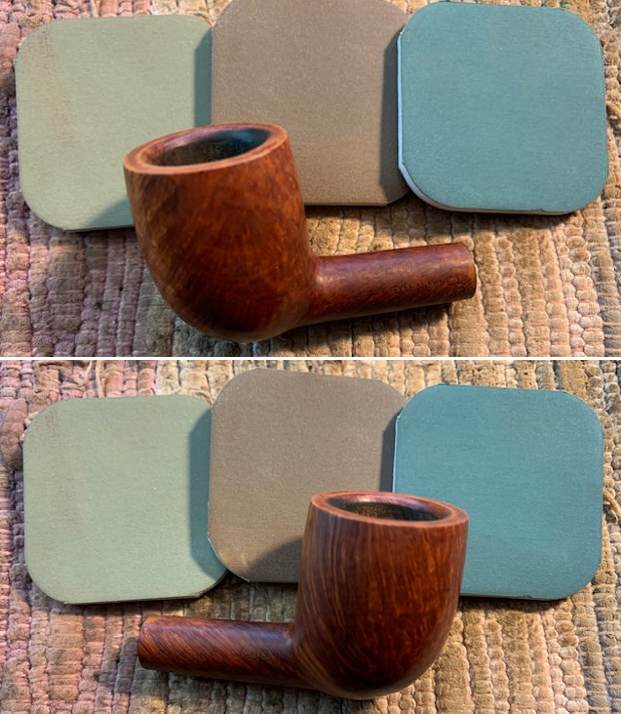
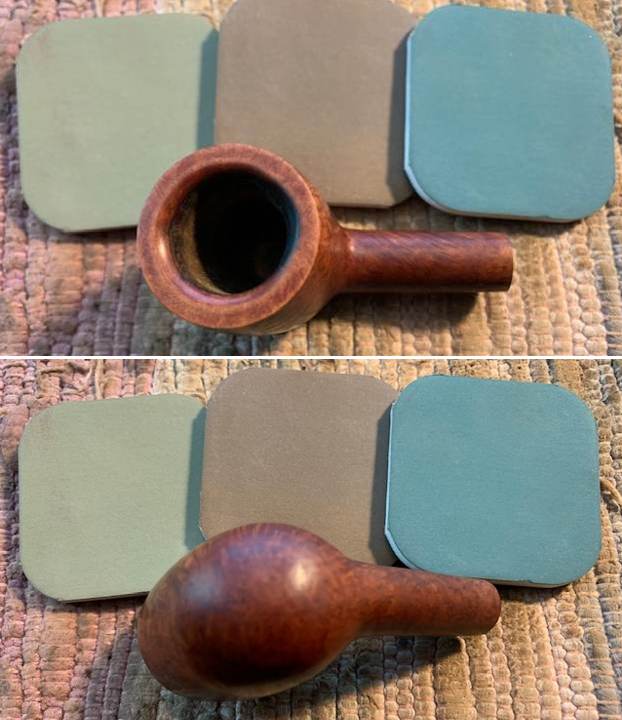
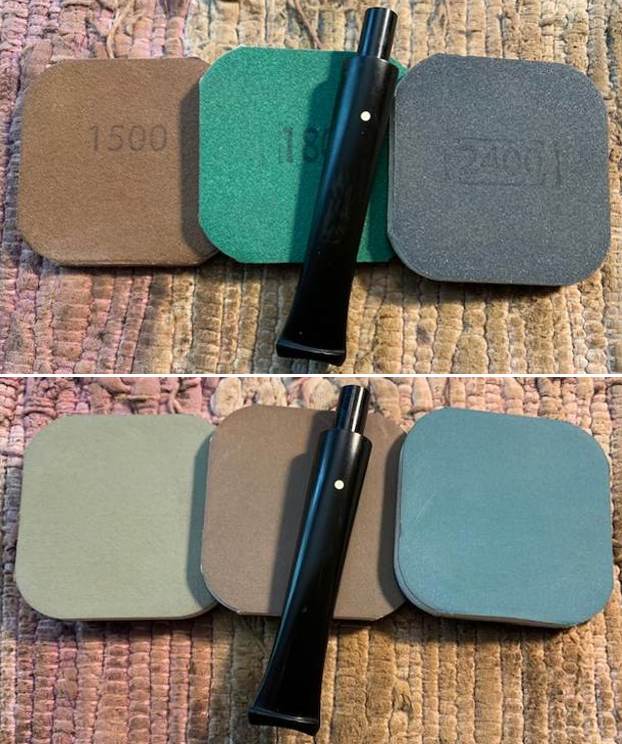
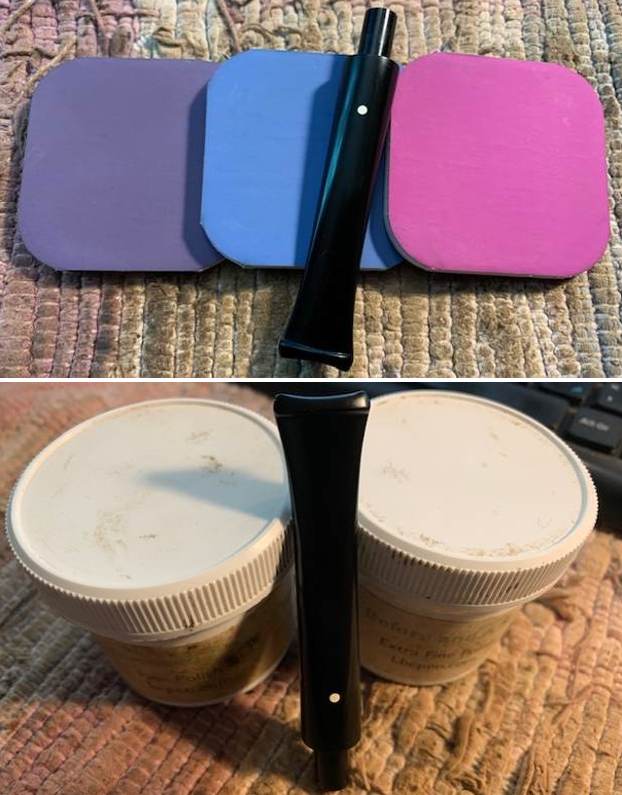
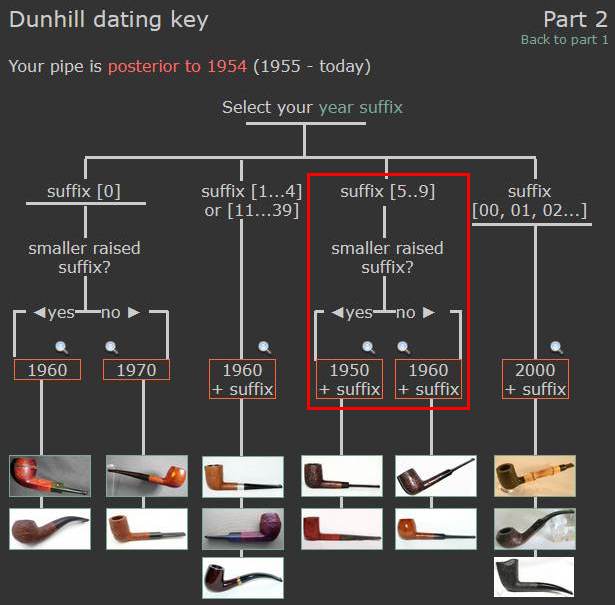
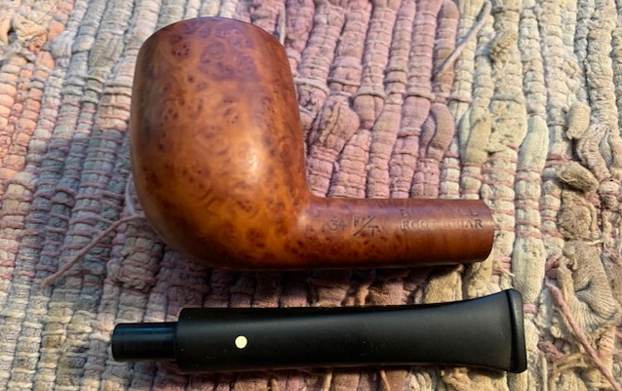
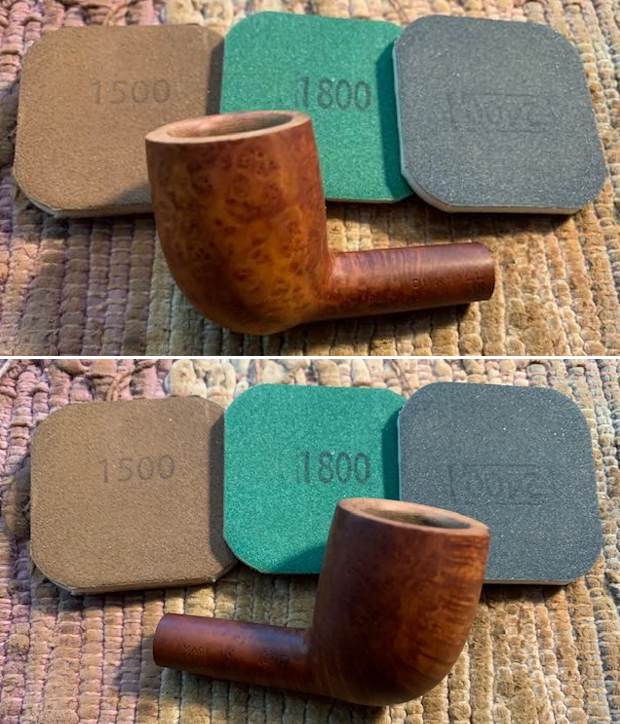
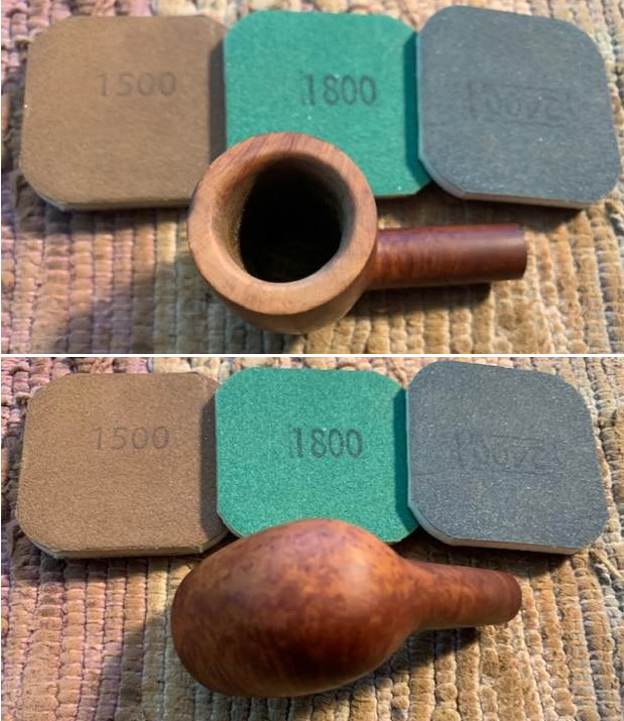
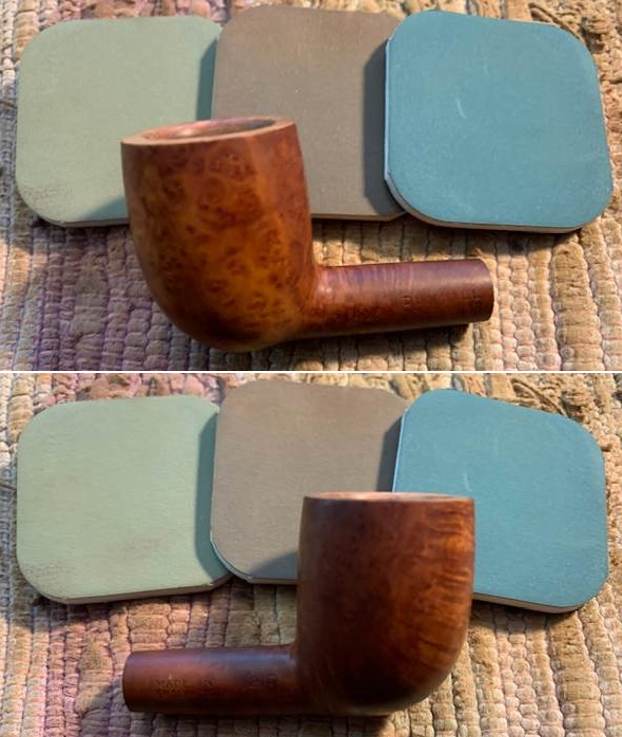
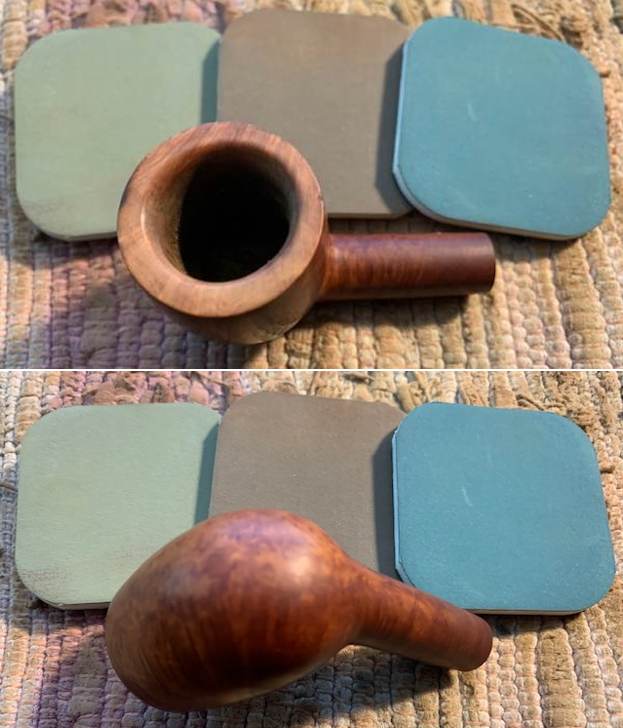
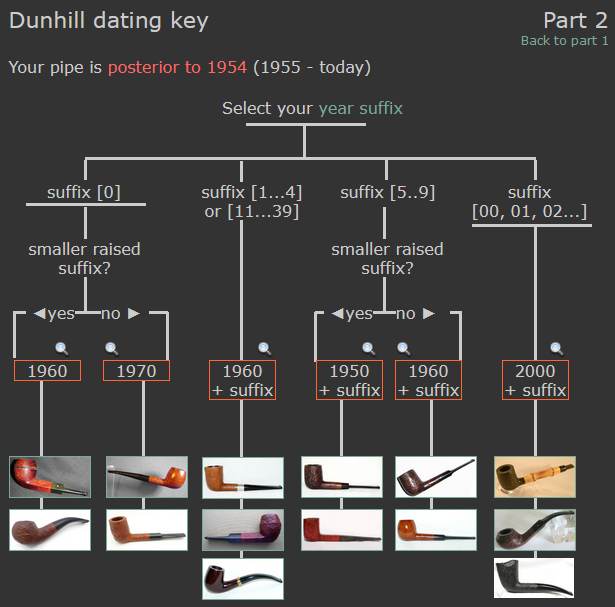
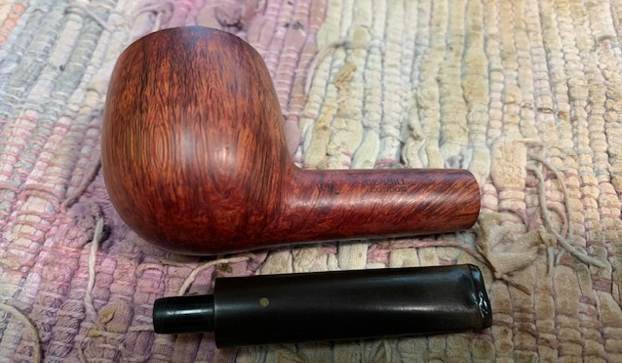
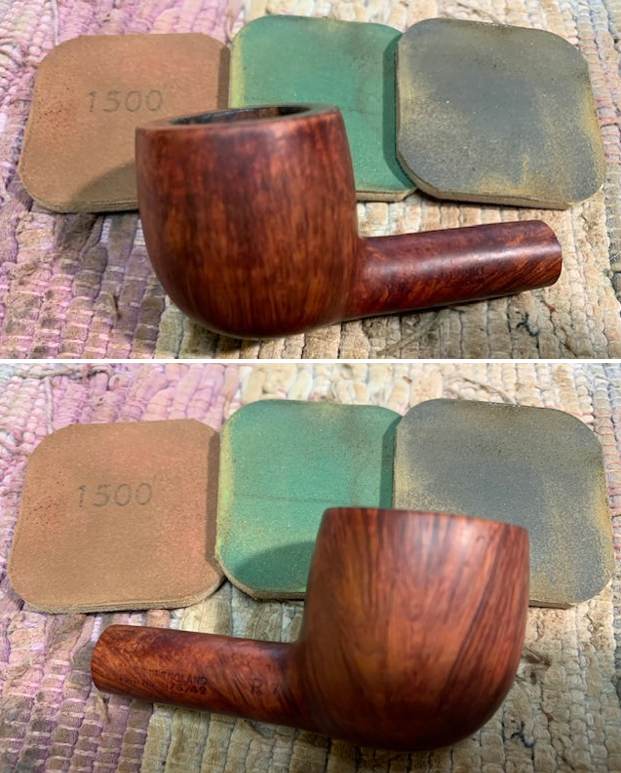
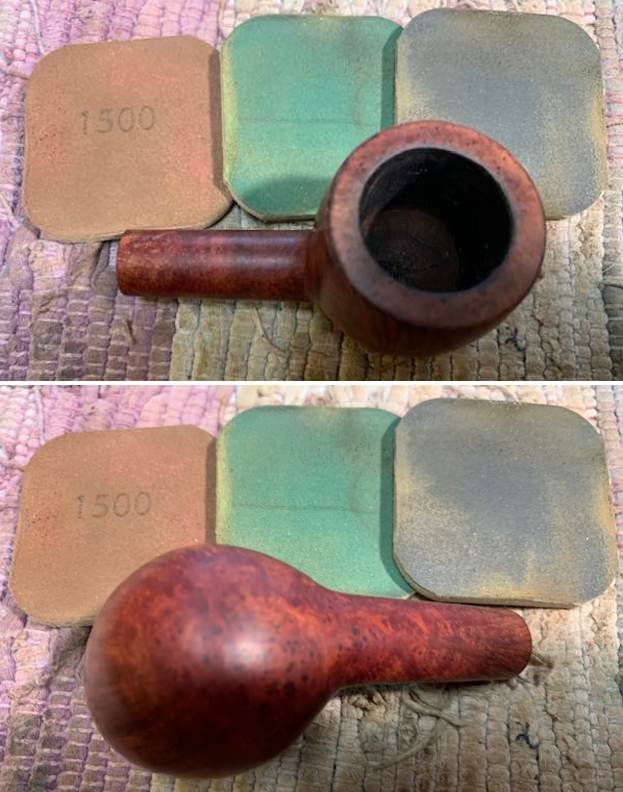
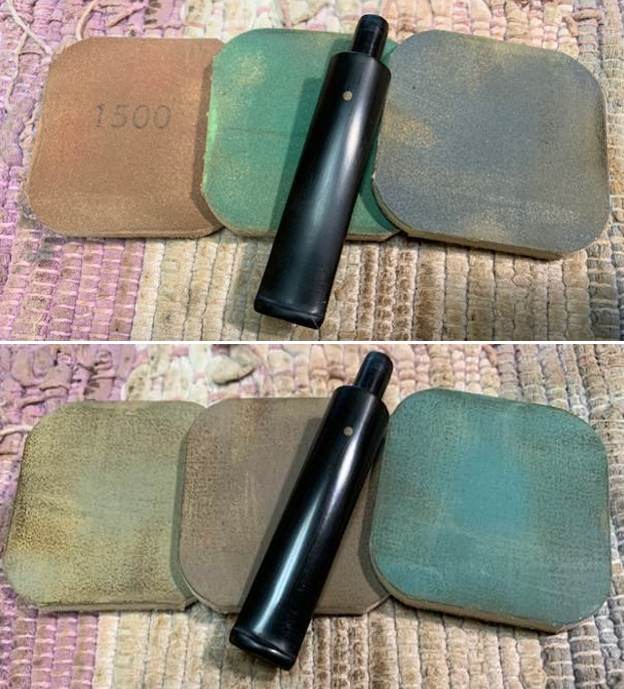
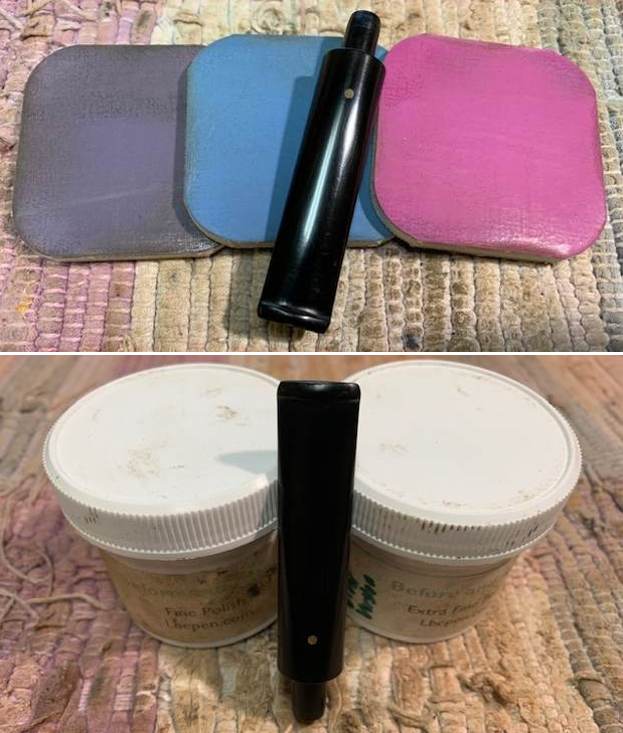
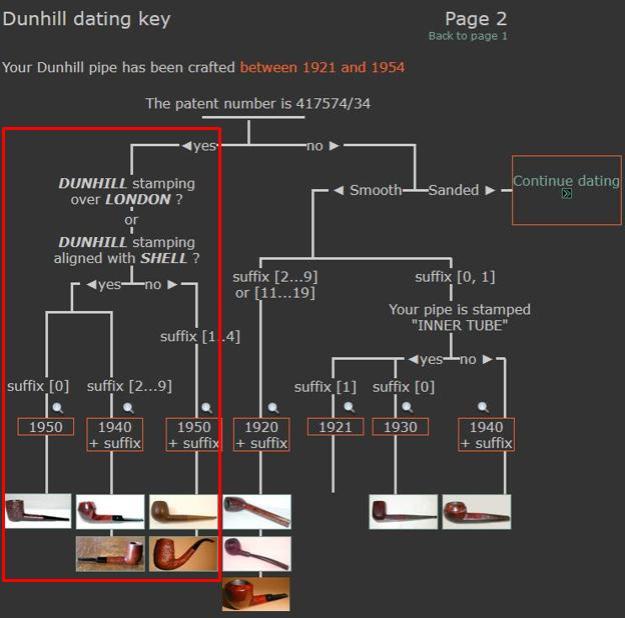
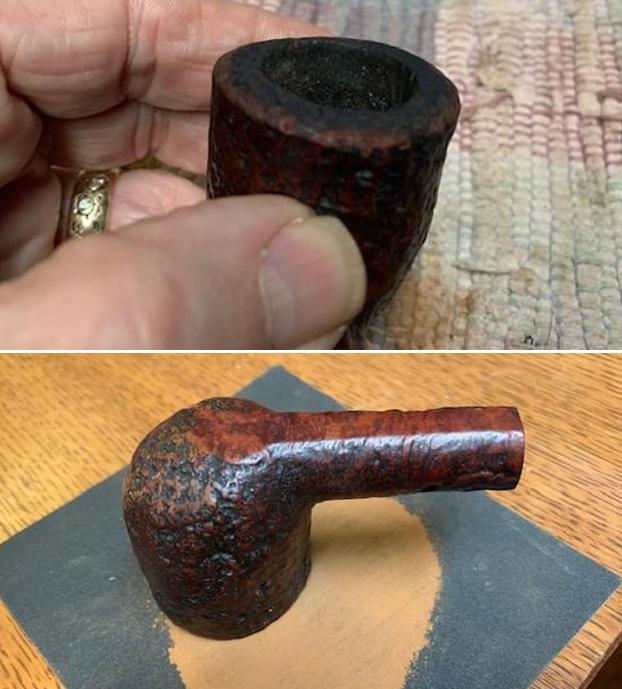
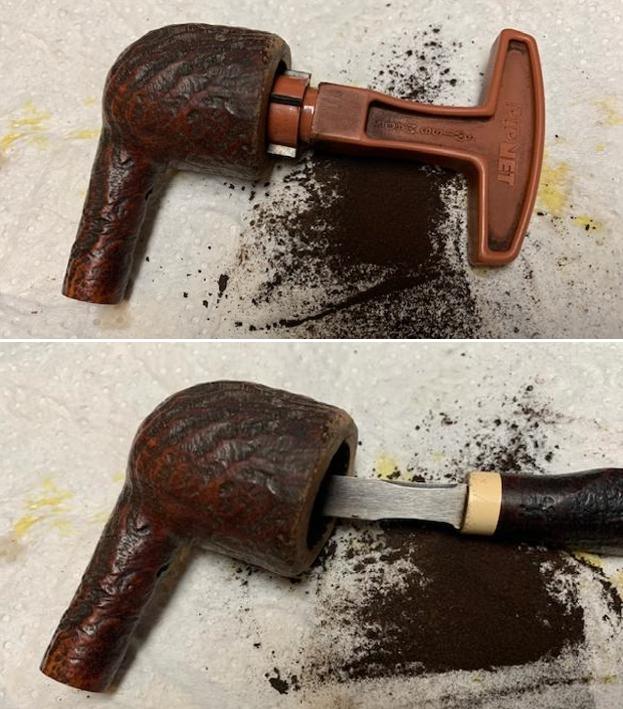
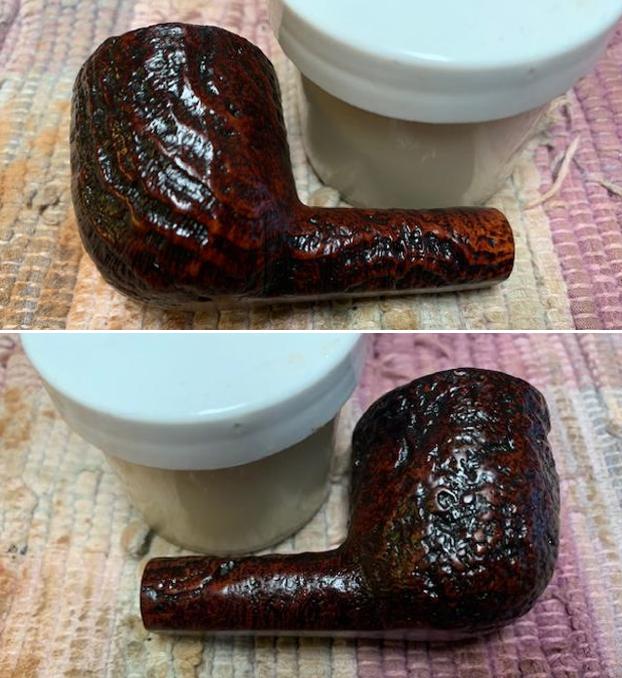
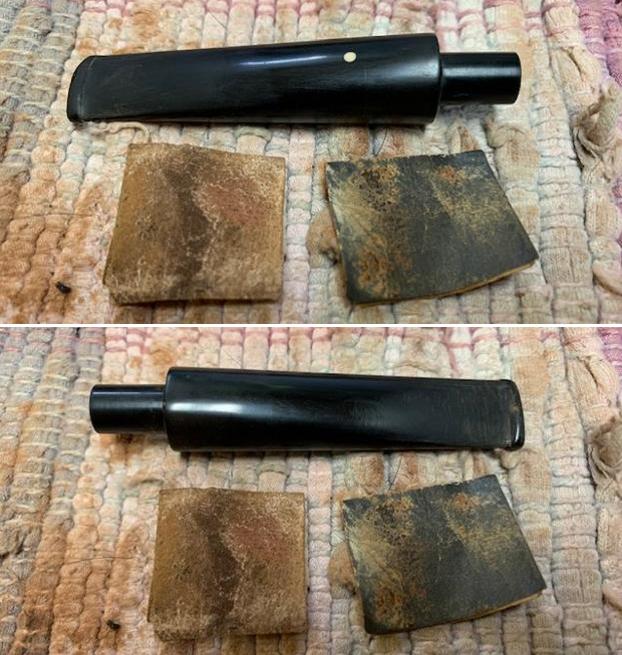
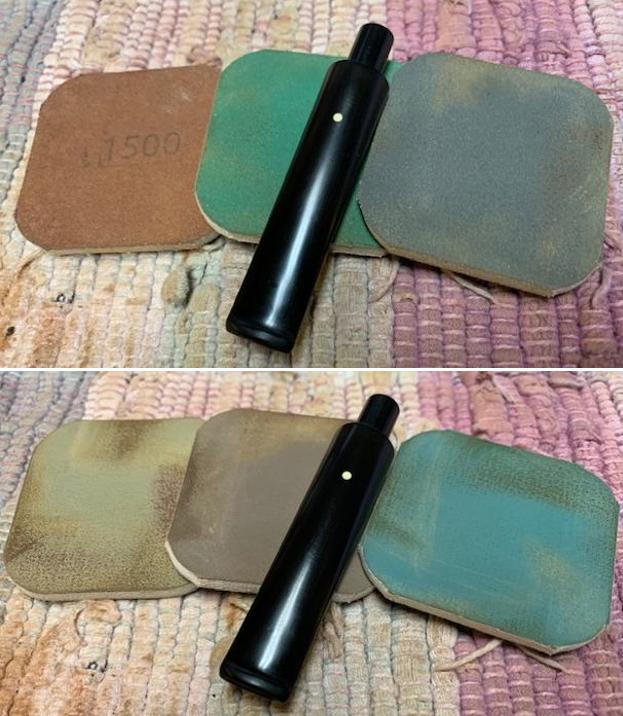
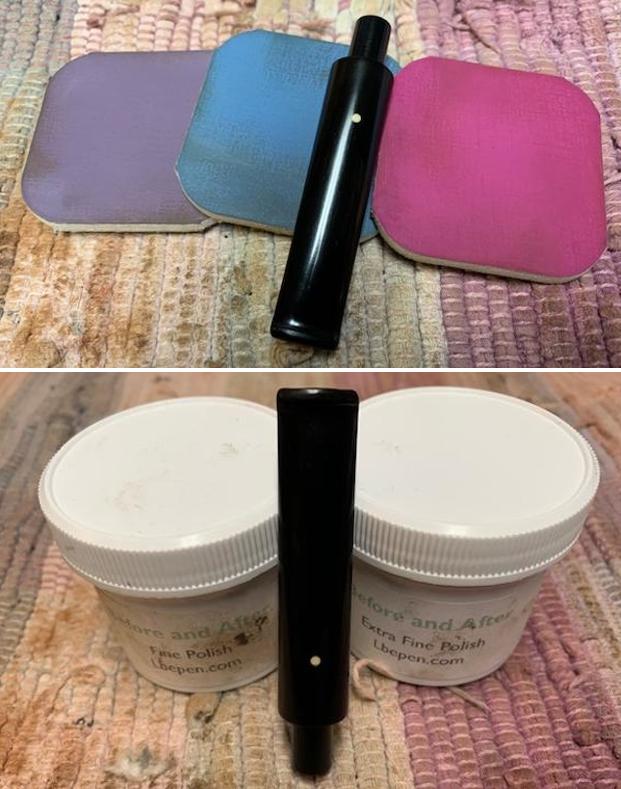
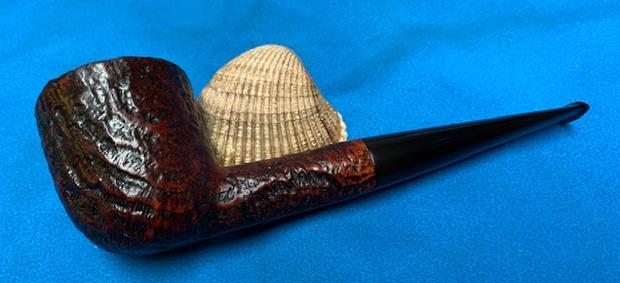
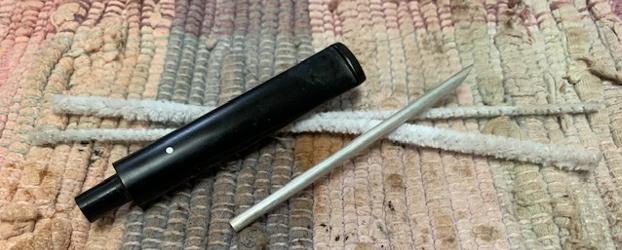
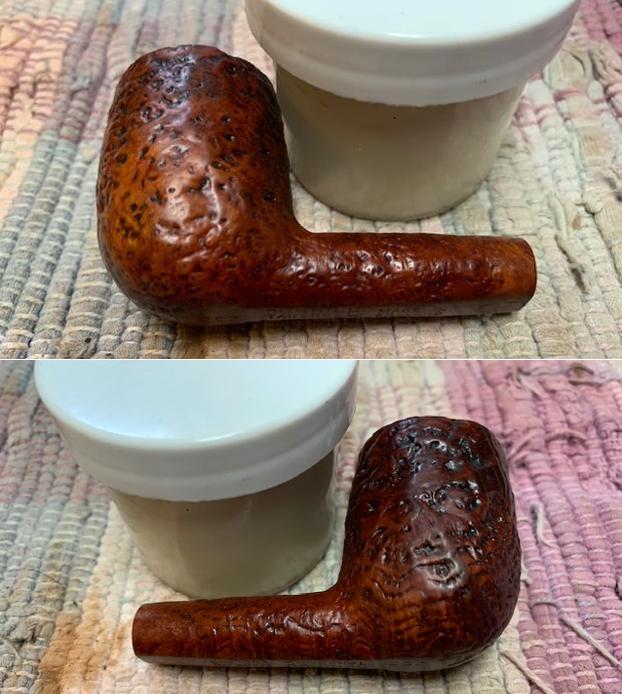
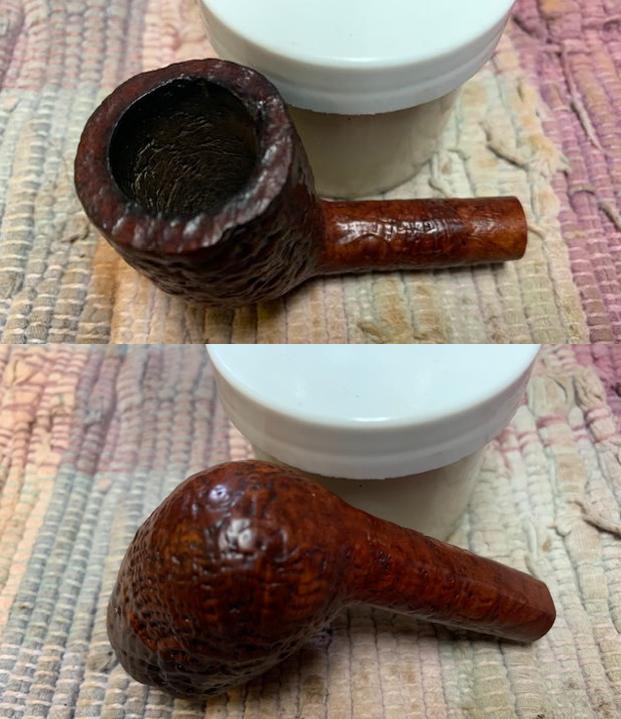
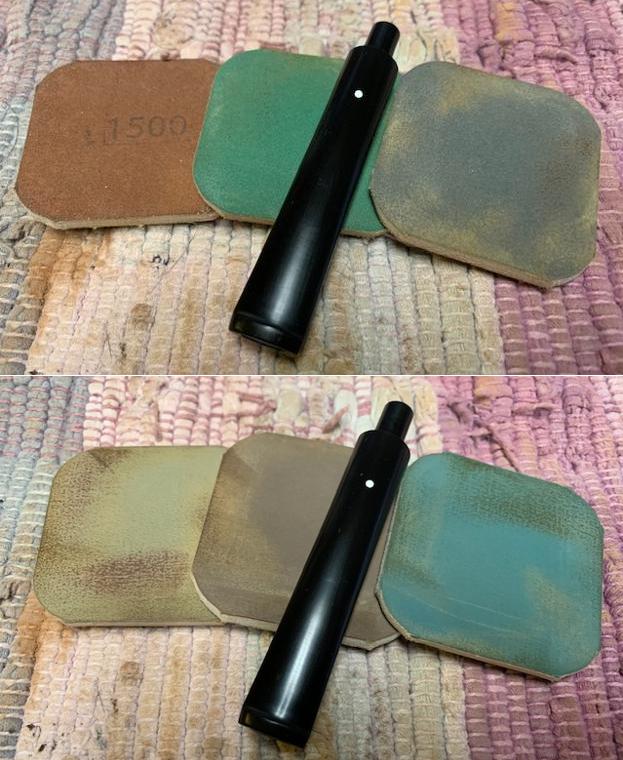
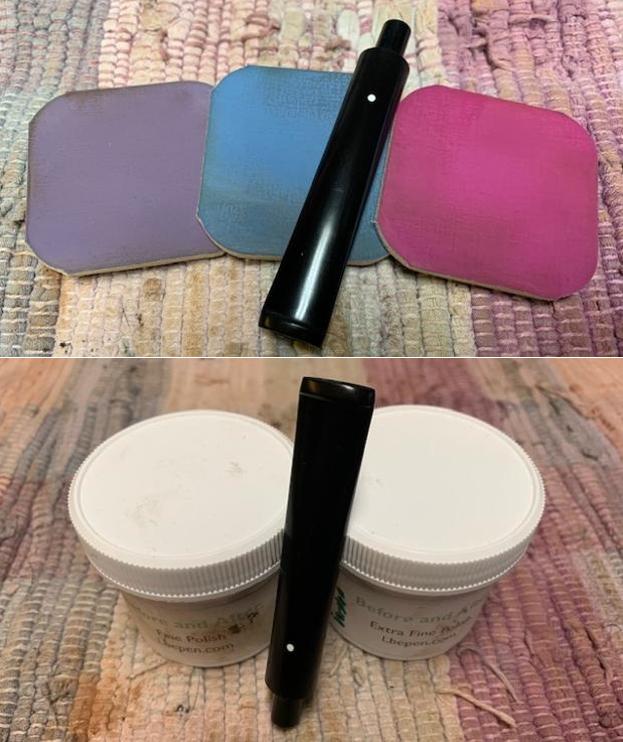
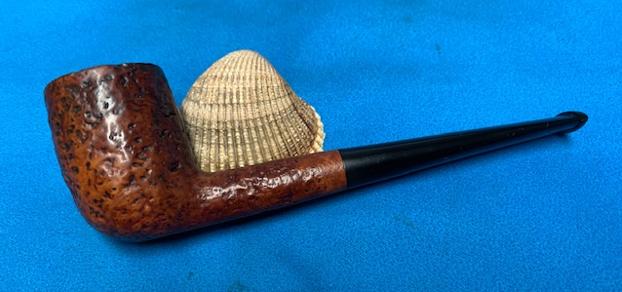
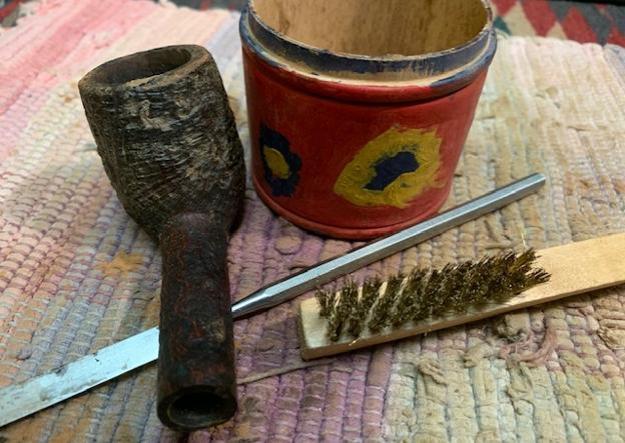
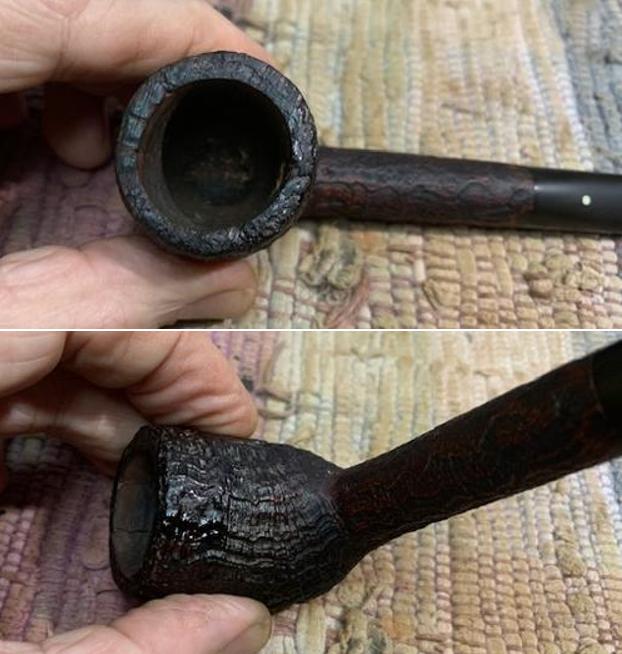
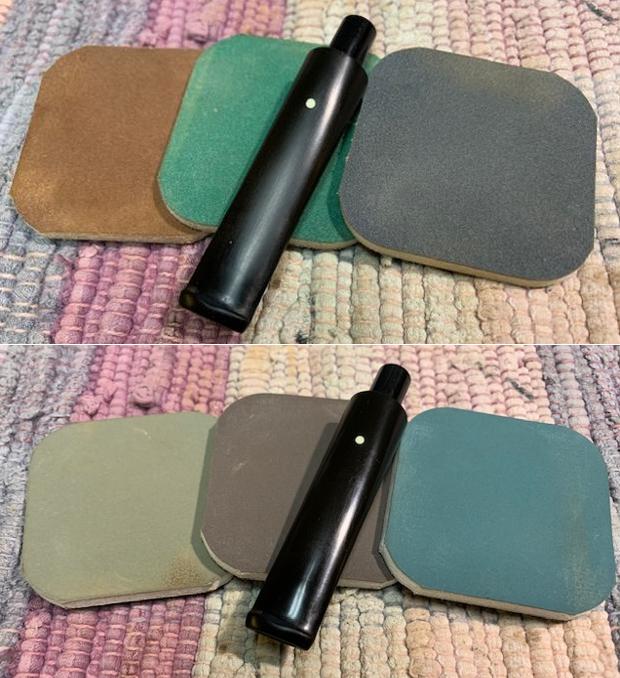
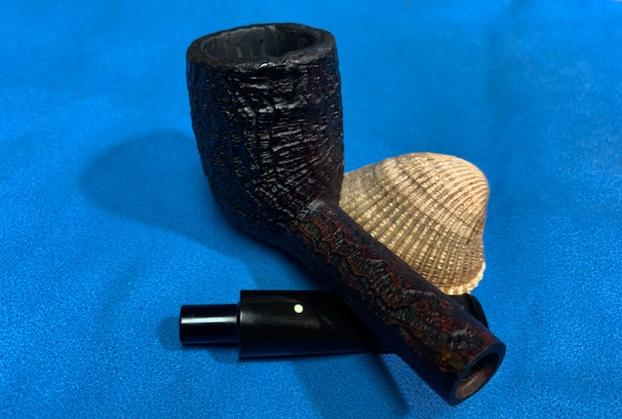
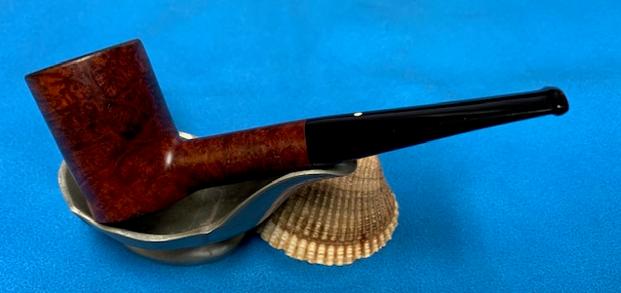
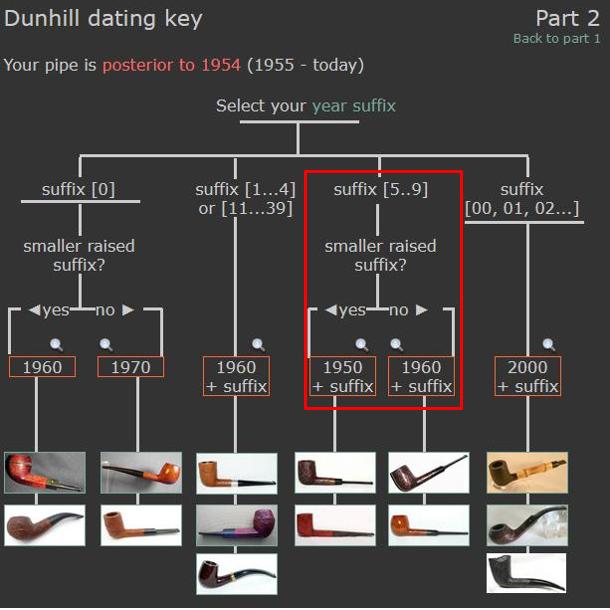
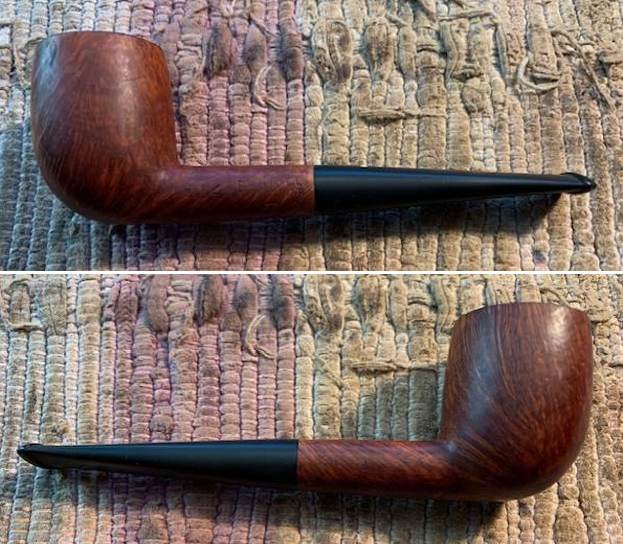
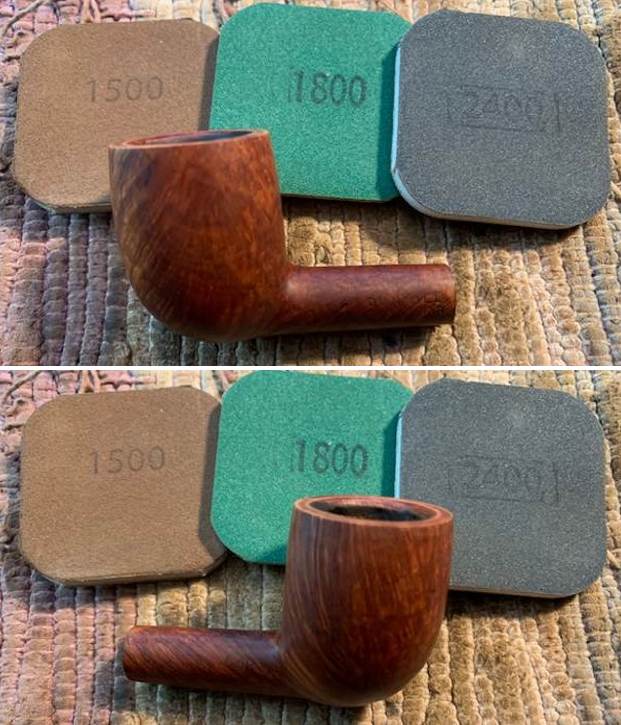
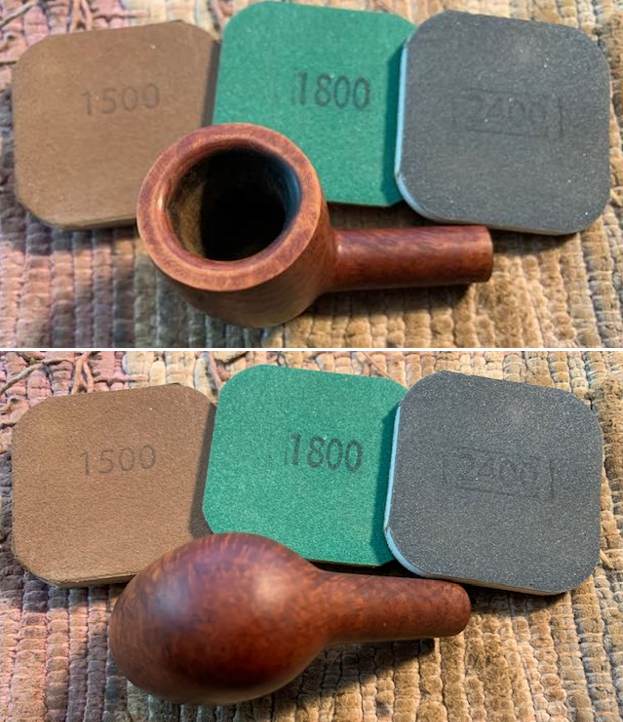
When 5 digits occur, the meaning of the 4 first remain the same. 5 digit shape numbers was added in 1976 and ended in 1984.I turned next to dating the pipe as it would be more straightforward than the numbering on the shank. There is a superscript 19 following the D in ENGLAND on the right side of the shank. I turned to the dating chart on Pipephil (http://pipephil.eu/logos/en/dunhill/cledat-en1a.html). I did a screen capture of Part 2 of the Dunhill Dating Key and included it below. It is clear that the pipe was made after 1954 so that is why I went to Part 2. Because the year suffix is 19 that tells me that the pipe was made in 1960+19 for a date of 1979.Armed with that information I turned to work on the pipe itself. Before he sent it to me, Jeff had done an amazing job cleaning the pipe. It almost looked like a different pipe after his work. He reamed the pipe with a PipNet pipe reamer and removed the rest of it with a Savinelli Fitsall Pipe Knife.  He scrubbed the bowl with undiluted Murphy’s Oil Soap with a tooth brush. He rinsed it under running warm water to remove the soap and grime. He cleaned out the inside of the shank and the airway in the stem with isopropyl alcohol, cotton swabs and pipe cleaners. He soaked the stem in Briarville’s Pipe Stem Deoxidizer and then rinsed it off with warm water. He scrubbed the stem with Soft Scrub and a tooth brush and rinsed it off with warm water. It looked amazing when I took it out of the package of pipes he shipped me. I took photos of the pipe before I started my part of the restoration work.  The rim top was cleaner and the inner edge of the bowl looked rough. There was burn damage all the way around but heavier on the left half of the bowl. There was also darkening on the edge. The outer edge looked good. The stem surface looked good with the oxidation gone and light but visible tooth marks and chatter on either side of the stem. I took photos of the stamping on the sides of the shank. It is clear and readable as noted above.I took the stem off the shank and took a photo of the parts of the pipe. The overall look of the pipe is quite unique. The stem shorter than the bowl and shank but looks quite good.I started my portion of the work on this pipe by addressing the damage to the rim top and inner edge of the bowl. I used a folded piece of 220 grit sandpaper to smooth out the edge and give it a slight bevel to deal with the chipping and cutting on the inner edge. It cleaned up remarkably well. With polishing and buffing it would look even better.I polished the briar with micromesh sanding pads – dry sanding with 1500-12000 grit pads. I wiped the bowl down with a damp cloth after each pad. The rim top looked very good and the bowl began to take on a rich glow. The bowl looked very good at this point so I rubbed it down with Before & After Restoration Balm. I worked it into the surface of the bowl and shank with my fingertips to clean, enliven and protect the briar. I let the balm sit for about 10-15 minutes and buffed with a cotton cloth to raise the shine. I set the bowl aside and turned to work on the stem. I “painted” the surface of the stem ahead of the button with the flame of a lighter to raise the tooth chatter and marks. It worked exceptionally well and all were lifted enough that sanding what remained removed them. I sanded the stem surface with 220 grit sandpaper and started polishing it with 400 grit wet dry sandpaper. I polished the vulcanite stem with micromesh sanding pads – 1500-12000 grit pads. I wiped it down with Obsidian Oil after each sanding pad. I used Before & After Pipe Polish – both Fine and Extra Fine to further polish the stem and gave it a final coat of Obsidian Oil to finish it. This beautiful and unique 1979 Dunhill Bruyere 54791 Scoop is a great looking pipe now that it has been restored. The rich Bruyere finish that highlights the grain and works well with both the polished vulcanite stem. I put the stem back on the bowl and carefully buffed the pipe with Blue Diamond on the buffing wheel using a light touch on the briar. I gave the bowl and the stem multiple coats of carnauba wax on the buffing wheel and followed that by buffing the entire pipe with a clean buffing pad. I hand buffed the pipe with a microfiber cloth to deepen the shine. The finished Dunhill Bruyere Scoop is a large pipe that will be great for sitting and reading. Give the finished pipe a look in the photos below. The dimensions of the pipe are Length: 7 inches, Height: 1 ¾ inches, Outside diameter of the bowl: 1 ¼ inches, Chamber diameter: 7/8 of an inch. The weight of the pipe is 55 grams/1.94 ounces. I will be adding the pipe to the British Pipemakers section of the rebornpipes store shortly. If you are interested in adding it to your collection be sure to let me know. I take a moment to remind myself and each of us that we are trustees of pipes that will outlive us and the lives of many other pipe men and women who carry on the trust of their care and use. Thanks for reading this blog and my reflections on the pipe while I worked on it.
Breathing Life into a Beautiful Dunhill London HW R7 Patent Era Pot


Blog by Steve Laug

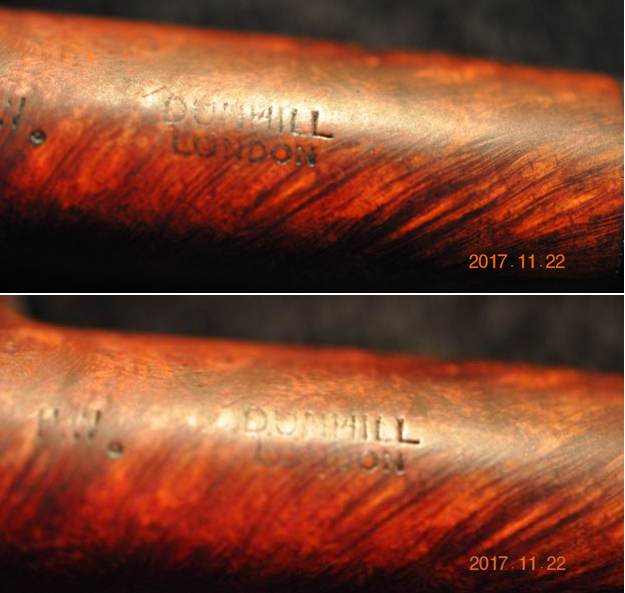
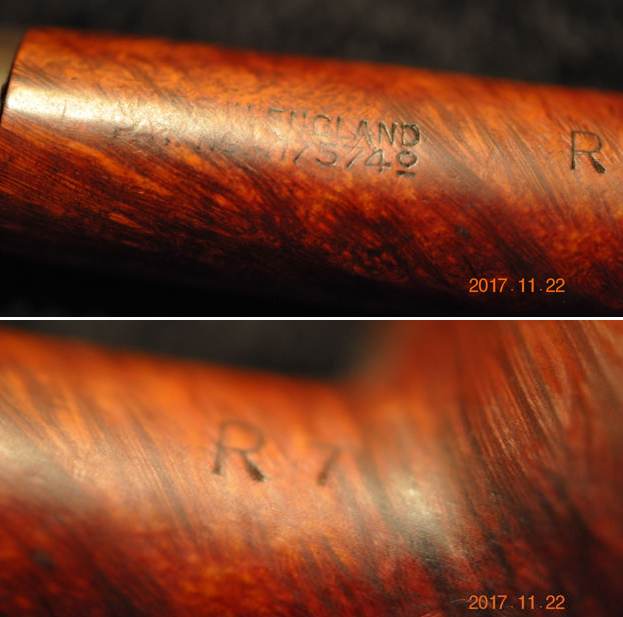
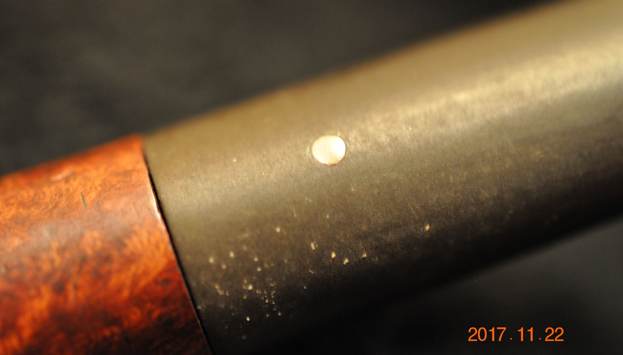
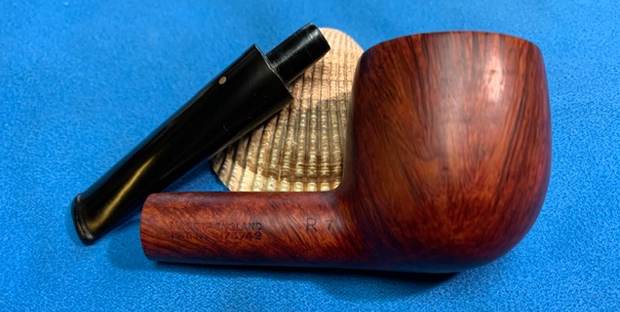
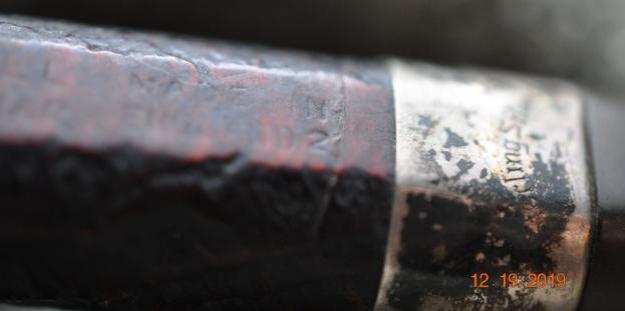
The next pipe is one that we picked up from an estate sale on 16 August, 2017 in Portland, Oregon, USA. It has some stunning grain around the bowl and shank and has the appearance of being a beautiful Bruyere or Root Briar but it is not stamped with either of those. The stamping on the left side reads HW with a square stop next to the bowl/shank junction followed by DUNHILL [over] London. On the right side it is stamped R7 next to the bowl/shank union and to the left of that it reads Made In England [over] Pat. No.417574 followed by a superscript 0 . Several things about the stamping were new to me but were also very distinctive. For instance the HW was not a shape designation that I had seen. The Patent number followed by the superscript 0 rather than that 0 by the D in England was different. Those are a few new things for me on this pipe. This was going to a fun pipe to research.

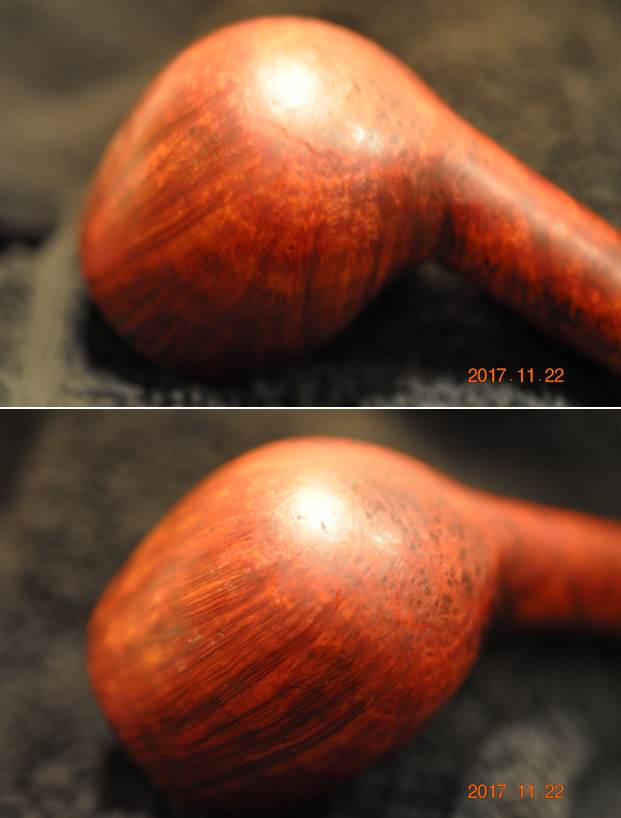
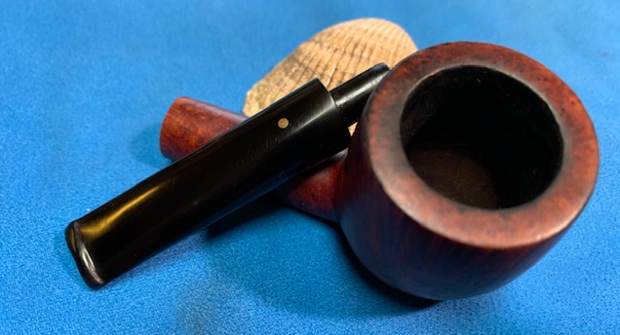
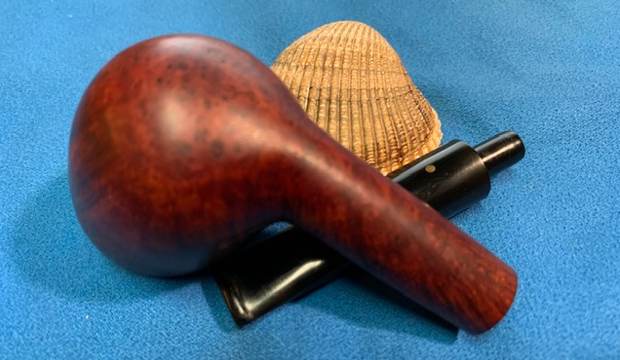
The pipe itself was quite dirty. The finish was tired with grime ground into the surface. The bowl was heavily caked with a thick overflow of lava on the rim top. While the inner edge looked good there were nicks around the outer edge of the bowl. The stem was oxidized and dirty. There were deep tooth marks against the edge of the button on both sides and there was chatter around those marks as well. The surface of the button also had tooth damage on the top side. It was a dirty, intriguing and beautiful pipe! Jeff took photos of it before he started his clean up on it. Jeff took photos of the bowl and rim top. You can see how thick the cake is in the bowl and on the top. You can also see the dust that had collected in the cake in the bowl. It was a dirty pipe. His photos of the stem also show the oxidation, calcification and tooth damage to the stem and button on both sides. He took some photos of the side and heel of the bowl to show the grain. It is a very nice looking piece of briar and once the grime it gone it should really look amazing.Jeff took some photos of the stamping on the shank side to capture it. Some portions of the stamp are weak and not as clear but overall it is very readable. Now it was time to try to unravel the stamping on the shank sides of the pipe. I was really interested to understand what the various components of the stamping meant. I turned to a book I always use with Dunhills, John C. Loring’s – The Dunhill Briar Pipe The Patent Years And After. I have found that it is really a definitive work when working dating and understanding Dunhill stamping. I will walk you through my work on the stamping in the paragraphs that follow. The conclusion is at the end!

I decided to start with the left side of the shank – HW followed by Dunhill [over] London. I quote from the above book, page 89-90.

‘OD’ ‘HW’ and ‘ODA’ stampings on the brand side of the shank next to the bowl (where an “A” or “R” would normally be found) usually indicated a special or a premium pipe…

“HW” was another pre-war stamping and meant ‘Hand Worked’. This stamp was used, sometimes in conjunction with superscript square stops, to identify hand carved versions of standard, machine carved, shapes. An “HW” stamping was not necessarily indicative of higher pricing.

Now I knew that the HW with the small square meant that the pipe was a pre-war Hand Worked pipe that was identical to a machine carved Pot. That was a start but now I wanted to understand the Dunhill [over] London stamp that followed it. I was getting excited about the age of this pipe. Again from Loring, page 13-14

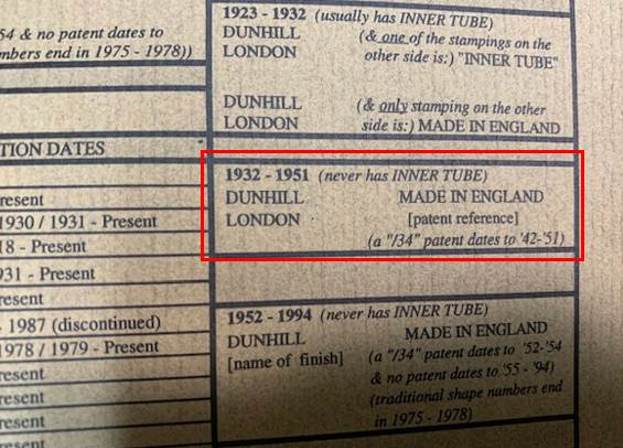
From November 1918 through 1951, the brand side of the Bruyere was stamped DUNHILL over LONDON. In addition one to three letter (most generally an A but occasionally DR, OD, or HW) were stamped to the left of the primary brand stamping, near the bowl.

I have included a chart from Loring (inside the back cover). I have drawn a red box around the pertinent portion – 1932-1951 to show the stamping on both sides of the shank.Now I knew that I was dealing with a Dunhill London pipe (possibly a Bruyere) made between 1932-1951 because of the stamping on the left side of the shank. Now it was time to turn to the stamping on the right side of the shank and unravel that. The dates were beginning to solidify and my excitement was growing.

On the right side of the shank it is stamped R7 next to the bowl/shank union and to the left of that it reads Made In England [over] Pat. No.417574 followed by a superscript 0 . I decided to tackle the R7 stamp near the bowl first to see if I could determine what it meant.

From Loring, page 61, I quote the following.

“R”. An “R” signifies the Root finish pipe. From 1931-1954 it was stamped on the brand side of the shank near where the shank meets the bowl. “R” is also the letter code for the classic Dunhill pot shape.

Page 63-64 From inception through 1975 Dunhill generally gave its pipes shape numbers of two or three digits. Beginning with 31 (shape number 1-30 were sold but not made by Dunhill from 1907-1910)… The shape numbers or letters were stamped on the reverse side of the shank near the bowl. Prior to the war special shape modifications, such as churchwarden stem or a flat shank (that would allow the pipe to be rested on a flat surface with the bowl opening facing up) were signified by preceding the shape number with a “C” or “T” respectively. In addition to the shape number, some post-war shapes were stamped with another number following a slash, e.g. ‘shape number’/1, which I speculate probably referenced the bit type…

Page 65… In the case of a letter denoted shape the slash was sometimes omitted, e.g. “R 21”

From this I knew that the R7 stamp signified a Pot shaped designation and the 7 was a reference to the style of the taper stem.

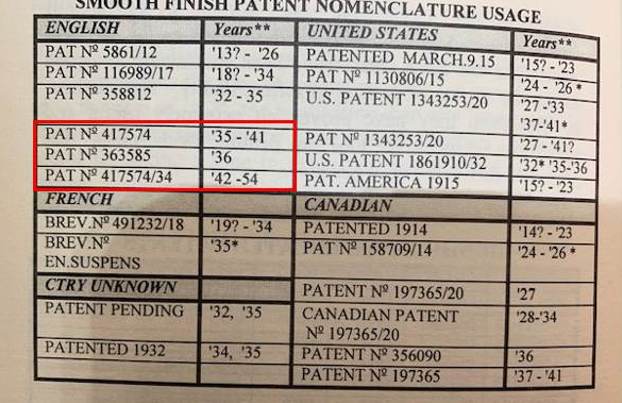
I turned to deal with the pattern number stamped on the right side of the shank – Pat. No.417574. In Loring’s book on page 58 he gives a great summary of the Smooth Finish Patent Nomenclature Usage. I have included that chart below. Once again I have drawn a red box around the portion that applies to this pipe. You will note that there are two listings with the Patent Number I have – one with the /34 and one without it.The /34 dates the pipe to 1942-1954 while the Patent Number without the slash number dates it to 1935-1941. This gives a narrowing of the date to 1935-1954. The patent also refers to an inner tube in the shank with a spring flange (Loring, Page 57). Wow, the date is getting more and more focused for me.

The only remaining piece of the mystery is the stamp 0 (0 as a superscript) which follows the patent number. I am used to finding the date stamp after the letter D in England. But this is the first that I have seen in this location. So once again Loring provided the information I needed on the back cover of his book. I quote from there:

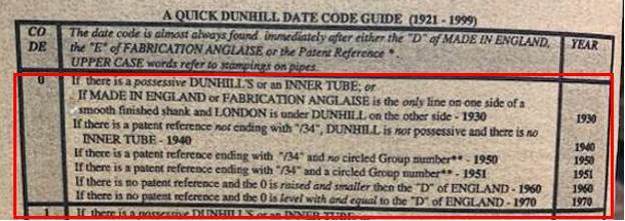
The date code is almost always found immediately after either the “D” of MADE IN ENGLAND, the “E ”of FABRICATION ANGLAISE or the Patent Reference (Red letter and underline emphasis is mine).

That gave me the information I needed regarding the superscript/underlined 0 (0) after the Patent Number. It was definitively the date stamp. Now it was just a matter of identifying the date from that information. Once again the back cover of Loring’s book gave me the answer. I am including a photo of the chart with the area of interest blocked in red.The superscript/underline 0 points to a date that is determined by the above chart in the third If statement in the red boxed photo above. It says –“If there is a patent reference not ending with “/34”, DUNHILL is not possessive and there is no inner tube – 1940”. All of the “nots” fit the pipe in hand. The mystery is solved and a date is set! It is ten years older than I first thought when I saw it.

Thus, thanks to all of John Loring’s hard work, I know that the pipe I am working on is a 1940 Dunhill Hand Worked Bruyere that is a Pot shape with a 7 style stem.

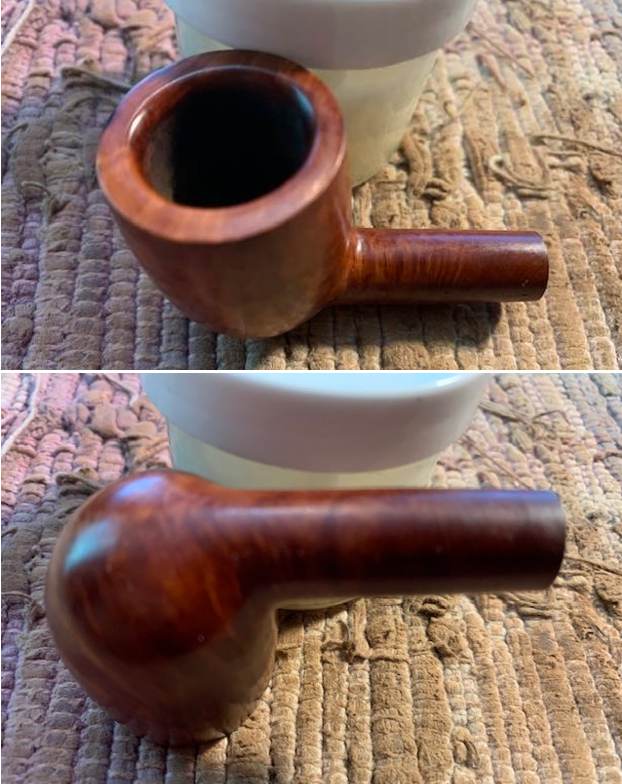
Now it was time to work on this old timer. Jeff carefully cleaned the pipe. He reamed it with a PipNet pipe reamer and then cleaned up the reaming with a Savinelli Fitsall Pipe Knife. He scrubbed out the internals of the shank and stem with alcohol, pipe cleaners and cotton swabs until the pipe was clean. He scrubbed the exterior of the bowl with Murphy’s Oil Soap and a tooth brush to remove the grime and grit on the briar and the lava on the rim top. The finish looks better and the briar has a deep richness in the colour that highlights the grain. He scrubbed the stem with Soft Scrub to remove the grime and oils and then soaked it in Before & After Stem Deoxidizer. He rinsed it with warm water and ran pipe cleaners through once more. When the pipe arrived here in Vancouver it was a great looking pipe with beautiful grain. I took close up photos of the rim top and the stem to show the condition of the pipe after Jeff’s work. The rim top looked quite good and the edges were in decent condition. There was some darkening on the top of the rim and the edges. The photos of the stem showed the tooth damage very clearly on both the stem surface and the button edges.I took some photos of the stamping on the shank sides and they read as noted above. They are faint in spots but still readable.I removed the stem from the shank and took a photo of the pipe taken apart. It really is a beautiful pipe.I polished the briar with micromesh sanding pads – dry sanding with 1500-12000 grit sanding pads. I wiped the briar down after each sanding pad to remove the dust. The grain really began to shine and stand out. Now it was time for Before & After Restoration Balm to work its magic on the briar. I have come to really love this product. I work it into the briar with my fingertips to clean, restore and enliven the briar. It always leaves the grain really popping on the pipe and this was no exception. I let the balm sit for 15 minutes then buffed the pipe with a soft cotton cloth. It is a stunning pipe. I set the bowl aside and turned my attention to the stem (Shape 7). I “painted” the stem with the flame of a Bic lighter to try and lift the dents at and on the button a bit. It worked to some degree but there were still significant dents left. I filled in what remained and rebuilt the button edges with black Super Glue and set the stem aside as the repairs cured. Once the repairs cured I reshaped the button and flattened out the stem repairs with a small file. I sanded them smooth and continue to reshape the button with 220 grit sandpaper. While I was at it I also sanded the rest of the stem to remove some of the oxidation that remained. I started polishing out the scratches with 400 grit wet dry sandpaper. I decided to work over the oxidation a bit more with SoftScrub cleanser. I scrubbed the stem with cotton pads and was able to remove all of the oxidation. The stem really was beginning to look good at this point.I polished the stem with micromesh sanding pads – dry sanding with 1500-12000 grit pads. I wiped the stem down after each pad with a cloth impregnated with Obsidian Oil. I polished it with Before & After Stem Polish – both Fine and Extra Fine then gave it a final coat of Obsidian Oil and set it aside to dry. This incredibly beautiful HW (Hand Worked) DUNHILL LONDON R7 Pot Made In England Pat. No.4175740 is a special oldtimer. The HW stamped says it was hand worked and it was made before WWII by Dunhill. The R7 is the designation for a Pot shape with a 7 shape stem. I put the stem on the shank and buffed the pipe with Blue Diamond on the wheel (being careful of the stamping so as not to damage that). I gave the bowl and stem multiple coats of carnauba wax and buffed the pipe with a clean buffing pad to raise the shine. I hand buffed it with a microfiber cloth to deepen the shine. The dimensions of this pipe are – Length: 5 ¼ inches, Height: 1 ½ inches, Outside diameter of the bowl: 1 ½ inches, Chamber diameter: 7/8 of an inch. The weight of the pipe is 1.13 ounces/33 grams. It is really a gorgeous old timer and one that will reside in my own collection of older Dunhill pipes. I look forward to enjoying it soon.

Breathing Life into a 1950 Dunhill Shell Briar R Pot


Blog by Steve Laug

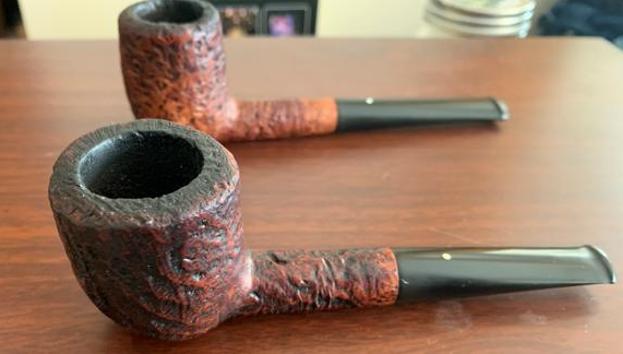
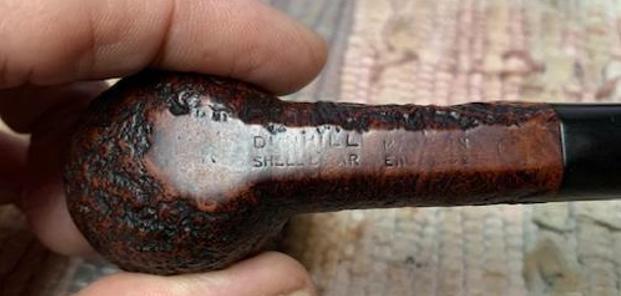
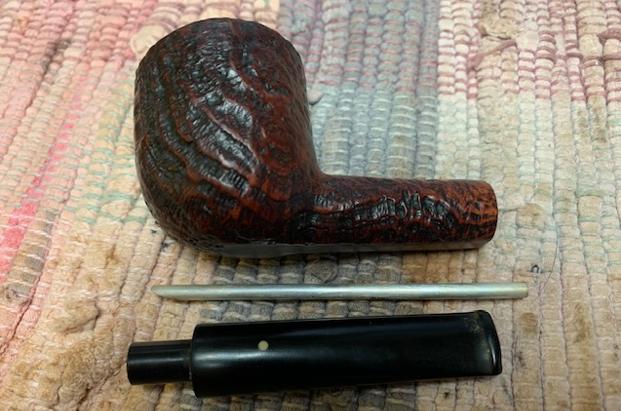
The next pipe on the table is the second one that came to me from a friend up the British Columbia Coast. It is the second of two Dunhill pipes that he found in a shop along the coast. It is a Shell Briar Pot that is worn and has a lot of damage to the rim top. It is the pipe in the front of the photo below. You can see the damage to the rim top and how the rim top is damaged at the back and the front of the rim top and the outer edge of the bowl. The photo was sent to me by Chris. When the pipe arrived I took photos of what it looked like. Chris had done some preliminary cleaning of the pipe before he sent it to me and it look quite clean. It is stamped on a smooth panel on the underside of the shank. On the heel of the bowl it is stamped with the shape number R followed by Dunhill [over] Shell Briar followed by Made in England with a superscript underlined 0. That is followed by 4 in a circle followed by S for Shell. Interpreting that stamp follows: The R is the shape for a straight stem Pot. The Dunhill Shell Briar is the finish which is corroborated the S in the circle. The underlined 0 following the D of England dates the pipe. The stamping is clear and readable. The age of the pipe and the oils in the sandblast finish has given the pipe a rich medium brown finish. There is also some interesting grain shows through the blast finish. There was still a thin cake in the bowl and a light overflow of lava on the rim top. The rim top had a lot of damage and wear on the top and outer edges.  The top was no longer flat. The vulcanite stem was lightly oxidized and had tooth marks and chatter ahead of the button. I took photos of the pipe to show what it looked like before I started working on it. I took photos of the bowl and rim top to show the thickness of the cake and the damages. The rim top and edges are a mess with lots of damage caused by beating it against a hard surface. The photos of the stem show the light oxidation and tooth marks and chatter on the surface on both sides. The stamping on the underside of the shank is shown in the photo below. It looks very good and readable. It reads as noted and explained above.I removed the stem from the shank and took a photo of the pipe parts to show what I was working with. It has potential to be a great looking pipe.  I turned to Pipedia’s section on Dunhill Shell Briar Pipes to get a bit of background on the Dunhill finishes (https://pipedia.org/wiki/Dunhill#Root_Briar). I quote:

Shell

A deep craggy sandblast with a black stain finish (usually made using Algerian briar) – the color of the stain used has varied over the years. Although there is some doubt as to them being the first to sandblast pipes, Dunhill’s Shell pipes, and the sandblasting techniques developed to create them are considered one of Dunhill’s greatest and most lasting contributions to the art of pipe making.

The documented history of Dunhill’s inception of the Shell is largely limited to patent applications — there are no catalog pages or advertisements promoting blasted pipes at the time. The preliminary work on the English patent (No. 1484/17) was submitted on October 13, 1917. The patent submission was completed half a year later, on April 12, 1918, followed by the granting of the English patent on October 14, 1918. This was less than a month before the end of The Great War on November 11th.

In 1986 Dunhill released a line of premium Shell finish pipes – “RING GRAIN”. These are high-quality straight grain pipes which are sandblasted. Initially only Ring Grain, but now in two different finishes. In 1995 the “Shilling” was introduced with Cumberland finish – it is an extremely rare series. These pipes exhibit a deeper blast characteristic of that of the 1930’s – mid-1960’s (and the limited ‘deep blast’ pipes of the early 1980s) and show a fine graining pattern. These are considered the best new Dunhills by many enthusiasts today and are very rare. The finish is sometimes described as tasting like vanilla at first, with the taste becoming more normal or good as the pipe breaks in.

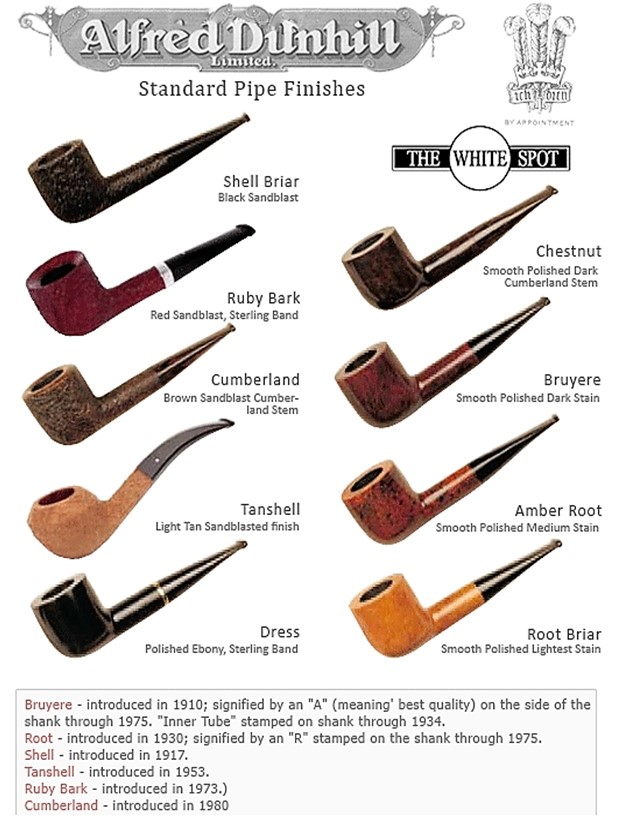
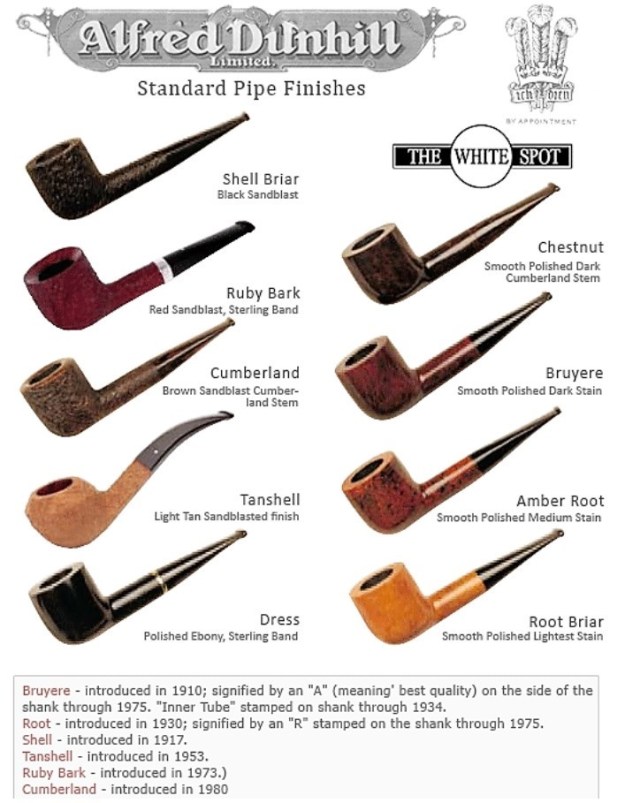
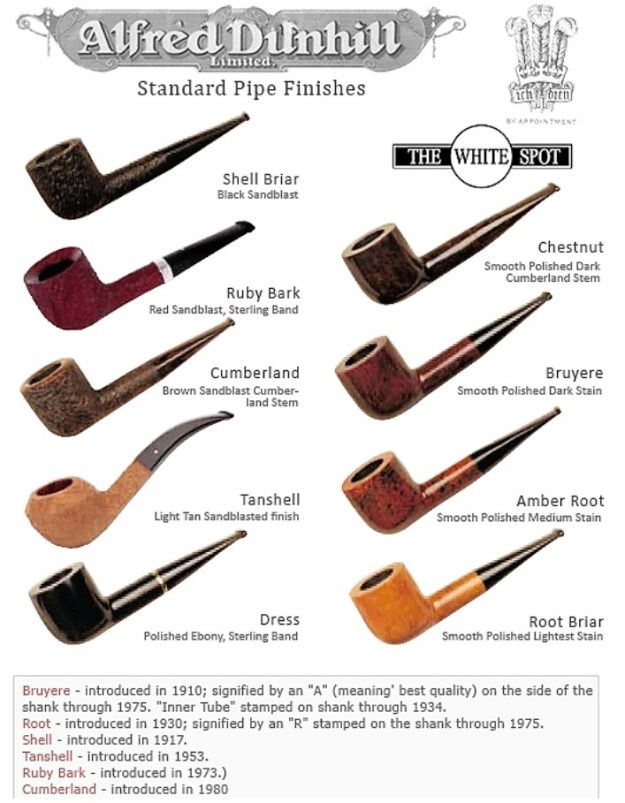
I have also included a chart from the site from Dunhill spelling out the Standard Pipe Finishes and giving short information and a timeline.

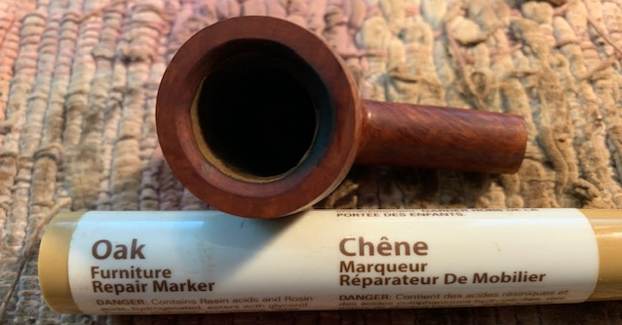
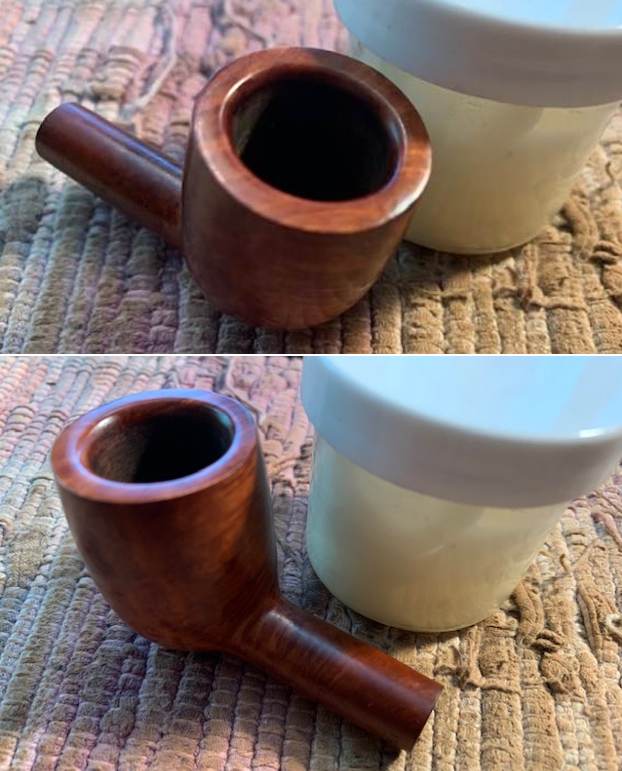
I turned to Pipephil to establish a date for a Dunhill with the stamping that was on this pipe. The date stamp 0  (http://pipephil.eu/logos/en/dunhill/cledat-en1b.html) I have marked the box below with a red box around the part of the date key that is applicable. The pipe dates to 1950.I decided to start the restoration on this one by working on the damaged rim top. I started the process by topping the bowl on a topping board and a piece of 240 grit sandpaper. My main concern was to flatten the top and remove some of the gouges and damages. I then built up the damaged areas on the front and back outer edges of the bowl with briar dust and CA glue. I wanted to raise the profile of the edge in those areas. I would rusticate them so I was not overly concerned with what it looked like at this point. I used various burrs on the Dremel to approximated the sandblast finish on the rim top and bring it back to reflect the sandblast and nooks and crannies on the sides of the bowl and shank. I stained the newly shaped rim top with an Oak and a Maple stain pen to match the colour of the bowl. I was pretty happy with the newly stained rim. It look a lot better than when I started and worked with the finish.I figured I should clean up the bowl after that work. I reamed it with a PipNet Pipe Reamer and took back the remaining cake to briar so I could check out the condition of the bowl walls. I cleaned up the remnants with a Savinelli Fitsall Pipe Knife. I cleaned out the mortise and the airway in the shank and stem with alcohol, cotton swabs and pipe cleaners. I also cleaned out the inner tube at the same time. With the repair completed I rubbed the briar down with Before & After Restoration Balm. I worked it into the briar with my fingertips and a horsehair shoe brush to work it into the nooks and crannies of the sandblast finish. The product works to clean, enliven and preserve the briar. I let it sit for 15 minutes while I worked on the stem. After the time passed I buffed it with a cotton cloth to deepen the shine. The briar really comes alive with the balm. I cleaned out the tooth marks with alcohol and filled them in with black super glue. I set the stem aside to allow the glue to cure. Once it cured I recut the edge of the button with a file and then sanded the repairs with 220 grit sandpaper to smooth them out and blend them into the rest of the stem surface. I set the bowl aside and turned my attention to the stem. I polished the vulcanite with micromesh sanding pads – 1500-12000 grit pads. I wiped it down with Obsidian Oil after each sanding pad. I used Before & After Pipe Polish – both Fine and Extra Fine to further polish the stem. This Dunhill Shell Briar R Pot is a beautiful sandblast that came out looking very good. The Shell Briar finish has a great rugged sandblast that Dunhill specialized in making. The finish on the pipe is in excellent condition. The oils off the smoker’s hands and the tan stain on the bowl works well to highlight the grain. The polished black vulcanite taper stem adds to the mix. With the dust gone from the finish and the bowl it was a beauty and is eye-catching. I put the stem back on the bowl and buffed the pipe with Blue Diamond on the buffing wheel being careful to not buff the stamping. I gave the bowl multiple coats of Conservator’s Wax and the stem multiple coats of carnauba wax on the buffing wheel and followed that by buffing it with a clean buffing pad. I hand buffed the pipe with a microfiber cloth to deepen the shine. The finished Shell Briar R Pot is quite nice and feels great in the hand. Give the finished pipe a look in the photos below. I can only tell you that like the other pipes I am working that it is much prettier in person than the photos capture. The dimensions of the pipe are Length: 5 ¼ inches, Height: 1 ¾ inches, Outside diameter of the bowl: 1 ½ inches, Chamber diameter: 7/8 of an inch. The weight of the pipe is 36grams/1.27oz. Thanks for walking through the restoration with me as I worked over another beautiful pipe. Remember we are not pipe owners; we are pipemen and women who hold our pipes in trust until they pass on into the trust of the next generation.

Breathing Life into a Dunhill Tanshell 253 Group 4 Billiard


Blog by Steve Laug

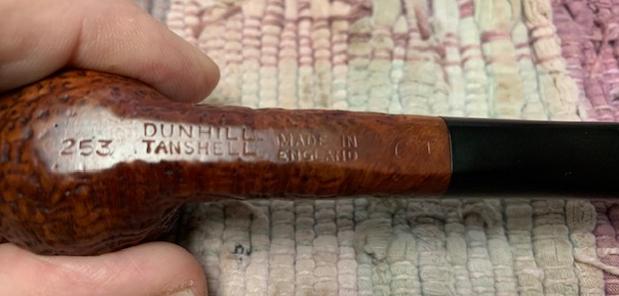
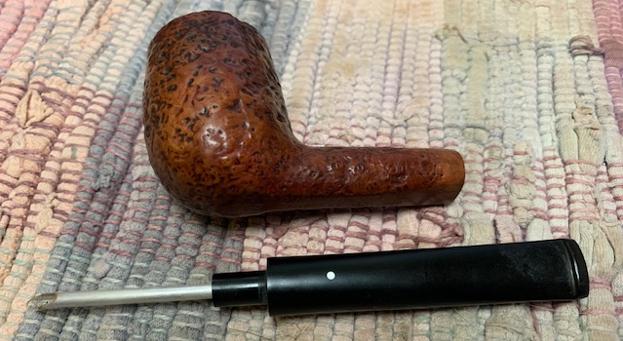
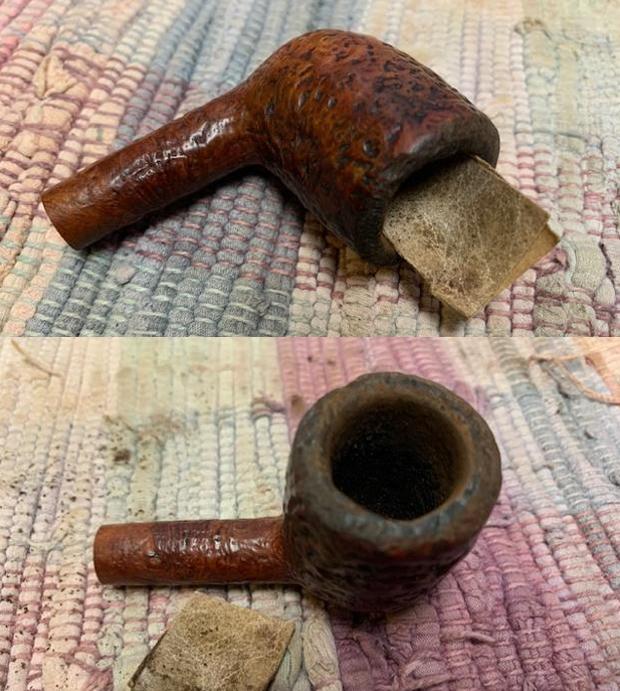
The next pipe on the table came to me from a friend up the British Columbia Coast. It is the first of two Dunhill pipes that he found in a shop along the coast. It is a Tanshell Briar Billiard that is worn and has a lot of damage to the rim top. It is the pipe at the back of the photo below. The second one is a Dunhill Shell Briar. The photo was sent to me by Chris. The second photo shows the damage to the rim top and edges. It was worn and damaged. The sandblast finish was destroyed and a chewed up top and edge was left behind.When the pipe arrived I took photos of what it looked like. Chris had done some preliminary cleaning of the pipe before he sent it to me and it look quite good. It is stamped on a smooth panel on the underside of the shank. On the heel of the bowl it is stamped with the shape number 253 followed by Dunhill [over] Tanshell followed by Made in England. That is followed by 4 in a circle followed by T for Tanshell. Interpreting that stamp follows: The 253 is the shape for a straight stem Billiard. The Dunhill Tanshell is the finish which is corroborated the T at the end of the stamping. There is no date stamp following the D of England to date the pipe. The stamping is clear and readable. The age of the pipe and the oils in the sandblast finish has given the pipe a rich medium brown finish. There is also some interesting grain shows through the blast finish. There was still a thin cake in the bowl and a light overflow of lava on the rim top. The rim top had a lot of damage and wear on the top, the inner and outer edges. The vulcanite stem was lightly oxidized and had tooth chatter ahead of the button.  I took photos of the pipe to show what it looked like before I started working on it. I took photos of the bowl and rim top to show the thickness of the cake and the lava overflow. The rim top and edges are a mess with lots of damage caused by beating it against a hard surface. The photos of the stem show the light oxidation and tooth marks and chatter on the surface on both sides. The stamping on the underside of the shank is shown in the photo below. It looks very good and readable. It reads as noted and explained above. I removed the stem from the shank and took a photo of the pipe parts to show what I was working with. It is a nice looking pipe.  I turned to Pipedia’s section on Dunhill Tanshell Pipes to get a bit of background on the Dunhill finishes (https://pipedia.org/wiki/Dunhill#Root_Briar). I quote:

Tanshell

The first lot was distributed in 1952 (usually made using Sardinian briar). The prototype was called “Root Shell “, produced in 1951. The Tanshell is a light tan sandblast. Sardinian briar was used for this sandblast. There is a distinct contrast in the sandblasts using Sardinian as opposed to Algerian briar. The Sardinian is much denser and much harder. The resulting pattern, when blasted, is far more even and regular both in terms of the surface texture and the finish.

The Tanshell was Dunhill’s fourth finish and its first major post-war line addition. Introduced in 1951/1952 the Tanshell was a naturally stained sandblasted pipe made exclusively from Sardinian briar through the 1960s. The Tanshell apparently was not simply a light stained Shell but rather was also the product of “certain processes [unrevealed] not previously employed.” Initially, it appears that the pipe was to be named the Root Shell and a stamp to that effect was ordered and received by Dunhill in May 1951. Ultimately, however, the name Tanshell was settled upon but the stamp for the Tanshell name was not received by Dunhill until the beginning of December. Thus while the Tanshell was in production in 1951 it appears that most if not all Tanshells made in that year did not enter into retail distribution until 1952 and were given a 1952 date code. Loring, J. C., The Dunhill Briar Pipe, The Patent Years and After (self-published, Chicago, 1998).

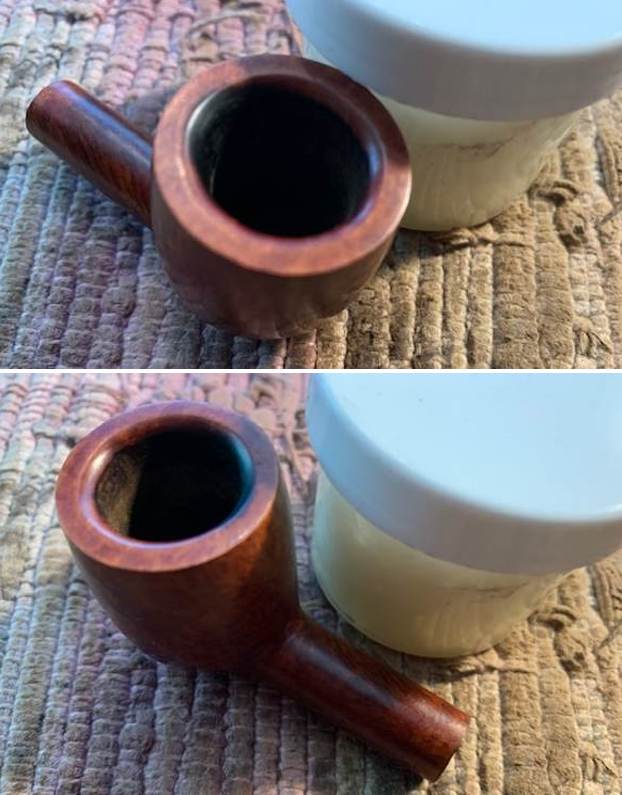
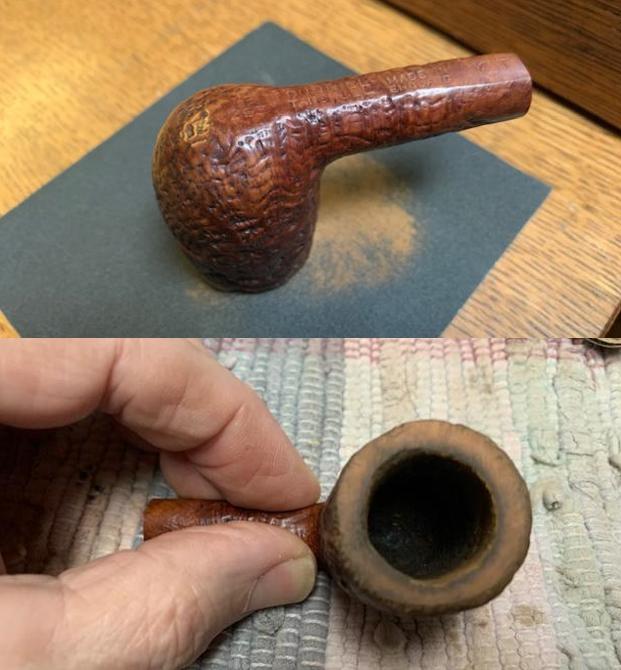
I have also included a chart from the site from Dunhill spelling out the Standard Pipe Finishes and giving short information and a timeline.I decided to start the restoration on this one by working on the damage to the inner edge of the rim. I used a folded piece of 220 grit sandpaper to give the inner edge of the rim a slight bevel to bring it back into round.  While the finished rim edge is not perfect it is far better. To deal with the damaged rim top I gently topped it on a topping board and a piece of 240 grit sandpaper. My main concern was to flatten the top and remove some of the gouges and damages.I used various burrs on the Dremel to approximate the sandblast finish on the rim top and bring it back to reflect the sandblast and nooks and crannies on the sides of the bowl and shank. I stained the newly shaped rim top with an Oak and a Maple stain pen to match the colour of the bowl. I was pretty happy with the newly stained rim. It look a lot better than when I started and worked with the finish.I figured I should clean up the bowl after that work. I reamed it with a PipNet Pipe Reamer and took back the remaining cake to briar so I could check out the condition of the bowl walls. I cleaned out the mortise and the airway in the shank and stem with alcohol, cotton swabs and pipe cleaners. I also cleaned out the inner tube at the same time. With the repair completed I rubbed the briar down with Before & After Restoration Balm. I worked it into the briar with my fingertips and a horsehair shoe brush to work it into the nooks and crannies of the sandblast finish. The product works to clean, enliven and preserve the briar. I let it sit for 15 minutes while I worked on the stem. After the time passed I buffed it with a cotton cloth to deepen the shine. The briar really comes alive with the balm. I set the bowl aside and turned my attention to the stem. I polished the vulcanite with micromesh sanding pads – 1500-12000 grit pads. I wiped it down with Obsidian Oil after each sanding pad. I used Before & After Pipe Polish – both Fine and Extra Fine to further polish the stem.  This Dunhill Tanshell 253 Billiard is a beautiful sandblast that came out looking very good. The Tanshell finish has a great rugged sandblast that Dunhill specialized in making. The finish on the pipe is in excellent condition. The oils off the smoker’s hands and the tan stain on the bowl works well to highlight the grain. The polished black vulcanite taper stem adds to the mix. With the dust gone from the finish and the bowl it was a beauty and is eye-catching. I put the stem back on the bowl and buffed the pipe with Blue Diamond on the buffing wheel being careful to not buff the stamping. I gave the bowl multiple coats of Conservator’s Wax and the stem multiple coats of carnauba wax on the buffing wheel and followed that by buffing it with a clean buffing pad. I hand buffed the pipe with a microfiber cloth to deepen the shine. The finished 253 Tanshell Billiard is quite nice and feels great in the hand. Give the finished pipe a look in the photos below. I can only tell you that like the other pipes I am working that it is much prettier in person than the photos capture. The dimensions of the pipe are Length: 5 ½ inches, Height: 1 ¾ inches, Outside diameter of the bowl: 1 ¼ inches, Chamber diameter: ¾ of an inch. The weight of the pipe is 36grams/1.27oz. Thanks for walking through the restoration with me as I worked over another beautiful pipe. Remember we are not pipe owners; we are pipemen and women who hold our pipes in trust until they pass on into the trust of the next generation.

Help for what looked like a hopeless 1956 Dunhill Shell Briar LBS Long Billiard


Blog by Steve Laug

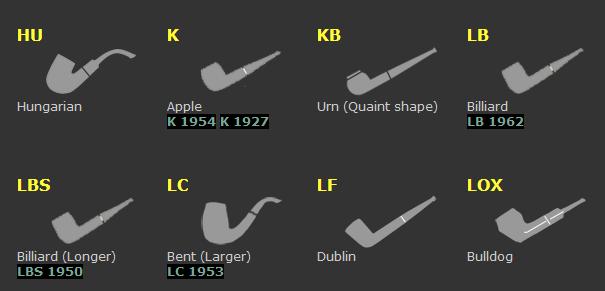
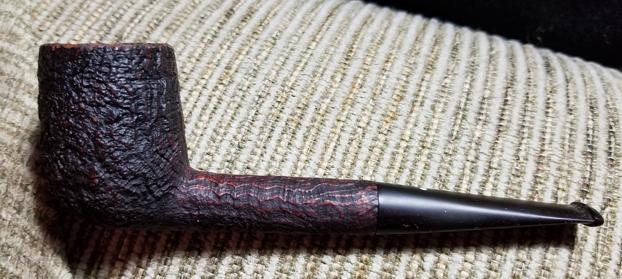
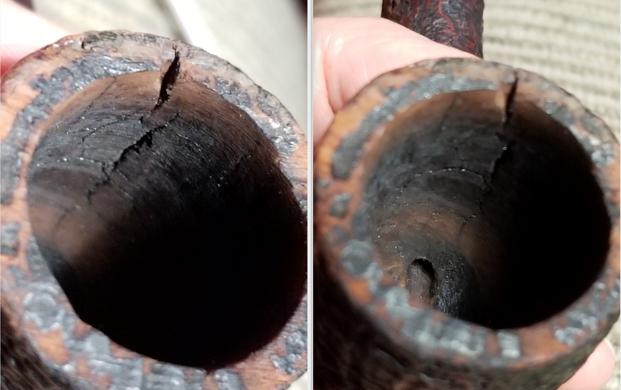
A friend of mine, Scott picked up this deeply sandblasted Dunhill LBS in a shape I would call a Liverpool but Dunhill called a long billiard. He bought it off eBay and when it arrived it had a lot of surprises for him under the thick build up of cake and grime. He has purchased enough estate pipes know what he was getting into but this one had even more issues than he reckoned it would have. He sent me the eBay sellers photos and I have included them below. This is what he saw and honestly if I had seen the pipe I would have sprung for it immediately. The sandblast though dirty, is quite rugged and stunning. The seller dated the pipe as a 1956 based on the following stamping. On the heel of the bowl it was stamped with the shape designation – LBS followed by DUNHILL [over] SHELL BRIAR (Sandblast finish) on the shank. That was followed by MADE IN ENGLAND6 . Next to the shank/stem junction it was stamped with a Circle 4S – the group 4 size designation and the S for Shell Briar.  I turned to PipePhil’s Site and looked up the shape letters that Dunhill used on the helpful chart that is included there (http://pipephil.eu/logos/en/dunhill/shapes-l.html). I did a screen capture of the pertinent part of the chart to show the shape letters noted above.   I have included that below.The bowl had a very thick cake and the rim top had a heavy lava  buildup. The bowl had a crack running down the back side of the bowl. It was hard to know how bad it was because of the filth of the dirty pipe. It was a good bet that it would be messy inside the bowl under the cake! The stem was oxidized, calcified and had deep tooth dents on both sides at the button as well as wear on the button surface itself. It would be a challenge.When the pipe arrived at Scott’s place it was in rougher condition than he had expected. Nonetheless he went to work on it. He knew that he needed to ream the cake back to bare briar and clean up the exterior of the bowl to know for sure how bad the damage was on the inside and outside of the bowl. He did a great job cleaning up the exterior and reaming and cleaning out the bowl so the damage on the inside and out were incredibly visible. This pipe was in serious trouble. Scott and I share and affinity for these older craggy Dunhills so he sent me an email. I have included that below.

Hi Steve, Great job on that 1936 Dunhill.  Are you going to be putting it up for sale?  If so, I’m interested.  Also, I have a large 1956 shell briar Dunhill billiard that has a great blast and good stem, but has a crack in the front and a bad interior.  It’s out of my comfort zone – will you do such work for pay?

Thanks,  Scott

We sent several emails back and forth regarding the pipe discussing what needed to be done. I asked him to send me some pics of the pipe after his clean up. He did so along with the email below.

Hi  Steve, Here are pics of the Dunhill.  The crack is on the shank side, straight above the shank – it’s splits to form two cracks (hard to see).  I cleaned the bowl (inside and out) then put a clamp around the bowl to see if it would push together, and it moved a lot, but not all the way, so the next step would have been to use compressed air to get any slivers/dust out  of the crack.  That’s where I stopped, figuring it had waited for 30 or so years, so it would be okay.

There also seems to be some rot on the rim of the bowl and there is a small chunk out at the top of the crack.  My plan had been to sand down the top after the repair was done.

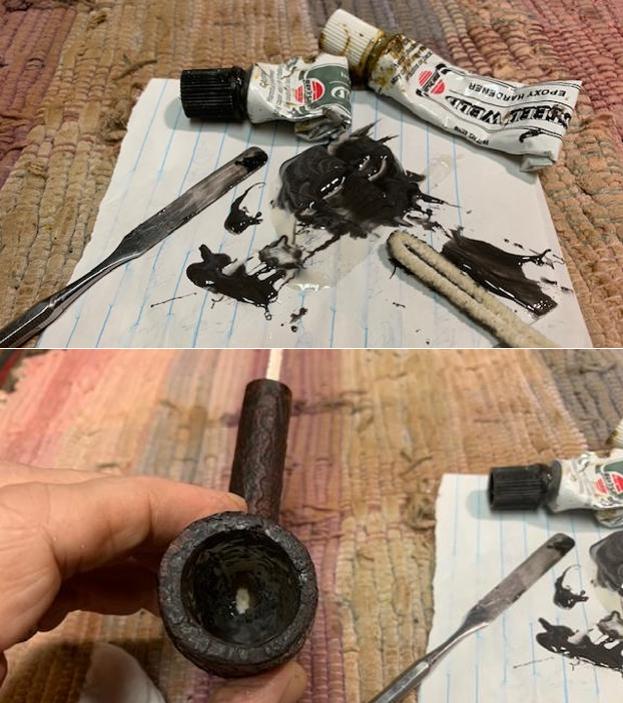
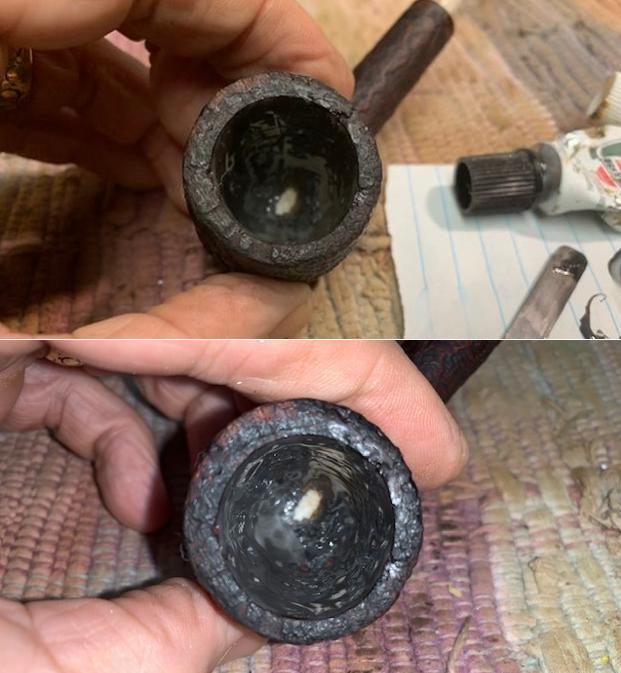
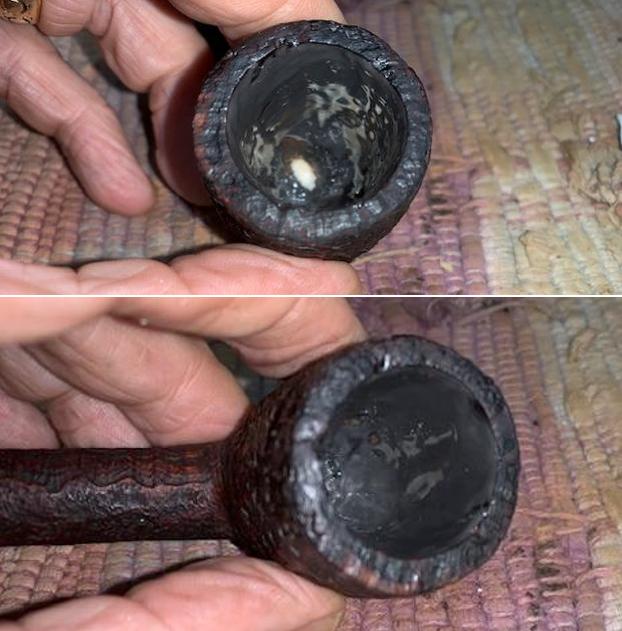
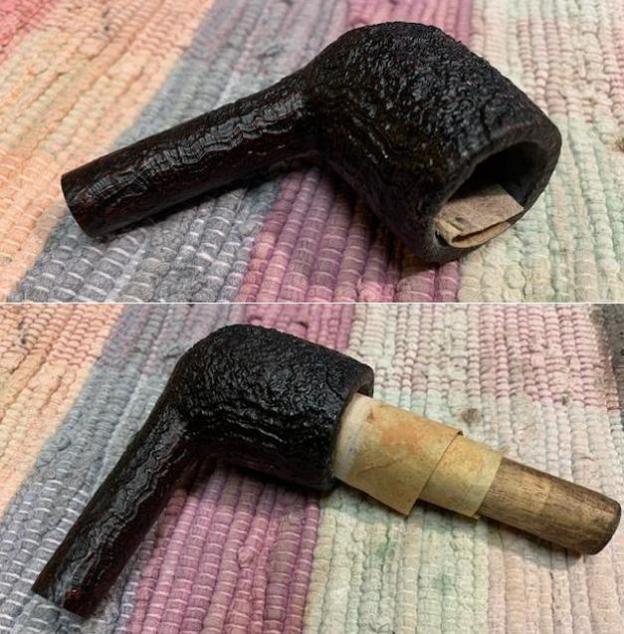
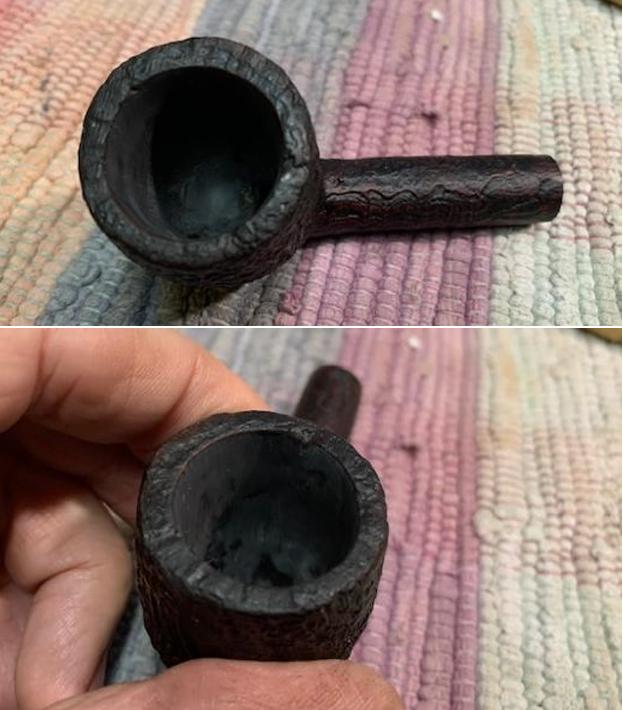
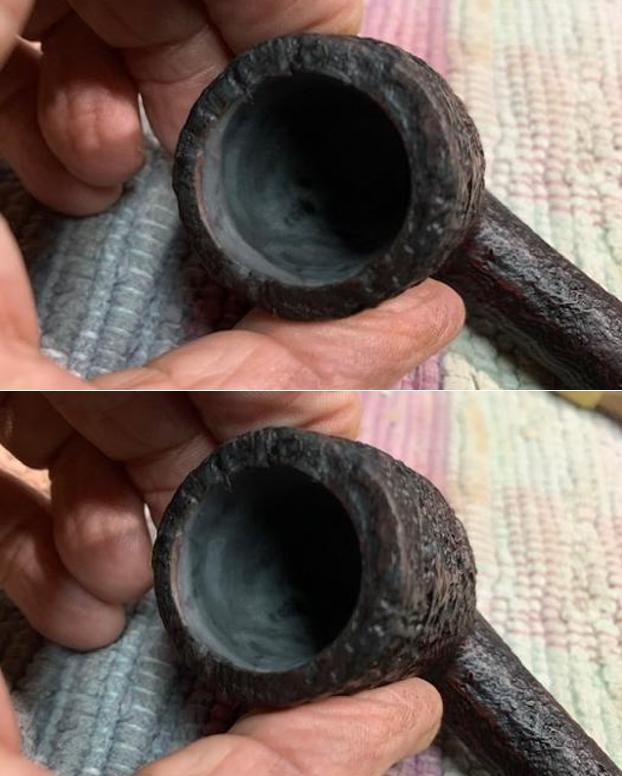
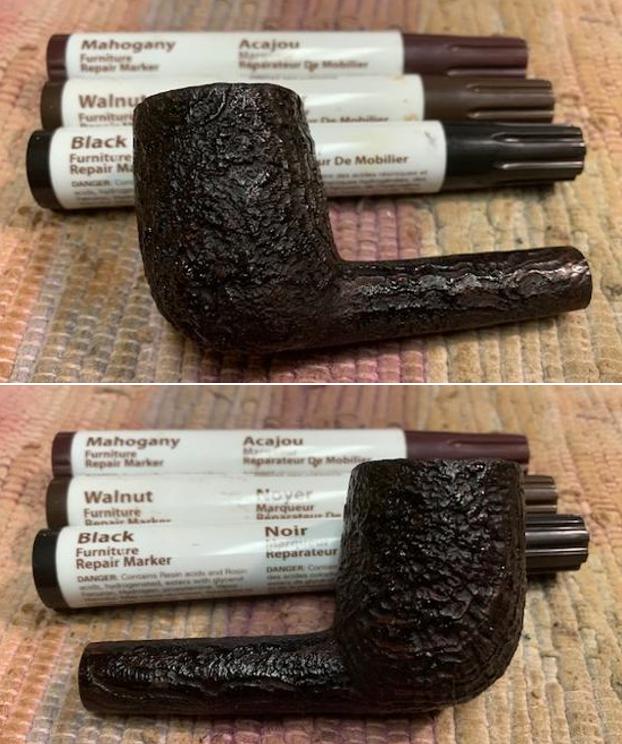
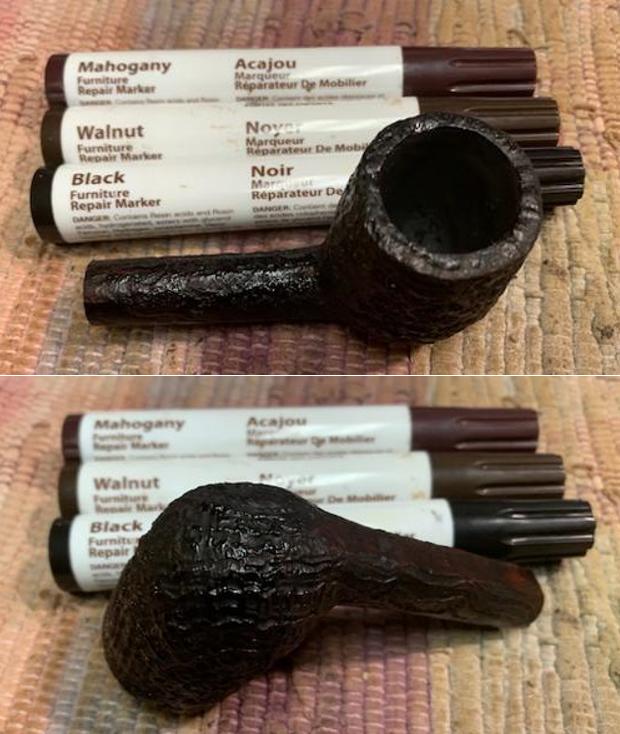
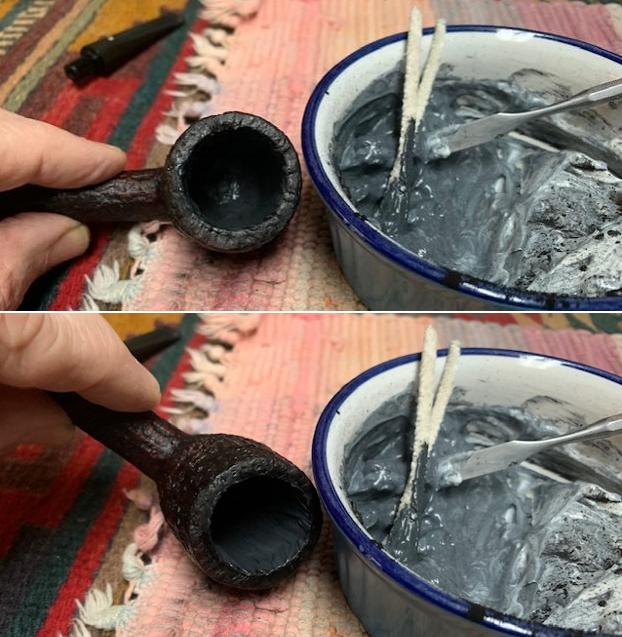
Thanks, Scott When I saw the pipe in his pictures I fell in love with the shape and the rich, rugged looking blast. I could see at once why Scott had been drawn to it. We chatted back and forth and the long and short of it is that it is now on my work desk to see what I can do with it. I will give it a shot and then send it back to Scott once it is finished. I took photos of when I received it. The rim top looked rough. It was beat up and missing a chunk over the crack on the back of the bowl. The finish was pretty much removed. The bowl was clean and the damage on the inside was extensive. The stem had cleaned up well. The tooth marks are visible in the photos of the stem that I have included below.I took a photo of the stamping on the underside of the shank. It is faint in spots but is still very readable.I removed the stem from the shank to prepare to work on the bowl. I put the stem aside and took pictures of the bowl to just savor the rugged sandblast. Even the rim top, as damaged as it was still has a bit of the sandblast finish that I thought would be redeemable. I cleaned out the cracks on the exterior with alcohol to remove the remaining debris. I checked the entire bowl with a bright light and lens to make sure I could see all the cracks and not be surprised with ones I had missed. Sure enough they were all around the back side of the bowl. They ran from the rim down and then turned to the left and then down once again. I layered briar dust and clear CA glue in the cracks. I repaired the chip out of the back side of the rim top at the same time in the same manner. Before it completely dried I used a brass bristle brush to clean up the repairs and blend them into the nooks and crannies of the sandblast finish. I find that if you do not do this you end up with flat spots where the repair occurredOnce the repair cured I wiped the areas down with alcohol on a cotton pad and stained the areas with a walnut stain pen. I would use a combination of stains later to further blend them in. I just wanted to see what the repair looked like and be able to send photos to Scott.With the exterior finished it was time to work on the inside of the bowl and deal with all of the spidering cracks and large cracks around the interior walls. They were not just confined to the back of the bowl but covered the majority of the bowl and heel surface. I mixed a batch of JB Weld with a dental spatula and applied it to the walls of the bowl with a folded pipe cleaner to act like a paint brush. I pushed the JB Weld into the cracks in the bowl walls and gave the entire interior a coat of the product. I have checked out the research on the product and find that it dries inert and does not gas off when heated. I have used it on my own pipes and smoked them for over 10 or more years with no issues. With that finished I called it a night and set the bowl aside for the repairs on the interior to cure overnight. In the morning I sanded inner edge of the bowl with a folded piece of 220 grit sandpaper to smooth out that area. I wrapped a dowel with 220 grit sandpaper extending it just below the dowel so that it would form a cone on the end and allow me to sand the bottom of the bowl. I worked on it to smooth the repairs and remove as much of the JB Weld as possible while leaving it in the cracks and fissures of the walls. With the bowl repair finished I stained the bowl and rim with Mahogany, Walnut and Black stain pens to match the combination of stains used on the bowl that was not repaired. I was happy with the overall look of the pipe. I rubbed the bowl and shank down with Before & After Restoration Balm. I worked it into the surface of the bowl sides and shank with my fingertips and a horsehair shoe brush to get into the nooks and crannies of the blast. The product works to clean, enliven and protect the briar. I let the balm sit for 15 minutes and then buffed with a cotton cloth  and shoe brush to raise the shine.      I cleaned the interior of the bowl and shank with pipe cleaners, cotton swabs and isopropyl alcohol to remove my sanding debris and residual tars and oils in the mortise and airway. I cleaned the internals of the stem the same way. Once finished the pipe was clean and repaired inside and out.Now it was time to mix a bowl coating. Different folks used different things for this. I use a mix of sour cream and charcoal powder. I learned this from a pipe maker friend. I use it on a bowl that I have repaired with JB Weld because when I sand the bowl it is very smooth and I want to facilitate the building of a carbon cake. The bowl coating does that. Surprisingly it cures neutral in taste and imparts no flavour to the tobacco when smoked. Within a few bowls it is basically covered with the developing cake. It works for me!I applied the mixture to the bottom and walls of the bowl with a folded pipe cleaner. I paint it on and smooth it out with the pipe cleaner. I am not looking for a thick coating of the product but merely a top coat. Too thick a coat will just peel off when the pipe is smoked. I want it to stay put for a few bowls anyway! I set the bowl aside for the bowl coating to cure and turned my attention to the stem. I “painted” the stem with the flame of a Bic lighter to lift the tooth marks. The method worked extremely well and I was able to lift the majority of them. There were two marks – one on each side that lifted but needed to be filled. I filled them in with clear CA glue. Once it cured I sanded them smooth with 220 grit sandpaper and reshaped the button edges. I started the polishing with 400 grit wet dry sandpaper. I polished the vulcanite stem with micromesh sanding pads – 1500-12000 grit pads. I wiped it down with Obsidian Oil after each sanding pad. I used Before & After Pipe Polish – both Fine and Extra Fine to further polish the stem.     This really is a beautiful Dunhill Shell Briar LBS Long Billiard.  The relatively short vulcanite taper stem just adds to an already great looking pipe. If you did not know where the cracks were you would never be able to find them now. The rich combination of Mahogany, Black and Walnut stains on the bowl give depth and dimension to the sandblast. It came alive with the polishing and waxing. I gave the bowl multiple coats of Conservator’s Wax as I did not want to fill in the valleys. I gave the stem multiple coats of carnauba wax on the buffing wheel and followed that by buffing the entire pipe with a clean buffing pad. I hand buffed the pipe with a microfiber cloth to deepen the shine. The finished Dunhill Shell Briar LBS Group 4 pipe is a beauty and fits nicely in the hand and looks very good. Give the finished pipe a look in the photos below. The dimensions of the pipe are Length: 5 3/4 inches, Height: 2 inches, Outside diameter of the bowl: 1 ¼ inches, Chamber diameter: 7/8 of an inch. . The weight of the pipe is 40grams/1.41oz. Once the bowl coating completely cures I will be packing it up and sending it back to Scott. I can’t wait to hear what he thinks of it when he has it in hand. Thanks for reading this blog and my reflections on the pipe while I worked on it.

Breathing Life into a 1958 Dunhill Root Briar 90 Group 2R Poker


Blog by Steve Laug

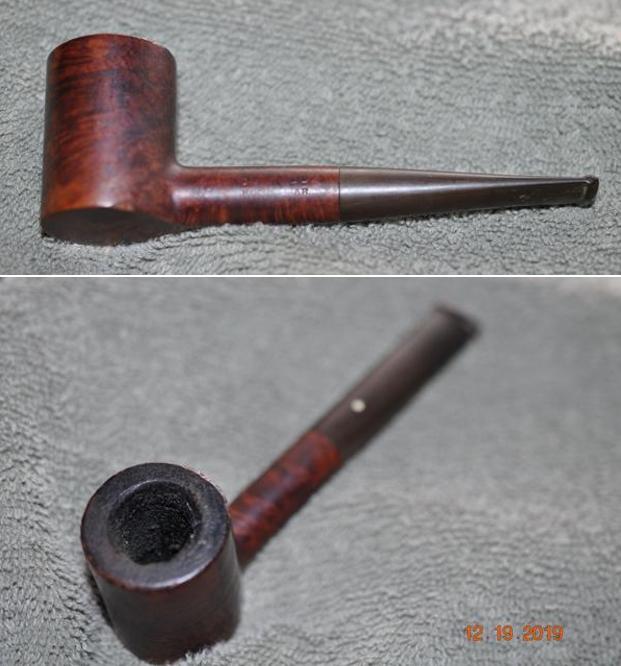
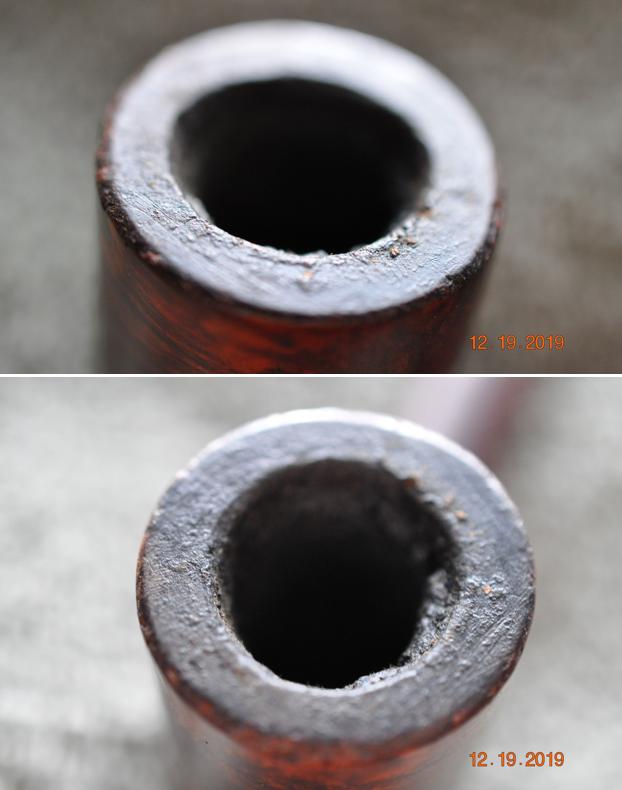
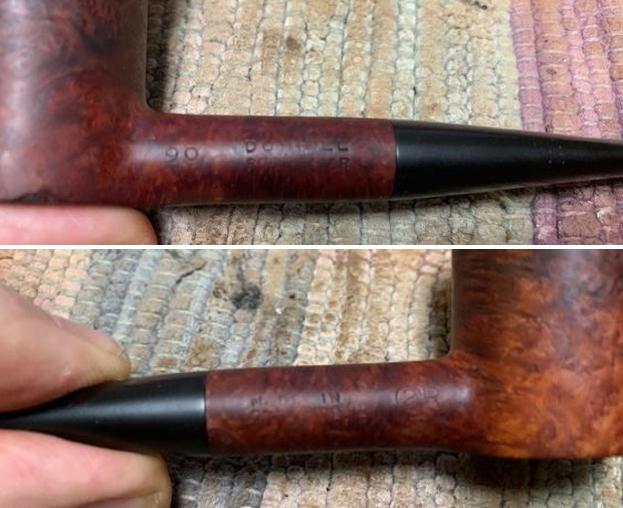
The next pipe on the table came to us in a group of pipes that we purchased from an Antique Mall on the Oregon Coast, Oregon, USA. It is a Dunhill Root Briar Poker/Sitter that is in good condition. It is stamped both sides of the shank. On the left side it is stamped with the shape number 90 followed by Dunhill [over] Root Briar. On the right side it is stamped with 2 in a circle followed by R for Root Briar next to the bowl. That is followed by Made in [over] England8. Interpreting that stamp it is as follows: The 90 is the shape for a Poker. The Dunhill Root Briar is the finish which is corroborated by the R at the end of the stamping. The 8 following the D of England gives the date the pipe was made and identifies it as 1958. The stamping is clear and readable. The age of the pipe and the oils in the finish has given the pipe a rich reddish brown finish. There is also some amazing grain that the shape follows well. The finish was dirty with dust ground into the surface of the bowl and shank. There was a thick cake in the bowl and tobacco debris stuck to the walls of the bowl. The rim top showed darkening and some lava on the surface. The vulcanite taper stem was oxidized, calcified and had light tooth marks and chatter ahead of the button on both sides.  Jeff took photos of the pipe to show what it looked like before he started working on it.  He took photos of the bowl and rim top to show the thickness of the cake and the darkening and lava overflow on the rim top. There were also nicks around the outer edge of the bowl. The photos of the stem show the oxidation, calcification and tooth marks and chatter on the surface on both sides.  The photos of the sides and heel of the bowl show the great grain on the pipe. It is a beauty under the grime and dust.    The stamping on the sides of the shank is shown in the photos below. It looks faint but is still readable. It reads as noted and explained above. The third photo shows the white spot on the stem.      I turned to Pipedia’s section on Dunhill Root Briar Pipes to get a bit of background on the Dunhill finishes (https://pipedia.org/wiki/Dunhill#Root_Briar). I quote:

Root Briar

Introduced in 1931 and highly prized because the grain is more pronounced in this finish (usually made using Corsican briar – was made exclusively from that briar into the 60s). The Root Briar finish requires a perfectly clean bowl with excellent graining. Therefore, it is the most expensive of the Dunhill pipes. Corsican briar was most often used for the Root finish since it was generally more finely grained. This is a rare finish, due to the scarcity of briar suitable to achieve it. These pipes are normally only available at Company stores, or at Principle Pipe Dealers. Straight grained pipes were formerly graded A through H, but are now only “Dr’s” and graded with one to six stars, with the letters G and H still used for the very finest pieces.

“Dunhill introduced its third major finish, the Root finish, in 1931. Corsican mountain briar is characteristically beautifully grained and the Root was made exclusively from that briar into the 1960s. The pipe was finished with a light natural stain to allow the beauty of the graining to show through. Although always available with a traditional black vulcanite bit, the Root was introduced in either 1930 or more likely 1931 and fitted with a marble brown dark and light grained vulcanite bit that has since become known as the ‘bowling ball’ bit because of the similarity in appearance between the bit’s finish and that of some bowling balls of the time. With the war, however, the bowling ball bit was dropped from production. Through 1954 (and after) the Root pipe nomenclature (including shape numbers) was identical to that of the Bruyere except that instead of the “A” of the Bruyere, the Root was stamped with an “R”. In 1952 when the finish rather then LONDON was placed under DUNHILL, ROOT BRIAR rather then BRUYERE was used for the Root.” Loring, J. C., The Dunhill Briar Pipe, The Patent Years and After (self-published, Chicago, 1998).

There was also a link to a catalogue page that gave examples and dates that the various finishes were introduced (https://pipedia.org/wiki/File:Dunnypipescatalog-1.png). I turned to Pipephil’s dating guide to show how I arrived at the date of manufacture for this pipe (http://www.pipephil.eu/logos/en/dunhill/cledat-en1a.html). I am including the chart that is provided there for the dating a pipe. I have drawn a red box around the section. Since the pipe I am working on has a suffix 8 that is raised, underlined superscript it points to the 1958 line on the chart below.I now knew that I was working on a Root Briar that came out in 1958. The shape of the pipe was a Poker/Sitter circle 2R in a shape 90 with a taper stem.

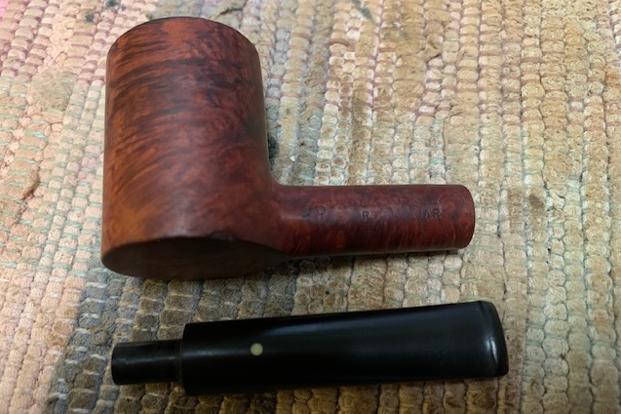
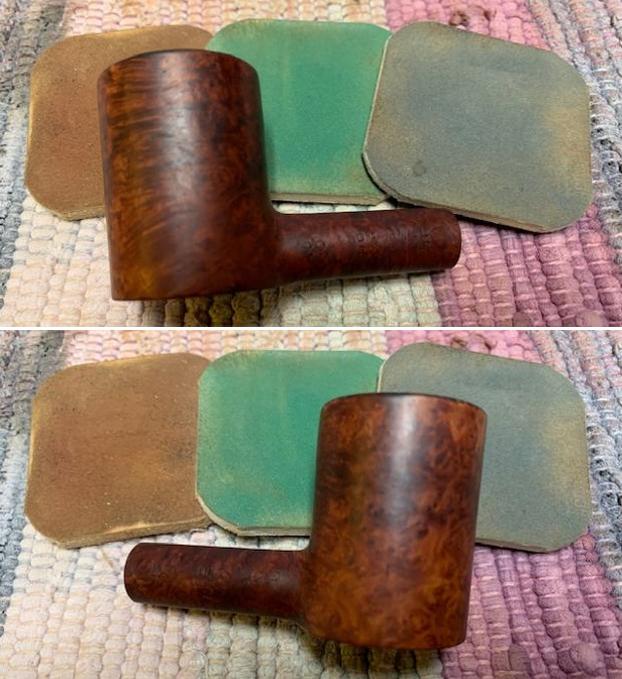
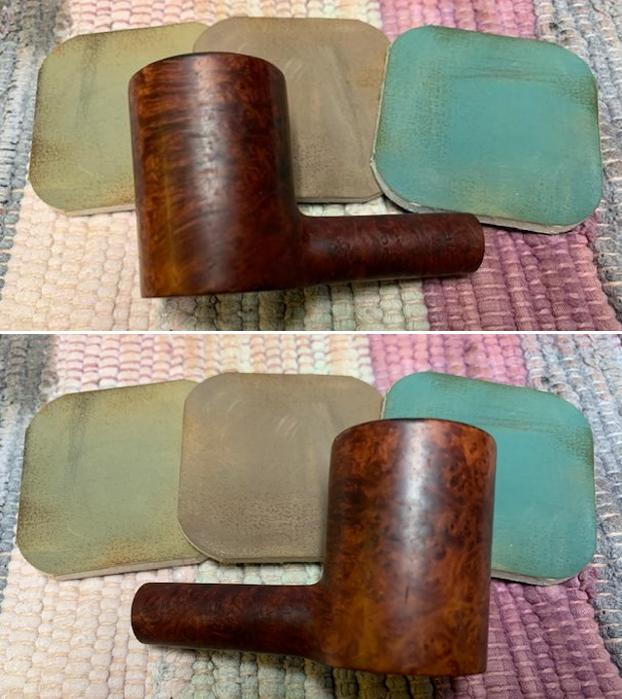
I turned to work on the pipe itself. Jeff had carried out his usual thorough cleanup of the pipe. He had reamed it with a PipNet reamer to remove the cake and cleaned the reaming up with a Savinelli Fitsall Pipe Knife. He scrubbed the internals of the bowl and stem with alcohol, cotton swabs and pipe cleaners. He scrubbed the externals with undiluted Murphy’s Oil Soap and rinsed the bowl off with running water. He soaked the stem in Before & After Deoxidizer and once it had soaked rinsed it off with warm water to remove the residual solution. He dried it off and scrubbed it down with Soft Scrub All-Purpose cleaner to remove any oxidation that was still on the stem. The pipe looked very clean when I received it.    I took a photo of the rim top to show the condition. You can see the darkening on the rim top. The bowl is roughened and slightly out of round. The stem came out looking quite good. There are light tooth marks and chatter on both sides near the button but the oxidation was gone.     I took photos of the sides of the shank to show the stamping. It is faint but readable as noted above.      I removed the stem from the shank and took a photo of the pipe parts to show what I was working with. It is a nice looking pipe. I decided to start the restoration on this one by working on the damage on the inner edge of the bowl. It had darkening and some damage to the edge. There were burn and reaming damage marks on the edge from a previous pipeman. I worked it over with a folded piece of 220 grit sandpaper to minimize the damage on the edge. When I finished with it, the bowl and the rim top looked much better.          I polished the rim top and bowl with micromesh sanding pads – dry sanding with 1500-12000 grit sanding pads. I wiped the bowl down with a damp cloth after each sanding pad. The briar began to take on a shine.     With the repair completed I rubbed the briar down with Before & After Restoration Balm. I worked it into the briar with my fingertips. The product works to clean, enliven and preserve the briar. I let it sit for 15 minutes while I worked on the stem. After the time passed I buffed it with a cotton cloth to deepen the shine. The briar really comes alive with the balm.     I set the bowl aside and turned my attention to the stem. I polished the vulcanite with micromesh sanding pads – 1500-12000 grit pads. I wiped it down with Obsidian Oil after each sanding pad. I used Before & After Pipe Polish – both Fine and Extra Fine to further polish the stem.   This Dunhill Root Briar 90 Group 2R Poker from 1958 is a beautiful looking piece of briar that has a shape that follows grain. It is a great looking pipe that came out looking even better after the cleanup. The Root Briar is an early finish that Dunhill specialized in making. The finish on the pipe is in excellent condition. The brown stains on the bowl works well to highlight the grain. The polished black vulcanite taper stem adds to the mix. With the grime gone from the finish and the bowl it was a beauty and is eye-catching. I put the stem back on the bowl and buffed the pipe with Blue Diamond on the buffing wheel being careful to not buff the stamping. I gave the bowl and the stem multiple coats of carnauba wax on the buffing wheel and followed that by buffing it with a clean buffing pad. I hand buffed the pipe with a microfiber cloth to deepen the shine. The finished 1958 Root Briar 90 Poker is quite nice and feels great in the hand. Give the finished pipe a look in the photos below. I can only tell you that like the other pipes I am working that it is much prettier in person than the photos capture. The dimensions of the pipe are Length: 4 ¾ inches, Height: 1 5/8 inches, Outside diameter of the bowl: 1 ¼ inches, Chamber diameter: ¾ of an inch. The weight of the pipe is 27grams/.95oz. It will soon be added to the British Pipe Makers section on the rebornpipes store. Thanks for walking through the restoration with me as I worked over another beautiful pipe. Remember we are not pipe owners; we are pipemen and women who hold our pipes in trust until they pass on into the trust of the next generation.

Restemming a Dunhill Pipe – A Patent Era 1936 Dunhill Bruyere 35 Billiard


Blog by Steve Laug

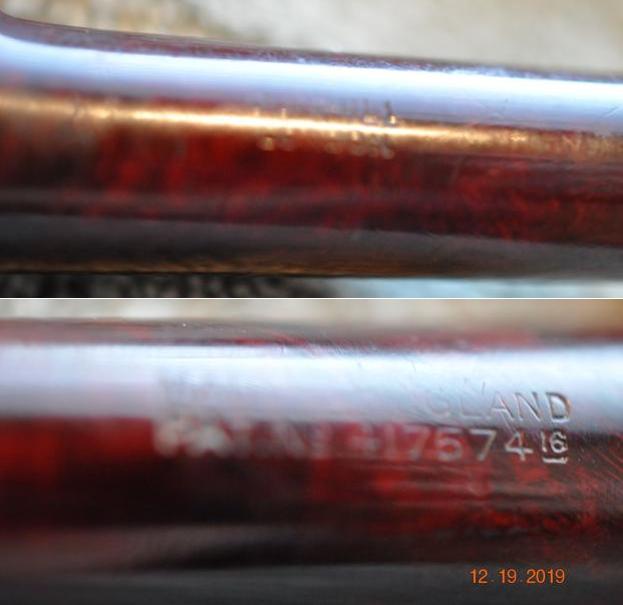
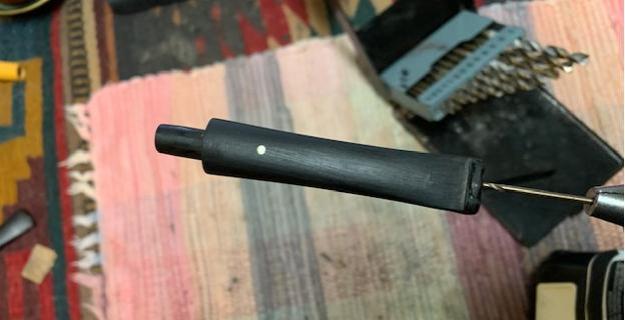
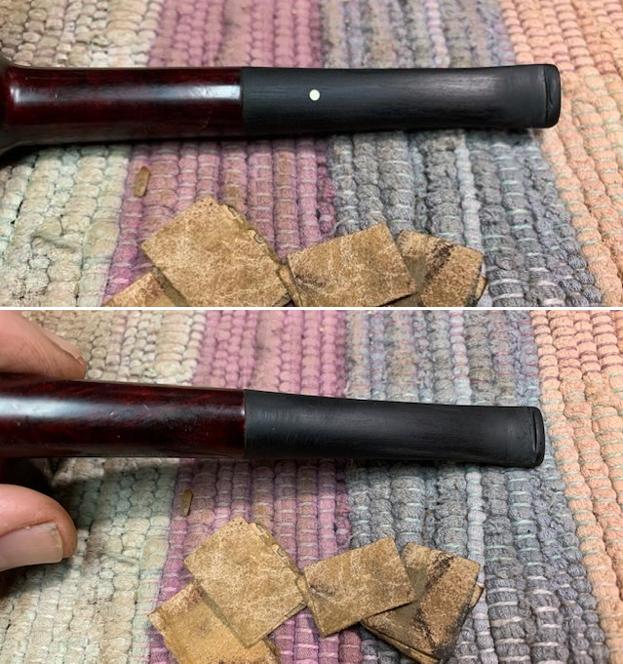
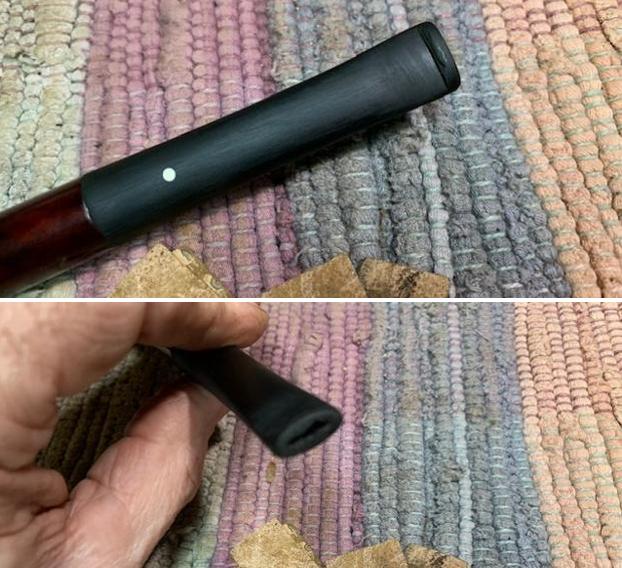
This Dunhill Billiard was one of five other Billiards that came to us in the same lot as the 1922 Dunhill Bruyere Reading Pipe, a cracked shank 1962 Dunhill Shell Briar Pot and the 1905 BBB Calabash Reading Pipe and 1911 BBB Glokar Poker. It was a great looking Bruyere Billiard that had a Yello-Bole stem instead of the original Dunhill stem. The pipe is stamped on the left side of the shank with the letter A next to the bowl and the was followed by DUNHILL [over] LONDON. On the right side of the shank it was stamped MADE IN ENGLAND [over] PAT. NO 41757416 that is followed by the shape number 35.

It was another filthy pipe with a thick cake in the bowl and a heavy lava overflow on the rim top. It looked like it had a shiny coat of varnish or shellac on the bowl that would need to be removed so I could work on the rim top and nicks in the bowl sides. The stem would need to be replaced so Jeff and I would look over what he had there in terms of stems we had set aside. Perhaps there would be one in the lot that would work. Jeff removed the Yello-Bole stem from the shank and took photos of the bowl before he did his clean up work.  He took photos of the bowl and rim to give a picture of the thickness of the cake and lava on the rim top. This must have been a favourite pipe to have gone through a Dunhill stem and then pressing a Yello-Bole stem into service. I would need to find a Dunhill stem for it but it had promise even under the thick cake in the bowl.  Jeff took photos of the stamping on the sides of the shank but they are quite blurry because of the refection of the shiny varnish/shellac coat. I am including them anyway here as the give a sense of where the stamp was on the shank sides.I turned to Pipedia’s section on Dunhill Root Briar Pipes to get a bit of background on the Dunhill finishes (https://pipedia.org/wiki/Dunhill#Root_Briar). I quote:

Bruyere

The original finish produced (usually made using Calabrian briar), and a big part of developing and marketing the brand. It was the only finish from 1910 until 1917. A dark reddish-brown stain. Before the 1950s, there were three possible finishes for Dunhill pipes. The Bruyere was a smooth finish with a deep red stain, obtained through two coats, a brown understain followed by a deep red.

There was a link on the above site to a section specifically written regarding the Bruyere finish (https://pipedia.org/wiki/Dunhill_Bruyere). I turned there and have included the information from that short article below.

Initially, made from over century-old briar burls, classified by a “B” (denoted highest quality pipe); “DR” (denoted straight-grained) and an “A” (denoted first quality), until early 1915. After that, they became a high-end subset to the Dunhill ‘Bruyere’. The DR and B pipes, a limited production, they should be distinguished as hand-cut in London from burls as opposed to the Bruyere line which was generally finished from French turned bowls until 1917, when the Calabrian briar started to be used, but not completely. Only in 1920 Dunhill took the final step in its pipe making operation and began sourcing and cutting all of its own bowls, proudly announcing thereafter that “no French briar was employed”.

Bruyere pipes were usually made using Calabrian briar, a very dense and hardy briar that has a modest grain but does very well with the deep red stain.

“Before the 1950s, there were three possible finishes for Dunhill pipes. The Bruyere was a smooth finish with a deep red stain, obtained through two coats, a brown understain followed by a deep red. The Shell finish was the original sandblast with a near-black stain (though the degree to which it is truly black has varied over the years). Lastly, the Root finish was smooth also but with a light brown finish. Early Dunhill used different briars with different stains, resulting in more distinct and identifiable creations… Over the years, to these traditional styles were added four new finishes: Cumberland, Dress, Chestnut and Amber Root, plus some now-defunct finishes, such as County, Russet and Red Bark.”

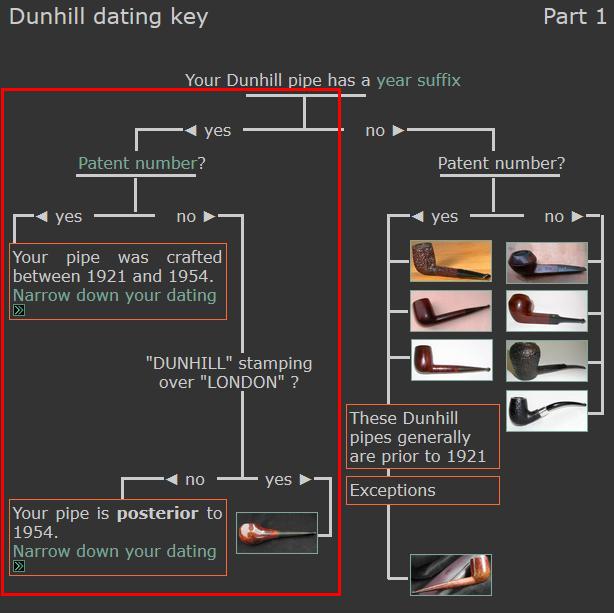
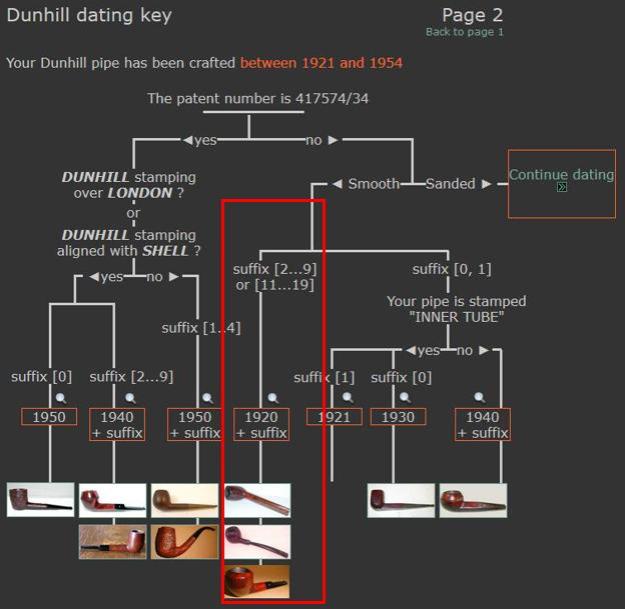
There was also a link to a catalogue page that gave examples and dates that the various finishes were introduced (https://pipedia.org/wiki/File:Dunnypipescatalog-1.png).I turned to Pipephil’s dating guide to show how I arrived at the date of manufacture for this pipe (http://www.pipephil.eu/logos/en/dunhill/cledat-en1.html). I am including two charts that are provided there for the dating a pipe. I have drawn a red box around the pertinent section in each chart. Since the pipe I am working on has a suffix 16 that is raised superscript it points to 1920+ 16 for a date of 1936 on the charts below. I now knew that I was working on a Bruyere that came out in 1936 because of the date stamp 16. The shape of the pipe was one of many Billiards that Dunhill put out and the #35 was a normal billiard shape with a taper stem. That helped me figure out the kind of stem I would need to restem the pipe.

I turned to work on the pipe itself. Jeff had carried out his usual thorough cleanup of the pipe. He had reamed it with a PipNet reamer to remove the cake and cleaned the reaming up with a Savinelli Fitsall Pipe Knife. He scrubbed the internals of the bowl and stem with alcohol, cotton swabs and pipe cleaners. He scrubbed the externals with undiluted Murphy’s Oil Soap and rinsed the bowl off with running water. He had included a stem that we thought could work with the pipe and had soaked it in Before & After Deoxidizer and once it had soaked rinsed it off with warm water to remove the residual solution. He dried it off and scrubbed it down with Soft Scrub All-Purpose cleaner to remove any oxidation that was still on the stem. The biggest issue with the stem was the large chunk of vulcanite missing on the button on the underside but I thought we could make it work. The stem was from the wrong era and the button was the wrong shape but it would work until the proper stem was located. The pipe looked very clean when I received it. I took a photo of the bowl and the stem I was planning on using. I sanded the tenon to slightly reduce the diameter and leave a snug fit in the shank. It did not take too much to get a nice fit. Note that the diameter of the stem is slightly larger than the shank and it is flattened on the bottom. Since it is larger the flatten portion will not be an issue and with a little work the stem will be a perfect fit.  The fourth photo of the underside of the stem shows the damage to the button that will need to be repaired. I took a photo of the rim top to show the condition. You can see the darkening, scratches and damage on the rim top. It is roughened and slightly out of round. The varnish/shellac coat is peeling on the top. The stem came out looking quite good. There are tooth marks and chatter on the top side near the button and a large chunk of the button missing on the underside. 

I took photos of the stamping on both sides of the shank to try to capture it better than the photos above. It is better and is readable it reads as noted above. Also not the variation in the diameter of the stem that will need to be addressed.It was time to work on the stem. I decided to tackle the repair to the missing part of the button on the underside of the stem first. I would also need to work on the diameter of the stem at the shank and the shape of the stem to match the year it was made. There was a lot of work to do on the stem.

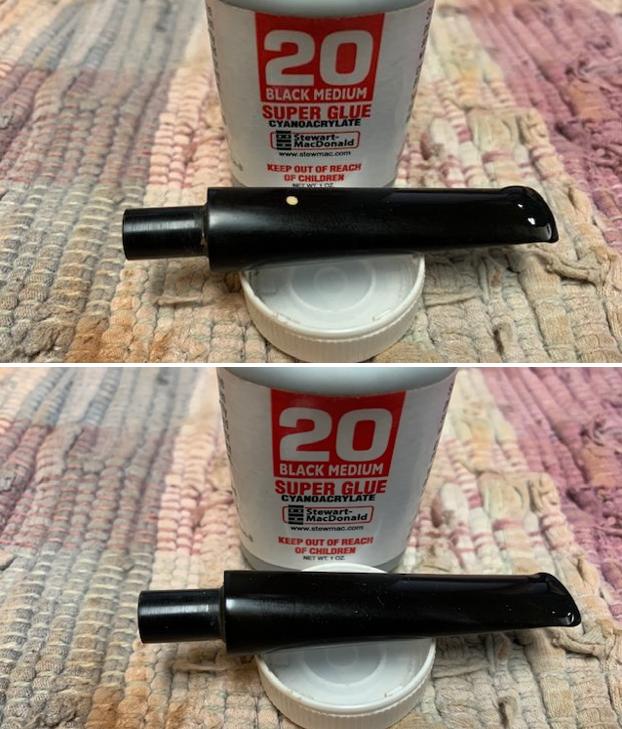
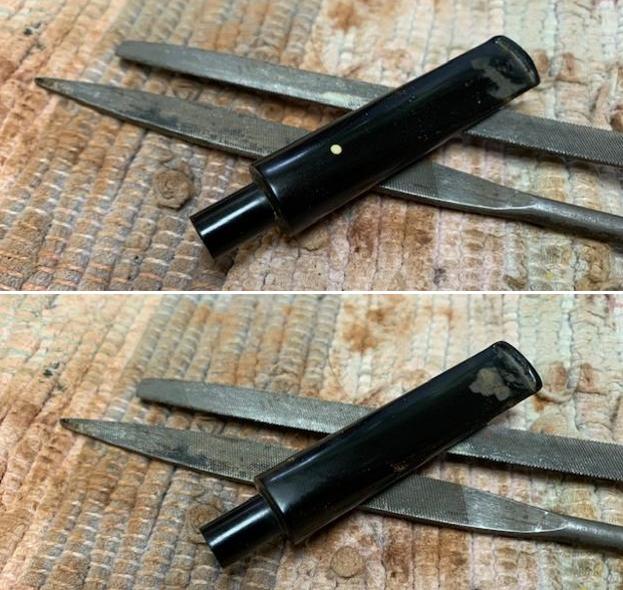
I got the repair station set up. I use a piece of cardboard with two strips of packing tape to mix the putty. I used Loctite 380 rubberized Black CA glue and three capsules of charcoal powder. I made a cardboard wedge covered in packing tape to fit in the slot and keep me from filling the slot in with the mixture.  I put a pool of the glue on the middle of the cardboard base so I could mix the charcoal powder into it.I mixed the powder and the glue together with a dental spatula. I stirred it until I got a thick putty like paste. I used the spatula to place the mixture on the top of the stem and fill in the missing chunk. I always overfill the area as I can easily remove the excess with the Dremel and files. I sprayed the repair with accelerator to harden the surface so I could remove the cardboard wedge. I took out the wedge and took a photo of the stem at this point in the process.I let the repair cure overnight and in the morning I used a rasp and file to begin to shape the stem surface and flatten the repair. It was a good solid repair and with a lot of shaping and sanding it would work well.I continued to shape the stem surface with 220 grit sandpaper to the button and stem surface smooth. I also worked on the diameter of the stem and removed the flattened bottom. Lots more work to do but it is getting there.I knew that the 1936 stem would not have had the flared fishtail look but probably would have been more of a straight taper. I did a search on Google for a 1936 Dunhill Bruyere in a shape 35 to see if I could find one that would provide a pattern for the shaping of this replacement stem. I found one (https://www.worthpoint.com/worthopedia/1936-dunhill-bruyere-grade-billiard-490781280). I copied several of the photos to get a pattern to work with.

You can see from the photos to the left that the stem was significantly different in shape than the fishtail stem that I was working with. The taper on the sides from the shank to the button was far more gentle and almost straight. The taper on the top and bottom the stem is very similar to what I have. The biggest difference was in the last half inch of the stem and button. I would need to remove the horns or fish tail edges from the button and smooth out the transition on the button end so that it is not flared.

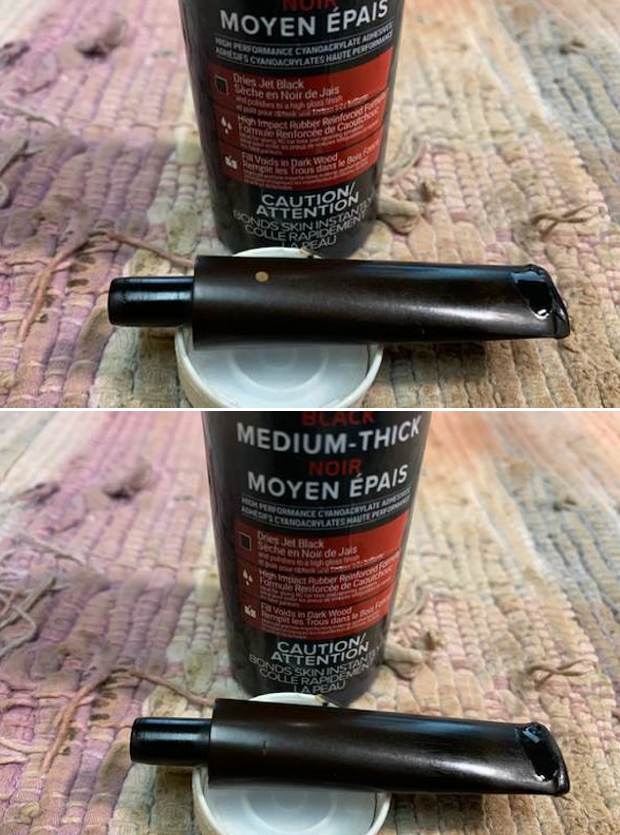
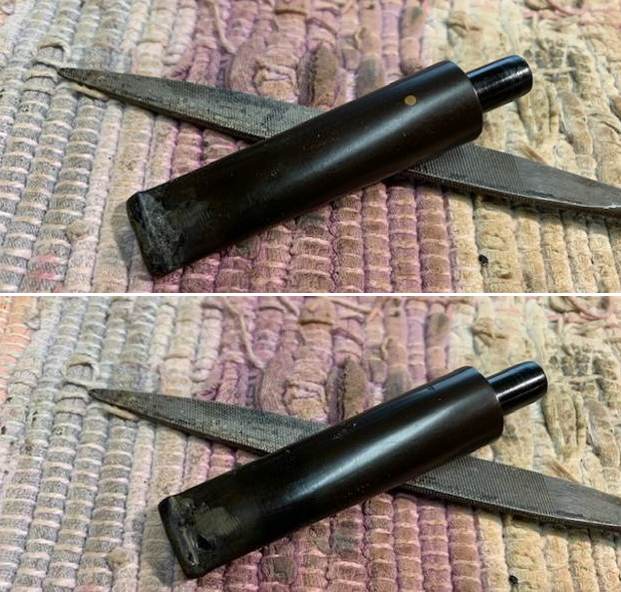
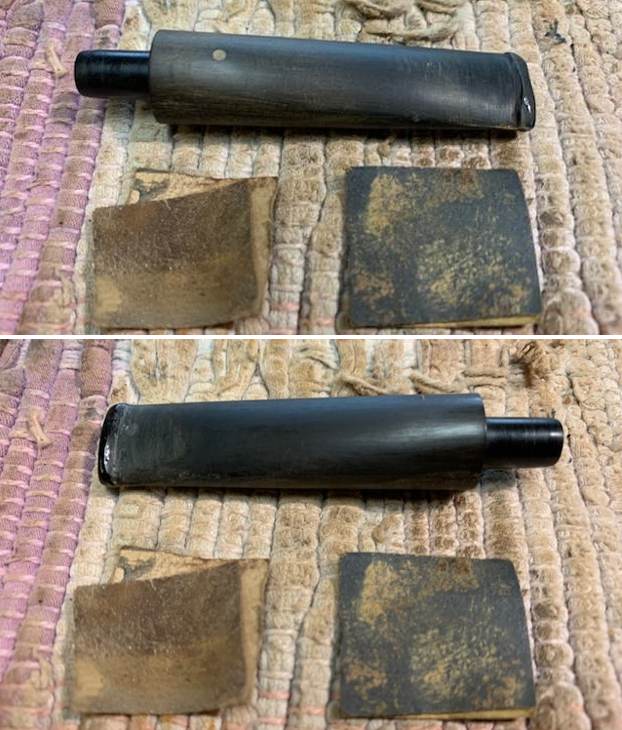
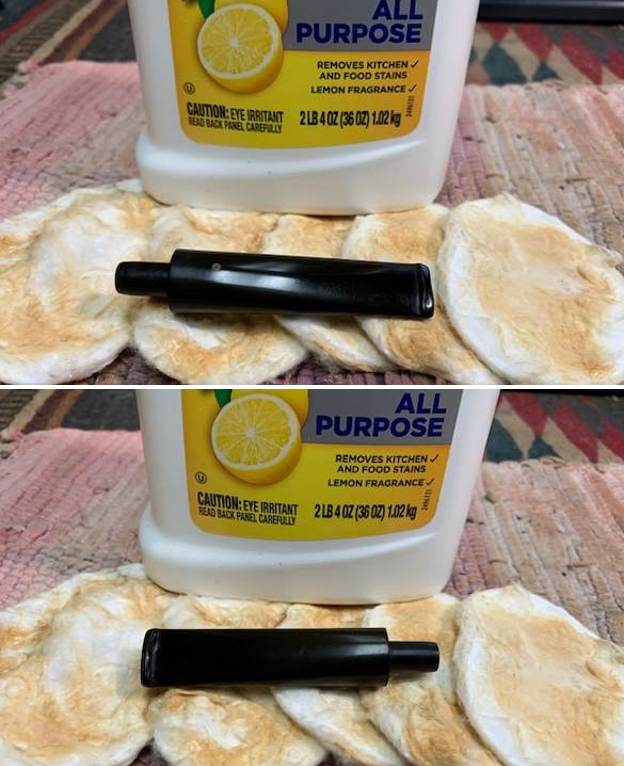
It took some work but I used the Dremel to roughly shape the stem like the sides of the stem and the button edges. I took off a lot of vulcanite and when I was done it was very close. I think the rest of the work would be done with sandpaper.I continued shaping it with 220 grit sandpaper. It is looking very good at this point. I still have work to do on the repair to take care of air bubbles but I am happy with how it is coming out so far.I filled in the air bubbles on the stem and button surfaces with black super glue and set the stem aside for the repairs to cure.I turned my attention to the bowl. I decided to start the restoration on it by working on the damage on the inner edge of the bowl. It had darkening and some damage to the edge. There were burn and reaming damage marks on the edge. I worked it over with a folded piece of 220 grit sandpaper to give the edge a light bevel and remove and minimize the damage on the edge. When I finished with it, the bowl and the rim top looked much better.I wiped down the bowl with alcohol on a cotton pad to remove the shellac/varnish coat. It removed a lot of the shiny coat but the polishing with micromesh will remove the rest of it. I polished the rim top and bowl with micromesh sanding pads – dry sanding with 1500-12000 grit sanding pads. I wiped the bowl down with a damp cloth after each sanding pad. The briar began to take on a shine.    I paused the sanding with the micromesh to stain the rim top with a Mahogany Stain pen to match the colour around the bowl. Afterwards I picked up the micromesh pads 3200-12000 and completed the cycle to polish the bowl. I rubbed the briar down with Before & After Restoration Balm. I worked it into the briar with my fingertips. The product works to clean, enliven and preserve the briar. I let it sit for 15 minutes while I worked on the stem. After the time passed I buffed it with a cotton cloth to deepen the shine. The briar really comes alive with the balm. I was excited to be finishing this pipe. I still had work to do but thought I would take a look at the stem and pipe together. I put the stem in place and tried I tried to blow through it and only got read in the face. I tried to put a pipe cleaner through the button and it went into the area of the repair and stopped. I tried to push a wire through the blockage and it would not budge. My stem repair had sealed off the airway!!!!. I usually do a stem repair with a folded greased pipe cleaner in the airway. This time I tried the cardboard wedge that both Dal and Paresh have used many times with no issues, thinking this stem would be a great candidate for that. I made a wedge and fit it in place but it must have had a small opening at the end that allowed the repair material to go past it. The airway was sealed tight and hard as a rock! I set the stem aside and went to the Post Office to mail a package. While I waited for the clerk I had an idea. When I got home I tried it. I put the smallest drill bit I had in the chuck of my cordless drill and carefully drilled it through. I up the bit to the second smallest one and the airway was clear! Whew… but even more amazing is that with all the drilling and fussing at the button lip the repair did not chip or loosen. The repair was solid. That at least was very good news in the midst of this mess.I worked on the stem some more fine tuning the fit against the shank and the shape of the button and stem to get as close as possible to the pictures that I found and included above. I sanded and shaped and sanded and shaped… did I say sanded and shaped?? It seemed almost endless. I polished the vulcanite with micromesh sanding pads – 1500-12000 grit pads. I wiped it down with Obsidian Oil after each sanding pad. I used Before & After Pipe Polish – both Fine and Extra Fine to further polish the stem.  This Dunhill A Bruyere 35 Patent Billiard from 1936 is a beautiful looking piece of briar that has a shape that follows grain. It is a great looking pipe that came out looking even better after the cleanup and restemming. The Bruyere is an early finish that Dunhill specialized in making. The finish on the pipe is in excellent condition. The red and brown stain on the bowl works well to highlight the grain. The polished black vulcanite taper stem that I repurposed to replace the Yello-Bole stem adds to the mix. It is not the 1936 stem but I reshaped it to a close approximation. It will work until I find the proper era stem. I put the stem back on the bowl and buffed the pipe with Blue Diamond on the buffing wheel being careful to not buff the stamping. I gave the bowl and the stem multiple coats of carnauba wax on the buffing wheel and followed that by buffing it with a clean buffing pad. I hand buffed the pipe with a microfiber cloth to deepen the shine.

The finished Bruyere 35 Billiard is quite nice and feels great in the hand. Give the finished pipe a look in the photos below. I can only tell you that like the other pipes I am working that it is much prettier in person than the photos capture. The dimensions of the pipe are Length: 5 ½ inches, Height: 1 ¾ inches, Outside diameter of the bowl: 1 ¼ inches, Chamber diameter: 5/8 of an inch. The weight of the pipe is 31grams/1.06oz. Thanks for walking through the restoration with me as I worked over another beautiful pipe. Remember we are not pipe owners; we are pipemen and women who hold our pipes in trust until they pass on into the trust of the next generation.


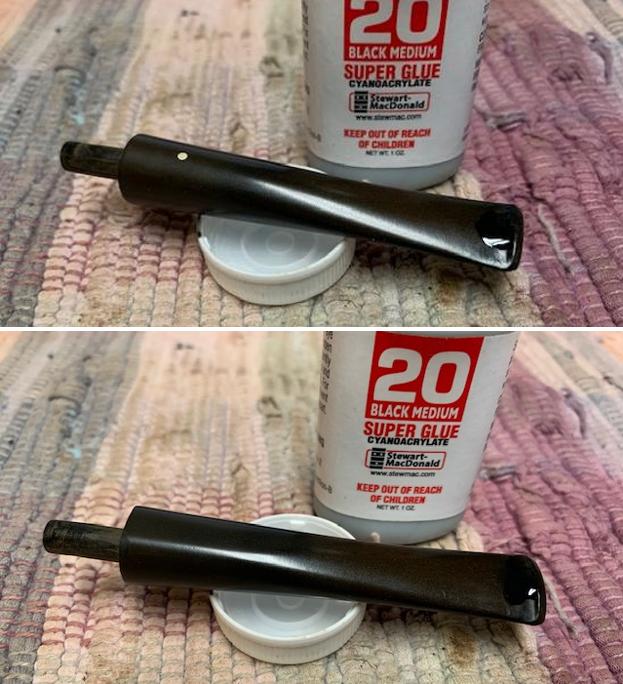
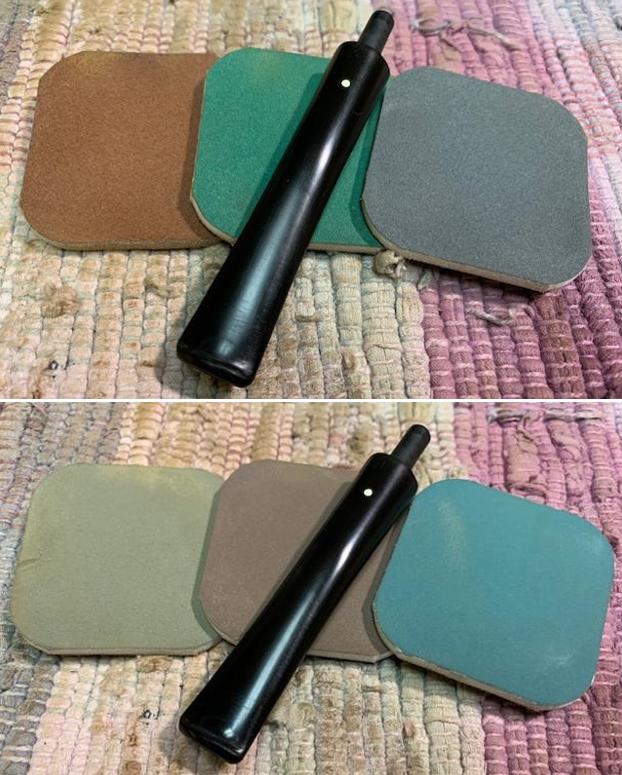
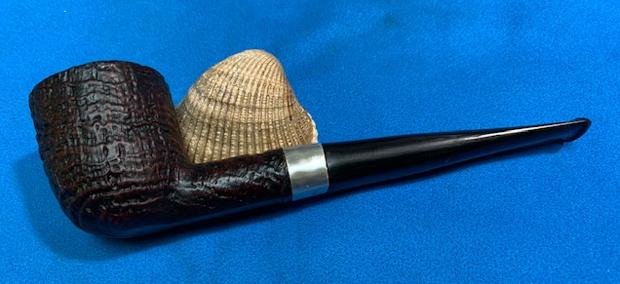
Previous Repairs Can Wreak Havoc in a Restoration – Dunhill Shell Briar R F/T 1962 Pot


Blog by Steve Laug

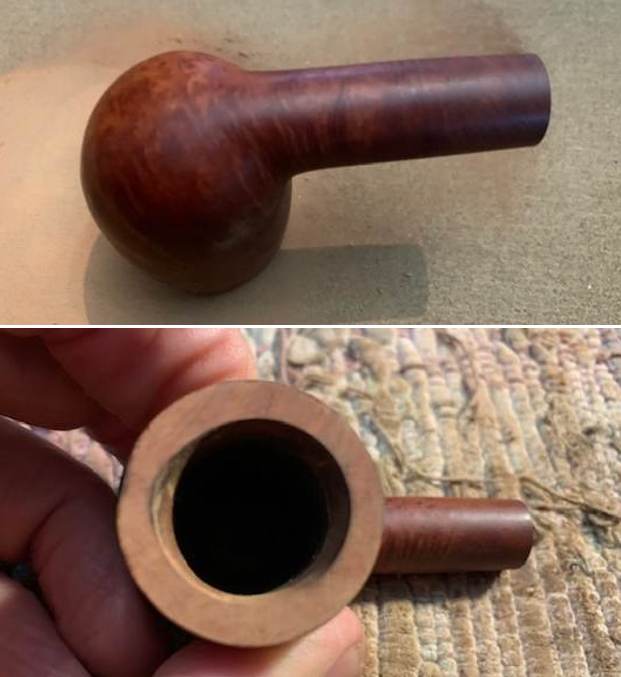
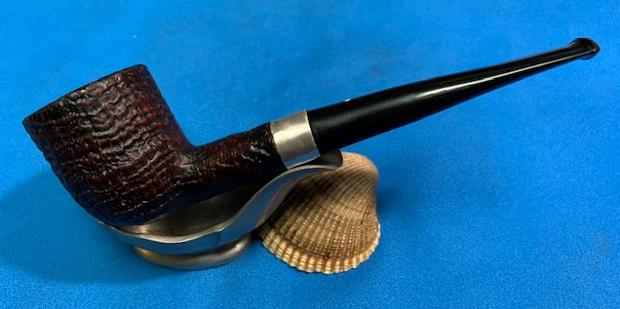
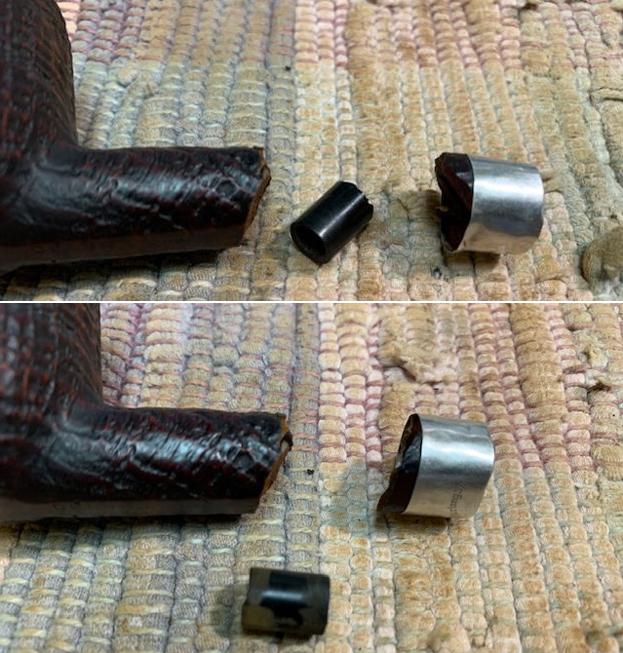
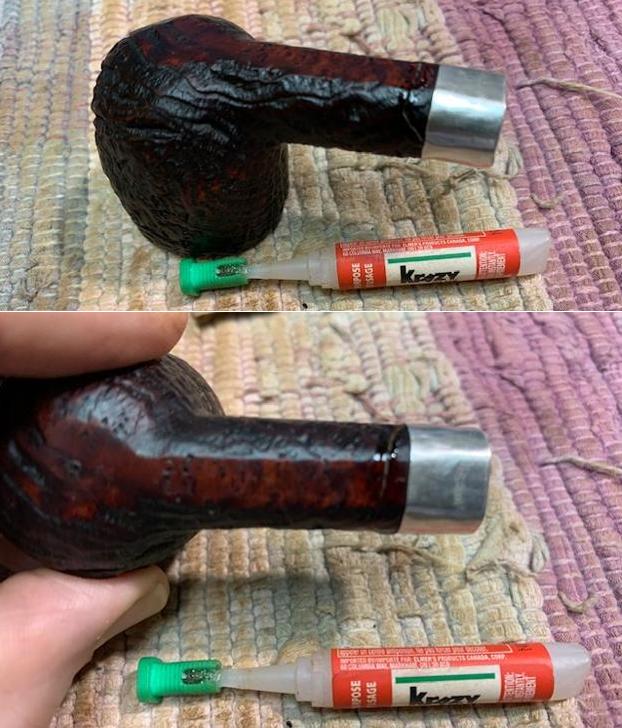
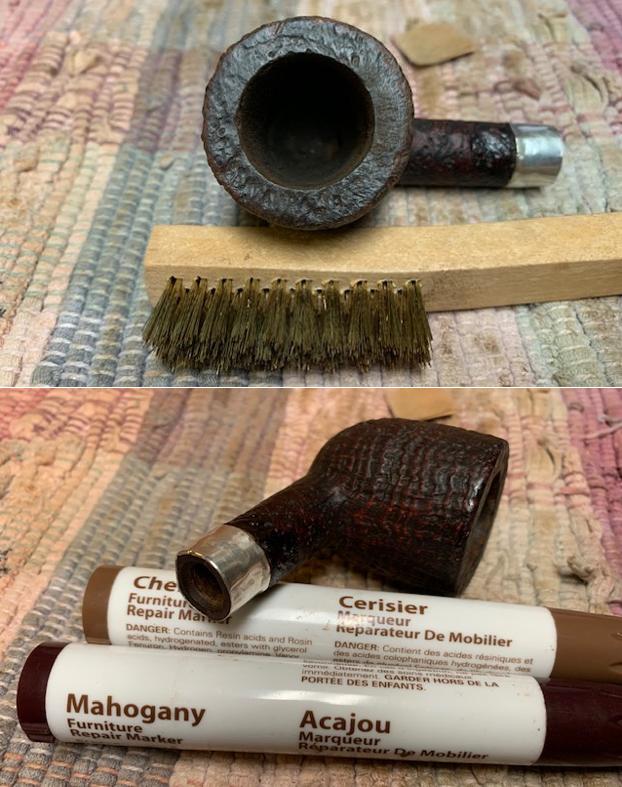
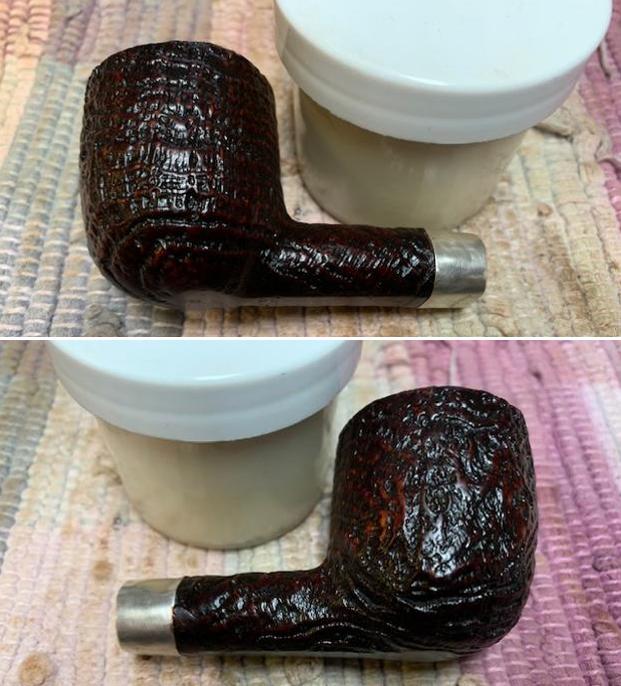
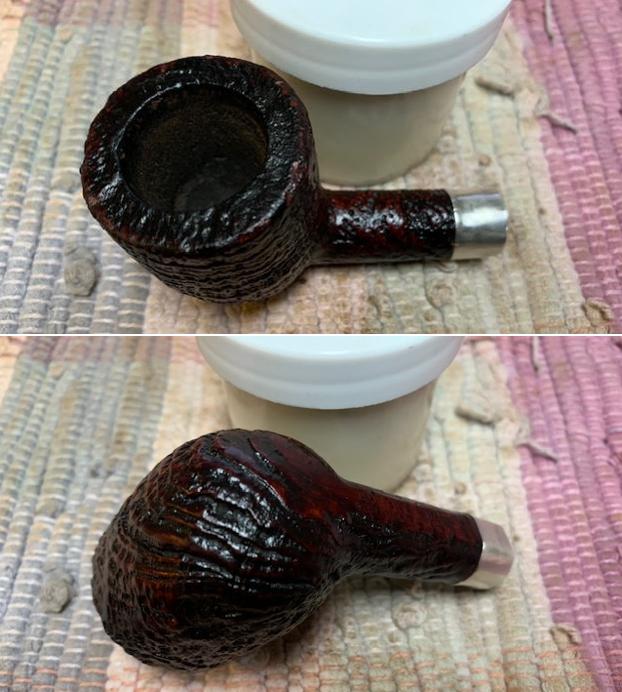
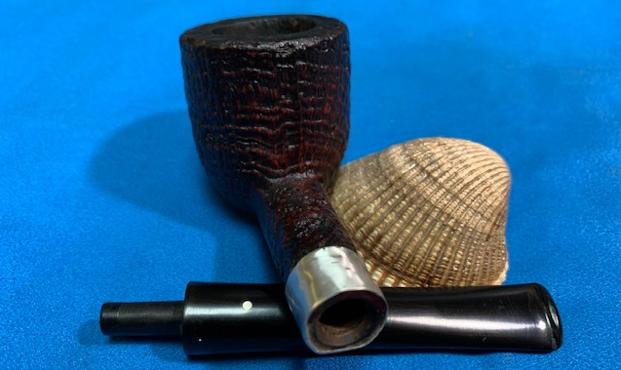
This Dunhill came to us in the same lot of pipes as the 1922 Dunhill Bruyere Reading Pipe and the BBB Calabash Reading Pipe that I have already restored and written blogs on. It was a great looking blast on this pipe that caught our attention. The silver band on the shank was definitely an aftermarket addition to repair a cracked shank. It was made out of Sterling Silver so that was not a big deal to us when we purchased the lot. It was a filthy pipe with a thick cake in the bowl and a heavy lava overflow on the rim top. The stem was oxidized, calcified and had deep tooth marks on both sides next to the button. It is hard to see until the close up photos but the shank was seriously crack about 1/8 of an inch ahead of the band on the underside of the shank and from the shank end you could see two large crack at 3 and 9 o’clock. Jeff took photos of the pipe as it stood when we received it.  He took photos of the bowl and rim to give a picture of the depth of the cake and lava on the rim top. You can also see the nicks around the outer edge of the rim. Even the stem was pretty normal fare – tooth marks with a small hole in the underside and heavy wear and tear on the rest of the stem. Everything was pretty common in terms of the restorations that we work on at least we thought so at this point! He took some photos of the sides of the bowl to show the beautiful (and filthy), rugged sandblast around the bowl. It really was a magnificent looking bowl. It took a few photos to try to capture the stamping on the underside of the shank. There are deep scratches in the smooth portion of the shank and heel of the bowl. On the heel it is stamped R F/T. That is followed by Dunhill [over] Shell Briar followed by Made In [over] England with a 2 following the D in England. You can also see the repaired cracked shank in the photos below. The silver band is stamped Sterling Silver on the underside. If we had stopped here a lot of pain could have been avoided! If we just left is dirty and did a cursory clean up and just smoked it we could have avoided a multitude of issues. But that is not the way we work. Jeff attacked the cleanup by trying to take the pipe apart. The stem was stuck in the shank. He tried heat, cold and even pouring alcohol down the shank to try and loosen what we assumed was the grime and grit that held the stem firmly in the shank. Nothing worked. He even heated the band area to try to loosen the stem from the shank but nothing work. Finally after a combination of all of the above he felt what he thought was a bit of give in the stem and gave it a very careful twist…. Here is where all went horribly wrong. Remember that crack in the shank shown in the above photos? That is what gave and the shank came off in his hand! Now what to do. We talked and he was sick with what had happened but there was nothing to be done. And do you know what the worst part was? The stem was still stuck! He went back through all of the methods we all use to loosen a stem and finally it came free! BUT the band had been epoxied on the shank and it was not removable!

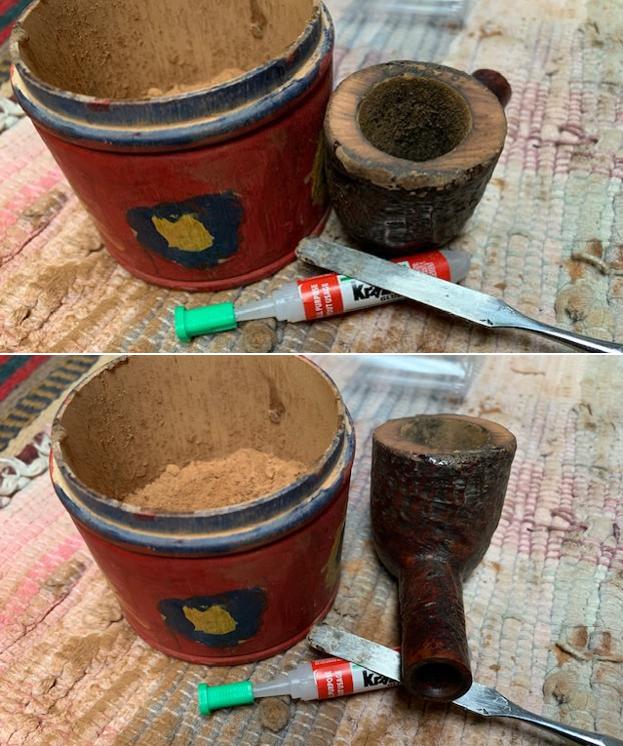
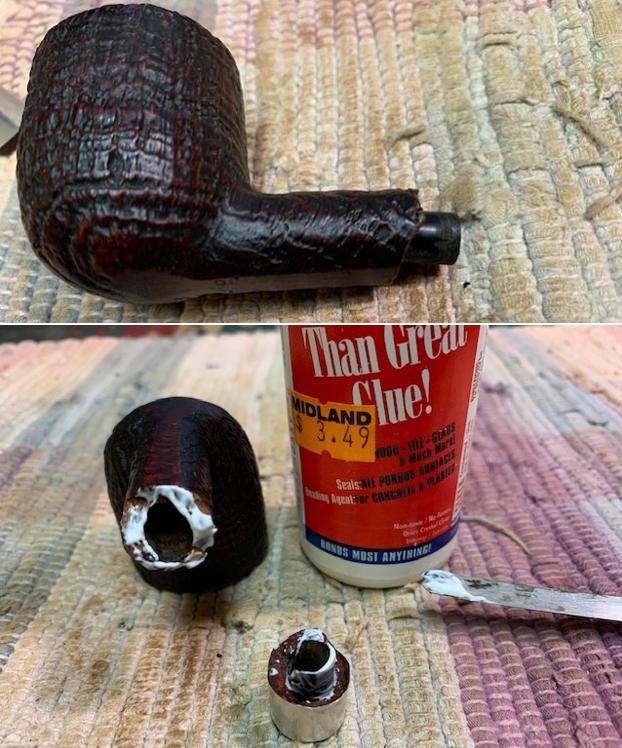
It was in this state that the pipe came to me in a bag. Now it was my turn to try to see if I could loosen the band. I took the broken shank and band and filled up a small jar with enough acetone to cover the band and let the piece soak for two days in the bath. I replenished the acetone as it evaporated. The incredible thing for me was that this had absolutely no effect on the band and briar. It was permanently bonded! Time to come up with a new plan of attack.I let the broken shank sit on my desk in pieces for several days – probably about a week while I worked on other pipes. Finally after recently repairing the broken shank on the Butz-Choquin for Randy (https://rebornpipes.com/2021/01/16/a-badly-broken-butz-choquin-pipe-makes-its-way-back-to-me-for-repair-and-restoration/) I had an idea for fixing this one. Give that blog a read if you want to know the difference.

In this case there was already a band and the break was further down the shank making it a bit more problematic to address. I cut a short piece of Delrin that would extend far enough into the bowl side of the broken shank to provide some stability and into the shank end to tie it together. I decided to leave the mortise the depth it was to add stability to the shank rather than drill it out and extend the tube in further. I would need to drill out the Delrin a bit and reduce the diameter of the tenon to fit inside the tube I the shank. It just might work and was certainly worth a try. I roughened up the Delrin with a sanding drum on the Dremel to provide a rough surface of the glue to bind to in the shank.I fit the Delrin piece in the bowl end of the broken shank to make sure it fit. I then painted the surface of the Delrin with super glue and pressed into the banded shank end. I coated the briar ends with an all purpose glue and joined the pieces together. I clamped them until the glue set. Once it had I filled in the gaps in the crack with clear CA glue and set it aside to cure. I used a corner of 220 sandpaper to carefully smooth out the glue on the crack repair. I was able to make it smooth and not ruin the sandblast! That alone was an accomplishment. The repair obscured the 2 on the date stamp. It is still present but now blurred.

I used a brass bristle wire brush to clean up a bit more of the sandblast on the rim top and then used a combination of Cherry and Mahogany stain pens to restain the rim edges and the repaired area of the shank and blend it into the rest of the bowl. With the repair completed and the briar restained I rubbed the briar down with Before & After Restoration Balm. I worked it into the briar with my fingertips and a horsehair shoe brush. The product works to clean, enliven and preserve the briar. I let it sit for 15 minutes while I worked on the stem. After the time passed I buffed it with a cotton cloth to deepen the shine. The briar really comes alive with the balm.     Now it was time to deal with the fit of the stem in the newly lined shank! I had a couple of options here. I could either drill out the tube and open the shank up a bit more or I could reduce the diameter of the tenon and make it fit that way. Since the shank was already fragile and twice repaired I opted for reducing the diameter of the tenon. I took it down with a Dremel and sanding drum until it was a close fit in the shank. I worked on it with 220 grit sandpaper to get it even closer. Once I had the tenon end in I could see that things were slightly off. So instead of continuing to reduce the diameter of the tenon I used a needle file to even out the inside of the shank and get as close to an equal fit on all sides of the tube. That was more of a job that I make it sound and actually took a fair bit of time.Once I had a good fit to the shank I put the stem and bowl together and took some photos of the pipe at this point in the process. I still needed to work on the fit of the stem to the shank and alignment and gaps but the tenon fit well. I also need to work on repairing the tooth marks. You will see in the last photo of the underside of the stem that I had already started the process.   With the fit of the stem taken care of I worked on the repairs necessary to make it fully functional. I took a bit of excess stem material off the flattened bottom of the stem at the shank to make the fit seamless. I also filled in the tooth marks and pin prick with black super glue and set the stem aside to cure.  Once the repairs cured I smoothed them out with a 1500 grit micromesh sanding pad until they blended in well with the surrounding vulcanite. I used a small flat needle file to clean up the sharp edge of the button but forgot to take photos of that! Once the repair was smoothed out I polished the stem with micromesh sanding pads – dry sanding with 1500-12000 grit pads and wiping the stem down after each pad with Obsidian Oil. I finished by polishing the stem with Before & After Stem Polish – both fine and extra fine and gave the stem a final wipe down with Obsidian Oil.    I am really happy to be finished with the rescue of this beautifully grained sandblast 1962 Dunhill Shell Briar R Pot. The grain is quite stunning and the blast is rugged. The repair to the broken shank while not a total thing of beauty worked very well and makes the pipe usable once again. The permanently affixed Sterling Silver band is useful reinforcement externally for the tube in the shank. The refit stem came out looking very good. The pipe should be a good smoking pipe and outlast all of us as it moves through the hands of the pipe men and women who take on the trust. The dimensions of this pipe are Length: 5 ¾ inches, Height: 1 ¾ inches, Outside diameter of the bowl: 1 ½ inches, Chamber diameter: 7/8 of an inch. The weight of the pipe is 1.48 ounces/41 grams. Because of the repairs to the pipe I will soon be adding it to the rebornpipes store in the British Pipe Makers section at a price that is significantly lower than it would have been had it not been repaired.   It might be a chance for one of you to add it to your collection for a good price. Thanks for following the work on this pipe in the blog.


A Once in a Lifetime Find – a 1922 Dunhill Bruyere Cased Reading Pipe


Blog by Steve Laug

Time really flies during this COVID-19 time! It seems like just a few weeks ago I was contacted by an older gentleman about purchasing his pipe collection. He sent me the photos and I was amazed at what I saw. It had Dunhill pipes, BBB pipes, Orlik pipes, Barclay Rex Pipes, a couple of Meerschaums and a whole lot of other pipes. All I could say as I looked at the pipes was what a collection it was. We negotiated a deal and I think we both walked away quite happy with the exchange. But I have to tell you there was one pipe that took my breath away when I looked at pictures of it. It was a beautiful older cased Dunhill pipe that is shown in the photo below. I have worked on a lot of Dunhill pipes over the years and never had the opportunity to work on one like this. It would be a crown jewel of the Dunhill pipes that I have kept from the many I have worked on. From the photos it looked like the red leather case that housed it was in excellent condition. When the case was open it was lined with a cream coloured satin material on the top with Alfred Dunhill London embossed on the satin. The base of the case had more of a soft lining that was form fitted for the pipe and the shank extension. The pipe appeared to be in excellent condition from the photo he sent me. He said that the pipe was stamped on the left side and read Ao followed by Dunhill over London. On the right side it was stamped Made in England with a superscript underlined 2 after the D. Under that it was stamped Pat. America 1915 followed by the shape number 53. I could not wait to get it and have a look at it up close and personal. I had him ship it to Jeff for cleanup so it would be a while before I held in hand.I posted the above picture of the pipe on the Vintage Dunhill Collectors Group on Facebook to see if the folks there could help learn about the pipe while I waited for its arrival. Several of the readers suggested I look on both Pipedia and Pipephil to help date the pipe and get a feel for its provenance. I figured I would do that so I turned to both sites and read the information contained in them (https://pipedia.org/wiki/Dunhill). One of the readers also sent me an intriguing link on Pipedia to a pipe that looked like the one I had purchased. I have attached the photo from that below. The photo below shows a 1920 Dunhill Cased Reading Pipe from the collection of the late Derek Green (https://pipedia.org/wiki/File:Dunhill_cased_reading_pipe_.jpg). It is very similar to the one that I was awaiting so it was a great link for me.The John Loring Collection also had a 1922 Dunhill Bruyere 53 Reading pipe that is identical to mine. I include that  photo below. The stamping on the shank is identical to mine.When the package arrived at Jeff’s place in Idaho he waited for me and opened the box with me on Facetime to look at the collection of pipes as he removed them from the box. It is an amazing collection and one that I am going to enjoy working on over the months ahead. Jeff took some photos of the Dunhill Cased Bruyere 53 Reading Pipe for me to look at while he worked his magic in cleaning up the pipe. It is a real beauty. The stamping on the pipe was exactly as noted above. I am including the details that I see in the photos below. It was stamped on the left side Ao followed by DUNHILL (over) LONDON. The Ao stamp is the designation for a Bruyere finish on a pipe. The Dunhill over London (equally aligned) with the Made in England designation on the right side date the pipe to 1920-1922 according to John Loring’s, The Dunhill Briar Pipe book, page 11. The silver ferrule on the left had a AD in a diamond.

On the right side it was stamped MADE IN ENGLAND2 with a superscript underlined 2 after the D that further pins the date down to 1922 (1920 + 2 is the formula). Loring states on page 16  “ a pipe with  “D” with tails (first letter of Dunhill) and either no date code (most commonly found) dates to 1921. A pipe with a  2 with or without a “D” with tails dates to 1922.” Underneath that it was stamped Pat. America 1915 which I did not understand until I read Loring’s book (Page 12)  where he says “Inner tube patent numbers  or references also serve to denote the earliest the pipe could have been manufactured, e.g. an English patent reference  (PAT No 5861/12) would not have been stamped prior to the 1913 patent grant, nor a Canadian patent reference (PATENTED 1914) prior to the 1914 grant, nor a US patent reference  (PATENTED MARCH.9.15 or PAT. AMERICA 1915) prior to the 1915 grant.” Now I knew what I was dealing with concerning the PAT.AMERICA 1915 stamp. The number 53 following the stamping was the shape number for a bent billiard (https://rebornpipes.com/2012/11/01/dunhill-pipe-shapes-collated-by-eric-w-boehm/). Jeff removed this beauty from the case and took photos of it in various configurations and from different angles. It is quite stunning even with the tarnish on the silver. It is going to cleanup really well. Jeff took photos of the bowl and rim top to show the cake in the bowl. The smooth rim top showed some darkening and damage as did the inner and outer edges of the bowl. He took photos of the top and underside of the stem showing the tooth chatter, scratching and oxidation on the stem surface and wear on the edges of the button.   Jeff took photos of the sides and heel of the bowl to show the condition of the finish. You can see the beautiful grain even through the dirt and debris of almost 100 years.    The stamping is clear and readable as noted above. The marks on the silver are also clear and readable on the ferrule. The turned silver cap on the end of the military bit stem is also quite beautiful. With the information from the two sites and John Loring’s book I had a pretty clear idea on the background of the pipe. It was definitely an old timer and really was a once in a life time find. Now it was time to work on the pipe.

Jeff carefully cleaned the pipe from top to stern. He reamed it with a PipNet pipe reamer and cleaned up the reaming with a Savinelli Fitsall Pipe Knife. He scrubbed out the internals of the shank, stem and shank extension with alcohol, pipe cleaners and cotton swabs until the pipe was clean. He scrubbed the exterior of the bowl with Murphy’s Oil Soap and a tooth brush to remove the grime and grit on the briar and the lava on the rim top. The finish looks much better and has a deep richness in the colour that highlights some great grain. The rim top looked very good and the inner and outer edge looked very good. The nicks on the outer edge lifted with the scrubbing. Jeff scrubbed the stem with Before & After Deoxidizer to remove the oxidation on the rubber. He worked it over with Soft Scrub All Purpose Cleaner to remove any remnants of oxidation. When the pipe arrived here in Vancouver for the second stop of its restoration tour I was amazed it looked so good. Here are some photos of what I saw.   I took some close up photos of the rim top and the stem surface. The rim top  looked good. There were some spots on the surface and some scratches. The inner edge has some rough spots but it was okay for now. I took close up photos of the stem to show the condition of the surface and button. I took the pipe apart and took a photo of the pipe with the short stem and with the extension. It is a good looking pipe and very unique.I polished the smooth rim top and edges with micromesh sanding pads – dry sanding it with 1500-12000 grit pads. After each pad I wiped the briar down with a damp cloth.  I was able to remove the damage on the top and edges.     I worked some Before & After Restoration Balm into the surface of the briar with my fingertips to clean, enliven and protect the briar. I let the balm sit for 15 minutes and then buffed with a cotton cloth to raise the shine. The photos show the bowl at this point in the restoration process. I polished the scalloped silver ferrule with a jewelers cloth to remove any residual tarnish and also to protect it from future tarnish (at least for awhile). The interesting detail for me is that the ferrule is scallop and the end of the shank extension that holds the stem also is scalloped.With that done the bowl was finished other than the final buffing. I set it aside and turned my attention to the stem. I sanded out the tooth marks and chatter on the stem with 220 grit sandpaper. I started the polishing with 400 grit wet dry sandpaper. I polished the silver stem cap with a jewelers cloth that helps remove any residual tarnish and protects the silver.I polished the stem with micromesh sanding pads – wet sanding with 1500-12000 grit sanding pads. I wiped it down after each sanding pad with Obsidian Oil. I polished it with Before & After Pipe Stem Polish – both Fine and Extra Fine. With the bowl and the short stem finished I put the pipe back together and buffed it on the wheel using Blue Diamond to give it a shine. I gave the bowl and stem multiple coats of carnauba wax on the wheel and then buffed it with a clean buffing pad to raise the shine. I hand buffed it with a microfiber cloth to deepen the shine. It really is an amazing little pipe. The dimensions of this part of the pipe are – Length: 5 inches, Height: 1 ¾ inches, Outside diameter of the bowl: 1 ¼ inches, Chamber diameter: ¾ of an inch. The weight of the short version of the pipe is 1.13 ounces/32 grams. This once is a lifetime find – a 1922 Cased Dunhill Bruyere 53 Reading Pipe is joining the other pipes in my collection of Dunhills and will hold a place of honour while it is in my trust. One day soon I will enjoy a special bowl of tobacco in it and be transported to a slower paced time in history where I can enjoy a respite. With the pipe and short stem finished all that remained was to finish the shank extension that fit in the shank end of the pipe. The end that fit into the shank had the same end cap as the stem itself. The opposite end was fitted to receive the end cap of the stem. The tube between the caps appears to be hard rubber but I am not certain. Some of the pipes of this time period used albatross wing bones for the extension but this is not bone. I polished it with a jewelers cloth to remove residual tarnish in the turnings of the silver caps and polished the shank extension with Obsidian Oil.The extension tube itself is 7 ½ inches long. I took a few photos of the pipe next to the extension to give a sense of the size. I also took photos of the extension tube with the stem in place to show the look of it. Finally the last photos give a sense of the fully extended Bruyere Reading Pipe. With it installed on the pipe the length of the pipe is 12 inches. Height and other measurements remain as noted above. With the pipe finished I took it apart and put it carefully back in its case. The day will come (soon I hope) that I will take it out and smoke a bowl of some aged Virginia and enjoy the coolness of the smoke as I read a book on my front porch. Thanks for walking through the restoration with me on this beautiful piece of Dunhill Pipe Crafting History.
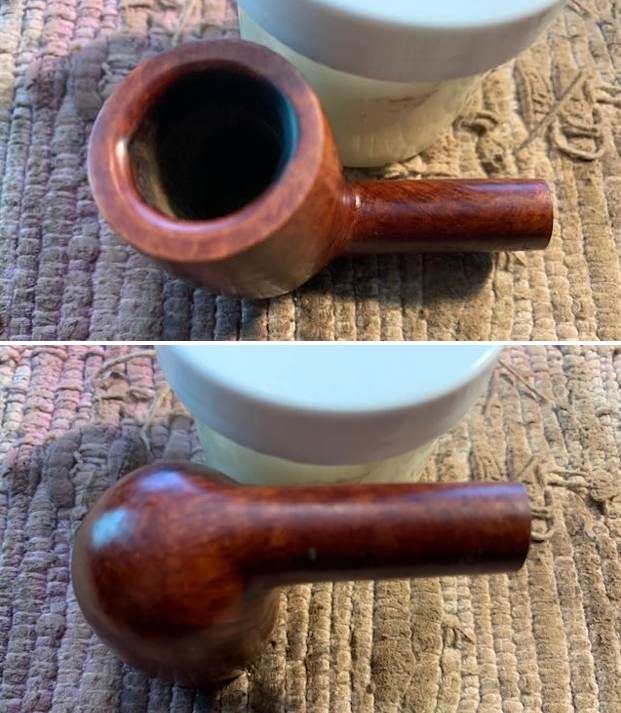
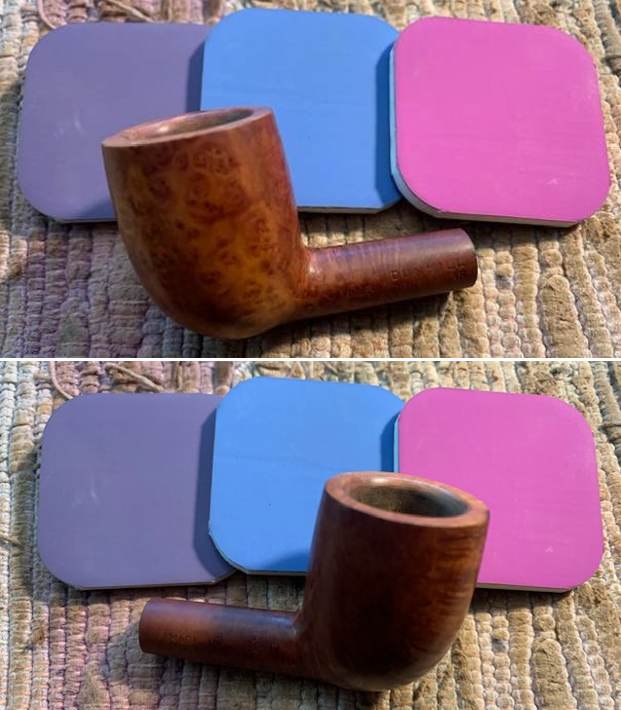


Dropped in at the Dunhill Deep End


Blog by Kenneth Lieblich

This is the first and introductory blog by Kenneth. We have been working through his Grandfather’s pipes and others that he has purchased to help him learn the processes that I use to restore and refurbish pipes. He is a quick study and able student. Give his first blog a read and enjoy it. Thanks Kenneth and welcome to rebornpipes.
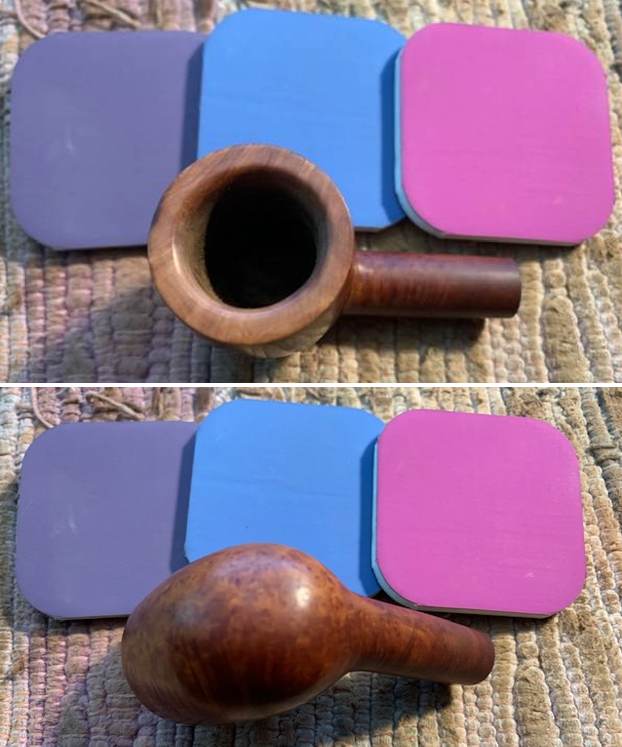
I must admit that I never thought that the first pipe I ever restored would be a Dunhill Shell Briar Bulldog. Talk about nerve-wracking! I figured I would start out on an old clunker of a pipe so that if I made a mess of it, there was no great loss. But Steve Laug insisted that this was the one I had work on first because it was, in fact, a microcosm of pipe restoration all in one little pipe. I want to express my gratitude to Steve for not only permitting me to post the story of this pipe’s restoration, but most especially for guiding me every step of the way through the process. The vagaries of life (thanks to Covid) necessitated several FaceTime and Zoom chats, but he was always generous, friendly, and helpful. Any compliments on this restoration are for him – any criticisms are for me.

This charming Dunhill Shell Briar Bulldog pipe belonged to my paternal grandfather and was one of seventeen pipes left to my father, and which he has now given to me. A little detective work over at http://www.pipephil.eu revealed that this Dunhill dates from 1937 – which would have made my grandfather 29 years old when it was made.He died in 1975, so this pipe has not been smoked for at least 45 years (and probably more). As a side note, while this restoration was ongoing, I also restored his Dunhill Rollagas lighter (dated to the mid-1950s), so that I could use it to light the pipe one day. In that pipe will be some very old tobacco that is also from my grandfather. I am not sure what the tobacco is, but it smells lovely. I have another two Dunhill pipes I inherited from my grandfather, but I will save those restorations for future posts! As you can see from these initial photos, this poor pipe had some serious issues! The front of the bowl had a large crack, reaching all the way from the rim to the heel. There was also another crack (albeit considerably smaller) on the opposite side of the bowl. Smaller it may have been, but no less daunting to me. There was some cleaning that needed to be done inside the shank and stem, but less than might have been expected from an 85-year-old pipe. The usual routine of isopropyl alcohol, pipe cleaners, Q-tips, etc. made short work of that. Unfortunately, I do not have a handy brother like Jeff Laug to help clean my pipes, so I did it myself. I learn by doing, so this was just as well.
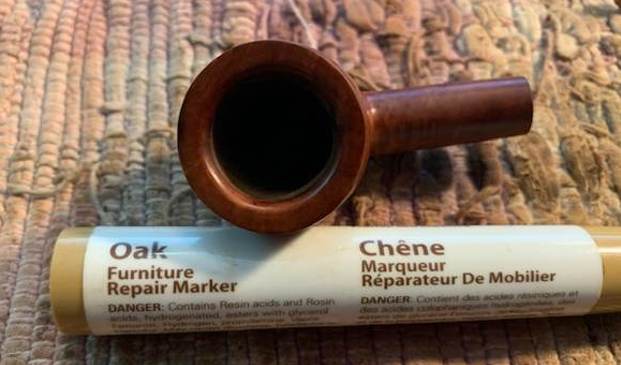
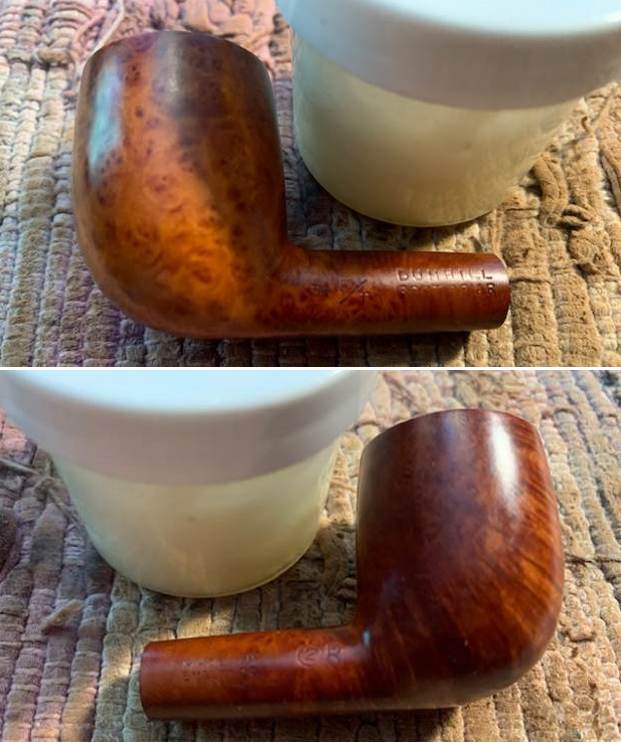
After using both the Pipnet Reamer and the KleenReem, the bowl was stripped down to the bare briar. This afforded me a good look at the condition of the bowl and just how far the two cracks had penetrated the wood. The smaller crack was not any worse than it initially appeared, but the large crack went all the way to the underside of the bowl. I cleaned the stummel with Murphy’s Oil Soap and that made a world of difference to the overall appearance of the wood, but not to the cracks, obviously. I prepared some J.B. Weld epoxy and filled the breach from the inside, ensuring that the epoxy did not ooze out to the front. I filled in the crack from the outside with a mixture of briar dust and cyanoacrylate adhesive. This was a tricky business, as the crack varied from ‘gaping’ at the rim to essentially ‘imperceptible’ at the heel. After putting down some layers of briar dust and glue, I noticed that there were still some small gaps that only iPhone magnification could reveal, as seen here. These were soon mended and left to cure.Following this, some rustication was needed, and a brass-bristle brush was the tool I used. In fact, the brush was used several times – including after I applied some stain to the briar-glue repair. The stain was used in conjunction with the Before & After Restoration Balm, to help meld everything together. I must admit that I wish I could have done this step better – all I could see were flaws, but everyone else told me how much better it looked, especially when compared with how it began. These photographs show you that it wasn’t complete, but I guess it really was better. Once this had fully cured, I coated the entire inside of the bowl with a mixture of activated charcoal and my wife’s homemade yogurt. Once hardened, this provided a good, slightly rough surface for a new cake to build. Then it was time for the stem. It was in pretty good condition, considering its age. There were a couple of relatively minor tooth marks and the button needed some work. However, without doubt, restoring the stem was the most frustrating part of the restoration. It began easily enough, with the stem taking a swim in the Before & After Hard Rubber Deoxidizer. In order to address the chatter, I waved the flame of a BIC lighter over the mouthpiece. I also took some of the cyanoacrylate adhesive and filled in the deeper tooth marks. But then the tough stuff came: sanding, more sanding, then even more sanding. Did I mention the sanding? As you know from Steve’s similar work, I used 220, 400, and 600 sandpapers to wet-sand the stem. Then followed that with all nine Micromesh pads (1,500 through 12,000 grit) – using Obsidian Pipe Stem Oil in between each pad. The pictures only tell a fraction of the story. Quite frankly, my lack of experience was my undoing, as I had to do this entire sanding sequence twice over. It just did not look right the first time. In fact, I was not even convinced that it looked right the second time, but Steve reassured me (with his typical kindness) that I was merely suffering from the same sort of pipe perfectionism that he does – not to mention the fact that this pipe is 85 years old: it is not meant to look brand new! At some point, one has to stop or else one will simply sand the pipe away into oblivion!
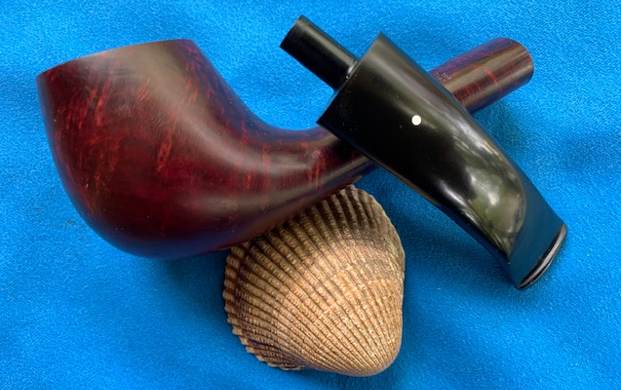
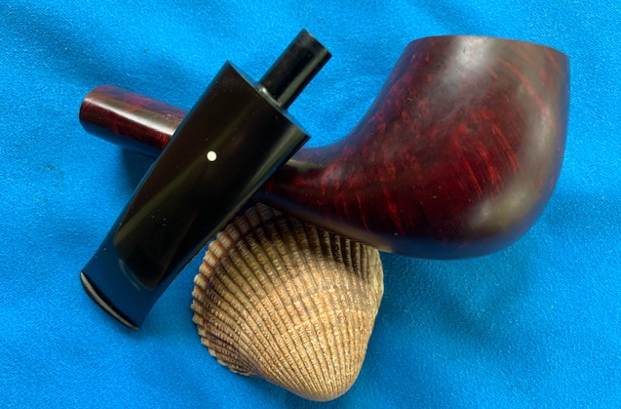
At long last, I was at the point where I could throw down some more Obsidian Pipe Stem Oil, Before & After Restoration Balm, and Paragon II Wax. Microfibre cloths, horsehair shoe brushes, and buffing pads followed – all to provide a final product (hopefully) worthy of my beloved grandfather’s memory. This was certainly a labour of love and I look forward to firing up his 85-year-old Dunhill pipe, with his 65+ year-old Dunhill lighter, filled to the rim with his 50+ year-old tobacco. The dimensions of the pipe are as follows: length 4⅝ inches; height 1⅝ inches; bowl diameter 1½ inches; chamber diameter: ¾ of an inch. The weight of the pipe is ⅞ of an ounce (or 27 grams).

Thank you very much for reading and I welcome and encourage your comments. Kenneth sent me this message and photo on Facebook.

This is my grandfather, Alfred Lieblich,  in Vienna in 1938. Look what’s in his mouth! Amazing!