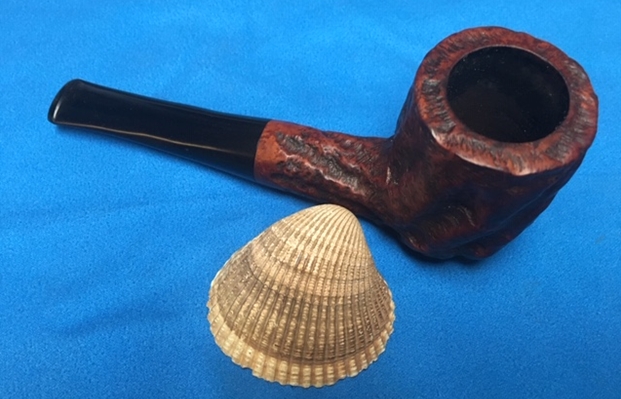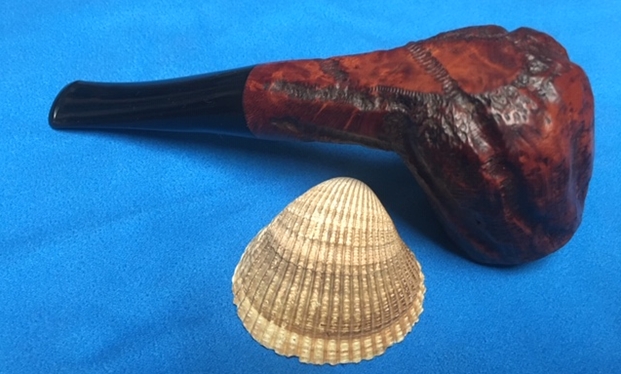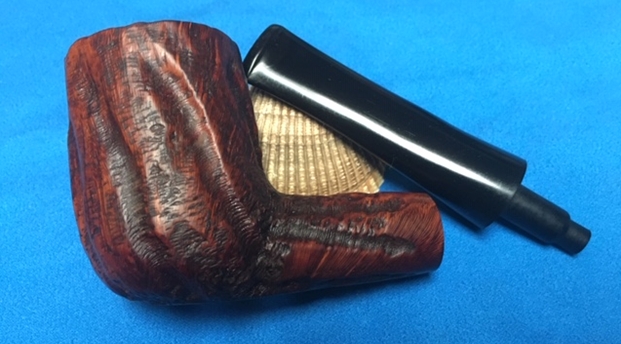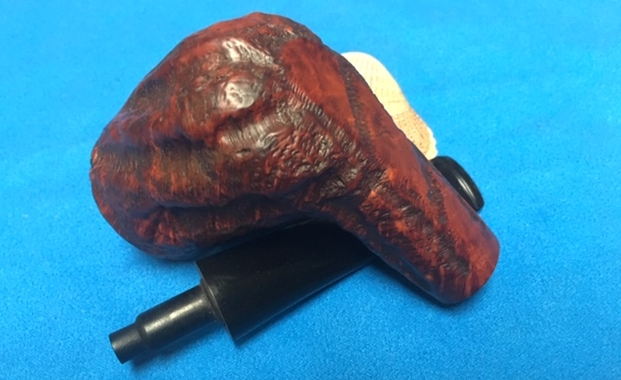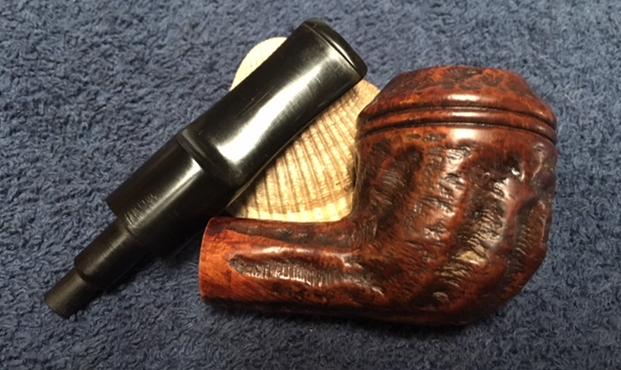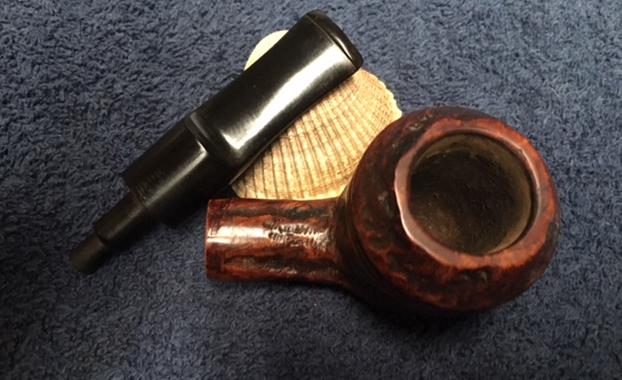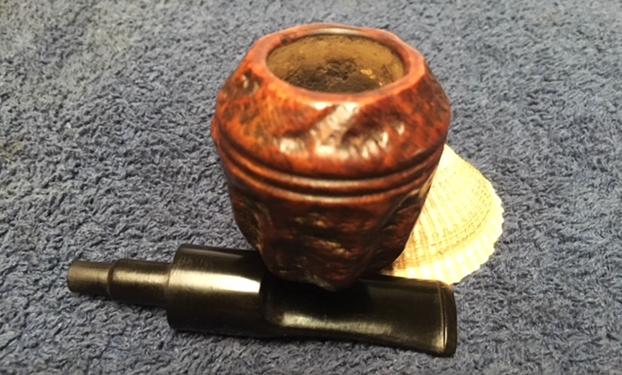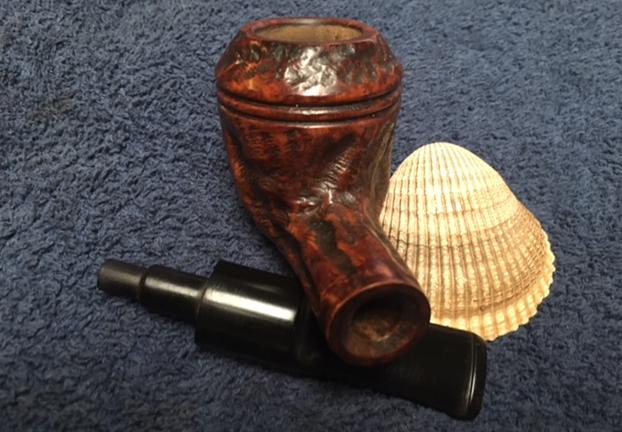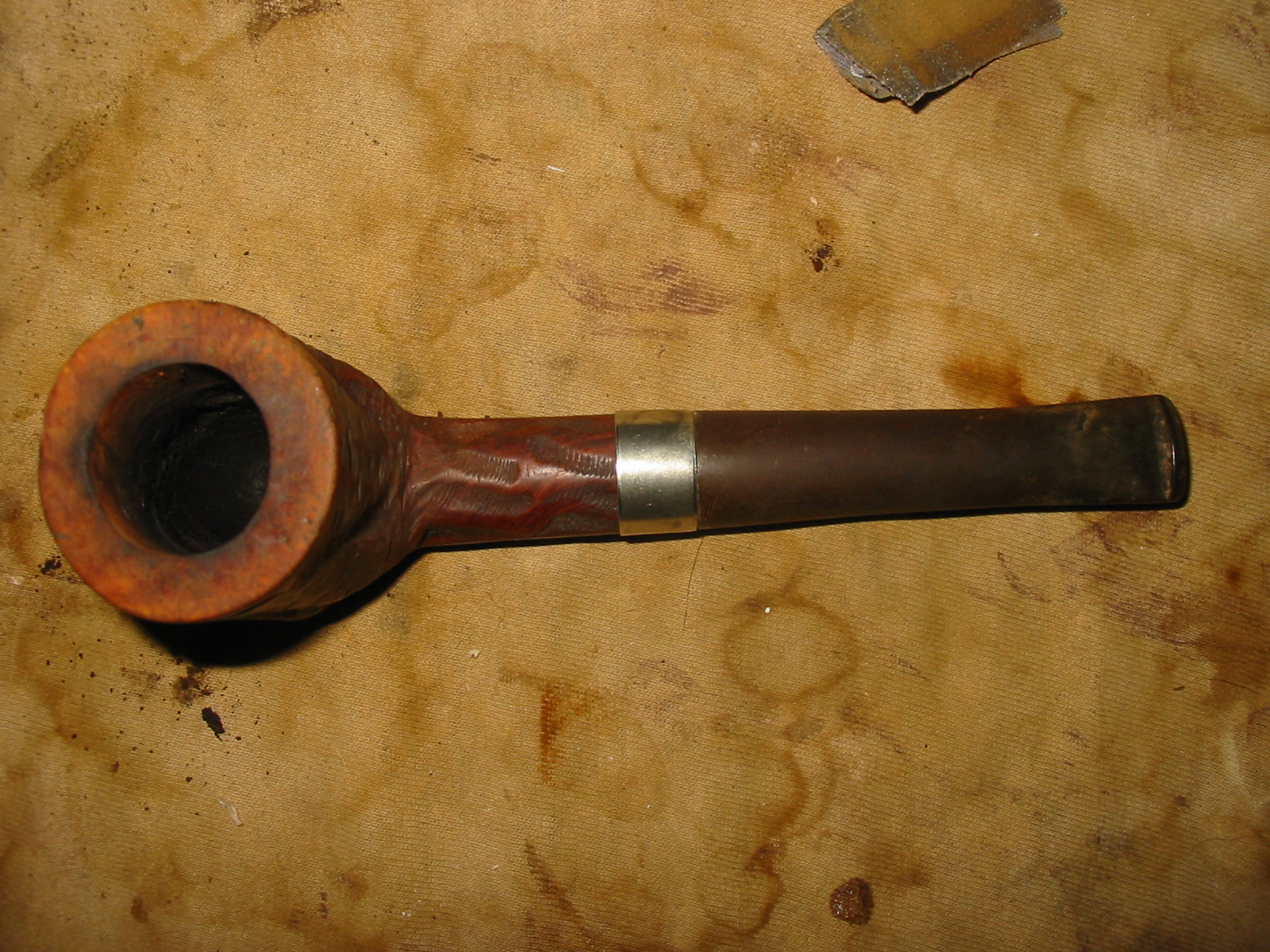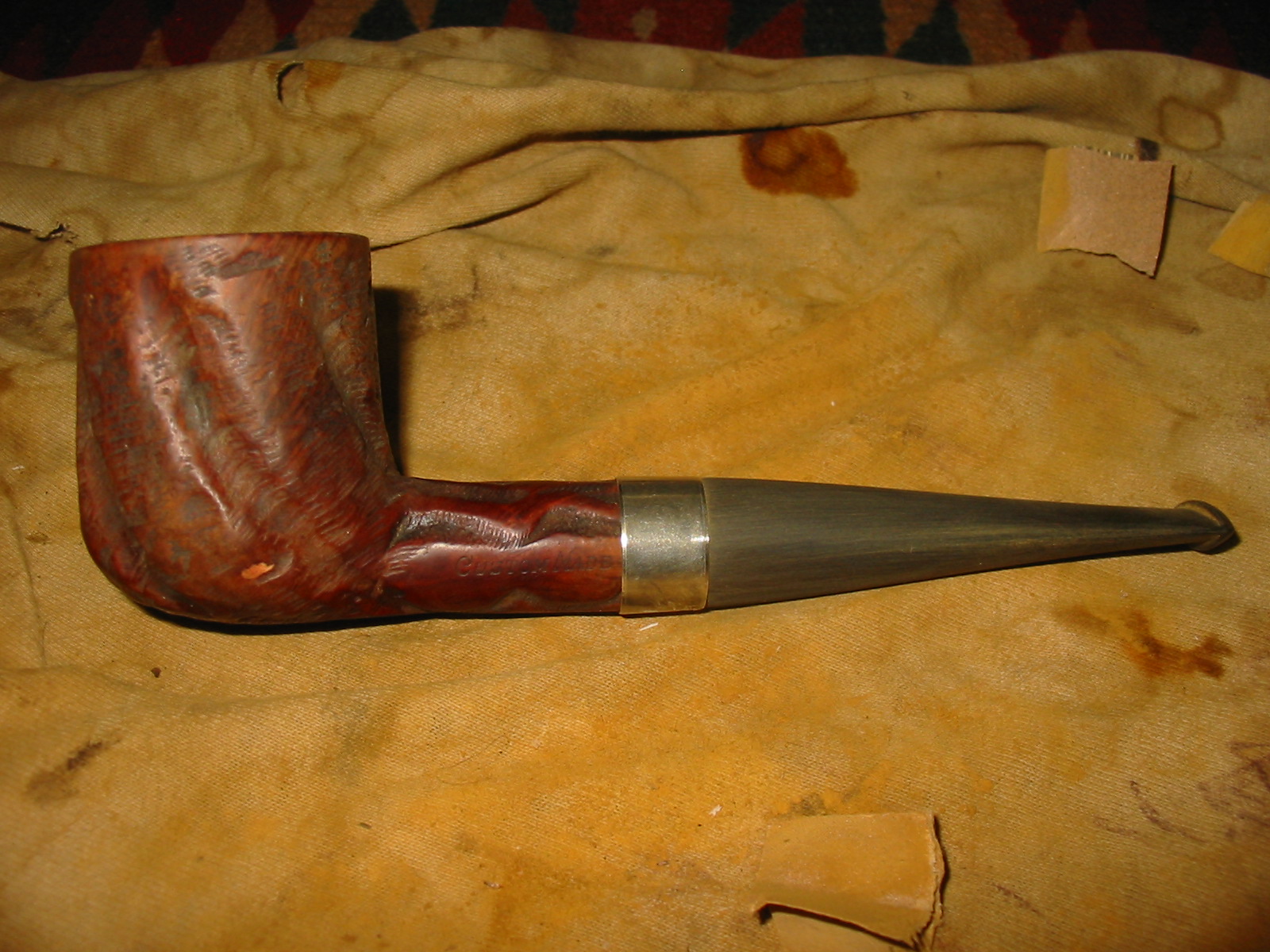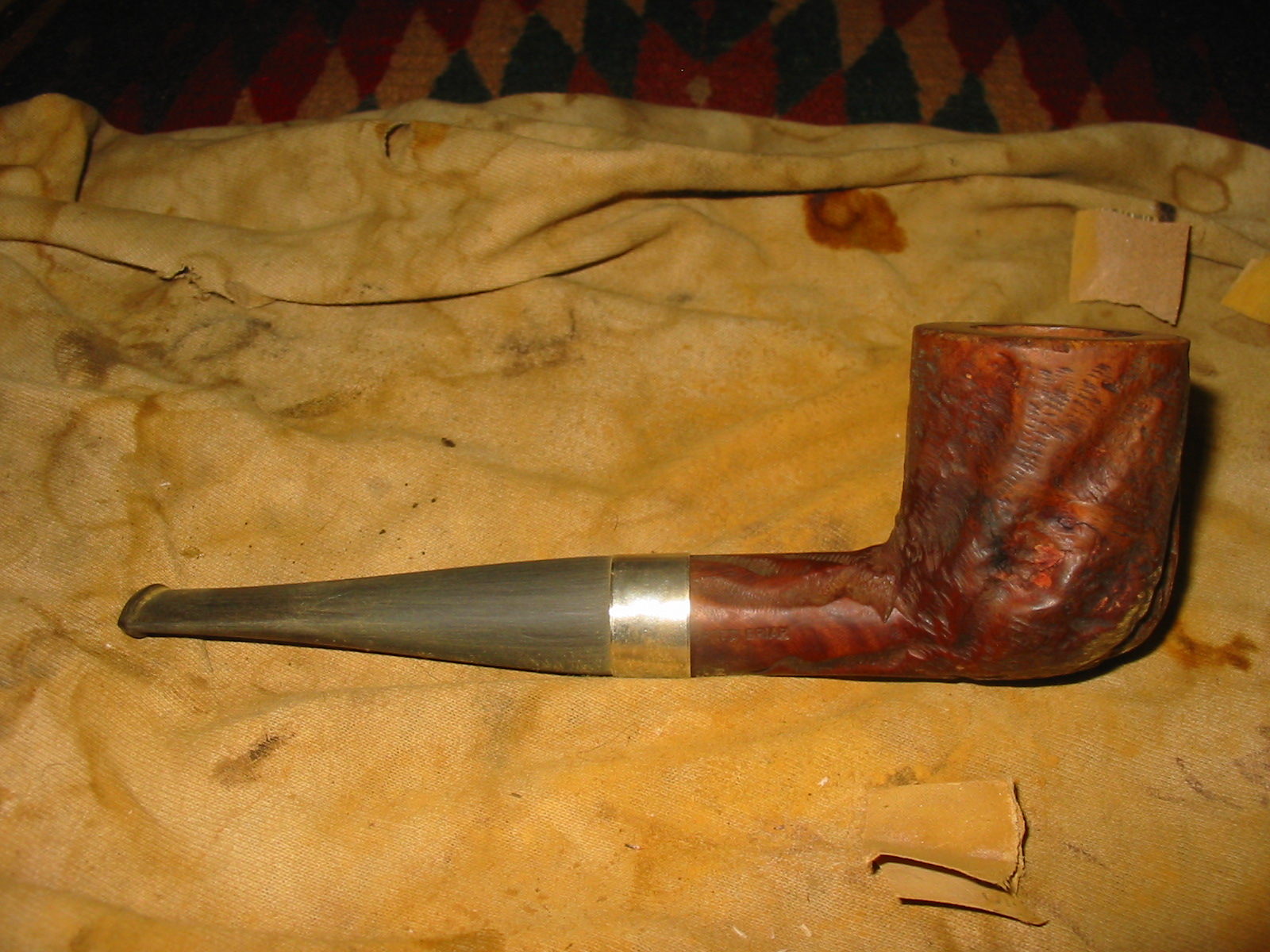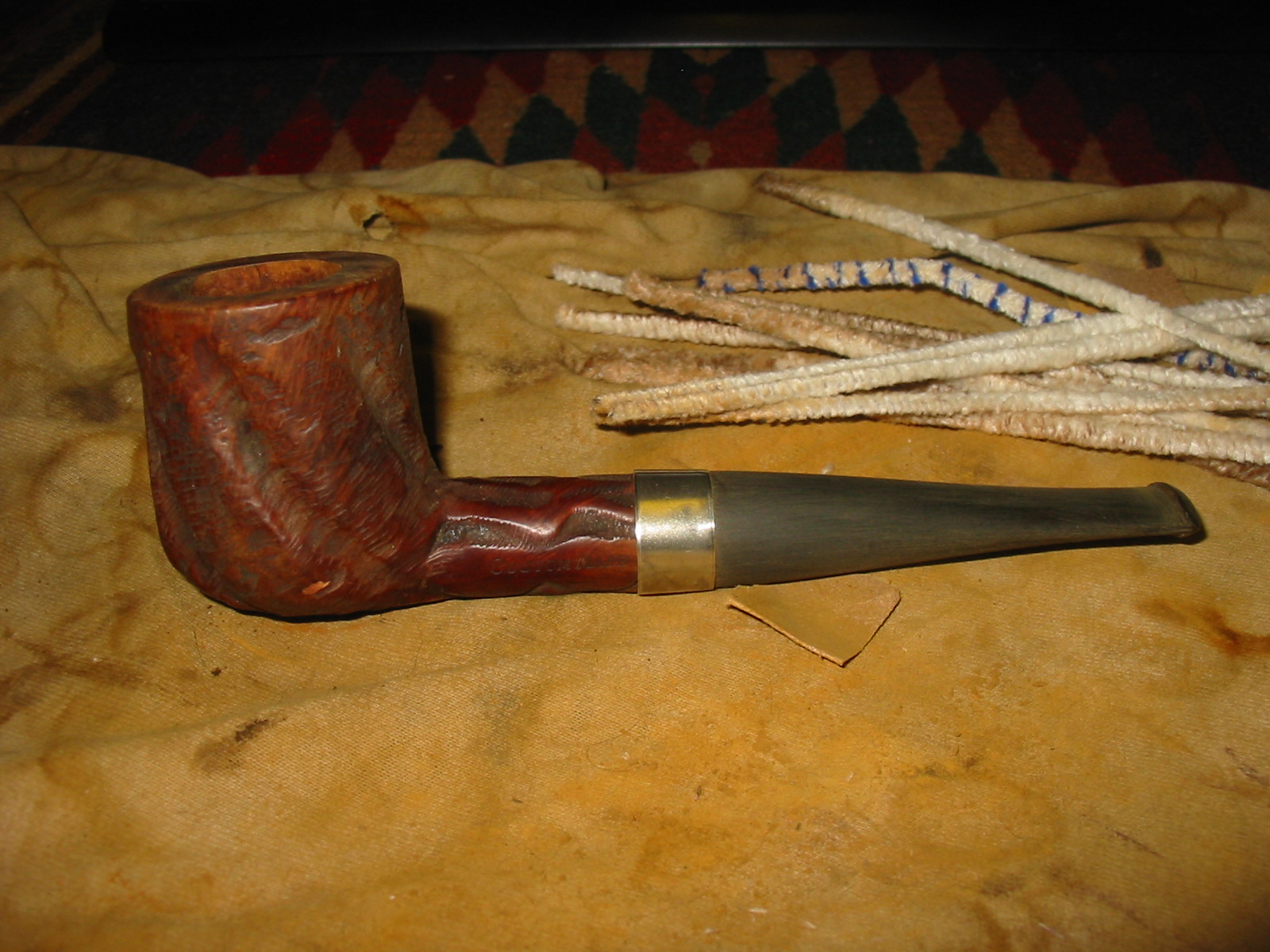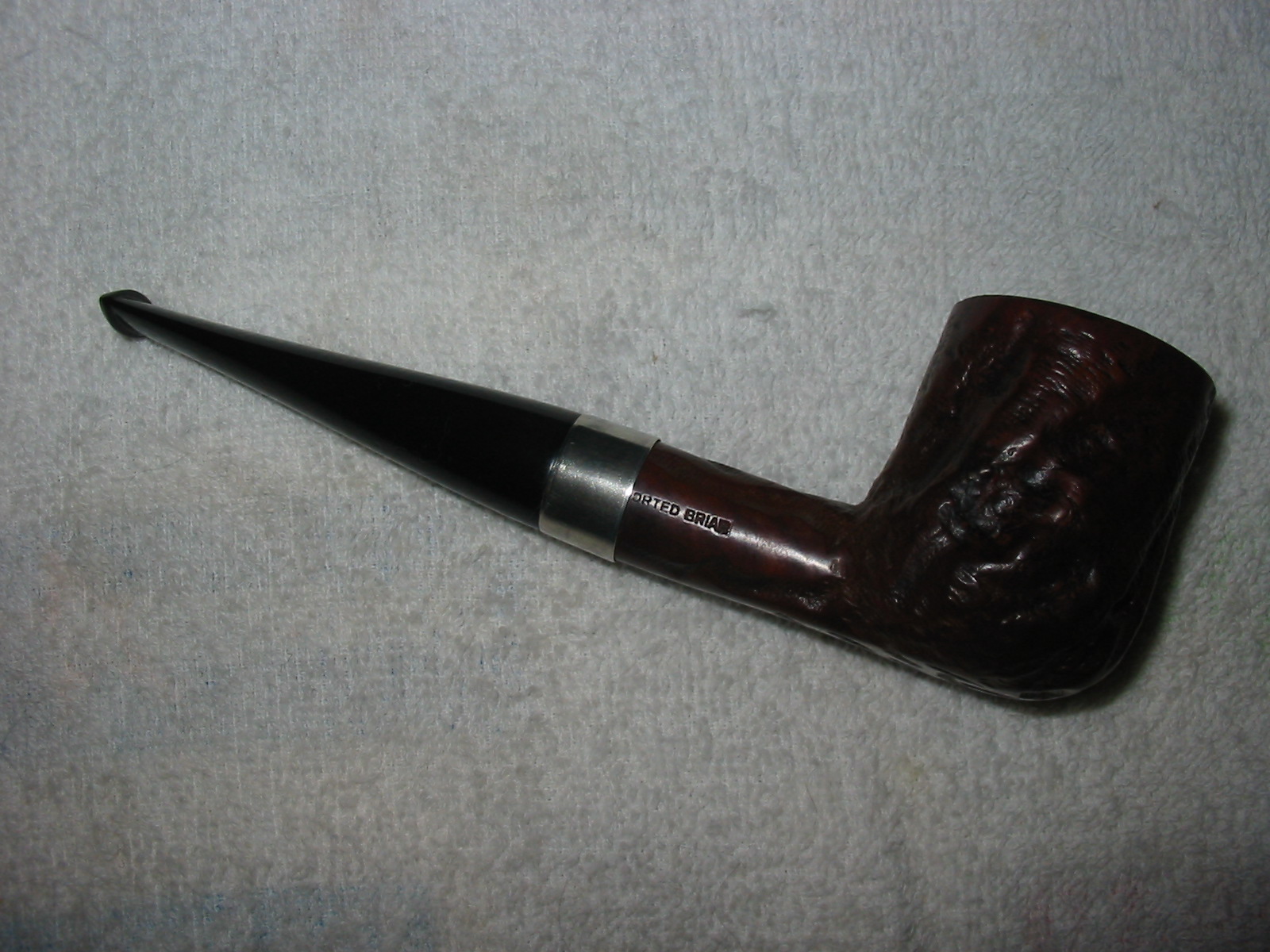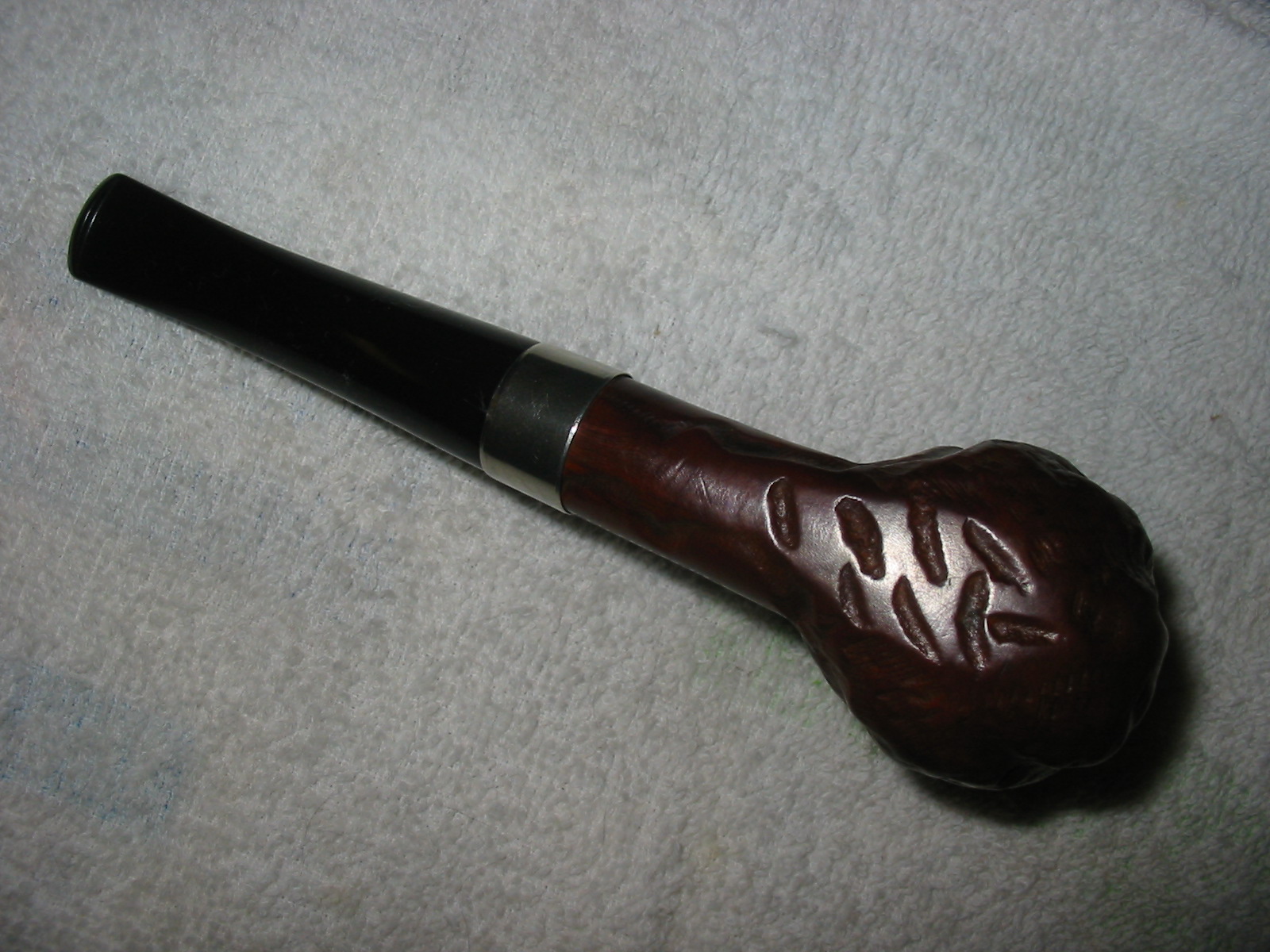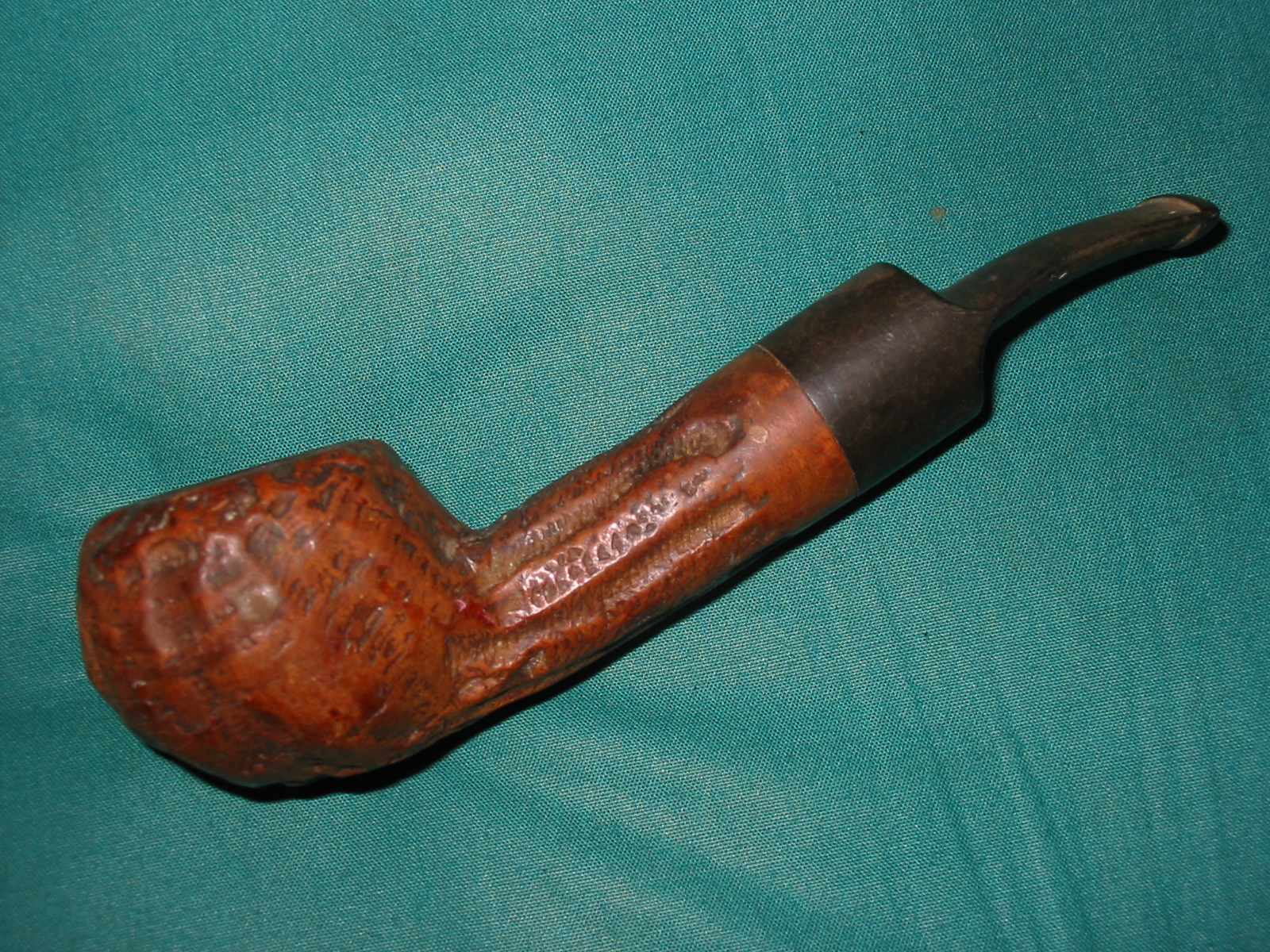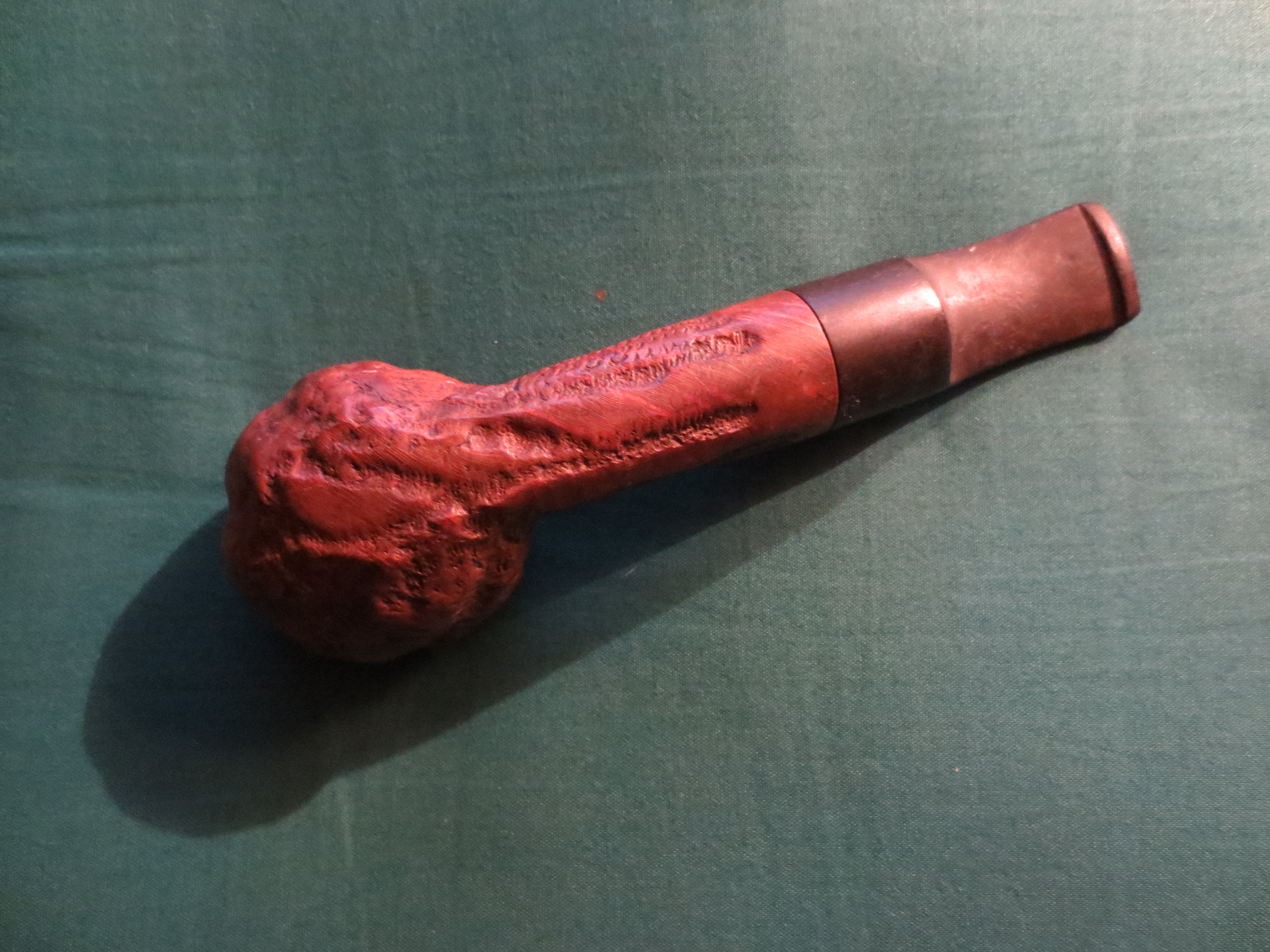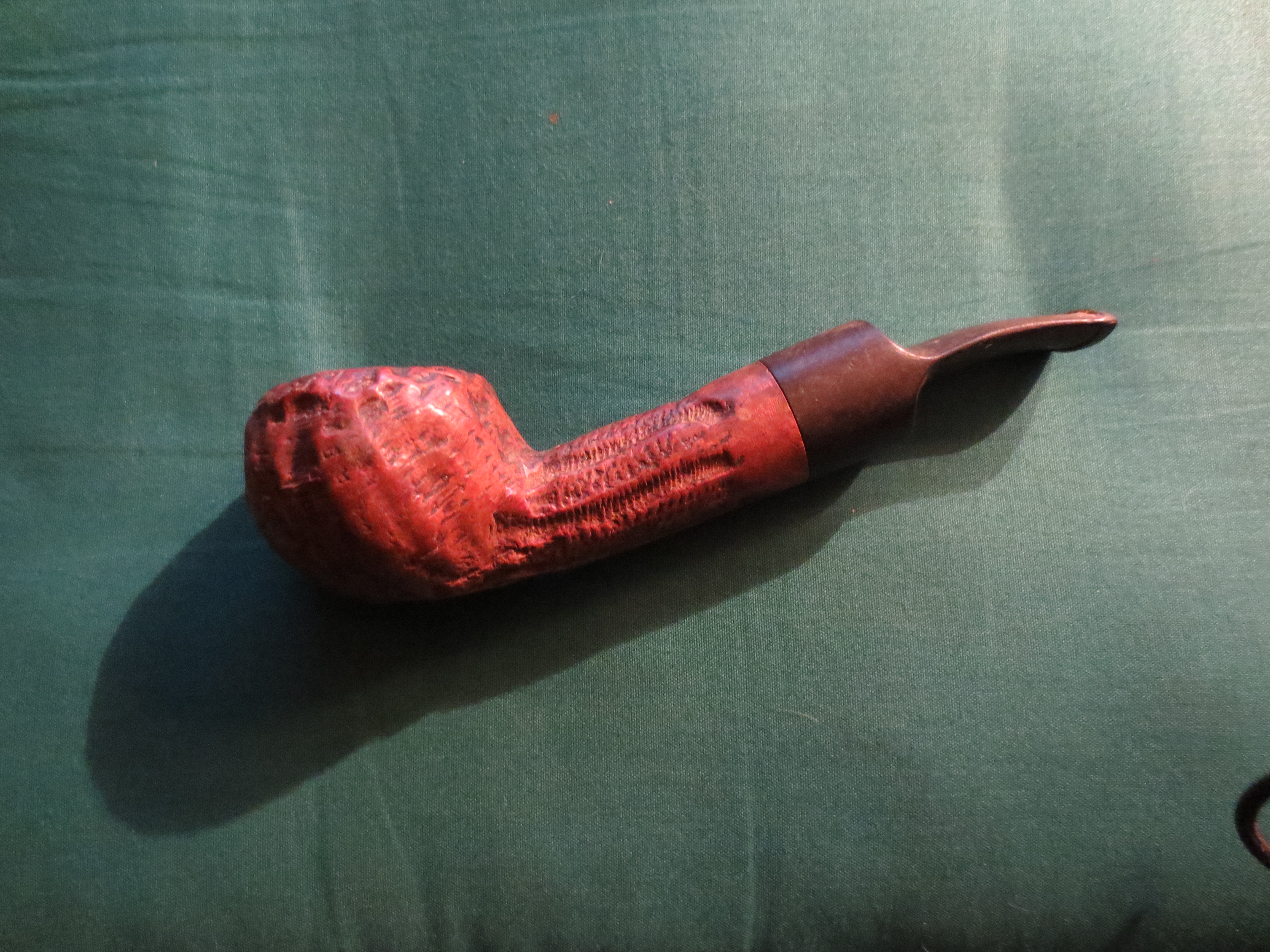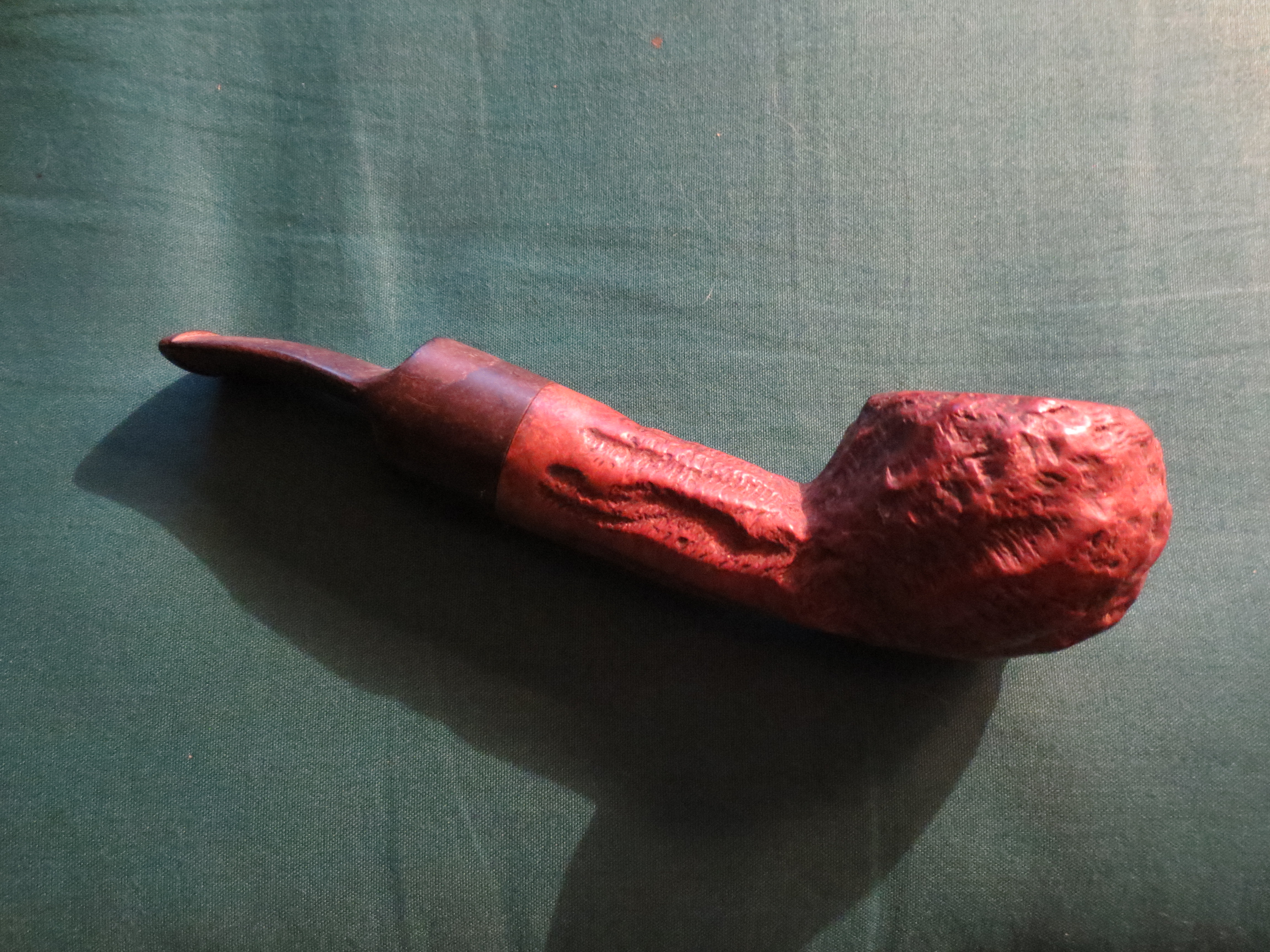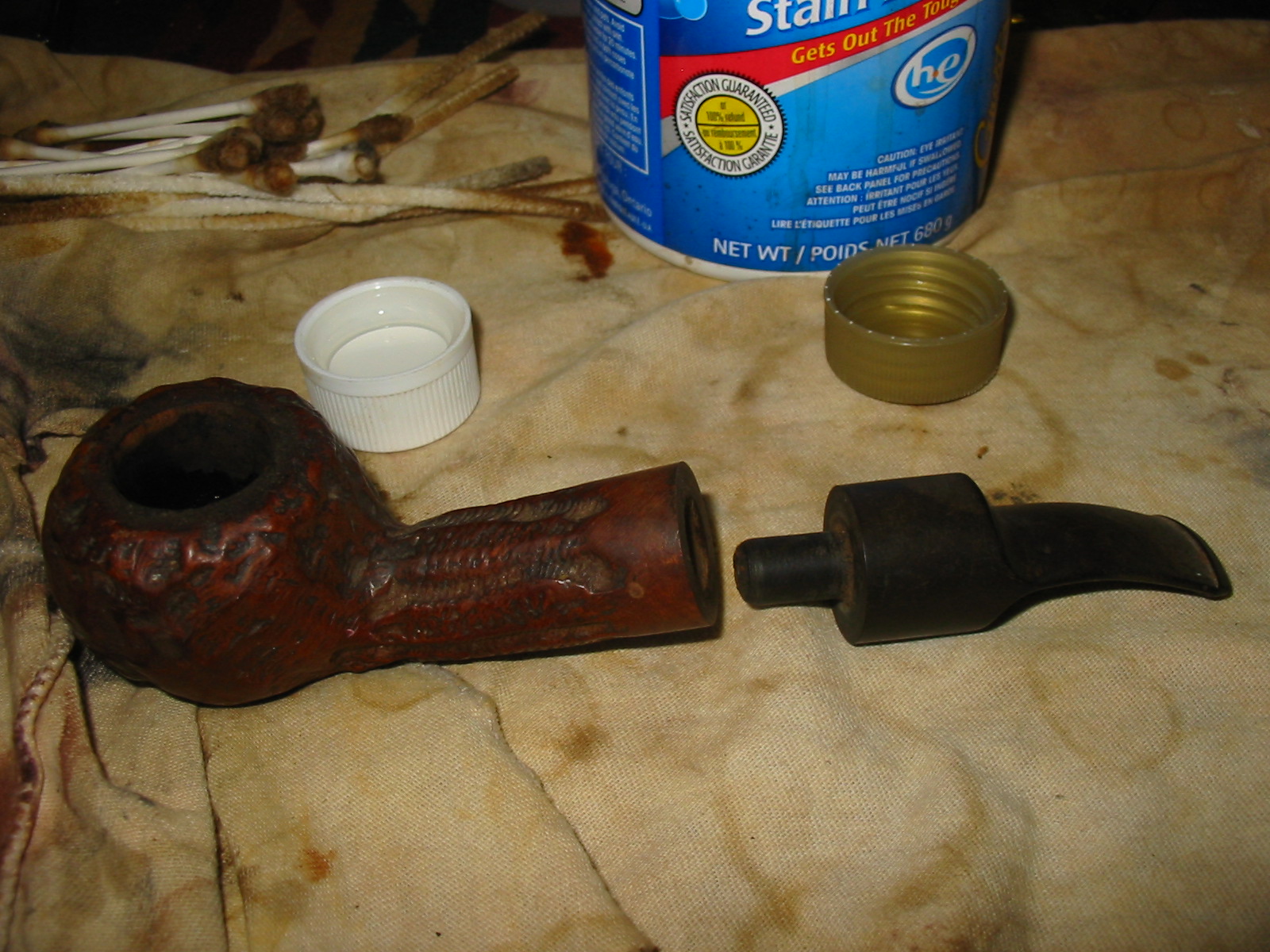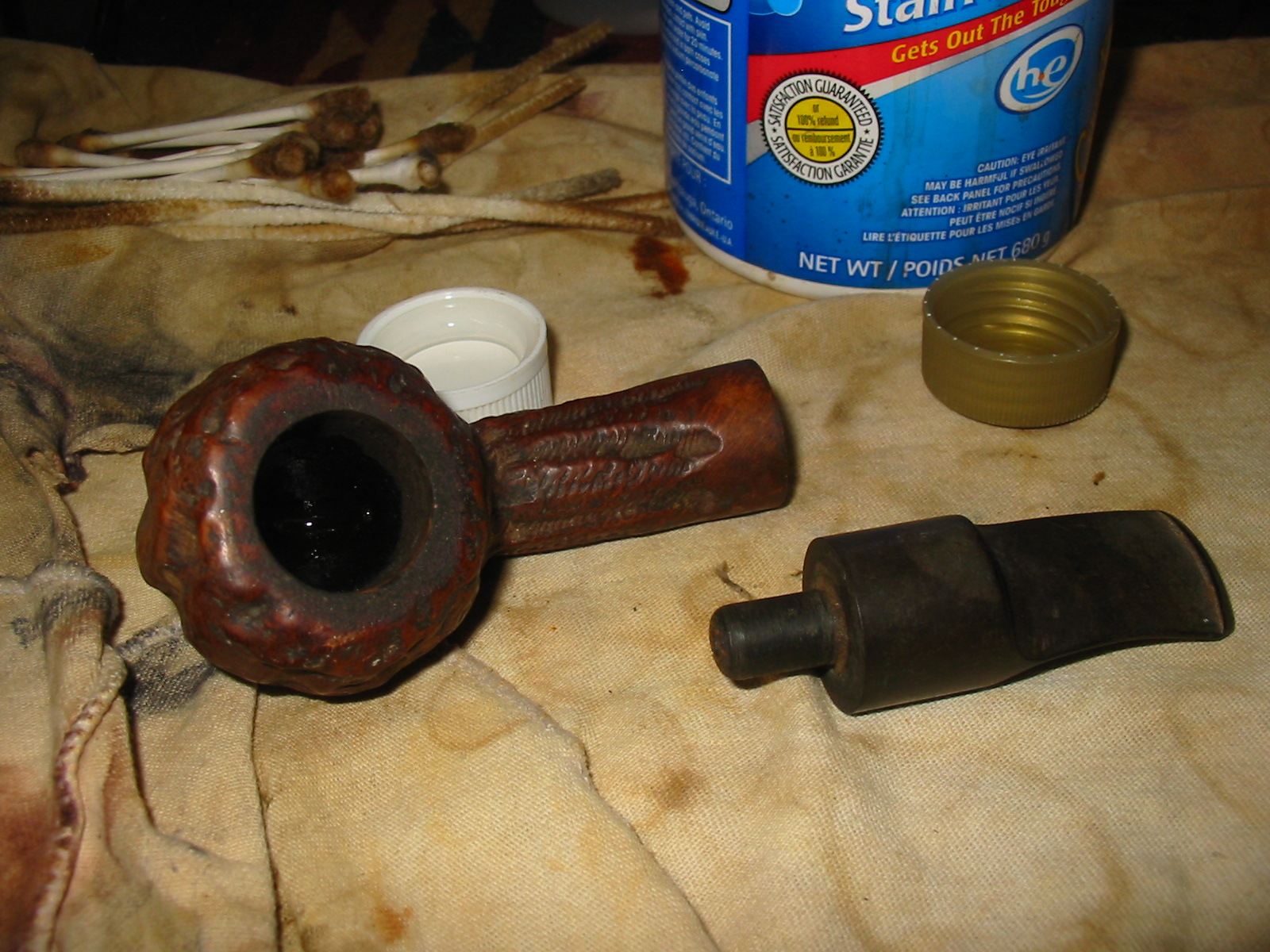
Tag Archives: Custombilt pipes

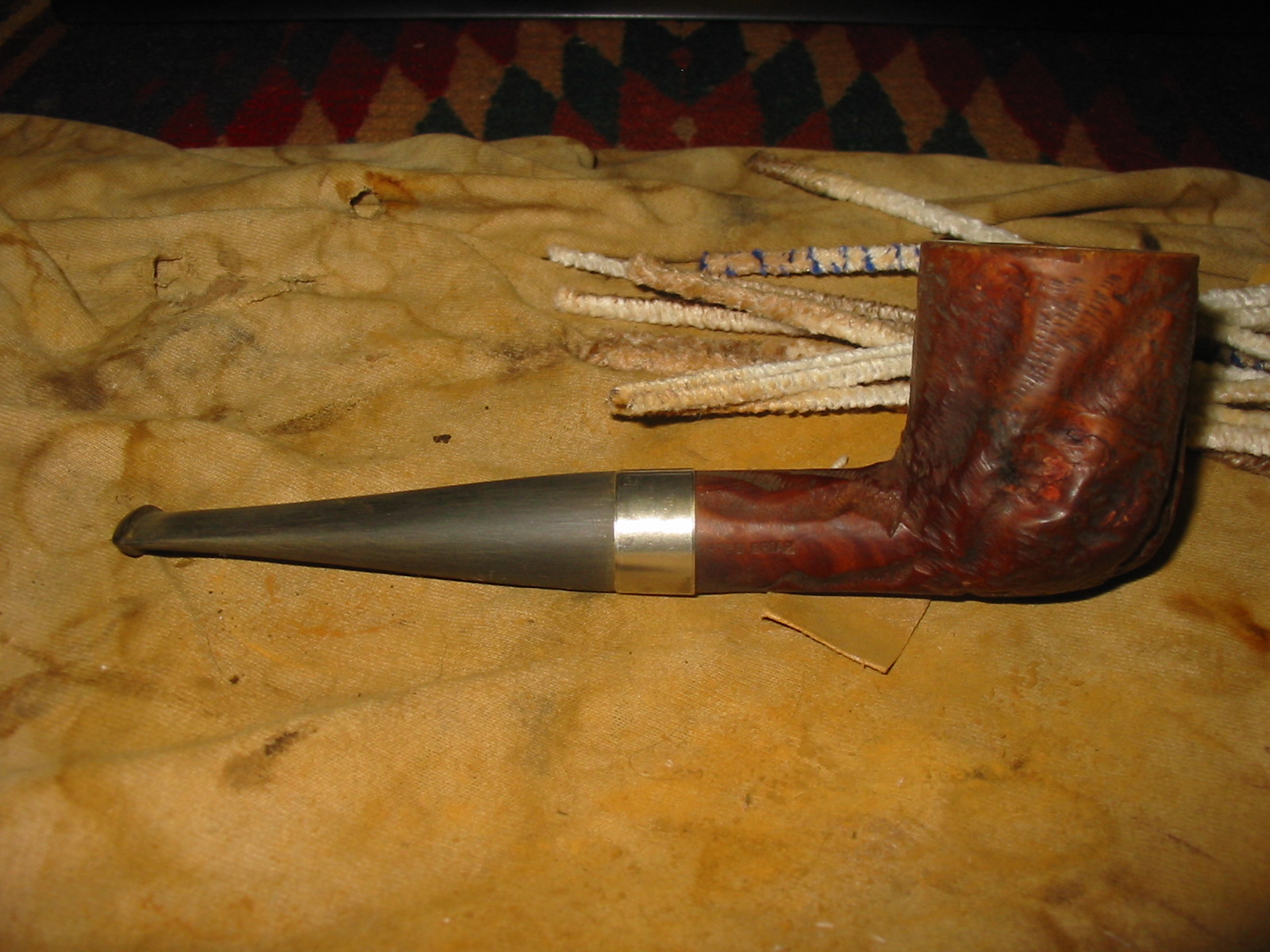
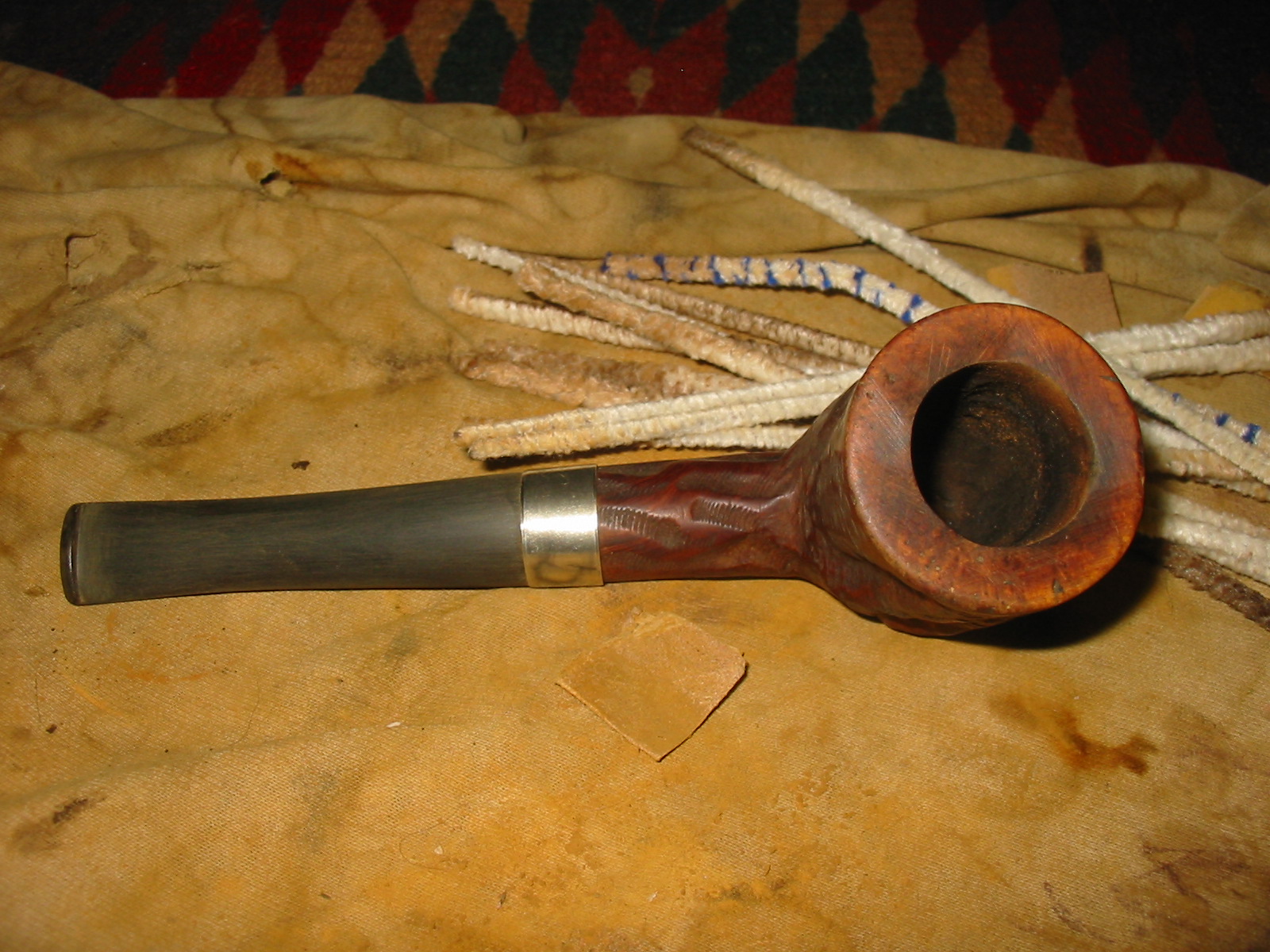
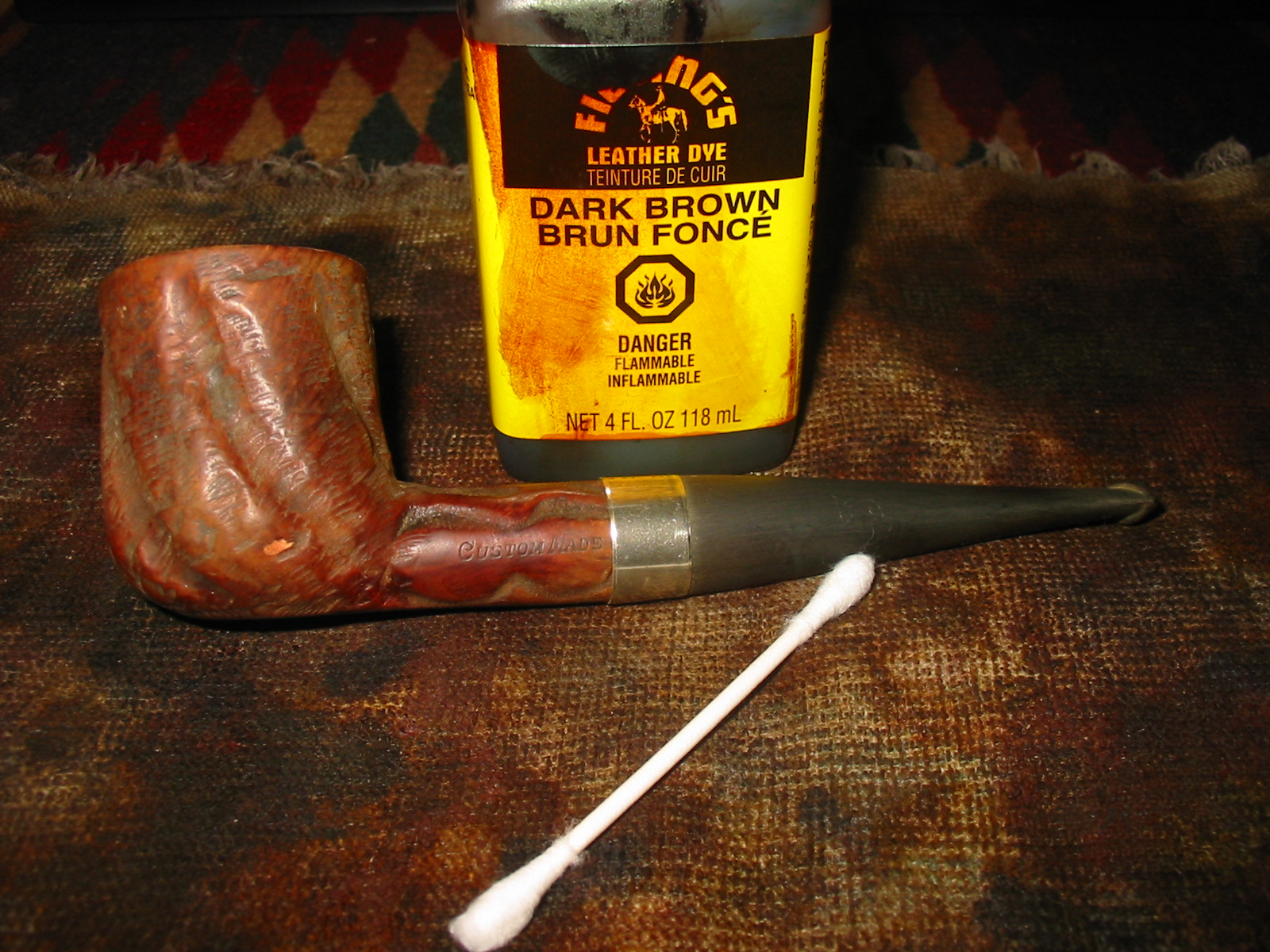
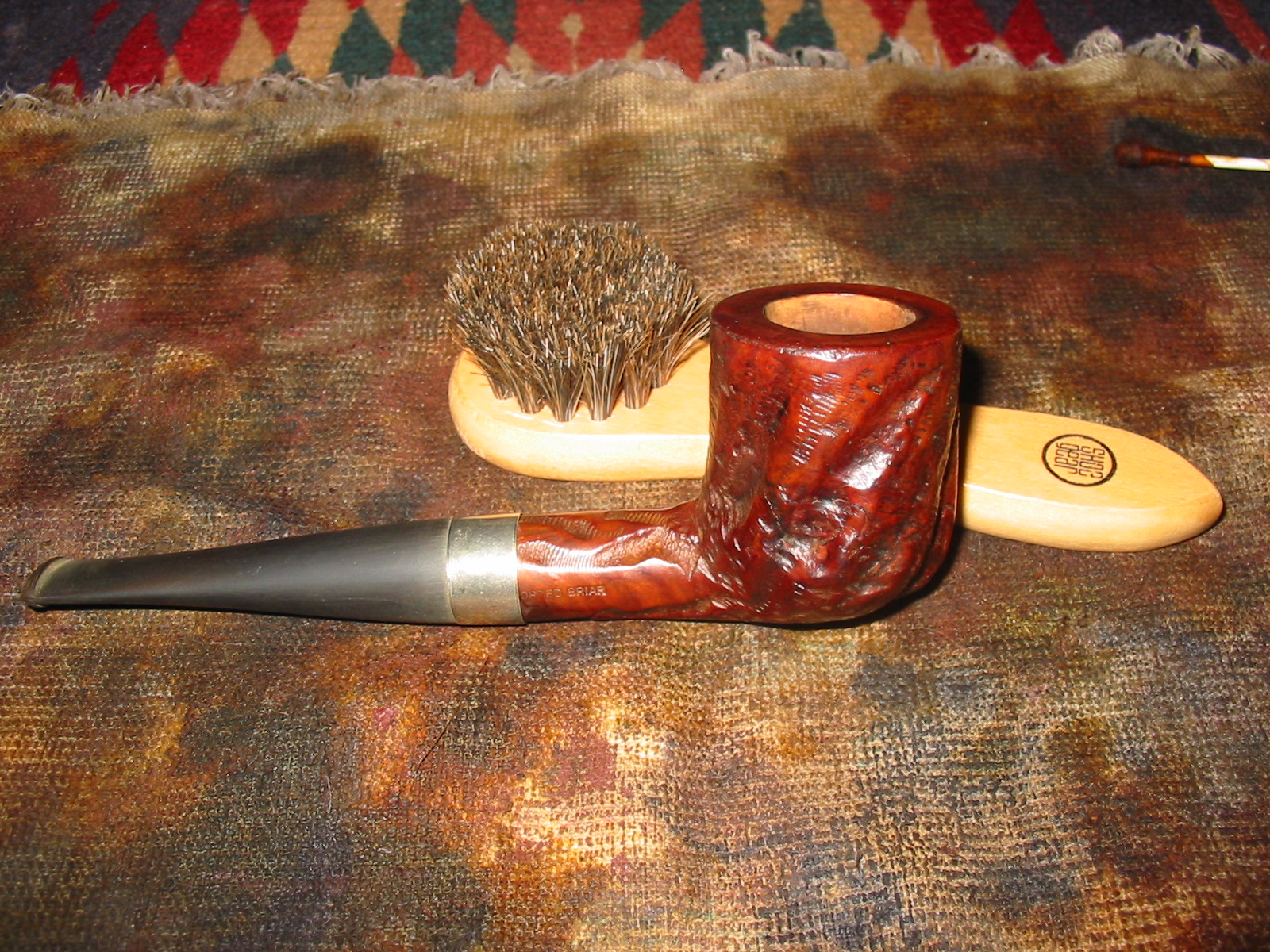
Bringing an old Custombilt Billiard to back to life


Blog by Steve Laug

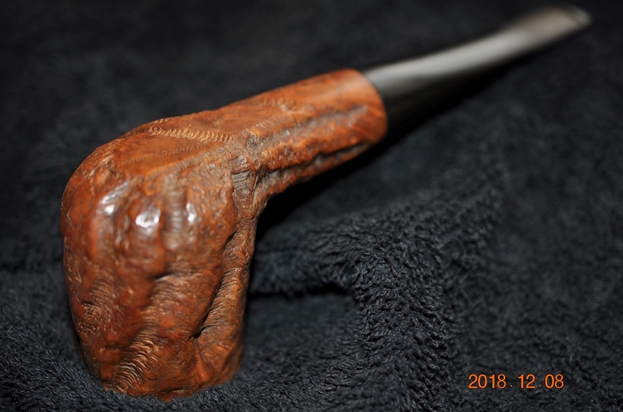
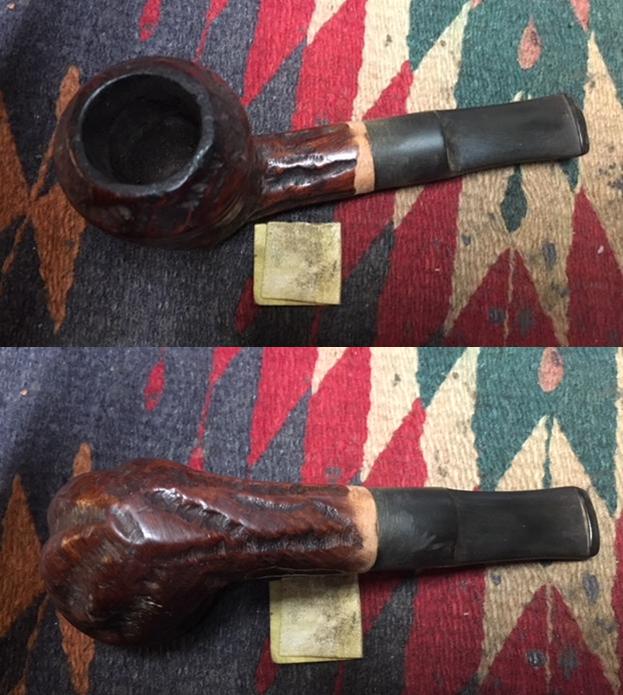
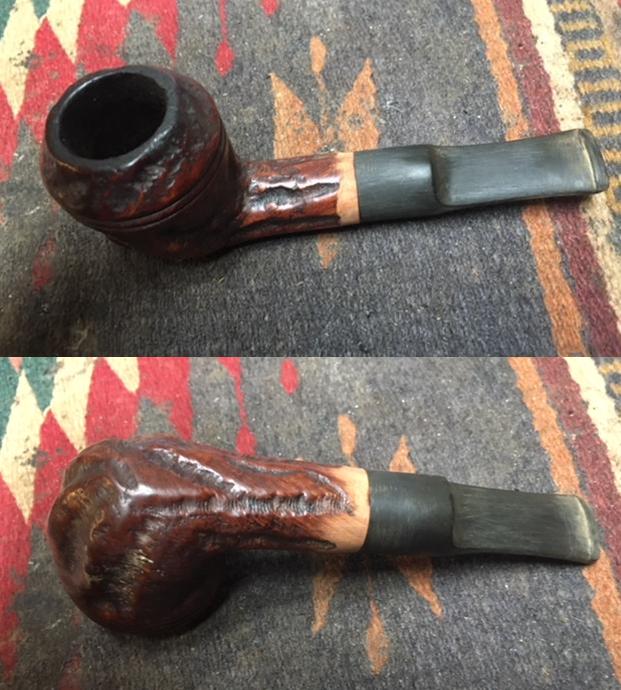
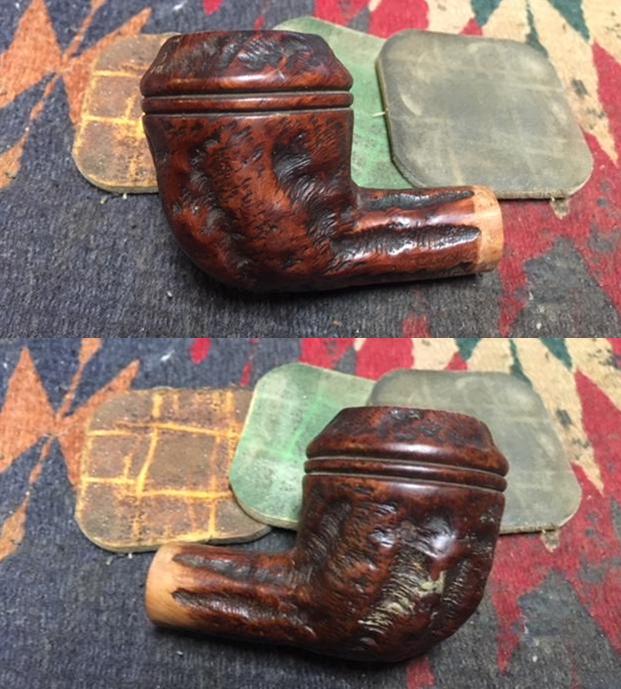
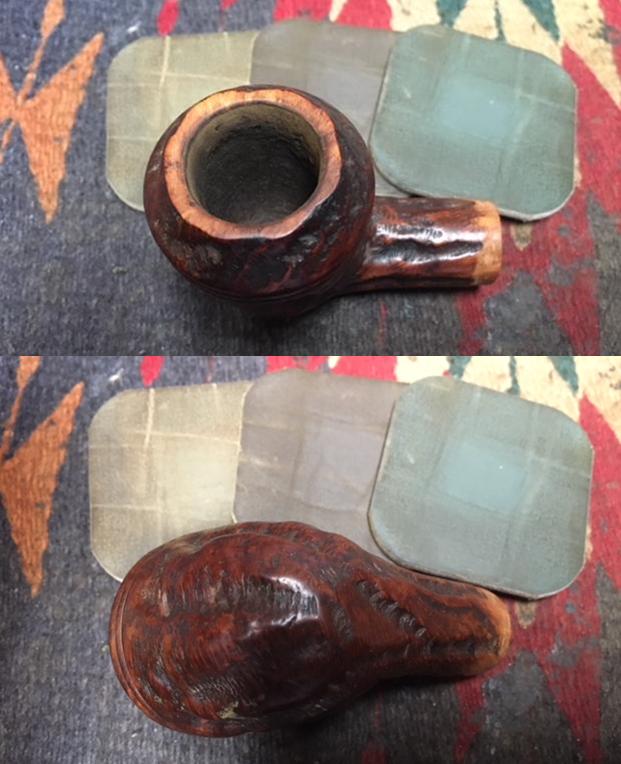
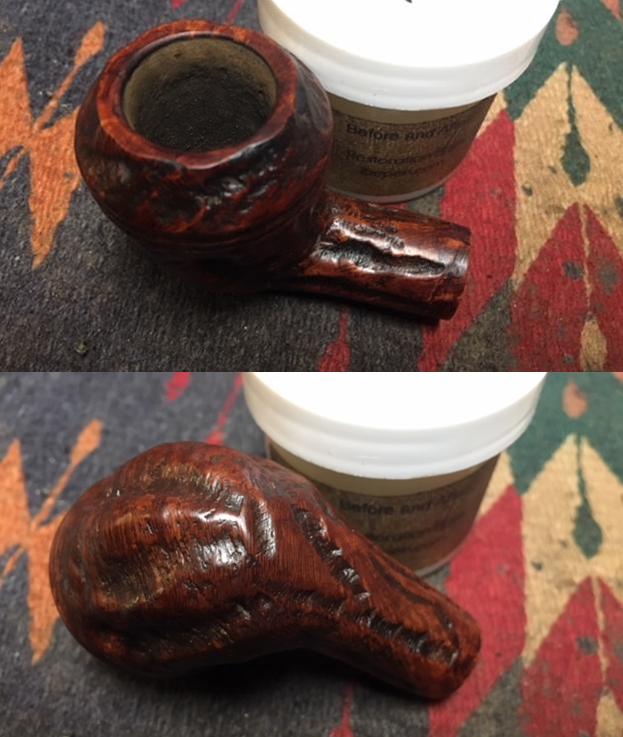
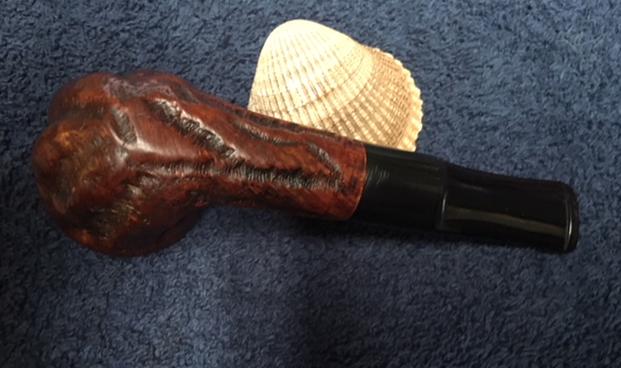
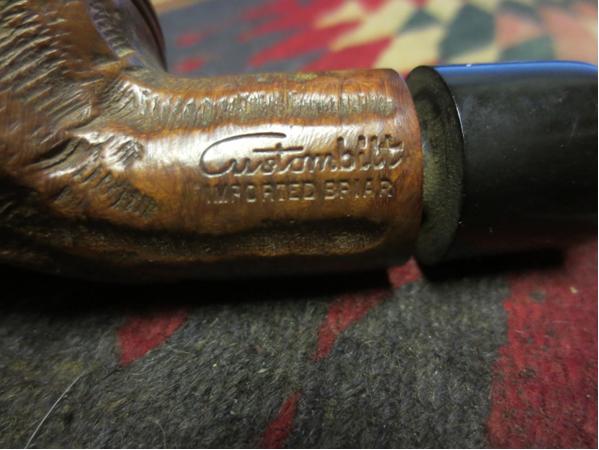
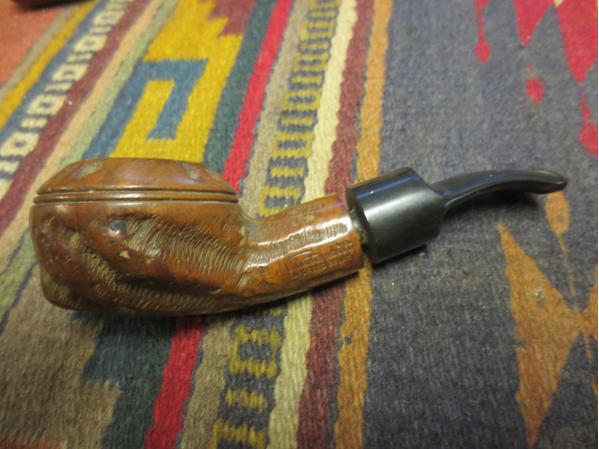
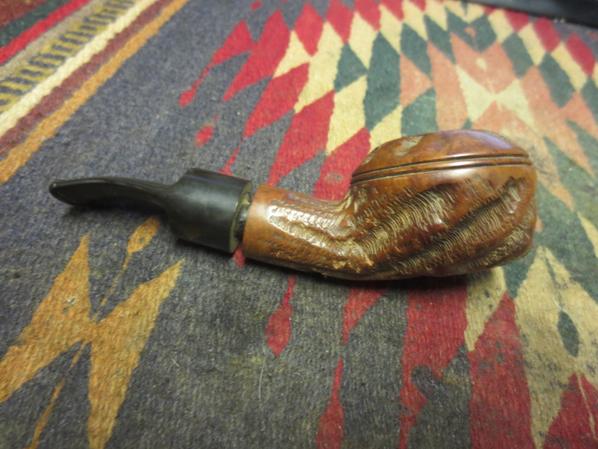
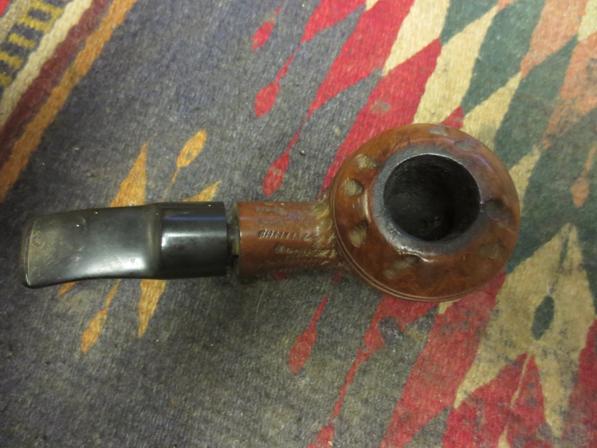
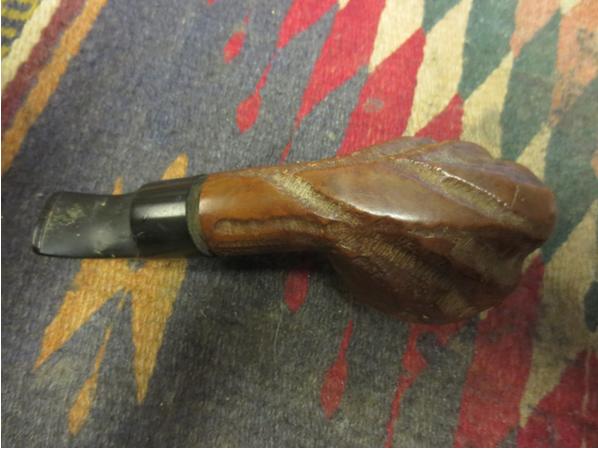
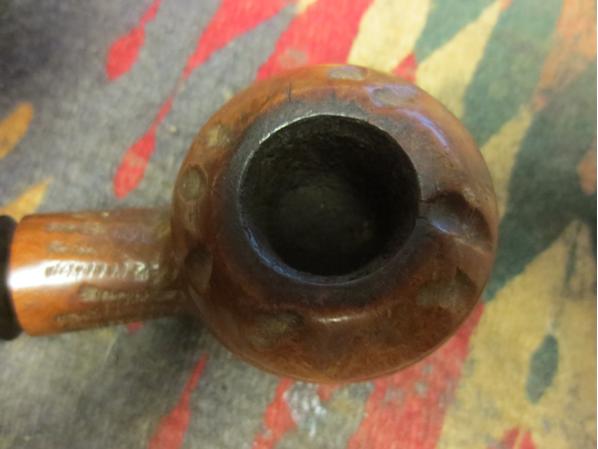
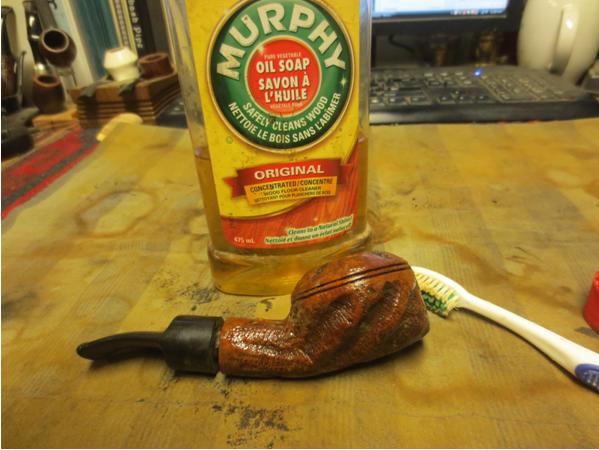
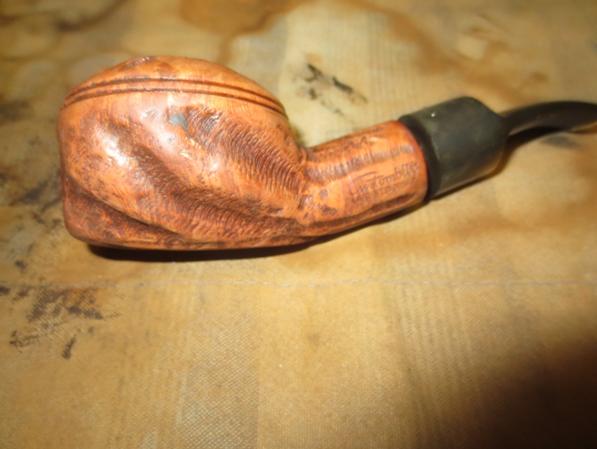
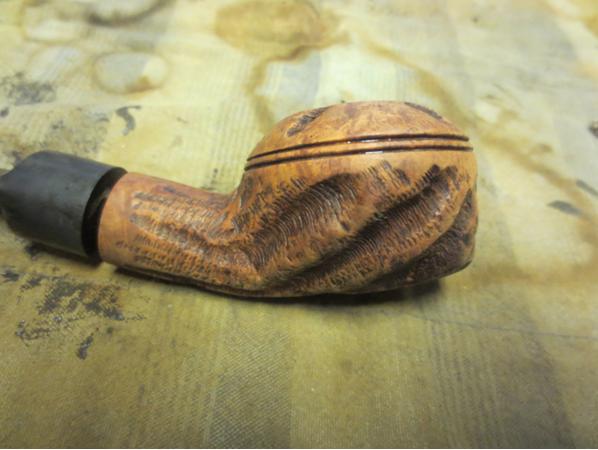
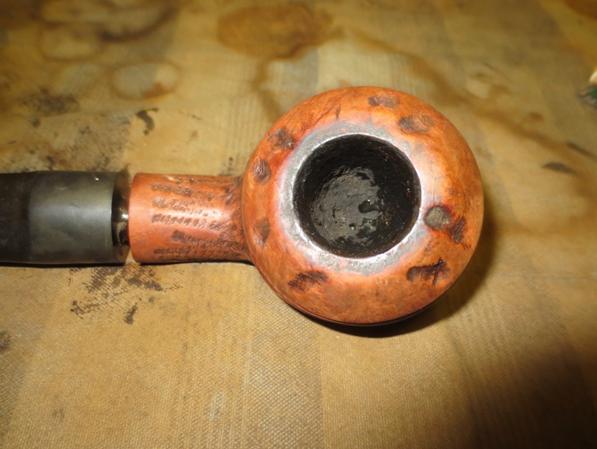
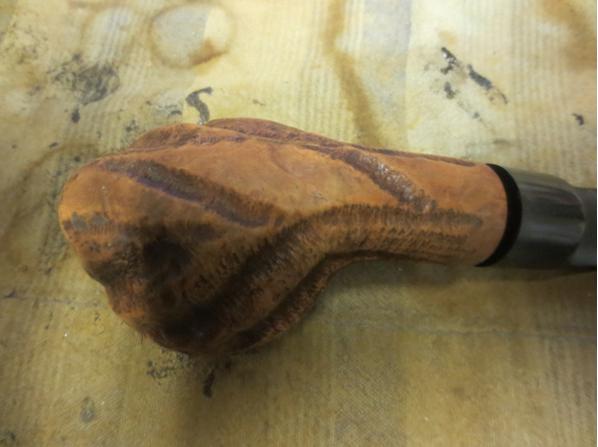
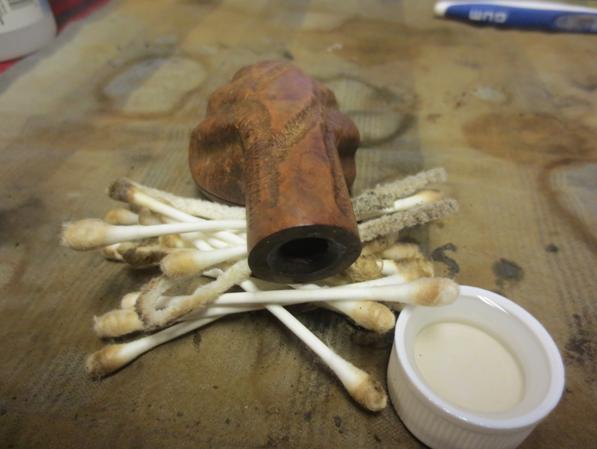
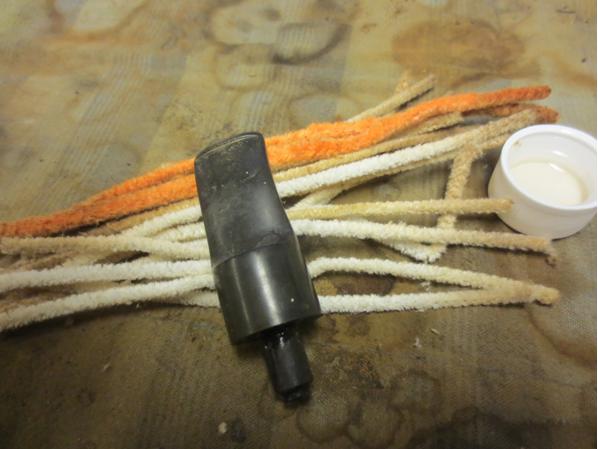
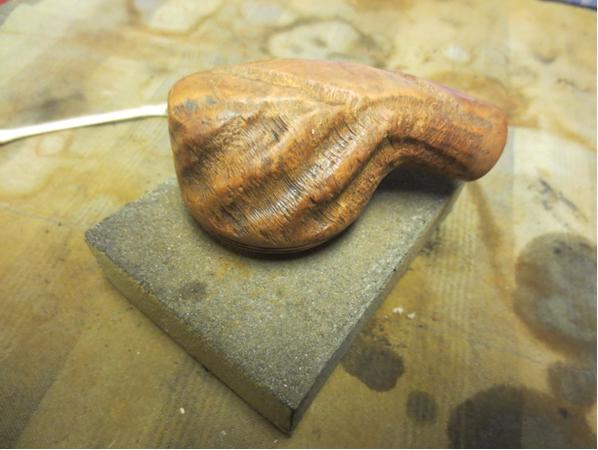
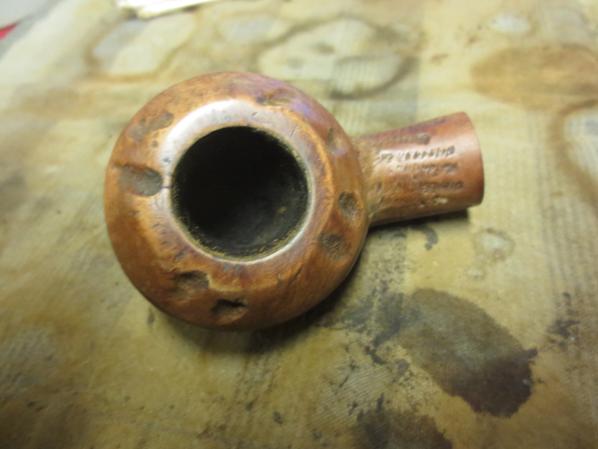
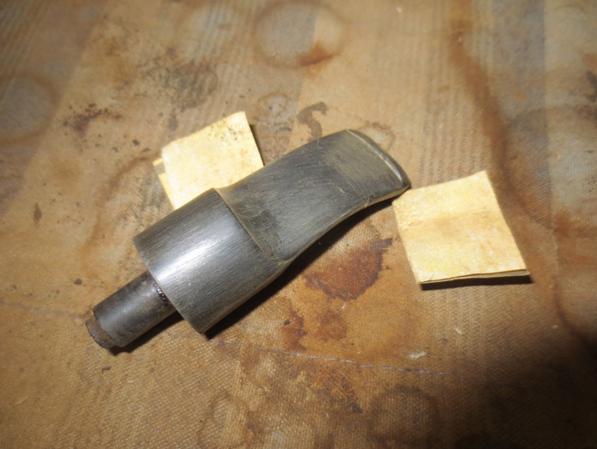
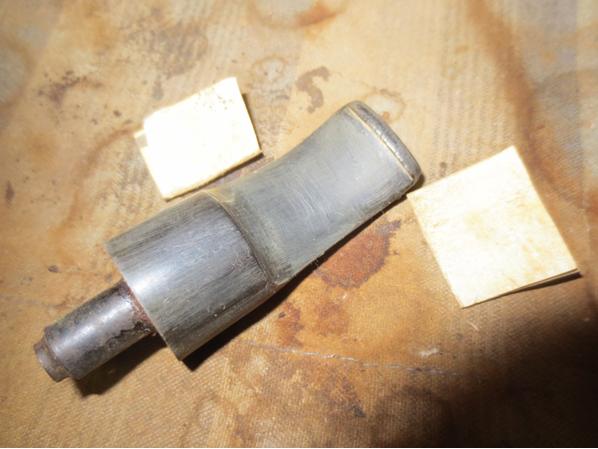
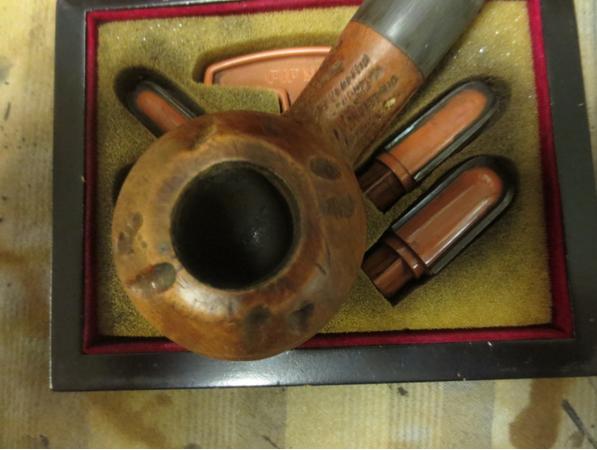
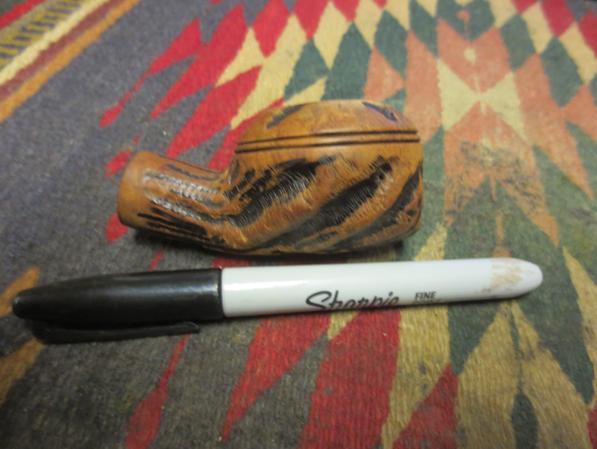
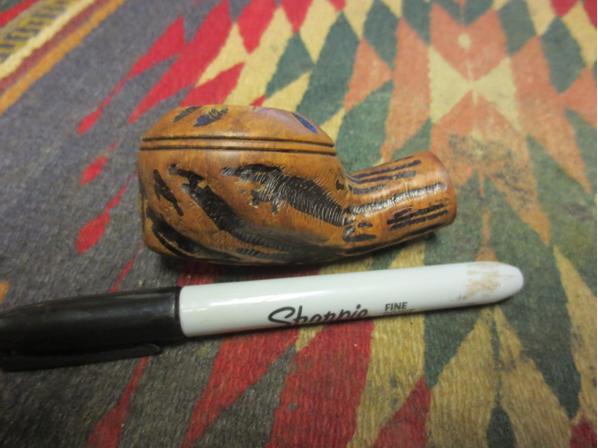
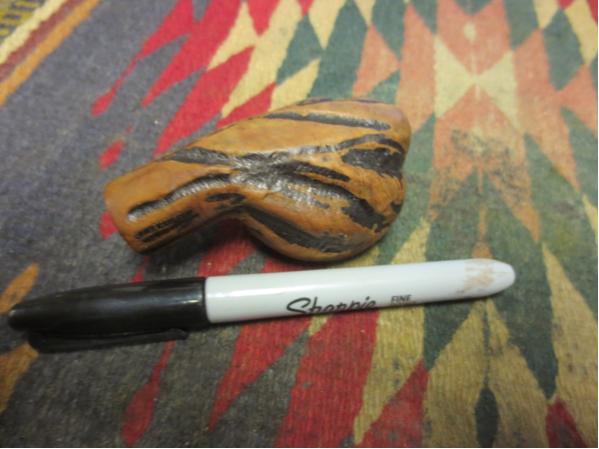
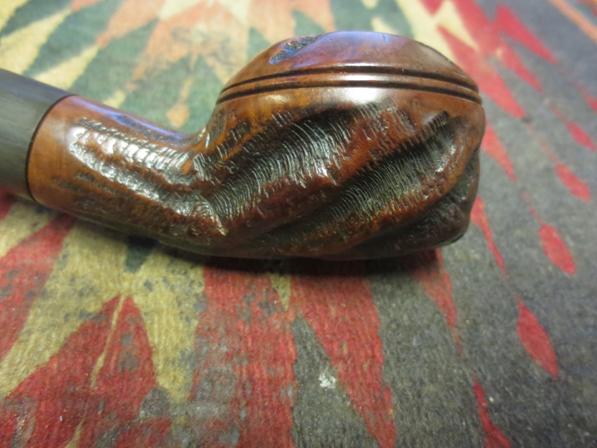
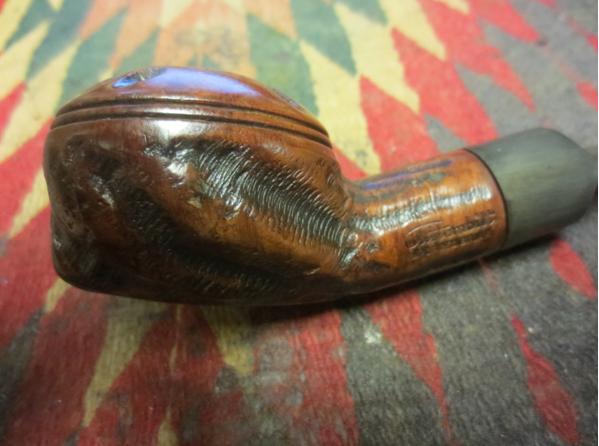
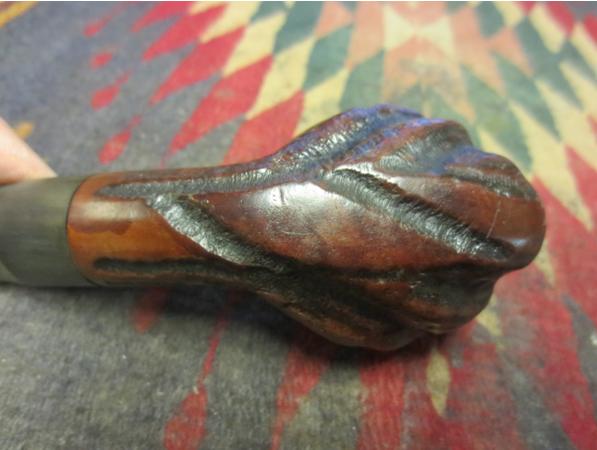
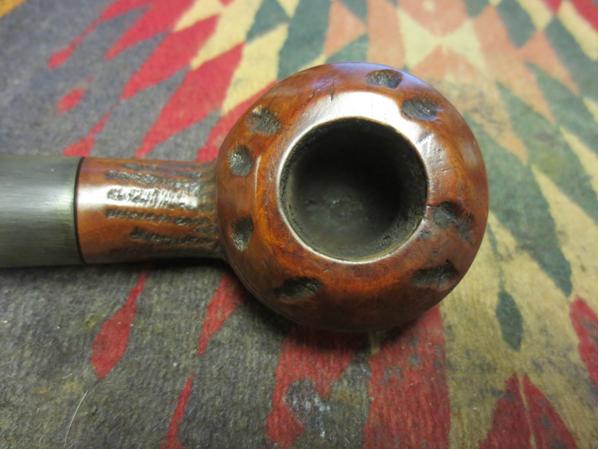
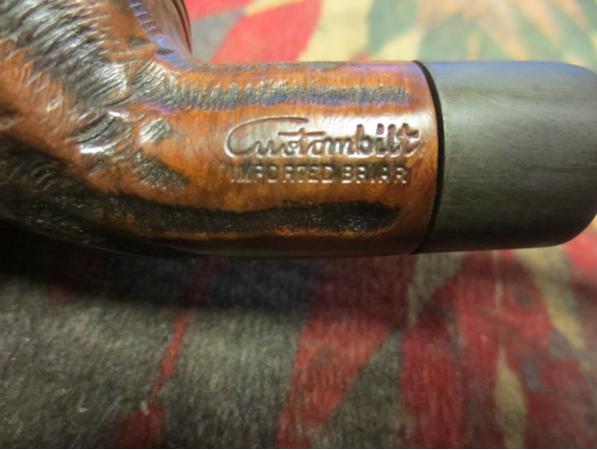
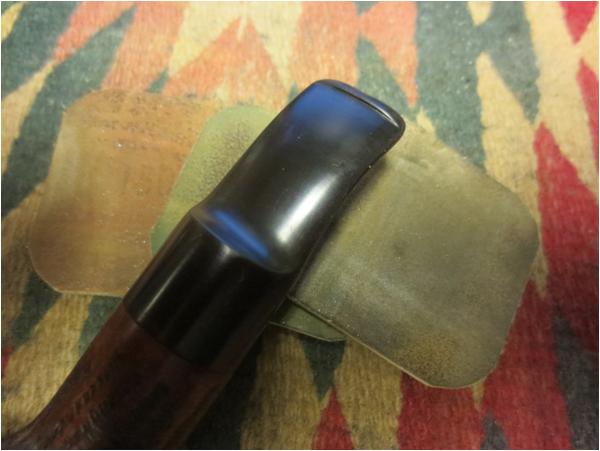
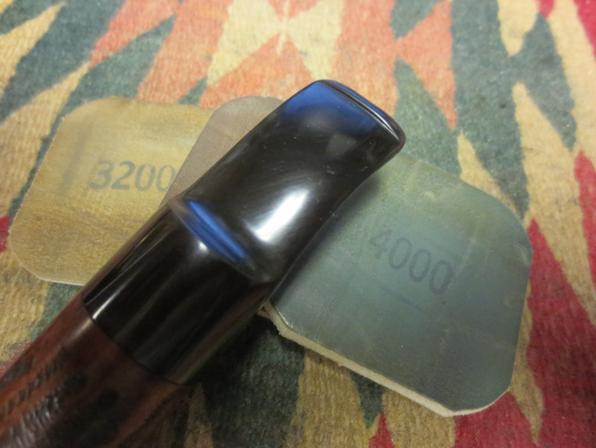
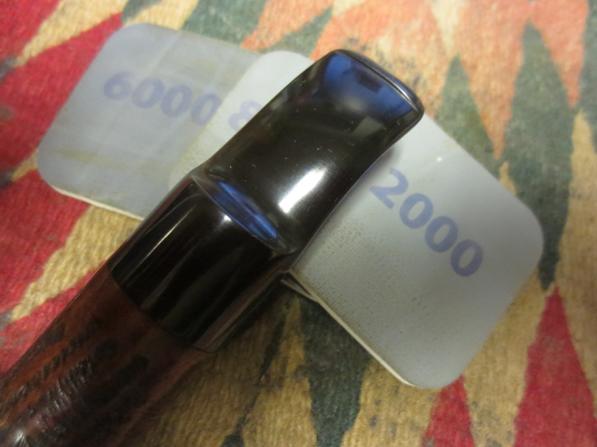
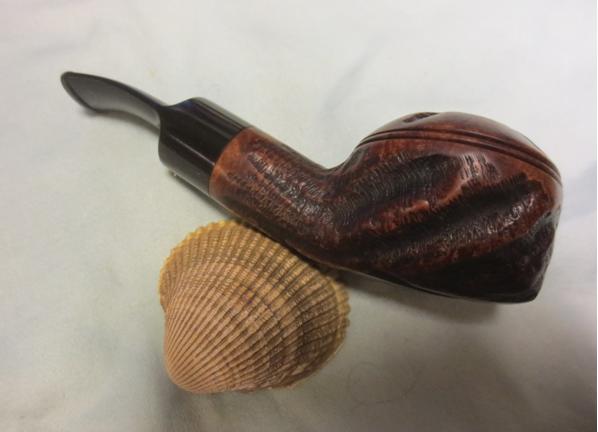
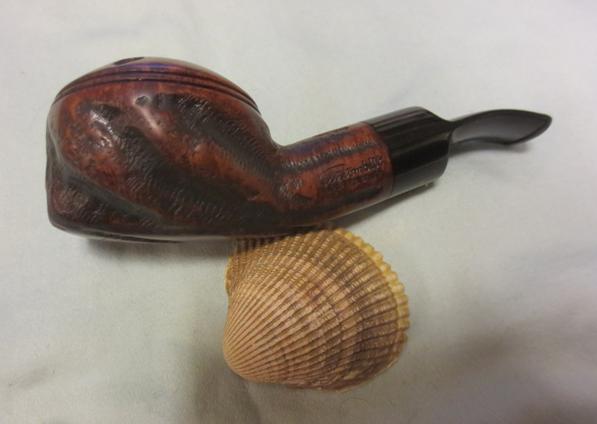
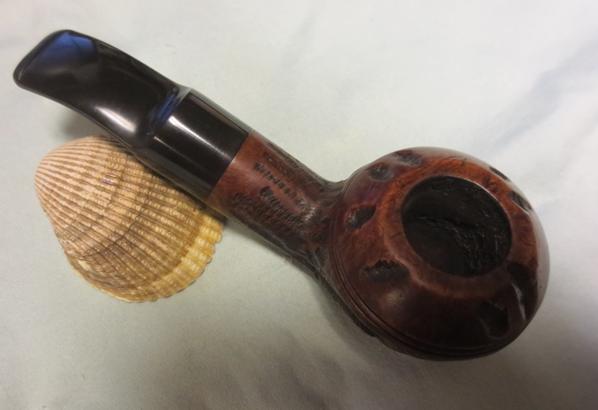
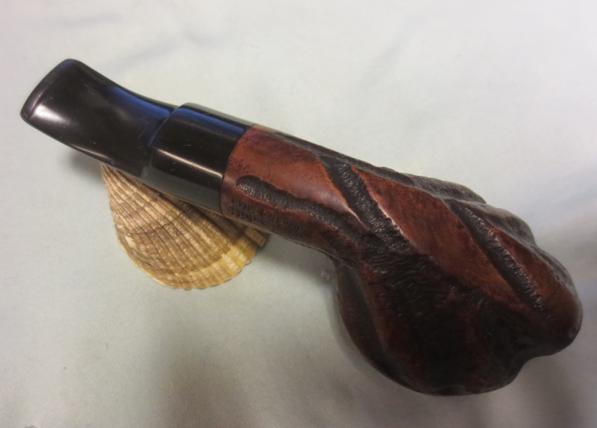
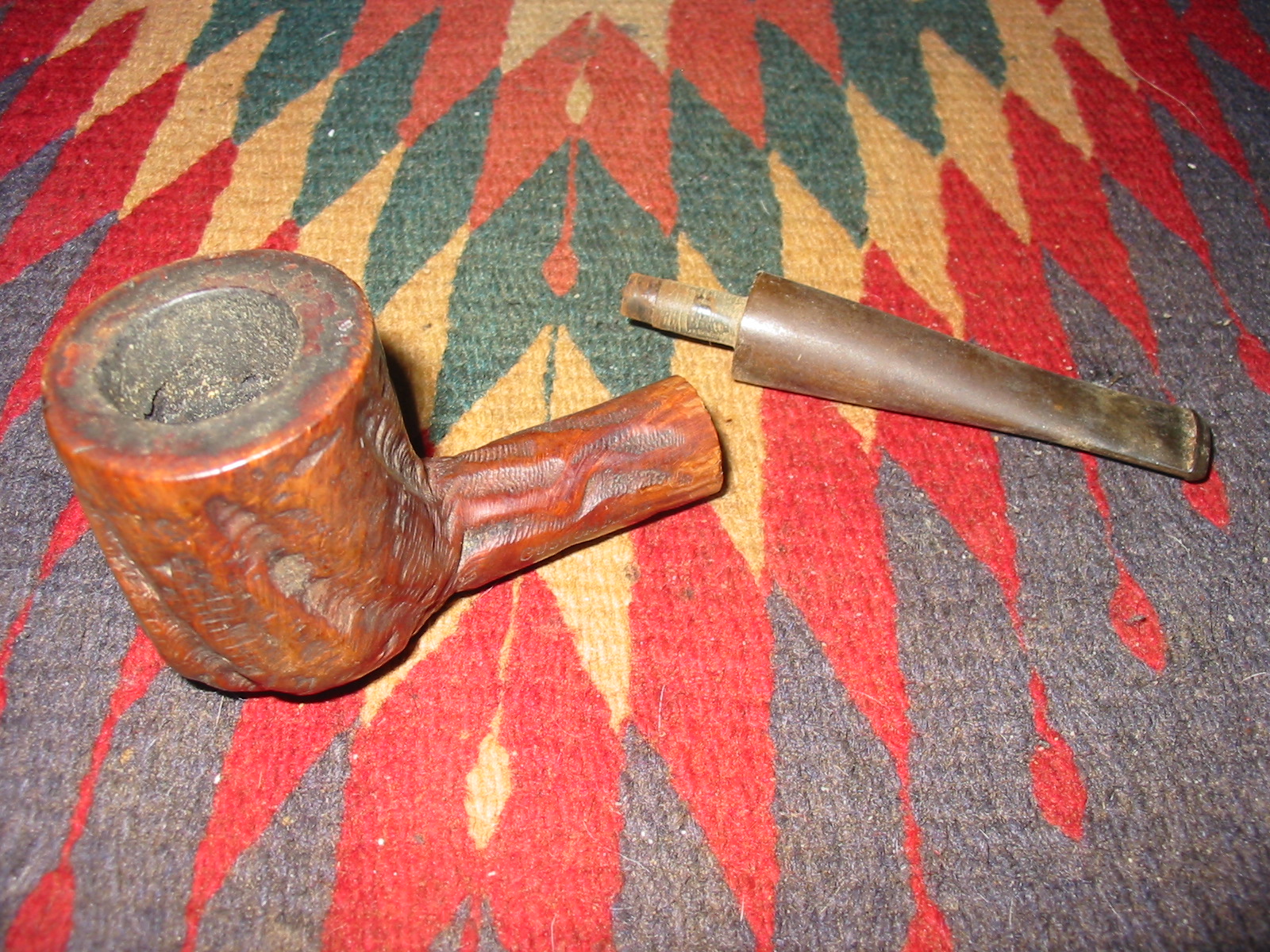
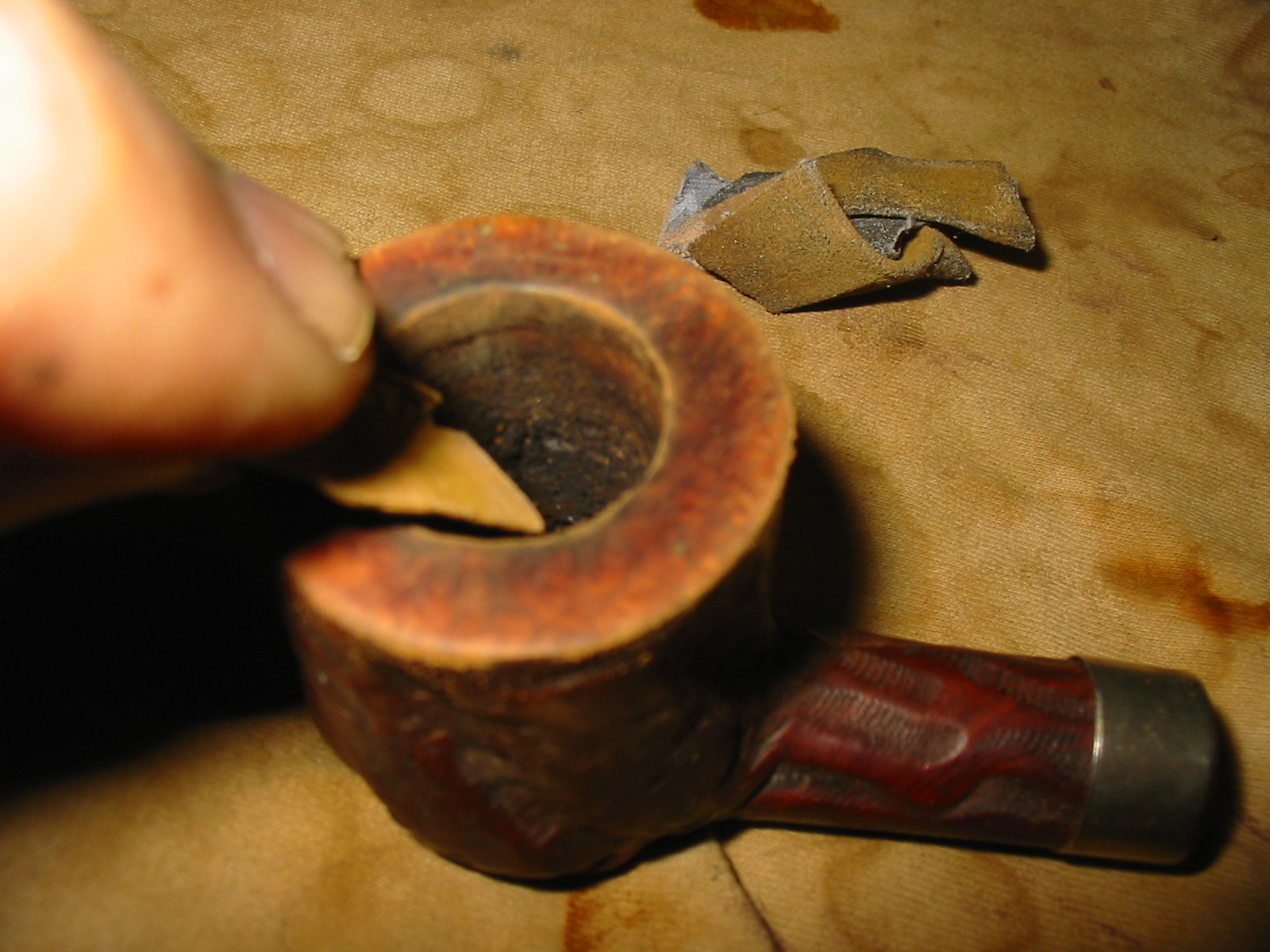
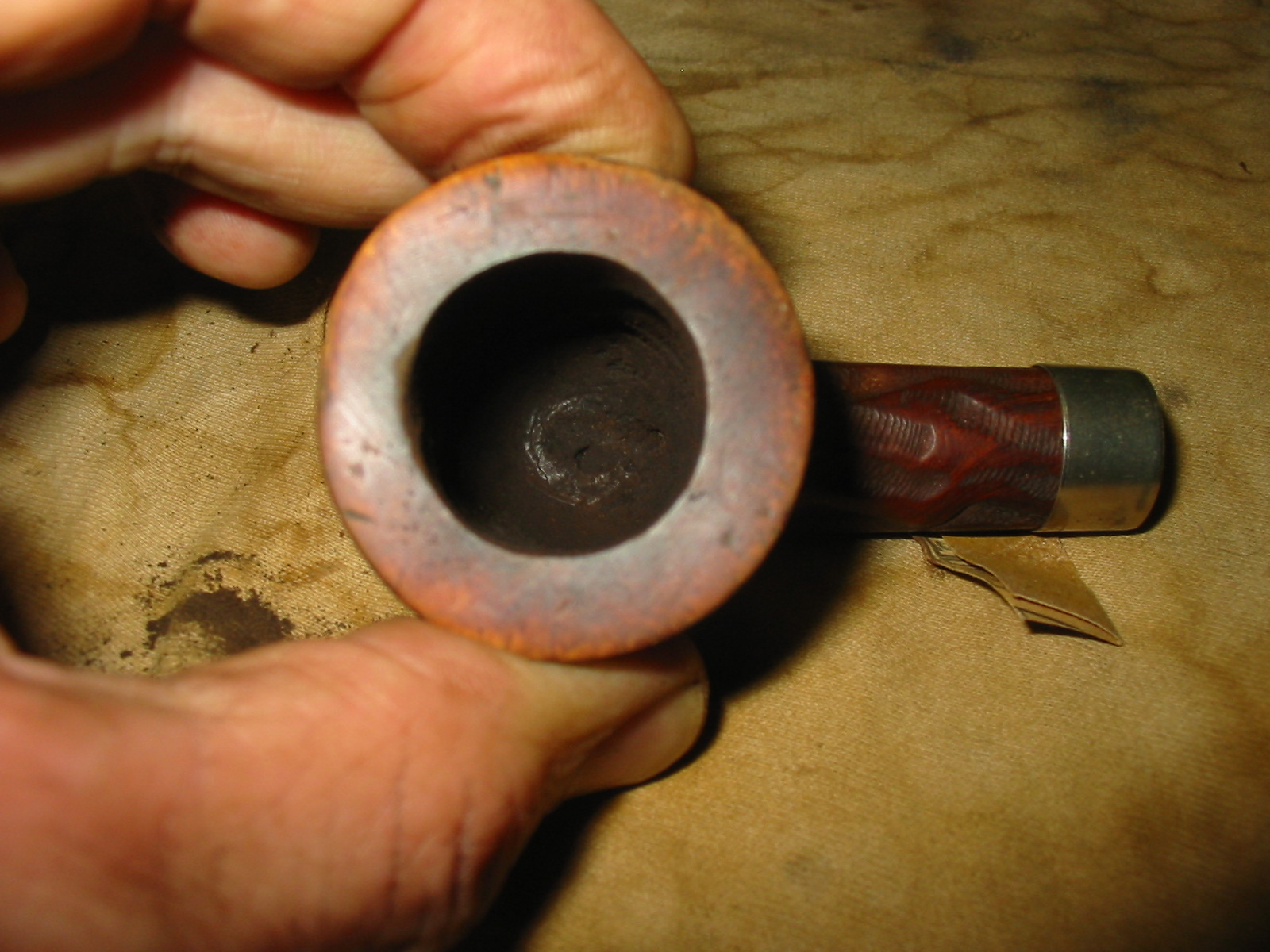
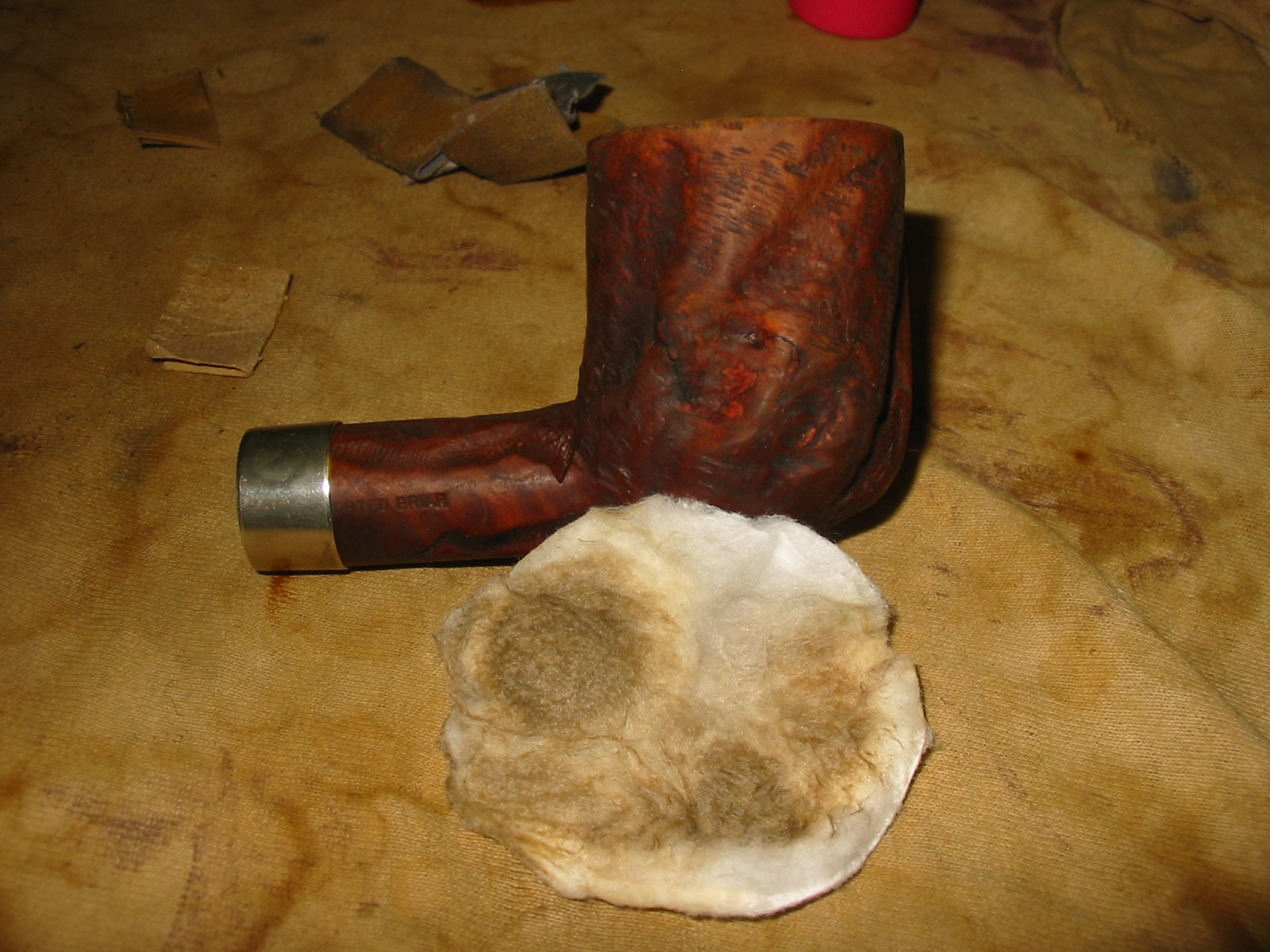
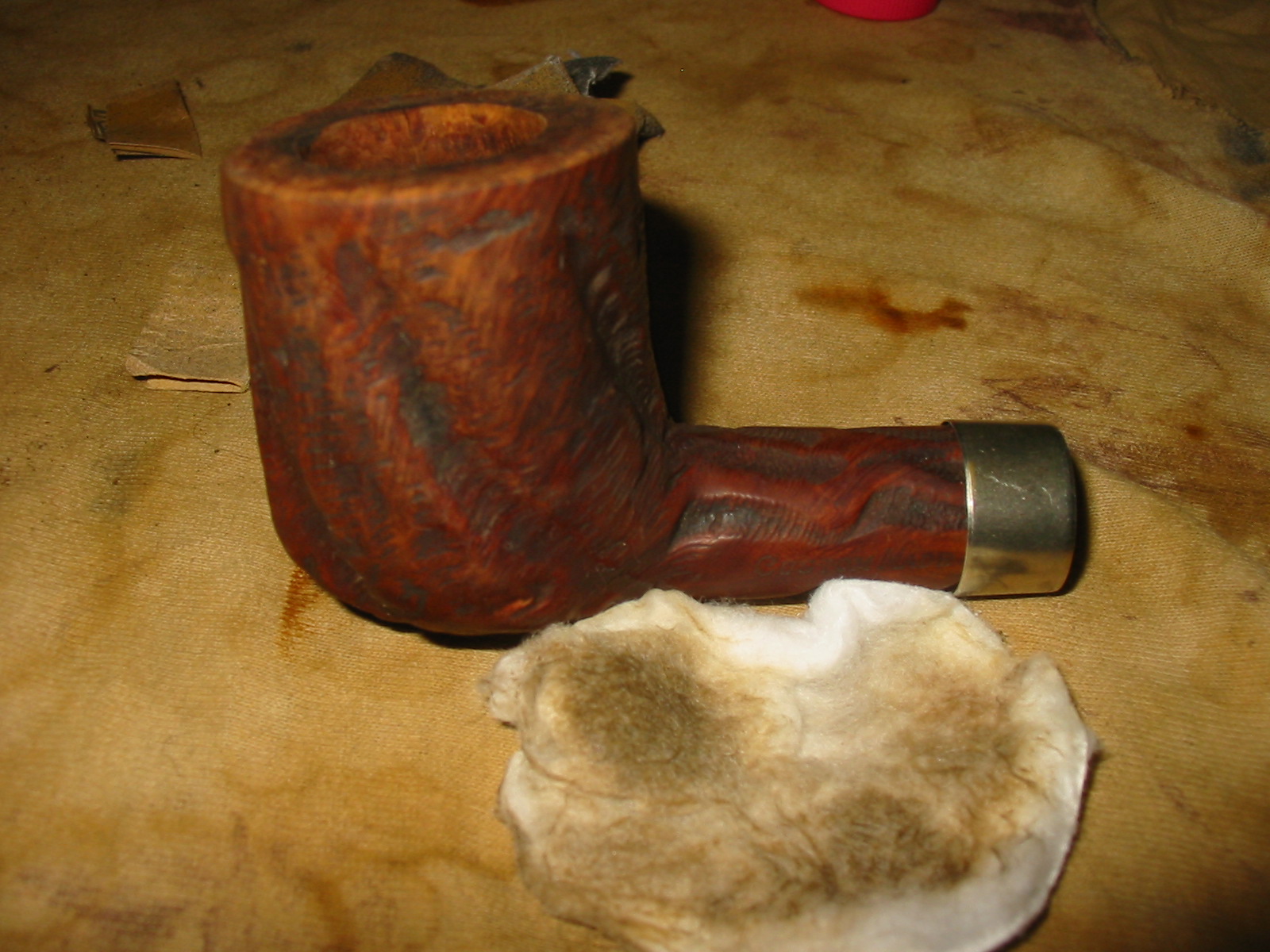
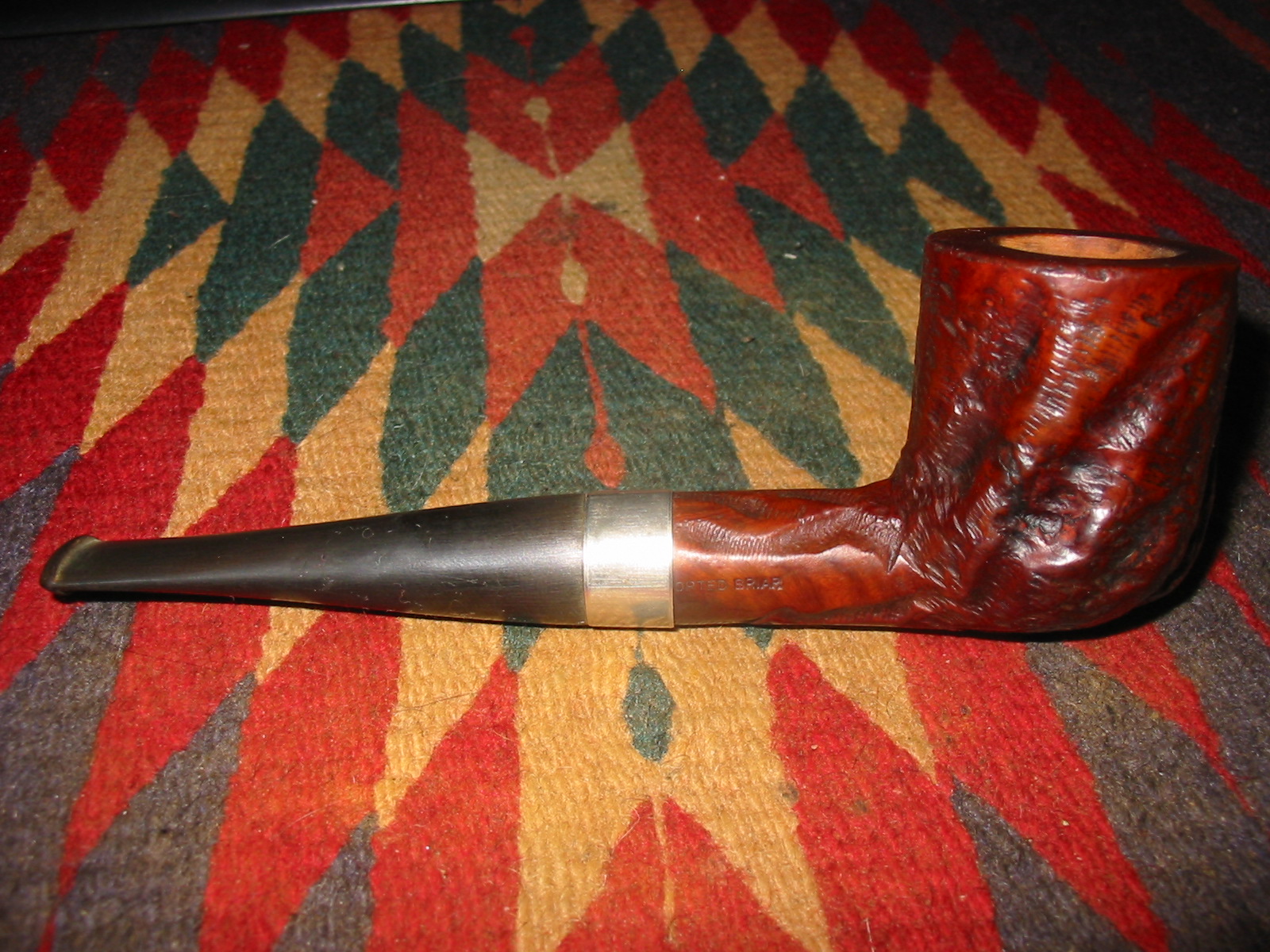
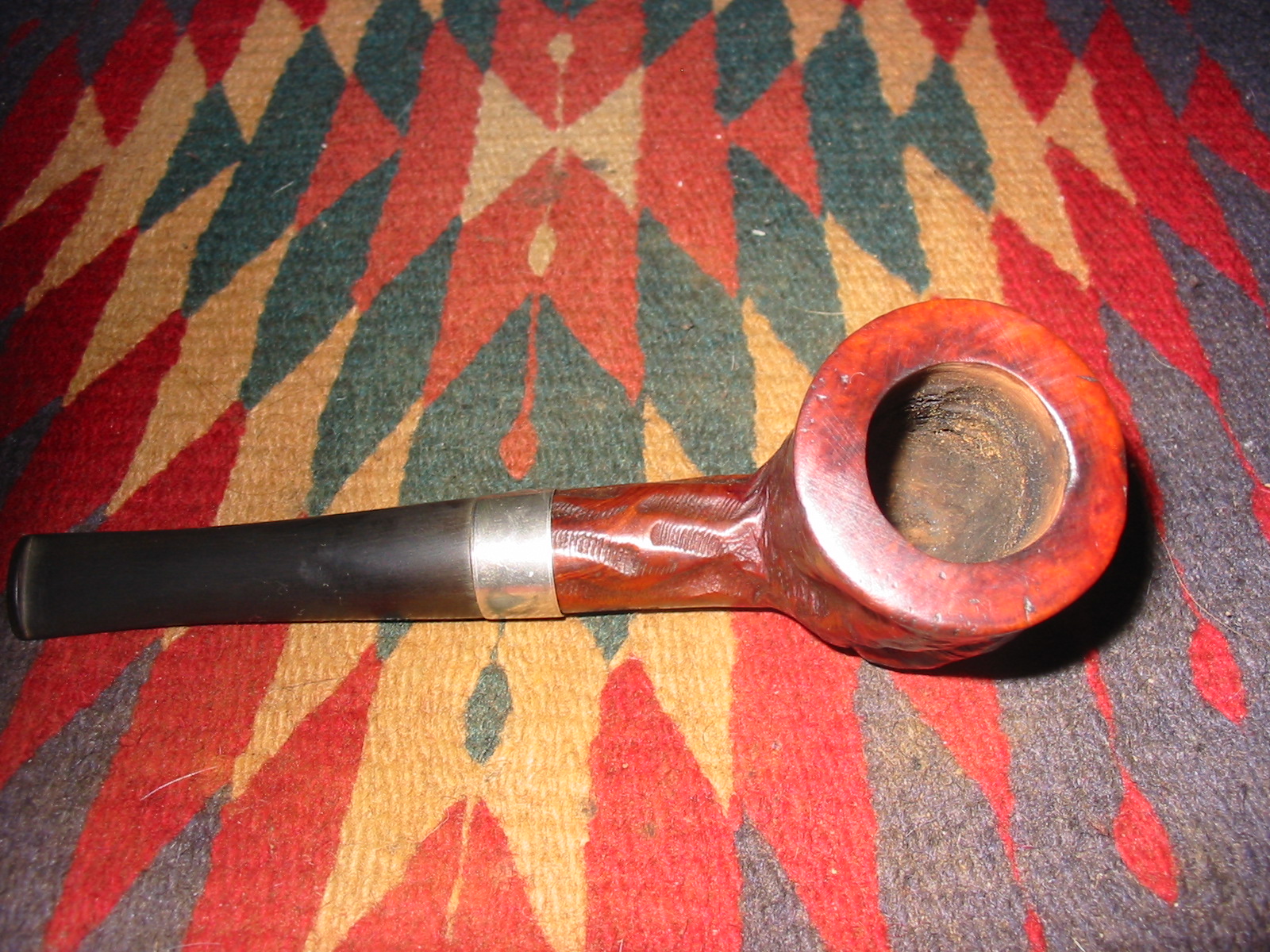
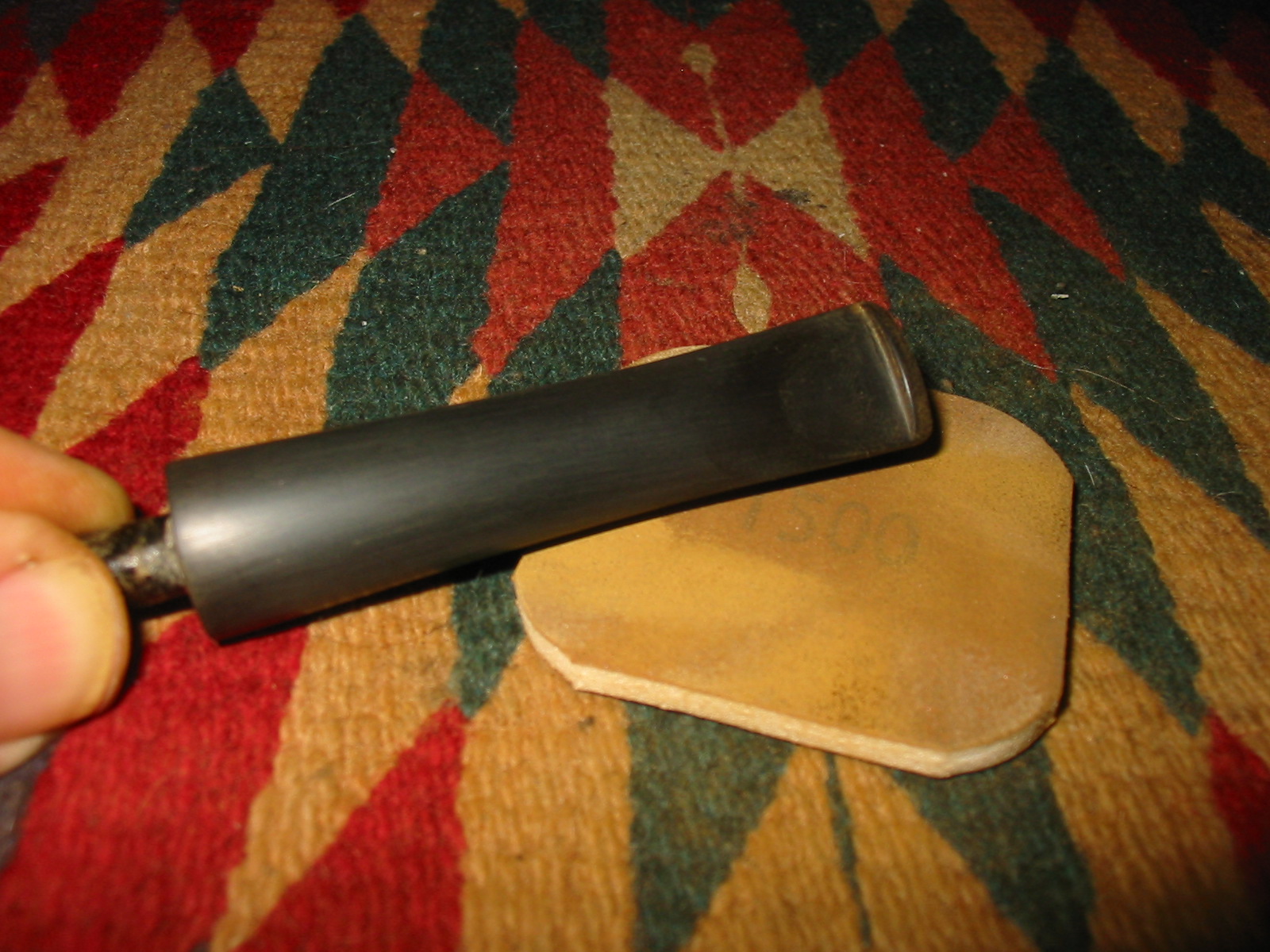
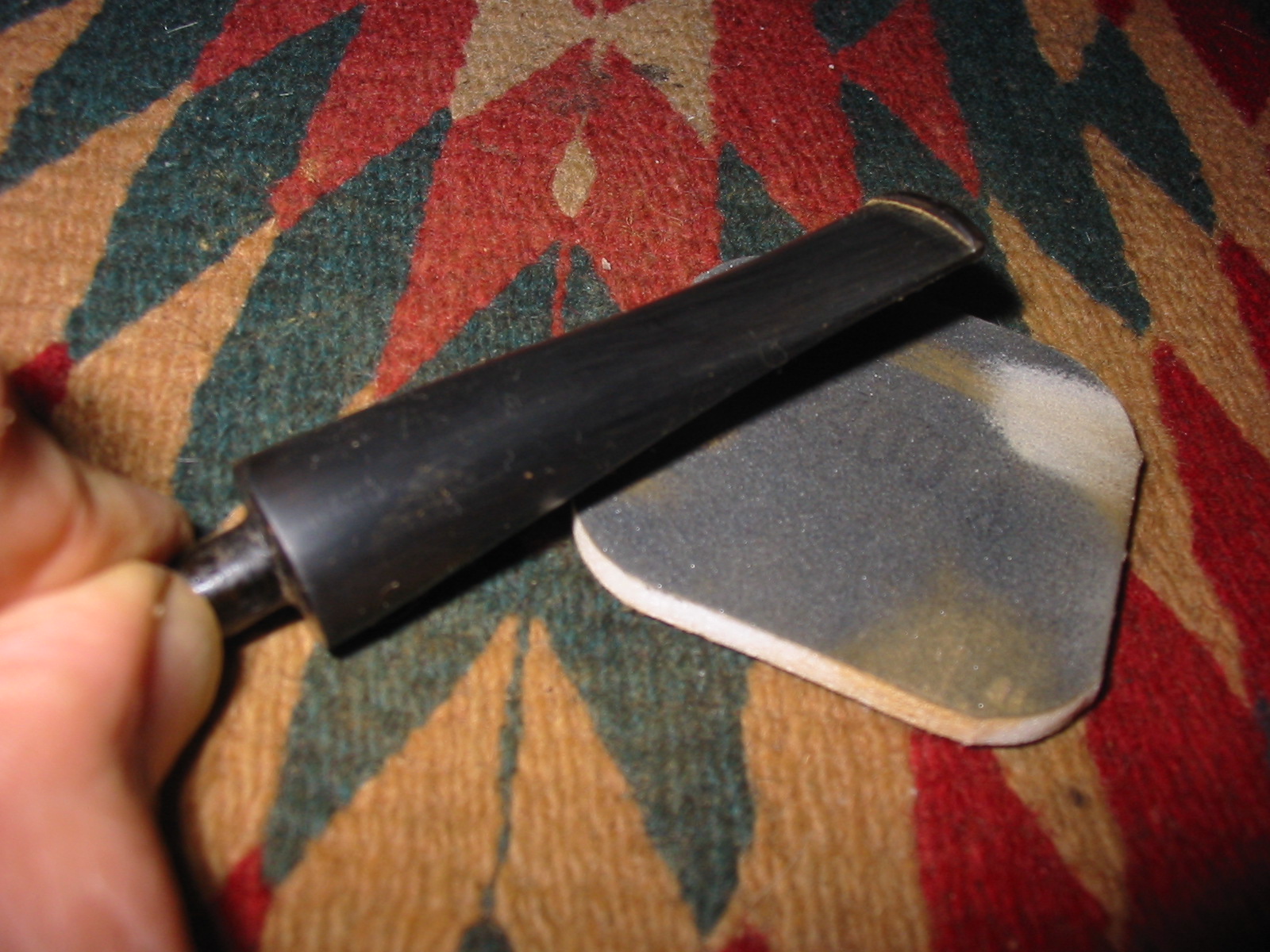
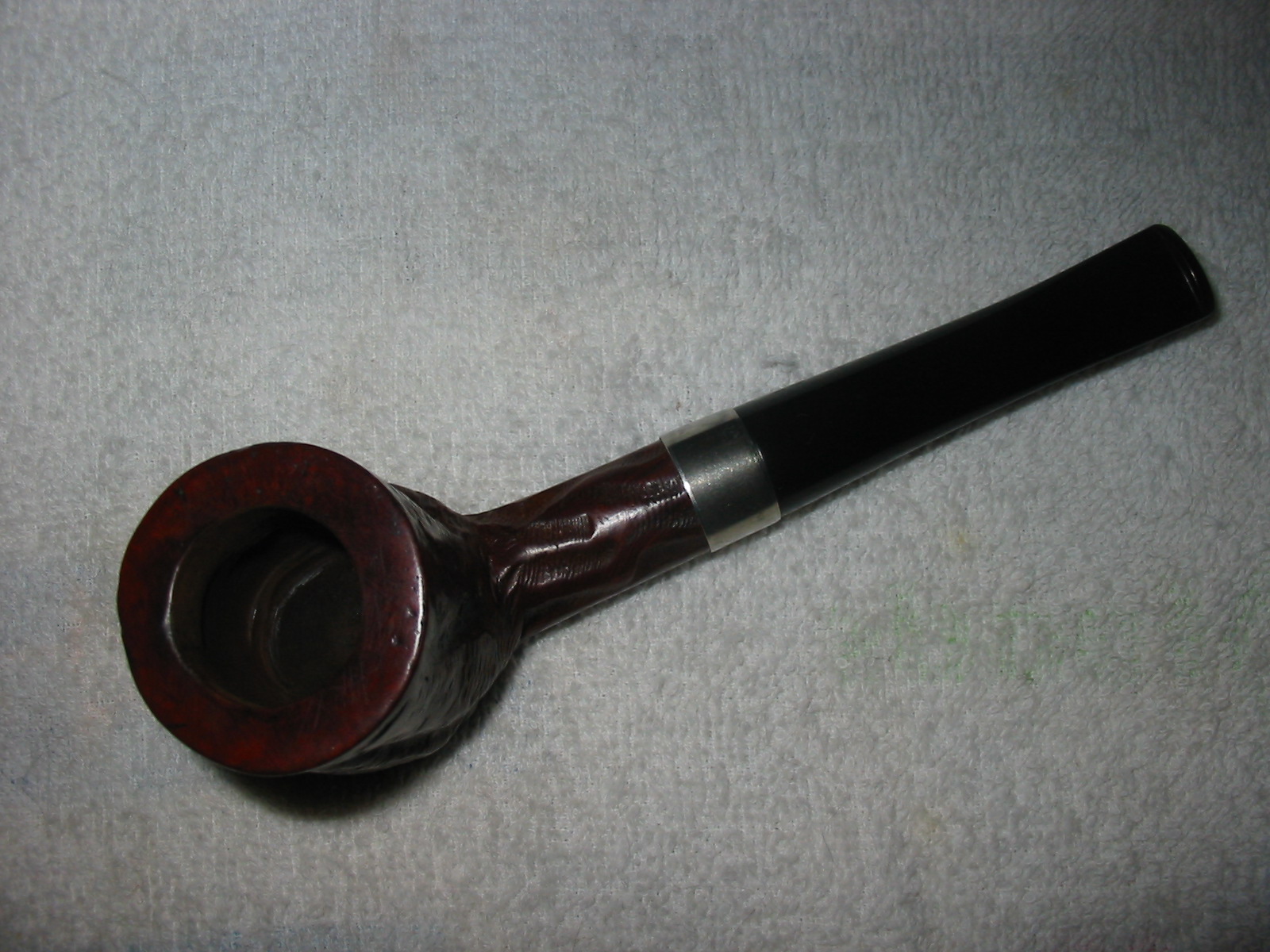
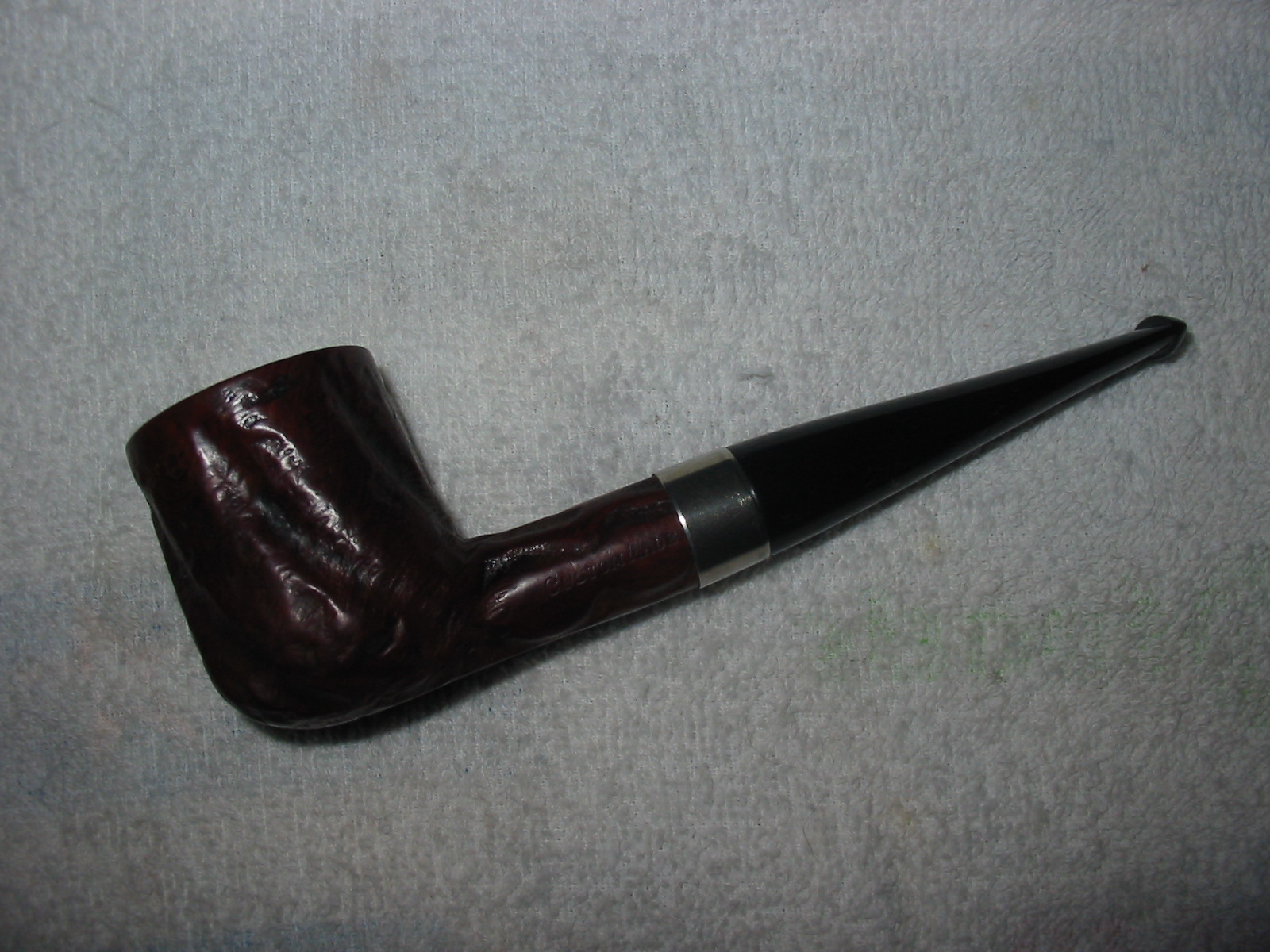
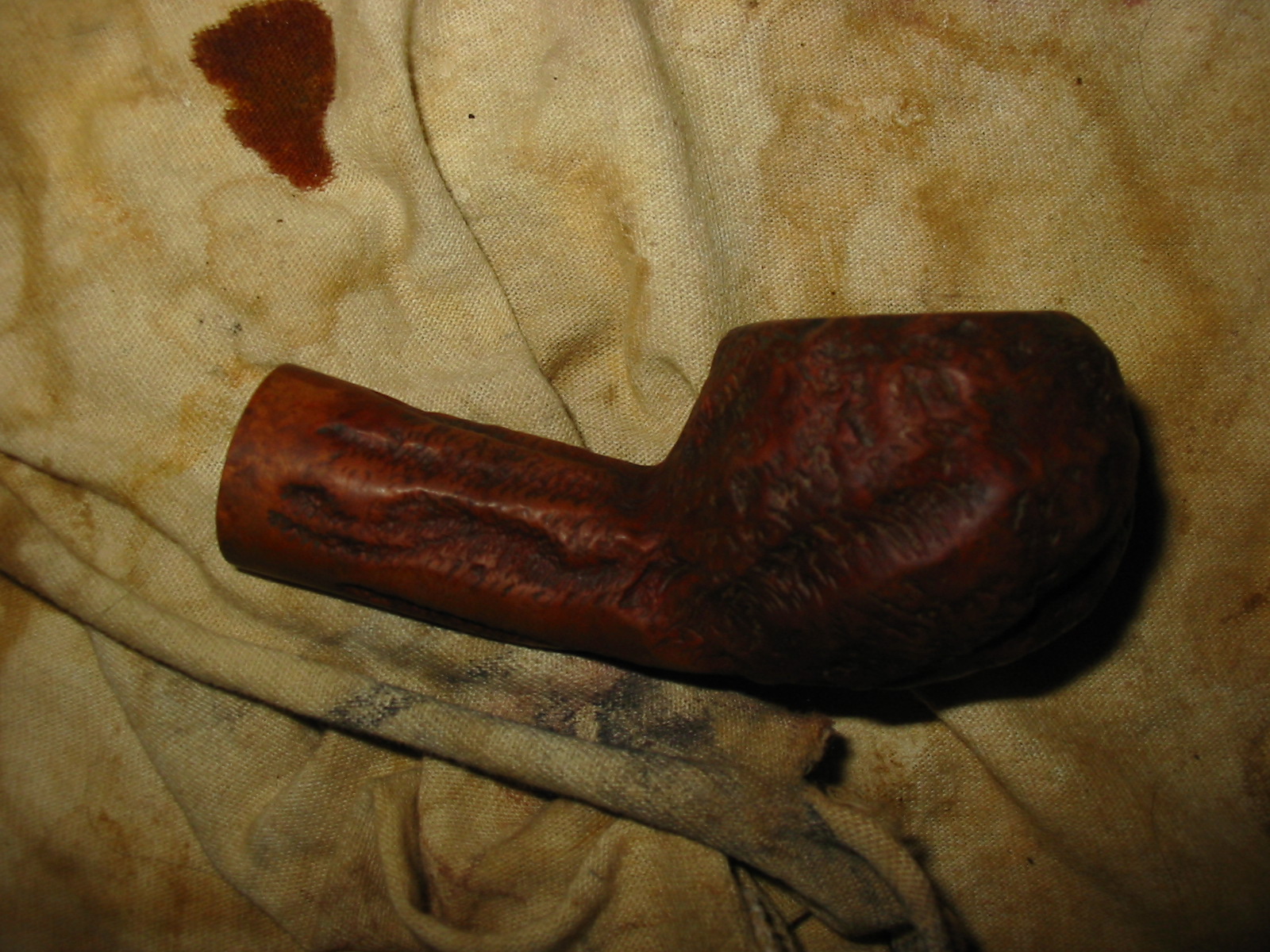
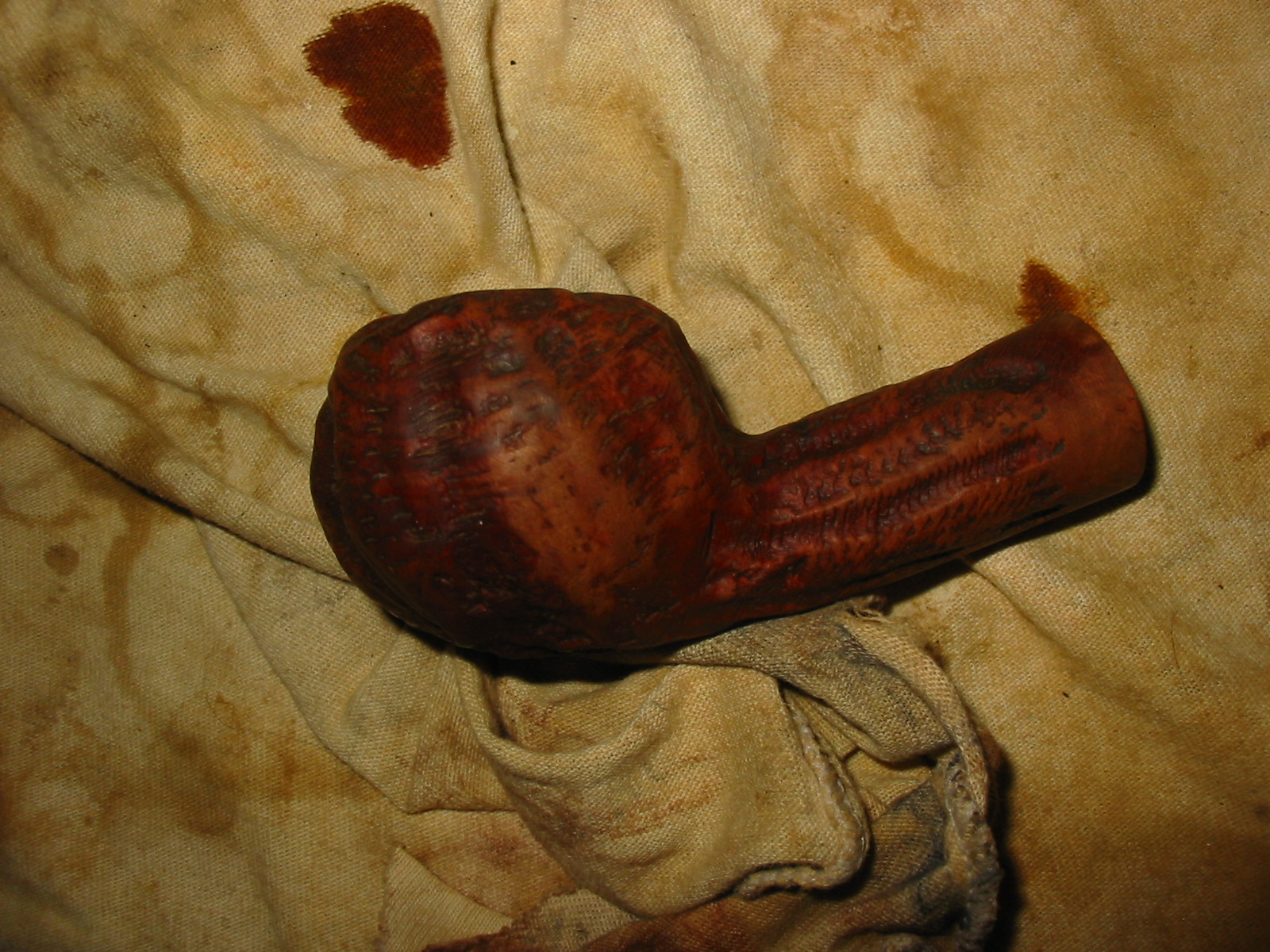
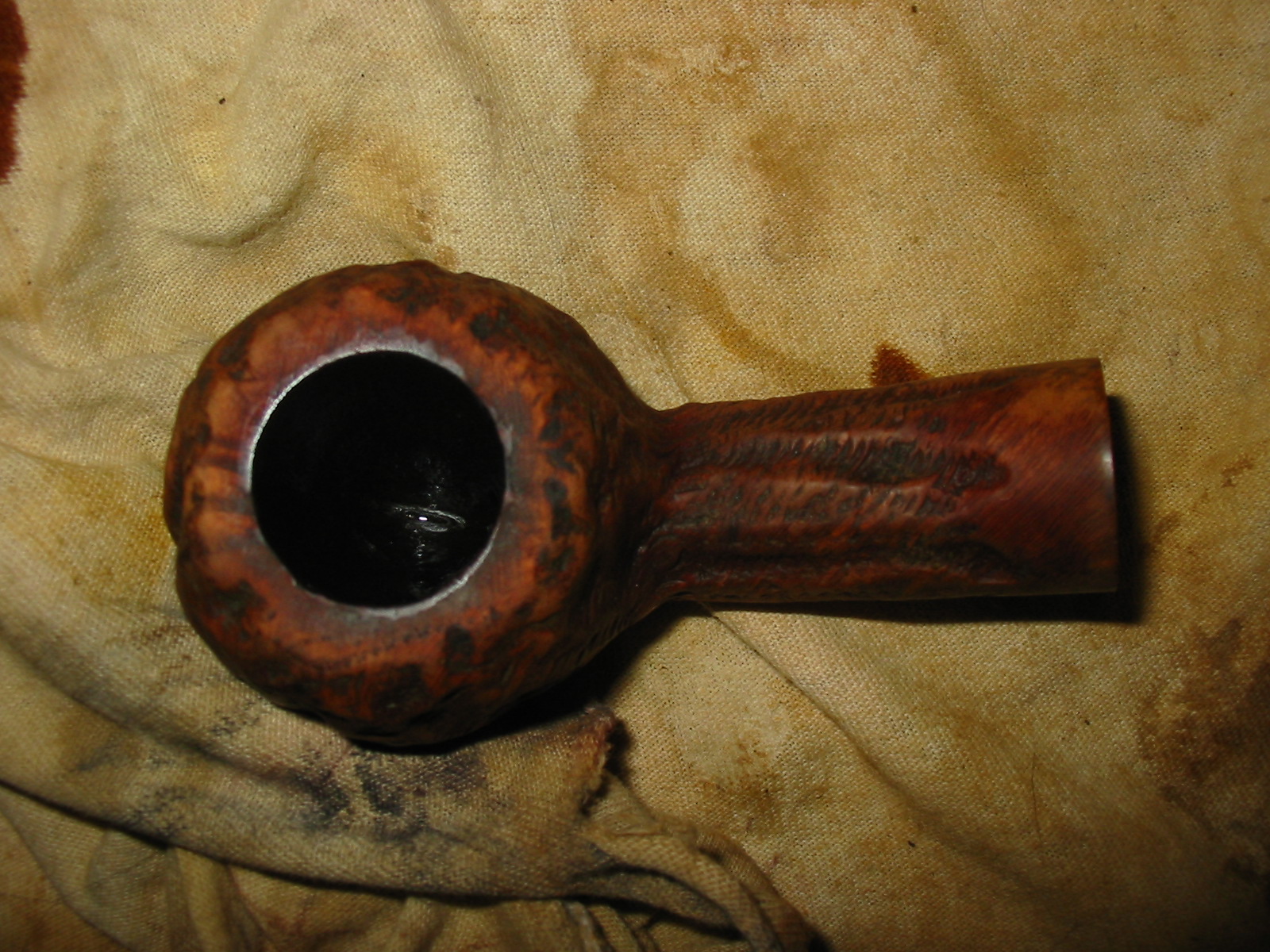
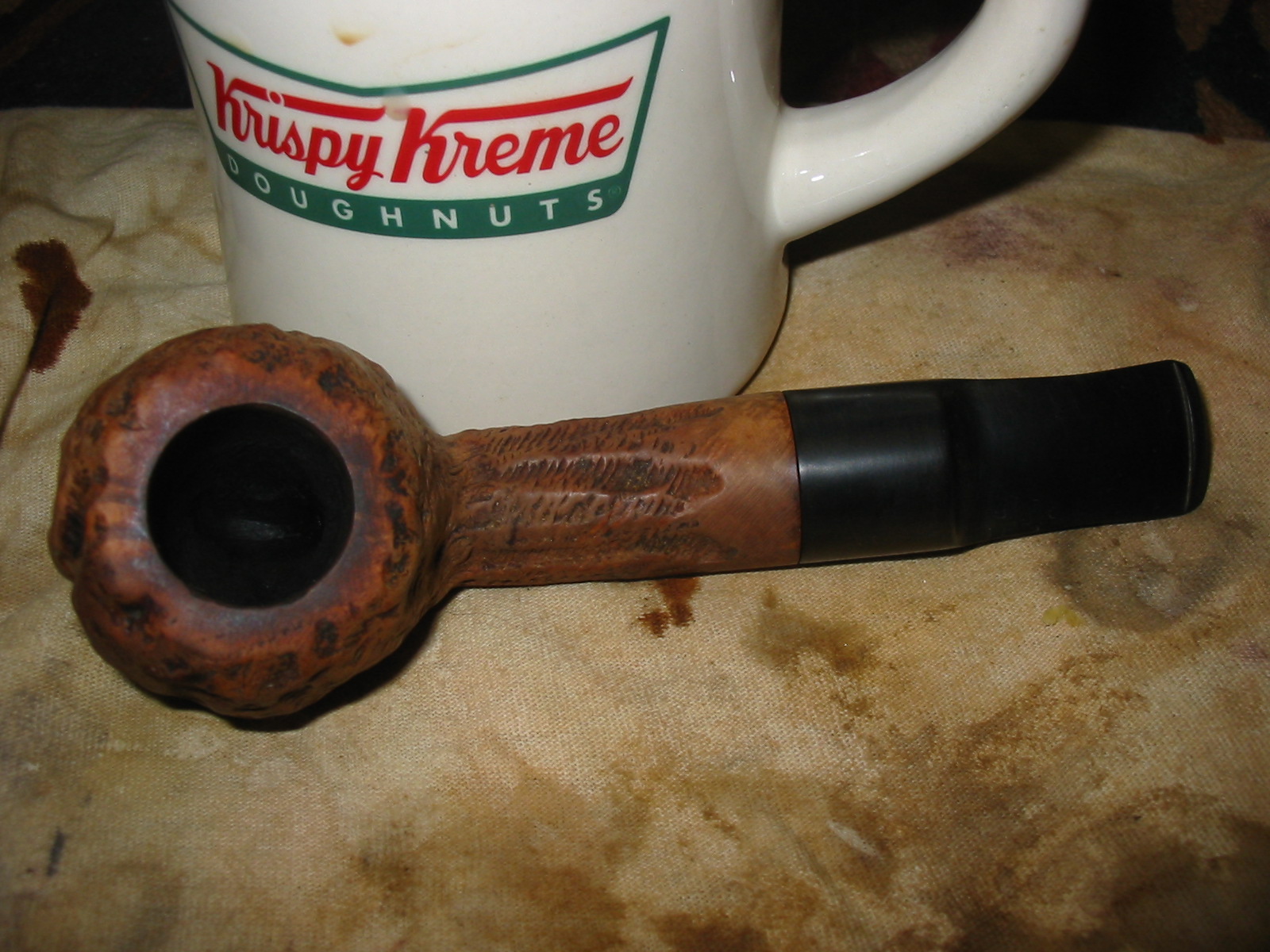
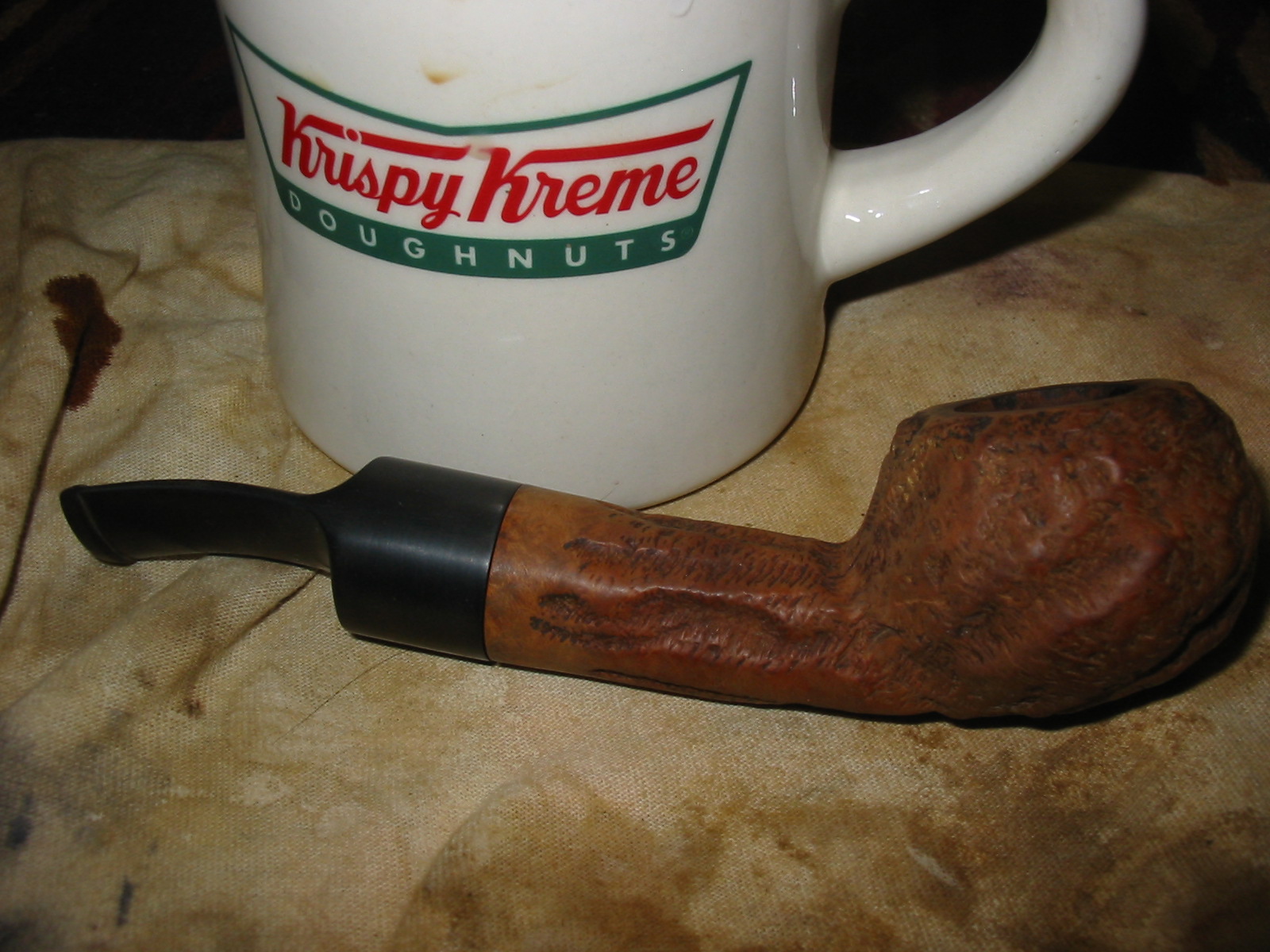
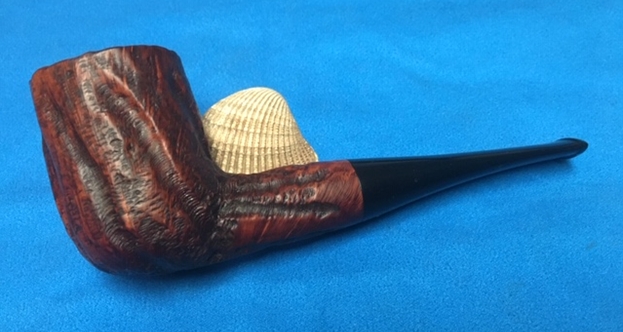
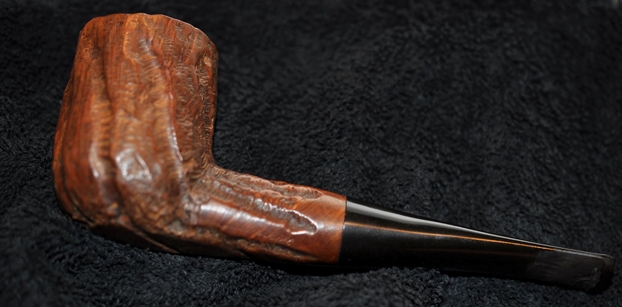
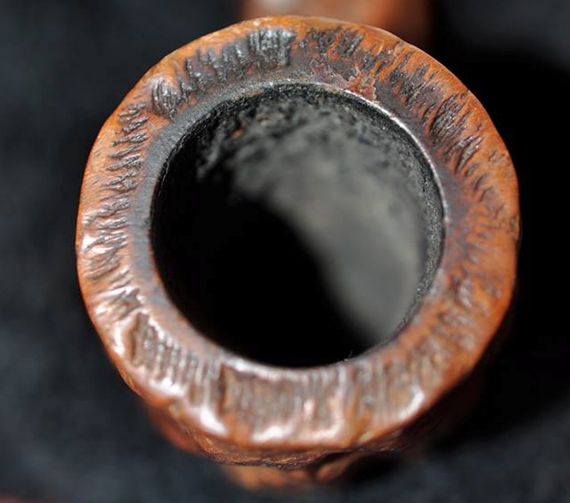
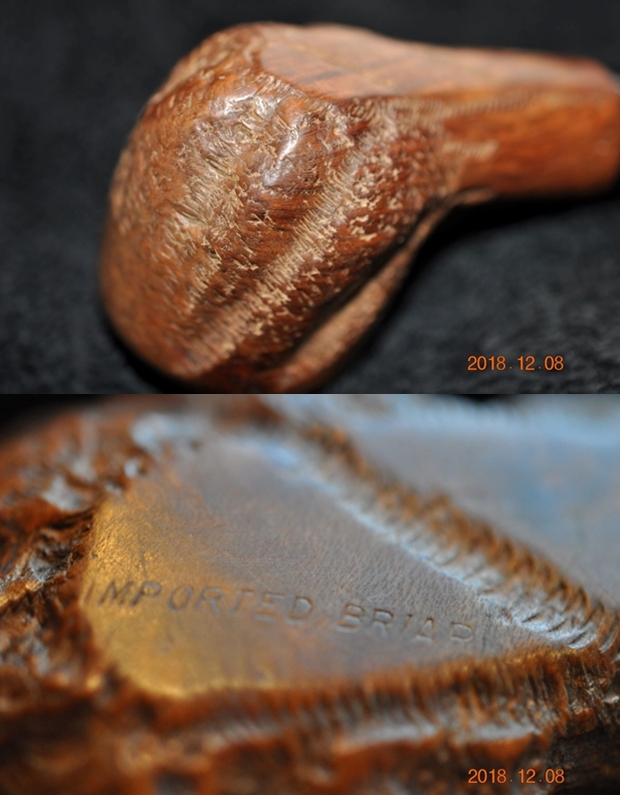
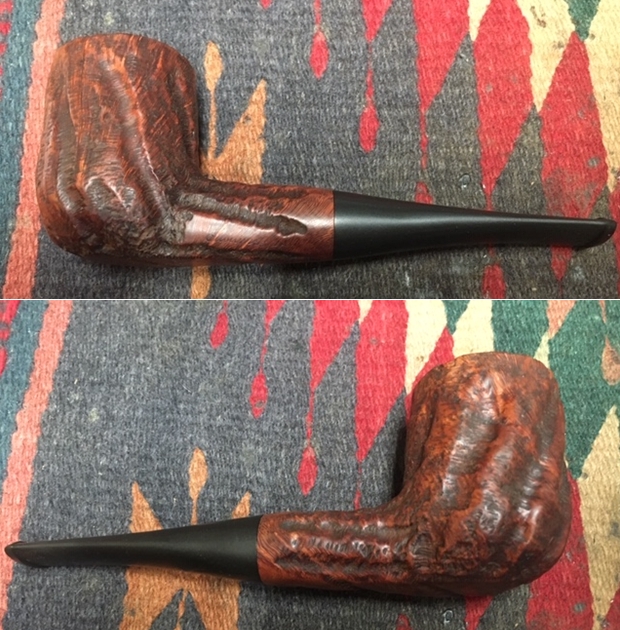
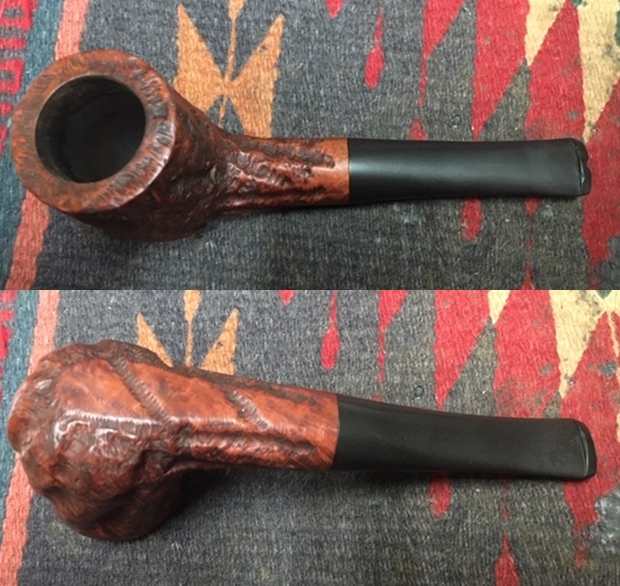
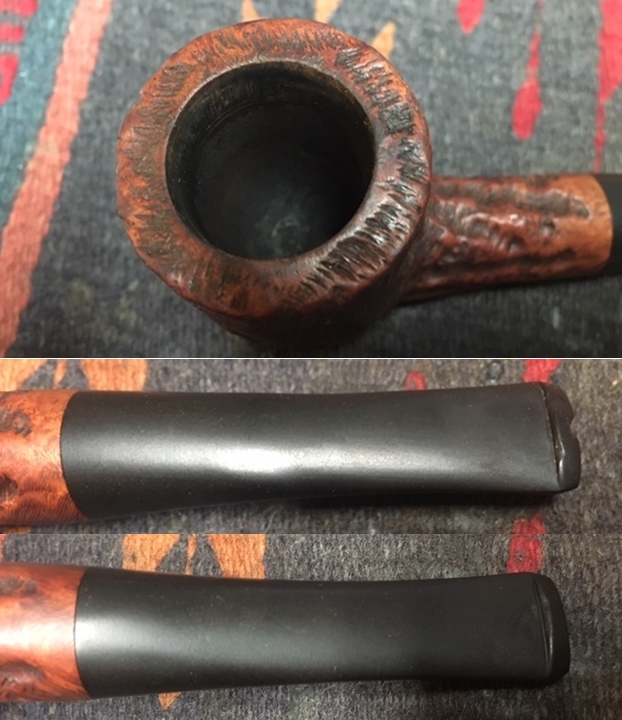
I have always been intrigued by Tracy Mincer and his Custom-Bilt pipes and even his Custombilt pipes like this one. There is something about the rugged carving and appearance of the pipes that gets my attention. I have a few of them in my collection and always enjoy the tactile nature of the pipe when it is being smoked. This old billiard has the Custombilt stamp and I will need to reacquaint myself with the eras of the various spellings of the brand so that I can place it in the hierarchy. The pipe was in pretty decent condition when Jeff received it – dirty but really not too bad. The finish was dusty and dirty in the worm trail carvings. The bowl had a decent cake in it that was lightly flowing over the rim top into the rustication. The inner and outer edge of the bowl appeared to be in great condition. The stem had a chip out of the edge of the button on the topside and tooth marks in the stem just ahead of the button on the underside. The smooth part of the shank, between the worm trails is stamped Custombilt in script on the left side. On a smooth panel on the heel of the bowl it is stamped Imported Briar. Jeff took these pictures of the pipe to show its condition before he started his cleanup work. He took close up photos of the rim top and the side and bottom of the bowl to show the condition of the briar and the bowl. You can see the cake in the bowl and the lava overflowing onto the top of the rim. The worm trail rustication is quite dusty and dirty. The photos of the stem show the tooth chatter and marks as well as the chip out of the topside of the button.When I brought the pipe to my worktable I did some reading on Pipedia to before starting the restoration. I have learned that it is important to keep the variations in spelling of this brand clear in mind when trying to put these on a timeline. The names Custom-Bilt, Custombilt, and other variations help place the pipes in the history of the Company.
There is a great article on Pipedia that helps understand the brand and give a sense of what the various stamping looks like on the pipes (https://pipedia.org/wiki/Custom-Bilt). I cite from that article to give a feel for the brand:

In 1946, the name was changed to Custombilt after Mincer began an association with Eugene J. Rich, Inc. There were some big changes in advertising and distribution. The slogan “AS INDIVIDUAL AS A THUMBPRINT” began at this time as well.

In 1953, Leonard Rodgers bought the company and emphasized tobacco pouches and butane lighters. (However, it appears Mincer was working on his new pipe, the Doodler.) In 1968, Rodgers sold the Company to Consolidated Cigars. In the early 1970s, Wally Frank Co. bought the Custombilt trademark and began to produce their version of the pipe in 1974 or 1975. Hollco Rohr owned the Weber pipe factory, located in New Jersey, and produced the Custombilt pipes there. In 1987, the pipes were made out of the Butz-Choquin factory (France) and then Mexico until the late 1990s. Currently, the Custombilt name is owned by Tobacalera of Spain.

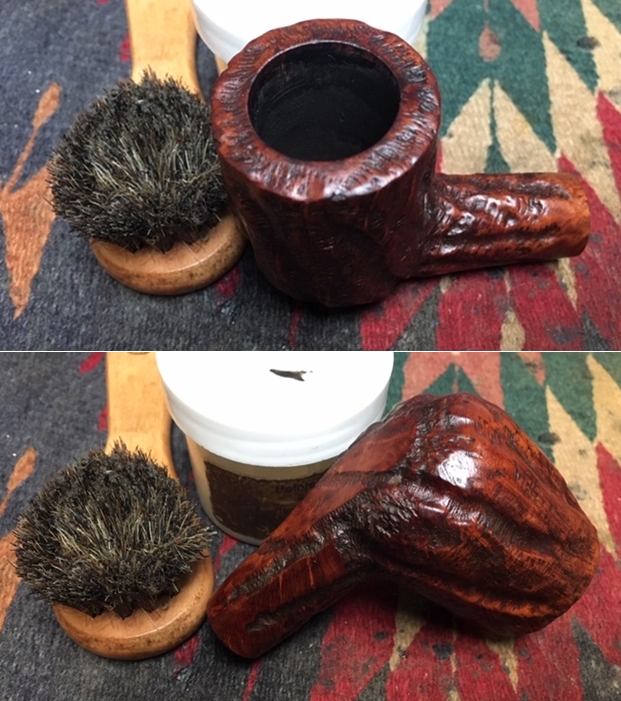
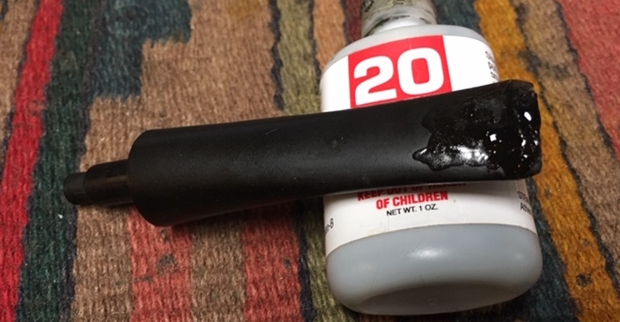
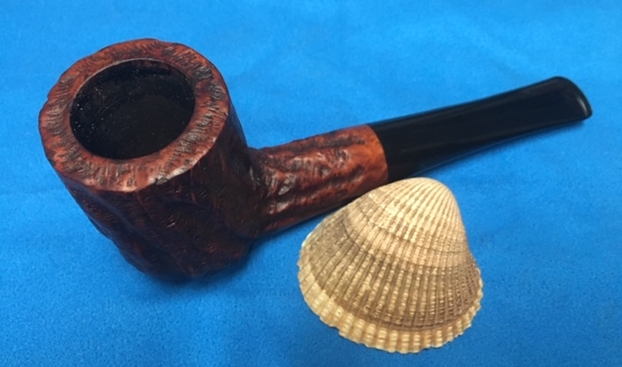
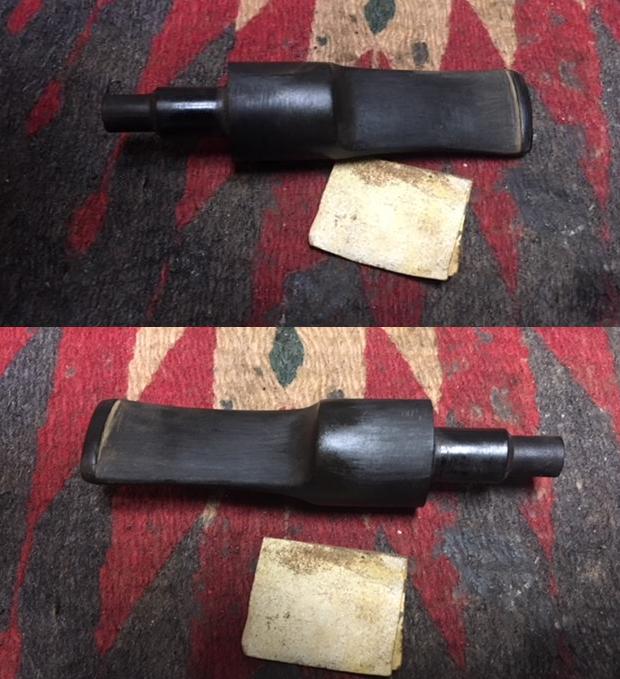
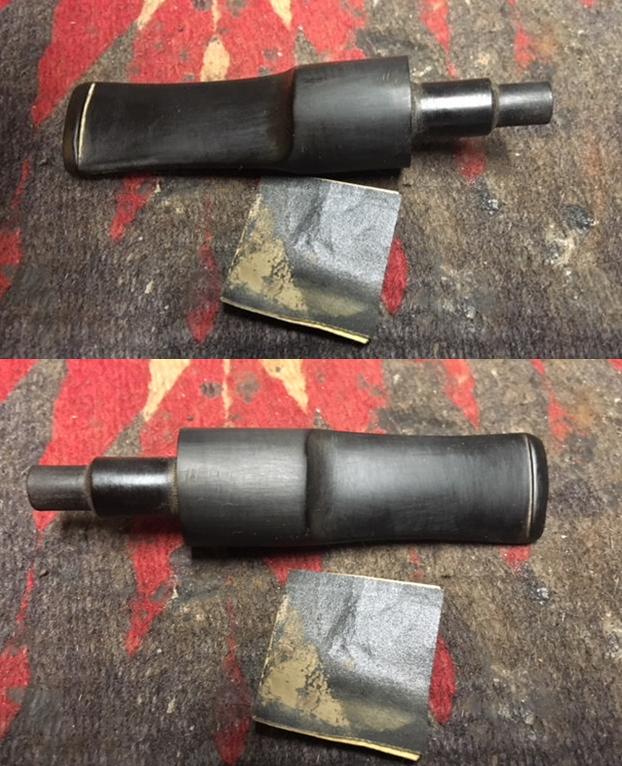
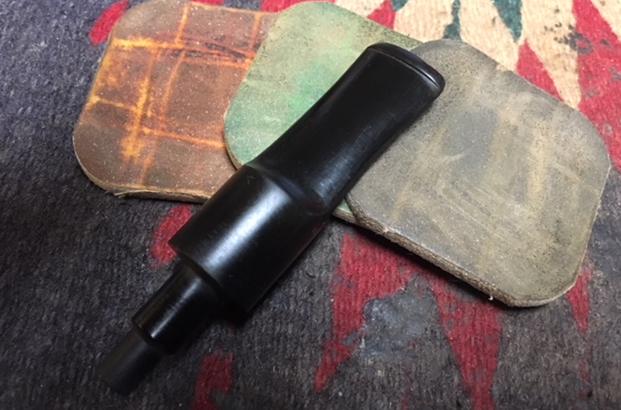
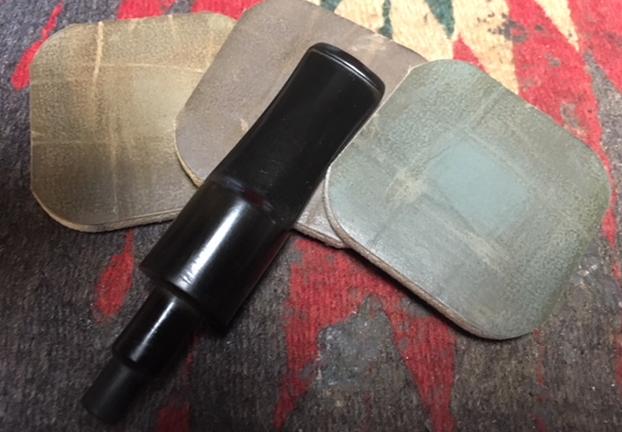
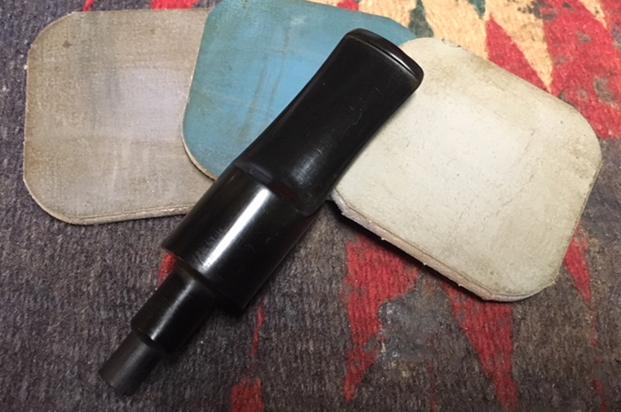
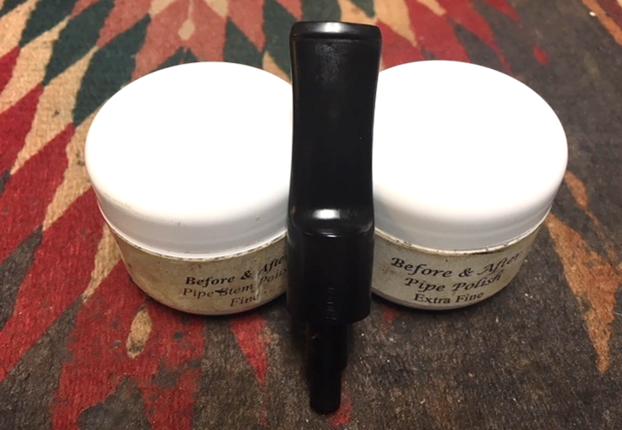
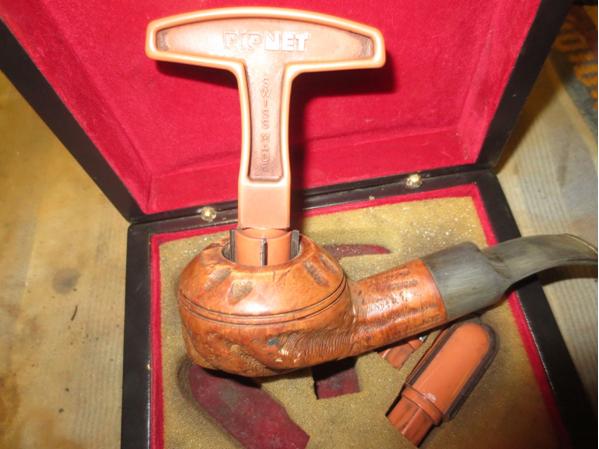
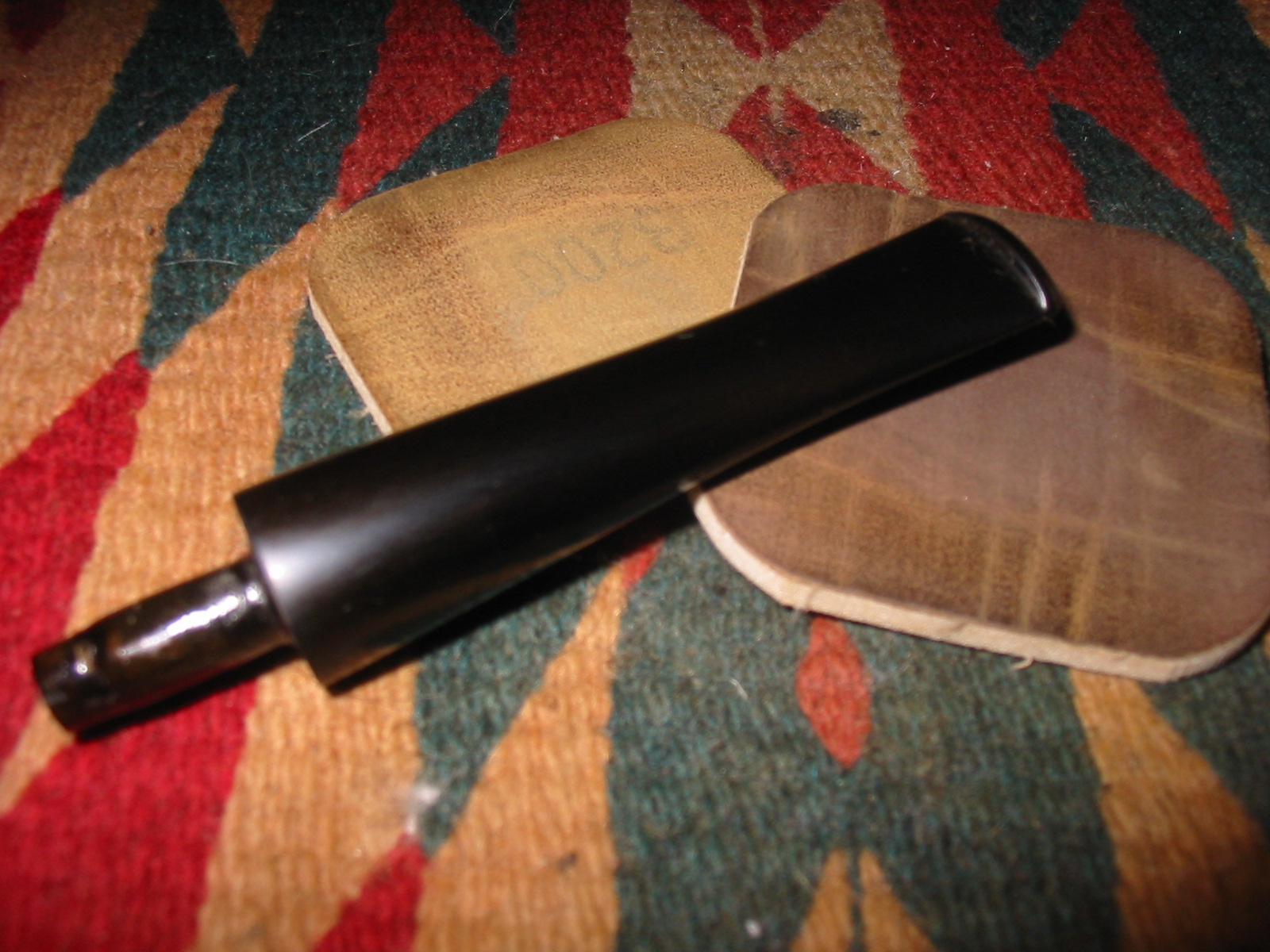
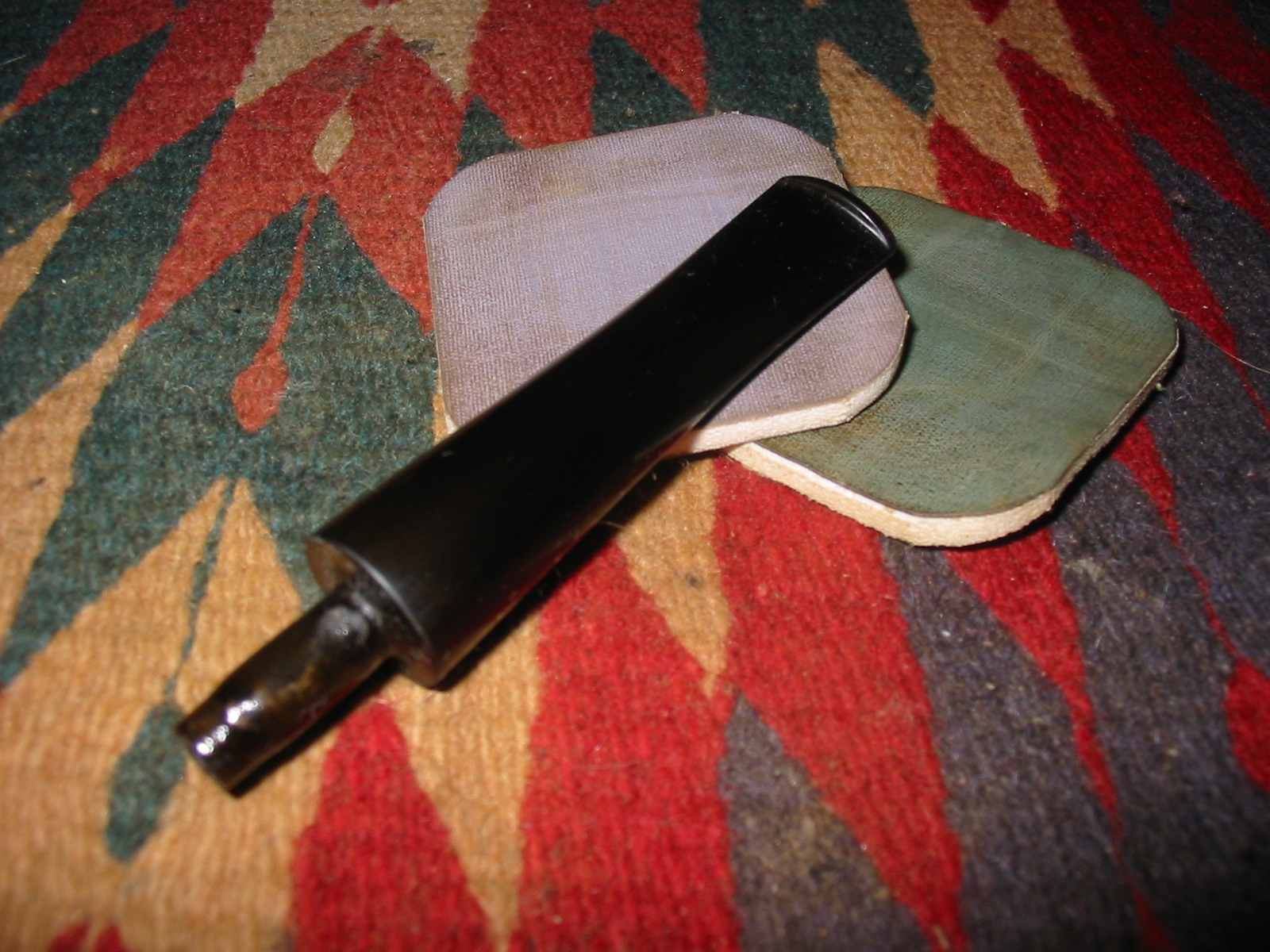
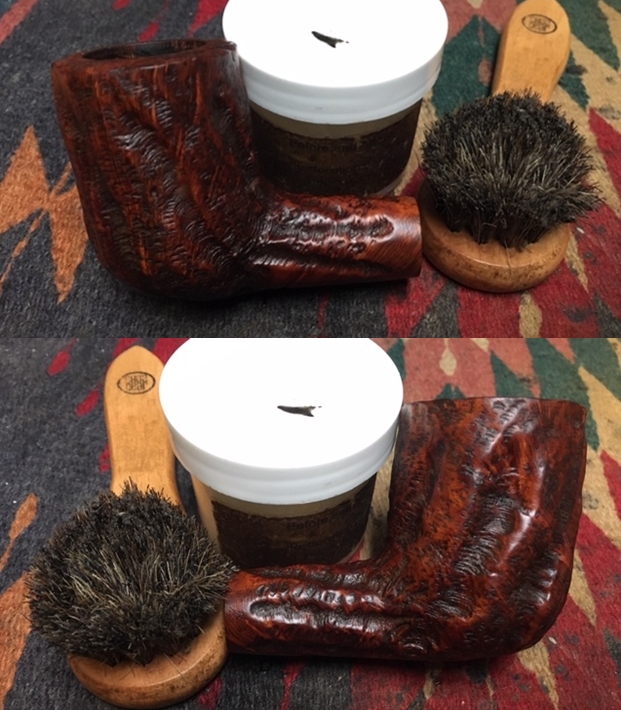
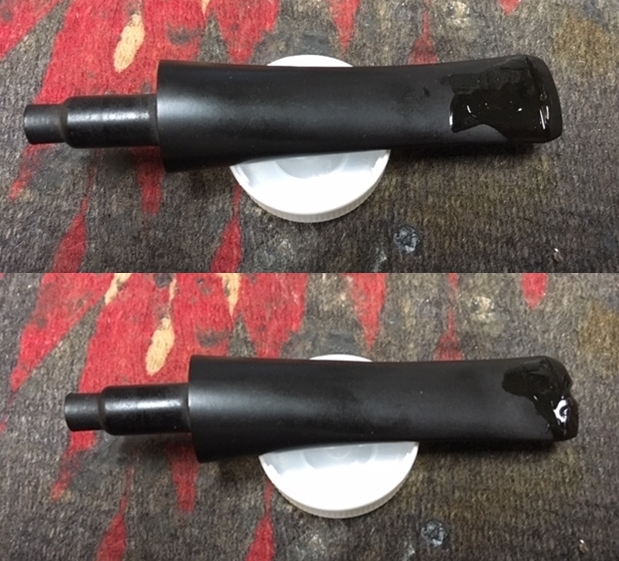
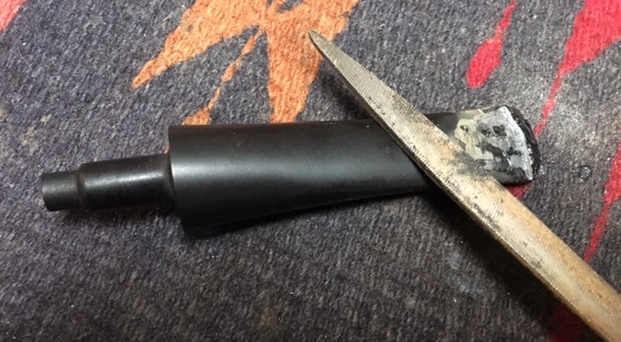
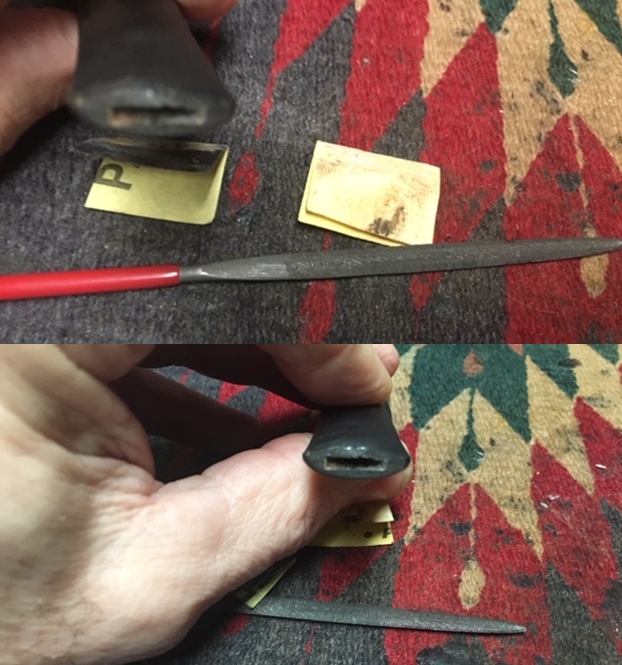
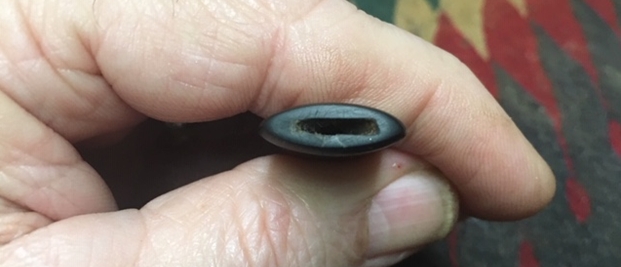
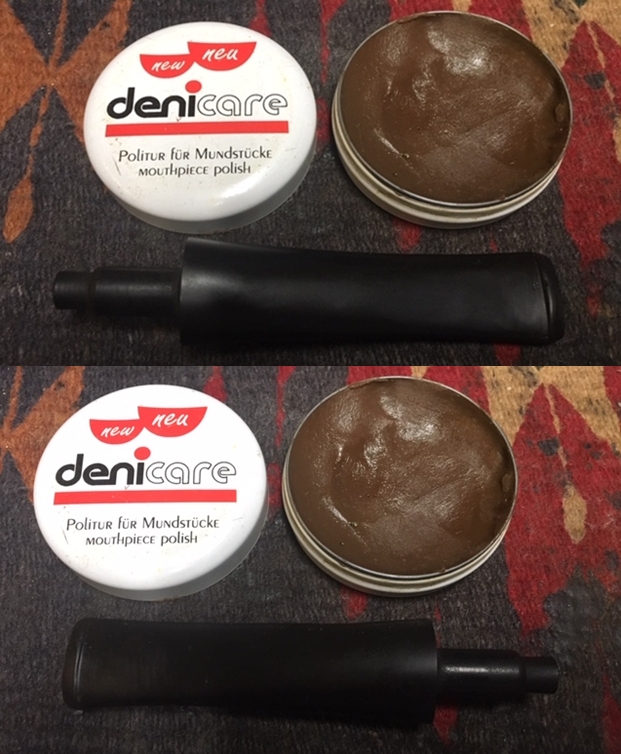
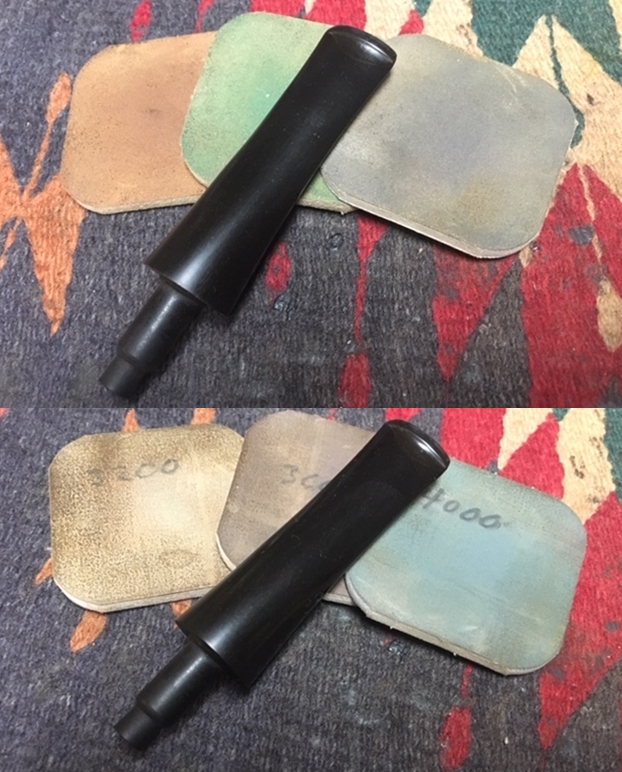
Along with the information above I found that the stamping that is on this pipe is identical to that identified in the article as Stamp Number Five. I have included that graphic because of the information that it included. It brings some of the issues in identifying the maker and the time period of the brand. In my mind the pipe I have in hand is very much like the Rich era pipes that I have seen and the note below says that. Interestingly the author also says he has seen the same stamping on the Wally Frank era pipes. It is a fascinating piece of history and a beautifully made old pipe.Armed with that information I turned to working on the pipe. Jeff had cleaned the pipe with his usual thoroughness – reaming the bowl with a PipNet pipe reamer and cleaning up the remnants with a Savinelli Fitsall Pipe Knife. He scrubbed the internals of the bowl, shank and stem with alcohol, cotton swabs and pipe cleaners. He scrubbed the exterior with Murphy’s Oil Soap to clean off the dust and grime on the finish. The rim top looked very good under the thick lava coat. I love the way the grain of the briar shows through the rustication. There were just a few nicks and scratches to deal with. The inside of the bowl itself looked great. The stem was in great shape other than a bit of tooth marks and the chip out of the top of the button. I took photos of the pipe before I started working on it. I took some close up photos of the rim top, bowl and stem to show what they looked like after Jeff’s cleanup. It is a startling difference. The rim top looked very good and the edges were clean and undamaged. The stem was in good shape other than the chipped button and the tooth marks and chatter on both sides near the button.I took some photos of the stamping which seemed far more visible after Jeff’s cleanup than before.Since the briar was in such good condition I started with rejuvenating the wood. I worked some Before & After Restoration Balm into the rustications and worm trails on the bowl and the rim top. I worked it into the surface of the briar with my fingertips and a shoe brush to clean, enliven and protect the wood. Once the bowl was covered with the balm I let it sit for about 20 minutes and buffed it off with a soft cotton cloth and then polished it with a microfiber cloth. I took photos of the pipe at this point in the process to show what the bowl looked like at this point. I set the bowl aside and turned my attention to the stem. I decided to address the deep tooth mark on the underside of the stem and the chip in the top edge of the button. I filled in the tooth mark on the underside of the stem with a clear super glue (Jeff had already cleaned the stem very well so it was not an issue). I used the clear superglue to fill in the chipped area and build it up. I did this by layering the super glue until the surface was filled in with the glue. The last coat of glue that I applied was black super glue. I set the stem aside to let the repairs cure. Once the repair had cured I used a flat blade needle file to sharpen the edge of the button on both sides of the stem. I also used it to flatten out the repairs. I worked on the remaining repaired areas with 220 grit sandpaper to blend them into the surface of the stem. I smoothed out the slotted edge of the button with 220 grit sandpaper on the topping board. I reworked the edges of the slot with a needle file to clean up the repair. I shaped and polished the button with 400 grit wet dry sandpaper. The repaired area looks very good and will look even better as the stem and repairs are polished with micromesh sanding pads. I polished the stem with Denicare Mouthpiece Polish to take out the oxidation at the button edge and on the end of the mouthpiece. I also worked hard to scrub it from the surface of the stem at the tenon end. I polished repaired areas on the stem, button and blade with micromesh sanding pads – wet sanding with 1500-2400 grit pads and dry sanding with 3200-12000 grit pads. I wiped the stem down after each sanding pad with Obsidian Oil. I polished it with Before & After Pipe Stem Polish – both Fine and Extra Fine. Once I had finished the polishing I gave it a final coat of oil and set it aside to dry. I put the bowl and stem back together. I buffed the bowl and stem with Blue Diamond to polish out the light scratches that remained in the briar and the vulcanite. I gave the bowl and the stem multiple coats of carnauba wax. I buffed the pipe with a clean buffing pad to raise the shine. I hand buffed it with a microfiber cloth to deepen the shine. The pipe polished up pretty nicely. The worm trail rusticated finish on this Rich era Custombilt turned out very nice and shows the grain shining through. It has the kind of rustic beauty that draws collectors to them after all of these years. The contrast of the worm trails with the grain swirling through them looked good with the polished black vulcanite. This Custombilt billiard will soon be joining the other pipes I have on the rebornpipes store. The finished pipe is shown in the photos below. The dimensions of the pipe are Length: 5 3/4 inches, Height: 2 ¼ inches, Outside diameter of the bowl: 1 ½ inches, Chamber diameter: 7/8 of an inch. If you are interested in adding it to your collection let me know. Thanks for reading this blog and my reflections on the pipe while I worked on it.
Restoring a Wally Frank Era Custombilt Sitter #633


Blog by Paresh Deshpande

After having worked on my grandfather’s old 1938-1946 era Custom-Bilt large billiard pipe (https://rebornpipes.com/2018/06/02/restoring-my-grandfathers-custom-bilt-pipe/), I was keen to work on a second Custombilt in the collection. This particular pipe was a sitter with ¾ bend to the stem. It has a very interesting shape. Being at the bottom of the learning curve on identification of pipe shapes and restoration, any help in accurate description of the shape of this pipe would be highly appreciated!!!!

The pipe has thin (as compared to the thick rustication on the 1938-46 Custom-Bilt that I had previously worked on) wavy and haphazard rustication starting from the bottom of the bowl and extending upwards to the rim. These wavy, haphazard upward sweeping rustications give the impressions of flickering flames of fire. These flaming rustications at the back of the bowl reach nearly the outer edge of the rim from either side of the bowl and progressively lower down towards the front of the bowl.  The shank has four prominent rustications extending from the bowl towards the end of the shank forming four distinct plain panels, one each on the top, bottom, left and right side of the shank. The left and right panels house the stampings on the pipe while the top and bottom panels are blank highlighting the beautiful cross grains.

Under all the dust, dirt, oils, tars and gunk of all the years, stamping on the pipe can be read as   “Custombilt” in cursive hand over “ORIGINAL” in block letters on the left side panel of the shank. The letter ‘C’ meets the ‘U’ nearly half way up from the bottom of the ‘U’. The right side panel of the shank bears the stamp # “633”. The stem is bereft of any stamping. While restoring the first Custom-Bilt from my grandfather’s collection, I had visited Pipedia for collecting information and dating of Custombilt pipes (https://pipedia.org/wiki/Custom-Bilt). There is an interesting review given by Richard Esserman  on a book written by   William E. Unger, Jr., PhD, which deals with the study of Custom-Bilt pipes. I have reproduced some interesting excerpts from the webpage:

The book opens up with an intriguing statement that unfortunately is never fully followed up: Before beginning this history, I need to emphasize an important fact and to ask the reader to keep it firmly. Spelling-Custom-Bilt, Custombilt, and other variations-is extremely important to the various aspects of the following discussions. It was not, however, important to many people in the company’s early days.

Perhaps the reason for this is that briar pipes were simply viewed solely as smoking instruments-even as a “longer term” disposable item (perhaps like a good pair of shoes). I would suggest that Tracy Mincer would be shocked that these pipes are being collected today.

Tracy Mincer started the original Custom-Bilt pipes it appears in 1934. Bill meticulously details the start of the Company, how it was financed, the changes in the original ownership, how the company distributed its product, the manufacturing process, certain patented items, and other interesting stuff.

Mentioned briefly in this chapter was the fact that Custom-Bilt was producing big, carved pipes using Algerian briar for production up to WW II. One important employee, Hetzer Hartsock, stated:

I can tell you something about that rough texture that Custom-Bilt had. One reason rough textured was used was not only for looks but it could hide flaws in the briar. [The process gave] A very uncontrolled cut. Then he [Tracy] would buff it out. [page 25]

In 1946, the name was changed to Custombilt after Mincer began an association with Eugene J. Rich, Inc. There were some big changes in advertising and distribution. The slogan “AS INDIVIDUAL AS A THUMBPRINT” began at this time as well.

In the early 1950’s, Tracy Mincer developed severe financial problems that caused him to stop making the Custombilt, and he lost the name. In 1953, Leonard Rodgers bought the company and emphasized tobacco pouches and butane lighters. (However, it appears Mincer was working on his new pipe, the Doodler.) In 1968, Rodgers sold the Company to Consolidated Cigars.

In the early 1970s, Wally Frank Co. bought the Custombilt trademark and began to produce their version of the pipe in 1974 or 1975.

Hollco Rohr owned the Weber pipe factory, located in New Jersey, and produced the Custombilt pipes there. In 1987, the pipes were made out of the Butz-Choquin factory (France) and then Mexico until the late 1990s. Currently, the Custombilt name is owned by Tobacalera of Spain.

The Pipes

Most Custom-Bilt pipes that you see at a pipe show have somewhat big, chunky bowls with rough carving or gouges. It is very rare to see a completely smooth piece. In today’s market, the pipes are still considered to be on the large side but are not true giants. It should be noted that in the early days when the Custom-Bilt pipes were first being produced, these bowl sizes were considered very large and massive. The size of the average pipe was a group 3 or 4 sized Dunhill.

The first thing that Bill addresses in his chapter on pipes is the quality of the bowls in the early years. Rick Hacker, in his Rare Pipes book, suggests that Mincer bought blemished bowls from other companies and used the wood-working router to get rid of the blemishes. According to an important employee, Hetzer Hartsock, “Tracy used a very choice Algerian briar, and they were bigger blocks than what the other companies were using.”

William E. Unger, Jr., Ph.D. (“Bill”) has studied the stampings on a large number of Custombilt pipes and based on this extensive study conclusively dates Custombilt pipes. There is a picture of a stamp which resembles the stamping seen on my pipe, and is reproduced from Pipedia in the picture below.From the above details gleaned from Pipedia and the above stamp, it can be safely inferred that this pipe dates to the 1970s era. This also coincided roughly with the time when my grandfather quit smoking and I was waiting in the wings to make my debut into this wide and beautiful world in a few years time!!!!!! From the look on the pipe, it appears that my grandfather never believed in cleaning his pipes and believed in just keep using the pipe and once it fouled up, simply keep it aside and buy new one!! Thus, the reason for the large collection of pipes that I have inherited from him.

I had loved the first Custom-Bilt that I had worked on for its size, feel in the hand, its rustic looks and wide rustications and I love this Custombilt for its size, shape, the heft and the gorgeous beautiful flaming rustications!!! Well, have I fallen in love with Custombilts???? Maybe!!!!!!

INITIAL VISUAL INSPECTION:
Having admired the beautiful rustication, the shape/ size and safe in the knowledge that I will get to smoke it in the years to come; I proceeded to carry out a detailed examination of the condition of the pipe and the work that will be required during the process of restoration. Any follower of Mr. Steve’s blog will recollect the 10 steps elucidated by him for beginners in pipe restoration and I sincerely follow it. It helps a person to assess the condition of the pipe, what are the issues that needs to be addressed, what processes will be involved and while appreciating these facts, formulate a broad action plan for the entire restoration.

The bowl has a relatively thin layer of cake (…which subsequently proved incorrect!!!) which will have to be reamed out. The condition of the insides of the bowl needs to be appreciated thereafter. The pipe was used to smoke an aromatic tobacco since the smell was not offensive, but rather somewhat sweet. I believe that once the bowl is reamed to its bare briar, the smell will be taken care of!!As seen in the above picture, the outer edge of the rim is perfectly rounded with no damage whatsoever. However, there appears to be a small chip to the inner edge of the rim on the left side in the 9 ‘O’ clock direction. The exact extent of the damage or otherwise, can be appreciated only after the bowl has been reamed. It could be addressed/ minimized, if need be, by creating a slight bevel on the inner edge.

The airflow is restricted and required considerable effort to blow through the pipe. The airway in either the stem or shank could be blocked or the mortise could be clogged. Blowing separately through both, stem as well as the shank, I realized that both are blocked/ clogged.The draught hole is right at the bottom of the bowl and there is no reservoir/ sump as in the Pete system pipes. A pipe cleaner could not pass through the draught hole as expected. This needs to be addressed.

The bowl and shank are covered in dust, dirt, oils, tars and grime. The stamping, though readable, is covered in the tars, oils and grime.The rustications on the bowl and shank have turned black due to accumulation of dirt, oils and tars of more than 48 years of its existence. The rim, however, is clean and free of any overflowing lava.The stem is free of any serious damage, tooth chatter or bite marks. The oxidation was light and just a firm rub with a moist Mr. Magic clean sponge, removed a great deal of oxidation from the stem. Overall, this pipe and stem was not very heavily abused.THE PROCESS
This time around Abha, my wife, was not around to help me with the bowl and this, I definitely missed!!! Using a Kleen Reem pipe tool, I completely removed the cake from the bowl. The quantity of carbon cake that was removed from the bowl belied my initial appreciation about thin layer of cake. The bowl now looks huge!!!Another observation I had was that the cake was very dry and tightly packed. Using an improvised and fabricated knife, I scraped all the remains of the carbon from the stummel down to its briar and finished with sanding the interiors of the stummel using a 220 grit sand paper. I wiped the interiors of the stummel with cotton swabs dipped in Isopropyl alcohol (99.9%). The interiors are now looking clean, smooth, solid and fresh.Once the cake was completely removed, the small chip on the left of the inner edge of the rim in 9 ‘O’ clock direction, though visible, was not alarmingly large or prominent. The rim top slopes inwards and a bevel would not really look good. I was not sure how much sanding would be adequate and also since it does not look bad, I decided to lightly sand it using micromesh pads, wet sanding using 1500 to 3200 grit pads and dry sanding it with 3400-12000 pads. Any advice or suggestions pertaining to the issue of this chip is most welcome and will definitely teach me a thing or two.

The next issue that required to be addressed was that of the restricted airflow!!! I started with the cleaning of the interiors of the shank and what a mess it was! Using hard bristled pipe cleaners, shank brush and alcohol, I cleaned out the mortise. With a dental spatula, I scraped out most of the gunk and tars which had moistened due to alcohol. I used the drill tool in the Kleen Reem pipe tool with a pipe cleaner embedded in the slot in the head of the drill tool, dipped in alcohol to clean the airway in the shank and also the draught hole.With the help of q-tips and pipe cleaners dipped in Isopropyl alcohol, I cleaned the internals of the shank and scrubbed the inner walls of the mortise to remove the last remnants of the oils, tars and gunk. At this stage, the airway in the shank was clean, the draught hole was clean and opened out and the mortise was free of all the accumulated tars and oils and gunk of the past!!

With the internals of the stummel and shank cleaned and freshened up, I turned my attention to the exterior of the bowl. Using Murphy’s oil soap and a toothbrush, I cleaned the exterior of the bowl while paying more attention to the cleaning of the flaming rustications, which I had so come to love! I gave a very deliberate scrub to the bowl and into the rustications to remove all the dust, dirt and grime that accumulated over the years. I purposefully avoided brass brush/ steel wool while cleaning so as not to damage the thin horizontal rustications within the flaming vertical rustications. Once the cleaning with the oil soap was done, I rinsed it under running tap water and wiped it dry with a soft cotton cloth. I took care that the water does not enter into the chamber and the shank. The bowl now has a nice, beautiful, clean and robust look to it. I set the bowl aside to dry out and turned my attention to the stem.

Thankfully, this stem does not have any deep tooth/ bite marks or tooth chatter nor does it show any deep and stubborn oxidation. The wet Mr. Magic Cleaner had almost completely removed the oxidation. Using a 220 grit sand paper, I gently removed the minor tooth chatter that was visible. I folded a fresh piece of the grit paper into a sharp edge and sanded the button to give it shape. I wiped the stem down with a moist cloth to remove the sanding dust and applied a thin coat of Extra Virgin Olive oil and rubbed it into vulcanite with my fingers. I let it rest for a few minutes and wiped it off with a soft cloth.Once I was satisfied that the excess oil has been removed, I went through with the complete set of micromesh pads, wet sanding with 1500 to 3200 grit pads and dry sanding with 3400 through to 12000 grit pads. I rubbed extra virgin olive oil into the stem after sanding by each micromesh pad. In my exuberance to finish the pipe, I completely missed out on taking pictures at this stage. However, in the subsequent pictures of the completed pipe, you shall be able to appreciate the shining stem!!!!

I cleaned the internals of the stem using hard bristled pipe cleaners and alcohol. After considerable attempts at cleaning, the pipe cleaners finally came out of the other end. The air now passed through the stem freely. I further cleaned the internals of the stem till the pipe cleaners came out clean through the other end. Thereafter, I rubbed Extra Virgin Olive oil deeply into the stem and set it aside to be absorbed by the vulcanite.

Turning my attention the bowl the next morning, I liked the clean, fresh look of the bowl. Once again I gave it a good clean up with a dry soft cloth to remove any dust/dirt that might have settled on the bowl overnight. Thereafter, I rubbed a small quantity of “ Before and After Restoration Balm” into the bowl ensuring that it reaches the rustication also. I am truly amazed at the spread of this balm!  Just a small quantity quickly spreads and is sufficient to coat the entire bowl when rubbed with the fingers. The product was further rubbed into the rustication when buffed, using a horsehair shoe brush. I let it rest for a few minutes to let the balm work its magic on the briar. The transformation is amazing!! Once this was done, it was back to using muscle power to enhance the shine and beauty of the rustication by prolonged rubbing with a soft cloth followed by a microfiber cloth. These rustications give an impression of shimmering flames leaping upwards!!! I was very pleased with my efforts……I know it is akin to blowing my own trumpet, but I do believe that if the notes are correct and melodious, please blow it. The finished bowl is shown below. Finally when I fixed the stem into the shank, I realized with a cringe that due to the cleaning of the mortise, the fit was not snug, it was way too loose! I had read somewhere that holding the tenon to a Bic lighter flame, increases the girth of the tenon which in turn ensures a snug fit into the mortise. Sounds easy enough but doing it for the first time and that too with a pipe you have come to love and admire….. is not easy. However, I took the plunge knowing very well that even in the case I mess it up, Mr. Steve of rebornpipes would bail me out. I have realized that one needs to have that kind of back up so that the journey is smooth, insightful and free from fears of failure, and that in essence is what Mr. Steve is to me as my Guru. Thank you Sir once again!!

Well, to cut the long story short, I heated the tenon over the flame of a Bic lighter continuously turning it around. I stopped when the tenon felt slightly soft and pliable to the touch and set it aside to cool down with a pipe cleaner inside, praying for it to set perfectly into the mortise and not break/ crack. After the tenon had completely cooled down, I again attached the stem to the shank and, what a relief, the fit was nice and snug with just the right kind of noises!!! The finished pipe is shown below. This project was fun filled and a great learning experience. Thank you for sharing your valuable time with me while reading this post. And lest I forget, thank you Mr. Steve for providing me with invaluable guidance and a canvas for essaying my journeys.


Restemming and Restoring a Straight Custombilt Rhodesian


Blog by Steve Laug

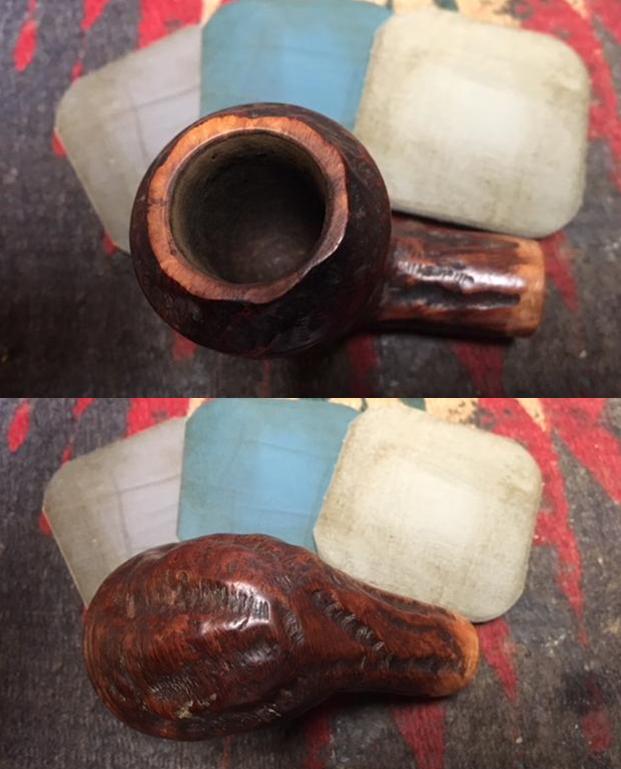
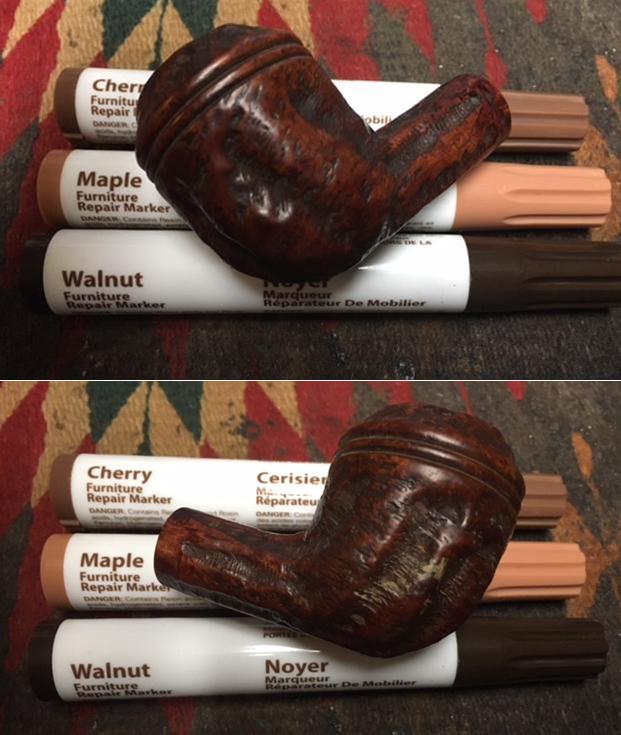
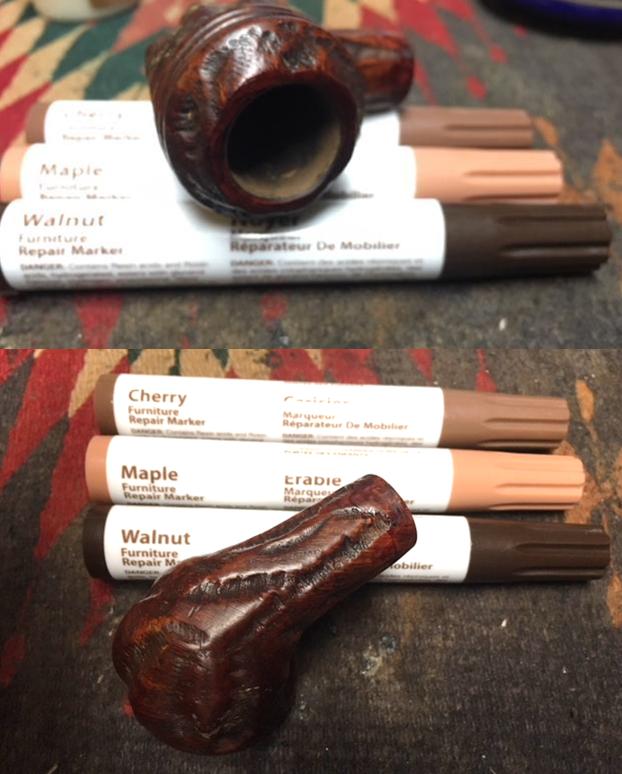
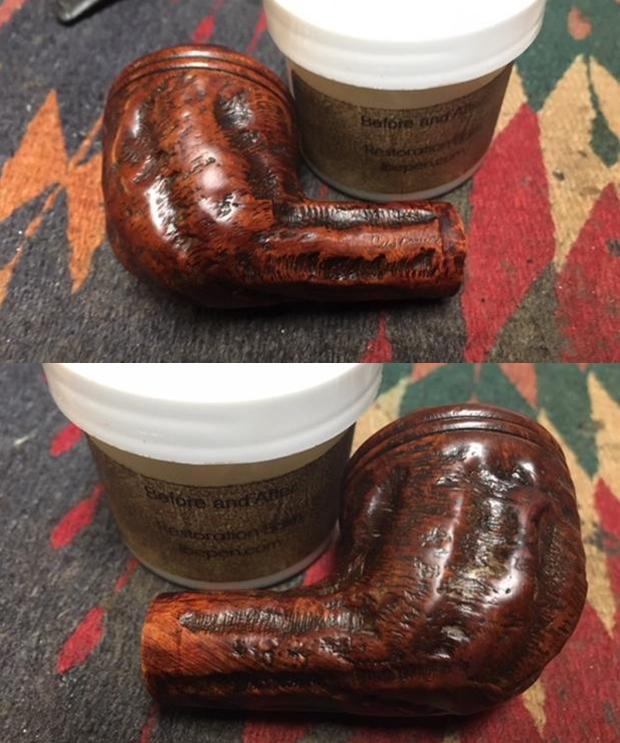
Mike, reader of rebornpipes contacted me about fixing two of his pipes. Probably over a month ago he emailed me. He packed the pipes up and sent them to me. The second one was a Custombilt Rhodesian or probably some would call it a Bulldog I have already repaired and blogged about the pear wood pipe (https://rebornpipes.com/2018/04/06/putting-humpty-dumpty-back-together-again/). The second pipe needed a new stem and a thorough cleaning and restoration. The broken stem looked to be a replacement as the fit to the shank was not perfect and the diameter of the shank and the stem were slightly different. The tenon was also short and did not extend the full length of the mortise like I have come to expect on Custombilt pipes. The inside of the bowl had already been reamed and cleaned when I got it. The top of the rim had a slight lava build up and the inner and edges were out of round. The inside and the outside of the bowl were very dirty. There was a lot of dust and grime in the rustication of the bowl and shank as well as in the twin rings around the cap.  I would soon find out why it was not cleaned. I took a close up photo of the rim top to show the damage to the top surface and the inner edge of the bowl. You can see that the top is rough from knocking the pipe out against a hard surface and the inner edge looks to have been damaged by reaming with a knife. I also took photos of the stem to show the large chunk that was missing near the button. Notice also the fit of the stem to the shank. I went through my can of stems to see if I could find a stem that would fit the shank better. I also did a bit of hunting online and found that often the Custombilt Bulldog had a saddle stem rather than a taper stem. The next stem had a tenon that was the correct length. It was slightly shorter than the broken stem but it would work well on the shank of the pipe.I put the new stem on the shank and took pictures to evaluate the new look. I also sent copies of the photos to Mike to see what he thought. I received and email reply from him that he liked the new look of the pipe so I continued with the fit of the stem. The fit of the stem to the shank was far better than the previous one. Since the shank was not round I would need to work on the shank to round out the two sides to match the stem. The next two photos show that the stem fits well on the top and the bottom of the shank but that both sides are wider than the diameter of the stem (slightly better than the previous stem).I used a folded piece of 220 grit sandpaper to sand down the sides of the shank to match the stem. I worked on it to make it round rather than the slightly off centred broad oval that it was when I started. I sanded the fit against the shank with 400 grit wet/dry sandpaper to smooth out the transition between the stem and shank and remove the scratching in the briar. I cleaned out the interior of the mortise and shank with a dental pick to remove the buildup of tars and oils that were built up in front of where the replacement stem tenon had ended. I cleaned it out with alcohol, cotton swabs and pipe cleaners to remove all of the grime. Once the cleaners and cotton swabs came out clean I was finished with the cleanup. I did the same with the airway in the stem until it too was clean. I used a dental pick to clean around the inside of the slot in the button. I topped the bowl with 220 grit sandpaper on a topping board to remove the damage to the rim top and remove the damage to the inner edge of the rim. I removed very little to smooth out the rim. I also used a folded piece of 220 grit sandpaper to smooth out the inside edge of the rim and remove the damage. I gave the edge a slight bevel to smooth out the edge. I polished the rim top and the reshaped shank end with micromesh sanding pads – wet sanding with 1500-2400 grit pads and dry sanding with 3200-12000 grit pads. I wiped down the surfaces after each pad with a damp cloth. After the final 12000 grit pad I gave it a final wipe before I continued with the restoration work. I used a combination of three stain pens – Cherry, Maple and Walnut to stain the sanded areas of the bowl. I used them on the rim top and around the end of the shank. The three together matched the colour on the rest of the bowl. I worked Before & After Restoration Balm deep into the rusticated patterns of the briar to clean, enliven and protect it. I worked it into the rustications with my fingertips and with cotton swabs. I worked it into the rim and restained shank end. I set it aside for a few minutes to let the balm work. I wiped it off with a soft cloth and buffed it with a horsehair shoe brush to polish it. The briar really began to have a deep shine. I took some photos of the bowl at this point to mark the progress in the restoration. The grain on the bowl is really beginning to stand out and will only do so more as the pipe is waxed.  I sanded the stem surface with 220 grit sandpaper to remove the tooth marks and chatter on both sides of the stem near the button. I also sanded out the deep scratches in the surface of the stem. I followed up by sanding the stem again with 400 grit wet/dry sandpaper to remove the scratches left behind by the 220 grit sandpaper. I polished stem with micromesh sanding pads – wet sanding with 1500-2400 grit pads and dry sanding with 3200-12000 grit pads. I wiped the stem down with Obsidian Oil after each pad. I polished it with Before & After Pipe Stem Polish, both Fine and Extra Fine. I gave it a final coat of Obsidian Oil and set it aside to dry. I waxed the bowl and shank with multiple coats of Conservator’s Wax. I buffed the stem with carnauba wax. I buffed bowl and stem with a clean buffing wheel to raise a shine. The photos below show the finished pipe. It is a great looking pipe. I love the old Custombilt shapes and the look and feel of them in hand. This one is a beauty that looks great with its new stem. Now that I have finished the second of Mike’s pipes I will soon be packing them up and sending them on their way back to New York where I am sure he is waiting to fire them up and enjoy them once again. Thanks for looking.

There is something about Custombilt Bulldogs that attracts me


Blog by Steve Laug

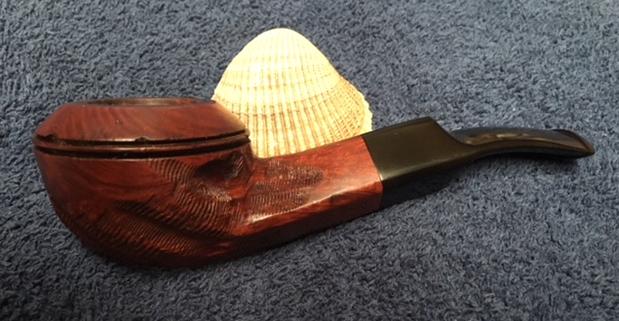
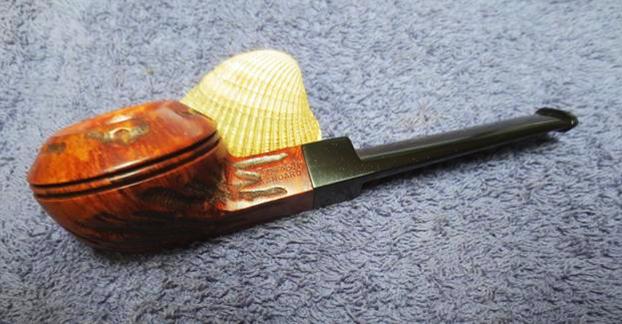
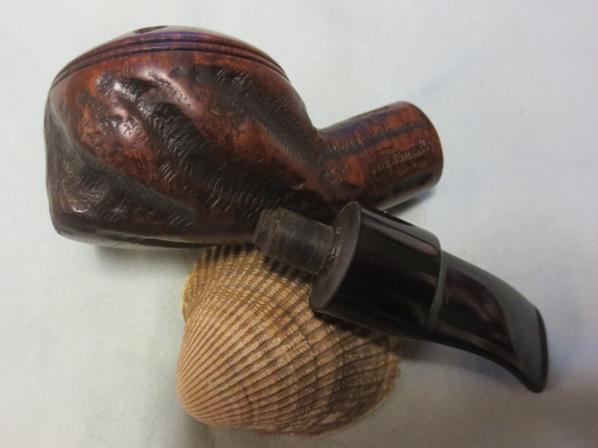
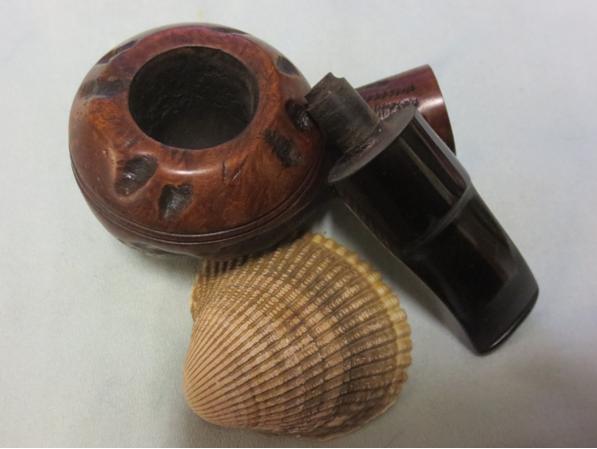
I needed a short break from the repairs that I have been doing a lot of lately so I chose to work on a nice Custombilt Bulldog that Jeff had sent me. It was a well-shaped ¼ bent Bulldog with worm trail rustication with a slight variation. Each of the worm trails and all around them was marked with a further rustication over the top – horizontal lines that ran all across them and around the bowl. They continued about half way up the shank on the top of the diamond shank. On the underside there was less rustication. The lower left side is stamped Custombilt over Imported Briar. There were two rings going around the bowl separating the rim cap from the rest of the bowl. One ring was slightly larger than the other. There were some small chips and nicks in the rim cap and between the rings. They were not too bad so they would not need a lot of work. The bowl had thick cake and a slight overflow of lava on the back side of the rim. There was some darkening to the rim. The rusticated finish was dirty and had grit and dirt in the grooves. The vulcanite stem was oxidized and there was tooth chatter on both sides near the button. There were no deep tooth marks in the stem itself. Jeff took some photos before he started working on his normal cleanup of the pipe. Jeff took a close up photo of the bowl and rim to show the condition of the pipe before he started to work his magic on it. The bowl had a thick dark cake and some overflow on the rim top. The rim edges were in decent condition with light dents in the surface. You can see some of the chipping to the edge of the cape over the twin rings around the bowl. Jeff took photos of the sides and bottom of the bowl from different angles and you can see the overall condition of the finish on the pipe. The next photo shows the chips in the edges of the cap. The middle ring was intact in this photo.He took a photo of the underside of the shank to show the stamping. The stamping is readable and is the standard Custombilt over Imported Briar stamp. The style of script in the stamp should help date and identify the time period the pipe was made.The next photos show that the stem was quite heavily oxidized and pitted. There was some light tooth chatter on both surfaces of the stem near the button and on the button edges itself.  I wanted to identify the stamping on the pipe so I started going through various sites I have used before. I looked on both the Pipephil website and the Pipedia website. The Pipephil site gave the following information: Tracy Mincer stopped making Custom-Bilt pipes in the early 1950s. The trademark was successively bought by Leonard Rodgers (1953), Consolidated Cigars (1968) and Wally Frank Co. (early 1970s). The later began to produce again his version of the pipe in 1974 or 1975 at Weber pipe factory (NJ). In 1987, the pipes were made out of the Butz-Choquin factory (France) and then Mexico until the late 1990s. Currently (2010), the Custombilt name is owned by Tobacalera of Spain which is part of Altadis. It is generally admitted (but not proved) pipes stamped “Custom – Bilt” (with the hyphen) are from the Mincer era. The name might have changed from Custom-Bilt to Custombilt (without the hyphen) in 1946. http://www.pipephil.eu/logos/en/logo-c8.html
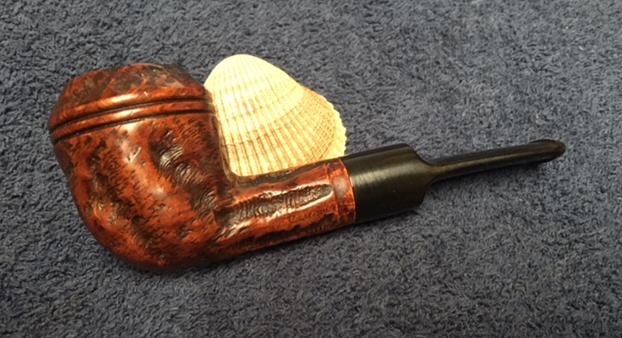
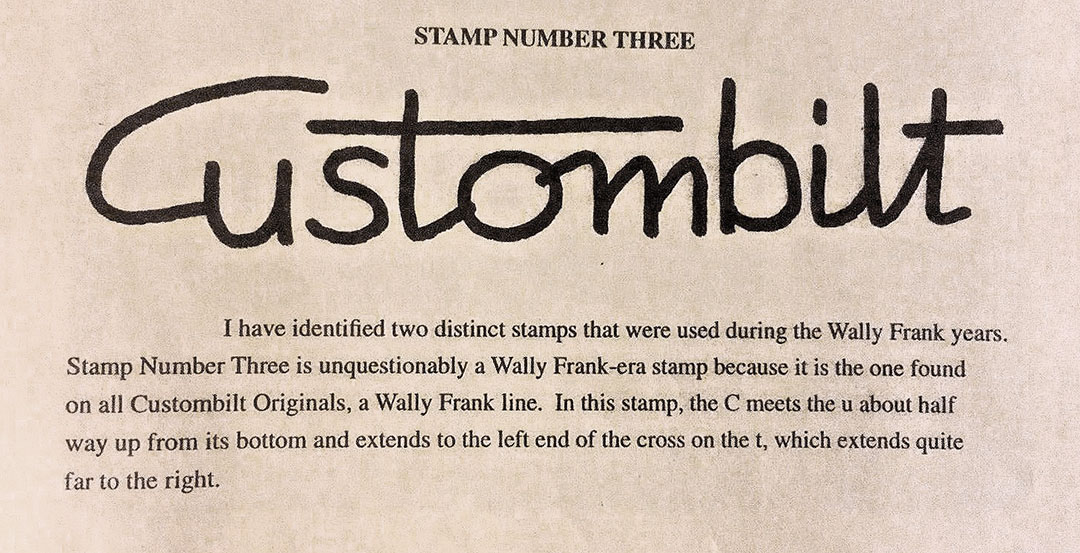
I did some more research on the brand in the article on Pipedia. As I read through the material there I came across this photo that is pretty close to the stamping on the pipe I am working on. The note under the stamping photos identifies the stamping as one that was on pipes from the Wally Frank era.

https://pipedia.org/images/6/64/Custombilt_Stamp3.jpg

I read further in the Pipedia article to help confirm this. In the early 1950’s, Tracy Mincer developed severe financial problems that caused him to stop making the Custombilt, and he lost the name. In 1953, Leonard Rodgers bought the company and emphasized tobacco pouches and butane lighters. (However, it appears Mincer was working on his new pipe, the Doodler.) In 1968, Rodgers sold the Company to Consolidated Cigars. In the early 1970s, Wally Frank Co. bought the Custombilt trademark and began to produce their version of the pipe in 1974 or 1975. Hollco Rohr owned the Weber pipe factory, located in New Jersey, and produced the Custombilt pipes there. In 1987, the pipes were made out of the Butz-Choquin factory (France) and then Mexico until the late 1990s. Currently, the Custombilt name is owned by Tobacalera of Spain. https://pipedia.org/wiki/Custom-Bilt

From all of that I can say with fair certainty that the pipe came out in the 1970s and was made by the Wally Frank Company.

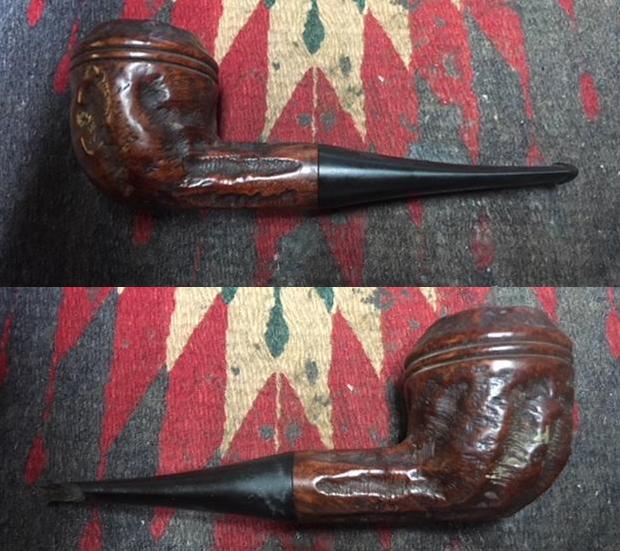
Jeff reamed the bowl with a PipNet pipe reamer and followed up with a Savinelli Fitsall pipe knife to remove the cake. He scrubbed out the mortise and the airway in the shank and the stem with alcohol, cotton swabs and pipe cleaners. He scrubbed the exterior of the bowl, rim, shank and stem with a tooth brush and Murphy’s Oil Soap to remove the oils and tars on the bowl, rim and shank. He rinsed it under running water. He dried it off with a soft cloth. Once more he soaked the stem in Before & After Stem Deoxidizer to remove the oxidation. The pipe came out looking really good. The grooves and carving on the briar looked clean and the stem oxidation was virtually gone. I took photos of the pipe to show its condition before I started my work on it. I took a photo of the rim top to show the condition it was in after the cleanup. Jeff was able to remove the darkening and tars from the rim top and edges. The grain on the top is very nice and the top is clean. There were dents in the surface of the rim but the edges of the rim itself looked very good. It is a nice looking finish. The stem was clean and you can see that the deoxidizer had done a great job removing the oxidation. The tooth chatter, though present was not as visible on the stem and button.I took a photos of the chips out of the cap on the front and middle left. While they are visible I will leave them as part of the story of the journey of this old pipe.I started my restoration with the bowl. I used a folded piece of 220 grit sandpaper to smooth out some of the nicks in the inner edge of the bowl. It was not out of round so it did not take too much work to remove the damage to the edge.The rest of the pipe was in such good condition from the cleanup that I did not have to do any sanding on the rim top or bowl. I began by rubbing the bowl down with Before & After Restoration Balm to deep clean the rusticated briar and the smooth rim. The product works to clean, enliven and protect the briar. I hand rubbed it with my fingers and worked it into the rustication with cotton swabs. I wiped it off with a soft cloth. I buffed the bowl with a horsehair shoe brush to polish it. The briar really began to have a rich shine. I took some photos of the bowl at this point to mark the progress in the restoration. I sanded the repair smooth with 220 grit sandpaper followed by 400 grit wet/dry sandpaper to remove the pitting and light oxidation that remained in the curves of the saddle and the edges of the button. (I apologize for the lighting on the 2 sanding photos as they are a bit dark. The stem actually looks far better than my photos at this point.)I polished the stem with micromesh sanding pads – wet sanding with 1500-2400 grit pads and dry sanding with 3200-12000 grit pads. I wiped the stem down after each pad with Obsidian Oil. I used the Before & After Pipe Polish to remove the small minute scratches left in the vulcanite. I finished by wiping the stem down with a final coat of Obsidian Oil and set it aside to dry.    I put the stem back on the pipe and worked it over with Blue Diamond to polish out the remaining small scratches. I gave the bowl several more coats of Conservator’s Wax and the stem several coats of carnauba wax and buffed the pipe with a clean buffing pad to raise the shine. I hand buffed it with a microfiber cloth to deepen the shine. The pipe polished up pretty nicely. The finished pipe is shown in the photos below. This chunky Custombilt Bulldog has been brought back to life. It is my kind of pipe but it is one that I will likely sell on the store. If you are interested let me know as I will be posting it soon. The dimensions of the pipe are Length: 5 1/4 inches, Height: 1 1/2 inches, Outside diameter of the bowl: 2 inches, Chamber diameter: 7/8 inches. Thanks for walking through the restoration with me as I worked over this Custombilt.
Restoring a Custombilt Standard 302 Bulldog


Blog by Steve Laug

Those of you that collect Tracy Mincer made pipes know all about the variety of stampings on the pipes that he made. They go from Custom-Bilt, Custom-bilt, Custombilt, Doodler and even those named after himself. His pipes are unique and the Custom-Bilt pipes (no matter how you spell the name) that he made are immediately recognizable. Their chunky Rhodesian or Bulldog/Bull moose shape along with the unique worm trail deep rustication and the stubby fit in the hand makes them easy to identify. When Jeff sent me photos of the next pipe that came to the worktable, I was not sure where it fit in the world of this brand. I have read Bill Unger’s opus on the brand so I had a bit of an idea but I wanted to spend time working on the pipe before I narrowed down the period. It has a more refined shape and refined application of the rustication to the bowl. It seemed more controlled and predictable than the other typical Custom-Bilt pipes I have worked on and restored. The stem also had a different feel than the others I have worked on and the amount of briar in the body of the pipe seemed less that what I expect in these pipes. Jeff took photos of the pipe before he started to work on it so I could have an idea of what we had in our hands.The pipe appeared to be in decent condition. The finish was dirty but did not look like it was damaged. The bowl had a thinner cake that the others I have been working on lately. There was lava overflow on the top of the rim. I am sure there would be some darkening and possible some burn marks on the inner edge of the beveled rim top. The outer edge appeared to be undamaged. The stem was vulcanite and had a very light oxidation on the top surfaces. There was tooth chatter on both sides of the stem just ahead of the button. The edge of the button also had some tooth wear. The previous owner had put a light bend in the stem in the last 1 inch. To me it did not look right and would need to be straightened.Jeff took two close up photos of the bowl and rim top to show the condition of the pipe when it arrived. The first shows the rim close up and the second shows it in relation to the rest of the bowl. He also included a photo of the underside of the bowl to show the carving and rustication pattern there. The pipe is stamped on the left side and reads Custombilt as one word over Standard. On the right side of the shank it is stamped with a number which I assume identifies the shape – 302.The stem had light oxidation and tooth chatter so it would be a pretty straightforward cleanup as well.I wanted to refresh my memory regarding the time periods the different Custom-Bilt pipes were made so I did a bit of research. I looked first on the Pipephil website to see what information he had on the brand. This is the link: http://www.pipephil.eu/logos/en/logo-c8.html

Tracy Mincer stopped making Custom-Bilt pipes in the early 1950s. The trademark was successively bought by Leonard Rodgers (1953), Consolidated Cigars (1968) and Wally Frank Co. (early 1970s). The later began to produce again his version of the pipe in 1974 or 1975 at Weber pipe factory (NJ). In 1987, the pipes were made out of the Butz-Choquin factory (France) and then Mexico until the late 1990s. Currently (2010), the Custombilt name is owned by Tobacalera of Spain which is part of Altadis. It is generally admitted (but not proved) pipes stamped “Custom – Bilt” (with the hyphen) are from the Mincer era. The name might have changed from Custom-Bilt to Custombilt (without the hyphen) in 1946.

I also looked on the Pipedia website and found confirmation to the Pipephil information and some additional information. Here’s the link to that article: https://pipedia.org/wiki/Custom-Bilt

In 1946, the name was changed to Custombilt after Mincer began an association with Eugene J. Rich, Inc. There were some big changes in advertising and distribution. The slogan “AS INDIVIDUAL AS A THUMBPRINT” began at this time as well. In the early 1950’s, Tracy Mincer developed severe financial problems that caused him to stop making the Custombilt, and he lost the name. In 1953, Leonard Rodgers bought the company and emphasized tobacco pouches and butane lighters. (However, it appears Mincer was working on his new pipe, the Doodler.) In 1968, Rodgers sold the Company to Consolidated Cigars. In the early 1970s, Wally Frank Co. bought the Custombilt trademark and began to produce their version of the pipe in 1974 or 1975. Hollco Rohr owned the Weber pipe factory, located in New Jersey, and produced the Custombilt pipes there. In 1987, the pipes were made out of the Butz-Choquin factory (France) and then Mexico until the late 1990s. Currently, the Custombilt name is owned by Tobacalera of Spain…

Given that information I knew that the pipe was made after 1946 when the name was changed to Custombilt. To me the lack of the characteristic shape and carving pointed to after Mincer lost the company and stopped making the brand. The shape reminds me of several Wally Frank pipes that I have had in the past so I am thinking it was made after they bought the trademark in 1974-1975. It also could be the Weber version of the brand when Hollco Rohr owned it. That is as specific as I can get in identifying the time frame for the manufacture of this pipe. I am pretty certain it is not a Tracy Mincer made pipe so that pushes it to the later 1974-75 dates.

Jeff did a thorough cleanup on the bowl and stem. He reamed the bowl with a PipNet pipe reamer and cleaned up the last bit of cake with a Savinelli Fitsall reamer. He cleaned the internals with alcohol, pipe cleaners and cotton swabs – scrubbing out the mortise as it was very dirty. He scrubbed the exterior of the pipe with Murphy’s Oil soap and a tooth brush and was able to remove all of the tars and oils built up on the briar. He was able to remove all of the tars and lava on the rim top and left it looking very clean. He soaked the stem in an Oxyclean bath to raise the oxidation to the surface of the vulcanite. When it arrived I took some photos of it to show how it looked before I did the restoration. He did a great job removing the cake in the bowl and the lava on the rim top. The inner edge of the bowl is damaged on the back right side and the left front of the pipe. There were also some burn marks in those spots on the rim surface.The oxidation came to the surface of the stem after the soak in Oxyclean. The tooth chatter is visible on the top and underside near the button. You can also see the light damage on the edge of the button on both sides. I put it in a bath of Before & After Pipe Stem Deoxidizer to soak overnight and work on the vulcanite oxidation.In the morning I removed the stem from the deoxidizer and wiped off the excess deoxidizer from the surface of the stem with a paper towel. I cleaned out the airway in the stem with pipe cleaners and alcohol to remove any remnants of the bath from that part of the stem. The photos below show the stem after the soak and rub down. The oxidation was pretty much gone and what remained would be easily dealt with. The tooth chatter on the top and underside of the stem is hard to see in the photos, but it is present.I sanded the stem with 220 grit sandpaper to remove the tooth chatter on both sides of the stem as well as the oxidation that remained in the angles of the saddle stem.I heated the stem with a heat gun to straighten out the bent end. I liked the straight look on the stem better than the slight tweak that last pipe man had put in it.I polished out the sanding scratches and marks in the vulcanite with micromesh sanding pads – wet sanding it with 1500-2400 grit pads and dry sanding it with 3200-4000 grit pads. I wiped the stem down with Obsidian Oil after each sanding pad. I buffed the stem with Blue Diamond on the buffing wheel. I brought it back to the table and sanded it with the final three 6000-12000 grit pads. After the final pad I gave it a final coat of oil and set it aside to dry. I sanded out the burn marks on the rim with 220 grit sandpaper to remove them and smooth out the surface. I worked on the inside edge of the rim to bring it back to round. When I was finished I polished the rim top and edge with micromesh sanding pads – wet sanding with 1500-2400 grit pads and dry sanding with 3200-12000 grit pads. I was able to polish out all of the scratches in the rim top and edges. I used a medium brown stain pen to restain the rim and inner edge of the bowl to blend it in with the rest of the bowl. The burn marks are invisible now and the polished rim top looks pristine.I rubbed the bowl down with Before & After Restoration Balm to deep clean the nooks and crannies of the rusticated finish, enliven and protect the briar. I hand rubbed it with my fingers and wiped it off with a soft cloth. I buffed the bowl with a horsehair shoe brush to polish it. It really began to have a deep shine in the briar. I took some photos of the bowl at this point to mark the progress in the restoration. I buffed the bowl with a soft cloth to polish away the remaining Restoration Balm. I put the stem back on the bowl and worked the pipe over on the buffing wheel using Blue Diamond to polish the bowl and shank. I buffed the bowl with a light touch so as not to get any of the buffing compounds in the grooves of the rustication. I buffed the stem to raise the gloss on the vulcanite. I gave the bowl multiple coats of Conservator’s Wax and gave the stem multiple coats of carnauba wax. I buffed the entire pipe with a clean buffing pad to raise the shine. I hand buffed it with a microfiber cloth to deepen the shine. The finished pipe is shown in the photos below. The medium brown stains on the rusticated bulldog shaped bowl works well with the rich black of the vulcanite stem. The polish and the reworking of the stem material left this a beautiful and well-made pipe. The dimensions of the pipe are: Length: 6 inches, Height: 1 ½ inches, Outside Diameter: 2 inches, Diameter of the chamber: 3/4 inch. I will be adding this one to the rebornpipes store shortly if you are interested in adding it to your collection. It will make a fine addition to the rack. If you are interested email me at slaug@uniserve.com or send me a message on Facebook. Thanks for looking.

This one was a labour of love – A Custombilt Bullmoose


Blog by Steve Laug

My brother sent me a pipe that is a shape I have had two previous times and always sold or gifted. It is a Bullmoose or a Scoop shape. Tracy Mincer did a great job with this shape and it is one I have never seen repeated as chunky as he did them. This one was stamped on the right side of the shank with the words Custombilt over Imported Briar.CB1 The pipe was solid but dirty. The stem would not push into the shank and the grooves and trails in the briar were dusty. The bowl had a thin, uneven cake in it and the lava overflowed slightly onto the rim leaving a thin coat of tars and oils. There were some dings and dents in the smooth parts of the pipe and the finish was worn. There were some fills in the grooves that showed through the worn finish. Overall it was in good shape. The stem had tooth chatter on the top and bottom sides with a few deeper tooth marks near the button. The photos below show what the pipe looked like when I started working on it.CB2CB3CB4CB5 I took a few close-up photos of the bowl rim, front and back views and the stem to show what I had to deal with in the restoration of this one.CB6CB7CB8CB9CB10 The stamping gave me a bit of information on the date of the pipe. The one word Custombilt stamping rather than the Custom-Bilt stamping would help to pin down the date a bit. I decided to pause a few moments and do a bit of reading to help narrow down the date. I looked on one of my go to resources – Pipedia.org. I also have Bill Unger’s book but it is packed away at the moment and this article on pipedia quotes extensively from the book. Here is the link to the article: https://pipedia.org/wiki/Custom-Bilt

Under the heading, Custom-Bilt History is the following information.

“The book (Bill Unger’s Book, my comment) opens up with an intriguing statement that unfortunately is never fully followed up: Before beginning this history, I need to emphasize an important fact and to ask the reader to keep it firmly. Spelling-Custom-Bilt, Custombilt, and other variations-is extremely important to the various aspects of the following discussions. It was not, however, important to many people in the company’s early days. [Emphasis mine] {Page 9}.”

“Tracy Mincer started the original Custom-Bilt pipes it appears in 1934. Bill meticulously details the start of the Company, how it was financed, the changes in the original ownership, how the company distributed its product, the manufacturing process, certain patented items, and other interesting stuff… In 1946, the name was changed to Custombilt after Mincer began an association with Eugene J. Rich, Inc. (my emphasis). There were some big changes in advertising and distribution. The slogan “AS INDIVIDUAL AS A THUMBPRINT” began at this time as well.”

“In the early 1950’s, Tracy Mincer developed severe financial problems that caused him to stop making the Custombilt, and he lost the name. In 1953, Leonard Rodgers bought the company and emphasized tobacco pouches and butane lighters. (However, it appears Mincer was working on his new pipe, the Doodler.) In 1968, Rodgers sold the Company to Consolidated Cigars. In the early 1970s, Wally Frank Co. bought the Custombilt trademark and began to produce their version of the pipe in 1974 or 1975. Hollco Rohr owned the Weber pipe factory, located in New Jersey, and produced the Custombilt pipes there. In 1987, the pipes were made out of the Butz-Choquin factory (France) and then Mexico until the late 1990s. Currently, the Custombilt name is owned by Tobacalera of Spain.”

From this information I am pretty sure my pipe is made after the change in 1946 and before Tracy Mincer lost the name in the early 1950s. It has the characteristic Mincer like rustication patterns and shape. It could very well be from the Rich era of the brand.

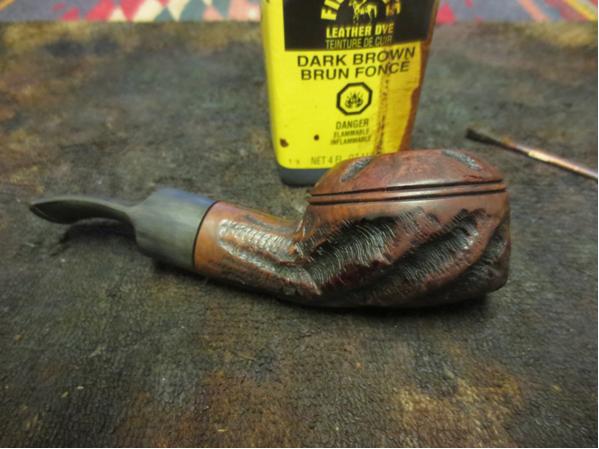
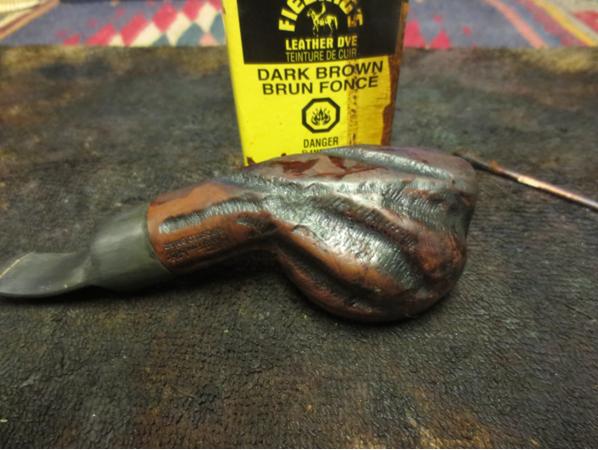
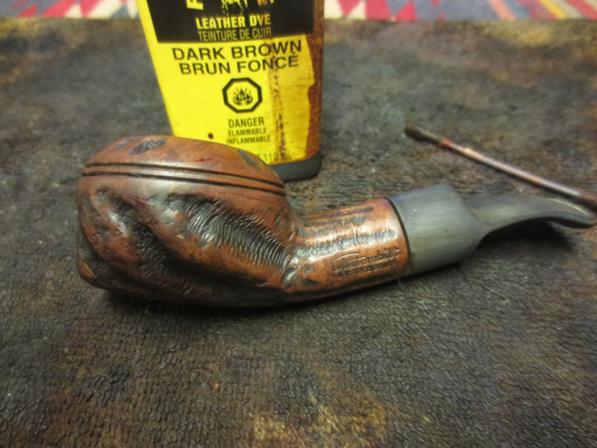
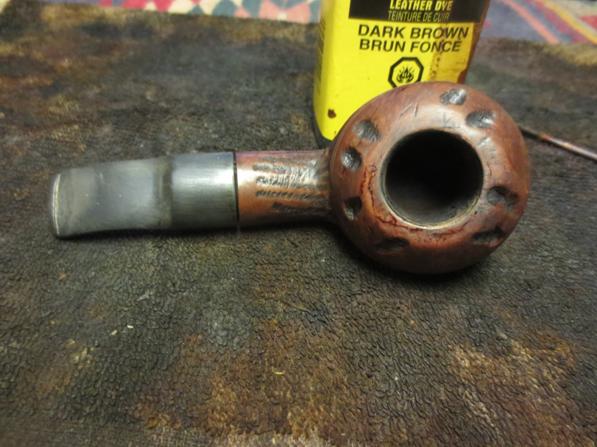
I went to work cleaning up this old timer. I scrubbed the bowl with a toothbrush and Murphy’s Oil Soap. I was able to clean out the rustication and the grooves with this method. I rinsed the bowl under warm water to remove the soap and the grime. The first picture shows the soap on the bowl and the second through the fifth picture that follows show the cleaned and dried bowl. You can see the putty fills in the grooves. Fortunately all of them were in the grooves and not in the smooth portion of the bowl.CB11 cb12 cb13 CB14 CB15I scrubbed out the airway in the shank, mortise and stem with alcohol, pipe cleaners and cotton swabs until they came out clean. I thought about using the retort but chose not to on this pipe as it smells sweet and clean.CB16 CB17To clean up the scratches and lava on the rim of the bowl I used a medium grit sanding sponge and “topped” the bowl on it. I find that this sponge removes the grime and leaves the rim intact with no briar removed. I worked it on the sponge until it was clean and then used a cotton swab and alcohol to clean up what remained.CB18 CB19I sanded the stem with 220 grit sandpaper to remove the tooth chatter and deeper tooth marks as well as the small gouges and oxidation on the vulcanite.CB20 CB21With the internals of the shank and mortise cleaned I was able to put the stem back in place. I reamed the bowl with a PipNet pipe reamer and took the cake back to briar.CB22 CB23I used a Black Sharpie Permanent Marker to stain the rustication patterns on the bowl and shank. Once I finished with that I wiped the bowl down with alcohol to soften the black and prepare the surface for the contrast stain.CB24 CB25 CB26 CB27 CB28 CB29 cB30I warmed the briar with a blow dryer and then stained it with Feibings Dark Brown that I had thinned with alcohol 1:1. I applied the stain and then flamed it with a lighter to set it. I repeated the process until I got good coverage.CB31 CB32 CB33 CB34I buffed the pipe with Blue Diamond on the wheel to give it a shine and even out the stain coat. The next photos show the bowl at this point in the process. The contrast of the dark in the grooves with the brown really gives the briar a bit of pop.CB35 CB36 CB37 CB38I was careful with buffing around the stamping as I did not want to damage the pristine stamping on this pipe.CB39With the bowl done I turned my attention to the stem. I wet sanded with 1500-2400 grit micromesh sanding pads until the majority of the scratches left behind by the sandpaper were gone. I rubbed the stem down with Obsidian Oil. I dry sanded it with 3200-4000 grit micromesh pads and gave it another coat of oil. I finished by sanding it with the 6000-12000 grit micromesh pads and giving it a final coat of oil. I set it aside to dry while I worked on another pipe.CB40 CB41 CB42I buffed the pipe with Blue Diamond to raise the shine and then gave the stem multiple coats of carnauba wax. I gave the bowl several coats of Conservator’s Wax and then buffed both the bowl and stem with a clean flannel buff. I hand buffed the pipe with a microfibre cloth to deepen the shine. The finished pipe is shown in the photos below. I love the finished look of this old timer and the feel of the hefty bowl in the hand. In my opinion it turned out to be a beautiful pipe. Thanks for looking.CB43 CB44 CB45 CB46 CB47 cb48
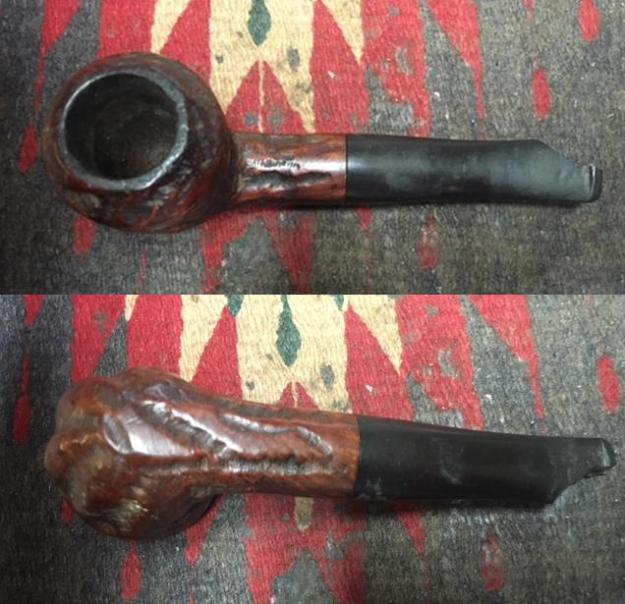
Custom Made Billiard Back into Service


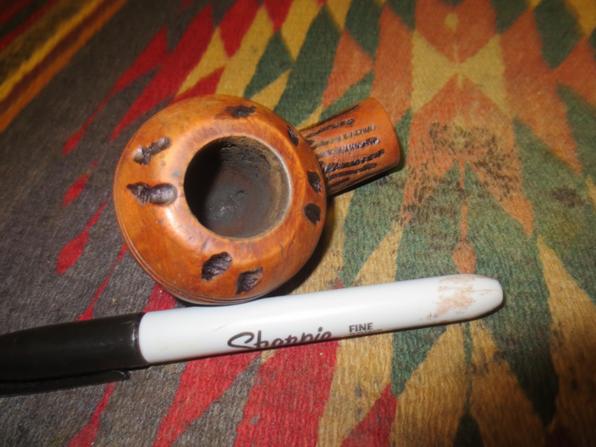
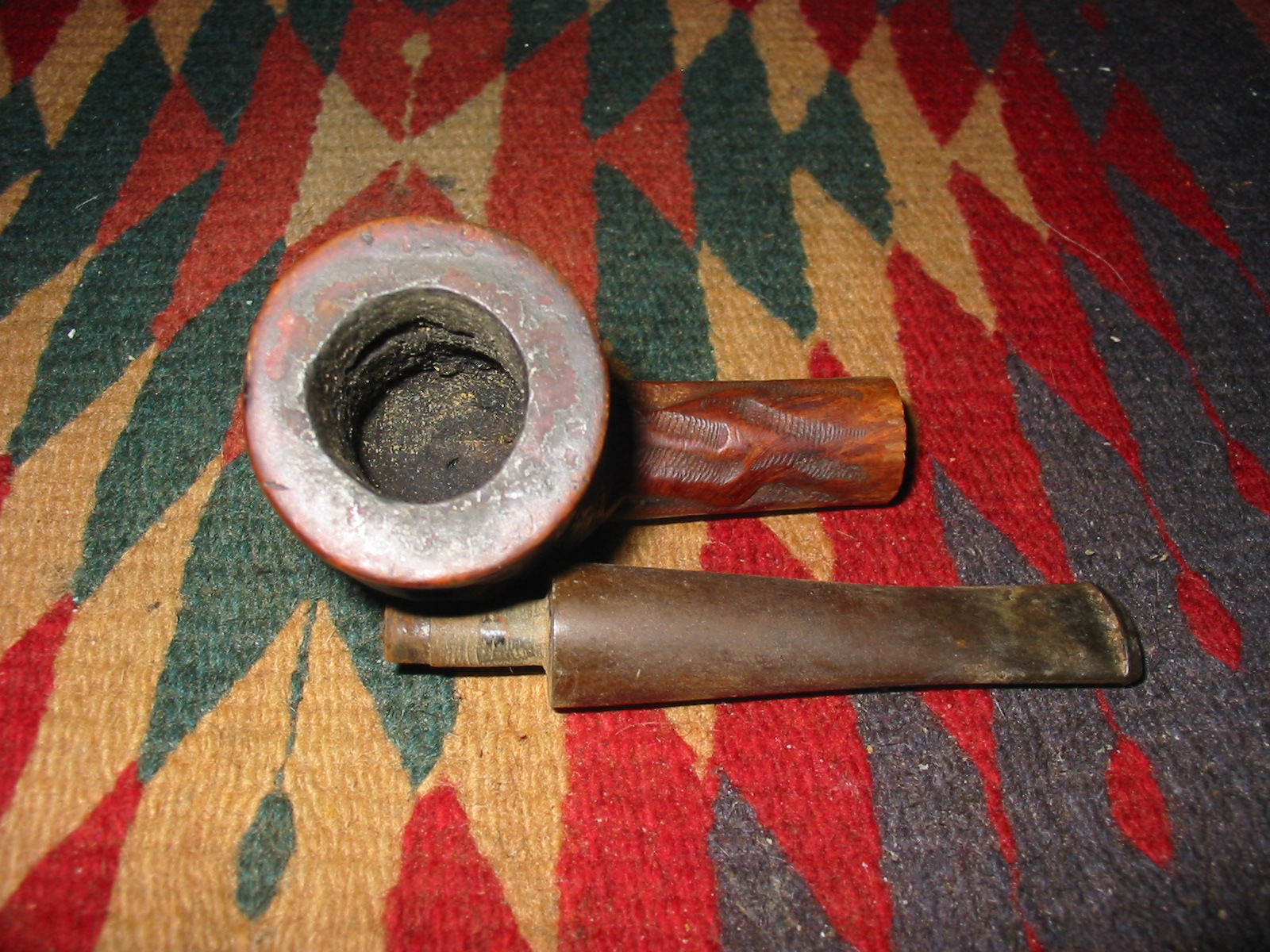
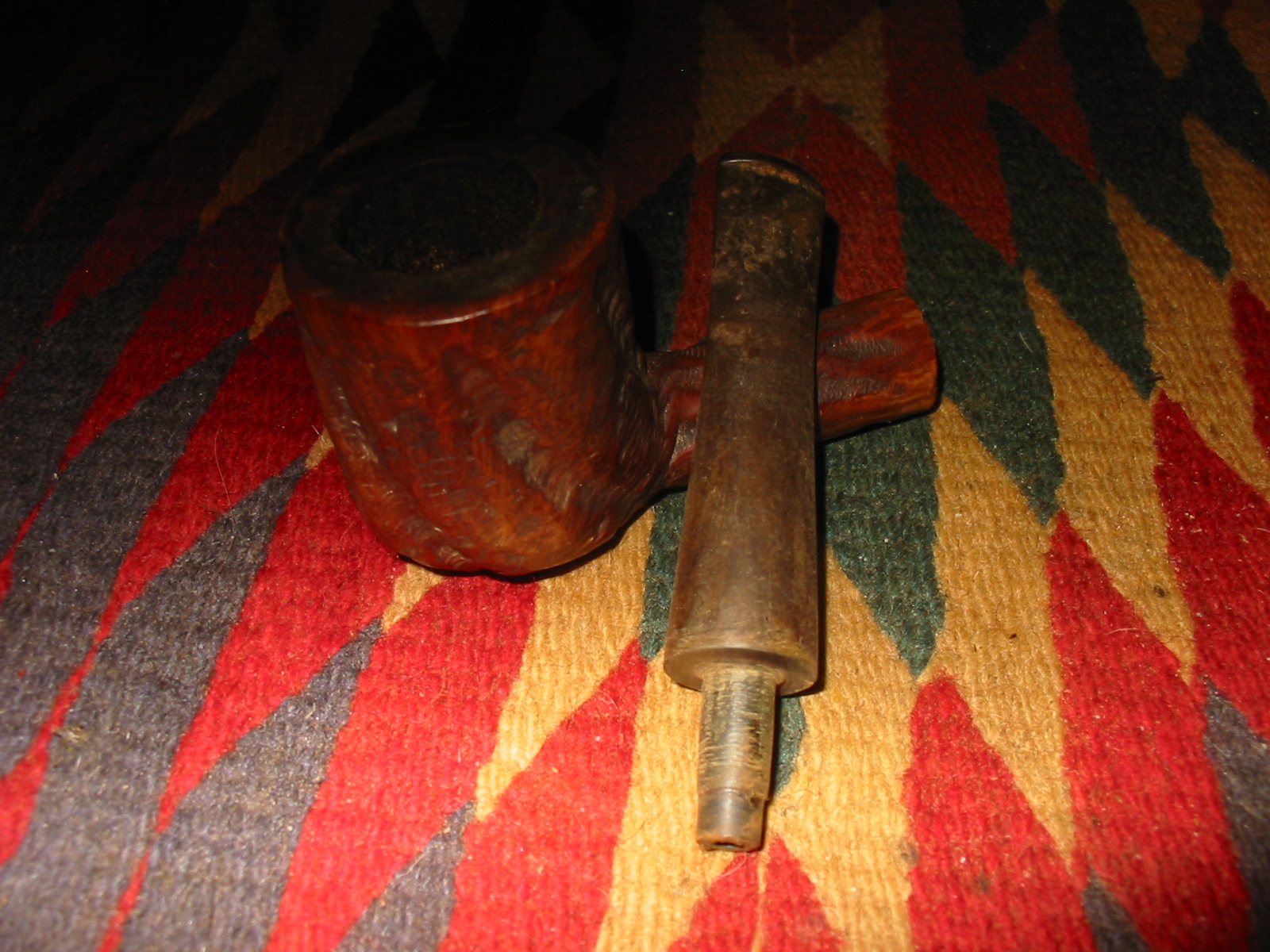
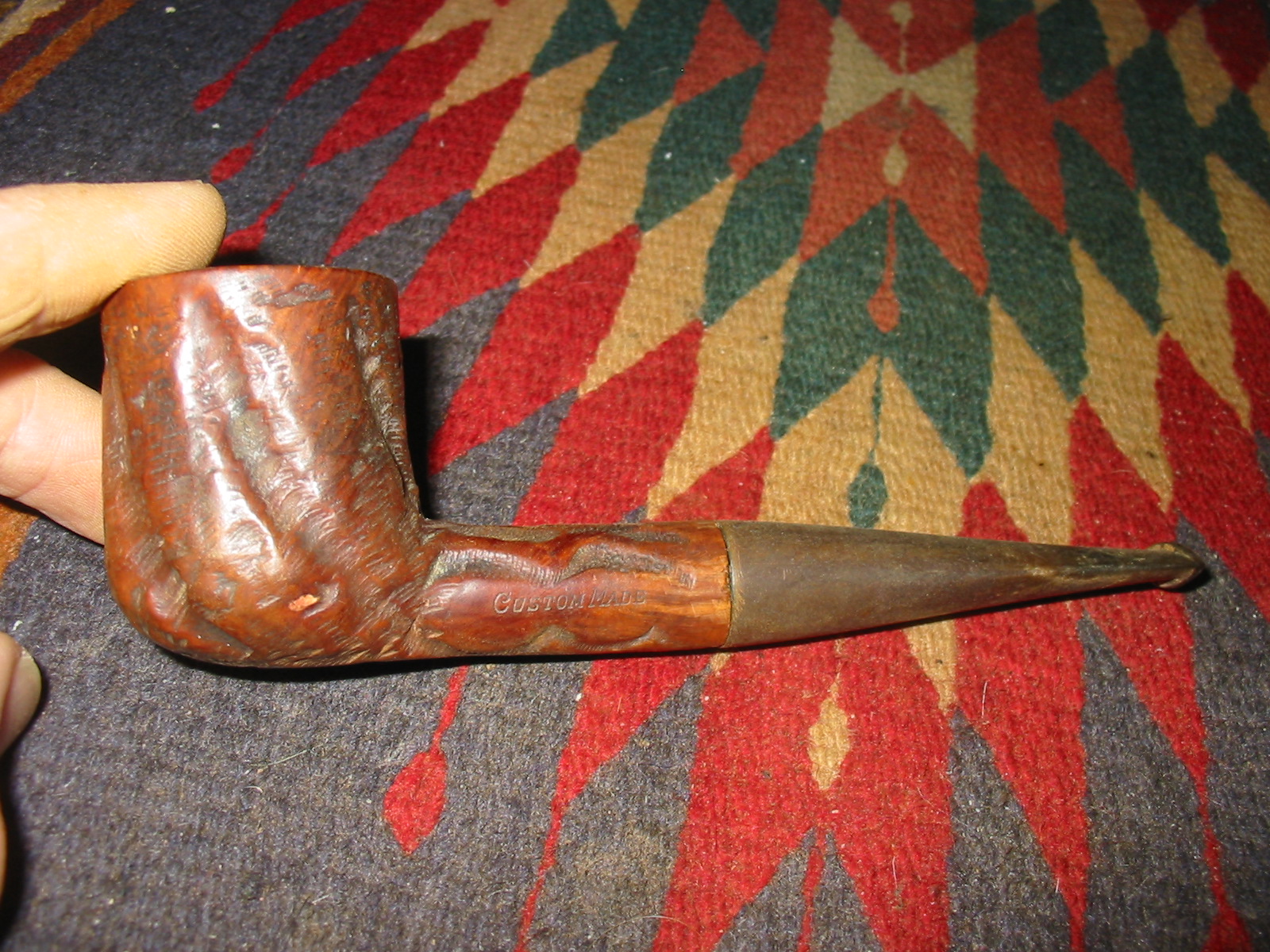
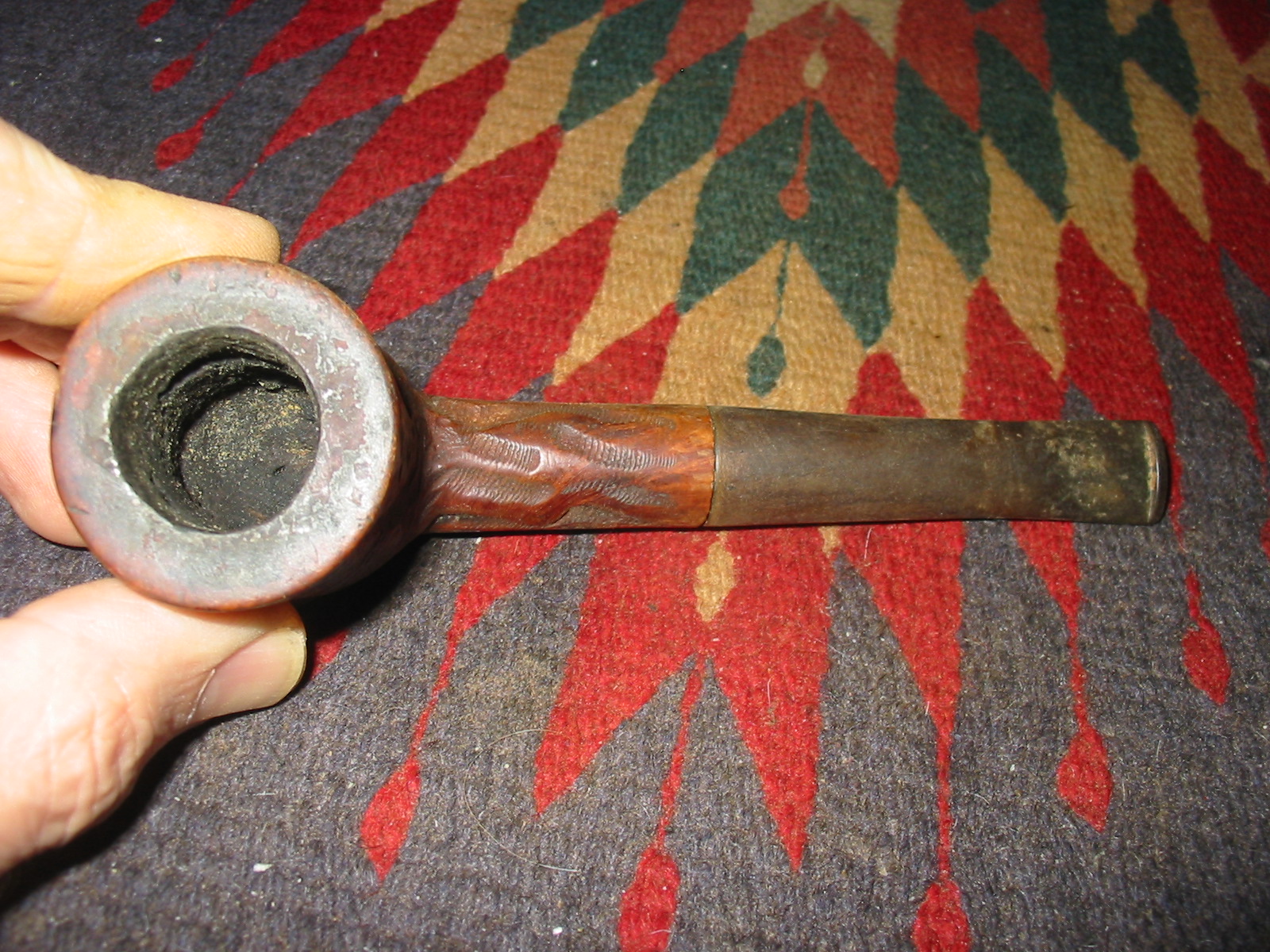
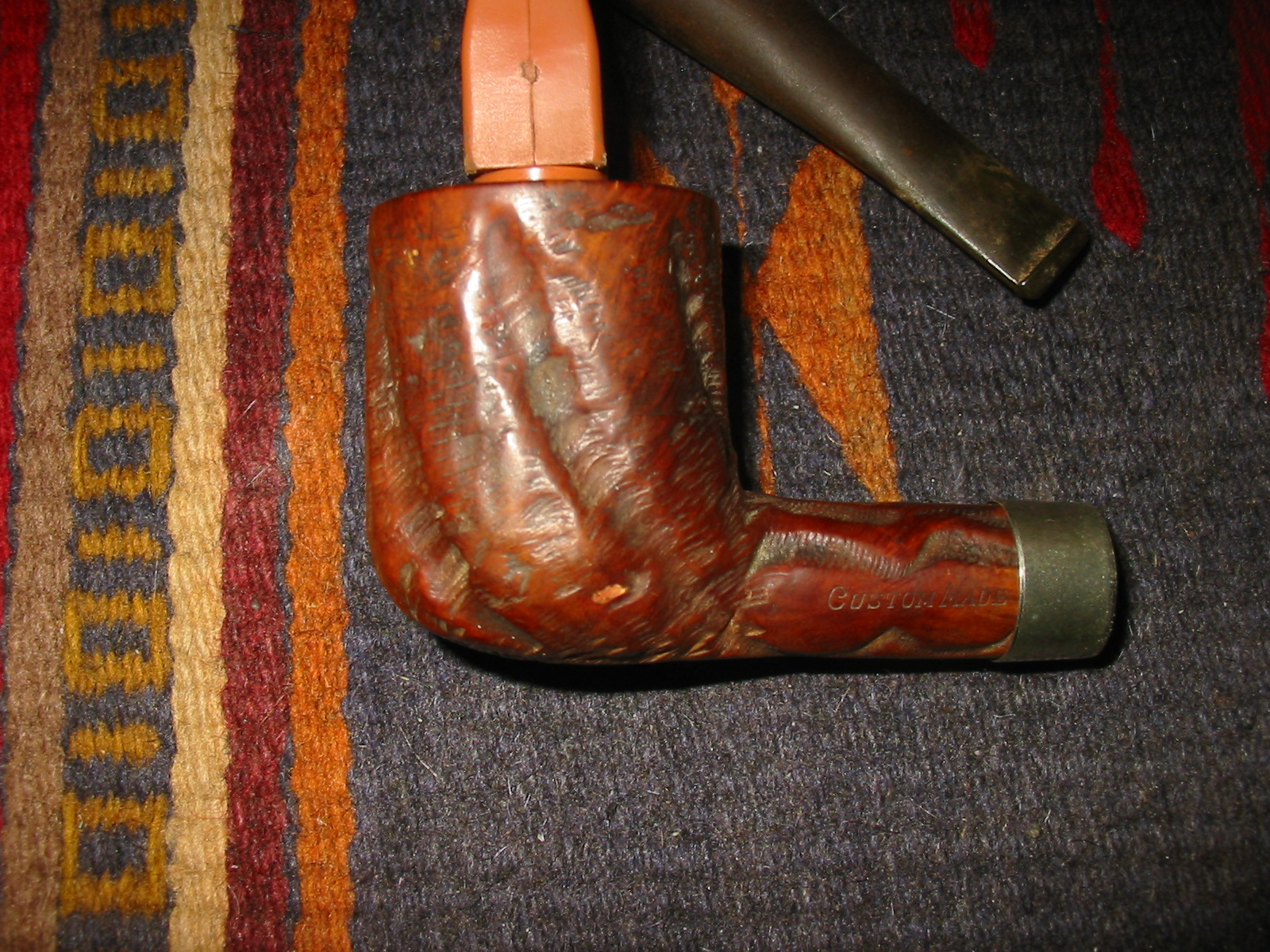
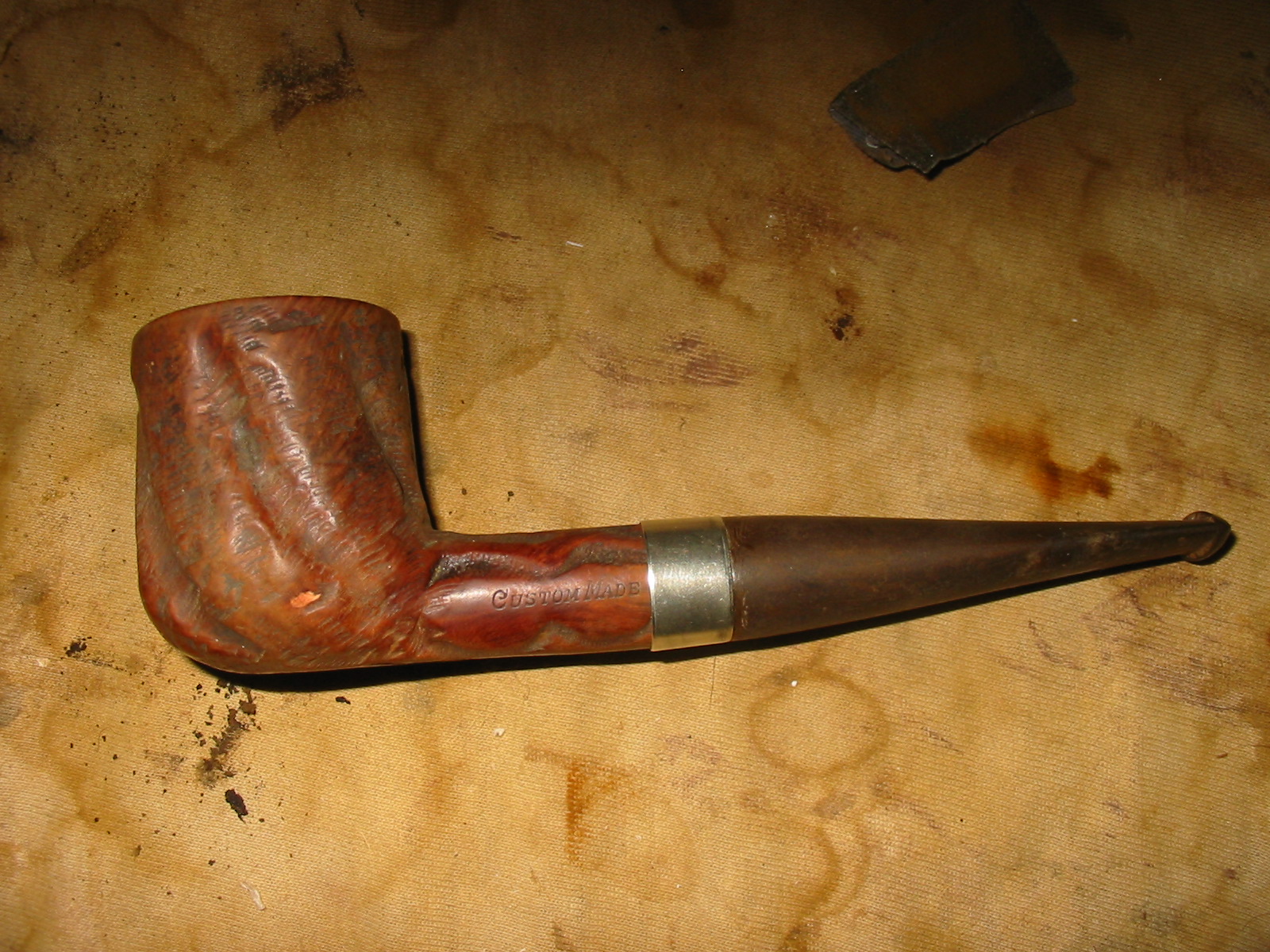
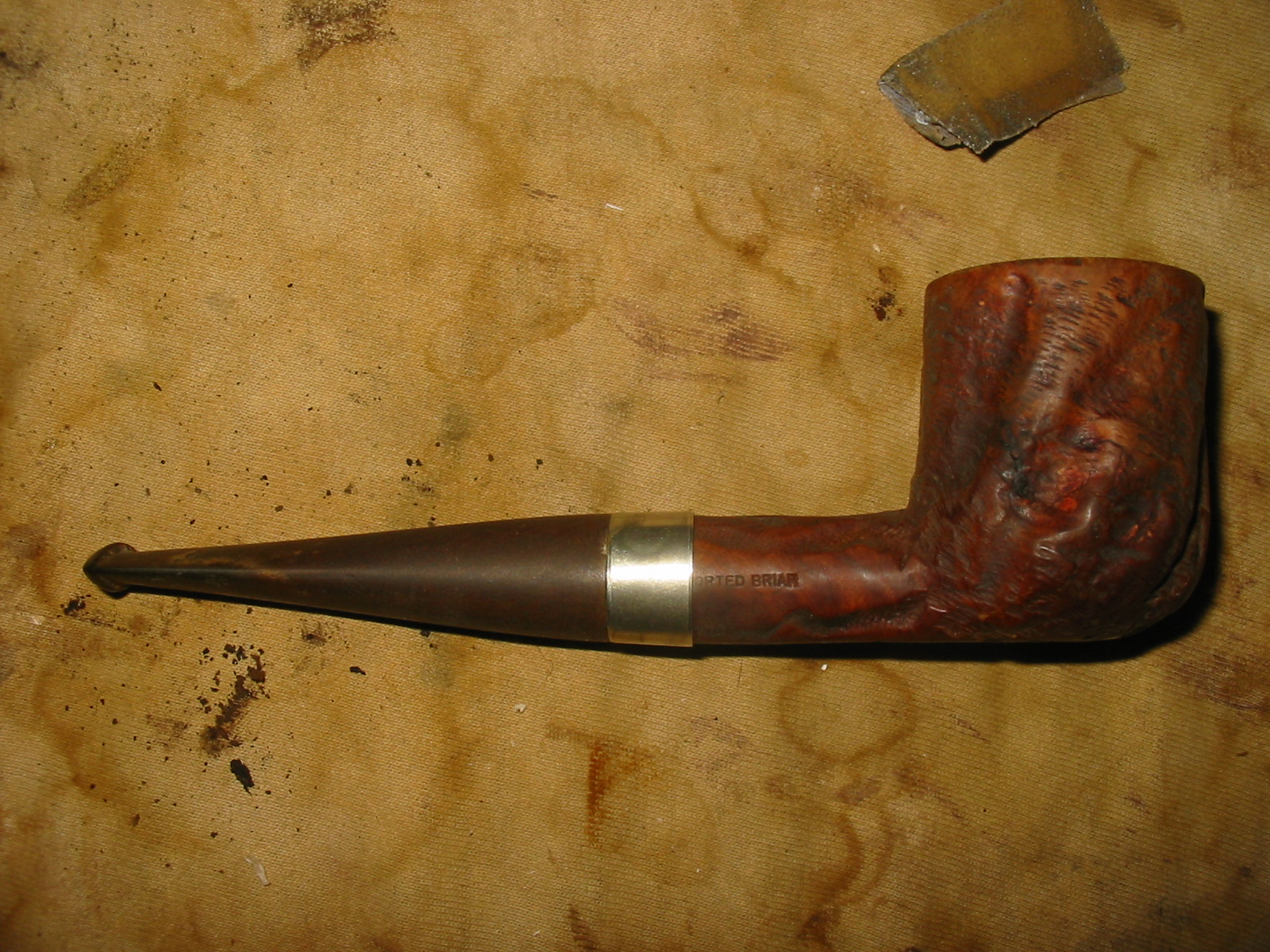
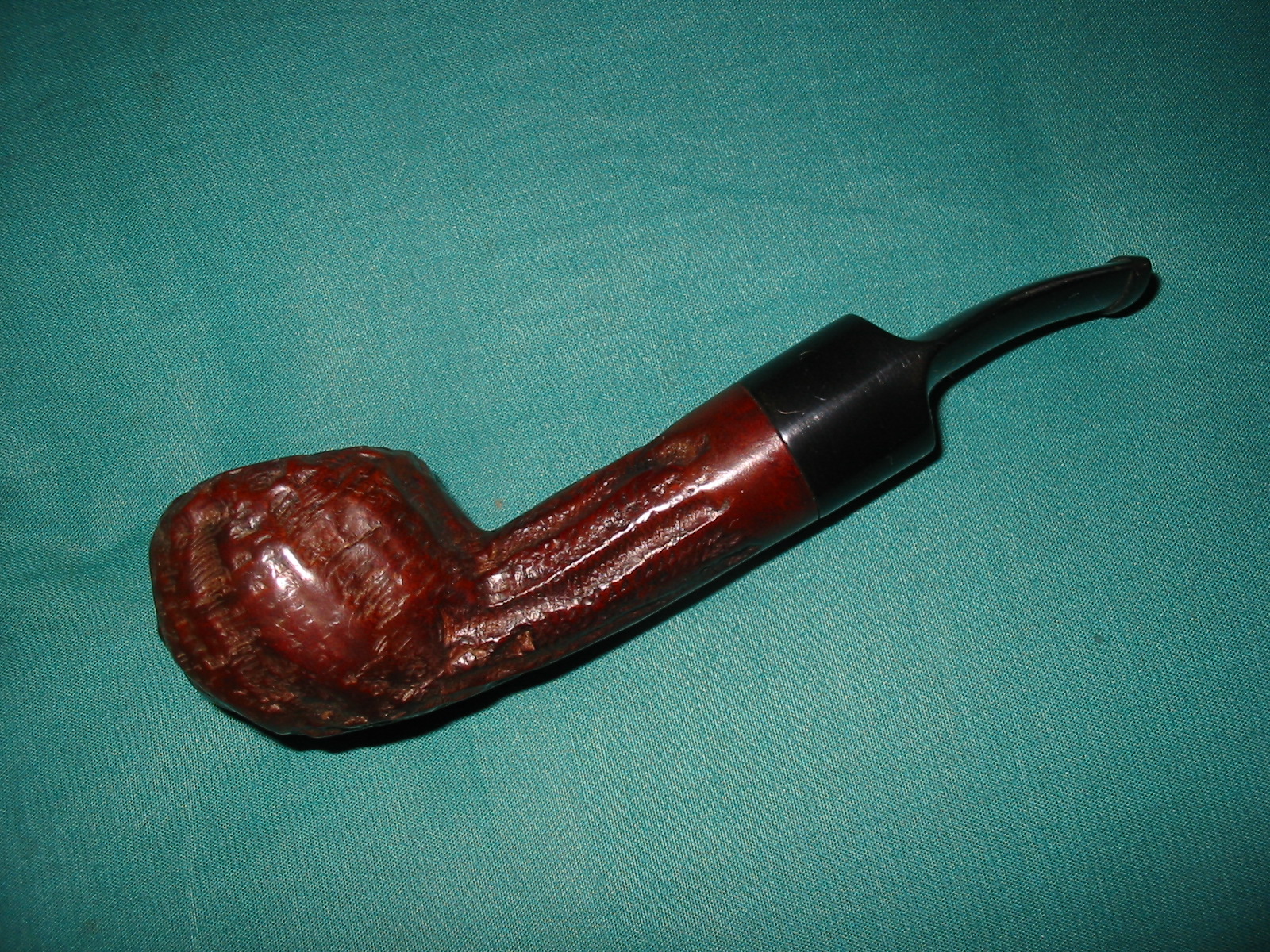
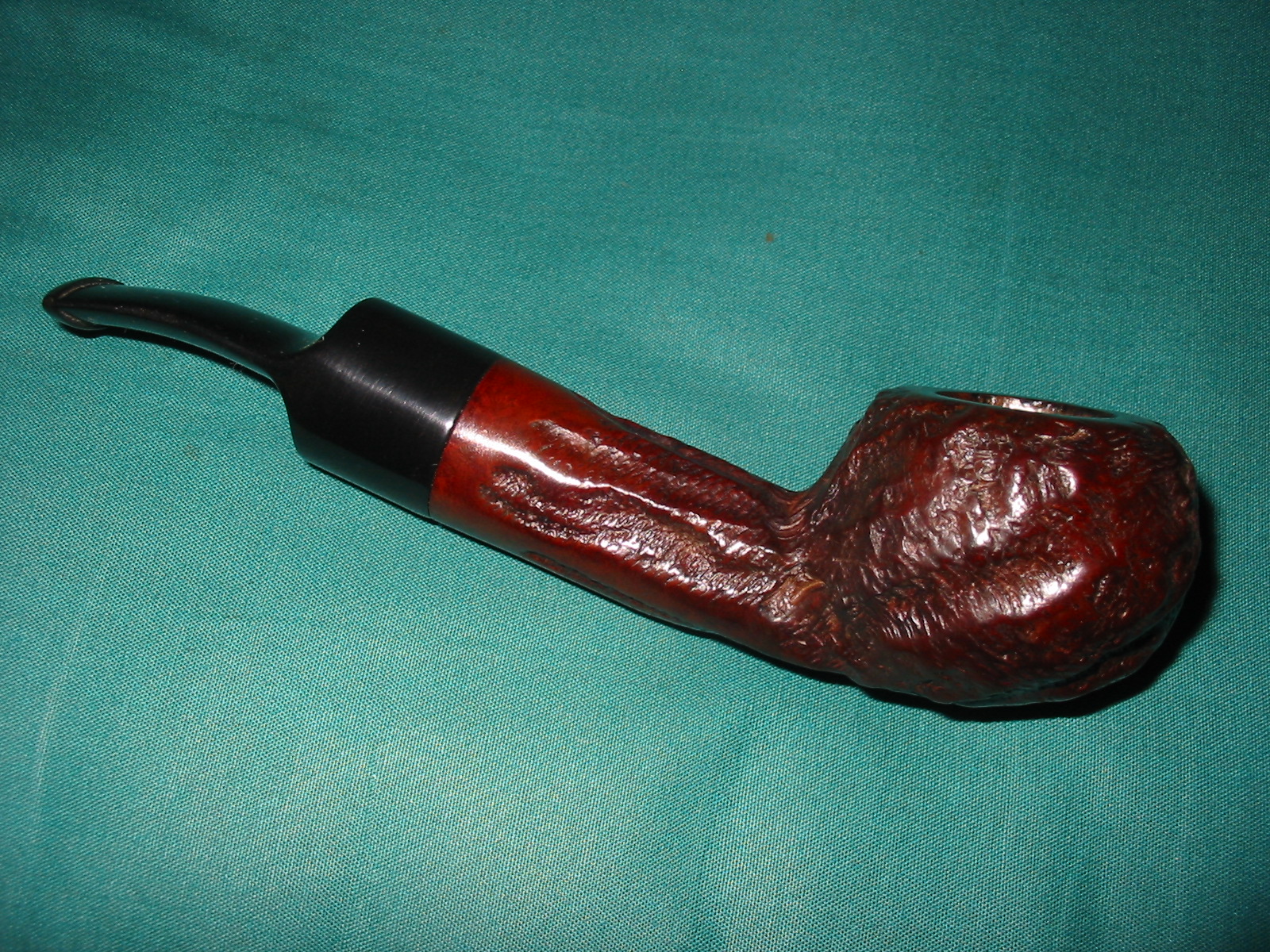
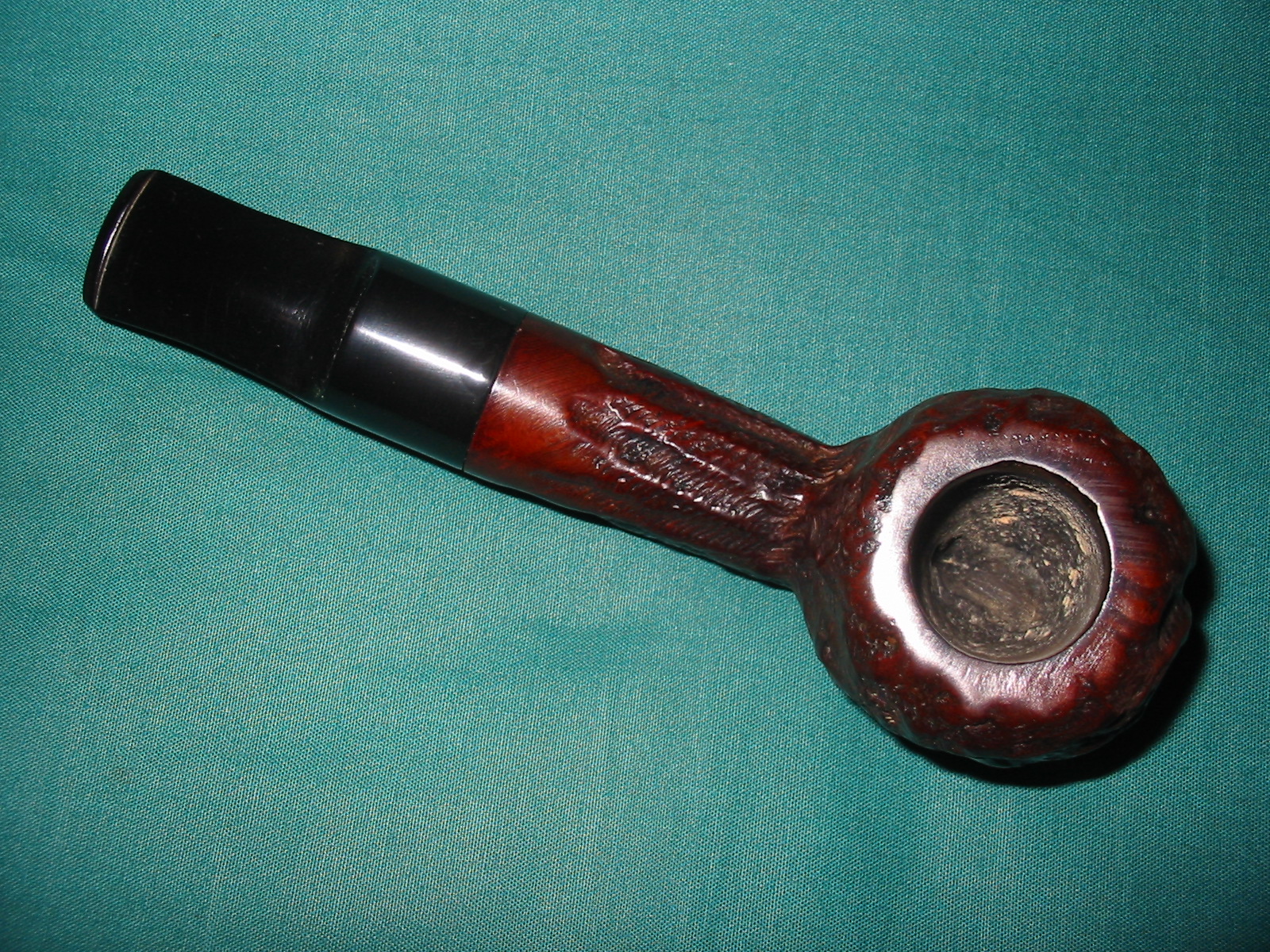
The next pipe in the lot that I refurbished was the top pipe in the centre column in the photo below. It was a Custom Bilt like billiard. It is stamped on the left side of the shank Custom Made and on the right side of the shank Imported Briar. That stamping tells me that it is an American Made Pipe. I cannot find any information on the stamping on the internet but will continue to look and see what I can find.

bowls1

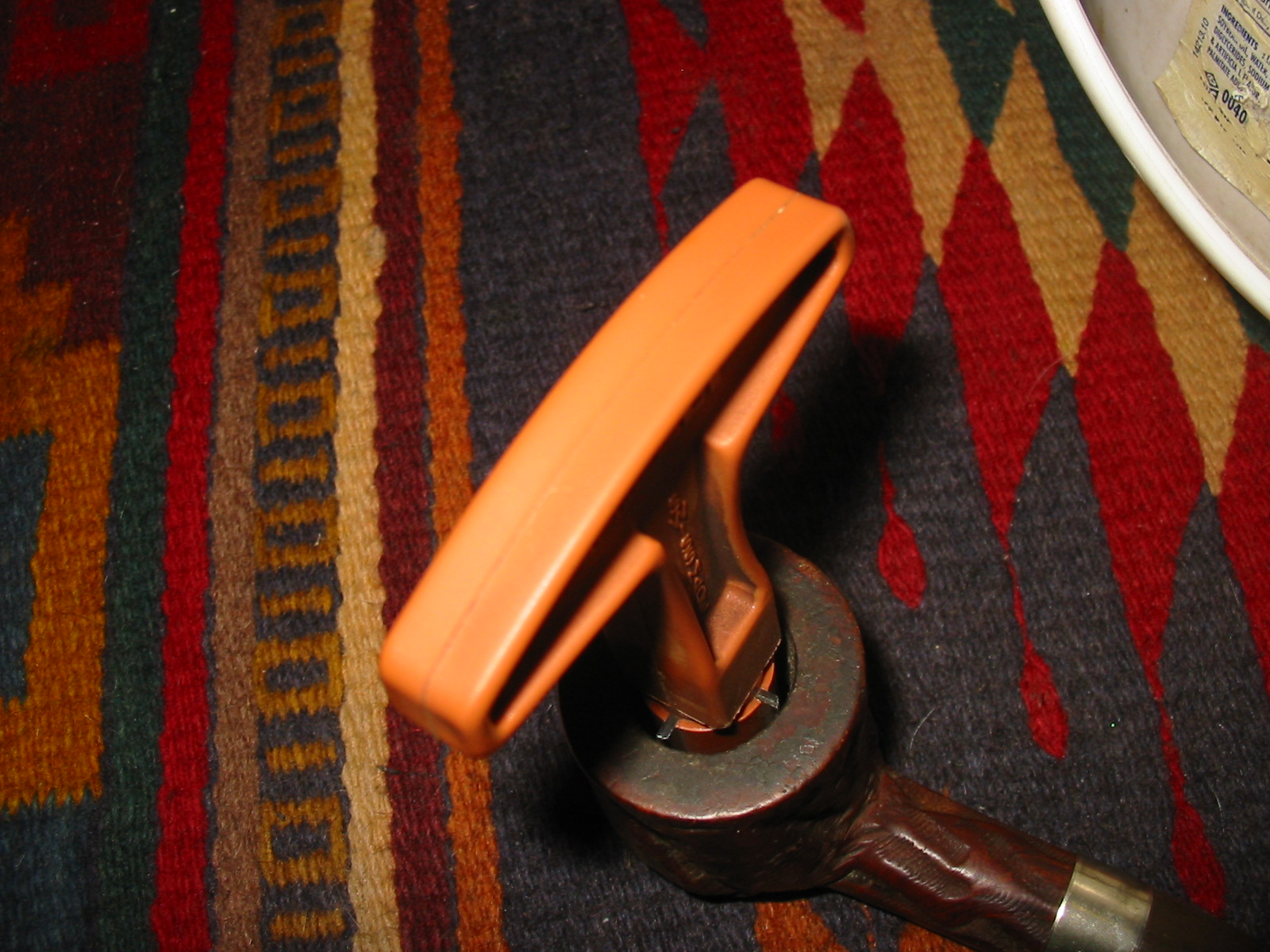
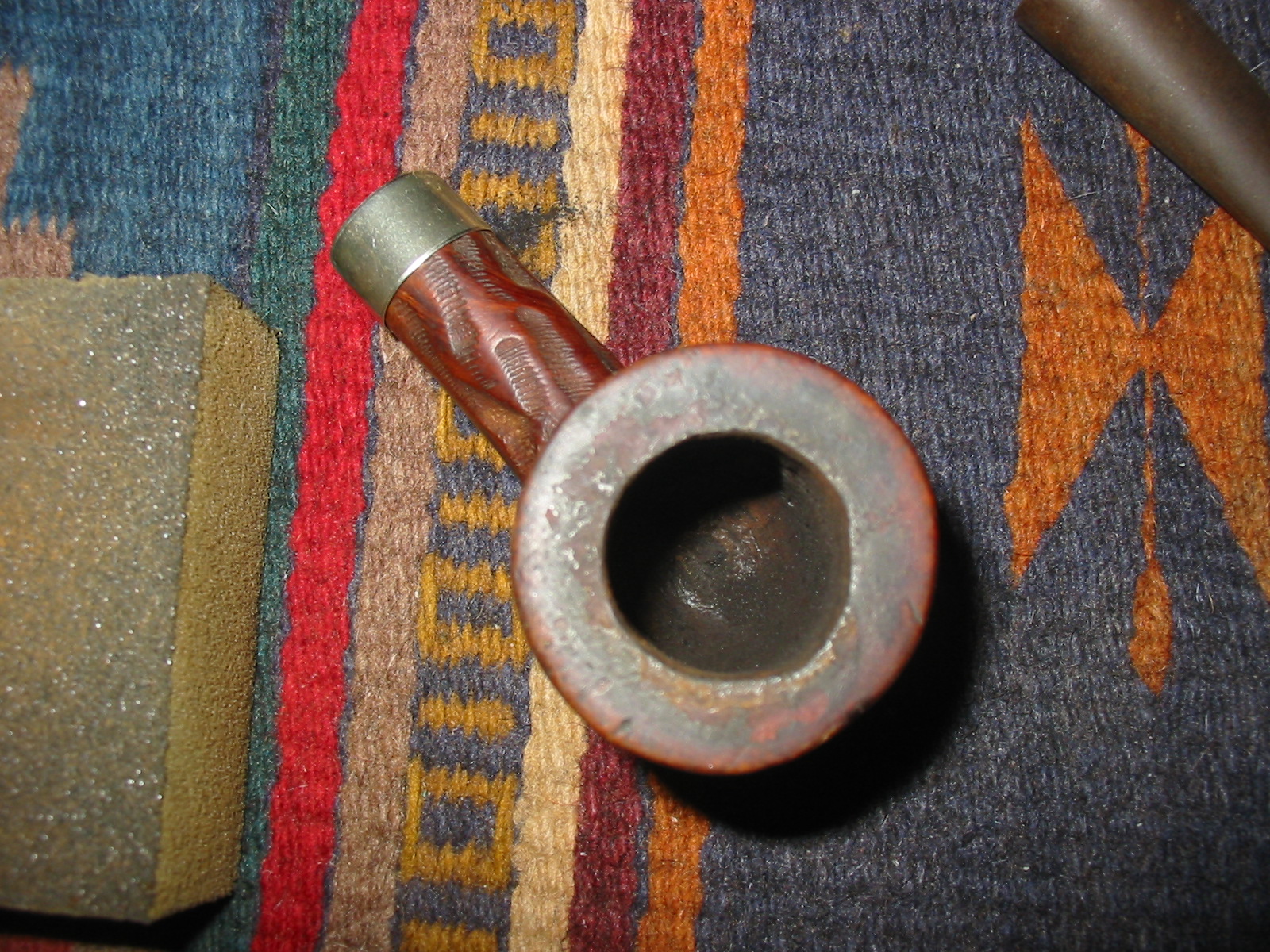
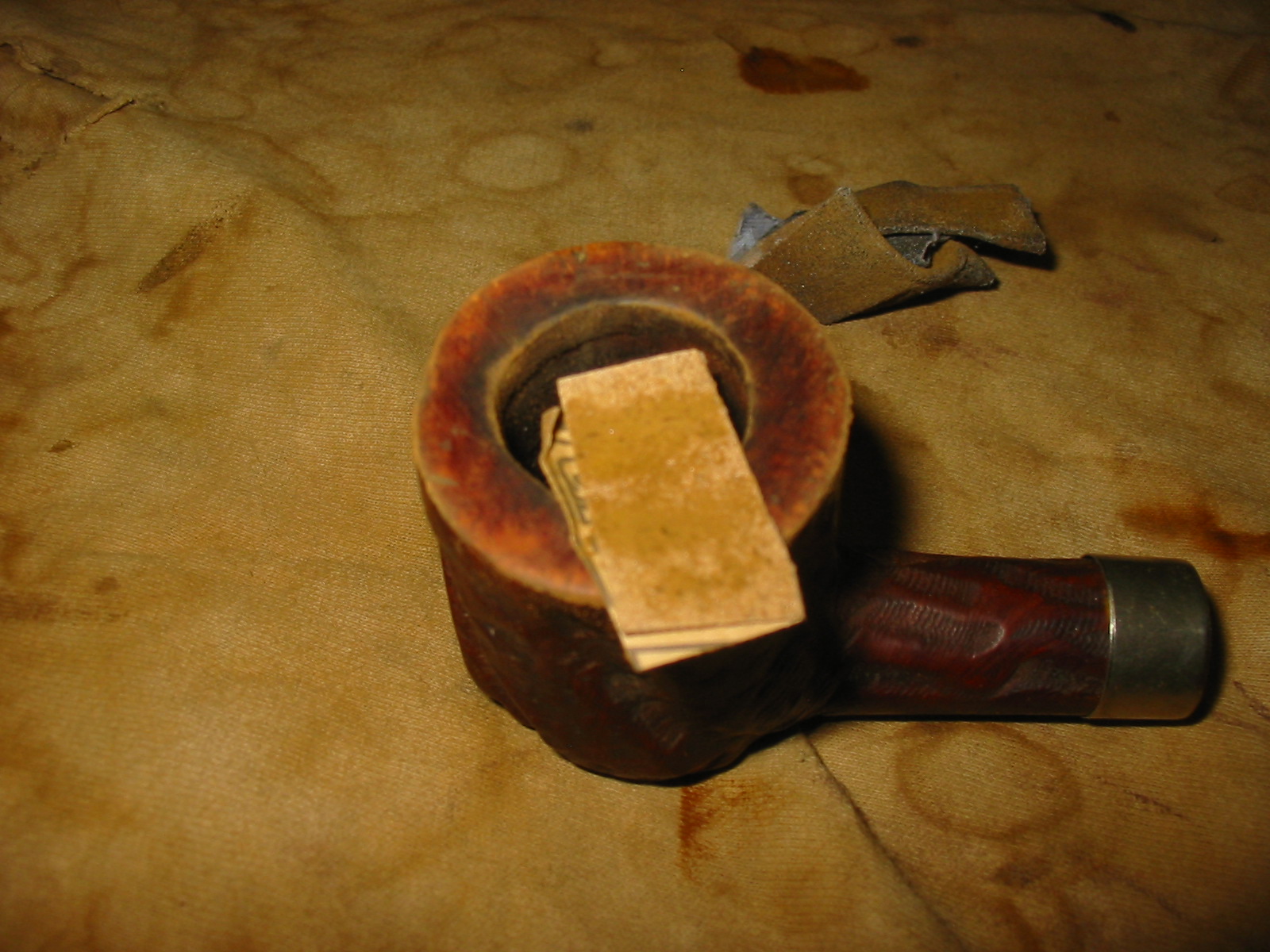
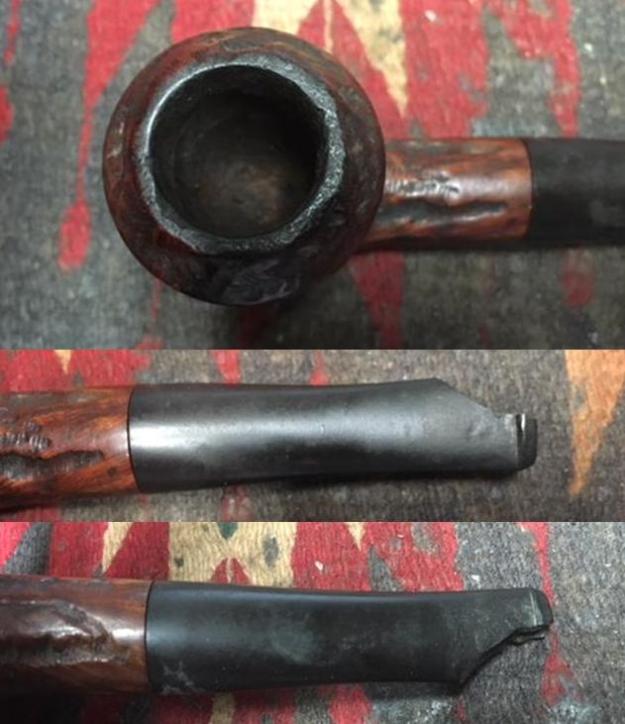
Custombilt The pipe was dirty. The bowl was badly caked – meaning that the cake was very crumbly and uneven. The bowl was out of round as can be seen in the photo below. I would need to ream it out completely to reshape the bowl. The finish was dirty in all of the worm trail carving that is found in these old rustic pipes. It looks a lot like a Mincer Custombilt but I am not sure. The rim surface is tarry with build up and the front inner edge of the bowl is burned. The shank looks good in these photos but there is a divot out of the briar on the left side where it will meet the stem. It did not have a stem when I picked it up on Ebay. I will need to make some decisions about what to do with the new stem and the match at the shank.

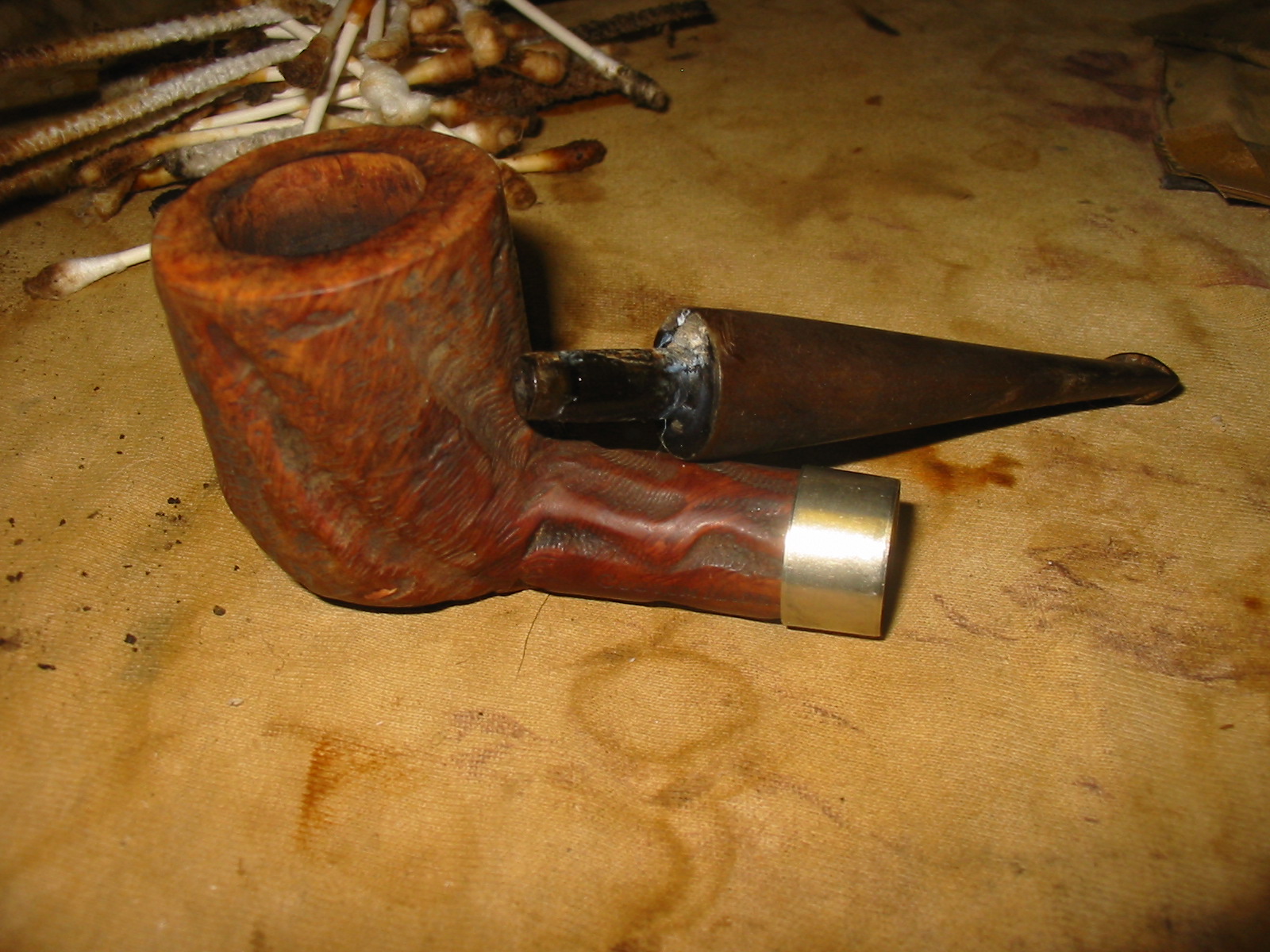
I went through my box of stems to find one that would fit the shank with little adjustment. I had just the stem there. The fit would be great as it was the same diameter as the shank. The stem was oxidized and dirty inside but there were no tooth marks. There was also a calcification on the stem near the button that would have to be dealt with when I got the stem fit to the shank. The next five photos show the “new” stem. I had to hand sand the tenon to get it to fit snugly in the mortise. The third photo below shows the sanded tenon. I used emery paper to sand the tenon back until it fit in the shank. The fourth and fifth pictures show the fit of the stem to the shank. The divot is visible in the fourth photo. It is mid shank on the left side of the pipe. No amount of fitting the stem would make that disappear. I could sand down the shank at that point to make a cleaner fit but I was not sure that is what I wanted to do. To do the sanding would change the chunky appearance of the pipe. So I decided not to sand the shank. I went on and cleaned the inside of the pipe before I made the final decision on the shank.

IMG_1330

IMG_1331

IMG_1332

IMG_1333

IMG_1334

While I was prepping to ream the bowl I took out a nickel band to see what it would look like on the shank. I liked the overall look. I left it on the shank while I reamed the bowl. I used a PipNet reamer – a T handle with various cutting heads to ream the bowl. I started with the one that fit the easiest and then worked up to the third head which was the same diameter as the bowl. I reamed it back to bare wood (Photos 1 and 2). I then heated the band with the heat gun and pressed on the shank to give me a smooth transition between the stem and the shank (Photos 3 and 4).

IMG_1337

IMG_1338

IMG_1339

IMG_1340

I worked on the inner rim with a folded piece of 220 grit sandpaper. I sanded the top of the bowl with the same sandpaper and the fine grit sanding sponge to remove the build up on the rim (Photos 1 and 2). The third photo below shows the inner edge of the rim after the sanding with the 220 grit sandpaper. I was able to get the bowl close to round. I also used the sanding drum on the Dremel to even things out so the third photo shows the finished repair to the inner rim edge.

IMG_1341

IMG_1342

IMG_1343

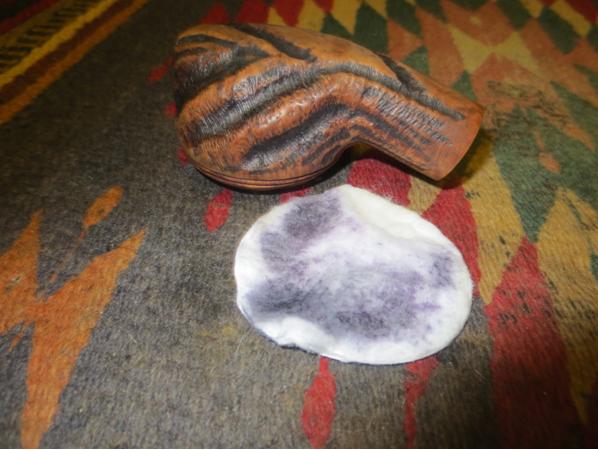
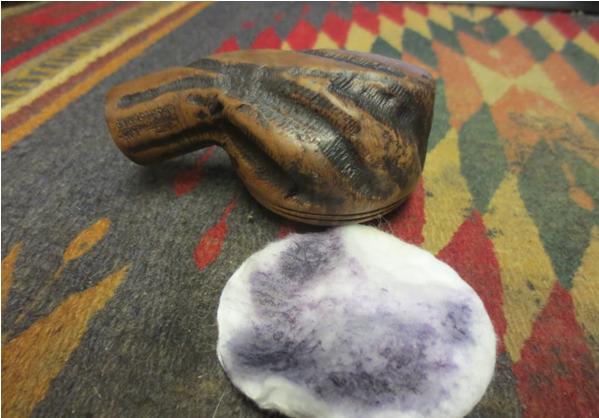
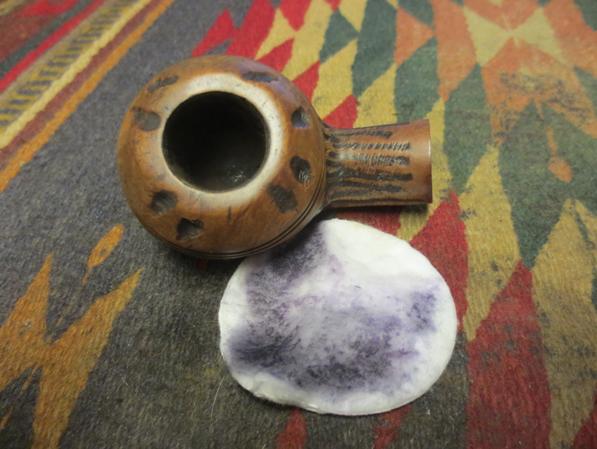
I wiped the exterior of the bowl down with acetone on cotton pads. I wanted to clean out the buildup in the crevices of the trails on the bowl. The dirt and finish that came off is visible in the two photos below. Two obvious fills also showed up in the bowl. These would need to be taken care of to hide them under the new stain once I was finished.

IMG_1344

IMG_1345

With the finish removed it was time to clean out the shank and airway of the pipe. I used pipe cleaners, cotton swabs and also the drill bit from the KleenReem Pipe reamer to remove the tars and oils that had built up in the shank. I probably could have used a retort but the shank did not smell sour or rank. It smelled like Virginia tobaccos had been smoked in this so I just used a lot of pipe cleaners and cotton swabs dipped in Everclear until they came out spotless. I wiped down the tenon on the “new” stem as well with the Everclear.

IMG_1346

IMG_1347

Once the insides were clean I inserted the stem in the shank to see if I still had a snug fit. Sometimes when the grime is removed the fit is not as good as it was before cleaning. I have learned the hard way to leave the stem tight and when it is cleaned the fit will be perfect. I sanded the stem with fine grit emery paper to remove the calcified buildup and the oxidation on the stem. The next three photos show the stem after the sanding with the emery paper.
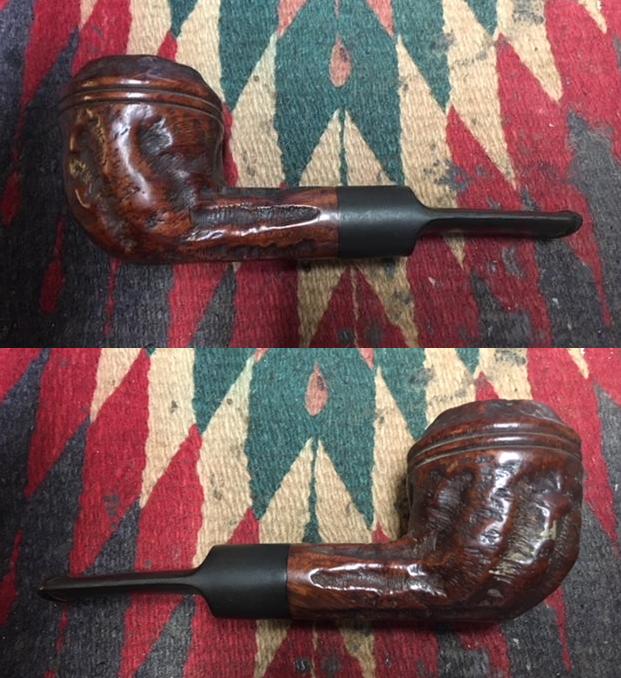
IMG_1348

IMG_1349

IMG_1350

I then sanded the stem with 220 grit sandpaper to remove more of the oxidation and also the scratches left behind by the emery paper. The next series of three photos show the stem after sanding with the sandpaper.

IMG_1351

IMG_1352

IMG_1353

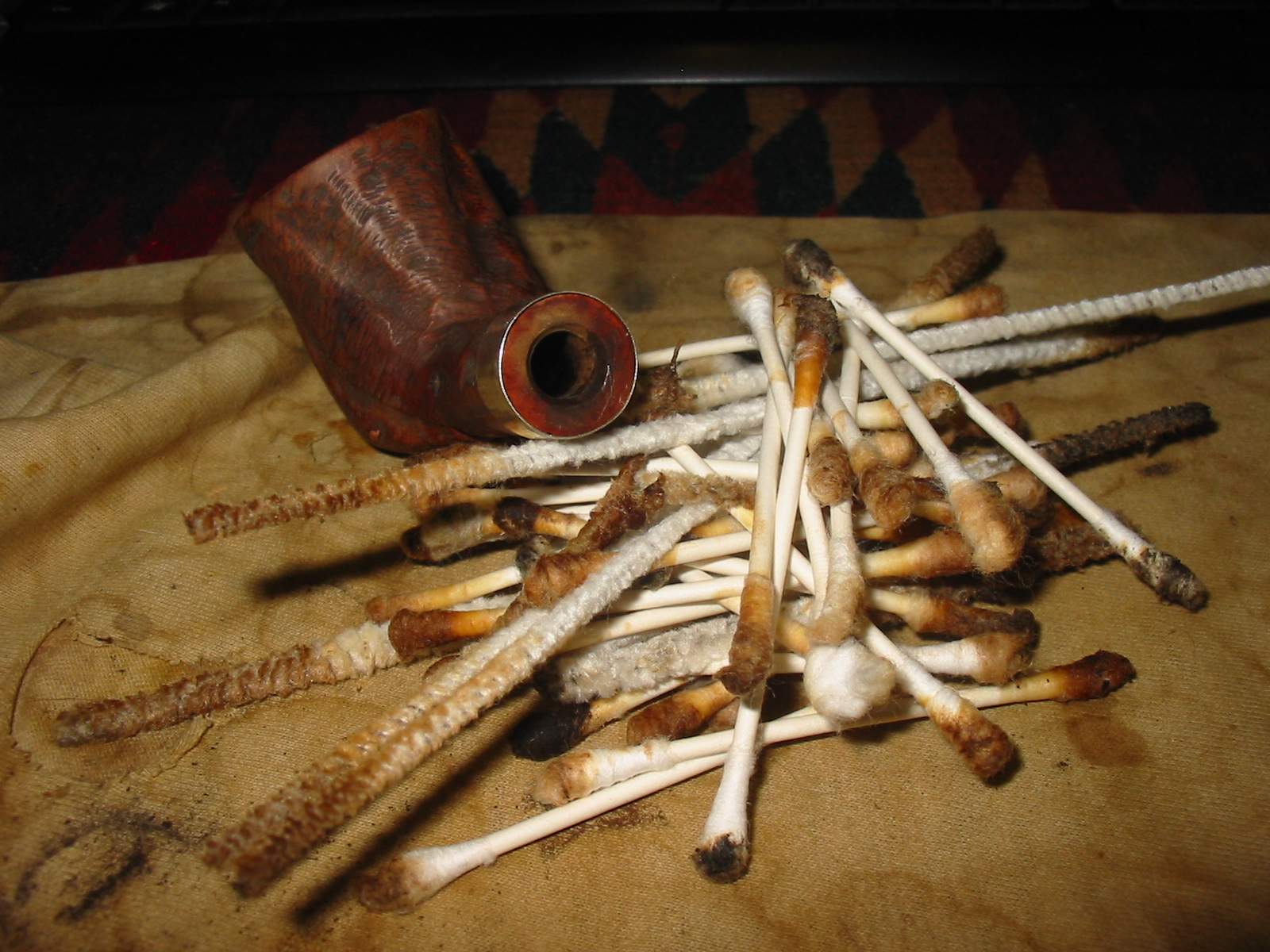
I went back and cleaned the stem with pipe cleaners and Everclear. I should have done that when I was cleaning the shank but honestly I forgot to do so. Never too late however so I did it next. The next four photos show the pile of pipe cleaners that it took to clean the stem. I also wiped the bowl and shank down with Everclear on a cotton pad to prepare it for staining.

IMG_1354

IMG_1355

IMG_1356

IMG_1357

I restained the pipe with a dark brown aniline stain. I thinned the stain with 1 part alcohol to 2 parts stain to get the brown I wanted for a colour. I wanted it dark enough that the fills would blend into the finish but also transparent enough to show the grain through the stain. I used a black permanent marker, called a Sharpie here in Canada to give the fills a dark top coat before applying the stain. I have learned that this method makes the fills blend into the bowl better on these rusticated bowls. I applied the stain with a cotton swab, flamed it with my lighter and reapplied it and flamed it again. It took three applications of the stain to give good coverage to the bowl. The next three photos show the unstained pipe (Photo 1) and the newly stained pipe (Photos 2 and 3).

IMG_1358

IMG_1359

IMG_1360

Once the stain was dry I hand buffed it with a shoe brush to see if I needed to add any more stain to some of the spots on the bowl and rim (Photo 1). The next three photos show the buffed bowl and the finished colour. The coverage was good so I buffed it by hand and then went back to work on the stem.

IMG_1361

IMG_1362

IMG_1363

IMG_1364

The next series of six photos show the progressive polishing of the stem with micromesh sanding pads from 1500-12,000 grit.

IMG_1365

IMG_1366

IMG_1367

IMG_1368

IMG_1369

IMG_1370

I took the pipe to the buffer and buffed the stem with White Diamond and then rubbed it down with Obsidian Oil to preserve it. I gave the bowl a coat of Halcyon II wax and the stem several coats of carnauba wax to prevent oxidation. I buffed the entire pipe lightly with a soft flannel buff. The finished pipe is pictured in the last four photos.

IMG_1371

IMG_1372

IMG_1373

IMG_1374

Refinished a Custombilt Scoop in Memory of Bill Unger


Blog by Steve Laug

I just heard the sad news that Bill Unger died today. He suffered from leukemia and that war is over now. Bill touched many lives in inestimable ways and will be deeply missed by all who knew him. It was not long ago that all of us in the NASPC got news of Bill’s illness and his impending end. It was a shock for certain but none of us would have guessed it would end so soon. Bill is the one who got me started into hunting down old Custom-Bilt and Custombilt pipes. I read his book: As Individual as a Thumbprint: The Custom-Bilt Pipe Story and was sold on the uniqueness and smokability of these pipes. I don’t remember the date I read the book, but probably not long after it came out. I immediately went on the hunt. I have about a half dozen of the pipes and several of the Doodlers as well. With that background and Bill’s book I could not pass up this old pipe when I found it in the antique mall last weekend. It is fitting that the first refurb of this New Year happened on the same day as Bill’s death. So Bill I dedicate this refurbishment to you. I raise my pipe to you my friend and will smoke a bowl this afternoon in your honour. RIP Bill.

This old timer needed some tlc to make it a functional smoker again. The finish was shot and very dirty. The rim was caked and the cake was thick and heavy. The tars in the shank were so thick that the airway was virtually closed off. I am not sure how the previous owner could still smoke it. The stem was also clogged and dirty. The outside of the stem was oxidized. There were also some tooth marks and bite marks on the underside of the stem near the button. But something about the look and feel of this old timer in my hand drew me to it. I paid a princely sum of $11.99 to take this one home with me. The first set of photos show the state of pipe when I brought it home. The colour of the briar is correct in the first photo. The other ones are cast in an odd light that I cannot quite figure out but you can see what needed to be done to bring this pipe back to life and usefulness.

ImageImageImageImageImage

I took the pipe apart on my worktable and began the long process of cleaning out the tars and grime from the bowl and shank. I reamed the bowl with my Pipnet reaming set until it was down to the bare wood. I like bringing the bowl back to a new base to rebuild the cake as I like it. This one has an odd shaped bowl in that at the bottom of the bowl the airway enters quite high in the side of the bowl – about a 1/8 inch above the bottom of the bowl. Below the airway the bowl bottom is cut like a V – not sure if the previous owner cut the channel that way or it just happened for over working pipe cleaners in the bowl bottom. Whatever the cause, I will need to build up the bowl bottom with pipe mud. I cleaned out the grime from the bowl bottom with a dental pick and removed the dottle that had collected in the V. A good cigar will give me the ash I need to make pipe mud to do the repair. It should be as good as new when I have finished that. I used some isopropyl alcohol and then switched to Everclear to clean the inside of the shank. That took some work as the shank was very constricted from the end of the mortise to the bowl. I cleaned the airway with a bent paper clip and then bristle pipe cleaners to open it up. Because of the way the bottom of the bowl was I did not want to risk a drill bit to clean it at this point. Many pipe cleaners later the airway came out clean. I then scrubbed the mortise with cotton swabs and alcohol until it also was clean and spotless.

ImageImage

After I had finished cleaning the inside of the pipe I put it in an alcohol bath to remove the grime from the rim and the outside of the bowel. I let the bowl soak in the alcohol bath for about an hour. When the time was up I removed it from the bath and scrubbed it with the alcohol from the bath and a toothbrush. I scrubbed the rim and the exterior of the pipe to remove the softened grime. Once it was finished I dried it off and set it aside to dry. The next series of photos show the bowl after the cleaning in the alcohol bath and the scrubbing.

ImageImageImageImage

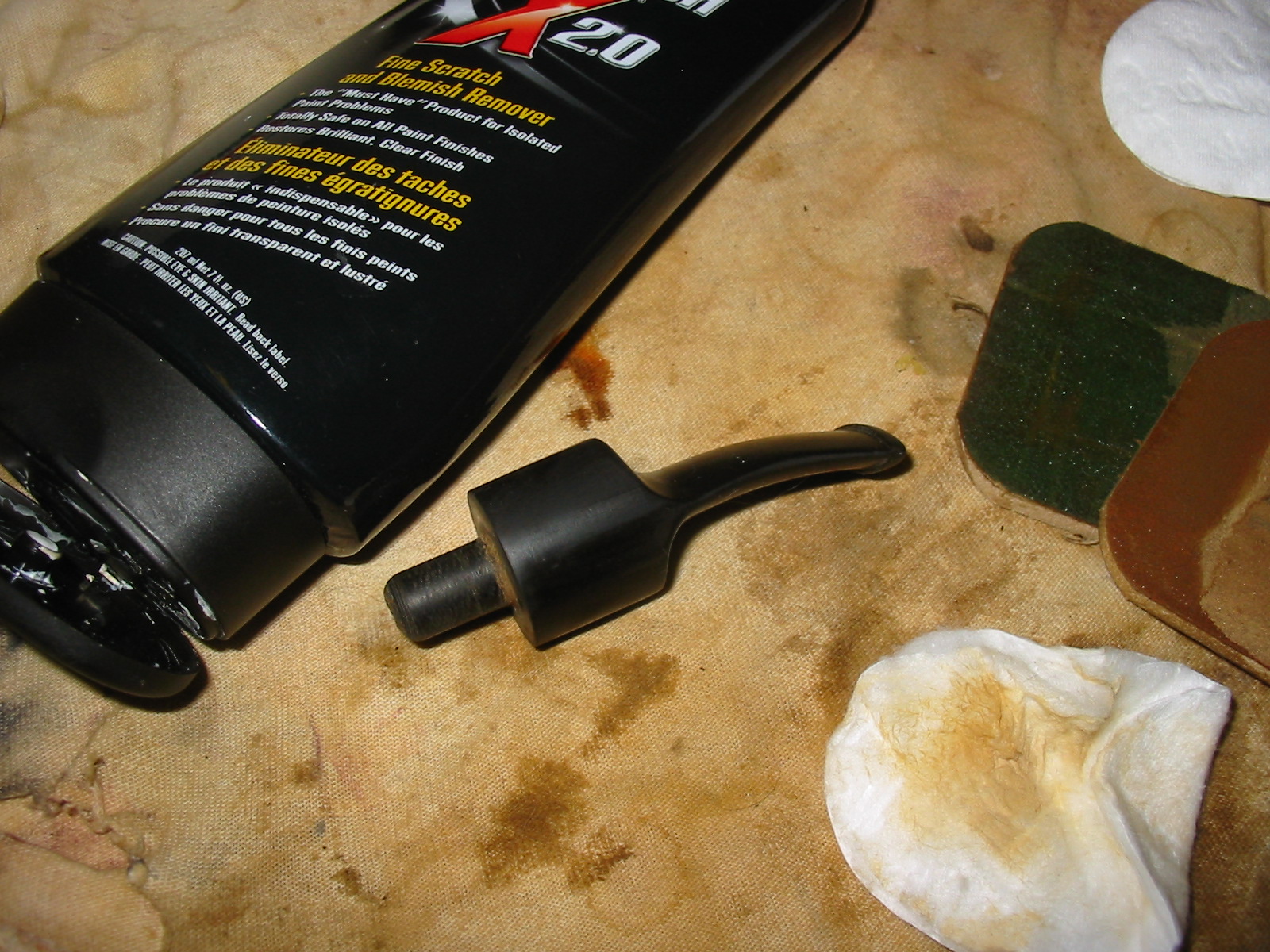
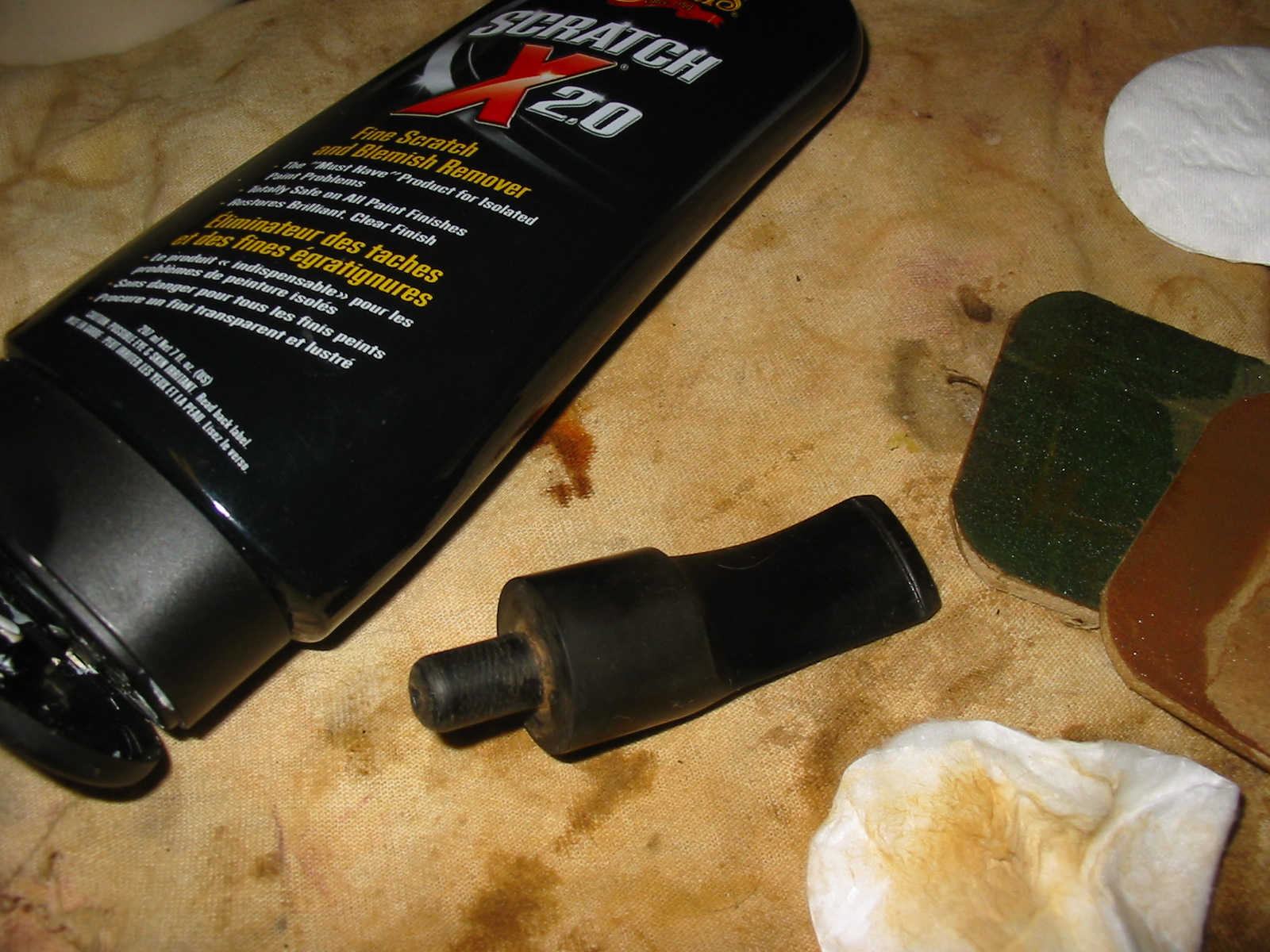
I went to work on the stem at that point and sanded it initially with fine grit sandpaper on foam backing. This gave me the ability to work the angles and curves of the saddle stem and the area around the button to remove the tooth marks and chatter. Once I had done that I used 320 grit sandpaper to sand out the scratches and remove the remaining oxidation. I then used Maguiar’s Scratch X2.0 to polish the stem. I coated the stem with the polish and then scrubbed it with a cotton pad and repeated the process two more times to give it an initial shine. The next two photos show the stem after the polishing with the Maguiar’s polish.

ImageImage

I put the cleaned stem back on the now dried pipe bowl to do some of the close sanding around the shank/stem union. I did not want to round the edges of the stem and ruin the smooth fit that the stem had originally. Using micromesh sanding pads 1500, 1800 and 2400 grit I wet sanded the stem. I then used Murphy’s Oil Soap and a tooth brush to scour the pipe bowl and shank exterior. I scrubbed it until the soap was brown and frothy. I then rinsed it in the sink under warm water and dried it off with a microfiber cloth. The next series of four photos show the finished bowl ready for a new coat of stain.

ImageImageImageImage

I then set the bowl aside and worked on the stem for the remainder of the micromesh sanding pads from 3200-12,000 grit. Before beginning with the 3200 grit I coated the stem with some Obsidian Oil and rubbed it into the stem. When it was dried I sanded the stem with 3200, 4000 and 6000 grit sanding pads. The next series of photos show the process of the sanding and the resultant look of the stem at this point.

ImageImageImageImage

I set up my staining area and took out the dark brown aniline stain. I thinned it with isopropyl alcohol 3 to 1 and then applied the stain with a dauber to get the stain into all the crevices. Once it was coated well I flamed the stain and let it set the stain. The flaming burns off the alcohol in the stain and works to set the stain in the briar. I reapplied the stain and reflamed it to set a second time.

ImageImageImage

After flaming the stain I let it sit for about 15 minutes to let the stain dry in the crevices of the rustication. The first photo below shows the bowl after the stain has dried to a nice matte finish. I then used a shoe buffing brush to buff the pipe. The second photo shows the bowl after that buffing. I then finished sanding the stem with 6000, 8000 and 12,000 girt micromesh sanding pads and then coated it a final time with Obsidian Oil.

ImageImage

The next series of four photos show the finished pipe. Once I was done with the stem I put it back on the pipe and took the pipe to the buffer and buffed the pipe with White Diamond and then coated the stem with carnauba wax and used Halcyon II wax on the rusticated surface of the bowl. The entirety of the pipe was then buffed with a soft flannel buffing pad to bring up the shine of the wax. Once I have smoked a bowl in Bill’s honour I will coat the bowl with pipe mud to raise the V shaped bottom of the bowl even with the entrance of the airway.

Now the pipe is ready to load with Virginia and smoke a bowl in memory and honour of Bill Unger. Here is to you Bill. May your bowls always be full as you enjoy the end of all your struggles. My prayers and condolences go out to your family and close friends.

ImageImageImageImage

Refurb – A Pair of Custombilt Look A Likes


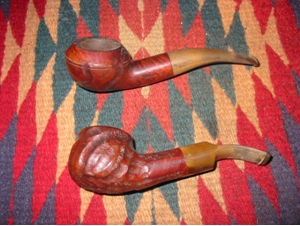
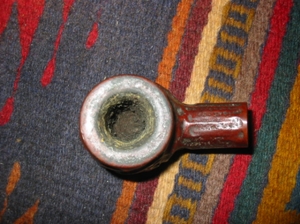
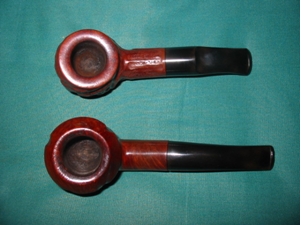
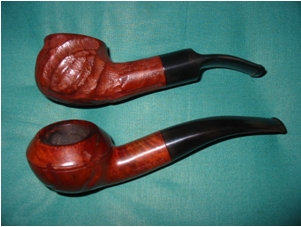
I just finished up on these two Custom Bilt look a likes. The Rhodesian shaped pipe has no stamping other than Imported Briar. The bent pot is stamped Aged Imported Briar on one side and Ben Rogers on the other side. I am not familiar with the brand. So if anyone has information on it please post it here. I would appreciate learning about the twosome.

ImageImageImage

Both pipes needed quite a bit of work to make them smokeable once more. The bowls had a thick cake and each one of them still stuffed with half a bowl of tobacco. The stems were rough and pitted from the oxidation and had a white lime like coat on them. They were very dirty inside and out. I cleaned them with a shank brush, bristle pipe cleaners and finished with fluffy ones all dipped in isopropyl alcohol until they came out clean. I buffed the stems with Tripoli after cleaning them to try and break down the coat of oxidation. It did not do much so I put them both in a bath of Oxyclean to soak. I find that though it does not remove the oxidation it does soften it considerably and makes sanding and buffing it off much easier.

Once they were soaking I turned to the bowls. First I reamed them both to remove the crumbling and uneven cake. I generally take them back to bare wood when they are in this state or at the most leave a thin bit of cake on the walls. I cleaned the rims with alcohol and a soft cloth and sanded it with 600 wet dry sandpaper to remove the tar deposits and carbon on them. Once that was done I dropped them in the alcohol bath to wet them and scrubbed them with a soft bristle toothbrush. I find that on the smooth and semi-rusticated finish of these pipes the tooth brush works very well to remove deep seated grime and loosen oils and dirt.  I then left them to soak while I went back to the stems.

After the soak the stems came clean pretty easily with 240 grit sandpaper, 400 and 600 wet dry sand paper and a finishing buff with Tripoli. I worked on them for a while with the sandpapers and Tripoli and then used White Diamond for the final polishing buff. I was careful to not buff the last bit around the stem edge that would meet the shank. I would finish it once the bowls were stained and ready. Then I would buff them together with carnauba wax.

By the time I was done with the stems the bowls were ready. I took them out of the bath and wiped them down. Once they were dry I restained them both with a medium brown aniline stain, flamed the stain and then buffed them with White Diamond to remove excess stain and give a contrast between the smooth portions and the rustication. I hand waxed them both with Halcyon wax and buffed with a soft cotton cloth.

ImageImageImage

Custom-Bilt Saddle Billiard Comes Back to Life


Blog by Steve Laug

It was a pleasure to refurbish this original Custom-Bilt (note the hyphenated title). I have always loved the rugged individualism of Tracy Mincer’s pipes. They are like none of their imitators in terms of character and sheer smoke-ability. They feel great in the hand; have and open draw and generally a comfortable stem. They are nothing pretty to look at yet there is something endearing about their “ugliness”. This old pipe was in very rough shape when I started to work on it. I apologize up front in that I forgot to grab the camera to take pictures of the pipe when I began the work. My words will have to suffice as I tell you about it. There was still a dry and almost petrified dottle of tobacco left in the bottom of the bowl. The cake that was on the walls was filled with cracks and major chunks of it were missing. The only way to remedy that was to ream it. The exterior of the bowl had a very tarred and sticky rim and the finish was gone and flecks of white paint were all over the crevices of the rustication. The stem was dull brownish green with a white crust around the button and up the stem a good half inch. This stuff was like concrete.

I always start my refurbishing process by addressing the issues of the bowl. That way as it soaks I can work on the stem. I scraped out the petrified dottle and reamed the broken cake back to bare wood. I cleaned the inside of the shank with a shank brush and bristle and fluffy pipe cleaners and isopropyl alcohol until they came out clean. I wiped down the exterior of both the shank and bowl with a rub of alcohol. When finished it was dropped in the alcohol bath for most of the morning while I worked on the stem.

I went to work on the stem. I decided to buff it with black Tripoli (coarse polishing compound) to address the hard crust on the front of the stem and the general oxidation on the blade of the stem before the saddle. I did not want to work on the saddle with it off the shank as it is too easy to round the edges and spoil the fit. After buffing it was sanded with 240 grit sandpaper to finish breaking through the white crust. Once it was gone the rest of the stem was cleaned up with my normal list of 400, 600 grit wet dry (with water), and then micromesh pads – 1500, 1800, 2400, 3200, and 4000 grit. I also used the wet dry sandpaper and the pads to careful work on the saddle portion of the stem. Upon completion the entirety was given a coat of Obsidian Oil and then waxed with carnauba.

I set the stem aside and retrieved the bowl from the alcohol bath. As I took it from the bath I scrubbed it with a brass bristle tire brush to get into the crevices on the pipe and the rustication. It was a mess with some paint in the rustication. The alcohol had removed the grime and the wire brush removed the paint flecks. Just a reminder – I use a soft bristled brass white wall tire brush in these instances as the bristles do not damage the surface of the briar. When the bowl was clean I wiped it down with isopropyl on a cotton boll. It was ready to restained with a medium brown aniline stain. I applied the stain with the dauber that comes with the Fiebings Shoe Dye (aniline stain), flamed it and set it aside to dry thoroughly. Once it was dry I buffed it with White Diamond on my buffer and then applied a coat of Halcyon Wax and buffed it by hand with a cotton cloth.

ImageImageImage