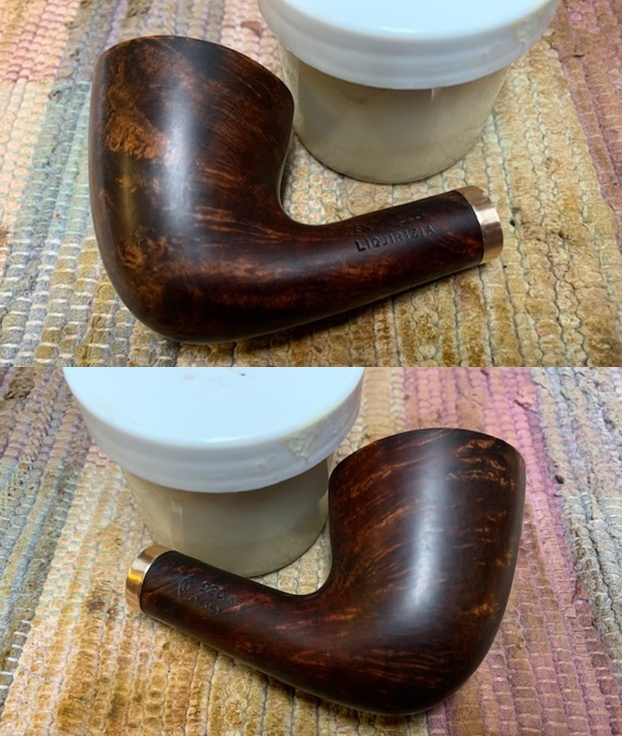
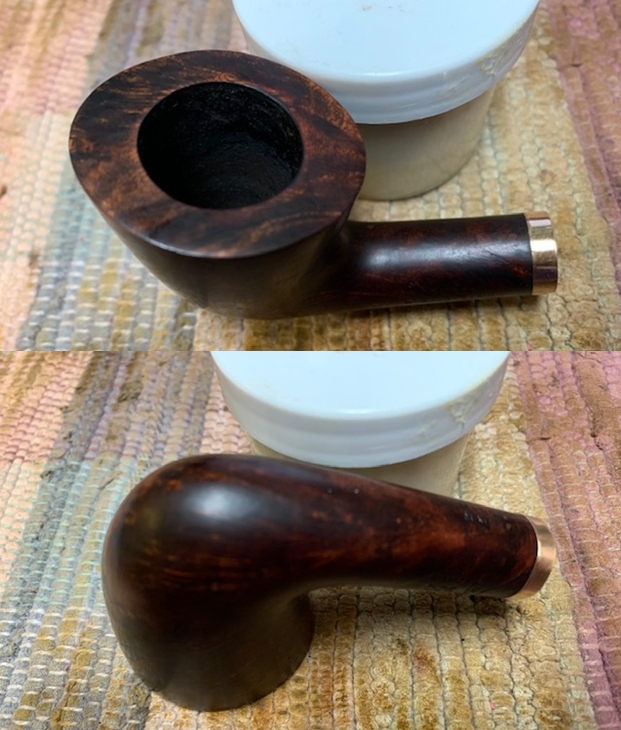
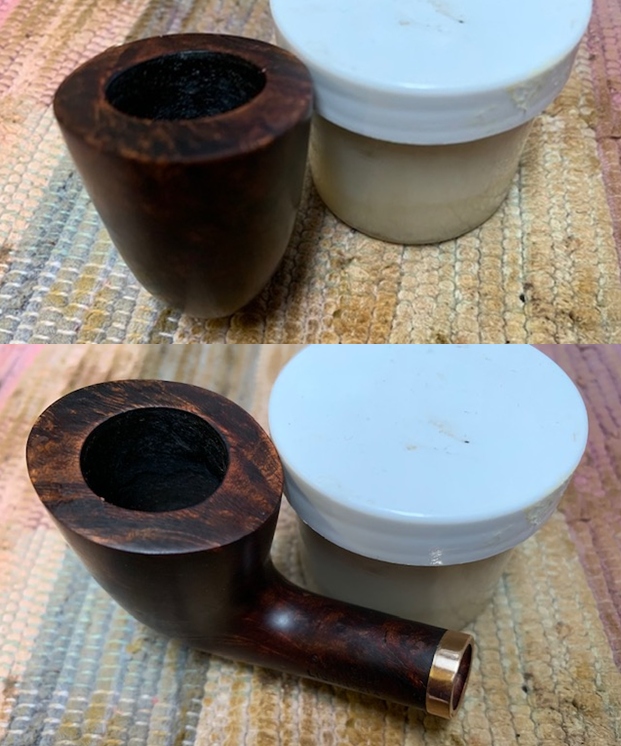
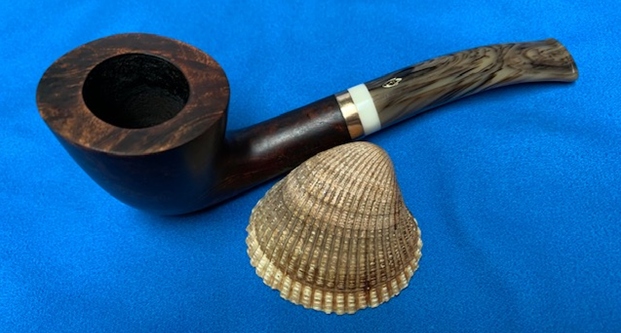
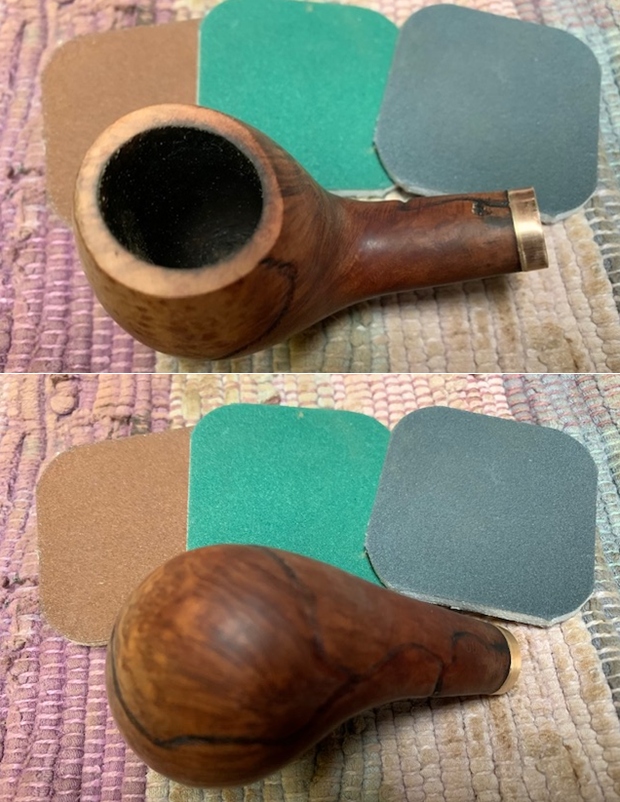
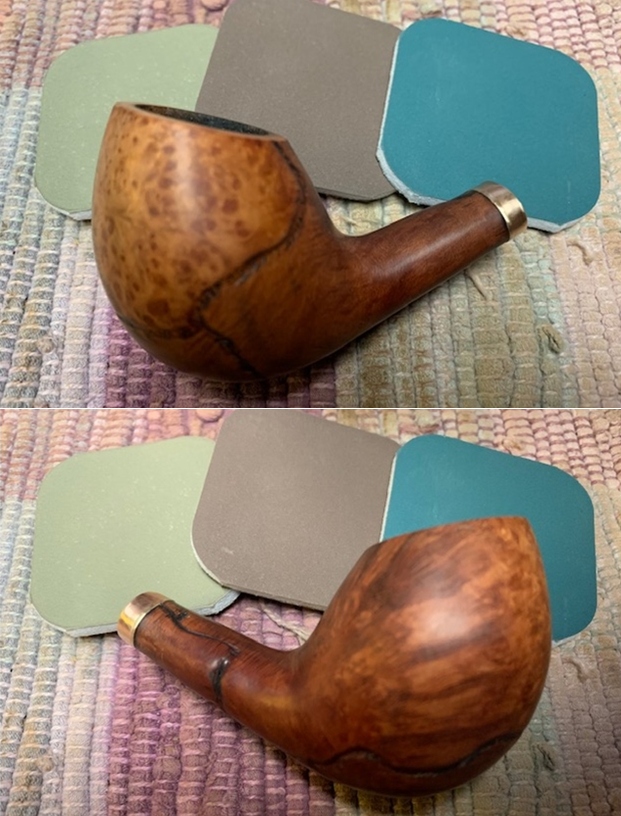
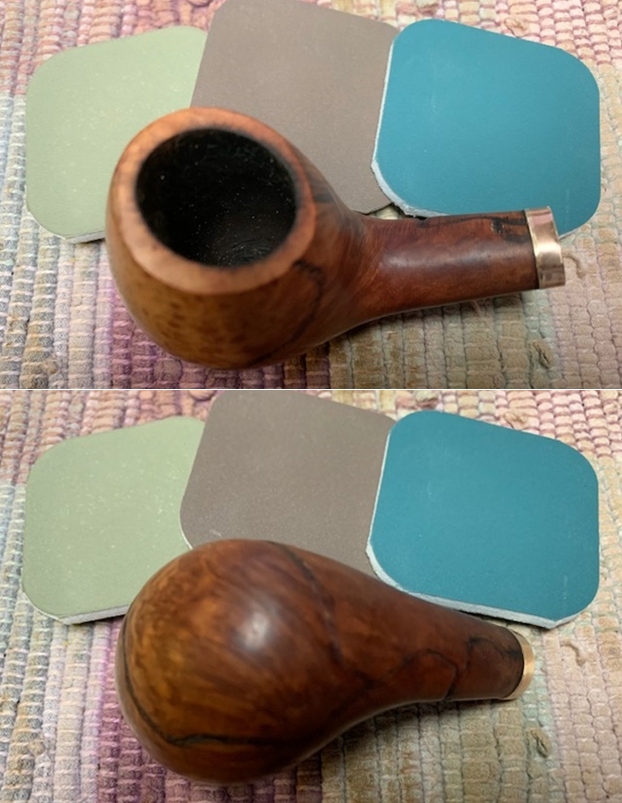
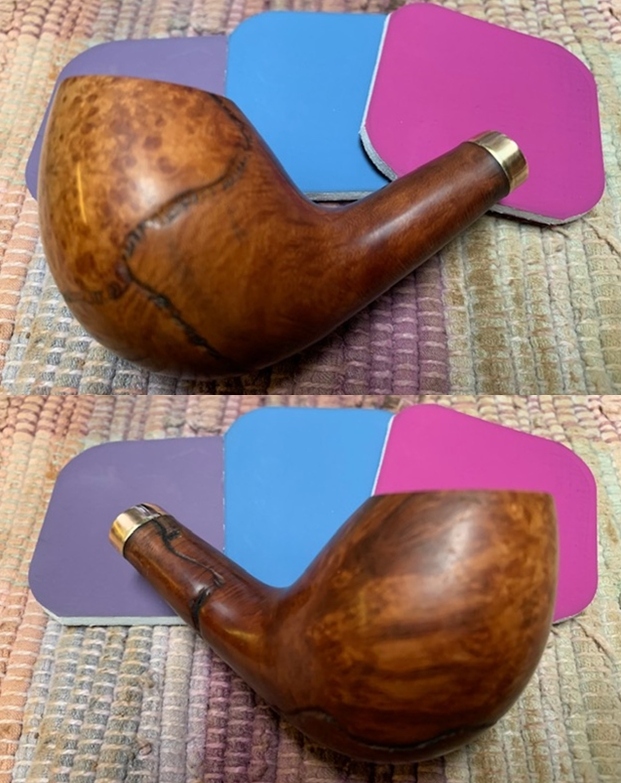
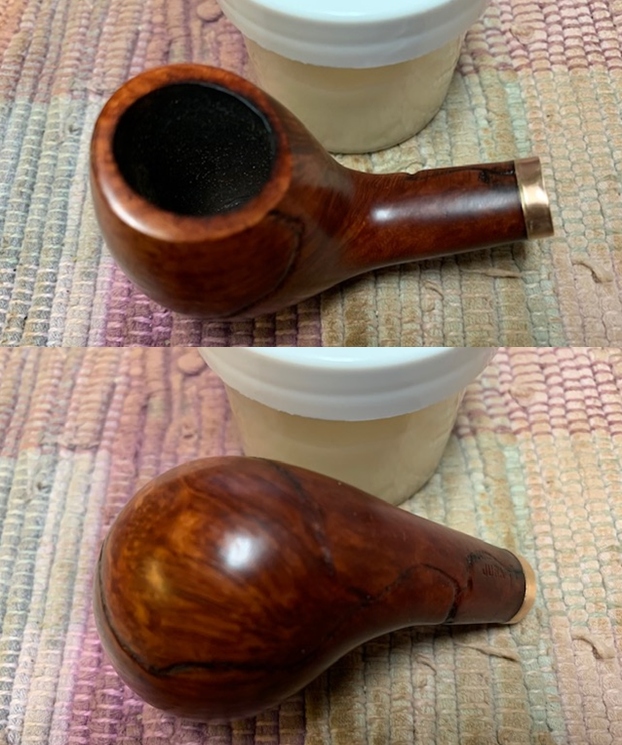
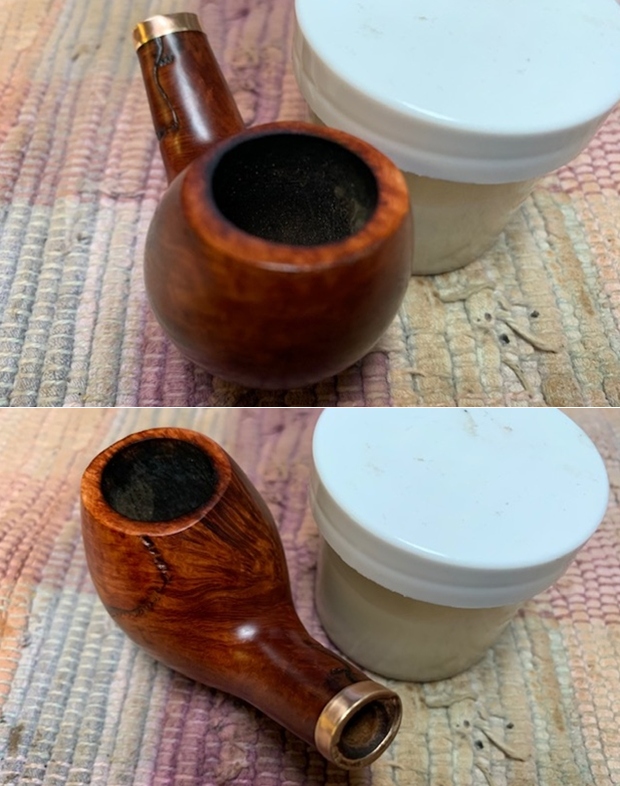
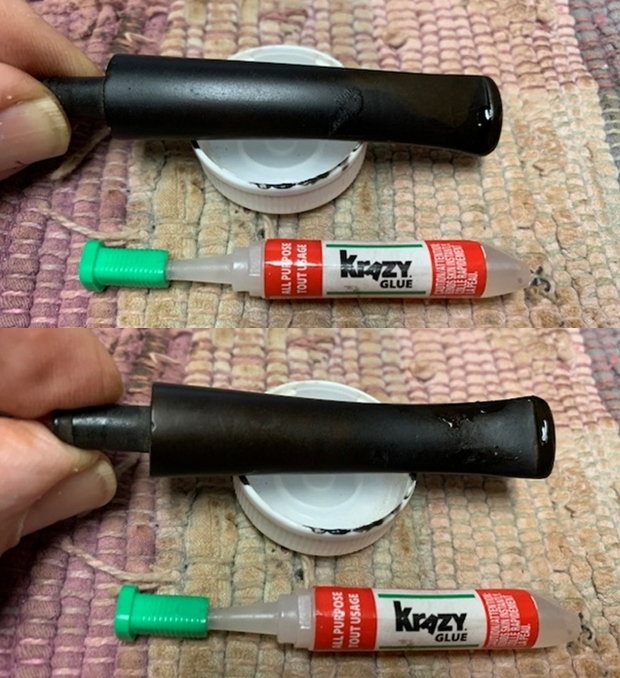
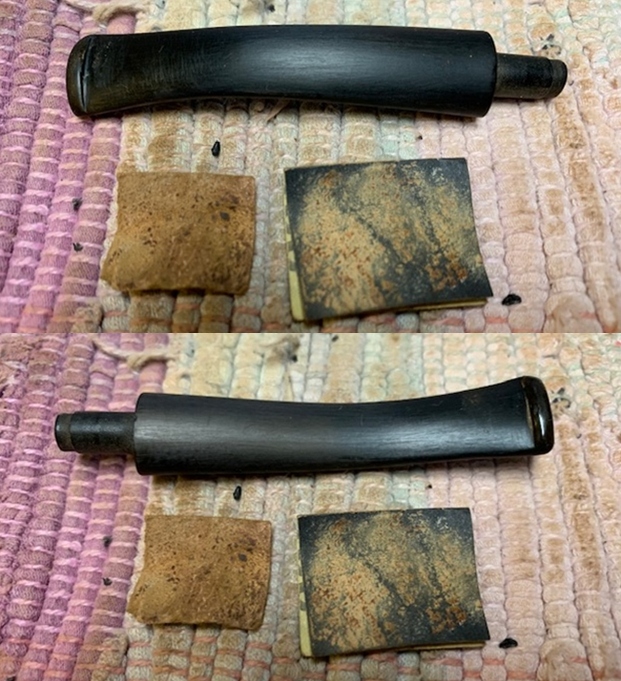
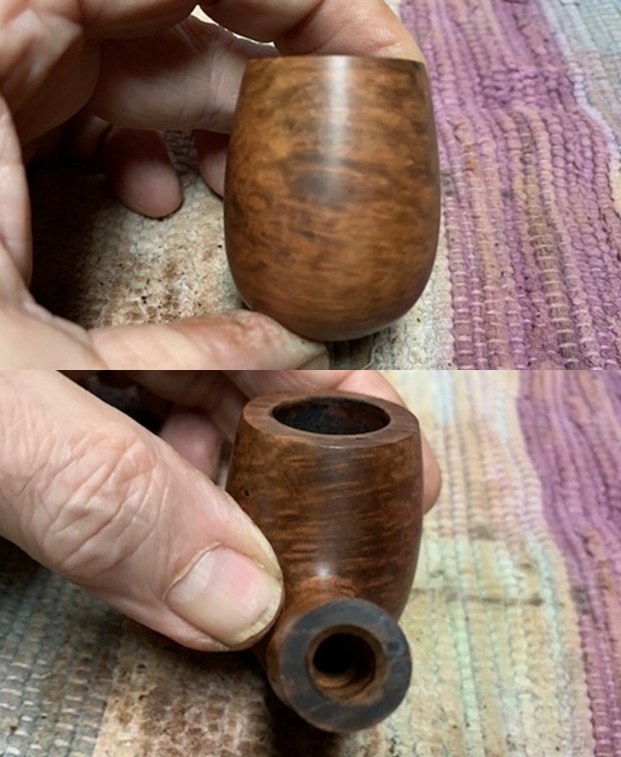
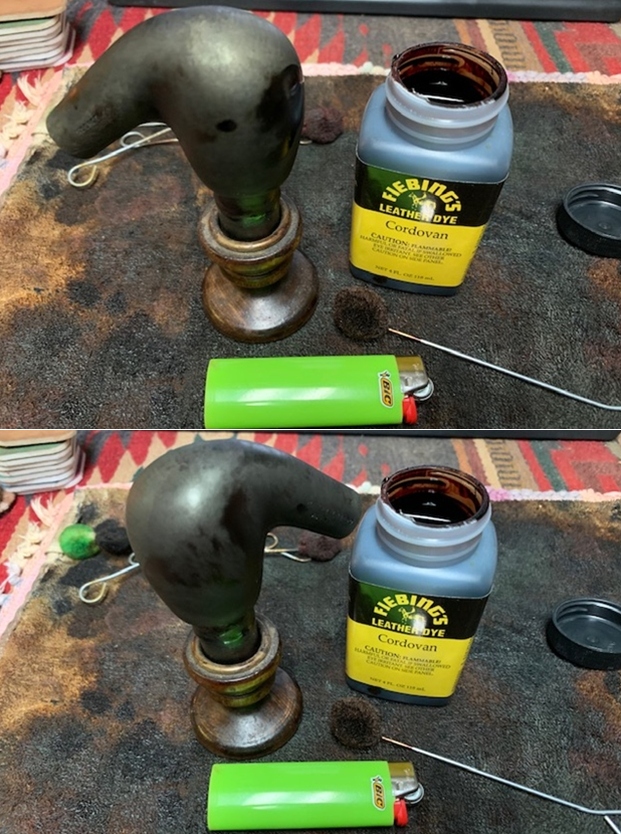
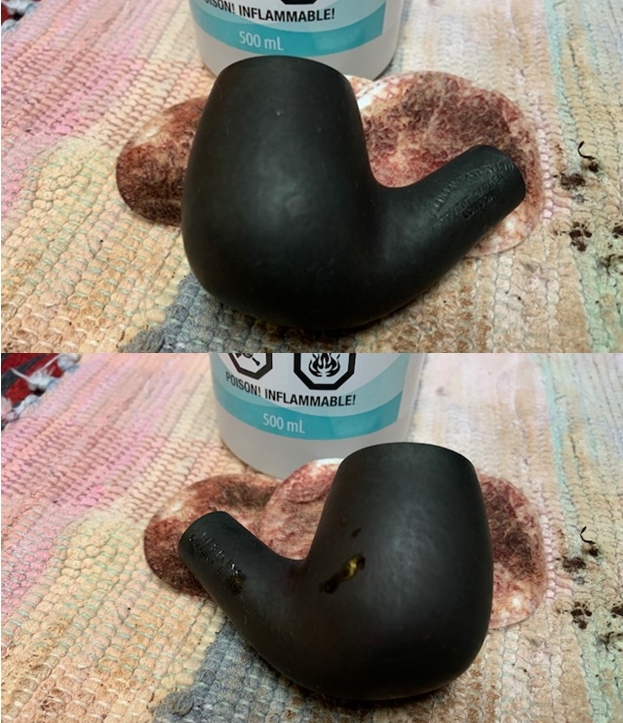
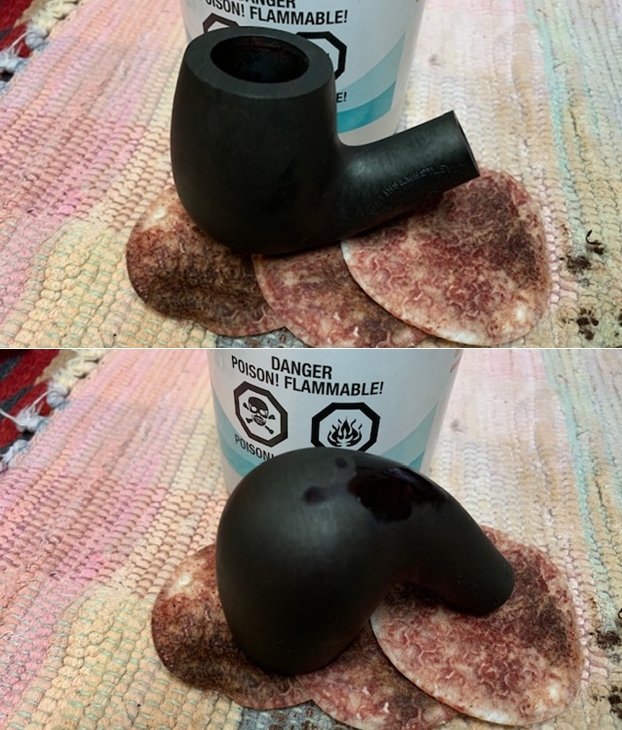
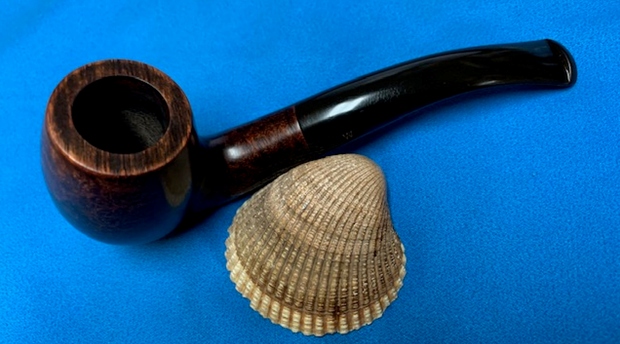
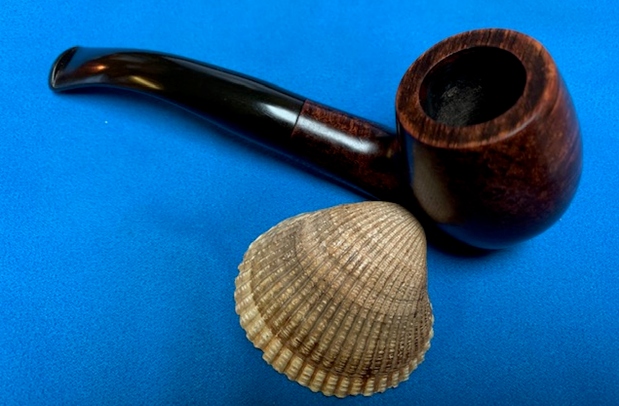
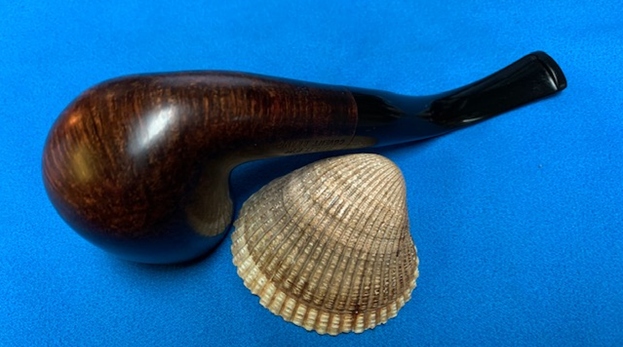
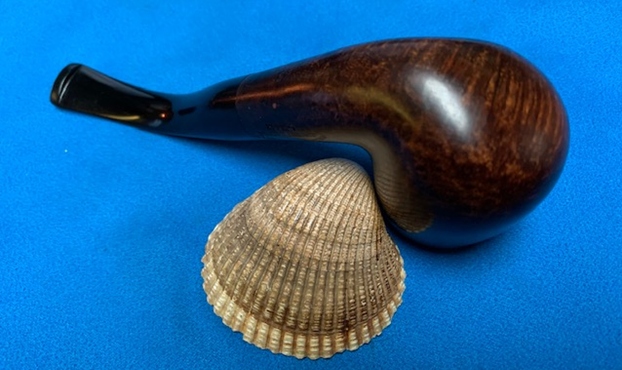
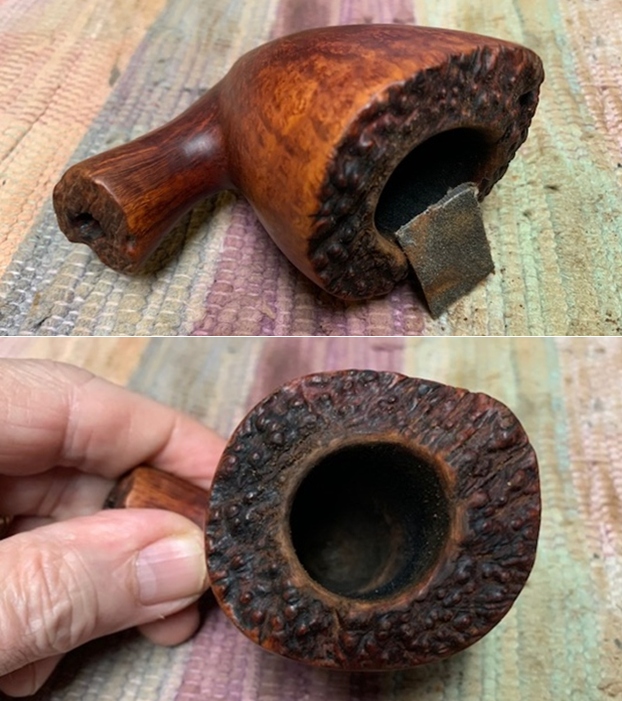
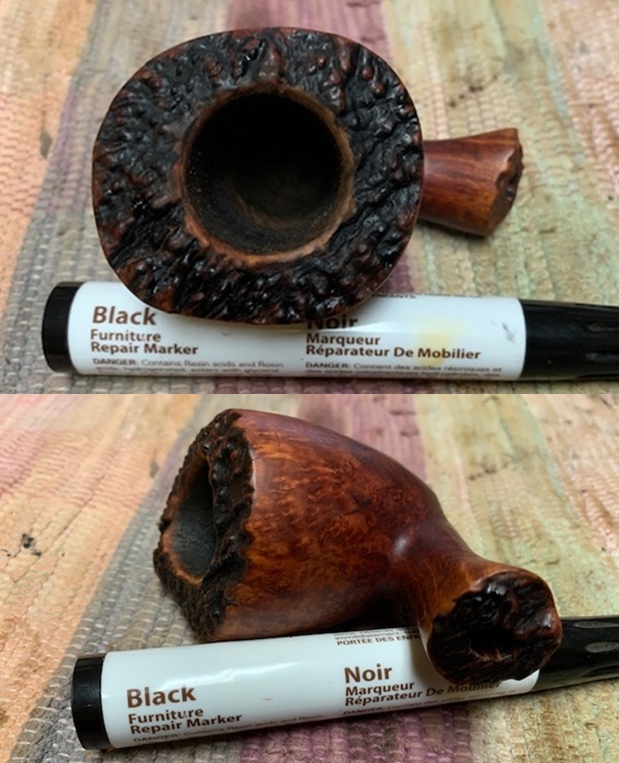
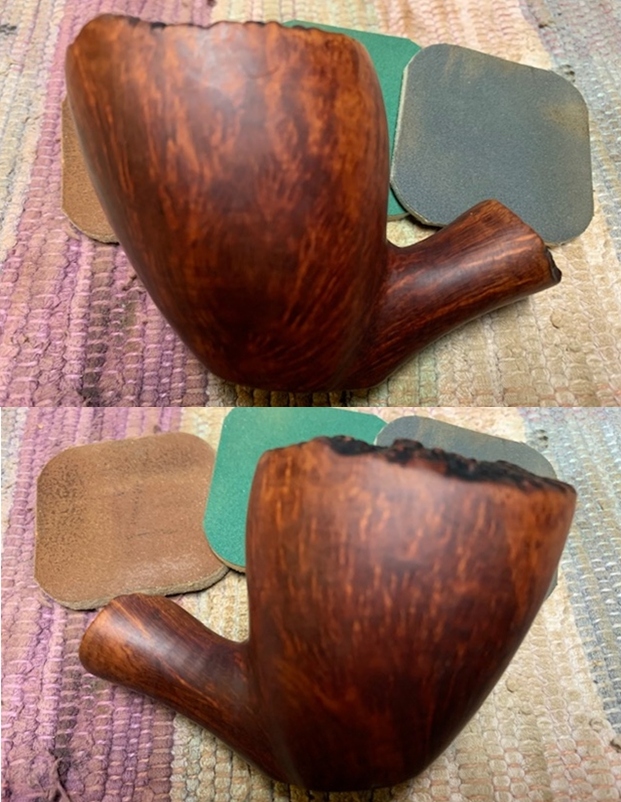
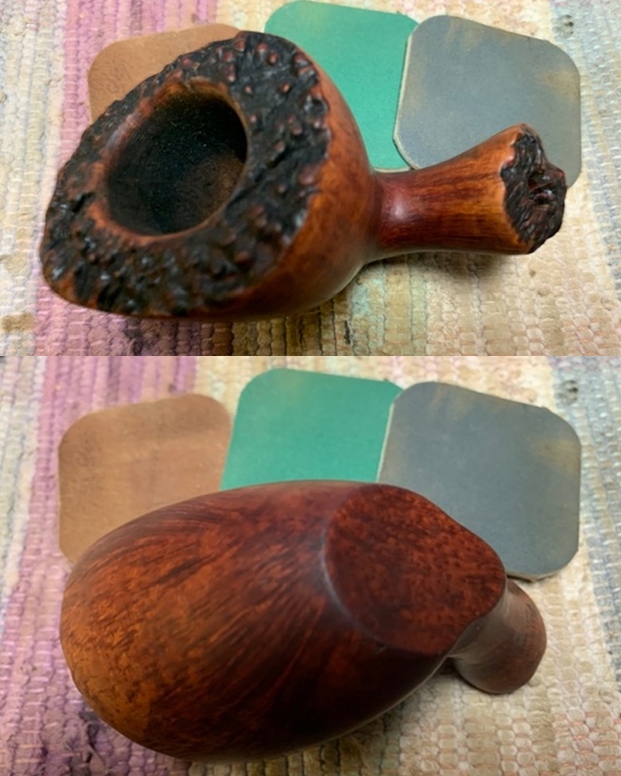
Tag Archives: contrast staining

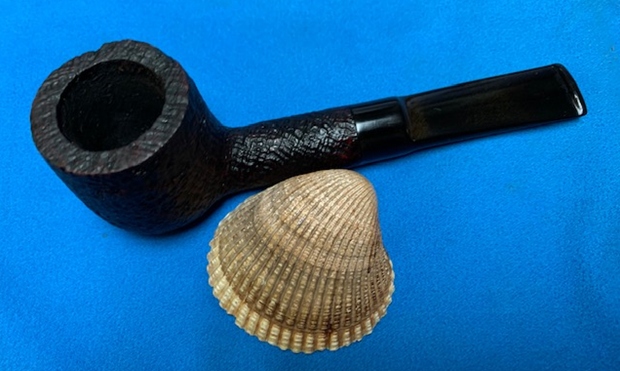
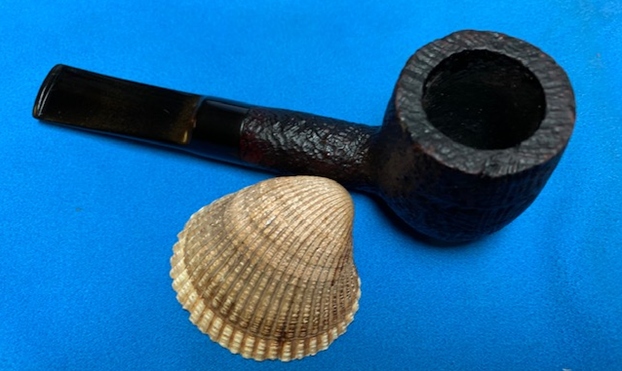
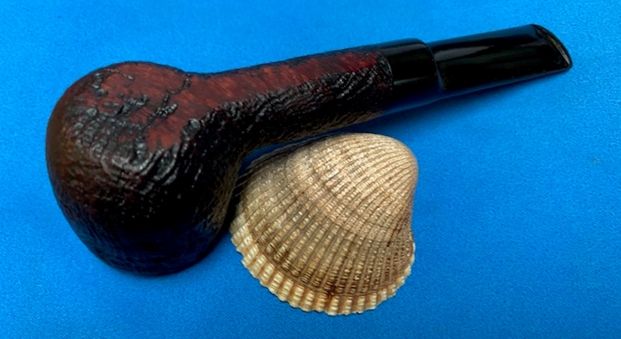
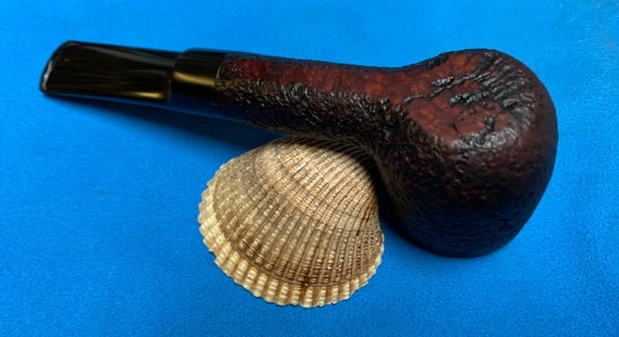
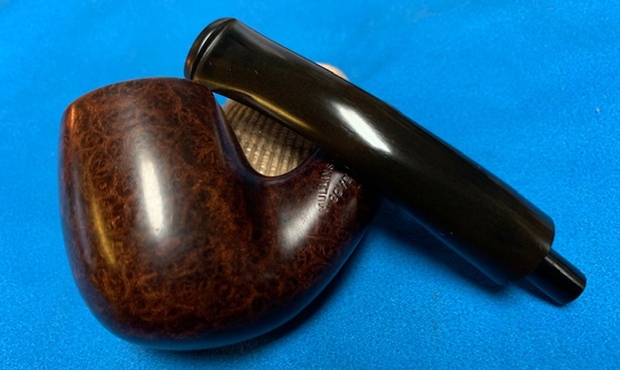
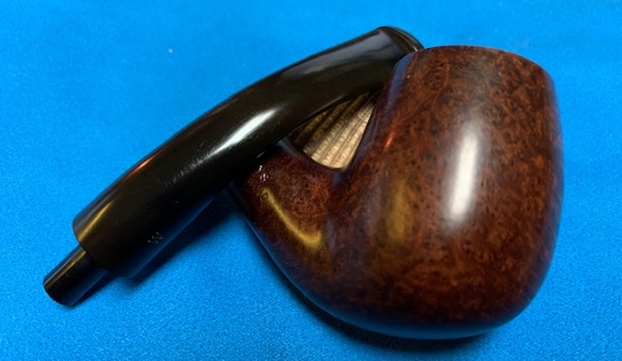
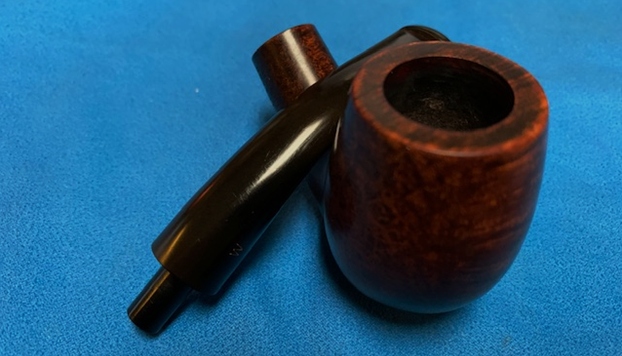
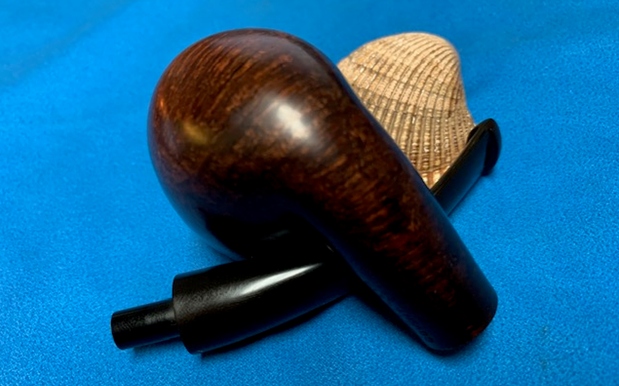
Restoring a Beautiful Sandblasted Bari Squash 7930 Pot


Blog by Steve Laug

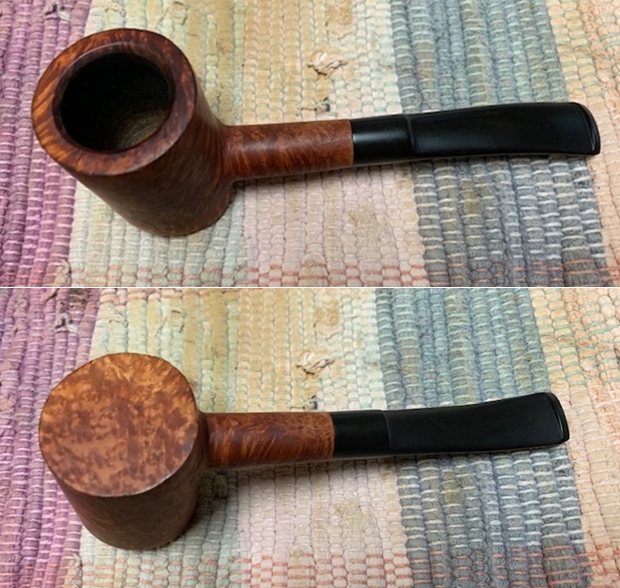
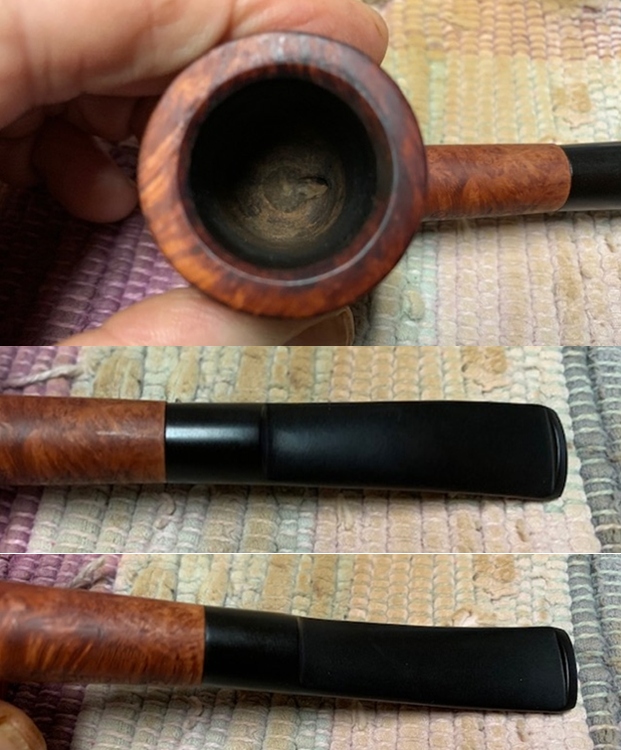
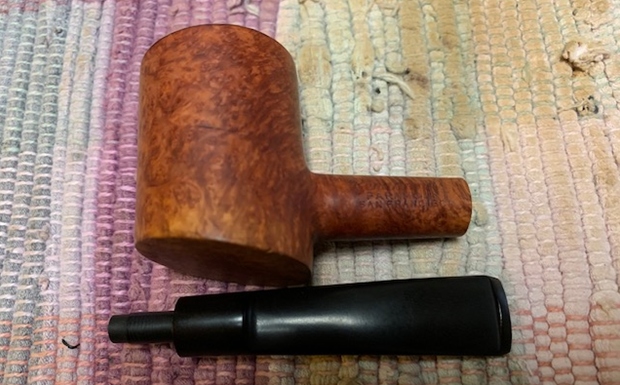
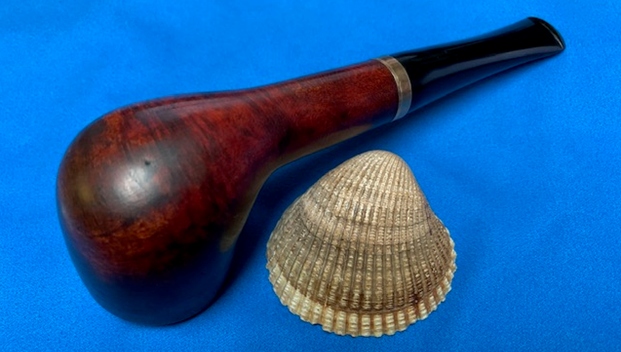
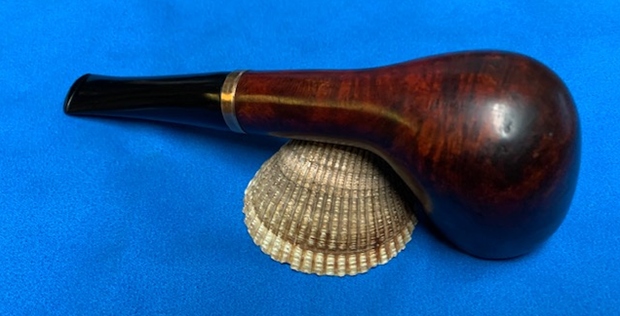
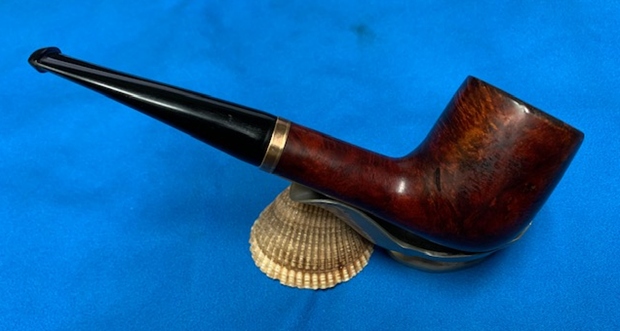
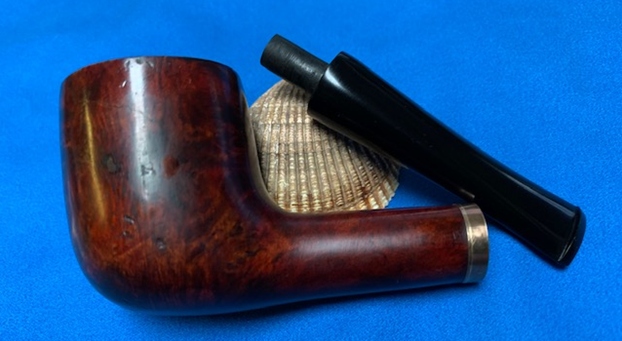
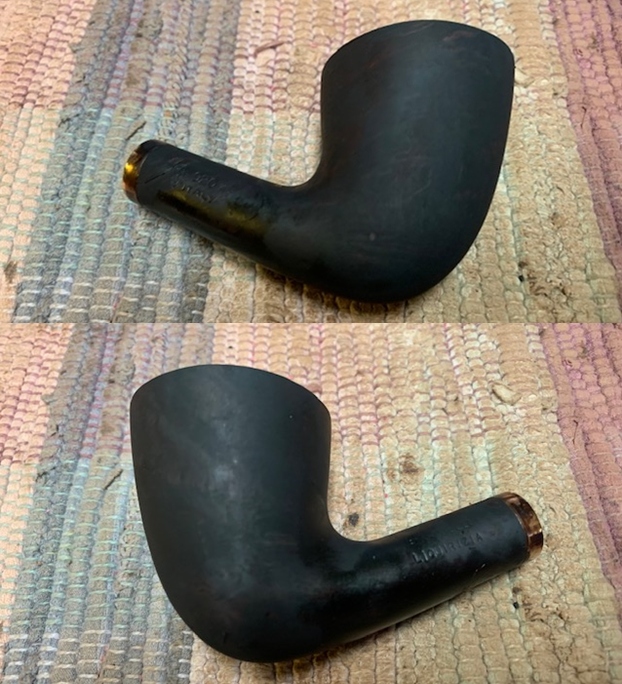
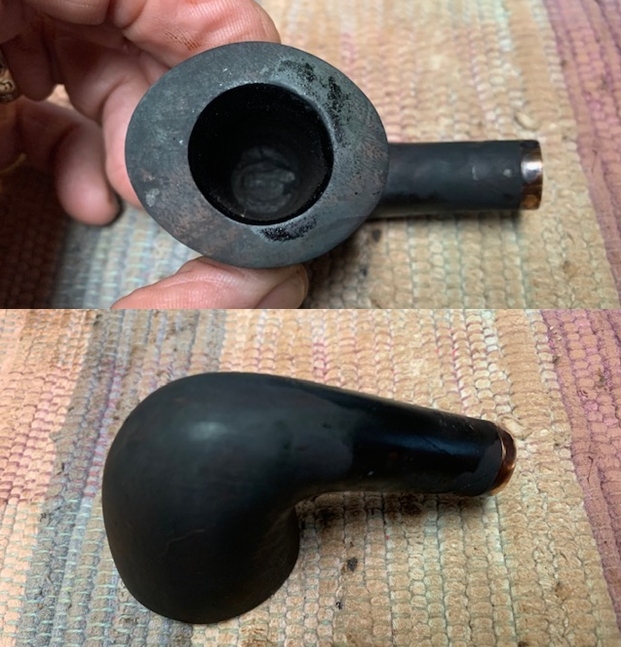
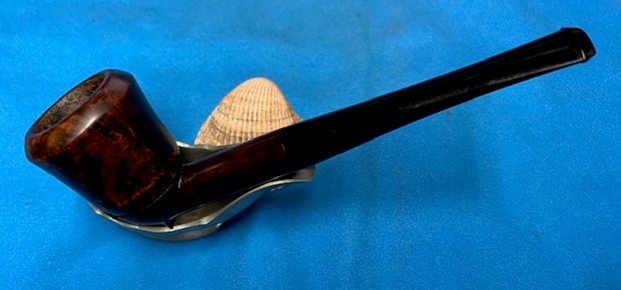
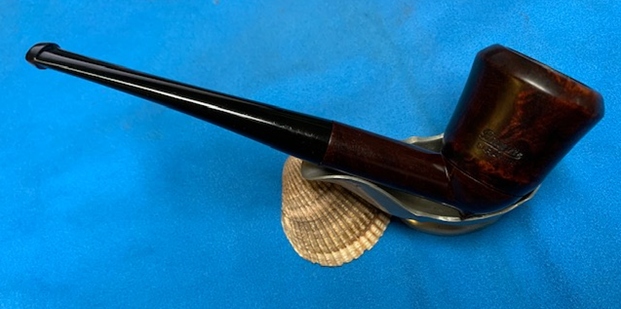
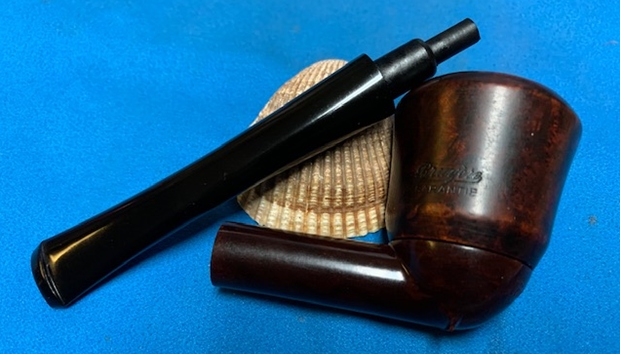
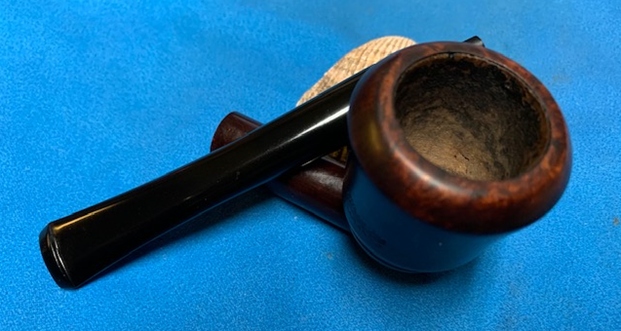
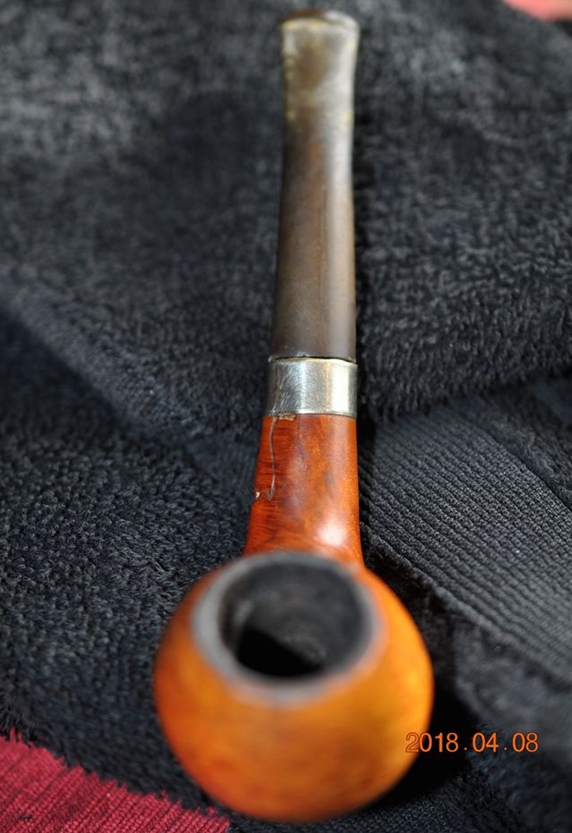
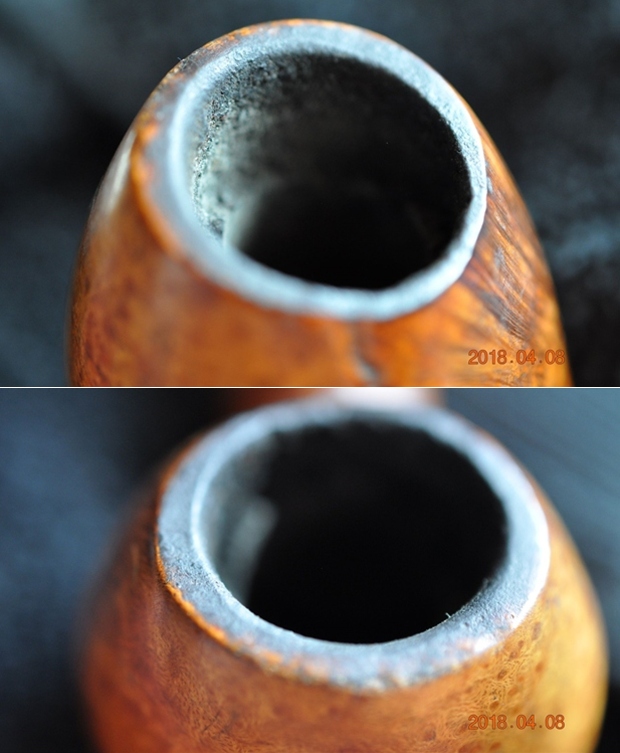
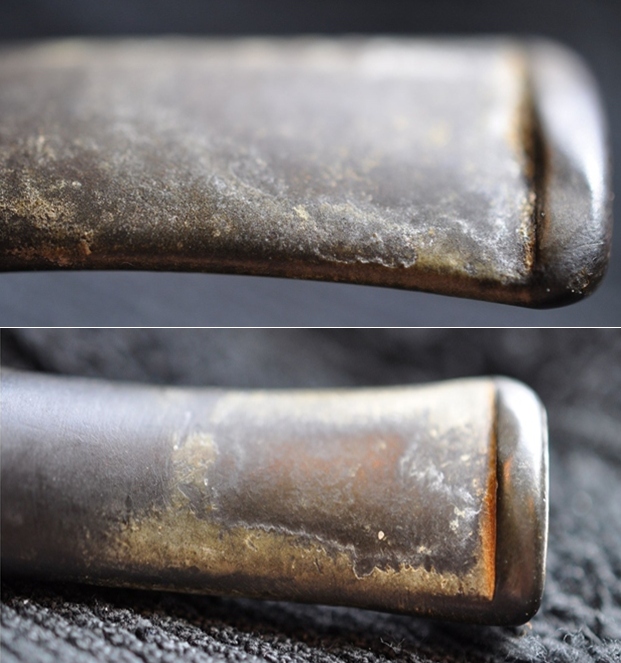
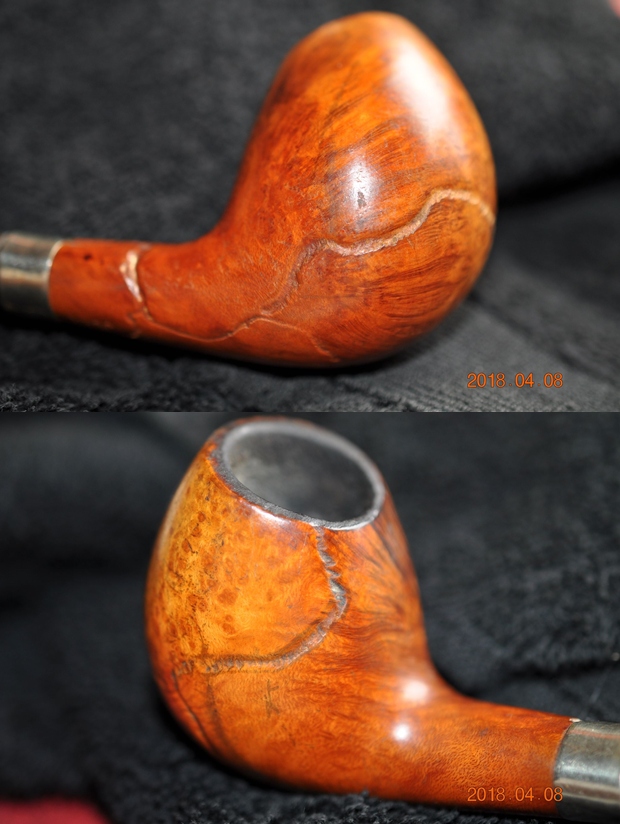
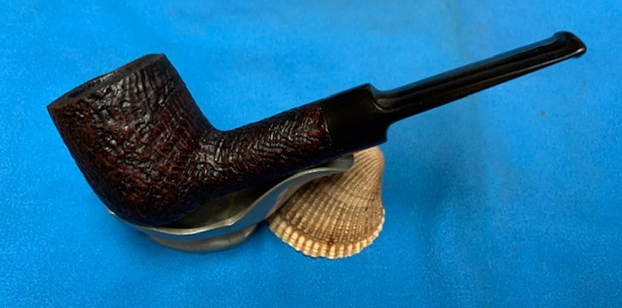
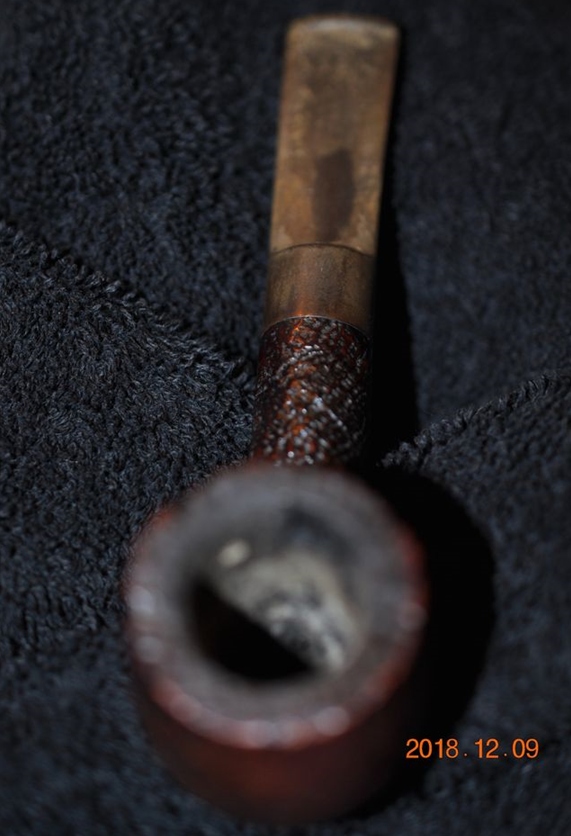
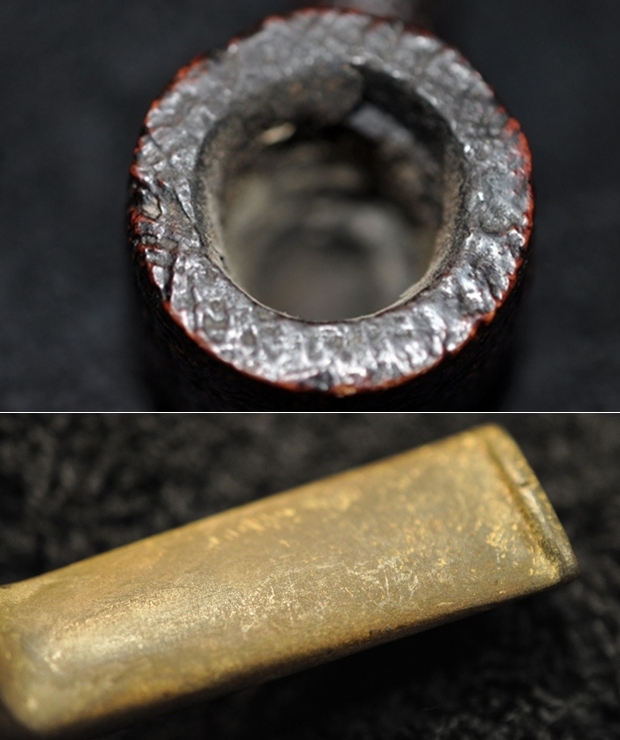
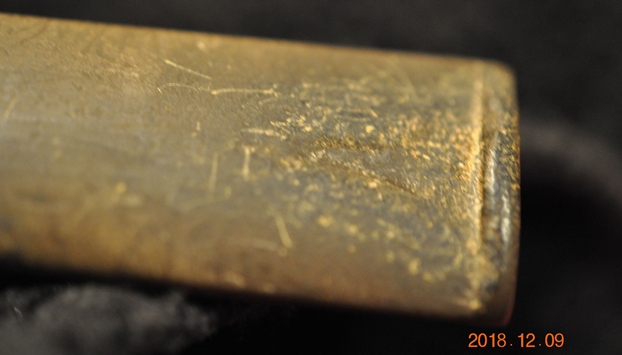
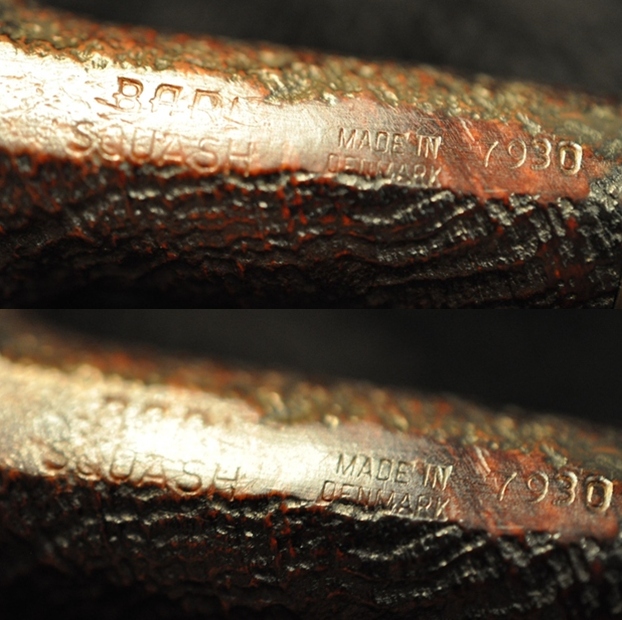
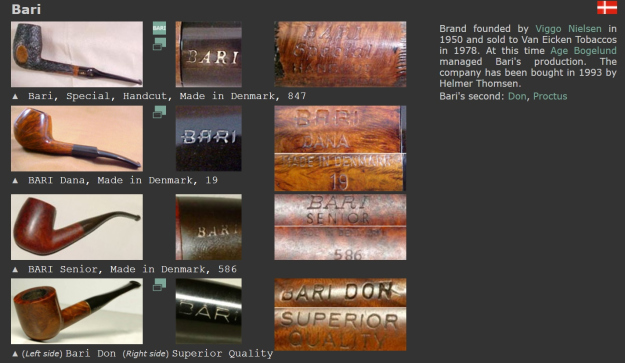
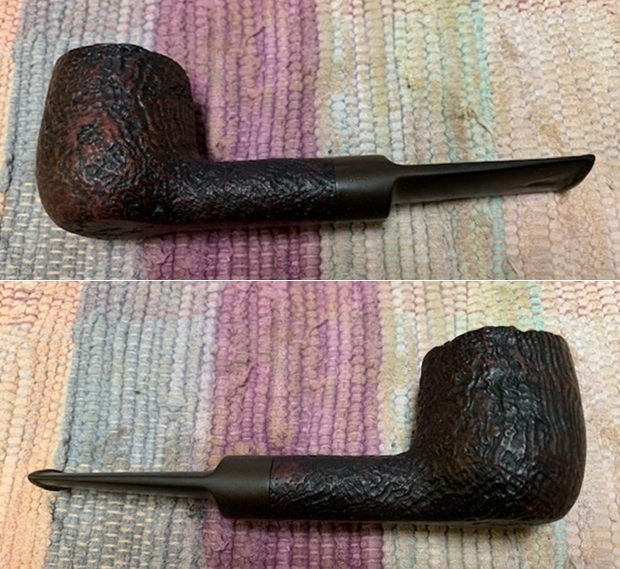
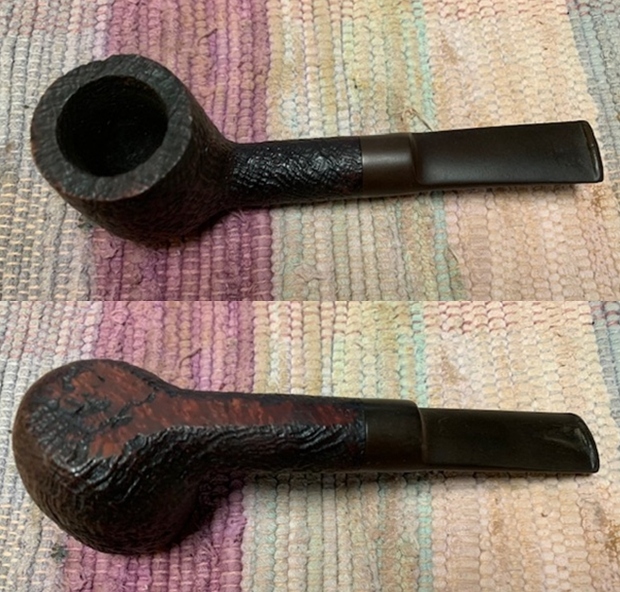
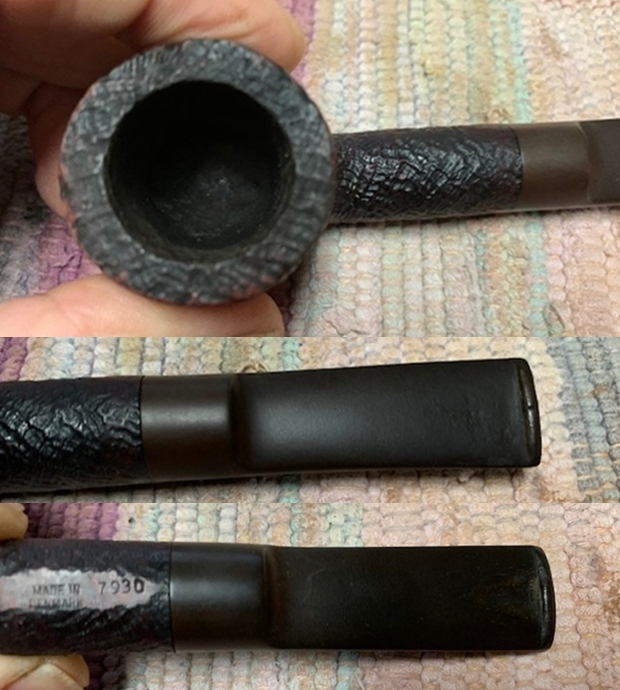
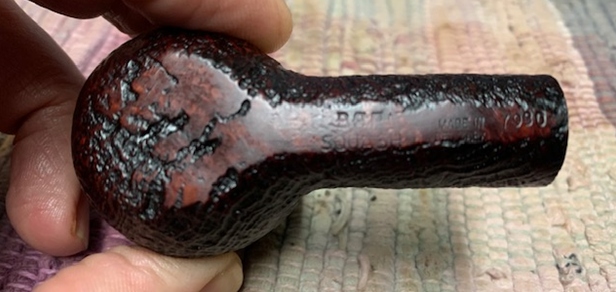
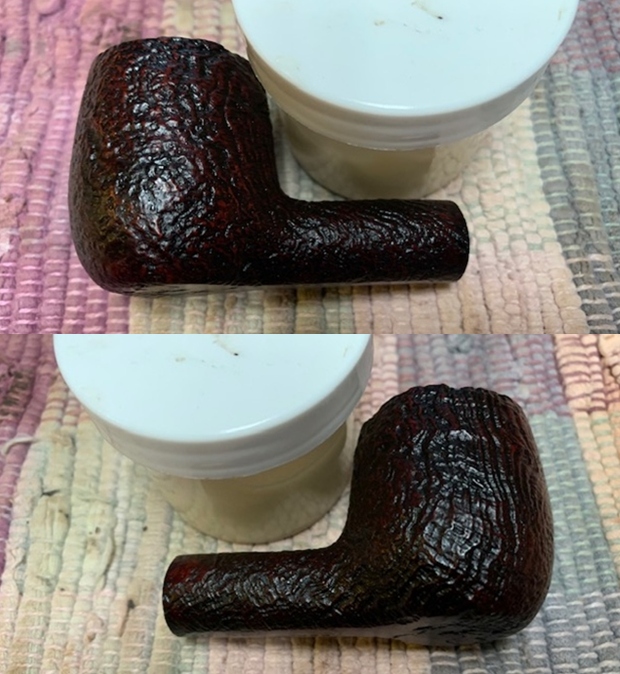
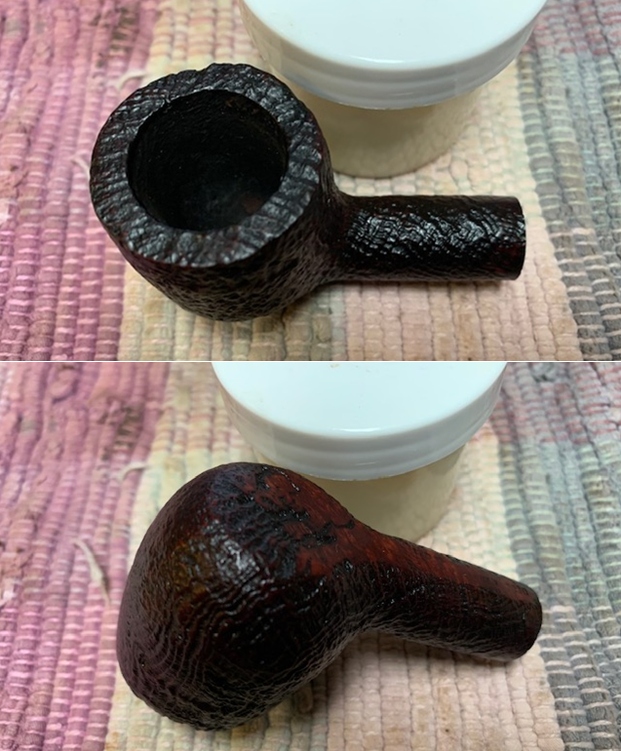
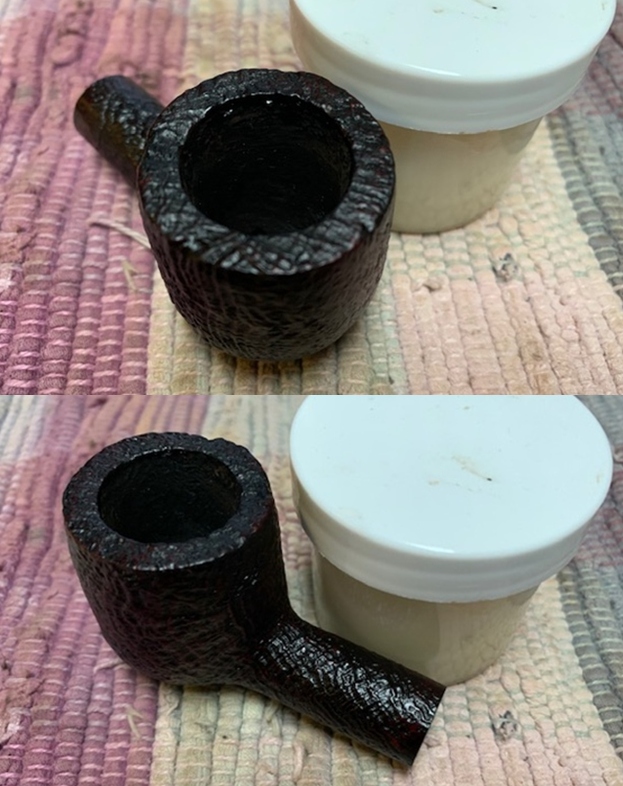
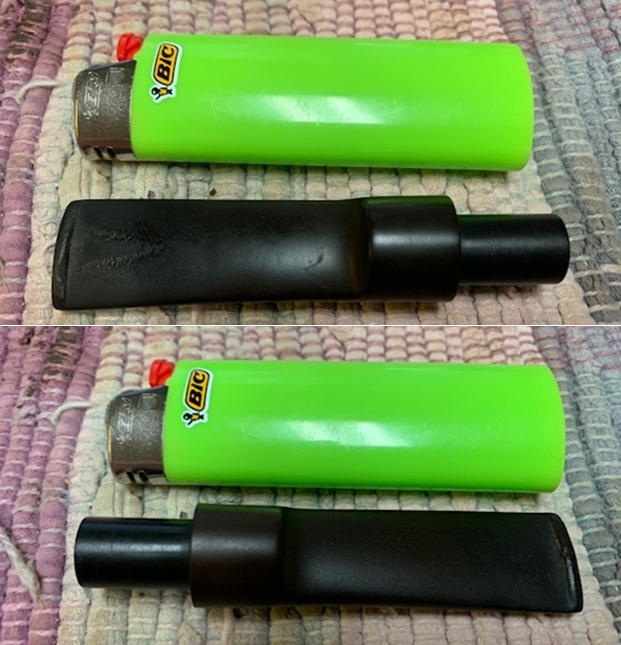
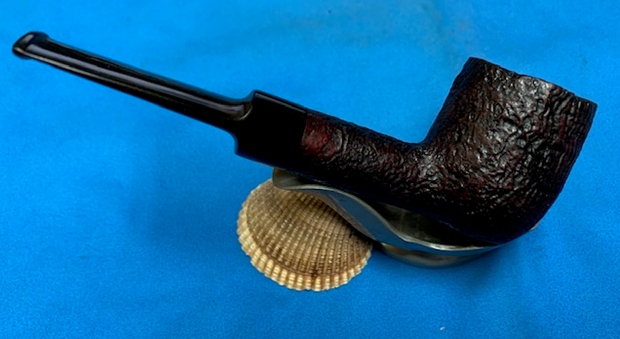
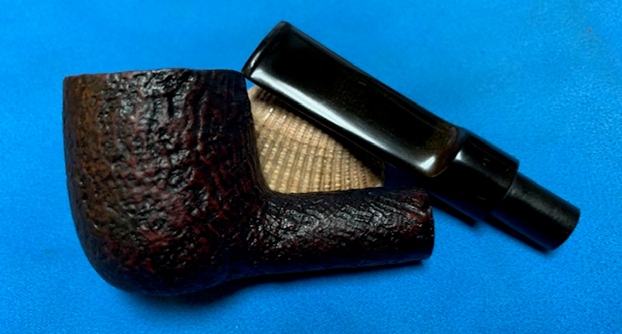
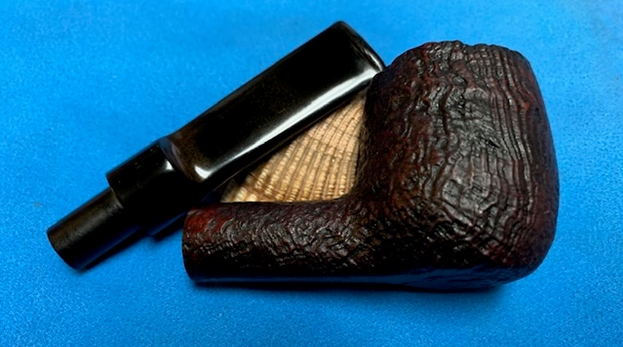
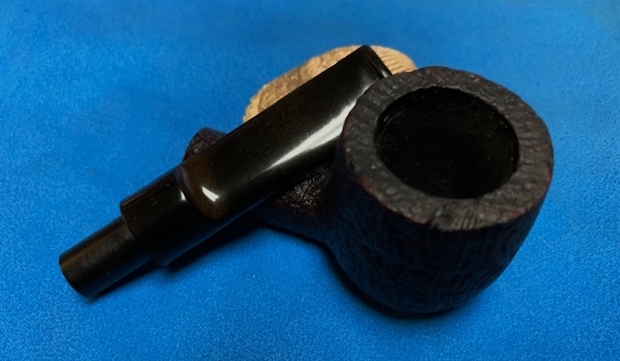
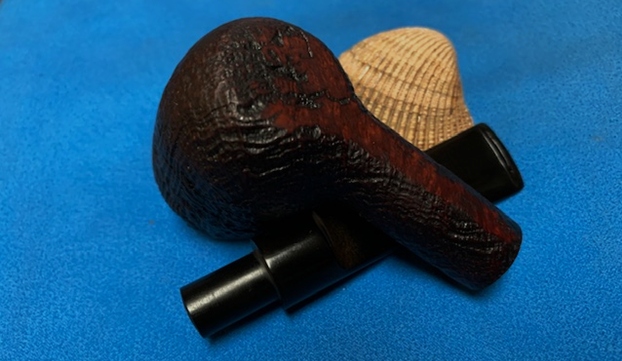
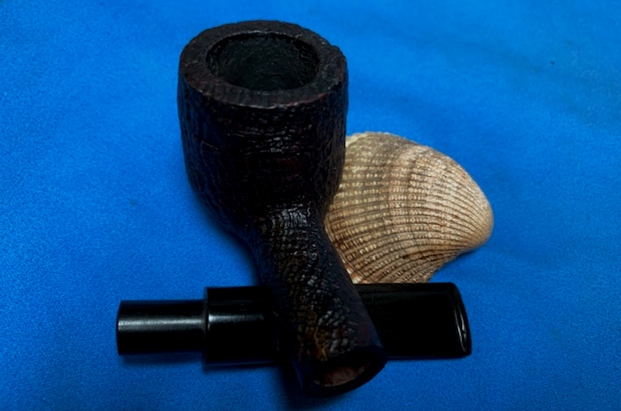
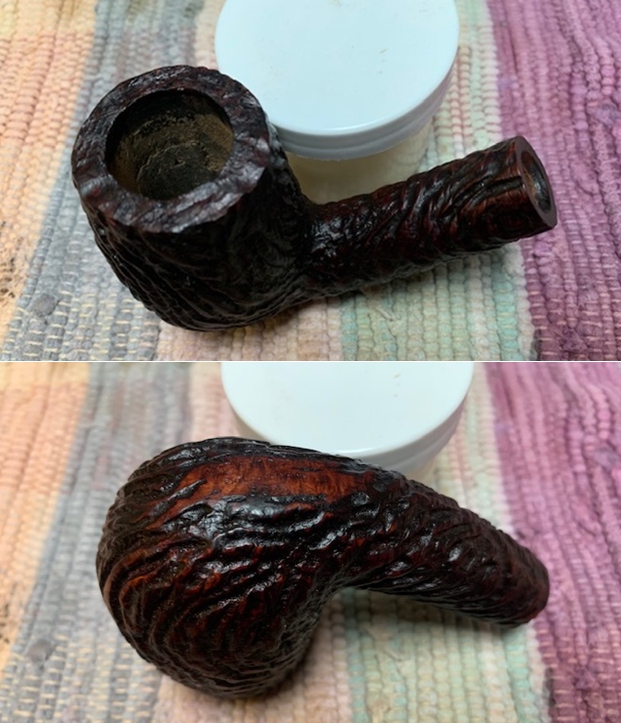
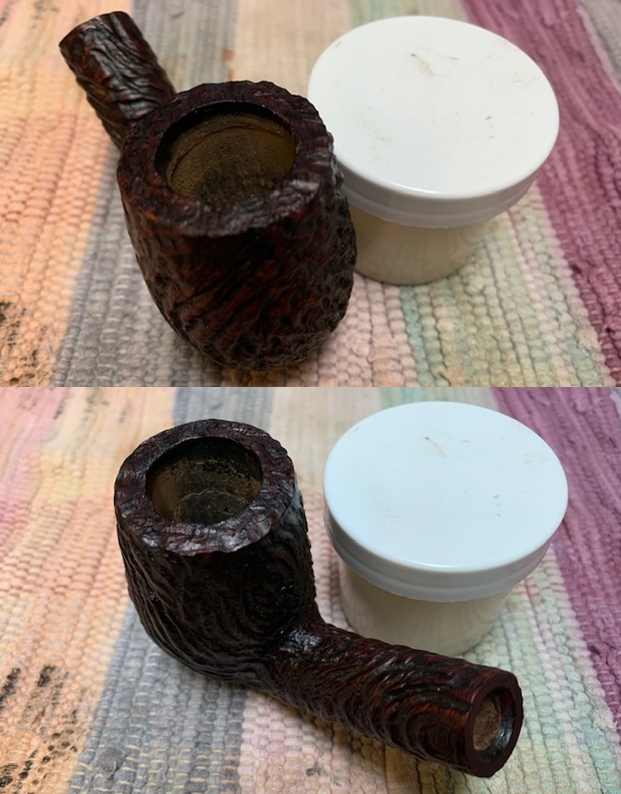
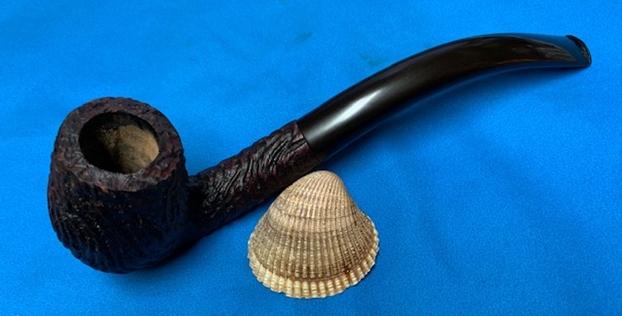
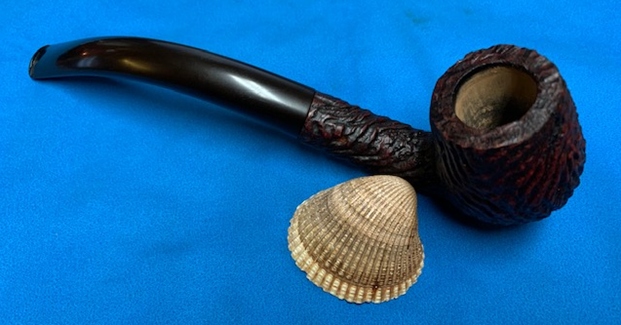
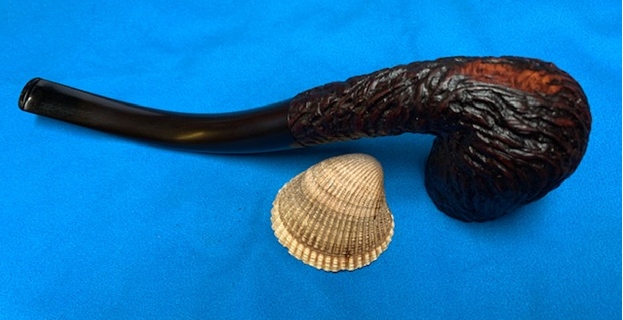
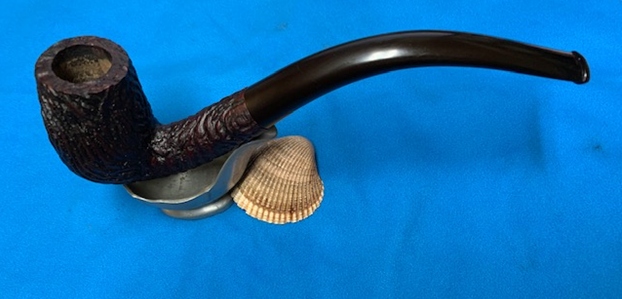
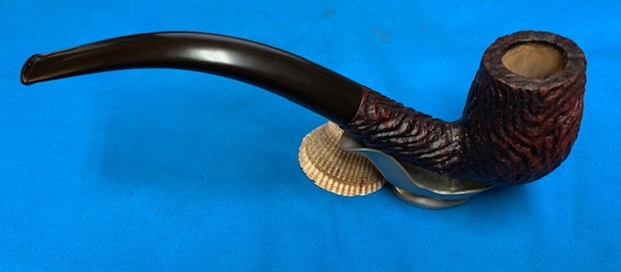
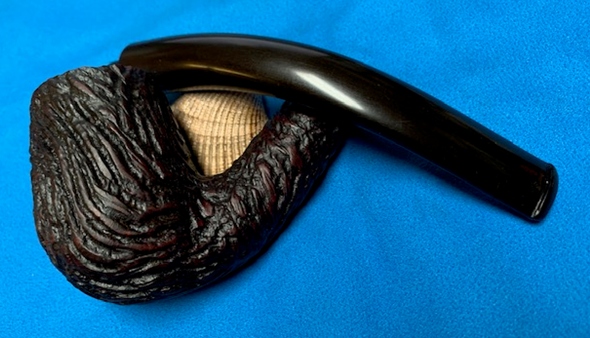
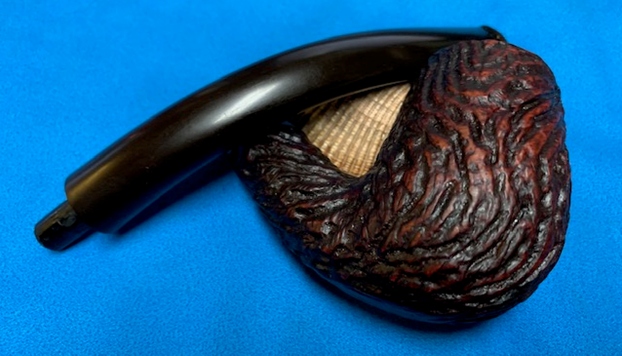
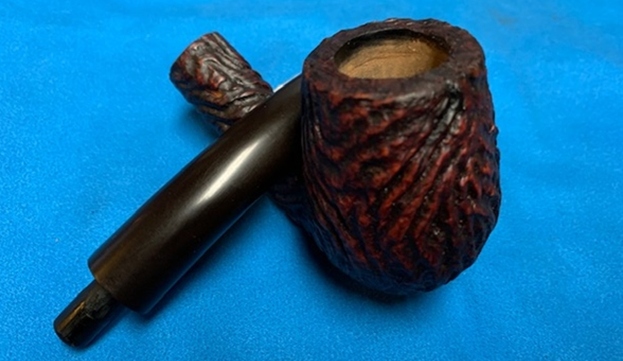
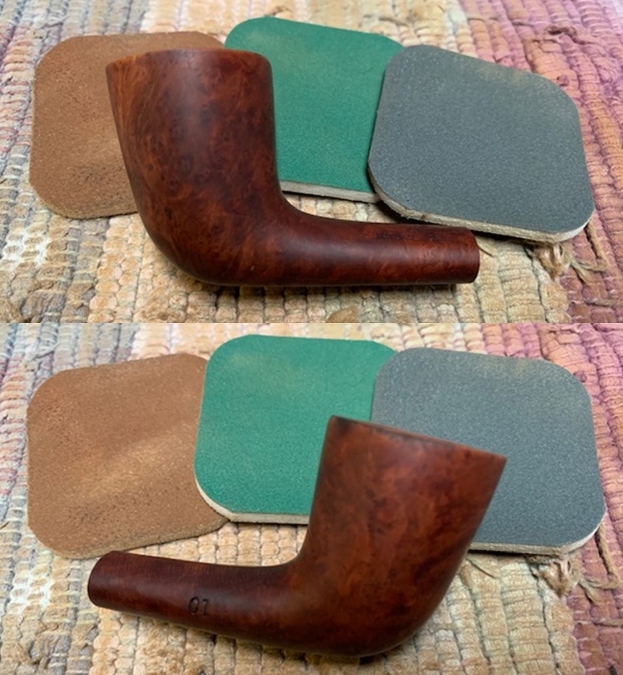
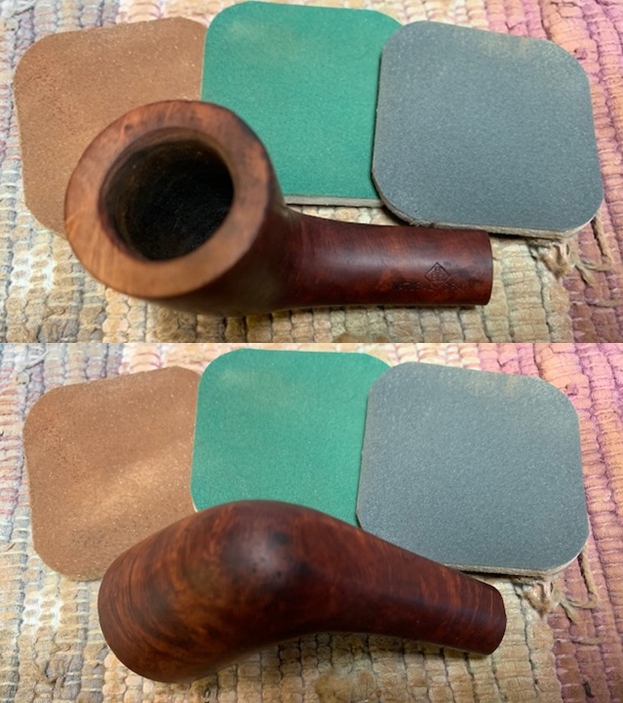
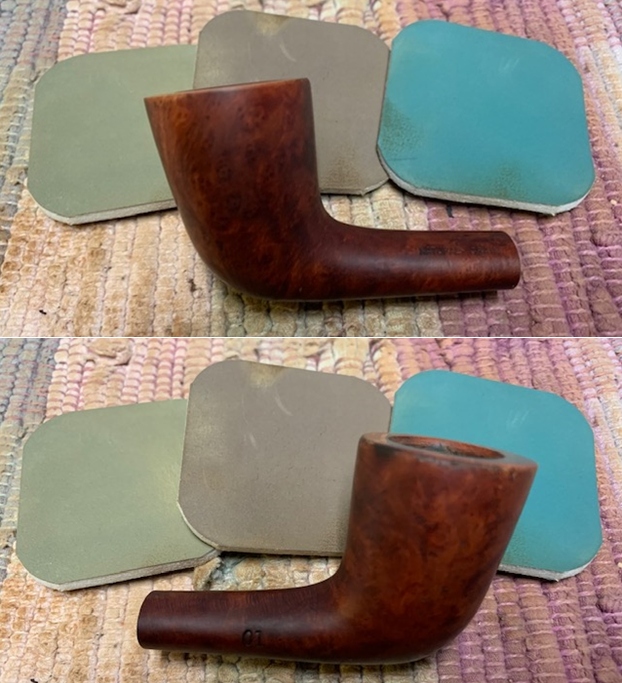
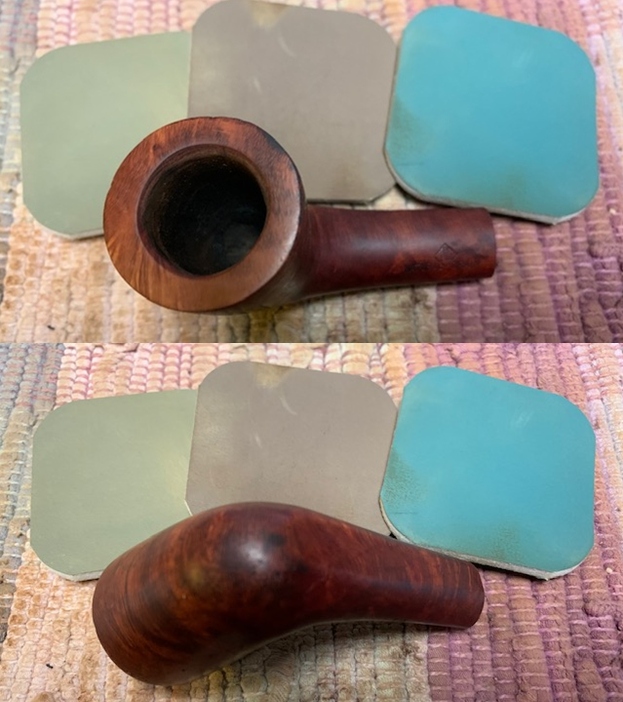
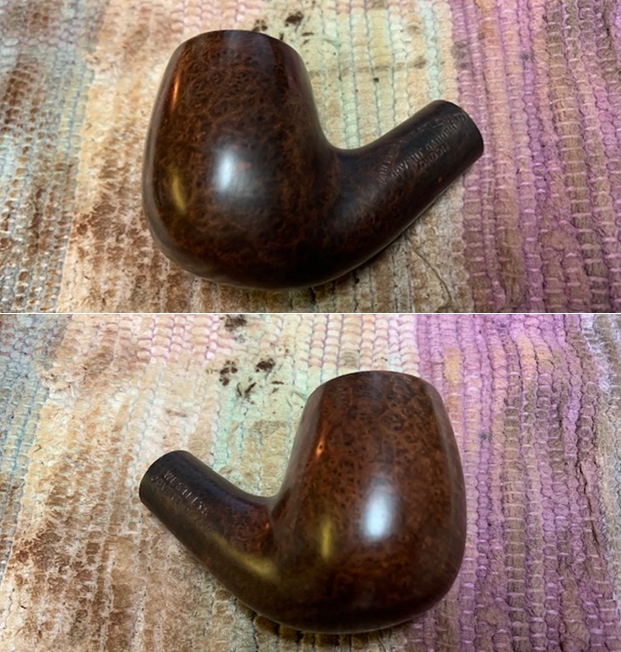
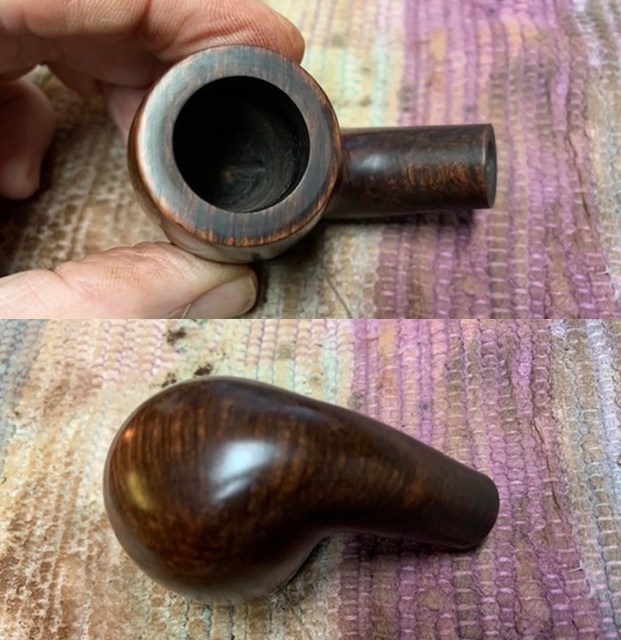
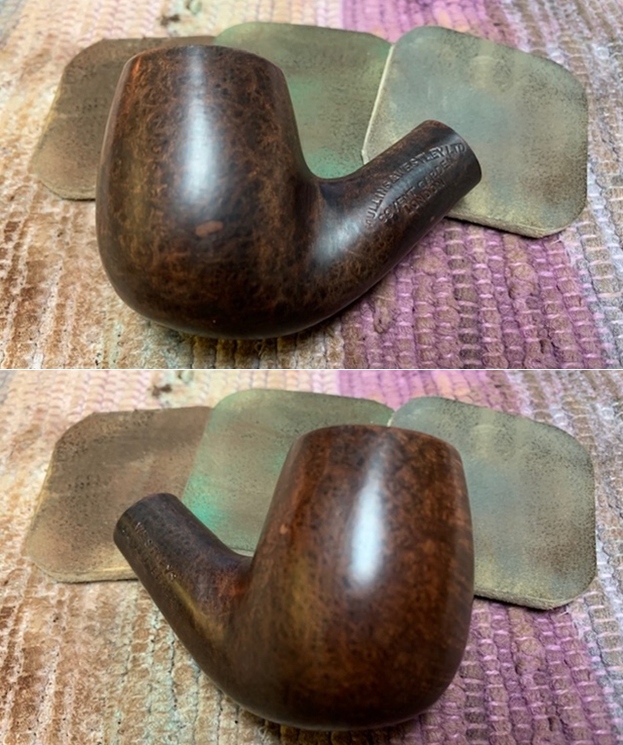
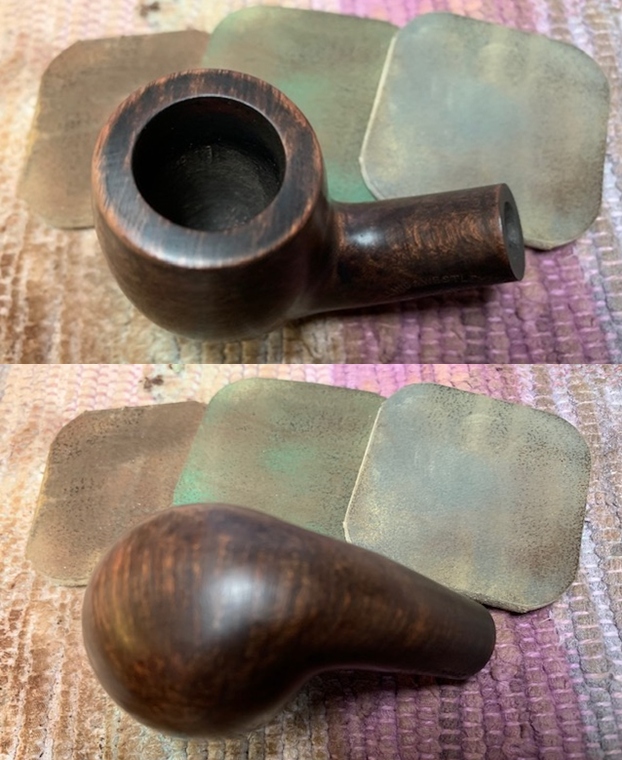
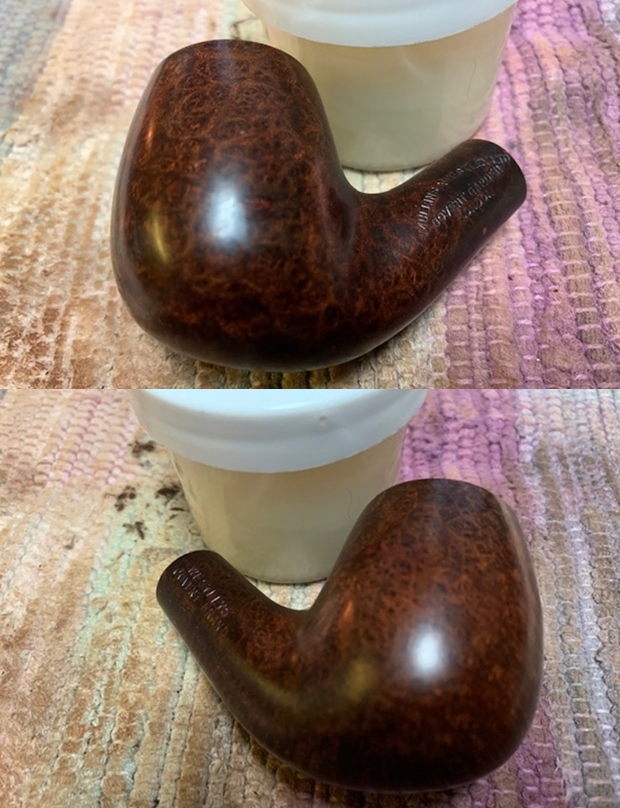
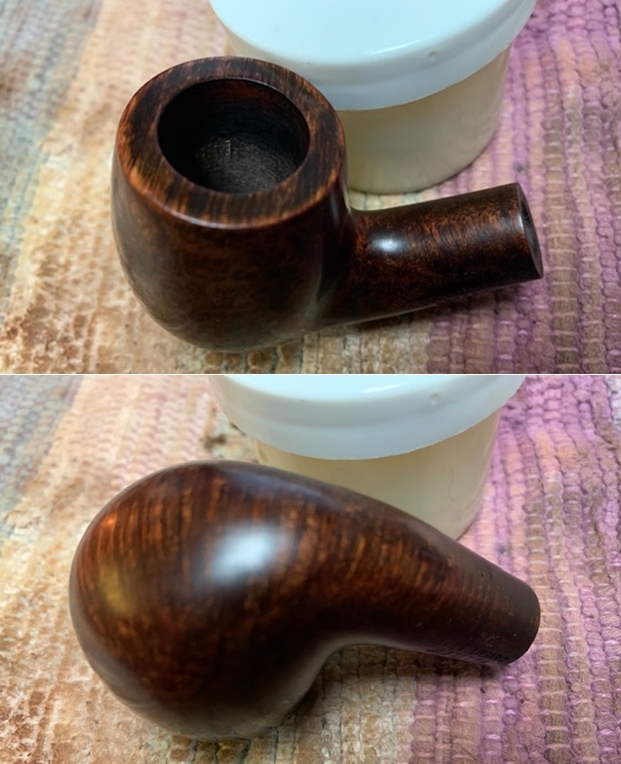
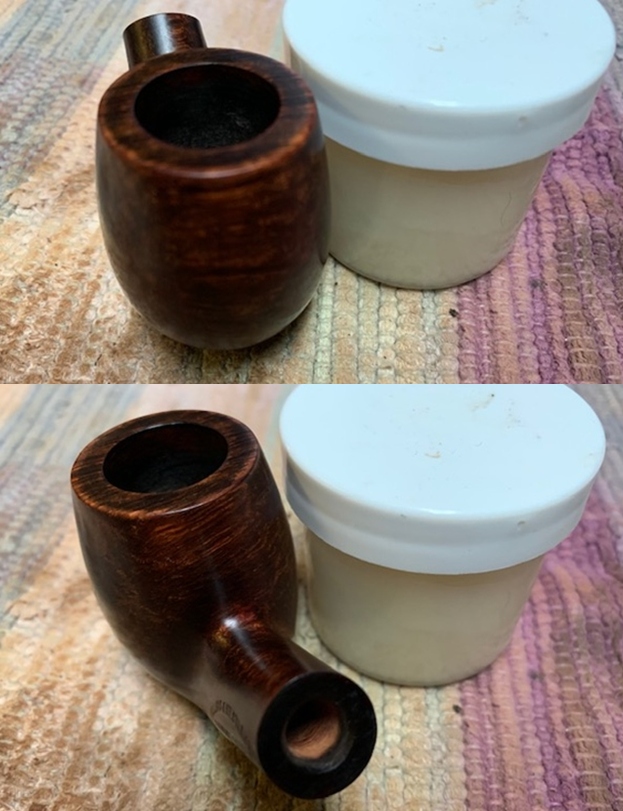
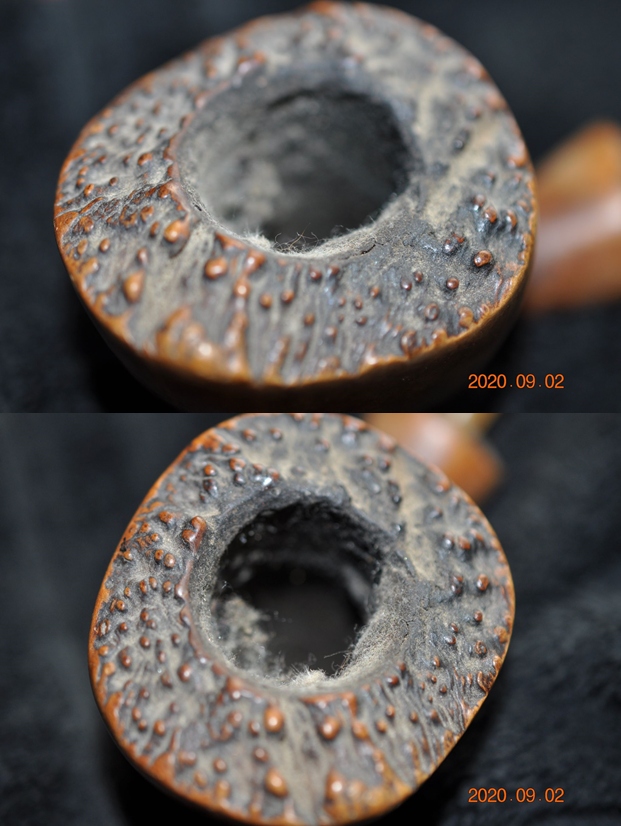
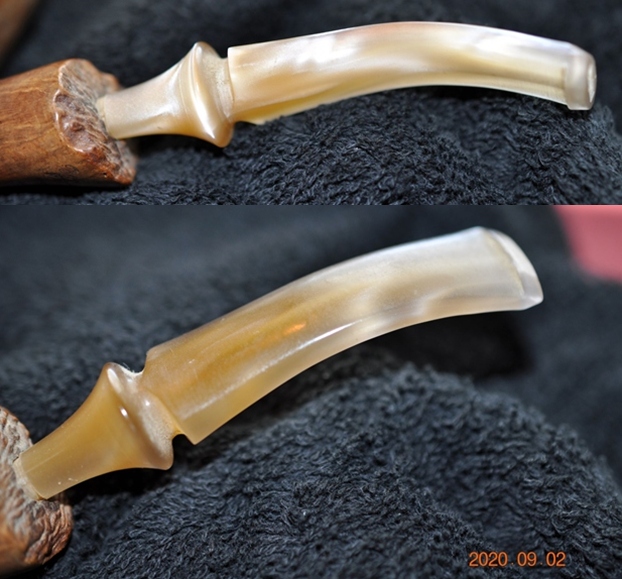
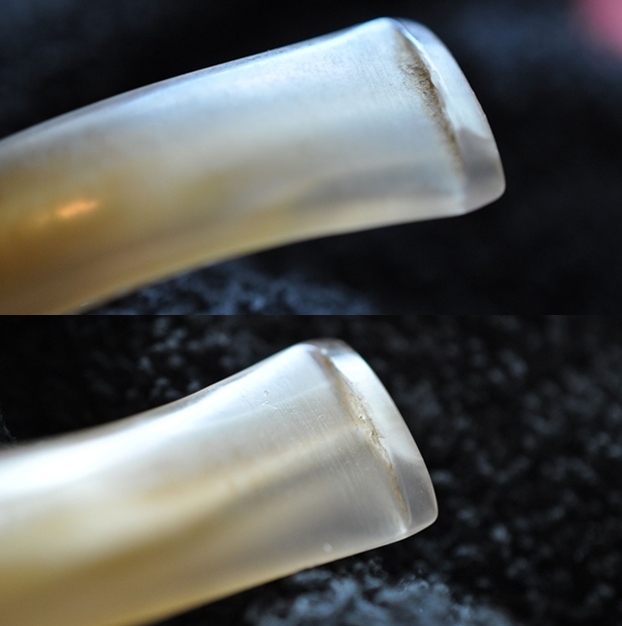
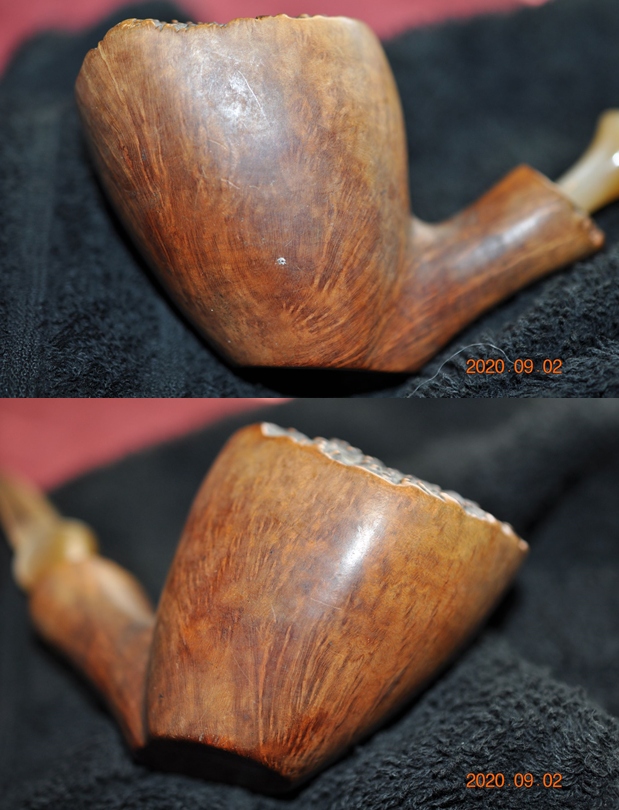
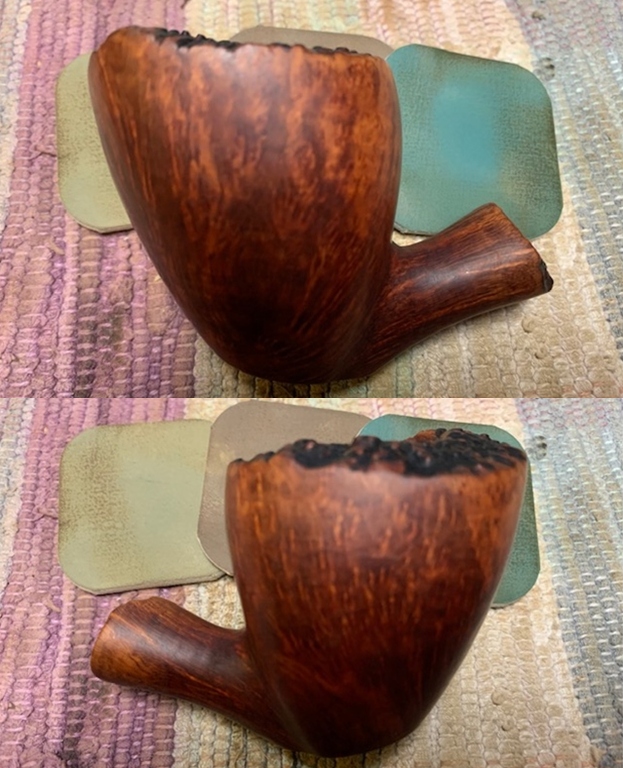
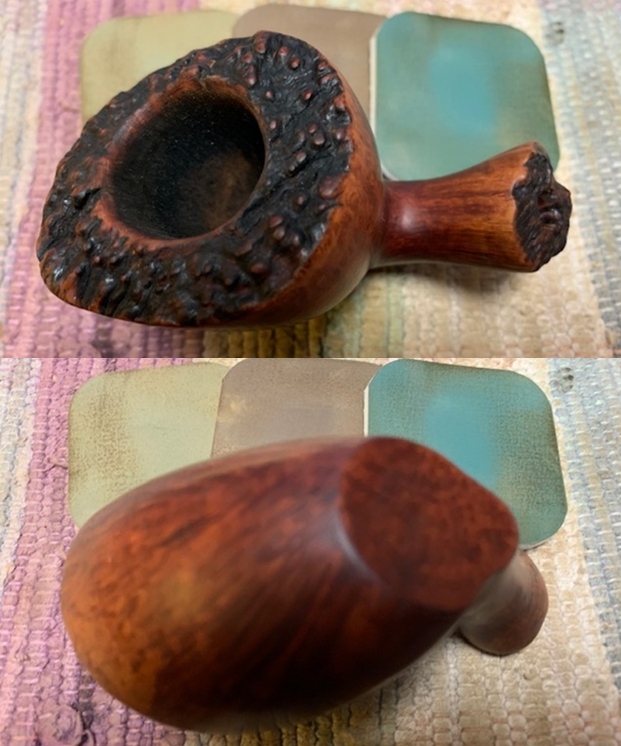
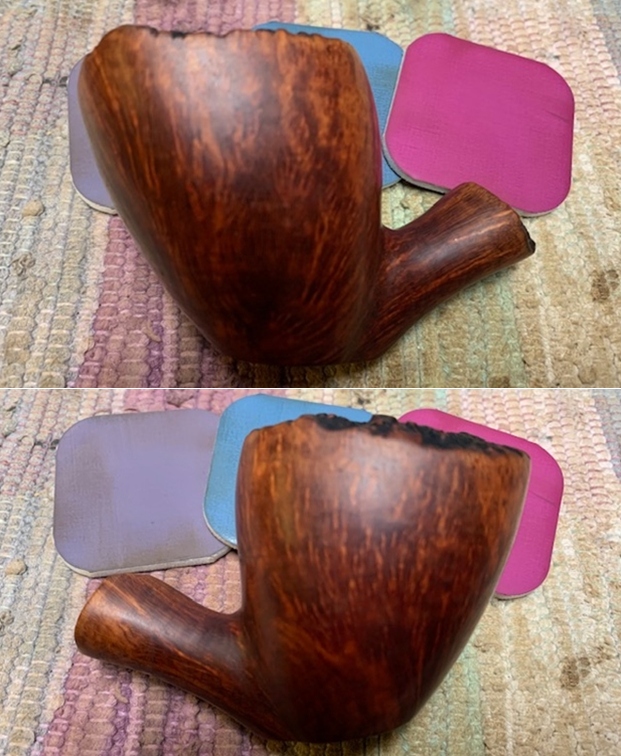
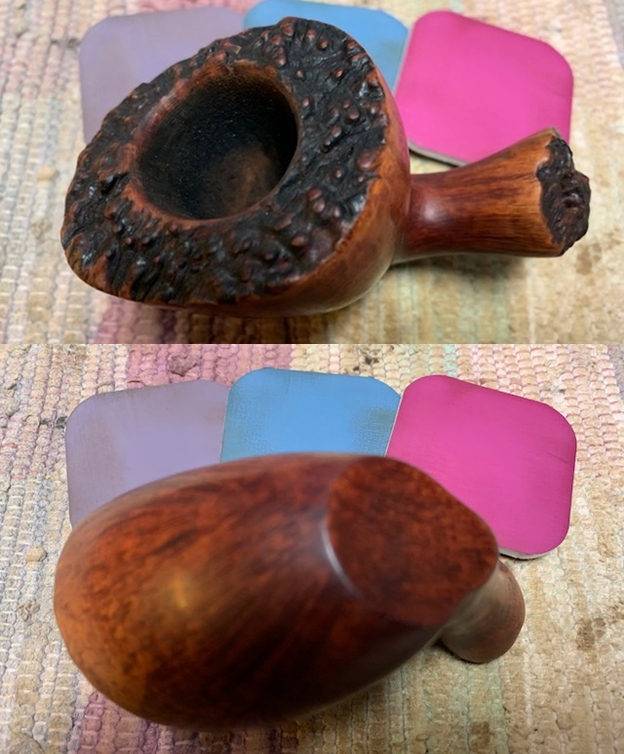
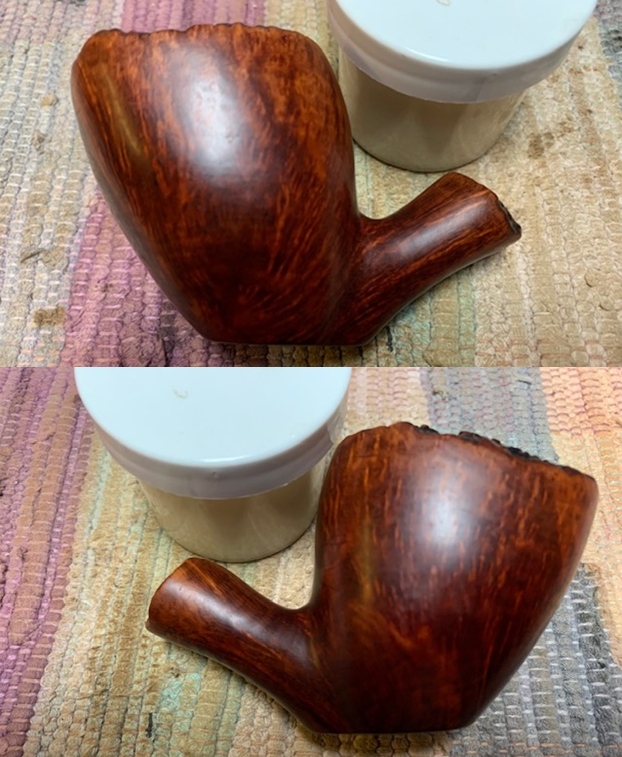
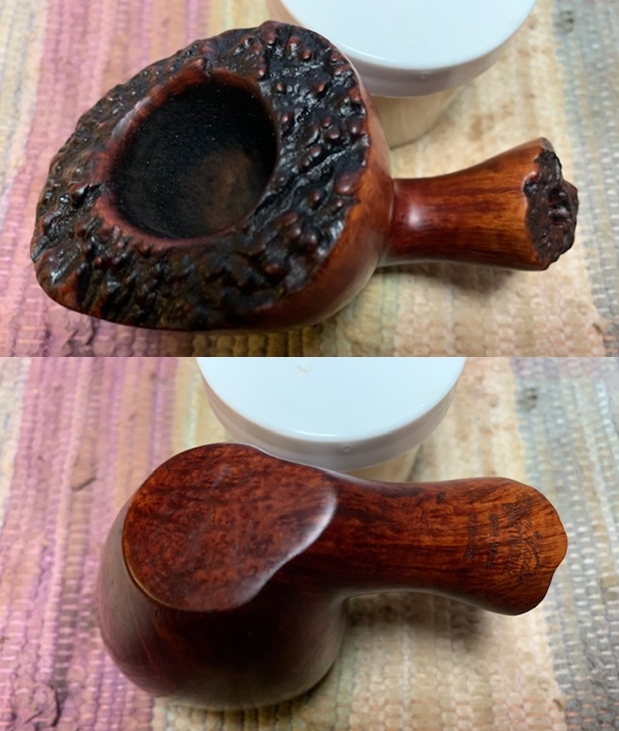
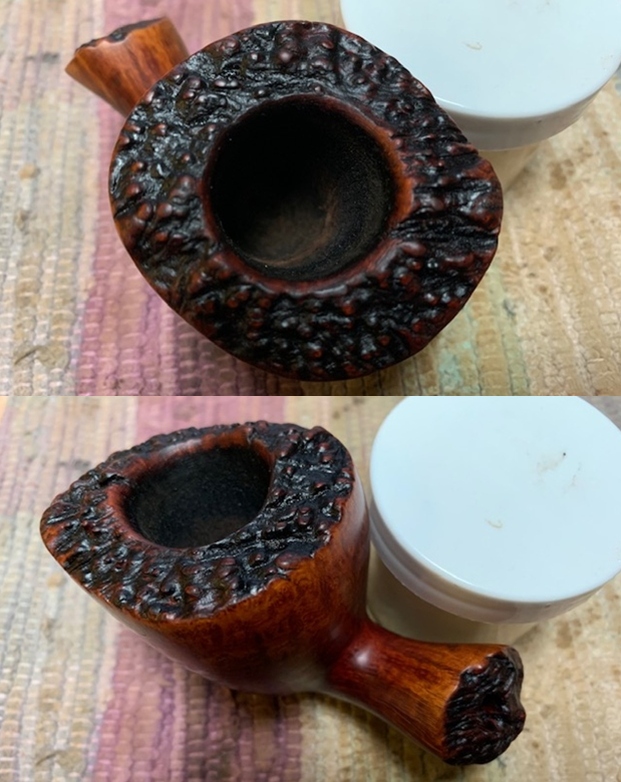
The next pipe on the work table came to us from an antique mall in Bozeman, MT, USA back in 2018. It has been sitting here for 2 years. Jeff took photos in December of that year. Now I am finally getting a chance to work on it. The pipe is a classic pot shaped sandblast pipe with almost a Dunhill Shell Briar Brown and Black finish with highlights of red. The pipe was an absolute mess which probably accounted for how we ended up purchasing it for a fair price. On the underside of the heel and shank it is stamped with the Bari [over] Squash followed by Made In Denmark followed by 7930. The mix of stains makes the sandblast look multidimensional even with the grime ground into the finish. It was very dirty with dust and debris in the valleys of the sandblast. There was a thick cake in the bowl and an overflow of lava on the rim top that is heavier on the back of the bowl. The edges look to be in good condition as far as we can tell until we clean up the pipe. The stem was oxidized, calcified and there were deep tooth marks and chatter on both sides near the button. The stem had a damage white Bari stamp on the left side of the saddle. Jeff took photos of the pipe before he started working on it. I include those below. Jeff took photos of the bowl and rim top to show the cake in the bowl and the condition of both. It was heavily caked with a lava overflow on the rim top. You can see that it is heavier on the back inner edge that the rest of the bowl. The inner and outer edges look very good. He took photos of the top and underside of the stem showing the oxidation and tooth marks on the stem surface and button.  In person the tooth marks are far deeper than they look in the photos.  Jeff took two photos to capture the stamping on the underside of the shank. It is clear and readable as noted above.  I turned to Pipephil’s site (http://www.pipephil.eu/logos/en/logo-b1.html) to see if I could find a listing for the Bari Squash with this four digit number. There was nothing specifically listed for this line of Bari pipes. There was also good info on the brand as a whole and that it was founded by Viggo Nielsen in 1950 and he ran it until 1978 when Age Bogelund managed the production for them. In 1993 it was sold to Helmer Thomsen. Pipedia gives a great history of the brand (https://pipedia.org/wiki/Bari) that is well worth reading. There were also examples of the Bari pipes showing their stamping.
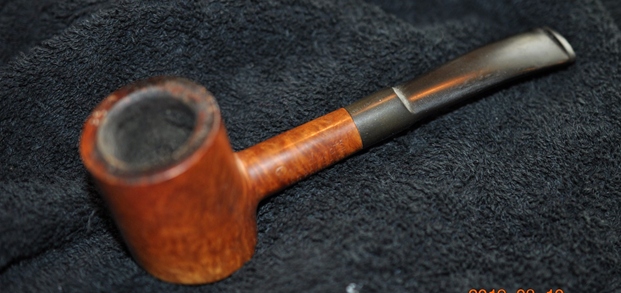
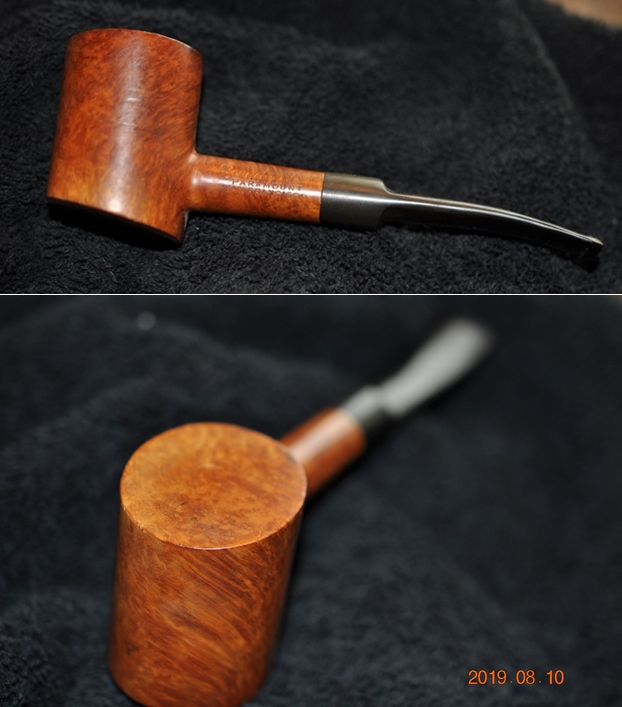
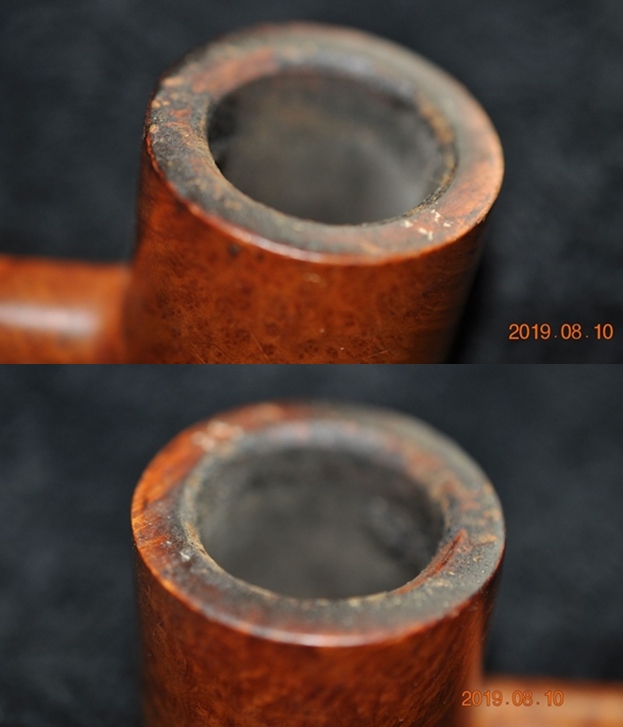
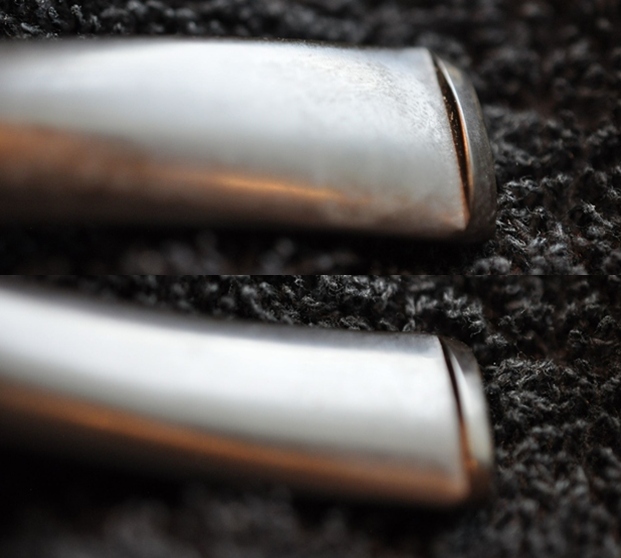
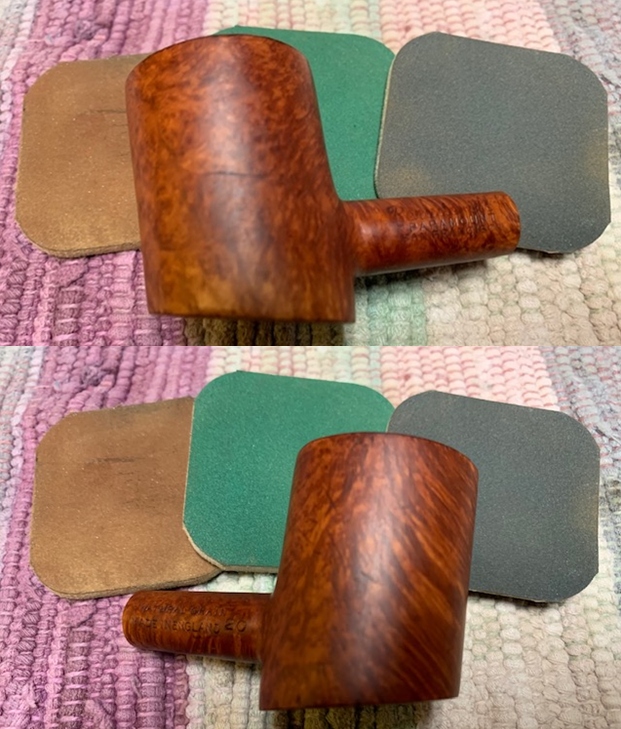
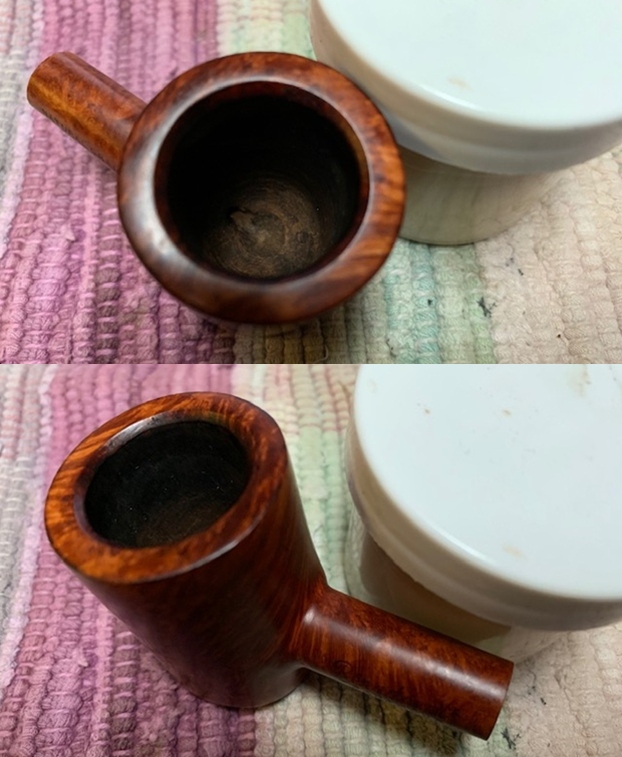
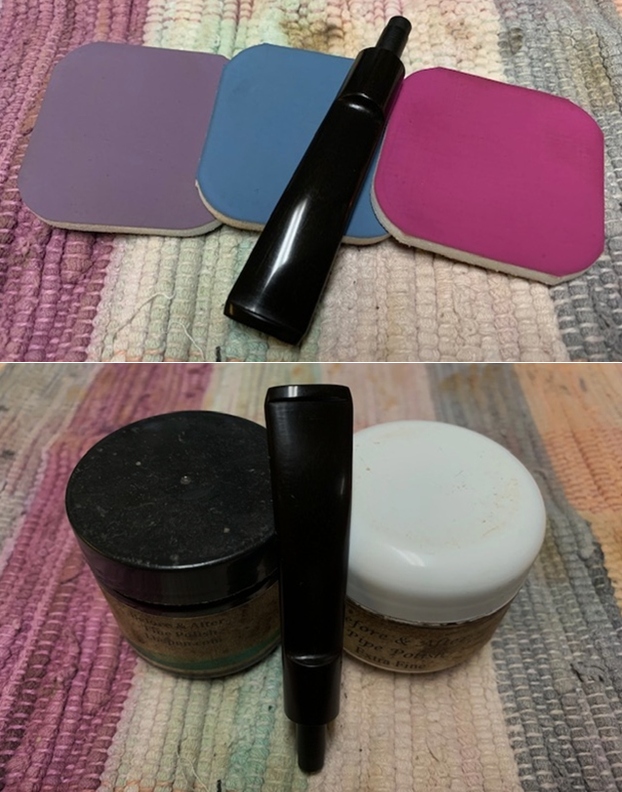
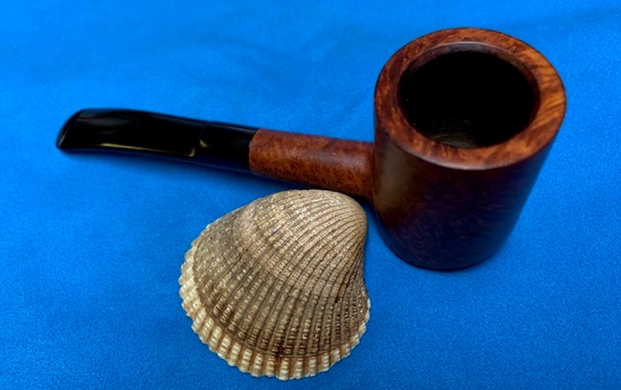
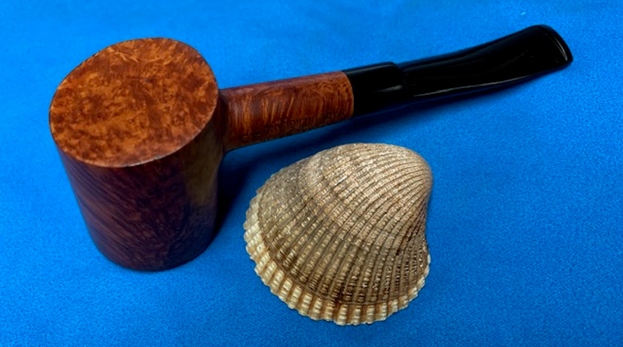
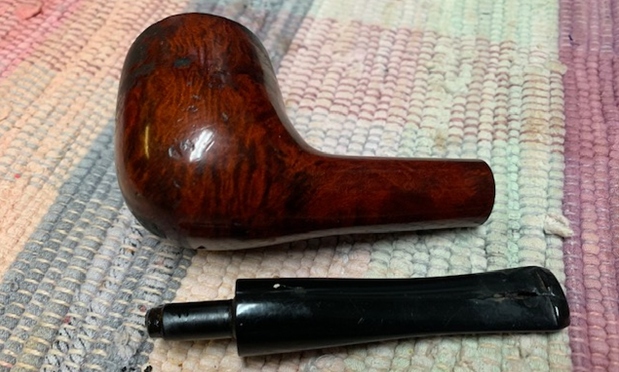
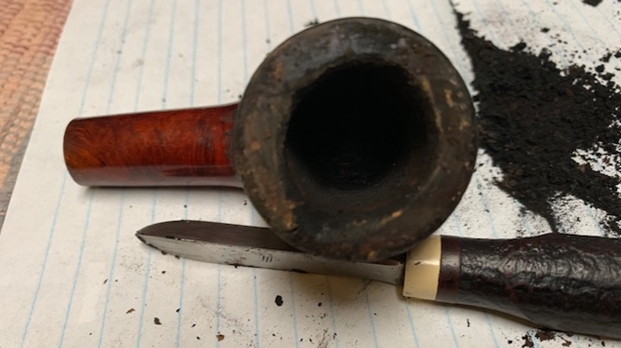
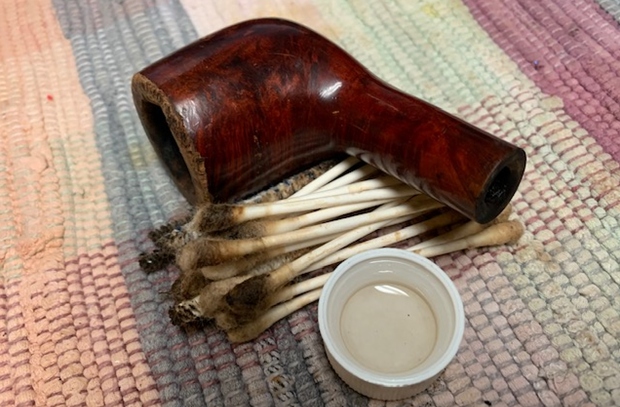
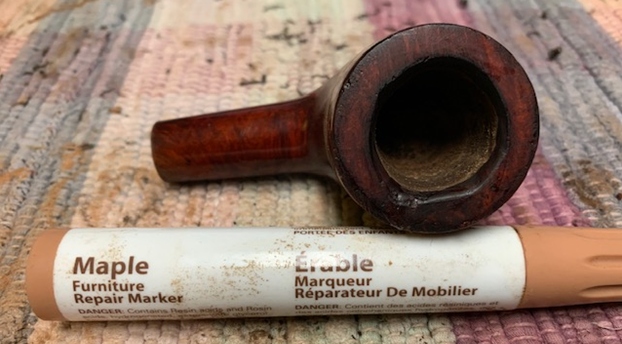
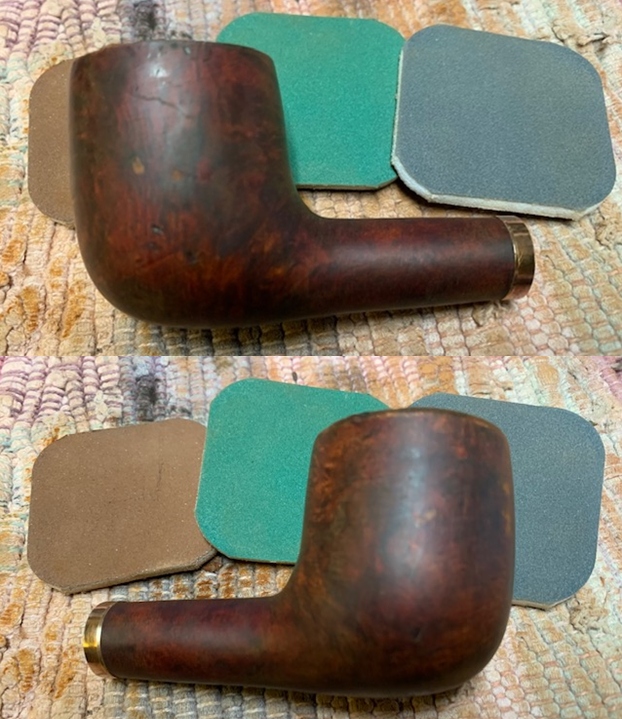
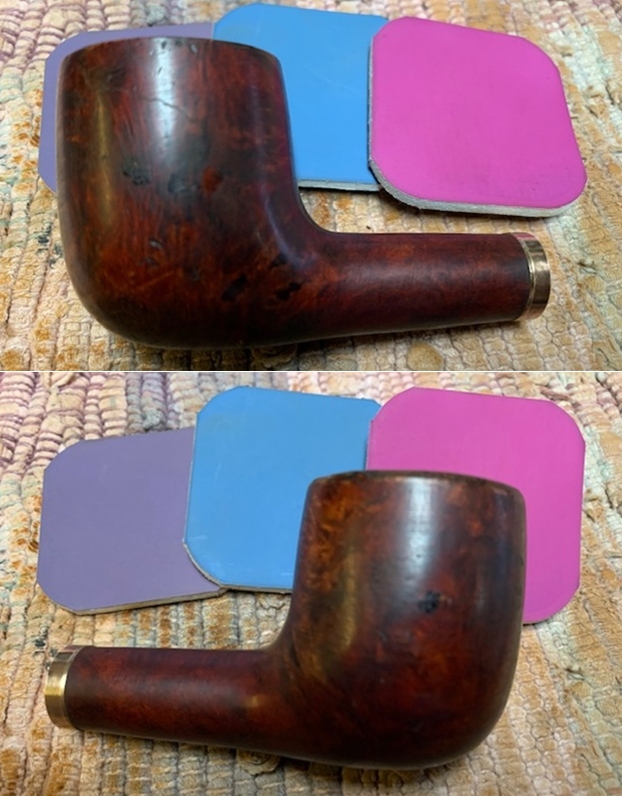
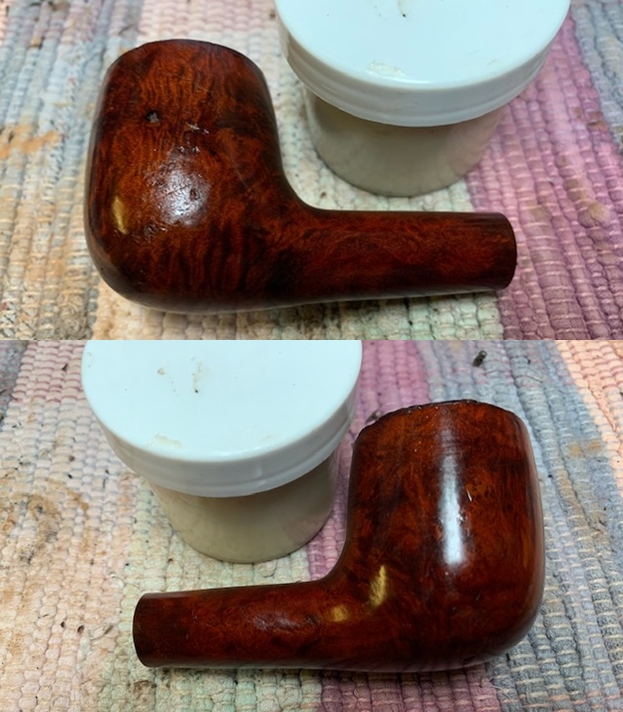
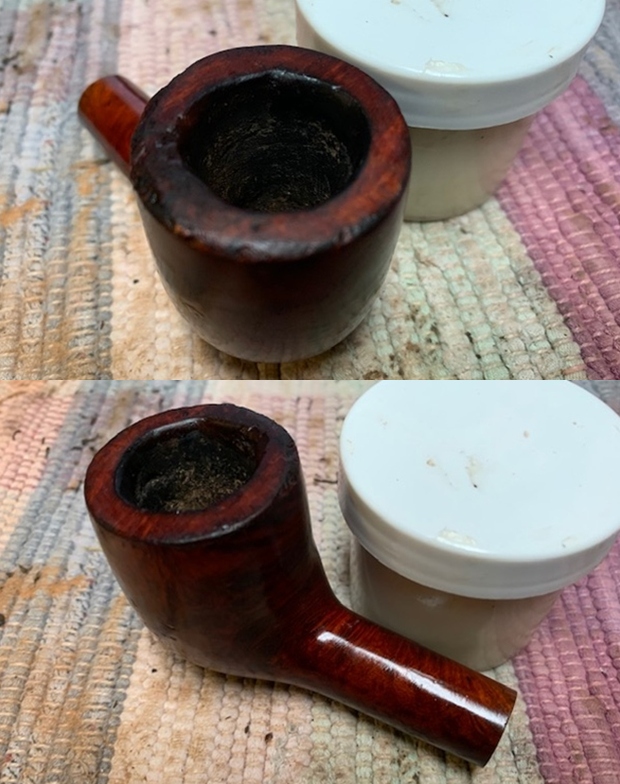
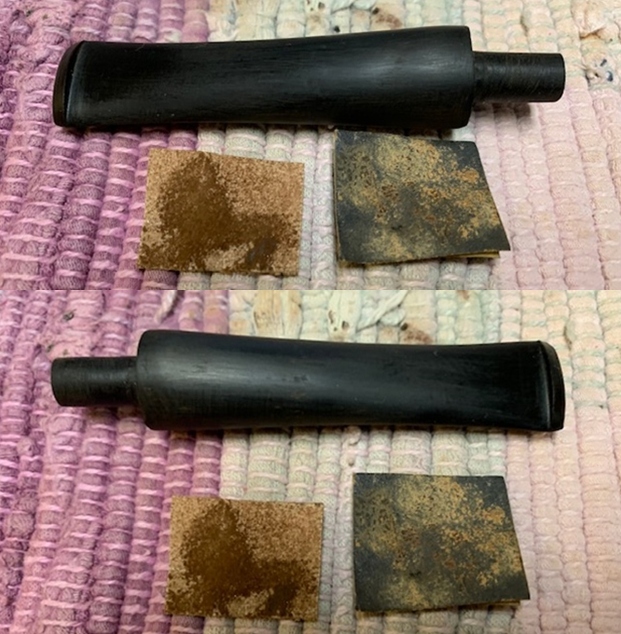
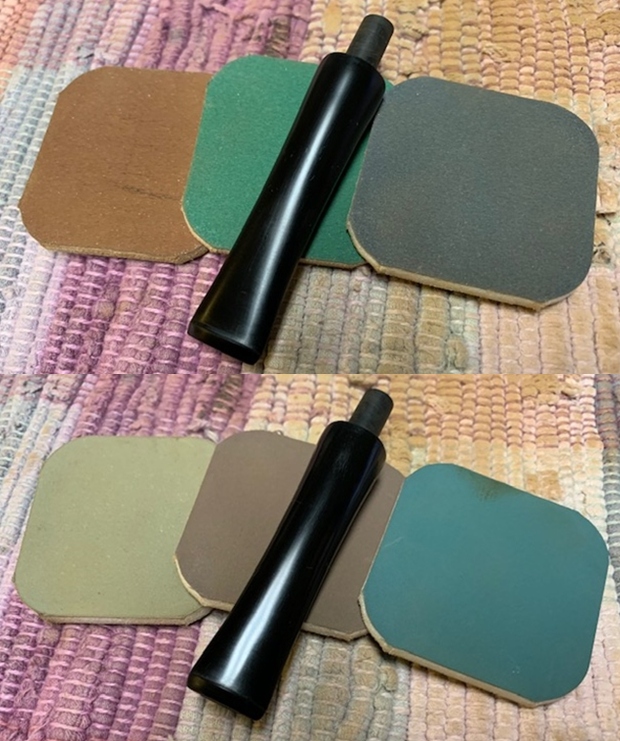
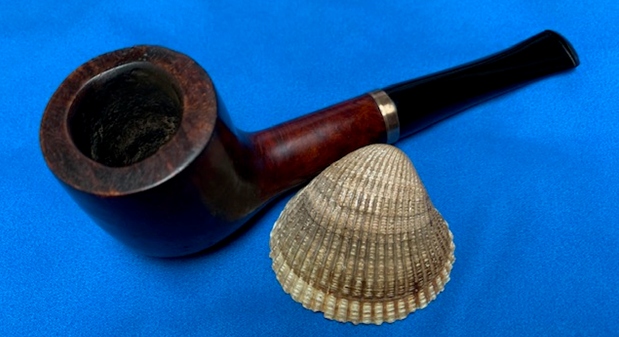
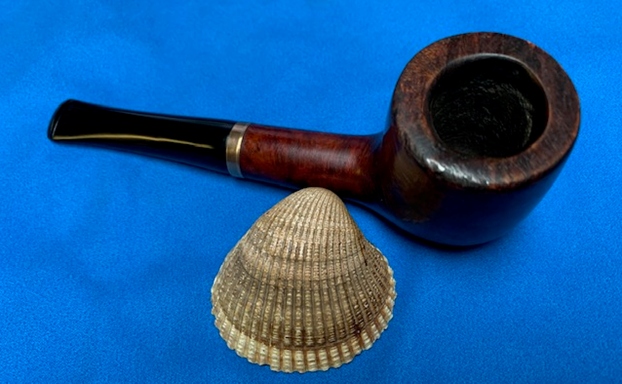
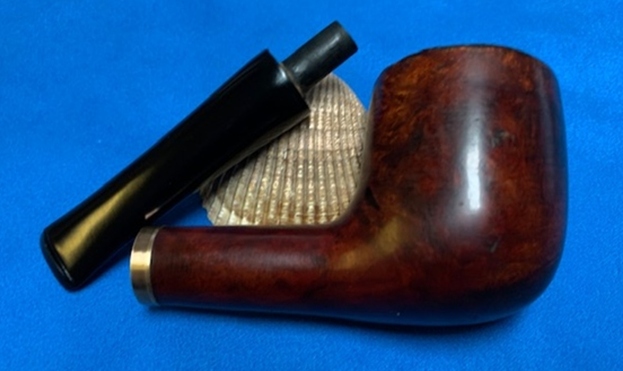
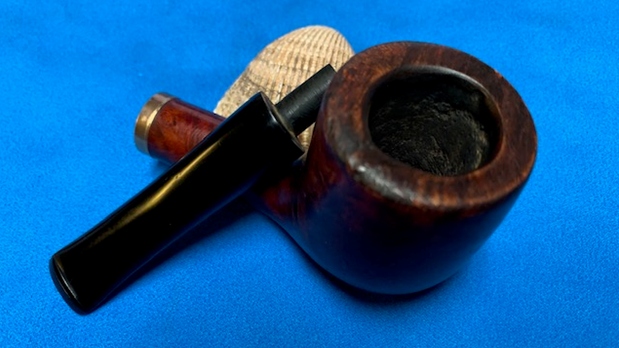
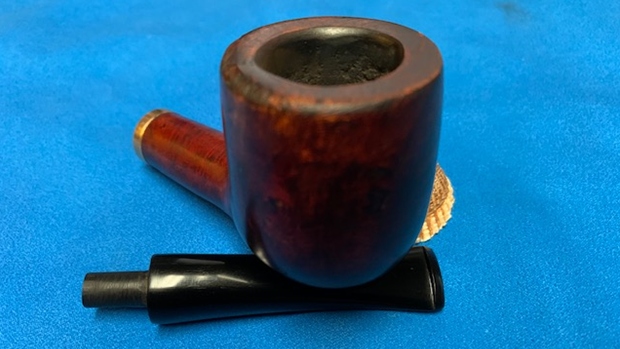
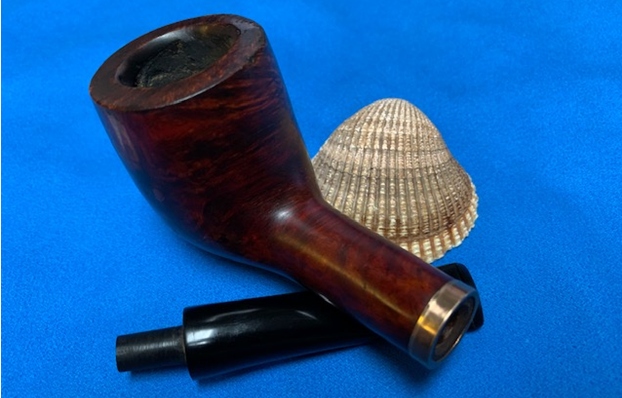
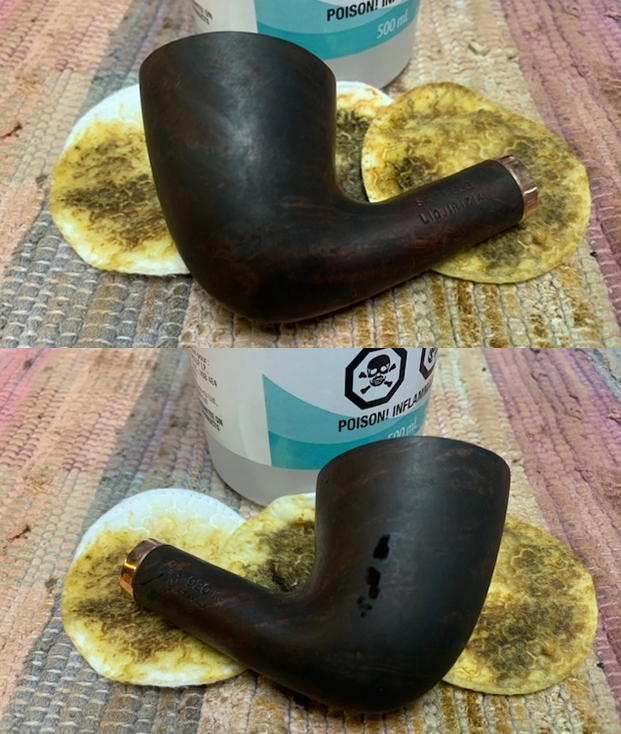
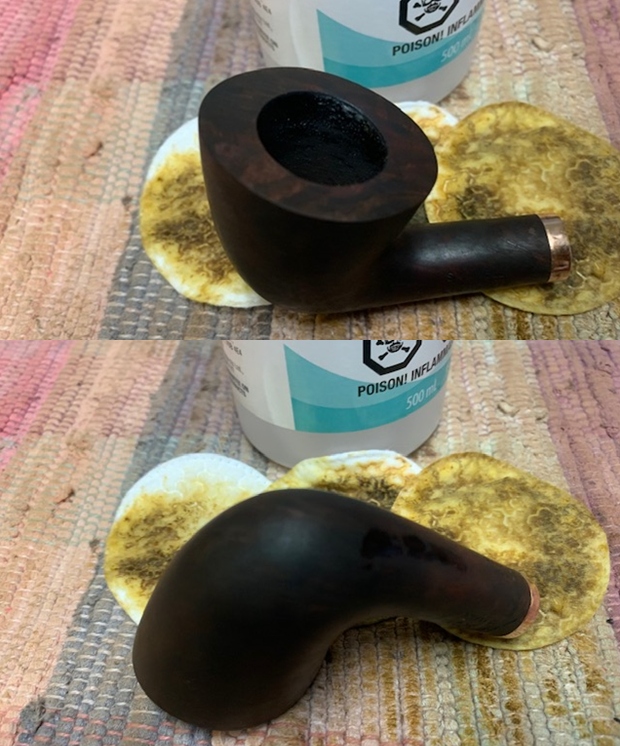
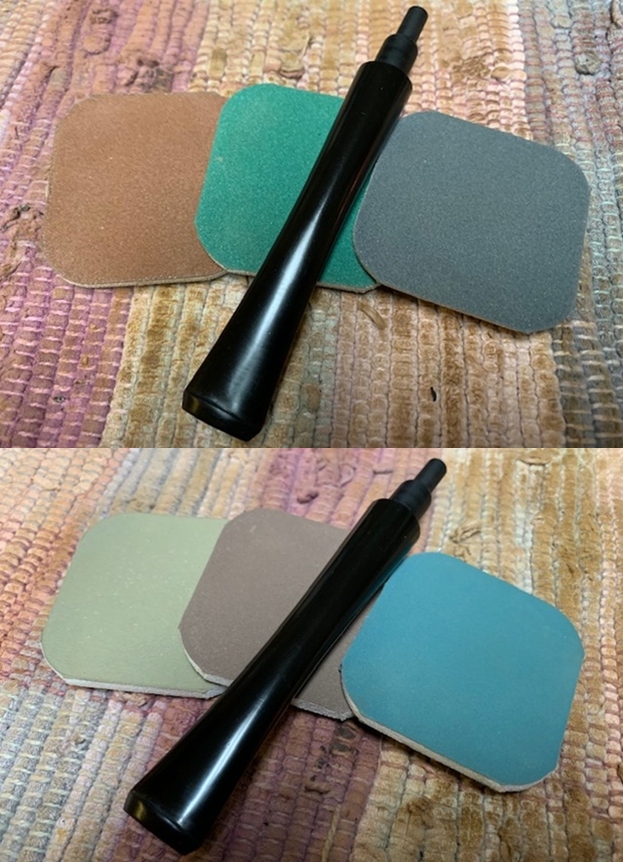
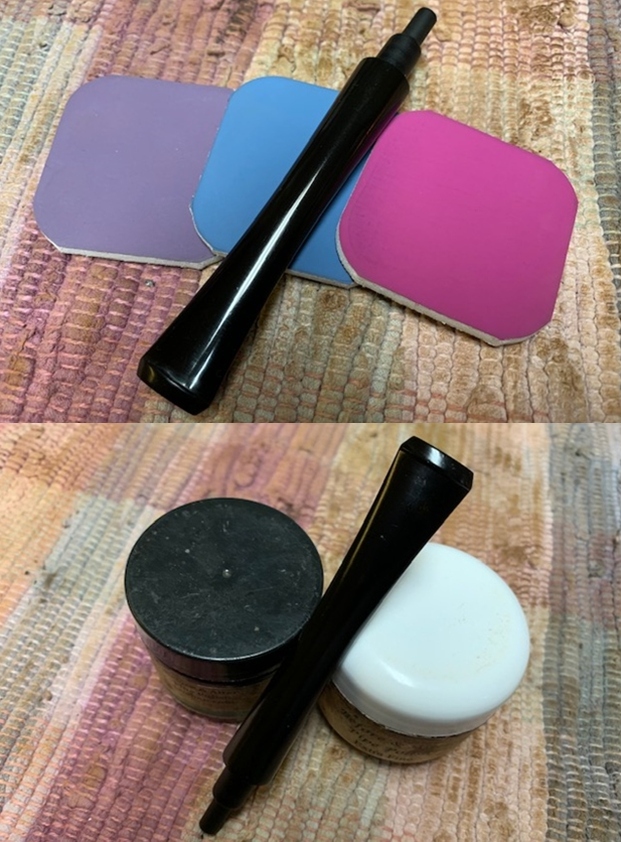
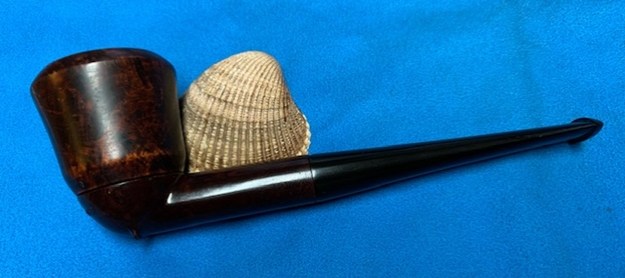
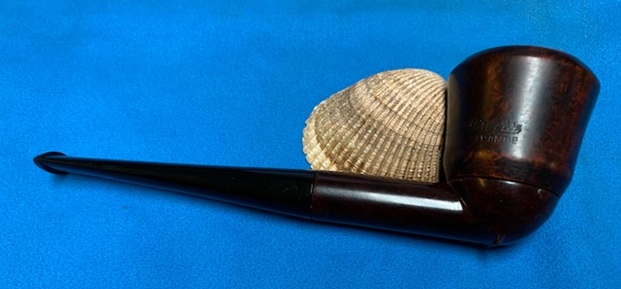
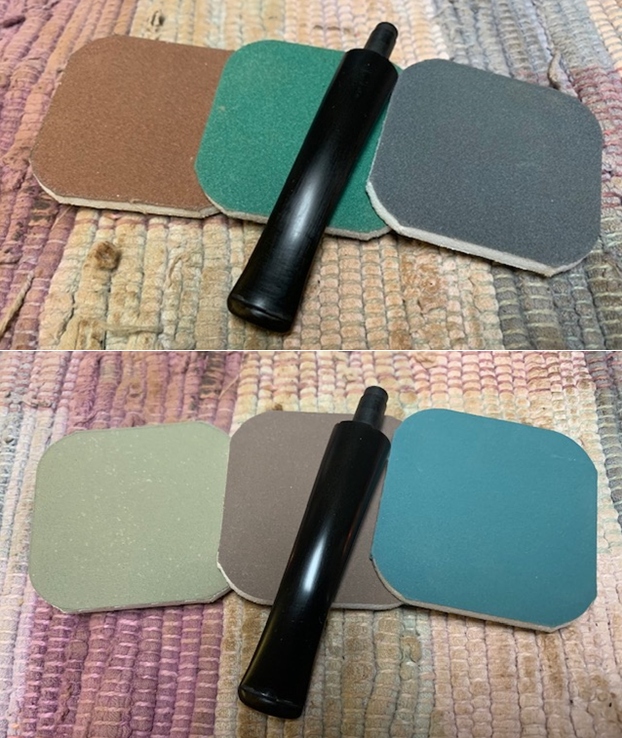
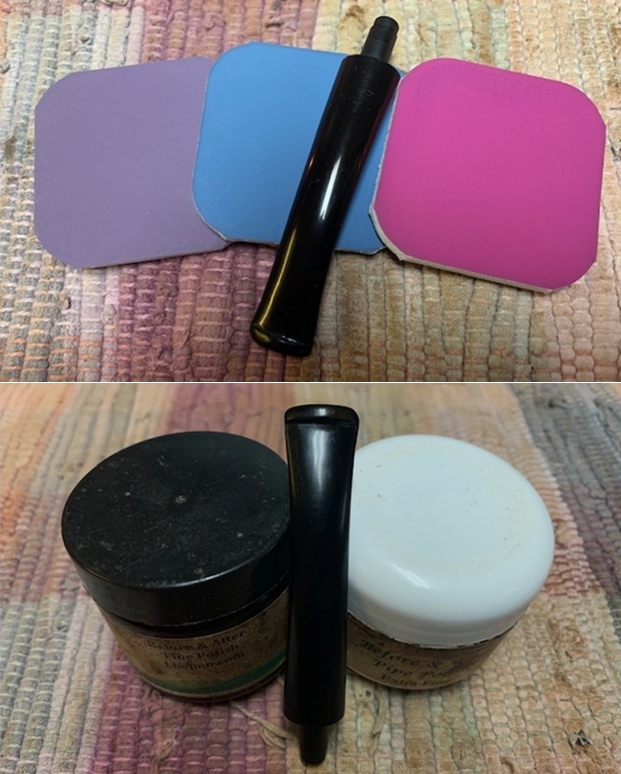
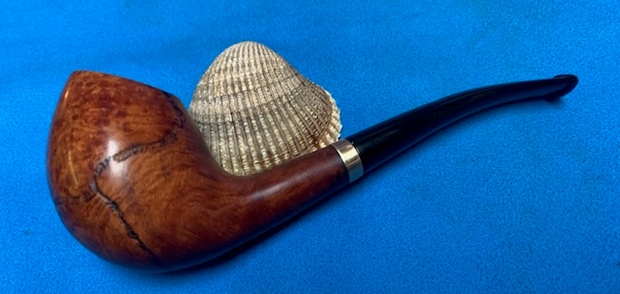
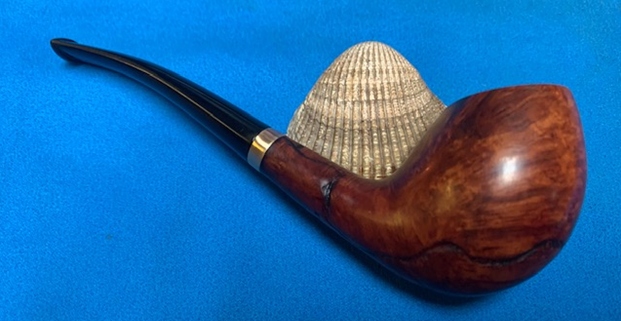
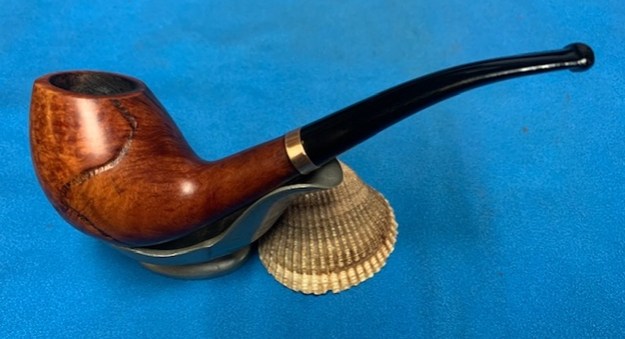
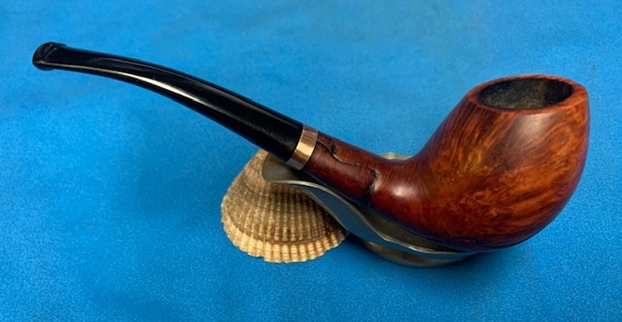
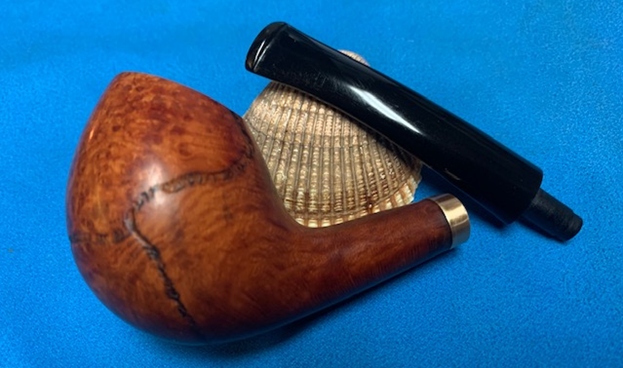
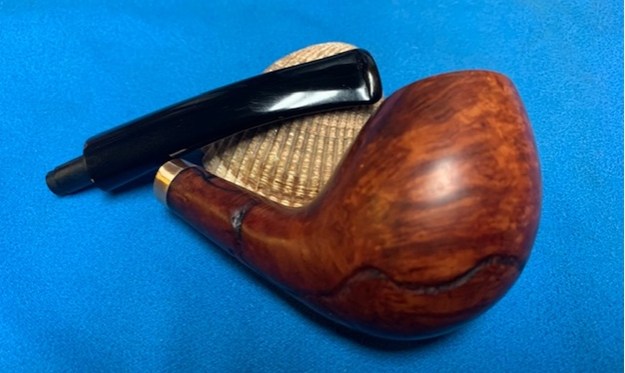
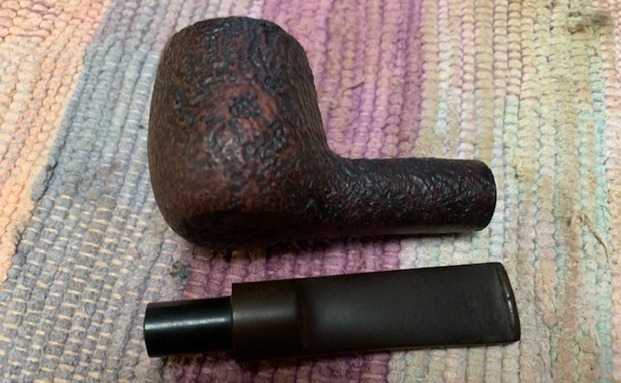
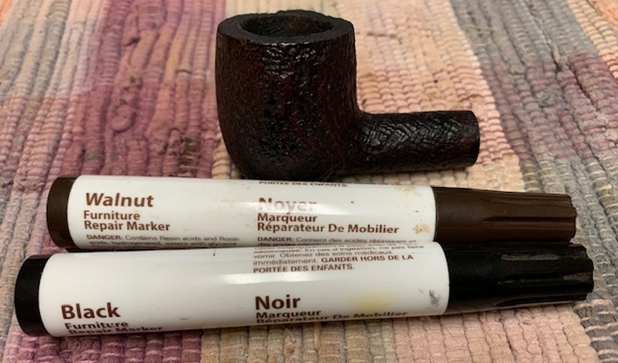
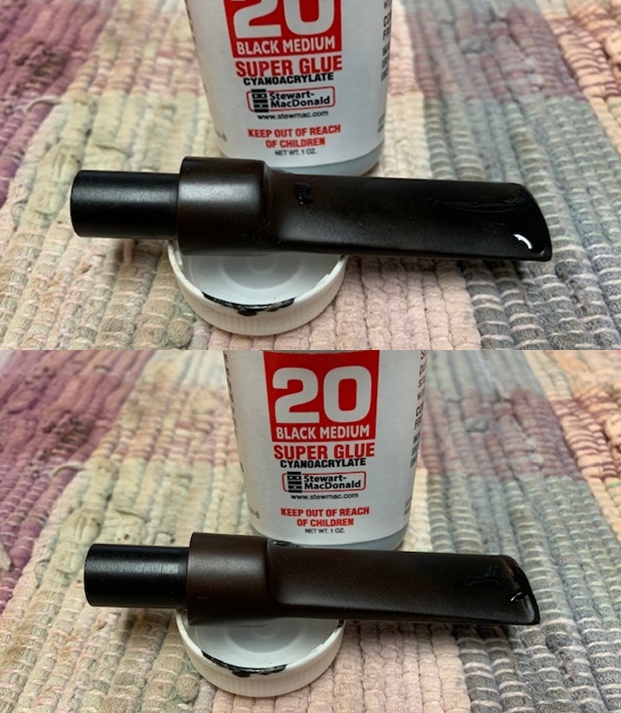
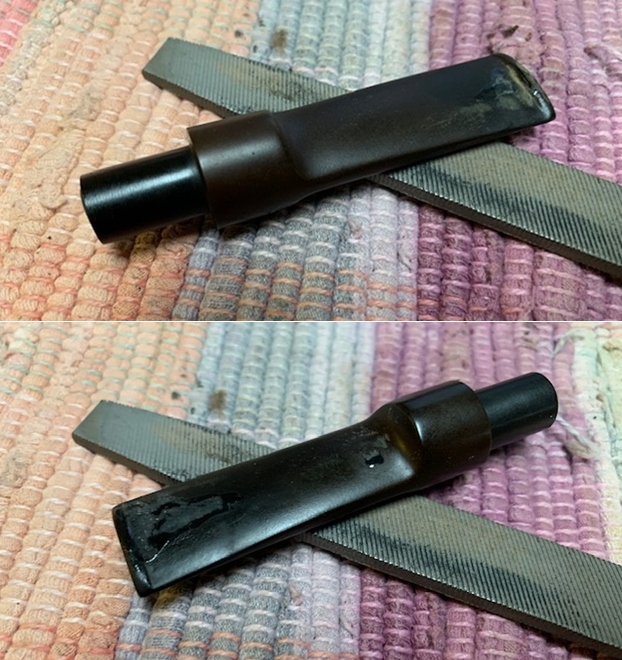
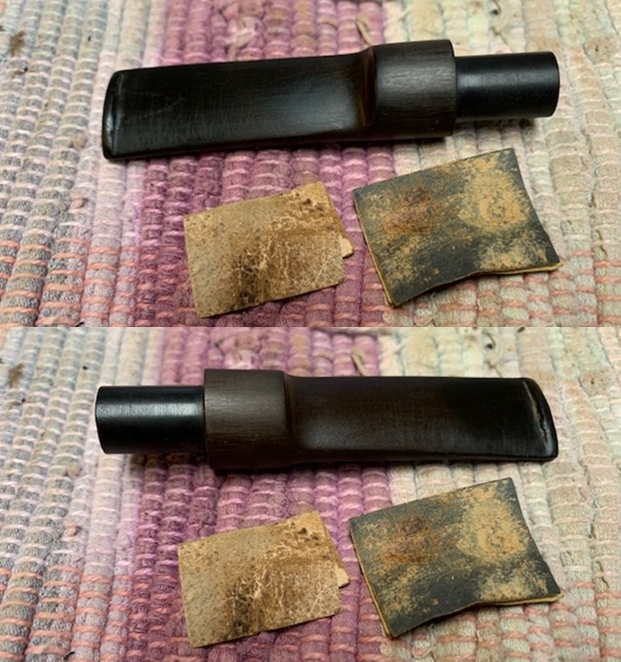
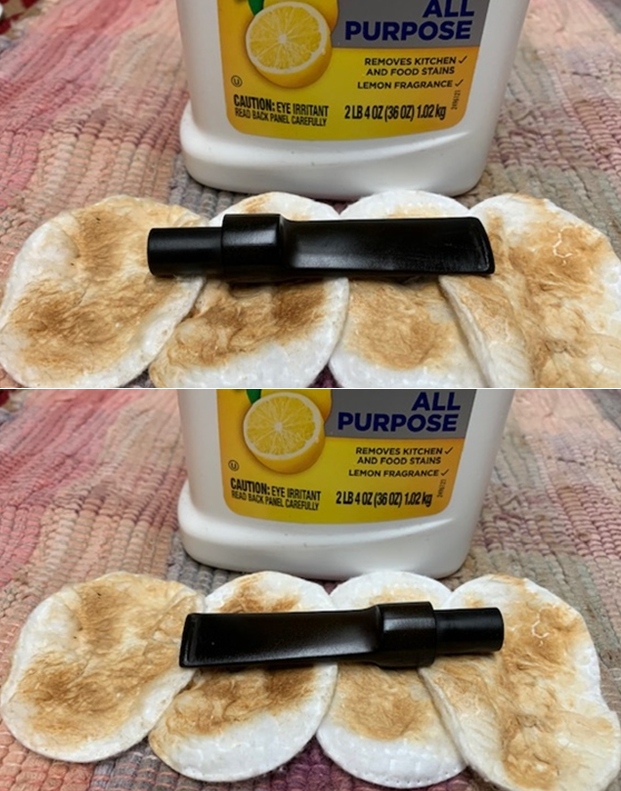
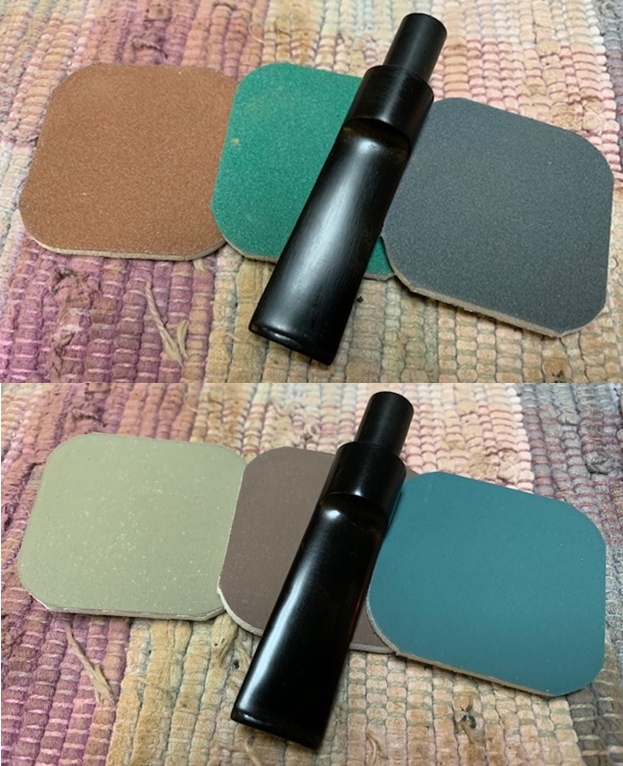
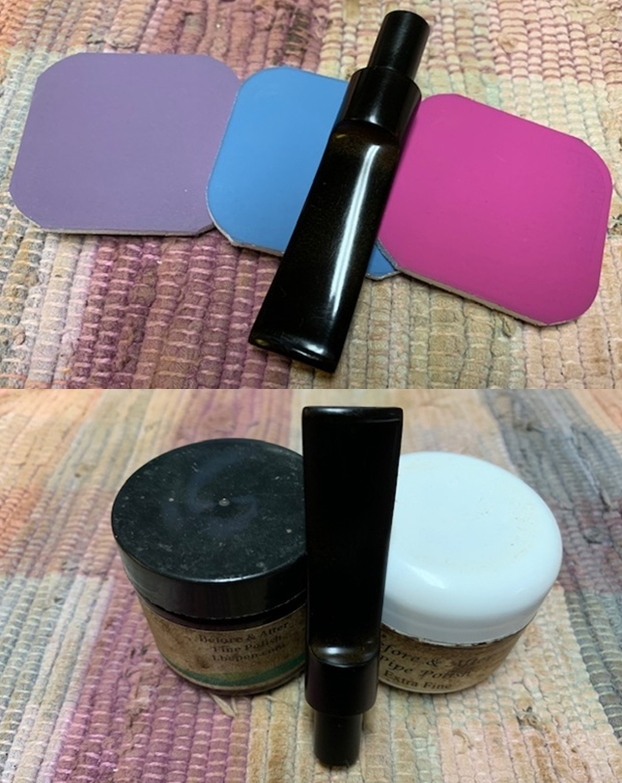
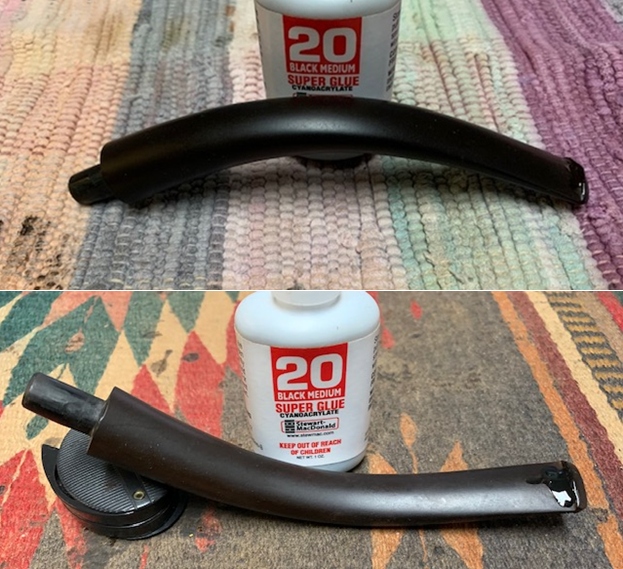
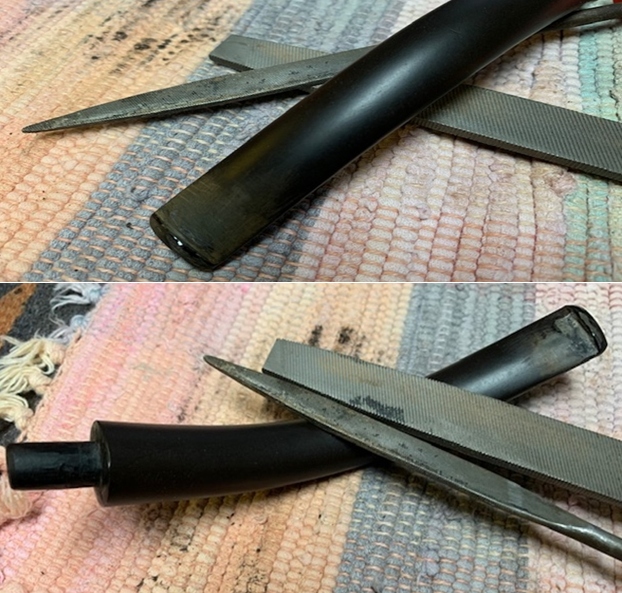
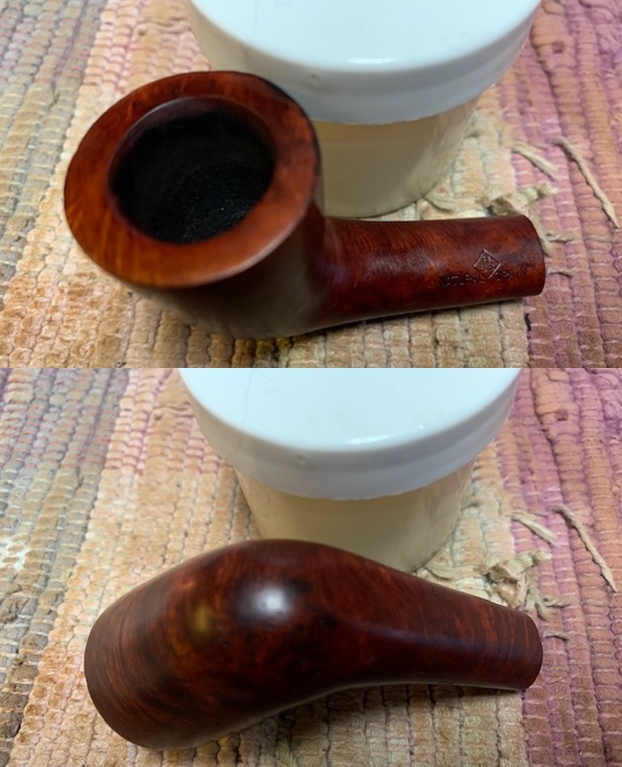
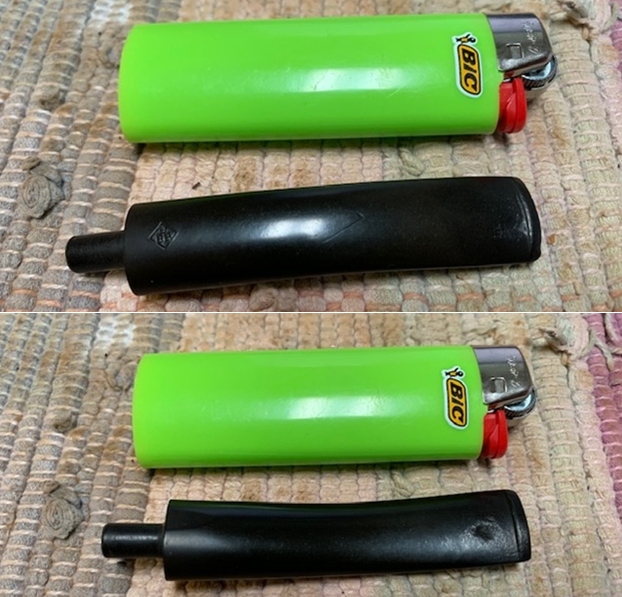
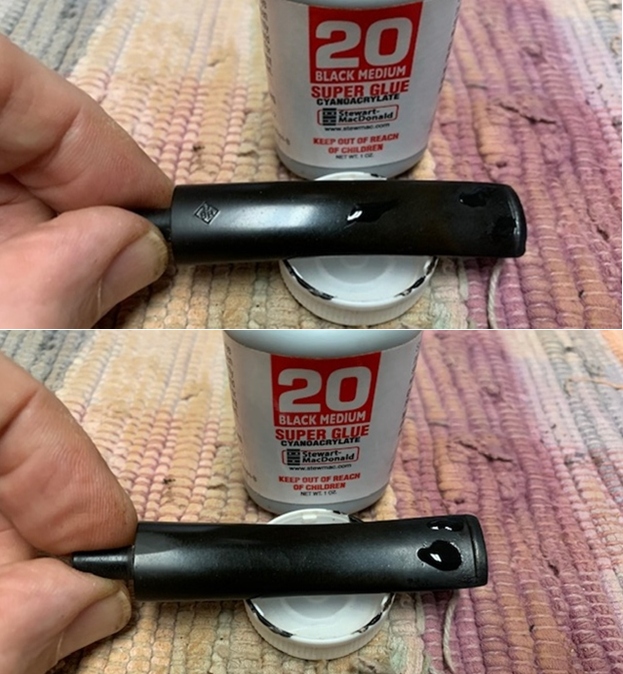
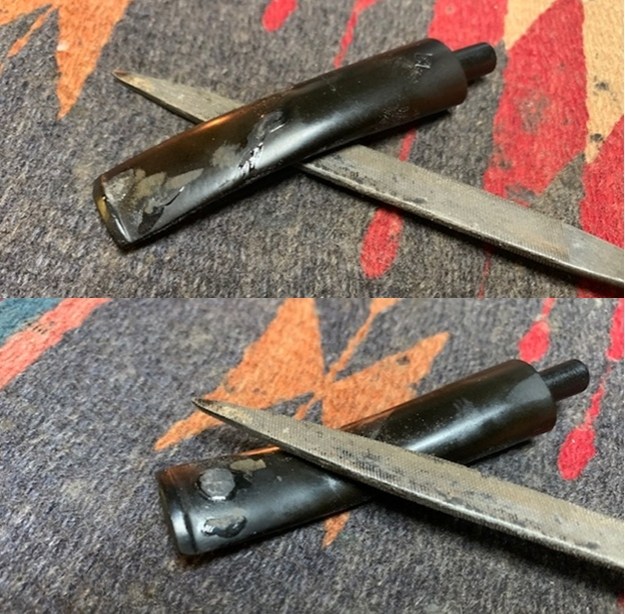
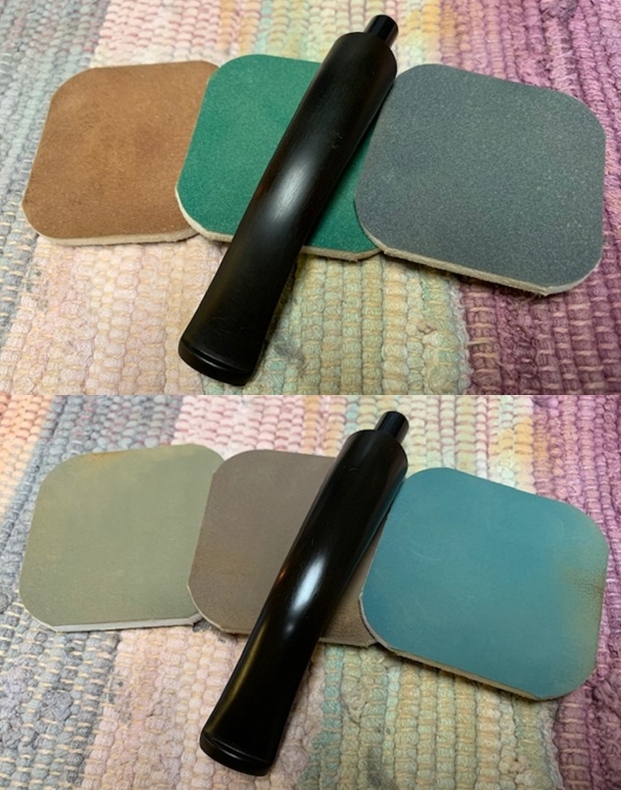
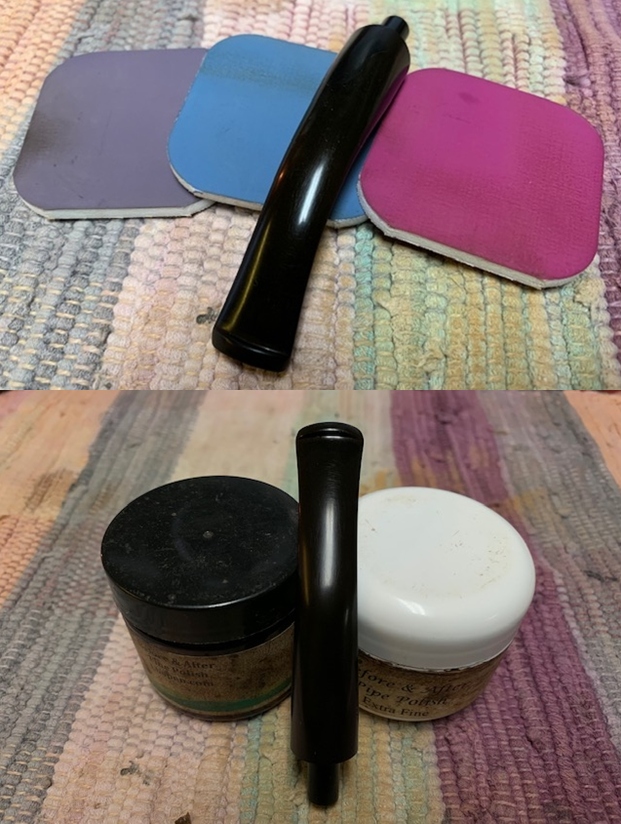
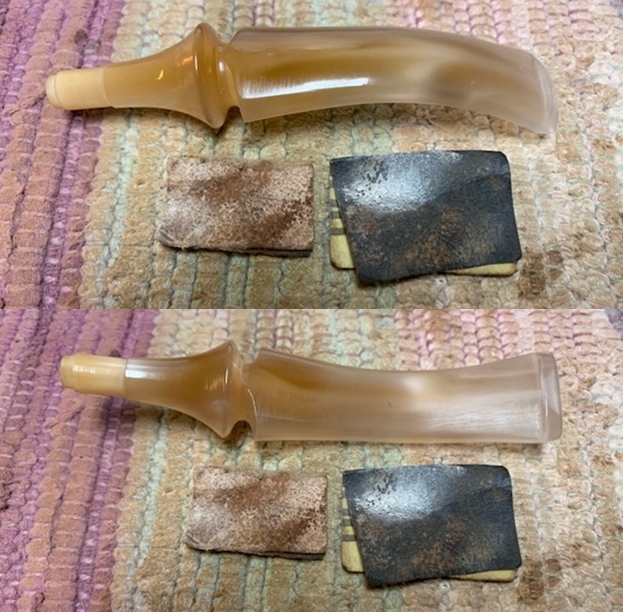
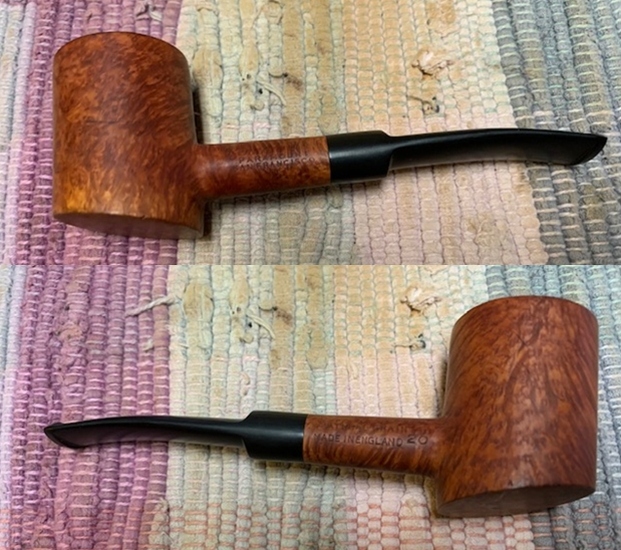
This pipe was a bit of a mess like many of the pipes we work on. I was curious to see what it would look like when I unpacked it. I was surprised at how good it looked. Jeff reamed it with a PipNet pipe reamer and cleaned up the reaming with a Savinelli Fitsall Pipe Knife. He scrubbed out the internals of the shank and stem with alcohol, pipe cleaners and cotton swabs until the pipe was clean. He scrubbed the exterior of the bowl with Murphy’s Oil Soap and a tooth brush to remove the grime and grit on the briar and the lava on the rim top. The finish on the bowl looked really good when I got it. The rim top looked very good. He soaked the stem in Before & After Deoxidizer bath to remove the oxidation. The stem looked better other than the light oxidation that remained and the deep tooth marks and chatter on the surface. When the pipe arrived here in Vancouver for the second stop of its restoration tour it looked much better than when he found it. I took photos of the pipe before I started my work on it.  I took photos of the condition of the rim top and stem before I started working. The rim top looks very good and the bowl is spotless. The stem has light oxidation remaining and some tooth chatter and marks on both sides near the button.   I took a photo of the stamping on the underside of the shank. The BARI SQUASH stamp is faint but readable but the rest of the stamp is very clear. I took the bowl and stem apart and took a photo of the pipe to show the look of the pipe. The cleaning had left behind some light spots that needed to be blended into the rest of the bowl. I used a combination of Black and Walnut Stain Pens to touch up the finish on the bowl and rim top.I worked some Before & After Restoration Balm into the finish of the bowl, rim top and shank with my fingertips and a horsehair shoe brush to clean, enliven and protect it. I find that the balm really makes the briar come alive again. The contrasts in the layers of stain and the separate finishes really made the grain stand out. I let the balm sit for 15 minutes and then buffed with a cotton cloth to raise the shine. The bowl really looks good at this point. I set it aside and worked on the stem.  I set aside the bowl and turned my attention to the stem. I “painted” the tooth marks on the surface of the stem and was able to lift them significantly. I filled in the remaining spots with black super glue. Once the repairs cured I flattened them out with a file/rasp to bend them into the surface. I further smoothed them out with 220 sandpaper to blend and started polishing with 400 grit wet dry sandpaper. I scrubbed the remaining oxidation with Soft Scrub cleanser an was able to remove most of it. I polished the stem with micromesh sanding pads – wet sanding it with 1500-12000 grit pads. I polished it further with Before & After Pipe Stem Polish – both fine and extra fine.    Once again I am the part of the restoration that I always look forward to – the moment when all the pieces are put back together. I put the pipe back together and lightly buffed the bowl with Blue Diamond. I buffed the stem with a heavier touch with Blue Diamond on the buffing wheel. I gave the bowl multiple coats of Conservator’s Wax and the stem multiple coats of carnauba wax. I buffed the pipe with a clean buffing pad to raise the shine. I hand buffed it with a microfiber cloth to deepen the shine. It is fun to see what the polished bowl looks like with the smooth finish and the black vulcanite stem. This richly stained Bari Squash Sandblast 7930 Pot is light weight and ready for you to load up a tobacco of preference and enjoy breaking it in for yourself. Have a look at it in the photos below. The dimensions are Length: 5 ¼ inches, Height: 1 ¾ inches, Outside diameter of the bowl: 1 ½ inches, Chamber diameter: ¾ of an inch. The weight of the pipe is 45grams/1.59oz. This is one that will go on the Danish Pipemakers section of the rebornpipes online store shortly. Thanks to each of you who are reading this blog. Remember we are not pipe owners; we are pipemen and women who hold our pipes in trust until they pass on into the trust of the next generation.

A Farewell to my Work Buddy Spencer – A Comoy’s Extraordinaire 804 Rusticated Bent Billiard


Blog by Steve Laug

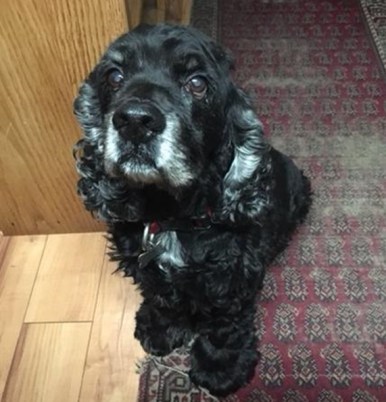
The pipe on the work table now came to us from one of Jeff’s pipe hunts on the Oregon Coast back in 2018. It turns out that it is the last pipe that I will have worked on with my Supervising Buddy Spencer, my Black and Tan Cocker Spaniel. While I was working on the rim top this morning he slipped over the rainbow bridge curled at my feet in his usual place. I will miss his presence and his wet nose nudging me for a treat…

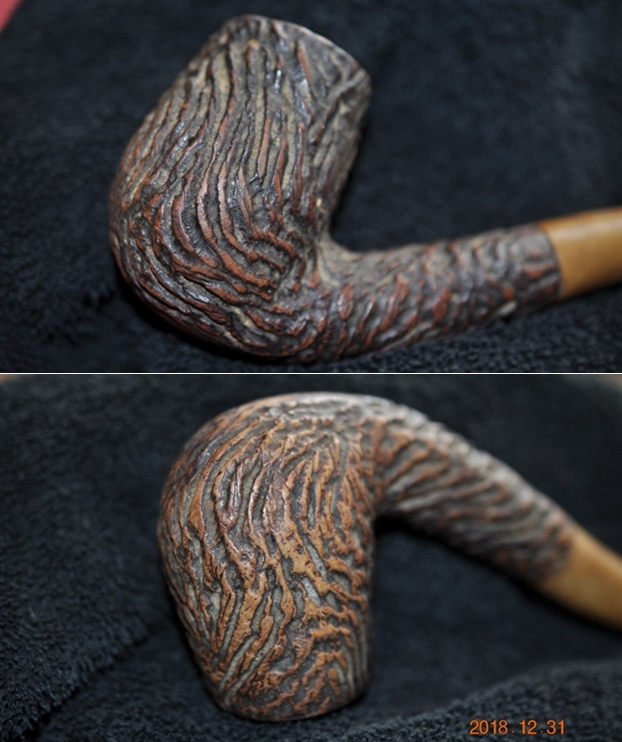
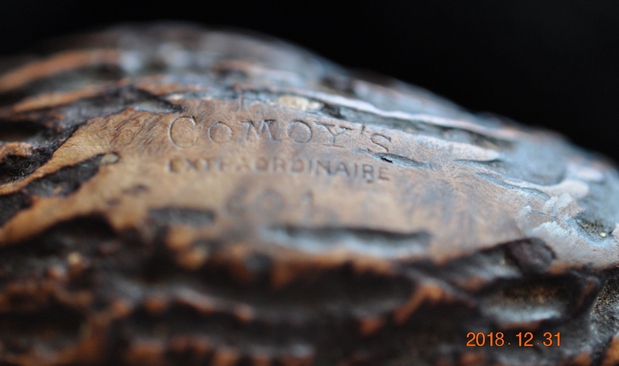
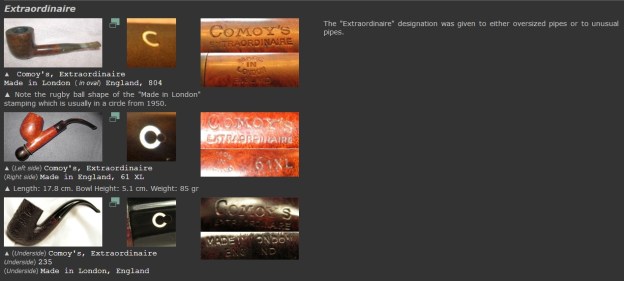
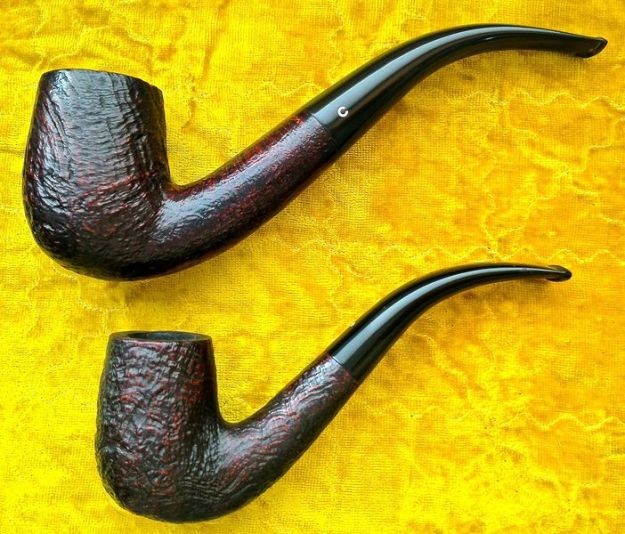
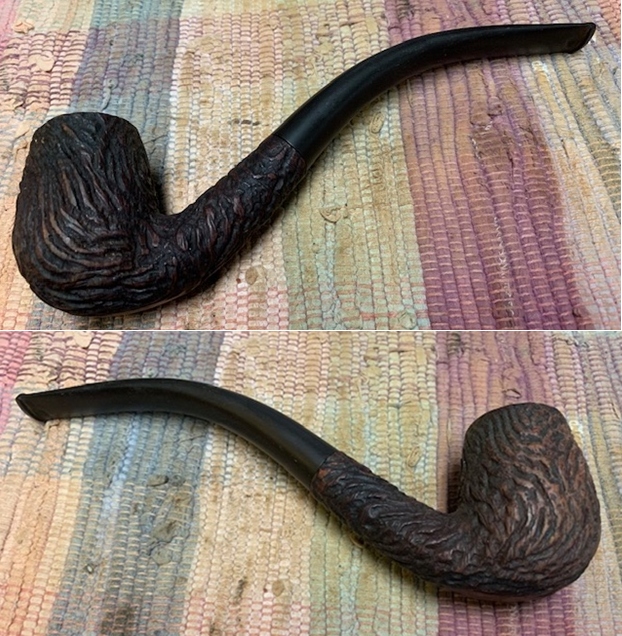
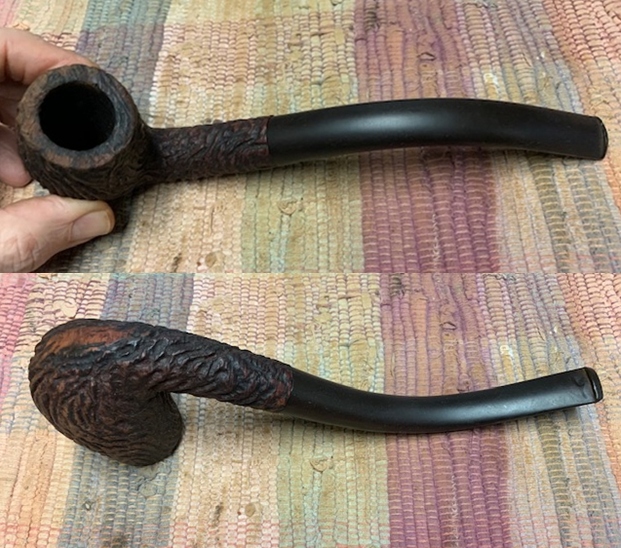
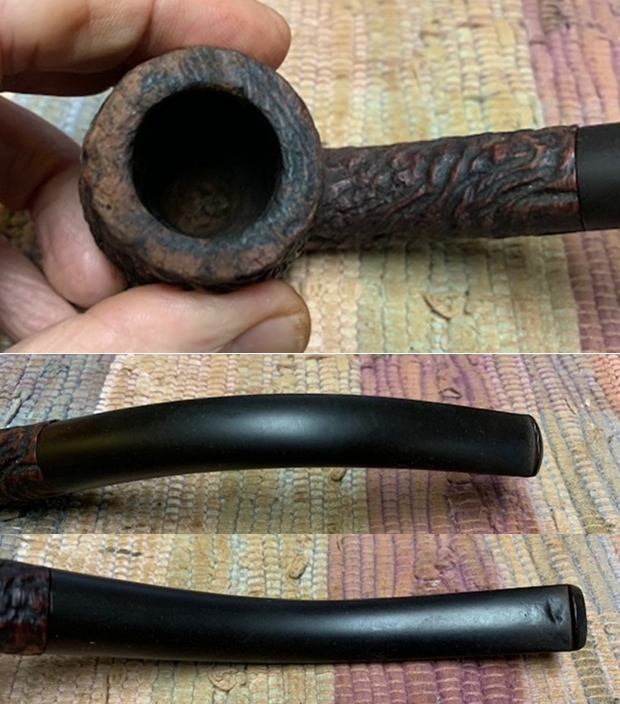
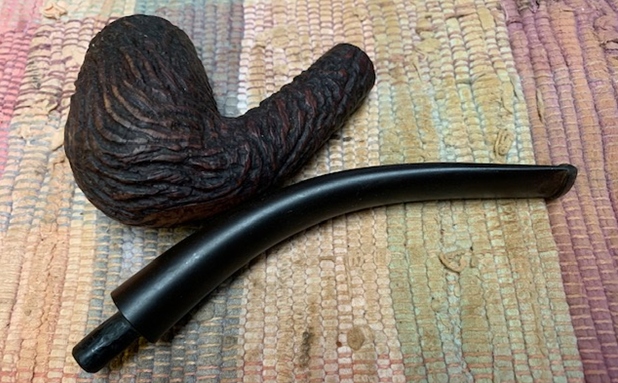
This is a big pipe at 9 ½ inches long and 2 ½ inches tall. It is stamped on the heel of the bowl and reads Comoy’s [over] Extraordinaire followed by the shape number 804. It is a handful that is for sure. The deeply rusticated finish has a beauty of its own. It is a dirty pipe with a lot of dust and debris deep in the rusticated grooves of the rustication. The rim top is covered in a coat of lava overflowing from the thick cake in the bowl. When you realize how big the bowl is and then see that the cake fills in over half of the bowl you can see how thick it is. The cake is rock hard and will be a bear to ream out. It is hard to know the condition of the inner edge but the front outer edge has some damage from being knocked hard on something to remove the dottle from the bowl. The stem is probably a replacement and does not have an inset C on the side or topside. It is an old one in that it has the same feel as the Solid Rubber stems. It is oxidized, calcified and has deep tooth marks on the underside near the button and chatter on the top side. It will be an interesting looking pipe once it is cleaned up. Jeff took these photos before he started his cleanup work.The next photo Jeff took gives a clear picture of the thickness of the cake and the lava on the rim top. It is one well-loved pipe and the previous pipeman must have smoked it all the time. It is a good sign that it is a great smoker. He also took photos of the stem to show the oxidation and the toot marks on the surface. The top side is in better condition than the underside.  He took photos of the sides and heel of the pipe to show the overall condition of the finish on the bowl. It is a deep swirling rustication. The next photo shows the stamping on the heel of the bowl. It reads as noted above. The stamping is readable but the Extraordinaire and shape number 804 are faint.I turned to Pipephil (http://www.pipephil.eu/logos/en/logo-comoy.html) to look up the Extraordinaire line. I did a screen capture of the second on the line and have included it below. The sidebar on the left of the picture below reads: The “Extraordinaire” designation was given to either oversized pipes or to unusual pipes. This pipe fits both designations – it is large and it is unusual.I turned to Pipedia’s section on Comoy’s (https://pipedia.org/wiki/Comoy%27s). It gives a great history of the brand and toward the bottom of the page it had the picture below. It shows a contrast between the Extraordinaire 804 and a Group 4 sized Dunhill 120 for comparison. The caption below the photo says that this pipe is a 1930’s Comoy’s pipe.

1930’s Comoy’s 804 Extraordinaire shown with a 1965 Group 4 sized Dunhill 120 (which is the equivalent of a Group 5 size today) for size comparison – Courtesy of Mike Ahmadi.

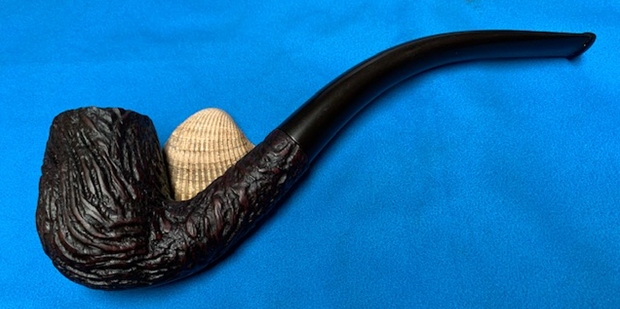
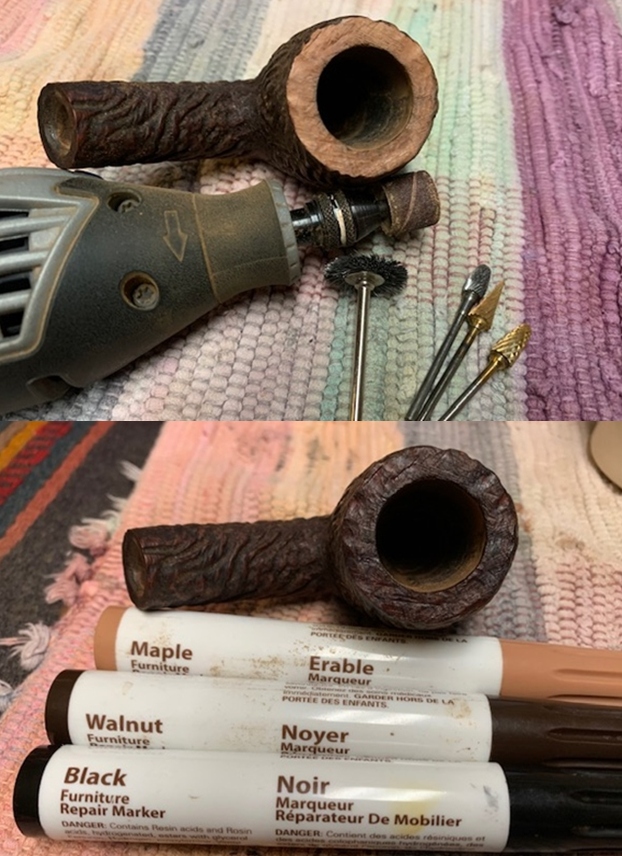
Jeff had cleaned up the pipe with his usual penchant for thoroughness. He reamed the pipe with a PipNet Pipe Reamer and cleaned up the remnants with a Savinelli Fitsall Pipe Knife.  He scrubbed the bowl with undiluted Murphy’s Oil Soap with a tooth brush. He rinsed it under running warm water to remove the soap and grime. He cleaned out the inside of the shank and the airway in the stem with alcohol, cotton swabs and pipe cleaners. He soaked the stem in Before & After Deoxidizer and rinsed it off with warm water. I took photos of the pipe once I received it. The rim top had some slight darkening on the back of the bowl and some damage to the inner edge on the back. The outer edge is rough on the front and the right side from knocking the pipe against something hard. It is hard to know if the rim top was rusticated or smooth from the damage on it. The back rim top looks like it may have been rusticated. The stem surface had deep tooth marks and chatter on both sides near the button.   I took a photo of the stamping on the heel of the bowl. It reads as noted above. I removed the stem and took a photo of the pipe to give a sense of the whole. The stem is tapered. I started my work on the pipe by cleaning up the inner edge and the rim top with 220 grit sandpaper. I was able to minimize the damage.  I topped the bowl on a topping board with 220 grit sandpaper to remove the damage to the rim top and outer edges of  the bowl. I used some clear super glue and briar dust to rebuild the front outer edge and the right side edge and then retopped the bowl. With the top and rim edge cleaned up I used my Dremel and the burrs shown in the photo below to rusticate the rim and try to approximate what was visible in the photos above. I finished the rustication with the wire brush on the Dremel as well. When I had it way I wanted I stained it with three stain pens mixed together to give the stain depth – Black, Walnut and Maple. The second photo below shows the rim top. What do you think? I rubbed the bowl and shank down with Before & After Restoration Balm. I worked it into the surface of the rim top, bowl sides and shank with my fingertips and a horsehair shoe brush to clean, enliven and protect the briar. I let the balm sit for 15 minutes and then buffed with a cotton cloth to raise the shine.     I set the bowl aside and turned to work on the stem. I filled in the deep tooth marks on the top and underside with black super glue and set the stem aside to let the repairs cure. Once the repair cured I used a rasp and a small file to flatten the repairs and recut the button edge on both sides. I sanded the stem smooth with a folded piece of 220 grit sandpaper to further blend them into the surrounding vulcanite. I started polishing with 400 grit wet dray sand paper. It was in very good condition so I polished the vulcanite stem with micromesh sanding pads – 1500-12000 grit pads. I wiped it down with a damp cloth after each sanding pad. I used Before & After Pipe Polish – both Fine and Extra Fine to further polish the stem. This restoration is for you Spencer, my fellow curmudgeon and friend… I already miss you greatly and find myself looking over where you used to lay and reaching for a treat and a rub behind your ears… The pipe is a big one with a big personality just like yours buddy. It is a Comoy’s Extraordinaire 804 Bent Billiard with a vulcanite taper stem. It is a great looking pipe now that it has been restored. I put the stem back on the bowl and lightly buffed the pipe with Blue Diamond on the buffing wheel. I gave the bowl multiple coats of Conservator’s Wax and the stem multiple coats of carnauba wax on the buffing wheel and followed that by buffing the entire pipe with a clean buffing pad. I hand buffed the pipe with a microfiber cloth to deepen the shine. The finished Comoy’s Extraordinaire is a real handful and feels great. Give the finished pipe a look in the photos below. The dimensions of the pipe are Length: 9 ½ inches, Height: 2 ½ inches, Outside diameter of the bowl: 1 ½ inches, Chamber diameter: ¾ of an inch. The weight of this pipe is 43g/1.52oz. This is one is a keeper and will go in my rack in memory of my old boy… Thanks for reading this blog and my reflections on the pipe while I worked on it.

Breathing Life into a BBB Natural Grain 01 Zulu


Blog by Steve Laug

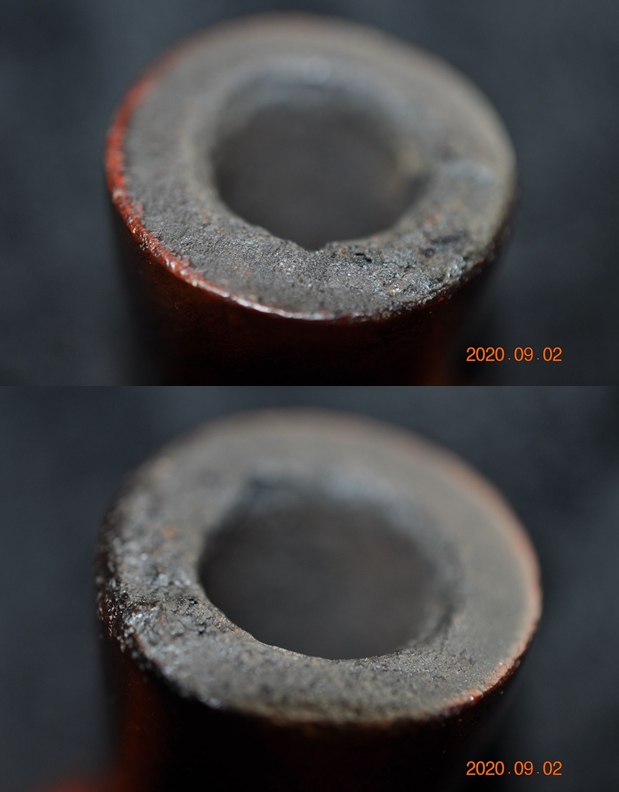
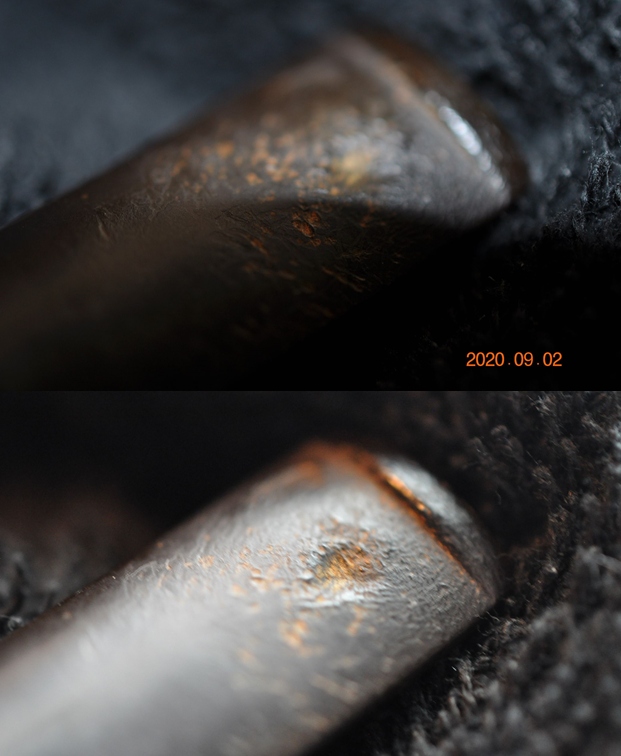
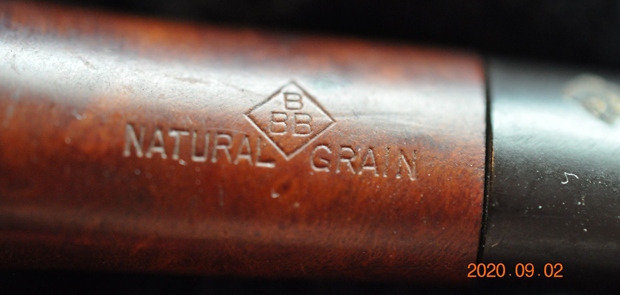
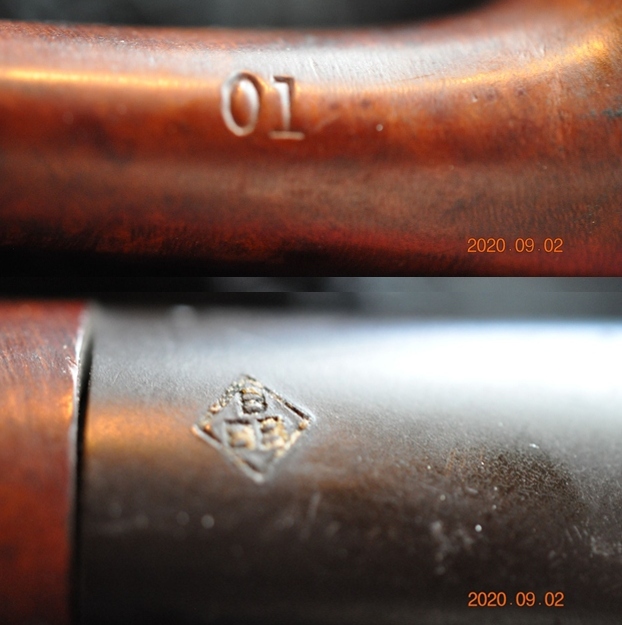
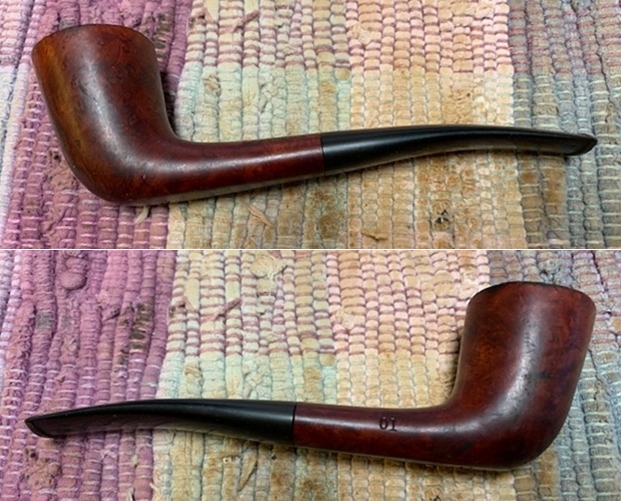
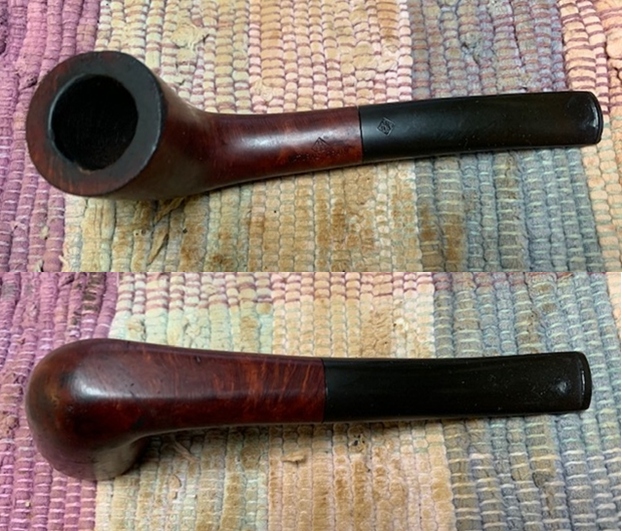
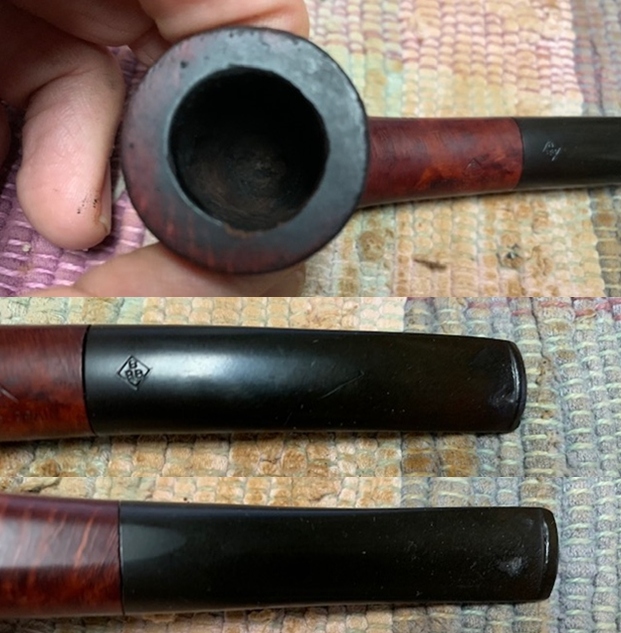
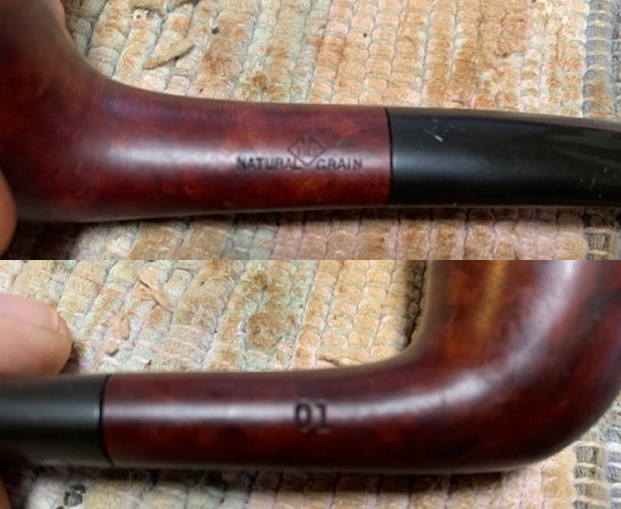
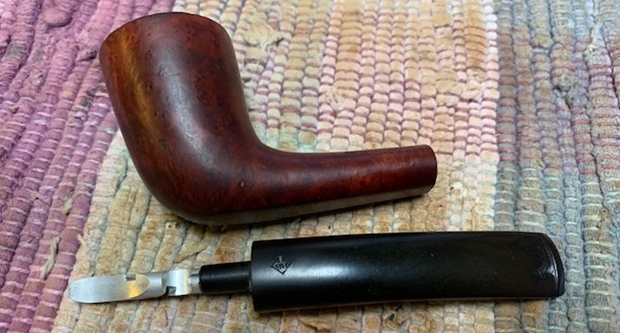
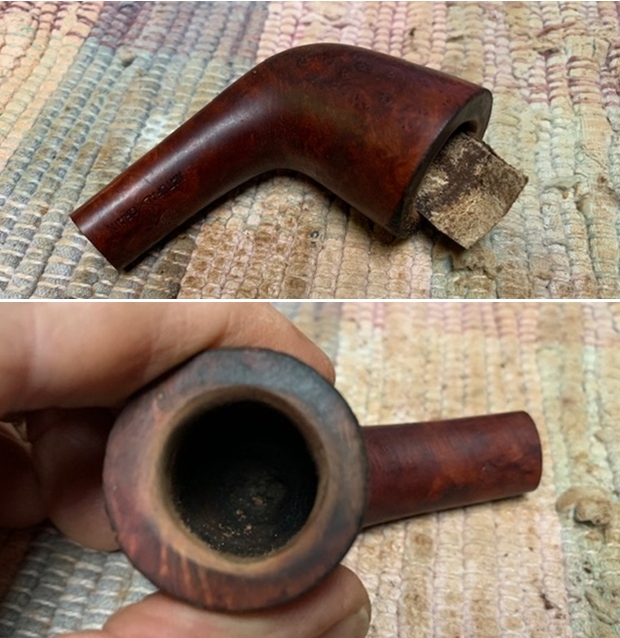
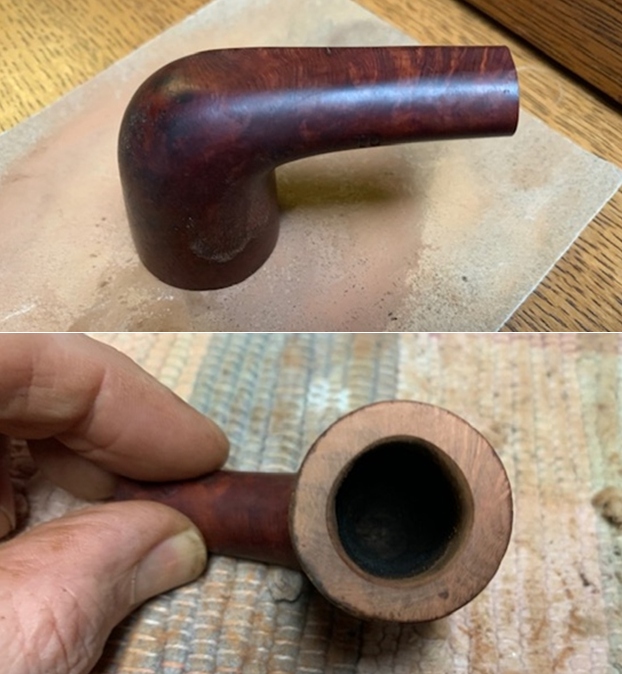
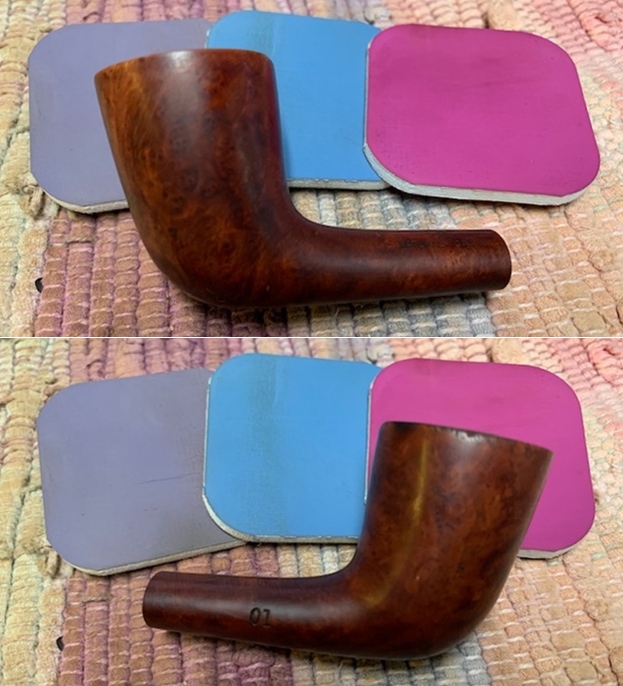
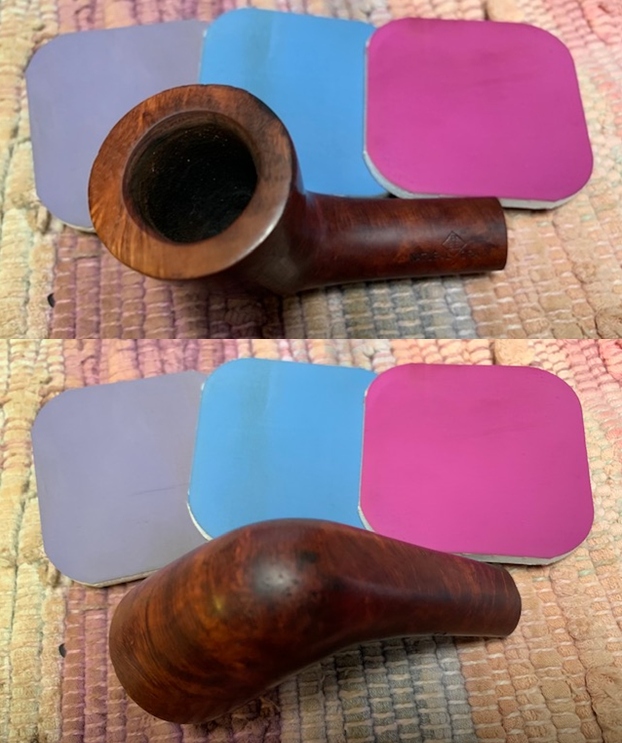
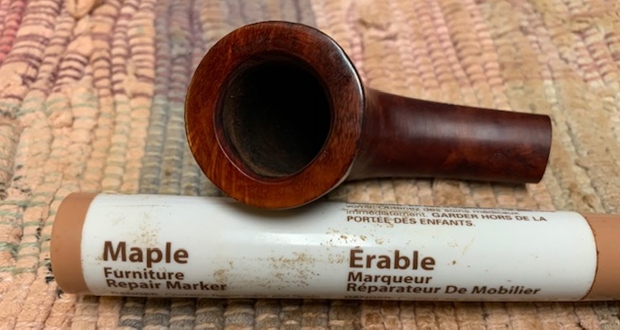
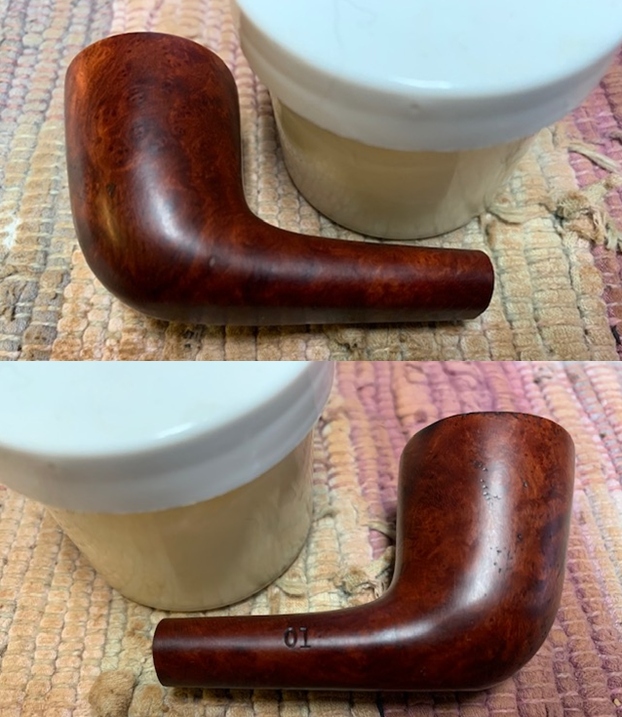
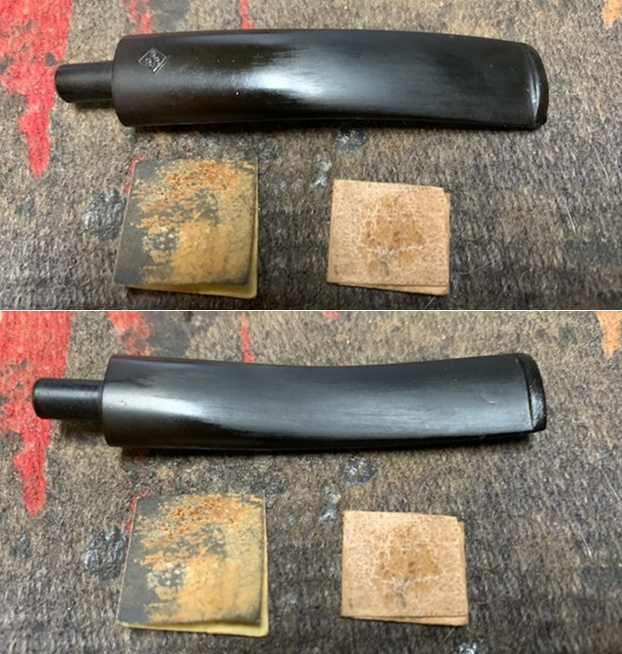
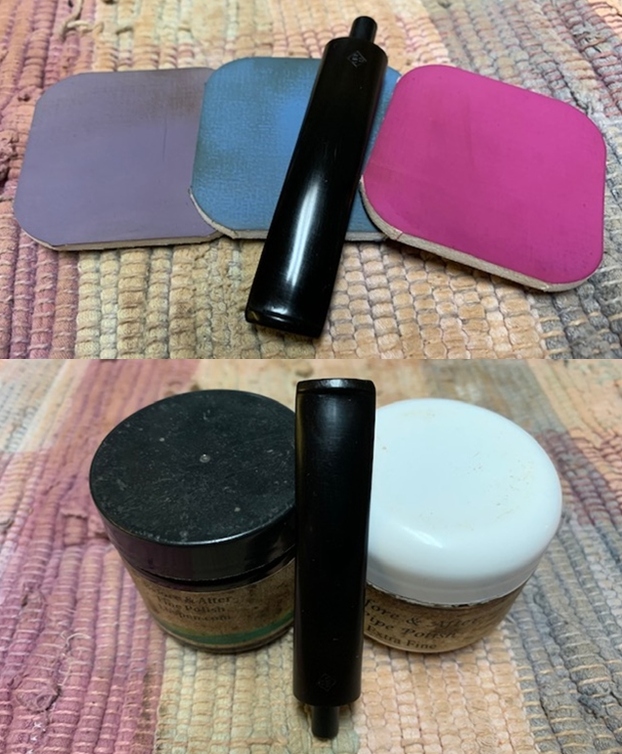
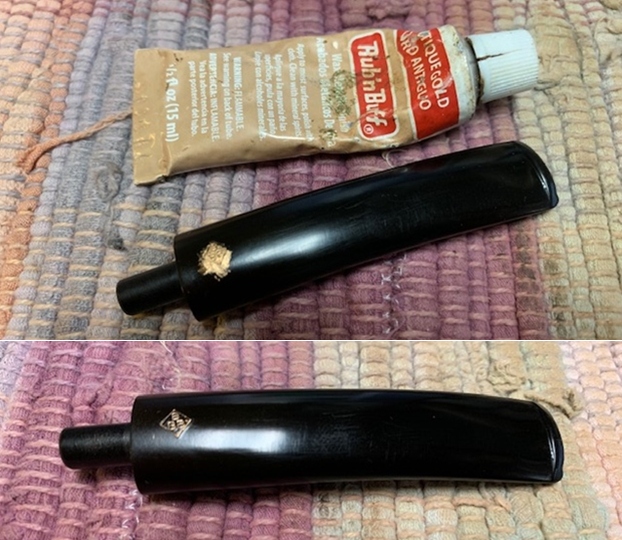
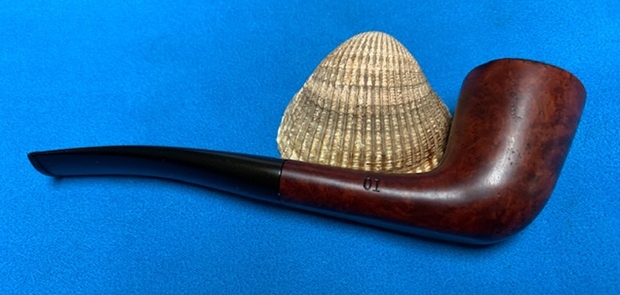
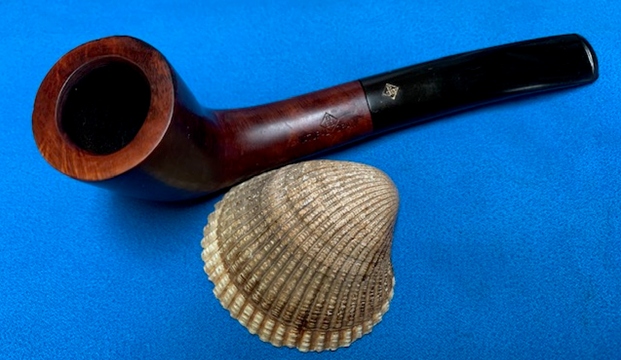
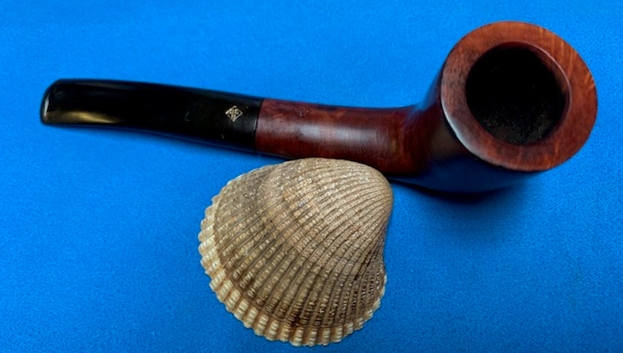
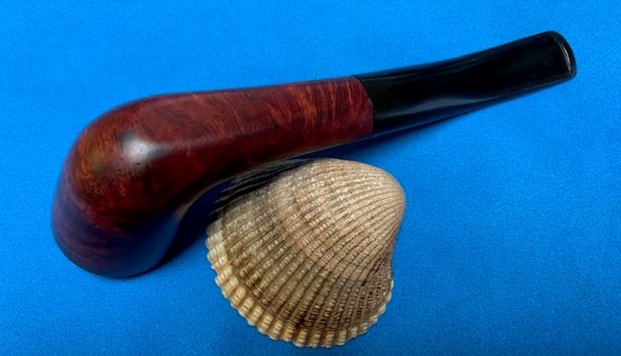
The next pipe on the work table came to us from a pipe hunt that Jeff and his wife recently did in Utah, USA.  The pipe is a classic Zulu shape pipe. The pipe was an absolute mess which probably accounted for how it ended up where it was at a fair price. On the top of the shank it is stamped with the BBB Diamond Logo [over] Silver Grain. On the right side of the shank it is stamped with the shape number 01. The stain is a mix of browns that makes me wonder about the Natural Grain stamping on the pipe. The finish was very dirty making it hard to see beyond that to the grain that pokes through underneath. There was a thick cake in the bowl and a thick overflow of lava onto the rim top and edges. It was hard to know at this point the condition of the rim edges. The stem was oxidized and there were deep tooth marks and chatter on both sides just ahead of the button and on the button surface itself. The stem had a stamped BBB Diamond logo on the topside of the taper. Jeff took photos of the pipe before he started working on it. I include those below.   Jeff took photos of the bowl and rim top to show the cake in the bowl and the condition of both. It was thick and hard cake with an unbelievably thick lava overflow on the rim top and edges. Hopefully it had protected the rim and edges from damage. He took photos of the top and underside of the stem showing the scratching, oxidation and tooth marks on the stem surface and button. The tooth marks are quite deep on both sides of the stem.     Jeff took a photo of the sides and heel of the bowl to show the condition of the finish – the grime and grit all over the sides and bottom of the bowl. The finish so dirty it is hard to see the grain but it is present nonetheless.  Jeff took photos of the stamping on the top and right side of the shank. It is very clear and readable as noted above.    This pipe was a real mess like many of the pipes we work on. I was curious to see what it would look like when I unpacked it. I was surprised at how good it looked. Jeff reamed it with a PipNet pipe reamer and cleaned up the reaming with a Savinelli Fitsall Pipe Knife. He scrubbed out the internals of the shank and stem with alcohol, pipe cleaners and cotton swabs until the pipe was clean. He scrubbed the exterior of the bowl with Murphy’s Oil Soap and a tooth brush to remove the grime and grit on the briar and the lava on the rim top. The finish on the bowl looked really good when I got it. The rim top looked much better but had some darkening that I would need to deal with. The inner edge showed some significant damage and outer edges looked good. He soaked the stem in Before & After Deoxidizer bath to remove the oxidation. The stem looked better other than some light oxidation and the tooth marks and chatter in the surface. When the pipe arrived here in Vancouver for the second stop of its restoration tour it looked much better than when he found it. I took photos of the pipe before I started my work on it.  I took photos of the condition of the rim top and stem before I started working. The rim top looks better than before and the damage is very obvious to the rim top and the inner edge. The bowl is spotless. The stem has some deep tooth marks on both sides and the button itself. I took photos of the stamping on the sides of the shank. It is clear and readable as noted above.  I took the bowl and stem apart and took a photo of the pipe to show the look of the pipe. I was surprised to see a rather large stinger. I would be removing that and not putting it back. If the new owner wants it I will include it in the package with the pipe.I started my work on the pipe by cleaning the inner edge of the bowl with a folded piece of 220 grit sandpaper. Once I had it cleaned up I topped the bowl on a topping board to remove the damage to the rim top. It also helped to minimize some of the damage to the inner edge. I polished the briar with micromesh sanding pads. I dry sanded the bowl and rim top with 1500-12000 grit pads and wiped the bowl down with a damp cloth after each pad. The briar really took on a shine by the final pads.   I touched up the rim top with a Maple stain pen to match the rest of the briar around the bowl. Buffing and polishing would blend it in further.I worked some Before & After Restoration Balm into the finish of the bowl, rim top and shank with my fingertips to clean, enliven and protect it. I find that the balm really makes the briar come alive again. The contrasts in the layers of stain and the separate finishes really made the grain stand out. I let the balm sit for 10-15 minutes and then buffed with a cotton cloth to raise the shine. The bowl really looks good at this point. I set it aside and worked on the stem. I set aside the bowl and turned my attention to the stem. I started by heating the stinger with a lighter and carefully turning it out of the tenon. It was pressure fit so the heat loosened the tars that held it fast and I was able to remove it. I “painted” the surface of the stem with the flame of a Bic lighter to lift them as much as possible. I filled in the remaining tooth dents and marks with Black Super Glue and set it aside for the repairs to cure. Once they cured I flattened them with a file. I cleaned up the repaired areas with 220 sandpaper to blend the repairs into the surface of the stem. I started polishing it with 400 grit wet dry sandpaper.  I polished the stem with micromesh sanding pads – wet sanding it with 1500-12000 grit pads. I polished it further with Before & After Pipe Stem Polish – both fine and extra fine.   I used some Rub’n Buff Antique Gold to touch up the brass/gold colour in the BBB Diamond logo on the topside of the stem. I rubbed it in and rubbed it off leaving the gold behind in the stamp.   Once again I am the part of the restoration that I always look forward to – the moment when all the pieces are put back together. I put the pipe back together and lightly buffed the bowl with Blue Diamond. I buffed the stem with a heavier touch with Blue Diamond on the buffing wheel. I gave the bowl and the stem multiple coats of carnauba wax. I buffed the pipe with a clean buffing pad to raise the shine. I hand buffed it with a microfiber cloth to deepen the shine. It is fun to see what the polished bowl looks like with the smooth finish and the black vulcanite stem. This richly stained BBB Natural Grain 01 Zulu must have been a fine smoking pipe judging from the condition it was when we received it. Have a look at it in the photos below. The dimensions are Length: 5 ½ inches, Height: 1 ½ inches, Outside diameter of the bowl: 1 ¼ inches, Chamber diameter: ¾ of an inch. The weight of the pipe is 25grams/.88oz. This is one that will go on the British Pipemakers section of the rebornpipes online store shortly. Thanks to each of you who are reading this blog. Remember we are not pipe owners; we are pipemen and women who hold our pipes in trust until they pass on into the trust of the next generation.
 

Cleaning up a new brand to me – a Mullins & Westley Covent Garden 45 Bent Billiard


Blog by Steve Laug

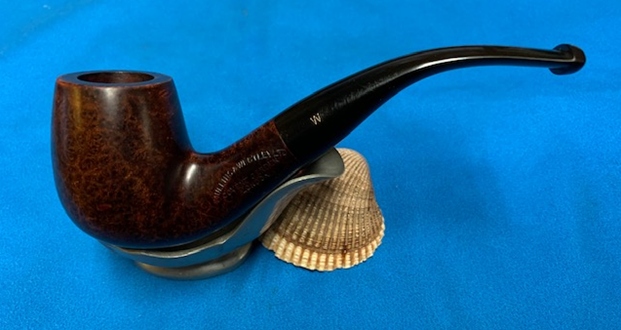
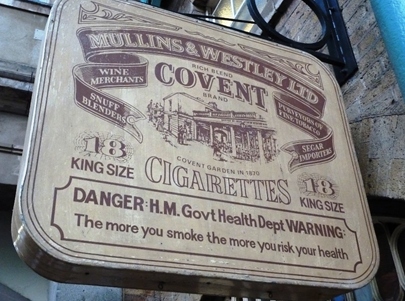
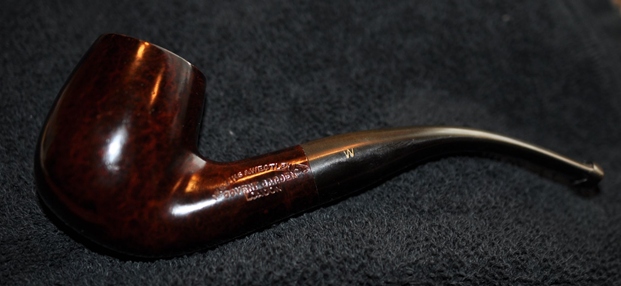
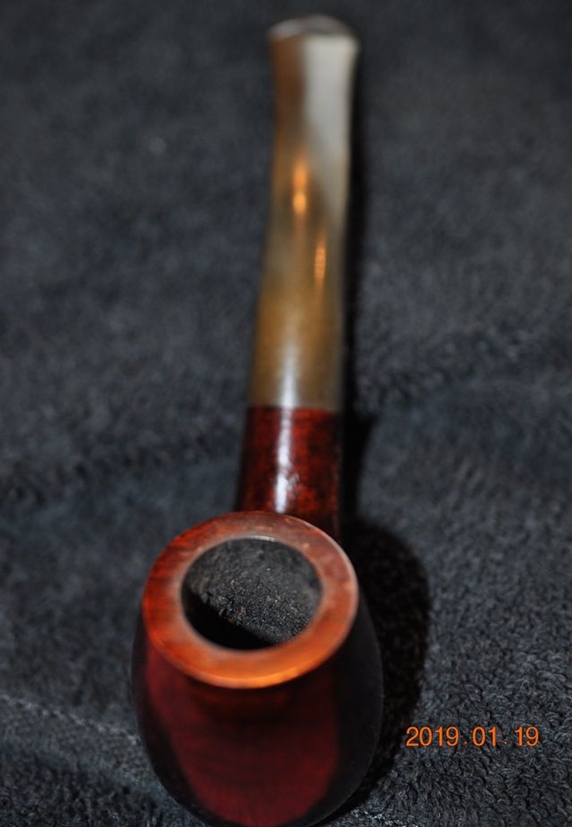
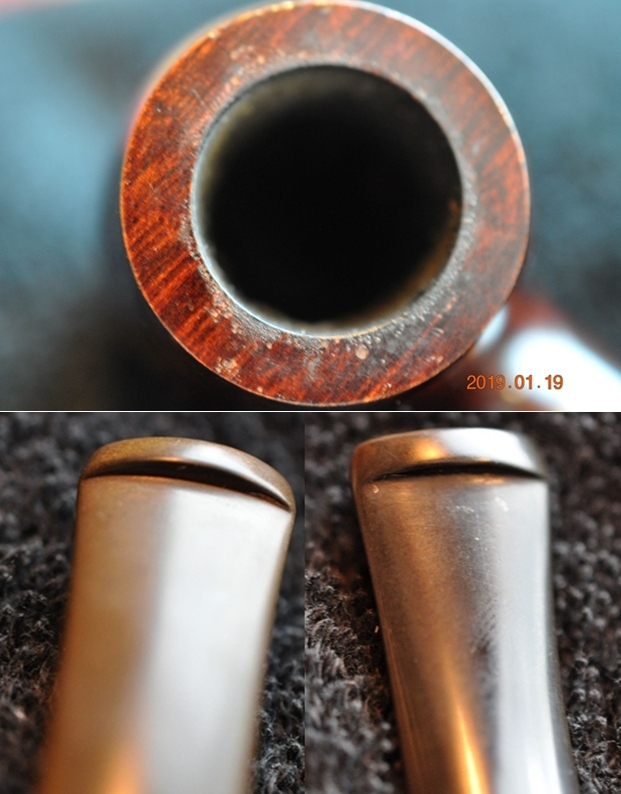
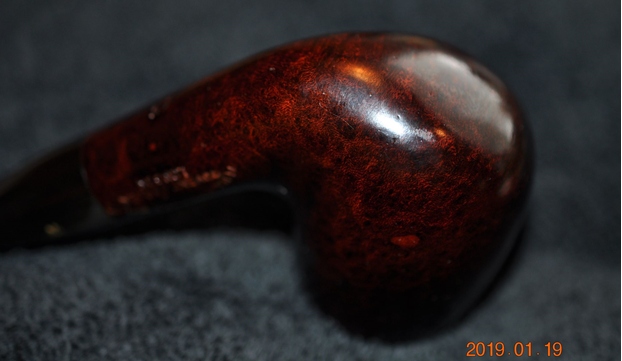
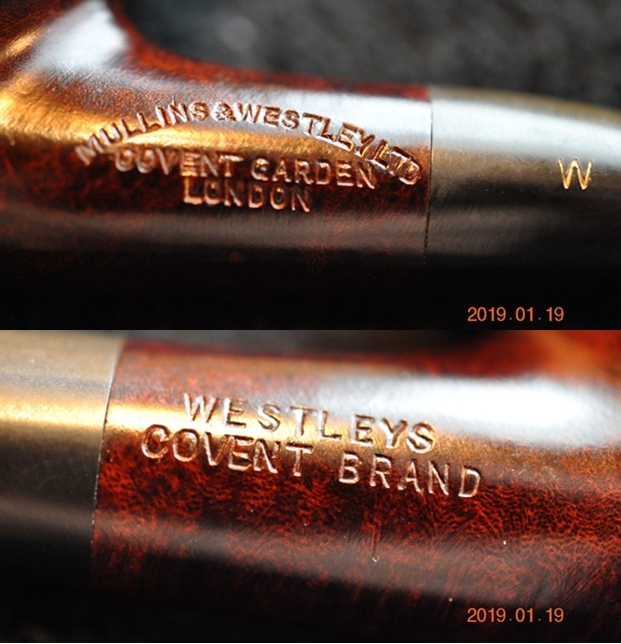
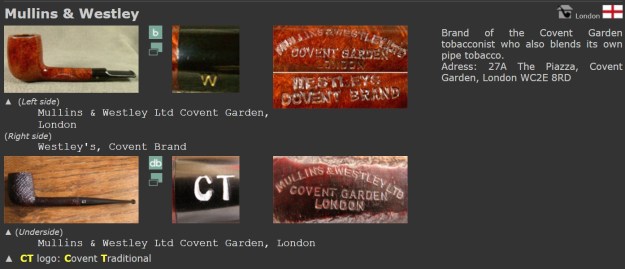
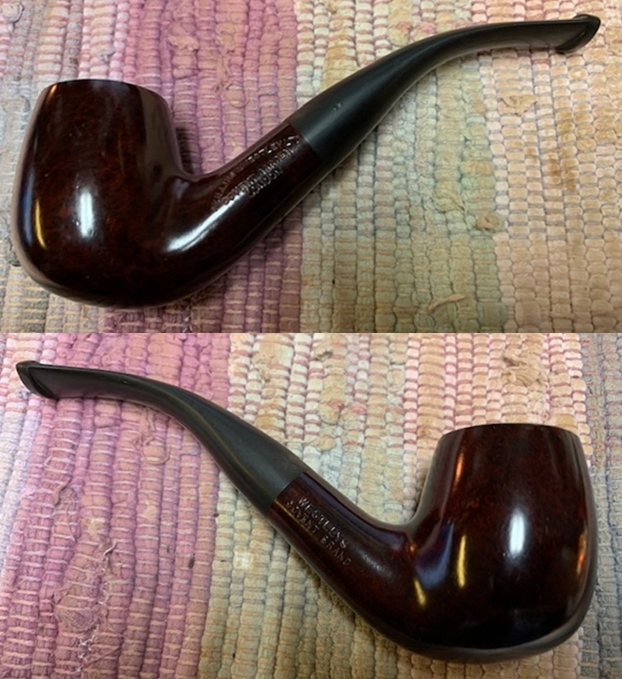
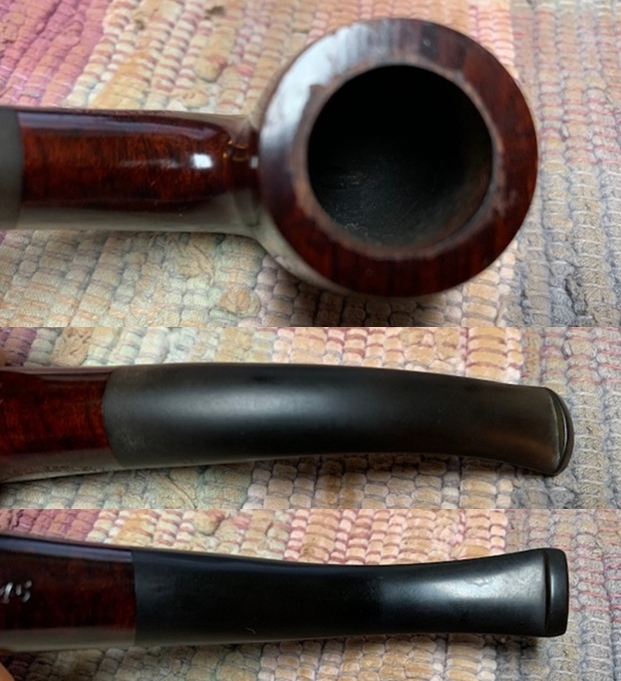
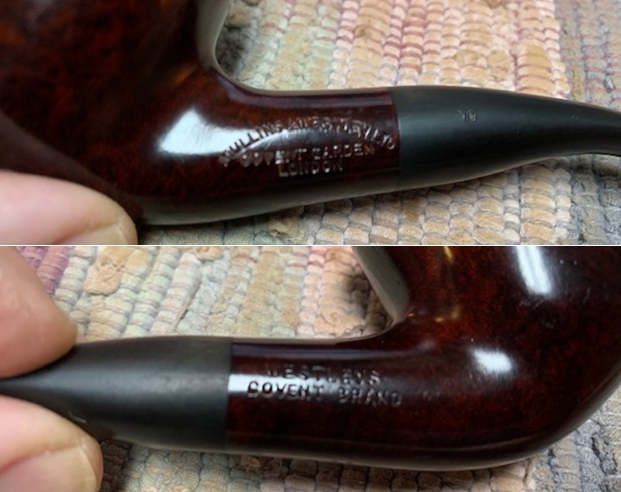
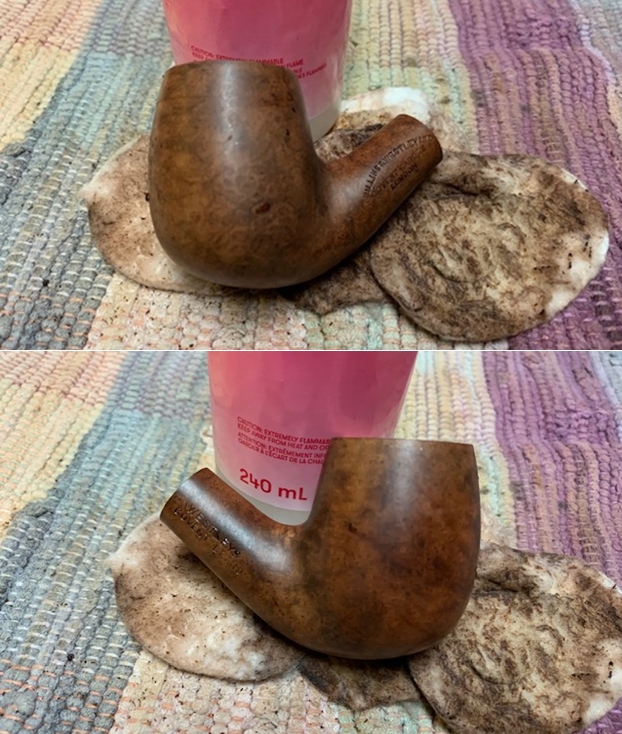
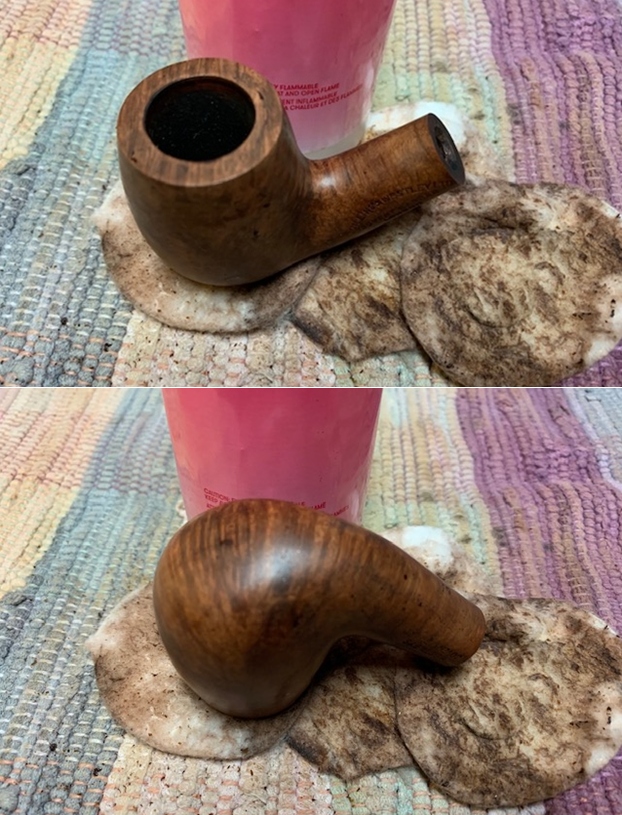
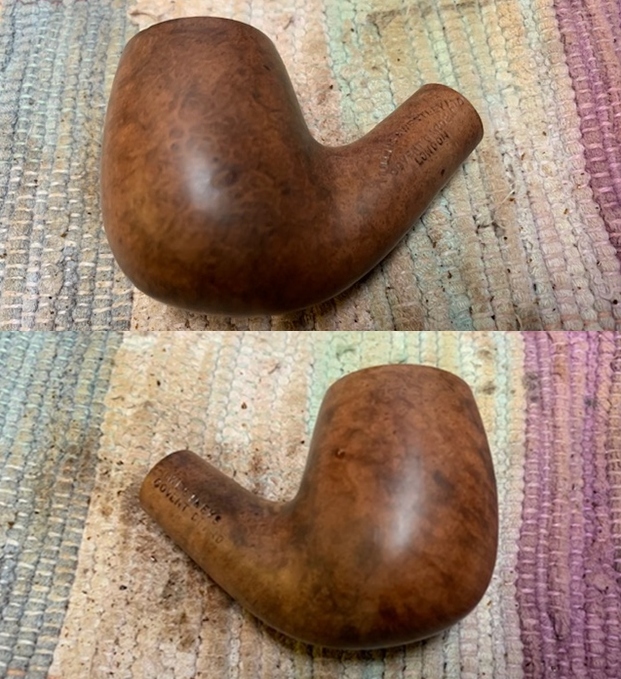
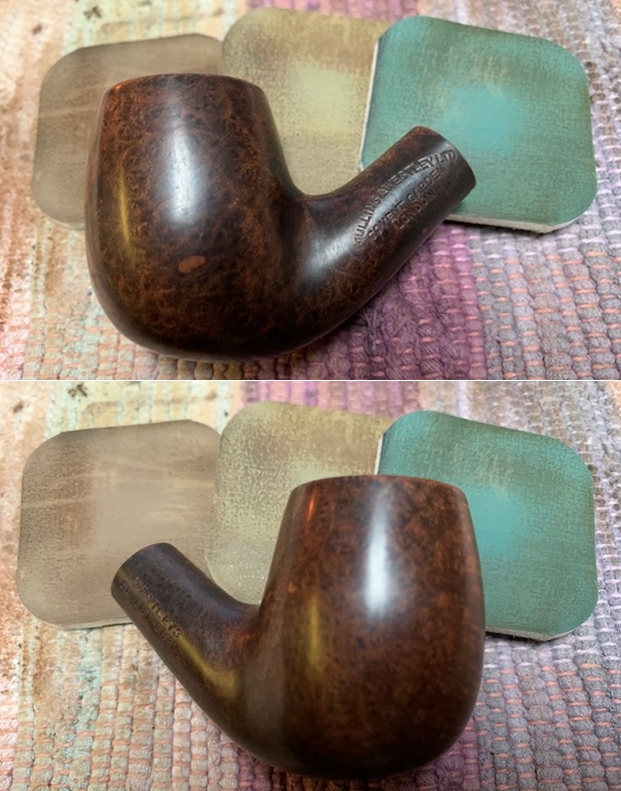
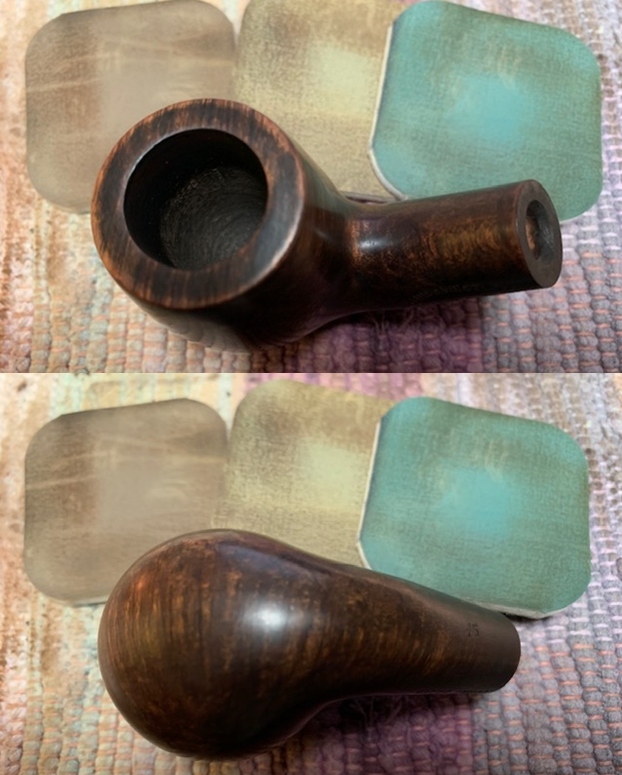
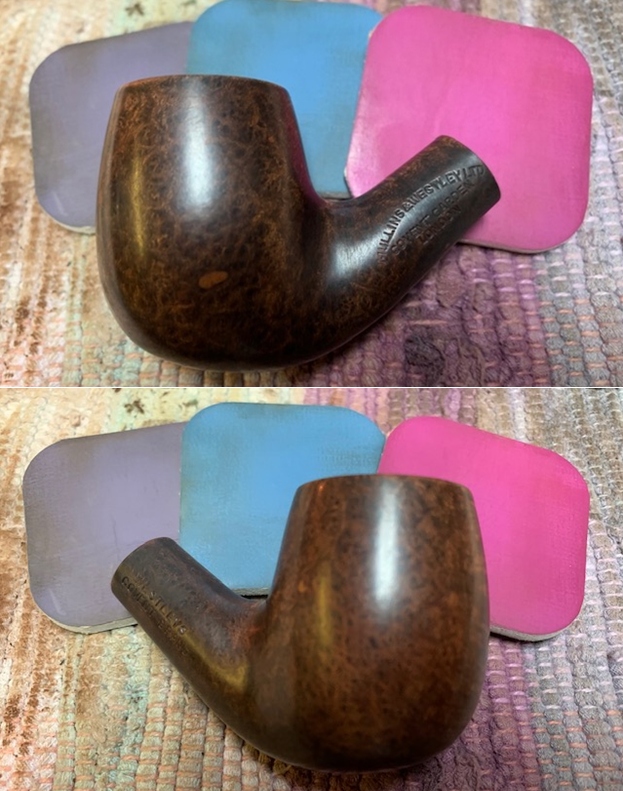
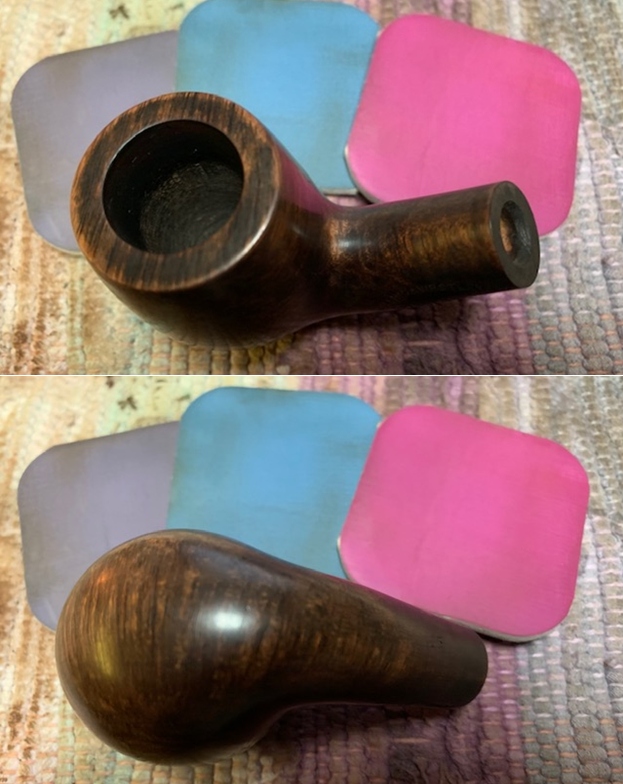
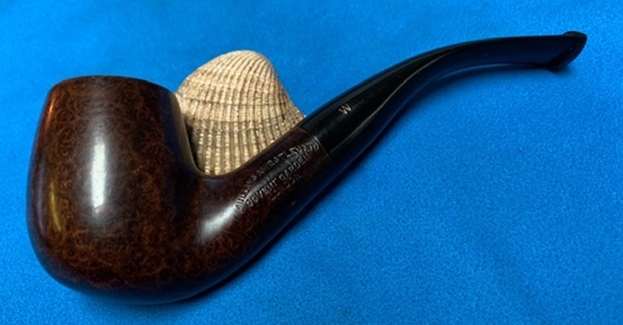
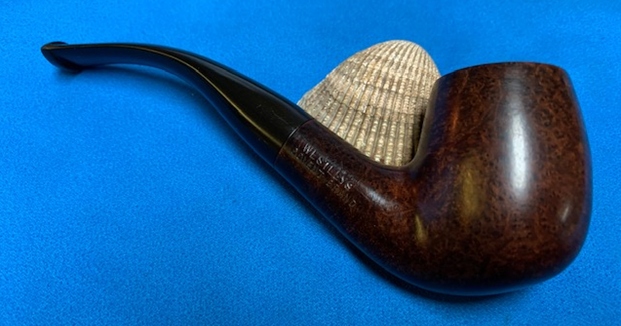
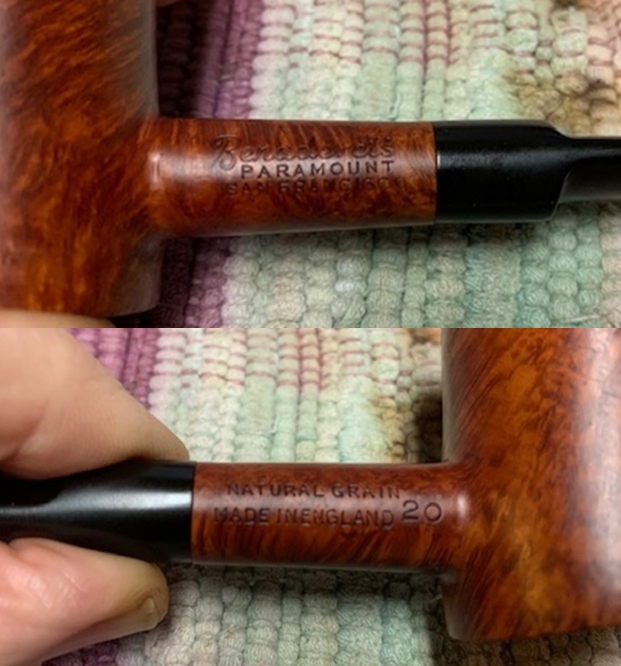
The next pipe on the work table came to us from an online auction from Ancram, New York, USA.  It is a bent Billiard that is stamped on the left side of the shank and read Mullins and Westley LTD. [arched over] Covent Garden [over] London. On the right side it is stamped Westleys [over] Covent Brand. On the underside of the shank the shape number 45 was stamped near the shank end. The finish was very shiny and the varnish was nicked and scratched on the sides and heel of the bowl. The varnish on the rim top was peeling on the inner edge of the bowl. The bowl was heavily caked and there was a light and spotty lava overflow on the rim top. The inner and outer edges of the rim appeared to have no damage. The taper stem had a W stamped on the left side. It had light tooth chatter and marks on the top and underside near the button. It had promise but it was very dirty. Jeff took some photos of the pipe before he started his cleanup work.   He took photos of the rim top and bowl to give a clear picture of the thickness of the cake and tobacco debris as well as the spotty lava coat on the top. He also took photos of the top and underside of the stem to show the oxidation and the chatter and tooth marks on the topside and underside near the button.  Jeff took a photo of the heel of the bowl to give a picture of the condition of the finish on the pipe. You can seep the nicks and spots where the varnish is damaged. There is some nice grain under the varnish coat.The stamping on the sides of the shank is clear and readable and read as noted above. Since I had never heard of the Mullins & Westley Brand or as the right side of the shank read the Westleys Covent Brand I turned to Pipephil’s site to see if I could garner any helpful information on the company and the maker. I found a listing for the brand and actually learned that it was a tobacco shop in Covent Garden, London (http://www.pipephil.eu/logos/en/logo-m8.html). I have included a screen capture of the section the brand. I quote a note that appeared in the sidebar.

Brand of the Covent Garden tobacconist who also blends its own pipe tobacco. Address: 27A The Piazza, Covent Garden, London WC2E 8RDI turned to Pipedia (https://pipedia.org/wiki/British_Pipe_Brands_%26_Makers_M_-_Q) and found the listing for the brand. There was not an article but it did confirm the information on PipePhil’s site. I quote:

Mullins & Westley Tobacconists; 27A The Piazza, Covent Garden, London. Today probably most famous for their snuff tobaccos. Private label pipes made by various European brands.

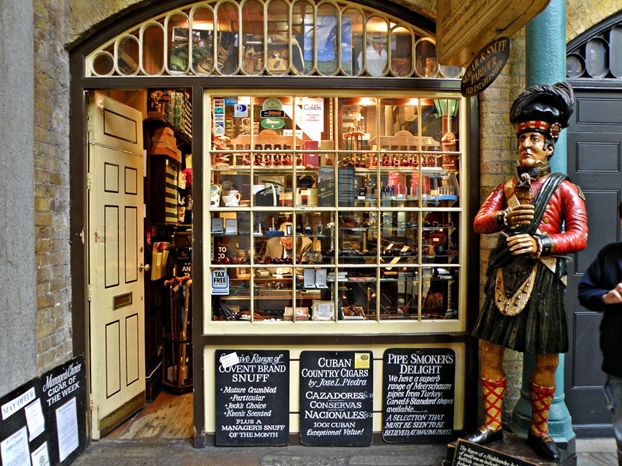
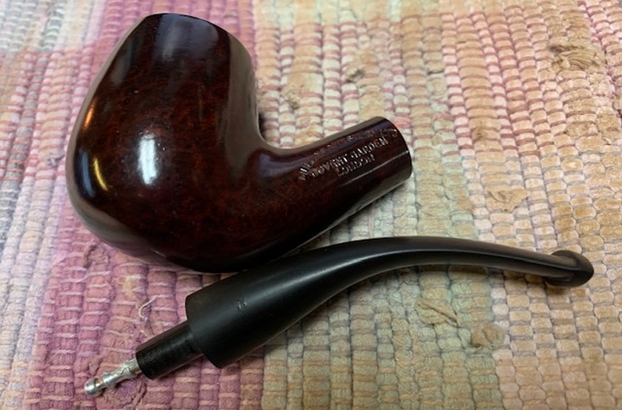
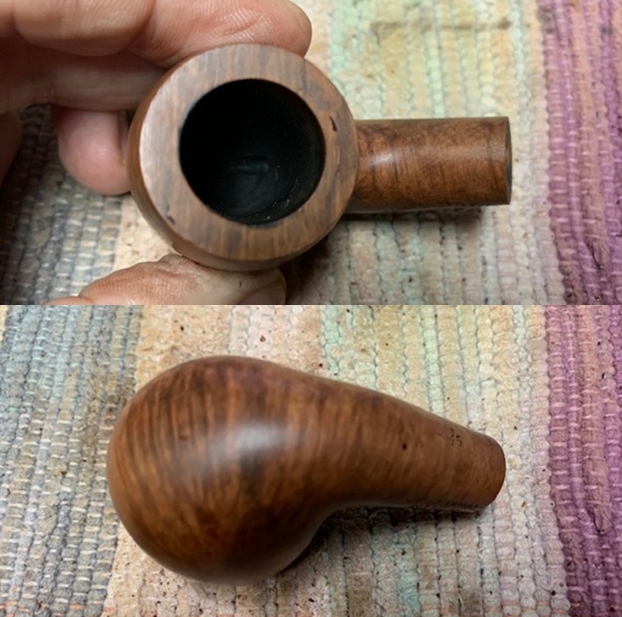
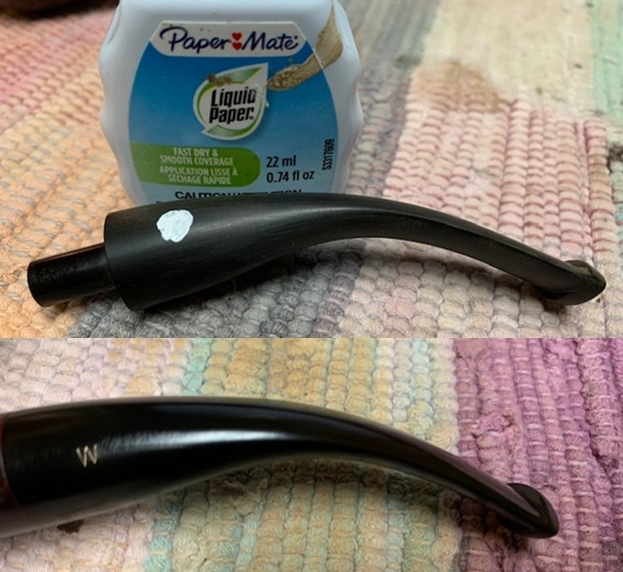
I googled the shop and found that it had a website that no longer worked. There were photos of the shop that others had collected. I saved one from Flicker that captured the essence of the small shop. It reminds me of some of the shops that I visited in York, Bath and Cambridge on a trip to England. Here is the link to the photo and the photo as well (https://c1.staticflickr.com/7/6181/6056846779_698d27c9f9_b.jpg).Jeff had cleaned up the pipe with his usual penchant for thoroughness. He reamed the pipe with a PipNet pipe reamer and removed the rest of it with a Savinelli Fitsall Pipe Knife.  He scrubbed the bowl with undiluted Murphy’s Oil Soap with a tooth brush. He rinsed it under running warm water to remove the soap and grime. He cleaned out the inside of the shank and the airway in the stem with alcohol, cotton swabs and pipe cleaners. He soaked the stem in Before & After Deoxidizer and rinsed it off with warm water. I took photos of the pipe once I received it.   The rim top cleaned up really well. The rim top and edges of the bowl show the peeling varnish coat. It is hard to see in the photos above but the entire bowl has the same issue. The stem surface looked very good with very light tooth marks and chatter on the top and the underside near the button. The stamping on the left side of the shank is clear and readable. It reads as noted above. I would need to touch up the W stamp on the stem side.   I removed the taper stem and took a photo of the pipe to give a sense of the whole. There was an aluminum stinger in the tenon that I would need to remove.Now it was time to work on the pipe. When I have to deal with removing a peeling varnish coat I always move forward with a bit of fear and trepidation as I have learned the hard way that you never know what will be underneath the varnish. A shiny coat often hides a multitude of surprises. I went ahead and scrubbed the bowl with acetone on cotton pads to remove the finish. It took some work but it came off pretty well. I was surprised that actually there were only a few small fills in the briar. I breathed a sigh of relief!  Once I had the coat of varnish removed I wiped the bowl down with a clean pad and some more acetone to remove the debris of varnish that was left behind on the briar. I took photos of the briar to show that the pipe was actually quite nice under the varnish coat. I decided to stain the bowl with a Cordovan aniline stain. I applied the stain with a dauber and flamed it with a lighter to set the stain in the briar. I repeated the process until the coverage was what I wanted. I set the bowl aside to let the stain cure.I wiped the briar down with alcohol on cotton pads to remove the excess and to begin the process of bringing the grain to the surface so it is more visible.  I buffed the pipe with red Tripoli on the buffing wheel and removed some more of the top coat of stain on the bowl. The grain is starting to really come alive. I wanted the stain to be a bit more transparent and make the grain pop. I polished the briar with micromesh sanding pads – sanding with 1500-12000 grit pads and wiping it down after each pad with a damp cloth. There is a fill on the lower left side and the upper right side that stood out a bit but that was the extent of the visible fills.      I rubbed the bowl and shank down with Before & After Restoration Balm. I worked it into the surface of the bowl sides and shank with my fingertips to clean, enliven and protect the briar. I let the balm sit for ten minutes and then buffed it with a cotton cloth to raise the shine. The grain came alive and the finish looked rich. I set the bowl aside and turned to work on the stem. I touched up the W stamp on the left side of the stem with Liquid Paper. I scraped off the excess material with my fingernail and buffed around the stamp with cotton pad.I polished the vulcanite stem with micromesh sanding pads – 1500-12000 grit pads. I wiped it down with Obsidian Oil after each sanding pad. I used Before & After Pipe Polish – both Fine and Extra Fine to further polish the stem.  This Mullins & Westley Ltd Covent Garden 45 Bent Billiard is a great looking pipe now that it has been stripped and refinished. The smooth finish around the bowl is quite beautiful and highlights the grain and works well with the polished vulcanite taper stem. The fills on the sides of the bowl are less visible after polishing. I put the stem back on the bowl and carefully buffed the pipe with Blue Diamond on the buffing wheel using a light touch on the briar. I gave the bowl and the stem multiple coats of carnauba wax on the buffing wheel and followed that by buffing the entire pipe with a clean buffing pad. I hand buffed the pipe with a microfiber cloth to deepen the shine. The finished Westley Covent Garden Bent Billiard fits nicely in the hand and feels great. Give the finished pipe a look in the photos below. The dimensions of the pipe are Length: 5 ½ inches, Height: 2 inches, Outside diameter of the bowl: 1 ¼ inches, Chamber diameter: ¾ of an inch. The weight of the pipe was 47g/1.66oz. I will be putting it on the rebornpipes store shortly. Thanks for reading this blog and my reflections on the pipe while I worked on it. There are many more to come!  

Restoring a Large Ben Wade Martinique Freehand Sitter


Blog by Steve Laug

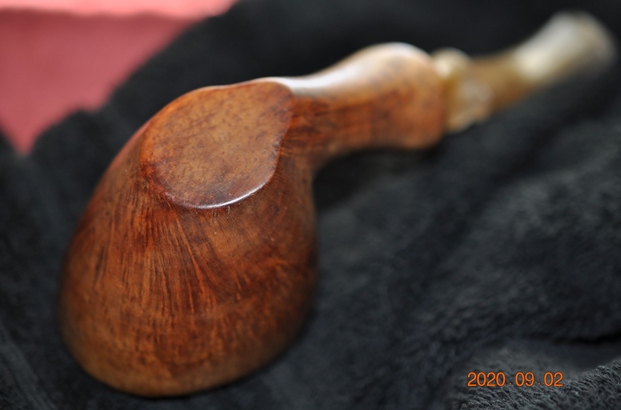
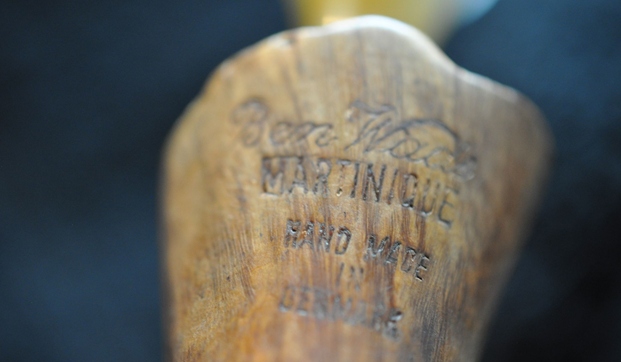
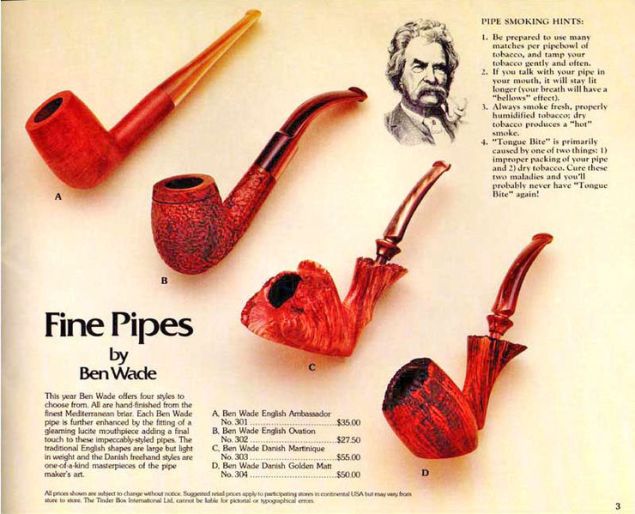
The next pipe on the table came to us from a recent pipe hunt Jeff and his wife Sherry did in Utah. They picked this beauty up at an Antique Mall along the way of the hunt. Even though the finish was dull and lifeless it showed promise under the grit and grime of the years. On the underside of the shank it was clearly stamped Ben Wade in script [over] Martinique [over] Hand Made [over] In [over] Denmark. The finish is filthy with grime and oil ground into the smooth briar of the bowl and shank sides. There were flecks of white paint on the sides as well. The bowl had a thick cake that overflowed in lava on the plateau rim top filling in the grooves and valleys of the finish. The acrylic stem was dirty and had some tooth marks and chatter on both sides ahead of the button. Jeff took some photos of the pipe to show its overall condition before he started his cleanup work.He took photos of the rim top and bowl to give a clear picture of the thickness of the cake and the lava on the plateau finish of the rim top. There is dust and debris stuck to the walls of the bowl clearly visible in the photos. He also took photos of the top and underside of the stem to show the chatter and tooth marks. Otherwise the stem is quite clean. Jeff took photos of the sides and heel of the bowl to give a picture of what the briar around the pipe looked like. There is some stunning grain under the grime.    He took photos of the stamping on the shank. It reads as noted above and is clear and readable. I remembered a bit of history on the brand that thought that the Preben Holm pipes were marketed under the Ben Wade label in the US and imported through Lane Ltd. I turned to Pipedia and read the listing on the brand to refresh my memory and flesh out the knowledge of the brand (https://pipedia.org/wiki/Ben_Wade). I have included a photo from that site that was taken from a Tinderbox advertisement.

Ben Wade Ad in a Tinder Box catalog, courtesy Doug Valitchka

I quote the portion of the article that summarizes the Danish period of the history of the brand:

Young Copenhagen master pipemaker Preben Holm had made a meteoric career heading a pipe manufacture employing 45 people at the age of 22! But around the turn of 1970/71 he was in major financial difficulties. His US distributor, Snug Harbour Ltd. in New York City, left him in the lurch. Holm had three unpaid invoices on his desk and another large shipment was ready for the USA, when Snug Harbour’s manager told him on the phone that there was no money at all on the account to pay him.

So the Dane went to New York for an almost desperate search for a new distribution partner. He made contacts with Lane Ltd. and met Herman G. Lane in February 1971. Lane Ltd. had no interest in Holm’s serial pipes produced at that time but so much the more in the hand-carved freehands because the hype for Danish freehands and fancies in the States was still on its way to the climax then. The meeting resulted in an agreement to start a cooperation. Lane insisted to improve the quality considerably and in return he assured to be able to sell essentially larger quantities.

Holm went back home to work on new samples with all-new designs and altered finishes for Lane. Both, Lane and Holm, agreed that it would be unwise to sell the pipes under Preben Holm’s name as long as Snug Harbour had a considerable stock of Preben Holm pipes and might sell them pipes at very low prices just to bring in some money.

So on Mr. Lane’s proposal it was determined to use the name Ben Wade belonging to Lane Ltd. Lane spent considerable amounts of money for advertising the new brand in the big magazines– the centerpiece being whole-page ads showing a very exclusive Seven Day’s Set.

The cooperation with Lane Ltd. proved to be an eminent business success for both partners. Within a very short time Ben Wade Handmade Denmark sold in much larger quantities and at higher prices than they had ever dreamed of. And the hype these freehands and fancy pipes caused went on unbroken long after Herman G. Lane deceased. Preben Holm – obviously much more brilliant in pipe making than in pipe business – was in major troubles again in 1986 and had to sack most of his staff. The Ben Wade production was significantly lowered but continued until his untimely death in June of 1989.

Up to now Preben Holm made Ben Wade pipes are cult and highly sought for on the estate markets.

With that information my initial thoughts were confirmed. This pipe was a Preben Holm made Freehand distributed in the US by Lane Ltd under the name Ben Wade. The freehand rage occurred in the late 70s and the pipes were made until Preben’s death in 1989. My guess would be that this pipe was made sometime during that time period and potentially in the late 70s.

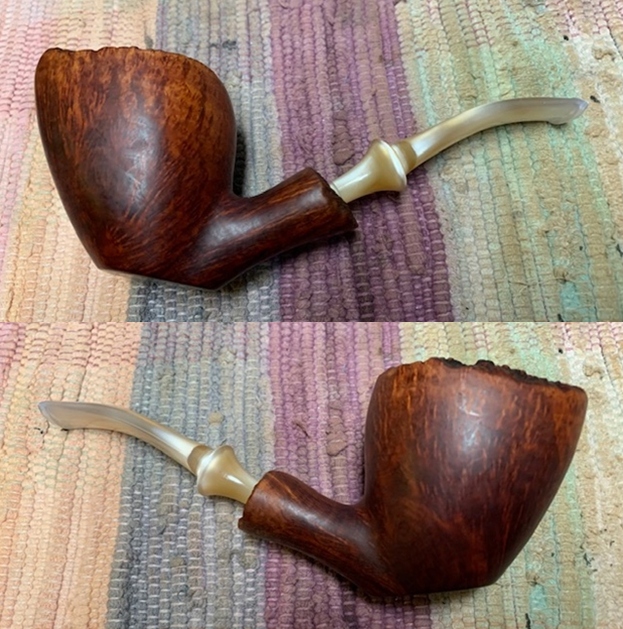
Jeff had cleaned up the pipe with his usual penchant for thoroughness. He reamed the pipe with a PipNet Pipe Reamer and cleaned up the remnants with a Savinelli Fitsall Pipe Knife.  He scrubbed the bowl with undiluted Murphy’s Oil Soap with a tooth brush. He rinsed it under running warm water to remove the soap and grime. He cleaned out the inside of the shank and the airway in the stem with alcohol, cotton swabs and pipe cleaners. He scrubbed the stem with Soft Scrub and cotton pads to remove the debris and oils on the stem. He rinsed it with warm water and dried it off. I took photos of the pipe once I received it.   The rim top had some darkening on the back of the bowl. The beveled inner edge of the rim looked very good with some darkening. The stem surface looked very good with a few small tooth marks and chatter on both sides near the button.    I took a photo of the stamping on the underside of the shank. It read clearly as noted above.  I removed the stem and took a photo of the pipe to give a sense of the whole. The stem is turned fancy acrylic. I started my work on the pipe by cleaning up the darkening on the inner bevel of the plateau rim top with a folded piece of 220 grit sandpaper. I was able to remove the darkening and I like the looks of the rim top.  I touched up the black stain in the valleys of the plateau on the rim top and shank end with a Black stain pen. I would use the micromesh pads to knock off any of the black on the high spots when I polished it.    I polished the bowl and the rim top, sides and shank with micromesh sanding pads – wet sanding with 1500-12000 grit pads and wiping it down after each pad with a damp cloth.   I rubbed the bowl and shank down with Before & After Restoration Balm. I worked it into the surface of the bowl sides and shank with my fingertips and into the plateau rim top with a horsehair shoe brush. The product works to clean, enliven and protect the briar. I let the balm sit for 10 minutes and then buffed with a cotton cloth to raise the shine.   I set the bowl aside and turned to work on the stem. I sanded out the tooth marks from the surface of the acrylic with 220 grit sandpaper and started the polishing of the stem with 400 grit wet dry sandpaper.   I polished the acrylic stem with micromesh sanding pads – 1500-12000 grit pads. I wiped it down with a damp cloth after each sanding pad. I used Before & After Pipe Polish – both Fine and Extra Fine to further polish the stem.      This Ben Wade Martinique Freehand Sitter with a fancy, turned acrylic stem is a great looking pipe now that it has been restored. I put the stem back on the bowl and carefully buffed the pipe with Blue Diamond on the buffing wheel using a light touch on the briar. I gave the bowl and the stem multiple coats of carnauba wax on the buffing wheel and followed that by buffing the entire pipe with a clean buffing pad. I hand buffed the pipe with a microfiber cloth to deepen the shine. The finished Martinique Freehand fits nicely in the hand and feels great. Give the finished pipe a look in the photos below. The dimensions of the pipe are Length: 6 inches, Height: 2 ½ inches, Outside diameter of the bowl: 2 inches, Chamber diameter: 1 inch. If you are interested in adding this pipe to your collection send me a message or an email. Thanks for reading this blog and my reflections on the pipe while I worked on it. There are many more to come!

Breathing New Life into a Parker Super Briar Bark 345 Bulldog


Blog by Steve Laug

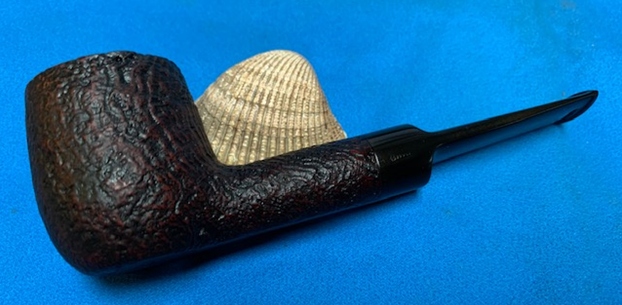
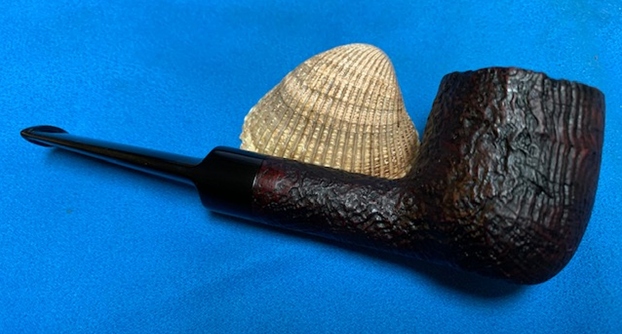
The next pipe on the work table came to me from either a trade I made (pipes for labour) or a find on one of my pipe hunts. I honestly don’t remember where it came from. It has been around for a while waiting to be worked on. It is a ruggedly sandblasted Parker Super Bark Bulldog that really looks quite nice. The stamping is clear and readable. It is stamped on the underside of the shank and reads Parker [over] Super in a Diamond [over] Briar Bark that is followed by Made in London [over] England. To the right of that stamping is a 3 in a circle followed by the shape number 345. The circle 3 is the size number that matches the Dunhill group size 3. The pipe had a lot of grime ground into the grooves of the sandblast on the bowl and some wear on the finish around the sides of the bowl. The bowl was heavily caked and had an overflow of thick lava on the plateau rim top. It was hard to know what the rim top and inner edge of the bowl looked like under the grime. The stem was calcified, oxidized and had light tooth chatter and marks on the top and underside and the top surface of the button had a tooth mark. There stamped P in a diamond on the top left side of the saddle stem. The pipe had promise but it was very dirty. I took photos of the pipe before he started his cleanup work.   I took photos of the rim top and bowl to give a clear picture of the thickness of the cake and the overflow of lava on the rim top. It is hard to know for sure how extensive the damage was to the inner edge of the bowl because of the thickness of the lava coat. I also took photos of the top and underside of the stem to show the oxidation, calcification, light chatter and tooth marks.       I took a photo of the stamping on the underside of the shank. It reads as noted above and is clear and readable. I took the stem off the bowl and took a photo of the parts. There was also an inner-tube inserted in the tenon and it was unmovable.I looked on Pipephil’s site for information on the Parker Super Briar Bark line and found the following information (http://www.pipephil.eu/logos/en/logo-parker.html). The screen capture below has quite a bit of information on the line from Parker. The one that I am working on definitely has the inner tube but does not have a patent number nor does it have a date stamp following the D in England.I also went to Pipedia and read the article on the Parker brand. It is a great read and worth the time to read it (https://pipedia.org/wiki/Parker). I picked up the following piece of information that was helpful.

After 1957 on pipes Parker ceased to put patent number and the code with definition of date.

That tells me that my pipe was made after 1957 when the numbers were no longer added to the stamping on the pipe.

Now it was time to work on the pipe. I started the process by heating the inner tube and removing it from the tenon. I wrapped a paper towel around the tube and wiggled it free of the tenon. It came out easily.I have to say it once again that I am really spoiled having Jeff clean up the pipes for me. Having to start with them in this condition adds time. I reamed the bowl with a PipNet pipe reamer using the first two cutting heads. I followed up by scraping the remaining cake with a Savinelli Fitsall Pipe Knife. I finished cleaning up the cake in the bowl with a piece of dowel wrapped in 220 grit sandpaper to smooth out the walls of the bowl.  I cleaned up the rim top and the inner edge of the bowl with a folded piece of 220 grit sandpaper. I gave the inner edge of the rim a slight bevel. I smoothed out the top of the rim with the sandpaper in preparation for rusticating it with a series of burrs and the Dremel.    I scrubbed the exterior of the bowl and rim top with a tooth brush and undiluted Murphy’s Oil Soap to remove the debris from the finish. I rinsed the bowl with warm water to remove the grime and soap and dried it off with a soft towel. I touched up the rim top rustication with a Walnut stain pen and a Black Sharpie pen to blend the top into the rest of the bowl colour. I also touched up the faded spots on the heel of the bowl and around the edges of the bowl.I rubbed the bowl and shank down with Before & After Restoration Balm. I worked it into the surface of the bowl sides and shank with my fingertips and a horsehair shoe brush to get into the nooks and crannies of the blast. The balm works to clean, enliven and protect the briar. I let the balm sit for a little while and then buffed with a cotton cloth to raise the shine.   While I was working on the bowl the stem was soaking in Briarville Pipe Repair’s – Pipe Stem Oxidation Remover. The stem sat in the mixture for 2 ½ -3 hours. I removed the stem from the bath, scrubbed lightly with a tooth brush and dried if off with a paper towel. I was surprised that it was quite clean. Just some light tooth marks on the button and underside of the stem near the button. The Diamond P stamp on the stem remained and was not damaged by the deoxidizer. I cleaned out the shank and the airway in the stem with alcohol, cotton swabs and pipe cleaners to remove the tars and oils in the airways of both. Once they were clean the pipe smelled better.I polished the vulcanite stem with micromesh sanding pads – 1500-12000 grit pads. I wiped it down with a damp cloth after each sanding pad. I used Before & After Pipe Polish – both Fine and Extra Fine to further polish the stem. This beautiful sandblasted Parker Super Briar Bark 345 Bulldog with a vulcanite saddle stem is a great looking pipe now that it has been restored. The rich browns and blacks of the contrasting stains in the sandblast came alive with the polishing and waxing. The newly rusticated rim top blended in very well. I put the stem back on the bowl and carefully buffed the pipe with Blue Diamond on the buffing wheel using a light touch on the briar. I gave the bowl multiple coats of Conservator’s Wax and the stem multiple coats of carnauba wax on the buffing wheel and followed that by buffing the entire pipe with a clean buffing pad. I hand buffed the pipe with a microfiber cloth to deepen the shine. The finished Parker Super Briar Bark Bulldog is a beauty and fits nicely in the hand and looks very good. Give the finished pipe a look in the photos below. The dimensions of the pipe are Length: 5 ½ inches, Height: 1 ½ inches, Outside diameter of the bowl: 1 ¼ inches, Chamber diameter: ¾ of an inch. If you are interested in adding this pipe to your collection send me a message or an email. Thanks for reading this blog and my reflections on the pipe while I worked on it. There are many more to come!

Breathing New Life into a Stanwell Golden S Dublin 64


Blog by Steve Laug

The next pipe on the work table came to me from either a trade I made (pipes for labour) or a find on one of my pipe hunts. I honestly don’t remember where it came from. It has been around for a while waiting to be worked on. It is a beautifully grained Stanwell Golden S Dublin that really looks quite nice. The stamping is clear and readable. It is stamped on the underside of the shank and reads Stanwell [over] Regd. No. 969-48 [over] Golden S [over] Made in Denmark. To the right of that stamping is the shape number 64. The pipe had a lot of grime ground into the smooth finish on the bowl and some darkening around the sides of the bowl. The bowl was heavily caked and had an overflow of thick lava on the plateau rim top. It was hard to know what the rim top and inner edge of the bowl looked like under the grime. The stem was calcified, oxidized and had light tooth chatter and marks on the top and underside and the top surface of the button had a tooth mark. There an inset golden Crowned S on the top of the saddle stem. The pipe had promise but it was very dirty. I took photos of the pipe before he started his cleanup work. I took photos of the rim top and bowl to give a clear picture of the thickness of the cake and the overflow of lava on the rim top. It is hard to know for sure if there is damage to the inner edge of the bowl because of the thickness of the lava coat. I also took photos of the top and underside of the stem to show the oxidation, calcification, light chatter and tooth marks.     I took a photo of the stamping on the underside of the shank. It reads as noted above and is clear and readable. There is a gold Crown S logo on the top of the saddle stem.I looked on Pipephil’s site for information on the Stanwell Regd. No. 969-48 Golden S line and found the following information (http://www.pipephil.eu/logos/en/logo-stanwell.html). I found one piece of information on the Regd. No. that was helpful to me. I quote:

The “Regd. No.” stamping discontinued in late 1960s to very early 1970s

I also went to Pipedia and read the article on the Stanwell brand. It is a great read and worth the time to read it (https://pipedia.org/wiki/Stanwell). There was a note toward the end of the article on the Golden S series. I quote that note below:

Golden S: This series was last produced in the mid to late 1970s. Its distinguishing mark was an 18 carat gold Stanwell logo, crown and “S”, on the mouthpiece.

Now it was time to work on the pipe. I have to say it once again that I am really spoiled having Jeff clean up the pipes for me. Having to start with them in this condition adds time. I reamed the bowl with a PipNet pipe reamer using the first two cutting heads. I followed up by scraping the remaining cake with a Savinelli Fitsall Pipe Knife. I finished cleaning up the cake in the bowl with a piece of dowel wrapped in 220 grit sandpaper to smooth out the walls of the bowl.  I used a dental pick to pick out the lava in the plateau finish on the rim top. I used a brass bristle wire brush to remove the debris from the finish. The rim top cleaned up really well with the lava coat removed. I scrubbed the exterior of the bowl and rim top with a tooth brush and undiluted Murphy’s Oil Soap to remove the debris from the finish. I rinsed the bowl with warm water to remove the grime and soap and dried it off with a soft towel. While I was scrubbing the bowl I felt a rough spot on the front of the bowl. I examined it and found cracks on the front. There was a short one at the top from the rim down about ½ inch and below that were two further cracks extending down the height of the bowl. None of them go through to the inside of the bowl and are quite shallow. In the second photo below I showed the line of the crack with red ink. I used a microdrill bit on the Dremel to drill pin holes at the ends of each crack. You will see 7 pin holes in the photo below. I filled in the drill holes and the cracks with briar dust and clear super glue. Once the repair cured I sanded it smooth with 220 grit sandpaper and followed that with 1500-2400 grit micromesh sanding pads.  I stained the bowl with a dark brown aniline stain and flamed it with a Bic lighter to set it in the grain. I repeated the process until the coverage of the briar was even and the repaired areas were hidden.  I stained the plateau rim top with a black stain pen to highlight the grooves in the finish. I wiped the bowl down with alcohol on a paper towel to remove the excess stain and bring the grain to the surface. I polished the bowl and the rim top, sides and shank with micromesh sanding pads –sanding with 1500-12000 grit pads and wiping it down after each pad with a damp cloth. I rubbed the bowl and shank down with Before & After Restoration Balm. I worked it into the surface of the bowl sides and shank with my fingertips to clean, enliven and protect the briar. I let the balm sit for a little while and then buffed with a cotton cloth to raise the shine.   While I was working on the bowl the stem was soaking in Briarville Pipe Repair’s – Pipe Stem Oxidation Remover. The stem sat in the mixture for 2 ½ -3 hours. I removed the stem from the bath, scrubbed lightly with a tooth brush and dried if off with a paper towel. I was surprised that it was quite clean. Just some light tooth marks on the button and underside of the stem near the button.   I filled in the small tooth marks on the surface of the stem on both sides with clear super glue. Once the repairs cured I sanded the stem with 220 grit sandpaper and started polishing it with 400 grit wet dry sandpaper.  I polished the vulcanite stem with micromesh sanding pads – 1500-12000 grit pads. I wiped it down with a damp cloth after each sanding pad. I used Before & After Pipe Polish – both Fine and Extra Fine to further polish the stem. At this point it dawned on me that I had not cleaned the inside of the shank or stem… boy I am rusty at this and have to tick off the steps! I cleaned the shank and the airway in the stem with alcohol, cotton swabs and pipe cleaners until the pipe smelled and looked clean.  This beautiful Stanwell Golden S shape 64 Dublin with a vulcanite saddle stem is a great looking pipe now that it has been restored. The rich browns and blacks of the contrasting stains on the bowl and the plateau rim top came alive with the polishing and waxing. The repairs to the cosmetic cracks on the front of the bowl blended in very well. I put the stem back on the bowl and carefully buffed the pipe with Blue Diamond on the buffing wheel using a light touch on the briar. I gave the bowl and the stem multiple coats of carnauba wax on the buffing wheel and followed that by buffing the entire pipe with a clean buffing pad. I hand buffed the pipe with a microfiber cloth to deepen the shine. The finished Stanwell Golden S Dublin is a beauty and fits nicely in the hand and looks very good. Give the finished pipe a look in the photos below. The dimensions of the pipe are Length: 5 ½ inches, Height: 2 inches, Outside diameter of the bowl: 1 ½ inches, Chamber diameter: ¾ of an inch. If you are interested in adding this pipe to your collection send me a message or an email. Thanks for reading this blog and my reflections on the pipe while I worked on it. There are many more to come!

New Life for a Velani Classica Brut 202 Rusticated Pot


Blog by Steve Laug

The next pipe on the work table came to us from an online auction out of Romney, West Virginia, USA. It is an interestingly rusticated Pot shaped pipe with a taper vulcanite stem with a briar and brass ring on the stem. The bowl has a rich reddish brown colour combination that highlights deep rustication. This pipe is stamped on a smooth panel on the left side of the shank and reads Velani [over] Classica [over] Brut. Next to that is the shape number 202. There is a thick cake in the bowl and a thick overflow of lava on the rim top. The rim top and the inner and the outer edges of the bowl are pretty beat up. There were some light tooth marks and chatter on both sides of the vulcanite stem near the button. The pipe looks to be in good condition under the grime. I have worked on quite a few Aldo Velani pipes over the years but this is the first small classic shape that has come across my work table. It is an interesting piece. Jeff took photos of the pipe before he started his cleanup.He took photos of the rim top to show the thick cake and the heavy lava coat. The outer edges of rim are in rough condition but it hard to know what the inner edge looks like at this point. It is an incredibly dirty pipe but obviously one that was a great smoker. He also captured the shape of the stem and the tooth marks and chatter on the top and underside of the stem near the button.  Jeff took a photo of the pair of rings around the stem – a briar and brass ring. Once they are polished they should look very good. He took photos of the sides and heel of the bowl to show the rustication around the bowl and the condition of the pipe. You can see the grime in the rustication and ground into the surface of the briar. You can also see the wear on the top edge of the bowl. He took a photo of the stamping on the left side of the shank and stem. It is clear and readable as noted above.  The stem has the typical AV stamp.    I turned to Pipephil to refresh my memory of the brand. I knew that it was a Barontini made pipe but was not sure of the details (http://www.pipephil.eu/logos/en/logo-a3.html#aldovelani). I am including a screen capture below.From the side bar on Pipephil I was reminded that Aldo Velani is the fictional name for a sub-brand of Barontini that was mainly intended for export.

I turned to Pipedia to see if I could learn a bit more about the brand and the link took me to Cesare Barontini’s page (https://pipedia.org/wiki/Aldo_Velani). It also confirmed the information from the side bar above. Now it was time to work on the pipe.

As usual Jeff had done a thorough cleanup on the pipe. He reamed the bowl with a PipNet pipe reamer and followed up with a Savinelli Fitsall pipe knife to remove the cake. He scrubbed out the mortise and the airway in the shank and the stem with alcohol, cotton swabs and pipe cleaners. He scrubbed the exterior of the bowl, rim, shank and stem with a tooth brush and Murphy’s Oil Soap to remove the oils and tars on the rim and the grime on the finish of the bowl. He rinsed it under running water. He dried it off with a soft cloth. He cleaned the internals and externals of the stem with alcohol, pipe cleaners and cotton swabs. He soaked the stem in Before & After Deoxidizer and rinsed it off with warm water and cleaned out the airway in the stem with alcohol. Other than the damaged rim top the pipe looked good.   I took a photo of the rim top and stem to show the condition. It is clean but it is very damaged. It looked like the pipe had been hammered against a hard surface. The inner edge of the bowl showed chipping and burn damage all around. The vulcanite taper stem had light tooth chatter and marks on both sides ahead of the button and on the button edges.    The stamping on the left side of the shank reads as noted above. It is clear and readable. The stamp on the left side of the stem is readable but shows some damage.I removed the stem and the extension from the shank and took a photo of the pipe to give a sense of the whole. It is a Pot shaped that should be interesting once it is all cleaned up.   Now it was time to do my work on the pipe. I started by topping the bowl on a topping board to remove the damage on the rim top and minimize the damage on the inner and outer edges. I worked over the inner rim edge with a folded piece of 220 grit sandpaper to remove the damage and smooth it out.    I polished the briar and acrylic shank extension with micromesh sanding pads – wet sanding with 1500-12000 grit pads and wiped down the bowl after each sanding pad.  I rubbed the bowl and shank down with Before & After Restoration Balm. I worked it into the surface of the bowl sides and shank with my fingertips to clean, enliven and protect the briar. I let the balm sit for a little while and then buffed with a cotton cloth to raise the shine. The Balm did its magic and the grain stood out.  I set the bowl aside and turned my attention to the stem. I recut the button and flattened the repairs with a needle file. I followed that by sanding out the tooth marks on the stem with 220 grit sandpaper and started the polishing process with 400 grit wet dry sandpaper.   I polished the vulcanite stem with micromesh sanding pads – 1500-12000 grit pads. I wiped it down with Obsidian Oil after each sanding pad. I used Before & After Pipe Polish – both Fine and Extra Fine to further polish the stem. The photo below shows the polished stem. This rusticated Velani Classica Brut 202 Pot with a fancy taper stem is a great looking pipe now that it has been restored. The briar around the bowl is clean and the rustication really came alive. The rich brown stains of the rustication took on a sense of depth with the polishing and waxing. The grain really popped. I put the vulcanite stem back on the bowl and carefully buffed the pipe with Blue Diamond on the buffing wheel using a light touch on the briar. I gave the bowl and the stem multiple coats of carnauba wax on the buffing wheel. I buffed the pipe with a clean buffing pad to raise the shine. I hand buffed the pipe with a microfiber cloth to deepen the shine. The finished Velani Rusticated Pot is a beauty and feels in the hand and looks very good. Give the finished pipe a look in the photos below. The dimensions of the pipe are Length: 5 ¾ inches, Height: 1 ¾ inches, Outside diameter of the bowl: 1 ½ inches, Chamber diameter: 7/8 of an inch. Thanks for reading this blog and my reflections on the pipe while I worked on it. There are many more to come!

New Life for a Barontini d’Oro 104 Oval Shank Bent Dublin


Blog by Steve Laug

The next pipe on the work table came to us from an online auction out of Ottawa, Illinois, USA. It is a nicely shaped ½ bent Dublin with an oval shank. It has a saddle vulcanite stem and beautiful grain showing through the grime around the bowl. It has a rich brown colour combination that highlights the grain. I have worked on a few Barontini pipes throughout the years but this one looks more English than Italian made. This pipe is stamped on the topside of the shank and reads Barontini [over] D’ Oro. On the underside it is stamped 104 and Italy next to the stem/shank junction. There is also a “B” logo stamped on the top of the stem. There is a thick cake in the bowl and a light overflow of lava on the back rim top. It appears that there is some damage to the inner edge of the rim in that area as well. The outer edge of the bowl looks very good. The saddle vulcanite stem was oxidized, calcified and had light tooth marks and chatter on both sides of the stem near the button. The pipe looks to be in decent condition under the grime. Jeff took photos of the pipe before he started his cleanup. He took photos of the rim top to show the cake and the light lava coat. It is another dirty pipe. He also captured the shape of the stem and the deep tooth marks and chatter on the top and underside of the stem near the button. He took photos of the sides and heel of the bowl to show the beautiful grain around the bowl and the amount of grime ground into the surface of the briar.  He took a photo of the stamping on the top and underside of the shank and it is clear and readable as noted above.  The B on the stem top is also readable. I turned to Pipephil to get a quick overview of the brand (http://www.pipephil.eu/logos/en/logo-b2.html). I remembered the connection to the Cesare brand pipe that I had worked on recently. The Barontini’s are carved by Cesare.I then turned to Pipedia for a bit more history (https://pipedia.org/wiki/Barontini,_Cesare. I quote below:
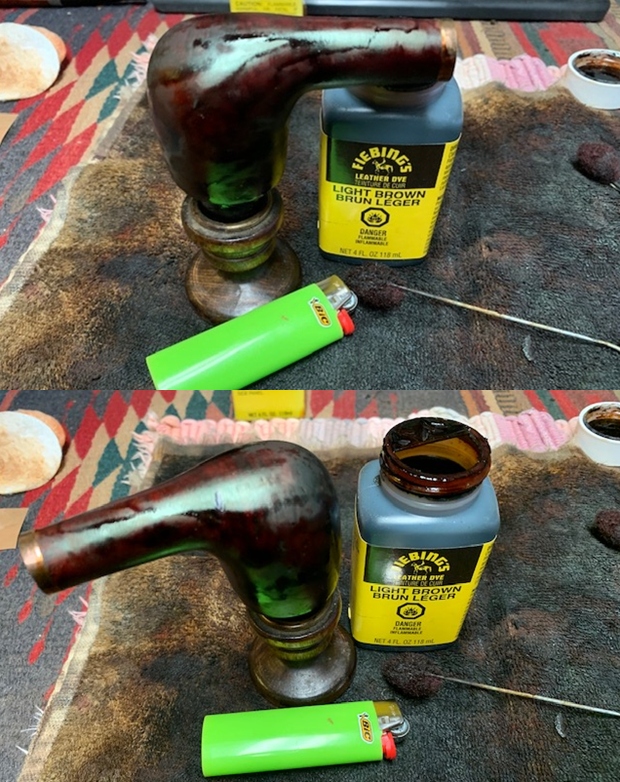
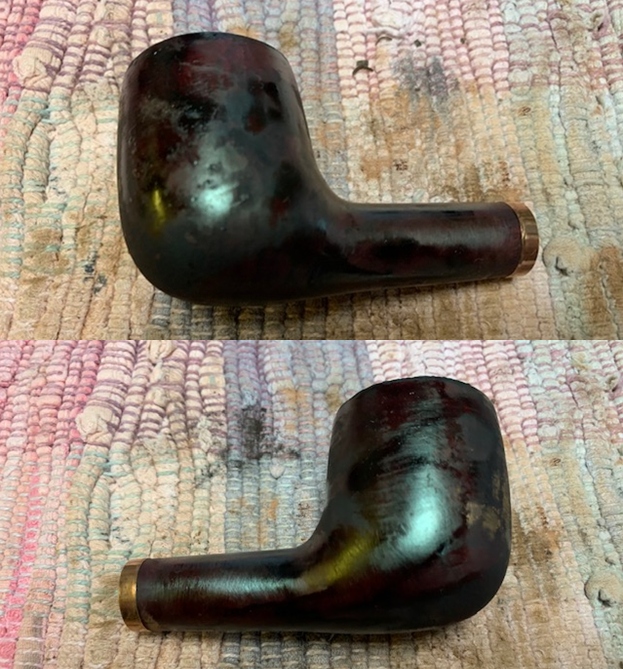
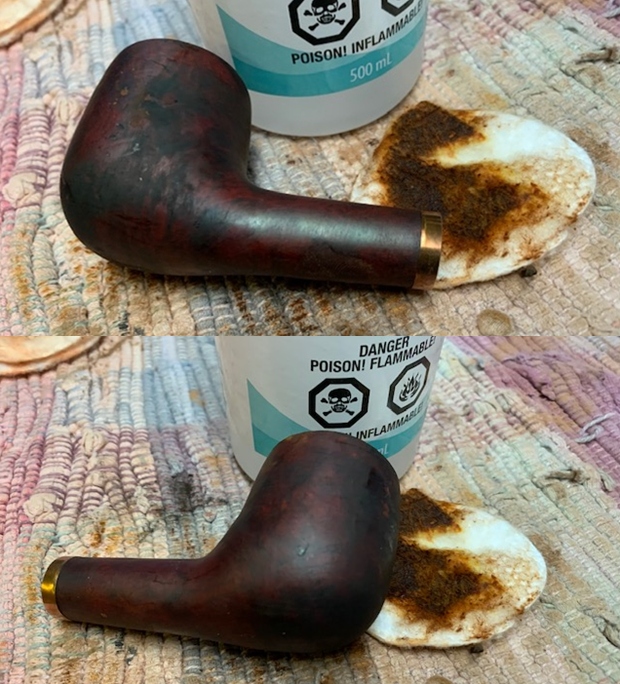
In 1890 Turildo Barontini opened a factory for the production of briar. In 1925 his son Bruno began to produce the first pipes. Cesare Barontini, son of Bruno, started direction of the factory in 1955, and still runs it together with his daughters Barbara and Silvia.

Now it was time to work on the pipe. As usual Jeff had done a thorough cleanup on the pipe. He reamed the bowl with a PipNet pipe reamer and followed up with a Savinelli Fitsall pipe knife to remove the cake. He scrubbed out the mortise and the airway in the shank and the stem with alcohol, cotton swabs and pipe cleaners. He scrubbed the exterior of the bowl, rim, shank and stem with a tooth brush and Murphy’s Oil Soap to remove the oils and tars on the rim and the grime on the finish of the bowl. He rinsed it under running water. He dried it off with a soft cloth. He cleaned the internals and externals of the stem with alcohol, pipe cleaners and cotton swabs. He soaked the stem in Before & After Deoxidizer and rinsed it off with warm water and cleaned out the airway in the stem with alcohol. The pipe looked very good.   I took a photo of the rim top and stem to show the condition. They cleaned up really well and the top of the rim looked very good. The inner edge of the bowl showed chipping and burn damage all around. The vulcanite saddle stem had light tooth chatter and marks on both sides ahead of the button and on the button edges.      I took a photo of the stamping on the top and underside of the shank. It read as noted above. I removed the stem and took a photo of the pipe to give a sense of the whole. It is a well shaped Author that looks great. Now it was time to do my work on the pipe. I started by working over the damage on the inside rim. I topped the bowl on a topping board with 220 grit sandpaper to smooth out the damage to the rim surface. I used a folded piece of 220 grit sandpaper to give the inner edge a bevel to take care of the burn and clean up the edges of bowl.  I polished the briar with micromesh sanding pads – wet sanding with 1500-12000 grit pads and wiped down the bowl after each sanding pad.    I stained the rim with a combination of Cherry and Walnut stain pens to get a match with the colour of the stain on the bowl. Once it was buffed it would blend in very well.  I rubbed the bowl and shank down with Before & After Restoration Balm. I worked it into the surface of the bowl sides and shank with my fingertips to clean, enliven and protect the briar. I let the balm sit for a little while and then buffed with a cotton cloth to raise the shine. The Balm did its magic and the grain stood out.    I set the bowl aside and turned my attention to the stem. I sanded out the tooth marks on the stem with 220 grit sandpaper and started the polishing process with 400 grit wet dry sandpaper.   I polished the vulcanite stem with micromesh sanding pads – 1500-12000 grit pads. I wiped it down with Obsidian Oil after each sanding pad. I used Before & After Pipe Polish – both Fine and Extra Fine to further polish the stem. The photo below shows the polished stem.  I touched up the “B” stamp with Paper Mate Liquid Paper. I pressed it into the stamped letter with a tooth pick. Once it cured I scraped off the excess with the tooth pick.  This nicely grained Barontini D’ Oro 104 Dubin with a vulcanite saddle stem is a great looking pipe now that it has been restored. There are fills around the bowl that blend in nicely with the finish on the bowl. The rich brown stains of the finish came alive with the polishing and waxing. The grain really popped. I put the stem back on the bowl and carefully buffed the pipe with Blue Diamond on the buffing wheel using a light touch on the briar. I gave the bowl and the stem multiple coats of carnauba wax on the buffing wheel. I buffed the pipe with a clean buffing pad to raise the shine. I hand buffed the pipe with a microfiber cloth to deepen the shine. The finished Barontini Bent Dublin is a beauty and fits nicely in the hand and looks very good. Give the finished pipe a look in the photos below. The dimensions of the pipe are Length: 5 ½ inches, Height: 2 inches, Outside diameter of the bowl: 1 ½ inches, Chamber diameter: ¾ of an inch. Thanks for reading this blog and my reflections on the pipe while I worked on it. There are many more to come!


Breathing Life into a Birkdale Custom Sandblast Billiard


Blog by Steve Laug

The next pipe on the table came to me from a reader of the blog in Eastern Canada. He contacted me about repairing his first pipe and in the meantime picked up a rack and the fellow he bought it from threw in this pipe as well. It is a very nice looking sandblast Billiard with great grain showing through the deep blast finish. The finish is quite nice with a classic English look to the pipe. The bowl had a light cake lining the walls though the rim top was clean and undamaged. The bottom of the bowl was still raw briar showing that it had not been smoked much. The exterior of the pipe was dusty but otherwise clean. The pipe is stamped on the underside of the shank and reads Birkdale [over] Custom. That was followed by rugby ball shape Made in England COM stamp that is normal on Comoy’s Made pipes. The stamping is clear and readable on the pipe. The stem was dirty, calcified and lightly oxidized. There were light tooth marks and chatter on the stem near the button on both sides and some on the surface of the button as well. There was a hole in the left side of the taper stem where a spot/dot had originally been found. I took photos of the pipe before I worked on it.  I took photos of the rim top to show the light cake in the bowl and the relatively clean rim top. There was some wear on the finish on the shank end that would need to be worked on. The stem was in relatively good condition with light tooth chatter and marks on the top and underside near the button. The oxidation was minimal as it is very high quality vulcanite.  The stamping on the underside of the shank read as noted above. The photo shows that they are quite readable.I took a photo of the pipe with the stem removed to show the overall look of stem, tenon and profile of the pipe. It is a great looking pipe. You can also see the missing dot on the left side.I turned first to Pipephil’s site as it is always a quick source of information on any brand (http://www.pipephil.eu/logos/en/logo-comoy.html). I looked for the Birkdale brand and could not find anything. On a hunch about the COM stamp I turned to the section on Comoy’s as noted in the link above. In that section I found what I was looking for. I quote:

Made in London (in oval) England. Note the rugby ball shape of the “Made in London” stamping which is usually in a circle from 1950.

That helped me know that the maker of this pipe was probably Comoy’s and the Made in London Rugby shaped stamp made me assume that the pipe was made prior to 1950.

I turned to a previous blog that I wrote https://rebornpipes.com/2013/10/12/refurbed-birkdale-canadian-made-in-london-england-shape-296/

I have not heard of the Birkdale brand so I Googled it on the net to see what I could find out about it. There was not much there in terms of solid information. There were numerous posts on various forums requesting information. The information on the brand showed some confusion. From Pipedia Birkdale is a brand of the German pipe company named Wolsdorff. In turn Pipephil pegs Wolsdorff as a chain of tobacconists that had their pipes made by different German companies like Design Berlin and Oldenkott. However, the one I found has the made in London England stamping that removes the German connection. Something about the shape and shape number made me do a search in the Comoy’s shape and number charts available online. I found that the 296 shape for Comoy’s is an oval shanked Canadian, exactly like this one. Thus it appears that the pipe was made by Comoy’s. I am wondering if the Birkdale (which is a region in England) is not one of a line of English regionally named pipes made by Comoy’s.
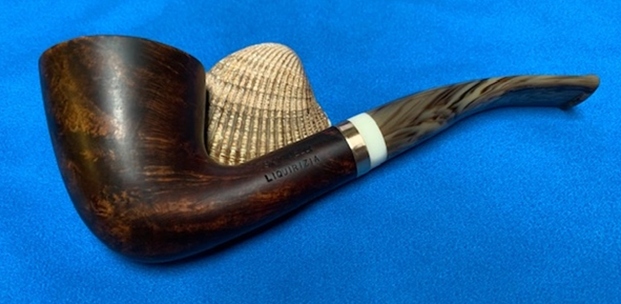
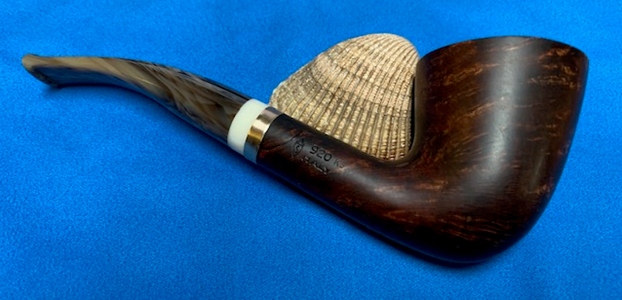
Thus the Birkdale that I worked on and restored in 2013 also lead me to conclude that that earlier pipe was made by Comoy’s in much the same manner I have concluded with this one. The difference is that this one does not have a shape number. If you are reading this and can shed some light on the brand please leave a message in the comments.

Now it was time to work on the pipe. I started my work on it by reaming the bowl. I reamed it with a Savinelli Fitsall Pipe Knife and then sanded the inside of the bowl with 220 grit sandpaper wrapped around a piece of dowel. I cleaned the shank out with alcohol, cotton swabs and pipe cleaners. There was some thick tars on the walls on the walls of the shank. I scraped it with a pen knife before cleaning it with alcohol. I touched up the stain on the pipe to match the previous colours – I used a Walnut and a Mahogany Stain Pen to blend the colours. The finished bowl looked very good. I rubbed the briar down with Before & After Restoration Balm. I worked it into the briar with my fingertips. The product works to clean, enliven and preserve the briar. I let it sit for 10 minutes while I worked on the stem. After the time passed I buffed it with a cotton cloth to deepen the shine. The grain came alive with the balm.   I decided to address the missing dot on the left side of the stem first. I used a piece of acrylic knitting needle to make the  dot. I used a Dremel and sanding drum to strip down the excess material on the needle end. I used a file to take off the last bit of material so that the peg fit in the hole. I clipped off the piece from the needle with a pair of pliers.I put a drop of clear superglue in the hole and pressed the peg into the hole. Once the glue set I used the Dremel and sanding drum to take down the excess material to the approximate height of the stem. I sanded the rest of the excess off with 220 grit sandpaper to blend it into the surface of the stem.I sanded the stem with 220 grit sandpaper to further blend dot into the stem surface and remove the tooth chatter and marks near the button. I started polishing the stem with 400 grit wet dry sandpaper.  I polished the stem with micromesh sanding pads – 1500-12000 grit pads. I wiped it down with Obsidian Oil after each sanding pad. I used Before & After Pipe Polish – both Fine and Extra Fine to further polish the stem.      This Birkdale Custom Sandblast Billiard is a great looking pipe. The sandblast finish and contrasting black and oxblood stains around the bowl sides and shank make the grain just pop. The finish on the pipe is in excellent condition and the contrasting stains work well to give some contrast to the polished black vulcanite taper stem. The light blue/ivory coloured dot on left side of the stem worked very well and looked very good. The pipe is really quite eye-catching. I put the stem back on the bowl and buffed the pipe with Blue Diamond on the buffing wheel, carefully avoiding the stamping on the shank. I gave the bowl and the stem multiple coats of carnauba wax on the buffing wheel and followed that by buffing it with a clean buffing pad. I hand buffed the pipe with a microfiber cloth to deepen the shine. The finished Birkdale Custom Billiard is quite nice and feels great in the hand. Give the finished pipe a look in the photos below. I can only tell you that like the other pipes I am working that it is much prettier in person than the photos capture. The dimensions of the pipe are Length: 5 ½ inches, Height: 2 inches, Outside diameter of the bowl: 1 ¼ inches, Chamber diameter: 7/8 of an inch. Thanks for walking through the restoration with me as I worked over another interesting pipe. This Birkdale is almost certainly made by Comoy’s and will be heading back to the fellow in Eastern Canada once I finish his other pipe. I am looking forward to what he thinks of this beauty. Thanks for your time.