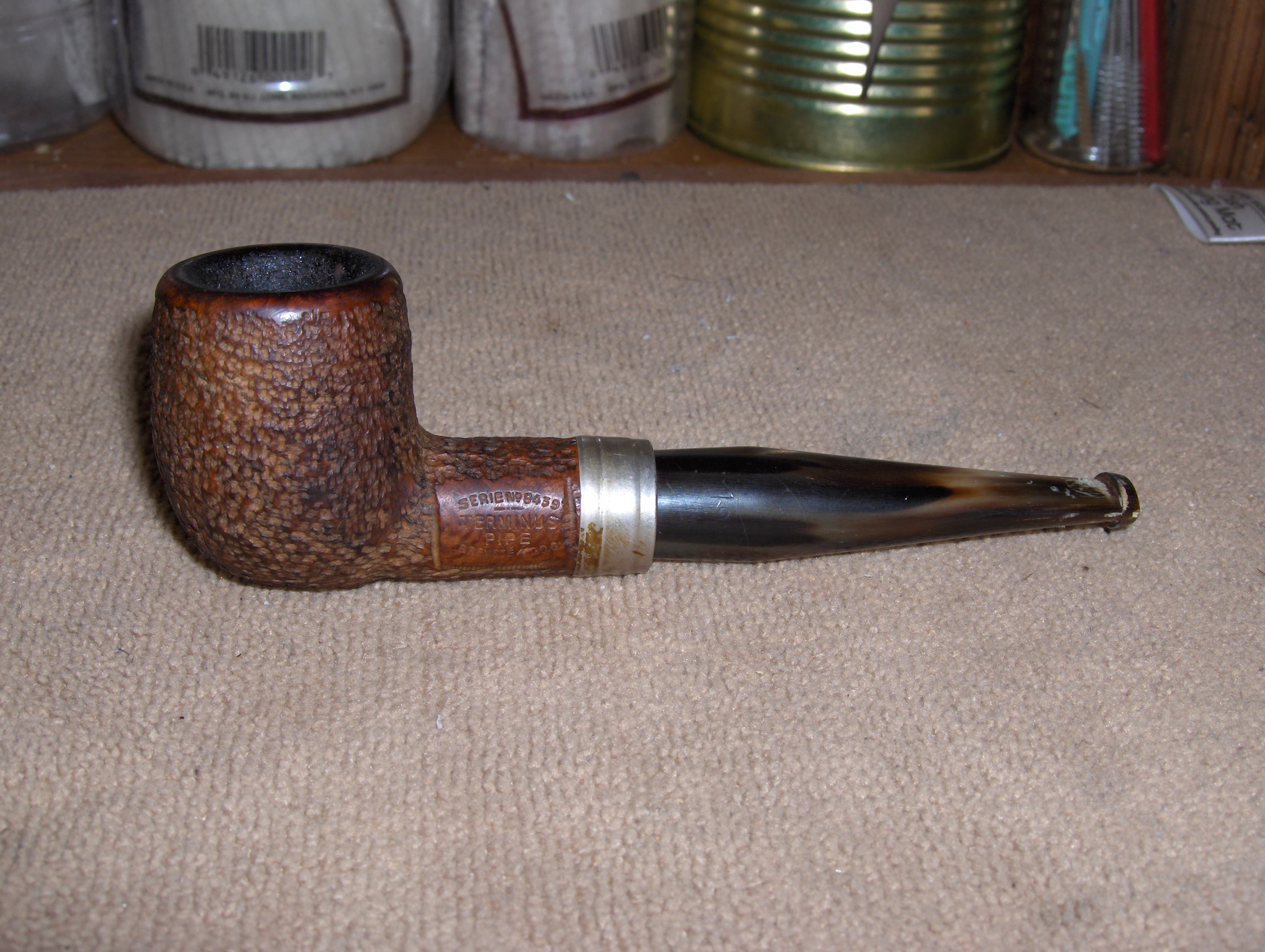
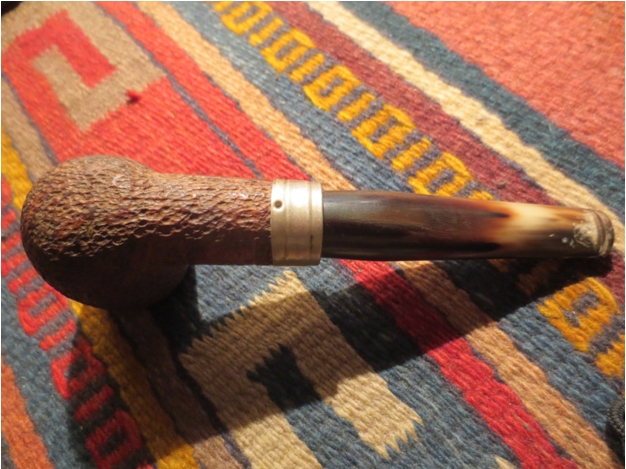
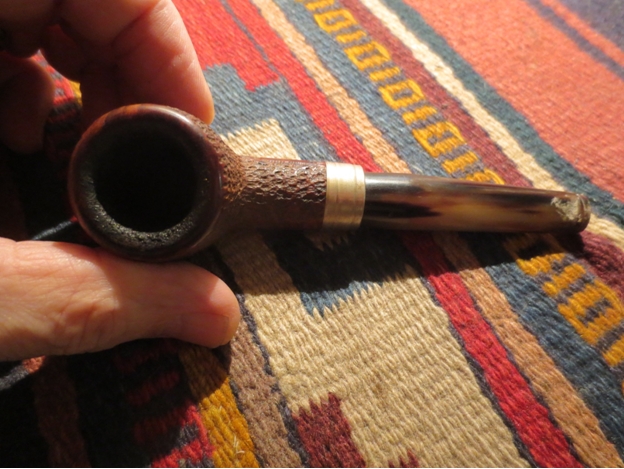
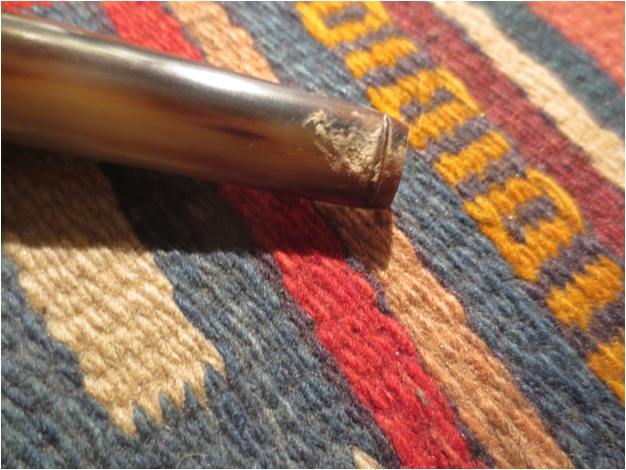
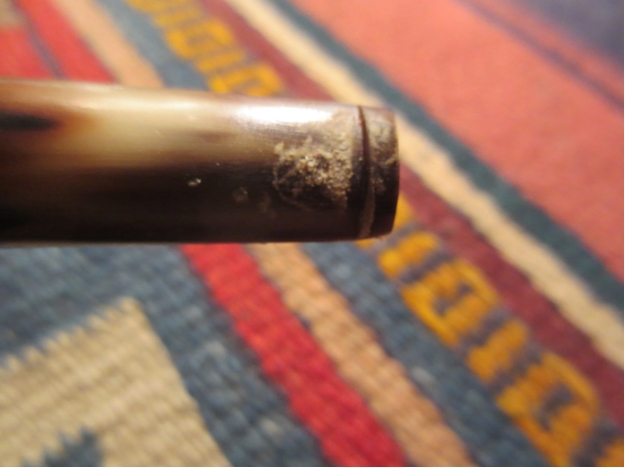
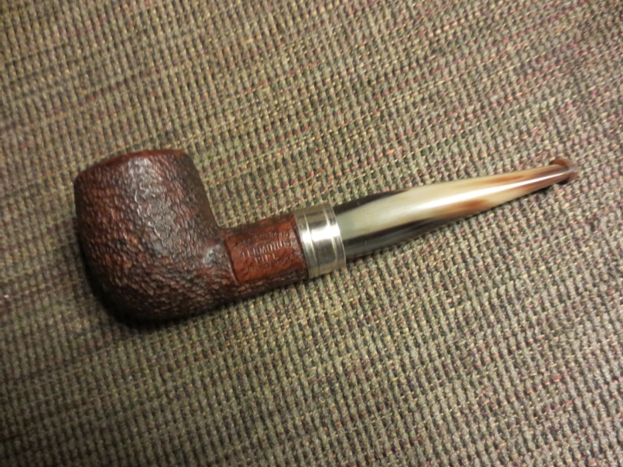
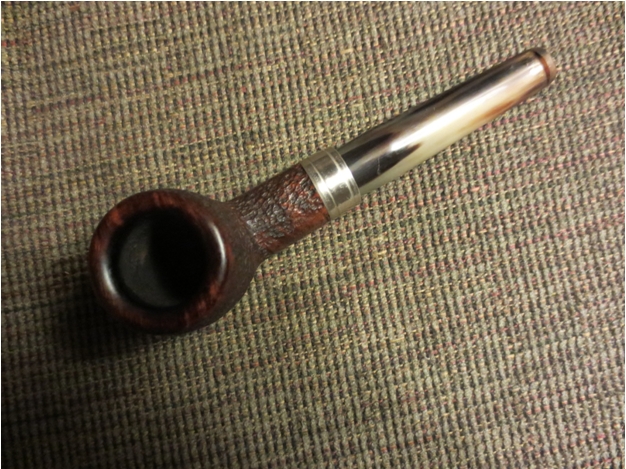
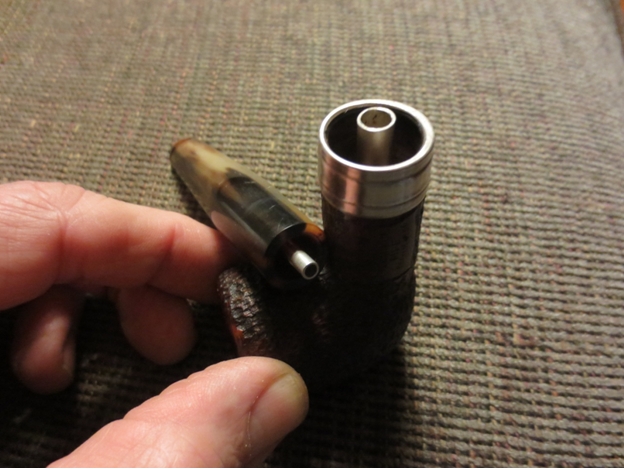
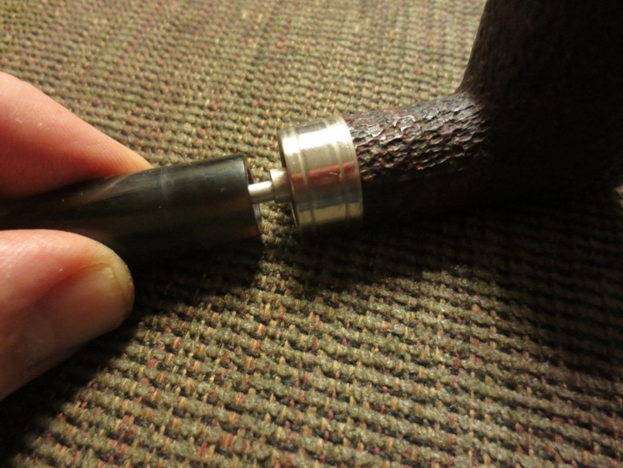
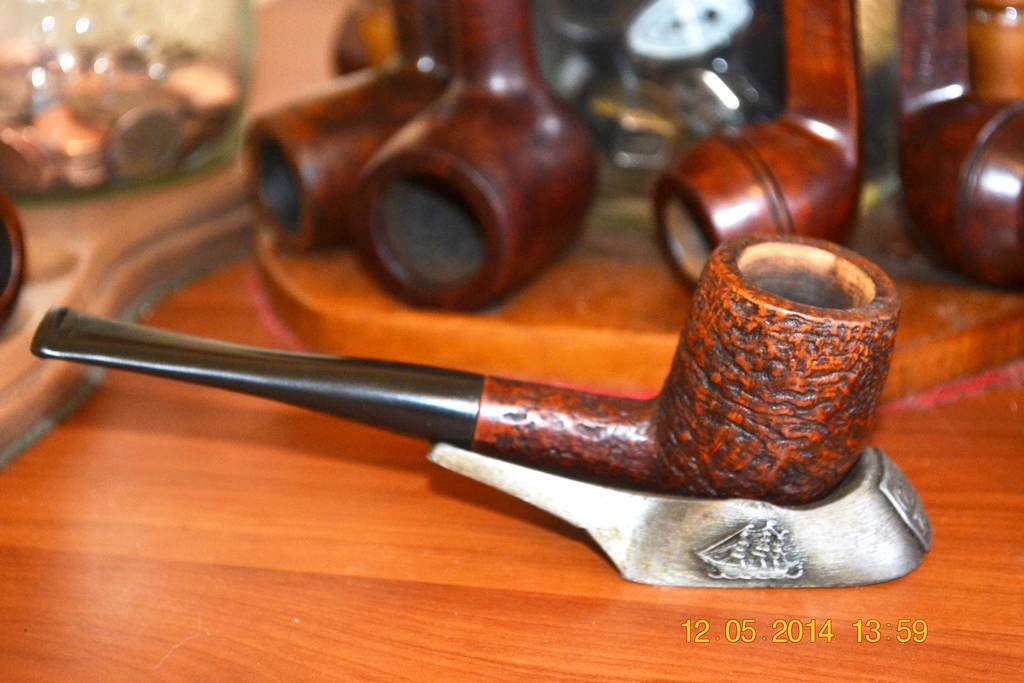
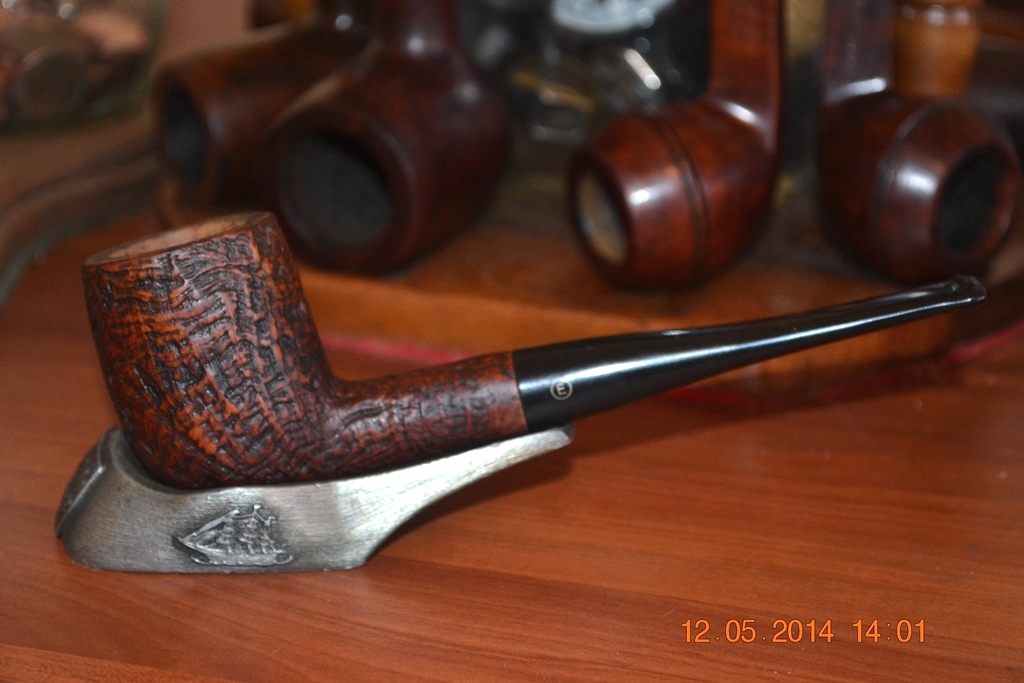
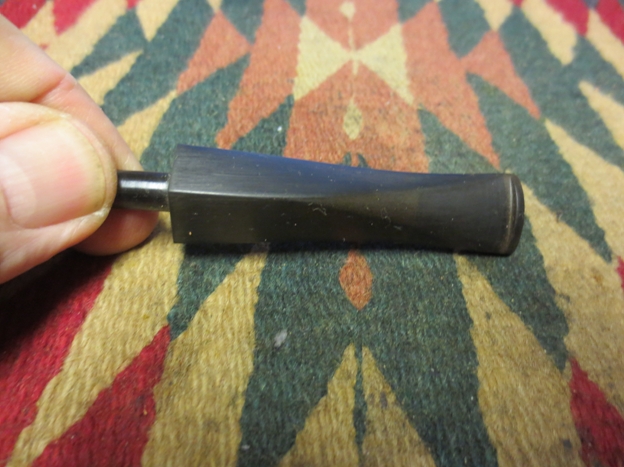
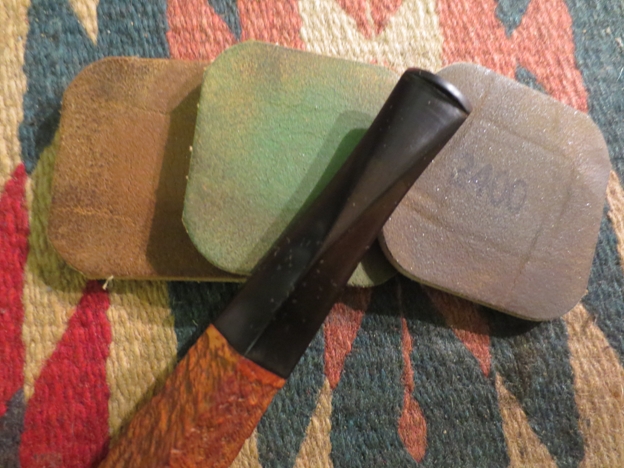
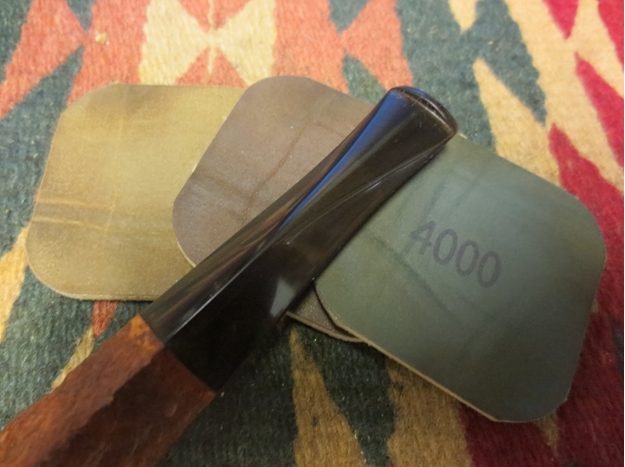
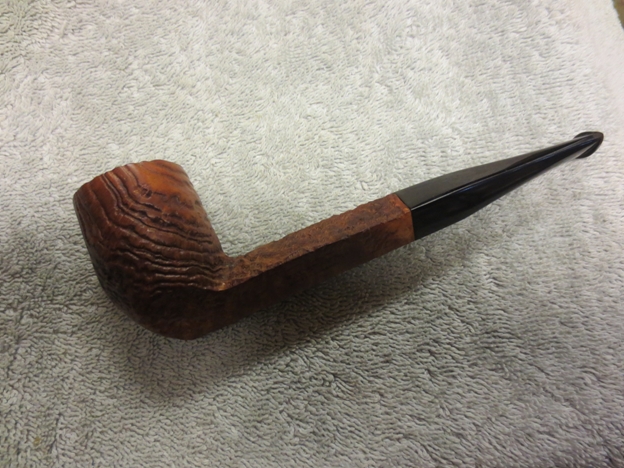
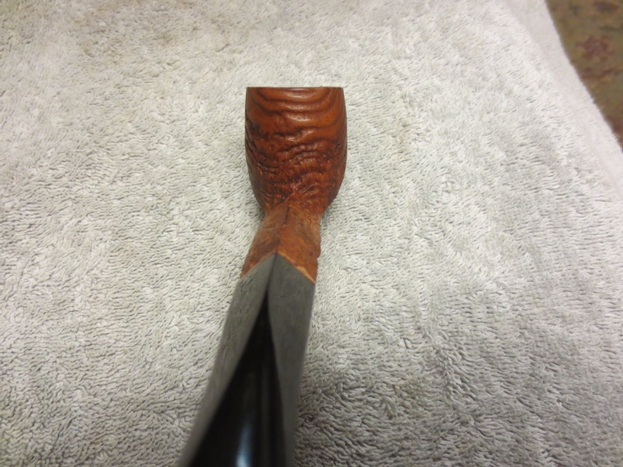
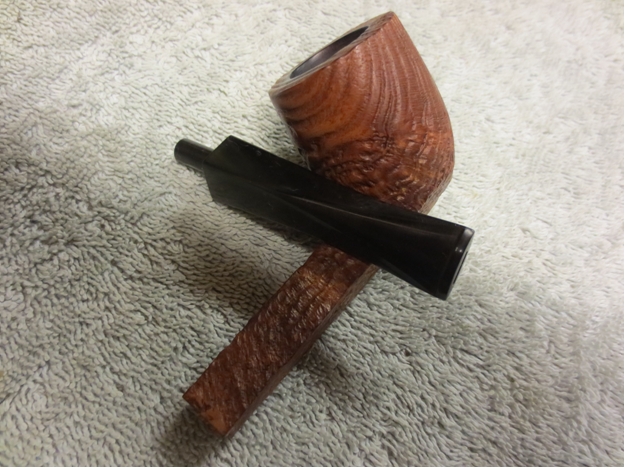
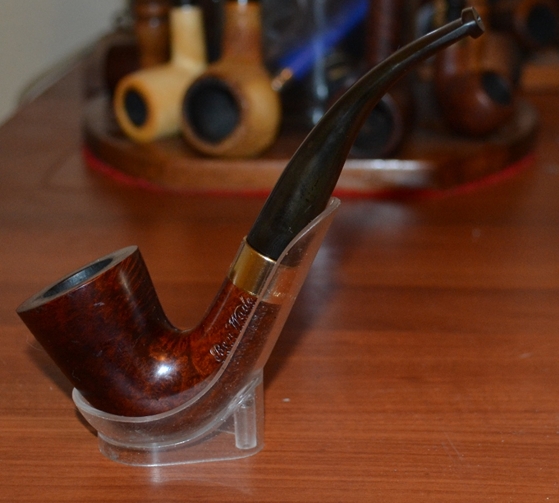
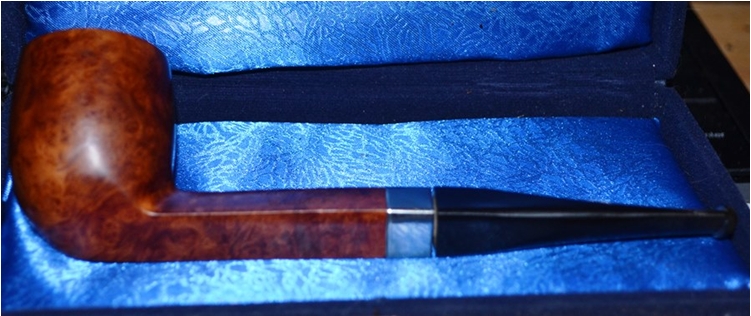
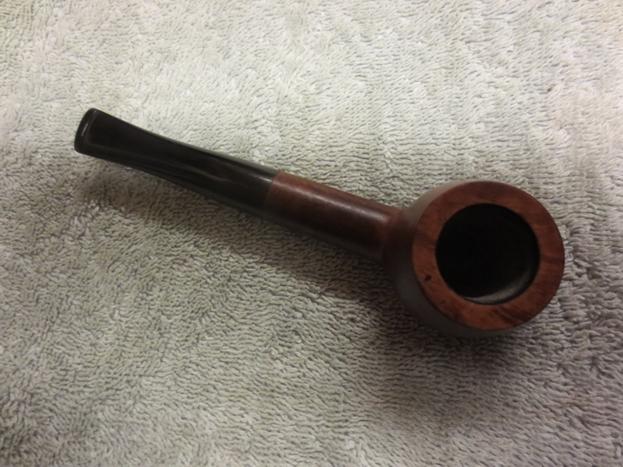
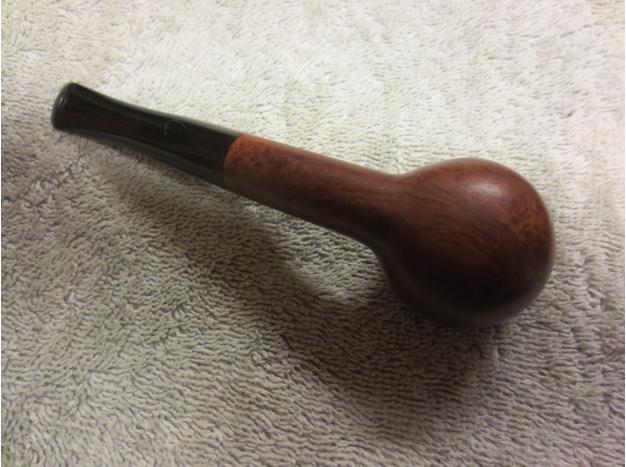
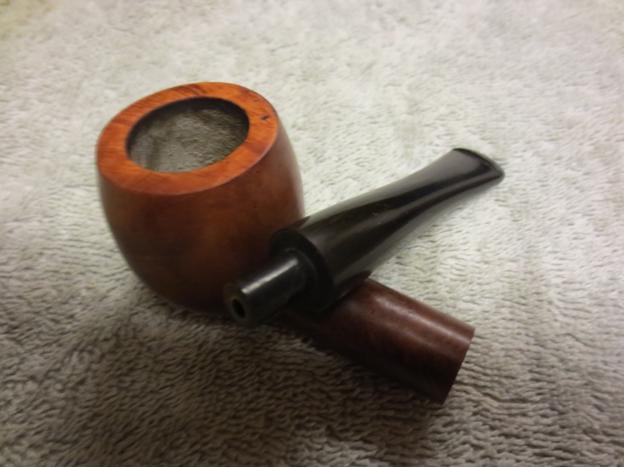
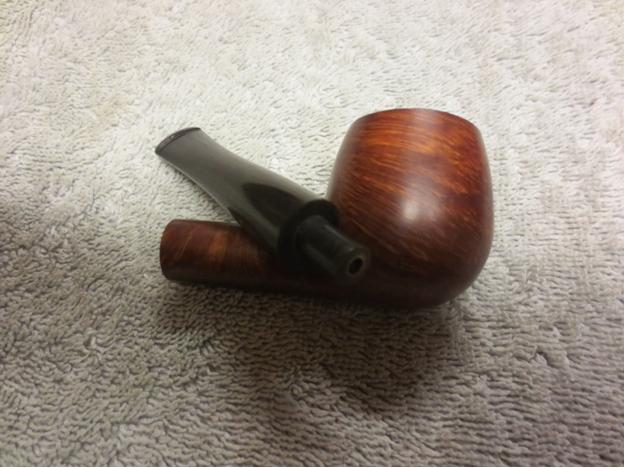
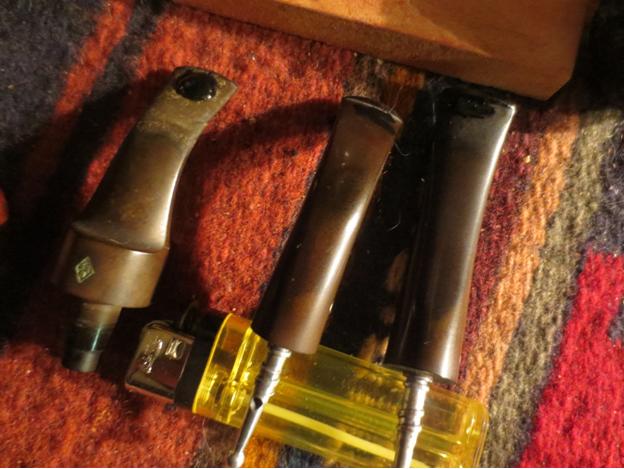
Tag Archives: Bowls – refinishing

Restoring a 1935 Dunhill Shell – Andrew Selking


Blog by Andrew Selking

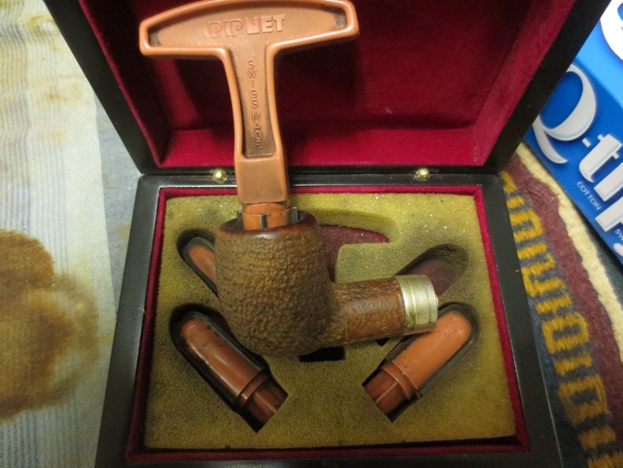
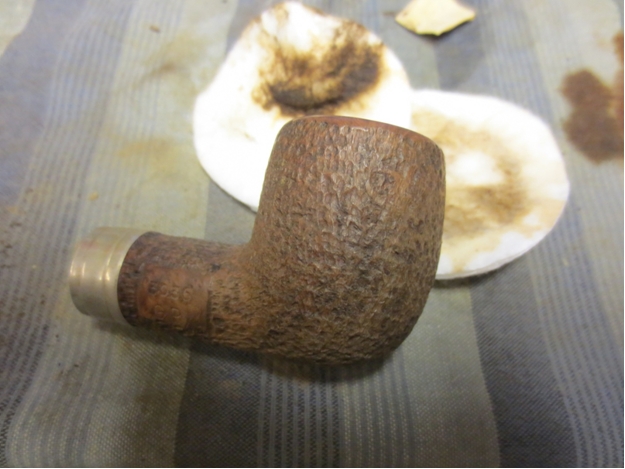
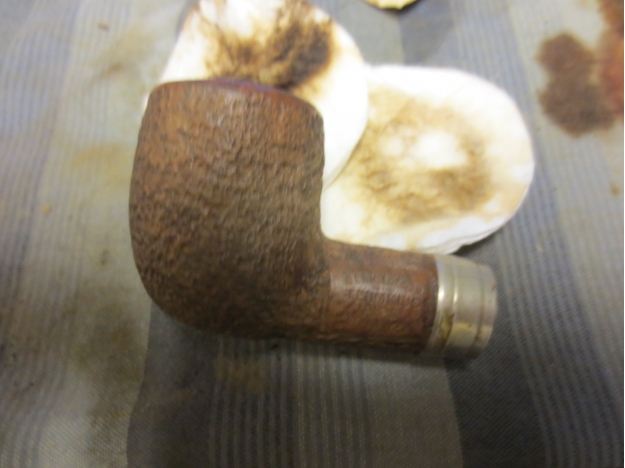
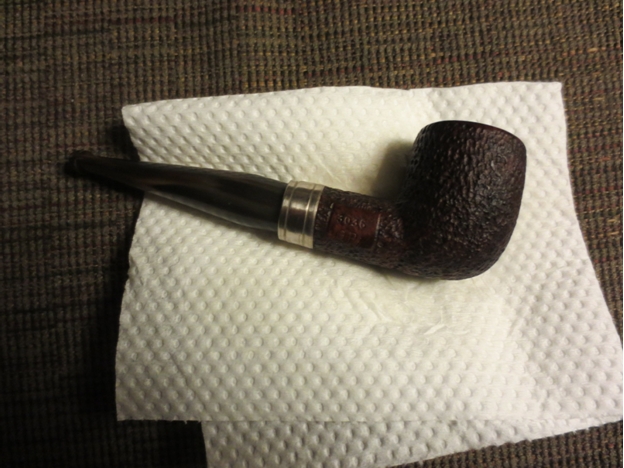
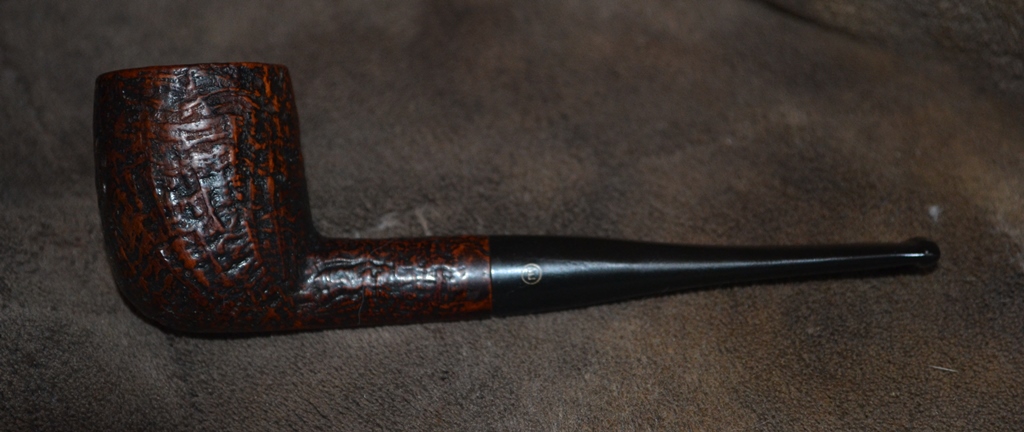
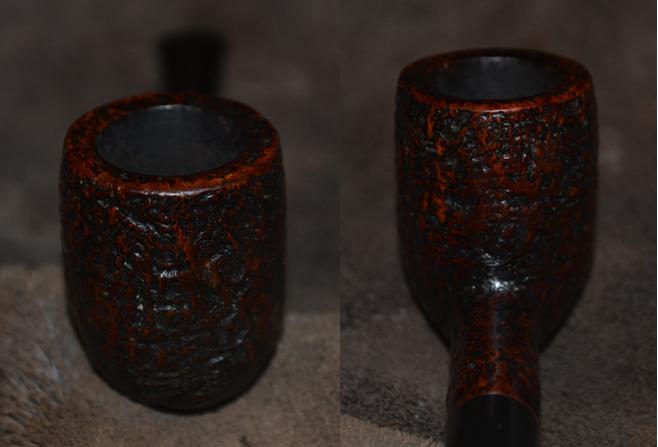
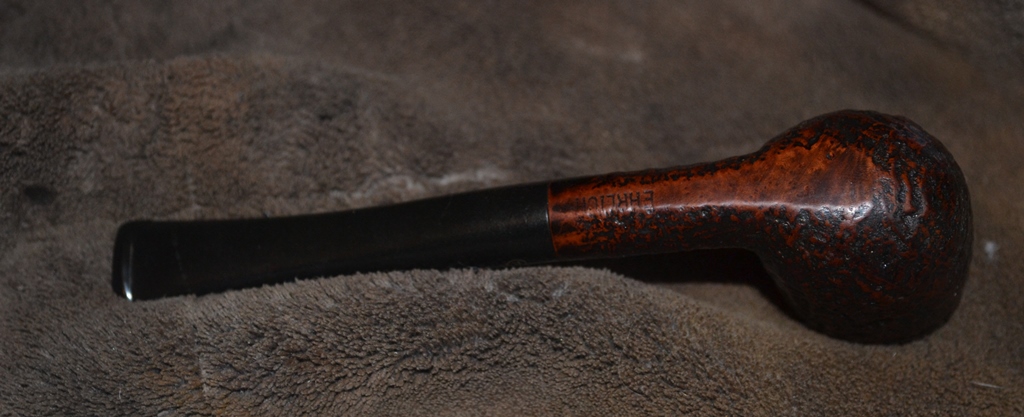
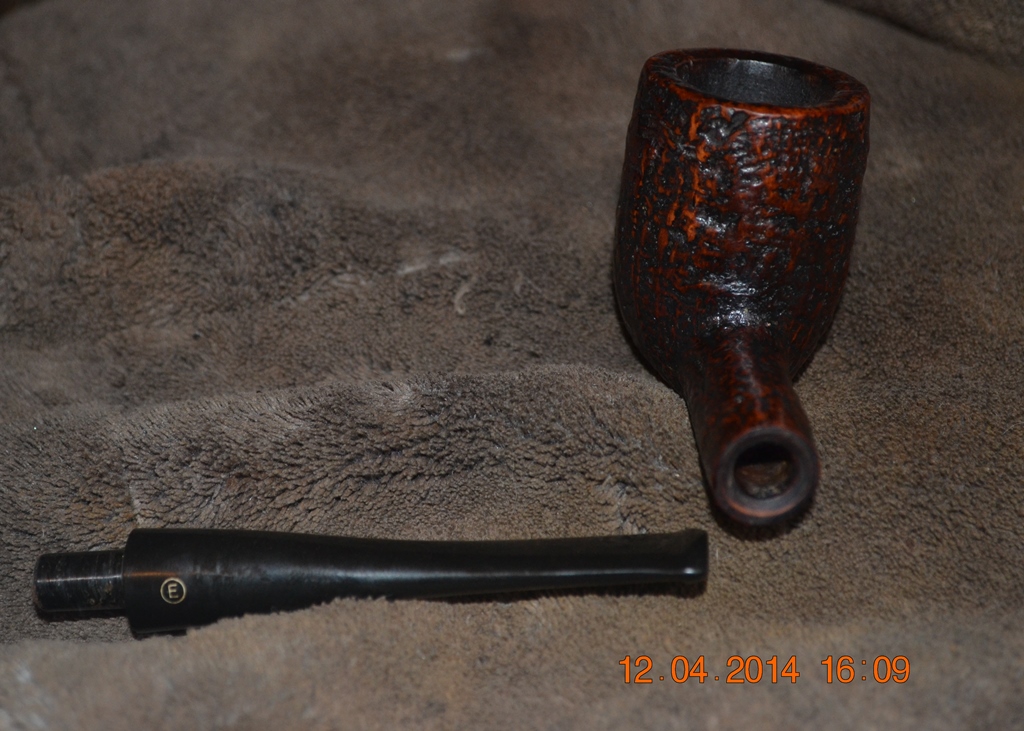
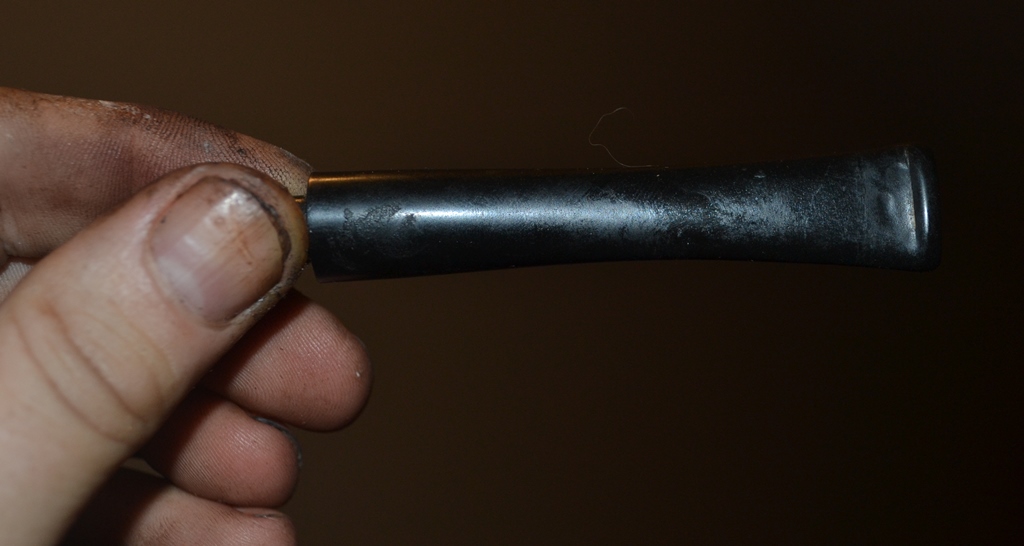
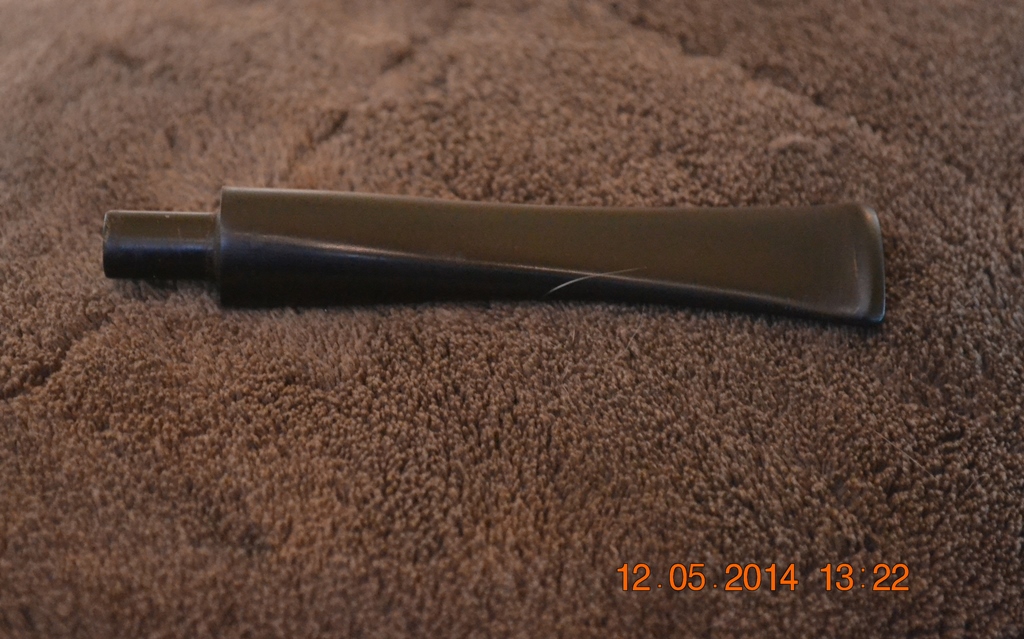
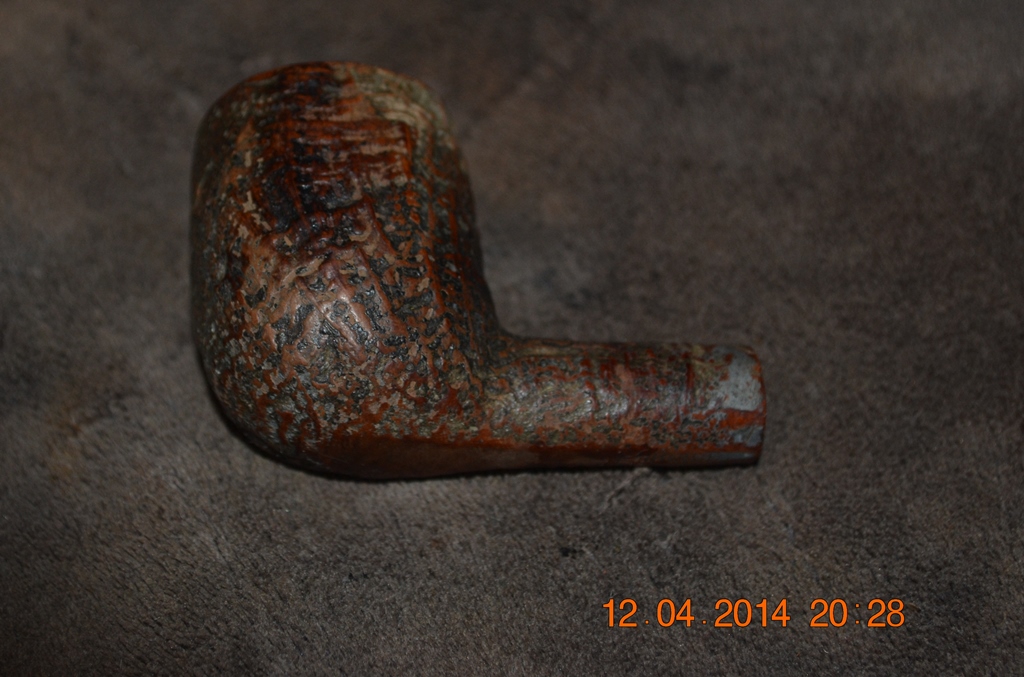
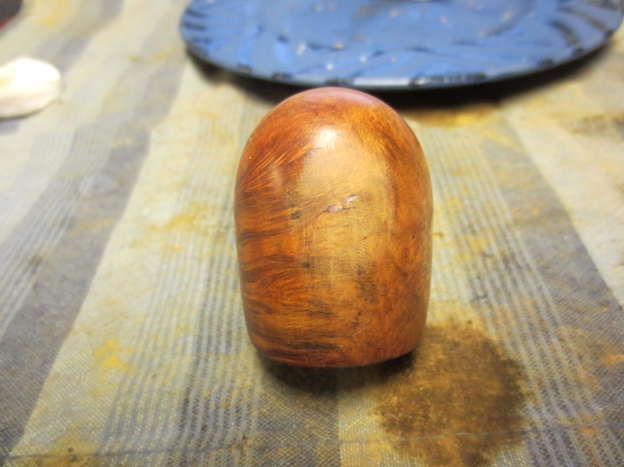
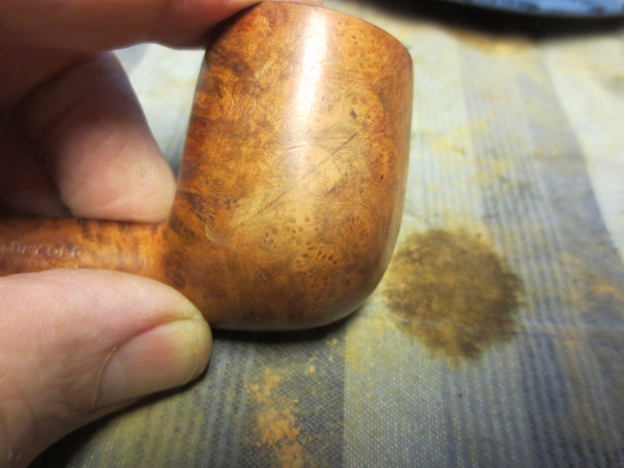
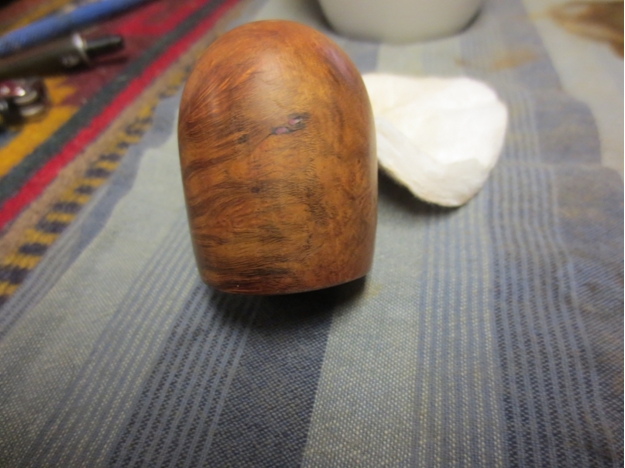
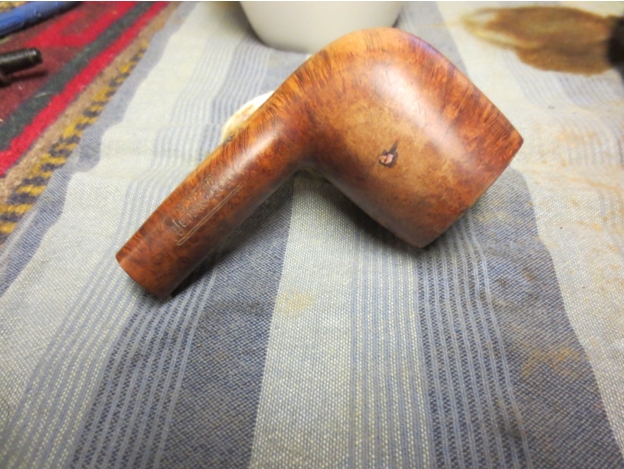
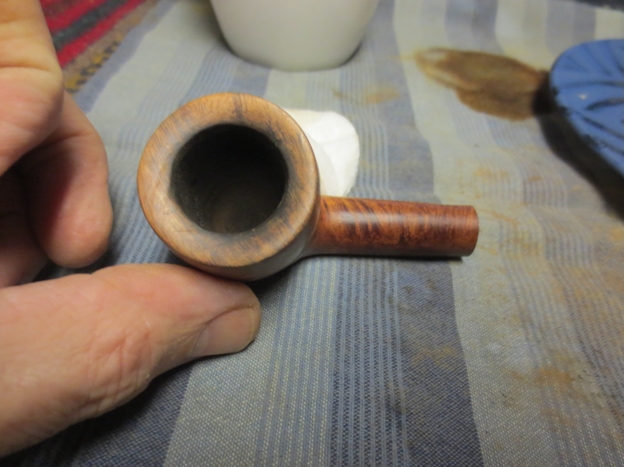
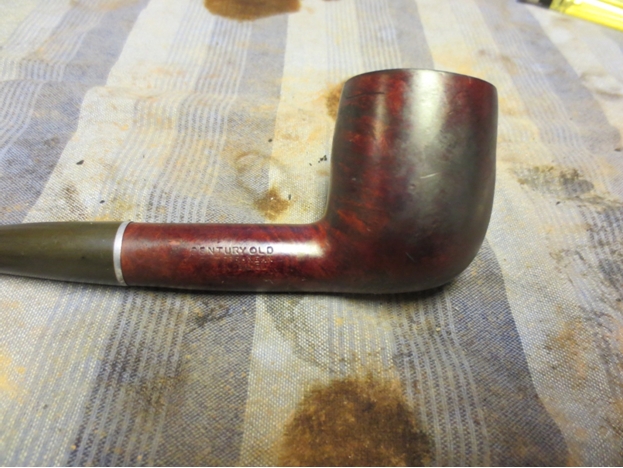
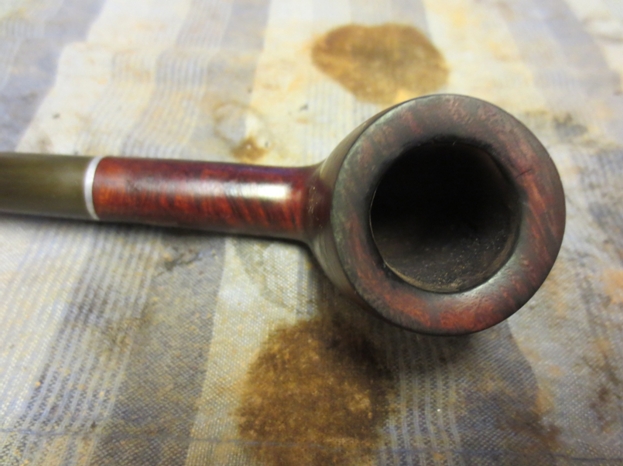
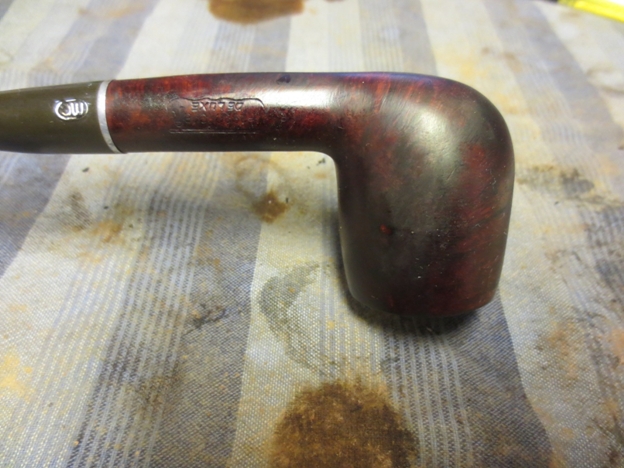
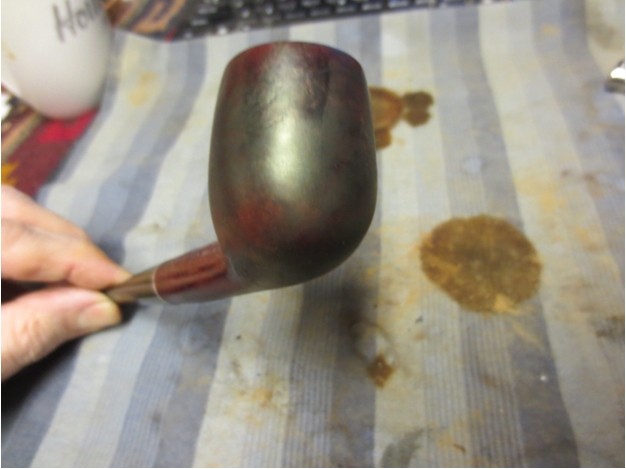
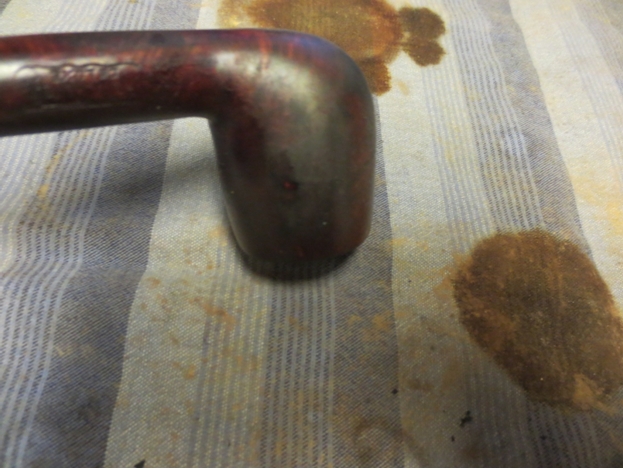
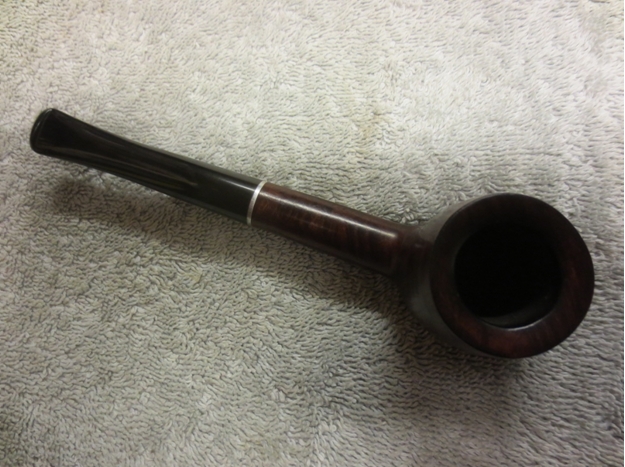
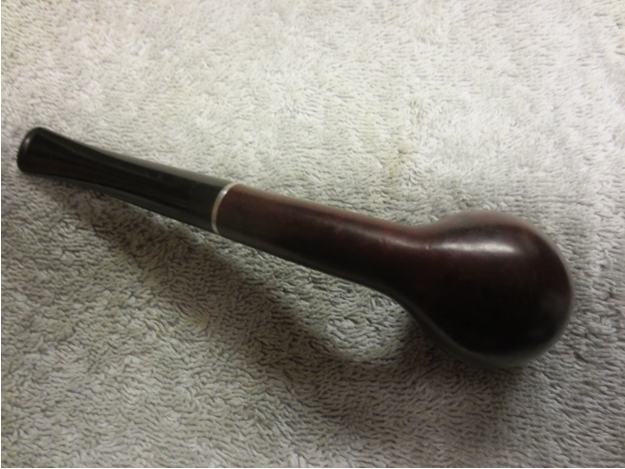
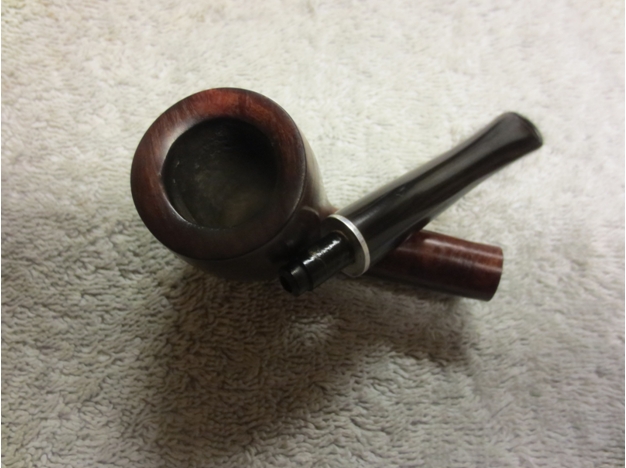
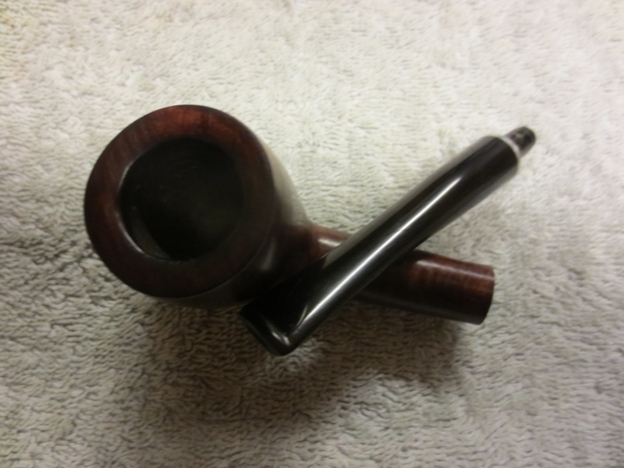
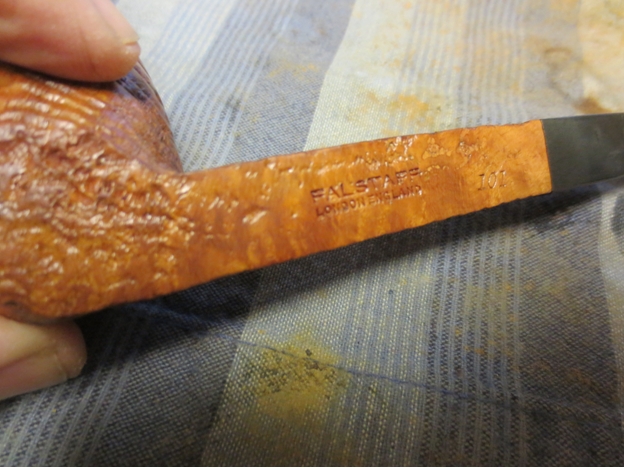
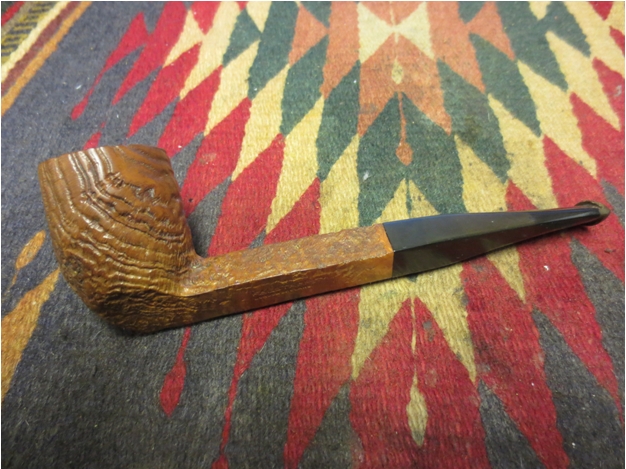
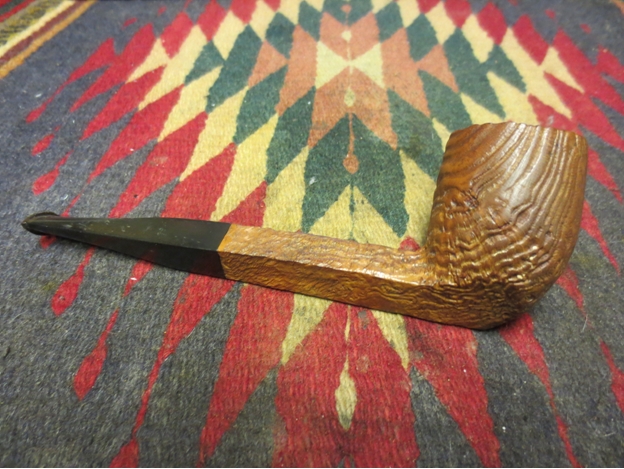
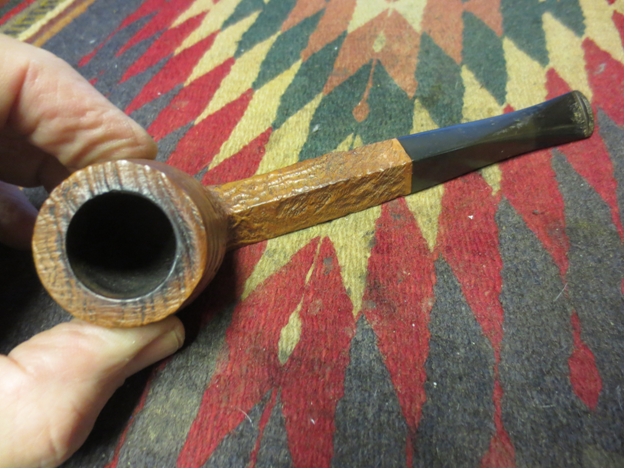
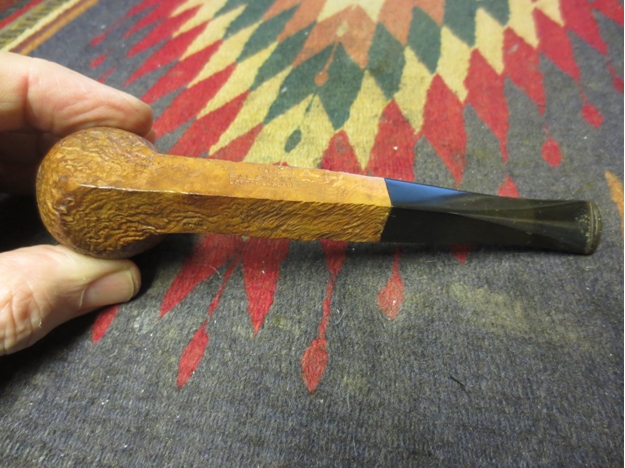
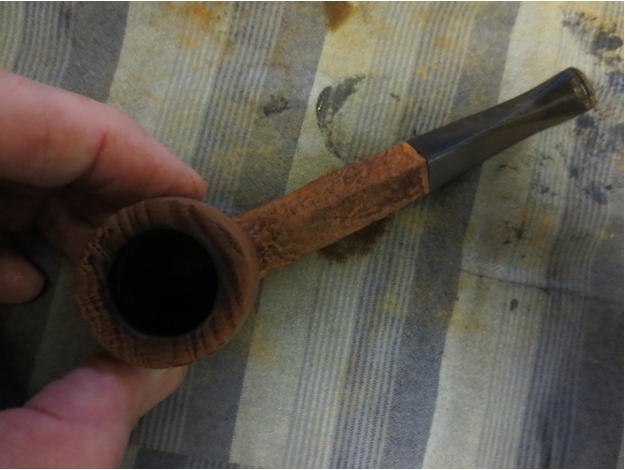
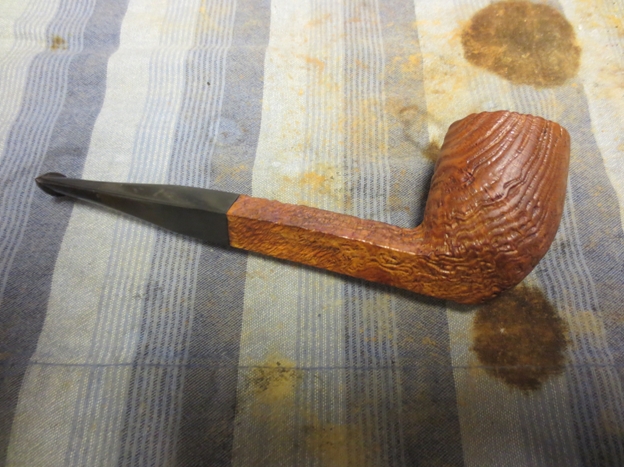
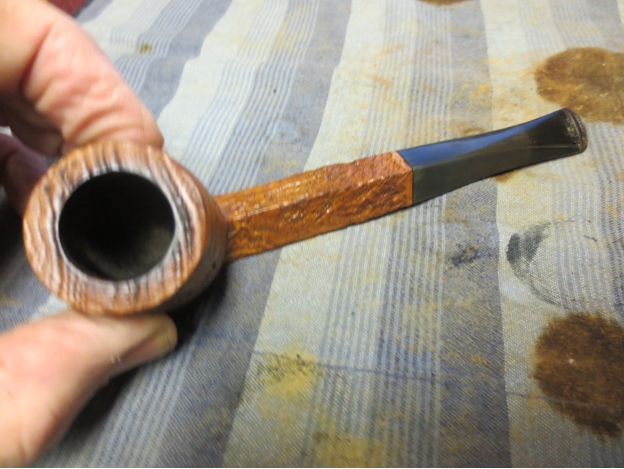
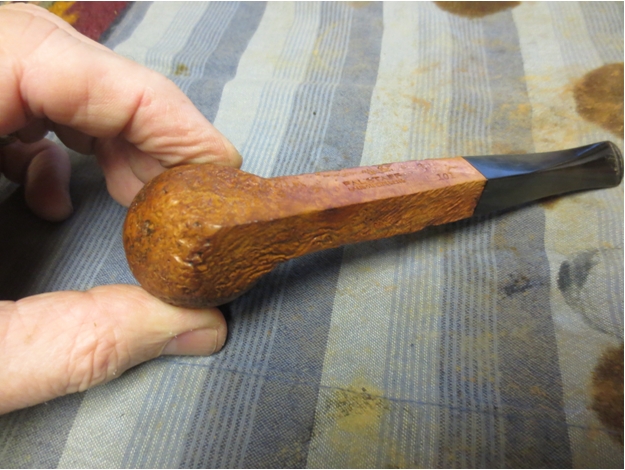
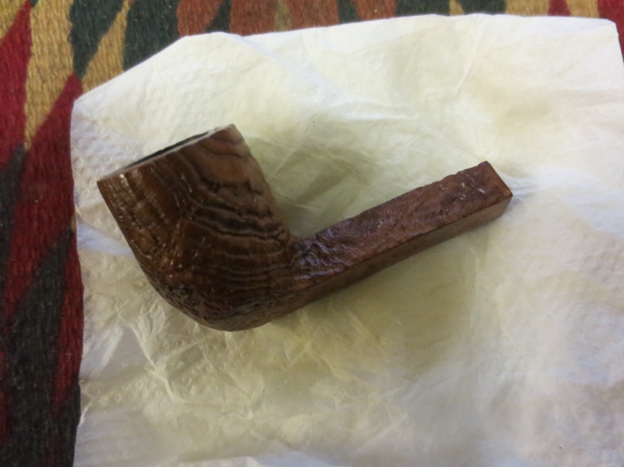
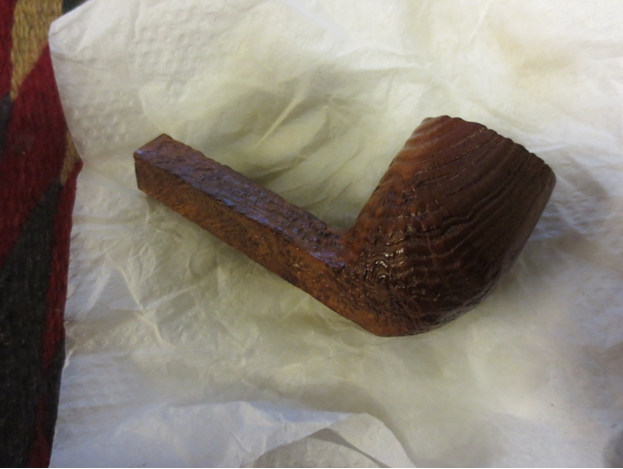
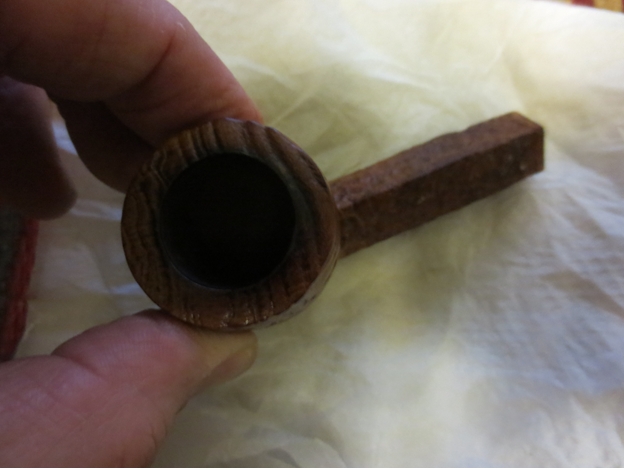
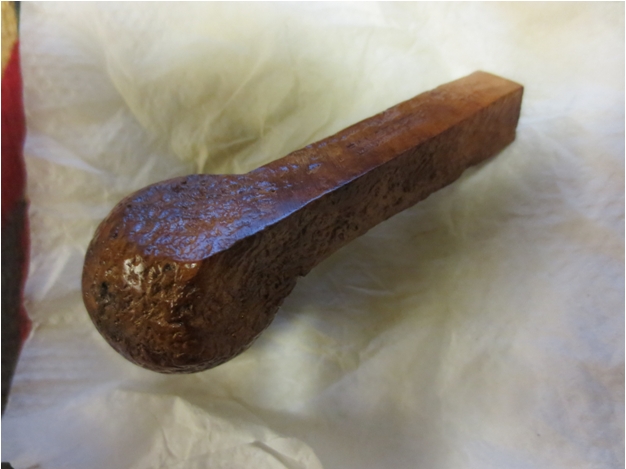
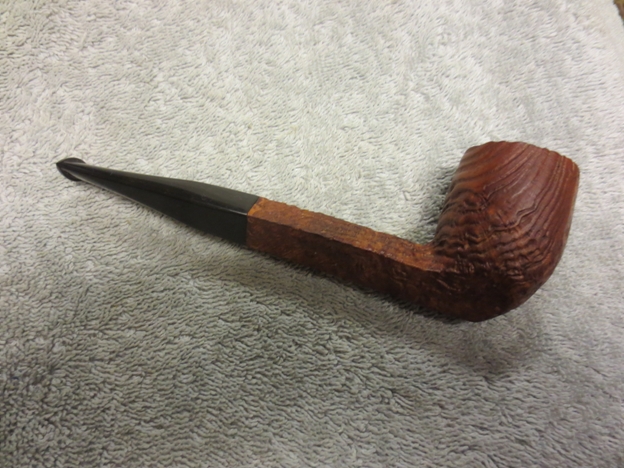
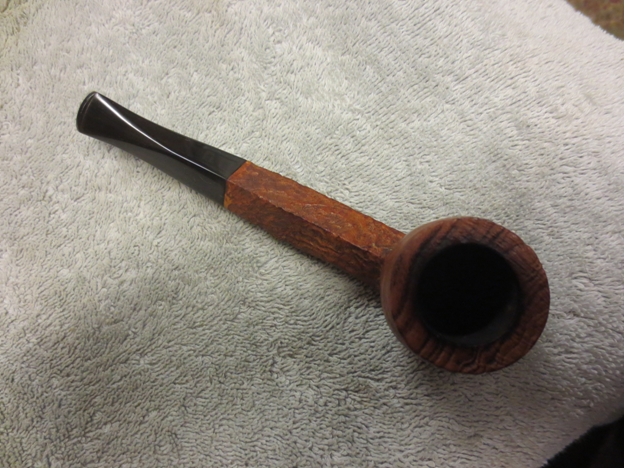
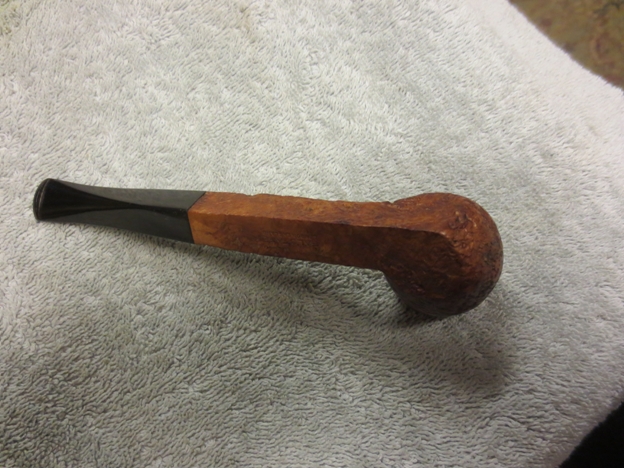
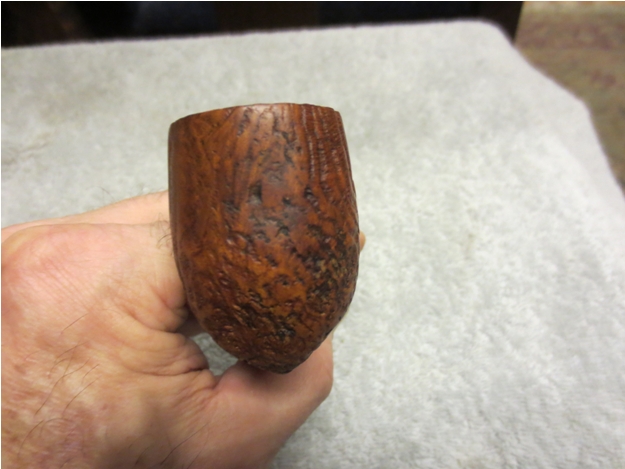
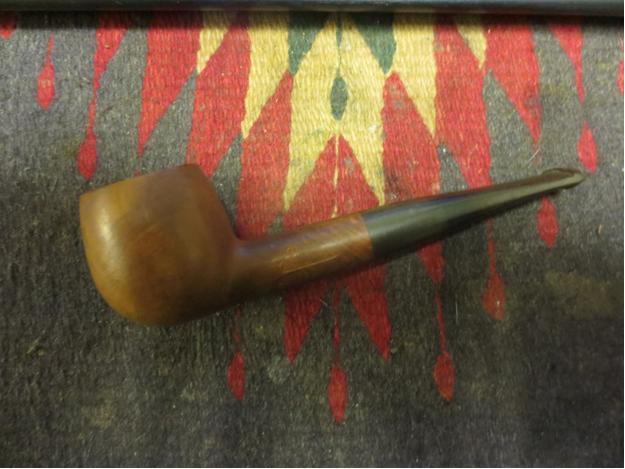
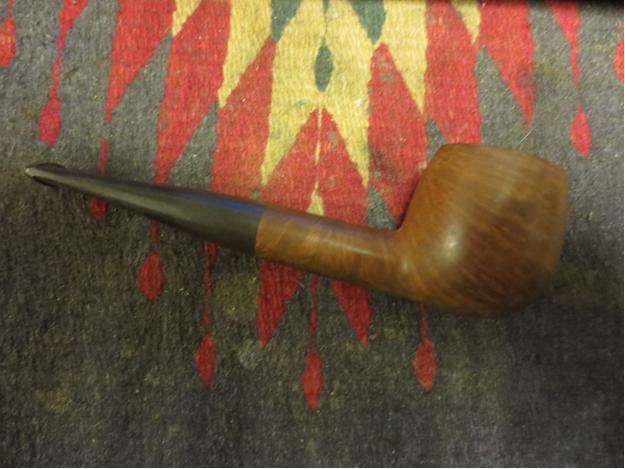
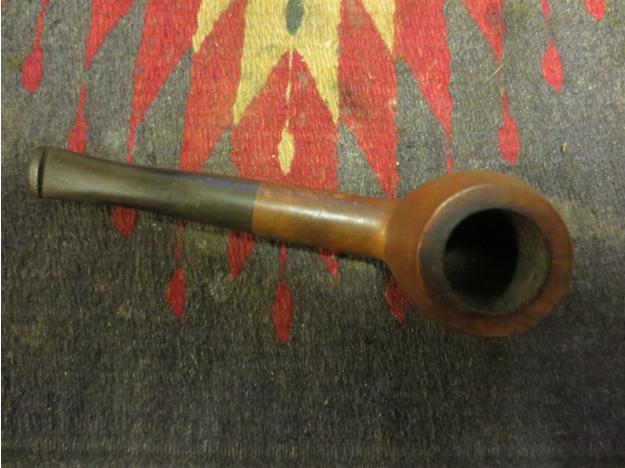
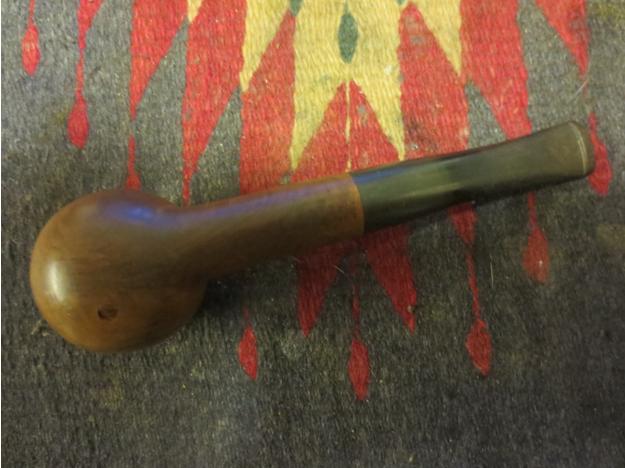
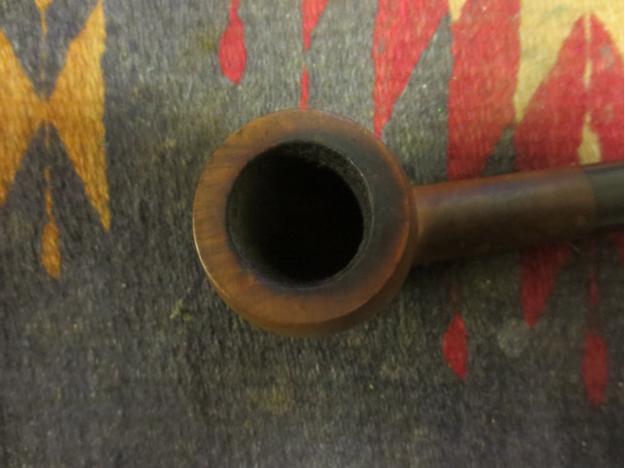
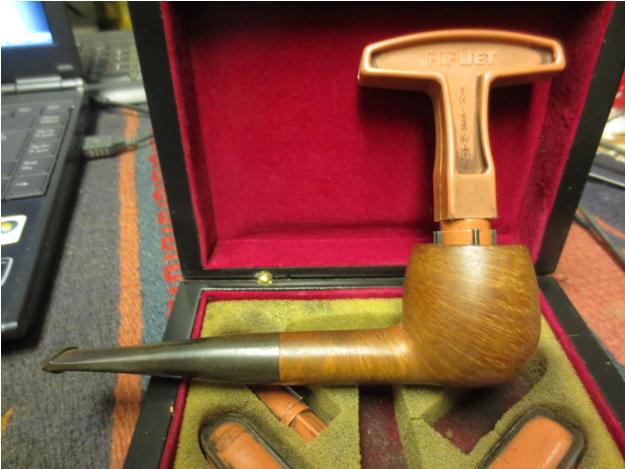
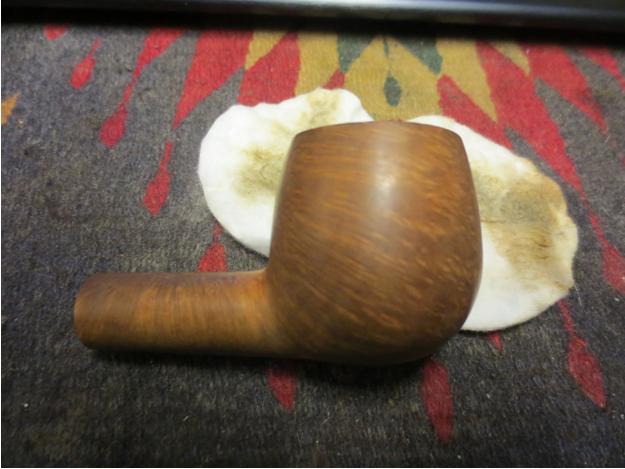
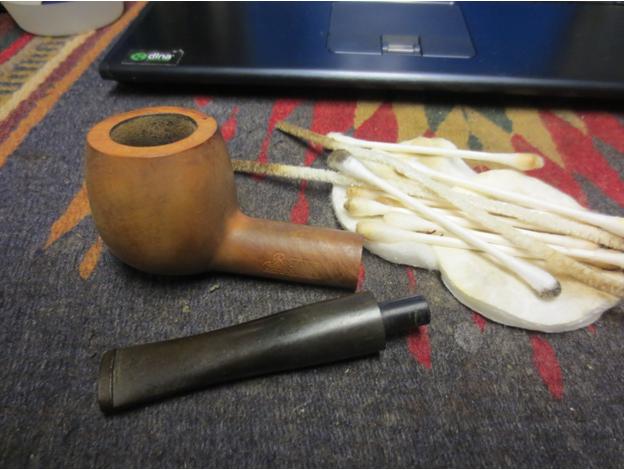
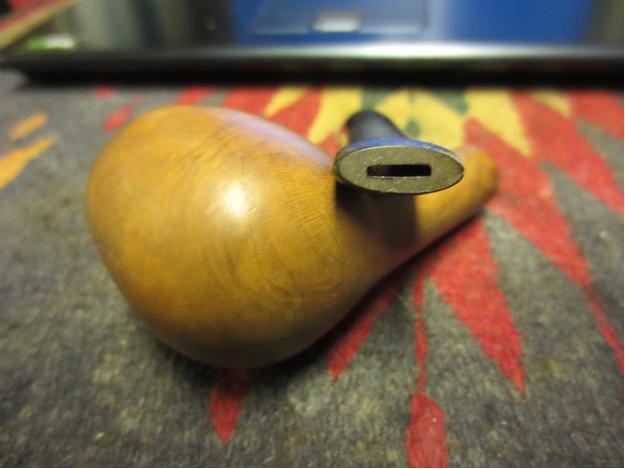
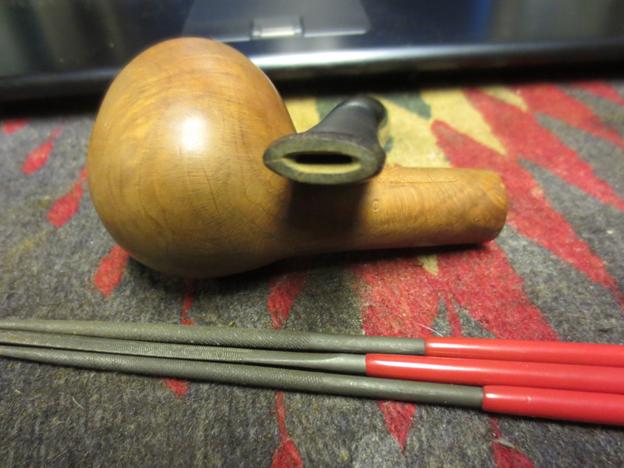
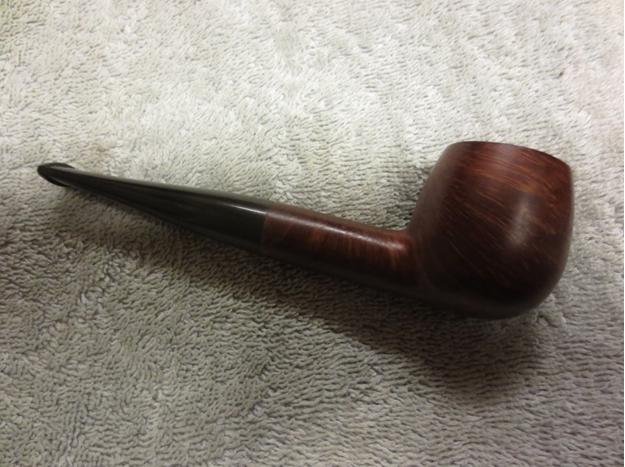
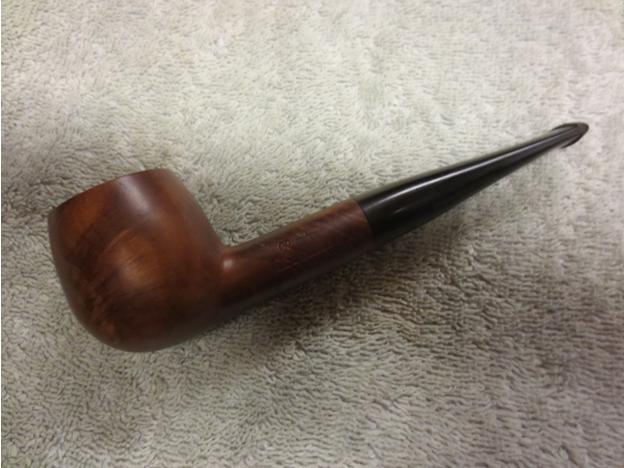
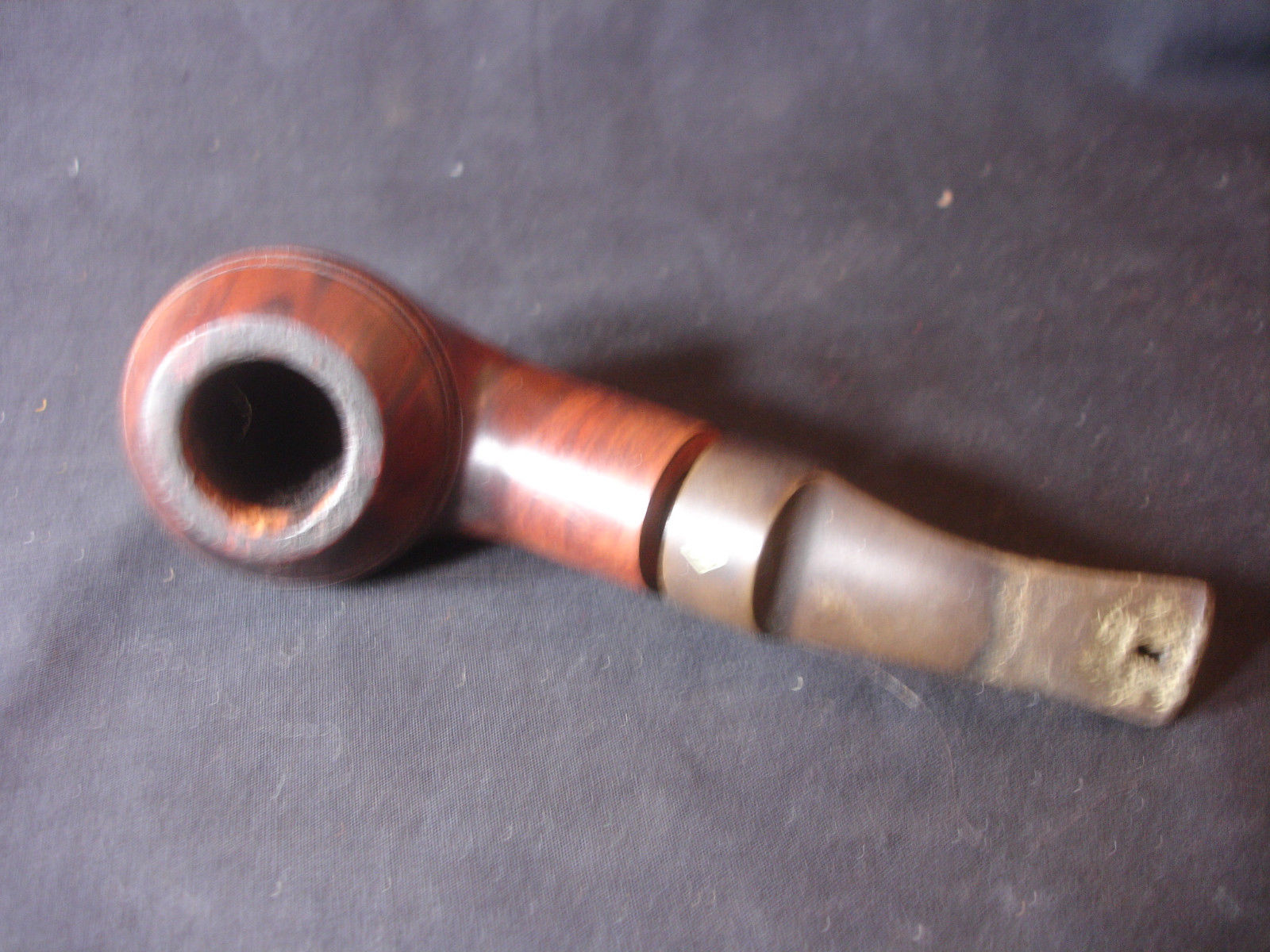
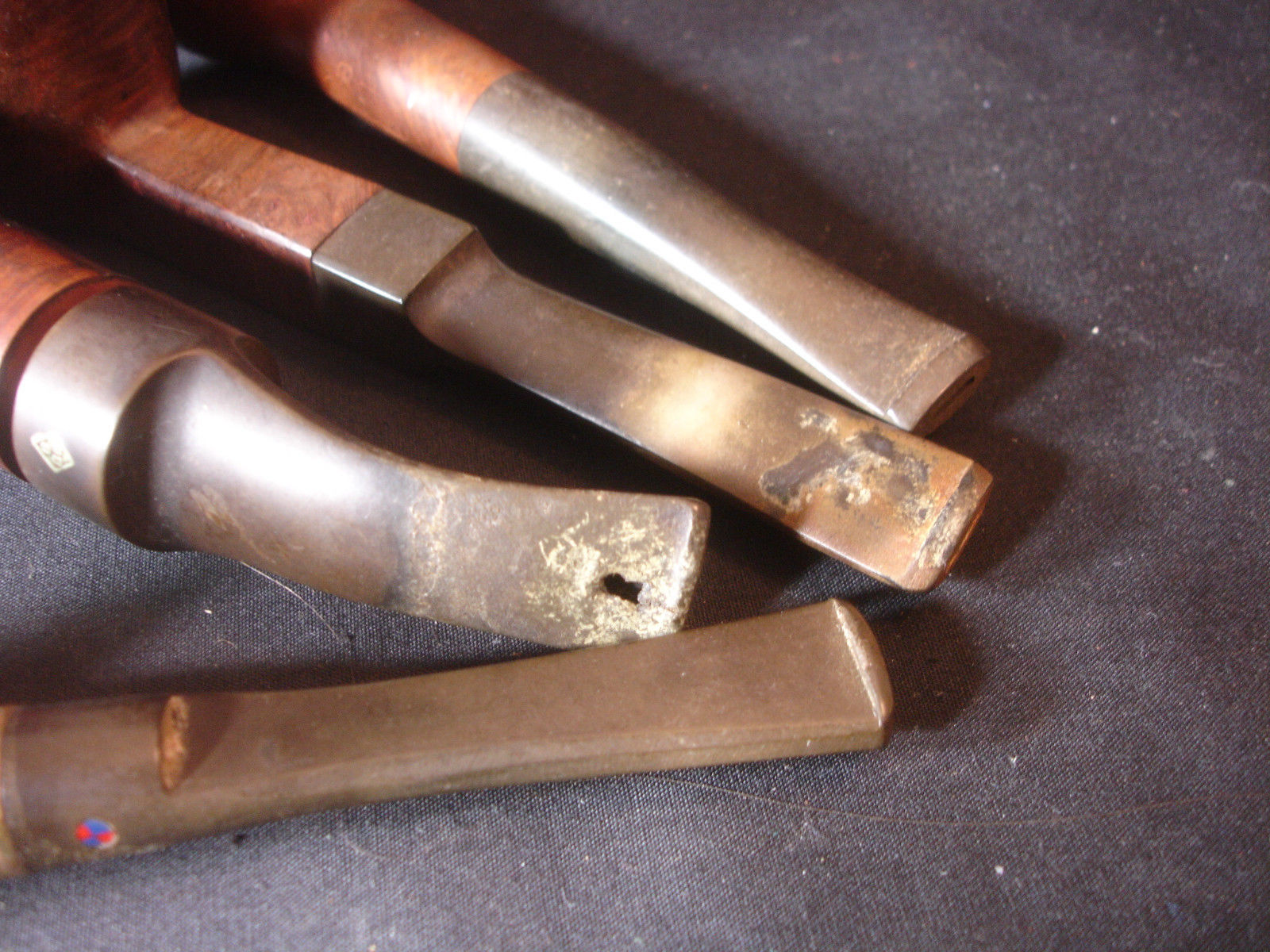
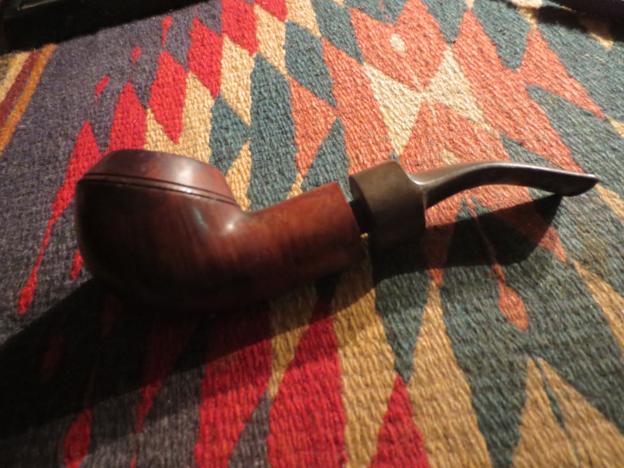
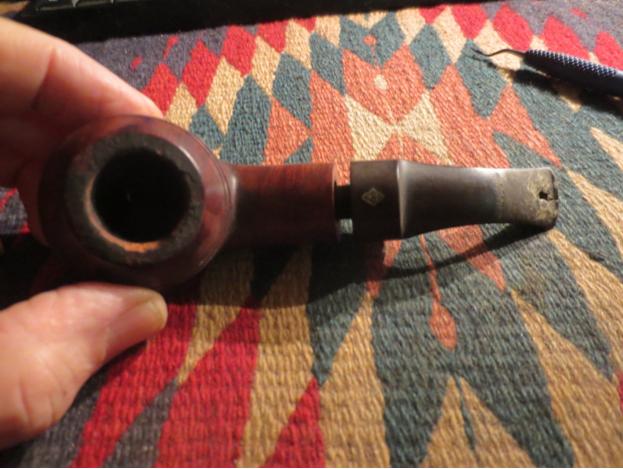
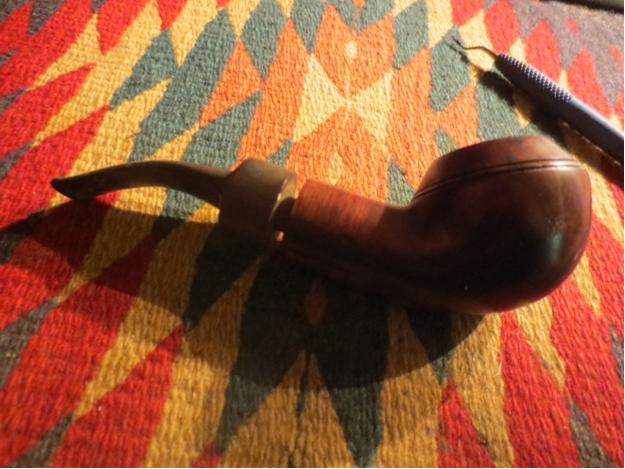
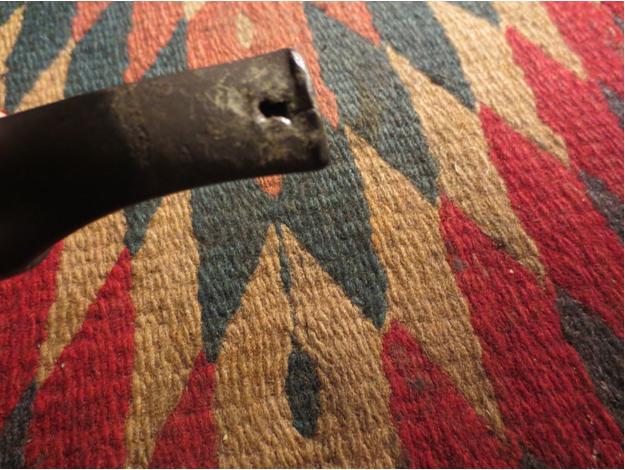
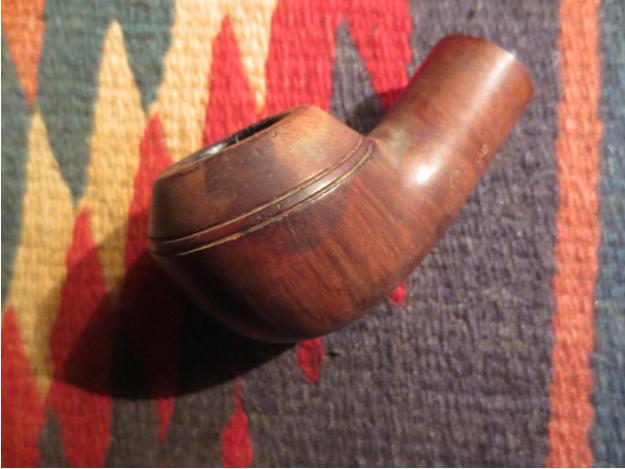
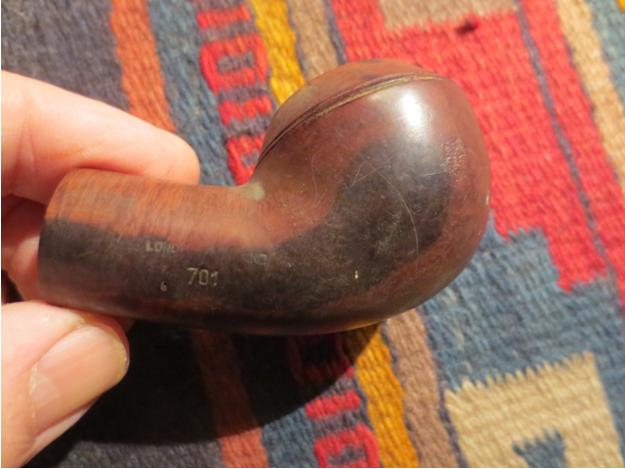
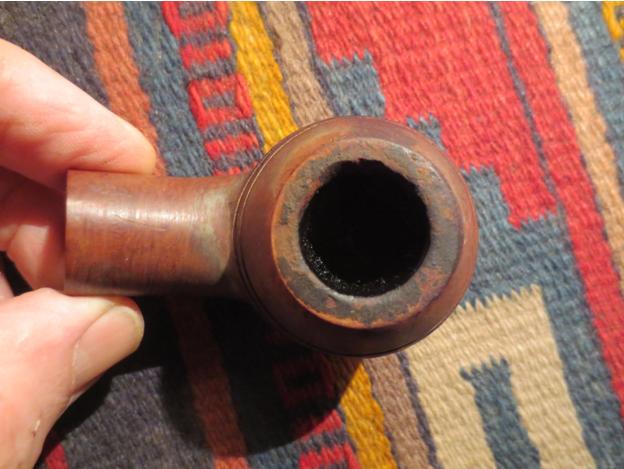
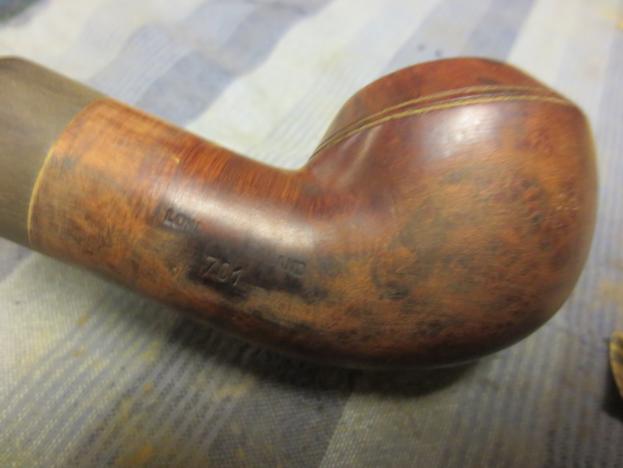
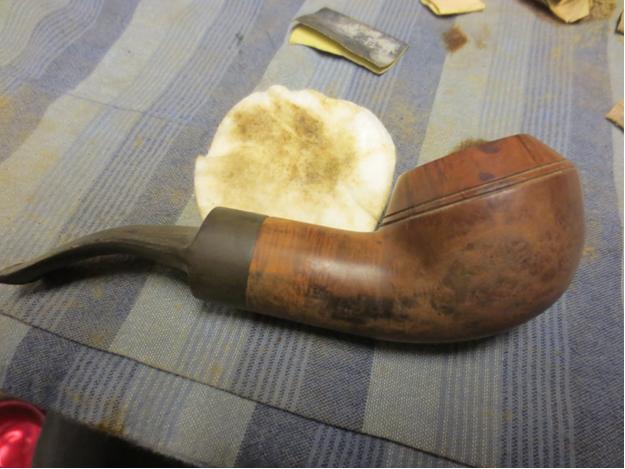
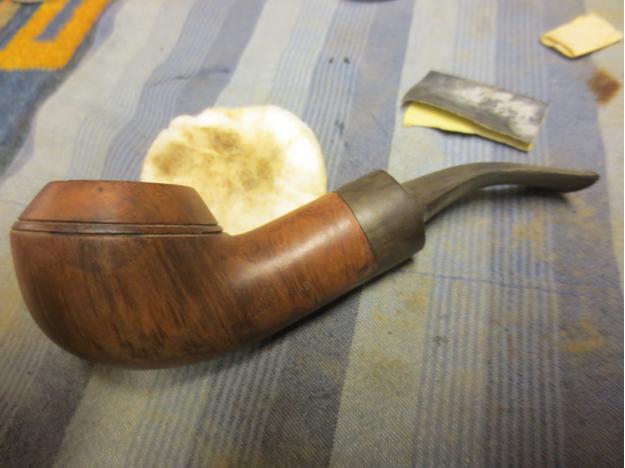
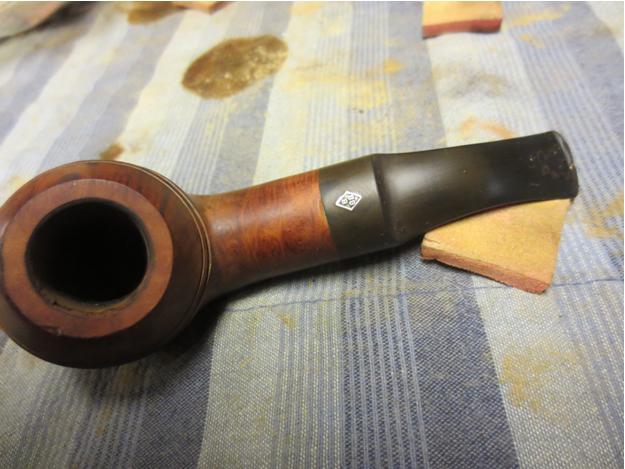
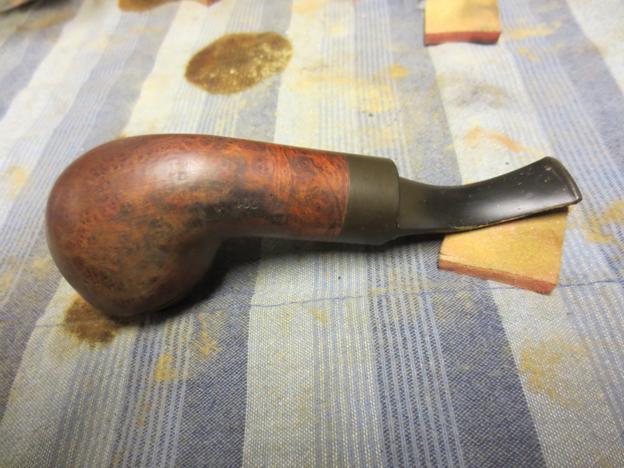
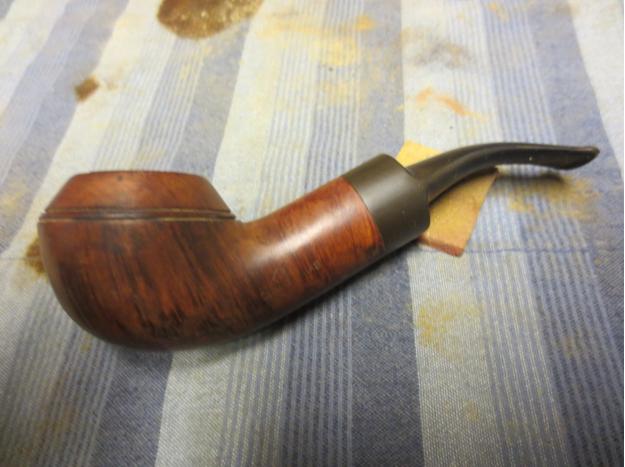
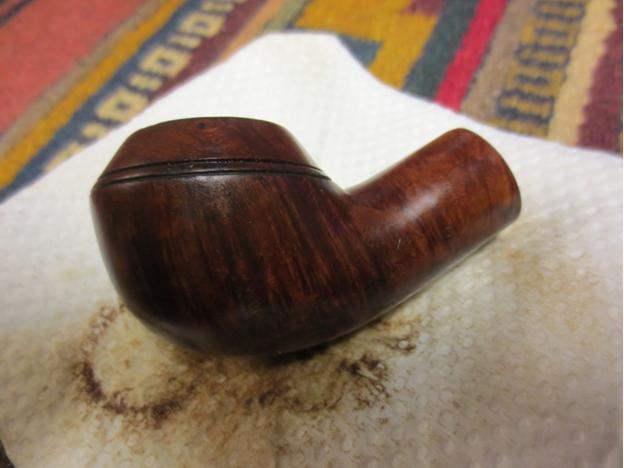
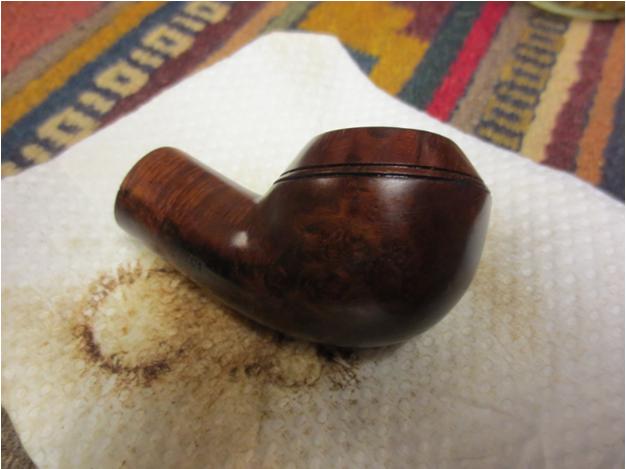
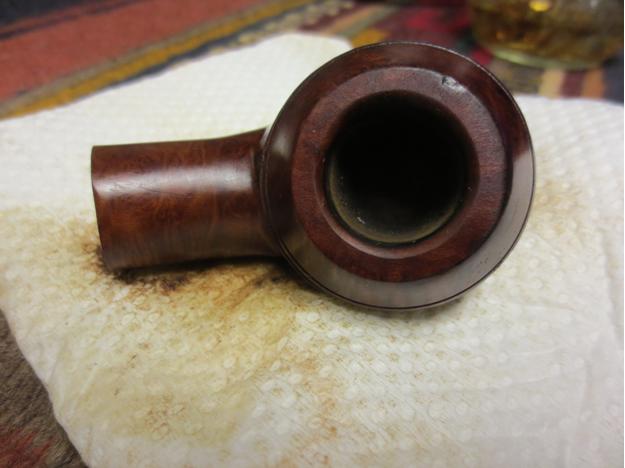
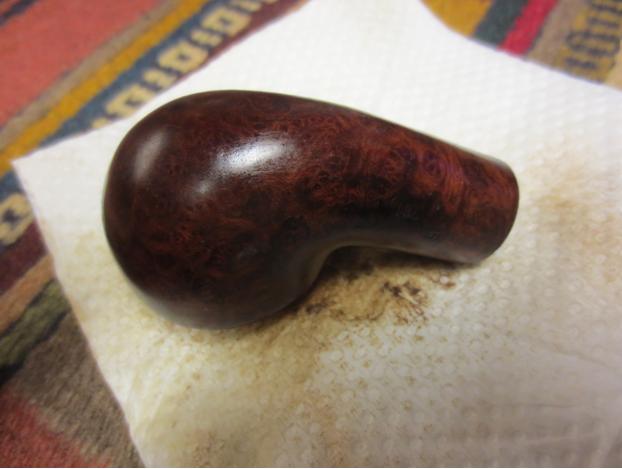
This is my second Dunhill Shell, but like everything it has been a learning experience. I saw this orphan about to expire on eBay without a single bid. As they say, a little knowledge can be a dangerous thing. I knew that it was a desirable patent-era Shell and from the markings it was made in 1935. I should have taken the time to look at a Dunhill shape chart, this pipe had been seriously topped. The good news is, I didn’t pay too much for it and it’s a handy little pipe, 4 15/16 inches long and .7 of an ounce! No wonder the stem didn’t have any tooth marks.

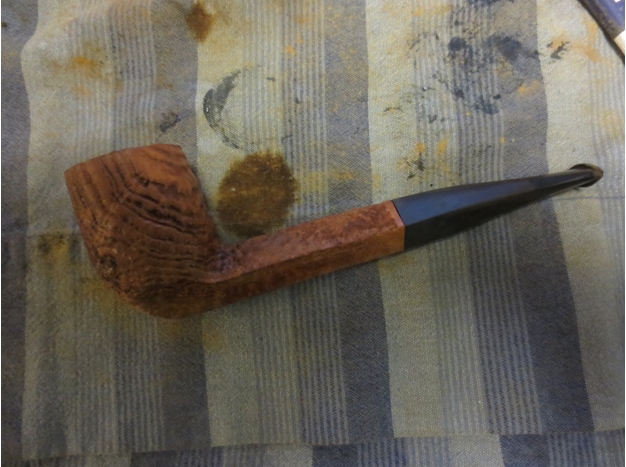
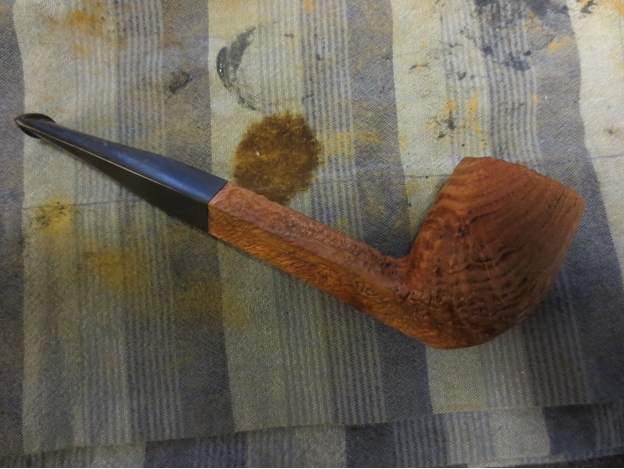
So here’s what the pipe looked like before the restoration.Dun1

Dun2

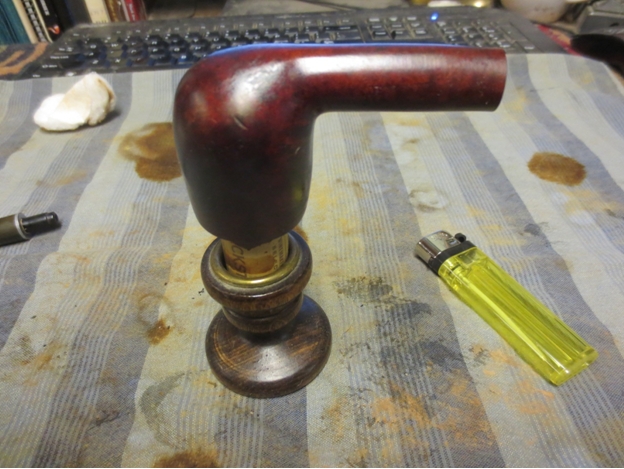
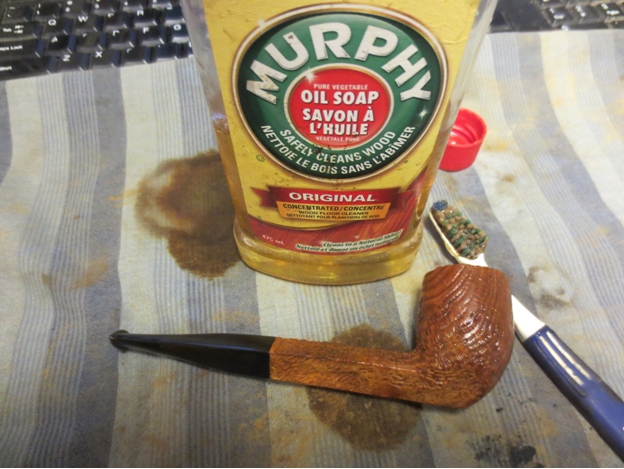
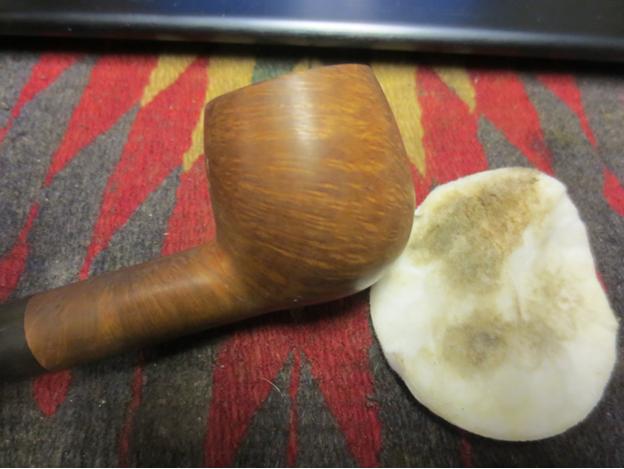
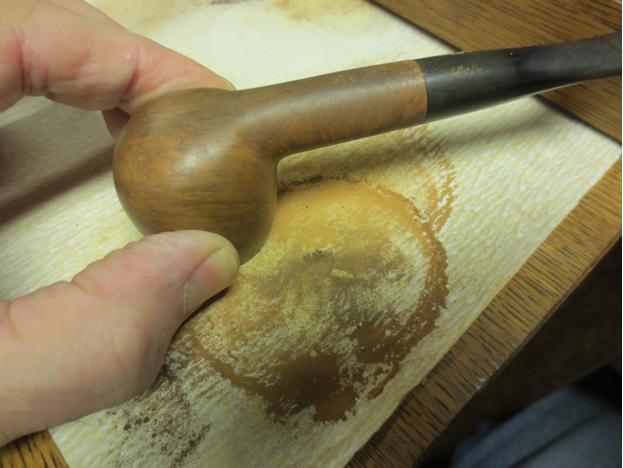
Dun3 The one thing that I really like about the Dunhill Shell pipes is the finish. The combination of deep reddish brown and darker brown/black is very pleasing to look at. That is why I treat rough finish pipes (rusticated, blast, fine line) differently than smooth finish pipes. I took a tip from Steve and use Murphy’s Oil Soap, which is made from vegetable oils and specifically formulated for wood. I took a small amount of the soap and applied it directly with a toothbrush.Dun4

Dun5 As you can see the Murphy’s Oil Soap did remove some of the finish, but not nearly as much as the alcohol bath would have. The soap also removed the decades of accumulated grime. If you don’t take care to clean the outside of the pipe no amount of wax will make it shine.Dun6

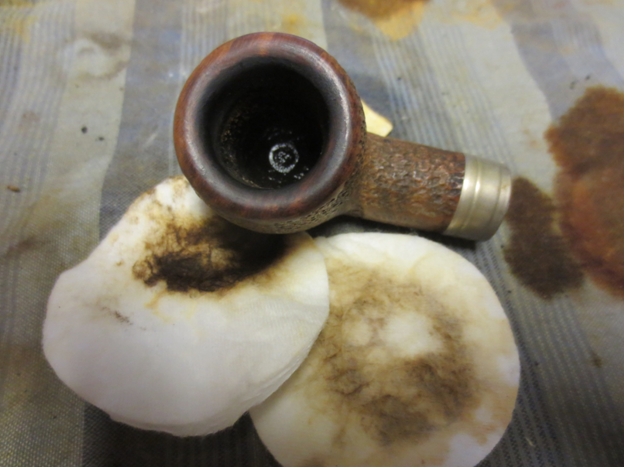
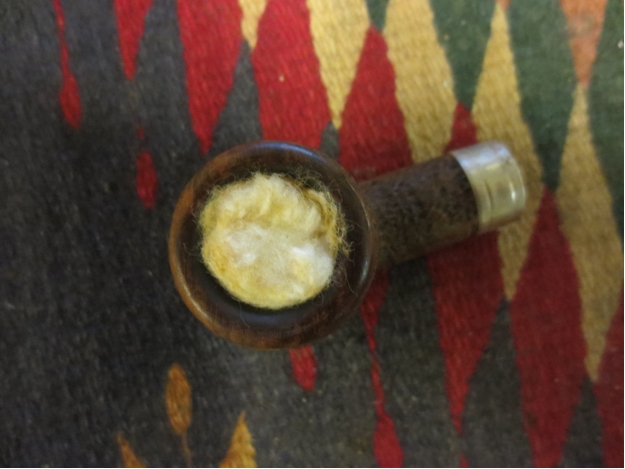
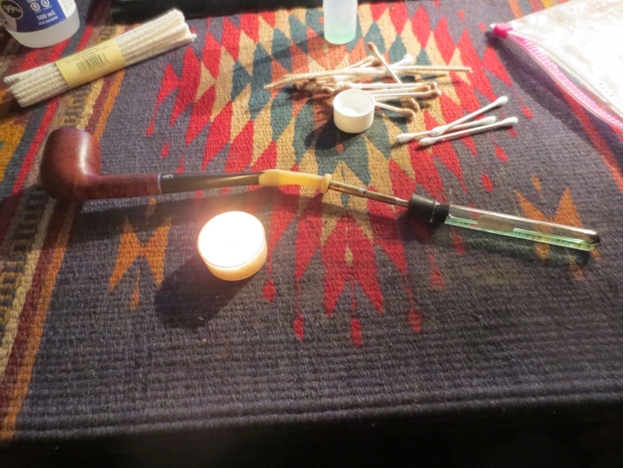
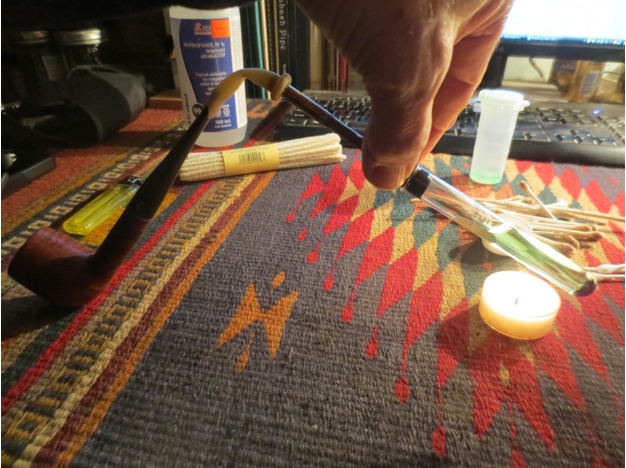
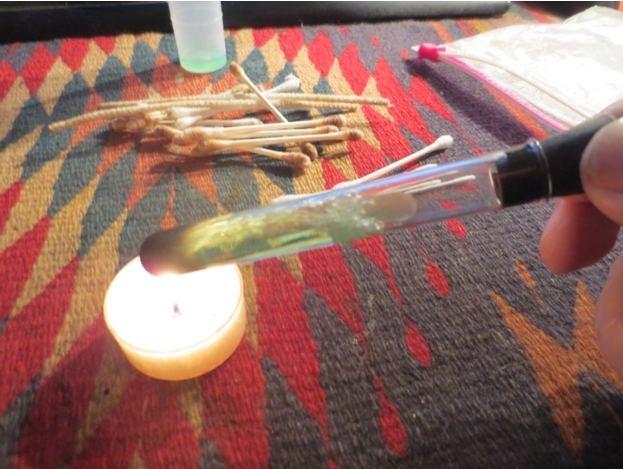
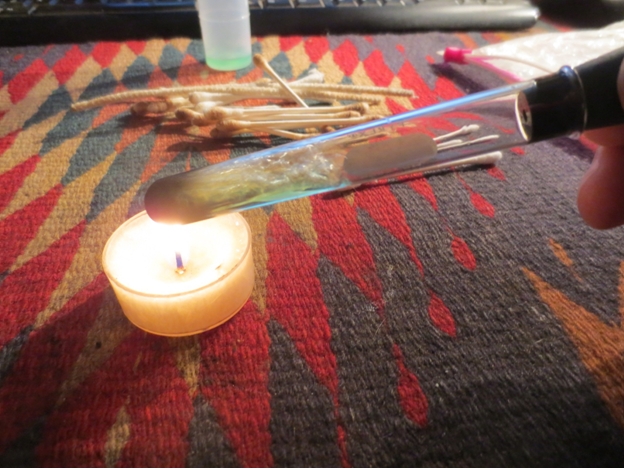
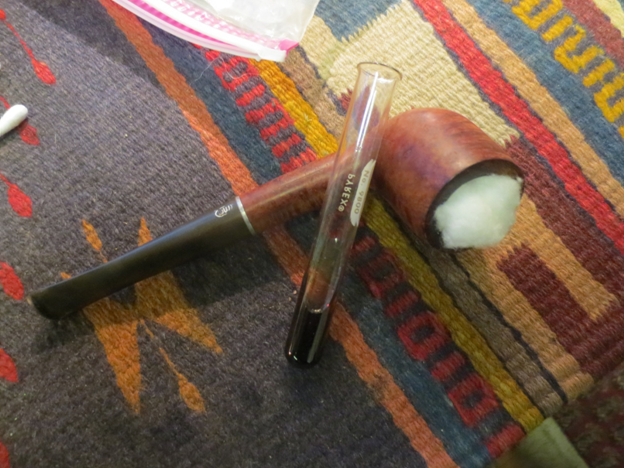
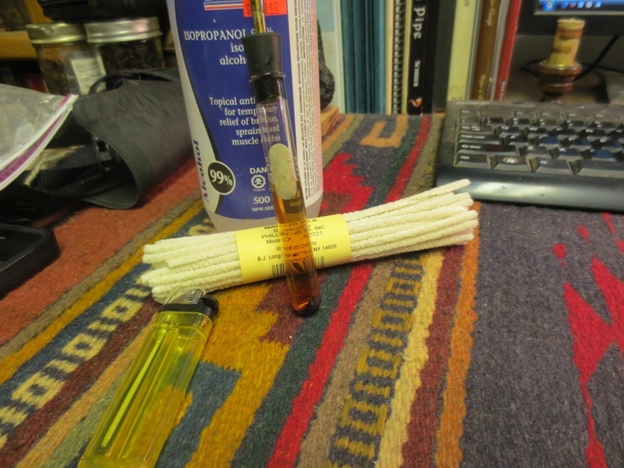
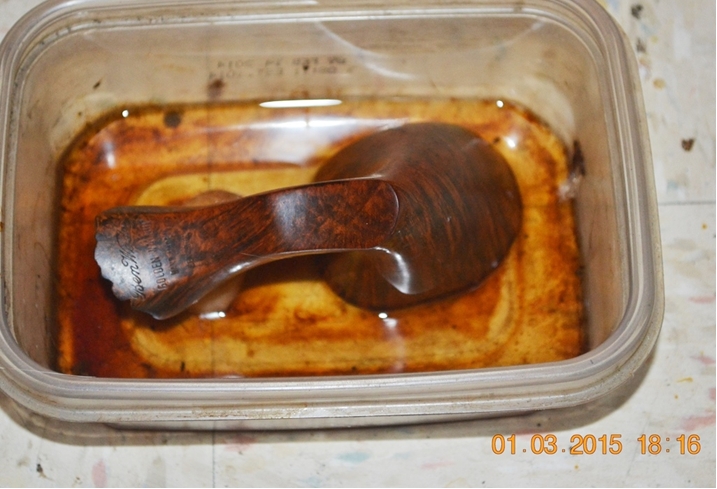
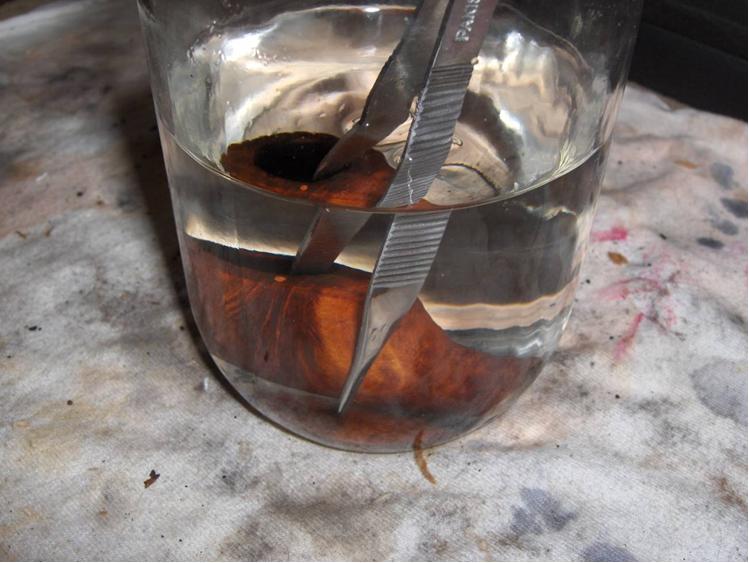
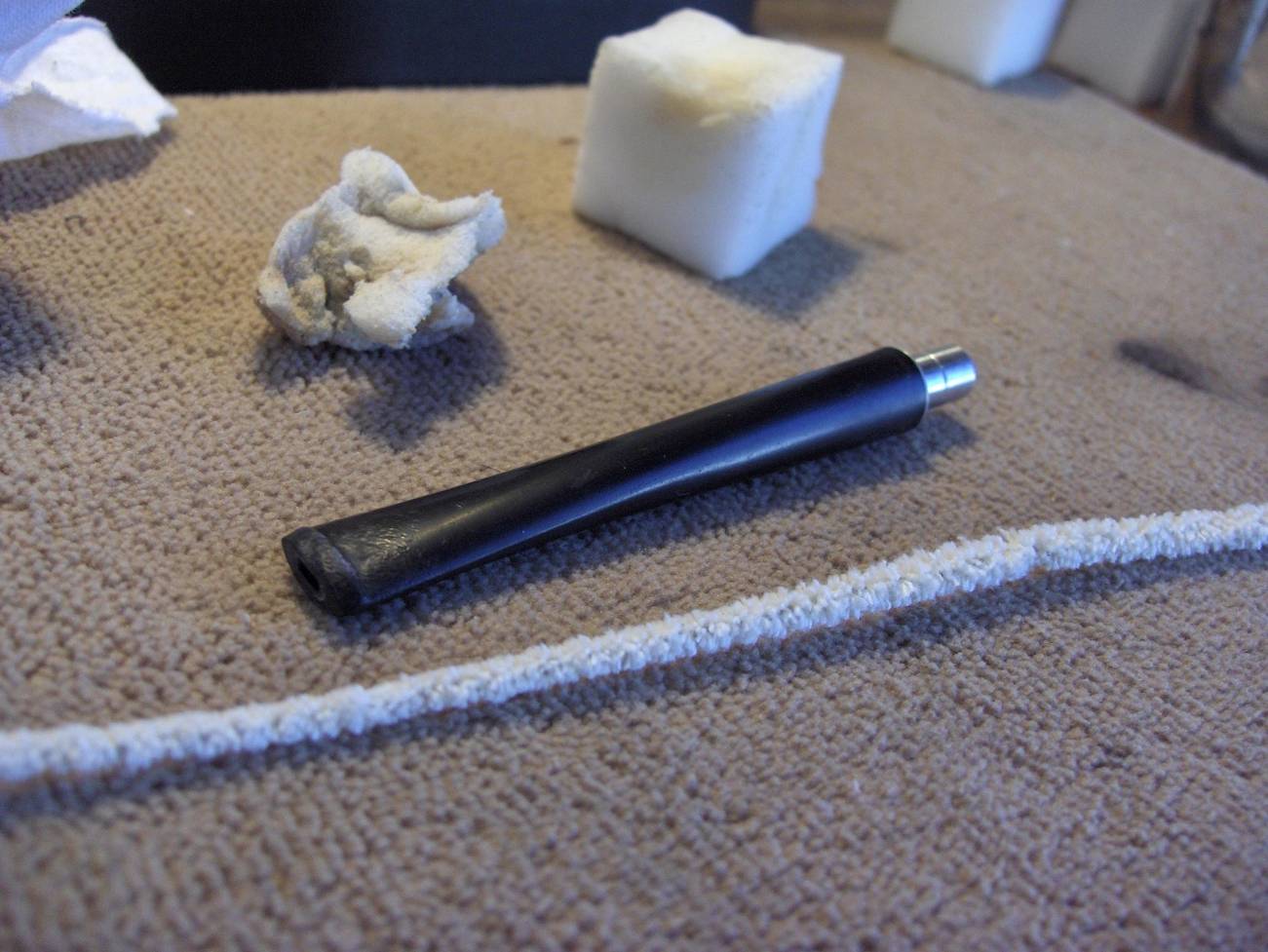
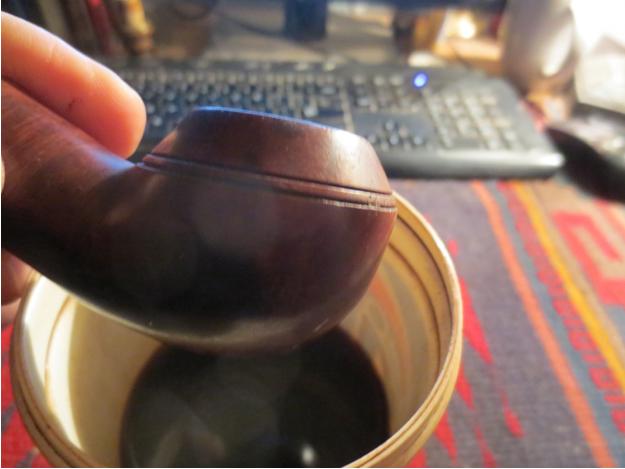
Dun7 My next step was to start the stem soaking in Oxyclean and soak the bowl with denatured alcohol. I packed the bowl with cotton balls, plugged the shank with some rolled up paper towel, and used an eye dropper to soak the cotton.Dun8 After the cake loosened up, I reamed the bowl. This bowl is huge, I used my two largest reaming heads to clean it out.Instead of doing the retort multiple times, I used q-tips dipped in denatured alcohol followed by pipe cleaners. (I don’t technically use pipe cleaners. I use “fuzzy sticks”. That’s the innocuous name given to pipe cleaners used for crafts.) To maximize each cleaner, I used scissors to cut the dirty section off. As you can see I ended up with a decent size pile of q-tips and fuzzy sticks.Dun12 Next I turned my attention to the stem. I did the retort first, then used pipe cleaners to finish the job. Fortunately since the stem is so short, it didn’t take long to clean. You will notice that I packed some paper towel into the end of the stem. Occasionally when you use the retort, the alcohol will boil over and spray everywhere. That does not endear you or your eccentric hobbies to your significant other, especially when the resulting mess makes the wall look like a Jackson Pollock painting.Dun13

Dun14

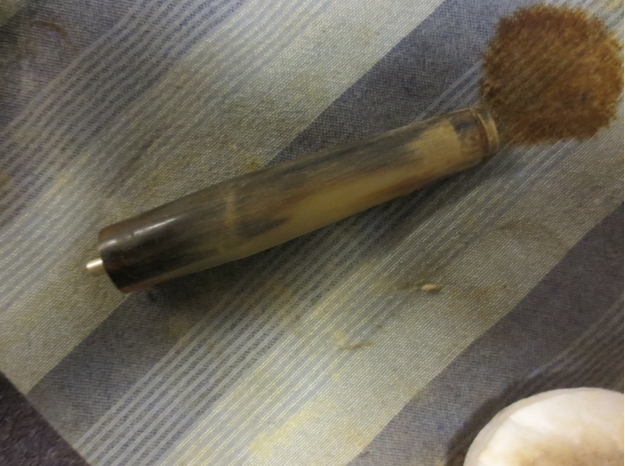
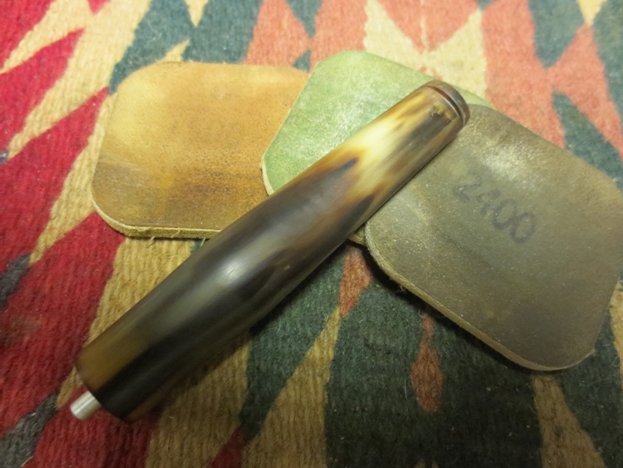
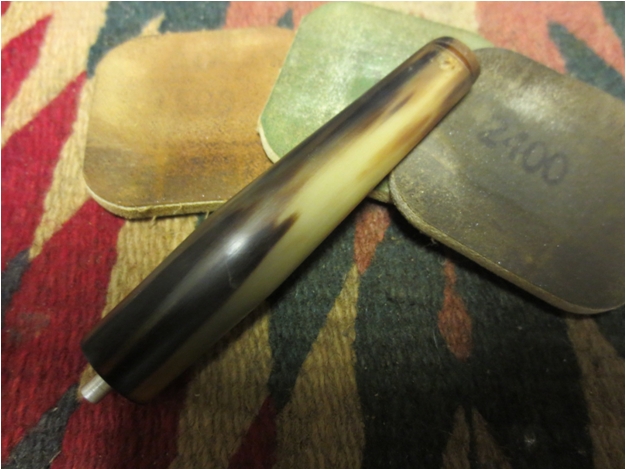
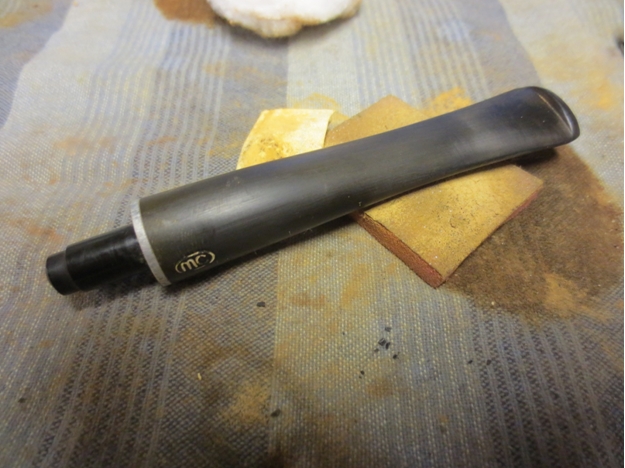
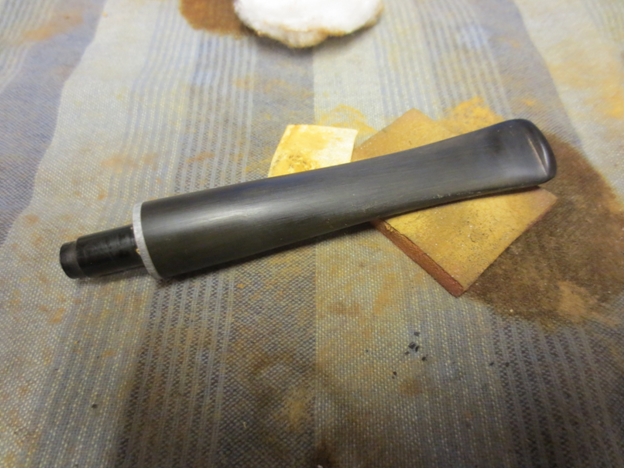
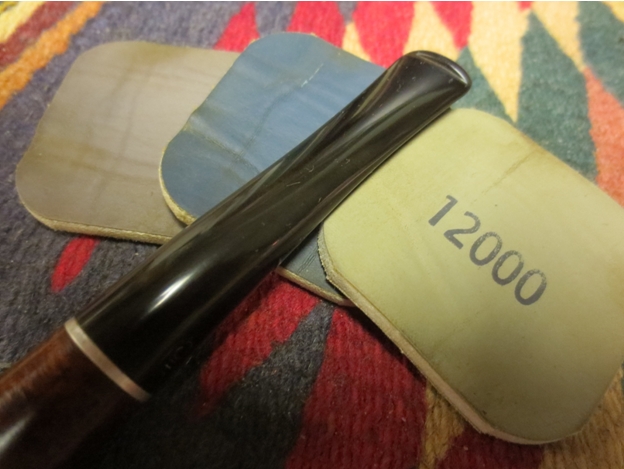
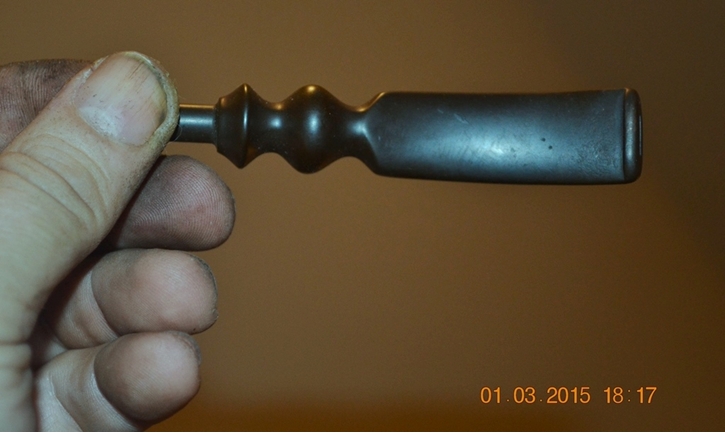
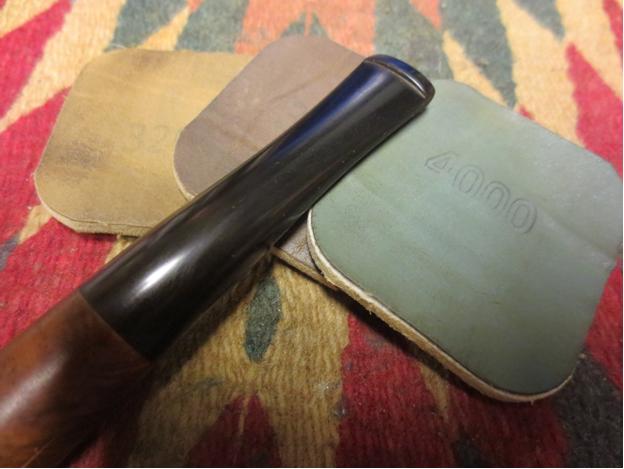
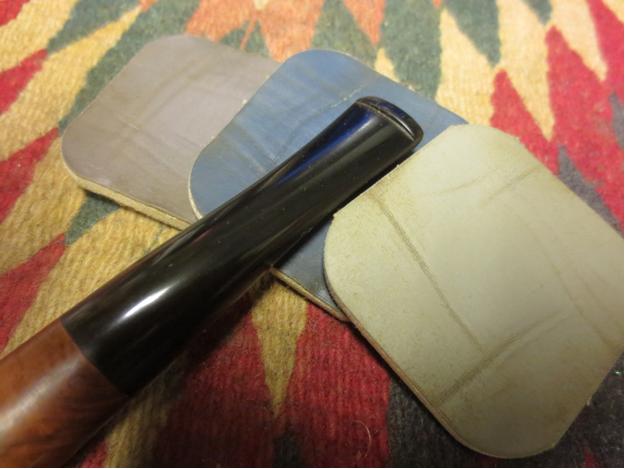
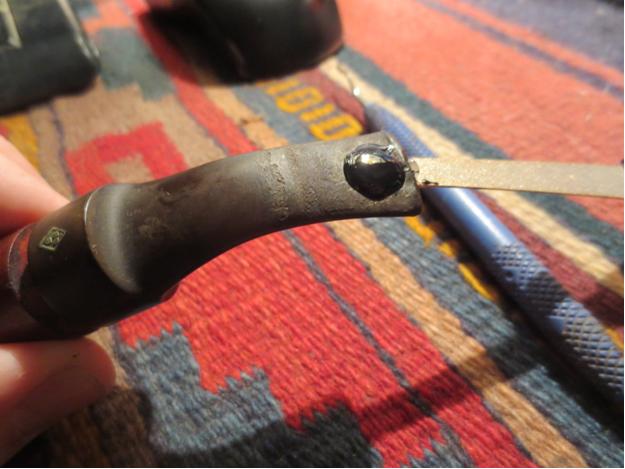
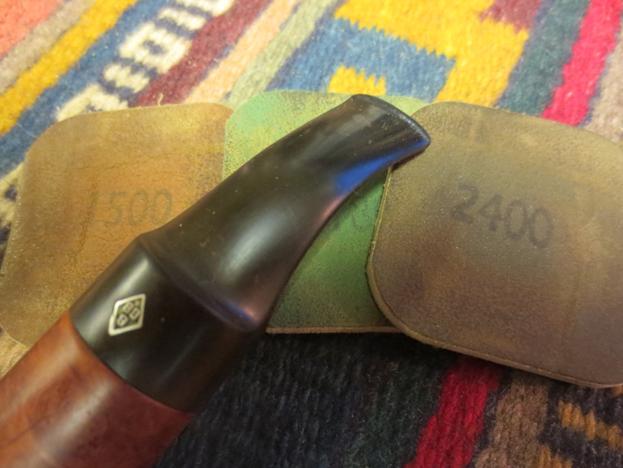
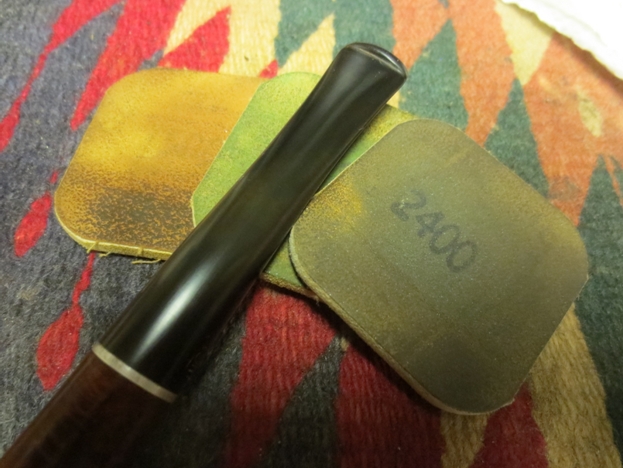
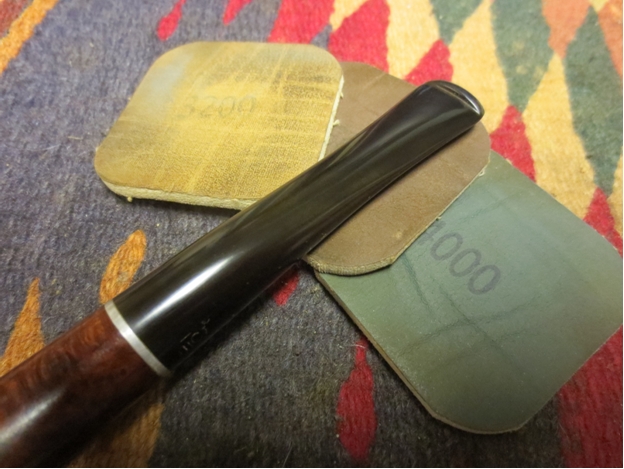
Dun15 I usually take extra time on stems as nice as this one. Instead of using 400 grit wet/dry I started out with 1000 grit wet/dry and water. It takes longer, but the last thing I want to do is change the profile of the stem or damage any of the details by using a lower grit sand paper. After the 1000 grit I used 1500-2400 grit micro mesh pads with water.Dun16 While the stem dried, I began the staining/waxing process. In an attempt to replicate the Dunhill finish, I used the brown shoe polish followed by a thin layer of black shoe polish. The heat gun helps melt the wax so that it gets into all of the crevices and the brush brings out a nice shine.Dun17

Dun18

Dun19 Here is what the bowl looked like after the application of the second coat of wax and buffing with the brush.Dun20

Dun21

Dun22

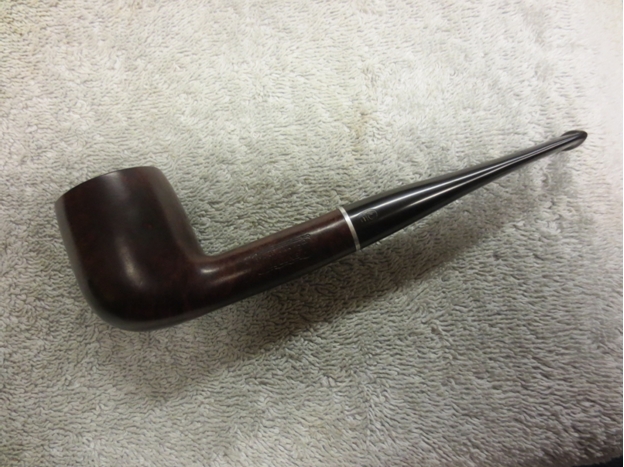
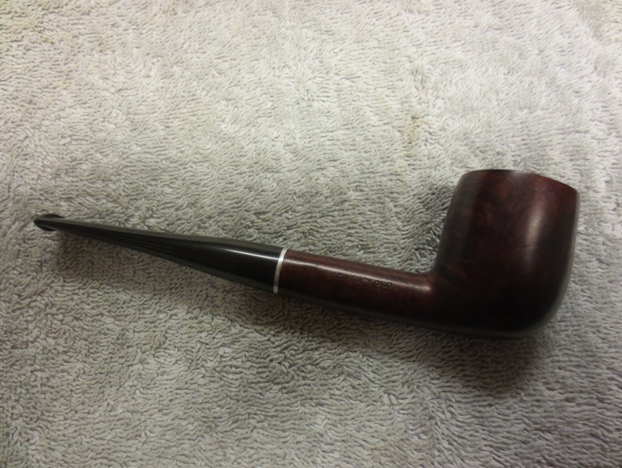
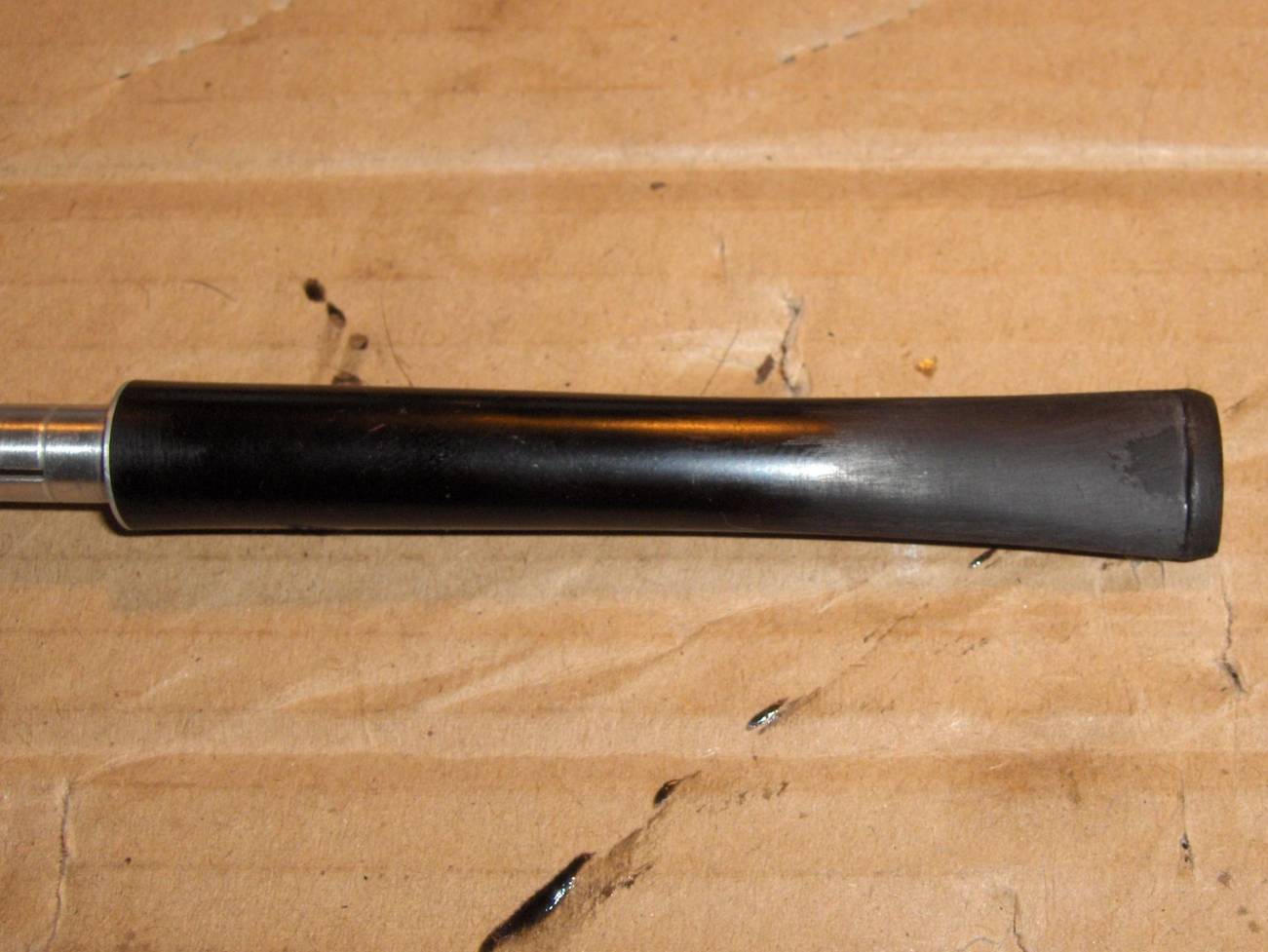
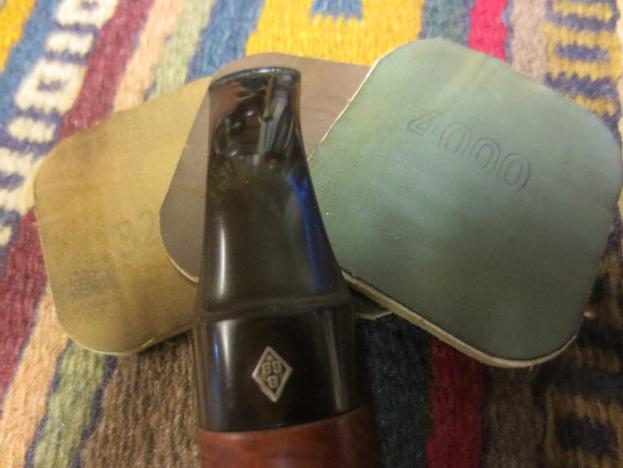
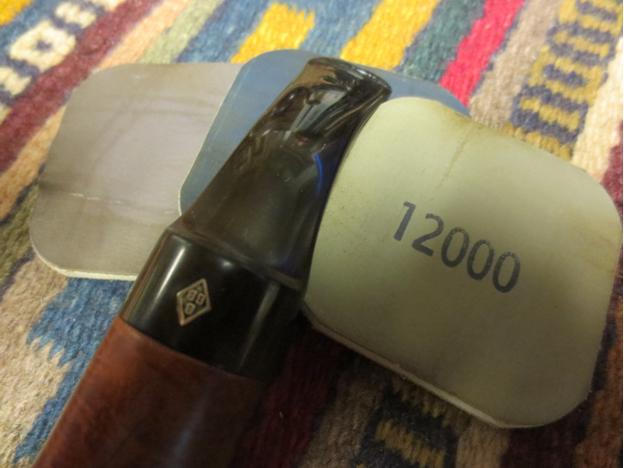
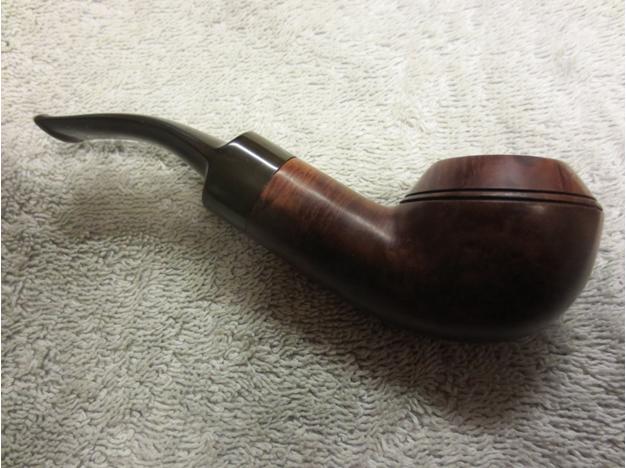
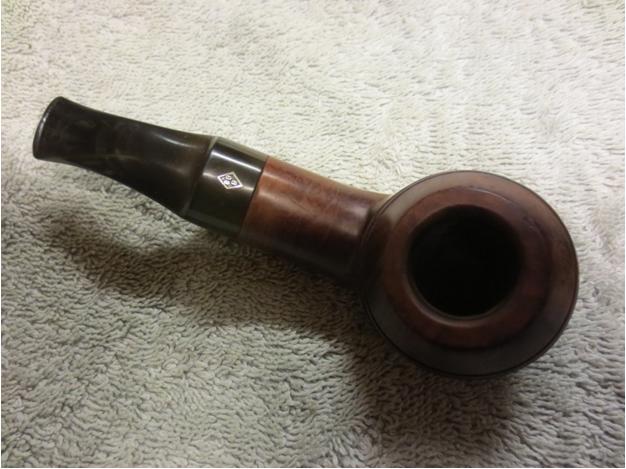
Dun23 Since shoe polish is a soft wax, I protect all of my rough finish pips with Halcyon II wax. I applied the wax with my finger tip (a little goes a long way) and let it dry for about 10 minutes. After the wax dried, I buffed it out with a soft cloth and applied a second coat. (The pipe cleaner is so I can hang the bowl up to dry.)Dun24 Finally I finished sanding the stem, using a progression of micro mesh pads from 3200-12000 grit followed by a quick spin on the buffing wheel with some carnauba wax.Dun25 Here is the finished pipe.Dun26

Dun27

Dun28

Dun29

Dun30

Dun31

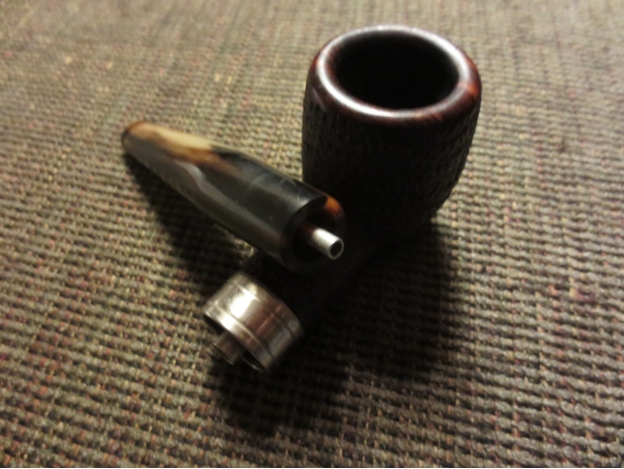
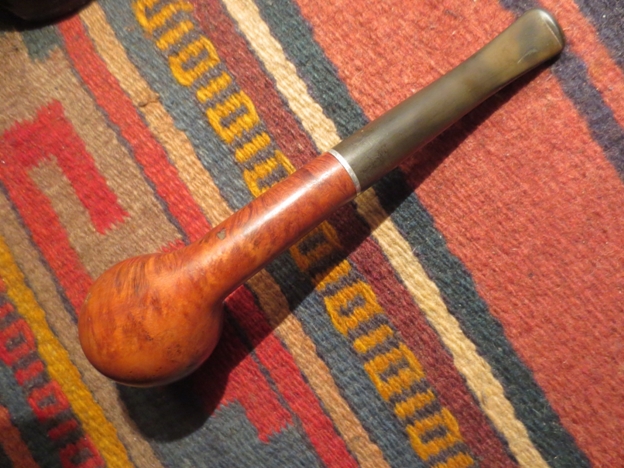
Converting an Old Briar Bowl to fit a Kirsten


Blog by Steve Laug

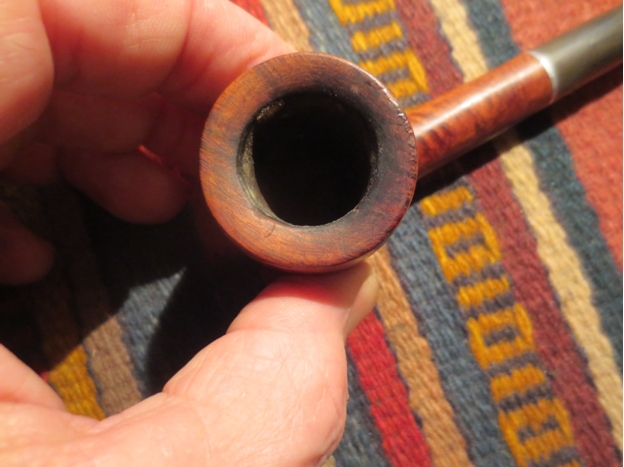
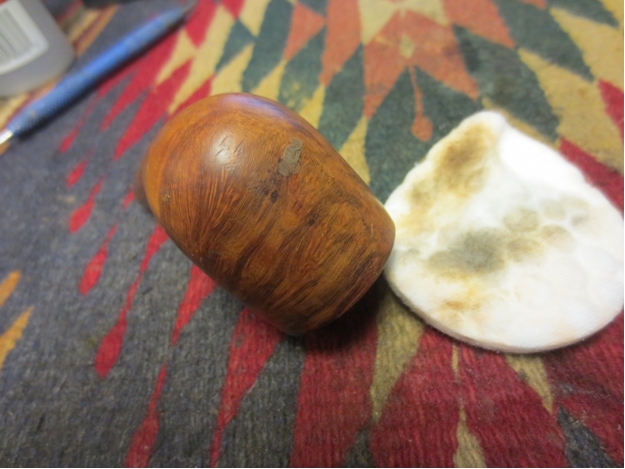
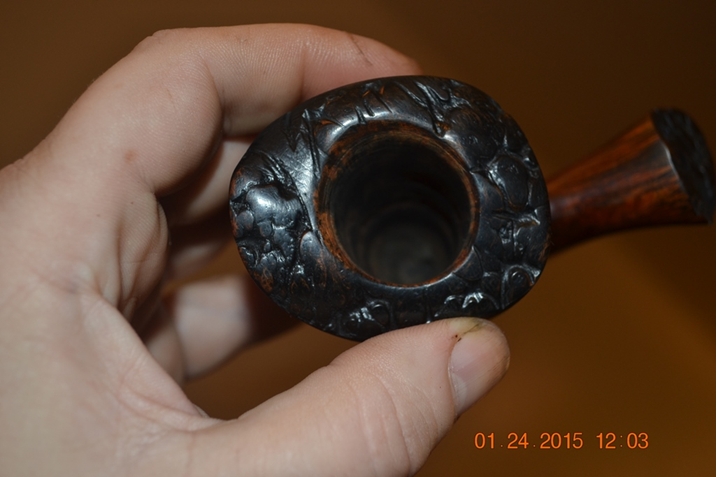
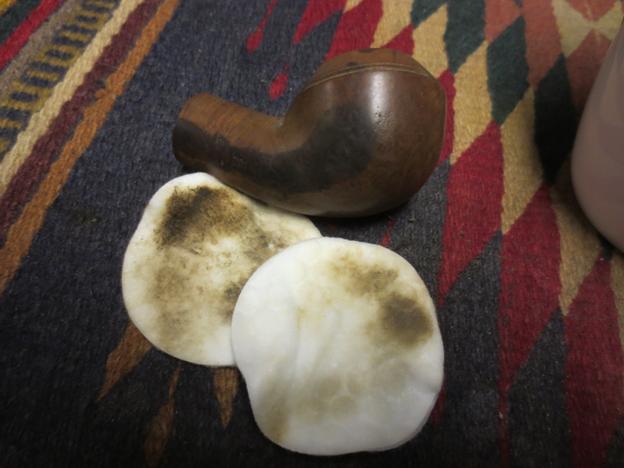
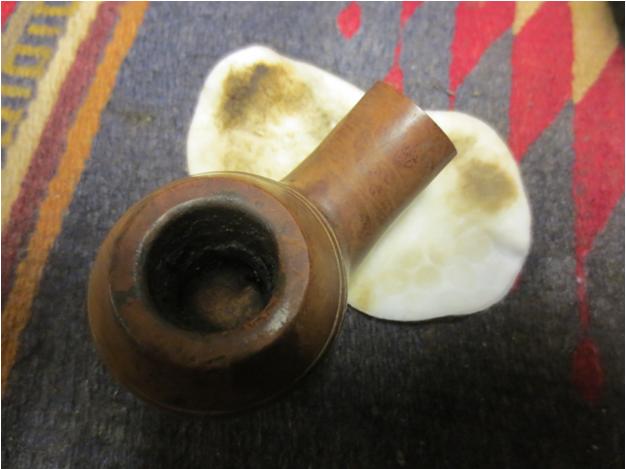
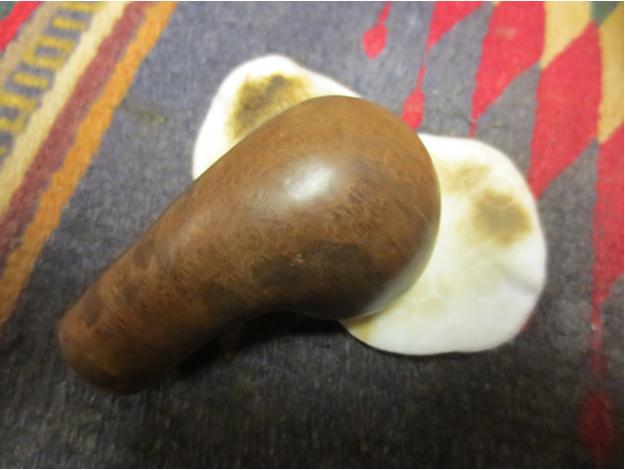
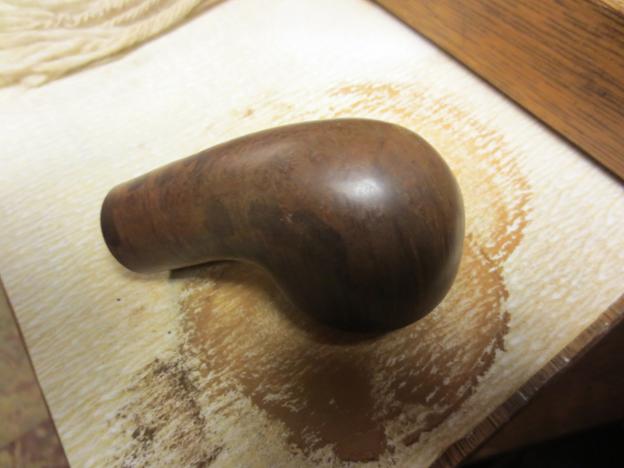
After I finished fitting the old Maplewood bowl for my son-in-law’s Kirsten I took another bowl from my pipe parts box. This was another old bowl with the airway drilled on the bottom of the bowl and having a nipple fitting. This bowl came from part of an old hookah type set up. I had picked it up in the same bag of parts as the maple bowl. It had a rubber fitting that the bowl sat in and a glass pipette that extended from the bottom of the fitting. I removed the bowl from the rubber and then stripped it with acetone on a cotton pad and wiped it down until the finish was gone. I sanded the surface of the bowl with 220 grit sandpaper to remove the remnants of the finish.Kir1 There were also fills in the bowl on two sides. Some of them had shrunken and needed to be refilled. I sanded the surface to clean up around the fills. I filled them with super glue and briar dust and sanded them flush against the surface of the bowl.Kir2

Kir3 The underside of the bowl also had several fills. The nipple actually was not part of the briar bowl but was made out of maple. It was inserted in the bottom of the bowl. I wiped it clean to show the connections. I also topped the bowl on a topping board with 220 grit sandpaper to smooth out the surface.Kir4

Kir5

Kir6 I used a hacksaw to cut the nipple off the bottom of the bowl. Once I had the wood portion of the nipple cut all the way through it came off the bowl. In the middle was a brass tube that ran the length of the nipple and went into the bottom of the bowl where it was flared against the inside bottom. I used a small hammer to drive the tube into the bowl.Kir7

Kir8 When I had removed the tube I sanded the bottom of the bowl to smooth out the surface. Once it was clean I could see that the maple was inset into the bottom of the bowl. It is distinguishable in that it is white in the photos below. On one side of the white maple insert were two flaws in the briar that had originally been filled. One of the fills fell out of the bowl bottom when I drove out the metal tube.Kir9 I drilled the airway in the bottom of the bowl larger with a drill bit the same size as the metal bottom cap that is part of the Kirsten bowl system. The cap would sit in the hole and a drilled screw would be inserted into the cap from inside the bowl. When I drilled out the hole the maple insert came out of the bottom. It left an inset area on the bottom that would be removed when I sanded the bottom of the bowl for the cap to sit flush against the bottom.Kir10 I used super glue and briar dust to repair the two flaws in the bottom of the bowl. I dripped the glue into the holes and then pushed super glue into the flaws with a dental pick.Kir11 I sanded the bottom of the bowl with a Dremel and sanding drum to shape the bottom edges of the bowl to fit on the Kirsten shank. I sanded the bottom edges of the bowl at a sharper angle to give it a more defined shape.Kir12

Kir13 I used the Dremel and sanding drum to deepen the bottom of the bowl and give the internal screw a flat surface to seat against. I also used a PipNet reamer with the largest cutting head to flatten out the bottom of the bowl and smooth out the surface. Once it was smooth I inserted the screw into the bowl bottom and threaded it onto the bottom cap. Once I had the cap inserted and tightened with a Philips screwdriver I screwed it onto the Kirsten shank. The next four photos show the newly shaped cauldron bowl on the Kirsten.Kir14

Kir15

Kir16

Kir17 I took the cap and screw off the bowl and wiped it down a final time before staining it with a dark brown aniline stain. I applied the stain and then flamed it to set it in the briar. I restained and reflamed it until the coverage was even.Kir18

Kir19

Kir20 I buffed the bowl with red Tripoli and White Diamond to polish the stain and give it a shine. In doing so the fills were highlighted. I used a permanent marker to cover the fills and then gave the bowl multiple coats of carnauba wax and buffed it with a soft flannel buff. I put the cap and screw in place and tightened it down. The photos below show the finished bowl.Kir21

Kir22

Kir23

Kir24

Kir25

Kir26 I buffed the bowl with several new coats of carnauba wax and polished it to a shine with a soft flannel buffing pad. The finished cauldron bowl is shown in place on the pipe below. It looks really good on the Kirsten stem. It provides a second bowl for one of my other Kirsten pipes. I like the overall look of the piece and it is great to have a repurposed bowl to use. I look forward to loading it up and giving it an inaugural smoke.Kir27

Kir28

Kir29

Kir30

Kir31

Kir32

Restoring a Wally Frank Natural – Andrew Selking


Blog by Andrew Selking

I promised Steve that my next restoration would not be another chunky diamond shank pipe, so I decided to do a Wally Frank Natural. Wally Frank was a New York tobacco shop that sourced its pipes from Charatan’s, Sasieni, Weber, and other European pipe makers. This is my second Wally Frank Natural and like the first, it is very well made. The briar is not very exciting and it has a small fill on the bottom, but the pipe is very light weight (1.3 ounces) and the lines are elegant.

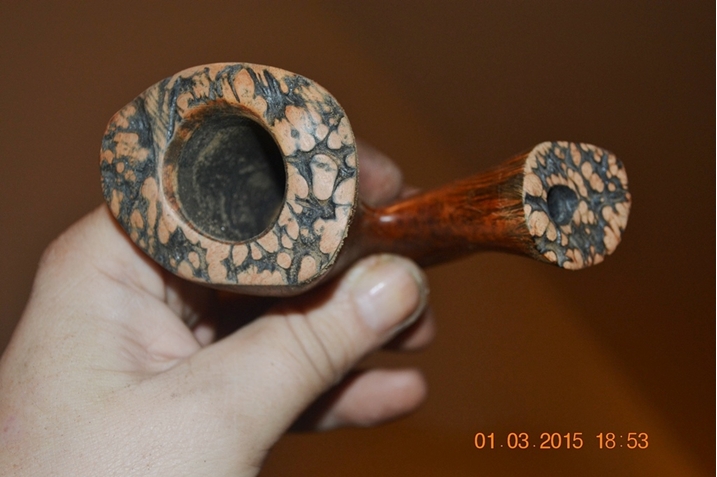
When I received the pipe, it looked fairly clean. It had some tar build up on the rim, slight oxidation of the stem, but not chatter and the bowl was well reamed.Frank1

Frank2

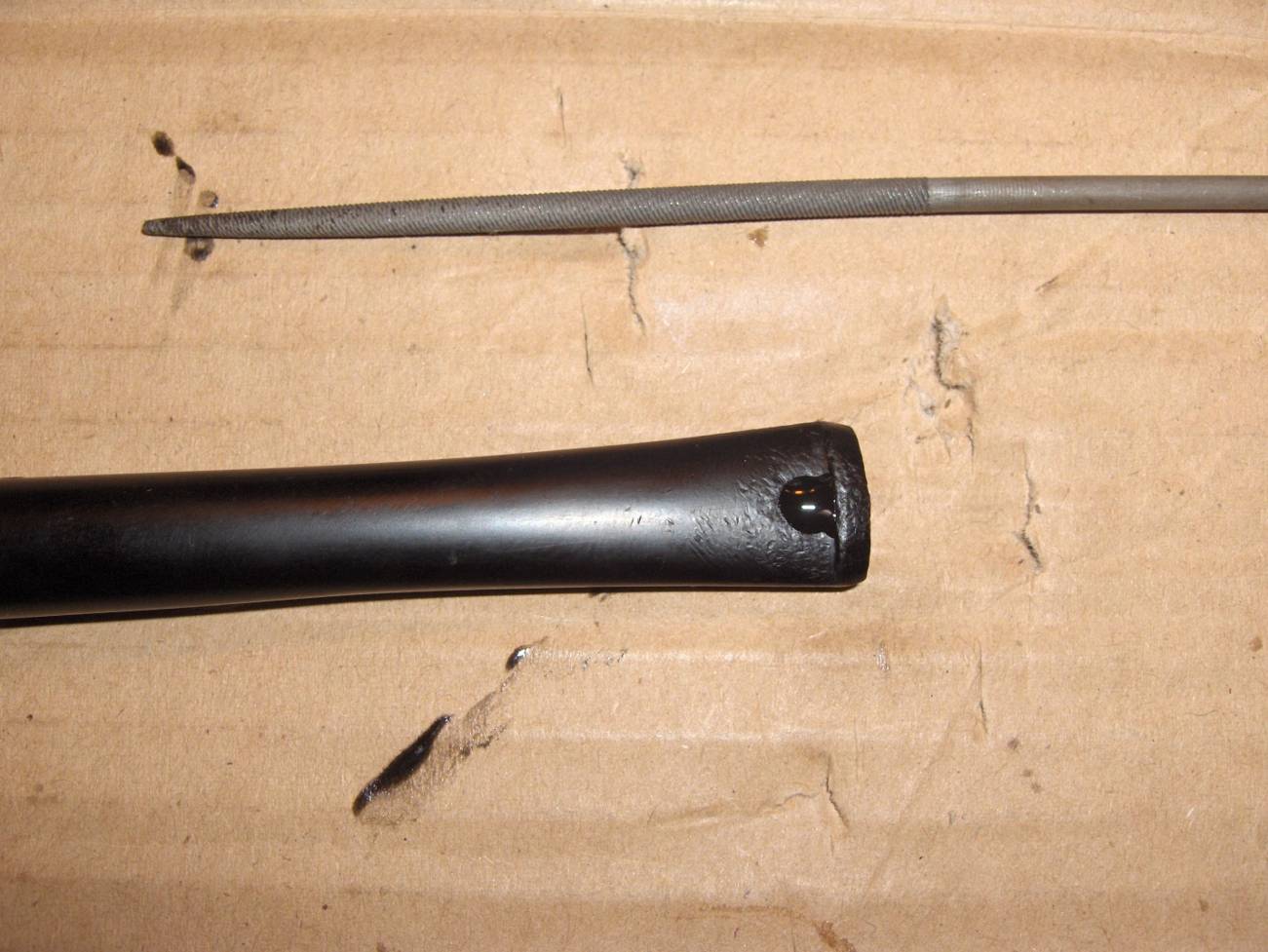
Frank3 I dropped the bowl in the alcohol bath and placed the stem in a Oxyclean solution. The only challenge I anticipated with this pipe was the fill on the bottom, but I had a new secret weapon; CA glue accelerator.Frank4 After soaking, I used a pipe cleaner and the Oxyclean solution to get the worst of the gunk out of the stem.Frank5 Next I reamed the bowl with my T-net reamer.Frank6 Everything looked pretty good to that point and I figured this would be an easy clean up. Boy was I wrong! I did a retort on the bowl first.Frank7 The pipe cleaning brush (available in the baby section at Walmart) came out loaded with gunk.Frank8 I did the retort four additional times, using the brush after each try, before finally moving on to pipe cleaners. Then I used a pile of q-tips. The only thing I can think is the previous owner smoked a goopy aromatic and didn’t use pipe cleaners afterwards.Frank9 Next up, retort the stem.Frank10 The stem was just as nasty as the shank, and I repeated the process four times. After numerous pipe cleaners, it finally came clean.Frank11 My next challenge was the fill on the bottom of the bowl. I have an old shank (a past victim of the buffing wheel) that I use for briar dust. I use a file to grind off the dust.Frank12 I put a drop of super glue on the bottom of the cottage cheese container and applied it to the fill area with the tip of the paper clip. I then packed the briar dust on top and sprayed it with the accelerator.Frank13

Frank14 I’m going to work on refining that technique, it was a little messier than I like and the resulting lump of briar dust took more sanding than would have been necessary if had made the fill only as much as was needed.

Next I turned my attention to the stem. I did the usual progression of 400 grit wet/dry with water, followed by 1500-2400 grit micro mesh with water.Frank15 I then used a progression of 1500-12000 grit micro mesh on both the bowl and stem.Frank16 Although the pipe had a natural finish on it, I decided to darken it slightly to help cover the fill. To do this I used Kiwi Parade Gloss brown shoe polish.Frank17

Frank18 After applying the shoe polish I used a heat gun to briefly heat it up then buffed it out with a shoe brush. Here is the results after using the brush.Frank19 I had an uneventful trip to the buffing wheel, and here is the end result.Frank20

Frank21

Frank22 Here is a close up of the fill.Frank23

Frank24

Frank25 I hope you enjoyed this write up. If you happen to stumble across a Wally Frank Natural, I would encourage you to buy it. They are a good value for the money.

Restoring a Diamond Shank Bent – Andrew Selking


Blog by Andrew Selking

I have been following Andrew’s refurbishing work on Pipe Smoker Unlimited Forum for quite some time now and decided it was time to ask him if he would be willing to write some of his work up with photos for the blog. I sent him a message and he responded that he was glad to do so. I am happy to be able to present him to the readers here. He has been doing some great work in restoring pipes and has some great adaptations and innovations in terms of tools and equipment used to restore pipes. Besides he also takes amazing photos compared to me! Thanks Andrew for being willing to write for us here. So without further words from me I turn it over to Andrew.

It was a great honor when Steve asked me to write up a restoration for his blog. This pipe came in a lot of three. It’s a very chunky, diamond shank pipe marked Made in London England. It has a couple large fills near the end of the shank, one on the bottom of the bowl, and one on the rim. It also has an amazing feel in your hand and some very pretty cross grain. I decided to do this one for myself.

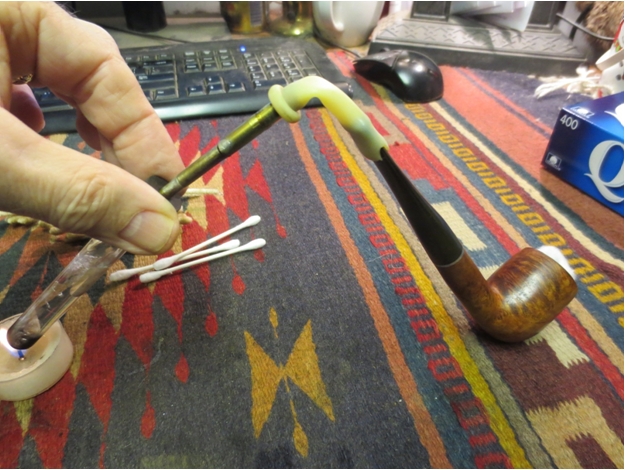
The first thing I do with all of my pipes is soak the bowl in isopropyl alcohol, usually for at least 24 hours. This serves multiple purpose; loosens the gunk inside the pipe (especially in the shank), makes the cake easier to remove, and usually takes of the exterior finish and softens any fills. Here is the bowl taking a bath.Sel1While the bowl marinated, I soaked the stem in a solution of hot water and Oxyclean. After sitting for several hours, I rinsed the stem under running water, this removes some of the oxidation. Next I took a pipe cleaner and used the Oxyclean solution to remove the built up tar and tobacco from inside the stem.Sel2 Sel3 I set the stem aside and turned my attention to the bowl. In the case of this pipe, the alcohol was not enough to remove all of the finish. When this happens, I use 0000 steel wool soaked in acetone. The steel wool is fine enough that it doesn’t damage the stampings on the shank, but aggressive enough to make short work of any remaining finish.Sel4Next I turned my attention to the bowl. I use a Castleford reamer (available on eBay for around $20.00) to remove the cake.Sel5I usually go down to the wood. I’ve found it’s better to use a reamer that is slightly smaller than the inside of the bowl to prevent damage to the wood.

Next I worked on the shank. I have some small brushes that I bought in the baby section at Walmart (normal people use them to clean baby bottles, but I find they work great for the shank of a pipe).Sel6 Sel7 Although the brush gets most of the gunk out, I use a retort to really clean the inside of the shank and the stem. I started using this method when I couldn’t fit the end of the rubber tube over the wide button on a pipe. The tenon was a perfect fit and the tube also fits perfectly into the shank. This saves a lot of time and pipe cleaners. After doing the retort, I run one pipe cleaner through the stem and a pipe cleaner and q-tip through the shank and it’s done.Sel8 Sel9 Sel10 Now that the inside of the pipe is clean, it’s time to start working on the outside.Sel11 For the stem, I used 400 grit wet/dry sandpaper with water. This gets the majority of the oxidation out, the wet sand paper also makes it easier to get the underside of the button. Next I used micro-mesh pads (1500-2400 grit) with water.Sel12 I wiped the stem dry and turned my attention to the bowl. I used a progression of micromesh pads, 1500-12000 grit. I also used the same progression on the stem.Sel13 Now the pipe was ready for stain. This next part might be kind of controversial (I have never seen this method anywhere else). I use shoe polish for stain. Now before you dismiss this as crazy talk, consider this. It is very simple. I apply the polish, heat it with a heat gun, and buff it out with a shoe brush. I also protect the finish with carnauba wax and have never had any issues with the polish melting or coming off in my hand.Sel14 Polish applied.Sel15 After melting with the heat gun and buffing with a shoe brush.Sel16 It is also very simple to even out the stain.Sel17Next up the heart breaker (also known as the buffing wheel). This little gem makes the difference between a really nice application of carnauba wax and an average looking pipe. It will also grab what you’re working on and fling it to the four winds and shatter the pipe you’ve just spent the last few hours working on. Hold what you’re working on with both hands, place as much padding as you can under and behind the buffer, and work on the stem and bowl separately. Sorry about the quality of the picture.Sel18 I didn’t lose the pipe to the buffer and here’s the results.Sel19 Sel20 Sel21 Sel22 Sel23 Sel24 Sel25 I anticipate that this pipe will pass on to my kids, or be part of the estate sale. I can’t wait to smoke it.

Stripping a Chacom Cocktail Pipe and giving it a new look


Blog by Steve Laug

My son-in-law and I dropped off his wife and two of my other daughters at the shopping mall and made our way to the pipe hunting turf. He found a nice Peterson Dunmore and I picked up this little Chacom. I love the shape of the bowl. It is an oval shanked pipe with stamping on both the top and the underside. On top it is stamped Chacom over Cocktail and on the underside it is stamped St. Claude over France and 338 next to the stem shank junction. The bowl was caked and quite dirty. The top of the rim while undamaged by dents or chips was thickly covered with tars and oils. The finish was shot – the black paint, kind of shiny dress black, was peeling and large spots on the finish were missing. The stem was dirty, oxidize, and covered with a calcification for the first inch of the stem. There was tooth chatter on the top and bottom of the stem and on the underside it had some tooth dents that would need to be addressed.Chacom 1 Chacom 2 Chacom 3 Chacom 4 I reamed back the cake to the bare briar with a PipNet pipe reamer. I used both the first and second sized cutting heads to ream the cake back. This time it was not hard but rather it crumbled when the blades of the reamer touched them.Chacom 5 I put the bowl in an alcohol bath overnight and let it soak. In the morning I took it from the bath and found that the finish was unphased by the soak. I had run out of acetone for removing the finish but I borrowed some fingernail polish remover from my daughter. It was a peach flavoured wash with added vitamin E. I figured that neither the pipe nor I would mine the smell of fresh peaches as I scrubbed down the finish. The peach aroma made the acetone removal of the painted finish not only quick and easy but made it smell like peach cobbler! Wow. I used a lot of cotton pads soaked in the acetone to remove the paint and clean up the finish. I sanded the bowl with 220 grit sandpaper but did not sand the shank as I did not want to damage the stamping on the top and the bottom. I went over the sanded bowl with a medium and fine grit sanding sponge.Chacom 6 Chacom 7 Chacom 8 Chacom 9 I dropped the bowl into an alcohol bath to soak out the deep stain and remove some more of the paint that held on fast. While it soaked I worked on the stem. I sanded it with 220 grit sandpaper to remove the calcification and oxidation and then wiped it down with alcohol. I was able to remove the tooth chatter from the top side but the bottom side still had a deep tooth mark. I sanded it and opened up the edges of the mark. I wiped it down with alcohol and then filled it in with black superglue and sprayed it with accelerator.Chacom 10 I sanded the patch with 180 and 220 grit sandpaper and then with the sanding sponges to blend it into the surface of the stem.Chacom 11 Chacom 12 I removed the bowl from the alcohol bath after it had soaked for about an hour. I dried it off with a soft rag and took the following four photos to give a clear idea of where it stood at this point in the process of removing the finish. The peach flavoured acetone and the isopropyl alcohol had done their magic and the paint was gone!Chacom 13 Chacom 14 Chacom 15 Chacom 16 I let the bowl dry and continued to work on the oxidation on the stem. I sanded the bowl lightly with a medium and fine grit sanding sponge and then wiped it down with a cotton pad and alcohol to remove the dust. I put the stem back on the bowl and took the pictures below to show the progress toward the new look of this old dress pipe.Chacom 17 Chacom 18 Chacom 19 I used a folded piece of 220 grit sandpaper to rework the inner edge of the rim. It had originally had a slight bevel toward the bowl and I wanted to clean that up and redefine it. Once that was completed I wiped the bowl down a final time with the alcohol and prepared it for staining. I decided to use a dark brown aniline stain to work with the black highlights on the grain. I applied the stain, flamed it and reapplied and flamed it again.Chacom 20 Chacom 21 Chacom 22 Chacom 23When the stain dried I wiped it down with isopropyl alcohol on a cotton pad to remove some of the opacity of the colour and to try to make it more transparent. The next four photos show the pipe after the wipe down.Chacom 24 Chacom 25 Chacom 26 Chacom 27I took the pipe to the buffer and buffed it with White Diamond, being careful to avoid buffing the stamping on the shank. I am careful not to damage that in the process of the restoration. Once buffed the stamping really shows up again. Now it was time to work on the stem some more and get rid of the oxidation and scratches. I use a plastic spacer between the shank and the stem to protect the shank and to allow me to sand the stem without rounding the shoulders. I sanded with 220 grit sandpaper, medium and fine grit sandpaper and then used micromesh sanding pads. I wet sanded with 1500-2400 grit pads and dry sanded with 3200-12,000 grit pads. I rubbed it down with Obsidian Oil between each set of three pads.Chacom 28The tooth repair on the underside of the stem is smooth and even. However, when I sprayed it with the accelerator it left a white centre to the patch. I have not had that happen before but it is all the way through the patch. I will live with it for now, but one day may pick it out and redo it to remove that aspect of the patch.Chacom 29 Chacom 30 Chacom 31 Chacom 32I continued to sand the stem as the photos highlighted areas that still showed oxidation. Once I had that removed I buffed the stem with White Diamond and gave it multiple coats of carnauba wax. I wiped the bowl down once again with isopropyl alcohol on a cotton pad to further lighten the brown stain and highlight the contrast with the remaining black stain in the grain. I buffed it with White Diamond and then gave it several coats of carnauba. I buffed the entire pipe with a soft flannel buff to give it a shine and set it aside for an inaugural smoke – either later today or early this week. The finished pipe is shown below.Chacom 33 Chacom 34 Chacom 35 Chacom 36

Renewing a Savinelli Punto Oro Canadian 804


Blog by Steve Laug

This is the last of the lot of pipes I picked up on my recent pipe hunt. It is pictured as the second photo down from the top in the photo below. It is stamped on the smooth underside of the shank Savinelli Punto Oro and next to that is the Savinelli shield next to 804 over Italy. The blast on this one is rugged and very clean. The shape is a tall bowl with an oval long shank – the sides of the oval are sharp on both sides and the curve of the top and the bottom of the shank a subtle oval shape.IMG_2049The finish on the bowl is in excellent shape. There are no dents or scratches in the bowl. The bowl had a thick cake that was crumbling toward the bottom of the bowl. The rim had a buildup of cake that had spilled over on to the top. The edges of the rim on both the inside and outside were crisp and sharp. The stem was oxidized and had a line of calcium around the stem about 2/3 of the way up the stem. I wonder if the pipe did not have a softie bit at some time during its life. There was light tooth chatter by the button. The inside of the stem and shank were dirty and there was a buildup of dark tars.Sav1 Sav2 Sav3 Sav4I reamed back the cake to bare wood using a PipNet reamer. I know that others who restore pipes don’t do that drastic a reaming but that is the method I use as I find that once cleaned the bare wood minimizes ghosting in the bowl.IMG_2131I cleaned out the stem and shank with pipe cleaners, cotton swabs and isopropyl alcohol (99%). I cleaned them until the cleaners came out white and no more oils remained.Sav5 Sav6I wiped down the rim with alcohol to wet the overflow of cake and then used a brass bristle brush to scrub the rim.Sav7 Sav7a Sav8 Sav9I sanded the stem with 220 grit sandpaper and with medium and fine grit sanding sponges to remove the oxidation and calcium deposits. I also sanded until the tooth chatter was removed from the top and bottom sides of the stem.Sav10Sav11Sav12I used the Guardsman stain pens from Greg to touch up the rim and the edges of the rim and the shank.Sav13I buffed the bowl and shank with White Diamond to polish and blend in the new stain on the rim and shank.Sav14 Sav15 Sav16 Sav17I sanded the stem with my usual list of micromesh sanding pads – wet sanding with 1500-2400 grit pads and dry sanding with 3200-12,000 grit pads. I rubbed it down after each set of three pads with Obsidian Oil and then gave it a buff with White Diamond.Sav18 Sav19 Sav20I put the stem in place and then buffed the entire pipe with White Diamond, lightly on the briar and a little heavier on the stem. I gave it multiple coats of carnauba wax and buffed it with a soft flannel buff to polish and raise the shine on the pipe. The photos below show the finished pipe – cleaned and ready to be smoked.Sav21 Sav22 Sav23 Sav24

Breathing New Life into an Astleys 48 Cherrywood


Blog by Steve Laug

The third pipe from my recent pipe hunt that I chose to restore was the last one pictured below. It is a rusticated Astleys Cherrywood style pipe with a tight rustication pattern resembling a sandblast. I think the process may have been to rusticate and then to sand down the high spots until they were smooth. The texture is really well done and comfortable to hold. The pipe is a light weight with a classic look.IMG_2049The finish was in pretty good shape with a few worn spots where the stain was rubbed off on both the bowl and shank. The rim had a buildup of tars and oils that had hardened and formed a scale on the rim. The bowl had a thick cake that choked out the diameter of the bowl. The stem had been over bent to the point it hung oddly in the mouth rather than the way the original bend had made it hang. It was also oxidized and had a buildup of calcium around the button end of the stem that covered several deep tooth marks on both the top and bottom sides of the stem.IMG_2115 IMG_2116 IMG_2117 IMG_2118As shown in the photo above the bowl had been stamped on the smooth bottom of the bowl. It read Astleys over 109 Jermyn St.Under that was stamped London over 48. I looked up the shape in an old Astleys catalogue (page pictured below) and found the 48 was round Cherrywood Briar. The description stated that it was a copy of an old English cherrywood with a flat base. The correct bend can also be seen in the photo below from the catalogue.astleys-booklet_page_07I reamed the bowl with a PipNet reamer and took the cake back to bare wood. The oily, sweet, aromatic smell was more than I wanted to deal with in terms of ghosting.IMG_2231IMG_2232IMG_2233IMG_2234I cleaned out the internals with isopropyl alcohol and cotton swabs and pipe cleaners until they came out clean. I scrubbed the pipe with undiluted Murphy’s Oil Soap and a soft tooth brush for the sides and shank. I used a brass bristle tire brush to clean off the buildup on the rim. I then scrubbed the rim again with soap. When the scrubbing was finished I rinsed it with running water and dried it off with a cotton towel.IMG_2238IMG_2239IMG_2240IMG_2241IMG_2242I used the stain pens from Greg to touch up the worn spots on the finish of the bowl and shank. I buffed the bowl with a shoe brush once the stain was dry.IMG_2243IMG_2244IMG_2245IMG_2246Once the bowl was cleaned and buffed I turned to work on the stem. I used a needle file to give better definition to the crease on the button and clean up the bit marks on top of the button on both sides. I heated the tooth marks with a Bic lighter to raise them and then sanded the stem with 220 grit sandpaper to remove the small marks left behind. I also sanded to remove the calcium and oxidation on the stem.IMG_2247IMG_2248Up to this point I worked on the stem off the pipe. I avoided the area on the saddle where it sat against the shank so as not to round the shoulders. I cut a plastic washer and put it between the stem and the shank to allow me to work on the shoulders without damaging them when I sanded. I lightly reworked that area with the 220 grit sandpaper and then sanded the entire stem with medium and fine grit sanding sponges.IMG_2249IMG_2250There were still some small divots in the top of the stem so I removed it from the pipe and sanded them once more with the 220 grit sandpaper and the sanding sponges.IMG_2251I sanded the stem with the usual battery of micromesh sanding pads – wet sanding with 1500-2400 grit pads and dry sanding with 3200-12,000 grit pads. I rubbed the stem down with Obsidian Oil between each set of three pads. As the stem absorbs the oil the oxidation comes to the surface and the oil makes sanding much simpler. When I finished with the 12,000 grit pad I gave it a light buff with White Diamond.IMG_2252IMG_2253IMG_2255I gave the light spot on the shank shown in the above photo a touch up of stain and then put the stem back on the pipe and buffed the whole pipe lightly. I gave the bowl several coats of Halcyon II wax and then buffed the stem with more carnauba. I gave the entire pipe a light buff with a soft flannel wheel. The finished pipe is shown below.IMG_2256IMG_2257IMG_2258IMG_2259

Restoring a Yello-Bole Imperial Bulldog for John


Blog by Steve Laug

The last of John’s pipes that I worked on while he was working on the Danish Sovereign Peewit was a beautiful old Yello-Bole Bulldog. It was stamped KBB in a cloverleaf on the left side of the shank next to four lines of stamping. The first read Yello-Bole and underneath that was stamped Cured with Real Honey and an R in a circle. The third line read Imperial in script and the fourth read Imported Briar. The stem had a push tenon and had the yellow circle inset in the vulcanite. It is shown in the photo below – it is the last pipe in the column on the left side of the photo.IMG_2050 This pipe actually was one of the free ones that came with the pipe rack that John purchased. It was sitting on the rack without a stem. The stem was inside the humidor jar. I had seen it before and had assumed that the tenon was broken but it was not. It was just very loose and would not stay in the shank. The metal spacer that separates the shank and stem was attached to the stem and not to the bowl. The bowl itself was very dirty and caked. The finish was not too bad and there were no deep dents of scratches in the briar just some ground in grime. The rim was caked with a thick buildup of tars and oils that had almost fossilized. The stem was in good shape other than being oxidized. There was tooth chatter on the top and underside of the stem.

I used cotton swabs, pipe cleaners and isopropyl alcohol to clean out the bowl, shank and the inside of the stem. I worked them until them came out white. I scrubbed the aluminum space with alcohol and then with a metal polishing cloth to bring back the original shine.IMG_2088 IMG_2089 IMG_2090 IMG_2091 I wiped down the briar with acetone on cotton pads to remove the grime from the finish of the bowl and the grain underneath really popped.IMG_2092 IMG_2093 The rim buildup was so hard that I used the topping board and sandpaper to remove it and lightly sand the rim surface itself to remove the pitting. I sanded the outer edge with a folded piece of sandpaper to minimize the rough spots on the edge.IMG_2094 IMG_2095 I sanded the rim with a medium and a fine grit sanding sponge and then wet sanded it with 1500-2400 grit micromesh sanding pads. I touched up the rim with the stain pens until it matched the stain colour on the bowl. I then wiped down the pipe with some olive oil on a paper towel and let it soak into the finish.IMG_2098 IMG_2096 IMG_2097 I sanded the stem with 220 sandpaper to remove the tooth chatter and oxidation and then with a medium and fine grit sanding sponge. I wet sanded the stem with 1500-2400 grit micromesh sanding pads and dry sanded it with 3200-12,000 grit sanding pads. I rubbed it down with Obsidian Oil after each set of three pads. When I had finished with the sanding I buffed the stem with White Diamond. To make the stem snug in the shank I used a cotton swab and water to wet the mortise in the shank to swell the briar. This helped a lot and the stem was much tighter. It was still too loose to my liking so I ran clear superglue around the tenon and lightly sanded it to obtain a snug fit on the stem.IMG_2099 IMG_2100 IMG_2101I put the pipe together and buffed it with White Diamond. I gave it multiple coats of carnauba wax to seal and protect the stem and bowl. I buffed it with a soft flannel buff to get the shine. The finished pipe is shown below and is yet another clean and ready pipe for John to load and smoke. I look forward to hearing what he thinks of the smoking characteristics of this old timer. It turned out to be a beautiful pipe with nice looking mixed grain. The old vulcanite was interesting to me in that it had pieces of metal that were part of the casting of the stem. I remember reading somewhere that these occurred in stems that were made during the war years when rubber was at a premium. To my thinking that helps to date this bulldog to the late 1940s or early 1950s. Enjoy your “new” pipe John and be sure to let us know how it smokes for you.IMG_2102 IMG_2103 IMG_2104 IMG_2105

Changing Directions in the midst of a Refurb – Plugging a Burnout in a Paul’s Canadian


Blog by Steve Laug

I am finally getting around to cleaning up the pipes I found on my recent pipe hunt. I decided to choose what I thought would be the easiest one. It was filthy and greasy. The top looked like it had been used as a hammer. I figured that it would clean up quickly and I liked the look of the briar that was peeking through. The bowl was stamped PAUL’S on the underside of the shank and Italy across the end of the shank. There is a stylized P on the stem. There was a sticky glue on the briar in several places that I think came from the price tag that was on the pipe. The bowl was really dirty and over reamed. The bottom of the bowl was almost flat. But there was a buildup of carbon from the top down about half way and there was tobacco fragments in the bowl bottom. The sides were no longer parallel and the airway entered above the bottom of the bowl. The stem was oxidized and had tooth chatter on the top and bottom of the stem.Plug1 Plug2 Plug3 Plug4I cleaned up the sides of the bowl interior with a PipNet reamer and used a dental pick to remove the detritus on the bottom of the bowl.Plug5I scrubbed the exterior of the briar with acetone to remove the grit, grime and grease from the finish. It actually took off the grime and took it down to the nice grain that I had seen peeking through. I think that the briar is oil cured as there is an oily texture to the wood.Plug6 Plug7 Plug8 Plug9 The top was so beat up that it had to be topped to smooth out the damage and restore the clean edges. I set up a topping board and worked on the top until it was smooth and the outer edges were sharp and well defined.Plug10 Plug11 Plug12I sanded the bowl with 220 grit sandpaper and a medium and fine grit sanding sponge to further clean up the finish. There was some darkening on the sides and bottom of the bowl and I wanted to bring it back to the same look as the shank and the rim. The idea was to bring the pipe back to clean and natural finish so that if I stained it the blend and matching would be much easier.Plug13 Plug14 Plug15 Plug16I decided to soak the bowl in an alcohol bath to remove some of the oils and grease on the surface. While it soaked I worked on the stem.Plug17I sanded the stem with 220 grit sandpaper to remove the oxidation, calcium buildup and tooth chatter. I carefully sanded around the stamping on the stem to preserve it.Plug18 Plug19I used a needle file and a sanding stick to rework the edges of the button and sharpen the crease.Plug20 Plug21I took the bowl out of the alcohol bath and dried it off. Once the inside had air dried it was time to raise the bottom of the bowl to the bottom of the entrance of the airway. I mixed a batch of plaster of Paris and packed it in the bottom of the bowl until it was level. Things were looking good at this point. Once it was dried I would give it a coat of pipe mud and it would be good to go.Plug22 Plug23That was when things began to go south for me! I was sanding the bowl bottom and had found a spot that seem to give as I sanded on it. I had wondered if the bowl bottom was too thin from the over reaming but had not seen the soft area of the briar. I used a dental pick to exam the spot and with very little effort the end of the pick went right through the bowl bottom! BURNOUT. I poked around some more and found that there were several very soft spots. This was not what I wanted to find on what I thought would be a very easy clean up!! YIKES.Plug24With very little effort the entire area that was darkened broke away. I used a drill to clean up the ragged edges and make the hole round. I used a Dremel with a sanding drum to even out the edges and used it on the inside of the bowl to bring it back into round on the side where there had previously been a slope from a bad over reaming job.Plug25 Plug26 Plug27I had a round piece of briar left over from a plug I had cut for another burnout I had repaired. I smoothed out the bottom of the plug and fit it into the hole in the bowl. Once the fit was good and snug I glued it in place with wood glue then a top coat of super glue.Plug28 Plug29 Plug30 Plug31 Plug32 Plug33 Plug34 Plug35While the glue was hardening I used the Dremel and sanding drum to take off the excess briar from the plug.Plug36 Plug37I sanded the plug with 220 grit sandpaper to shape it to the curves of the heel of the pipe. The spots that appear as gaps around the plug are where the glue has already dried hard. These will disappear as the glue cures and hardens.Plug38 Plug39I sanded the entire pipe with a medium and fine grit sanding sponge and then wet sanded with 1500-2400 grit micromesh sanding pads to remove the scratches from the finish and blend in the patch with the surface of the briar.Plug40 Plug41 Plug42 Plug43 Plug44 Plug45 Plug46I left the pipe overnight to give the glue time to cure. In the morning I sanded the bottom area of the bowl to smooth it out as the areas around the patches had swollen above the patch when they dried.Plug47Since the briar had been oil cured I decided to rub it down lightly with some olive oil and let it soak in. The next four photos show the pipe after the light rub down with oil.Plug48 Plug49 Plug50I spent a bit of time thinking about the next steps in the process. I had a decision to make – whether to leave the plug smooth and just stain the pipe and keep it glaringly present or to rusticate the bottom of the bowl and blend the plug into the rustication pattern. I decided to rusticate it. I took out the rusticator that Chris made for me and drew a boundary line around the area on the bottom of the bowl that I wanted to rusticate.Plug51 Plug52I pressed the rusticator into the briar and twisted it until the surface was roughened I used a brass bristle wire brush to knock off the loose briar and smooth things out. I buffed the rustication with White Diamond to smooth the high points.Plug53I stained the rusticated area with a black aniline stain and flamed it to set the stain. I sanded the lines around the rustication and the peaks on the rustication as well to get the look I wanted for this piece.Plug54 Plug55When I came home from work this evening I decided to extend the rustication back along the shank. I used the rusticator to work the briar and then stained the entire rustication with a black aniline stain.Plug56 Plug57I sanded the stem with my usual array of micromesh sanding pads to bring out the shine. I wet sanded with 1500-2400 grit pads and dry sanded with 3200-12,000 grit pads. I rubbed the stem down with Obsidian Oil between each set of three pads.Plug58 Plug59 Plug60I mixed a batch of Plaster of Paris to rebuild the bottom of the bowl and raise the part that was untouched by the plug to the same height as the plug and to the bottom of the entrance of the airway from the bowl. I inserted a pipe cleaner in the airway and put the mix into the bowl. I tamped in the plaster mix with a pipe nail and the cuticle tool. It dried to touch fairly quickly and I wiped down the walls of the bowl with a cotton swab and water. I smoothed out the bottom of the bowl the same way. Once the plaster has cured I will give the bottom of the bowl and walls a thin coat of pipe mud to preserve and protect the new plug and the freshly shaped briar on the walls of the pipe.Plug61I buffed the bowl and stem with White Diamond and then gave it multiple coats of carnauba wax. I buffed it with a soft flannel buff to raise a shine. The finished pipe is shown in the photos below. The soft colour of the oil cured briar and the light coat of olive oil bring out the grain. The contrast of the rustication on the bottom of the bowl and the black stain on that gives the bowl a fresh look. One of the side benefits of the added rustication is that the bowl is now a sitter whereas before the rounded bottom of the shank made that impossible. The pipe needs to cure for a few days and then I will give it an inaugural smoke.Plug62 Plug63 Plug64 Plug65.
Restoring a Peterson Dunmore #72


Blog by Steve Laug

The Dunmore line from Peterson really is a stripped down pipe. The one that I worked on this weekend was in essence a system pipe. The lack of a ferrule is made up for by a stylized carving around the shank end. The stem sits snugly against the end of the shank but is not flush with the diameter of the shank. The saddle on the stem has a different flair than a regular Peterson pipe. The one we found had a Plip stem. This particular Dunmore was found by my friend John when we went pipe hunting this weekend. We had a blast as can be seen from the haul of pipes that he picked up below. The Dunmore is picture at the top left of the first column in the photo below. below. IMG_2050 While John worked on restoring the oak pipe rack that he had found I worked on his Peterson Dunmore. This old pipe had some beautiful grain – birdseye on both sides and cross grain front and back. The bowl almost perfectly aligned with the grain on this one. I forgot to take pictures of the pipe before I began cleaning it up so the only one that is left of the pre-clean is shown in the group photo above. I reamed the bowl with a PipNet reamer and then cleaned out the sump and the internals of the bowl and stem with pipe cleaners, cotton swabs and isopropyl alcohol until all came out clean. Dunmore1 The finish on the bowl was virtually non-existent as it had worn away. I wiped it down with acetone to clean the briar and remove the oils and marks that had settled on top of the wood. The acetone pads came away dirty with the grime more than with any previous colour or stain. Cleaning the surface revealed even more clearly the marvelous grain that was on this pipe. Dunmore2 The top of the bowl and rim had some damage from tapping out the pipe. The outer edge of the rim particularly had taken a beating. The bowl was still in round so the inner edge was fine. To minimize the damage to the top and the outer edge I set up a topping board with 220 grit sandpaper and worked on the bowl top. (The whole time I was working on this pipe I gave a running commentary to John as he wanted to know the process so that he could clean up some of the other pipes once he had finished the rack). Dunmore3 Dunmore4 After topping the bowl I sanded the outer edge with a folded piece of 220 grit sandpaper to remove some of the darkening around the bowl top. I resanded it with medium and fine grit sandpaper to remove scratches and did the same to the rim top. I sanded the entirety of the rim and edges with 2400 grit micromesh to smooth it out. After wiping down the briar with alcohol to remove the dust from the surface of the bowl John and I decided not to stain the pipe but to keep it natural. I rubbed it down with a bit of olive oil to give some life to the wood and then buffed it with White Diamond. I was careful to not buff the areas around the stamping so as not to damage them. I chose rather to buff these areas by hand with a shoe brush. I gave the bowl several coats of carnauba wax and buffed it with a soft flannel buff to shine it. Dunmore5 Dunmore6 Dunmore7 There were two small crevices that showed up on the inside of the bowl on the right side about ¼ inch below the rim. I mixed a batch of pipe mud and filled the small crevices and smoothed the mud over the surrounding area of the bowl. I set it aside to dry while I worked on the stem.

The stem had a lot of tooth chatter and a few shallow tooth marks on the top and the bottom next to the button. It also had a deep oxidation that required a lot of elbow grease to remove. I sanded the stem with 220 grit sandpaper to remove the surface oxidation and the calcification near the button. I “painted” the stem with my Bic lighter to raise more of the oxidation to the surface and also to raise the small tooth marks on the stem. I sanded it some more with the 220 grit sandpaper followed by a medium and a fine grit sanding sponge. That work brought it to the condition shown in the next two photos below. Dunmore8 Dunmore9 I sanded it with micromesh sanding pads – wet sanding with 1500-2400 grit pads and dry sanding with 3200-12,000 grit pads. I rubbed the stem down between each set of three pads with Obsidian Oil. After finishing with the 12,000 grit pad I buffed it lightly with White Diamond on the wheel and then rubbed it down one more time with the oil. When it had dried I gave the stem multiple coats of carnauba wax and buffed it to a shine. Dunmore10 Dunmore11 Dunmore12 I hand buffed the completed pipe with a bit more wax and a shoe brush to finish the polish. The finished pipe is shown below in all of its beauty. I am really glad we decided to leave the wood natural and only give it a light oil finish before waxing. The grain stands out well and the feel of the pipe in hand is very nice. John loved the finished pipe. I am looking forward to hearing from him once he has smoked it a few times. Dunmore13 Dunmore14 Dunmore15 Dunmore16