GBD 5031 Century Restoration


By Al Jones

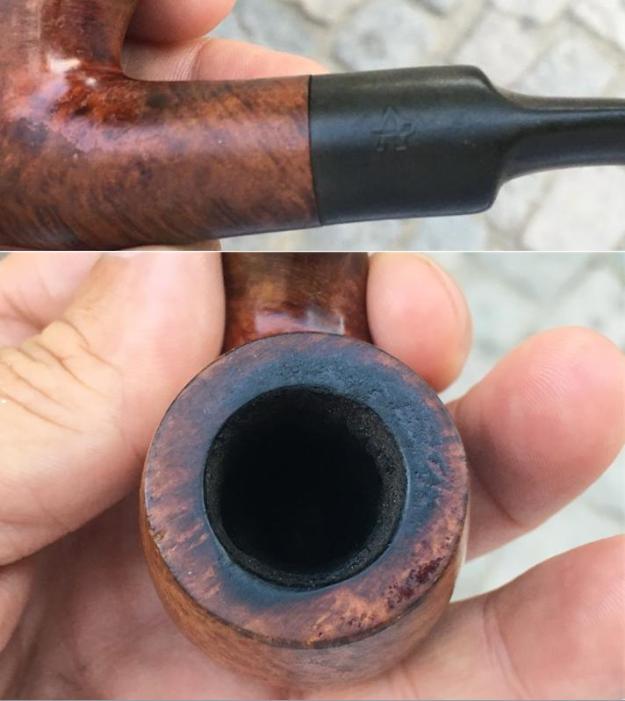
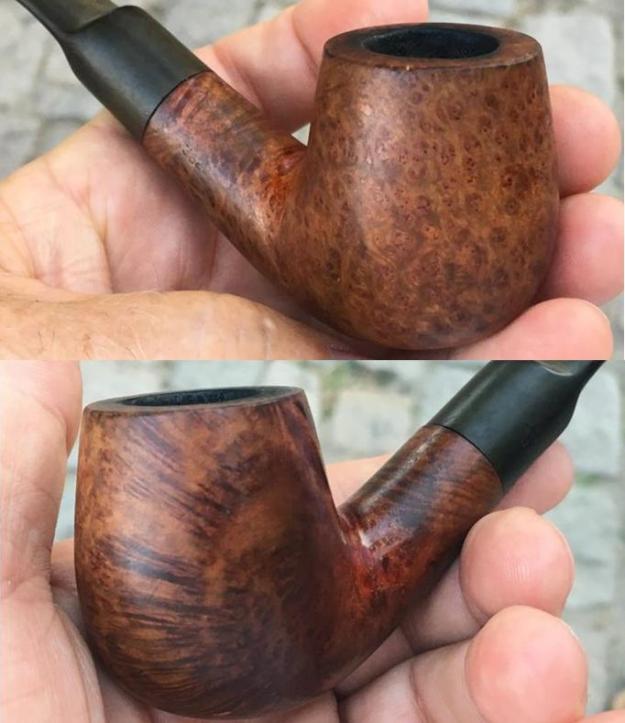
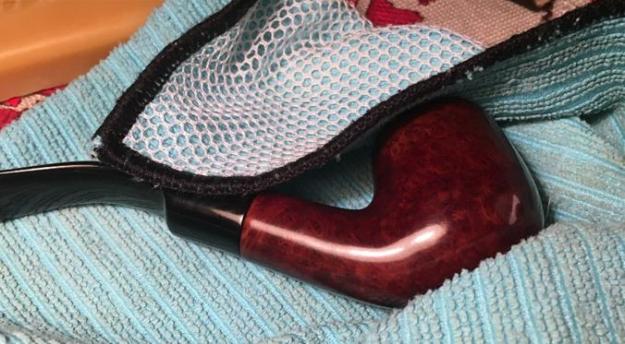
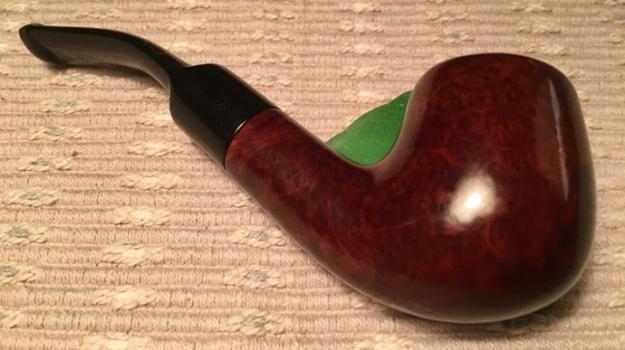
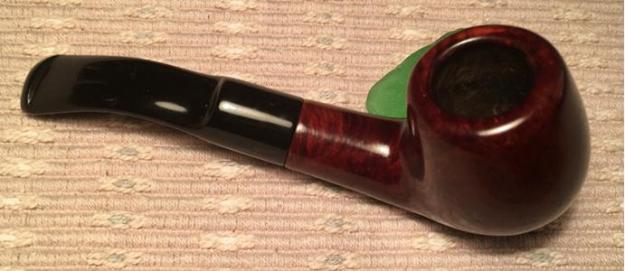
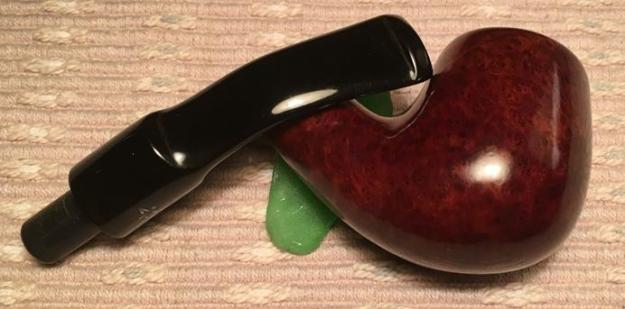
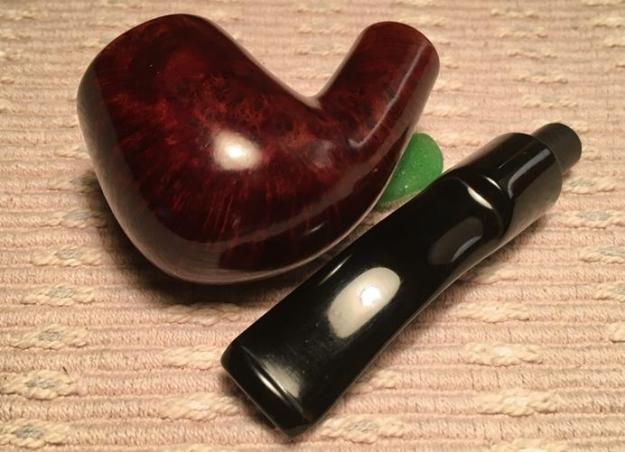
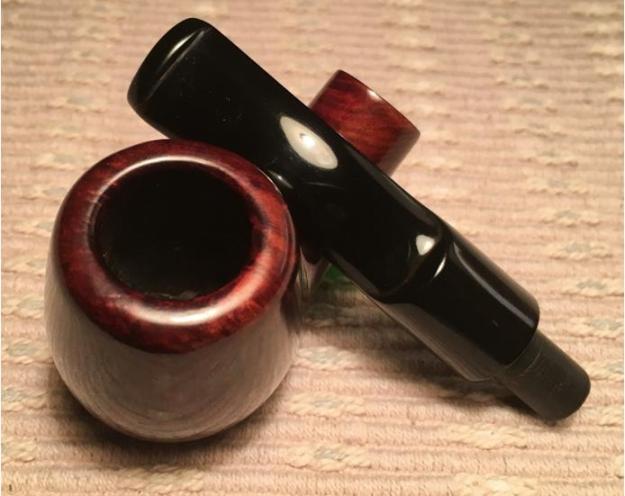
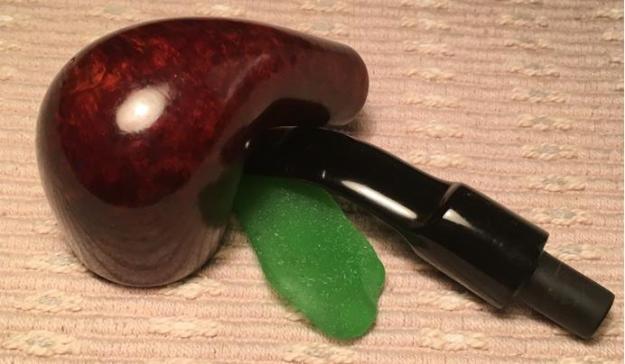
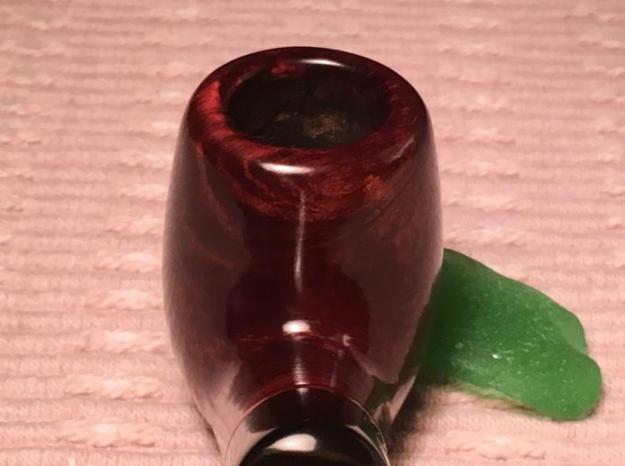
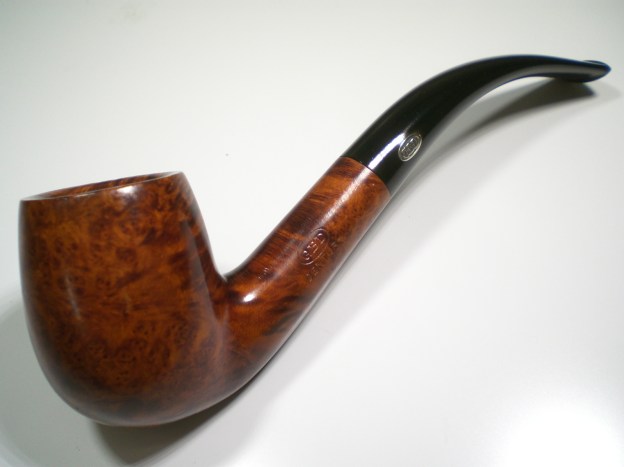
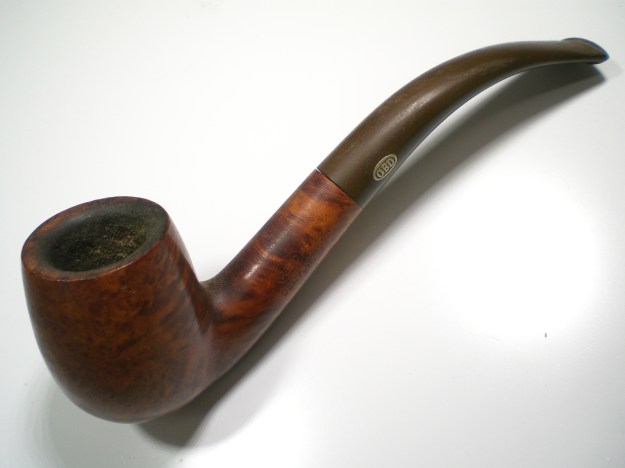
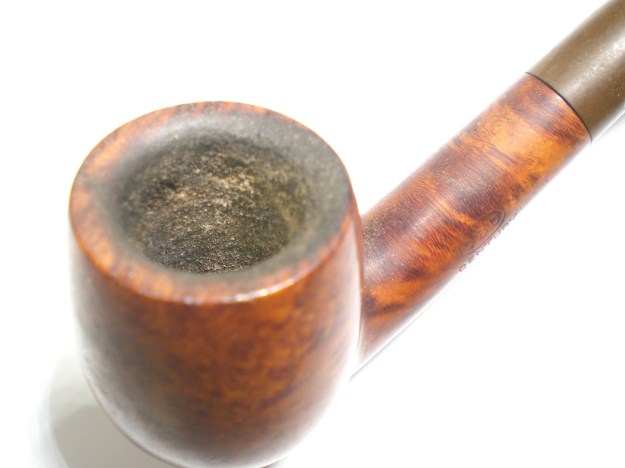
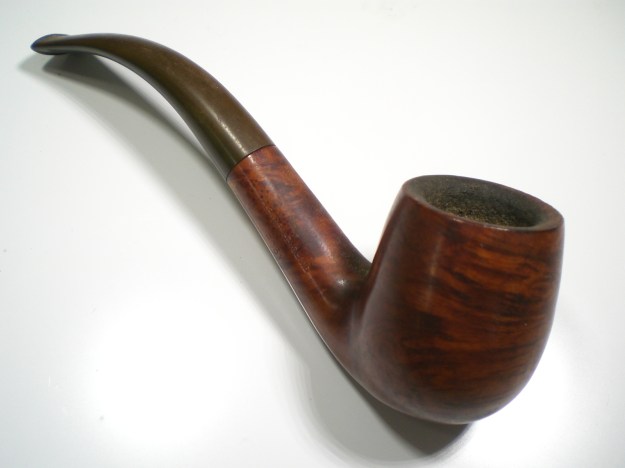
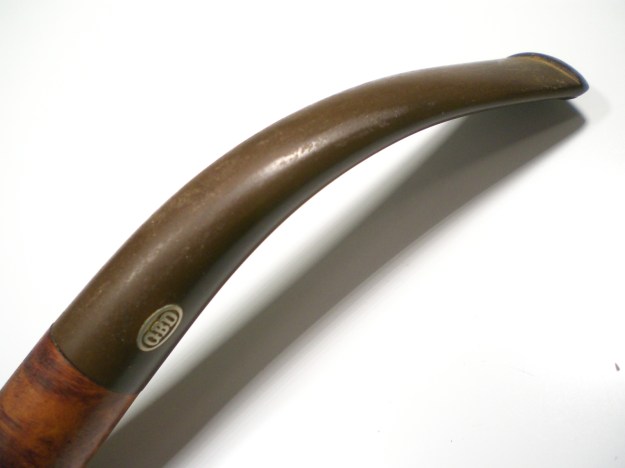
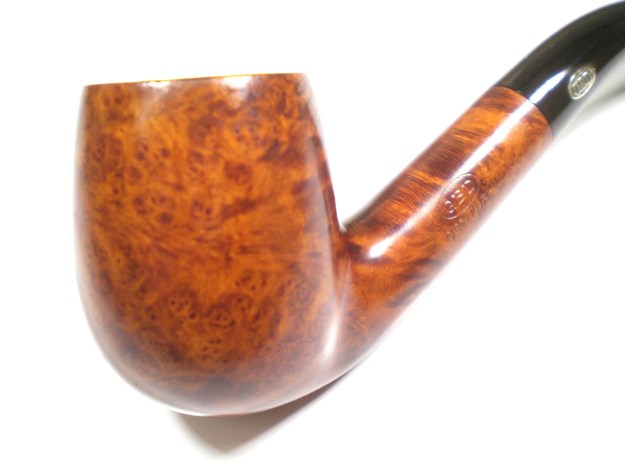
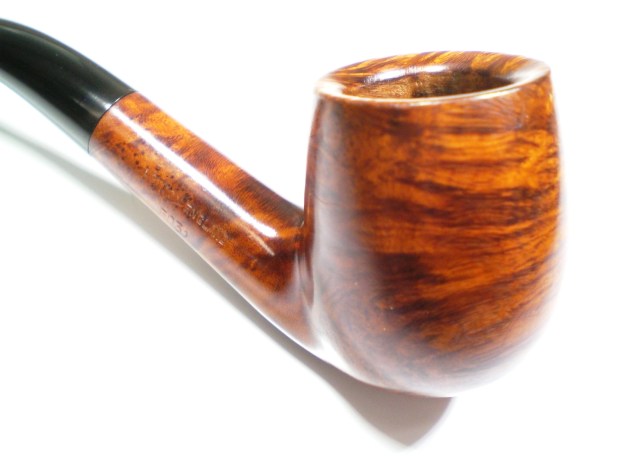
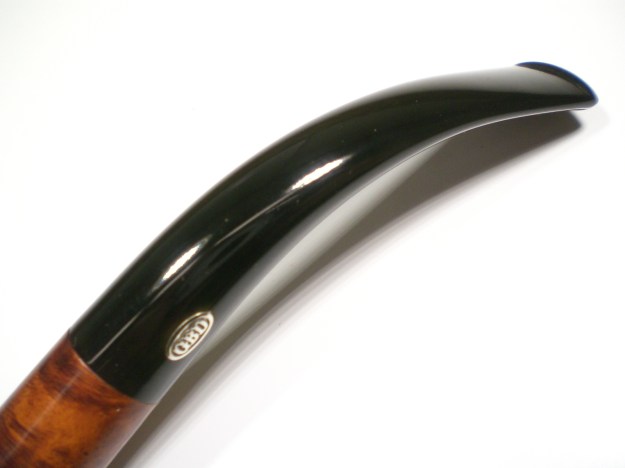
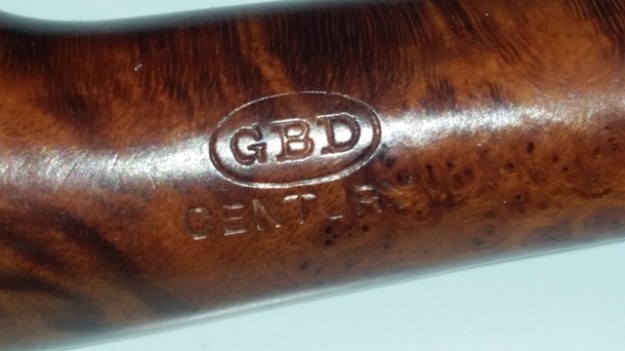
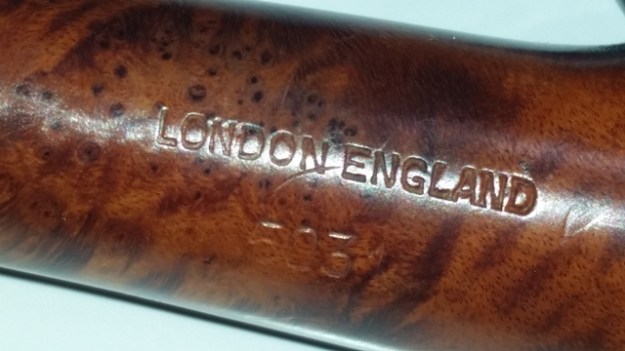
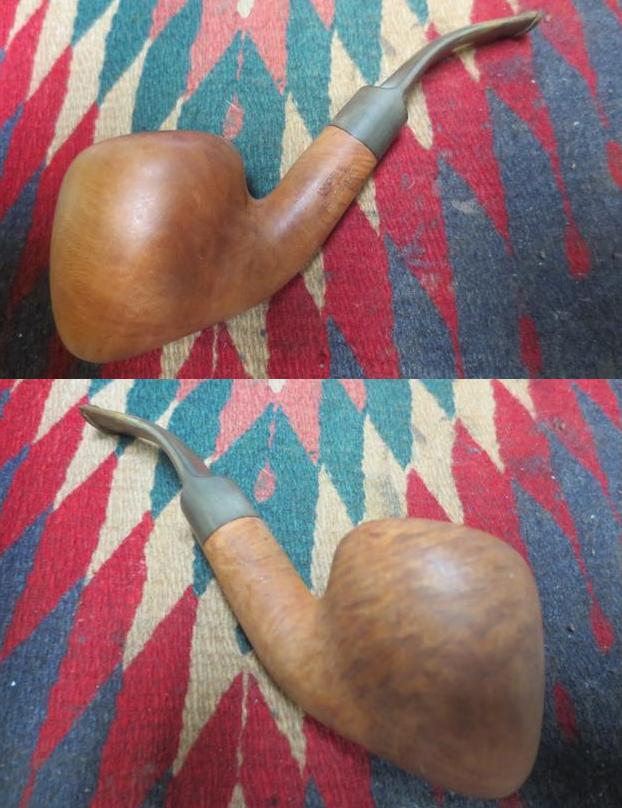
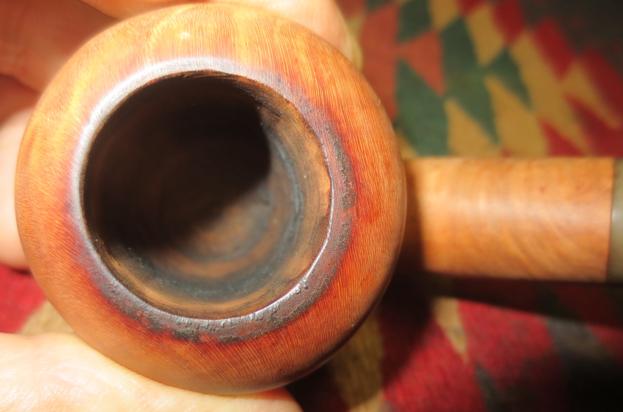
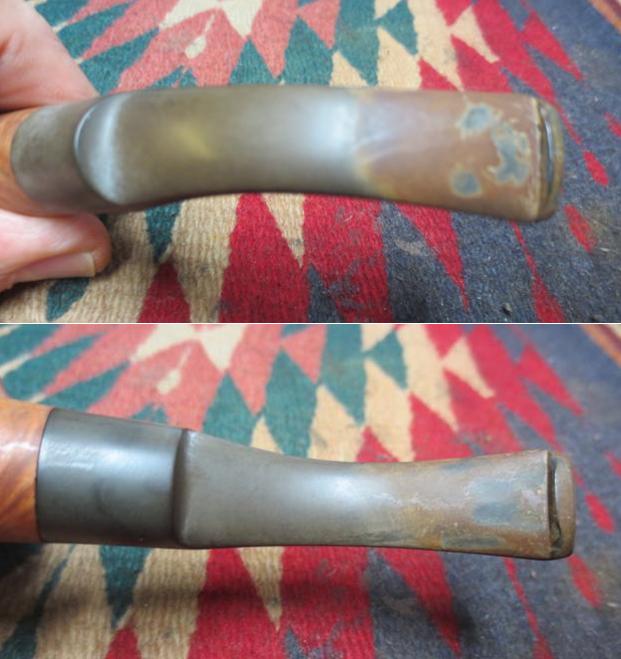
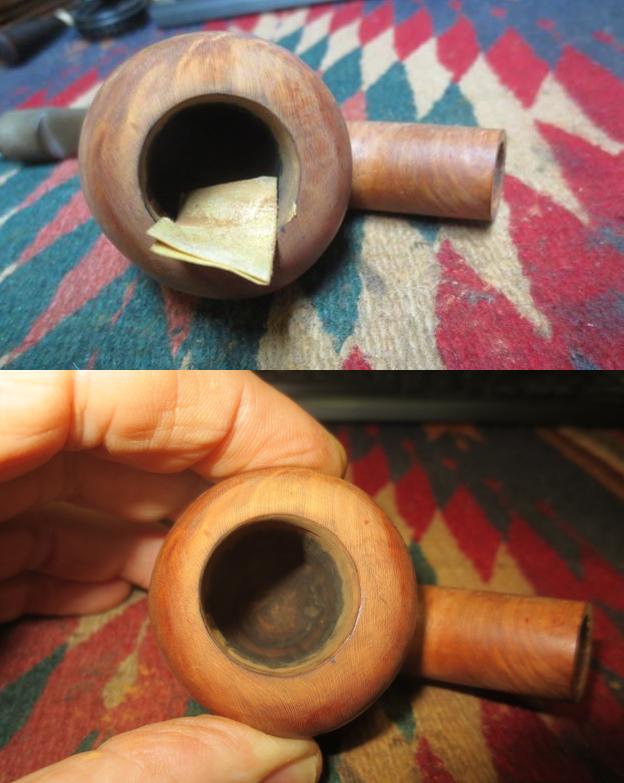
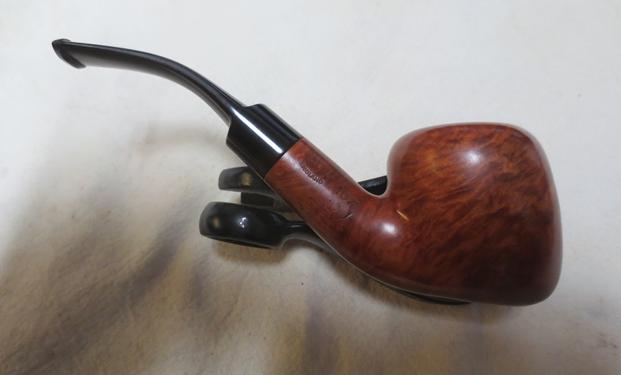
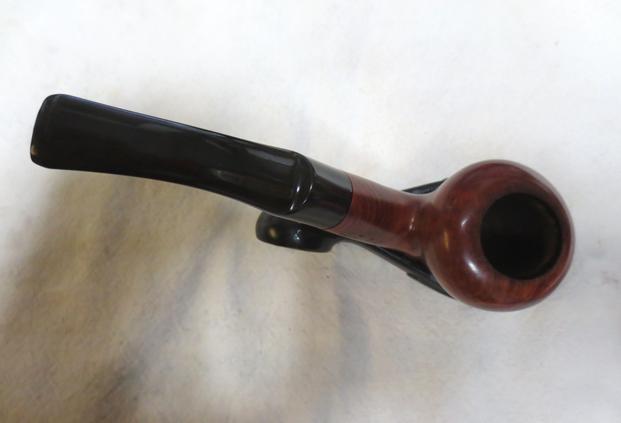
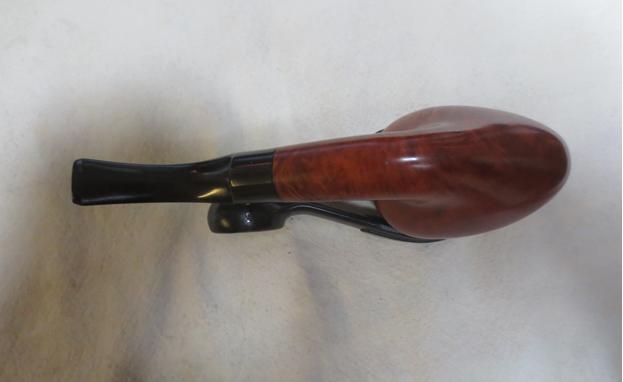
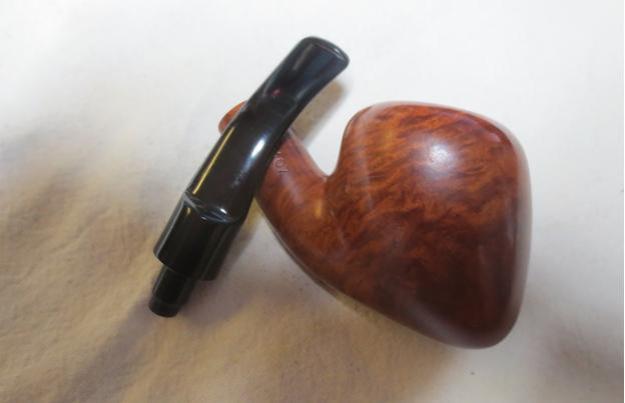
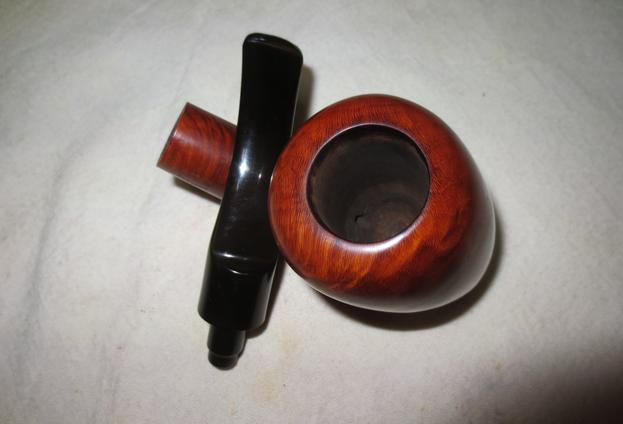
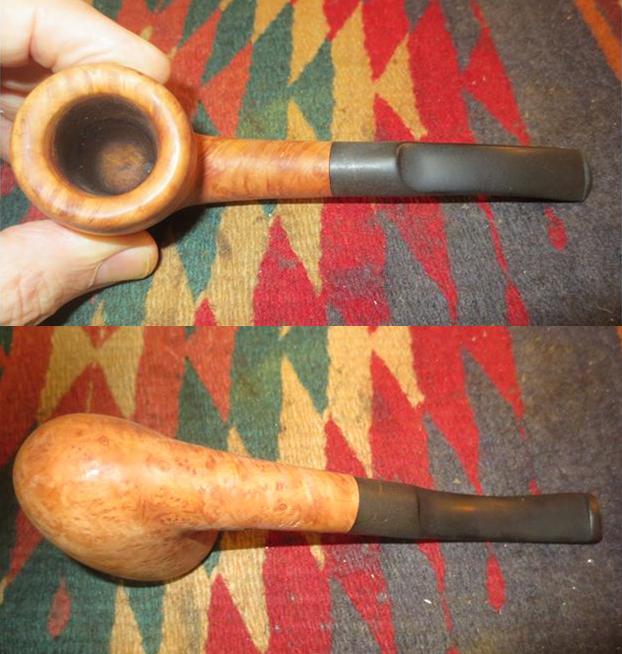
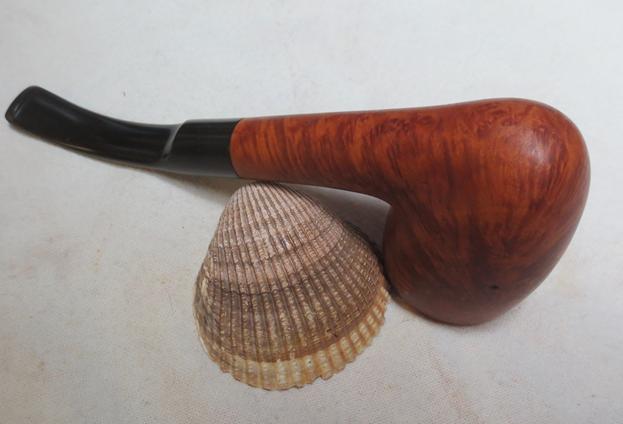
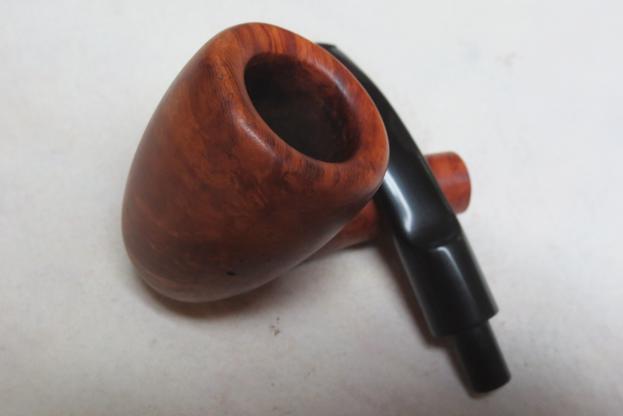
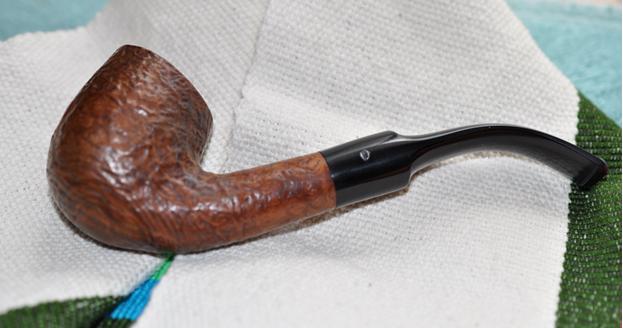
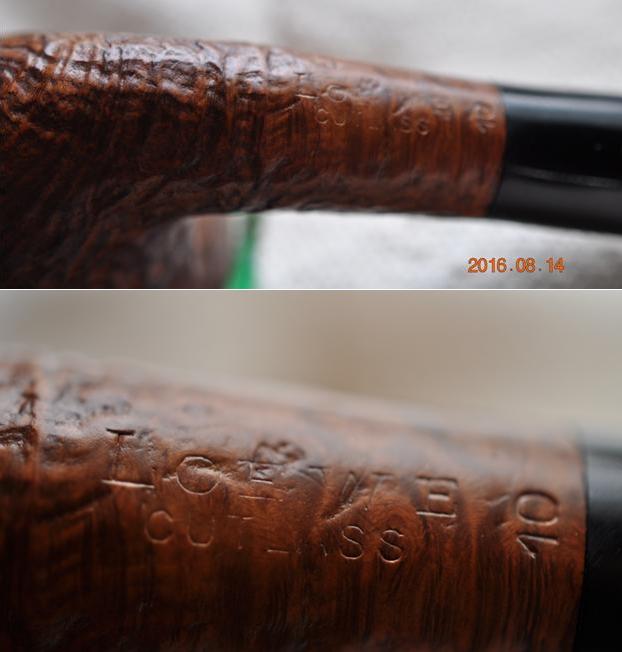
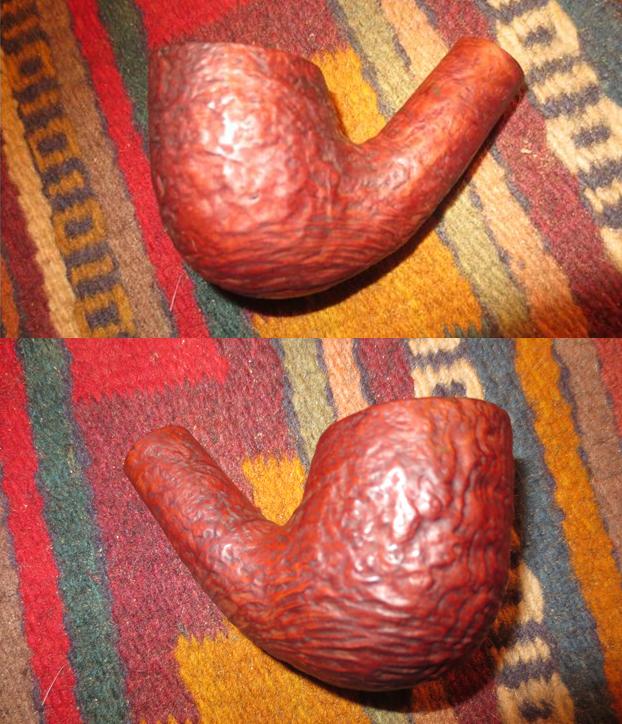
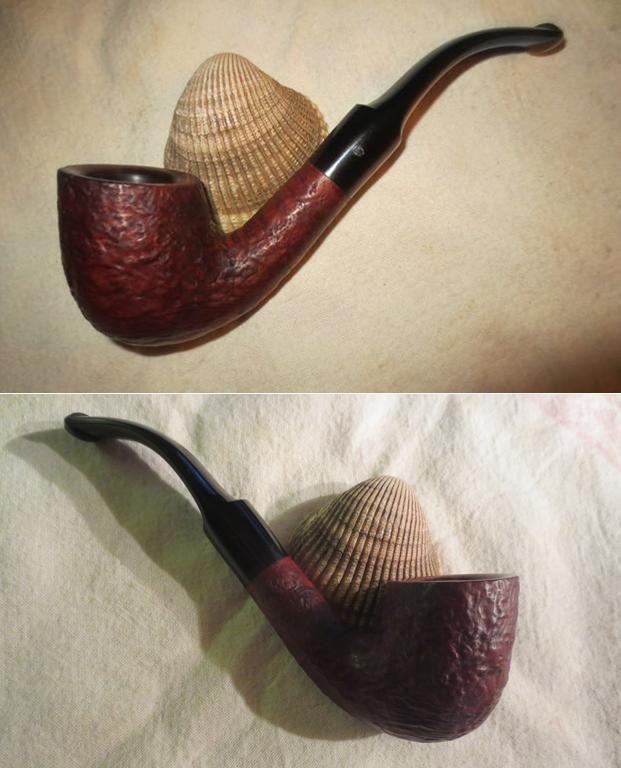
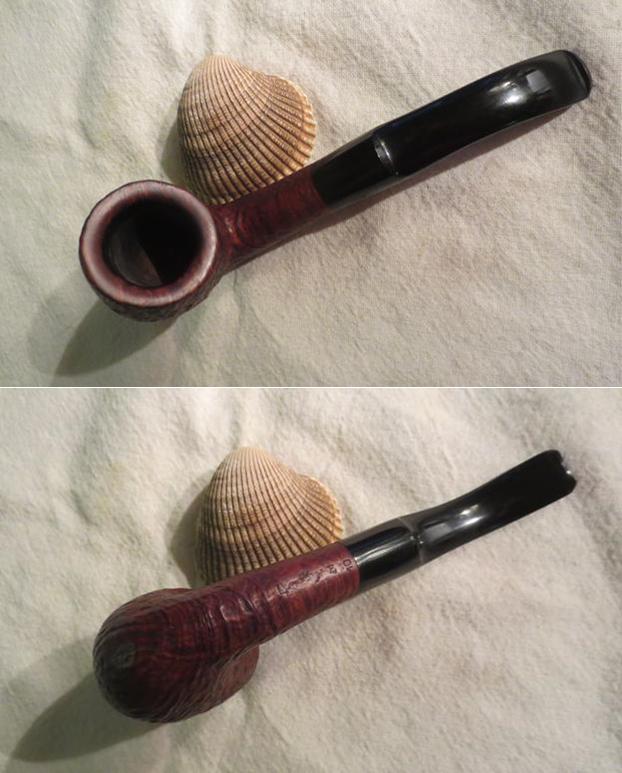
This Century finish GBD came via a seller in Portugal. The pipe looked to be in great shape, with only an oxidized stem and some bowl top build-up. The pipe from the pre-Cadogan era, with the brass rondell and straight-line “London, England” stamp (COM = Country of Manufacture mark). The Century finish is said to have been introduced in 1950 and described as:

“A golden finish created to celebrate over a century of manufacturing the
finest briar pipes.”

GBD started making meerschaum pipes in 1850, so I suppose that introduction date makes sense. This is one of many times that I wish there was a definitive book on GBD pipes.

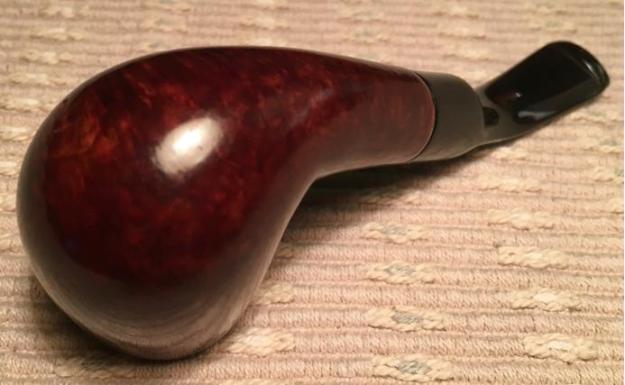
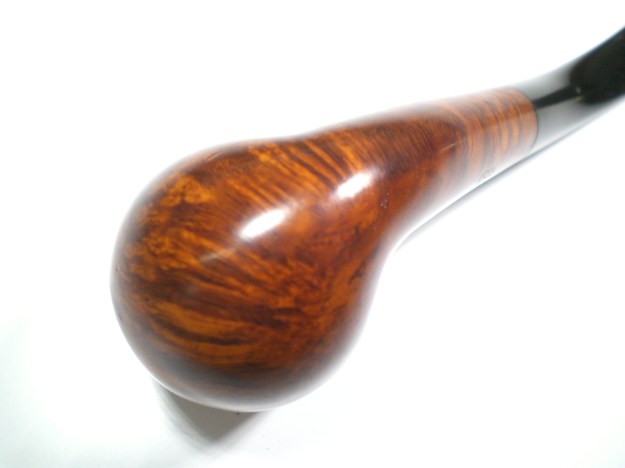
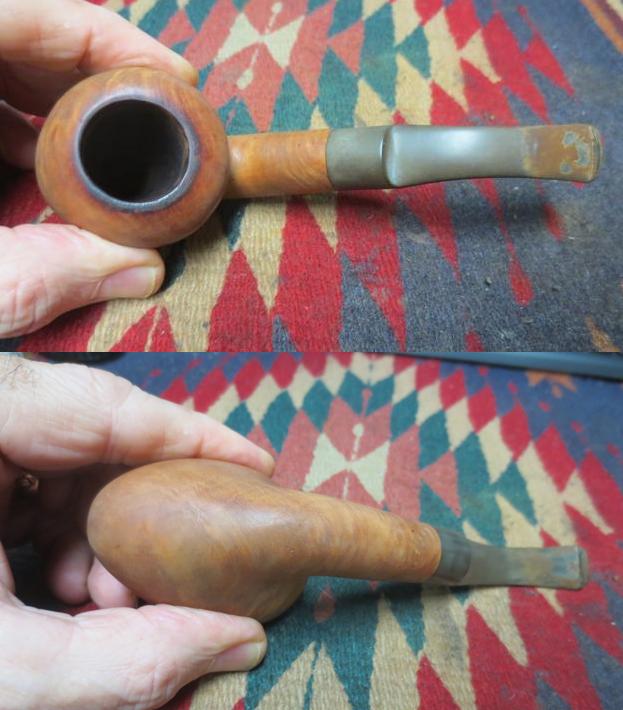
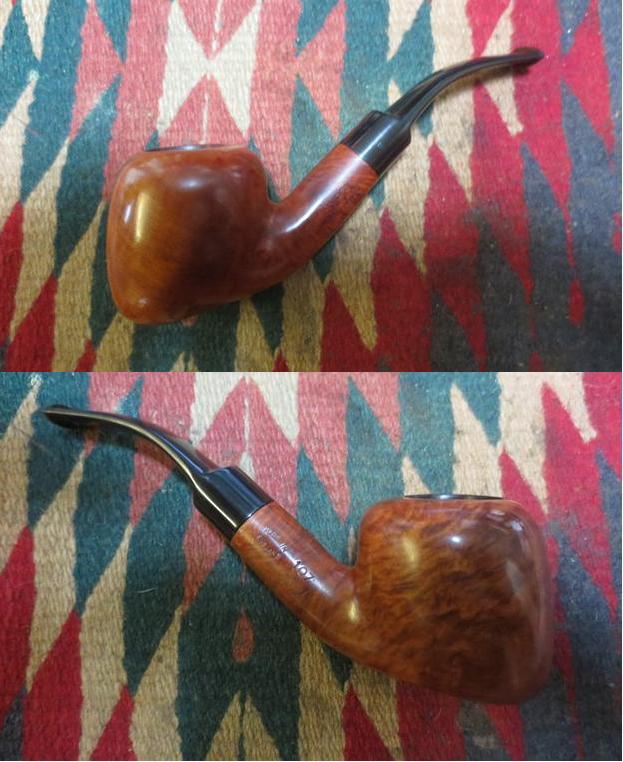
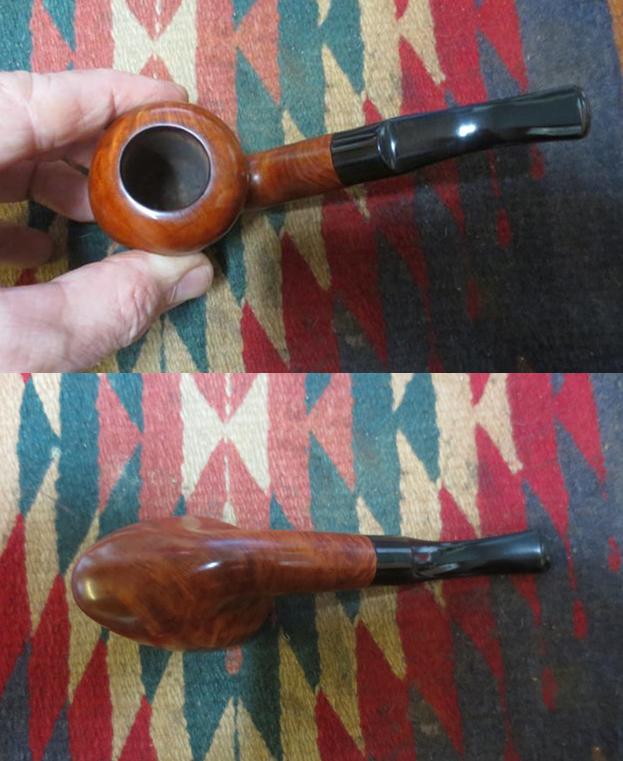
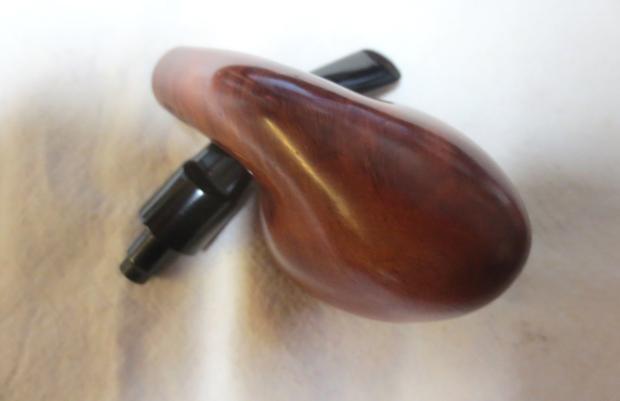
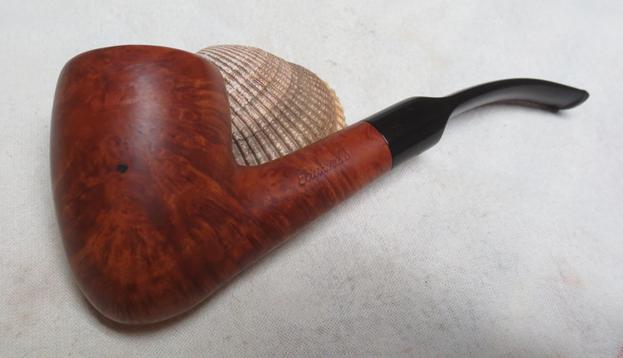
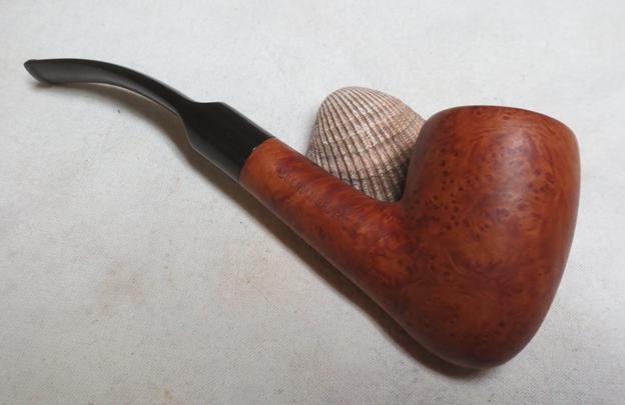
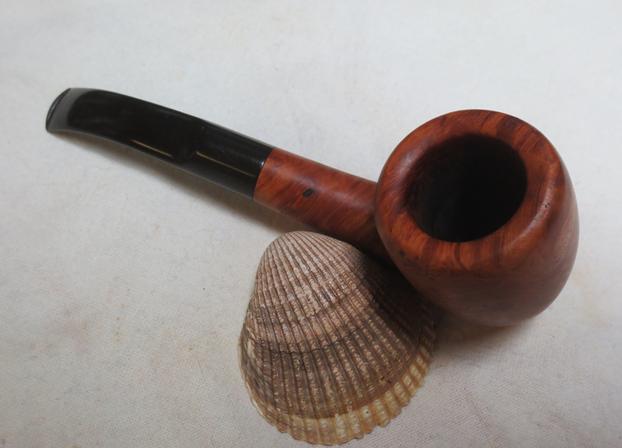
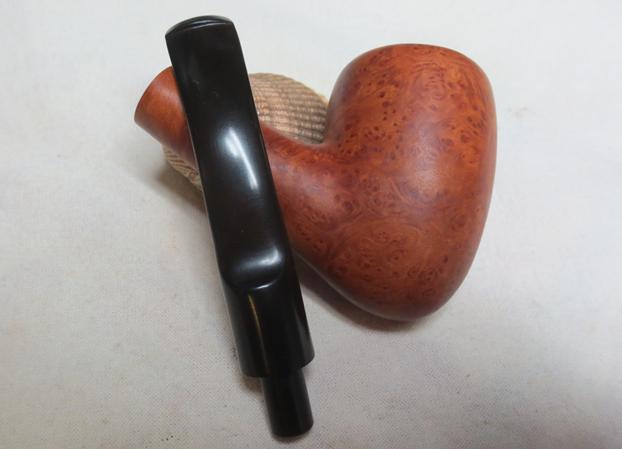
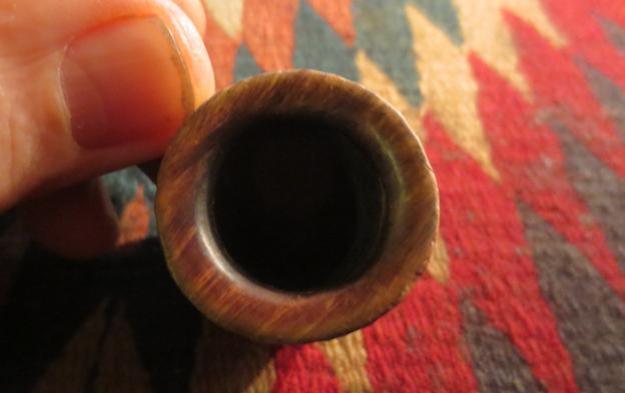
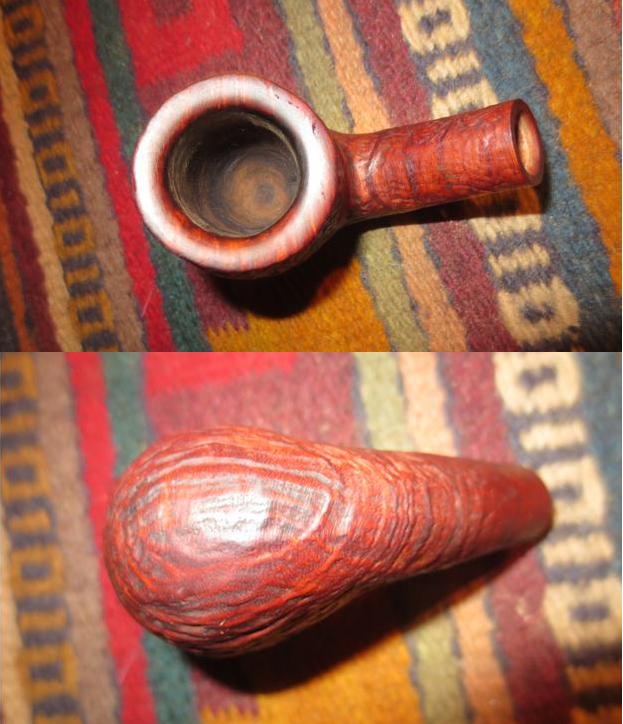
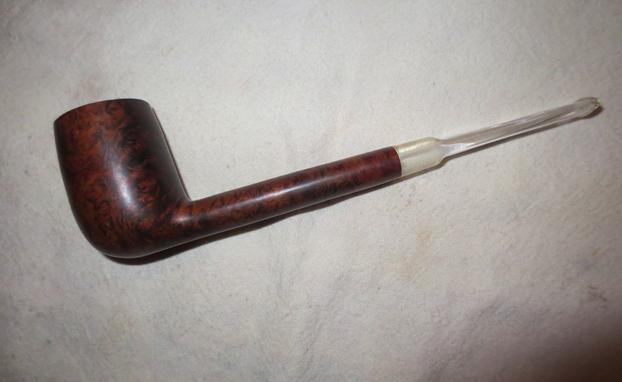
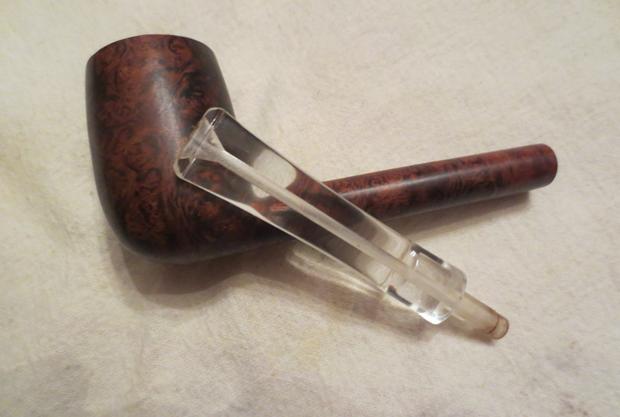
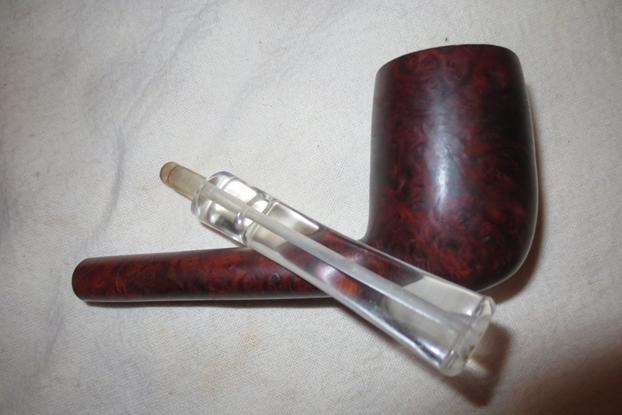
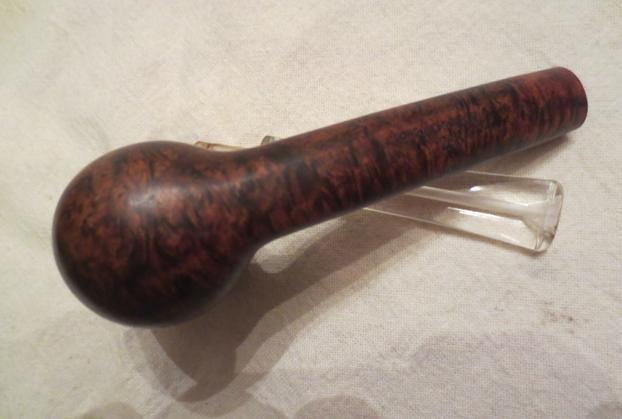
Below is the pipe as it was received. I’ve never had the 5031 shape before. It is quite graceful and comparable to the Dunhill 120, on a slightly smaller scale. The pipe weighs only 31 grams

gbd_5031_century_before-1

gbd_5031_century_before-2

gbd_5031_century_before-3

gbd_5031_century_before-4

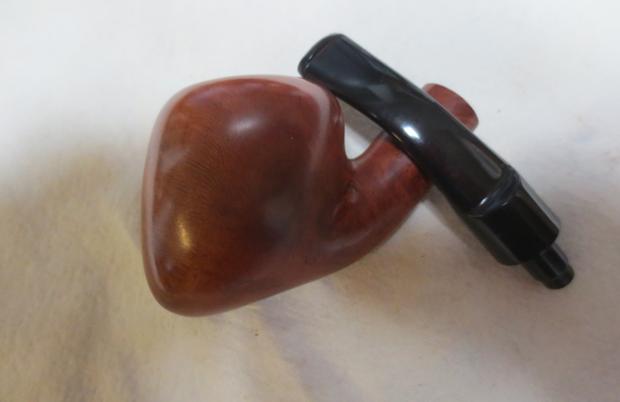
Curiously, this one had a push-in stinger apparatus. I’ve worked on over 100 GBD’s, including several Century pipes, but this is the first time that I’ve encountered a stinger. Dating GBD’s is only a broad stroke and the only sure bet is that this one was made before the merger in 1981. But, the stinger makes me think it might be closer in age to 1950 than 1981. In the later years, stingers fell out of favor with pipe smokers. The stinger pulled right out. Not all full bent GBD’s will pass a cleaner, but this one does.

gbd_5031_century_before-5

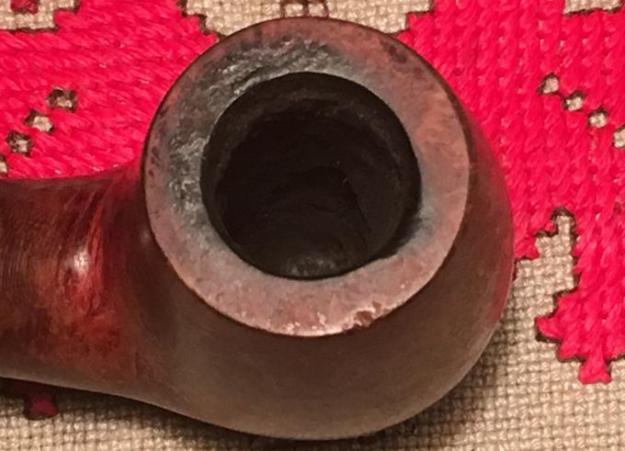
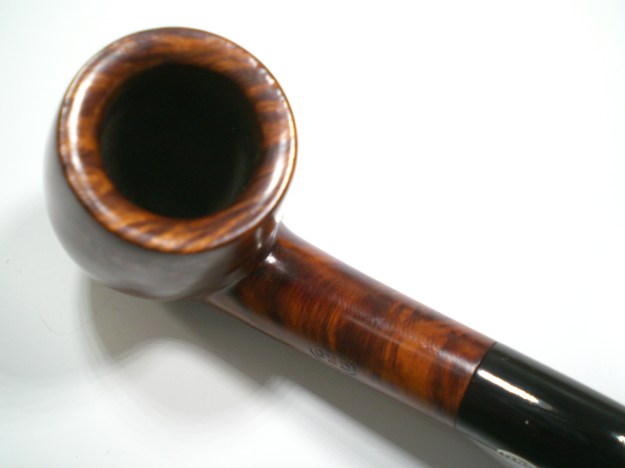
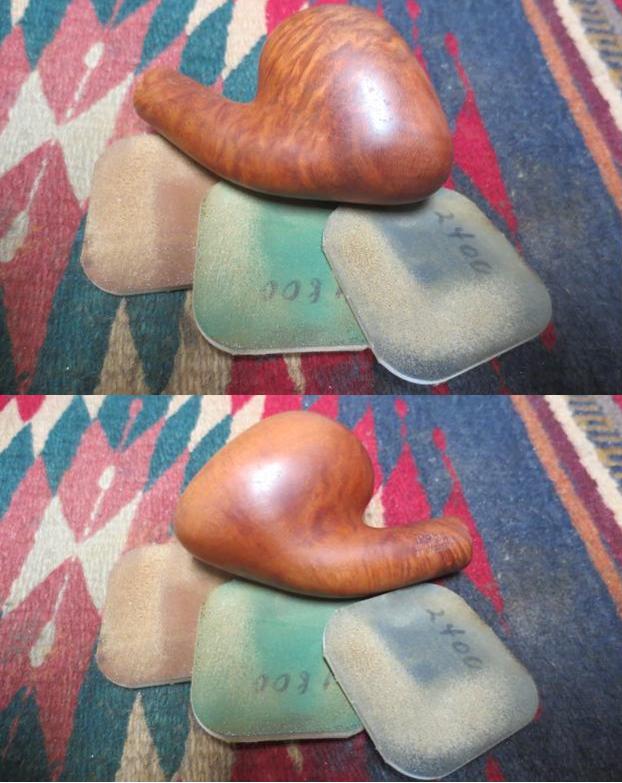
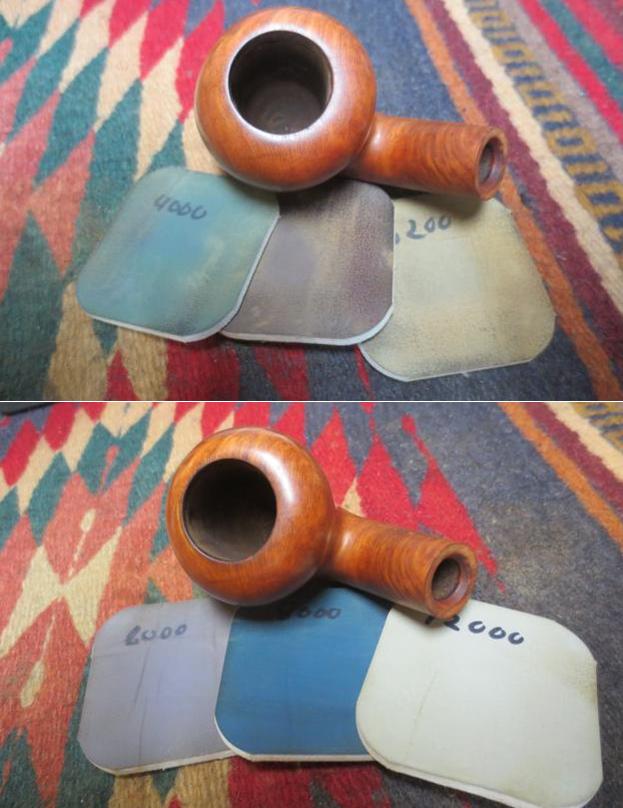
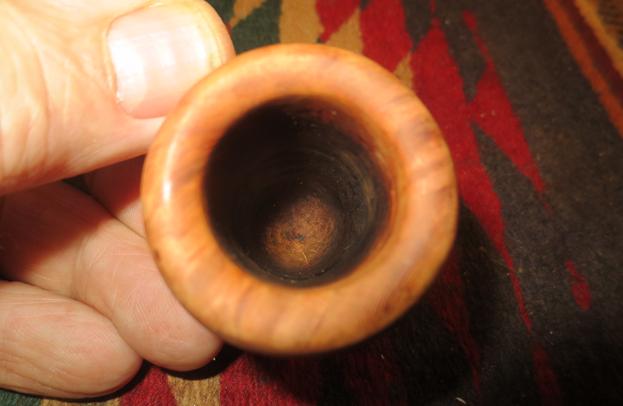
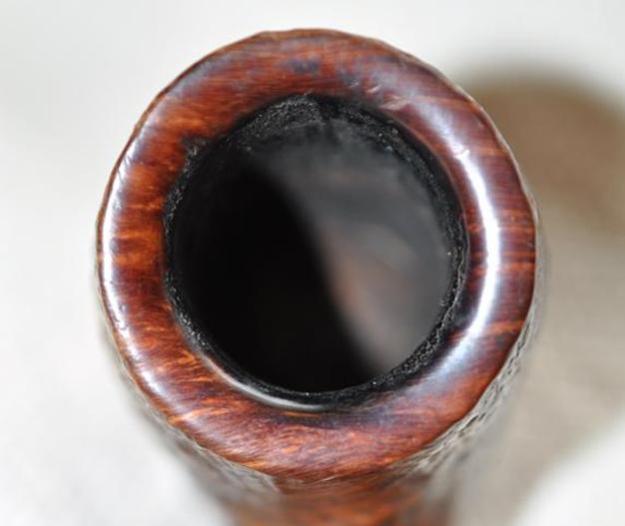
I used a cloth and distilled water to remove the bowl-top build-up. I finished with 2000 grit wet paper and then 8000 grade micromesh. This leaves the stain intact and the beveled-bowl top polished up nicely. The bowl was reamed and I found the interior in excellent shape. It was then soaked with sea salt and alcohol. While this was happening, the stem was soaked in a mild Oxy-Clean solution.

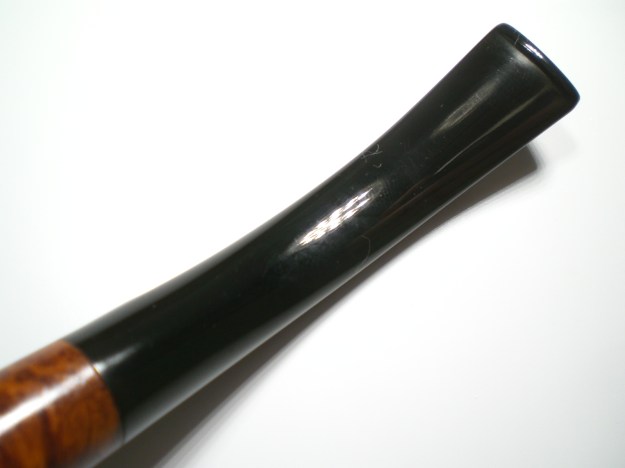
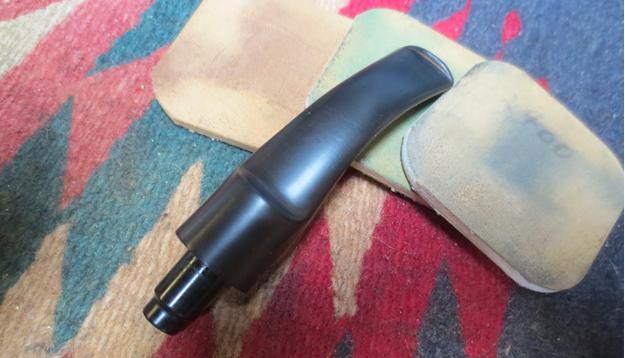
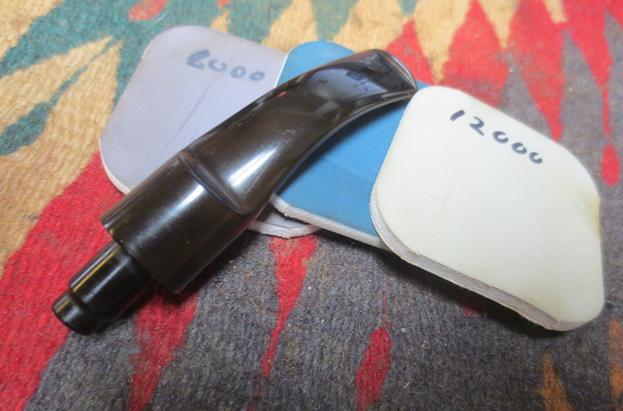
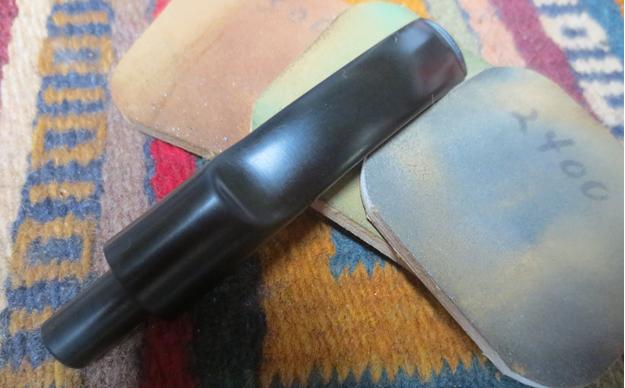
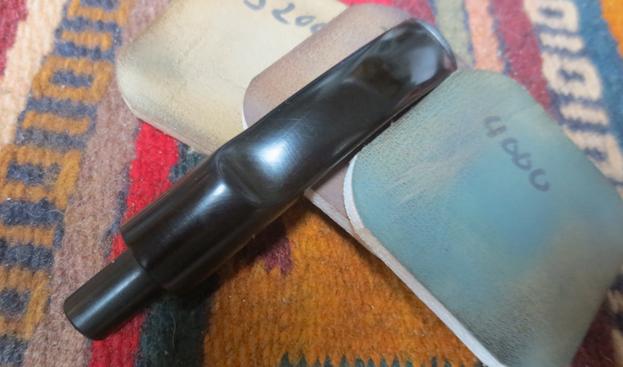
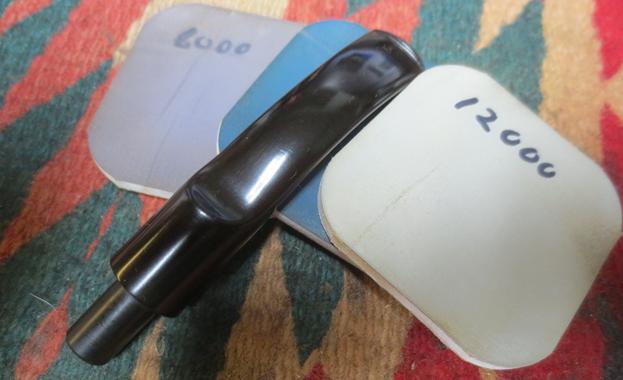
The stem was mounted and I removed the first layer of oxidation with 800 grit wet paper, followed by 1000 and 2000 grades. Next was 8,000 and 12,000 grade micromesh sheets. The stem was then buffed with White Diamond and Meguiars Plastic polish. The vulcanite on this one has a very high grade feel and is comparable to the few GBD’s that I have stamped “Hand Cut”.

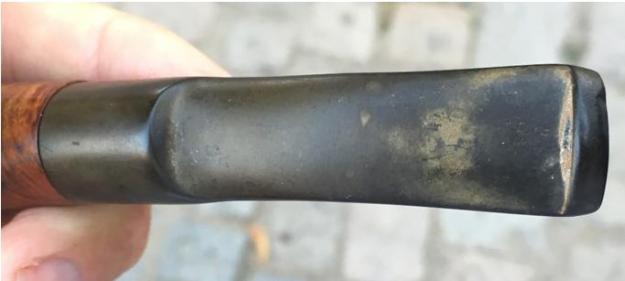
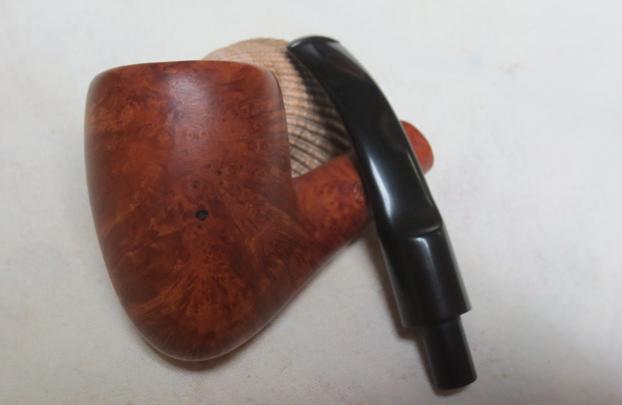
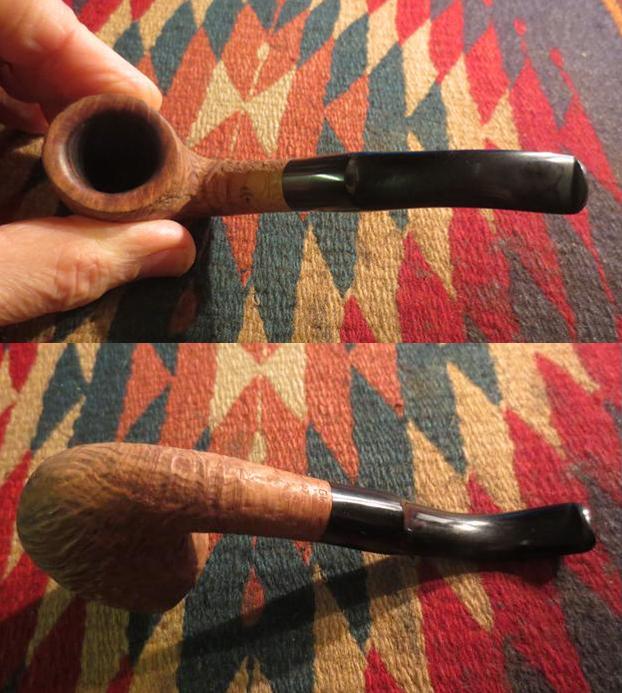
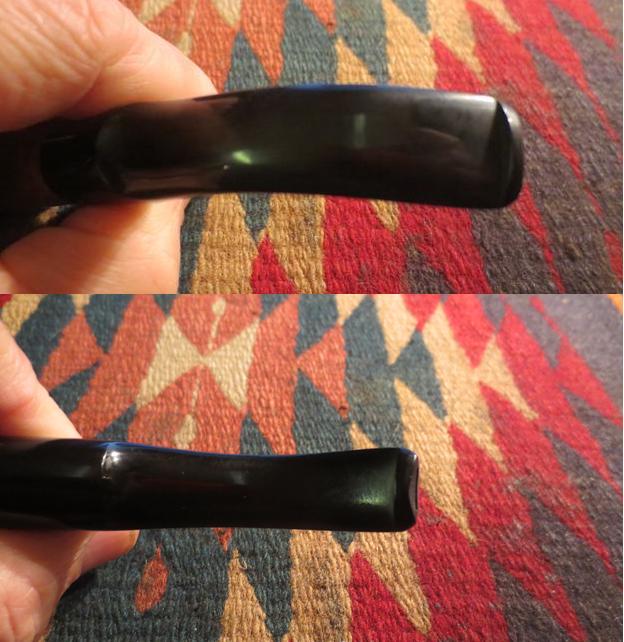
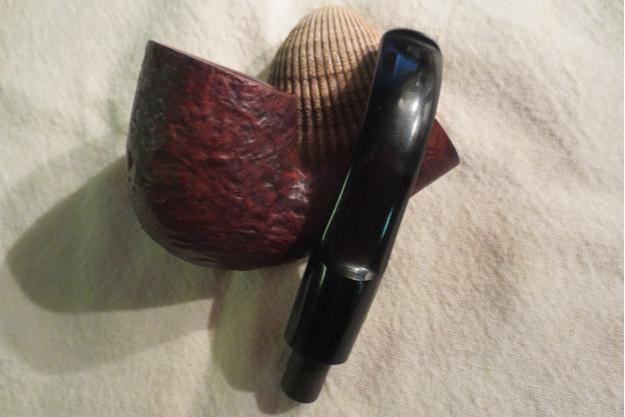
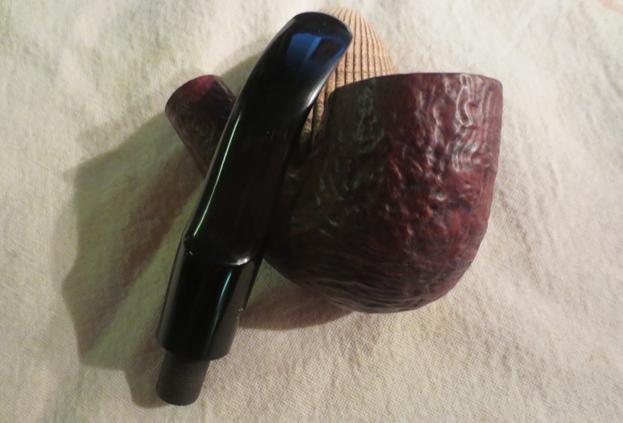
As you can see in the “Before” photo’s, the stem had a slight gap on the top position. I warmed the tenon slightly with a heat gun and using a metal pin punch inserted into the tenon, I adjusted it slightly, then put the tenon in cold water to set the position. That worked nicely and the finished stem fitment was excellent

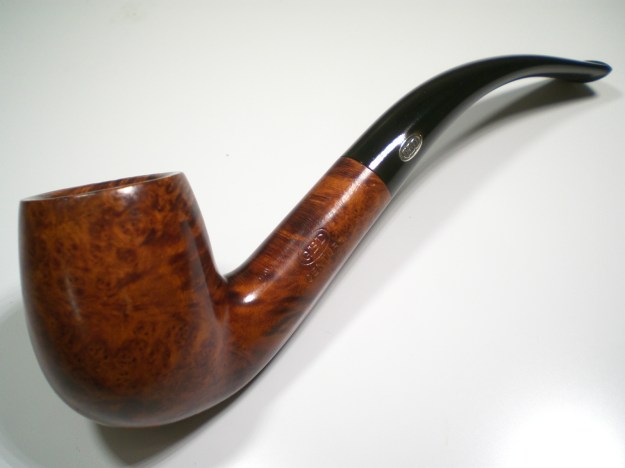
The bowl was polished with White Diamond and several coats of Carnuba wax. The nomenclature was in great shape, so I was careful to only hand-polish those areas.

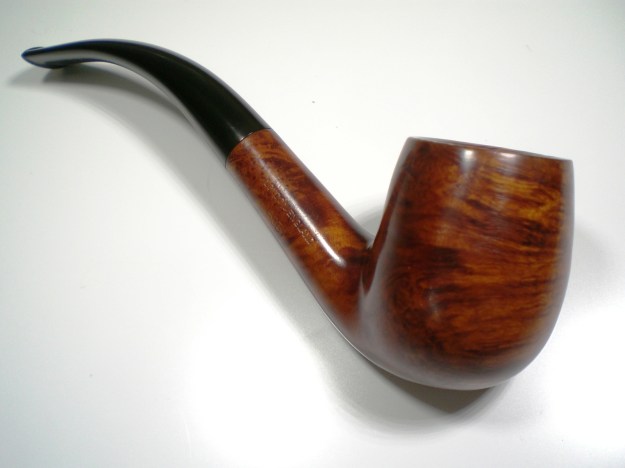
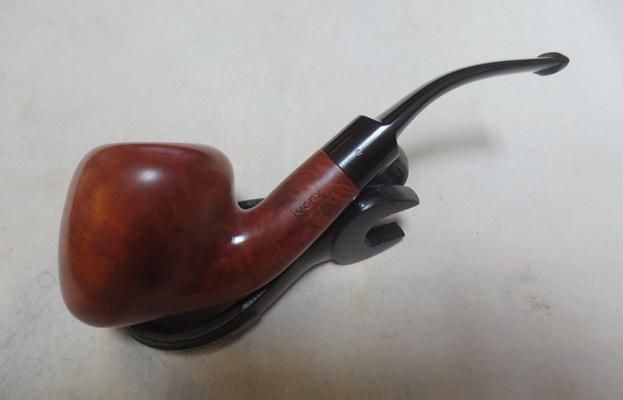
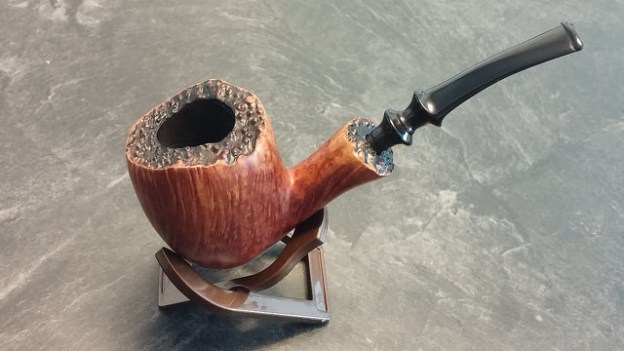
Below is the finished pipe. I reluctantly posted this one for sale and a friend of mine grabbed it. I have to deliver it to him quickly, before I regret my decision!

gbd_5031_century_finish-1

gbd_5031_century_finish-4

gbd_5031_century_finish-2

gbd_5031_century_finish-5

gbd_5031_century_finish-6

gbd_5031_century_finish-7

gbd_5031_century_finish-3

gbd_5031_century_finish-8

?

?

?

?

The Havana Cigar Booklet


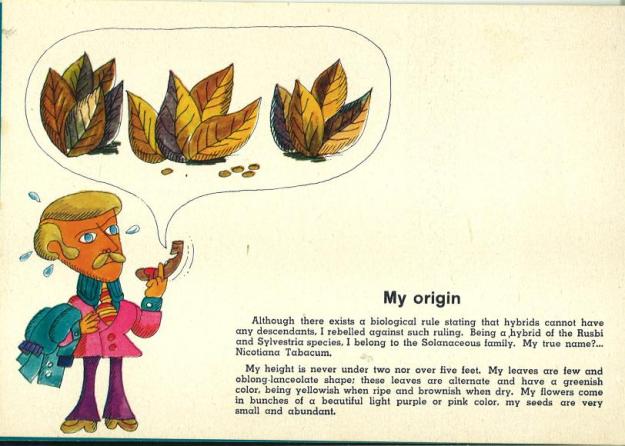
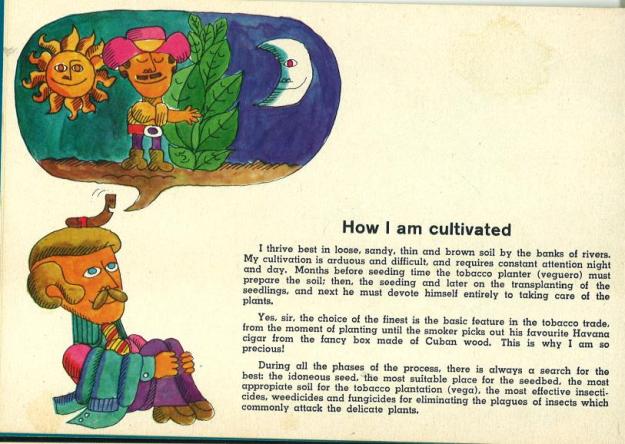
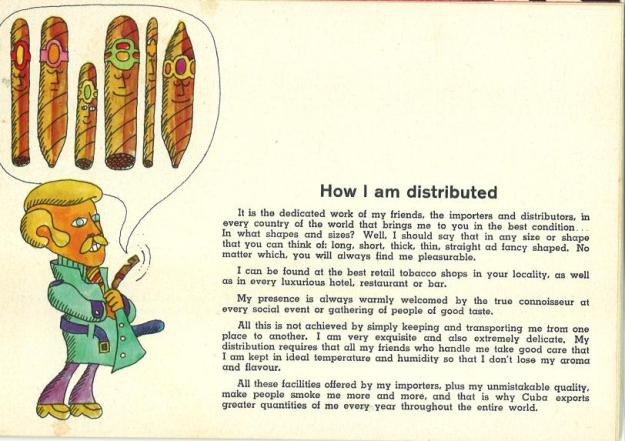
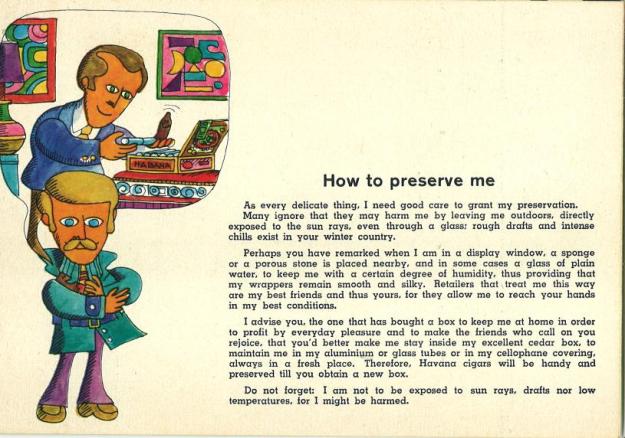
This little informative booklet was put out by Cubatabaco who sells Havana Cigars what they call – “the Best in the World”. This fun to read booklet is illustrated and told from the perspective of the cigar itself. A great read and some very 70s illustrations. It is a quick read. Enjoy.havana1 havana2 havana3 havana4 havana5 havana6 havana7 havana8 havana9 havana10 havana11havan12havana13havana14havana14ahavana14bhavana15


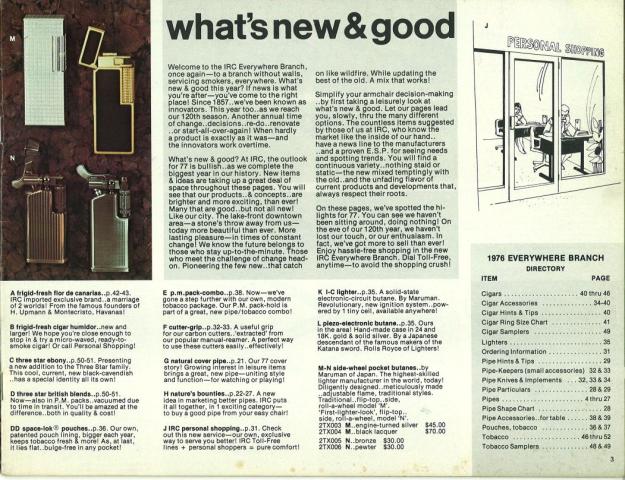
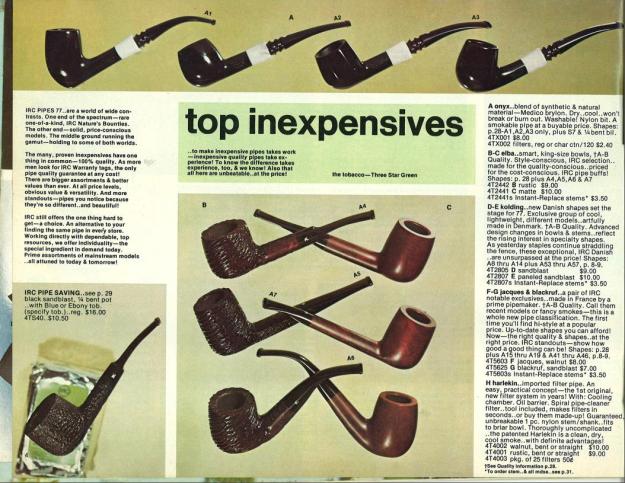
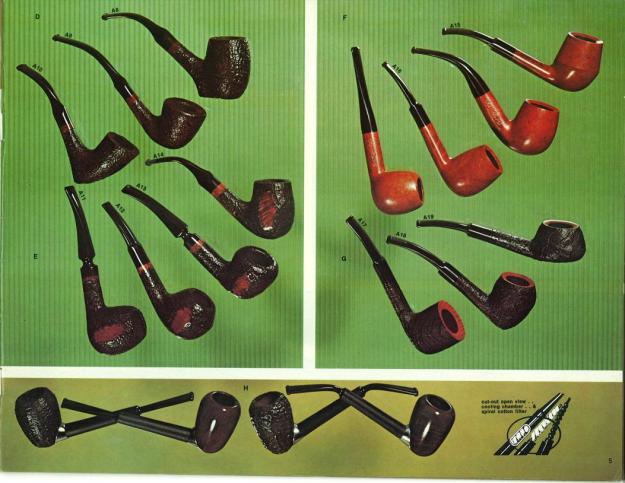
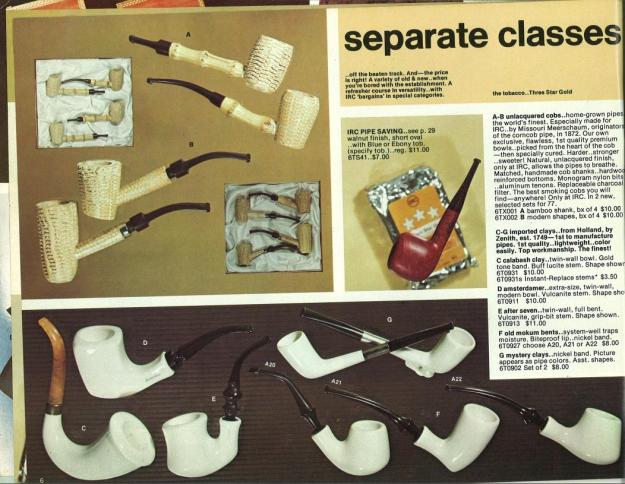
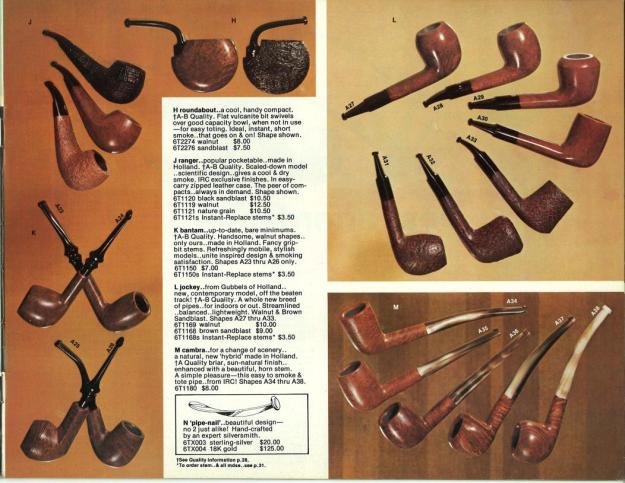
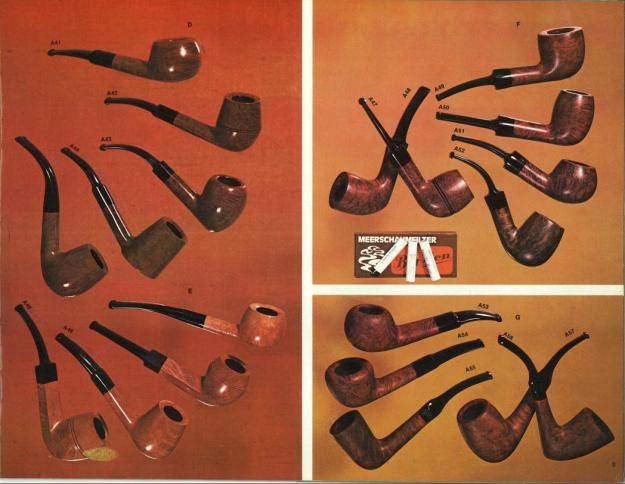
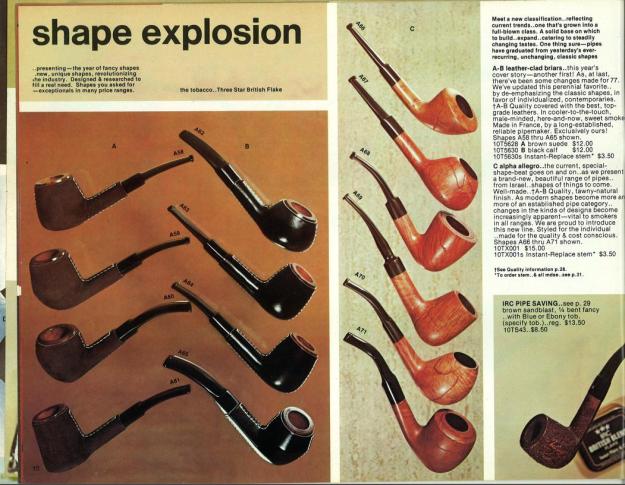
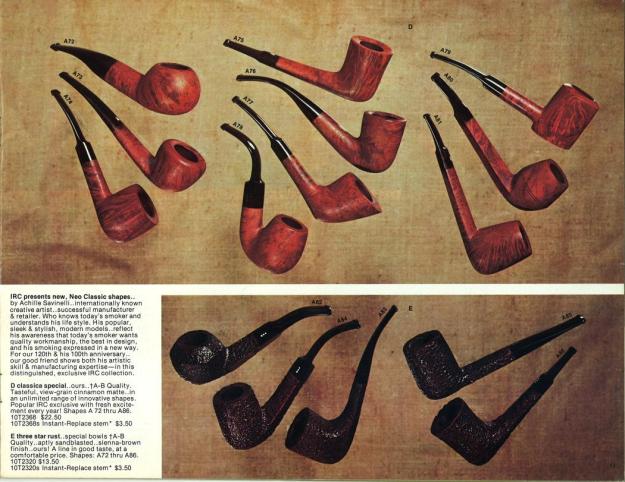
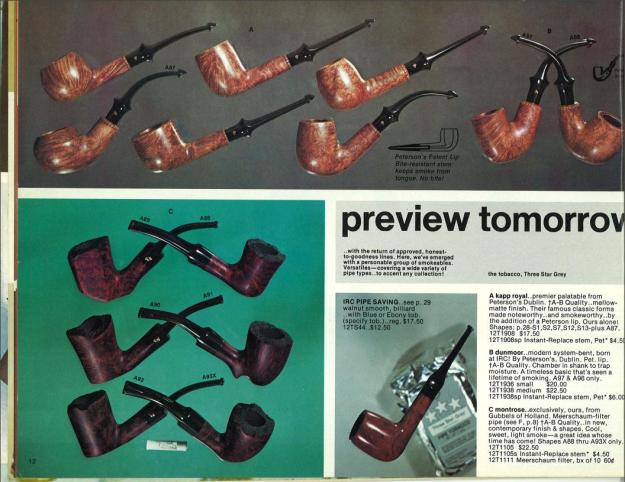
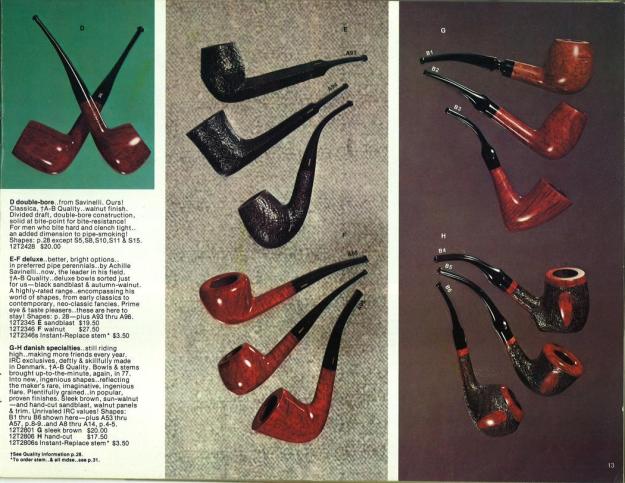
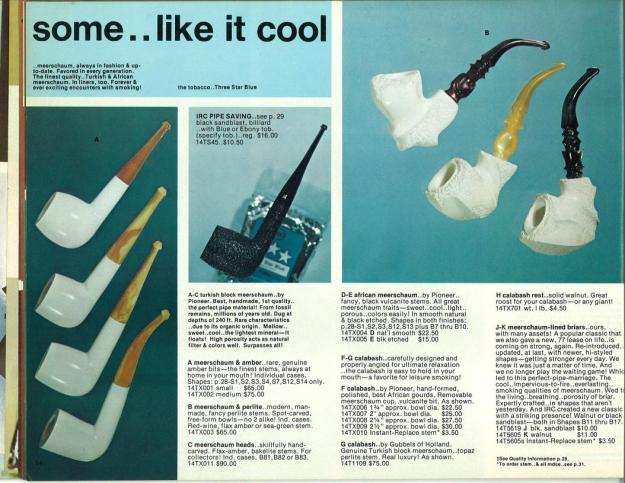
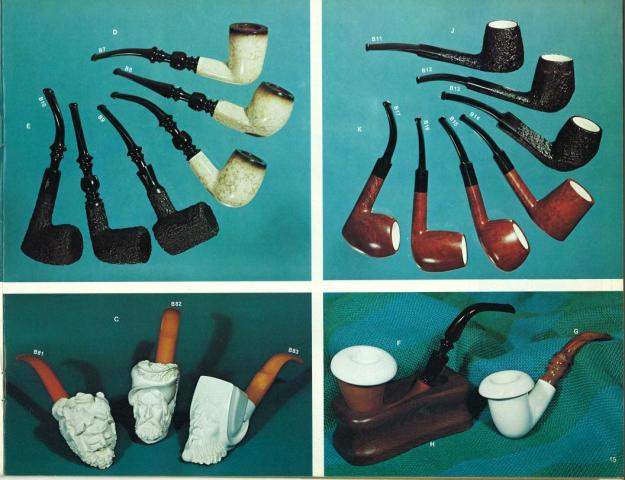
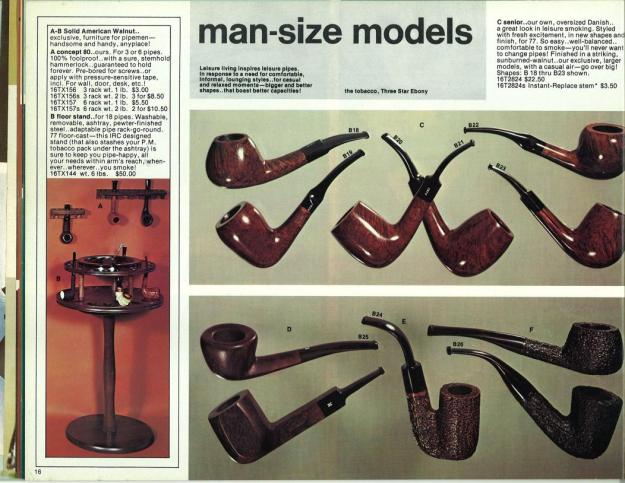
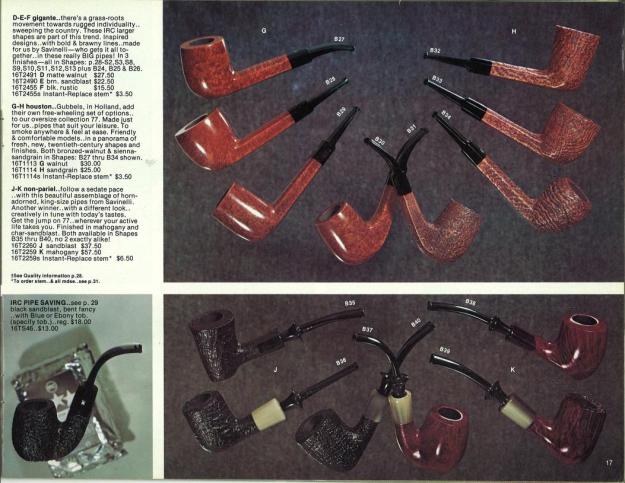
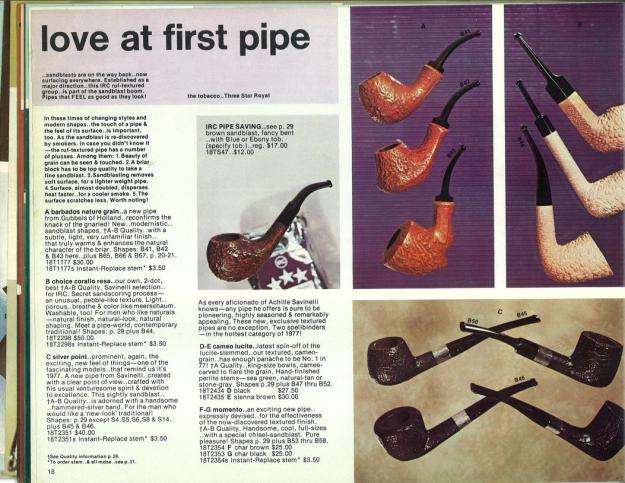
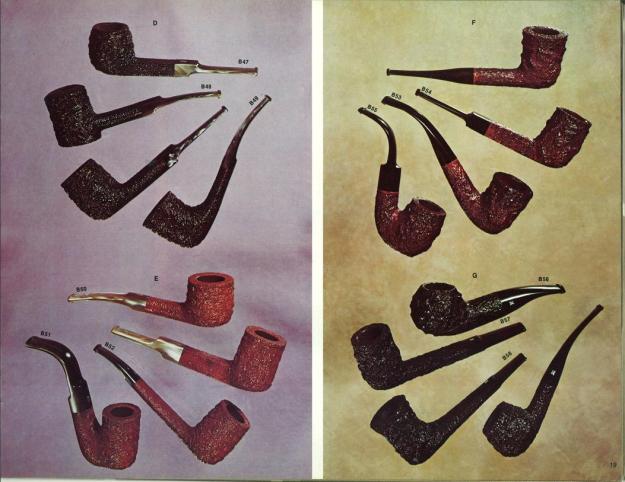
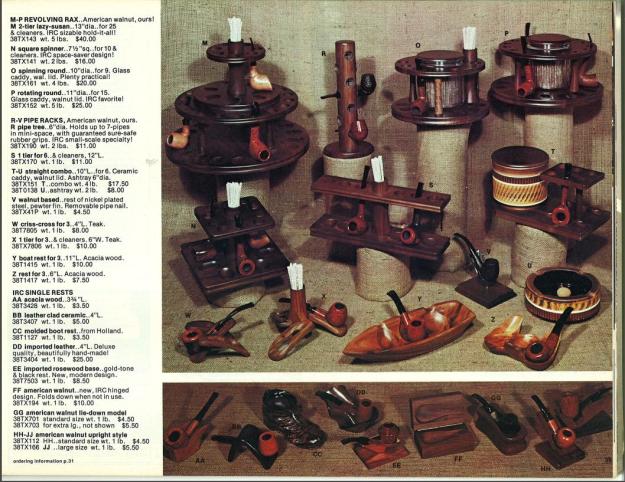
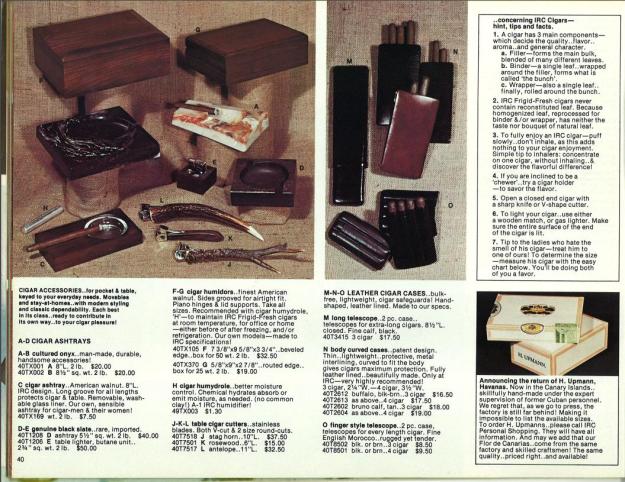
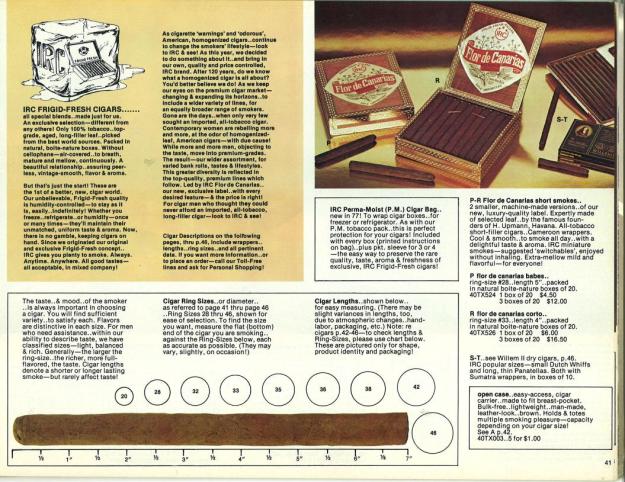
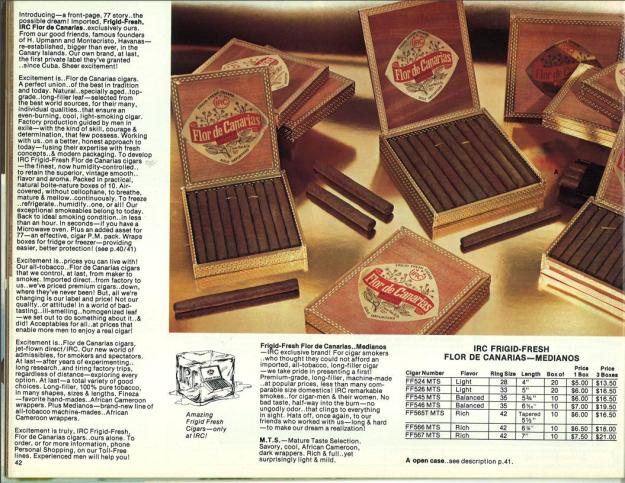
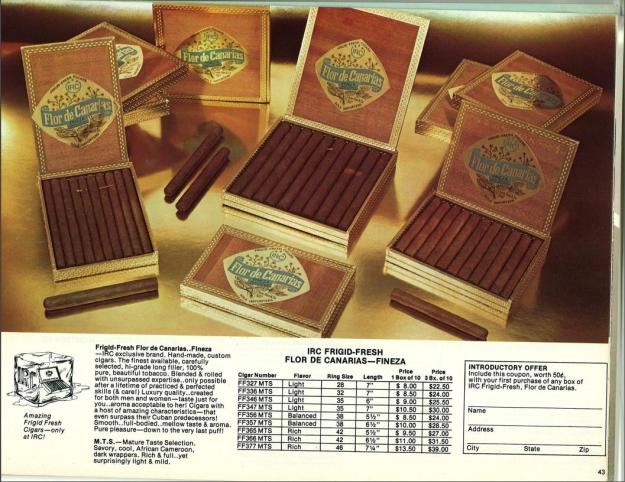
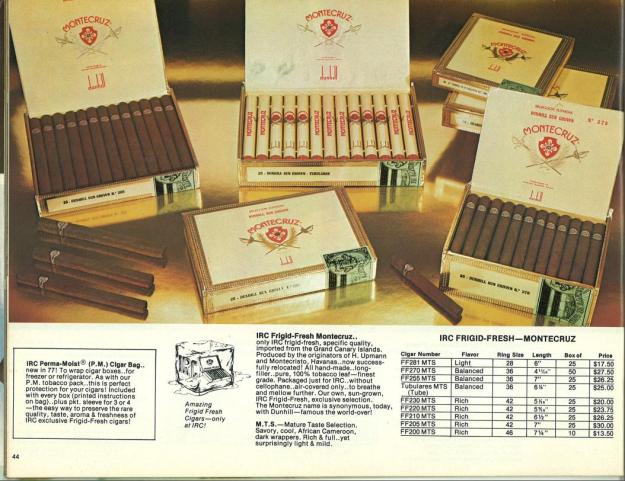
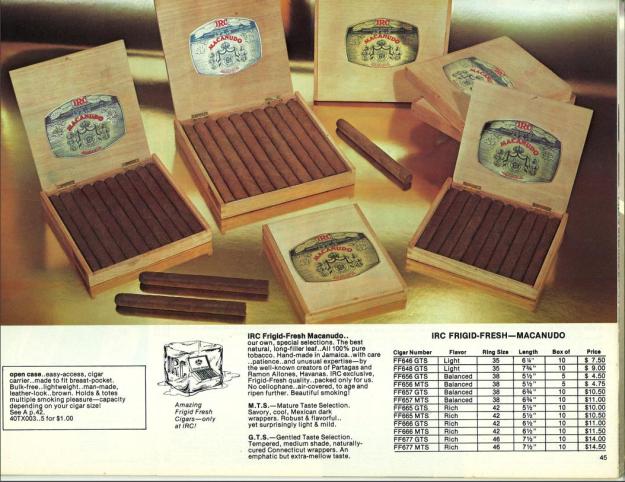
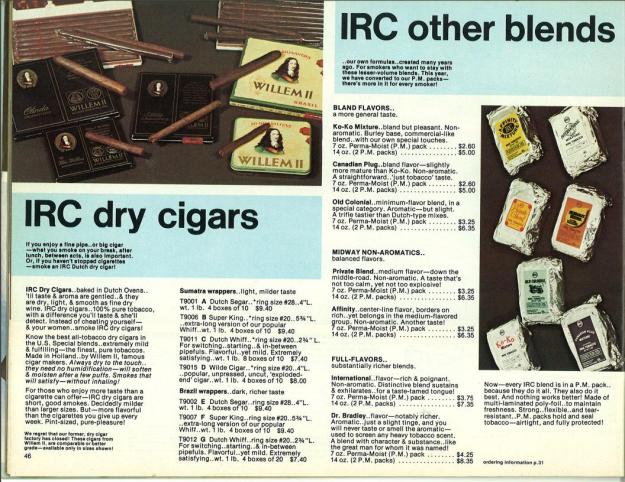
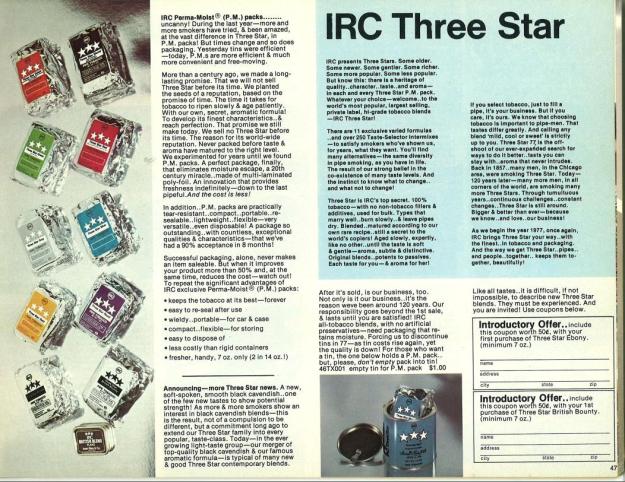
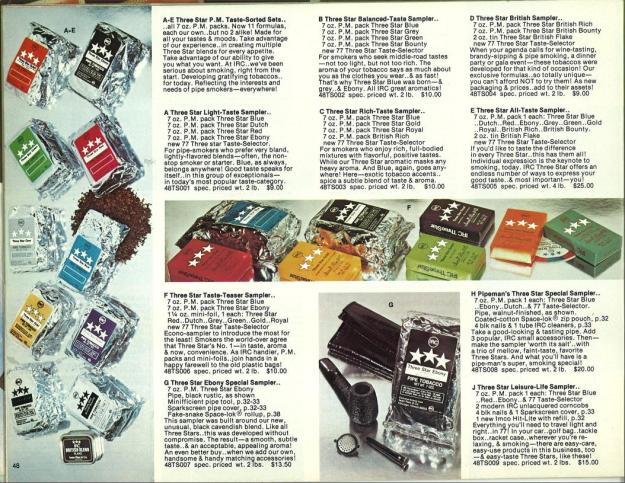
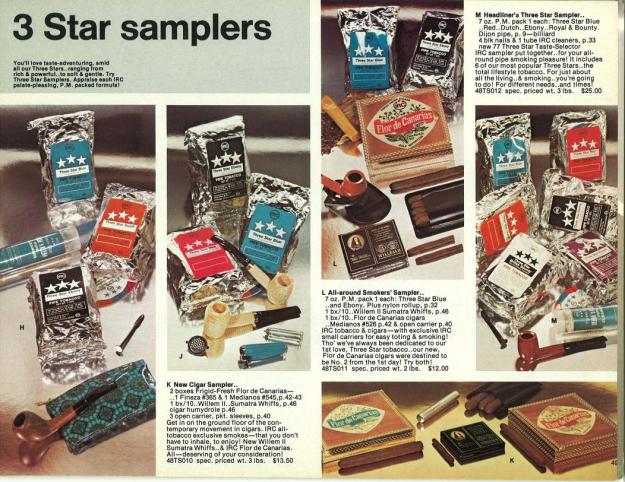
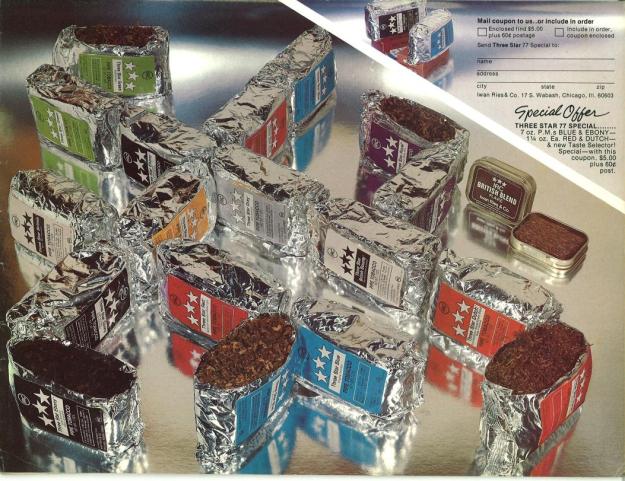
A 1977 Iwan Ries & Co. (IRC) Catalogue


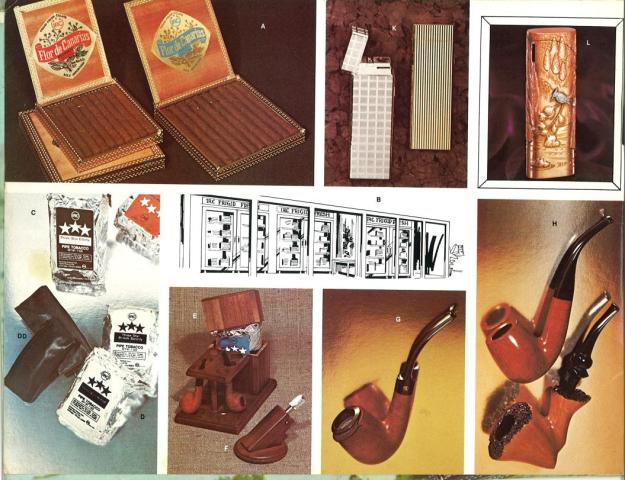
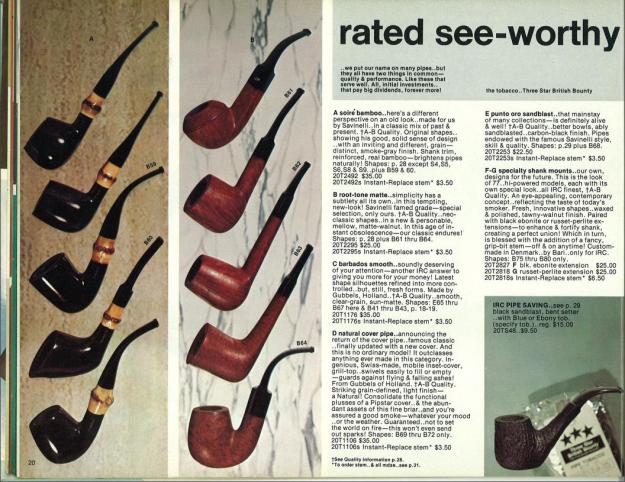
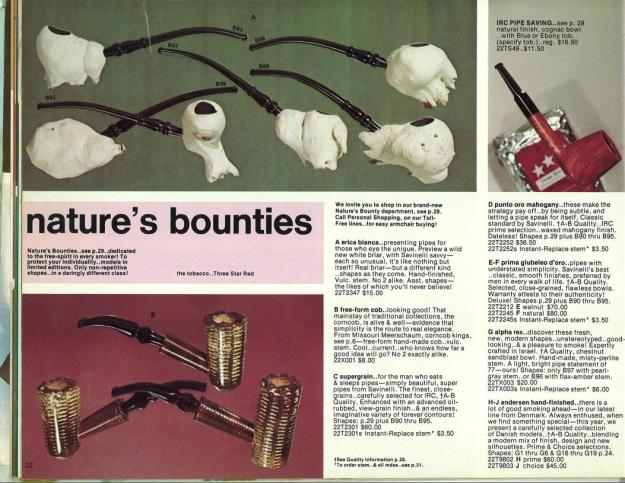
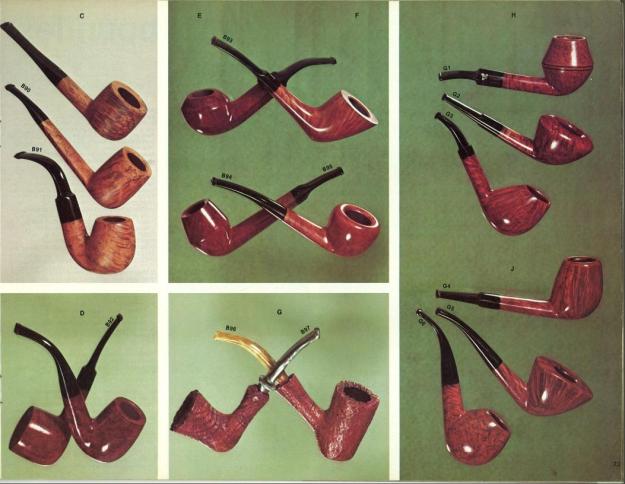
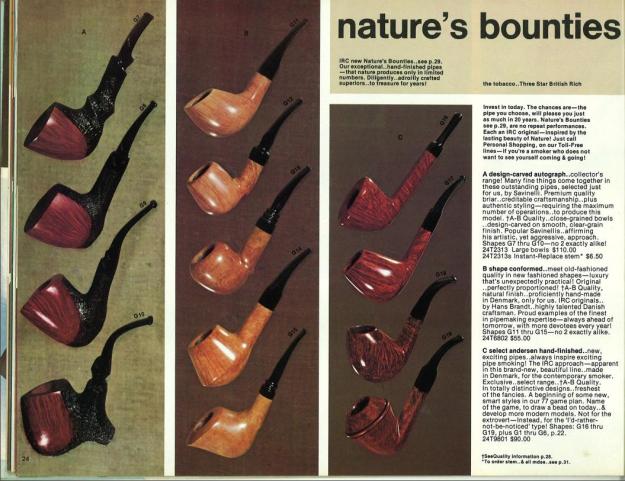
I have put many of the catalogues I was given on the blog for you to enjoy over the recent months. Last evening I was going through the remaining pieces in the envelope and found that there was also this 1977 IRC booklet from Iwan Ries & Co. of Chicago, Illinois. It was really fun to read through last evening so today i scanned it so I could share it with all of you. I find it an enjoyable read to go through the pipes and tobaccos that are listed from the time when I was in university. Sometimes I wish there was a way to go back and pick up some of these amazing pipes and tobaccos.

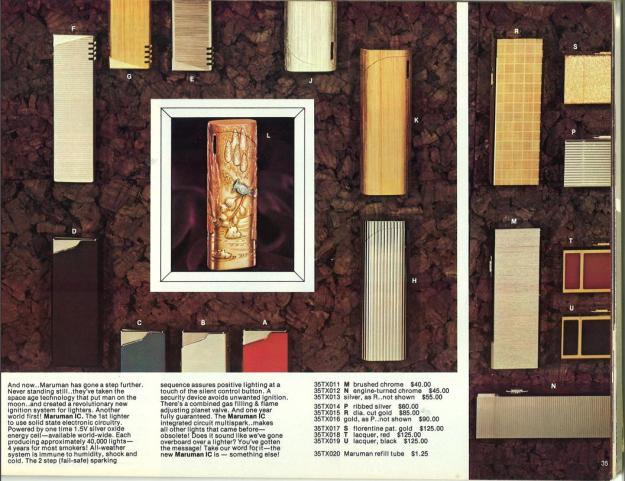
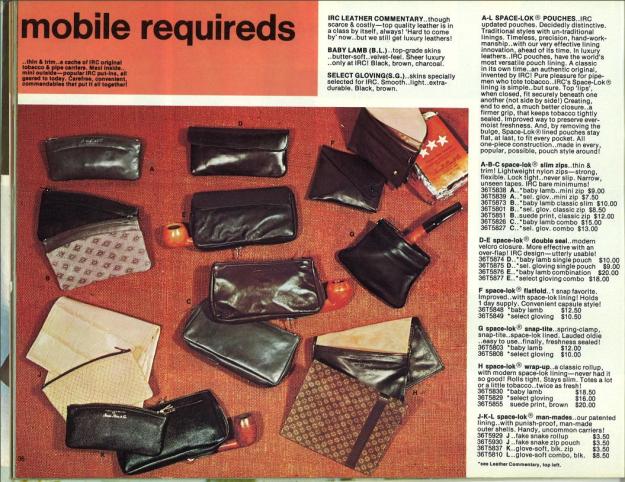
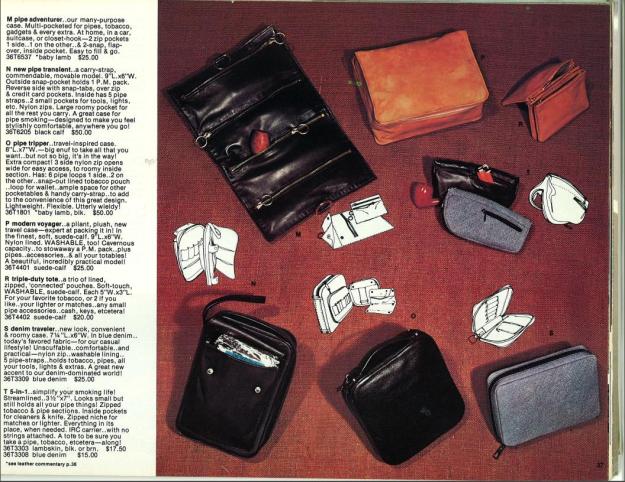
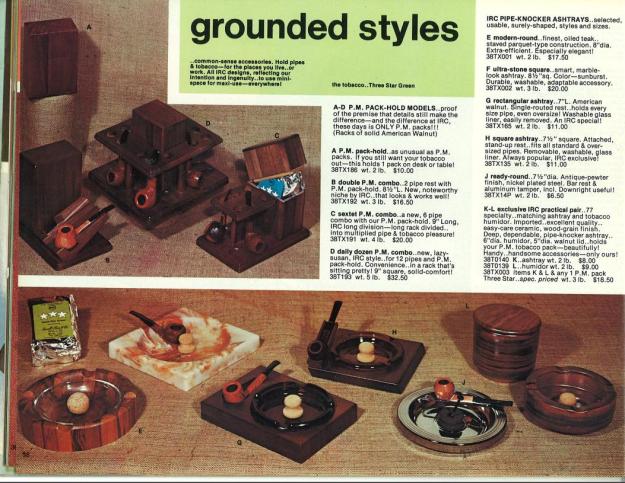
irc1 irc2 irc3 irc4 irc5 irc6 irc7 irc8 irc9 irc10 irc11 irc12 irc13 irc14 irc15 irc16 irc17 irc18 irc19 irc20 irc21 irc22 irc23 irc24 irc25 irc26 irc27 irc28 irc29 irc30 irc31 irc32 irc33 irc34 irc35 irc36 irc37 irc38 irc39 irc40 irc41 irc42 irc43 irc44 irc45 irc46 irc47 irc48 irc49 irc50 irc51 irc52

A Surprising Collaboration between Sasieni and Tinderbox – an Ivory London Made by Sasieni 107 Freehand


n SanBlog by Steve Laug

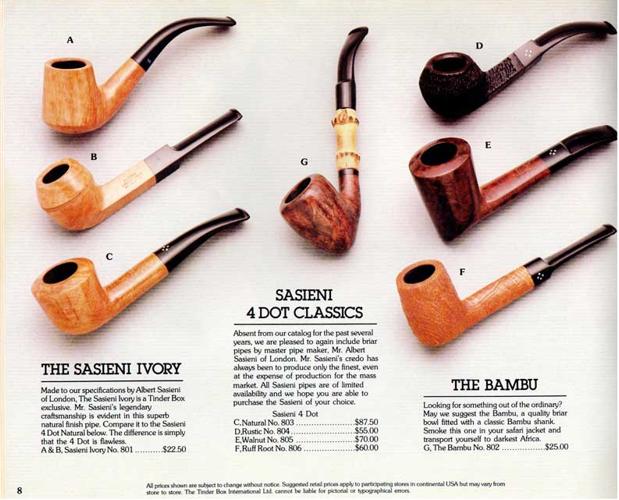
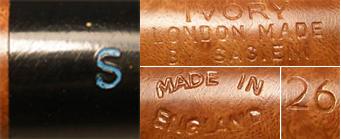
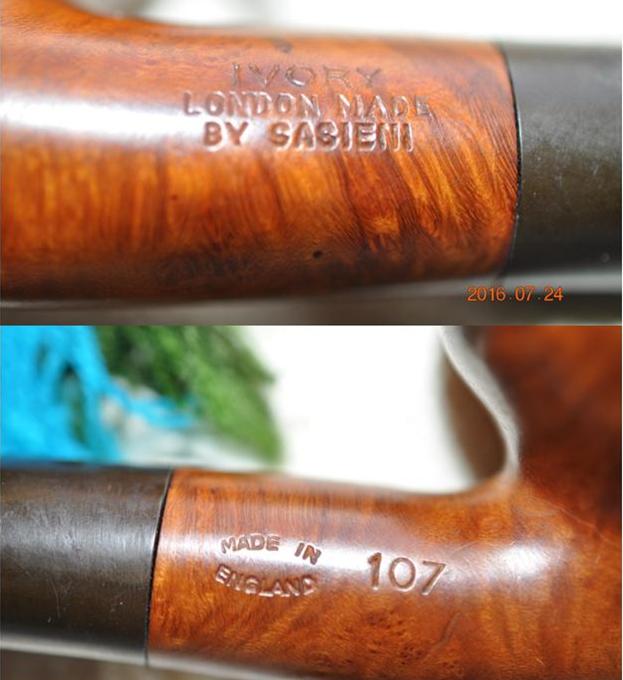
My brother sent me this pipe that was stamped on the left side of the shank Ivory over London Made over by Sasieni and on the right side of the shank was the rugby ball shaped stamping Made In England and the shape number 107. When I saw the photos that my brother sent I have to admit, I thought it was an ugly, strangely shaped deformed pipe. I was not sure what to make of it but I ‘knew’ I did not like it. I thought. The shape did not do anything for me and the blandness of the grain that I saw in the left side photo did not help. Too me there was not much redeeming about the look of the pipe. (The next photos are the ones my brother sent me.)ivory1I had not heard of the Ivory made by Sasieni pipe stamping before. It was a new one to me. So I did a little searching. On one of the online forums I found a clue that the Ivory was mentioned in the 1979 Tinderbox catalogue at pipepages. I went to pipepages and found the link to the catalogue: http://pipepages.com/tinderbox.htm. There was a 1979 Tinderbox Catalogue there that had the following quotation regarding the Ivory. “Made to our specifications by Albert Sasieni of London. The Sasieni Ivory is a Tinder Box exclusive.” The mention of the name Albert Sasieni I believe is an error as the company was run by Alfred Sasieni.

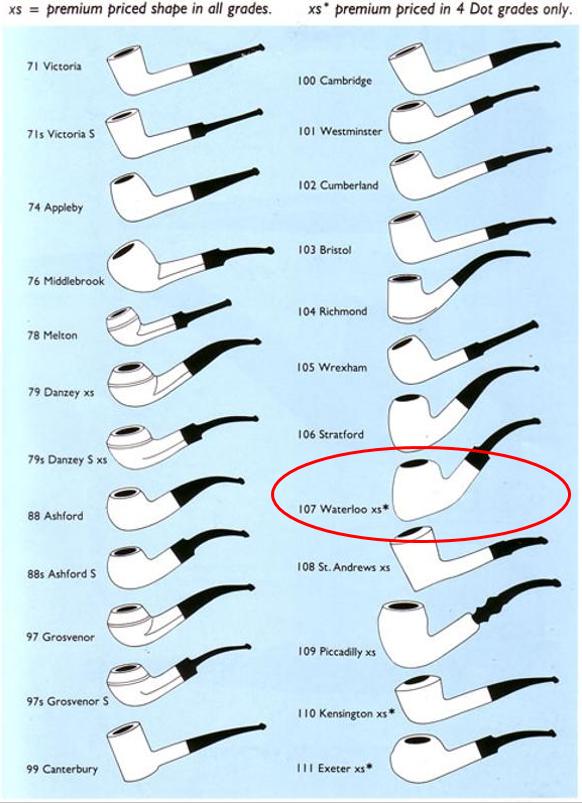
I knew from the link that the pipe was made for Tinderbox in 1979, the end of the family era. The collaboration between Tinderbox and Sasieni was established in that catalogue. In a way the Ivory made by Sasienin was like the Unique made by Charatan’s. Both were special orders by Tinderbox from those pipe companies. I have included a copy of the page in the 1979 catalogue from the pipepages site.ivory2I also found a Sasieni Shape Chart online and copied the page that had the 107 shape listed. It is circled in red in the photo below. The 107 is called a Waterloo and has a xs* notation in the catalogue. The note on the top of the page says that the xs* means that the pipe is a premium priced pipe in the 4 dot grades only.ivory3I also looked on pipephil’s logos and stampings site and found the Sasieni Ivory there as well. There was a ivory3agreat photo of the stamping on the shank and the stem. The stamping on the one I have is identical in all but the shape number. Mine is a 107 shape. The S on the stem is also exactly the same and in the same position on the saddle.

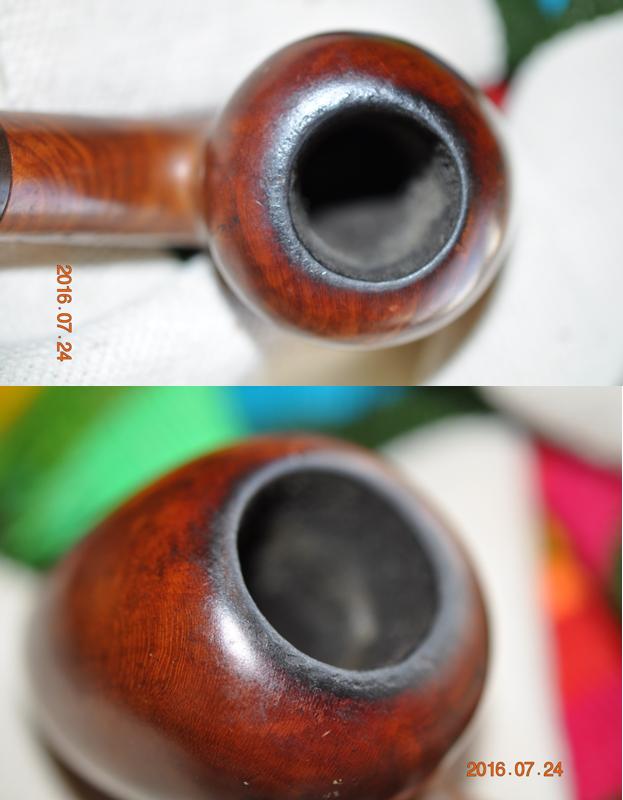
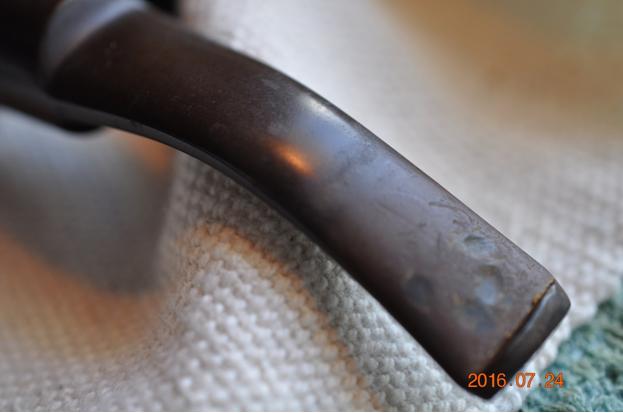
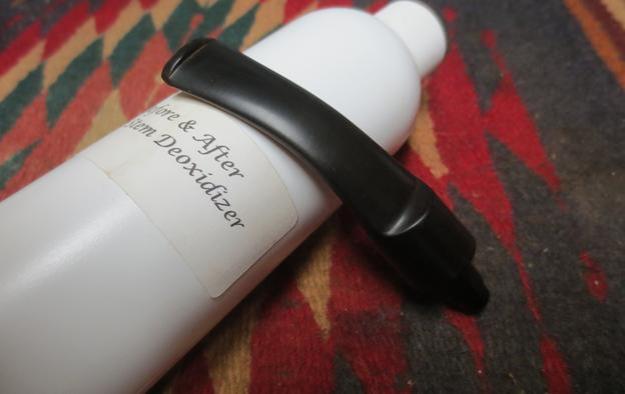
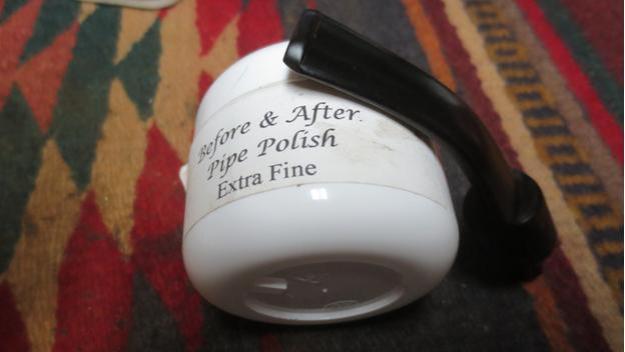
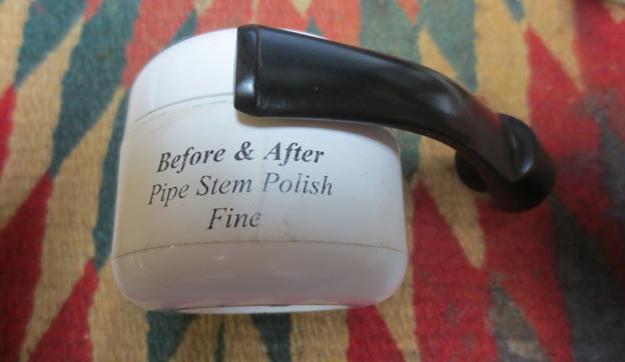
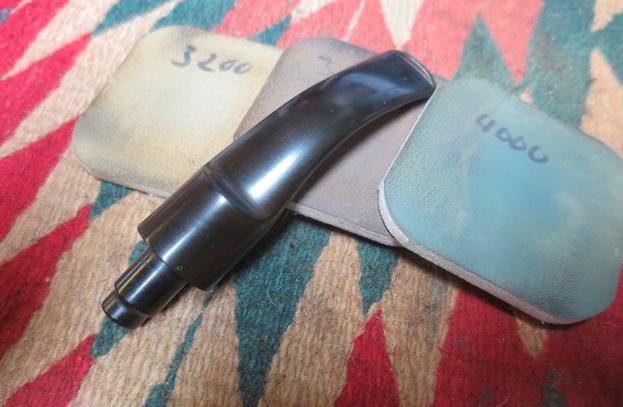
My brother also took some close up photos of the stamping on the sides of the shank and the rim to show me the damage to the rim top and the cake in the bowl.ivory4 ivory5He also took a photo of the top side of the stem to show the tooth marks on that surface. There was a matched set on the underside of the stem. Combined with the surrounding tooth chatter the stem was a bit of a mess.ivory6My brother did his usual stellar job of cleaning up the pipe. He scrubbed the exterior of the bowl with a tooth brush and Murphy’s Oil Soap and rinsed it under running water. He was able to remove the wax and oils on the surface of the bowl and leave the briar pretty bare. The rim was better but the burn marks would need more work. He cleaned out the mortise and airway in the shank and stem with pipe cleaners, cotton swabs and alcohol. I took the next photos of the pipe before I started working on it.ivory7 ivory8I took close up photos of the rim and the stem to show what I had to work with on this pipe. My brother was able to get the majority of the stuff off the rim. There was still some remaining buildup and tars on the rim. There were also some burn marks on the rim. The stem closeup photos reveal the dents and tooth marks on both sides of the stem and the damage to the edge of the button.ivory9 ivory10I sanded the rim with 220 grit sandpaper to remove the rim damage. I also sanded the inside edge of rim. I was able to remove the damage to the rim and edge. It is a nice looking piece of briar from the top down.ivory11I sanded the bowl with microfibre sanding pads to polish the briar.  I sanded with 1500-12000 grit sanding pads.ivory12 ivory13 ivory14With the bowl finished I turned my attention to the stem. I heated the dents in the stem to raise them. I was able to raise them a bit and then sanded the stem with 220 grit sandpaper to smooth them out. I wet sanded the stem with 1500-2400 grit micromesh sanding pads. I was able to remove much of the oxidation. I left the area around the S stamp on the left side of the saddle. The stem looks far better at this point in the process than when I started.ivory16I scrubbed the stem with the Before & After Pipe Stem Deoxidizer to work on the oxidation around the S stamp. I was able to remove the majority of the oxidation without damaging the stamping. I scrubbed it with multiple applications of the deoxidizer until the oxidation was gone. I polished it with the Before & After Pipe Stem Polish Fine and Extra Fine.ivory17 ivory18 ivory19I sanded the stem with 3200-4000 grit micromesh sanding pads to further polish it. I rubbed it down with Obsidian Oil. I sanded it with 6000-12000 grit pads and gave it another coat of Obsidian Oil. I set it aside to dry.ivory20 ivory21I decided not to stain the pipe but leave it with a natural finish. I buffed the pipe and stem with Blue Diamond and gave it several coats of Carnauba wax. I buffed it with a clean buffing pad to raise the shine. I received an email from Wikus, a reader in the South Africa asking if I could show some photos of the pipe after the final machine buff and before the hand buffing to show the difference in results of the two techniques. The photos below show the pipe at this point in the process.ivory22 ivory23I took it back to the worktable and hand buffed with a microfibre cloth. The remaining photos were taken after the hand buffing. It removed some of the surface shine on the bowl and added more depth. To me the hand buffing has always improved the quality of the shine and adds another dimension. Overall the restoration on this pipe moved it from a thing of ugliness in my eyes to one that actually had beauty and felt good in the hand. Even the rather bald grain on the left side of the pipe shined up well and reflects the briar nicely. The finished pipe is shown in the photos below. Thanks for looking.ivory24 ivory25 ivory26 ivory27 ivory28 ivory29 ivory30 ivory31


In Praise of International Cooperation – Cleaning Up a Large Harcourt Grade D Freehand by Preben Holm for Dunhill


I thought I would share this pipe that Charles just refurbished. The connection of Preben Holm with Harcourt is fascinating and one that I read with interest.

Charles Lemon's avatar

By all accounts, the Danish Fancy pipe boom of the latdanglishe 1960s and 1970s caught the great English pipe house of Dunhill unprepared. Dunhill was unable to produce the new Freehand shapes in-house, so if the firm was to capitalize on the surging demand for Danish pipes, it would have to look elsewhere. The answer came in the form of a contract with the Preben Holm factory for the production of what became the Harcourt brand of pipes, destined for distribution through Dunhill’s network of principal pipe dealers.

The Harcourt on my worktable arrived in excellent estate condition. It is easily one of the largest pipes I’ve worked on – its overall length is just 5.75 inches, but the stummel is a real fistful of briar measuring 2.5 inches tall by 1.6 inches wide with a copious tobacco chamber of nearly one inch in diameter and 2.25 inches deep! Despite its size, the…

View original post 554 more words

My Dremel Polishing Techniques with a No-Name pipe from Sozopol Bulgaria


Blog by Dal Stanton

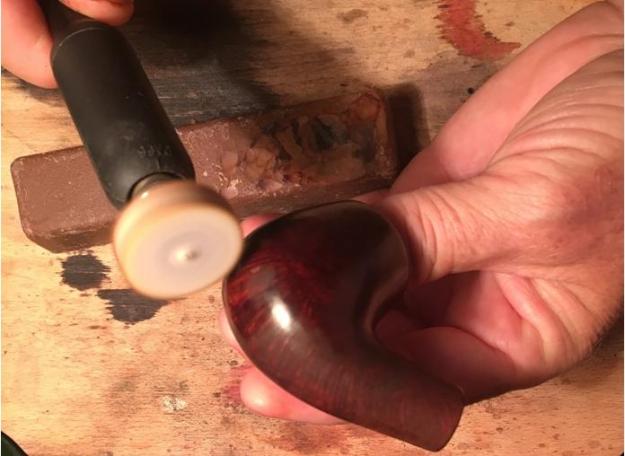
My reaction to Steve’s request that I write a step by step procedure of how I use a Dremel in my restorations was, “Who, me?  Uh….”  When he said that I was the only one that he knew of that uses a Dremel for the entire buffing/polishing process and that my results were up there with high powered buffers, these results piqued his curiosity.  When he also said that others too might be interested in my approach, I agreed to write this essay because I’ve benefit a great deal from reading others and discovering both methodologies of the art and the camaraderie that exists among pipe men (and women!) and those who restore tired pipes.  So, I proceed with this caveat: Since I’ve never used a normal sized powered buffing wheel I can’t compare these with my use of a Dremel.  My use of a Dremel is due to my setting – my wife and I live in a former Soviet apartment ‘block’ on the 10th floor in Sofia, Bulgaria.  By necessity my approach when I started this hobby last June with my first restoration (Link) was to keep things compact and contained because of our living space limitations.  Hence, the acquisition of a Dremel (In fact, I have a Skil brand high speed tool, but like the universal branding of Xerox, I call it a Dremel!) and its use of miniature buffing wheels.  To set the table, I’ll do a short-hand on the front end of the restoration and then get into more detail when I get to the polishing phase with my use of the Dremel, wheels, compounds and wax.  I told Steve that I’m flying by the seat of my pants!  Consider yourself forewarned!

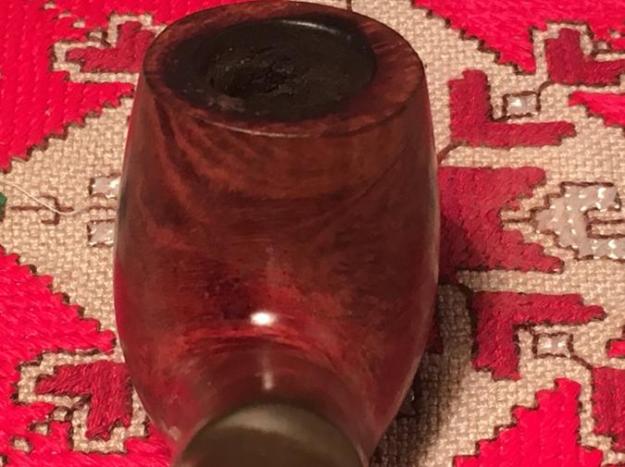
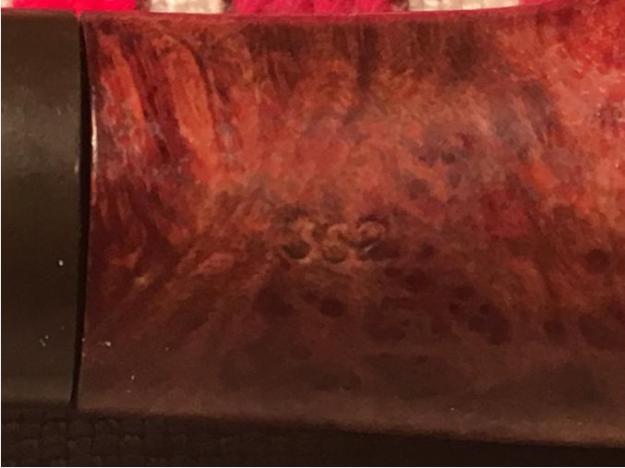
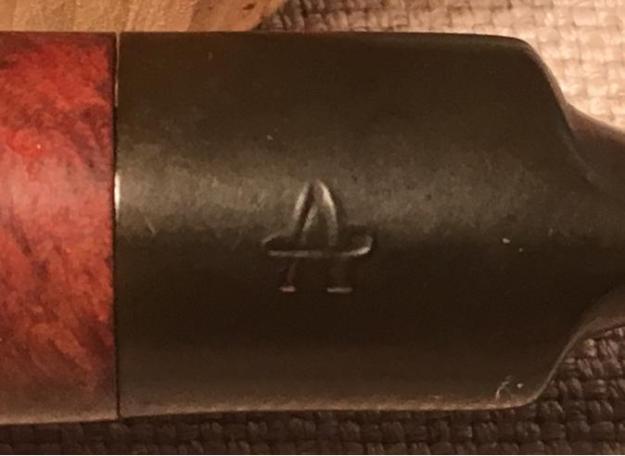
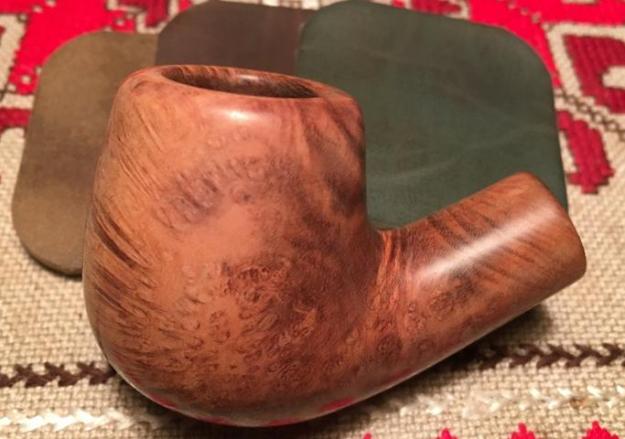
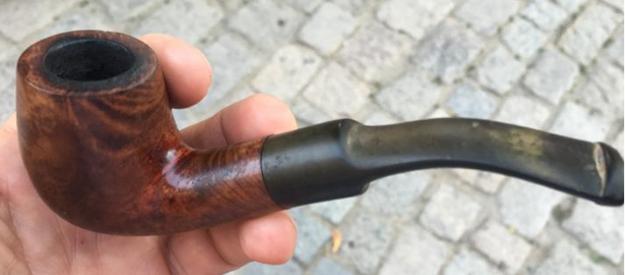
The no-name bent billiard before me now I found in the lazy little fishing town of Sozopol, Bulgaria, (Wikipedia) on the Black Sea coast during summer travels with our visiting daughter and son-in-law.  As we were strolling down the cobblestone street, an older lady had several pipes in a coffee tin situated on a window ledge looking over her impromptu display table with all kinds of old nick knacks and Soviet memorabilia.  I almost missed the tin can because my eyes were scanning the stuff on the table for a lonely pipe in need of a fresh start on life.  When I started drawing the small selection of pipes out of the can and studied them, what drew my attention immediately to this pipe was the unique grain in the briar.  After striking the deal, I took these pictures of the Sozopol find:buff1 buff2 buff3 buff4Today, after receiving Steve’s request for the essay, I took the Sozopol pipe out of the ‘Help me!’ basket, and again examine the briar with fresh eyes.  I’m thinking that this pipe will be perfect for the Dremel essay.  I am drawn to the briar as it is now and am anxious to coax it out even more.  I take a few more pictures on my work desk to fill in some gaps.buff5 buff6 buff7 buff8buff9With no name stamped on the shank and only what I assume is a shape number (362) stamped on the right side of the shank, the only indicator to the origins of this pipe is the stem imprint (above) which appears to be an ‘A’ with either an oval circle forming the cross bar or possibly the cross bar forms the shape of a pipe with the bowl to the right – at least it seems that way to me.  I looked at www.Pipephil.eu to find a match and I found none.  I always appreciate discovering something of the history of a pipe which enriches the restoration process for me – I’m connecting with its past as I contribute to its ongoing life through its restoration.  I’ll spruce up this stem logo with white acrylic paint later.
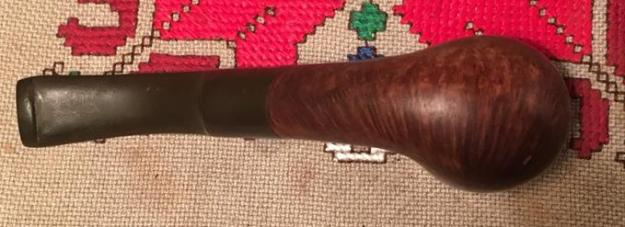
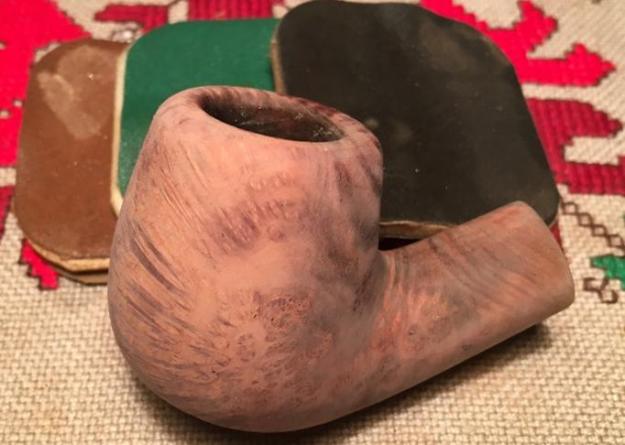
Since this blog is devoted to my use of the Dremel in the latter stages of the restoration, after reaming, cleaning of the internals of stem and stummel, removal of oxidation and micromesh the stem, cleaning the stummel with Murphy Oil Soap, and preparing the stummel for the sanding and buffing processes, I arrive at this point, completion of use of medium and light sanding sponge and the full micromesh process (1500-12000 grit pads). I show these pictures because I understand that the end polishing results will never be better than your sanding prep leading up to the application of compounds and waxes.  For this reason, I’m very patient with the micromesh cycles – I enjoy seeing the grain pop out during this stage and polish will not remove missed scratches and pits in the briar.  The pictures also show the progress.buff10 buff11 buff12Overview of Set-up
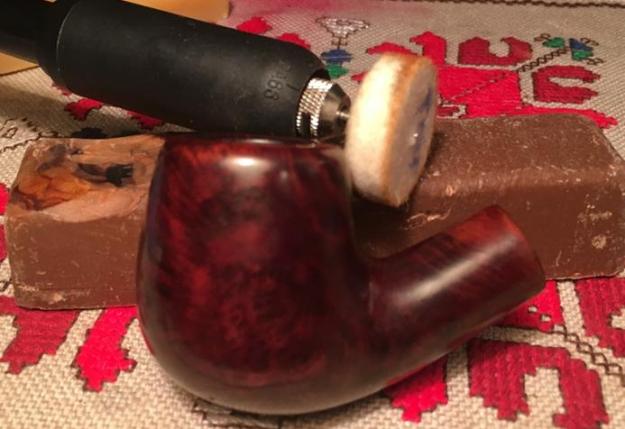
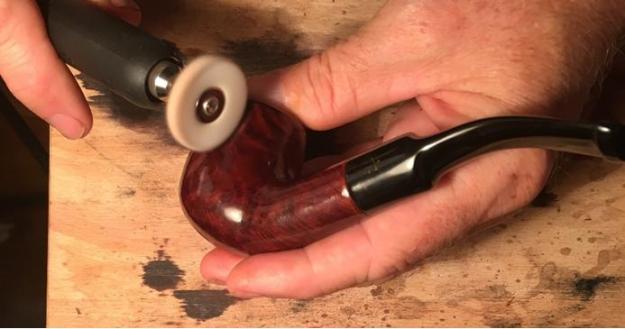
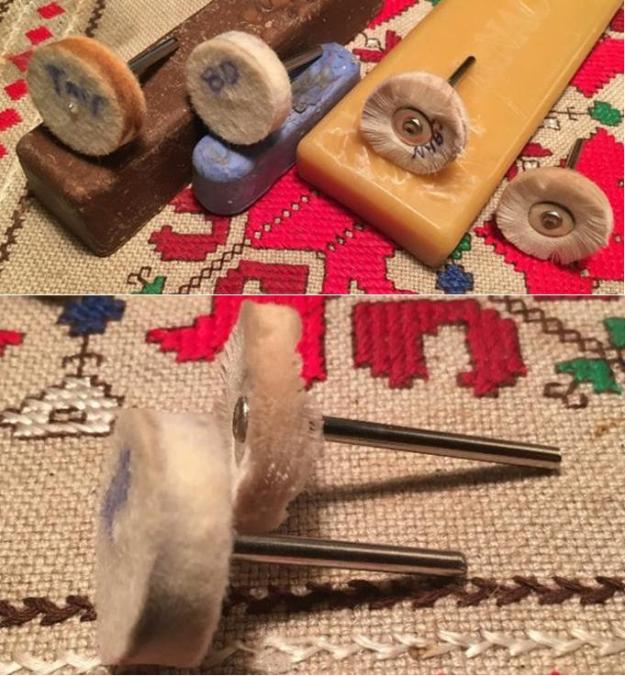
One of the first places I went to get a handle on buffing techniques when I was starting was to Steve’s Reborn essay about using a buffing wheel (Link).  Even though the essay is for high powered buffing wheels there was very useful information about dos and don’ts, wheel maintenance and techniques of buffing.  Even though my buffing wheels are miniscule in comparison, they also can launch the stummel or stem quite ably from what you thought was a secure grip.  Safety is also a consideration!  He also provides additional links which are useful.  My Dremel (Skil) has a hand-held flexible shaft that is very useful in allowing me to get up close and personal with the buffing.  I use it all the time.  The wheels I use are about 1 inch in diameter and I utilize both felt and cotton cloth wheels for different applications.  I bought them bulk on eBay at a very reasonable price!  Each wheel is dedicated to a specific stage of the process and is labeled so that compounds and wax are not mixed.  The wrench that comes with the Dremel for loosening and tightening wheels also serves to clean the wheels.  Before each use (or after) I engage the wheel and carefully run the blunt end of the wrench tool along the end of the wheel.  This removes old compound and keeps the wheels fresher and supple.   Pictures show my setup!buff13Compounds and Wax
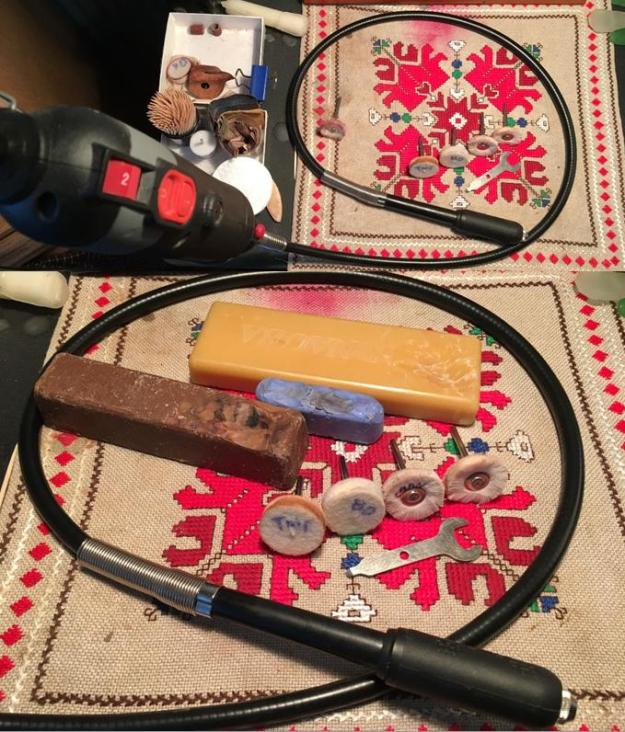
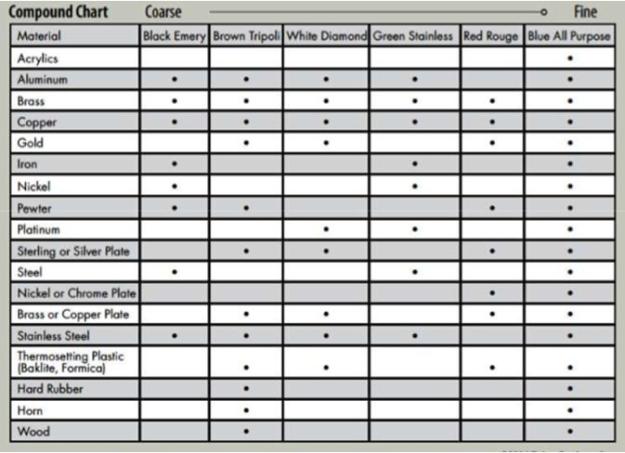
From a newbie’s perspective, I wasn’t sure what compounds were and what they did (true confession!).  From 9th grade shop class I had a grasp of the basic principles of sanding and moving from more abrasive to less abrasives to remove impurities and smooth things up.  When I started reading Rebornpipes.com, I started seeing words like Tripoli, Blue Diamond, White Diamond, carnauba…, I didn’t know what these did or what part they played in the process – abrasives, polishes?  I also was not familiar with color coding – blue, brown, white – I also saw green on Amazon when I was trying to figure out what to buy in concert with my newly purchased and anxious Dremel.  So, after poking on the internet I found this very helpful site (Enkay Polishing Instructions) that described what the different compounds were and what uses they had and how.  Very helpful too, was a chart that lined up all the compounds from coarse to fine (with colors!) and what kinds of materials they are used on for sanding/polishing (see below).buff14The 3 lines on the bottom, sum up well my pipe universe: Hard Rubber/Horn/Wood.  It was because of this chart that I decided not to use White Diamond because of its next-door status to Brown Tripoli and because the dots for these materials tick Tripoli and Blue All Purpose.  I know that in restorations both White and Blue Diamond are used effectively and one could jump to White Diamond in lieu of Tripoli.  So, my methodology, which seems to be working well for me, is after the micromesh phase is complete, I employ Brown Tripoli (coarsest) and then jump to Blue Diamond (fine), followed by carnauba wax.  Each application has its own wheel.  I start with Tripoli after the micromesh cycles (or after staining which I place between the micromesh cycles and Tripoli), because technically, Tripoli and the diamonds are a continuation and conclusion of the abrasive/sanding process.  With carnauba wax the restoration transitions to the polishing and protective phase – at least this is how I now view it.
Felt Wheel vs. Cotton Cloth Wheel?

I use felt wheels for the Tripoli and Blue Diamond applications and then switch to a cotton cloth wheel for applying the carnauba wax and then a final clean buffing.  Somewhere I read (I’m sorry I don’t have a specific link for the source!) that caution should be used when utilizing a felt wheel because they tend to be more abrasive than cotton cloth and hence, they potentially can generate too much heat on the briar or vulcanite surface – melting or scorching would not be a good result at this stage!  Yet, with words of caution in mind, I have found that applying the Tripoli and Blue Diamond at the lowest Dremel setting (slowest RPMs – It would be interesting to compare the technical data for RPMs for the Dremel with a high-powered polishing wheel).  With the carnauba wax and the final clean buff, I use cotton cloth wheels which is a smoother material and therefore cooler relatively speaking.  I tweak the RPM speed up one number on the Dremel when I apply the carnauba.  I played around with the speeds and this is what seems to work for me.buff15Applying Compounds and Wax
Through simple observation and experimentation, I developed my approach for applying the compounds and wax.  Both compounds and carnauba wax need friction and heat to accomplish the job for which they are intended.  What I discovered as I applied both compounds and wax was that each has its own characteristic behavior when they meet the briar or the vulcanite on the stem.  Since Tripoli and Blue Diamond are abrasives, they remain powdery and dry when they are applied with the felt wheel.  When they make contact, there is a distinctive initial cloudy patch which disappears into deeper gloss through the polishing process.  Compared to the compounds, carnauba wax liquefies into notable ripples during the application and can be strategically spread around in a uniform way.  The way I achieve this perspective is with the felt and cotton cloth wheels being so small, with my bright light overhead, I can angle my field of view to observe the ‘action’ the wheel is generating revealed in the sheen of the reflection on the briar or vulcanite surface.  With the compounds, it can be likened to pushing a broom across the dry floor.  With the carnauba, it can be likened to a wet mop and pushing the wax over the surface.

Charging the wheels is straight forward based upon Steve’s essay and everything I’ve read: Less is more!  For both the compounds, I lightly ‘pause tap’ the wheel on the block of Tripoli or Blue Diamond.  Just enough to pick up some product on the wheel.  With carnauba, there is more of a pause, pause on the block as the wax is collected onto the wheel – not too much though.  When I bring the wheel to the surface, I divide the stummel into about 8 areas and I methodically (I do it the same way each time so I don’t forget a ‘patch’) work the compound or wax into those sectors with overlap between them so I’m sure to not miss anything.  As I watch the ‘action’ in the sheen of the surface, I can move the product around and tell when I’m in need of recharging and moving on by the gloss produced in the ‘patch’.  With carnauba, especially, I watch the ripples created by the liquefied wax and I ‘push it around’ the surface as it is assimilated into the briar or vulcanite and gloss is produced.  I keep the wheel moving in a circular rotation over the surface, never pressing too hard, allowing the product, RPMs and wheels to do the work.  The gloss that increasingly emerges with each application has a 3-dimensional depth to it – this helps me know when I’m achieving maximum shine and I can move on.

The Practice (Thank you to my wife for pictures while my hands were full!)

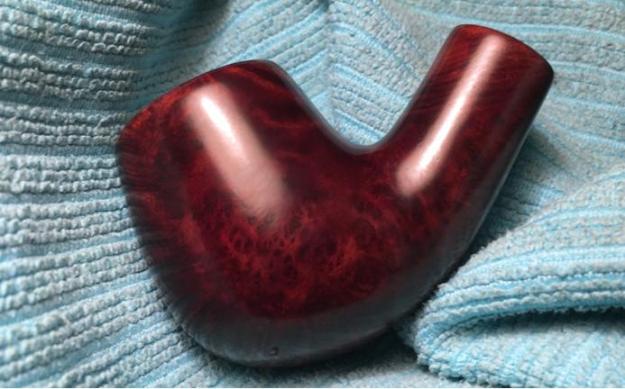
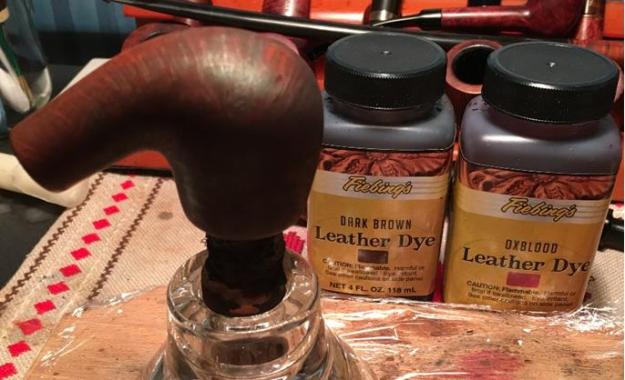
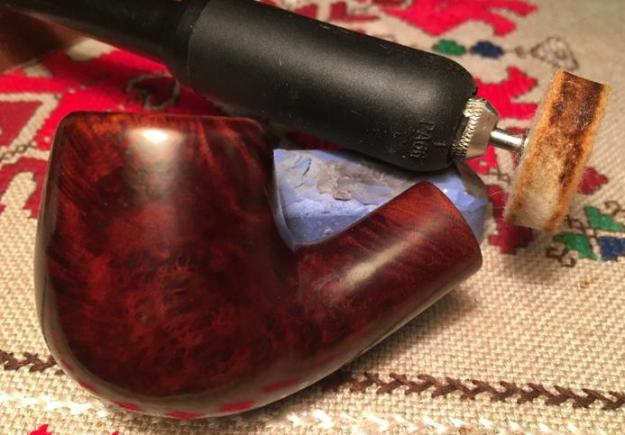
With my Sozopol no-name, I decide to apply a stain using Fiebing’s Dark Brown Leather Dye with a few drops of Oxblood.  I cut the mixture by adding about one half part alcohol.  I amply apply the stain mix twice, each time flaming the surface of the stummel setting dye in the grain.  I take my Dremel with a felt wheel (after cleaning with wrench) set at the slowest RPM and I apply Tripoli compound to the surface. buff16 buff17Application of Tripolibuff18 buff19Application of Blue Diamond followed by micromesh cloth wipe to remove residue compound before applying carnauba wax.buff20 buff21Application of carnauba wax to stem and stummel finishing with a clean cotton wheel buff and then micromesh cloth buff.buff22 buff23 buff24I hope this essay has been helpful.  Has anyone seen this stem mark?  If you would like to adopt this pipe, let me know!  Leave a response below or send an email to slaug@uniserve.com. Thanks for joining me!buff25 buff26 buff27 buff28 buff29 buff30 buff31 buff32 buff33
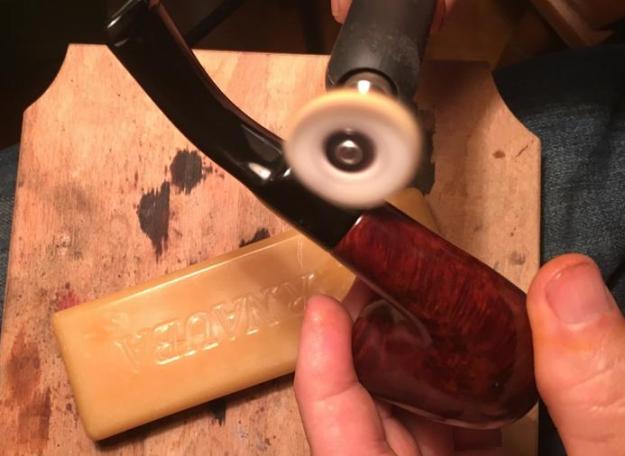
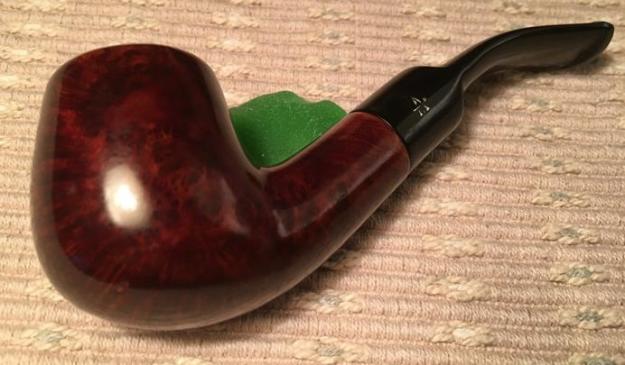
My Latest Refurb, an Edwards Algerian Briar 771 is not a shape I’ve seen before


Blog by Steve Laug.

Over the years I have had many Edwards pipes cross my work table. I have kept a few and sold many. I have also repaired many of them. The available shapes that the pipes came out it spoke of a very fluid design philosophy. Pipedia says that “Edward’s Design Philosophy is hard to pin down, think of their style as the “American Charatan” with unique & clever twists all their own.” Across the board they were all Algerian Briar and all were unstained waxed or oiled briar. I remember reading that actually oil curing was a feature of their pipes. I did a quick look on Pipedia  https://pipedia.org/wiki/Edward’s and found that I was correct. I quote: “All of Edward’s pipes are Algerian Briar – a fact very few pipe companies can claim, and all are oil-cured utilizing natural finishes – no strange concoctions are used to interfere in your tastebud’s dance with the briar. Algerian, Calabrian, Sardinian, Corsican – take your pick, but Algerian Briar is generally considered the finest smoking briar ever used. When combined with oil-curing, Algerian takes on a magical quality that even Alfred Dunhill recognized as far back as 1918 as the choice for both his Bruyere and Shell.”

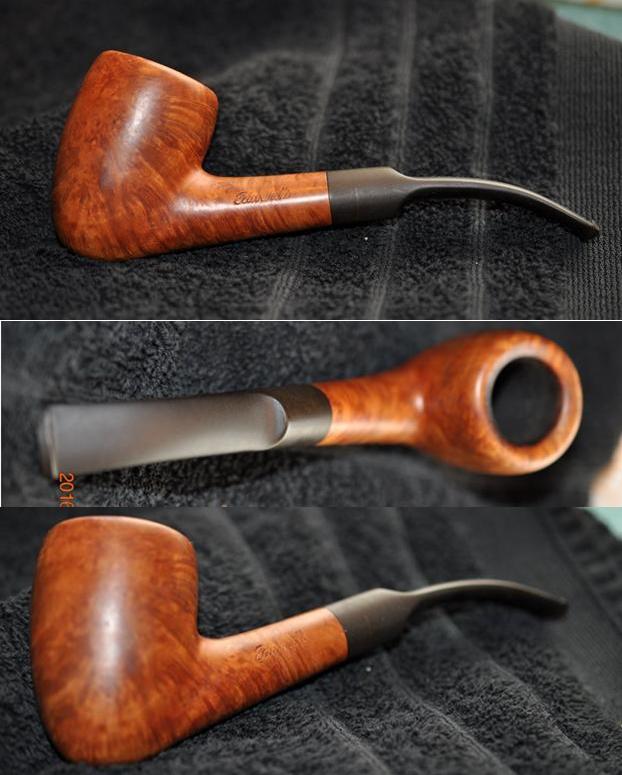
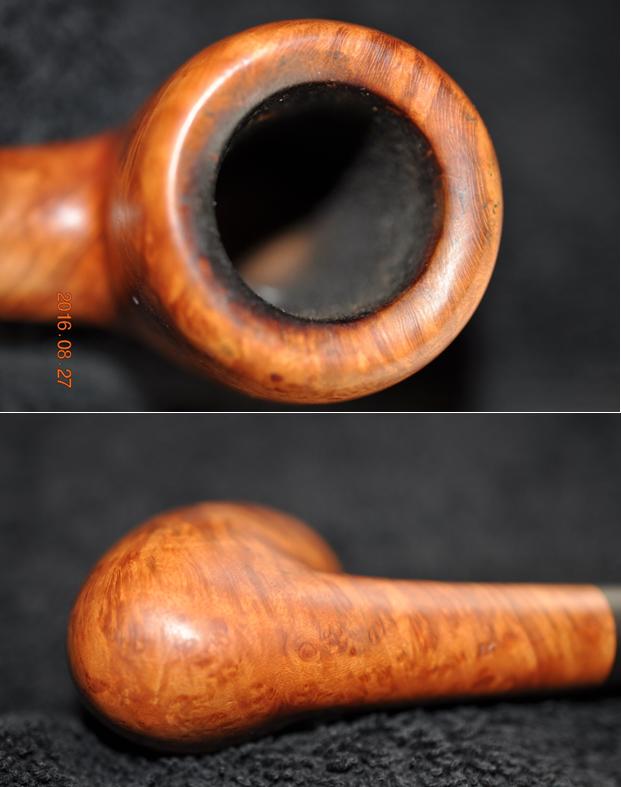
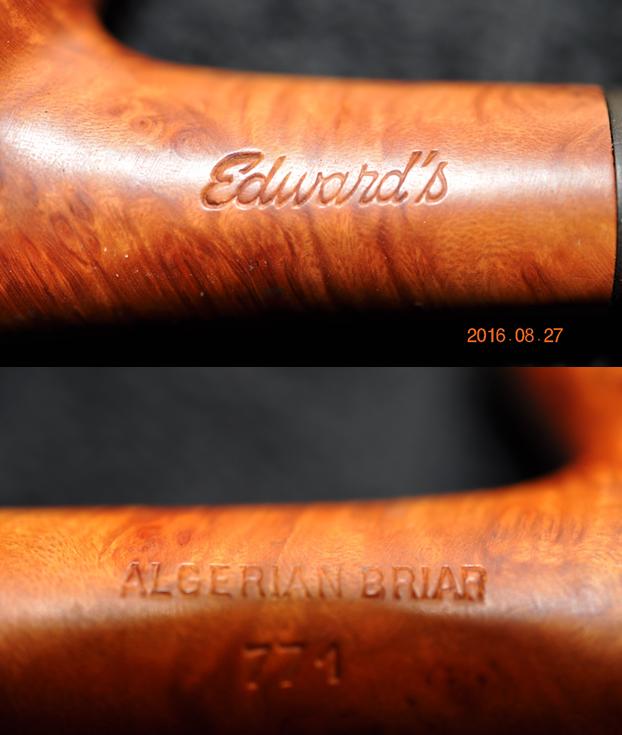
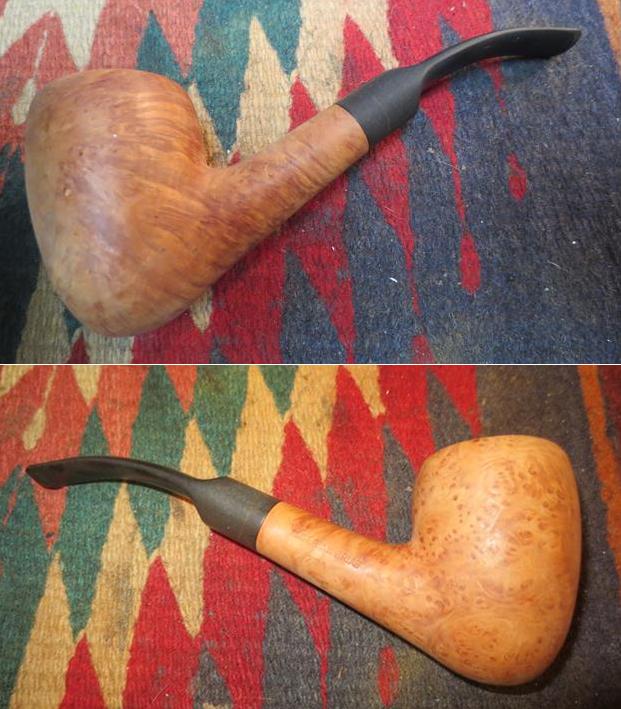
The pipe is stamped Edwards on the left side of the shank and Algerian Briar over shape number 771 on the right side of the shank. The pipe is a large group 5 sized bowl. The stem was lightly oxidized but does not have any tooth or chatter marks. Push in tenon fits tight. The dimensions are: length 6 inches, height 2 1/4 inches, chamber width 13/16, chamber depth 2 inches. The following photos were taken by my brother before he cleaned the pipe. It is obvious it is in pretty decent shape. The rim has a little tar and darkening on the rounded back edge but the rest is pretty clean. The finish is quite nice and has some rubbed in grime that will come off with scrubbing. The photos tell the story on this pipe.ed1My brother took some close up photos of the rim, the bottom of the bowl and the stampng on the sides of the shank. You can see from the photos that the pipe is in great shape except for the slight buildup on the back edge of the rim. There is a light cake in the bowl and the bottom third of the bowl appears to be raw briar that has not been darkened by smoking. I would call the pipe lightly smoked.ed2 ed3My brother scrubbed the pipe with his usual mix of a tooth brush and Murphy’s Oil Soap. He rinsed it with water. The scrubbing removed all of the grime and oils on the bowl and removed the build up on the rim as well. The stem was lightly oxidized and there were some scratches around the circumference of the saddle portion of the stem. My brother also cleaned the interior of the airways in the stem and shank and the mortise area. I took some photos of the pipe when it arrived here. ed4 ed5I took a close up photo of the rim to show how well it cleaned up after Jeff had scrubbed it. There is a shine to the rim that is unblemished by scratches or dents. I also took some photos of the stem to show the light oxidation and the absence of tooth marks or chatter. The stem is stamped on the underside horizontally across the saddle with the word France.ed6 ed7I worked over the stem with micromesh sanding pads – wet sanding it with 1500-2400 grit pads and dry sanding with 3200-12000 grit pads. I rubbed the stem down with Obsidian Oil between each set of three pads. After the final micromesh pad I gave it a last coat of Obsidian Oil and set it aside to dry.ed8 ed9 ed10I rubbed the bowl down with a light coat of olive oil to bring the grain to the surface. It also brought life to the briar. I buffed the pipe with Blue Diamond on the wheel and then gave it several coats of carnauba wax. I buffed it with a clean buffing pad. The finished pipe is shown in the photos below. It is a beautiful piece of briar, lightweight and well grained.ed11 ed12 ed13 ed14 ed15 ed16 ed17

Getting Lazy – A Simple Restore on a Loewe Cutlass 10


Blog by Steve Laug

The last three or four pipes I have taken out of the refurbishing box have been very simple restorations. My brother sent me this Loewe’s pipe that is stamped Loewe over Cutlass on the underside of the shank with the shape number 10 at the shank stem union. In the photos he sent me it appeared to be in pretty decent shape. The finish looked dirty and murky but otherwise good. The rim had some tars and overflow from the cake in the bowl but not too bad. There were some nicks and dings in the rim but none too deep. The stem was virtually flawless with no tooth chatter or tooth marks. The boxed L logo on the stem was worn and almost illegible but with a lens it is clear.loewe1While I have heard of and enjoyed quite a few older Loewe’s pipes the shape of this one and the name were not familiar to me. Even the shape number was not recognizable. I looked on the pipephil site to see if I could find any information on this particular iteration of the brand and found what I was looking for. There on his site (http://www.pipephil.eu/logos/en/logo-l5.html) I found a pipe with the same stamping but a different number. The one in my hands does not have a COM stamploewe2 so I do not know where it was made. I have included the photo of the stamping and the stem logo to the left from that site as it is parallel to the one I have. I have also included some information from the listing there.

The brand was founded 1856 by Emil Loewe and was first bought out by Civic. Eventually the brand became part of Cadogan Group along with BBB, Civic, Comoy, GBD, Loewe and Orlik in about 1979. Judging from the age and the stamping on this pipe I would surmise that it was made after that merger and is a Cadogan pipe.

I also did some reading on the history of the brand on Pipedia and include a short excerpt here that is pertinent to the age and stamping on this pipe: https://pipedia.org/wiki/Loewe_%26_Co.#Bottom_of_shank: “By studying the website of one UK dealer I was able to deduce that the present shape numbers (early 2003) mostly (probably all) differ from those used from 1967. For example, a Billiard is now a 28, a Lovat an 834, a Canadian a 296. Some shape numbers now have 4 digits. But even today, Cadogan will occasionally still stamp a pipe with a shape name instead of a number, though only on request.”

It looks to me that I am dealing with a pipe made around 2003 jusding from the change in shape numbers to a two digit numbering system at some level. Though there is a lot of uncertainty regarding the dating of Loewe pipes after the Cadogan buy out.

My brother took the first and the following photos of the pipe before he did the cleanup. What follows are a series of close up photos of the stamping, the rim and bowl and the sandblast look on the bottom of the bowl. In the bowl bottom photo you can see the dust and debris in the grooves of the blast.loewe3 loewe4 loewe5My brother cleaned out the internals – the mortise and the airways in the shank and stem with pipe cleaners and alcohol. He scrubbed the externals with a tooth brush and Murphy’s Oil Soap and was able to not only remove the grime from the finish but most of the finish also. When it arrived in Vancouver the pipe looked like virgin briar. The stem is acrylic so there was no oxidation on it. The next photos show the pipe when I brought it to my work table. The blast on the briar is quite shallow and shows mixed grain.loewe6 loewe7I took some close up photos of the rim and the stem to show their condition. My brother was able to remove the tars on the rim. There was some slight rim darkening on the inner edge but other than that it was clean. The scratches and dings were also raised. The photos of the stem show how clean it was as well when it arrived.loewe8 loewe9I sanded the inner edge of the rim with 220 grit sandpaper to smooth it out and remove the darkening and light burn marks. I also sanded it with 1500-2400 grit micromesh sanding pads to remove the scratch marks left behind from my sanding.loewe10I wiped the bowl down with acetone on a cotton pad to remove any remnants of the previous finish and the dust from sanding. I stained the bowl with a dark brown aniline stain cut 50/50 with isopropyl alcohol. I flamed it and repeated the process until the coverage on the bowl was even.loewe11I hand buffed the bowl and took the photos below to show what it looked like at this point in the process.loewe12 loewe13I gave the bowl and stem several coats of Conservator’s Wax and buffed it with a clean buffing pad to raise the shine. I hand buffed it with a microfibre cloth to deepen the shine. The finished pipe is shown in the photos below. This one will also soon be on the rebornpipes store. If you are interested in adding it to your rack let me know through email at slaug@uniserve.com or by message on Facebook or a comment here. Thanks for looking.loewe14 loewe15 loewe16 loewe17 loewe18 loewe19

Another Easy Restoration – a GBD Seventy Six 255 Canadian


Blog by Steve Laug

When I opened the box of pipes from my brother there was a long shanked clear stem pipe that stood out to me. The stem was in perfect condition, with no tooth chatter or marks and was very clean. In fact, the stem was probably a replacement made of Lucite. Looking at the classic shape and the grain on it I was pretty sure it was a GBD but had not even looked at it. When I got around to examining the pipe I saw that it was stamped on the top of the shank with GBD in the oval logo over Seventy Six in script. On the underside of the shank it is stamped Made in England over the shape number 255 which when I looked it up was a GBD number for a Canadian with an oval taper stem. Finding out that pretty well sealed the fact that the stem is a replacement. It is an oval shaped saddle stem.gbd1I remembered reading about the Seventy Six line before but had to look it up again. From what I found with a simple search I could see that the pipe was introduced by GBD in1976 in honor of the American Bi-Centennial. According to what I read the pipe was released as a polished dark brown “take off” finish. The best I can understand is that the dark brown was removed leaving it in the dark grain and birdseye of the pipe.

So my memory was nudged and I remembered that Al Jones (Upshallfan) had written about his repair of a classic GBD Seventy Six and given information on the brand in this link: https://rebornpipes.com/2013/06/17/gbd-oval-shank-pot-seventy-six-restoration/ I quote: “In 1976 GBD introduced a series called the “Seventy-Six” to commemorate the United States Bicentennial.  I was a Sophomore in high school during 1976 and the year-long celebration had a big impact on me.  The Seventy-Six model remained in the GBD catalog until 1981.”

He also quotes from the 1976 Catalogue: “The GBD “Seventy-Six” is our contribution to the Bicentennial celebrations.  We have really pushed out the boats for “the colonies” in launching this new series that will be remembered by its proud owner long after the celebrations are forgotten.”gbd2My brother took the above photos and the close up photos that follow before he did any clean up on the pipe. The first photos shows the condition of the bowl and the rim. There was a cake in the bowl and an overflow of lava on the rim. I did not know until the pipe arrived that the rim was beveled inward to the bowl. There appeared to be a lot of damage on the rim. The second and third photo show the stamping on the top and underside of the stem. It is clear and readable. The last photo shows the condition of the stem. There were no bite marks on the top and underside near the button. There was some light tars in the airway in the stem.gbd3 gbd4 gbd5My brother scrubbed the exterior of the pipe with Murphy’s Oil Soap to remove the wax and the buildup on the rim. It removed the oils and wax and left the pipe clean and natural briar. He cleaned out the airway in the shank and stem. He also cleaned out the mortise with alcohol, cotton swabs, pipe cleaners and alcohol. The photos below show the pipe when I received it. When I saw the rim it was then that I knew that it was beveled inward. The briar on this pipe was truly stunning. There were no sandpits or flaws in the briar.gbd6 gbd7He was able to remove most of the lava on the rim and what had appeared to be burned areas was merely dirty. It would not take much to clean it up and make it shine.gbd8There was still some inner edge darkening and some damage on the inner edge. I used a folded piece of 220 grit sandpaper to clean up the darkening and the damage. The third photo shows the process of sanding the inside of the bowl with a piece of 220 grit sandpaper wrapped around the end of a Sharpie pen to smooth out the inside of the bowl. The fourth and final photo shows the interior of the bowl after it was sanded.gbd9 gbd10I decided not to stain the pipe but to leave it natural. I rubbed it down with a light coat of olive oil to bring life back to the briar. I liked the look of the pipe with the natural oil finish. I buffed the bowl with Blue Diamond on the buffing wheel to raise the shine. I gave the bowl and the stem several coats of carnauba wax and buffed it with a clean buffing pad to raise a shine. I hand buffed the pipe with a microfiber cloth to deepen the shine. The finished pipe is shown in the photos below.gbd11 gbd12 gbd13 gbd14 gbd15 gbd16 gbd17 gbd18

Restoring a Cracked Chacom 296 Canadian


I have a GBD panel that Charles used the same method to repair the cracked bowl. Mine had a lot of cracks and splits around the bowl and he pinned them/stitched them with the brass pins. I have been using for a long time now and there is no flex in the cracks.

Charles Lemon's avatar

I came across this Chacom 296 Canadian pipe at a local antique market, and though it was in rough shape, it had a few things going for it in my mind. First was the unique leather pipe case it came in that featured a snap closure just like Grandma’s change purse. The case is unmarked, so I don’t know if it is original to the pipe or was simply purchased to use with it. At any rate, its novelty caught my attention.

Releasing the pipe from its case, I could see that the pipe was a Canadian, one of my favourite pipe shapes. It had been a constant, though poorly maintained, companion to its previous owner. The rim was hidden under a thick crust of lava, the bowl was nearly choked off with cake, and the stem looked like it had been chewed on by a puppy instead of a…

View original post 1,553 more words