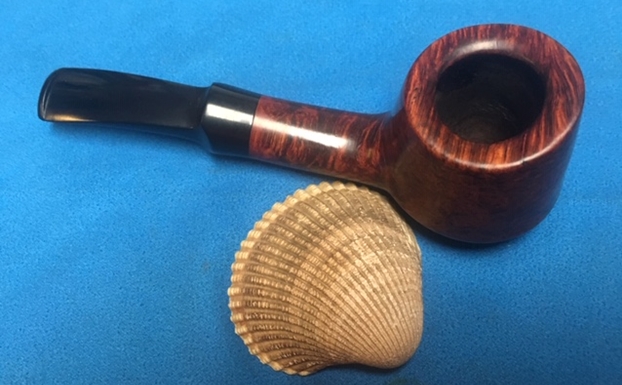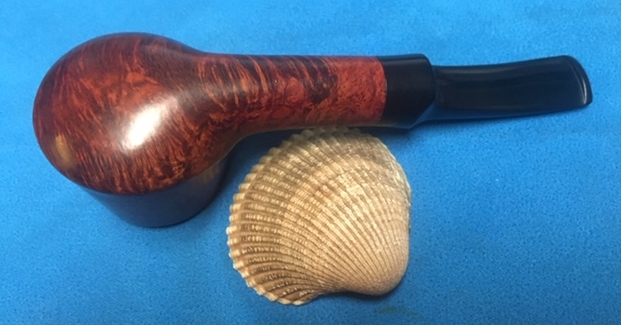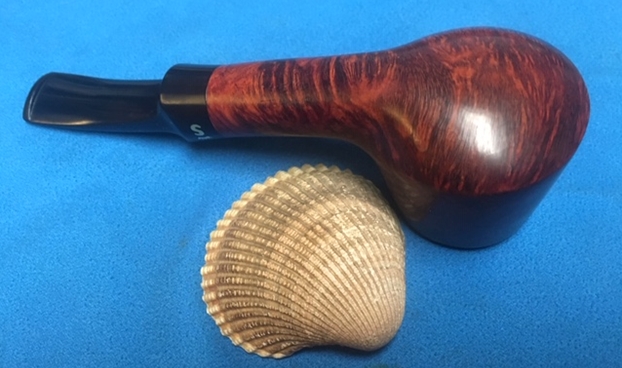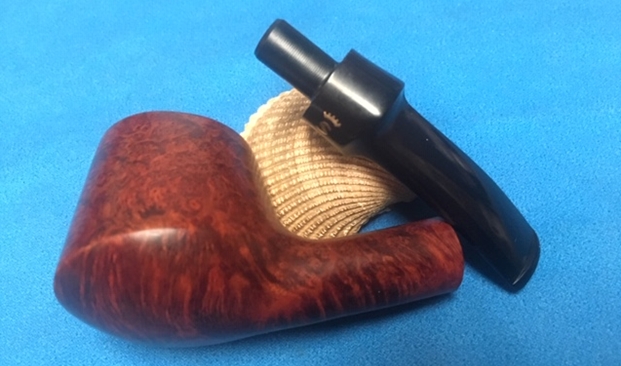
Monthly Archives: August 2019

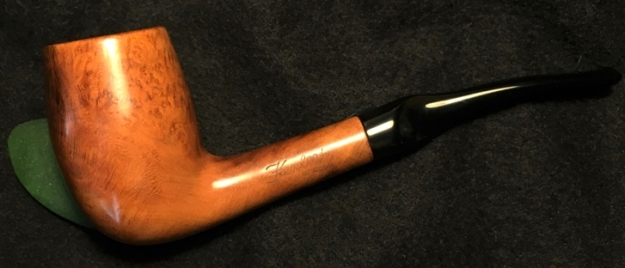
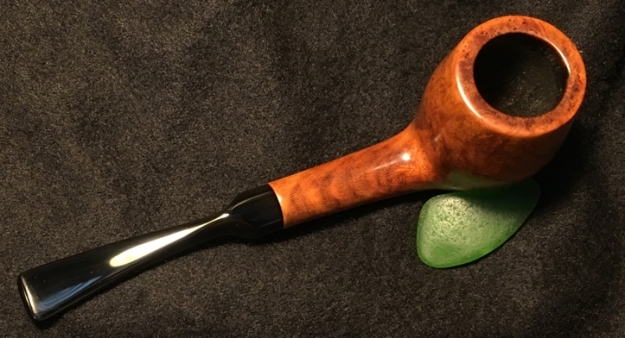
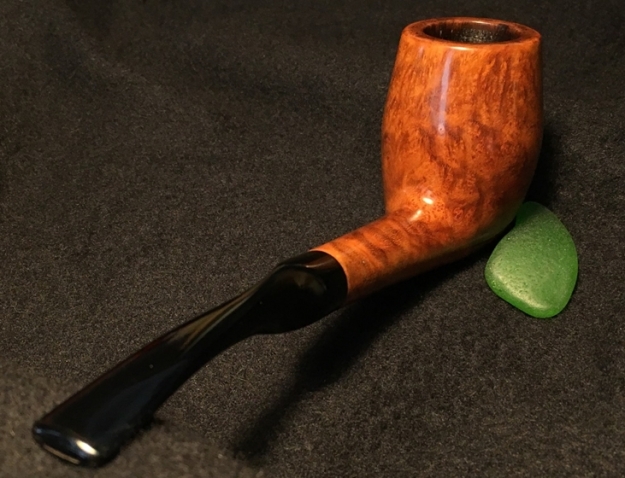
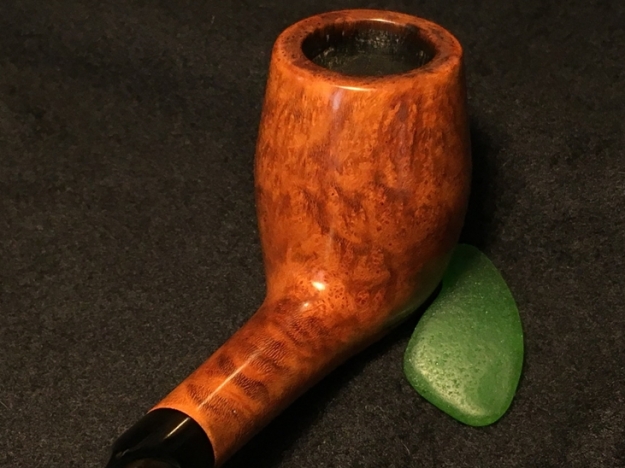
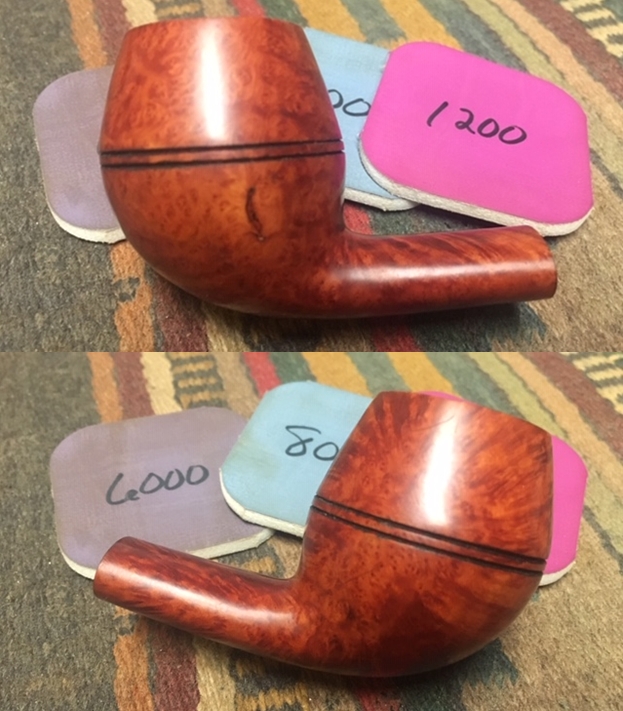
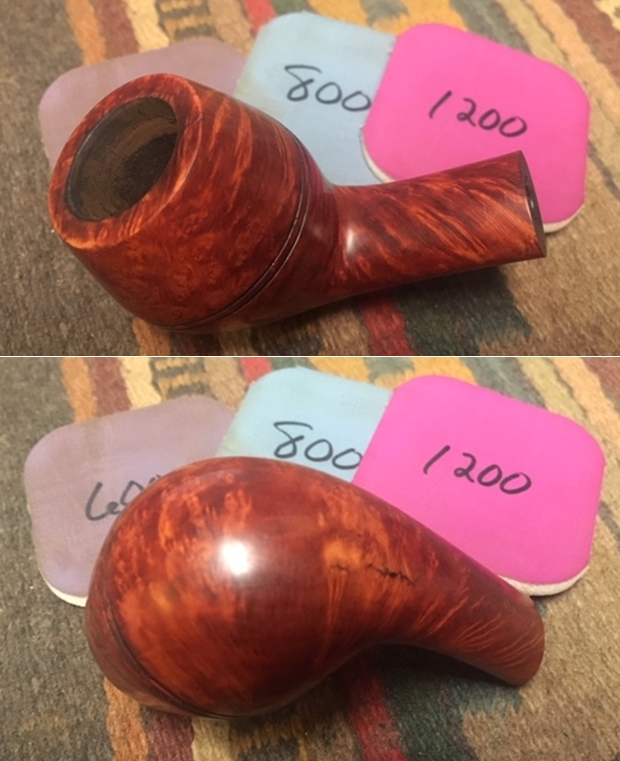
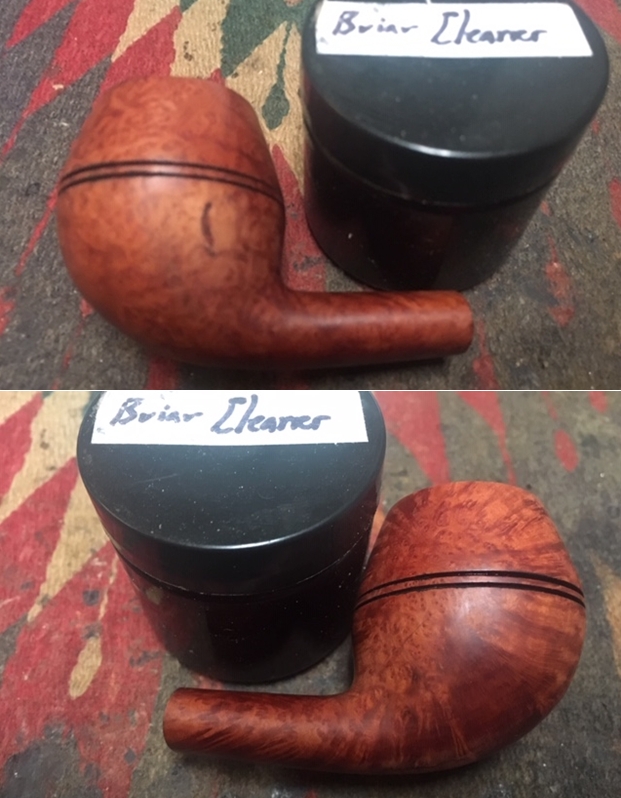
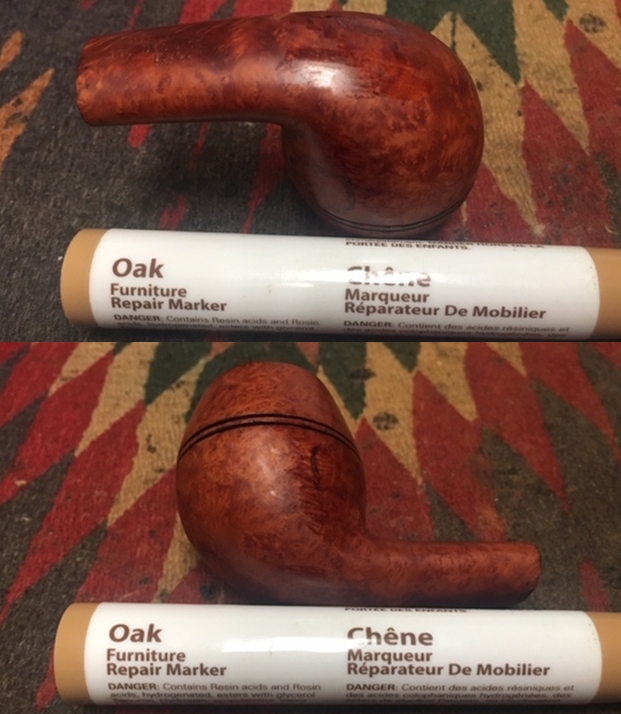
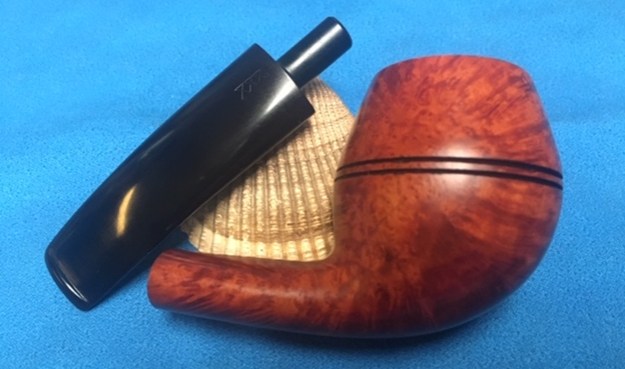
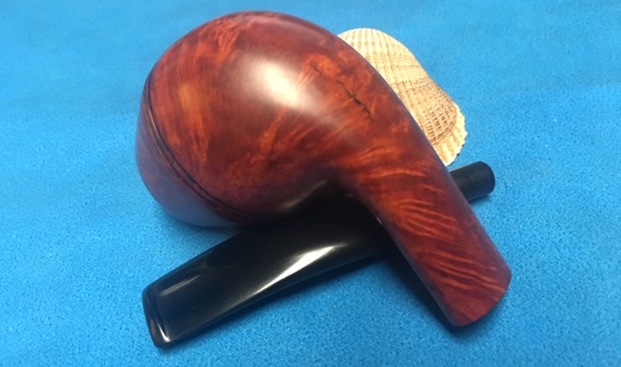
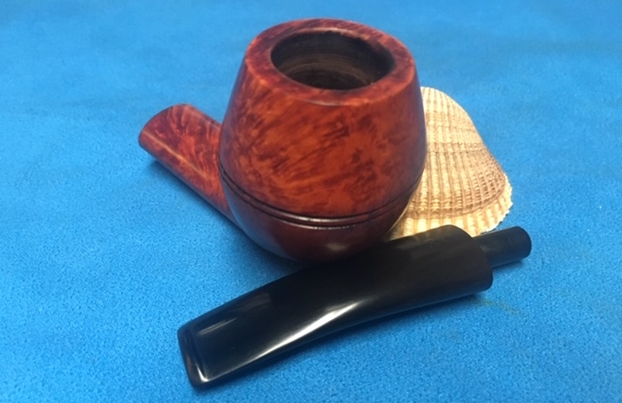
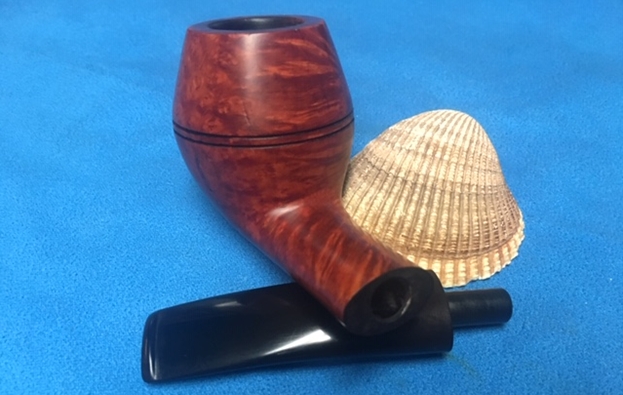
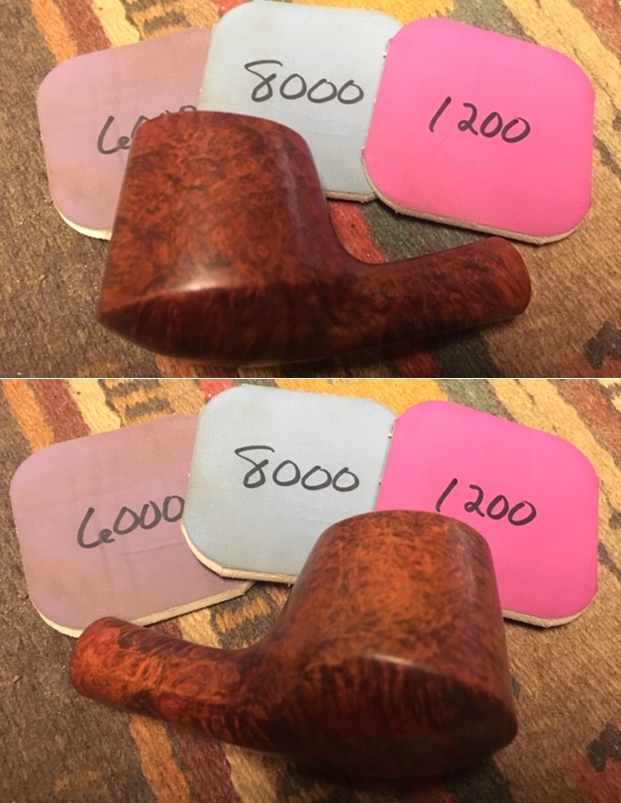
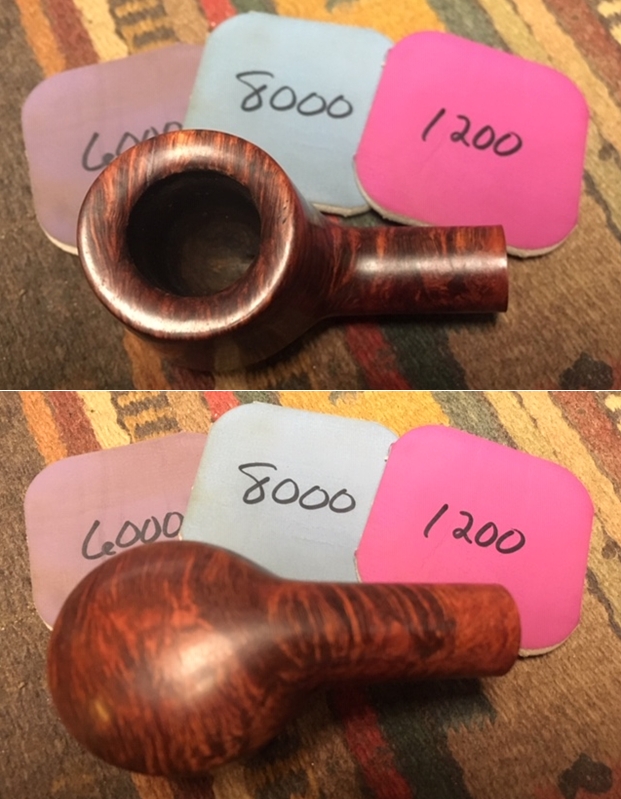
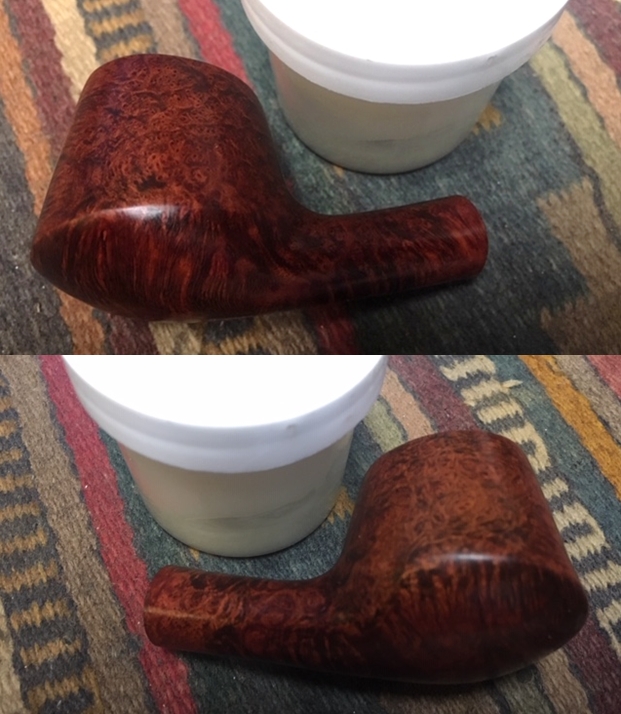
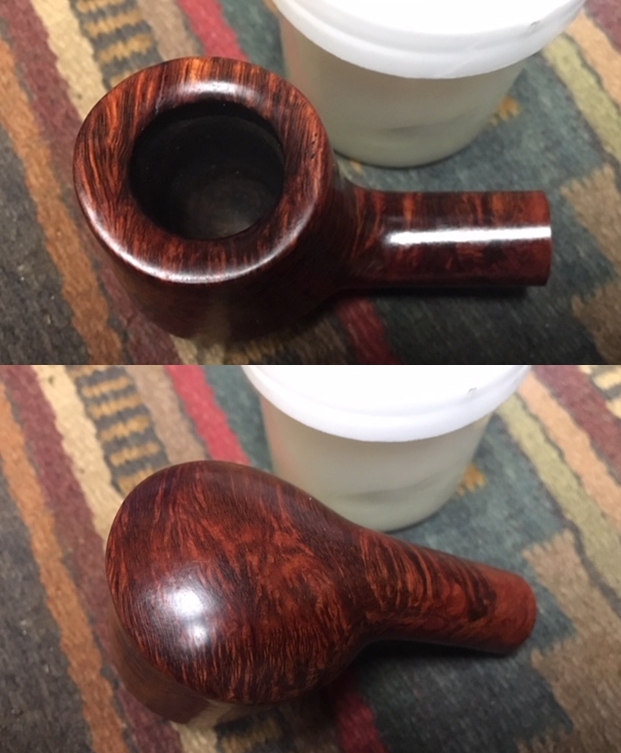
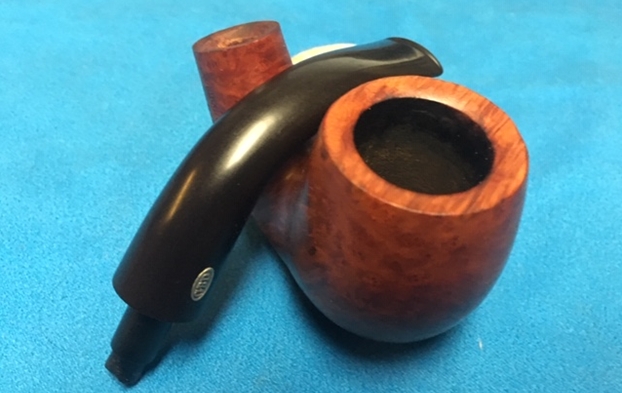
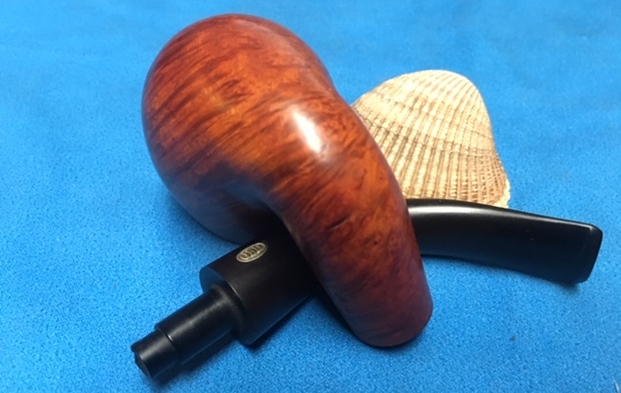
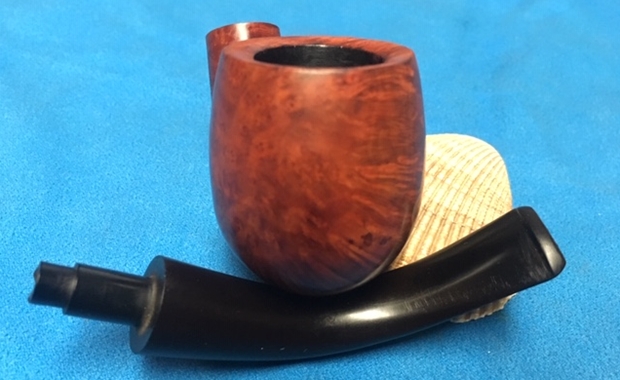
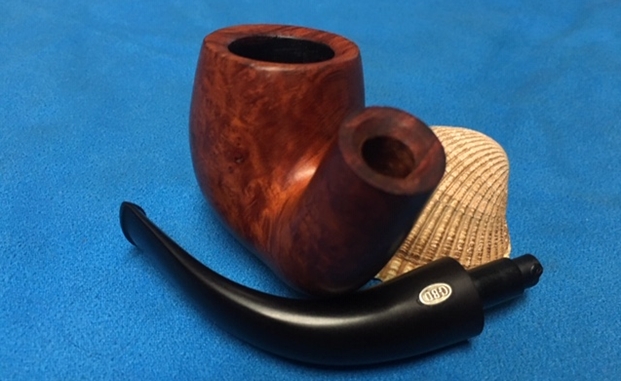
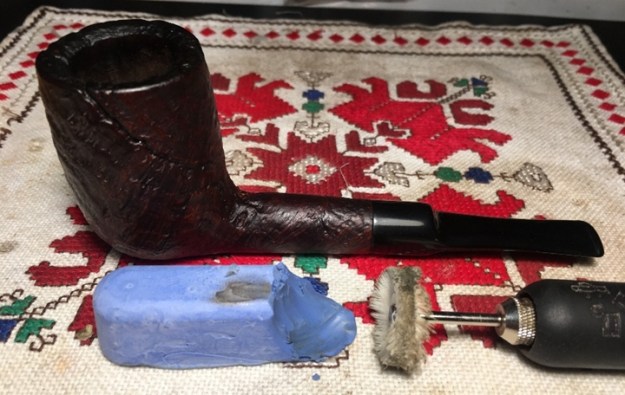
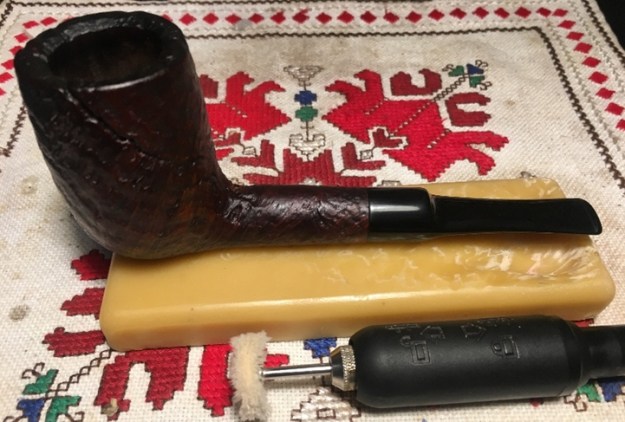
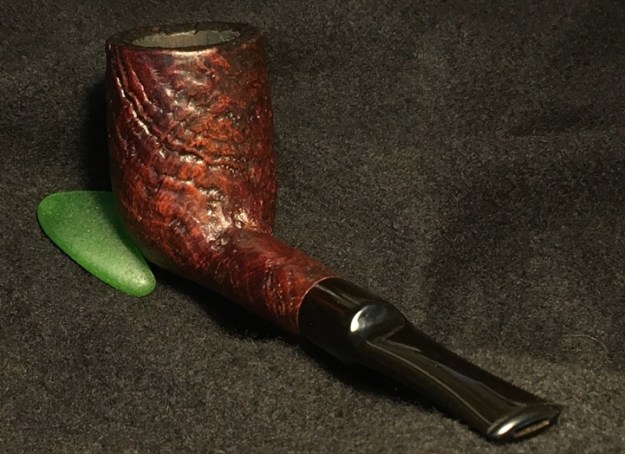
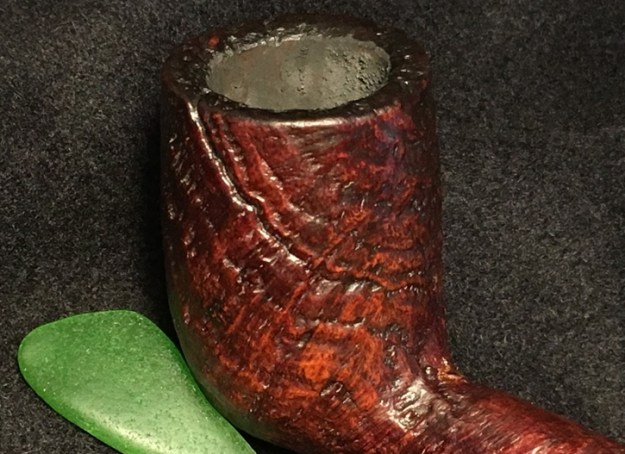
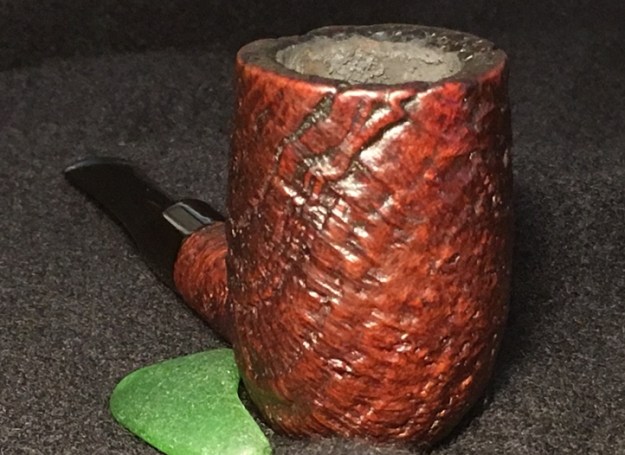
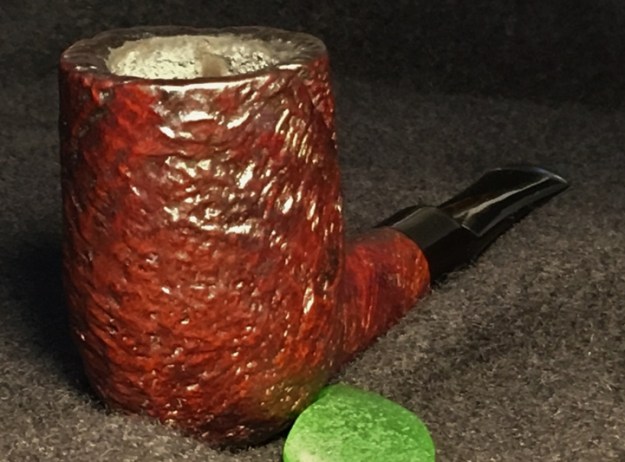
A Black Sea Beach Pipe Project: The Third Stanwell Henley Special, Made in Denmark 57 Chimney


Blog by Dal Stanton

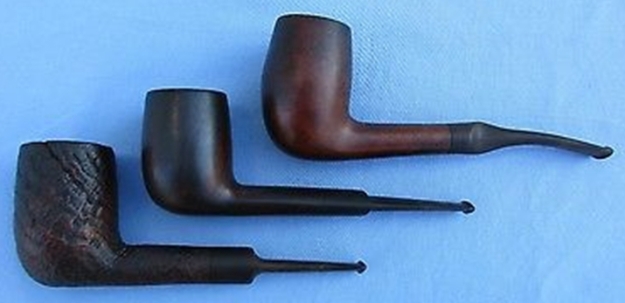
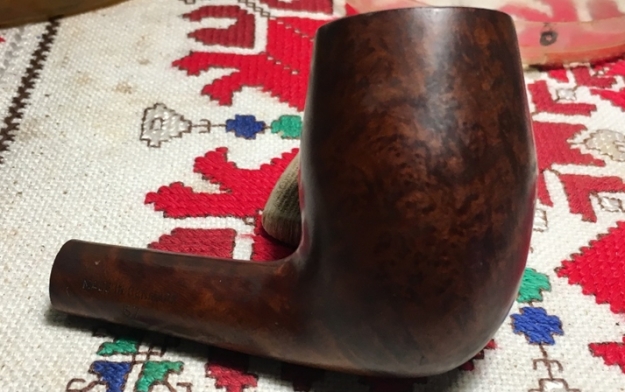
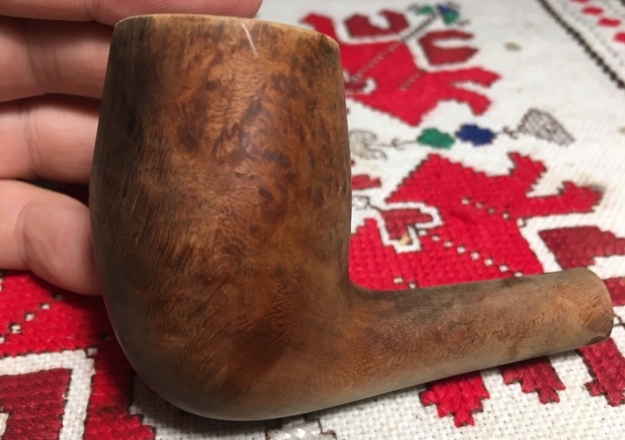
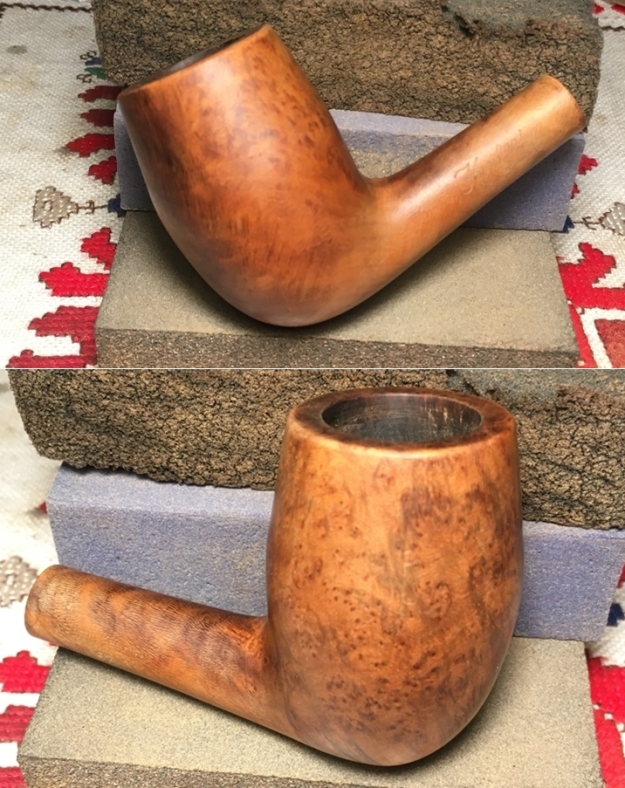
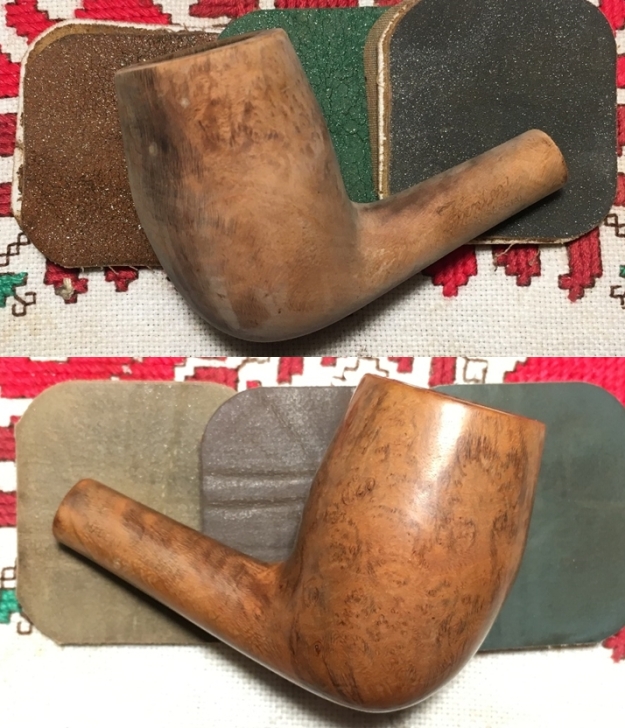
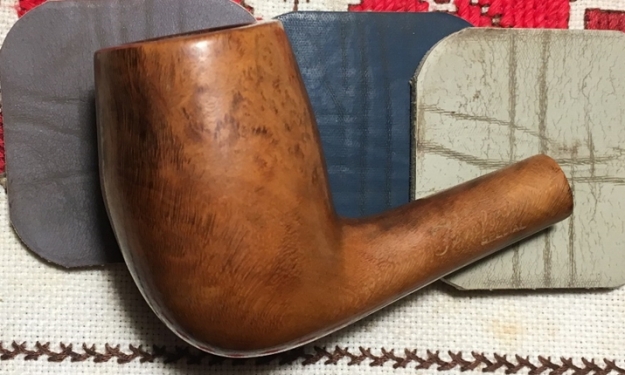
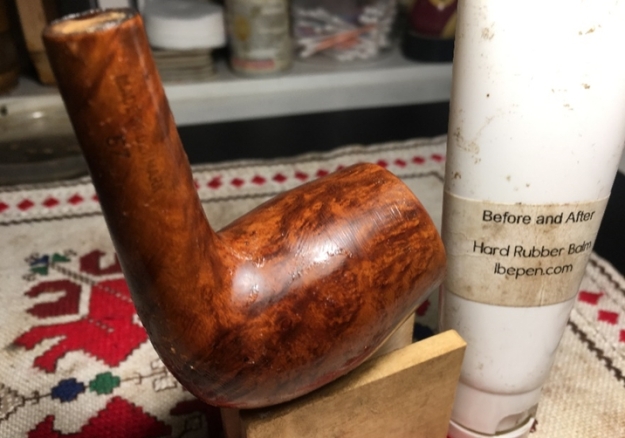
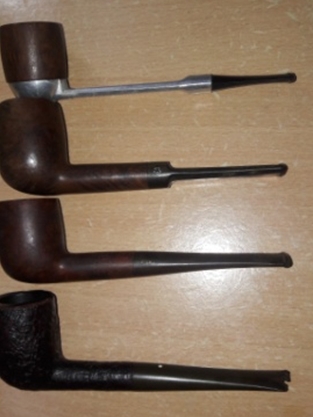
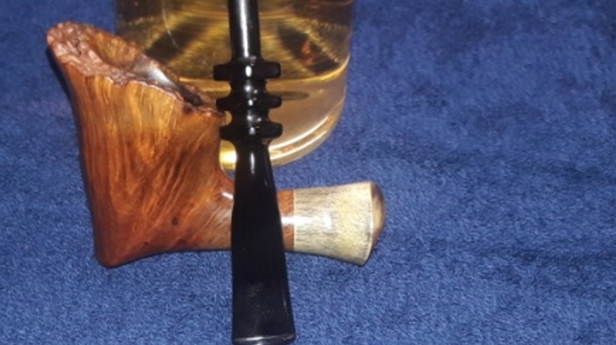
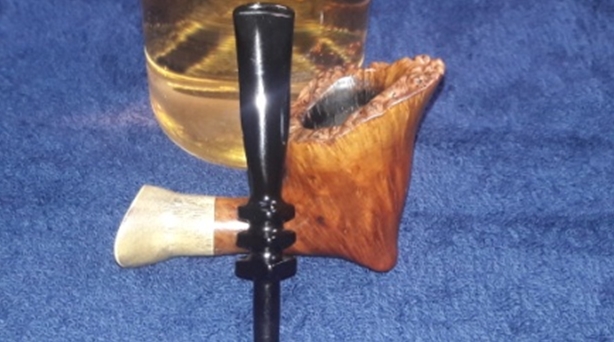
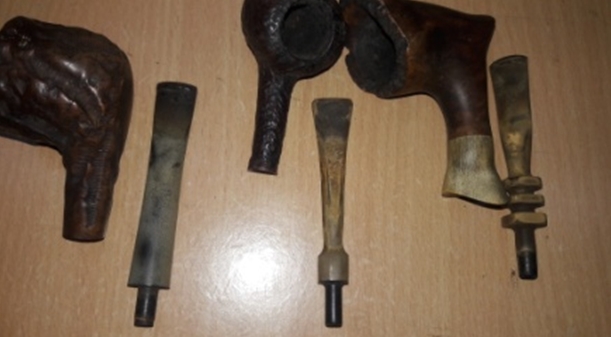
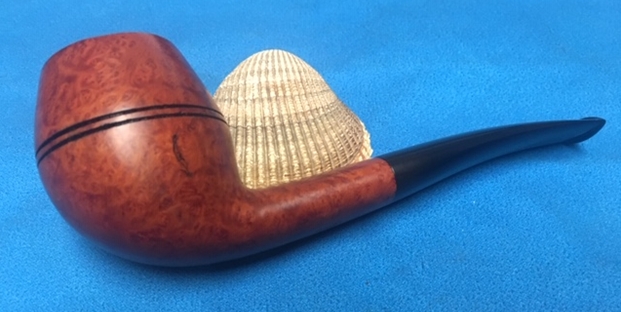
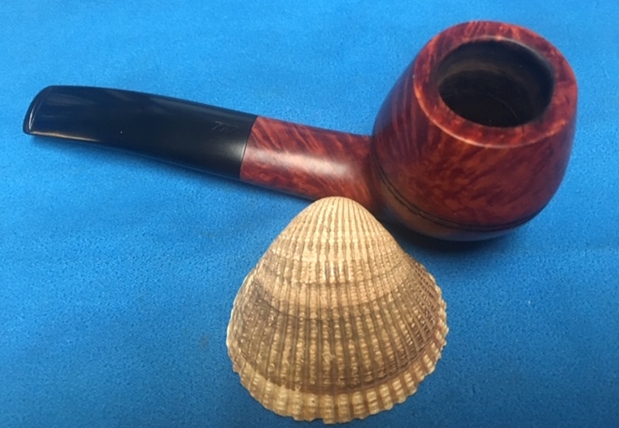
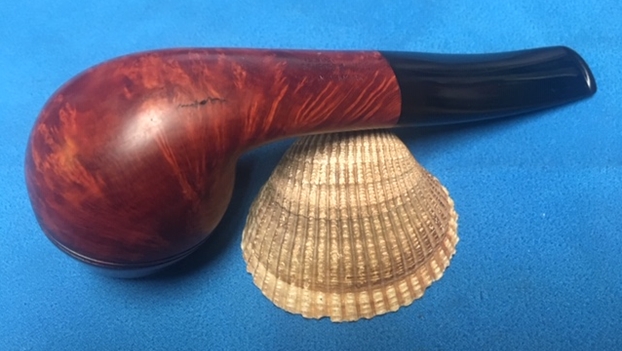
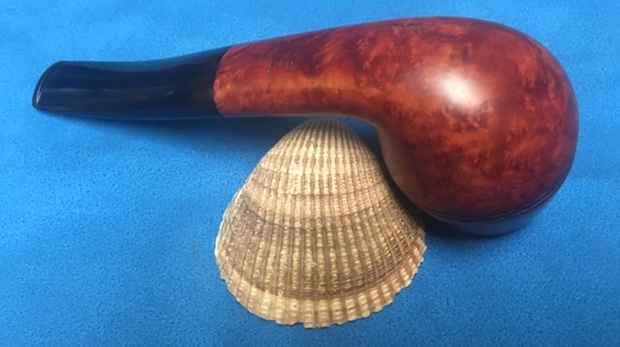
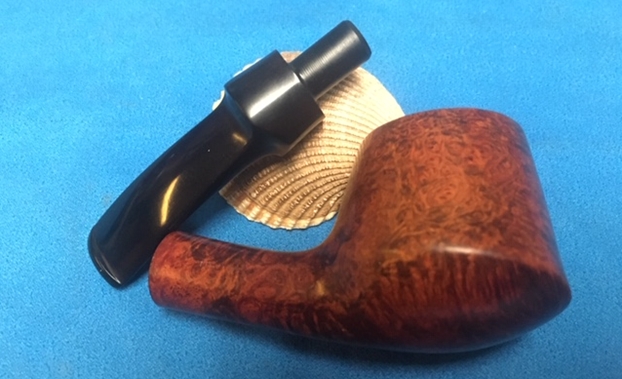
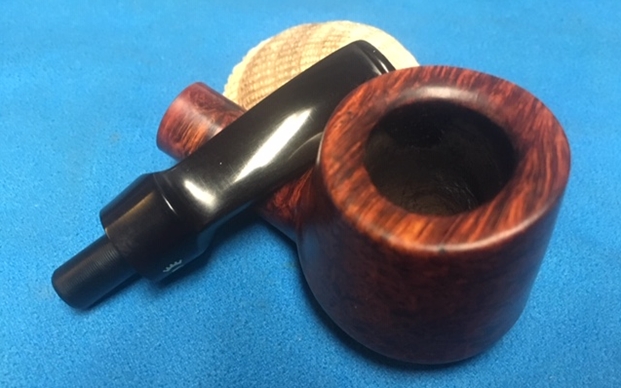
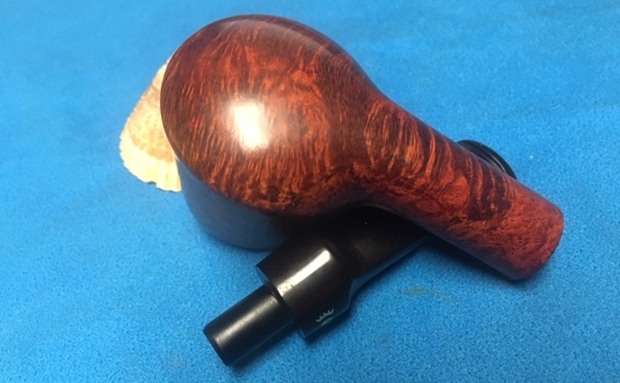
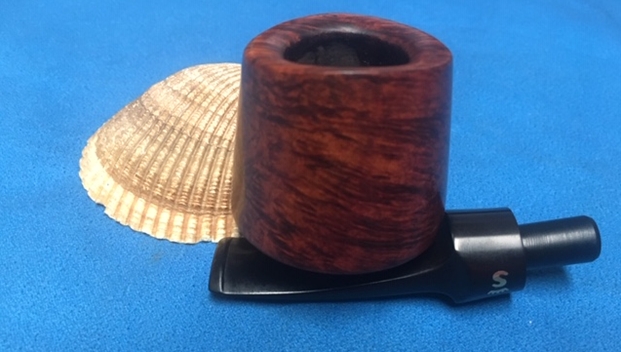
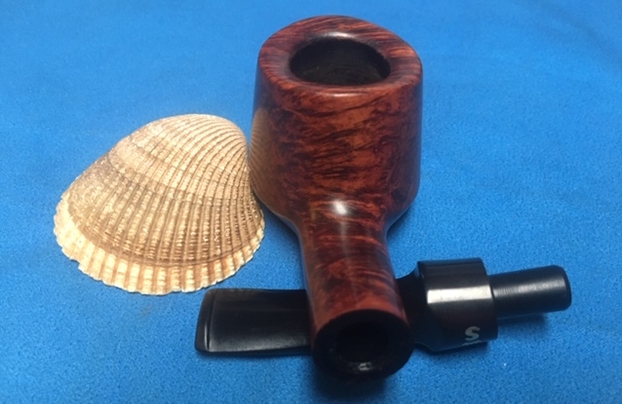
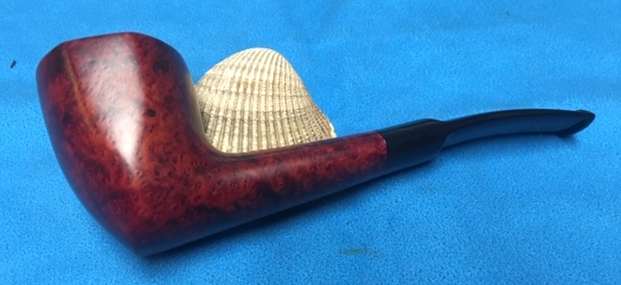
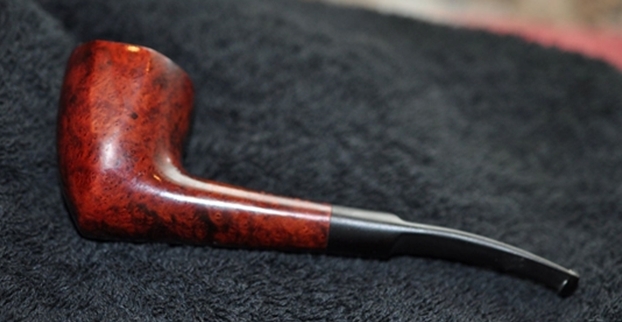
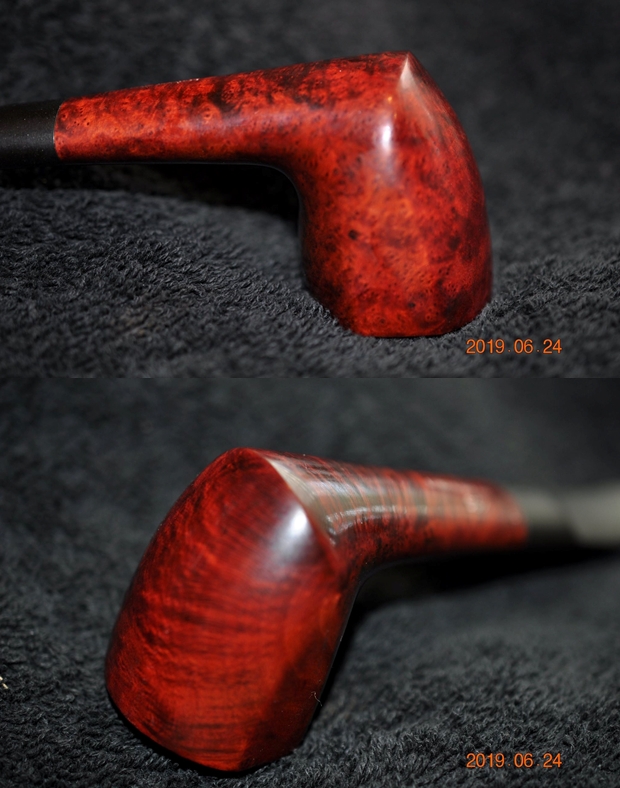
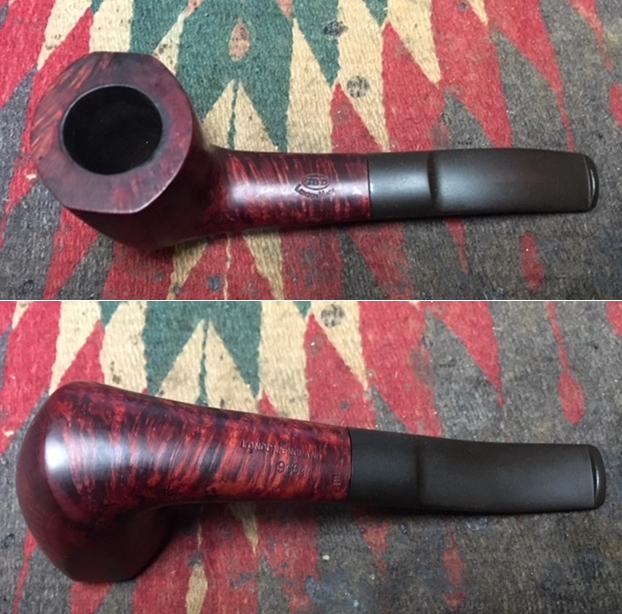
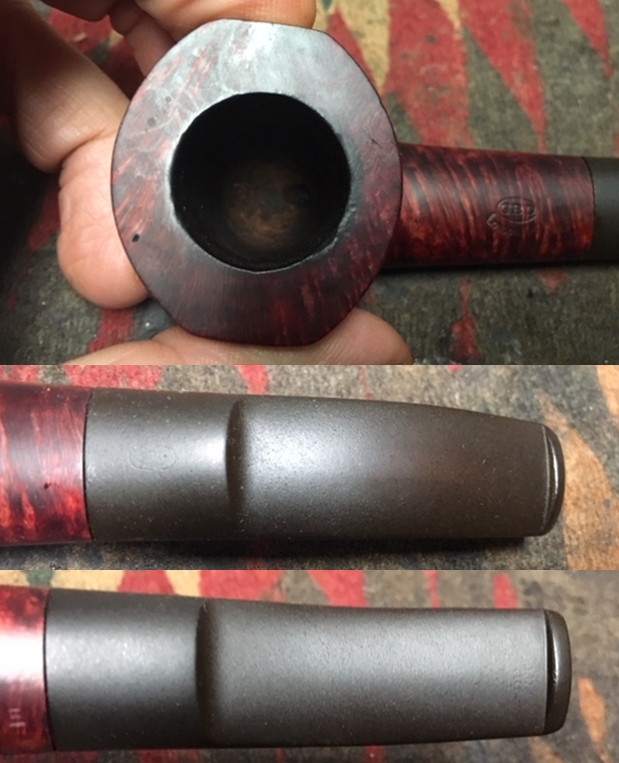
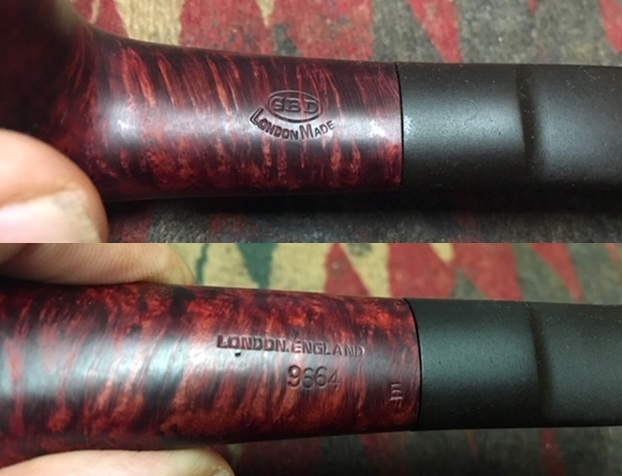
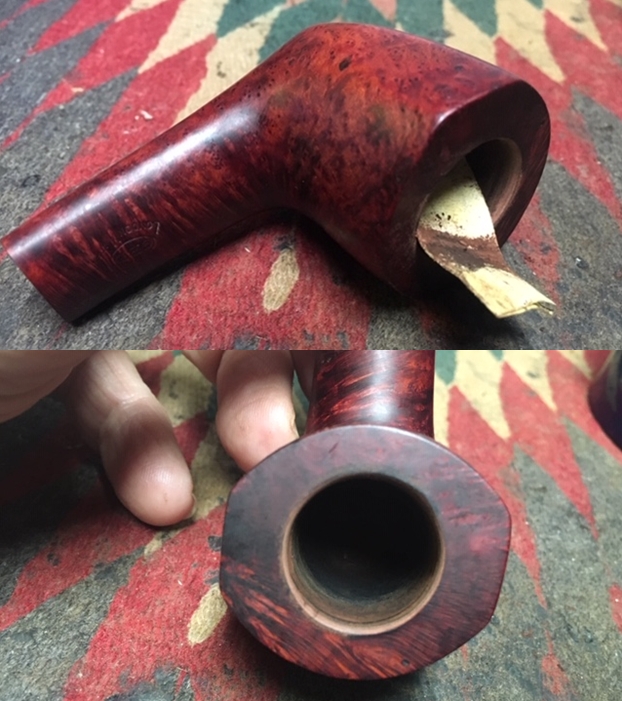
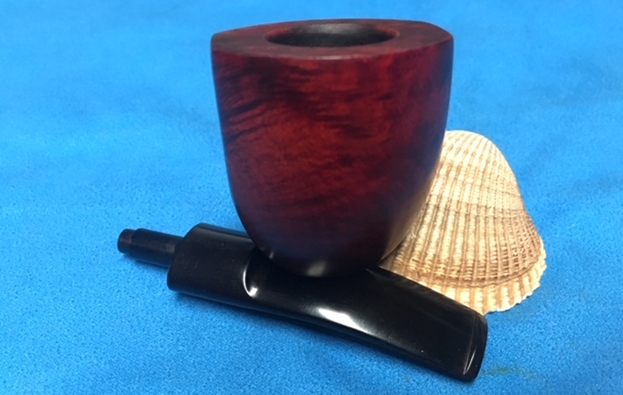
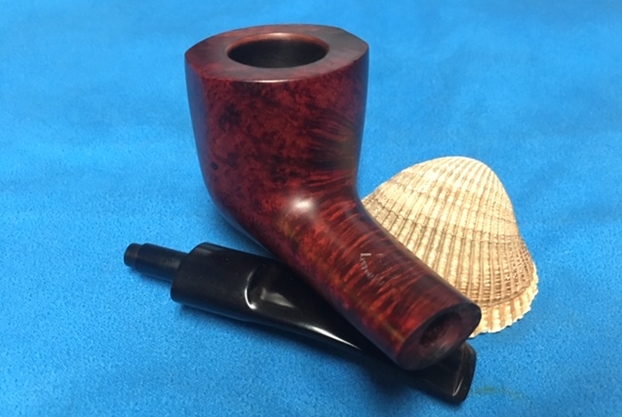
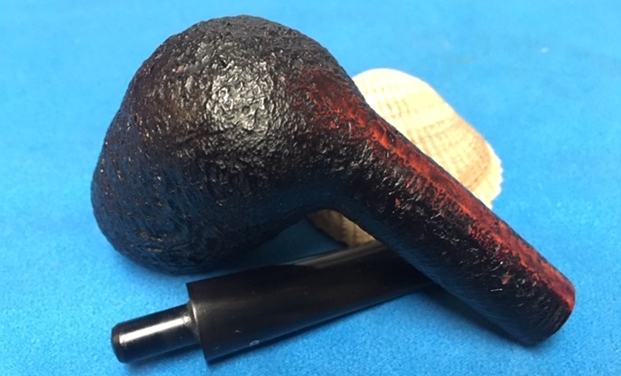
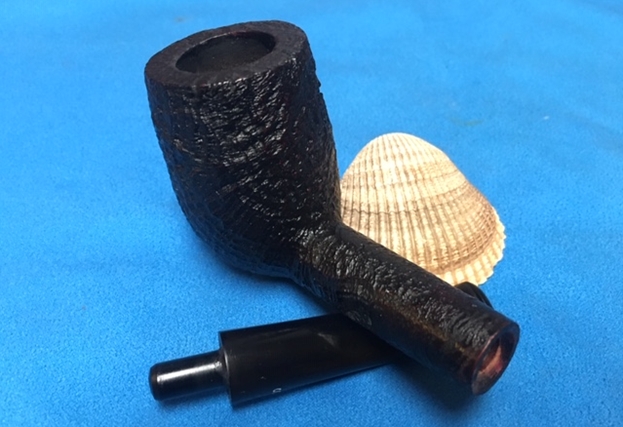
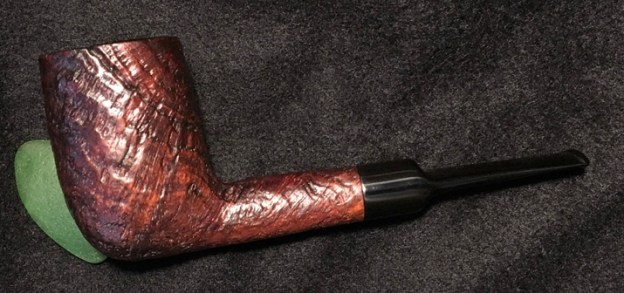
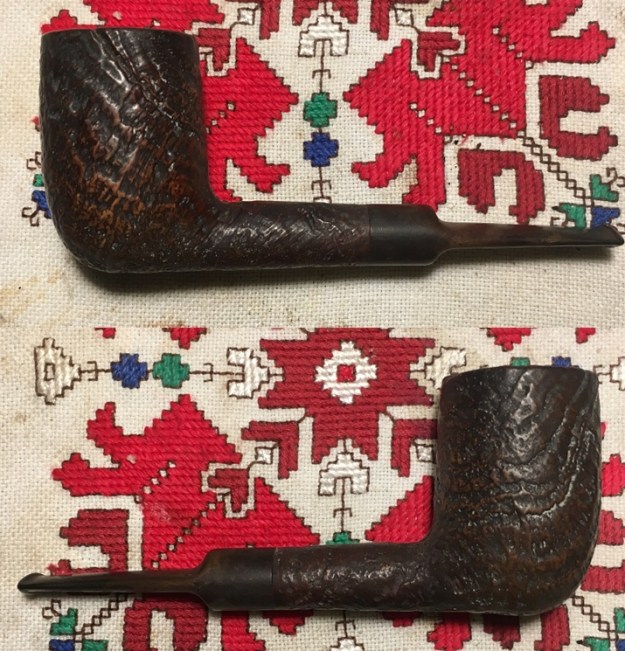
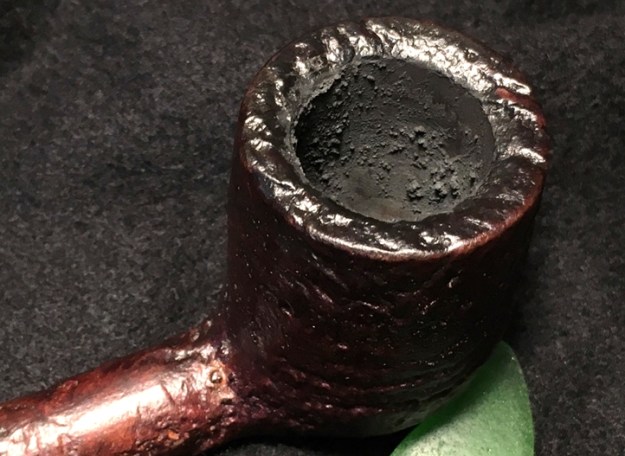
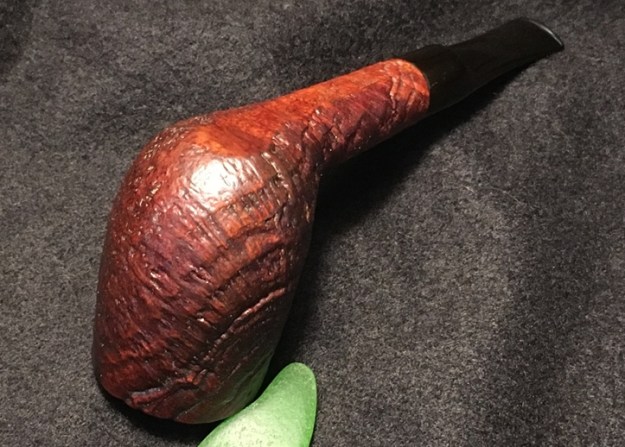
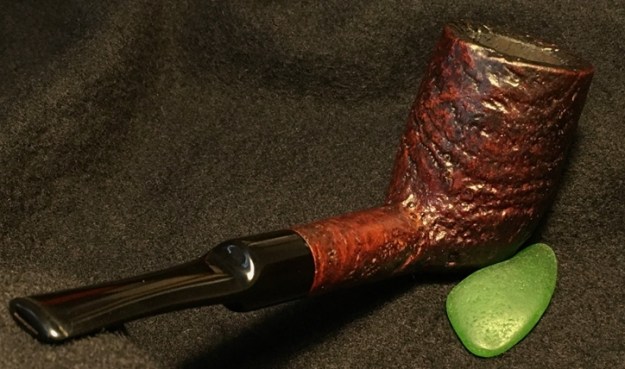
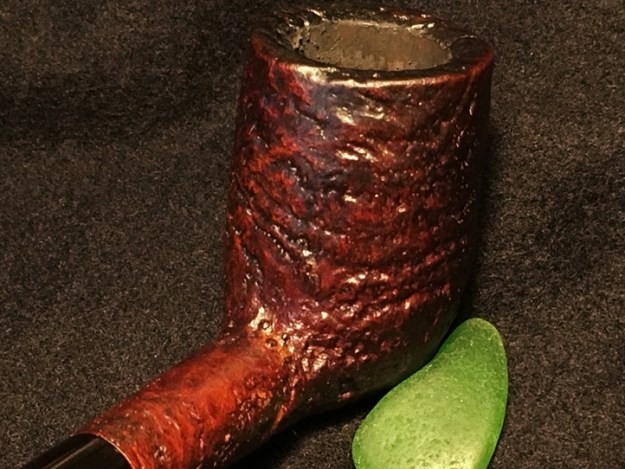
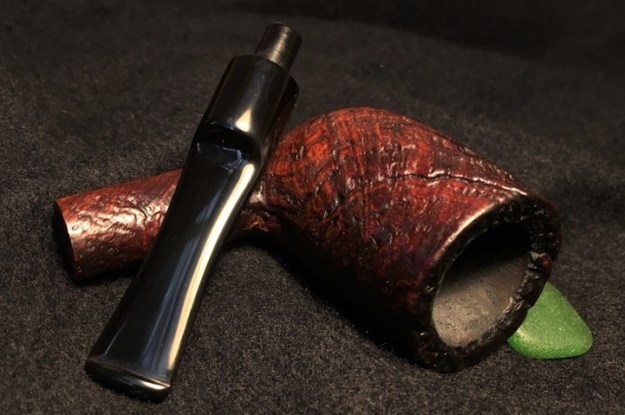
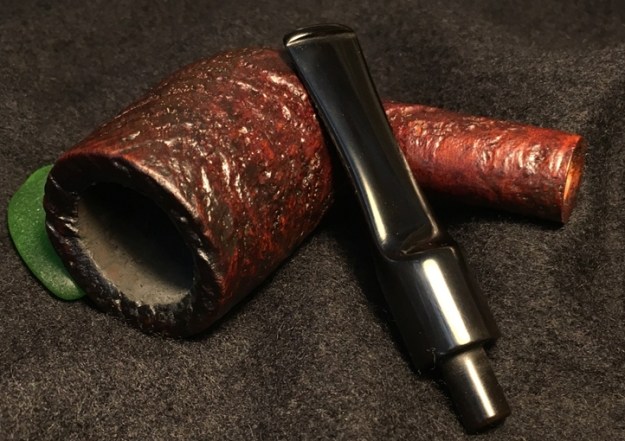
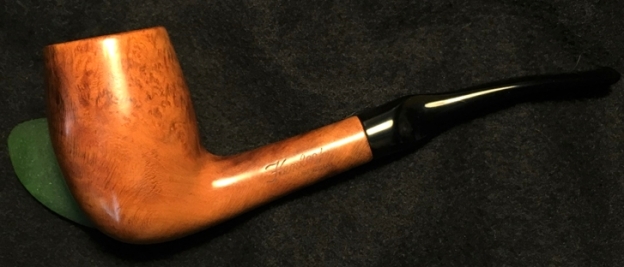
This Stanwell Henley Special Chimney is the last of the 3 Stanwell Henley Specials that I obtained off the eBay auction block.  Jim saw the Henley on the online ‘For “Pipe Dreamers” Only!’ and he commissioned the Oval Shank Billiard that I restored some time ago (see LINK) pictured in the middle below.  I had also taken notice of the solid craftsmanship of these 3 Danish made pipes, so I just restored the second, the Blasted Saddle Stem Billiard and put it in the Store to also benefit the Daughters of Bulgaria.   Then, I’ve claimed the third, a Chimney, to keep in my personal collection.  But I’ve thrown down the gauntlet on the Henley Chimney – I’ve developed a tradition of restoring a pipe in my personal ‘Help Me!’ basket collection to take with me to the beach on the Black Sea coast where my wife and I enjoy our summer holiday😊.

To review what I know about this Stanwell Henley line, I start with the seller’s information on eBay:

This auction is for three vintage Stanwell, Henley Line estate pipes from the 1950’s-60’s era. All are in good pre-owned condition. The stems are primarily free from teeth marks. The stems do have some fading. All of the stems fit snug and the wooden bowls are free from outstanding blemishes. As seen from top to bottom, the first pipe reads Henley Special #57, the second and third read Henley Special without any numbers seen. All of the pipes read Made in Denmark.

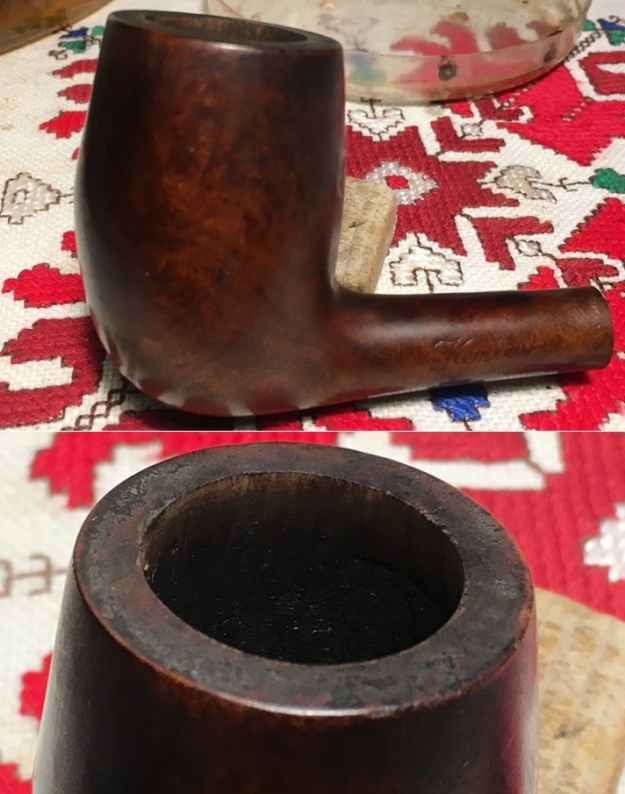
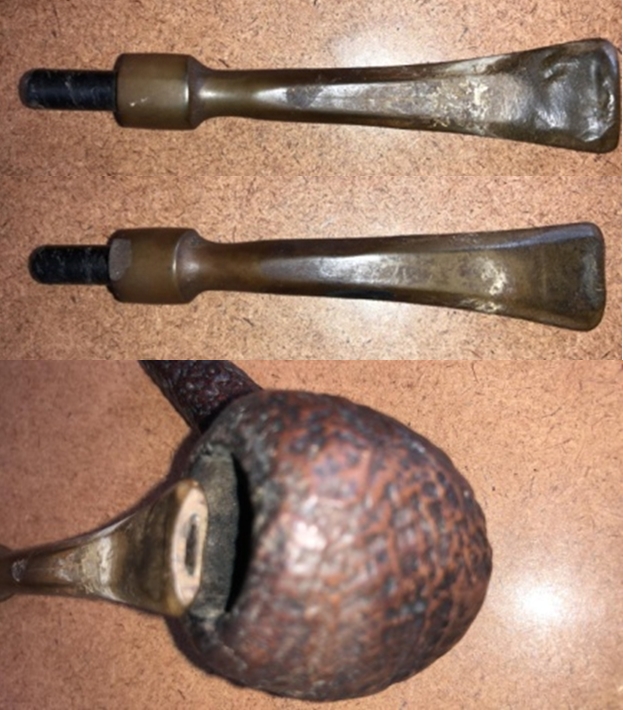
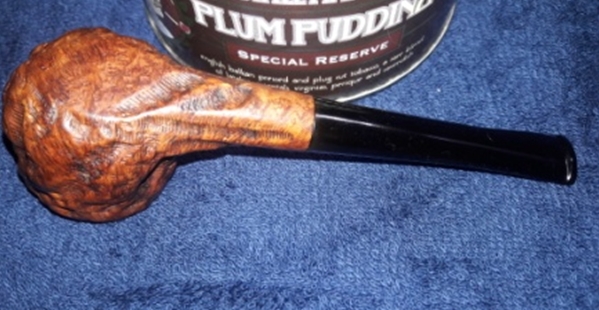
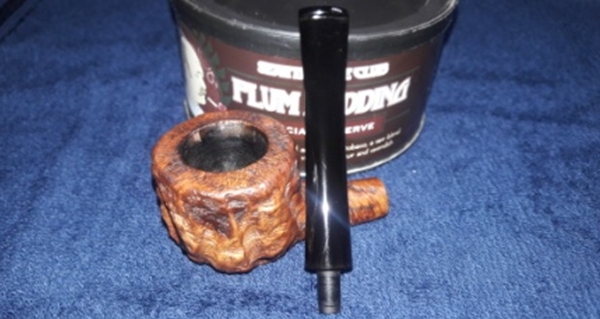
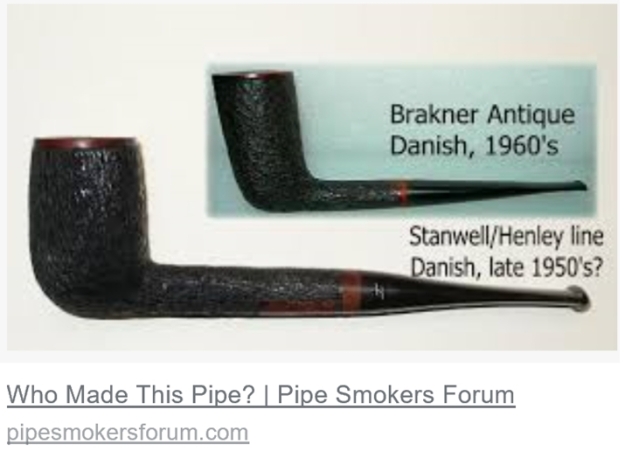
Here are the three Stanwell Henley Specials as I saw them on the eBay auction block.Pictured are the first and second Henley Specials after each was restored are pictured below. The transformation in these beautiful Danish pipes is unbelievable! As I expressed in the previous Stanwell Henley Special restorations, since I started collecting and restoring pipes, I’ve grown in my appreciation for Danish made pipes.  They tend to be stout, well-made pipes.  In my research on the Henley pipes, I have found no conclusive information dating them, but anecdotal information and a the feel of these pipes, I’m confident placing them in the 1950s and 60s. Pipedia’s article on Stanwell pipes simply places the Henley Special line in the list of Stanwell second brands.  The Chimney bound for my collection is identical with what Pipephil.eu provided.   It shows a Henley Chimney with the Fishtail stem slightly bent, along with the distinctive characteristic of a bulging midsection, which attracted me to this pipe!  The difference with the Pipephil listing is that it is blasted – nice.  It also shows an ‘H’ stem stamping.  The Chimney now on my worktable has no stamping on the stem – or it has worn off over time.The dating of the Henleys and this Chimney is elusive.  The only information I found in my initial research that gave any reference to dating isn’t conclusive. I found the following picture on Google images but the link to pipesmokersforum.com.  “Who made this pipe?”   I went to the pipesmokersforum site and searched ‘Henley’ and no reference or article emerged.  Having added this discussion to my research would have been helpful!  The picture I found puts a question mark in the late 50s.  Added to this the eBay seller’s description placing the pipes in the 50s or 60s and I do not know where this information originates.  Even though this information is anecdotal, the dating seems accurate to me based upon the appearance, craftmanship and feel of these pipes. I really like the Chimney stacked shape with a very nice feel in the hand.  I’m attracted to the tall Chimney and the interesting bulging of the bowl about midway.  The other thing that I like is the unique, pinched saddle fishtail stem.  Coupled with the tall bowl, the fishtail gives the pipe an overall sleekness – I like it a lot!
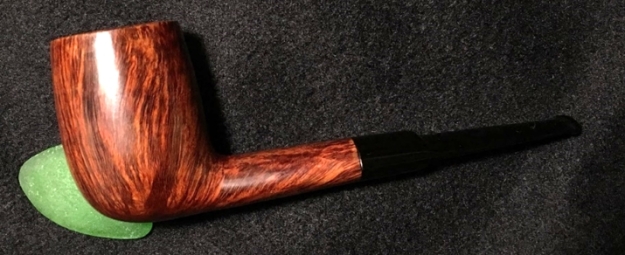
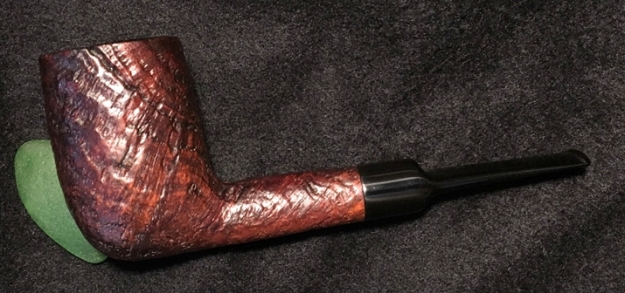
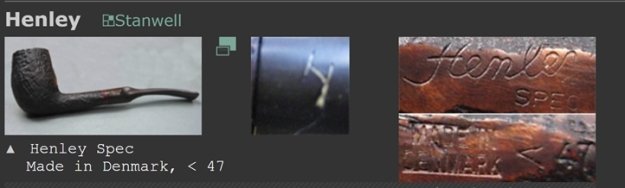
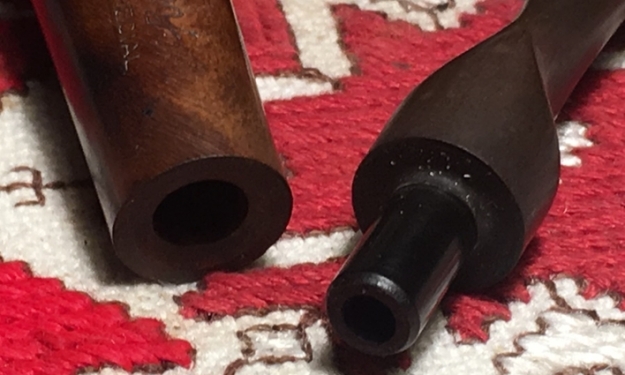
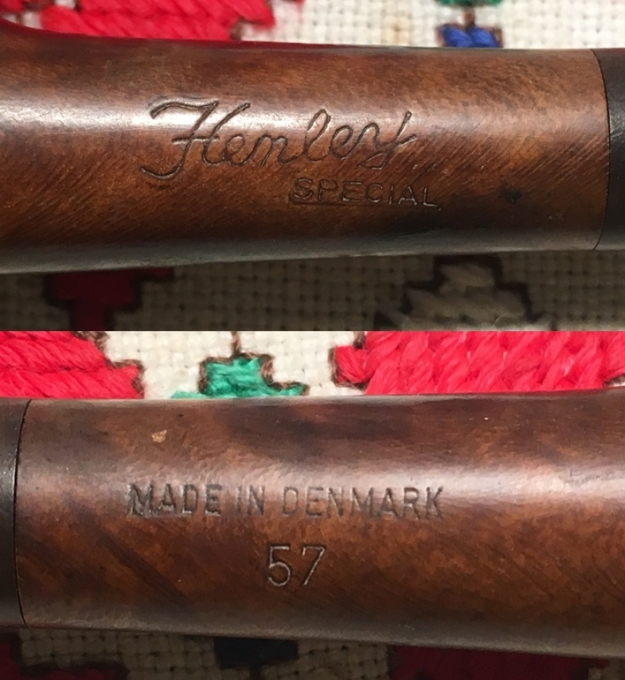
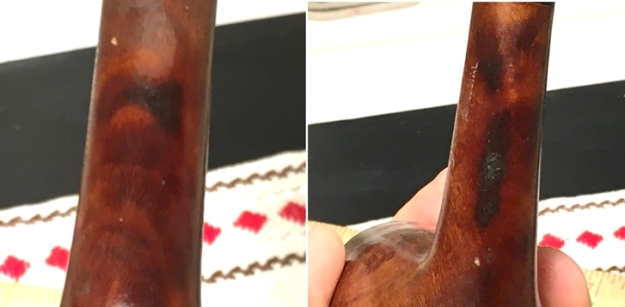
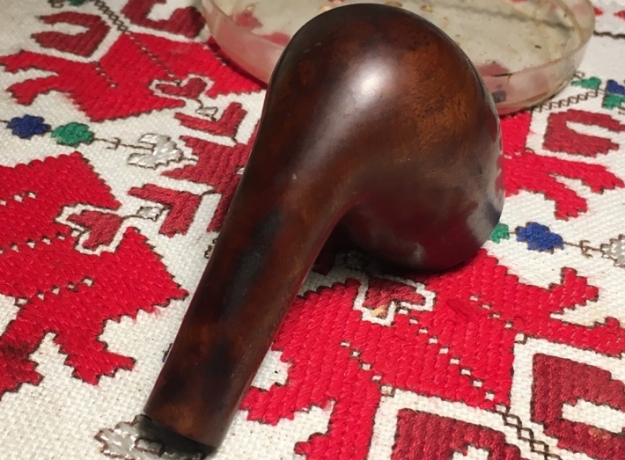
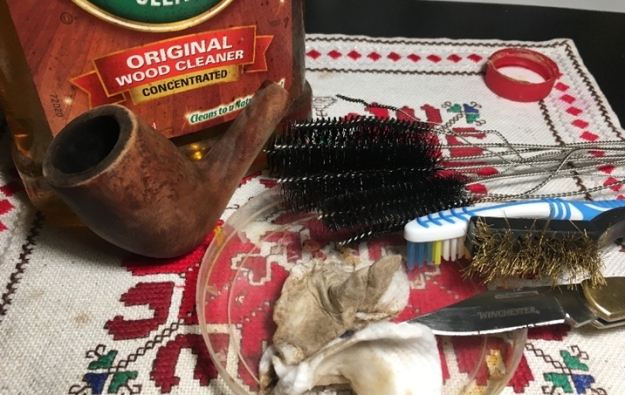
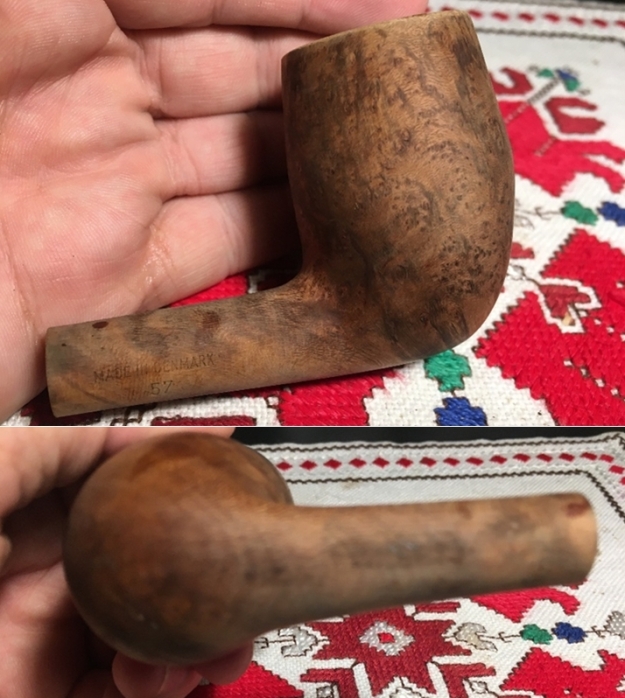
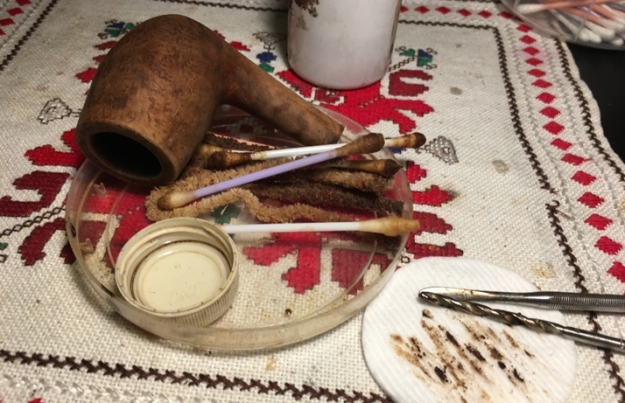
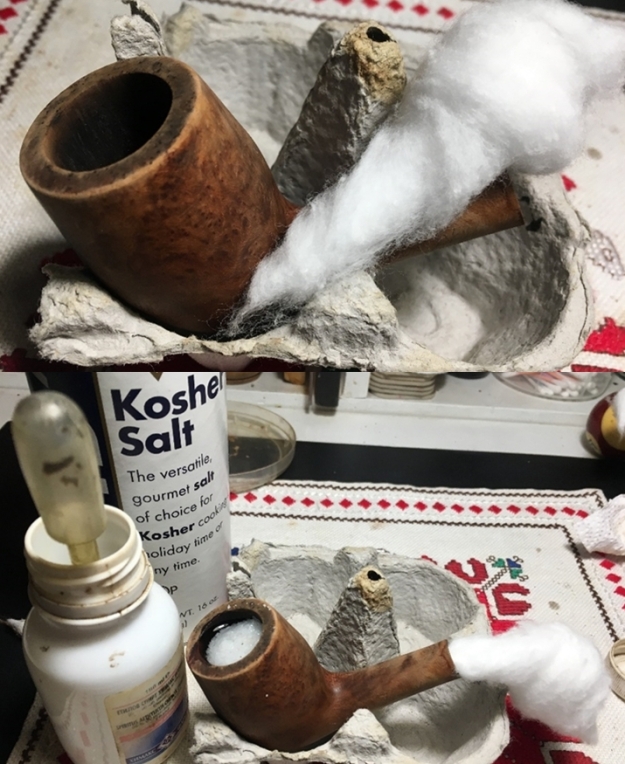
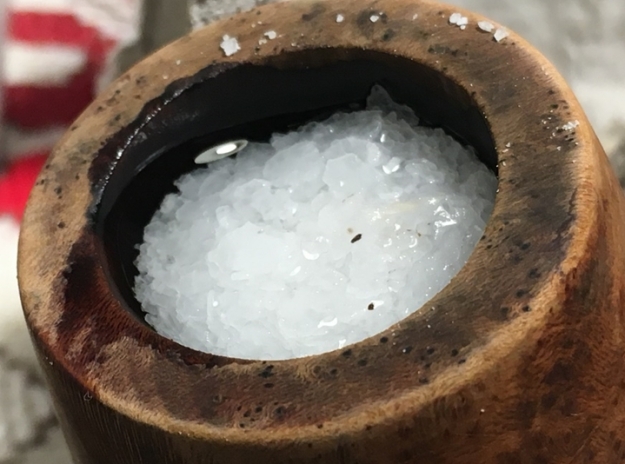
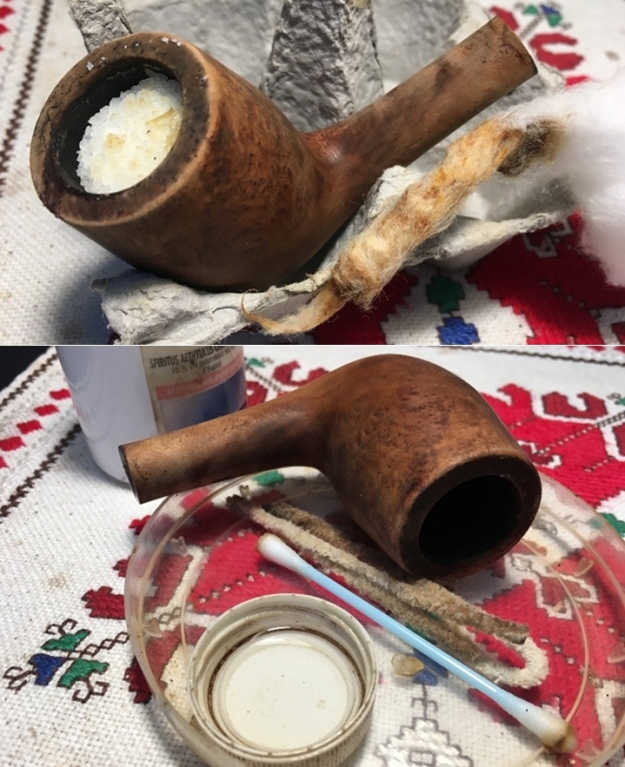
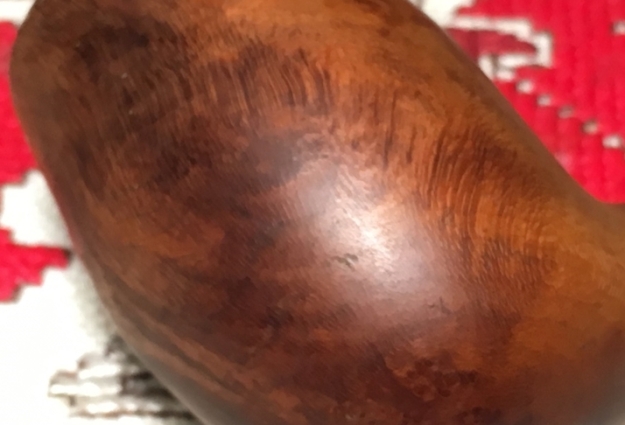
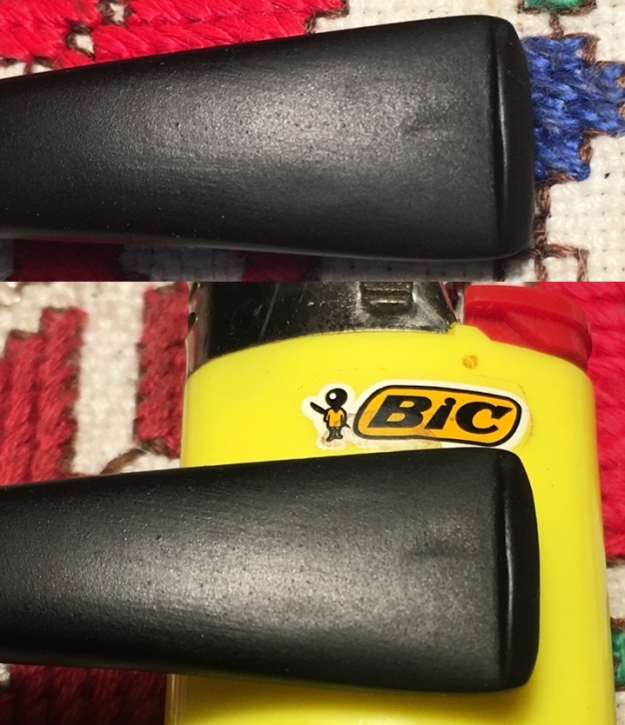
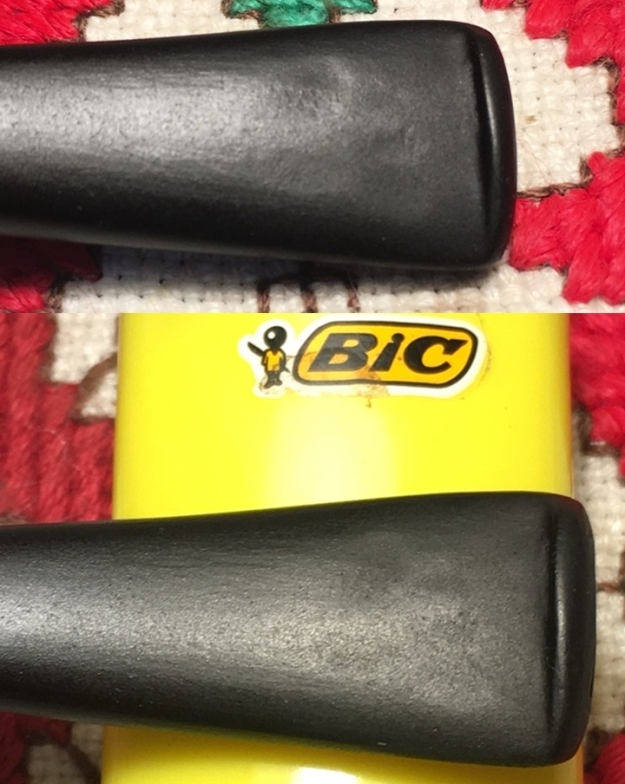
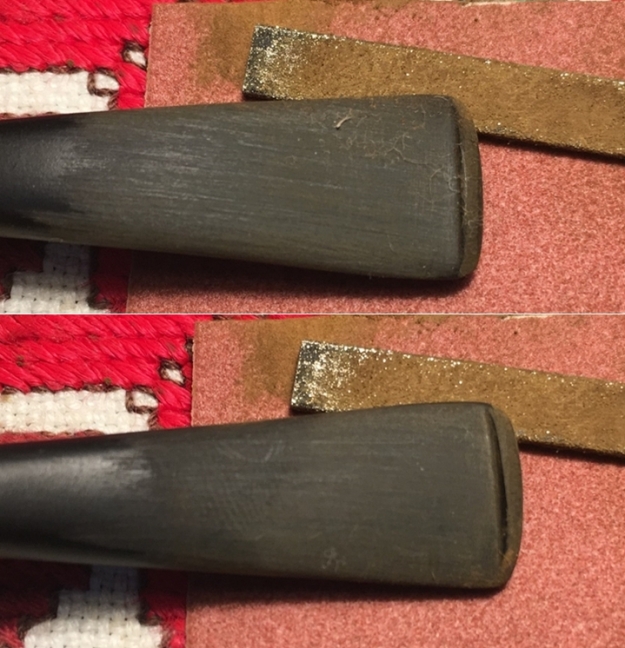
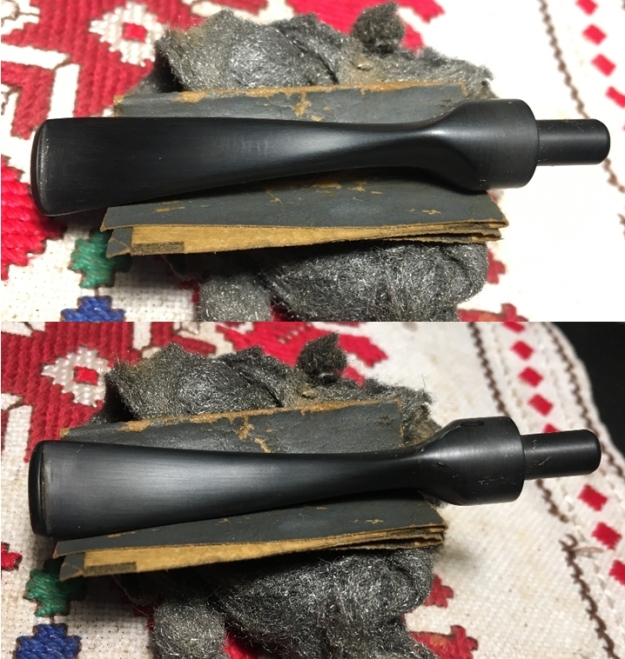
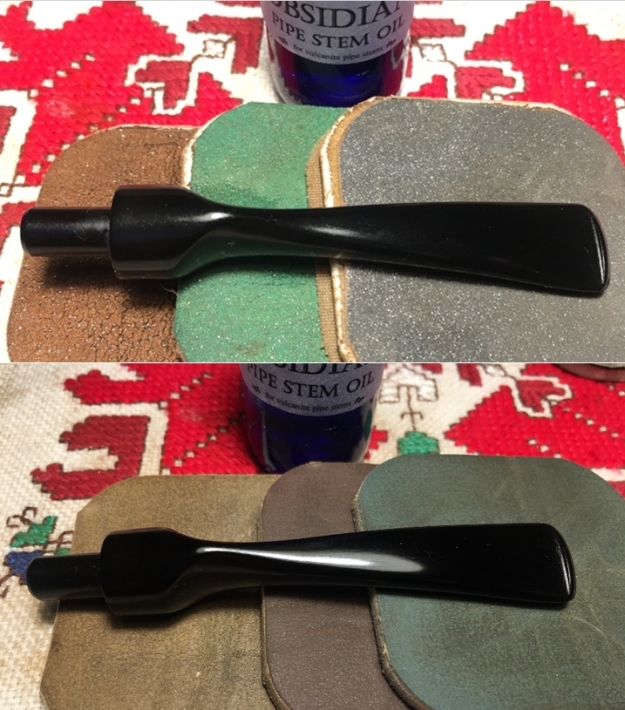
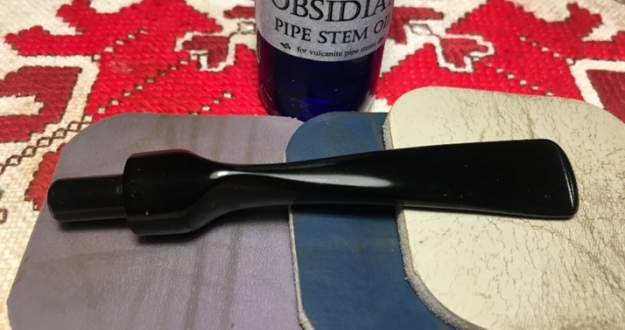
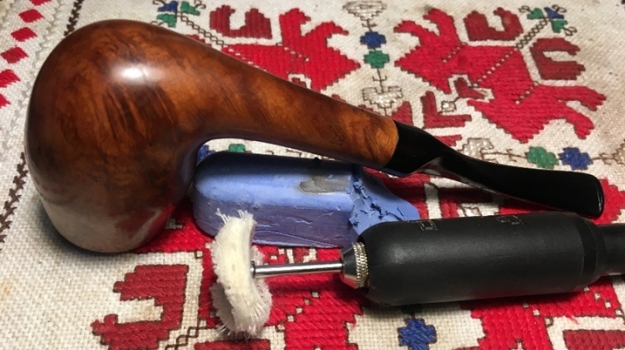
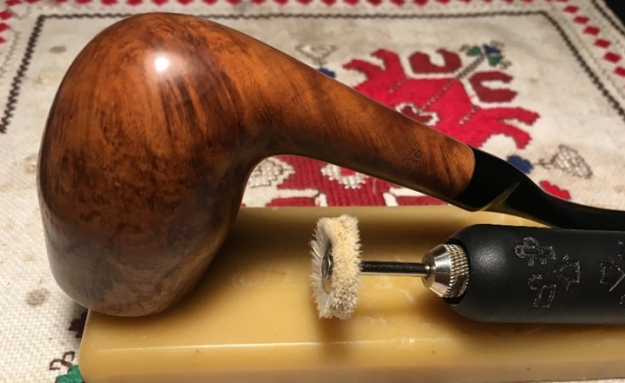
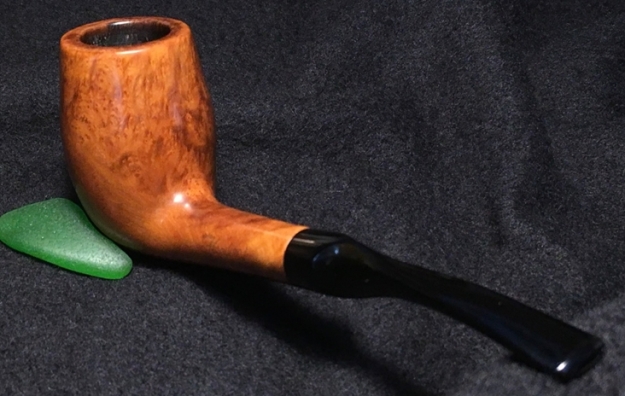
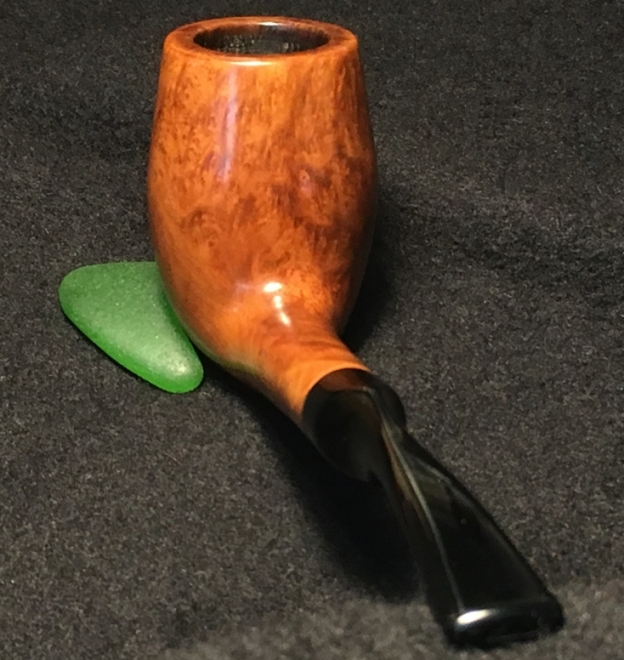
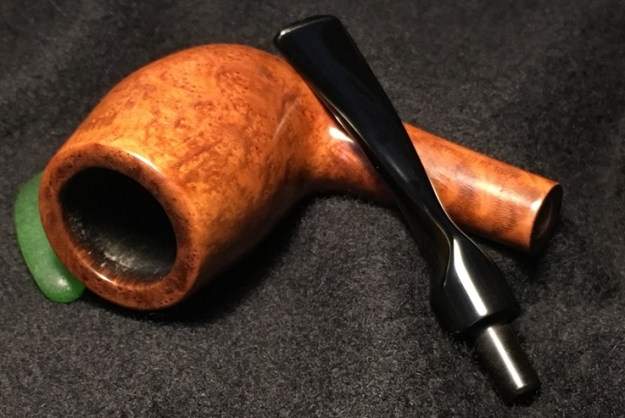
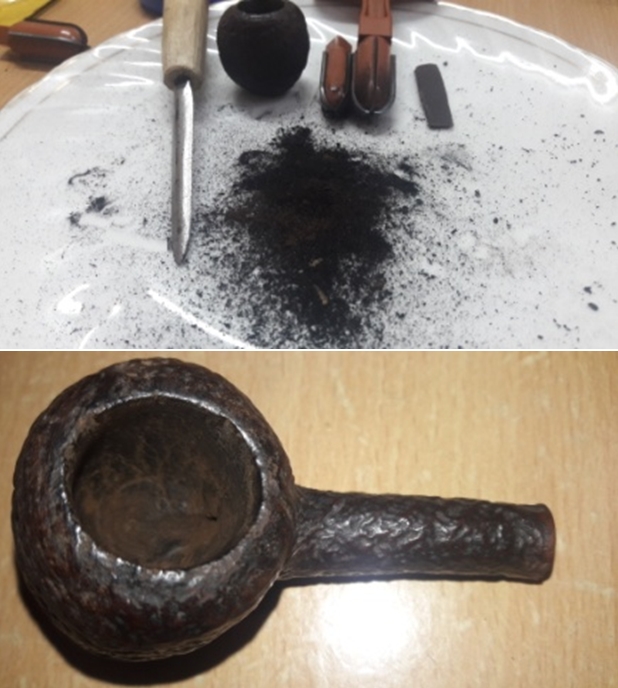
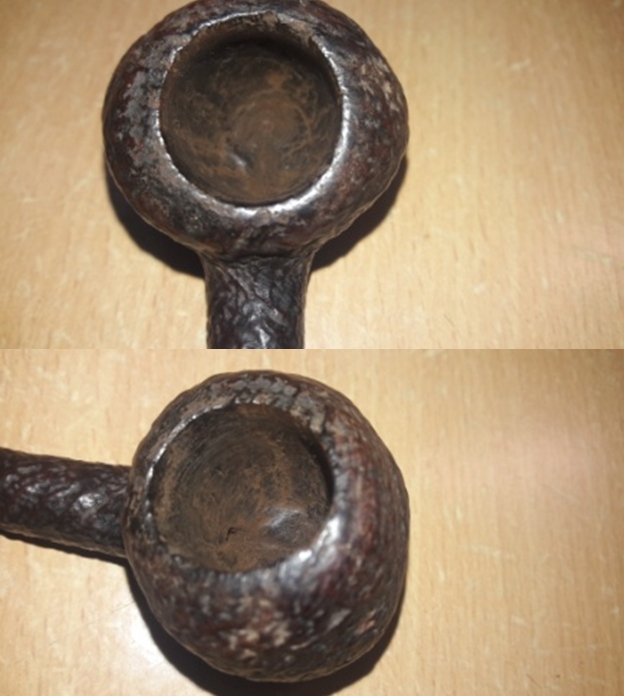
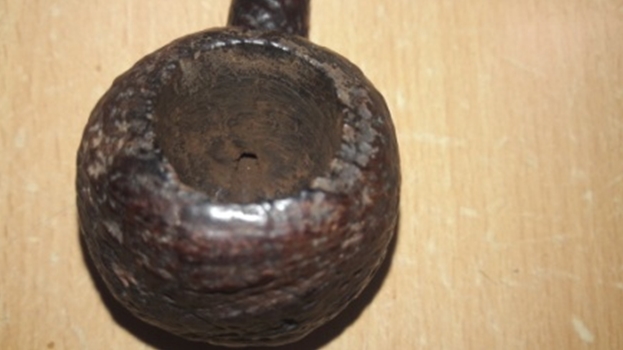
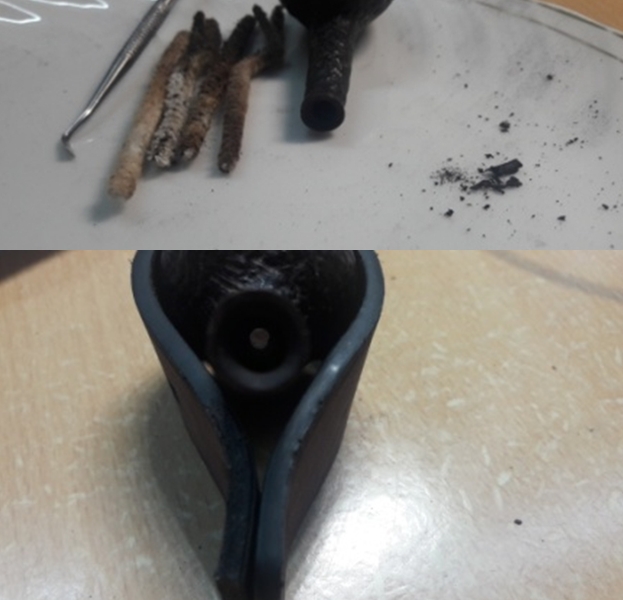
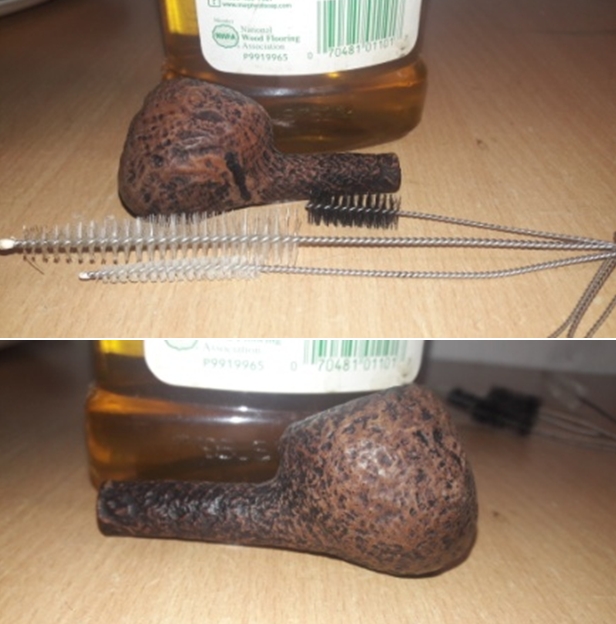
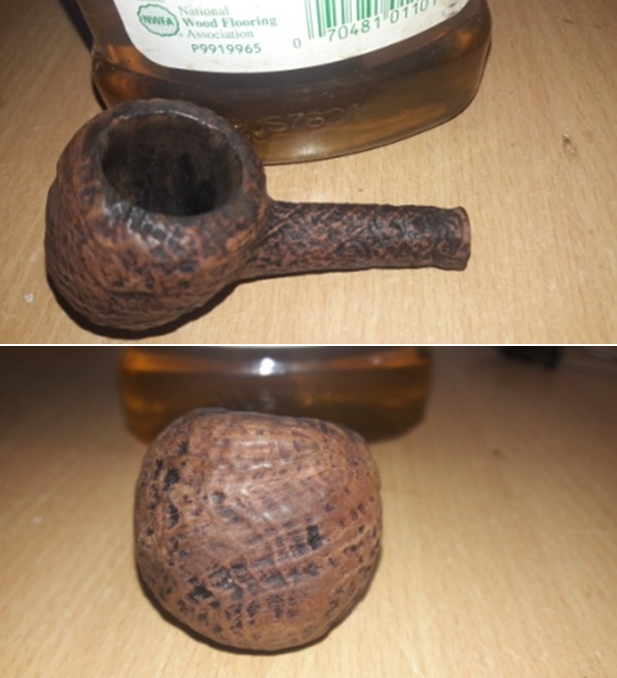
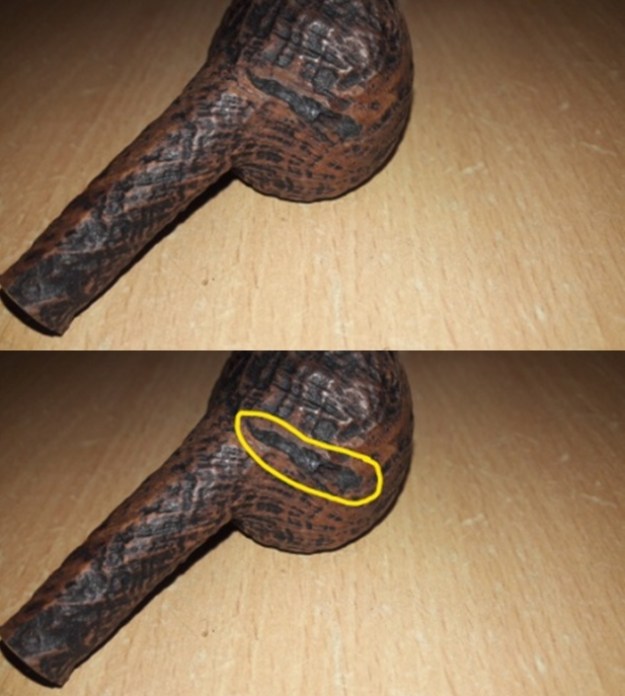
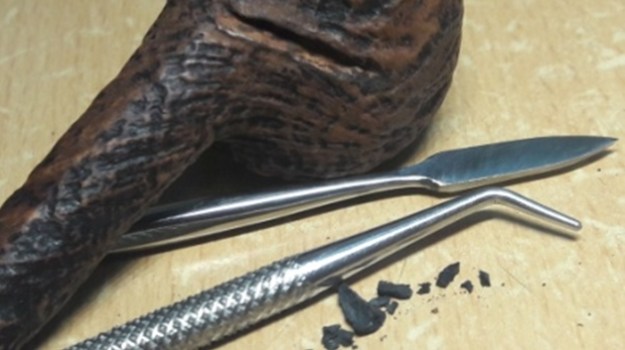
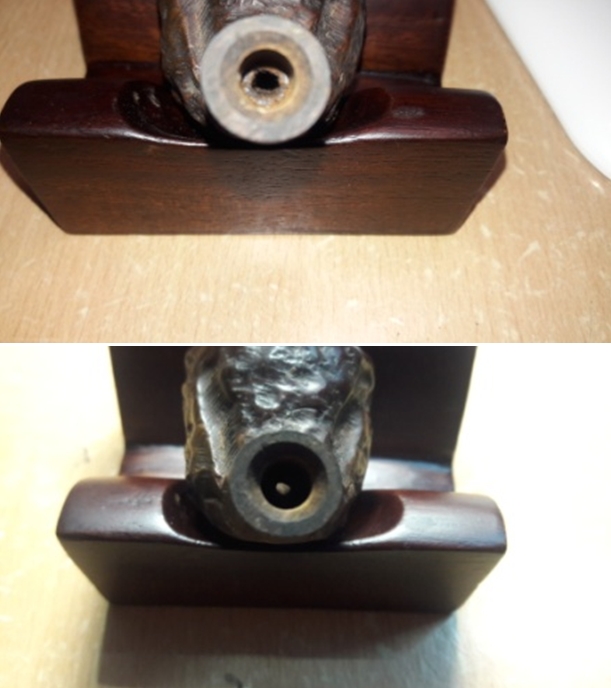
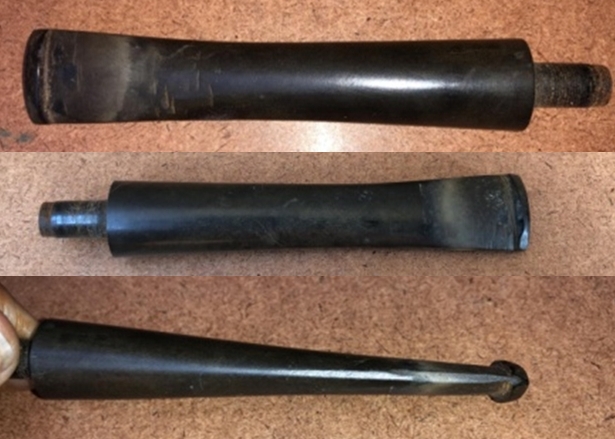
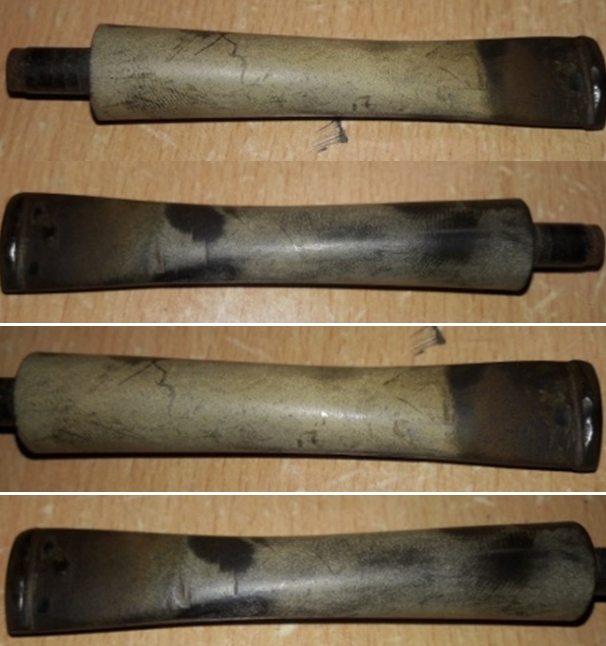
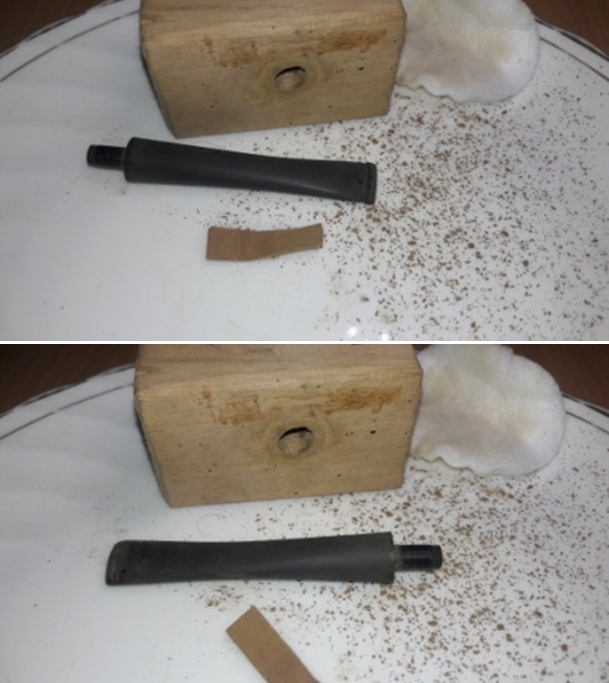
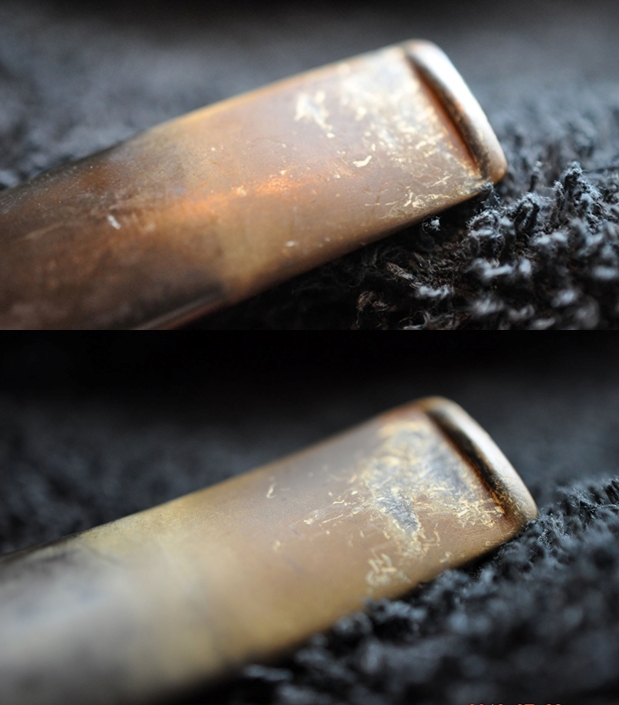
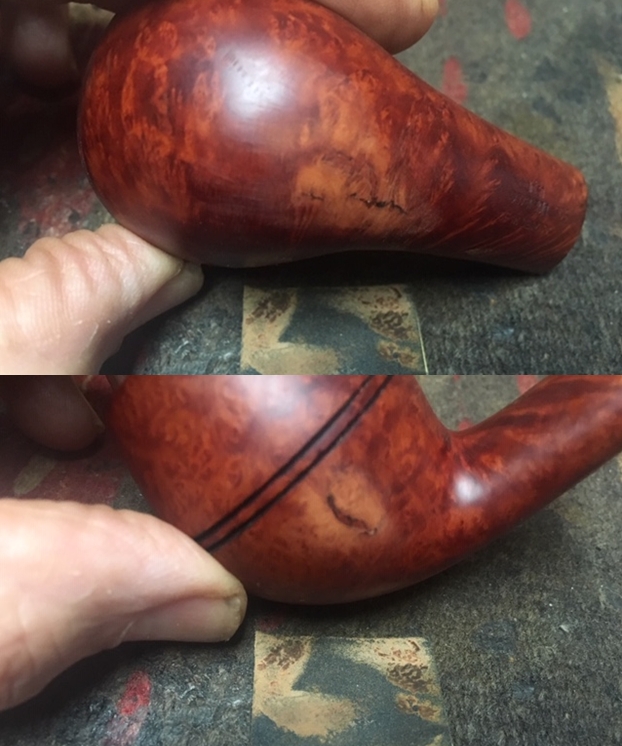
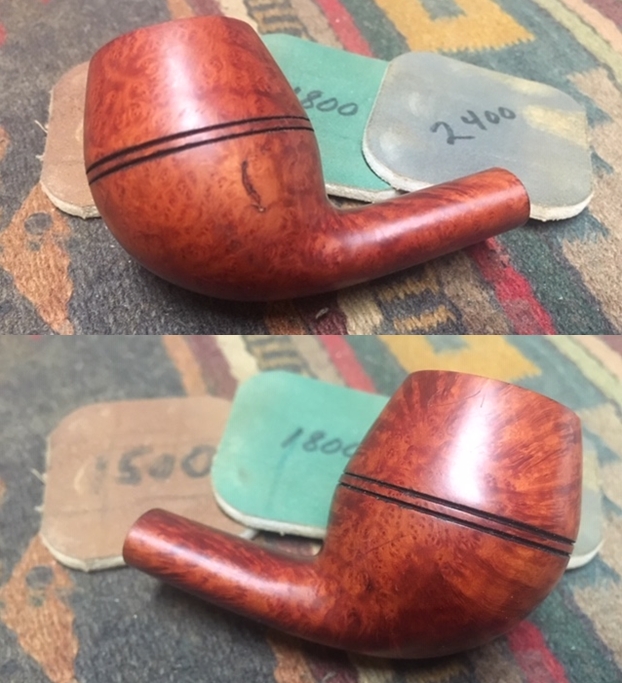
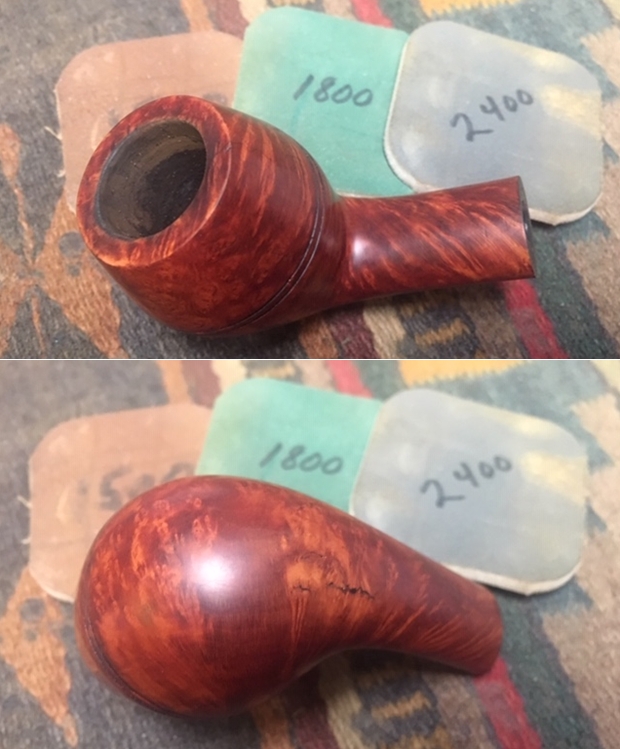
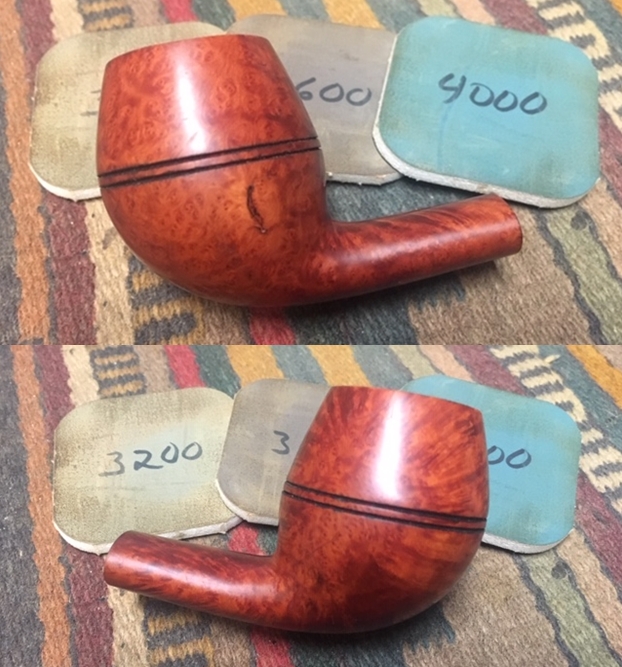
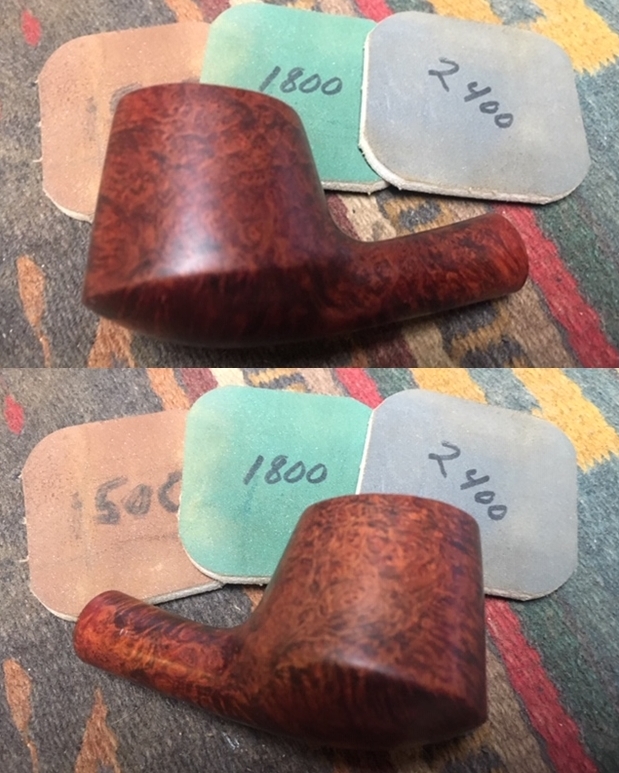
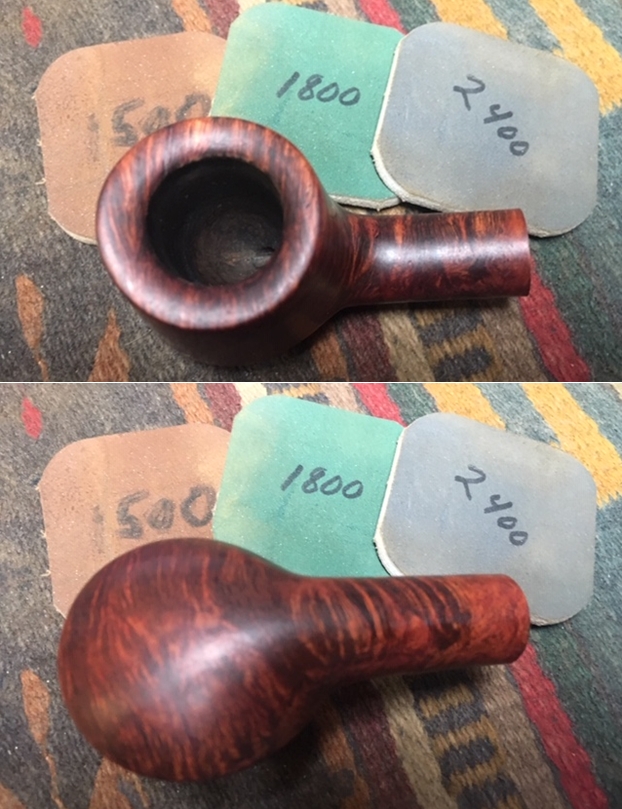
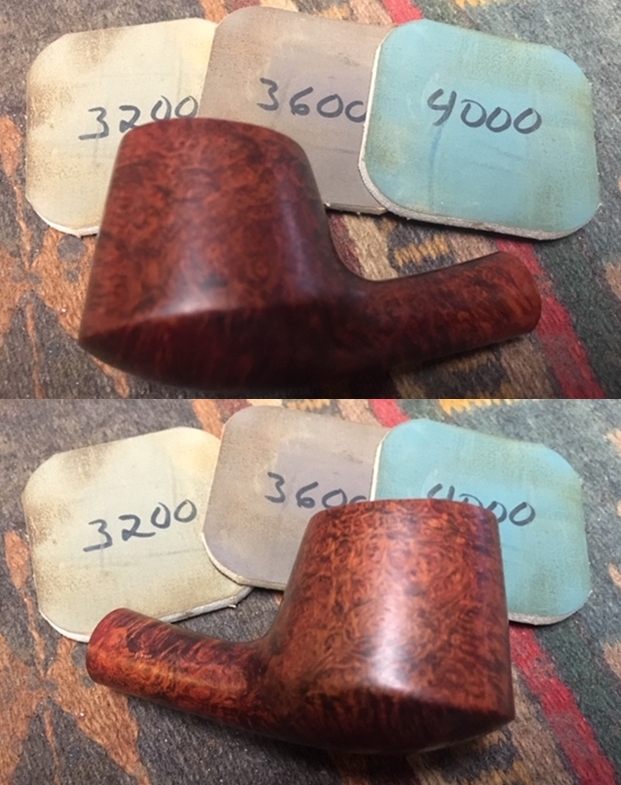
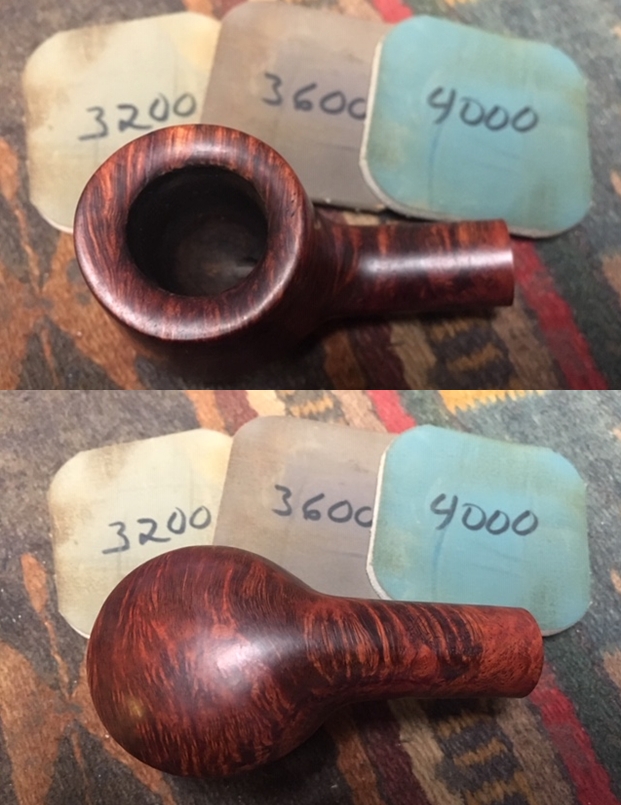
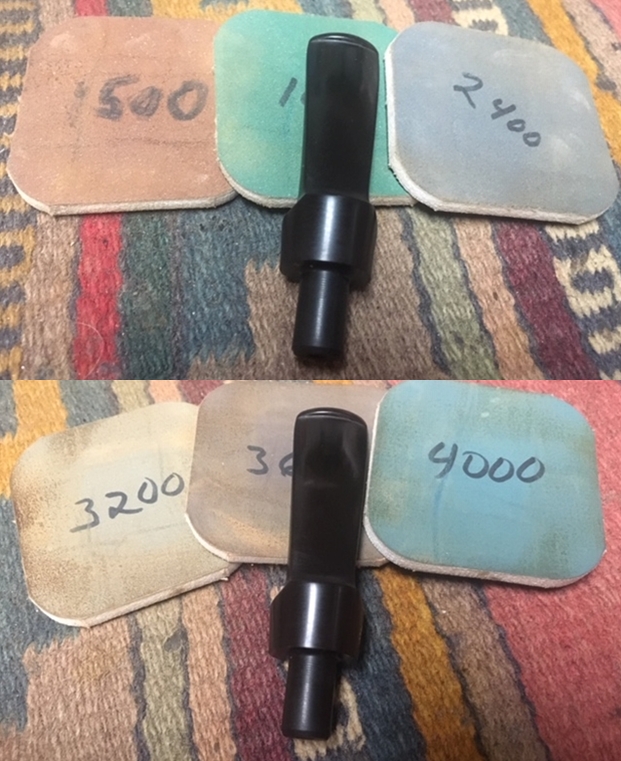
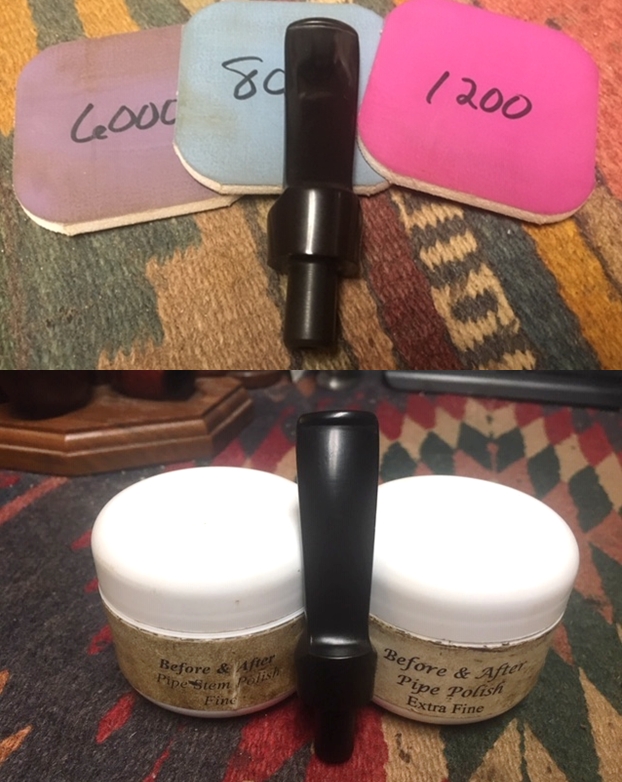
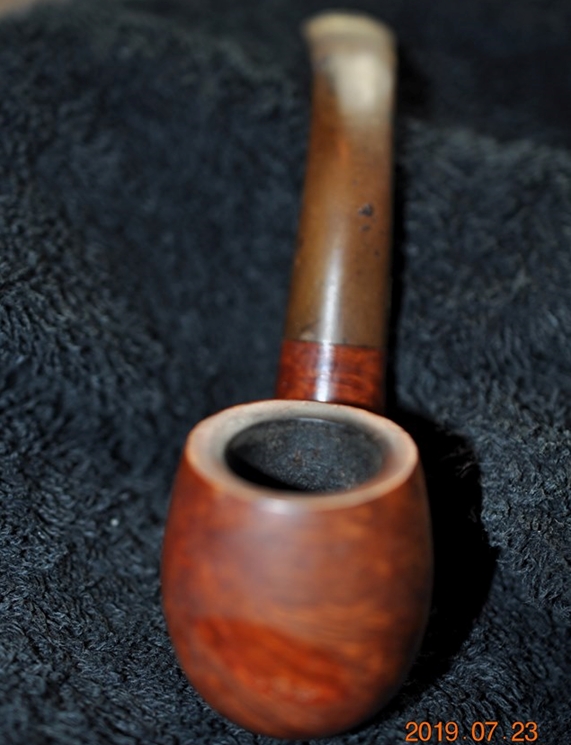
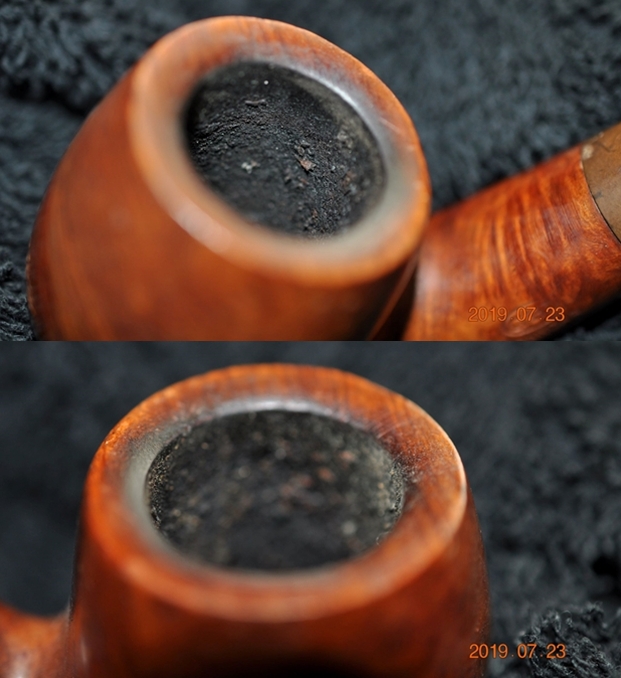
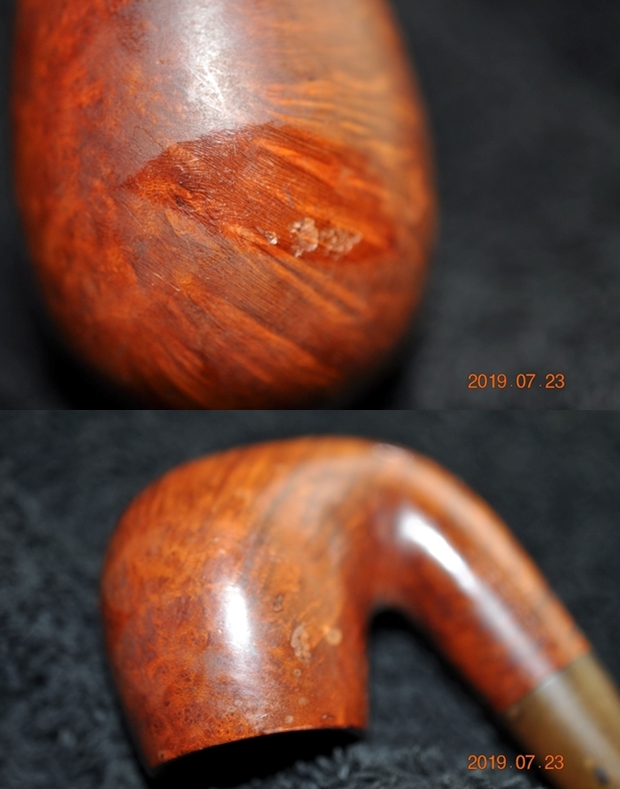
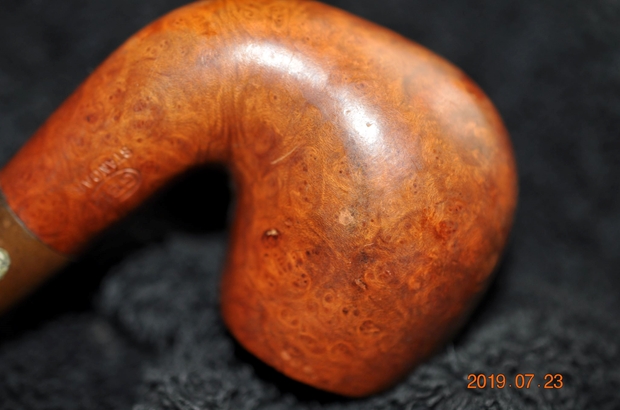
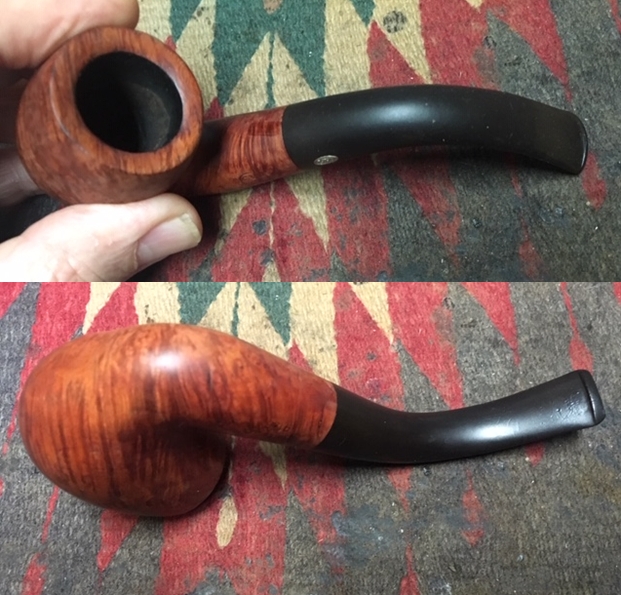
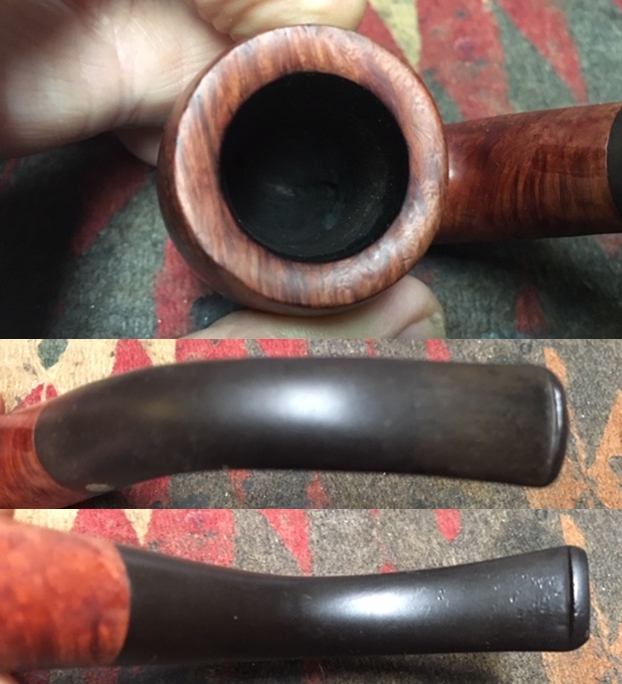
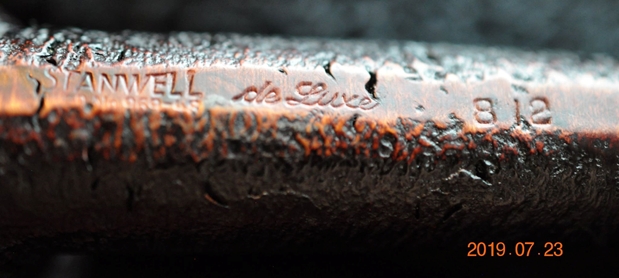
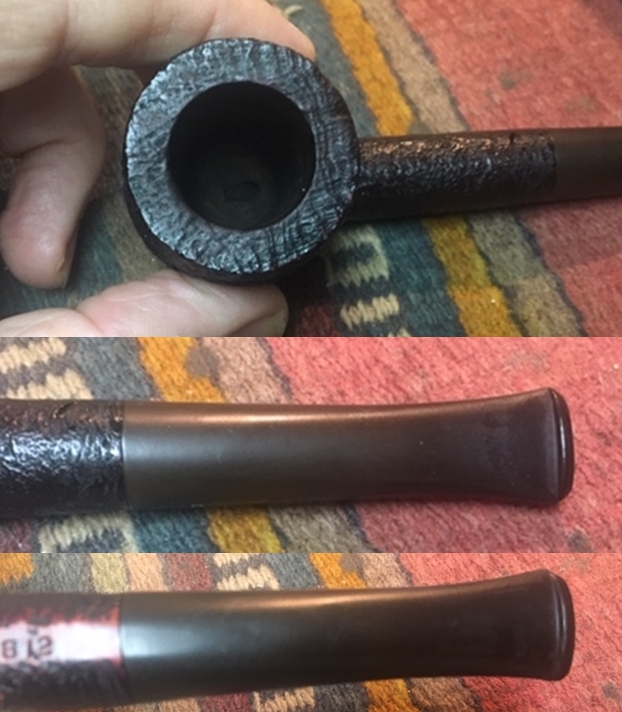
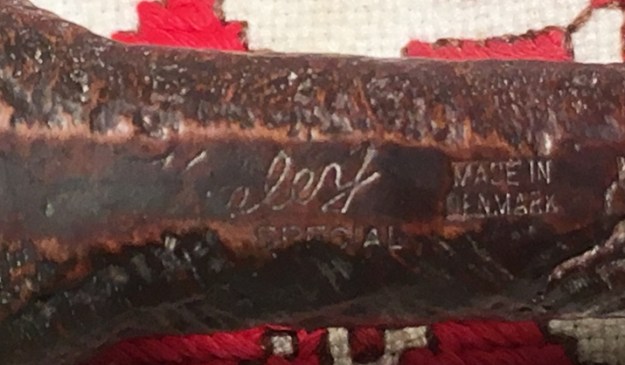
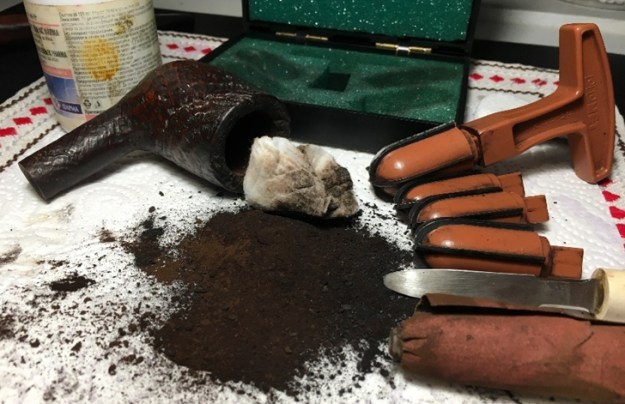
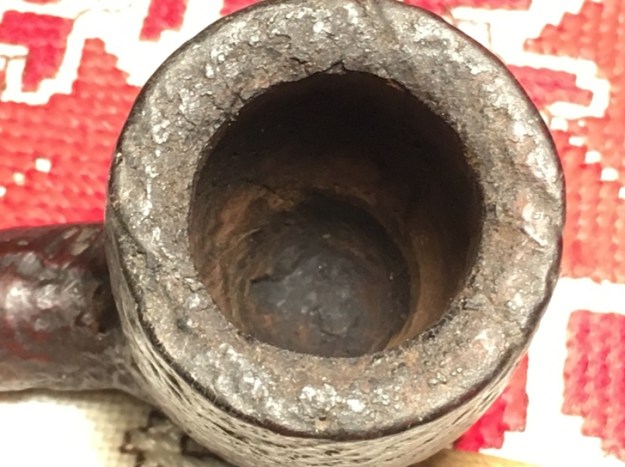
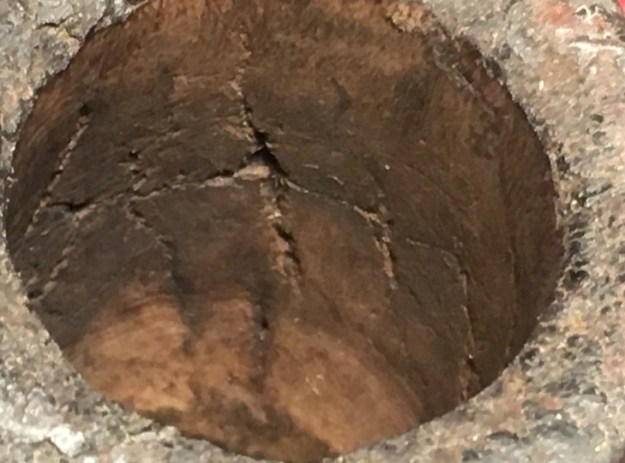
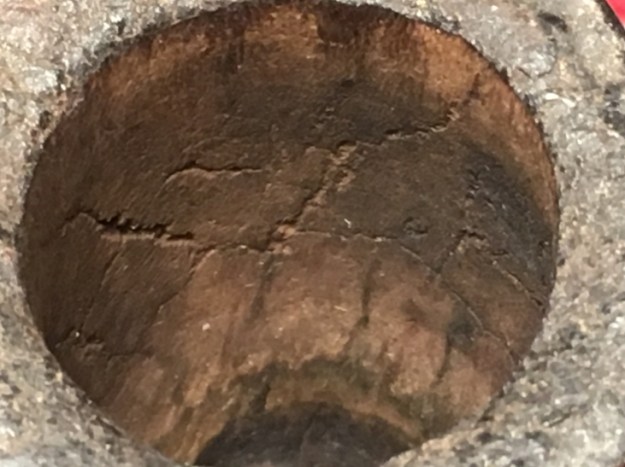
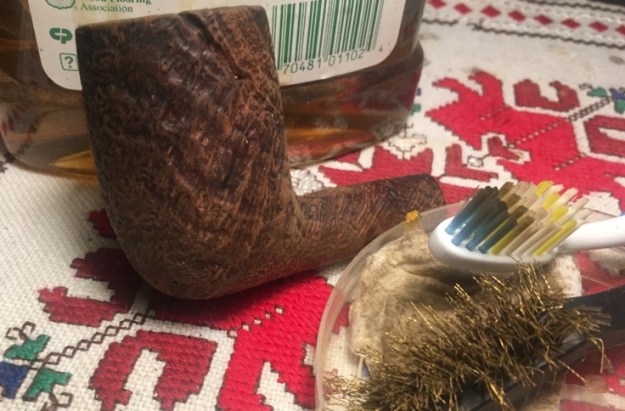
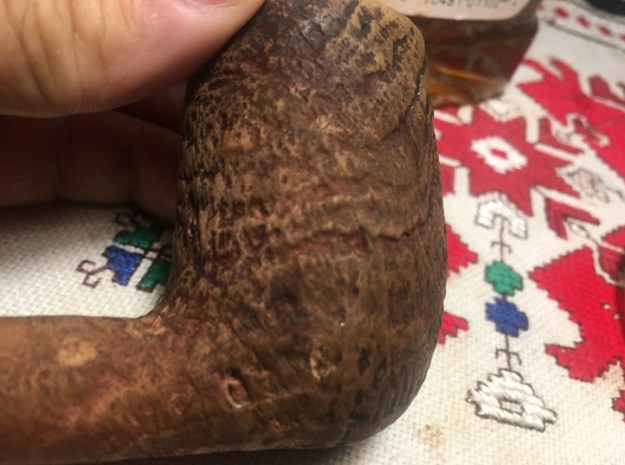
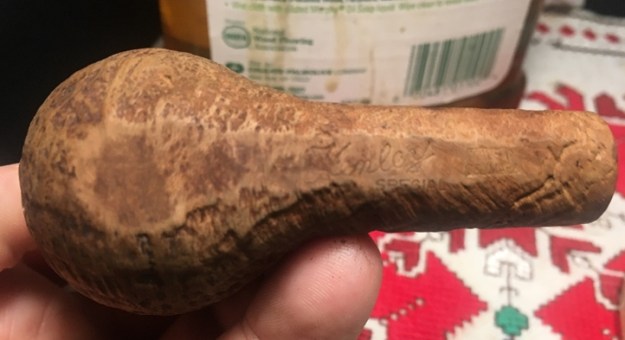
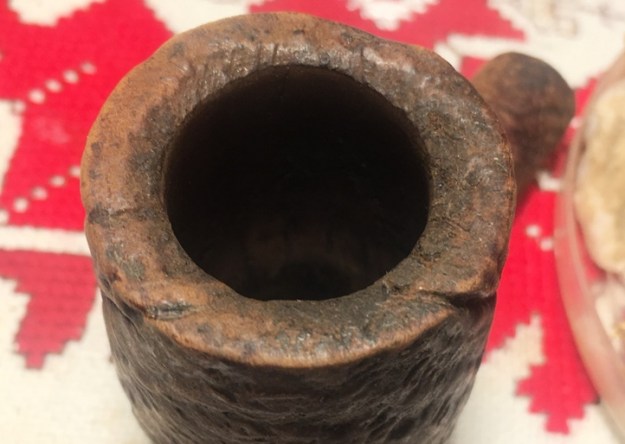
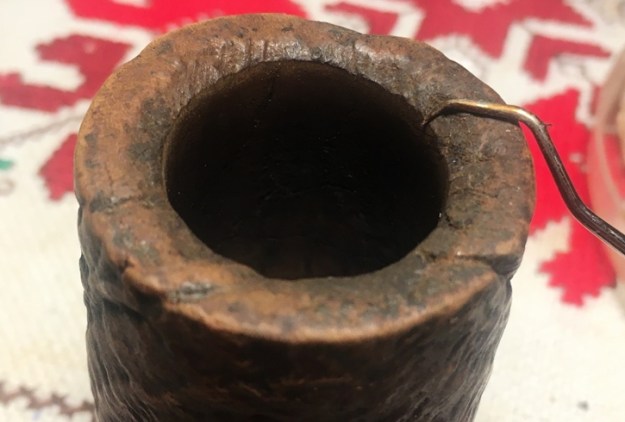
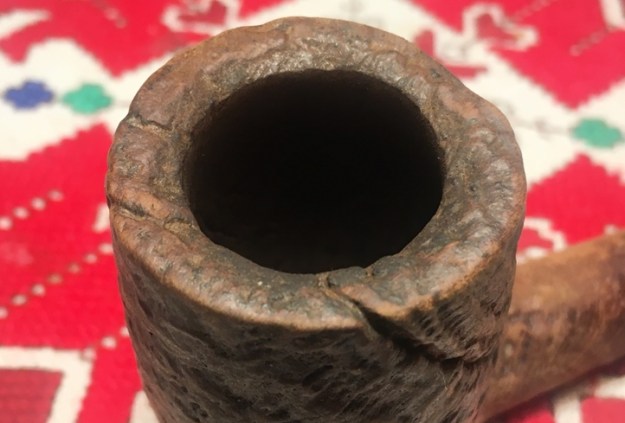
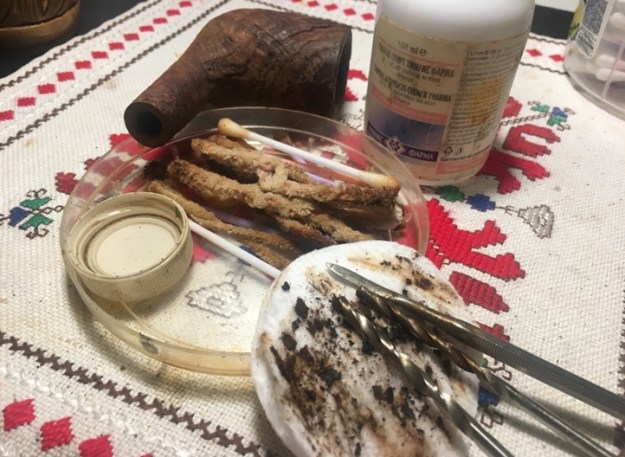
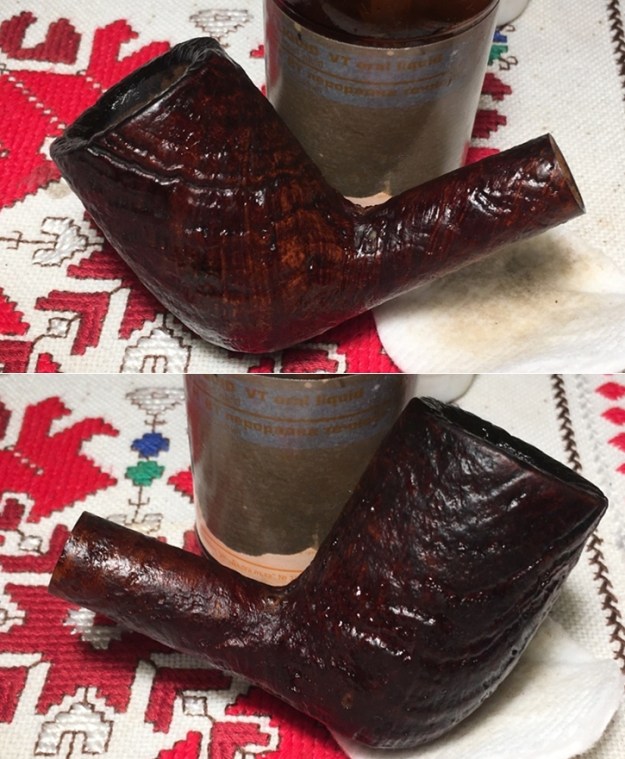
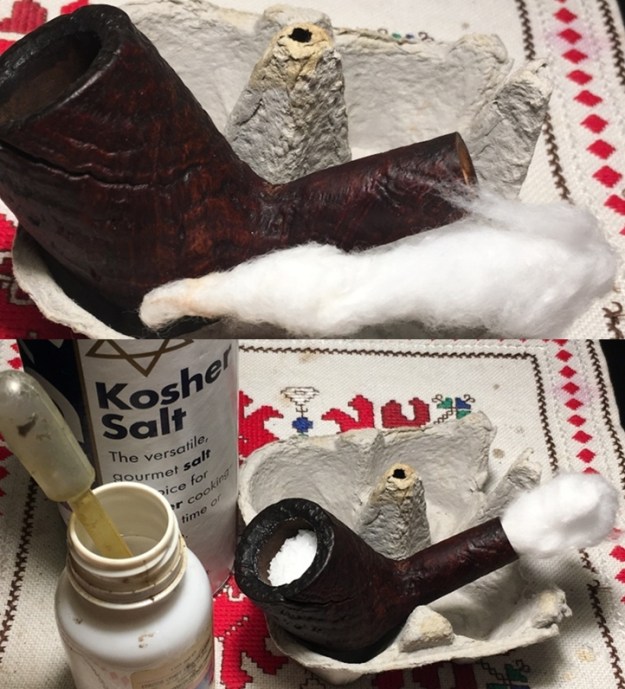
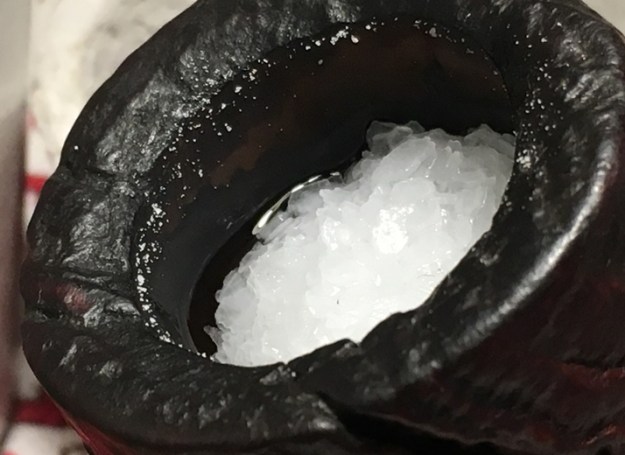
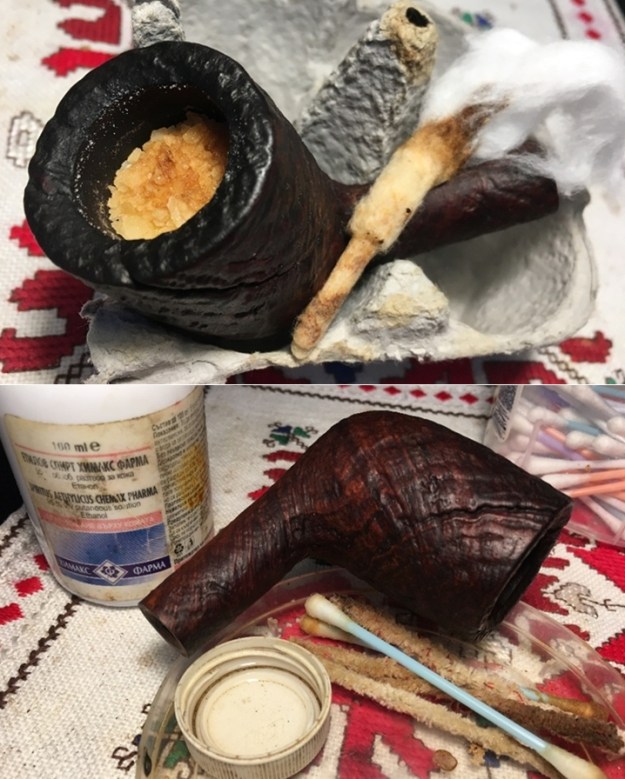
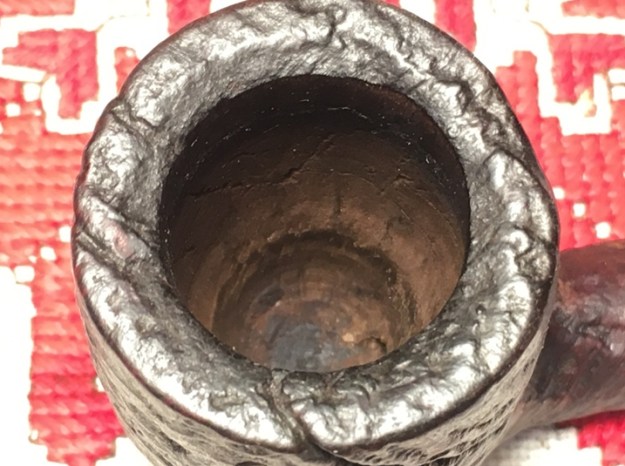
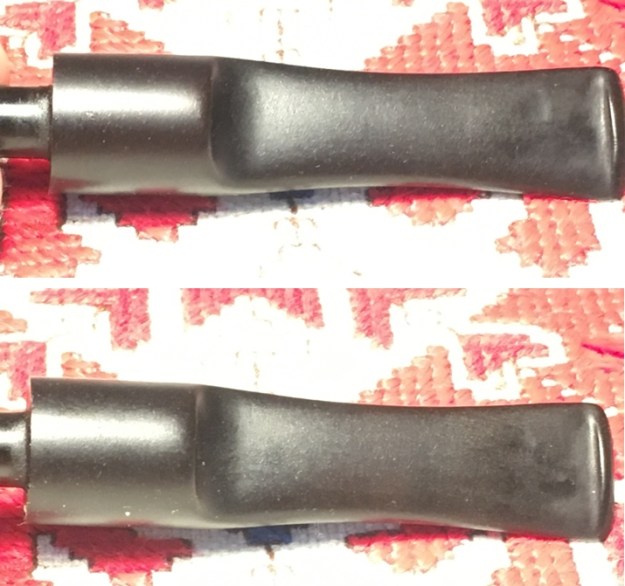
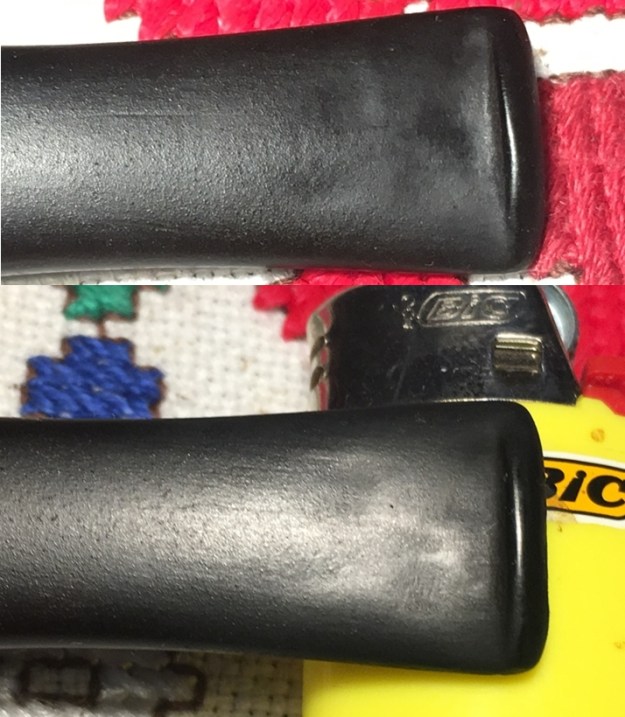
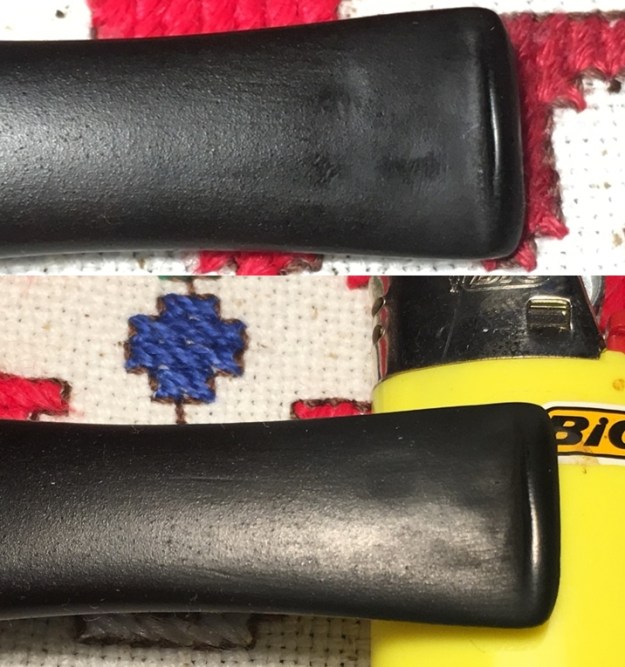
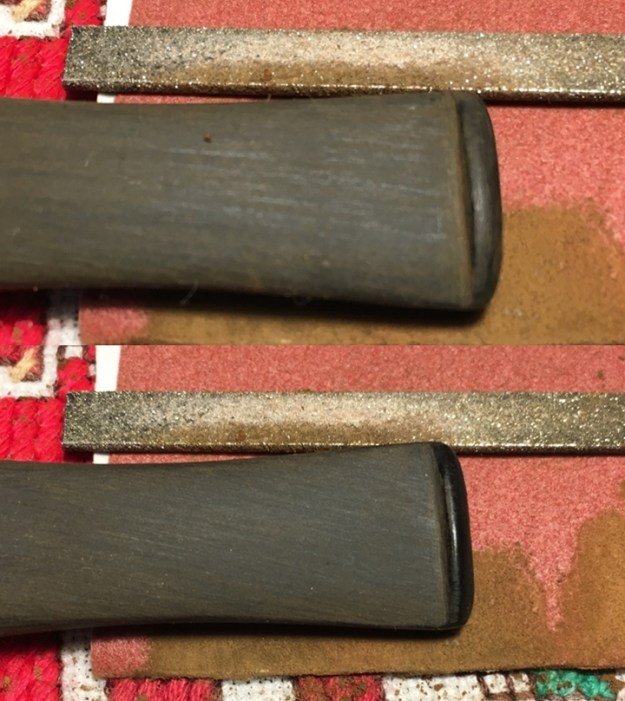
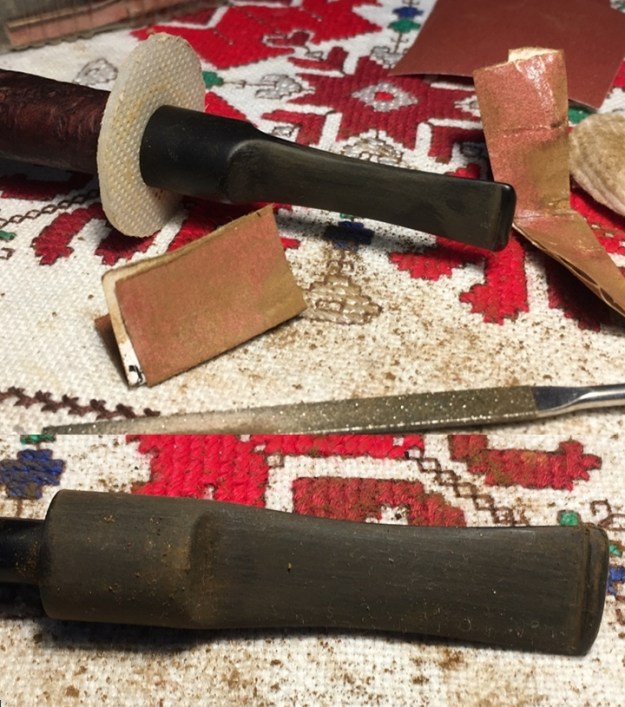
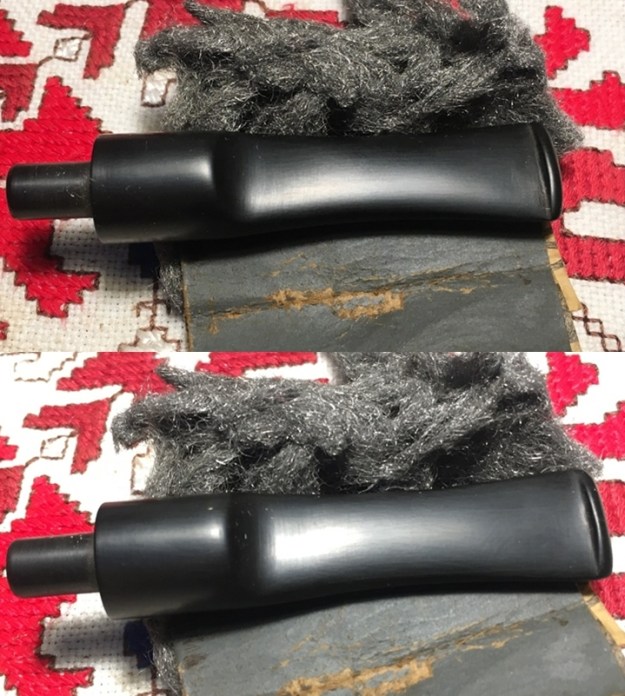
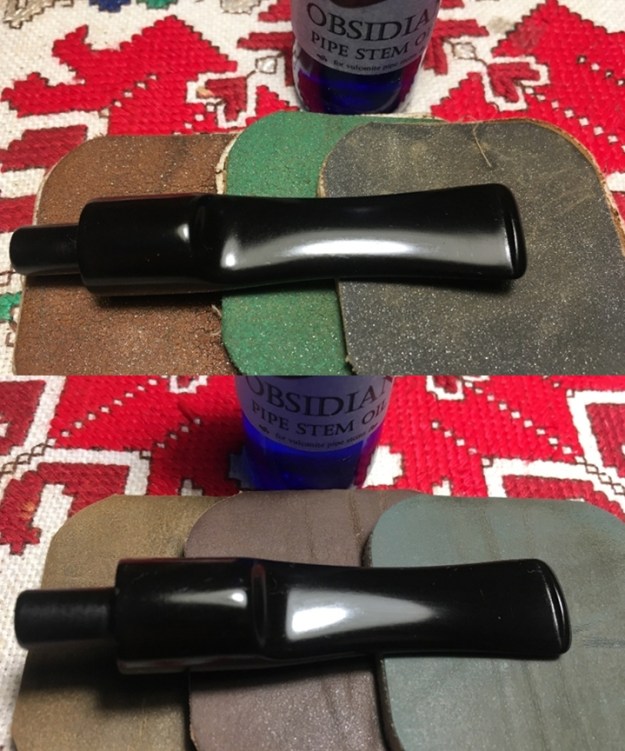
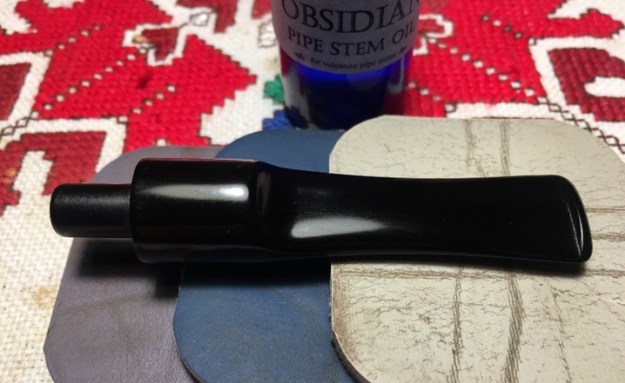
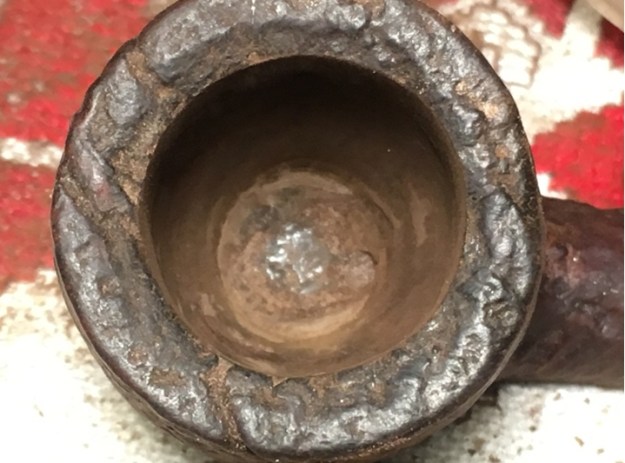
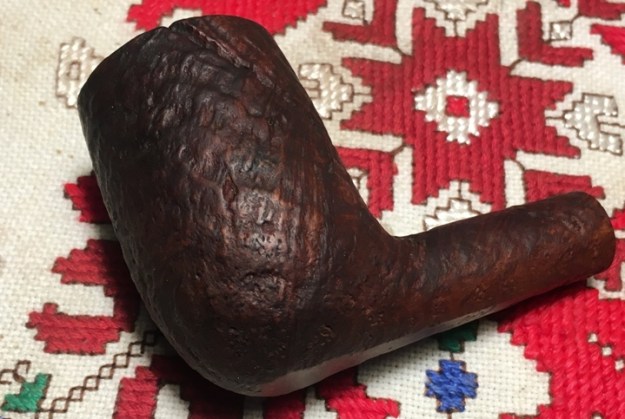
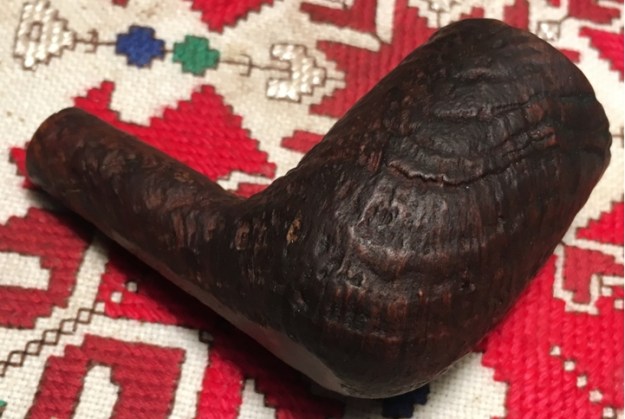
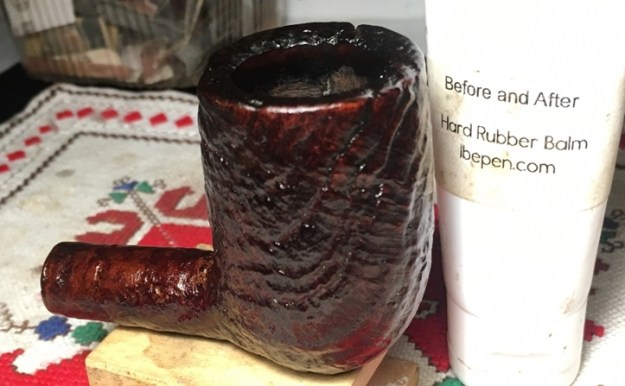
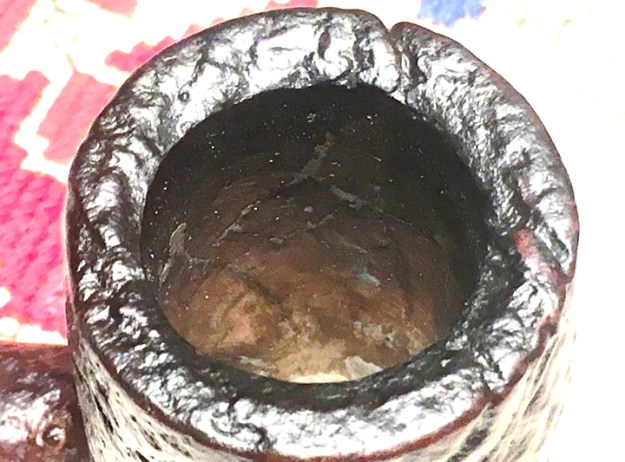
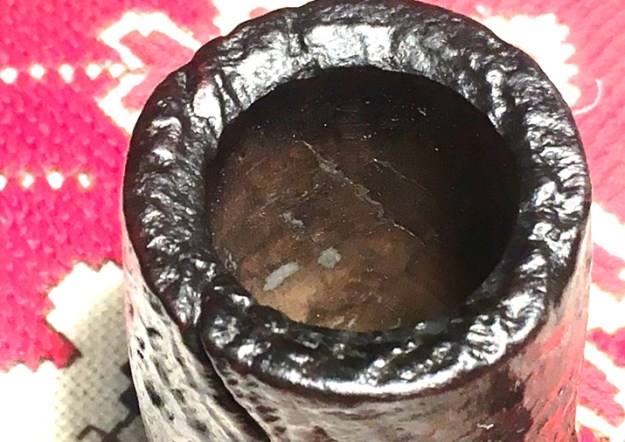
The dimensions of the Henley Chimney are: Length: 6 inches, Height: 2 3/16 inches, Rim width: 1 1/4 inches, Chamber width: 13/16 inches, Chamber depth: 2 inches. With the third Stanwell Henley Special Chimney on the worktable, I take some pictures to get a closer look. Of the 3 Stanwell Henleys I acquired, the nomenclature on this pipe is the clearest.  The left shank flank is stamped in cursive ‘Henley’ [over] SPECIAL.  The right shank side is stamped, MADE IN DENMARK [over] 57.  I assume this to be the shape number.The general condition of the Henley Chimney is good.  The chamber has thick cake buildup – but not has heavy as the other Henleys.  The rim has caked gunk and the smooth briar surface has grime and dirt and needs cleaning.  The one aspect of the stummel that is strange,  are the dark areas on the upper and lower shank.  These spots look like they’ve been scorched, but a shank usually isn’t the source of high temperatures.  I’ll have to wait to see what the cleaning does with these spots.  I take a few pictures to show what I see.The Pinched Saddle Fishtail stem has oxidation and some tooth compression – mainly on the lower bit.  To begin the restoration of the Stanwell Henley Special Chimney, I add it to a bath of Before & After Deoxidizer along with other pipes in the queue to deal with the oxidation in the vulcanite stem.  To keep the Deoxidizer as clean as possible, I first clean the airway using pipe cleaners dipped in isopropyl 95%.I then put the stem in the bath and allow it to soak for several hours.When I fish out the Pinched Fishtail stem, I run another pipe cleaner dipped in alcohol through the stem to clear away the excess Deoxidizer.  I then wipe down the stem with a cotton pad also wet with isopropyl 95% to remove the raised oxidation.  The B&A Deoxidizer does a good job.To begin the process of revitalizing the stem, I apply a coat of paraffin oil and rub it into the vulcanite.  I set the stem aside for the oil to absorb.Turning back to the stummel, I begin the cleaning process by reaming the chamber.  I take a starting picture and the last unsmoked baccy is seen on the floor of the chamber. Like the other Henleys, this one has thick cake.  I’m wondering if this Henley will have as much heating damage as the Blasted Saddle Stem Billiard I just restored.  I use the Pipnet Reaming Kit to ream starting with the smallest blade head.  The cake is hard, but the blade eventually works through.  I then use 2 more of the blade heads and then switch to the Savinelli Fitsall Tool to do the fine tuning by scraping the chamber walls.  Finally, after wrapping a piece of 240 grit paper around a Sharpie Pen, I sand the chamber walls.  Then, after wiping the chamber with a cotton pad wetted with isopropyl 95%, I inspect the chamber and I see some minor cracks in the chamber, but nothing requiring major attention. Transitioning now to the external surface, I take a few pictures to mark the start and then using undiluted Murphy’s Oil Soap, I begin scrubbing.  I’m anxious to see what the cleaning does! I use a cotton pad to scrub the stummel using Murphy’s.  I also use a pocketknife blade to scrape the rim and then I apply a brass wire brush to the rim.  I work on the dark spots on the shank and nothing subdues the discoloration.  I continue the cleaning by taking the stummel to the sink and rinsing it with warm water.  I continue to scrub the briar surface with a bristled toothbrush and using anti-oil liquid dish soap.  I transition to the internals using a shank brush with the liquid dish soap.  I look at the shank and the dark spots are holding on, but they have changed – the spot has roughened in texture.  This gave me the idea – I used the anti-oil dish soap and put a plastic dish scrubby and I apply it to the shank and voila!I’m not sure what the substance was, but it dissolved for which I’m thankful!  I finish by fully rinsing the stummel and bringing it back to the worktable.  I take some ‘after’ pictures showing the cleaned stummel and the areas of the shank.  There still appears to be a discoloration after the stummel dries, but this should dissipate through the further stages of the restoration. I continue the cleaning procedure using cotton buds and pipe cleaners wetted with isopropyl 95% to clean the internals of the Henley.  I also use a small dental spoon to scrape the mortise walls to remove old tars and oils.  Through the narrowing of the airway, I also hand turn a drill bit to aid in the excavation of gunk.  After some time, the buds and pipe cleaners are lightening, and I halt this phase of cleaning.To further clean the internals, I use a soak with kosher salt and isopropyl 95%.  I like utilizing this soak as it freshens the stummel and removes old odors.  I begin by pulling and twisting a cotton ball to serve as a ‘wick’ to draw out the old tars and oils that are further expunged from the internal briar.  I insert it into the mortise with a straight wire and then fill the bowl with kosher salt and place the stummel in an egg crate for stability.  I then fill the bowl with isopropyl 95% until it surfaces over the salt.  I wait several minutes and after the alcohol has receded, I then top off the alcohol.  Turning off the lights I let the soak work through the night. The next morning, I remove the wick and it has soiled through the night absorbing the tars and oils.  The salt is also discolored showing it has done the job.  I thump the expended salt into the waste basket and clean the salt out of the stummel by wiping with paper towel and blowing through the mortise.  To make sure the cleaning is thorough; I follow by using cotton buds and pipe cleaners again.  After two pipe cleaners and one bud, it is clear the soak did the job.  I move on.Looking now at the rim, there remains a darkened discoloration as a remnant of the lava.  I do not want to top the stummel in order to retain the original patina.  Using a piece of 240 grade I lightly sand the rim, more to clean than to remove briar.  I also lightly sand the inside rim edge to remove darkened briar on the edge. Looking at the stummel, there are very small scratches expected with normal wear. To address this, I use sanding sponges.  A start with a coarse grade sponge, follow with medium grade, and then with the light grade.  Sanding sponges are effective in cleaning the surface in a less invasive way.After the sanding sponges, I move straight away to the full regimen of micromesh pads.  I first wet sand with pads 1500 to 2400, then dry sand with pads 3200 to 4000 and 6000 to 12000.  The grain emerges very nicely through the process. Next, I apply Before & After Restoration Balm to the Henley Chimney stummel. I’ve been looking forward to this part of the process.  The Restoration Balm does a great job bringing out the subtle tones of the natural briar grain hues. I put some of the Balm on my finger and I rub it in to the briar surface.  It starts with a creamy consistency andthen thickens like a wax.  After applying it thoroughly, I put the stummel aside for about 20 minutes to allow the Balm to do what it does then I use a cloth to wipe the excess Balm and buff up the stummel with a microfiber cloth.The Pinched saddle fishtail stem is waiting to catch up with the stummel.  There are some tooth compressions on the bit, one on the upper and a few on the lower.  I take a fresh picture of these to mark the start.  I will first use the heating method to raise these compressions by painting them with the flame of a Bic lighter.  When heated, the vulcanite expands to reclaim its original shape or closer to it.  After applying the flame, there is a difference that I’ve pictured, before and after of the upper and lower bit. The heating minimized the compressions but did not fully erase them.  I dispatch what is left by sanding the bit with 240 grade paper and I use a needle file on the bit and button.  I refresh the button as well with the file.I wet sand the entire stem with 600 grade paper followed by applying 000 steel wool.Next, the micromesh process.  Using first pads 1500 to 2400, I wet sand followed by dry sanding with pads 3200 to 4000 and 6000 go 12000.  Between each set of 3 I apply Obsidian Oil to the pinched saddle fishtail stem.  The stem looks great! After reuniting stem and stummel, I mount a cotton cloth buffing wheel to the Dremel set at 40% of full power and apply Blue Diamond compound to the pipe.  When completed, using a felt cloth, I hand buff the pipe to remove the leftover compound dust in preparation for applying the wax.Again, after changing to another buffing wheel and maintaining the same speed, I apply a few coats of carnauba wax to the Henley.  I finish the restoration after applying the wax with a rigorous hand buffing with a microfiber cloth to raise the shine and to blend any excess wax into the surface.The butterscotch hue of this Chimney shaped stummel has a very warm draw to it.  I’m pleased with the plethora of grain movement that provides the kind of visual beauty that I appreciate in a pipe that I add to my collection.  I especially like the Chimney’s midriff bulge that is unique bringing attention to the shape.  The Pinched Saddle Fishtail stem also is a sleek and classy touch that completes the ensemble.  My goal was to finish this Stanwell Henley Special to take with me to the Black Sea Coast for our time of R&R enjoying the beach as well as the cuisine in the evenings. A little respite from our work with the Daughters of Bulgaria.  The Stanwell Henley Special performed well on the beach as well as in a classy, relaxed evening meal – the pictures tell the story.  I tell people that, I believe I’m living the dream – some would agree!  Thanks for joining me!  (www.ThePipeSteward.com)
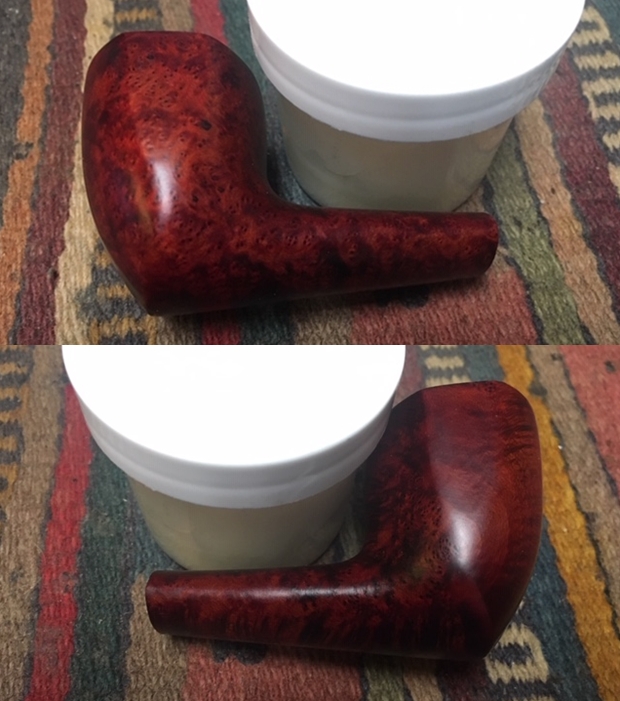
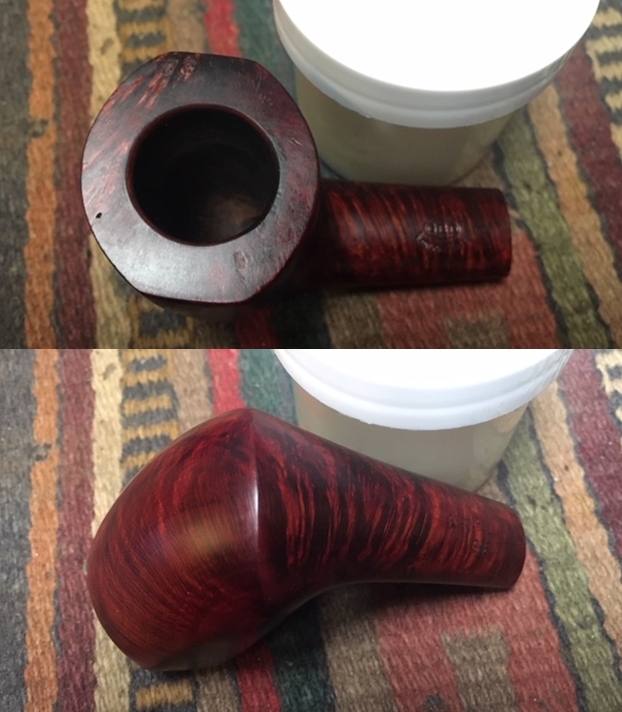
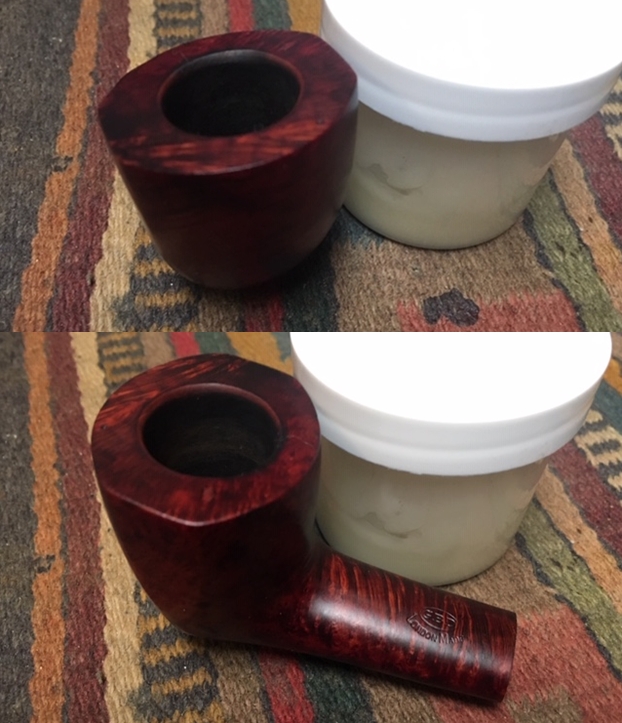
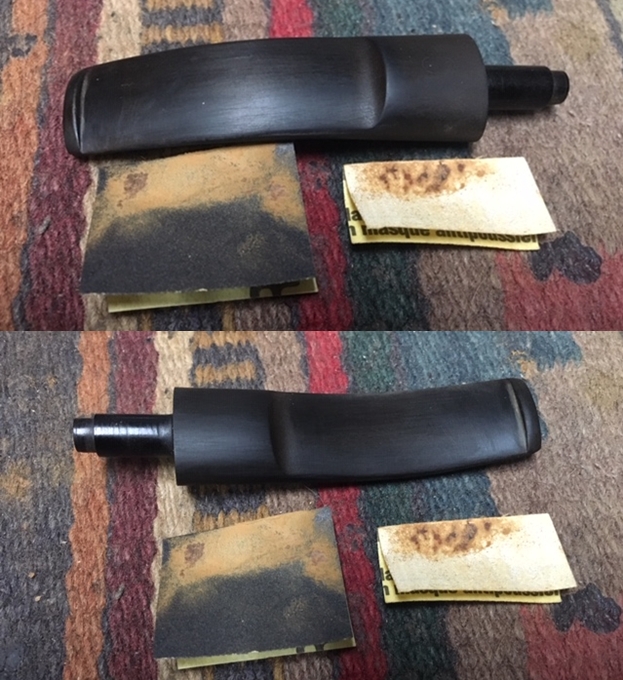
Refurbishing a Tired Preben Holm #1 from the Mumbai Bonanza Lot


Blog by Paresh Deshpande

I am a big fan of Free Hand pipes!!! I love the way these pipes fit in to the hand and the creativity of the carver can be really appreciated in these pipes. And a freehand pipe made by the renowned Danish pipe carver, Preben Holm, is my dream come true. To be very honest to you all, the PH estate pipes that are available nowadays on eBay are very expensive and well nigh out of my reach. So when Abha, my wife, sent me pictures of the Mumbai Bonanza lot, I was immediately attracted to one free hand pipe that screamed PREBEN HOLM and when she confirmed that it was indeed one, I knew I was lucky. I say lucky because of the circumstances in which I made a purchase of this lot of 30 pipes and thereafter, the pipes that I received in this lot. I have given a gist of this purchase in the paragraph below. Well, the PREBEN HOLM is finally on my work table now!

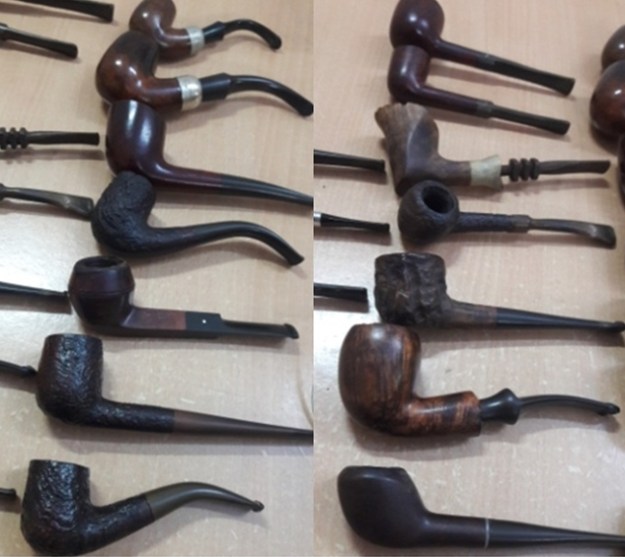
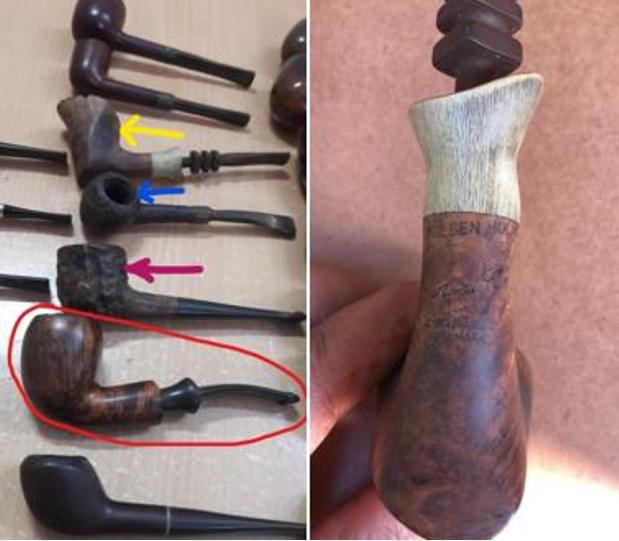
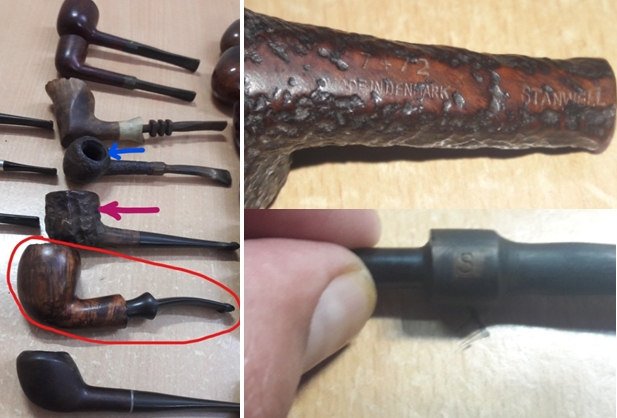
I was fortunate enough to have heeded the advice of my dear friend and mentor, Steve, and struck a deal with a junk collector from Mumbai. He did not know what he was selling and I did not know what I was buying as we reside in different cities!! The argument that Mr. Steve presented was that if not anything, I shall at least have some spares and this was logical. I struck a deal and here are pictures of the pipes that I received in this lot. This lot contains some very nice collectible pipes, a few well known brands and some mediocre brands. Overall, with seven Dunhill pipes, a Preben Holm #1 FH, a couple of “Made in England” Pete System pipes, a couple of  Charatan’s Belvedere, Custom-Bilt, Stanwell and other assorted pipes, I would say that I had struck a decent haul!!! This is indeed my “Mumbai Bonanza”.

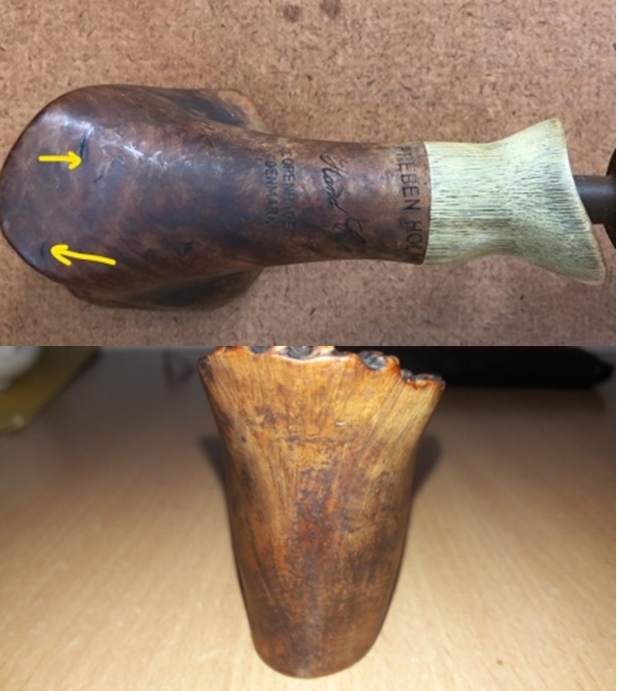
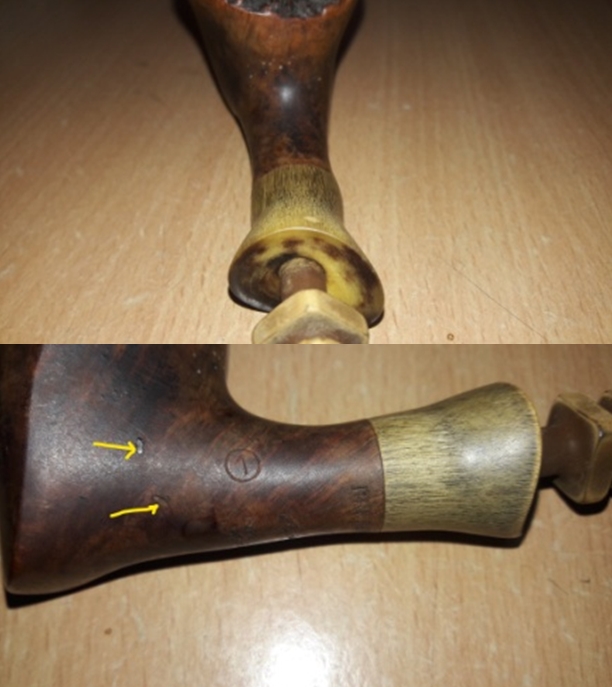
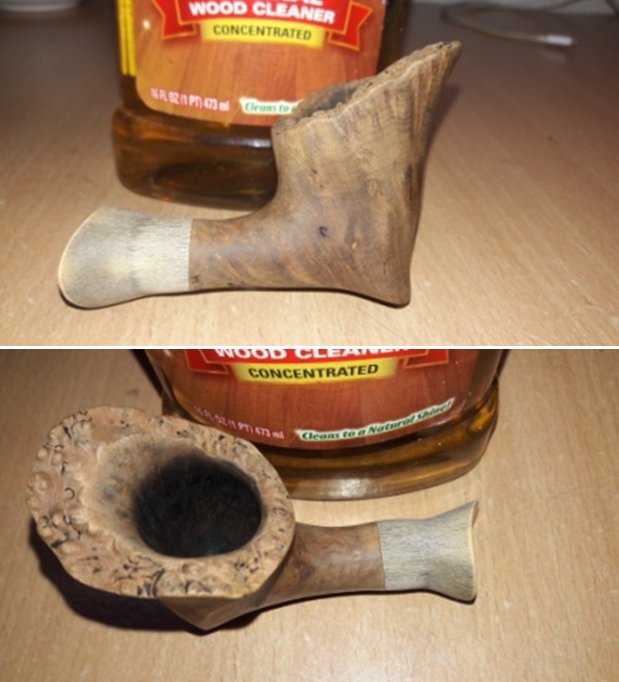
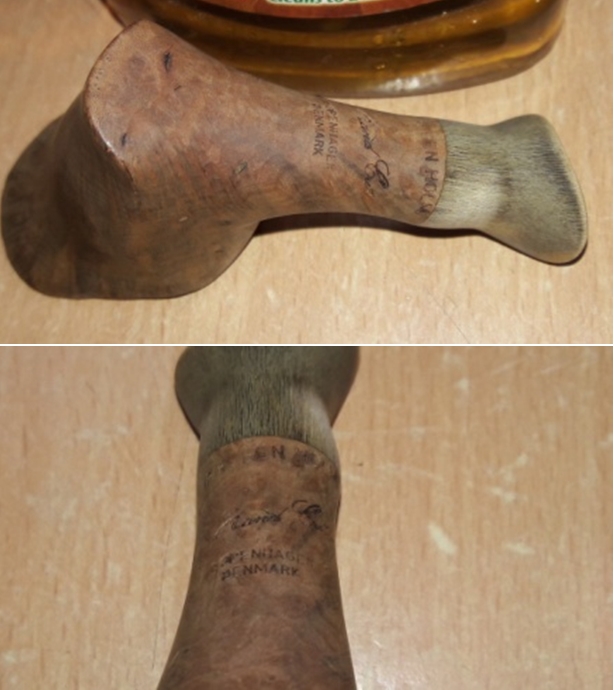
This 14th pipe that I decided to work on from this find, is a smallish Free Hand pipe with a bone shank extension and is indicated in yellow colored arrow in the picture below. It is stamped on the bottom of the shank towards the shank end as “PREBEN HOLM” in block capital letters over “HAND CUT” in a fancy script over “COPENHAGEN” over “DENMARK” again in block capital letters. The left side of the shank is stamped with an encircled numeral “1”. All the stampings are crisp and easily readable. The stem is devoid of any logo.To research this brand and line/ model in specific, I referred to pipedia.org in an attempt to date this pipe and understand the significance of the numeral # 1, if it was a shape code or grading code. However, there is nothing on this numbering system, except on Preben Holm “Private Collection” where the grading system starts with 101, 202 up to 808 in ascending order. And this is definitely not from “Private Collection” line!! I even visited rebornpipes.com in the hope that I would be able to unravel the mystery shrouding this pipe, but to no avail.

But nonetheless this is a PREBEN HOLM and is staying with me. Any reader who has any information or knowledge about this pipe is earnestly requested to share it with us on rebornpipes!

INITIAL VISUAL INSPECTION
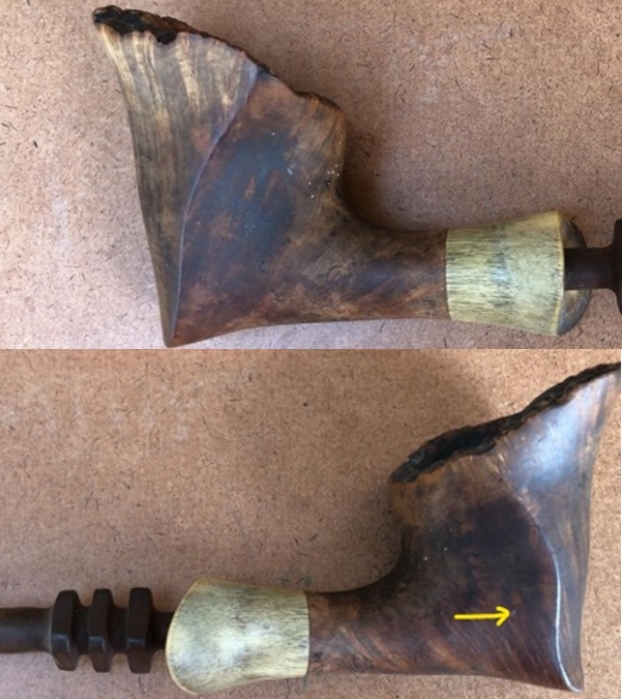
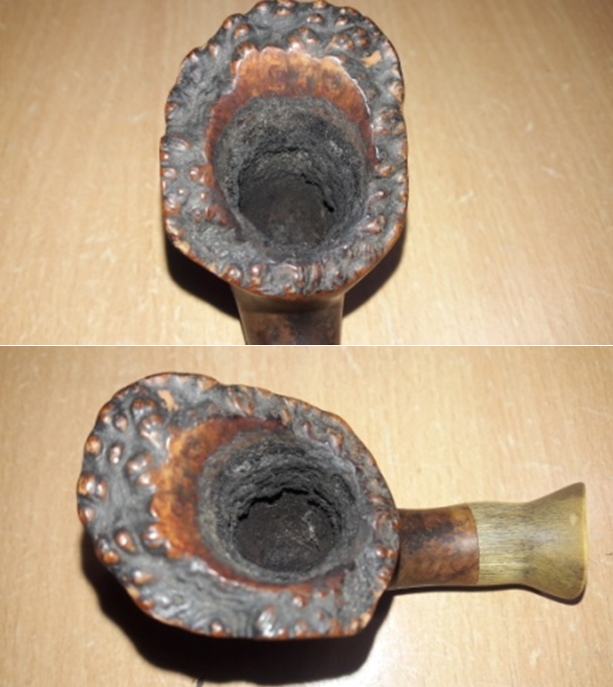
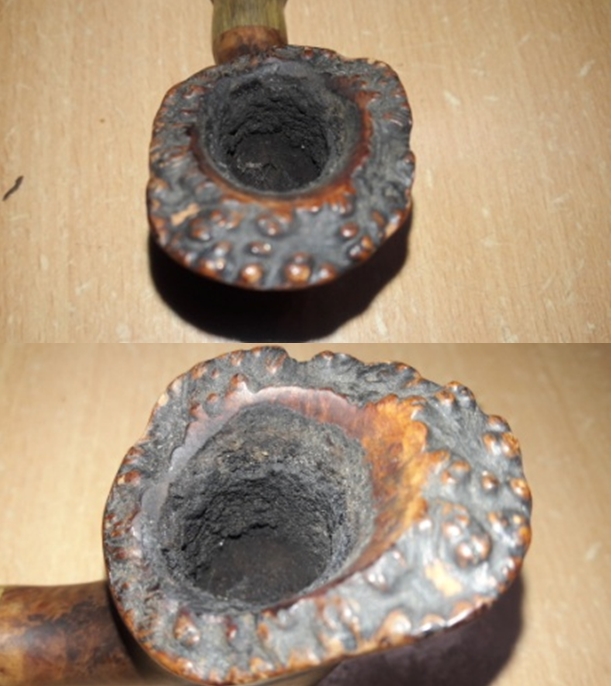
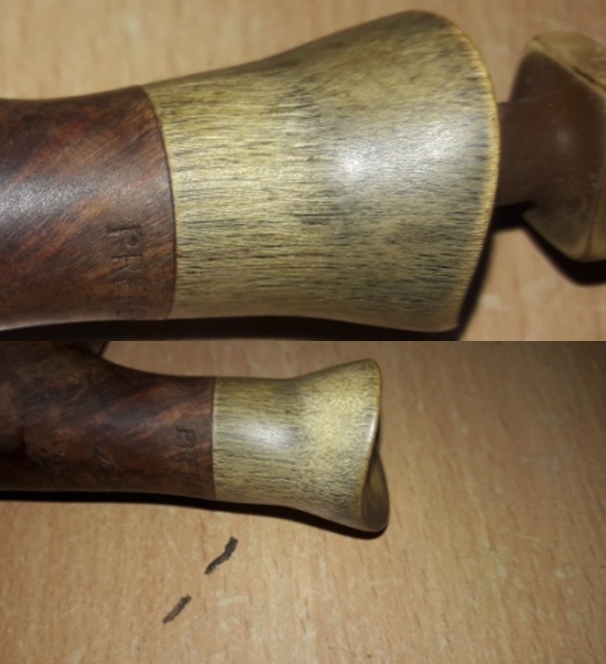
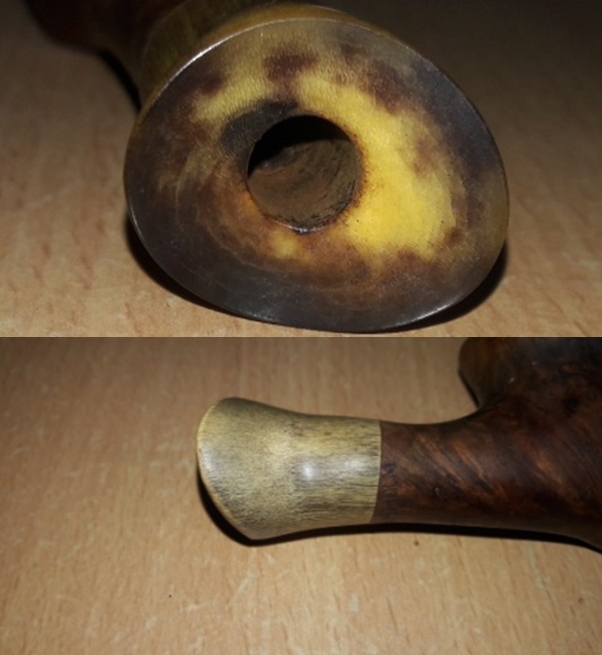
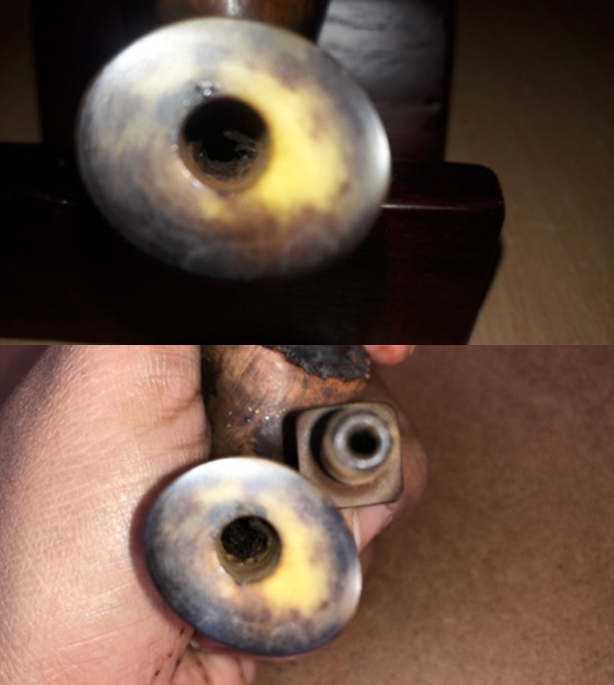
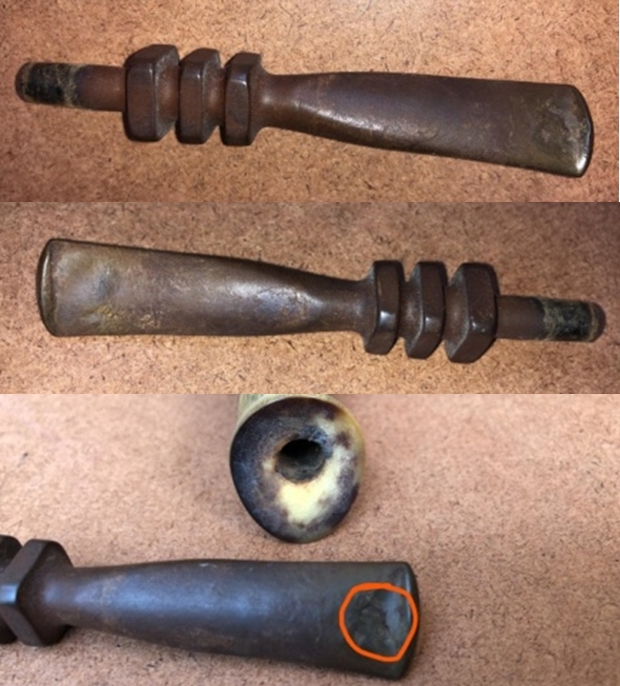
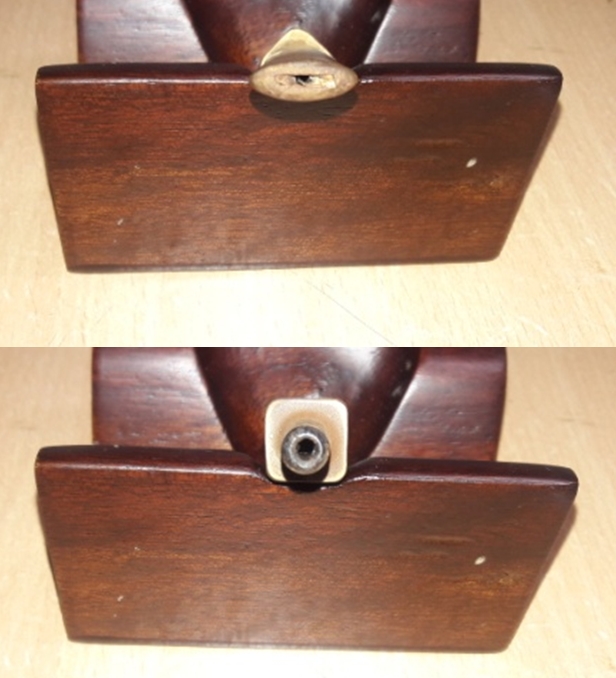
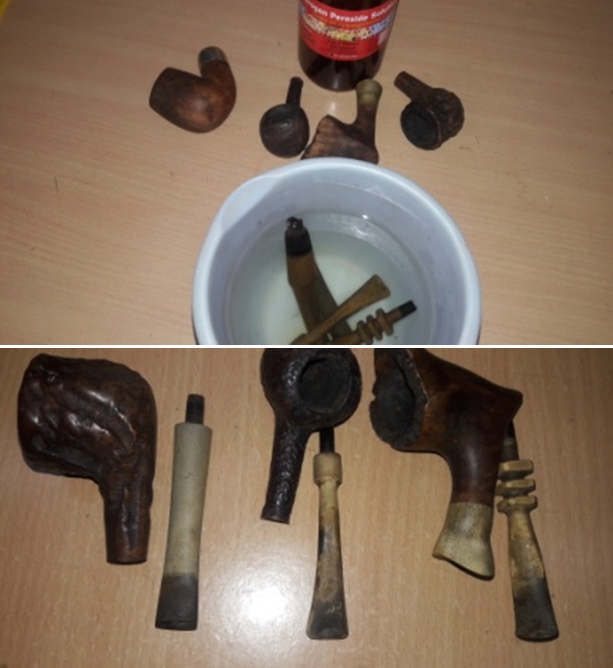
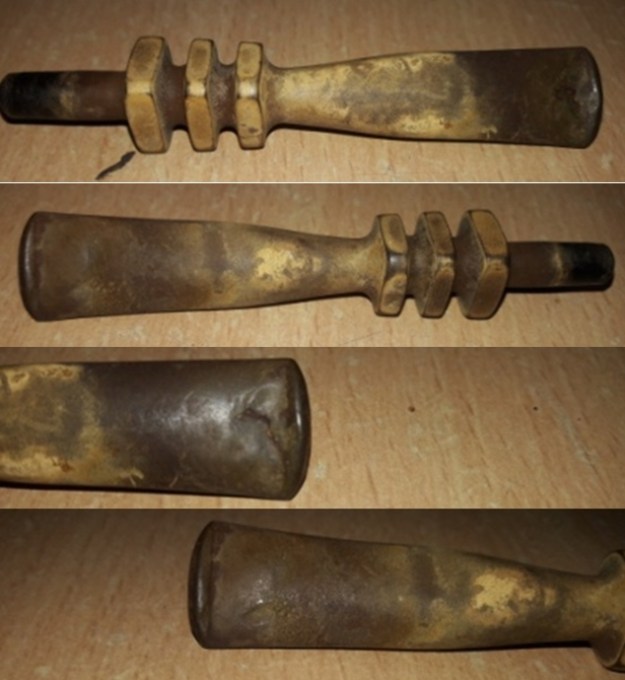
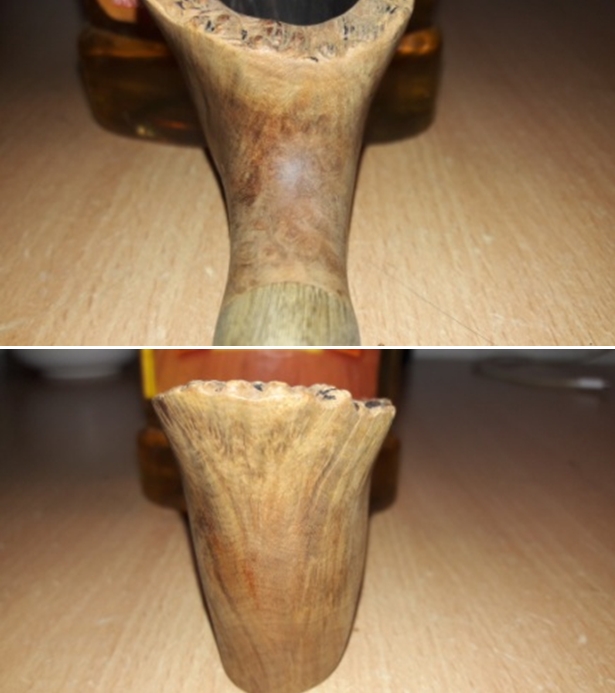
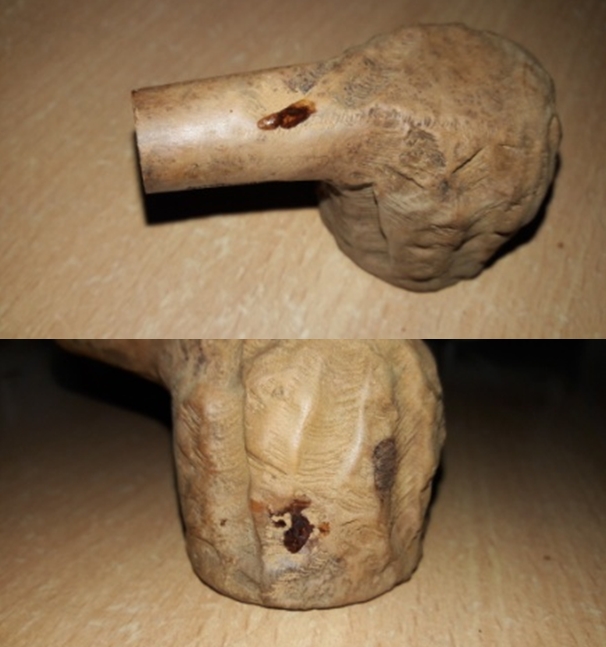
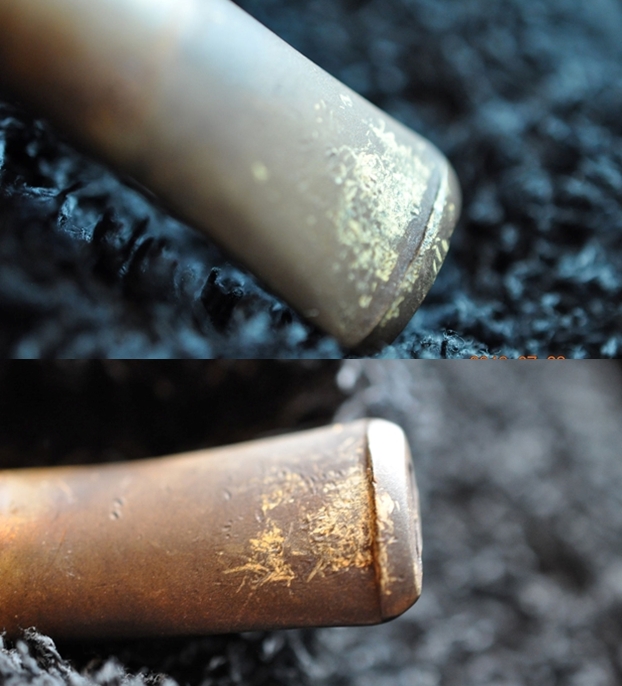
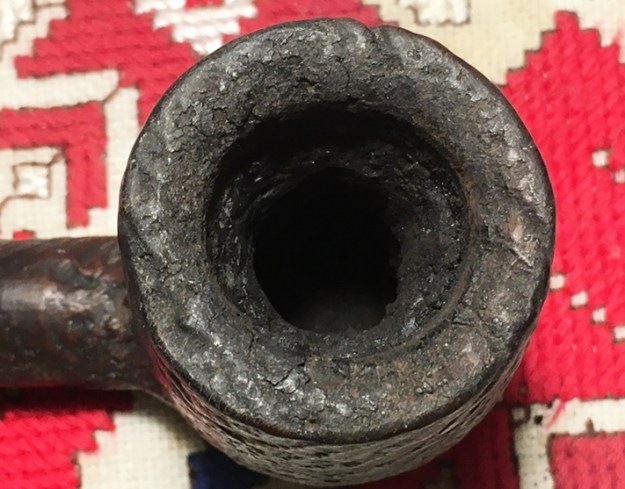
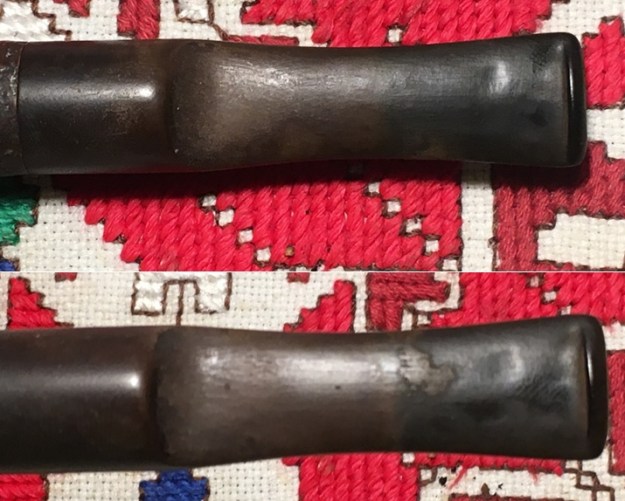
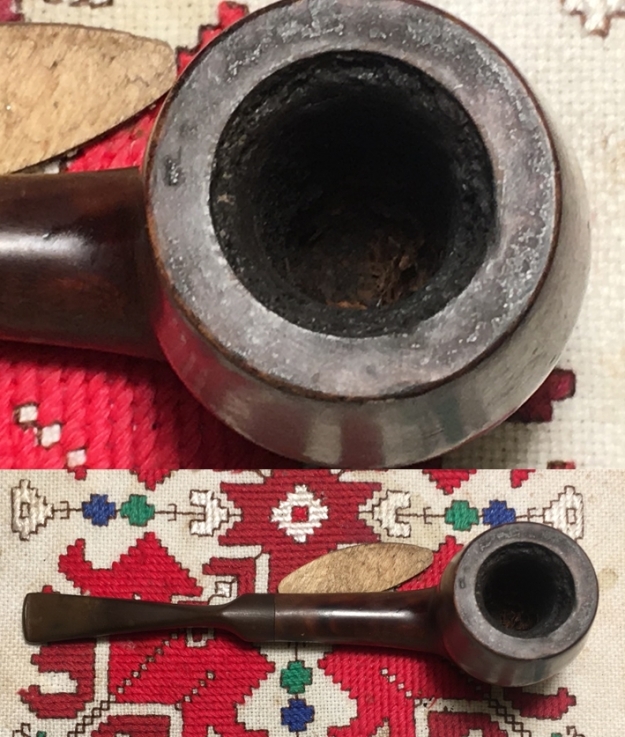
The smooth stummel has some beautiful straight grains on the front, back and sides of the stummel. On either side of the stummel, is an elegantly contoured elevation which makes for a nice and comfortable hold with the thumb and the middle finger while smoking. The front of the stummel rises above the back making for a downward sloping rim top surface. The upper portion of the rim top flares out in a typical PH design and adds a distinct feature to the appearance of the pipe. The stummel surface is covered in dirt and grime giving the stummel a dull and lackluster appearance. There are a one/ two likely fills, noticeably on either side near the shank and stummel junction and another couple near the foot. These will be clear when the stummel is cleaned of all the grime. A thick layer of cake can be seen in the chamber. The backwards sloping plateau rim top surface has nice knobby raised portions and the portion of crevices formed, is covered in thick overflow of lava, dirt, dust and grime. The condition of the inner walls of the chamber and rim top surface will be known once the cake has been taken down to bare briar and the rim top crud has been scraped off completely. The inner rim condition appears to be in good condition with no burn/ charred surfaces. Only once the stummel has been thoroughly cleaned that I can be sure of my initial appreciation. In spite of the thick cake, the chamber odor is, surprisingly, not strong and should be addressed once the cake has been taken down to the bare briar and the shank internals have been thoroughly cleaned. The draught hole is dead center at the bottom of the chamber and should be a great smoker. The shank end is adorned with a horn shank end extension which is pinched in the middle and then flares outwards matching in profile with the rim top. The shank extension is dry and has darkened nicely due to absorption of all the oils over the years of smoking. This will add a nice classy touch to the overall appearance of the pipe once cleaned and hydrated. The shank extension end and mortise are blocked with accumulated dried gunk, adversely affecting the airflow. The fancy vulcanite stem is heavily oxidized and has calcification deposits towards the button end. There are deep tooth marks on the lower and upper stem surface in the bite zone and appears that the previous owner has literally chomped on the bite zone of the stem. The lower stem surface is cracked near the button edge and is circled in red. The button edges also have bite marks, in fact, they are badly worn out. The tenon and horizontal slot shows accumulated oils and tars. The oxidation in the space between the three squares, in descending size from the tenon end to slot end, is going to be a bear to get rid of but once nice and shiny will elevate the appearance of the overall pipe manifold times. Along with the stems of other pipes in line for restoration, I immersed the stem of this Preben Holm in a mix of one part Hydrogen Peroxide 20% with one part hot water after I ran a couple of pipe cleaners dipped in alcohol through the stem air way. A couple of hours later, the stem oxidation on all these stems were raised to the surface. The pictures below show the stem after it was removed from this bath. The appearance is definitely not for the fainthearted, to say the least!!After I had fished out the stem from the Hydrogen Peroxide bath, I scrubbed it with Magiclean sponge and followed it up with a wipe of cotton swab and alcohol. I further scrubbed the stem surface with 0000 grade steel wool. The loosened and superficial layer of oxidation was easily removed and revealed the condition of the stem.. There are deep bite marks in both the upper and lower bite zone. The bite marks are deep enough to cause significant thinning of the surface and complete disfigurement of the button edges. The deeper oxidation that was pulled to the surface would require more abrasive techniques.

THE PROCESS
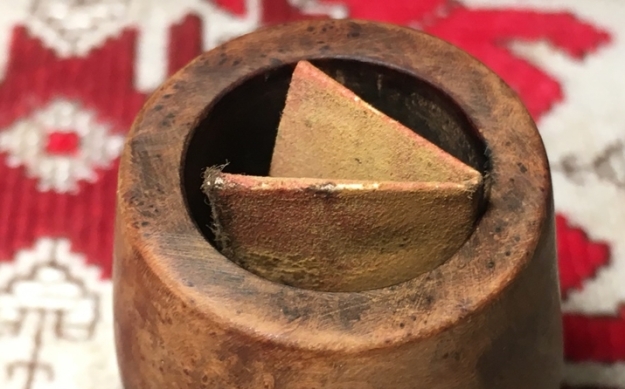
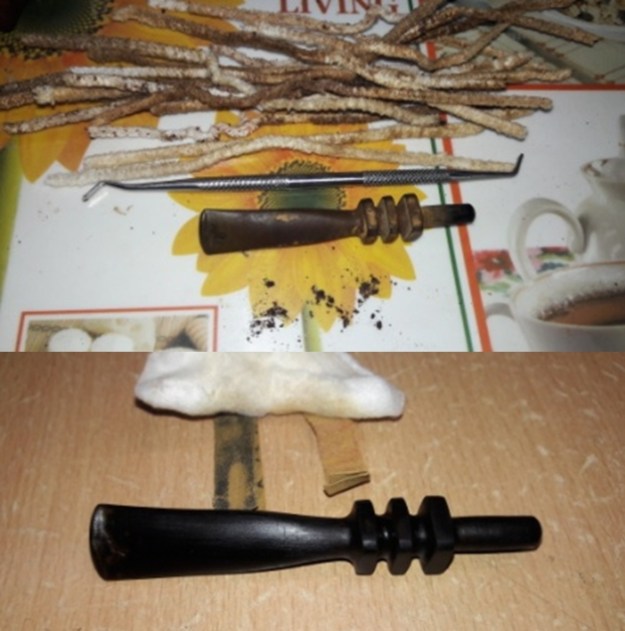
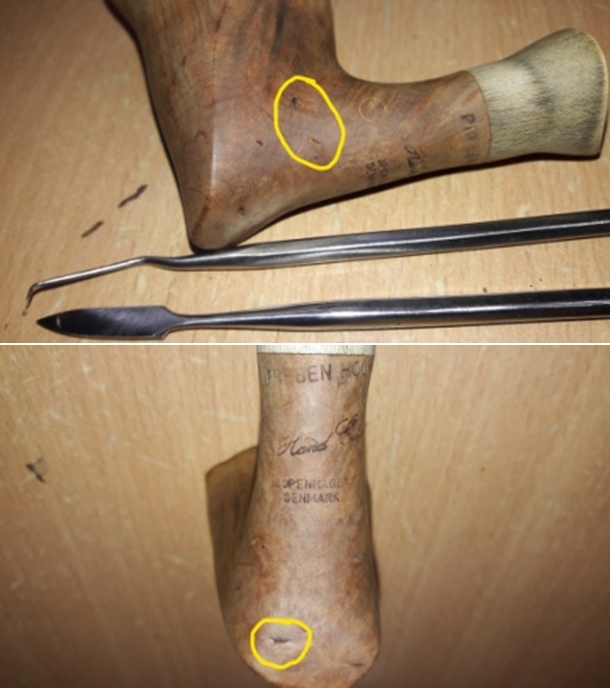
I started the restoration with the stem repairs as this would take the maximum of my time to clean, repair and spruce up the stem. I cleaned the internals of the stem using hard and normal bristled pipe cleaners and isopropyl alcohol. The heap of pipe cleaners tells the sordid tale of the stem condition. With a pointed dental tool, I scraped out the entire dried gunk from the slot. I addressed the deeper oxidation by sanding the entire stem with a folded piece of 150 and followed by 220 grit sand paper. Once the oxidation was completely removed, I wiped the surface clean with a cotton swab and alcohol and rubbed a little Extra Virigin Olive oil to hydrate the stem. I flamed the damaged button edge and the nicks and dents with the flame of a lighter. This helps the vulcanite to rise to the surface as it has an inherent property to regain its original shape when heated. At this stage, I could clearly make out the extent of damage to the lower surface and the extent of the crack in the bite zone. This was further accentuated due to heating with the flame of a lighter. The upper surface too has a couple of deep tooth marks. Just for the information of statistically oriented reader, to get the stem to this stage it took better part of the afternoon and well past mid night!! Continuing with the stem repair, with a dental spatula, I probed the area around crack from inside the slot end with the aim of dislodging only the thin and loosened stem surface. Once the thin and loose stem surface was removed, I was certain that the rest of the stem surface around the crack was solid. I inserted a triangulated index card covered in transparent tape in to the slot. The tape prevents the mix of superglue and charcoal from sticking to the index card. I mixed superglue and activated charcoal powder and generously applied it over the bite zone on either side, including over the button and set it aside to cure.While the stem fill was set aside to cure, I started with cleaning of the stummel as I was keen to know the condition of the walls of the chamber. With size 1 head followed by head size 2 of a PipNet pipe reamer, I took the cake down to bare briar. Using a folded piece of 180 grit sand paper, I sand out the last traces of cake and expose the walls of the chamber. I wiped the chamber with a cotton pad dipped in isopropyl alcohol to remove the carbon dust left behind by all the reaming and sanding process. Once the chamber walls were cleaned out, I was pleased to note a pristine chamber with no signs of heat fissures/lines/pits. Next, I cleaned out the internals of the shank and mortise. Using my dental tool, I scraped out all the dried oils, tars and gunk that had accumulated in the shank airway and mortise. The amount of crud that was scrapped out and the condition of the pipe cleaners that were used leaves no surprise why air flow through it was restricted. I finished the cleaning by running a few pipe cleaners dipped in isopropyl alcohol. I also wiped the shank with cotton buds and alcohol. With this cleaning, all old smells in the pipe are history. The pipe now smells clean and fresh.With the internals of the stummel now clean, I cleaned the external surface using a hard bristled toothbrush and Murphy’s Oil Soap. I diligently scrubbed the rim top surface to remove the entire dust, dirt and lava overflow that was embedded in the crevices of the plateau rim top surface. With a soft bristled brass wired brush, I removed the overflowing lava from the rim top surface and cleaned the internals of the shank with a shank brush and dish washing soap to remove what little crud remained in the shank. I rinsed it under running tap water and wiped the stummel dry with an absorbent soft cotton cloth. Once I had wiped the stummel dry with paper towels and soft cotton cloth, I saw a couple of small and superficial fills on the left side of the bowl, near the bowl and shank joint and one at the foot of the stummel. These fills are marked in yellow circle. Very carefully and painstakingly, I completely removed the old fill with a pointed dental pick. I cleaned the fill of all the debris of old fill material, wiped it with alcohol and refreshed the fill with a drop of clear CA superglue in each fill and set it aside to cure overnight. By next day, the fill was nice, hard and well set. With a folded piece of 220 grit sand paper, I worked the fill till I had achieved a nice blend with the rest of the stummel surface. It turned out much better than I had anticipated. I further sand the entire stummel surface with the same grit sand paper to address the minor scratches and further smooth the stummel surface in preparation for a polish by micromesh pads. The plateau rim top surface still did show areas where the overflow of lava was still embedded in the crevices. With a dental pick, I diligently scraped each and every spot to remove the deposit of lava. I am now pleased with the cleaning of the rim top surface.I subjected the stummel, including the bone shank extension, to a complete cycle of micromesh polish, wet sanding with 1500 to 12000 grit pads. I wiped the stummel with a moist cloth after every grit pad to remove the sanding dust left behind by the pads. This also helps in monitoring the progress being made and ensures early corrective action. I am happy with the progress being made till now. Next, I rub a small quantity of “Before and After Restoration Balm” in to the briar, the bone shank extension and the plateau rim top surface with my finger tips and work it deep in to the surface and let it rest for a few minutes. The balm almost immediately works its magic and the briar now has a nice vibrant appearance with the beautiful straight grain patterns on full display. The contrast of the dark browns of the grain with the light hues of the rest of the stummel adds an interesting dimension to the appearance of the stummel. I further buffed it with a horse hair brush to further deepen the shine. I was slightly perturbed by the dark coloration taken on by the bone shank extension and shared pictures of the same with my mentor, Steve, who reassured me that this phenomenon is normal and should be good when the balm has been completely absorbed and polished subsequently. With this assurance, I move ahead with the stem repairs.

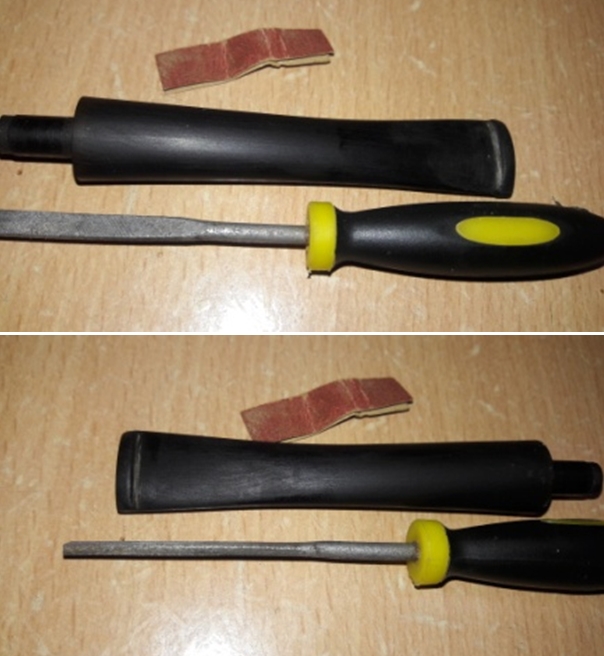
Using a flat head needle file, I reshaped the button and roughly matched the fills with the rest of the stem surface. I sanded the fills with a folded piece of 180 grit sand paper and followed it up by further sanding the stem with 320, 600 and 800 grit sand papers to achieve a perfect blending of the fills with the stem surface and a crisp button edge on either side of the stem. In my exuberance to cross the finish line, I completely missed out on taking pictures of this stage in restoration. My sincere apologies for this miss….

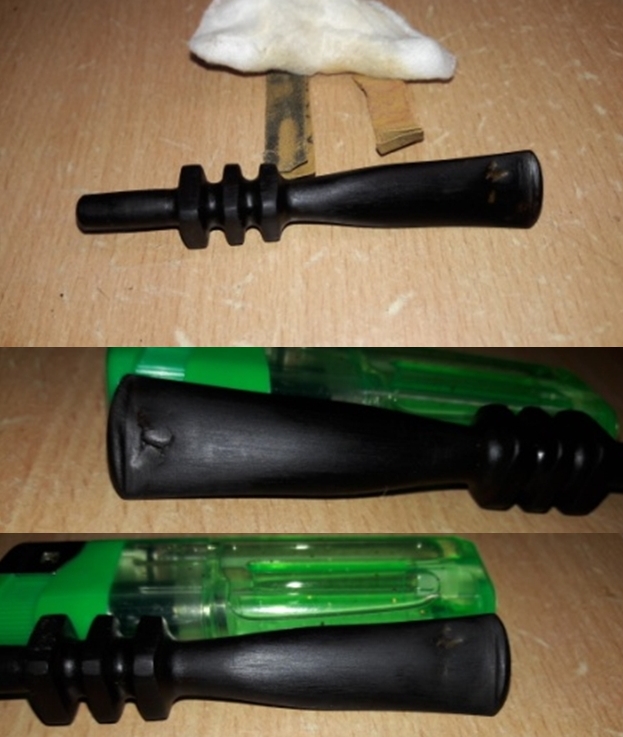
Using the micromesh pads, I completed the polishing cycle by wet sanding the surface with 1500 to 3200 girt pads. I had read that White diamond polish is between 3600 and 4000 grit of micromesh pads and best used between these two. I decided to give this a try to see if there is any difference in the final stem finish. I mount a fresh cotton buffing wheel on to my hand held rotary tool and apply white diamond polish and buffed the stem. I wiped the stem with microfiber cloth and go through the remaining pads, dry sanding with 4000 to 12000 grit pads. The stem looks great with the fills nicely matched with the rest of the surface. I rub a little quantity of Extra Virgin Olive oil in to the stem surface and set it aside to be absorbed by the vulcanite.To complete the restoration, I mount a cotton cloth buffing wheel on to my hand held rotary tool and applied several coats of carnauba wax. I finished the restoration by giving the entire pipe a rigorous hand buffing using a microfiber cloth to raise the shine further and remove any residual wax from in between the plateaus of the rim top surface. The finished pipe looks amazingly beautiful and is now ready for its long second innings with me. I only wish it could share with me its life story of the past years while I enjoy smoking my favorite Virginia blend in it or maybe an English blend!! P.S. I earnestly would like to request all the readers to help me with the grading and dating this pipe. The only thing that is confirmed is that this is definitely not one of the high grade pipes from Preben Holm what with the fills that were seen on the stummel, but nevertheless, it’s a PH!!!!

There is only one more pending write ups which I shall be tackling before I undertake to restore a pipe which my dear friend and mentor, Steve, had sent me about a year back with the intention of providing me an opportunity to test my own skills. I wish to thank each one for sparing their valuable time to read through this write up and sharing this journey with me.

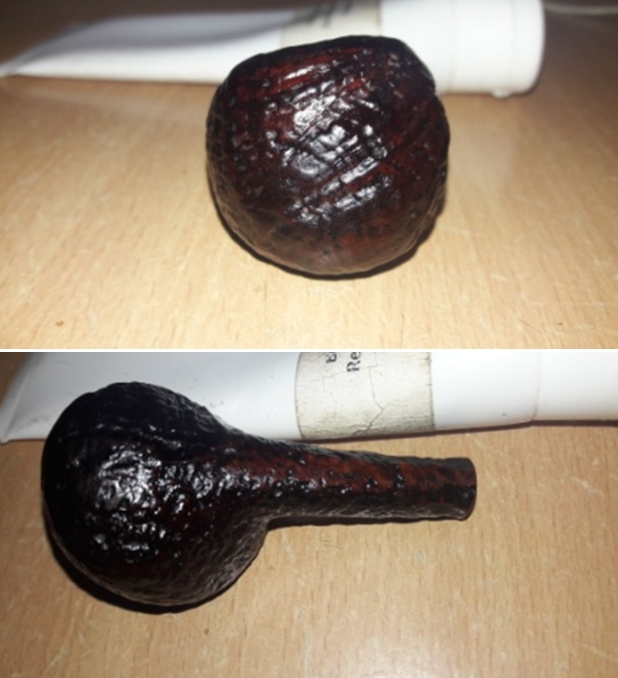
Restoring an Interesting Acorn # 7472 from Stanwell


Blog by Paresh Deshpande

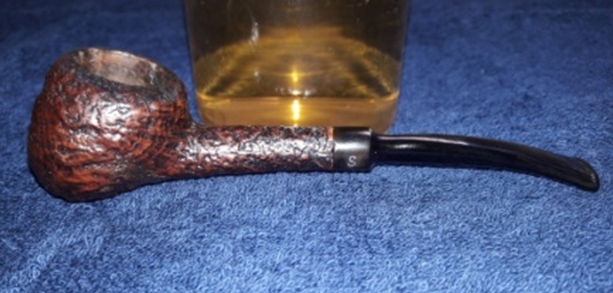
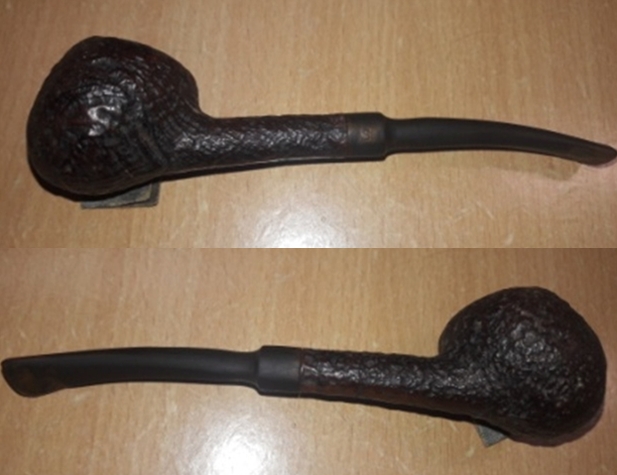
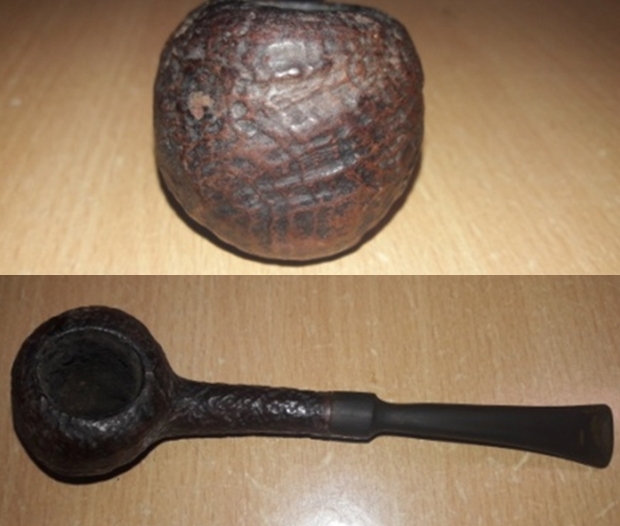
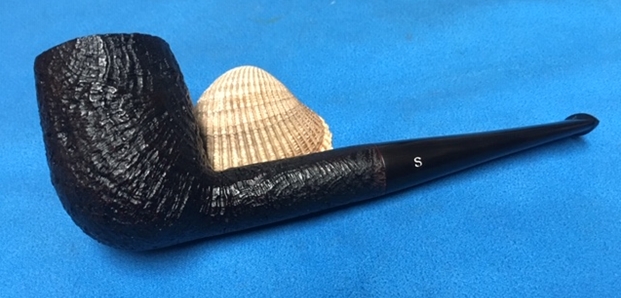
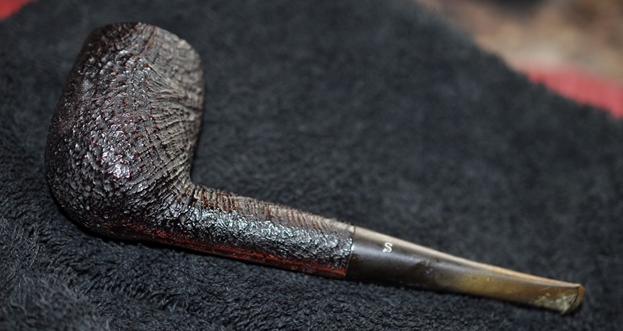
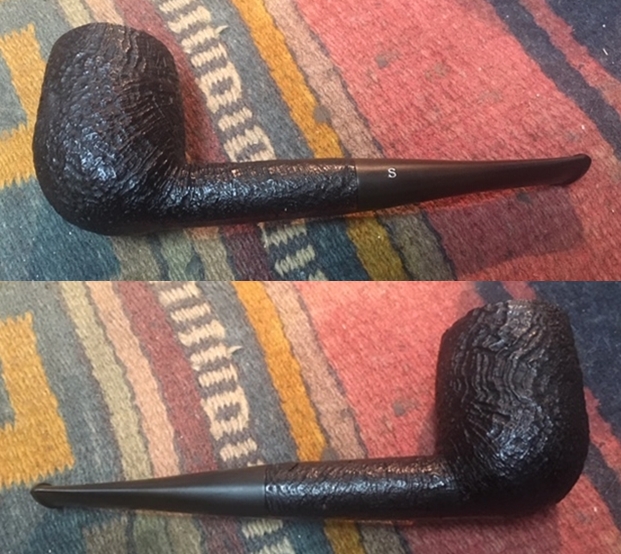
One of the pipes in my Mumbai Bonanza lot which intrigued me no end was a small Acorn shaped pipe from the Danish pipe maker, Stanwell. I prefer large pipes and so this pipe was always being relegated to the next-in-line project status. Finally I decided to break the shackles of resistance and brought it to my work table as the next project. It’s a Stanwell pipe with shape code # 7472.

I was fortunate enough to have heeded the advice of my dear friend and mentor, Steve, and struck a deal with a junk collector from Mumbai. He did not know what he was selling and I did not know what I was buying as we reside in different cities!! The argument that Mr. Steve presented was that if not anything, I shall at least have some spares and this was logical. I struck a deal and here are pictures of the pipes that I received in this lot. This lot contains some very nice collectible pipes, a few well known brands and some mediocre brands. Overall, with seven Dunhill pipes, a Preben Holm #1 FH, a couple of “Made in England” Pete System pipes, a couple of  Charatan’s Belvedere, Custom-Bilt, Stanwell and other assorted pipes, I would say that I had struck a decent haul!!! This is indeed my “Mumbai Bonanza”.

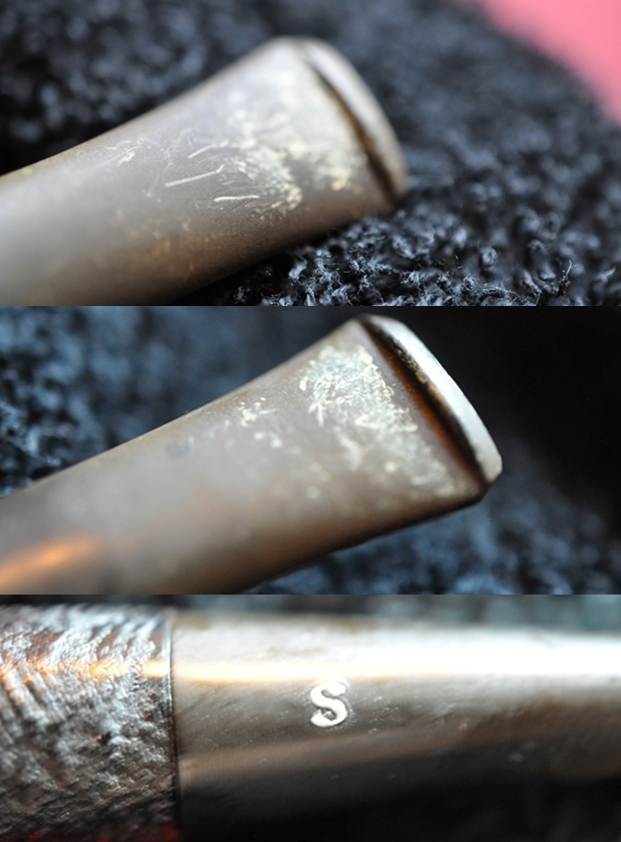
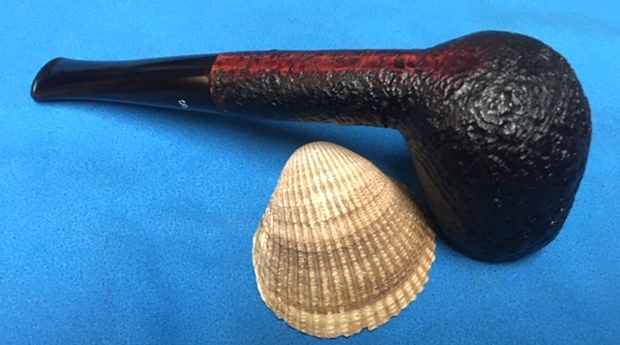
This, then, is the 13th pipe that I decided to work on from this find and is an Acorn shaped pipe indicated in blue colored arrow in the picture below. It is stamped on the bottom middle half of the smooth surface of the shank as “# 7472” over “MADE IN DENMARK”. Towards the shank end, it is stamped as “STANWELL” in its trademark inverted arch in block capital letters. The stem bears a plain “S” logo on the left side of the stem.Now coming to the research of this brand and line/ model in specific, I referred to pipedia.org and as expected there is an extensive research on this pipe and even has a separate page on Stanwell Shape numbers and Designers, a study compiled by Stanwell collector and an undisputed authority on these pipes, Basil Stevens. However, there is nothing on this particular shape and number, in fact, this shape and number does not find any mention. I even visited rebornpipes.com in the hope that I would be able to unravel the mystery shrouding this pipe, but to no avail.

The only input I received was from Steve was that this is most likely a Sixten Ivarsson carved pipe, but nothing to date and confirm. Any reader who has any information or knowledge about this pipe is earnestly requested to share it with us on rebornpipes!

INITIAL VISUAL INSPECTION
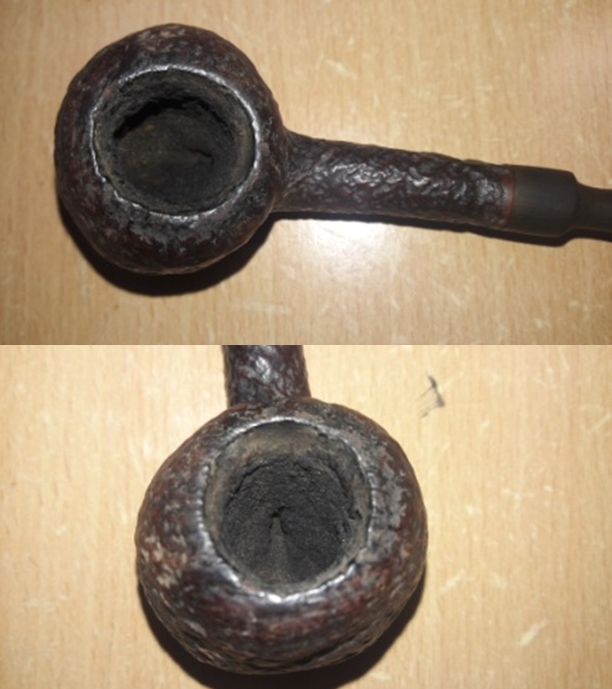
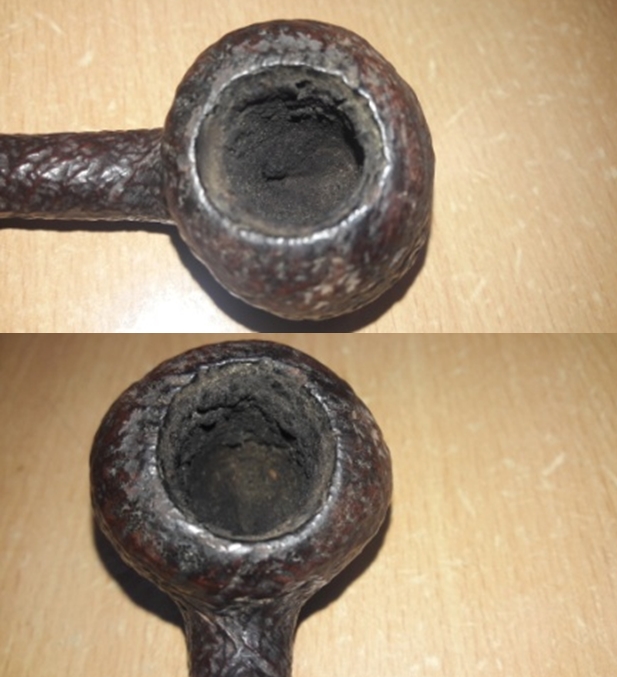
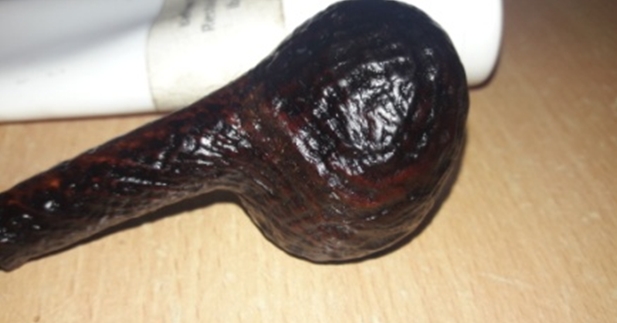
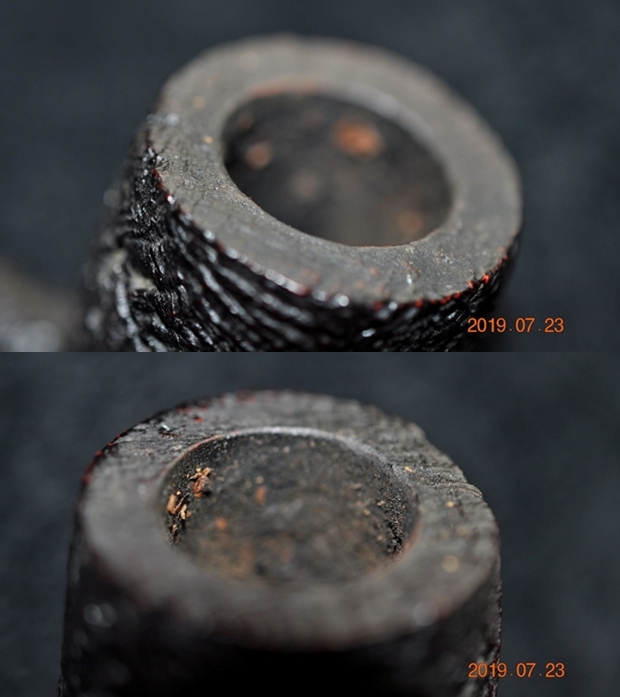
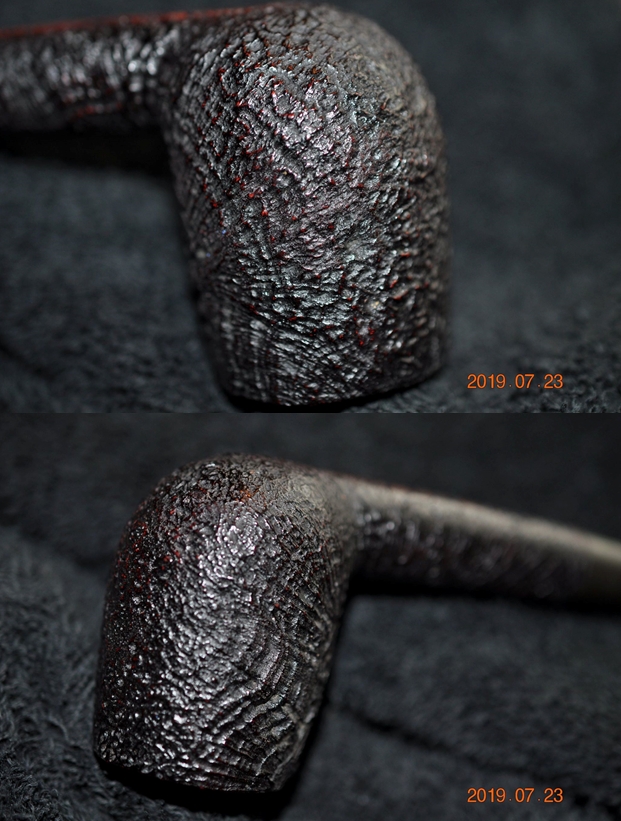
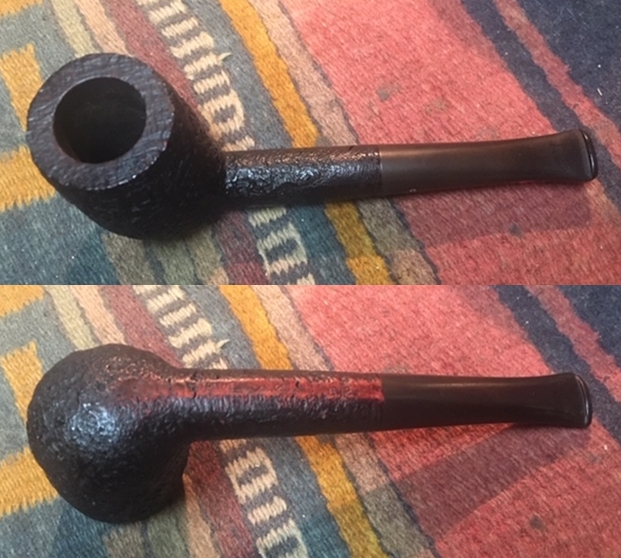
The stummel has beautiful sandblast patterns on the uniquely shaped stummel with a short neck and a nice flow to the shape profile of the pipe. The sandblasted stummel is covered in dirt and grime of yesteryear. This should clean up nicely. The stummel surface is solid with no damage to the external surface. The dark browns of the raised sandblast contrast beautifully with the black stain of rest of the stummel. A thick layer of cake can be seen in the chamber. The sandblasted thin and inward curving rim top surface is covered in thick overflow of lava, dirt, dust and grime. The condition of the inner walls of the chamber and rim top surface will be known once the cake has been taken down to bare briar and the rim top crud has been scraped off completely. The inner rim condition appears to be in good condition with no burn/ charred surfaces. Even the outer rim edge appears to be in a decent condition. Only once the stummel has been thoroughly cleaned that I can be sure of my initial appreciation. In spite of the thick cake, the chamber odor is, surprisingly, not strong and should be addressed once the cake has been taken down to the bare briar and the shank internals have been thoroughly cleaned. The draught hole is dead center at the bottom of the chamber and should be a great smoker. The shank end and the mortise are blocked with dried gunk, adversely affecting the airflow.The delicate vulcanite saddle stem is heavily oxidized and has calcification deposits towards the button end. There are deep tooth marks on the lower and upper stem surface and appears that the previous owner has literally chomped on the bite zone of the stem. The button edges also have bite marks, in fact, they are badly worn out. The horizontal slot shows accumulated oils and tars.Along with the stems of other pipes in line for restoration, I immersed the stem of this Stanwell #7472 in a mix of one part Hydrogen Peroxide 20% with one part hot water after I ran a couple of pipe cleaners dipped in alcohol through the stem air way. A couple of hours later, the stem oxidation on all these stems were raised to the surface. After I had fished out the stem from the Hydrogen Peroxide bath, I scrubbed it with Magiclean sponge and followed it up with a wipe of cotton swab and alcohol. I further scrubbed the stem surface with 0000 grade steel wool. The loosened and superficial layer of oxidation was easily removed and revealed the condition of the stem. It was not as horrifying as I had imagined it to be during the initial inspection. There are deep bite marks in both the upper and lower bite zone. The bite marks are deep enough to cause significant thinning of the surface and complete disfigurement of the button edges. The deeper oxidation that was pulled to the surface would require more abrasive techniques.THE PROCESS
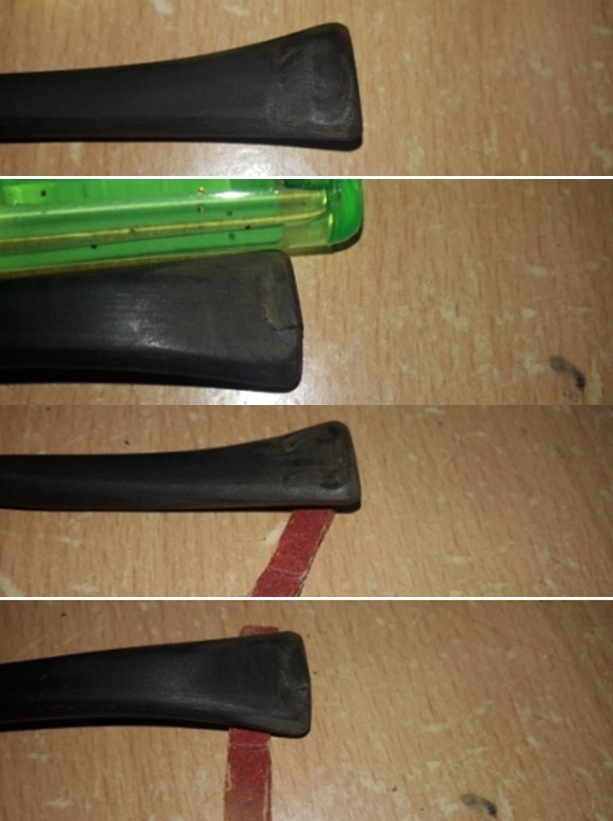
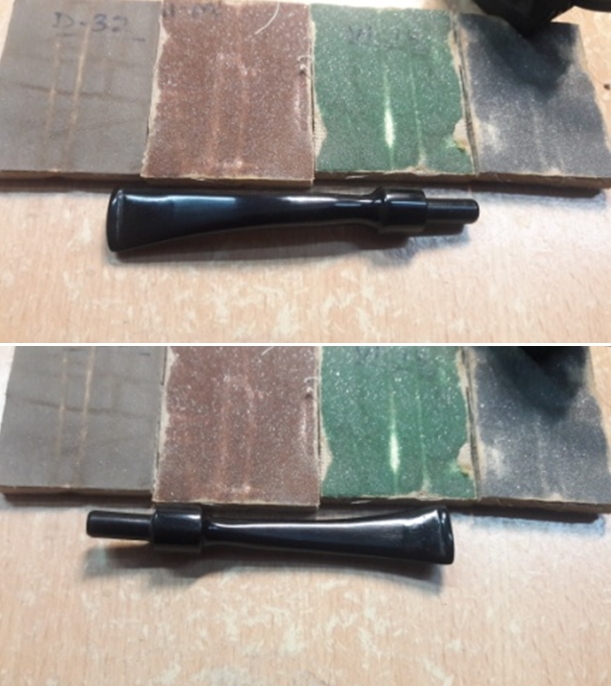
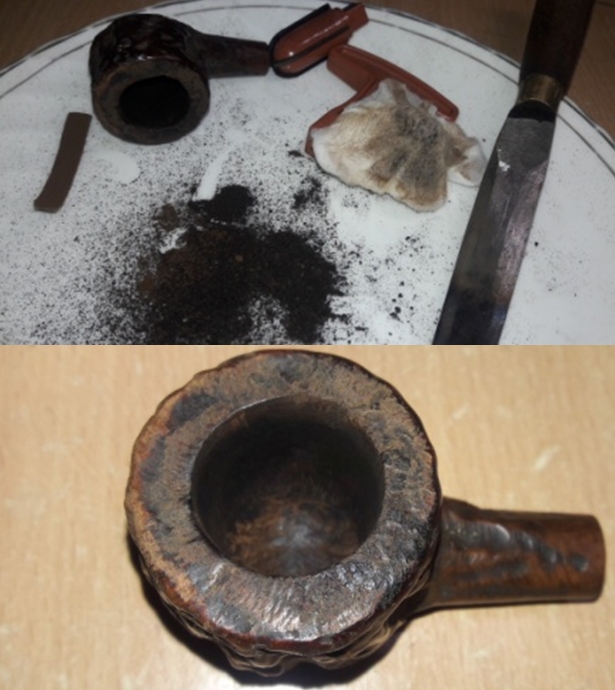
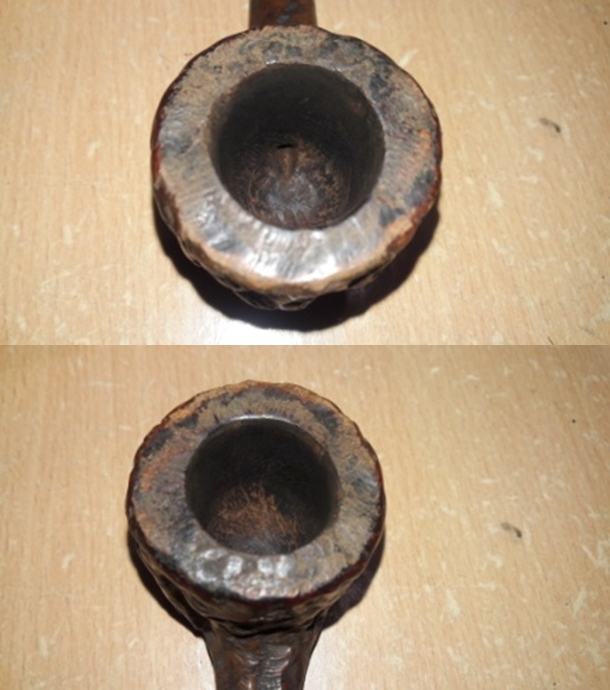
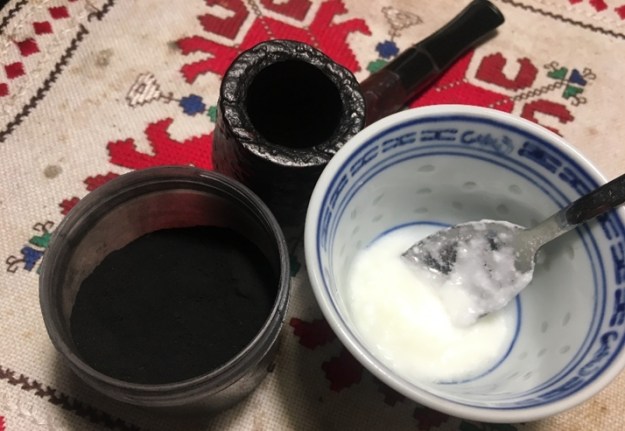
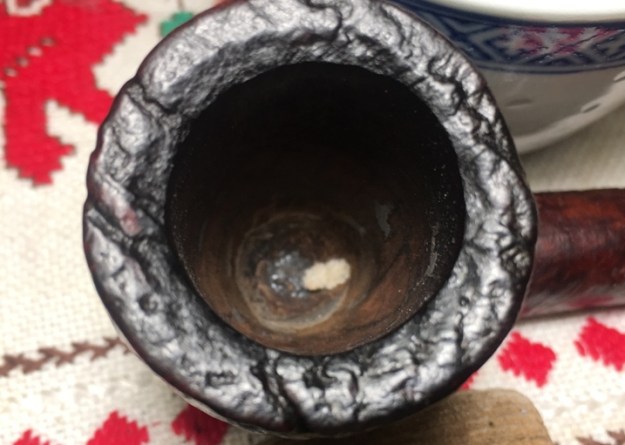
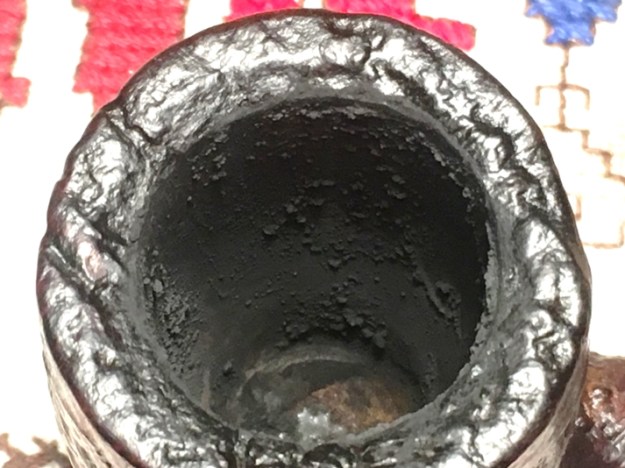
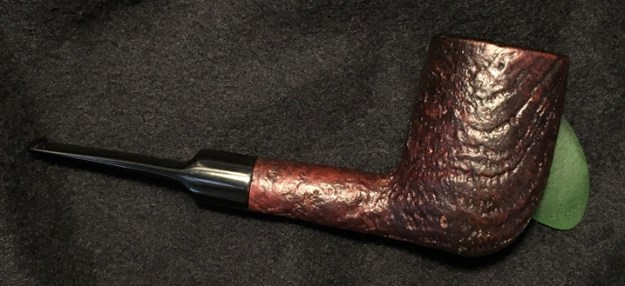
I started with cleaning of the stummel as I was keen to know the condition of the walls of the chamber. With size 1 head followed by head size 2 of a PipNet pipe reamer, I took the cake down to bare briar. Using a folded piece of 180 grit sand paper, I sand out the last traces of cake and expose the walls of the chamber. I wiped the chamber with a cotton pad dipped in isopropyl alcohol to remove the carbon dust left behind by all the reaming and sanding process. Once the chamber walls were cleaned out, I saw very minor and superficial beginnings of heat fissures/ pits all along the chamber walls. I shall address this issue by a simple bowl coat. I used my smaller of the two fabricated knife to gently scrap away at the overflow over the rim top surface while being careful not to damage the sandblast on the rim top. I was pleased to find the inner and outer edge of the rim intact and without any burn or char marks. Next, I cleaned out the internals of the shank and mortise. Using my dental tool, I scraped out all the dried oils, tars and gunk that had accumulated in the shank airway and mortise. The amount of crud that was scrapped out and the condition of the pipe cleaners that were used leaves no surprise why air flow through it was restricted. I finished the cleaning by running a few pipe cleaners dipped in isopropyl alcohol. I also wiped the shank with cotton buds and alcohol. With this cleaning, all old smells in the pipe are history. The pipe now smells clean and fresh.With the internals of the stummel now clean, I cleaned the external surface using a hard bristled toothbrush and Murphy’s Oil Soap. I diligently scrubbed the stummel to remove all the dust and dirt that was embedded in the crevices of the sandblast. With a soft bristled brass wired brush, I removed the overflowing lava from the rim top surface and cleaned the internals of the shank with a shank brush and dish washing soap to remove what little crud remained in the shank. I rinsed it under running tap water and wiped the stummel dry with an absorbent soft cotton cloth. Once I had wiped the stummel dry with paper towels and soft cotton cloth, I thought I saw a fill on the left side of the bowl, near the bowl and shank joint. It was perfectly matched and blended with the sandblast on the stummel and stained in dark as seen on other surfaces of the stummel. It is marked in yellow circle. My fears were confirmed when I probed it with a dental pick. Very carefully and painstakingly, I completely removed the old fill with a pointed dental pick. I cleaned the fill of all the debris of old fill material, wiped it with alcohol and refreshed the fill with a mix of clear CA superglue and briar dust and set it aside to cure overnight.By next day, the fill was hard and well set. With a folded piece of 220 grit sand paper, I worked the fill till I had achieved a nice blend with the shape and contours of the stummel. It turned out much better than I had anticipated. With a soft wire brass brush, I again cleaned out all the debris that lodged itself in the sandblast surface as a result of all the sanding and use of briar dust.Next, I rub a small quantity of “Before and After Restoration Balm” in to the briar with my finger tips, work it deep in to the sandblasts and let it rest for a few minutes. The balm almost immediately works its magic and the briar now has a nice vibrant appearance with the beautiful sandblast patterns on full display. The contrast of the dark browns of the raised sandblast with the dark black of the rest of the stummel adds an interesting dimension to the appearance of the stummel. I further buffed it with a horse hair brush. The last picture is of the side that had the refreshed fill and even the most discerning reader will be hard pressed to accurately pin point the fill. With the stummel nearly completed, I turned my attention to the stem repairs. I masked the stem logo “S” with a whitener pen to protect it during the sanding process. I cleaned the internals of the stem using hard and normal bristled pipe cleaners and isopropyl alcohol. With a pointed dental tool, I scraped out the entire dried gunk from the slot. I addressed the deeper oxidation by sanding the entire stem with a folded piece of 220 grit sand paper. Once the oxidation was completely removed, I wiped the surface clean with a cotton swab and alcohol. I flamed the damaged button edge and the nicks and dents with the flame of a lighter. This helps the vulcanite to rise to the surface as it has an inherent property to regain its original shape when heated. At this stage, I noticed that the bite zone on the upper stem surface has a crack which extends over to the button. This was further accentuated due to heating with the flame of a lighter. Continuing with the stem repair, I inserted a triangulated index card covered in transparent tape in to the slot. The tape prevents the mix of superglue and charcoal from sticking to the index card. I mixed superglue and activated charcoal powder and generously applied it over the bite zone, including over the button and set it aside to cure. Once the mix had cured, I removed the index card from the slot.Using a flat head needle file, I reshaped the button and roughly matched the fills with the rest of the stem surface. However, things rarely happen as you want them to happen and in this case, a few air pockets were revealed. With a permanent black marker I darkened the air pockets and spot filled them with clear superglue. Once the superglue had cured (I had set it aside overnight), I sanded the fills with a folded piece of 180 grit sand paper. I followed it up by further sanding the stem with 320, 600 and 800 grit sand papers to achieve a perfect blending of the fills with the stem surface and a crisp button edge on either side of the stem.Using the micromesh pads, I completed the polishing cycle by wet sanding the surface with 1500 to 3200 girt pads. I had read that White diamond polish is between 3600 and 4000 grit of micromesh pads and best used between these two. I decided to give this a try to see if there is any difference in the final stem finish. I mount a fresh cotton buffing wheel on to my hand held rotary tool and apply white diamond polish and buffed the stem. I wiped the stem with microfiber cloth and go through the remaining pads, dry sanding with 4000 to 12000 grit pads. The stem looks great with the fills nicely matched with the rest of the surface. I rub a little quantity of Extra Virgin Olive oil in to the stem surface and set it aside to be absorbed by the vulcanite. To complete the restoration, I mount a cotton cloth buffing wheel on to my hand held rotary tool and applied several coats of carnauba wax. I finished the restoration by giving the entire pipe a rigorous hand buffing using a microfiber cloth to raise the shine further and remove any residual wax from in between the sandblasts.The finished pipe looks amazingly beautiful and is now ready for its long second innings with me. I only wish it could share with me its life story of the past years while I enjoy smoking my favorite Virginia blend in it or maybe an English blend!! P.S. There was only one more issue that needed to be addressed and one that could not be ignored, being a functional issue. After I had reamed and sanded the chamber walls, I had observed very minor and superficial beginnings of heat fissures/ pits all along the chamber walls. I addressed this by mixing activated charcoal and plain yogurt to a thicker consistency, just enough that I would spread easily and applied it evenly all along the chamber walls after inserting a folded pipe cleaner through the draught hole to keep it open. Once dry and set, this will not only protect the walls but also aid in faster build up of cake.There are two more pending write ups which I shall be tackling before I undertake to restore a pipe which my dear friend and mentor, Steve, had sent me about a year back with the intention of providing me an opportunity to test my own skills. I wish to thank each one for sparing their valuable time to read through and once again request you for any inputs or advice on dating and designer of this pipe.

Restoring a Custom-Bilt Small Pot from my ‘Mumbai Bonanza’


Blog by Paresh Deshpande

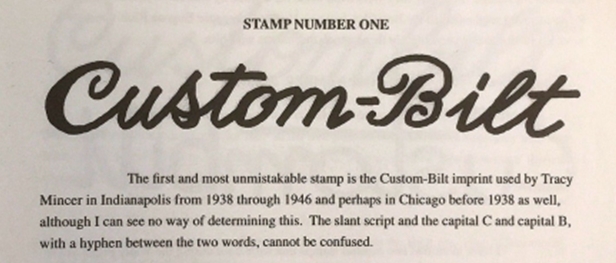
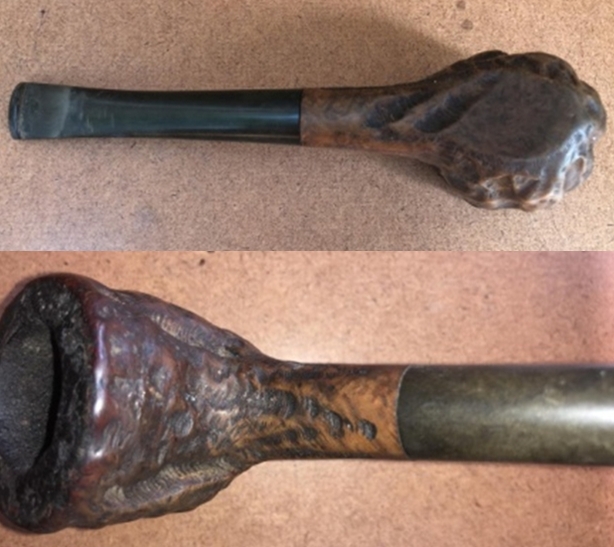
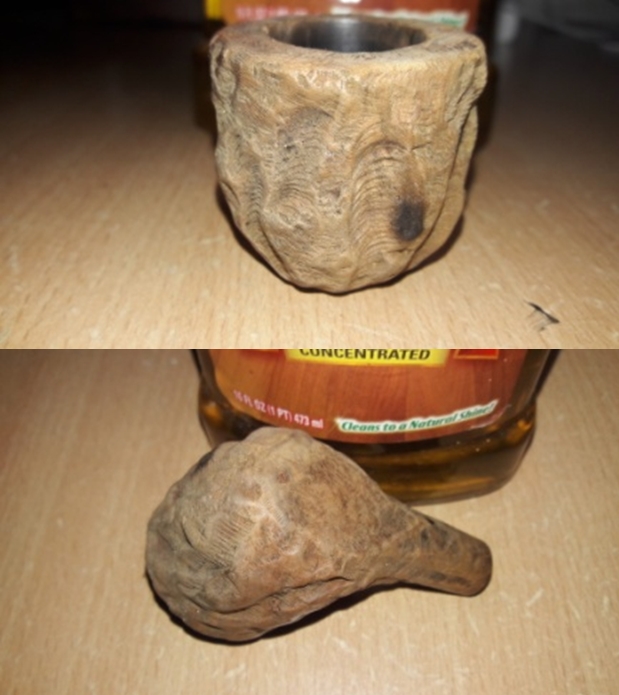
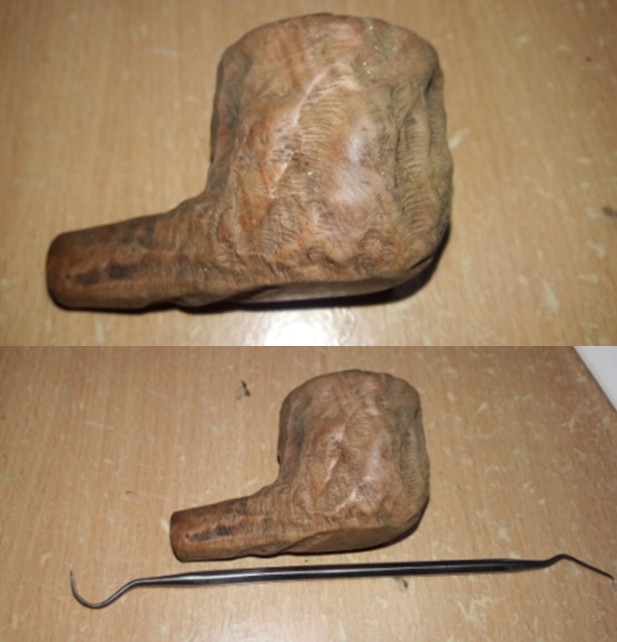
It seems that my grandfather loved Custom-Bilt pipes!! I say this with certain amount of conviction as there are quite a few of them in his collection that I have inherited. All the Custom-Bilts in his collection have, apart from the trademark rustications developed and mastered by Tracy Mincer, large size (more like humongous, I say!). Thus, when Abha, my wife sent me pictures of the Mumbai Bonanza lot, I instantly recognized a Custom-Bilt. I confirmed from Abha on Face time that the stamp was spelt with a hyphen between Custom and Bilt confirming the vintage. I was surprised to say the least, not at the fact of finding a Custom-Bilt in the lot (which incidentally contains many collectible pipes), but surprised at the size which stared back at me!! It was small, but small when compared to the size of the other Custom-Bilts that I have inherited. This is the pipe that is now on my work table, my first restoration work after rejoining my work place.

For those readers who have missed out on my previous work, I was fortunate enough to have heeded the advice of my dear friend and mentor, Steve, and struck a deal for 30 pipes with a junk collector from Mumbai. He did not know what he was selling and I did not know what I was buying as we reside in different cities!! The argument that Mr. Steve presented was that if not anything, I shall at least have some spares and this was logical. I struck a deal and here are pictures of the pipes that I received in this lot. This lot contains some very nice collectible pipes, a few well known brands and some mediocre brands. Overall, with seven Dunhill pipes, a Preben Holm #1 FH, a couple of “Made in England” Pete System pipes, a couple of  Charatan’s Belvedere, Custom-Bilt, Stanwell and other assorted pipes, I would say that I had struck a decent haul!! This is indeed my “Mumbai Bonanza”.

The 12th pipe that I decided to work on from this find Custom-Bilt small pot shaped pipe and is indicated in magenta colored arrow in the picture below. It is stamped on the left side of the shank as “Custom-Bilt” in sentence form with a hyphen between Custom and Bilt. The pipe or stem is devoid of any other stamping.Now coming to the research of this brand and line/ model in specific, I referred to pipedia.org and as expected there is an extensive research on this pipe. I searched the internet for information in order to date this pipe. Pipedia has a lot of information about this pipe and just typing in Custom-Bilt in the search bar of the site will reveal the required information. There is an interesting review given by Richard Esserman on a book written by William E. Unger, Jr., PhD, which deals with the study of Custom-Bilt pipes. The author authoritatively states, after a lot of research and study that the stamp as seen on this particular pipe dates it from between 1938 – 1946!With the dating of this pipe confirmed, I move on to the next step of carrying out initial inspection of the pipe as it appears. This not only provides me with an opportunity to closely look at the pipe (more like ogle at it!) and identify the issues that need to be addressed but also plan on the sequence and processes that would be required in restoring the pipe.

INITIAL VISUAL INSPECTION
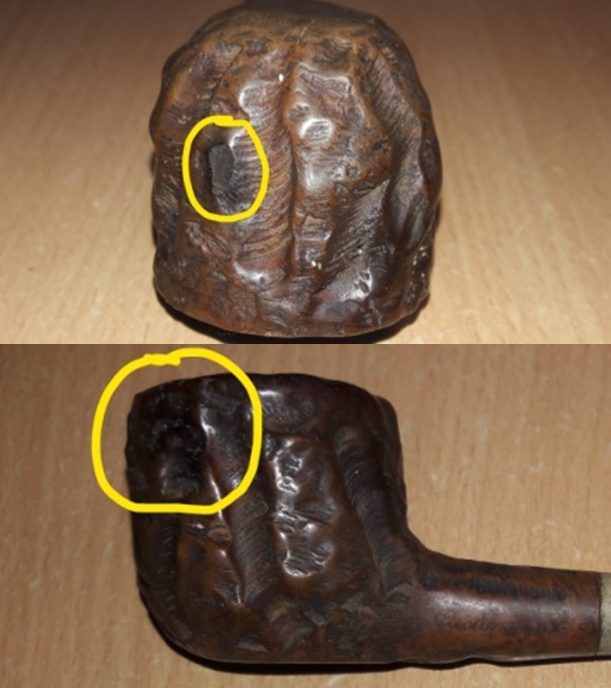
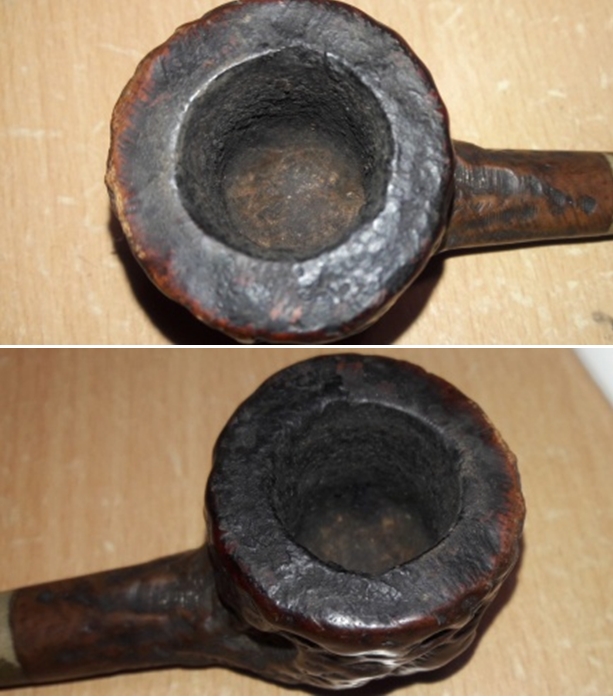
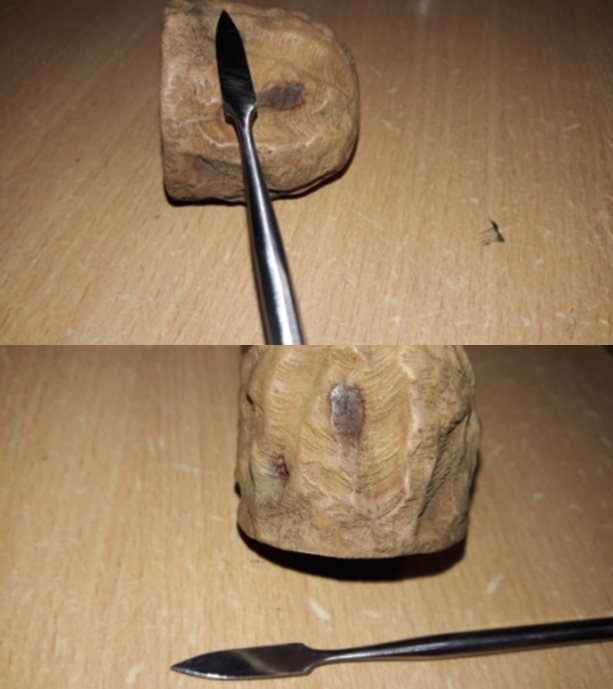
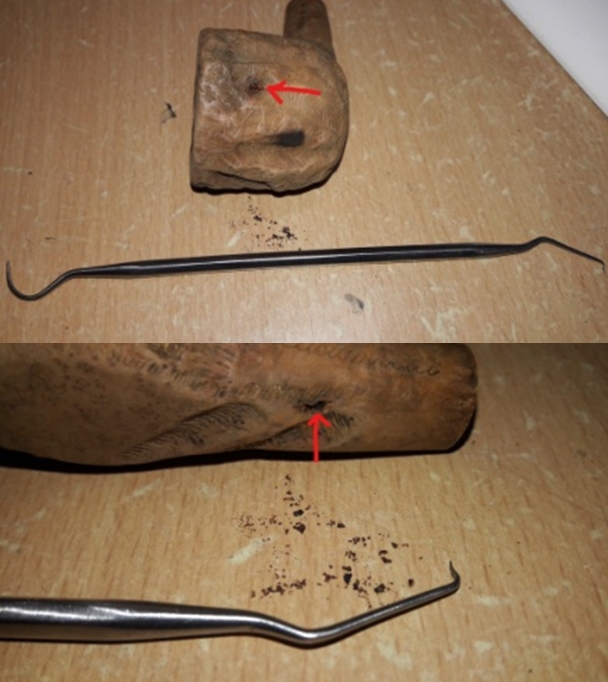
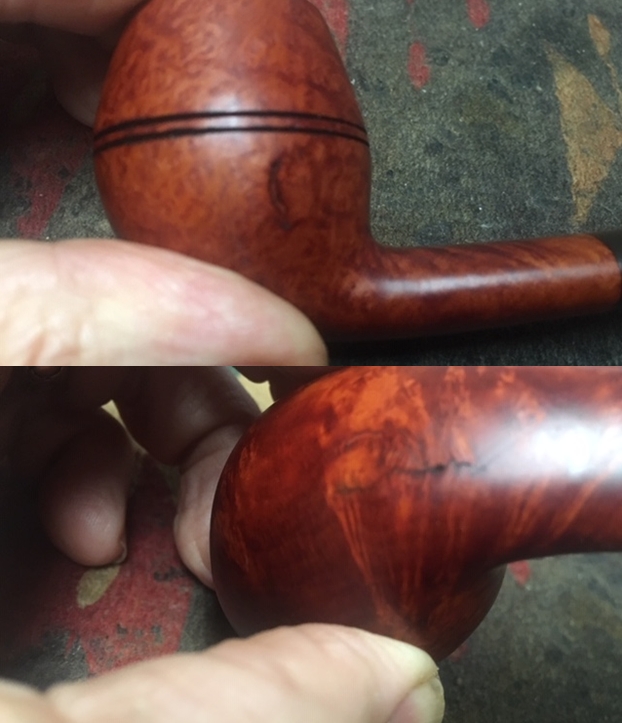
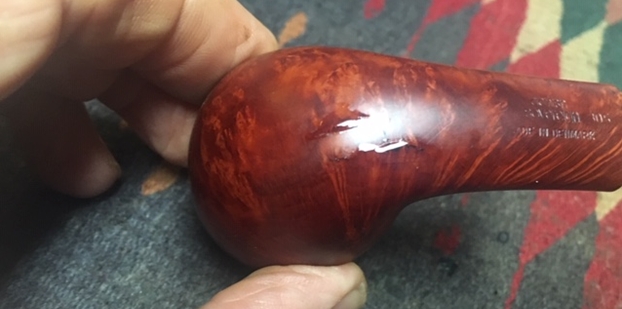
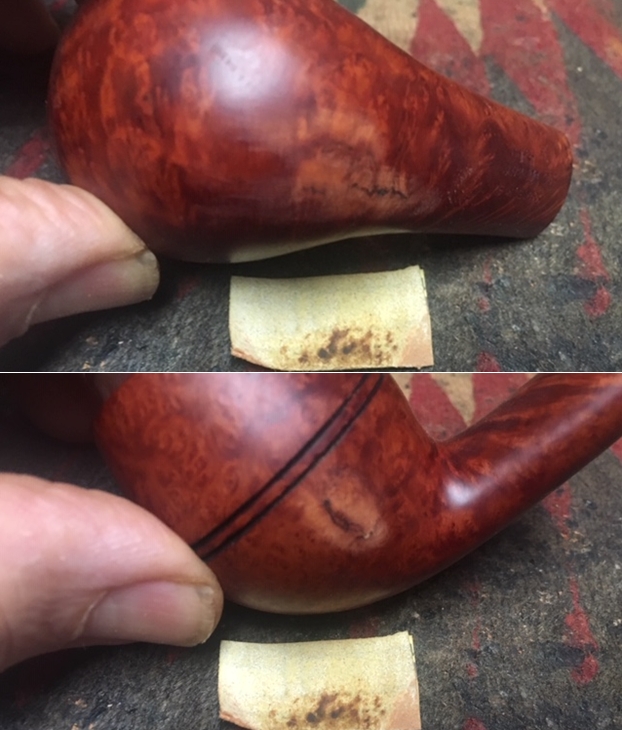
The pipe has deep and large vertical rustications along the entire length of the shank and height of the bowl. Within these large vertical rustications are very thin, closely stacked horizontal lines which give this pipe its unique appearance and are its trademark!!! The deep large rustication on the stummel is covered in dirt, oils, tars and grime of 70 plus years of its existence. At this stage, the briar looks filthy, dry and lifeless, but this should clean up nicely. However, there are two issues which may prove to be a challenge to address. On the front left side of the bowl, there is a dark burn mark, probably scorched by a burning cigarette lying in the same ashtray (marked in a yellow circle). The second issue is also towards the left side of the stummel, but at the back. There is significant darkening in that area as compared to the rest of the stummel, and is marked in a yellow circle. The exact nature of this darkening will be known once the stummel surface has been cleaned. A thick layer of cake can be seen in the chamber. The rim top is covered with the same thin, closely stacked lines as seen between the large vertical rustications and is covered in thick overflow of lava, dirt, dust and grime. The condition of the inner walls of the chamber and rim top surface will be known once the cake has been taken down to bare briar and the rim top crud has been scraped off completely. With the inner rim, I suspect burn/ charred surface at the back in 6 ‘O’ clock direction and is encircled in red. The extent and severity of the damage, if present, can be ascertained once the cake has been removed and the rim top is cleaned. The outer rim edge appears to be in a decent condition. Only once the stummel has been thoroughly cleaned that I can be sure of my initial appreciation. In spite of the thick cake, the chamber odor is, surprisingly, not strong and should be addressed once the cake has been taken down to the bare briar. The mortise is blocked with dried gunk, adversely affecting the airflow. A thorough clean up with alcohol and pipe cleaners should address this issue.The vulcanite stem is heavily oxidized and has calcification marks for about an inch over the bite zone, probably a result of using a rubber bit. The stem surface on either side is peppered with nicks and dents along the entire surface. There is one deep bite mark on the button edge on the upper surface. The tenon is covered in dried oils and tars and ash. The air way in the stem will need to be cleaned for a free and smooth draw.THE PROCESS
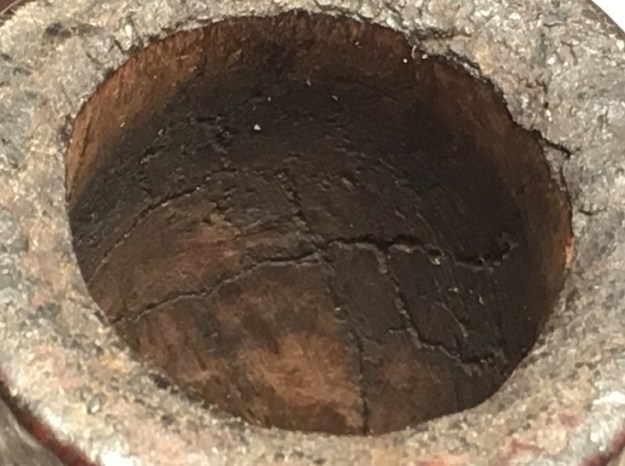
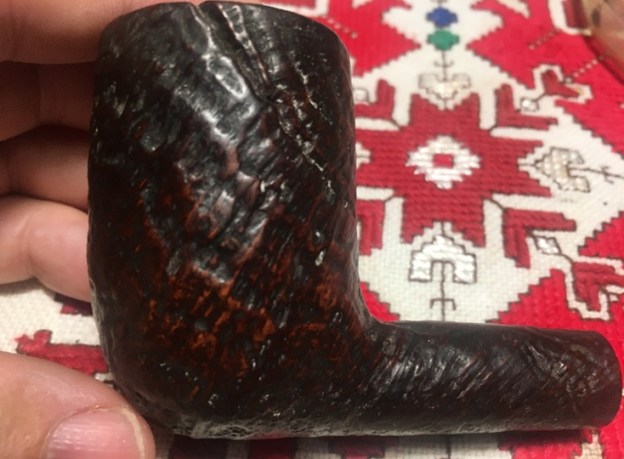
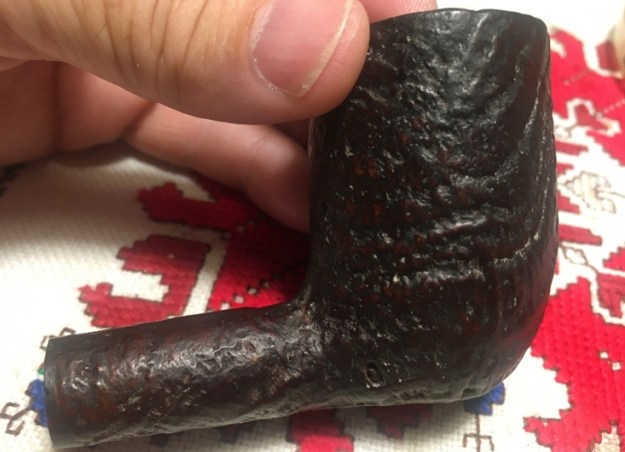
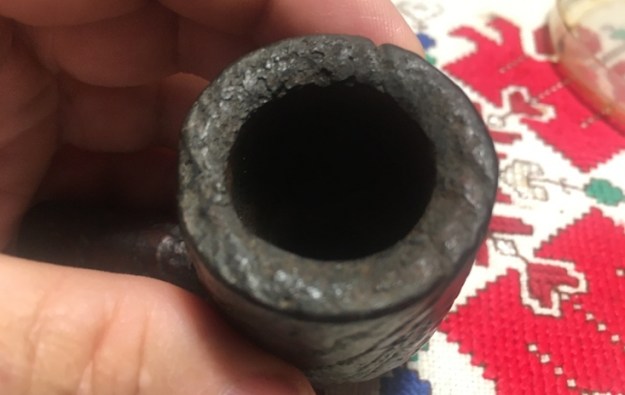
Along with the stems of other pipes in line for restoration, I immersed the stem of this Custom-Bilt in a mix of one part Hydrogen Peroxide 20% with one part hot water after I ran a couple of pipe cleaners dipped in alcohol through the stem air way. A couple of hours later, the stem oxidation on all these stems were raised to the surface. After I had fished out the stem from the Hydrogen Peroxide bath, I scrubbed it with Magiclean sponge and followed it up with a wipe of cotton swab and alcohol. The loosened and superficial layer of oxidation was easily removed and revealed not one but two tooth marks on the upper button edge and the nicks and dents on the surface are now more apparent. However, the deeper oxidation that was pulled to the surface would require more abrasive techniques.Staying with the stem, I cleaned the internals of the stem using hard and normal bristled pipe cleaners and isopropyl alcohol. I addressed the deeper oxidation by sanding the entire stem with a folded piece of 220 grit sand paper. Once the oxidation was completely removed, I wiped the surface clean with a cotton swab and alcohol. I flamed the damaged button edge and the nicks and dents with the flame of a lighter. This helps the vulcanite to rise to the surface as it has an inherent property to regain its original shape when heated. I spot filled the damaged spots with clear CA superglue and set it aside to cure overnight. Thereafter, I started with cleaning of the stummel as I was keen to know the condition of the walls of the chamber. With size 3 head of a PipNet pipe reamer, I took the cake down to bare briar. Using a folded piece of 180 grit sand paper, I sand out the last traces of cake and expose the walls of the chamber to ascertain that there are no cracks/ heat fissures. I wiped the chamber with a cotton pad dipped in isopropyl alcohol to remove the carbon dust left behind by all the reaming and sanding process. I was happy to note that the walls of the chamber are in pristine condition without any heat fissures or pits. I used my smaller of the two fabricated knife to gently scrap away at the overflow over the rim top surface while being careful not to damage the thin wired rustications on the rim top. I was pleased to find the inner and outer edge of the rim intact and without any burn or char marks which I had feared to be lurking under the heavy overflow of lava. Next, I cleaned out the internals of the shank and mortise. Using my dental tool, I scraped out all the dried oils, tars and gunk that had accumulated in the shank airway and mortise. The mortise was so clogged with the old accumulations of gunk that I had to use the drill piece which comes in the Kleen Reem pipe reamer!! The amount of crud that was scrapped out and the condition of the pipe cleaners that were used leaves no surprise why air flow through it was restricted. I finished the cleaning by running a few pipe cleaners dipped in isopropyl alcohol. I also wiped the shank with cotton buds and alcohol. With this cleaning, all old smells in the pipe are history. The pipe now smells clean and fresh.With the internals of the stummel now clean, I cleaned the external surface using a hard bristled toothbrush and Murphy’s Oil Soap. I diligently scrubbed the crevices formed by the sandblast to remove all the dust and dirt that was embedded in the large vertical rustications and thin wire rustications between them. With a soft bristled brass wired brush, I removed the overflowing lava from the rim top surface and cleaned the internals of the shank with a shank brush and dish washing soap to remove what little crud remained in the shank. I rinsed it under running tap water and wiped the stummel dry with an absorbent soft cotton cloth. However, I was not very satisfied with the way the rim top surface had cleaned up. There were visible traces of the lava overflow embedded in the rustication giving it a dirty and unclean appearance. I vigorously cleaned the rim top surface again with the brass brush, following the direction of the thin rustications till the overflow of lava was greatly reduced. What little grime that remained was carefully scraped out with a sharp dental pick. Another scrub with a toothbrush dipped in oil soap and I was very pleased with the way the stummel had cleaned up. The stummel looks absolutely gorgeous. At this point in restoration, I observed tiny specs of white. They appeared to be paint flakes but I am not sure. Very carefully and painstakingly, I removed each spot with the pointed dental pick.The other thing which highlighted itself was the burn mark and darkened surface at the front and slightly at the back of the stummel respectively. I cleaned the burned spot of all the charred briar with the sharp end of the dental spatula until I reached solid briar surface. The spot has lightened considerably. Next, with a pointed dental pick, I tried to pick in to the remaining darkened surface and was surprised to find that the area had been filled and that the old putty now came away easily (shown by a red arrow). Having discovered one fill, I closely checked the entire stummel surface for any other fills. Sure enough, there was a small fill at the shank end, just below the stamping (red arrow mark). I cleaned out the loose fills with a dental pick. I refreshed these fills with a mix of briar dust and superglue and set it aside to cure.While the stummel fills were set aside to cure, I worked the stem fills which had by now cured sufficiently. Using a flat head needle file, I reshaped the button and roughly matched the fills with the rest of the stem surface. I followed it up by further sanding the stem with 320, 600 and 800 grit sand papers to achieve a perfect blending of the fills with the stem surface and a crisp button edge on either side of the stem. Using the micromesh pads, I complete the polishing cycle by wet sanding the surface with 1500 to 12000 girt pads. The stem looks great with the fills nicely matched with the rest of the surface. I rub a little quantity of Extra Virgin Olive oil in to the stem surface and set it aside to be absorbed by the vulcanite. Once I was finished with the stem repairs, I turned back to the stummel fills which had cured. With the edge of a flat head needle file, I roughly matched the fill with the rustications on the stummel. Thereafter, using a tightly folded piece of 150 grit sand paper, I worked the fills to a perfect match with the rest of the rustications. I used a sharp dental tool and tried to roughly carve out the thin wire like rustications in to the fills, though without resounding success. But it turned out quite okay to my eyes.Next, I rub a small quantity of “Before and After Restoration Balm” in to the briar with my finger tips, work it deep in to the sandblasts and let it rest for a few minutes. The balm almost immediately works its magic and the briar now has a nice vibrant appearance with the beautiful sandblast patterns on full display. I further buff it with a horse hair brush. To complete the restoration, I mount a cotton cloth buffing wheel on to my hand held rotary tool and applied several coats of carnauba wax. I finished the restoration by giving the entire pipe a rigorous hand buffing using a microfiber cloth to raise the shine further. The finished pipe looks amazingly beautiful and is now ready for its long second innings with me. I only wish it could share with me its life story of the past 70 plus years while I enjoy smoking my favorite Virginia blend in it!! P.S. I was not very pleased with the appearance of the front of the stummel, what with the ugly burn mark now all the more visible. I discussed with my mentor, Steve, and he suggested that a little oxalic acid diluted with water when applied over the burn mark should significantly reduce the black mark. This will be applied in practical once I am back on leave to my home town. I shall post an update on the end result of this process.

There are three more pending write ups which I shall be tackling before I undertake any new restoration. I am eagerly waiting to start my next project, which I wish to assure readers, is going to be an interesting one. It’s a pipe which my dear friend and mentor, Steve, had sent me about a year back with the intention of providing me an opportunity to test my own skills. I wish to thank each one for sparing their valuable time to read through and any inputs or advise is always welcome.


Another Bob Kerr Estate – A Danish Sovereign 305 Bulldog Variant


Blog by Steve Laug

I am having some fun with Bob’s pipes now that Jeff has done the cleanup on them. When I was doing both the cleanup and restoration it was slow moving and tedious as he had smoked these pipes last in the 90s and the cake was rock hard and the pipes were dirty. The next pipe is a Stanwell second – Danish Sovereign that is a Danish take on an oval shank Bulldog. It is a shape 305 with a taper stem. This is another of Bob’s pipes that I am working on. I am cleaning them for the family and moving them out into the hands of pipemen and women who will carry on the trust that began with Bob and in some pipes was carried on by Bob. In the collection there were 19 Peterson’s pipes along with a bevy of Dunhills, some Comoy’s and Barlings as well as a lot of other pipes – a total of 125 pipes along with a box of parts. This is the largest estate that I have had the opportunity to work on. I put together a spread sheet of the pipes and stampings to create an invoice. I was taking on what would take me a fair amount of time to clean up. I could not pass up the opportunity to work on these pipes though. They were just too tempting. This quaint Danish Sovereign is an interesting and unique shape to work on.

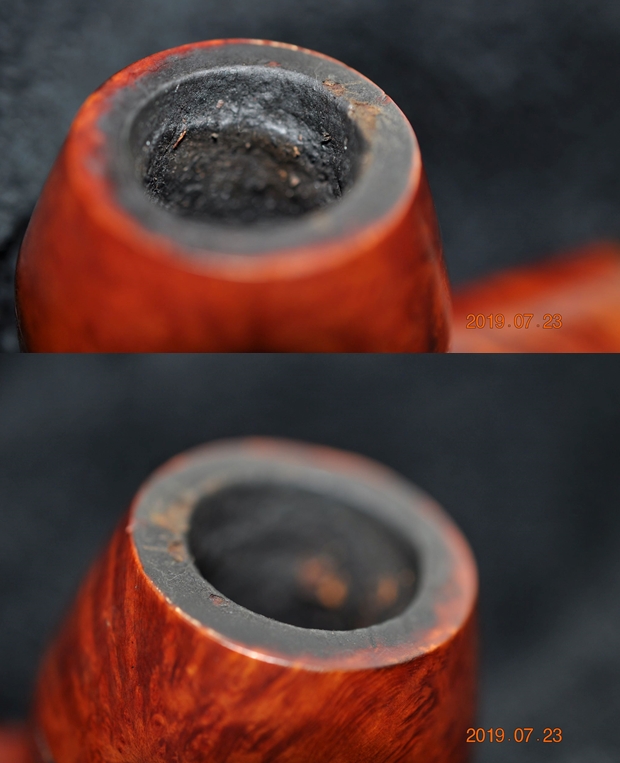
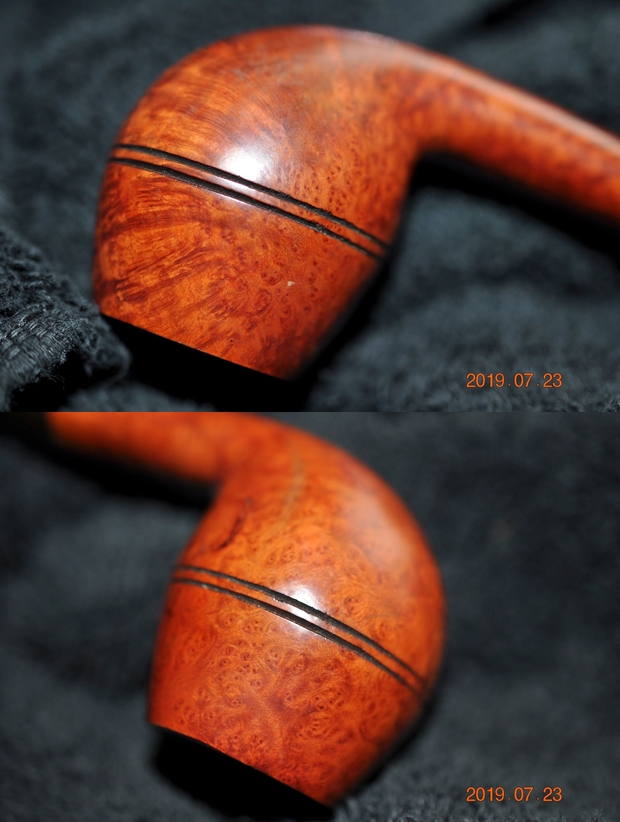
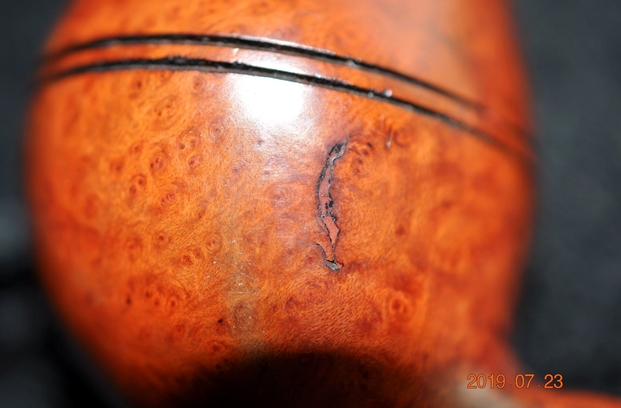
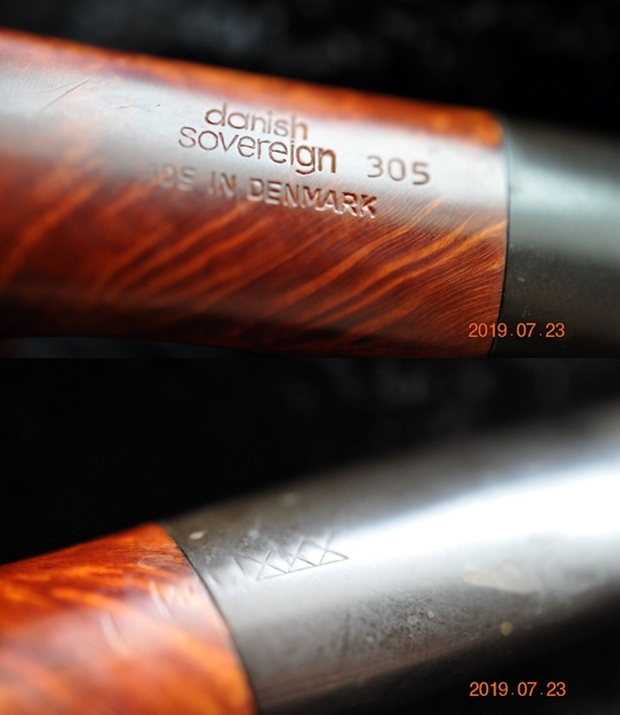
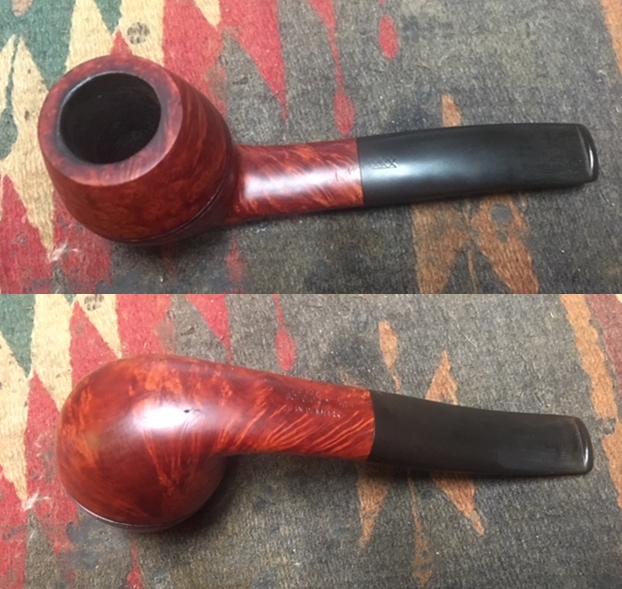
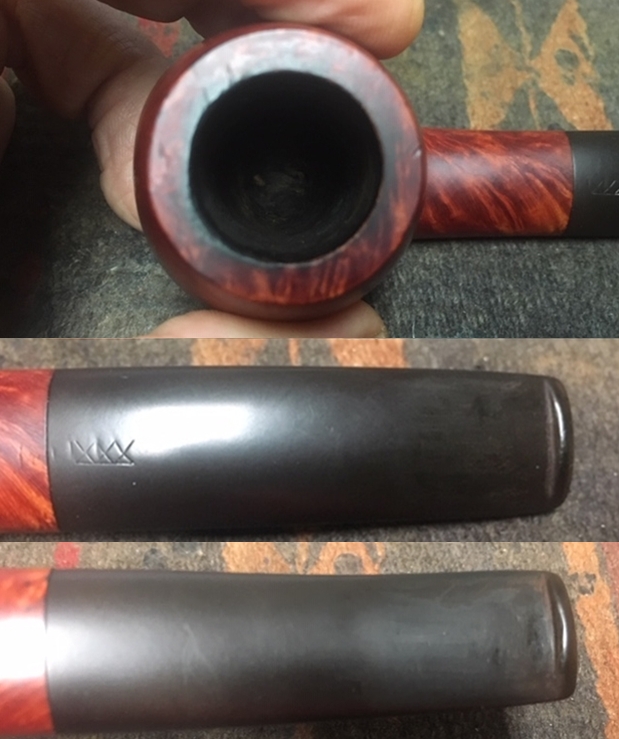
I think this would have been a Stanwell regular line pipe if it did not have the many small and large flaws that had been puttied. Stanwell did a great job with the fills on the underside of the bowl as they are well blended in the finish. The layout of the shape to the grain is perfect with birdseye on the sides and cross grain on the front and back of the bowl. It is a beauty. To me the shape is a Danish take on a Bulldog – though with the rounded bottom and an oval shank it has come a long way. The pipe is stamped on the underside of the shank Danish Sovereign over Made in Denmark. Following the name stamp is the shape number 305. The top of the tapered stem has a XXX stamp on it. The bowl has a rich contrasting brown stain that makes the grain pop and hides the fills pretty well. There was a thick cake in the bowl with remnants of tobacco stuck on the walls. There was a fair lava overflow built up on the rim top. The edges of the rim and top are dirty but look pretty good under the grime but I would know for certain once it was clean. It was a beautiful pipe that was dirty and tired looking. The stem was oxidized and had some calcification on the first half of the stem. There was a lot of tooth chatter and marks on both sides near the button. Again, surprisingly it did not have the deep tooth marks that I have come to expect from Bob’s pipes. Jeff took photos of the pipe before he started his cleanup work on it. Jeff took photos of the bowl and rim top to show the cake in the bowl and the lava build up on the edges of the bowl. It was thick and hard but hopefully it had protected the rim and edges from damage. The edges look pretty good. Jeff took photos of the heel of the bowl to show the condition of the finish. You can see the beautiful cross grain running across the front of the bowl and the birdseye on the side of the bowl. Though the pipe is quite dirty the grain and layout are stunning. The third photo shows the large chipping fill on the left side of the bowl on the lower back. Jeff took photos of the stamping on the underside of the shank and the top of the tapered stem. The stamping was readable as you can see from the photos. It read as noted above. The photo of the stem top shows the XXX stamp on the vulcanite stem.Jeff took photos of the top and underside of the stem showing the tooth chatter, scratching and oxidation on the stem surface and wear on the edges of the button.    I turned to Pipephil’s site to confirm my memory about the pipe being a Stanwell product. I vaguely remembered it and also the shape just sang Stanwell make! Sure enough it was indeed a Stanwell second pipe (http://www.pipephil.eu/logos/en/logo-d2.html) made exclusively for the USA and Canada. I have included a screen capture of the section on Danish Sovereign pipes below.Pipedia (https://pipedia.org/wiki/Stanwell) confirms the connection listing the brand as a sub-brand or second. So now I knew what I was dealing with but still had no idea as to the time period of its manufacture.

With over 125 pipes to clean from Bob’s estate I took a batch of them to the states with me on a recent visit and left them with Jeff so he could help me out. This is another of the pipes that Jeff cleaned up and sent back to me. Jeff cleaned the pipe with his usual penchant for thoroughness that I really appreciate. This one was a real mess and I did not know what to expect when I unwrapped it from his box. He reamed it with a PipNet pipe reamer and cleaned up the reaming with a Savinelli Fitsall Pipe Knife. He scrubbed out the internals with alcohol, pipe cleaners and cotton swabs until the pipe was clean. He scrubbed the exterior of the bowl with Murphy’s Oil Soap and a tooth brush to remove the grime and grit on the briar and the lava on the rim top. The finish looks very good with good looking grain around the bowl and shank. Jeff soaked the stem in Before & After Deoxidizer to remove the oxidation on the rubber. When the pipe arrived here in Vancouver for the second stop of its restoration tour it looked very good. I took photos before I started my part of the work. (The first photo is out of focus slightly but you can still see the flaw on the bottom part of the bowl.) I took some close up photos of the rim top and also of the stem surface. Once again Jeff did a remarkable job in his cleanup of the rim top. The bowl and the rim top looks good. The grain really stands out and the outer edge looks good. There is some roughening on the front inner edge and some burn damage. I also took close up photos of the stem to show the lack of tooth marks on the stem surface. You can also see the light tooth marks and the slight wear to the button edge.Since this is another pipe Bob’s estate I am sure that some of you have read at least some of the other restoration work that has been done on the previous pipes. You have also read what I have included about Bob Kerr, the pipeman who held these pipes in trust before I came to work on them (see photo to the left). Also, if you have followed the blog for long you will already know that I like to include background information on the pipeman whose pipes I am restoring. For me, when I am working on an estate I really like to have a sense of the person who held the pipes in trust before I worked on them. It gives me another dimension of the restoration work. I asked Brian if he or his wife would like to write a brief biographical tribute to her father, Bob. His daughter worked on it and I received the following short write up on him and some pictures to go along with the words including one of Bob’s carvings. Once again I thank you Brian and tell your wife thank you as well.

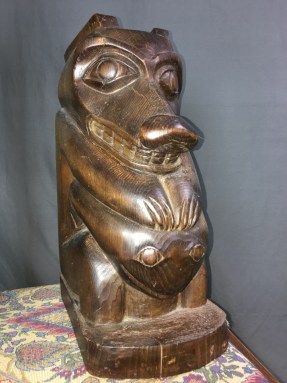
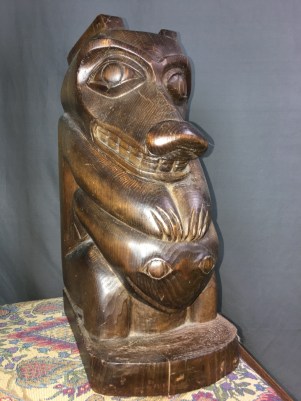
I am delighted to pass on these beloved pipes of my father’s. I hope each user gets many hours of contemplative pleasure as he did. I remember the aroma of tobacco in the rec room, as he put up his feet on his lazy boy. He’d be first at the paper then, no one could touch it before him. Maybe there would be a movie on with an actor smoking a pipe. He would have very definite opinions on whether the performer was a ‘real’ smoker or not, a distinction which I could never see but it would be very clear to him. He worked by day as a sales manager of a paper products company, a job he hated. What he longed for was the life of an artist, so on the weekends and sometimes mid-week evenings he would journey to his workshop and come out with wood sculptures, all of which he declared as crap but every one of them treasured by my sister and myself. Enjoy the pipes, and maybe a little of his creative spirit will enter you!

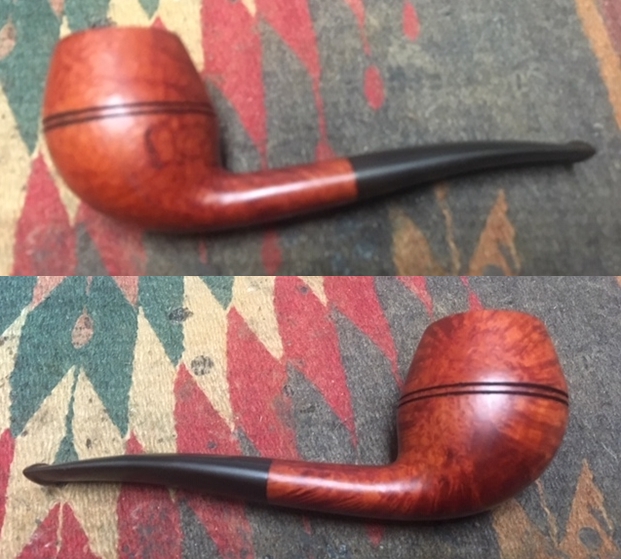
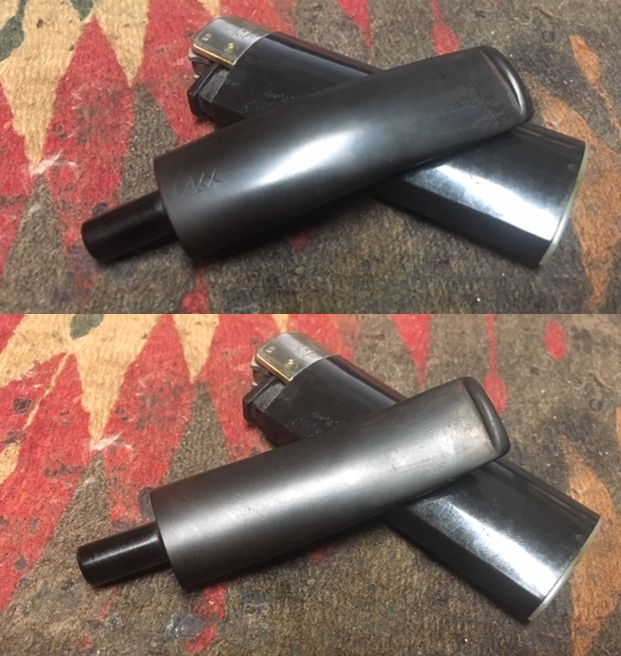
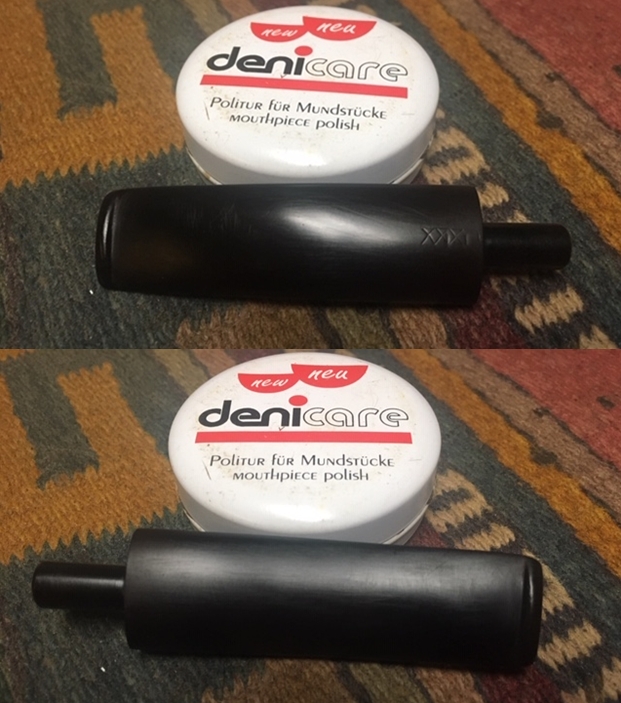
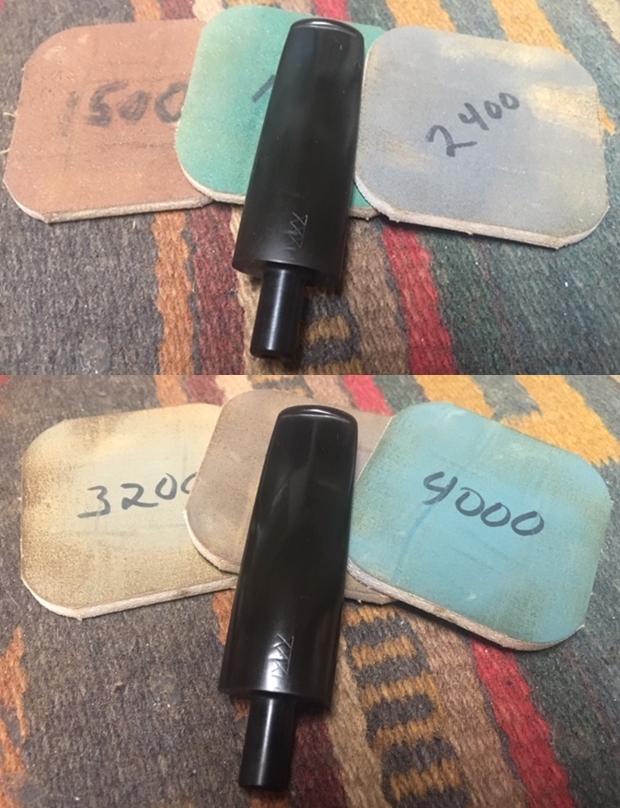
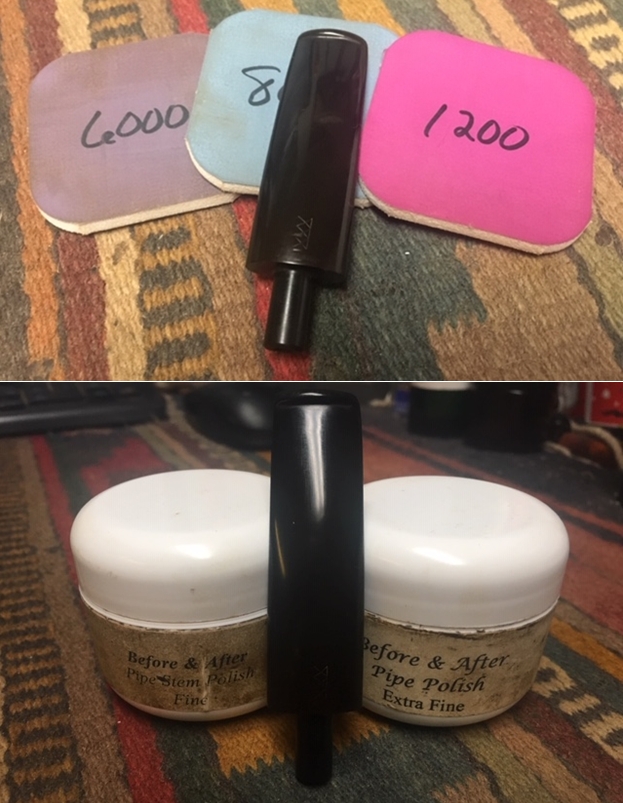
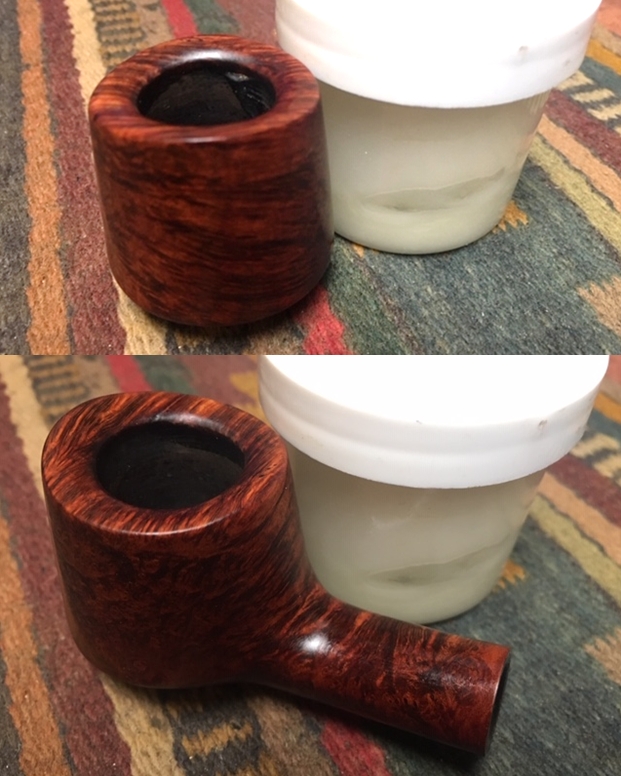
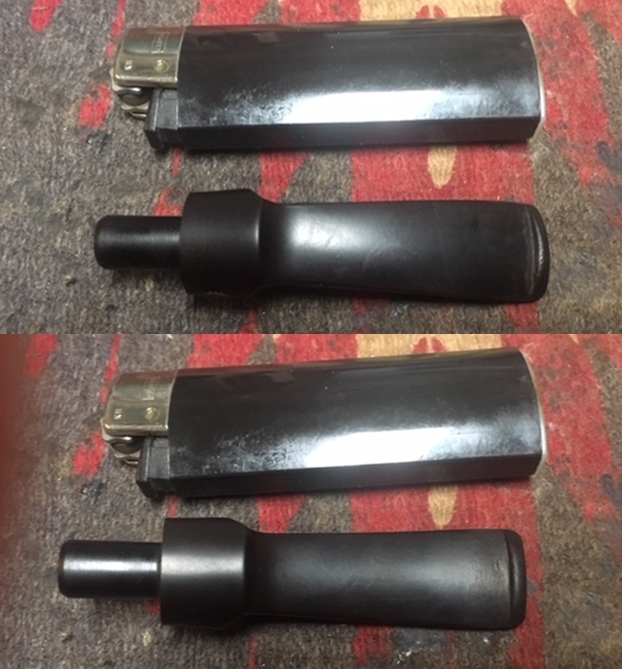
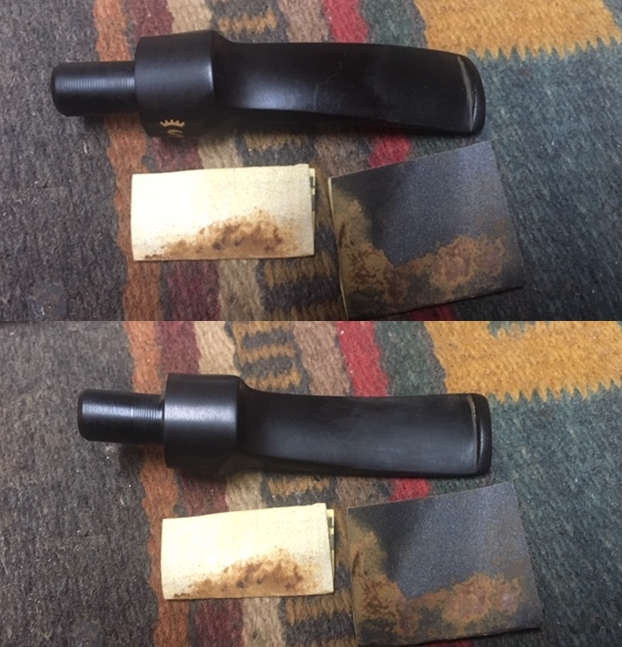
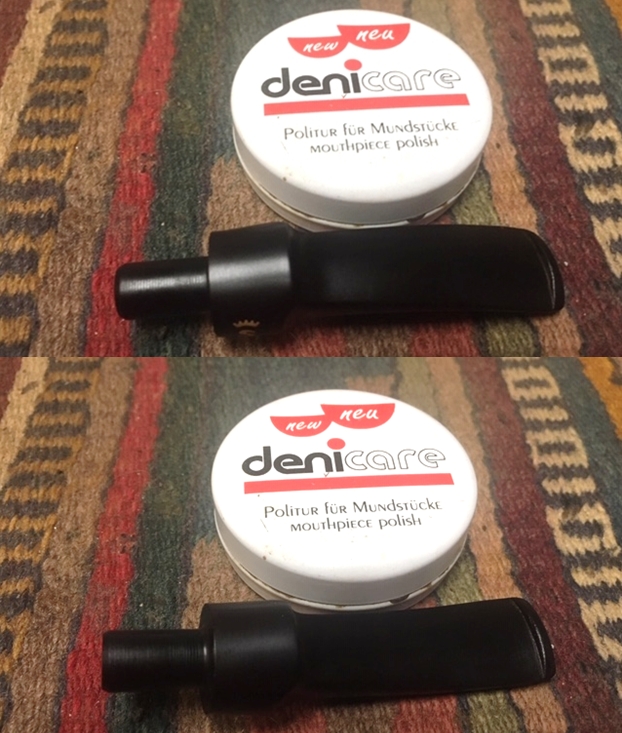
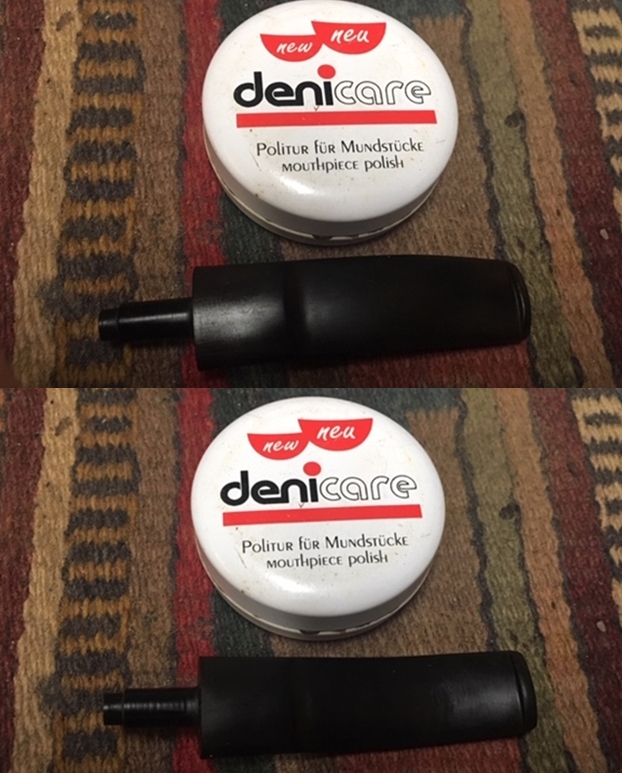
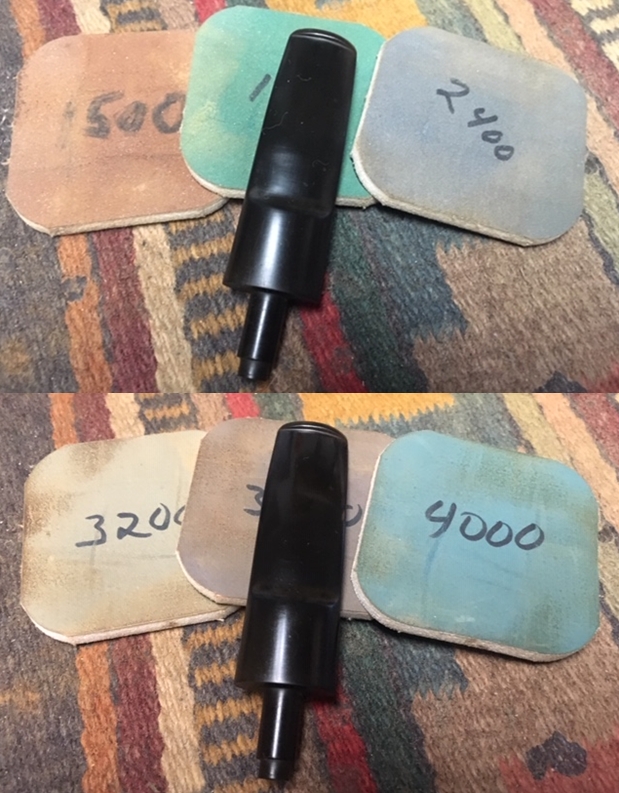
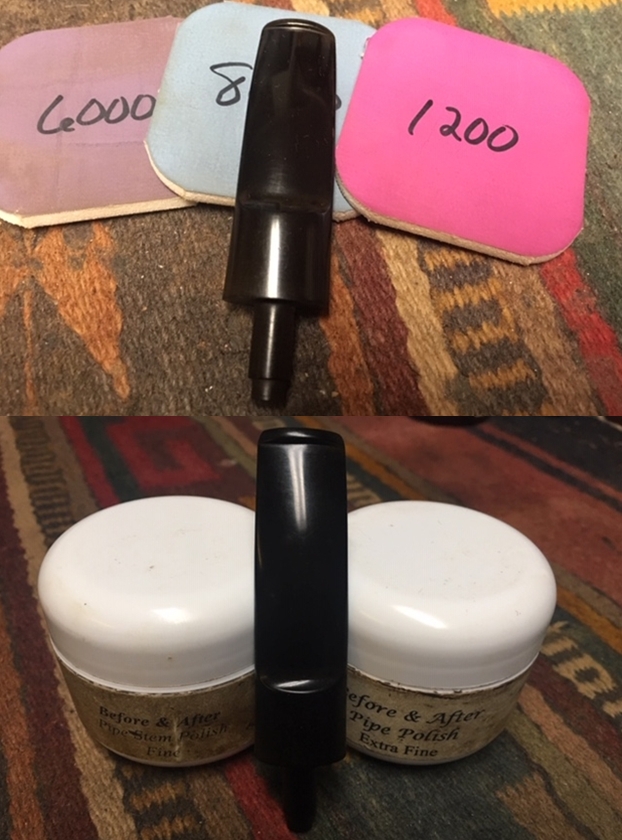
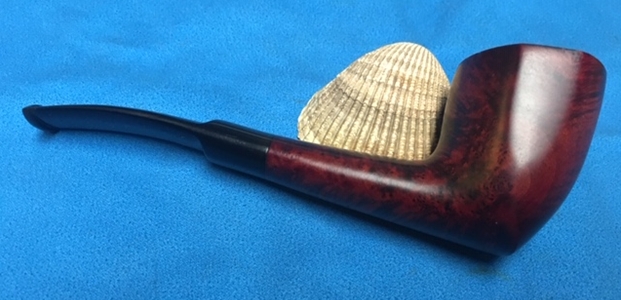
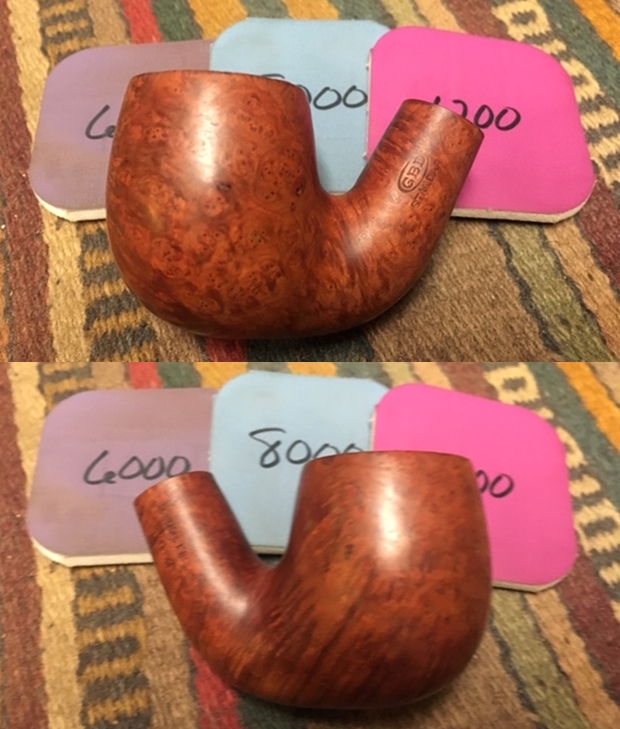
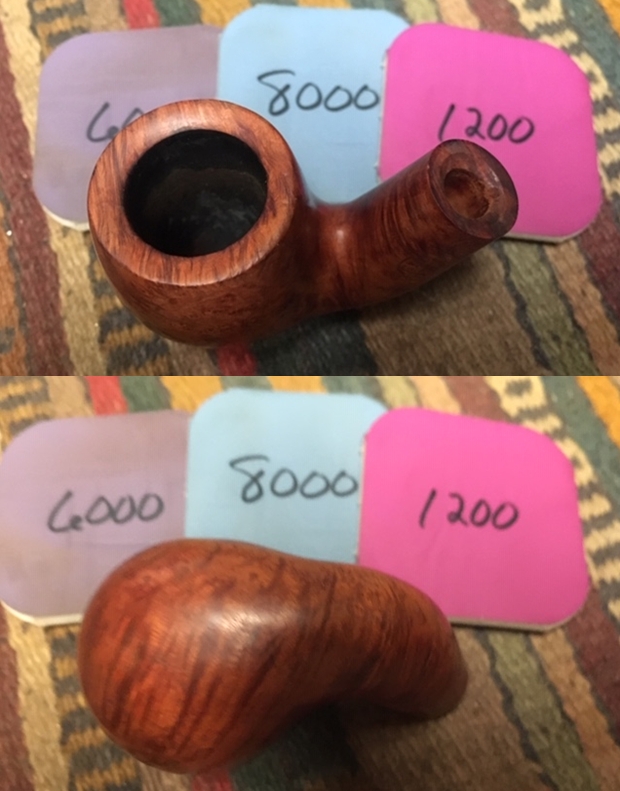
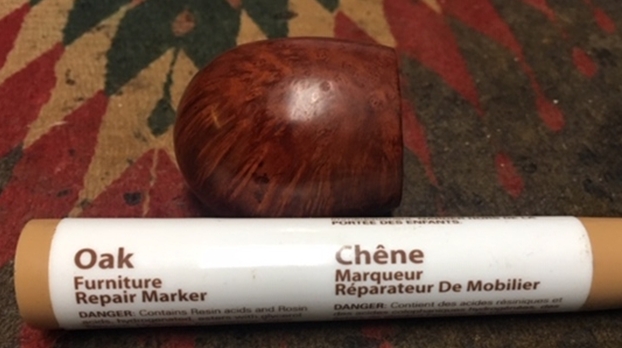
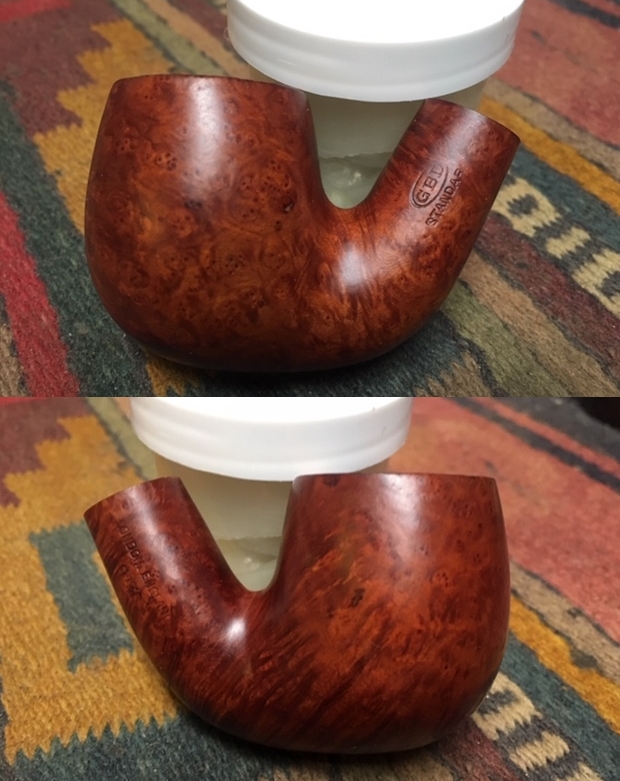
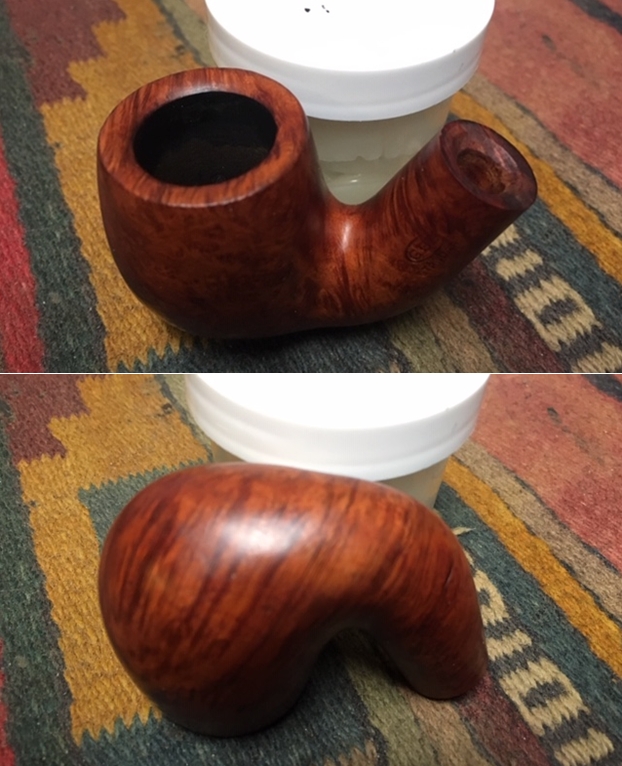
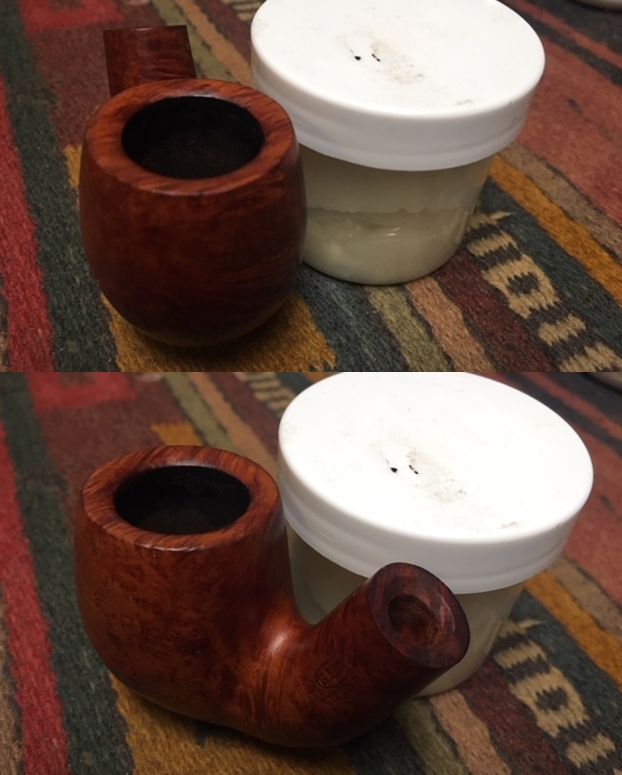
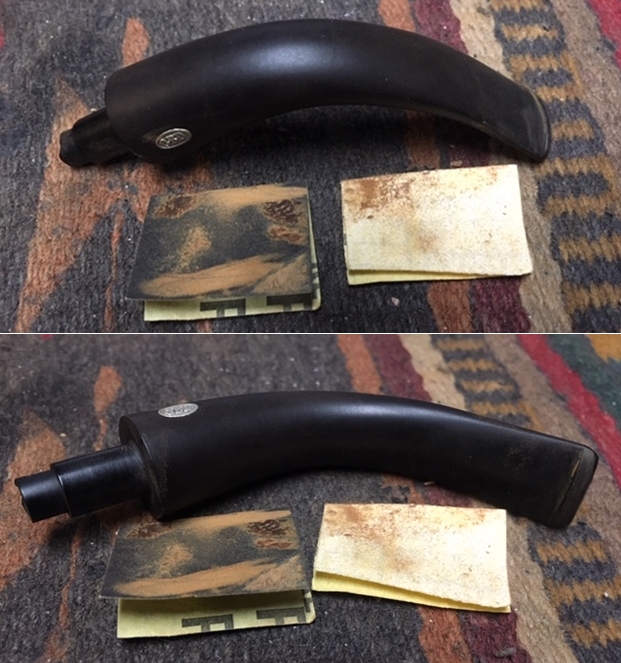
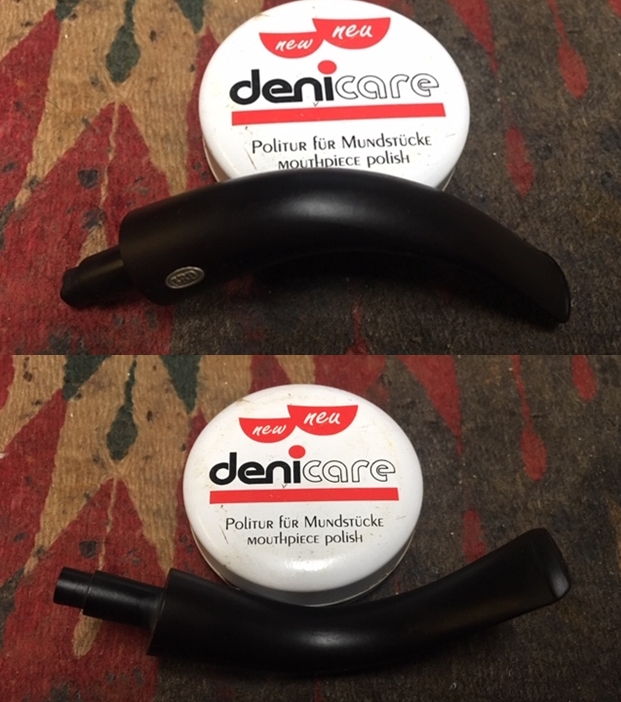
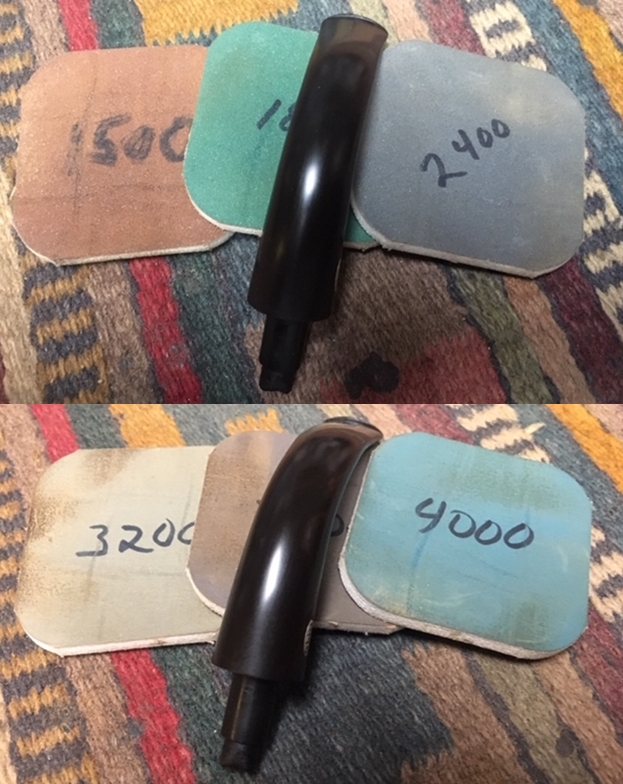
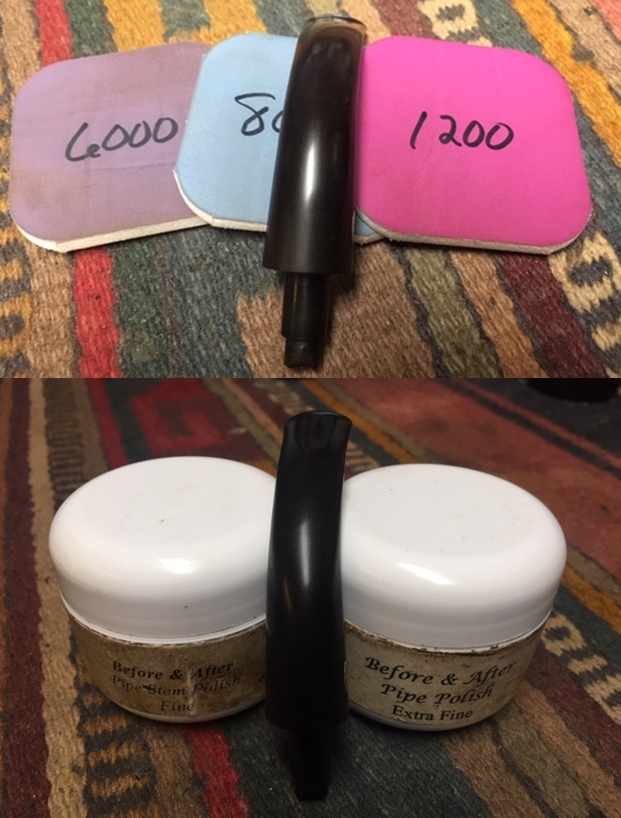
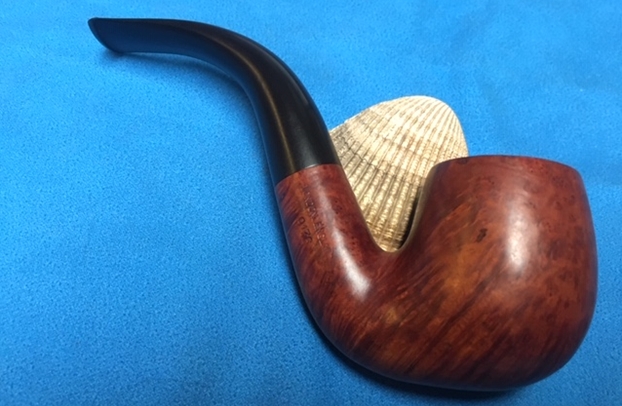
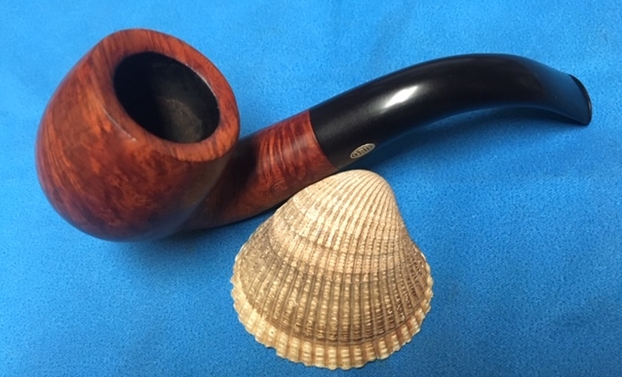
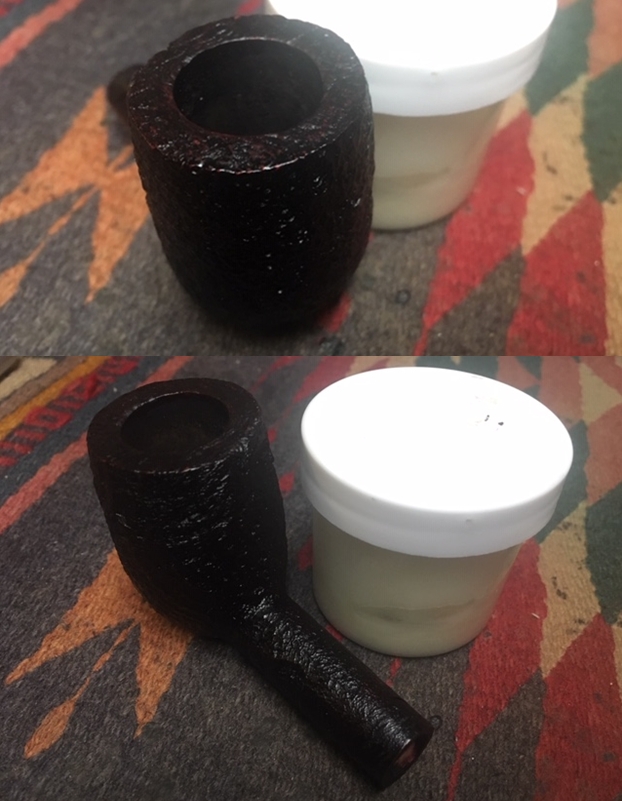
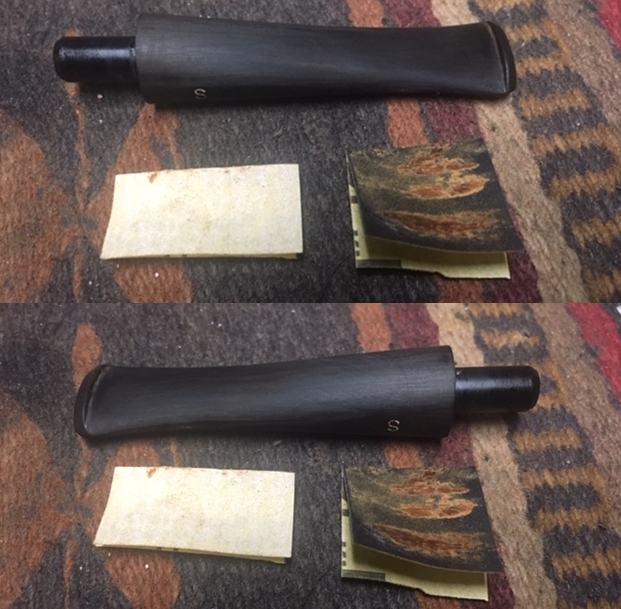
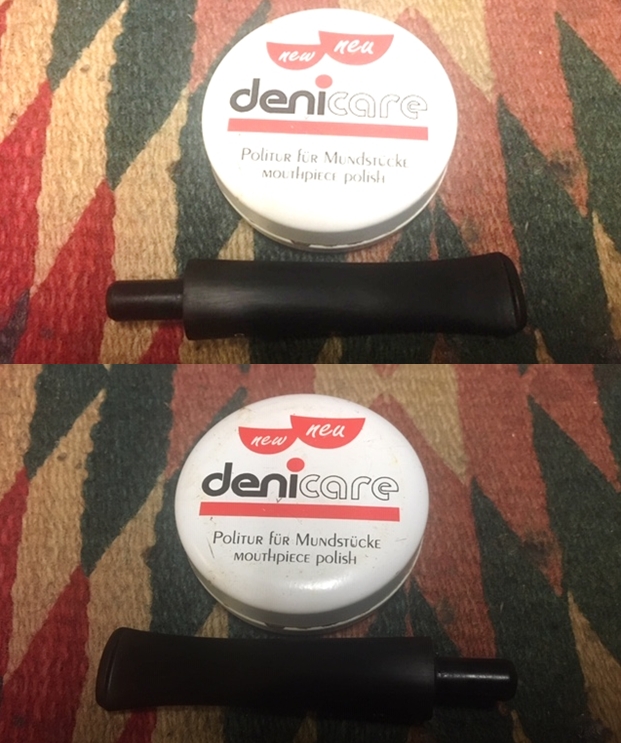
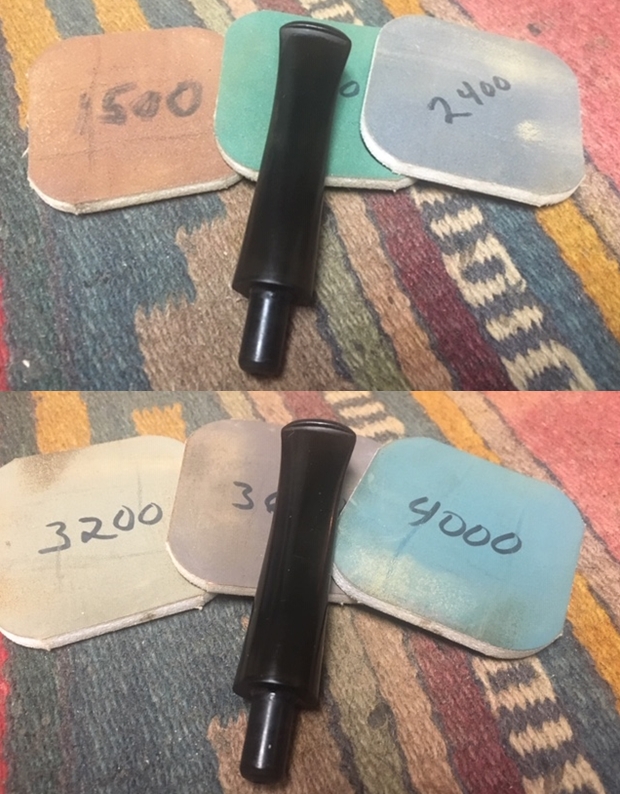
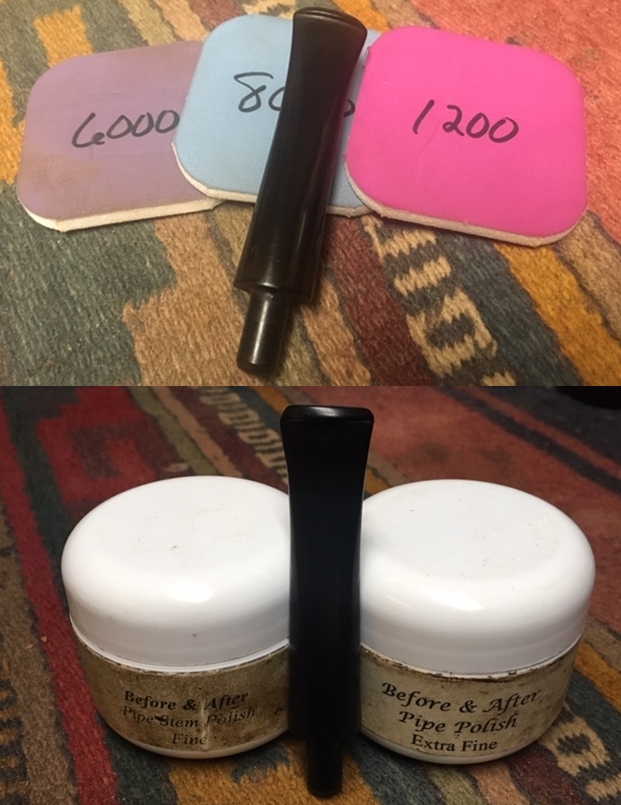
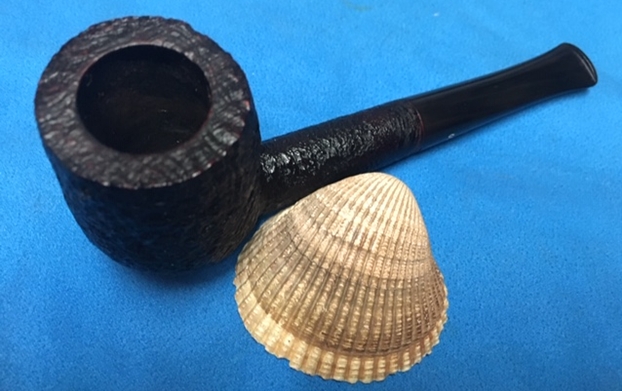
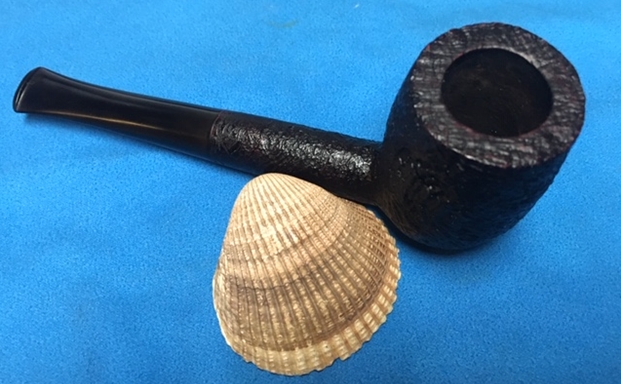
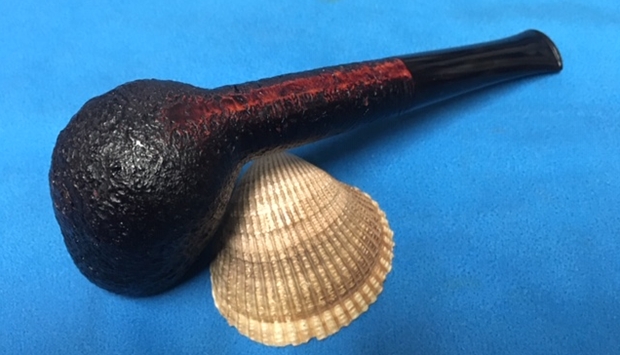
Now on to the rest of the restoration on this Stanwell made Danish Sovereign 305 Bulldog. Since Jeff had done such an amazing clean up job on the bowl it was very easy for me. I decided to address the damage to the fills on the left side and the bottom of the bowl. The fill on the left can be seen in the first photo below. In the second photo of the bowl underside below you can see what appears to be a crack to the naked eye. It is not a crack but rather a series of 5-7 fills in a cluster. They form almost an “H” shaped figure on the bowl bottom. The fills all showed pits and flaws in the original putty repairs.I wiped the areas down with alcohol and filled in the damaged spots on the fill with clear super glue. The next three photos show the extent of the repairs to the briar. When the repair had cured I sanded them with 220 grit sandpaper until the surface as smooth.I started the polishing process on the repaired areas with 400 grit wet dry sandpaper. The repairs are solid on both the side and the bottom of the shank.While I was at it with the sandpaper I worked on the damaged rim edge with the 220 grit sandpaper and the 400 grit wet dry sandpaper. When I was finished the rim looked better.I decided to polish the bowl as a whole with micromesh sanding pads – wet sanding with 1500-12000 grit pads and wipe the bowl down after each pad with a damp cloth to remove the sanding dust. The outcome of the polishing is a rich deep shine that is only enhanced by the wax at the end of the process. I decided to clean the briar with Mark Hoover’s Before & After Briar Cleaner to clean up the sanded surface of the briar and blend the repairs into the briar. I rubbed it into the surface of the briar and let it sit for 10 minutes. I rinsed the bowl off with warm running water to remove the product and the grime. I used an Oak stain pen to touch up the sanded areas on the bottom and side of the bowl. I stained the rim top at the same time. I rubbed the bowl down with Before & After Restoration Balm at this point in the process. I worked it into the surface of the briar with my fingertips to clean, enliven and protect it. I let the balm sit for a little while and then buffed with a cotton cloth and shoe brush to raise the shine. I use this product on every pipe that I work on as it really works. Have a look at the stained portions of the bowl. The product really worked to blend it into surrounding bowl colour. I set the bowl aside and turned my attention to the stem. I “painted” the tooth indentations on the top and underside with a “Bic” style lighter. Since vulcanite has memory the dents lifted nicely and I would be able to lightly sand the stem to remove the remaining marks.  I sanded the stem with 220 grit sandpaper to break up the oxidation. I started the polishing with 400 grit wet dry sandpaper to remove the scratching. It is starting to look good. I rubbed the stem down with Denicare Mouthpiece Polish. I have a few tins of this laying around so I am trying to use them up. It does a pretty good job polishing the stem.  I polished the stem with micromesh sanding pads – wet sanding with 1500-12000 grit pads. I wiped the stem down after each sanding pad with Obsidian Oil. I polished it with Before & After Pipe Stem Polish – both Fine and Extra Fine. Once I had finished the polishing I gave it final coat of oil and set it aside to dry.    With Bob’s pipes I am always excited to be on the homestretch and seeing the final look when it is put back together, polished and waxed. I put the bowl and stem back together. I polished the bowl and stem with Blue Diamond to polish out the scratches in the briar and the vulcanite. I gave the bowl and the stem multiple coats of carnauba wax. I buffed the pipe with a clean buffing pad to raise the shine. I hand buffed it with a microfiber cloth to deepen the shine. The pipe polished up pretty nicely. The birdseye grain on the sides of the bowl and the cross grain on the front and back looked good with the polished black vulcanite. This Stanwell made Danish Sovereign Danish Style Bulldog was another fun pipe to work on thanks to Jeff’s cleanup work. The combination of various brown stains really makes the pipe look attractive. It is a comfortable pipe to hold in the hand. The finished pipe is shown in the photos below. The dimensions of the pipe are Length: 5 ¼ inches, Height: 2 inches, Outside diameter of the bowl: 1 ¼ inches, Chamber diameter: ¾ of an inch. This one will go on the rebornpipes store shortly if you would like to carry on Bob’s legacy with it. No worries though, I have a lot more to work on of various brands. Perhaps one of those will catch your attention. Thanks for reading this blog and my reflections on the pipe while I worked on it. This is an interesting estate to bring back to life.

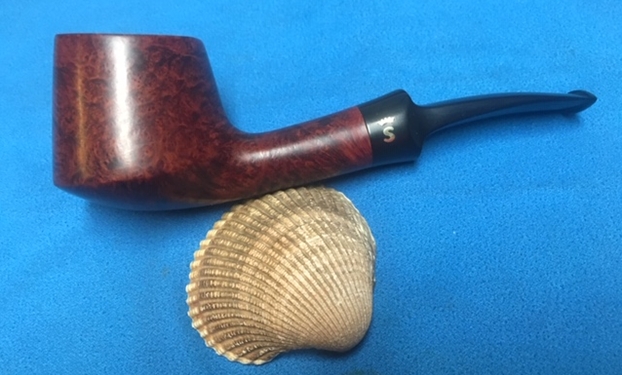
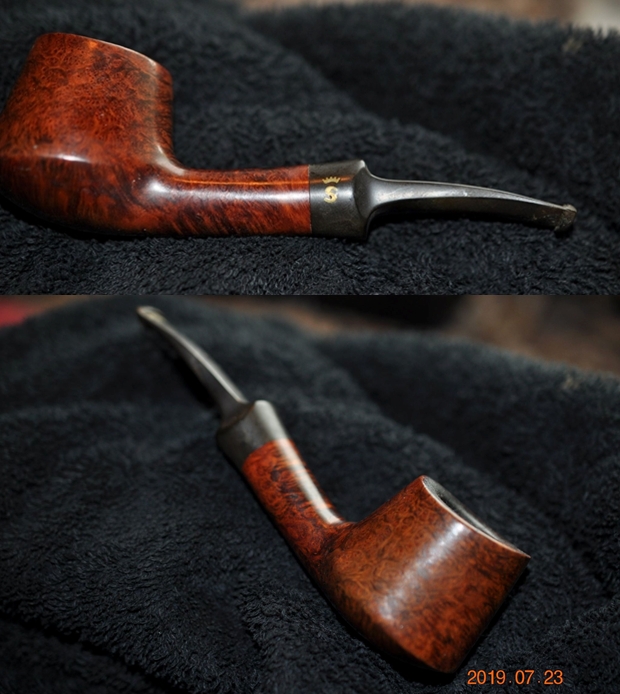
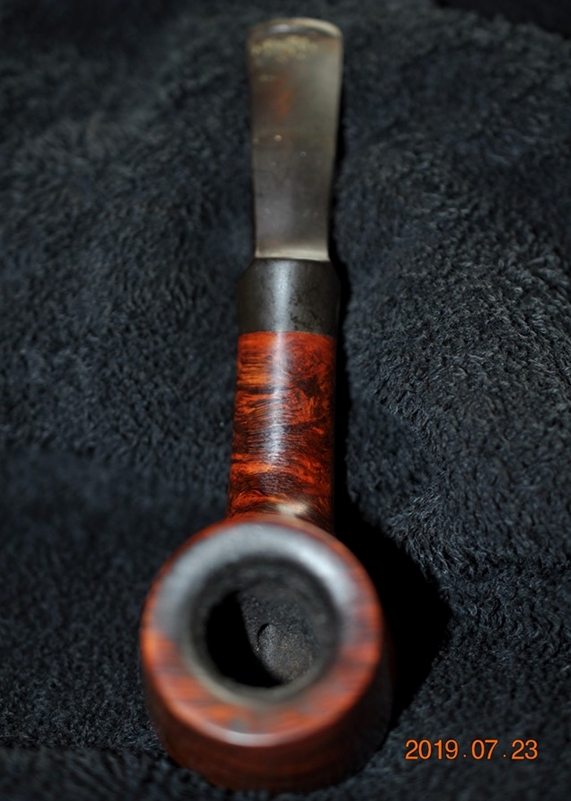
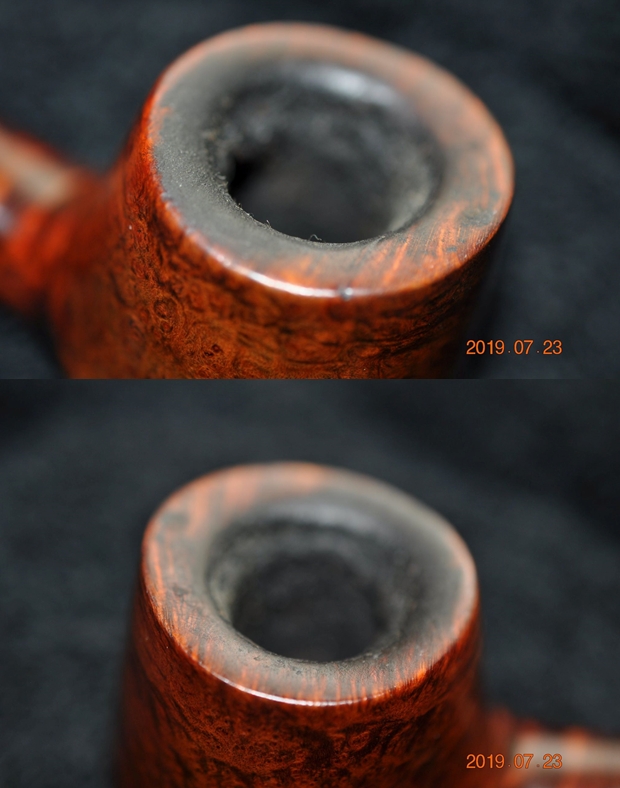
Another Bob Kerr Estate – A Stanwell Jubilee 1942-1982 Shape 118


Blog by Steve Laug

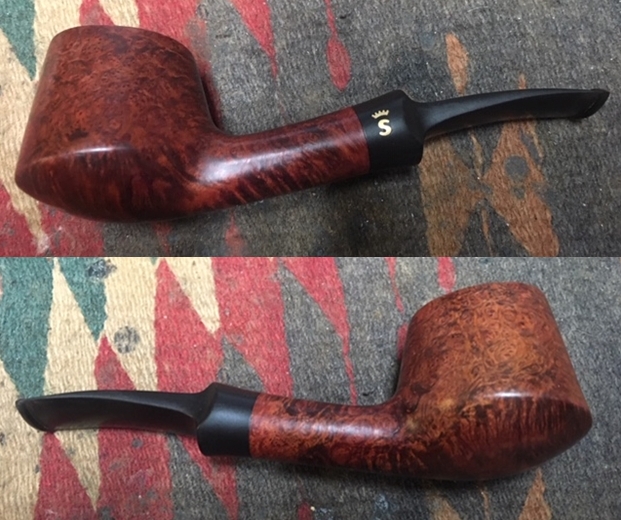
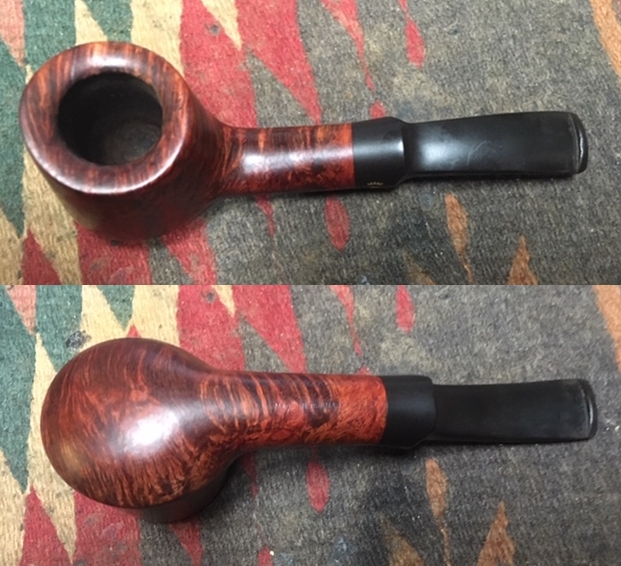
I am having some fun with Bob’s pipes now that Jeff has done the cleanup on them. When I was doing both the cleanup and restoration it was slow moving and tedious as he had smoked these pipes last in the 90s and the cake was rock hard and the pipes were dirty. The next pipe is a Stanwell Jubilee 1942-1982 Freehand designed by Sixteen Ivarrson. It is a shape 118 which is a saddle stem Danish take on a pot. This is another of Bob’s Stanwell pipes that I am working on. I am cleaning them for the family and moving them out into the hands of pipemen and women who will carry on the trust that began with Bob and in some pipes was carried on by Bob. In the collection there were 19 Peterson’s pipes along with a bevy of Dunhills, some Comoy’s and Barlings as well as a lot of other pipes – a total of 125 pipes along with a box of parts. This is the largest estate that I have had the opportunity to work on. I put together a spread sheet of the pipes and stampings to create an invoice. I was taking on what would take me a fair amount of time to clean up. I could not pass up the opportunity to work on these pipes though. They were just too tempting. This beautiful Stanwell is an interesting and unique shape to work on.

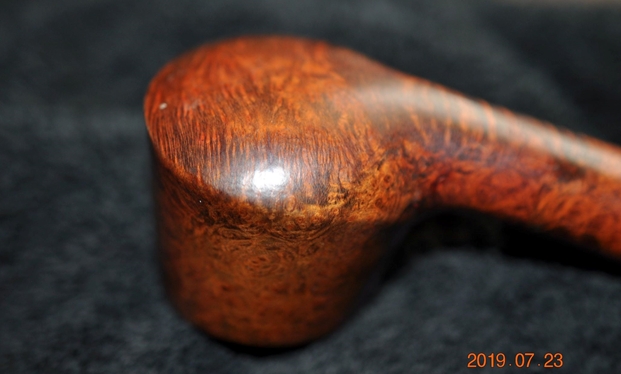
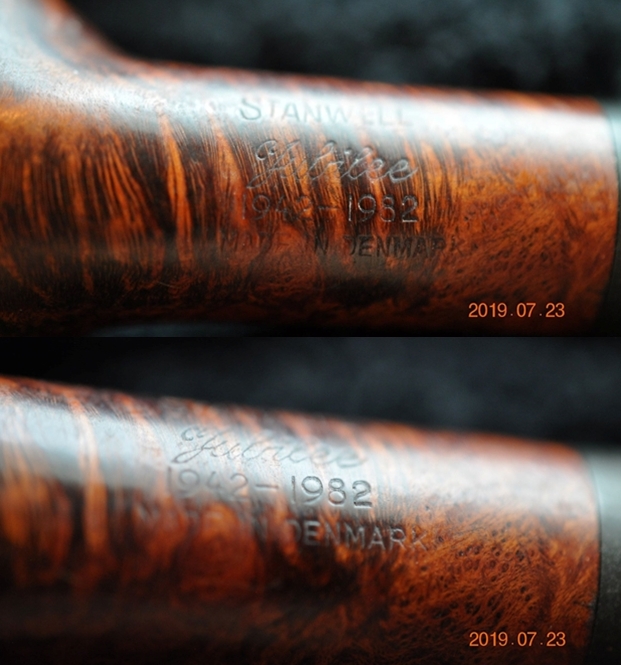
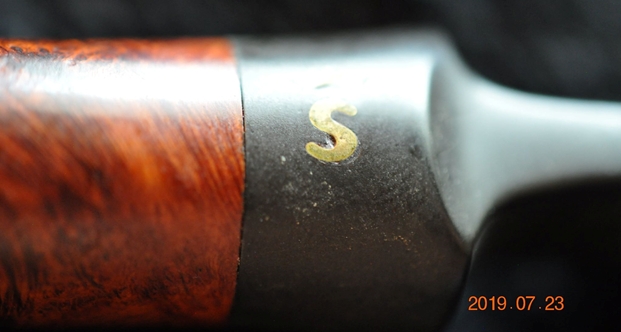
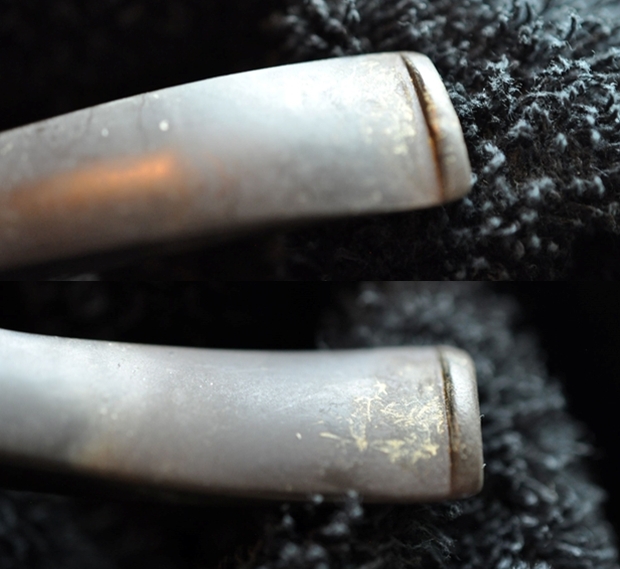
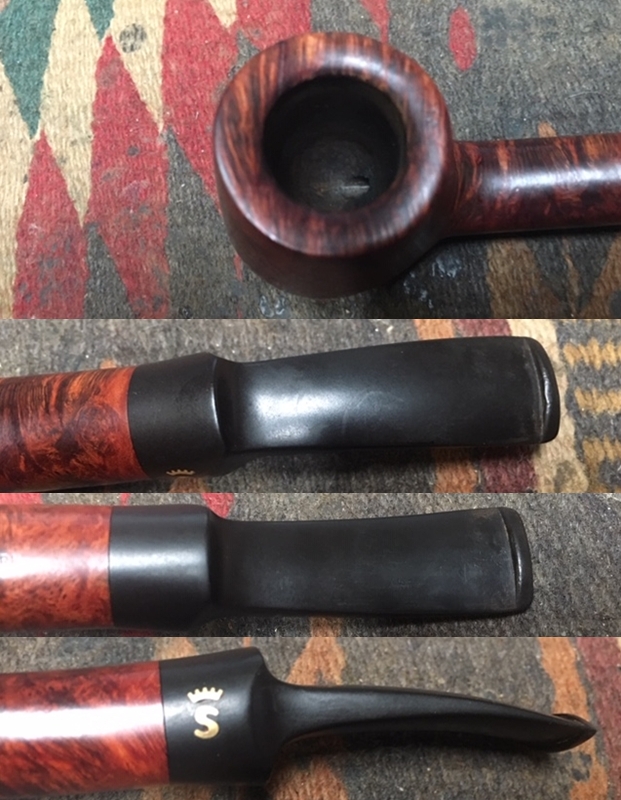
Stanwell did a great job on the shape and finish of this pipe. The layout of the shape to the grain is perfect with birdseye on the sides and cross grain on the front and back of the bowl. It is a beauty. To me the shape is a Danish take on a pot – though with the rounded bottom and scooped bowl it has come a long way. The pipe is stamped Stanwell in script. Below that it is stamped Jubilee with the dates 1942-1982 over Made in Denmark. To me a jubilee is 50 years and this only commemorates 40 years but that is Stanwell’s decision! The bowl has a rich contrasting brown stain that makes the grain pop. There was a thick cake in the bowl with remnants of tobacco stuck on the walls. There was a fair lava overflow built up on the rim top. The edges of the rim and top are dirty but look pretty pristine under the grime. It was a beautiful pipe that was dirty and tired looking. The stem was lightly oxidized with a lot of tooth chatter and marks on both sides near the button. Again, surprisingly it did not have the deep tooth marks that I have come to expect from Bob’s pipes. Jeff took photos of the pipe before he started his cleanup work on it. Jeff took photos of the bowl and rim top to show the cake in the bowl and the lava build up on the edges of the bowl. It was thick and hard but hopefully it had protected the rim and edges from damage. The edges look pretty good. Jeff took a photo of the heel of the bowl to show the condition of the finish. You can see the beautiful cross grain running from side to side and the birdseye on the side of the bowl. Though the pipe is quite dirty the grain and layout are stunning. This is a gorgeous pipe. Jeff took photos of the stamping on the underside of the bowl and shank. Together the two photos capture the stamping that wrapped up the sides a bit. The stamping was readable as you can see from the photos. It read as noted above. On the right side of the shank is the shape number 118. The third photo shows the gold inlaid Crown S on the left side of the stylized saddle stem. Jeff took photos of the top and underside of the stem showing the tooth chatter, scratching and oxidation on the stem surface and wear on the edges of the button. Since I already had a pretty good idea of when the pipe was made from the stamping – Jubilee 1942-1982 I did not need to do much research on that. The pipe obviously was a commemorative of the 40 years of Stanwell history made around 1982. I also knew that the shape was designed by Sixten Ivarrson. I am including the link on Pipedia’s article on Stanwell as it is a great read in terms of the history of the brand (https://pipedia.org/wiki/Stanwell).

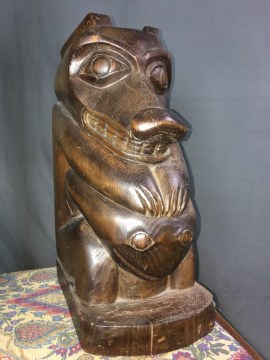
With over 125 pipes to clean from Bob’s estate I took a batch of them to the states with me on a recent visit and left them with Jeff so he could help me out. I am really glad that Jeff cleaned the pipe with his usual penchant for thoroughness that I really appreciate. This one was a real mess and I did not know what to expect when I unwrapped it from his box. He reamed it with a PipNet pipe reamer and cleaned up the reaming with a Savinelli Fitsall Pipe Knife. He scrubbed out the internals with alcohol, pipe cleaners and cotton swabs until the pipe was clean. He scrubbed the exterior of the bowl with Murphy’s Oil Soap and a tooth brush to remove the grime and grit on the briar and the lava on the rim top. The finish looks very good with good looking grain around the bowl and shank. Jeff soaked the stem in Before & After Deoxidizer to remove the oxidation on the rubber. When the pipe arrived here in Vancouver for the second stop of its restoration tour it looked very good. I took photos before I started my part of the work. I took some close up photos of the rim top and also of the stem surface. Once again Jeff did a remarkable job in his cleanup of the rim top. The bowl and the rim top look very good. The grain really stands out and the edges look very good. I also took close up photos of the stem to show the lack of tooth marks on the stem surface. You can also see the slight wear to the button edge.Since this is another pipe Bob’s estate I am sure that some of you have read at least some of the other restoration work that has been done on the previous pipes. You have also read what I have included about Bob Kerr, the pipeman who held these pipes in trust before I came to work on them (see photo to the left). Also, if you have followed the blog for long you will already know that I like to include background information on the pipeman whose pipes I am restoring. For me, when I am working on an estate I really like to have a sense of the person who held the pipes in trust before I worked on them. It gives me another dimension of the restoration work. I asked Brian if he or his wife would like to write a brief biographical tribute to her father, Bob. His daughter worked on it and I received the following short write up on him and some pictures to go along with the words including one of Bob’s carvings. Once again I thank you Brian and tell your wife thank you as well.

I am delighted to pass on these beloved pipes of my father’s. I hope each user gets many hours of contemplative pleasure as he did. I remember the aroma of tobacco in the rec room, as he put up his feet on his lazy boy. He’d be first at the paper then, no one could touch it before him. Maybe there would be a movie on with an actor smoking a pipe. He would have very definite opinions on whether the performer was a ‘real’ smoker or not, a distinction which I could never see but it would be very clear to him. He worked by day as a sales manager of a paper products company, a job he hated. What he longed for was the life of an artist, so on the weekends and sometimes mid-week evenings he would journey to his workshop and come out with wood sculptures, all of which he declared as crap but every one of them treasured by my sister and myself. Enjoy the pipes, and maybe a little of his creative spirit will enter you!

Now on to the rest of the restoration on this Stanwell Jubilee shape 118. Since Jeff had done such an amazing clean up job on the bowl it was very easy for me. Because it was smooth briar and seemed to show some fine scratches in the finish I decided to do a bit of polishing on the bowl. When this is the case I polish the briar with micromesh sanding pads – wet sanding with 1500-12000 grit pads and wipe the bowl down after each pad with a damp cloth to remove the sanding dust. The outcome of the polishing is a rich deep shine that is only enhanced by the wax at the end of the process. I rubbed the bowl down with Before & After Restoration Balm at this point in the process. I worked it into the surface of the briar with my fingertips to clean, enliven and protect it. I let the balm sit for a little while and then buffed with a cotton cloth and shoe brush to raise the shine. I use this product on every pipe that I work on as it really works. I set the bowl aside and turned my attention to the stem. I “painted” the tooth indentations on the top and underside with a “Bic” style lighter. Since vulcanite has memory the dents lifted nicely and I would be able to lightly sand the stem to remove the remaining marks.  I sanded the stem with 220 grit sandpaper to break up the oxidation. I started the polishing with 400 grit wet dry sandpaper to remove the scratching. It is starting to look good. I rubbed the stem down with Denicare Mouthpiece Polish. I have a few tins of this laying around so I am trying to use them up. It does a pretty good job polishing the stem.   I polished the stem with micromesh sanding pads – wet sanding with 1500-12000 grit pads. I wiped the stem down after each sanding pad with Obsidian Oil. I polished it with Before & After Pipe Stem Polish – both Fine and Extra Fine. Once I had finished the polishing I gave it final coat of oil and set it aside to dry. With Bob’s pipes I am always excited to be on the homestretch and seeing the final look when it is put back together, polished and waxed. I put the bowl and stem back together. I polished the bowl and stem with Blue Diamond to polish out the scratches in the briar and the vulcanite. I gave the bowl and the stem multiple coats of carnauba wax. I buffed the pipe with a clean buffing pad to raise the shine. I hand buffed it with a microfiber cloth to deepen the shine. The pipe polished up pretty nicely. The birdseye grain on the sides of the bowl and the cross grain on the front and back looked good with the polished black vulcanite. This Stanwell Jubilee 118 Ivarrson design was another fun pipe to work on thanks to Jeff’s cleanup work. It really has that classic Stanwell finish that catches the eye. The combination of various brown stains really makes the pipe look attractive. It is a comfortable pipe to hold in the hand. The finished pipe is shown in the photos below. The dimensions of the pipe are Length: 5 ½ inches, Height: 1 ½ inches, Outside diameter of the bowl: 1 ½ inches, Chamber diameter: ¾ of an inch. I am seriously thinking of keeping this one in my own collection and carrying on Bob’s legacy with it. No worries though, I have a lot more to work on of various brands. Perhaps one of those will catch your attention. Thanks for reading this blog and my reflections on the pipe while I worked on it. This is an interesting estate to bring back to life.

Cleaning up a GBD London Made 9664


Blog by Steve Laug

The next pipe I chose to work on has been sitting on my desk for a few weeks and since I just finished an older GBD Standard I decided to pick this GBD London Made up and work on it. It came in a recent box from my brother Jeff. He picked it up in one of the online auctions he frequents. It is interestingly shaped GBD – not even sure what I would call the shape as it is a bit of a Dublin and a bit of a pick axe. Very unique. The pipe is stamped on the top of the oval shank GBD in and oval London Made. On the underside of the shank it is stamped London, England over 9664 with a letter “E” stamped near the stem shank junction. The grain showing through the grime is a mix of swirls, cross grain and birdseye around the bowl sides and shank. It had a rich reddish brown stain but the finish was dirty and hard to see the colour well. There was a thick cake in the bowl and a light overflow of lava on the rim top. There was some darkening around the inner edge of the bowl and what looked like some damage toward the back edge. The stem was oxidized with light tooth marks and chatter on the top and underside near the button. The button was in excellent condition. Jeff took photos of the pipe before he started his cleanup work on it. Jeff took photos of the bowl and rim top to show the cake in the bowl and the lava build up on the edges of the bowl. The cake and edge speak to this being a good smoking pipe.Jeff took photos of the sides and heel of the bowl to show the condition of the finish – the pipe was dirty but the finish appeared to be in very good condition.  Jeff took photos of the stamping on the topside of the oval shank. The stamping was very readable – it read GBD in an oval over London Made. On the underside it read London, England over the shape number 9664 with the letter “E” near the shank/stem union.  Jeff took photos of the top and underside of the stem showing the scratching, oxidation and light tooth damage to the stem surface and slight wear to the edges of the button. I turned to Pipedia’s article on GBD to see if I could find any information on the London Made. The article gives a lot in terms of the history of the brand and a list of various lines of GBD pipes (https://pipedia.org/wiki/GBD_Model_Information). I quote the section where I found the reference to the London Made.

London Made — Factory unknown: Some might not be marked with GBD logo and some with additional “house” stampings. Introduced in 1978(?) plain wax finished branded pipes” available in at least six stains. – catalog (1981)

With that information in hand I knew what I was dealing with in terms of the stamping and the age of this pipe. I knew from the information from the section quoted that the London Made originally came out in 1978 in a variety of colours. Now I had an idea of the age of the pipe and it was time to work on the pipe.

Jeff cleaned the pipe with his usual penchant for thoroughness that I really appreciate. This one was a real mess and I did not know what to expect when I unwrapped it from his box. He reamed it with a PipNet pipe reamer and cleaned up the reaming with a Savinelli Fitsall Pipe Knife. He scrubbed out the internals with alcohol, pipe cleaners and cotton swabs until the pipe was clean. He scrubbed the exterior of the bowl with Murphy’s Oil Soap and a tooth brush to remove the grime and grit on the briar and the lava on the rim top. The finish looks very good with good looking grain around the bowl and shank. Jeff soaked the stem in Before & After Deoxidizer to remove the oxidation on the rubber. When the pipe arrived here in Vancouver for the second stop of its restoration tour it looked very good. I took photos before I started my part of the work. I took some close up photos of the rim top and also of the stem surface. I wanted to show the clean top and the damage to the inner edge. The back of the bowl had been charred and there was some roughening and darkening around the rest of the inner edge of the bowl. The inside of the bowl looked very good. I also took close up photos of the stem to show the remaining oxidation and the lack of tooth marks and chatter in front of the button on both sides. There is also a faint remnant of the GBD oval stamp on the top of the saddle.I also took photos of the stamping on the pipe on the top underside of the shank. It read as noted above.  I started my work on the pipe by addressing the burned area on the inner edge of the rim. I used a folded piece of 220 grit sandpaper to smooth out the damage and give the edge a very slight bevel to remove the damage.I worked some Before & After Restoration Balm into the finish of the bowl and the rim top with my fingertips to clean, enliven and protect it. I find that the balm really makes the briar come alive again. The contrasts in the layers of stain really made the grain stand out. I let the balm sit for a little while and then buffed with a cotton cloth to raise the shine. The pipe really looks good at this point. I am very happy with the results.  I set the bowl aside and started working on the stem. I sanded the stem with 220 grit sandpaper to blend the chatter and remaining marks into the surface of the stem. I started the polishing with 400 grit wet dry sandpaper. I wiped the stem off with Obsidian Oil to remove the dust and see where I was at with the stem. I rubbed the stem down with Denicare Mouthpiece Polish. I have a few tins of this laying around so I am trying to use them up. It does a pretty good job polishing the stem. I polished the stem with micromesh sanding pads – wet sanding it with 1500-12000 grit pads and wiped it down with Obsidian Oil. I polished it further with Before & After Pipe Stem Polish – both fine and extra fine. I finished by wiping it down with Obsidian Oil and set it aside to dry. I put the stem back on the bowl and polished the bowl and stem with Blue Diamond polish on the buffing wheel. I gave the bowl and the stem multiple coats of carnauba wax. I buffed the pipe with a clean buffing pad to raise the shine. I hand buffed it with a microfiber cloth to deepen the shine. The shine on it makes the variations of colour really pop. The pipe polished up really well. The polished black vulcanite stem seemed to truly come alive with the buffing. This uniquely shaped pipe feels great in my hand and when it warms with smoking I think it will be about perfect. It must have been a fine smoking pipe judging from the condition it was when we received it. There should be a lot of life left in this GBD London Made 9664E.  Have a look at it in the photos below. The dimensions are Length: 5 ½ inches, Height: 1 ¾ inches, Outside diameter of the bowl: 1 ½ inches, Chamber diameter: ¾ of an inch. This is one that will go on the rebornpipes online store shortly. If you want to carry on the pipe trust of this unique GBD London Made let me know. Thanks to each of you who are reading this blog. Remember we are not pipe owners, we are pipemen and women who hold our pipes in trust until they pass on into the trust of the next pipeman or woman.

Back to Bob Kerr’s Estate – Working on a GBD Standard 9136 Bent Billiard


Blog by Steve Laug

I am changing up my work on Bob Kerr’s estate again by taking on this GBD Standard 9136 bent billiard. This is the first of his GBD pipes that I am working on. I am cleaning them for the family and moving them out into the hands of pipemen and women who will carry on the trust that began with Bob and in some pipes was carried on by Bob. In the collection there were 19 Peterson’s pipes along with a bevy of Dunhills, some Comoy’s and Barlings as well as a lot of other pipes – a total of 125 pipes along with a box of parts. This is the largest estate that I have had the opportunity to work on. I put together a spread sheet of the pipes and stampings to create an invoice. I was taking on what would take me a fair amount of time to clean up. I could not pass up the opportunity to work on these pipes though. They were just too tempting. This lovely GBD Standard is a great break. It is a shape that is interesting and unique. It will go on the rebornpipes store.

I have been collecting and restoring GBD pipes for as long as I have worked on pipes. This one also has some beautiful mixed grain – birdseye, cross and flame grain. It is a beauty! The pipe is stamped GBD over Standard on the left side of the shank. On the right side it is stamped London, England followed by the shape number, 9136. The swirls of grain poking through the grime and dirt are a mixture that leaves a rich look and feel. It had a rich brown stain that does not look too bad. There are nicks in the briar on the sides and heel of the bowl. There was a thick cake in the bowl with remnants of tobacco stuck on the walls. There was a light lava overflow on the rim. The edges of the rim and top are dirty but look pretty pristine under the grime. It was a beautiful pipe that was dirty and tired looking. The stem was oxidized and calcified toward the end. Again, surprisingly did not have the tooth marks that I have come to expect from Bob’s pipes. Jeff took photos of the pipe before he started his cleanup work on it. Jeff took photos of the bowl and rim top to show the cake in the bowl and the lava build up on the edges of the bowl. It was thick and hard but hopefully it had protected the rim and edges from damage. The edges look pretty good. Jeff took photos of the sides and heel of the bowl to show the condition of the finish. You can see the beautiful grain. The front of the bowl had some deep nicks toward the bottom of the bowl as seen in the first photo. The finish was very dirty.   Jeff took photos of the stamping on the smooth panel on the underside of the bowl and shank. The stamping was readable as you can see from the photos. On the left side it read GBD in an oval over Standard. On the right side it read London, England over 9136. On the left side of the stem was an inlaid GBD roundel.  Jeff took photos of the top and underside of the stem showing the tooth chatter, scratching and oxidation on the stem surface and wear on the edges of the button.I turned to Pipedia’s article on GBD to see if I could find any information on the Standard. I was familiar with the New Standard but not the Standard. The article gives a lot in terms of the history of the brand (https://pipedia.org/wiki/GBD). I quote the section where I found the reference to the Standard.

The claims after the 1st World War demanded further distinctions. First of all was the London Made, which became the Standard London Made, followed by the New Era– in 1931 the top model asking 12½ Shilling. The Pedigree, although sketched around 1926, was not produced until the later 1930s. The New Standard was introduced in order to give the popular Standard of the 20s a higher rank in value. The Prehistoric, a deeply sandblasted black pipe, that still carried the small GBD Xtra stamp, was entirely new and unusual.

With that information in hand I knew what I was dealing with in terms of the stamping and the age of this pipe. I knew from the information from the section quoted that the Standard originally came out in the 20s. In the late 1930s the New Standard was introduced after the war. So this is one of Bob’s older pipes – late 1920s to early 30s. Now it was time to work on the pipe.

With over 125 pipes to clean from Bob’s estate I took a batch of them to the states with me on a recent visit and left them with Jeff so he could help me out. Jeff cleaned the pipe with his usual penchant for thoroughness that I really appreciate. This one was a real mess and I did not know what to expect when I unwrapped it from his box. He reamed it with a PipNet pipe reamer and cleaned up the reaming with a Savinelli Fitsall Pipe Knife. He scrubbed out the internals with alcohol, pipe cleaners and cotton swabs until the pipe was clean. He scrubbed the exterior of the bowl with Murphy’s Oil Soap and a tooth brush to remove the grime and grit on the briar and the lava on the rim top. The finish looks very good with good looking grain around the bowl and shank. Jeff soaked the stem in Before & After Deoxidizer to remove the oxidation on the rubber. When the pipe arrived here in Vancouver for the second stop of its restoration tour it looked very good. I took photos before I started my part of the work. I took some close up photos of the rim top and also of the stem surface. I wanted to show what an amazing job Jeff did in the cleanup of the rim top. The rim top looks very good. The sandblast finish is very nice. The bowl looked very good. I also took close up photos of the stem to show the lack of tooth marks and the remaining oxidation on the stem surface. Since this is another pipe Bob’s estate I am sure that some of you have read at least some of the other restoration work that has been done on the previous pipes. You have also read what I have included about Bob Kerr, the pipeman who held these pipes in trust before I came to work on them (see photo to the left). Also, if you have followed the blog for long you will already know that I like to include background information on the pipeman whose pipes I am restoring. For me, when I am working on an estate I really like to have a sense of the person who held the pipes in trust before I worked on them. It gives me another dimension of the restoration work. I asked Brian if he or his wife would like to write a brief biographical tribute to her father, Bob. His daughter worked on it and I received the following short write up on him and some pictures to go along with the words including one of Bob’s carvings. Once again I thank you Brian and tell your wife thank you as well.

I am delighted to pass on these beloved pipes of my father’s. I hope each user gets many hours of contemplative pleasure as he did. I remember the aroma of tobacco in the rec room, as he put up his feet on his lazy boy. He’d be first at the paper then, no one could touch it before him. Maybe there would be a movie on with an actor smoking a pipe. He would have very definite opinions on whether the performer was a ‘real’ smoker or not, a distinction which I could never see but it would be very clear to him. He worked by day as a sales manager of a paper products company, a job he hated. What he longed for was the life of an artist, so on the weekends and sometimes mid-week evenings he would journey to his workshop and come out with wood sculptures, all of which he declared as crap but every one of them treasured by my sister and myself. Enjoy the pipes, and maybe a little of his creative spirit will enter you!

Now on to the rest of the restoration on this GBD Standard Bent Billiard. Since Jeff had done such an amazing clean up job on the bowl it was very easy for me. There was some small damage on the front of the bowl that needed to be address. It was surrounded by a shiny ring that looked like someone had tried to repair it before. I wiped it down with acetone and filled in the damaged area with clear super glue. When the glue dried I sanded the repaired area down with 220 grit sandpaper and polished it with 400 grit wet dry sandpaper.I polished the briar with micromesh sanding pads – wet sanding with 1500-12000 grit pads and wiped the bowl down after each pad with a damp cloth to remove the sanding dust. I touched up the sanded area with an oak stain pen. I carefully blended it into the surrounding surface of the briar.I rubbed the bowl down with Before & After Restoration Balm. I worked it into the surface of the briar with my fingertips and a horsehair shoe brush to clean, enliven and protect it. I let the balm sit for a little while and then buffed with a cotton cloth and shoe brush to raise the shine. Mark Hoover’s Balm is a product that I have come to appreciate and one I use on every pipe I have been working on. I set the bowl aside and turned my attention to the stem. I sanded the stem with 220 grit sandpaper to break up the oxidation. I started the polishing with 400 grit wet dry sandpaper to remove the scratching. It is starting to look good. I rubbed the stem down with Denicare Mouthpiece Polish. I have a few tins of this laying around so I am trying to use them up. It does a pretty good job polishing the stem. I polished the stem with micromesh sanding pads – wet sanding with 1500-12000 grit pads. I wiped the stem down after each sanding pad with Obsidian Oil. I polished it with Before & After Pipe Stem Polish – both Fine and Extra Fine. Once I had finished the polishing I gave it final coat of oil and set it aside to dry. I am excited to be on the homestretch with this pipe and I look forward to the final look when it is put back together, polished and waxed. I put the bowl and stem back together. I polished the bowl and stem with Blue Diamond to polish out the scratches in the briar and the vulcanite. I gave the bowl and stem multiple coats of carnauba wax. I buffed the pipe with a clean buffing pad to raise the shine. I hand buffed it with a microfiber cloth to deepen the shine. The pipe polished up pretty nicely. The grain really popped with the polished black vulcanite. This old GBD Standard bent billiard was another fun pipe to work on thanks to Jeff’s cleanup work. It really has a shape that catches the eye. The combination of various brown stains really makes the pipe look attractive. It is a comfortable pipe to hold in the hand. The finished pipe is shown in the photos below. The dimensions of the pipe are Length: 6 inches, Height: 1 ¾ inches, Outside diameter of the bowl: 1 3/8 inches, Chamber diameter: ¾ of an inch. If you are interested in carrying on Bob’s legacy with this pipe send me a message or an email. I have a lot more to work on of various brands. Perhaps one of those will catch your attention. Thanks for reading this blog and my reflections on the pipe while I worked on it. This is an interesting estate to bring back to life.

Back to Bob Kerr’s Estate – Changing Up and Working on a Danish Made Stanwell de Luxe 812 Billiard Regd. No. 969-48


Blog by Steve Laug

I am changing up my work on Bob Kerr’s estate a bit by taking on this Stanwell de Luxe 812 sandblast billiard. This is the first of his Stanwell pipes that I am working on. I am cleaning them for the family and moving them out into the hands of pipemen and women who will carry on the trust that began with Bob and in some pipes was carried on by Bob. In the collection there were 19 Peterson’s pipes along with a bevy of Dunhills, some Comoy’s and Barlings as well as a lot of other pipes – a total of 125 pipes along with a box of parts. This is the largest estate that I have had the opportunity to work on. I put together a spread sheet of the pipes and stampings to create an invoice. I was taking on what would take me a fair amount of time to clean up. I could not pass up the opportunity to work on these pipes though. They were just too tempting. This beautiful Stanwell is a great break. It is a shape that is interesting and unique. It will go on the rebornpipes store.

I really like the sandblasts that the Danish Stanwell Company did. This one also has a rugged, swirling sandblast finish with lots of nooks and crannies in the briar. It is a beauty! The pipe is stamped Stanwell over Regd. No. 969-48. That is followed by the line which is de Luxe and the shape number 812. The valleys and ridges of the sandblasted grain showing through the grime and dirt are a mixture that leaves a rich texture. It had a rich dark and medium contrasting brown stain that does not look too bad. There was a thick cake in the bowl with remnants of tobacco stuck on the walls. There was a fair lava overflow filling in the blast on the rim. The edges of the rim and top are dirty but look pretty pristine under the grime. It was a beautiful pipe that was dirty and tired looking. The stem was oxidized and calcified toward the end. Again, surprisingly did not have the tooth marks that I have come to expect from Bob’s pipes. Jeff took photos of the pipe before he started his cleanup work on it.   Jeff took photos of the bowl and rim top to show the cake in the bowl and the lava build up on the edges of the bowl. It was thick and hard but hopefully it had protected the rim and edges from damage. The edges look pretty good.Jeff took photos of the sides and heel of the bowl to show the condition of the finish. You can see the beautiful swirls of the sandblast. There is a lot of dust and grime filling in the valleys. Jeff took photos of the stamping on the smooth panel on the underside of the bowl and shank. The stamping was readable as you can see from the photos. It read Stanwell Regd. No. 969-48. That is followed by de Luxe and the shape number 812. Jeff took photos of the top and underside of the stem showing the tooth chatter, scratching and oxidation on the stem surface and wear on the edges of the button. The “S” on the stem was in very good condition. Interestingly it did not have the crown over the “S”. I turned first to Pipephil’s site to get a quick idea of when this pipe was made by reference to the Regd. No. on the underside of the shank (http://www.pipephil.eu/logos/en/logo-stanwell.html). I quote what I found there. Logo without crown. The “Regd. No.” stamping discontinued in late 1960s to very early 1970s.

I also turned to Pipedia’s article on Stanwell but it did not add any further information. It is a great read in terms of the history of the brand (https://pipedia.org/wiki/Stanwell).

Talking with Chris van Hilst on Facebook Tobacco Pipe Restorers Group he helped me understand that the crown was introduced mid- to late 50’s. Before that they didn’t have a stem logo.

With that information in hand I knew what I was dealing with in terms of the stamping and the age of this pipe. I knew from the information from Pipephil that the Regd. No. stamping was discontinued in the late 60s to very early in the 70s. I learned from Chris that the crown was added late in the 1950s so this one is most probably an early 1950s pipe. Most of Bob’s pipes were purchased between the 50s and late 60s so my guess is that this pipe fits that time frame. Now it was time to work on the pipe.

With over 125 pipes to clean from Bob’s estate I took a batch of them to the states with me on a recent visit and left them with Jeff so he could help me out. Jeff cleaned the pipe with his usual penchant for thoroughness that I really appreciate. This one was a real mess and I did not know what to expect when I unwrapped it from his box. He reamed it with a PipNet pipe reamer and cleaned up the reaming with a Savinelli Fitsall Pipe Knife. He scrubbed out the internals with alcohol, pipe cleaners and cotton swabs until the pipe was clean. He scrubbed the exterior of the bowl with Murphy’s Oil Soap and a tooth brush to remove the grime and grit on the briar and the lava on the rim top. The finish looks very good with good looking grain around the bowl and shank. Jeff soaked the stem in Before & After Deoxidizer to remove the oxidation on the rubber. When the pipe arrived here in Vancouver for the second stop of its restoration tour it looked very good. I took photos before I started my part of the work. I took some close up photos of the rim top and also of the stem surface. I wanted to show what an amazing job Jeff did in the cleanup of the rim top. The rim top looks very good. The sandblast finish is very nice. The bowl looked very good. I also took close up photos of the stem to show the lack of tooth marks and the remaining oxidation on the stem surface.Since this is another pipe Bob’s estate I am sure that some of you have read at least some of the other restoration work that has been done on the previous pipes. You have also read what I have included about Bob Kerr, the pipeman who held these pipes in trust before I came to work on them (see photo to the left). Also, if you have followed the blog for long you will already know that I like to include background information on the pipeman whose pipes I am restoring. For me, when I am working on an estate I really like to have a sense of the person who held the pipes in trust before I worked on them. It gives me another dimension of the restoration work. I asked Brian if he or his wife would like to write a brief biographical tribute to her father, Bob. His daughter worked on it and I received the following short write up on him and some pictures to go along with the words including one of Bob’s carvings. Once again I thank you Brian and tell your wife thank you as well.

I am delighted to pass on these beloved pipes of my father’s. I hope each user gets many hours of contemplative pleasure as he did. I remember the aroma of tobacco in the rec room, as he put up his feet on his lazy boy. He’d be first at the paper then, no one could touch it before him. Maybe there would be a movie on with an actor smoking a pipe. He would have very definite opinions on whether the performer was a ‘real’ smoker or not, a distinction which I could never see but it would be very clear to him. He worked by day as a sales manager of a paper products company, a job he hated. What he longed for was the life of an artist, so on the weekends and sometimes mid-week evenings he would journey to his workshop and come out with wood sculptures, all of which he declared as crap but every one of them treasured by my sister and myself. Enjoy the pipes, and maybe a little of his creative spirit will enter you!

Now on to the rest of the restoration on this Stanwell de Luxe 812 Billiard. Since Jeff had done such an amazing clean up job on the bowl it was very easy for me. I only had to rub the bowl down with Before & After Restoration Balm. I worked it into the surface of the briar with my fingertips and a horsehair shoe brush to clean, enliven and protect it. I let the balm sit for a little while and then buffed with a cotton cloth and shoe brush to raise the shine. Mark Hoover’s Balm is a product that I have come to appreciate and one I use on every pipe I have been working on. I set the bowl aside and turned my attention to the stem. I sanded the stem with 220 grit sandpaper to break up the oxidation. I started the polishing with 400 grit wet dry sandpaper to remove the scratching. It is starting to look good. I rubbed the stem down with Denicare Mouthpiece Polish. I have a few tins of this laying around so I am trying to use them up. It does a pretty good job polishing the stem. I polished the stem with micromesh sanding pads – wet sanding with 1500-12000 grit pads. I wiped the stem down after each sanding pad with Obsidian Oil. I polished it with Before & After Pipe Stem Polish – both Fine and Extra Fine. Once I had finished the polishing I gave it final coat of oil and set it aside to dry. I am excited to be on the homestretch with this pipe and I look forward to the final look when it is put back together, polished and waxed. I put the bowl and stem back together. I polished the bowl and stem with Blue Diamond to polish out the scratches in the briar and the vulcanite. I gave the bowl multiple coats of Conservator’s Wax and the stem multiple coats of carnauba wax. I buffed the pipe with a clean buffing pad to raise the shine. I hand buffed it with a microfiber cloth to deepen the shine. The pipe polished up pretty nicely. The valleys and ridges of the sandblast looked good with the polished black vulcanite. This Stanwell de Luxe 812 billiard was another fun pipe to work on thanks to Jeff’s cleanup work. It really has that classic Stanwell sandblast finish that catches the eye. The combination of various brown stains really makes the pipe look attractive. It is a comfortable pipe to hold in the hand. The finished pipe is shown in the photos below. The dimensions of the pipe are Length: 5 ¾ inches, Height: 2 inches, Outside diameter of the bowl: 1 ½ inches, Chamber diameter: ¾ of an inch. If you are interested in carrying on Bob’s legacy with this pipe send me a message or an email. I have a lot more to work on of various brands. Perhaps one of those will catch your attention. Thanks for reading this blog and my reflections on the pipe while I worked on it. This is an interesting estate to bring back to life.

Resurrecting a Second Stately Stanwell Henley Special, Made in Denmark, Blasted Saddle Stem Billiard


Blog by Dal Stanton

Jim was the recipient of the first Stanwell Henley Special, Oval Shank Billiard, that I restored some time ago (see LINK).  Jim saw it on the online ‘For “Pipe Dreamers” Only!’ collection benefiting the Daughters of Bulgaria – our work here in Bulgaria helping women and girls who have been trafficked and sexually exploited.  The second Stanwell Henley Special on the worktable is the Blasted Saddle Stem Billiard on the bottom in the picture below.  This pipe has not been commissioned and will be heading to The Pipe Steward Store and this beautiful stout Danish will also benefit the Daughters when a new steward brings it home.  I have also taken notice of the solid craftsmanship of these 3 Danish made pipes and decided that the third, a Stanwell Henley Special Chimney (on top in the picture below), would find a home in my personal collection.  The eBay seller gave this helpful information about this Lot of 3 Stanwell Henley Special pipes:

This auction is for three vintage Stanwell, Henley Line estate pipes from the 1950’s-60’s era. All are in good pre-owned condition. The stems are primarily free from teeth marks. The stems do have some fading. All of the stems fit snug and the wooden bowls are free from outstanding blemishes. As seen from top to bottom, the first pipe reads Henley Special #57, the second and third read Henley Special without any numbers seen. All of the pipes read Made in Denmark.

Here are the three Stanwell Henley Specials that I acquired on the eBay auction block from a seller in Maryland.  The Henley Jim commissioned is pictured in the center above and below is the restored pipe now in Jim’s collection – an unbelievable transformation!As I expressed before, since I started collecting and restoring pipes, I’ve grown in my appreciation for Danish made pipes.  They tend to be stout, well-made pipes and just fit the hand wonderfully.  Unfortunately, my original research did not uncover much online regarding the Henley line.  Pipedia’s article on Stanwell pipes simply places the Henley Special line in the list of Stanwell second brands.  Pipephil.eu provided more information with a Henley much like the slightly bent Chimney above which I’m claiming for my collection, with the interesting characteristic bulging midsection, but with a blasted finish.  It also shows an ‘H’ stem stamp.  None of the 3 Henleys of my acquisition have stem stampings – or they wore off long ago.The only information I found in my initial research that gave any reference to dating isn’t conclusive. I found the following picture on Google images with the link to pipesmokersforum.com, “Who made this pipe?”   I went to the pipesmokersforum site and searched ‘Henley’ and no reference or article emerged. I would have loved to read the thread that discussed the dating of the discontinued Stanwell second, Henley Special.  The picture puts a question mark in the late 50s and the eBay seller’s description placing the pipes in the 50s or 60s are anecdotal but seem to me to be accurate.  I will keep searching but based upon the look and feel of these Danish made pipes, I think the 50s/60s is on target.With the second Stanwell Henley Special on the worktable, I take some pictures to get a closer look. He’s a large bowled pipe with dimensions: Length: 5 1/2 inches, Height: 2 1/4 inches, Rim width: 1 7/16 inches, Chamber width: 7/8 inches, Chamber depth: 2 inches. The nomenclature on the blasted stummel is on the lower side of the pipe.  There is a flat panel running the length of the heel and shank allowing this Billiard to sit on the table – nice feature!  On the shank side of the panel in cursive is stamped a thin ‘Henley’ [over] SPECIAL.  To the right of this is stamped MADE IN [over] DENMARK.The condition of this Henley resembles the others in that they are very dark and dirty from grime over the stummel.  The blasted surface of this Henley will need much scrubbing with a brush.  One crevasse is so large/deep that when I first saw it, I thought that the bowl had cracked.  However, it is the result of the blasting process.  The blasted surface is amazing on this pipe. The chamber is choked with carbon cake buildup – this needs to be removed to give the briar a fresh start and to examine the chamber walls.  With the cake as thick as it is, there is concern for heating damage.  The rim is inundated with lava flow – it’s thick!  The saddle stem has also seen better days!  The oxidation is thick, and the bit has been chewed – or more accurate, clenched.  There are several compressions on both upper and lower bit – the former steward loved this pipe, but he was a hands-free clincher which would be no small feat for a pipe with a bowl this big!
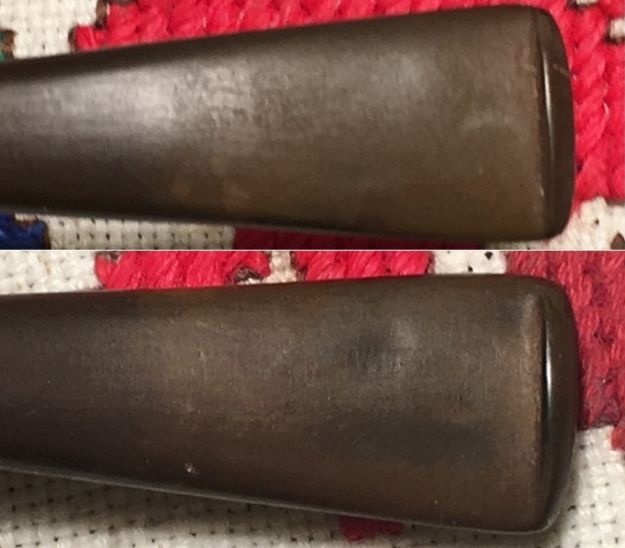
This doesn’t happen often.  My wife got into The Pipe Steward activities to picture me cleaning stems of pipes in queue – two Henleys included – this second one and the third staying with me.  Yep, this is what my worktable looks like!  I clean each airway with pipe cleaners dipped in isopropyl 95% as well as employing shank brushes.  I clean the stems before placing them in the soak of Before & After Deoxidizer. The stems soak for several hours to work on removing the oxidation.  The oxidation on the Henley is pretty think.  We’ll see how the Deoxidizer works.When I fish out the Henley’s saddle stem, I rub/wipe the stem with cotton pads wetted with isopropyl 95% to remove the raised oxidation.  I also run a few pipe cleaners wetted with isopropyl 95% through the airway to clear the Deoxidizer.I also apply paraffin oil, a mineral oil, to the stem to begin the conditioning process.  The B&A Deoxidizer did a fair job on the stem.Turning now to the Henley stummel, I take a picture to show the condition of the chamber. The cake closes as it moves down the chamber.  I’m hopeful that the chamber walls are not suffering from heating damage.  To address the thick cake, I use the Pipnet Reaming Kit.  After putting down paper towel to save time on cleaning, I begin with the smallest of the 4 blade heads available.  With a chamber width of 7/8 inches and depth of 2 inches, he took all 4 blade heads that the Pipnet Reaming Kit had to offer.  The cake is hard and crusty, and it takes patience to work the blades and not overdo it.  I follow the reaming using the Savinelli Fitsall tool to continue to scrape the chamber walls clearing more carbon. Finally, I sand the chamber using 240 grade paper wrapped around a Sharpie Pen.  The sanding is very helpful in cleaning the walls to allow inspection.  After cleaning the chamber with a cotton pad wetted with isopropyl 95%, I’m able to get a good view of the chamber and the damage from heating is evident.I take pictures going around the chamber from different angles.  With the thickness of the cake that I removed, I’m not surprised to find heating damage.  I’m sure that the cracks and fissures that I’ve pictured are a result of the heat build-up caused by the thick cake and not allowing proper heating expansion and contraction.  This puts more stress on the briar and these results occur.  As I continue the cleaning, my mind will be processing the question of how to address this. Switching from the wall issues of the chamber, I move to cleaning the external surface.  Without a doubt, this stummel is the King of Cragginess.  I love the deeply hewn valleys and ridges of this large stummel created by a very thorough sandblasting process.  I take pictures to show the various angles.  The stummel is very dark and I’m anxious to see what cleaning does. I begin the cleaning by using undiluted Murphy’s Oil Soap and scrub with a cotton pad.  With the craggy landscape, the process graduates very quick to scrubbing with a bristled tooth brush as well as a brass wire brush on the rim.Taking the stummel to the sink, warm water continues the cleaning rinsing off the Murphy’s Soap and scrubbing the surface of the crags with the toothbrush.  I also attack the internals using shank brushes and anti-oil dish soap.  I scrub the internals well and rinse the stummel thoroughly.  The result of the cleaning is a considerably lightened stummel.  Another round of pictures show the cleaned briar landscape on the Henley stummel. The rim still appears to have some lava residue on it, and I continue to clean it using a dental probe to break up the carbon in the crags as well as apply the brass bristle brush to the rim. I like the results and I love how the crevassed valley rises and bisects the rim!  This blasted stummel has a lot of expression going on!I continue to clean the internals using cotton buds and pipe cleaners dipped in isopropyl 95%. Joining the cleaning process was a small dental spoon that allowed me to reach into the mortise and airway and scrape the wall, helping to clean the old tars and oils.  I also utilize drill bits to help excavate tars and oils deeper in the airway.  I insert the bit into the airway carefully and hand-rotate into the airway. The rotation helps to remove the gunk.  After a good bit of cleaning, the buds and pipe cleaners start coming out lighter.  I called a halt to the cleaning transitioning to a kosher salt and alcohol soak to continue the cleaning in stealth mode through the night.Before I set up the kosher salt and alcohol soak, I look at the stummel and it is a very dry piece of wood.  I decide to apply a coat of paraffin oil to the stummel allowing the oil to hydrate the briar while it’s sitting through the night with the soak.  Paraffin oil is a mineral oil available here in Bulgaria in the pharmacy.  I apply the oil over the surface with a cotton pad and take a few pictures.  Man, it looks good.  This gives me a sneak peek at what the finished pipe will look like left in its present state.  The rich dark burgundy tones are peeking out.Next, for the kosher salt and alcohol soak, I pull and twist a cotton ball to form a ‘wick’ that is inserted into the mortise with the help of a firm straight wire.  The wick serves to draw the tars and oils that are released further from the internal wood.  I then fill the bowl with kosher salt which will not leave an after taste as does an iodized salt. I then set the stummel in an egg crate for stability, tip the stummel so the salt surface is generally level with the end of the shank.  Then with the use of a large eyedropper, I fill the bowl with isopropyl 95% until it surfaces over the salt.  After a few minutes when the alcohol has been absorbed, I top off with more isopropyl 95%.  I then put the stummel aside for the night and turn off the lights! The next morning the soak had done the job evidenced by the soiled salt and cotton wick.  After tossing the expended salt in the waste, and wiping the chamber out with paper towel, and blowing through the mortise to dislodge salt crystals, I used a few more cotton buds and pipe cleaners wetted with isopropyl 95% to make sure all was clean.  The soak did the job and the stummel will be much fresher for the new steward of this Stanwell Henley Special.Before moving further, I need to address the heating issues in the chamber.  There are cracks and fissures which undoubtedly developed over time because the cake buildup became too much.  With the cake so thick, it hinders proper expansion and contraction when the pipe is used. The result is what we now see in this chamber.  To address this, I mix a batch of J-B KWIK Weld using the two components, Steel and Hardener.  I use a plastic disc as a mixing pallet with scotch tape over it to aid in clean up. After mixing the two components on the pallet, about 4 minutes is available to apply the Weld before it begins to harden. I mix the components thoroughly with a toothpick, then using my finger (with a surgical glove on!), I scoop a bit of Weld and apply it to the chamber wall.  I do this uniformly around the chamber and applying pressure to make sure the Weld is filling the cracks and fissures.  I’m VERY careful to avoid dripping Weld on the rim during the application.  Later, after the Weld thoroughly cures, I’ll sand the chamber removing all the excess Weld leaving behind only what filled the cracks and fissures – or that is the theory! I usually insert a pipe cleaner to guard the airway from the Weld, but this time I forgot and thankfully, no problems result.  After completing the application, I put the stummel aside for several hours allowing the Weld to cure.  Cleanup is quick – I simply peel the tape up and discard.Turning now to the saddle stem, the Before & After Deoxidizer did a good job, but I see residual oxidation yet remaining in the vulcanite.  I take a few pictures with an opened aperture to show what I can see with the naked eye.  The bit does not have tooth chatter as much as compressions – it appears the molars were engaged by the former steward to smoke the Henley hands-free.  To address the bit compressions, I first use the heating method.  Using a Bic lighter, I paint the compressions with flame and as the vulcanite heats, it expands to reclaim the original stem shape or at least the compressions are minimized.  After heating several times, the compressions have lessened but are still visible.   The before and after pictures tell the story – in fact, I had a hard time pairing the correct photos after the heating! I believe the compressions have been minimized enough that sanding will be all that is necessary to repair the bit.  Using 240 grade paper, I sand not only the bit and button, but I expand it to the entire stem to address residual oxidation as well.  I employ a flat needle file to freshen the button lips and to assist with the tooth compressions next to the lip.  In the sanding of the saddle, I use a plastic disc I fashioned and with the disc separating the stem and stummel, I reunite the two.  The disc acts as a shield to shouldering the stem shank facing.  The sanding removed all the compressions. The pictures show the progress. With the major sanding with 240 paper complete, I continue by wet sanding the entire stem using 600 grade paper.  I then follow the wet sanding by applying 000 grade steel wool to the stem.  I’ve lost track of which is the upper and lower stem.  The stem is looking great!I move directly to applying the full regimen of 9 micromesh pads starting by wet sanding with pads 1500 to 2400 then dry sanding with pads 3200 to 4000 and 6000 to 12000.  Between each set of three pads I apply a coat of Obsidian Oil to assist in rejuvenating the vulcanite.  The saddle stem has that glassy pop! I turn back to the stummel and the J-B Weld has had time to cure.  I begin to sand off the excess J-B Weld by using the Dremel with a sanding drum.  I set the Dremel to the slowest speed and gently, without much pressure, sand off the upper layer of the J-B Weld – the excess.  With the drum, as I’m working patiently around the entire chamber, I also sand out a reaming step that had developed near the floor of the chamber.  The Dremel shortens the work amazingly.  I then switch by wrapping 240 grade paper around a Sharpie Pen. I fine tune the sanding in the chamber so that eventually, the cracks and fissures are revealed now having been filled.  I love it when theory and practice come together!  I clean out the chamber of the dust and it looks and feels great! I run my finger over the formerly cavern-filled chamber and it is smooth.  I take finish pictures and move on. I’ve been looking forward to applying the Before & After Restoration Balm to this Stanwell Henley Special’s stummel to tease out the older patina of this vintage blasted briar surface.  I make sure the surface is clean from all the chamber sanding and I take a few pictures to mark the start.  I then apply the Balm to my fingers and rub it in to the surface.  The surface practically drinks the Balm as I work the Balm into the craggy landscape.  After it’s worked in well, I put the stummel aside for 20 minutes to allow the Balm to do what it does. I take a picture in this state. After about 20 minutes I wipe off the excess Balm and buff the blasted Henley Special stummel with a microfiber cloth.  The hues are deeper and richer.  I mount a cotton cloth buffing wheel onto the stummel and set the speed at 40% full power and after reuniting the stem and stummel, I apply Blue Diamond compound to the stem.  As I go along, I experiment with the Blue Diamond on the stummel.  I don’t want to gum up the craggy surface with Blue Diamond, but what I see, with a light application of the compound, is that the briar is sprucing up and I move the wheel along with the grain of the blasted briar.  I like the results.  When I complete the application of Blue Diamond, I give the pipe a good hand-wiping with a felt cloth to remove the carbon dust before application of the wax.  I like the results.Straightaway, I load another cotton cloth buffing wheel onto the Dremel, increasing the speed of the Dremel to about 60% full power – faster than normal on smooth briar, I first apply carnauba wax to the stummel.  I increase the speed for the blasted stummel to increase the heat of the application.  I’ve found that using the Dremel on the craggy surface allows me to get up and close with the application of wax on the rough surface.  Heating the wax more helps guard against it gunking up on the rough surface.  The added speed helps dissolve the wax over the rough surface.  I’m liking what I’m seeing!  When I apply carnauba to the stem, I slow the speed of the Dremel back down to the normal 40% full power.After applying the wax, I give the pipe a rigorous hand buffing with a microfiber cloth.  This not only raises the shine but also help disseminate any excess wax on the surface.  There is one last project left to do.  The chamber was riddled with heating cracks and fissures and I used heat resistant J-B Kwik Weld to fill in the cracks.  I coated the entire chamber with the Weld mixture then sanded it after the Weld cured.  After sanding, as the theory hoped, the results were, that the only Weld remaining was that which filled the cracks and the chamber wall is smooth and again usable to put this pipe back into service.  Beautiful!  I love it when theory and practice come together so well. To help provide a protective coat over the repairs and to encourage a new cake to develop, I apply to the chamber walls a coating mixture of natural yogurt (sour cream works, too) and activated charcoal.  I mix a small amount of yogurt and charcoal in a bowl and when the consistency of the mixure will not drip off the spoon its ready to go.  After putting a pipe cleaner through the draft hole, I use my index finger to reach into the chamber and apply the mixture.  I make sure that the chamber walls are thoroughly covered, and I put the stummel aside for a time to allow the coating to cure.  It dries into an amazingly hard surface.  It’s important for the new steward to use a folded pipe cleaner to clean the bowl initially after putting the Henley into service – not to scrape the bowl! I’m very pleased with the results of this second of the 3 1950/60s Stanwell Henley Specials I acquired.  I appreciate the Danish craftmanship that is evident in all three pipes and this Blasted Billiard is no exception.  The blasting amazes me with the craggy surface showing the 3-dimensional movement of the briar grain.  One ravine is cut so drastically, at first, I thought it was a cracked bowl when I first acquired the pipes, but it remains as part of a very expressive, deep hued blasted briar landscape.  With a chamber width of 7/8 inches and depth of 2 inches, the amount of blend one can pack into this bowl is pretty impressive and with the size of the stummel and the blasting – well, I’m tempted to keep it for myself, but the third Stanwell Henley Special next on the table will be staying with me.  This Henley is heading for ThePipeSteward Store benefitting the Daughters of Bulgaria – our work here in Bulgaria helping women and girls who have been trafficked and sexually exploited.  Thanks for joining me!