Monthly Archives: May 2016

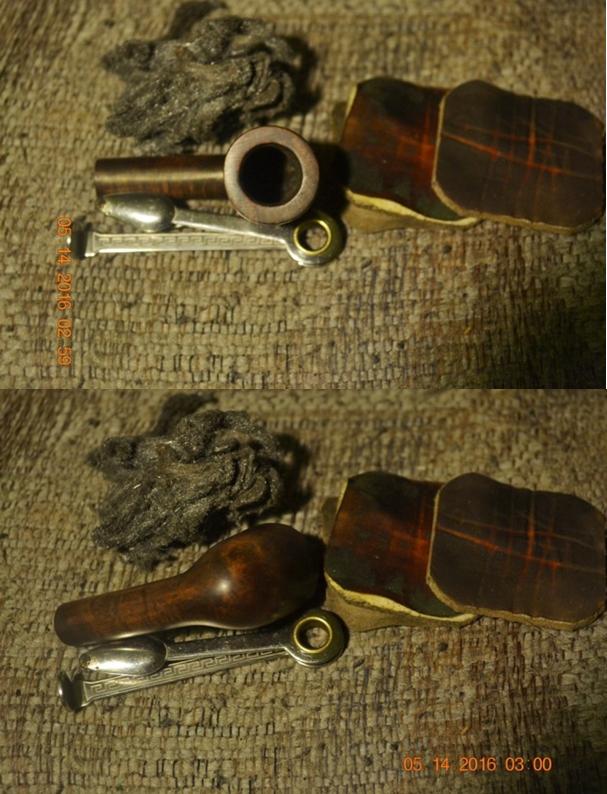
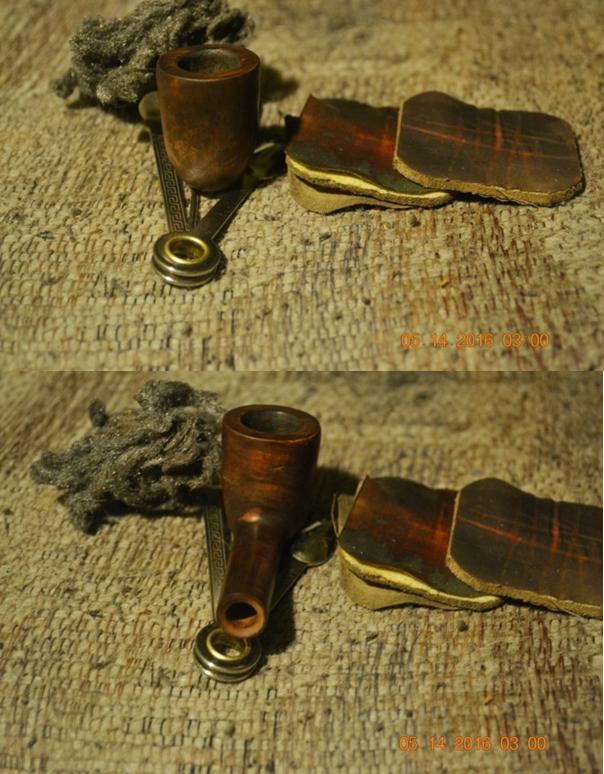
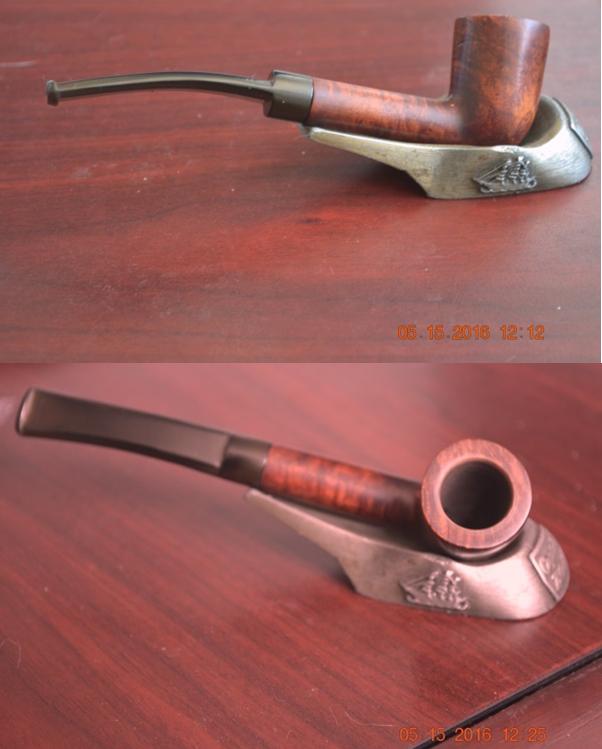
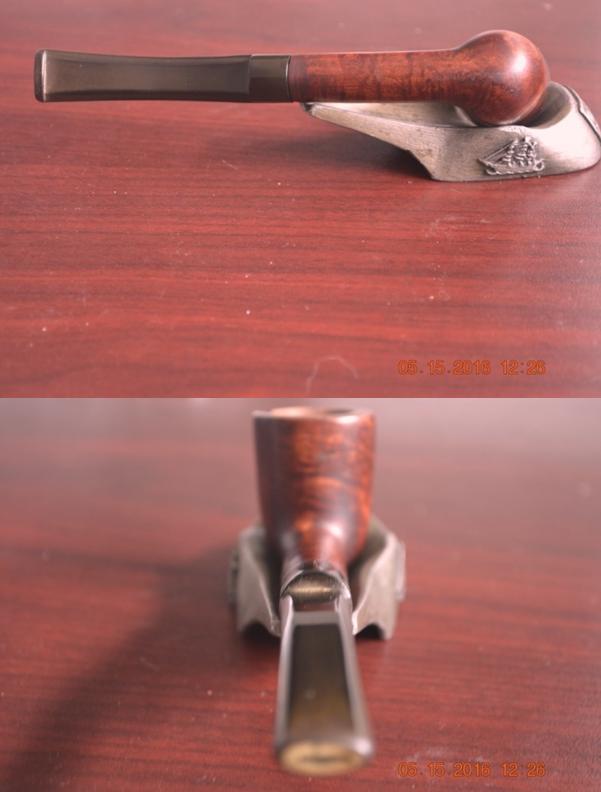
Rough Texture of a Jobey Shellmoor combined with Yellow Lucite


Blog by Steve Laug

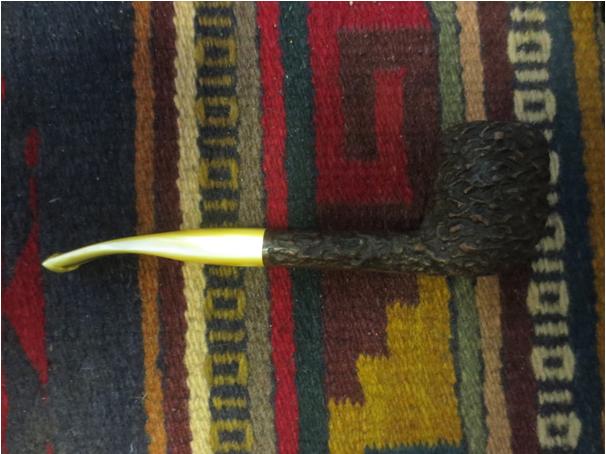
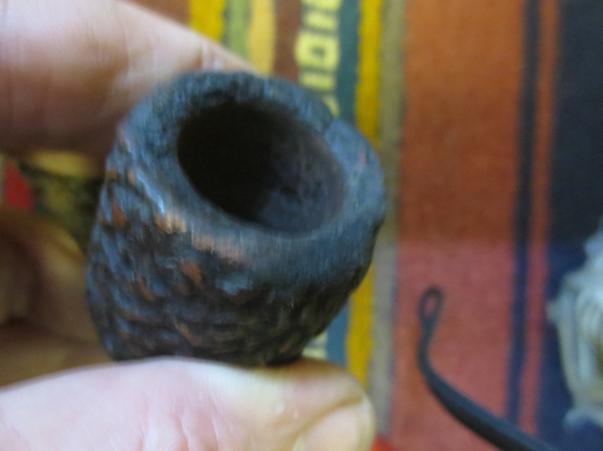
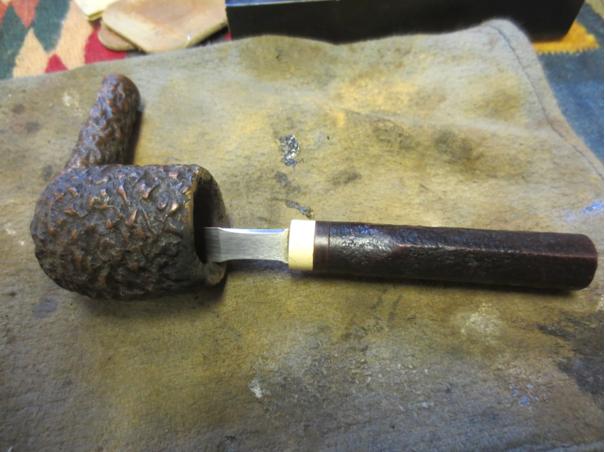
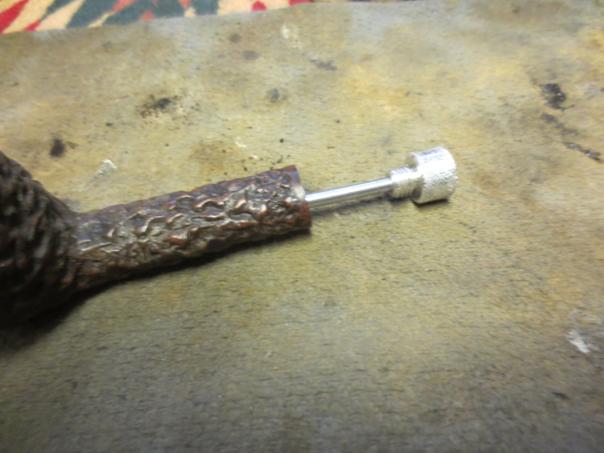
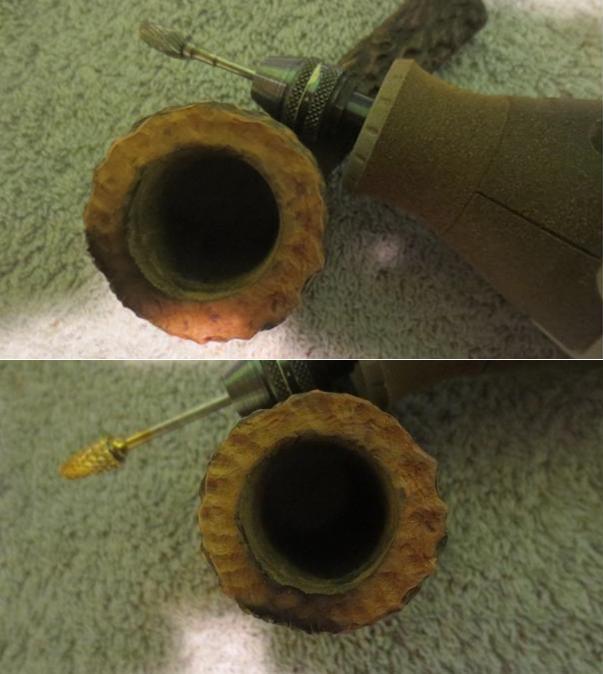
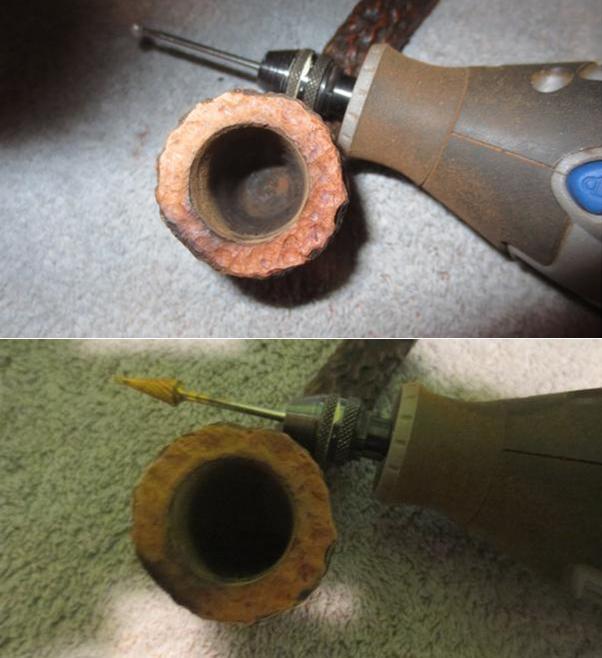
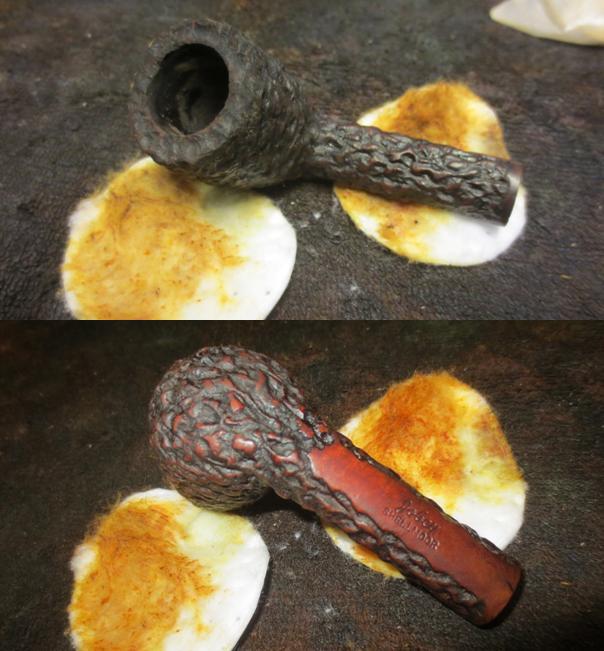
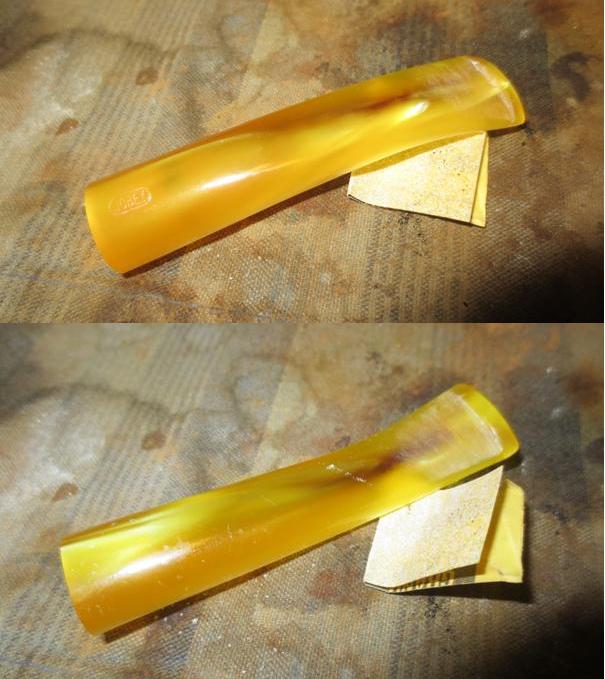
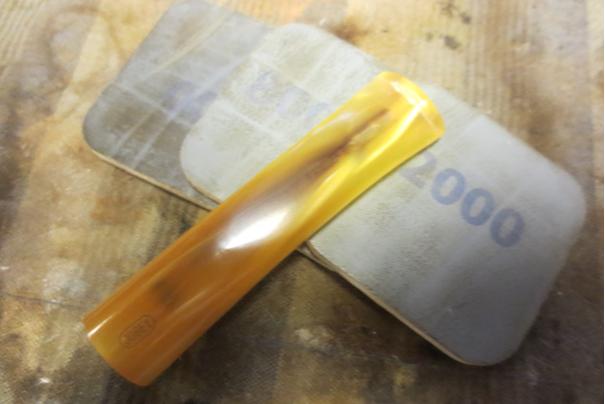
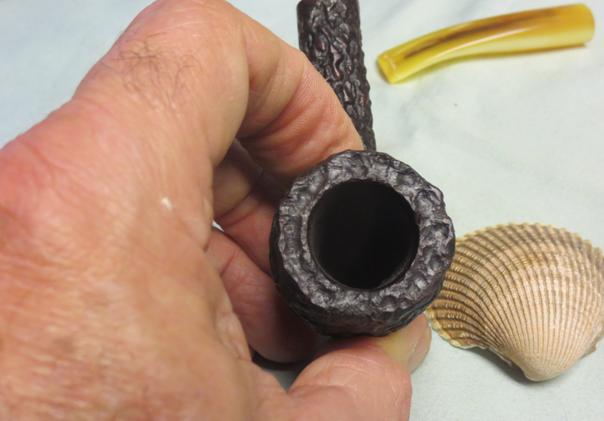
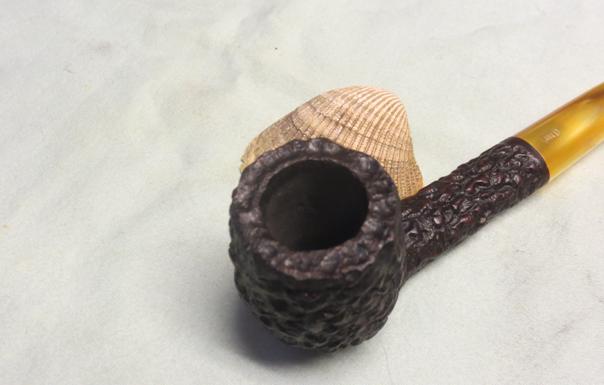
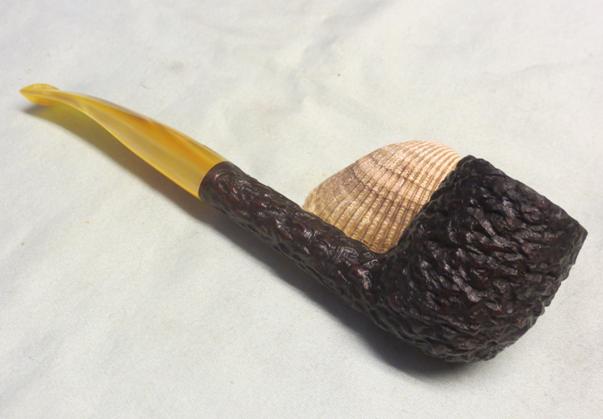
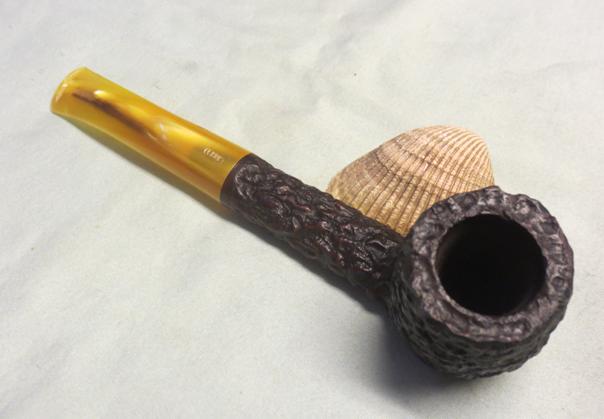
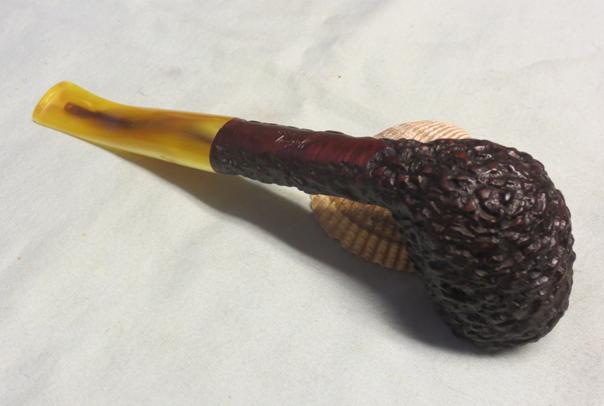
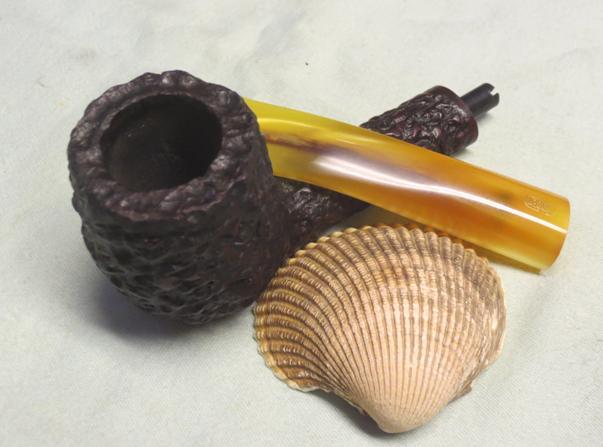
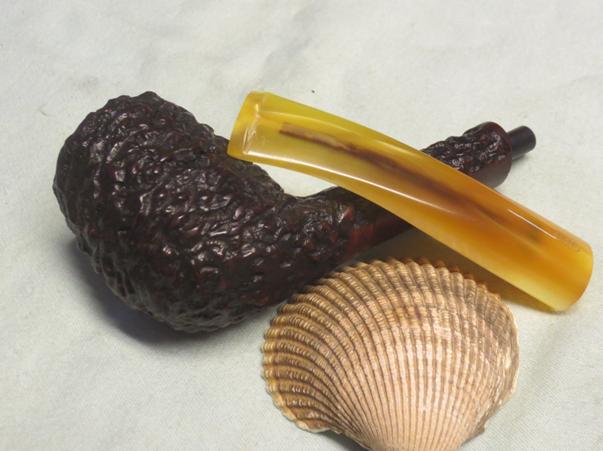
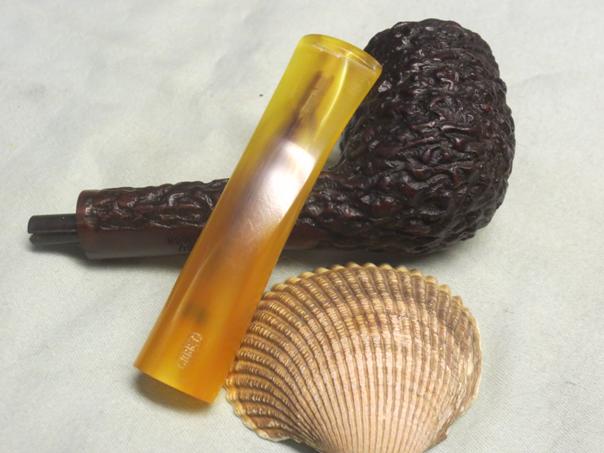
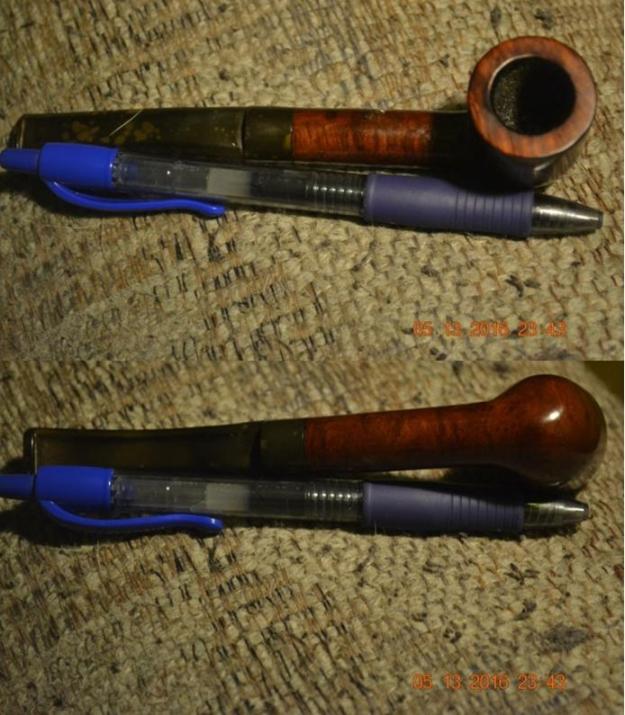
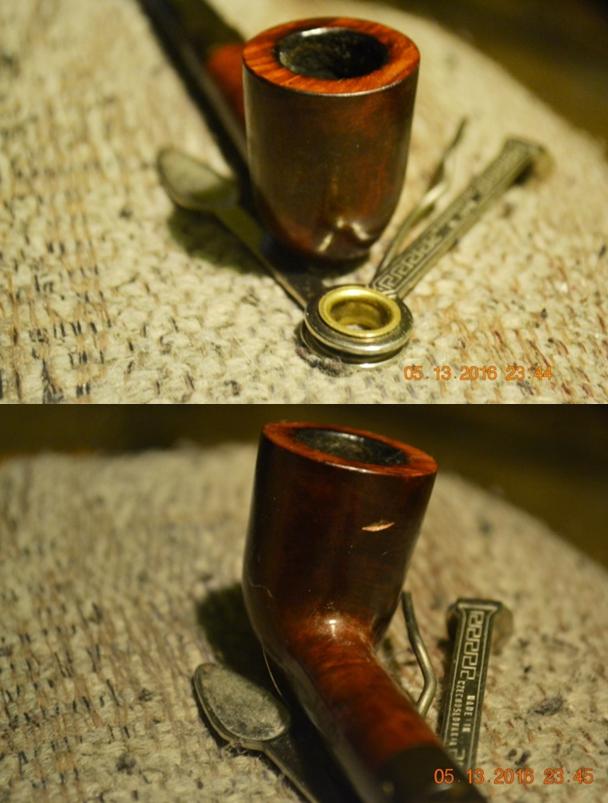
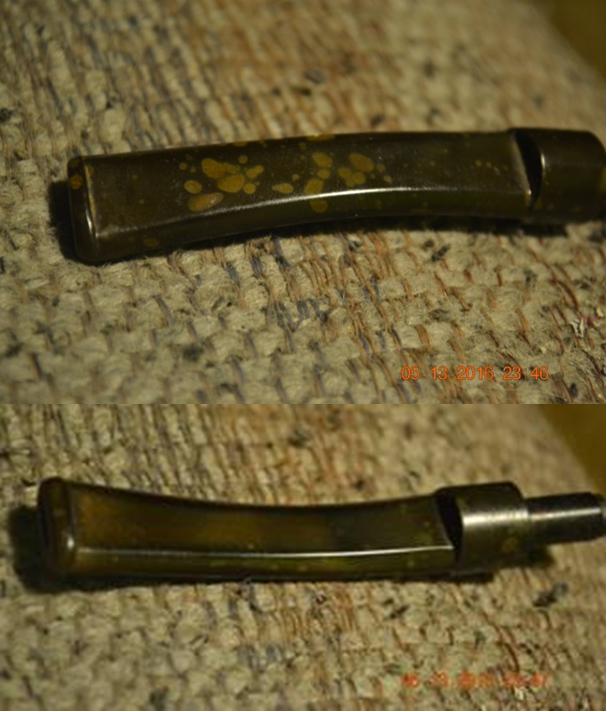
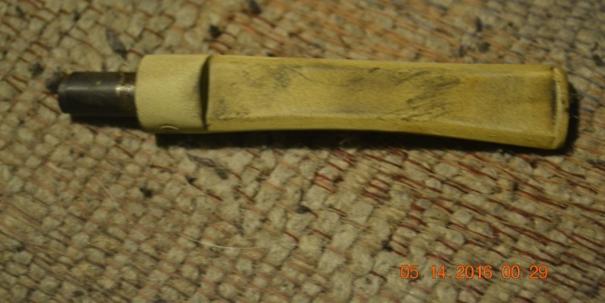
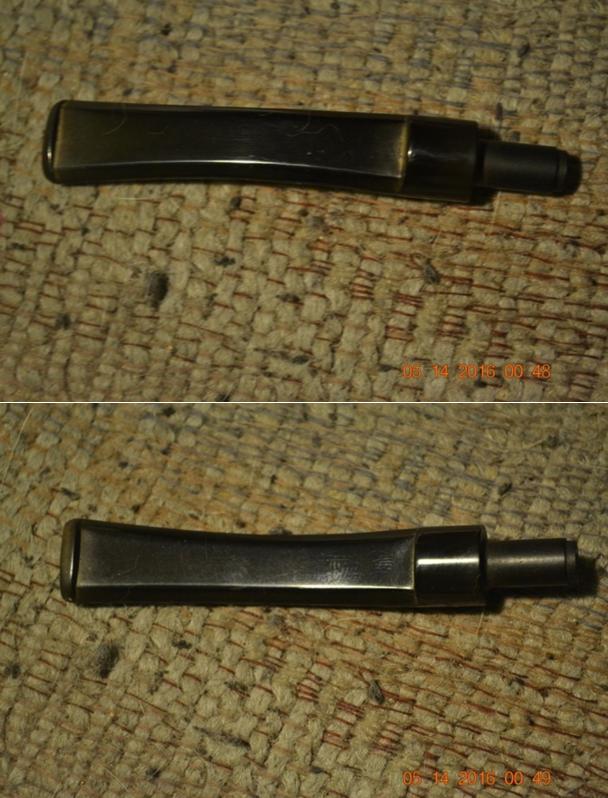
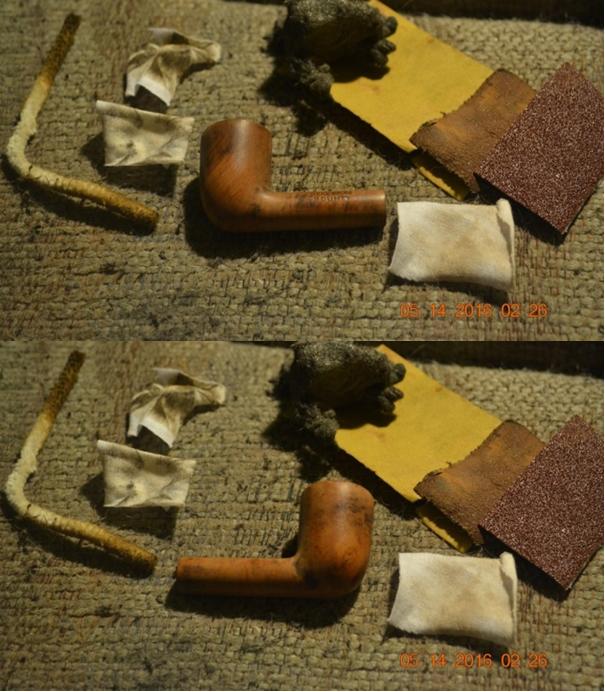
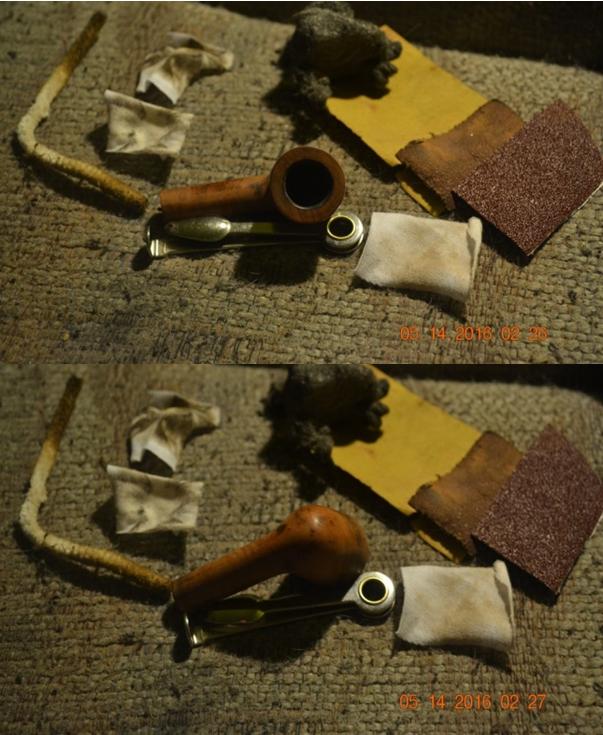
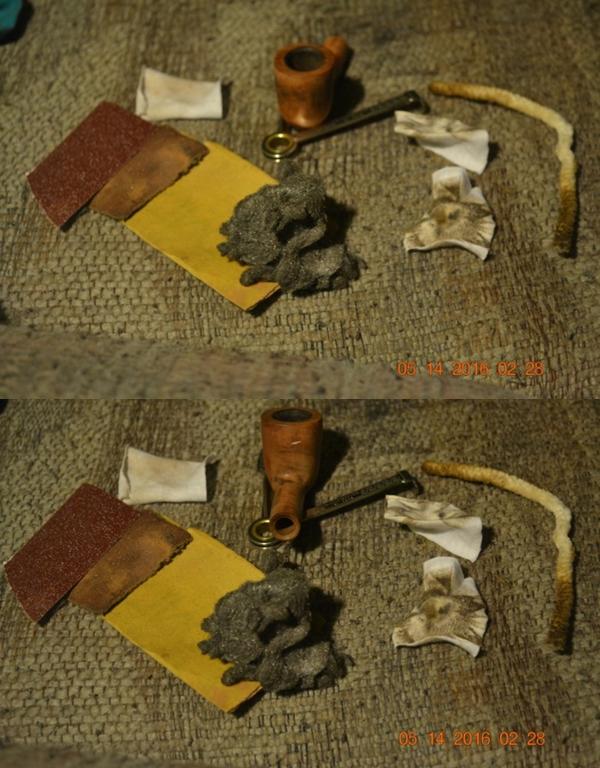
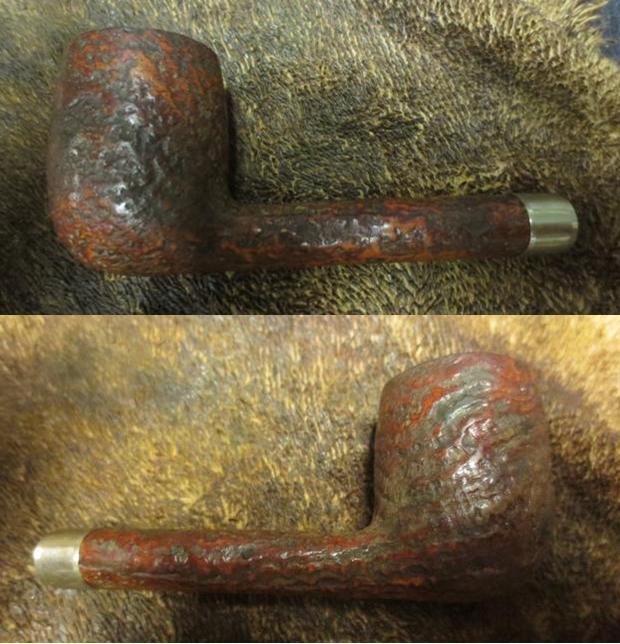
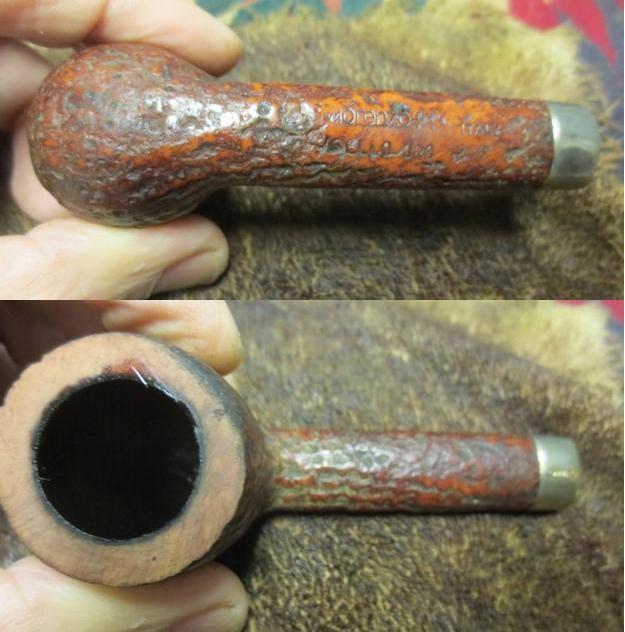
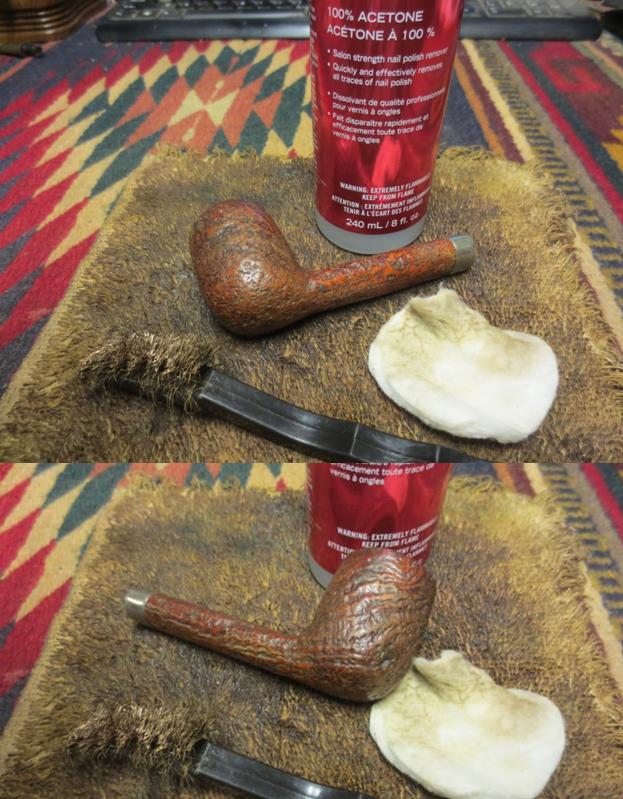
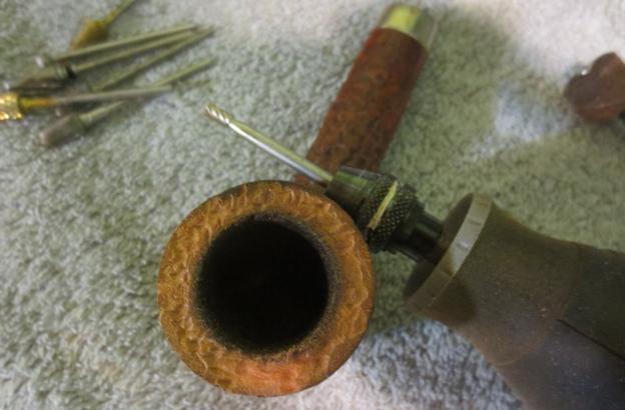
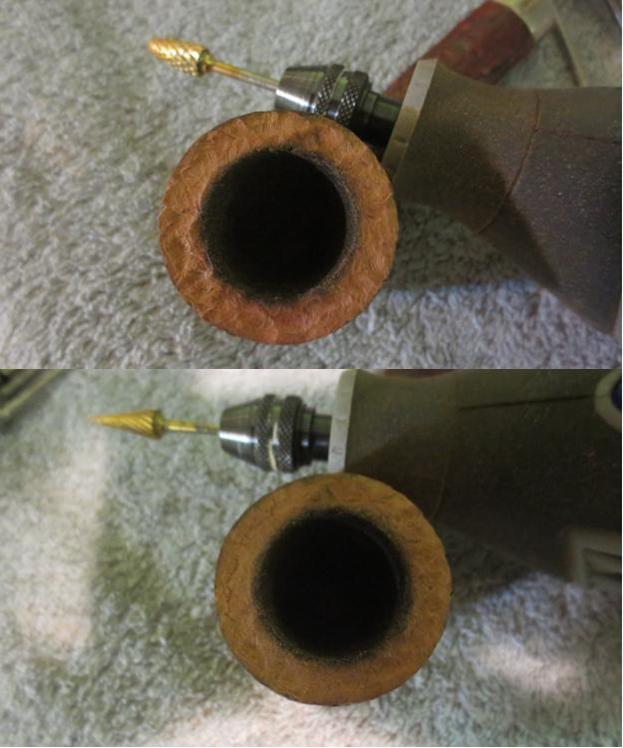
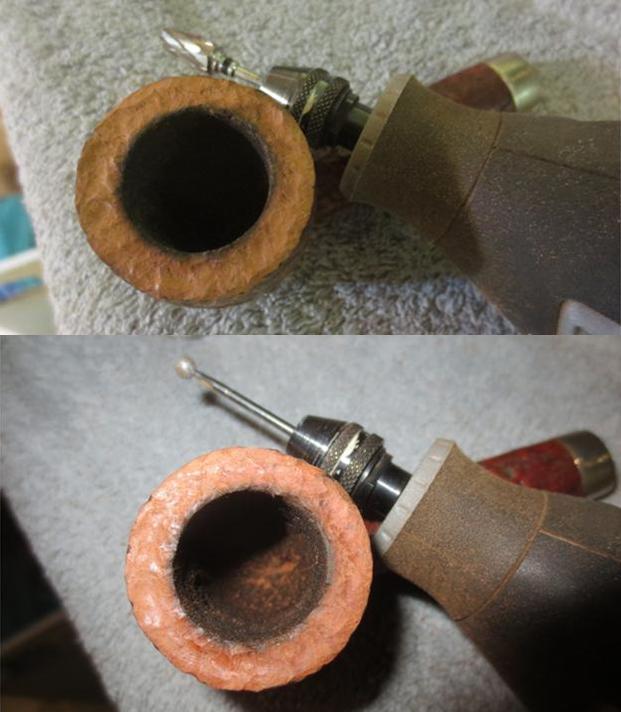
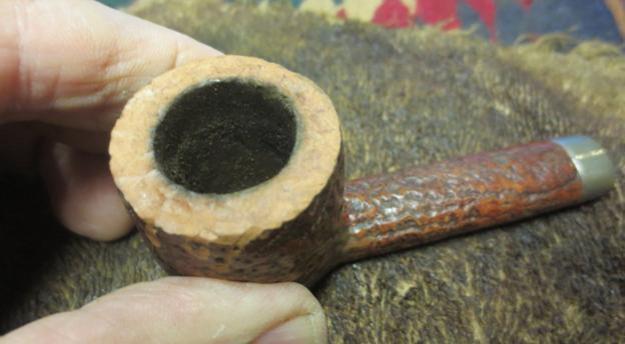
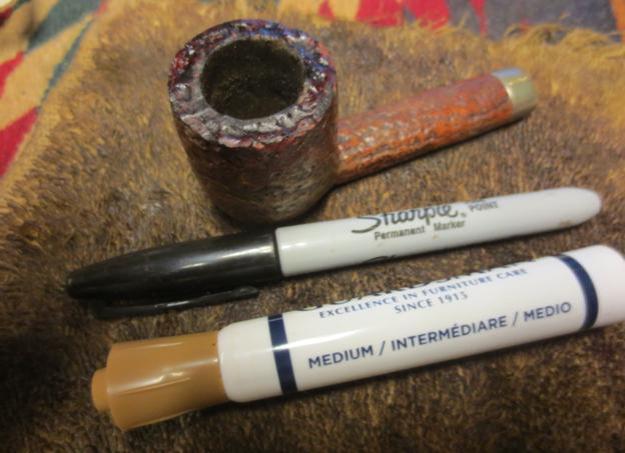
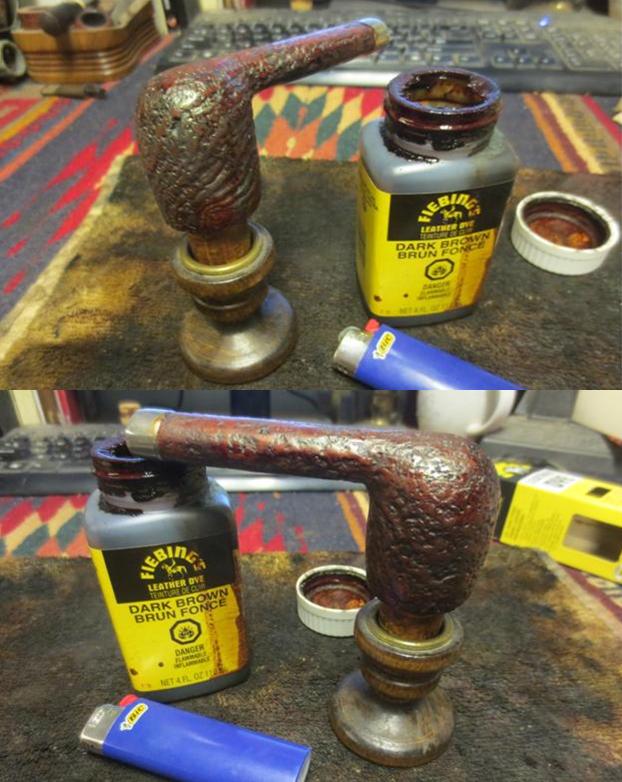
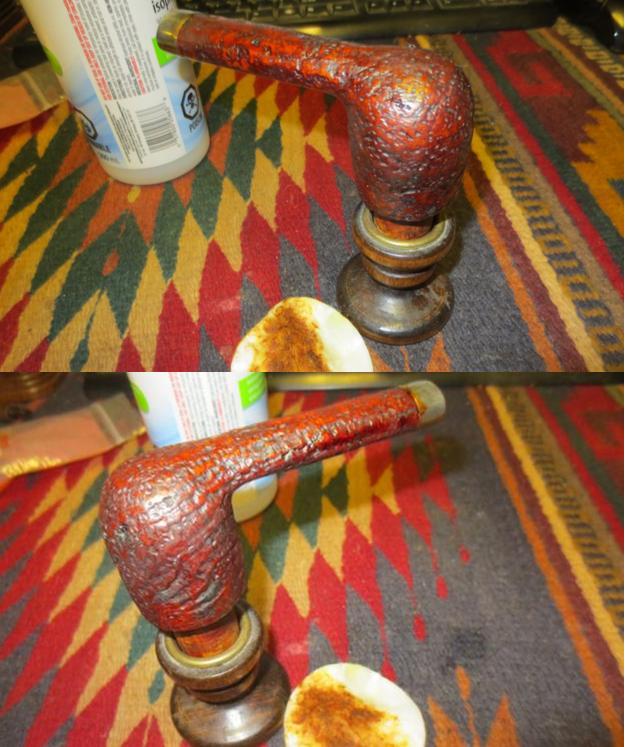
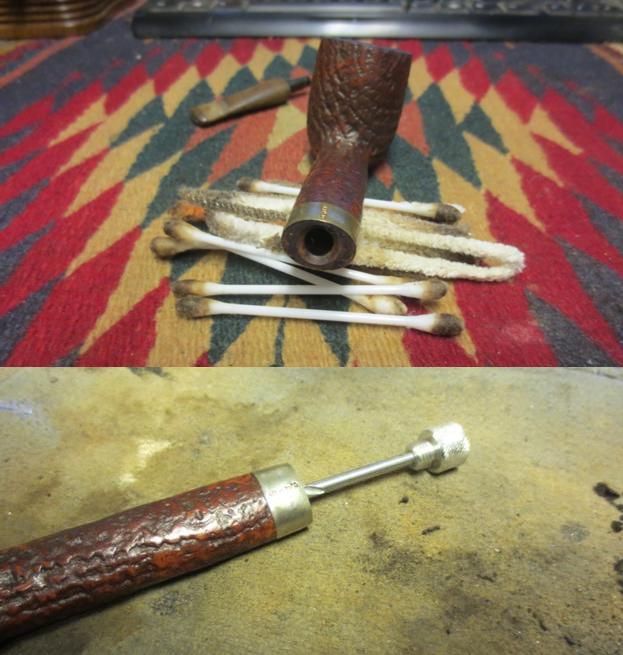
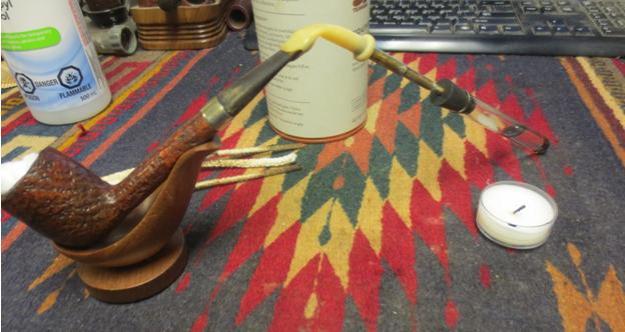
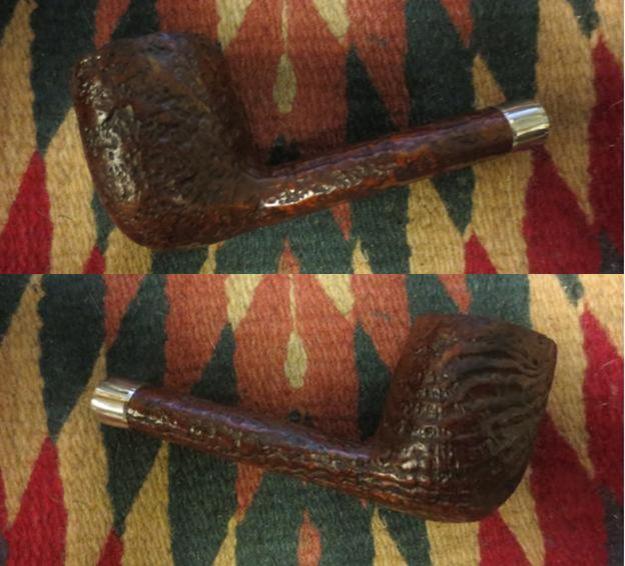
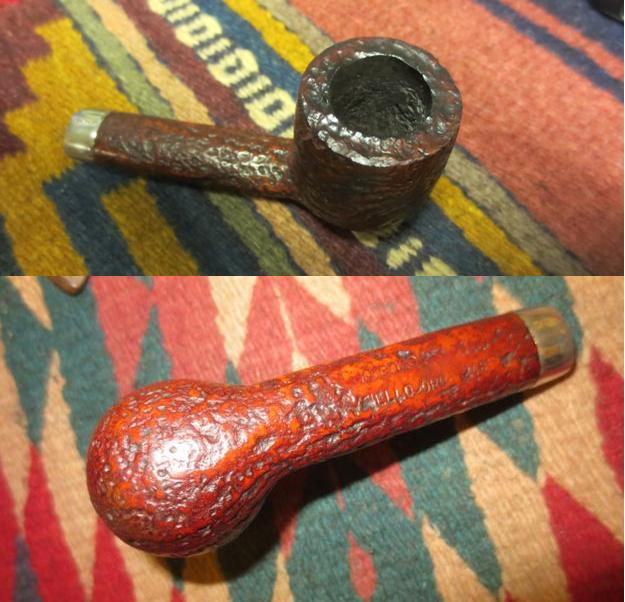
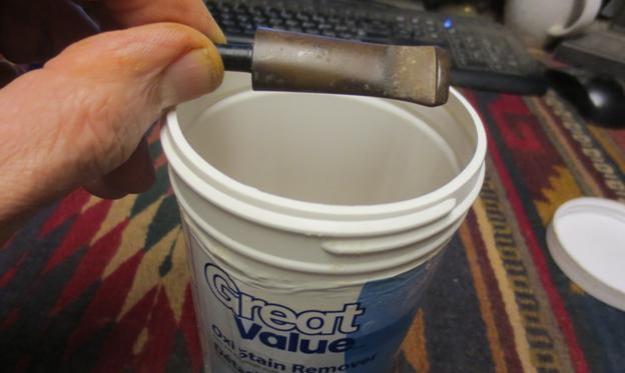
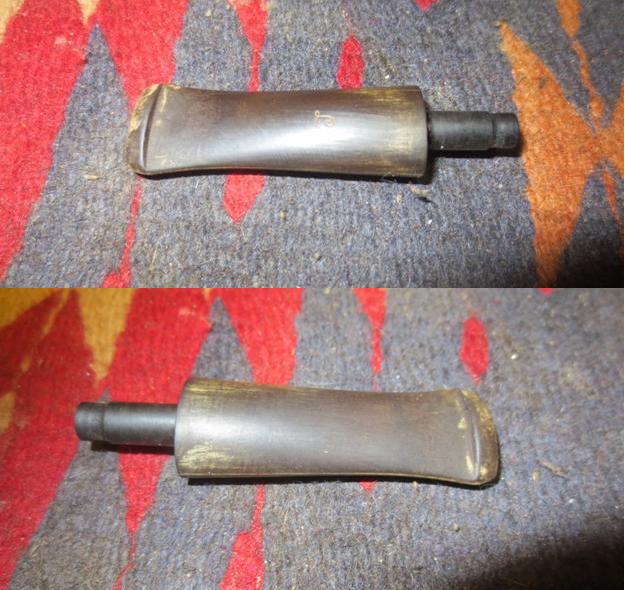
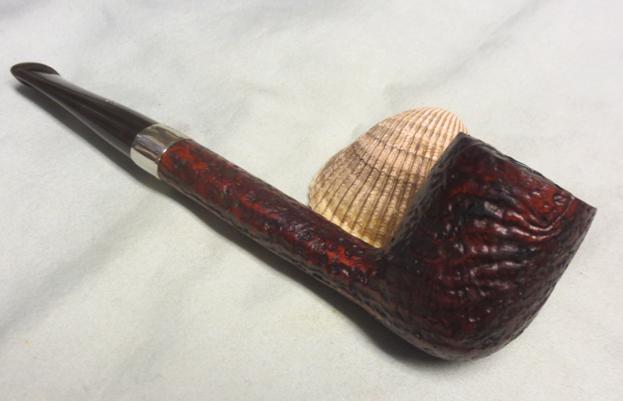
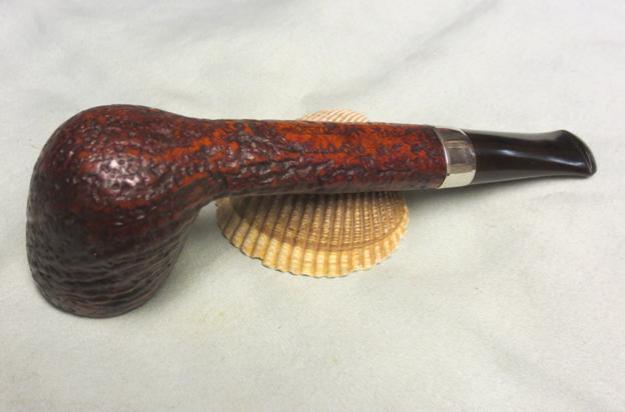
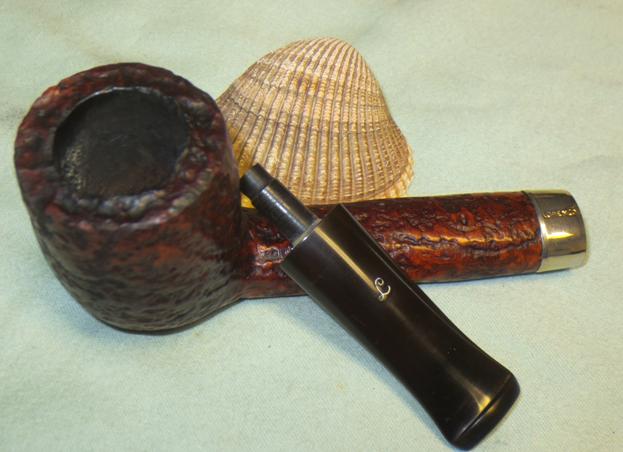
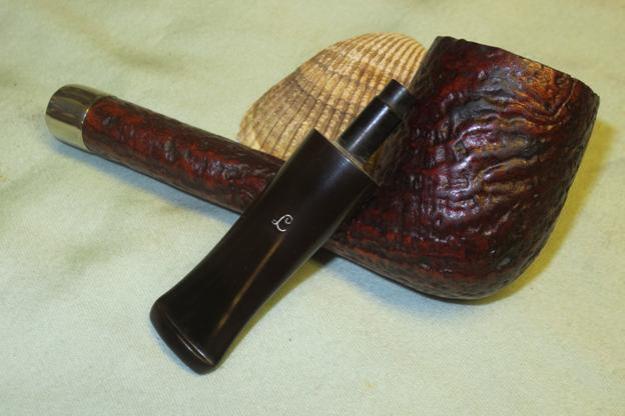
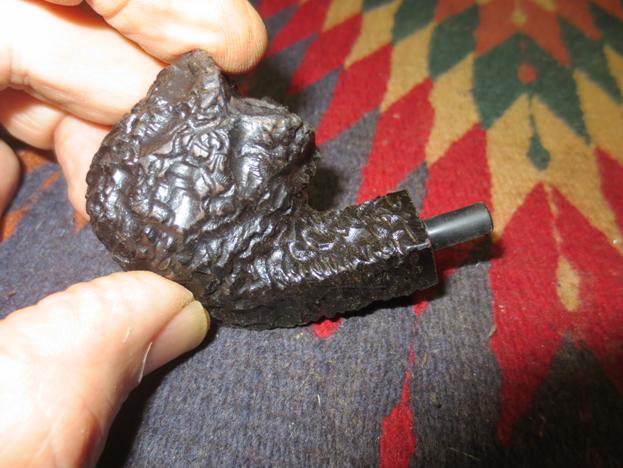
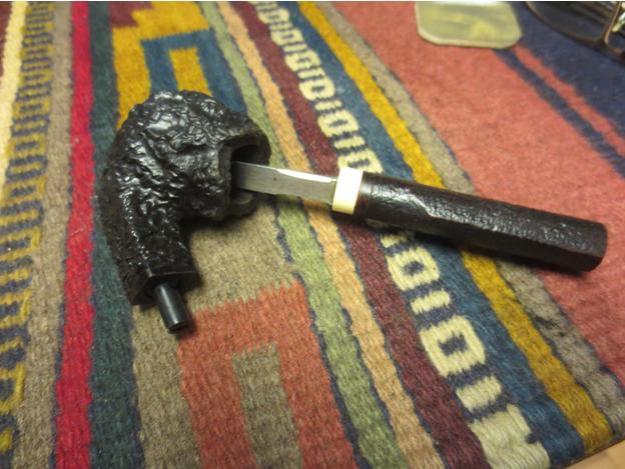
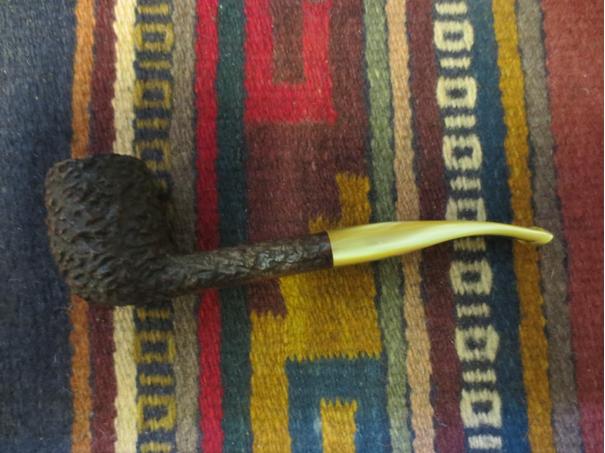
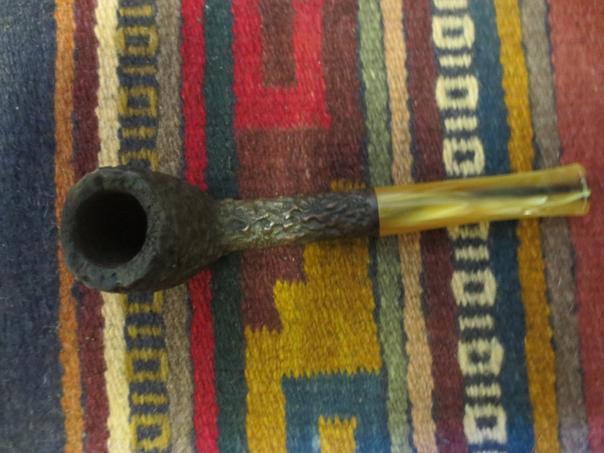
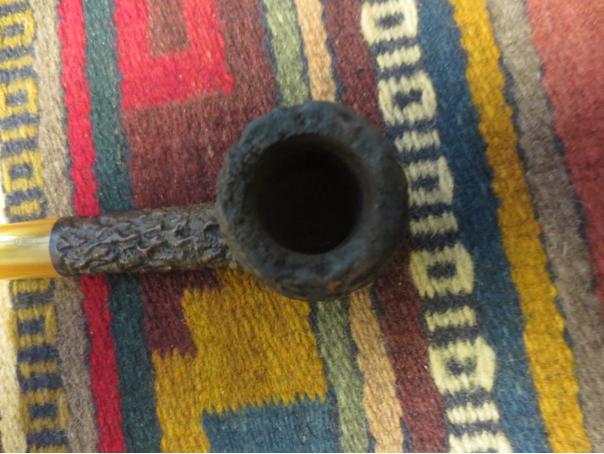
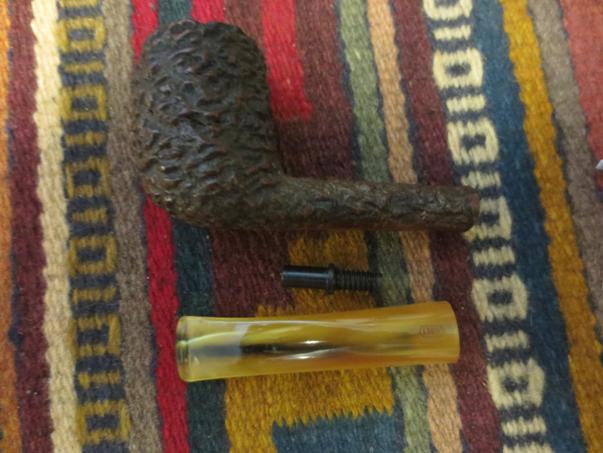
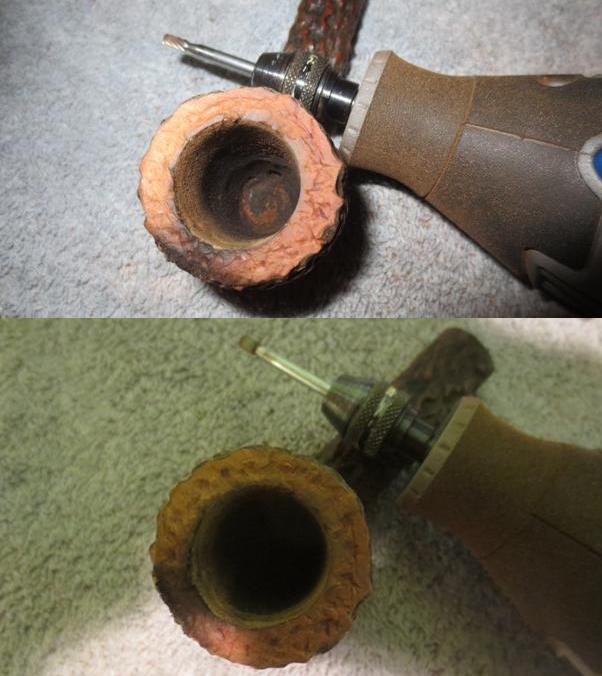
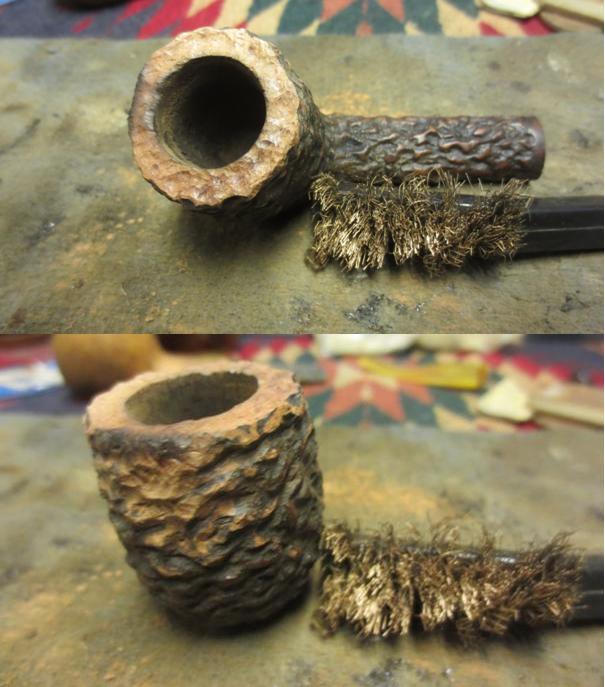
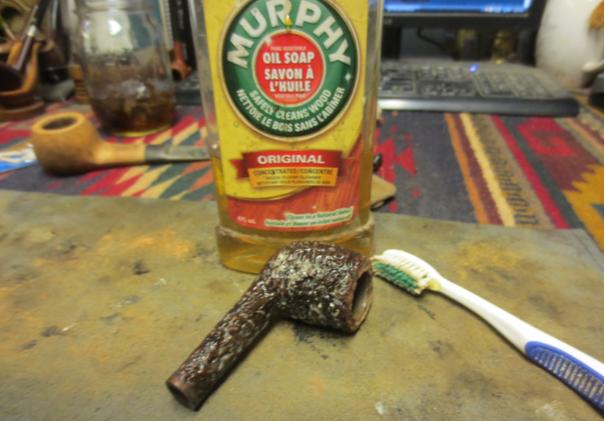
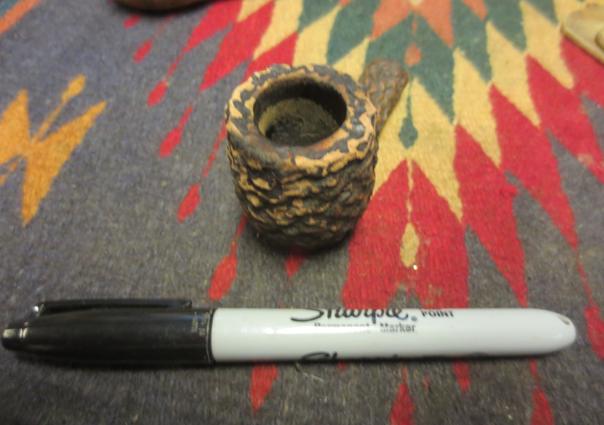
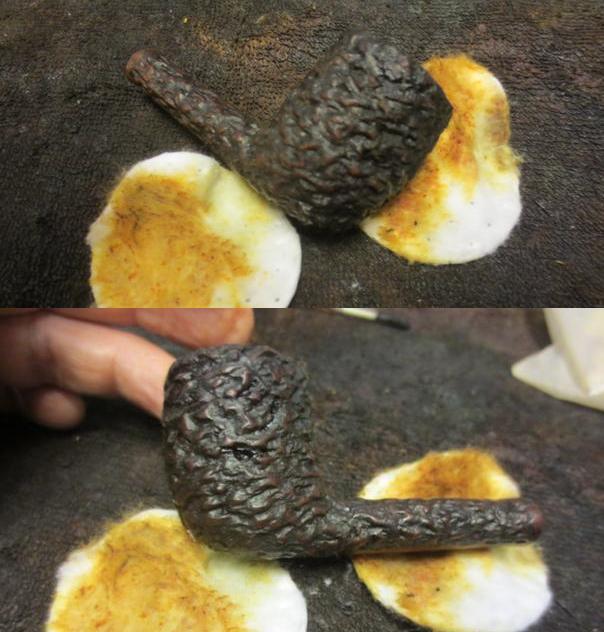
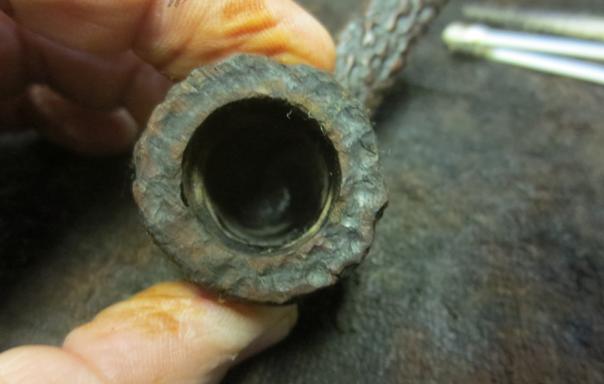
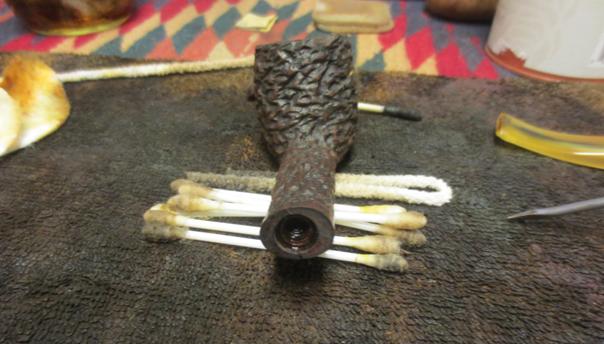
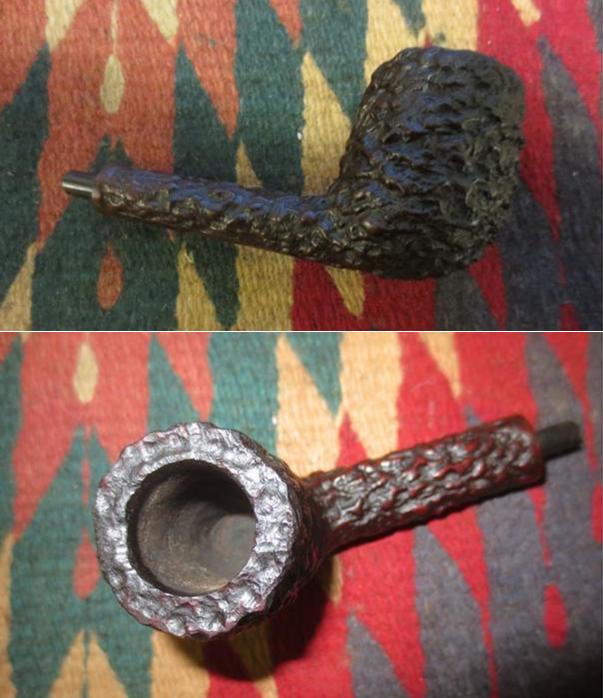
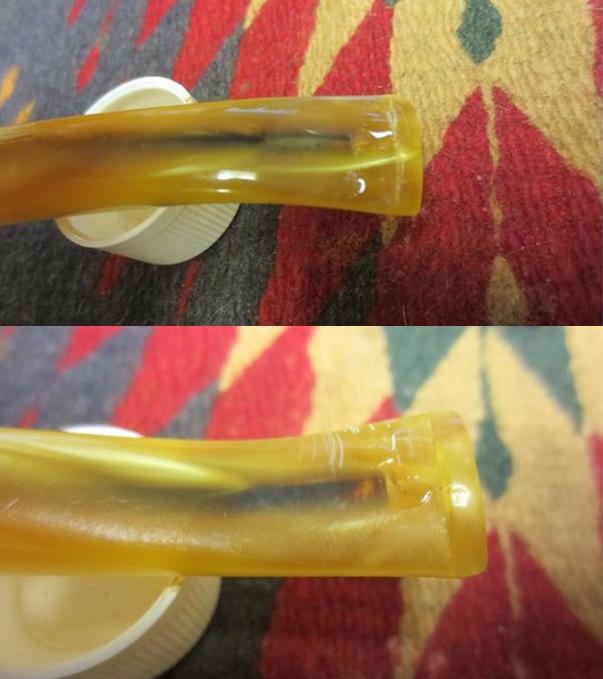
As I said before I never paid much attention to Jobey pipes. My brother has given me a new appreciation for them. The pipe he sent me that I chose to work on next is stamped Jobey Shellmoor on the underside of the shank. There is no shape number or other stamping on the pipe. There is a Jobey logo stamped on the yellow acrylic/Lucite stem. When I first saw the pipe I was pretty certain that the stem was a replacement. Now that I have it in hand I have to admit I was wrong it is the original. When I first picked it up I thought it would be a pretty straightforward repair. I could not have been more wrong but that would come out in the process of the restoration.Jobey1 Jobey2The rustication was very dirty on the sides of the bowl but it had that rough rustication that I have come to expect on Shellmoor pipes. The rim was in rough shape with lava in all of the grooves. That would have been easily remedied but there was also a burned area on the top of the rim at the front that had left a deep groove. The bowl was thickly caked (I removed much of it in Idaho when I was there). When I brought it to the work table and tried to finish reaming the bowl I was reminded of the rock hard cake. It took two different reamers to take out the cake. The stem had some tooth marks and the airway was black with tars. When I removed the stem the Jobey Link was stuck in the stem. Not a big deal but it would make getting the black out of the airway.Jobey3 Jobey4When I examined the rim more closely I saw that it was actually quite damaged. I took two close-up photos of it to show the thick lava and the burned area on the front of the bowl. It is a little hard to see in the second photo (forgive the slightly out of focus photo) but it extends down the front of the bowl about ¼ inch.Jobey5 Jobey6I worked on the Jobey Link and was able to dribble alcohol down the stem to soften the tars that held it in the stem. I wiggled it free. The photo below shows the pipe taken apart.Jobey7I started working on the bowl by reaming it completely. The cake was exceptionally. I hard I used the PipNet reamer with the first three cutting heads to take the cake back to bare briar. I used a Savinelli Pipe Knife to complete the job at the bottom of the bowl. When I had finished reaming the bowl I noticed that the airway into the bowl was absolutely invisible. I could not see it on the back wall of the bowl. I used the drill bit from the KleenReem pipe reamer to hand drill out the airway from the shank into the bowl. The tars in the shank were almost as hard as the cake in the bowl. It took a lot of elbow grease and pressing the bit into the airway. I was finally rewarded with it popping through into the bowl.Jobey8 Jobey9 Jobey10With the rough cleaning done on the bowl and shank I decided to work on the rim surface. I topped it with 220 grit sandpaper on the topping board. (If you look closely at the shank end in the photo it appears that there is a crack in the shank. It is merely a scratch in the top surface of the briar at that point.)Jobey11After topping it for a while I took a photo to show the extent of the damage to the rim. This photo clarifies what I saw in the original scan of the bowl.Jobey12I continued topping the bowl until I got to solid wood under the burned area. The rim surface was darkened but the briar was hard. I picked the burned area on the front of the bowl clean of soft burned wood with a dental pick.Jobey13I was not too worried about the rim darkening as I intended to rusticate it again to match the rough finish of the bowl. I filled in the burned area with clear super glue to build it up. I also intended to rusticate the burned area on the front of the bowl at the same time. The next series of photos show the process of rustication and the different burrs I used on the Dremel to get the pattern on the rim I wanted. I also worked on the front of the bowl to remove the damage of the burned area with the same burrs. I tried to match the pattern on the rest of the bowl. The success of that will be seen in later photos. Jobey14 Jobey15 Jobey16 Jobey17Once I had the work down with the Dremel and burrs I took it back to the worktable and used a brass bristle brush to knock of the sharp edges and the loose pieces of briar from the rim and the bowl front. The second and third photos show the bowl front and the work that I did to match the pattern in that area. Jobey18 Jobey19I scrubbed the briar with Murphy’s Oil Soap and a tooth brush to remove the grime so that I could restain the bowl. I rinsed it with warm running water to remove the soap from the grooves and crevices along with the loosened grime.Jobey20I used a black Sharpie to colour in the depths of the rustication on the rim and the repaired area at the front of the bowl. I wanted to approximate the contrast in the rest of the finish.Jobey21I restained the bowl with a dark brown aniline stain and flamed it to set it in the grain. I repeated the process until the coverage was what I wanted.Jobey22I wiped down the bowl with alcohol on cotton pads to remove some of the dark brown stain from the high spots on the bowl and add some contrast and depth to the finish.Jobey23 Jobey24I took another close-up photo of the rustication on the rim to show what it looked like with the stain coat.Jobey25I cleaned out the mortise threads and the airway with pipe cleaners, cotton swabs and alcohol.Jobey26Once it was clean I greased the threads on the Jobey Link with Vaseline and turned it in place in the shank with a small screwdriver.Jobey27The stem turned out to be another issue that I had not taken into real consideration. The dark stain of tars and oils in the airway turned out to be a real pain. I used cotton swabs and alcohol to clean out the portion of the stem that slid over the Link. That was the easy part. I then scrubbed out the airway with alcohol and pipe cleaners. I used a dental pick to clean out the slot in the button. The tars in the airway were stubborn. I mixed a batch of Oxyclean, inserted pipe cleaners in the airway to wick the mixture up the stem and then dropped the pipe in the mixture to soak overnight. I took it out in the morning and scrubbed it with several different brushes and pipe cleaners. I removed about 50% of the black in the stem but not all of it. I put it back in the Oxy soak for another night.Jobey28I buffed the bowl by hand with a shoe brush to see what the finish would look like. The following photos give a good picture of where things stand with the bowl at this point.Jobey29 Jobey30I took the stem out of the Oxy bath and cleaned out a bit more of the darkened area. I used pipe cleaners dipped in Bar Keepers Friend scouring powder and was able to get out more of the tars and darkening. I stopped for a little while and worked on the externals. There were several deep tooth marks in the stem near the button on the top and bottom sides. I sanded and cleaned the stem then filled the tooth marks with clear super glue. When the glue set I sanded the repairs smooth to match the surface of the stem.Jobey31 Jobey32I went back to scrubbing the airway. I remembered reading about someone using soft scrub successfully so I ran upstairs and asked my wife if she had any I could use. I push it through the airway in the stem with thick, fluffy pipe cleaners and rotated them to scrub. It took out some more of the darkening but still not enough to my liking. Finally I set up a retort on the stem alone. I boiled alcohol through the stem to remove more. Finally I used an ear syringe to shoot boiling water through the stem. I gave up after using all of those methods. I think I had removed as much of the darkening as I was going to get out of the stem. The stem definitely looks better than it did when I started. I wet sanded the stem with 1500-2400 grit micromesh sanding pads and wiped it down. I dry sanded with 3200-12000 grit pads and wiped it down. Jobey33 Jobey34 Jobey35I lightly buffed the bowl and stem with Blue Diamond on the wheel and then gave the stem several coats of carnauba. I polished the stem and bowl with a clean buffing pad and then by hand with a microfibre cloth. The finished pipe is shown below. The first photos show the areas of the rim and the front of the bowl that I cleaned up and re-rusticated with the burrs and Dremel. Jobey36 JObey37 Jobey38The remaining photos are of the pipe in its entirety. I have never seen a Jobey Shellmoor pipe with a Lucite stem but this golden stem goes really well with the dark brown stain. The finished pipe is 6 ½ inches long and looks rather dapper and stylish. It has come a long way from when I started on it. I picked this pipe to work on while I was restoring the La Strata because I thought it would be easy. I could not have been more wrong. But I am glad it is finished. Thanks for looking.Jobey39 Jobey40 Jobey41 Jobey42 Jobey43 Jobey44 Jobey45
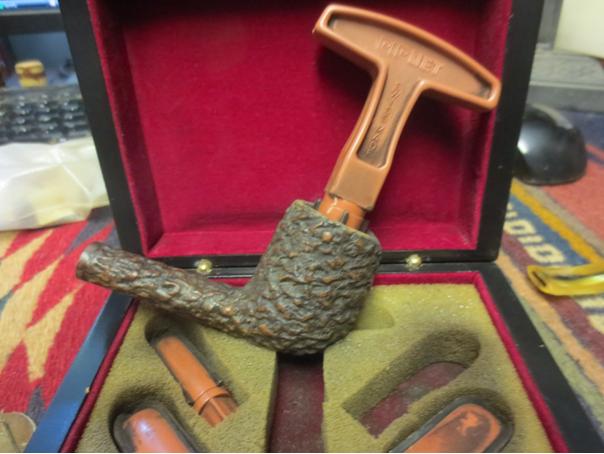
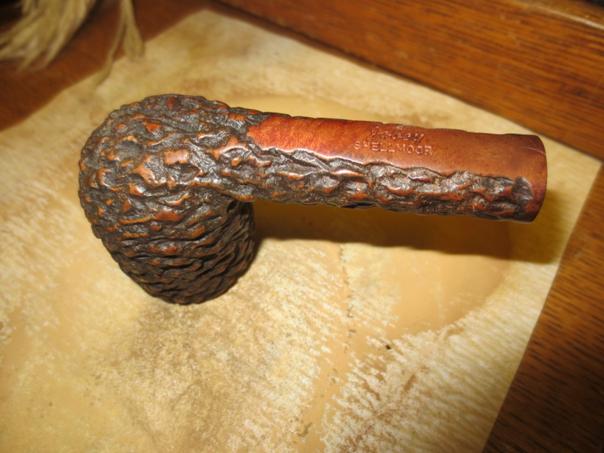
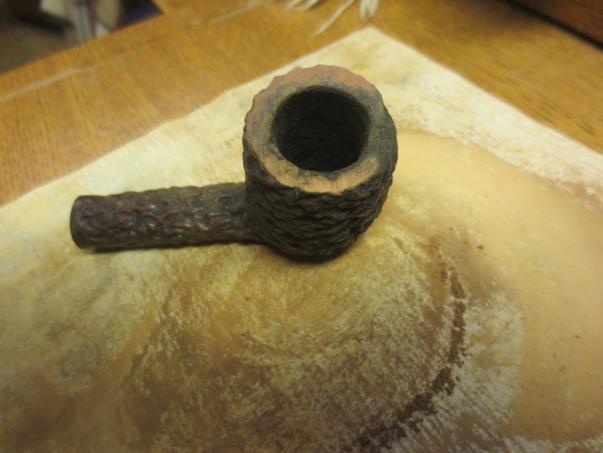
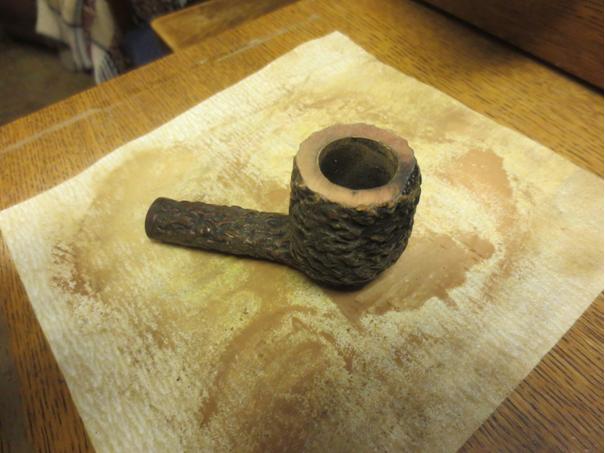
What grain under the Candy Apple Red Paint –- A Television Churchwarden


Blog by Steve Laug

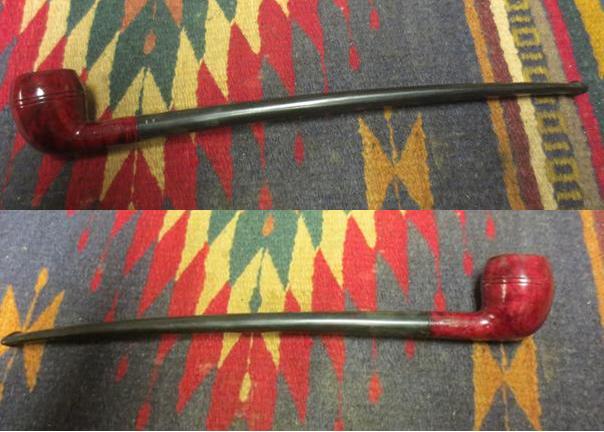
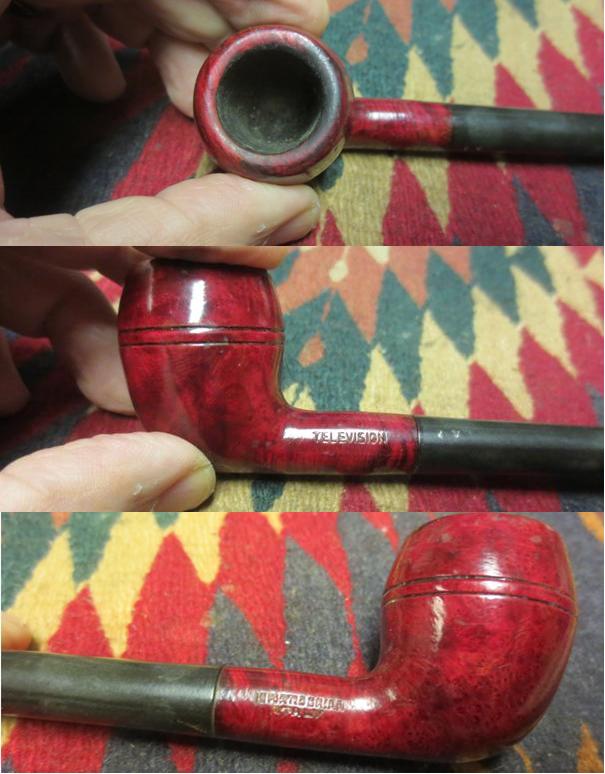
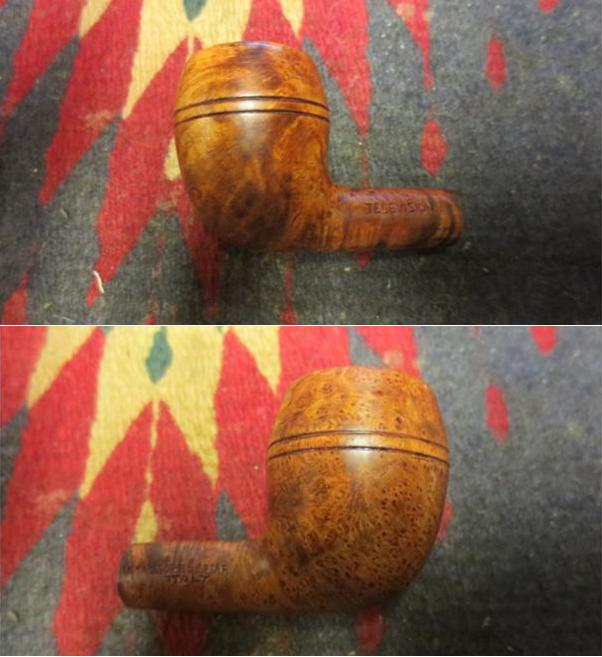
This Churchwarden is stamped Television on the left side of the shank and Imported Briar over Italy on the right side. From two earlier Television pipes I had restored and restemmed I remembered that Jose Manuel Lopes – Pipes Artisans and Trademarks had helped me identify the original manufacturer. Here is what Lopes says: The brand was sold by A. Grunfield Co. and was produced by Gasparini. They were known to be an English brand with long stems. I have written more about the brand at the following links:                                                                                                                                                https://rebornpipes.com/2014/08/04/restoring-and-restemming-the-first-of-two-television-pipes-a-pot/
https://rebornpipes.com/2014/08/05/restoring-and-restemming-a-second-television-pipe-a-prince/

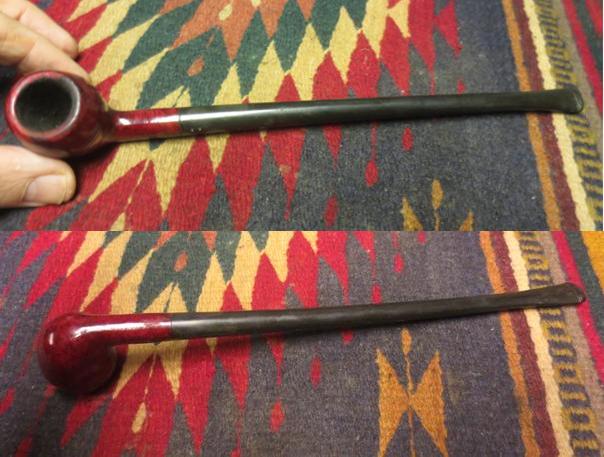
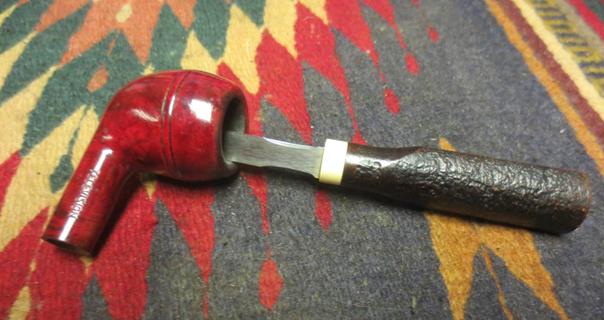
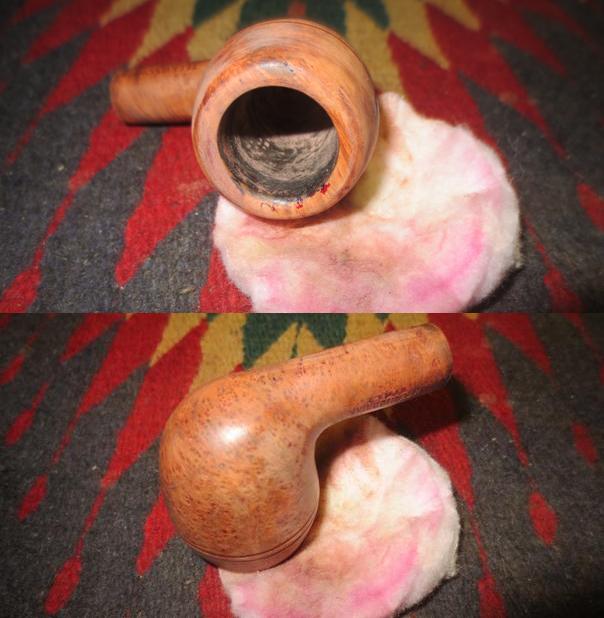
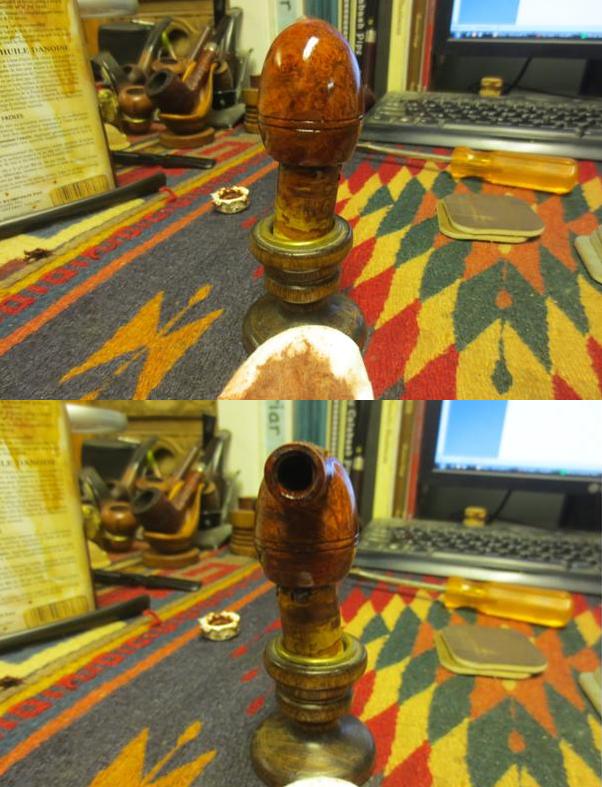
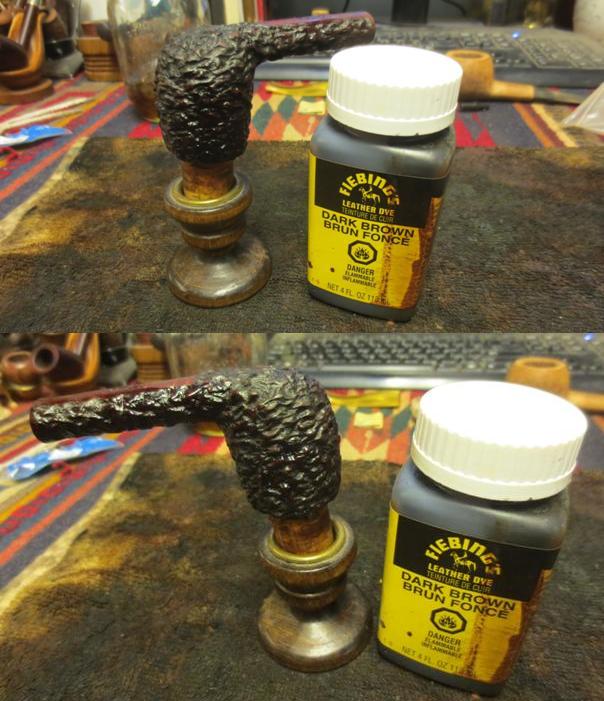
I took some photos of the pipe before I started working on it.TV1 TV2The pipe was in decent shape – no dings or burn marks on the bowl. I just have never really liked candy apple red pipes. This was no exception, as it was almost a painted surface. The combination of a very opaque stain and a urethane topcoat left the bowl looking almost plastic. The rim was dirty and had some lava on it so I knew that in removing that I would not be able to keep the thick red coat on the rim so it would look different from the rest of the bowl. The bowl had a light cake inside. The stem was oxidized and had light tooth chatter near the button on the top and the bottom sides. Through the opaque stain and the urethane coat I could see some interesting grain on the pipe. I also was well aware that this kind of heavy stain and topcoat often hid a multitude of fills.TV3I reamed the bowl with the Savinelli Pipe Knife to scrape out the light cake.TV4I weighed my next move with fear and trepidation wiped down the bowl with acetone to see if I could dent the urethane coat. No such luck with that. I sanded the bowl with a medium grit sanding block and in some spots with 220 grit sandpaper. The finish was hard as rock and it took quite a while to remove the finish. The urethane and the stain coat came off together. It was almost as if it was not in the grain but rather sat on top. I wiped it down with acetone on cotton pads. The results of stripping the bowl can be seen in the next photos.TV5 TV6To my amazement the number of fills was not as bad as I expected. There were actually two – yes just two. Now the bad news was that they were both larger than the average ones I deal with. The first was on the front of the bowl and was centered over the two rings around the bowl. The second was on the back side of the cap. The front one was visible but I could live with it. The putty was brown and was tight and smooth. The one on the back was well blended into the grain on the bowl. It too was tight. I would not need to pick them out and repair them. I cleaned out the shank and airways in the bowl and stem with pipe cleaners, cotton swabs and alcohol. It was actually quite clean.TV7I buffed the bowl with red Tripoli on the wheel and was able to remove some of the stubborn paint/stain spots on the bowl cap and the shank. I then gave the bowl a light rub down with olive oil to get a feel for the grain on the pipe. You can see from the photos below that the mix of grain is quite stunning. The right side of the bowl has some tight birdseye. The rest of the bowl is a mix of grains.TV8 TV9I gave the bowl several coats of medium cherry Danish Oil to raise the level of red from the briar. I let it dry and buffed it between coats. I gave it a final coat and let it dry while I worked on the stem.TV10 TV11When the stain coat was dry I buffed the pipe with a coat of carnauba wax.TV12 TV13I worked on the stem. I sanded it with 220 grit sandpaper to remove the light oxidation and tooth chatter and then with a medium grit sanding sponge to smooth out the scratches. I wet sanded the stem with 1500-2400 grit micromesh sanding pads. I gave it a coat of Obsidian Oil. I dry sanded it with 3200-4000 grit pads and gave it another coat of oil. I finished sanding it with 6000-12000 grit pads and gave it a final coat of oil. I set it aside to dry.TV14 TV15 TV16I buffed the stem with Blue Diamond to finish the polishing. I gave the bowl and the stem several coats of carnauba wax. I buffed it with a clean buffing pad and then hand buffed it with a microfibre cloth to add depth to the shine. The finished pipe is shown in the photos below. I like the transparent stain on this one far better than the heavy urethane coated pipe I started with. The pipe is going with me to Bulgaria on an upcoming trip I am making there. The pipe man in Sofia is looking forward to adding this to his collection. Thanks for looking.TV17 TV18 TV18a TV20 TV21 TV22 TV23 TV24
 

GBD 357 Virgin Prince Restored


By Al Jones

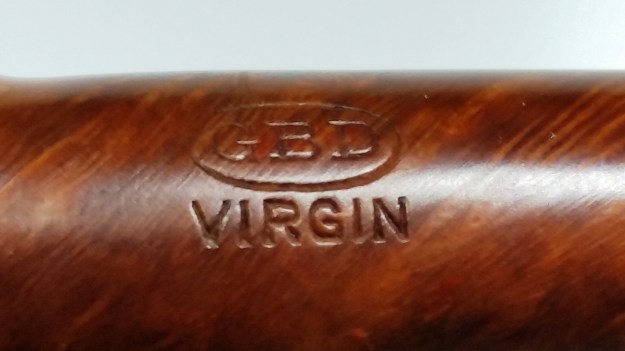
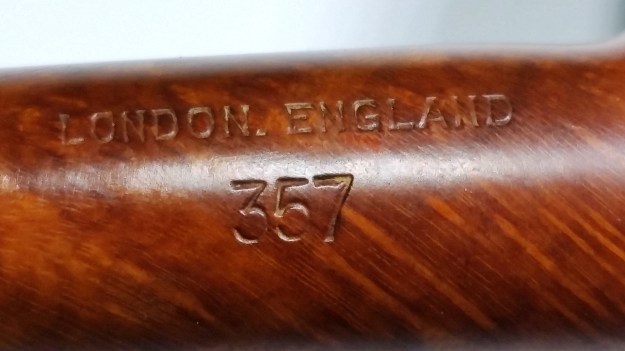
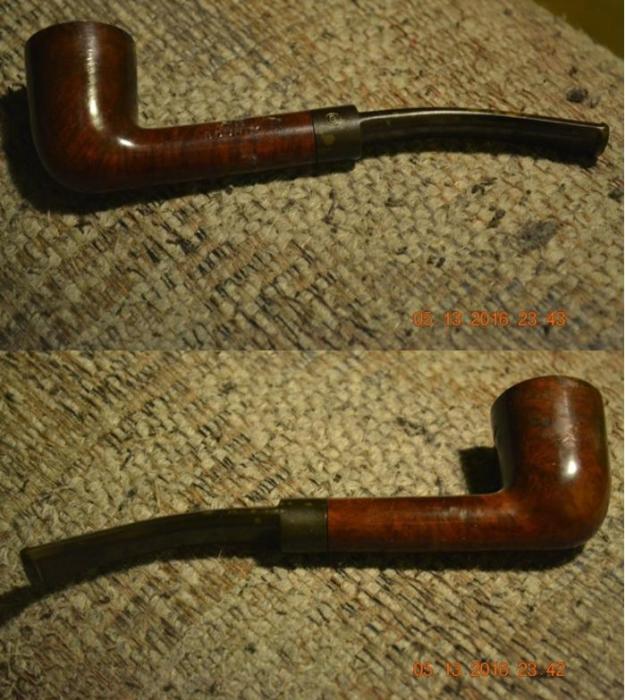
I’ve owned several GBD 357 Prince shapes, but all have had the Perspex stem, so they were eventually sold. I’ve had a 357 with vulcanite stem on my Holy Grail list since I sold my last of that shape in 2012. I love Virgin grade pipes and I was fortunate to win the auction for this one. Thanks to the Ebay app on my phone, I placed my winning bid while watching the sunset at Bahia Honda State Park in the Florida Keys and it was waiting for me at the end of our vacation. The pipe looked in pretty decent shape, with lava boiling over the bowl top and some degradation of the button, quite typical for an estate pipe.

Below is the pipe as received.

GBD_357_Virgin_Before (1)

GBD_357_Virgin_Before (5)

GBD_357_Virgin_Before (4)

GBD_357_Virgin_Before (2)

GBD_357_Virgin_Before (3)

GBD_357_Virgin_Before (6)

I used some light Oxy-Clean solution on a cloth to remove the heavy deposits on the bowl top, then some 1500 grit. A beautiful, beveled bowl top was revealed. There a couple of gouges just inside the bowl, which I smoothed over with some 800 grit paper. The stain had faded in several spots. I used a diluted Fieblings Medium Brown stain to revive and blend in the color. The bowl was then buffed with White Diamond and several coats of Carnuba wax. There was very little cake in the bowl. The bowl was then soaked with sea salt and alcohol. After the soak, I cleaned the shank with some bristle brushes and alcohol. The nomenclature was mint, so I was sure to steer clear of these areas during the work.

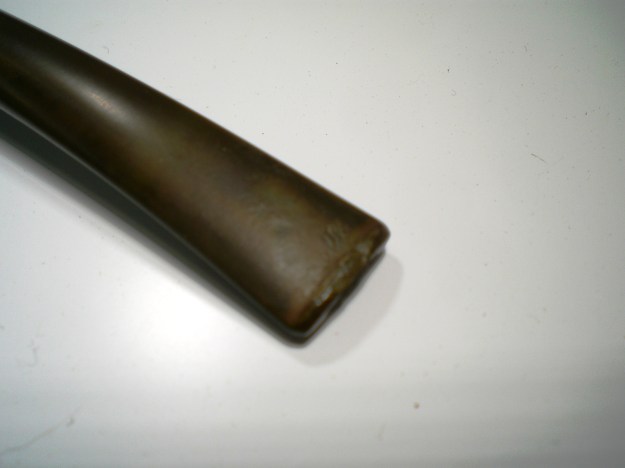
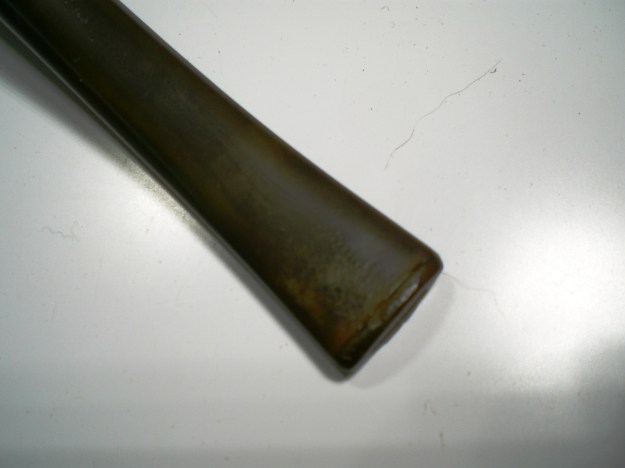
I used the Black Superglue and accelerator on both sides of the button with a little vulcanite dust mixed in. I used 800 grit paper to reshape the button. I removed the mild oxidation on the rest of the stem with 800 grit paper, then 1500 and 2000. Micromesh sheets in 8000 and 12000 grade were then used. This work was done with the stem mounted on the bowl. I then buffed the stem with White Diamond and Meguiars Plastic Polish.

GBD pipes, even Virgin grades, aren’t known for their grain, but this one has a some nice features and a little birdseye on the bottom of the bowl

Below is the finished pipe, I’m very pleased to add this one to my collection.

GBD_357_Virgin_Finish (1)

GBD_357_Virgin_Finish (6)

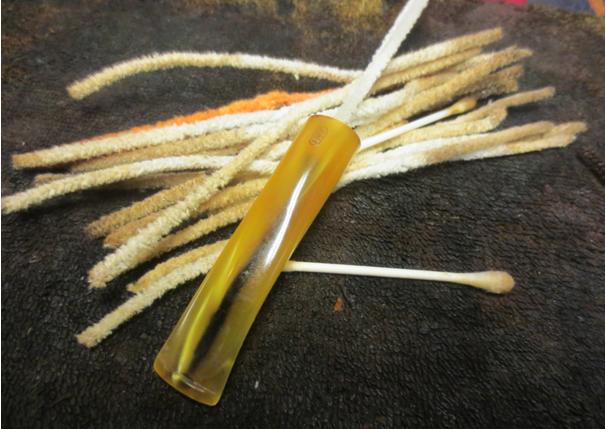
GBD_357_Virgin_Finish (5)

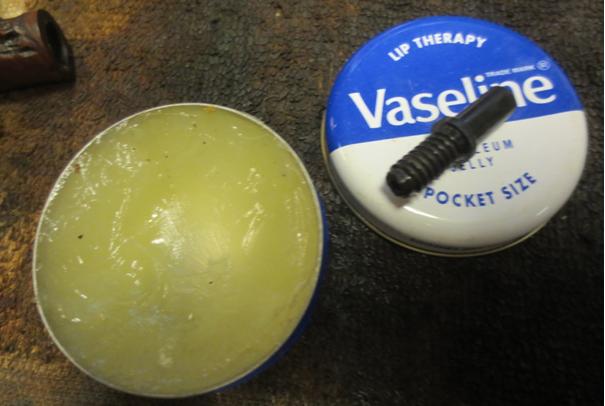
GBD_357_Virgin_Finish (7)

GBD_357_Virgin_Finish (4)

GBD_357_Virgin_Finish (8)

GBD_357_Virgin_Finish (2)

GBD_357_Virgin_Finish (3)

?

?

?

?

GBD_357_Virgin_Finish (1)

Spotlight: Ladies Pipes, Part 4/7, a Real Briar Bounty


Guest Blog by Robert M. Boughton
Member, International Society of Codgers
Member, North American Society of Pipe Collectors
http://www.naspc.org
http://www.roadrunnerpipes21.com
http://about.me/boughtonrobert
Photos © the Author

And old Boughton, if he could stand up out of his chair, out of his decrepitude and crankiness and sorrow and limitation, would abandon all those handsome children of his, mild and confident as they are, and follow after that one son whom he has never known, whom he has favored as one does a wound, and he would protect him as a father cannot, defend him with a strength he does not have, sustain him with a bounty beyond any resource he could ever dream of having.
— Marilynne Robinson (b. 1943), U.S. novelist and essayist, in “Gilead” (2006). She is the winner of the Pulitzer Prize for Fiction and the Library of Congress Prize for American Fiction, both this year.
BLOGGER’S NOTE: ALTHOUGH I READ AN EVELYN WAUGH NOVEL WHEN I WAS 17 AND COULDN’T HELP NOTICING THE MENTION OF A VILLAGE CALLED BOUGHTON, WHICH YEARS LATER I CONFIRMED EXISTS IN DEVENTRY, NORTHAMPTONSHIRE, “GILEAD” IS THE ONLY WORK OF FICTION IN WHICH I HAVE SEEN A CHARACTER WITH MY LAST NAME. BUT THE PART THAT TRULY GAVE ME THE WILLIES WAS FINDING WE (THE FICTIONAL PASTOR BOUGHTON AND I) SOMEHOW SHARE THE SAME GIVEN NAME AS WELL! I ALSO LIKE THE USE OF “BOUNTY.” ALL OF THE NAMES AND EVENTS IN “GILEAD” ARE FICTIONAL, AND NO RESEMBLANCE TO ACTUAL PERSONS, LIVING OR DEAD, IS INTENDED.

INTRODUCTION
The Real Briar Bounty billiard marks the over-the-hump point of my series on ladies pipes, and a cursory examination of the well-crafted implement of exquisite pleasure as it looked when it came in the mail shows it appears almost good to go. Bounty1 Bounty2 Bounty3 Bounty4But everyone knows the frequent truth about appearances. I bought the pretty, shiny little Bounty, light in the hand and with a corresponding semblance of fragility, in 2014 among one of the many pipe lots I snatched up that single year. The brand name itself was an excellent use of the adjective, whether in the more plausible sense of a generous gift or bestowal, or the bigger mouthful, “Goodness shown in giving, gracious liberality, munificence, usually attributed to God, or to the great and wealthy….” [Oxford English Dictionary.]

I still have more than a few of those pipes in need of restoration, although I’ve made quite good headway. Most of the 2014 parade of pipe lots, selling for an average of about $20 per pipe, included one, or more, good looking big brand names. For the most part the rest were nice or odd enough to warrant the purchase. There were, to be sure, a few total losses, with fatal cracks or burnouts, but little more than I could count on a hand. Take, for examples of both name brand and just plain interesting pipes, the following picture of 11 I acquired together, containing a Kaywoodie Rustic Silhouette bent apple [top row left] and a Spitfire by Lorenzo Mille [Italian for a thousand, appropriate considering its massive size, third row left). Then there’s the gigantic no-name Lorenzo pretender [by itself at the bottom], which may in fact be a reject from that Italian maker known for outrageous sizes. As I sit here editing the text of the finished blog, I hear a chime on my laptop and check the email. There is a new message from a gentleman I met last night who visited our monthly pipe meeting. I gave him a couple of samples of excellent new flakes I had and asked if he saw any of my restored pipes he likes. Alas, none of them was big enough for his taste! And so I recalled the Spitfire and its look-alike and described both to him, promising to send email photos for his information or consideration. Well, the gentleman just replied and accepted my bountiful offer of a very low price for the no-name. That, to my way of thinking, speeds past any notion of coincidence and stops on the dime at downright mysterious. We have arranged to meet Monday morning for the transaction.Bounty5This photo is extraordinary to me on several levels more appealing than its dingy back-drop and utilitarian lack of artfulness. Have a gander at it yourselves, ladies and gentlemen, and if you have read the prior parts of this set of blogs you will hopefully recognize two of the pipes restored in them.
When you’re finished looking, they are, in order of their appearance in the photo: the Clinton Real Briar straight oval [top row, right] that sold to a young lady overcoming the social and medical blight known as cigarettes; the Real Briar Bounty billiard [fourth row, left] that I put on reserve for one genuine character of an older woman who belongs to a non-pipe related club of which I am a member and informed me in a Dr. Lecter sort of voice that her husband “used to smoke them all the time – but not anymore,” as well as how she quit cigarettes with the aid of her old misplaced pipe that she “also” learned to live without except for missing the feel of it in her mouth. The rather Faulknerian run-on segment of this passage begs the questions of whether the poor husband is not among the living at all and if not, why, or just not with the good lady, and other issues I dare not approach in this medium. And there is the Frasa, or FRASA as an acronym, French bent billiard [next to the Bounty], which I sold to my pipe club friend, Ashley. Another lady I caught smoking cigarettes was persuaded to purchase the Medico straight natural tiny acorn.

Wow! I just had a thought, the kind that makes me feel like an utter fool. Here I have been, wracking my brain to track down and interview unknown lady pipers in addition to Liz, and all along the obvious has been right in front of me: Ashley, the first female pipe smoker I met, in my own pipe club! Not that I don’t still need to collect some data that will allow me to get a handle on any patterns of experiences and difficulties faced by women who dare presume to invade one of the last existing perceived instances of a traditional male bastion; it’s just that now I understand I can simply post a thread on Liz’ Facebook forum asking for the input I seek from women, and then sit back and let it all pour in – or even chat with a few of the undaunted freedom fighters.

None of the ladies pipes in these blogs was picked by me for this project by looking at old photos, but rather by tunneling through the chaotic clutter on my work desk in search of diminutive pipes. Still awaiting restorations are a Willard Aristomatic rustic pot with U.S. Patent No. 2,461,905 issued in 1949, a Dr. Grabow Duke six-sided rustic panel and, last and least (in terms of length), la pièce de résistance, an Albertson Belgian bent black billiard. Try that five times fast.

Unconsidered by me at the moment of conception of the underlying theme of these blogs was any idea of ever writing such a series as this concerning the presence of women around the world who enjoy pipes every bit as much as men do, including the all-important contemplative aspect of the deeply personal experience. And so, while the details of inner visions of our most inviolate thoughts as we puff a pipe and tobacco may differ somewhat between the genders, the basic dynamic is a twin.

I do have a few words about Real Briar Bounty pipes. There are, in fact, few words I can write about the maker of these beautiful and varied works, samples of which I have found all over the Internet, for the most part members of sundry forums asking for information on the Bounty’s pedigree and receiving no coherent answer. [See Sources.] This omission of mine is not for lack of research but because of the apparent utter dearth of information. Based on the designs available for sale online, many were made for 9mm filters and some have originals included with the purchase. Then there are the references to separate ships in English history, both called The Bounty, each of which met with disastrous ends.

The few but important clues (9mm filters, an unusual number of the sources being in Europe – particularly several ebay.uk sellers – and the name itself, Bounty) embolden me to go out on a limb and suggest that the maker of this pipe is British.

A TEASER OF THINGS TO COME IN THE FINAL THREE BLOGS
For various reasons about which nobody still reading this would care to hear, I have yet to chat with any of the New Jersey Ladies of the Briar concerning their no doubt varied introductions to the wonderful world of pipes, but as I noted earlier I now have the solution to that I promise to get on it while preparing my fifth blog on the topic. To be more accurate, I should amend my previous statement with the note that my Smokers Forums U.K. friend, Liz, who founded the group, has been my sole source of information related to feminine tastes in the choices of pipes and tobaccos.

Our first few email exchanges were a bit odd. While Liz was open to my idea, at first proposing a single blog I soon knew would either turn into a New Yorker-length piece much longer even than my “The Young Man and the Pipe” tribute to Ernest Hemingway involving the restoration of a Thinbite. And so I decided upon a series. In those early emails, I remember describing, several times in different ways, the kind of information I wanted and any ideas how to go about getting it.

My mistake, a common one but inexcusable of someone with a reporter’s experience, was not asking specific questions of Liz. And so I at last understood and re-commenced with three questions.

The reply I received from Liz was candid, and also revealing of double standards and injustices I could never have dreamed up. My interests are eclectic, but there are certain areas to which I find myself constantly drawn. They include history, political science, law and, it goes without saying, everything related to pipes. I consider myself well versed in the real atrocities Mankind has committed against itself and the rest of the planet and the everyday varieties of rudeness and general foul play that abound daily. I just never considered the possibility that such attitudes had infiltrated our beloved pipe world to a real extent. Here is that first, ice-breaking, bare bottoms basic email Q&A.

Q: I know you have a penchant for minis, but what are some of your favorite pipes that you smoke regularly?
A: Currently, my go to pipe is a Dr. Plum mini Prince which I only smoke Lakelands in. Other pipes I tend to stick with are a huge Savinelli 320, Savinelli Lollo, Jirsa horn shape, Brebbia author shape and a no-name bent meer and corn cobs.

Q: What kind of pipe blends do you like?
A: I will smoke anything! But I love Lakelands and latakia blends the most. Aro[matic]s that I favor are mocha/coffee blends (McClelland 620 mocha black is my favorite) and also maple blends (Wilki Vermont Maple is my favorite). I tend to shy away from perique because it gives me a scratchy throat but I will smoke one bowl occasionally.

Q: When did you start smoking a pip? Were there any special circumstances?
A: I always wanted to smoke a pipe even when I was a child. I had seen photos of my dad smoking a pipe but he had quit smoking by the time I was born. I started smoking cigarettes in my early teens and the desire to smoke a pipe became stronger once I became an adult and started to do a lot of camping. I thought it would be very nice to sit by the campfire and smoke a pipe. But as a woman, I never felt comfortable or confident enough to go in a store and buy one. Finally in 2004 I got the nerve to go in the tobacco shop and buy a pipe. I used the excuse that I was buying it for my brother. I selected a 3/4 bent no-name Italian briar. I still have that pipe today although I don’t smoke it often since my taste is pipe shapes have changed. I had no one to teach me anything about smoking the pipe so what I learned I found on the internet. [Emphases added.]
RESTORATION
Earlier, I alluded to the smooth, fairly clean pipe with its nice glossy finish and unusually good though not thorough cleanliness. I also noted, during my first critical examination of the pipe, the bad gash on the rear of the bowl and other small scratches over the surface area. Out of nowhere, I had a bad feeling about the possibility that something other than a conventional alcohol-based stain might have been used, such as the bad habit in China of laying on Earl Scheib applications of regular varnish and – it hurts me to write this – even Shellac and, I’ve heard, paint! These coatings cause various serious damages, some of them being the destruction of the pipe’s ability to breathe, or to take in air, not to mention the inhibition of the wood’s natural expansion when it heats from use. The bit was freckled with discoloration.Bounty6The obvious starting point was tossing the bit in an OxiClean bath and the stummel in Everclear.Bounty7Then again, without the bit or the stummel, I had nothing whatsoever to do except to partake of a nice bowl of Mac Baren Bold Kentucky Flake in my Peterson’s silver band orange meerschaum Dublin. These are the times when pipe restoring can be so trying.
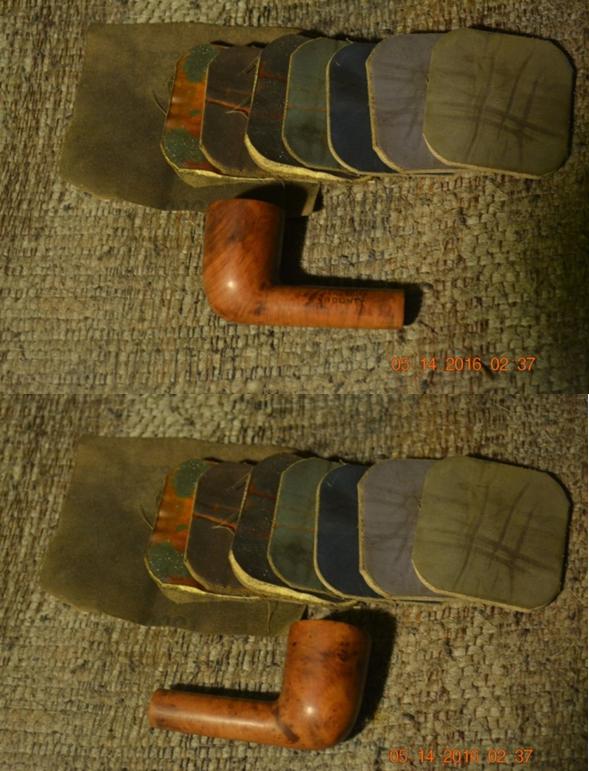
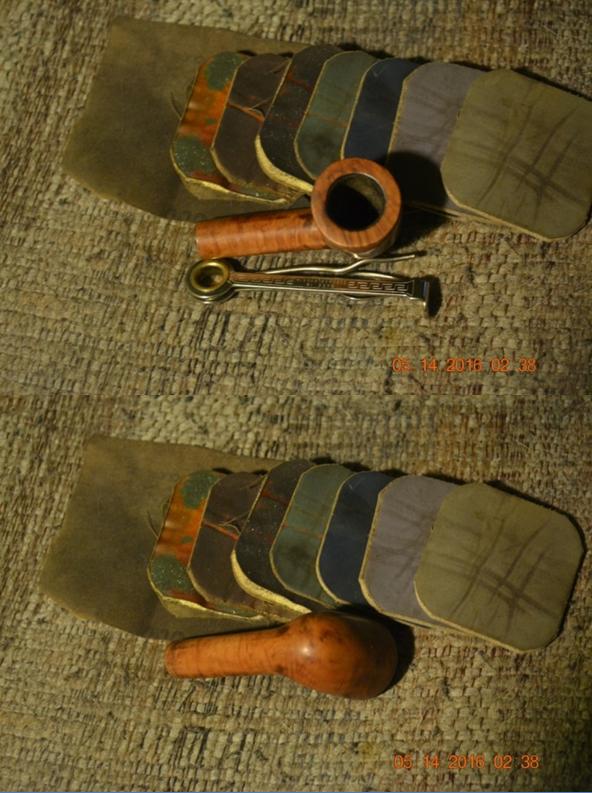
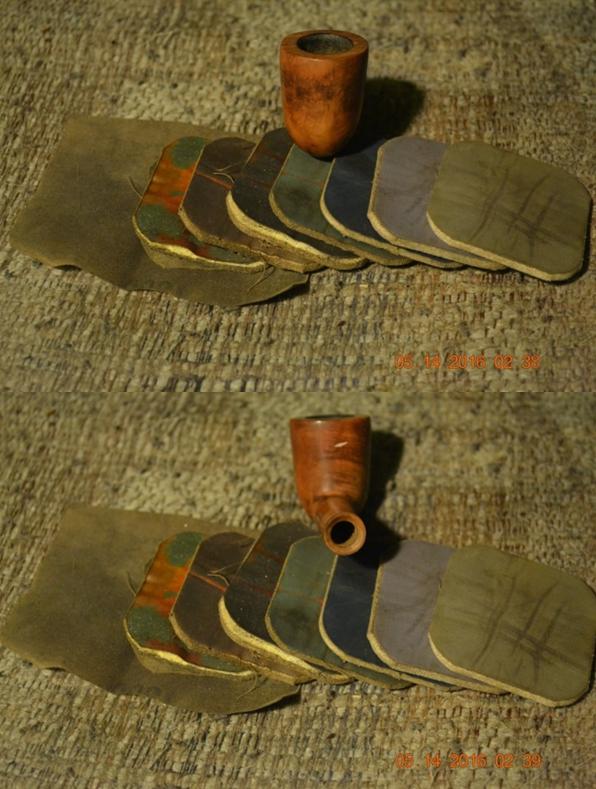
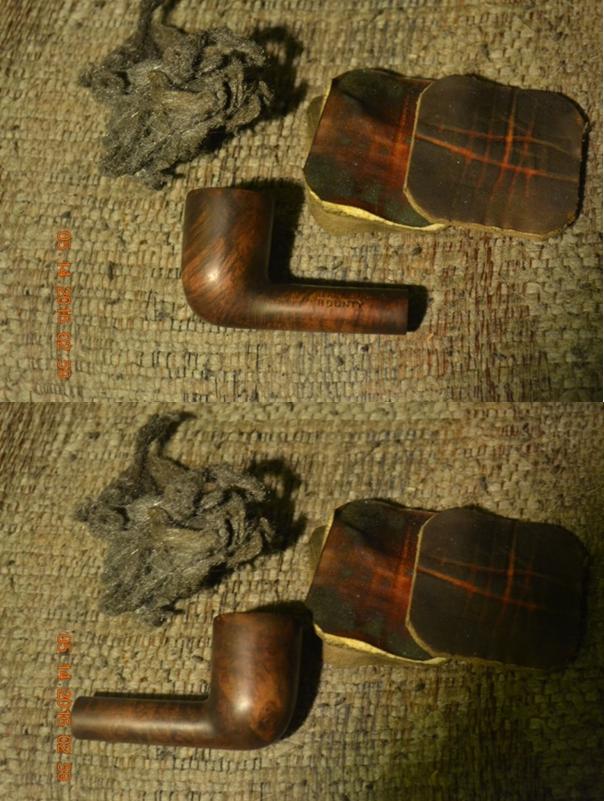
But I weathered the next half-hour with the stoic determination of an ancient mariner awash with kelpy brine, and got back to work. The bit was every inch a fright to behold, as I expected after its bath.Bounty8Nevertheless, I made it better with a bit of a makeover using 320-grit paper and the full progression of micro mesh.Bounty9About that time, I removed the stummel from the Everclear and stuck a pair of small soft cotton cloth squares into the chamber to twist and shout out some of the loosened mess there. I ran two more cotton cloth squares over the stummel, sanded the outside with 220-grit paper taking care to avoid the nomenclature and micro meshed all the way. The chamber was too small to fit a reamer, and so I sanded it (using a pinkie) with 150- and 320-grit paper before using a tiny edge of 0000 steel wool to finish smoothing. I put a touch of Everclear on a two-ply cotton cloth square and scrubbed out the remaining soot.Bounty10 Bounty11 Bounty12Micro meshing with my full set of pads was fun as usual and gave the wood a very nice natural shine. But as you can see, part of the big ding on the back side of the bowl remained.Bounty13 Bounty14 Bounty15I spot-sanded the ding with little pieces of 320- and 500-grit paper and a lot of elbow grease, re-micro meshed it, then micro meshed the little light but smooth spot all the way again. The time to re-stain had arrived, but what color? Why, Lincoln Marine Cordovan! I flamed the quickly drying alcohol-based boot treatment and set it aside to cool.Bounty16With 2400 and 3200 micro mesh, I removed enough of the stain-concealed grain to make out faint lines, but the pads could not do more than that. Several light applications of four-ought steel wool brought out the grain where I wanted it.Bounty17 Bounty18 Bounty19After an easy but necessary retort, the time to repair to the electric buffers had come. I used the red and white Tripoli, White Diamond and carnauba on the bit, and all but the red Tripoli on the stummel.Bounty20 Bounty21 Bounty22The last step was to touch up the circle B bit imprint with a white grease pencil as well as I could.
CONCLUSION
Close your eyes for a moment. I want you to imagine yourself standing just outside your favorite neighborhood tobacconist. You know there’s a pipe inside that you’ve always wanted. A pipe with your name, as it were. You may never have seen the pipe, but you know it’s in there. Waiting for you to buy it. For your own use. Whispering, “Come save me. I’ll be yours forever.” Maybe you remember your father or grandfather with it, relaxed and comfortable between his teeth. He’s smiling, laughing, and in his mirth has to take the pipe from his mouth for a moment. You watch as the beautiful pipe in his hand moves down in front of his chest, where the smoke subsides, but there are still faint wisps curling gently upward. And your eyes are still glued to the mysterious object of art when the hand moves up again and almost magically, without the man even looking at it, the pipe finds its way back between his happy, content lips. You reach for the doorknob to go inside.

Now, imagine you’re a woman.

SOURCES
http://www.pipetrader.de/artikelauswahl.php?kat=Estate+Pfeifen~Bounty
http://www.bestsmokingpipes.com/beautiful-real-briar-bounty-meerschaum-lined-smokers-smoking-estate-pipe-8-39
https://www.willhaben.at/iad/kaufen-und-verkaufen/d/pfeife-real-briar-bounty-157047822/
http://www.worthpoint.com/worthopedia/026-bounty-real-briar-bent-estate-463731513 9mm
http://www.cnn.com/2014/06/12/us/hms-bounty-tall-ship-sinking-investigation/
http://www.history.com/this-day-in-history/mutiny-on-the-hms-bounty
http://law2.umkc.edu/faculty/projects/ftrials/Bounty/bountyaccount.html The true story of the 1789 mutiny on the Bounty
http://globalnews.ca/news/1390913/hms-bounty-sinking-coast-guard-blames-owners-captains-decisions/

I love the odd and unusual – Restoring a Jima


Blog by Steve Laug

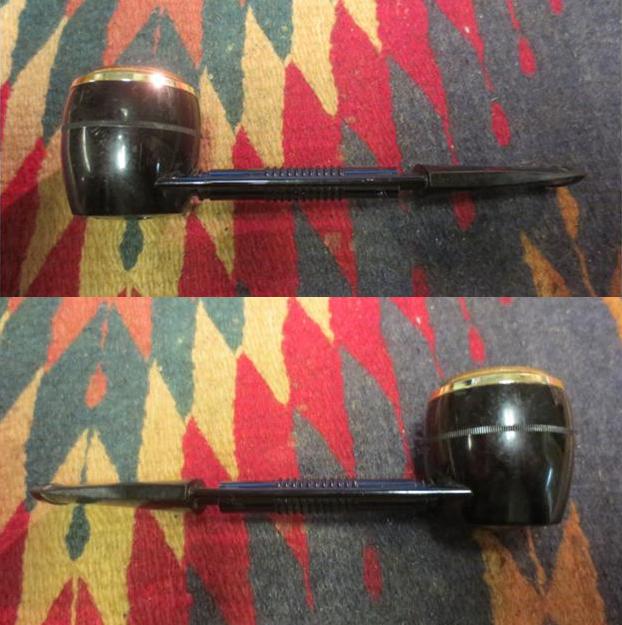
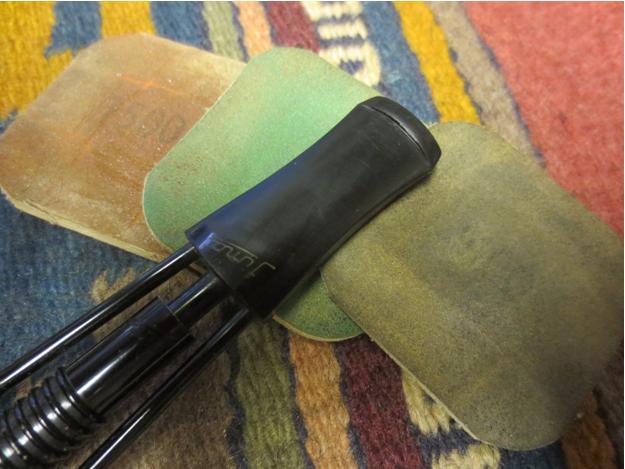
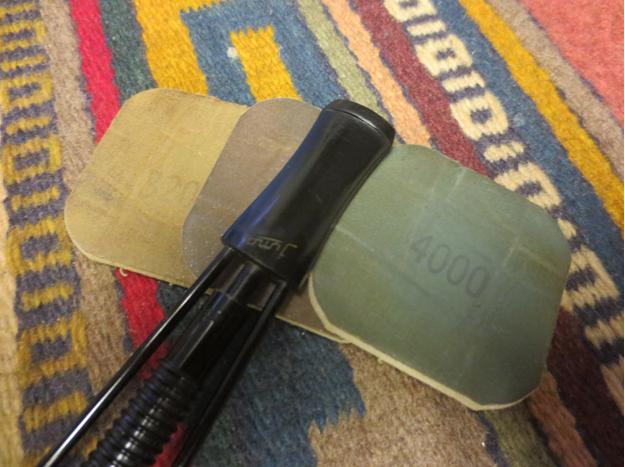
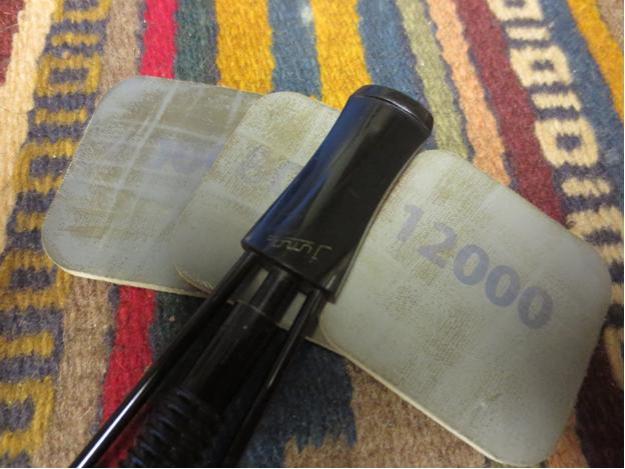
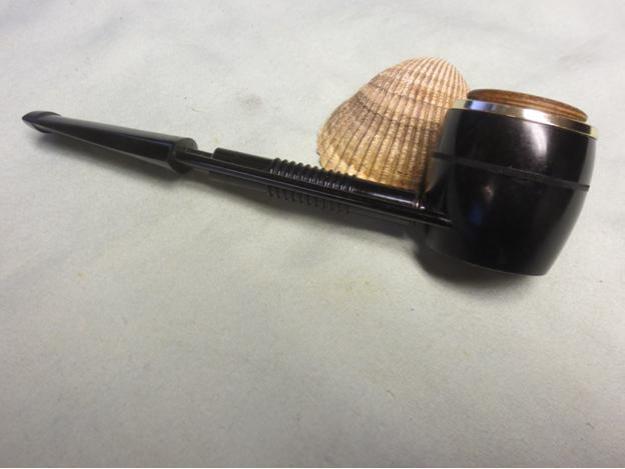
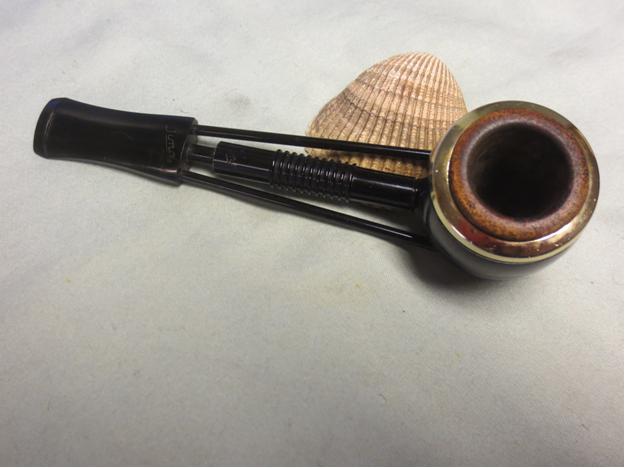
JimaMy brother picked this one up on eBay for me and as I had never seen one or worked on it I was quite excited to see what it was like. For some reason I love the odd and unusual attempts at the cooler, drier smoke and this one fits that category – or at least it did when I saw it.

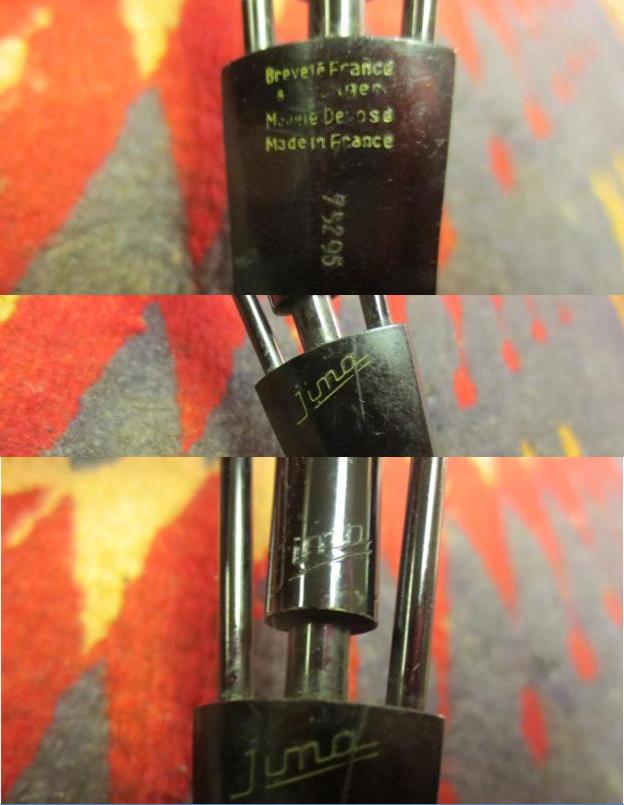
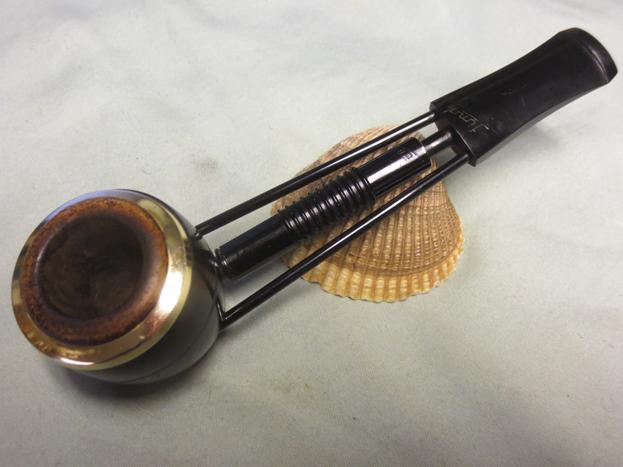
I brought it to the work table this evening after work and tried to figure out how to take it apart. Rather than break it I took photos before I did any research and also used my lens to read the imprint on the underside of the stem and on the tube in the centre of the shank. The shank tube was easy as it read JIMA on the top and the bottom sides. The topside of the stem also read JIMA in gold stamping. It was the underside that was a bit harder to decipher.

Here is what I read: running along the middle of the stem centered between the button and the rest of the stamping is the number 95295. I have no idea what that means but perhaps it has something to do with the colour of the pipe. Then in upper case letters, stamped near the shank/stem junction in a stack are the words: Breveté France over & Etranger over Modèle Deposé over Made in France. The stem is clearly plastic. The edges of the stem are not tapered from the top and bottom surfaces but are squared off. The button is comfortable and not too thick and the slot is wide open and takes a fluffy pipe cleaner.

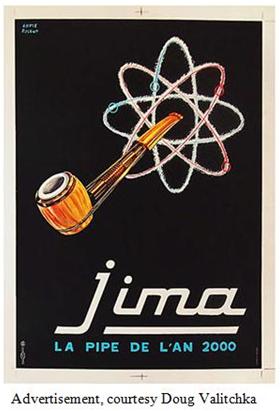
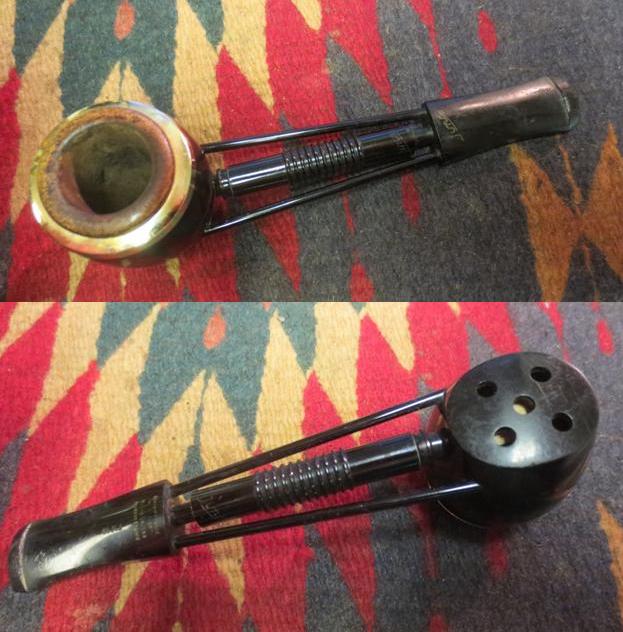
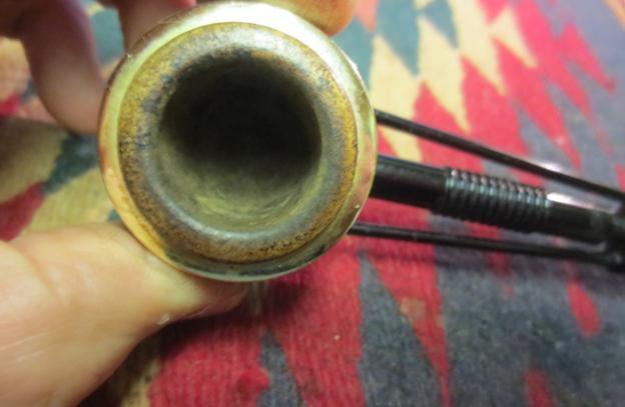
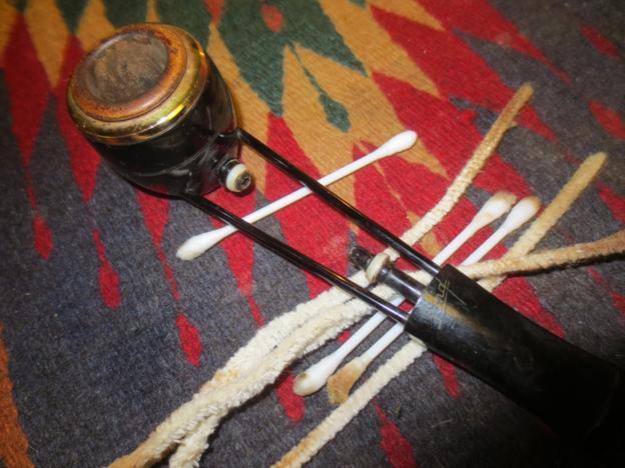
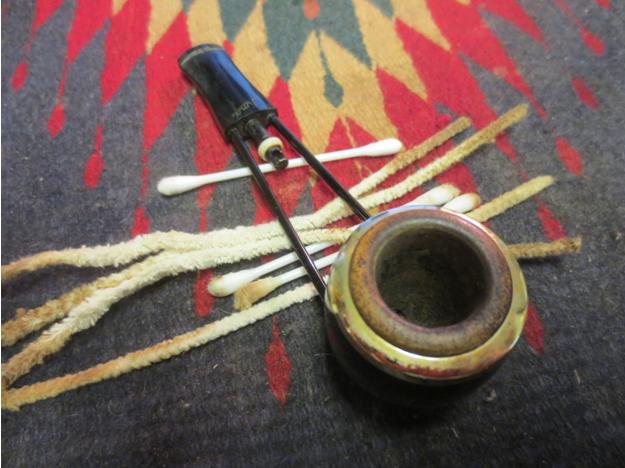
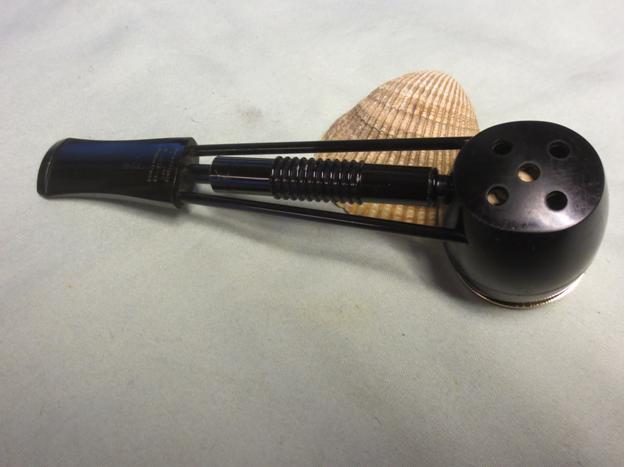
There is a larger tube in the center of the shank between the metal supports of the shank that has ridges and is capped on both ends. I did not want to damage it so I left it alone until I did a bit of research to learn how to take it apart. The exterior bowl is a plastic cup with a metal ring on the top that holds in what appears to be a clay bowl. The bowl is quite clean with no cake or tars. The airway enters the bowl at the bottom side back in line with the tube on the exterior. The ring on the top is gold coloured metal. The underside of the plastic bowl has five holes arranged like the number five on a dice. I took some photos of the pipe to shows what I have been describing above. The condition of the pipe was quite good – dirty but really in decent shape. There was some slight tooth chatter on the top and bottom sides of the stem near the button.JimaA JimaBI took some close up photos of the bowl and the stamping on the stem to illustrate what I was seeing.JimaC JimaDWith the description of the pipe and its condition completed above it was time to do a bit of research to see if I could learn about the pipe and also about how to take it apart. I came upon a wealth of information on Pipedia. The advertisement above and the text of the article have been included for ease of access. I thank Pipedia for the information and would encourage you to follow the link https://pipedia.org/wiki/Jima to see the amazing photos of a pipe exactly like the one I am working on. Here is the article:

An innovative system pipe, the “Jima” (for export also known under the name “Garland” and to a lesser extent in the Netherlands) was a pipe with a silver-plated or gold-plated steel metal frame, connecting a plastic mouthpiece to a plastic outer shell that housed the pipe bowl. This plastic pipe came in a few different colors, black and ivory being the most popular and later various mottled pastel shades showing depressing sales.

While the housing was made of hard plastic, the bowl proper was made of pressed white clay which has been mistaken for meerschaum or sepiolite. The bowl was made detachable by using a screw in fitting which could be loosened or tightened using an Allen key. The fittings on both the bowl and evaporator (stinger) used a plastic compression gasket to keep tar and moisture from seeping out and air from leaking in.

The “Jima” was equipped with an innovative filter design previously unemployed which made it an unforgettable part of the system pipe revolution that began in 1880 with the increasing popularity of new, moist aromatic tobaccos. In the “Jima” was found a filter which was made of spiral wound (sometimes double wound) “electrostatic” metal wire dubbed the “filtres serpentins helicoidaux”. It was said that the electrostatic properties of this filter caused the tars and residues to cling more readily to the filter medium. It is more likely that the extreme turbulence produced by this system caused particles of tar to fall and moisture to condensate as the smoke cooled rapidly. In this instance the evaporator worked to great effect relative to the amount of tar and moisture which accumulated in the stem.

To access the filter, the stem (plastic and in other iterations metal) can be unscrewed, by use of a spring system, or simply slid back, tilted downward and finally pulled off. In nearly every instance the words “Breveté France & Etranger” or “Modèle Deposé Made in France” can be found on the underside of the mouthpiece near the stem.

French brand created in the 1960s by Mayeux, which had a very modern look. This modern look was emphasized by the manufacturer in the promotion material. The slogan speaks of “la pipe de l’an 2000” or “The pipe of the year 2000”. The factory was sold to Chapel Frés, which became part of the Berrod-Regad group in 1987. The Jima pipe is no longer made.

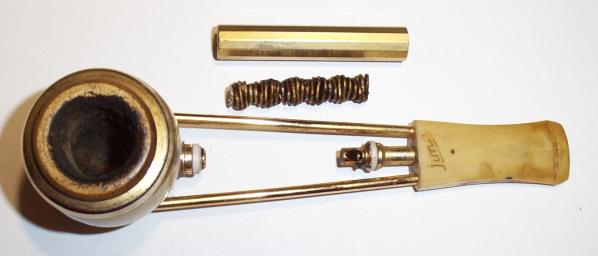
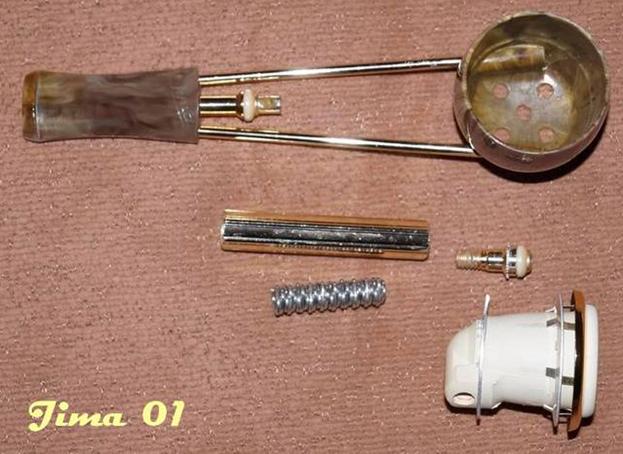
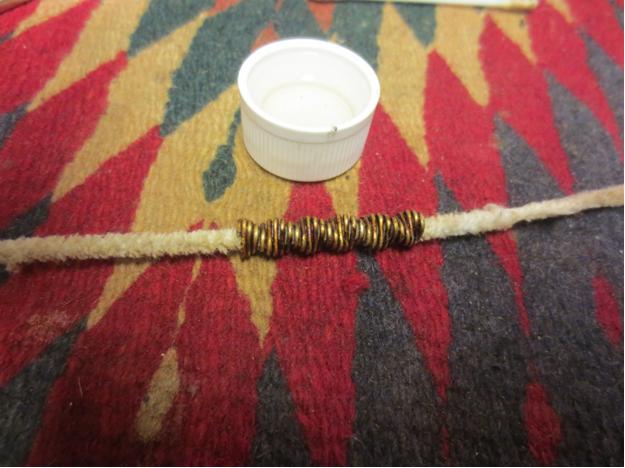
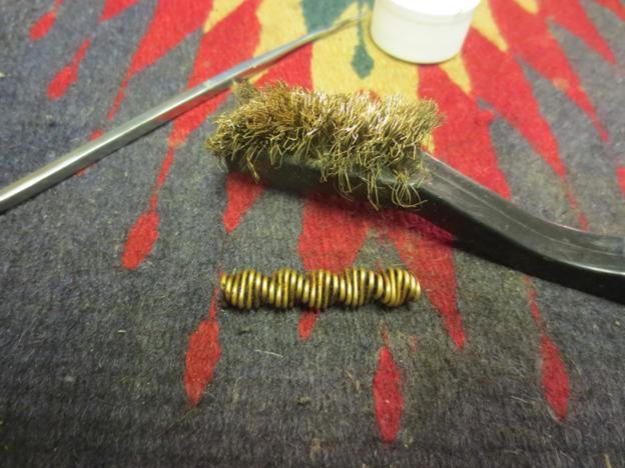
I also found several photos of the pipe. The first one comes from the Smoking Metal website (which is a huge resource for information on metal pipes and those made of alternative materials). Here is the link: http://www.smokingmetal.co.uk/pipe.php?page=159. It shows the pipe taken apart so with instructions above and the photo I could had an idea of what I was working toward as I took it apart.jima1I found the second photo of the pipe when I googled pictures of the JIMA pipe. The filter and tube are different but I can see that the threaded insert in the outer bowl the shape of the inner bowl are like. The fitting is shown on the right side of the photo the second item down. Once that fitting was removed the inner bowl lining could be removed. In both photos you can also see the unique filter material that was inside of the centre tube. The bowl to me is truly an odd looking piece with its fins and shape.Jima2After reading the above material and studying the photos I was able to take the inner tube out of the shank. I slid it backwards and dropped it down between the two arms. The filter in this pipe was like that in the first photo above – almost a coiled spring. I decided not to take out the insert on the plastic outer bowl but to clean it while it was in place. If I chose to do so I could remove it with an Allen Key later.Jima3I worked on each section of the pipe separately. I cleaned out the centre tube with cotton swabs and alcohol until it was shiny on the inside. It was amazing how much tar and oil lined the interior of the tube.Jima4I scrubbed the plastic compression gaskets on both the bowl and the stem side of the pipe with cotton swabs and alcohol. They had some tars and oils on them. I cleaned out the airway into the bowl with pipe cleaners and cotton swabs. Looking through the holes in the bottom of the plastic outer bowl I could see that the inside was quite clean. I cleaned out the airway in the mouthpiece with pipe cleaners and alcohol. The tube coming out of the stem end had the airway entrance on top of the tube rather than in the end. It is an interesting contraption.Jima5 Jima6The double spiral wound “electrostatic” metal wire filter, also called the “filtres serpentins helicoidaux” was oily and dirty. I cleaned the interior and the exterior with pipe cleaners and cotton swabs and alcohol. I spread apart the coils and used a brass bristle brush to scrub the wires until they were clean.Jima7 Jima8I scrubbed the exterior of the plastic bowl with alcohol and cotton swabs and pads. I sanded the bowl sides and the stem with 1500-2400 grit micromesh sanding pads to bring back the shine and remove the scratches in the plastic. I gave the stem and bowl a coating of Obsidian Oil and then sanded it with 3200-4000 grit pads. I gave it a second coat of oil (I know that it is not absorbed into the plastic but the stem is an odd mixture of rubber and plastic and the oil works). I sanded it with 6000-12000 grit pads and gave it a final rub down with the oil. Jima9 Jima10 Jima11I put several coats of Conservator’s Wax on the pipe and hand buffed it with a shoe brush and a microfibre cloth. The finished pipe is shown below. It is a unique pipe that is a mixture of system pipe and clay pipe – it should be a unique smoking experience. Thanks for looking.Jima12 Jima13 Jima14 Jima15 Jima16


Something About This Lorenzo Canadian Caught My Eye


Blog by Steve Laug

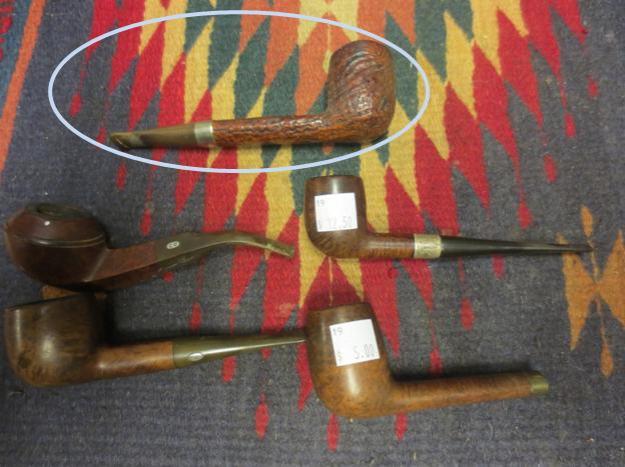
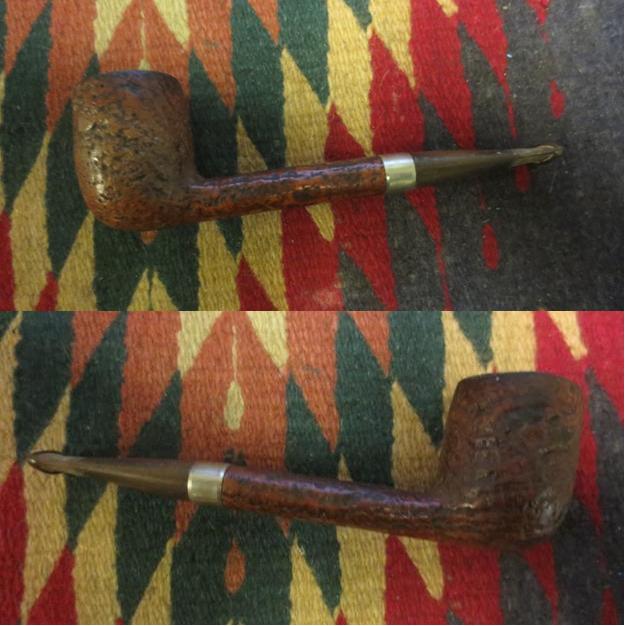
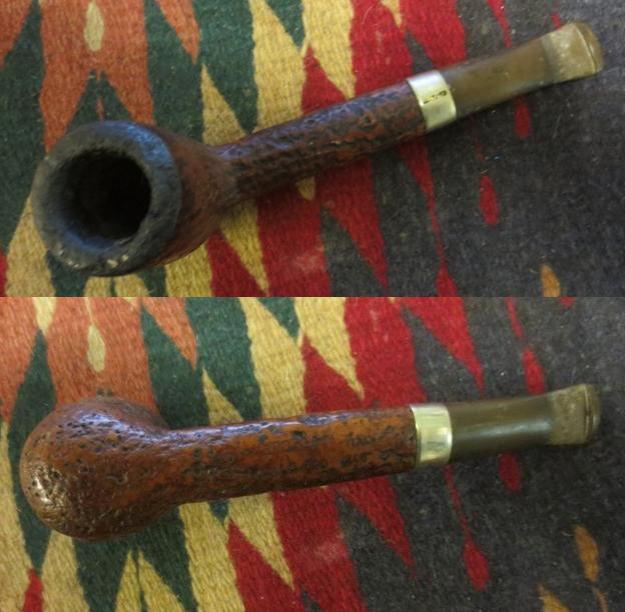
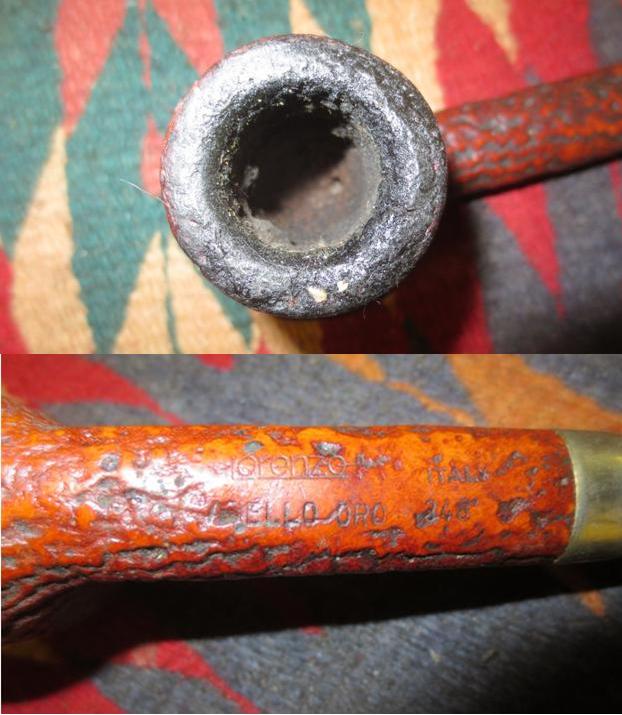
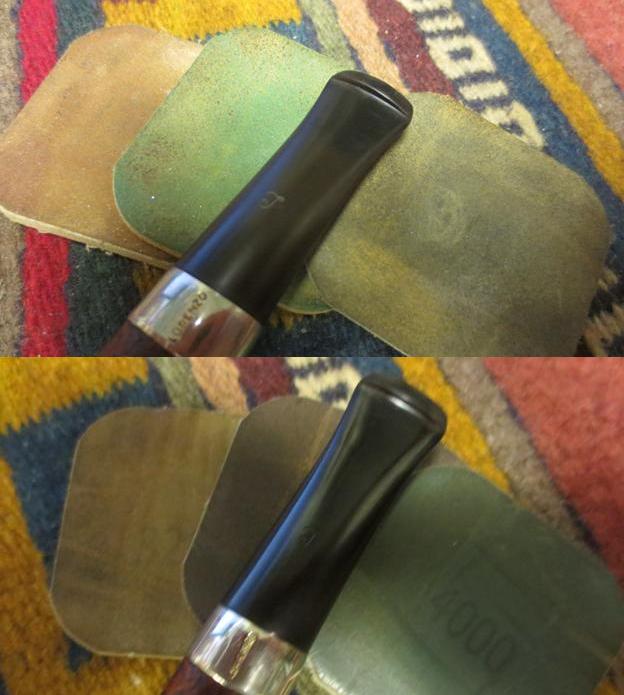
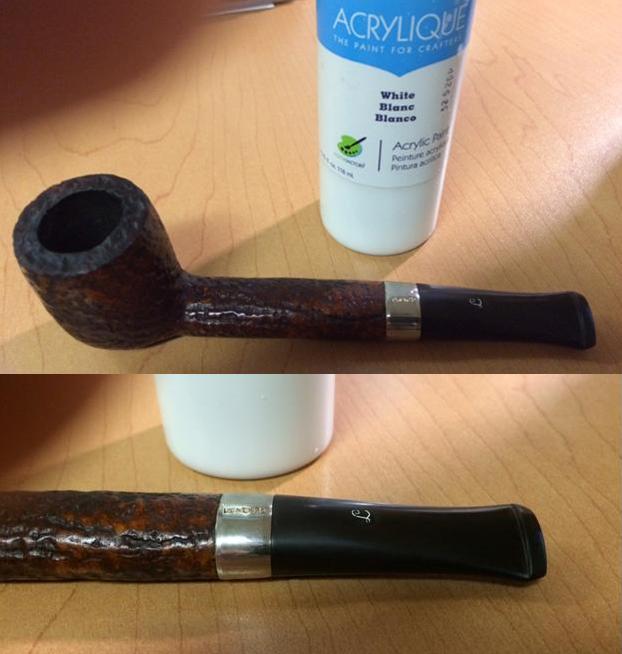
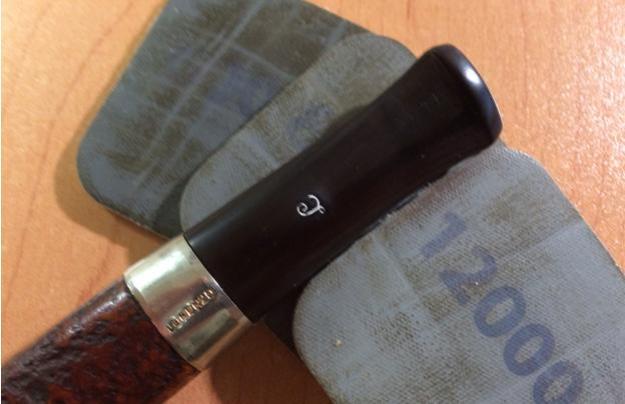
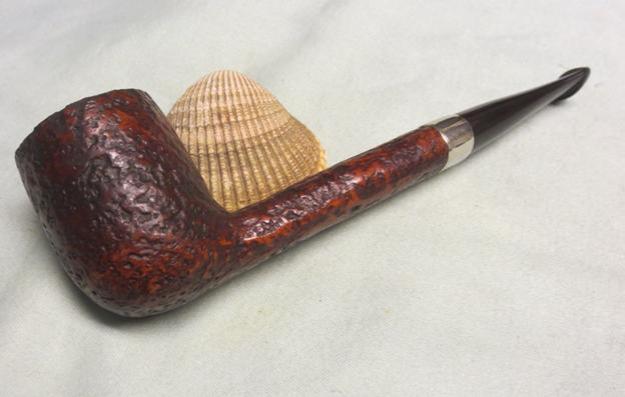
A few weeks ago my family took my wife down to the US from Vancouver for her birthday. After a huge breakfast celebration the ladies went shopping and I hit a few favourite antique shops. I found a nice handful of old pipes. One of the lot was sandblast Lorenzo Canadian. It had a nice looking blast and I could see underneath the high gloss, grit and ruined rim what looked like a great pipe. It was in pretty rough shape. The bowl had a thick cake of sweet smelling aromatic tobacco. It was soft and crumbly but it was thick. There was a significant lava flow of tars over the rim to the point it was hard to see what the rim looked like. The back right outside edge of the rim was worn away, rough and rounded. The finish looked as if it had been coated in urethane as a sealer. It almost looked as if that had been done after the grime and build up on the bowl. It was a mess. There was a nickel band on the shank that was stamped Lorenzo across the top face. The underside of the shank was smooth and stamped Lorenzo in script over AMELLO-ORO (at least that is what it looks like as the blast goes across the stamping. There is also the shape number 348 below the stamp ITALY. The stem was oxidized and dirty but seemed to have a cursive L mid stem on the top side. I picked it up for $12 US. The photo below shows the five pipes I picked up that day. The Lorenzo is in the oval at the top of the photo.Lorenzo1I took the next series of photos to show the condition of the pipe when I brought it to the work table. It has clean lines but is in sad shape. Can you see the beauty under the grime on this one?Lorenzo2 Lorenzo3I took a close-up photo of the rim to give you a clear picture of the state of the bow and the rim when I started working on it. It needed a lot of work on the bowl and rim before it would be usable again. The second photo below shows the stamping on the pipe. You can see where the sandblast covered portions of the stamping.Lorenzo4I started by reaming the bowl with a PipNet reamer. I used the smallest cutting head and worked my way up to one that had the same diameter as the bowl. I finished cleaning up the inside of the bowl with a Savinelli Pipe Knife.Lorenzo5 Lorenzo6The rim was not only heavily covered with lava but also was worn down on the back right side of the outer edge.Lorenzo7I topped the bowl with 220 grit sandpaper on the topping board and took off the damage to the rim as much as possible without changing the profile of the pipe.Lorenzo8I wiped the bowl down acetone to try to break down the urethane top coat that had been applied. It the bowl had not been sandblasted it would have been easy to sand off the top coat. In this case it was going to be a combination of things that I would have to use to break through the coating and remove it.Lorenzo9While the acetone removed a lot of the coating I decided to let the bowl soak overnight in an alcohol bath. My experience was that what the acetone softened the alcohol bath loosened.Lorenzo10In the morning I took the bowl out of the bath and dried it off. The coating was definitely much less shiny and in many places was gone altogether.Lorenzo11 Lorenzo12I used a brass bristle wire brush to scrub the surface and get into the crevices and grooves in the blast. I wiped it down afterwards with acetone on cotton pads. I repeated the process until the finish coat was gone and I was left with the stain on the briar.Lorenzo13With the finish removed it was time to rusticate the topped rim to match the finish on the bowl more closely. I used an assortment of burrs with the Dremel to make a random pattern on the rim top. I wanted the grooves and cuts to be at different depths and in different styles to approximate the look of the sandblast on the bowl and shank. The photos below show the progression of the rustication and each burr that was used. Lorenzo14 Lorenzo15 Lorenzo16I used the brass bristle wire brush to knock off any loose pieces of briar and to further rusticate the rim surface. The finished rustication is shown in the photo below.Lorenzo17I used a black Sharpie pen to colour in the grooves and crevices in the rim and to add some depth to the finish. I stained over the top of it with a medium brown stain pen for contrast.Lorenzo18With the rim finished I restained the entire bowl with a dark brown aniline stain thinned by 50% with isopropyl alcohol. I applied it with a cotton swab and then flamed it to set it in the grain of the pipe.Lorenzo19I wiped down the bowl with alcohol on cotton pads to further thin it down and make it more translucent. I wanted the dark stain in the grooves and crevices of the blast to show through the top coat of stain and approximate the colouring I had done on the rim surface.Lorenzo20I scrubbed the interior of the airway and mortise with pipe cleaners, cotton swabs and alcohol to begin the cleanup. The condition of this pipe and the heavy aromatic tobacco that had been smoked in it demanded a more drastic measure. I used the drill bit that is part of the KleenReem reamer to clean out the airway from the mortise to the shank. A huge amount of thick tars and grit came out on the bit. It took quite a bit of push to get the bit through the buildup in the airway. It was virtually clogged. I twisted the bit in until the airway was clean and then used the retort on the pipe. I set up the retort and boiled three tubes of alcohol through the shank before I was able to get one tube that was clean.Lorenzo21 Lorenzo22I wanted to see how the stain on the bowl and rim looked at this point so I buffed the bowl with Blue Diamond on the wheel. I polished the metal band on the shank with a jeweler’s cloth to remove the oxidation on the surface and give it a shine. I liked the look of the finish and knew that with a little more effort I would be able to finish the pipe and have it look far better.Lorenzo23 Lorenzo24I dropped the stem in Oxyclean before I went to work and in the evening when I came home took it out of the bath. The oxidation had softened and risen to the surface. I used a coarse towel to scrub it off. The majority of it came off leaving the stem almost clean. Lorenzo25 Lorenzo26I sanded the stem with 220 grit sandpaper to remove the remaining oxidation on the stem and ran some pipe cleaners through the airway to clean it out. I was careful as I sanded around the cursive L on the stem face so as not to damage it. I went on to wet sand the stem with 1500-2400 grit micromesh sanding pads. I gave the stem a coat of Obsidian Oil and then dry sanded it with 3200-4000 grit pads. I gave it another coat of oil and finished sanding it with 6000-12000 grit pads. I gave it a final coat of oil and let it dry.Lorenzo27At this point in the polishing of the stem I paused to address the faded logo on the top of the stem. I used a small #4 artist’s brush and some white acrylic paint to fill in the cursive L logo. The white paint made the logo stand out and added a finishing touch to the stem.Lorenzo28I finished sanding the stem with 6000-12000 grit micromesh pads and gave it a final coat of Obsidian Oil. I set the stem aside to let the oil soak in and dry.Lorenzo29I buffed the pipe – lightly on the bowl and shank, normally on the stem with Blue Diamond polish on the buffing wheel and then gave the stem several coats of carnauba wax. I buffed the stem with a clean buffing pad. I gave the bowl several coats of Conservator’s Wax and buffed it with a shoe brush between each coat. I lightly buffed the bowl with a clean buffing pad and then hand buffed the whole pipe with a microfibre cloth. The finished pipe is shown in the photos below. It has definitely come a long way from the mess I started with but the “good bones” I saw when I picked it up at the antique shop proved to be truly present. The pipe is restored and ready for a long life. Thanks for looking.Lorenzo30 Lorenzo31 Lorenzo32 Lorenzo33 Lorenzo34 Lorenzo35 Lorenzo36

Father Tom – After the prayers have been said


Blog by Steve Laug

Avatar3It has been a long time since I posted a new Father Tom story. I have been fiddling with this one for quite a while now. I think it captures the thoughts that I wanted it to so I am putting it up here for those of you who have enjoyed the earlier stories to read. I am in the process of putting the earlier Father Tom stories into a book. I had hoped that it would be finished by now – but it is not. I may well get it done this summer as I have some time that I can spend writing as my travels for work are less this year. Besides that, I have three or four more Father Tom stories that I am working on that I will post here in the days ahead.
Father Tom closed his prayer book and stood quietly as the last people left the graveside and dwindled away. There were just a few people who had come out to the graveside for the burial service of the older woman he had just committed into the ground and God’s care. She had no family and very few friends in the city. She had outlived most of her peers in her hometown and had only lived in Vancouver for a few years – not a lot of time to gather close friends.Those who had come out were an odd assortment of people from her retirement home. Even the ones that came to the cemetery were mere acquaintances and really they had no fond memories of the deceased. It seemed to Father Tom that funerals always seemed to bring out interesting spectators. He had learned this through the years of his ministry. He waited in silence by the grave as they made their way back to their cars.

It was a sunny afternoon with no wind – an unusual respite from the normal October rains. The grass was dry and the gravel paths through the Mountainview Cemetery were nicely laid out. It would be a great place for some time to walk and think. He had ridden with the funeral director to the graveside and had told him he would walk home. He was looking forward to some time alone without interruptions or demands – just the quiet that only cemeteries offer. He needed the space and time to think and reflect; and God knows that he had lots to think about today. He had received some disturbing news yesterday.

As the backhoe appeared at the graveside to refill the hole he stepped back and reached in his pocket for his pipe and pouch. He opened the pouch and loaded a bowl with some new tobacco that he was trying. It smelled wonderful and the few bowls he had smoked of it already were delightful. It was just what he needed to move him from a place of fretting to quiet. He pinched some tobacco with his fingers and stuffed it into the bowl until it full. He put the pipe in his mouth and checked the draw as he lit the tobacco with his lighter. He tamped it and relit it. The second light took and soon he stood lost in his smoke, oblivious to the sounds of the backhoe.

He mulled over the news that he had received from Doctor Mac aided by the distance that a pipe gave him. The doctor’s office had called about some of the results of his recent physical. The doctor had wanted him to go for a bit of blood work prior to the physical and he had complied. The trouble was that the lab had not sent the results in time for the doctor’s visit. That was no big deal normally. His blood work was usually clear so it had caused him no worries. But the doctor’s office had called and said they wanted him to stop by as there some concerns regarding his blood work. He always found that kind of call unnerving. His mind spun through a list of horrible possibilities. He hated that tendency in himself but that was where he always went. He hoped that the walk home through the quiet cemetery, smoking a bowl or two of tobacco would take his mind off his worries and give him some much needed perspective. The pipe always gave him the ability to look at his concerns from a distance and weigh them objectively. It was one of the reasons he loved his pipe and considered it his favoured companion.

As he walked along the path through the cemetery he was transported from the uncertainty of the doctor’s news to a place of quietude that a good pipe delivers. He was lost in the flavours, the textures of the pipe, the smells that invaded his senses and the cloud of rich smoke that gathered around his head and trailed behind him. His mind was quiet and his scattered and anxious thoughts slipped away with the cadence of puffing his pipe. Slowly he disengaged from his fears and troubles, calmed by the familiar comfort of his pipe. In the quiet space that it created he recited one of his favourite prayers from the AA Big Book – The Third Step Prayer and relaxed. The words like the smoke lifted his thoughts outward. Here are the words he prayed.

The Third Step Prayer
from page 63 of the Big Book of Alcoholics Anonymous
God, I offer myself to Thee-
To build with me
and to do with me as Thou wilt.
Relieve me of the bondage of self,
that I may better do Thy will.
Take away my difficulties,
that victory over them may bear witness
to those I would help of Thy Power,
Thy Love, and Thy Way of life.
May I do Thy will always!
Copyright © Alcoholics Anonymous World Services, Inc.

Praying those words and puffing his pipe he made his way homeward. Finally he was able to have a bit of perspective that enabled him to cease struggling and be still in the midst of the questions that had earlier plagued him. He would face tomorrow as tomorrow came. He had well learned the lesson that each day had trouble enough in its own right to have to borrow more from tomorrow. He finished his first bowl as he crossed King Edward and headed down the hill on Fraser toward Kingsway. He paused on the north side of the cross walk and loaded another bowl of tobacco to smoke for the remainder of his walk.

When he arrived at his home, he opened the gate and climbed the stairs to his porch. Standing at his front door he found himself wondering about what to do for dinner. He had given Mrs. Conti the day off so he was on his own. He put his keys back in his pocket and sat on a chair while he surveyed the options from the comfort of his porch. He continued smoking his pipe without a thought of the concerns that had captured him in the cemetery. With his mind made up he went down the stairs, out the gate and headed up the street to his favourite Chinese noodle house. A chicken hot pot with some spring rolls on the side would do him well. He could sip some nice Oolong tea and enjoy the quiet space while he waited for his dinner. Besides that, Eva, the waitress there knew him well and knew how to keep him on his toes.

With his pipe still in his mouth he pushed open the door of the Noodle House, greeted Eva, the waitress he had come to know from years of eating in the same establishment and went to his normal booth. Eva brought him a glass of hot tea, and without a comment regarding his pipe laid a menu down in front of him. Both Eva and Tom knew he did not need the menu but it was part of their ritual. He took his pipe from his mouth and laid it down, picked up the menu and thumbed through its pages. Eva chuckled as he finished and ordered his usual. He sipped the tea and turned the pipe over in his hands while he waited for the hot pot to arrive. Once again his mind began to worry at the impending doctor’s visit but quietly repeated the prayer he had prayed earlier in the afternoon. Just as he finished Eva brought the clay pot of chicken and vegetables. She gave her standard warning as she placed in front of him, “Be careful, very hot, very hot”.

She turned and left Tom to his own devices. She had long ago learned that he liked to at least pretend he knew how to use chopsticks and the soup spoon. He picked the tools up and opened the lid of the hot pot. The aromas of the baked mixture rose to his nose and he began to navigate the bowl. He ate in silence and savoured the meal. It was always good to eat a hot pot at the Noodle House. It satisfied his hunger and left him feeling satisfied. When he finished he tamped the tobacco in his pipe, put it in his mouth and went to the counter to pay his bill. He stood inside the door and lit the pipe, waved to Eva and headed home.

He hesitated on his front porch, not wanting to go inside and have to start thinking again. So he sat on a chair and finished his bowl of tobacco and enjoyed the end of a good bowl. He tapped out his ashes over the edge of the railing and went to the front door. He turned the key in the lock and went into his home. He hung his hat and jacket on the hall tree and went to change into his comfortable clothes. He shed the collar and black priestly uniform and put on his favourite flannel shirt, cardigan and jeans. He slipped on his moccasins and headed out to the parlour. It was time to have a sip or two of good bourbon and enjoy another pipe while he read for a while. No one knocked on the door, the phone did not ring and as the pipe went out he soon fell asleep in his chair. In the morning when Mrs. Conti came in to make breakfast she found him fast asleep in his chair. He still clasped the pipe in his hand and the empty bourbon glass sat on the table next to him.

“Poor man. It must have been a hard day with the funeral and such. Not an easy job for any human being. Hmmph”, she said as she made her way to the kitchen. She went about her morning ablutions of creating Father Tom’s standard fare. She knew what he liked and as a creature of habit rarely if ever veered from his normal pattern. She made a pot of fresh coffee that brewed while she fried the bacon. She sliced some of her home made marble rye bread and prepared it for toast. She laid out the table for the breakfast and waited to cook the eggs until the good Father finished his morning ritual. She had worked for him long enough to know his routine. She knew that very soon he would make his way to the kitchen. She waited to hear him rouse and then would pour a cup of coffee and have it in hand when he came through the kitchen door.

The smell of coffee and bacon soon roused Father Tom and he sat up with a start. It took him a few moments to orient himself to where he was. He rubbed his eyes and took in the parlour and had to chuckle at himself when he realized that he had slept in his chair. He emptied the pipe that he had in his hand and refilled the bowl to smoke with his coffee. He lit the pipe and once he had a good burn on the tobacco he got up and stumbled to the kitchen for the cup of coffee. When he came through the door Mrs. Conti held out the cup of coffee to him and he took it with a nod of his head. Not a word came from his mouth. The smoke billowed from his pipe as he stood there with cup in hand. He took his first sip and sighed with contentment. Mrs. Conti had long ago learned that he did not communicate until he had had that coffee. He sipped the first cup of coffee as he made his way to the shower and finished it as he adjusted the water. He stood under the water for a long time just letting the spray wash over him; slowly but surely he began to wake up and his mind began to recognize his world.
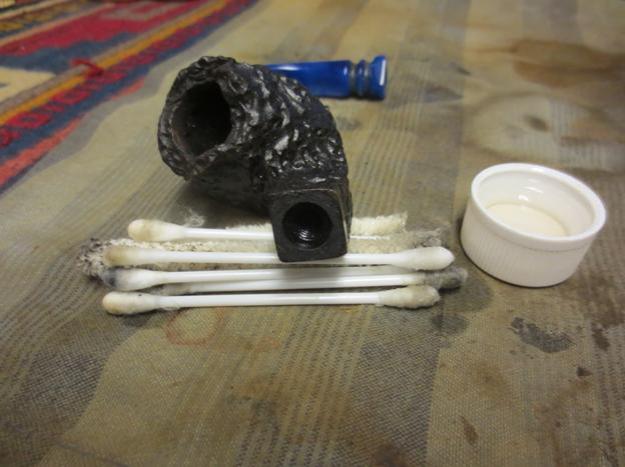
He turned off the water and dried himself off. He brushed his teeth and then reached into the tin of tobacco that sat on the counter top. One of his habits was to leave a tin in almost every room. That way no matter what room he was in he could load a bowl. He filled the pipe, packed it and drew on it. It was perfect so he lit it with the lighter in his pocket. He ran a comb through his hair and adjusted the clothes he had on and made his way to the table. As he passed through the kitchen he could see the eggs were frying in the pan. He poured himself a refill of coffee and took a pull on the pipe. He savoured the good taste of the tobacco and sipped his second mug of coffee. He felt almost human. He finally was able to say good morning to Mrs. Conti and made his way to the breakfast table.

The place had been set; he laid down his coffee mug and took a sip of the orange juice that was waiting. He set his pipe on the table and took a deep breath. Mrs. Conti brought him a plate of bacon and eggs with a side of toast and jam. He settled into the morning ritual of breakfast. There was comfort for him in repeated patterns. He repeated the prayer from the day before and finished his breakfast. He pushed back his chair and sat for a while finishing his pipe. He was quiet and thoughtful this morning – no harm in that. He thought about getting dressed for the day and then walking to his doctor’s office. All would be okay with the impending doctor’s visit today. He would move ahead a day at a time and see what awaited him.

Before he left the table he refilled his pipe and lit it. He sat quietly for a few more minutes until he had the pipe smoldering well. He sipped on the smoke and let the cares of the day ahead fall off him. It never ceased to amaze him how the smoke of a pipe seemed to slow down his mind and give him the ability to cast off his cares. It seemed that there was something sacramental almost in the very act of smoking a pipe. Whatever it was it had the ability to lift a pipeman above his troubles and give the space needed to refocus his thoughts. He dressed and went back to the kitchen to tell Mrs. Conti he would see her later. He closed the front door behind him and headed out the gate for the walk to the appointment. The distance to the office would give him time to enjoy a bowl or maybe two and prepare for whatever news that awaited him there.

Comoy’s Heritage 120 Restored (1977)


By Al Jones

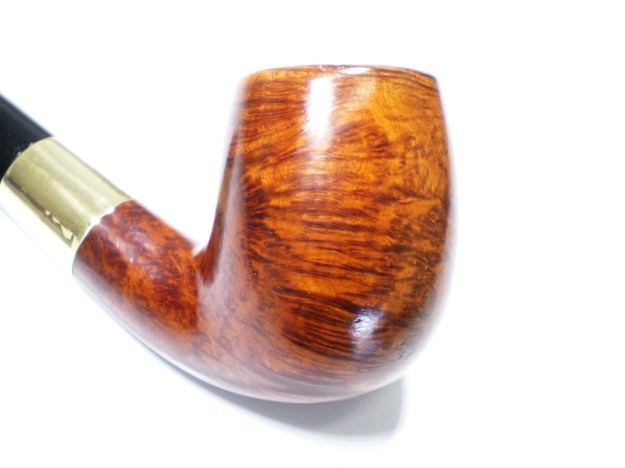
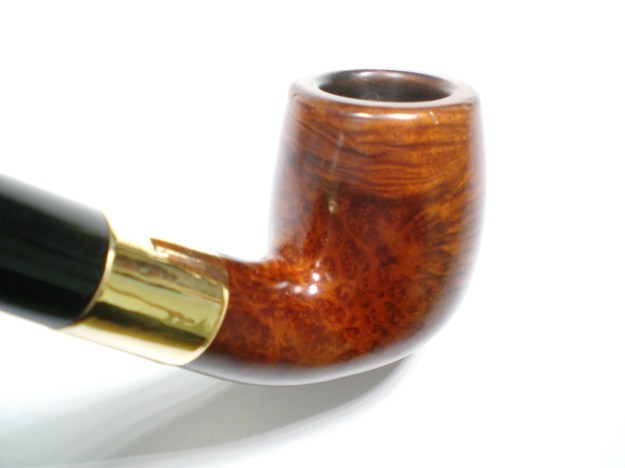
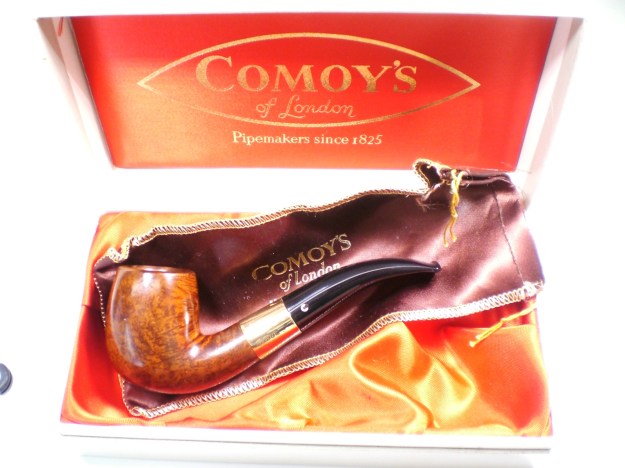
I’ve seen a few “Heritage” pipes go thru Ebay in the past few years, but I wasn’t able to locate anything about the line. The ones I’ve seen are packaged with an upgraded presentation box and red silk sleeve. I believe they may have also come with a matching tamper. This one has an 18k Gold, Hallmarked band with the date letter “C”. I learned that gold hallmark dates are the same as silver. The C means it was made in 1977. The C logo on the pipe is also the 3 part type, which was used until around 1981. The pipe had some scorching and nicks on the bowl top, the gold band was dented but the stem was nearly mint.

Here is the pipe as it was received.

Comoys_Heritage_102_Before (1)

Comoys_Heritage_102_Before (2)

Comoys_Heritage_102_Before (3)

Comoys_Heritage_102_Before (4)

Comoys_Heritage_102_Before (5)

I’ve never previously worked on a Gold band. This band was loose and slipped right off. Fortunately, there is a custom jeweler on the PipesMagazine forum. He runs a jewelry business in Alabama called “Cosmic Folklore”. I contacted him for advice on how to make the band more presentable. He volunteered to work the band himself, as I found (and assumed) that the gold layer was quite thin and fragile. I received the pipe and band back after a week. It was much improved and I was relieved of the worry of ruining the band. Thanks Cosmic!

I glued the band back in place with a few drops of wood glue, which seemed to work fine. The bowl was reamed of the slight cake and soaked in alcohol and sea salt. Once the soak was completed, I used a series of bristle brushes dipped in alcohol to clean the interior of the shank.

The rim had some problems that needed to be addressed and I wanted to alter the bowl top and shape as little as possible. I used some Oxy-Clean solution on a rag to rub off the tar build-up. The rim was darkened underneath. I used some 2000 grit wet paper to carefully remove as much of the rim darkening as possible. I was also able to work out some but not all the dings around the bowl top. I used some lightened Fieblings Medium Brown stain to revive the color. The bowl was then polished with White Diamond rouge and several coats of Carnuba wax.

The stem took little effort. I removed some of the light oxidation with 1500 and 2000 grade sandpaper. Next was the 8000 and 12000 grade micromesh.

Below is the finished pipe. If you have any information about this Comoy’s series, please let me know.

Update: I did receive some information from a member of the Pipes Magazine forum. He has a 1975 Comoy’s catalog which describes the Heritage pipe, detailed below. I had assumed that the 120 stamp was a shape number, but now I believe that to be the serial number.

Heritage: Once in a while we come across a bowl so beautiful that we hate to part with it, almost preferring to lock it away for our own private pleasure. But when we do release these beauties, we give them a 22 ct.gold mount, a hand cut mouthpiece and a casket to match. Deservedly rare and consequently expensive. Each pipe carries it`s own serial number.

That forum member was nice enough to scan and email me that referenced catalog page.

Heritage_Line_Catalog_Info

Comoys_Heritage_120_Finish (1)

Comoys_Heritage_120_Finish (4)

Comoys_Heritage_120_Finish (2)

Comoys_Heritage_120_Finish (5)

Comoys_Heritage_120_Finish (6)

Comoys_Heritage_120_Finish (7)

Comoys_Heritage_120_Finish (8)

Comoys_Heritage_120_Finish (3)

Comoys_Heritage_120_Finish (9)

Comoys_Heritage_120_Finish (12)

Comoys_Heritage_120_Finish (13)

Comoys_Heritage_120_Finish (11)

Breathing New Life into a Jobey Stromboli 500 Bent Sitter


Blog by Steve Laug

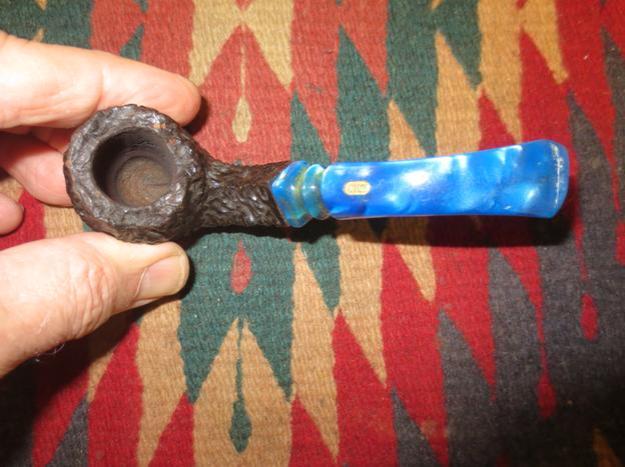
It’s funny how some brands escape my attention. I cannot explain it or give some rationale for not being interested in Jobey pipes. But I know that until my brother, Jeff started picking them up because he liked the looks of them they did not appear much on my radar. I know that a few years back I picked up a Stromboli ¼ bent author because I liked the look of the rustication but that was the long and short of my interest. Now since my brother has been buying pipes more of them are crossing my work table and I am gaining a new appreciation for them.

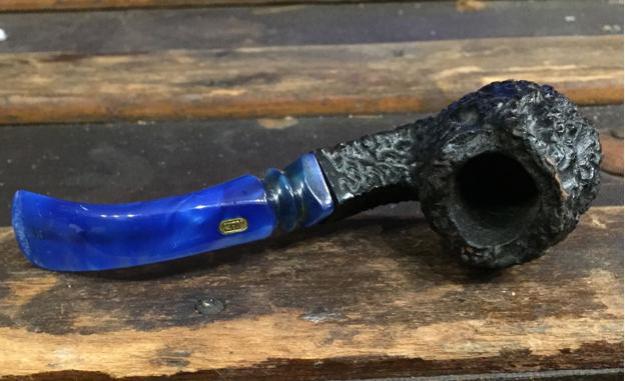
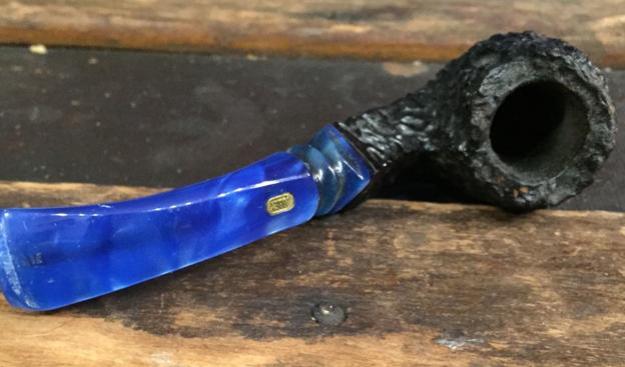
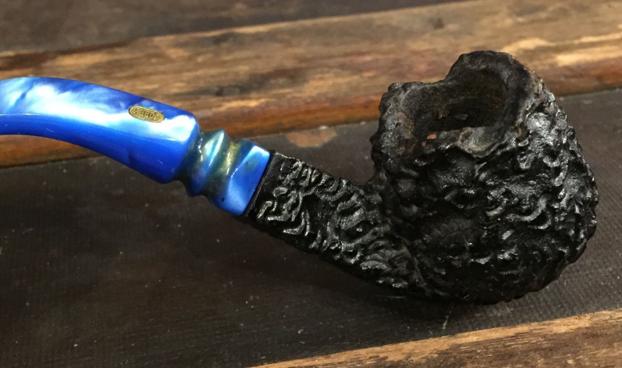
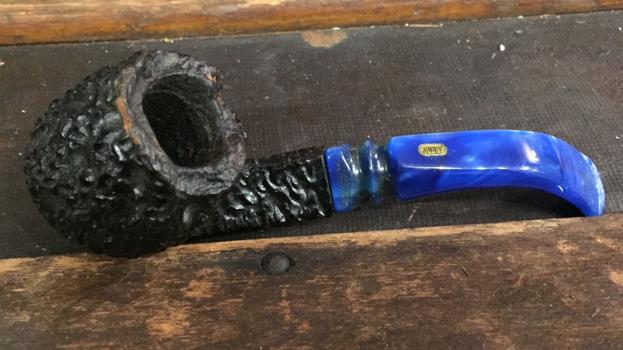
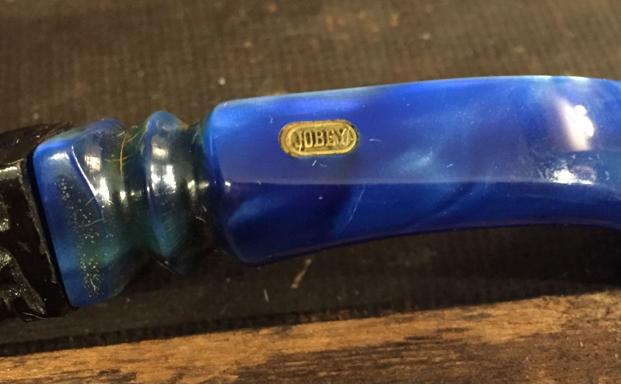
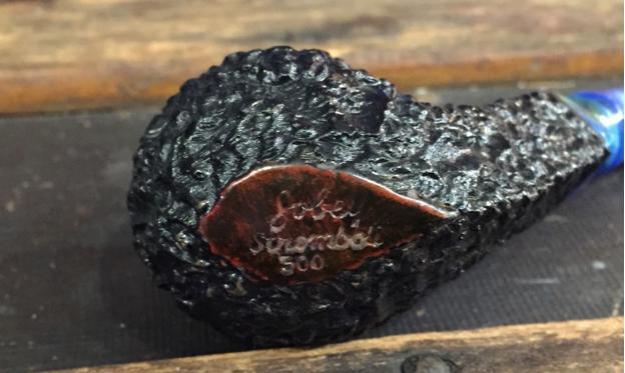
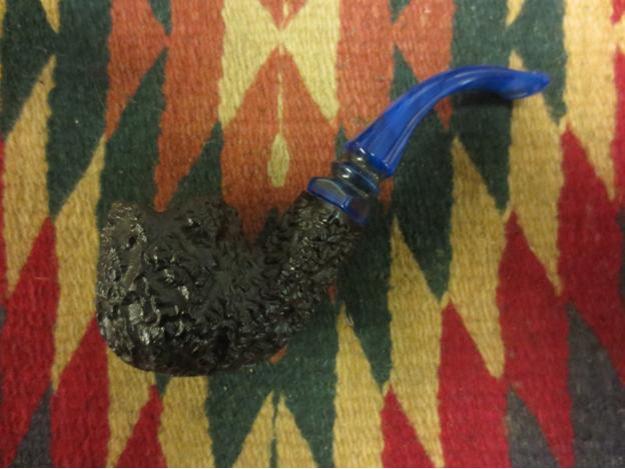
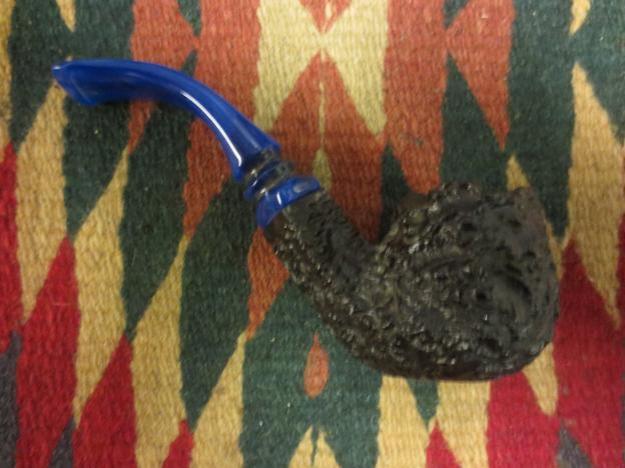
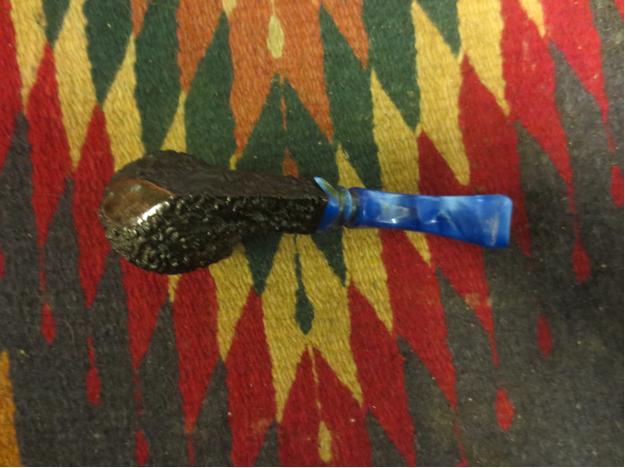
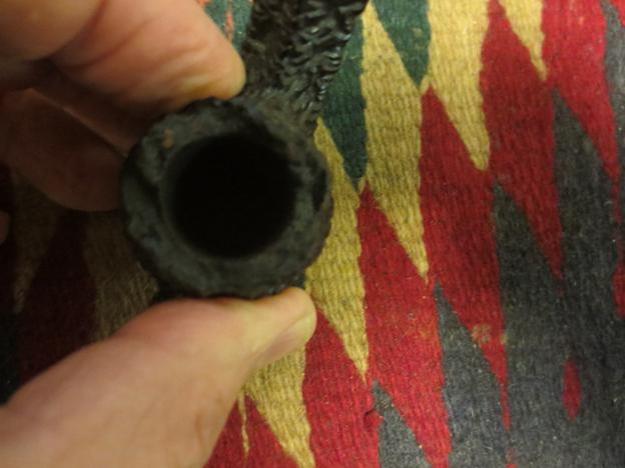
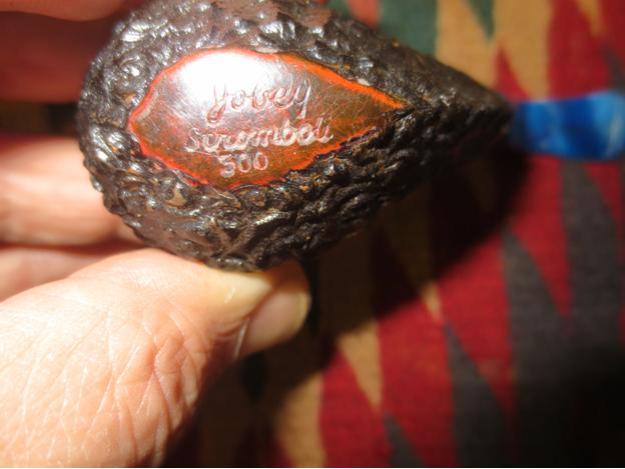
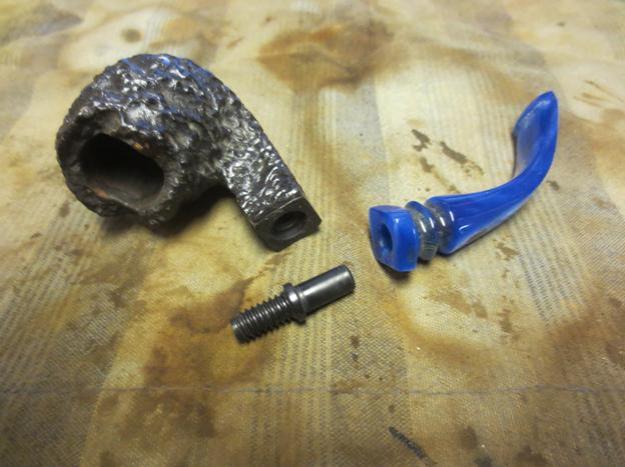
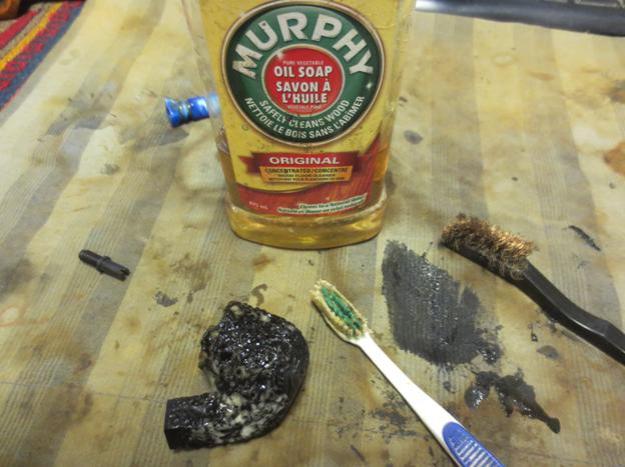
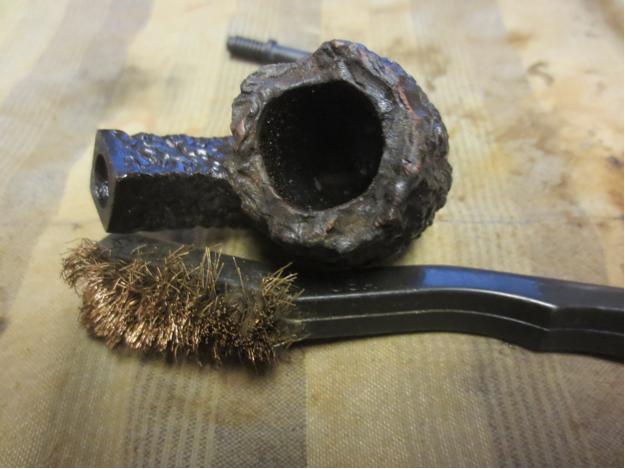
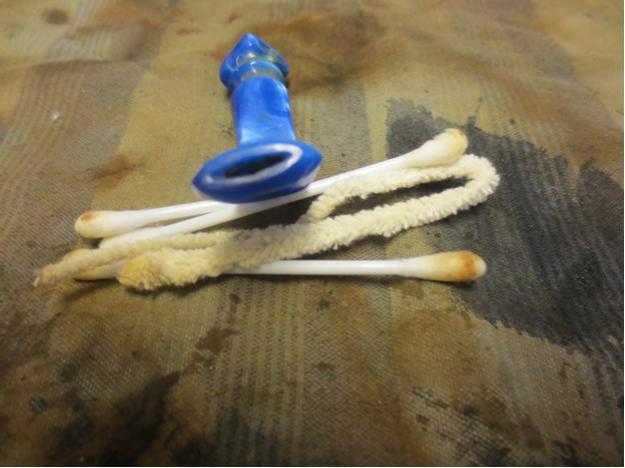
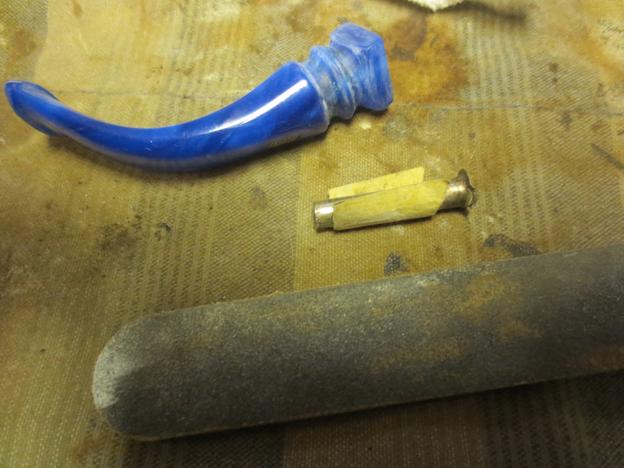
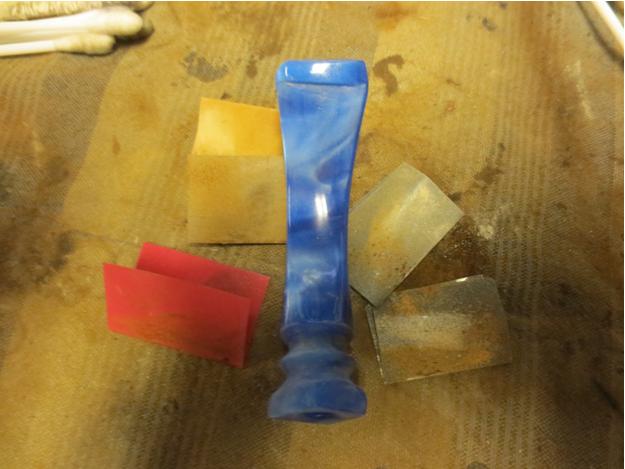
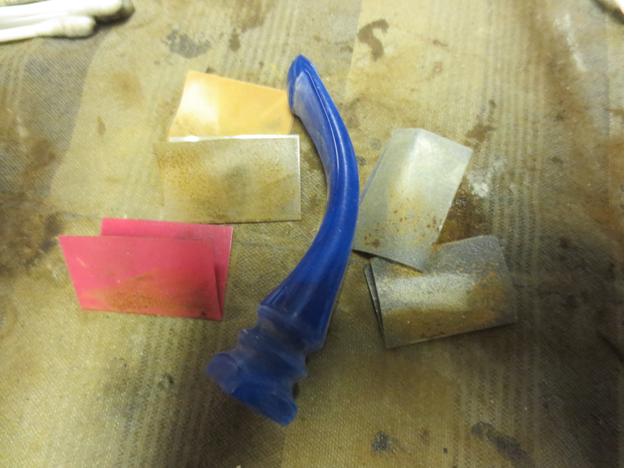
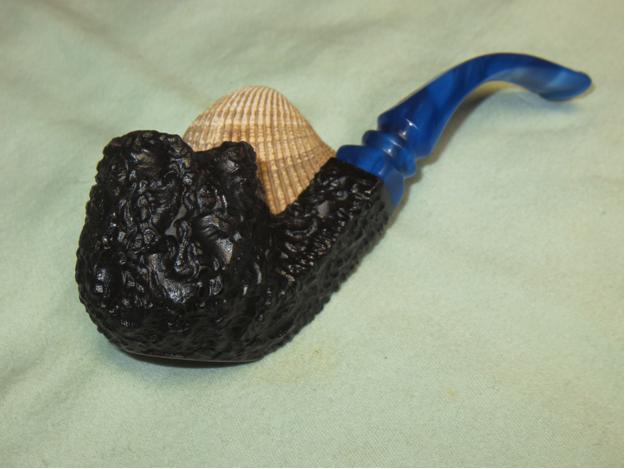
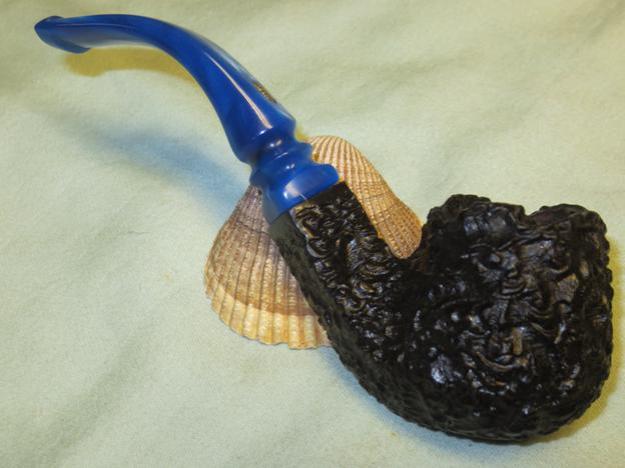
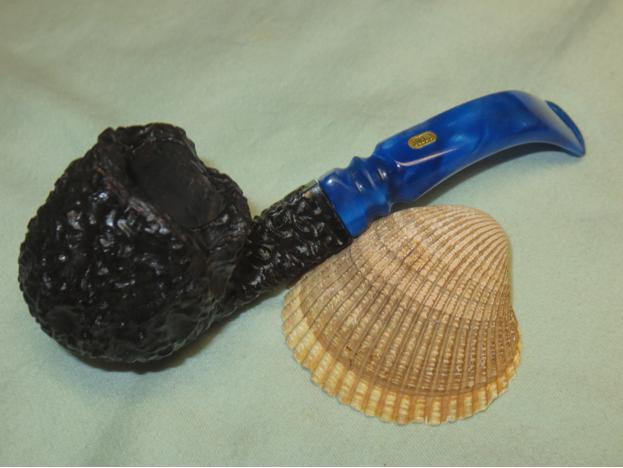
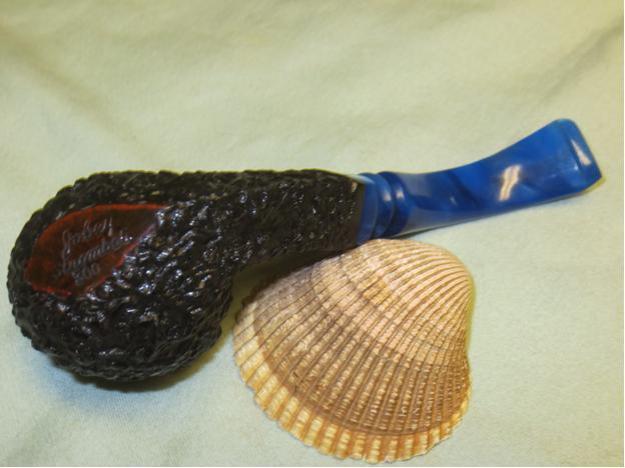
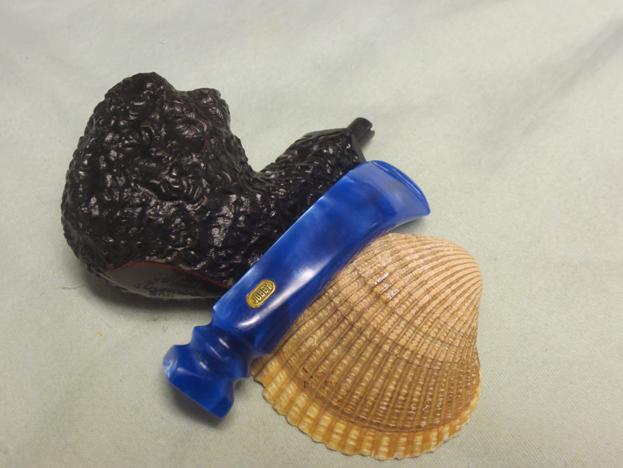
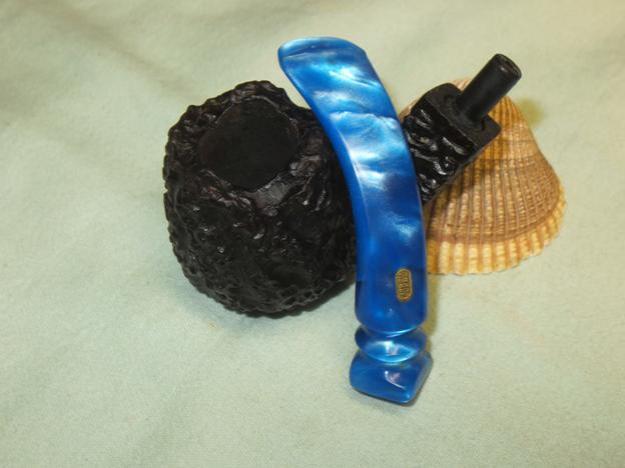
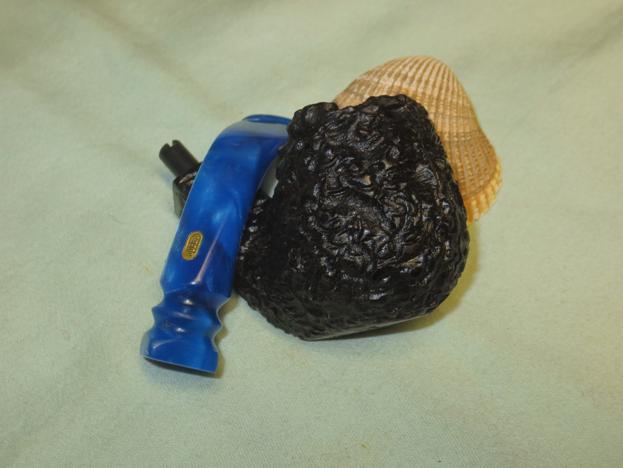
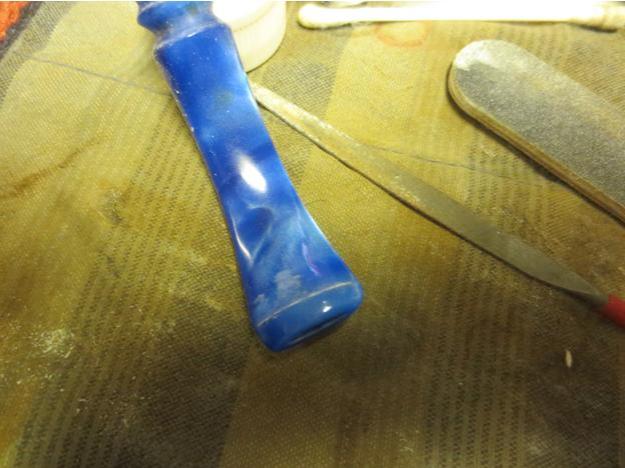
In the case of this pipe, I know that the blue stem on this Stromboli is what caught my brother’s eye. It is a gorgeous shade of blue that stands in stark contrast to the dark deep rustication of the bowl and shank of the pipe. He sent me the link to the eBay sale and I too took an interest in the stem and the shape. From the photos I could see that the finish on this pipe was in decent shape overall. There was some wear on the rim. It appeared that some of the finish had chipped off and there were some worn spots on the front and the back outer edges of the bowl. The cake was uneven (varying thicknesses from the photos) in the bowl and an overflow of lava on the rim top and edges. The stem had some stains or dark substance on the grooves of the turned portions. The pipe is stamped on the smooth bottom of the sitter bowl with the words Jobey over Stromboli and the number 500. The stem also has some wear and tooth marks on and in front of the button on the top and bottom sides. All in all, I was looking forward to receiving this pipe and seeing what I could make of it. I have included the seller’s pictures below to show some of the issues that I mentioned above.Jobey1 Jobey2 Jobey3 Jobey4 Jobey5 Jobey6When the pipe arrived it looked precisely as the pictures had shown it. The dirty finish was a little worse than the photos showed. There was more grime in the grooves of the rustication. The stamping on the bottom of the bowl had a wax buildup in it that made it appeared blurred and double stamped. The stem was also a bit more of a mess than I had originally thought. The brown areas around the grooves and lines on the stem were actually thick and hard and did not come off by scraping. I am not sure what the substance was but it seemed to be stubbornly permanent. There were also tooth marks on stem on both the top and the underside of the stem near the button. The top of the button was also worn down on the inner sharp edge. The slot was almost closed off with grime and debris. The stem was loose and easily fell of the Jobey Link in the mortise. I took some photos of the pipe before I started working on it.Jobey7 Jobey8 Jobey9 Jobey10I took a close-up photo of the rim and also the bottom of the bowl to show the stamping. The rim was dirty with tars and oil and some lava in the grooves. The bowl had a light cake remaining even after I had field reamed it when I was visiting in Idaho. The stamping on the bottom of the bowl is visible in the second photo. It had wax and grime in the grooves so it looked almost blurred and out of focus.Jobey11 Jobey12I removed the stem from the Jobey Link and then used a flat blade screw driver to turn the link out of the shank of the pipe. I took a photo of the parts of the pipe to show the size and shape of the link. (You can also see the brown buildup on the grooves and ridges of the stem).Jobey13I scrubbed the rustication with Murphy’s Oil Soap and a tooth brush to remove the grime from the deep grooves. I also used a brass bristle brush to scrub the rim and the grooves there. The bristles of the brass brush easily removed the tars and lava from the rim surfaces. Once the bowl was scrubbed I rinsed it under warm running water to remove the soap and grime and then dried it on a soft towel.Jobey14 Jobey15I used a dark brown stain pen to touch up the worn areas on the outside edge of the rim and the top surface as well. The dark brown perfectly matched the stain on the rest of the bowl. Jobey16With the link removed from the shank I was able to clean out the mortise with alcohol, pipe cleaners and cotton swabs. I worked on the threads as well to remove the buildup on them. I clean out the airway on the stem with pipe cleaners and alcohol and picked the slot clean with a dental pick. I used a pipe cleaner to also clean out the airway in the link. With the inside of the stem clean the link fit snugly in place and the stem was no longer loose.Jobey17 Jobey18With the inside of the stem clean it was time to work on the rock hard substance on the grooves of the turned stem. The substance was impermeable to alcohol and was also on the flat diamond sides of the saddle portion of the stem. I wrapped a metal tube that was approximately the same diameter as the grooves with 220 grit sandpaper and worked on cleaning out the grooves and an emery board to sand the flat surfaces. Jobey19I used a needle file to redefine the edges of the button on both sides of the stem and to also smooth out the tooth chatter and marks.Jobey20 Jobey21I sanded the stem at the button and grooves with 150, 280, 320, 400 and 600 grit wet dry sandpaper to smooth out the scratches left behind by the 220 grit sandpaper. I took photos of all sides of the stem to show how well the sanding removed the hard substance on the stem in the affected areas.Jobey22 Jobey23 Jobey24 Jobey25I cleaned out the stamping with a dental pick and then used a black Sharpie Pen to colour in the text of the stamping. I buffed the bowl bottom lightly on the buffer to blend the black pen into the rest of the bowl bottom. I turned the link back into the shank and gave the bowl a light coat of Conservator’s Wax. I buffed it with a shoe brush to raise the shine.Jobey26 Jobey27I did a final scrape of the interior of the bowl with a Savinelli Pipe Knife to remove the remaining cake on the bowl walls.Jobey28I wet sanded the stem with 1500-2400 grit micromesh sanding pads and then wiped down the stem with a clean cloth to remove the dust. I dry sanded the stem with 3200-12000 grit pads to continue to polish and shine the stem.Jobey29 Jobey30 Jobey31

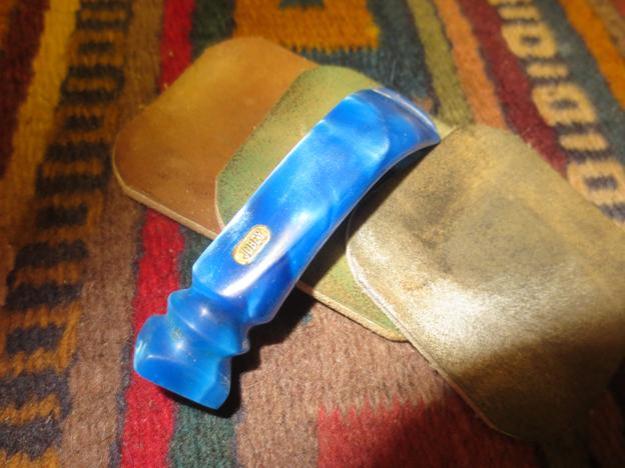
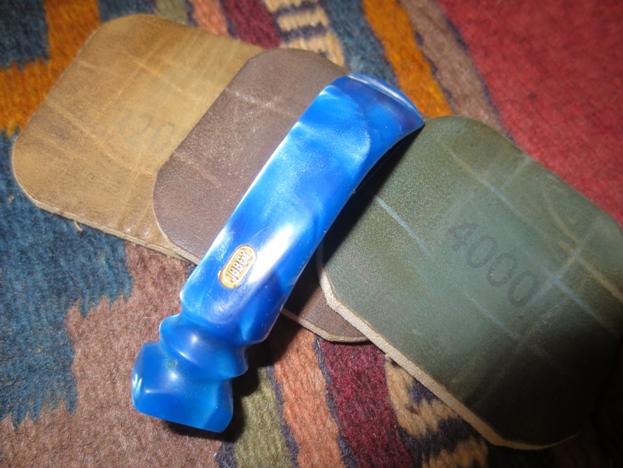
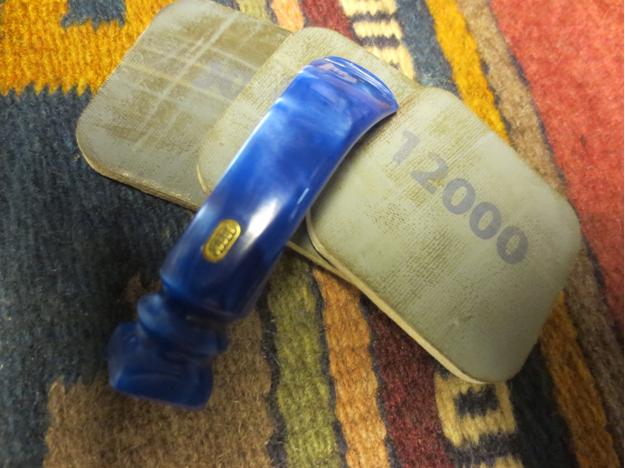
I lightly buffed the stem with Blue Diamond on the buffing wheel. It is important with Lucite to keep a light touch as you move the stem against the wheel as you can easily melt the stem and make more work for yourself. I hand gave the stem several coats of carnauba and buffed it with a clean buff. I brought the pipe back to the work table and buffed the bowl with the shoe brush and also with a microfibre cloth. The finished pipe is shown in the photos below. It is a beauty. I love the contrast between the dark brown/black of the craggy rustication and the smooth deep, royal blue of the stem. Thanks for looking.Jobey32 Jobey33 Jobey34 Jobey35 Jobey36 Jobey37 Jobey38

This Beauty is a Peer Import Danish Handmade Dublin Stack 20


Blog by Steve Laug

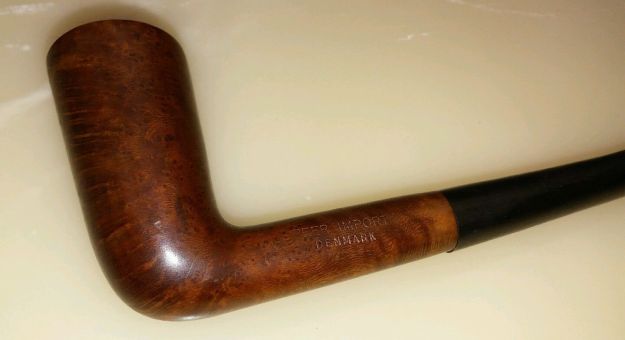
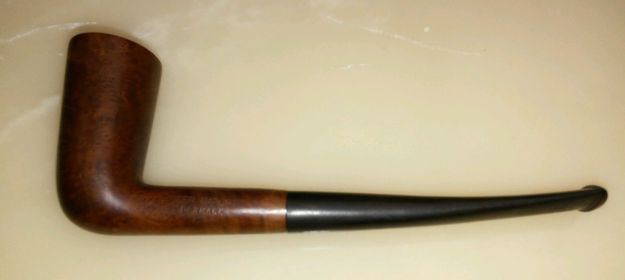
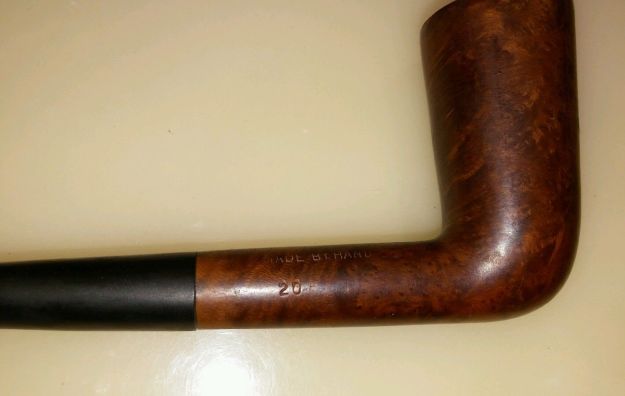
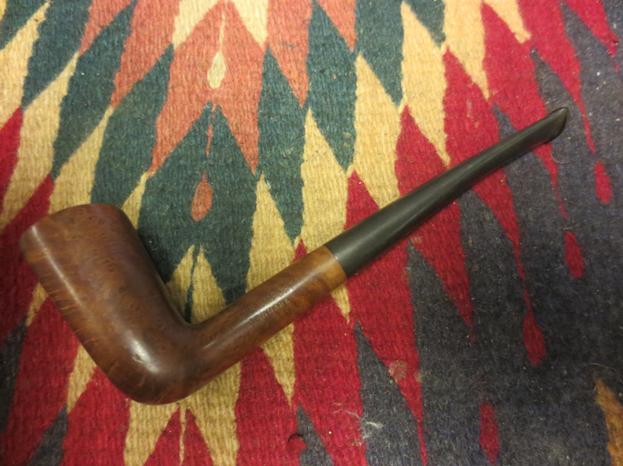
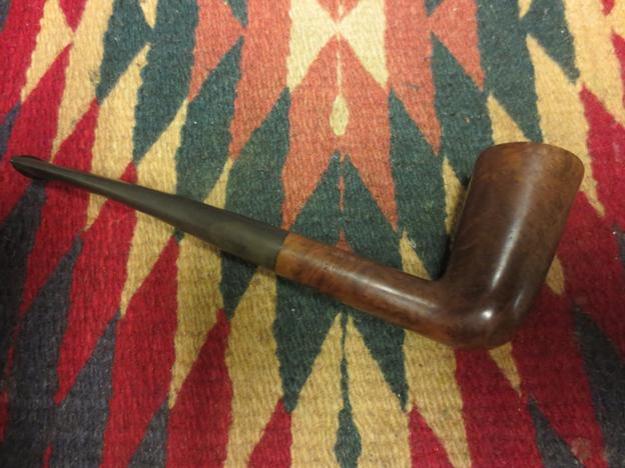
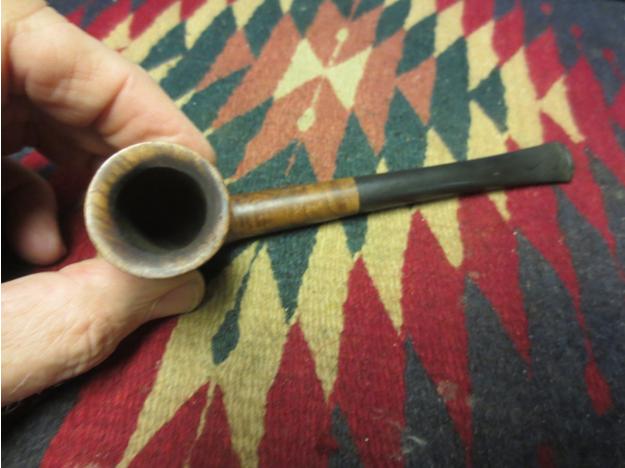
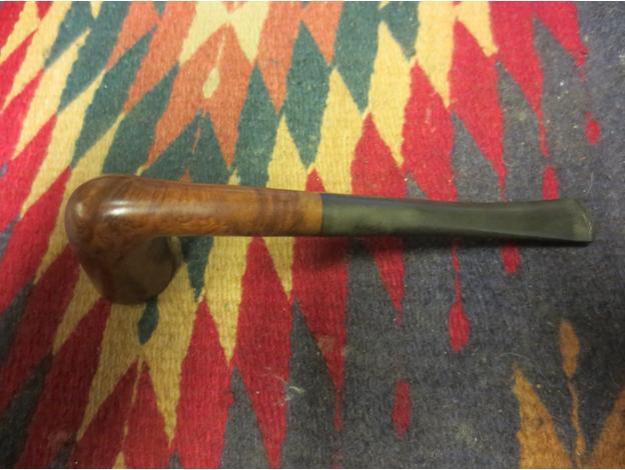
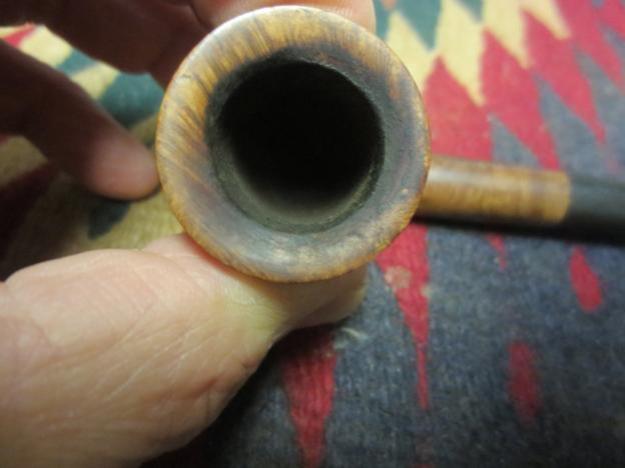
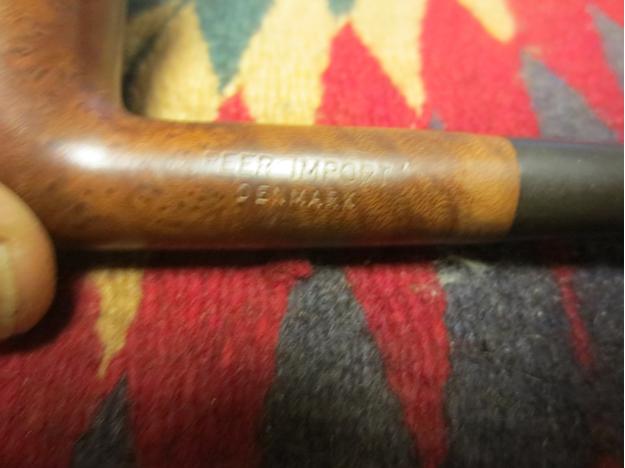
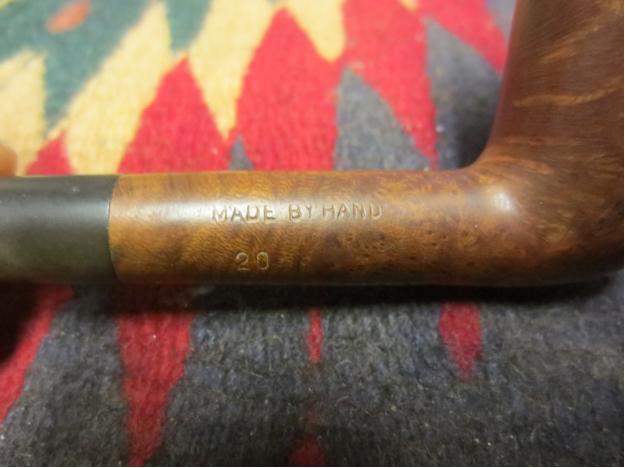
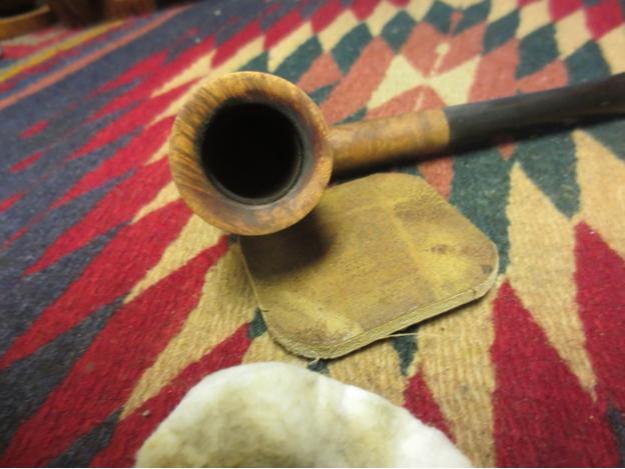
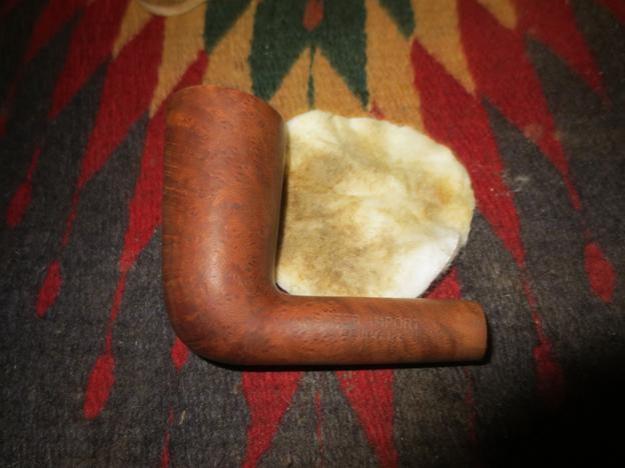
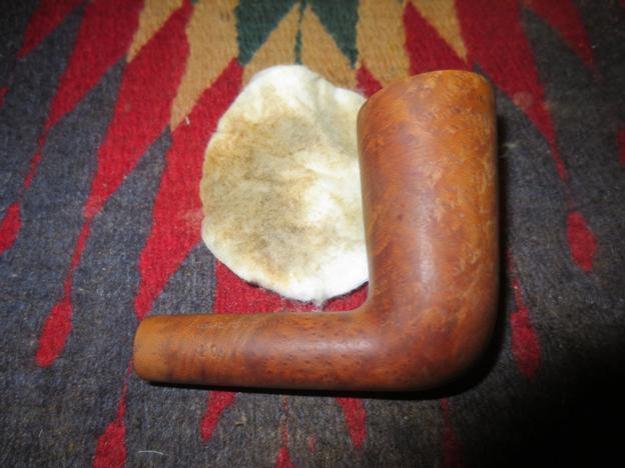
My brother found this old timer on eBay and made an offer for it. He showed me the pictures of the pipe when he bought it. The pipe is stamped Peer Import over Denmark on the left side of the shank and Made by Hand over 20 on the right side of the shank. It is a Danish take on a tall Dublin Stack. I believe the 20 is the shape number. The pipe was in excellent condition from the photos and showed very little wear. There was some rim darkening. Here are the photos that the seller included with the listing. It is clear that the stem is upside down which accounts for the sloppy fit of the stem at the shank. Peer1 peer2 Peer3The pipe arrived while I was visiting him in Idaho. I reamed the bowl and removed the light cake that had formed around the top 1/3 of the bowl. I have found on these tall pipes that the cake usually does not goes all the way to the bottom of the bowl as it is rarely smoked to the bottom. The condition of the pipe was pretty clean. The natural briar finish was dirty and there was a lighter portion at the stem shank joint. It made me wonder if the pipe had been restemmed but once I turned it over in the shank the fit was perfect. The rim had an inward bevel that had some lava overflow on the top surface but the inner and outer edges were clean and undamaged. The stamping on the shank was readable but it was not sharp. The slightly bent stem had tooth chatter at the button but no deep tooth marks. It was oxidized and there were a few deep gouges on the surface of the stem toward the middle top. The button and slot were undamaged. The interior of the pipe and stem were relatively clean.Peer4 Peer5 Peer6 Peer7I took a close up photo of the bowl rim and top as well as the stamping to show the condition. The rim top needed a thorough scrubbing to remove the lava buildup but it did not appear to be burned or charred. The edges were very clean. The stamping in the second and third photos shows that it was lighter on the left side than on the right but it is still readable.Peer8 Peer9 Peer10I did some research online to see if I could gather information about who made Peer Import pipes. All I knew was that they were Danish “Made by Hand” pipes but there was not much information on them. However, I was able to find several for sale on line. I read through each of the sale write-ups and also the etsy connection. On smokingpipes.com there was a Peer Import pipe that to my eye looked like a Kriswell Clipper was for sale. The pipe was nothing like the one that I am working on but the blurb by Adam Davidson gave some potentially helpful insight. His comment was: “This piece is a classic Danish shape from the 1950s. Possibly made by Pipe Dan or another house, it’s the lovely bowl and lean, tapered shank that makes it so popular”. Here is the link to that pipe and comment: (https://www.smokingpipes.com/pipes/estate/denmark/moreinfo.cfm?Product_ID=102766).

With that in mind I did some refined searching under the Pipe-Dan name. I put in the shape number with the name and was taken to Pipephil’s site (http://www.pipephil.eu/logos/en/logo-p3.html) and gleaned some more information. While I am still not sure of the absolute connection to Pipe-Dan the shape number of the Peer Import matches the brand. So I read what I could find on the brand on that site.

That link told me that the brand was created in 1943. The shop (Danish name: Pibe-Dan) which closed in 1991 was run by H. Dan Christensen. He sometimes designed pipes but he is merely renowned for having helped young artisans like Tom Eltang, Preben Holm, Jes Phillip Vigen, Hans Hartmann… Pipe-Dan let the pipe maker stamp his own name on a pipe along with the shop’s name. The line name “Shape-Reformed” means that a traditional shape had been redesigned.

While this pipe does not say that it is a Pipe-Dan pipe and it has no other stamping that would lead me to claim that I am pretty confident that the shape number connection also points to that connection. Armed with that information I went to work on the pipe. I cleaned the rim with saliva and cotton pads followed by sanding with 1500-2400 grit micromesh sanding pads. I was able to remove the lava buildup and smooth out the surface of the rim. There was still some rim darkening but no char.Peer11I scrubbed the natural finish with acetone on cotton pads to remove the oils and grime on the finish. The acetone removed all residual oils from the previous owner’s hands and the debris from the years that the pipe sat. It also cleaned up the lightening of the colour at the shank stem junction.Peer12 Peer13 Peer14 Peer15There was a flaw in the vulcanite stem – a small, ¼ inch long pit in the top of the rubber that had collected debris. I cleaned the stem surface with alcohol and picked out the white waxes and dust that had collected in the flaw. I filled it with superglue and set the stem aside to dry.Peer16I gave the bowl a rub down with a light coat of olive oil and hand buffed the natural matte finish with a piece of soft cotton. The pipe has some beautiful grain. The tall stack and thinness of the shank and bowl give the pipe a quiet elegance.Peer17 Peer18 Peer19 Peer20 Peer21When the glue dried I sanded it with 220 grit sandpaper until the patch was flush with the stem surface. I took the next two photos to show how well it blended in with the rest of the stem.Peer22 Peer23This pipe was internally so clean that I almost forgot to clean out the inside. I scrubbed the airway and mortise on the bowl and airway on the stem with pipe cleaners, cotton swabs and alcohol. You can see from the photos that there was not much work to be done in the internals.Peer24 Peer25I wet sanded the bowl with 1500-2400 grit micromesh sanding pads and gave it a coat of Obsidian Oil. I dry sanded it with 3200-4000 grit pads and gave it another coat of oil. I finished sanding it with 6000-12000 pads and gave it a final coat of oil. I set the stem aside to dry.Peer26 Peer27 Peer28I buffed the pipe with Blue Diamond polish on the wheel and multiple coats of carnauba wax. I buffed it with a clean buffing pad and hand buffed it with a microfibre cloth. The finished pipe is shown in the photos below. I love the elegant tall, thin bowl and shank. The 1/8th bent stem works really well with the overall flow of the pipe. It is a beauty. Thanks for looking.Peer29 Peer30 Peer31 Peer32 Peer33 Peer34