Monthly Archives: November 2012

Refurb on a Loewe & Co. Lovat


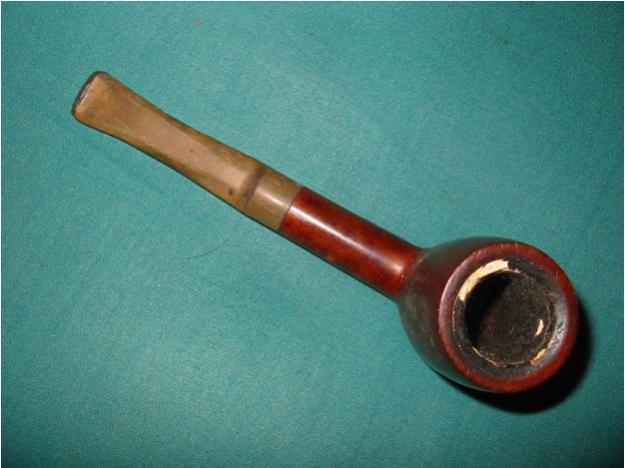
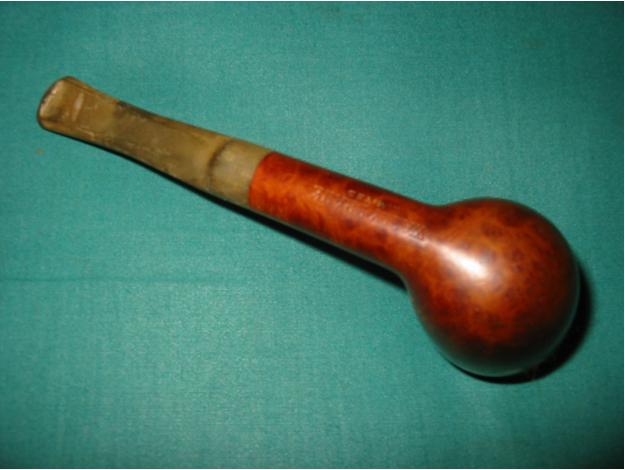
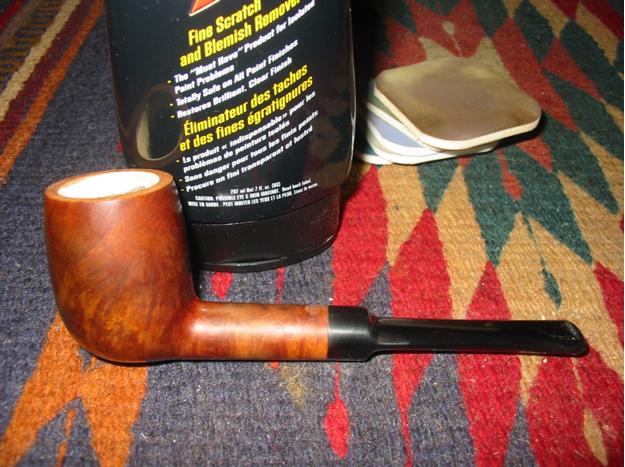
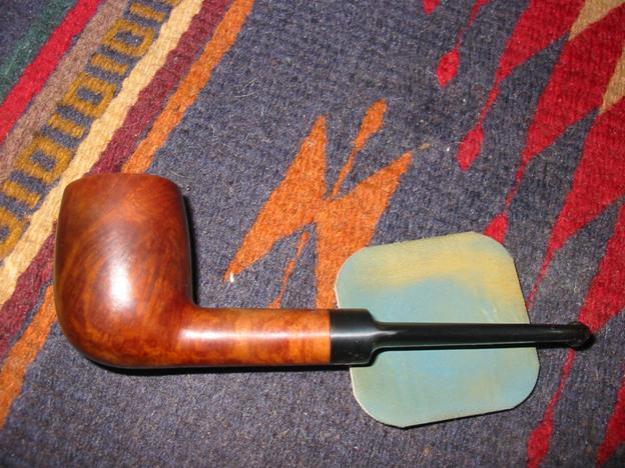
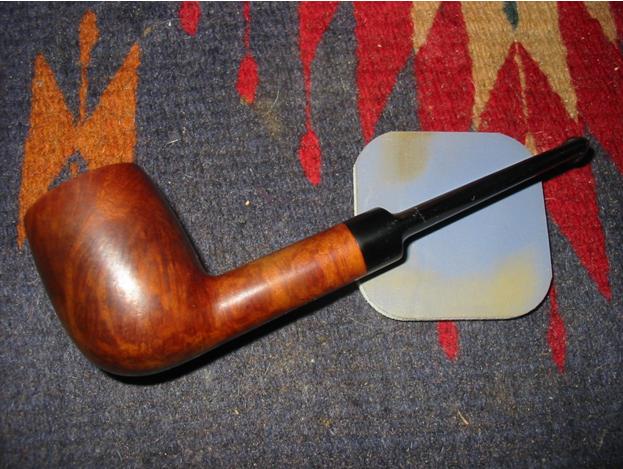
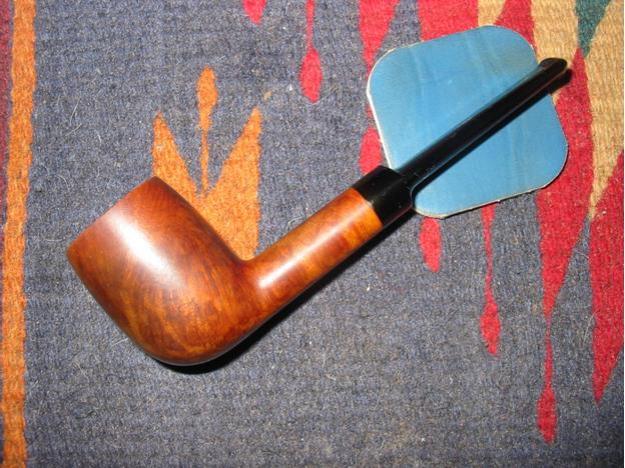
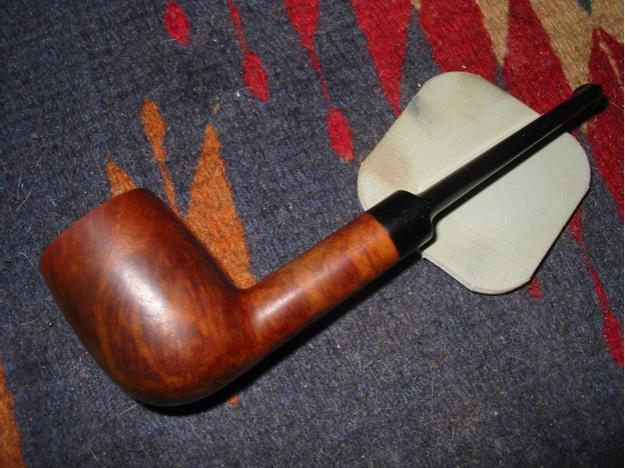
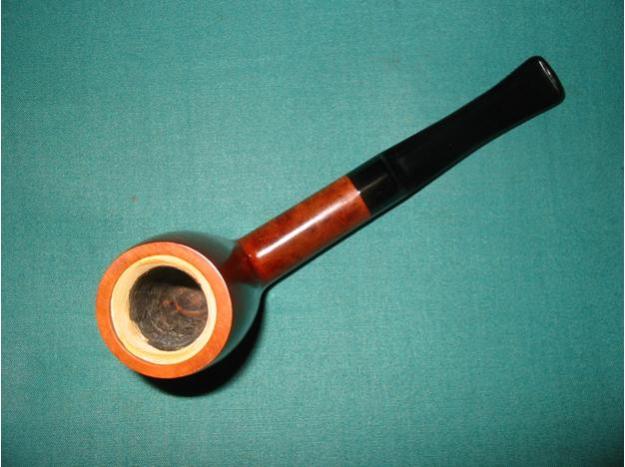
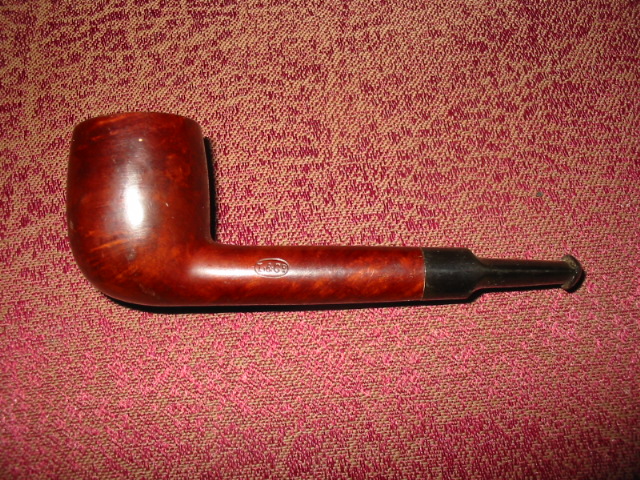
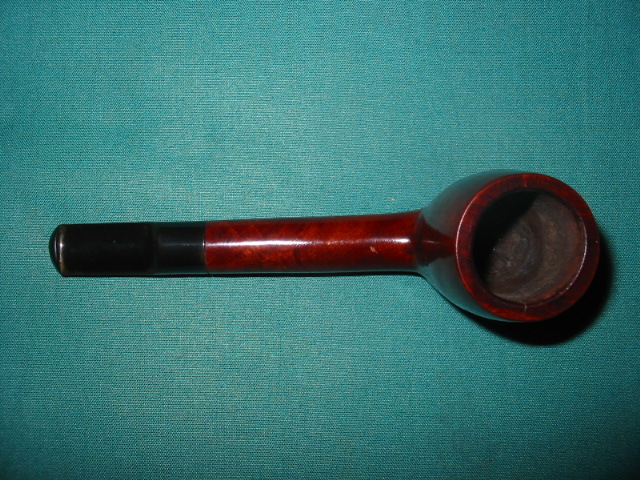
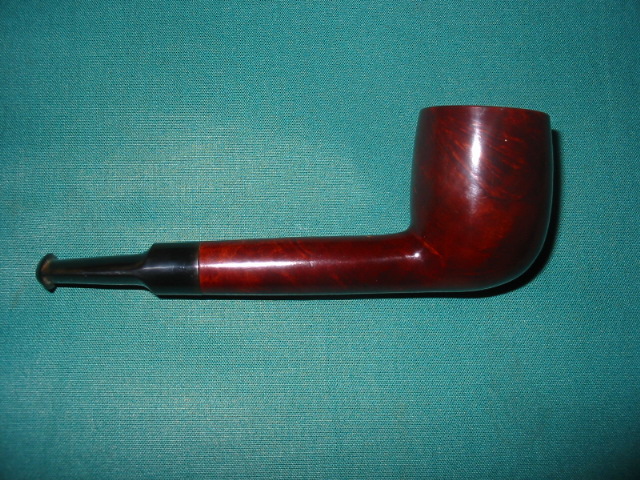
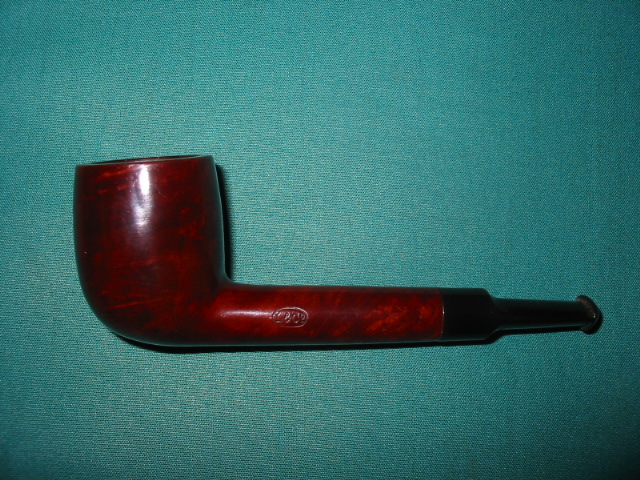
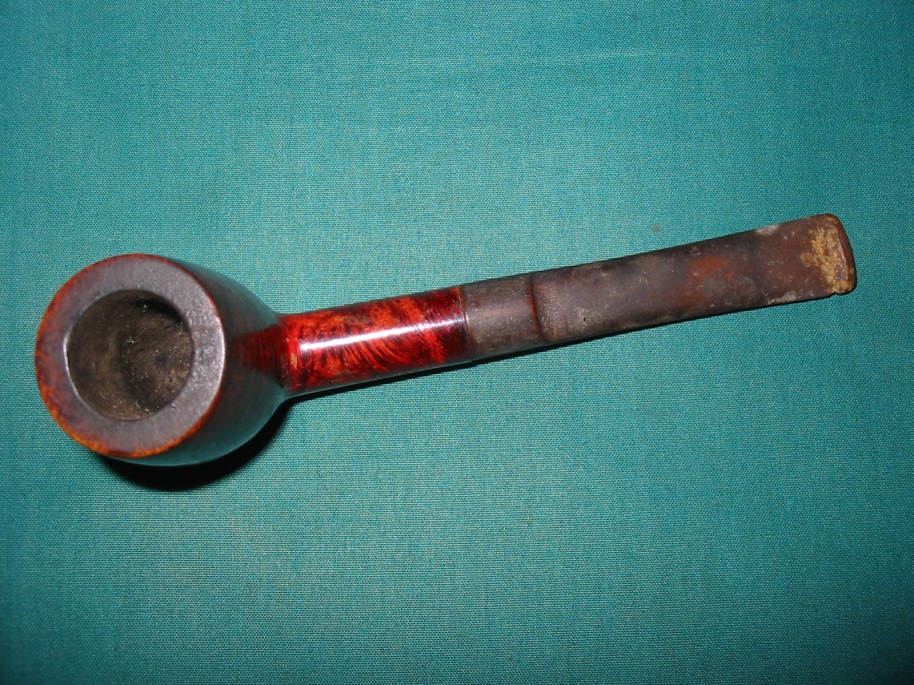
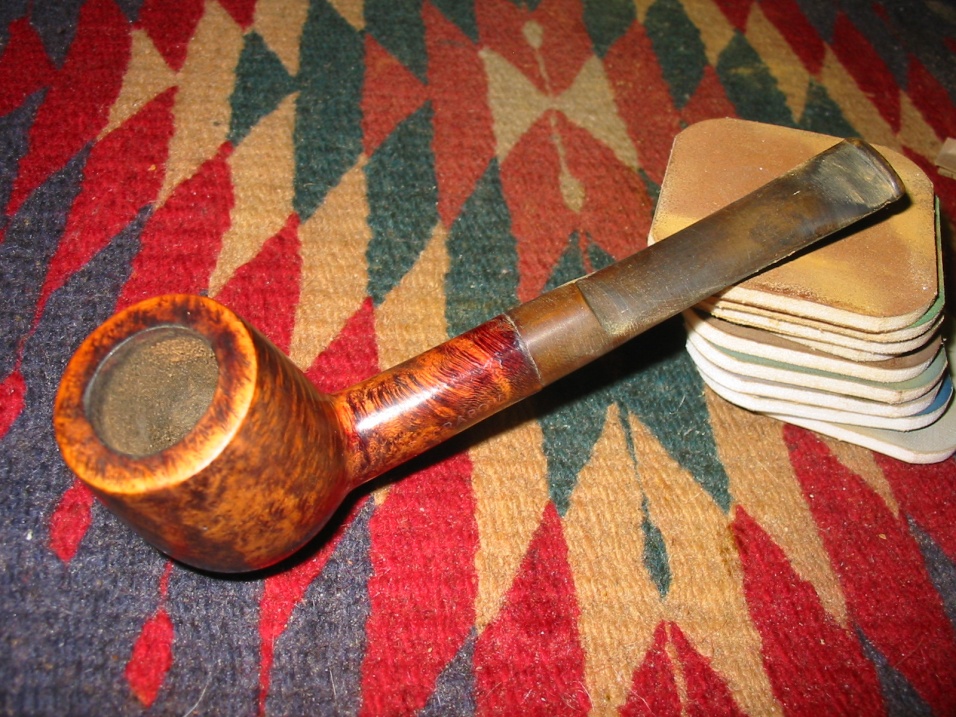
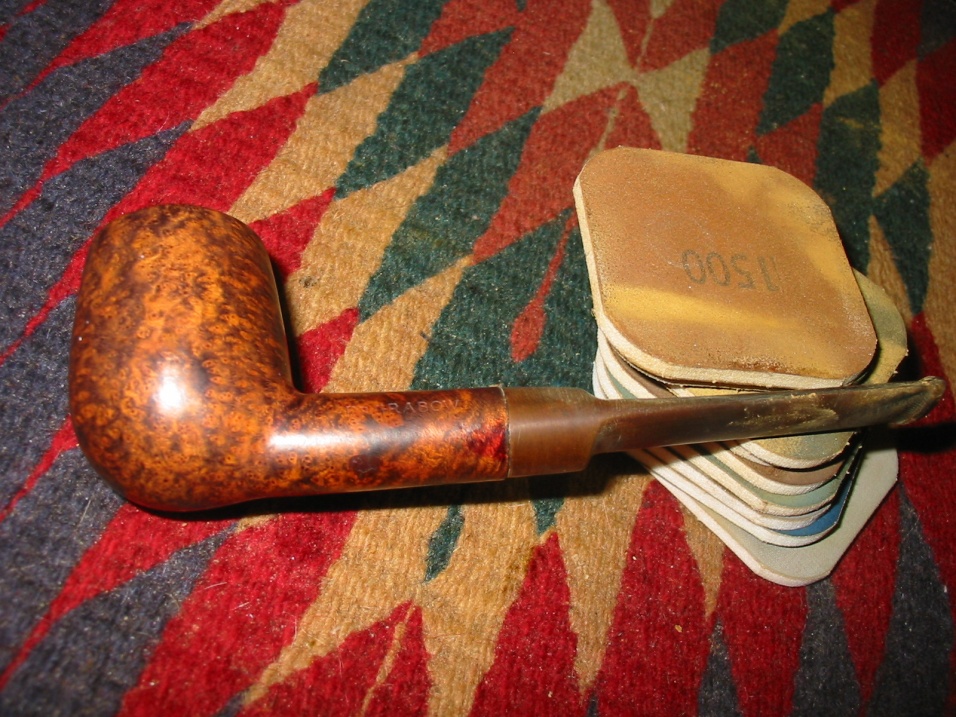
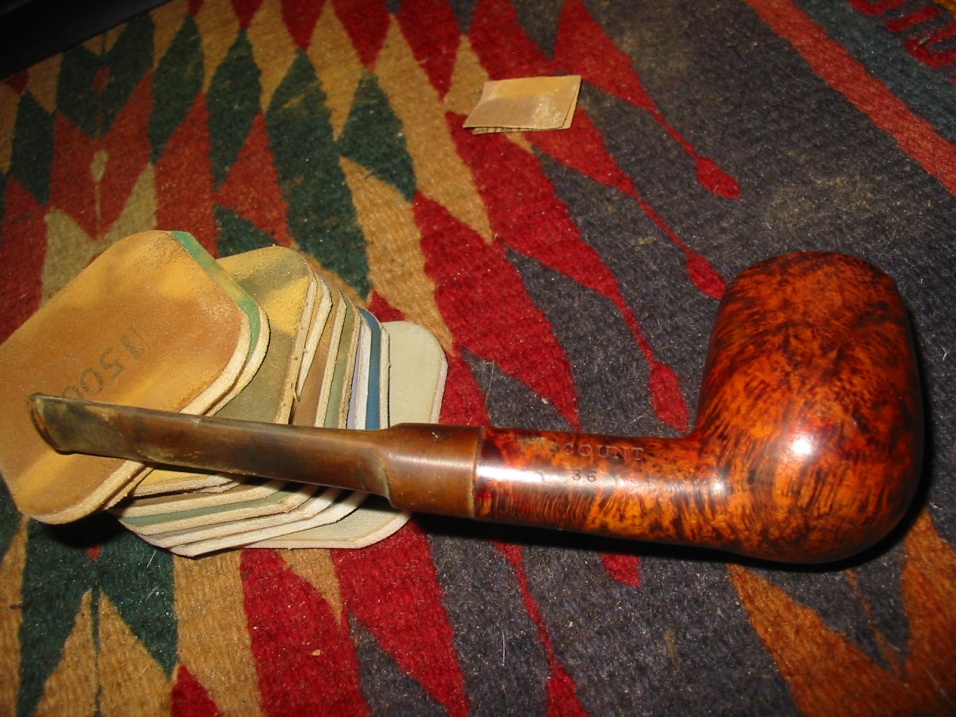
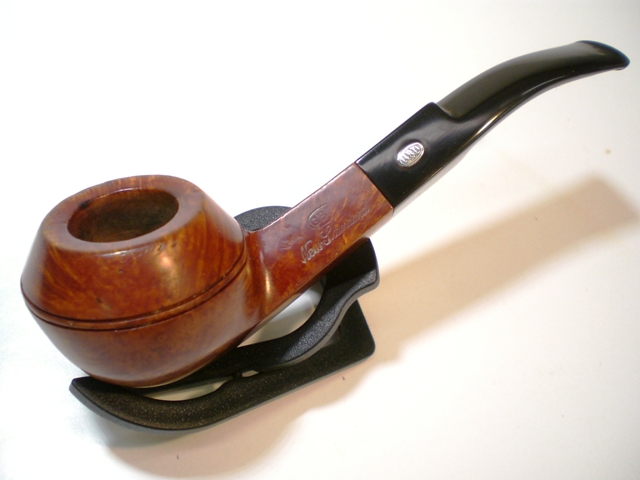
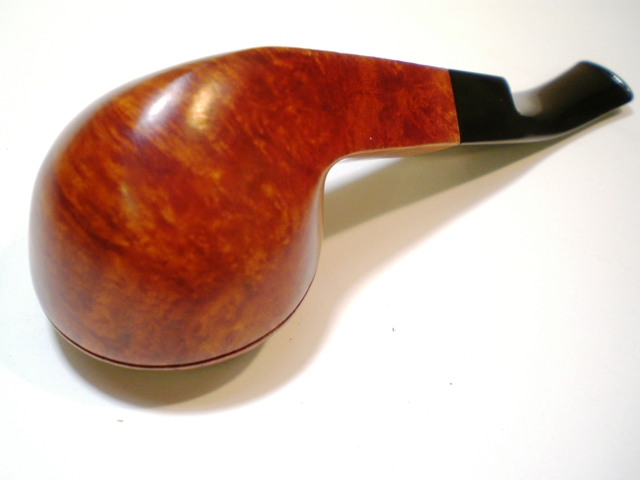
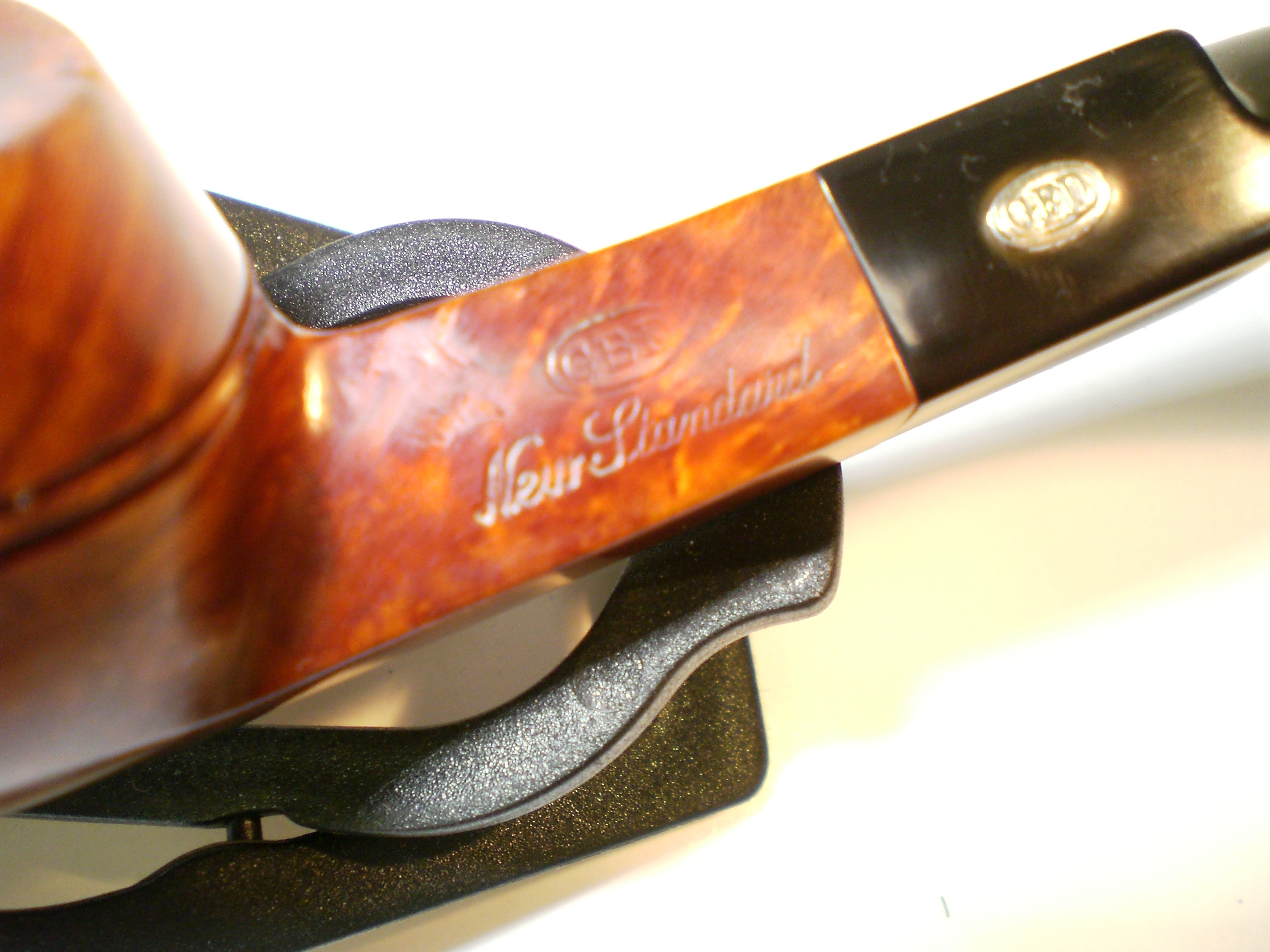
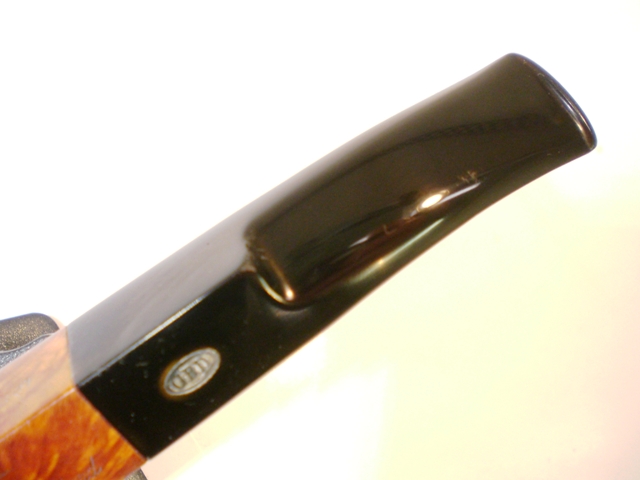
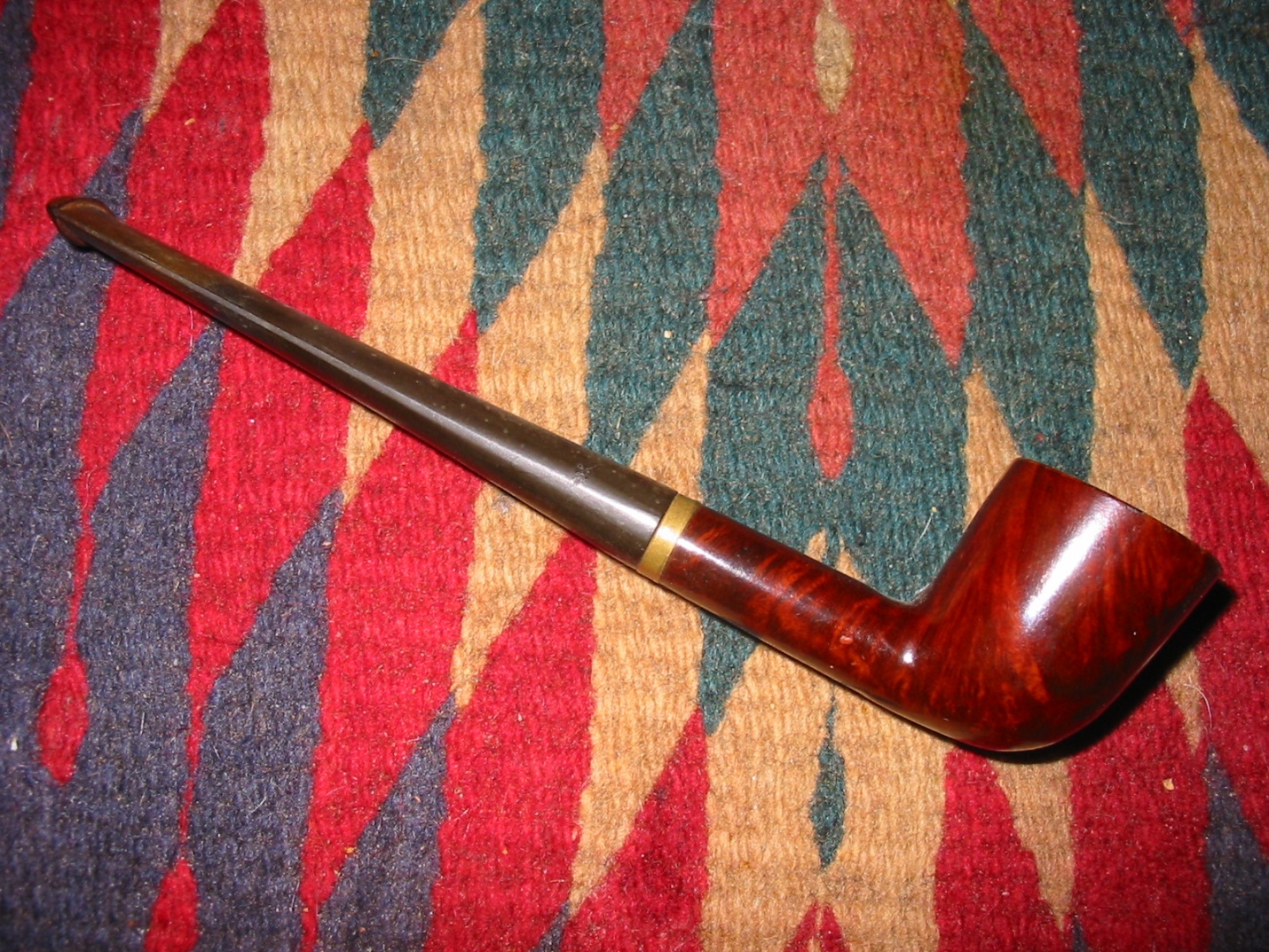
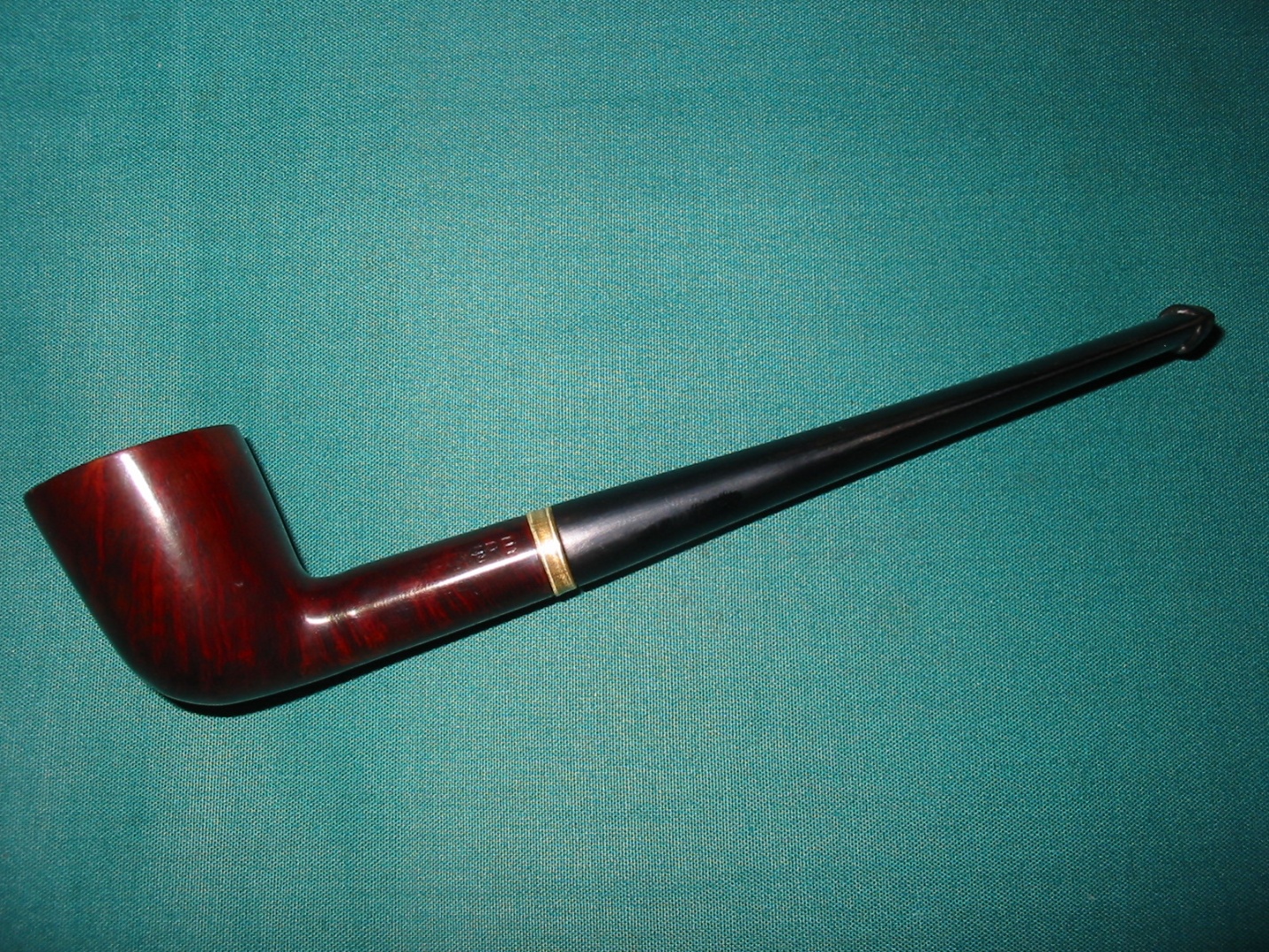
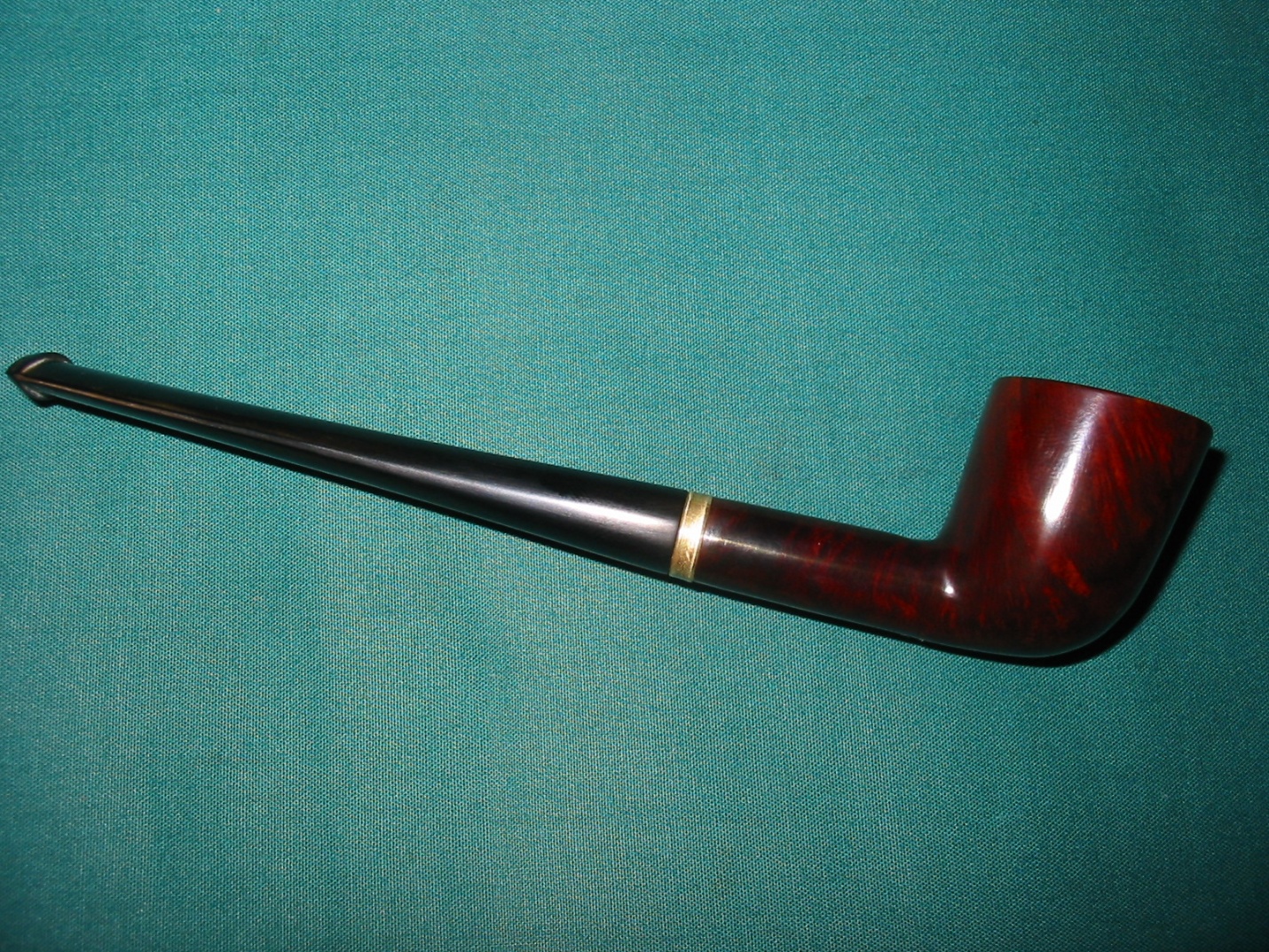
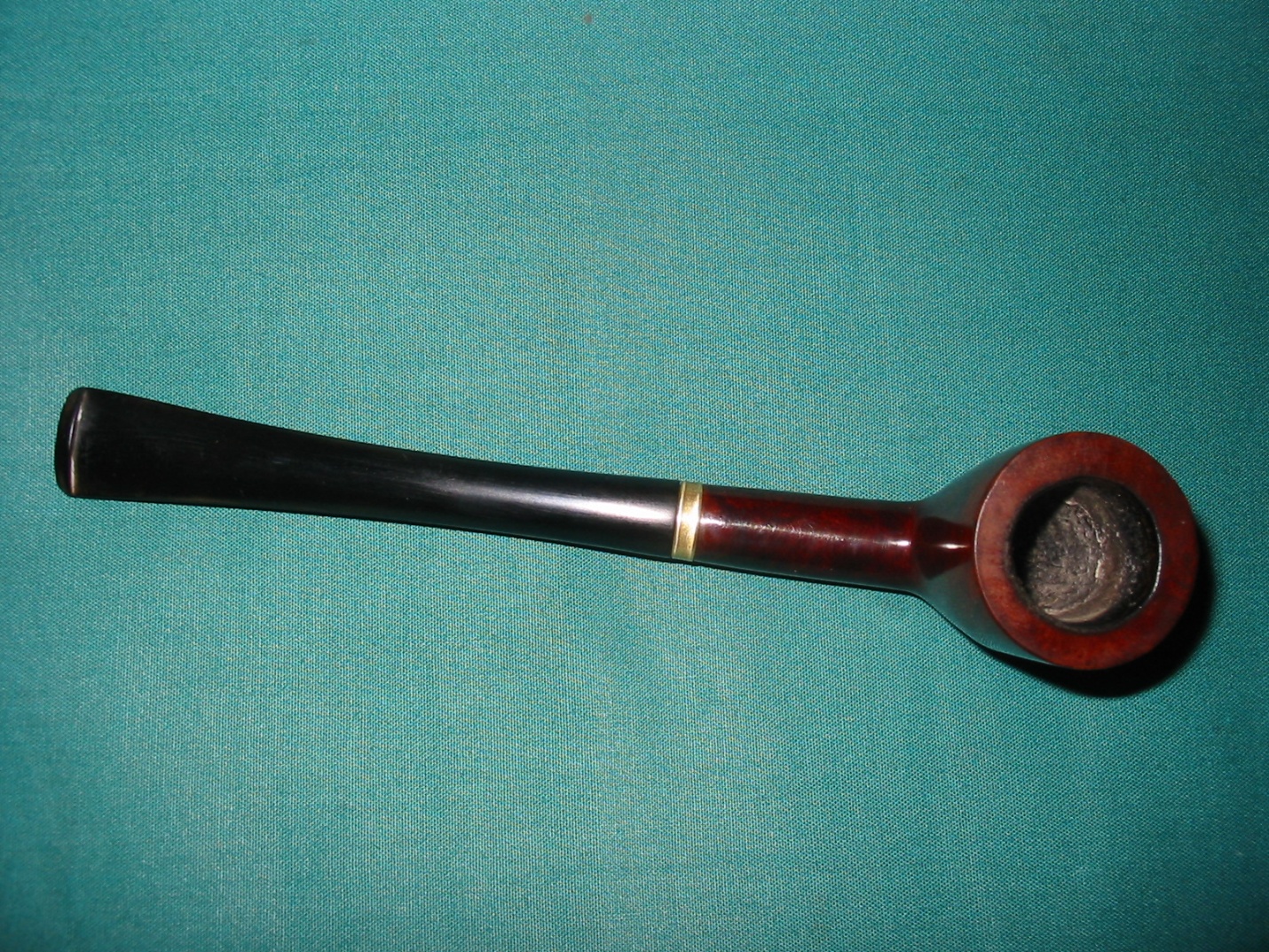
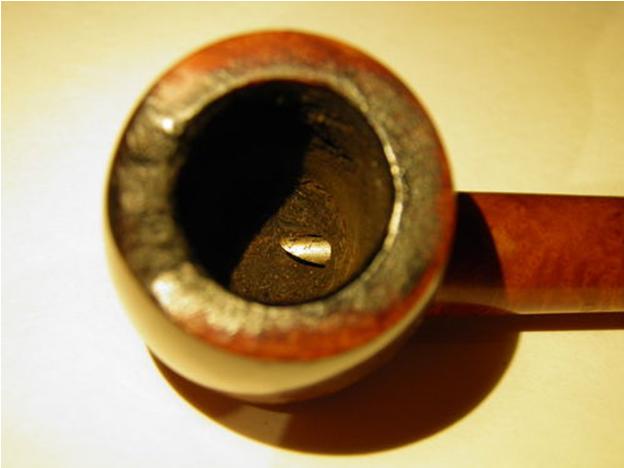
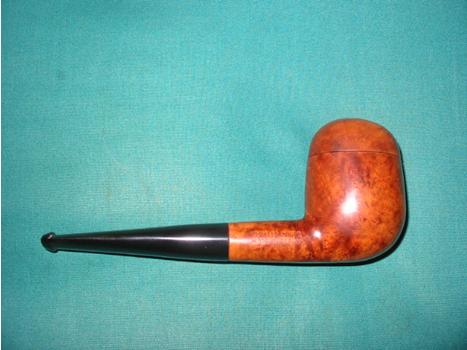
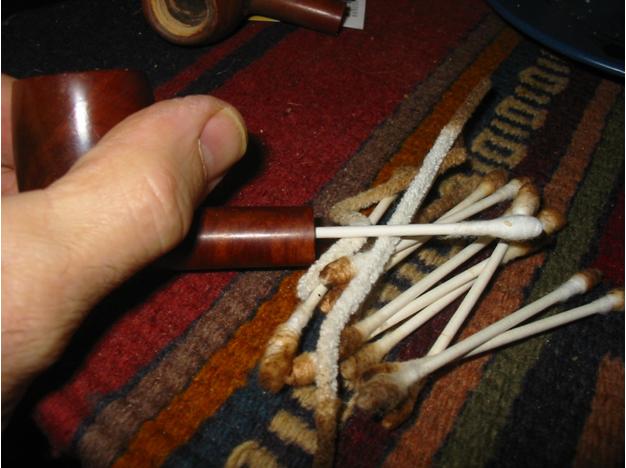
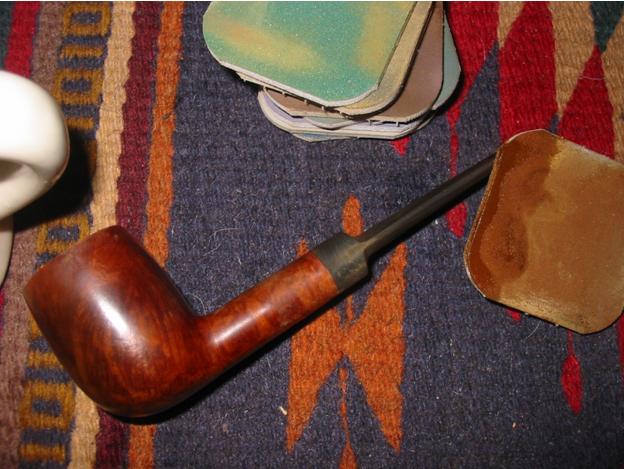
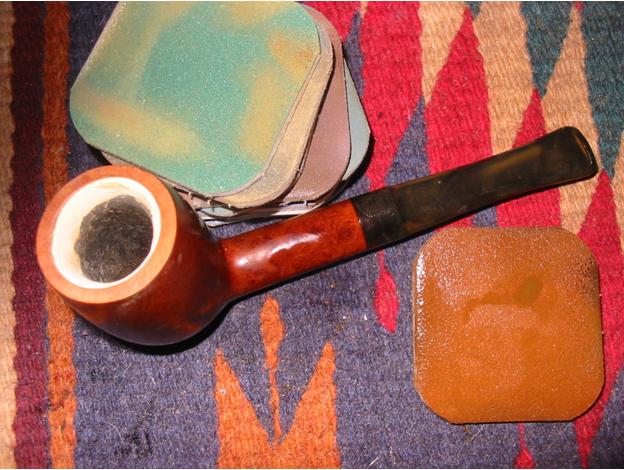
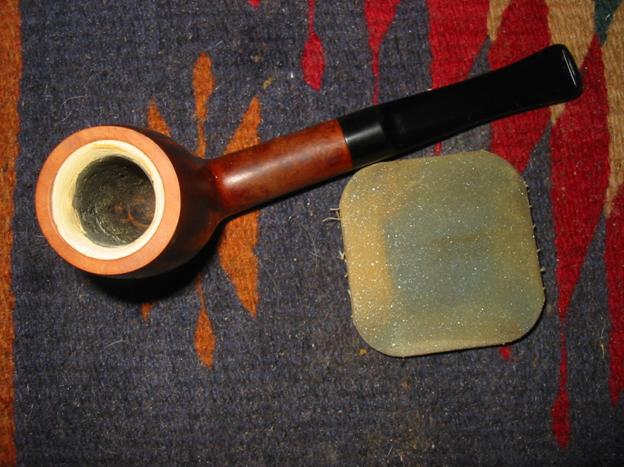
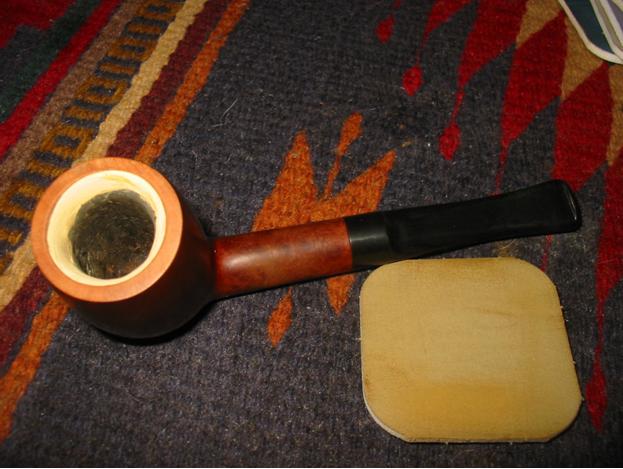
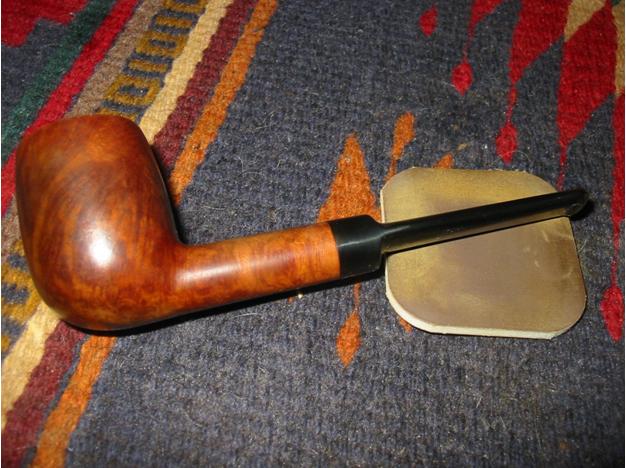
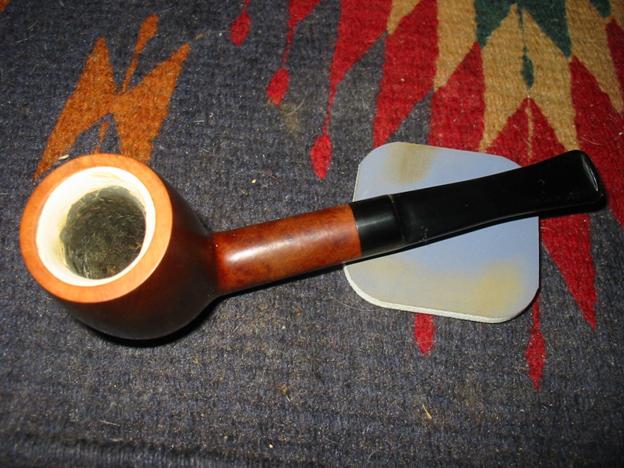
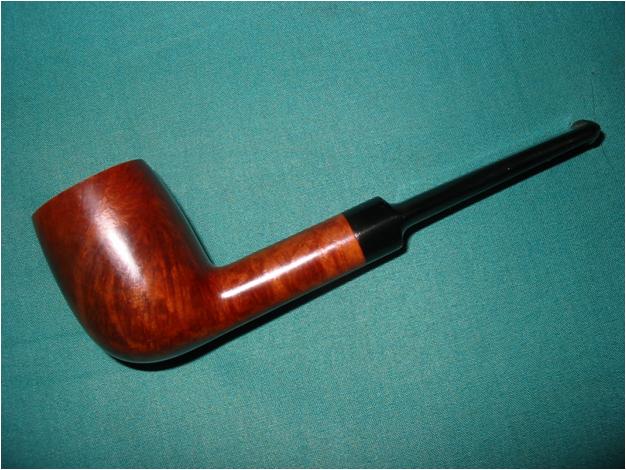
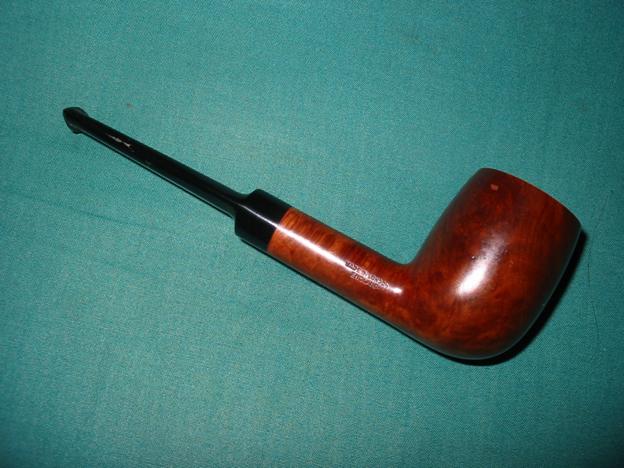
This old Loewe was an easy one to refurbish. When I removed it from the box it was clear to see that it was barely smoked… In fact it had  it had no cake in the bowl and did not seem to be even broken in. It would take very little to clean out the bowl and polish it and the stem. The pipe is stamped L & Co. and has an older style orific button – the button style and the stamping point to it being an older Loewe pipe. It is in good shape for an old timer and is typical of this era of Lovats in terms of size and shape – 4 1/2 inches. In terms of issues it has a small hairline crack in the right side of the bowl from the rim down about 1/8 of an inch. The finish was dirty but the stain was intact. The stem had minor oxidation.
loew1

Loewe2

I wiped off the bowl with some Murphy’s Oil Soap to remove the grime and grit of the years. I used the soap to also scrub down the rim. I buffed the bowl and the stem with Tripoli and White Diamond to bring back the shine and take care of the minor oxidation. Once it was clean I gave it multiple coats of carnauba wax to bring back the shine. Though the crack is virtually invisible it is present under careful examination. It has not been a problem thus far and should last at least as long as I am able to use it. In fact my guess would be that it outlasts me.
Loewe3

Loewe4

Loewe5

Father Tom – A Problem of Focus


Father Tom was having a hard time focusing. No matter how hard he tried he could not keep his mind on the work in front of him. That would not have been bad in itself had it not been that the work to be finished was his sermon for the next day. Because of that he did not have the luxury of putting it off to another day. But the deadline did not seem to give him any impetus and his mind kept wandering in a variety of directions – none of which converged on the text of the sermon. He found himself looking at the pipes that were on his desk that needed to have his attention. The older he got the more he found delight in the restoration of pipes that he would pick up on his travels. He loved handling them and trying to listen to their stories. He loved reworking them, cleaning them, refinishing them. But today was not supposed to be about that it was about writing the sermon for Sunday. He had to try to settle down to the work at hand. What was it going to take to get his mind on task? He had the outline that he had written sitting on the desk in front of him… along with about four pipes in need of various repairs, some remnants of sandpaper that he used on them, some tenons and stems… but none of that was getting the sermon finished. Try as he might he could not focus.

Finally he gave up and turned away from trying to work on his sermon text. He knew that eventually he would get back to it but it just was not happening at the moment. He left it on the desk in front of him, just in case he had the urge to get back to it. He rationalized that a good pipe of his favourite Virginia would help him focus. He picked up his old BBB bulldog and packed it with the tobacco of choice and fired it up. As he sipped on the smoke, tamped it a few times, relit the bowl he also picked up an old pipe from the repair pile sitting on his desk. It was a promising looking GBD billiard that he had found at a flea market a few days earlier. It did not appear to need a lot of work so it would not take a lot of time to get it cleaned up. He turned it over in his hands and looked at the rim and bowl. He sniffed the bowl to see if he could identify the tobacco that remained. He looked over the damage to the rim and noted that under the buildup of tars and juices it was still smooth. Ah, he thought to himself this would be a relatively easy cleanup. Without any hesitation he took out his cleaning kit and began to wipe down the rim and bowl with a soft cloth and his special mixture to loosen the grime. He continued to smoke his pipe as he worked on the old timer. Soon he was lost in the task in front of him. All thoughts of other things were pushed to the side as he wondered about what stories this old pipe would tell if only it could speak.

He was puffing on his pipe and talking to himself while working while he worked. The old pipe in his hands had a small wad of tobacco left in the bowl. In fact it was about half full and unlit. It was as if the pipe was being filled when it was set down. It made him wonder what had interrupted the process. Where had the pipeman gone leaving behind the half-filled bowl? Why hadn’t he come back to finish packing the bowl? While mulling these things over Father Tom had finished working on the rim. It was clean so he scraped out the old tobacco onto a paper on his desk – yes onto the sermon notes if you must know. He did not even seem to notice this fact. He took out a pipe reamer and gave the bowl a quick ream to smooth out the cake. Then he took the pipe apart and worked on the inside of the shank and bowl. He used the isopropyl alcohol that also sat on his desk next to the study books – kind of a ready bookend for what he was reading… in preparing his sermon. He ran pipe cleaners through the shank to clean up the tars and dust. He finished and laid the pipe aside then picked up the stem. He was fortunate as it was fairly clean. There was no oxidation to deal with and no tooth marks. He ran pipe cleaners through it as well until they came out clean. He then put the pipe back together and took it out to his buffer.

He kept the buffer in the laundry room so that he could access it quickly from his study. He buffed the pipe and waxed it until it shone. When he was finished he carried it back to his desk. At that moment he noticed the dottle and carbon dust on his sermon, mumbled to himself, shook his head and carried his paper to the waste can next to his desk. He shook the tobacco and carbon into the can and then took a tissue from his desk, wiped off the remaining dust and tried to remove the stains from his papers. He shook his head while mumbling to himself that it did not matter and went back to the desk. He laid down his now finished pipe in the pipe rest and took the jar of tobacco from the corner of the desk. He packed the newly cleaned pipe, tamped it down and fired it up. He spoke his thoughts out loud, “Now to finish that bowl for you.”

As he sat enjoying the smoke, the thoughts of the pipe’s previous owner went through his mind. There was a satisfaction about reclaiming an old pipe and putting it back into service. He wondered again about the original pipeman who had left his bowl half packed. What had happened to him? He shook himself and turned back to work on his sermon. He smoked the “new” pipe contentedly and picked up his pen. He scanned through his notes and made a few corrections to the text. He turned to the carbon stained page and put the final touches to the manuscript. He read through his final draft as he puffed on the pipe. “Not bad, not bad at all”, he said to himself. I have no idea if he was talking about his sermon or the pipe full of Virginia that was smouldering under his nose. I guess we may never know but in fact it does not matter at all. Time to light a bowl of my own and get back to working on the pile of papers on my own desk… now where was I?

Reworking a Dr. Grabow Viscount


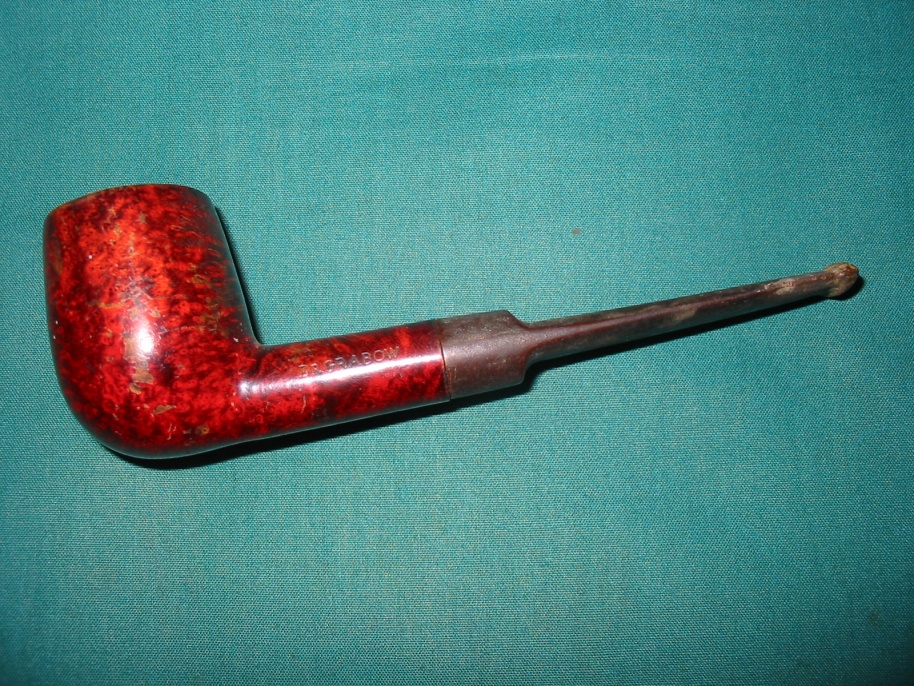
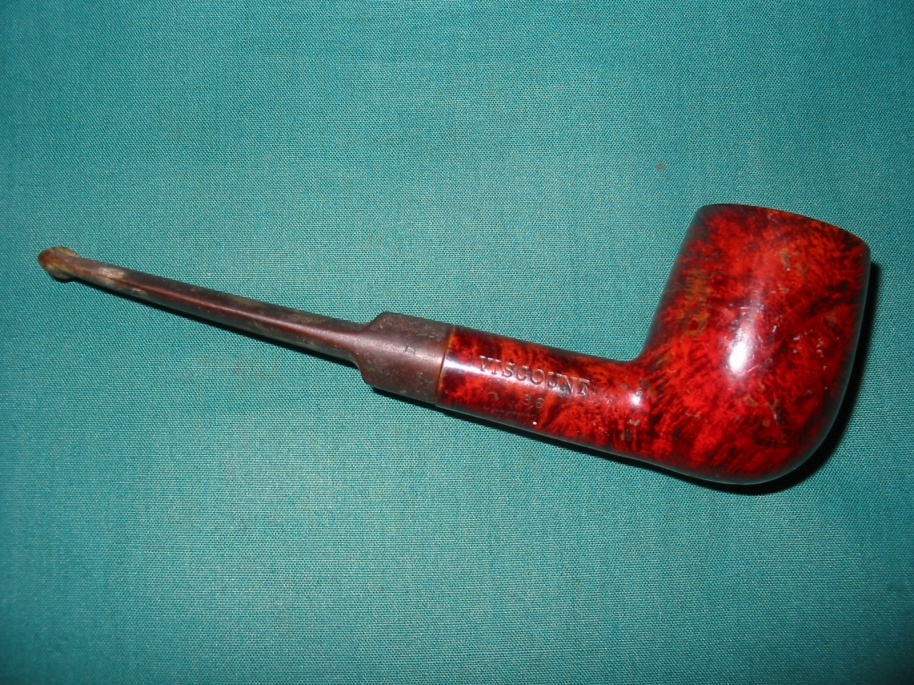
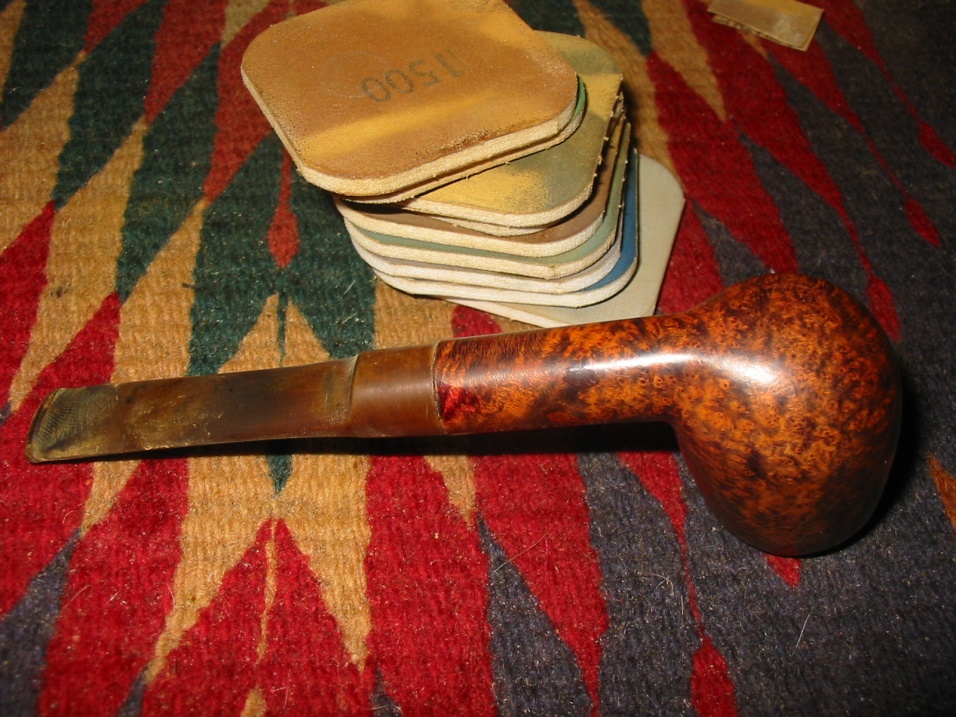
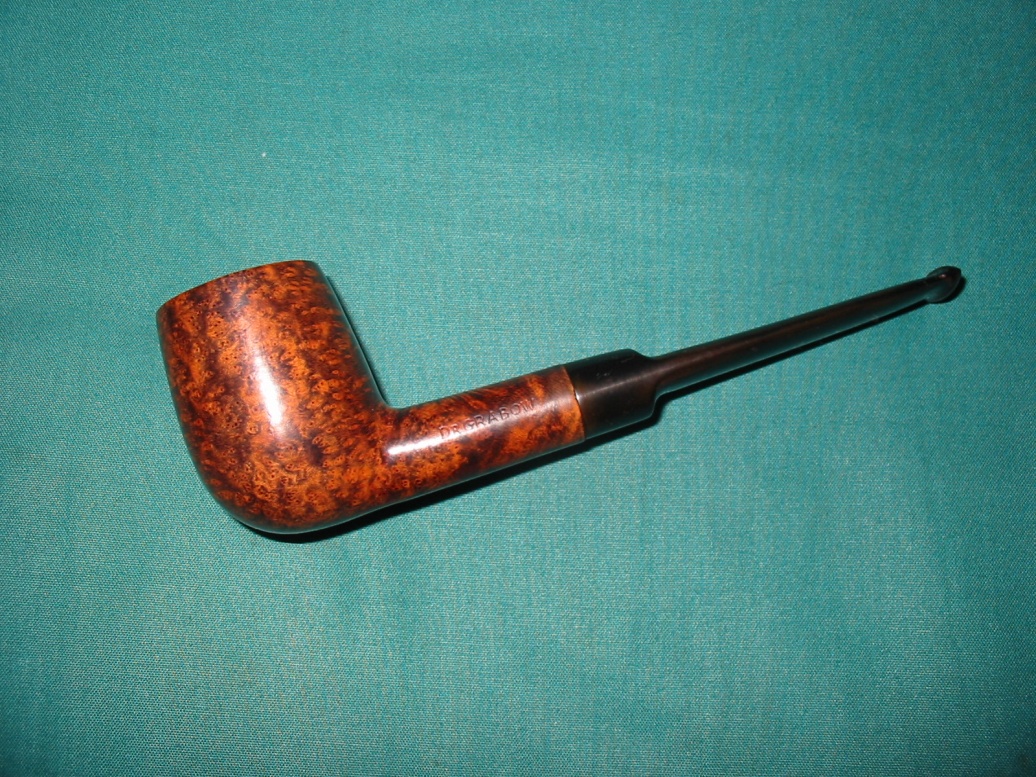
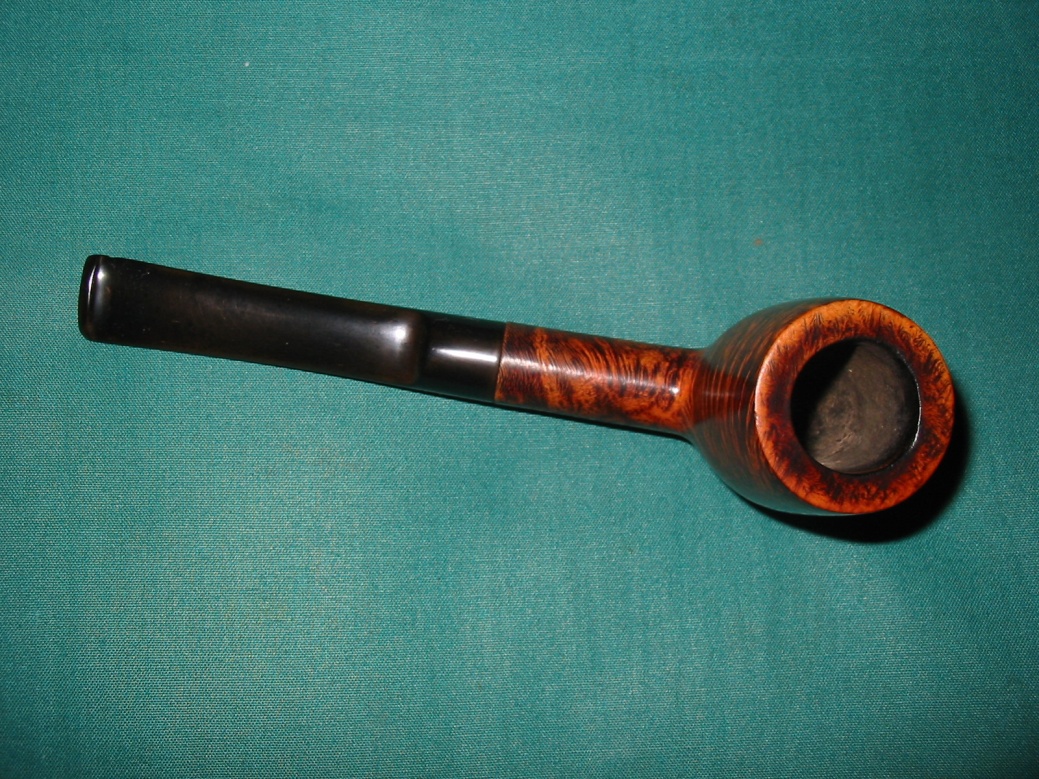
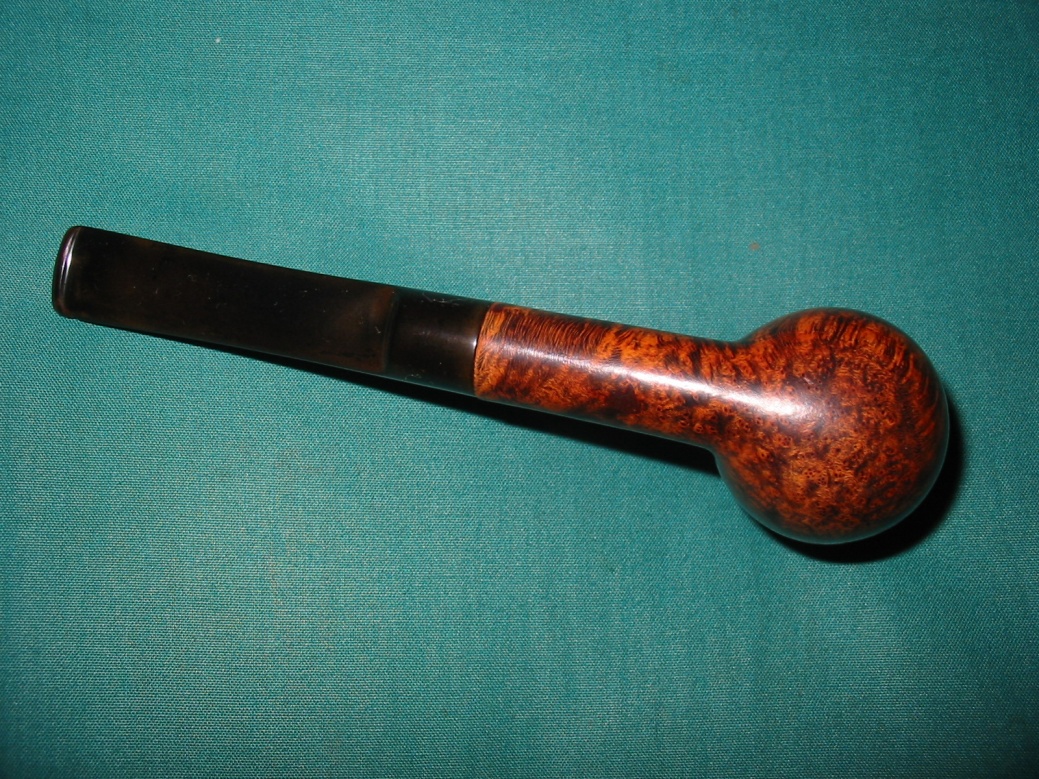
I had this old bowl in my box of pipes to refurb. It needed a stem and it needed a good cleanup. When I took it out of the box to match a stem to it, I noticed that it had some pretty nice grain under the cherry red stain. It seemed like it had a nice dark contrast stain added to bring out the grain and then the red stain was over that. On top of the red stain was a coating of varnish or lacquer of some sort. That topcoat was peeling and the red beneath it was also rubbed off. It seemed like the red stain was more of a wash on top of the bowl rather than one that permeated the bowl. I went through my can of stems and found an old saddle stem that fit quite well. It was badly oxidized but I liked the overall look of the pipe with the saddle stem.
vis1

vis2

vis3

vis4

With the state of the finish I decided to wipe it down with acetone to remove the varnish/lacquer finish and see what I could do with the stain. I was not overly concerned as I figured I would need to remove the red topcoat and start over. The wiped off portions of the finish would require a restain. I just was not sure what was underneath the topcoat. Sometimes on these older Grabows there are a lot of fills hidden under the opacity of the topcoats. I was hoping that this would not be the case with this one. I used a cotton pad wet with acetone to wipe down the finish on the bowl. The rim took a bit more work to remove the tars and build up. I used a fine grit sanding pad and carefully removed the grime while leaving the finish intact. I wipe the bowl down with about three pads and acetone. The result is seen in the photos below. The grain and the stain on this one was beautiful. It has a great contrast stain that makes the grain pop and the lighter reddish brown stain provides a soft canvas to highlight the grain. Once the red finish was removed I left the bowl as it was. I buffed it with White Diamond to polish and remove any remaining red portions of the stain. Then I waxed it with multiple coats of carnauba wax. I put the stem in an Oxyclean bath to soak while I continue to polish the bowl and finished cleaning out the interior of the shank and bowl.
vis5

vis6

vis7

vis8

The stem took a lot of work as the oxidation was very deep. I soaked it twice in the Oxyclean bath and sanded it with micromesh 1500 and 1800 grit sanding pads between soaks. There was some deep, stubborn oxidation on the flat portion of the blade – about mid stem. It was very hard to remove. I sanded it with 2400-3600 grit micromesh and then polished with Maguiar’s Scratch X 2.0 polish repeatedly. Eventually the stubborn oxidation came to the surface and I was able to remove it. I then continued to sand on the stem with the higher grits of micromesh sanding pads – 4000-12,000 grit. I find that the higher grits really deepen the shine of the stem. Each successive grit of micromesh pad brought more of a polish to the stem. The hardest spot at the end was the saddle area. In the photos below there still remains a bit of oxidation that I am still working on – this is particularly clear in the photo of the underside of the pipe.

Ah well – here is the reworked Dr. Grabow Viscount. It is ready to load up a bowl for its new inaugural smoke.
vis9

vis10

vis11

vis12

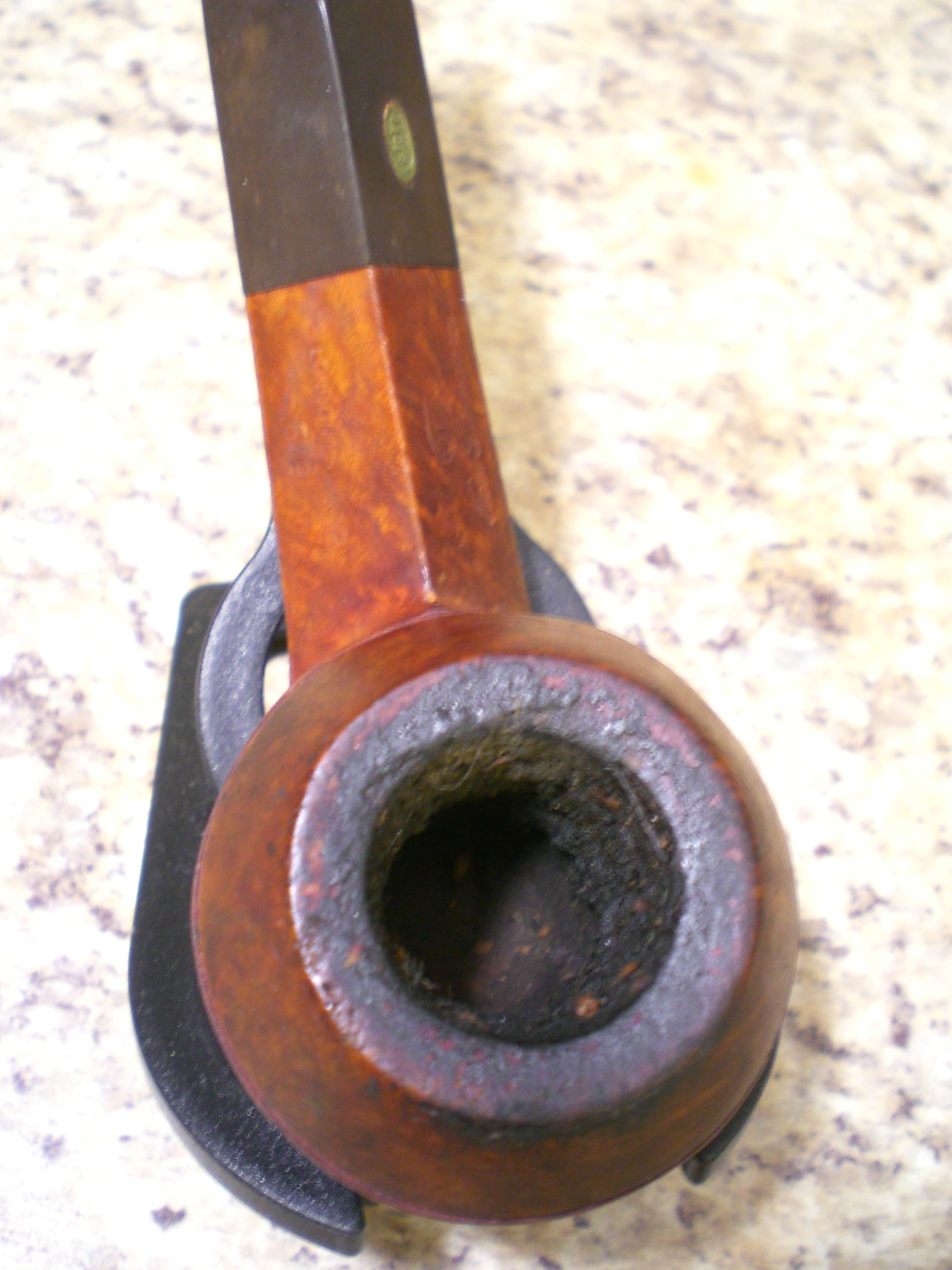
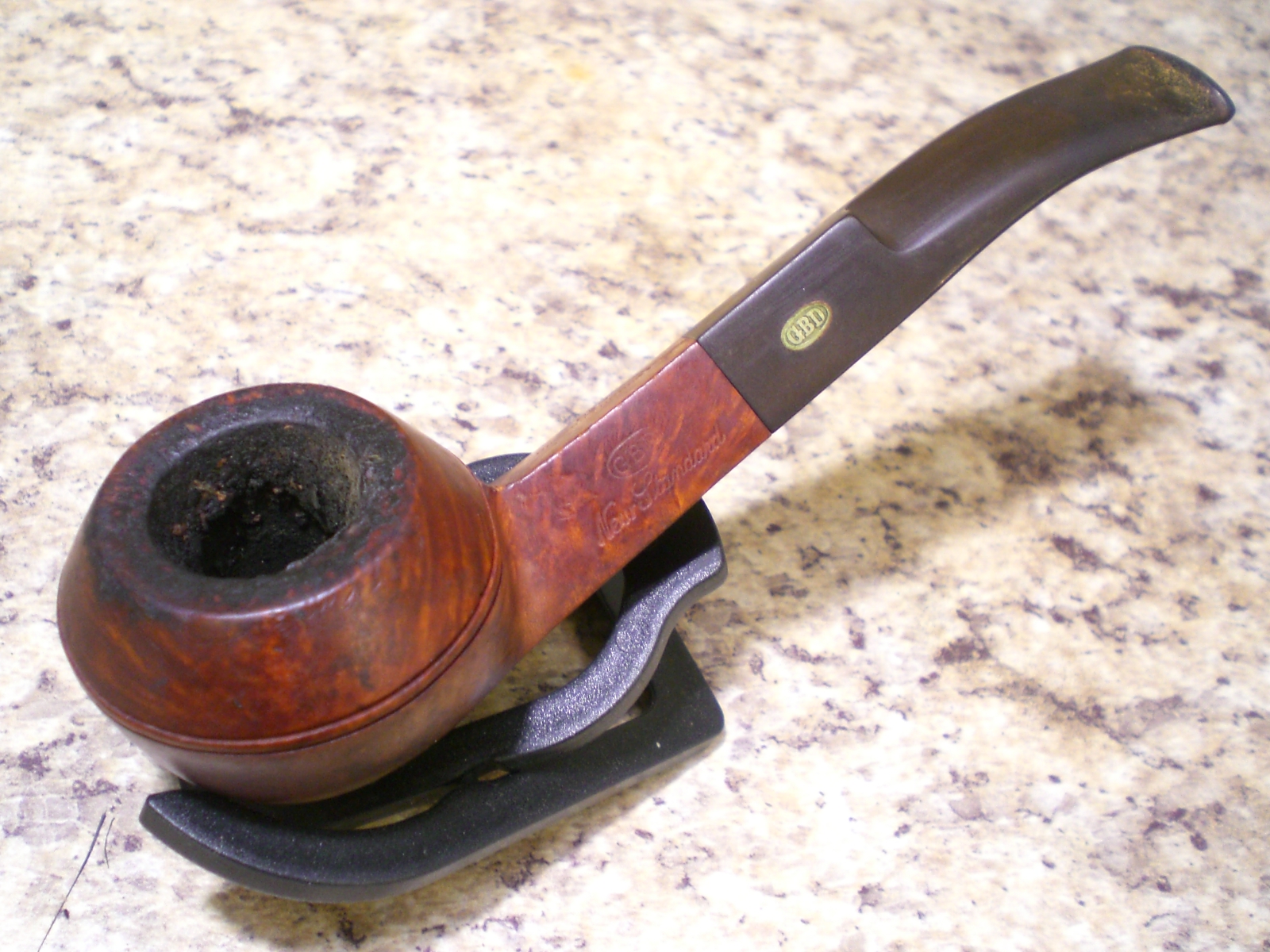
GBD Bulldog #549 New Standard Restoration


I picked up this New Standard GBD bulldog on Ebay recently.
They briar had quite a build-up of what I hoped was just tars on the bowl top and the stem had a small amount of chatter that I thought could be removed.

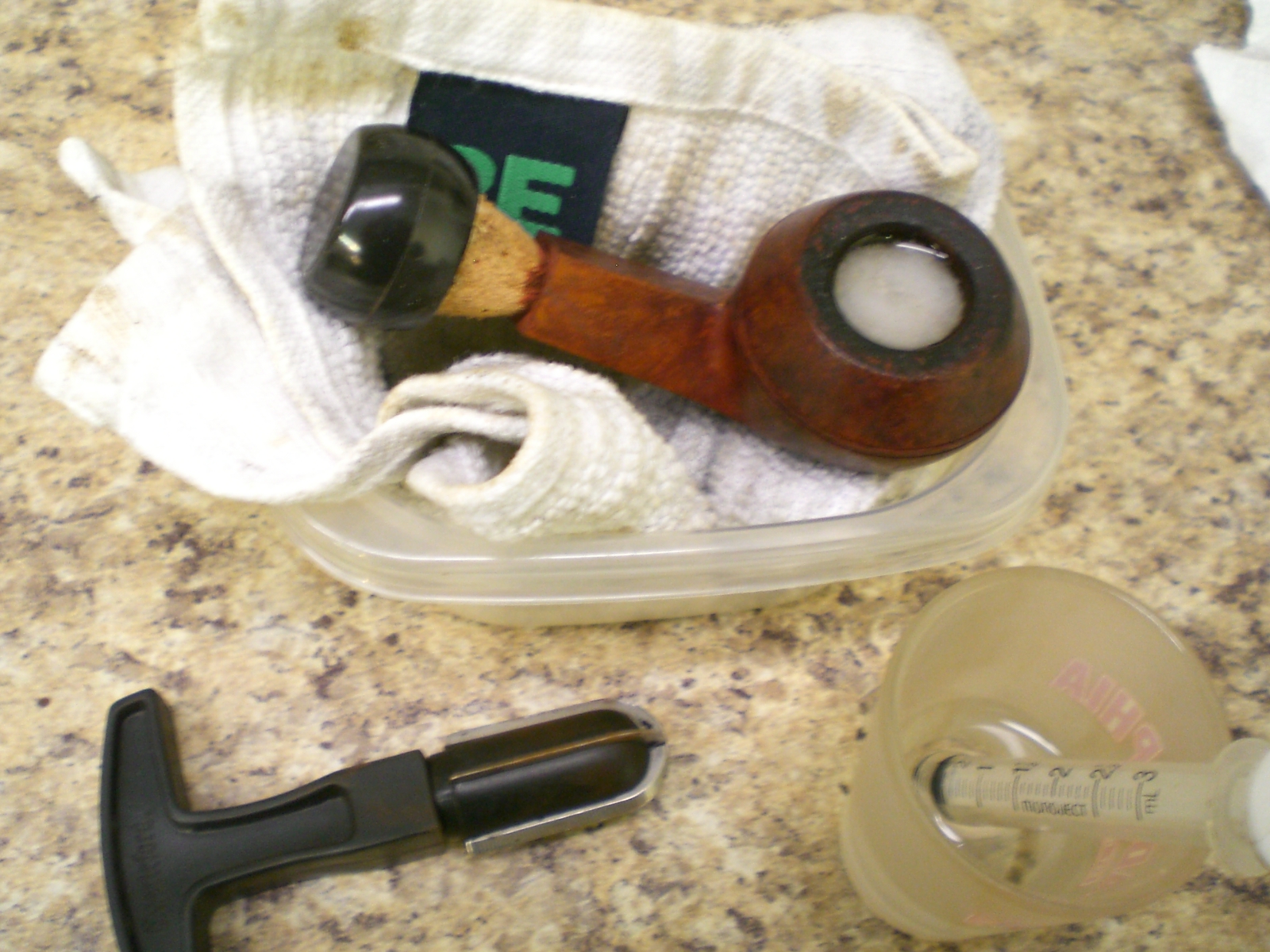
I reamed the bowl and soaked in in 91% isopropyl alcohol and sea salt.  The stem was soaked in a 3:1 solution of Oxyclean and water.  I put a dab of grease on the brass GBD rondelle.  Here is the bowl soaking in oxyclean.

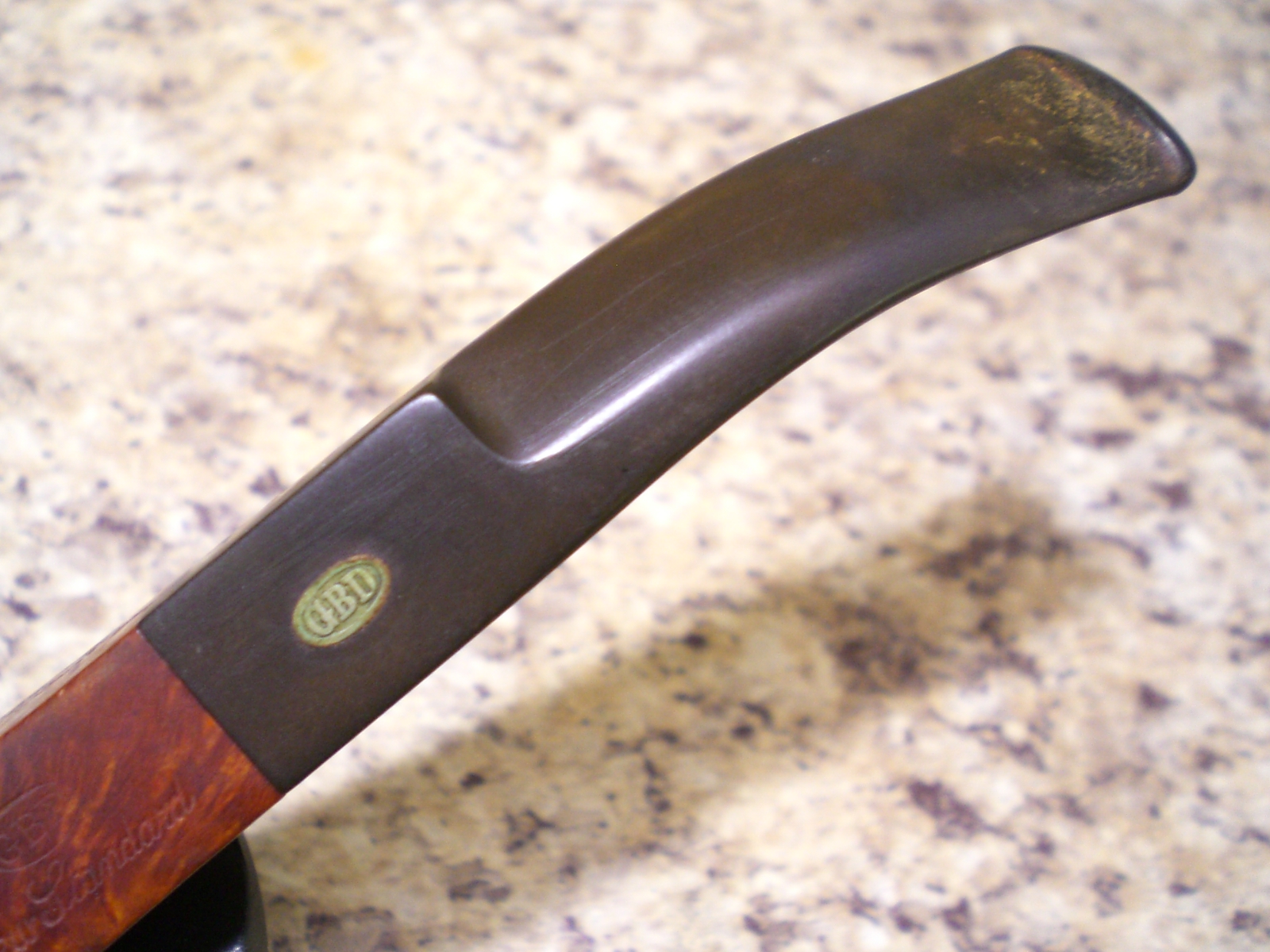
After a few hours of soaking in the Oxyclean solution, the stem was ready for sanding.  I removed the teeth chatter with 800 grit wet paper. One tooth indention remained, but it was small enough I didn’t bother trying to fill it.  1500 and 2000 grit wet papers were used next to bring up the shine.  The stem looked like this after the 1500 grade paper:

I then buffed it on a machine with tripoli rouge which removed most of the oxidation.  Then, back to the micromesh papers, using the 8000 and 12000 grades of paper to bring up the shine.  The stem was then finished with white diamond on the buffer followed by an automotive plastic polish.

After the bowl was done soaking, I turned my attention to it.  It was buffed on the wheel with tripoli, white diamond and finally several coats of carnuba wax.  Despite the heavy cake and tar buildup, inside the  shank was really clean inside.  So, I anticipate no ghosting.
Below is the finished pipe, which is being enjoyed by its new owner who lives in Norway and happens to be a reader of this blog – Enjoy!

A Bruyere Dublin – Given New Life


This little Bruyere pipe came to me in a box from a friend in Germany. It had a lacquer coat on the bowl and the rim was blistered a bit and the outer edges damaged from tapping it out. The bowl had a light cake that was incomplete – leaving the bottom of the bowl uncaked. The stem was oxidized but did not have any tooth marks or dents on it. The overall condition was promising and needed a bit of time. I removed the stem and put it in the Oxyclean bath that I have made up. It takes a full scoop of Oxyclean and two cups of warm water. It has a lid so I shake the mixture until it is well mixed. The stem sat in the bath while I worked on the bowl.
Bru1

Bru2

Bru3

I reamed the bowl with the smallest bit on my Pipnet reaming set. I wiped the top of the bowl and the outside of the bowl with cotton pads soaked in acetone to remove the lacquer finish. I find that while the acetone does not remove the lacquer it does soften it enough that it sands off easily. I set up the sandpaper on the board I use for topping a bowl and work the top of the bowl on the sandpaper until it was smooth and the roughened edges were not as noticeable. I then used sandpaper to bevel the outer edge of the rim to further hide the rim damage. I sanded the entire bowl using 380 grit sanding pads and removed the remaining lacquer finish. I wiped it down between sanding with acetone. The final sanding was done with micromesh sanding pads 1500-12,000 grit. I restained the bowl with a medium brown aniline stain, flamed it and then buffed it with White Diamond.

I took the stem out of the bath and wiped it dry with a rough cotton cloth that removed the moisture and also removed the top layer of oxidation. I then buffed the stem with Tripoli and White Diamond before returning to the work table to sand it with micromesh pads. I sanded it with 1500-3200 grit micromesh pads and water. I dried it and polished it with the Meguiar’s Scratch X 2.0 polish. I wiped it down and then finished the sanding with the 3600-12,000 grit micromesh. I dry sanded with these grits. Once the stem was smooth and shiny I put it back on the bowl and buffed the pipe with White Diamond and multiple coats of carnauba wax.
Bru4

Bru5

Bru6

Bru7

Really? Why wouldn’t you stop after doing this the first time?


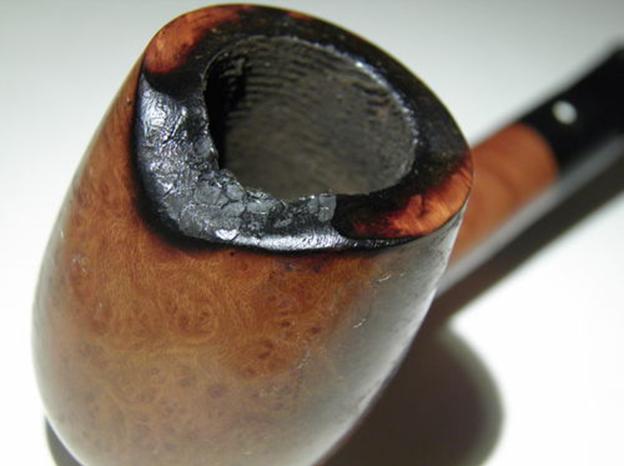
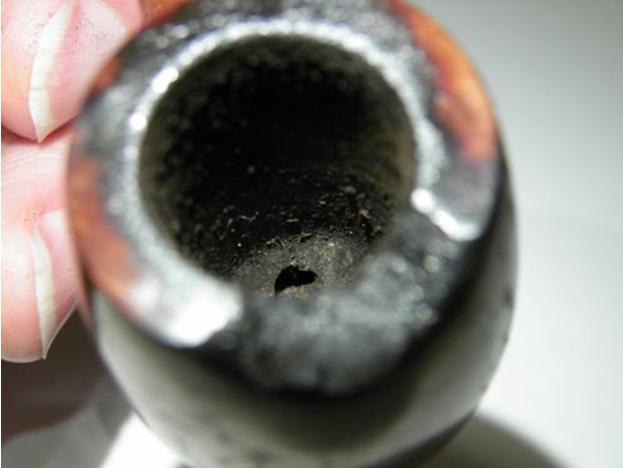
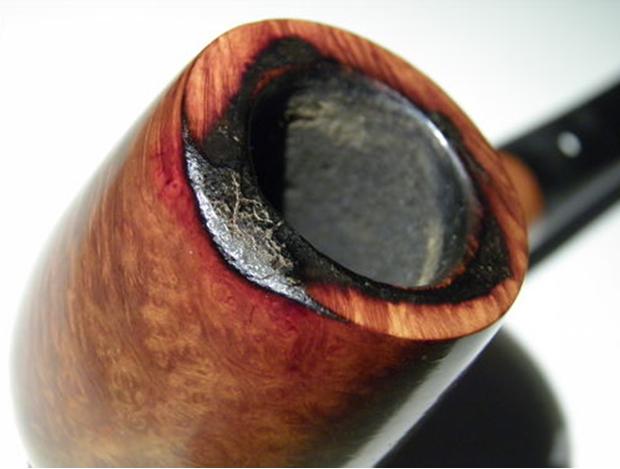
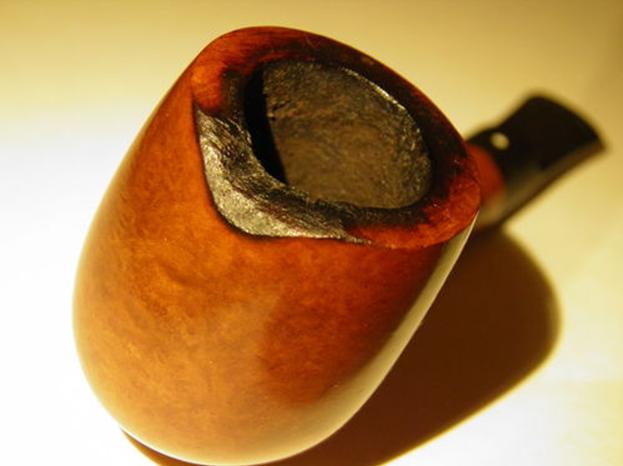
I was browsing EBay this morning and came across a group of Dunhill pipes that were being sold individually by the same seller. There are four pipes all being sold at strangely high prices with several bidders. All of them obviously came from the same pipe smoker. The three below are the worst of the lot. The last of the foursome is probably redeemable with a light topping and reshaping of the rim. These three would take quite a lot of work. The incredible thing to my mind is the amount of damage caused to all of them. I look at them with sadness and wonder at the person who would do that to that many pipes. Personally I would think that if I had one pipe sustain that damage I would change my habits. Not so with the pipe smoker of this trio, all nice lovats. If you look at the pictures below you will see that all three have a burn in pretty much the same spot. The sacrifice of briar to the flame is absolutely unnecessary.

From my experience this kind of burn is caused by repeatedly using a torch lighter and carelessness in directing the flame into the bowl. Repeatedly lighting the pipe in the same way from the same angle produces the results visible in these photos. I know that they are Dunhill’s and odds are they were not cheap pipes. But they are still selling on EBay at a price that a similarly burnt no name or low name pipe would never see.

I have repaired a lot of burned rims and damaged rims but these seem so unnecessary to me. Ah well I won’t be bidding on them. All three would need a serious topping to bring them to even close to pristine condition and would also ruin their value to collectors. Why buy them at all? I suppose some folks would fall under the spell of the white dot or maybe they are just going for the well kept stems.
burn1

burn2

burn3

burn4

burn5

An Interesting Weatherproof Wally Frank “Pepper Shaker”


I picked up this interesting piece of tobaciana somewhere though I no longer remember where it came from. It is an oval bowled pipe by Wally Frank and it has a briar wind cap that is attached via a brass peg. To me it looks like a Pepper shaker so that is what I have named it. I have a few other ones like this but the cap is made out of Bakelite and is on a side pin that allows it to flip forward. This one spins to the side or can be removed should the pipeman not want to use it covered.

It came to me unsmoked and clean on the inside. The finish was very poorly done. There was a coat of varnish or lacquer on the pipe. It was spotty and in some places seemed to have bubbled or ran when it was applied. The stain that was underneath obscured the grain on the pipe. I decided to refinish the bowl and give it a new stain. I soaked it in an alcohol bath and then wiped down the bowl with acetone to clean the finish off. Once it was removed I sanded it with micromesh pads to get it smooth. I restained it with a nice cherry aniline stain. I flamed the stain to set it in the grain and then buffed the bowl to remove the excess and surface stain. The stem and pipe were buffed as a whole with white Diamond and then several coats of carnauba. Here is the finished product.
Frank1

Frank2

Frank3

Frank4

Refurbed Rutledge Author


This old Rutledge pipe is the one that came with the Beuchner Ashtray Reamer that I wrote about in an earlier blog post. I have not found a lot of information about the brand or the maker of this pipe so it is a mystery that remains for me. However, the author shape is one that I particularly like so it finally got the attention needed to clean it up. You can see from the first two pictures the state of the pipe. The stem was badly oxidized and needed some work. The bowl was clean but dusty and even had a cobweb or two in it. The rim had some tar build up but was not dented or dinged. When I removed the stem – a screw mount stem – I found that it had originally had a KW stinger that had been clipped. It was fairly oxidized as well and the aluminum on the threads was pitted and darkened with tars and oils.
rut1

I unscrewed the stem and cleaned it out and used 0000 steel wool on that to clean the tenon and remove the oxidation and grime. I also used it to smooth out the pitting. One it was clean I dropped it in a bath of Oxyclean and warm water to soak while I worked on the bowl. I gave the bowl a light reaming and scrubbed the rim with a soft cloth and some Murphy’s Oil Soap. I wiped the entirety down with a cotton pad and some acetone and then buffed the bowl on my buffer with White Diamond and Carnauba wax. The metal band at the end of the shank made this quite easy to do without the stem attached. I never do that with a regular shank as it can round the edges and ruin smoothness of the shank stem junction. With the bowl finished I took the stem out of the Oxyclean bath and began to work it over with micromesh sanding pads from 1500-12,000 grit. I polished the stem with plastic polish after that and reattached it to bowl and gave the whole pipe several coats of carnauba wax and buffed with a clean flannel buffing pad to polish it.
rut2

A Journey from Oxidation to Shine – Refurbishing a Wally Frank Meerlined Billiard


I have had this old meerlined billiard in my box for refurbishing for quite awhile. The stamping on it says Made in London England on the right side of the shank. On the underside of the shank it is stamped Wally Frank Limited. The finish on the bowl was cloudy from many coats of wax and there was a gummy substance on the front of the bowl from a sales label. The rim was dented and the inner edge of the meer lining was damaged. There was a heavy buildup of cake on the meer. The stem was badly oxidized.
ox1
ox2
ox3
ox4

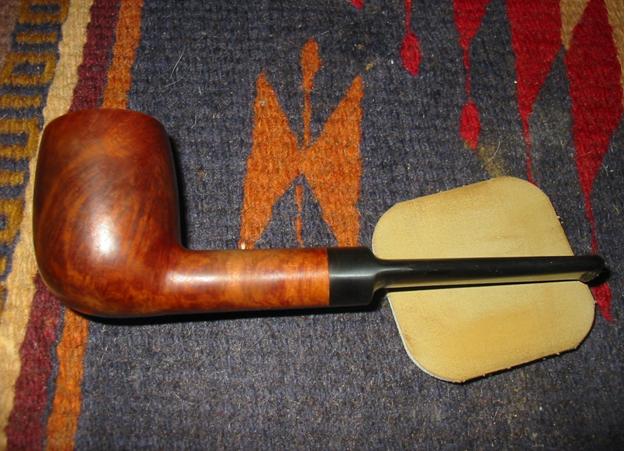
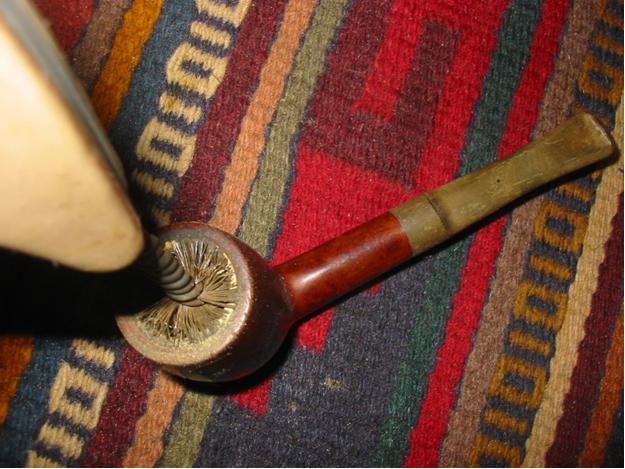
ox5 I decided to work on the interior first so I used a plumbers wire brush (used for smoothing the edges of a newly cut pieces of pipe or tubing). It is a ¾ inch brush (see the photo to the left of this text) and I have found that if it is used carefully it is good at removing the initial cake build up on the interior of a meerlined bowl. I say carefully because too much and the brush scratches the meer lining. In this case I ran it through one time and then dumped out the ash and carbon buildup. The two photos below show the brush inserted in the bowl and give an idea of the tool itself.
ox6
ox7

Once the brush has done its work I use a blunt edge letter opener/knife to smooth out the rest of the cake that is still present. The next photo gives a clear picture of the pipe bowl after I have used the brush in it and just inserted the knife. There was still some stubborn cake left that I used the knife to scrape away. The second photo below shows the bowl after I have finished with the knife. Once the bowl was at this point it was time to use sandpaper in the bowl to smooth out the edges and rough spots.
ox8

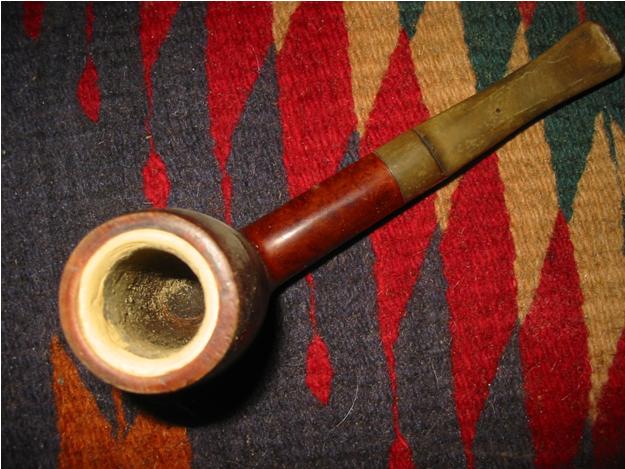
The next photo shows the bowl after the initial sanding on the cake. I had lots more to sand at this point but I wanted to document the process. At this point in the process I removed the stem and put it in a jar of Oxyclean to soak and soften the oxidation while I continued to work on the bowl.
ox9

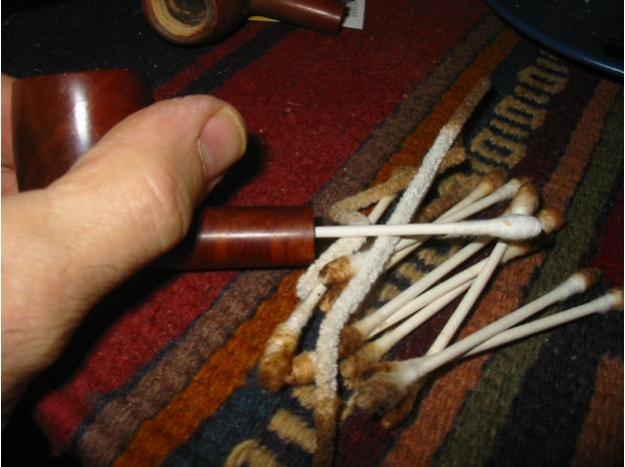
I used many cotton swabs on the inside of the bowl to remove the sanding dust and to clean out the inside of the shank once the stem was removed. The mortise had a thick coating of tars and the airway into the bowl was constricted with tars as well. It took many swabs and about the same number of pipe cleaners to get the interior clean. I dipped the swabs and pipe cleaners in 99% Isopropyl alcohol and washed out the inside. The first swabs came out almost black with the tars. I did some more sanding on the rim and the inner edge of the rim and meer lining. The rim was quite dented and had some chunks missing so I topped it lightly using the methods I have written about in other articles on the blog. I also used a folded piece of sandpaper to bevel the edge of the meer lining inward to take care of the damaged edge of the meer.
ox10

Once the bowl was finished I wiped it down with some acetone on a cotton pad to remove the wax buildup and give me a clean surface to work with. I took the stem out of the soak and went to work on it. I wiped it down with a soft cotton cloth to dry it and to remove the softened oxidation. I then filled a cup with warm water and began to work on the stem with the micromesh sanding pads 1500-12,000. I took pictures of each successive micromesh pad and the result of using it to show the progression of the polishing.

The first four pictures below show the stem after wet sanding with the 1500 rust coloured sanding pad. You can also see the inner rim and bowl top after my work on them as well. The first sanding took what remained of the majority of the oxidation off the stem and gave it a dull matter finish. I wet the sanding pad down and sanding with it wet. I repeated the sanding of the stem repeatedly until the oxidation was gone. Then I wiped it down before the picture to show the progress.
ox11

ox12

ox13

ox14

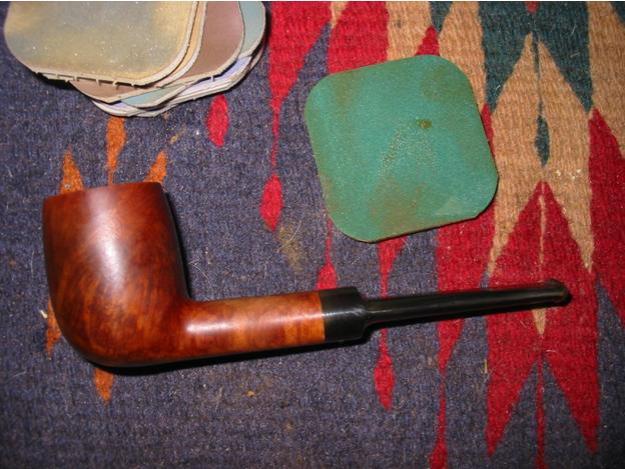
Once I was satisfied that the majority of the oxidation was gone I move on to the green 1800 grit micromesh sanding pad. I also used this pad with water and wet sanded the stem repeatedly. You can see the remaining oxidation still showing up on the wet sanding pad in the two photos below. The two photos show the stem after multiple sanding. I wiped it down with a soft cloth to dry it off and wipe away the grime left behind by the wet sanding. The stem is beginning to take on a bit of a shine. The matte finish of the 1500 grit is getting a polish.
ox15

ox16

The next two photos show the 2400 grit micromesh disk (grey coloured). I used this pad without water to polish and shine away some of the scratches. I found on the left side of the stem near the button there was a fairly deep scratch on the edge. I used some 280 grit sandpaper to remove this scratch and then repeated the 1500 and 1800 grit micromesh sanding. Once finished I gave the entirety of the stem a sanding with the 2400 grit pads to smooth out the finish. I also used the pad to sand the top of the bowl and the edge of the meer lining.
ox17

ox18

A 3200 grit micromesh pad (tan coloured) was used next. I also dry sanded the stem with this one the first few times I sanded it. The last time I wet sanded the stem. The next two photos show the stem after the sanding. I wiped it down with a soft cotton cloth to remove the dust and residue from the wet sanding.
ox19

ox20

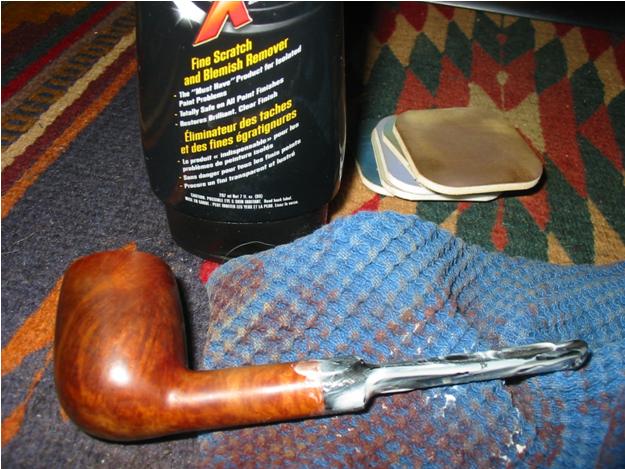
Once I got to this point I decided to try some Mequiar’s Scratch X 2.0 fine scratch and blemish remover that I picked up at an auto parts store. It is used to polish headlight lenses. I applied the polish to the stem and let it dry a short time before wiping it down and polishing the stem with the cotton cloth. The first two photos show the application of the white polish. The last two show the result of the polish on the stems at this point in the process.
ox21

ox22

ox23

ox24

At this point in the process I decided to continue with the micromesh sanding pads. I wanted to take them through the 12,000 grit pad and document the progressive shine that comes alive in the stems. The next two photos show the wine/brown 3600 grit sanding pad and the results. I sanded the entirety of the stem repeatedly before wiping it down for the photos below. I dry sanded with this grit pad and also with the remaining micromesh pads.
ox25

ox26

A 4000 grit Teal coloured micromesh pad was next. I also dry sanded with this pad. The next two photos show the shine starting to come alive on the stem.
ox27

ox28

A 6000 grit Purple coloured micromesh pad was next. I dry sanded with this pad as well. The next two photos show the shine after I repeatedly sanded the stem.
ox29

ox30

An 8000 grit Royal Blue micromesh pad was the next in line to be used. The difference in shine between the 6000 and the 8000 grit is quite remarkable. The shine takes on a depth that the early grits did not bring out in the vulcanite. The next two photos show the stem after sanding several times with this grit pad.
ox31

ox32

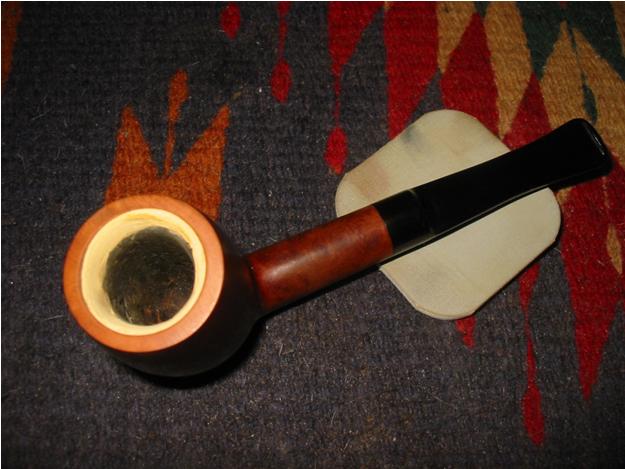
The final micromesh pad to be used was the Grey coloured 12,000 grit pad. I also dry sanded with this pad. I sanded the stem several times until the vulcanite shine had a depth that was visible. The two photos below show the result of the final sanding.
ox33

ox34

At this point in the process I once again wiped the stem down with the Meguiar’s polish and buffed it off by hand with a soft cotton cloth. I then took it to the buffer and gave it several coats of carnauba wax. I also buffed the bowl with White Diamond and then carnauba wax as well. The finished pipe is in the four photos below.
ox35

ox36

ox37

ox38

Refurb – a Lovely Jobey Poker


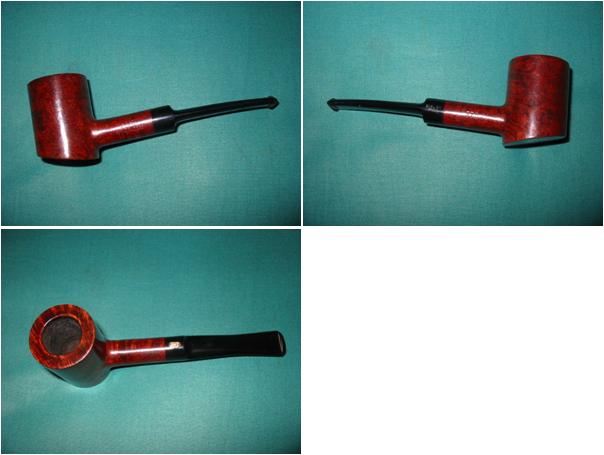
This came across my desk as part of a lot I picked up somewhere along the way. It gets pretty bad when you cannot remember where you found a certain pipe. When I picked this up I figured it would be one that came and went. I have bought, sold and traded many Jobey pipes over the years and kept none of them. Nothing personal against Jobey’s I just always used them as a step towards something else I wanted more. This one was a bit unique. I had not had a Jobey like this or a poker before so this one was a new one for me. In terms of a Jobey it does not have the patented Jobey connector for the stem and shank. I was a normal push tenon. The tenon also was stepped down. The pipe is stamped English Para on the stem. The bowl itself is quite a nice piece of briar – no fills. It is stamped Jobey in script and Hand Rubbed under that. The other side of the shank gives the shape number 370.
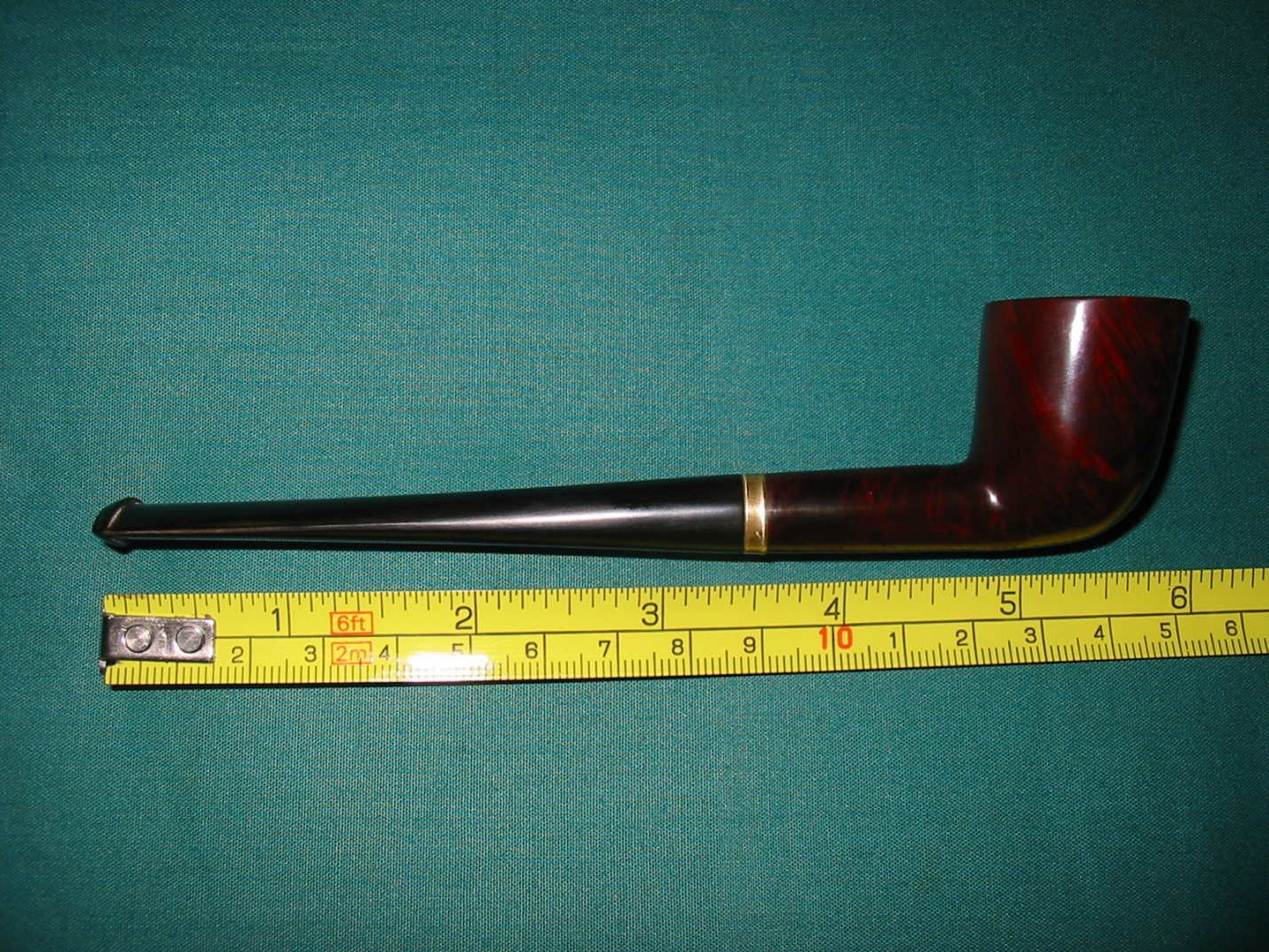
Its condition was quite easy to work on and needed only to be reamed and cleaned. The finish was only dirty and had become cloudy from the many coats of wax that it carried. I wiped it down with a cotton bad dampened with 99% isopropyl alcohol to remove some of the grime. I do this carefully so as not to remove the underlying finish. In this case it worked beautifully and the finish remained. The grain was once again very clear and had a matte look. I took it to my buffer and used some White Diamond to buff it and then gave it several coats of carnauba wax.
Jobey