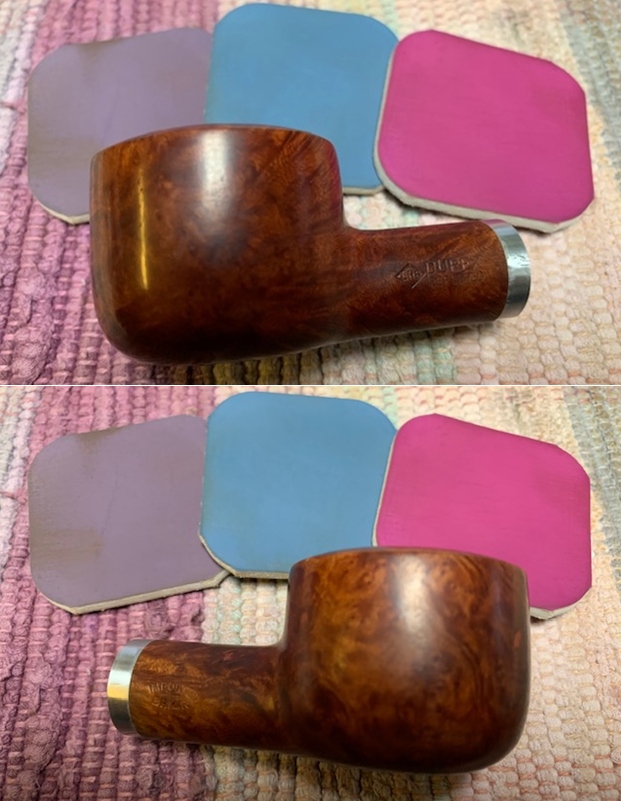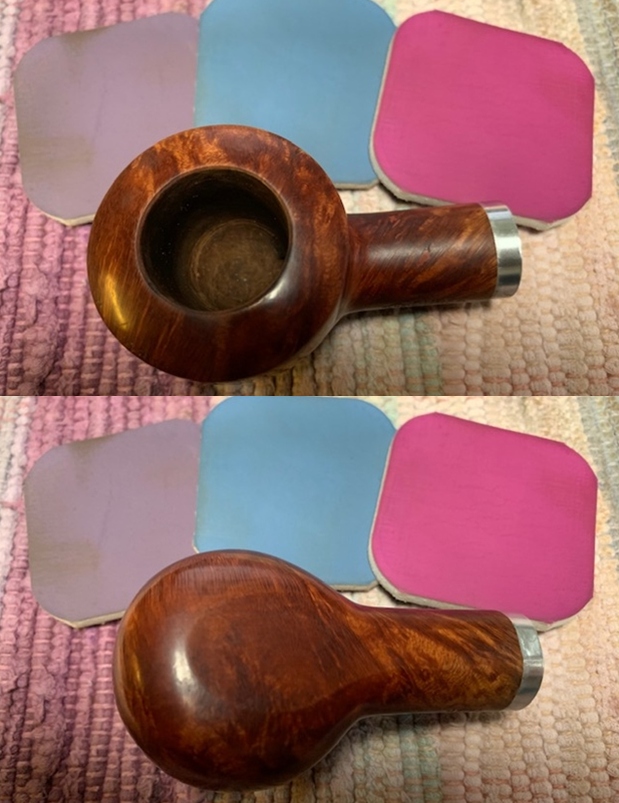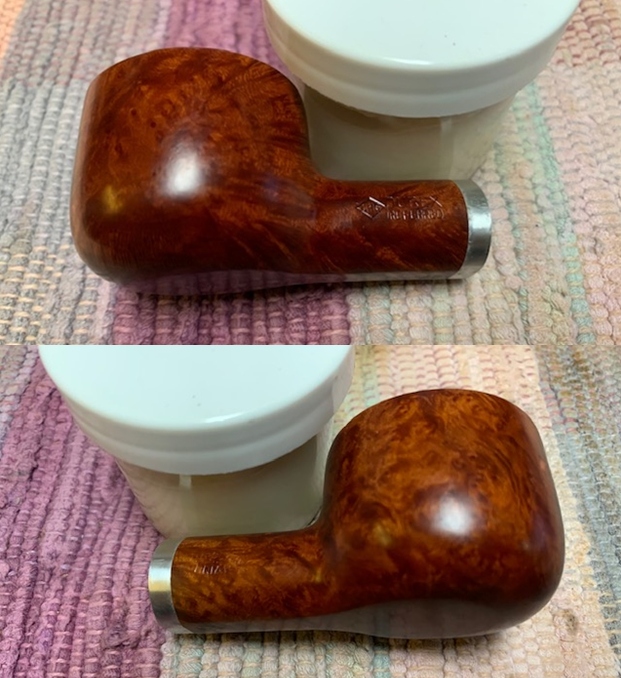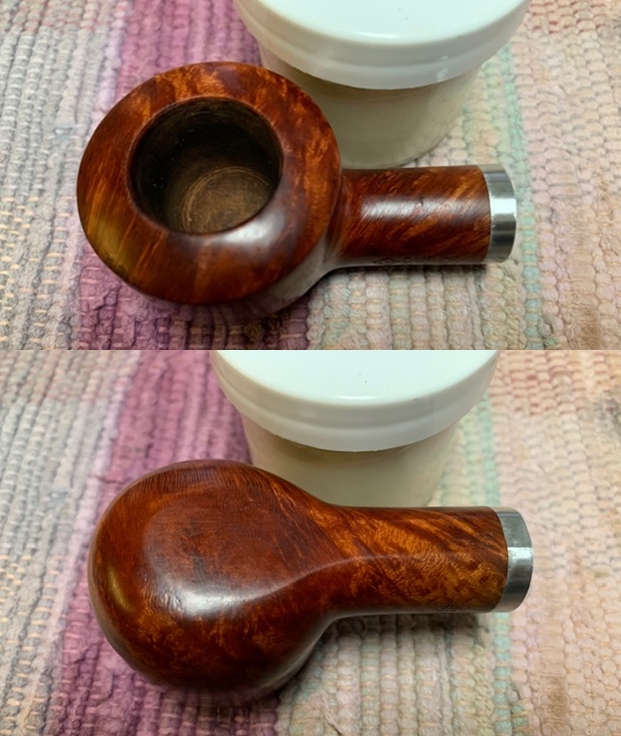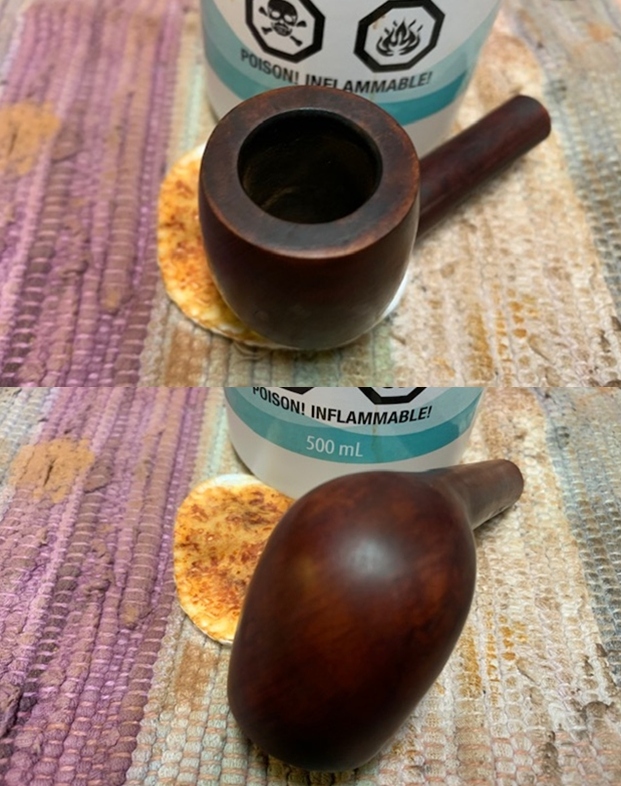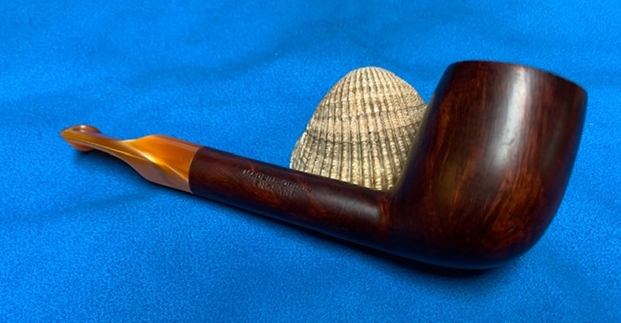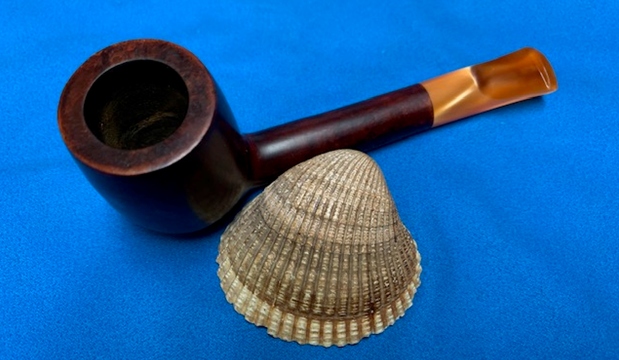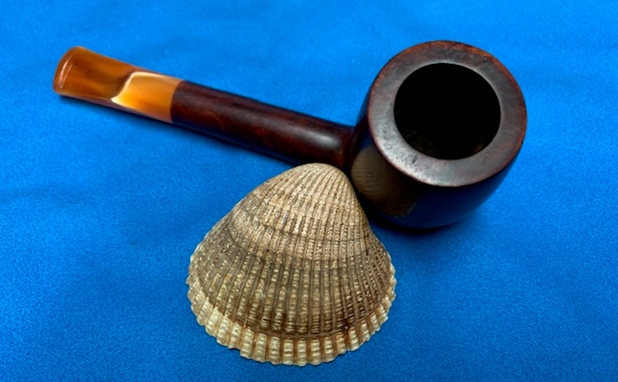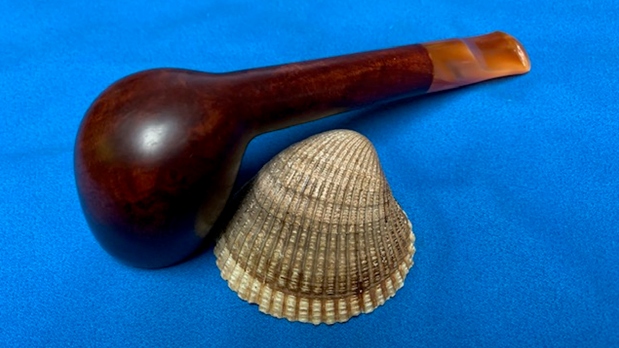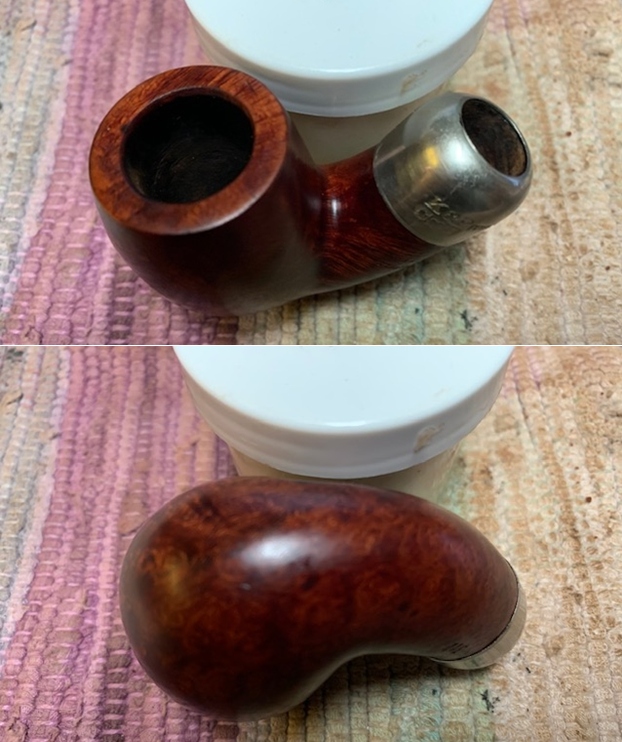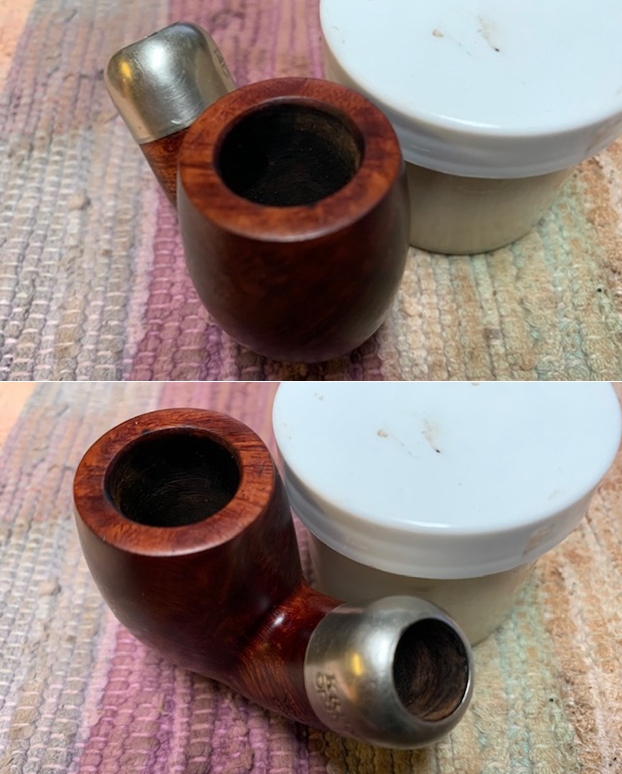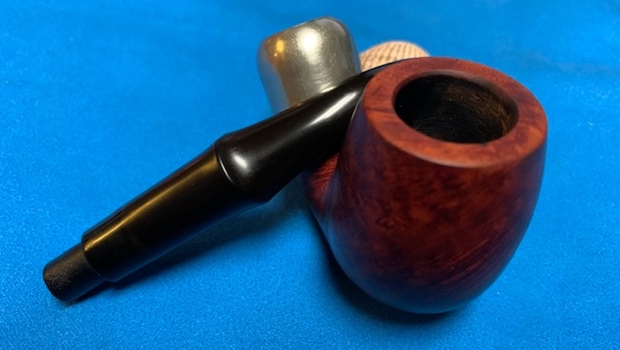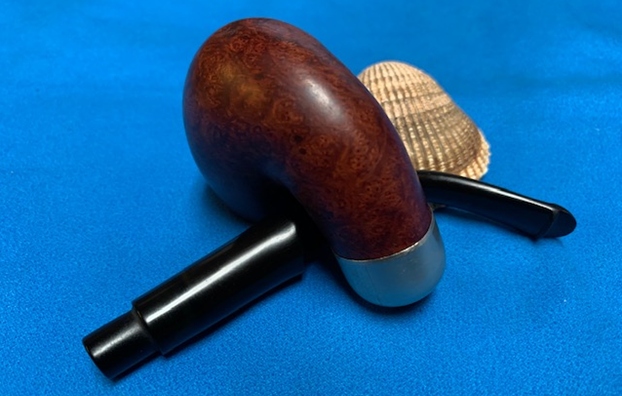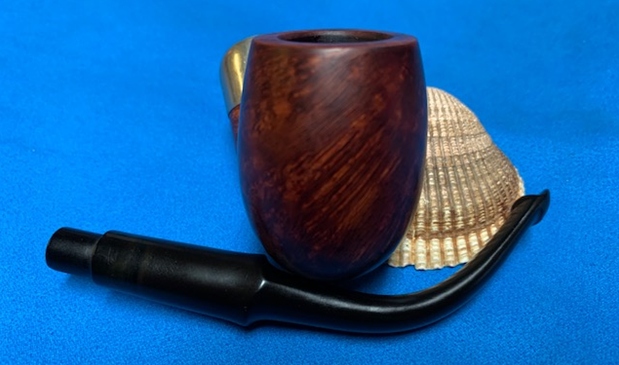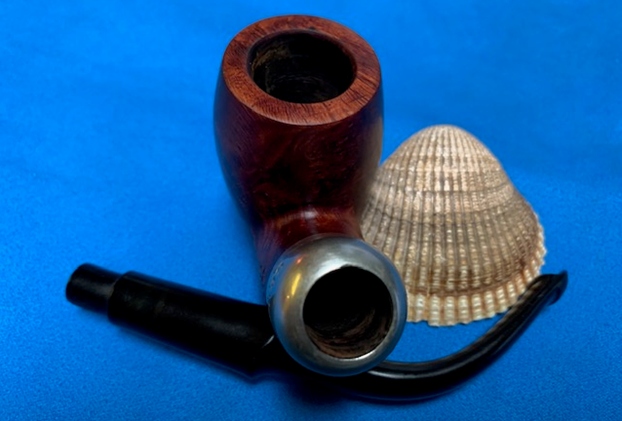
Tag Archives: waxing

Bringing a Savinelli Estella Non Pareil  9128 Billiard Back to Life


Blog by Steve Laug

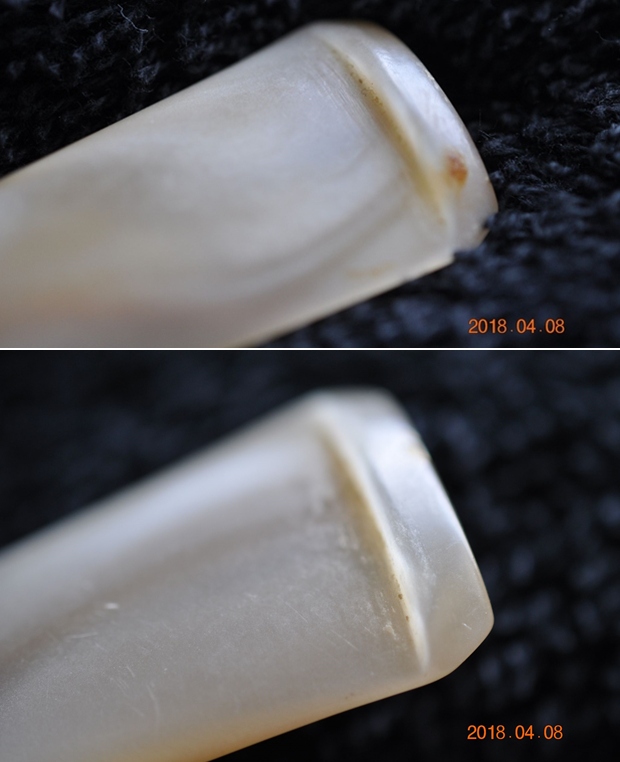
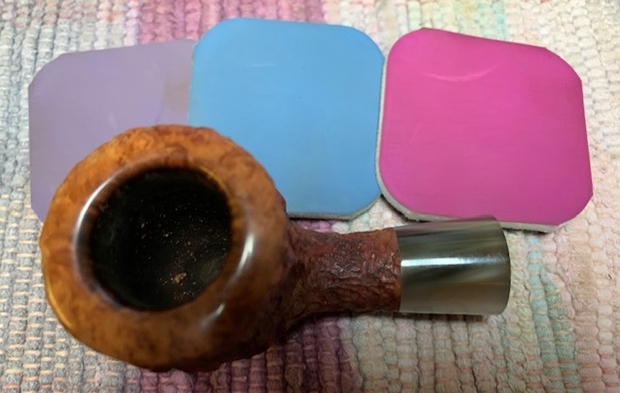
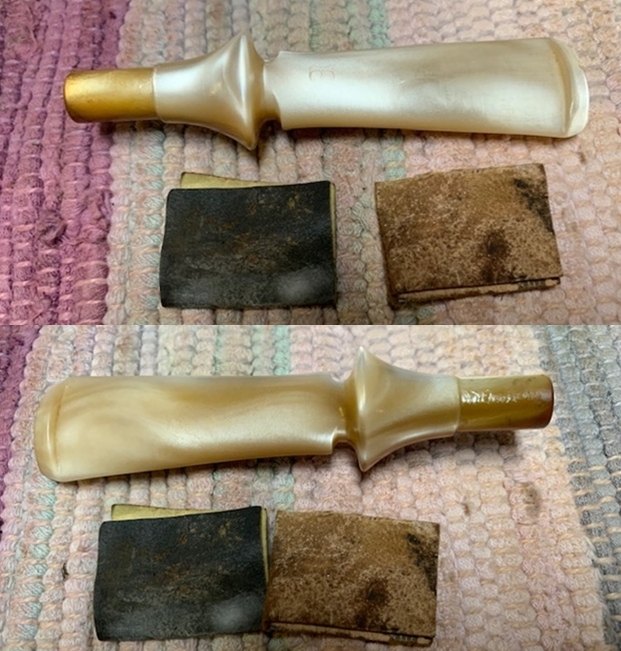
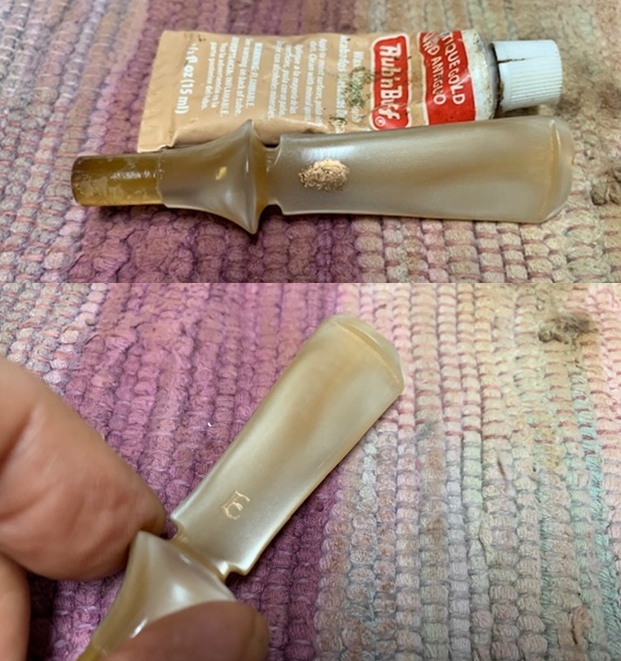
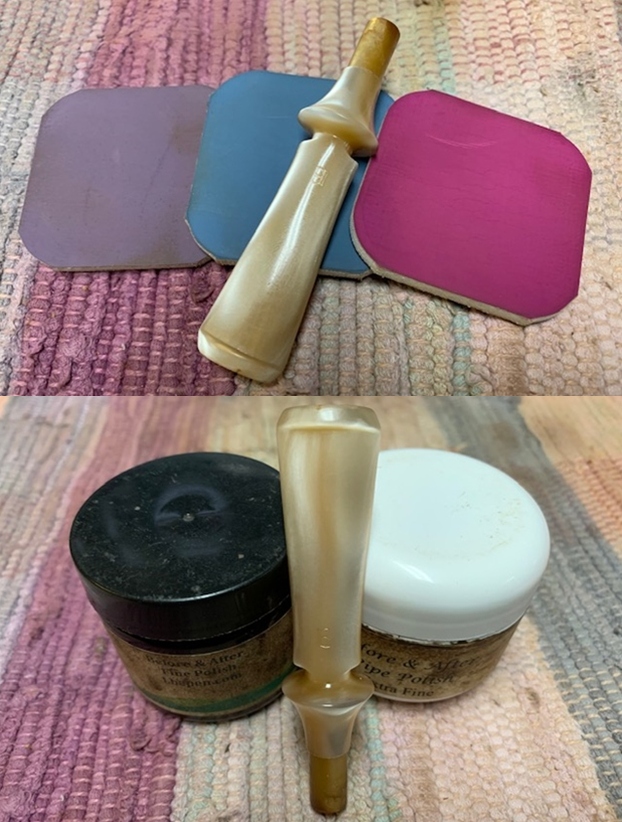
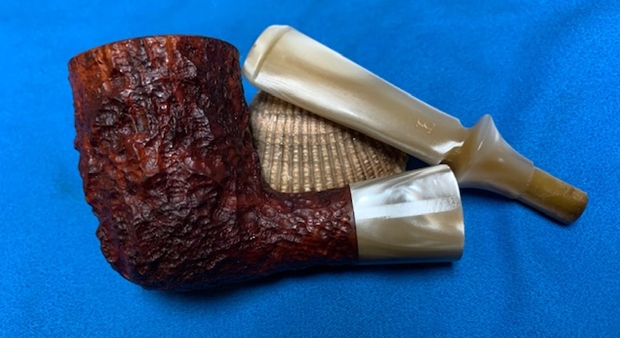
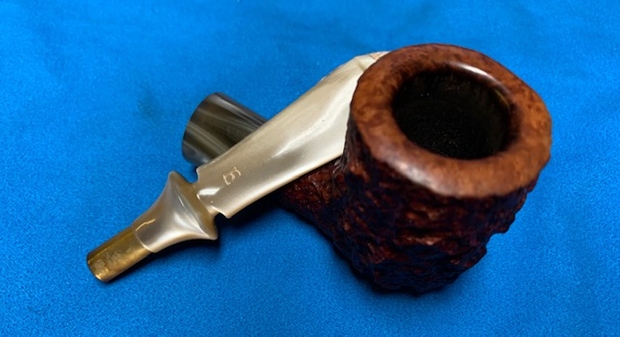
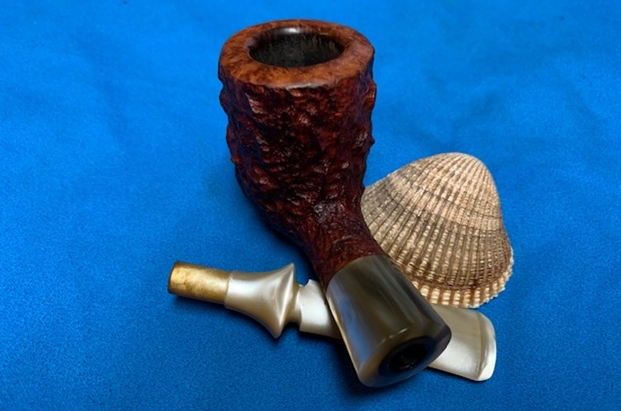
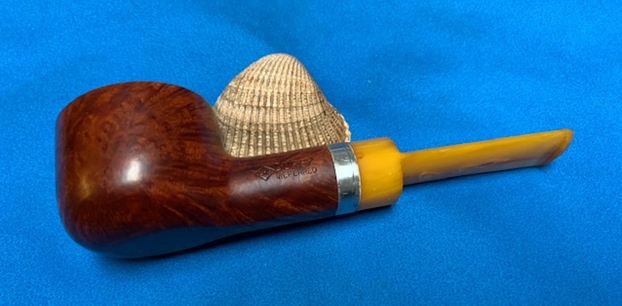
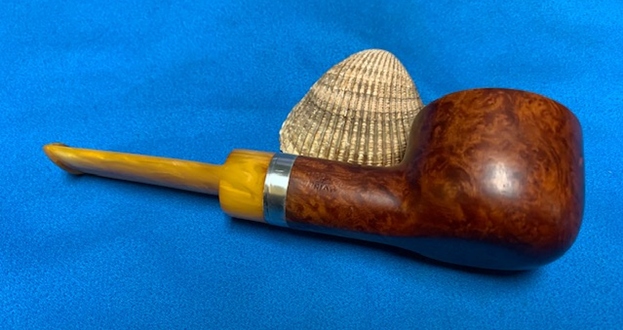
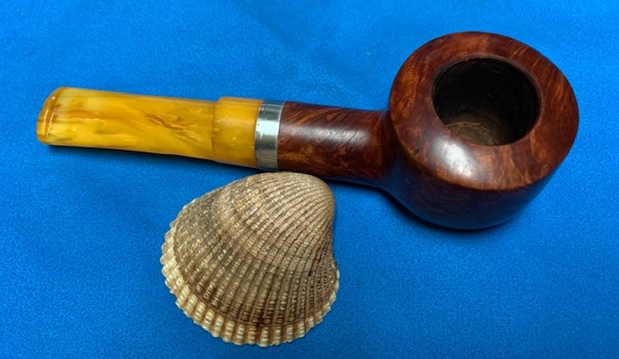
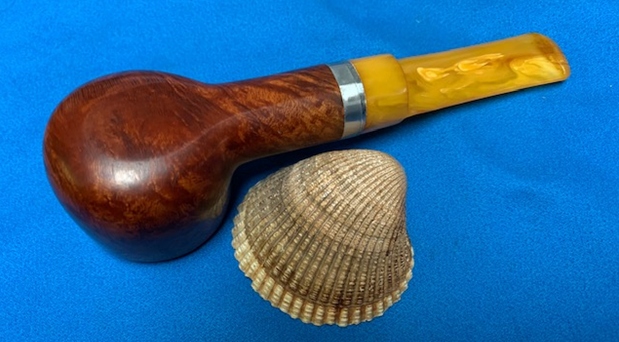
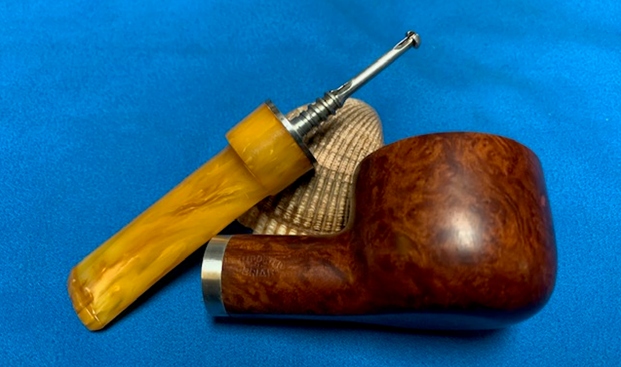
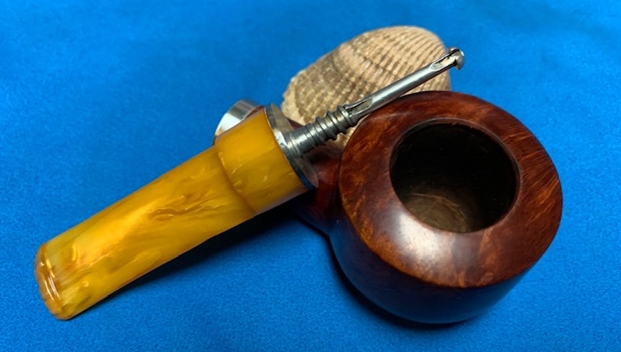
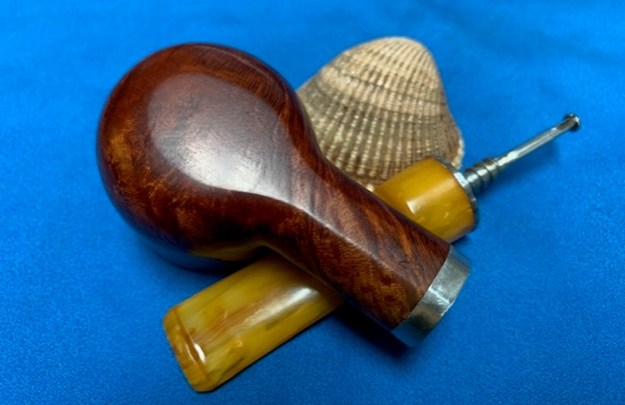
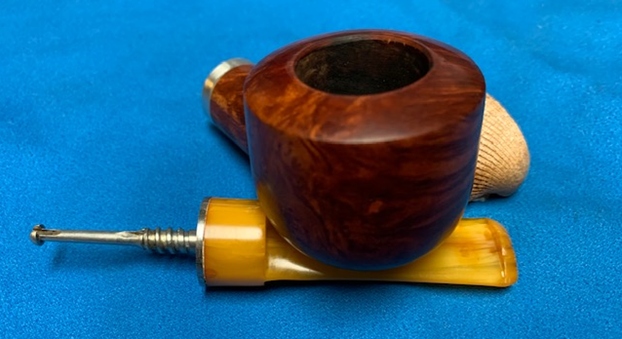
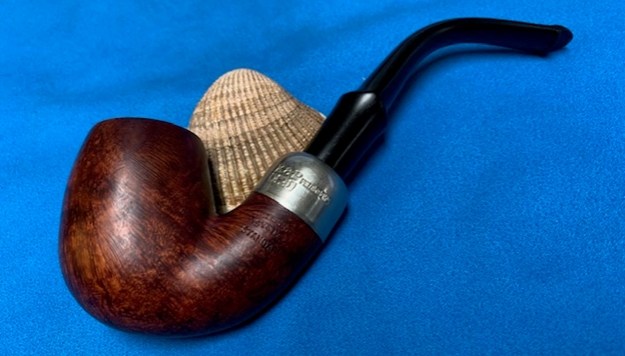
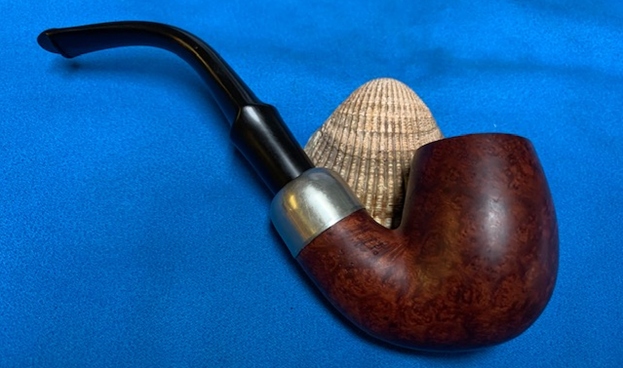
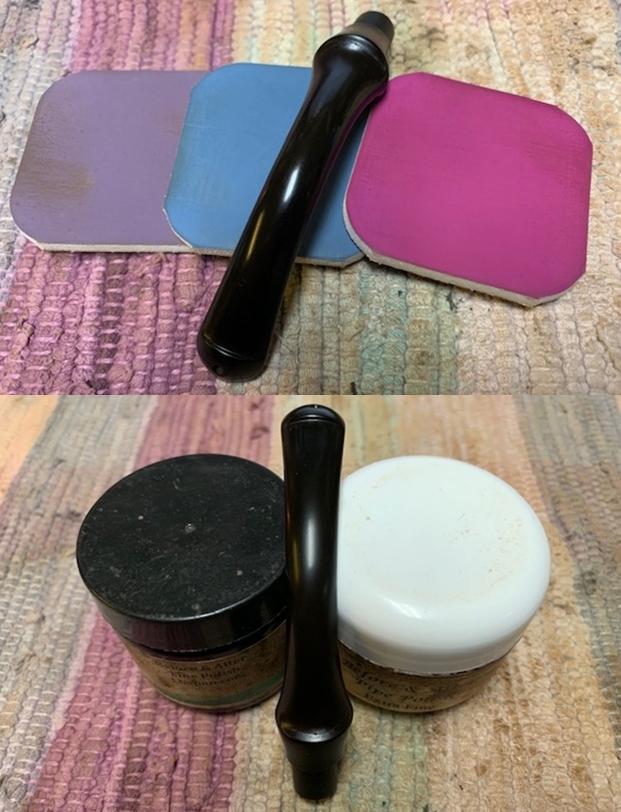
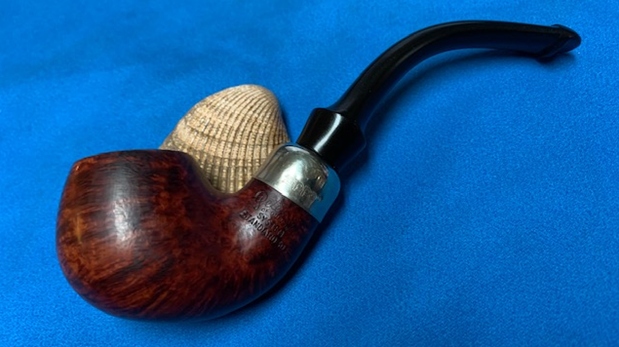
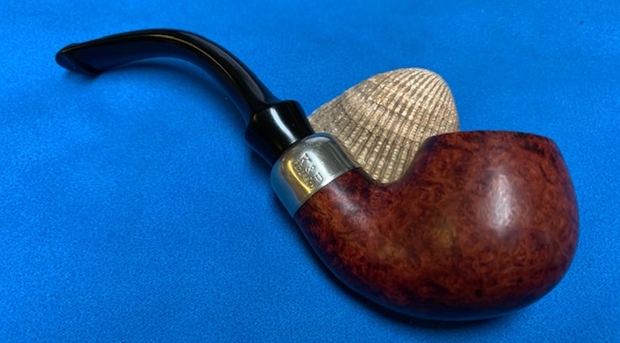
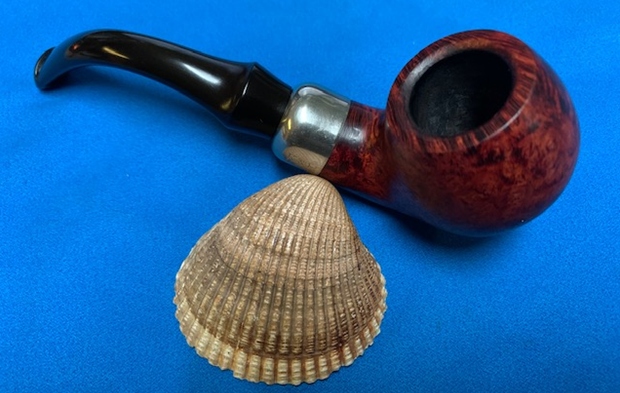
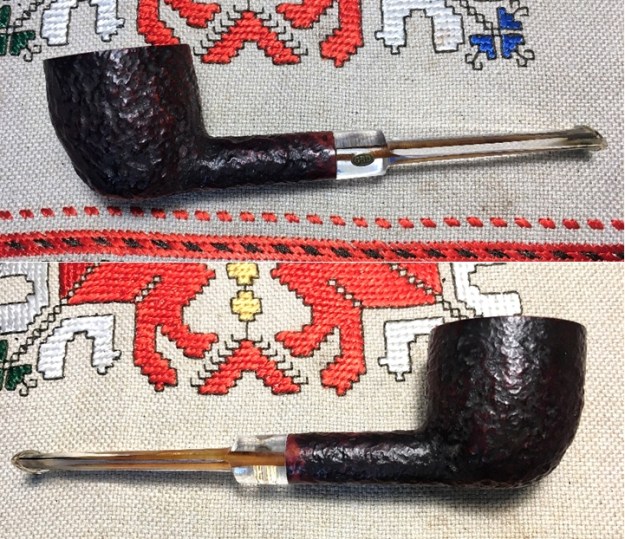
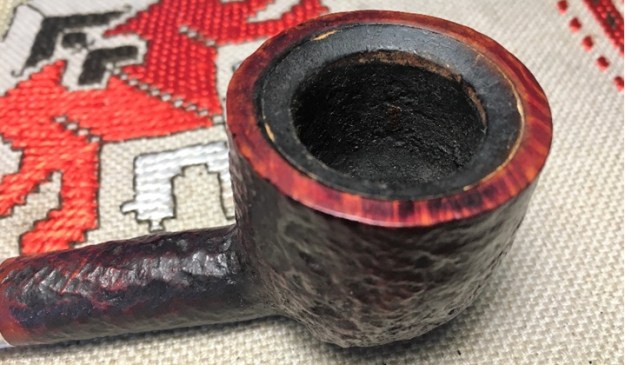
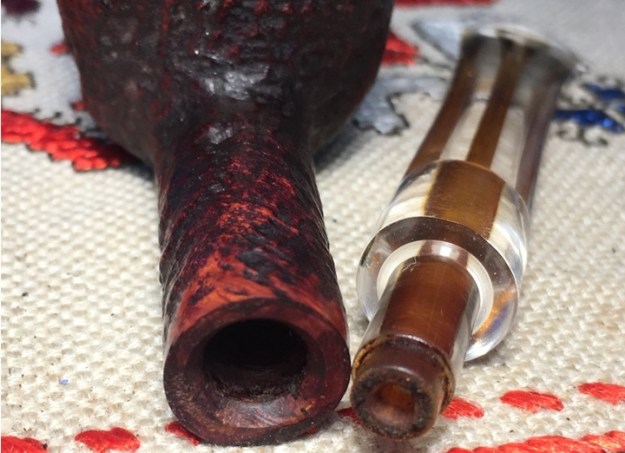
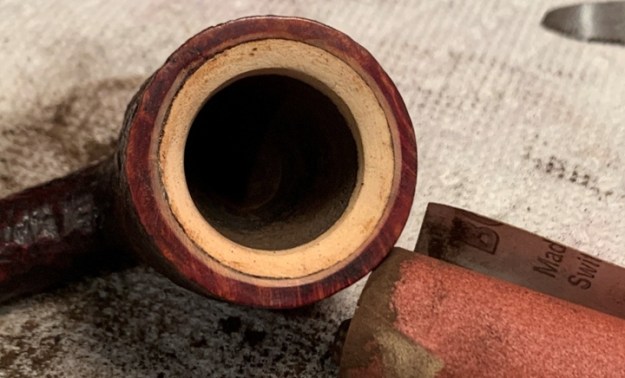
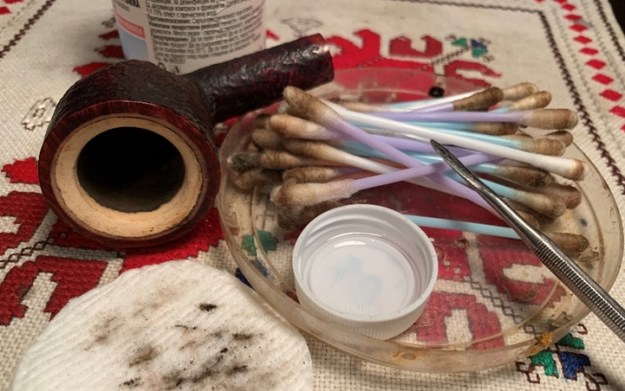
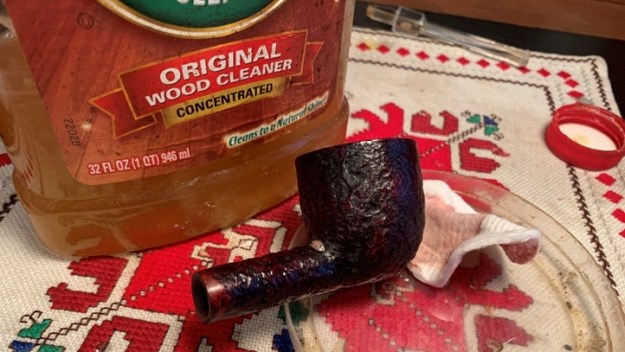
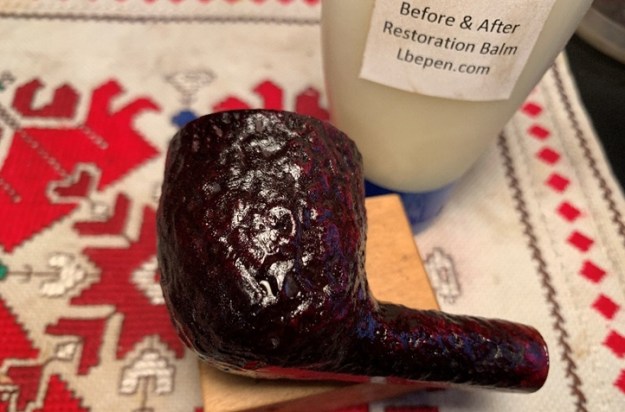
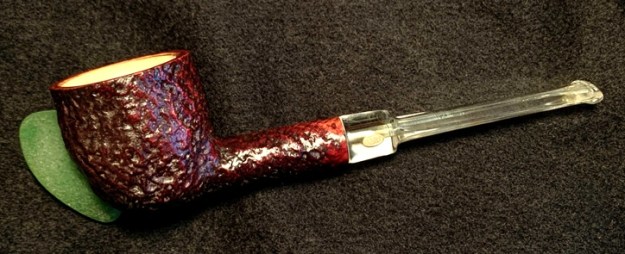
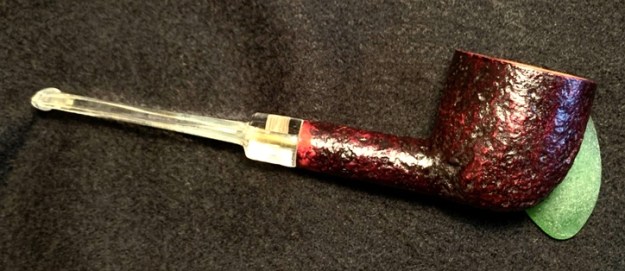
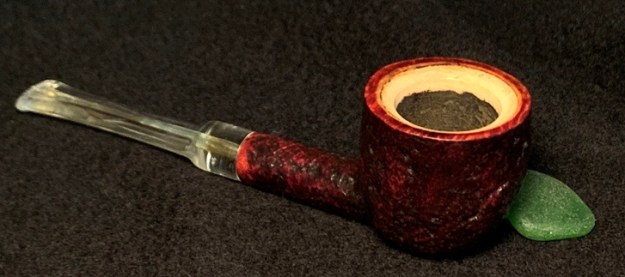
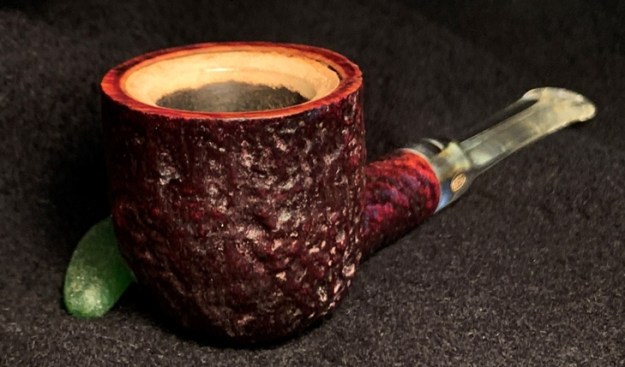
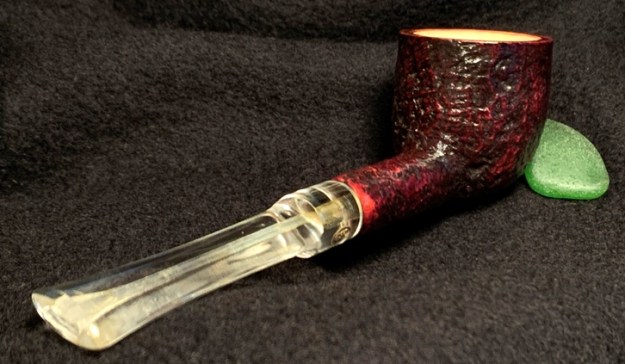
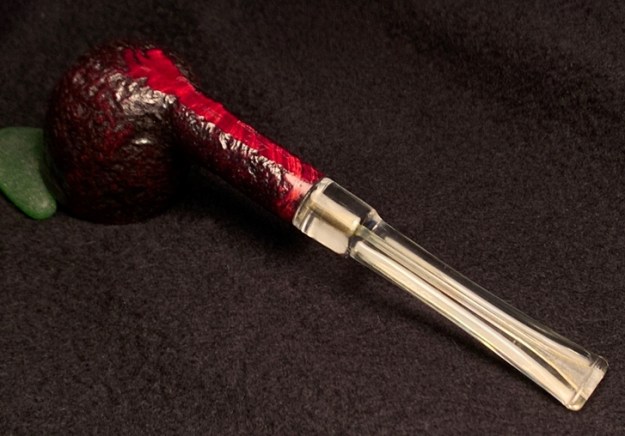
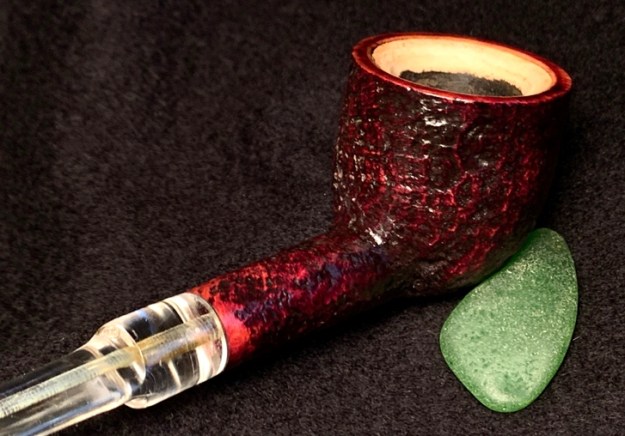
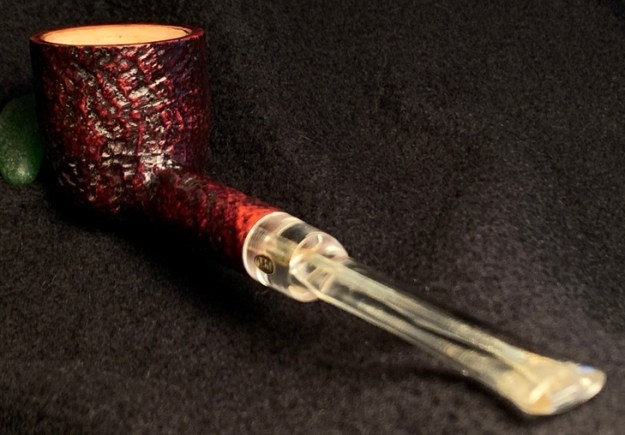
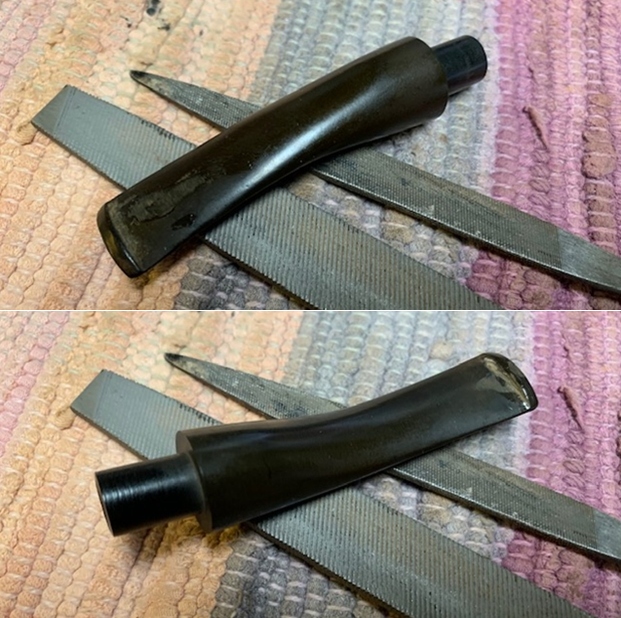
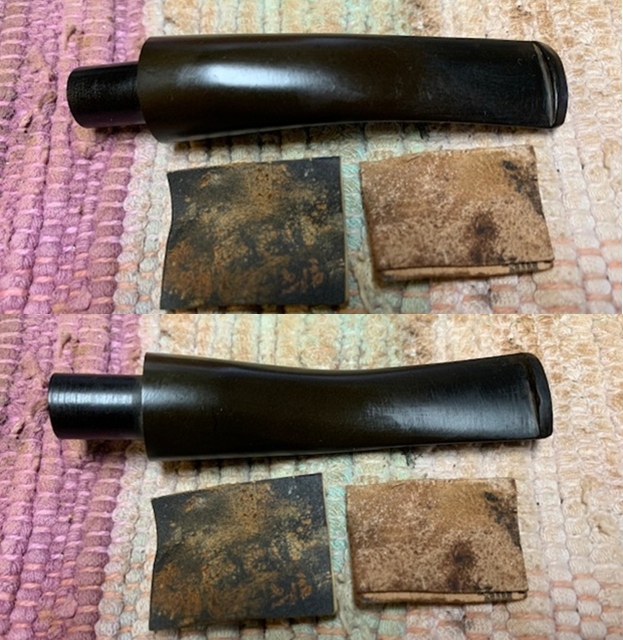
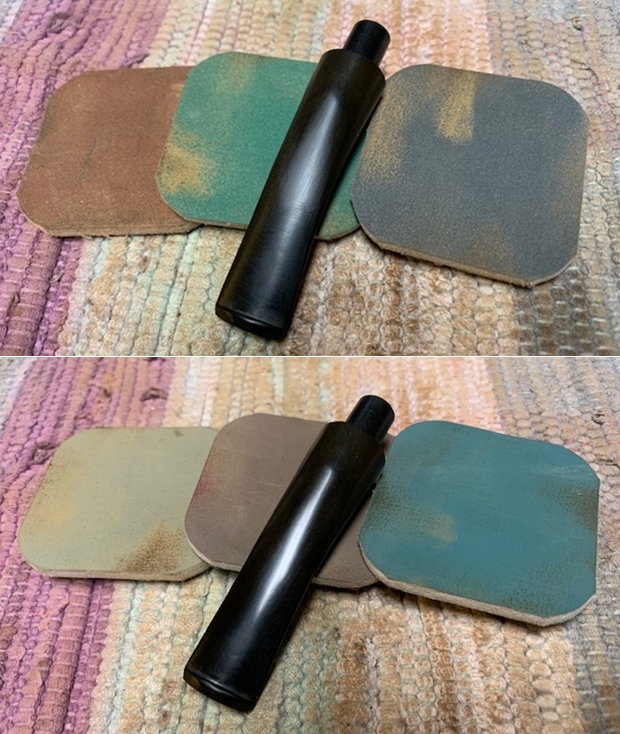
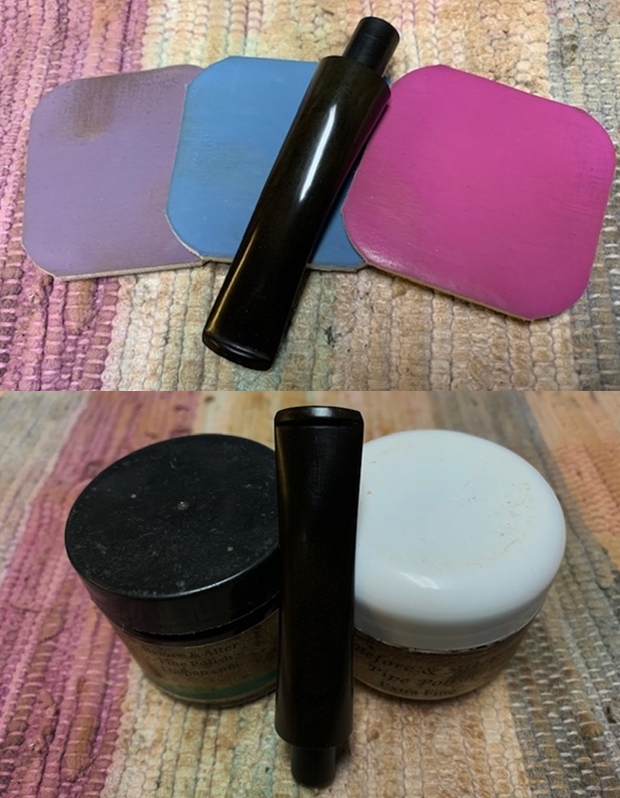
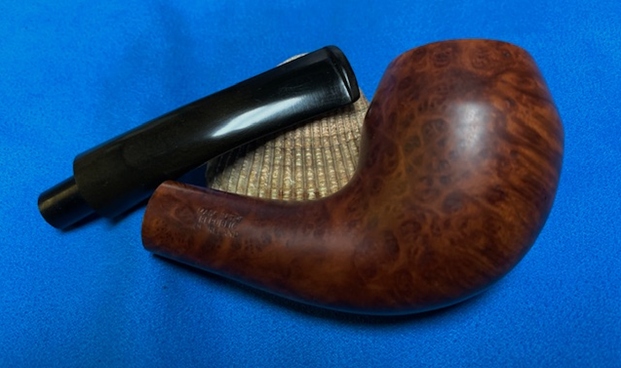
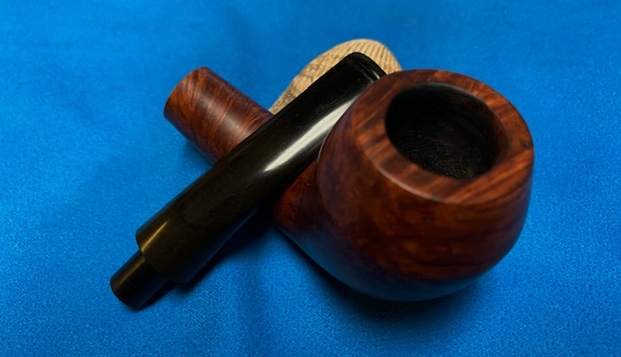
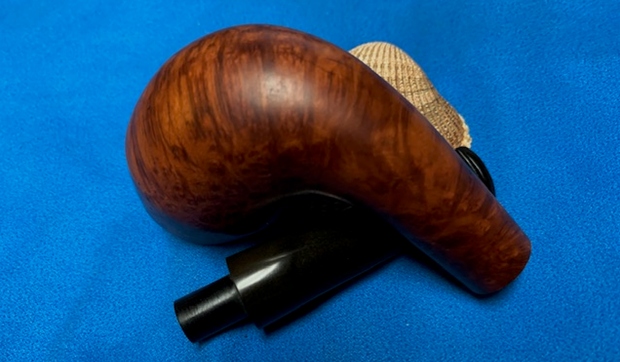
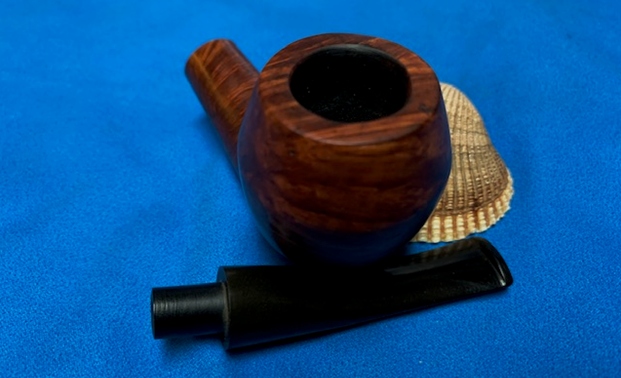
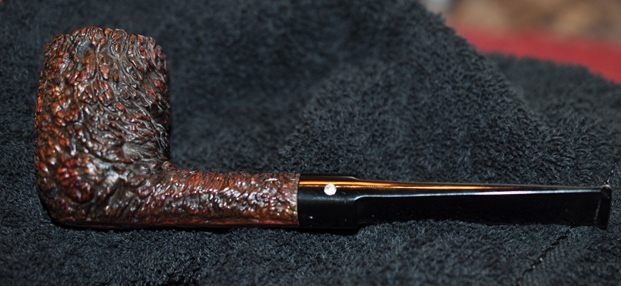
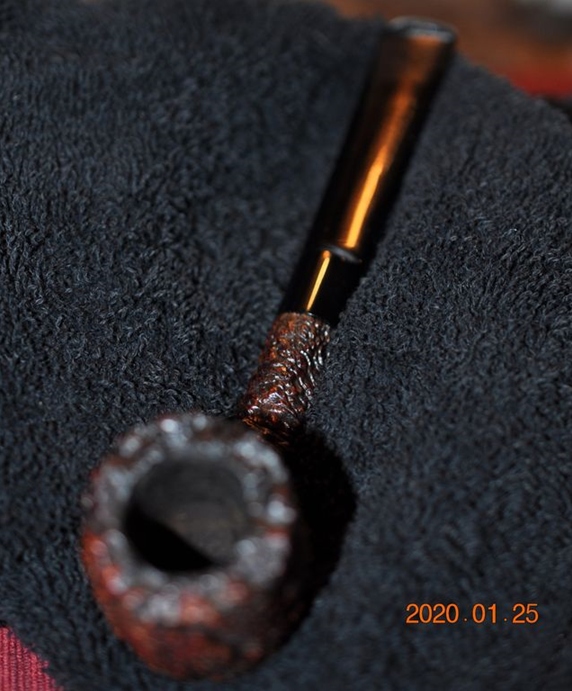
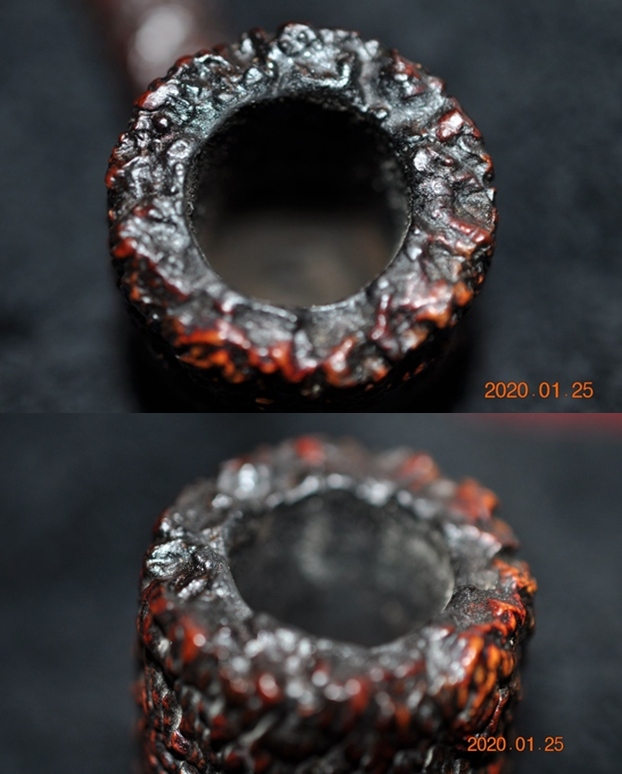
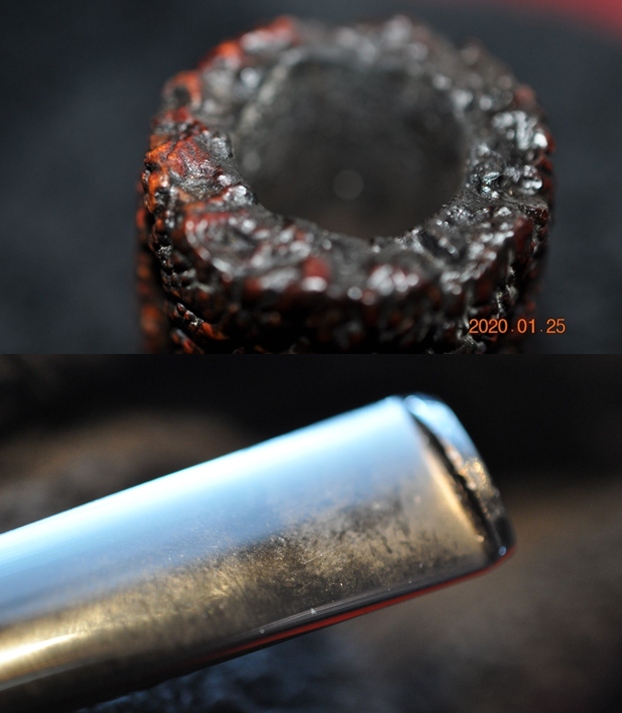
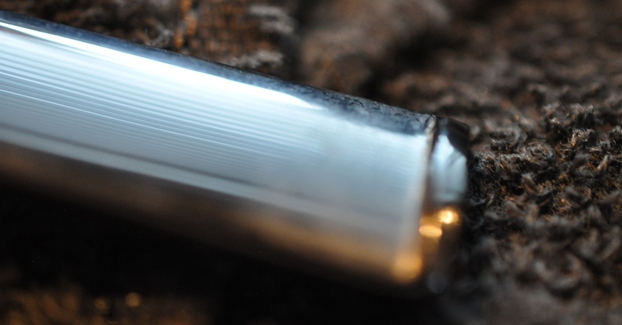
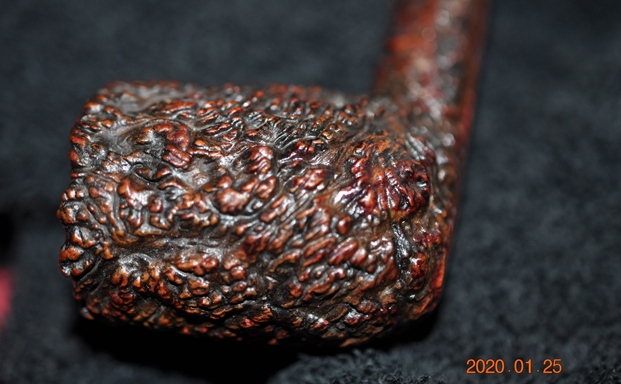
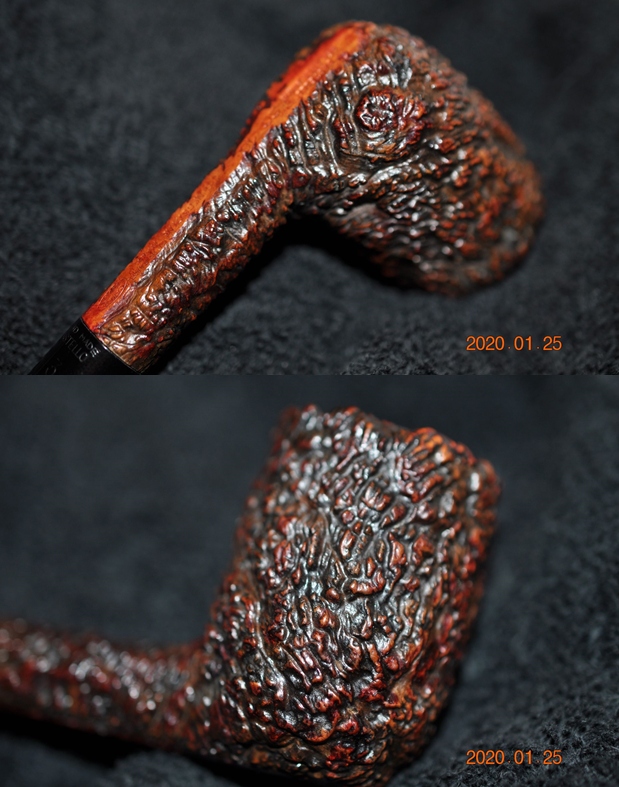
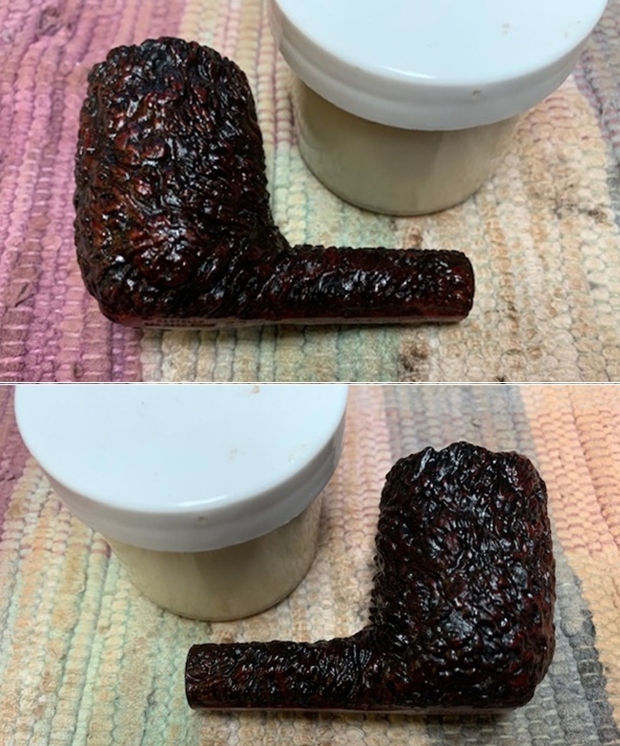
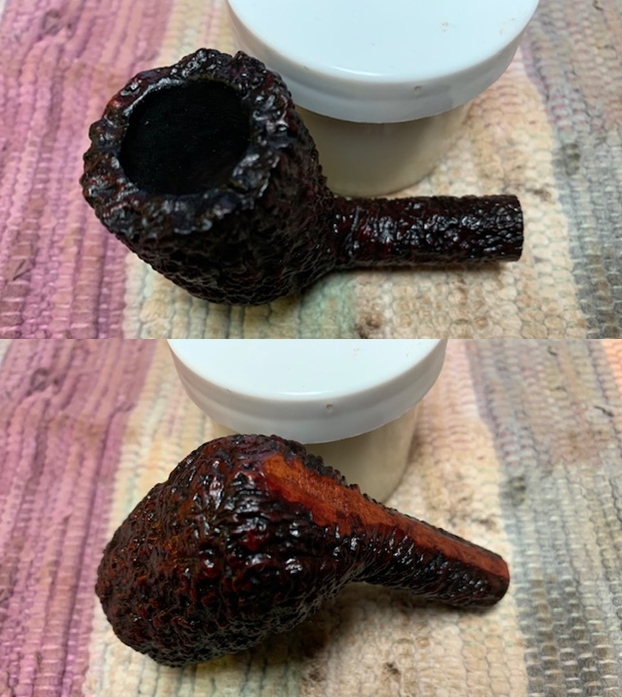
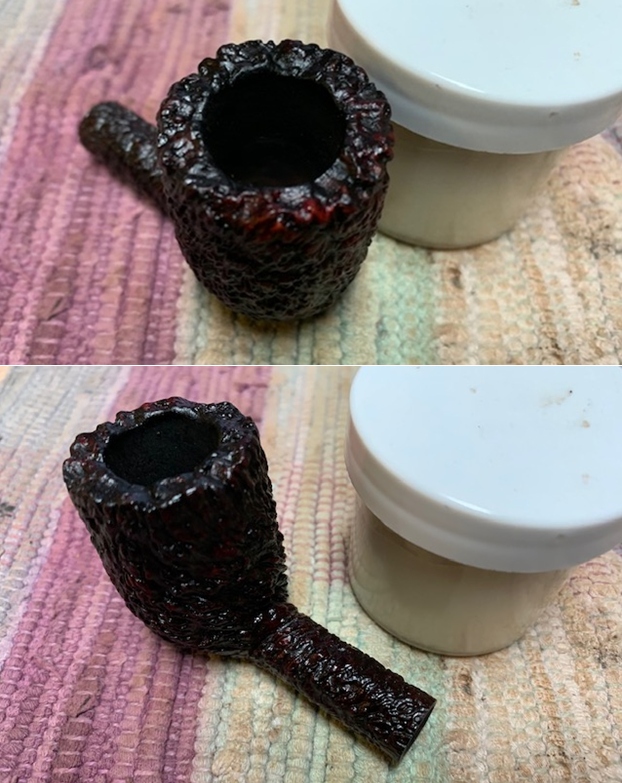
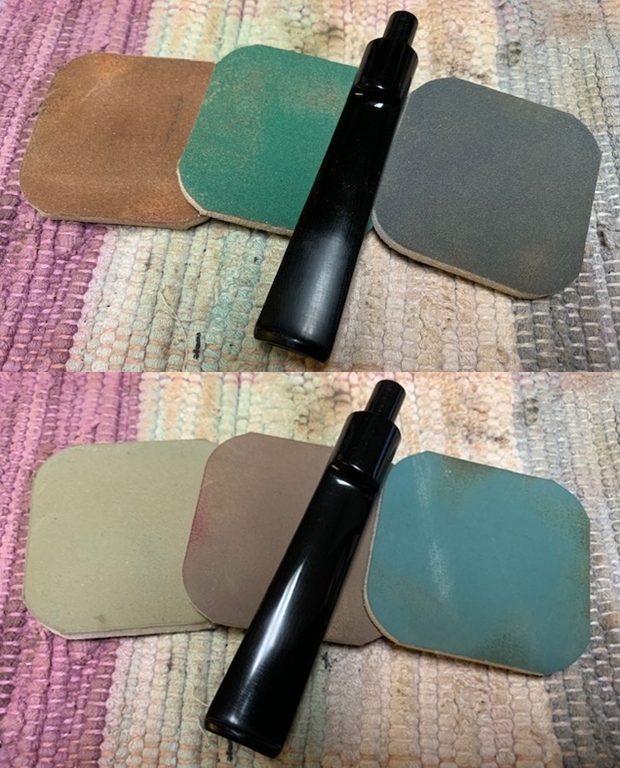
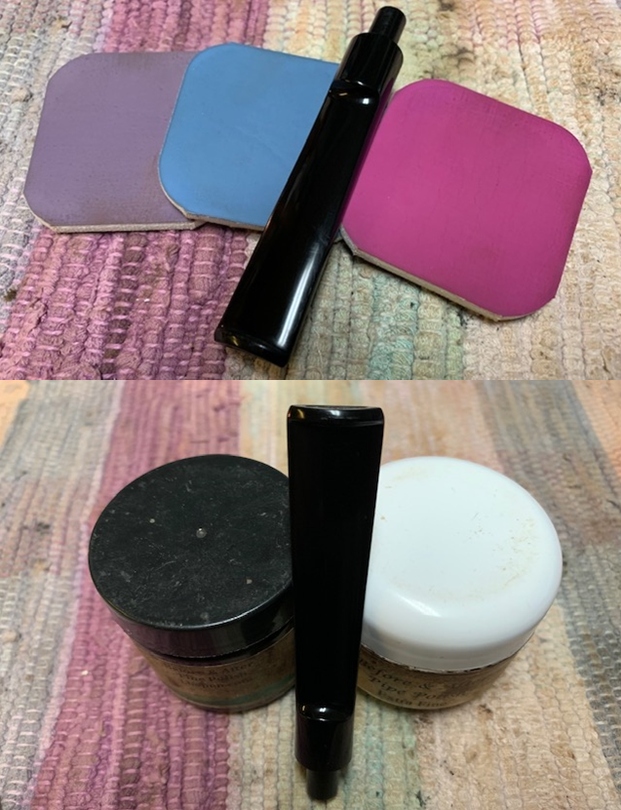
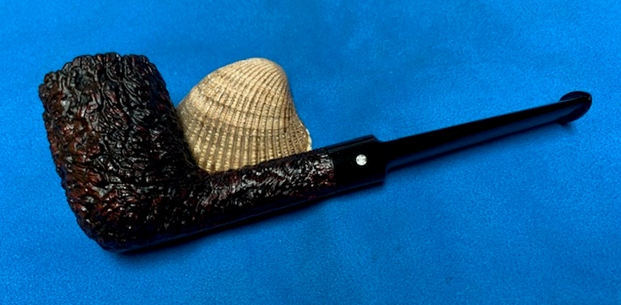
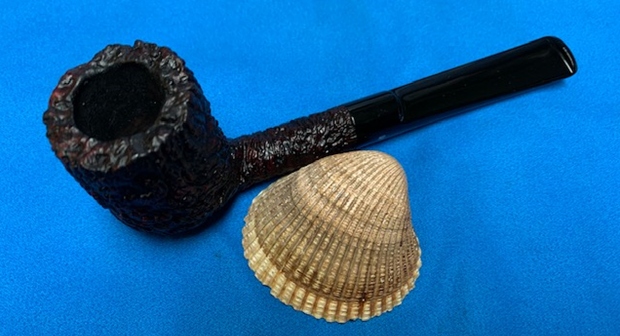
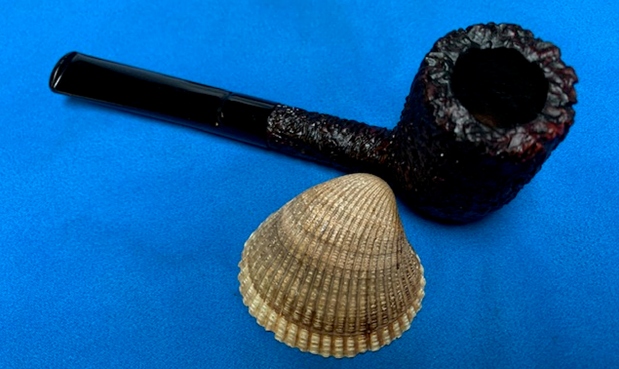
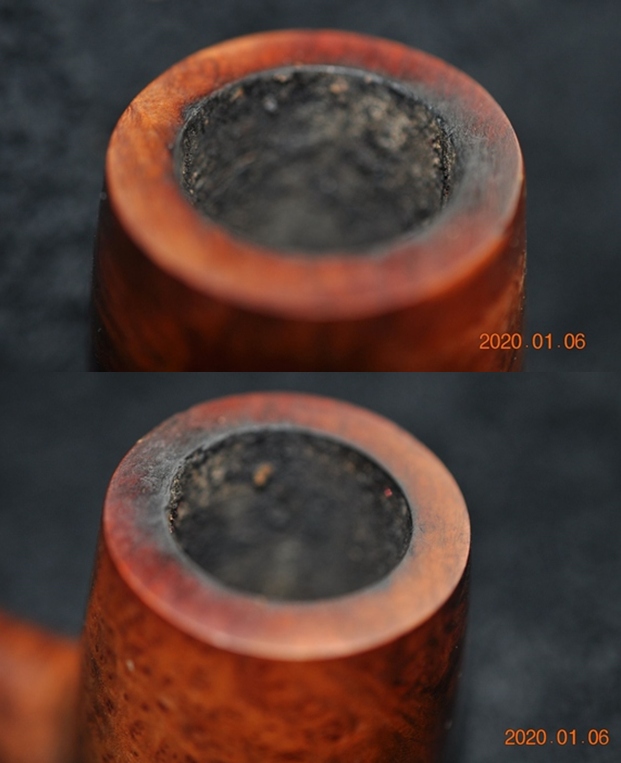
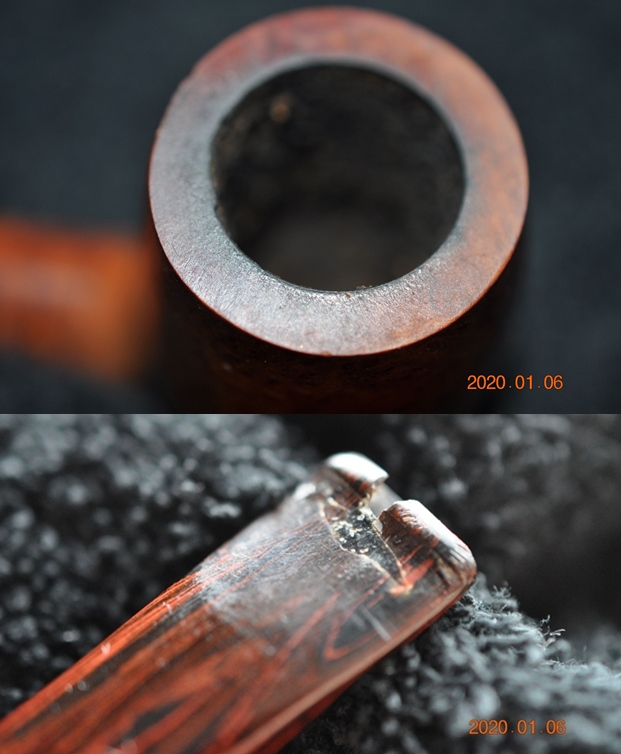
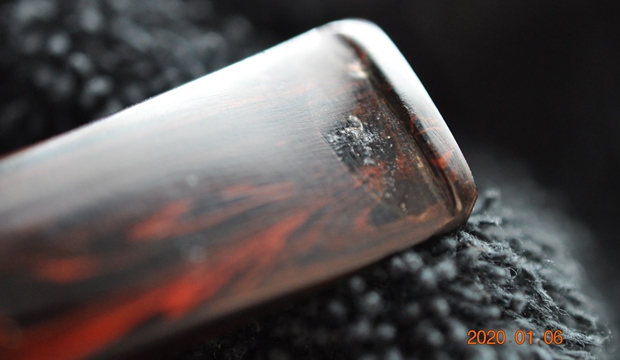
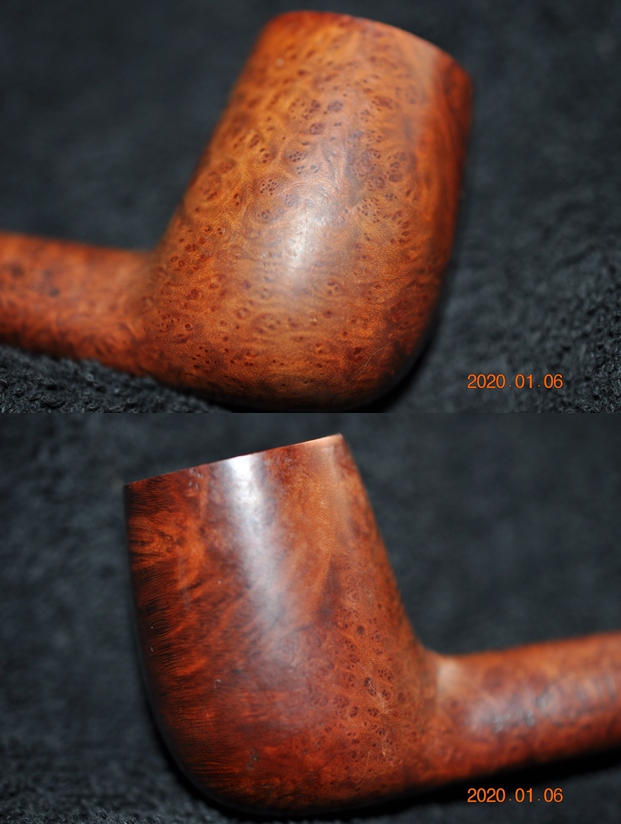
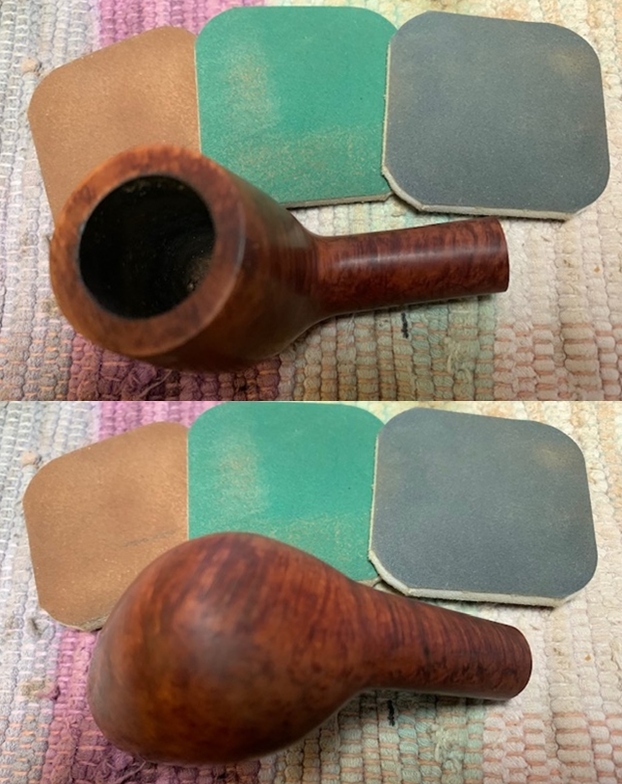
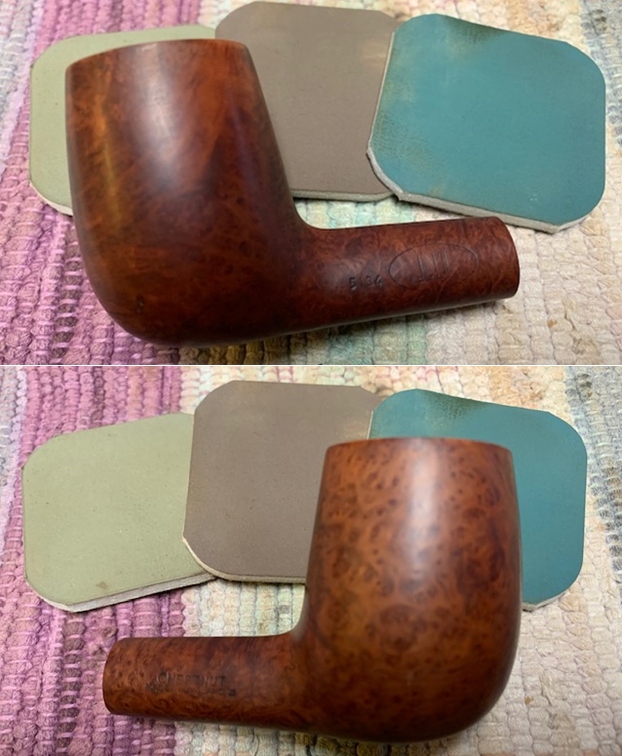
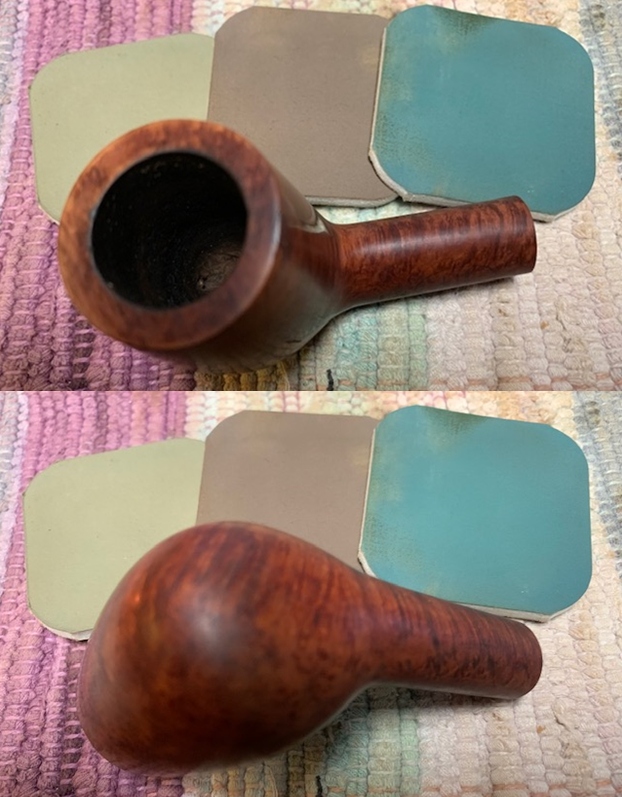
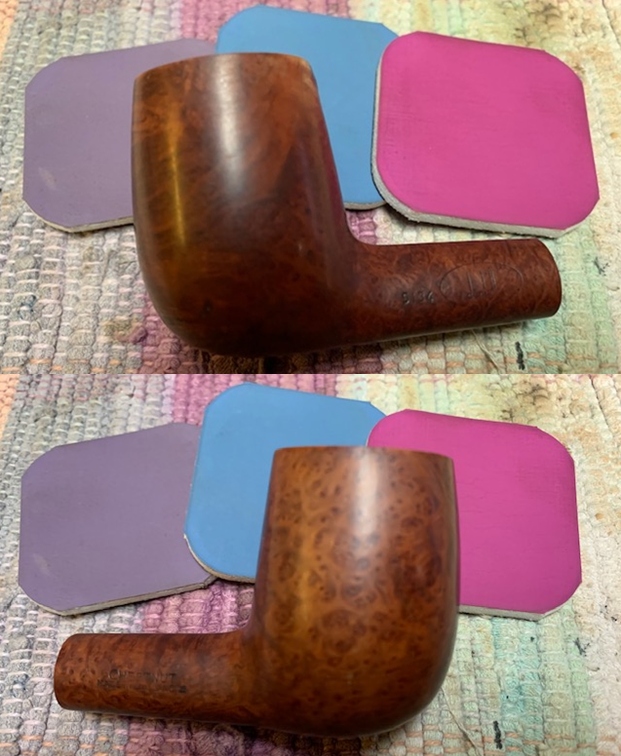
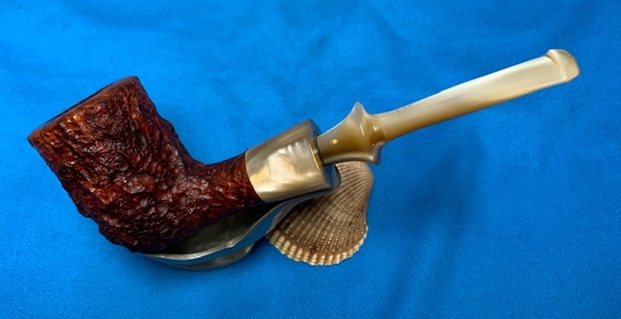
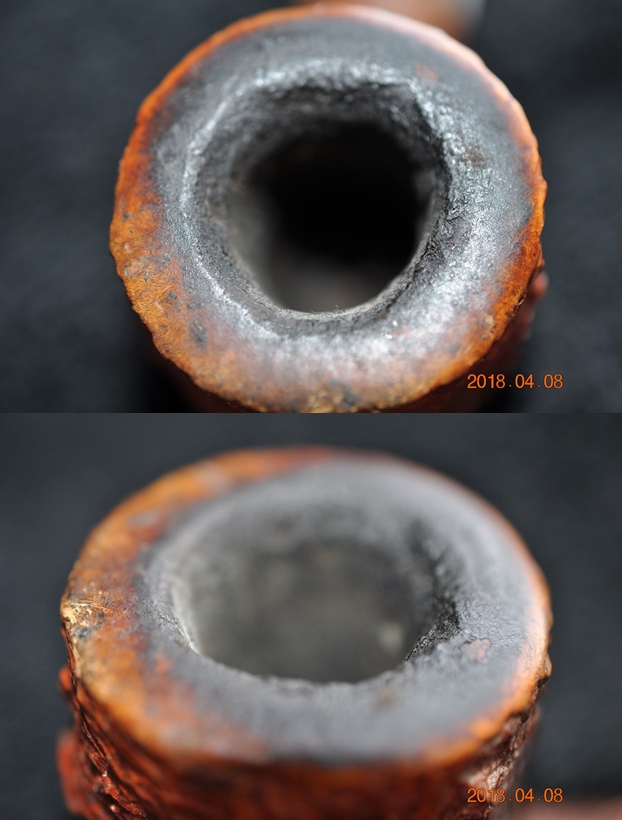
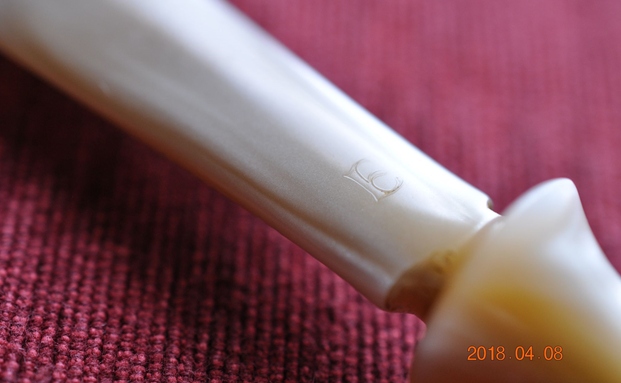
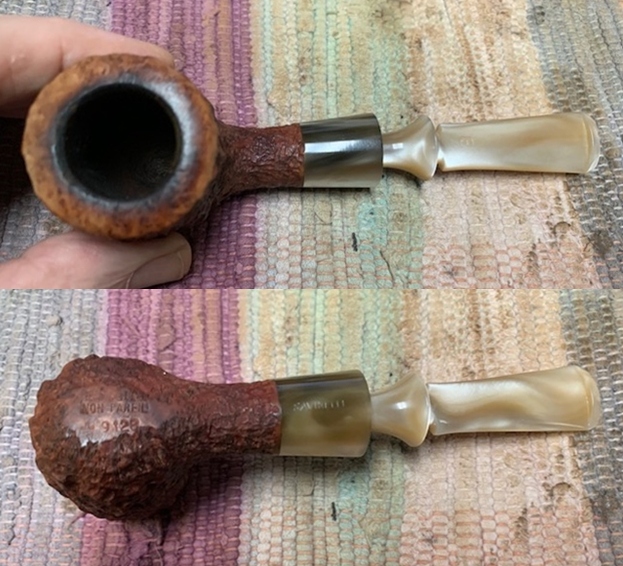
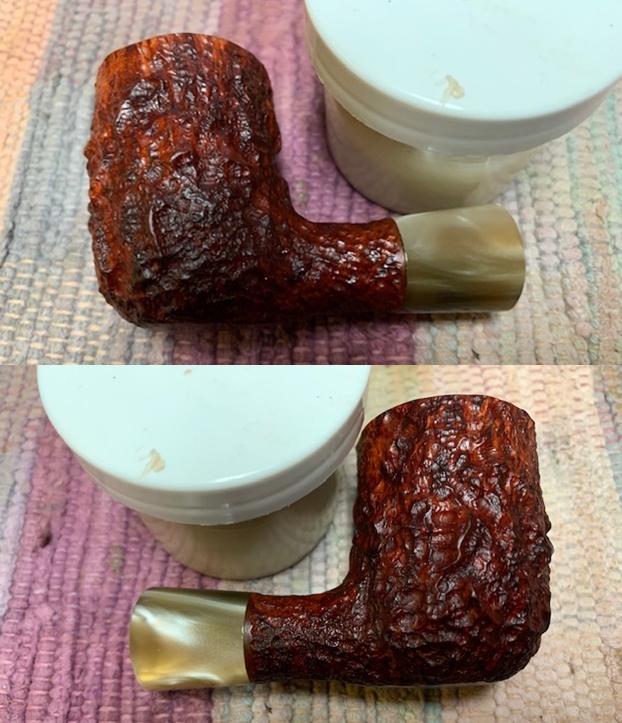
The next pipe on my work table is a Savinelli made Estella that my brother purchased 2 years ago at an antique shop in Pocatello, Idaho, USA. It is stamped on the heel of the bowl on a smooth patch – Estella over Non Pareil over 9128 with the Savinelli S shield next to that and Italy to the left of that very faintly stamped. There was also an upper case E on the top of the stem. The rugged rustication on the bowl and shank looked to be dirty or at least had darkening where the hand of the previous owner had wrapped around the bowl. The thick cake in the bowl had overflowed on to the rim top and left behind a thick black mess. It was hard to know what the inner edge of the bowl looked like because of the thickness of the cake and lava. The outer edge of the bowl looked very good. The Lucite shank extension and the matching Lucite stem in grey, brown and ivory tones looked really good – from the side view. The stem had light tooth chatter on both the top and underside near the button. Jeff took photos of the pipe before he started his cleanup work. The close up photos of the rim top and bowl show the condition of the pipe. You can see the thick cake in the bowl and the thick lava on the rim top. The stem is in decent condition with light tooth marks and chatter on both sides and the button surface. The next photo shows the stamping on the bottom of the bowl and the shank extension. Other than the S shield logo pointing to a link between Estella and Savinelli the stamping on the Lucite shank extension certified the connection.  There was also an uppercase E on the top of the stem. My brother did his usual thorough clean up on the pipe. He reamed the bowl and scrubbed the externals with Murphy’s Oil Soap and a soft tooth brush. He was able to remove all of the buildup on the rim top. It looked better but there was some burn damage on the inner edge of the rim all the way around the bowl as well as some darkening on the top of the rim. He cleaned the internals of the mortise and the airway in the shank and the stem with pipe cleaners and alcohol. He wiped down the stem so that when the pipe came to me it was ready to restore. The next four photos show the pipe when I brought it to my work table. I took a close up photo of the rim top to show the damage on the inner edge of the bowl and the rim top. I took close up photos of the stem. It was in decent condition with light marks on both sides.   I took a photo of the stamping on the heel of the bowl and the underside of the shank extension. They were readable as noted above.I removed the stem from the pipe and took a photo of the parts to show the overall look of the pipe before I started my work on it.I started my work on the bowl by addressing the issues with the rim top and inner edge of the bowl. I reshaped the inner edge and cleaned up the rim top with a folded piece of 220 grit sandpaper. I was able to minimize the damage to the edge by giving it a slight bevel and the top by smoothing it out and removing the burn marks.   Once the top and edge were clean I polished them with micromesh sanding pads – wet sanding with 1500-12000 grit pads. I wiped the rim down after each pad to remove the debris. By the last sanding pad the rim top looked very good.  I rubbed the bowl and shank down with Before & After Restoration Balm. I worked it into the surface of the bowl sides and shank with my fingertips and a horsehair shoe brush to get into the rusticated grooves and channels. The product works well to clean, enliven and protect the briar. I let the balm sit for 15 minutes and then buffed with a cotton cloth to raise the shine.  I set aside the bowl and turned my attention to the stem. I sanded out the tooth marks and chatter on both sides with 220 grit sandpaper and started the polishing with 400 grit wet dry sandpaper. You will note some darkening on the tenon end that would not come off with scrubbing and sanding would reduce the diameter of the tenon and affect the fit in the shank. I touched up the stamp on the top of the stem with Rub’n Buff Antique Gold. I rubbed it on the stem surface and worked it into the stamp with a tooth pick. I buffed it off with a cotton pad. It looked better when it was finished.    I polished the stem with micromesh sanding pads – wet sanding it with 1500-12000 grit pads. After each set of three pads I wiped the stem down with the damp cotton pad to check the progress. I had been able to blend in the tooth marks on both sides.  This Savinelli Estella Non Pareil Rusticated 9128 Billiard with a variegated brown, grey and ivory Lucite stem is a great looking pipe now that it has been restored. There is some great grain on the rim top that really shines and the Caminetto Style rustication is exceptionally well done. I gave the bowl a coat of Conservator’s Wax and buffed it with a shoe brush. I buffed the stem with Blue Diamond on the wheel to see if I could further smooth and blend the repairs. I buffed the entire pipe with a clean buffing pad and then once again by hand with a microfibre cloth. The finished pipe is shown in the photos below. The bowl and rim look really good and the finish is clean and as good as new. The stem and shank extension have a rich glow and they look amazing. The dimensions of the pipe are Length: 5 ¾ inches, Height: 2 inches, Outside diameter of the bowl: 1 ½ inches, Chamber diameter: ¾ of an inch. The weight of the pipe is 51gr/1.80oz. If you are interested in adding this pipe to your collection send me a message or an email. Thanks for reading this blog and my reflections on the pipe while I worked on it. There are many more to come!
Restoring an LHS Purex Preferred 28 Chunky Pot


Blog by Steve Laug

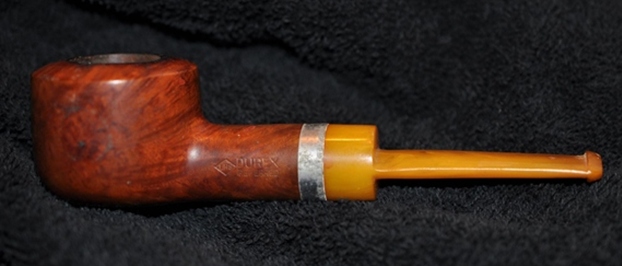
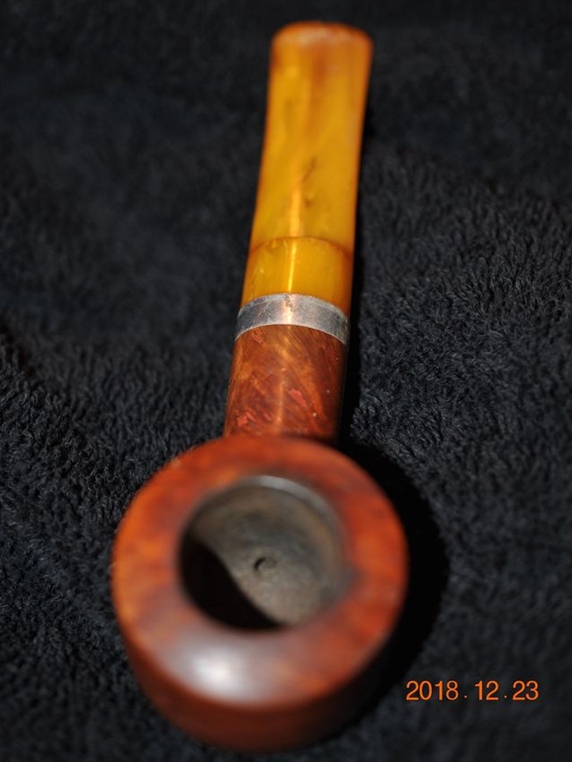
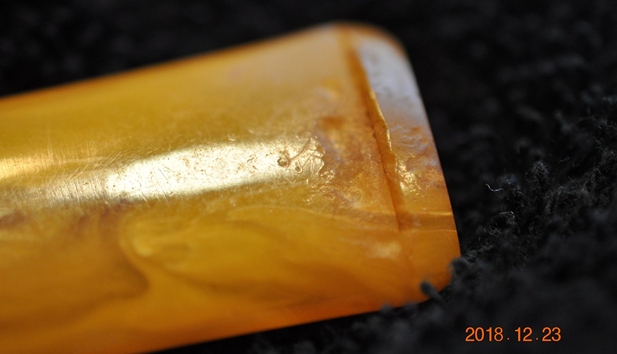
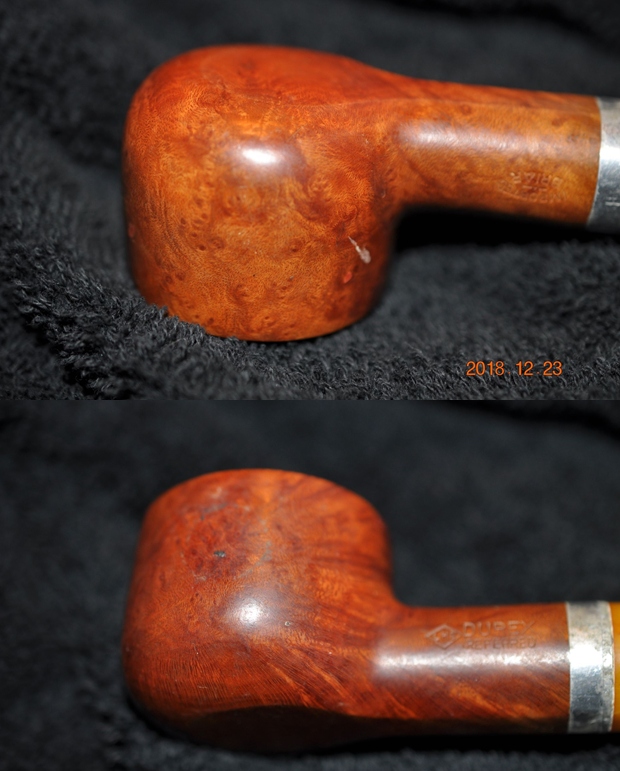
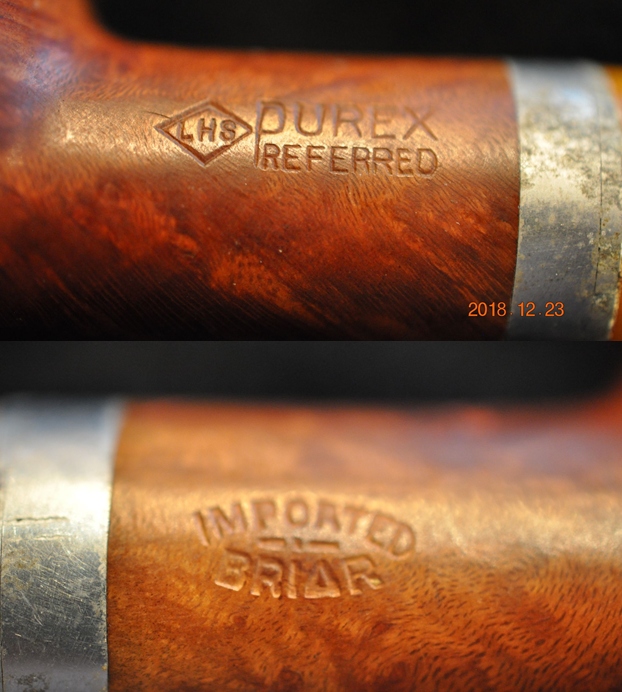
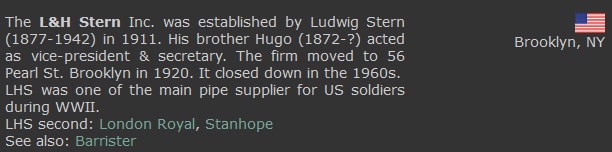
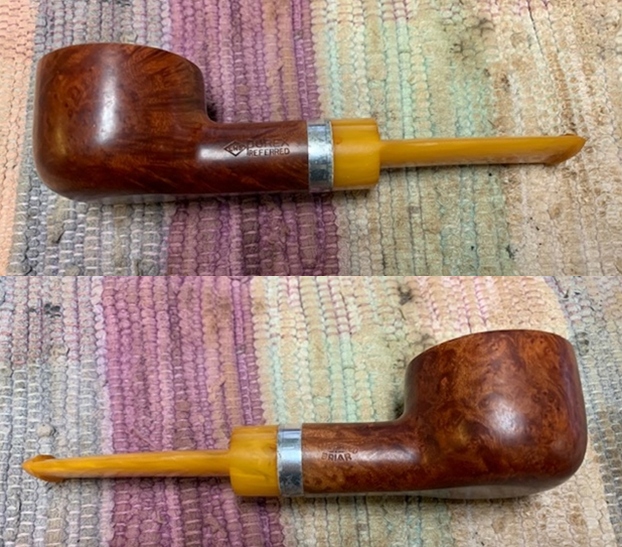
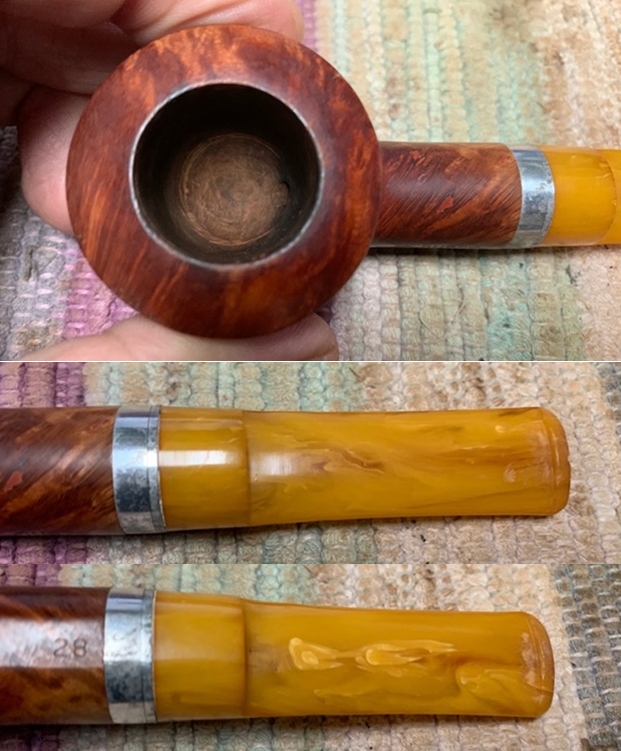
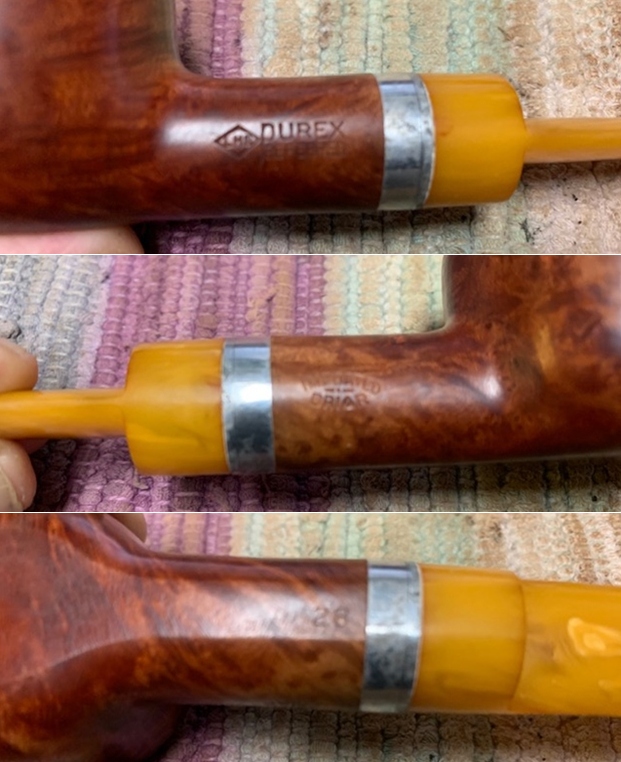
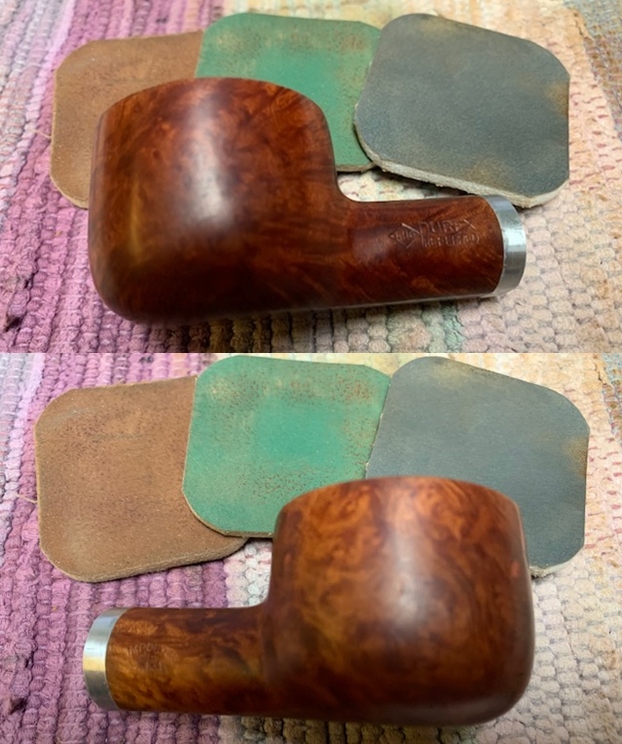
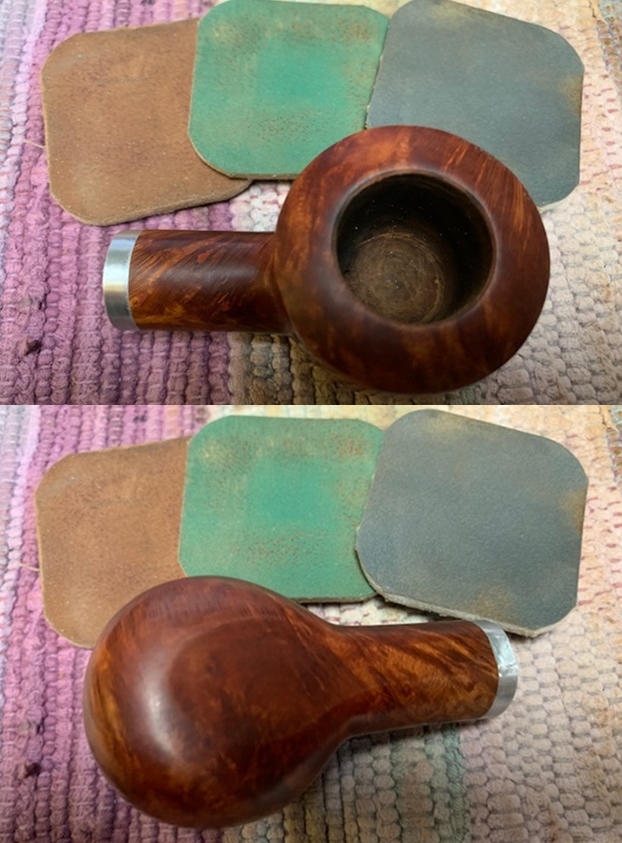
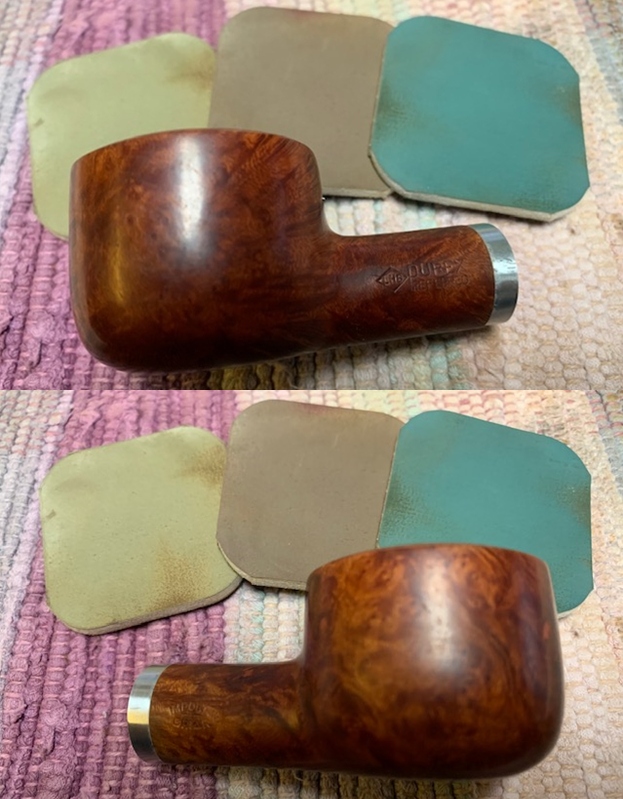
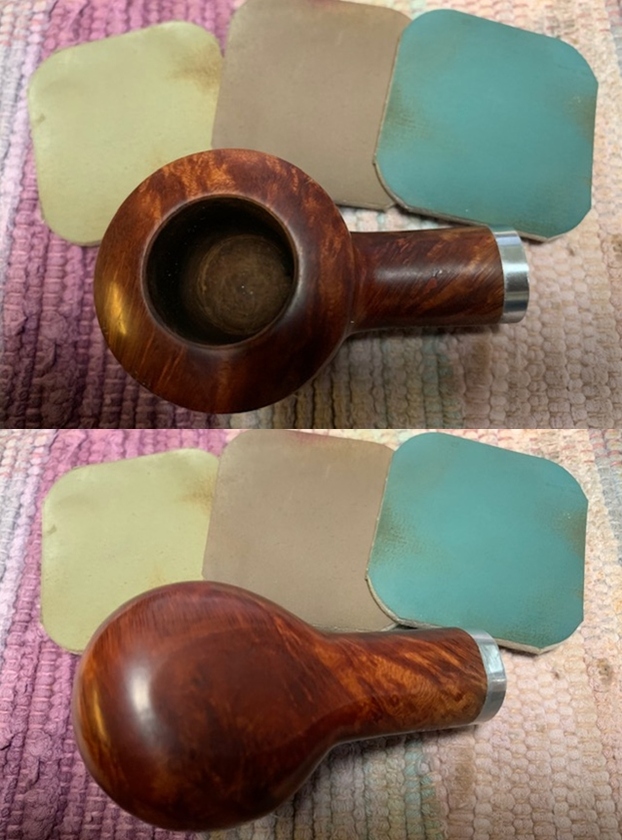
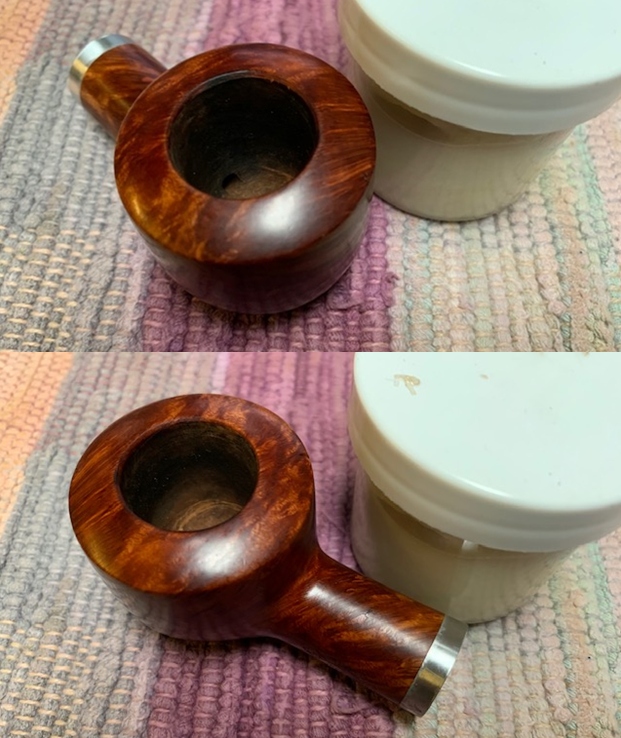
The next pipe on the work table came to us from an antique store on the Oregon Coast, USA. This morning as I was going through my box of what I have to work on this is the second one that caught my eye. Not surprising it is another amber/butterscotch coloured Redmanol stem. It is a nicely grained small Chunky Pot. Once again the stem reminds me of butterscotch candies that I used to have as a kid. The pipe is stamped on the left side of the shank and has the LHS Diamond followed by a large P that is the lead letter for Purex and for Preferred. On the right side it is stamped Imported arched over Briar. There is also a shape number 28 on the underside of the shank next to the aluminum fitment.The finish had a lot of grime ground into the bowl and some darkening around the sides. The bowl was lightly caked and there was a light lava coat on the rim top and inner edge. The edges looked okay but we would know more after the cleanup. The silver coloured band on the shank and matching one on the stem were both oxidized. They were the fitments for the screw in stinger/tenon. The stem was dirty and had tooth chatter and marks on the top and underside near the button. There were not markings or a logo on the saddle stem. The pipe showed promise but it was very dirty. Jeff took photos of the pipe before he started his cleanup work.      He took a photo of the rim top and bowl to give a clear picture of the thickness of the cake and the condition of the rim top and edges. He also took photos of the top and underside of the stem to show the chatter and tooth marks.   Jeff took photos of the sides and heel of the bowl to give a picture of what the briar around the pipe looked like. There is some great grain under the grime.      He took photos of the stamping on the shank. It reads as noted above and is clear and readable.   I turned to Pipephil’s site to see if the Purex Preferred line was shown there. It was not listed though there were other Purex pipes listed. I have included a screen capture of the summary of the history of the brand from the site below (http://www.pipephil.eu/logos/en/logo-lhs.html).I turned to Pipedia (https://pipedia.org/wiki/LHS). There was no listing for the Purex Preferred that I was working on but the article is very well done. Thanks to Dave Gossett for the information and the pictures of his collection. Give the article a read.

Now it was time to work on this interesting old pipe with the Redmanol man made amber stem.

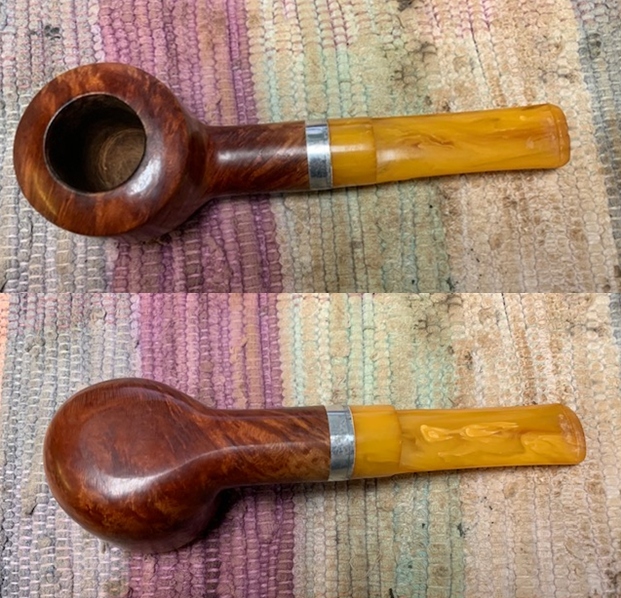
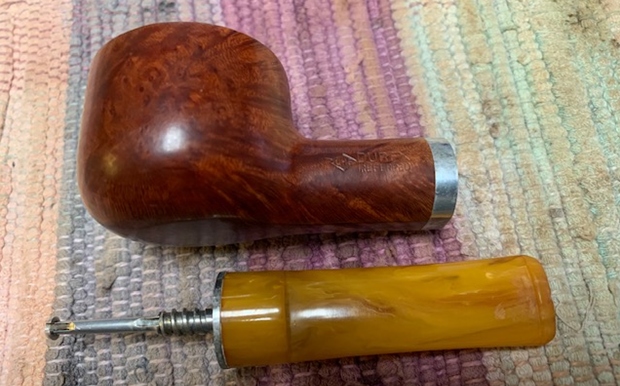
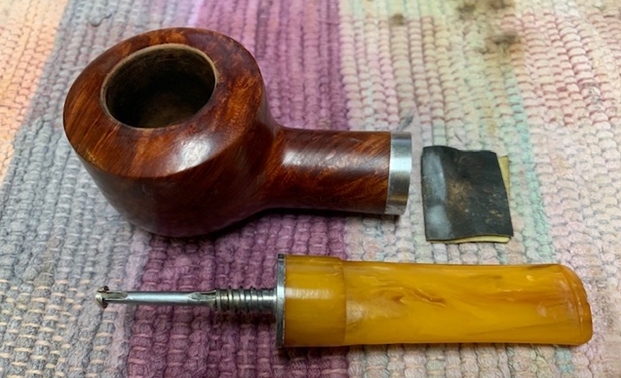
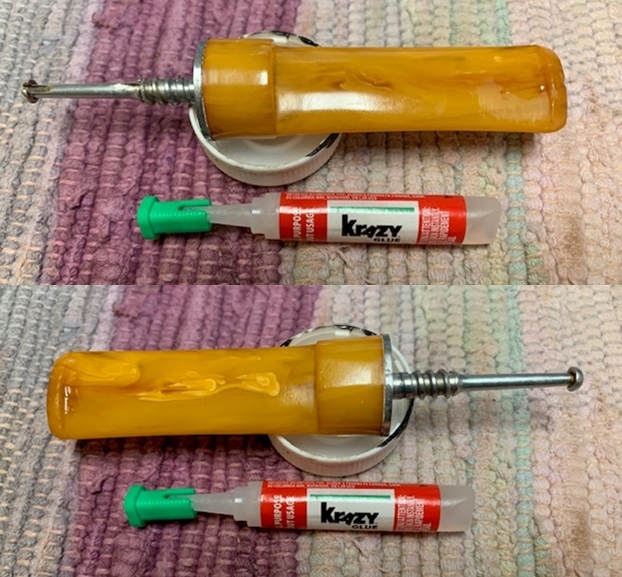
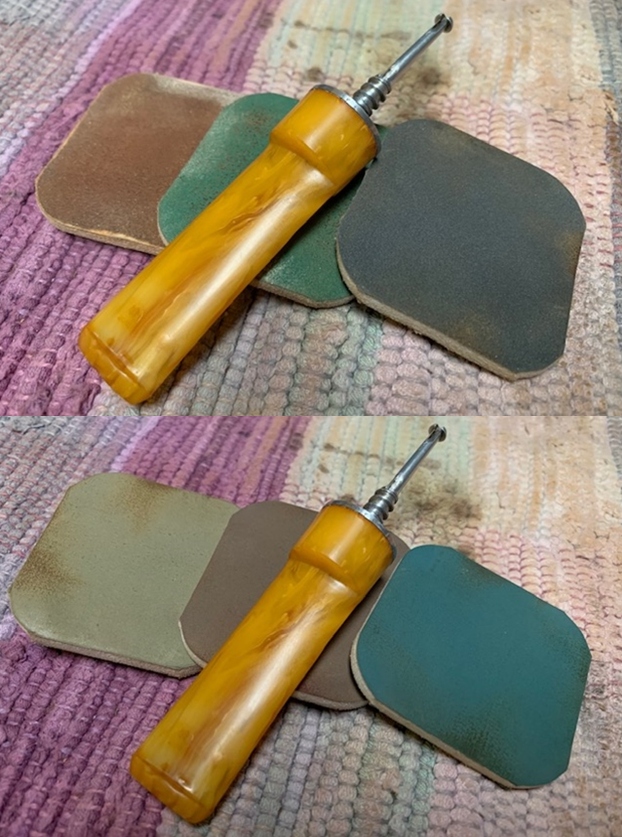
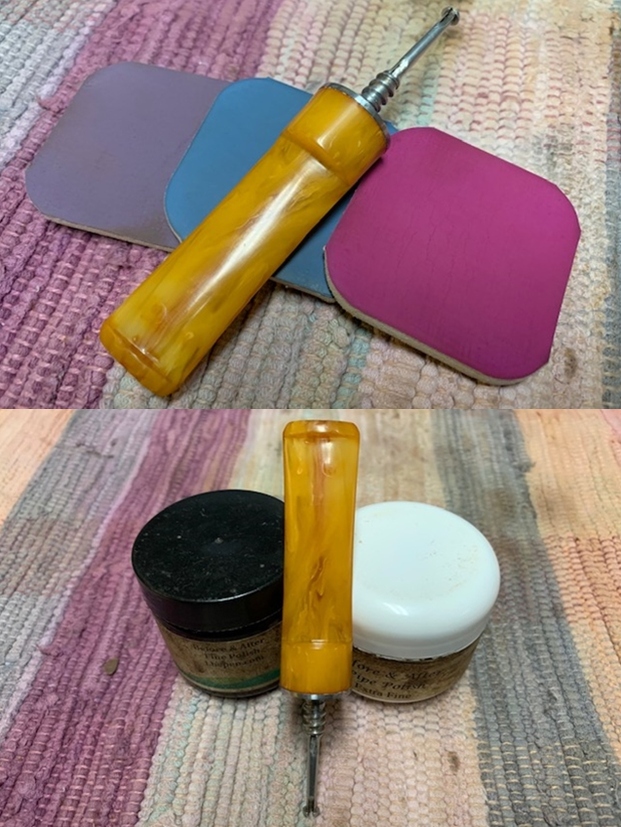
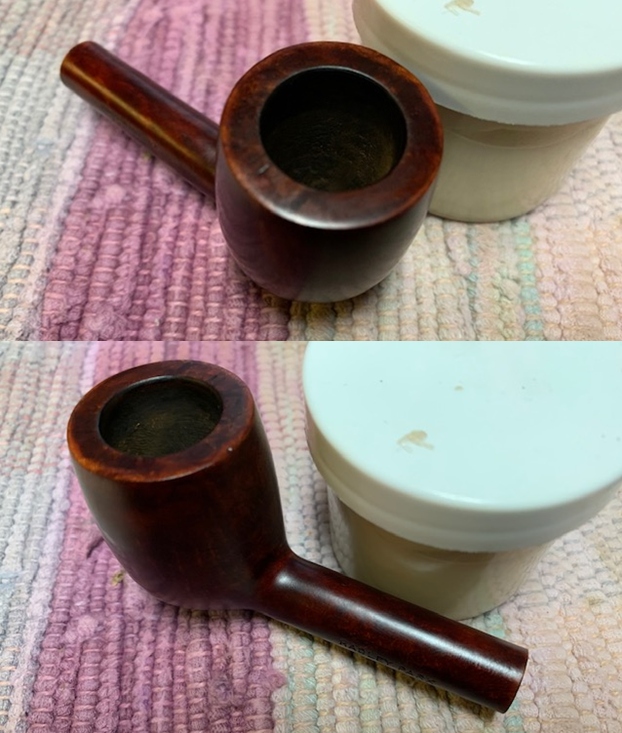
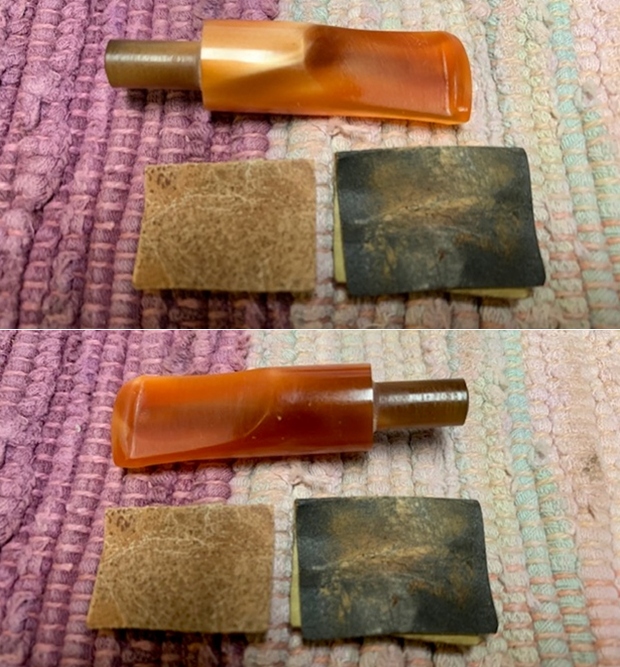
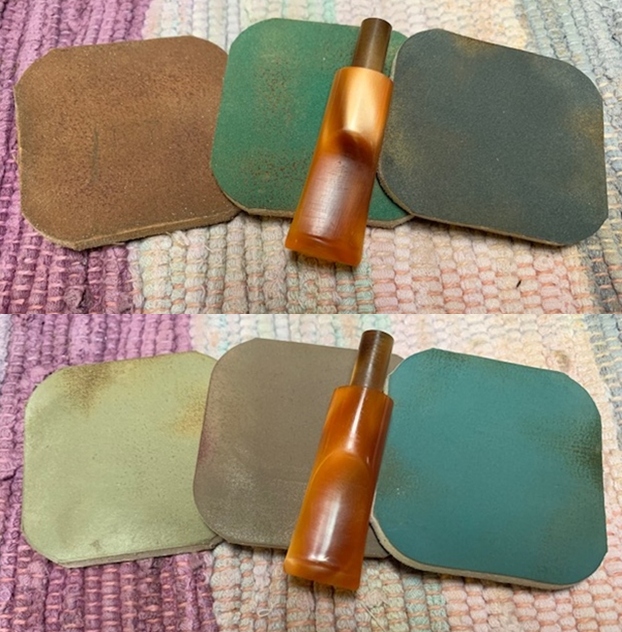
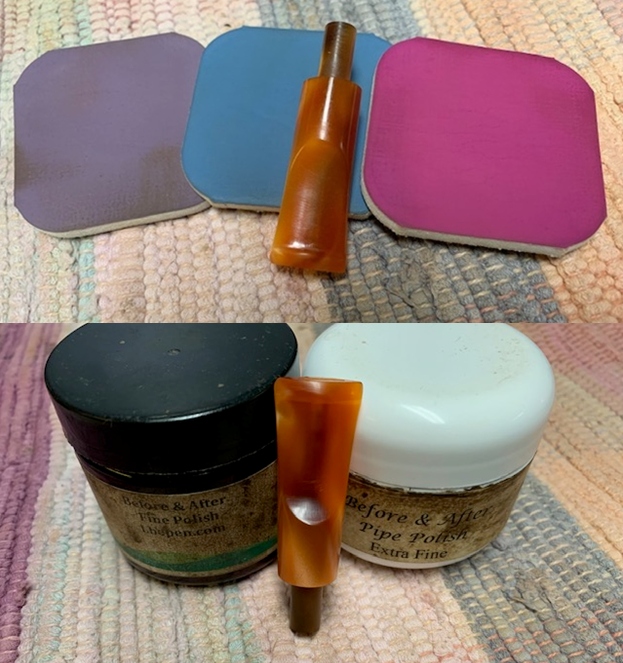
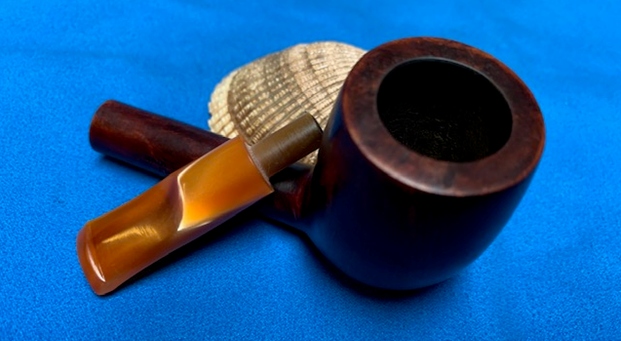
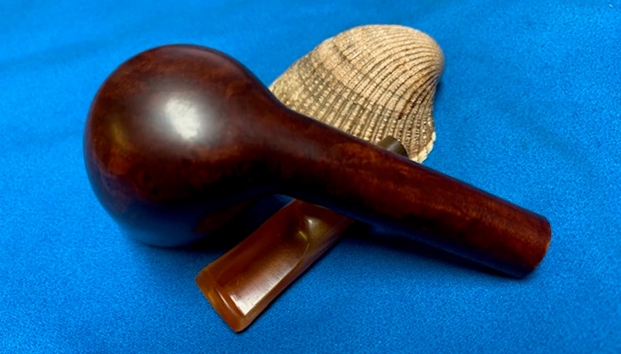
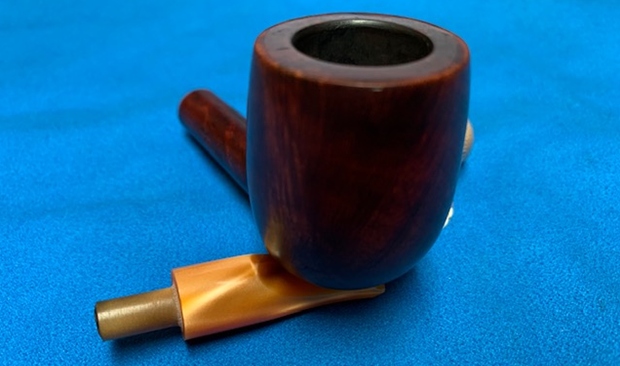
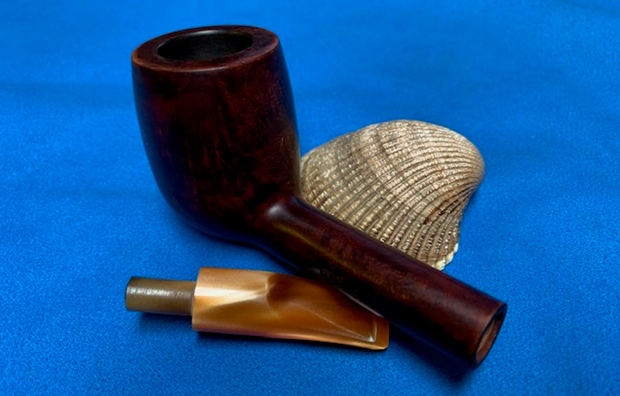
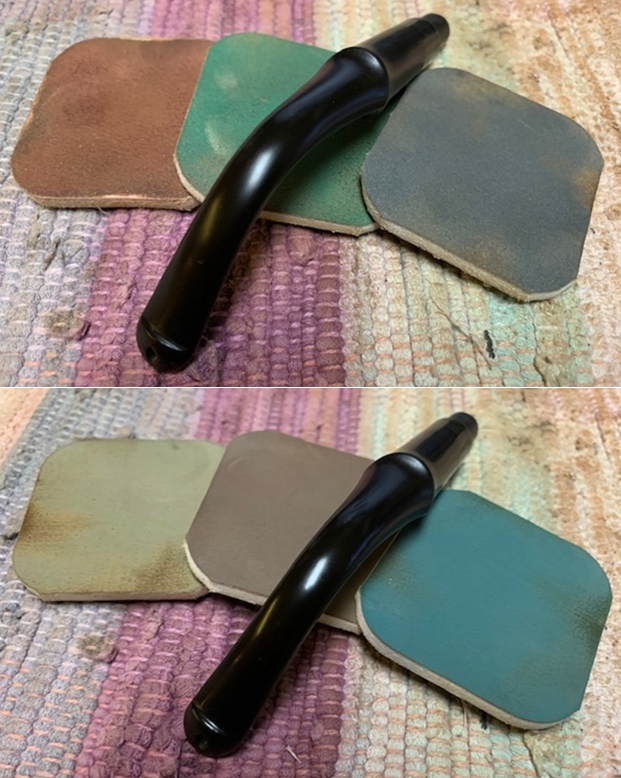
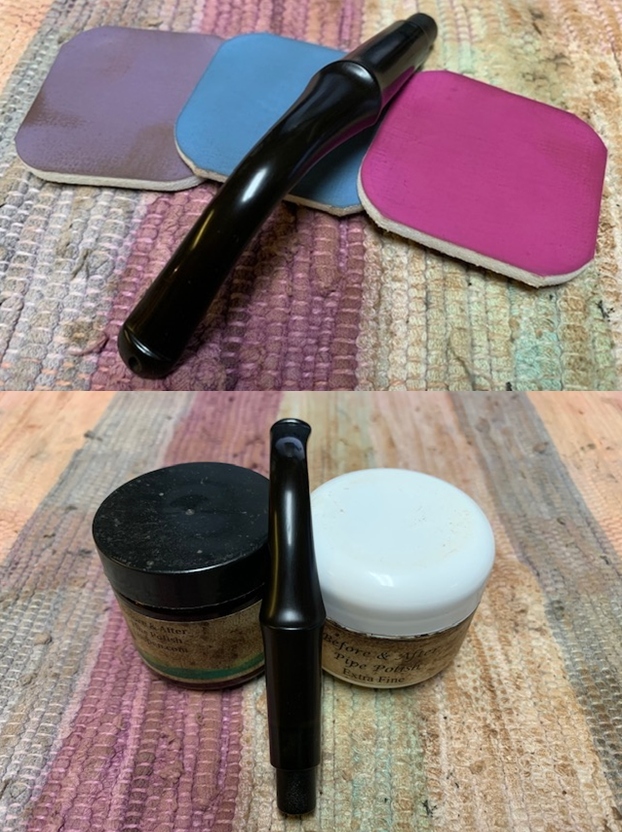
Jeff had cleaned up the pipe with his usual penchant for thoroughness. He reamed the pipe with a PipNet Pipe Reamer and cleaned up the remnants with a Savinelli Fitsall Pipe Knife.  He scrubbed the bowl with undiluted Murphy’s Oil Soap with a tooth brush. He rinsed it under running warm water to remove the soap and grime. He cleaned out the inside of the shank and the airway in the stem with alcohol, cotton swabs and pipe cleaners. He scrubbed the stem with Soft Scrub liquid cleanser to remove the grime on the surface and rinsed it off with warm water. I took photos of the pipe once I received it.   The rim top looked very good  and inner edge of the rim showed some light damage. The stem surface looked good with some remaining oxidation on the aluminum parts and tooth marks and chatter on both sides near the button.     I took a photo of the stamping on the shank. It is clear and readable as noted above.     I removed the stem and took a photo of the pipe to give a sense of the whole. The stem is a compact Redmanol saddle. I decided to start my work on the pipe by cleaning up the damaged inner edge of the bowl. I reworked the edge with a folded piece of 220 grit sand paper. Once I finished the rim and edge looked much better. I moved next to polishing the aluminum fitments on the shank and on the stem. I polished both with 400 grit wet dry sandpaper to remove the scratches and marks on both. They took on a nice silver glow. I polished it with micromesh sanding pads – wet sanding with 1500-12000 grit pads and wiping it down after each pad with a damp cloth. I rubbed the bowl and shank down with Before & After Restoration Balm. I worked it into the surface of the bowl sides and shank with my fingertips to clean, enliven and protect the briar. I let the balm sit for 15 minutes and then buffed with a cotton cloth to raise the shine.  I set the bowl aside and turned to work on the stem. I filled in the deep tooth marks on the surface of the Redmanol with clear super glue. I let the repairs cure.        I polished the repairs on the Redmanol stem with micromesh sanding pads – 1500-12000 grit pads. I wiped it down with a damp cloth after each sanding pad. I used Before & After Pipe Polish – both Fine and Extra Fine to further polish the stem.     This LHS (LH Stern) Purex Preferred Chunky Pot with an amber coloured Redmanol stem is a great looking pipe now that it has been restored. There is some great grain around the bowl and shank. I put the stem back on the bowl and carefully buffed the pipe with Blue Diamond on the buffing wheel using a light touch on the briar. I gave the bowl and the stem multiple coats of carnauba wax on the buffing wheel and followed that by buffing the entire pipe with a clean buffing pad. I hand buffed the pipe with a microfiber cloth to deepen the shine. The finished LHS Purex Pot is chunky and fits nicely in the hand and feels great. Give the finished pipe a look in the photos below. The dimensions of the pipe are Length: 5 ½ inches, Height: 1 ½ inches, Outside diameter of the bowl: 1 ¾ inches, Chamber diameter: 7/8 of an inch. The weight of the pipe is 61gr/2.19oz. If you are interested in adding this pipe to your collection send me a message or an email. Thanks for reading this blog and my reflections on the pipe while I worked on it. There are many more to come!

Restoring an English Made Hadley Park 213 Lovat


Blog by Steve Laug

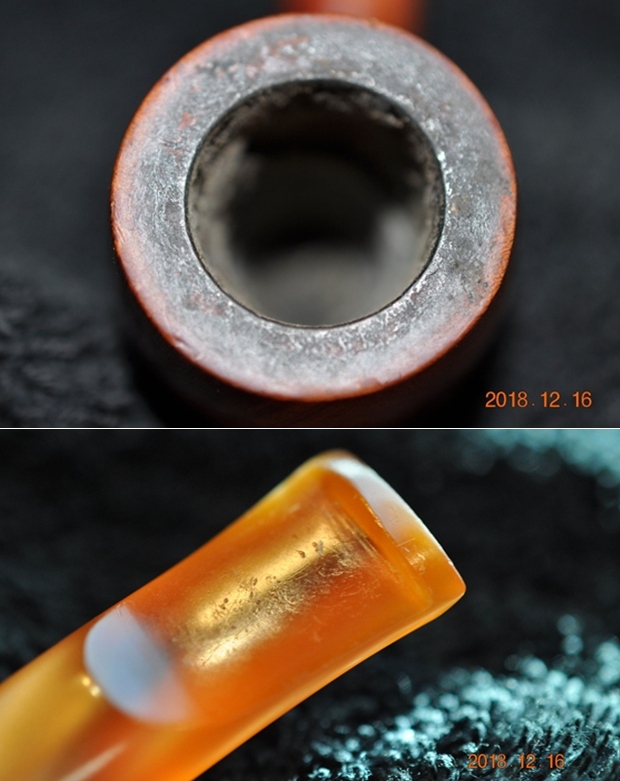
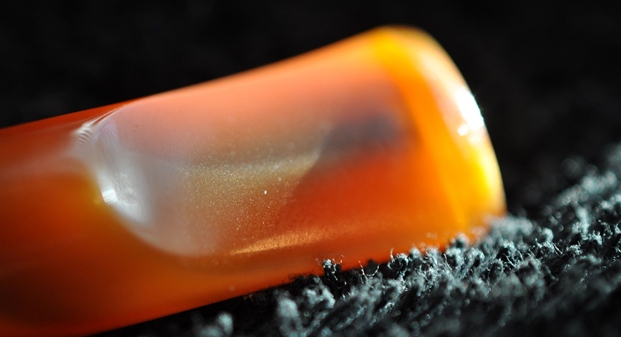
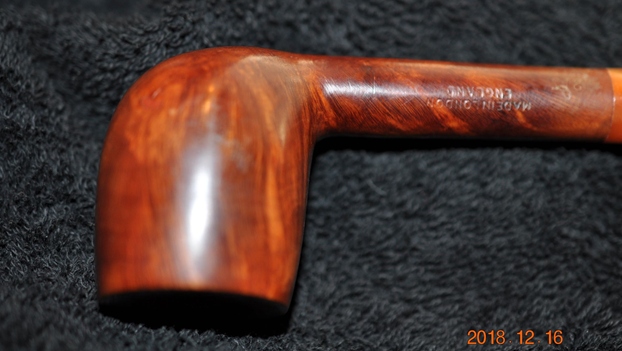
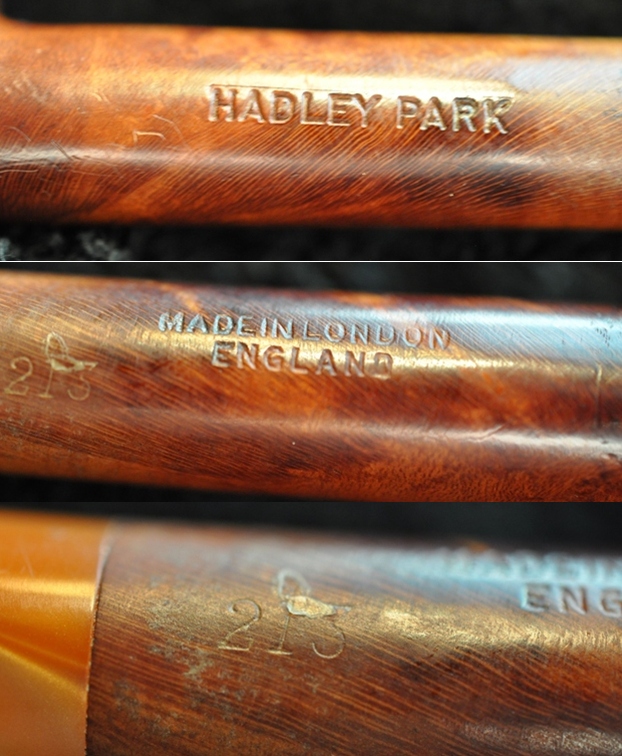
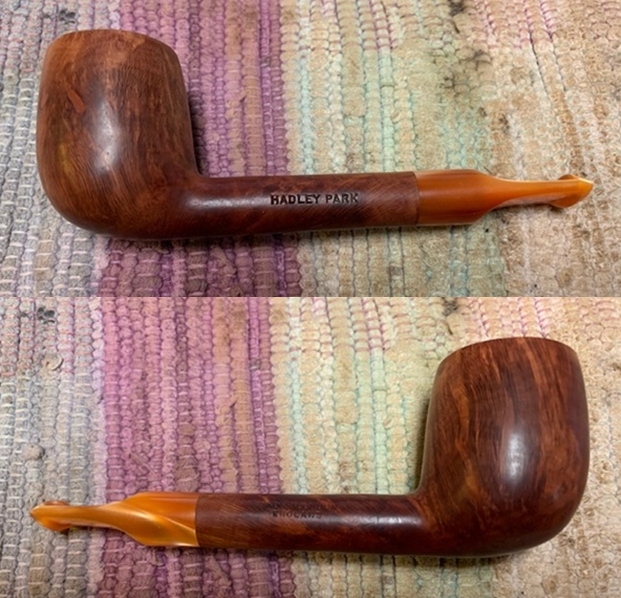
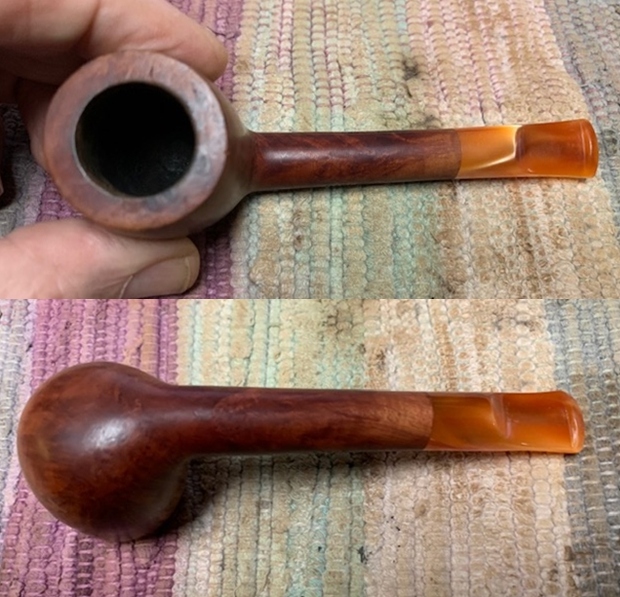
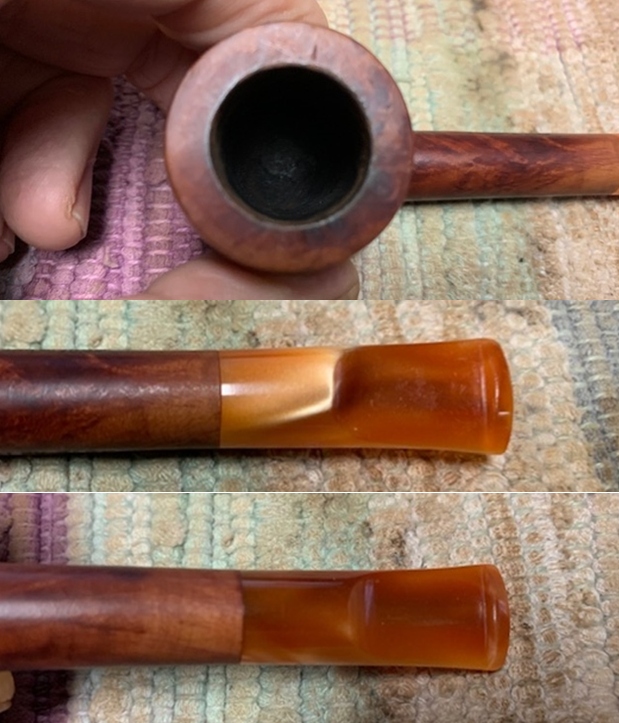
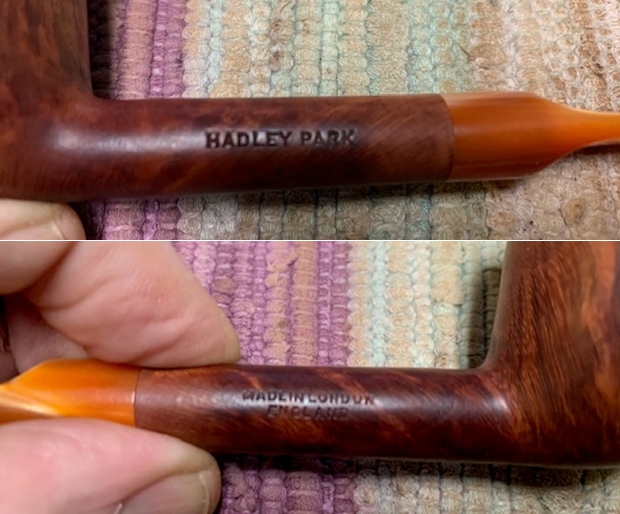
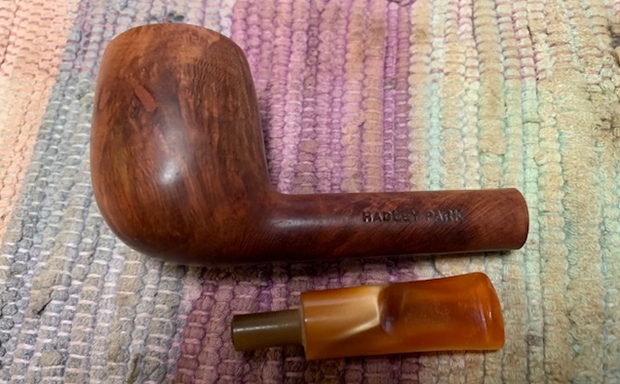
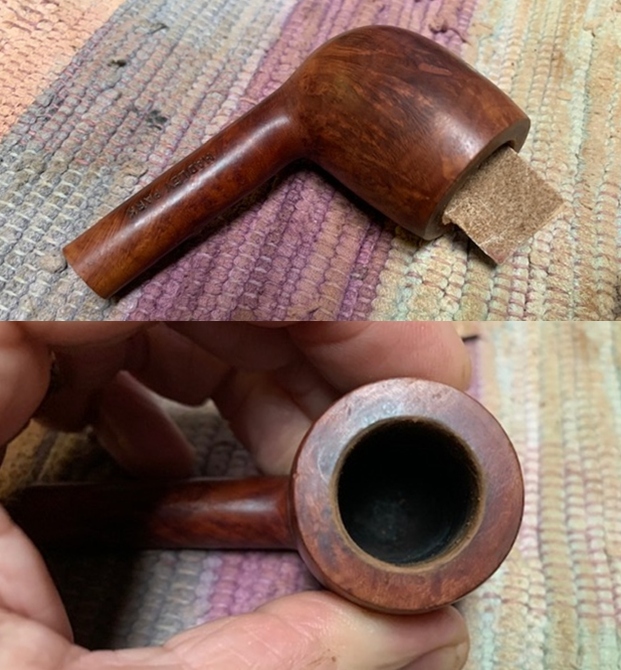
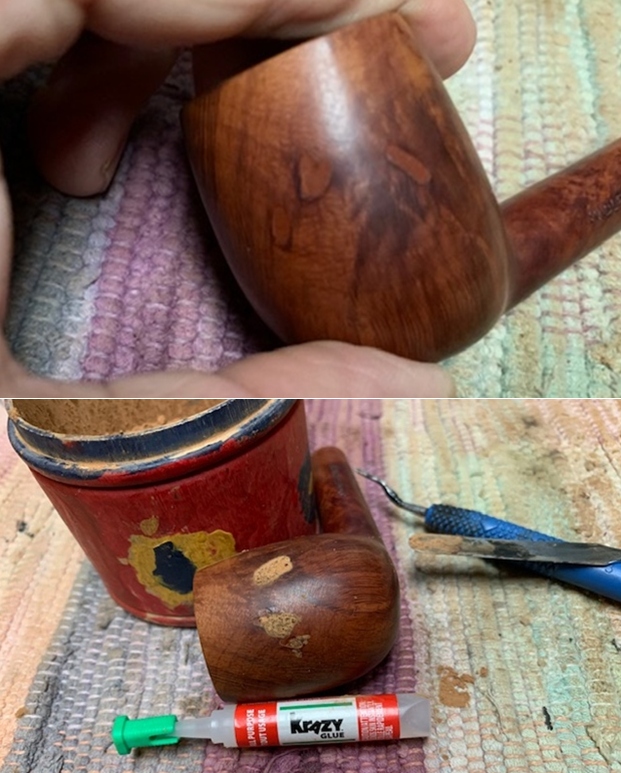
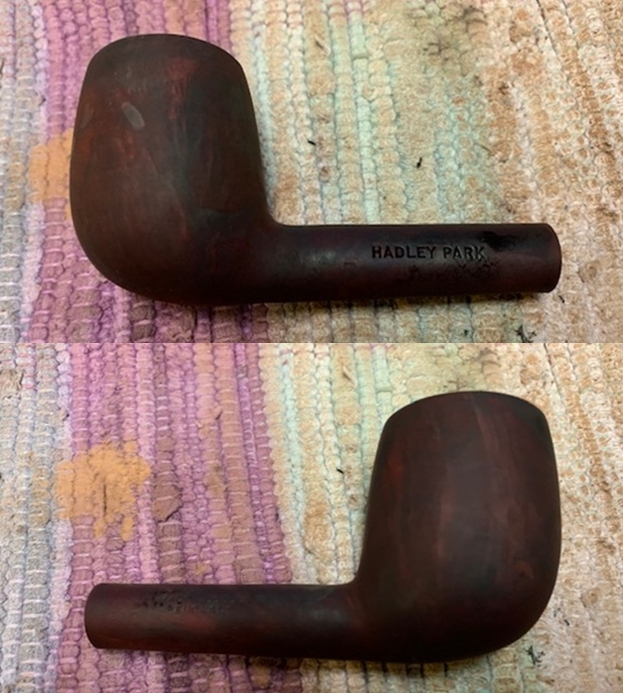
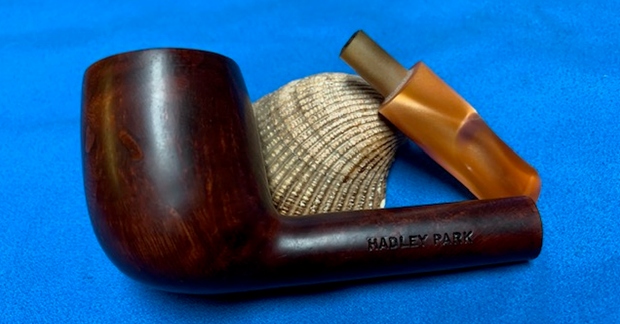
The next pipe on the work table came to us from one of Jeff’s pipe hunts a few years ago and to be honest we don’t remember where we got it. This morning as I was going through my box of what I have to work on this one caught my eye. It is a nicely grained small Lovat with an acrylic stem that is almost butterscotch coloured. The stem reminds me of butterscotch candies that I used to have as a kid. The pipe is stamped on the left side of the shank and reads Hadley Park. On the right side it is stamped Made in London England and to the left of that, near the stem is the shape number 213. The finish had a lot of grime ground into the smooth finish on the bowl and some darkening around the sides of the bowl. The bowl was heavily caked and there was a lava coat and darkening on the rim top and inner edge. The edges looked okay but we would know more after the cleanup. There were a few fills that had shrunken around the sides of the bowl. The stem was dirty and had tooth chatter and marks on the top and underside near the button. There were not markings or a logo on the saddle stem. The pipe showed promise but it was very dirty. Jeff took photos of the pipe before he started his cleanup work. He took a photo of the rim top and bowl to give a clear picture of the thickness of the cake and the condition of the rim top and edges. He also took photos of the top and underside of the stem to show the chatter and tooth marks.    Jeff took a photo of the side and heel of the bowl to give a picture of what the briar around the pipe looked like. There is some great grain under the grime.     He took photos of the stamping on the shank. It reads as noted above and is clear and readable.   I could not find any information on the brand. I thought the shape number might point the way but it did not give the clues I was hoping. The Made in London England stamp is similar to those used by a variety of English pipemakers so that is not definitive either. So I am left not knowing who made the pipe. Now it was time to work on this pipe.

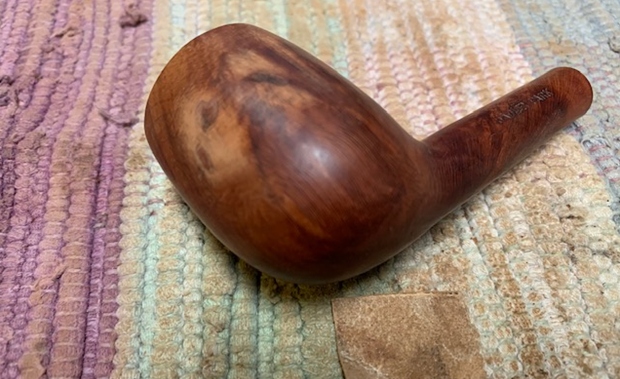
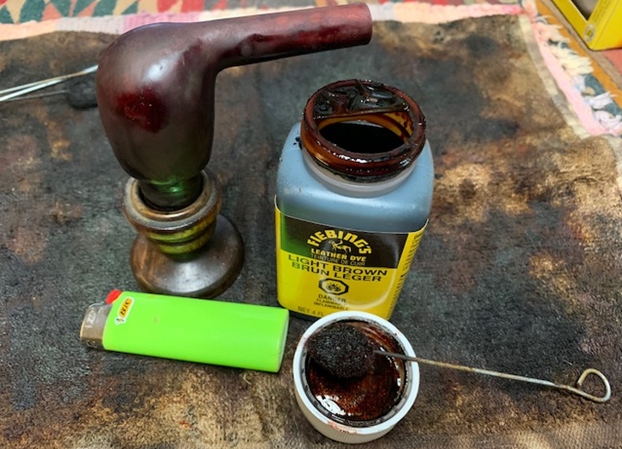
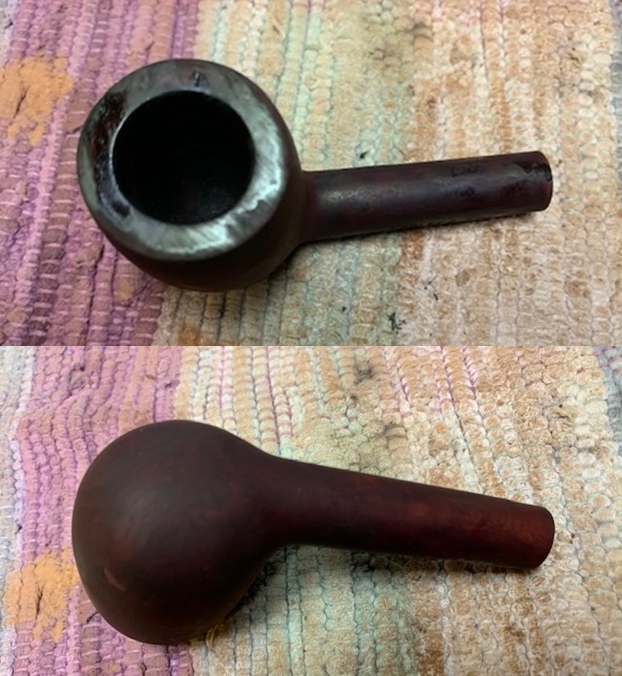
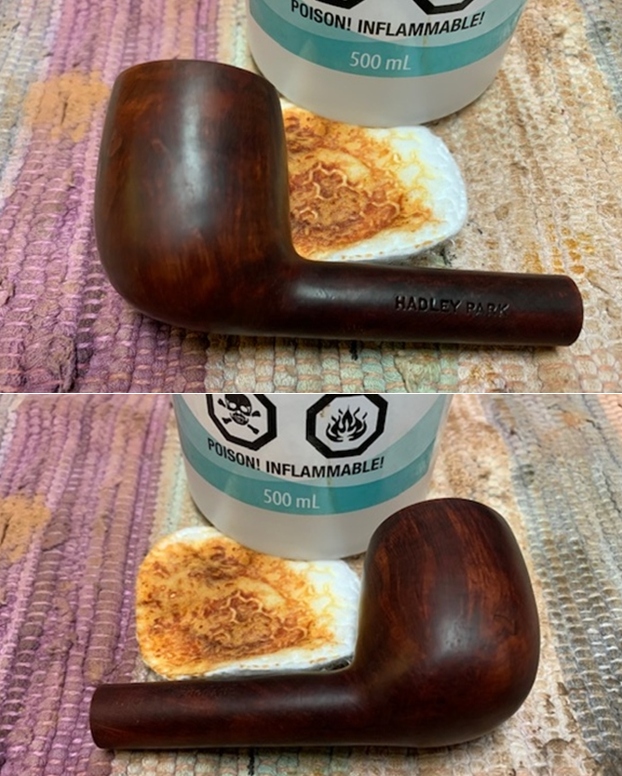
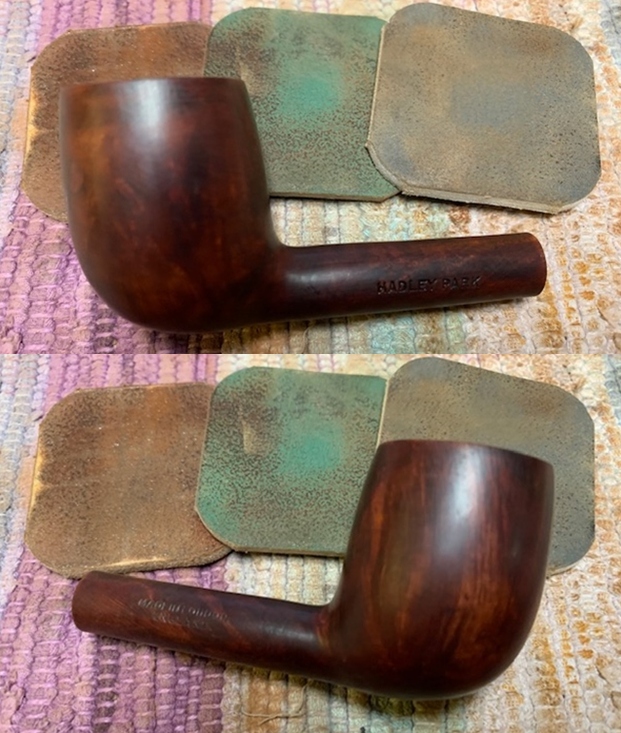
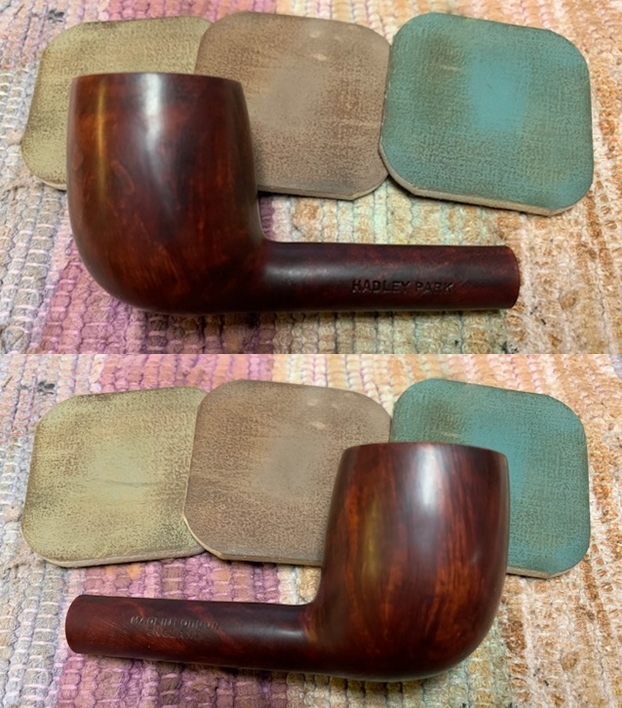
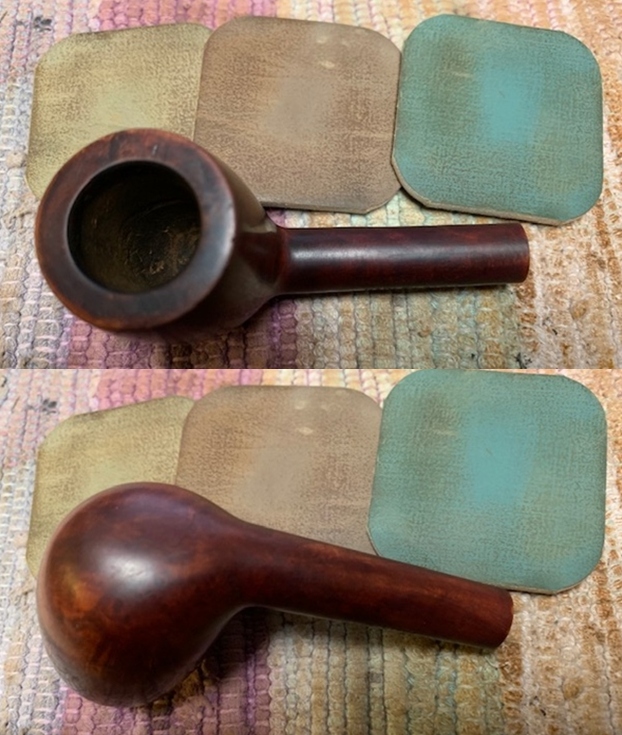
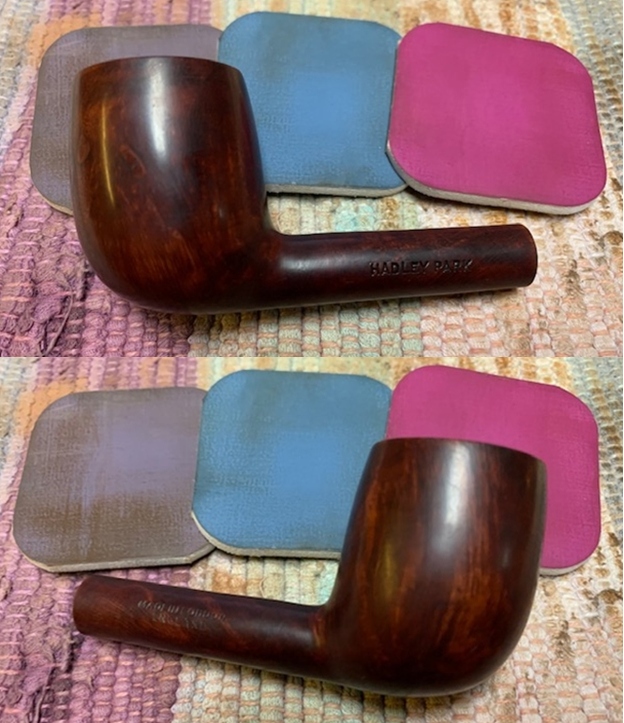
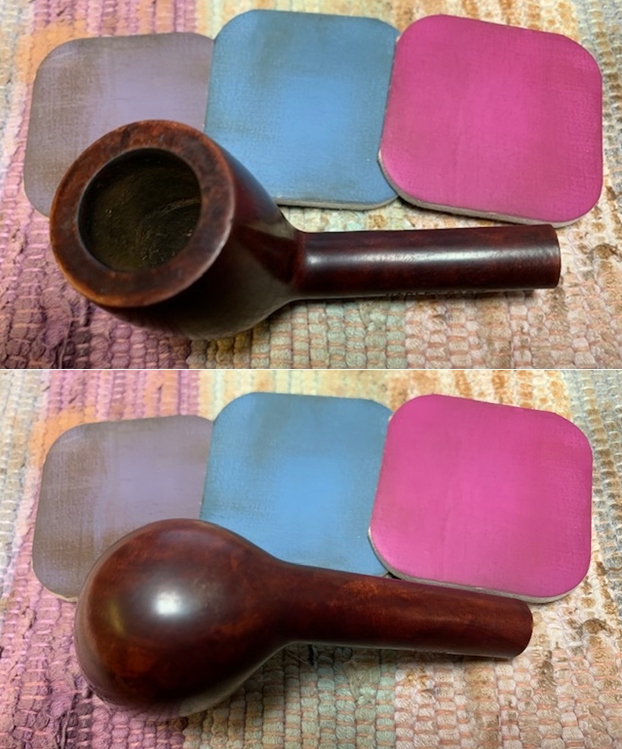
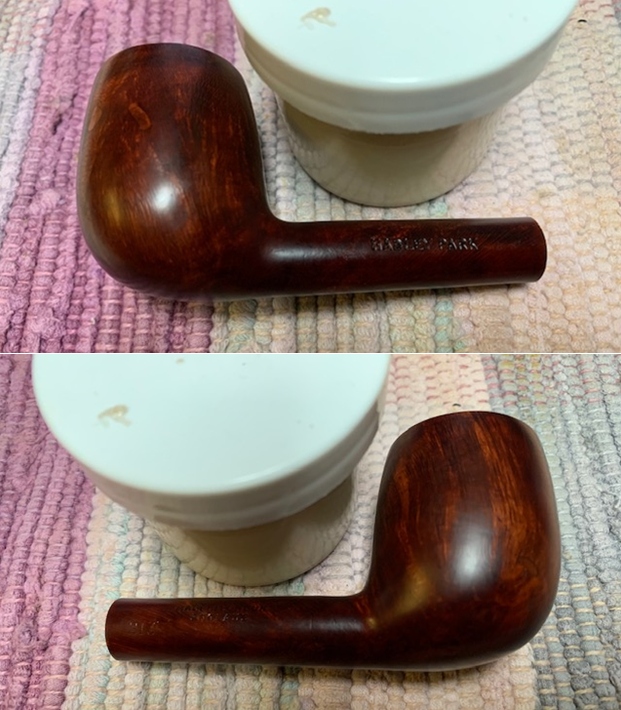
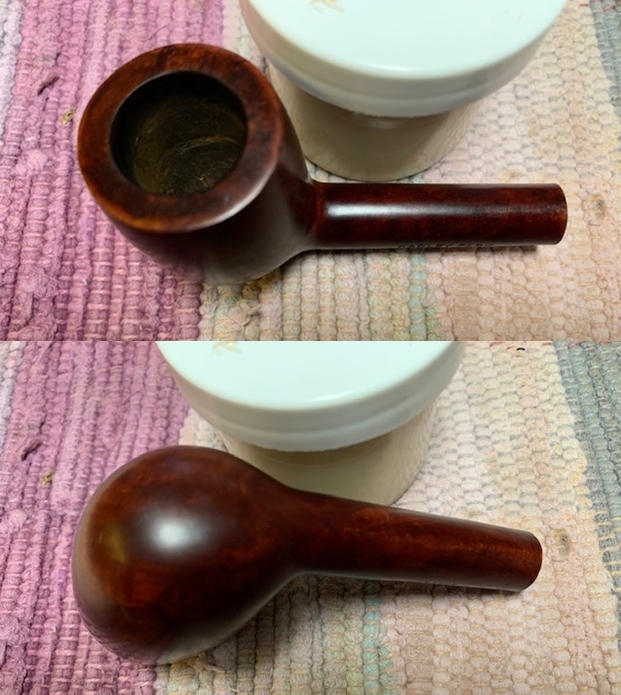
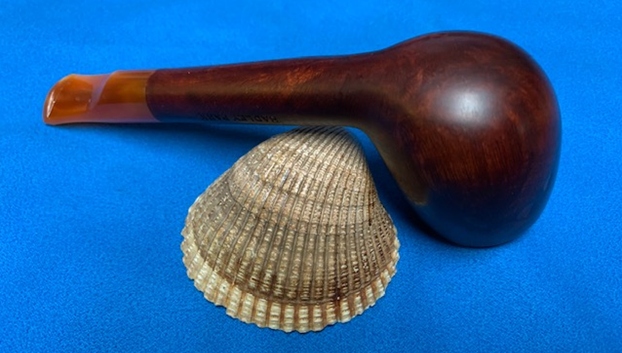
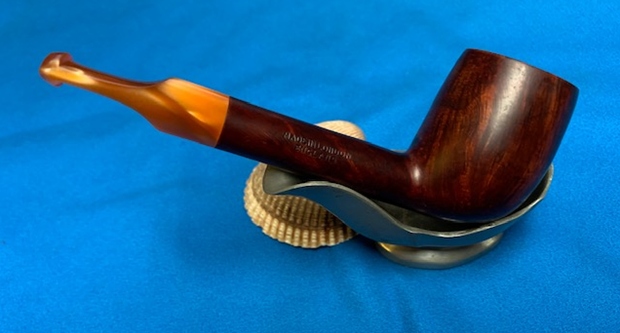
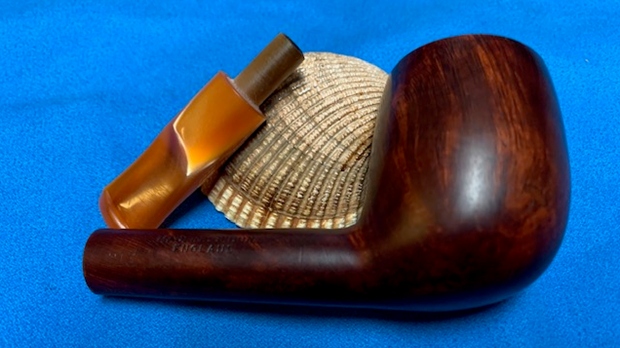
Jeff had cleaned up the pipe with his usual penchant for thoroughness. He reamed the pipe with a PipNet Pipe Reamer and cleaned up the remnants with a Savinelli Fitsall Pipe Knife.  He scrubbed the bowl with undiluted Murphy’s Oil Soap with a tooth brush. He rinsed it under running warm water to remove the soap and grime. He cleaned out the inside of the shank and the airway in the stem with alcohol, cotton swabs and pipe cleaners. He soaked the stem in Before & After Deoxidizer and rinsed it off with warm water. I took photos of the pipe once I received it. The rim top and inner edge of the rim showed some damage. The inner edge of the bowl was roughened and showed some darkening. The rim top also showed some damage. The stem surface looked good with some remaining oxidation and tooth marks and chatter on both sides near the button.    I took a photo of the stamping on the shank. It is clear and readable as noted above. I removed the stem and took a photo of the pipe to give a sense of the whole. The stem is a short acrylic saddle.   I decided to start my work on the pipe by cleaning up the damaged inner edge of the bowl. I reworked the edge with a folded piece of 220 grit sand paper. Once I finished the rim and edge looked much better.    I moved next to repairing the damaged fills on the front left of the bowl. I filled them in with clear super glue and briar dust. Once it cured I sanded them smooth and blended them into the surrounding briar.   With the repaired fills being lighter than the surrounding briar I decided to restain the bowl with a light brown aniline stain. I applied the stain and flamed it with a lighter to set it in the grain. I repeated the process until I was happy with the coverage on the bowl. Once the stain had cured I removed it from the cork and took photos of the new look before I buffed or polished it at all.  I buffed the bowl with red Tripoli and then wiped it down with a cotton pad and isopropyl alcohol to make the stain a bit more transparent and show the grain around the bowl sides. I polished it with micromesh sanding pads – wet sanding with 1500-12000 grit pads and wiping it down after each pad with a damp cloth.      I rubbed the bowl and shank down with Before & After Restoration Balm. I worked it into the surface of the bowl sides and shank with my fingertips to clean, enliven and protect the briar. I let the balm sit for 15 minutes and then buffed with a cotton cloth to raise the shine.  I set the bowl aside and turned to work on the stem. I sanded out the tooth chatter and marks with 220 grit sandpaper and started polishing the stem with 400 grit wet dry sandpaper.I polished the acrylic stem with micromesh sanding pads – 1500-12000 grit pads. I wiped it down with a damp cloth after each sanding pad. I used Before & After Pipe Polish – both Fine and Extra Fine to further polish the stem.    This Hadley Park 213 Lovat with an orange/butterscotch acrylic stem is a great looking pipe now that it has been restored. There is some great grain around the bowl and shank. I put the stem back on the bowl and carefully buffed the pipe with Blue Diamond on the buffing wheel using a light touch on the briar. I gave the bowl and the stem multiple coats of carnauba wax on the buffing wheel and followed that by buffing the entire pipe with a clean buffing pad. I hand buffed the pipe with a microfiber cloth to deepen the shine. The finished Hadley Park Lovat is petite but fits nicely in the hand and feels great. Give the finished pipe a look in the photos below. The dimensions of the pipe are Length: 5 inches, Height: 1 ¾ inches, Outside diameter of the bowl: 1 ¼ inches, Chamber diameter: ¾ of an inch. The weight of the pipe is 34gr/1.23oz. If you are interested in adding this pipe to your collection send me a message or an email. Thanks for reading this blog and my reflections on the pipe while I worked on it. There are many more to come!

Restoring a Peterson’s Republic Era System Standard 312 Bent Billiard


Blog by Steve Laug

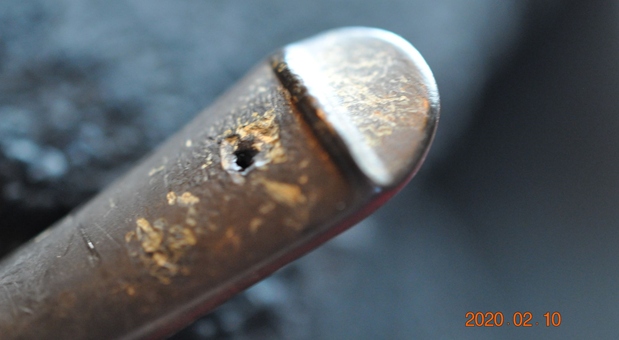
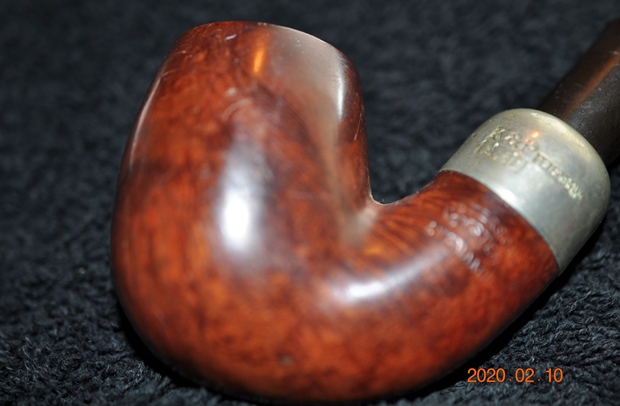
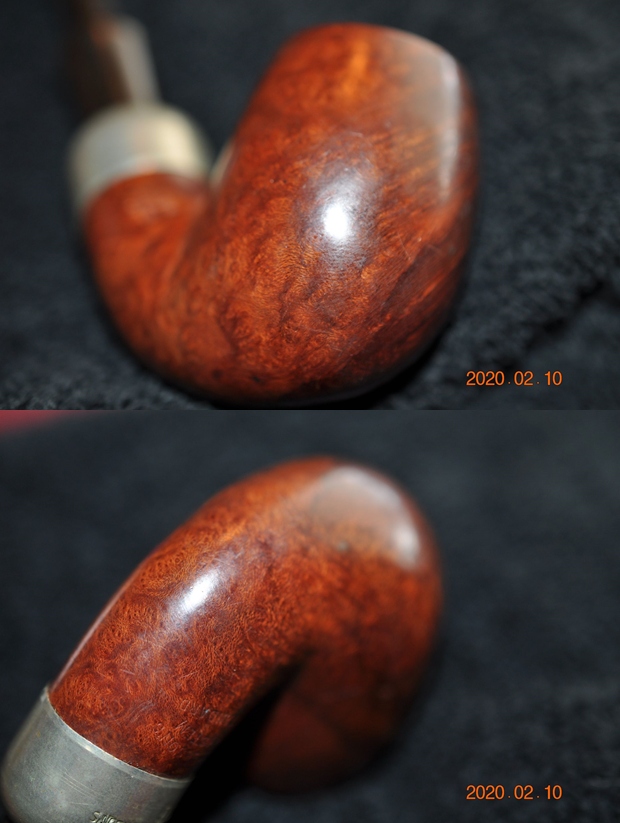
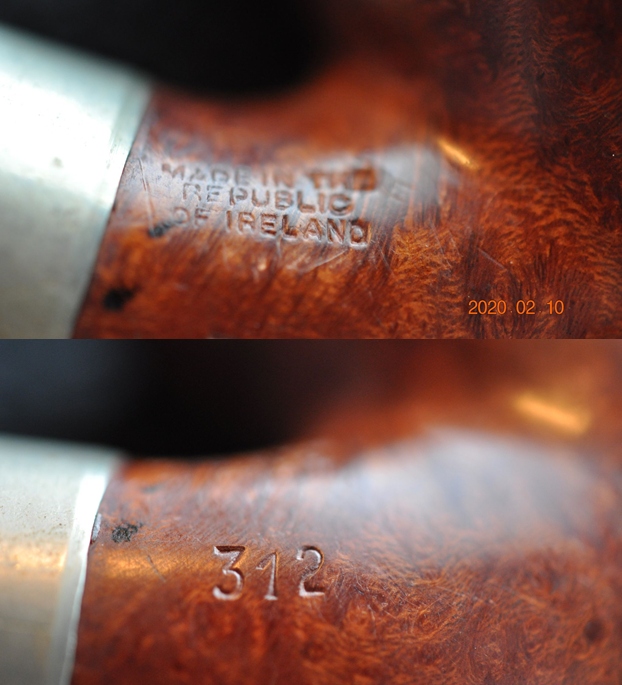
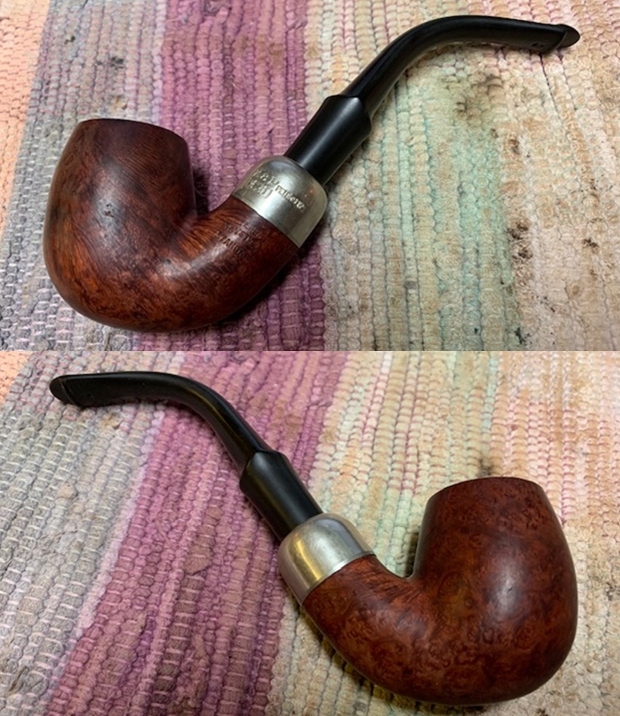
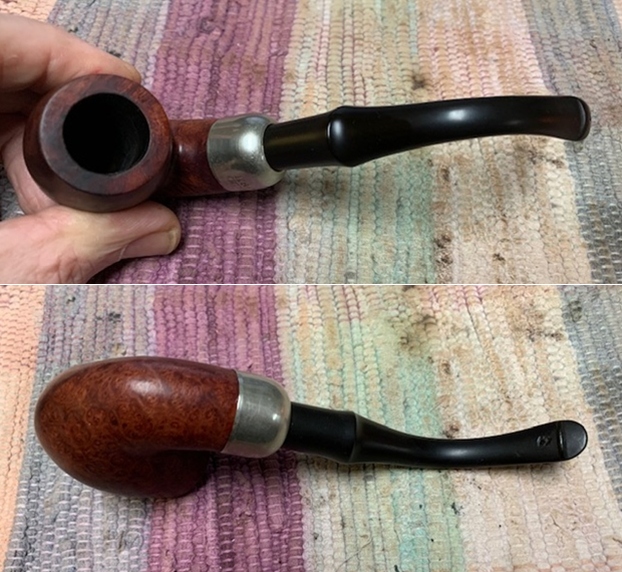
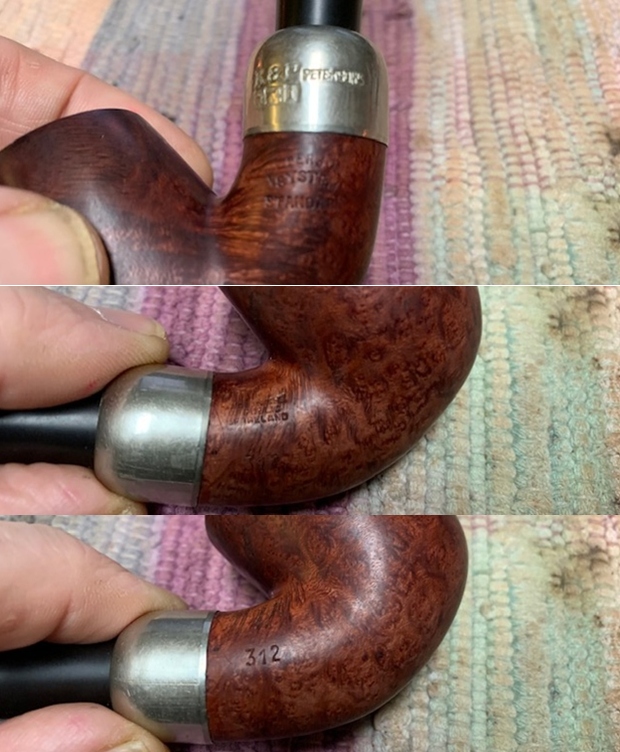
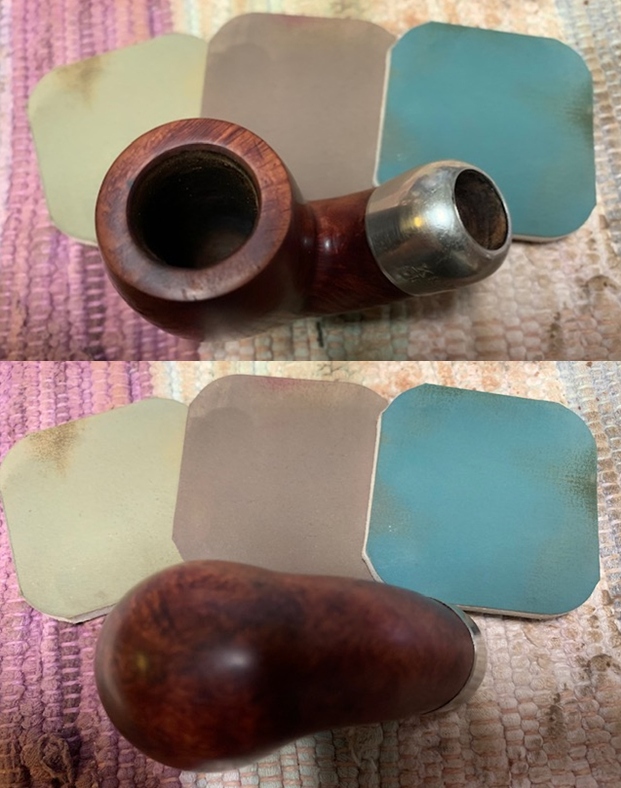
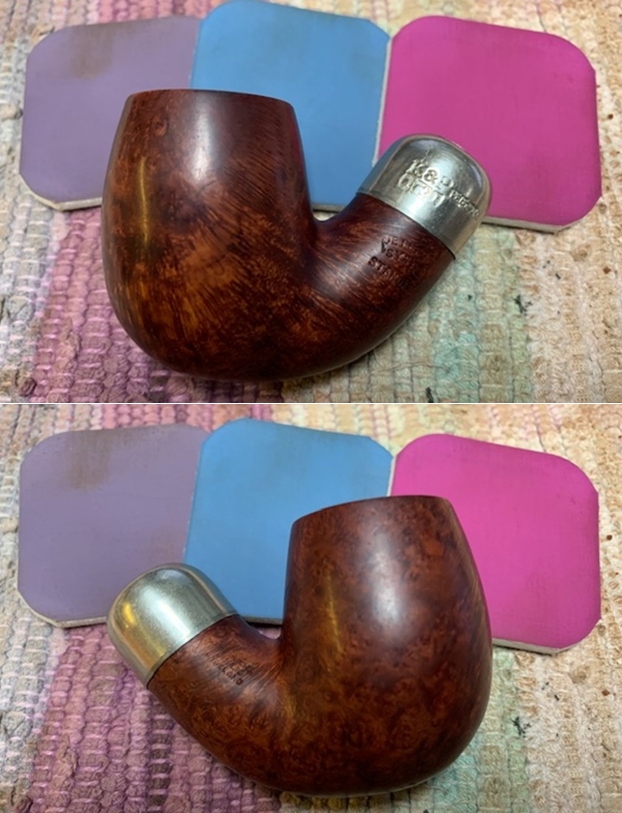
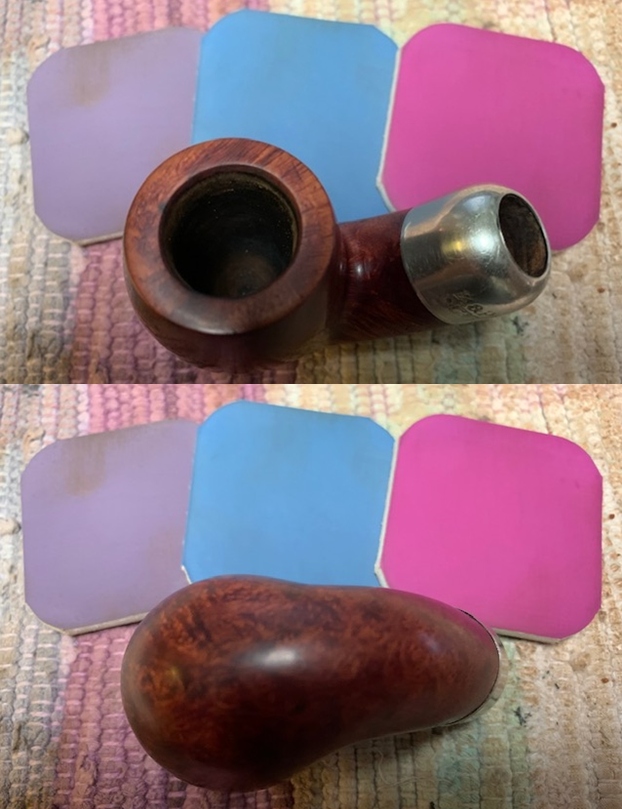
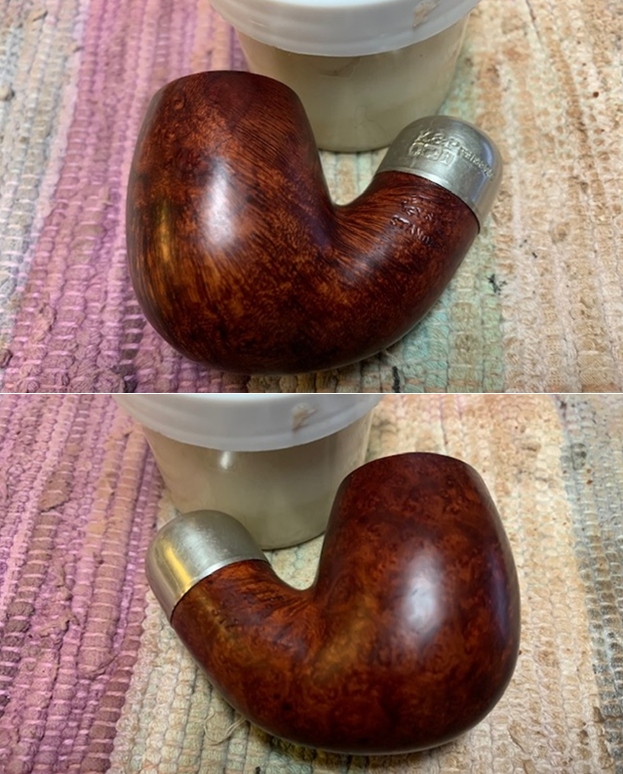
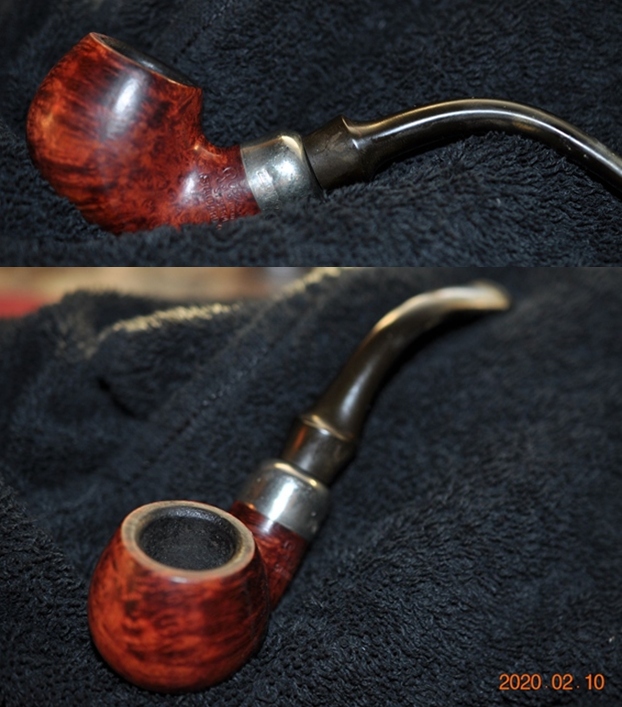
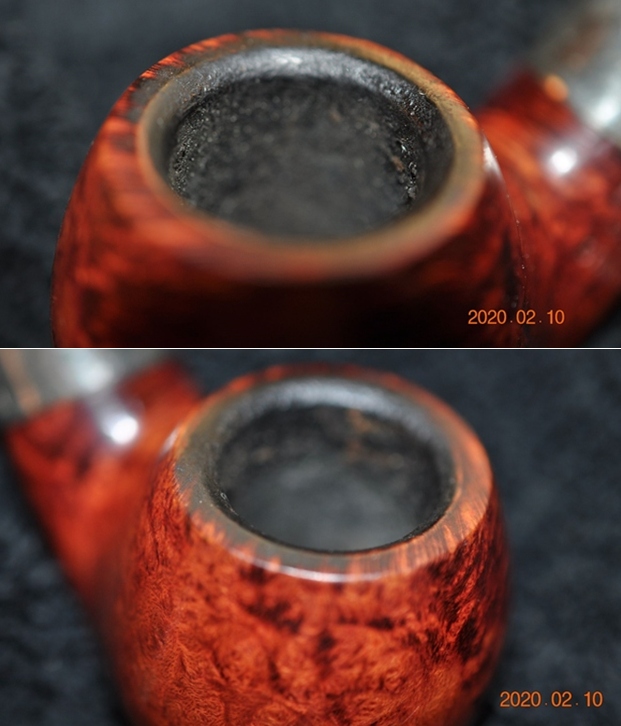
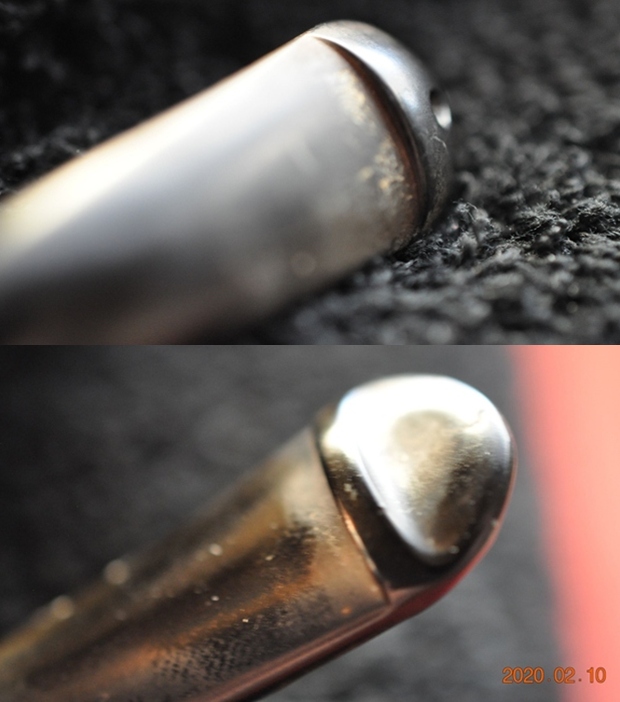
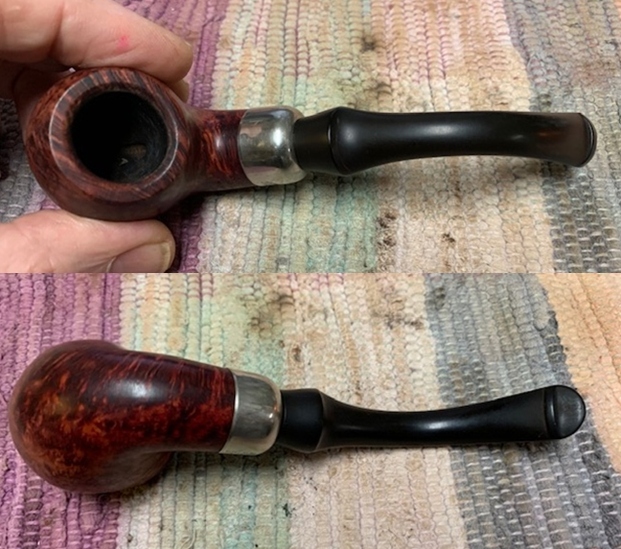
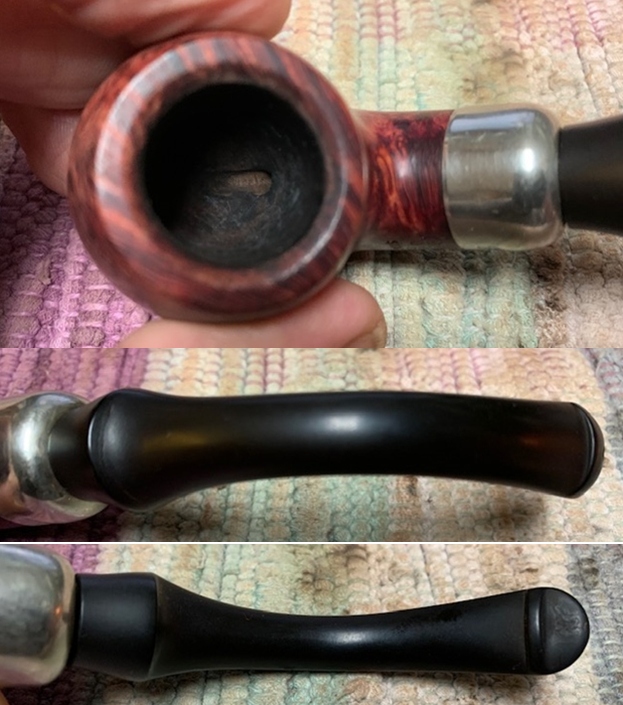
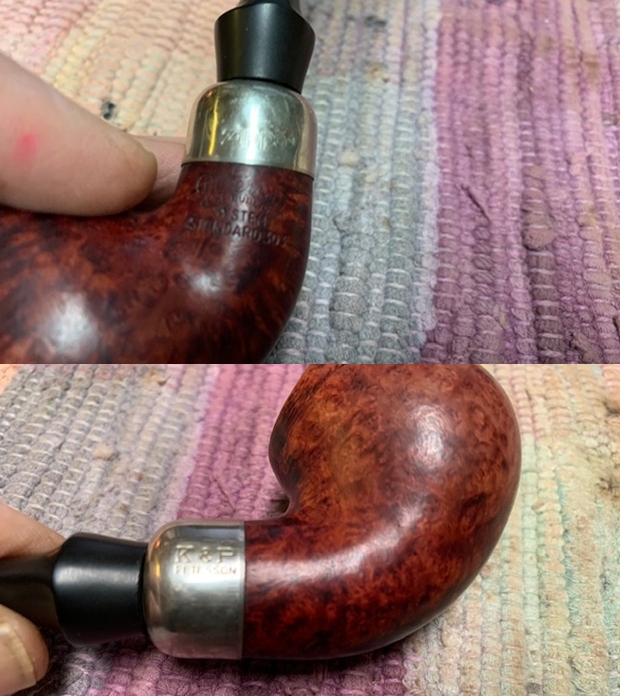
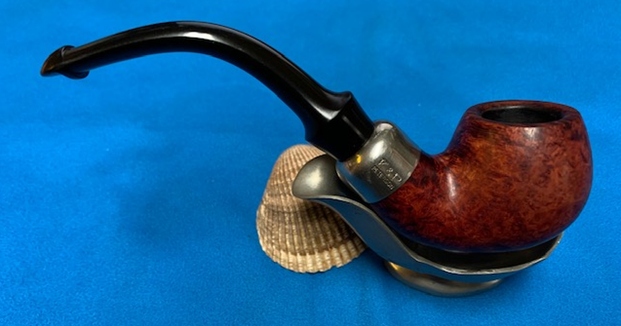
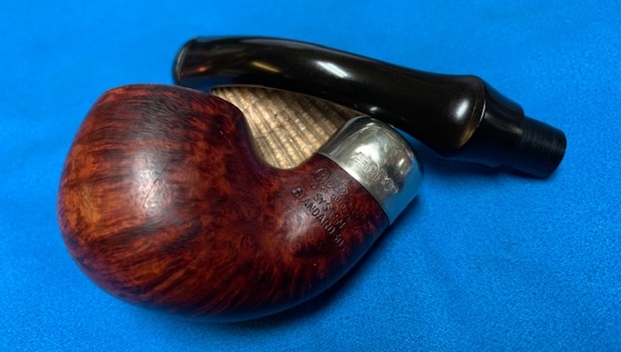
The next pipe on the work table came to us from an online auction from Front Royal, Virginia, USA. It is a smooth Peterson’s System pipe with a saddle vulcanite stem. The pipe is stamped on the left side of the shank and reads Peterson’s [over] System [over] Standard. On the right side it is stamped Made in the Republic of Ireland and underneath that is the shape number 312. The nickel ferrule is stamped K & P Peterson with three hallmarks underneath. The finish had a lot of grime ground into it and it was very dirty. The bowl was moderately caked and there was a light lava coat on the flat rim top and the inner edge of the rim. The inner edge had some nicks and damage and the rim top had a lot of scratches that looked like the rim top had been scraped with a knife. The stem was oxidized, calcified and had tooth chatter and marks on the top and underside near the P-lip style button. It also had a bite through on the underside of the stem just ahead of the button. The pipe showed promise but it was very dirty. Jeff took photos of the pipe before he started his cleanup work.   He took photos of the rim top and bowl to give a clear picture of the thickness of the cake and the condition of the rim top and edges. He also took photos of the top and underside of the stem to show the oxidation, calcification and chatter and tooth marks. The photo of the underside of the stem you can see the bite through that is present.  Jeff took a photo of the side and heel of the bowl to give a picture of what the briar around the pipe looked like.     He took photos of the stamping on the shank and the nickel ferrule. It reads as noted above and is clear and readable.   I am including the information from Pipedia’s article on Peterson pipes. It is a great read in terms of the history of the brand (https://pipedia.org/wiki/Peterson). I have included a bit of the pertinent history here.

1950 – 1989 The Republic Era – From 1950 to the present time, the stamp for this era is “Made in the Republic of Ireland” in a block format generally in three lines but two lines have been used with or without Republic being abbreviated.

I knew that I was dealing with a Republic Era pipe made between 1950-1989. It was a smooth Peterson’s System Standard 312 Billiard with nice grain. The finish was stained with a combination of brown stains. Now it was time to work on the pipe.

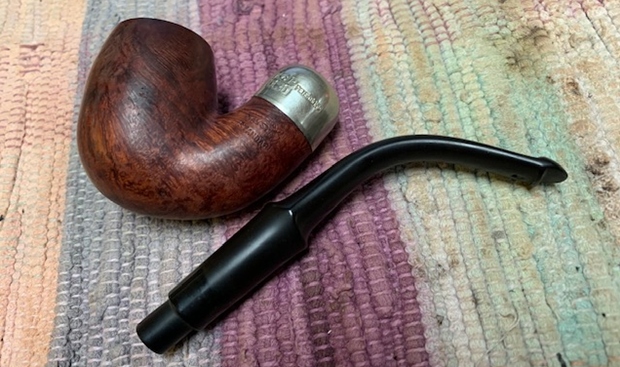
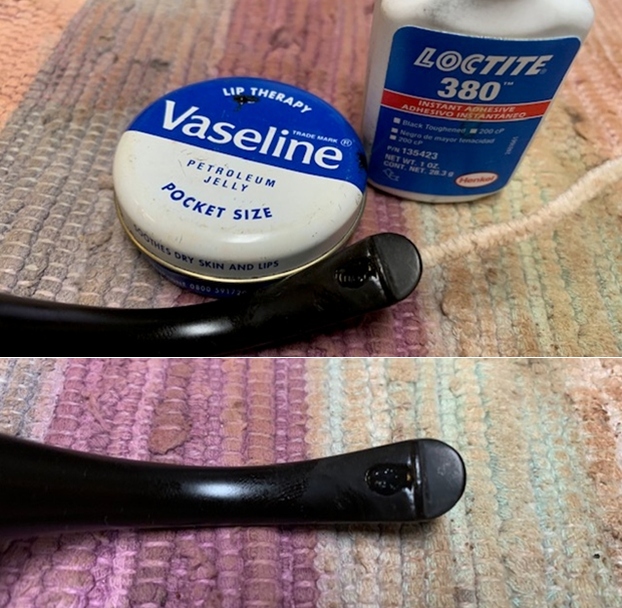
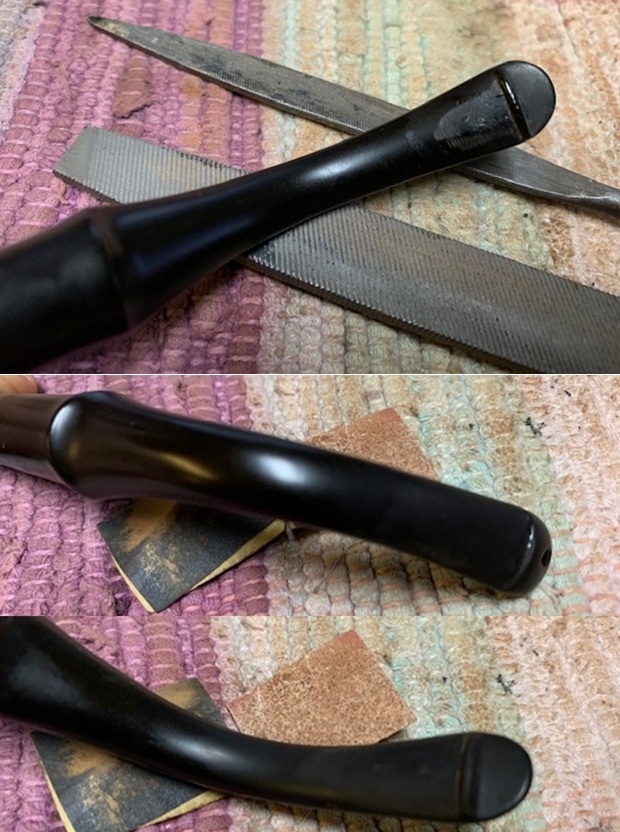
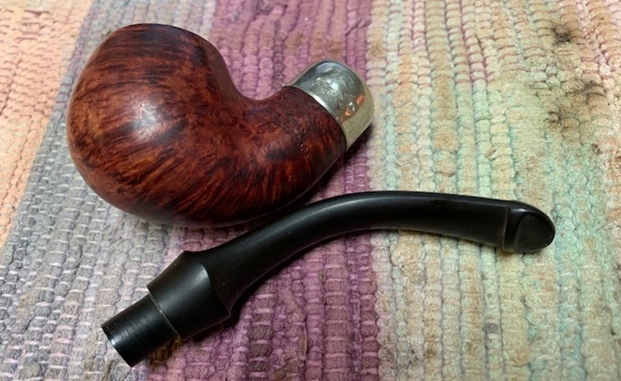
Jeff had cleaned up the pipe with his usual penchant for thoroughness. He reamed the pipe with a PipNet Pipe Reamer and cleaned up the remnants with a Savinelli Fitsall Pipe Knife.  He scrubbed the bowl with undiluted Murphy’s Oil Soap with a tooth brush. He rinsed it under running warm water to remove the soap and grime. He cleaned out the inside of the shank and the airway in the stem with alcohol, cotton swabs and pipe cleaners. He soaked the stem in Before & After Deoxidizer and rinsed it off with warm water. I took photos of the pipe once I received it. The rim top and inner edge of the rim looked very good with a bit of damage on the inner edge and on the rim surface. The stem surface looked very good with some tooth marks and chatter on both sides near the button.  The bite through on the underside of the stem is not huge but it is very present.  I took a photo of the stamping on the shank. It is clear and readable as noted above.    I removed the stem and took a photo of the pipe to give a sense of the whole. The stem is a typical Peterson’s System stem.I started my work on the pipe by working over the rim top and the inner edge of the bowl to clean up the damage. Once finished the rim top and edge looked much better.  I repaired the deep gouges on the left side of the bowl by filling them in with clear super glue. Once it cured I sanded it smooth to blend it into the surrounding briar.I polished the briar with micomesh sanding pads – wet sanding with 1500-12000 grit pads. I wiped the bowl down after each pad with a damp cloth. I rubbed the bowl down with Before & After Restoration Balm. I worked it into the surface of the bowl sides and shank with my fingertips. The product works to clean, enliven and protect the briar. I let the balm sit for a little while and then buffed with a cotton cloth to raise the shine. I set the bowl aside and turned to work on the stem. I coated a pipe cleaner with Vaseline and inserted it in the airway in the stem. I filled in the bite through with black Loctite 380 CA Glue. I set it aside to let the repair cure then smooth it out with a file and rasp. I smoothed out the file marks with 220 grit sandpaper and started polishing it with 400 grit wet dry sandpaper.   I polished the vulcanite stem with micromesh sanding pads – 1500-12000 grit pads. I wiped it down with a damp cloth after each sanding pad. I used Before & After Pipe Polish – both Fine and Extra Fine to further polish the stem.    This Peterson’s System Standard 312 Bent Billiard with a vulcanite stem is a great looking pipe now that it has been restored. The beautiful grain that shines through the polished finish is stunning. As the pipe is smoked the patina should develop and look even better. I put the stem back on the bowl and carefully buffed the pipe with Blue Diamond on the buffing wheel. I gave the bowl and the stem multiple coats of carnauba wax on the buffing wheel and followed that by buffing the entire pipe with a clean buffing pad. I hand buffed the pipe with a microfiber cloth to deepen the shine. The finished Peterson’s System Standard 312 fits nicely in the hand and feels great. Give the finished pipe a look in the photos below. The dimensions of the pipe are Length: 6 inches, Height: 2 inches, Outside diameter of the bowl: 1 ¼ inches, Chamber diameter: ¾ of an inch. The weight of the pipe is 50gr/1.76oz. If you are interested in adding this pipe to your collection send me a message or an email. Thanks for reading this blog and my reflections on the pipe while I worked on it. There are many more to come!

Restoring a Peterson’s of Dublin System Standard 303 from a Zippo gift set.


Blog by Steve Laug

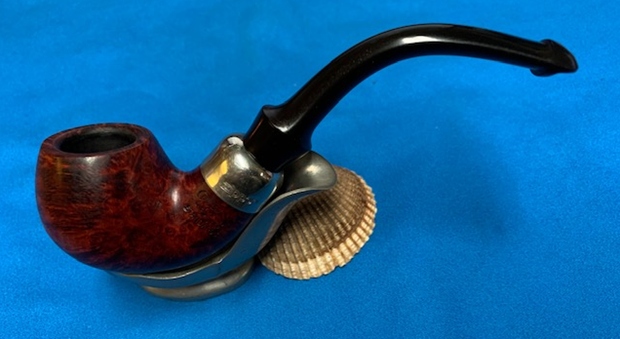
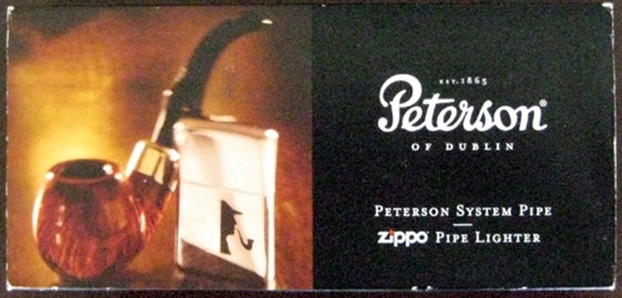
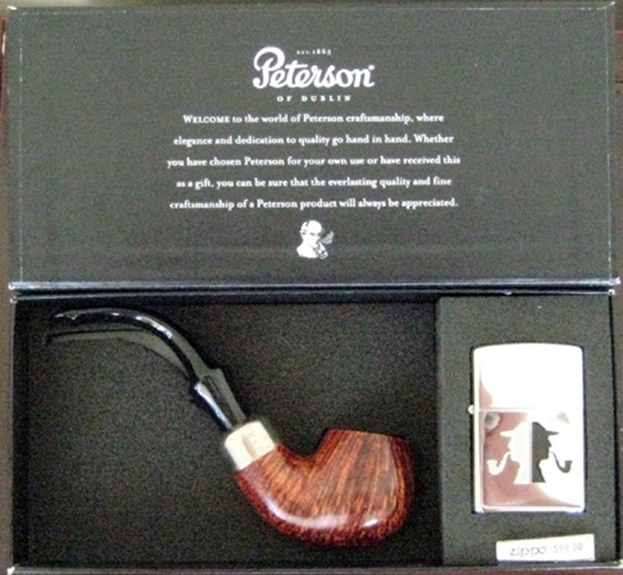
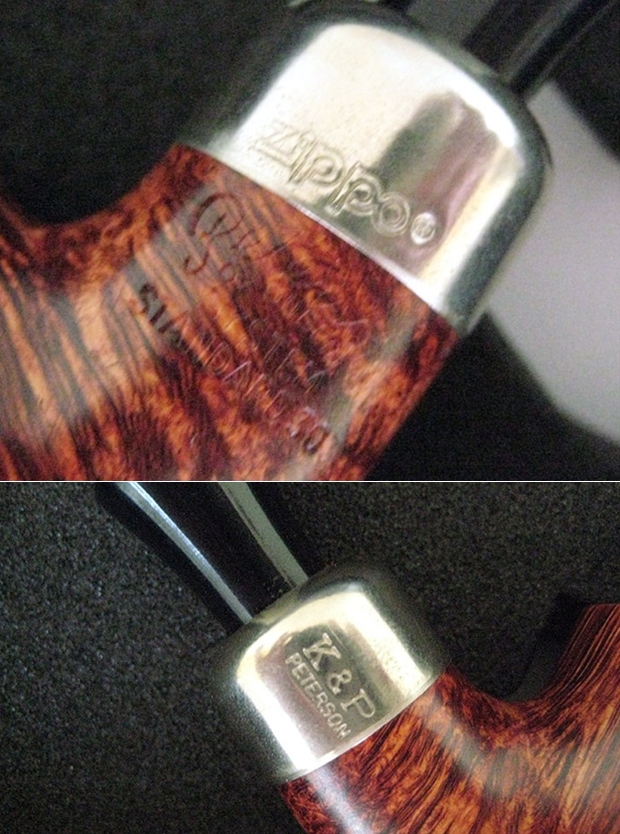
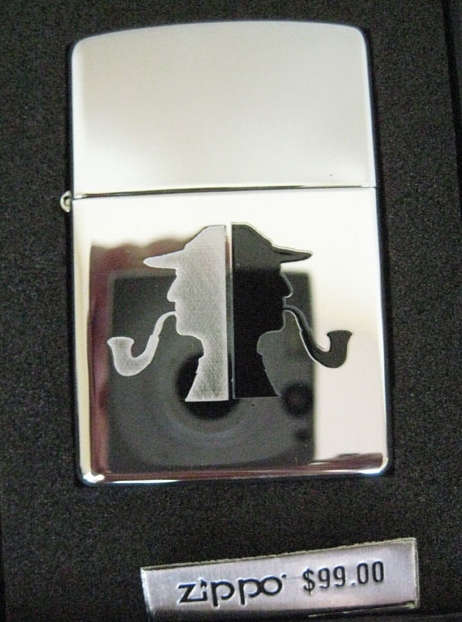
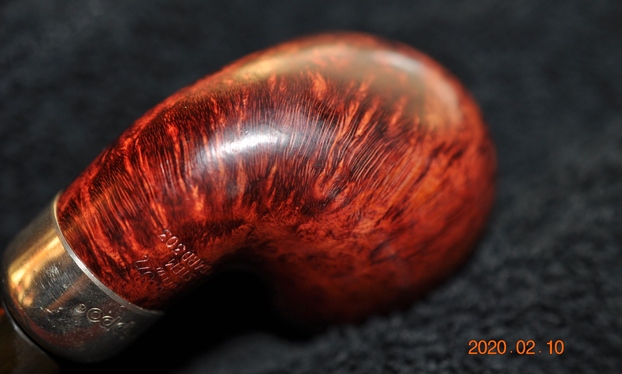
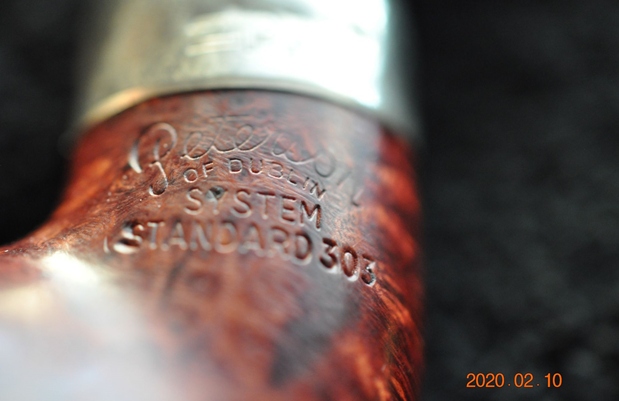
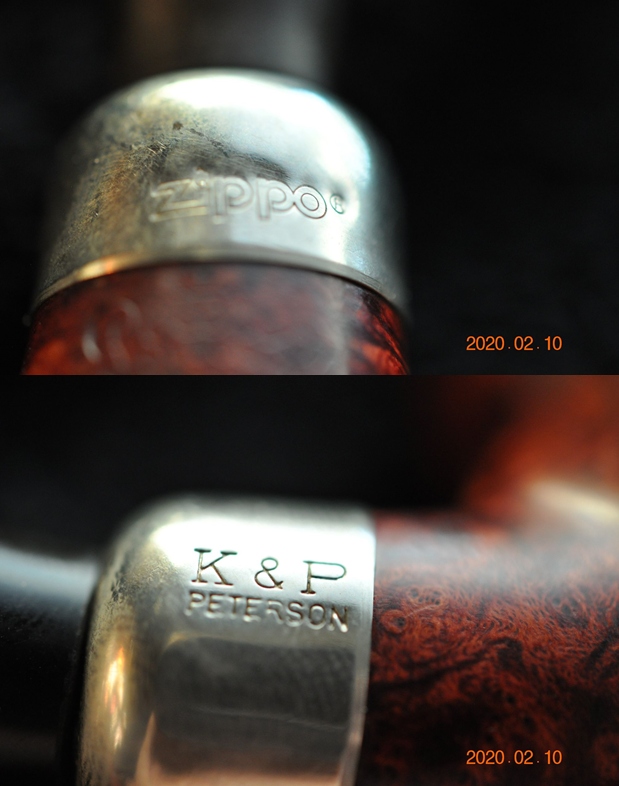
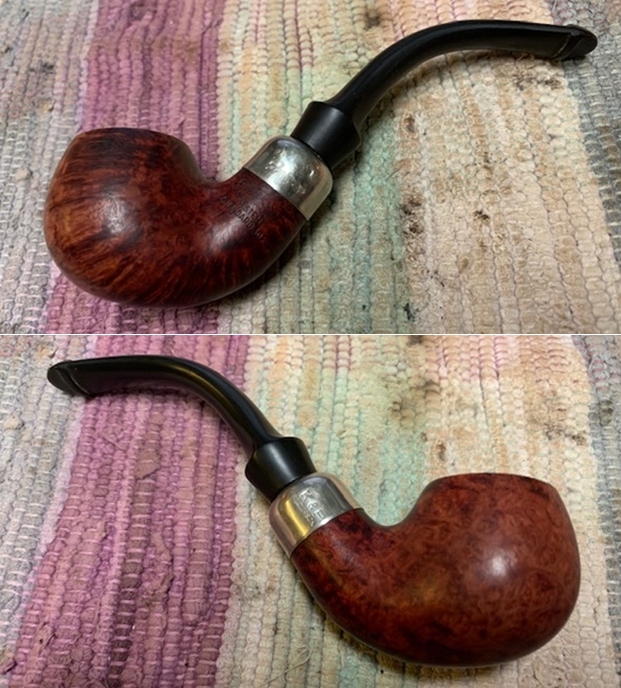
The next pipe on the work table came to us from an antique store on one of Jeff’s pipe hunts in Utah, USA. It is a smooth Peterson’s Apple shaped System pipe with a saddle vulcanite stem. The pipe is stamped on the left side of the shank and reads Peterson’s [over] of Dublin [over] System [over] Standard followed by the shape number 303. The nickel ferrule is stamped on the left side and reads ZIPPO and on the right side it reads K & P Peterson. That was interesting information so I did a bit of hunting on the web and found photos of a gift set that was issued by Peterson and Zippo together. I wrote them and asked about when it was first issued. In the mean time I also found a link on Pipesmagazine.com where the gift set was discussed and some photos shared of the original (https://pipesmagazine.com/forums/threads/peterson-zippo-combo.1499/). I have included the photos below as they provide a context for the pipe I am working on. I only wish I had the Zippo lighter that it came with originally! It appears from the photos that the set sold for at least $99.00US.

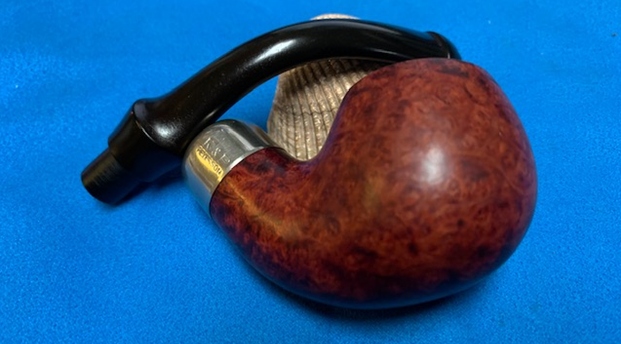
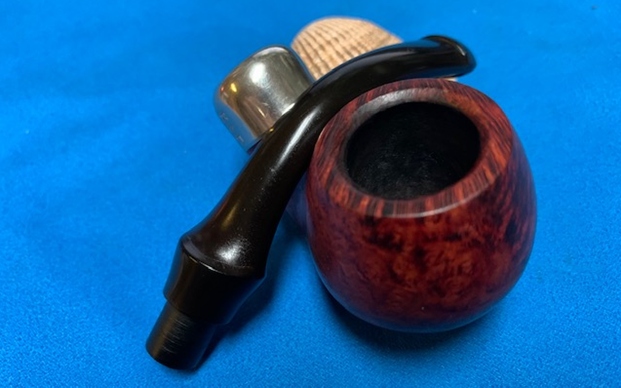
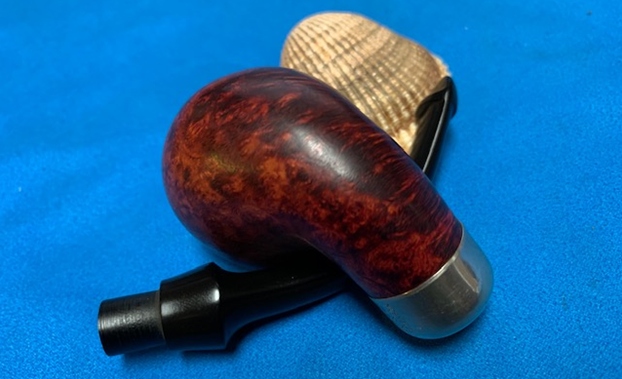
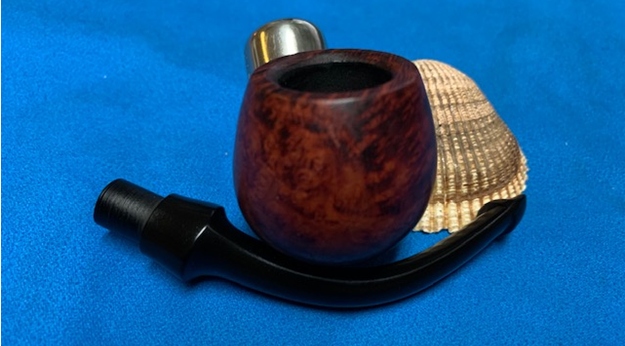
The pipe on the desk before me now was similar to the one in the above photos. It had different grain but the shape and stamping was identical. The finish had a lot of grime ground into it and it was very dirty. The bowl was moderately caked and there was a lava coat on the flat rim top and the beveled inner edge of the rim. The edges looked okay but we would know more after the cleanup.. The nickel ferrule was undamaged and did not have dents of nicks in the surface. It was oxidized a bit but would clean up very well. It is stamped K&P [over] Peterson on the right side of the ferrule and had the ZIPPO logo on the left side of the ferrule. The stem was oxidized, calcified and had tooth chatter and marks on the top and underside near the P-lip style button. It also had a unique style stem in terms of fitting to the ferrule. The pipe seems petite to me but I do not have another 303 to compare it to so it is only a feeling. The pipe showed promise but it was very dirty. Jeff took photos of the pipe before he started his cleanup work.   He took photos of the rim top and bowl to give a clear picture of the thickness of the cake and the condition of the rim top and edges. He also took photos of the top and underside of the stem to show the oxidation, calcification and chatter and tooth marks.    Jeff took a photo of the side and heel of the bowl to give a picture of what the briar around the pipe looked like.   He took photos of the stamping on the shank and the nickel ferrule. It reads as noted above and is clear and readable.   Jeff had cleaned up the pipe with his usual penchant for thoroughness. He reamed the pipe with a PipNet Pipe Reamer and cleaned up the remnants with a Savinelli Fitsall Pipe Knife.  He scrubbed the bowl with undiluted Murphy’s Oil Soap with a tooth brush. He rinsed it under running warm water to remove the soap and grime. He cleaned out the inside of the shank and the airway in the stem with alcohol, cotton swabs and pipe cleaners. He soaked the stem in Before & After Deoxidizer and rinsed it off with warm water. I took photos of the pipe once I received it. The rim top and inner edge of the rim looked very good with a bit of damage on the inner bevel of the rim surface. The stem surface looked very good with some tooth marks and chatter on both sides near the button. I took a photo of the stamping on the shank. It is clear and readable as noted above.    I removed the stem and took a photo of the pipe to give a sense of the whole. The stem is a fancy saddle version. The pipe was in such good condition that I started by rubbing it down with Before & After Restoration Balm. I worked it into the surface of the bowl sides and shank with my fingertips. The product works to clean, enliven and protect the briar. I let the balm sit for a little while and then buffed with a cotton cloth to raise the shine.     I set the bowl aside and turned to work on the stem. I sanded the tooth chatter and marks with 220 grit sandpaper to smooth them out and blend them into the surface. I started polishing the stem with 400 grit wet dry sandpaper.   I polished the vulcanite stem with micromesh sanding pads – 1500-12000 grit pads. I wiped it down with a damp cloth after each sanding pad. I used Before & After Pipe Polish – both Fine and Extra Fine to further polish the stem.    This Peterson’s of Dublin System Standard 303 Bent Apple originally made in partnership with Zippo with a vulcanite saddle stem is a great looking pipe now that it has been restored. The beautiful grain that shines through the polished finish is stunning. As the pipe is smoked the patina should develop and look even better. I put the stem back on the bowl and carefully buffed the pipe with Blue Diamond on the buffing wheel. I gave the bowl and the stem multiple coats of carnauba wax on the buffing wheel and followed that by buffing the entire pipe with a clean buffing pad. I hand buffed the pipe with a microfiber cloth to deepen the shine. The finished Peterson’s System Standard 303 fits nicely in the hand and feels great. Give the finished pipe a look in the photos below. The dimensions of the pipe are Length: 5 ½ inches, Height: 1 ½ inches, Outside diameter of the bowl: 1 ¼ inches, Chamber diameter: ¾ of an inch. The weight of the pipe is 47gr/1.66oz. If you are interested in adding this pipe to your collection send me a message or an email. Thanks for reading this blog and my reflections on the pipe while I worked on it. There are many more to come!

Starting Again from Golden, Colorado – A GBD Meerschaum Lined 9437 Blasted Pot


Blog by Dal Stanton

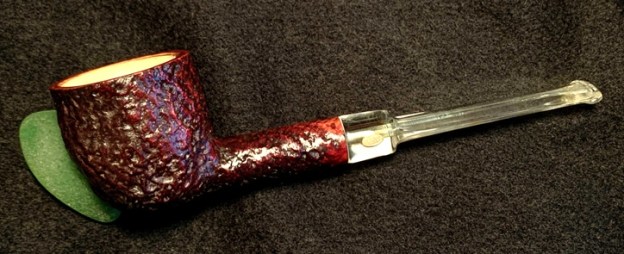
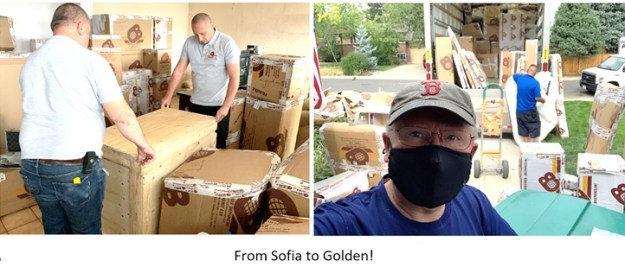
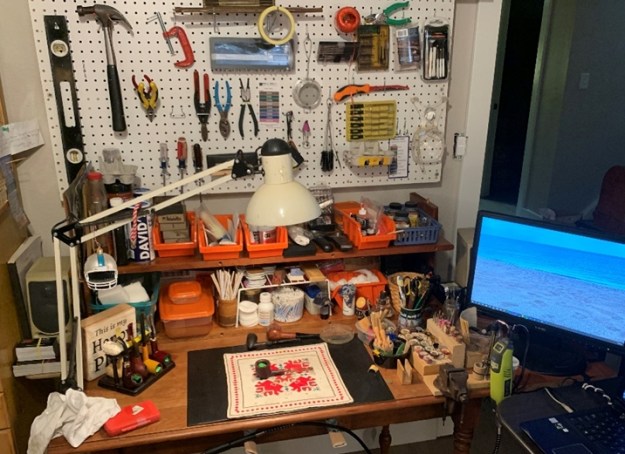
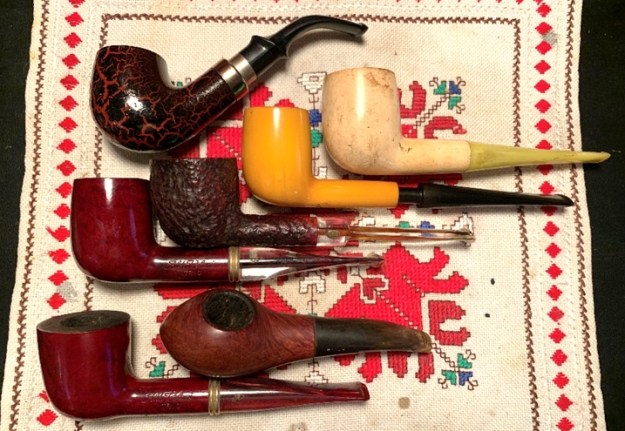
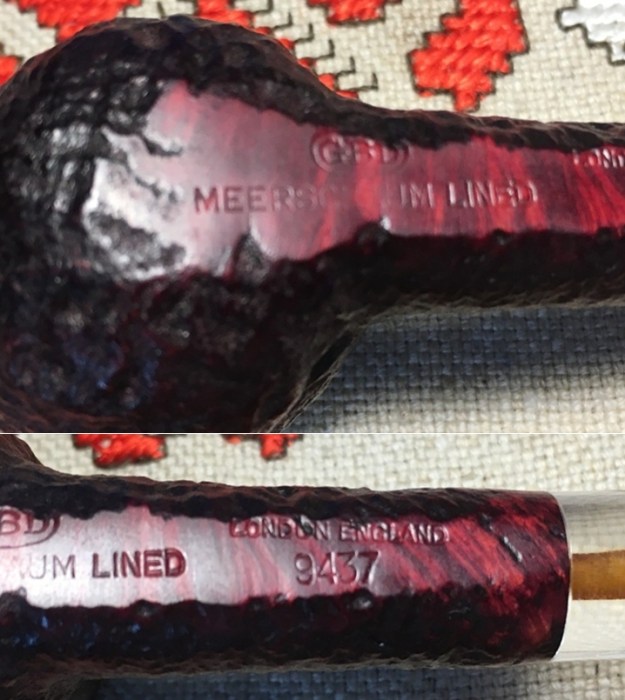
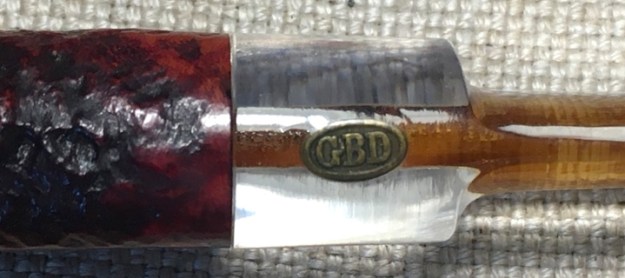
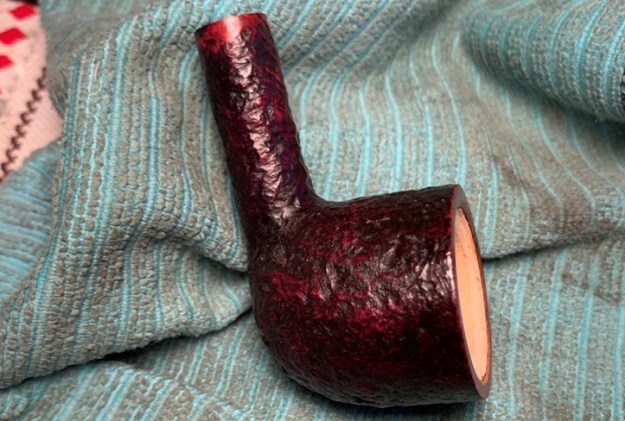
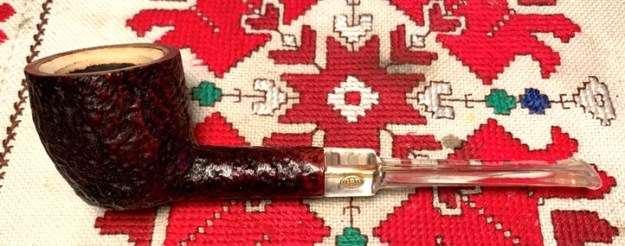
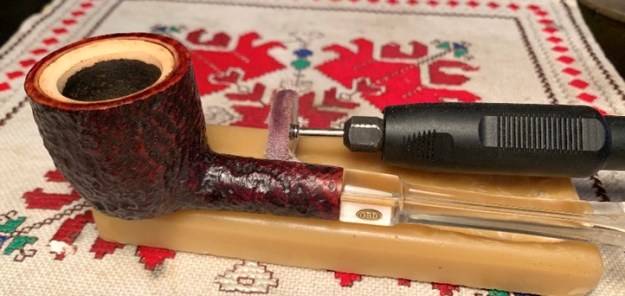
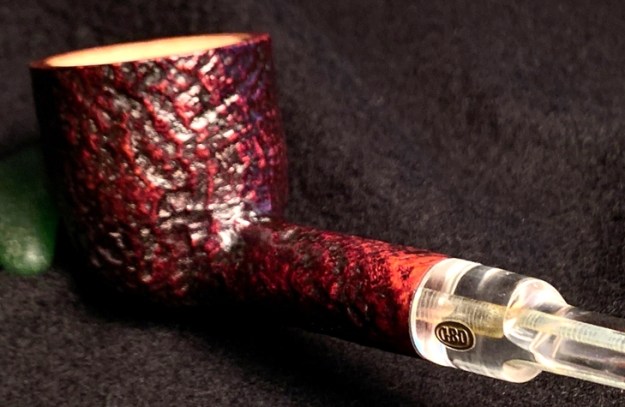
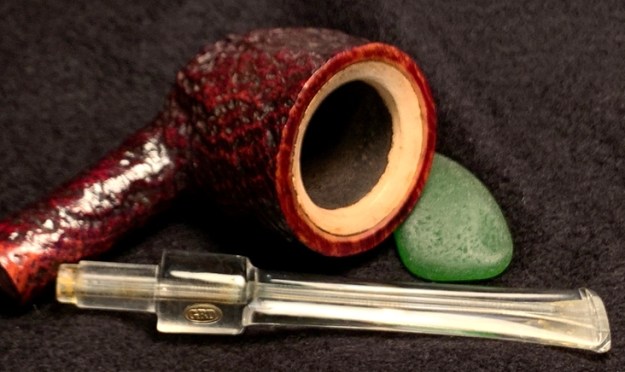
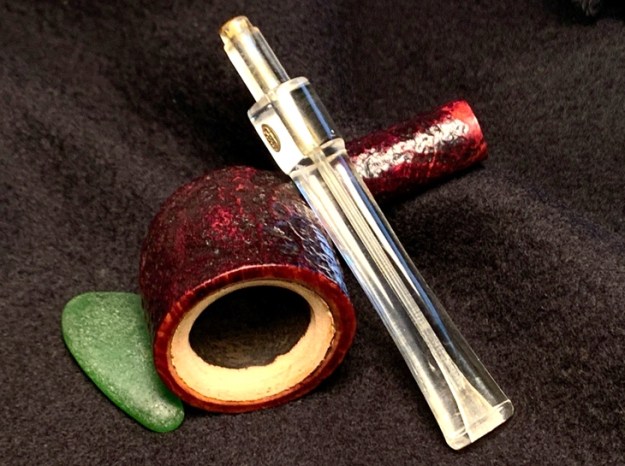
Leaving life in Sofia, Bulgaria, and setting up a new life in Golden, Colorado, has not been without its challenges.  After living in Europe for over a quarter of a century, adjusting to life in the US has been every bit as difficult as when my wife and I left for Ukraine many years ago with 5 children in tow.  All those children are now married and have added 6 grandchildren for us to dote on!  When I packed up The Pipe Steward worktable in May and shipped it along with all our earthly belongings to Colorado USA, in an ocean-going and railroading 40’ container, I would not have guessed it would be November before I restored my next pipe.  The container arrived the end of August and the unpacking and reestablishing of a new home-base began.  I am thankful to God that through all our travels – airplanes and airports, we have remained well during uncertain times with pandemic on everyone’s minds.  My first ‘for USA’ pipe purchase came from Steve’s rebornpipes worktable.  A beautiful Butz Choquin Maitre-Pipier Deluxe that Steve had restored caught my eye and from Vancouver and it was waiting in Golden when we arrived from Bulgaria to begin our 14-day quarantine in June.  I enjoyed good fellowship with this classy BC during those initial days in Golden – Thanks Steve! After our container arrived, it has taken some time to unpack and settle – we’re still unpacking and organizing!  It was also a bit of a challenge to set up the worktable area. In Sofia, in our compact 10th floor flat, everything was arranged so the work process flowed.  The challenge was to recapture the ‘magic’ of that workspace here in Golden.  Even though I could theoretically have expanded my workspace adding larger, more powerful tools, I’m used to the Dremel being my main tool for polishing and buffing because of the former smaller workspace in Sofia.  So, staying with the familiar compact space works for me!  I decided to take a picture of my Golden workspace and include my first project, the GBD Meer Lined, that is on the same Bulgarian design work cloth which will continue to provide the background for The Pipe Steward restorations 😊.When pipe men and women commission pipes from my online For “Pipe Dreamers” Only! collection, I ask them to be patient in waiting for their chosen pipes to work through the queue to reach the worktable.  Daniel has been more than patient!  He had commissioned 7 pipes (!) when we were still in Bulgaria and they reached the top of the queue when it was time for me to pack up in May.  Daniel shared with me that he’s from the Green Bay area of Wisconsin and follows rebornpipes.com and the Pipe Restorers Facebook group.  After finally getting setup in Golden and ready to pull the trigger, I emailed Daniel to make sure he was still a “go” with the pipes he had commissioned.  His response came quickly, and he was still good to go!  Here are his 7 – a nice selection of pipes all benefitting the work we continue to support in Bulgaria, the Daughters of Bulgaria – helping women and girls who have been trafficked and sexually exploited. Looking more closely at the GBD, I took more pictures of the first of Daniel’s commissions:  The nomenclature is stamped on the underside panel.  On the left side is the GBD incased in an oval [over] MEERSCHAUM LINED.  To the right of this is stamped, LONDON ENGLAND [over] 9437, the shape number which points to the designation of a Pot shape (Jerry Hanna’s GBD Shapes list on Pipedia).  The straight stamping of the COM, LONDON ENGLAND points to a pre-Cadogan era GBD which would be pipes made up to 1981.  This dating is also confirmed by the brass inlaid rondel which were discontinued after 1981 after the Comoy’s merger.  GBD’s history is involved and I enjoy a refresher with Jerry Hanna’s, “A Brief History of GBD” reprinted on Pipedia:

The company was founded in Paris France in the 19th century by Ganeval, Boundier and Donninger who were no longer associated with the company by the turn of the century. By the time they left the GBD name was well established and thus retained. In 1903 an additional factory was built in England and ran by Oppenheimer. The Paris factory moved to Saint-Claude in 1952. Since 1981 the majority of GBD pipes come from the English factory. At about that same time GBD merged with Comoys, since then all production for both GBD and Comoy comes from a single factory.  (I wasn’t kidding when I said it was brief! )

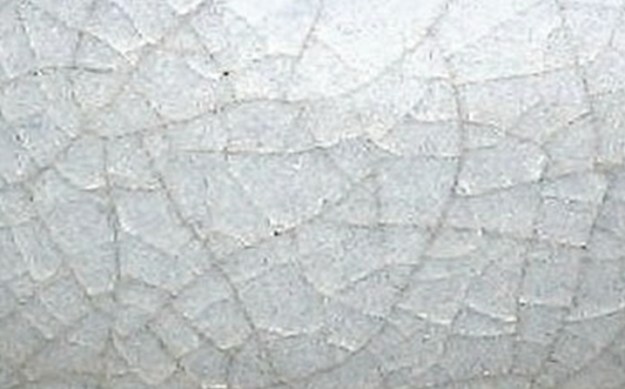
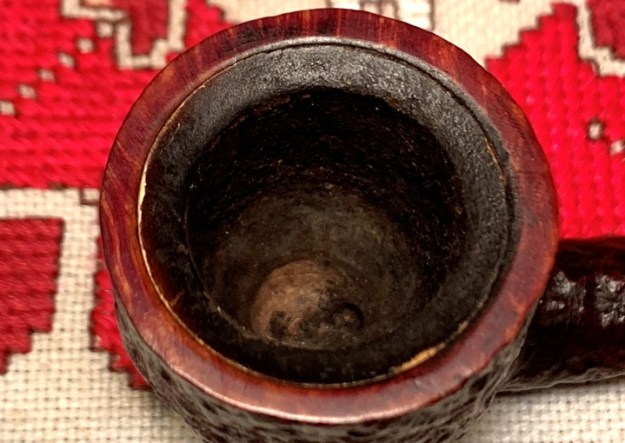
The GBD Meerschaum Lined Pot is an attractive pipe.  The only real issues that I see are addressed in cleaning at this point.  The blasted finish is in great shape and is set off very nicely with the Perspex – acrylic stem.  GBD used an early patented acrylic called Perspex before the merger in 1982 which is attractive except for the stained airway.  The sad reality of Perspex is that it is a bear and a half to clean the stain that builds up in the stem’s airway.  I learned from Steve’s tutelage some time ago that if one uses alcohol to clean this early GBD acrylic, it can result in small cracking or crazing.  I did a quick search on google to show an example of crazing.The alternative to cleaning Perspex and is a safer approach is to use lemon juice or a soft scrub product.  This will be the approach.  The other challenging part of this GBD restoration is to refresh the Meer lining which is totally covered with a thick cake which needs careful removal.

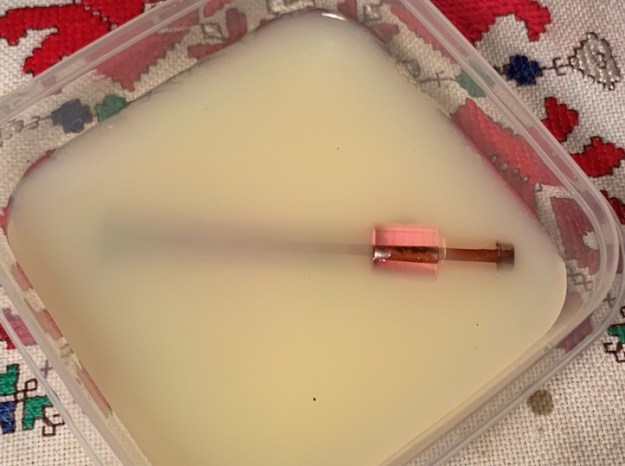
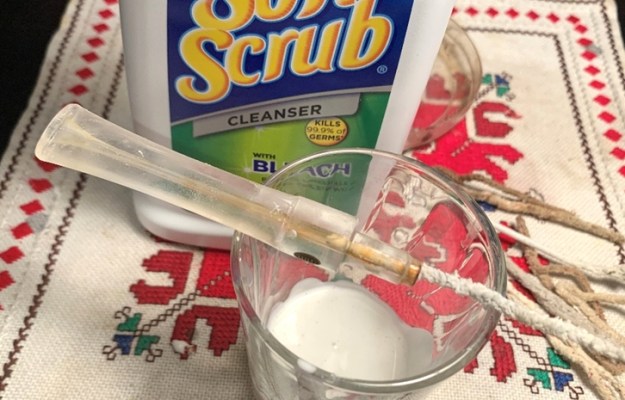
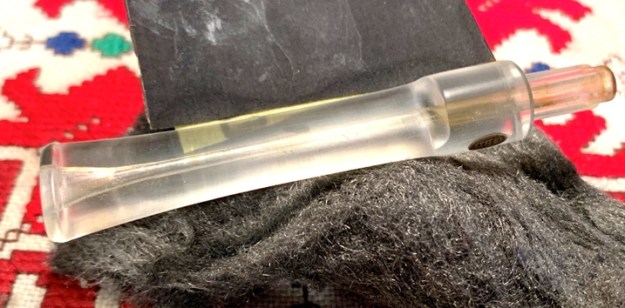
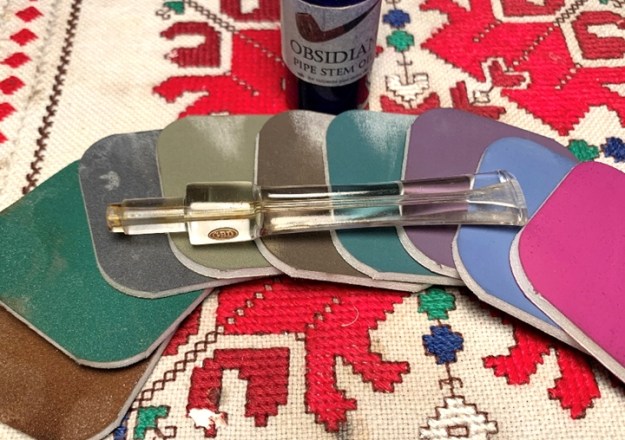
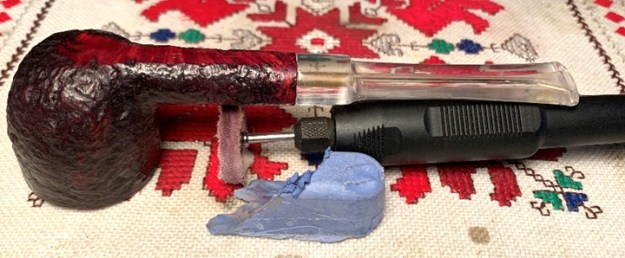
To begin this first restoration from my new worktable in Golden, Colorado, I focus on the Perspex stem which will take some patience to clean.  To take a conservative approach, I pour lemon juice into a plastic container and put the entire stem in for a long soak.  I’m hopeful that the natural acidic of lemon will begin the process of breaking down the staining in the airway without crazing.   With the stem soaking, I turn to cleaning the stummel.  I take a few pictures to show the Meer lined chamber. Using the Savinelli Fitsall Tool, I gently scrape the chamber removing the rough clusters of carbon buildup on the chamber surface.  I also – again, gently, scrape the canted Meer rim. Using 240 grade sanding paper, I sand the Meer rim further to clear the blackened carbon buildup.  Using a Sharpie Pen wrapped with 240 paper, the chamber is also lightly sanded to remove the carbon.  The aim of sanding the Meerschaum is not to remove the Meerschaum, but to cosmetically clean the surface. Next, using cotton buds and pipe cleaners dipped in isopropyl 99%, the internals of the stummel are cleaned.  A dental spoon is also used to scrape the mortise walls. Switching now to the externals, using Murphy’s Oil Soap at full strength with a cotton pad, cleans up the blasted surface.  After scrubbing well, the stummel is rinsed with tap water.  I’m careful to keep the water out of the chamber and the mortise, keeping the Meerschaum dry.To condition the stummel, I apply Mark Hoover’s, Before & After Restoration Balm, to the blasted surface.  I like this product which teases out the deeper tones of the briar.  After squeezing a bit on my fingers, I rub the Balm into the surface thoroughly.  It begins with a cream-like consistency then thickens into a waxy substance.  After applying the Balm over the stummel, I put the stummel aside for 15 or so minutes for the Balm to do its thing. Then, using a microfiber cloth, the excess Balm is removed, and the surface is buffed up with the cloth.Turning again to the GBD clear Perspex stem, the process of cleaning the airway took a lot of effort.  I began the process by soaking the stem in 100% lemon juice.  To use alcohol on Perspex can result in crazing – fine spider web-like cracking running the length of the stem.  Using lemon juice employs natural acids which helps in the cleaning.  After soaking overnight, bristled pipe cleaners were employed.  I wasn’t satisfied with the results.  Next, I drop the stem in a soak of vinegar – another natural acidic which is not pictured.  Again, overnight in the vinegar bath.The vinegar soak made some headway, but real progress waited for the next step.  Using Soft Scrub with some bleach additive did the trick, but not without much scrubbing with bristled and smooth pipe cleaners.  I believe the lemon and vinegar soaks helped breakdown the residue.  The Soft Scrub finished the work.I’m pleased with the results of a giant labor-intensive cleaning process!  Before and after pictures show the transformation. There is still some residual staining in the tenon’s airway, but overall, I’m pleased.  The bit has no tooth chatter that I can see.  I forego sanding with 240 sanding paper and jump to wet sanding the stem with 600 grade paper to smooth the acrylic and bring it back to a pristine state.  Following the 600 grade sanding paper, 0000 grade steel wool continues the cleaning and smoothing.  This also shines the brass rondel nicely.Next, the full regimen of 9 micromesh pads are used: starting with wet sanding with pads 1500 to 2400 followed by dry sanding with pads 3200 to 4000 and 6000 to 12000. Between each set of three pads, Obsidian was applied to the Perspex to condition it.  After reuniting the GBD stem and stummel, I take a picture to see the progress.  My oh my!  I’m liking what I see, and I think Daniel will as well.  Now on the home stretch, a cotton cloth buffing wheel is mounted on the Dremel and Blue Diamond compound is applied to stem and stummel at about 40% power.  After applying the Blue Diamond compound using a felt cloth, I buff the pipe to remove the compound dust before the application of the wax.After mounting another cotton cloth buffing wheel and increasing the Dremel speed to about 60% power, a light application of carnauba wax is applied to stem and stummel.  I increase the speed on the Dremel to aid the carnauba wax to heat and to be absorbed into the blasted briar surface.  Wax can collect on the rough blasted surface if this is not done.After application of the wax, a microfiber cloth is used to give the pipe a rigorous hand buffing to remove excess wax and to raise the shine.

I’m pleased to inaugurate my first restoration in Golden, Colorado, benefiting the Daughters of Bulgaria – women and girls who have been trafficked and sexually exploited.  The GBD blasted stummel is a rich burgundy and the clear, glass-like Perspex stem is a classy touch to this Meerschaum lined Pot.  As the commissioner of the GBD Meerschaum Lined, Daniel has the first opportunity to claim the pipe from The Pipe Steward Store.  Thanks for joining me!

Cleaning up a Peterson’s Made Republic Era Irish Second Rhodesian


Blog by Steve Laug

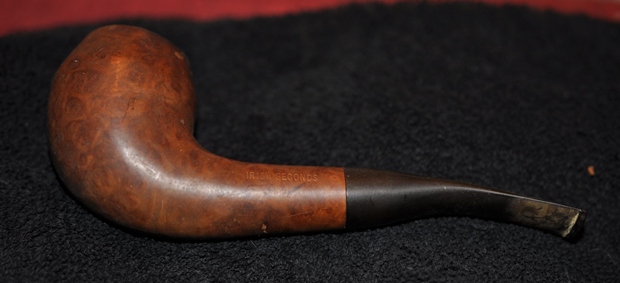
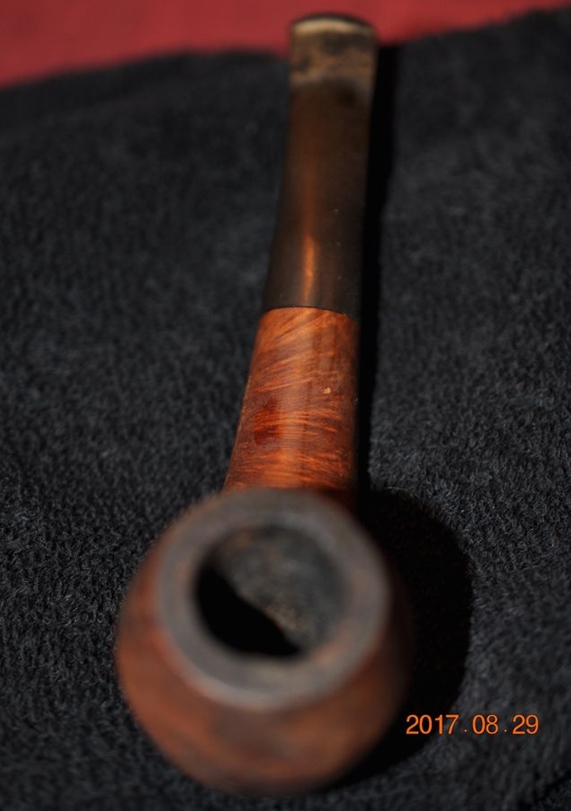
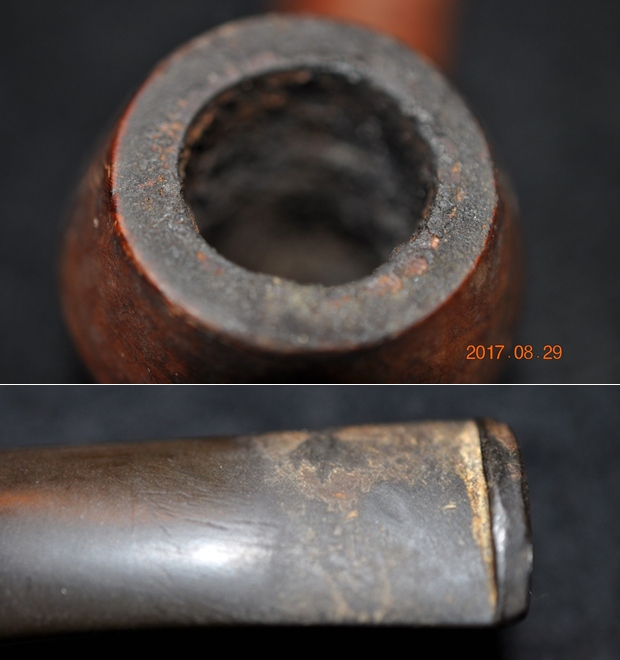
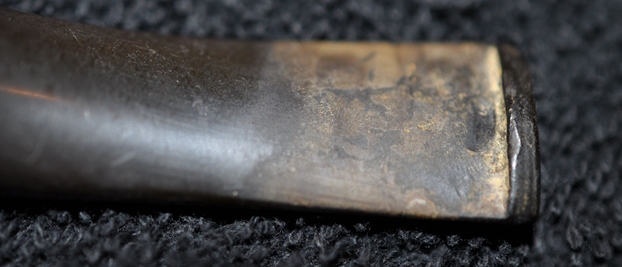
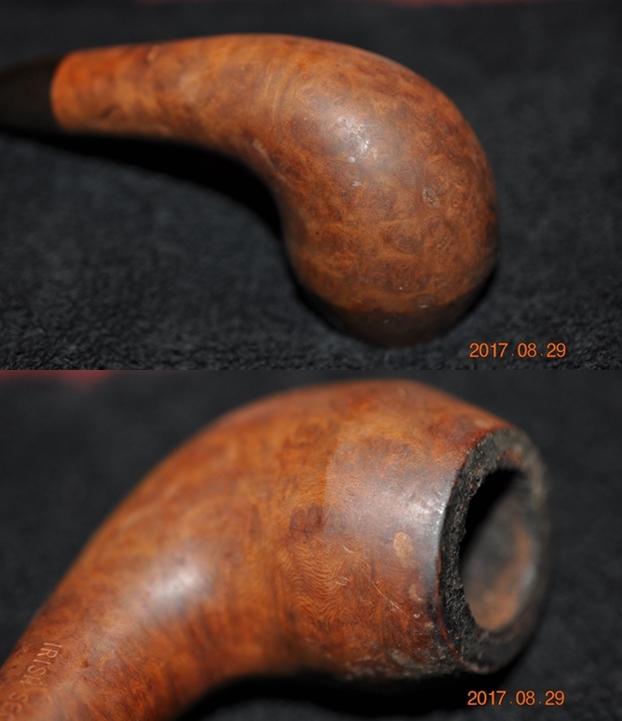
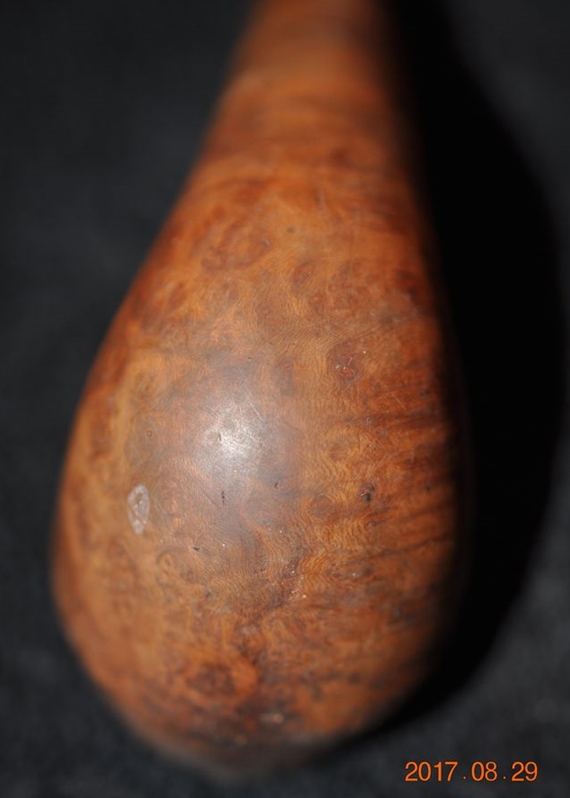
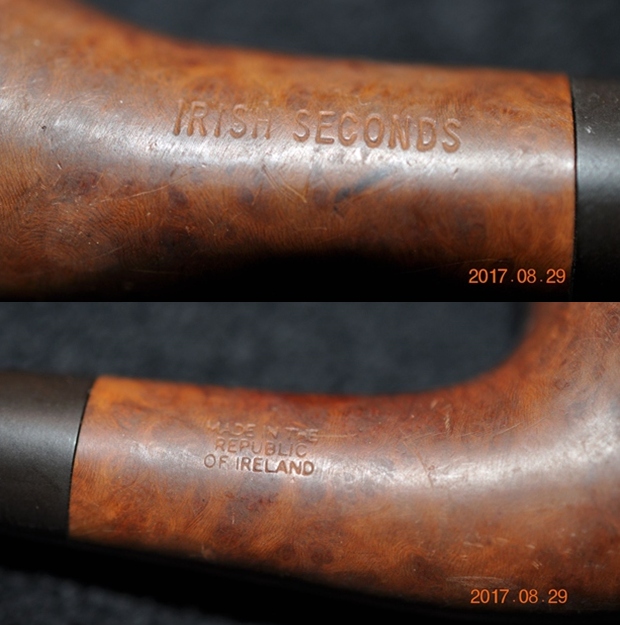
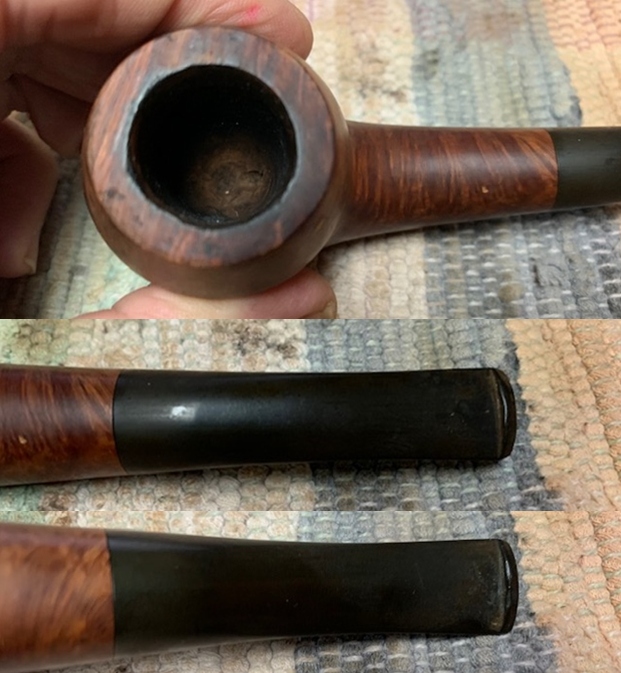
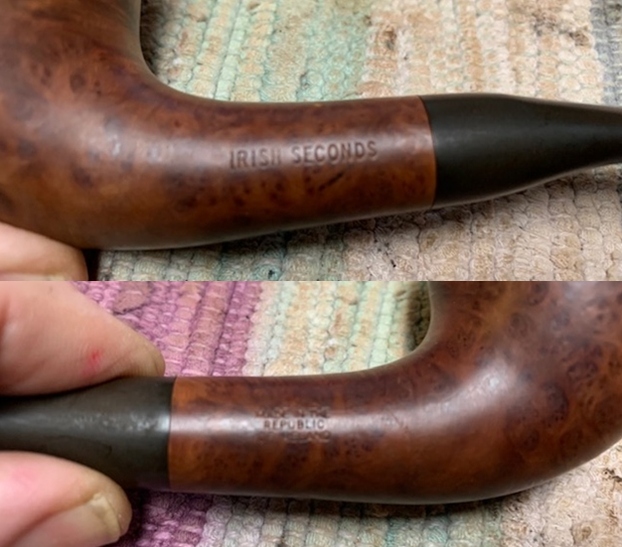
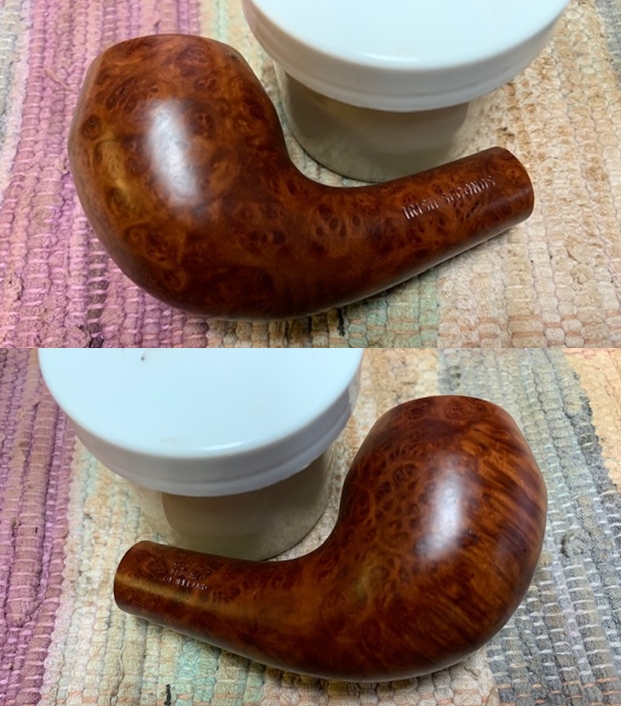
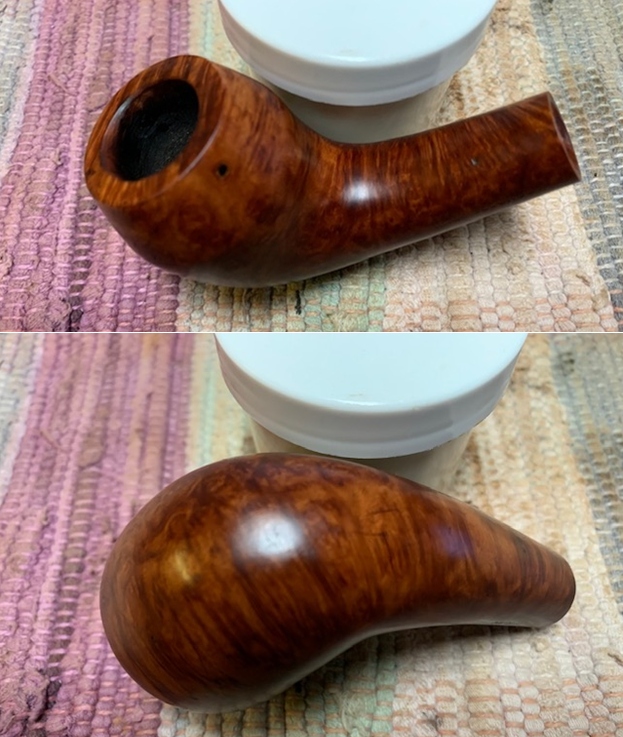
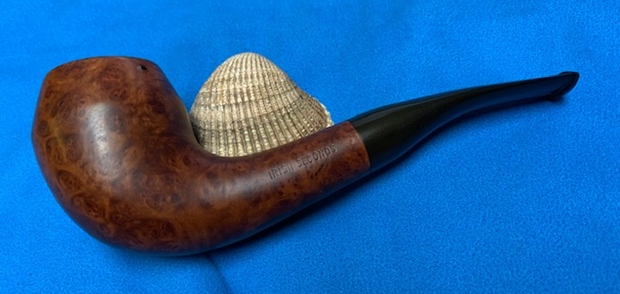
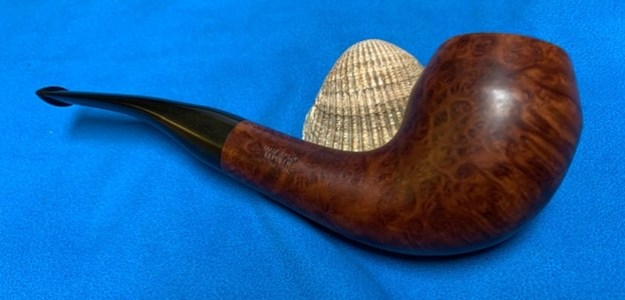
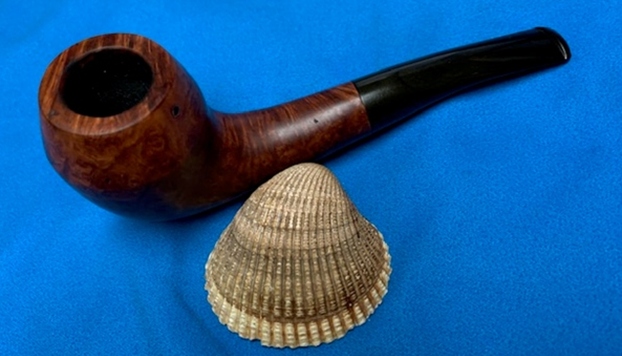
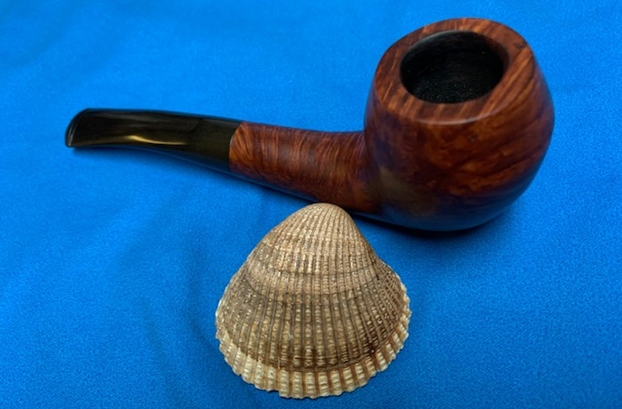
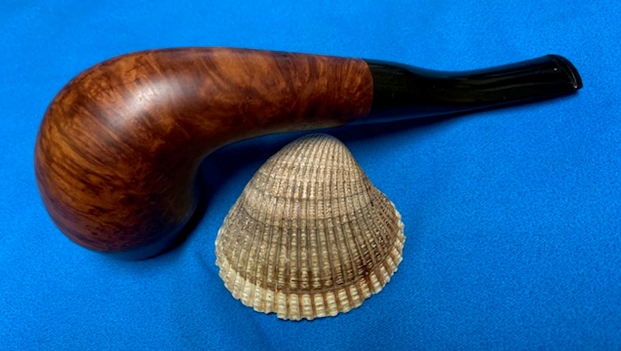
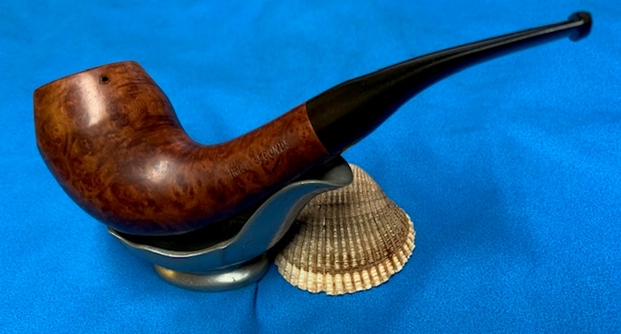
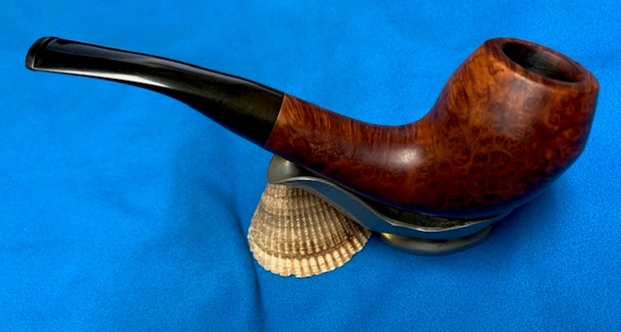
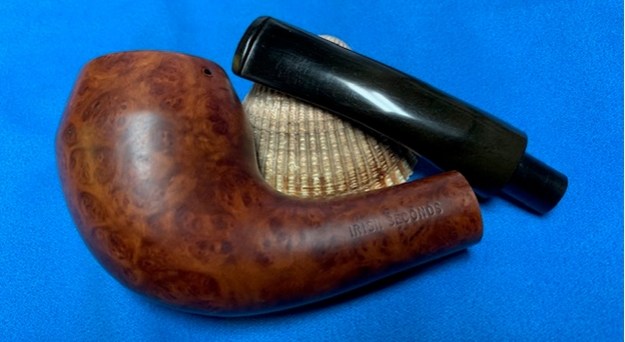
The next pipe on the work table came to us from Ebay 2017 and it has been sitting here for a long time. It is a nicely grained Irish Second Rhodesian with a tapered vulcanite stem. The pipe is stamped on the left side of the shank and reads IRISH SECONDS. On the right side it is stamped Made in the Republic of Ireland. Irish Seconds were a Peterson’s second line that usually did not make the grade because of flaws in the briar or sandpits. This is another nicer piece of briar than I have seen on some of the firsts I have worked on. The finish had a lot of grime ground into the smooth finish on the bowl and some darkening around the sides of the bowl. The bowl was heavily caked in the lower half of the bowl and thinner toward the top. There was a light lava coat and darkening on the inner edge of the rim. The edges looked okay but we would know more after the cleanup. There were a few sandpits and nicks around the sides of the bowl. The stem was oxidized, calcified and had tooth chatter and marks on the top and underside near the button. There were not markings or a logo on the taper stem. The pipe showed promise but it was very dirty. Jeff took photos of the pipe before he started his cleanup work. He took photos of the rim top and bowl to give a clear picture of the thickness of the cake and the condition of the rim top and edges. He also took photos of the top and underside of the stem to show the oxidation, calcification and chatter and tooth marks. Jeff took photos of the sides and heel of the bowl to give a picture of what the briar around the pipe looked like. There is some great grain under the grime. He took photos of the stamping on the shank. It reads as noted above and is clear and readable. I am including the information from Pipedia’s article on Peterson pipes. It is a great read in terms of the history of the brand (https://pipedia.org/wiki/Peterson). I have included a bit of the pertinent history here.

1950 – 1989 The Republic Era – From 1950 to the present time, the stamp for this era is “Made in the Republic of Ireland” in a block format generally in three lines but two lines have been used with or without Republic being abbreviated.

I knew that I was dealing with a Republic Era pipe made between 1950-1989. It was a smooth bent Rhodesian with nice grain. The finish was stained with a combination of brown stains. Now it was time to work on the pipe.

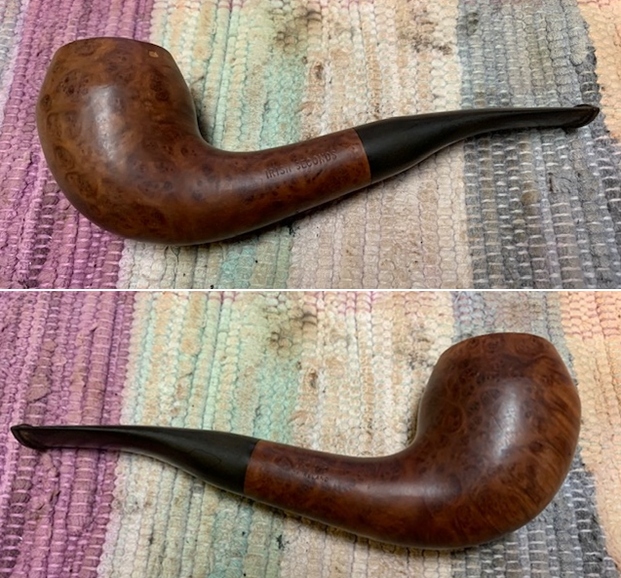
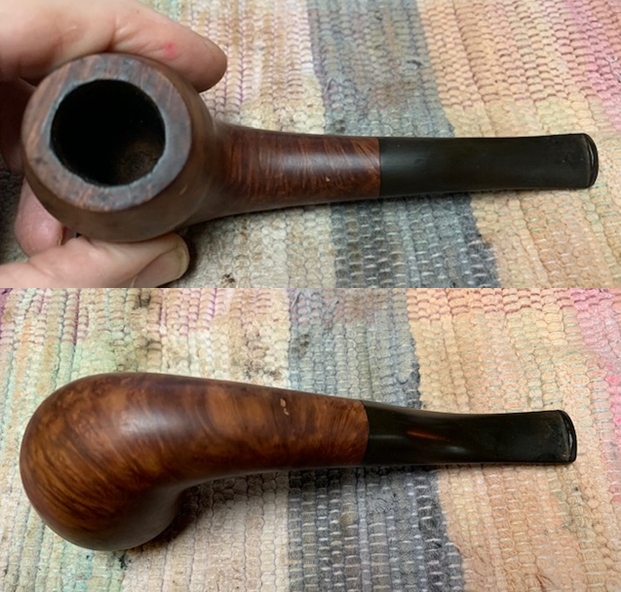
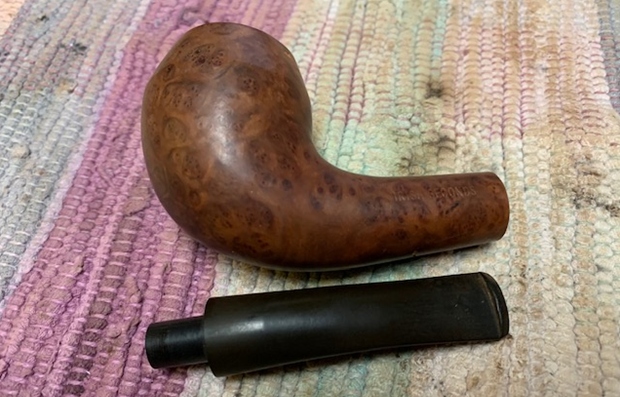
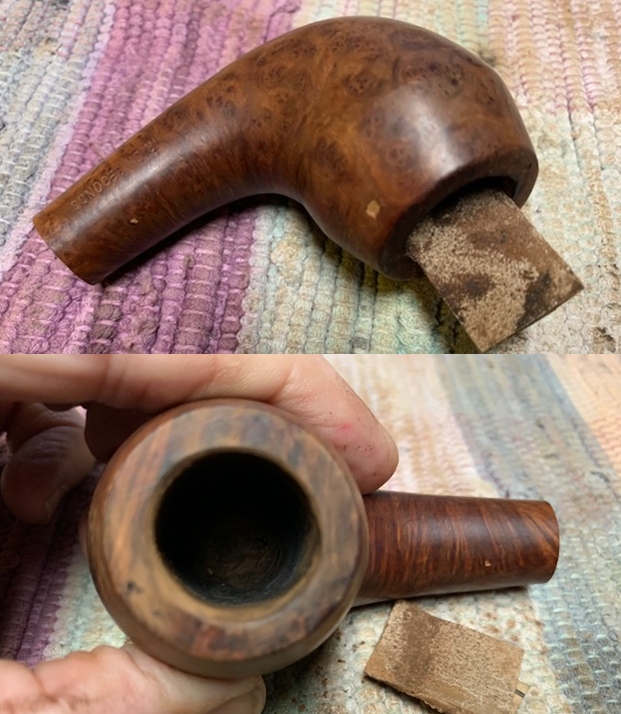
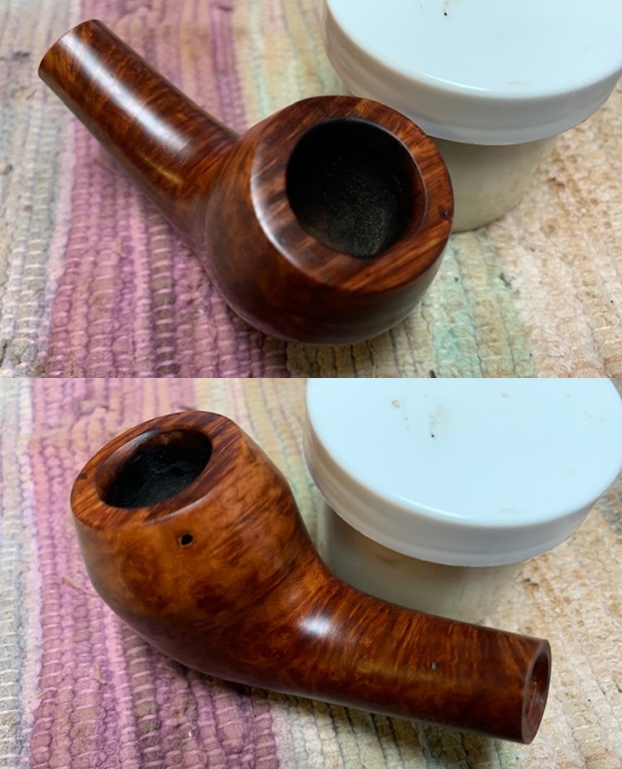
Jeff had cleaned up the pipe with his usual penchant for thoroughness. He reamed the pipe with a PipNet Pipe Reamer and cleaned up the remnants with a Savinelli Fitsall Pipe Knife.  He scrubbed the bowl with undiluted Murphy’s Oil Soap with a tooth brush. He rinsed it under running warm water to remove the soap and grime. He cleaned out the inside of the shank and the airway in the stem with alcohol, cotton swabs and pipe cleaners. He soaked the stem in Before & After Deoxidizer and rinsed it off with warm water. I took photos of the pipe once I received it. The rim top and inner edge of the rim showed some damage. The inner edge of the bowl was roughened and showed some darkening. The rim top also showed some damage. The stem surface looked good with some remaining oxidation and tooth marks and chatter on both sides near the button.     I took a photo of the stamping on the shank. It is clear and readable as noted above.    I removed the stem and took a photo of the pipe to give a sense of the whole. The stem is short and tapered. I decided to start my work on the pipe by cleaning up the damaged rim top and inner edge. I reworked the edge and top with a folded piece of 220 grit sand paper. Once I finished the rim and edges looked much better.I moved next to repairing the damaged fills on the underside of the shank and the back side of the rim cap. I filled them in with clear super glue and briar dust. Once it cured I sanded them smooth and blended them into the surrounding briar.    I polished the bowl and the rim top, sides and shank with micromesh sanding pads – wet sanding with 1500-12000 grit pads and wiping it down after each pad with a damp cloth.  I rubbed the bowl and shank down with Before & After Restoration Balm. I worked it into the surface of the bowl sides and shank with my fingertips to clean, enliven and protect the briar. I let the balm sit for a little while and then buffed with a cotton cloth to raise the shine.    I set the bowl aside and turned to work on the stem. I filled in tooth marks in the stem surface with clear super glue. Once the repairs cured I used a rasp and a file to recut the button edge and flatten out the repairs. I sanded out the file marks and smoothed out the rest of the repair with 220 grit sandpaper and started polishing the stem with 400 grit wet dry sandpaper.     I polished the vulcanite stem with micromesh sanding pads – 1500-12000 grit pads. I wiped it down with a damp cloth after each sanding pad. I used Before & After Pipe Polish – both Fine and Extra Fine to further polish the stem.  This Peterson’s made Irish Second Rhodesian with a vulcanite taper stem is a great looking pipe now that it has been restored. There is some great grain around the bowl and shank. I put the stem back on the bowl and carefully buffed the pipe with Blue Diamond on the buffing wheel using a light touch on the briar. I gave the bowl and the stem multiple coats of carnauba wax on the buffing wheel and followed that by buffing the entire pipe with a clean buffing pad. I hand buffed the pipe with a microfiber cloth to deepen the shine. The finished Irish Second Rhodesian fits nicely in the hand and feels great. Give the finished pipe a look in the photos below. The dimensions of the pipe are Length: 5 ¾ inches, Height: 2 inches, Outside diameter of the bowl: 1 ¾ inches, Chamber diameter: ¾ of an inch. The weight of the pipe is 56gr/1.94oz. If you are interested in adding this pipe to your collection send me a message or an email. Thanks for reading this blog and my reflections on the pipe while I worked on it. There are many more to come!

Breathing Life into a Carlo Scotti Castello Sea Rock Briar SC16 Billiard


Blog by Steve Laug

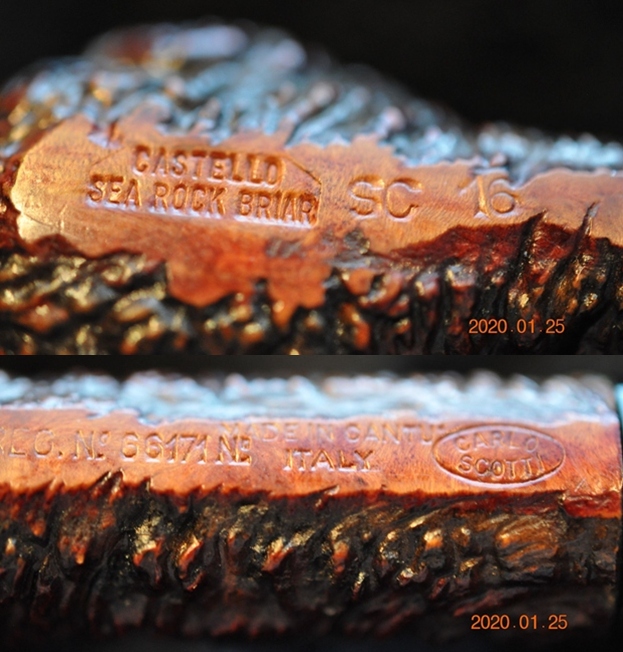
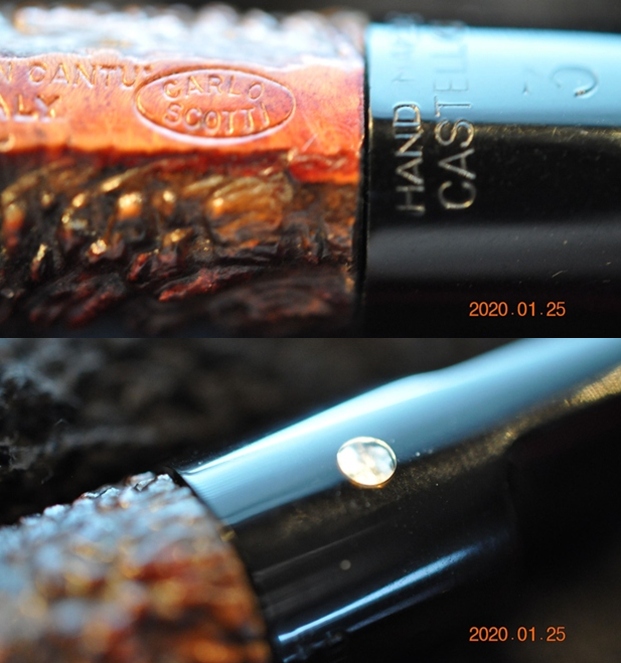
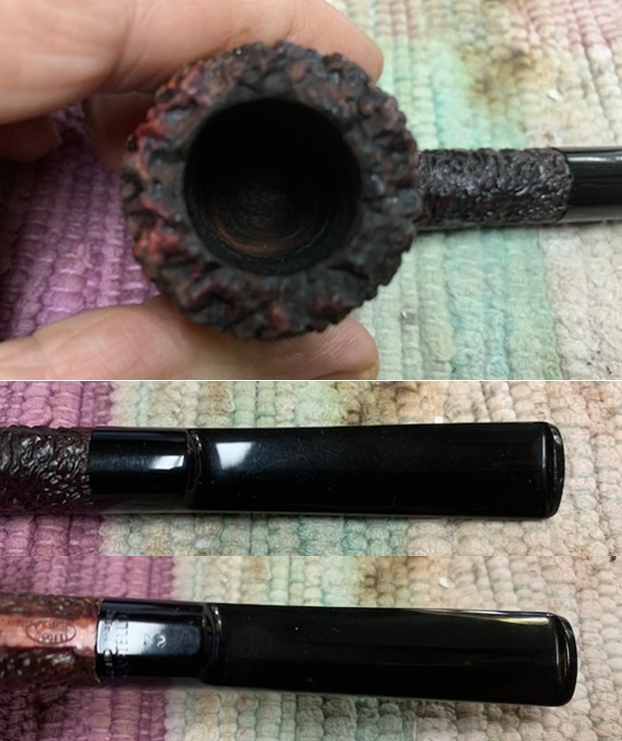
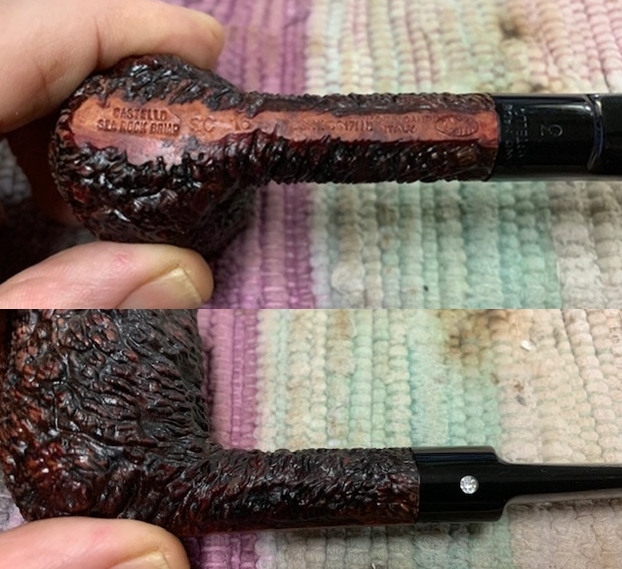
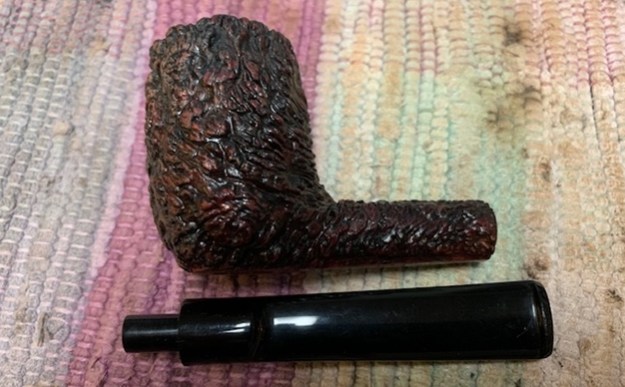
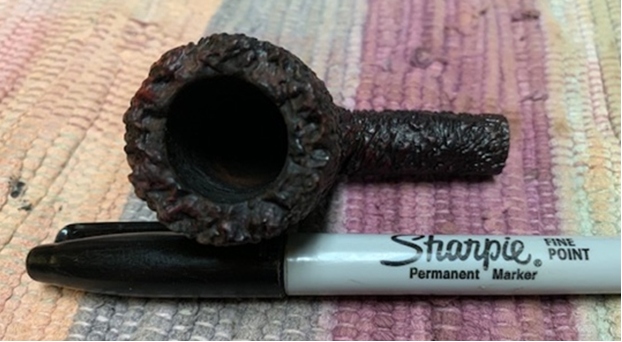
It is a rainy fall day in Vancouver and one that just invites me to stay home and cozy. It is a great day to work on pipes. This next pipe on the table came to us in a group of pipes that we purchased at the end of 2019 from a fellow in Los Angeles, California, USA.  It is a Castello Sea Rock Briar and it is a Billiard shape to – both pluses in my book. It is stamped on the smooth heel of the bowl and the shank bottom and reads Castello [over] Sea Rock Briar followed by SC 16. That is followed by Reg. No. 66171 No. Next to that is stamped Made in Cantu [over] Italy followed by an oval containing the name Carlo Scotti next to the stem shank union. The Castello “diamond” inset is on the left side of the tapered stem letting me know this was a pipe made for US import. On the underside of the stem it is stamped Hand Made [over] Castello [over] 3. It was pretty dirty with dust and grime when we got it but still showed promise. He took the following photos of the pipe before he worked his magic on them. The pipe must have been a terrific smoker because the bowl was heavily caked with lava flowing over the rim top. In its condition it was going to take some work to clean out that bowl and be able to see what the rim looked like underneath the layer of lava. The acrylic/Lucite stem was in good condition. It was dirty and had light tooth chatter and marks in the top and underside of the stem just ahead of the button. The rest of the bowl looked dirty but the photos give an idea of what Jeff saw before his cleanup revealed the condition of the pipe. The next photos try to capture the stamping on the flat panel on the underside of the shank. It read as I have noted above. The stem also bears a Hand Made Castello 3 stamp on the underside.    Jeff cleaned the pipe with his usual penchant for thoroughness – reaming the bowl with a PipNet pipe reamer and cleaning up the remnants with a Savinelli Fitsall Pipe Knife. He scrubbed the internals of the bowl, shank and stem with alcohol, cotton swabs and pipe cleaners. He scrubbed the exterior with Murphy’s Oil Soap to clean off the dust and grime on the rusticated Sea Rock finish. The rusticated rim top looked very good under the thick lava coat. The inside of the bowl itself looked great. The stem was in great shape other than the tooth marks on both sides. I took photos of the pipe when it arrived here.   I took some close up photos of the rim top, bowl and stem to show what they looked like after Jeff’s cleanup. It is a startling difference. The rim top looks very good. The stem also looks very good.     I took a photo of the stamping on the underside of the shank and the stem. It is clear and readable as noted above. I also have included a photo of the “diamond” inset on the left side of the saddle stem.  I removed the stem from the shank and took a photo of the pipe to show the proportions of the bowl/shank and the stem length.I cannot seem to retain the details on Castello pipes in my head for long for some reason. The stamping on them – Castello and the Reg. No. and the Carlo Scotti stamp left me with some questions that I need to answer before I began to work on the pipe. I turned first to the Pipephil site (http://www.pipephil.eu/logos/en/logo-castello.html) because of the general quick summary of information I get there. I quote:

Castello PIPA CASTELLO di Carlo Scotti & C. was founded in 1947 by Carlo Scotti († 1988). Franco Coppo (AKA “Kino”) who married Carlo Scotti’s daughter Savina, manages (2012) the corporate since 1985.

The site also gave a good summary of the grading and sizes of the pipes. I quote that in full.

Sizes (ascending):

1K to 4K, G (Giant) and GG (Extra large)

Rusticated grading: SEA ROCK, OLD SEA ROCK, NATURAL VIRGIN,

Sandblasted grading: ANTIQUARI, OLD ANTIQUARI

Smooth grading (ascending): TRADEMARK, CASTELLO, COLLECTION

Other stampings: Great Line (Non-standard or freestyle) Fiammata (Straight grain)

Production (2012): ~4000 pipes / year

I also found a note on the page that the Rhinestone logo was originally on pipes for the US market. It is occasionally used now.

I turned then to Pipedia for more information on the brand (https://pipedia.org/wiki/Castello). The majority of the information was what was already quoted above in abbreviated form. However there was a link to an article by Bob Hamlin that gave some interesting bits of information that I found helpful (http://www.pipes.org/BURST/FORMATTED/196.016.html). I quote in part from that article.

SEA ROCK [Carved Black or dark brown]:  This is the lowest grade of the Castello line and is the most common in the USA.  Sea Rocks are produced by taking a smooth bowl that has not been “final finished” and surface carving the finish with tools. This “carved” finish is then evened out using a steel wire brush, stained and then waxed. The Natural Vergin carved finish is left unstained and unwaxed as a rule, although we have seen waxed and partially waxed “Vergins”.

All carved Castello pipes are graded by the number of K’s that are stamped on each piece and are K-graded by SIZE.  1K is the smallest and fairly rare, 2K is small to medium, with 3K or 4K being the most common and ranges from medium to medium large. Large pieces are stamped “G” for giant and extra large pieces are stamped “GG” for double giant.  In addition to the number of K’s on a carved Sea Rock piece the shape number is almost always added.  As a rule a Sea Rock Castello is stained Black, although recently there have been quite a few coming in stained deep brown and still stamped “Sea Rock”.  American Logo’d Sea Rocks are all priced the same to the consumer, although most are 2 or 3 K’ed models.  G/GG models are charged at a higher price on American pieces and are basically the same as their European counterparts.

The Castello Sea Rock briar I was working on did not have the K stamping. It definitely was made for the American Market with the Rhinestone in the stem. It had the dark brown finish. The shape number still needed to be determined.

Pipedia also gave a link to Mike’s Briar Blues site for help in dating and determining shapes (http://www.briarblues.com/castello.htm). I quote a piece on the Reg. No. that I found helpful.

1947 – Carlo Scotti begins the company.  In the beginning (1947 – 1949, maybe 1950) the pipes were stamped Mi Reserva (my reserve ).  Later the Reg No was added.  This Reg No has nothing to do with shape numbers, but is merely the Castello company trademark

Shape numbers. Shape numbers are all 2 digits. A 2 in front indicates a “fancy” interpretation, a 3 in front means that the carving is somehow unique. I don’t know when the change was made, but currently, a π symbol is used instead of the 3xx. I’ve only seen this on Sea Rocks, but that doesn’t mean anything…

Pre K grading.  Late 1950’s to mid-1960’s the pipe carried stamps which indicated sizes. These were as follows; SA, SB, SC, and SS.  SA being the smallest and SS the largest.

Now I had more information to work with. The Castello Sea Rock in my hands was pre K graded. That told me that it came out in the late 1950s to mid-1960s. The SC stamp makes it a mid-sized pipe from that time period. The number 16 makes it a straight shank billiard.

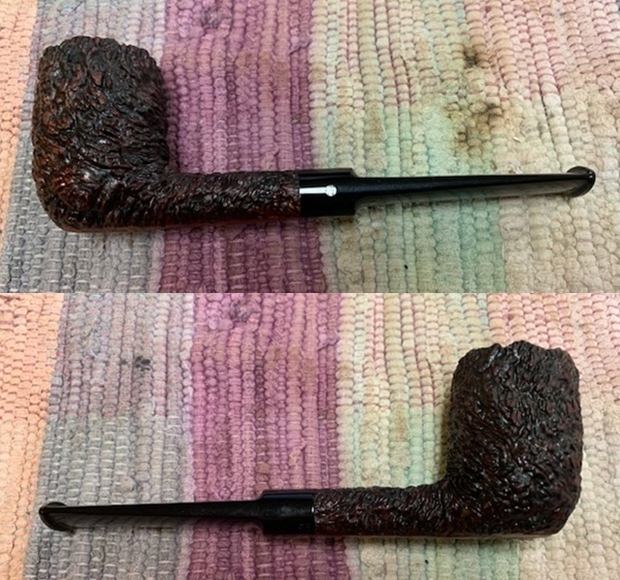
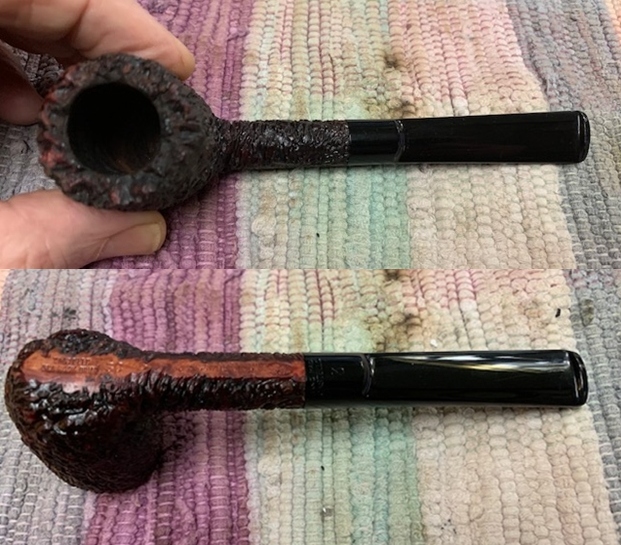
I started the minimal work I had on the bowl by using a black Sharpie Pen to darken the light spots on the rim top. My purpose was to blend the rim top into the rest of the stain on the bowl and shank. It worked very well.I worked some Before & After Restoration Balm into the rusticated Sea Rock finish on the bowl and the rim top. I worked it into the surface of the briar with my fingertips and a horsehair shoe brush to clean, enliven and protect the wood. Once the bowl was covered with the balm I let it sit for about 20 minutes and buffed it off with a soft cotton cloth and the shoe brush. I polished it with a microfiber cloth. I took photos of the pipe at this point in the process to show what the bowl looked like at this point. I set the bowl aside and worked on the stem. It was in great shape so I polished the stem with 1500-12000 grit pads. I dry sanded it with the pads and wiped it down with a damp cloth after each sanding pad. I finished polishing the stem with Before & After Pipe Polish – both Fine and Extra Fine polishes. I wiped the stem down with a damp cotton pad afterwards and buffed it with a soft microfiber cloth.   I put the bowl and stem back together on this beautiful Castello Sea Rock Briar 16SC Billiard. I polished the stem with Blue Diamond to polish out the scratches in the Lucite. I gave the bowl multiple coats of Conservator’s Wax and the stem multiple coats of carnauba wax. I buffed the pipe with a clean buffing pad to raise the shine. I hand buffed it with a microfiber cloth to deepen the shine. The pipe polished up pretty nicely. The contrast of the blacks and dark browns of the briar with the polished black acrylic/Lucite is quite stunning. The dark and coral like rustication around the bowl and shank is quite remarkable and gives the pipe an incredible tactile presence that only improve as it heated from a smoke. The finished pipe is shown in the photos below. The dimensions of the pipe are Length: 5 ½ inches, Height: 2 inches, Outside diameter of the bowl: 1 ¼ inches, Chamber diameter: ¾ of an inch. The pipe weighs 39grams/1.38oz.Thanks for walking through the restoration with me. I always enjoy working on Castello pipes. Cheers. 

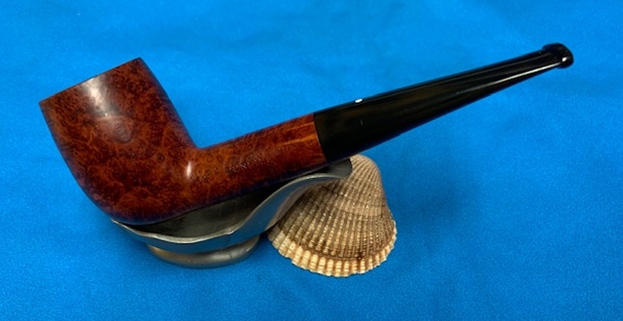
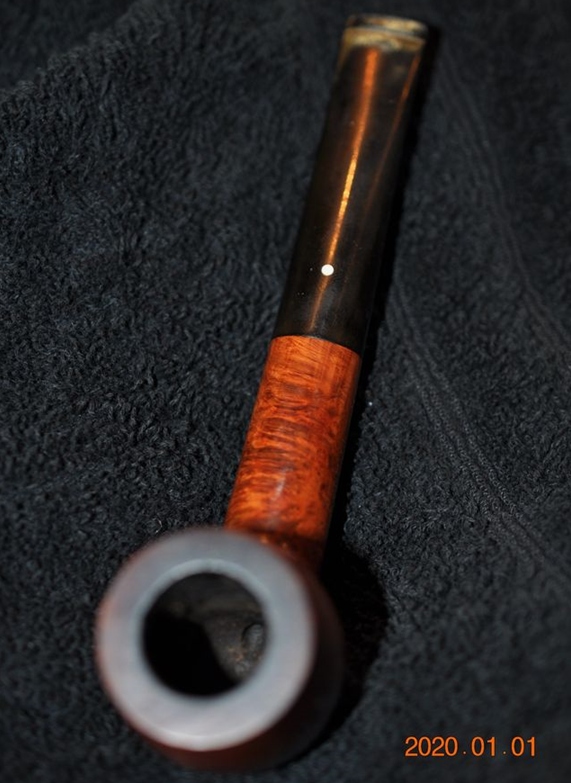
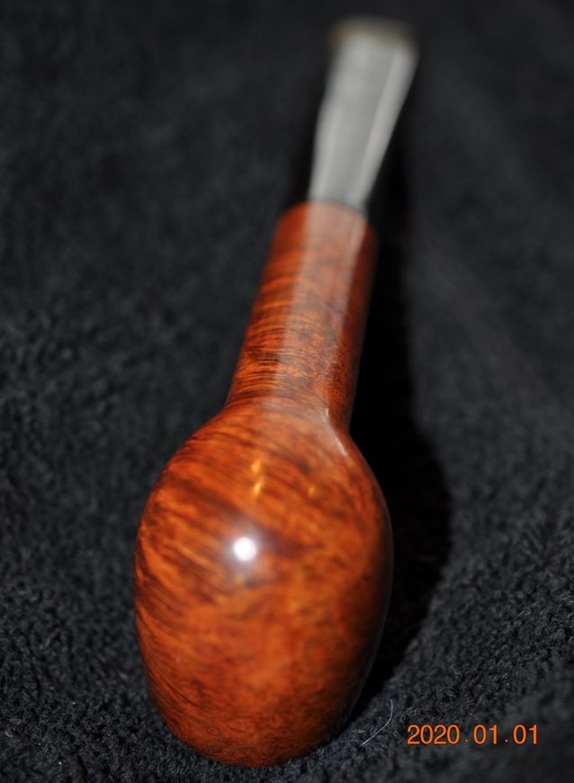
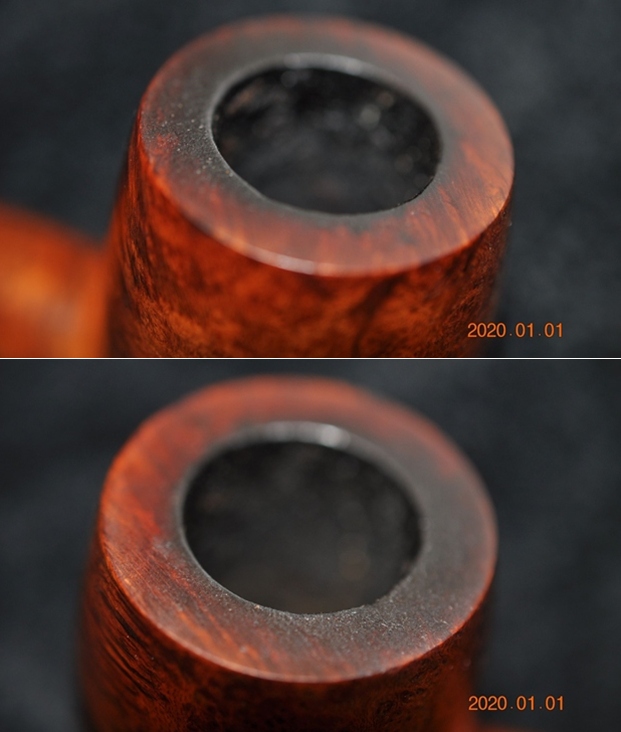
New Life for a 1999 Dunhill Chestnut 5134 Group 5 Brandy


Blog by Steve Laug

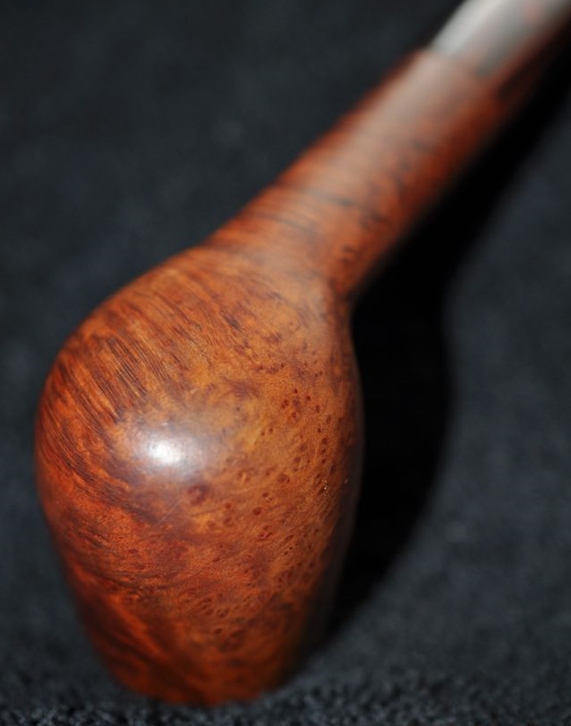
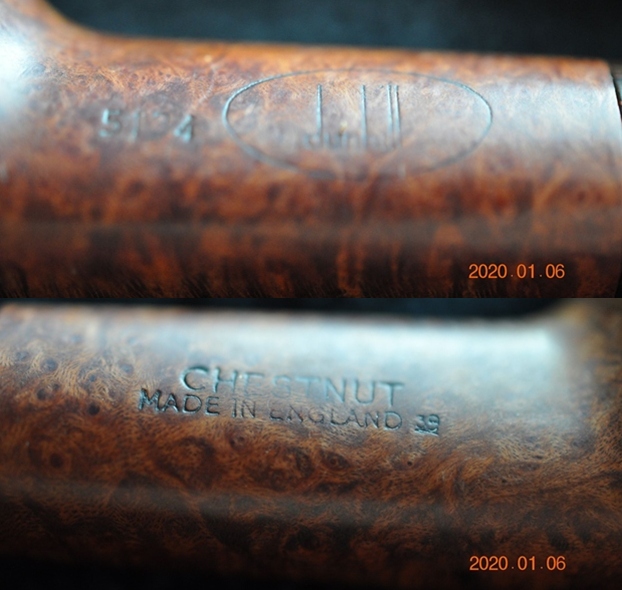
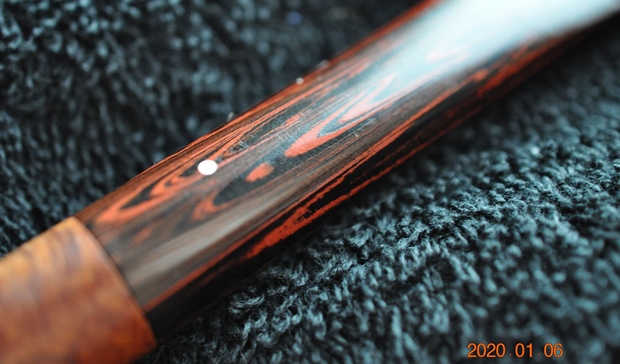
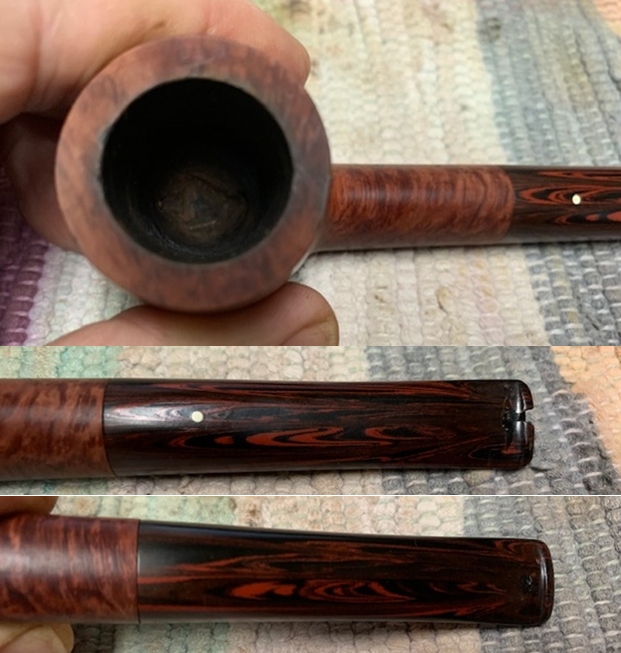
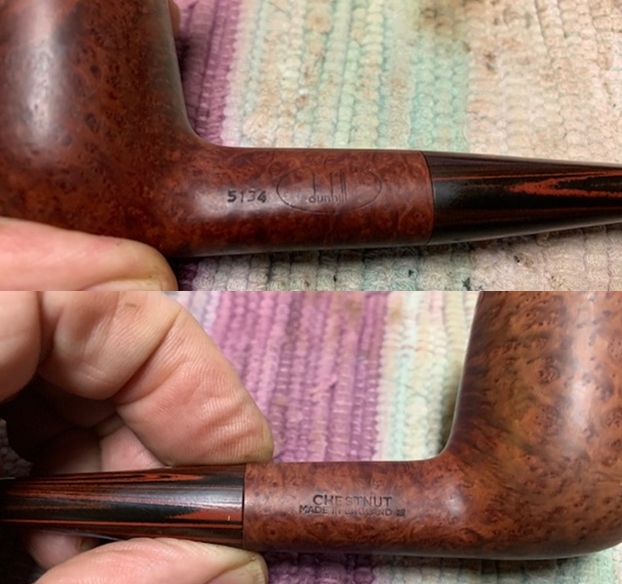
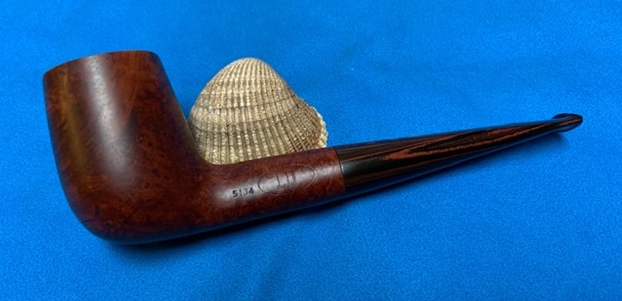
The next pipe on the table came to us in a group of pipes that we purchased from a fellow in Los Angeles, California, USA. It is a Dunhill Chestnut Straight Brandy that was very dirty. It is stamped both sides of the shank. On the left side it is stamped with the shape number 5134 followed by Dunhill in an oval. On the right side it is stamped Chestnut [over] Made in England followed by the number 39. Interpreting that stamp it is as follows: The 5134 is the shape for a straight Brandy with a triangular shaped shank. The Dunhill Chestnut is the finish noted on the shank. The 39 following the D of England gives the date the pipe was made and identifies it as 1999. The stamping is clear and readable. The age of the pipe and the oils in the finish has given the pipe a rich reddish brown finish. There is also some amazing grain that the shape follows well. The finish was dirty with dust ground into the surface of the bowl and shank. There also appeared to a repair on top outer edge at the back of the bowl. There was a thick cake in the bowl and tobacco debris stuck to the walls of the bowl. The rim top showed darkening and some lava in on the surface and inner edge of the bowl. The Cumberland taper stem was oxidized and calcified. It had damage to the button surface on the top side where it was missing a chunk. There were also some repair marks ahead of the button on both sides where the repair person had used black CA to patch the tooth marks.  Jeff took photos of the pipe to show what it looked like before he started working on it.He took photos of the bowl and rim top to show the thickness of the cake and the darkening and lava overflow on the rim top. The photos of the stem show the oxidation, calcification and the repairs to both sides of the stem. You can also see the large chunk missing from the topside of the button edge. The stem had been previously repaired rather poorly using large rough black super glue patches.  The photos of the sides and heel of the bowl show the great grain on the pipe. It is a beauty under the grime and dust.   The stamping on the sides of the shank is shown in the photos below. It looks very good and readable. It reads as noted and explained above. The third photo shows the white spot on the stem.     I turned to Pipedia’s section on Dunhill Root Briar Pipes to get a bit of background on the Dunhill finishes (https://pipedia.org/wiki/Dunhill#Root_Briar). I quote:

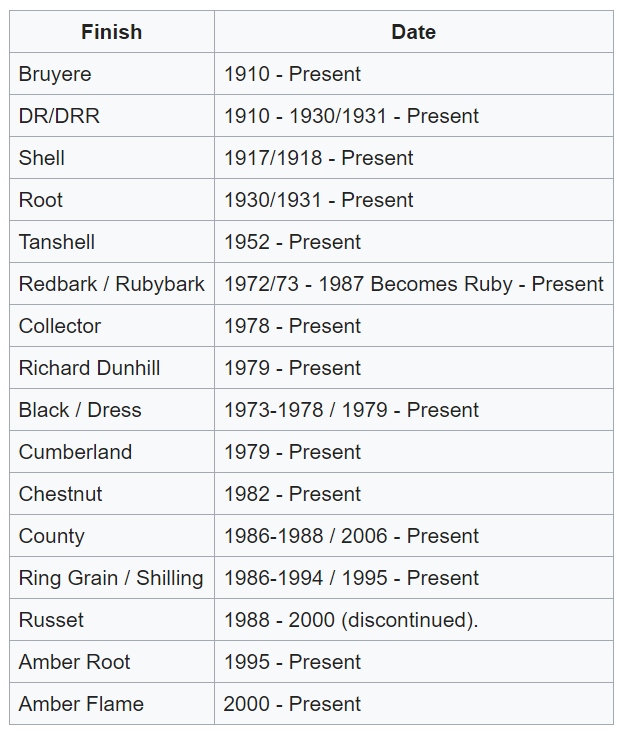
Chestnut – A rich, deep walnut colour complemented by the Cumberland mouthpiece – it was introduced in 1983 to commemorate the closing of the Cumberland Road warehouse. The same stain and stem material as used on the Cumberland, but on a smooth bowl. Like the Bruyere, the finish is smooth to the feel and will lighten in time to show off the grain, which is usually cross-grain top and bottom with birds-eye on the sides of the bowl. Irrespective of shape, size or finish, all Dunhill pipes are of one quality only – the finest.

Note: Always had the Cumberland mouthpieces fitted. Sometimes, a black mouthpiece it is possible, however, that this was a special request or that it was a replacement mouthpiece…

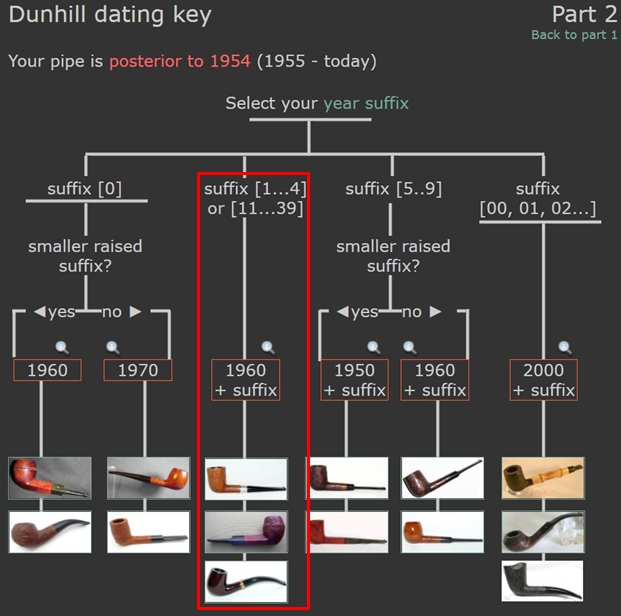
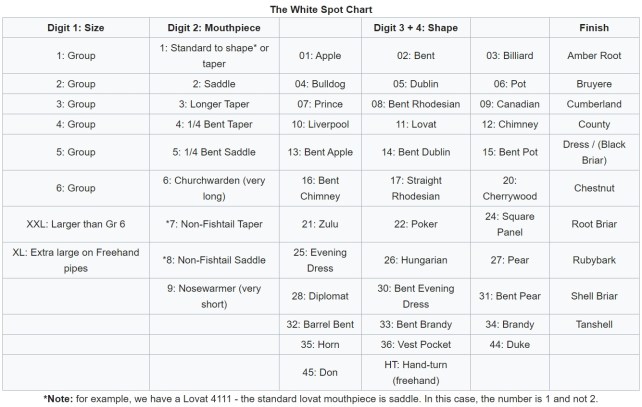
The shape chart below delineates the finish and the date that it was introduced on the market and how long it was made. The Chestnut came out in 1982 and continues to be made until the present.I turned to Pipephil’s dating guide to show how I arrived at the date of manufacture for this pipe (http://www.pipephil.eu/logos/en/dunhill/cledat-en1a.html). I am including the chart that is provided there for the dating a pipe. I have drawn a red box around the section. Since the pipe I am working on has a 2 it points to the 1960+ suffix line on the chart below.I turned to Pipedia where there was a shape chart that could be used to interpret the 4 digit shape numbers like the one on this particular pipe. https://pipedia.org/wiki/Dunhill_Shape_Chart#:~:text=The%20White%20Spot%20Chart%20%20%20Digit%201%3A,%2012%3A%20Chimney%20%208%20more%20rows%20). I have included the chart below.I now knew that I was working on a Chestnut that came out in 1999. The shape number is 5134. The first number (5) was the size of the pipe which in this case is a Group 5. The second digit (1) is the mouthpiece shape which in this case was a Standard or taper shaped stem. The third (3) and fourth (4) number identify the shape of the pipe. This is 34 which is the number for a Brandy shaped pipe.

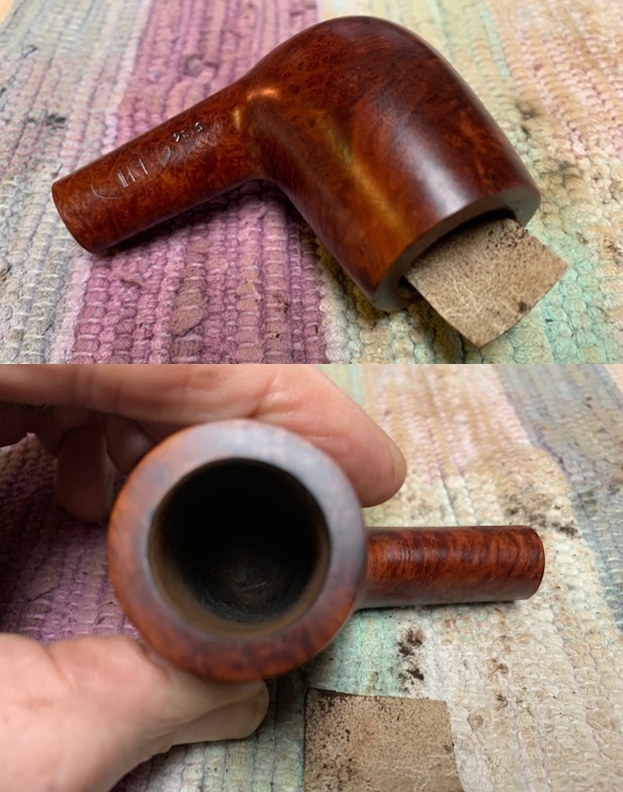
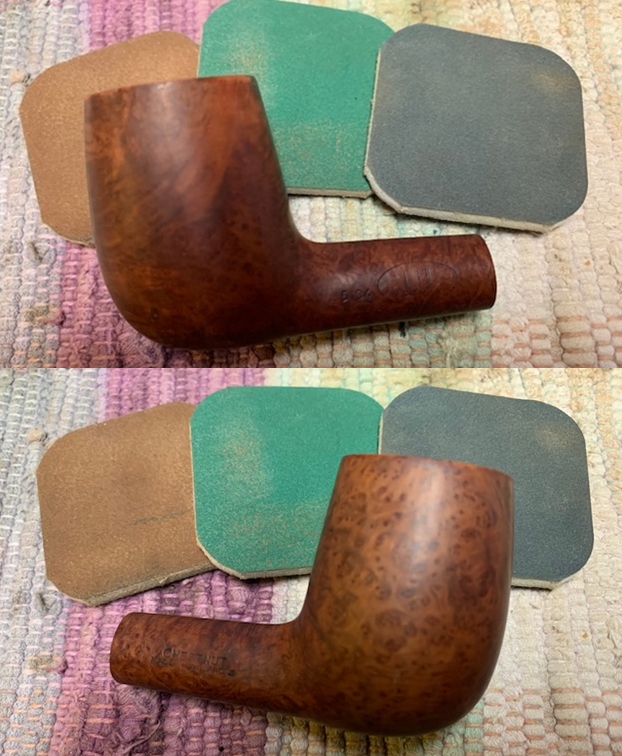
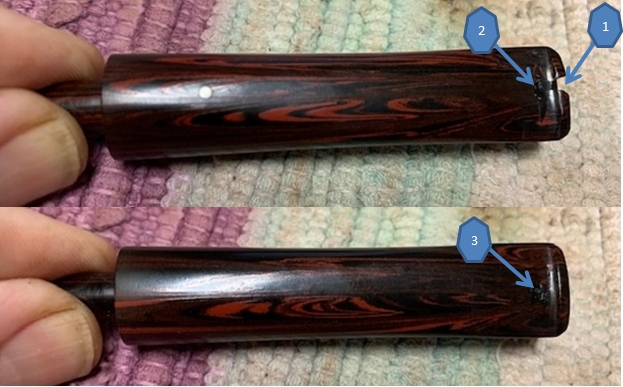
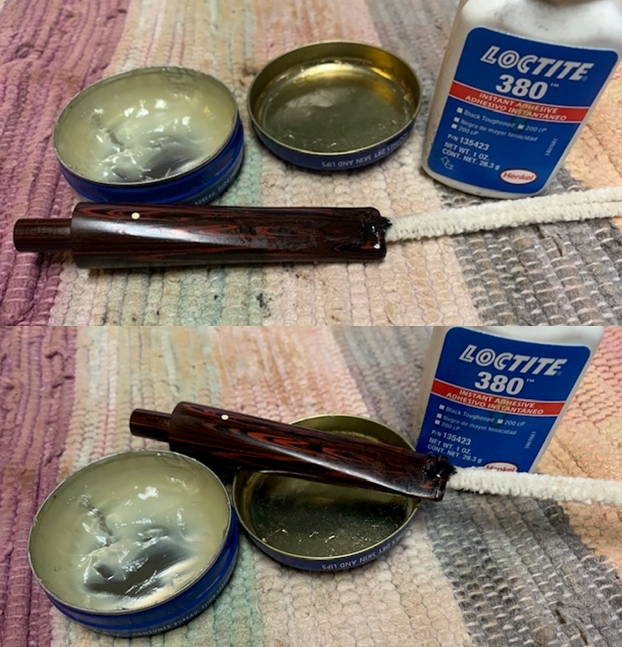
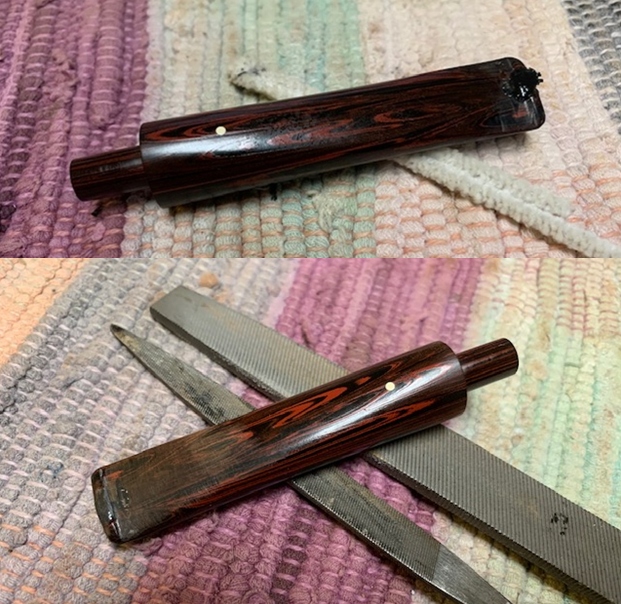
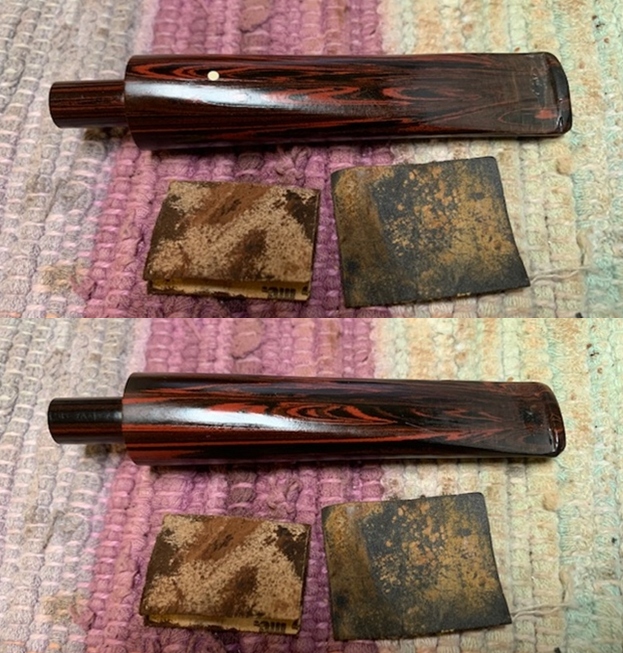
I turned to work on the pipe itself. Jeff had carried out his usual thorough cleanup of the pipe. He had reamed it with a PipNet reamer to remove the cake and cleaned the reaming up with a Savinelli Fitsall Pipe Knife. He scrubbed the internals of the bowl and stem with alcohol, cotton swabs and pipe cleaners. He scrubbed the externals with undiluted Murphy’s Oil Soap and rinsed the bowl off with running water. He soaked the stem in Before & After Deoxidizer and once it had soaked rinsed it off with warm water to remove the residual solution. He dried it off and rubbed it down to remove any oxidation that was still on the stem. The pipe looked very clean when I received it. I took a photo of the rim top to show the condition. You can see the darkening on the rim top on the back of the bowl. It is roughened and chipped on the front and back side of the rim. The taper stem came out looking quite good other than the damage on the button and the black CA repairs on the top and underside of the stem.   I took photos of the sides of the shank to show the stamping. It is clear and readable as noted above.    I removed the stem from the shank and took a photo of the pipe parts to show what I was working with. It is a nice looking pipe.I decided to start the restoration on this one by working on the damage on the inner edge of the bowl. It had darkening and some damage to the edge. There were burn and knife marks on the edge from a previous pipeman. I worked it over with a folded piece of 220 grit sandpaper to give the edge a light bevel and remove and minimize the damage on the edge. When I finished with it, the bowl and the rim top looked much better.   I polished the rim top and bowl with micromesh sanding pads – dry sanding with 1500-12000 grit sanding pads. I sanded and smoothed out the repair that had been done to the top outer edge of the rim on the back of the bowl at the same time. I wiped the bowl down with a damp cloth after each sanding pad. The briar began to take on a shine.  I rubbed the briar down with Before & After Restoration Balm. I worked it into the briar with my fingertips. The product works to clean, enliven and preserve the briar. I let it sit for 15 minutes while I worked on the stem. After the time passed I buffed it with a cotton cloth to deepen the shine. The briar really comes alive with the balm.   With the bowl finished and cleaned up it was time to tackle the stem mess. I want to see if I could minimize the repair marks from the previous repair and also rebuild the button. Since it was Cumberland this was going to be a bit tricky.  I took photos of the stem before I started and marked the issues on it with blue arrows. The #1 is the chip out of the top edge of the button. The #2 and #3 are the tooth marks fills that were done with a large amount of black super glue. I would have used a clear CA glue to repair these and let the underlying Cumberland colours show through. However now I had to figure out a way to minimize them.  I greased a pipe cleaner with Vaseline and inserted it in the airway. I rebuilt the button area with black Loctite 380. It is black but it is a small spot so I am hoping to be able to blend it in well with the rest of the Cumberland.  I removed the pipe cleaner once the repair had set and took a photo of the stem at this point. I used a rasp and small file to shape the button and cut the inner edge. I also flattened out the area of the previous repair to reduce it. There was also a dip in the mouthpiece on that side near that button that was a shallow trough so I cleaned up the taper to smooth out the transition with the files. I smoothed out the file marks and repairs and reshaped the button edge with 220 grit sandpaper. I started the polishing with 400 grit wet dry sandpaper. Still lots of work to do but the shape is correct and the repair is not too bad. I still need to rework the tooth mark repairs on the top and underside some more.   I cleaned up the repair areas and used a black and a red Sharpie Pen to match the striations of the Cumberland. I let that cure and then put a light coat of clean CA glue on top of the areas to keep the blend in place. Once that cured I lightly sanded it with a 1500 grit micromesh pad. The result can be seen in the photos below.   Now it was time to polish the repairs. I polished the Cumberland with micromesh sanding pads – 1500-12000 grit pads. I wiped it down with Obsidian Oil after each sanding pad. I used Before & After Pipe Polish – both Fine and Extra Fine to further polish the stem.     This Dunhill Chestnut 5134 Brandy from 1999 is a beautiful looking piece of briar that has a shape that follows grain. It is a great looking pipe that came out looking even better after the cleanup. The Chestnut is a Dunhill that utilized a Walnut stain and a Cumberland taper stem. The finish on the pipe is in excellent condition following the restoration. The brown stain on the bowl works well to highlight the grain. The polished Cumberland taper stem adds to the mix. With the dust gone from the finish and the bowl it was a beauty and is eye-catching. I put the repaired stem back on the bowl and buffed the pipe with Blue Diamond on the buffing wheel being careful to not buff the stamping. I gave the bowl and the stem multiple coats of carnauba wax on the buffing wheel and followed that by buffing it with a clean buffing pad. I hand buffed the pipe with a microfiber cloth to deepen the shine. The finished Chestnut 5134 Brandy is quite nice and feels great in the hand. Give the finished pipe a look in the photos below. I can only tell you that like the other pipes I am working that it is much prettier in person than the photos capture. The dimensions of the pipe are Length: 5 ¾ inches, Height: 2 inches, Outside diameter of the bowl: 1 ¼ inches, Chamber diameter: ¾ of an inch. The weight of the pipe is 47grams/1.66oz. Thanks for walking through the restoration with me as I worked over another beautiful pipe. Remember we are not pipe owners; we are pipemen and women who hold our pipes in trust until they pass on into the trust of the next generation.

Breathing Life into a 1962 Dunhill Root Briar 59 Group 4 Billiard


Blog by Steve Laug

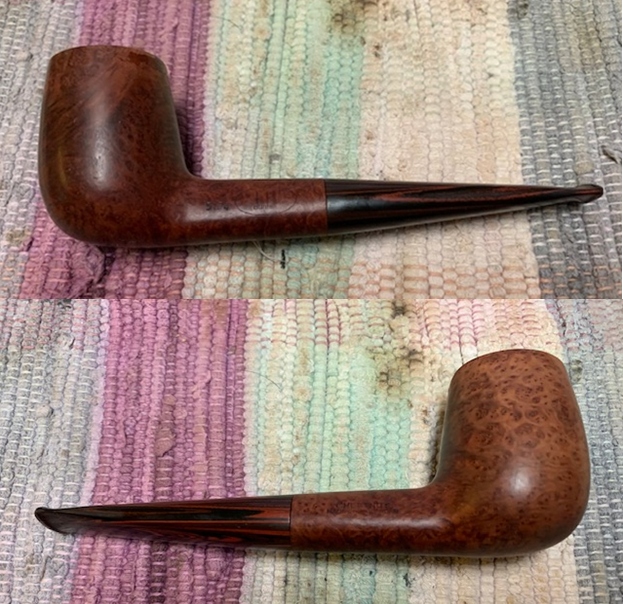
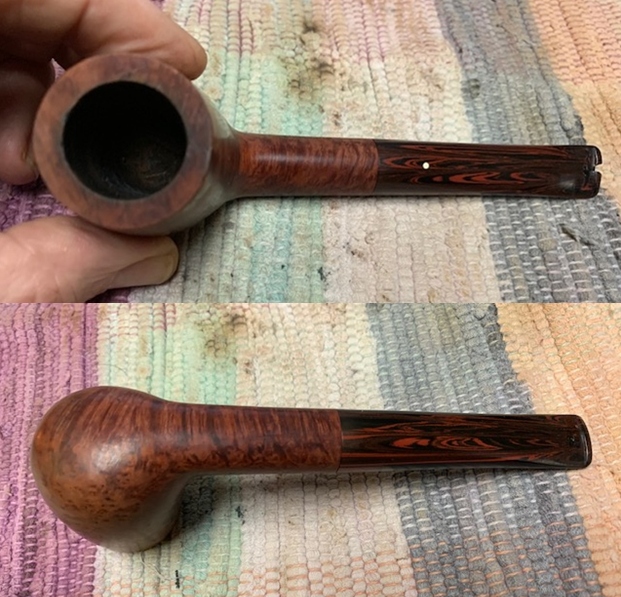
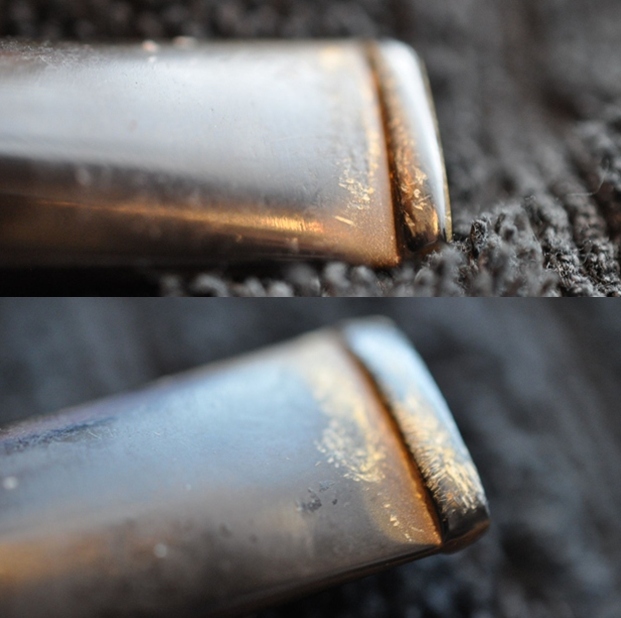
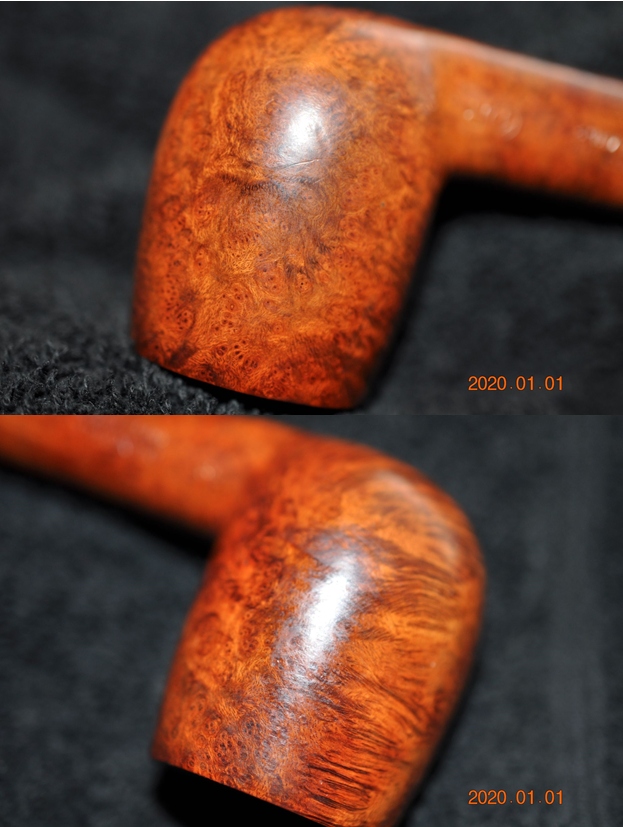
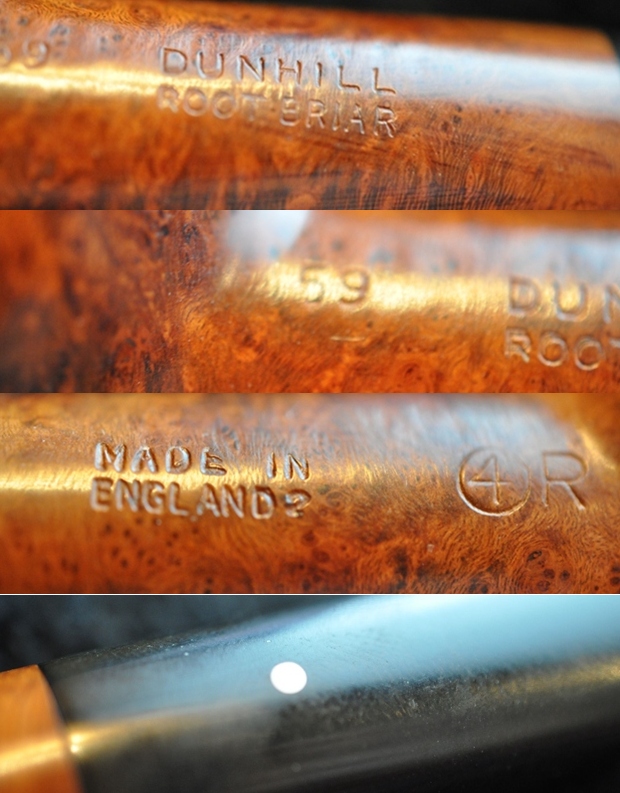
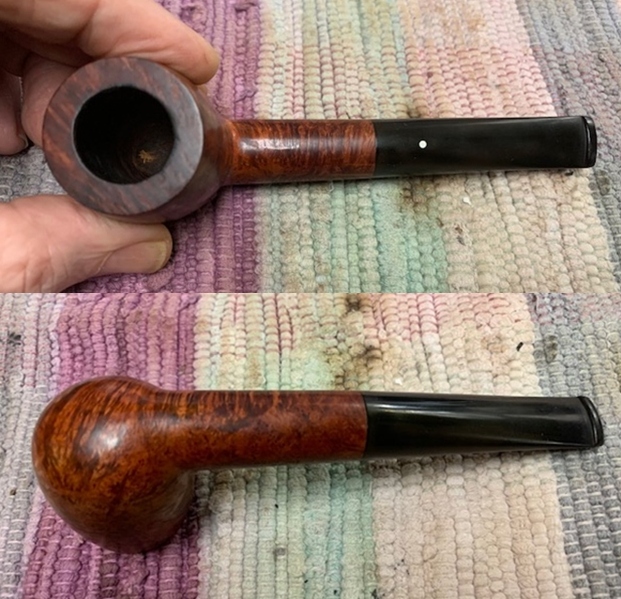
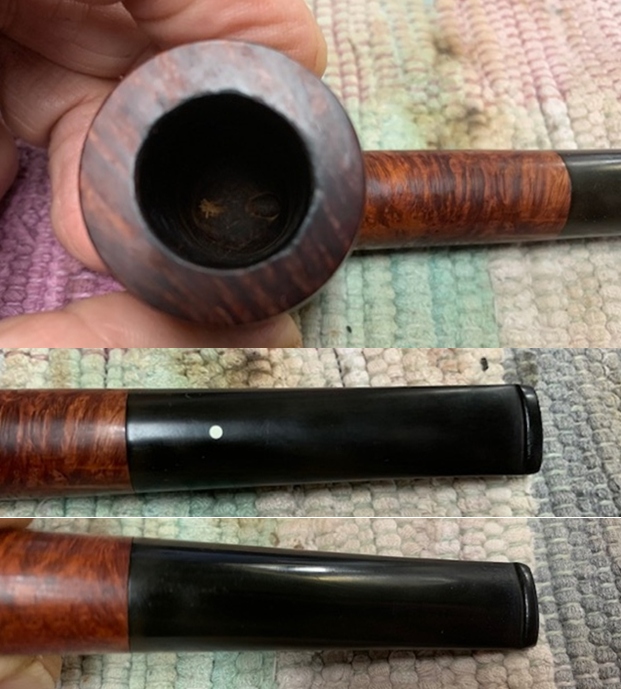
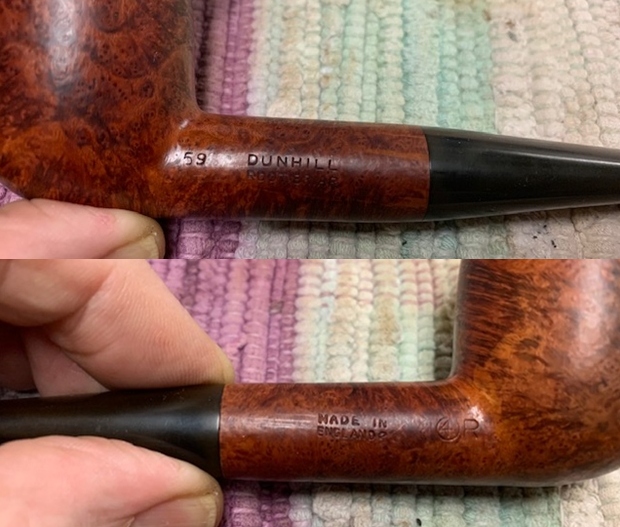
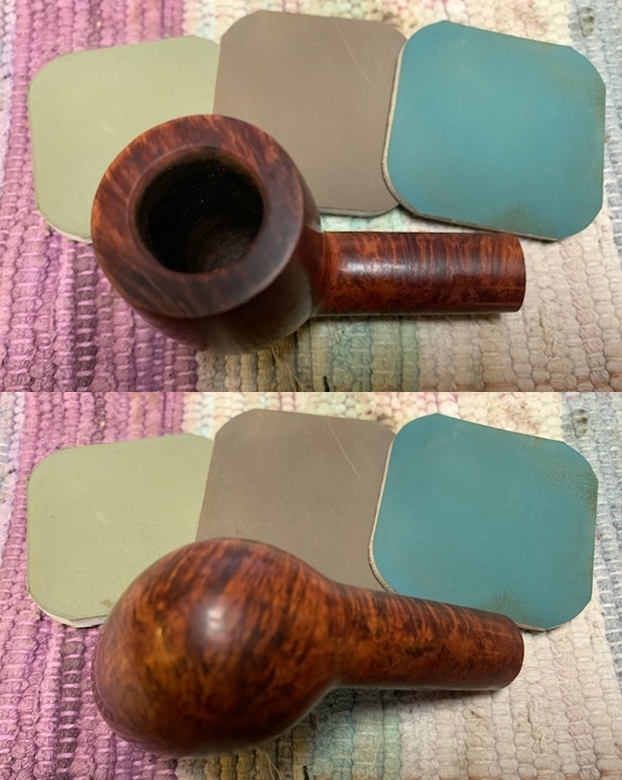
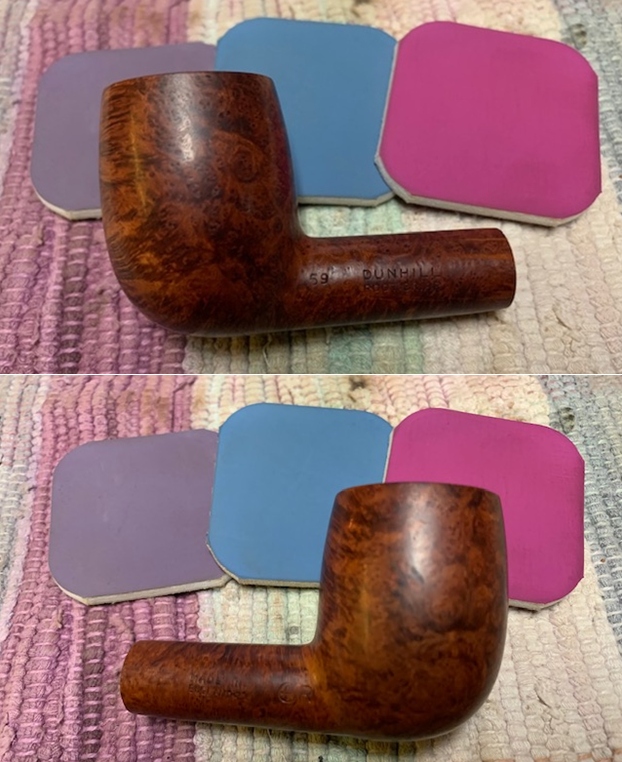
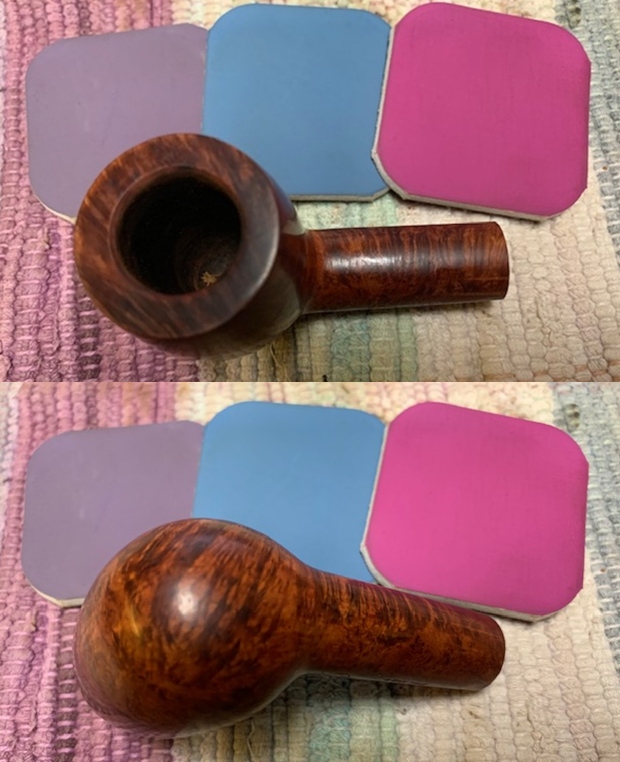
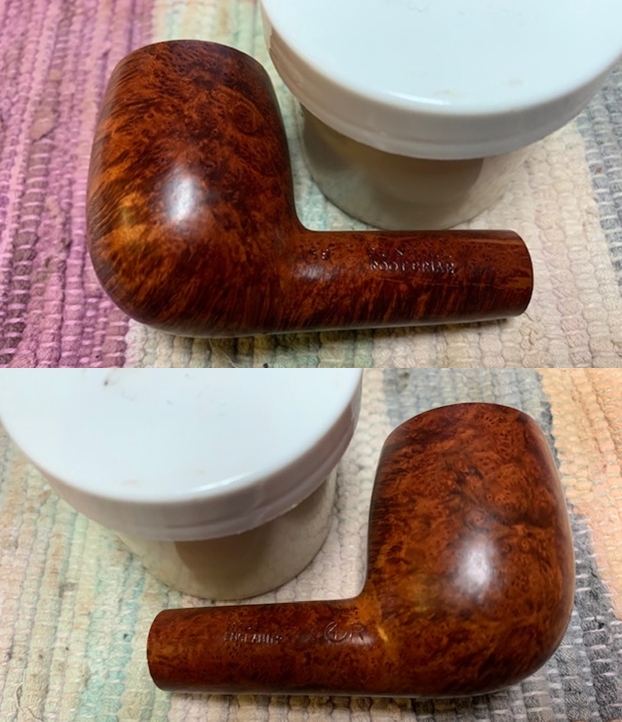
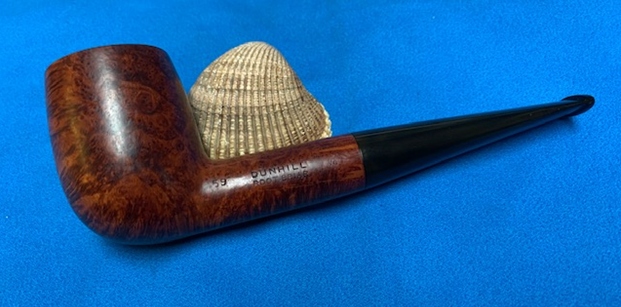
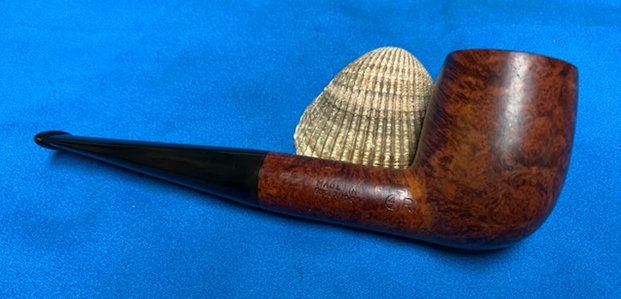
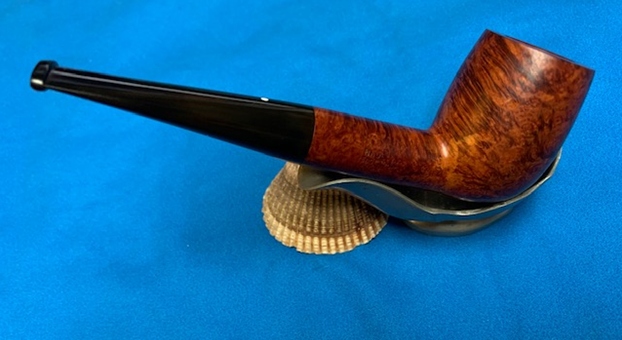
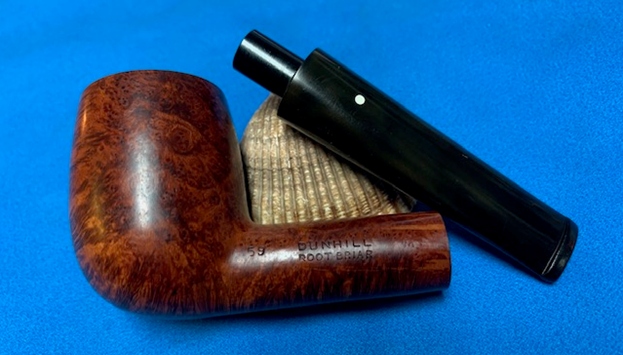
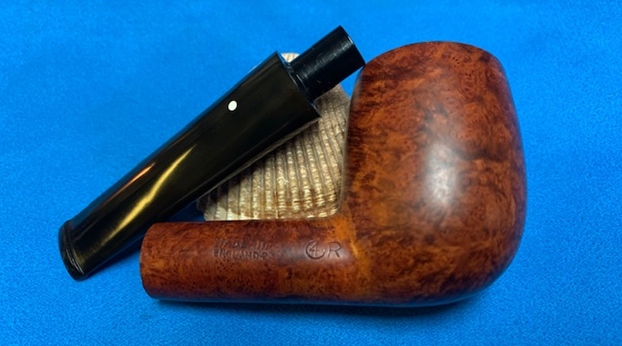
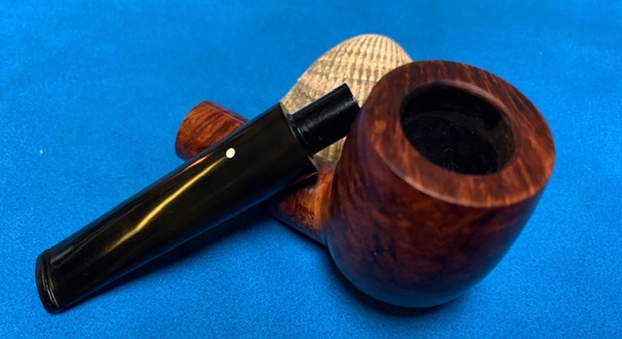
The next pipe on the table came to us in a group of pipes that we purchased from a fellow in Los Angeles, California, USA. It is a Dunhill Root Briar Straight Billiard that is in good condition. It is stamped both sides of the shank. On the left side it is stamped with the shape number 59 followed by Dunhill [over] Root Briar. On the right side it is stamped with 4 in a circle followed by R for Root Briar next to the bowl. That is followed by Made in [over] England2. Interpreting that stamp it is as follows: The 59 is the shape for a straight billiard. The Dunhill Root Briar is the finish which is corroborated the R at the end of the stamping. The 2 following the D of England gives the date the pipe was made and identifies it as 1962. The stamping is clear and readable. The age of the pipe and the oils in the finish has given the pipe a rich reddish brown finish. There is also some amazing grain that the shape follows well. The finish was dirty with dust ground into the surface of the bowl and shank. There was a moderate cake in the bowl and tobacco debris stuck to the walls of the bowl. The rim top showed darkening and some lava in on the surface. The vulcanite taper stem was oxidized, calcified and had light tooth marks and chatter ahead of the button on both sides.  Jeff took photos of the pipe to show what it looked like before he started working on it.  He took photos of the bowl and rim top to show the thickness of the cake and the darkening and lava overflow on the rim top. The photos of the stem show the oxidation, calcification and tooth marks and chatter on the surface on both sides.  The photos of the sides and heel of the bowl show the great grain on the pipe. It is a beauty under the grime and dust.   The stamping on the underside of the shank is shown in the photos below. It looks very good and readable. It reads as noted and explained above. The fourth photo shows the white spot on the stem.   I turned to Pipedia’s section on Dunhill Root Briar Pipes to get a bit of background on the Dunhill finishes (https://pipedia.org/wiki/Dunhill#Root_Briar). I quote:

Root Briar

Introduced in 1931 and highly prized because the grain is more pronounced in this finish (usually made using Corsican briar – was made exclusively from that briar into the 60s). The Root Briar finish requires a perfectly clean bowl with excellent graining. Therefore, it is the most expensive of the Dunhill pipes. Corsican briar was most often used for the Root finish since it was generally more finely grained. This is a rare finish, due to the scarcity of briar suitable to achieve it. These pipes are normally only available at Company stores, or at Principle Pipe Dealers. Straight grained pipes were formerly graded A through H, but are now only “DR’s” and graded with one to six stars, with the letters G and H still used for the very finest pieces.

Dunhill introduced its third major finish, the Root finish, in 1931. Corsican mountain briar is characteristically beautifully grained and the Root was made exclusively from that briar into the 1960s. The pipe was finished with a light natural stain to allow the beauty of the graining to show through. Although always available with a traditional black vulcanite bit, the Root was introduced in either 1930 or more likely 1931 and fitted with a marble brown dark and light grained vulcanite bit that has since become known as the ‘bowling ball’ bit because of the similarity in appearance between the bit’s finish and that of some bowling balls of the time. With the war, however, the bowling ball bit was dropped from production. Through 1954 (and after) the Root pipe nomenclature (including shape numbers) was identical to that of the Bruyere except that instead of the “A” of the Bruyere, the Root was stamped with an “R”. In 1952 when the finish rather than LONDON was placed under DUNHILL, ROOT BRIAR rather then BRUYERE was used for the Root. Loring, J. C., The Dunhill Briar Pipe, The Patent Years and After (self-published, Chicago, 1998).

I turned to Pipephil’s dating guide to show how I arrived at the date of manufacture for this pipe (http://www.pipephil.eu/logos/en/dunhill/cledat-en1a.html). I am including the chart that is provided there for the dating a pipe. I have drawn a red box around the section. Since the pipe I am working on has a 2 it points to the 1960+ suffix line on the chart below.I looked at the Dunhill Shape chart on Pipedia to isolate the shape number on this pipe (https://pipedia.org/wiki/Dunhill_Shape_Chart#:~:text=The%20White%20Spot%20Chart%20%20%20Digit%201%3A,%2012%3A%20Chimney%20%208%20more%20rows%20). I quote from the site:

Early Days – 2 digits \ Letters — The original skus/model numbers from the 1920’s until the early 1970’s stood for very specific shapes and bowls. For example, the codes 31, 34, 59, 111, 113, 117, 196, LB, LBS… were all different types of Billiard shaped pipes and there were about 50(!), such codes for the Billiard shape alone.

I now knew that I was working on a Root Briar that came out in 1962. The shape of the pipe was one of many Billiards that Dunhill put out and that the #59 fit the date of the pipe perfectly with the 2 digit shape numbers ending in the early 1970s.

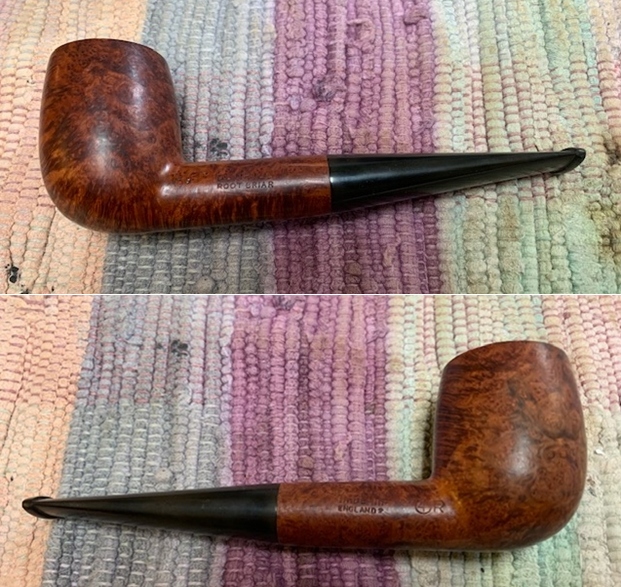
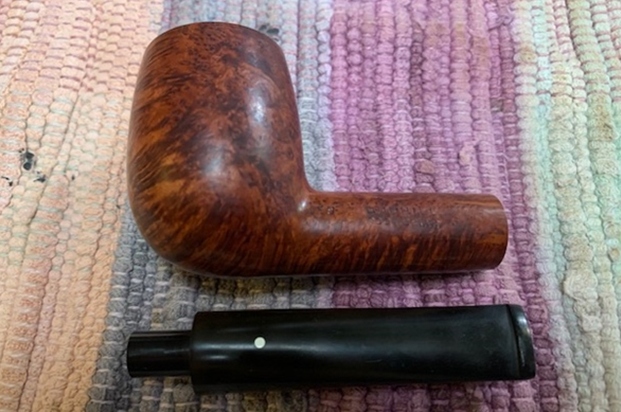
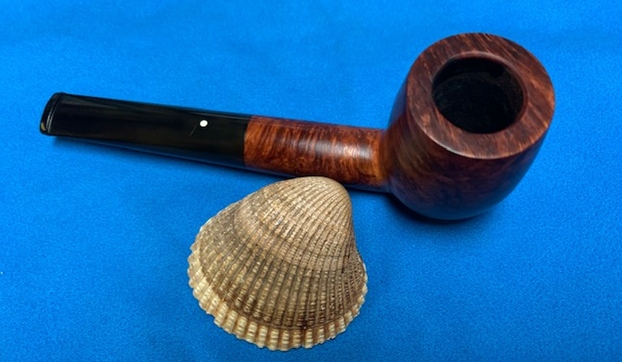
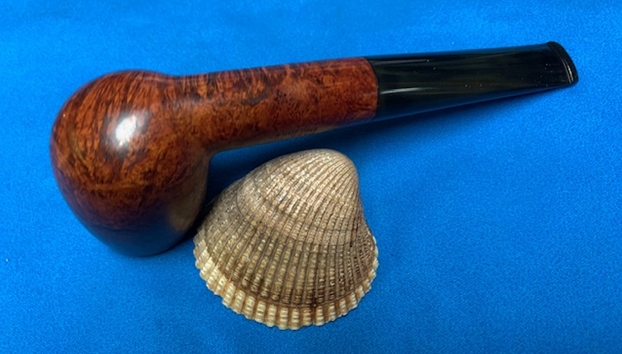
I turned to work on the pipe itself. Jeff had carried out his usual thorough cleanup of the pipe. He had reamed it with a PipNet reamer to remove the cake and cleaned the reaming up with a Savinelli Fitsall Pipe Knife. He scrubbed the internals of the bowl and stem with alcohol, cotton swabs and pipe cleaners. He scrubbed the externals with undiluted Murphy’s Oil Soap and rinsed the bowl off with running water. He soaked the stem in Before & After Deoxidizer and once it had soaked rinsed it off with warm water to remove the residual solution. He dried it off and rubbed it down to remove any oxidation that was still on the stem. The pipe looked very clean when I received it. I took a photo of the rim top to show the condition. You can see the darkening on the rim top on the back right. It is roughened and chipped and out of round. The saddle stem came out looking quite good. There are light tooth marks and chatter on both sides near the button as well as some remaining oxidation.   I took photos of the sides of the shank to show the stamping. It is clear and readable as noted above.  I removed the stem from the shank and took a photo of the pipe parts to show what I was working with. It is a nice looking pipe.I decided to start the restoration on this one by working on the damage on the inner edge of the bowl. It had darkening and some damage to the edge. There were burn and knife marks on the edge from a previous pipeman. I worked it over with a folded piece of 220 grit sandpaper to give the edge a light bevel and remove and minimize the damage on the edge. When I finished with it, the bowl and the rim top looked much better.   I polished the rim top and bowl with micromesh sanding pads – dry sanding with 1500-12000 grit sanding pads. I wiped the bowl down with a damp cloth after each sanding pad. The briar began to take on a shine.   With the repair completed I rubbed the briar down with Before & After Restoration Balm. I worked it into the briar with my fingertips. The product works to clean, enliven and preserve the briar. I let it sit for 15 minutes while I worked on the stem. After the time passed I buffed it with a cotton cloth to deepen the shine. The briar really comes alive with the balm.     I set the bowl aside and turned my attention to the stem. I polished the vulcanite with micromesh sanding pads – 1500-12000 grit pads. I wiped it down with Obsidian Oil after each sanding pad. I used Before & After Pipe Polish – both Fine and Extra Fine to further polish the stem.   This Dunhill Root Briar 59 Group 4 Billiard from 1962 is a beautiful looking piece of briar that has a shape that follows grain. It is a great looking pipe that came out looking even better after the cleanup. The Root Briar is an early finish that Dunhill specialized in making. The finish on the pipe is in excellent condition. The oils off the smoker’s hands and the brown stain on the bowl works well to highlight the grain. The polished black vulcanite taper stem adds to the mix. With the dust gone from the finish and the bowl it was a beauty and is eye-catching. I put the stem back on the bowl and buffed the pipe with Blue Diamond on the buffing wheel being careful to not buff the stamping. I gave the bowl and the stem multiple coats of carnauba wax on the buffing wheel and followed that by buffing it with a clean buffing pad. I hand buffed the pipe with a microfiber cloth to deepen the shine. The finished 59 Root Briar Billiard is quite nice and feels great in the hand. Give the finished pipe a look in the photos below. I can only tell you that like the other pipes I am working that it is much prettier in person than the photos capture. The dimensions of the pipe are Length: 5 ½ inches, Height: 2 inches, Outside diameter of the bowl: 1 ¼ inches, Chamber diameter: ¾ of an inch. The weight of the pipe is 41grams/1.45oz. Thanks for walking through the restoration with me as I worked over another beautiful pipe. Remember we are not pipe owners; we are pipemen and women who hold our pipes in trust until they pass on into the trust of the next generation.