Tag Archives: superglue and briar dust fills

Peterson Kildare Marathon Restoration


This year has been a roller coaster ride for me; between added responsibilities of watching our new grandson, health issues, and a flair up of my spinal stenosis that put me down for almost two months, I have been unable to do any of my hobbies. Unfortunately this has put a couple of friends that I have pipes to work on in a state of limbo waiting on me. They are not easy clean-ups and they knew going in I am slow – but still I feel badly about it.

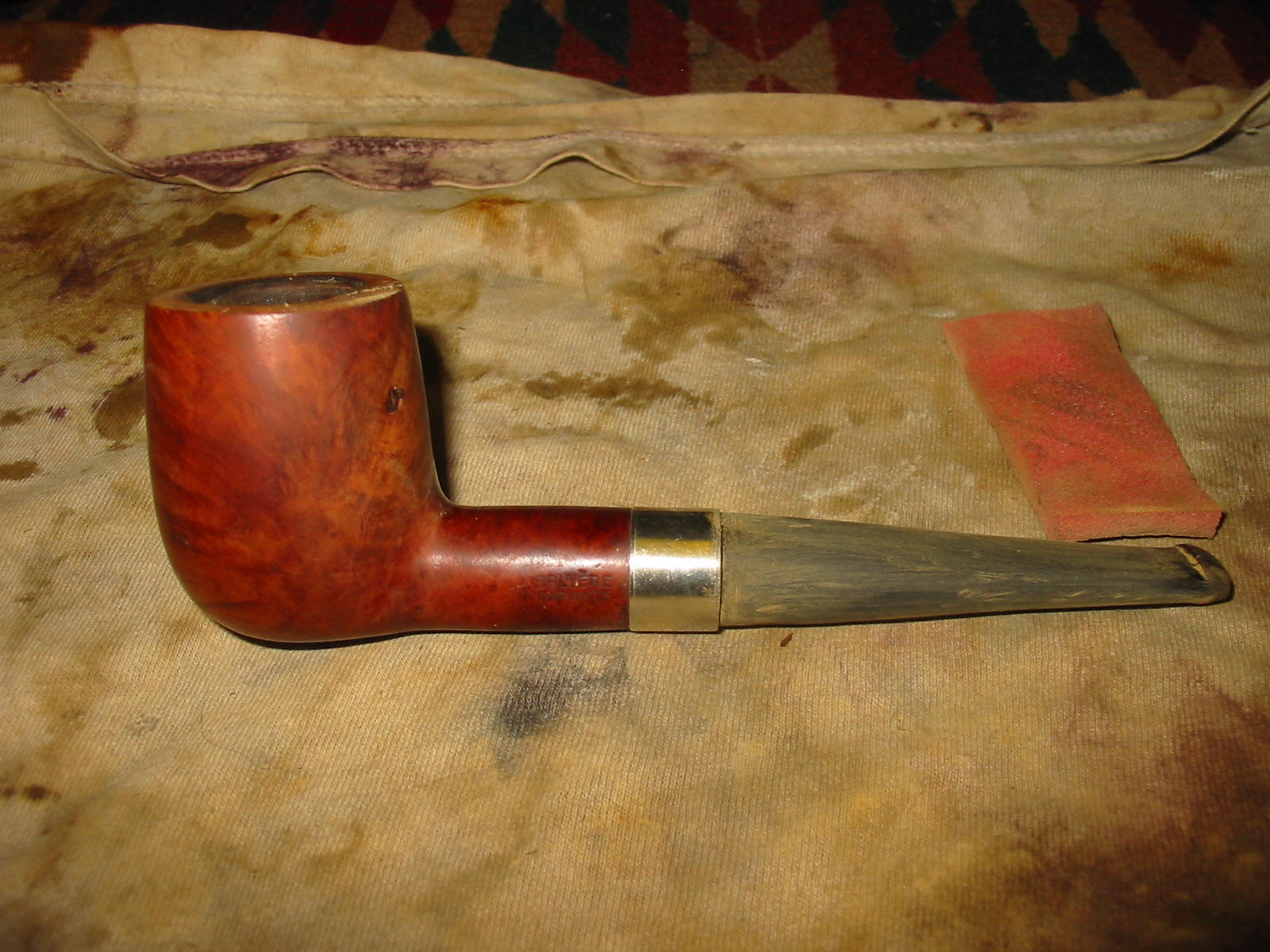
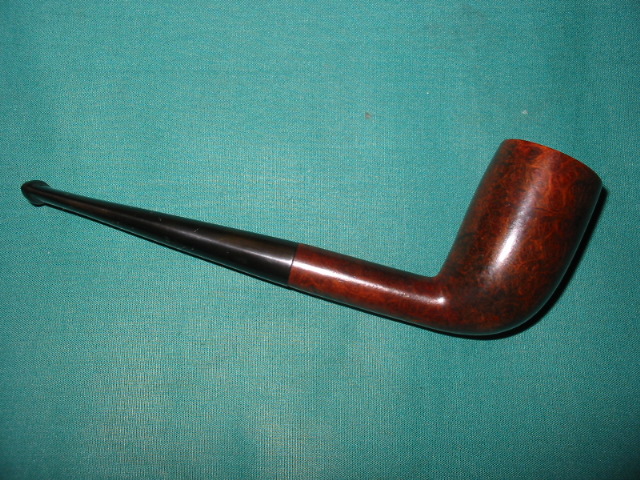
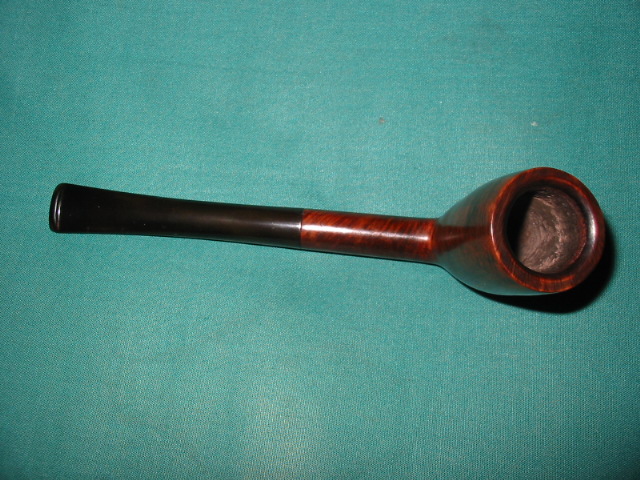
This Peterson Kildare 106 billiard had been in my possession for ages it seems to me at least. I have worked on it off and on, loosing track if my progress (and many of my notes and photos) of the process. It went out in the mail today I am happy to say (and the owner is probably happier to hear!).

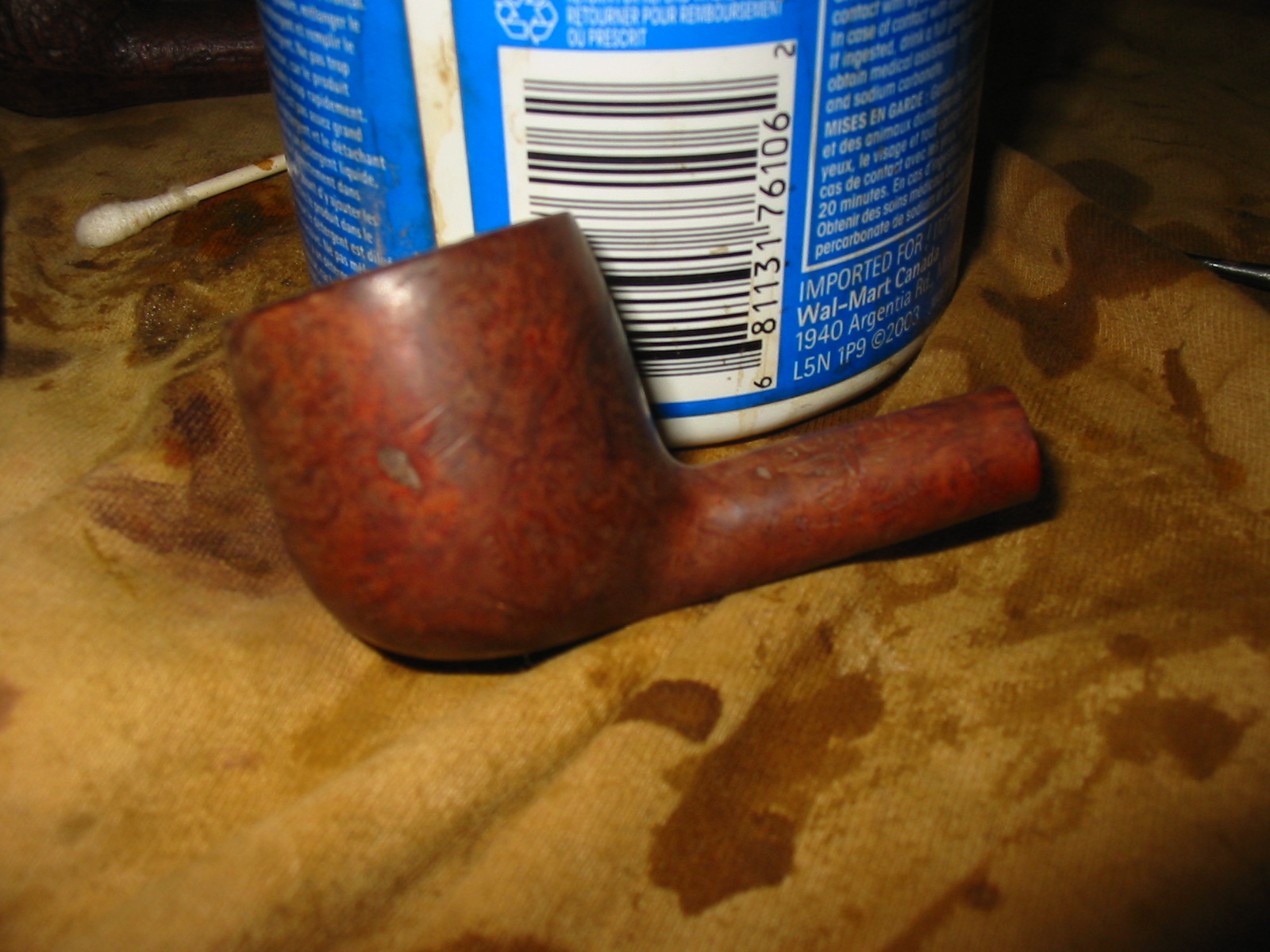
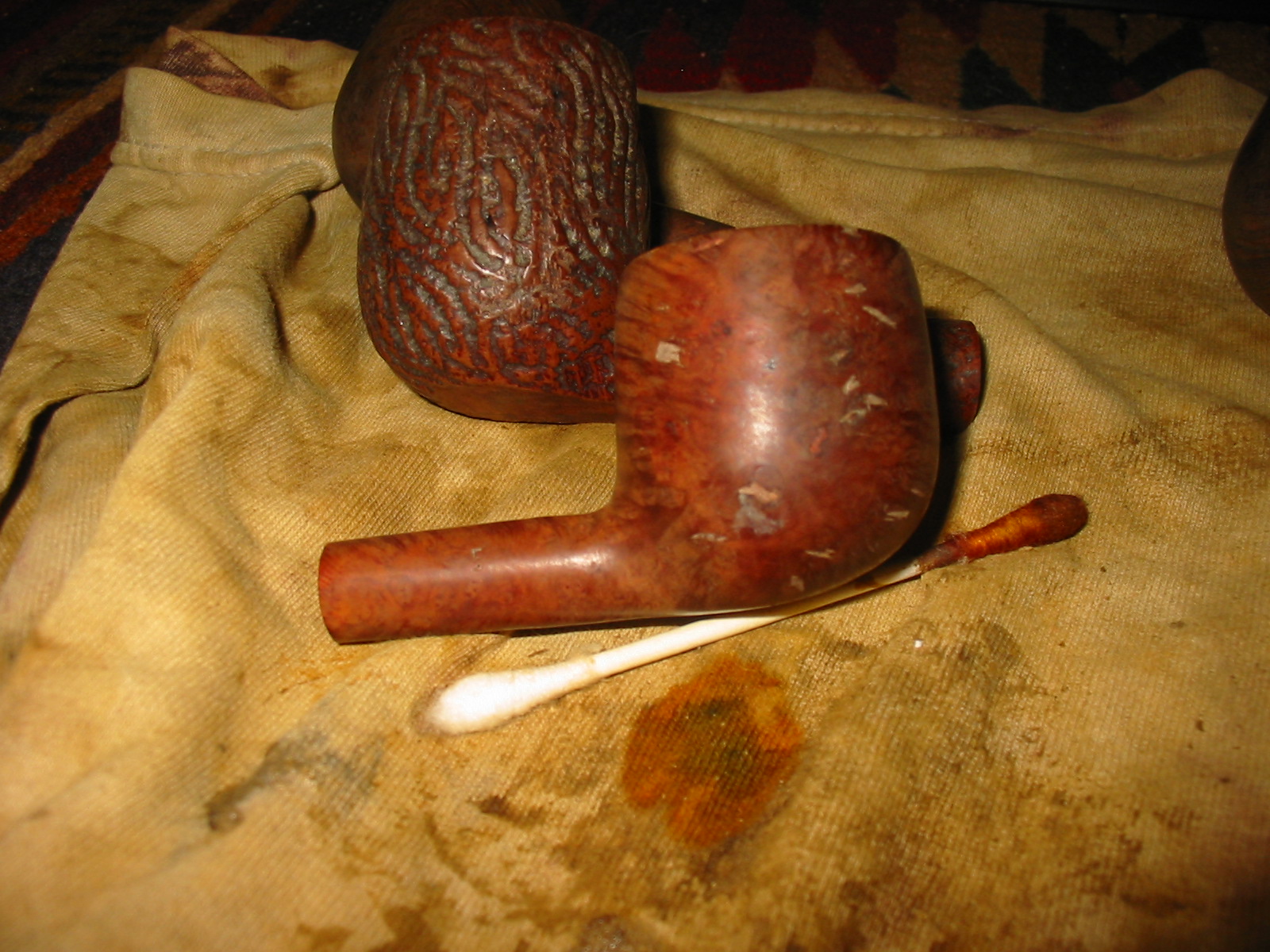
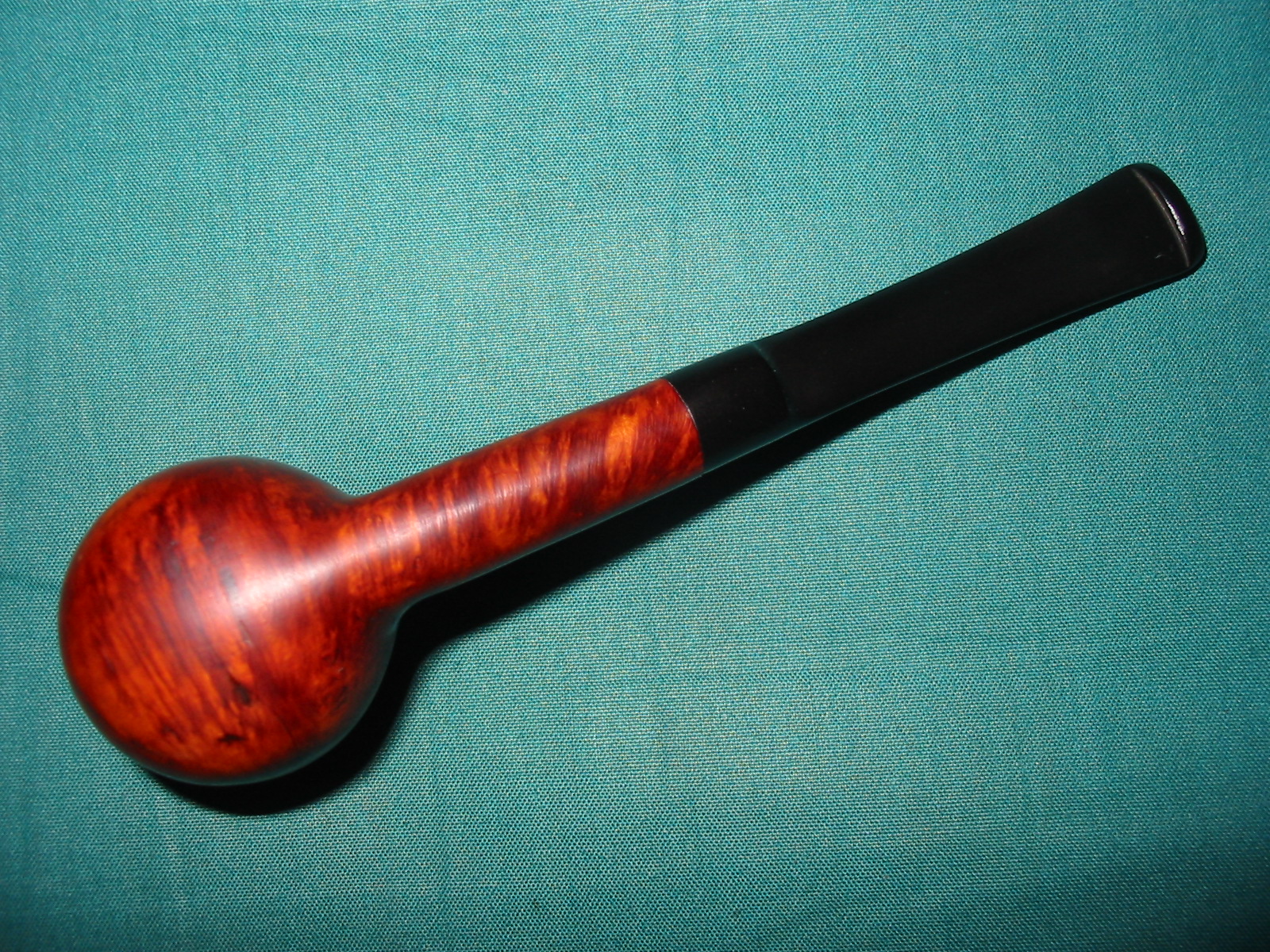
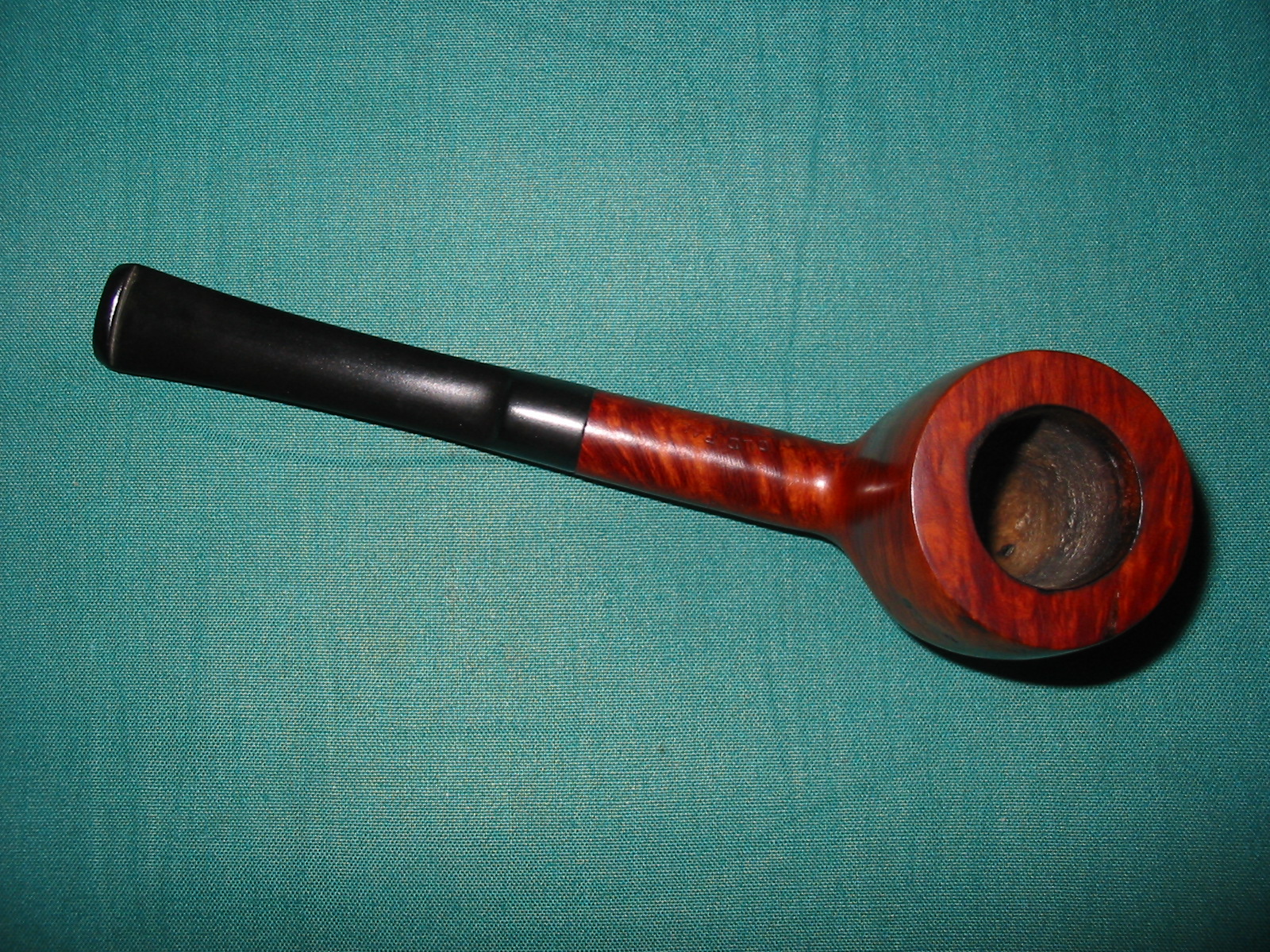
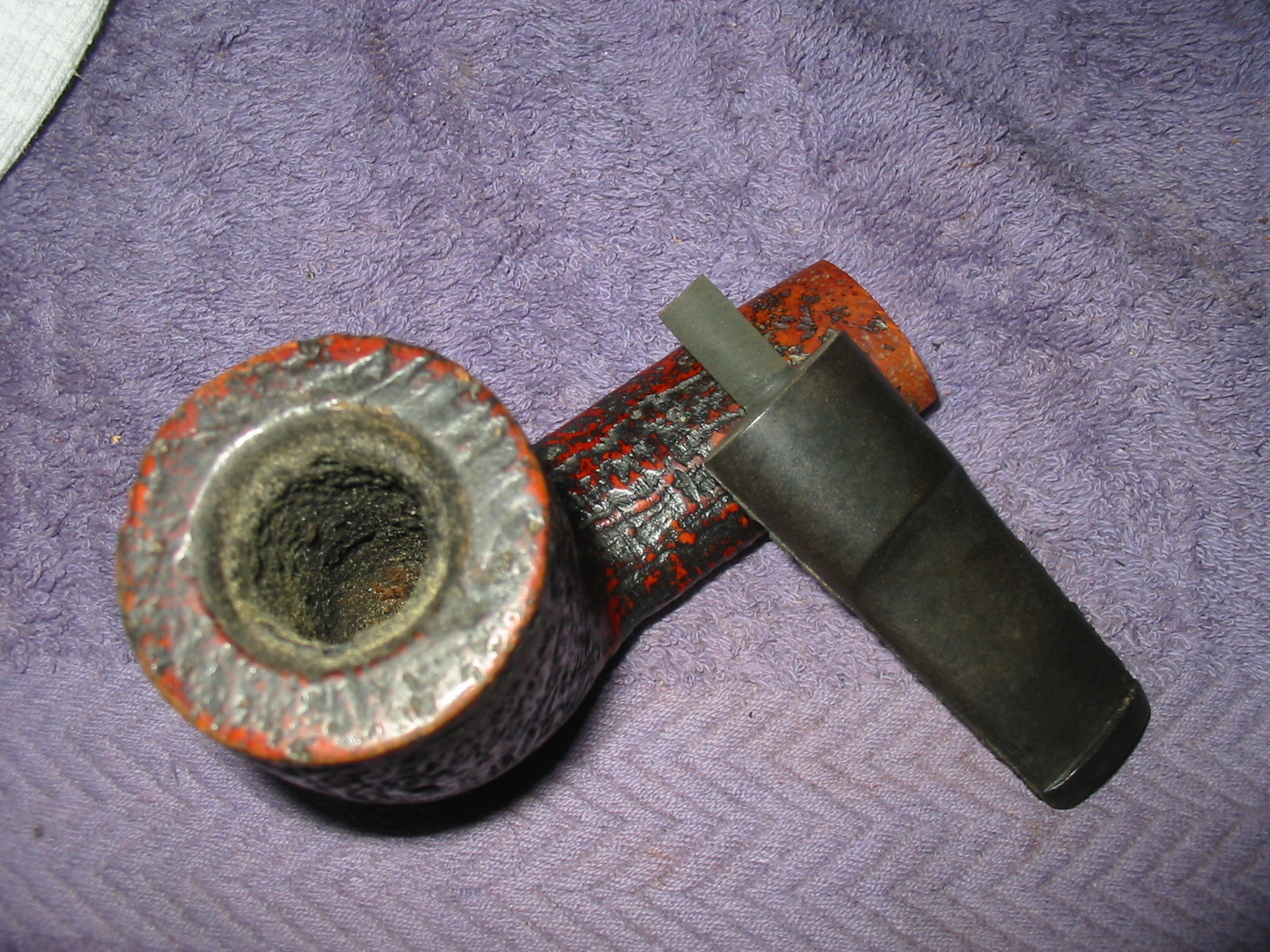
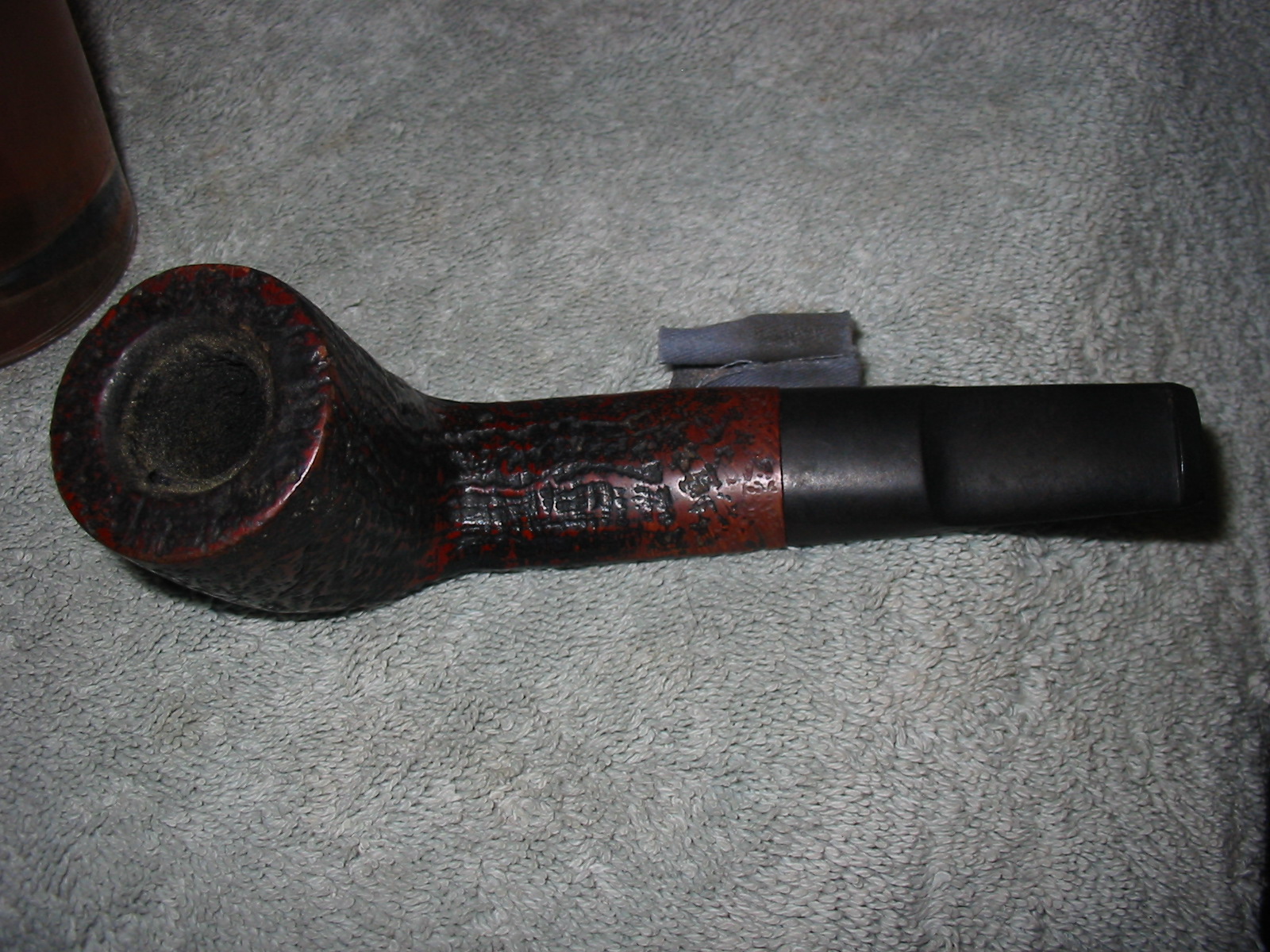
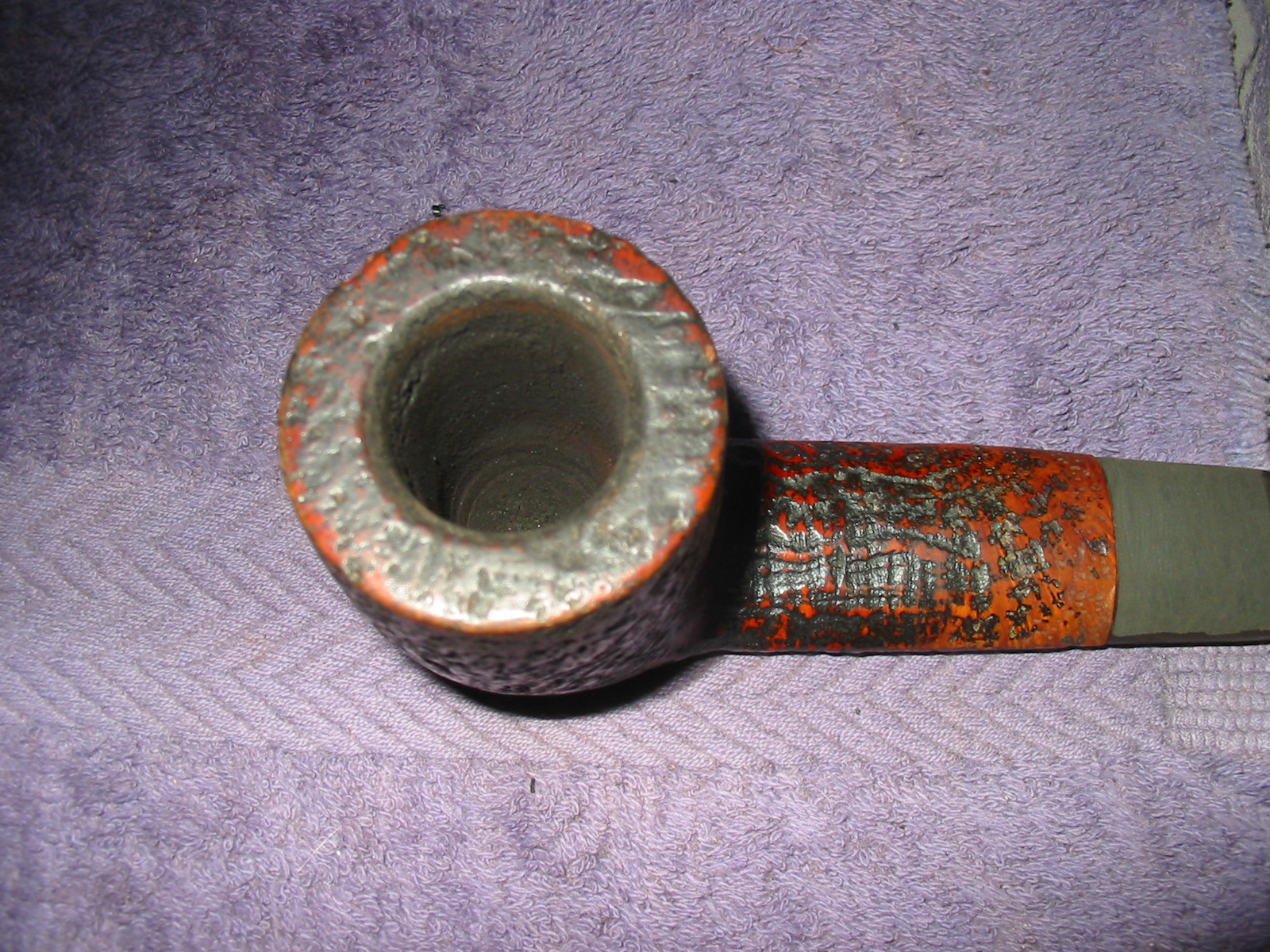
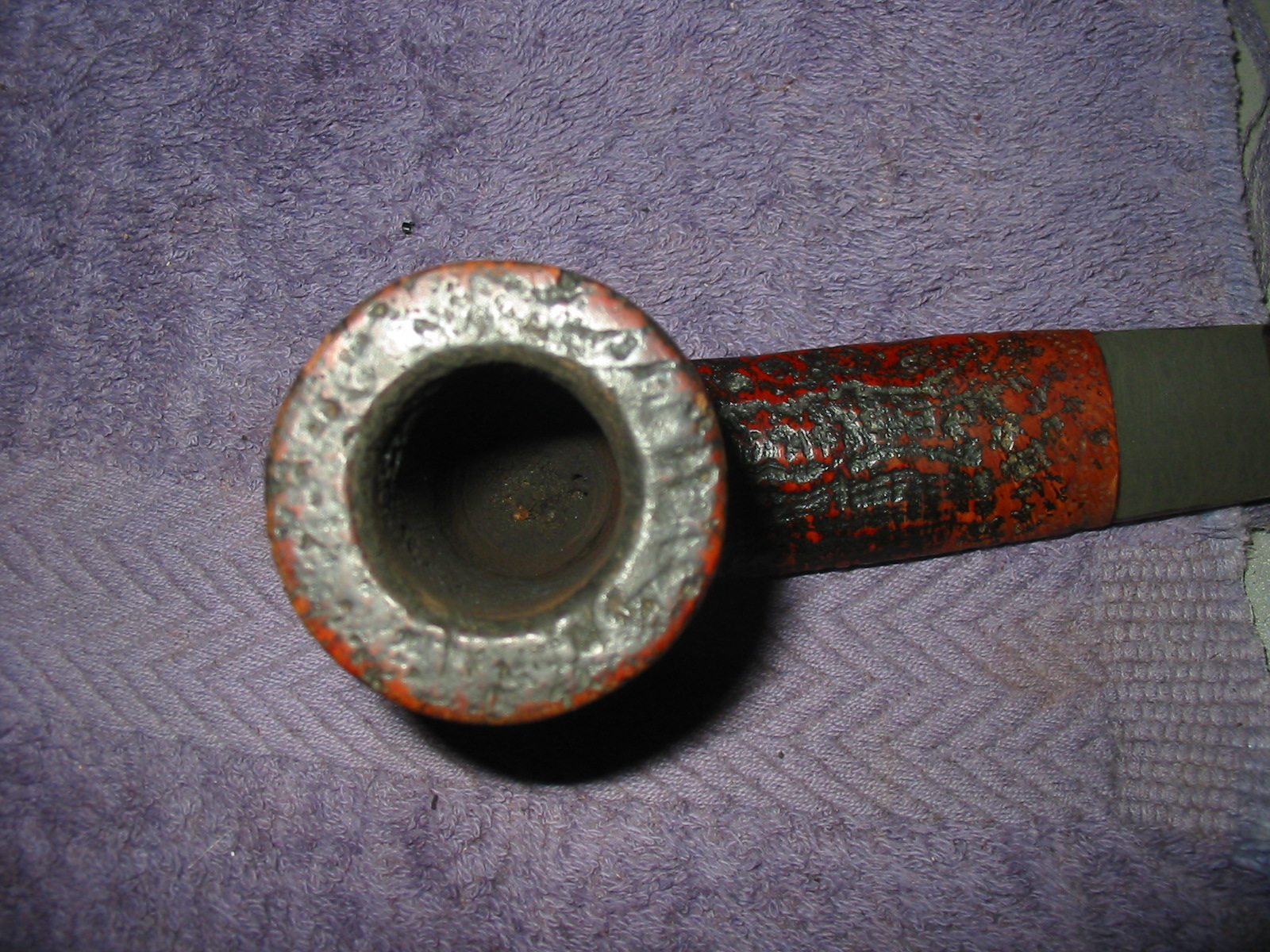
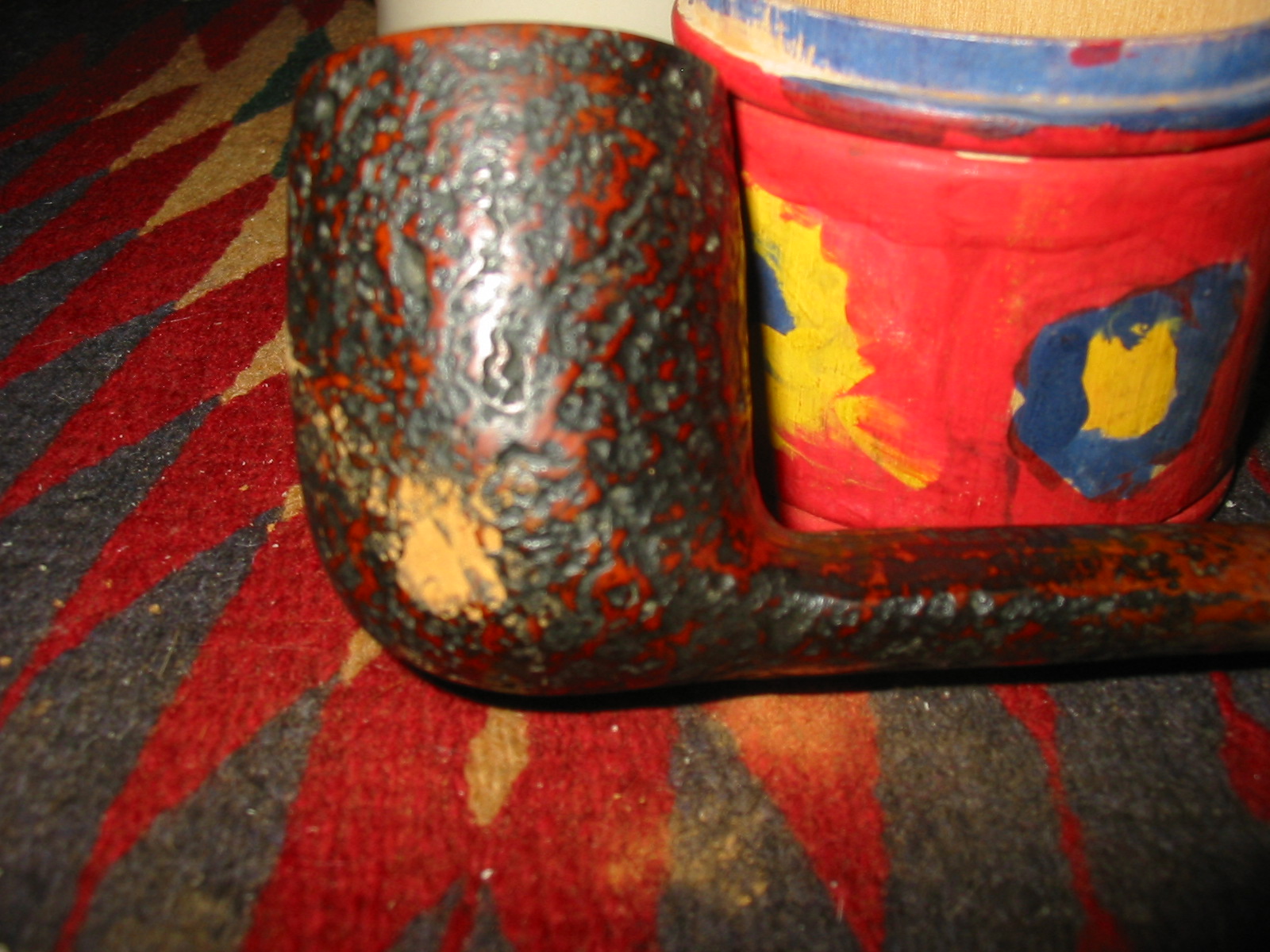
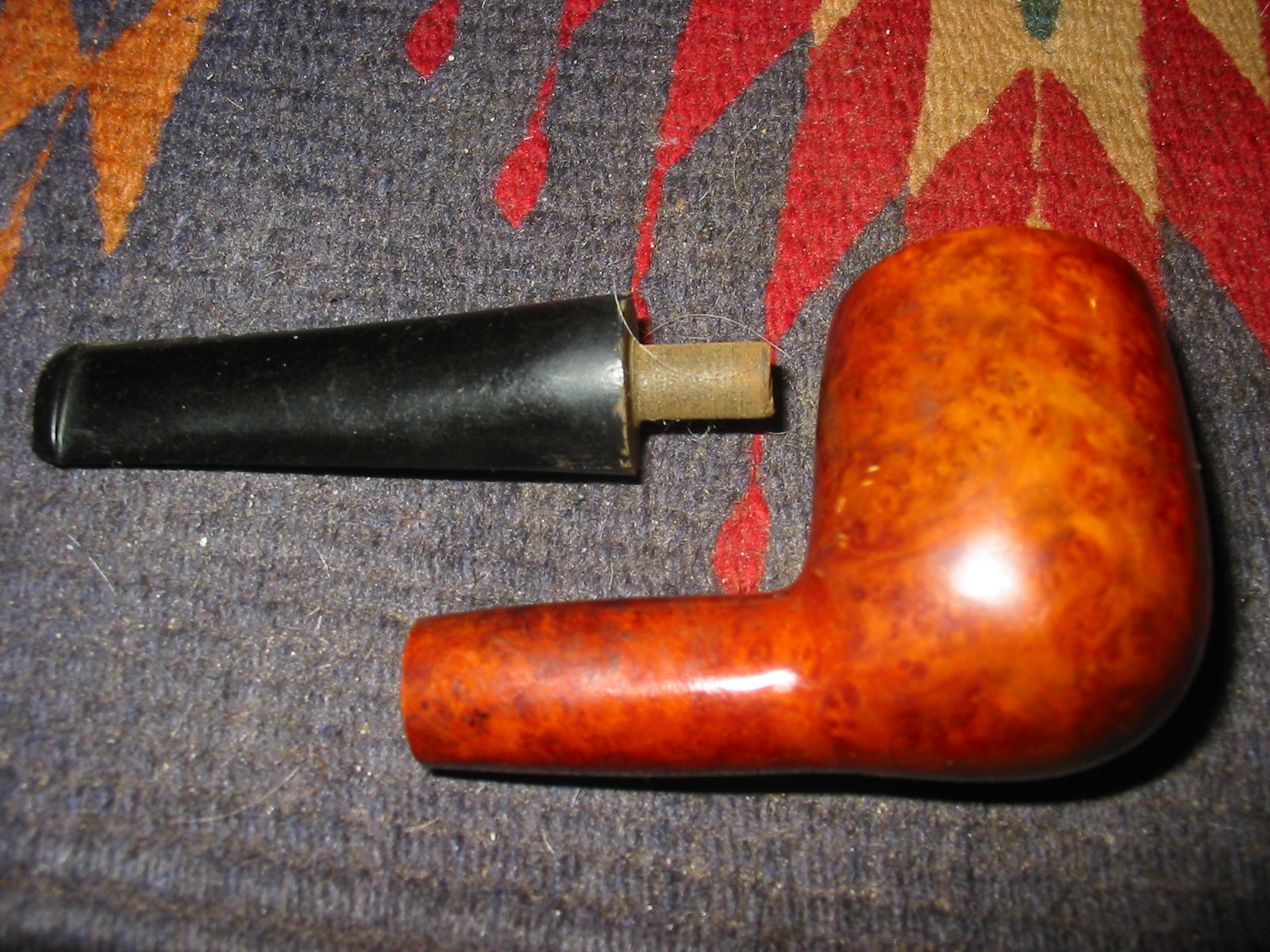
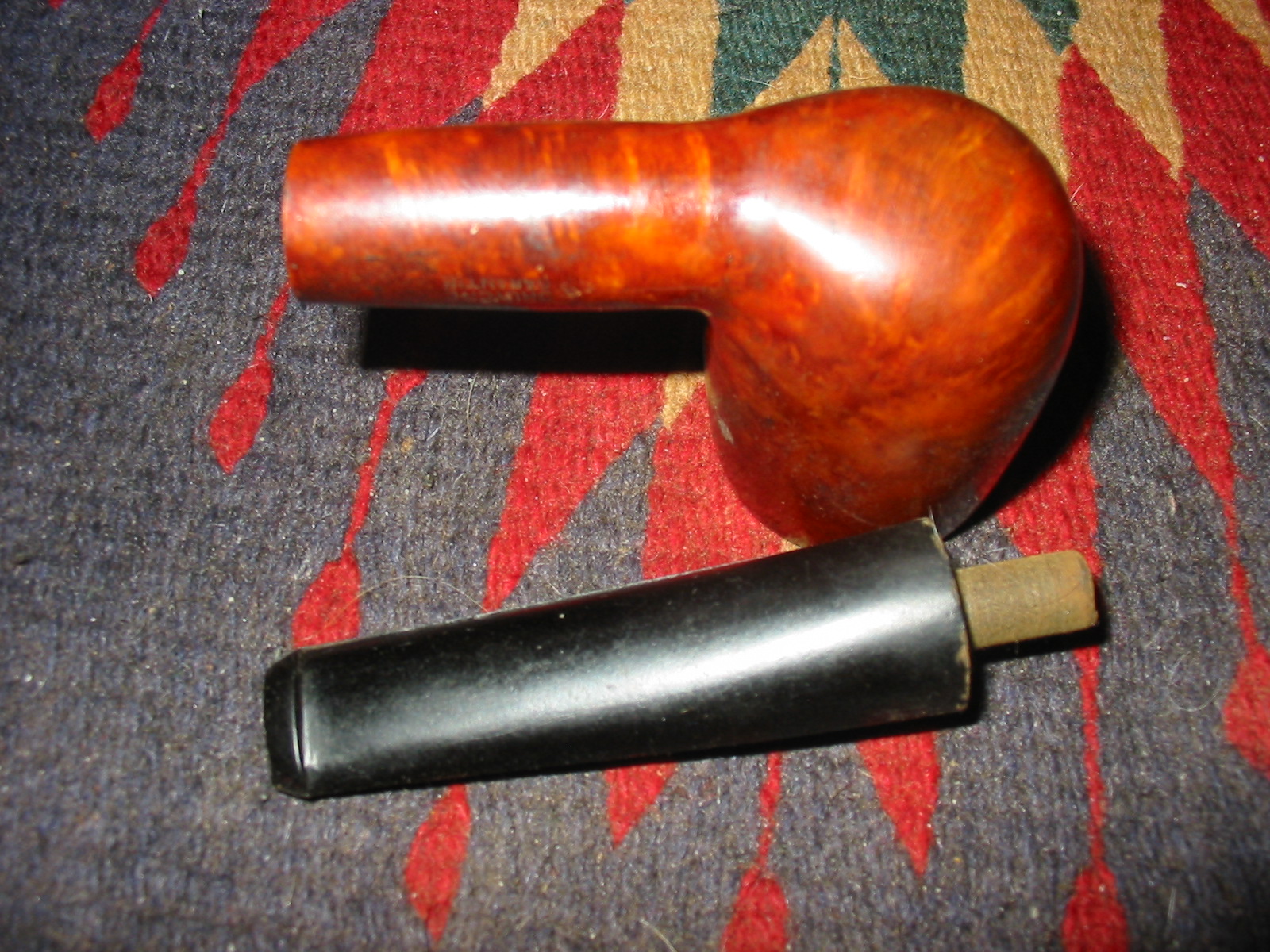
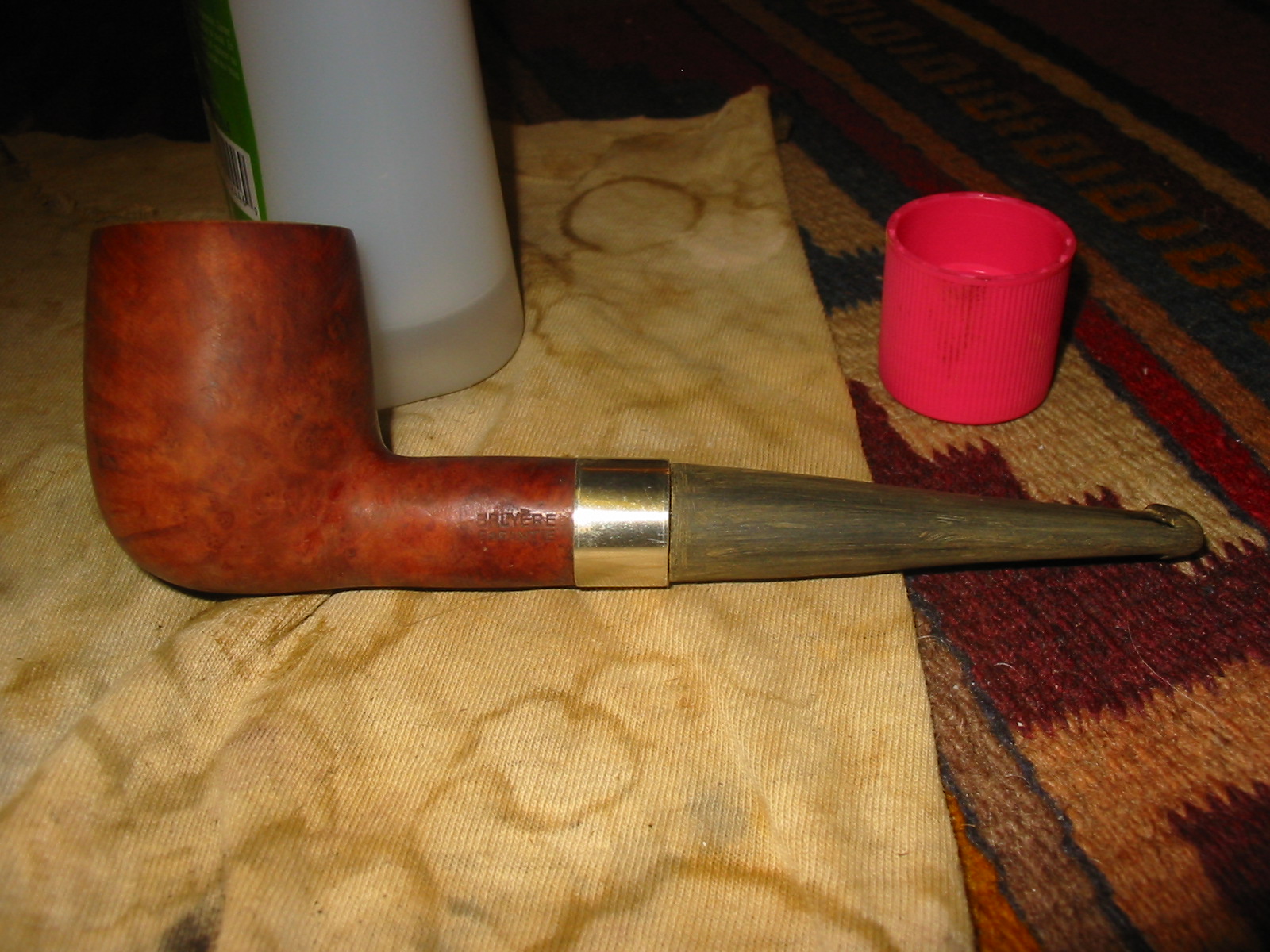
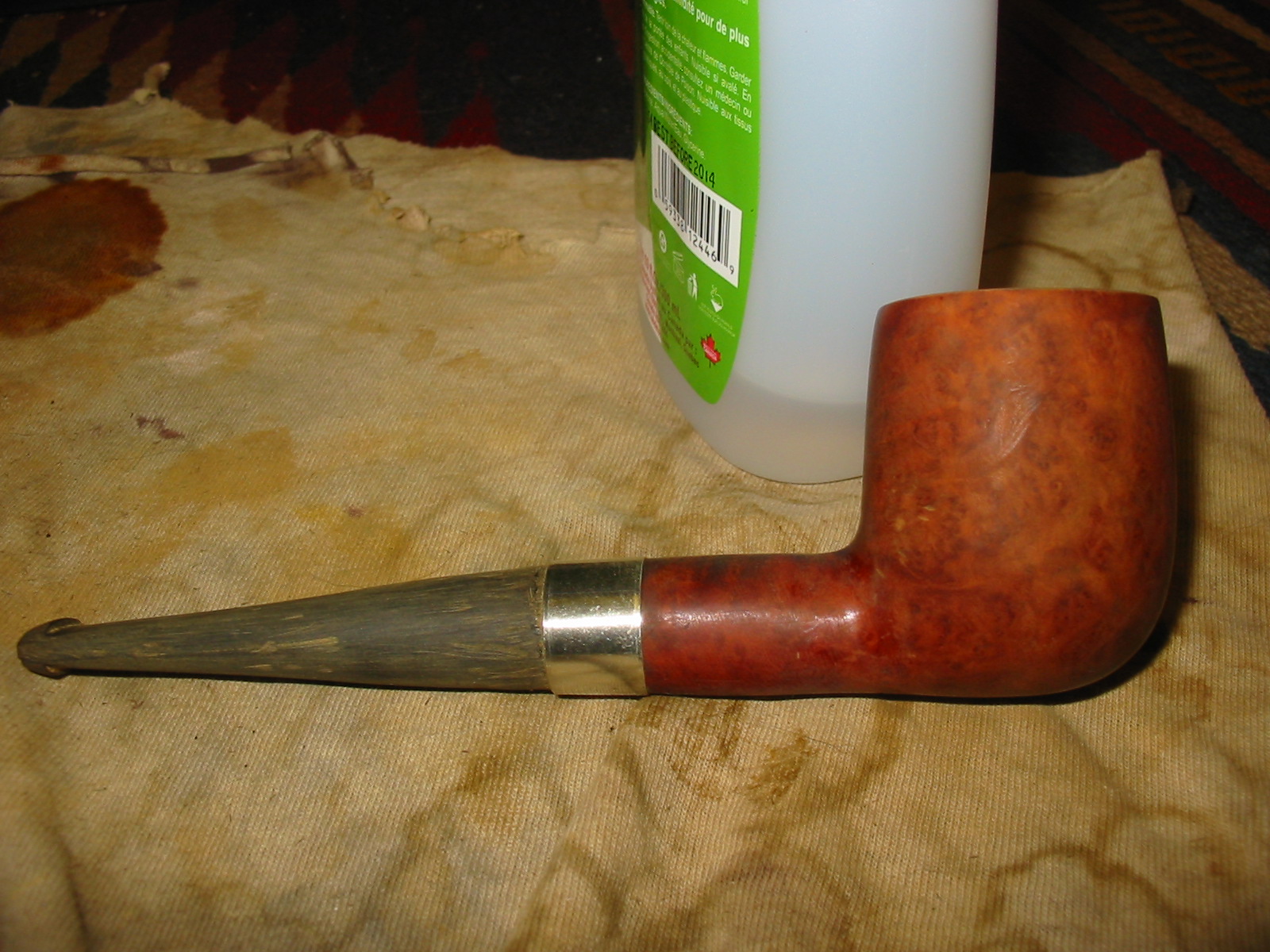
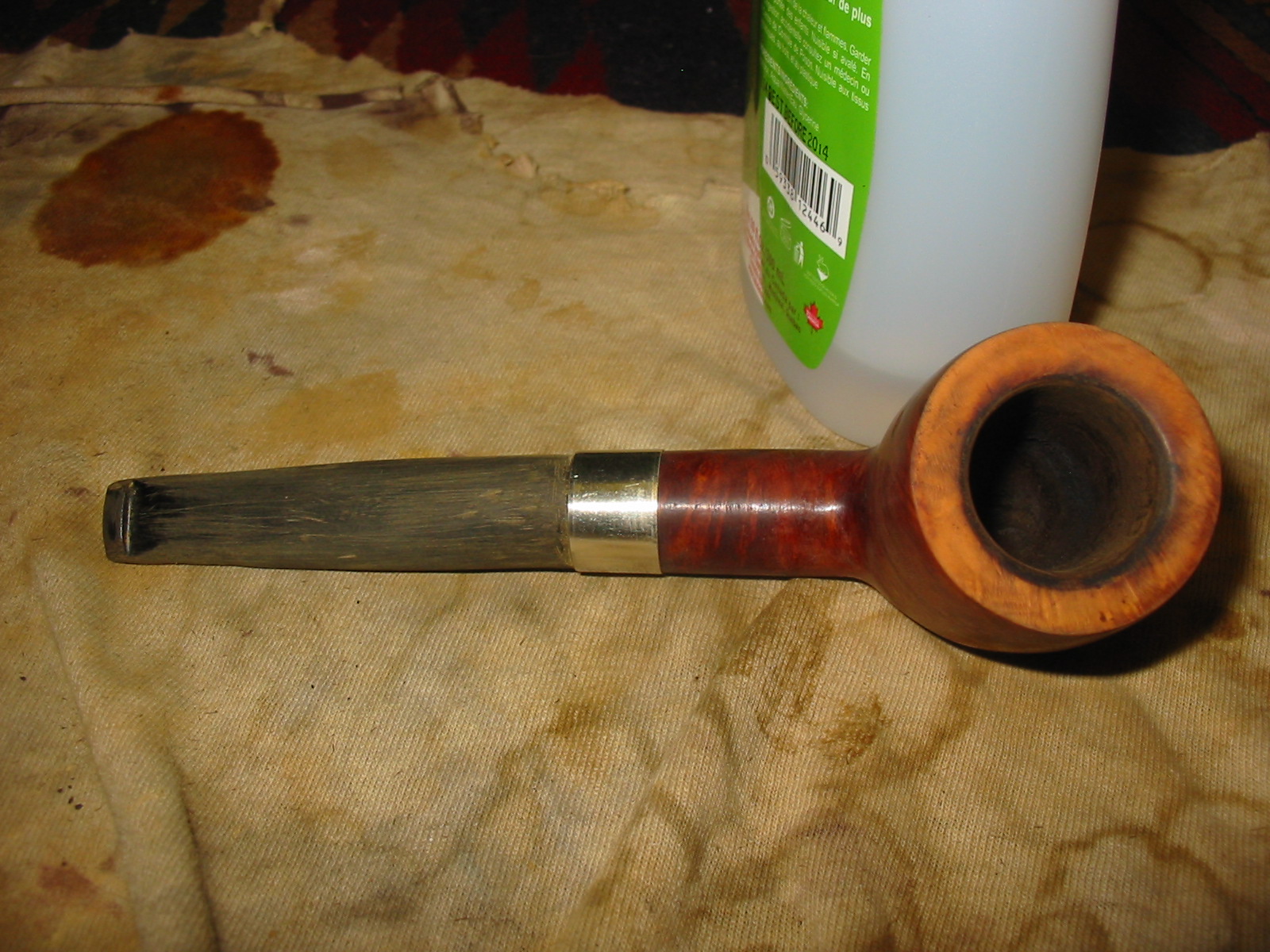
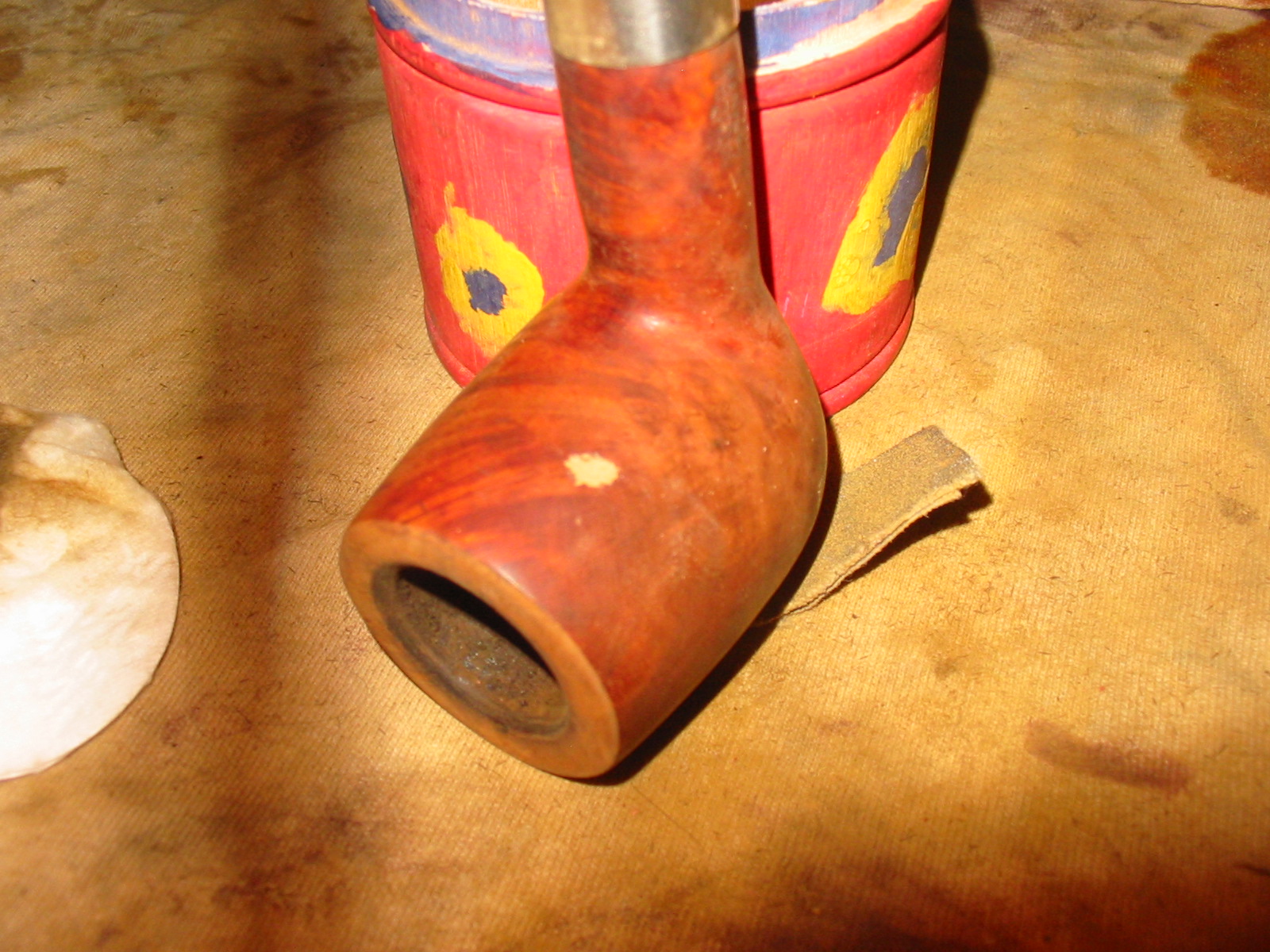
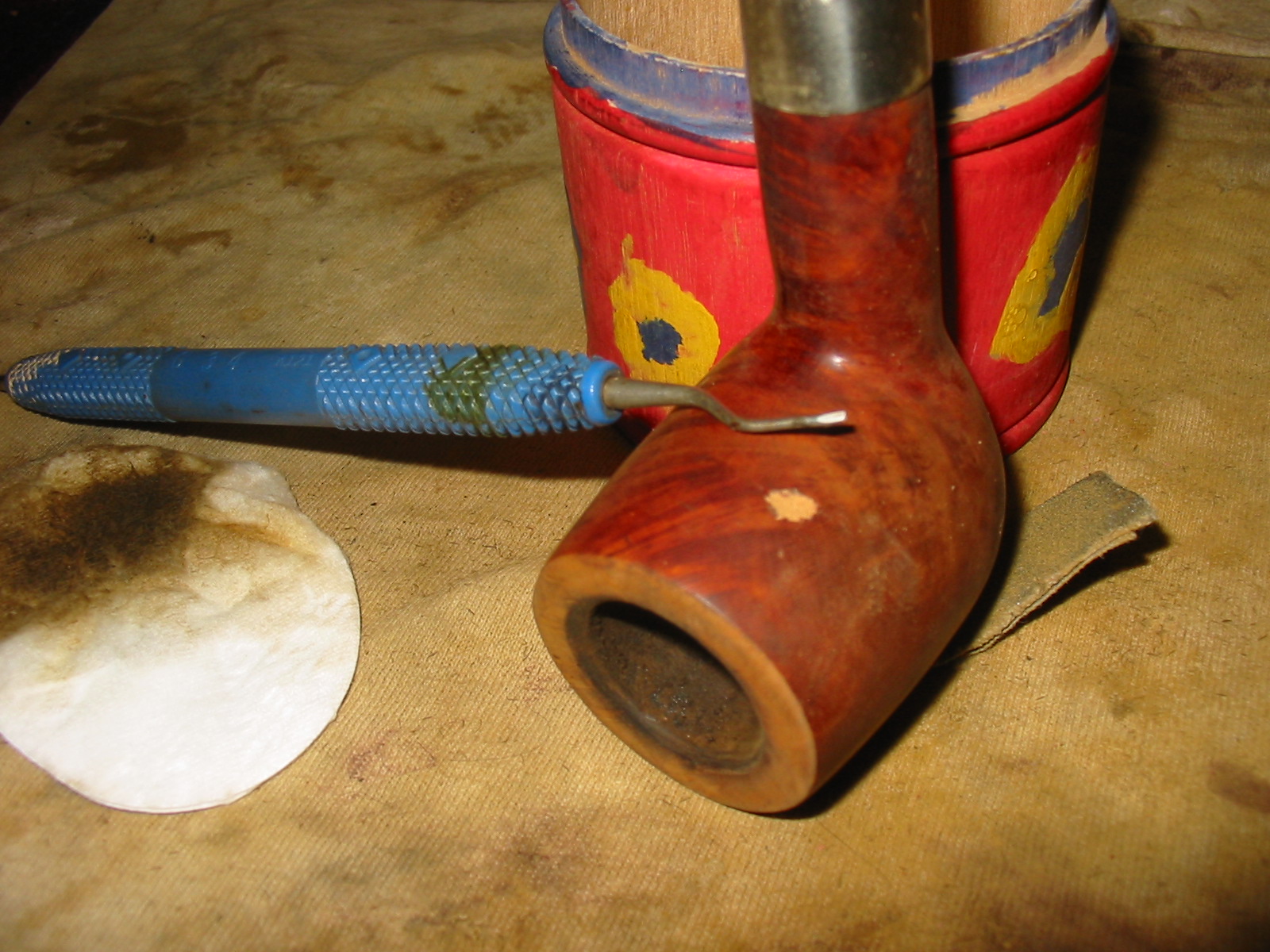
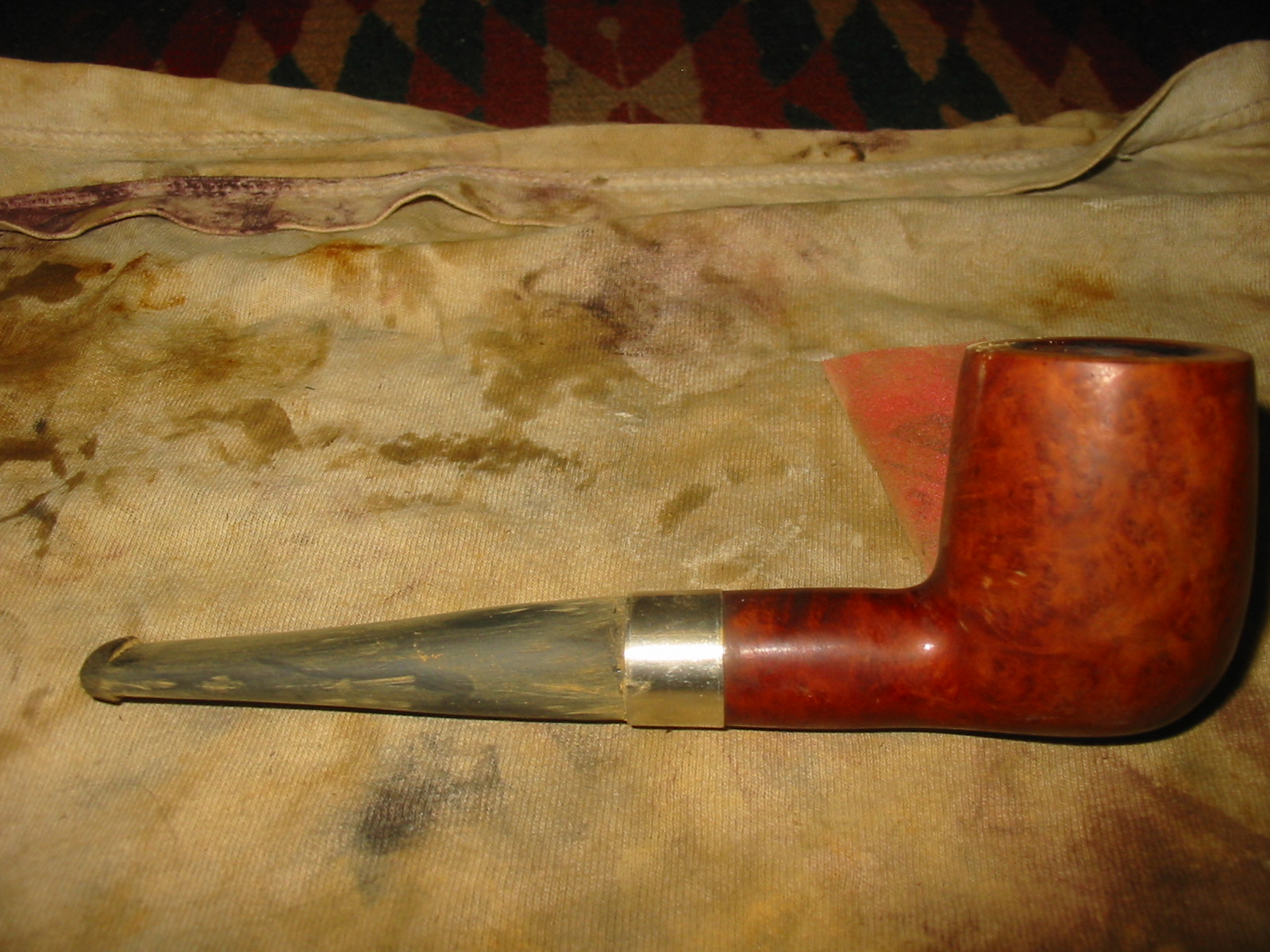
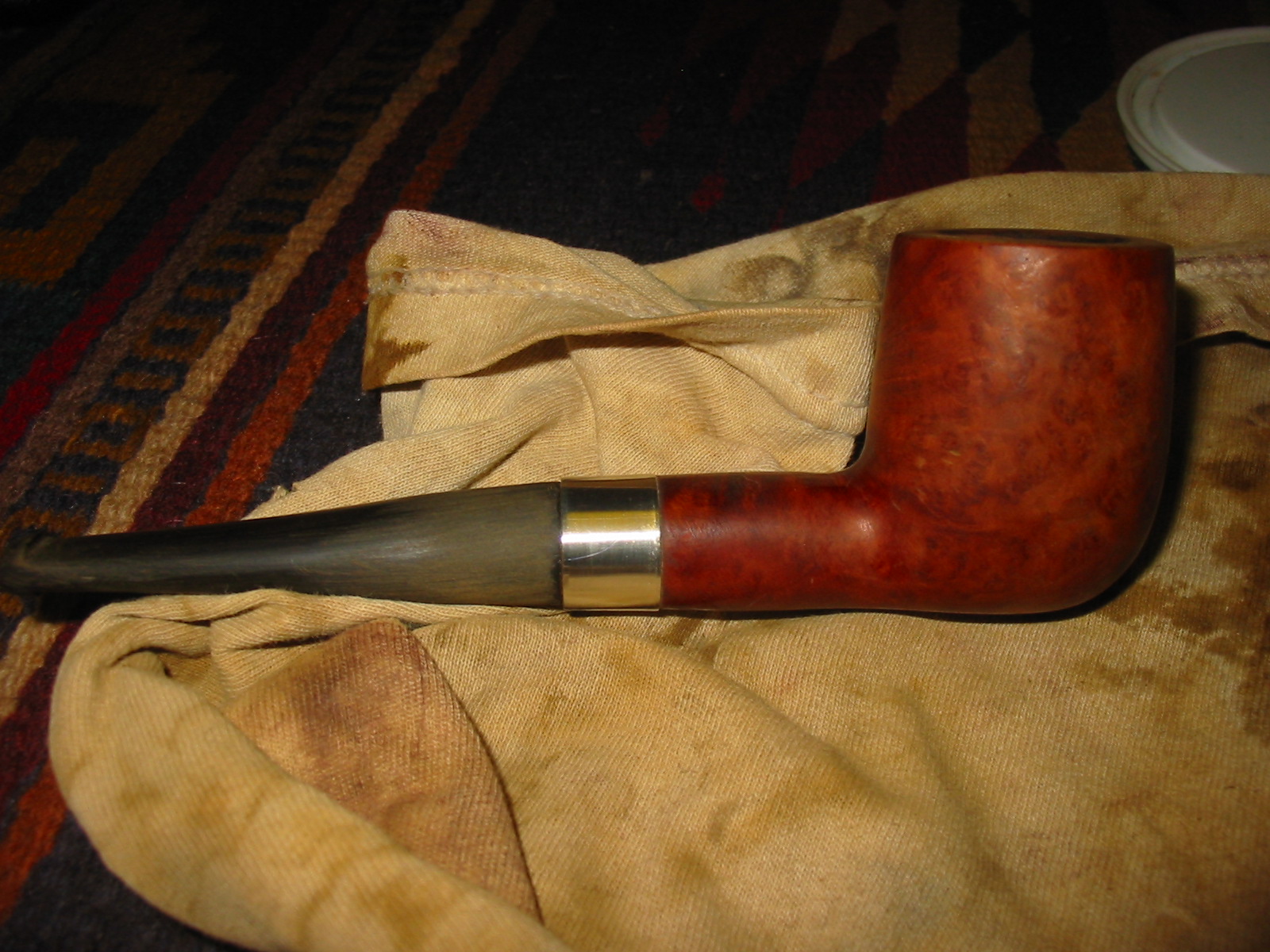
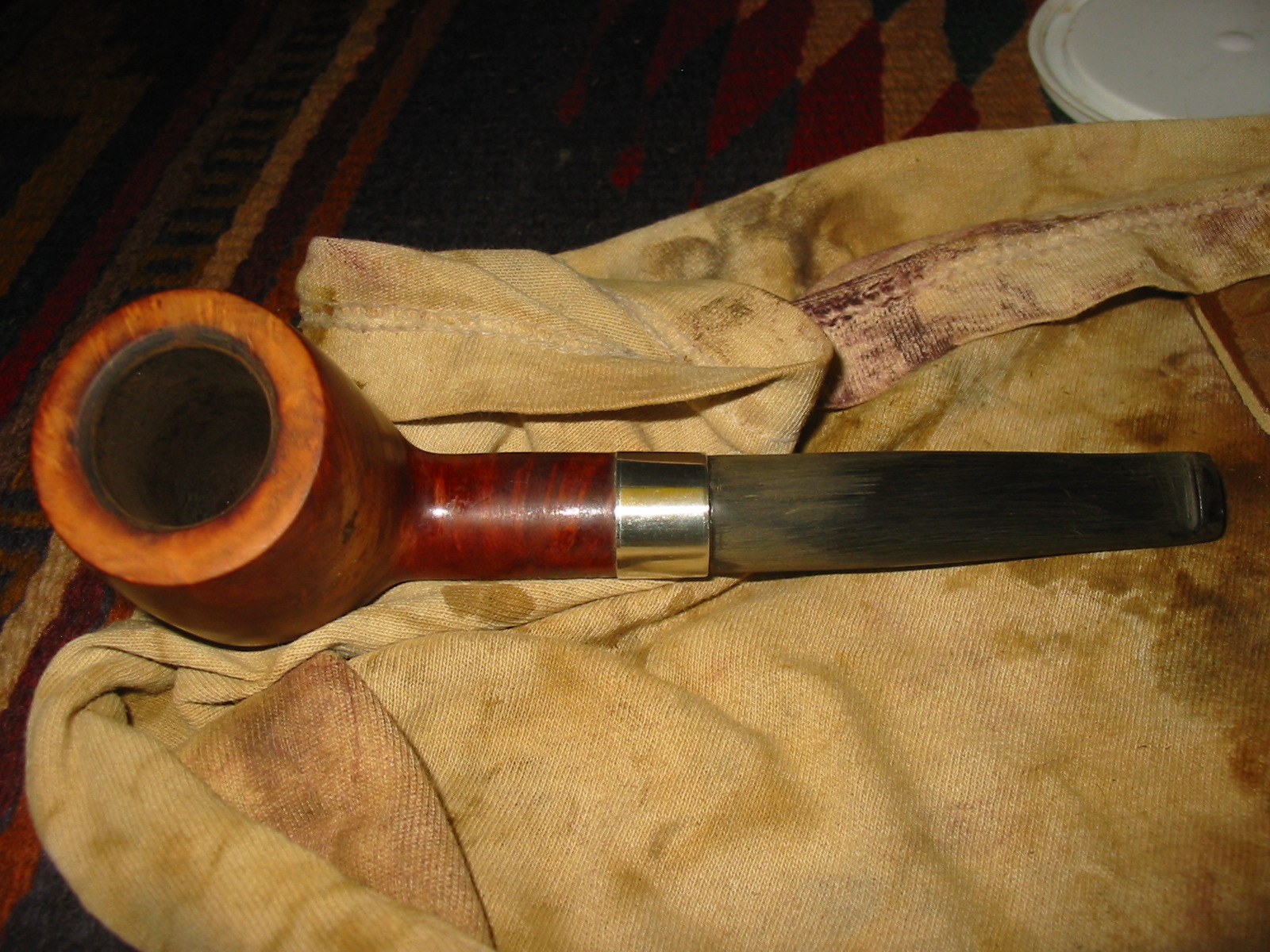
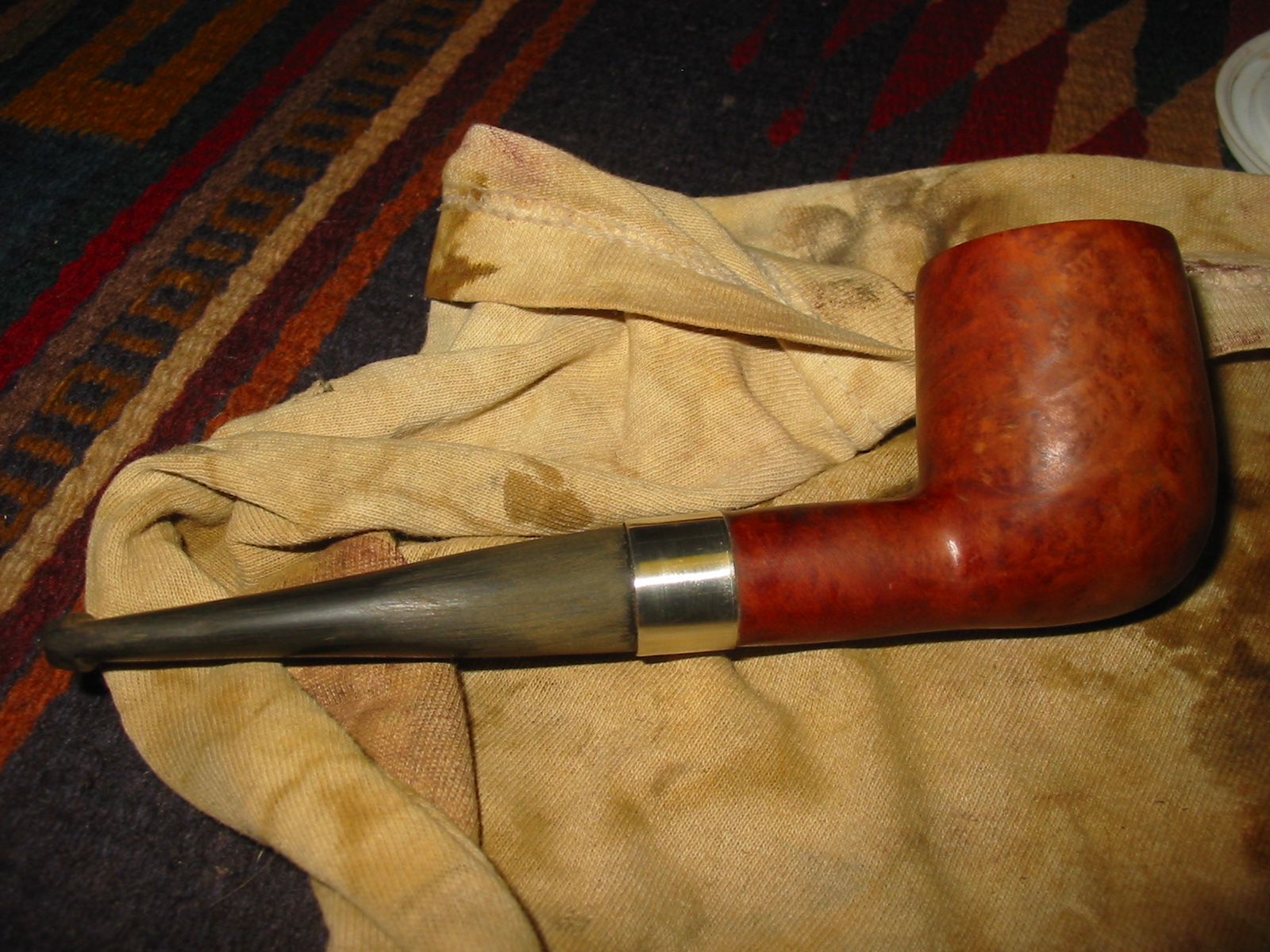
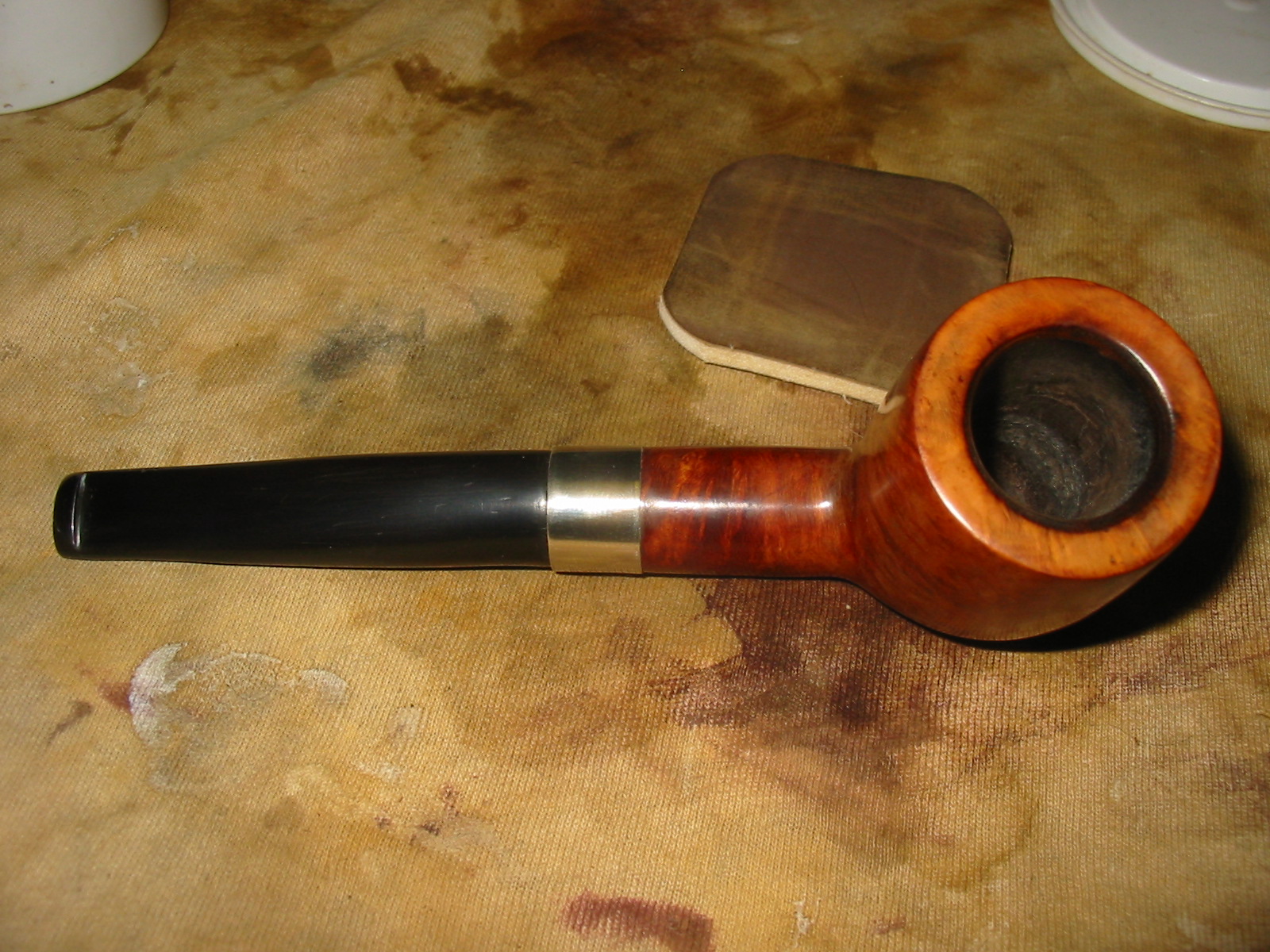
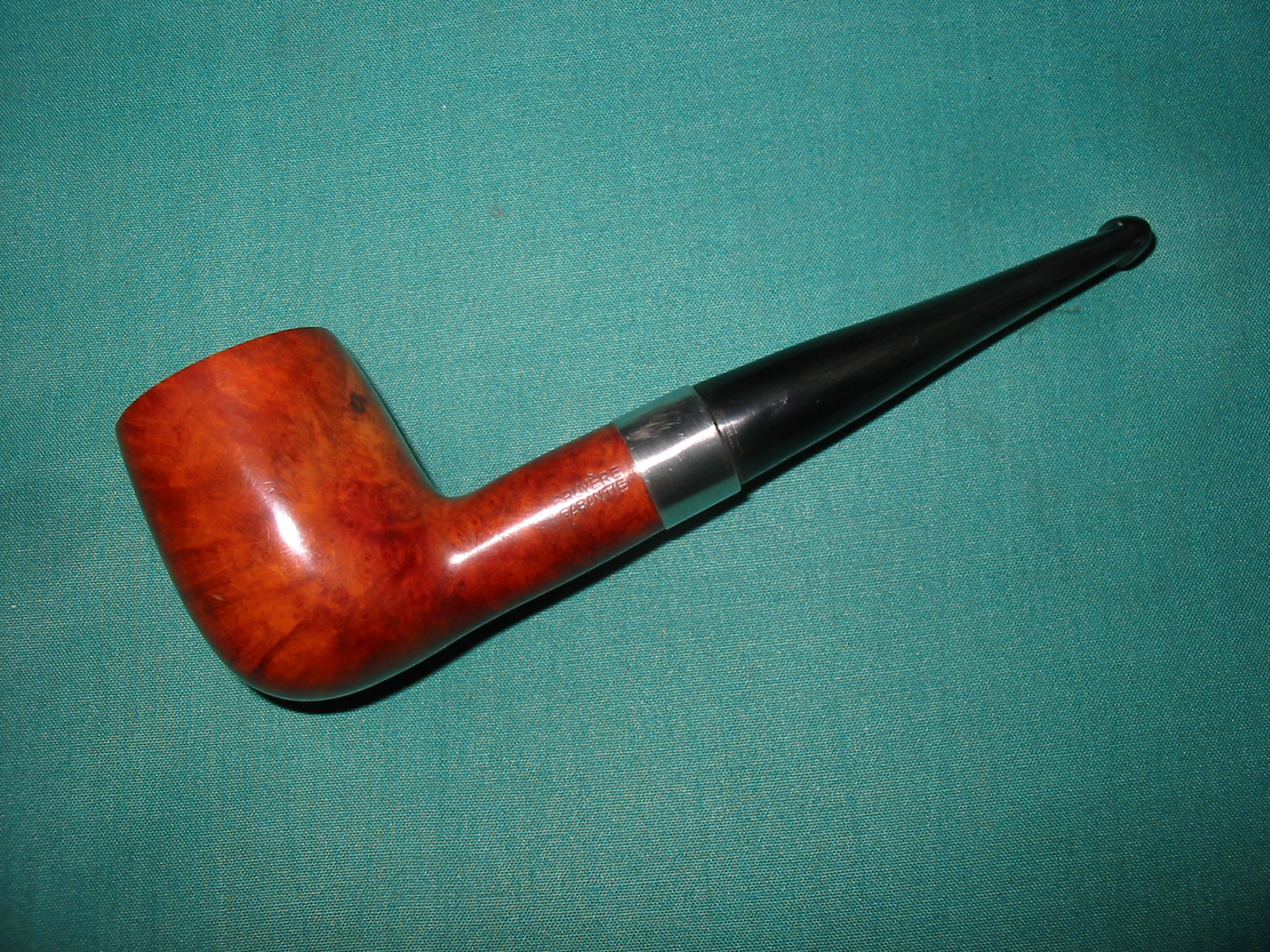
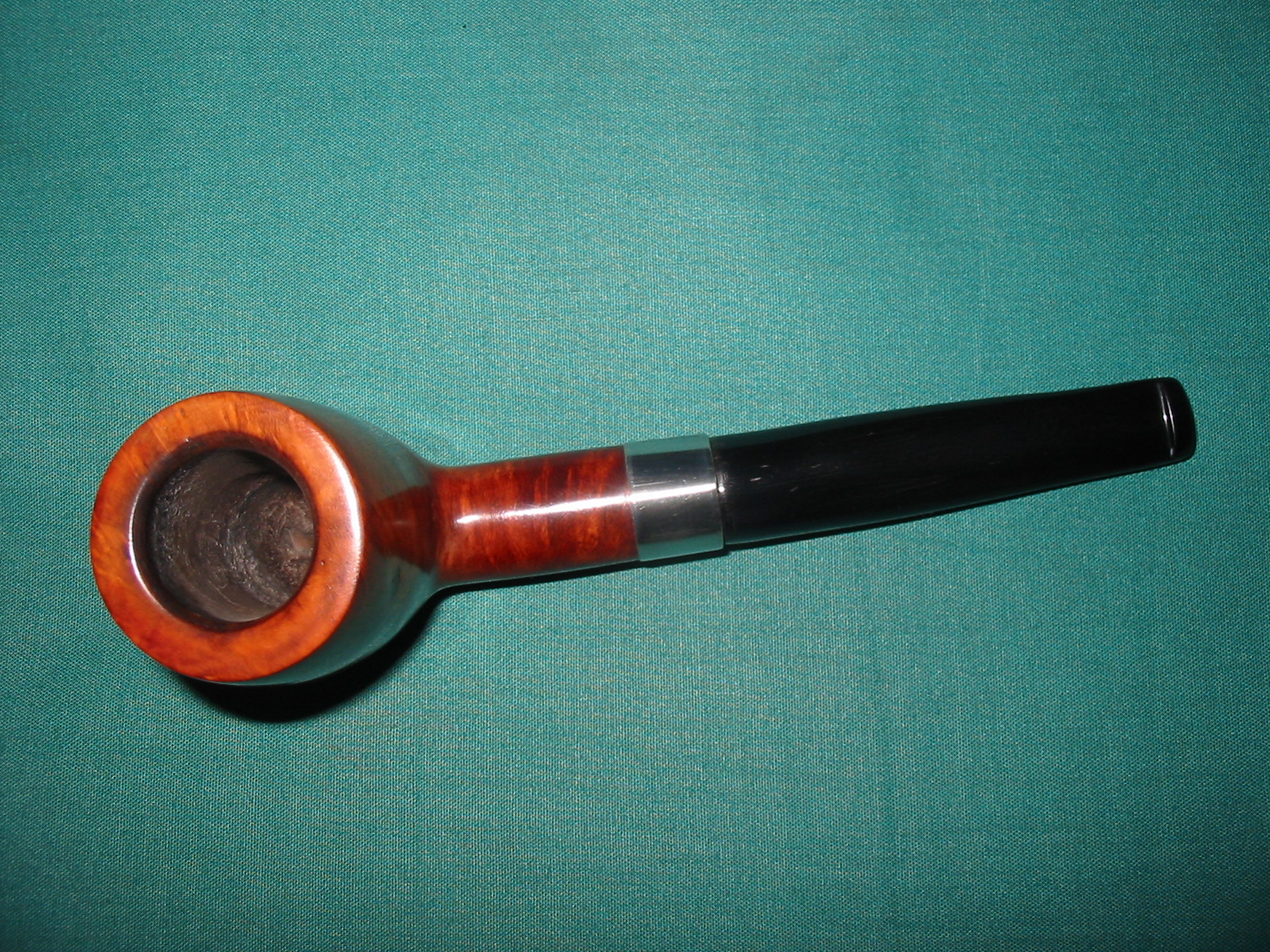
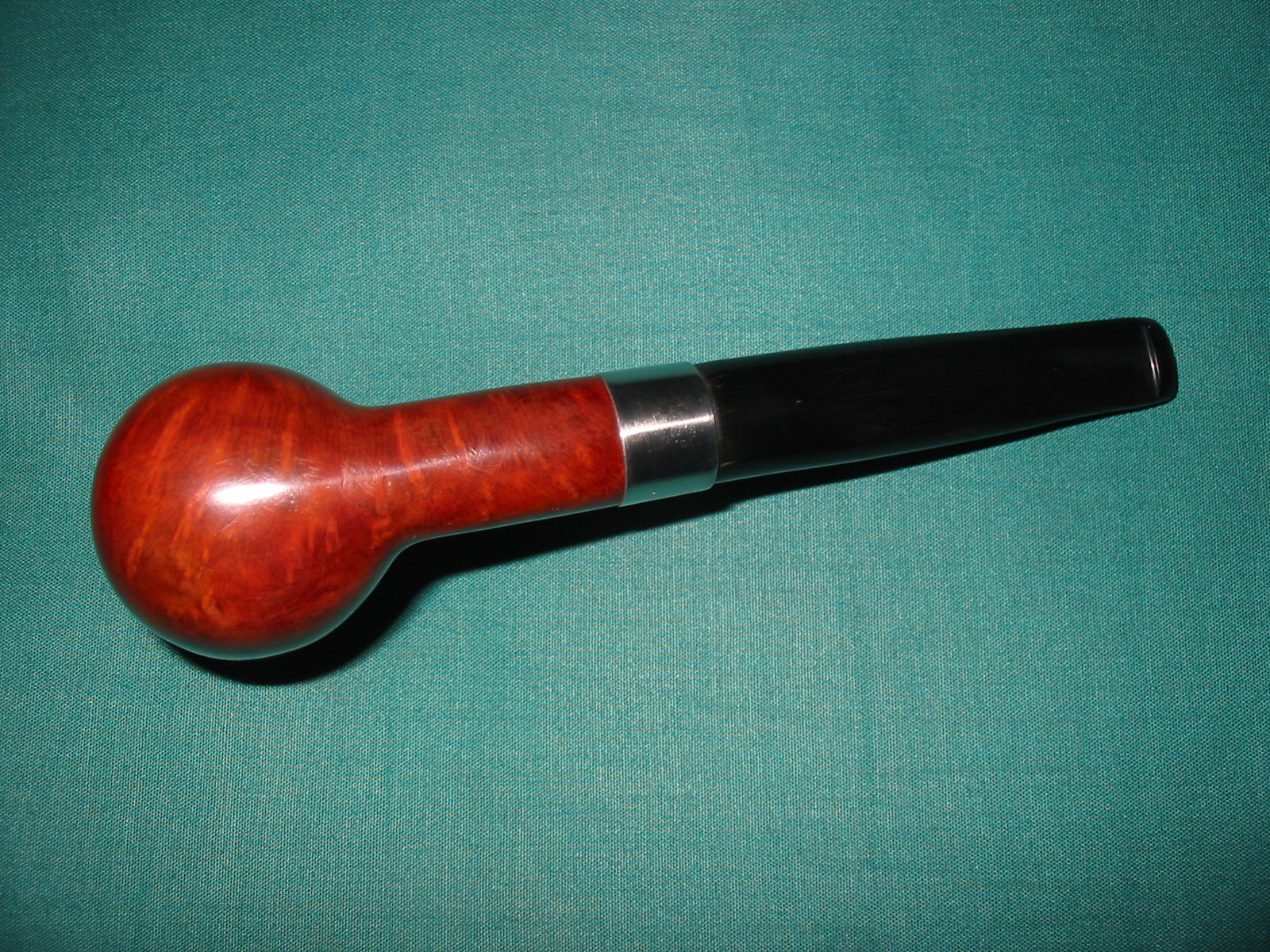
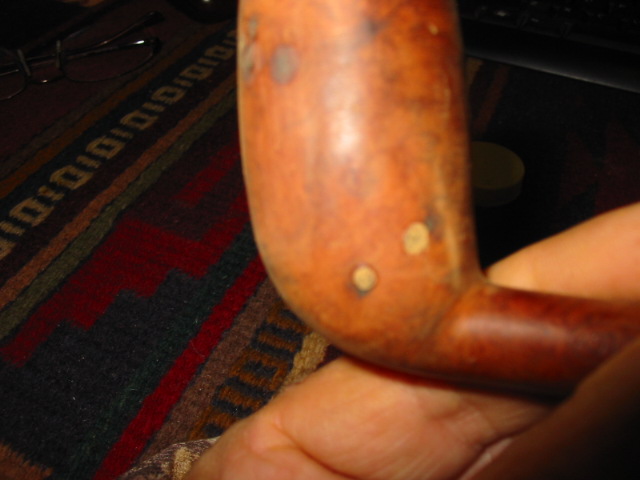
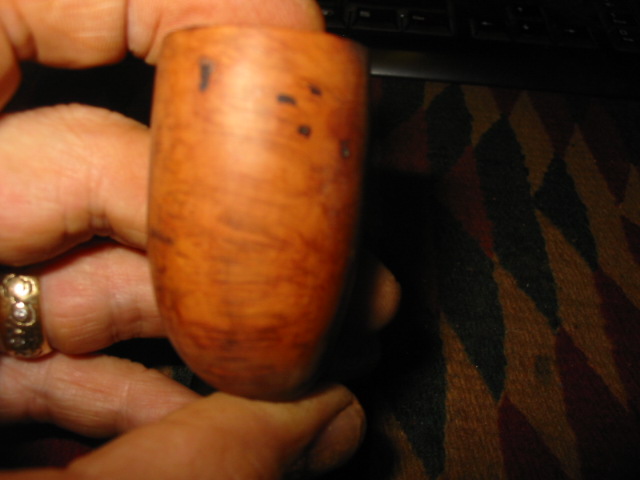
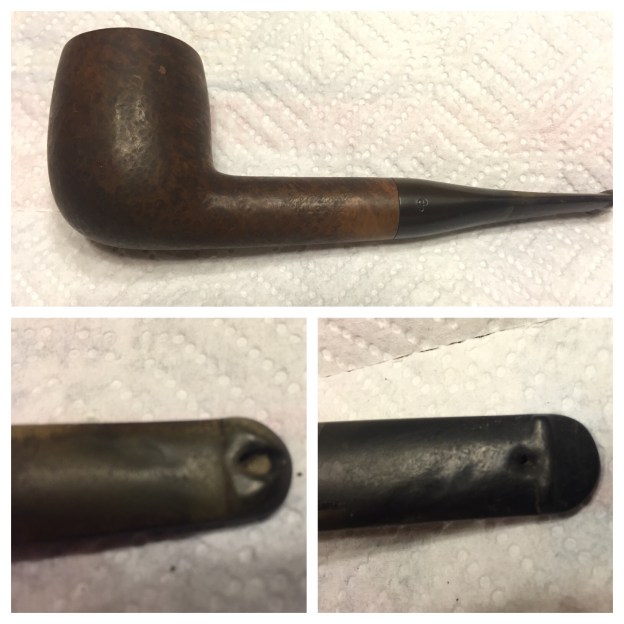
I knew the pipe needed stem work mostly but when it arrived at my home it was in worse condition than I had anticipated. The stem was really badly gnawed on, with an extra hole bitten through on the bottom. The pipe was very dirty and there was a fill that had partly fallen out; that didn’t really bother the owner, as I recall, but it made me nuts! Here is a look at what the pipe looked like when I got it.

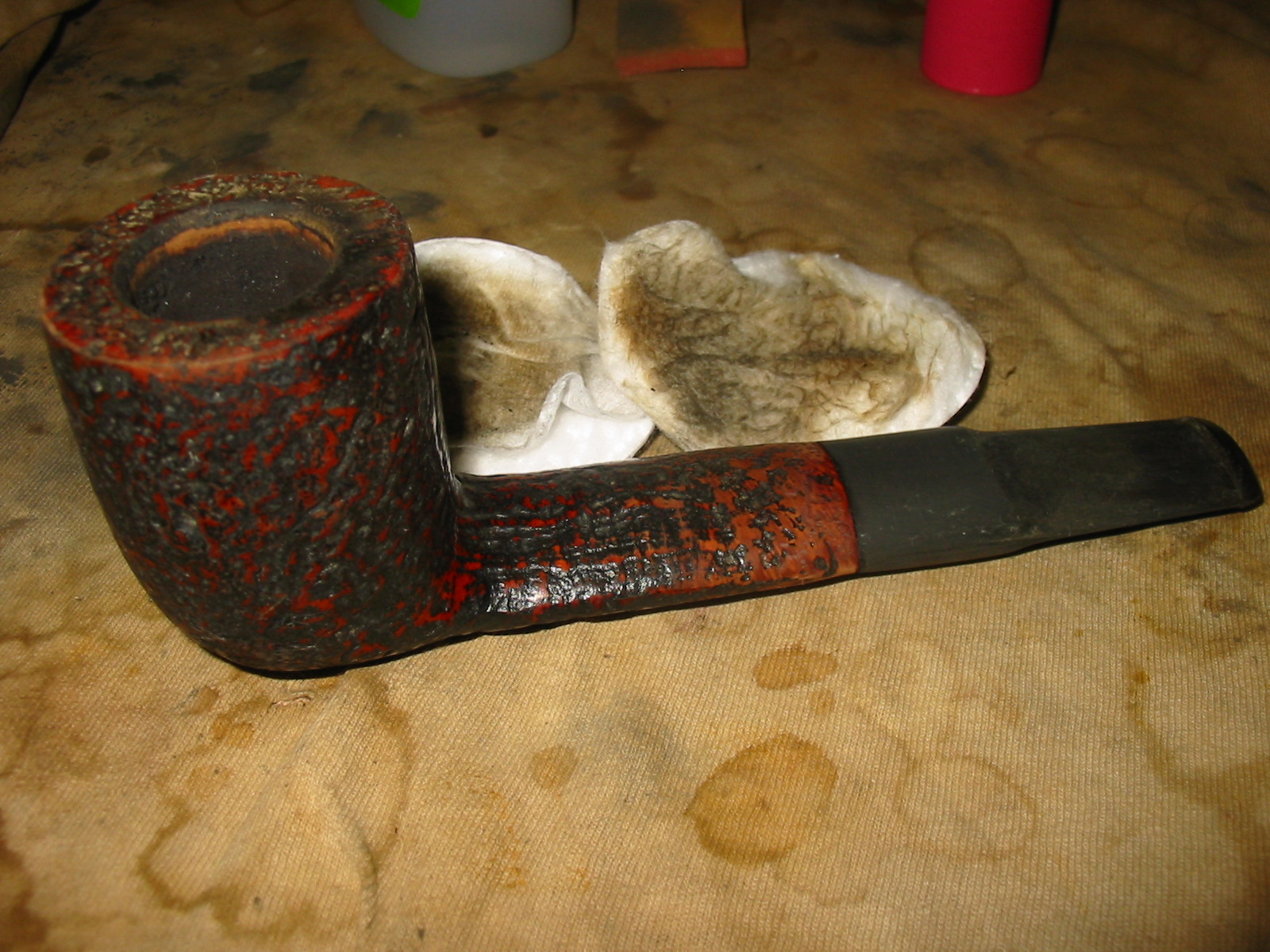
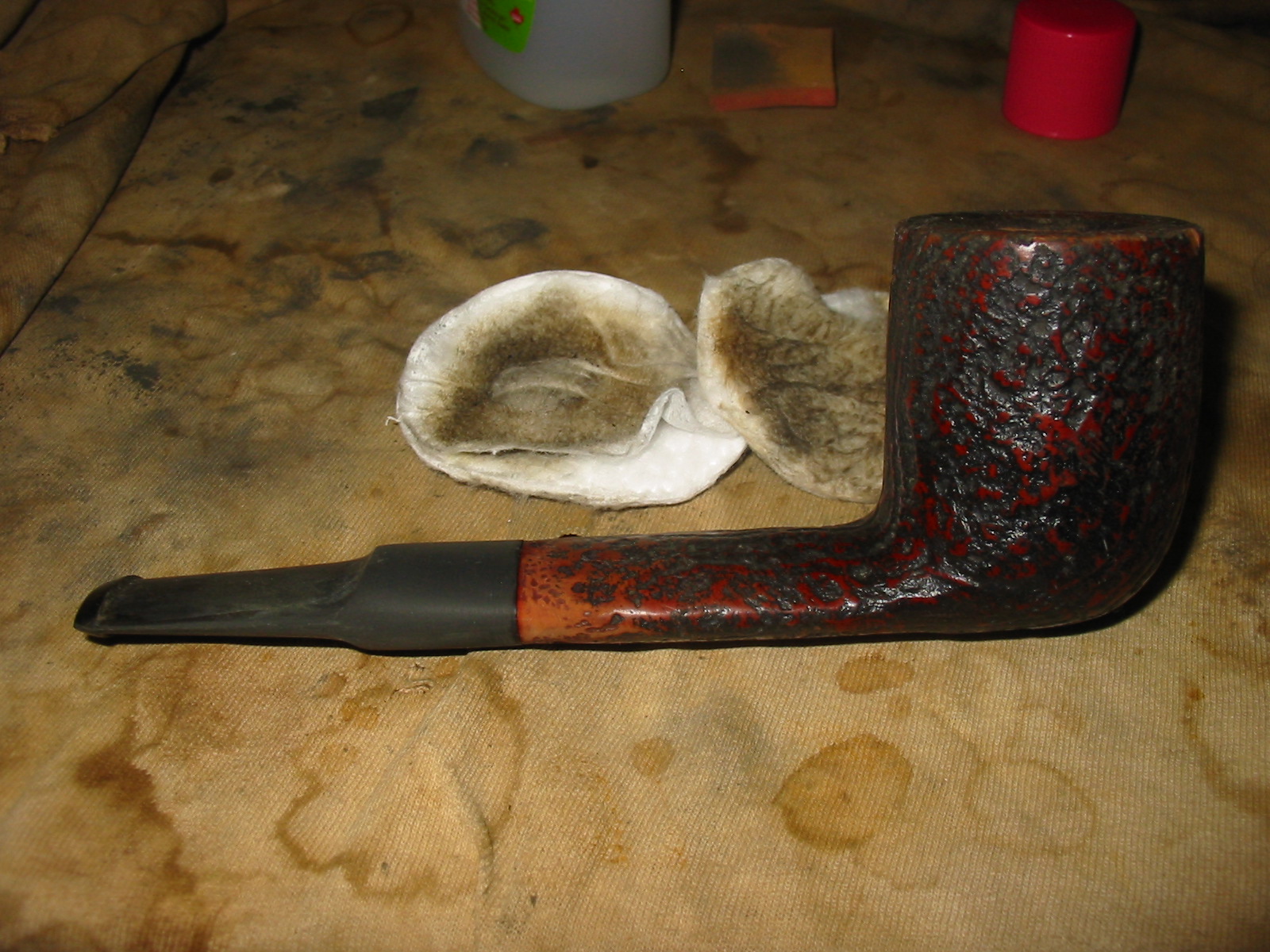
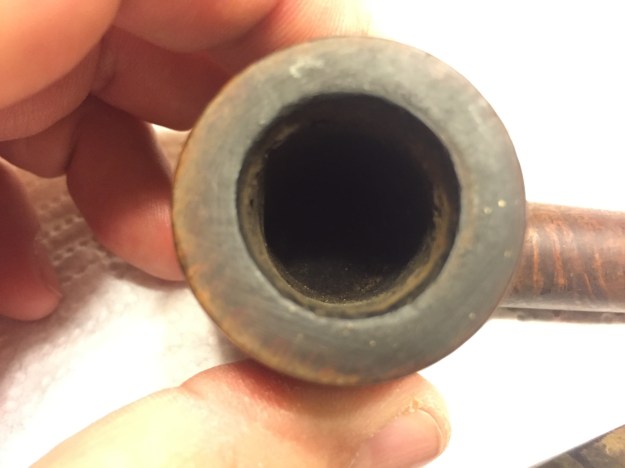
I began cleaning the internals which weren’t bad as it turns out. I cleaned the stummel with alcohol and cotton pads, removing the grime, exposing the missing fill even worse; I knew I had to deal with that as I went along. But first I began to ream the bowl while the stem soaked in an OxiClean bath. img_5027
The OxiClean bath and a scrubbing in clean, warm water with a green Scotch pad left the stem clean and free of oxidation. The amount of work the stem needed was even more apparent now; not only did the bit need a lot of work, there were some very large dents in the stem. I tried to raise the dents with heat but that really made no difference. So I decided to start the process of building the bit up (P-lip, a new for me repair) and filling in the dents with black CA glue and charcoal powder. This took many layers over many days (which turned into months); I had to raise, shape, repeat, over and over to get the P-lip back and to fill the extra hole in the bottom of the stem and the deep divots.

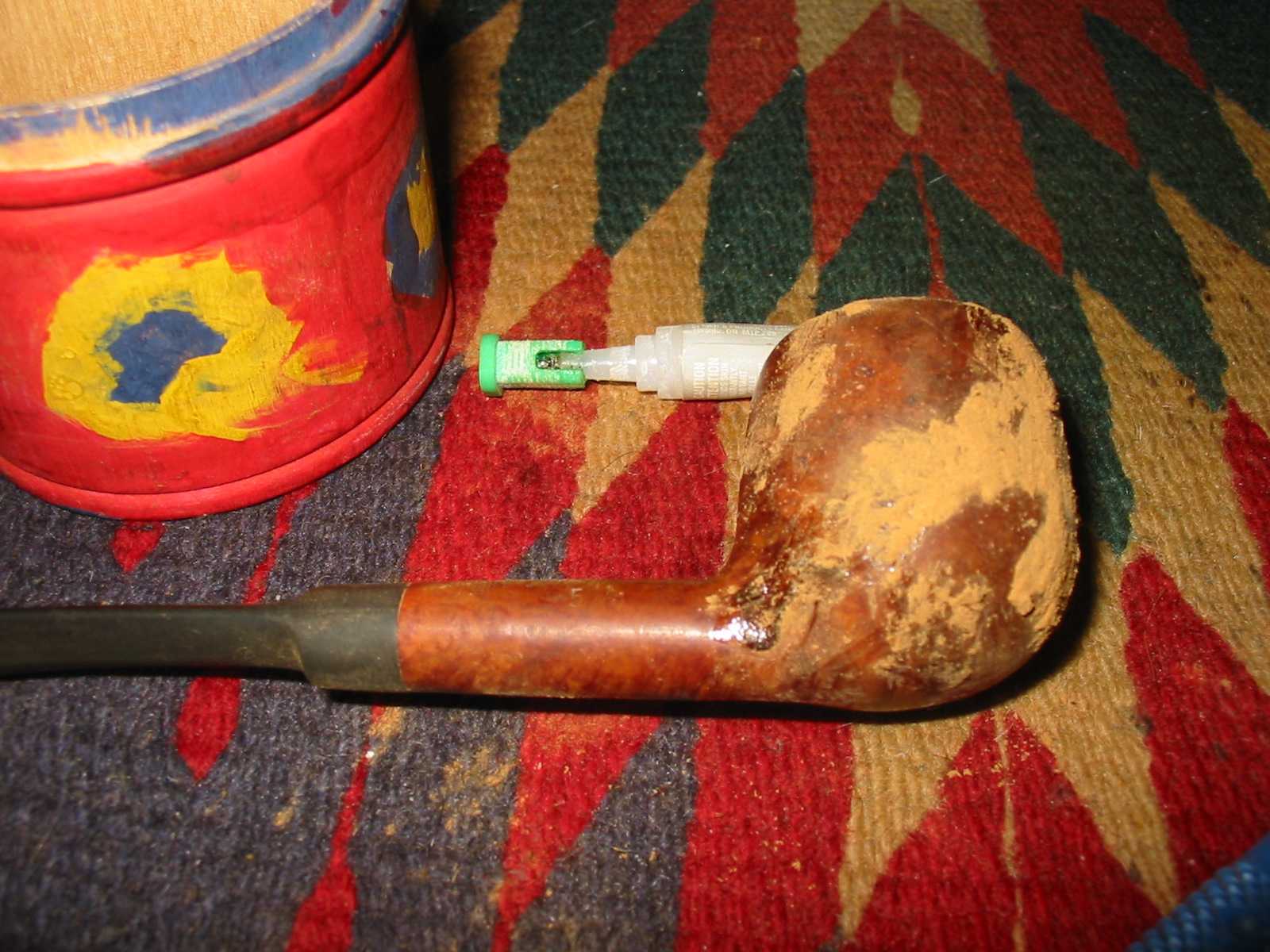
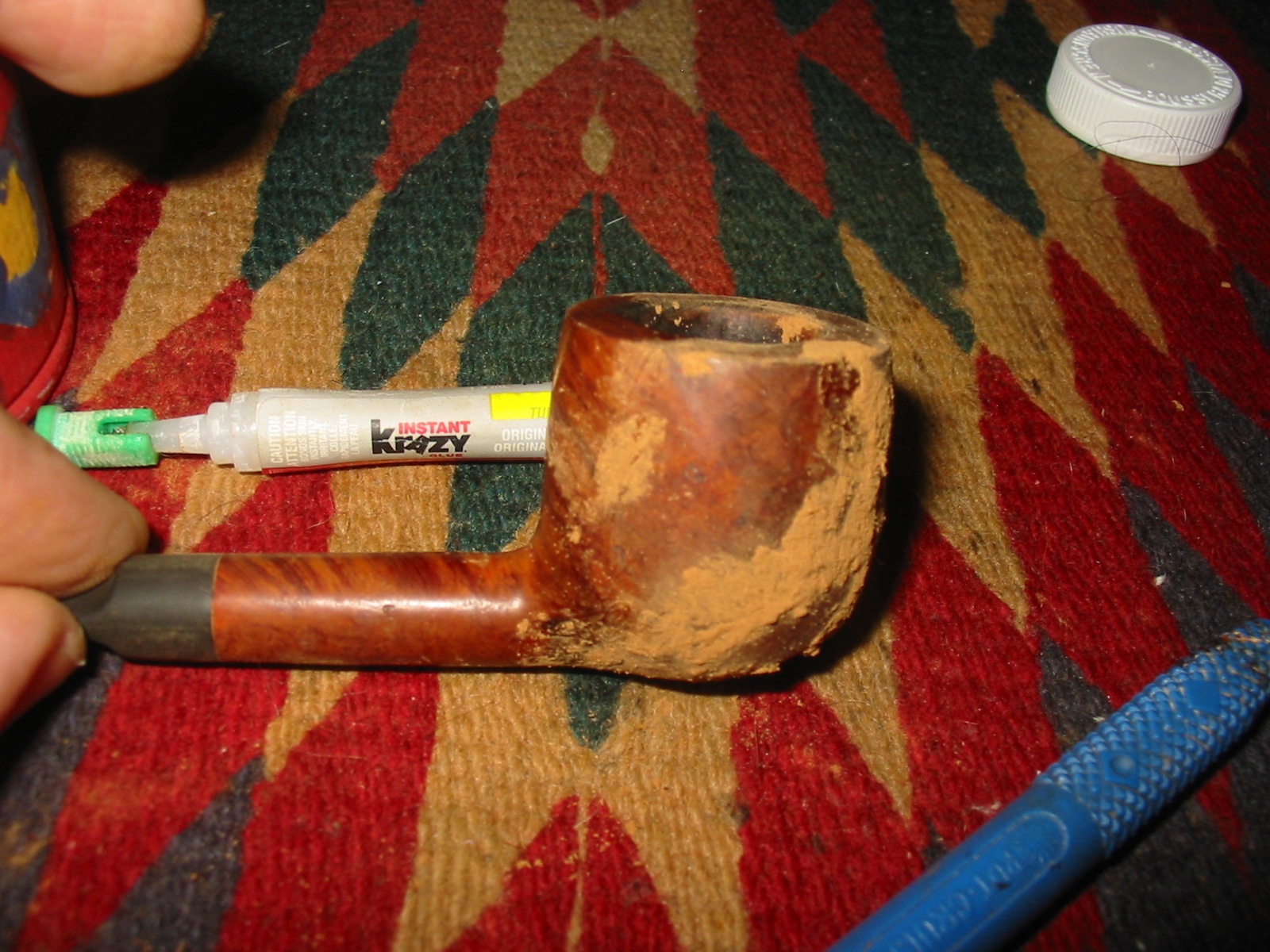
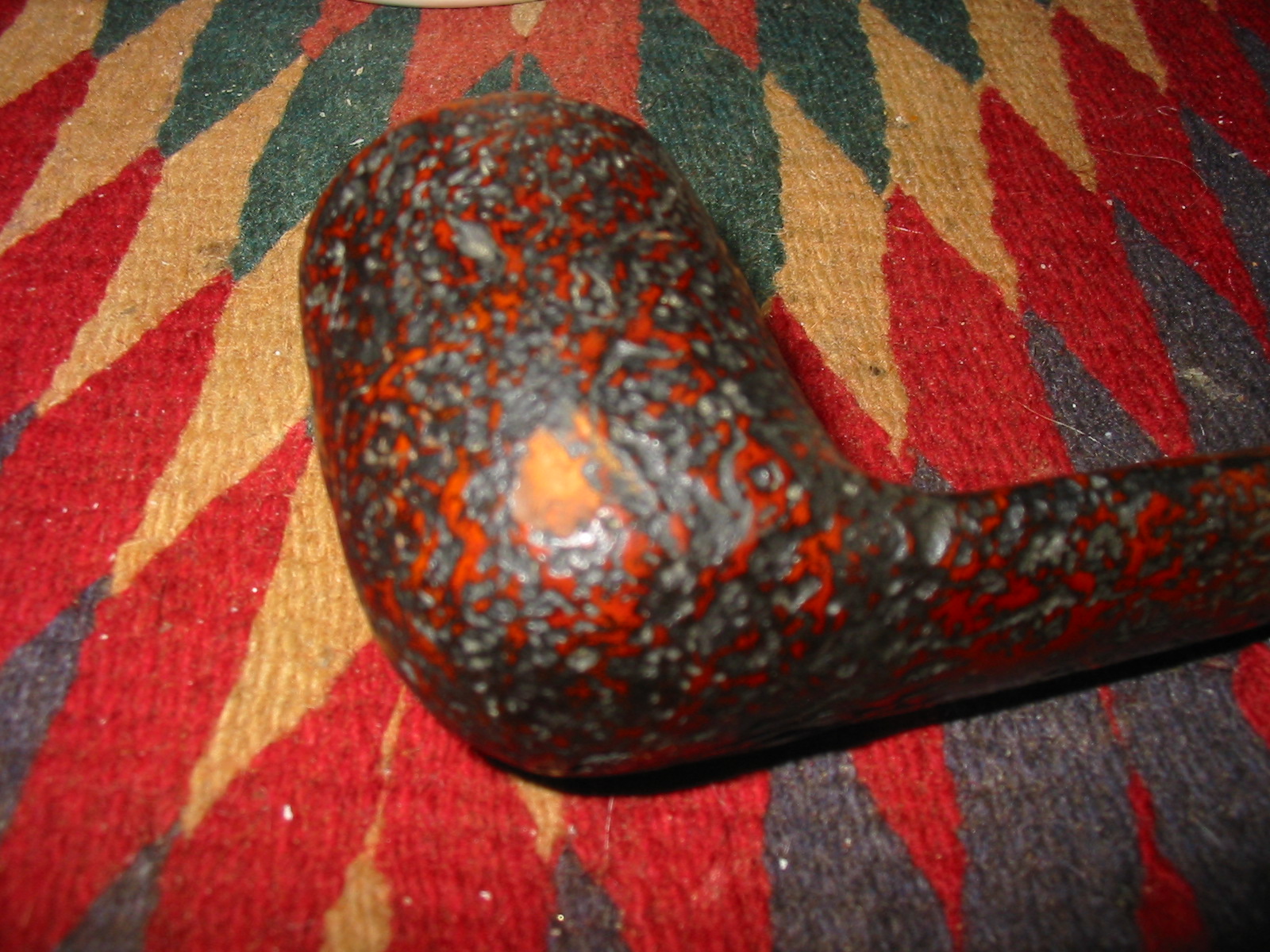
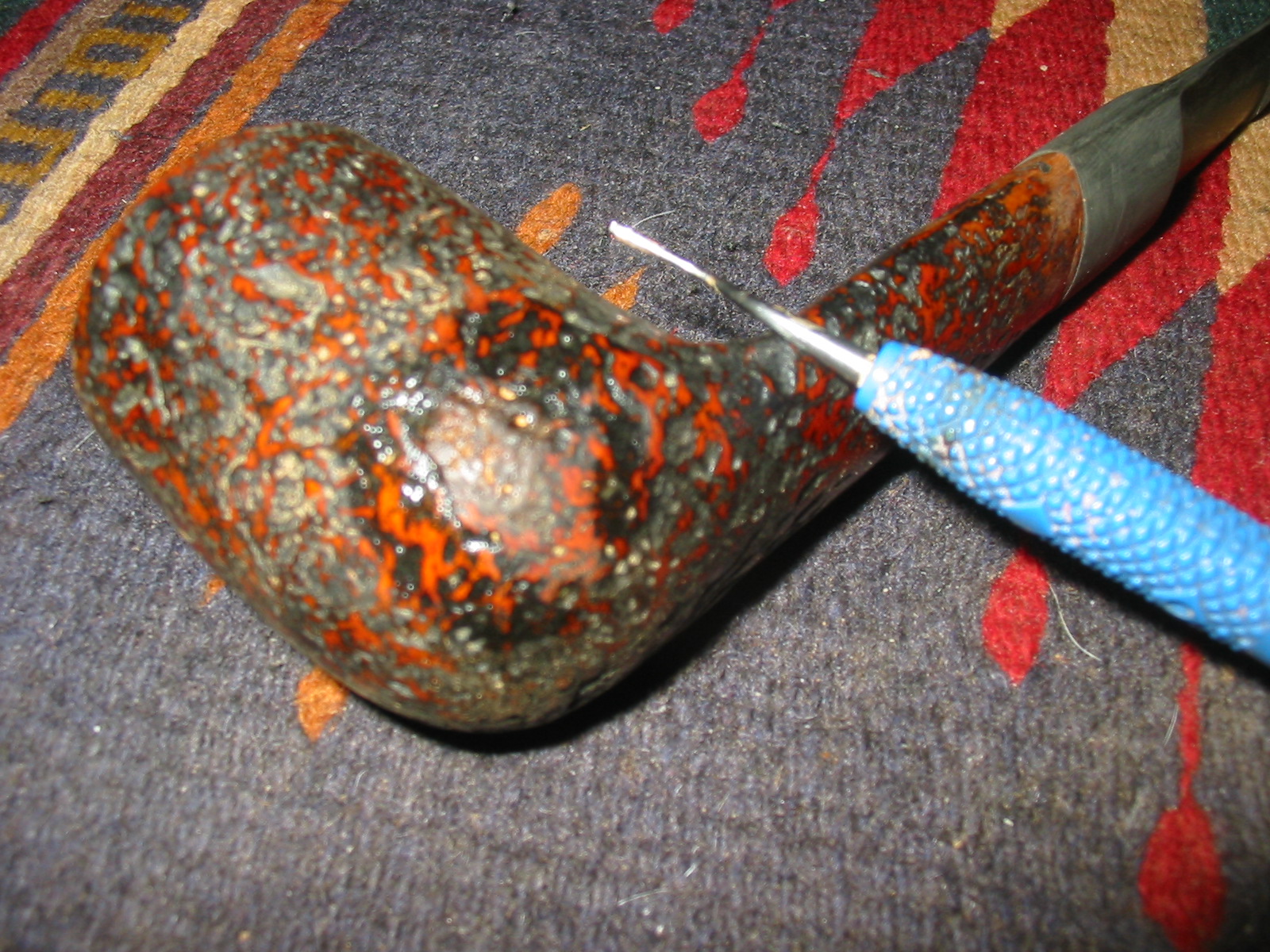
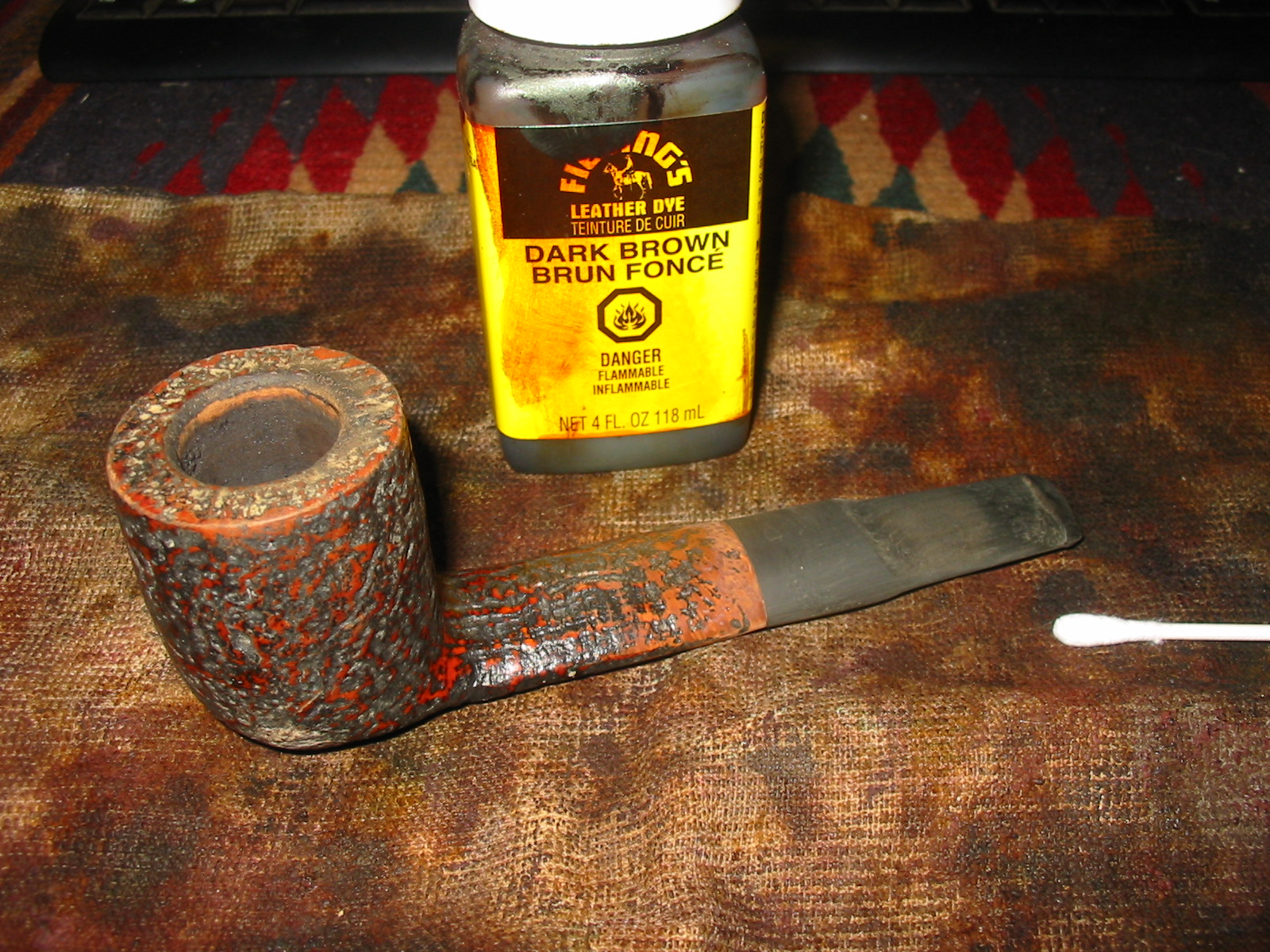
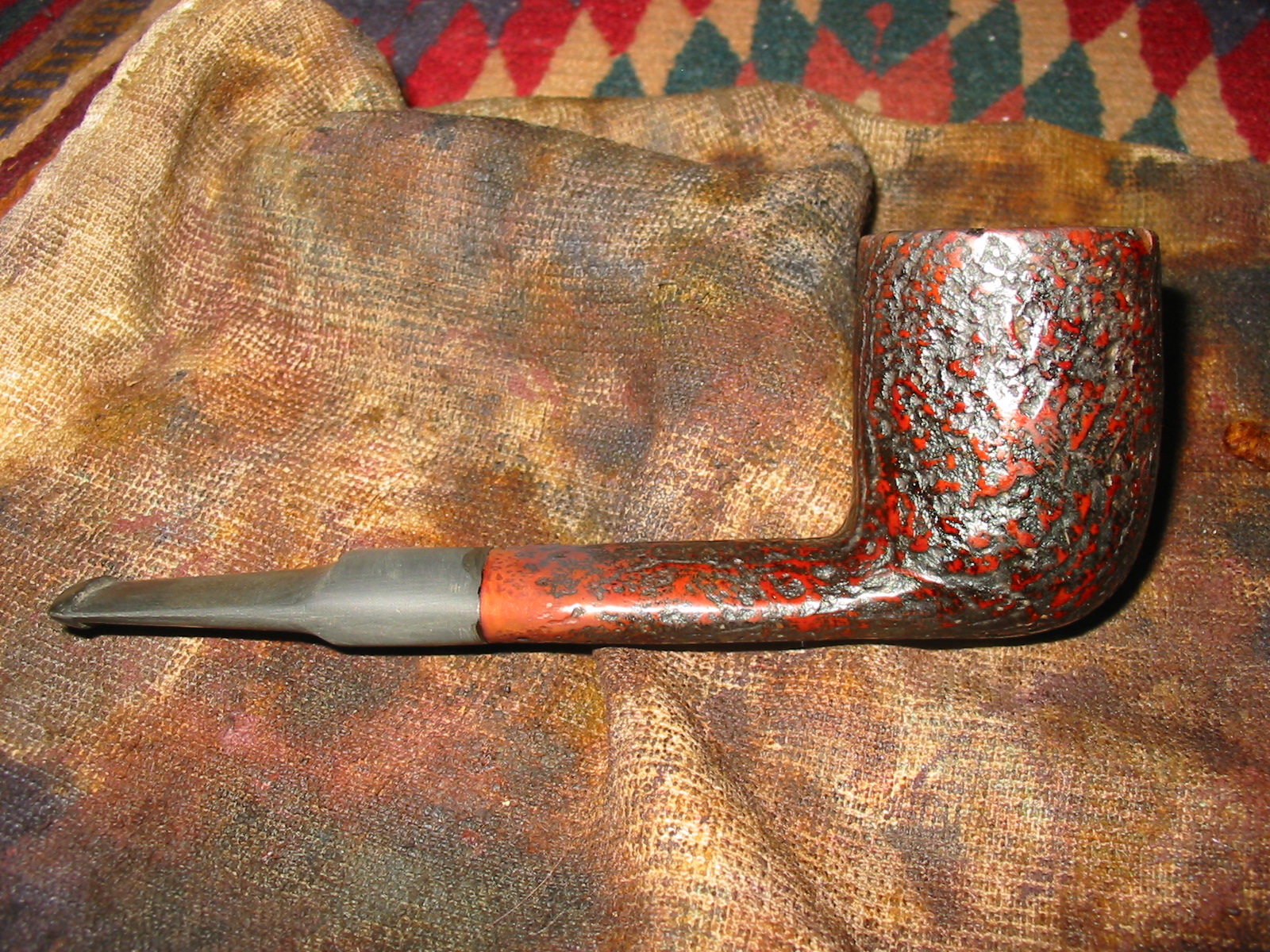
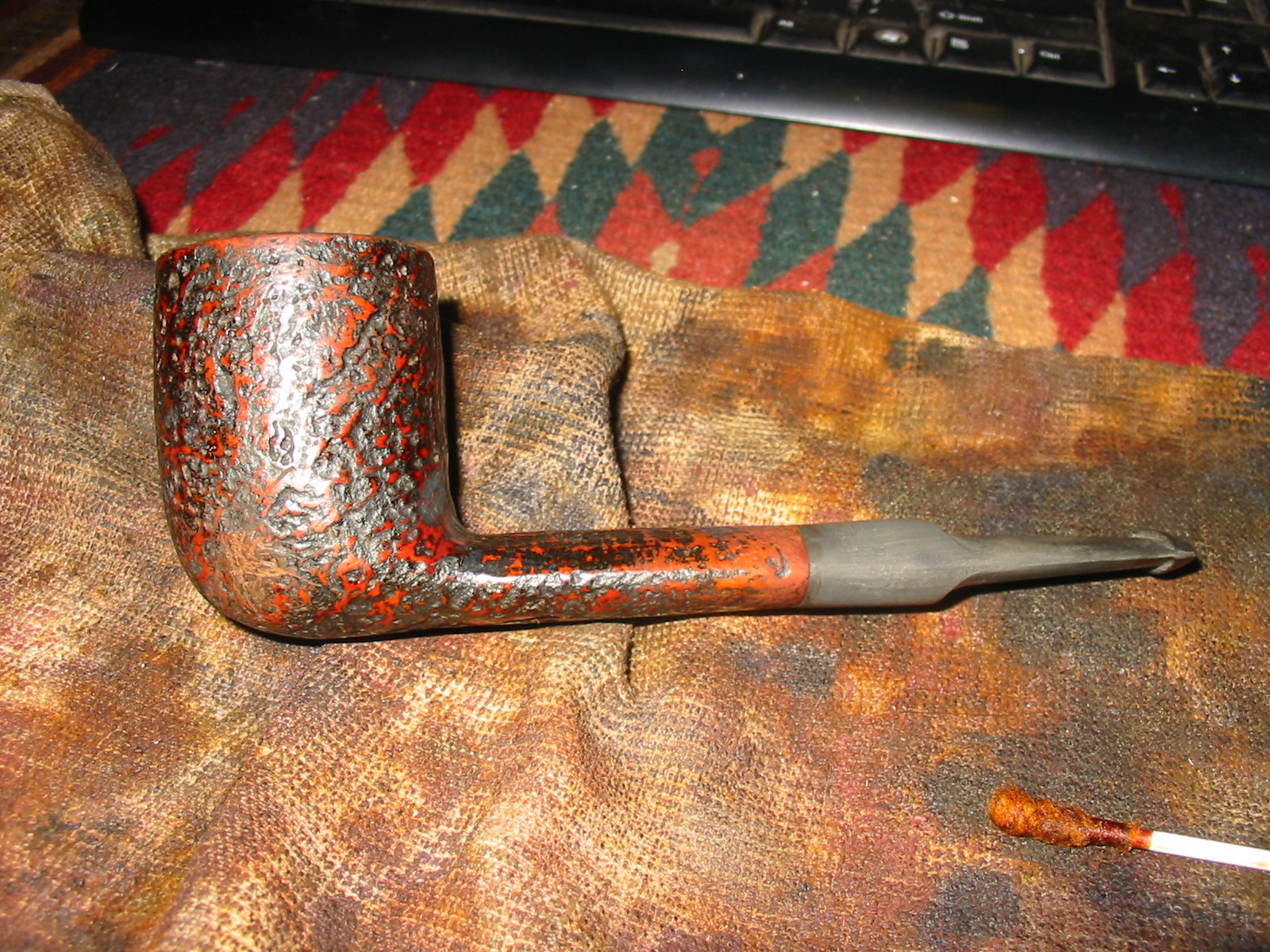
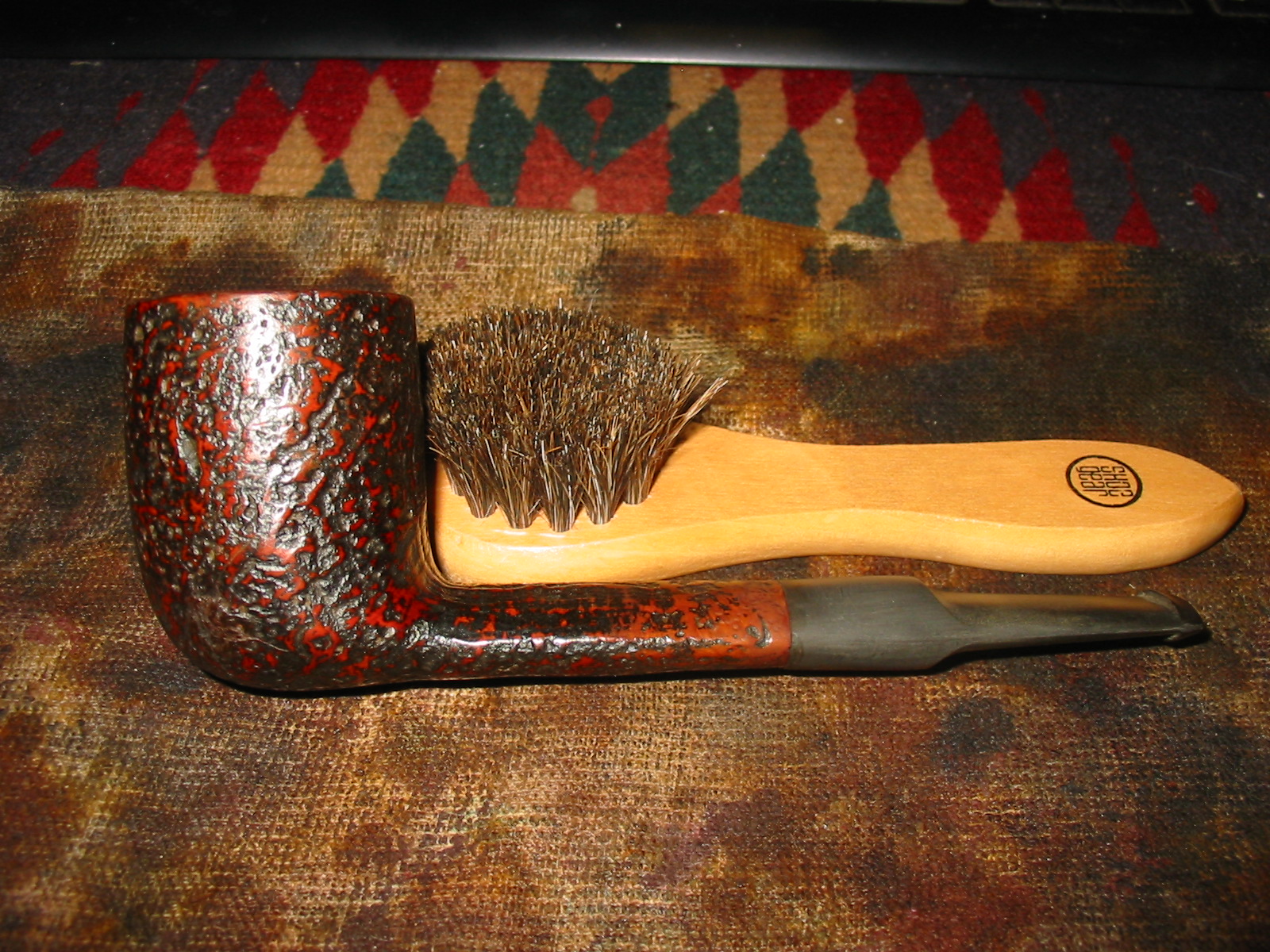
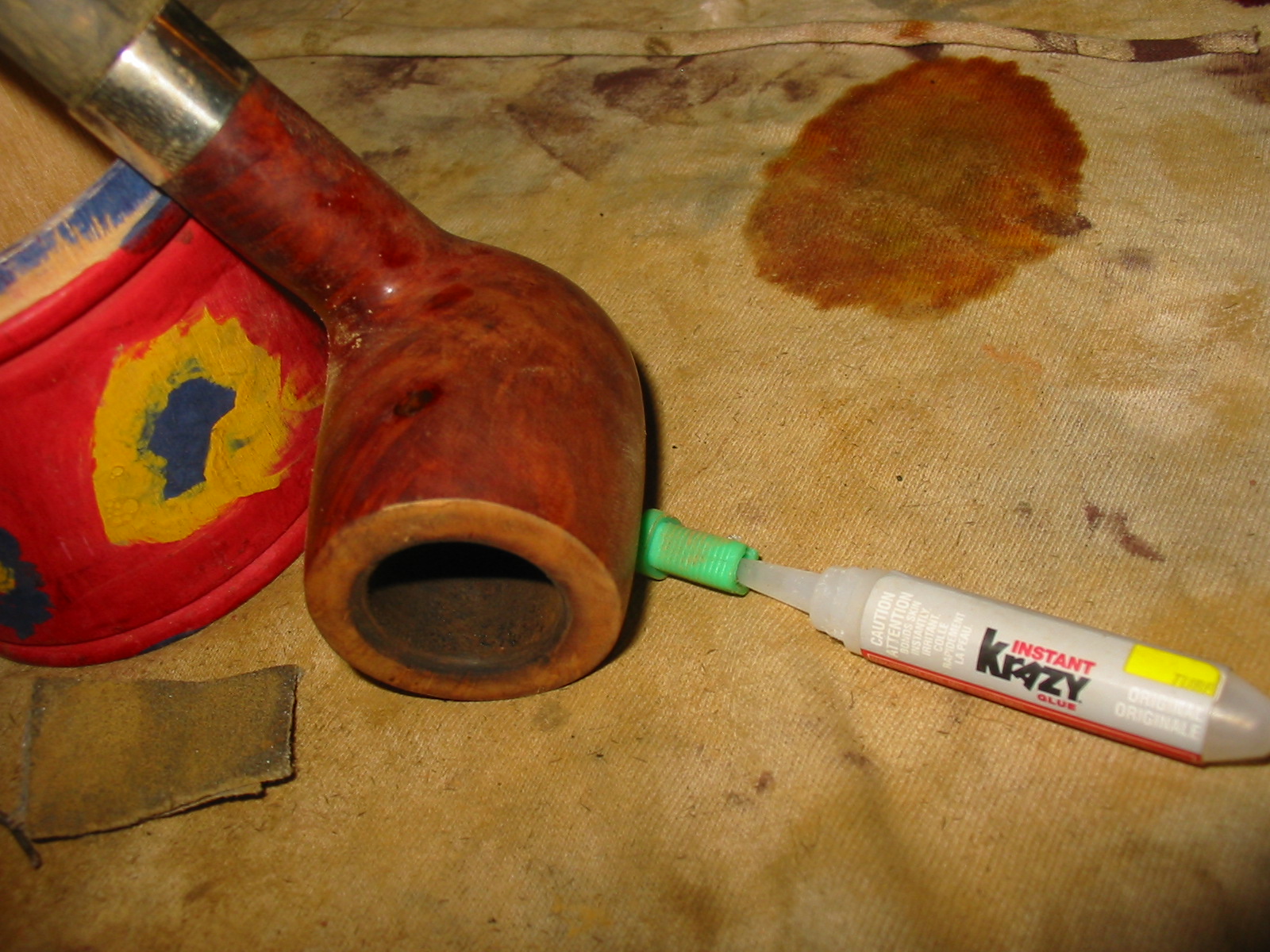
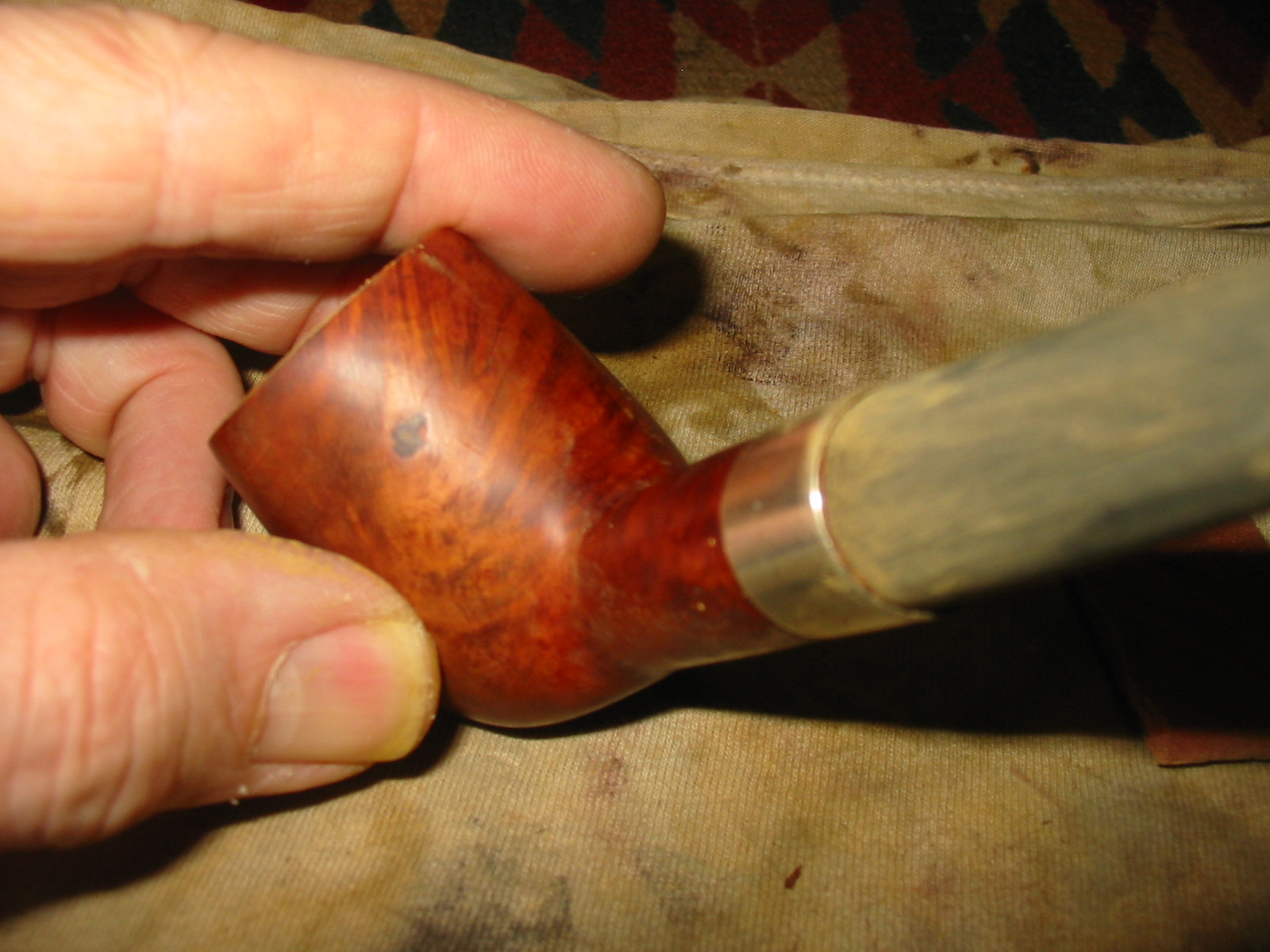
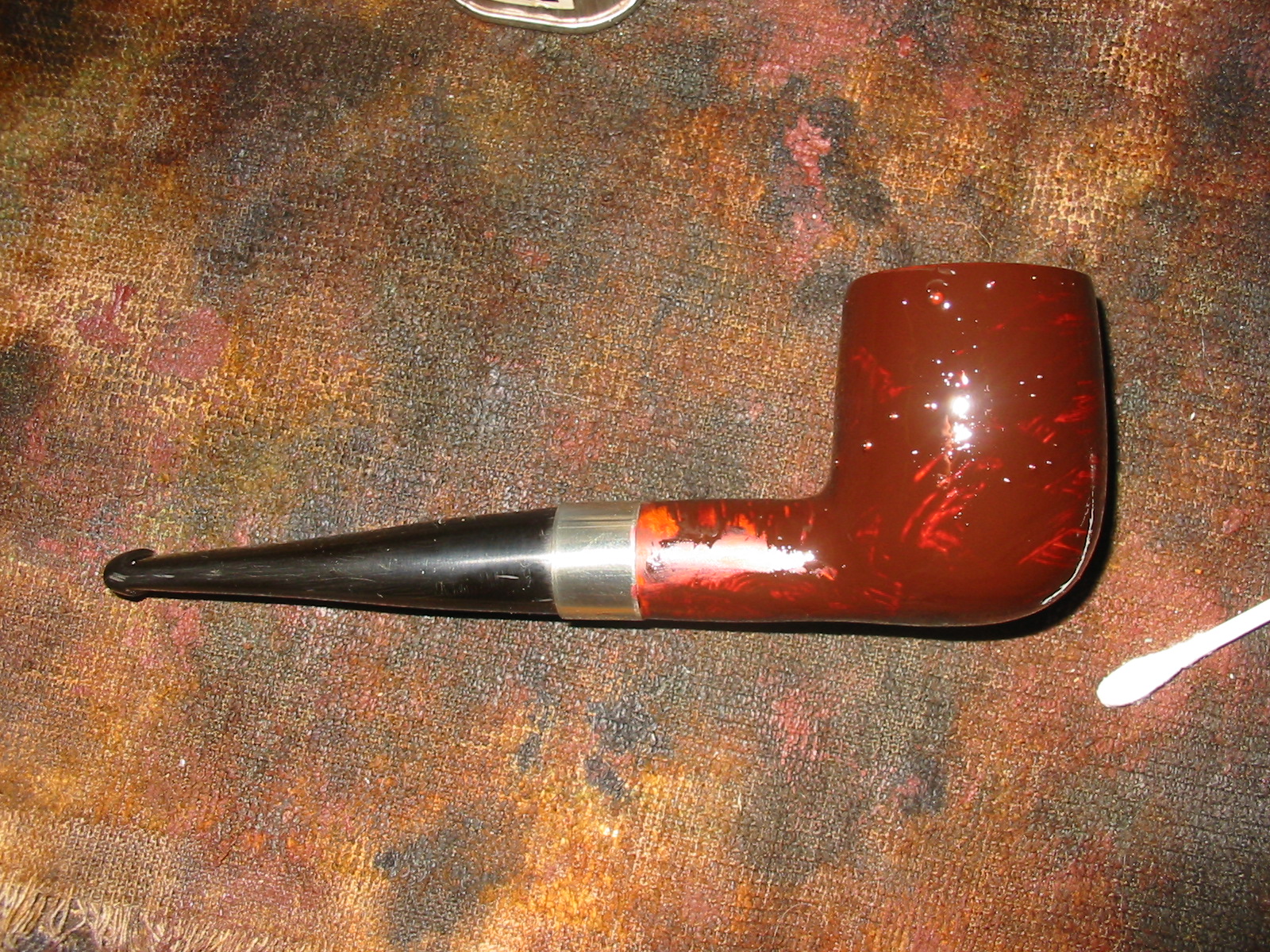
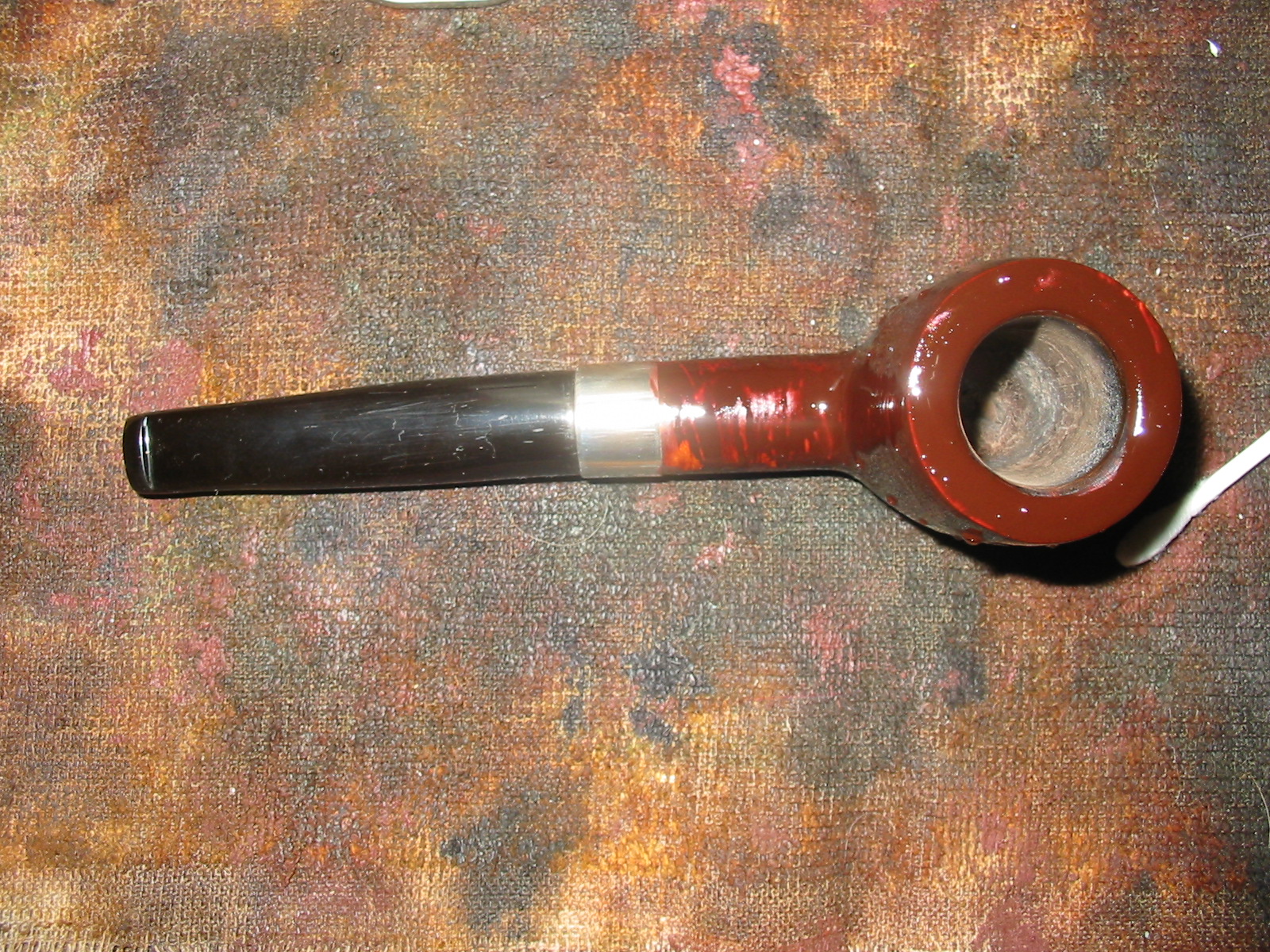
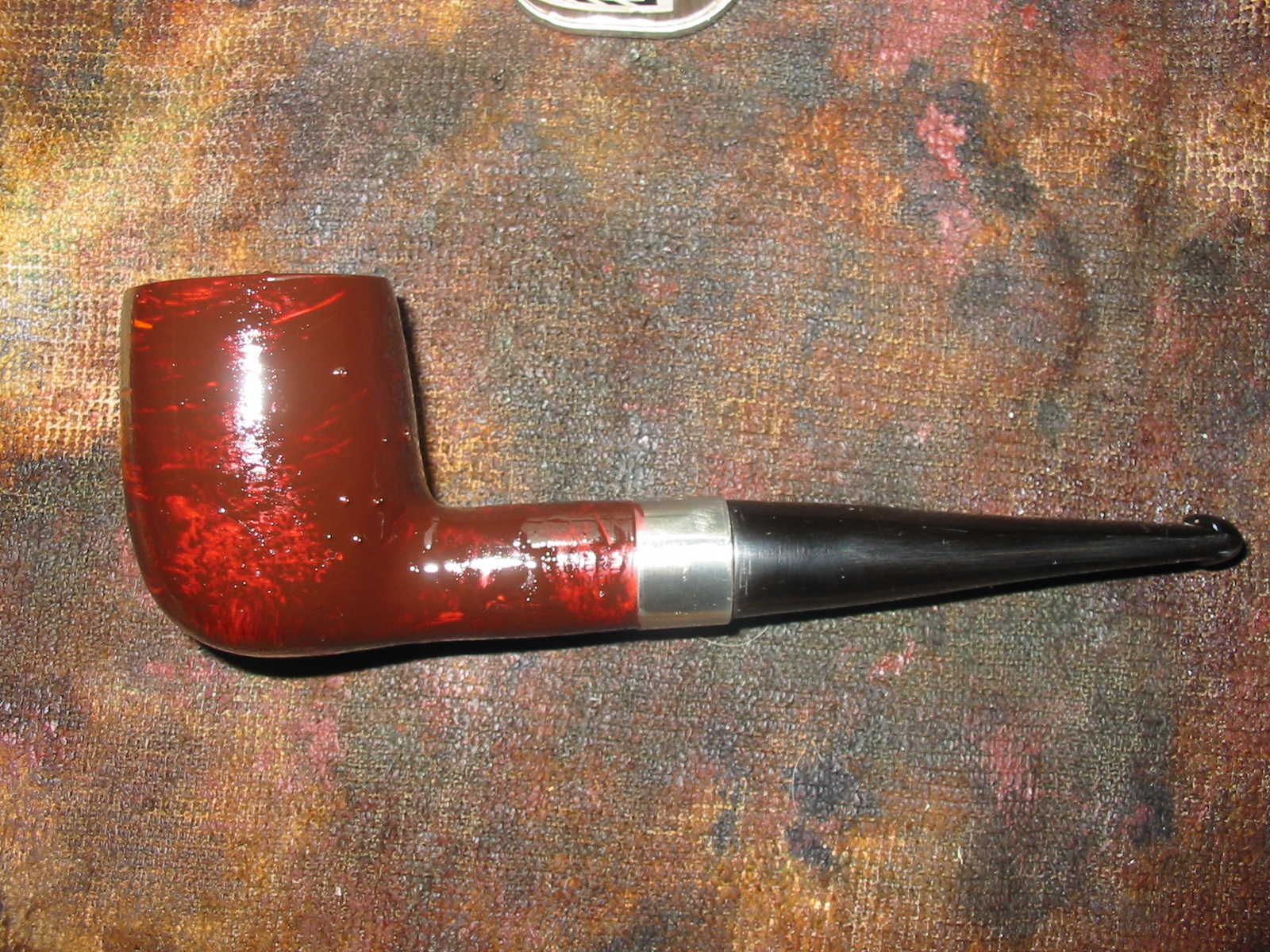
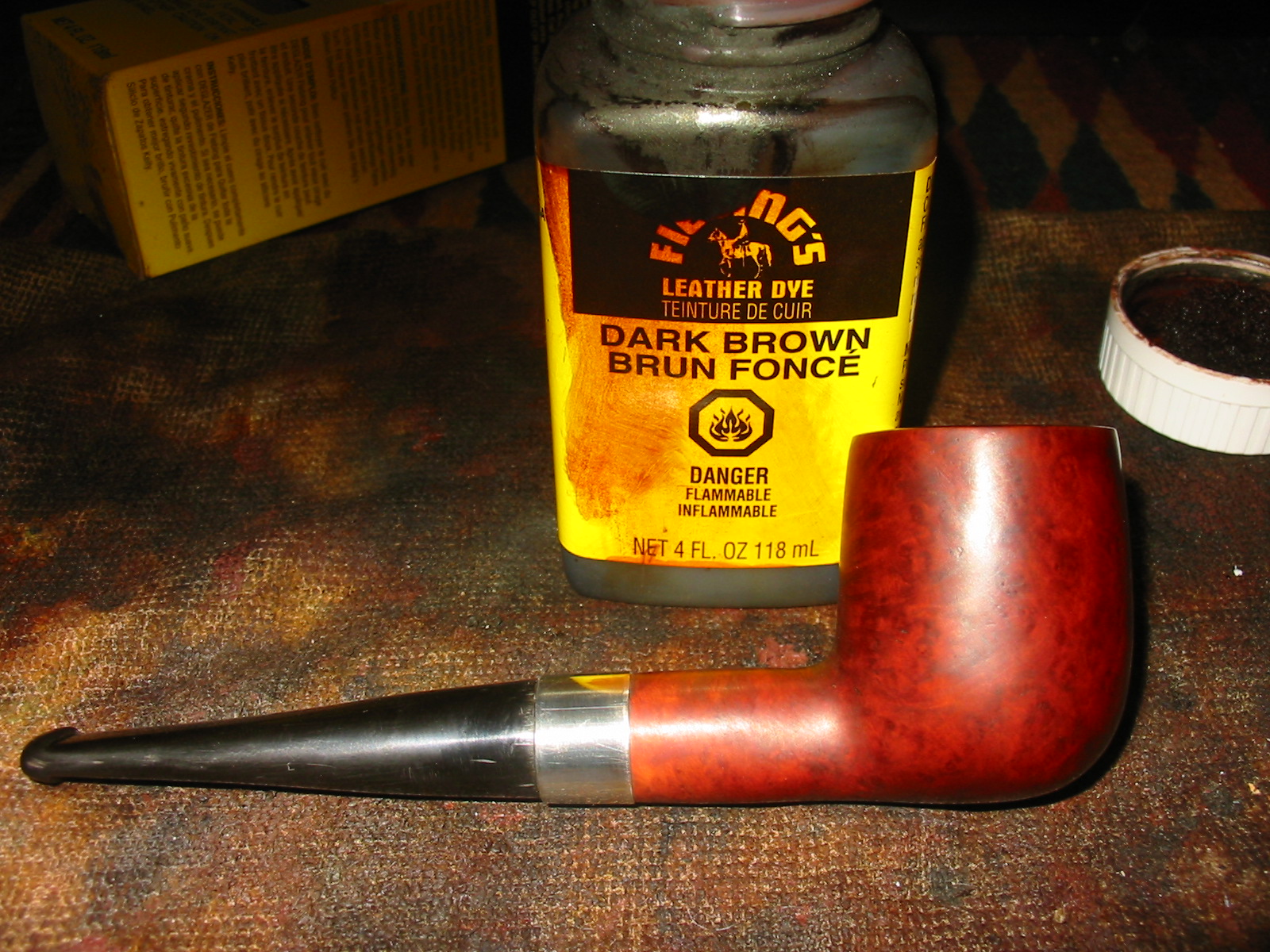
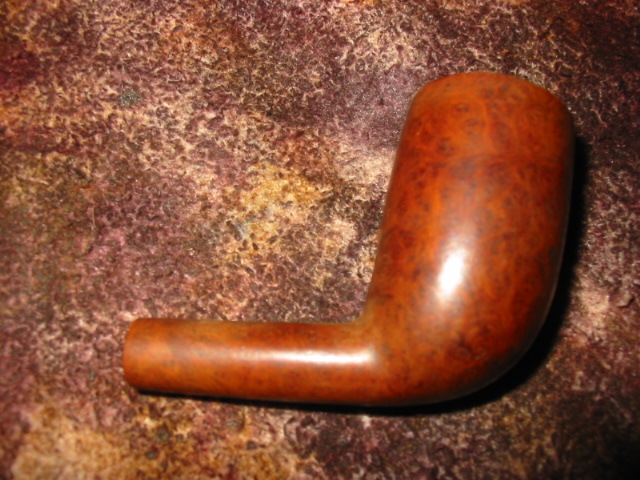
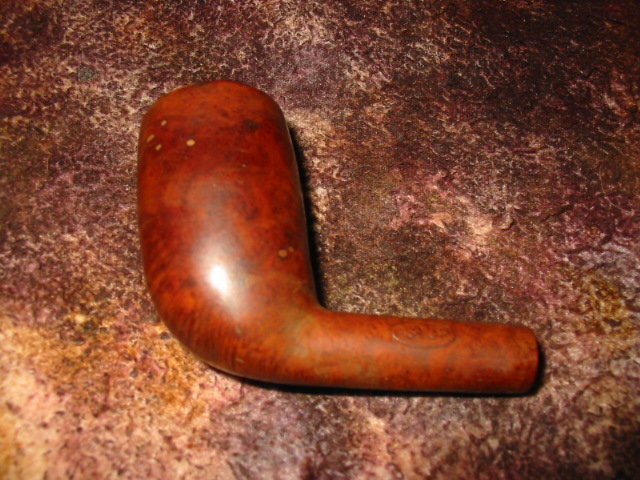
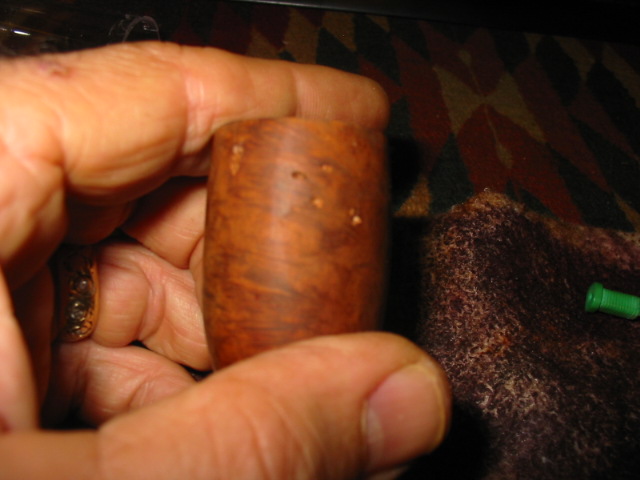
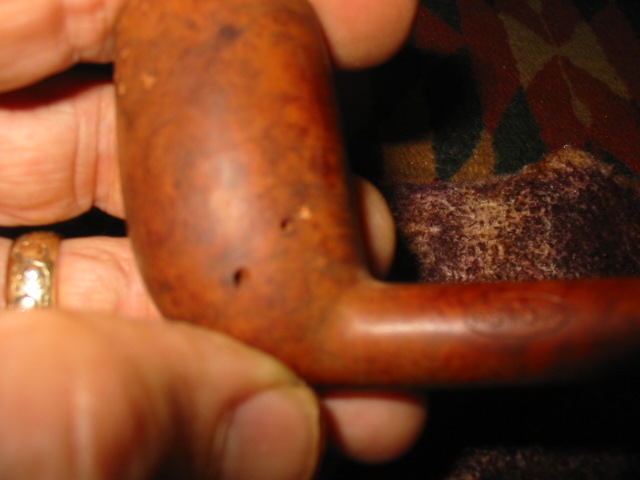
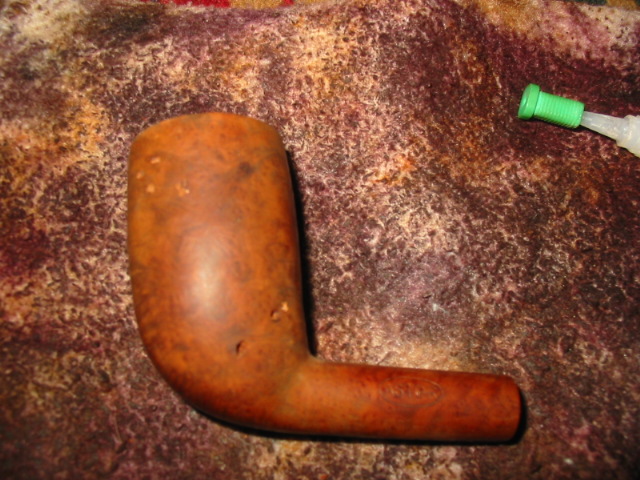
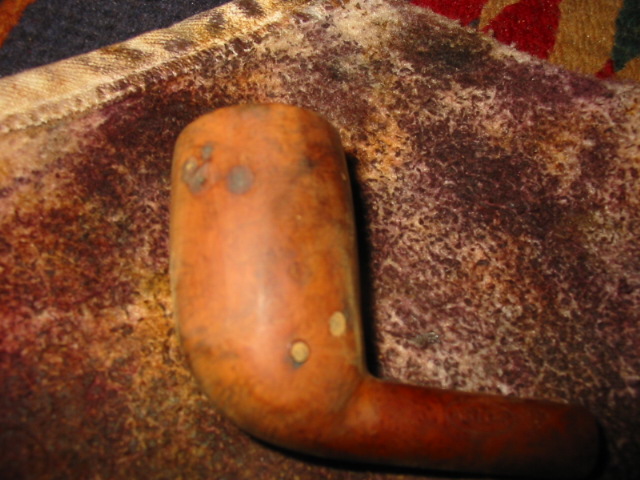
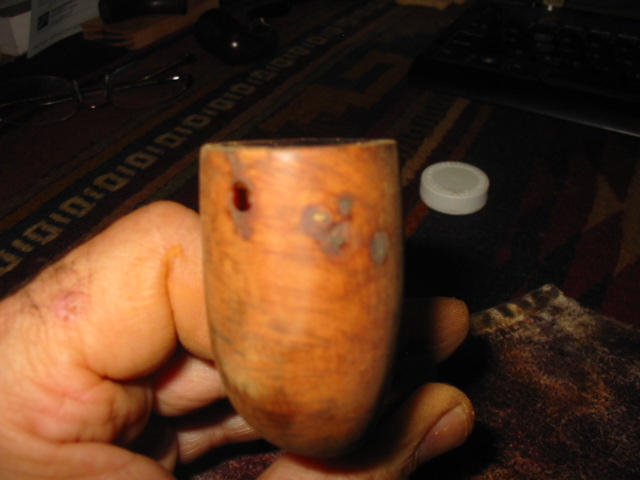
During the interim times I worked on the fill that was partly gone and one other dent that stream wouldn’t raise. I used coarse briar dust from filing not sanding (which I think takes dye better and is less apt to just be a black spot) and CA glue to fill the two spots (the worst one is visible in the very first photo in this post). I accidentally over did the fill, costing myself a lot of extra time. However the patch ended up blending in great in the end. After a lot of working the patch to blend I stained the pipe with a diluted Brown Fiebing’s leather dye, two coats, flamed on, if I remember right. After buffing with brown-Tripoli the stummel looked nice but too dark to see the really nice grain (birds eye and flame) so I wiped it down with alcohol on a cotton pad until it let the gain show through and re-buffed with brown-Tripoli. Now the stummel looked good to me. Back to the stem…

This P-lip drove me to the brink of insanity! Not having a P-lip on hand to compare it to made it more difficult. Filling the bottom hole (that wasn’t supposed to be there) was easy but shaping that top and bottom lip/ridge was a chore. The deep divot just did not want to be filled; the patch shrunk over and over. The huge, dented  draft hole on the top of the stem was a bother, too; I can’t tell you how many times I glued it shut trying to get that button rebuilt! In the end it came out pretty good; there are some tiny scratches visible if you look real close. But all things given, the owner was happy with that, especially since with the holidays and even more babysitting duties for me on the horizon, who knows when I would be able to finish it (again).

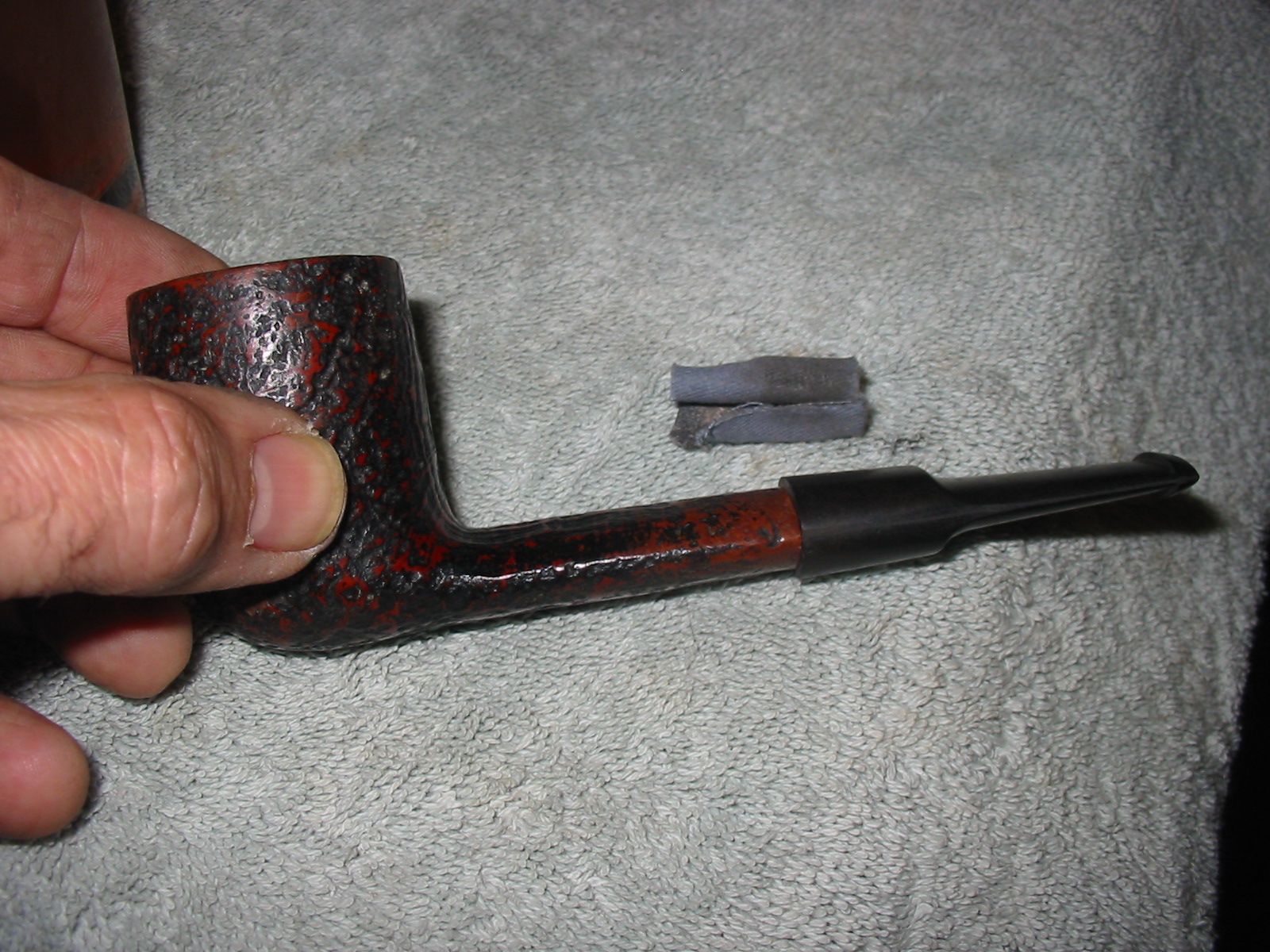
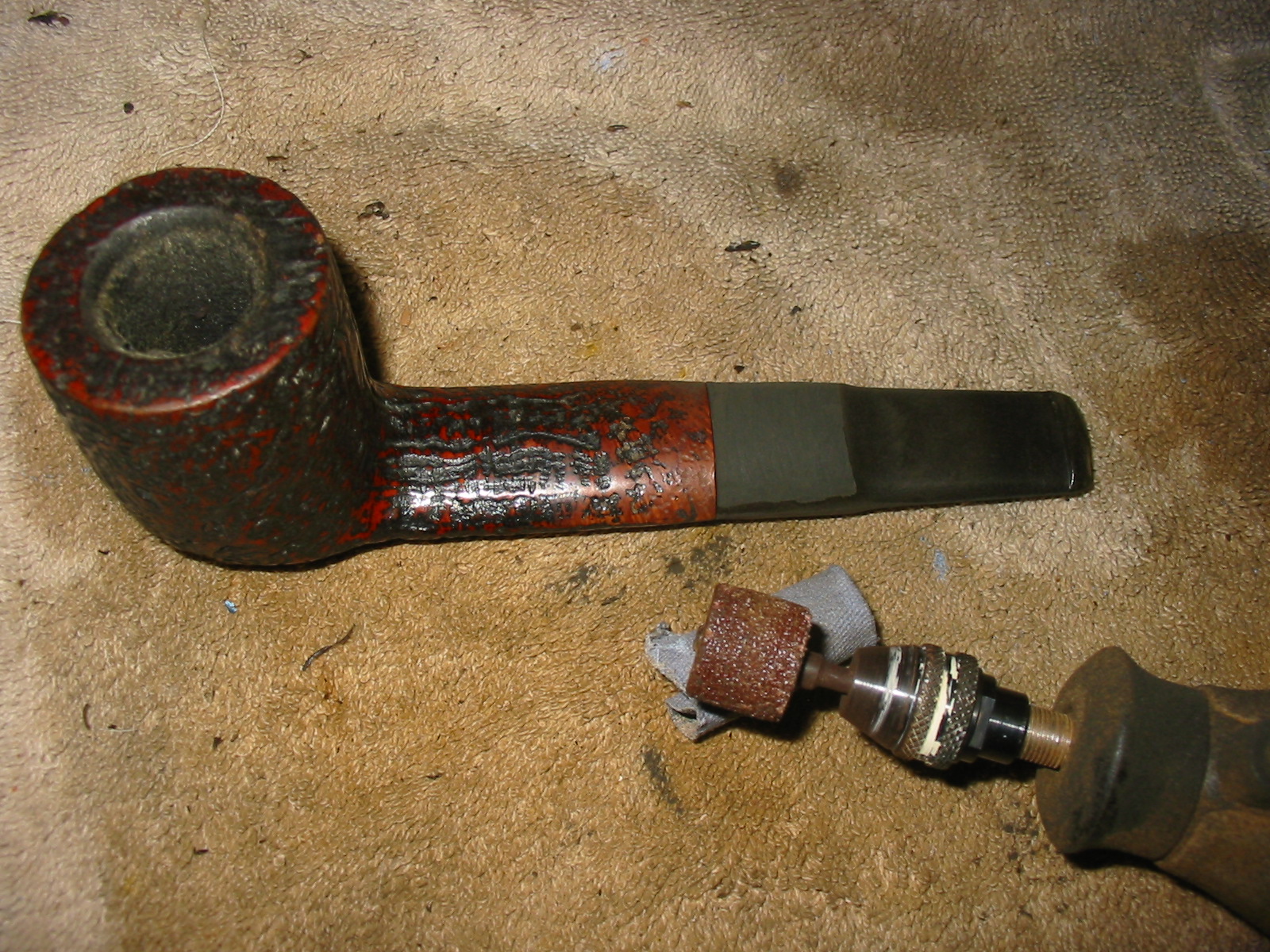
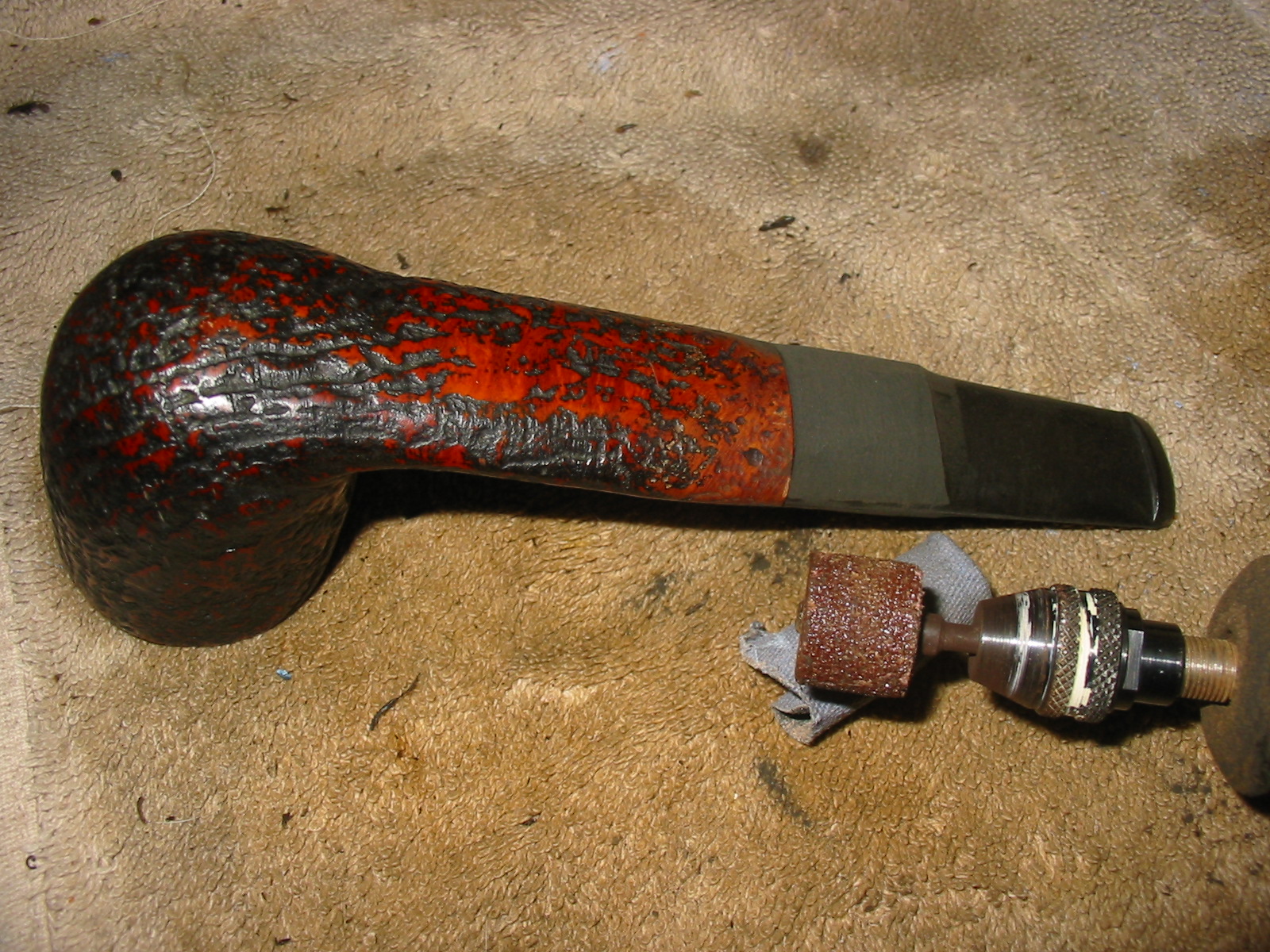
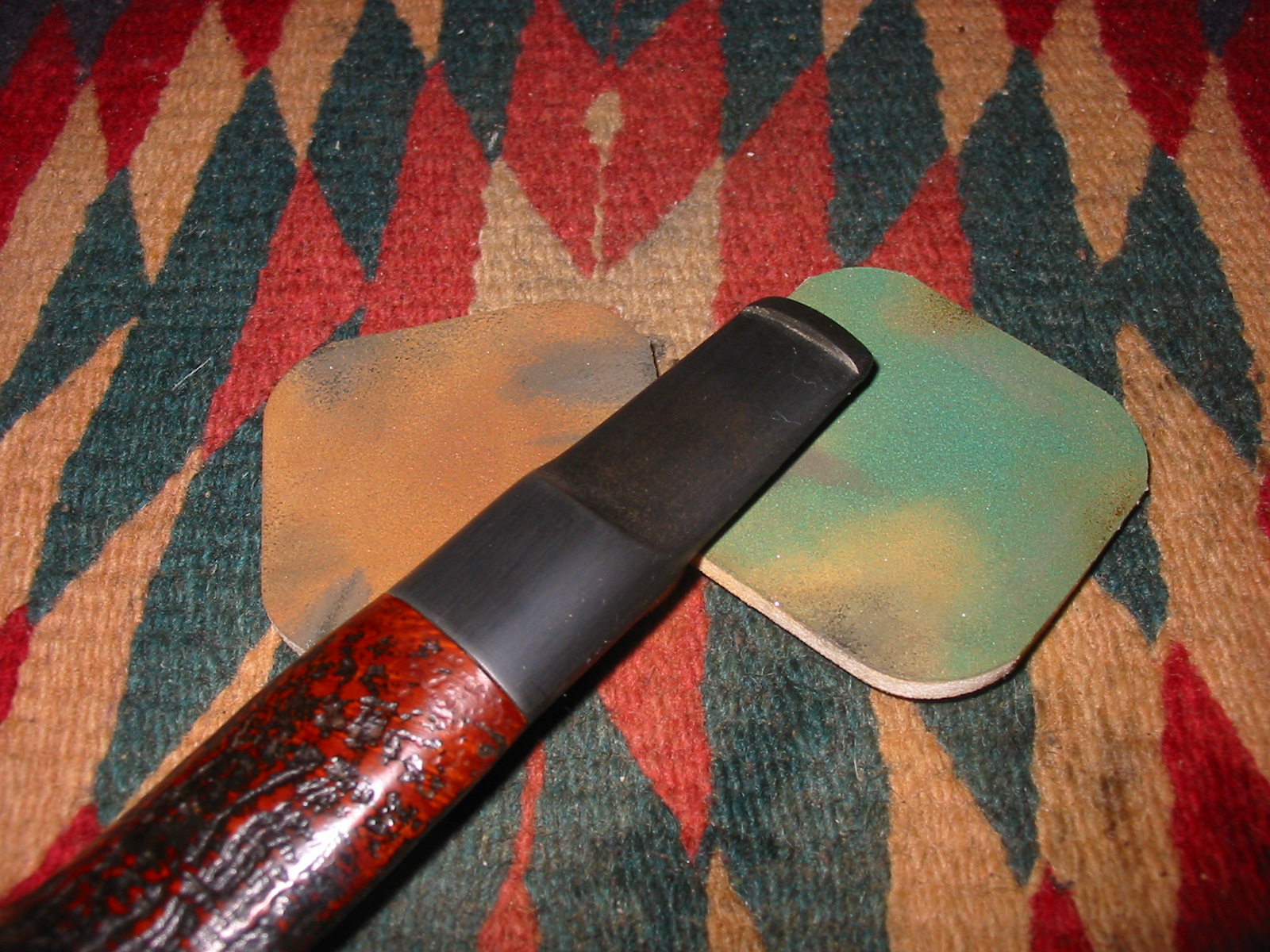
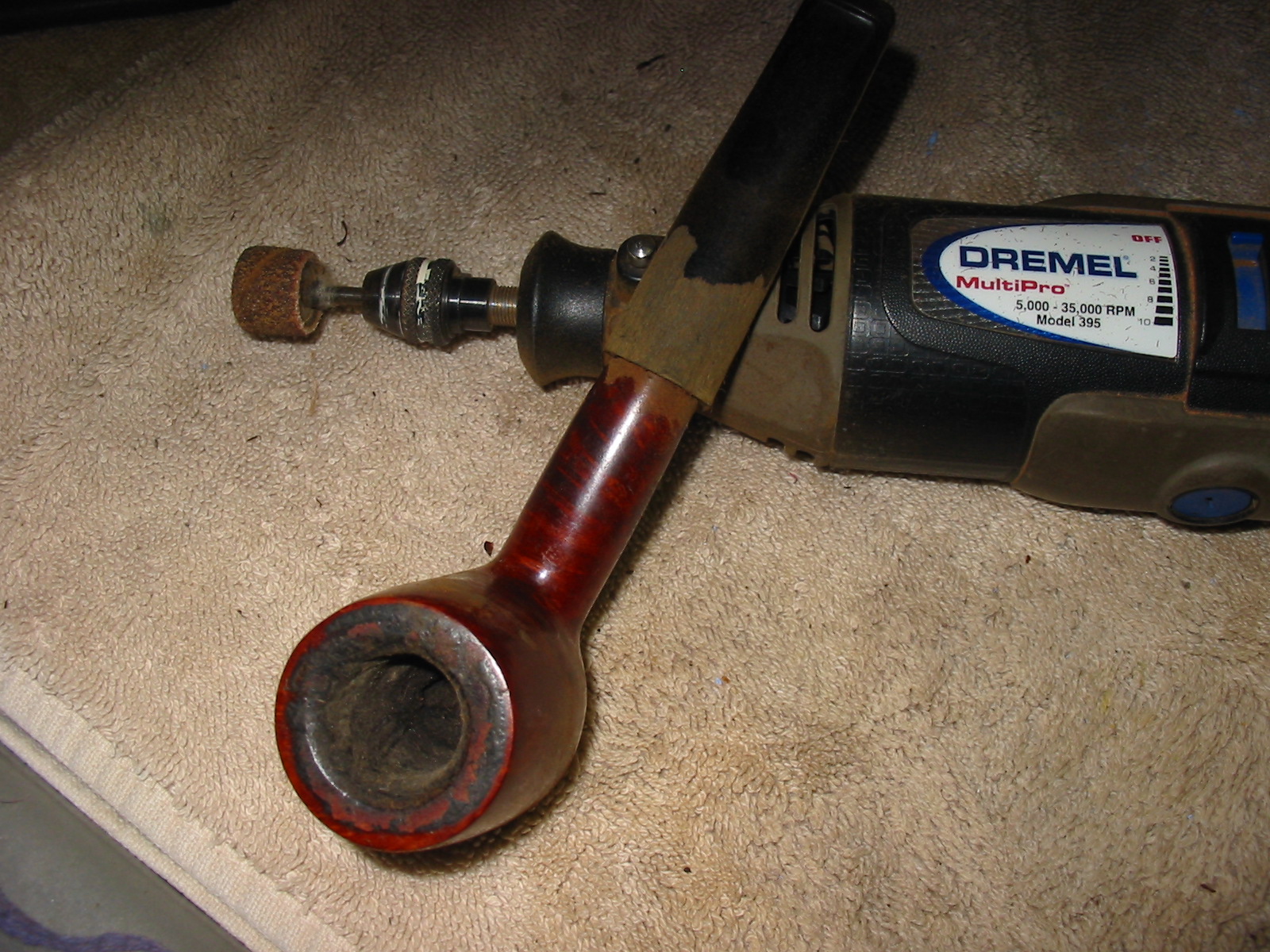
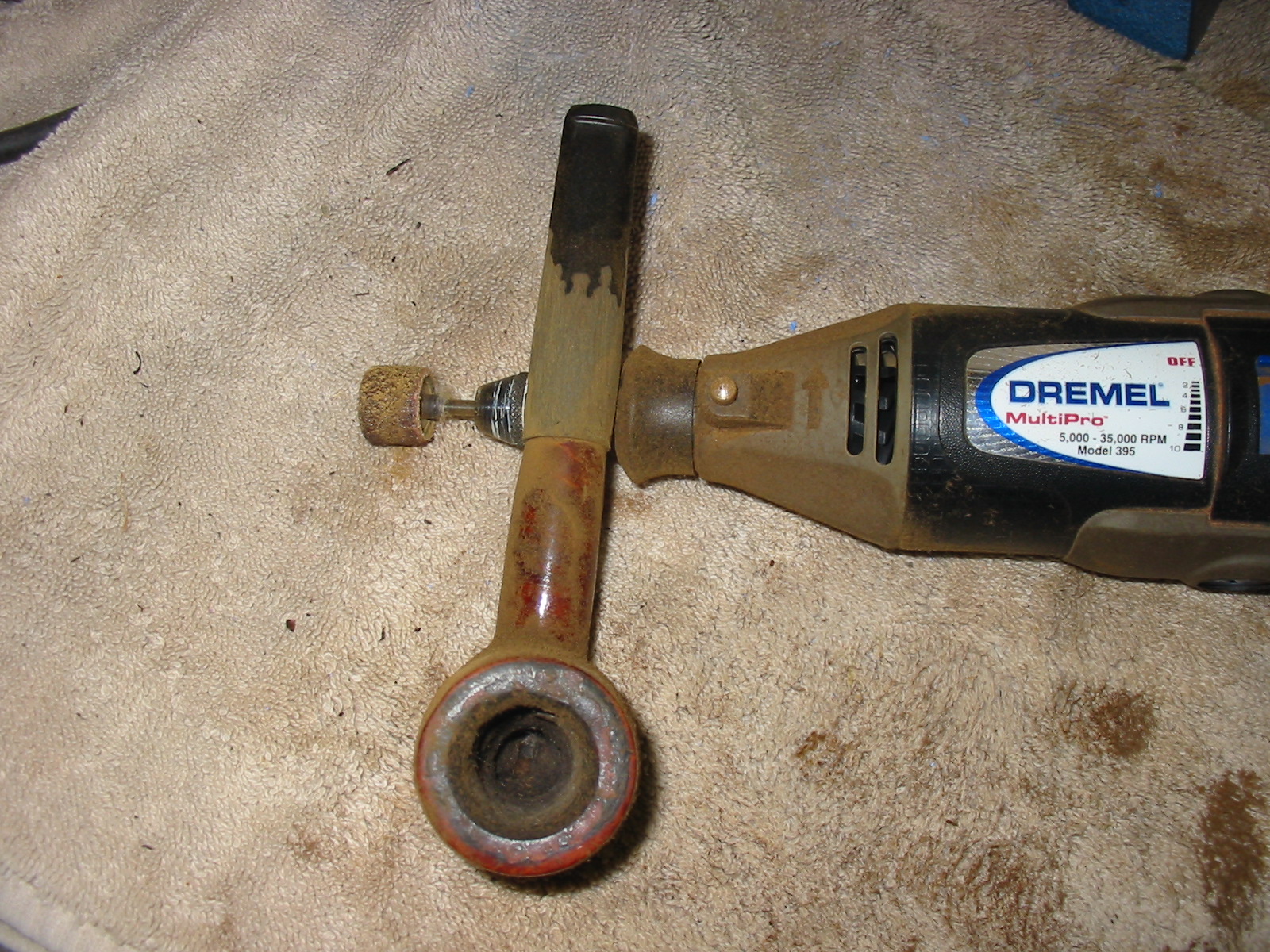
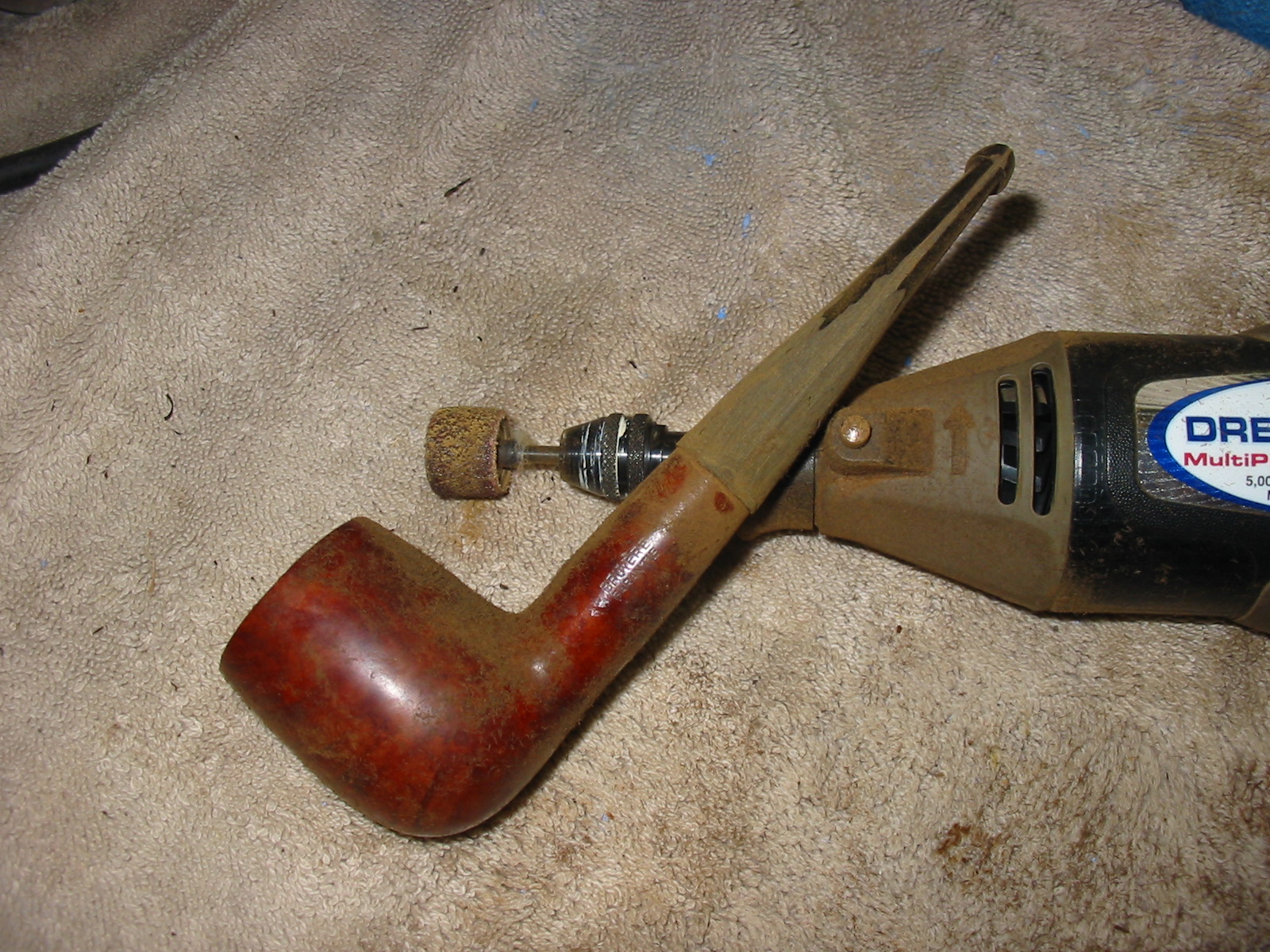
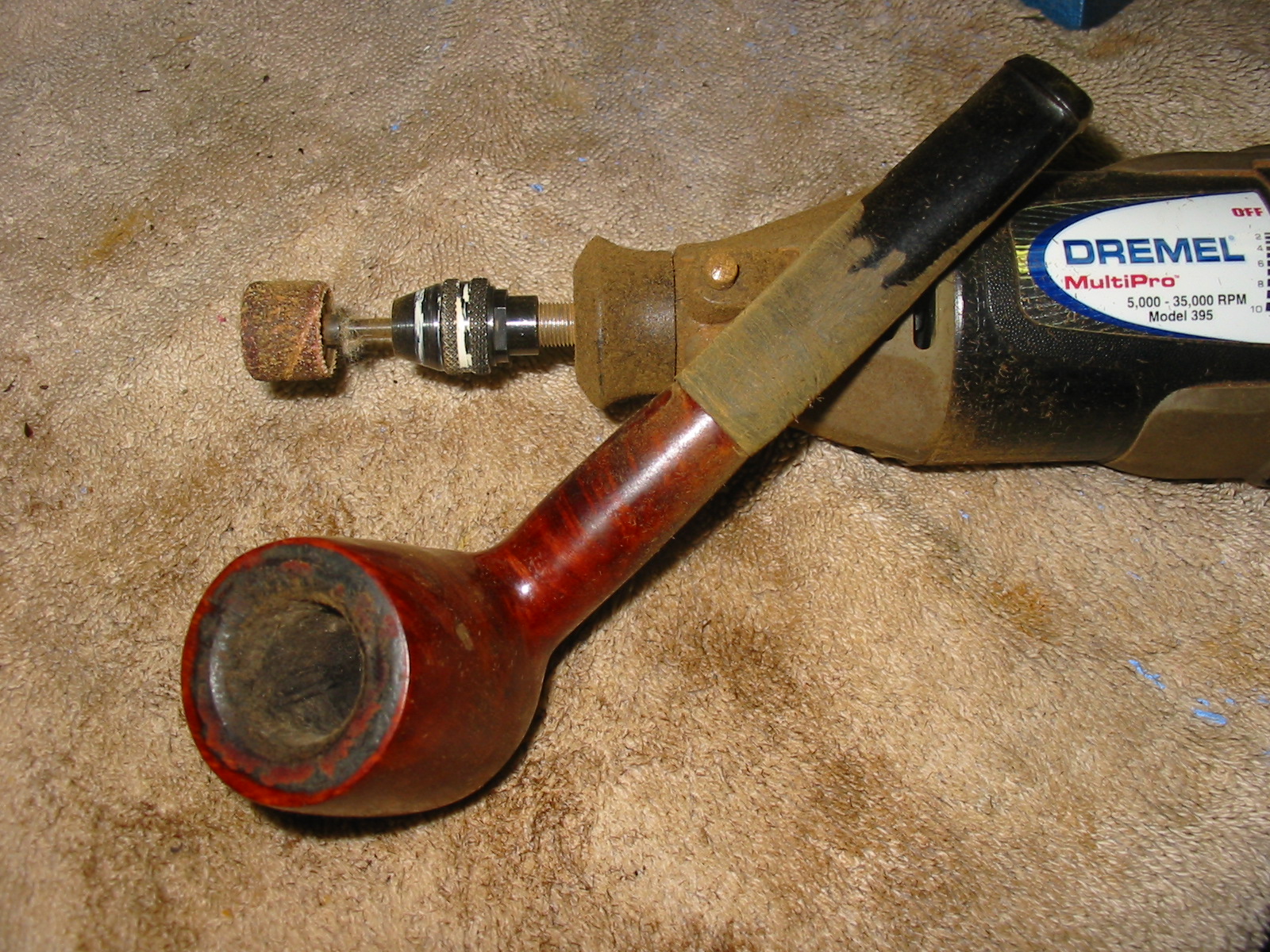
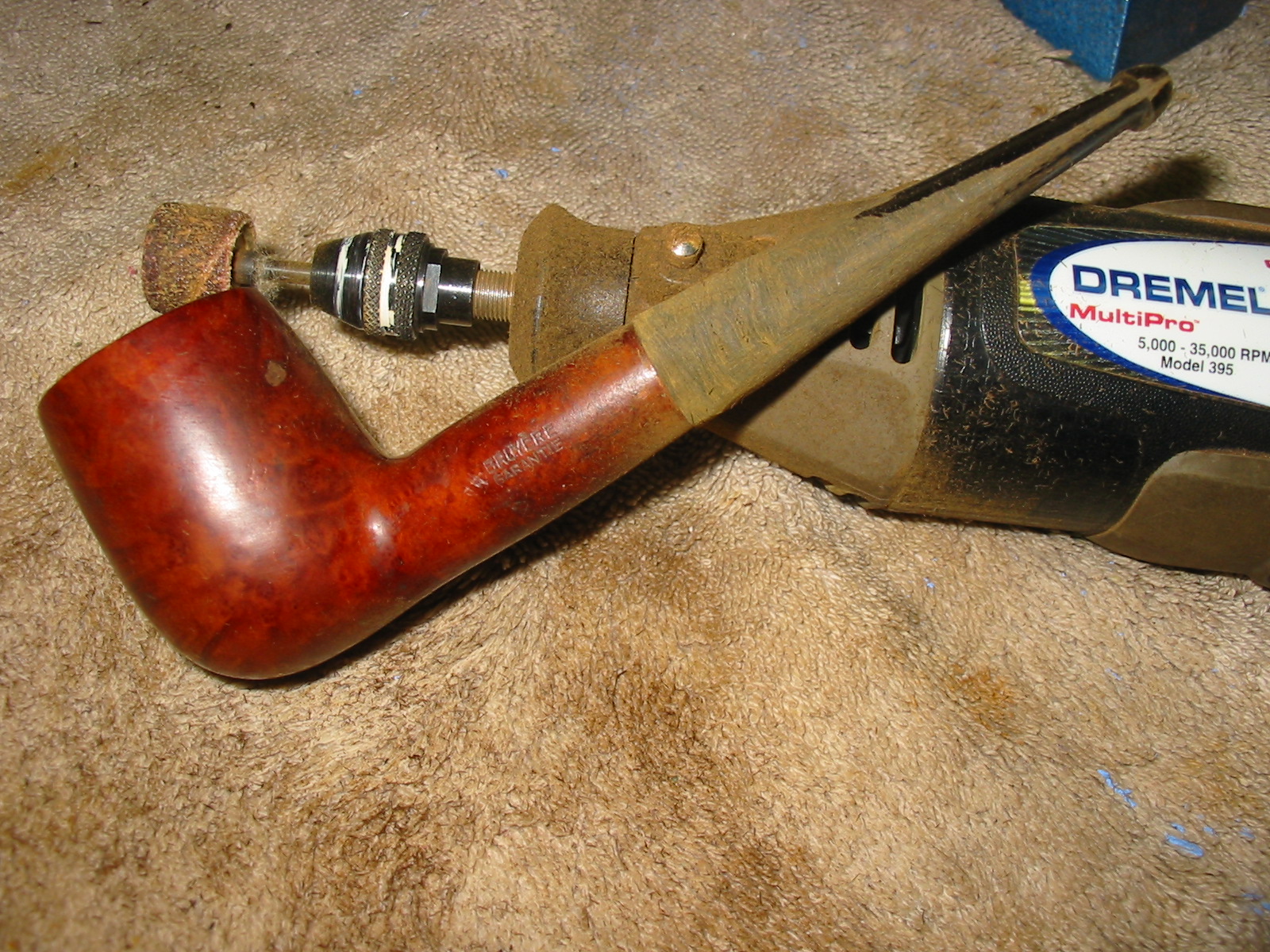
After finally getting the work done I finished the pipe off with a few coats of carnauba wax. I want to mention that I followed the instructions, more or less, for Dremel buffing for the stem and the waxing of the stummel. I currently can’t use my buffer so I wanted to give this option a try and am very pleased with the results. Mine is a variable speed Dremel and I used 5,000 RPM for the compounds and 10,000 RPM for the wax.

Hopefully with the new Dremel techniques I’ve learned (thanks again, Dal and Steve) and with some luck (and no small amount of “okay” from my wife) I will find a way to down size my work-needs to be able to work from my kitchen instead of my basement workshop, allowing me to work more when my mobility issues keep me from the stairs.
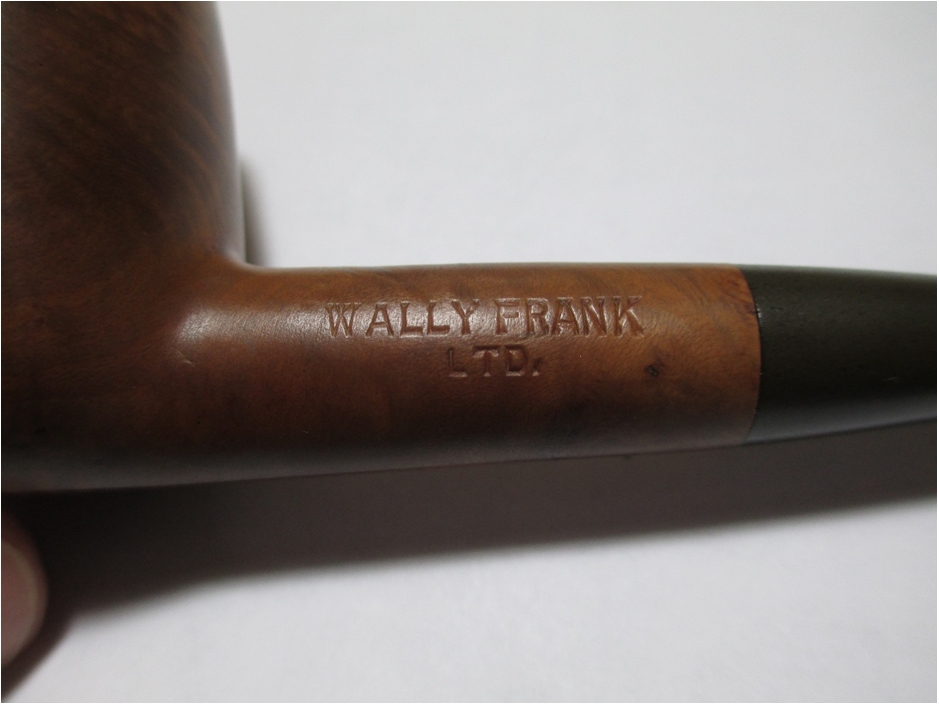
Restoring a Wally Frank Natural – Andrew Selking


Blog by Andrew Selking

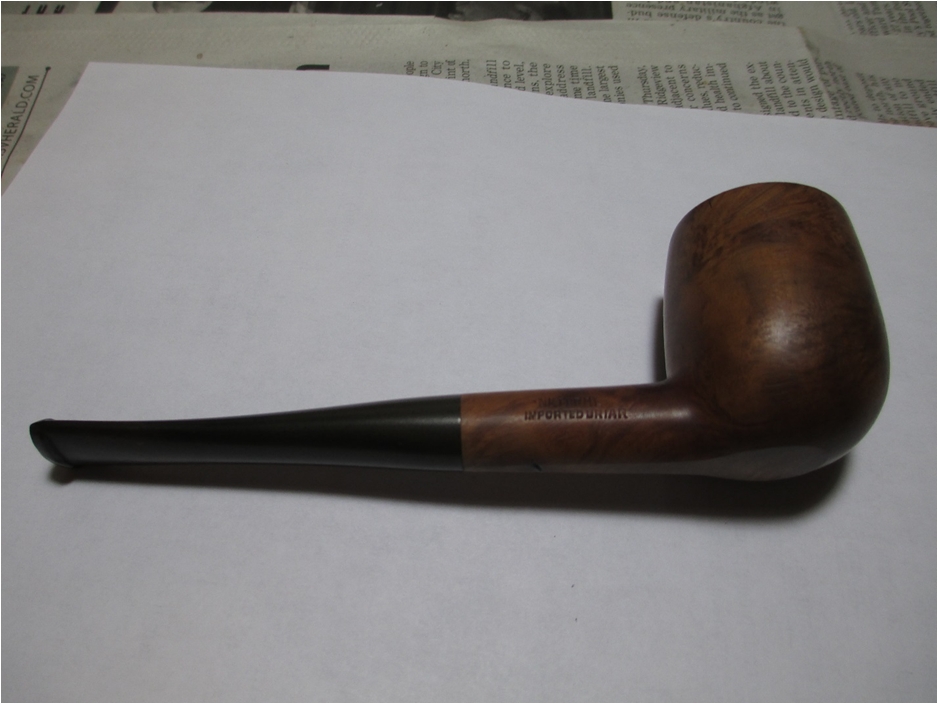
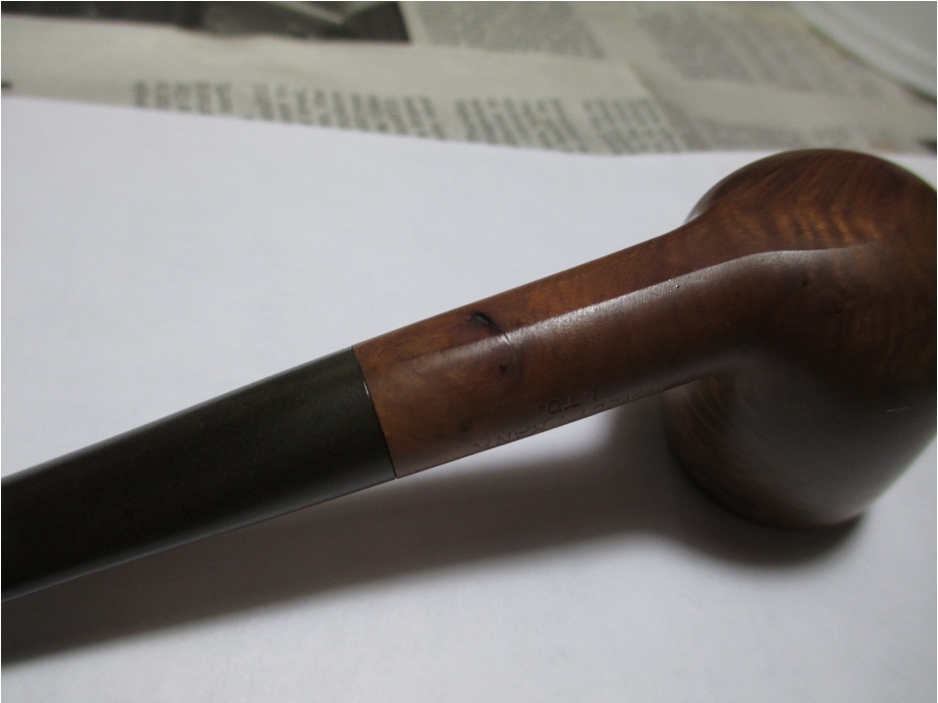
I promised Steve that my next restoration would not be another chunky diamond shank pipe, so I decided to do a Wally Frank Natural. Wally Frank was a New York tobacco shop that sourced its pipes from Charatan’s, Sasieni, Weber, and other European pipe makers. This is my second Wally Frank Natural and like the first, it is very well made. The briar is not very exciting and it has a small fill on the bottom, but the pipe is very light weight (1.3 ounces) and the lines are elegant.
When I received the pipe, it looked fairly clean. It had some tar build up on the rim, slight oxidation of the stem, but not chatter and the bowl was well reamed.Frank1

Frank2

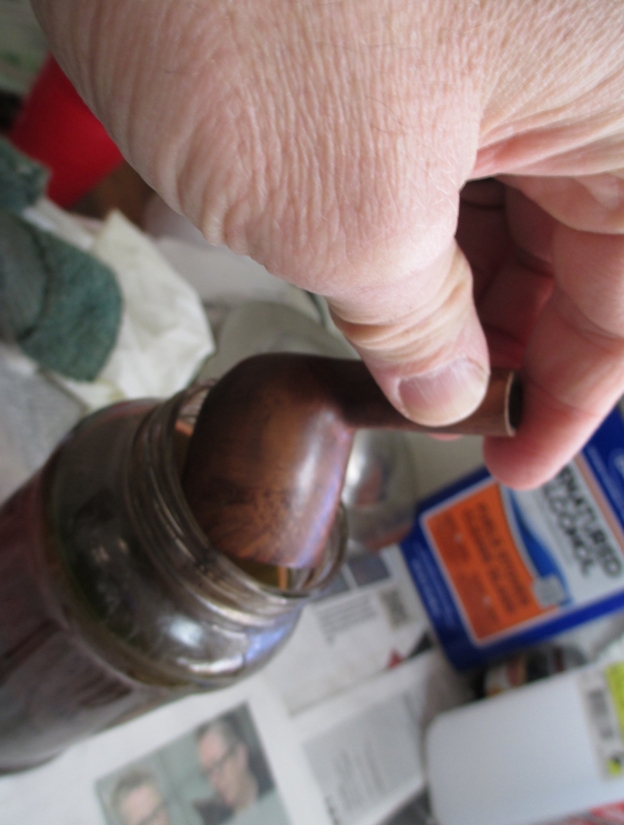
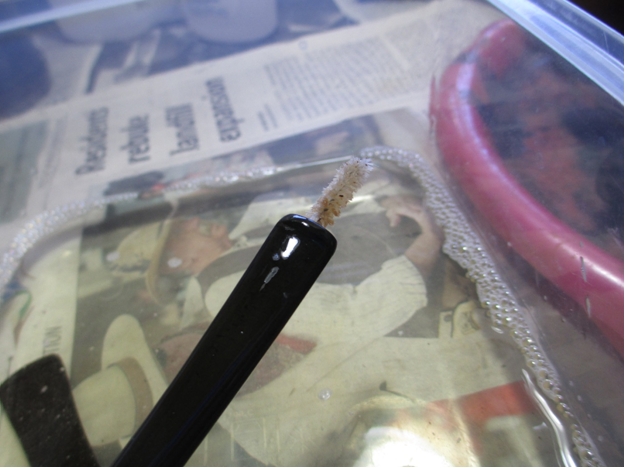
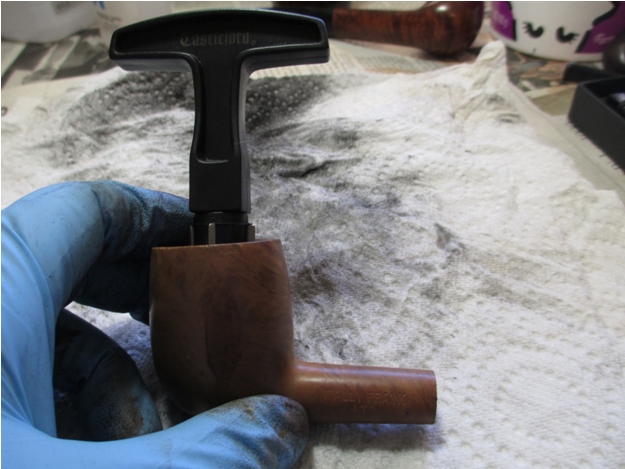
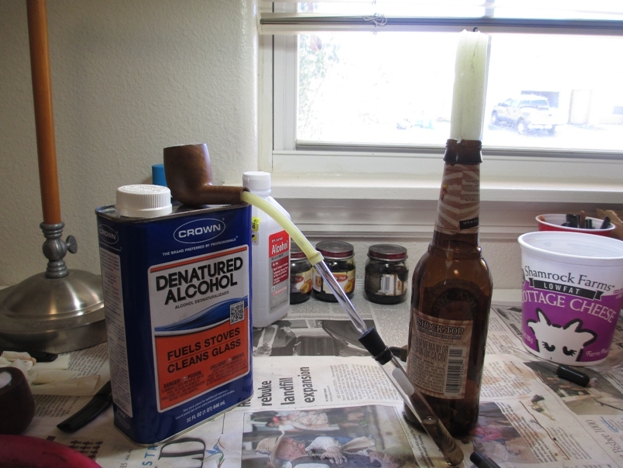
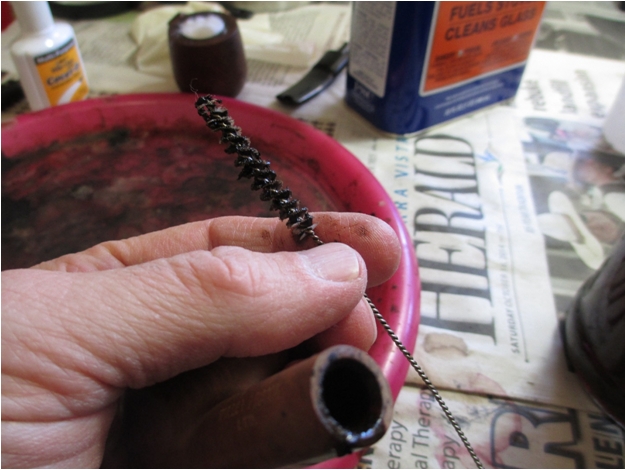
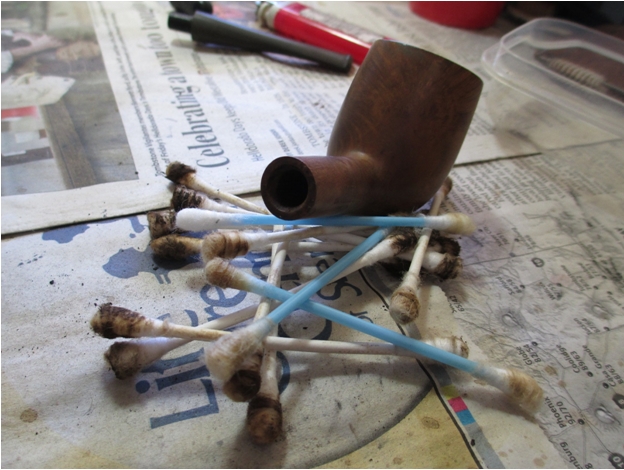
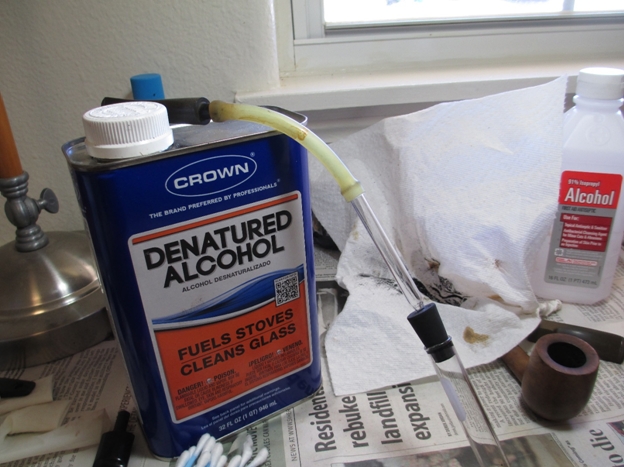
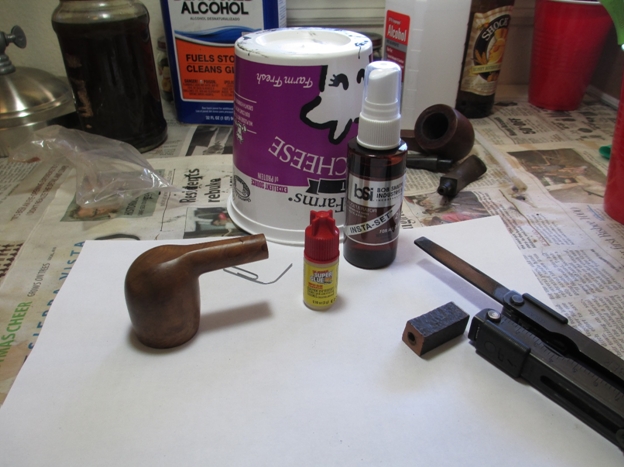
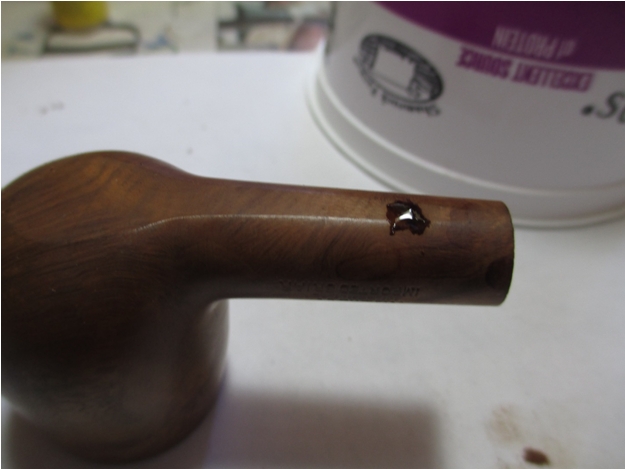
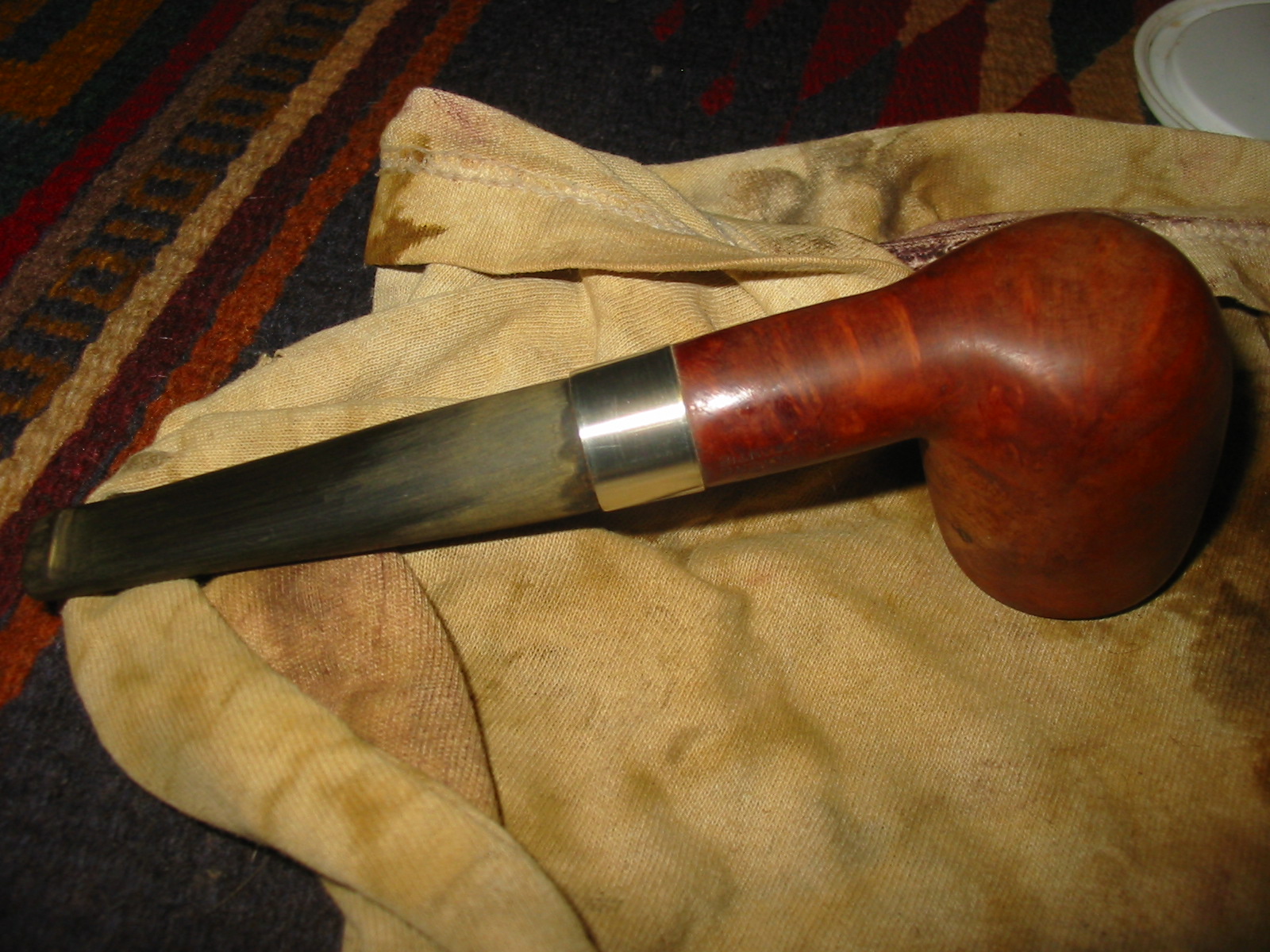
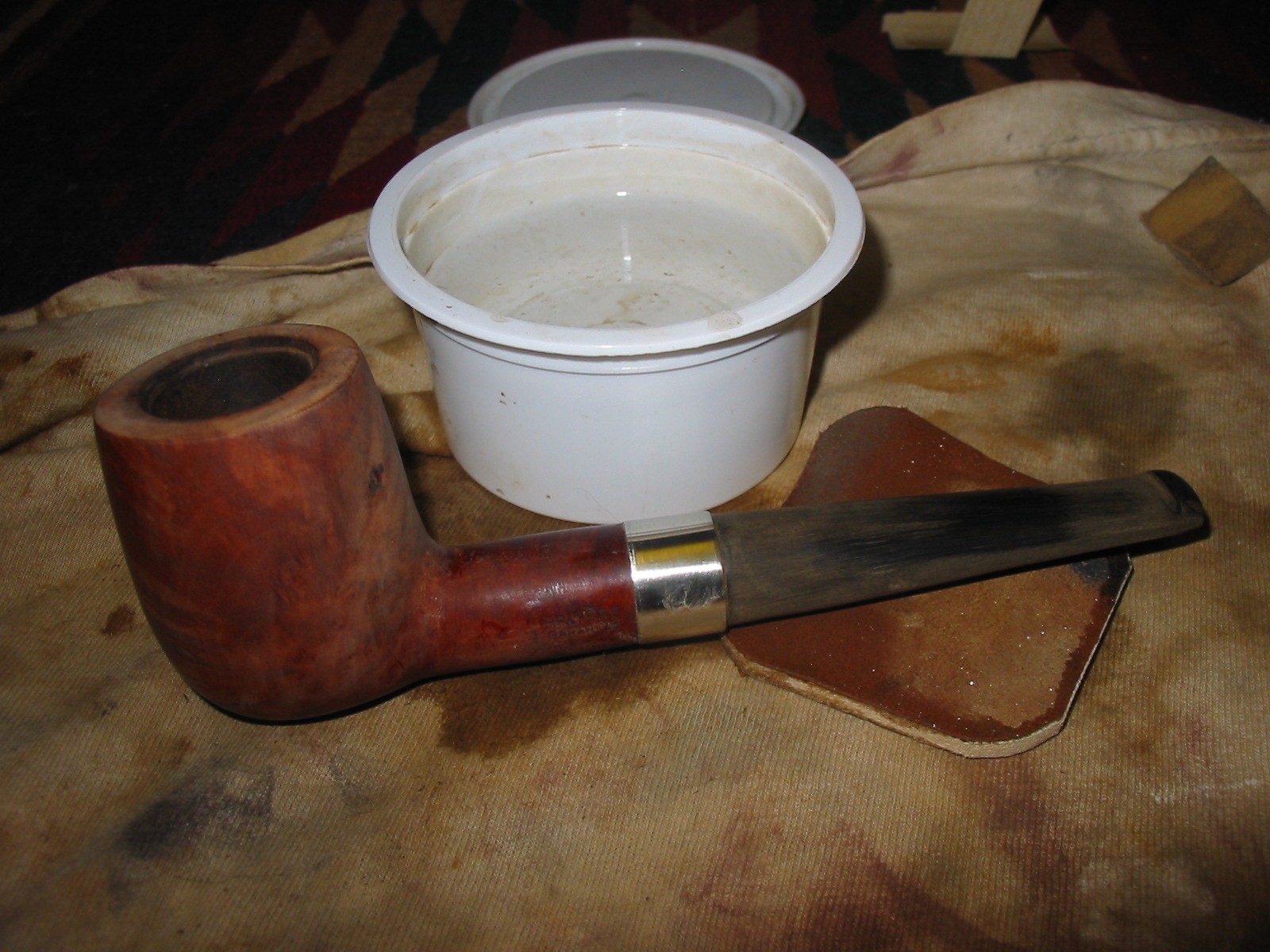
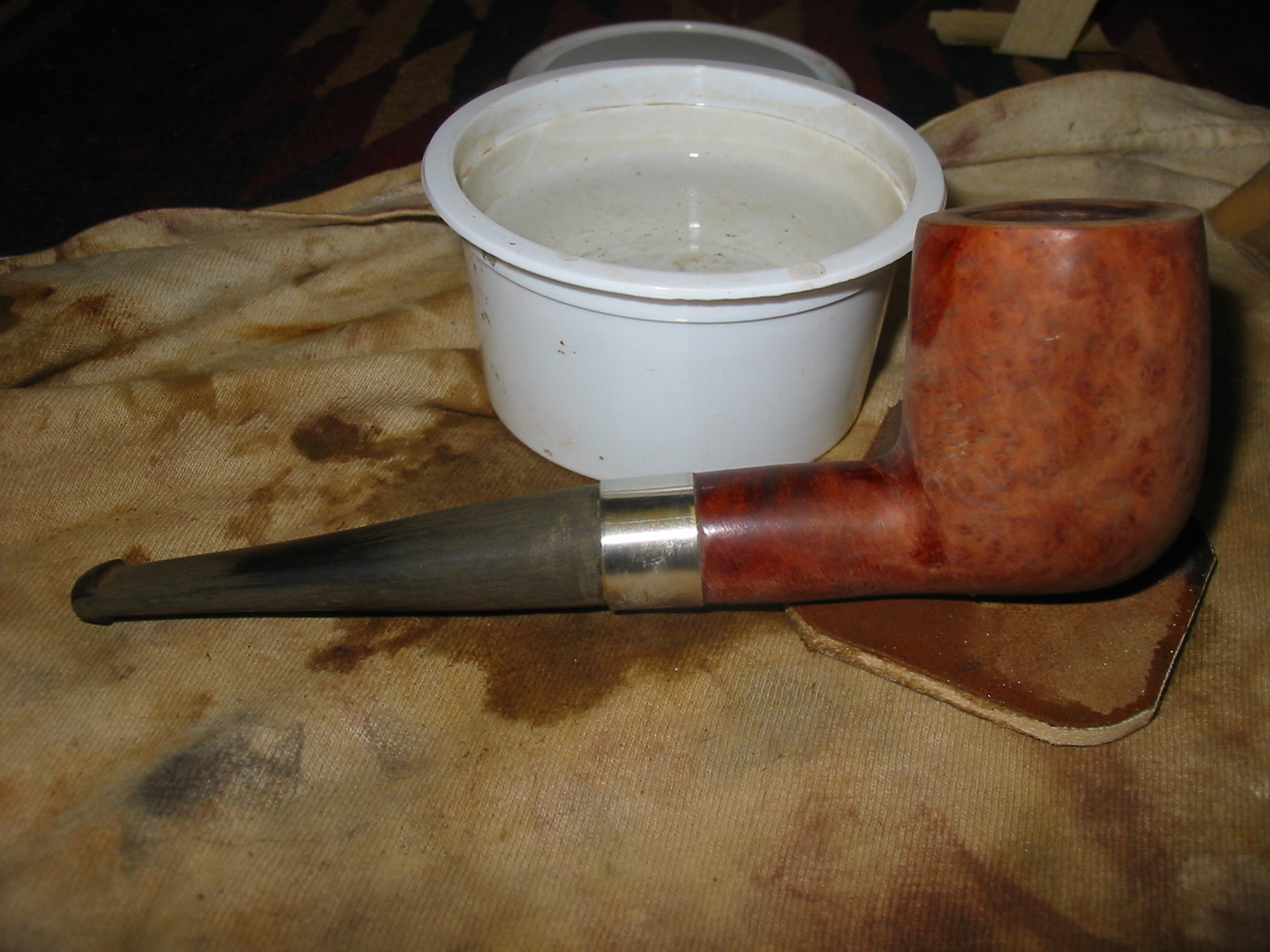
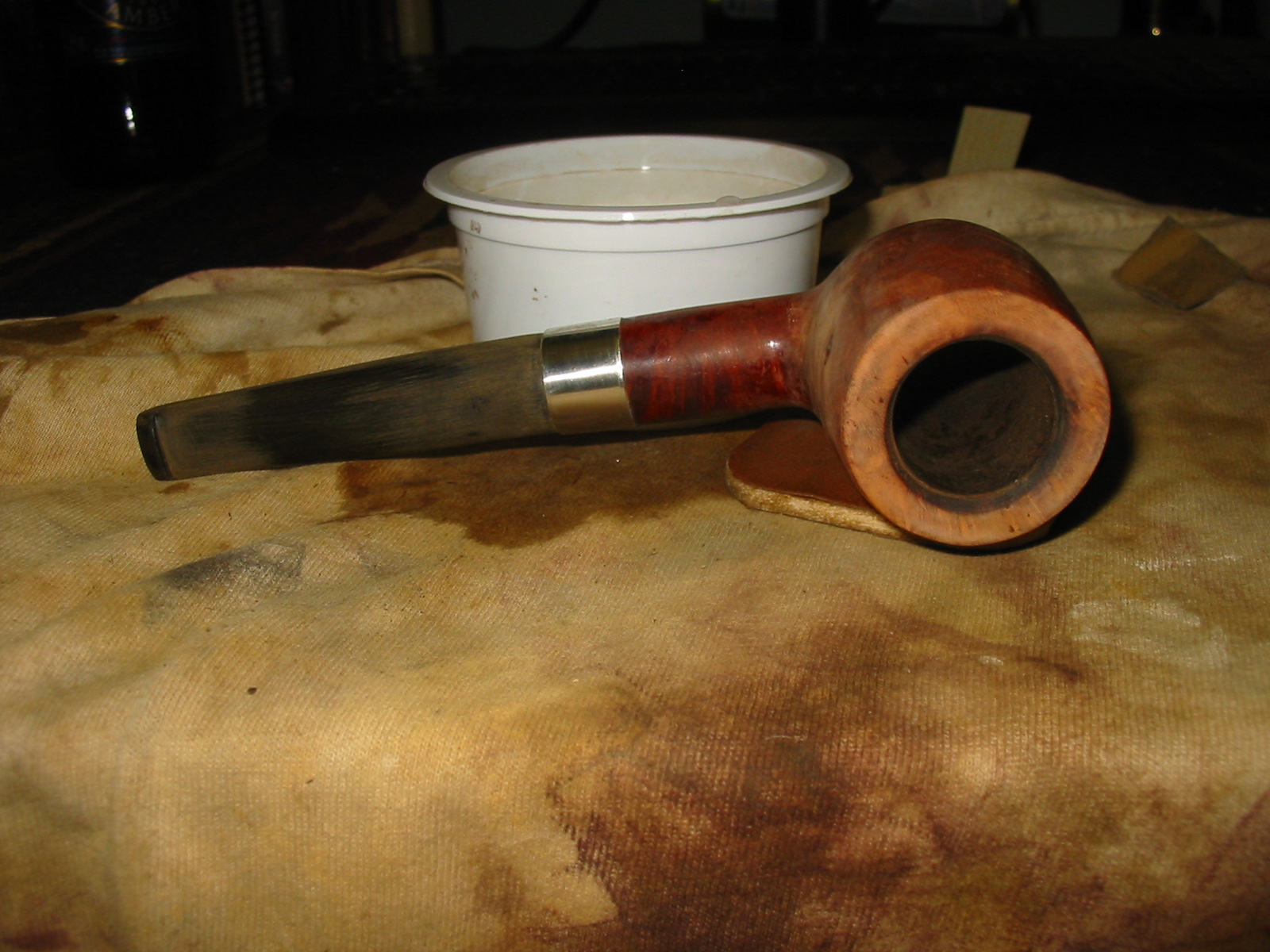
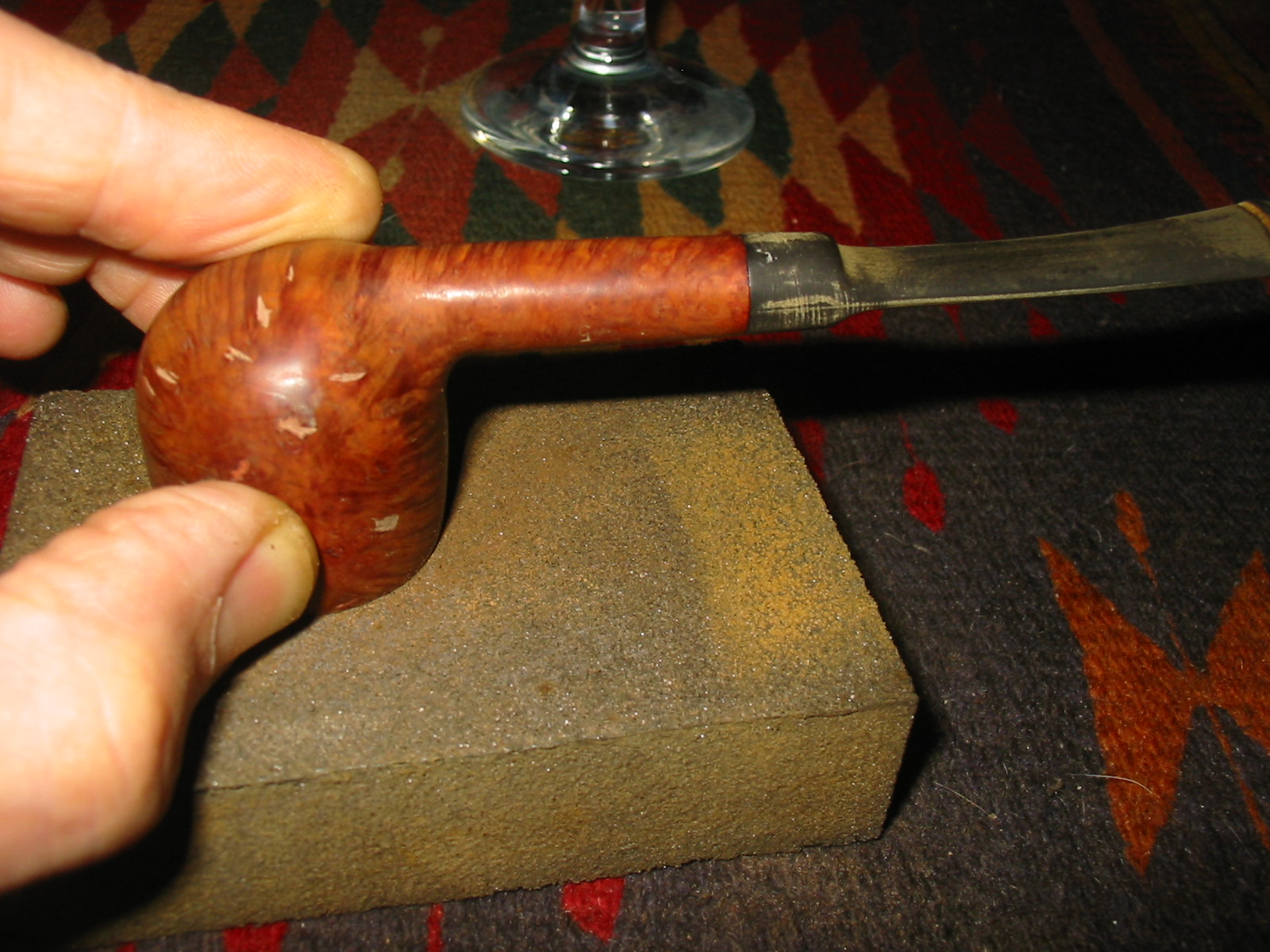
Frank3 I dropped the bowl in the alcohol bath and placed the stem in a Oxyclean solution. The only challenge I anticipated with this pipe was the fill on the bottom, but I had a new secret weapon; CA glue accelerator.Frank4 After soaking, I used a pipe cleaner and the Oxyclean solution to get the worst of the gunk out of the stem.Frank5 Next I reamed the bowl with my T-net reamer.Frank6 Everything looked pretty good to that point and I figured this would be an easy clean up. Boy was I wrong! I did a retort on the bowl first.Frank7 The pipe cleaning brush (available in the baby section at Walmart) came out loaded with gunk.Frank8 I did the retort four additional times, using the brush after each try, before finally moving on to pipe cleaners. Then I used a pile of q-tips. The only thing I can think is the previous owner smoked a goopy aromatic and didn’t use pipe cleaners afterwards.Frank9 Next up, retort the stem.Frank10 The stem was just as nasty as the shank, and I repeated the process four times. After numerous pipe cleaners, it finally came clean.Frank11 My next challenge was the fill on the bottom of the bowl. I have an old shank (a past victim of the buffing wheel) that I use for briar dust. I use a file to grind off the dust.Frank12 I put a drop of super glue on the bottom of the cottage cheese container and applied it to the fill area with the tip of the paper clip. I then packed the briar dust on top and sprayed it with the accelerator.Frank13
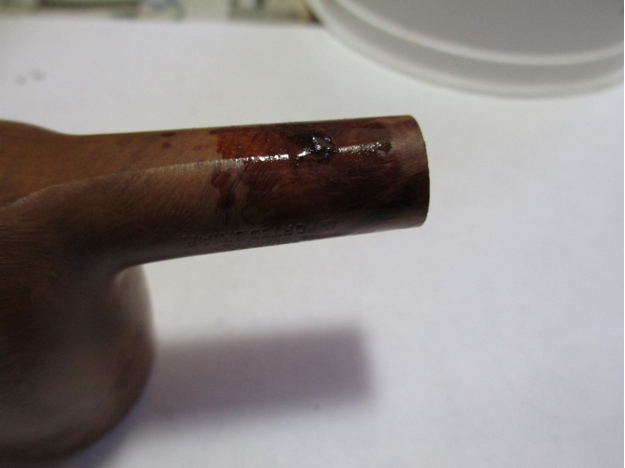
Frank14 I’m going to work on refining that technique, it was a little messier than I like and the resulting lump of briar dust took more sanding than would have been necessary if had made the fill only as much as was needed.

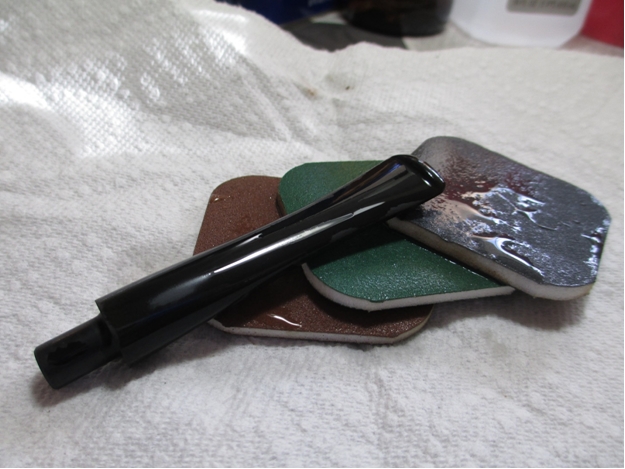
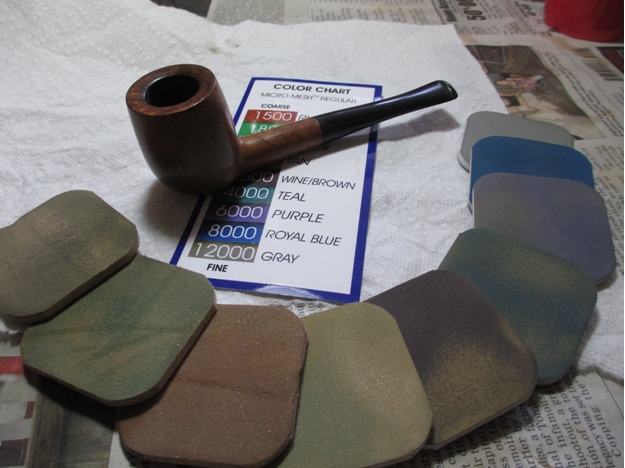
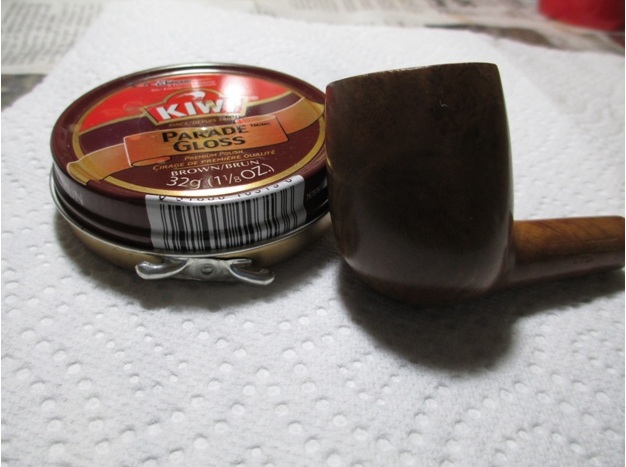
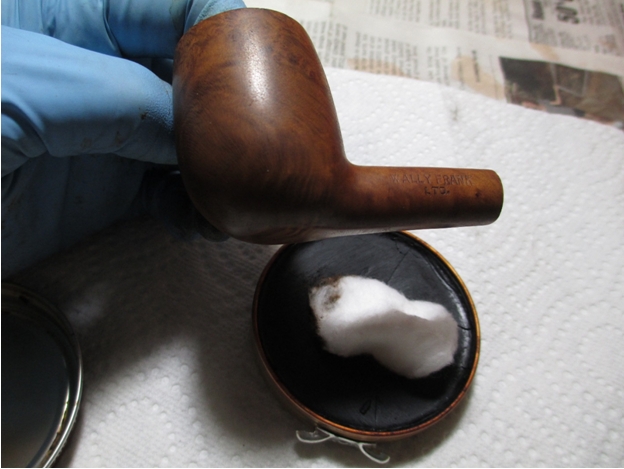
Next I turned my attention to the stem. I did the usual progression of 400 grit wet/dry with water, followed by 1500-2400 grit micro mesh with water.Frank15 I then used a progression of 1500-12000 grit micro mesh on both the bowl and stem.Frank16 Although the pipe had a natural finish on it, I decided to darken it slightly to help cover the fill. To do this I used Kiwi Parade Gloss brown shoe polish.Frank17

Frank18 After applying the shoe polish I used a heat gun to briefly heat it up then buffed it out with a shoe brush. Here is the results after using the brush.Frank19 I had an uneventful trip to the buffing wheel, and here is the end result.Frank20

Frank21

Frank22 Here is a close up of the fill.Frank23

Frank24

Frank25 I hope you enjoyed this write up. If you happen to stumble across a Wally Frank Natural, I would encourage you to buy it. They are a good value for the money.

Reworking an Old Pal Pencil Shank Pot


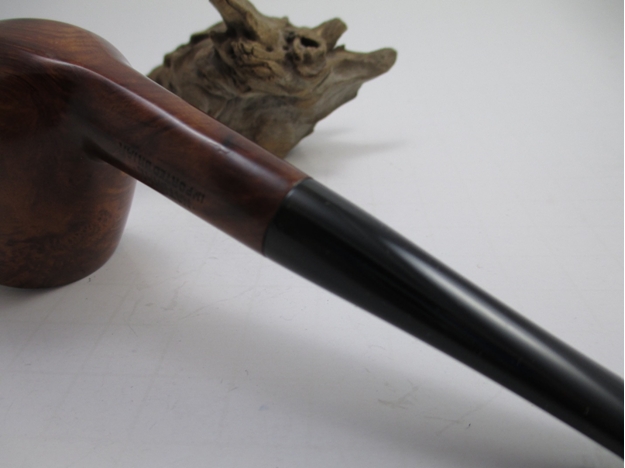
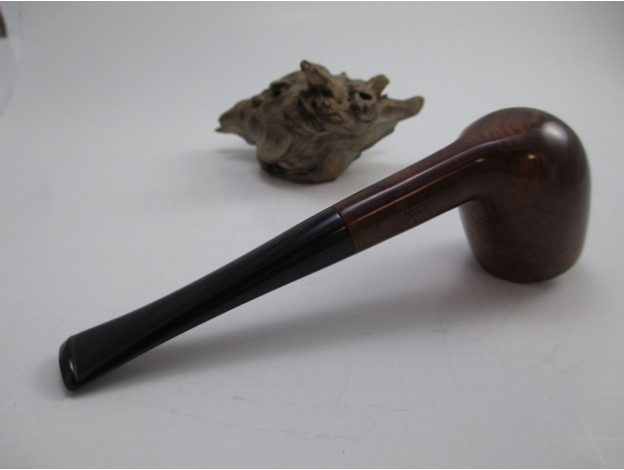
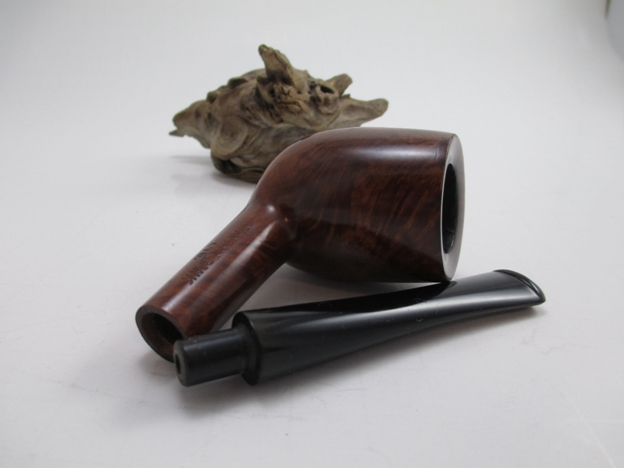
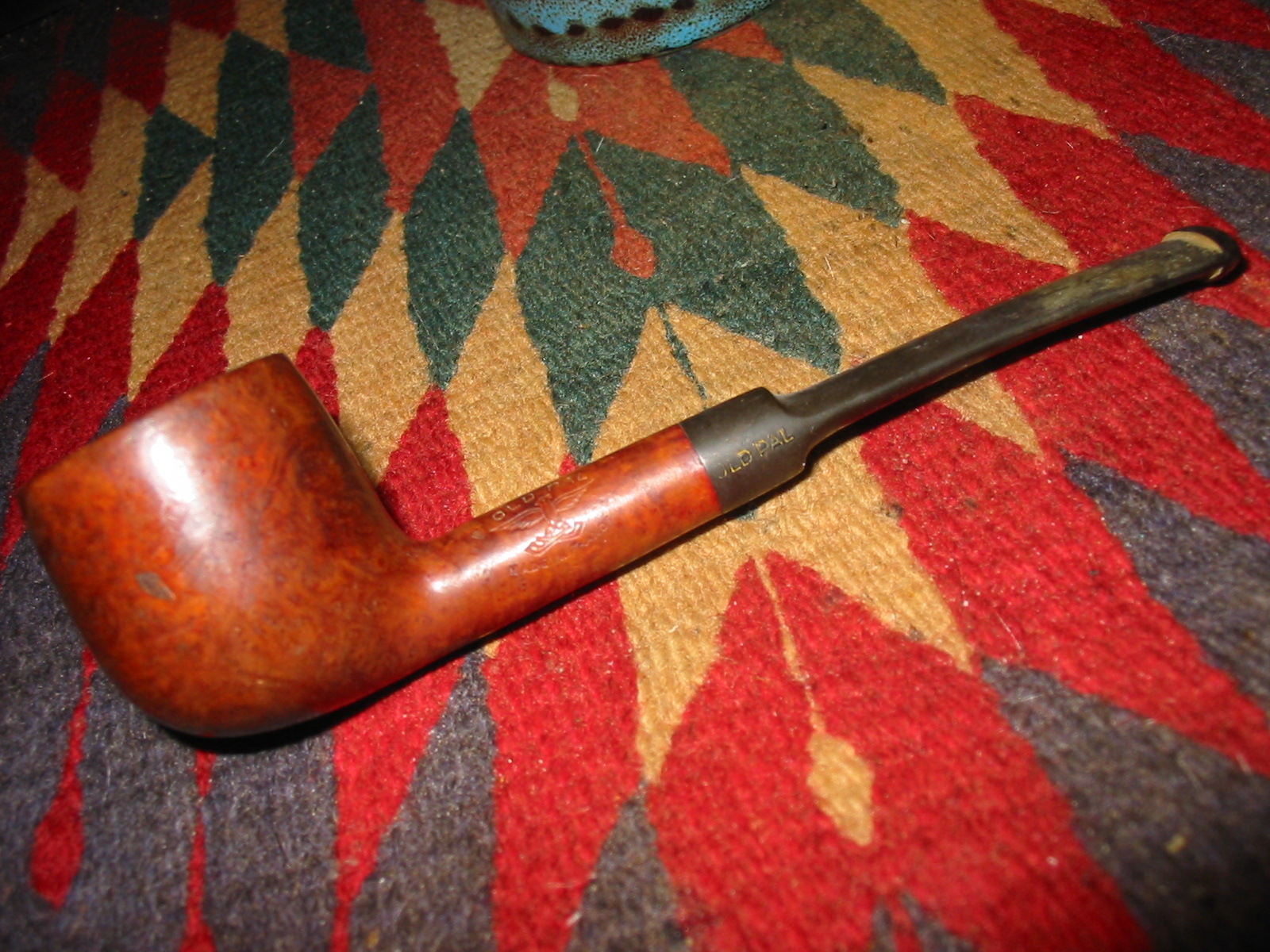
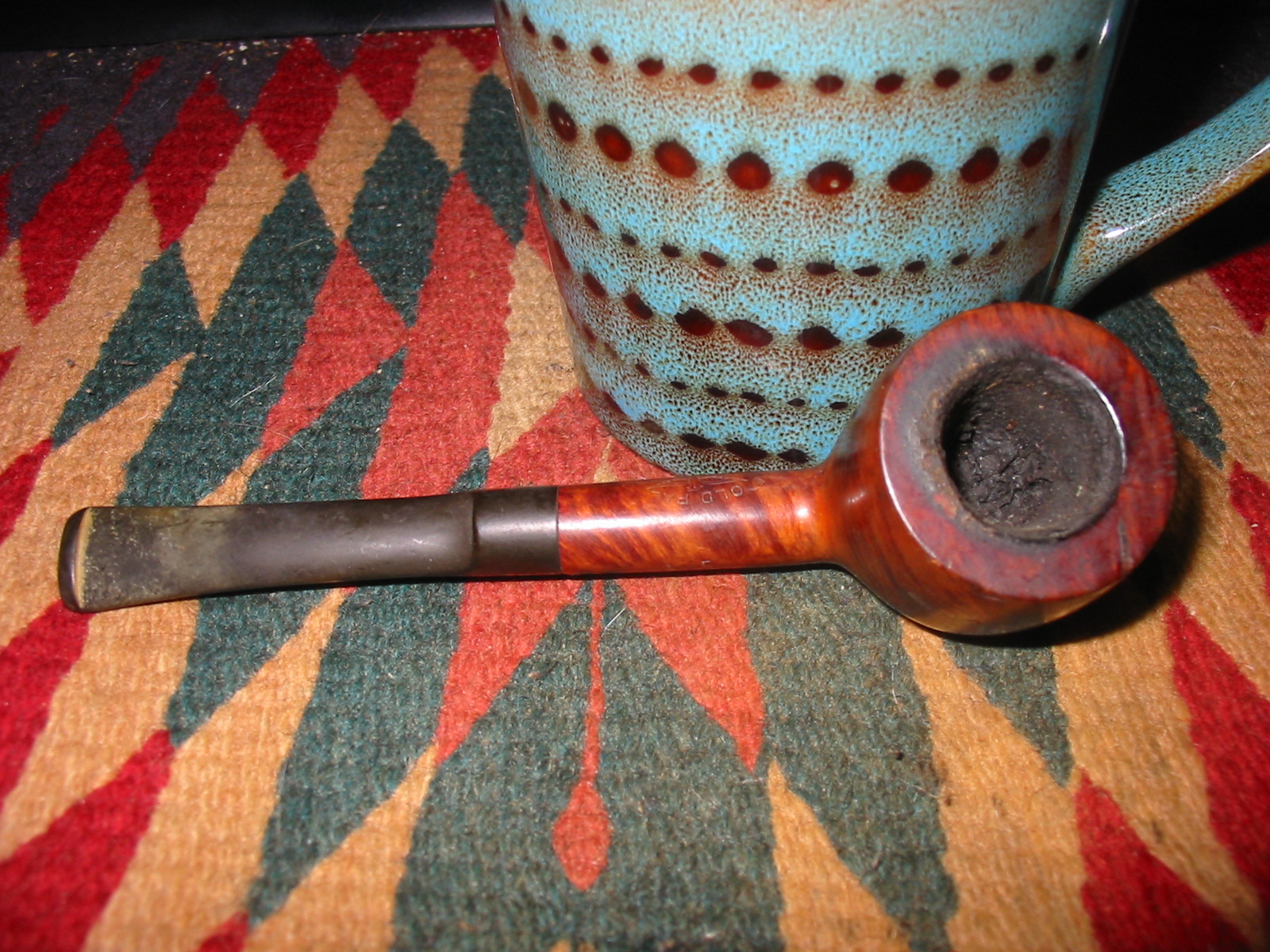
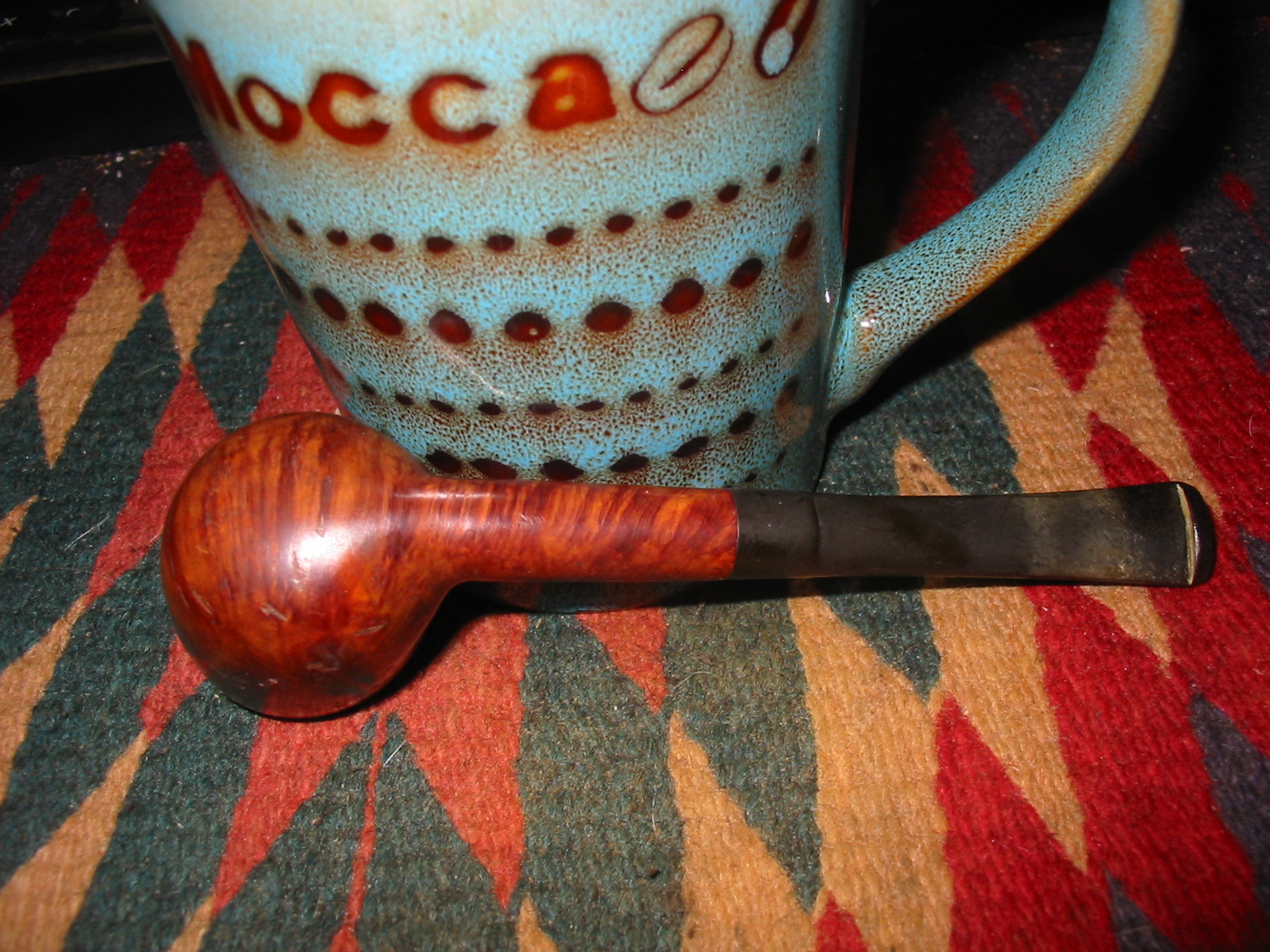
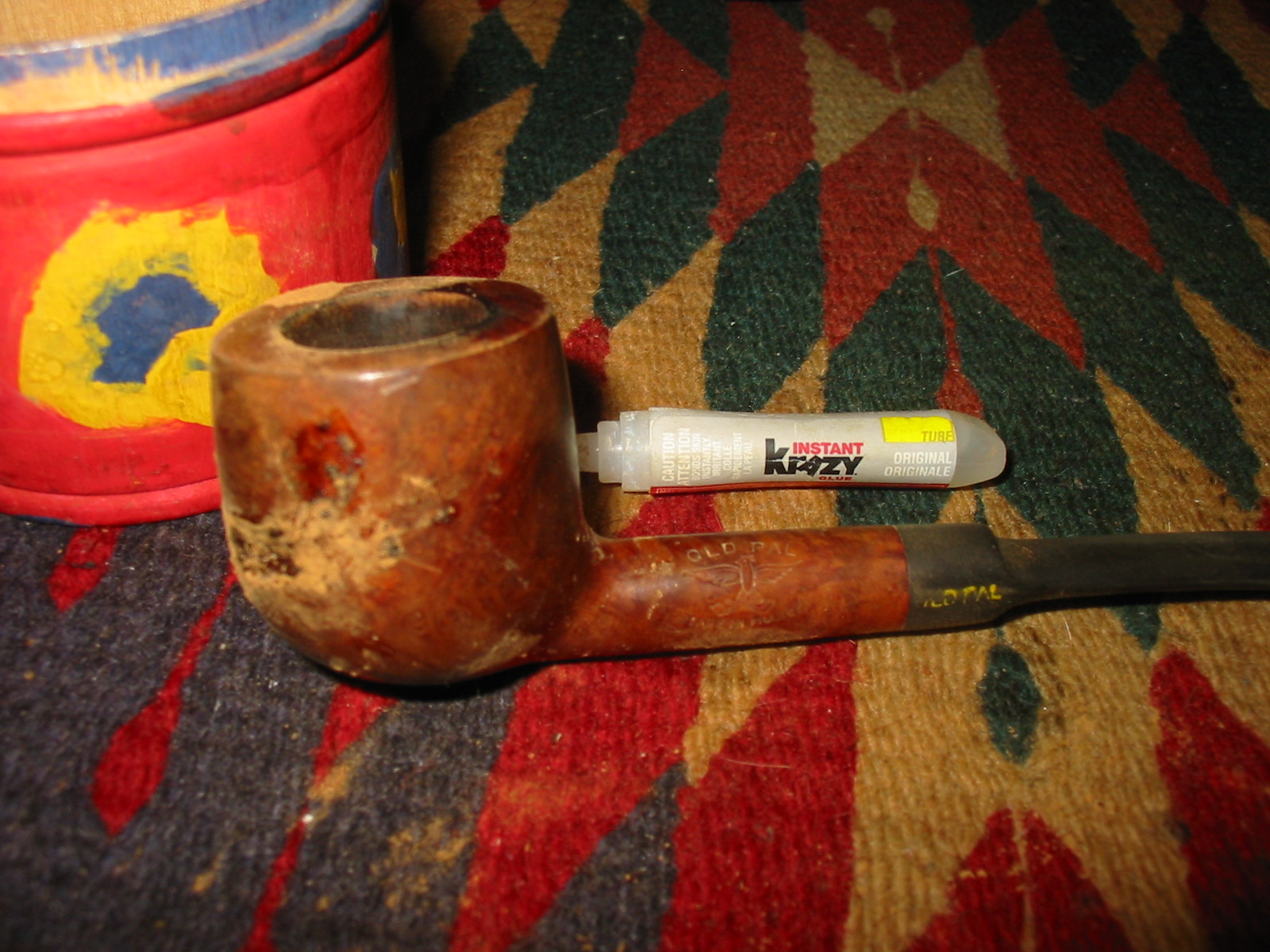
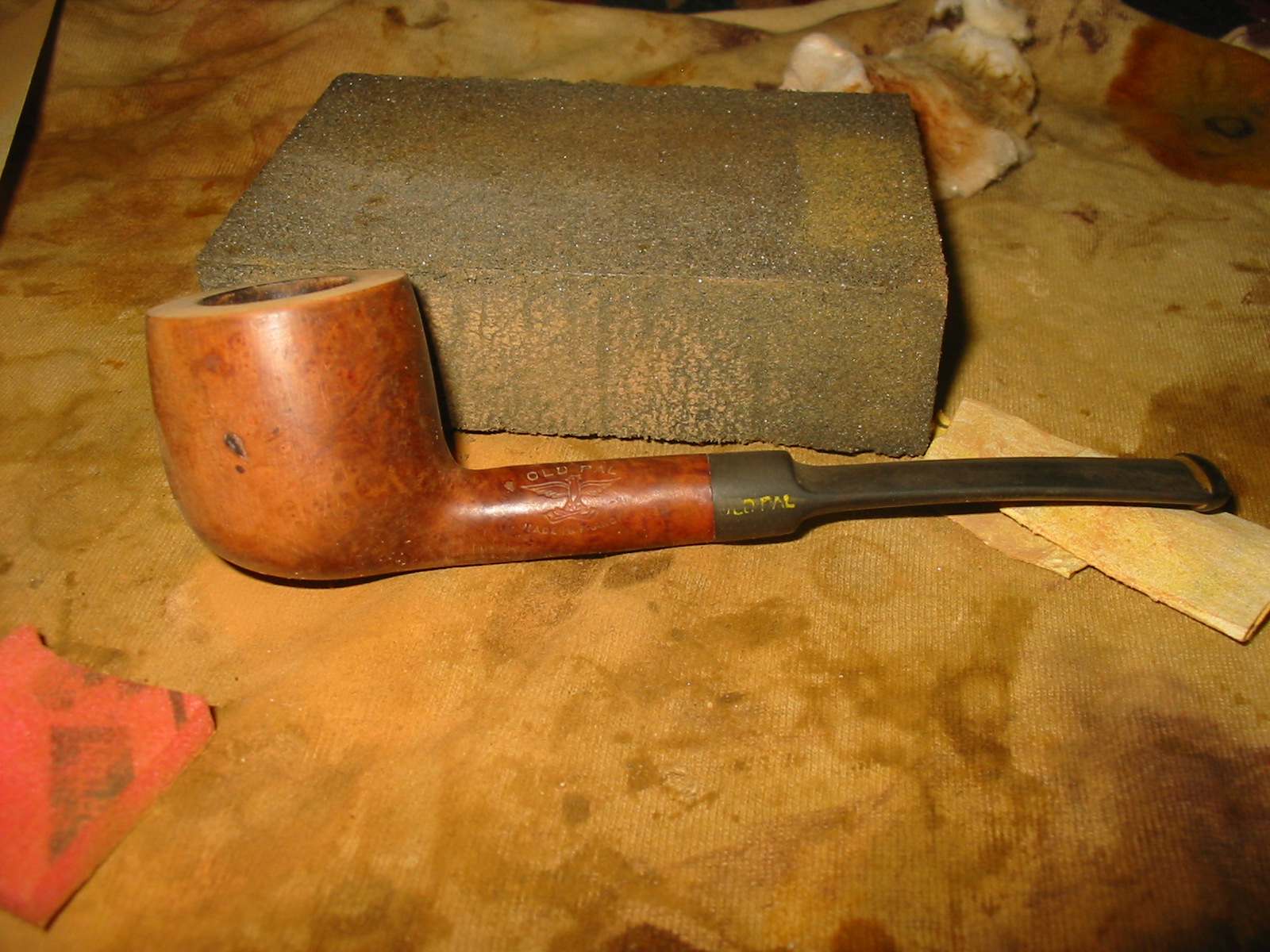
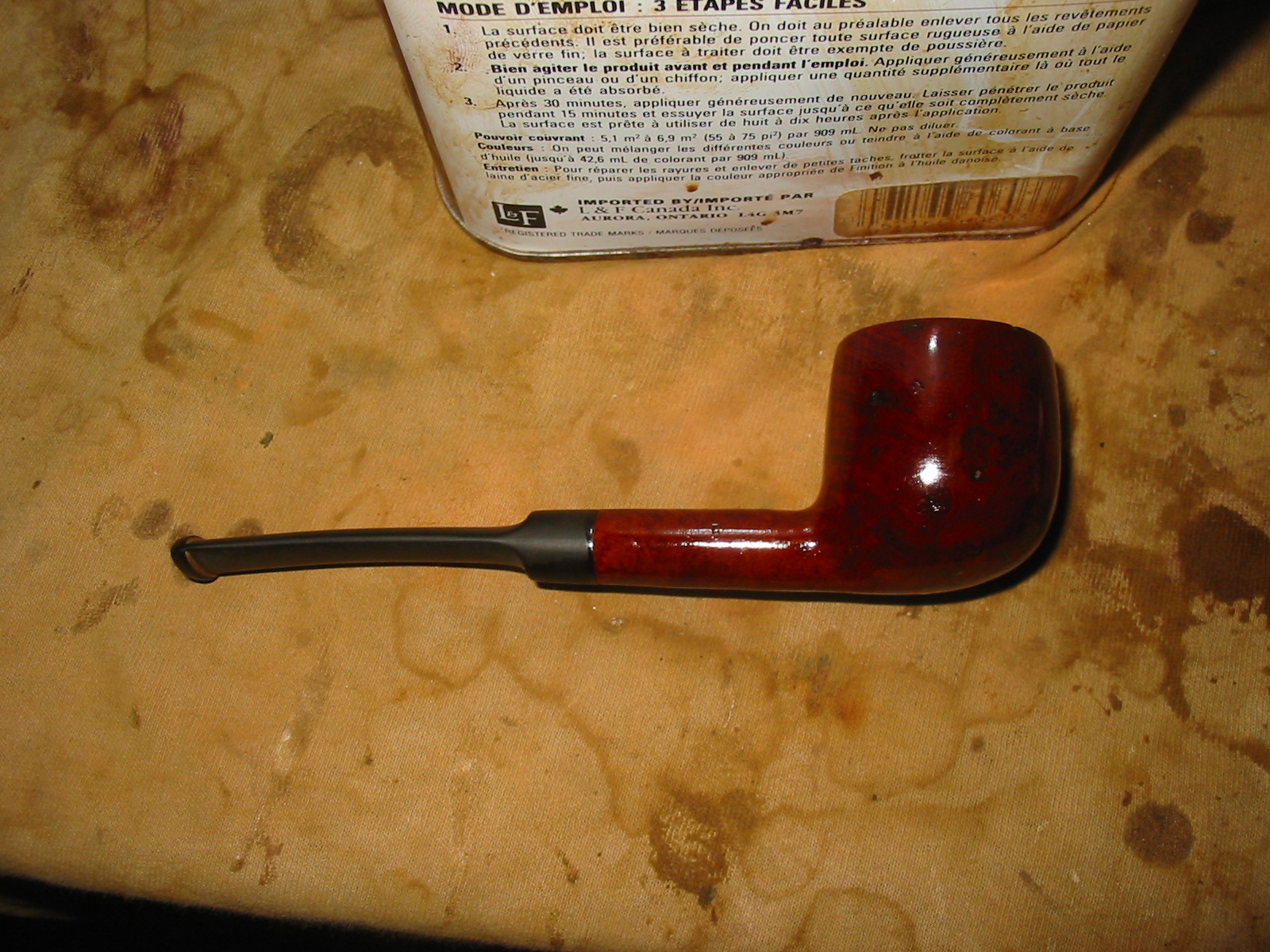
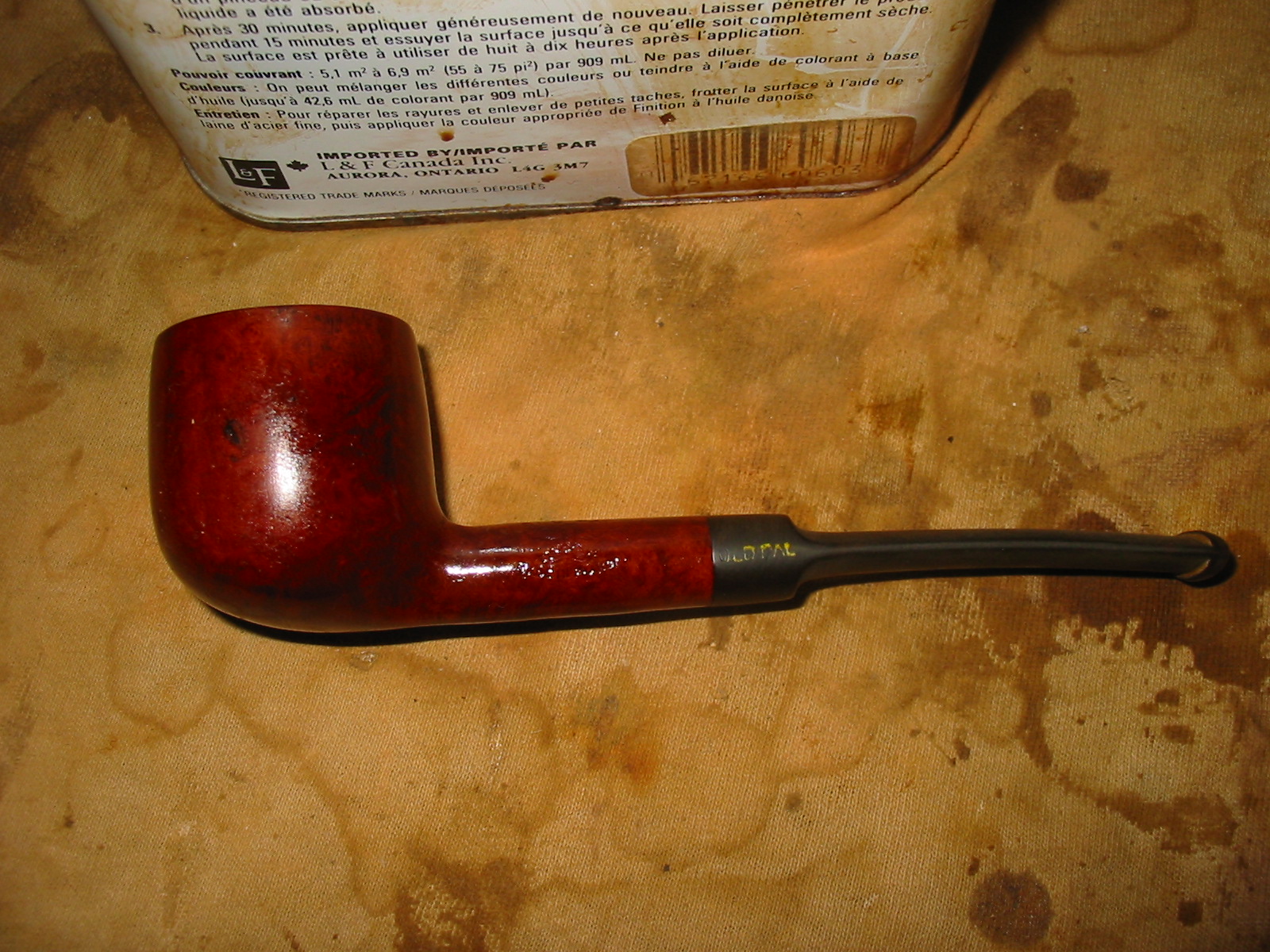
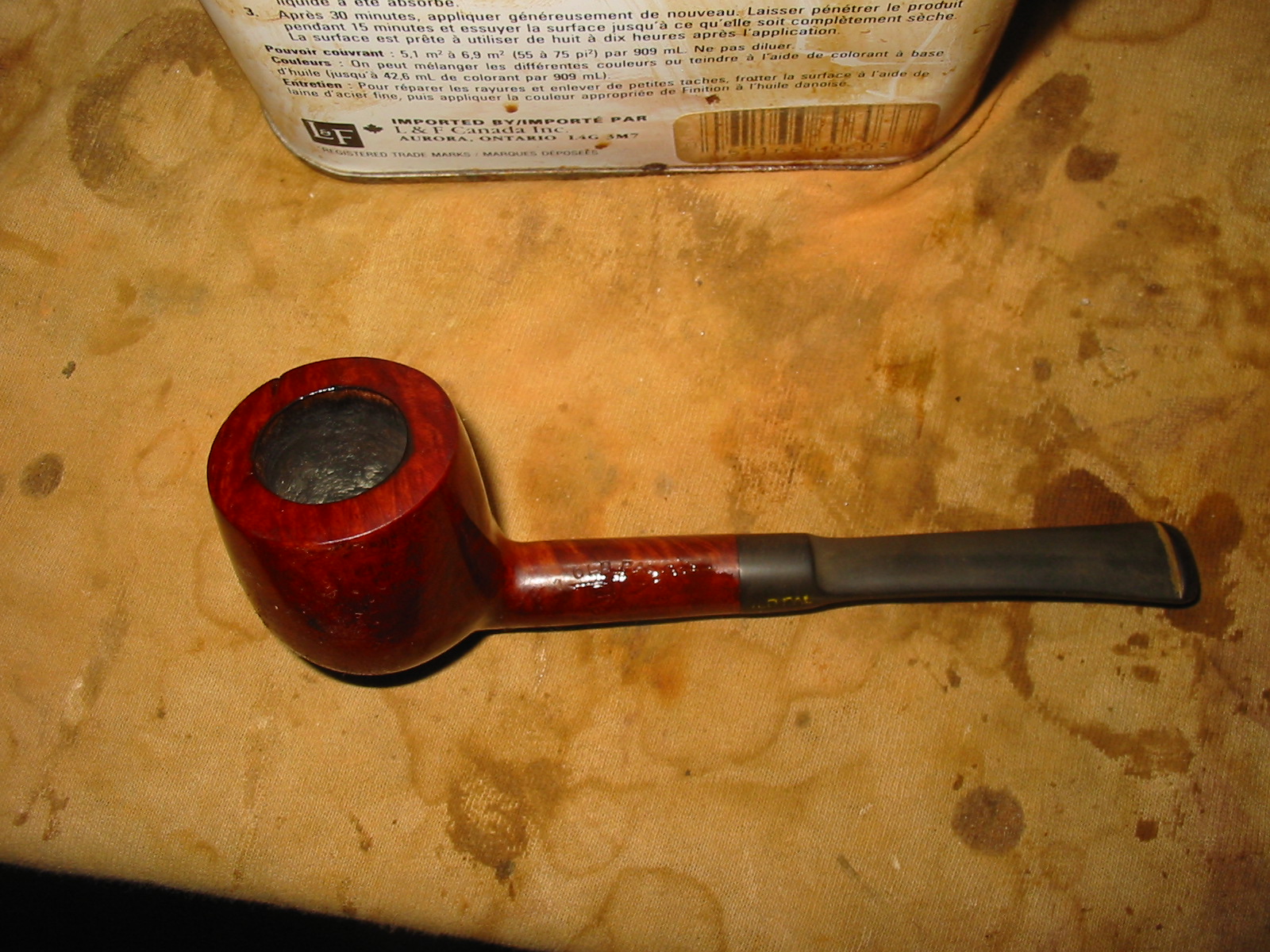
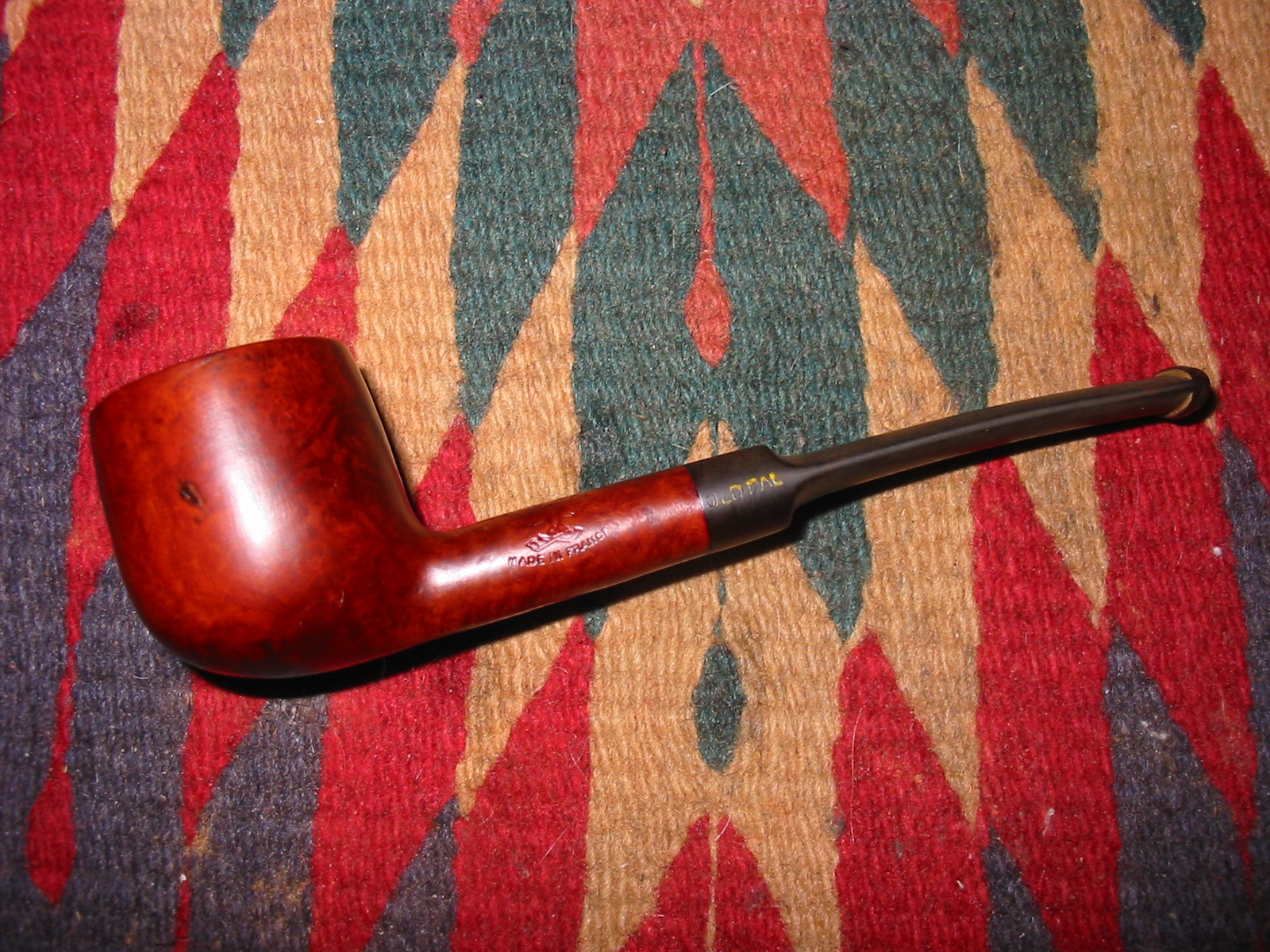
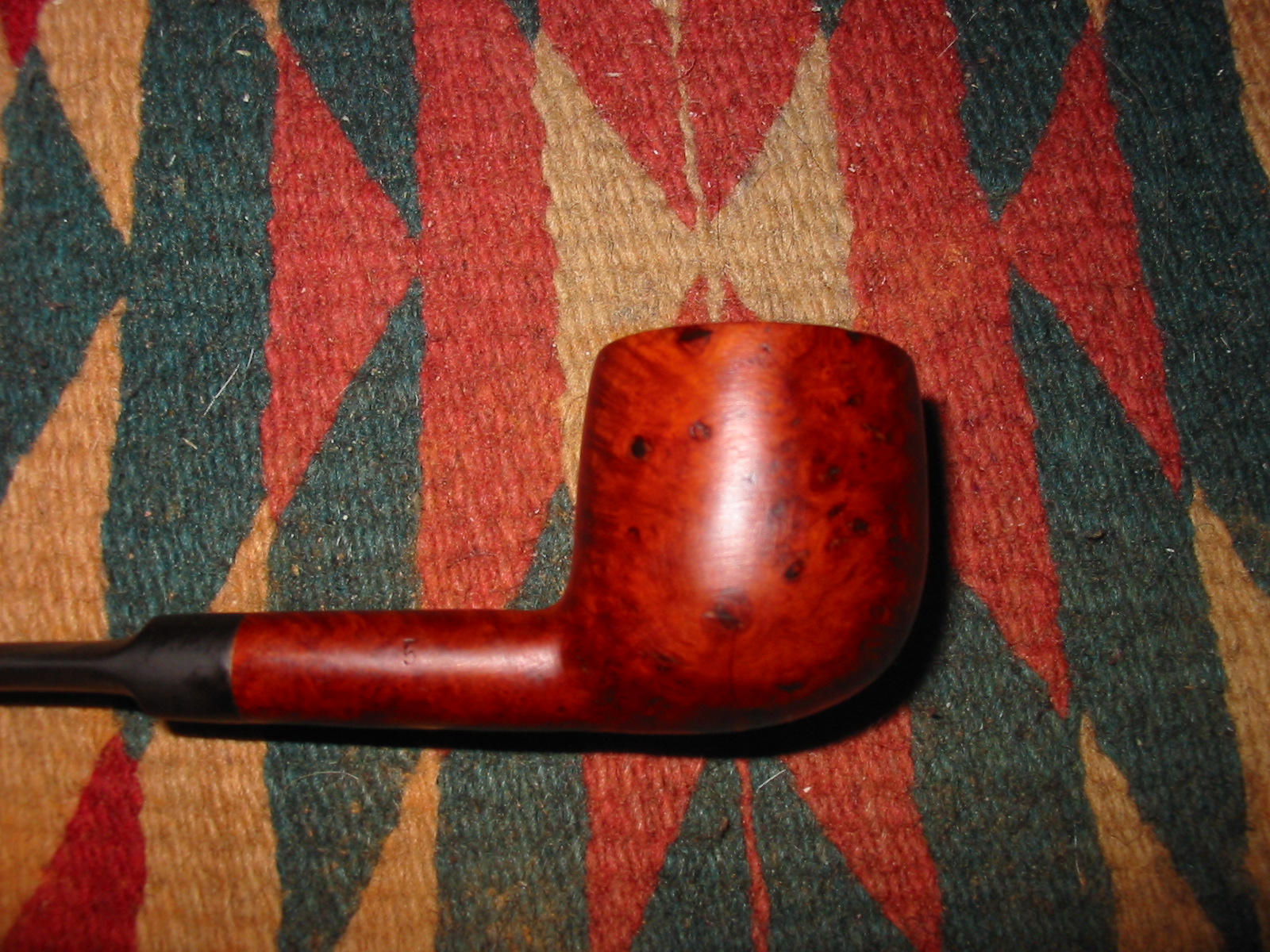
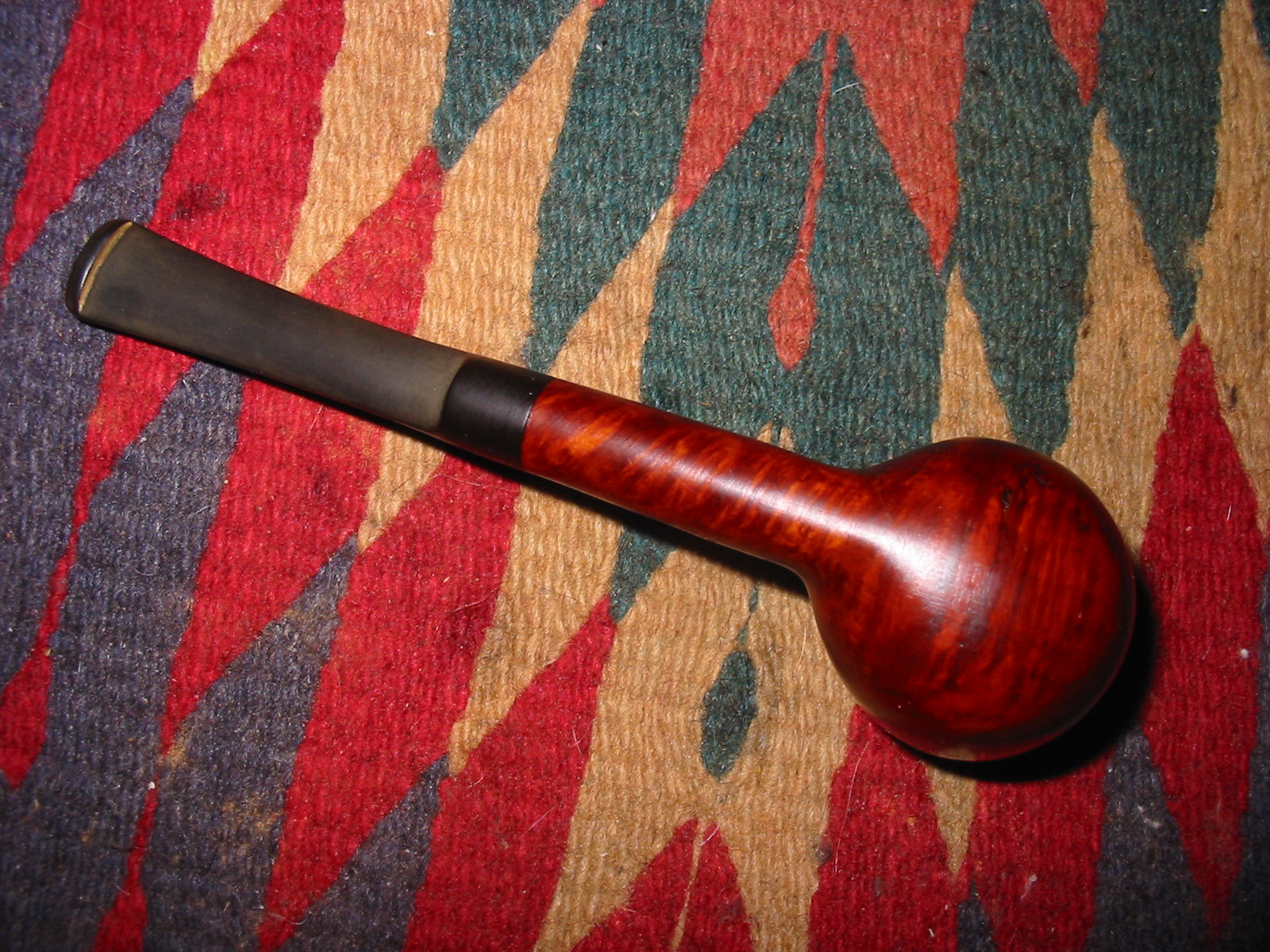
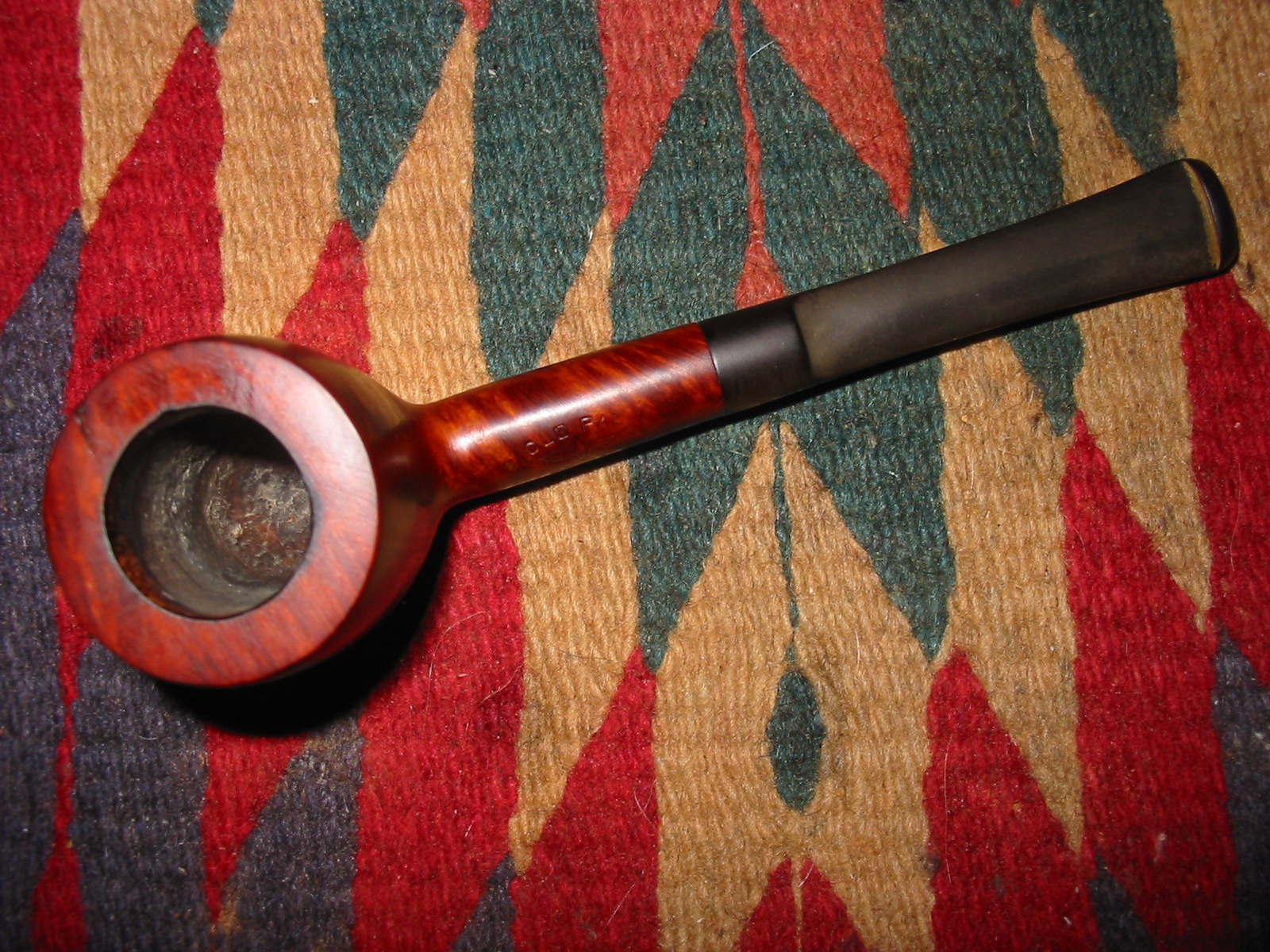
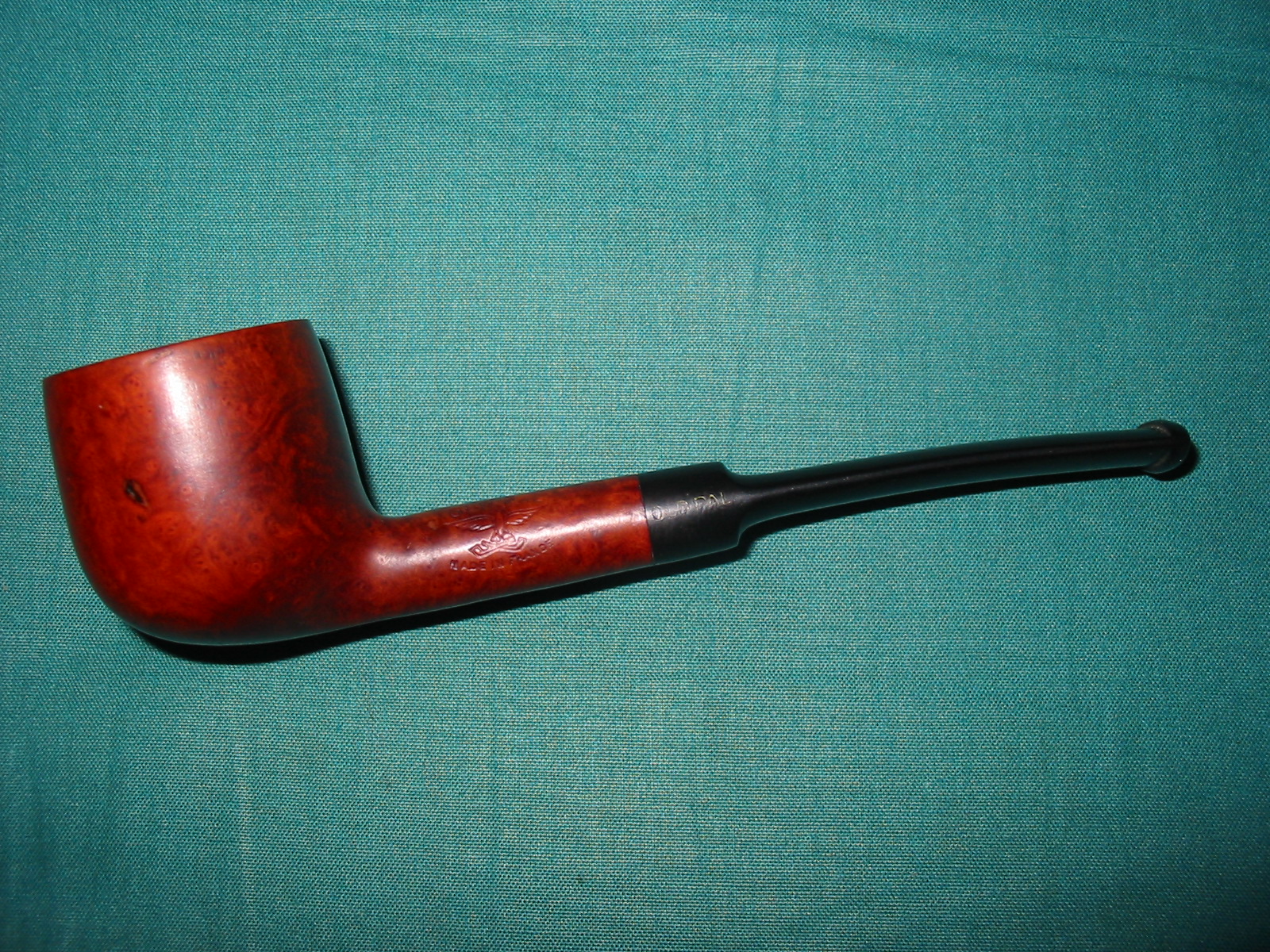
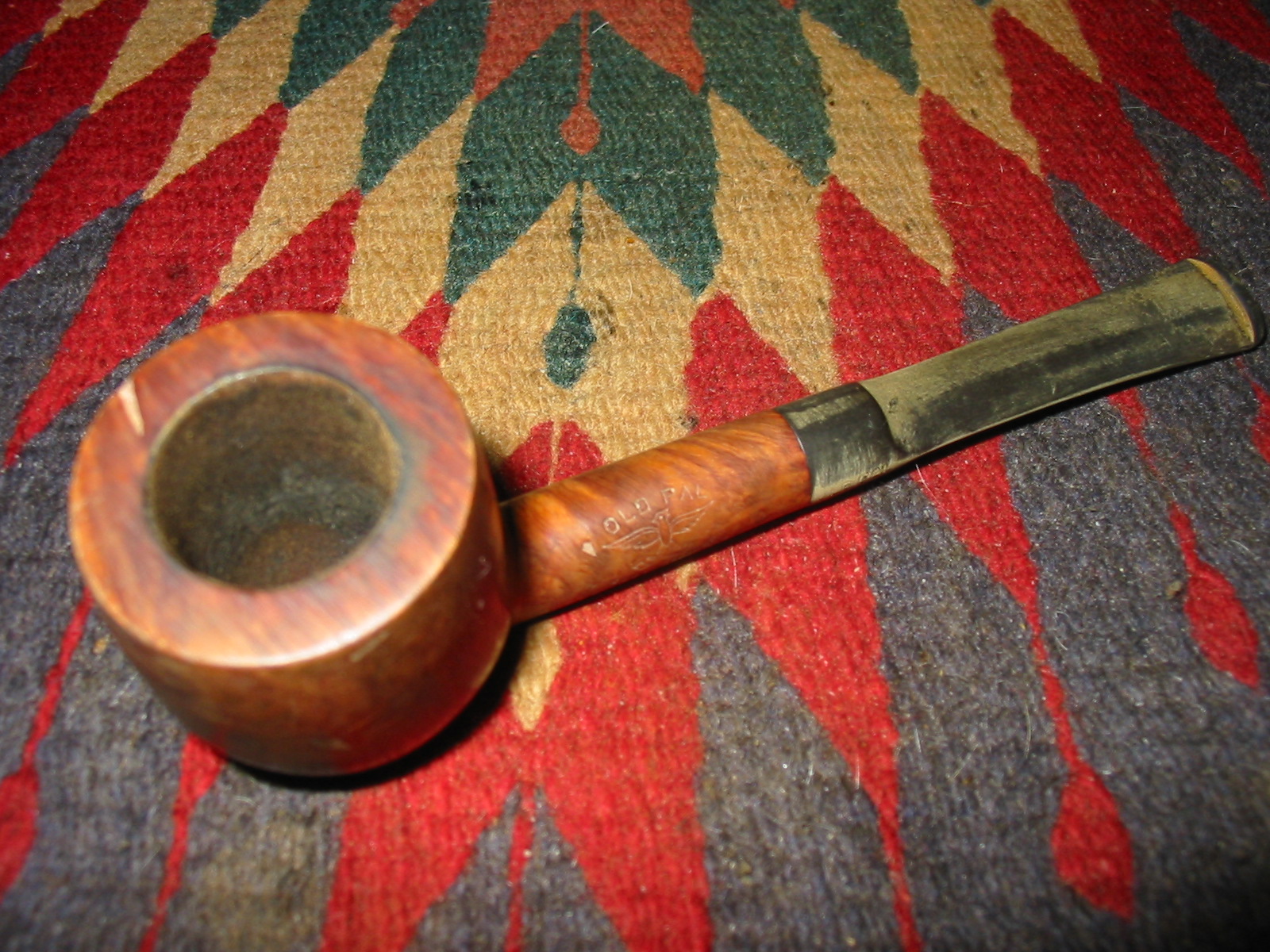
I just finished cleaning up another of the old pipes I found on my trip. It is a petite pot shaped pipe with a pencil shank. The overall length is barely over 5 inches and the weight is negligible. It is stamped on the left side of the shank in arc – Old Pal, over an Eagle with spread wings and then underneath Made in France.
oldpal2b
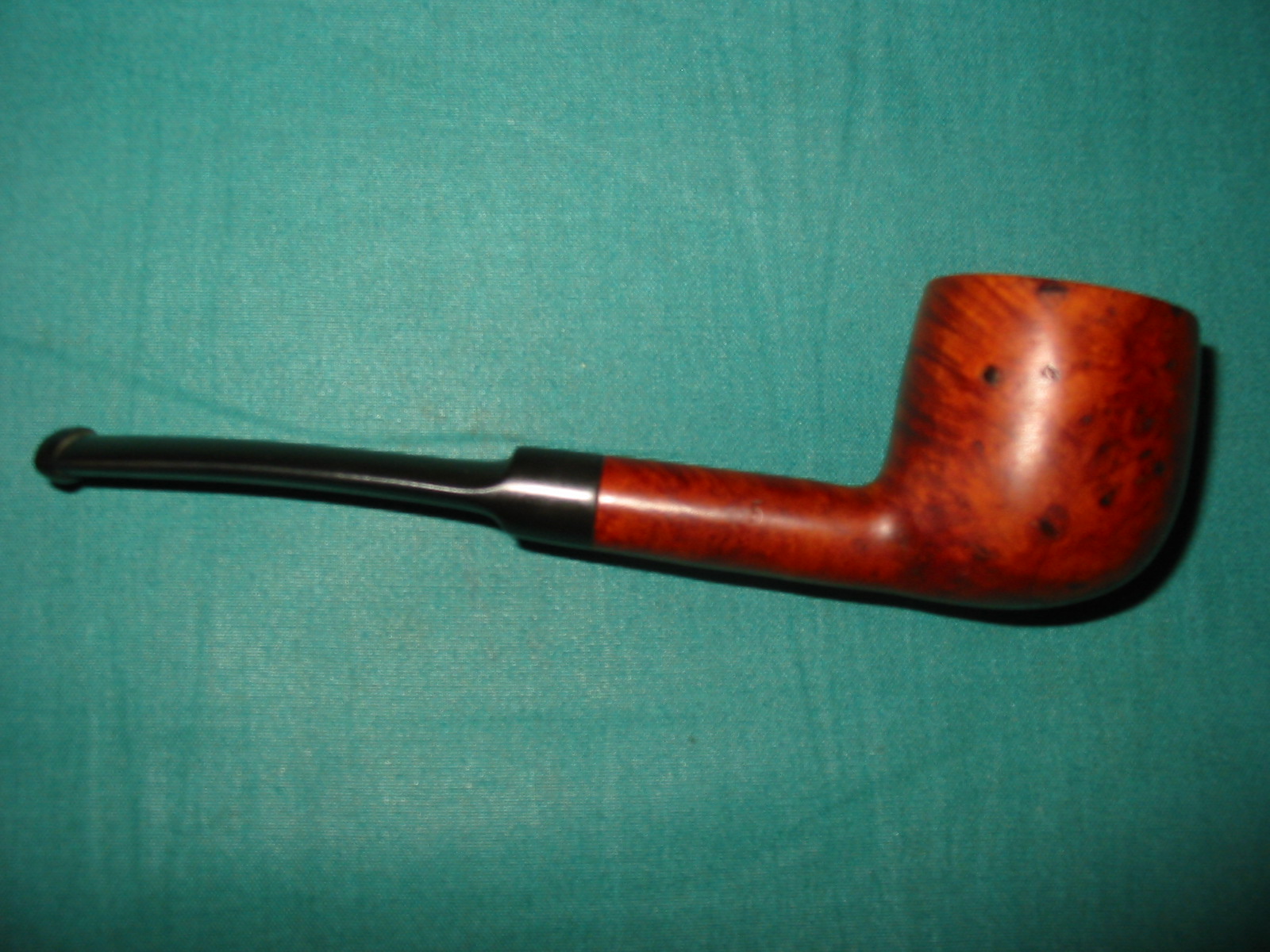
On the right side of the shank it is stamped 5 which I assume is the shape number. The stem is also stamped with the words OLD PAL on the left side of the saddle portion. On this particular pipe it is faint. In checking on the background information on “Who Made That Pipe” I found that it had two French makers for Old Pal listed. The first of those is Marechal Ruchon and Cie. (Incidentally it is the company that owned the GBD brand). The second maker listed is Rubinovich & Haskell Ltd. The bird emblem is probably the key, but I can find no reference to it. My own thinking is that the brand was made by Marechal Ruchon & Cie. I was able to dig up this brief summary of the MR&C brand. Ganeval, Bondier and Donninger began making pipes in 1850 and rapidly gained prominence in briar pipe making. Of the three, Bondier survived the others by 30 years, but new partners took their places. The name of the company changed to Bondier Ulrich & Cie, then Bine Marechal & Cie and finally to A Marechal, Ruchon & Cie. August Marechal and Ferdinand Ruchon saw the firm into the 20th century, their names being used for the company for well over 50 years.
Prior to 1899, Marechal, Ruchon & Co. became A. Oppenhiemer’s sole agent for cigarette papers but still remained in the pipe making business. Then in 1902, Marechal, Ruchon & Co.. owners of GBD and referred to as French pipe makers, merged with A. Oppenhiemer. In the 1915 London Directory of briar pipe makers one will find: “”Marechal, Ruchon & Co. – 38 Finsbury Sq. E.C.; London works, 15 & 16 Featherstone St. E.C. and Oppenhiemer, A. & Co. – 38 Finsbury Sq. E.C. listed separately.
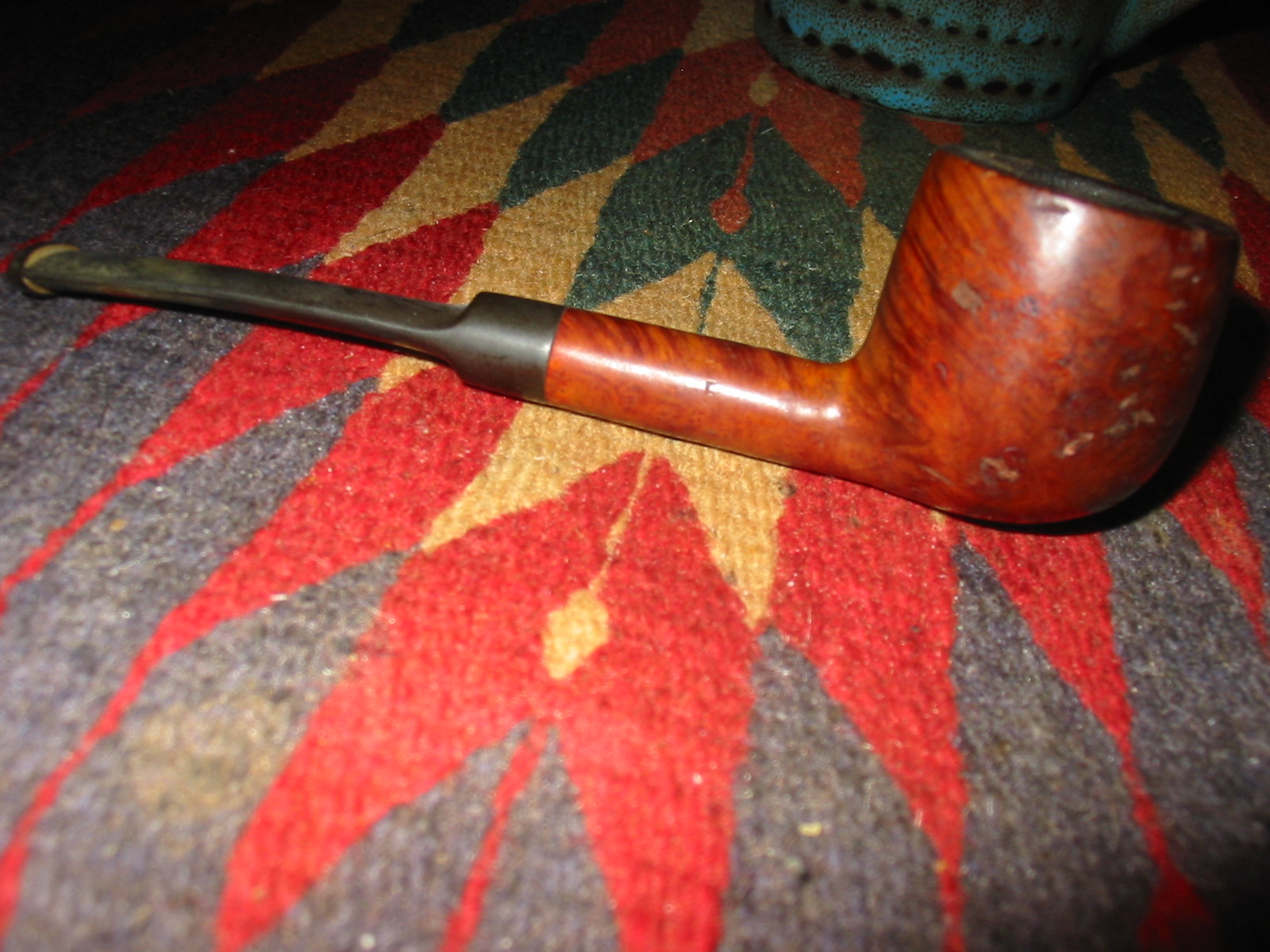
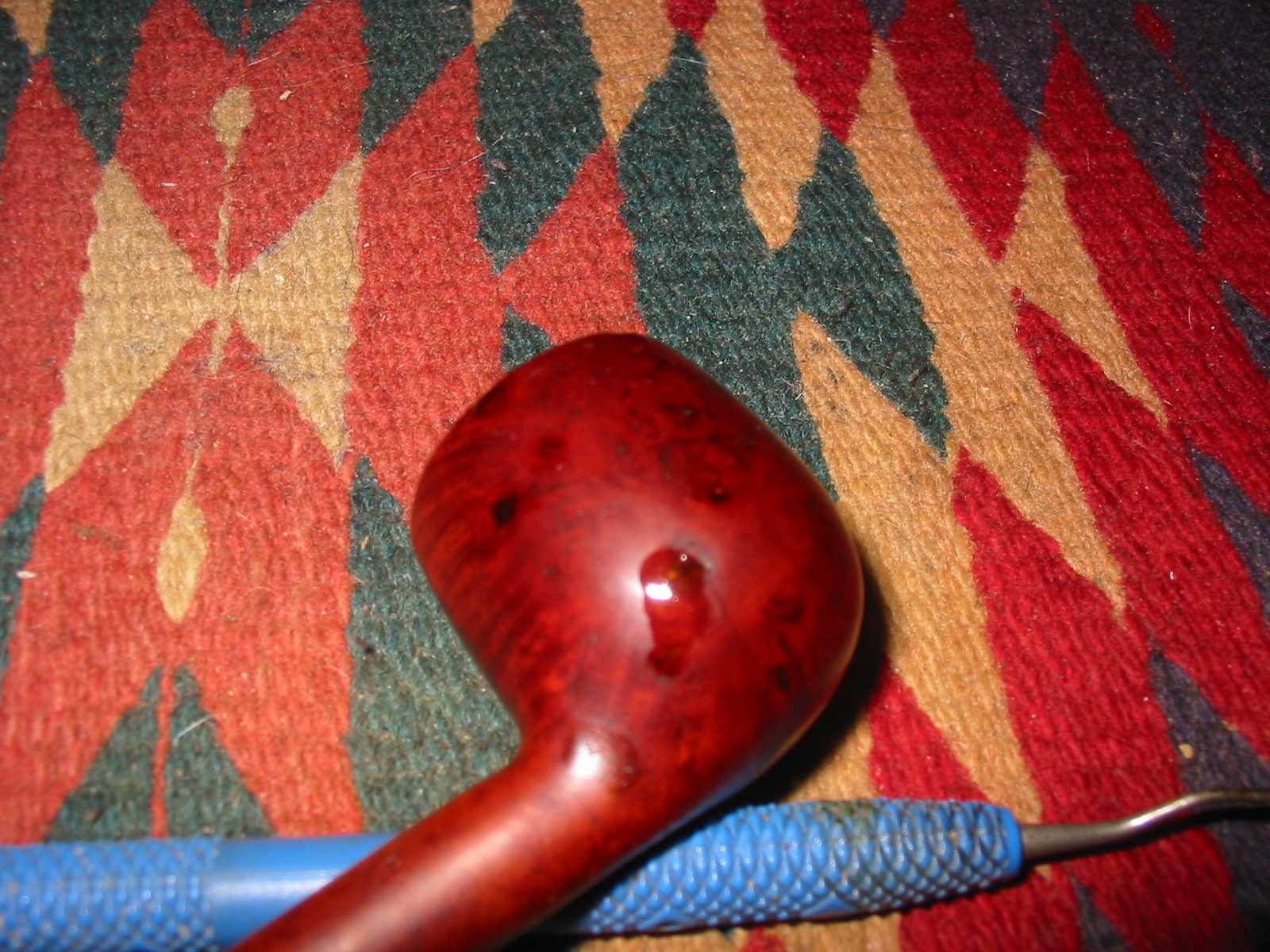
With that background information I worked on this old pipe to clean it up and restore it. When I picked it up the bowl was badly caked and packed full. The rim was dirty and tarred with what appeared to be a fill on the top of the rim right side. The entire right side of the pipe was full of fills of various sizes and shaped. There was one fill on the left side as well. The grain on the bowl was mixed and the finish was pretty beat up. The fills were shrunken and they left small pits in the surface of the pipe. The stem was oxidized and had tooth chatter on both sides near the button. The shank and airway were dirty and tarry. When the stem was removed there was an interesting flared tube that extended into the shank from the end of the tenon. The end looked like the bell of a horn. This was badly tarred and the inside of the tube was packed with debris.
IMG_2048

IMG_2049

IMG_2051

IMG_2052

I separated the stem and the bowl. The bowl was reamed with a PipNet pipe reamer back to a thin cake. Then I dropped the bowl in an alcohol bath to soak away the grime and to soften the fills. I drop the stem in an Oxyclean bath to raise the oxidation and soften it. I scrubbed both while in their respective baths to loosen the grime and buildup on the surfaces. I removed the bowl from the alcohol bath after two hours of soaking. I cleaned out the inside of the shank and the bowl as well as the inside of the stem. The trumpet like tube came out of the tenon and I cleaned it inside and out and reset it in the tenon. It is an interesting contraption as it is flared and the flared end rests against the end of the mortise directing the smoke directly into the mouthpiece. I have not seen that design before (see the photo below after the stem cleanup paragraph).
IMG_2067

IMG_2053

IMG_2066

IMG_2068

IMG_2071

I used a dental pick to dig out the fills that had softened in the bowl. My objective was to remove them altogether and replace them with a briar dust and superglue fill that turns black and gives a different look than the red putty fills.
IMG_2079

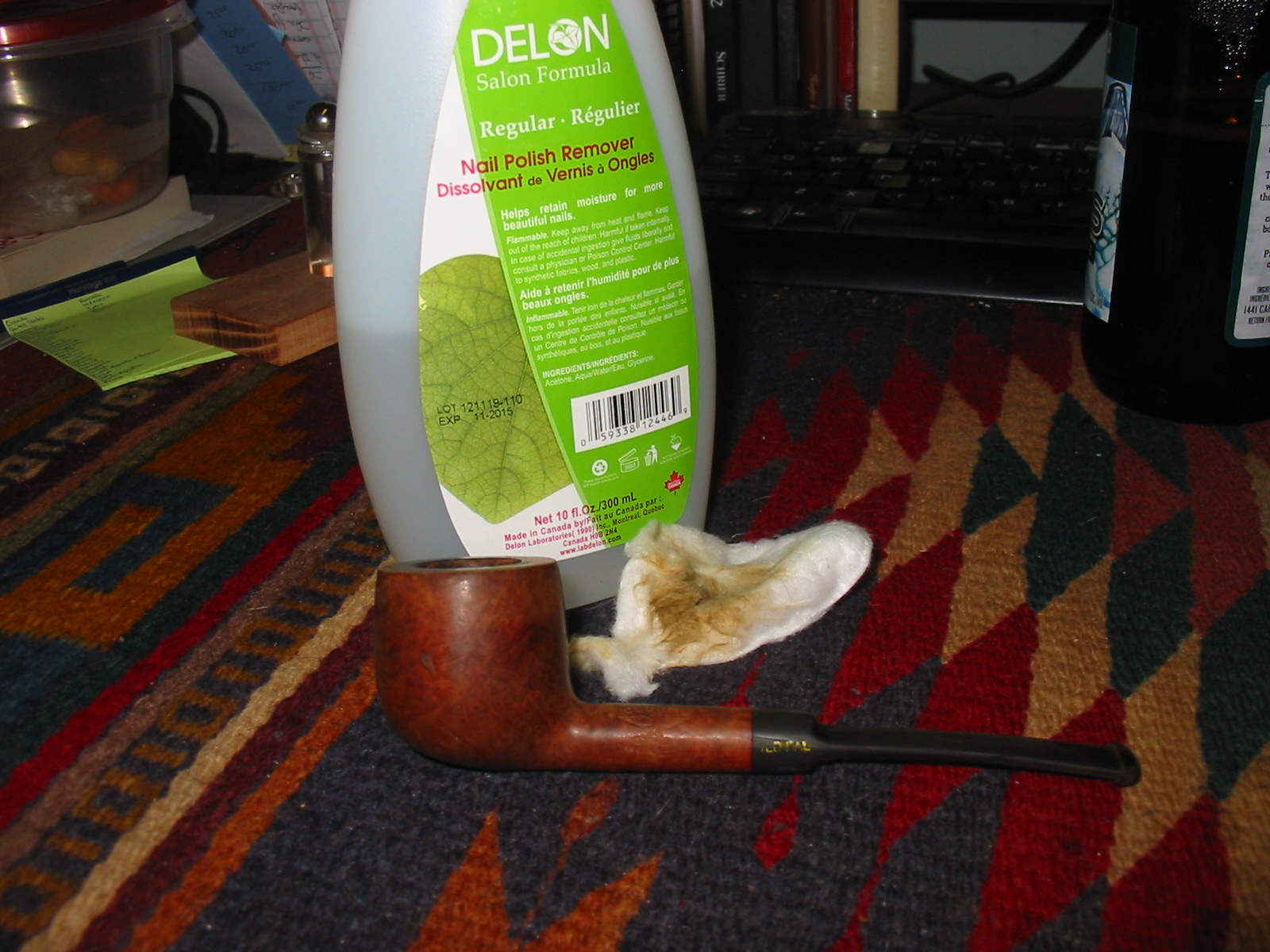
After removing the fills I wiped down the bowl with acetone on a cotton pad to remove the finish from the bowl and to remove extraneous dust from the holes where the fills used to be. I repeated this process until the bowl was clean. Once finished I used a drop of superglue in each pit and then pressed briar dust into the holes using a dental pick. I repeated the process until the fills were repaired. I then sanded the bowl to remove the excess briar and superglue fill material with 220 grit sandpaper, medium grit sanding sponges and a fine grit sanding block.
IMG_2081

IMG_2082

IMG_2089

IMG_2090

IMG_2091

IMG_2092

IMG_2093

The black marks on the right side of the bowl highlight the fills in the bowl. I have often used a permanent black marker to blend in the fills to the grain. I decided to try that with this pipe as well.
IMG_2094

IMG_2095

I gave the bowl several coats of dark brown aniline stain mixed 1:1 with alcohol. I applied the stain, flamed the bowl, reapplied and reflamed until the colour was even over the entire surface. I then took it to the buffer and buffed the bowl with red Tripoli and White Diamond to polish the stain. I also wanted to see how well the fill material was working. I have found that as it dries it can still shrink.
IMG_2098

IMG_2099

IMG_2100

IMG_2101

I brought it back to the work table and gave it a coat of linseed oil.
IMG_2102

IMG_2103

IMG_2104

The fills had shrunk and left divots in several spots so I reapplied the superglue and briar dust (less this time around). I sanded the bowl with a sanding sponge and a fine grit sanding block to smooth out the surface. I reapplied the stain and the linseed oil and then buffed the bowl.
IMG_2105

IMG_2110

IMG_2109

IMG_2108

IMG_2107

IMG_2106

I took the stem out of the bath and wiped it down. The majority of the oxidation wiped off with a damp cloth and then I polished it with Meguiar’s Scratch X2.0 and wiped it off the stem. I wiped the stem down with a polishing cloth and buffed it with White Diamond.
IMG_2080

IMG_2111

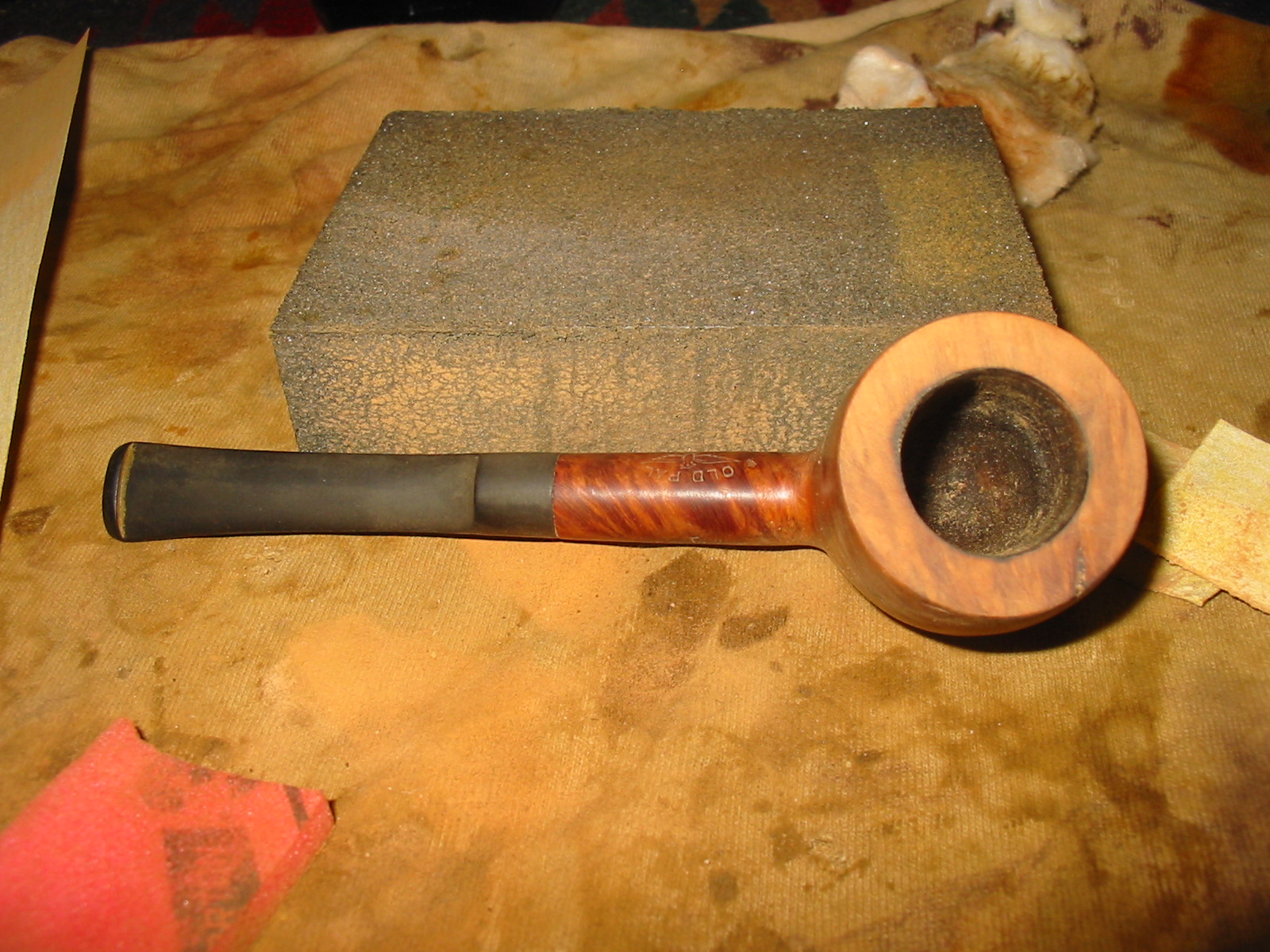
I applied a coat of Obsidian Oil and when dry rubbed it off. I reinserted the stem and buffed the stem with multiple coats of carnauba wax. I took the pipe to the buffer and buffed the entirety with carnauba wax and a soft flannel buff to a shine. The following pictures show the finished pipe.
IMG_2112

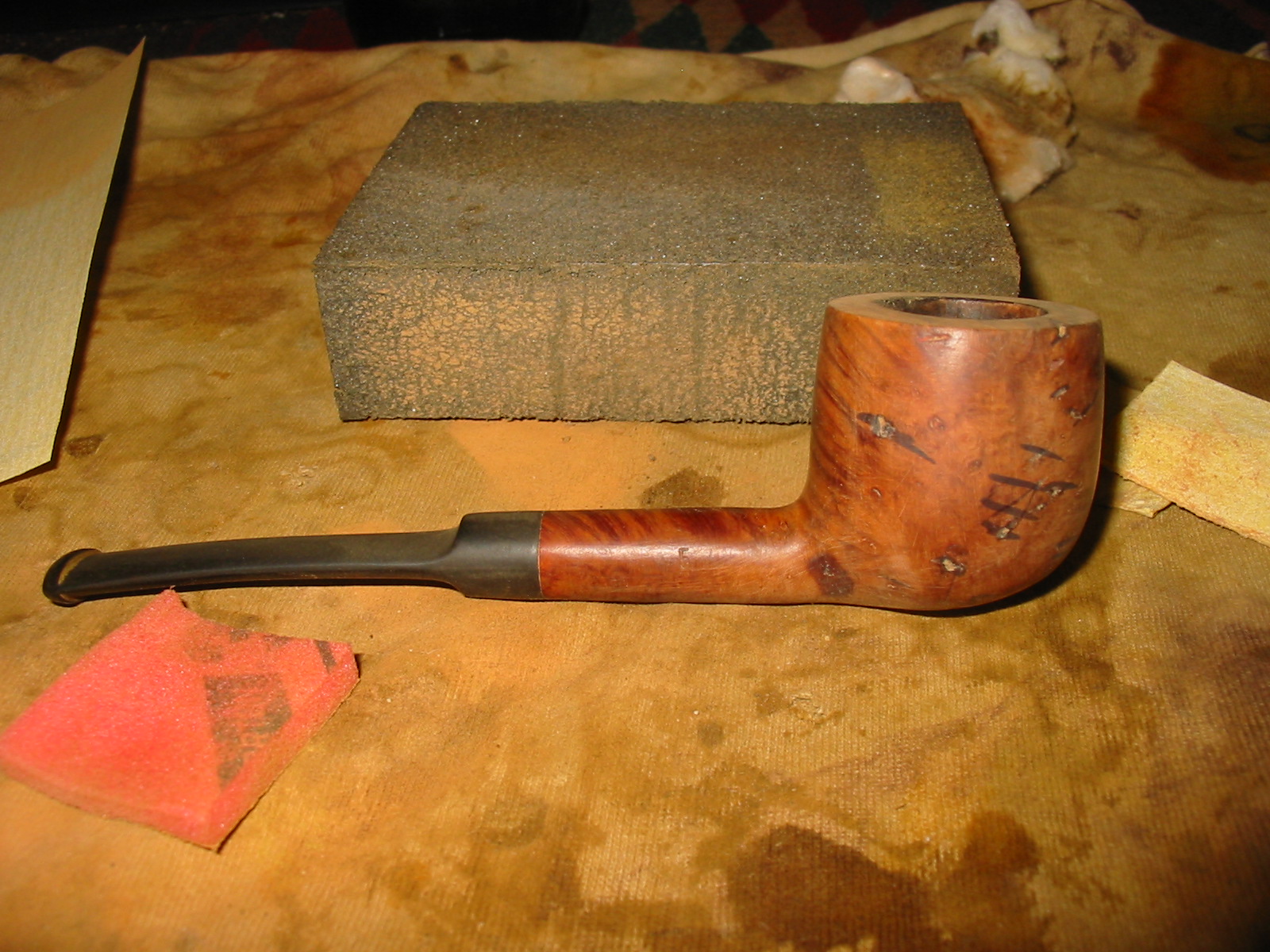
In the bright flash of the camera the fills on the right side of the bowl appear to stand out more than they do in the natural light. They tend to look dark spots in the birdseye of the grain. They do not stick out as badly as they appear in the photo below.
IMG_2113

IMG_2115

IMG_2114

The final picture I have included is one of the Old Pal pipe with a package of Old Pal Pipe Cleaners that I picked up at an antique shop in Edmonton. The two form a nice complement to one another.
IMG_2117

Italian Made Sandblasted Canadian Brought Back to Life


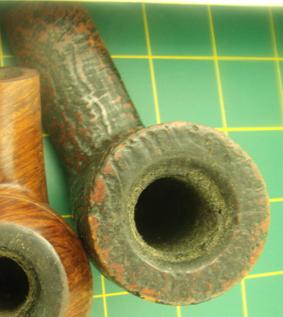
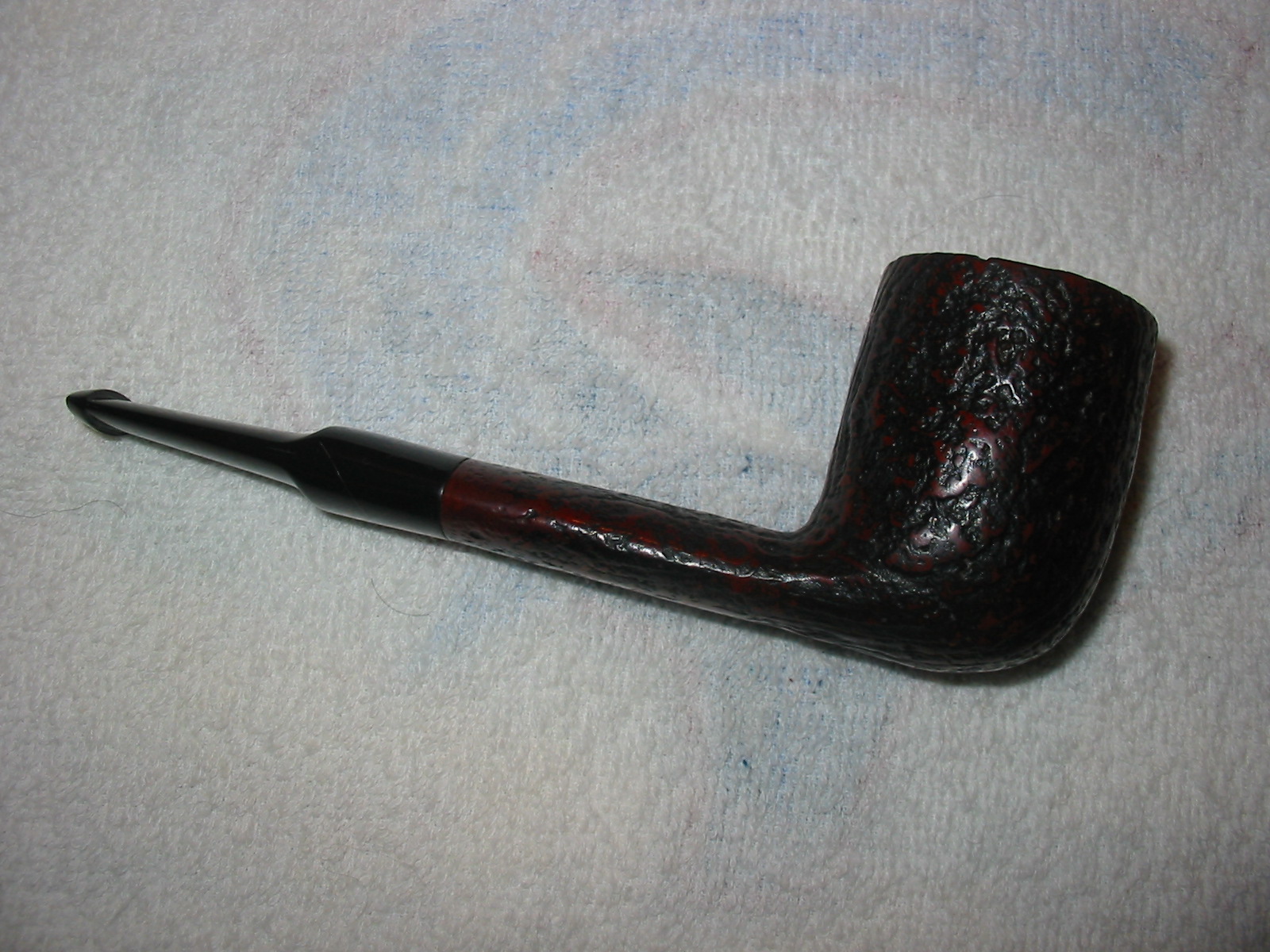
This pipe is another that came in that EBay lot of bowls that I purchased. Once I was finished with this one I have two more left to restem. It is a large oval shanked pipe with a large bowl. The sandblast is not deep and is particularly shallow on the shank where it meets the stem. The bowl was heavily caked and the finish was dirty and faded. There was a deep divot out of the left side of the bowl toward the bottom. It was a chipped out spot that looked like the pipe had been knocked hard against something when it was dropped. There was also a chip on the edge of the front right side of the outer rim. It is pictured below in the first photo and is the first pipe in column one on the left. The second photo shows the state of the bowl when I started working on it. The cake was hard and thick.

bowls1

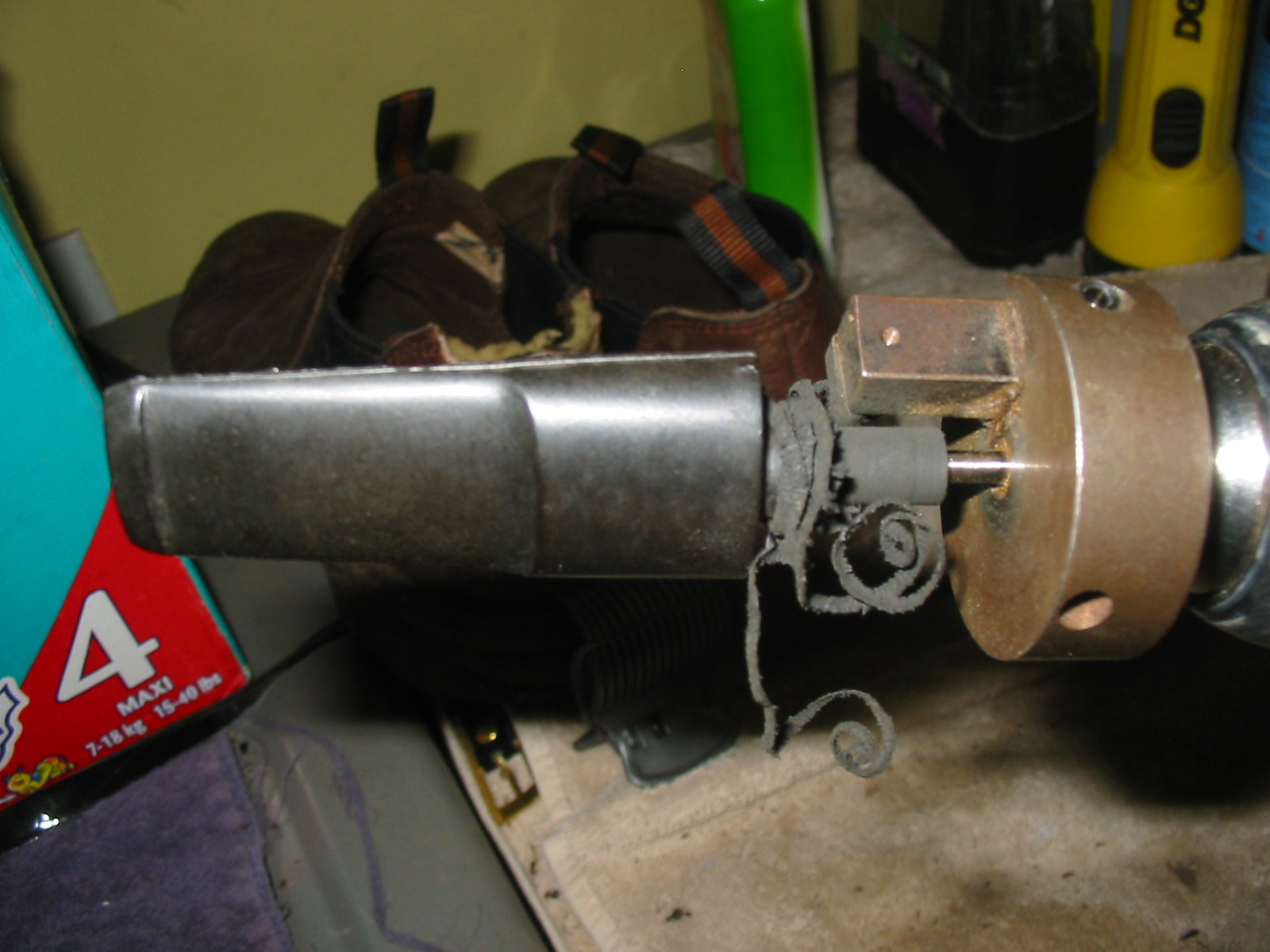
Italian I sorted through my box of stems and found a wide oval stem blank that would fit the curves and width of the shank. The first photo below shows the new stem before any work was done on it. The second photo below shows the tenon being turned on the PIMO tenon turning tool. I removed enough material from the tenon to get it close to fitting. I hand sanded it to get a snug fit in the shank. The tenon turner literally peels the vulcanite back to the right diameter. The third photo below shows the newly turned tenon before the hand sanding to fit it in the shank. The fourth photo shows the fit of tenon. It still needed to be shaped to match the diameter of the shank but the fit was good and tight.

IMG_1384

IMG_1385

IMG_1386

IMG_1387

I removed the excess of vulcanite and shaped the stem close to the diameter of the shank with a Dremel with a sanding drum. I carefully worked the drum against the stem and worked to get it as close to the shank shape as possible without damaging the shank. Once I had it close I worked on the fit with emery paper to remove the marks left by the sanding drum. The next series of four photos show the shaping of the stem to fit the shank with the Dremel and the emery paper.

IMG_1389

IMG_1390

IMG_1388

IMG_1394

I reamed the bowl with a PipNet reamer. I started with the smallest head on the T handle and worked my way up to the largest head that would fit the bowl. The next series of three photos shows the reaming of the bowl and the finished reamed bowl.

IMG_1391

IMG_1392

IMG_1393

I cleaned out the divot on the side of the bowl with a dental pick and then packed in briar dust with a dental pick and added drops of super glue. I created a briar dust and super glue fill for the divot. The next series of five photos show the progress of the patch. Once it was filled and even with the surrounding area I used a dental pick to scratch in grooves and crevices to match the sand blasted finish of the surrounding bowl. I wiped down the surface with Everclear and scratched the surface until the finish matched.

IMG_1395

IMG_1396

IMG_1397

IMG_1398

IMG_1399

I wiped down the entire bowl with acetone on a cotton pad to clean up the finish on the bowl and prepare if for the new stain that I would add once the surface was clean. Note how well the patch on the left side of the bowl matched the grain of the sand blast on the rest of the bowl in first photo below.

IMG_1400

IMG_1401

I chose to restain the bowl with a dark brown aniline stain that I thinned with two parts isopropyl alcohol to one part stain. From experimenting I had found that this colour matched the original stain on the bowl. I heated the bowl with a heat gun, applied the stain, flamed it and stained and flamed it a second time. I put more stain on the shank near the stem as the smoother portion of the finish seemed to not hold the stain as well as the blasted areas. There had also been a black under stain on the bowl from the original and the thinned dark brown worked well with that under stain to give some depth to the finish of the bowl. I hand buffed the bowl with a shoe brush to give it the initial shine.

IMG_1402

IMG_1403

IMG_1404

IMG_1405

I sanded the stem with micromesh sanding pads from 1500-12,000 grit to polish the stem. Each successive grit of micromesh deepened the shine of the stem. Between the 2400 and the 3200 grit micromesh I polished the stem with Maguiar’s Scratch X2.0 – a plastic polish that I have used to polish stems. I then sanded with the remaining grits of micromesh.

IMG_1406

IMG_1407

IMG_1408

IMG_1409

IMG_1410

After sanding, I buffed the bowl and stem on the buffer with White Diamond and then gave the stem several coats of carnauba wax on the buffing wheel. I used Halcyon II wax on the sandblasted finish on the bowl and shank. I finished the pipe by buffing it with a clean flannel buff to raise the shine of the wax. The finished pipe is pictured below.

IMG_1411

IMG_1412

IMG_1413

IMG_1414

The final photo below shows the repaired divot on the bowl. It is utterly merged in the side of the bowl and the finish and stain make it invisible.

IMG_1415

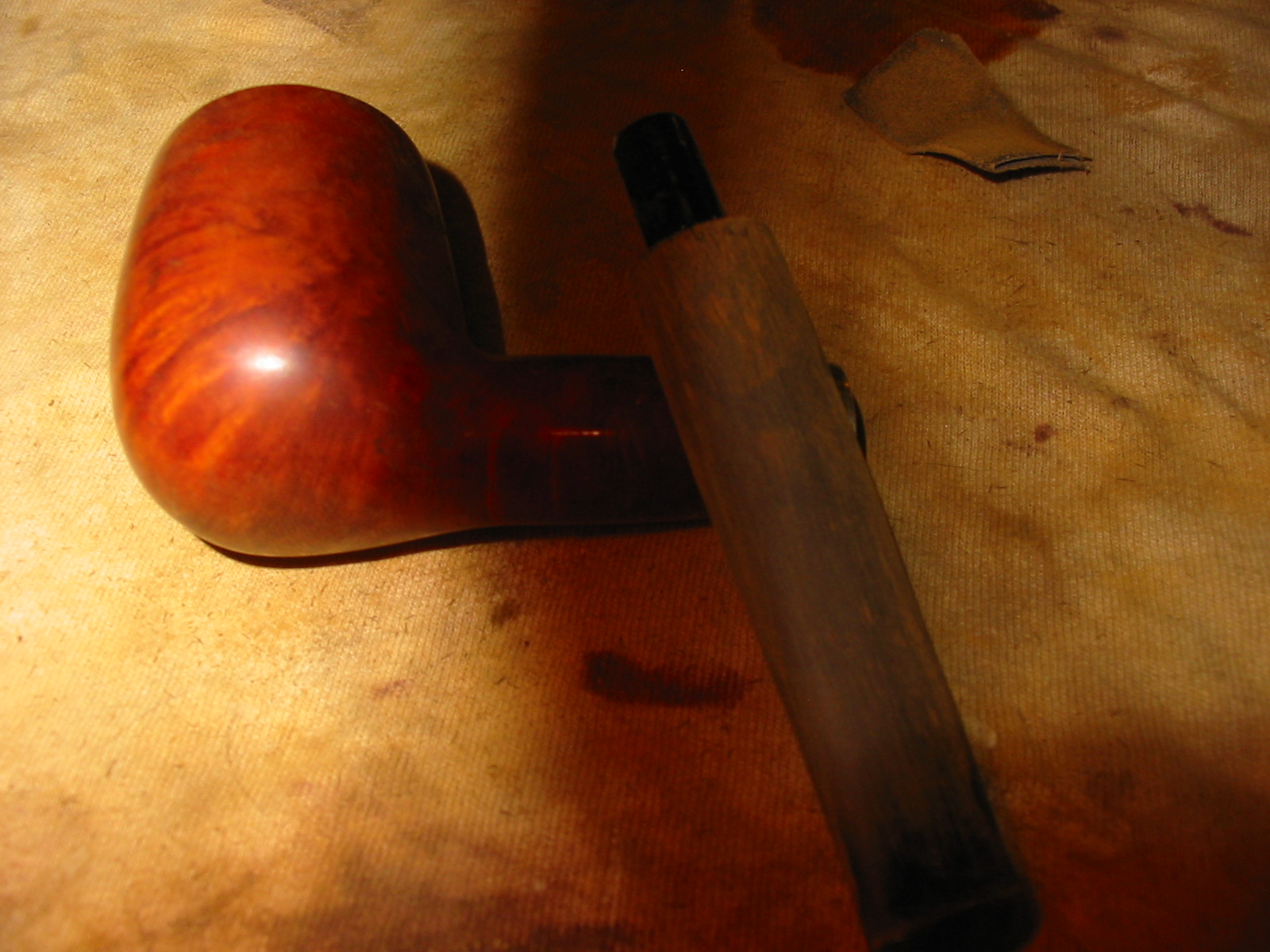
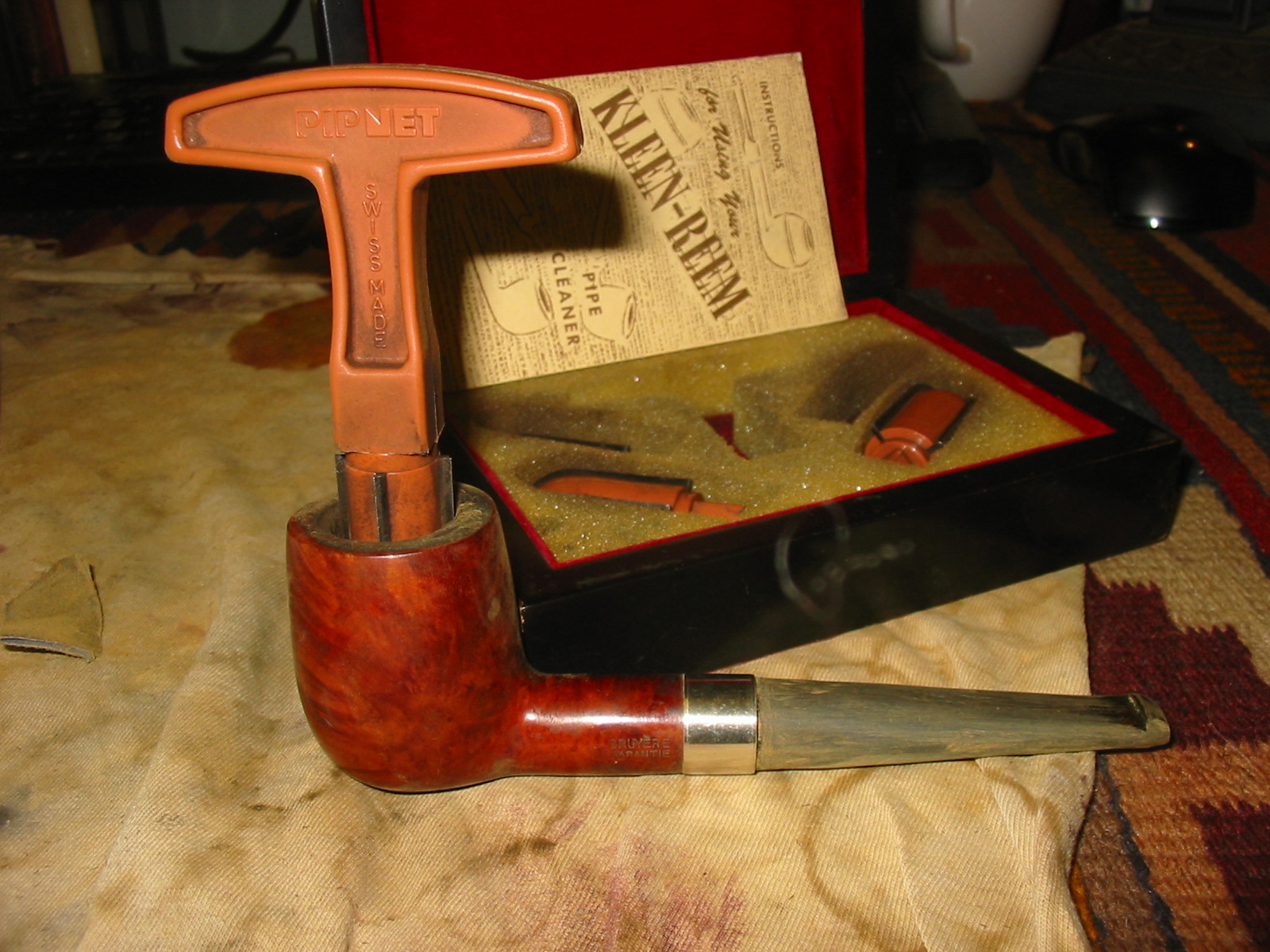
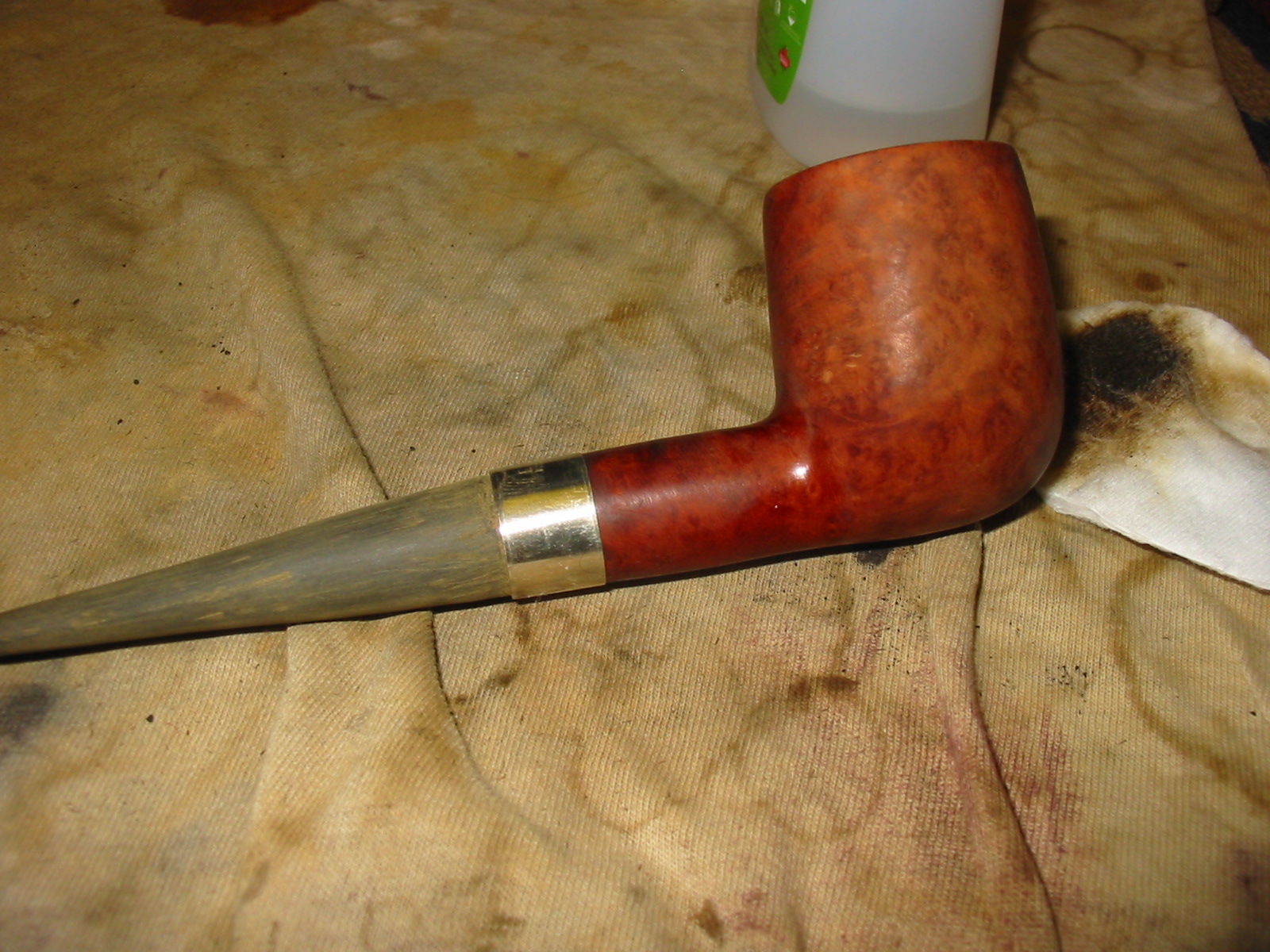
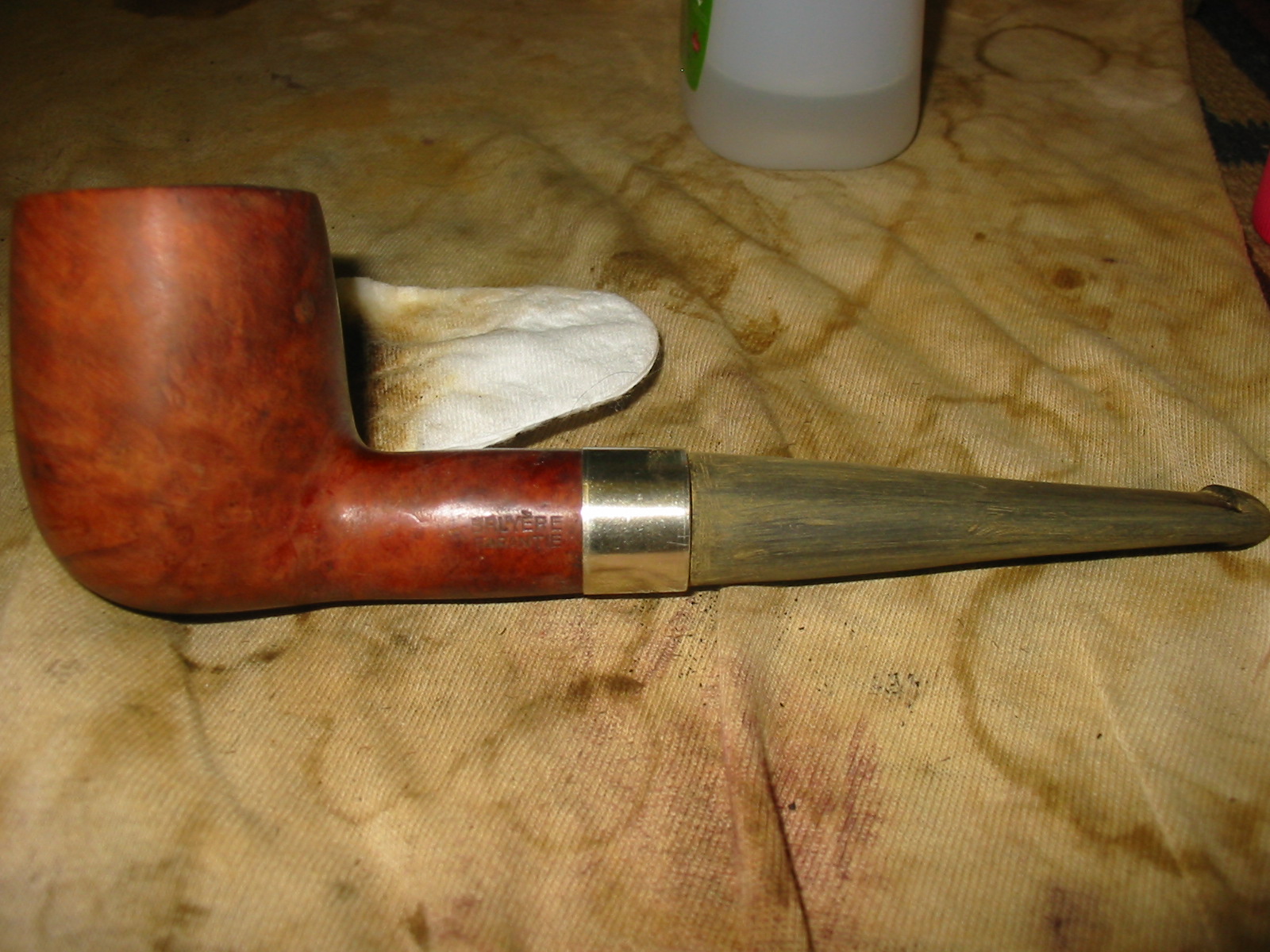
Restemming an Old Bruyere Garantie Billiard


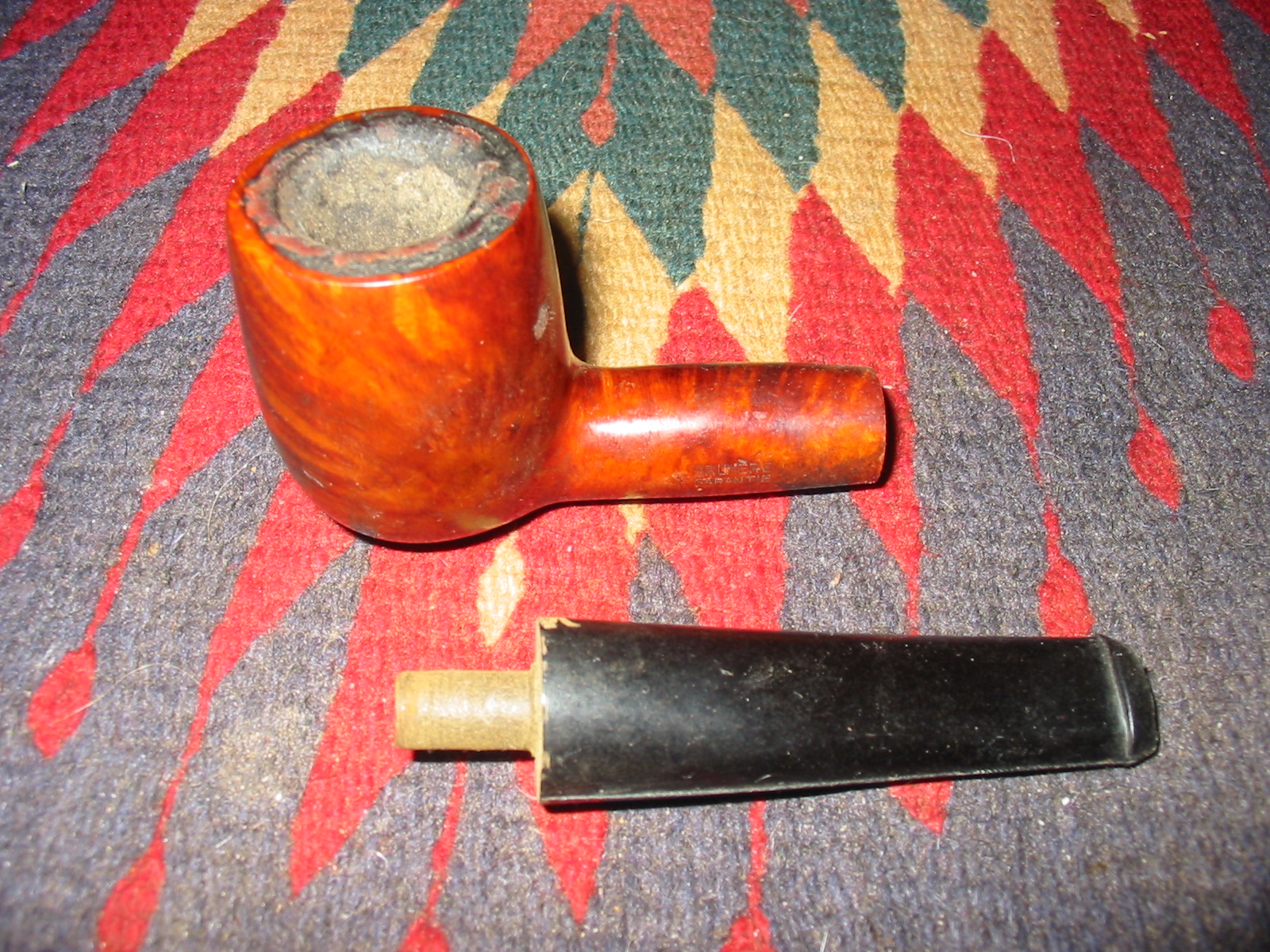
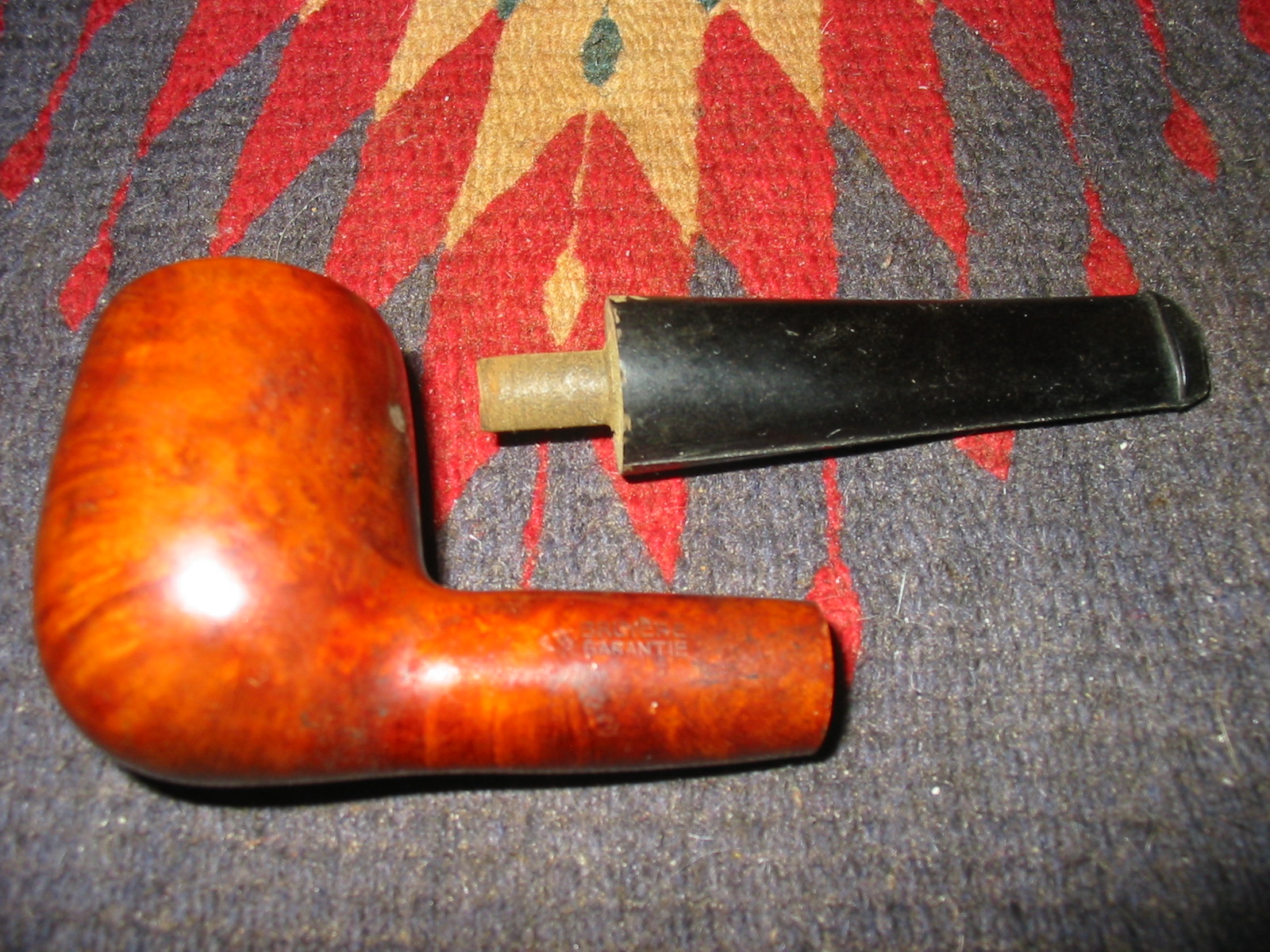
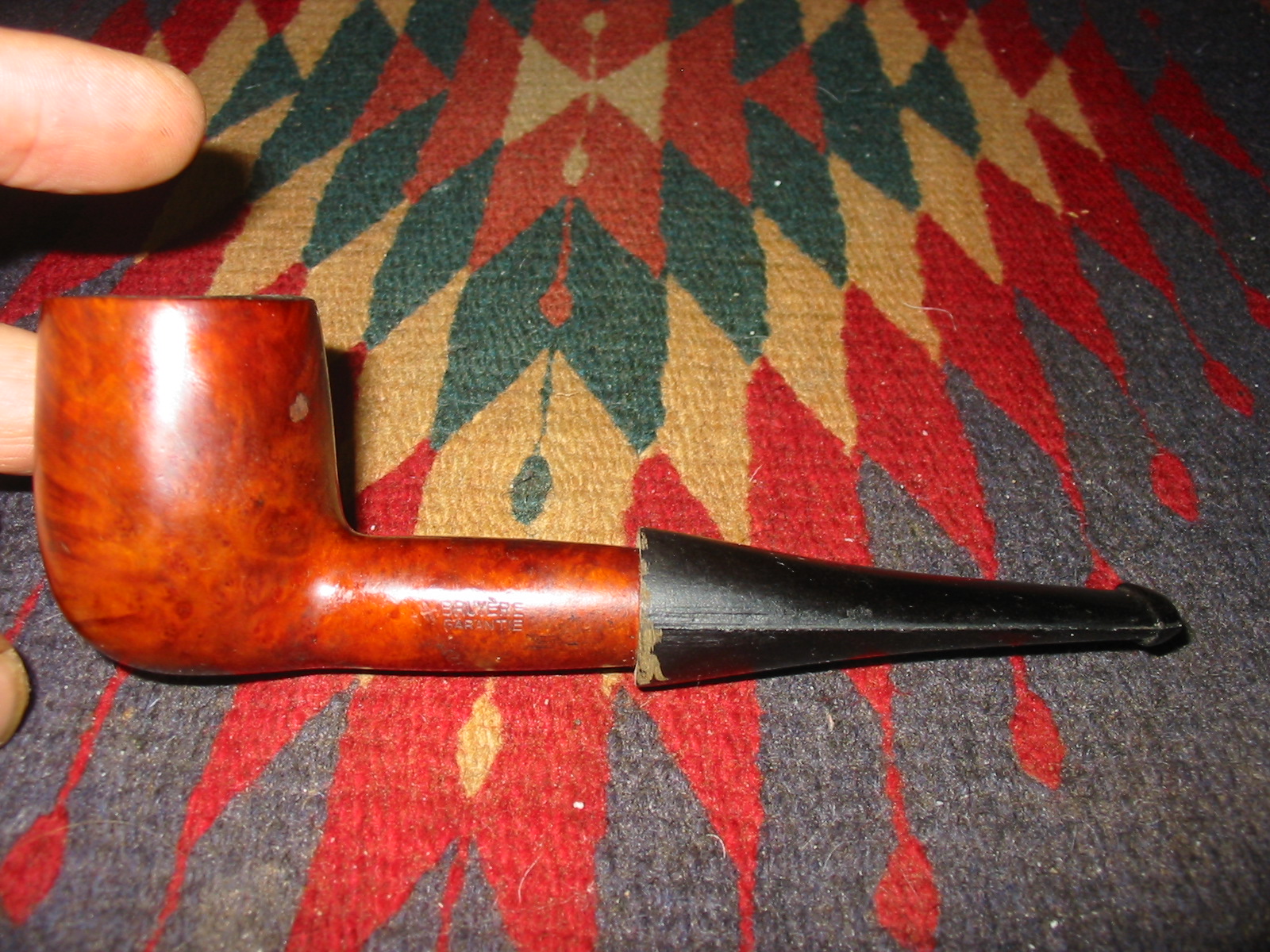
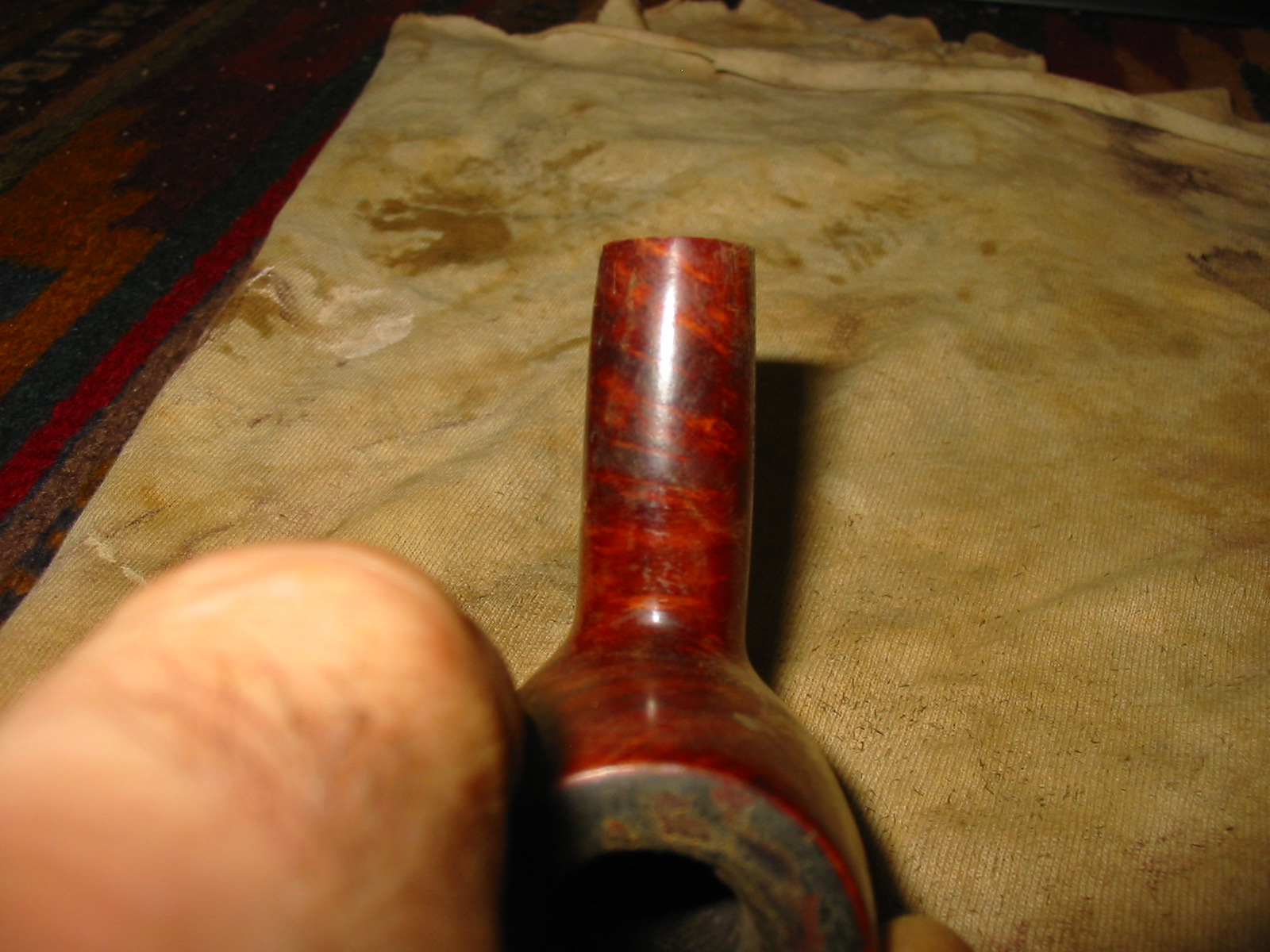
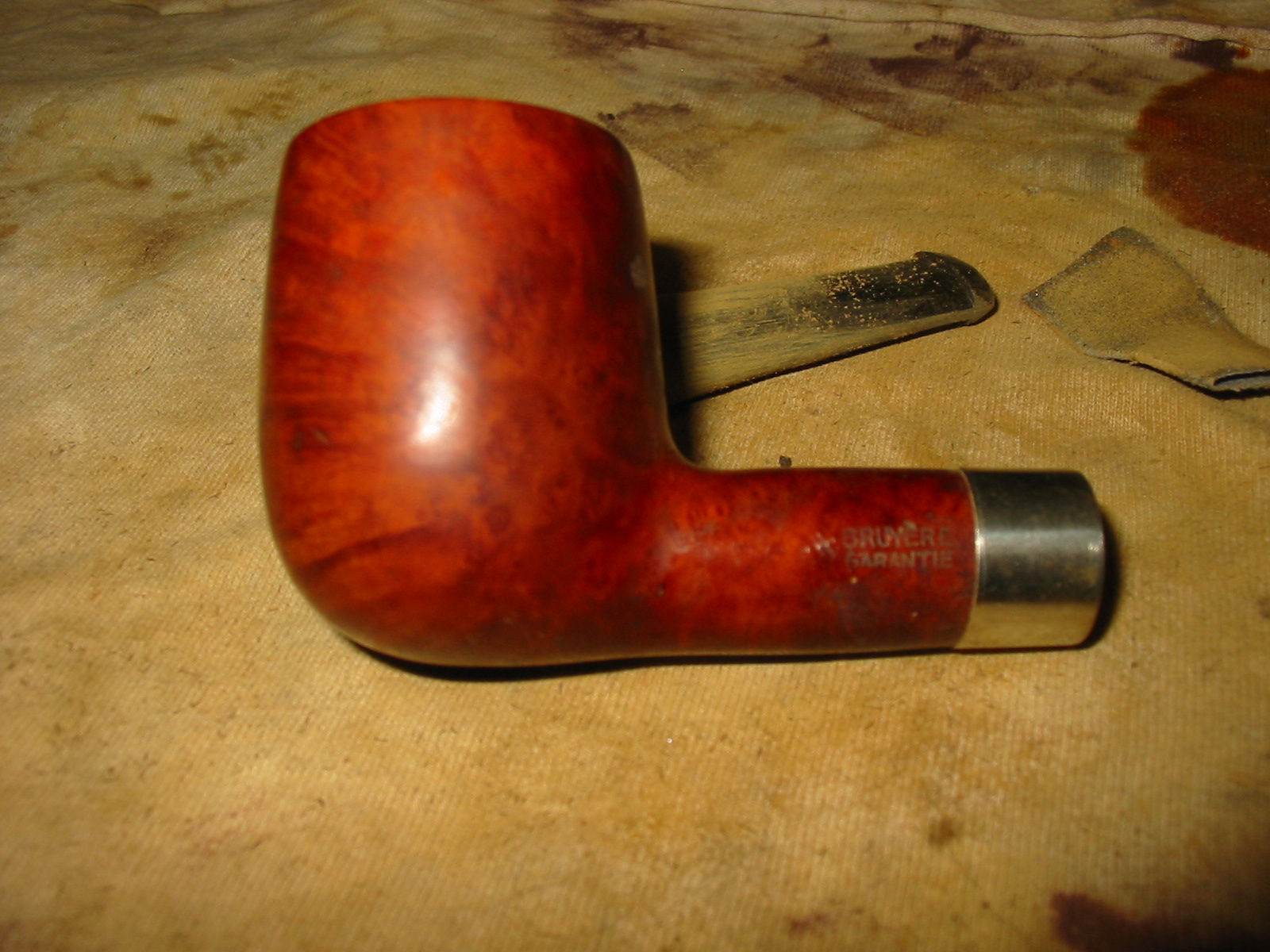
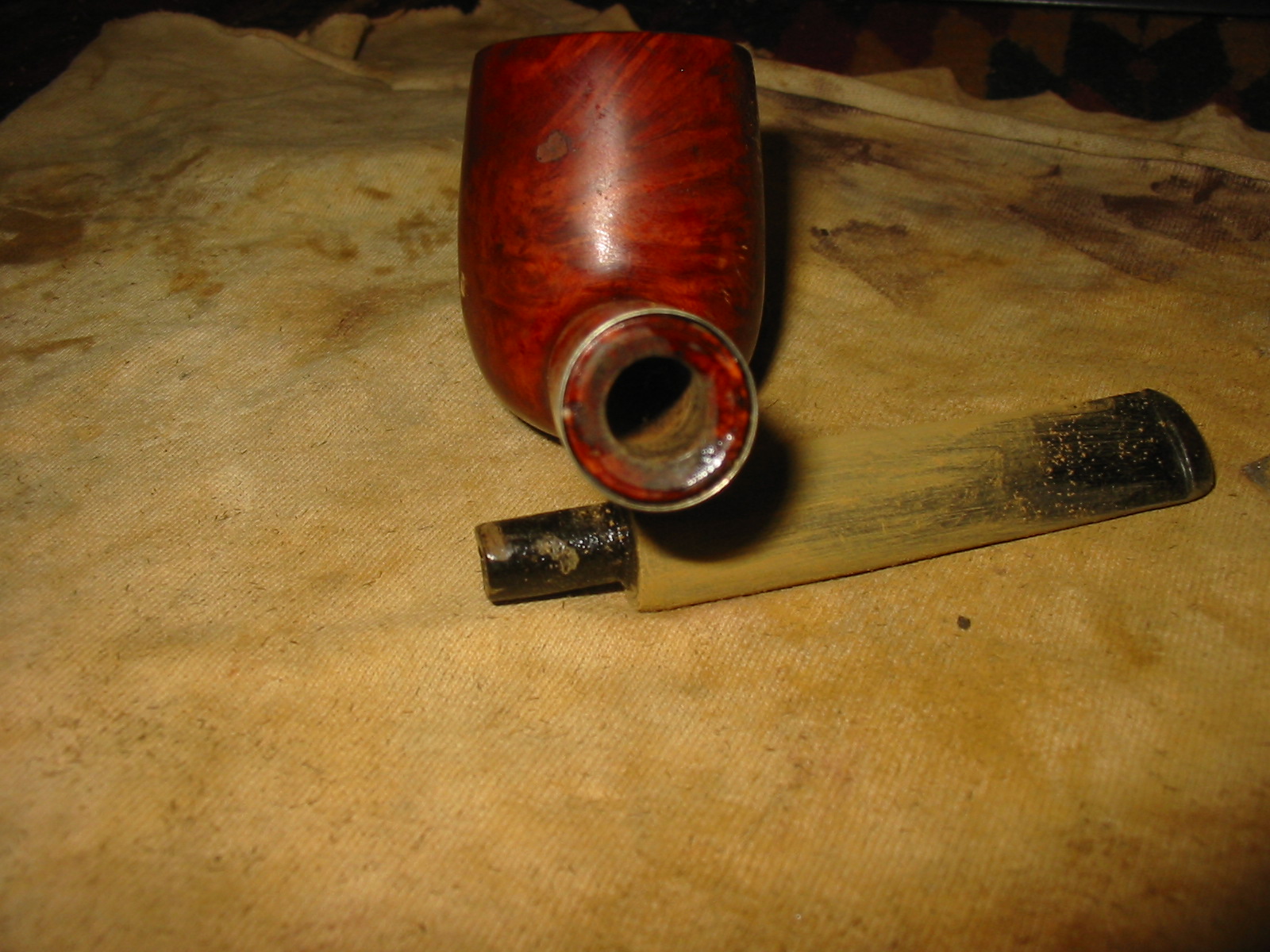
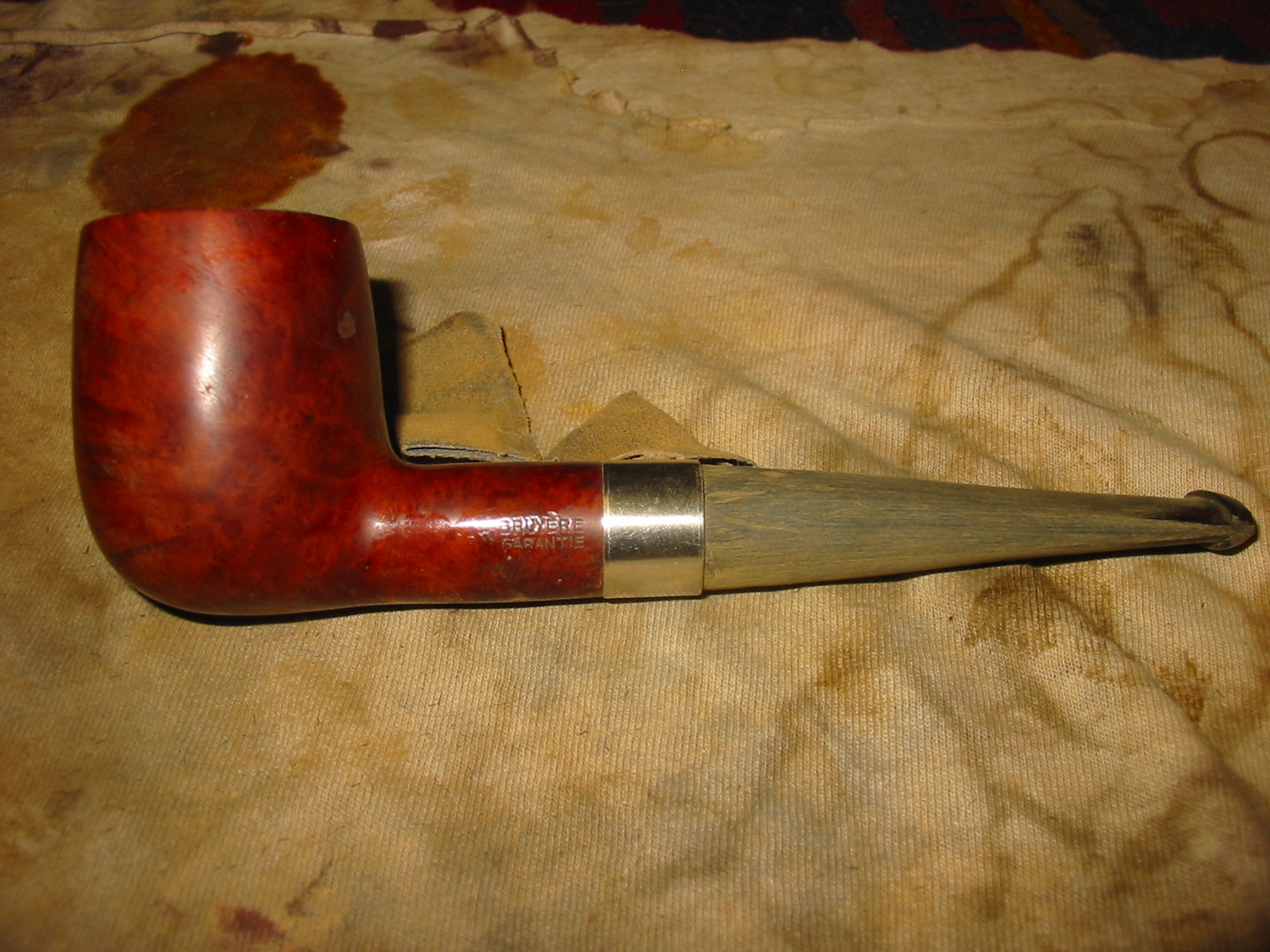
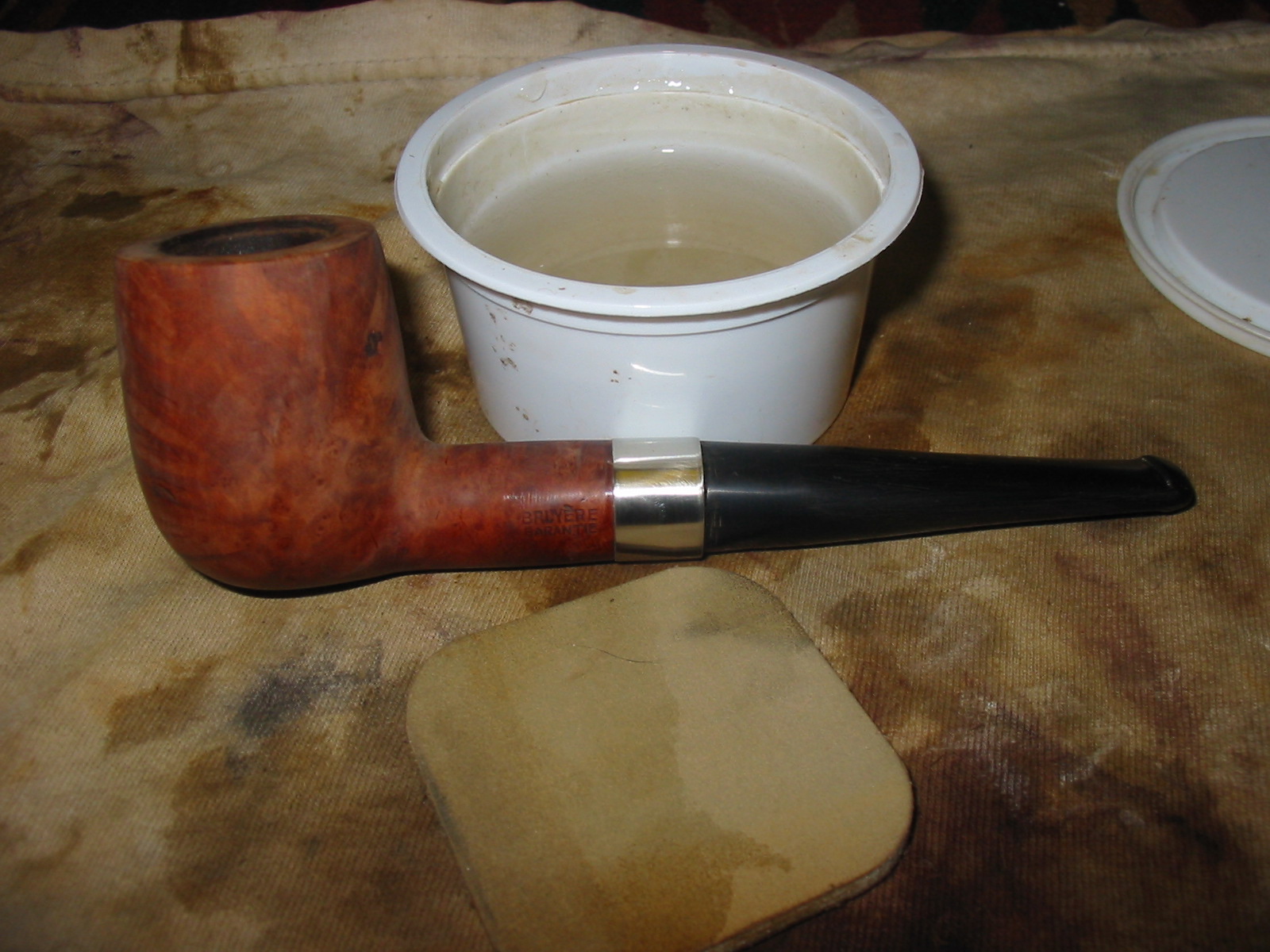
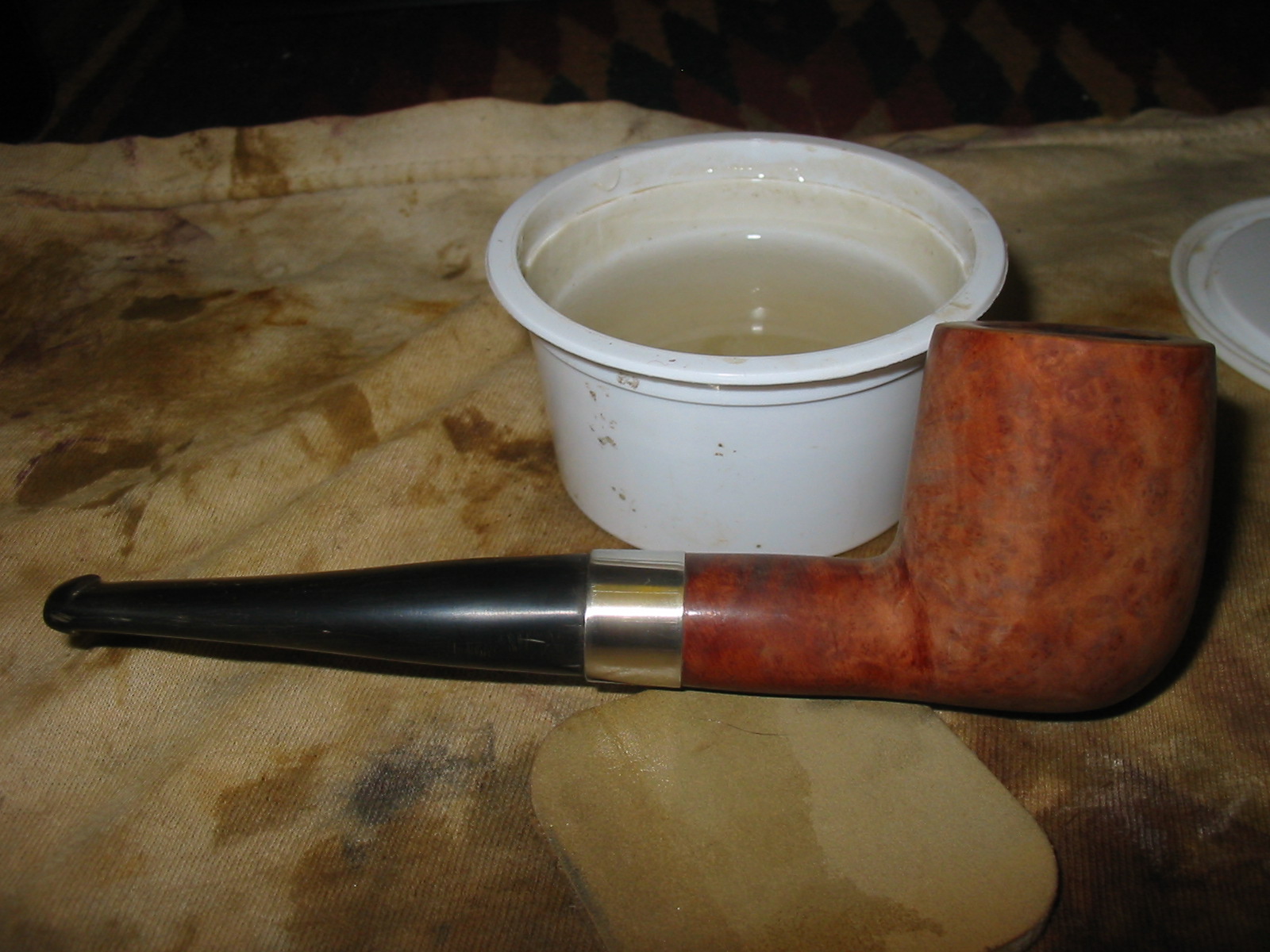
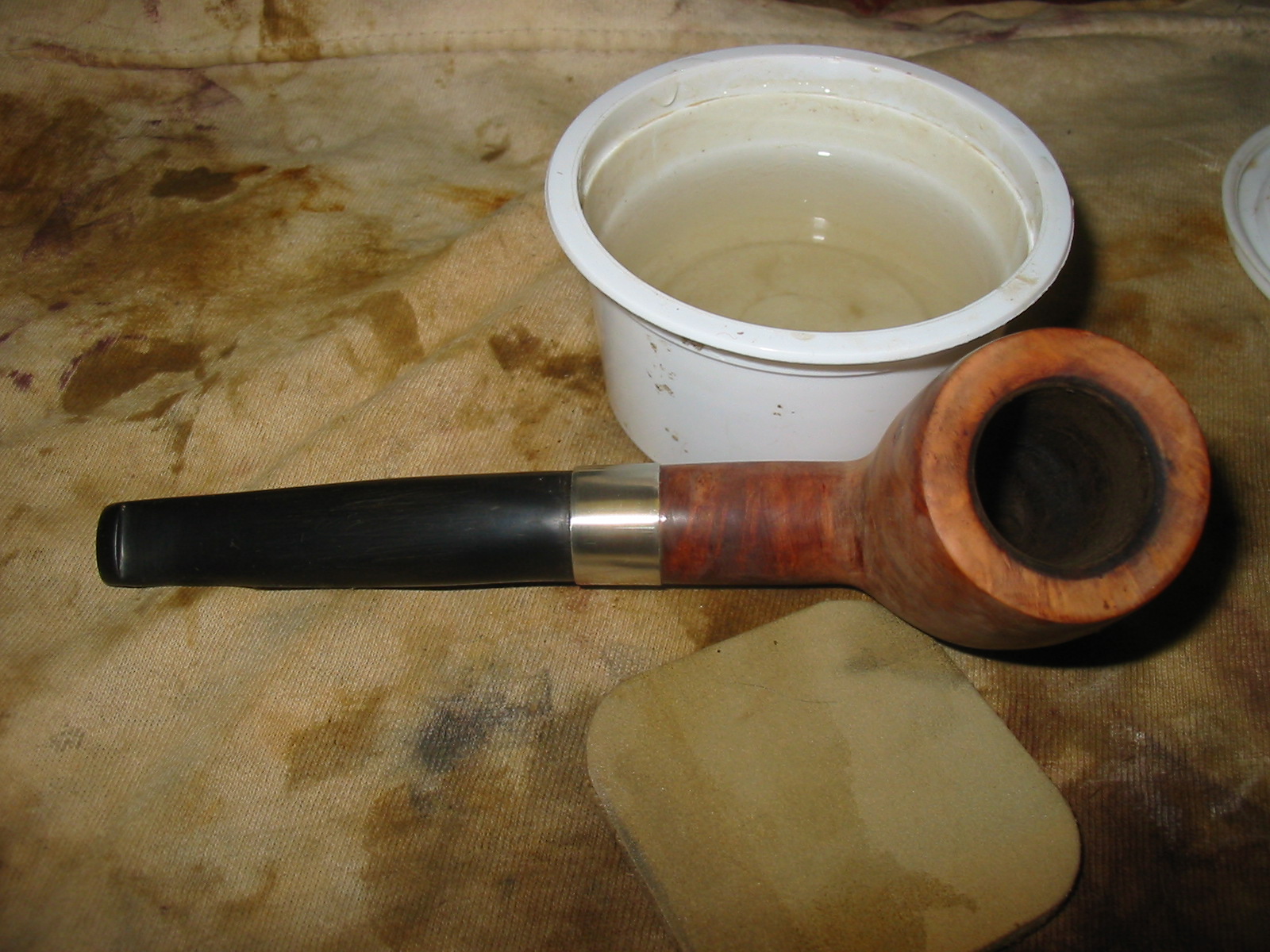
This is yet another of the bowls that was in my box of stummels. It is stamped Bruyere over Garantie on the left side of the shank with no other stamping. The bowl was badly caked with an crumbling, uneven cake. The cake was thicker at the top of the bowl than in the bottom of the bowl. The rim was also caked with oils and hardened tars. It was also dented and had a slight burn mark at about 12 o’clock on the front of the bowl. The shank was misshapen and out of round where it met the stem. It was almost as if someone had sanded the previous shank to meet the stem. There was a large fill on the back side of the bowl near the shank bowl junction. The finish had a coat of lacquer or varnish on it. I fit a tenon to the shank and worked on the stem to be a good tight fit to the bowl. The next series of four photos show the newly turned tenon and the shape of the shank at the shank stem junction.

ImageImageImageImage

Once I had the tenon cut and sanded to a good snug fit I inserted it in the shank. The first two photos below show the fit of the stem to the shank. You can also see the taper on the on the shank that shows the misshaped nature of the shank. The stem fit very well but was much larger in diameter than the shank. I used my Dremel with a sanding drum to remove the excess diameter of the stem. The next series of six photos show the progress of removing the excess vulcanite with the sanding drum. The final photo of the six shows the newly formed fit of the stem to the shank. The taper on the shank is bothersome so that I wanted to have to address that issue before I finished the final fitting of the stem.

ImageImageImageImageImageImageImageImage

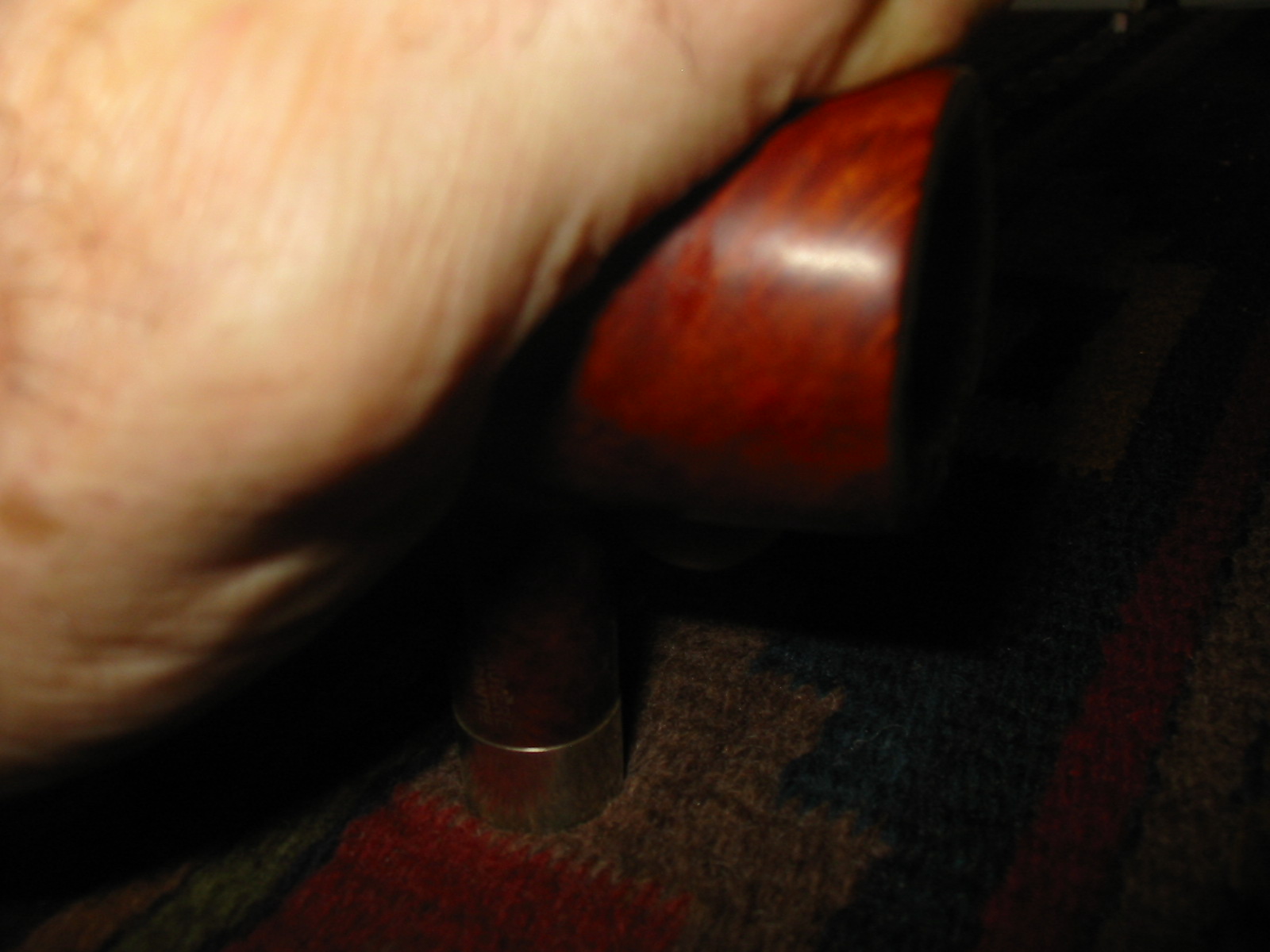
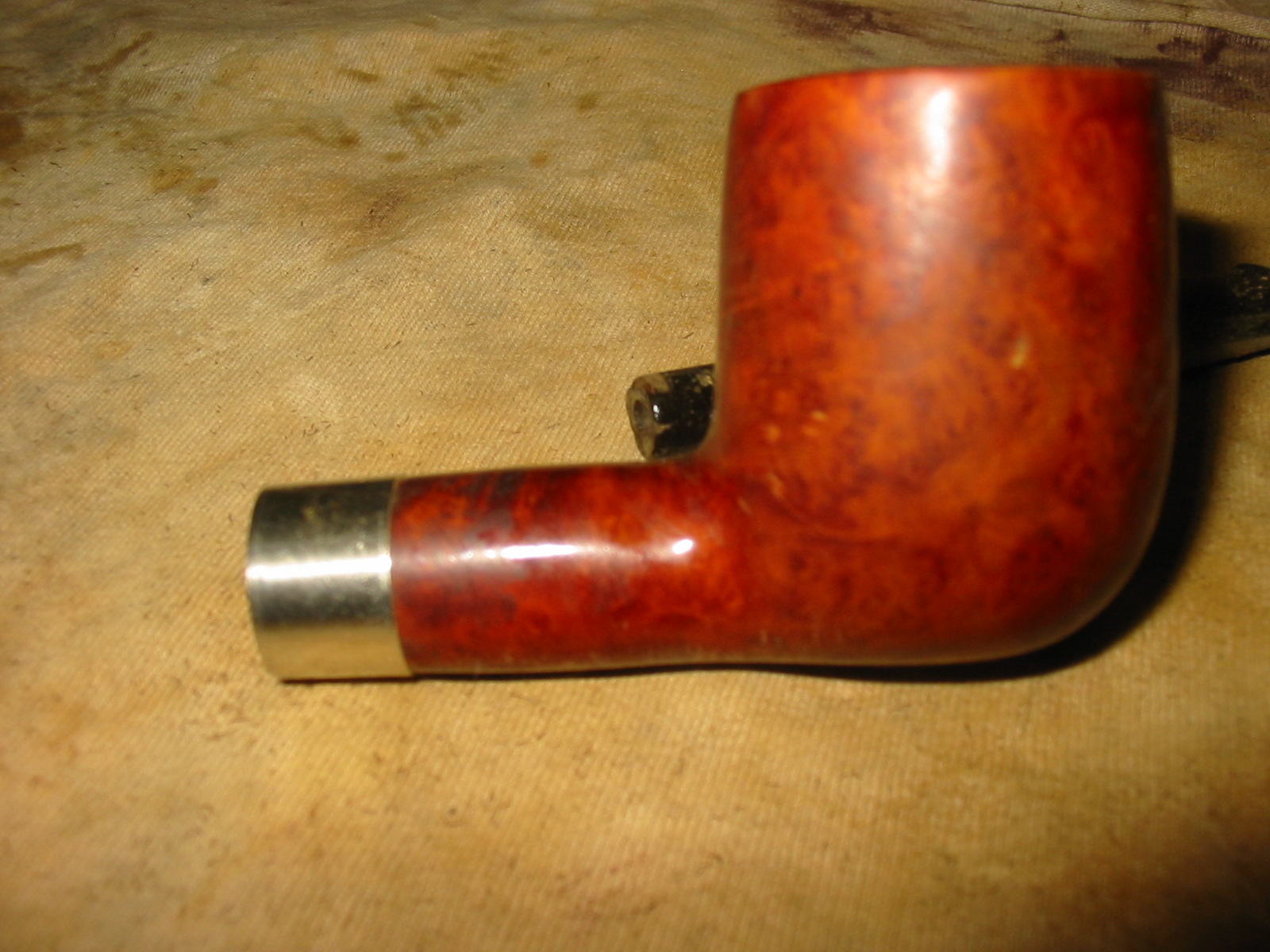
Once I had the stem fitting well I decided to band the shank to even out the flow and roundness of the shank. A wide nickel band would fit the shank well and flatten out the shank taper. I wanted an even flow from the shank bowl junction to the stem. The look of the taper on the shank was something that bothered me and that I decided to minimize with the band. The next five photos show the process and results of banding. I heated the band and then pressure fit it onto the shank. I then used some superglue to fill in the vacant areas in the inner diameter of the band.  The final photo in the series shows an end view of the band on the shank.

ImageImageImageImageImage

The next three photos show the fit of the new stem to the shank. The band sets off the stem shank junction well. The taper of the stem works very well in my opinion. More sanding needed to be done in making the fit smooth and the taper correct.

ImageImageImage

I worked on the stem with medium grit emery cloth to remove the scratches and to even out the taper on the stem and the flow of the sides of the stem from the shank to the button. The next two photos show the stem after sanding the stem.

ImageImage

At this point in the process of fitting the stem I decided to set it aside and work on the bowl of the pipe. I reamed it out using several different bits on the t handle of the Pipnet pipe reamer. I reamed the bowl back to bare wood so that I could rebuild the cake more evenly. The next two photos show the reaming process.

ImageImage

After reaming the bowl I decided to wipe the outside of the bowl down with acetone. I wet a cotton pad with the acetone and scrubbed the outside of the bowl. I also wiped down the rim to soften the tars and build up on the top. The next four photos show the bowl after I had wiped it down multiple times. I wanted to cut through the varnish or topcoat on the bowl so that I could restain it.

ImageImageImageImage

The next photo shows the bowl after I had topped it on the board and sandpaper. I was able to remove the damage of the dents and roughness with a minor topping on the sandpaper.Image

I also decided to remove the putty fill on the back side of the bowl. I picked out the putty with a dental pick. I wiped the bowl down after I had removed the fill to clean out the sandpit. I then picked it clean a second time and wiped it down again as well. Once it was clean I used the dental pick to pack the sandpit with briar dust that I had saved for this purpose. I packed it in and then tamped it down with the end of a pipe nail. I refilled the sandpit until the briar dust bulged slightly above the surface of the bowl. At this point I dripped superglue into the briar dust to anchor it in the hole. I repacked the dust and dripped in glue a second time. The first two photos below show the packed briar dust. The next two photos show the sandpit after the superglue has been dripped into the dust and dried. It blackens nicely with the superglue and instead of a pink fill the fill is now a black briar dust and superglue. I have found that the patch is much easier to blend in with stain than the putty fills.

ImageImageImageImage

The photo below shows the newly filled patch after I have sanded it. I sanded off the excess with a folded piece of fine grit emery cloth and then used a fine grit sanding sponge to smooth out the surface of the new fill to match the surface of the bowl.

Image

At this point in the process I decided to continue working on the stem of the pipe. I sanded it with the sanding sponge. I worked on the fit of the stem to the band. My ideal was to have the stem sit evenly within the band so that the gap was even all the way around the band and the stem was centered in the mortise. The next five photos show the sanding process to this point. Remember the issue at stake was to work on the fit of the stem to the band and to remove the deeper scratches in the surface of the stem. I also used the sanding drum on the Dremel to taper the stem a bit more at the button. I wanted the button end to be narrow and give the pipe and older feel and look. The top view photo below shows the shape of the stem at this point in the process.

ImageImageImageImageImage

I then wet sanded the bowl and the stem with 1500 grit micromesh sanding pads and water. This process removed many of the remaining scratches in the surface of the stem and also removed the remaining finish on the pipe bowl and rim. I wanted the bowl to be cleaned of the varnish finish and as much of the stain colour as possible so that I could more easily blend the rim and the bowl colour. The next three photos show the pipe and the stem after wet sanding. The stem fit is working well at this point and the angles and flow of the taper on the stem is looking more and more finished.

ImageImageImage

I wiped down the stem with some of the water and then used the Maguiar’s Scratch X2.0 polish on the stem to get a clear view of the remaining areas that needed more work with 320 grit sandpaper before I moved on to the higher grits of micromesh.

Image

I continued to wet sand the bowl and stem with 1800 grit micromesh sanding pads. The next three photos show the progress that was made on the smoothing and polishing of both the stem and the bowl. I continued to wet sand with the 1800 grit until the surface was smooth and matte finished.

ImageImageImage

I continued wet sanding with 2400 and 3200 grit micromesh pads. The next three photos show the progress of the sanding on the bowl and the stem at this point in the process. I also decided to sand the band with these two grits to polish the nickel.

ImageImageImage

At this point in the sanding process I switched to dry sanding the bowl and the stem with the 3600 grit micromesh sanding pad. I sanded the bowl, band and stem with this sanding pad to bring out the growing shine in both. I wiped down the bowl and the stem with a damp cloth to remove the sanding dust and to prepare the bowl for staining.

ImageImageImage

For stain on this pipe I ended up using a two step process. I began with an oxblood stain as an undercoat. I applied it with cotton swabs and also a dauber. I rubbed it into the bowl and shank and flamed it and buffed it off.  The next three photos show the application of the stain.

ImageImageImage

I liked the look of the oxblood stain so I wanted to see what it looked like with a light coat of wax on it. I rubbed on some conservator’s wax and then buffed it off by hand. The next series of photos shows the bowl after a light coat of wax. I was not overly happy with the overall coverage of the stain and the fill still was highly visible on the bowl. It did not blend well. I buffed the pipe with White Diamond on my buffer to see if I could even out the coverage a bit. The fourth through seventh photos below show the pipe after buffing. The coverage was not acceptable to me so I decided to go on and give the pipe a second stain coat of dark brown aniline. I wiped the bowl off with a soft cloth pad dampened with alcohol to cut the wax coat and take the bowl back to the briar before staining it with the second colour.

ImageImageImageImageImageImageImage

The next series of three photos shows the pipe after the application and flaming of the dark brown aniline stain. It was mixed 2:1 with isopropyl alcohol to get the colour that I wanted to use as the top coat. I applied the stain with the dauber and flamed it with my Bic lighter. I reapplied the stain two other times and reflamed it each time. I wanted a rich brown top coat that would give depth to the finish.

ImageImageImage

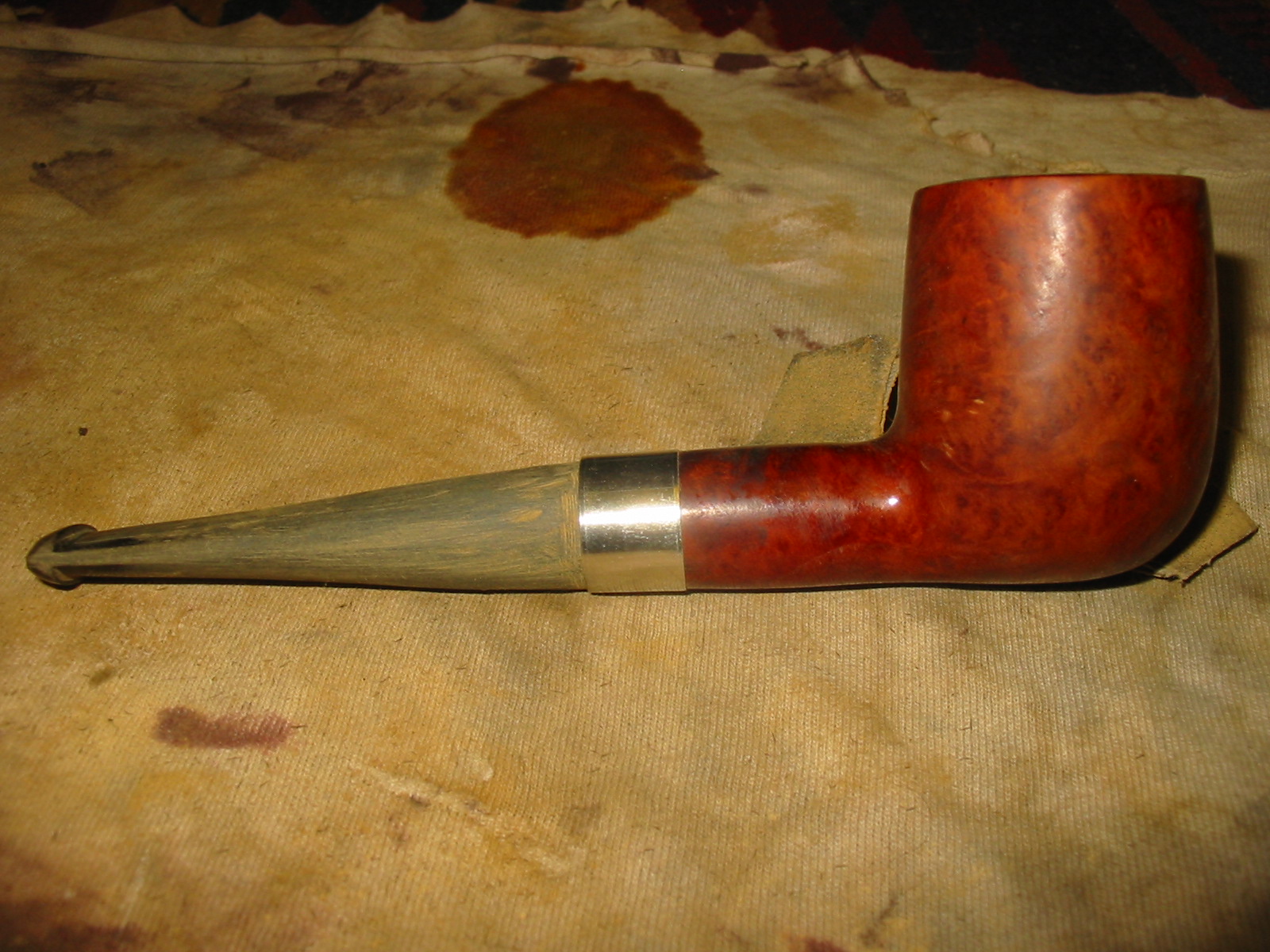
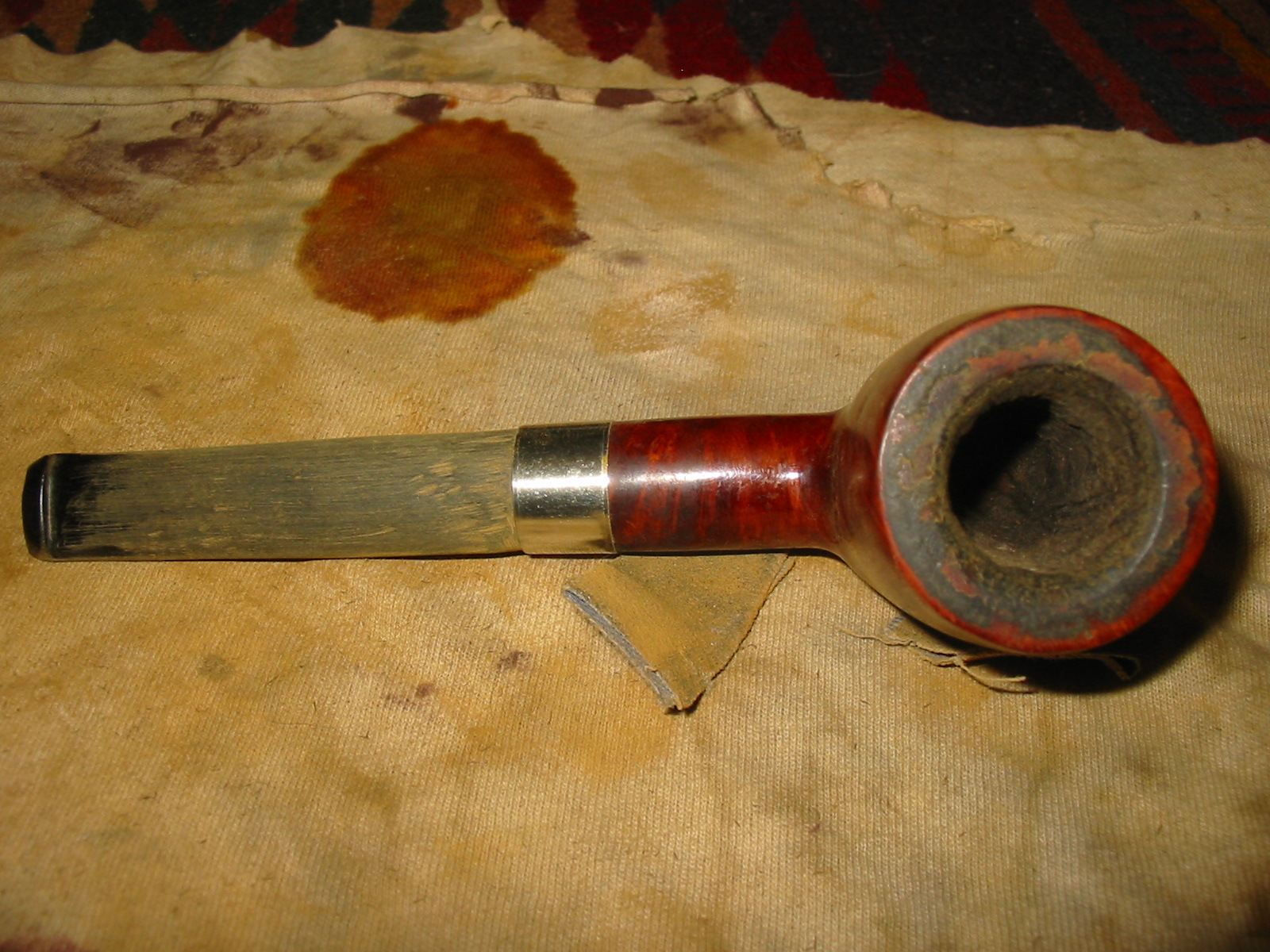
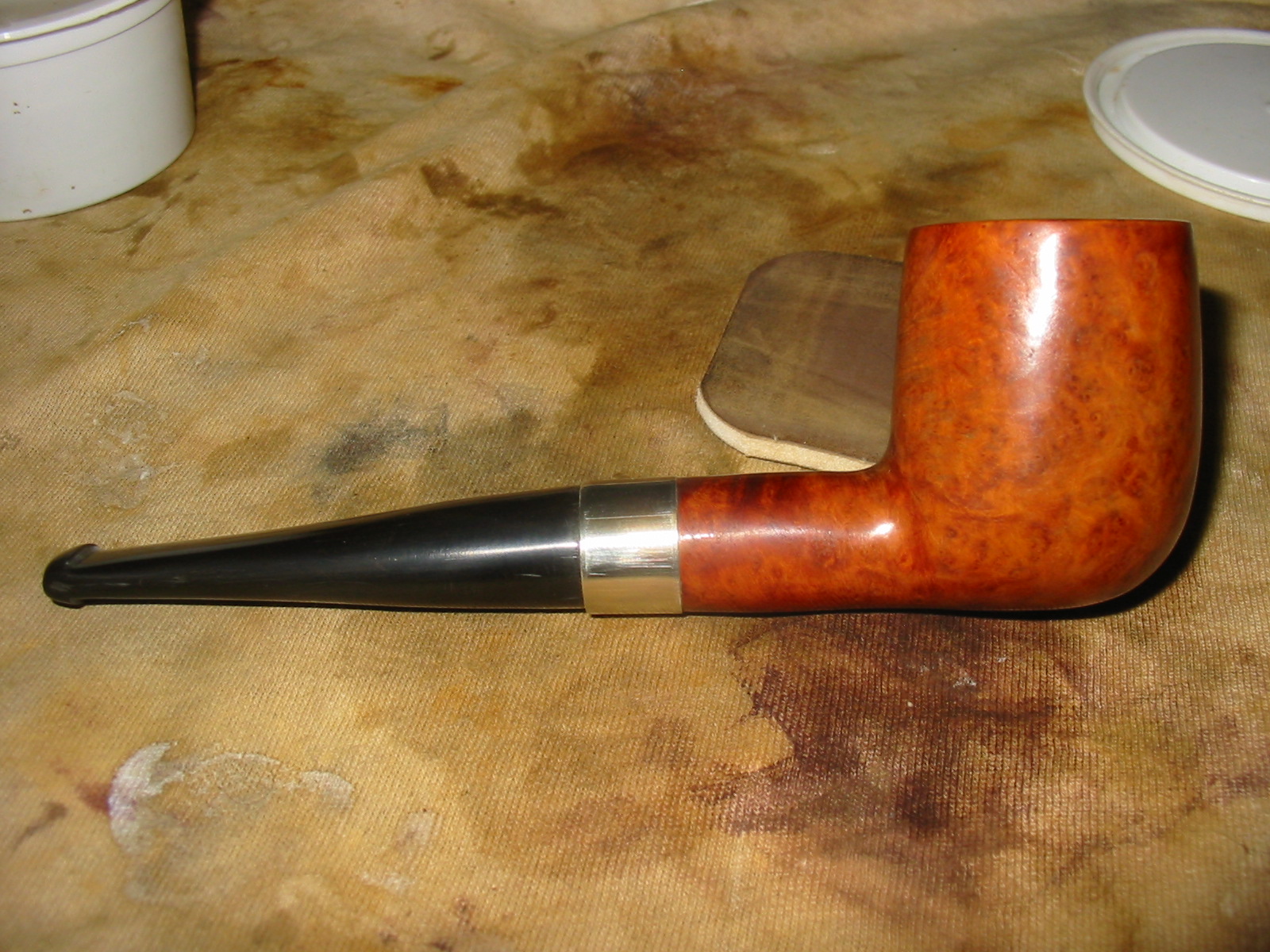
The final series of four photos show the finished pipe. After the stain dried I buffed it with White Diamond and then applied several coats of carnauba wax. I also gave the stem a coat of Obsidian Oil and rubbed it into the stem. Once the stem dried I buffed it with White Diamond for a final time and then wax it as well. The finished pipe has a great looking stain now and the shape of the stem lends an air of antique to the pipe.

ImageImageImageImage


Restoring an Astor Belge


This was one of the pipes I picked up recently on a trip to the US. It is a small Astor Belge shape which is one of my favourite shapes of pipes. Astor pipes were made by Comoy as a second line of pipes. From the number of fills on this one it can easily be seen why it is a second. It is a shame as it also has some amazing cross grain on the front and back and some beautiful birdseye among the fills on both sides. The extent of the birdseye grain can be seen in the second photo below.

ImageImageImageImage

The pipe was dirty but really in pretty good shape for its age. I reamed the bowl and cleaned the bowl and shank with Isopropyl alcohol (99%) to remove the tars and oils from the inside. Then I dropped the stem in some oxyclean to soak and wiped the bowl down with acetone (fingernail polish remover) to remove the finish. I dropped the bowl in the alcohol bath for awhile to give it a good soak and worked on several others for awhile.

After an hour in the bath, I removed the bowl and dried it off. The next series of three photos show the pipe after removal from the bath. I used micromesh 1500 grit sanding pads to remove the grime and tar from the rim and the inside bevelled edge. It took a bit of work to smooth this out and keep the angles the same all the way around. The third photo below shows the finished bevel and the top after quite a bit of sanding. The top took a bit more sanding with the micromesh to remove the darkening as it was on the surface and not too deep into the briar.

ImageImageImage

At that point I decided to remove the fills from the bowl as I personally dislike the pink putty fills that are often used on these old timers. I used the dental pick to remove the as can be seen in the next series of three photos. They were all pretty deep and would need to be repaired. After picking out the fill I wipe the bowl down with a soft cloth and Isopropyl alcohol to clean the surface of any remaining bits of putty. When they are clean and dry I fill them with briar dust that I have saved for this purpose.

ImageImageImage

After filling them with briar dust I drip the super glue/krazy glue into the dust and it dries almost instantly. The next three photos show the newly filled holes at various stages of the repair. The first photo shows the dust and super glue in the bottom holes before I sanded them. The top holes in the photo have been sanded a bit to smooth them out but are not finished. The second photo of the front of the bowl shows both the sanded ones and a newly filled hole with the super glue patch before it dried. The final photo in this series of three shows all the holes filled and the initial sanding completed.

ImageImageImage

The next two photos sow the holes patched and sanded smooth. The super glue and briar dust turned black in this case. This does not always happen but it did this time. I have no explanation for that in this case but they do look better than the previous pink fills. I have also learned that they can be hidden a bit with a dark understain. In this case I decided to stain the entire bowl with black aniline stain for a first coat. I flamed the stain and when it dried I took the pipe to the buffer and buffed the entire bowl with Tripoli to remove the excess stain and leave the black in the grain and around the fills. You can also use black permanent marker to build the grain pattern around the fills to help hide them though I did not use that method on this pipe. I then sanded the bowl with the 1500 and 1800 grit micromesh pads to remove more of the overstain. I washed the bowl down several times with acetone to also lighten the black. Once it was at the saturation I wanted it was ready for the overcoat of stain.

ImageImage

I decided to use oxblood coloured aniline stain for the finish coat on this one. I wiped it on and then wiped it off before it dried to get good coverage I repeated that several times and finally gave it a full coat and flamed the stain to set it. When it was dry I took it to the buffer and buffed it with Tripoli and White Diamond to give the final coat a real shine.

I finished the stem with my usual regimen of micromesh pads from 1500-6000 before putting it back on the bowl and buffing the pipe with White Diamond. I coated the stem with several coatings of Obsidian Oil and then gave the whole pipe multiple coats of carnauba wax to finish. The pictures below show the finished pipe. Though the fills are still visible they are diminished in their overall presence in the pipe. They no longer stand out in the finish. I personally love the depth of colour that this old Belge has with the new stains.

ImageImageImage