Tag Archives: staining

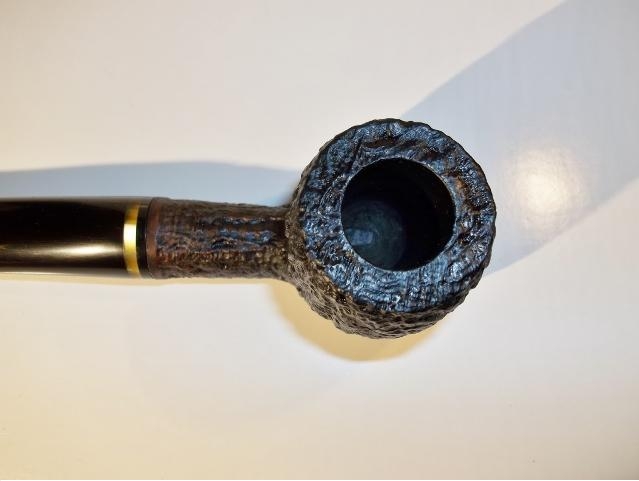
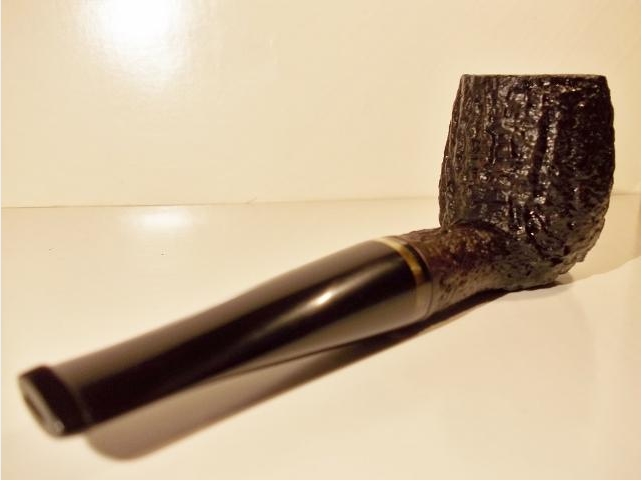
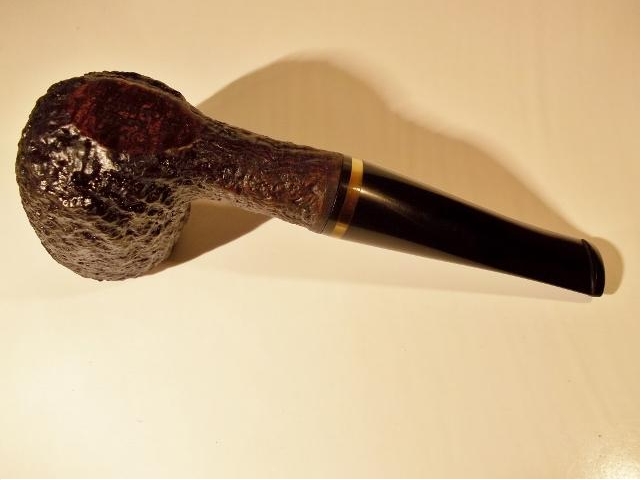
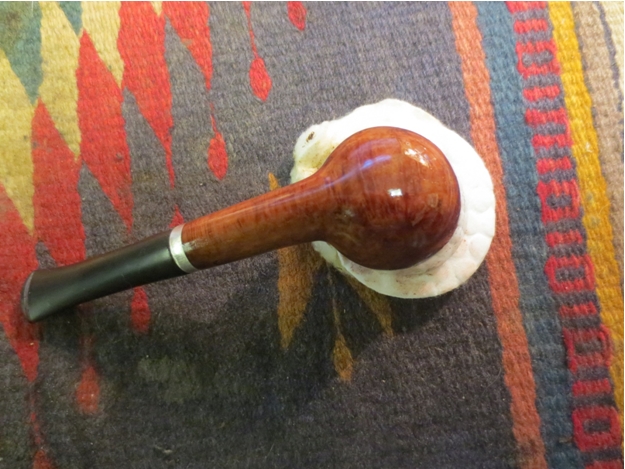
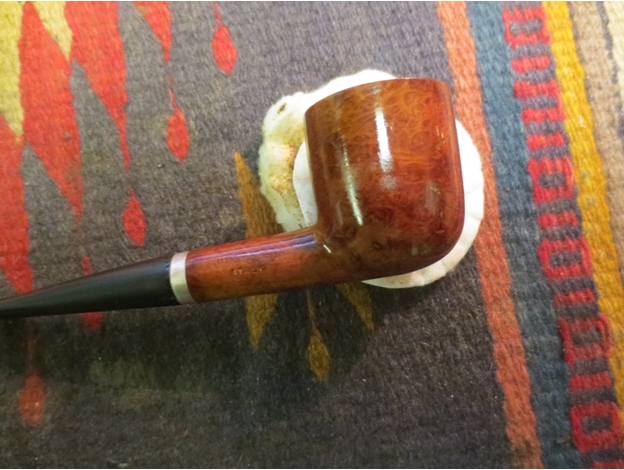
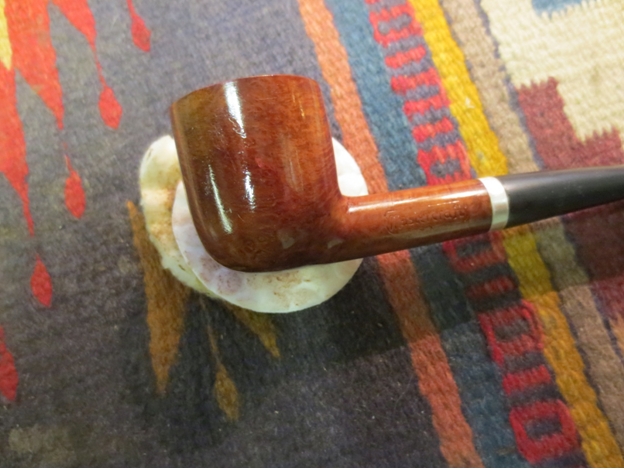
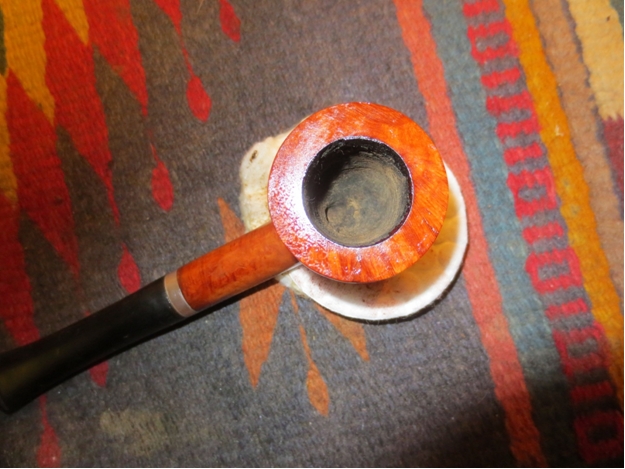
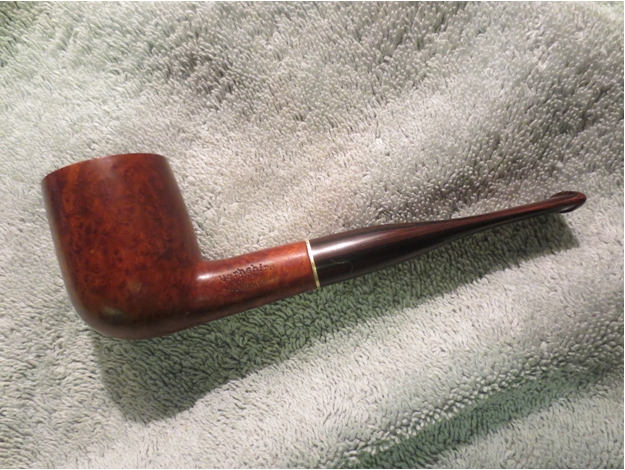
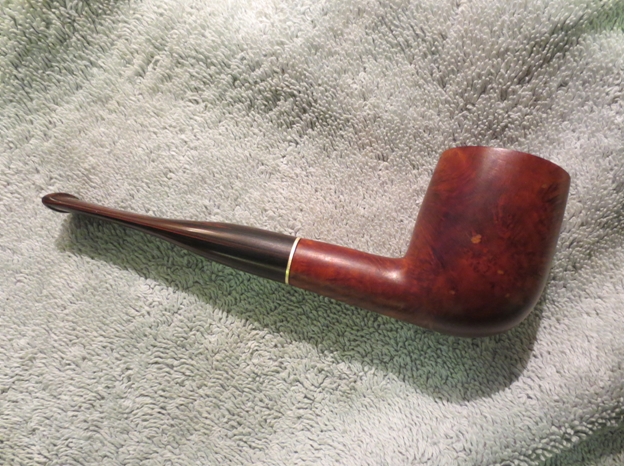
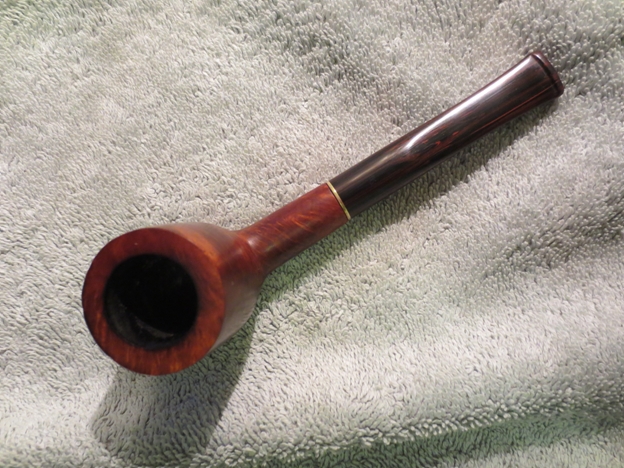
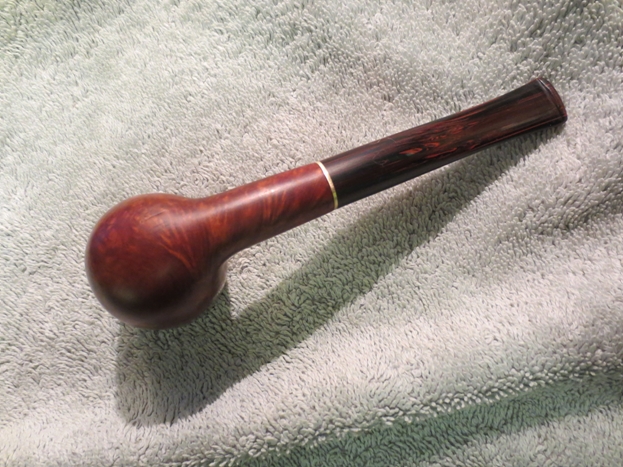
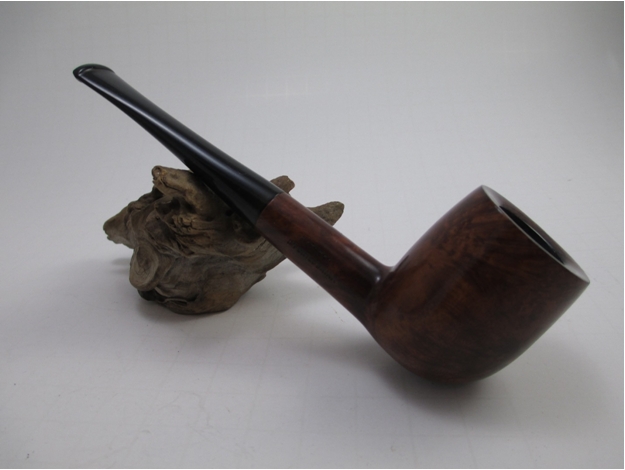
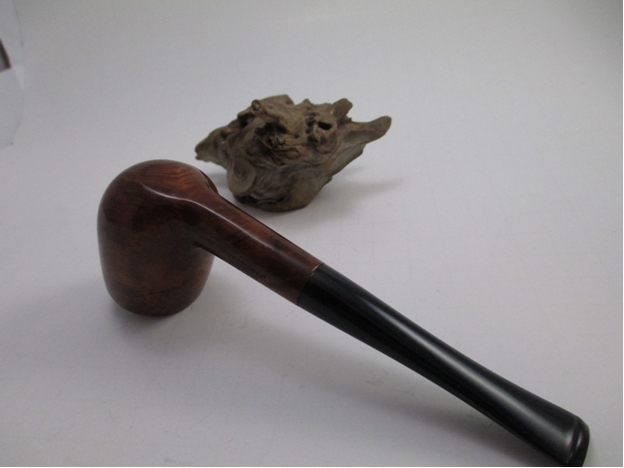
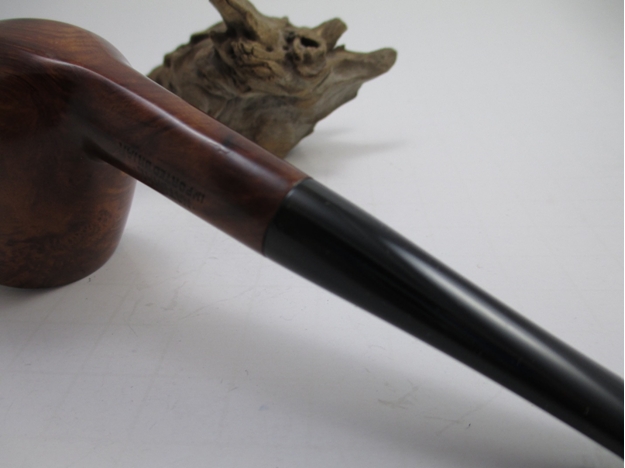
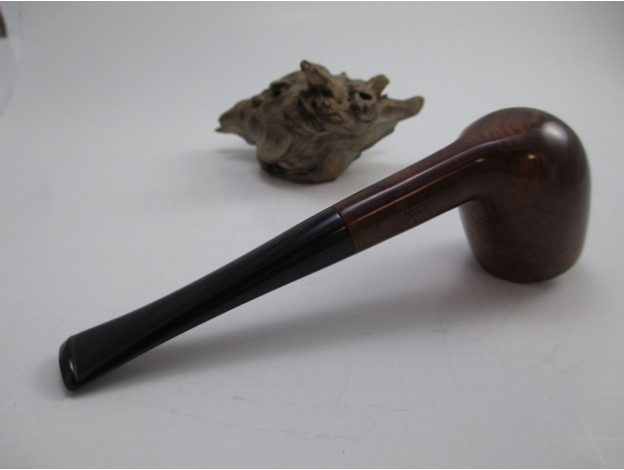
A Hand Made Marvic & Purdy Billiard 15


Blog by Troy Wilburn

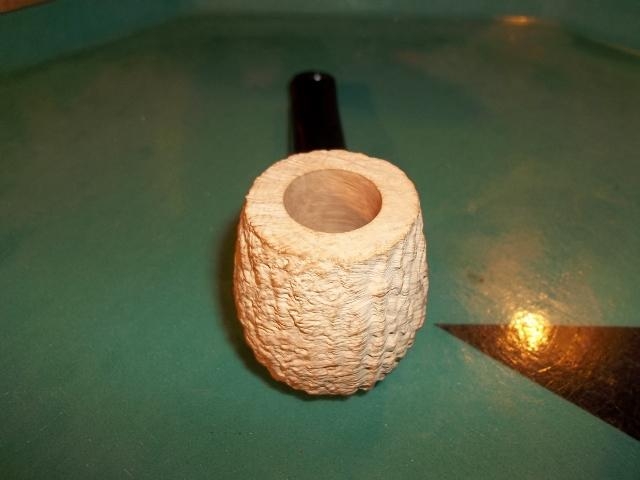
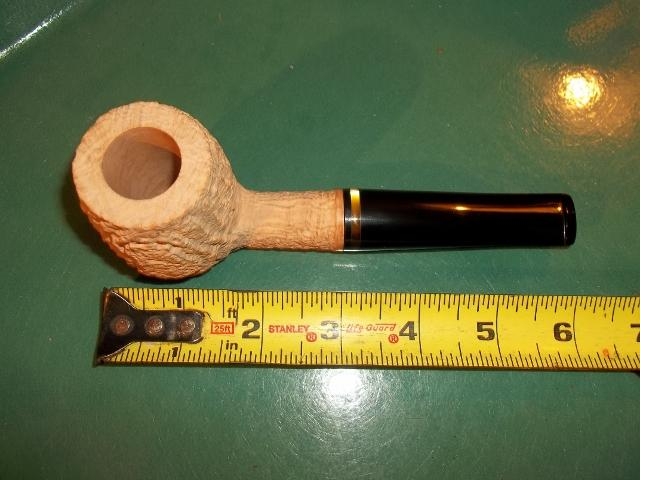
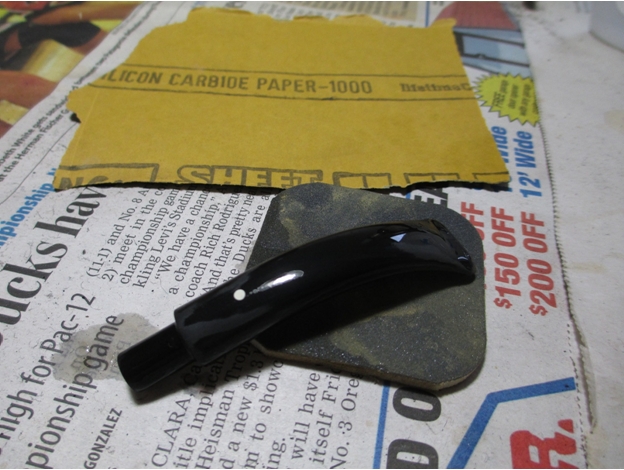
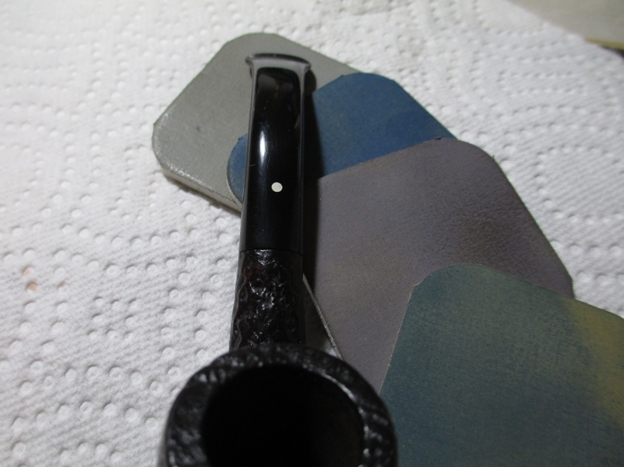
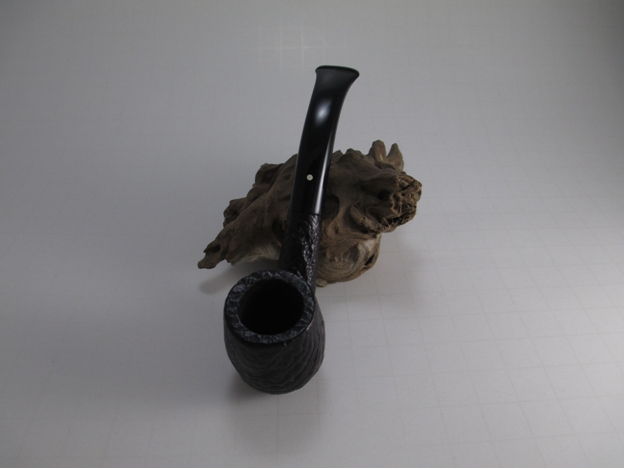
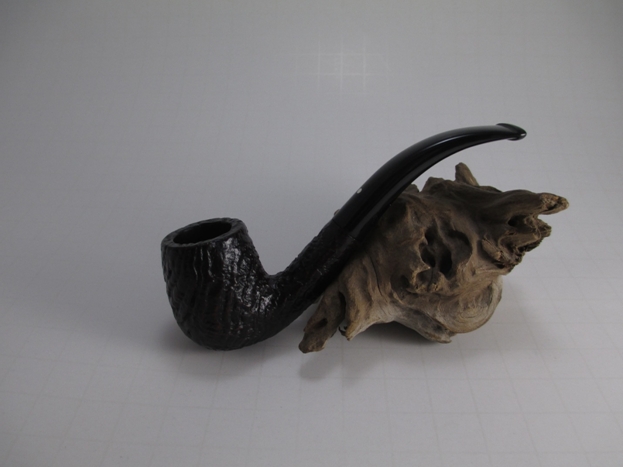
A short time back I was doing one of my favorite past times and that’s scanning for pipes on eBay. I spotted this Charatan and was just infatuated with it. The shape, style and blast just really drew my attention but I knew that it was beyond my budget.Blast1 So I got the idea to contact a friend of mine on the Dr. Grabow Collectors Forum, Gary Balestrieri Jr. Gary is a truck driver and a pipe carver who owns Marvic Pipes. I asked him if he could carve me a pipe based on that Charatan but unfinished. I suggested a narrow yellow acrylic band instead of a metal band as the only major change. To my happiness he agreed.
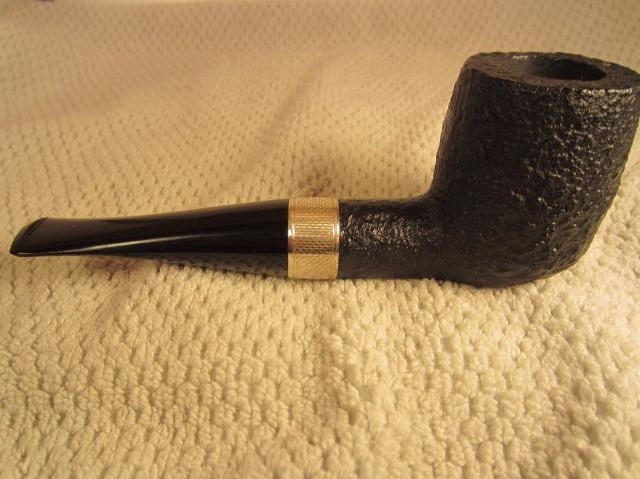
I then contacted another friend of mine from the forum, Carl Purdy, who does some fine sand blast work on pipes. I have posted some of his work before on here on the Jobey Lumberman I restored and he sandblasted.

With both on board to do the work for me, it was agreed that the pipe would be mailed to Carl after Gary carved it and then mailed to me and I would put the finish on it.

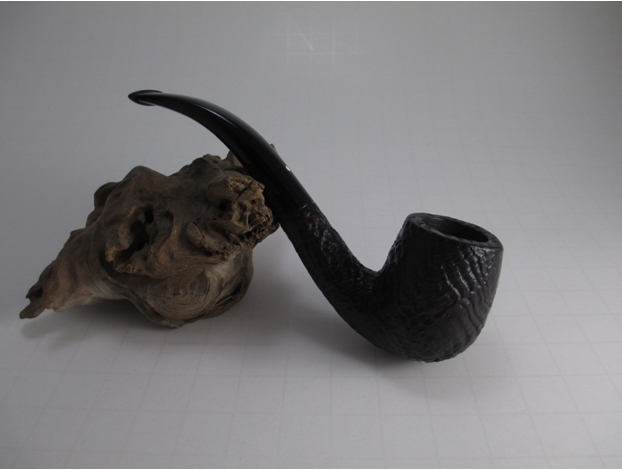
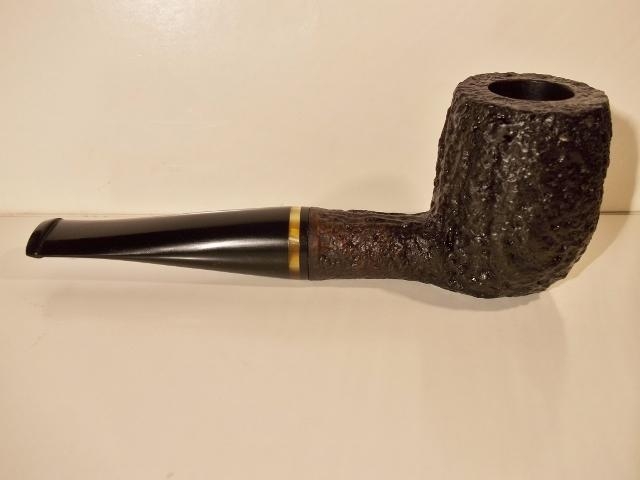
Well I got it in the mail last Saturday and I must say that I was giddy at such nice work they both did on this pipe for me. Gary nailed the shape and Carl did a masterful job on the blast. I’m very proud of both of them and honored to own this pipe now. I now have a pipe that to me is a 100 times better than that Charatan and it cost me half the price that pipe sold for. It was made with care by two friends and I consider that the most important aspect of his pipe.

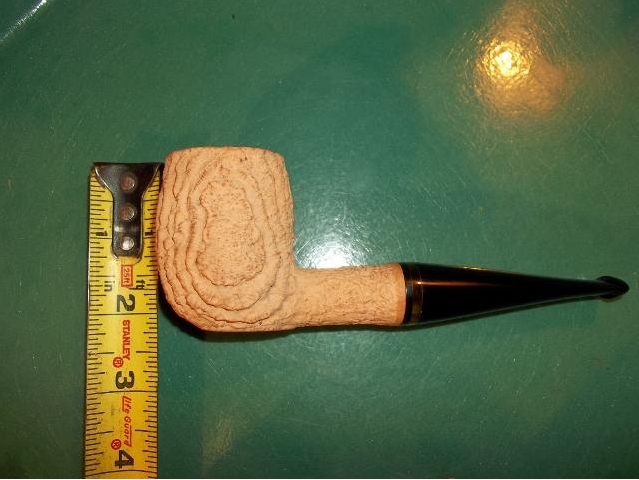
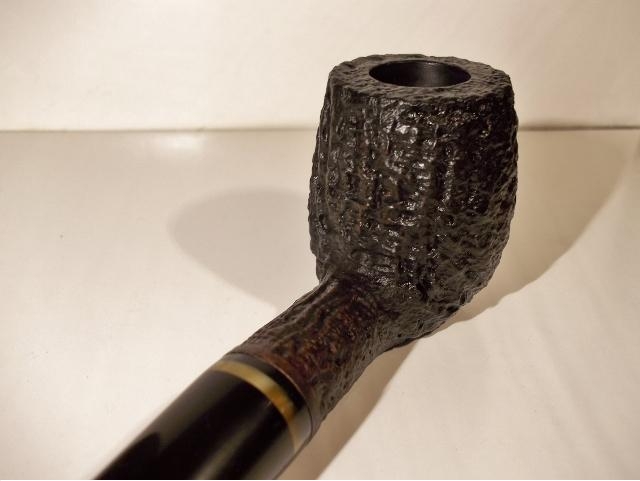
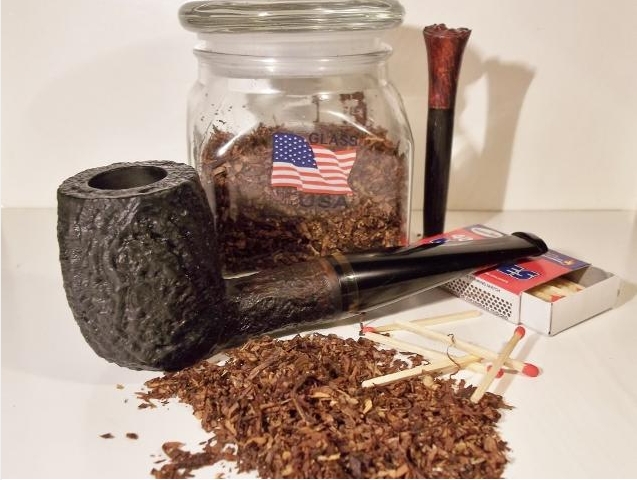
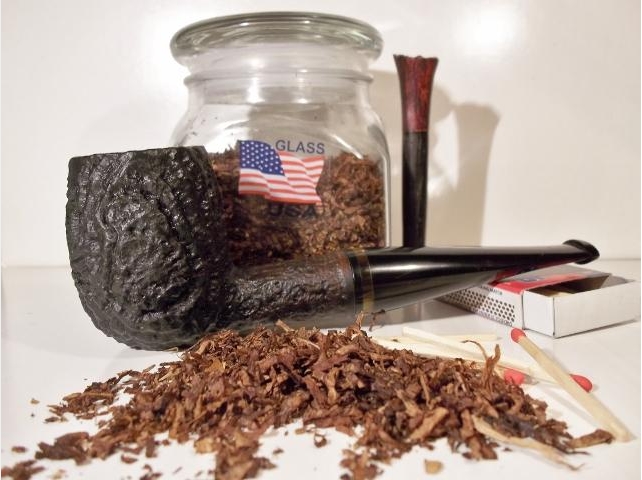
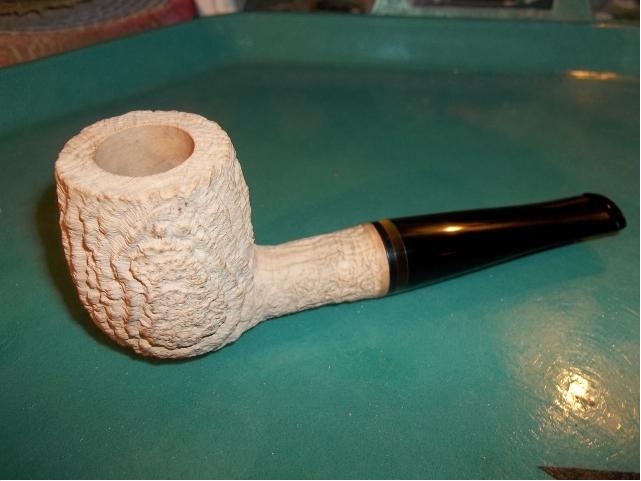
This is what the pipe looked like when it arrived in the mail.Blast2
Blast3

Blast4

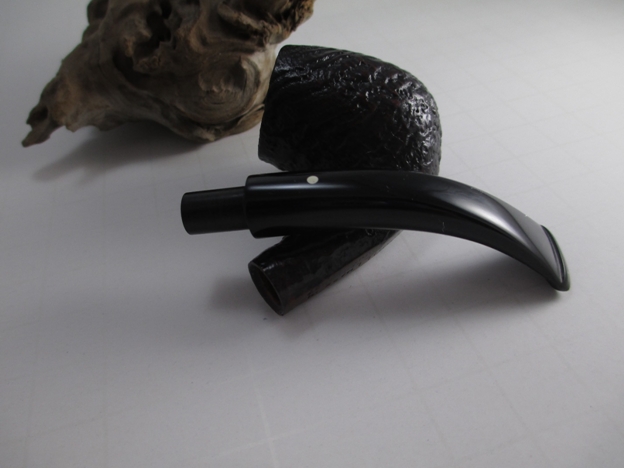
Blast5 I was expecting just a plain yellow band on the stem but Gary used some kind of acrylic that changes from black to yellow. It was an unexpected and nice touch.

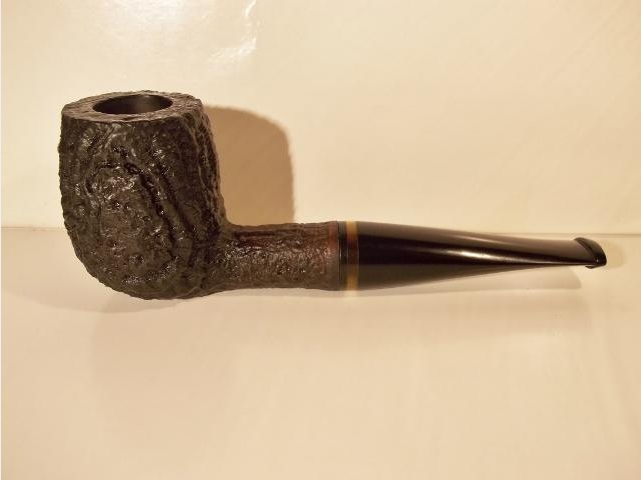
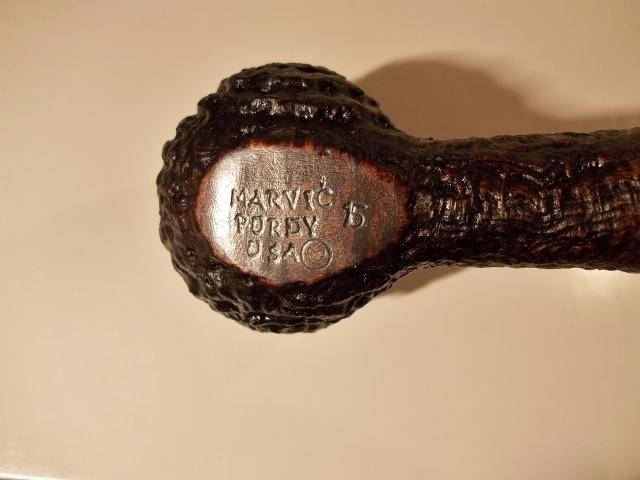
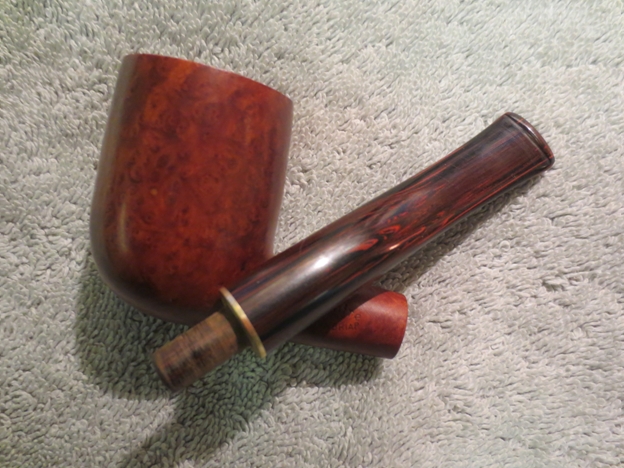
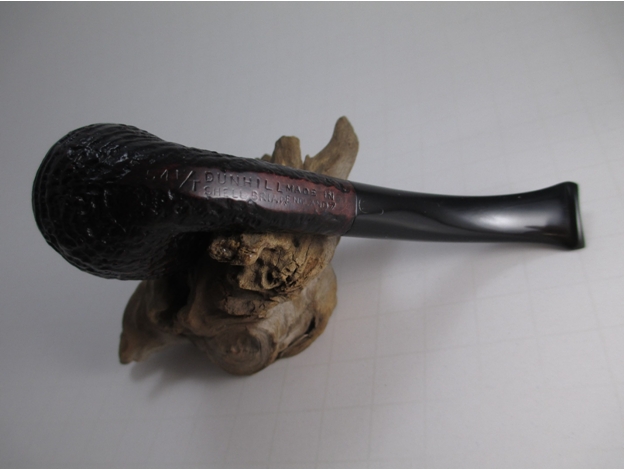
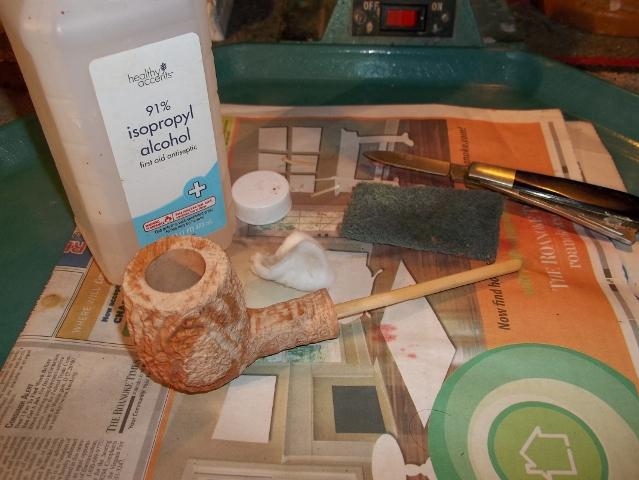
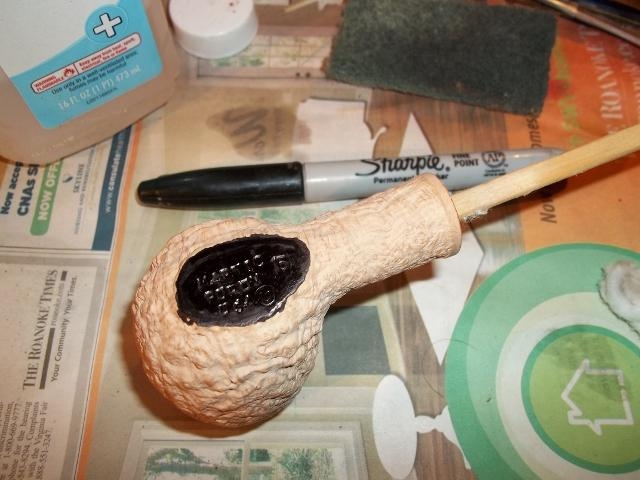
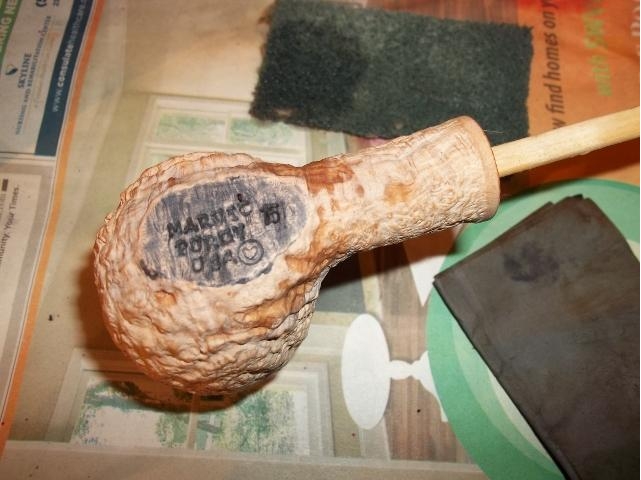
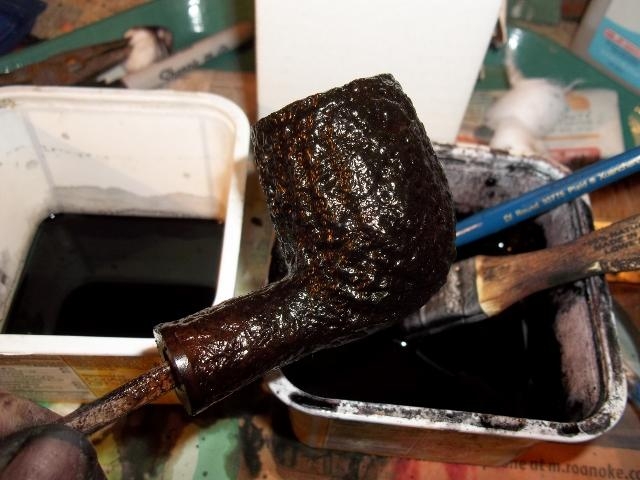
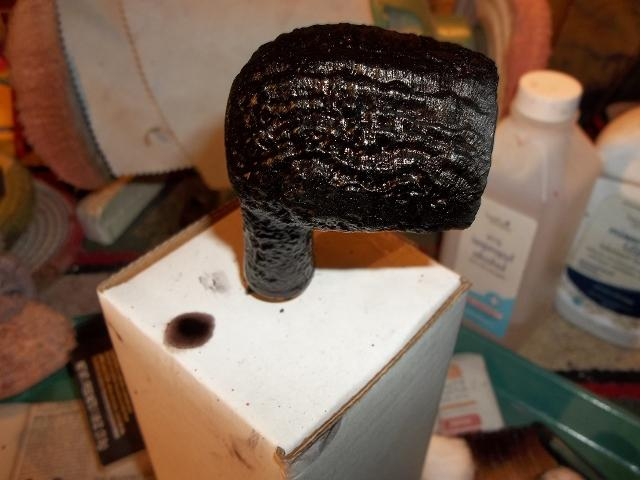
I was just going to stain the pipe a plain jet black, but after seeing the blast I decided to see if I could do a kind of Dunhill Shell look to make it more interesting and high end looking. The first thing I did was carve a holder out of a corn dog stick – nothing but the best high end equipment on my kitchen table you know. Then I wiped it down with 91% alcohol to make sure that there were no contaminants on the briar. I also rubbed the bowl with a Scotch Brite pad to soften the sharp edges on the blast.Blast6 I then did some contrast staining on the stamping using a black sharpie as I wanted the stampings to stand out. I was also glad to see both Gary and Carl’s name stamped on the pipe. That was another very nice touch.Blast7 Then I wet sanded the smooth area with very lightly using 91% alcohol.Blast8 Then to make sure that the dye would not penetrate too deeply and turn the whole smooth area black I took mineral oil and painted it on with a Q tip.Blast9 I mixed up some black RIT dye and applied several coats to the bowl until it suited me.Blast10 I set the pipe to dry in my high tech drying rack disguised as a cardboard box.Blast11 I wiped down the bowl with mineral oil and checked over the colour. It looked good. Now it was ready for some wax.Blast12 I buffed it kind of heavy on the first coat to take some color off and to get that shell look to the briar. On a sandblasted pipe after several initial coats of wax I heat it over my stove to melt the wax into all the crevices. Then I buff it with a few more coats and repeat the process until it builds up to my liking.Blast13 Here is the pipe after a couple of hours of buffing and waxing.Blast14
Blast15

Blast16

Blast17

Blast18

Blast19

Blast20

Blast21

Blast22 The pipe is a fantastic smoker and already after only a couple of ounces or so of tobacco smoked through it is beginning to break in. The draw is very easy and butter smooth. The pipe almost seems to smoke itself. I can only imagine how it will smoke after several more ounces are smoked through it.

Gary did perfection on the mechanics of the pipe and Carl put a world class looking blast on it. I couldn’t have asked for a better pipe. It turned out beyond my expectations. This will always be a cherished pipe to me. I have to add that the pictures just do not do it justice.

Building a Better Button on a 1930’s Yello Bole Oom Paul


Blog by Andrew Selking

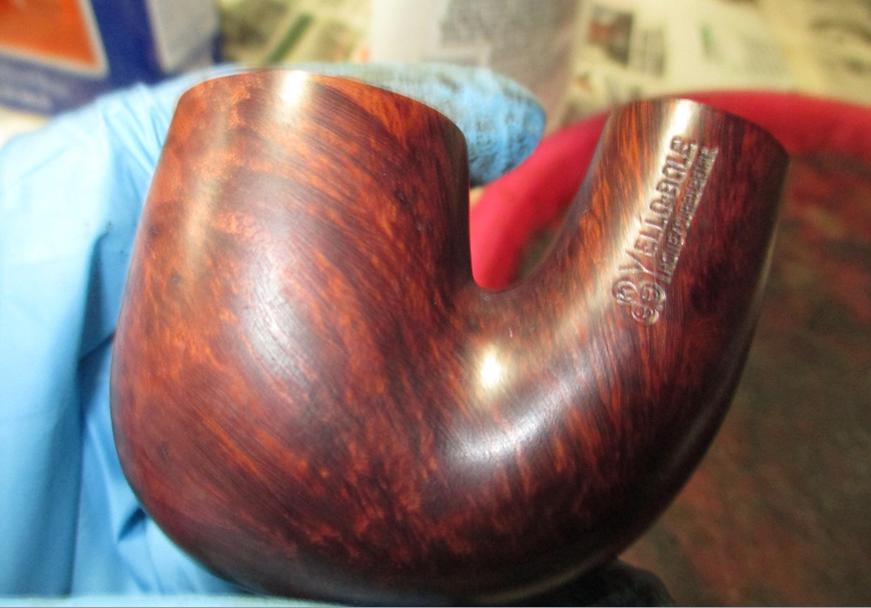
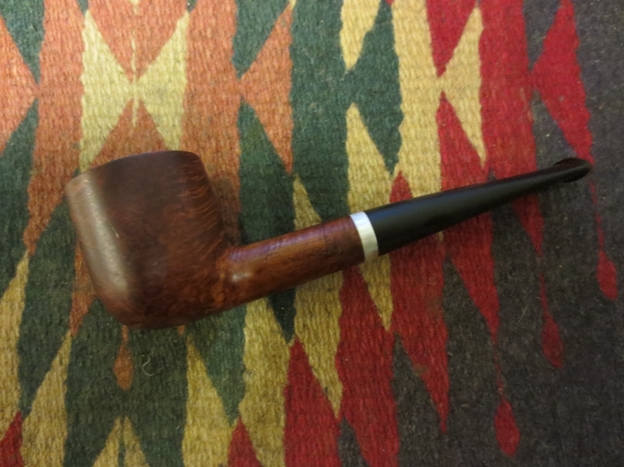
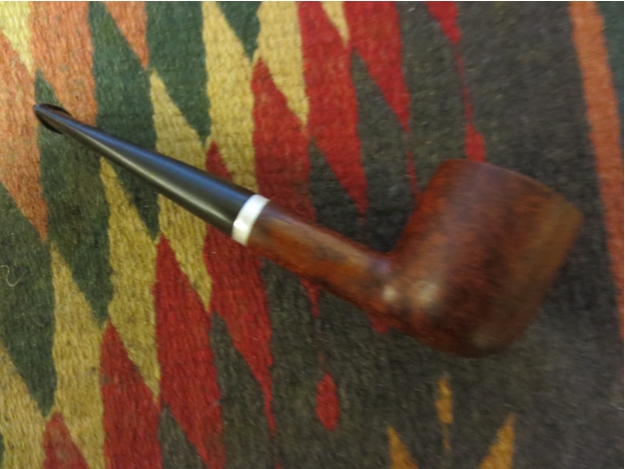
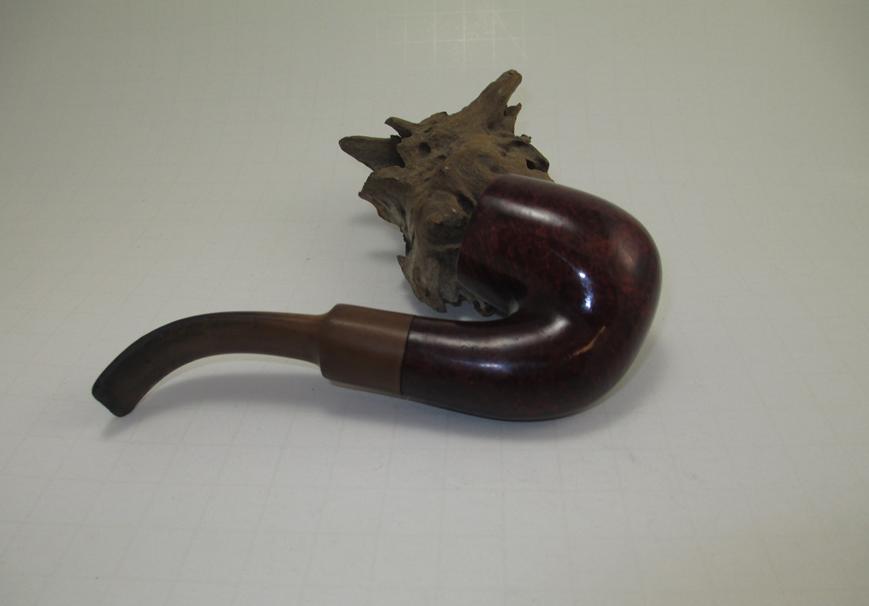
Have you ever found that Holy Grail pipe only to realize that it has a major flaw? For me, this pipe ticked all the boxes, a KB&B pipe made between 1933 and 1936, it was a less common shape and looked to be in decent condition. The only problem I could see was that a previous owner had filed off the button.Andrew1

Andrew2

Andrew3

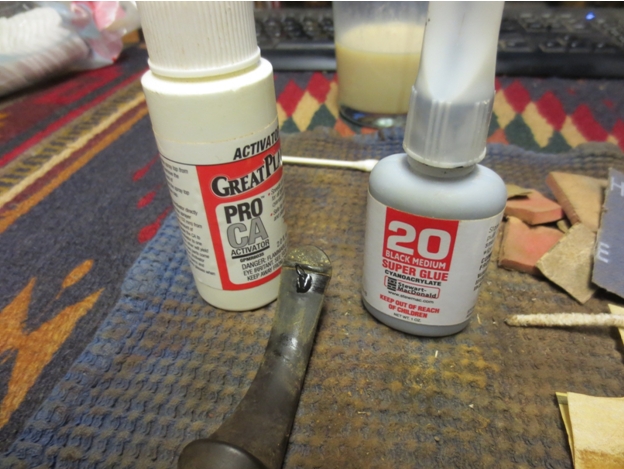
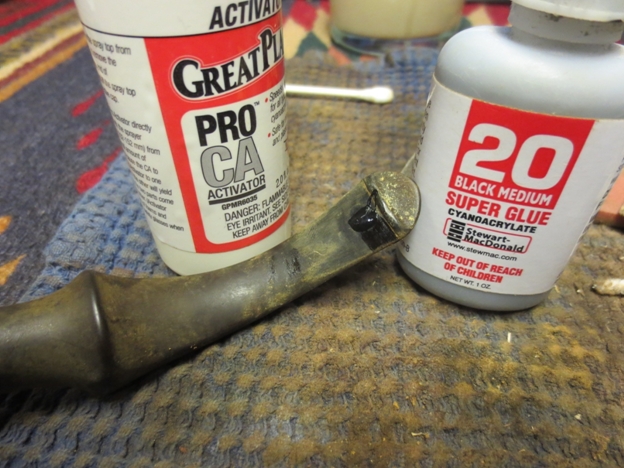
Andrew4 I’ve been experimenting with super glue and ground charcoal for stem repair and I had an idea how I might use that to re-create the button. Now just a quick disclaimer. I am not a medical professional and I do not pretend to know any potential health hazards to the use of super glue on something you put in your mouth. On the other hand, I am aware that the state of California has found that pipe smoking is not healthy for pregnant women or their unborn children. As an adult, I accept these risks as the relaxation benefit outweighs the health risks.

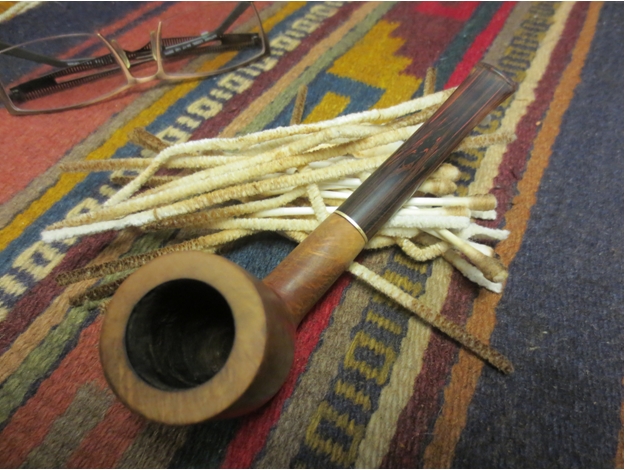
Before tackling the button I needed to clean up the pipe. I started the process by giving the bowl an alcohol bath.Andrew5 While the bowl marinated, I dropped the stem into a solution of Oxyclean. After a good long soak, I reamed the bowl.Andrew6 After reaming the bowl, I retorted the stem and bowl. I forgot to take pictures of the bowl during this process.Andrew7 The stem was pretty clean, which I expected based on the minimal amount of chatter and the lack of cake build up in the bowl. A couple of fuzzy sticks dipped in alcohol did the trick.Andrew8 The alcohol bath serves two purposes, it loosens up the internal gunk and it helps remove the old finish. On this particular pipe, I noticed that the bowl was stained a purplish read and had a heavy varnish on it. That’s usually a sign of inferior briar and lots of fills. With great trepidation, I used acetone and 0000 steel wool to see what was under the old finish.Andrew9 I was pleasantly surprised to find beautiful grain and not a single fill.Andrew10

Andrew12

Andrew11

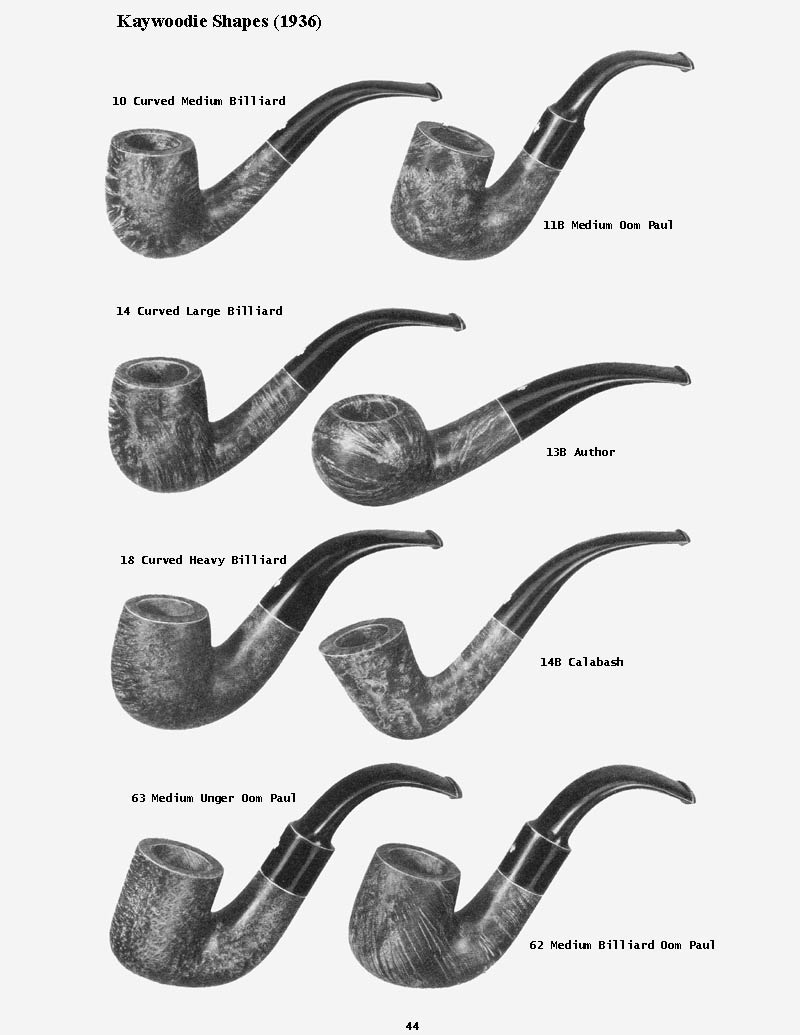
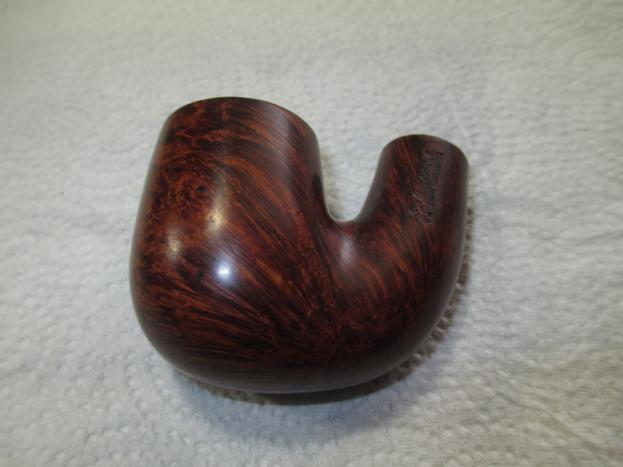
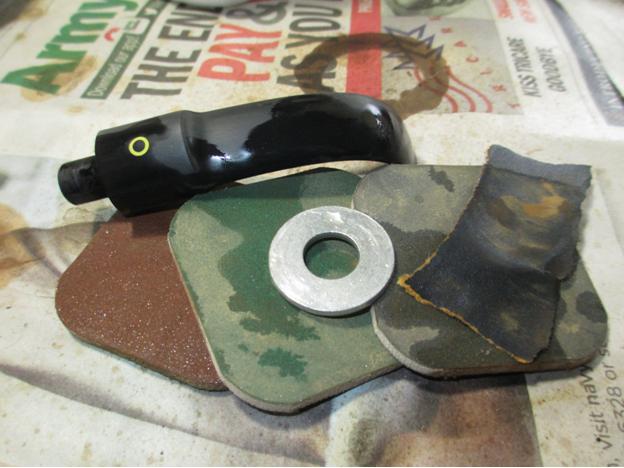
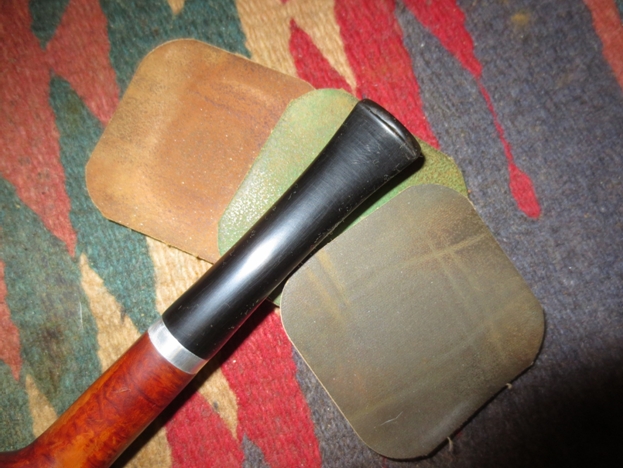
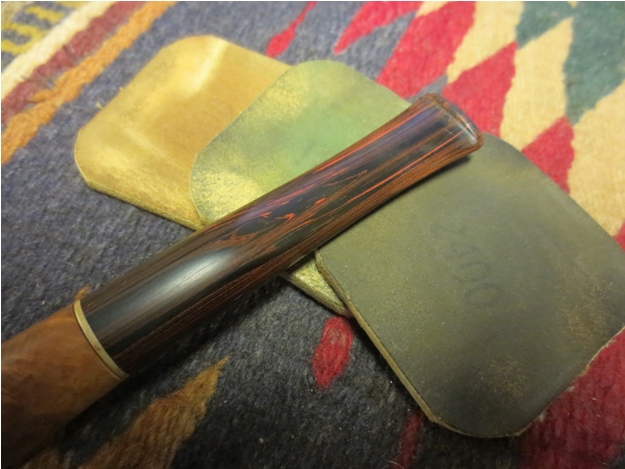
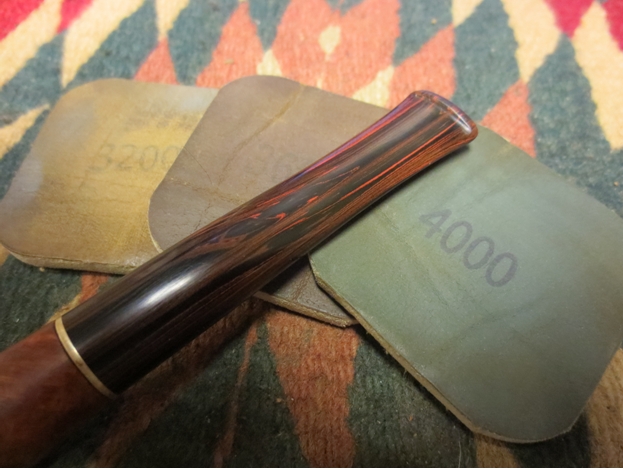
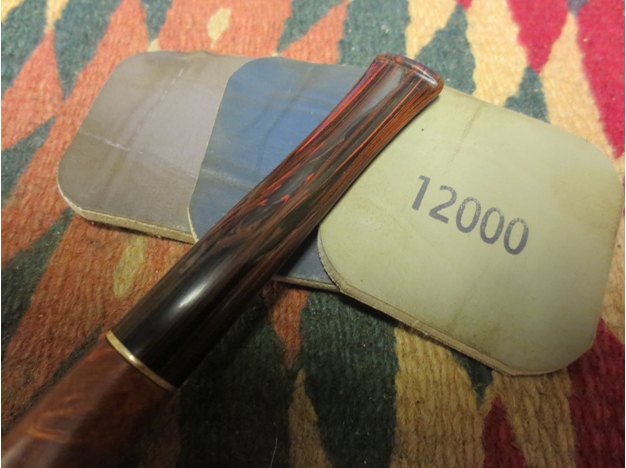
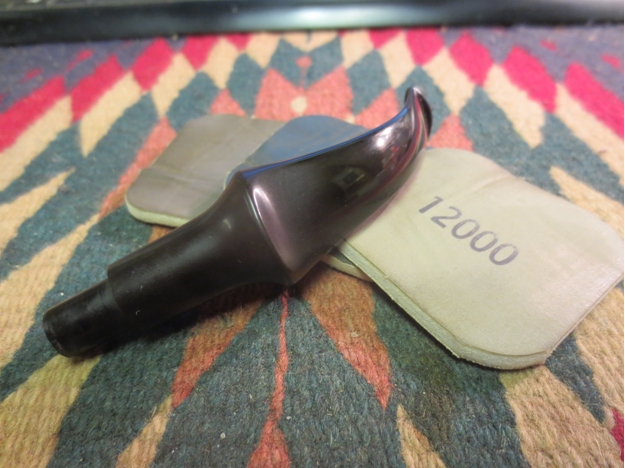
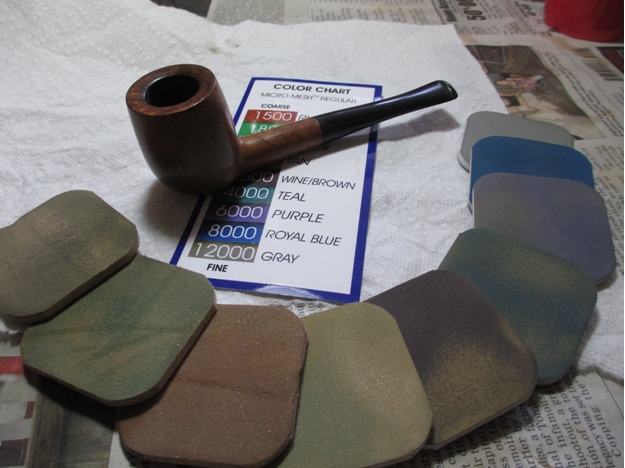
Andrew13 I was not happy with the purple tint of the wood though, I mean who does that? My guess is, this pipe could have made the cut as a Kaywoodie, maybe they were short on the Yello Bole line so they put a Yello Bole stem on it and that hideous varnish. Interestingly enough, this pipe has the identical shape number as the Kaywoodie medium billiard Oom Paul. Just to give you an idea how many pipes Kaywoodie used to make, they had three models of the Oom Paul shape.Andrew14 I decided the best way to take care of the purple stain was with some judicious sanding. Since the bowl didn’t have any scratches or dents, I didn’t have to go too heavy. I started out with 1500 grit micro mesh and worked my way up to 12,000 grit. You will notice the washer between the stem and shank. I’ve learned that the best way to get a sharp shoulder on the shank and the stem is by using the washer to prevent the sanding medium from rounding it off.Andrew15 This is what the bowl looked like after the micro mesh pads.Andrew16

Andrew17 I decided to keep the stain light, so I diluted some Pimo Pipe Supply mahogany and used a single coat. Unfortunately I didn’t take a picture of that process, I was kind of excited about fixing the stem.

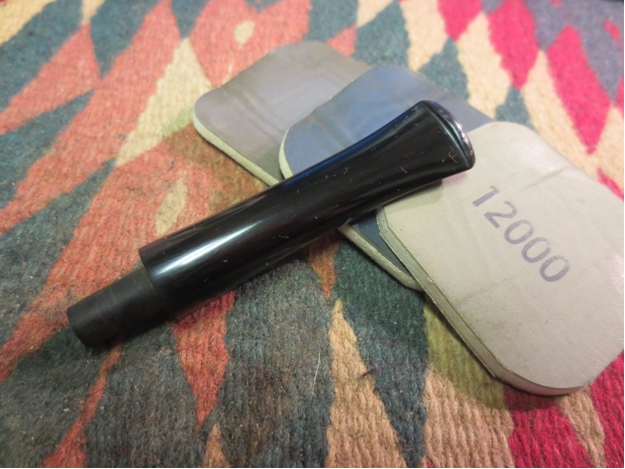
I removed the oxidation on the stem with a progression of 1500-2400 grit micro mesh pads with water. I didn’t have the bowl attached, so I just held the washer over the tenon to prevent rounding.Andrew18 With the oxidation addressed, it was time to start building the new button. I’m not the best when it comes to carving the bottom side of the button so I decided to use clear tape to create definition.Andrew19

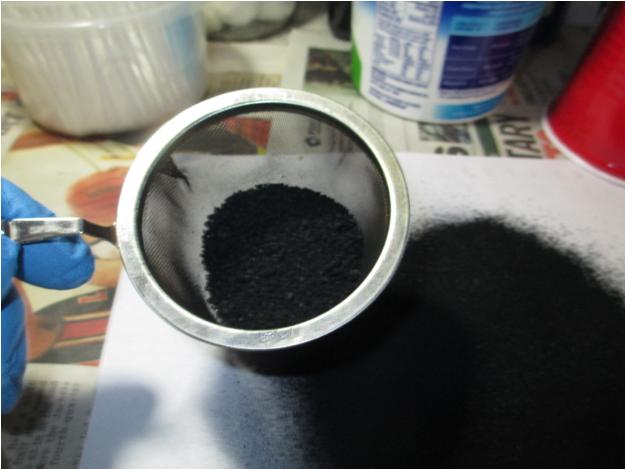
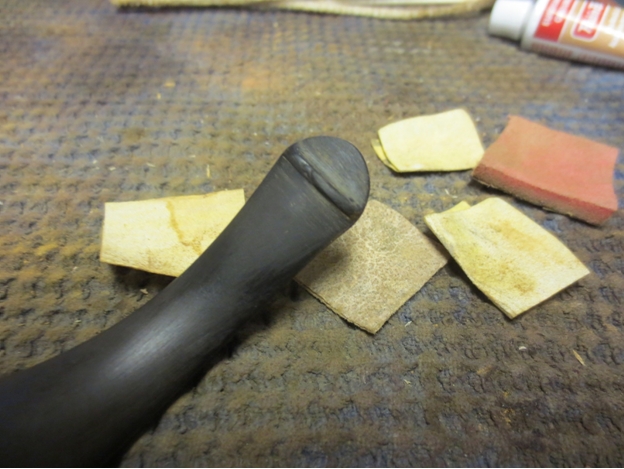
Andrew20 I built up layers of tape until it was the thickness that I wanted for the underside of the button. Next, I mixed some ground charcoal and super glue and started applying it. After each application I put a drop of accelerator on the end and applied another layer. It was not looking the way I wanted it to look.Andrew21 I remember Steve said that when he used activated charcoal it was very fine. So I sanded off the mess and started over. To get a finer charcoal I used our coffee grinder, which did a pretty good job, but still left some larger chunks.Andrew22 To solve that problem, I used a tea strainer. The result was very finely ground charcoal.Andrew23 I mixed the super glue and charcoal and applied it as before.Andrew24 I sanded between applications and filled in any remaining divots.Andrew25 Once I had the button shaped to my liking, I used a progression of micro mesh pads from 3200-12,000. Then I used my rotary tool with white diamond and carnauba wax to bring out the shine.Andrew26 I gave the bowl a quick spin on the buffing wheel with white diamond and carnauba wax. Here is the result.Andrew27

Andrew28

Andrew29

Andrew30

Andrew31

Andrew32

Andrew33

Andrew34

Andrew35

Andrew36

Andrew37 I am happy to say that this pipe smokes as well as it looks. It is a system pipe. I couldn’t be happier with the button. The thing I like about using the charcoal and super glue is, it polishes and shines just like the vulcanite. This pipe is a keeper. Thanks for looking.

Restemming & Working on New Staining Techniques on a Mastercraft Pot


Blog by Steve Laug

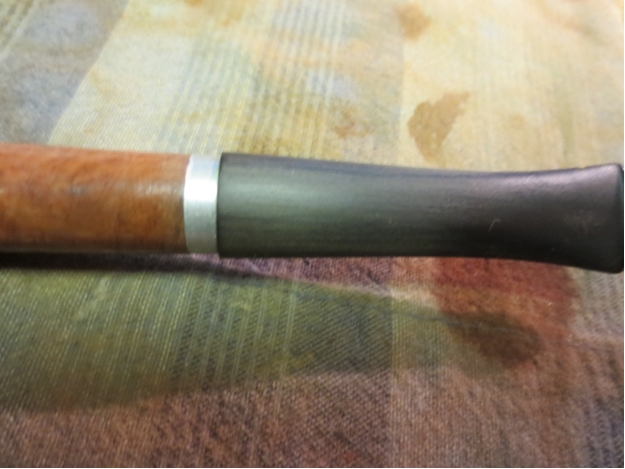
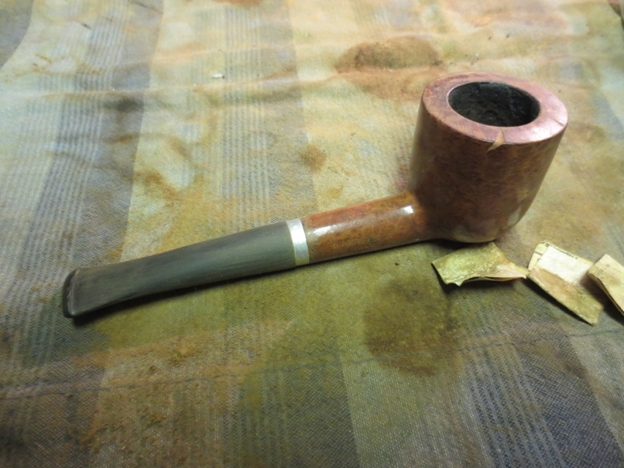
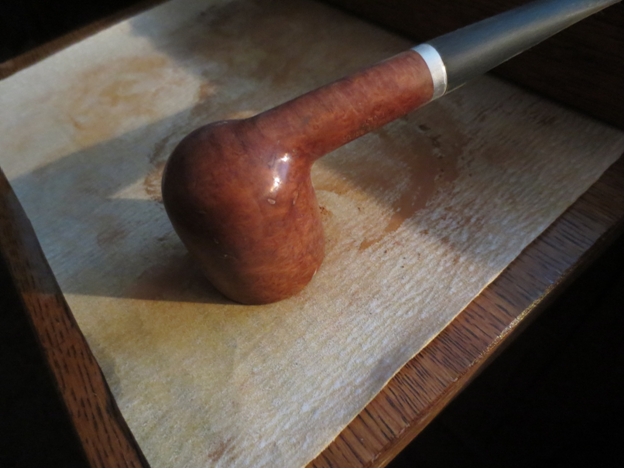
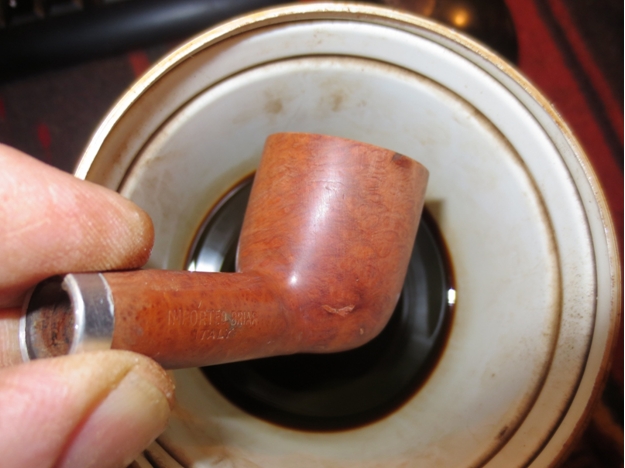
The next pipe from the gift box is a Mastercraft Pot. It is stamped Mastercraft in a shield on the left side of the shank and Imported Briar over Italy on the right side. There are no shape numbers. There are a lot of fills on the bottom of the bowl and the right side of the bowl. The finish is a thick coat of what appears to be urethane – almost plastic looking. Someone had previous started refurbishing it – to bowl had been carefully reamed and the bowl topped. There was a large fill on the rim that was loose that ran from the middle of the right side of the bowl almost all the way across the rim. This pipe would be a great one to experiment with using different stains to blend the fills and highlight the grain. The urethane coat would prove a challenge to remove completely but once gone it would prove a perfect candidate for the new staining techniques I wanted to learn. The band on the shank is aluminum and is oxidized and dull. The stem is a replacement that is poorly fit. It is loose in the shank and does not fit against the shank well. The tenon is very short and almost conical in shape. I will break the work on this pipe into two parts: Part 1: Fitting a Stem and Part 2: The Staining Experiment and a Conclusion called Finishing Touches.Mas1

Mas2

Mas3

Mas4 I took a few close-up photos of the rim and the stem. These will help to give an idea of the state of affairs when I brought the pipe to the work table.Mas5

Mas6

Mas7

Mas8
Part 1: Fitting a Stem

I removed the stem and found two possible replacements in my stem can. The original replace in the one at the bottom of the photo below. The two options were a longer taper and a saddle stem. Both of them worked well with the length of the shank. They looked better than the one the pipe arrived with.Mas9 I tried the bowl with each of the stems to get an idea of the look of the pipe. I made a decision for the taper once I had seen them both in place in the shank.Mas10

Mas11 The taper stem was slightly larger in diameter than the shank so I would need to adjust the diameter. I cleaned out the shank and the stem with pipe cleaners, cotton swabs and isopropyl alcohol to remove the tars and oils from the shank. Because someone had already started the process on this pipe it was not a long clean. It took very few cleaners before the shank was clean.Mas12

Mas13

Mas14

Mas15 I sanded the stem with 220 grit sandpaper to start and then decided it was taking too much time. I used the Dremel with a sanding drum and quickly removed the excess material.Mas16

Mas17 I brought it back to the work table and sanded it with 180 and 220 grit sandpaper to smooth out the marks left by the sanding drum. I needed to fine tune the fit but it was working with the bowl.Mas18

Mas19
Part 2: The Staining Experiment

To prepare the bowl for staining I needed to do the repairs and remove the old finish. I decided to re-top the bowl to remove some of the damage and smooth out the area around the fill on the right side top and edge. I wanted to bring the top down to lessen the area that the fill intruded on.Mas20 I wiped the bowl down with acetone to remove the finish only to find that it did not work to cut through the finish. Before I intruded on the finish with my next measure I decided to repair the fill on the outer edge of the rim on the right side. I used briar dust and super glue to repair the fill on the side and top of the rim. Most of the fill had been smoothed out on the top but there was some of the fill missing on the edge of the rim. I cleaned and sanded the repair to blend it into the finish. When that was smoothed out I sanded the bowl with a medium grit sanding sponge to break the gloss of the finish and then dropped it into the alcohol bath.Mas21 When I took it out of the bath the finish was dulled but still not broken. This top coat was a real bear to remove. I needed to do quite a bit more sanding on the coating to remove the finish.Mas22 Once the finish was gone and I was at bare wood I decided I would use a three part staining process to try to hide the fills and blend them into the briar. I wanted to try something new as well with the staining of this pipe. I wiped it down a final time with acetone to clean off the dust and any remnants of finish, scrubbing hard around the stamping on the shank. I stained it with a medium walnut stain, flamed it and buffed it.Mas23

Mas24

Mas25

Mas26 When the stain dried I gave it a light buff with a cloth and a shoe brush and then gave it the second coat of stain. This time I gave it a coat of oxblood coloured stain. I wanted to bring out the grain on the sides and front and back of the bowl and try to blend the fills more. I stained it and flamed the stain.Mas27

Mas28

Mas29

Mas30 When that stain dried I buffed the bowl with White Diamond and wiped it down with isopropyl to even out the stain coat. I hand buffed it afterwards with a soft cloth. The bowl was beginning to take on the colour I wanted from these first two coats of stain.Mas31

Mas32

Mas33

Mas34

Mas35

Mas36 Then it was time for the third coat of stain. I stained the pipe with a dark brown aniline stain. I applied it and flamed it and repeated the process until I had good coverage on the pipe. The dark brown looked opaque when first applied.Mas37

Mas38

Mas39 I buffed the pipe with White Diamond on the wheel and gradually the grain began to show through the finish. The combination of stains gave the pipe precisely the colour I was wanting – a warm reddish brown with dark highlights in the grain patterns. The fills though still present, did not stick out as badly and seemed to blend into the finish.Mas40

Mas41

Mas42

Mas43
Conclusion: Finishing Touches

With the finish on the pipe completed I worked on the stem. I sanded it with a fine grit sanding sponge and then with micromesh sanding pads. I also sanded the band on the shank with the micromesh pads at the same time. I wet sanded with 1500-2400 grit pads and sanded the band without the stem present. You have to be careful with the pads when polishing metal as they will leave a dark stain on the briar and the vulcanite.Mas44 I rubbed the stem down with Obsidian Oil and dry sanded the stem with 3200-12,000 grit pads. I polished the band with the same and also with a silver polishing cloth. After each set of three pads I rubbed the stem down with the oil. When I had finished the stem I gave it a final coat of the oil and then let it dry.Mas45

Mas46 The next photos show the finished pipe. It is a rich brown/red colour that has warmth and depth to it. The silver band and the new stem make the pipe look quite rich. I figure it is at least as nice or nicer than when it left the Mastercraft warehouse.Mas47

Mas48

Mas49

Mas50

Mas51

Mas52

Mas53

Giving a Yorkshire Natural Billiard a new look – Restain & Cumberland Stem


Blog by Steve Laug

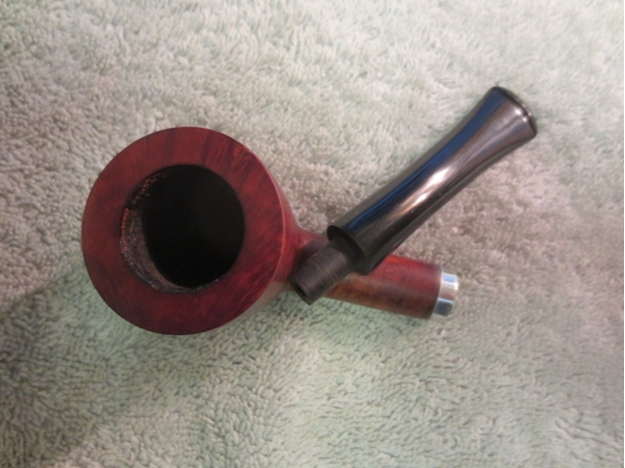
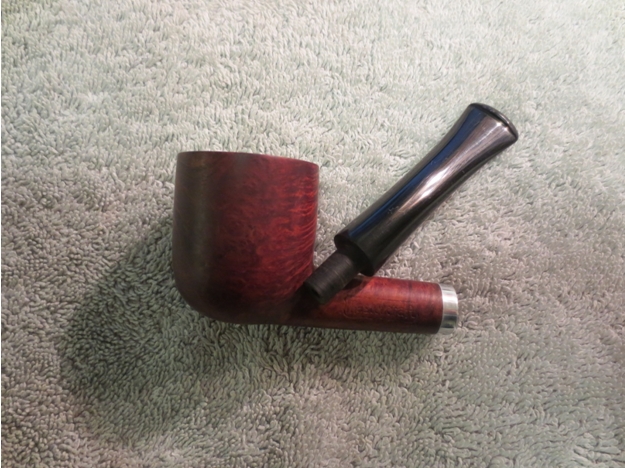
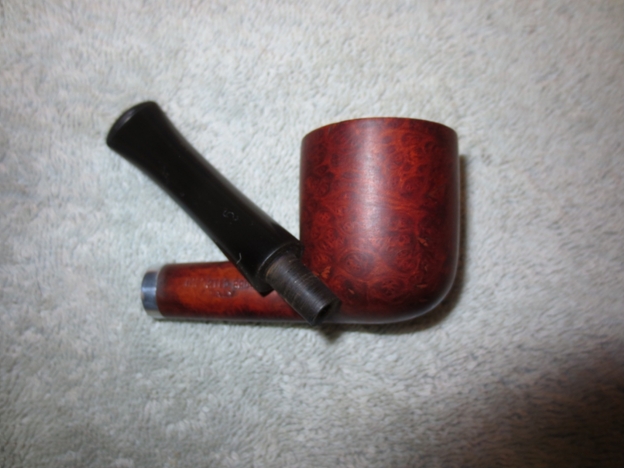
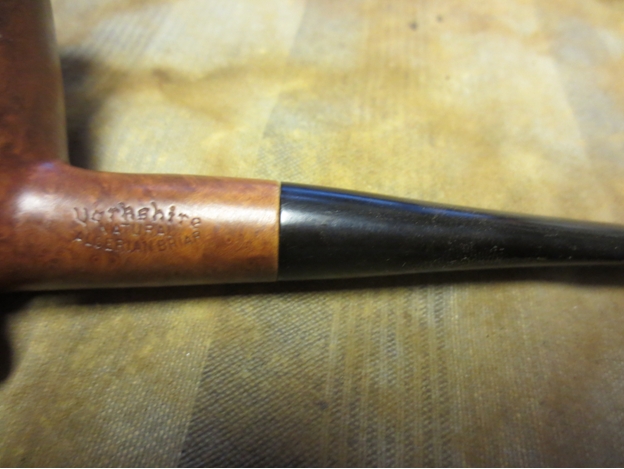
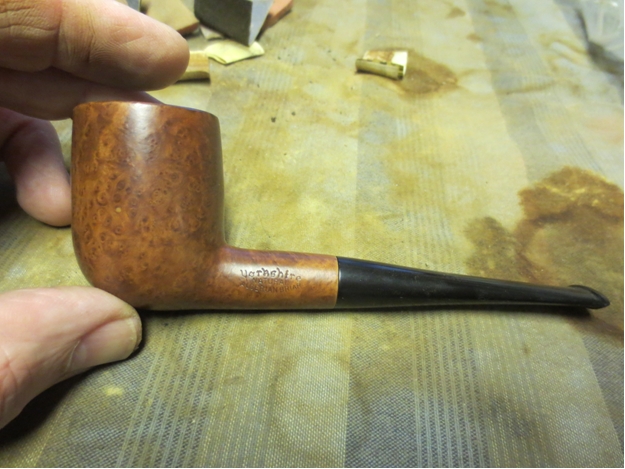
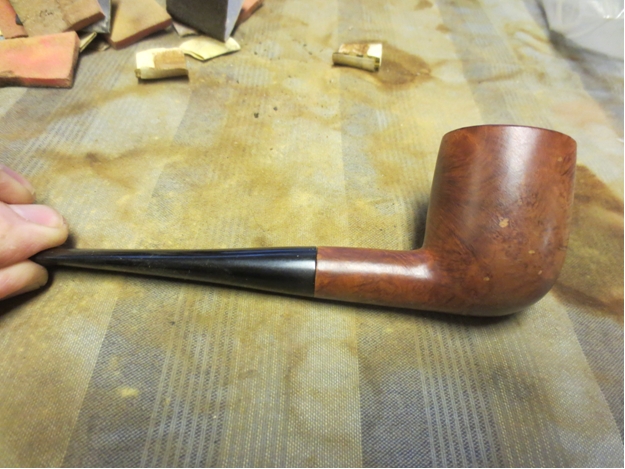
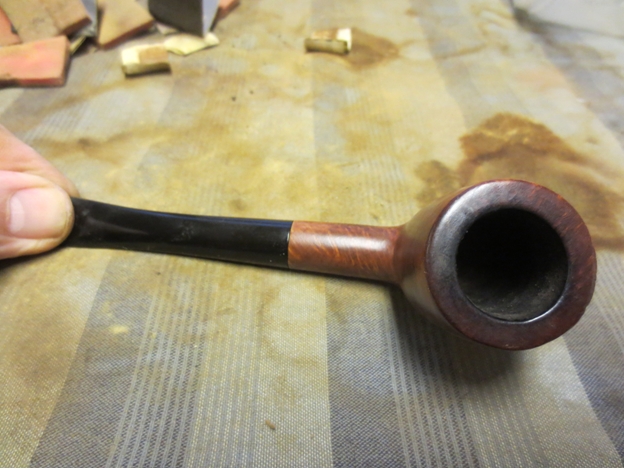
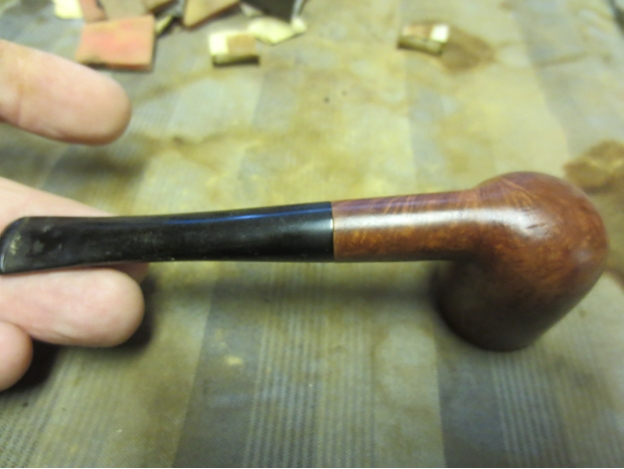
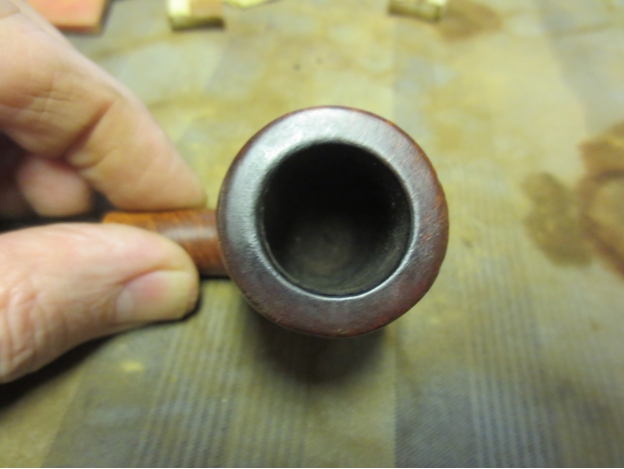
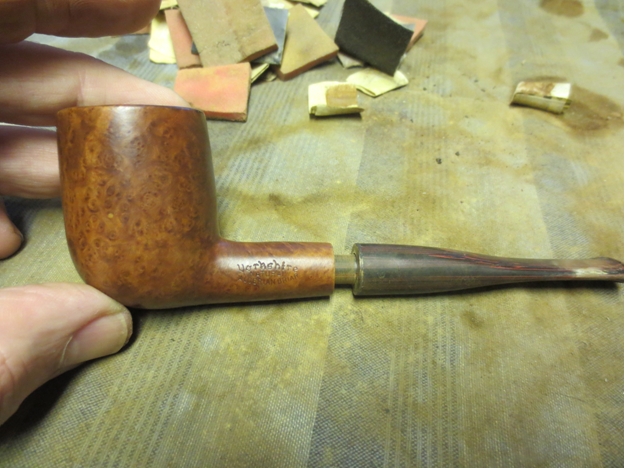
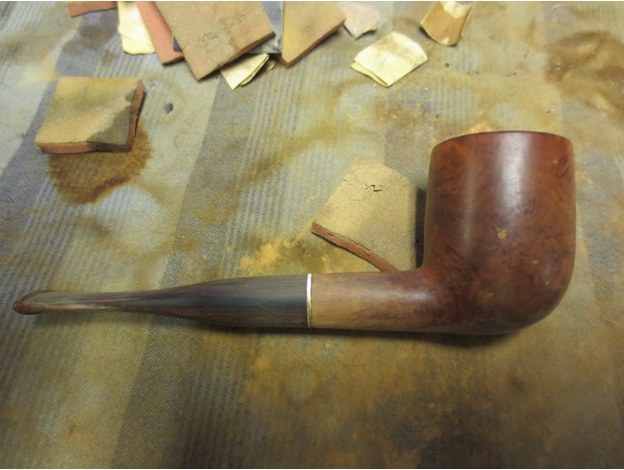
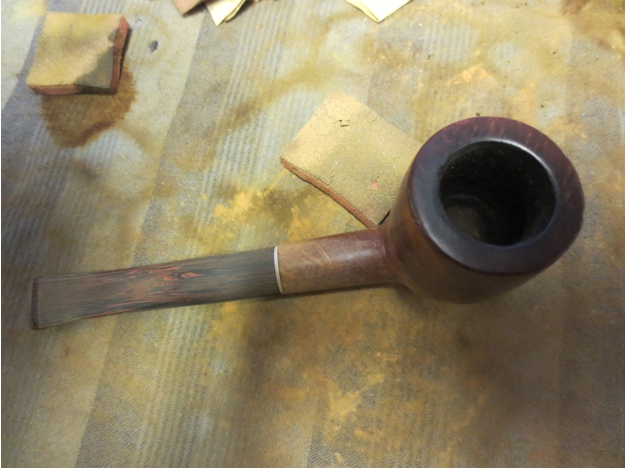
I am slowly but surely working my way through the gift box of pipes I received. The next one that I chose to work on was a billiard. It is stamped Yorkshire in an arch over Natural and another reverse arch with the words Algerian Briar.York1 The stem on it was a replacement and did not fit well on the shank. It was slightly smaller in diameter and also had rounded shoulders. The angles and flow of the stem did not work well with the pipe in my opinion as the taper on the top of the stem was different from the one on the bottom side. The bowl itself was clean but and the finish dirty. The rim had been damaged around the outer edge on the front of the bowl rounding it slightly. The stamping was clear and distinct. From what I can find on the internet the Yorkshire brand is a US Made pipe that came from Barnaby Briars (smoking pipe retailer) that was located at 28 Powell St. in Brooklyn (NY). They also made pipes stamped Barnaby. The Germanic Script differentiates it from the other Yorkshire Brand that was made in Italy by Gasparini for Sears and Roebuck.York2 The right side of the bowl had the only fills present on the pipe – and there were about five of them visible. The largest is almost in the middle toward the back. These fills were hard, smooth and tan in colour.York3

York4

York5 The close-up photo of the rim below shows the rounding of the edges on both the front and the back sides of the rim.York6 I absolutely hated the look of the stem on this pipe so I went through my can of stems until I found one that would work well. It was a well broken in stem that had a lot of oxidation and calcification on the top and bottom of the stem. There were no tooth marks which were a bonus and the stem was Cumberland! Once I had cleaned up the bowl and the stem the combination would look really good.

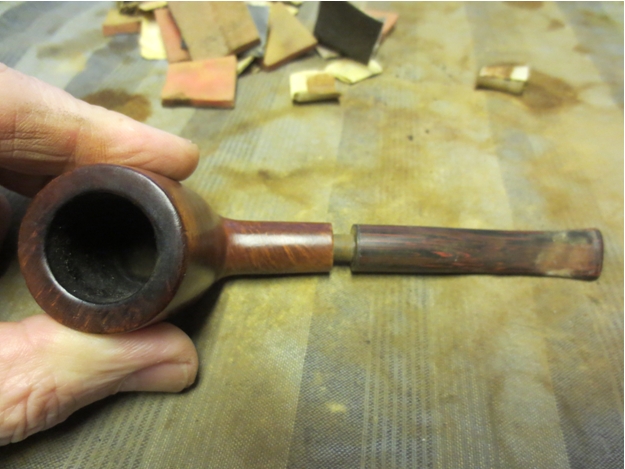
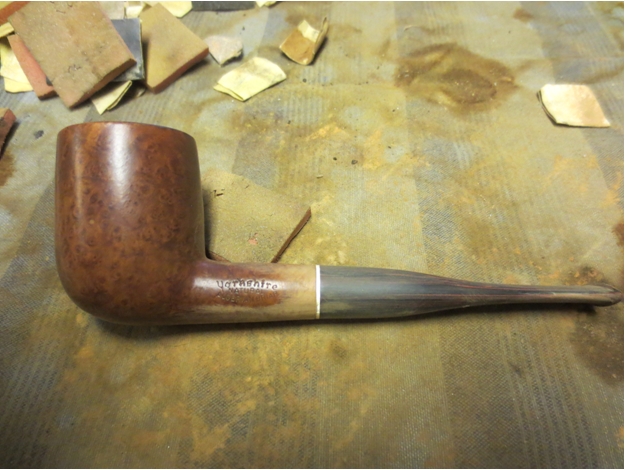
The tenon was slightly larger than the mortise so I used a Dremel with a sanding drum and took some of the Cumberland material off the tenon. I worked on it until it was close to fitting. Then I took it back to the work table and use a folded piece of sandpaper to get a good snug fit in the mortise. I had no idea that there was a brass band that was a part of the stem until I began to clean it up.York7

York8 When the stem was in place I sanded the stem and the junction of the shank and stem to make sure that the fit was smooth and the transition was as seamless as I could make it. I sanded with 220 grit sandpaper to even things out. As I did it I found that there was a brass coloured band that was a part of the stem. I removed the stem and cleaned off the face of the stem and found the band extended across the face of the stem like a washer around the tenon. I really liked the way the stem tapered quickly to from the shank to the button.York9

York10

York11

York12 I topped the bowl on a topping board to remove the damage on the rim and clean up the outer edges. I wanted to remove the damaged, rounded edges. I also sanded the scratches on the underside of the bowl.York13 I sanded the stem and shank with a medium and a fine grit sanding sponge. I also sanded the brass shank adornment to remove the scratches and polish it. I wiped it down with a wet cloth to remove the sanding dust. The Cumberland is coming to life the more I sand it and remove the oxidation and buildup. The lines of red and burgundy flow through the stem horizontally along the taper and the sides.York14

York15

York16

York17 I took a picture of the pipe and stem with the old stem beside it for comparison sake. The stem is about ¼ inch longer than the old one and the taper more radical. The Cumberland looked better with the briar than the old as well.York18 I wiped down the bowl and shank with acetone on cotton pads to remove the oils and grime that was on the surface of the briar. I wanted to bring the rest of the briar as close to the colour of the sanded rim and shank.York19

York20

York21

York22 I cleaned out the shank and the stem with cotton swabs, pipe cleaners and isopropyl alcohol to remove the tars and oils.York23

York24 I sanded the stem and shank with micromesh sanding pads – wet sanding with 1500-2400 grit pads and dry sanding with 3200-12,000 grit pads. I rubbed the stem down with Obsidian Oil between each set of three pads. I did not let the oil dry between rub downs as I find that the oil gives the micromesh some cut on the surface of the stem. The translucence of the Cumberland really shows through the shine.York25

York26

York27 I rubbed the bowl and down with olive oil and let it soak into the briar. The oil brought out the reddish brown tones of the briar and made the grain stand out. Sadly it also made the fills on the right side of the bowl stand out as well.York28

York29

York30

York31 While the brown tones stood out well I wanted to bring out some of the red tones in the briar. To highlight the reds I stained the bowl with a coat of oxblood stain. Before I stained the briar I used a permanent black marker to darken the fills on the side of the bowl. When it had dried so that it would not rub off when I put the stain coat on the bowl. I applied the stain with a cotton pad and then flamed it. Once it dried I polished the bowl with White Diamond on the buffing wheel. The finished pipe is shown below.York32

York33

York34

York35 The rich colours of the briar work really well with the reds of the Cumberland stem. The light brass band that separates the stem and the shank adds a light brass coloured horizontal line that breaks up the vertical Cumberland and the horizontal grain of the briar.York36

York37 The sharp edges of the rim and the grain on the surface look far better than the round outer edge of the bowl.York38

York39

York40

Making an Ehrlich Sandblasted Billiard Less Dreary


Guest Blog by Robert M. Boughton
Member, North American Society of Pipe Collectors
http://www.naspc.org
http://www.roadrunnerpipes.com
http://about.me/boughtonrobert
Photos © the Author

Once upon a midnight dreary, while I pondered, weak and weary,
Over many a quaint and curious volume of forgotten lore –
While I nodded, nearly napping, suddenly there came a tapping,
As of some one gently rapping, rapping at my chamber door.
“’Tis some visitor,” I muttered, “tapping at my chamber door –
Only this and nothing more.”
― Edgar Allen Poe (1809-1849), U.S. poet, author, editor and literary critic, in “The Raven,” 1845

INTRODUCTION
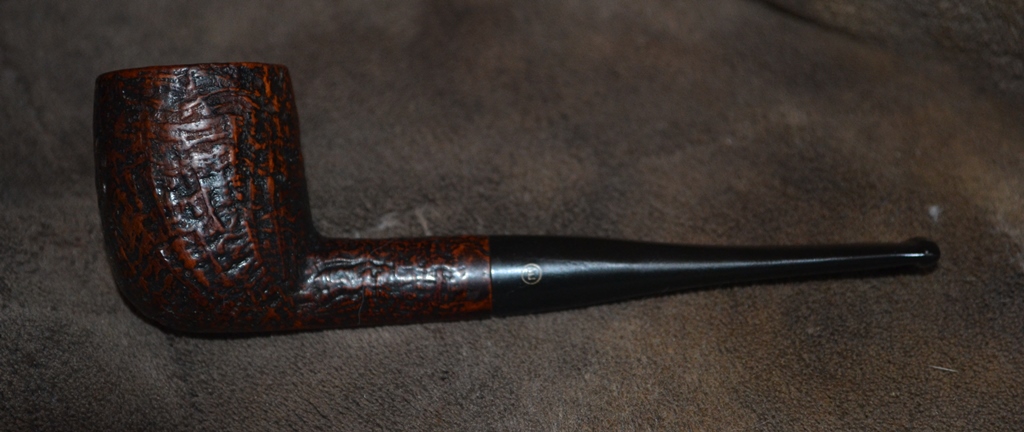
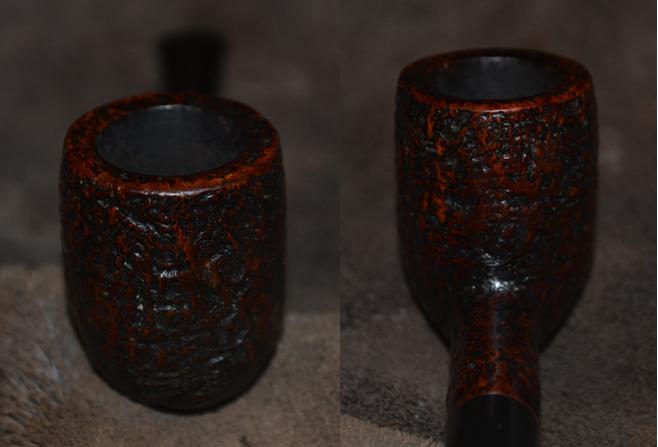
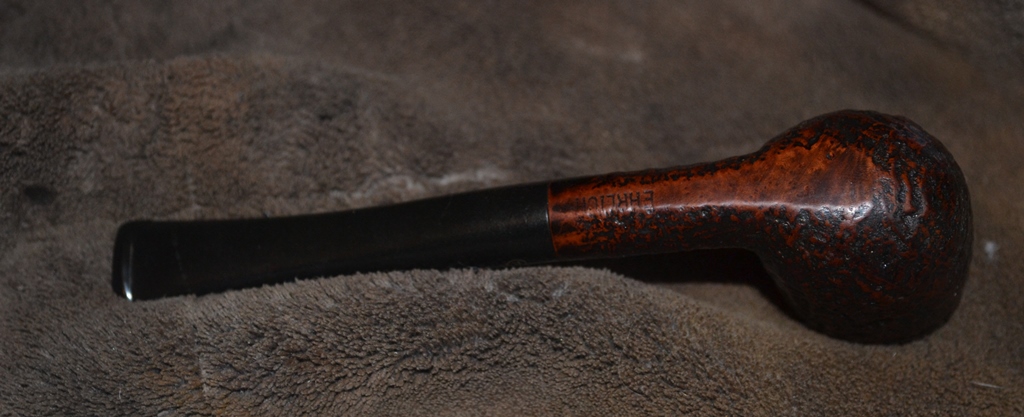
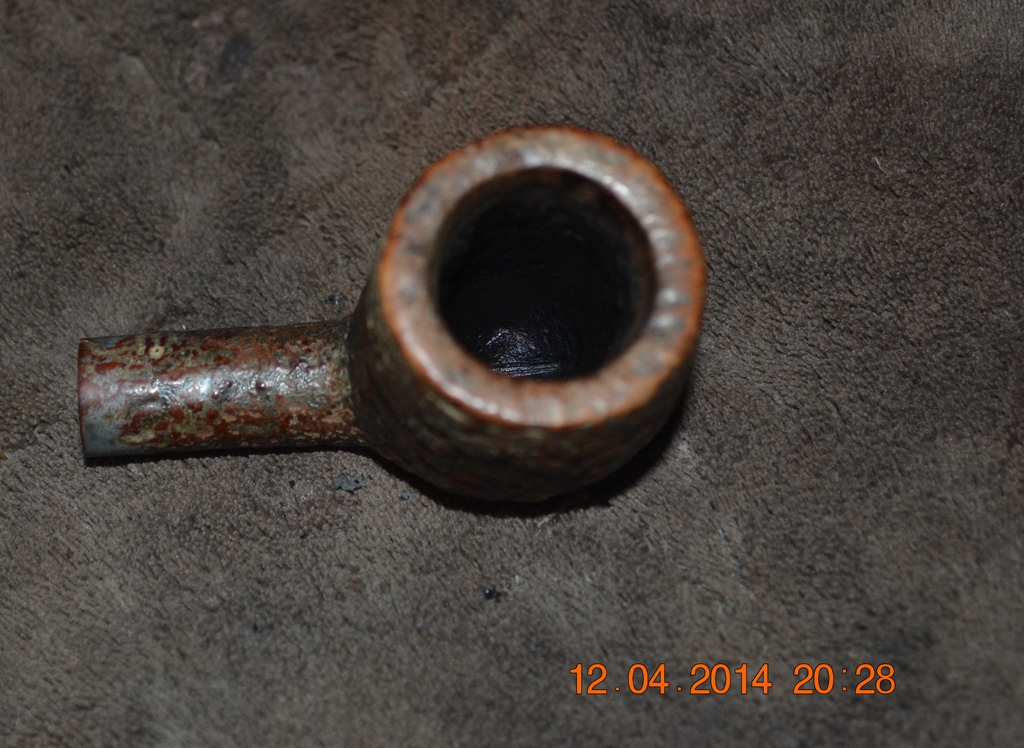
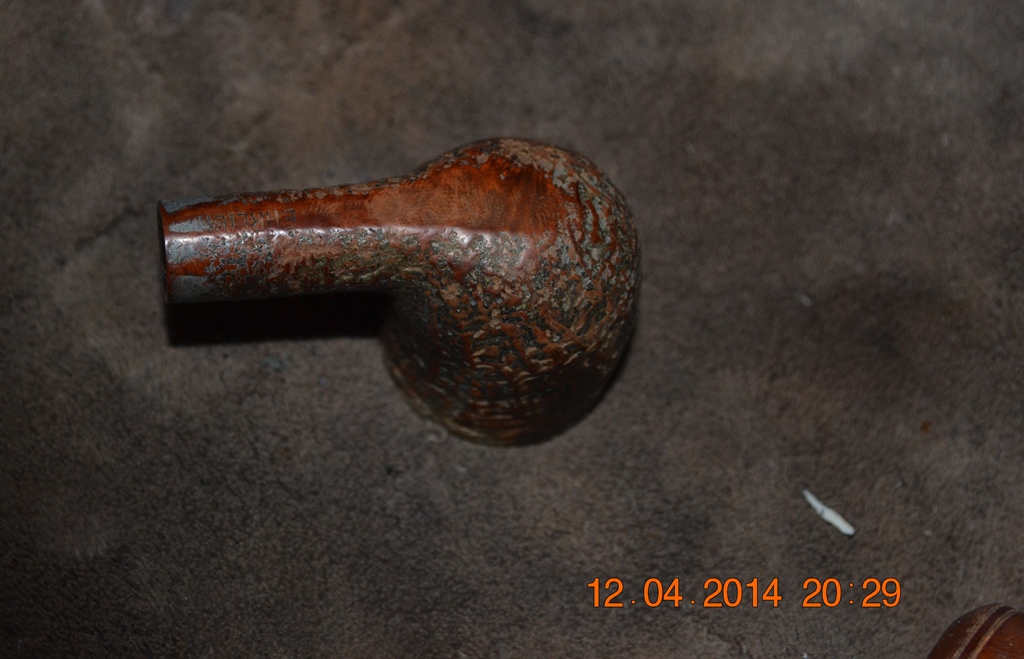
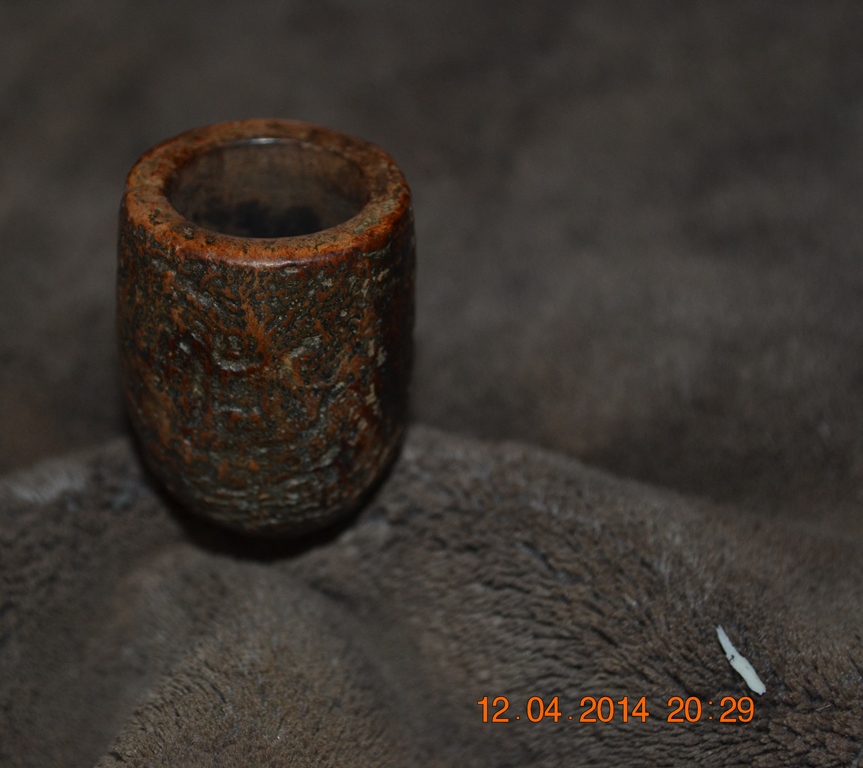
My inspiration for restoring an Ehrlich Sandblasted Straight Billiard acquired online as part of one very good estate haul was much like the opening lines to Poe’s most famous poem, except that no raven appeared to quethe negativity. Instead, the insight I gained from the gentle rapping on my creative door, which is how most of my contemplative phases before any restoration pass, was to transform the original dark and dreary pipe into something lighter and bolder.Rob1 Rob2 Rob3 Rob4 Rob5 Rob6 Rob7 Rob8 Rob9 THE RESTORATION
There are times when, to make something better of a pipe – whether it appears to have passed through a wood chipper or looks okay or at least nice enough as it first appears – calls for drastic action, such as stripping the old finish. There are two ways I know to accomplish this: the more invasive and time-consuming sanding approach, which always carries the contingency of scratches, and the faster, smoother method of soaking in Everclear. On rare occasions I have needed to start with the soaking and finish with light sanding, but for the most part I now try to avoid stripping at all because of my early restorations when I was gung-ho for the total overhaul idea. I soon enough learned there was a good reason for the darker finishes that so offended me, with a few notable exceptions.

But by either route, the initial result will be a striking step backward in the pipe’s aura. In other words, the wood is going to look like it’s been scorched by the fires of Hell. Still, I knew this was an occasion that merited stripping, and the pipe in question being sandblasted was one reason I chose the kinder, gentler Everclear.

Taking advantage of the fifteen minutes needed for the Everclear to do its work on the bowl and shank, I set upon the task of working out the few kinks in the stem. Starting with purified water on a small square of cotton cloth, I gave it a bath, then used 200-grit paper only on the bite mark below the top lip, which with concerted rubbing, to my surprise, eliminated any sign that the chatter had ever been there. I was able to finish spiffing up the stem with 2400, 3200 and 3600 micromesh.Rob10

Rob11 Removing the briar from the alcohol, I wiped down the outside and scrubbed the chamber with more cotton cloth pieces and scoured the inside of the shank with a wire-handled cleaner before I set it aside to finish drying.Rob12

Rob12a

Rob13

Rob14

Rob15

Rob16 Other upsides to the Everclear method were that the rim burn was gone and the chamber, which was not in the usual horrid state to begin with, needed no reaming at all and came smooth not even starting with my customary 150-grit first line of attack but an easy sanding with 320-grit paper.

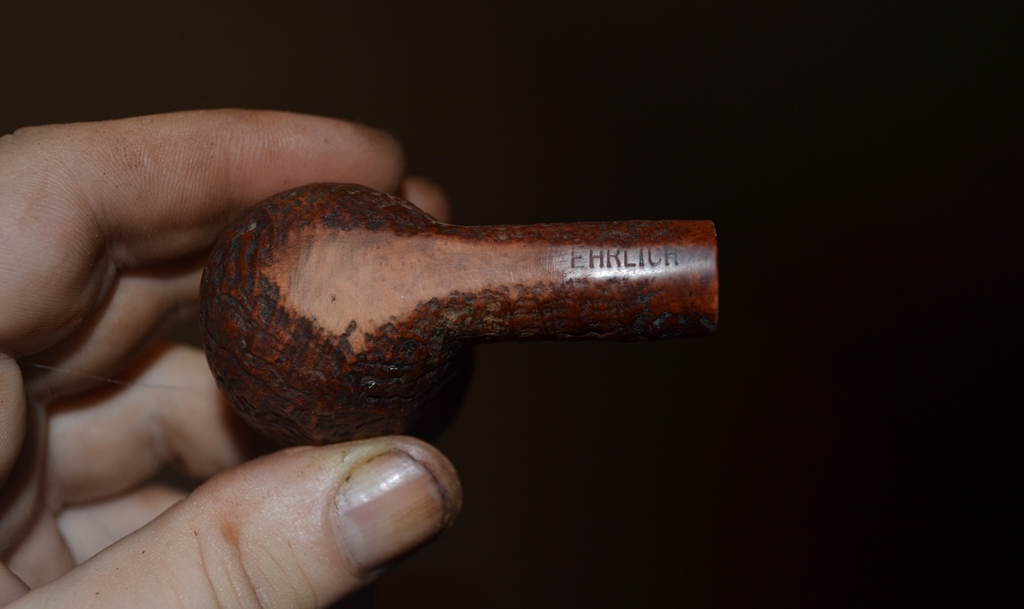
I seized the opportunity to retort the pipe before moving to the buffing of the wood with a progression from superfine steel wool to 2400, 3200, 3600 and 4000 micromesh. I only snapped one photo of the results of this step. It captures the nice return of a lighter, golden, more natural shine to the briar as well as the only nomenclature on the Ehrlich, a brand that hails from Boston, Massachusetts.Rob17 Ready to turn the finished parts on the wax wheels, I used red and white Tripoli and White Diamond on the stem and added carnauba (not having any Halcyon II) to the bowl and shank. The carnauba only needed more intense rubbing with a soft cotton cloth to clear out the excess.Rob18

Rob19

Rob20

Rob21

Rob22

Rob23CONCLUSION
I’ve said it before. I’m more of a naturalist when it comes to pipe restoration, or a believer of using the truest color of the wood to its best effect, although for good cause I have strayed from the ideal. Most of the times I see an over-dark stain for no apparent good reason, I have an overwhelming urge to uncover the obscured richness of the wood beneath. I think I succeeded with this Ehrlich.

Giving New Life to a MasterCraft Custom De Luxe Bent Billiard


Blog by Steve Laug

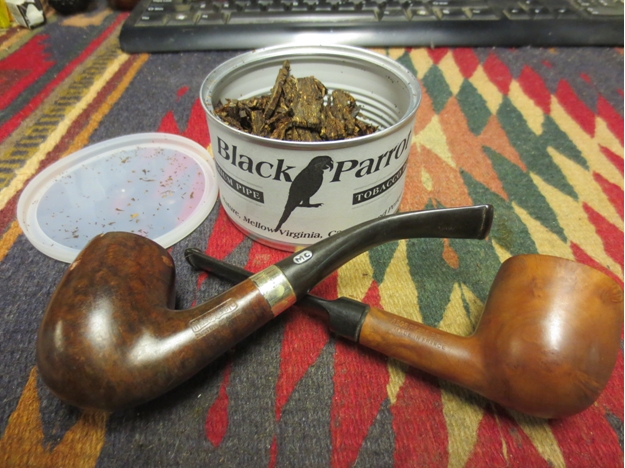
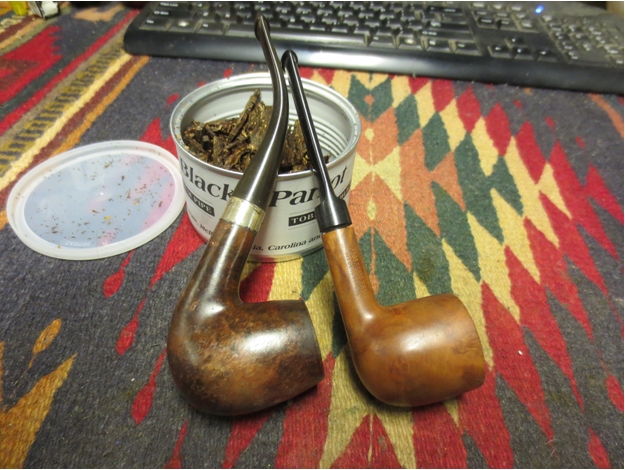
Yesterday morning my wife, three of our daughters and I made our after Christmas trek to the US, crossing the border at Blaine, Washington. After a great breakfast I dropped them off at the shopping mall and I made my way down to my favourite hunting grounds for pipes. I made a quick stop at Senate Tobacco Shop and sorted through some of the tins of tobacco he had in stock, though Washington prices are high they are still lower than Canada. I picked up a nice tin of McClellands Black Parrot, a Virginia, Carolina and Perique flake tobacco dated from May of 2010. I went from there to look for pipes. I went through three of my normal stops and found nothing of interested. I stopped at the last spot, figuring I would go home empty handed but the shopkeep had just picked up a few pipes. I was able to get the MasterCraft pipe on the left below and an Algerian Briar pot that had been made in France.MC1

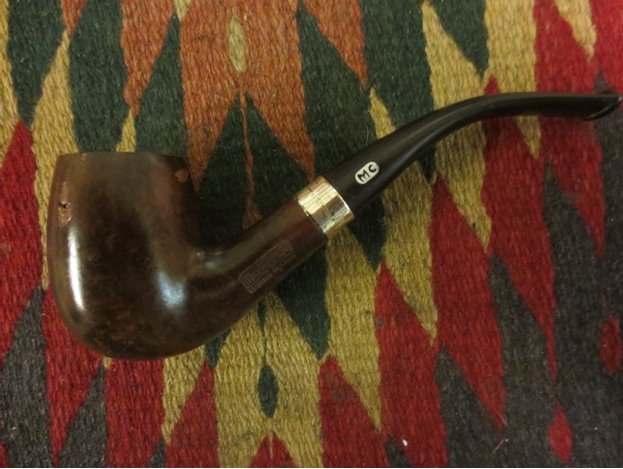
MC2 I really liked the shape of the old MasterCraft. The original stem was in excellent shape with no tooth marks or damage and the MC stem logo was intact. The briar had some nice spots but the pipe had a lot of fills on the bowl and shank that had fallen out and left pits in the briar. The finish was shot with peeling varnish on the sides, back and front. The stamping was sharp and read MasterCraft in the usual shield and underneath that it read Custom De Luxe. There was no other stamping on the bowl.MC3

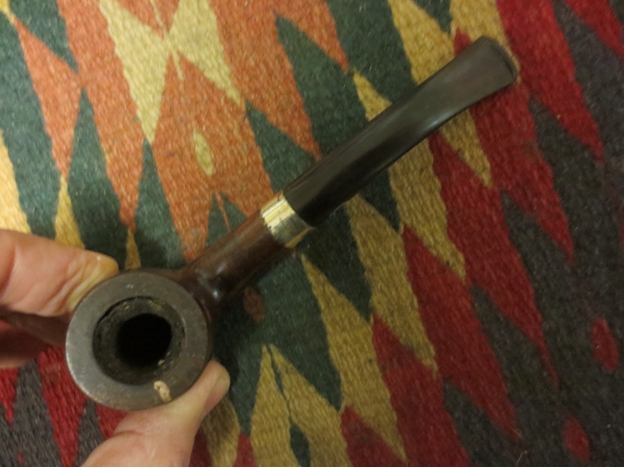
MC4 There was one large fill on the rim that went ¾ of the way from the outside of the bowl inward but did not enter the bowl. The putty fill on that one had shrunken and portions of it had fallen out. The bowl had a thick hard cake that was like rock. The band was stamped STERLING and was oxidized and worn. It was also loose on the shank so it was amazing that it still was with the pipe when I found it.MC5

MC6 I took the next three photos to show the status of the fills on the bowl and shank. They were broken and loose and would take very little to remove them.MC7

MC8

MC9 To soften the fills and the cake I took the stem off the bowl and dropped the bowl in an alcohol bath to soak while I cleaned up the stem. It was not in bad shape so I did not need to soak it in oxyclean. There was no oxidation on the stem only dirt and grime build up that would scrub off quite easily.MC10

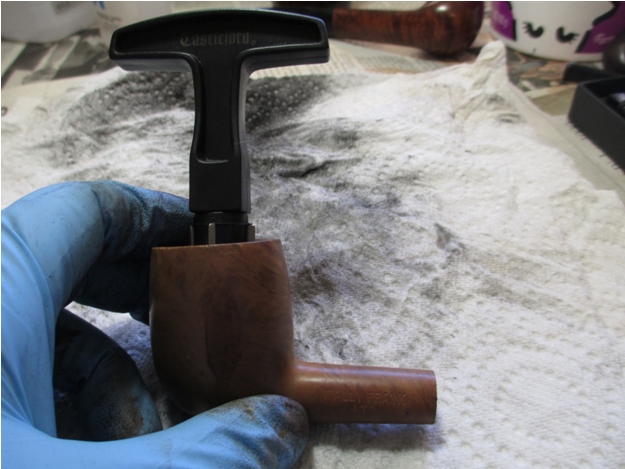
MC11 I removed the bowl after soaking for 30 minutes and used my PipNet reamer with the number 2 cutting head to ream the cake back to the briar.MC12 I used a dental pick to pick out the remaining putty fills from the bowl and shank. The alcohol bath had sufficiently softened them so that removing them was quite simple.MC13

MC14

MC15 I took the band off the shank and wiped the bowl and shank down with acetone on cotton pads to remove the remaining varnish.MC16

MC17

MC18 With the finish removed I took out my canister of briar dust and used the dental pick to fill each of the pits in the bowl. I put the dust in them one at a time, tamped it down so that the dust was well compacted and then dripped super glue into the repair. I packed in more briar dust and then more glue. Even though the glue hardens and dries dark I find it far better than the white and pink putty fills that had been there before. I always overfill the holes as I have found in the past that to skimp on the process inevitably means that I repeat it.MC19

MC20

MC21

MC22 I sanded the bowl and repaired fills with 220 grit sandpaper, medium and fine grit sanding sponges and then wet sanded the bowl and shank with 1500-2400 grit micromesh sanding pads. Once I had the surface of the fills blended into the surface of the briar I stained the bowl with a dark brown aniline stain. I decided to use the stain straight without cutting it to lighten it. I wanted to have the rim and top edges near the fills dark so that they would blend in with the fills well and hide them. I then stained the rest of the bowl and shank, flamed the stain and restained it until I had a good even coverage.MC23

MC24

MC25 I buffed the bowl and shank with red Tripoli and White Diamond and brought it back to the work table. I glued the silver band on the shank and polished it with a silver polishing cloth and 4000-6000 grit micromesh sanding pads. I rubbed the bowl and shank down with a light coat of olive oil to prepare it for sanding with micromesh sanding pads.MC26

MC27

MC28

MC29 The coverage on the fills was quite good. They were still there but the darker stain coat hid them and made them blend into the briar. I sanded the bowl and shank with micromesh sanding pads to lighten the stain slightly and to bring up the shine. I wanted a bit more of the grain to show through the stain so the sanding would allow that to happen. The oil on the surface helped the micromesh to cut into the briar and really smooth things. Once I had finished sanding the bowl, I set up my retort to clean out the shank and stem. I had to run three tubes of alcohol through the stem and shank before it came out clean. It was one dirty pipe.MC30

MC31 When I removed the retort I cleaned out the shank and stem with a minimum of pipe cleaners and cotton swabs and with very little effort they were spotless. I sanded the stem with micromesh sanding pads – wet sanding with 1500-2400 grit pads and dry sanding with 3200-12,000 grit pads. I rubbed the stem down between each set of three pads with Obsidian Oil. I gave the stem a final coat of oil and once it dried buffed the stem with White Diamond and gave it several coats of carnauba wax to protect.MC32

MC33

MC34 I put the stem back on the shank and then buffed the entire pipe with White Diamond and gave it multiple coats of carnauba wax. I buffed it with a soft flannel buff to raise the shine. The finished pipe is shown below.MC35

MC36

MC37

MC38

MC39

MC40

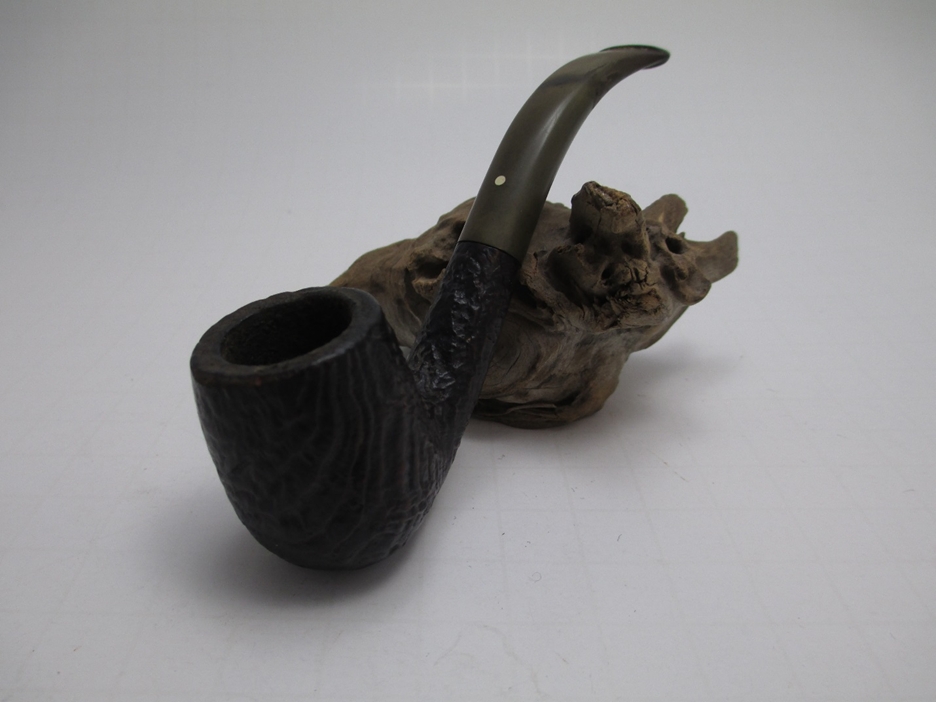
Restoring a 1967 Dunhill 54 F/T Group 2


Blog by Andrew Selking

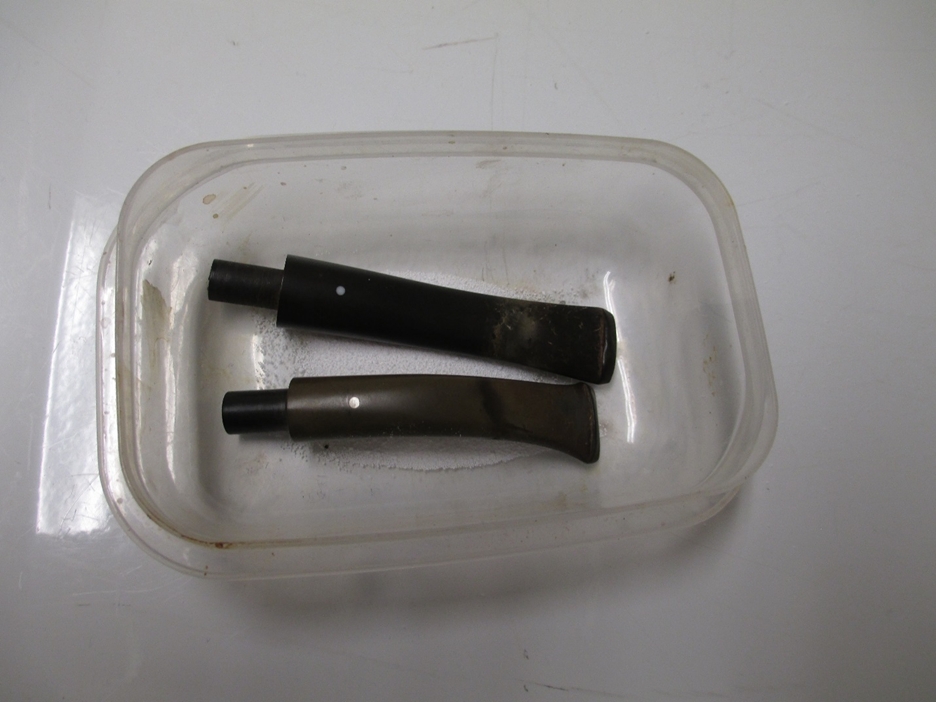
I’ve had some good luck bidding on Dunhill pipes recently. This little Group 2 came in a lot of five pipes that included four Kaywoodies. With the exception of minor wear on the front of the rim and some oxidation, it looked very nice. Here’s what it looked like prior to restoration.Andrew1

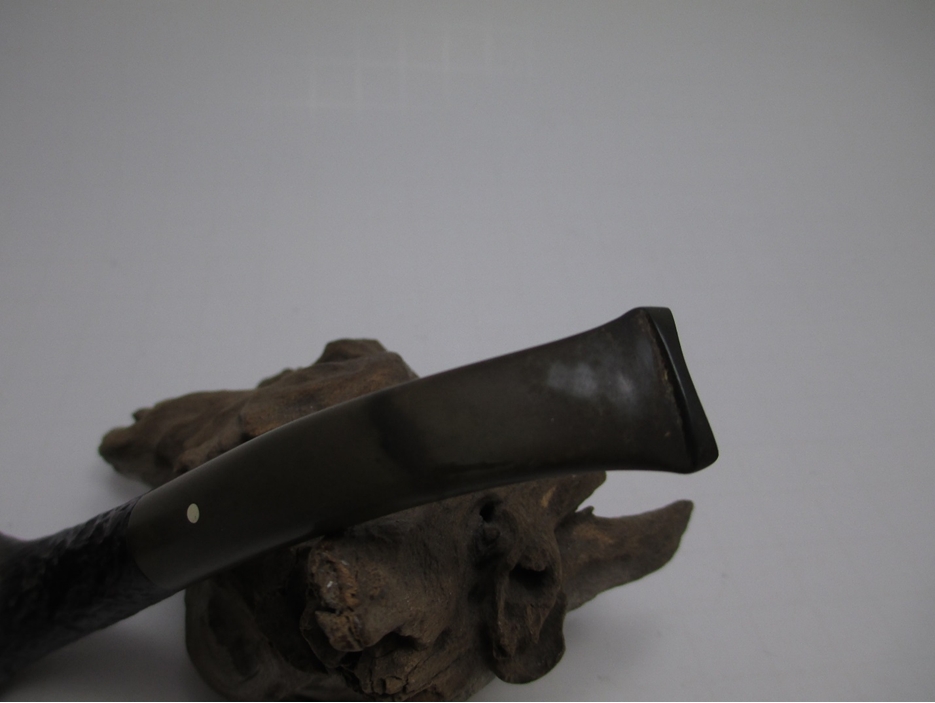
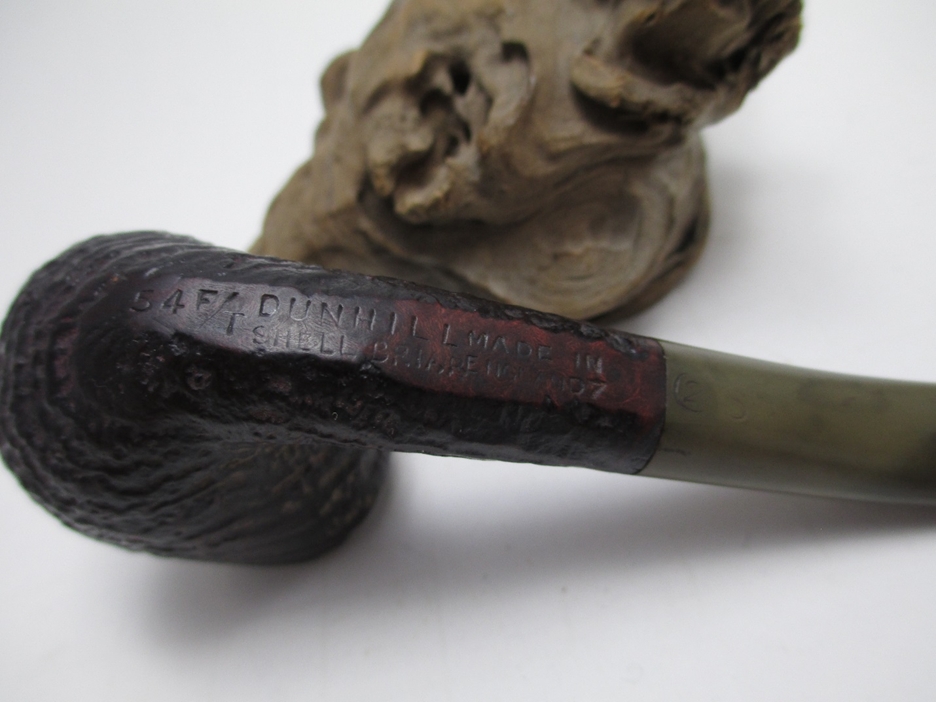
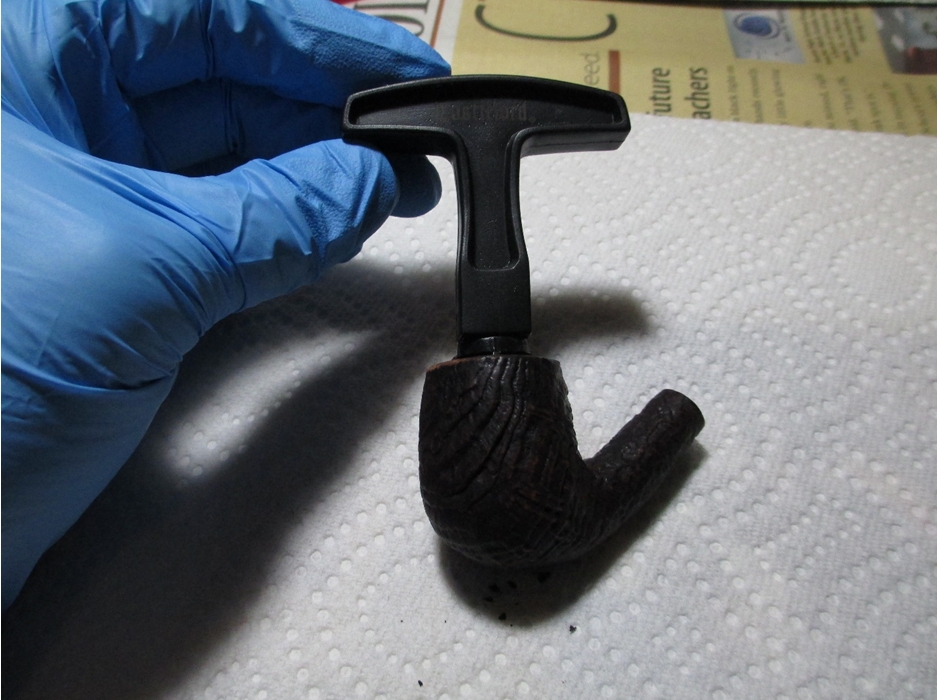
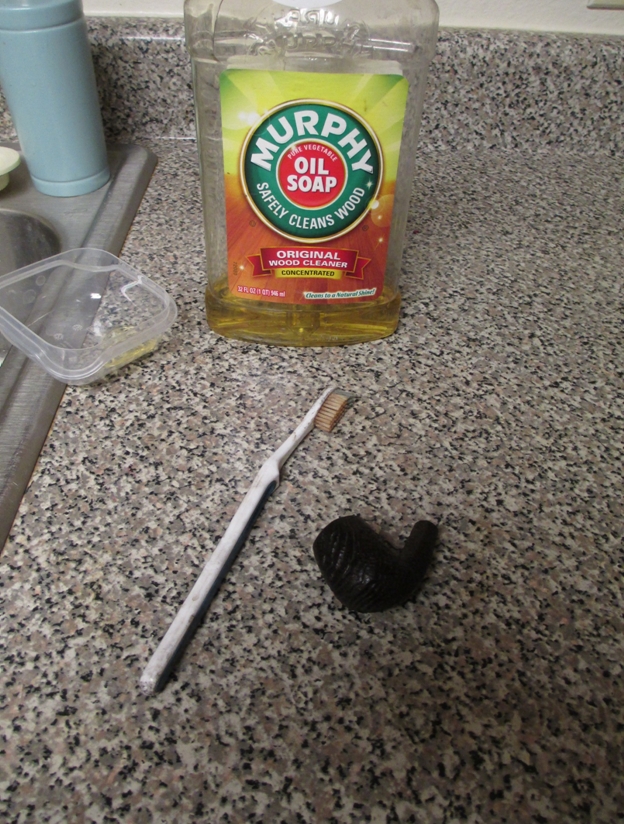
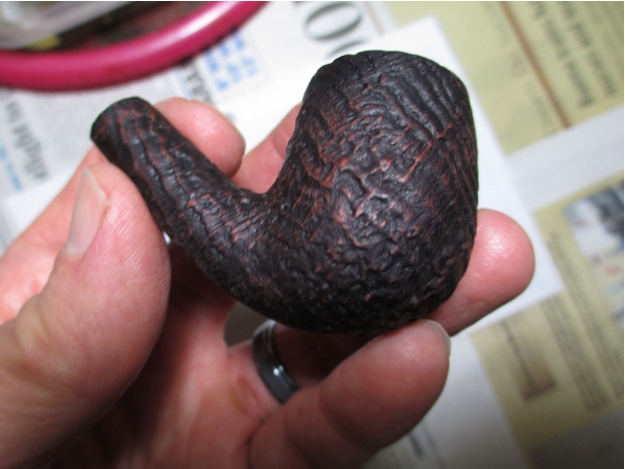
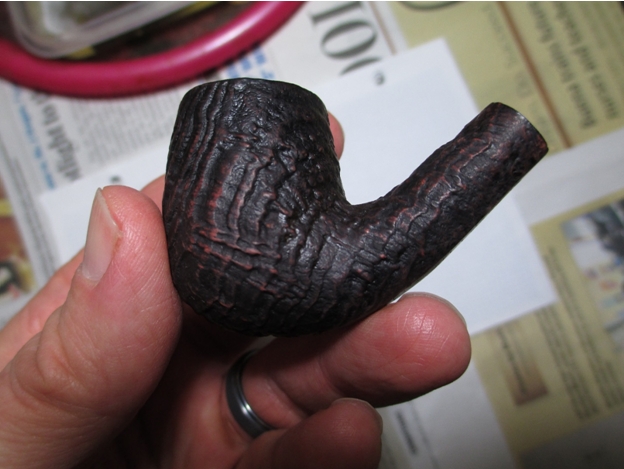
Andrew2 The pipe is so small they stamped the group size on the stem.Andrew3 I began the restoration process by soaking the stem in Oxyclean.Andrew4 While the stem soaked I reamed the bowl with the smallest head of my Castleford reamer. It had a loose cake that came out easily.Andrew5 Next I used undiluted Murphy’s Oil Soap (an all-natural vegetable oil based soap specifically formulated for cleaning wood) with a tooth brush to get the grime out of the blast.Andrew6 This is what the bowl looked like after cleaning.Andrew7

Andrew8 My biggest concern with this pipe was the damage to the front of the rim. I decided to use a furniture touch-up marker (thanks for the tip Steve) to see if I could make it look better.Andrew9 It worked like a champ, the marker was a color match to the rest of the pipe.

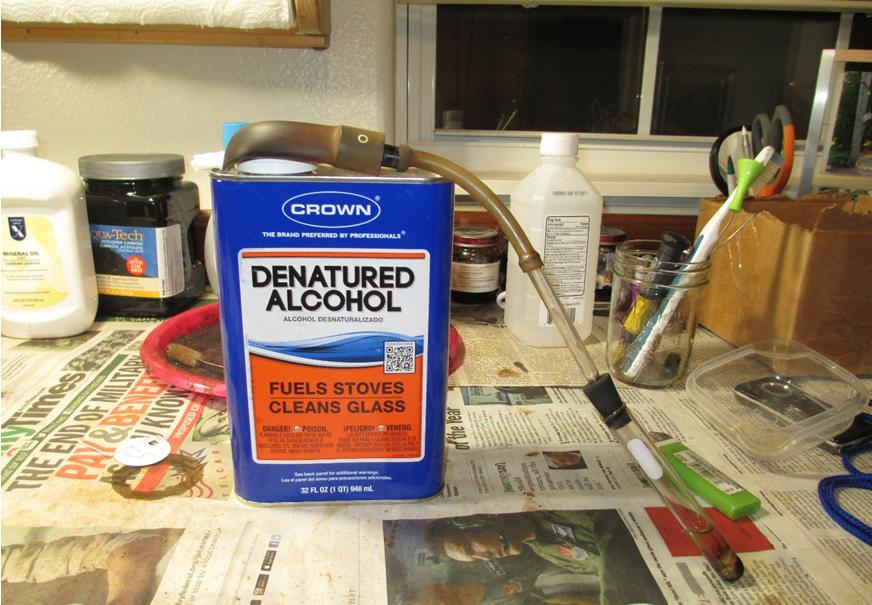
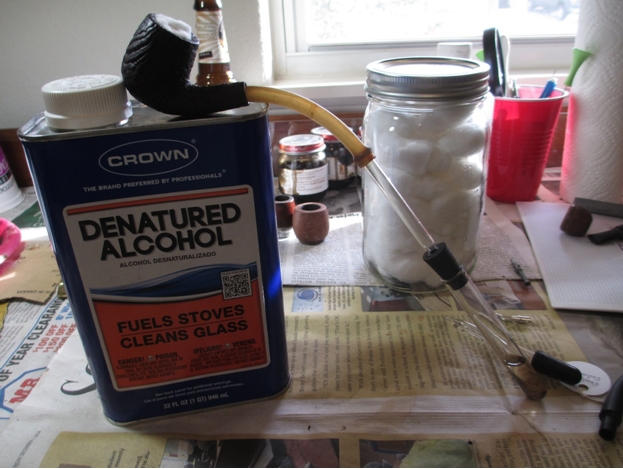
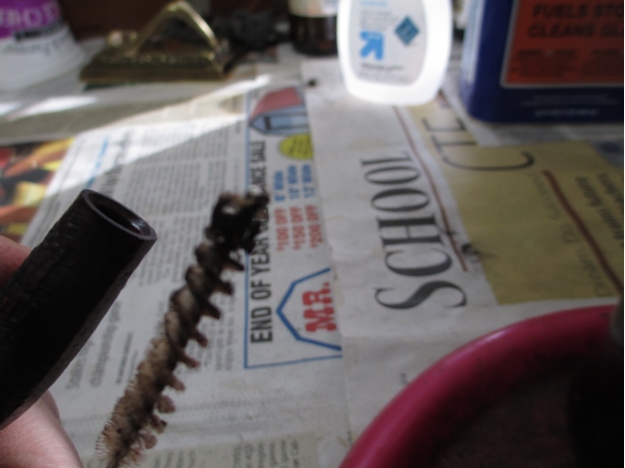
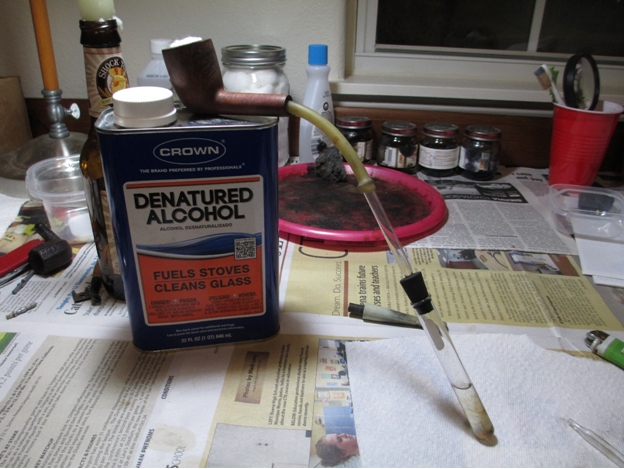
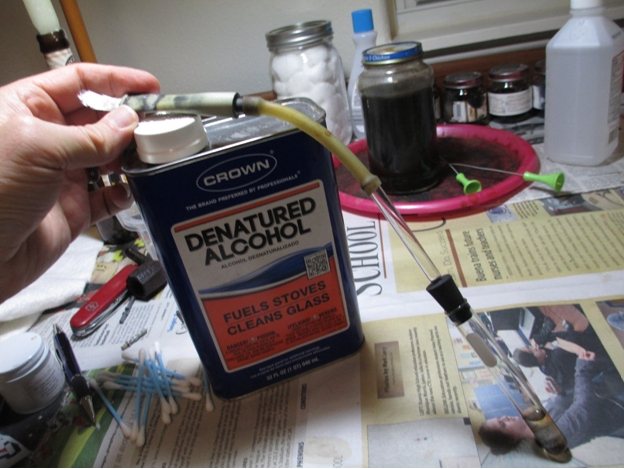
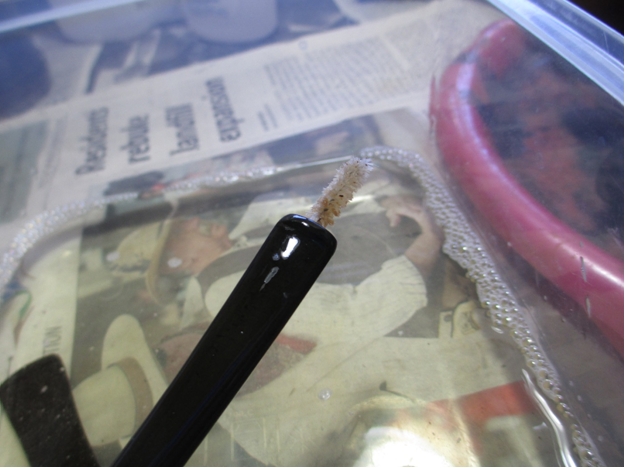
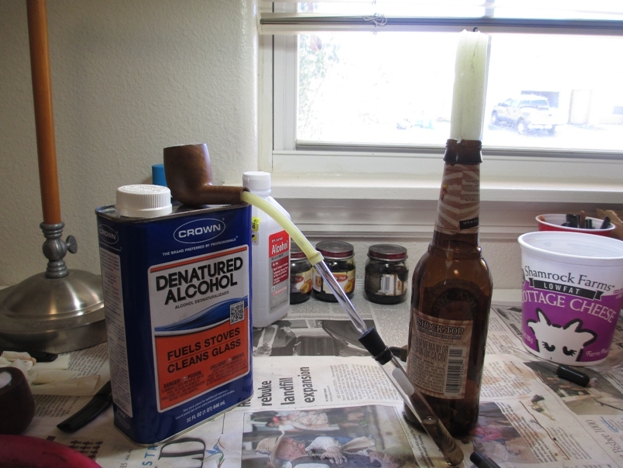
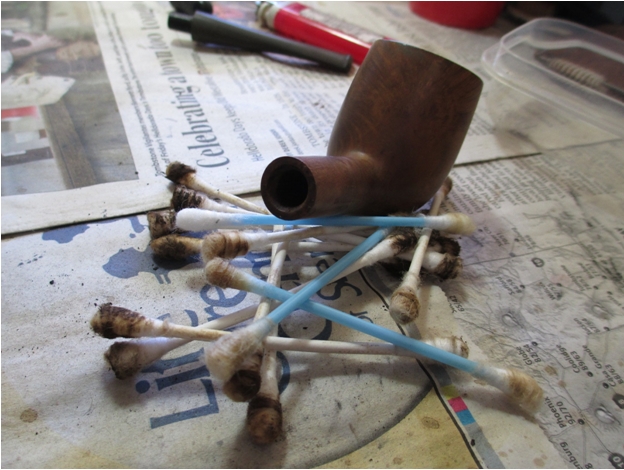
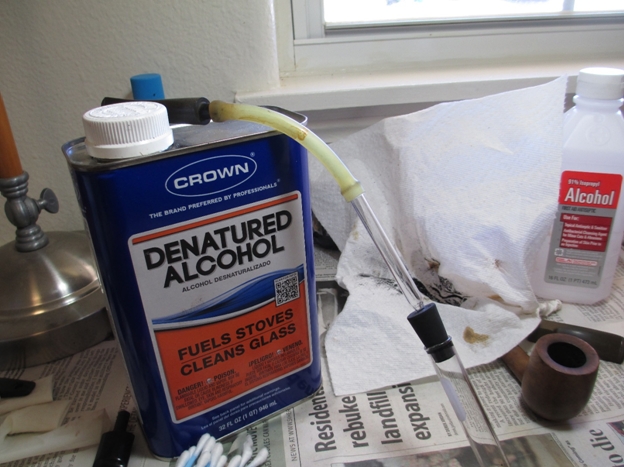
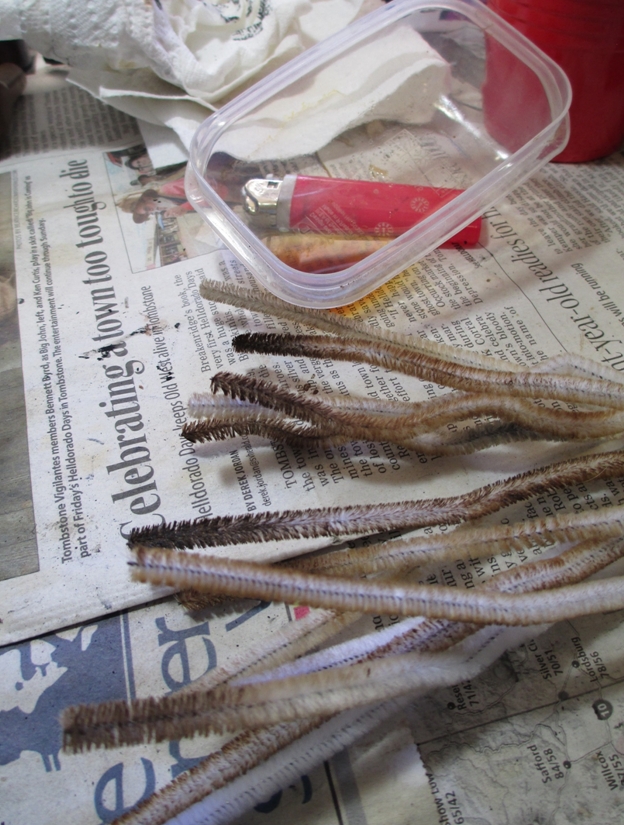
Now that the bowl was taken care of, I turned my attention to the stem. As usual, I used a fuzzy stick (that’s the politically correct term for pipe cleaners sold in the craft section of Walmart) to remove as much of the gunk while I still had the Oxyclean solution. If you’ve ever cleaned a black powder rifle it’s the same concept; stick one end in the liquid and draw the fuzzy stick back and forth. When it gets loaded with tar, I swish it in the liquid and wring it out. Here’s what the fuzzy stick looked like after the first pass. The inner tube did a good job of preventing excess tobacco build up.Andrew10 Next I tackled the shank. I use a retort filled with de-natured alcohol to loosen the gunk in the shank and the stem. I usually do the stem and shank separately for two reason, first it works very well and second when you have a wide button (like the one on this pipe) it’s difficult to fit the rubber tube over the end of it. I do the retort until the alcohol that goes back into the eye dropper looks relatively clean. In the case of this pipe, I did it three times.Andrew11 After the retort, I used a brush to scrub out the shank. This is why I like to retort the shank separately.Andrew12 I then used q-tips and fuzzy sticks dipped in isopropyl alcohol to remove the remaining gunk.Andrew13 Next I used the retort on the stem. If you do this make sure to plug the end of the stem, otherwise you will get boiling brown alcohol everywhere.Andrew14 After a couple of fuzzy sticks, the inside of the stem was clean.Andrew15 With the bowl and shank cleaned, my next step was to remove the oxidation from the stem. Any time I do a pipe that has inlays or stamping on the stem, I use 1000 grit wet/dry and water to remove the oxidation. Especially this pipe, with the group size stamped on the bottom of the stem. It takes a while, but the results are worth the effort. When removing oxidation with wet/dry sand paper and water, periodically dry the stem to make sure you’re getting everything. When it’s wet the stem tends to look really good, but when it dries out that’s when you notice everything you missed. After the 1000 grit, I used 2400 grit micro mesh with water.Andrew16 I used a progression of micro mesh pads, from 3200-12000 to prepare the stem for final polishing.Andrew17 I also polished the flat spot with the nomenclature with a progression of 5000-12000 grit micro mesh. I used Halcyon II wax on the bowl, which I buffed out with a shoe brush, and carnauba wax on the buffing wheel for the stem. Here is the final result.Andrew18

Andrew19

Andrew20

Andrew21

Andrew22

Restoring a Patent-era Dunhill 137 – Andrew Selking


Blog by Andrew Selking

I stumbled across this Dunhill while browsing eBay. A little bit of research indicated this was a desirable patent-era pipe from the collector’s range, which used a better of briar. The pictures indicated a lot of tar build-up (I actually don’t mind tar, it seems to protect the rim from some of the abuse of knocking out the pipe) and some dark spots that might hide scorch marks or burn through. The stem looked decent, free of significant chatter or bite through, so I decided to take a chance.

Here’s what the pipe looked like when it arrived.Dun1

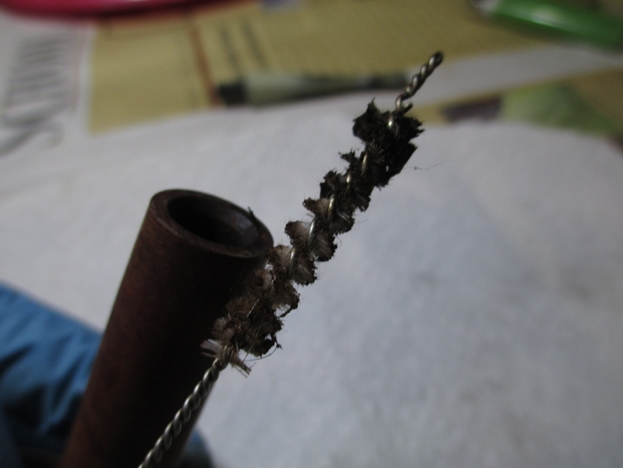
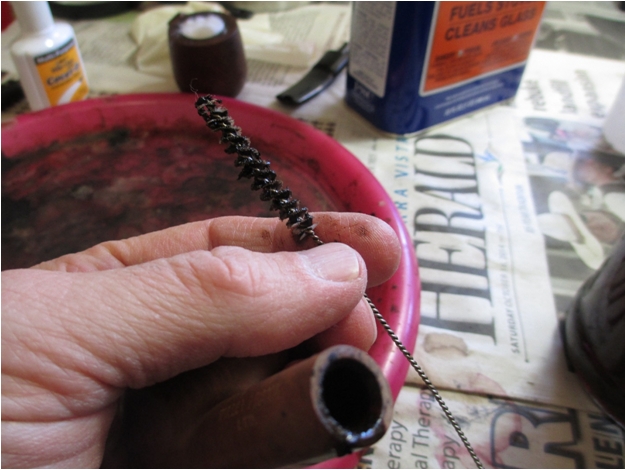
Dun2 The first order of business was to loosen the tar and heave cake, so I dropped the bowl in the alcohol bath.Dun3 Next I turned my attention to the stem with the Oxyclean bath (yes it is taking a bath with another Dunhill stem, which I will write about later).Dun4 After a good long soak, I broke out my Castleford reamer and removed the cake back to the wood.Dun5 After cleaning the inside of the bowl, I used some 0000 grade steel wool in an attempt to remove the tar.Dun6 Usually that works, but there was some rim damage that necessitated topping. Dun7 I use a piece of glass that I found to ensure an even surface when topping.Dun8 I also use a relatively fine grit (400 grit) paper when doing something like this. I find that it makes the final sanding easier and I don’t inadvertently remove more than I wanted to. Here is what the bowl looked like after topping.Dun9 Next I tackled the inside of the shank using the retort.Dun10 There is nothing like boiling alcohol to loosen up built up tar and tobacco. This is what the brush looked like after the first pass.Dun11 In case you’re wondering what I do to clean the brush in between passes, I swish it in the jar I use for soaking the bowls. The sediment settles to the bottom and since soaking in alcohol is only one step in the process, I don’t worry too much about it.

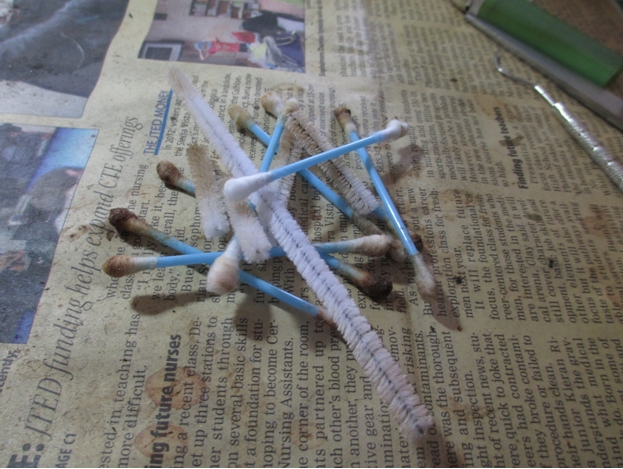
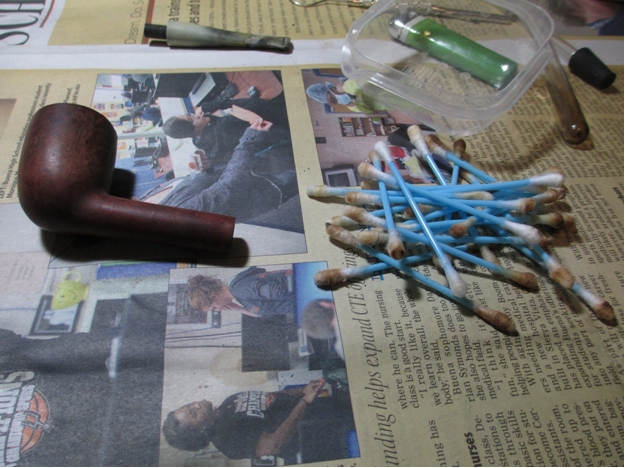
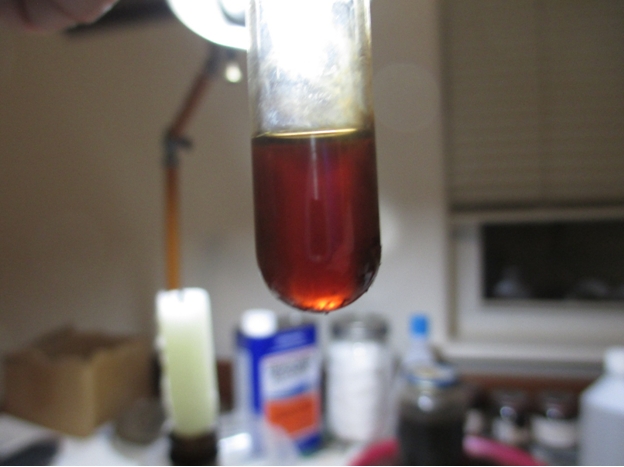
Once the brush no longer captured a bunch of gunk, I moved on to q-tips dipped in rubbing alcohol. In my opinion, rubbing alcohol works fine for general cleaning, but it does not work well for mixing with stain or for doing the retort. As you can see, it took a good amount of q-tips before the shank came clean.Dun12 Next I used the retort on the stem. As always, I made sure to plug the end to ensure the dirty alcohol didn’t boil over and shoot out the end (that’s always hard to explain to your significant other).Dun13 The stem was pretty nasty, as you can see from the residual alcohol in the test tube.Dun14 After using a pile of fuzzy sticks (I get them in the craft section at Wal Mart, they’re cheaper than pipe cleaners and longer), the inside of the stem was finally clean.Dun15 Starting with the stem, I used 400 grit wet/dry sandpaper with water to remove the oxidation. I then moved on to 1500-2400 grit micro-mesh pads with water. I find that the wet sandpaper does a good job getting into the little crease on the underside of the button. It’s also helpful to occasionally dry the stem off and see if there’s still any oxidation left, it’s easy to overlook when the stem is wet.Dun16 I use the same progression of micromesh on both the bowl and the stem, although I don’t use water with the bowl. Here is the pipe after going through the entire progression 15000 through 12,000.Dun17 I stained the bowl with Pimo Pipe Supply’s mahogany stain, diluted with denatured alcohol and flamed to set.

Next I took the bowl and stem to the buffing wheel, where I used some white diamond and a couple of coats of carnauba wax. Here is the finished result.Dun18

Dun19

Dun20

Dun21

Dun22

Dun23

Dun24

Dun25

Dun26

DUN27

Dun28

Reviving a Peterson Dunmore 79 with my Son in Law


Blog by Steve Laug

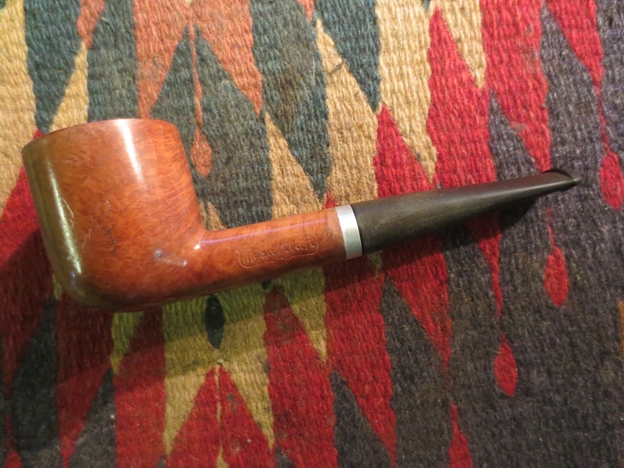
This past weekend my son in law came over with the Peterson Dunmore pipe that he had purchased on a recent pipe hunt in the US. He picked it up for $15USD so it was a good purchase. We finally got around to working on it. In a previous post on the Dunmore line I had found that the line from Peterson really is a stripped down pipe. The one that we worked on this weekend was in essence a system pipe. The lack of a ferrule is made up for by a stylized carving around the shank end. The stem sits snugly against the end of the shank but is not flush with the diameter of the shank. The saddle on the stem has a slightly different flair than a regular Peterson pipe. It had a Plip stem. It bore the stamping Peterson’s over “Dunmore” on the left side of the shank and Made in the Republic of Ireland and the number 79 on the right side of the shank.Dun1
Dun2

Dun3

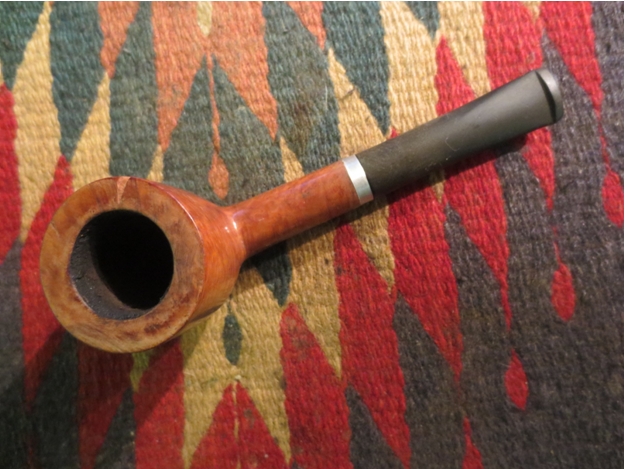
Dun4 The pipe was in pretty decent shape under the grime and tars on the bowl and rim. It had some beautiful birdseye grain under the grime that would really stand out with a bit of work. The rim was damaged along the back outer edge with small nicks. The build up on the rim was hard and uneven. The bowl itself was out of round and would need to be adjusted. The stem was oxidized but under the oxidation on the saddle it bore the stylized P stamp. The top of the stem near the button had a few small bite marks and some tooth chatter. The underside of the stem near the button had a pin hole in it that would need to be patched.Dun5

Dun6 While my son in law, Lance worked on the bowl scrubbing and cleaning it I worked on the stem. I sanded it with 220 grit sandpaper to clean up the tooth marks. I wiped it down with alcohol to clean the areas around the hole. I daubed Vaseline on a pipe cleaner and inserted it from the tenon end of the stem and then used black superglue to repair the hole. I gave it several coats of glue to build up the repair, sprayed it with accelerator and let it dry between applications. Once I had the patch solidly in place I set it aside and let it cure. After curing for about 30 minutes I sanded the patch with 220 grit sandpaper to blend it into the surface of the stem. I sanded it with a medium and a fine grit sanding sponge to remove the scratches and further blend it. Dun7

Dun8

Dun9 Lance worked on the bowl while this was going on. He washed down the bowl with acetone on cotton pads to remove the grime and the remaining finish on the pipe. He softened the buildup on the rim surface and then lightly topped the bowl to remove the damage and the buildup. Once it was smooth, he sanded it with a fine grit sanding sponge and then wiped the bowl down with another wash of acetone.Dun10 We gave the bowl a coat of medium walnut stain mixed with Danish Oil and rubbed it onto the bowl and off again with a soft cotton pad. The bowl looked good when I had finished wiping it down and buffing it with a shoe brush. The grain is quite stunning.Dun11

Dun12

Dun13 I buffed the stem with red Tripoli and White Diamond to remove more of the oxidation. I rubbed it down with some Obsidian Oil and set it aside for the pictures below. At this point in the refurbishing the stem is looking quite good. I still need to sand with micromesh pads and then reapply the gold in the P stamp on the left side of the stem.Dun14

Dun15 I wet sanded the stem with 1500-2400 grit micromesh pads and then dry sanded with 3200-12,000 grit pads. In between each set of three pads I wiped the stem down with Obsidian Oil. I finished by buffing the stem with White Diamond and then gave it multiple coats of carnauba wax and buffed it with a soft flannel buffing pad.Dun16

Dun17

Dun18 After sanding it with 3200-4000 grit pads I used a gold paint and applied it to the P logo on the stem and then sanded it again with the same three grits of pad.Dun19

Dun20 I put the stem back in the shank and buffed the entire pipe with carnauba wax and with a soft flannel buffing pad. The finished pipe is shown below. The first four photos give a close up look at the bowl so that you can appreciate the beautiful grain on the pipe. The last four photos show the pipe in its entirety. It is truly a stunning piece of briar with no fills or pits. It is ready for its inaugural smoke by my son in law. It looks as good as new and the stunning birdseye grain gives the pipe a rich look. I look forward to hearing what he thinks of his restored pipe and even more what he thinks once he has smoked it.Dun21

Dun22

Dun23

Dun24

Dun25

Dun26

Dun27

Dun28

Restoring a Wally Frank Natural – Andrew Selking


Blog by Andrew Selking

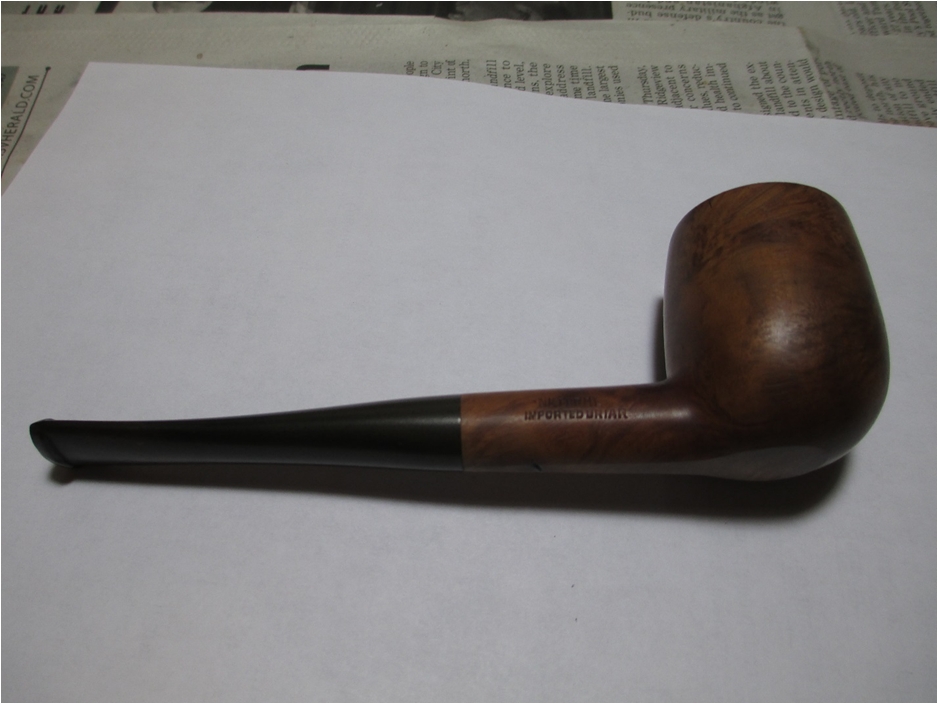
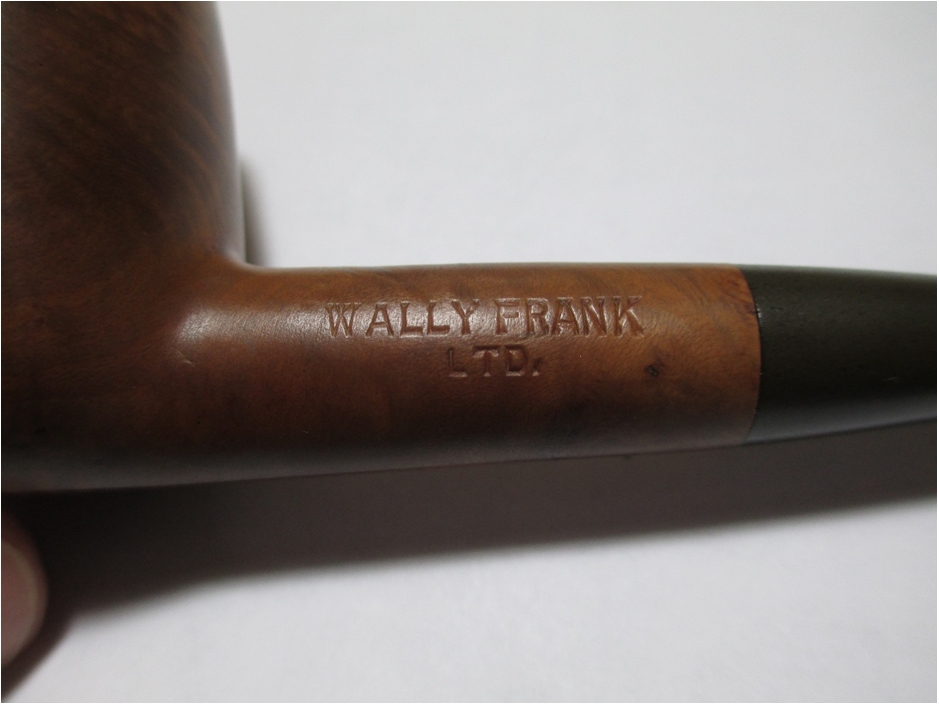
I promised Steve that my next restoration would not be another chunky diamond shank pipe, so I decided to do a Wally Frank Natural. Wally Frank was a New York tobacco shop that sourced its pipes from Charatan’s, Sasieni, Weber, and other European pipe makers. This is my second Wally Frank Natural and like the first, it is very well made. The briar is not very exciting and it has a small fill on the bottom, but the pipe is very light weight (1.3 ounces) and the lines are elegant.

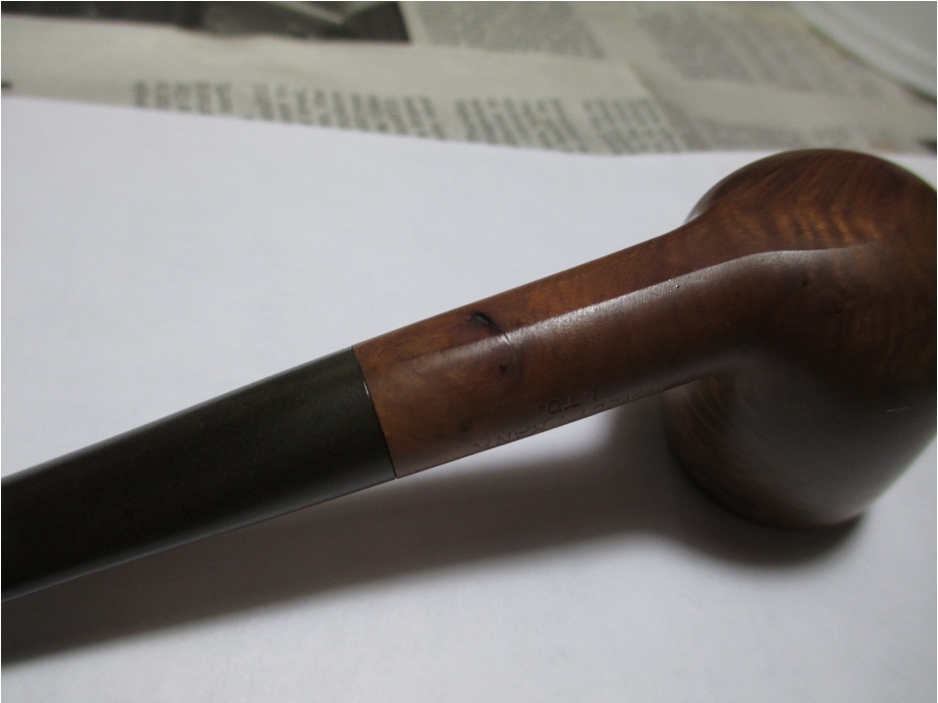
When I received the pipe, it looked fairly clean. It had some tar build up on the rim, slight oxidation of the stem, but not chatter and the bowl was well reamed.Frank1

Frank2

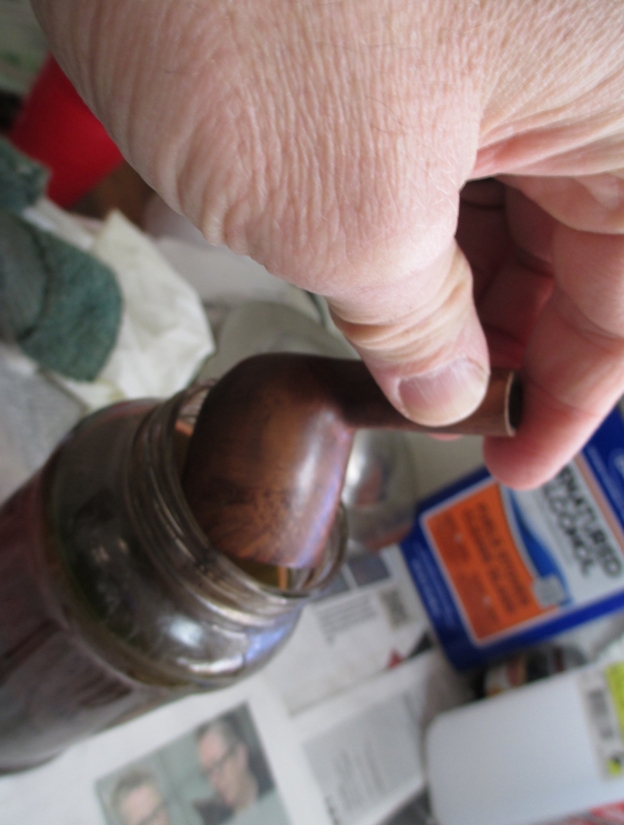
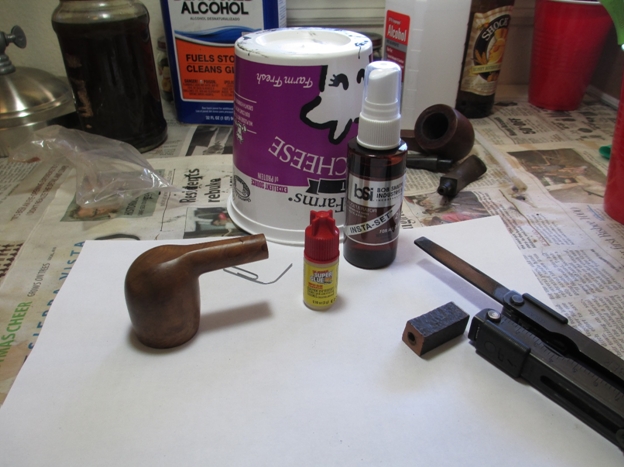
Frank3 I dropped the bowl in the alcohol bath and placed the stem in a Oxyclean solution. The only challenge I anticipated with this pipe was the fill on the bottom, but I had a new secret weapon; CA glue accelerator.Frank4 After soaking, I used a pipe cleaner and the Oxyclean solution to get the worst of the gunk out of the stem.Frank5 Next I reamed the bowl with my T-net reamer.Frank6 Everything looked pretty good to that point and I figured this would be an easy clean up. Boy was I wrong! I did a retort on the bowl first.Frank7 The pipe cleaning brush (available in the baby section at Walmart) came out loaded with gunk.Frank8 I did the retort four additional times, using the brush after each try, before finally moving on to pipe cleaners. Then I used a pile of q-tips. The only thing I can think is the previous owner smoked a goopy aromatic and didn’t use pipe cleaners afterwards.Frank9 Next up, retort the stem.Frank10 The stem was just as nasty as the shank, and I repeated the process four times. After numerous pipe cleaners, it finally came clean.Frank11 My next challenge was the fill on the bottom of the bowl. I have an old shank (a past victim of the buffing wheel) that I use for briar dust. I use a file to grind off the dust.Frank12 I put a drop of super glue on the bottom of the cottage cheese container and applied it to the fill area with the tip of the paper clip. I then packed the briar dust on top and sprayed it with the accelerator.Frank13

Frank14 I’m going to work on refining that technique, it was a little messier than I like and the resulting lump of briar dust took more sanding than would have been necessary if had made the fill only as much as was needed.

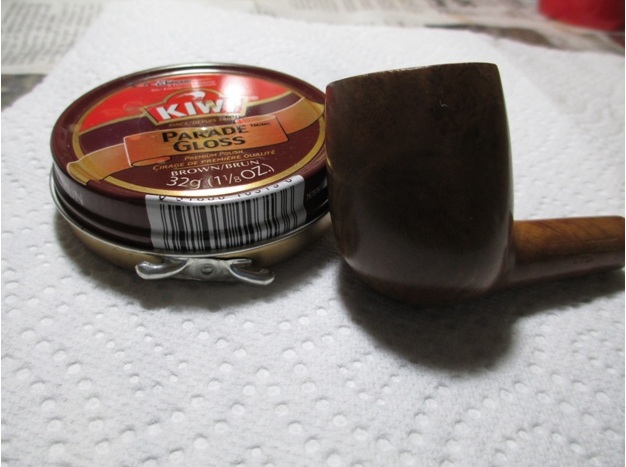
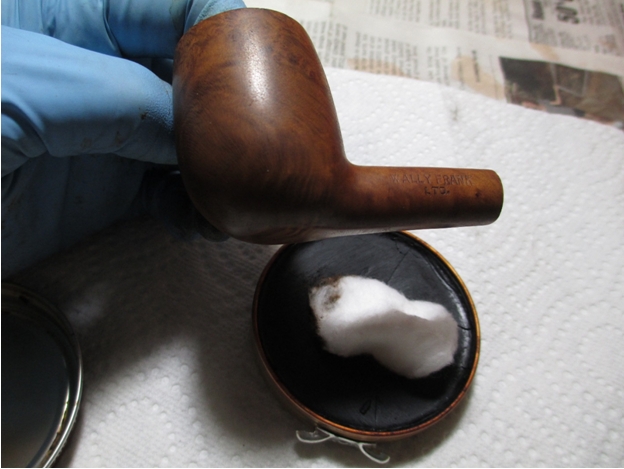
Next I turned my attention to the stem. I did the usual progression of 400 grit wet/dry with water, followed by 1500-2400 grit micro mesh with water.Frank15 I then used a progression of 1500-12000 grit micro mesh on both the bowl and stem.Frank16 Although the pipe had a natural finish on it, I decided to darken it slightly to help cover the fill. To do this I used Kiwi Parade Gloss brown shoe polish.Frank17

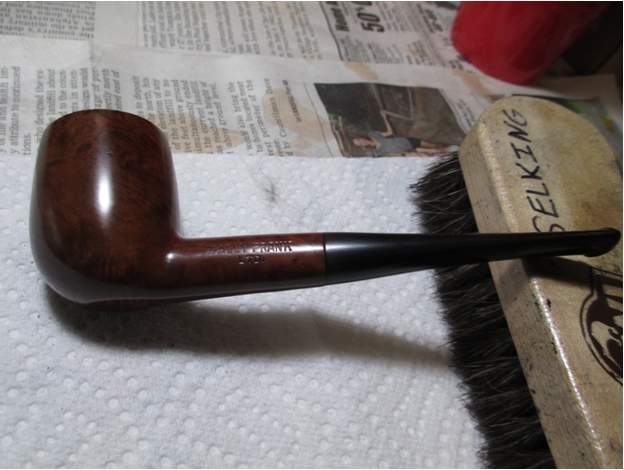
Frank18 After applying the shoe polish I used a heat gun to briefly heat it up then buffed it out with a shoe brush. Here is the results after using the brush.Frank19 I had an uneventful trip to the buffing wheel, and here is the end result.Frank20

Frank21

Frank22 Here is a close up of the fill.Frank23

Frank24

Frank25 I hope you enjoyed this write up. If you happen to stumble across a Wally Frank Natural, I would encourage you to buy it. They are a good value for the money.