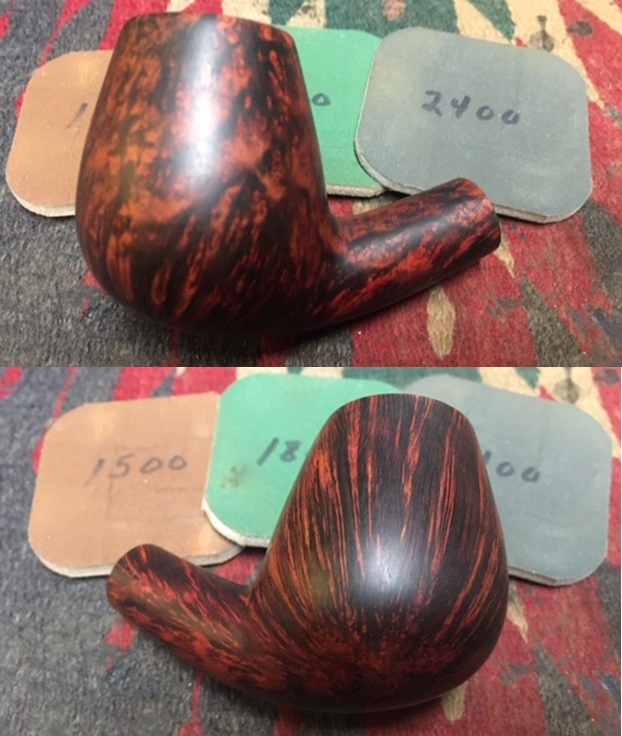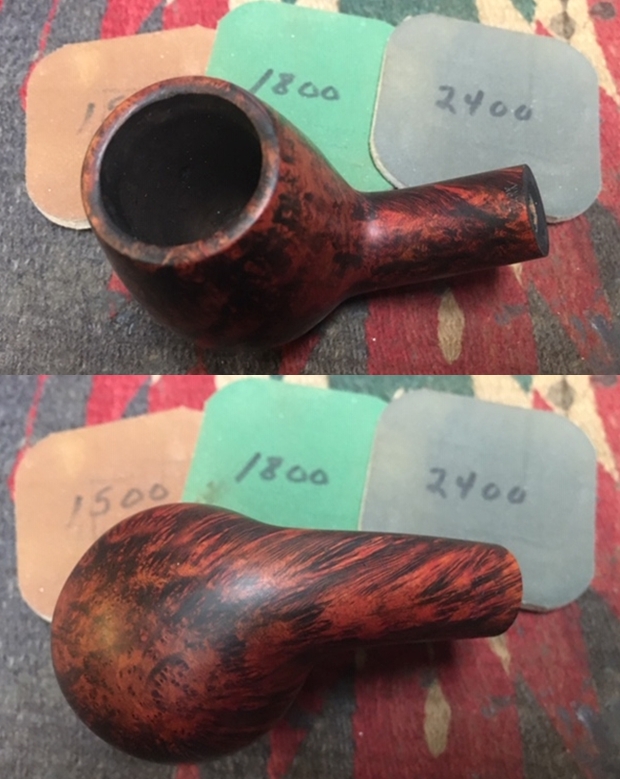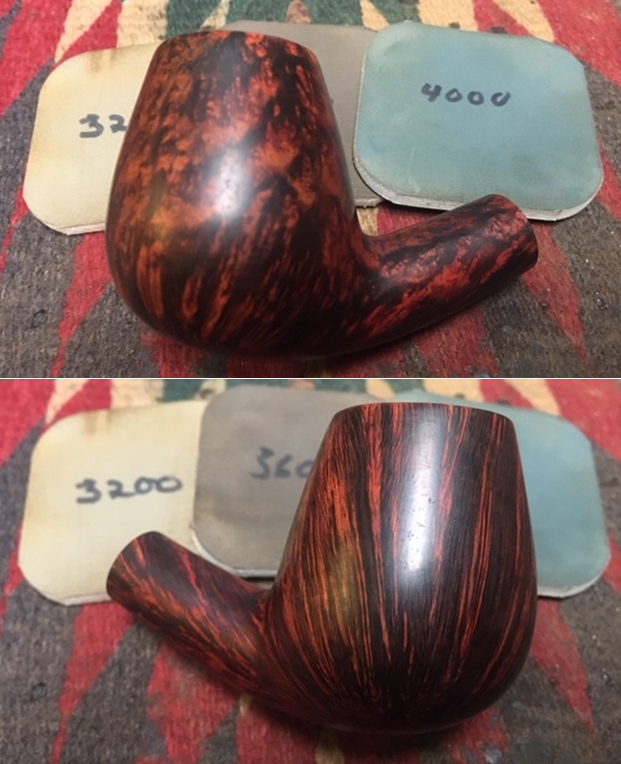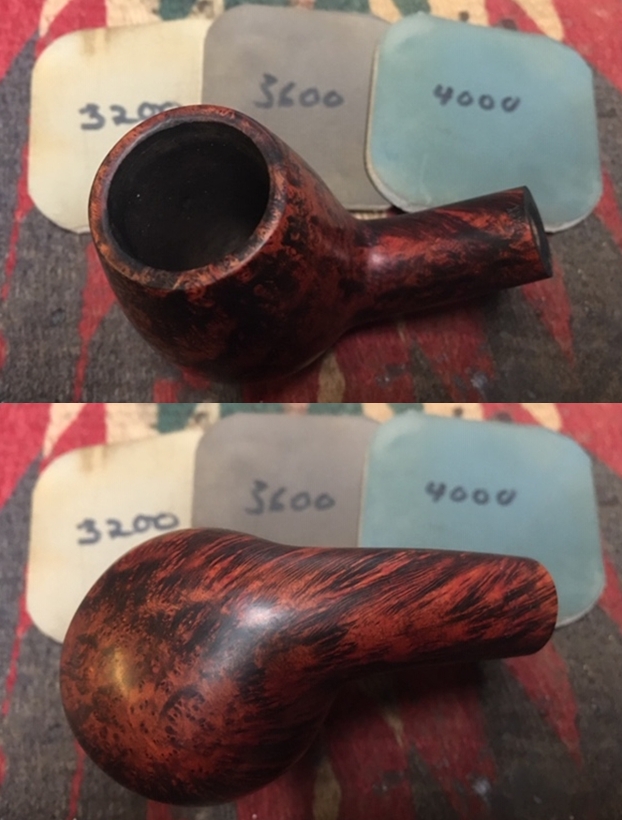
Tag Archives: sanding a stem

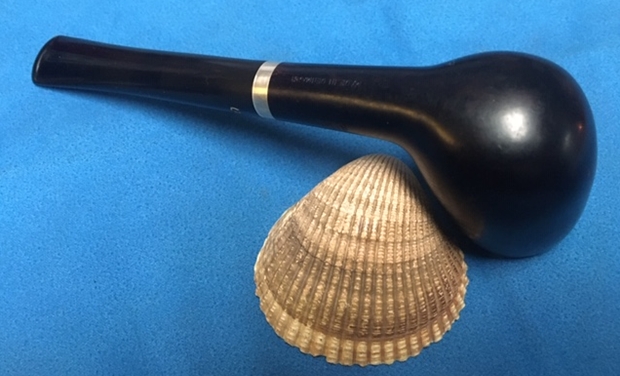
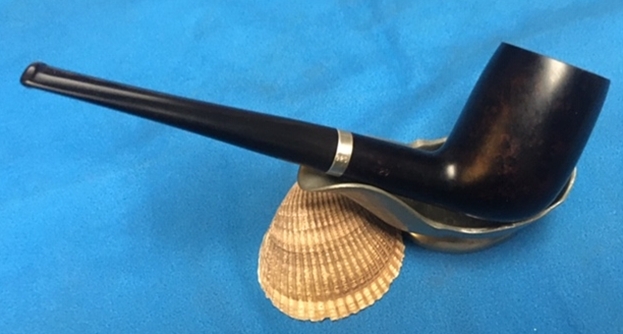
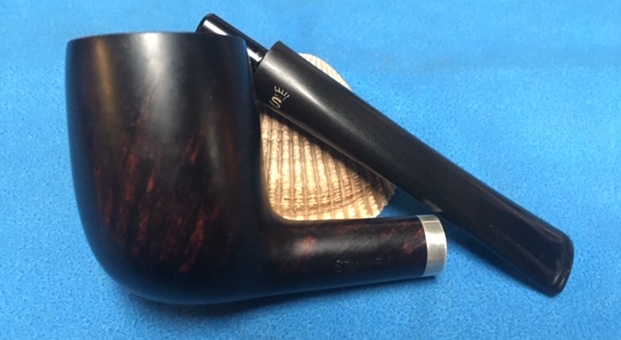
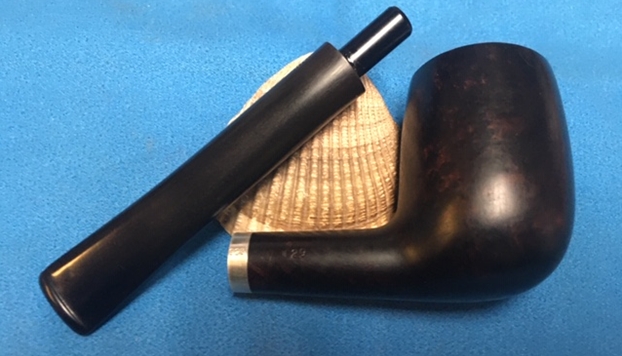
Restoring a Stanwell Made in Denmark Black Diamond 29 Billiard


Blog by Steve Laug

The next pipe I chose to work on is another one from Bob Kerr’s estate and is part of his collection of Danish made pipes. I have worked on the restoration of others in this collection which include a Stanwell Jubilee Shape 118 (https://rebornpipes.com/2019/08/11/another-bob-kerr-estate-a-stanwell-jubilee-1942-1982-shape-118/); a Stanwell de Luxe Shape 812 (https://rebornpipes.com/2019/08/10/back-to-bob-kerrs-estate-changing-up-and-working-on-a-danish-made-stanwell-de-luxe-812-billiard-regd-no-969-48/); a WO Larsen (https://rebornpipes.com/2019/01/13/restoring-pipe-17-from-bob-kerrs-estate-a-w-o-larsen-super-15-bent-stack/); a Danish Sovereign Bulldog variation (https://rebornpipes.com/2019/08/11/another-bob-kerr-estate-a-danish-sovereign-305-bulldog-variant/) and a Danmore Deluxe Volcano (https://rebornpipes.com/2019/08/20/restoring-a-petersons-dunmore-70-bent-apple-sitter-from-bob-kerrs-estate-2/).

To this list of Danish pipes I am adding the next – a Stanwell Black Diamond 29 BIlliard shaped pipe. Like the others it is part of Bob’s estate that the family asked me to clean up and move out to others who will carry on the trust that began with Bob. In the collection there were BBBs, Peterson’s, Dunhills, Comoy’s and Barlings as well many others – a total of 125 pipes. This is the largest estate that I have had the opportunity to work on. I created a spread sheet to track the pipes, restoration and sales. This job would take a fair amount of time to clean up. I could not pass up the opportunity to work on these pipes and help the family.

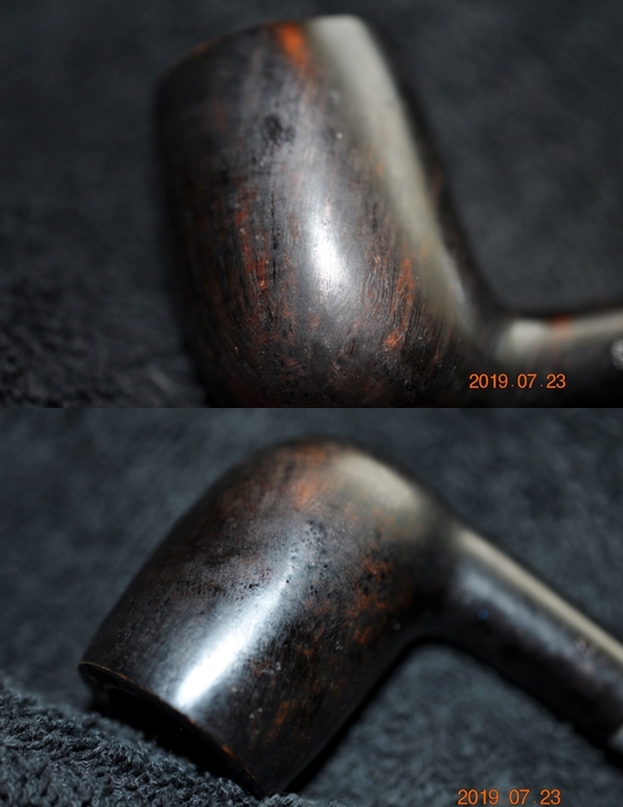
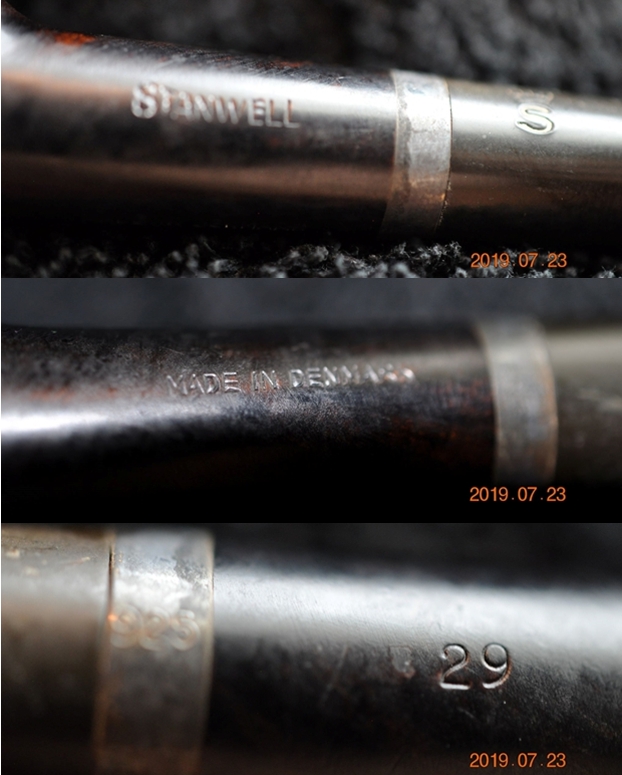
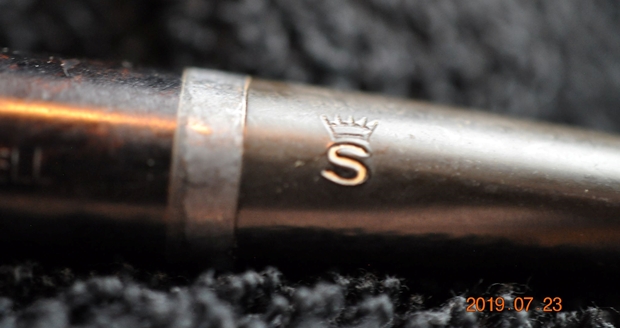
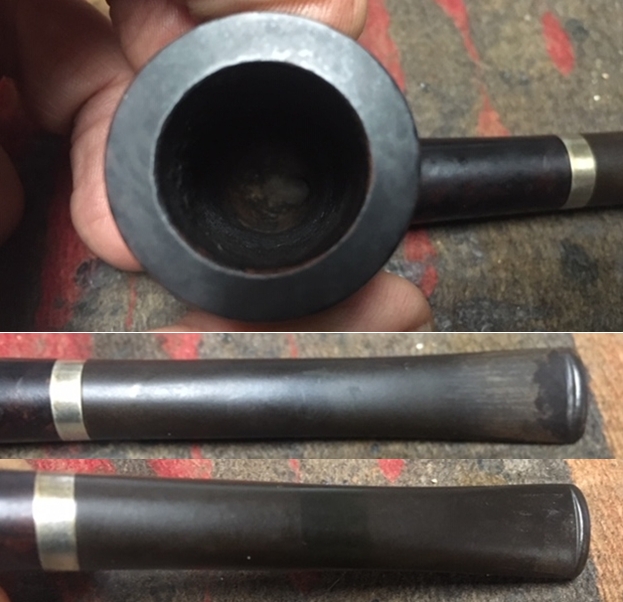
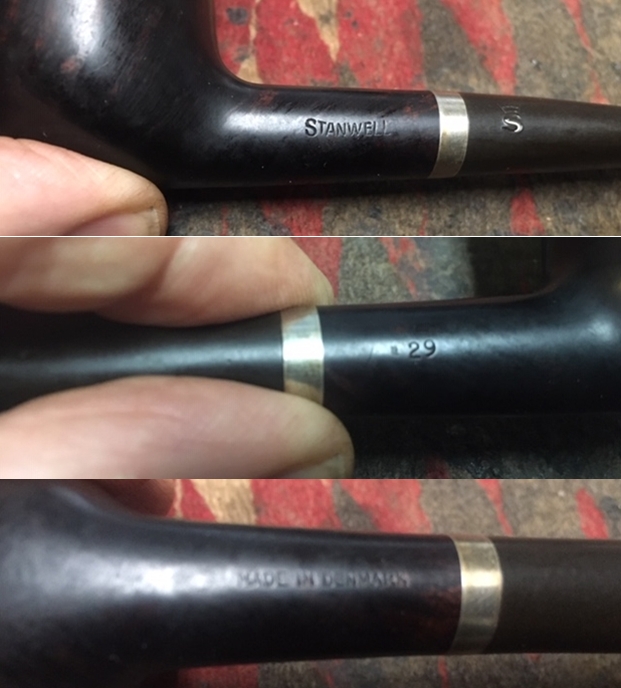
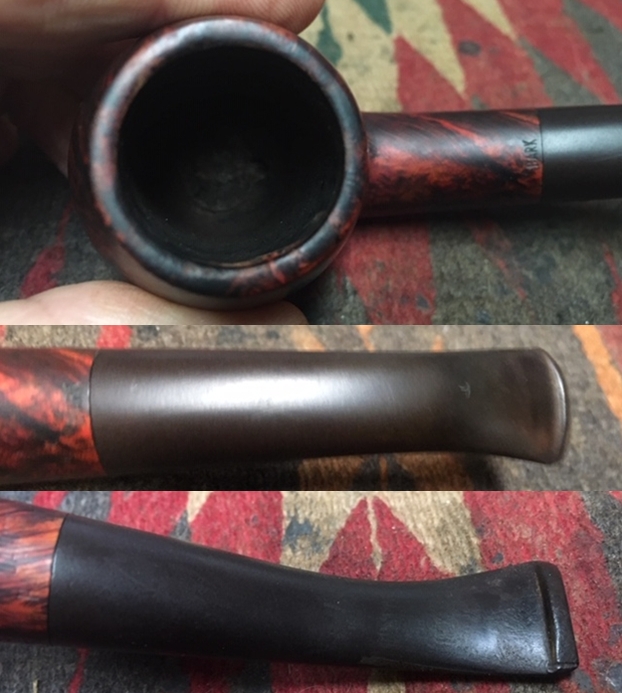
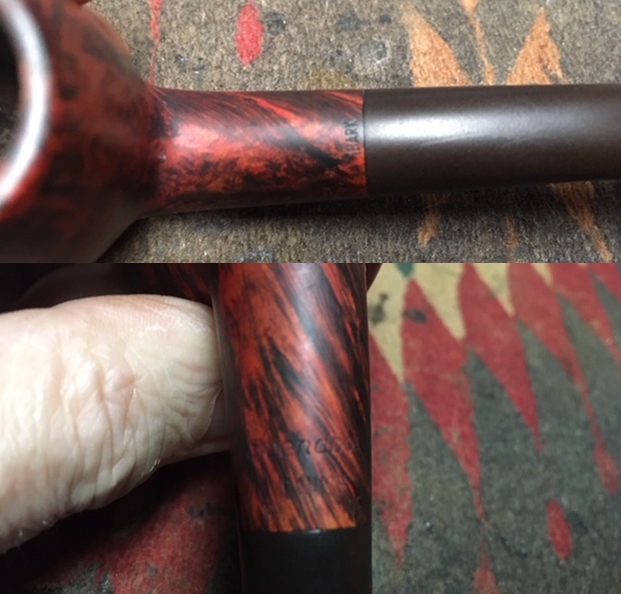
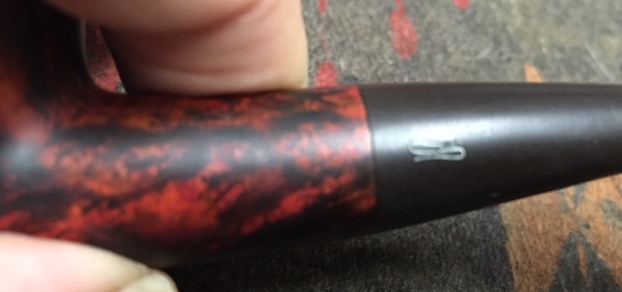
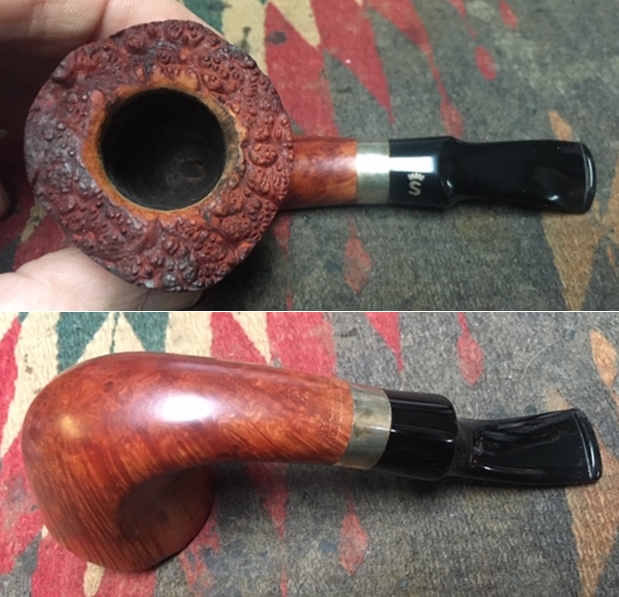
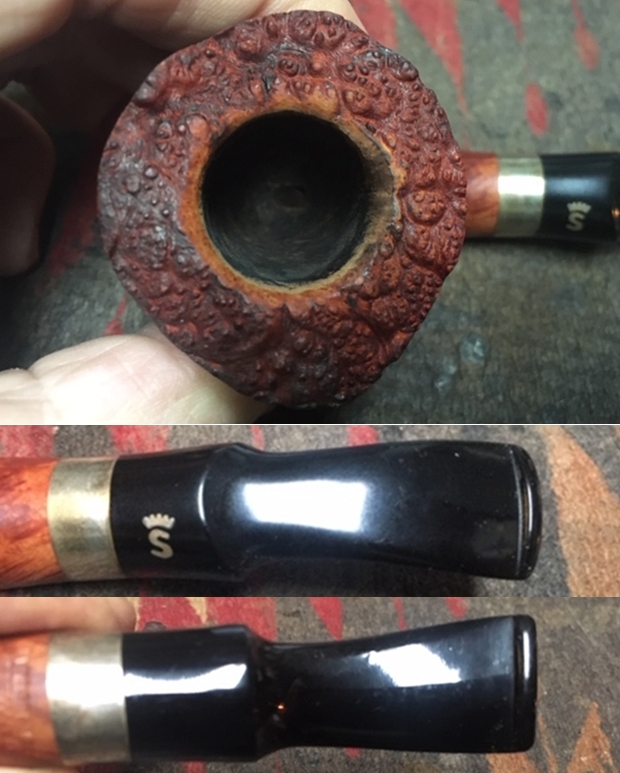
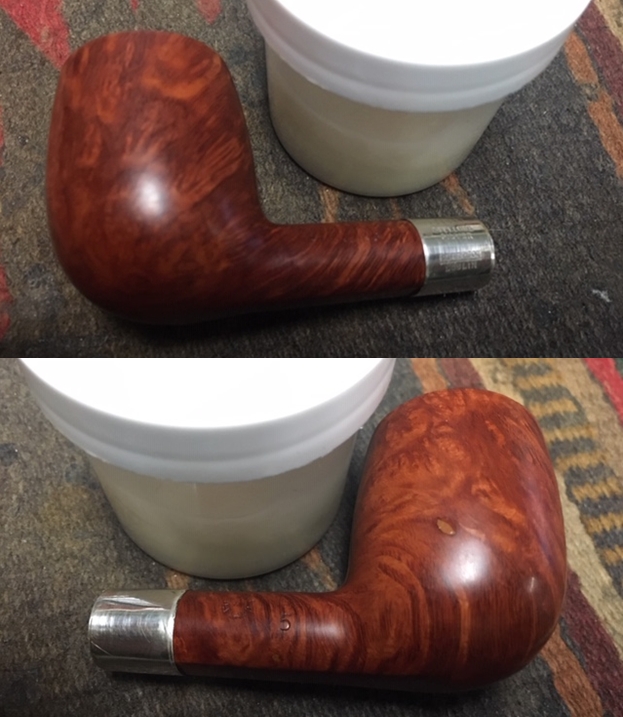
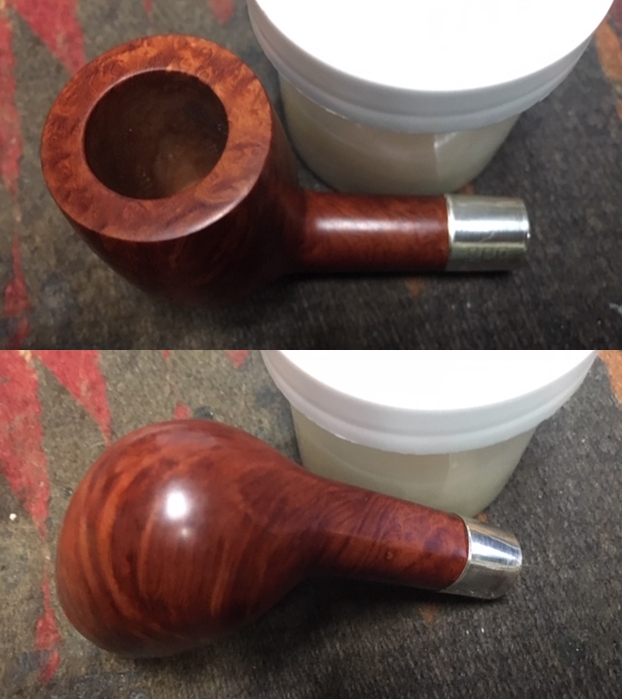
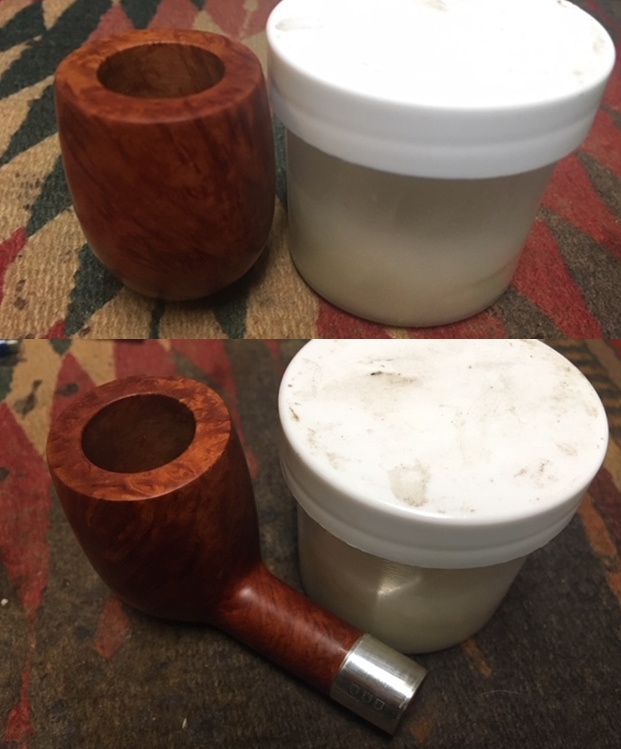
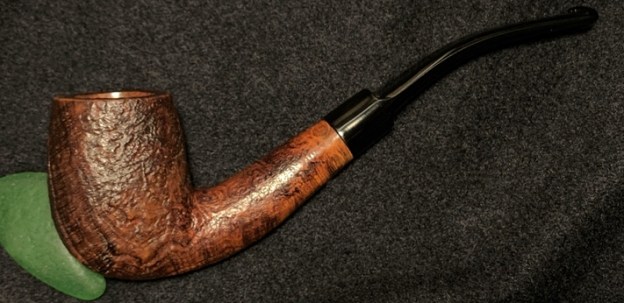
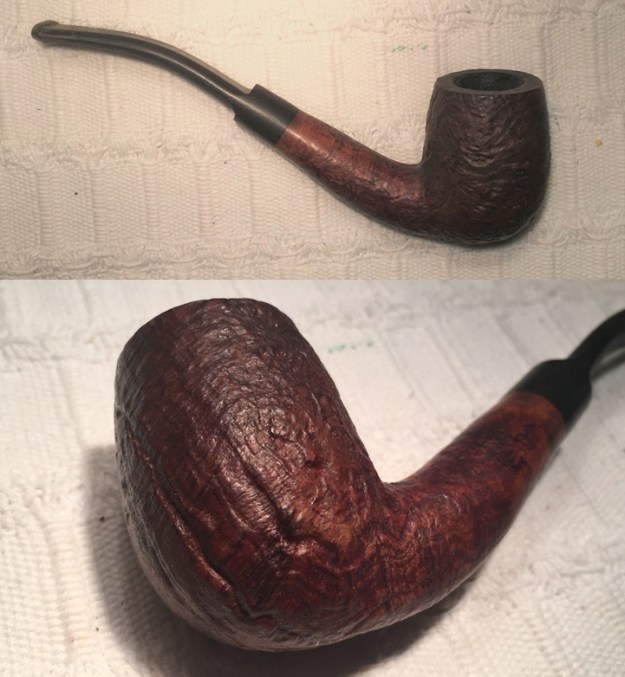
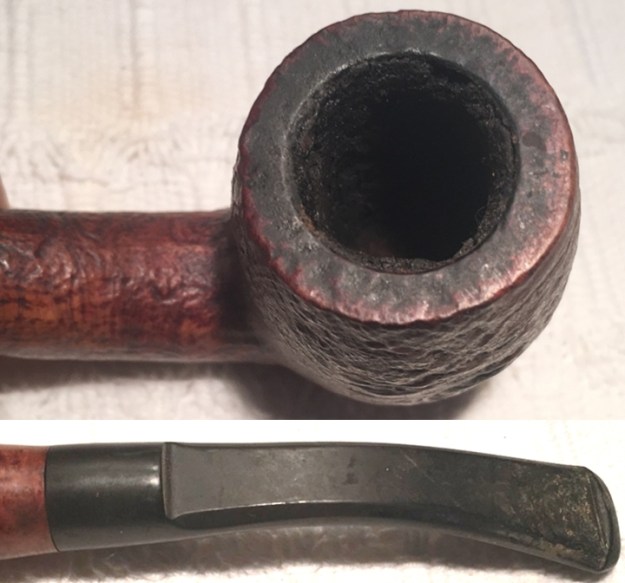
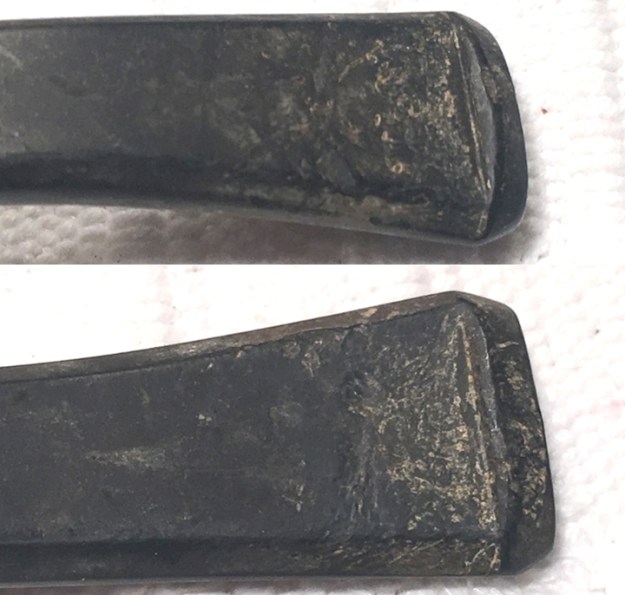
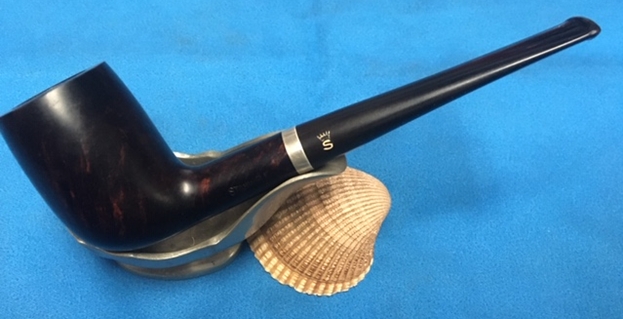
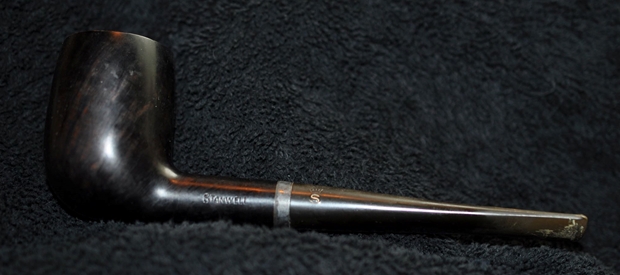
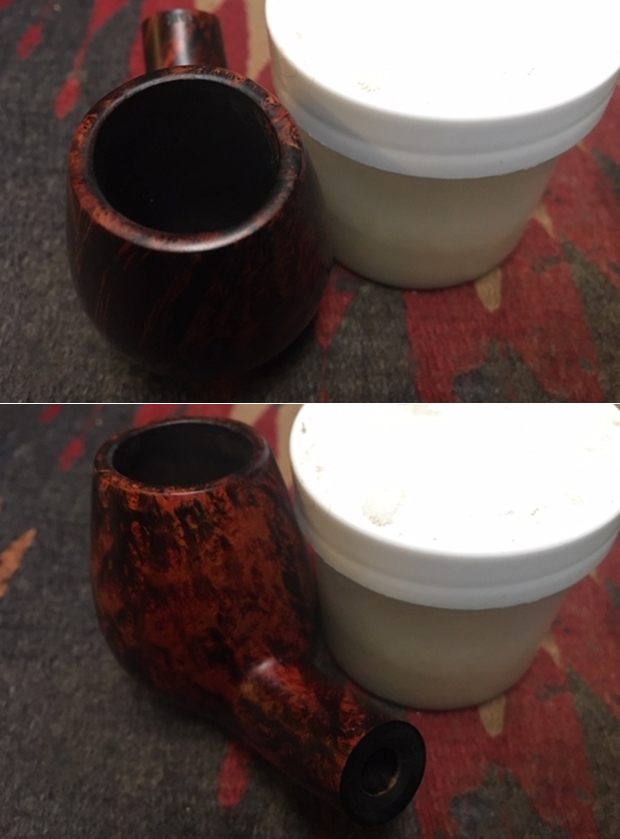
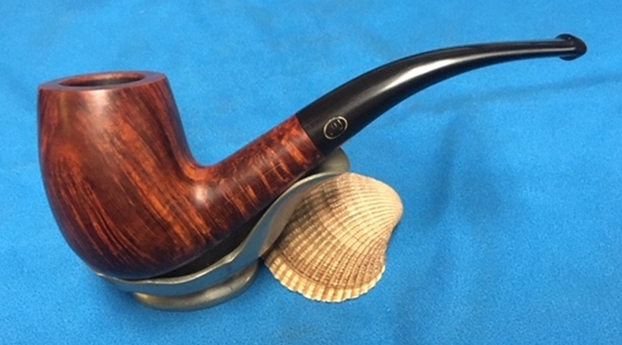
The next pipe on the table is a Stanwell Black Diamond 29 Billiard – stained with a semi-transparent black stain and has a tapered stem and a Sterling Silver band on the shank. The semi-transparent stain allows the grain to poke through the colour and be visible. It was stamped Stanwell on the left side of the shank. It is stamped Made in Denmark on the underside of the shank. There was a shape number 26 stamped on the right side of the shank. The Sterling Silver band is stamped .925 on the right side. The finish was dirty like the rest of the pipes in this estate. There was a thick cake in the bowl with remnants of tobacco stuck on the walls. There was an overflow of lava on the rim. The top and edges of the rim were dirty. I could see a beautiful pipe underneath all of the grime and buildup of years of use. The stem was oxidized with tooth chatter on both sides. There was a Crown S on the left side of the taper stem. Surprisingly it had none of the deep tooth marks that I have come to expect from Bob’s pipes. Jeff took photos of the pipe before he started his cleanup work on it. Jeff took photos of the bowl and rim top to show the cake in the bowl and the lava build up on the edges of the bowl. It was thick and hard but hopefully it had protected the rim and edges from damage. The edges look pretty good.   Jeff took photos of the sides and heel of the bowl to show the condition of the finish. You can see the grain on the sides of the bowl and the heel. There is a lot of dust and grime on the surface of the briar but the grain can be seen through the semi-transparent black stain.   Jeff took photos of the stamping on the sides of the shank. The stamping was readable as you can see from the photos. It read Stanwell on the left side. On the underside it reads Made in Denmark. There is a shape number 29 on the right side of the shank. The silver band had a .925 stamp on the right side and the tapered stem had a Crown S on the left side. The white paint in the crown was missing but the stamping was clear.Jeff took photos of the top and underside of the stem showing the tooth chatter, scratching and oxidation on the stem surface and wear on the edges of the button.     I turned first to Pipephil’s site to get a quick idea of the Svendborg brand and the carver who made the pipes (http://www.pipephil.eu/logos/en/logo-stanwell.html). There was nothing specific to the Black Stanwell pipes.
I also turned to Pipedia’s article on Stanwell and read some more about the history of the brand. It is a great read in terms of the history of the brand (https://pipedia.org/wiki/Stanwell). Once again there was no specific information about the Black Stanwell line.

With that information in hand I had no clearer idea of the age and line of the Black Stanwell. The opaque stain made it very interesting and I wanted to find out more but there was nothing more I could find on the brand. I could estimate that from the rest of Bob’s pipes this one was probably purchased between the 50s and late 60s early 70s. I would guess that this pipe fits that time frame. Now it was time to work on the pipe.

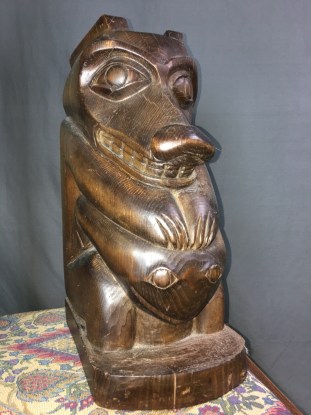
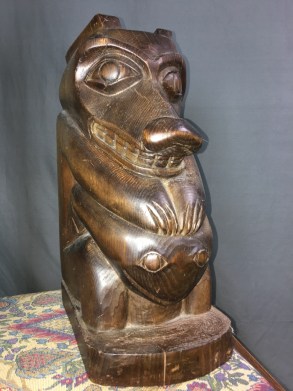
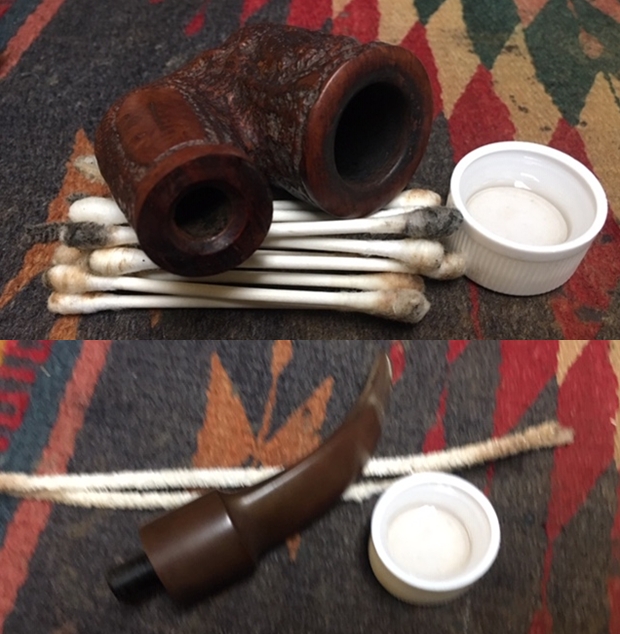
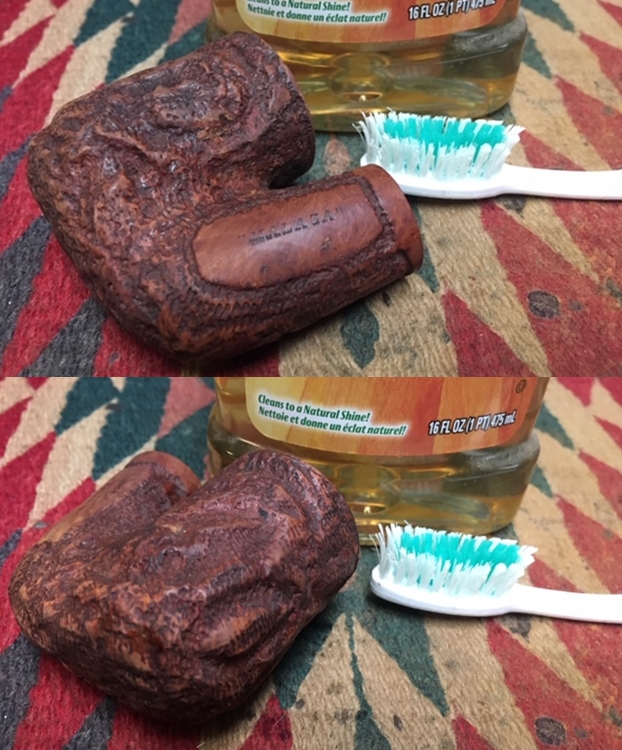
With over 125 pipes to clean from Bob’s estate it was taking me forever to clean and restore them by myself. I enlisted Jeff’s help with the cleanup. He cleaned over half of the pipes for me. He cleaned up this pipe with his usual penchant for thoroughness that I really appreciate. It was a real mess and I did not know what to expect when I unwrapped it from his box. He reamed it with a PipNet pipe reamer and cleaned up the reaming with a Savinelli Fitsall Pipe Knife. He scrubbed out the internals with alcohol, pipe cleaners and cotton swabs until the pipe was clean. He scrubbed the exterior of the bowl with Murphy’s Oil Soap and a tooth brush to remove the grime and grit on the briar and the lava on the rim top. The finish looks very good with good looking grain around the bowl and shank. Jeff soaked the stem in Before & After Deoxidizer to remove the oxidation on the rubber. When the pipe arrived here in Vancouver for the second stop of its restoration tour it looked very good. I took photos before I started my part of the work. I took some close up photos of the rim top and also of the stem surface. I wanted to show what an amazing job Jeff did in the cleanup of the rim top. The rim top looks very good. The finish is dull, but still is in great condition. The bowl looked very good. I also took close up photos of the stem to show the light tooth marks, chatter and the remaining oxidation on the stem surface.   One of the things I appreciate about Jeff’s cleanup is that he works to protect and preserve the nomenclature on the shank of the pipes that he works on. The stamping on this one was very readable. He preserved the stamping as you can see. I took photos to show the clarity of the stamping. You can also see the condition of the Crown S on the left side of the tapered stem.Since this is another pipe Bob’s estate I am sure that some of you have read at least some of the other restoration work that has been done on the previous pipes. You have also read what I have included about Bob Kerr, the pipeman who held these pipes in trust before I came to work on them (see photo to the left). Also, if you have followed the blog for long you will already know that I like to include background information on the pipeman whose pipes I am restoring. For me, when I am working on an estate I really like to have a sense of the person who held the pipes in trust before I worked on them. It gives me another dimension of the restoration work. I asked Brian if he or his wife would like to write a brief biographical tribute to her father, Bob. His daughter worked on it and I received the following short write up on him and some pictures to go along with the words including one of Bob’s carvings. Once again I thank you Brian and tell your wife thank you as well.

I am delighted to pass on these beloved pipes of my father’s. I hope each user gets many hours of contemplative pleasure as he did. I remember the aroma of tobacco in the rec room, as he put up his feet on his lazy boy. He’d be first at the paper then, no one could touch it before him. Maybe there would be a movie on with an actor smoking a pipe. He would have very definite opinions on whether the performer was a ‘real’ smoker or not, a distinction which I could never see but it would be very clear to him. He worked by day as a sales manager of a paper products company, a job he hated. What he longed for was the life of an artist, so on the weekends and sometimes mid-week evenings he would journey to his workshop and come out with wood sculptures, all of which he declared as crap but every one of them treasured by my sister and myself. Enjoy the pipes, and maybe a little of his creative spirit will enter you!

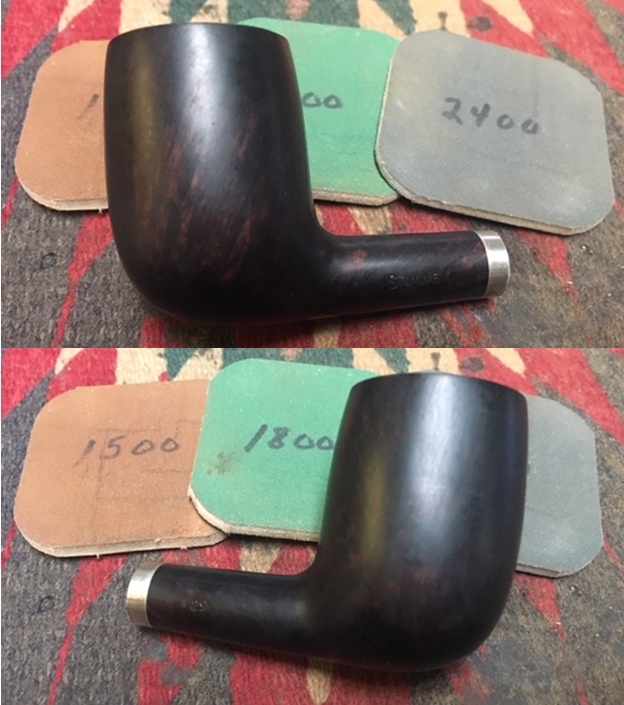
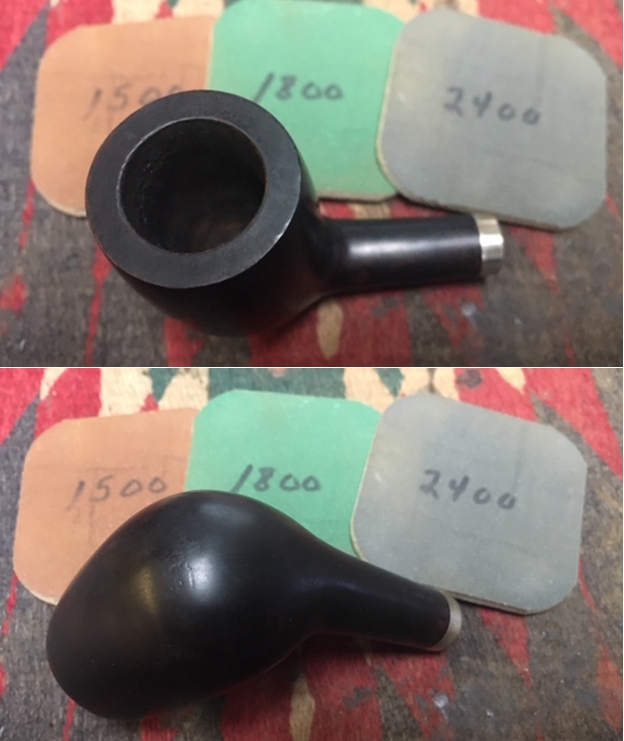
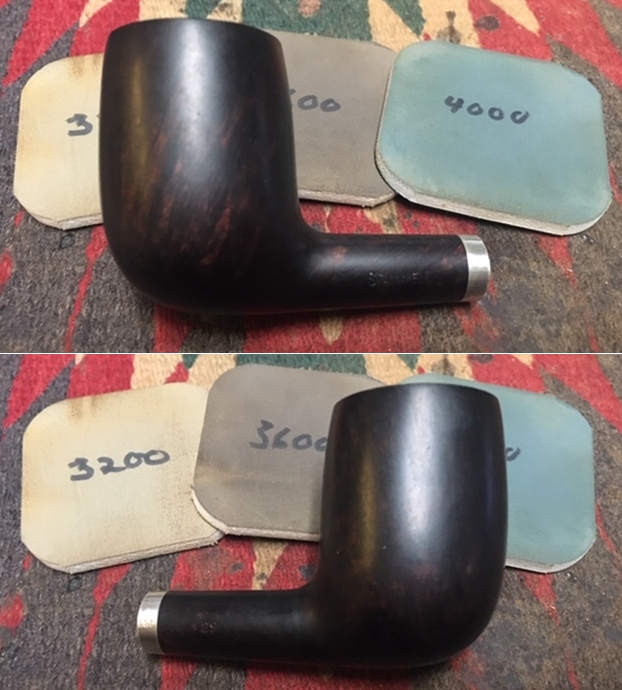
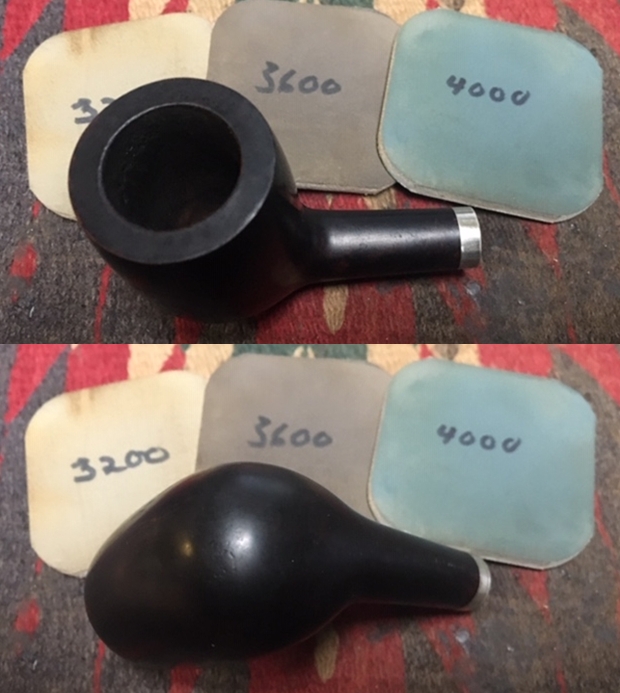
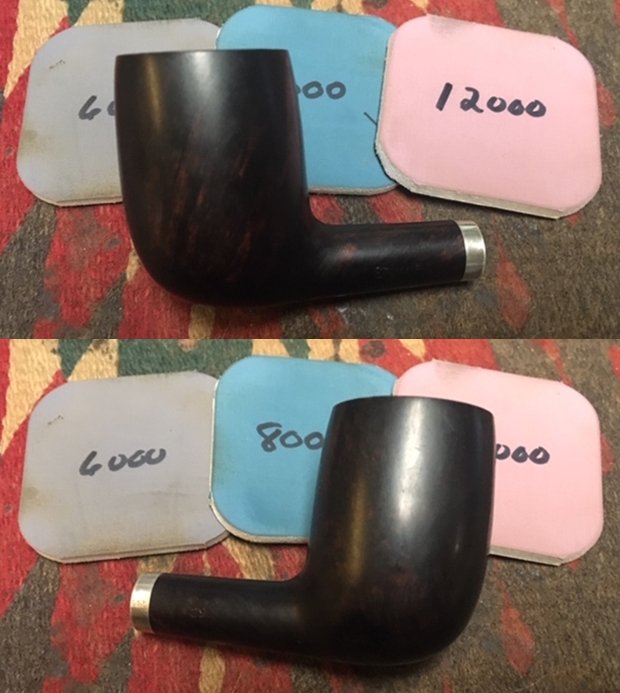
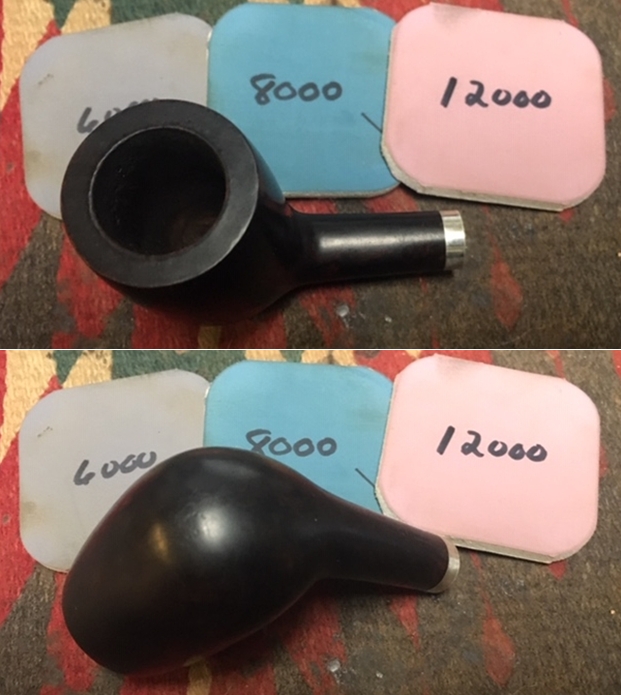
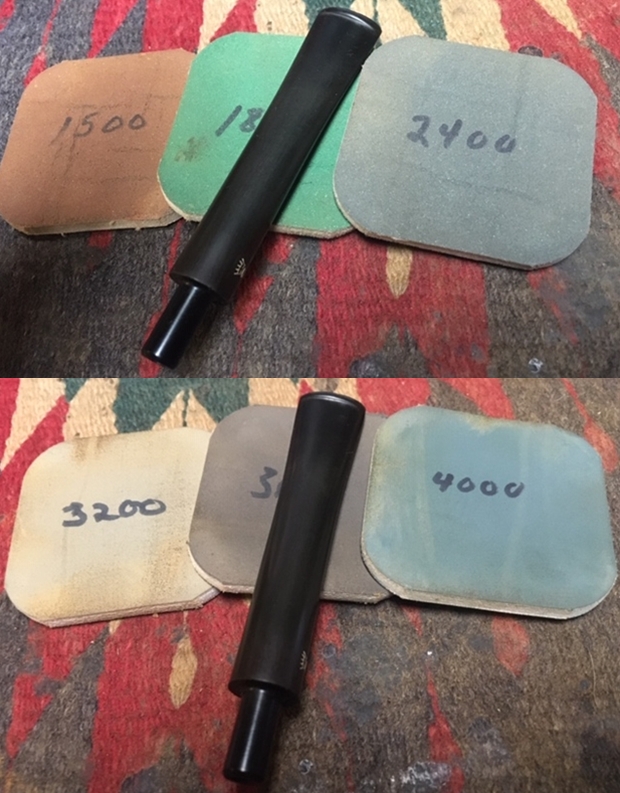
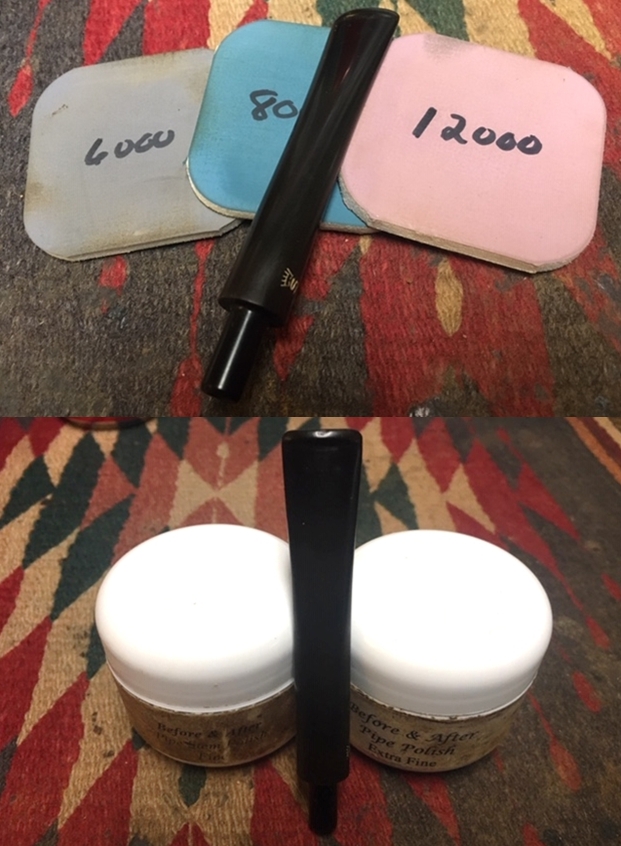
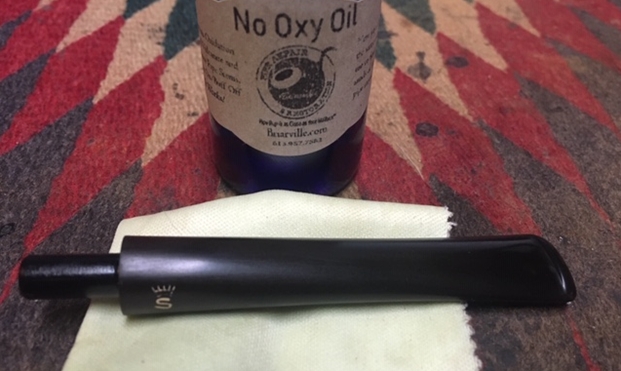
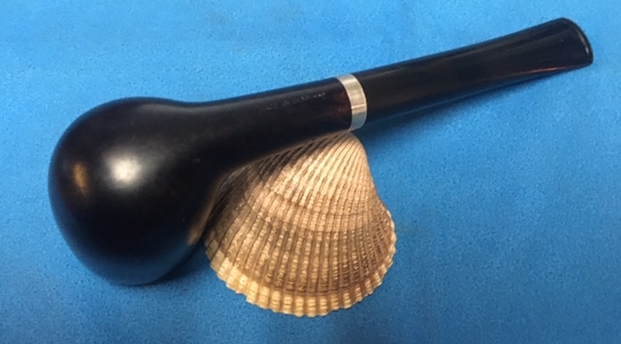
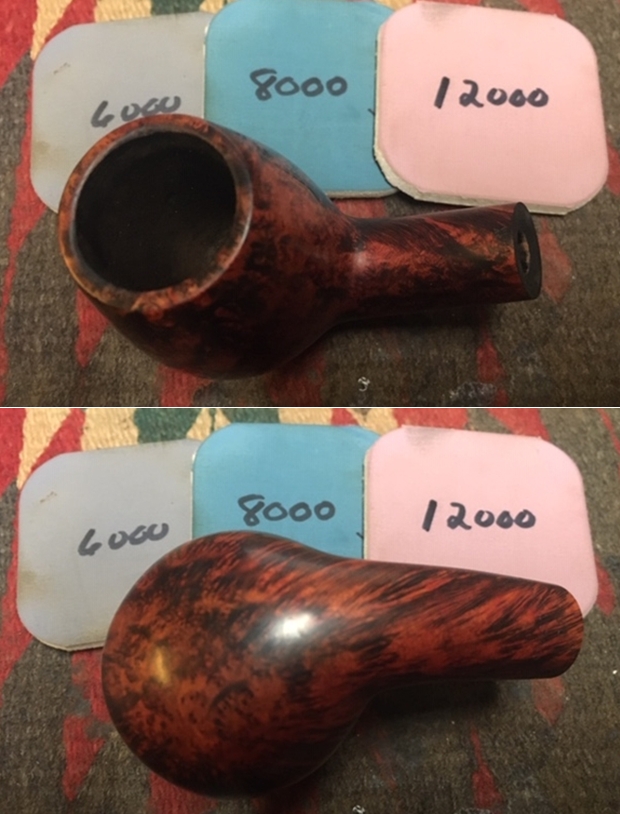
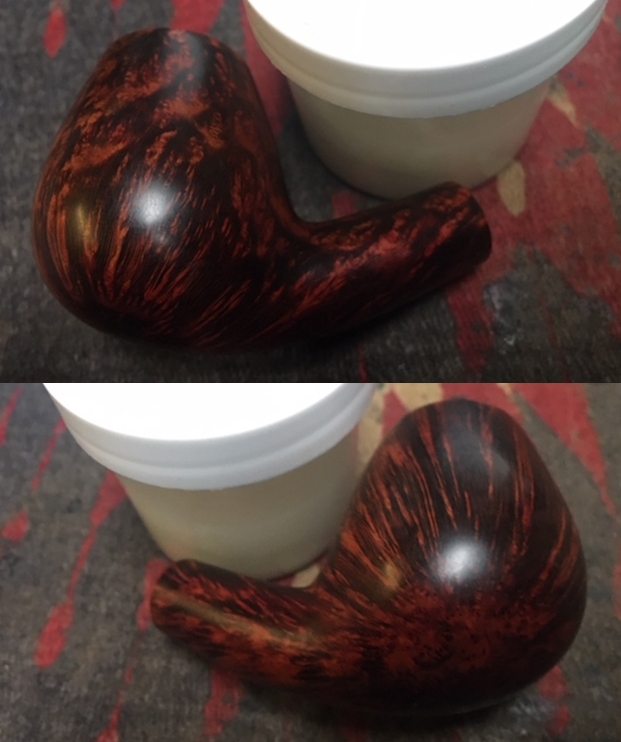
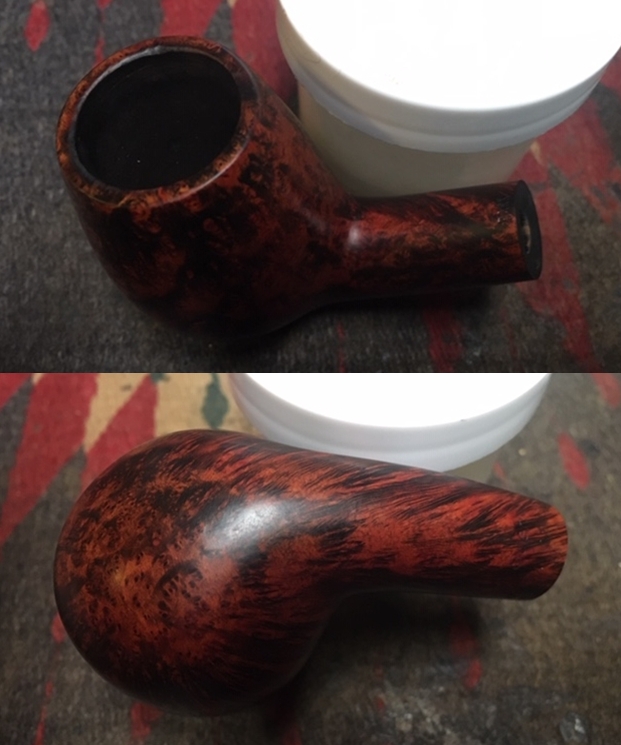
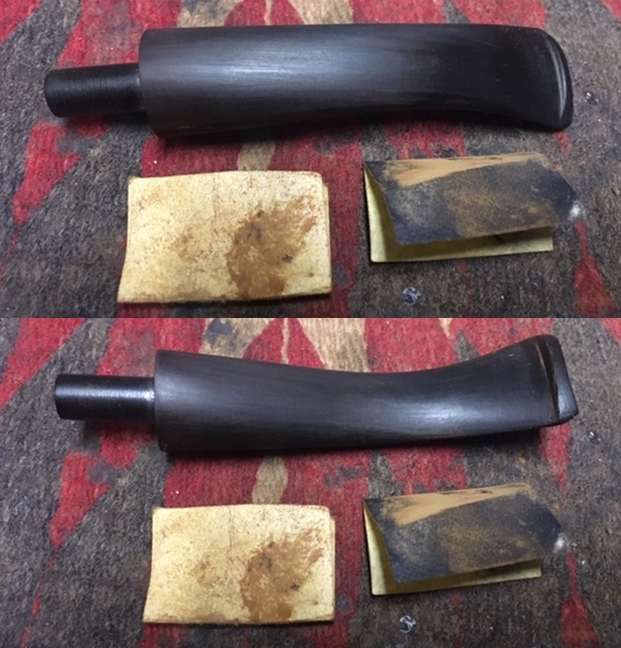
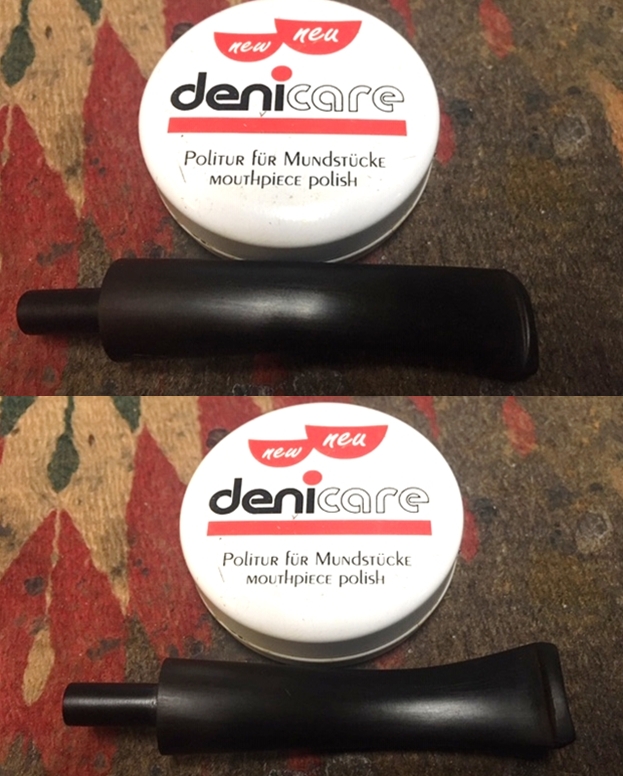
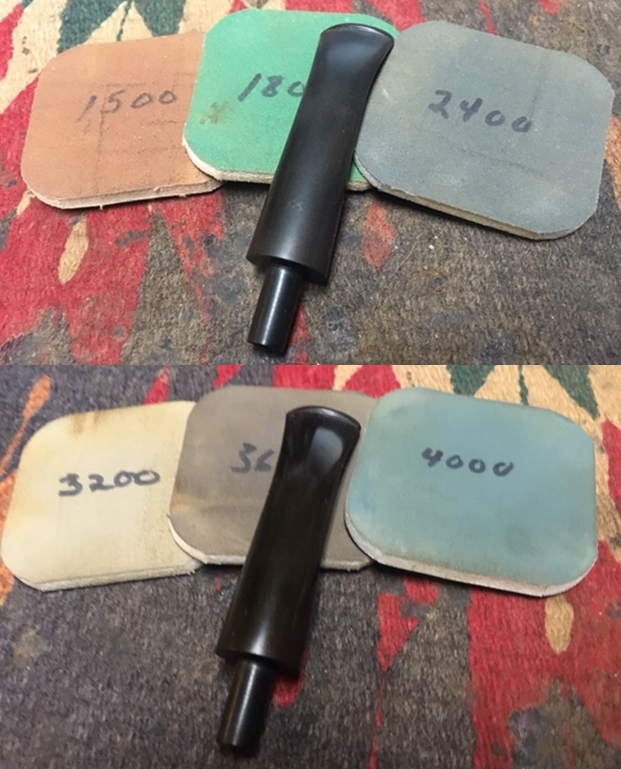
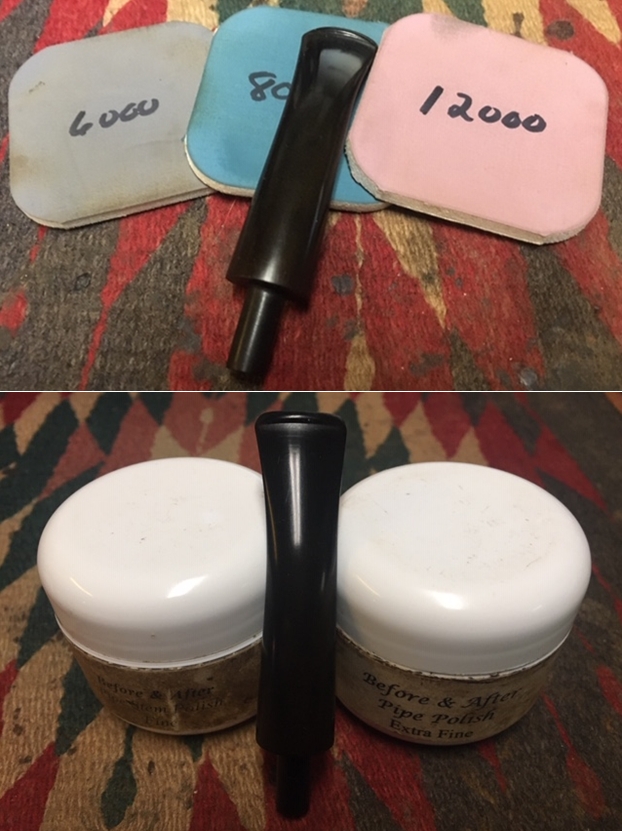
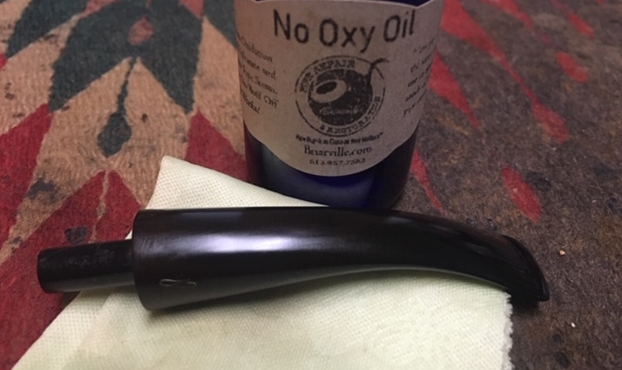
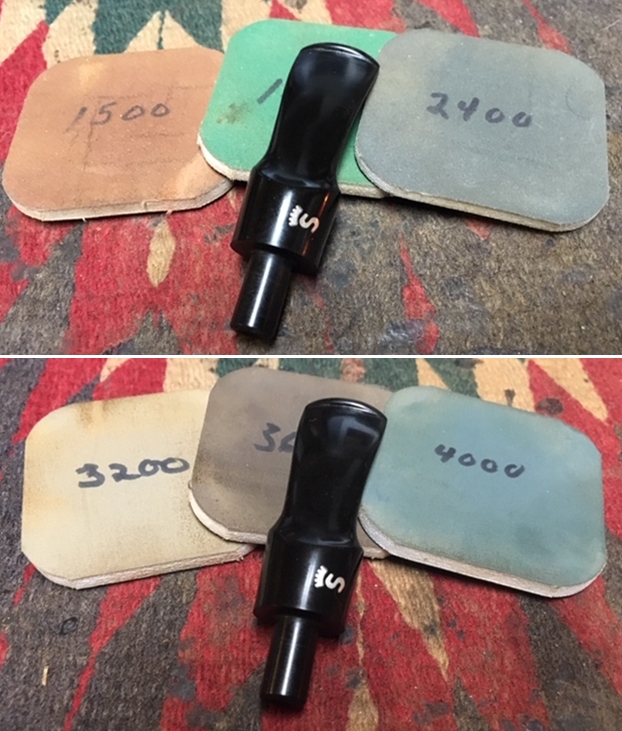
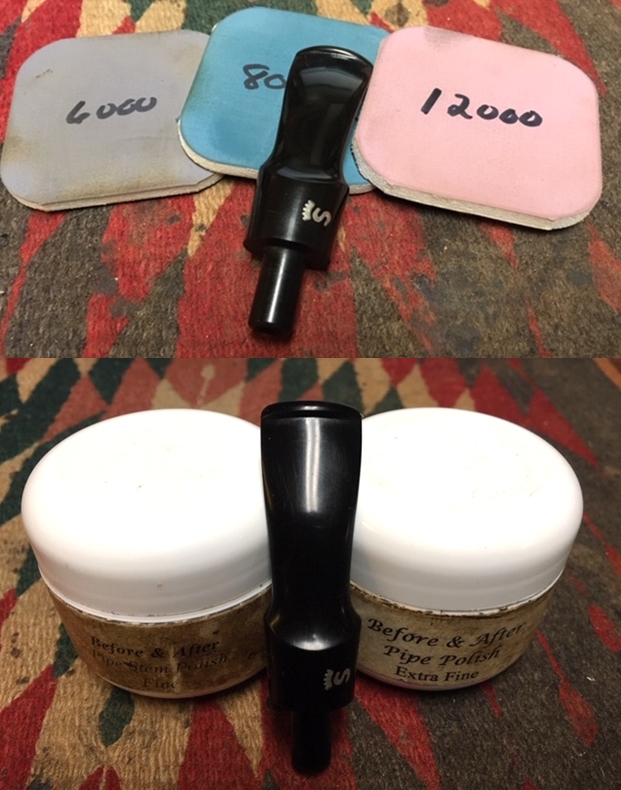
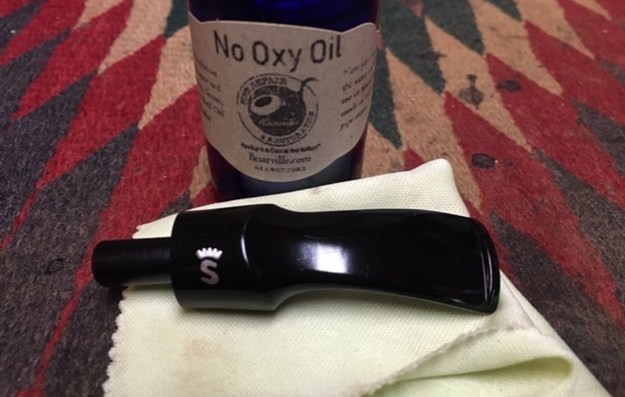
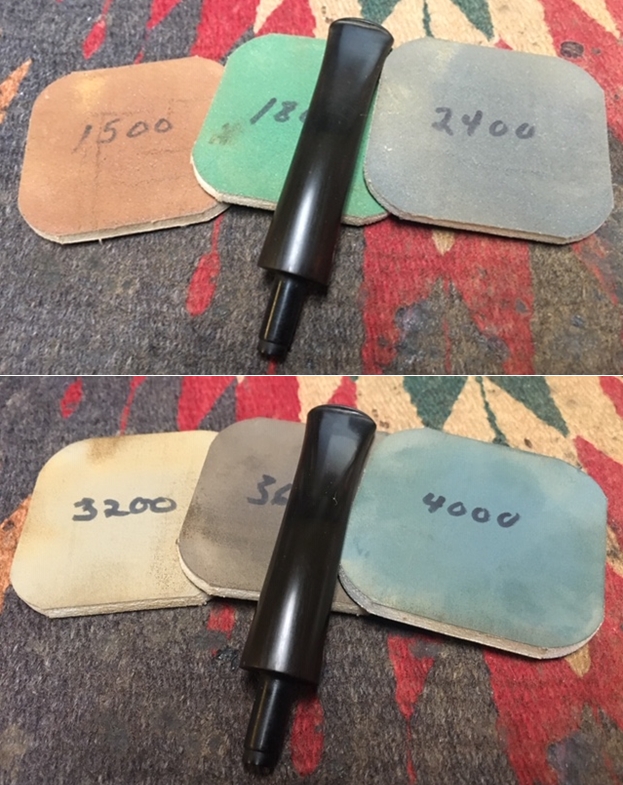
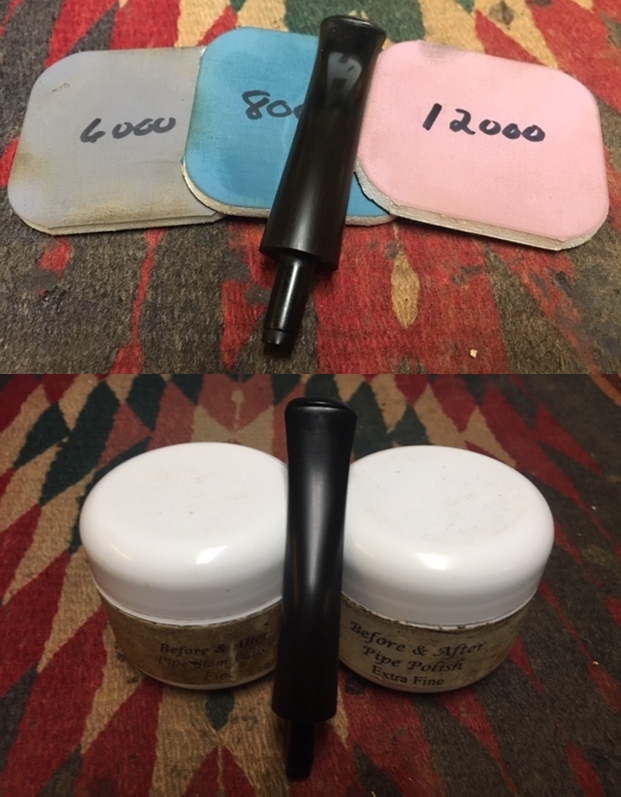
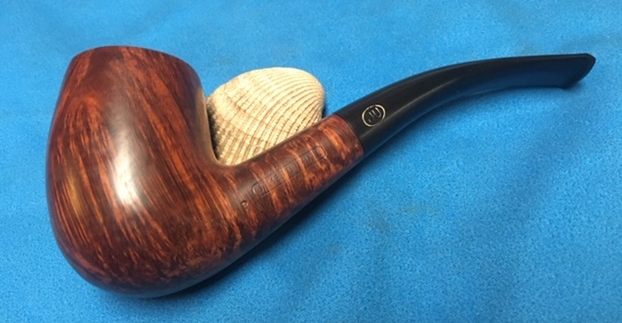
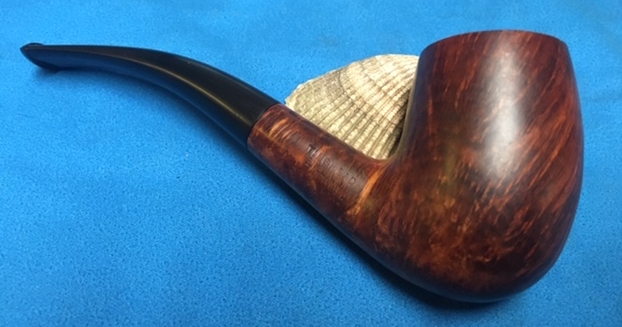
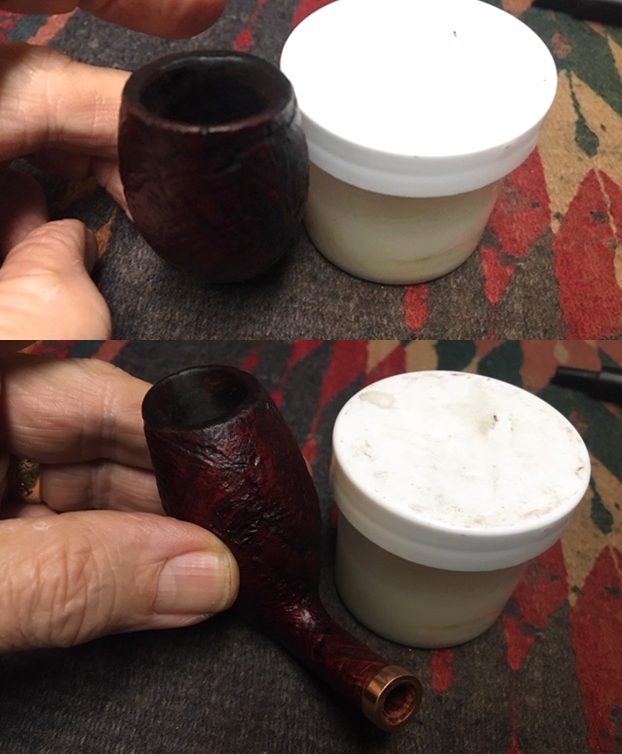
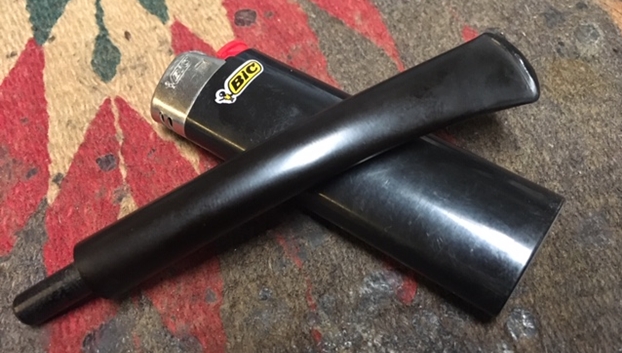
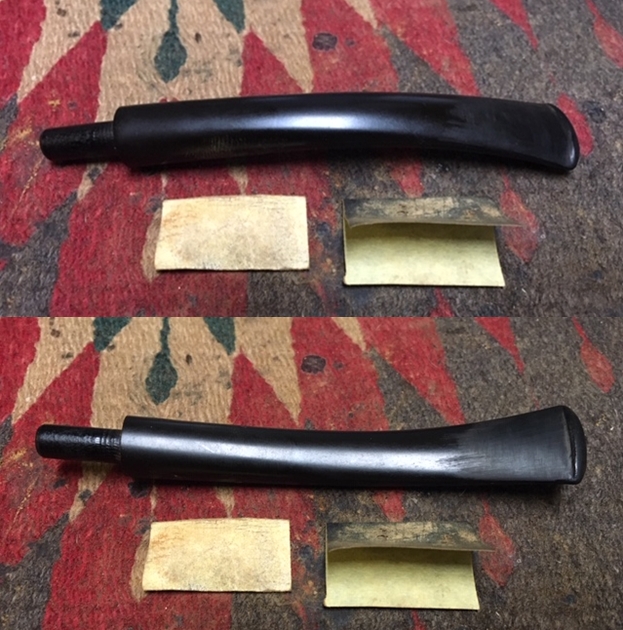
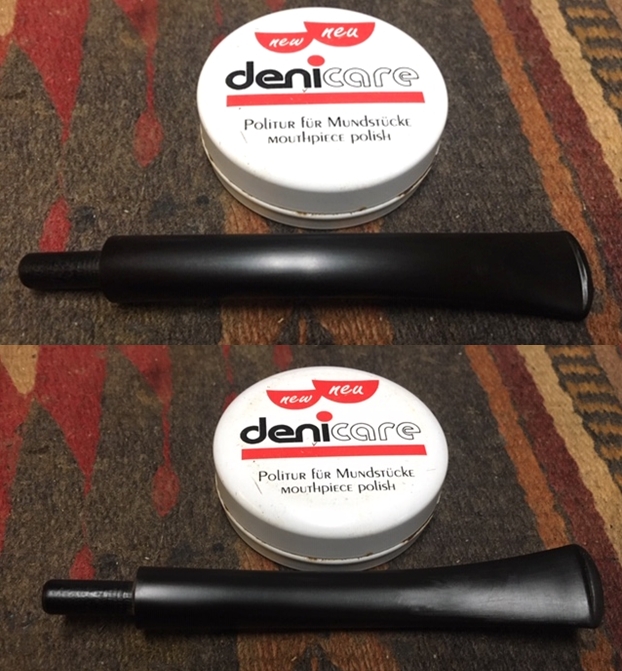
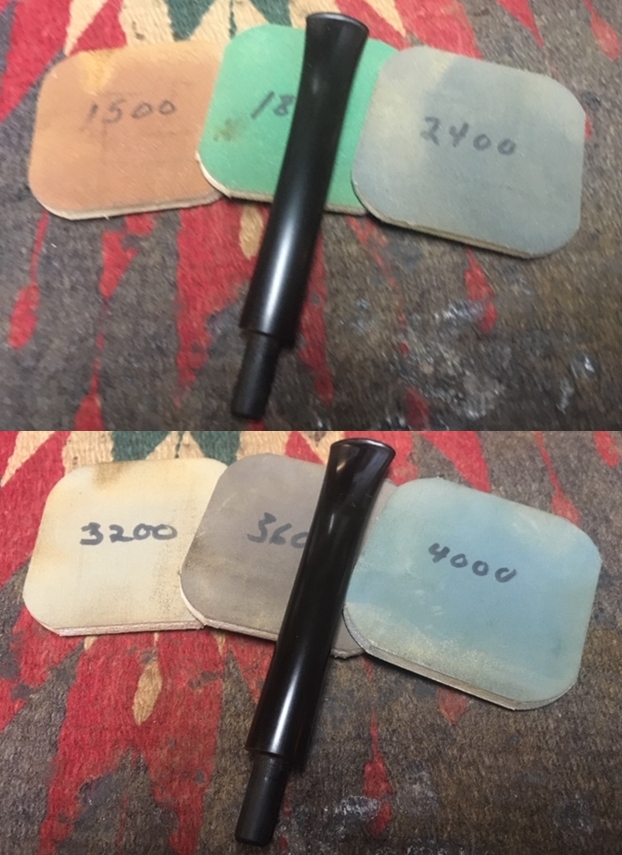
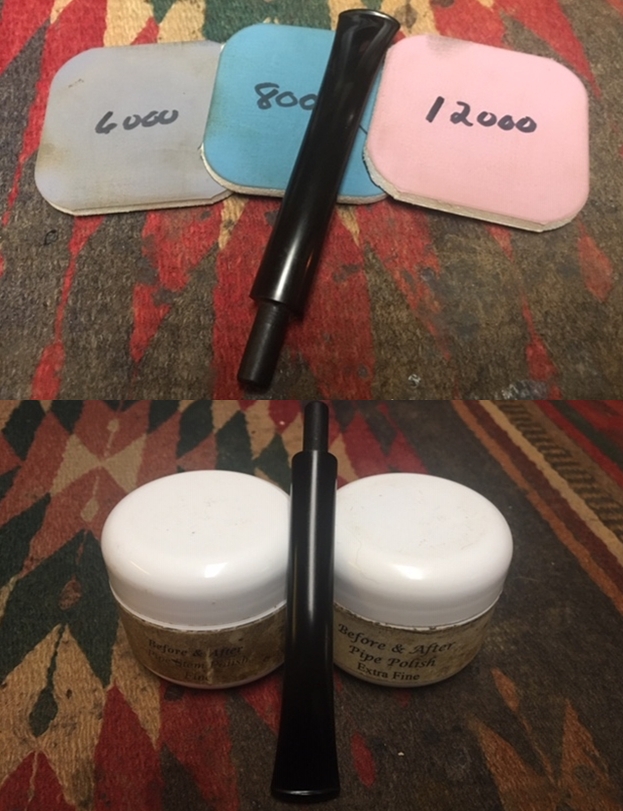
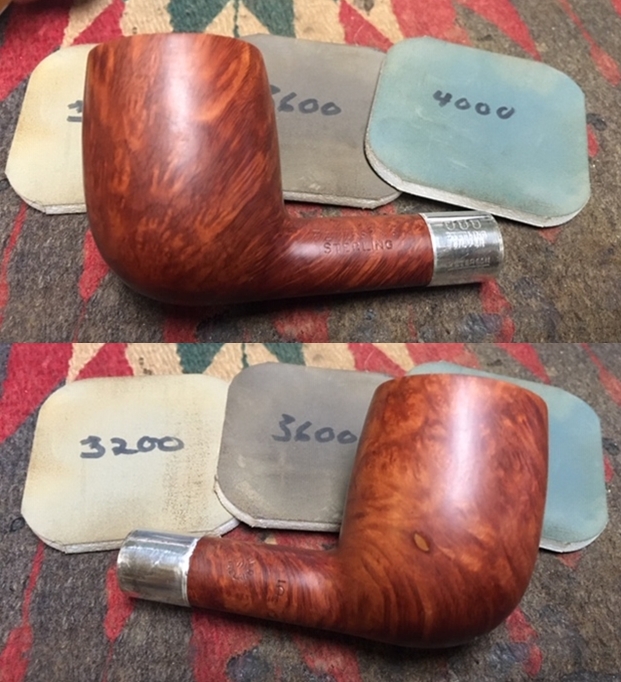
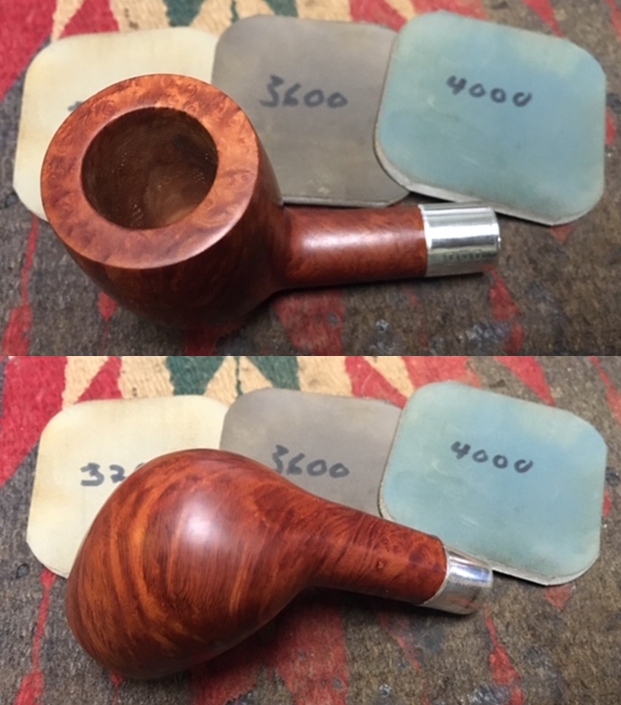
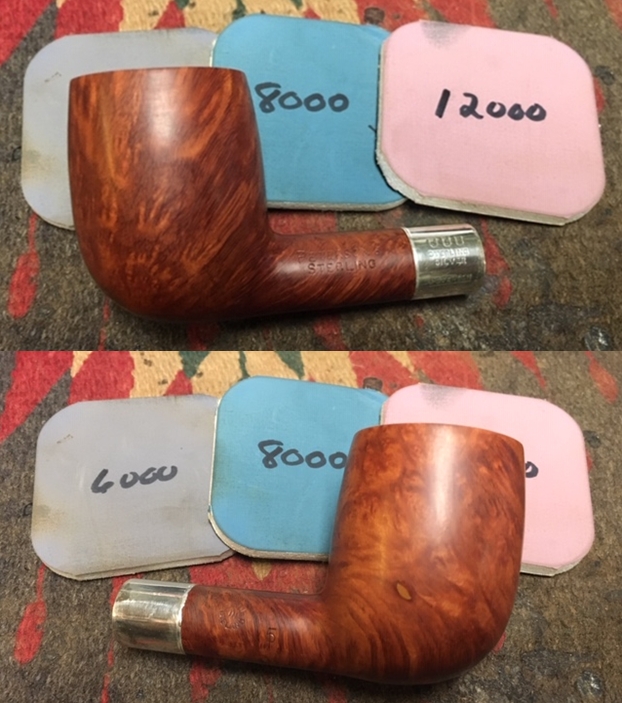
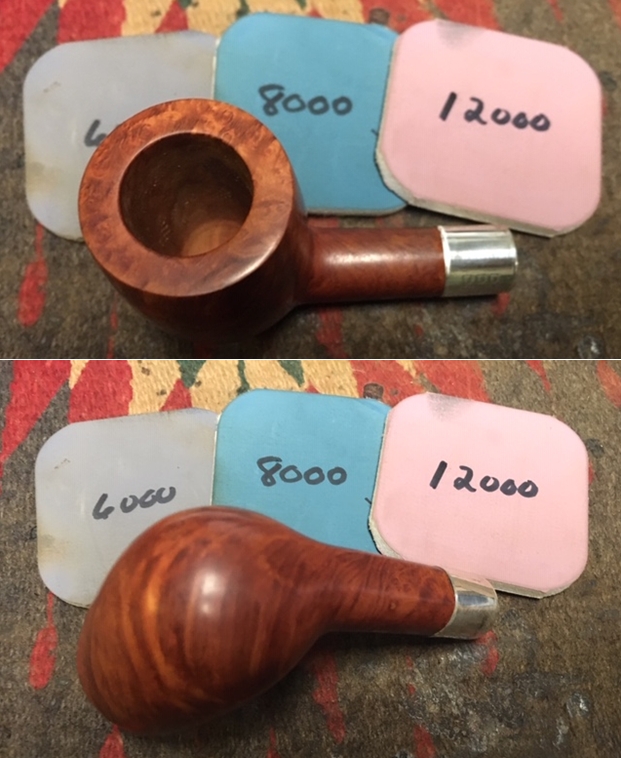
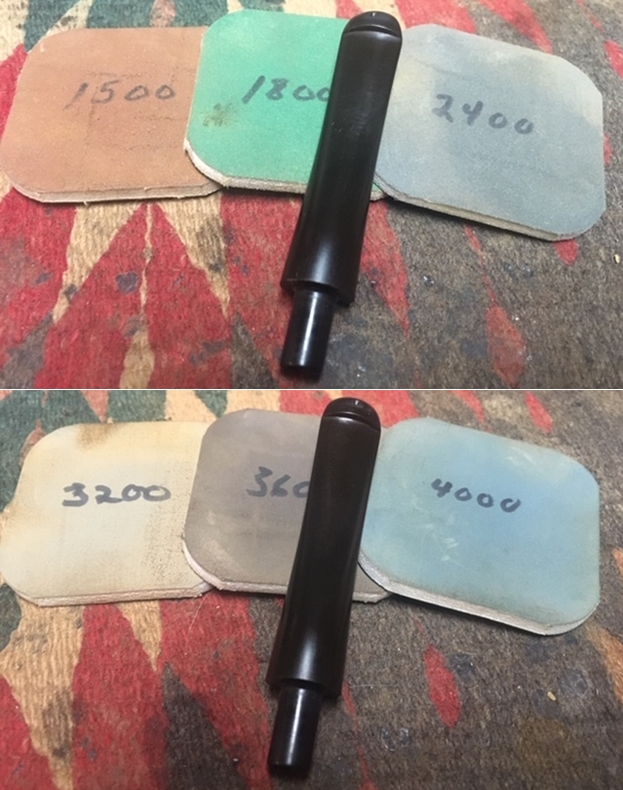
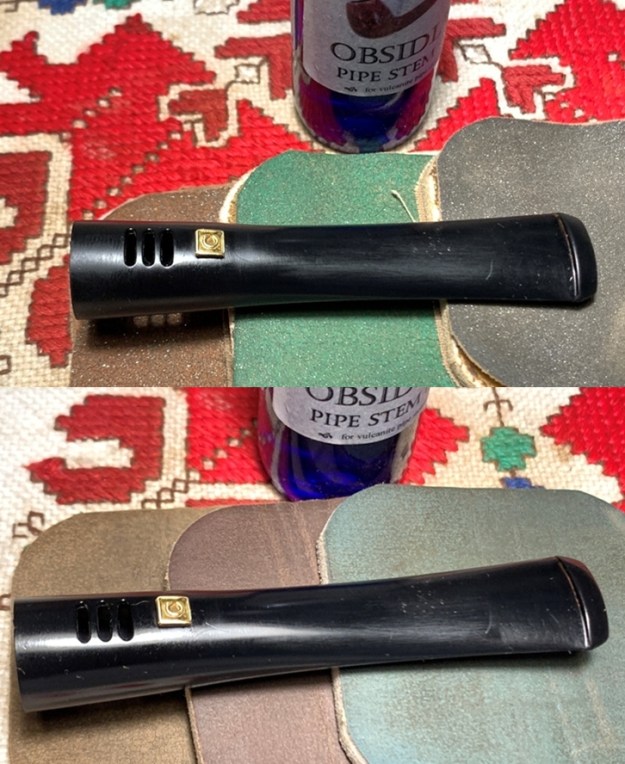
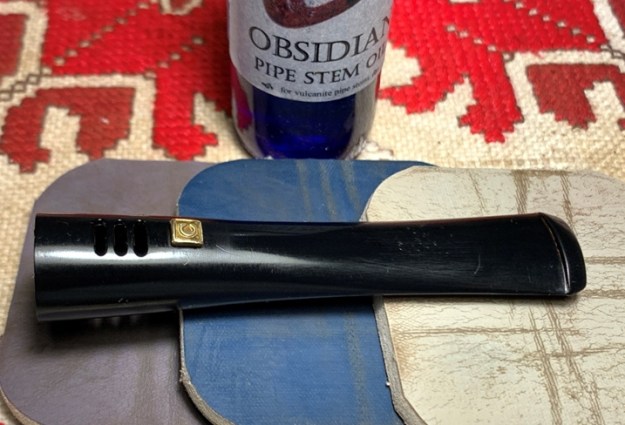
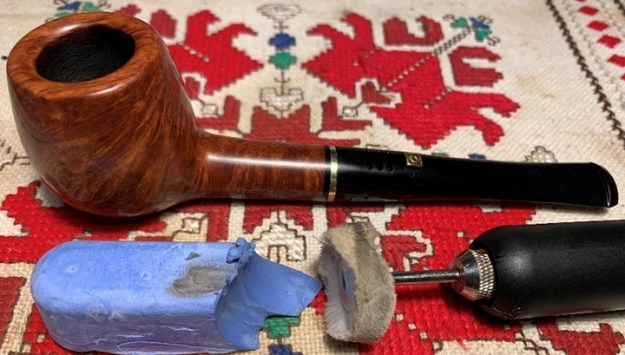
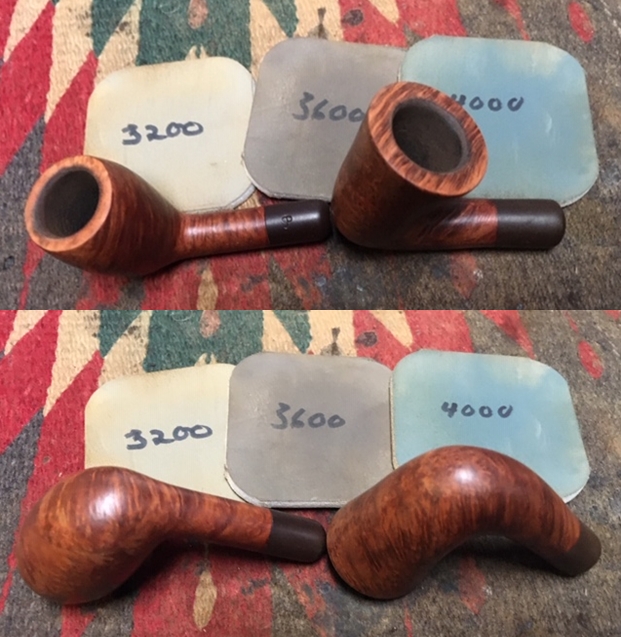
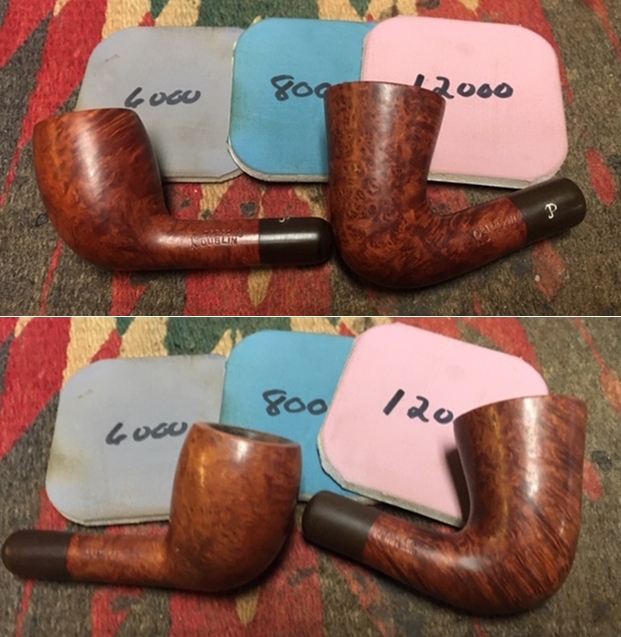
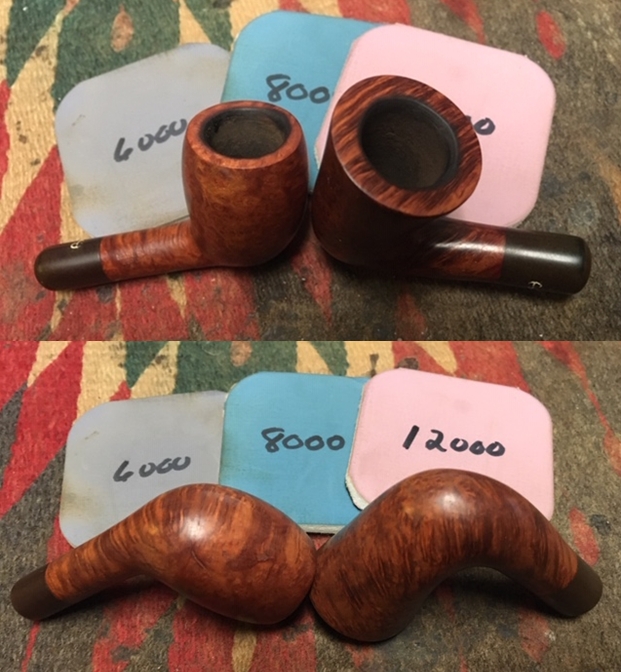
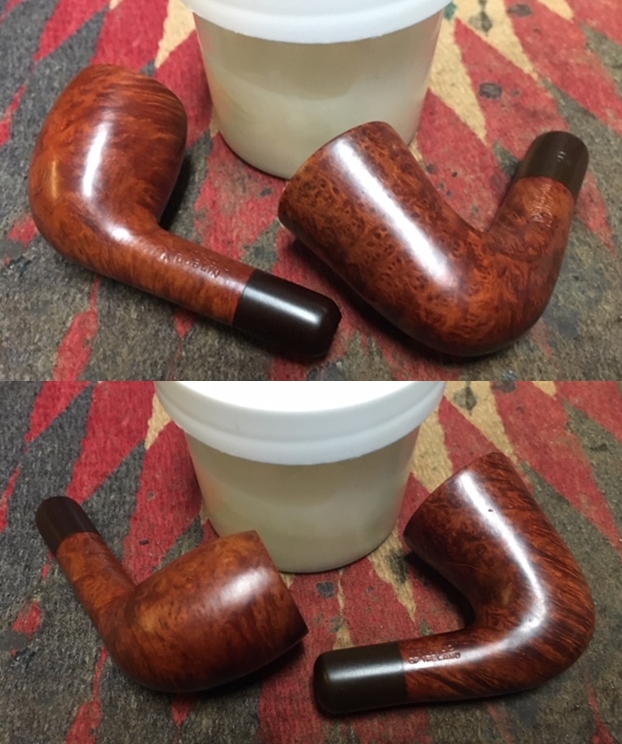
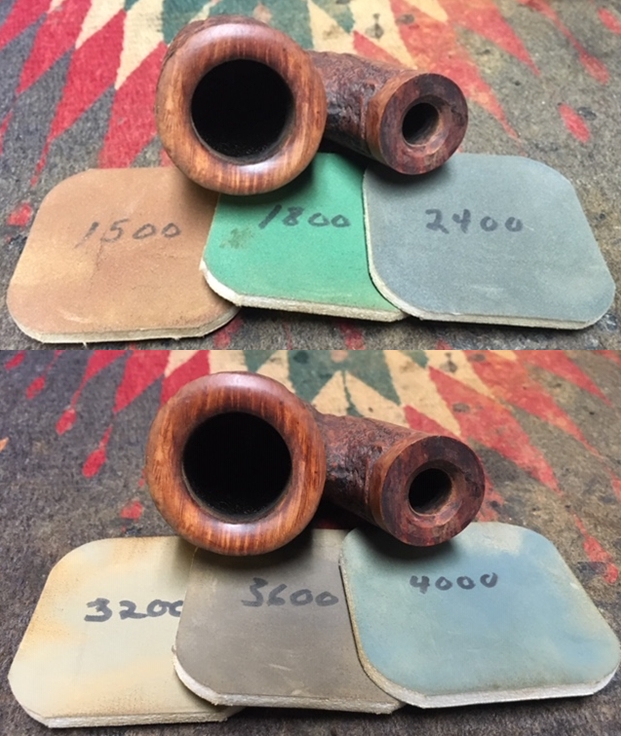
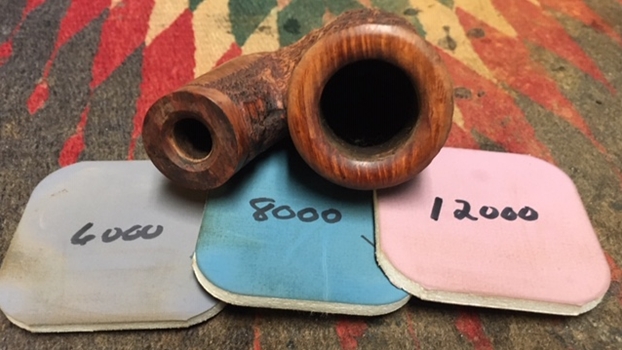
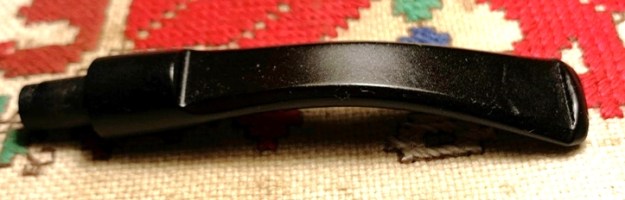
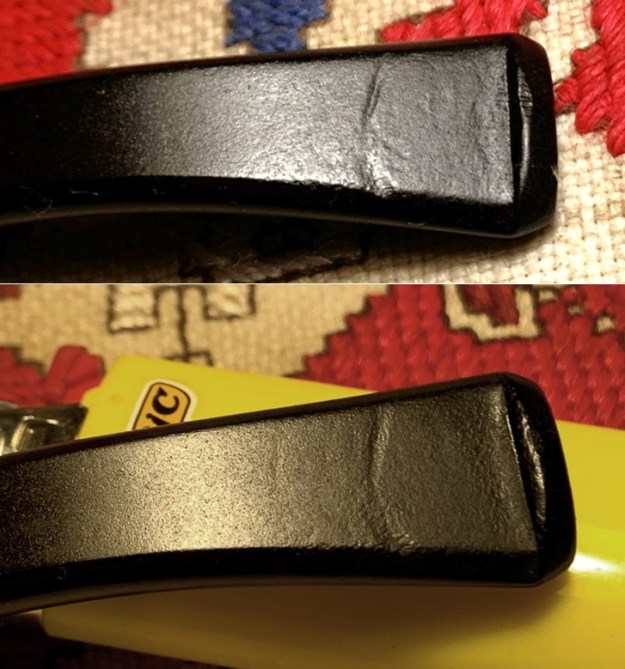
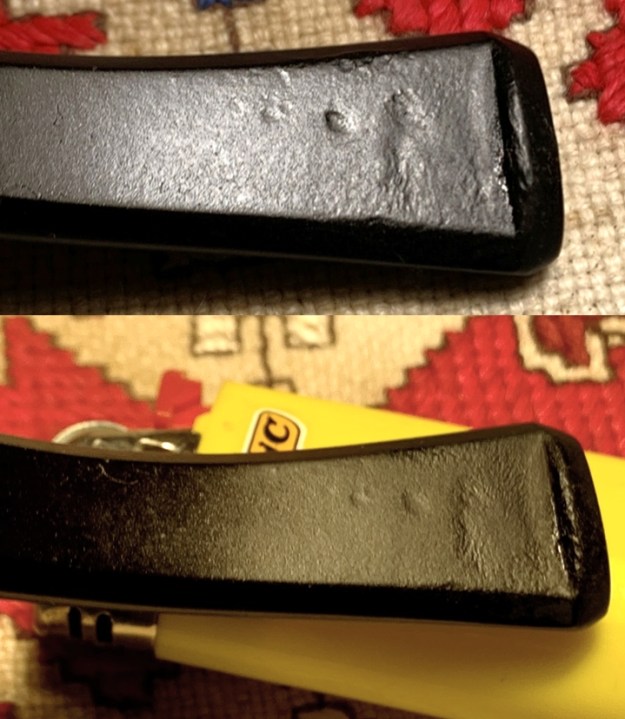
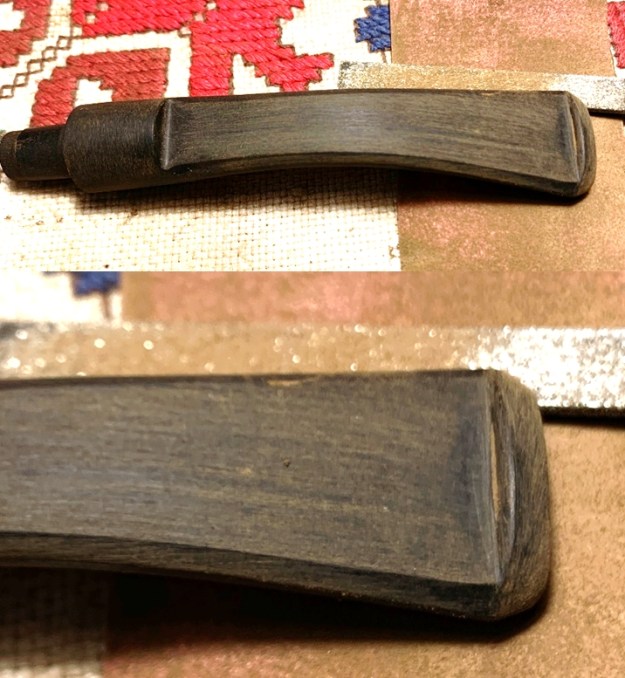
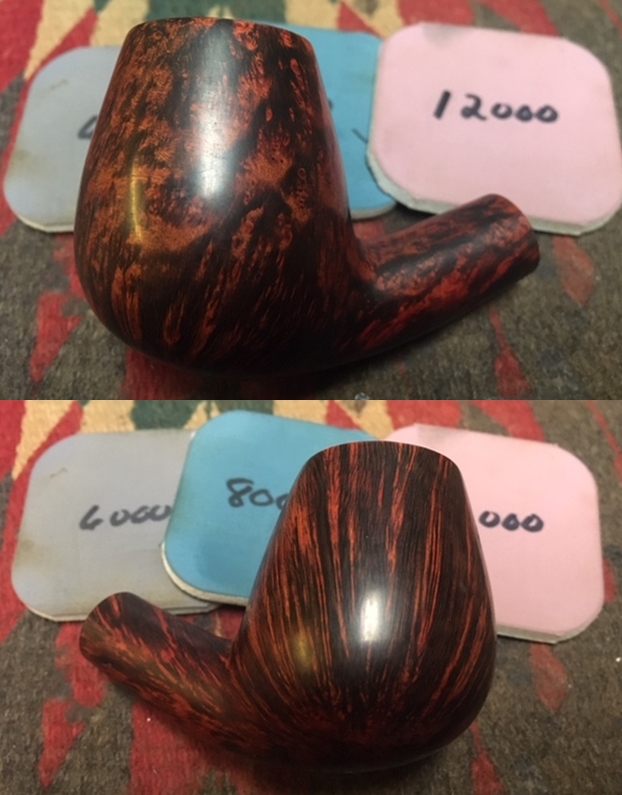
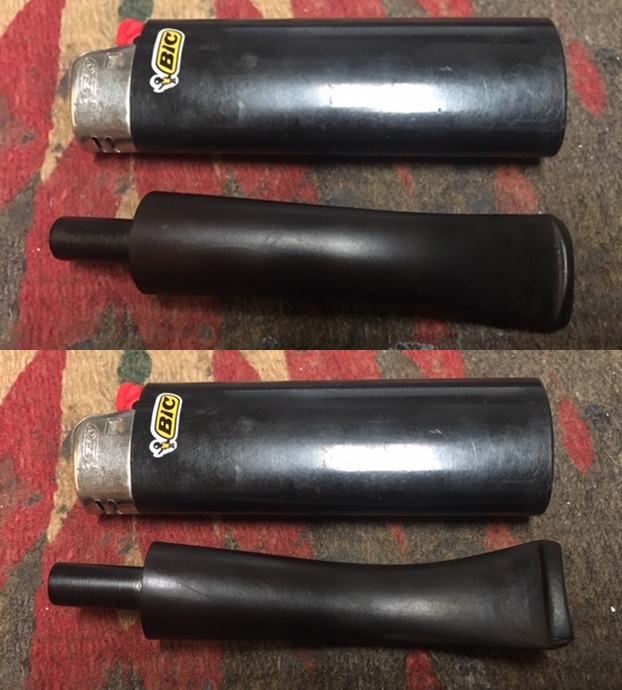
Now on to the rest of the restoration on this interesting Black Diamond 29 Billiard! I decided to begin the restoration of the bowl by polishing the briar with micromesh sanding pads to blend in the stain and to polish the briar and remove the scratches in the surface of the bowl, heel and shank. I wet sanded with 1500-12000 grit pads and wiped the bowl down between each pad with a damp cloth.    I rubbed the bowl down with Before & After Restoration Balm. I worked it into the surface of the briar with my fingertips to clean, enliven and protect it. I let the balm sit for a little while and then buffed with a cotton cloth to raise the shine. I set the bowl aside and turned my attention to the stem. I “painted” the surface of the stem with the flame from a Bic lighter to lift the dents and tooth marks on both side. I was able to lift them all so that I could do the rest of the stem work with sandpaper.  I sanded the stem with 220 grit sandpaper to break up the oxidation. I started the polishing with 400 grit wet dry sandpaper to remove the scratching. It is starting to look good. I carefully worked my way around the Crown S stamp.    I rubbed the stem down with Denicare Mouthpiece Polish. I have a few tins of this laying around so I am trying to use them up. It does a pretty good job polishing the stem.     I used some Papermate Liquid Paper to touch up the Crown S stamping on the left side of the stem. Once the product had dried I scraped off the excess leaving the stamping looking white and refreshed.     I polished the stem with micromesh sanding pads – wet sanding with 1500-12000 grit pads. I wiped the stem down after each sanding pad with Obsidian Oil. I polished it with Before & After Pipe Stem Polish – both Fine and Extra Fine. Once I had finished the polishing I gave it a coat of “No Oxy Oil” developed by Briarville. I am experimenting with this product on the pipes I am restoring.    Once again I am excited to be working on another one of Bob’s pipes. This is the part of the restoration part I look forward to when it all comes back together, polished and waxed. I put the bowl and stem back together. I polished the bowl and stem with Blue Diamond to polish out the scratches in the briar and the vulcanite. I gave the bowl and the stem multiple coats of carnauba wax. I buffed the pipe with a clean buffing pad to raise the shine. I hand buffed it with a microfiber cloth to deepen the shine. The pipe polished up pretty nicely. The straight and flame grain under the semi-transparent black stain look really good with the polished black vulcanite. This Stanwell Black Diamond 29 Billiard was another fun pipe to work on thanks to Jeff’s cleanup work. It really has that classic Danish look that catches the eye. The combination of stains really makes the pipe look attractive. It is another comfortable pipe to hold in the hand. The finished pipe is shown in the photos below. The dimensions of the pipe are Length: 6 inches, Height: 2 inches, Outside diameter of the bowl: 1 ¼ inches, Chamber diameter: ¾ of an inch. If you are interested in carrying on Bob’s legacy with this pipe send me a message or an email. I have a lot more to work on of various brands. Perhaps one of those will catch your attention. Thanks for reading this blog and my reflections on the pipe while I worked on it. This is an interesting estate to bring back to life.

Restoring a Svendborg Danish Handmade Bark 19 Brandy


Blog by Steve Laug

The next pipe I chose to work on is another one from Bob Kerr’s estate and is part of his collection of Danish made pipes. I have worked on the restoration of others in this collection which include a Stanwell Jubilee Shape 118 (https://rebornpipes.com/2019/08/11/another-bob-kerr-estate-a-stanwell-jubilee-1942-1982-shape-118/); a Stanwell de Luxe Shape 812 (https://rebornpipes.com/2019/08/10/back-to-bob-kerrs-estate-changing-up-and-working-on-a-danish-made-stanwell-de-luxe-812-billiard-regd-no-969-48/); a WO Larsen (https://rebornpipes.com/2019/01/13/restoring-pipe-17-from-bob-kerrs-estate-a-w-o-larsen-super-15-bent-stack/); a Danish Sovereign Bulldog variation (https://rebornpipes.com/2019/08/11/another-bob-kerr-estate-a-danish-sovereign-305-bulldog-variant/) and a Danmore Deluxe Volcano (https://rebornpipes.com/2019/08/20/restoring-a-petersons-dunmore-70-bent-apple-sitter-from-bob-kerrs-estate-2/).

To this list of Danish pipes I am adding the next – a Svendborg Danish Handmade Bark Brandy shaped pipe. Like the others it is part of Bob’s estate that the family asked me to clean up and move out to others who will carry on the trust that began with Bob. In the collection there were BBBs, Peterson’s, Dunhills, Comoy’s and Barlings as well many others – a total of 125 pipes. This is the largest estate that I have had the opportunity to work on. I created a spread sheet to track the pipes, restoration and sales. This job would take a fair amount of time to clean up. I could not pass up the opportunity to work on these pipes and help the family.

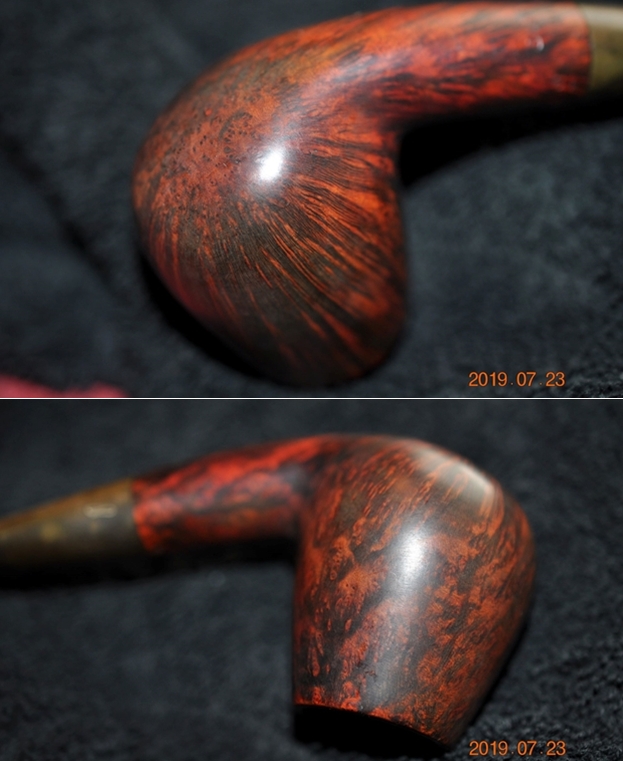
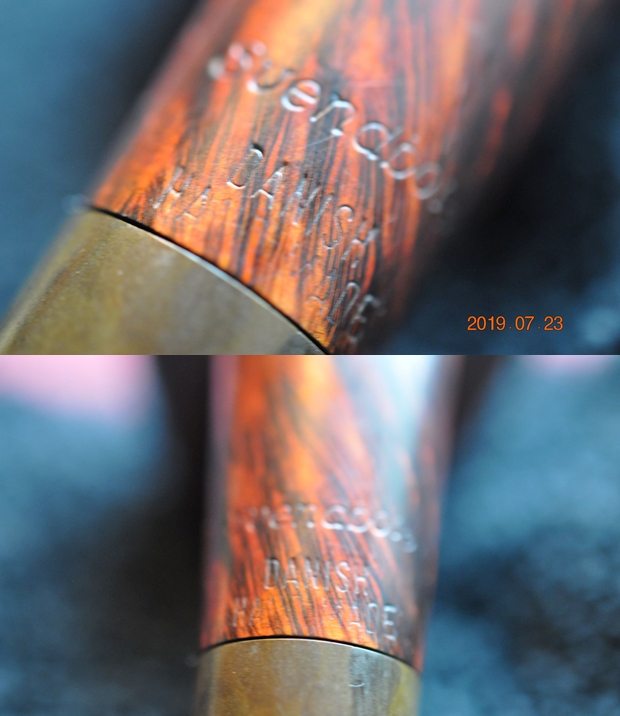
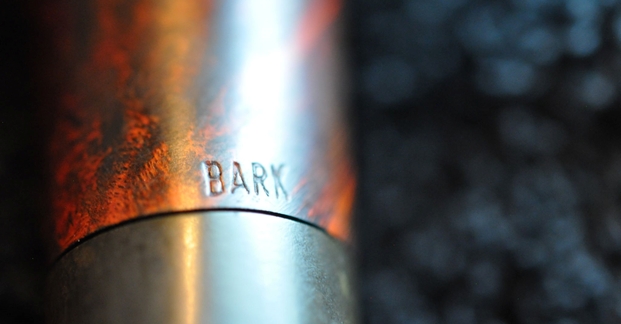
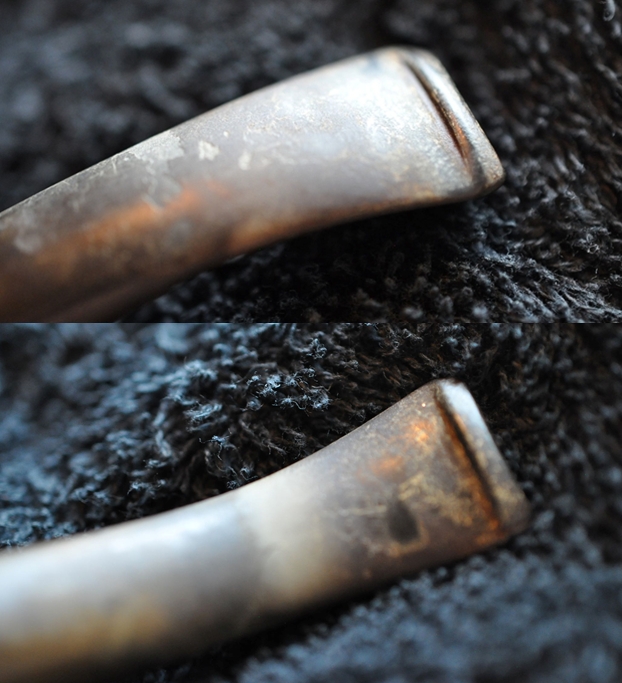
When I took Svendborg Brandy shaped pipe out of the box of cleaned up pipes that Jeff sent back I could see that it was a beauty. It was stamped Svendborg over Danish Handmade on the underside of the shank next to the stem. On the topside of the shank it was stamped Bark at the stem/shank junction. On the right side near the junction it was stamped with the shape number 19. It has swirls of straight, flame grain around the sides of the bowl and shank with birdseye on the heel and the top of the bowl. The finish was very dirty like the rest of the pipes in this estate. There was a thick cake in the bowl with remnants of tobacco stuck on the walls. There was an overflow of lava on the rim. The top and edges of the rim were dirty. I could see a beautiful pipe underneath all of the grime and buildup of years of use. The stem was oxidized with tooth chatter on both sides. There was an squat S shaped swirl on the left side of the taper stem. Surprisingly it had none of the deep tooth marks that I have come to expect from Bob’s pipes. Jeff took photos of the pipe before he started his cleanup work on it. Jeff took photos of the bowl and rim top to show the cake in the bowl and the lava build up on the edges of the bowl. It was thick and hard but hopefully it had protected the rim and edges from damage. The edges look pretty good.    Jeff took photos of the sides and heel of the bowl to show the condition of the finish. You can see the beautiful straight and flame grain on the side of the bowl and the swirls of the birdseye on the heel. There is a lot of dust and grime on the surface of the briar.   Jeff took photos of the stamping on the underside of the shank. The stamping was readable as you can see from the photos. It read Svendborg Danish Handmade. On the topside it reads Bark. There is a shape number 19 on the right side of the shank but I do not have a photo of it at this time.    Jeff took photos of the top and underside of the stem showing the tooth chatter, scratching and oxidation on the stem surface and wear on the edges of the button.   I turned first to Pipephil’s site to get a quick idea of the Svendborg brand and the carver who made the pipes (http://www.pipephil.eu/logos/en/logo-s14.html). I quote what I found there.
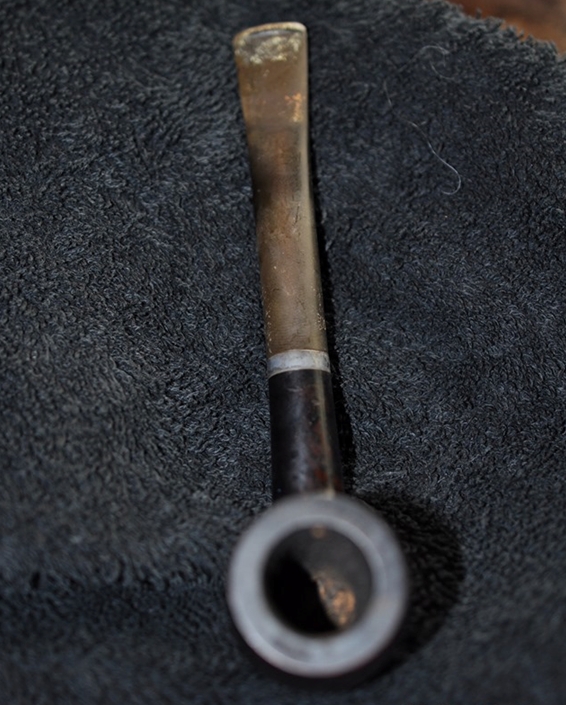
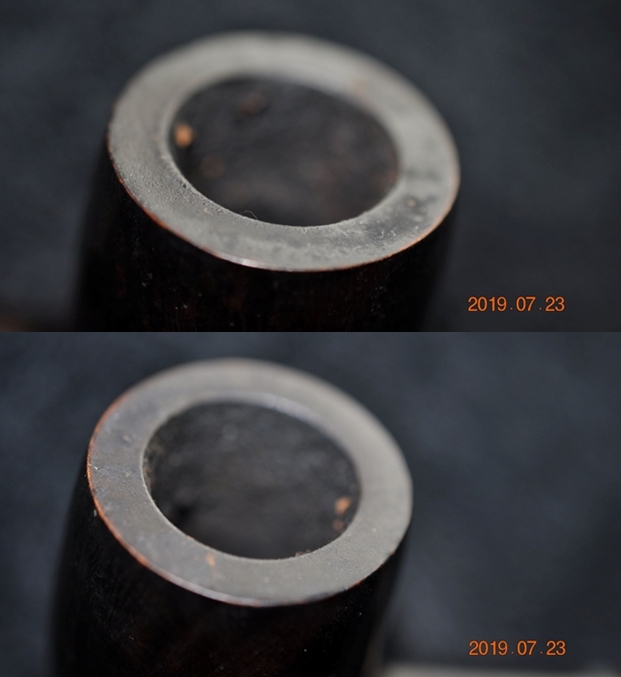
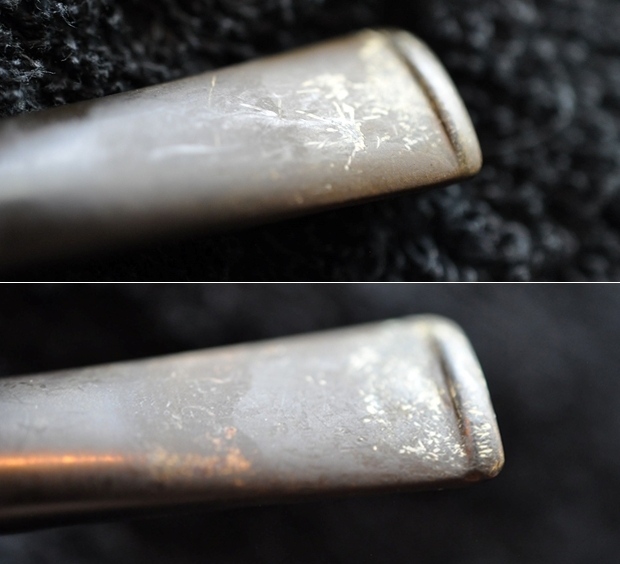
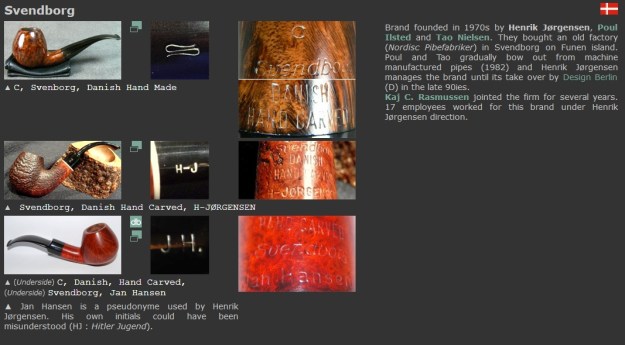
The brand was founded in 1970s by Henrik Jørgensen, Poul Ilsted and Tao Nielsen. They bought an old factory (Nordisc Pibefabriker) in Svendborg on Funen Island. Poul and Tao gradually bow out from machine manufactured pipes (1982) and Henrik Jørgensen manages the brand until its take over by Design Berlin (D) in the late 90ies. Kaj C. Rasmussen jointed the firm for several years. 17 employees worked for this brand under Henrik Jørgensen direction.

I did a screen capture of the section on pipephil’s site for ease of reference.I also turned to Pipedia’s article on Svendborg and read some more about the history of the brand and the carvers noted on pipephils site. It is a great read in terms of the history of the brand (https://pipedia.org/wiki/Svendborg).

Jens Tao Nielsen and Poul Ilsted Bech met each other when working together for Erik Nørding and soon became close friends. Both felt a bit tired to make nothing but bizarre fancy shapes and agreed they wanted to produce pipes of more style and more classicism. They decided to establish their own brand “Tao & Ilsted” – But how to do it?

 A good fortune brought them in contact with Henrik Jørgensen, a passionate pipe lover and a wealthy Copenhagen banker who was willing to retire from bank business and change his career to become a pipemaker. The trio joined in 1969 and decided to start a new pipe brand together. Nielsen and Ilsted started to search for a suitable workshop while Jørgensen took care of the finances. In early 1970 the partners found an old, closed down pipe factory in Svendborg on Funen, and bought it shortly after for a mere 16.500 Danish Kroner. It was the earlier Nordic Pipe Factory – Nordisc Pibefabriker – maybe the oldest Danish pipe factory. And now it became the home of Svendborg Piber.

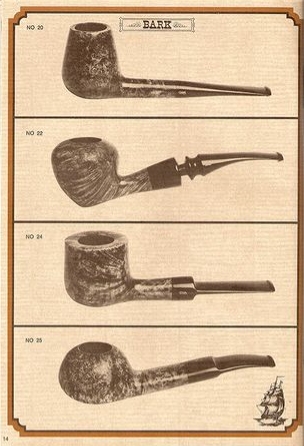
Included in the article was a catalogue courtesy of Doug Valitchka. I did a screen capture of the the pertinent part of the catalogue that showed the Bark line that this pipe belonged to. The top shape – the straight brandy is the same shaped bowl as the bent brandy that I am working on. The smooth finish on the Bark line in a rich reddish brown colour is a contrast to rusticated or sandblast finishes done on Bark pipes made by others. The beautiful stain combination makes a rich looking pipe.

With that information in hand I knew what I was dealing with in terms of the stamping and the rough age of this pipe. I knew from the information from Pipephil and Pipedia that the pipe was most like made in the 70s or 80s. Most of Bob’s pipes were purchased between the 50s and late 60s early 70s so my guess is that this pipe fits that time frame. Now it was time to work on the pipe.

With over 125 pipes to clean from Bob’s estate it was taking me forever to clean and restore them by myself. I enlisted Jeff’s help with the cleanup. He cleaned over half of the pipes for me. He cleaned up this pipe with his usual penchant for thoroughness that I really appreciate. It was a real mess and I did not know what to expect when I unwrapped it from his box. He reamed it with a PipNet pipe reamer and cleaned up the reaming with a Savinelli Fitsall Pipe Knife. He scrubbed out the internals with alcohol, pipe cleaners and cotton swabs until the pipe was clean. He scrubbed the exterior of the bowl with Murphy’s Oil Soap and a tooth brush to remove the grime and grit on the briar and the lava on the rim top. The finish looks very good with good looking grain around the bowl and shank. Jeff soaked the stem in Before & After Deoxidizer to remove the oxidation on the rubber. When the pipe arrived here in Vancouver for the second stop of its restoration tour it looked very good. I took photos before I started my part of the work.   I took some close up photos of the rim top and also of the stem surface. I wanted to show what an amazing job Jeff did in the cleanup of the rim top. The rim top looks very good. The finish is dull, but still is in great condition. The bowl looked very good. I also took close up photos of the stem to show the light tooth marks, chatter and the remaining oxidation on the stem surface. One of the things I appreciate about Jeff’s cleanup is that he works to protect and preserve the nomenclature on the shank of the pipes that he works on. The stamping on this one was faint to start with so I was worried that it would worsen with the cleanup. He was not only able to preserve it but it seems to be clearer than shown in the earlier photos. I took some photos to show the clarity of the stamping. You can also see the condition of the squashed S on the left side of the tapered stem.  I have noticed that many restorers are not careful to protect the stamping during their cleaning process and by the end of the restoration the nomenclature is damaged or lost. I encourage all of us to be careful to preserve this critical piece of pipe restoration! Since this is another pipe Bob’s estate I am sure that some of you have read at least some of the other restoration work that has been done on the previous pipes. You have also read what I have included about Bob Kerr, the pipeman who held these pipes in trust before I came to work on them (see photo to the left). Also, if you have followed the blog for long you will already know that I like to include background information on the pipeman whose pipes I am restoring. For me, when I am working on an estate I really like to have a sense of the person who held the pipes in trust before I worked on them. It gives me another dimension of the restoration work. I asked Brian if he or his wife would like to write a brief biographical tribute to her father, Bob. His daughter worked on it and I received the following short write up on him and some pictures to go along with the words including one of Bob’s carvings. Once again I thank you Brian and tell your wife thank you as well.
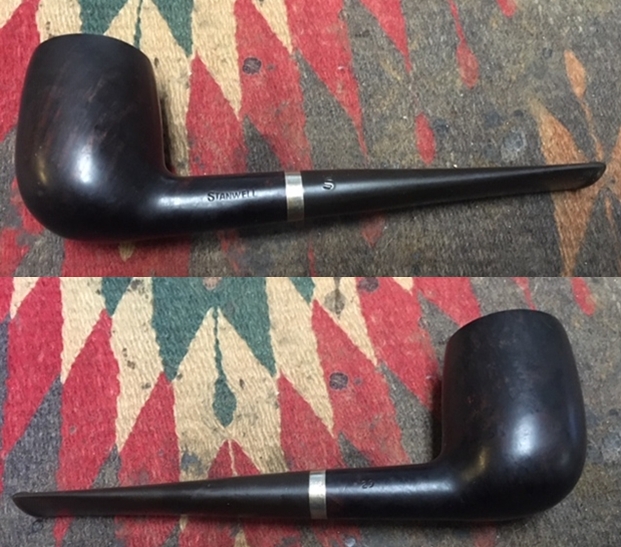
I am delighted to pass on these beloved pipes of my father’s. I hope each user gets many hours of contemplative pleasure as he did. I remember the aroma of tobacco in the rec room, as he put up his feet on his lazy boy. He’d be first at the paper then, no one could touch it before him. Maybe there would be a movie on with an actor smoking a pipe. He would have very definite opinions on whether the performer was a ‘real’ smoker or not, a distinction which I could never see but it would be very clear to him. He worked by day as a sales manager of a paper products company, a job he hated. What he longed for was the life of an artist, so on the weekends and sometimes mid-week evenings he would journey to his workshop and come out with wood sculptures, all of which he declared as crap but every one of them treasured by my sister and myself. Enjoy the pipes, and maybe a little of his creative spirit will enter you!

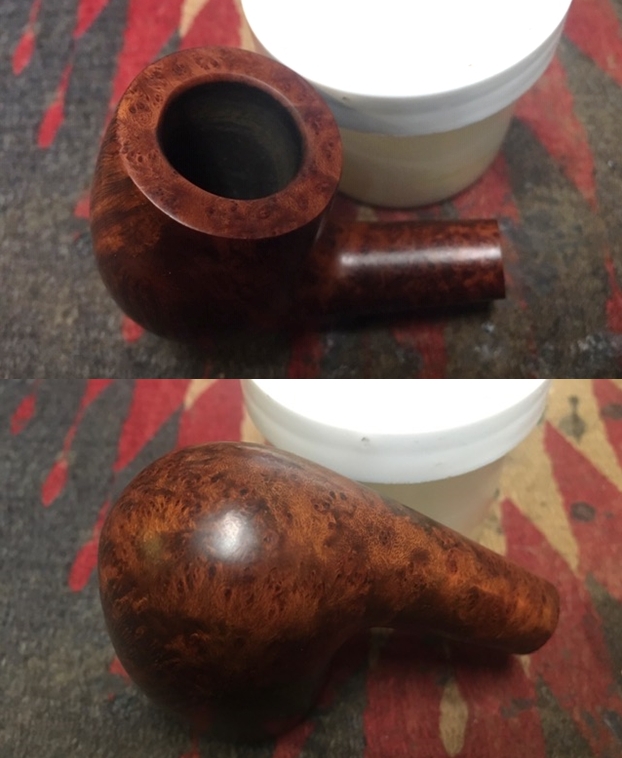
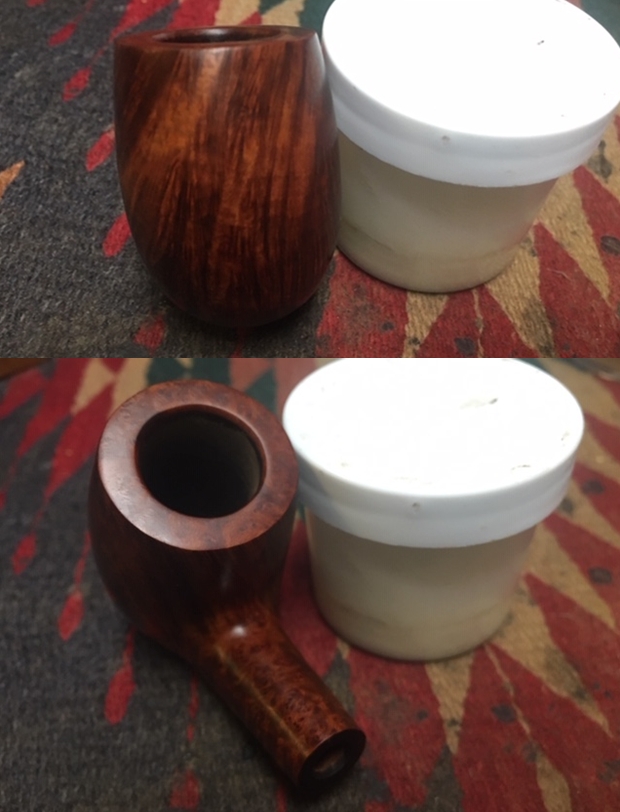
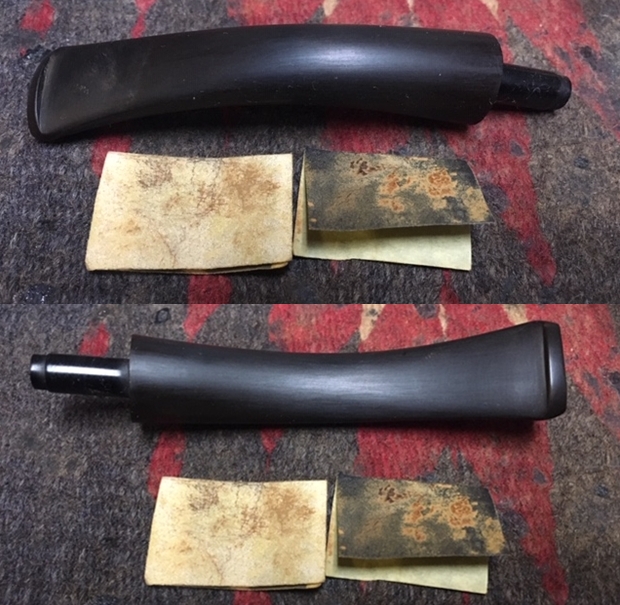
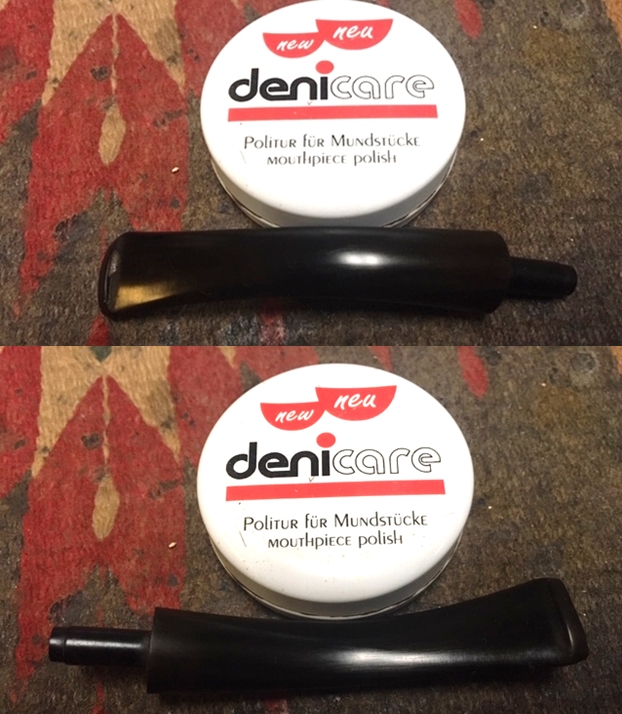
Now on to the rest of the restoration on this beautiful Svendborg Brandy 19! I decided to begin the restoration of the bowl by polishing the briar with micromesh sanding pads to blend in the stain and to polish the briar and remove the scratches in the surface of the bowl, heel and shank. I wet sanded with 1500-12000 grit pads and wiped the bowl down between each pad with a damp cloth.   I rubbed the bowl down with Before & After Restoration Balm. I worked it into the surface of the briar with my fingertips to clean, enliven and protect it. I let the balm sit for a little while and then buffed with a cotton cloth to raise the shine. Mark Hoover’s Balm is a product that I have come to appreciate and one I use on every pipe I have been working on.   I set the bowl aside and turned my attention to the stem. I “painted” the surface of the stem with the flame from a Bic lighter to lift the dents and tooth marks on both side. I was able to lift them all so that I could do the rest of the stem work with sandpaper.I sanded the stem with 220 grit sandpaper to break up the oxidation. I started the polishing with 400 grit wet dry sandpaper to remove the scratching. It is starting to look good. I carefully worked my way around the squashed S stamp. I rubbed the stem down with Denicare Mouthpiece Polish. I have a few tins of this laying around so I am trying to use them up. It does a pretty good job polishing the stem.    I polished the stem with micromesh sanding pads – wet sanding with 1500-12000 grit pads. I wiped the stem down after each sanding pad with Obsidian Oil. I polished it with Before & After Pipe Stem Polish – both Fine and Extra Fine. Once I had finished the polishing I gave it a coat of “No Oxy Oil” developed by Briarville. I am experimenting with this product on the pipes I am restoring. Once again I am excited to be working on another one of Bob’s pipes. This is the part of the restoration part I look forward to when it all comes back together, polished and waxed. I put the bowl and stem back together. I polished the bowl and stem with Blue Diamond to polish out the scratches in the briar and the vulcanite. I gave the bowl and the stem multiple coats of carnauba wax. I buffed the pipe with a clean buffing pad to raise the shine. I hand buffed it with a microfiber cloth to deepen the shine. The pipe polished up pretty nicely. The straight and flame grain around the smooth finish look really good with the polished black vulcanite. This Svendborg Danish Handmade 19 Bark Brand was another fun pipe to work on thanks to Jeff’s cleanup work. It really has that classic Danish look that catches the eye. The combination of various brown stains really makes the pipe look attractive. It is another comfortable pipe to hold in the hand. The finished pipe is shown in the photos below. The dimensions of the pipe are Length: 5 ½ inches, Height: 2 inches, Outside diameter of the bowl: 1 1/8 inches, Chamber diameter: ¾ of an inch. If you are interested in carrying on Bob’s legacy with this pipe send me a message or an email. I have a lot more to work on of various brands. Perhaps one of those will catch your attention. Thanks for reading this blog and my reflections on the pipe while I worked on it. This is an interesting estate to bring back to life.


Breathing Life into a Stanwell Sterling Silver Banded 126 Freehand


Blog by Steve Laug

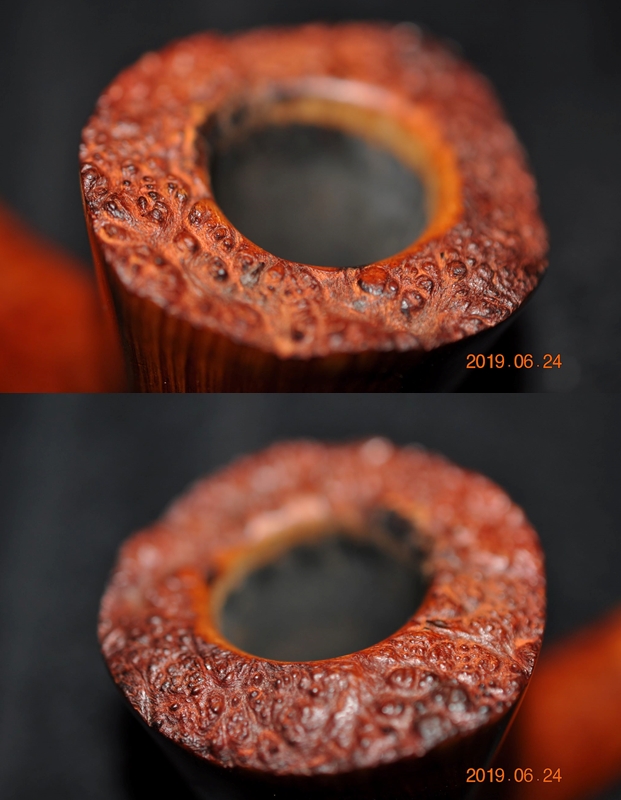
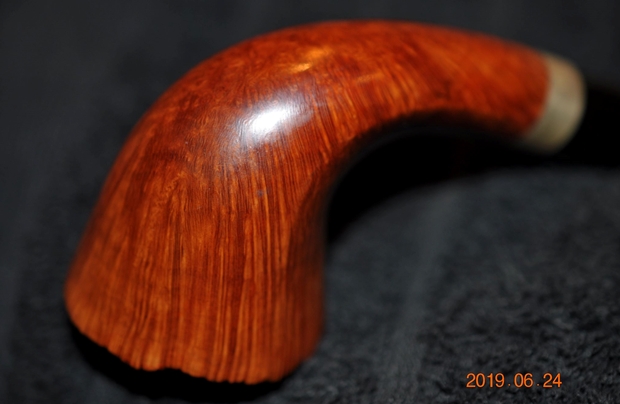
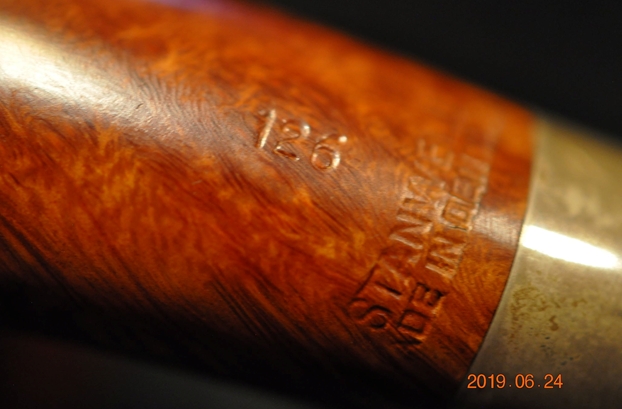
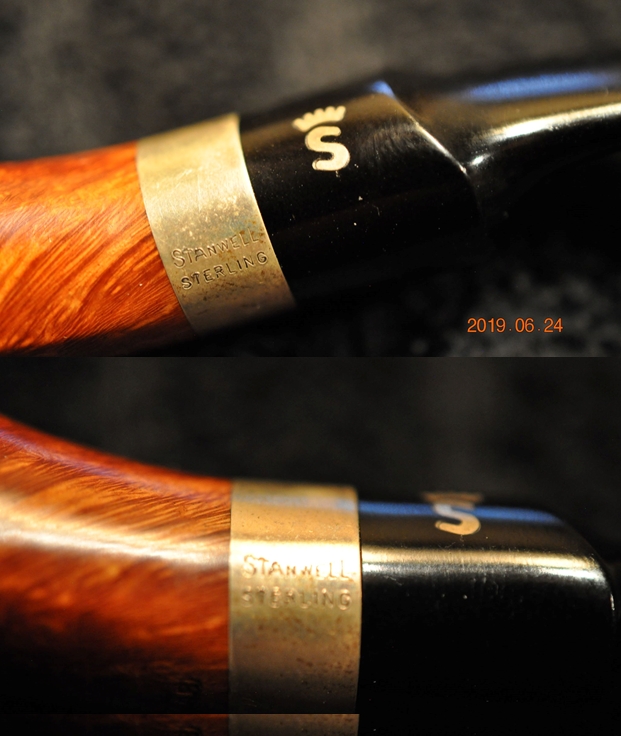
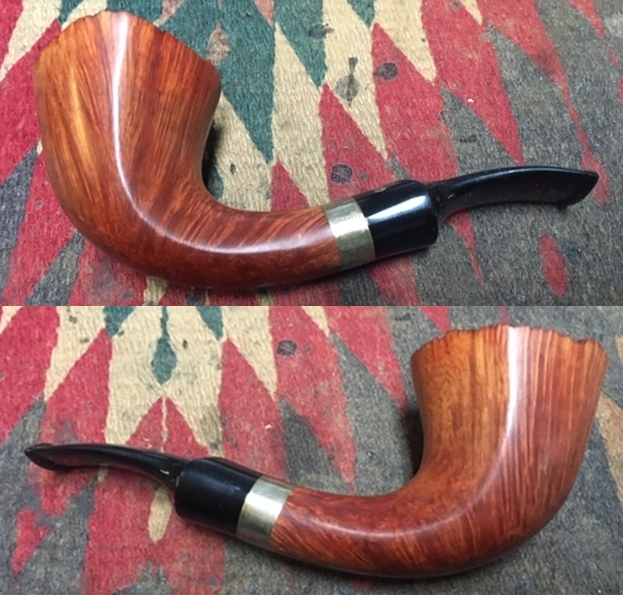
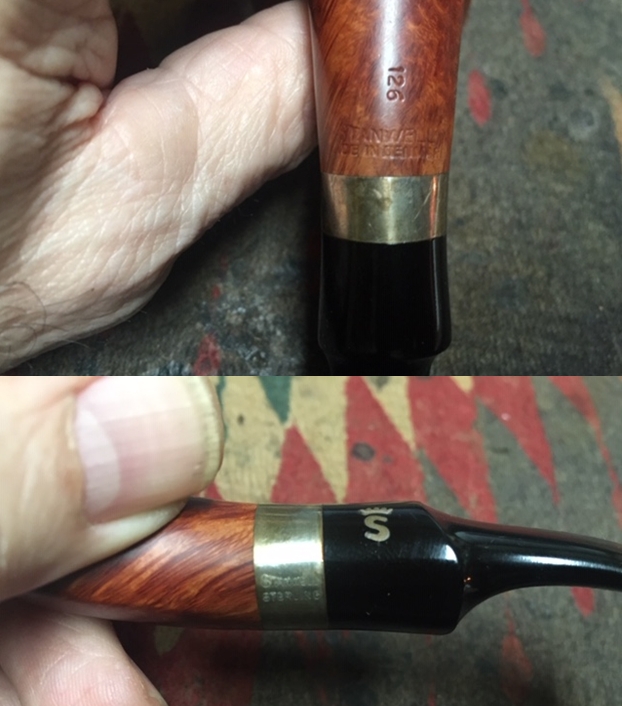
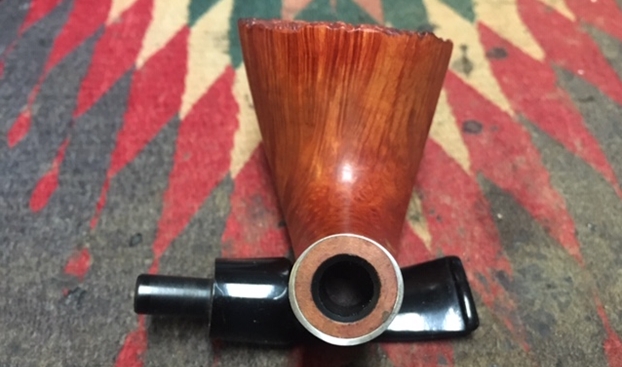
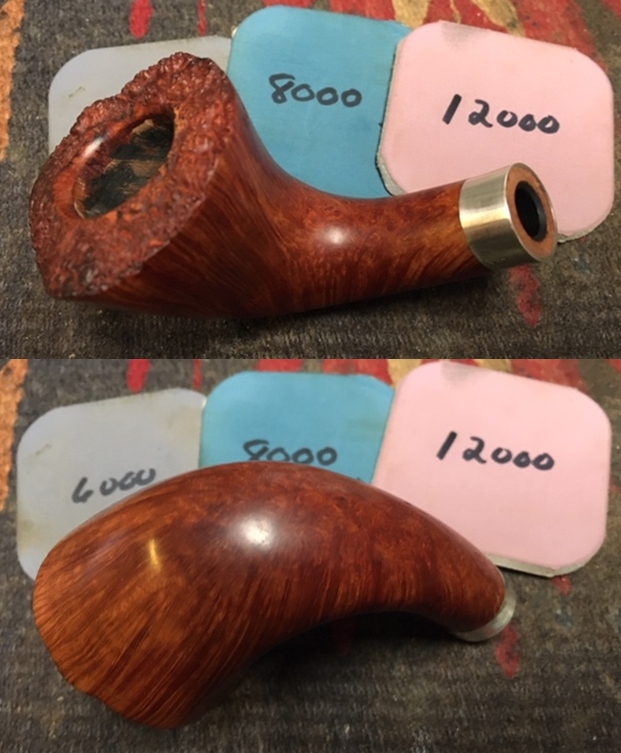
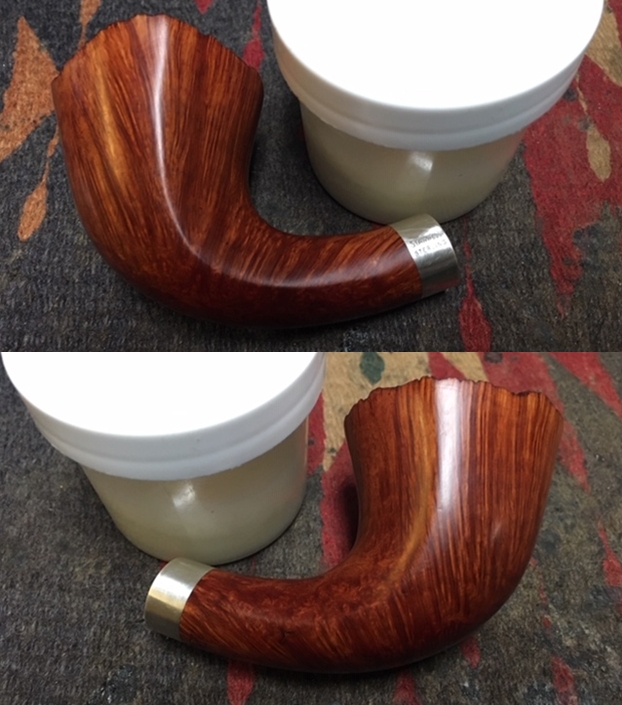
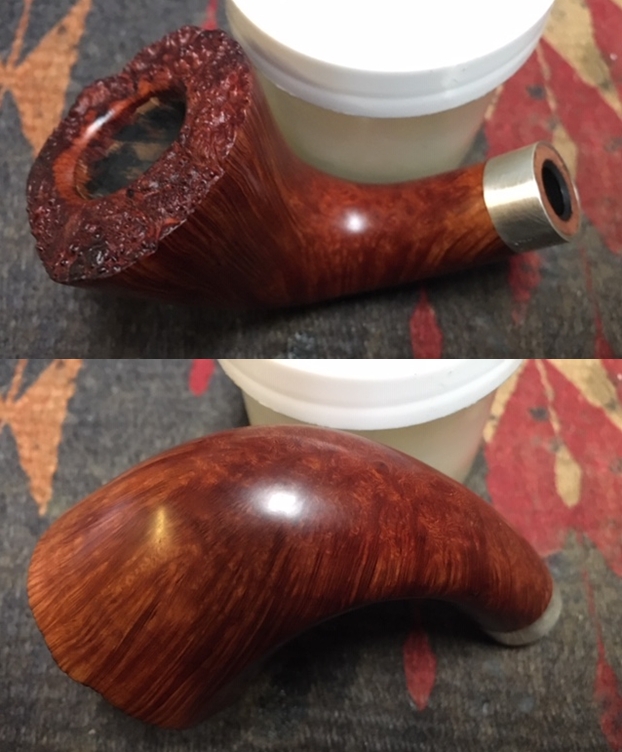
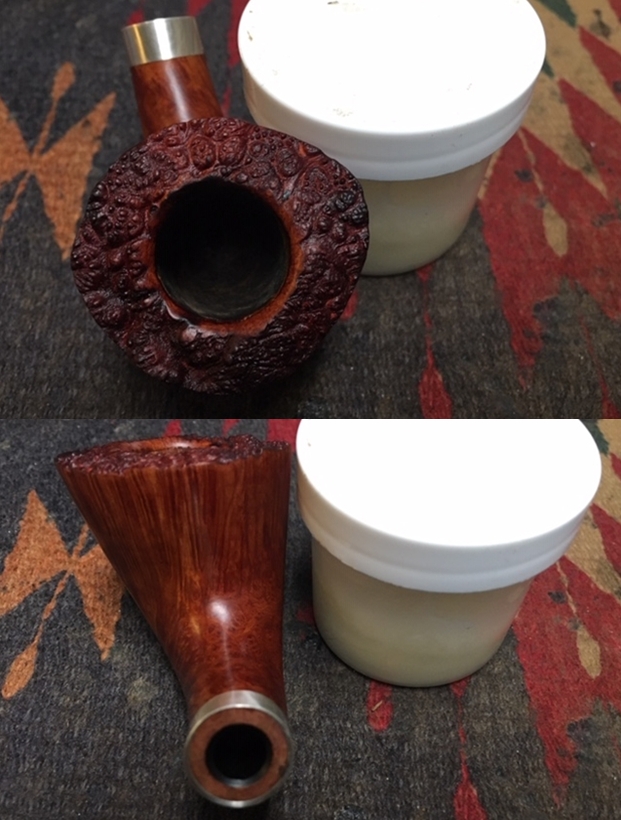
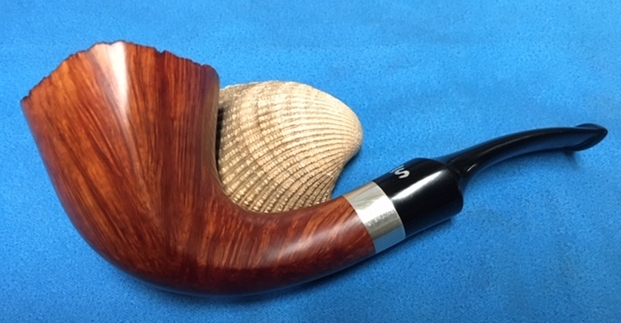
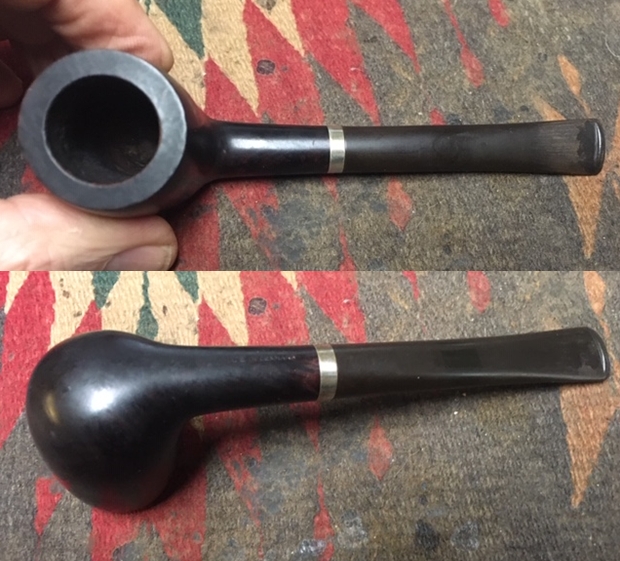
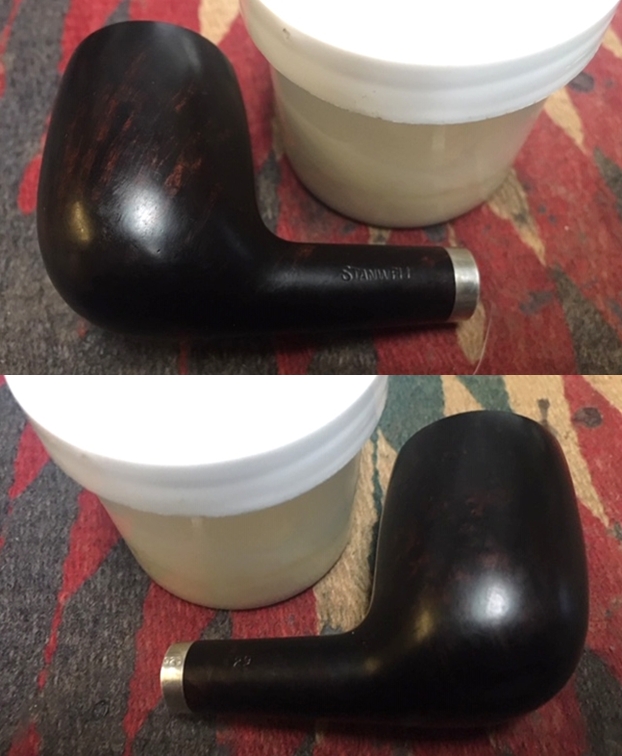
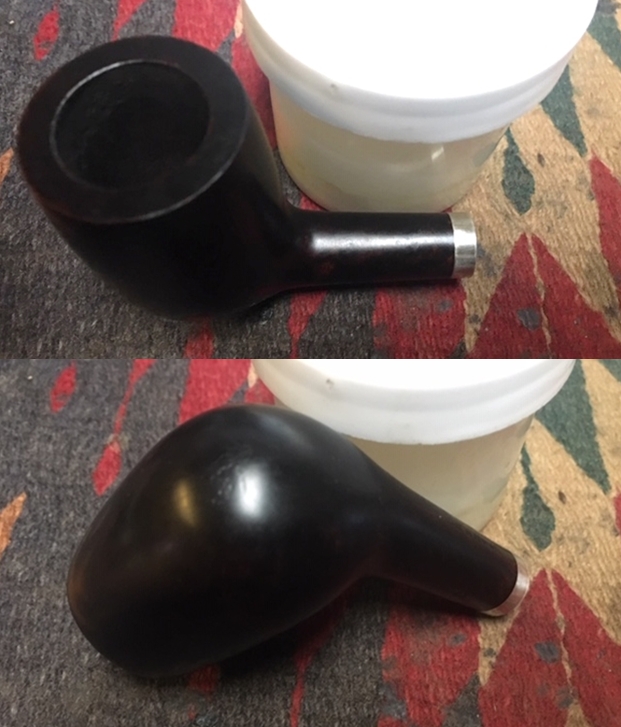
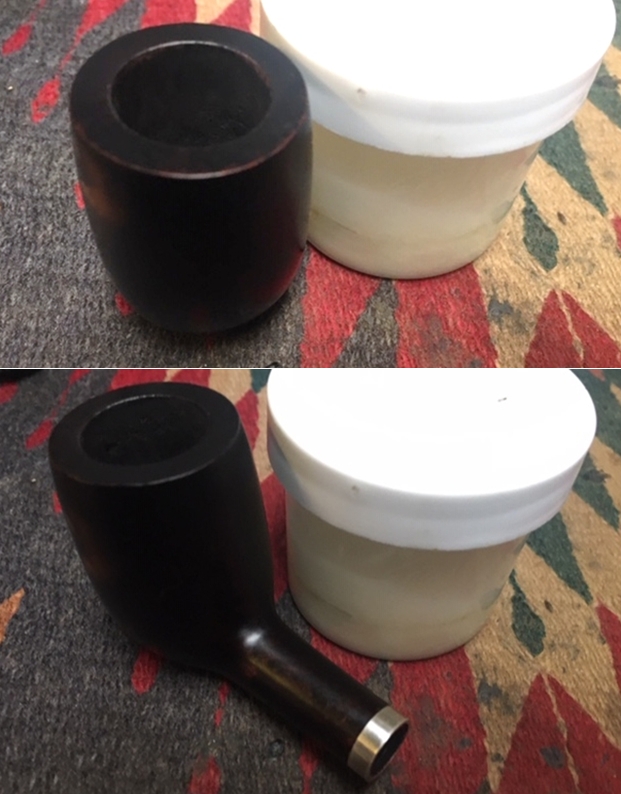
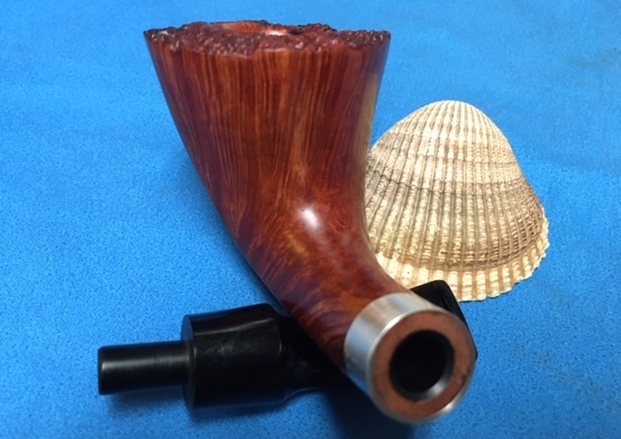
Jeff picked the next pipe up from an auction out of Wilkes-Barre, Pennsylvania. The brand the shape caught his eye. The condition of the pipe also was a big plus. The markings on the pipe are on the underside of the shank. The first stamp reads 126 which is the shape number. That is followed by Stanwell over Made in Denmark. The silver band is stamped Stanwell over Sterling Silver.  The shape of the bowl is what I would call a horn. It is flared at the top of the bowl into an open bowl. There is a plateau finish on the top and the inner edge of the bowl is sanded smooth with a slight bevel that is set off by the plateau above and around it. The finish is smooth, well grained and shiny. It is dirty so it is hard to know the exact condition of the finish under the grime. The application of a silver band seems to pinch the shank like a tight belt around the waste of the pipe and acts good transition between shank and the saddle stem flared shapes. The stem is acrylic with a Silver Crown S off center on the top of the saddle. There is a light tooth chatter on both sides near the button but otherwise it is in excellent condition. Jeff took some photos of the pipe before he started his cleanup work. Jeff took close up photos of the rim top from various angles to show the general condition of the bowl and rim. The first photo shows the thin cake in the bowl clean inner rim edge. The photos give a clear picture of the bowl sides and rim edges.Jeff took a photo of the side and heel of the bowl to give an idea of the beauty of the grain and the condition of the bowl.The underside of the shank is stamped Stanwell over Made in Denmark. The silver band is stamped Stanwell Sterling. There is a Silver Crown S on the top of the saddle stem slightly off to the left side. The stamping is very readable. The photos of the stem show the condition of the acrylic stem on both sides. The first one shows top side with a clean undamaged view (slight chatter visible in person) and the second shows the chatter on the underside of the stem.I knew that my old friend the late Bas Stevens had written a bit about the designer of the shape on his listing that is on the rebornpipes blog so I looked it up https://rebornpipes.com/2013/09/03/stanwell-shapes-compiled-by-bas-stevens/). On the list Bas states that the 126 shape is the same shape as the 125 but with plateau top. This horn shaped freehand was designed by Tom Eltang.

I also found out on the web through a variety of sites that the Stanwell Sterling Smooth pipes came in a nice variety of Stanwell’s signature shapes, finished in a golden-brown stain and polished to a high gloss. The sites stated that these beautiful briars were accented with silver bands which make for a nice contrast against the shimmering black acrylic stems.

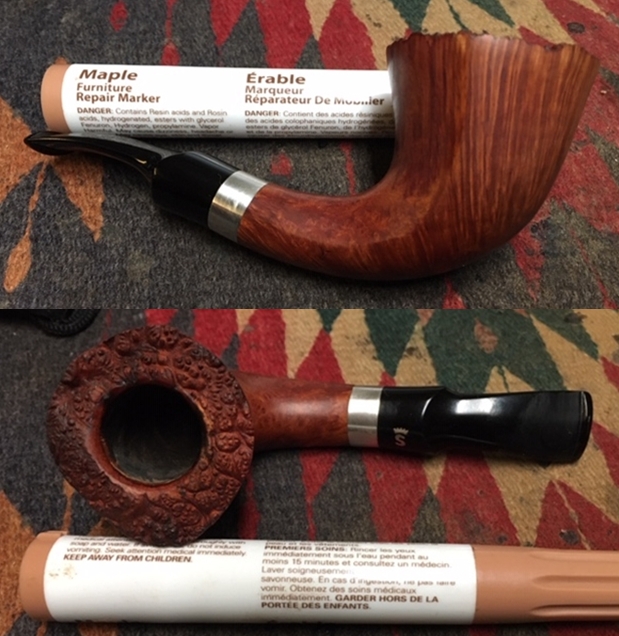
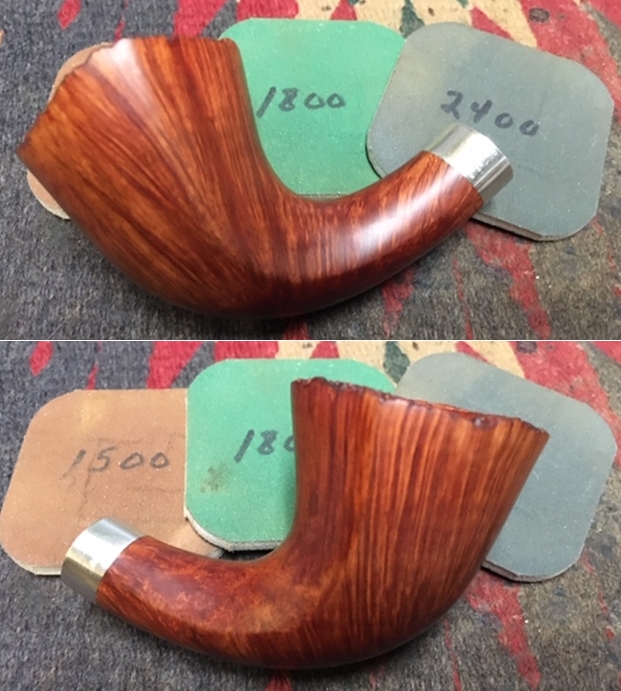
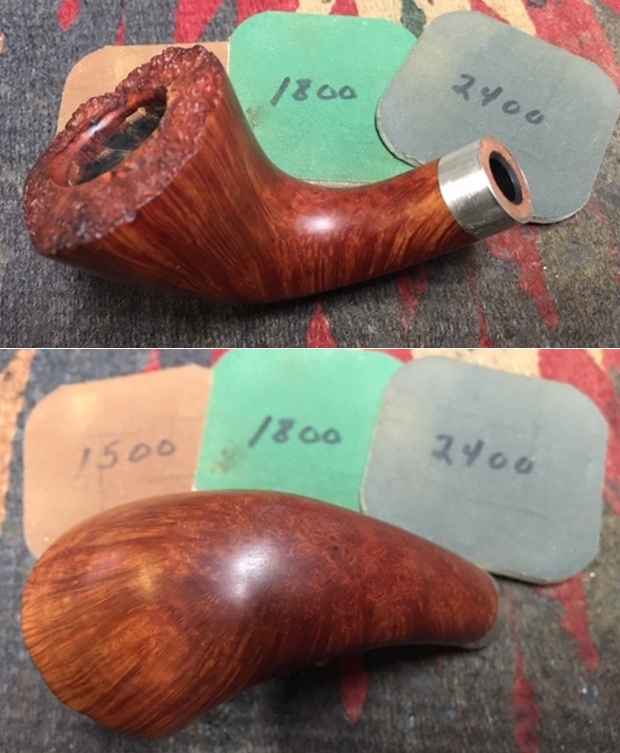
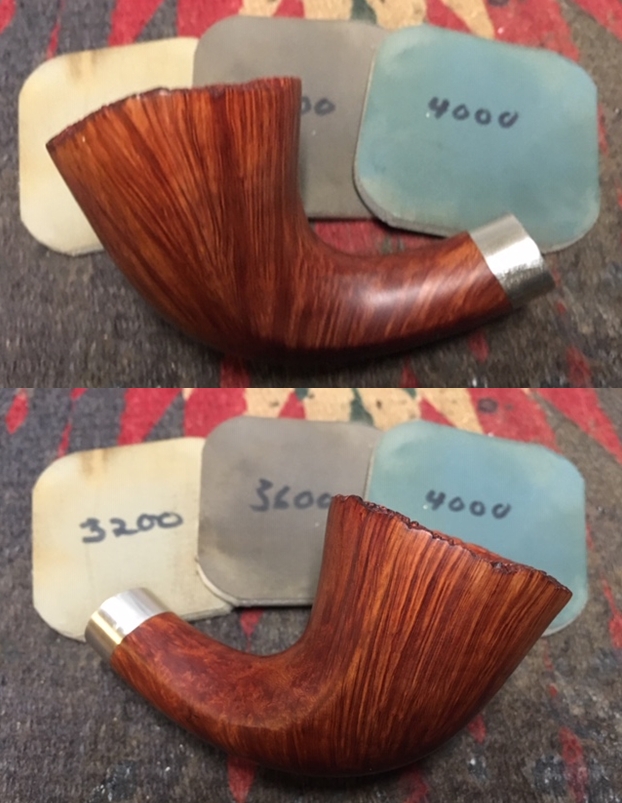
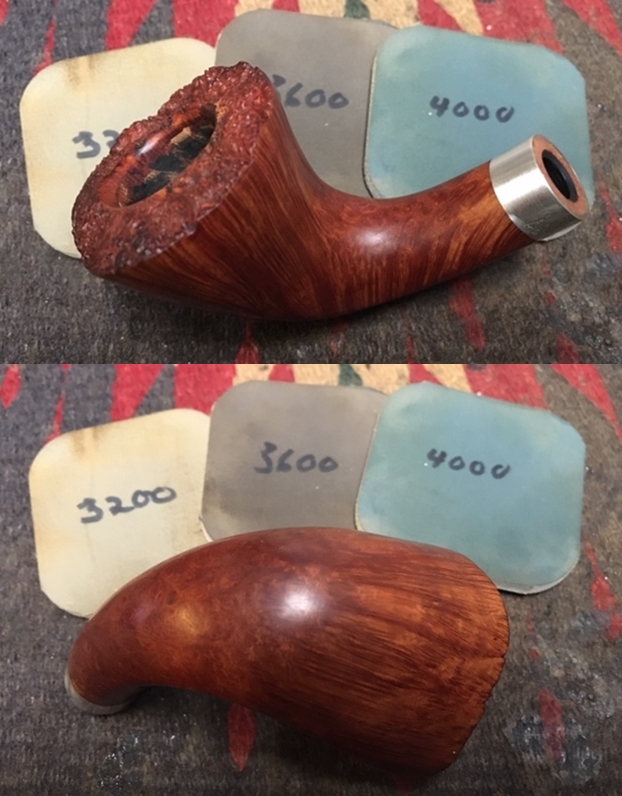
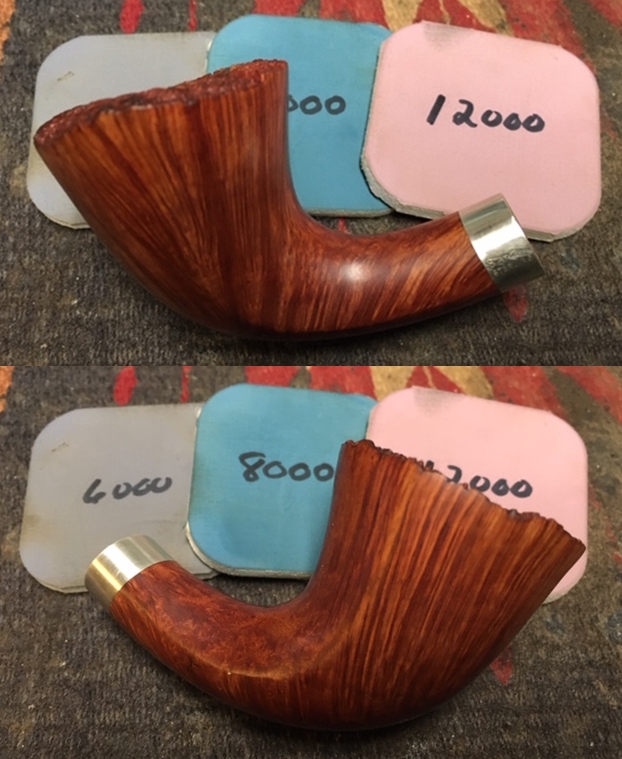
Knowing that the pipe was designed by Tom Eltang added some interest to the pipe for me. He is a premier designer with amazing looking pipes of his own and in the Stanwell line. I turned my attention to the pipe itself. Jeff had cleaned the pipe with his usual penchant for thoroughness that I really appreciate. He reamed it with a PipNet pipe reamer and cleaned up the reaming with a Savinelli Fitsall Pipe Knife. He scrubbed out the internals with alcohol, pipe cleaners and cotton swabs until the pipe was clean. He scrubbed the exterior of the bowl with Murphy’s Oil Soap and a tooth brush to remove the grime and grit on the briar and the lava on the rim top. The finish looks very good with good looking grain around the bowl and shank. Jeff cleaned the stem with Murphy’s Oil Soap to remove the grime on the finish. When the pipe arrived here in Vancouver for the second stop of its restoration tour it looked very good. I took photos before I started my part of the work. I took some close up photos of the plateau rim top and also of the stem surface. The bowl and the rim top look good. The inner edge of the rim was smooth and had some darkening on the back side of the beveled edge. The plateau top looks very good. I also took close up photos of the stem to show how clean the stem was. There were no tooth marks or chatter on either side of the stem.  I took photos of the stamping on the underside of the shank. I reads 126 (the shape number) and Stanwell over Made in Denmark. The silver band is like a tight belt with a flare of briar above and a flare of acrylic below. The band is stamped Stanwell Sterling and the Silver Crown S is golden on the stem top.The mortise was lined with a Delrin tube that allowed the Delrin tenon to slide easily into the shank of the pipe. The photo below shows the lining in the shank and the Delrin tenon.There was a faded portion on the back right side of the bowl. The stain had faded out and left a light stripe on the backside of the bowl. I sanded the inside beveled edge of the rim and stained both areas with a Maple stain pen.I wet sanded the briar with micromesh sanding pads – 1500-12000 grit sanding pads. I wiped the bowl surface down with a damp cloth after each sanding pad to remove the sanding dust. Once I finished the exterior of the briar was clean and the grain really stood out. I rubbed the bowl down with Before & After Restoration Balm. I worked it into the surface of the briar with my fingertips to clean, enliven and protect it. I let the balm sit for a little while and then buffed with a cotton cloth to raise the shine. Mark Hoover’s Balm is a product that I have come to appreciate and one I use on every pipe I have been working on.  I set the bowl aside and turned my attention to the stem. I polished the stem with micromesh sanding pads – wet sanding with 1500-12000 grit pads. I wiped the stem down after each sanding pad with Obsidian Oil. I polished it with Before & After Pipe Stem Polish – both Fine and Extra Fine. Once I had finished the polishing I gave it a coat of “No Oxy Oil” distributed by Briarville Pipe Repair that I am experimenting with. I wiped it down and set it aside to dry.   Once again I am excited to be on the homestretch with beautiful Stanwell Sterling 126 pipe. The fact that the design is a Tom Eltang design is an additional bonus. This is the part I look forward to when it all comes back together, polished and waxed. I put the bowl and stem back together. I polished the bowl and stem with Blue Diamond to polish out the scratches in the briar and the acrylic. I gave the bowl and the stem multiple coats of carnauba wax. I buffed the pipe with a clean buffing pad to raise the shine. I hand buffed it with a microfiber cloth to deepen the shine. The pipe polished up pretty nicely. The beautifully grained finish and the plateau rim top looks really good with the interesting grain patterns standing out on the shape. The Sterling Silver band, Silver Crown S, the grain and the polished black acrylic stem went really well together. This Horn shape plateau Freehand was another fun pipe to work on thanks to Jeff’s cleanup work. It really has that classic Danish look that catches the eye. The combination of various brown stains really makes the pipe look attractive. It is another comfortable pipe to hold in the hand. The finished pipe is shown in the photos below. The dimensions of the pipe are Length: 5 ½ inches, Height: 2 inches, Outside diameter of the bowl: 1 7/8 inches, Chamber diameter: ¾ of an inch. This one will soon be on the rebornpipes store. Thanks for reading this blog and my reflections on the pipe while I worked on it. This is an interesting estate to bring back to life.
Refurbishing a James Upshall P Grade Large Bent Billiard


Blog by Steve Laug

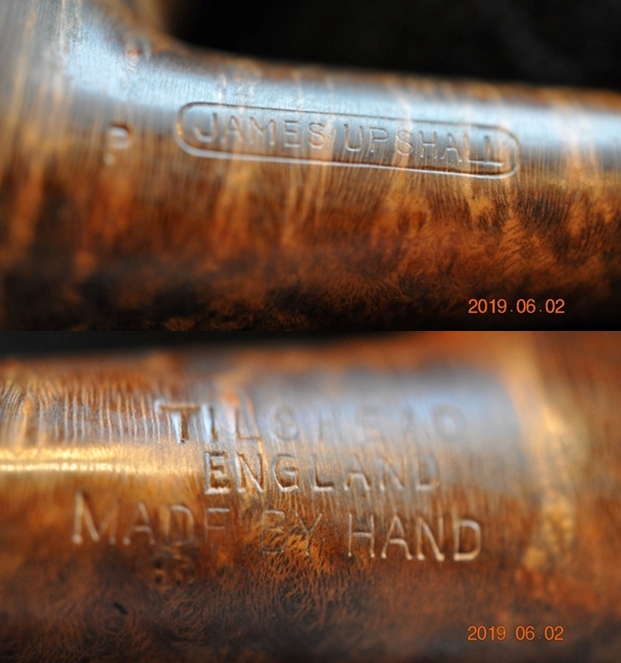
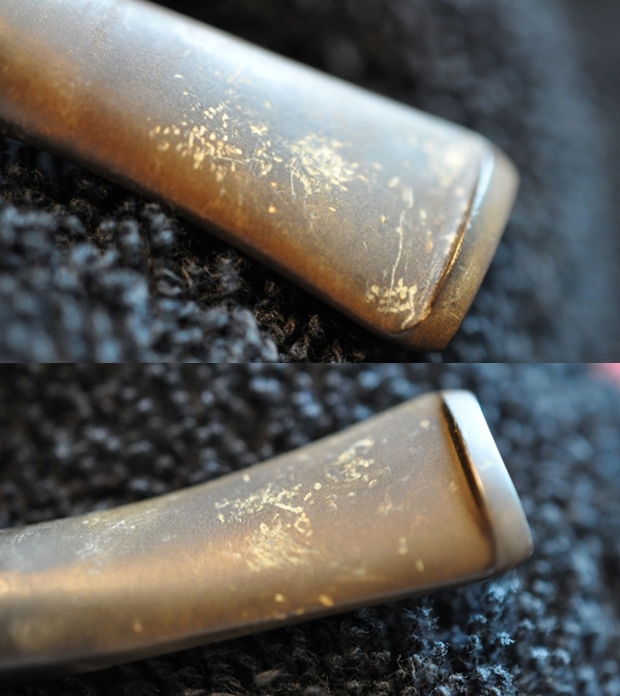
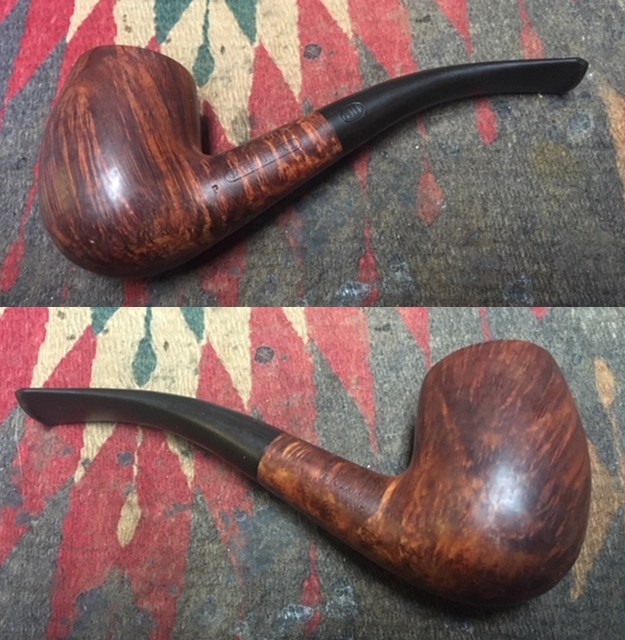
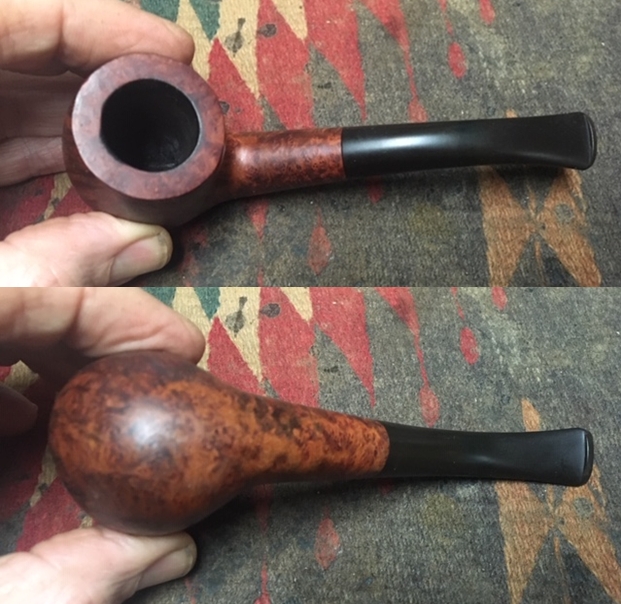
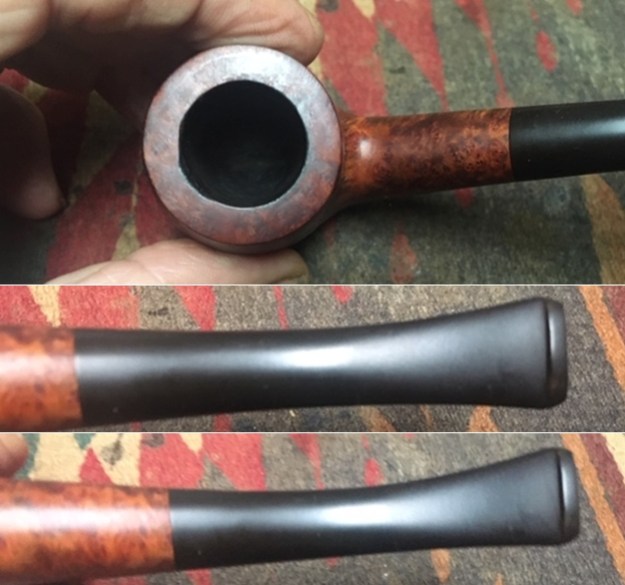
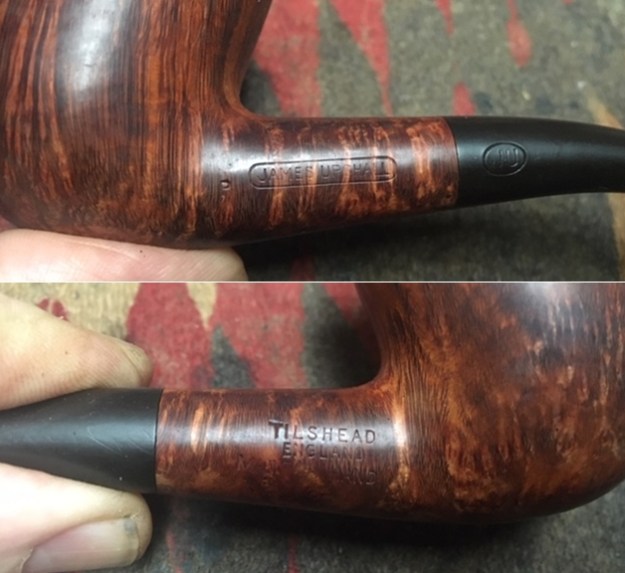
This past May, 2019 I received an email from John in Iowa City, Iowa inquiring whether I would be interested in purchasing four Upshall pipes that he was selling. He sent photos and we chatted back and forth via email and a deal was struck. I had him ship the pipes to Jeff’s place in Idaho. They were generally well cared for pipes but they were dirty. This is the first pipe from that foursome that I have chosen to work on. The shape and design caught my eye as I was going through the pipes in the queue. The shape is what I would call a Large Bent Billiard. It is a P Grade smooth, walnut finished pipe. The finish is very dirty with dust and grime. The bowl has a thick cake but the rim top is quite clean. The rim top has some darkening and perhaps some damage around the inner edge. The inner edge appears to be out of round. The stem is oxidized and has tooth chatter and light tooth marks on both sides near the button. The surface of the button looks very good on both sides. Jeff took photos of the pipe before he started his cleanup work. The conditions noted above are evident in the photos. Jeff took close up photos of the rim top from various angles to show the general condition of the bowl and rim. The first photo shows the thickness of the cake in the bowl and the lava build up on the back inner edge. The edges look like they have been protected by the thick cake so they will probably be fine once the bowl is reamed. There appears to be a little damage on the front inner edge. The photos give a clear picture of the bowl sides and rim edges.Jeff took photos of the sides and heel of the bowl to give an idea of the beauty of the grain and the condition of the bowl. The left side of the shank is stamped P followed by the James Upshall in an oval logo stamp. The stamping on the right side of the shank reads Tilshead over England over Made by Hand.  The stamping is very readable.The photos of the stem show the condition of the stem on both sides. The first one shows the tooth marks and chatter on the top of the stem and on the button.I looked up the Upshall listing in Pipedia to remind myself of the background on the brand (https://pipedia.org/wiki/James_Upshall). I read through the article and found the section on Grading & Sizing Information really helpful. I have included that below. I have highlighted the pertinent text in red below.

James Upshall pipes are graded by various finishes, i.e. bark, sandblast, black dress and smooth etc. Then by cross grain, flame grain, straight grain and, last but not least, the perfect high grade, which consists of dense straight grain to the bowl and shank. The latter being extremely rare. In addition, the price varies according to group size, i.e. from 3-4-5-6 cm high approximately Extra Large. We also have the Empire Series which are basically the giant size, individually hand crafted pipes which come in all finishes and categories of grain. All our pipes are individually hand carved from the highest quality, naturally dried Greek briar. In order to simplify our grading system, let me divide our pipes into 4 basic categories.

  1. It begins with the Tilshead pipe, which smokes every bit as good as the James Upshall but has a slight imperfection in the briar. In the same category price wise you will find the James Upshall Bark and Sandblast finish pipes, which fill and smoke as well as the high grades.
  2. In this category we have the best “root quality” which means that the grain is either cross, flame or straight, which is very much apparent through the transparent differing color finishes. This group will qualify as the “S”- Mahogany Red, “A” – Chestnut Tan and “P” – Walnut. The latter having the straighter grain.
  3. Here you have only straight grain, high grade pipes, which run from the “B”, “G”, “E”, “X” and “XX”. The latter will be the supreme high grade. Considering the straightness of the grain the latter category is also the rarest. Usually no more than 1% of the production will qualify.
  4. Lastly, we have the Empire Series. These are basically Limited Edition gigantic individually hand crafted pieces, which again are extremely rare due to the scarcity of large, superior briar blocks.

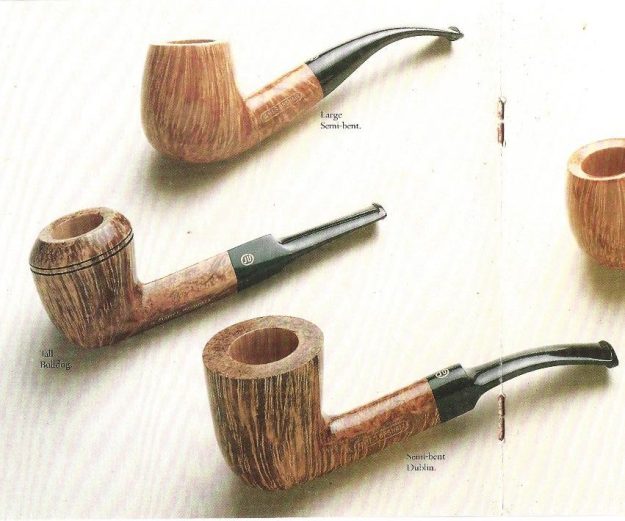
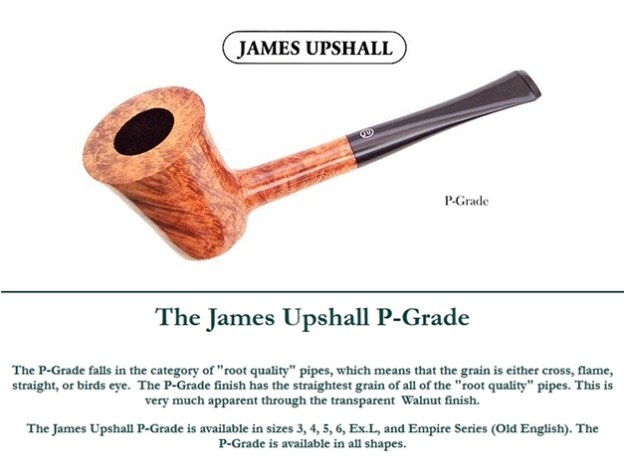
There was a link at the bottom of the article that led to a 1984 Catalogue. I have included a page from that catalogue below (https://pipedia.org/images/a/a6/James_Upshall_1984Catalog.pdf). The pipe at the top of the photo marked Large Semi-Bent is very similar to the one that I am working on.I turned to the James Upshall of England website and looked up the guarantee on their pipes. I have included it below because of the commitment to quality that is spoken of in the description (http://www.upshallusa.com/products.htm).I also copied the section from the website on the P-Grade pipe and the description about the nature of the briar used in that pipe (http://www.upshallusa.com/html/JUP-Grade.htm).Armed with that information I turned my attention to the pipe itself. Jeff had cleaned the pipe with his usual penchant for thoroughness that I really appreciate. He reamed it with a PipNet pipe reamer and cleaned up the reaming with a Savinelli Fitsall Pipe Knife. He scrubbed out the internals with alcohol, pipe cleaners and cotton swabs until the pipe was clean. He scrubbed the exterior of the bowl with Murphy’s Oil Soap and a tooth brush to remove the grime and grit on the briar and the lava on the rim top. The finish looks very good with good looking grain around the bowl and shank. Jeff soaked the stem in Before & After Deoxidizer to remove the oxidation on the rubber. When the pipe arrived here in Vancouver for the second stop of its restoration tour it looked very good. I took photos before I started my part of the work. I took some close up photos of the rim top and also of the stem surface. The bowl and the rim top look good. The inner edge of the rim was slightly out of round on the front side. There were some nicks in the edge. There was some wear in the finish on the rim top.  I also took close up photos of the stem to show how clean the stem was. There were no tooth marks or chatter on either side of the stem.  I took photos of the stamping on the shank. On the left side of the shank it reads P (Grade stamp) followed by the James Upshall stamp in an oval. There is a JU logo on the left side of the stem. The stamping was very clear. The right side of the shank was stamped Tilshead over England over Made by Hand. The grain on this pipe was highlighted by the shaping of the pipe.I decided to clean up the inner edge of the bowl and straighten out the damage to the rim edge with a folded piece of 220 grit sandpaper and polished it with 400 grit sandpaper. It did not take too much to give the edge a light bevel and remove the damage.I wet sanded the briar with micromesh sanding pads – 1500-12000 grit sanding pads. I wiped the bowl surface down with a damp cloth after each sanding pad to remove the sanding dust. Once I finished the exterior of the briar was clean and the grain really stood out. I rubbed the bowl down with Before & After Restoration Balm. I worked it into the surface of the briar with my fingertips to clean, enliven and protect it. I let the balm sit for a little while and then buffed with a cotton cloth to raise the shine. Mark Hoover’s Balm is a product that I have come to appreciate and one I use on every pipe I have been working on.   I set the bowl aside and turned my attention to the stem. I sanded the stem with 220 grit sandpaper to break up the oxidation. I started the polishing with 400 grit wet dry sandpaper to remove the scratching. It is starting to look good. I began the polishing work on the stem by rubbing it down with Denicare Mouthpiece Polish. It is a gritty red paste that I work into the surface of the vulcanite and then buff off with a cotton pad. It does a great job minimizing the scratching on the surface. I have a few tins of this laying around so I am trying to use them up.I polished the stem with micromesh sanding pads – wet sanding with 1500-12000 grit pads. I wiped the stem down after each sanding pad with Obsidian Oil. I polished it with Before & After Pipe Stem Polish – both Fine and Extra Fine. Once I had finished the polishing I gave it final coat of oil and set it aside to dry.  I am excited to be on the homestretch with beautiful James Upshall P-Grade pipe. This is the part I look forward to when it all comes back together, polished and waxed. I put the bowl and stem back together. I polished the bowl and stem with Blue Diamond to polish out the scratches in the briar and the vulcanite. I gave the bowl and the stem multiple coats of carnauba wax. I buffed the pipe with a clean buffing pad to raise the shine. I hand buffed it with a microfiber cloth to deepen the shine. The pipe polished up pretty nicely. The beautifully grained finish looks really good with the interesting grain patterns standing out on the shape. The band, the grain and the polished black vulcanite went really well together. This James Upshall Large Bent Billiard was another fun pipe to work on thanks to Jeff’s cleanup work. It really has that classic English look that catches the eye. The combination of various brown stains really makes the pipe look attractive. It is another comfortable pipe to hold in the hand. The finished pipe is shown in the photos below. The dimensions of the pipe are Length: 5 ½ inches, Height: 2 inches, Outside diameter of the bowl: 1 ¼ inches, Chamber diameter: ¾ of an inch. This is an Upshall that catches my eye. I want to finish the other three Upshalls that I have here and then decide what to do with the lot. Thanks for reading this blog and my reflections on the pipe while I worked on it. This is an interesting estate to bring back to life.
Repairing a Cracked Shank and Restoring a Larsen Super Tulip


Blog by Steve Laug

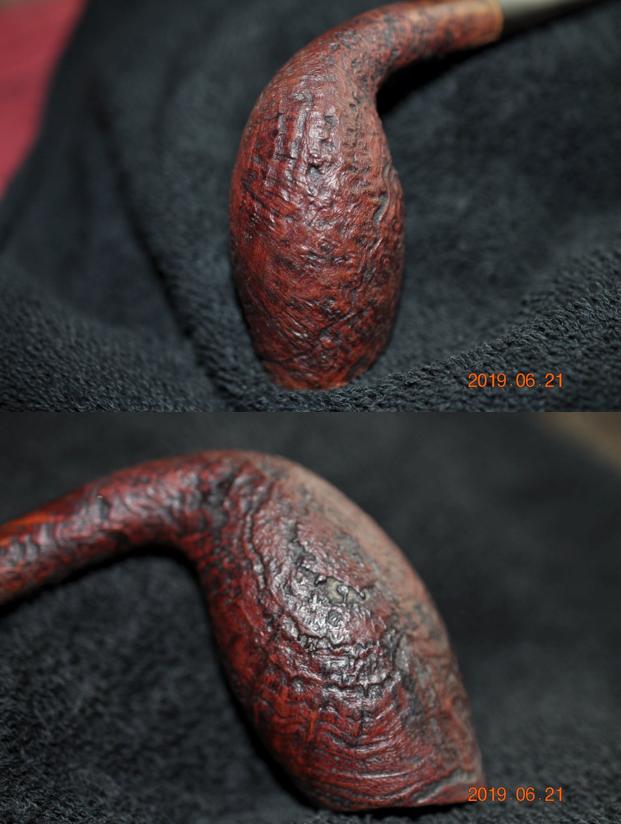
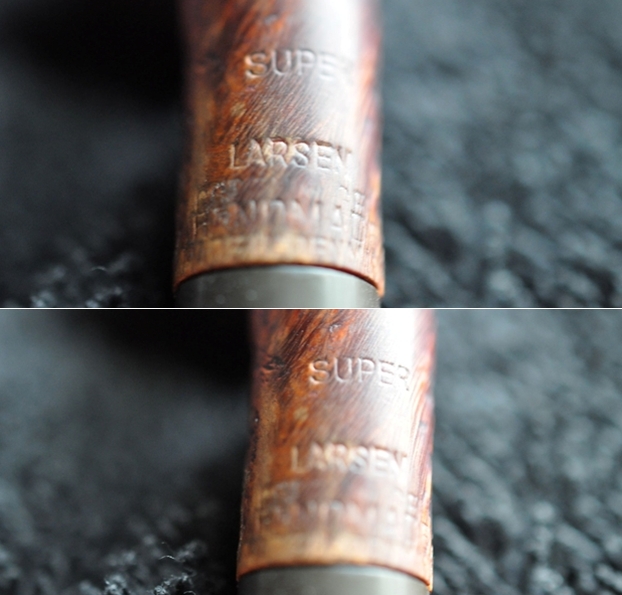
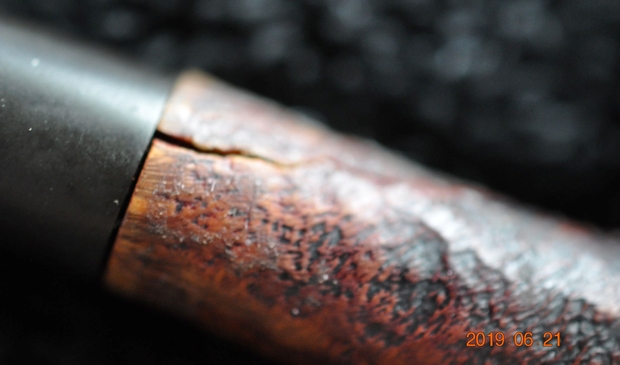
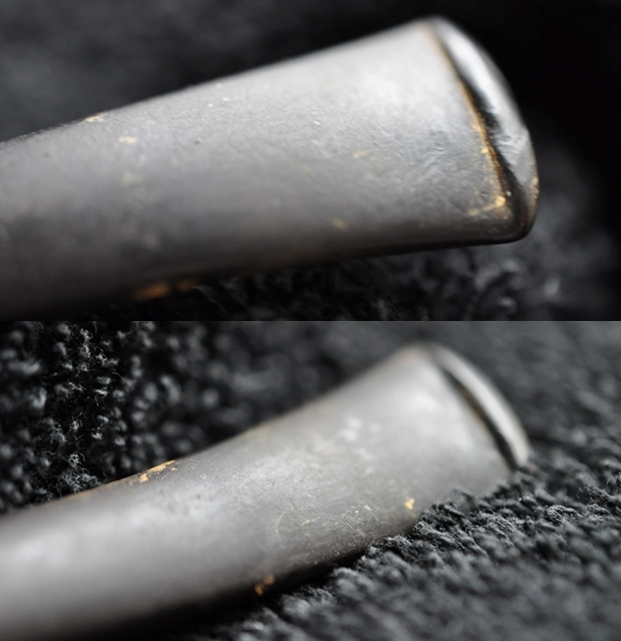
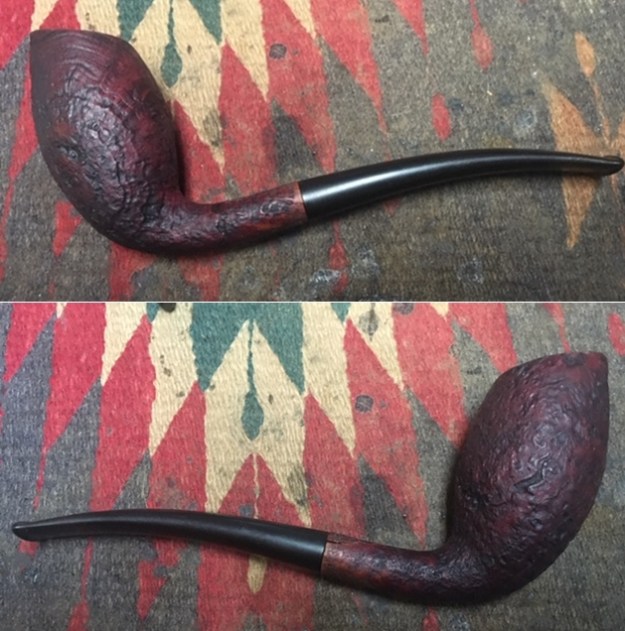
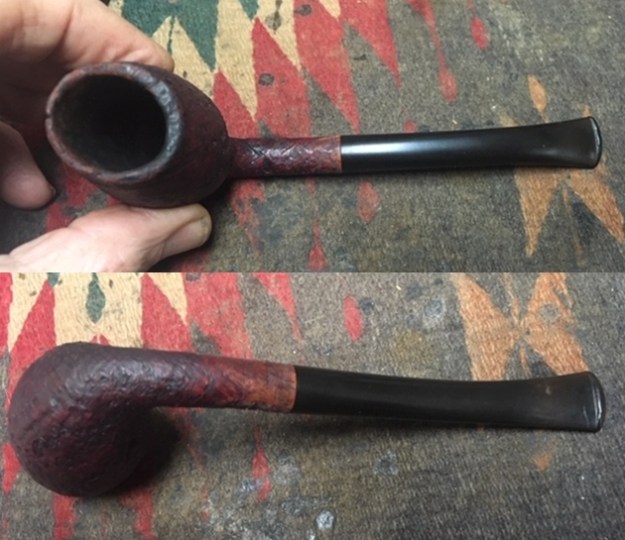
Jeff picked up this interesting Larsen Hand Made from an auction in Columbus, Michigan in March, 2019. The shape and design of this pipe caught his eye and mine. It has a great shape and sandblast finish. The shape is what I would call a tulip and has a forward tipping bowl and a gently curved shank from the bowl through the curve of the stem. The finish is very dirty with dust and grime filling in the grooves of the blast. The bowl has a thick cake that overflows onto the rim top. The rim top has some darkening and perhaps some damage around the thin edge. The shank has about a ½ inch crack on the left side that has spread slightly due to the thick tar and oil in the shank. The stem is oxidized and has tooth chatter and tooth marks on both sides near the button and also damage to the button edge on both sides. Jeff took photos of the pipe before he started his cleanup work. The conditions noted above are evident in the photos. Jeff took close up photos of the rim top from various angles to show the general condition of the bowl and rim. The first photo shows the thickness of the cake in the bowl and the lava build up on the back edge. The edges look like they have been protected by the thick cake so they will probably be fine once the bowl is reamed. The second and third photos give a clear picture of the bowl sides and rim edges. Jeff took photos of the sides and heel of the bowl to give an idea of the beauty of the sandblast and the condition of the bowl.The underside of the shank is stamped Super over Larsen over Handmade over Made in Denmark. The stamping is faint toward the edge of the shank/stem junction. Between the Larsen and Handmade there appears to be something stamped but it is unclear. There is a crack in the shank that is evident in the third photo and it almost looks like there was a thin band on the shank at some point before it came to me. You can see a light strip at the shank end in the photos above and the one below.The photos of the stem show the condition of the stem on both sides. The first one shows the tooth marks and chatter on the top of the stem and on the button.I turned to Pipephil’s site to get a quick review of the brand (http://pipephil.eu/logos/en/logo-l2.html). There was a sidebar on the site that gave the following information:

In the 1960s Ole Larsen, owner of the Copenhagen tobacco store, retails pipes carved by Sixten Ivarsson, Poul Rasmussen, Sven Knudsen or Peter Brakner. Faced with the success and urged by Sven Bang (store manager), Sven Knudsen and Former (Hans Nielsen) are successively hired to carve pipes in the basement of the shop at the beginning and in the old Larsen cigar factory afterwards. Carver like Teddy Knudsen, Tonni Nielsen, Jess Chonowitch, Peter Hedegaard work a while in this context.

When Nils, son of Ole Larsen, succeeds his father he acquires the Georg Jensen pipe factory to focus on less expensive pipes. This turns out to be an error ending with the sale of W.O. Larsen trademark to Stanwell.

The famous tobacco shop at Strøget, Amagertorv 9 closed down for good on Dec 31, 2004.

I turned to Pipedia and read the history of the brand. It is a short article and a very good read. It seems that W.O. Larsen was a famous pipe retailer in Denmark who employed many of the famous pipemakers such as S. Bang, Former, Teddy Knudsen, Tonni Nielsen, Jess Chonowitsch, Peter Hedegaard and others. Give the article a read as it is very interesting. The link follows below: (https://pipedia.org/wiki/W.%C3%98._Larsen).

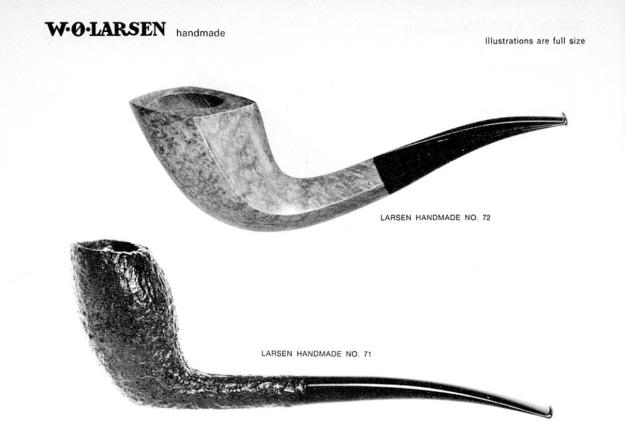
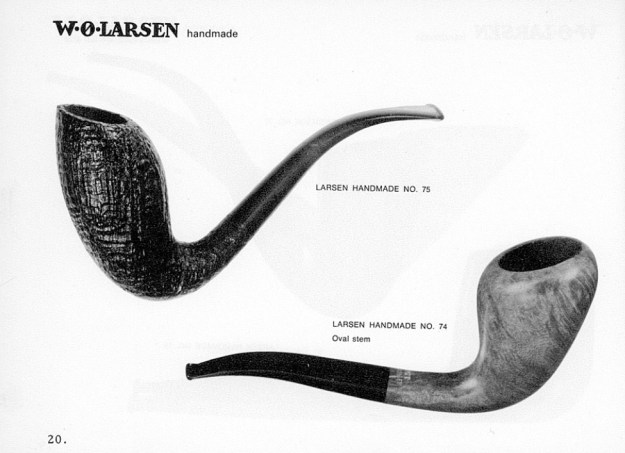
There were several links to Larsen catalogues at the end of the article. The screen captures below give some pipes that look very similar to the one I am working on . It is like the Larsen Handmade No.71 in the first photo below and like the Larsen Handmade No. 75 in the second photo below. (https://pipedia.org/images/5/5c/Wo1.pdf) (http://www.danishpipemakers.com/pdf/wo1.pdf) Jeff cleaned the pipe with his usual penchant for thoroughness that I really appreciate. This one was a real mess and I did not know what to expect when I unwrapped it from his box. He reamed it with a PipNet pipe reamer and cleaned up the reaming with a Savinelli Fitsall Pipe Knife. He scrubbed out the internals with alcohol, pipe cleaners and cotton swabs until the pipe was clean. He scrubbed the exterior of the bowl with Murphy’s Oil Soap and a tooth brush to remove the grime and grit on the briar and the lava on the rim top. The finish looks very good with good looking grain around the bowl and shank. Jeff soaked the stem in Before & After Deoxidizer to remove the oxidation on the rubber. When the pipe arrived here in Vancouver for the second stop of its restoration tour it looked very good. I took photos before I started my part of the work. I took some close up photos of the rim top and also of the stem surface. I wanted to show what an amazing job Jeff did in the cleanup of the rim top. The bowl and the rim top look very good. There was some darkening on the back top of the rim and some wear in the finish on the front of the rim top.  I also took close up photos of the stem to show the tooth marks and chatter on both sides at the button.  As I examined the crack I the shank under a lens I could see that it actually was two cracks running parallel and then connected at the top. I carefully remove the chip of briar from the shank and took the following photo. I have some older thin bands that looked like rose gold and were the right size to achieve the repair without covering the majority of the stamping on the underside of the shank. I glued the chip back in place on the shank with clear super glue. Once it hardened I coated the outside of the shank (the width of the band) with an all purpose white glue and pressed the band onto the shank to hold the piece in place and stabilize the repair. I put the stem on the shank and took photos of the pipe to get an idea of what it looked like with the delicate rose gold band on the shank end. I like the way it looked. It achieved the repair but did not sacrifice the dignity of the pipe. I restained the rim top to blend the lighter front with the darkening on the rear portion using a Mahogany stain pen. It blended the colours well matching the rest of the bowl.I rubbed the bowl down with Before & After Restoration Balm. I worked it into the surface of the briar with my fingertips to clean, enliven and protect it. I let the balm sit for a little while and then buffed with a cotton cloth to raise the shine. Mark Hoover’s Balm is a product that I have come to appreciate and one I use on every pipe I have been working on.   I set the bowl aside and turned my attention to the stem. I “painted” the stem surface ahead of the button and on the button surface on both sides of the stem with the flame of a Bic lighter. The heat lifts the tooth marks on the surface and because of the “Memory” of vulcanite I was able to make them almost invisible with the heat. All I would need to do to finish the repairs was to sand the stem surface and polish it.I sanded the stem with 220 grit sandpaper to break up the oxidation. I started the polishing with 400 grit wet dry sandpaper to remove the scratching. It is starting to look good. The tenon was very tight in the shank. I believe that it was the cause of the cracks in the shank. So, to deal with the issue I reduced the diameter of the tenon with the sandpaper at the same time I sanded the stem surface. I began the polishing work on the stem by rubbing it down with Denicare Mouthpiece Polish. It is a gritty red paste that I work into the surface of the vulcanite and then buff off with a cotton pad. It does a great job minimizing the scratching on the surface. I have a few tins of this laying around so I am trying to use them up. I polished the stem with micromesh sanding pads – wet sanding with 1500-12000 grit pads. I wiped the stem down after each sanding pad with Obsidian Oil. I polished it with Before & After Pipe Stem Polish – both Fine and Extra Fine. Once I had finished the polishing I gave it final coat of oil and set it aside to dry.    I am excited to be on the homestretch with beautiful Larsen pipe. This is the part I look forward to when it all comes back together, polished and waxed. I put the bowl and stem back together. I polished the bowl and stem with Blue Diamond to polish out the scratches in the briar and the vulcanite. I gave the bowl multiple coats of Conservator’s Wax and the stem multiple coats of carnauba wax. I buffed the pipe with a clean buffing pad to raise the shine. I hand buffed it with a microfiber cloth to deepen the shine. The pipe polished up pretty nicely. The new band on the repaired shank adds a nice touch to the look of the pipe. The sandblast finish looks really good interesting grain patterns popping through the blast. The band, the blast and the polished black vulcanite went really well together. This Larsen Super freehand shape Tulip was another fun pipe to work on thanks to Jeff’s cleanup work. It really has that classic Danish look that catches the eye. The combination of various brown stains undulating in the nooks and crannies of the blast really makes the pipe look attractive. It is another comfortable pipe to hold in the hand. The finished pipe is shown in the photos below. The dimensions of the pipe are Length: 6 ½ inches, Height: 2 ½ inches, Outside diameter of the bowl: 1 1/8 inches, Chamber diameter: ¾ of an inch. I like the looks of the repaired shank and the flow of the gold band on the shank. It sets off the brown of the briar and the black of the vulcanite. Thanks for reading this blog and my reflections on the pipe while I worked on it. This is an interesting estate to bring back to life.
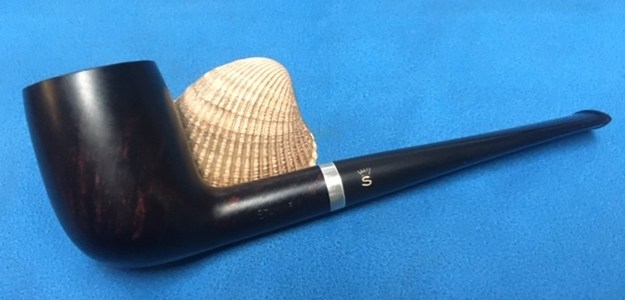
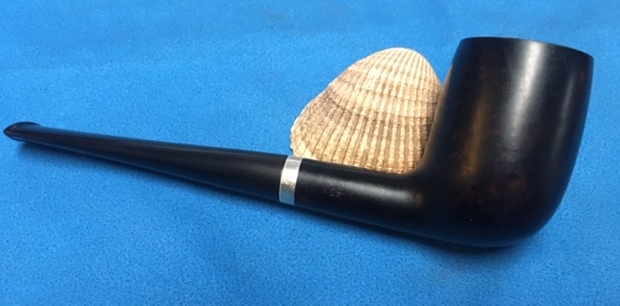
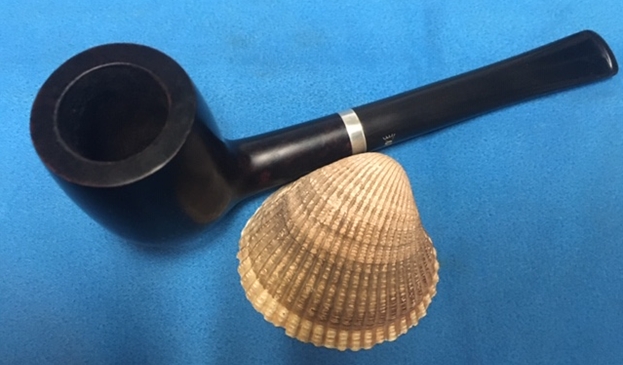
Sprucing up an Unsmoked Peterson’s Sterling Made in Ireland 5 Billiard


Blog by Steve Laug

The next pipe I have chosen to work on is an unsmoked Peterson’s Sterling Billiard. It has a Sterling Silver band around the shank that is tarnished and oxidized. The bowl is raw briar on the inside and unsmoked. There are some obvious fills around the bowl and shank that are ugly in appearance to my mind but they are sound – one on the back, one on the left side of the bowl and the third on the left side of the shank. The exterior is also covered with a shiny coat of varnish that would need to go in my opinion. The stem was in decent condition – it had just lost a bit of its shine. Kind of an anomaly – a shiny plastic looking finish on the bowl and a dull looking stem. The pipe was stamped on the left side of the shank and read Peterson’s Sterling. On the right side it is stamped with the Made in Ireland in a circle and the number 5 identifying the shape. It is an interesting pipe. I took photos of the bowl and rim top to show unsmoked condition of the bowl and rim top. It was truly a pristine looking bowl – and it did not have a bowl coating so that was even a bonus. The silver band was quite oxidized and it was impossible to identify the markings on the silver. I took photos of the top and underside of the stem showing the clean and pristine condition of the stem surfaces.     I took the stem out of the shank and was a little surprised by the stinger in the tenon. I don’t know if it was original or had been added somewhere along the way. It too was very clean. It was removable so I took it out of the tenon and took a photo as well. I checked on Pipephil’s website to see what I could learn about the stamping on the pipe. I found the following information that I quote:

The country of manufacture stamp changed from “Made in Eire” to “Made in Ireland” (In circle) about 1945 (this pipe). Later (1947-49) it became “MADE IN IRELAND” (block letters) stamped in one or two lines (http://www.pipephil.eu/logos/en/logo-peterson.html).

I turned to Pipedia’s article on Peterson pipes to see what I could garner from that information. It is a great read in terms of the history of the brand (https://pipedia.org/wiki/Peterson#1950_-_1989_The_Republic_Era). In a section on

Prior to 1920 it was rare for a country of origin to be stamped on the pipe, just Peterson’s Dublin on the band. After 1921/22 if it is stamped “MADE IN IRELAND” and the “Made in” is stacked over “Ireland” or “MADE IN EIRE” or several other forms, it was made between 1922 and 1938. A considerable number of Peterson pipes were stamped “Irish Free State”. From about 1930 to 1949, most of the pipes (those which were stamped) were stamped “Made in Ireland”.” If the stamp reads “MADE IN IRELAND” in a circle, the pipe was made between 1939 and 1948. These are all “prerepublic” pipes.

I then turned to the book I should have consulted first, The Peterson Pipe, by Mark Irwin and Gary Malmberg. On page 155 I found some information on the line.

Peterson’s US distributor during the early Republic era was Rogers Imports, Inc., a New York firm whose catalogs offered all varieties of smoker’s products. Rogers was the exclusive wholesale dealer for several prominent European pipe manufacturers, they also marketed accessories under their own name. On behalf of Kapp & Peterson they registered the Killarney, Shamrock and Sterling trademarks with the US Patent Office in the 1950s, and their catalogs also featured the System, Premier Selection and Supreme.

On page 156-157 in the same book there is a catalogue page with the Sterling shown on it. It sold for $7.50 in 1953. It read:

As the name implies the Sterling quality of this fine pipe is distinguished in a careful selection of its fine Mediterranean Bruyere, its careful workmanship and sparkling finish. Banded with a Sterling Silver band – a Hallmark of quality – the pipe is available in a handsome natural or dark rich walnut finish. Patent P-lip stem. Individually boxed.

With that information in hand I knew what I was dealing with in terms of the stamping on the pipe. It is a late Pre-republic era or early Republic era pipe. The circular Made in Ireland stamp on the right side of the shank tells me it was made between 1939-1948. It showed up in Peterson Catalogue in 1953 and it seems that the pipe has remained unsmoked since the late 40s early 50s.

Now, on to the restoration of this beautifully grained Peterson’s Sterling 5 billiard. The fact that it was an unsmoked pipe meant that I really did not need to clean the pipe. I decided to start the process by addressing the oxidation/tarnish of the Sterling Silver band on the shank. I wiped the band down with a jeweler’s cloth to remove the tarnish. It has three hallmarks stamped toward the top of the left side followed by Sterling Silver and Peterson Dublin. The hallmarks seem to be K&P though they are worn.The bowl had a thick coat of varnish on the surface that was shiny and in some places slightly wrinkled. I wiped the bowl down with a cotton pad and isopropyl alcohol to soften the finish. I wet sanded the briar with micromesh sanding pads – 1500-12000 grit sanding pads. I wiped the bowl surface down with a damp cloth to remove the sanding dust. Once I finished the exterior of the briar was clean of the shiny varnish coat and the grain really stood out.  After sanding the bowl and removing the finished I rubbed it down with Before & After Restoration Balm. I worked it into the surface of the briar with my fingertips to clean, enliven and protect it. I let the balm sit for a little while and then buffed with a cotton cloth to raise the shine. Mark Hoover’s Balm is a product that I have come to appreciate and one I use on every pipe I have been working on.  The stem was in very good condition and appeared to be original. It did not have a “P” logo on stem side or top. I polished the stem with micromesh sanding pads – wet sanding with 1500-12000 grit pads. I wiped the stem down after each sanding pad with Obsidian Oil. I polished it with Before & After Pipe Stem Polish – both Fine and Extra Fine. Once I had finished the polishing I gave it final coat of oil and set it aside to dry.     As usual at this point in the restoration process I am excited to be on the homestretch. I look forward to the final look when it is put back together, polished and waxed. I put the bowl and stem back together. I polished the bowl and stem with Blue Diamond to polish out the scratches in the briar and the vulcanite. I gave the bowl and the stem multiple coats of carnauba wax. I buffed the pipe with a clean buffing pad to raise the shine. I hand buffed it with a microfiber cloth to deepen the shine. The pipe polished up pretty nicely. The grain really pops with the wax and polish. The shiny black vulcanite stem is a beautiful contrast to the browns of the bowl. This Peterson’s Sterling 5 Billiard a great pipe to spruce up. The Sterling Silver Band around the shank is a great contrast between the browns of the briar and the black of the vulcanite. It is a nice piece of briar whose shape follows the flow of the grain. It is a very comfortable pipe to hold in the hand. The finished pipe is shown in the photos below. The dimensions of the pipe are Length: 5 ½ inches, Height: 1 ¾ inches, Outside diameter of the bowl: 1 ¼ inches, Chamber diameter: ¾ of an inch. This beautiful pipe will be going on the rebornpipes store if you would like to add it to your collection and be the first to smoke it. Thanks for reading this blog and my reflections on the pipe while I worked on it. This is an interesting estate to bring back to life.
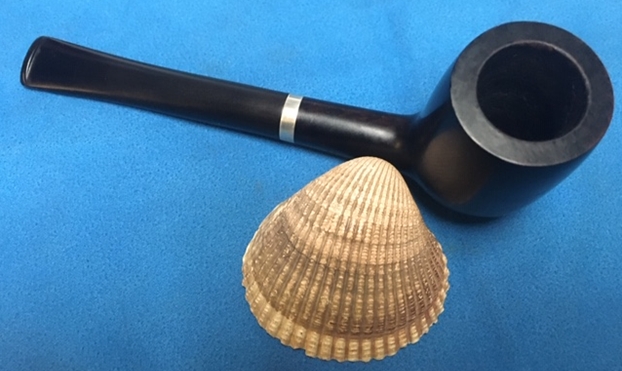


A Friend’s Second Commission: Rejuvenation of a Carey Magic Inch Pat. 3267941 Apple


Blog by Dal Stanton

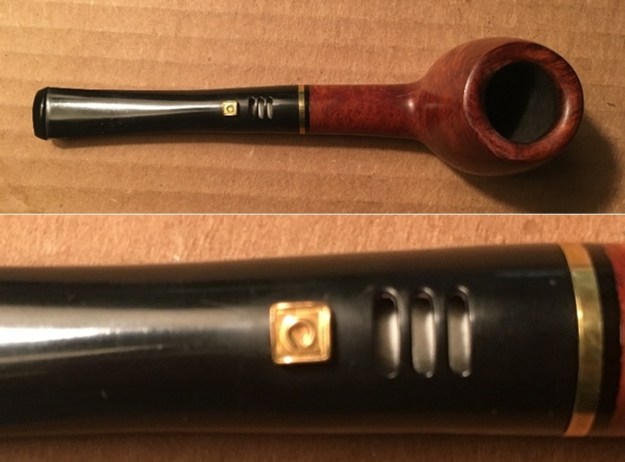
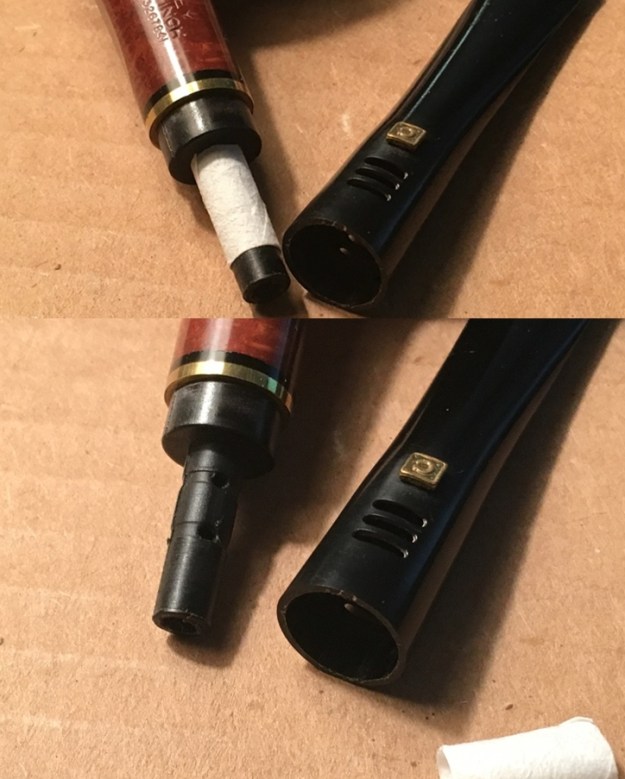
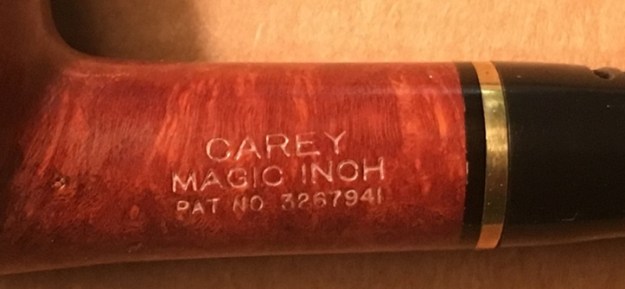
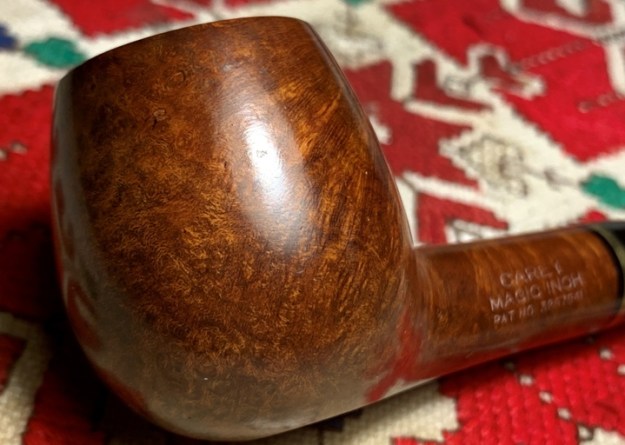
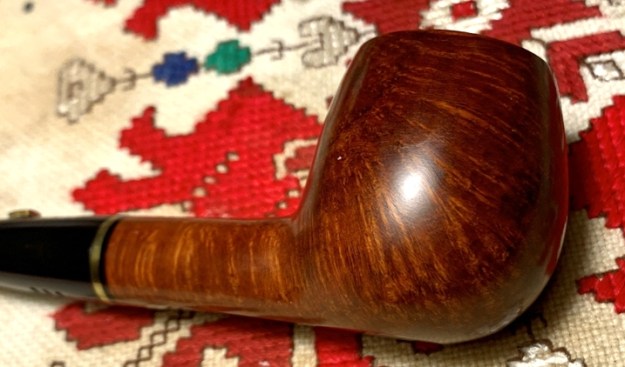
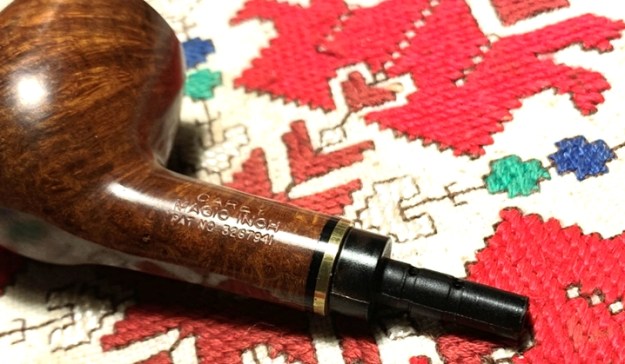
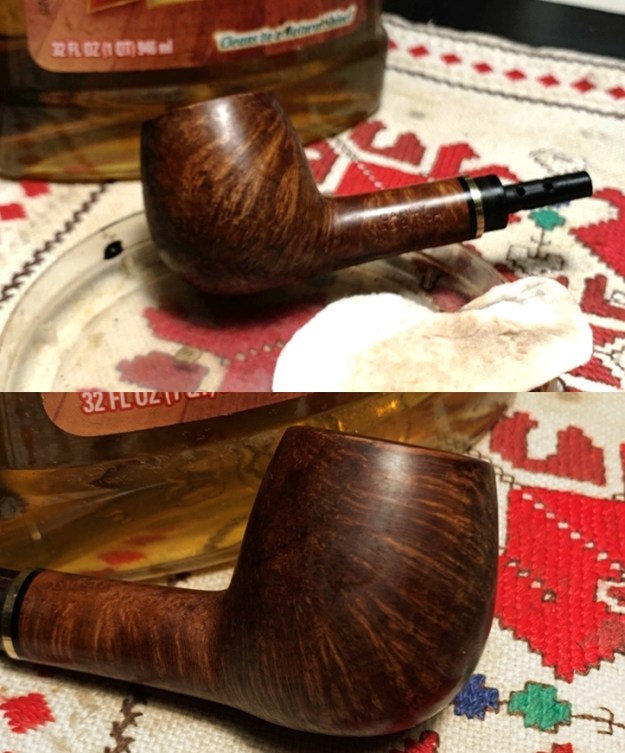
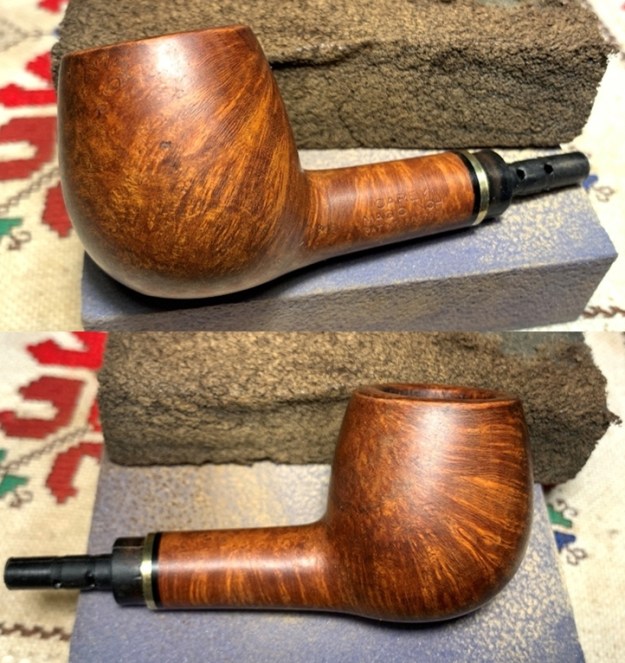
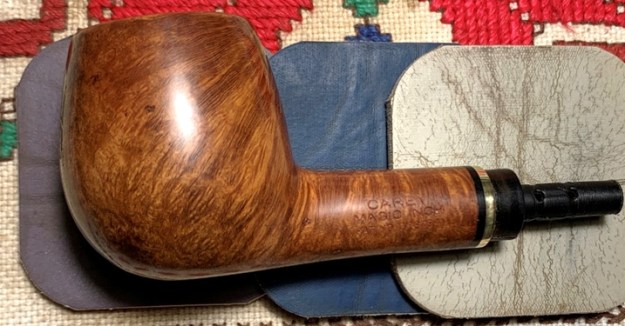
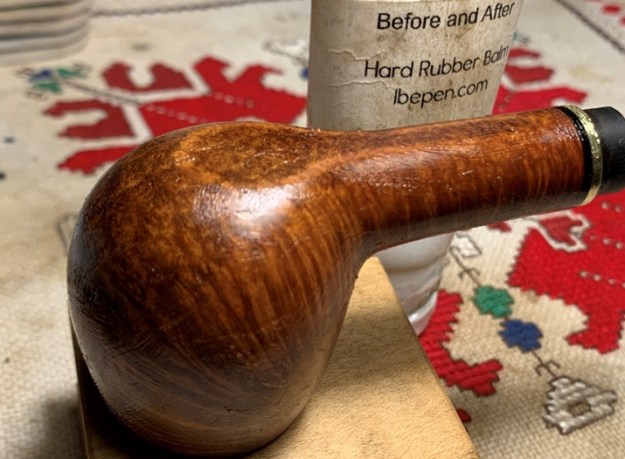
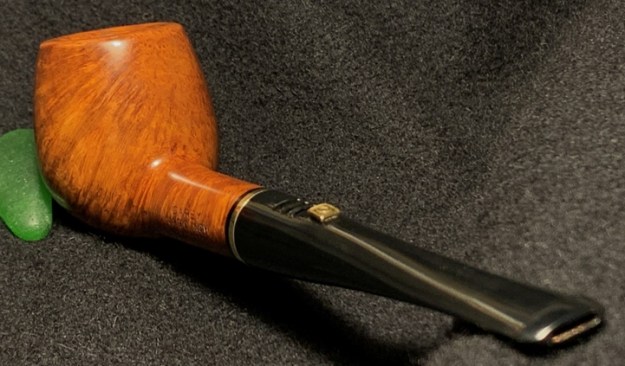
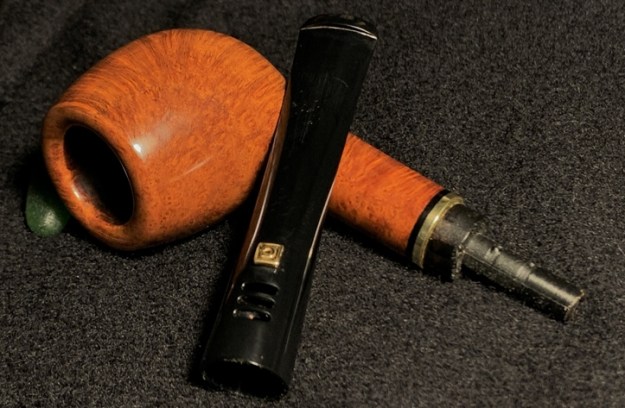
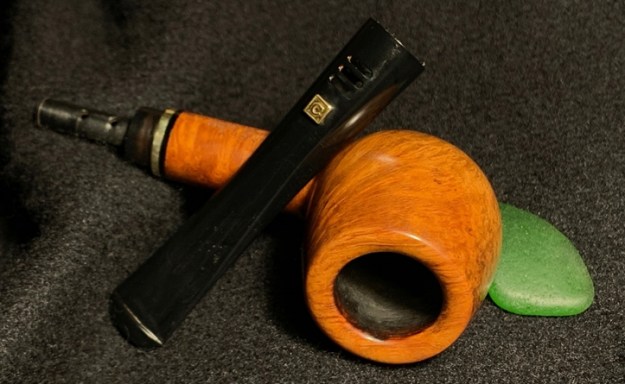
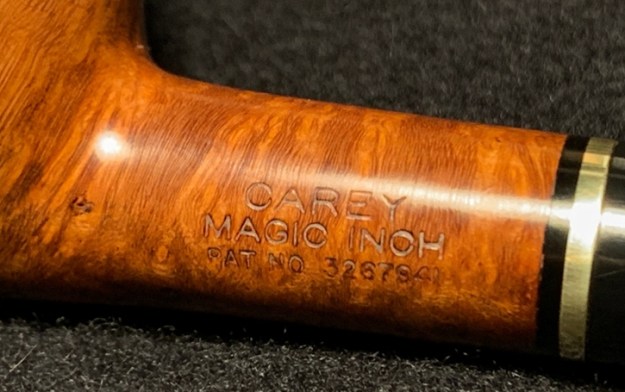
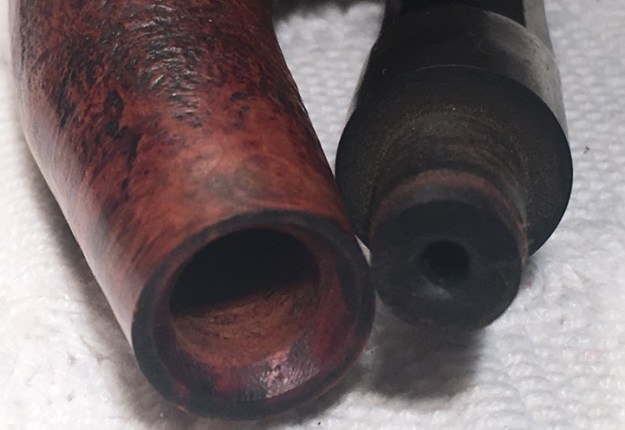
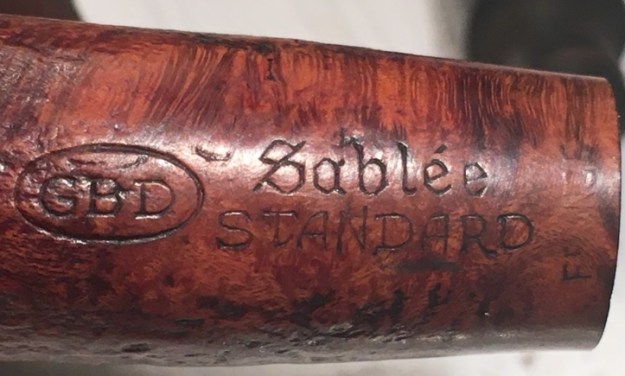
This is my first time working on a Carey Magic Inch pipe, but it has a reputation for being a uniquely American made pipe with bold claims of having secured ‘Pipedom’s’ holy grail, “The cooler and dryer smoke.” The Carey Magic Inch came to me from a good friend, Dave Shane. I worked with Dave when we were both younger men – he much younger than I(!), in Ukraine, a pipe man and restorer himself (see: https://www.thepipery.com). When I was in the US a few years ago I visited Dave and he gifted me a box of pipes that he hoped would benefit the Daughters of Bulgaria – women and girls we work with here in Bulgaria who have been trafficked and sexually exploited. The Carey Magic Inch was in this trove for the Daughters. Later, after posting pictures of these pipes in my online collection, ‘For “Pipe Dreamers” ONLY!’, another friend of mine of many years, Steve, saw the Magic Inch Apple and commissioned it along with a French GBD Sablée Standard, a beautifully blasted bent Billiard which I have already restored (A Long-time Friend Commissions a Blasted French GBD Sablée Standard Bent Billiard). Here are original pictures of the Carey Magic Inch Apple now on the worktable. The nomenclature on the left shank flank is ‘CAREY’ [over] ‘MAGIC INCH’ [over] Pat. No. 3267941 – the governmental protective seal of the ‘Magic Inch’.  When I first unpacked this pipe to take these pictures, I was intrigued by the vents and filters and how all this pipe wonder worked!  The stem pictured above has the characteristic raised box ‘C’ marking its Carey provenance.  When I first saw it, I pressed the box thinking that it was a button or slide that somehow adjusted the vents and potential louvers that I thought might be hiding somewhere.  But it doesn’t work anything. Along with the gold shank divider ring, it decorates the stem.Pipedia’s information is scant but provides several pictures of different Magic Inch pipes:

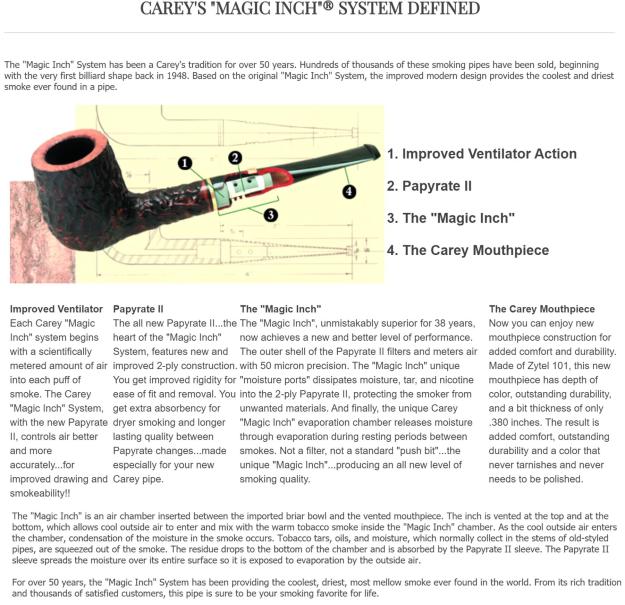
The “Magic Inch” System has been a Carey’s tradition for over 50 years, with over 1,000,000 sold. The “Magic Inch” is an air chamber inserted between the imported briar bowl and the vented mouthpiece which allows cool outside air to enter and mix with the warm tobacco smoke inside the “Magic Inch” chamber. Tobacco tars, oils and moisture, are squeezed out of the smoke. The residue drops to the bottom of the chamber and is absorbed by the Papyrate sleeve. From its rich tradition and thousands of satisfied customers, this pipe is sure to be your smoking favorite for life.
The Pipedia article also provided the US based website for Carey pipes.  I found an article there printed with permission from PipesandTobaccosMagazine.com by William Serad with William Miller, who came into possession of E. A. Carey in 1982.  The article is a good resource which traces the history of the E. A. Carey company from 1948 to 2018, including patent diagrams and descriptions.  The article by Serad begins with comments about the sales pitches that became a Carey gimmicky trademark – “Try my pipe for 30 days” with an offer that if you weren’t pleased with the pipe you could take a hammer to it and return it for a full refund!  Serad’s article begins:

In the great American tradition of everyman briar pipes, many names come to mind: Dr. Grabow, Yello-Bole, Kaywoodie and Medico, among others. To me, the one with the most attention-getting advertising was always the E.A. Carey pipe: “Try my pipe FREE for 30 days. If you don’t like my pipe, smash it with a hammer and send me the pieces.”

That second part became, “If you don’t like it for any reason, just return it to E.A. Carey for a 100 percent refund, no questions asked.” What an offer! Plus, the pipes feature the famous Carey Magic Inch, a unique smoking system protected by U.S. Patent 3,267,941.

The article describes the birth of the Carey Magic Inch starting in 1952 when the original patent was issued (work started in 1948) for a ‘smoking device’ to Max J. Doppelt of Chicago.  The original design was not successful, but through development the current patent. No. 3267941 was secured in 1966 with the design that hasn’t changed since.  Instead of wholesaling the Magic Inch, Doppelt started the practice of direct mail order which continues to this day with people purchasing the pipes directly from E. A. Carey.  In reading the article, I was also interested to read that not to complicate Doppelt’s life, the Magic Inch was only produced as a straight Billiard shape in those days.  At that time, the pipes were made for Doppelt by Comoy’s of London.  What stands out as the hallmark of this period was the over the top sales marketing that appealed to the ‘everyday man’ and the sale of the E. A. Carey Magic Inch pipe grew.
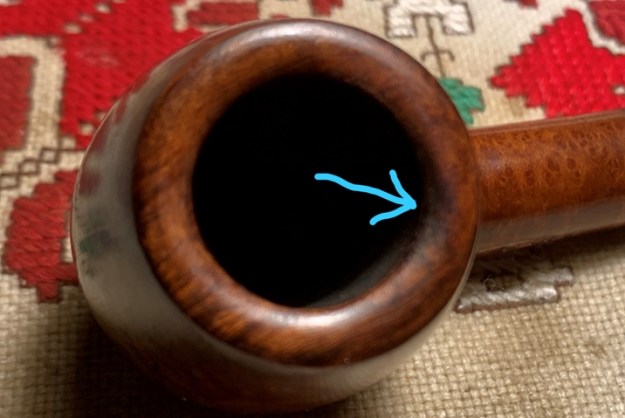
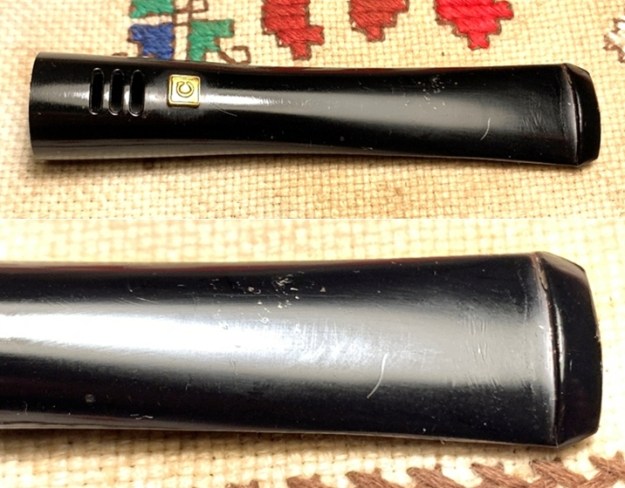
On the ‘info’ page of the E. A. Carey website, I clipped this entire section to include in this write up.  My initial intrigue with all the ‘bells and whistles’ of the pipe was punctuated with the question, ‘How does this pipe work?’ Of course, the E. A. Carey sales pitch hype is rife throughout, but I believe the years of unchanged design and the fact that it still enjoys a sizable market share, provides the space for some bragging rights!The E. A. Carey Magic Inch Pat. No. 3267941 on my worktable, I’m calling a ‘refresh’ because it appears to have been smoked maybe once or a very few times.  It shows only a very small darkened lighting burn spot on the rim (marked below), but essentially no residue in the chamber that I see.  Looking at the stem, there are only scratches and blemishes that would result from being in a drawer or in an old collector cigar box for a time.  One question that I have as a restorer is the finish on the stummel.  The grain is very attractive, but the finish seems to be an acrylic which I’ve described as a ‘candy apple’ finish that hides the natural briar shine.  This is common from factory mass produced pipes.  I take a few pictures looking at these areas now on my worktable. Before starting the work, since I have never worked on a Carey Magic Inch before this, I wasn’t sure that I could remove the mortise insert – on the diagram above, it doesn’t provide any clues.  Since its plastic, I don’t want to risk damaging the pipe.  I decide to look at rebornpipes to see what Steve’s experience has been with the Magic Inch.  I’m glad I looked!
From the restorations I looked at he did a few years ago, he had quite a time working on the stems of these restorations.  The restorations were from the same haul Jeff Laug had secured from Montana and sent on to Steve for restoration.  The first was a freehand, Carey Magic Inch Freehand Briar Pipe, that set the stage for the next Magic Inch from the same batch – Another Painful 70s Era E.A. Carey Magic Inch Apple Restored.  The second title says it all.  After reading the two blogs, it became evident that the material the stems are made of is a bear to sand and polish up.  Also, in Steve’s restorations, he left the mortise insert intact.  If that was his approach, that will be mine as well. In my E. A. Carey Magic Inch search on rebornpipes, Robert Boughton’s characteristic witty approach to blog writing was on display in his work on a Magic Inch he restored.  The write up had an excellent recitation of the Carey history including patent diagrams – worth the read if you want to lean more! (Conjuring a Makeover for a Carey Magic Inch)

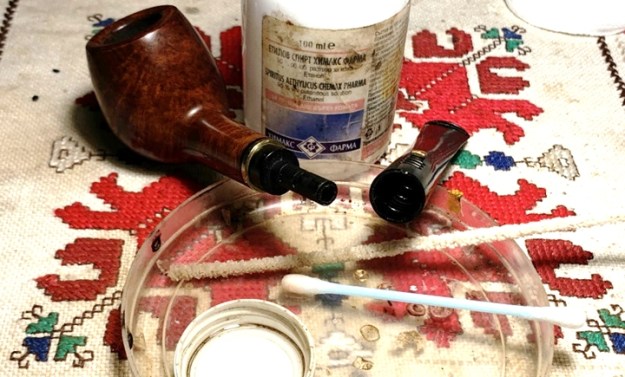
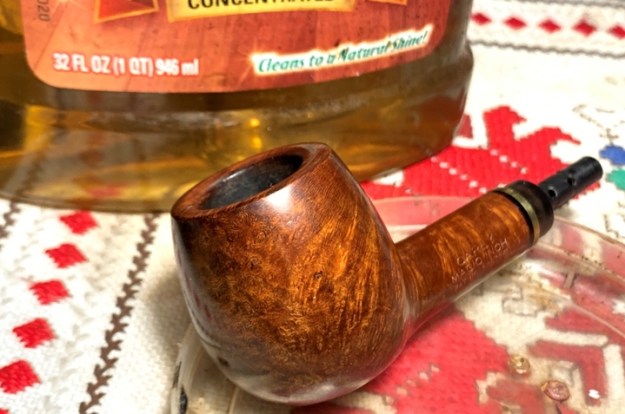
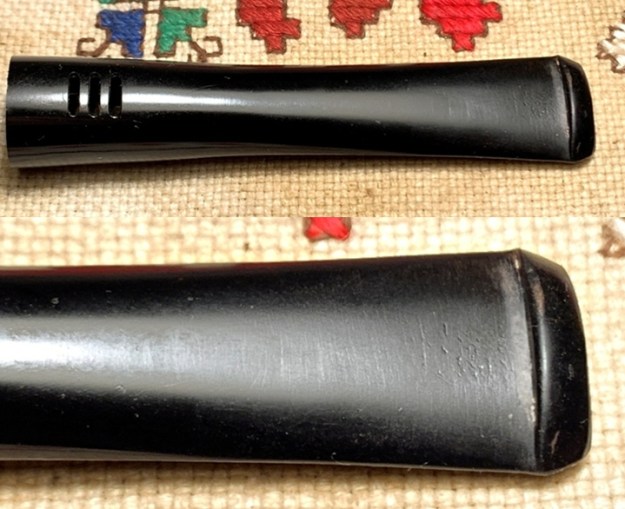
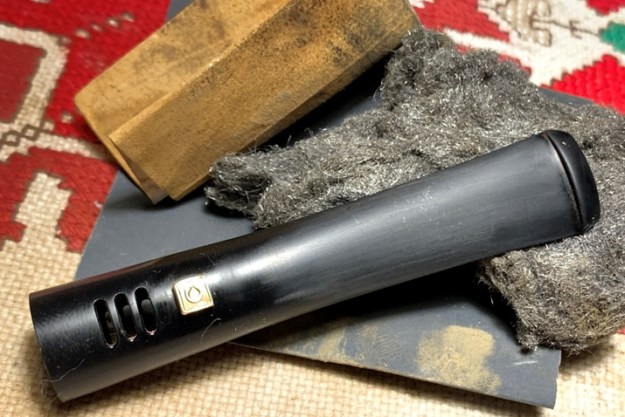
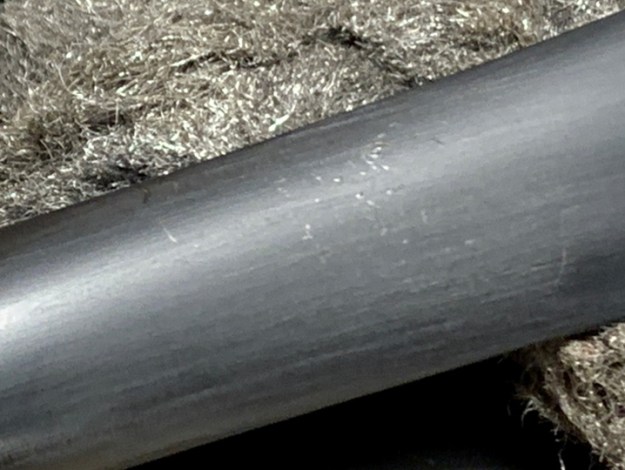
After reading Steve’s ‘love/hate’ relationship restoring Carey Magic Inch pipes, I can be thankful that the pipe is in good shape from the starting gate.  However, my approach to the stem will require a bit more thought.  I begin by cleaning the internals of the stummel.  Using pipe cleaners alone wetted with isopropyl 95% I go to work.  I find that there’s no work to be done – totally clean. Also, additionally using cotton buds, the stem internals are clean as well.  It’s possible this pipe has never been smoked.Next, to clean the external briar surface, I use undiluted Murphy’s Oil Soap with a cotton pad and scrub the briar.  After cleaning, I take the stummel to the sink and rinse it with tap water.  The surface was not that grimy but what I wanted to see was how the finish would react to the cleaning.  The finish dulled through the cleaning which clues me to know that the finish is not an acrylic based which is good. This allows me to preserve the patina but bring out the natural briar without the chemical acrylic overcoat to fight. With the finish not in bad shape, I simply want to spruce up the natural briar shine and remove minor scratches and nicks.  To do this I start with a medium grade sanding sponge and sand the stummel.  I follow this with a light grade sponge.  The briar of this Apple stummel is very attractive.Next, I run the stummel through the full regimen of micromesh pads.  Starting with pads 1500 to 2400, I wet sand.  Following this I dry sand using pad 3200 to 4000 and 6000 to 12000.  The progression is shown. The micromesh process reveals a very beautiful grain presentation on this Carey Magic Inch – this is not a second-rate swatch of briar.  To enhance the hues of the natural briar, I utilize Mark Hoover’s, Before & After Restoration Balm (www.ibepen.com).  I use this product because it teases out the subtle, deeper natural hues of the briar grain without getting in the way.  Placing some of the Balm on my finger, I work it into the briar surface thoroughly.  As I’ve described before, it starts as a crème-like substance out of the tube but thickens into a waxy consistency during application.  After applying, I set the stummel aside allowing the Balm to do its things.  The picture below is taken in the ‘absorbing’ state.  After about 20 minutes, I wipe off the excess Balm with a cloth and then buff it up with a micromesh cloth.Turning now to the feisty stem, I take a few fresh pictures aiming the reflection on the stem to magnify the issues of the plastic-like material the Carey stems are made of. I begin sanding focusing only on the issues I see, not wishing to sand where not needed.  I use 470 grade paper followed by dry sanding with 600 grade paper, then finishing this phase with 000 grade steel wool.  This approach seems to have done an adequate job, but some very small imperfections persist – a sparkling spot on the upper side persists. After repeating the process on the ‘sparkle zone’ with 470/600/000 and seeing no improvement in this area, I decide to leave well enough alone.  The picture below shows very small pits that persist.I move on to applying the full regimen of micromesh pads. My usual approach is to wet sand with the first 3 pads, 1500 to 2400, but this time around, I decide to stay on the dry side for this material only using Obsidian Oil between each set of three pads.  Following the first three, I follow with pads 3200 to 4000 and 6000 to 12000.  I like the results.  Along with Steve’s assessment in his dealings with Carey stems, I’m not a fan. The material is stubborn and does not easily give up its blemishes. After completing the micromesh phase, I rejoin the stem and stummel and apply Blue Diamond to the pipe.  I mount a cotton cloth buffing wheel to the Dremel, set the speed at 40% full speed and apply the compound. I pay attention to the one area on the upper stem that was not giving up a small area of speckling.  I sanded it, micromeshed it, and it continues to hold on.  I hope that the fine highspeed abrasion of the compound might help.Well, the speckling persists, but it is much diminished and not something to worry over.  I’m very pleased with the stem.  I use a felt cloth now to wipe off the excess compound that tends to cake and congregate along the edges of things.  I make sure this is removed before proceeding to the waxing phase.After changing to another cotton cloth buffing wheel mounted on the Dremel, maintaining the same speed, I apply a few coats of carnauba wax to both stummel and stem. After the application of the wax, I give the pipe a rigorous hand buffing to disperse excess wax as well as to raise the shine.

Without doubt, this Carey Magic Inch came to me in a passable condition, but now I believe its condition is better than new.  One’s first impression (or at least mine) of the quintessential patented American Carey Magic Inch is its bells and whistles with the ‘Magic’ hype.  Yet, without having ever tried the patented filtering system for myself, I must rely on the years that it has been in use.  Yet, there is nothing hyped about the quality of the grain of this Carey Apple stummel.  Wow!  The grain is almost without blemish.  I found no fills in it. The grain patterns are tight and dense with a varied swirl moving diagonally.  The heel of the flat underside is full of nicely woven bird’s eye pattern.  The Apple bowl is very happy to rest in the palm and to serve!  Steve saw and commissioned this Carey Magic Inch from the ‘For “Pipe Dreamers” ONLY!’ online collection and will have the first opportunity to claim it in The Pipe Steward Store.  This pipe benefits the Daughters of Bulgaria – women and girls who have been trafficked and sexually exploited.  Thanks for joining me!

Restoring a Pair of Petite Peterson’s of Dublin Pocket Pipes


Blog by Steve Laug

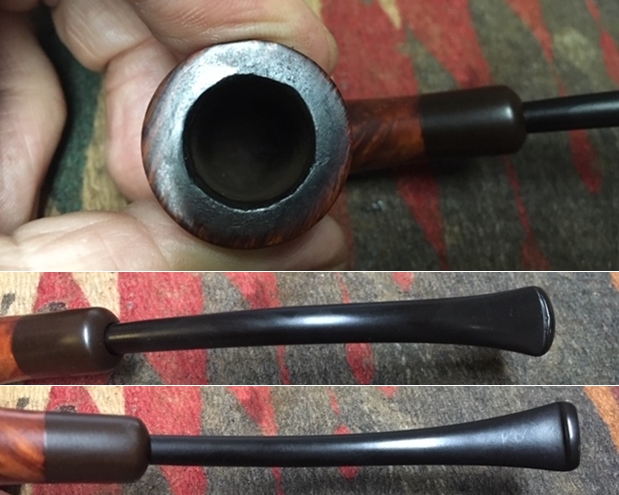
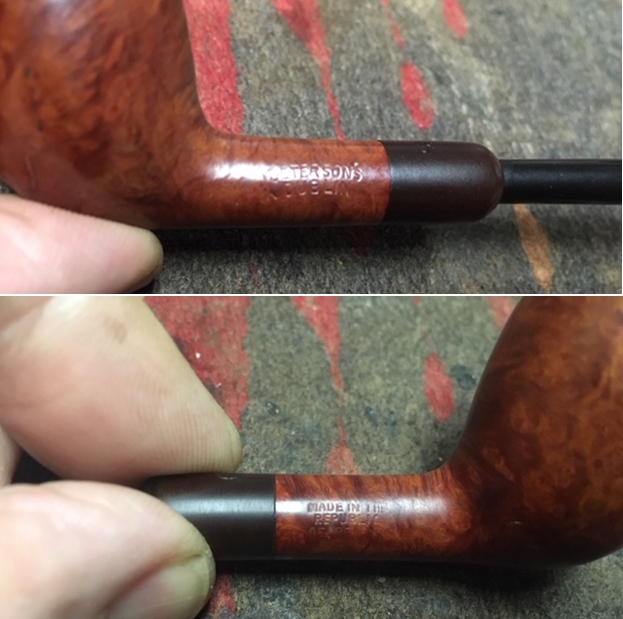
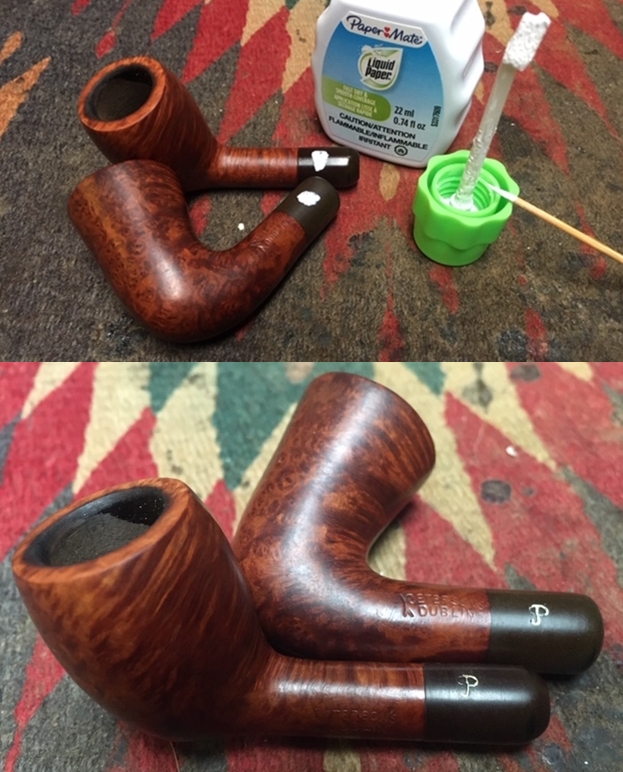
I did a pipe repair on an old cased Bulldog for a fellow in Australia, Ray Choy. He sent the pipe and I repaired it and sent it back to him. He replied that he had a few pipes that were just too small for his liking anymore and he wanted to clean and ream them and send them to me. His email said that he would clean them up with the reamer and cleaning equipment he had. Once he had them cleaned and reamed he would send them to me for the finishing touches. The box arrived and I set them aside so that I could finish the clean up later. I decided to tackle the two small Peterson’s Pocket pipes that Ray had sent me. The first one is a Peterson’s of Dublin Belgique military mount and the second is a Peterson’s of Dublin Calabash military mount. Both pipes are stamped on the left side of the shank with the words Peterson’s Dublin. On the right side of the shank both are stamped Made in the Republic of Ireland. Neither one has a shape number on them and both have a vulcanite shank extension bearing the Peterson’s “P”. The stems were in good condition with no chatter or tooth marks. Both had some light oxidation.

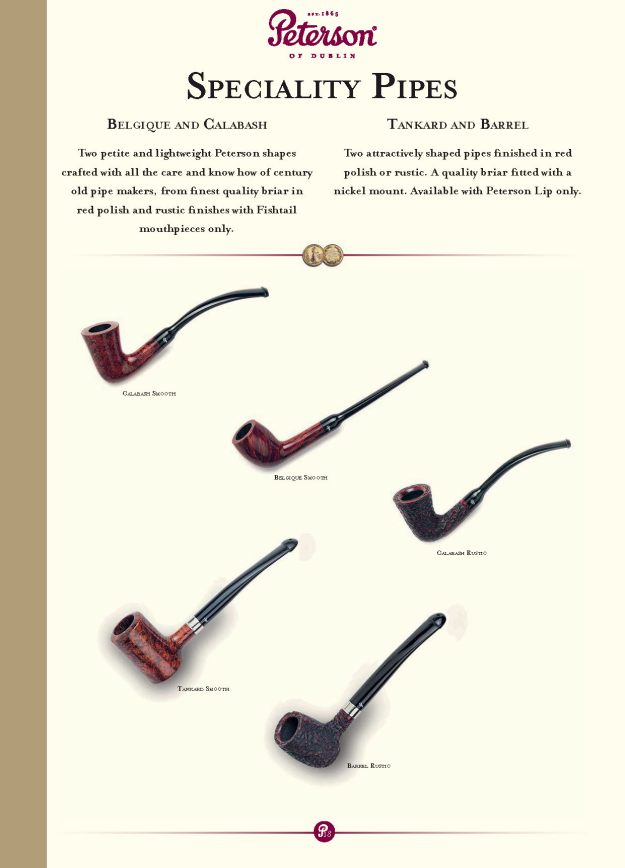
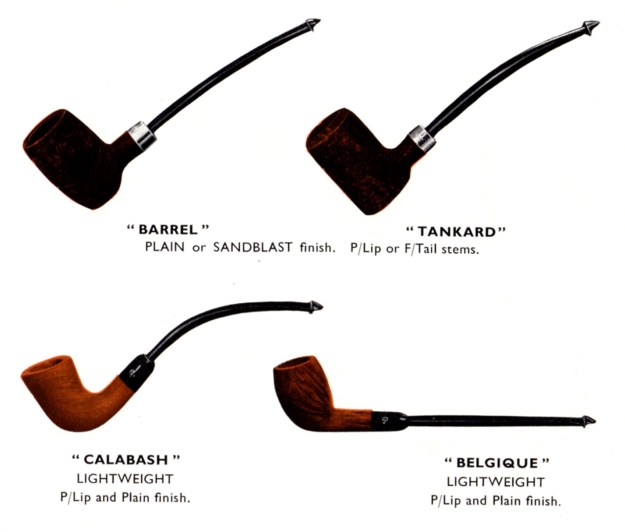
Ray had done a great job on the reaming and the cleaning of the bowl and shank so I could literally just start with the finishing touches. The rim tops on both pipes had some darkening on the flat tops. The inner edges of both were damaged and slightly out of round. The outer edges were in great condition. There was some light oxidation on the vulcanite shank extensions. I took some photos of the pipe before I started putting the finishing touches on them. I took some photos of the rim top and bowl to show the condition of the pipes when they arrived. The bowls were very clean. Both rims had some darkening and the inner edge of both had some damage to them. The photos of the stems show the condition of both of them. They both are in excellent condition. I took photos of the stamping on both pipes. The first is the Belgique with straight shank and the second is the Calabash with the bent shank. You can see the clear stamping on both pipes. The left side shows the arched Peterson’s Dublin with a forked P and the right side shows Made in the Republic of Ireland. I have a 2010 Peterson Catalogue on rebornpipes that shows the various shapes that Peterson made. There is a page there on Specialty Pipes that shows the pipes that I am working on. The pipes pictured are different from the two that I am working on in that both of these are military mount stem. It states that the Belgique and Calabash are two petite and lightweight Peterson crafted with all the care and know how of century old pipe makers, from finest quality briar in red polish and rustic finishes with Fishtail mouthpieces only. However they are described in the catalogue the two shapes that are extremely lightweight. These two are not red polish but actually a rich matte brown finish. The fishtail mouthpieces are classic military mounts that can easily be removed to fit in the pocket. They represent the best micro-pocket pipe within the Peterson portfolio. I have included the noted page below (https://rebornpipes.com/2015/05/15/).I did a bit more digging on the Peterson Pipe Notes blog. There I found that Mark had included a photo of the various Speciality pipes. Peterson’s first put these four small pipes on the market in 1945 – Tankard & Barrel, Calabash & Belgique seen in the photo below.  Here is the link to Mark’s Blog (https://www.petersonpipenotes.org/tag/peterson-valentia-pipe/).I did a bit more digging and found some descriptions of the two shapes that I am working on. The various descriptions of the Belgique come from a variety of sites and the final one is quoted on the Brothers of Briar site.

…The Belgique is yet another extremely lightweight, petit pipe. It can be described as a tulip shape, and is fitted… and fishtail mouthpiece. A rich brown hue adorns the briar and makes for an attractive finish to this pocket companion.

…The Peterson Belgique Pipe is a straight cutty, which is a traditional shape derived from the old clay pipes. It is a small un-filtered pipe made from the finest Briar that Peterson have become renowned for. It has a smooth polished finish with a rich Brown stain to show of the natural grain pattern of the Briar.

…I have a pre rep Belgique love it. As you know the bowl is pretty large for the small pipe measuring 5/8″ ID and 1 1/4″ deep. My pipe is just shy of 6″ long and only weighs 11.7 grams. the bowl is not tapered which makes the capacity rather nice. Depending on what tobacco you load you will get a 30- 45 min smoke. The Belgique has thin walls so you have to sip very slowly and tamp more than usuall. The newer models hava a fishtail stem which i believe makes the newer pipes not as delicate as my military p lip. If you decide to get the Belgique I am sure you will not be disappointed. (http://www.brothersofbriar.com/t16010-anybody-familiar-with-peterson-s-belgique-model).

…The Belgique is one of our favorite shapes in the Peterson line up. Interestingly, while it was a serious mainstay of the brand in decades past, it sort of faded into obscurity for a few years there, before being seriously revived in the past decade. A particularly small shape, and sort of an oddity in Peterson’s shaping lexicon (a bit like Native American loan words in English), it nonetheless fits the timeless, elegant style for which Peterson is known and loved.             

I also found this description of the Calabash.

This particular Calabash represents the smallest pipe within the Peterson portfolio making it a perfect pocket pipe for a short smoke.  Finished here with a rich brown finish together with a… fishtail mouthpiece.

I started working on the pipes by cleaning up the rim top and the inner edge on the bowl of both of them. I used a folded piece of 220 grit sandpaper to clean off the rim darkening. I used the folded edge to clean up the inner edge. I was able to bring the bowl back into round. I polished it with 400 grit wet dry sandpaper to take out the scratches. The rim tops were looking really good.   I polished exterior of the bowl and the vulcanite shank extensions with micromesh sanding pads – wet sanding with 1500-12000 grit pads. I wiped it down with Obsidian Oil after each sanding pad to wipe of the dust and polish it. I rubbed the bowls down with Before & After Restoration Balm. I worked it into the briar and into the vulcanite shank extension to preserve, protect and enliven it. I let it sit on the surface of the bowls for about 10 minutes and then buffed the pipe with a cotton cloth. The photos tell the story. These pipes had some stunning grain on the bowls. I polished the vulcanite shank extensions with Denicare Mouthpiece Polish from a tin of it I have in the drawer here. It is a gritty red paste that I rub on with my finger tips and work into the surface of the stem and button and buff off with a cotton pad. It gives me a bit of a head start on the polishing work plus I have a tin to use up! I touched up the “P” stamp on the shank extensions with PaperMate liquid paper. I filled in the stamping with the liquid applying it with a dauber and a tooth pick. Once it dried I rubbed it off with a cotton cloth. The second  photo shows the stem before the polishing on the buffing wheel.I polished the stem with Denicare Mouthpiece Polish from a tin of it I have in the drawer here. It is a gritty red paste that I rub on with my finger tips and work into the surface of the stem and button and buff off with a cotton pad. It gives me a bit of a head start on the polishing work plus I have a tin to use up!I polished the stem with micromesh sanding pads – wet sanding with 1500-12000 grit sanding pads. I wiped it down after each sanding pad with Obsidian Oil. I polished it with Before & After Pipe Stem Polish – both Fine and Extra Fine and buffed it off with a final coat of Obsidian Oil. This pair of Peterson’s Speciality Pipes is a great addition. The Belgique and the Calabash shapes are classic in every way. They are petite, lightweight and comfortable in the hand. They will be a short smoke. The briar is beautifully grained and the black vulcanite military/stick Fishtail stems go well with the briar and the vulcanite shank extension. I polished stems and the bowls with Blue Diamond polish on the buffing wheel. I gave the bowls multiple coats of stems multiple coats of carnauba wax. I buffed the pipes with a clean buffing pad to raise the shine. I hand buffed them with a microfiber cloth to deepen the shine. The pipes polished up pretty nicely. The rich stained briar on both bowls took on life with the buffing. The rich brown colour of the briar bowls work well with the polished vulcanite stems. The finished pipes have a rich look that is quite catching. Have a look at it with the photos below. The shape, finish and flow of the pipe and stem are very well done.

The dimensions of the Belgique are Length: 6 inches, Height: 1 ½ inches, Outside diameter of the bowl: 1 inches, Chamber diameter: 9/16 of an inch. The dimensions of the Calabash are Length: 5 ½ inches, Height: 1 ¾ inches, Outside diameter of the bowl: 1 1/16 inches, Chamber diameter: 9/16 of an inch. I am pleased with how the pipes turned out. They look very good and show some signs of age. I am uncertain of the dates on either of them but am pretty sure they hold some age. I send my appreciation to Ray for these pipes. I think that these two will stay with me for a while and I will have to at least give them a smoke. We shall see what the future holds for them. Thanks for reading the blog.


New Life for Alex’s Rusticated “Malaga” Oom Paul


Blog by Steve Laug

I have another of Alex’s purchases on the table this morning. It is an Oom Paul pipe with a rusticated finish. It is another very unique Malaga that has the same kind of rustication as a lot of the Custom-Bilt pipes had as well. The rim top, the ring around the shank end and a panel on each side of the shank are smooth. The pipe was dirty and caked with few spots of lava and some darkening on the inner edge of the bowl. The bowl had a thick rough surfaced cake. The exterior was dirty with grime and oils in the crevices of the finish. The stamping on the left side of the shank read “MALAGA” and the right side the stamping was in an oval and read Imported Briar. There appears to be something else in the oval but it is worn. The first two letters could be CA the rest are worn away. The vulcanite saddle stem had two dots on the left side of the stem. It was oxidized and had tooth marks and chatter on both sides. There was a chip out of the top edge of the button. I took photos of the pipe before I started the cleanup work. I took close up photos of the bowl and rim to capture the condition of the pipe before I started my cleanup work. The rim top had some lava and it was thick enough that I could not see if there was any darkening or damage on the crowned rim top and the inner edge. There was a thick cake in the bowl. Other than being very dirty the pipe was in great condition. The stem was dirty and oxidized. It was covered with a thick scum on the surfaces. There was tooth chatter on the top and underside near the button and some tooth marks on the button surface itself. There was a large chunk out of the top of the button on the stem. I have included a close up photo of the chipped stem surface below.I took a photo to capture the stamping on the shank. The stamping on the left side of the shank read “MALAGA”. I forgot to take a photo of the stamping on the right side the stamping but it was in an oval and read Imported Briar. There appears to be something in the center of the oval but it is worn. The first two letters could be CA the rest is worn away. It would make sense that this was one of the pipes from the “MALAGA” CARVED line so the rest of the letters may well be RVED. There were also two white dots on the left side of the saddle stem.If this is the first of the Malaga restorations that you have read about then you should know the backstory of the brand. I am including the link to a blog that I wrote that gives some of the history of the Malaga brand and the Malaga Pipe Shop in Royal Oak, Michigan in the USA. I have written an earlier blog to give a little history of the Malaga Brand and the pipemaker, George Khoubesser. Here is the link – https://rebornpipes.com/tag/malaga-pipes/.That blog also includes links to a catalogue and the history of the pipemaker George Khoubesser. Follow the link to get a feel for the brand and the pipemaker.

I decided to start with the bowl first. I followed Jeff and my regular regimen for cleaning estates. I reamed the thick cake in the bowl with a PipNet Pipe Reamer using the third size of cutting heads to take the cake back to bare briar. I followed up with a Savinelli Fitsall pipe knife to remove the slight remnants of cake toward the bottom of the bowl. I sanded the bowl with 220 grit sandpaper wrapped around a piece of dowel to smooth out the inside walls of the bowl.The mortise was surprisingly clean but there were some tars and oils on the walls. I scrubbed the mortise and the airway in the shank and the stem with alcohol, cotton swabs and pipe cleaners.I polished the smooth rim top and the ring around the end of the shank with micromesh sanding pads – wet sanding with 1500-12000 grit sanding pads. I wiped down the bowl after each sanding pad with a damp cloth. The polishing took the remainder of the bit of lava that had remained after the cleanup. I scrubbed the briar with Murphy’s Oil Soap with a tooth brush. I scrubbed it off under running water to remove the soap and the grime on the bowl. I dried it off with a soft cloth. I worked some Before & After Restoration Balm into the surface of the briar with my fingertips and a horsehair shoe brush to clean, enliven and protect it. I let the balm sit for a little while and then buffed with a cotton cloth to raise the shine. The photos show the bowl at this point in the restoration process. I set the bowl aside and turned my attention to the stem. I took a photo of the stem before I started my work on it. I cleaned it with alcohol and sanded off the calcification and oxidation on the surface. Once it was cleaned I mixed up a batch of activated charcoal powder and black super glue. I greased a pipe cleaner with Vaseline and inserted it in the button. I used a dental spatula to fill in the missing chunk of vulcanite. Once it had hardened a bit I removed the pipe cleaner and set it aside to cure.I set it on a container to let the repair cure. Once it hardened I would need to reshape the button and the slot on the stem. I had also filled in the damage to the underside of the button. The reshaping would bring it back to the original shape.I shaped the button edges and surface with a needle file to remove the excess material on the repair. I still need to do some more sanding but the stem is shaping up to be quite nice. I still need to remove the oxidation on the surface but it is getting there.I sanded out the tooth chatter with 220 grit sand paper and started to polish it with a folded piece of 400 wet dry sandpaper. Once it was finished it the tooth chatter and oxidation was gone and it began to shine.I reshaped the slot in the button end with needle files to clean up the shape.I polished the stem with Denicare Mouthpiece Polish from a tin of it I have in the drawer here. It is a gritty red paste that I rub on with my finger tips and work into the surface of the stem and button and buff off with a cotton pad. It gives me a bit of a head start on the polishing work plus I have a tin to use up!I polished the stem with micromesh sanding pads – wet sanding with 1500-12000 grit sanding pads. I wiped it down after each sanding pad with Obsidian Oil. I polished it with Before & After Pipe Stem Polish – both Fine and Extra Fine and buffed it off with a final coat of Obsidian Oil. This is another interestingly shaped rusticated pipe in what I would call an Oom Paul shape. It has a black vulcanite saddle stem with two brass dots. The smooth rim top and shank end band look really good against the rustication. Everything about this one says that it was part of the “Malaga” Carved line of pipes. It has a great look and feel. The shape is very tactile and fits well in the hand. I polished stem and the bowl with Blue Diamond polish on the buffing wheel. I gave the bowl multiple coats of Conservator’s Wax and the stem multiple coats of carnauba wax. I buffed the pipe with a clean buffing pad to raise the shine. I hand buffed it with a microfiber cloth to deepen the shine. The pipe polished up pretty nicely. The rich oil cured briar took on life with the buffing. The rich brown colour of the briar works well with the polished vulcanite stem. The finished pipe has a rich look that is quite catching. Have a look at it with the photos below. The shape, finish and flow of the pipe and stem are very well done. The dimensions are Length: 6 inches, Height: 2 inches, Outside diameter of the bowl: 1 ½ inches, Chamber diameter: ¾ of an inch. I will be adding the pipe to the finished Malaga pipes that I have set aside for Alex. This will be a great addition to his collection of Malaga pipes. Thanks for walking through the restoration with me as I worked over another Malaga.

A Long-time Friend Commissions a Blasted French GBD Sablée Standard Bent Billiard


Blog by Dal Stanton

I’ve known Steve for 40 or so years – I’m not counting!  In our earlier years we shared the same pursuit of going to seminary in Jackson, Mississippi, where we shared many things in common.  We studied dusty but fascinating theological books, wrote papers for hopeful professors, studied Greek and Hebrew and we would do the occasional obligatory trips to fish for bass and hunt ducks when they were in season.  We were both relatively new in the business of being husbands and against all odds, we also became fathers during this time of stretching our minds and hearts to be better men before our God and to do what we could to make a difference in this world.  After seminary, Steve and his family and I and my family followed different paths yet, over the years we’ve been able to cross those paths here and there and generally stay in touch – at least every few decades or so.  Steve is a wood worker going way back – the serious kind that gets paid for it.  When he came across my avocation of restoring pipes by seeing my posts on Facebook, he reached out to me a few years back and kept threatening to commission a pipe or two.  Steve isn’t a big pipe smoker, but his last email to me to confirm the two pipes he commissioned, wrote these words his pipe collection:

“I bought a very cheap one in a kit and these will probably be all the ones I get. But knowing that it came from the work of your hands will be special to me and help out the ministry to boot.”

Friendship is a valuable thing, and I appreciate Steve’s desire to help the Daughters of Bulgaria – women and girls who have been trafficked and sexually exploited.  Steve commissioned a very nicely grained, honest to goodness American made iconic pipe, a Carey Magic Inch Straight Apple.  He also commissioned a continental pipe – a beautifully blasted GBD Sablée Standard long shank Bent Billiard.  Here are Steve’s commissioned pipes pictured when I first acquired them:The Carey Magic Inch came to me from another good friend, Dave Shane. I worked with Dave when he was a younger man in Ukraine, a pipe man and restorer himself (see: https://www.thepipery.com).  When I was in the US a few years ago I visited Dave and he gifted me a box of pipes that he hoped would benefit the Daughters of Bulgaria.  The Carey Magic Inch was in this offering.  The first pipe on my worktable is the GBD Sablée Standard which I acquired in what I have affectionately called, the Lot of 66, which I acquired on the eBay auction block a few years back.  This Lot of 66 has yielded many very nice collectable pipes and I’m honestly surprised that this Blasted GBD has remained this long waiting for someone to come along – a very nice pipe for Steve’s small, select collection. Here are more original pictures of the GBD: The nomenclature is found on the lower shank panel with a ‘GBD’ ensconced in the oval.  To the right is ‘Sablée’ [over] STANDARD.  To the right of this is the COM, ‘FRANCE’ perpendicular to the rest of the nomenclature.  The fancy lettering of ‘Sablée’ is classy.  I did a quick search of the French, ‘Sablée’ using Google Translate and discovered the meaning to be, “sandblasted” – a very nice blasted finish to be sure.I like Jerry Hannah’s VERY ‘Brief History of GBD’ from Pipedia: GBD Model Information:

The company was founded in Paris France in the 19th century by Ganeval, Boundier and Donninger who were no longer associated with the company by the turn of the century. By the time they left the GBD name was well established and thus retained. In 1903 an additional factory was built in England and ran by Oppenheimer. The Paris factory moved to Saint-Claude in 1952. Since 1981 the majority of GBD pipes come from the English factory. At about that same time GBD merged with Comoys, since then all production for both GBD and Comoy comes from a single factory. ( I wasn’t kidding when I said it was brief! )

Pipedia’s main article on GBD is extensive in detailing the history and all the corporate iterations of English/French interests going back to the 1800s.

The opportunities that I’ve had to restore GBD pipes, has led me to reach out to the resident expert on GBDs, rebornpipes contributor, Al Jones.  Al has always been very helpful with questions about GBD pipes and some questions emerged as I look at the FRANCE COM of this ‘Sablée’ Standard.  The standard practice in dating GBD pipes is based upon the brass rondel.  Generally, GBDs with brass rondels come from the pre-Cadogan era – that is, when GBD, owned by the Oppenheimer conglomerate, merged with Cadogan, maker of Comoy’s.  This happened in 1980/81.  This gives a dating parameter for GBD made pipes.  With this guideline, then the Sablée STANDARD on my worktable would be dated after 1981.  It’s possible that it’s listed in some GBD catalogue which would give the specific period the line came into production.  The question floating through my mind now has to do with the French origin of this GBD.  There’s much information about the English side of the Channel regarding GBD production, but I could find almost nothing about the French side. Do the openings and closings of French factories referred to above, have any bearing on the dating of this French GBD? Is the absence of the GBD rondel have the same force of marking the date of a French made GBD?  These essentially were the questions I shot off to Al with some pictures of the pipe and nomenclature.

Dal:
I’m not clear on if the pipe has the rondel or not?
You are right, there is almost nothing written about GBD’s made in France.
If it has the rondel, I’d say you can assume it was a pre-Cadogan pipe.
I don’t know what happened to French made COM’s after the merger (perhaps there weren’t any).
So, unfortunately, you can’t be any more definitive.
I don’t think they posted French made GBD’s in the older catalogs, at least not that I’m aware.
Al

After responding to Al’s question about the presence of the rondel in the negative, his last response was definitive:

Yep, another GBD story lost to time, that adds to the charm!
Al

With the mystery of the provenance of this French GBD solidly established with Al’s help, I take a closer look at the pipe’s generally good condition. The medium cake buildup in the chamber needs to be removed to give the underlying briar a fresh start and to check for heating damage.  The rim has normal darkening along with a very nice blasted stummel surface that appears in need only of cleaning of normal grime buildup.  The shank appears to be longer than a normal half bent Billiard and gives more of a sweeping presentation transitioning to the saddle stem – which has some oxidation and tooth chatter damage on the upper and lower bit.  What stands out to me about the stem is its sharp, distinct cut shaping.  The edges are not rounded but have distinctive edge transitions – nice.

I start the restoration by adding the French GBD’s stem to the queue along with other pipes to soak in Before & After Deoxidizer.  First, using pipe cleaners and bristled shank brushes dipped in isopropyl 95%, the stem’s airway is cleaned.Following this, the stem is placed in the B&A Deoxidizer for several hours.After soaking in the Deoxidizer, I fish out the stem allowing it to drain the fluid back into the vat and run another pipe cleaner wetted with isopropyl 95% through the airway to clean it of Deoxidizer.  I then wipe off the raised oxidation with cotton pads wetted with isopropyl 95%.  The Deoxidizer seems to have done a good job.To help in revitalizing the vulcanite rubber, paraffin oil is applied with a cotton pad and worked into the surface.  I set the stem aside to absorb the oil.Turning to the stummel, I take closer look at the condition of the chamber.  I take a close-up of the cake buildup to mark the start.  After putting paper towel down to minimize on the cleanup, I use the Pipnet Reaming Kit to begin cleaning the chamber. I use two smaller of the 4 blade heads available in the Kit.  The cake is soft and is removed very easily.  I follow reaming by fine tuning using the Savinelli Fitsall Tool which does a great job of scraping the walls removing additional carbon cake as well as reaching down to the floor of the chamber and addressing the hard to get to angles and curves.  I finish by sanding the chamber using 240 grade paper wrapped around a Sharpie Pen and then wiping out the residual carbon dust with a cotton pad wetted with alcohol. I forgot to take a picture of the cleaned chamber inspection which looks good.  No heating damages. Moving from the chamber clean up, after taking a few pictures to mark the start, I focus on the external briar using undiluted Murphy’s Oil Soap and a cotton pad to scrub the sandblasted finish.  I also employ a brass wire brush to address the residue on the rim.  A brass brush does not harm the briar as it works. From the worktable I take the GBD stummel to the sink to continue the cleaning by using warm water with anti-oil dish soap and using bristled shank brushes, I scrub the internals of the pipe in the mortise and airway.  I also use the brass wire brush to do some additional scrubbing on the rim.  Finally, after rinsing the stummel thoroughly, I return to the worktable focusing on the internal cleaning using pipe cleaners and cotton buds wetted with isopropyl 95%. The internals are surprisingly clean, but still in need of cleaning.  I also use the small dental spoon to remove some tars and oils that have collected at the ridges created by the mortise drilling.  Without great effort, cotton buds are emerging lighter, and I call it done for now.  Later, I’ll give the stummel a kosher salt and alcohol soak to continue the internal cleaning process.Looking at the stummel and the condition of the blasted surface, the cleaning, as expected lightened the surface.  The briar seemed to call out to me for an application of Before and After Restoration Balm to hydrate and condition the dry stummel. I happily comply!  After applying some of Mark Hoover’s Before & After Restoration Balm (www.iberen.com) to my fingers, I work the balm into the blasted briar surface – thoroughly working it into the rough surface and rim.  I take a picture of the stummel after application, set to the side for 20 minutes or so.After about 20 minutes, using a cloth, I wipe the excess Balm off and then using a microfiber cloth, continue wiping and buffing up the briar surface.  Wow!  I’m loving the results and the hues of this blasted surface.  I take another picture after buffing.  This is a bowl that doesn’t need a lot of help 😊.Turning now to the stem, I observe again the stem’s unique shape.  The stem is not rounded but with flat surfaces on the upper and lower sides.  The edges of the stem connect the flat surfaces with a half diamond right angle.  Very smart – I like it.There is bite and chatter damage on the upper and lower bit. To address this, I first use the heating method to expand the compressions.  Using a Bic lighter, I paint the bit area heating the vulcanite and the physics of expansion take over.  After applying the heat, the indentations are still visible but have lessened so that sanding dispatches the problems easily.  First the before and after of the upper bit followed by the lower bit. I still can detect deep oxidation in the stem.  Therefore, I sand the entire stem with 240 grade paper to address this. Also employing a flat needle file, I file the button to freshen it as well as sand the bit to erase the bite and tooth chatter damage. Following the filing and 240 sanding, using 600 grade sanding paper I wet sand the entire stem followed by applying 000 grade steel wool.  The stem is looking good.Next, I go straight away to applying the full regimen of micromesh pads.  Starting with pads 1500 to 2400, I wet sand.  Following this, I dry sand using pads 3200 to 4000 and 6000 to 12000.  To continue revitalization of the vulcanite, I apply a coat of Obsidian Oil after each set of the micromesh pads. Next, I continue the internal cleaning of the stummel by giving it a soak using kosher salt and alcohol.  I first stretch and twist a cotton ball to act as a ‘wick’ which serves to draw the oils and tars from the internal chamber.  I use a stiff wire to guide the wick down the mortise and airway. After filling the bowl with kosher salt which doesn’t leave an aftertaste as iodized salt does, I settle the stummel in an egg carton for stability. I then fill the bowl with isopropyl 95% with a large eye dropper until it surfaces over the salt.  After a few minutes the alcohol absorbs into the pipe and I top the alcohol off again and set the stummel aside to soak.After several hours, the salt and wick have soiled from absorbing the tars and oils.  I remove the expended salt into the waste basket, wipe the chamber with paper towel and blow through the mortise to dislodge any residual salt crystals.I follow the soak by employing a few more pipe cleaners and cotton buds assuring that all is clean.  I move on!With a freshened bowl for a new steward, and after reuniting the stem and stummel, I mount a cotton cloth buffing wheel to the Dremel, and after setting the speed at about 40% full power, I give a light application of Blue Diamond compound over the blasted surface of the stummel.  I’m light on applying compound so that it will not cake up in the rougher sandblasted surface.  I apply compound normally over the stem.To clean the pipe of compound dust in preparation for the application of wax, a felt cloth is used to wipe down the pipe.After mounting another cotton cloth buffing wheel onto the Dremel, increasing the speed to about 60% full power, I apply carnauba wax to both stem and stummel.  I increase the speed of the Dremel in order to create more friction heat to aid the wax in liquifying as it works into the blasted briar surface.  I decrease the speed of the Dremel to my normal 40% as I apply wax to the stem.  After applying a few coats of wax and working it in well so that there is no caking, using a micromesh cloth, I give the pipe a rigorous hand buffing to disperse excess wax and to raise the shine.Undoubtedly, there’s some mystery surrounding the provenance of this GBD Sablée Standard.  The French origins of this GBD leave us with questions of its dating – pre- or post- 1981, the merger which marks the eras of the GBD name.  Even though this will be lost to us in history, at least for now, there is no disputing the exquisite quality of this pipe’s sandblasted briar surface.  It is a classic Bent Billiard workhorse with an elongated stem that adds to the sweep of this pipe.  The flat, cut stem design also adds to the uniqueness.  Steve, my long-time friend, commissioned this GBD Sablée Standard and will have the first opportunity to acquire it from ThePipeSteward Store.  This pipe benefits the Daughters of Bulgaria – women and girls who have been trafficked and sexually exploited.  Thanks for joining me!