Tag Archives: repairing tooth marks

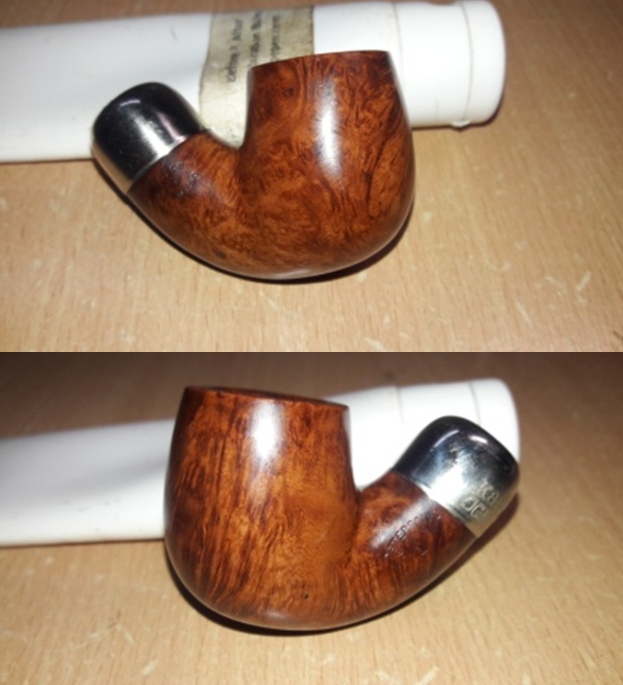
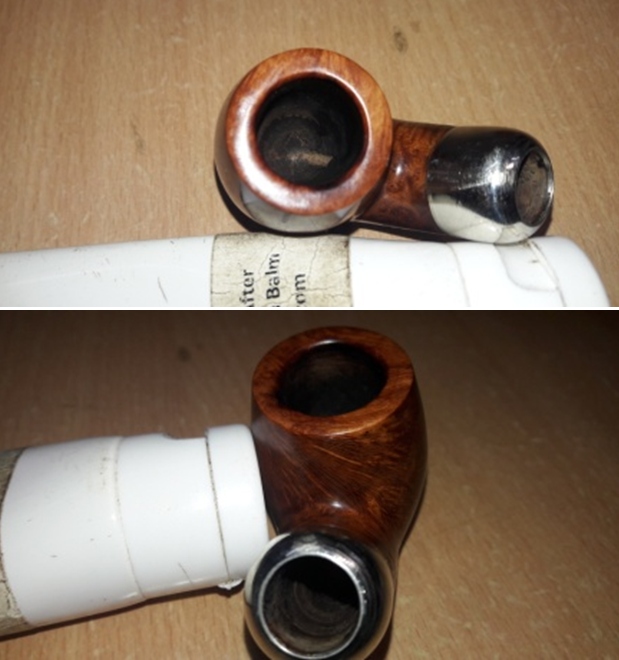
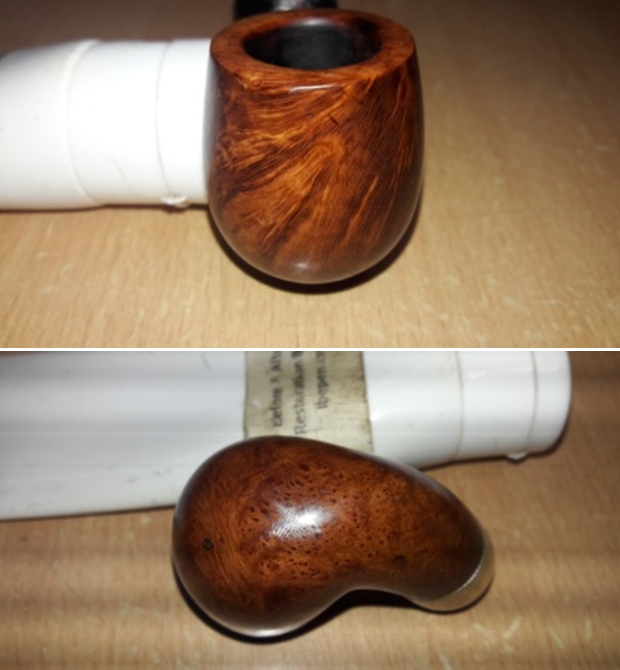
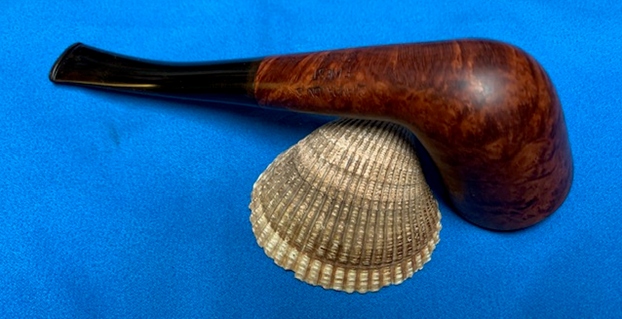
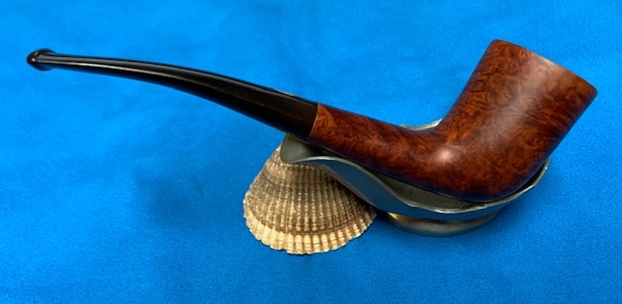
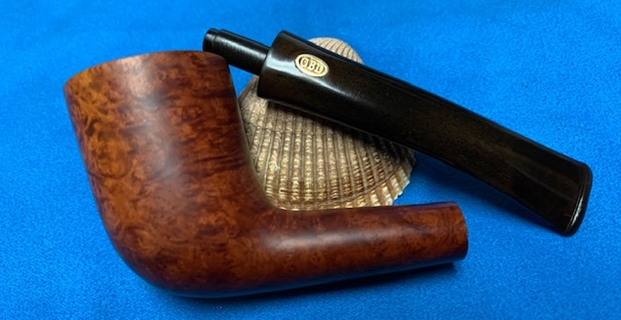
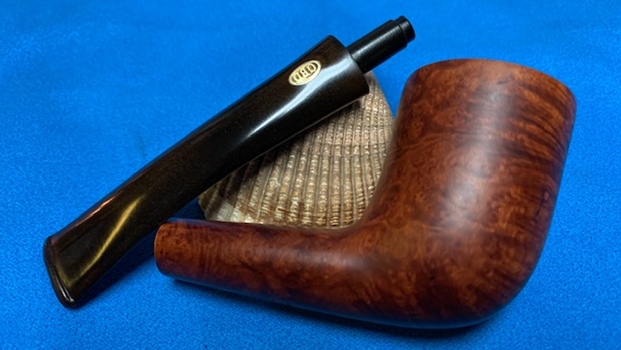
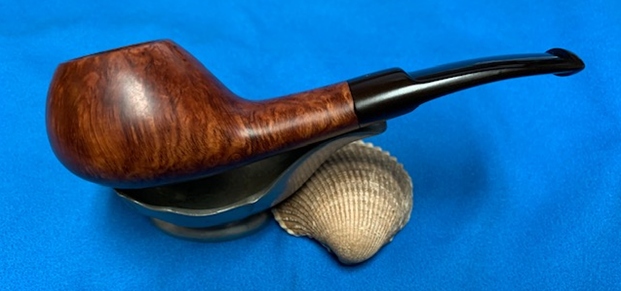
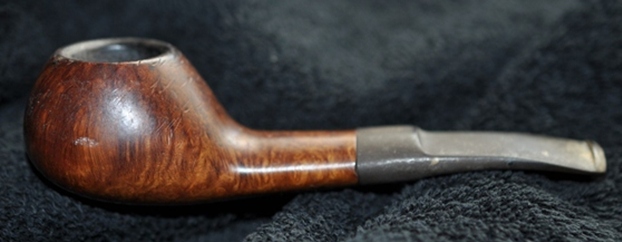
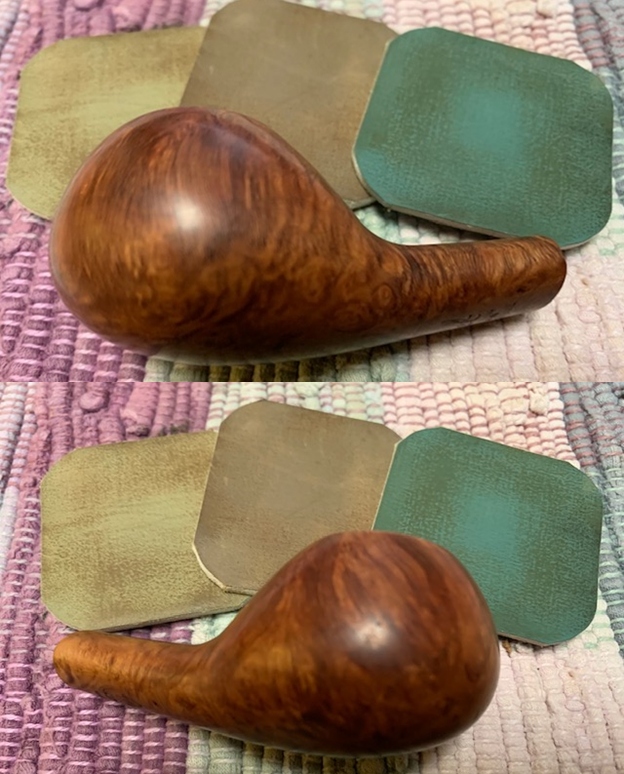
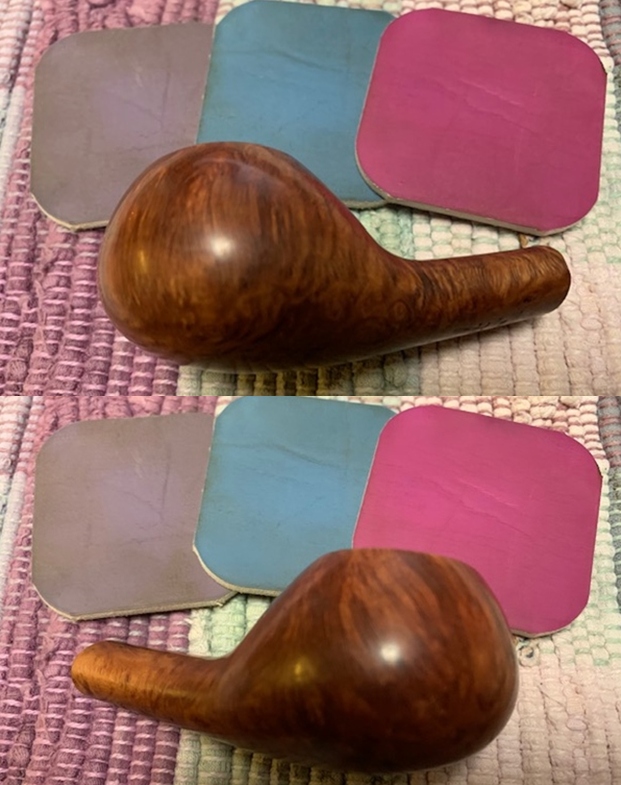
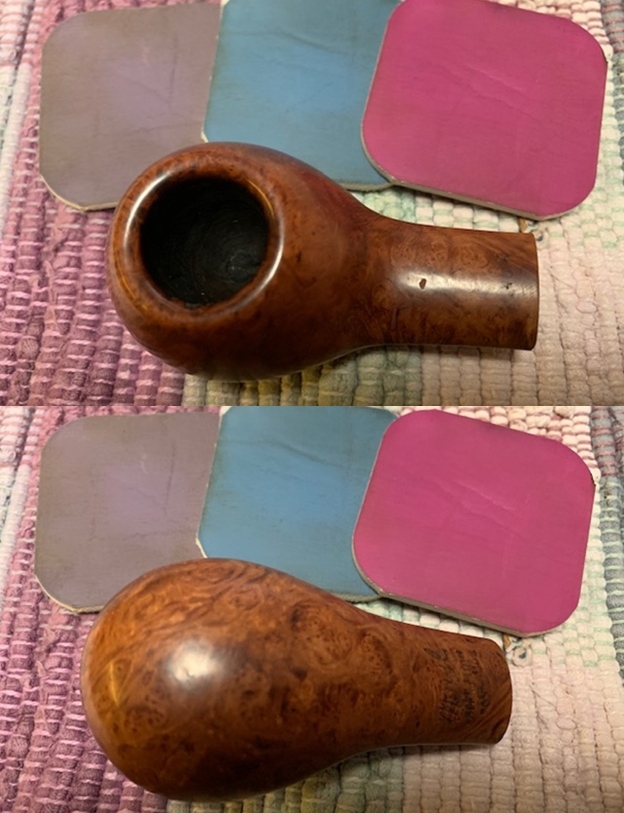
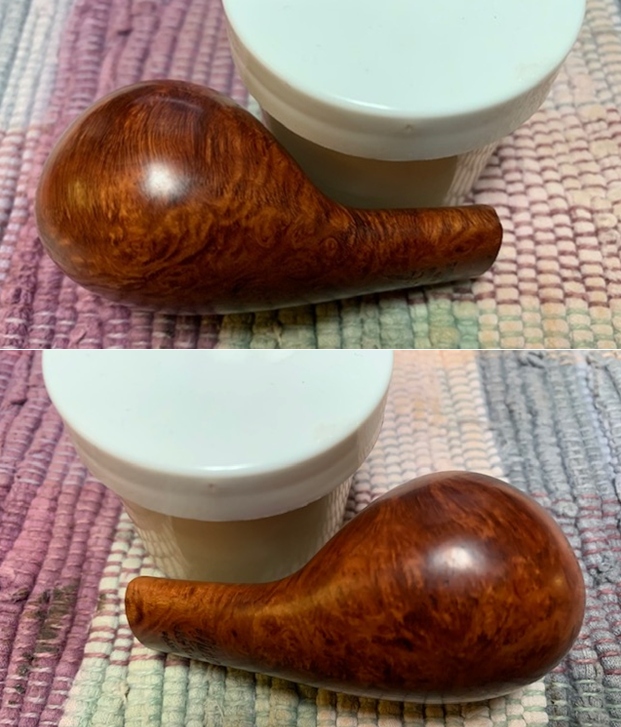
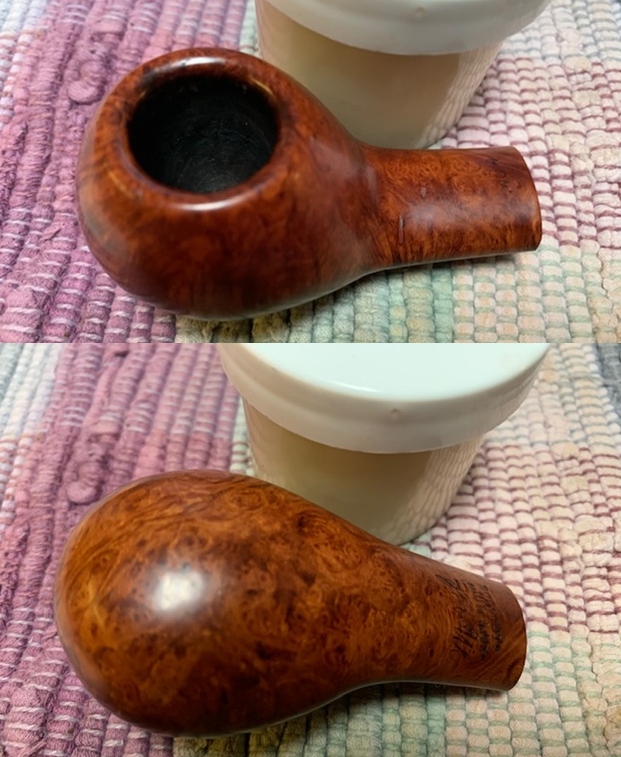
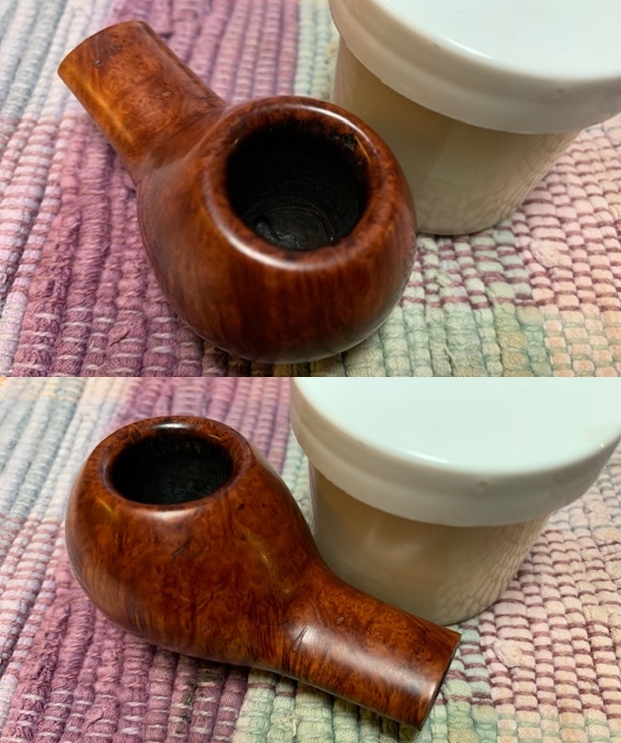
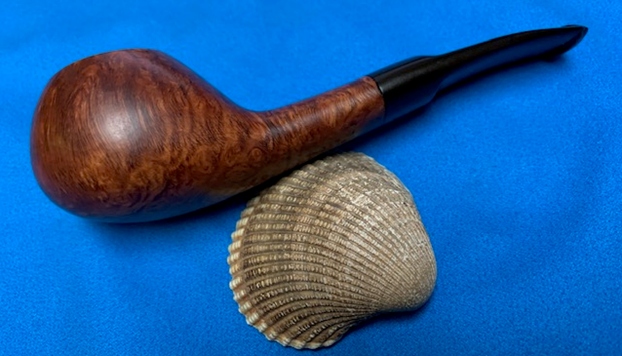
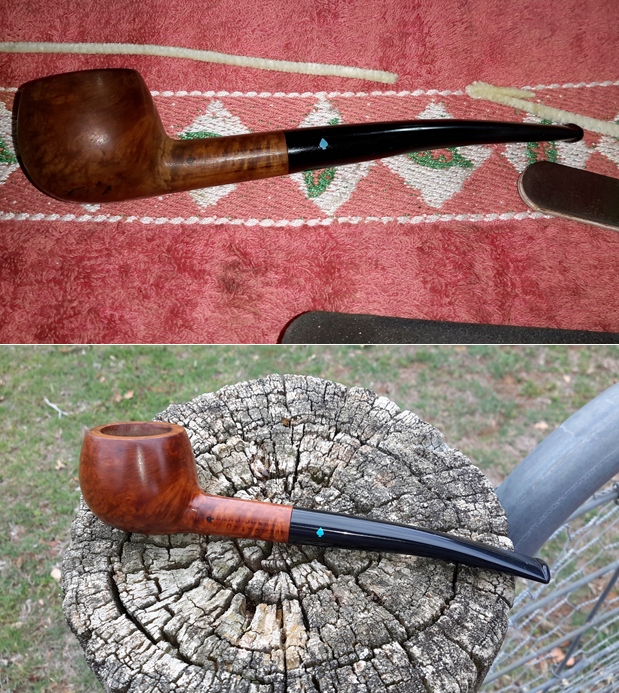
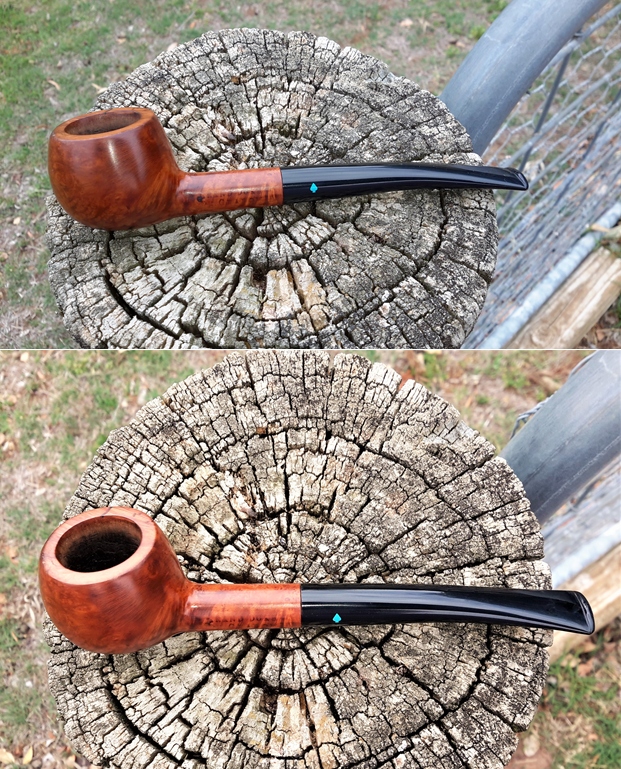
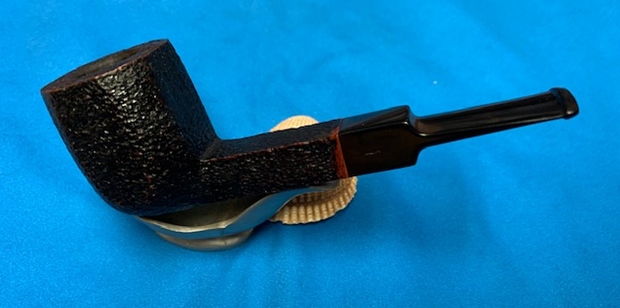
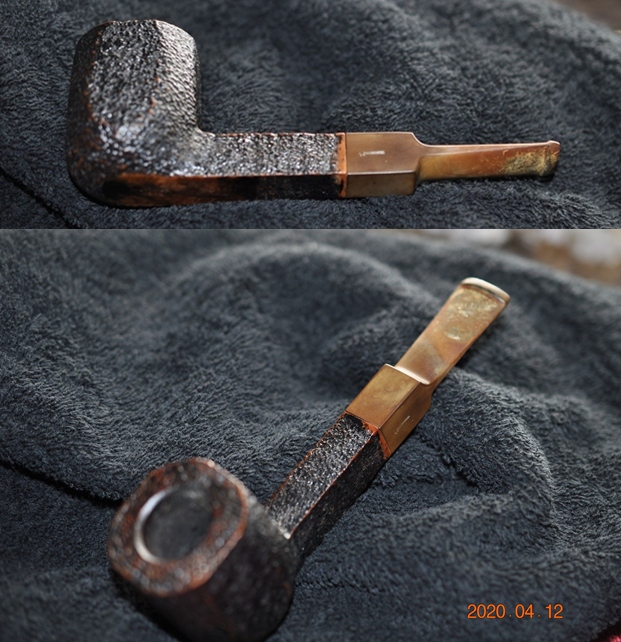
A Dr Grabow Grand Duke Prince


I received an email from Kevin in Australia asking if he could share some of his work with us on rebornpipes. This Dr. Grabow restoration and photos not only tell the story of the pipe but also give some information on Kevin. Thanks Kevin and welcome to rebornpipes!

Story and photos by Kevin Pallett — Australia.

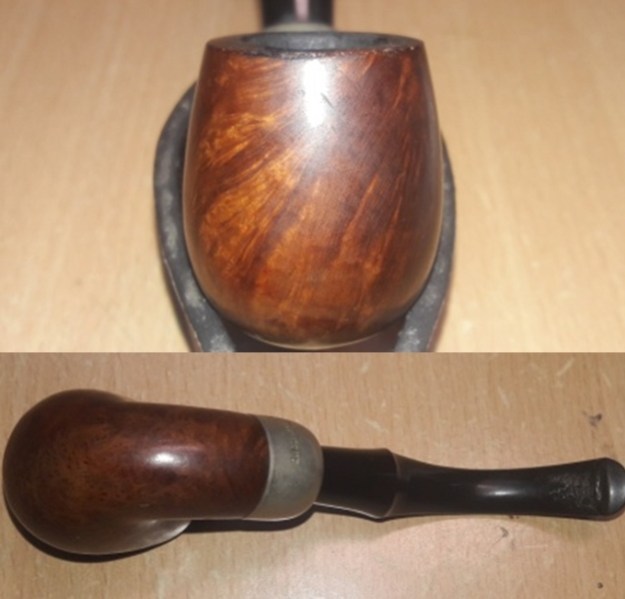
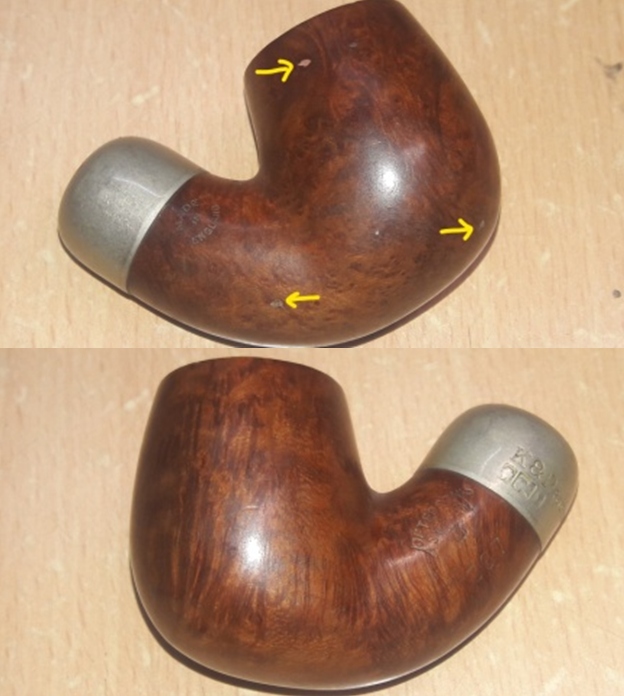
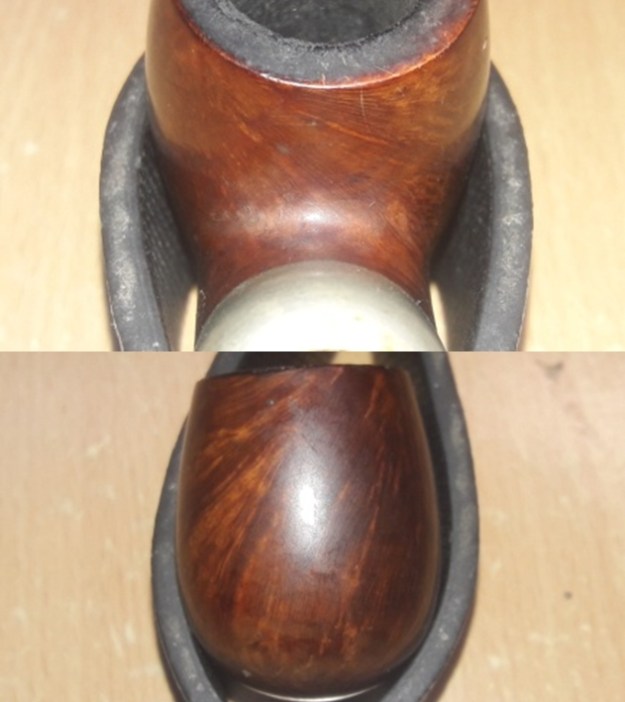
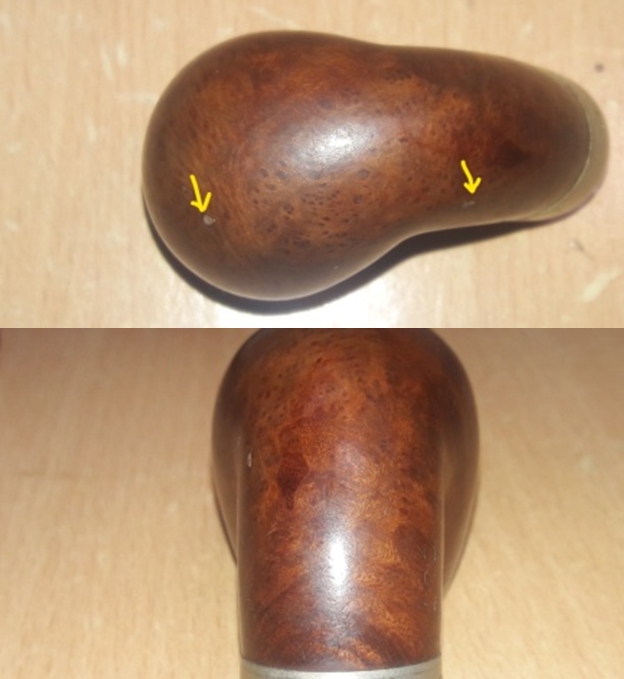
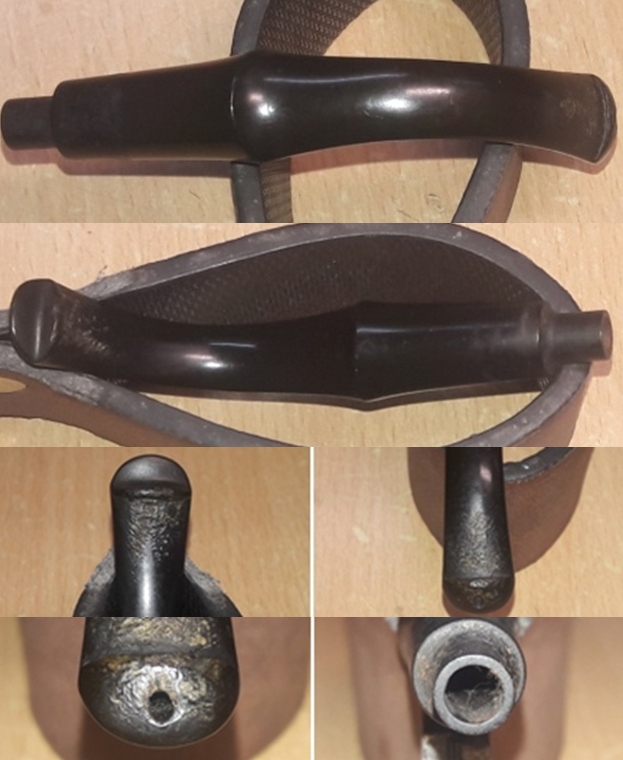
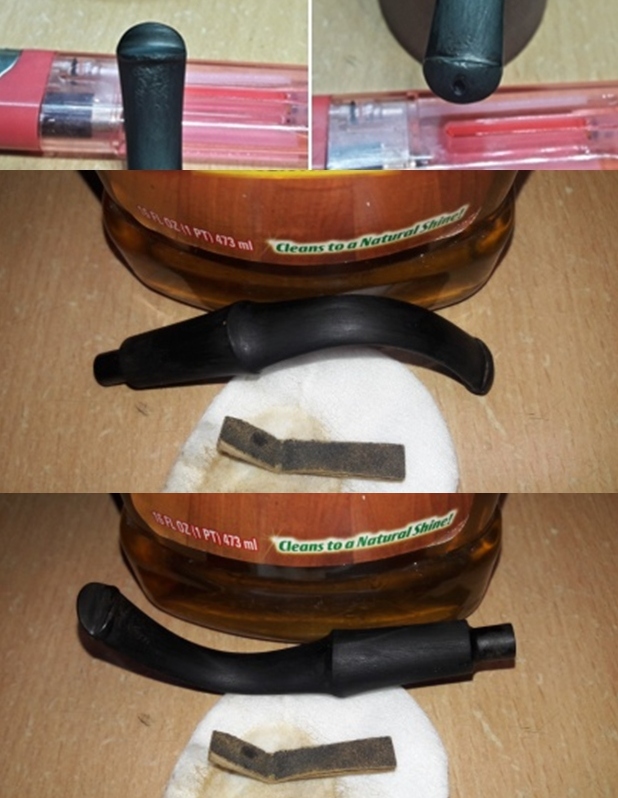
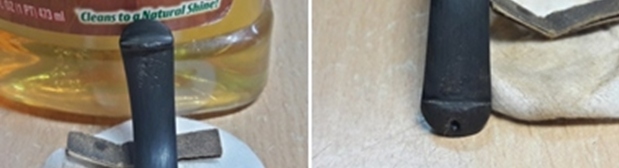
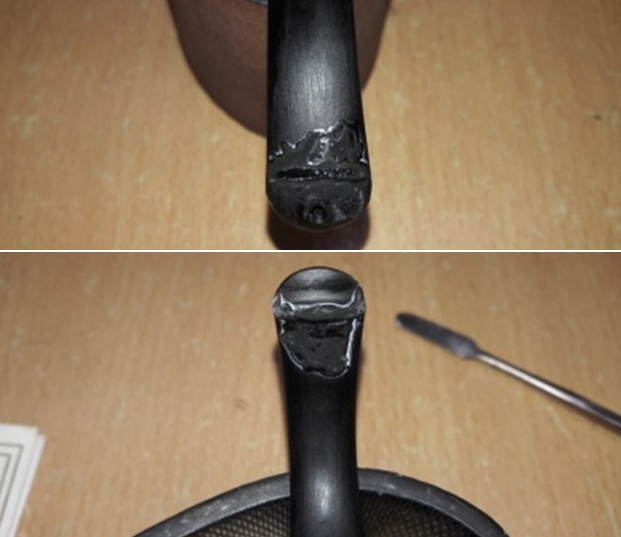
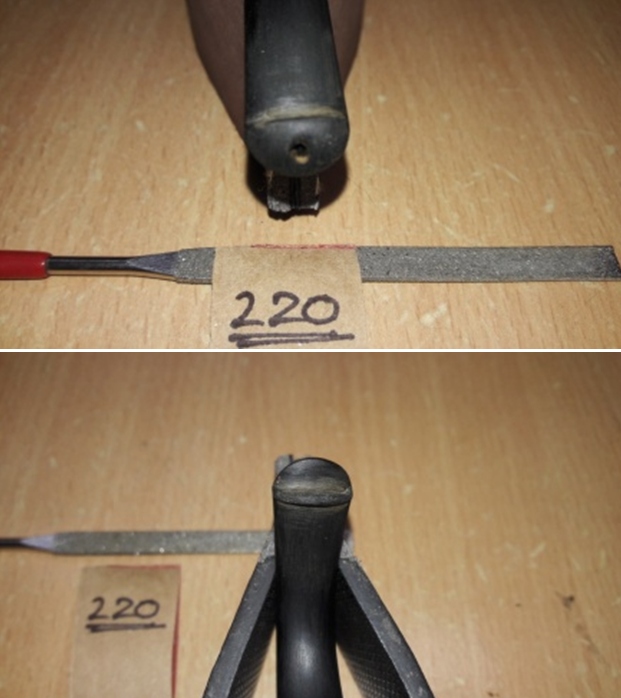
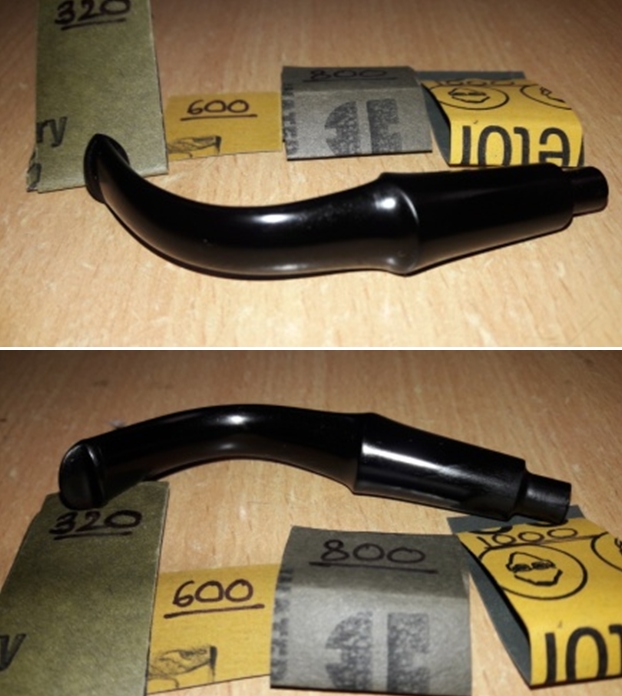
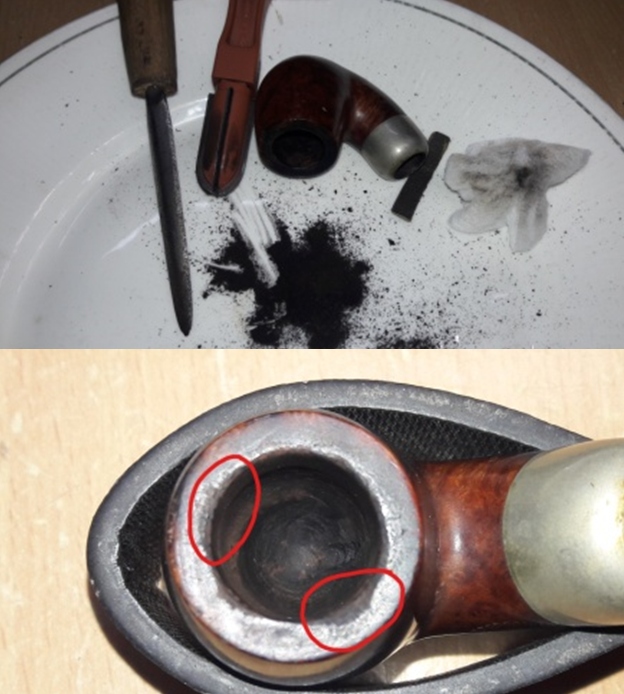
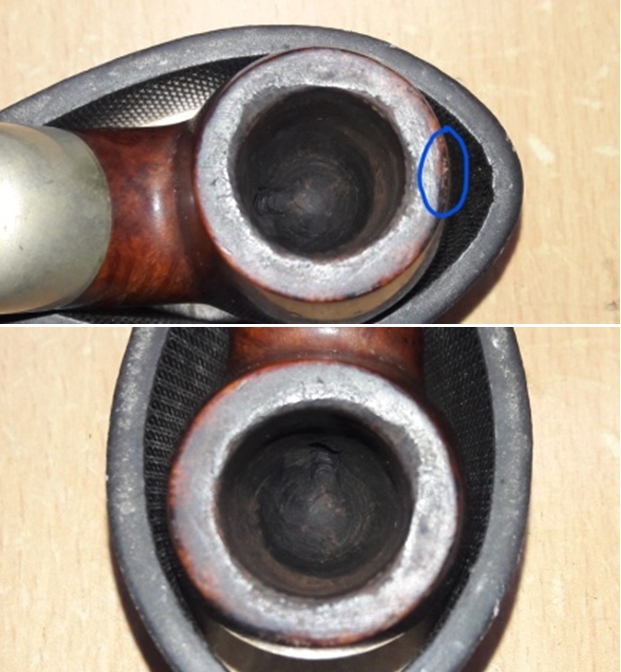
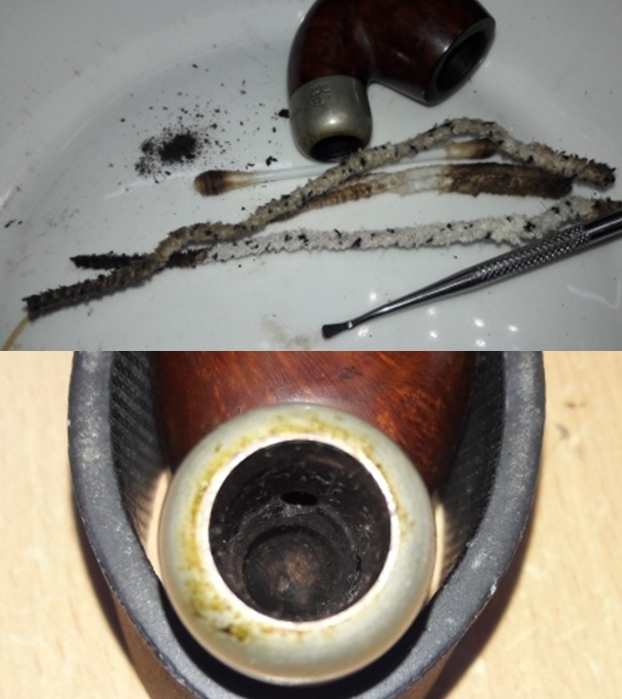
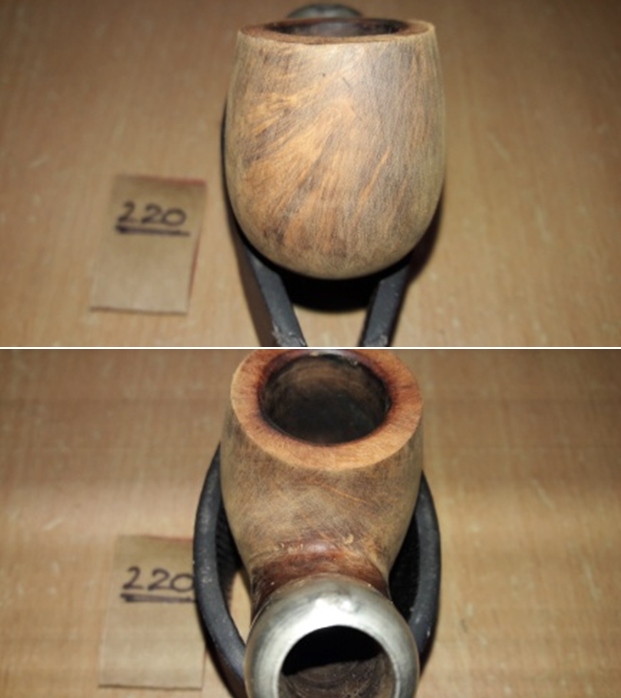
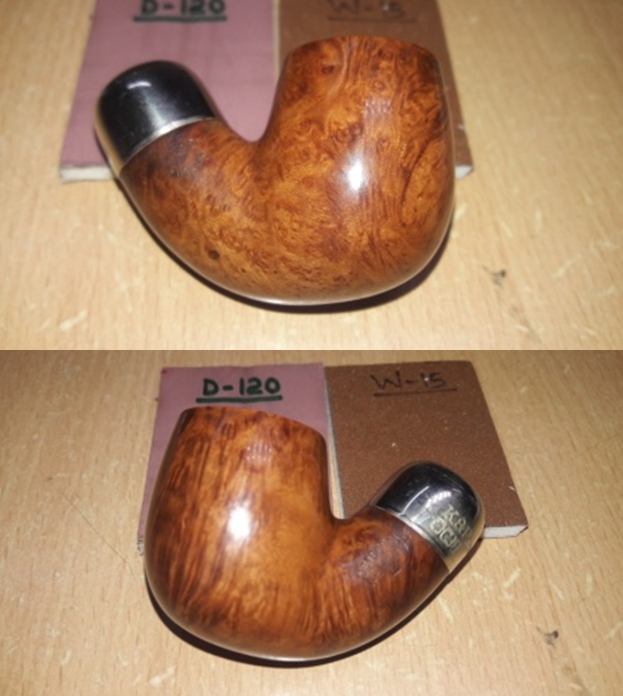
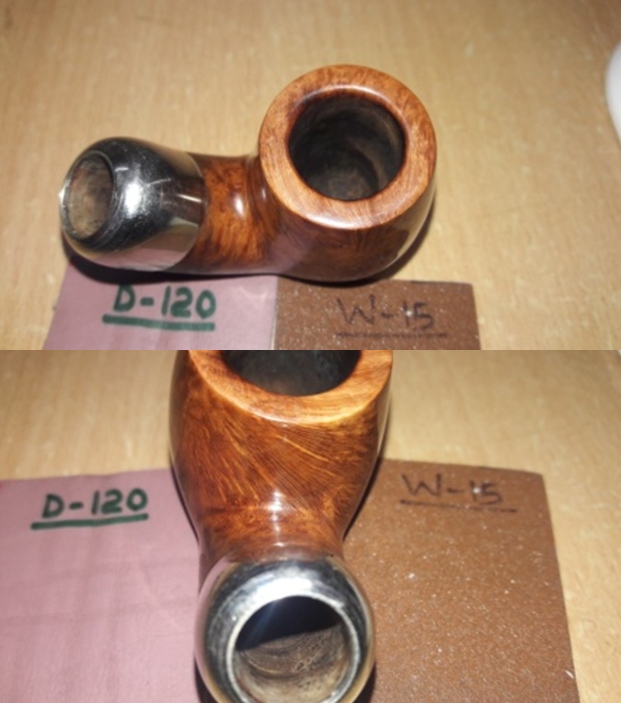
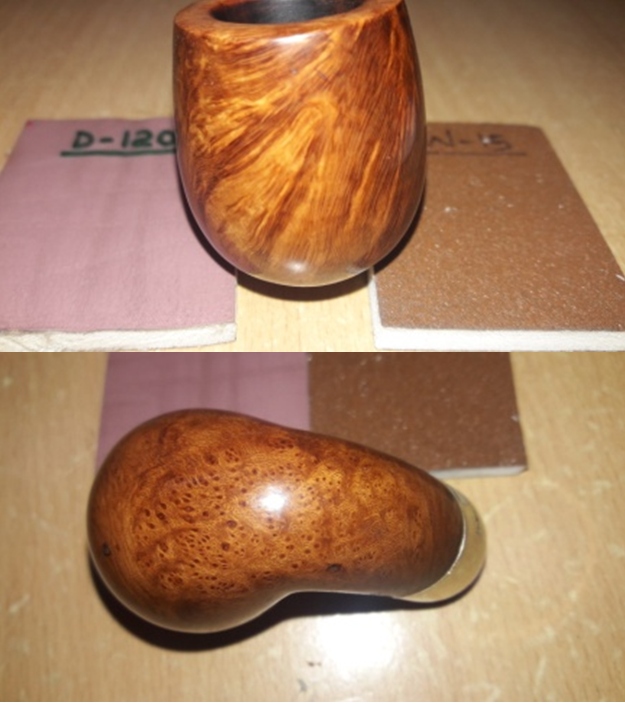
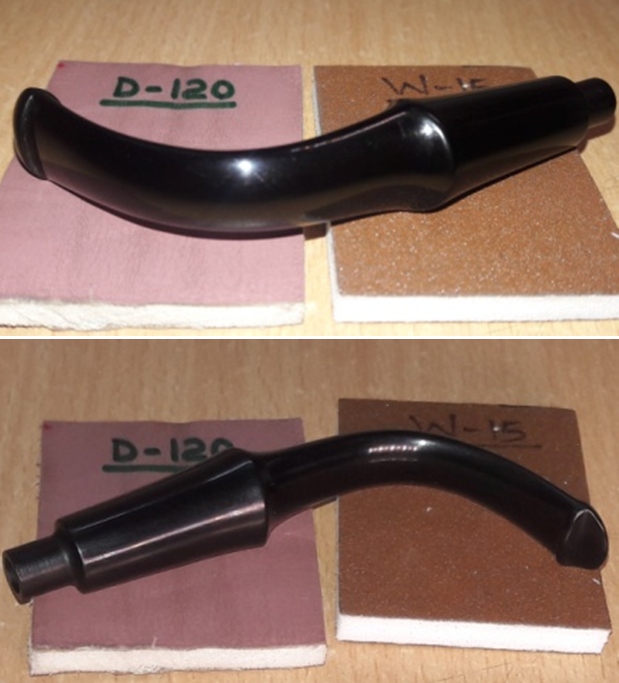
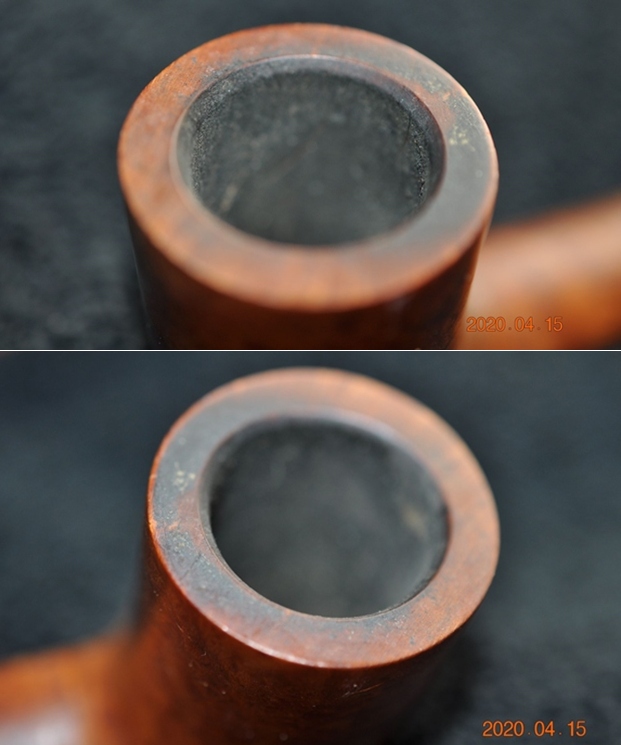
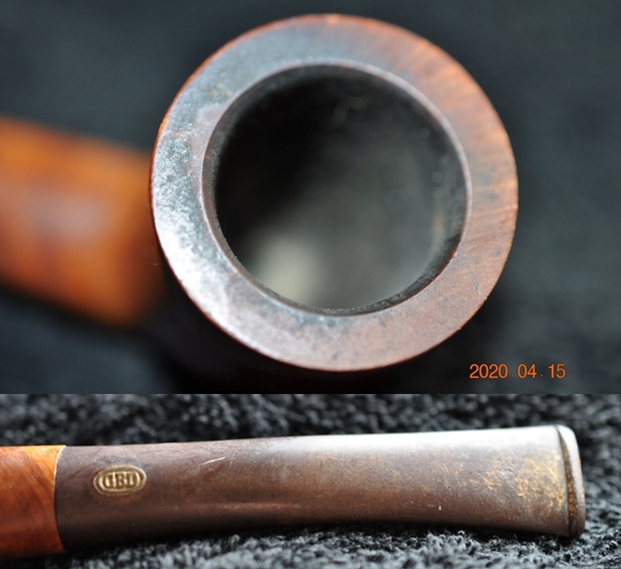
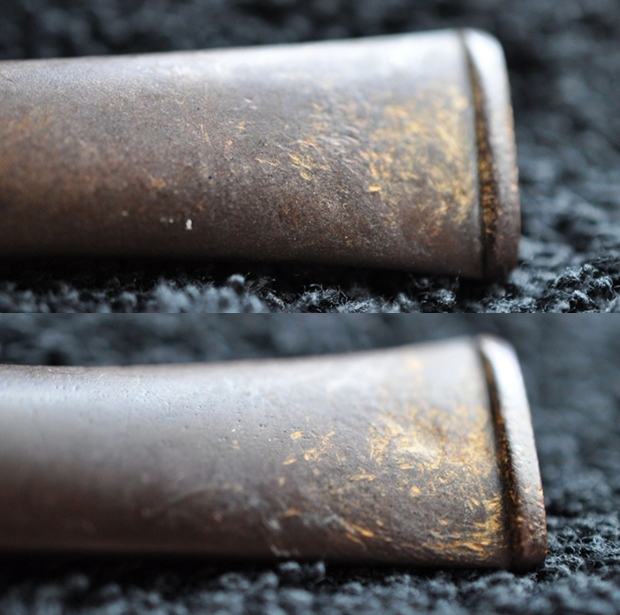
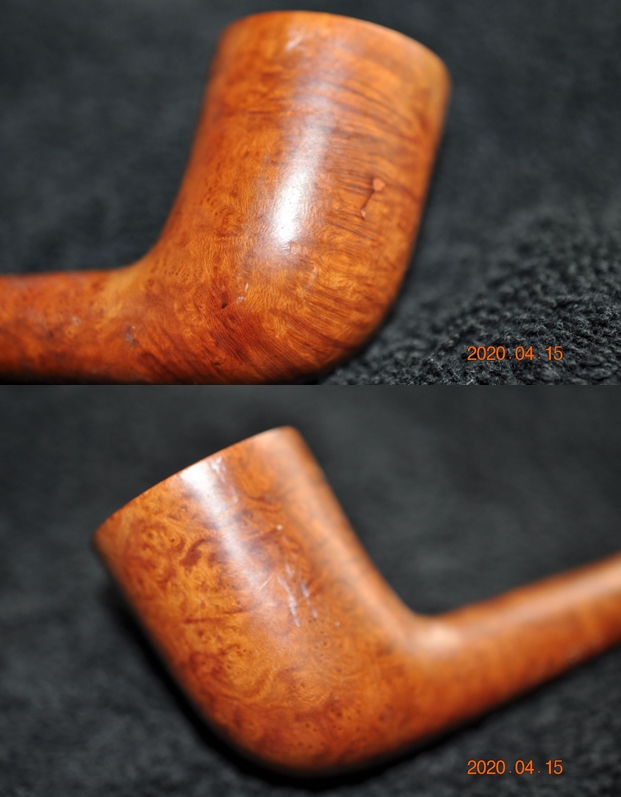
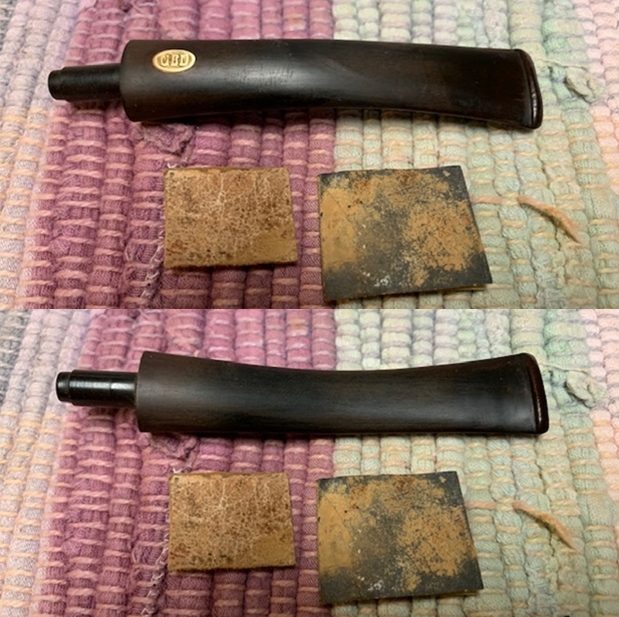
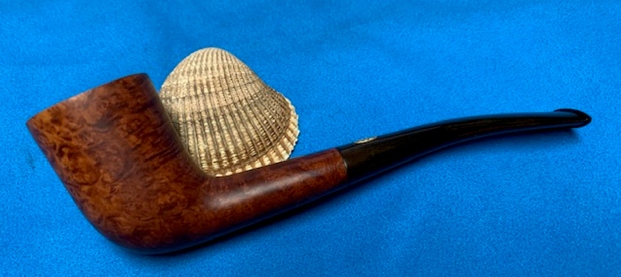
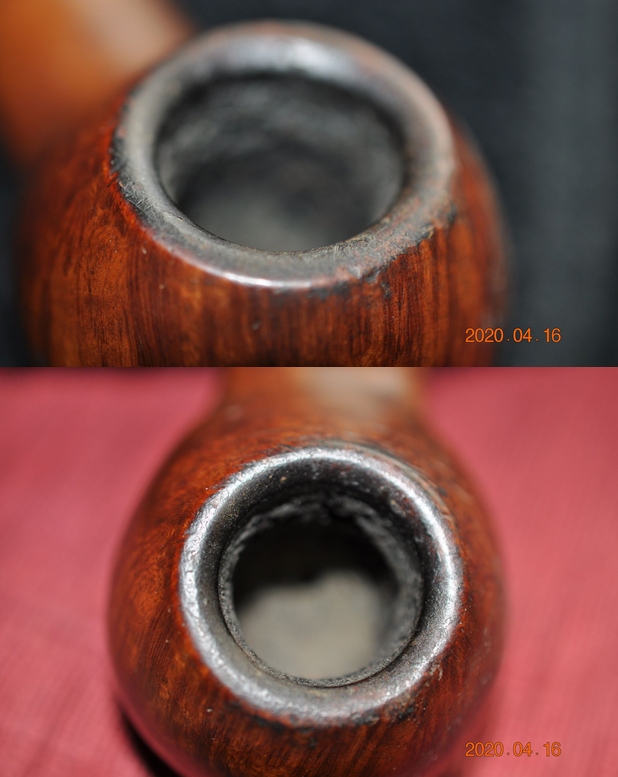
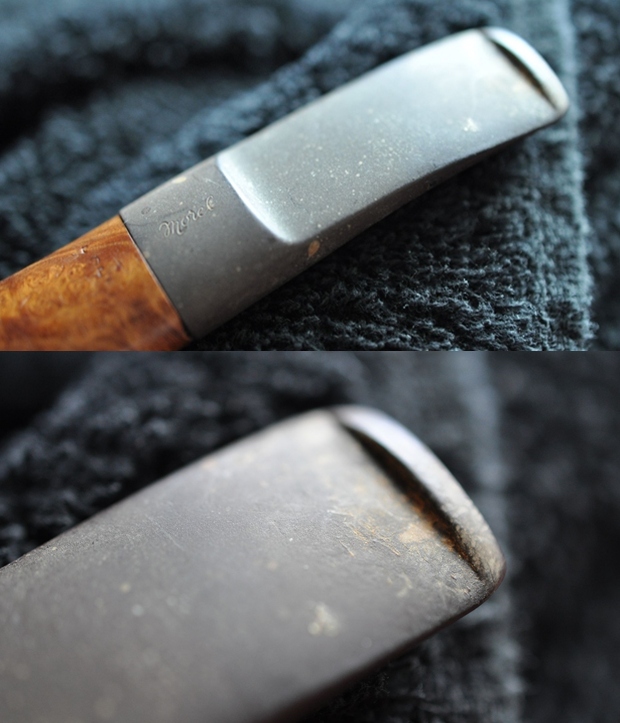
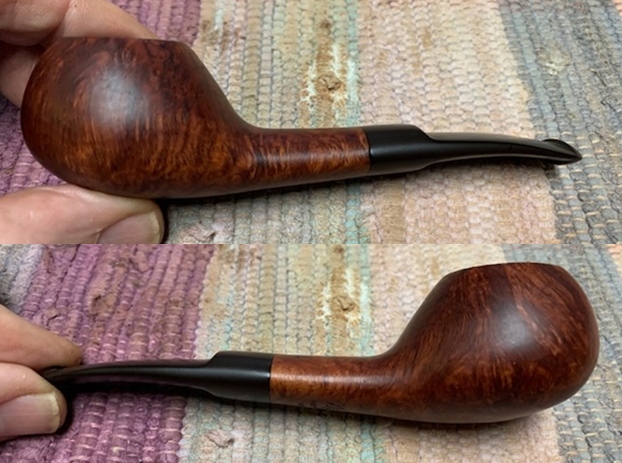
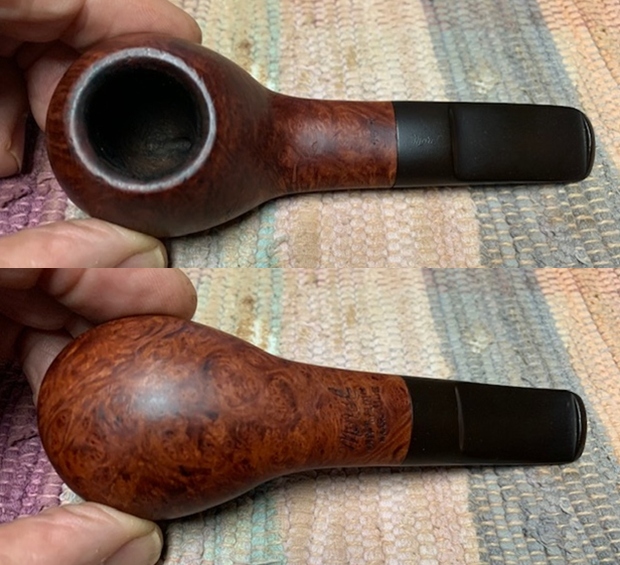
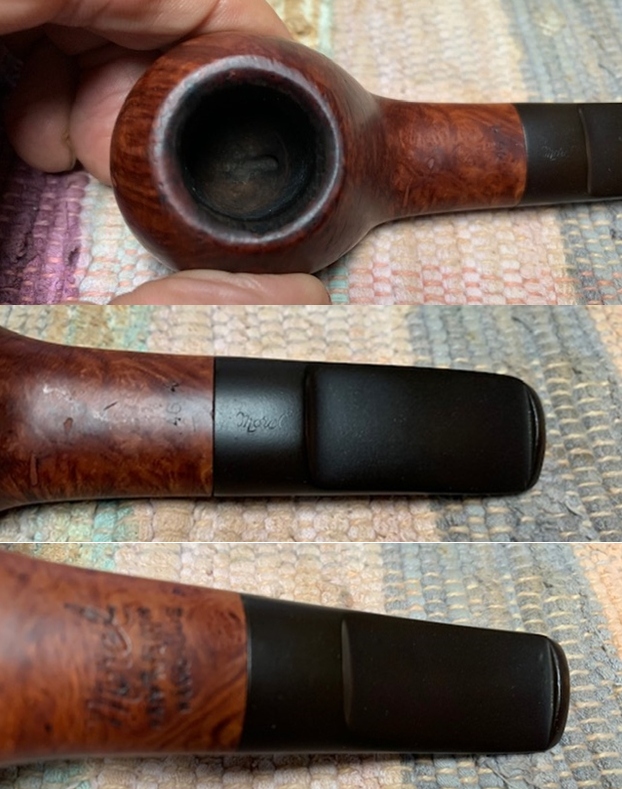
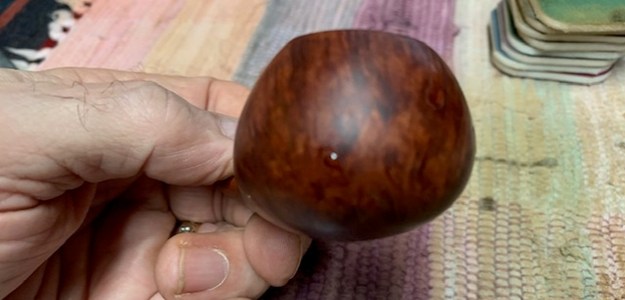
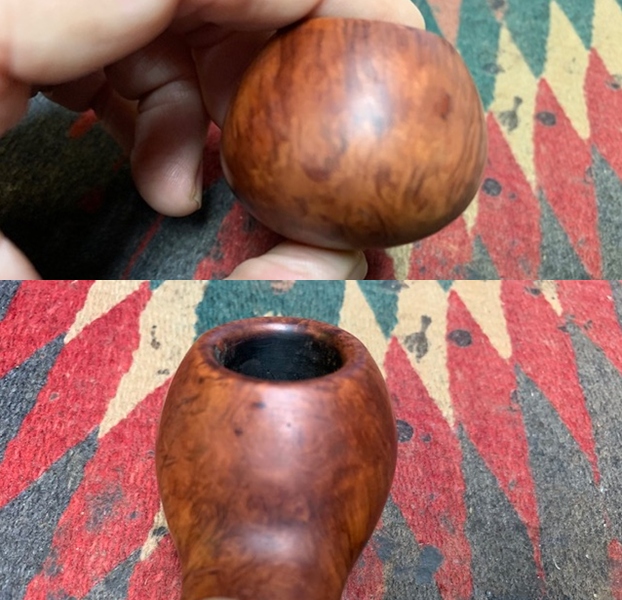
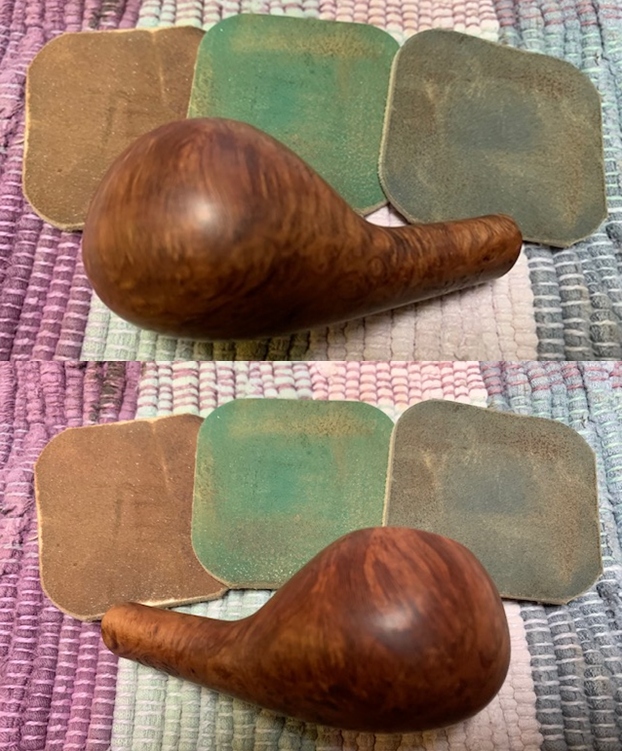
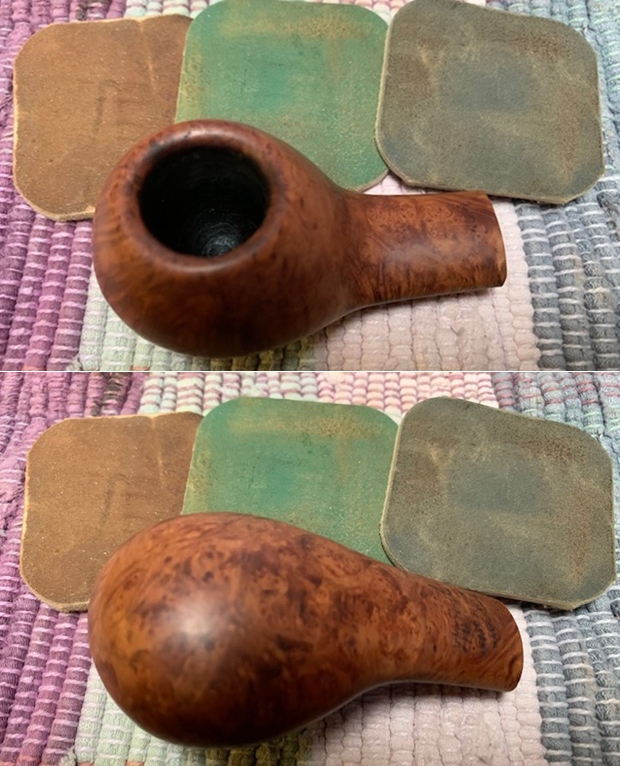
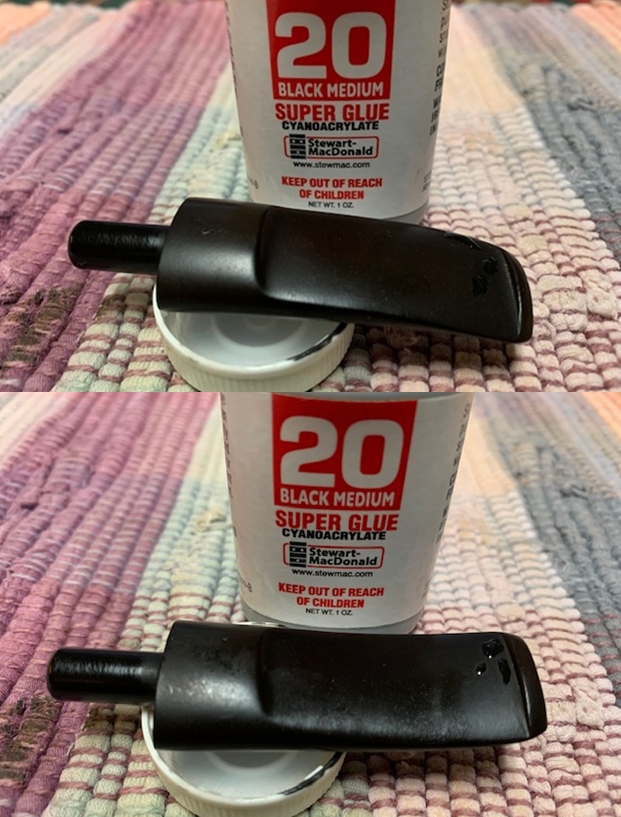
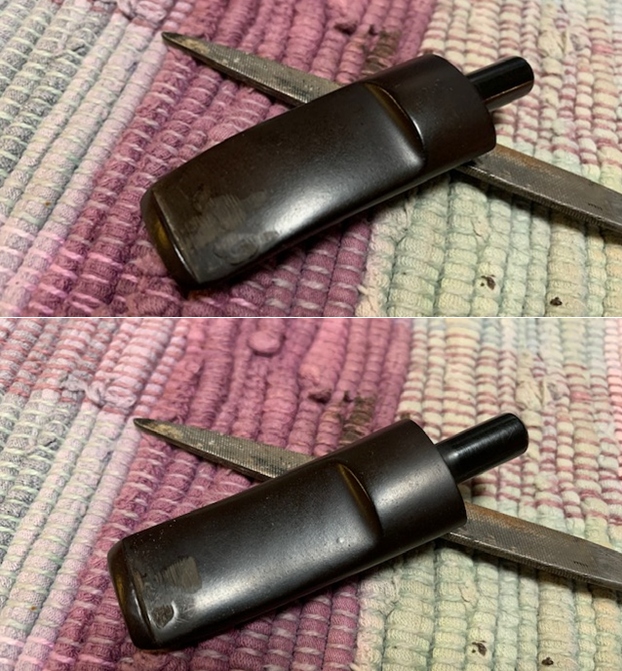
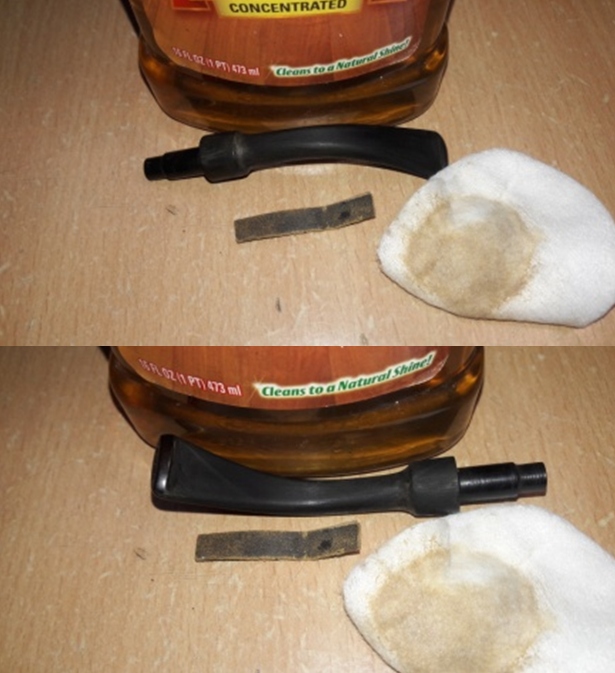
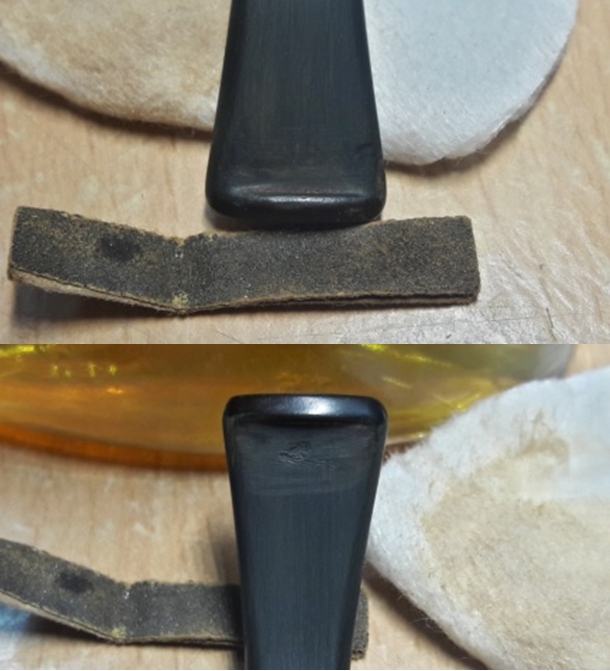
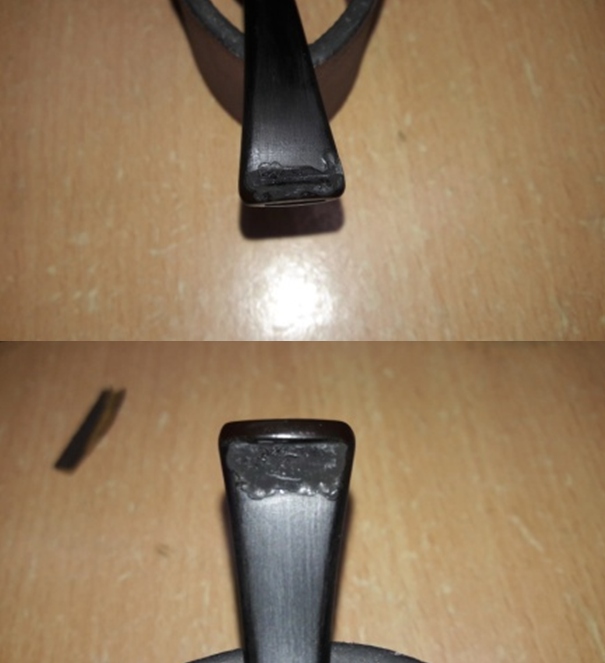
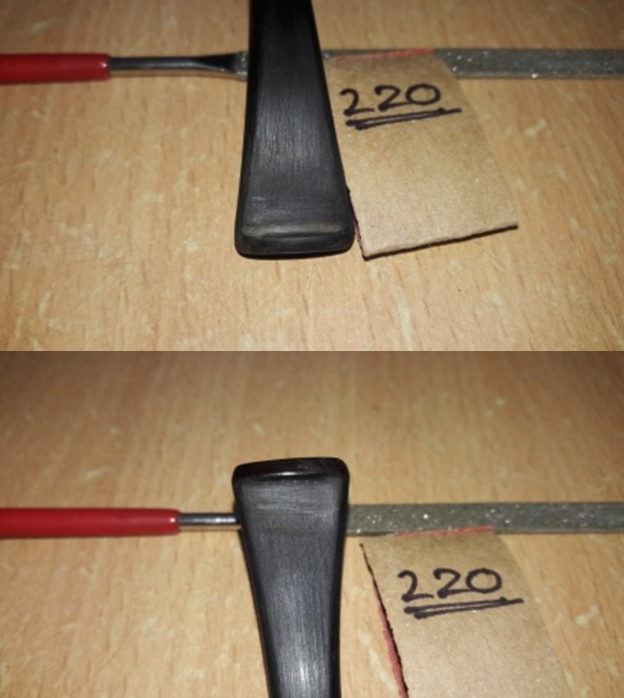
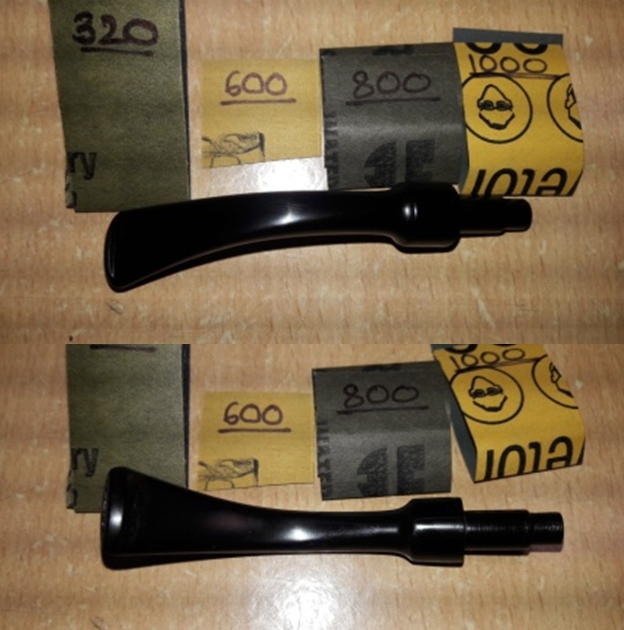
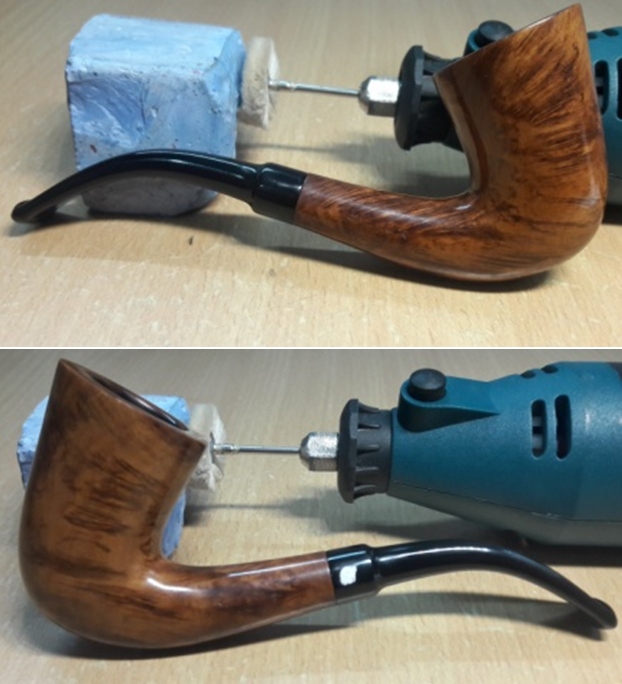
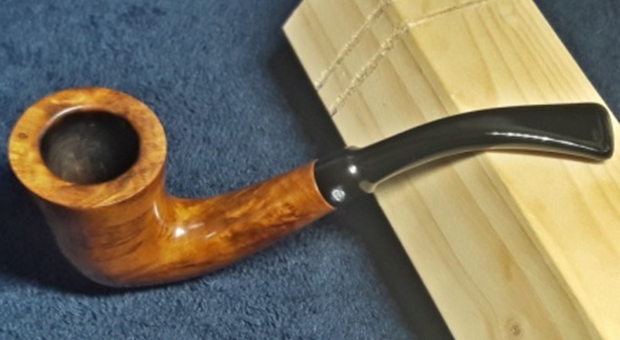
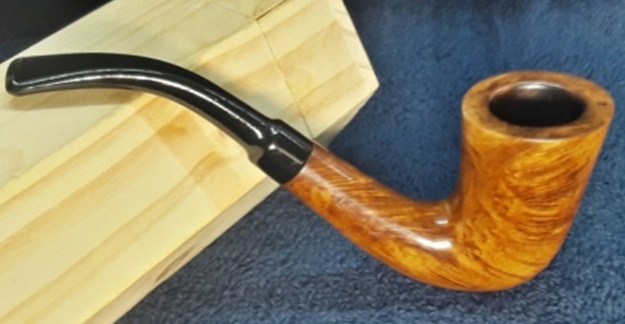
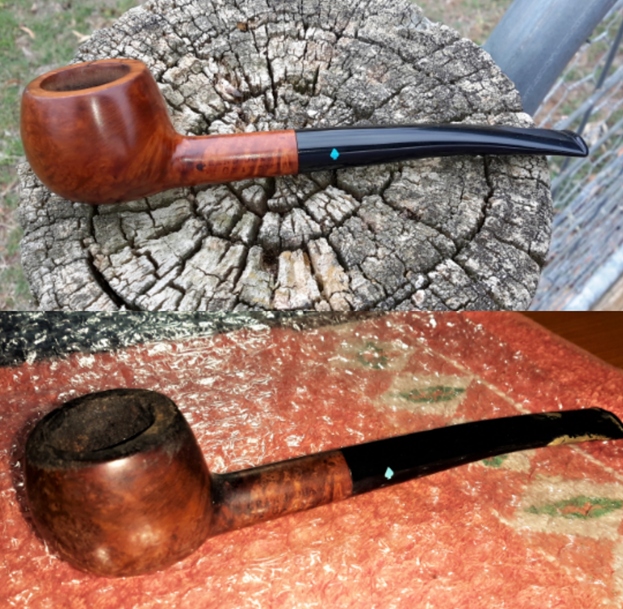
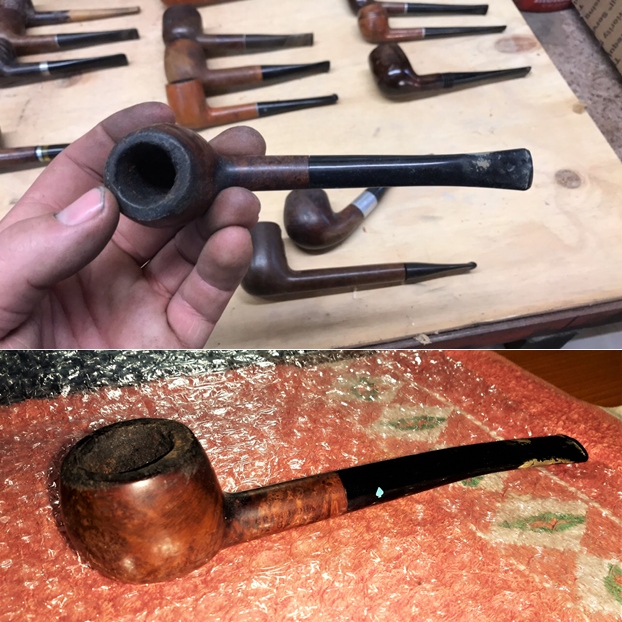
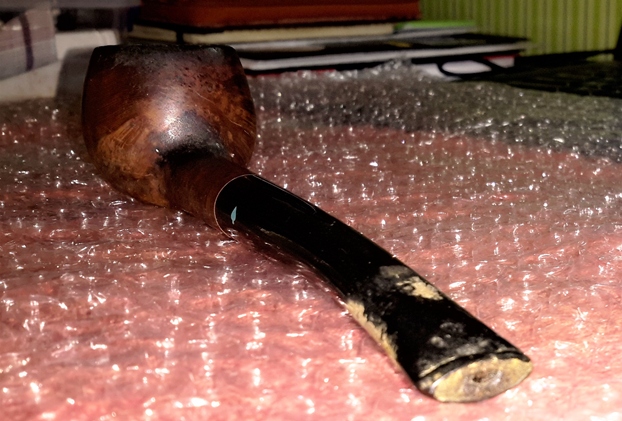
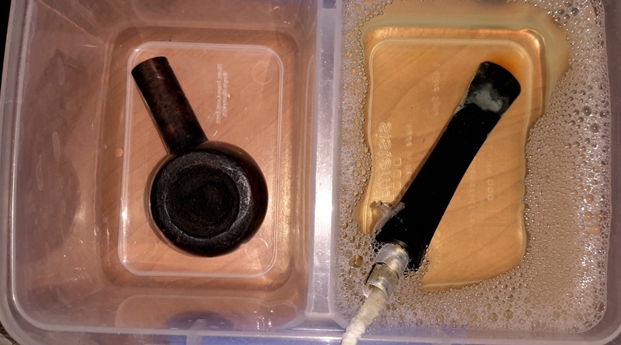
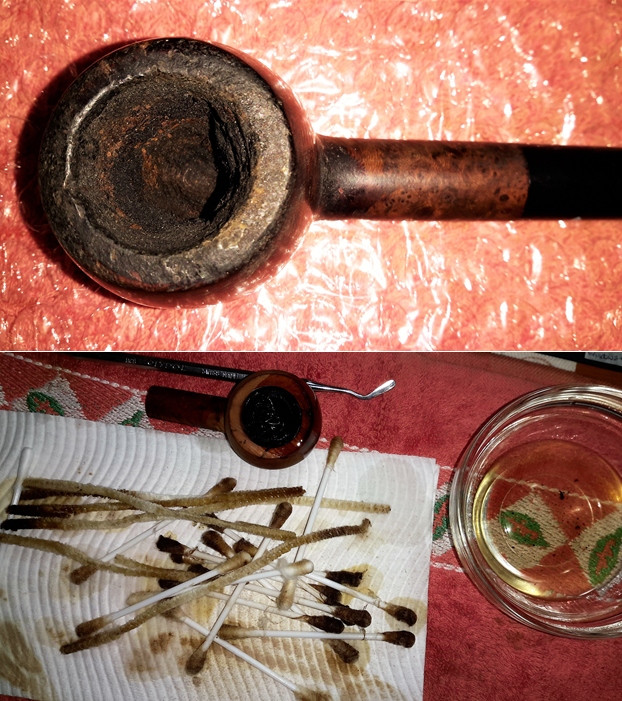
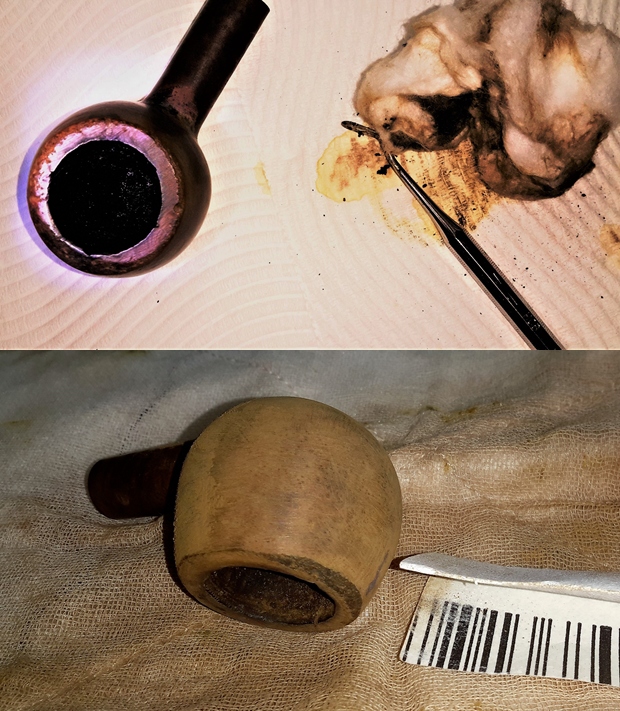
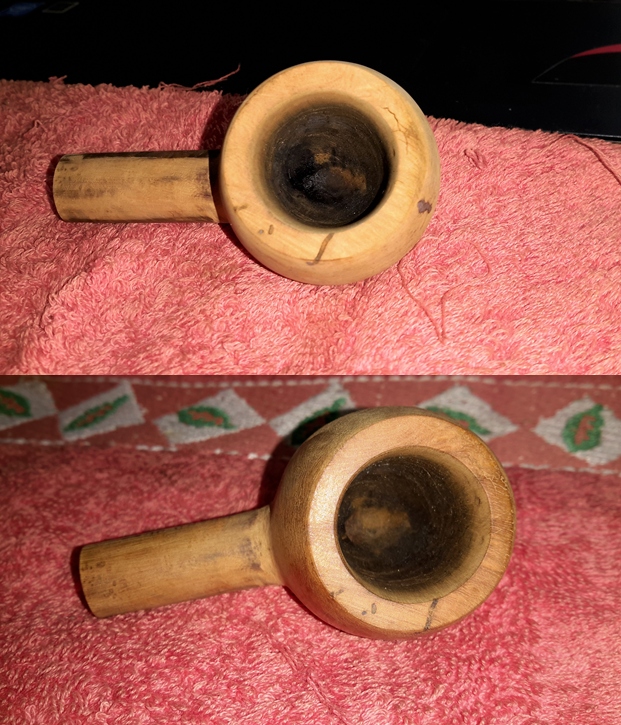
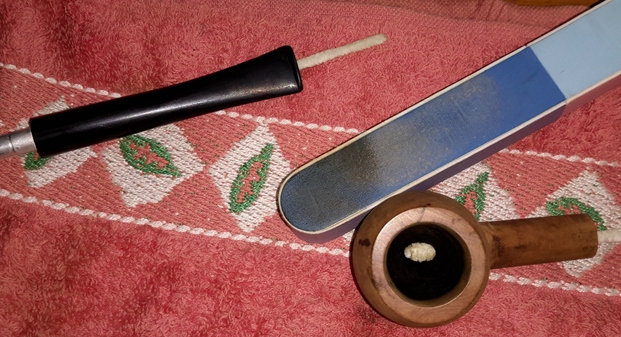
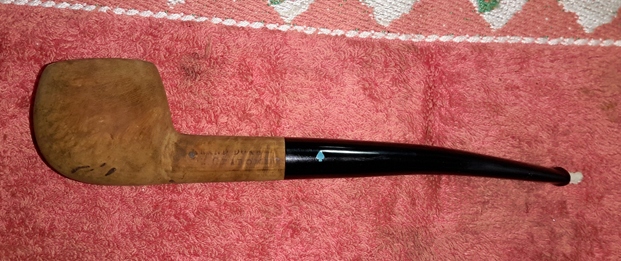
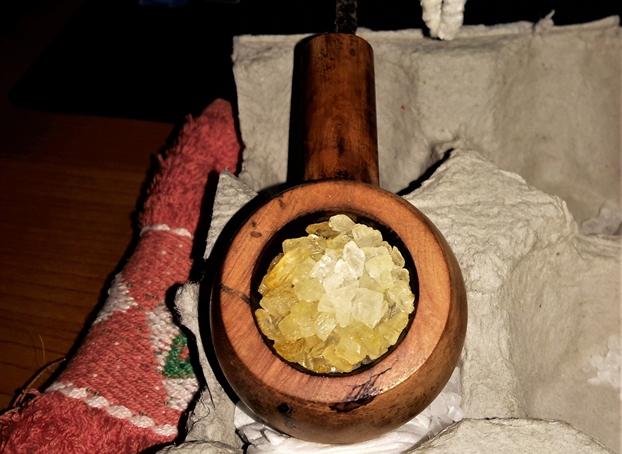
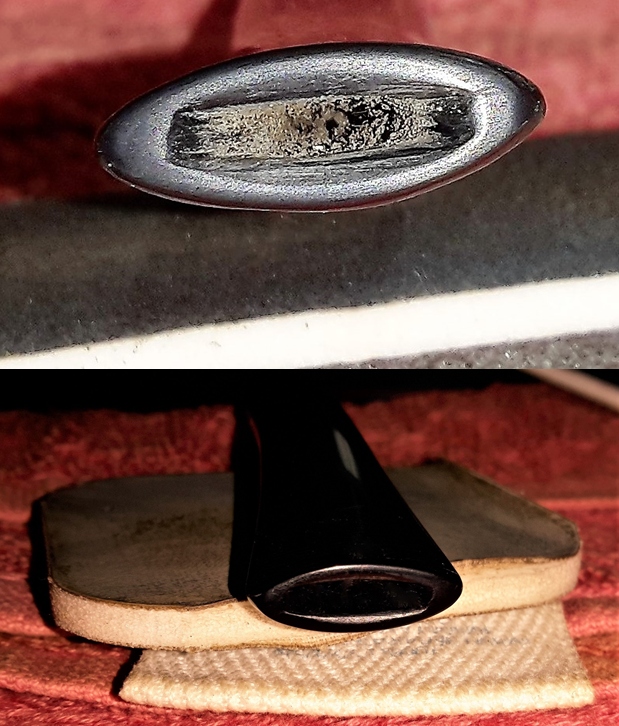
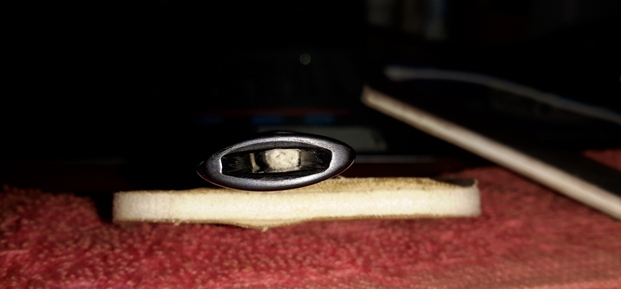
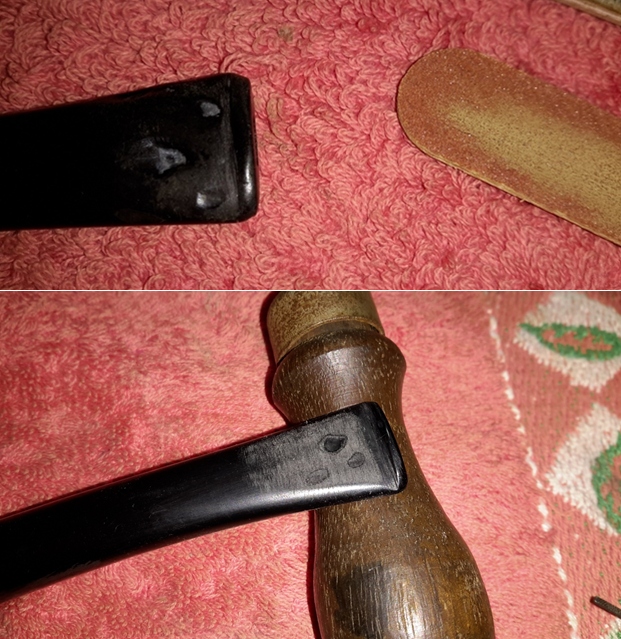
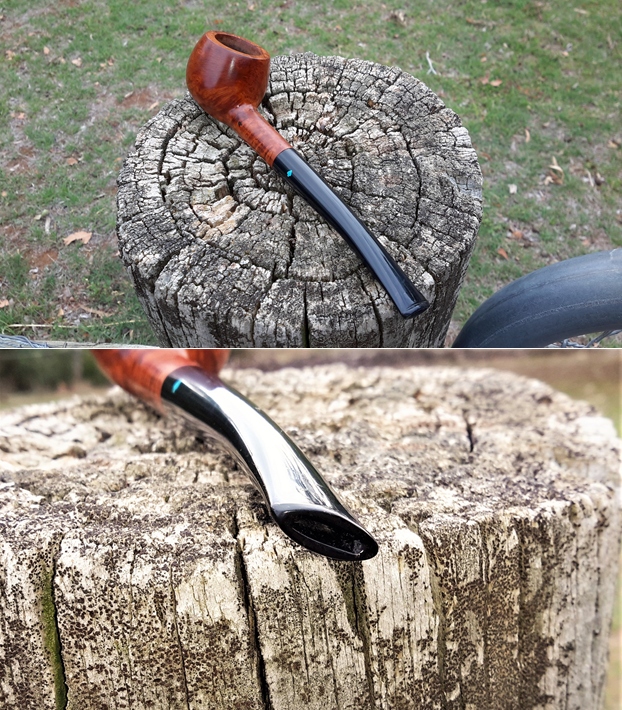
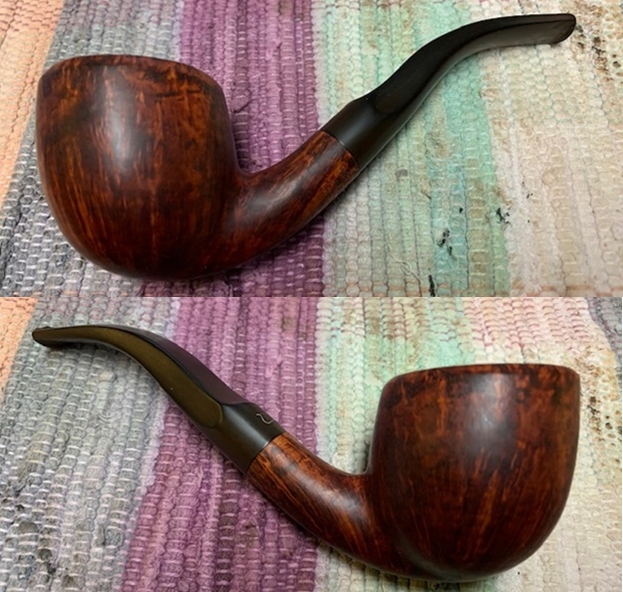
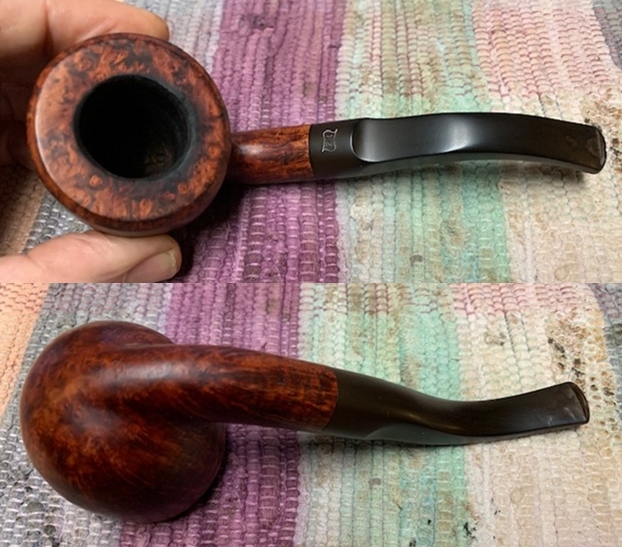
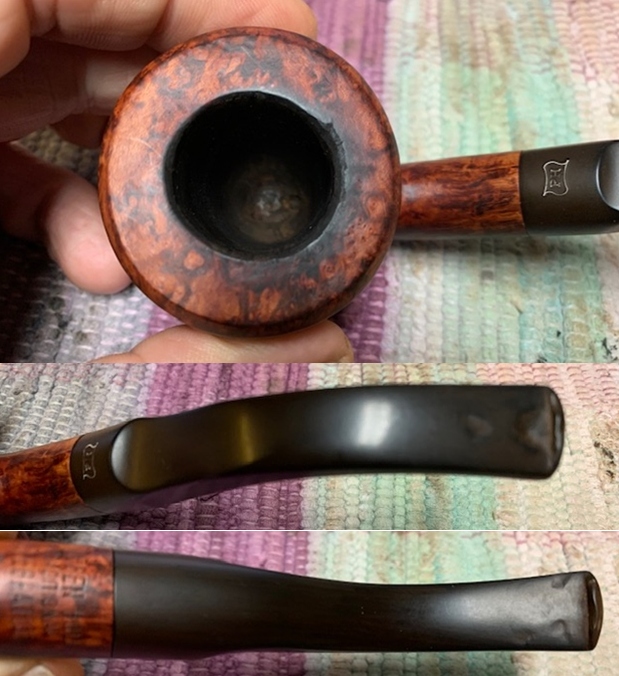
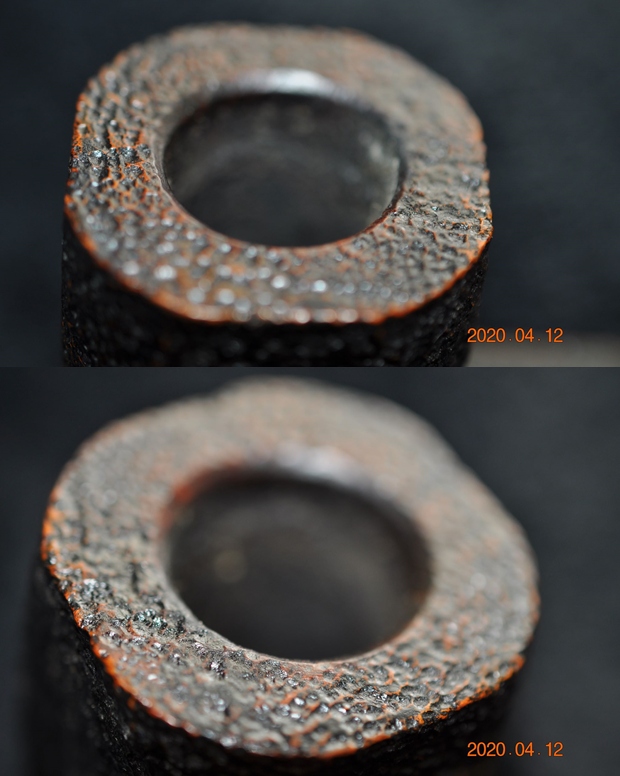
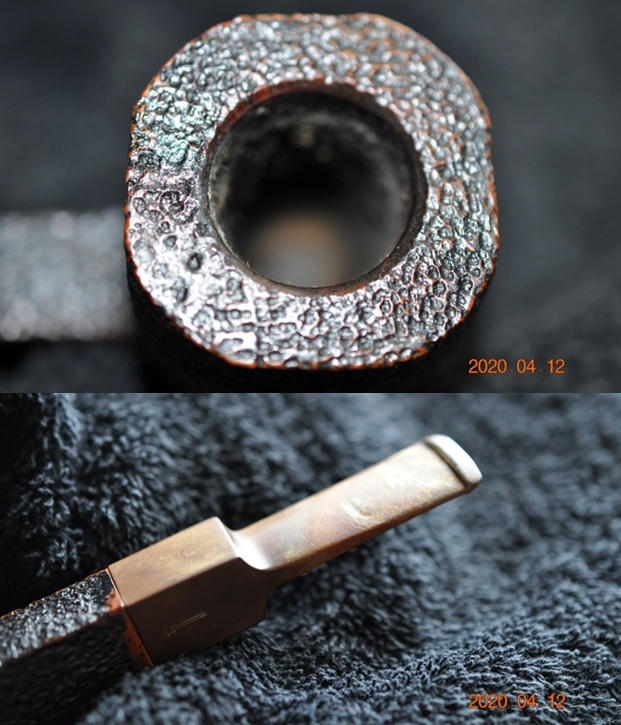
I have a few favourite pipe shapes, one of them being the Prince. There are a few variations on that theme but for me the standard shape will always take the prize. A friend of mine who is also a pipe maker was selling a bunch of estate pipes that he purchased from Ebay (The American Ebay. We live in Australia) and was looking to sell some of them. He sent me a few pics of what he had and one of them was a Dr Grabow Prince. A Grand Duke in particular. It was in bad shape with the ubiquitous bite marks and chocked up bowl. The end of the stem was horrible and how anyone would put it in their mouth was beyond me. After deciding how I was going to start on this Grand Duke, I put Vaseline on the little blue spade on the stem and put the stem into a diluted bleach bath and let it do its thing. While that was going on, I turned my attention to the stummel. It was in a bad way. Not the worst I have seen but pretty funky and in need of some de caking. Believe it or not I soaked the whole stummel in alcohol for almost 6 hours. The cake was like glass when I tried to ream it and the harder I tried the harder it got. After being soaked the cake practically fell out as I used a small picking tool to remove it. I then sanded the inside of the bowl back with a few different grades of sandpaper and then sanded the outside of the stummel to the bare briar. I was happy with the way it looked and there were no major divots to replace and it looked even better when I sanded the top of the bowl flat. A lot of the grime on top of the rim came off in the alcohol and made it easier to sand it back to the way it should look. Whoever owned it would, by the look of it bang the rim on something hard to remove old tobacco but never cleaned it out thoroughly. No cracks either, always a good sign.This was followed with a salt and alcohol treatment. Then onto the stem again. It had what look like saliva stains on the end of it. Like it had sat in someone’s mouth for hours, hence the chew marks I would guess.  After it came out of the bleach Bath, I started to clean and reshape the air hole. Although it was more of a small rectangle, and once I started to file it out, I found that it was still full of all the original swarf (or filings). It took a bit of mucking around but eventually a small bundle of vulcanite filing came out. I now knew why I couldn’t get a pipe cleaner through it, so I don’t know how the owner ever smoked it properly, or if they cleaned it out at all. It’s always nice to work with vulcanite. I know that acrylic is durable and harder to mark with teeth, but vulcanite is so easy to file, sand, buff and generally work with.

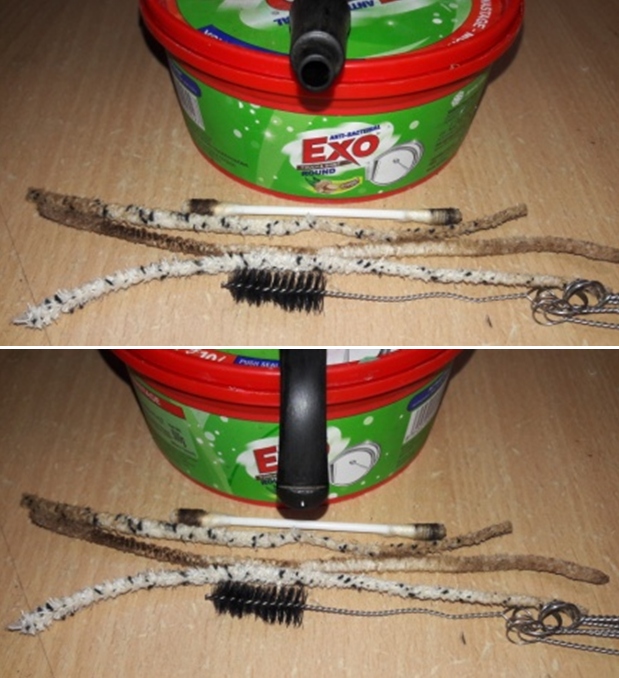
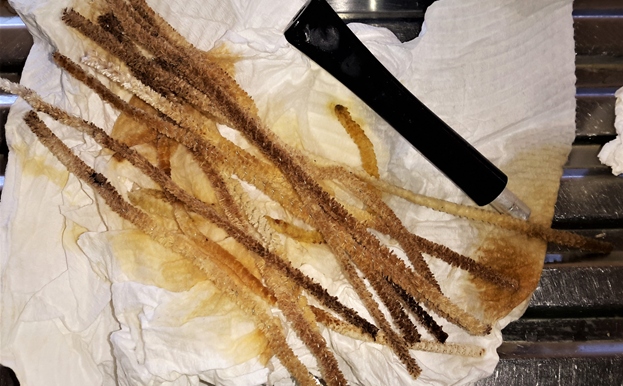
The inside of the stem was quite gross and took a lot of pipe cleaners to eventually come out clean. Perhaps these were the first pipe cleaners to go through it. As a youngster and teenager, back in the 1960’s and early to mid-1970’s, I can clearly remember the older men (Grandfather, uncles and my Dad’s friends) smoking pipes that looked like they’d been used to build a house. And if they weren’t constantly dropping out of their shirt pocket when not being used, they were hooked into the belt loop of their trousers. Thinking back now pipes didn’t have quite the collectable want or care factor back then. They were just a replaceable method of enjoying tobacco. So why would you bother going to the extreme of cleaning them on a regular basis. I first began enjoying pipe smoking as a late teen and I have to say I had the one pipe for years (a Dr Plumb full bent billiard) although I was pretty meticulous when it came to keeping it functional.

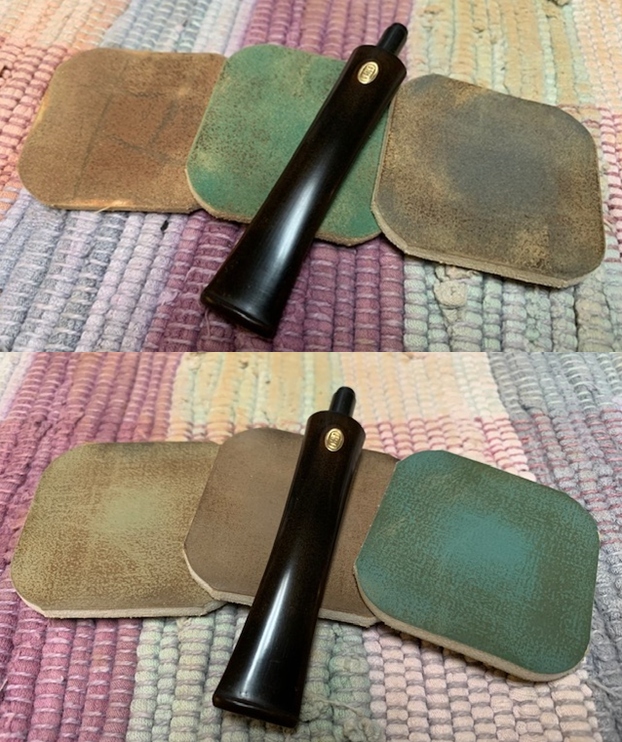
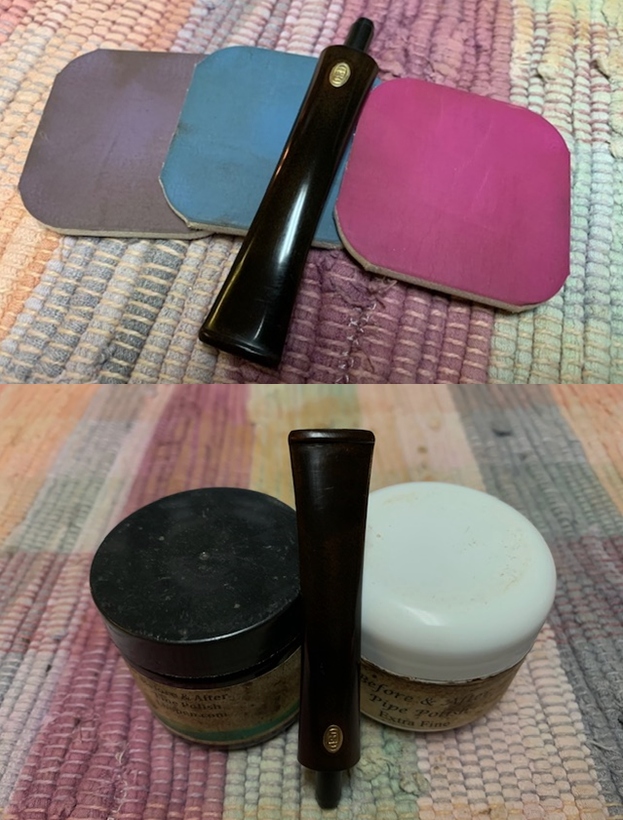
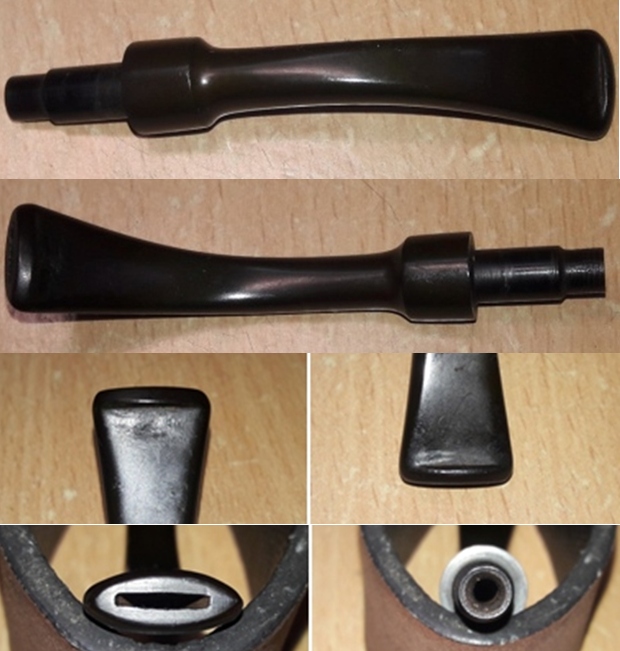
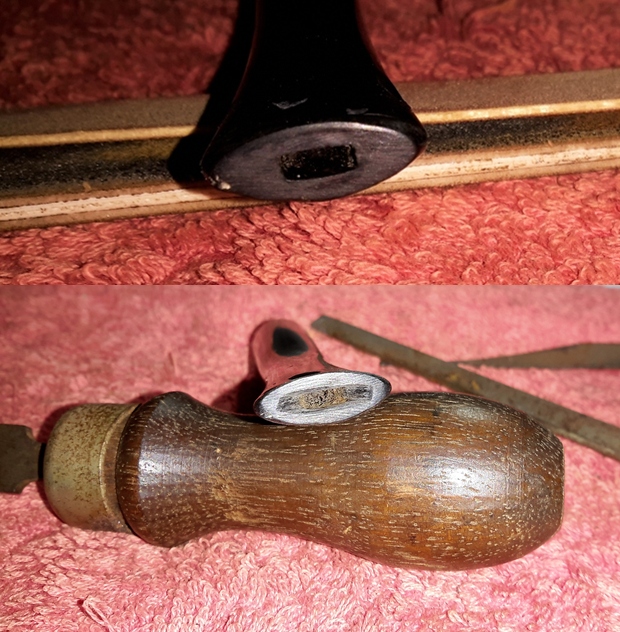
Anyway, I continued making the air hole more to my liking. You can see in the accompanying photo what I mean.  I find this shape opening makes it easier to keep clean, get a pipe cleaner through and I think it just looks and feels better. After that I put some drops of CA glue into the chew marks and filed them down. Wet and dry paper got the surface back to smooth and I buffed the surface with micro mesh pads. I love using these little pads. The tenon on these Grabow stems is a metal arrangement to house the Grabow filters which I’ve not used as they are not readily available if at all in Australia and not worth the effort of ordering. Just a little information on tobacco in Australia. For pipe smokers down here, it is not an easy hobby to pursue. 50 grams of any tobacco is $100 and higher and there is no such thing as tobacconists anymore. We have tobacco shops, but they are more like a bank of lockable cupboards. It’s illegal to display anything that might imply that the contents contain a tobacco product and the packaging itself is covered in pictures of photo shopped diseased body parts. All very charming. It’s illegal to order any tobacco product from overseas. If it’s intercepted by boarder control, it is confiscated and apparently destroyed. It’s illegal to grow your own tobacco. So, I guess you’d have to think that the authorities are trying to tell us something.

So, back to the point. I didn’t have anything left to do to the stem until I used the buffing wheels. Back to the stummel.

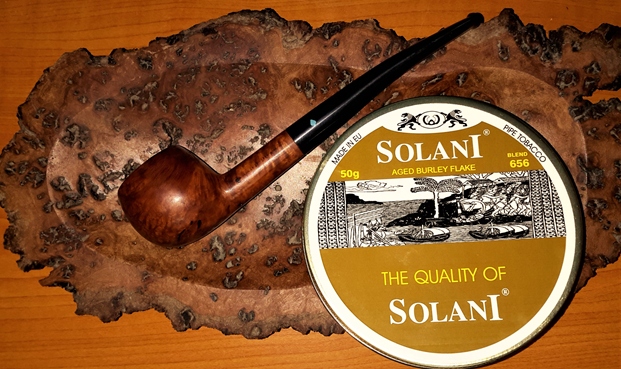
As I mentioned above, the stummel was in good order on the outside so I started on it with the micro mesh pads. By the time I got through all the grits it had a nice lustre to it. I did discover a few small fills, but I wasn’t going to worry about them. And by the time I’d buffed it you couldn’t really see them. I was really pleased with the way it came together and it is now one of my favourite pipes to smoke. It’s light to use and the bowl isn’t so big that you can’t fill it to the top. Which I do. It’s not a fussy pipe, it’s happy with any tobacco. I find it’s great for Burley flakes in particular. I hope you enjoyed my small account of this particular pipe. Thanks for reading if you did. Ciao, Kevin.

New Life for a Preben Holm Traditional Celebration Danish Hand Made


Blog by Steve Laug

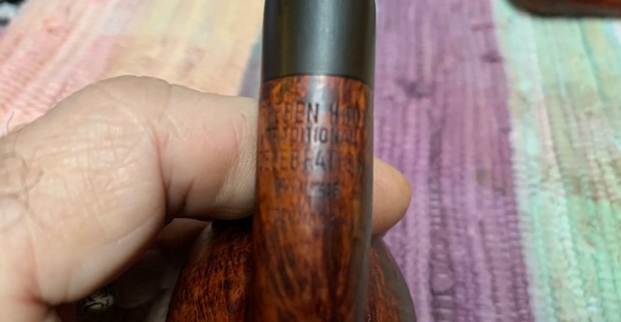
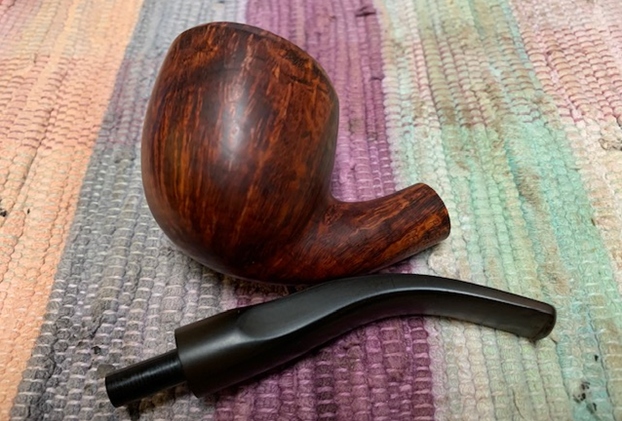
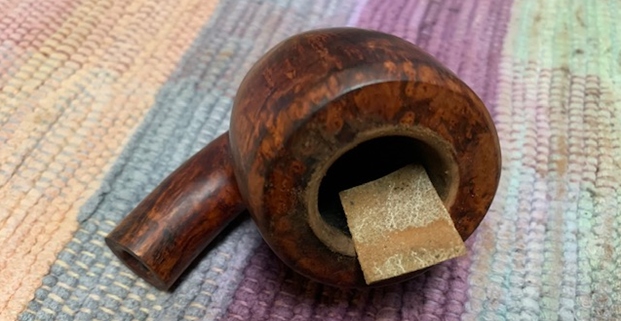
The next pipe on the work table came to us from a fellow in St. Leonard, Maryland, USA. It is a uniquely shaped Dublin with a fancy vulcanite saddle stem and beautiful grain showing through the grime around the bowl. It has a finish of contrasting brown stains that highlights the grain. I have worked on quite a few Preben Holm pipes throughout the years and have always found the fit and finish very well done. This pipe is stamped on the underside of the shank and reads Preben Holm [over] Traditional [over] Celebration [over] Hand Made in Denmark. There is a thick cake in the bowl and an overflow of lava on the back rim top. It appears that there is some damage to the inner edge of the rim in that area as well. The rim top as a whole has scratching and nicks in the flat surface. The beveled outer edge looks to be in good condition. The fancy saddle vulcanite stem was oxidized, calcified and had deep tooth marks and chatter on both sides of the stem near the button. There is also a logo stamp on the top of the stem – a PH in a banner. The pipe looks to be in decent condition under the grime. Jeff took photos of the pipe before he started his cleanup. He took photos of the rim top to show the cake and the lava coat. It is another dirty pipe. He also captured the shape of the stem and the deep tooth marks and chatter on the top and underside of the stem near the button.    He took photos of the sides and heel of the bowl to show the beautiful grain around the bowl and the amount of grime ground into the surface of the briar.    He took photos of the stamping on the underside of the shank and the shooting star logo on the left side of the stem. It is faint but still present. I turned Pipephil’s section on Preben Holm pipes and found the brand listed there with and an example of the stamping on the underside of the shank and the stem. The stamping matches the one that I am working on (http://www.pipephil.eu/logos/en/logo-p5.html). It is like the stamping and logo that is shown in the second pipe below.I turned to Pipedia and reread the history of the brand (https://pipedia.org/wiki/Holm,_Preben). It is fascinating in that it is a first person account. It is a great read. I could not find any specific information on the Traditional Celebration. It was now time to work on this pipe.

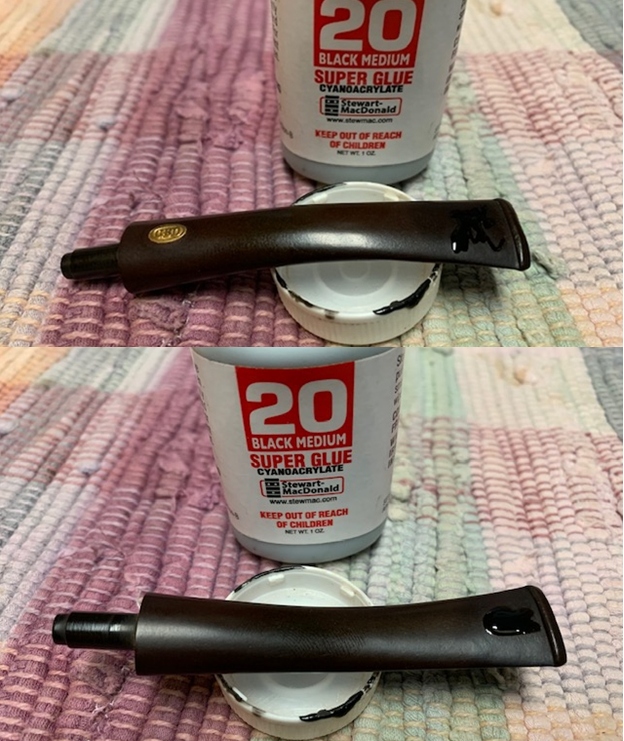
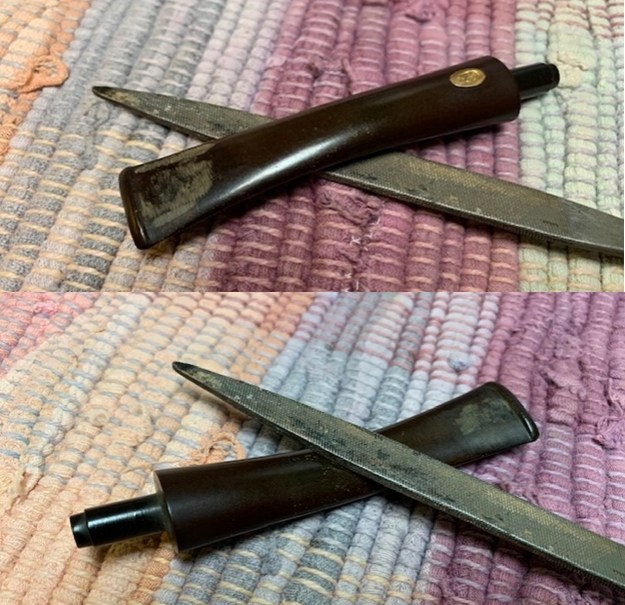
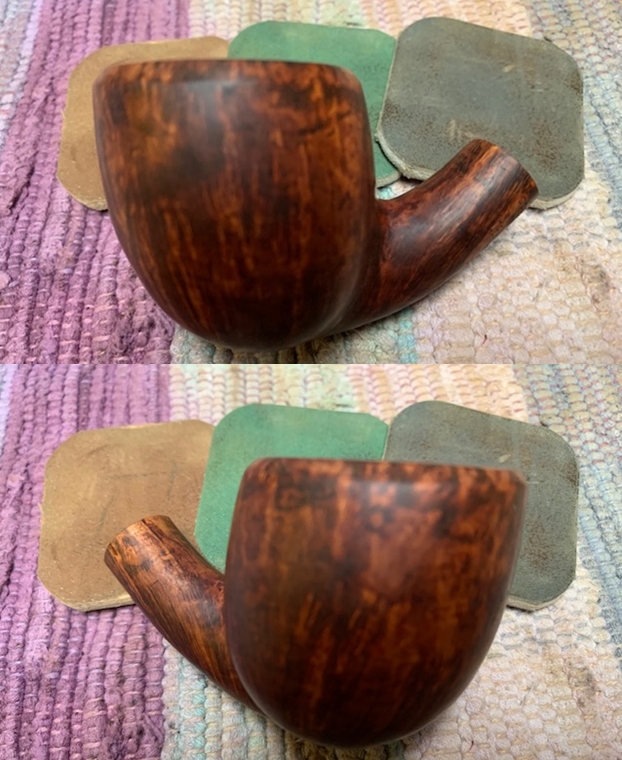
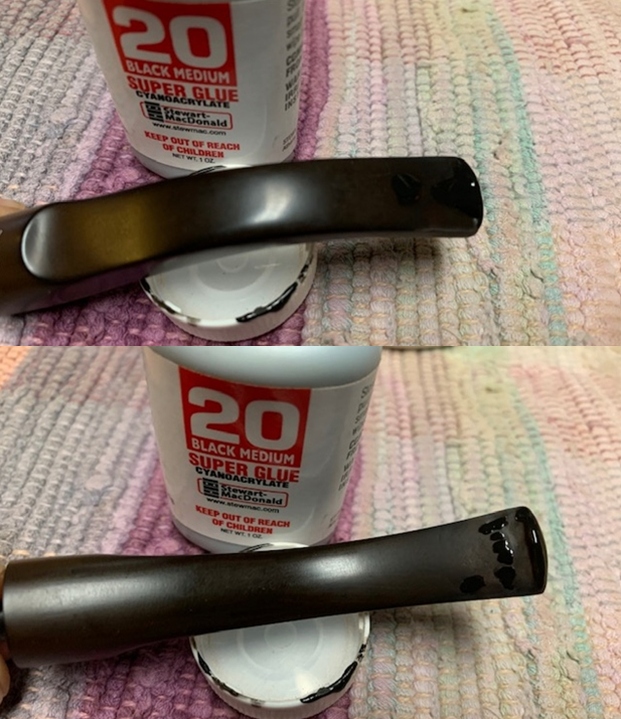
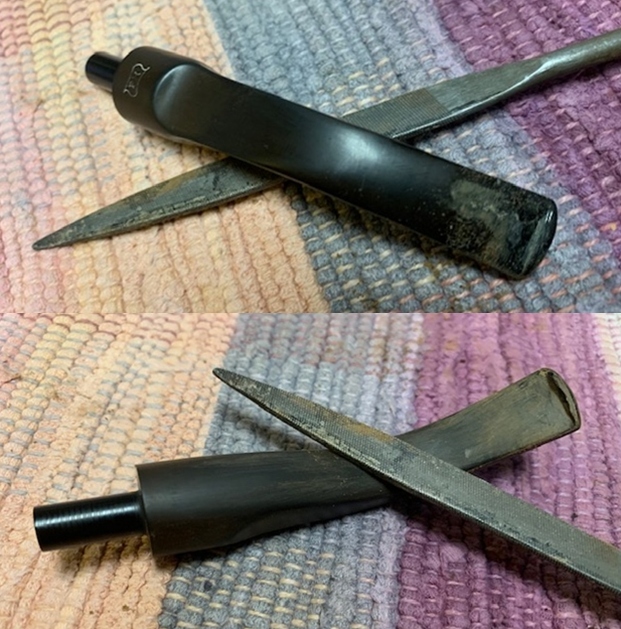
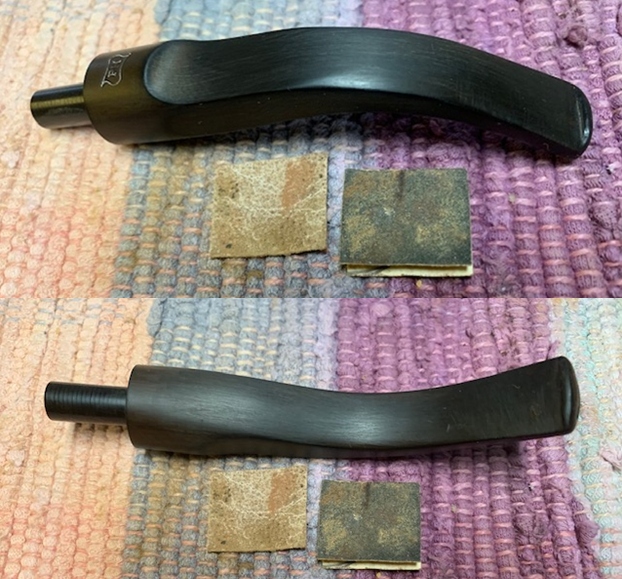
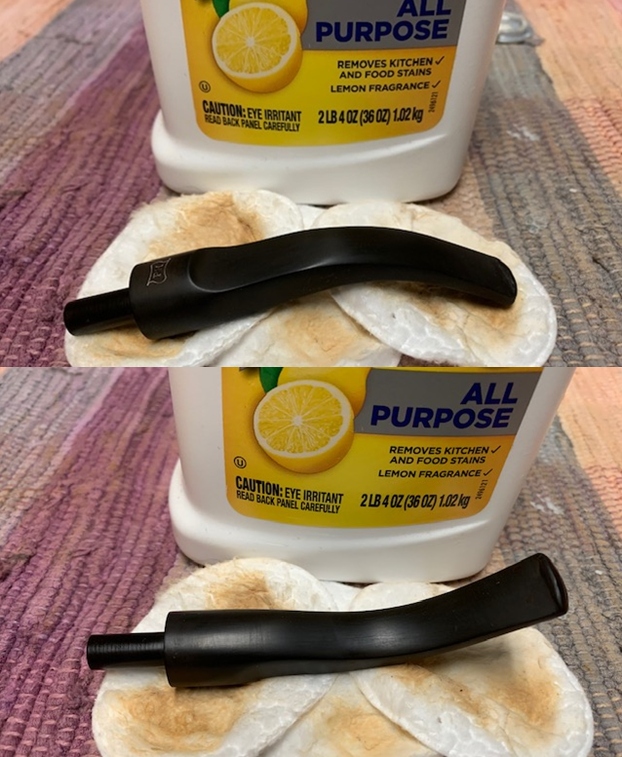
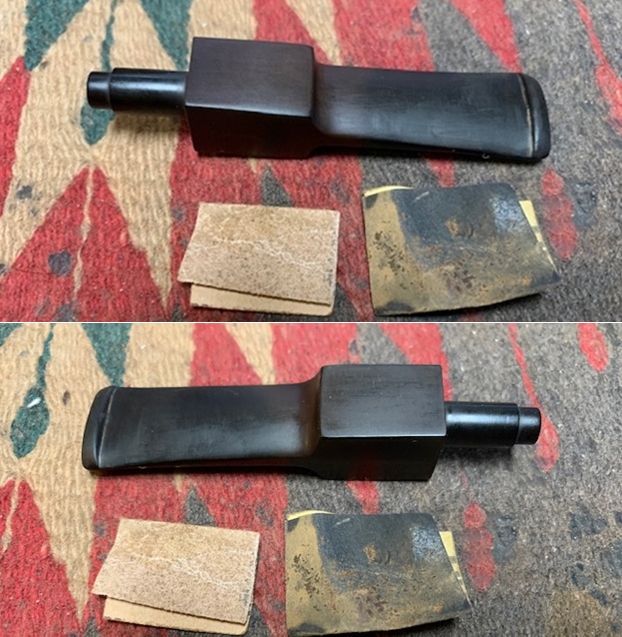
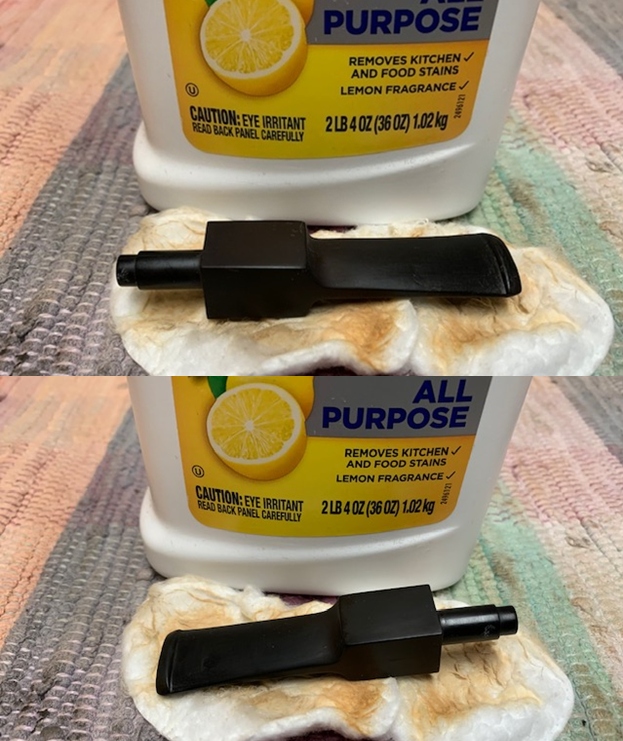
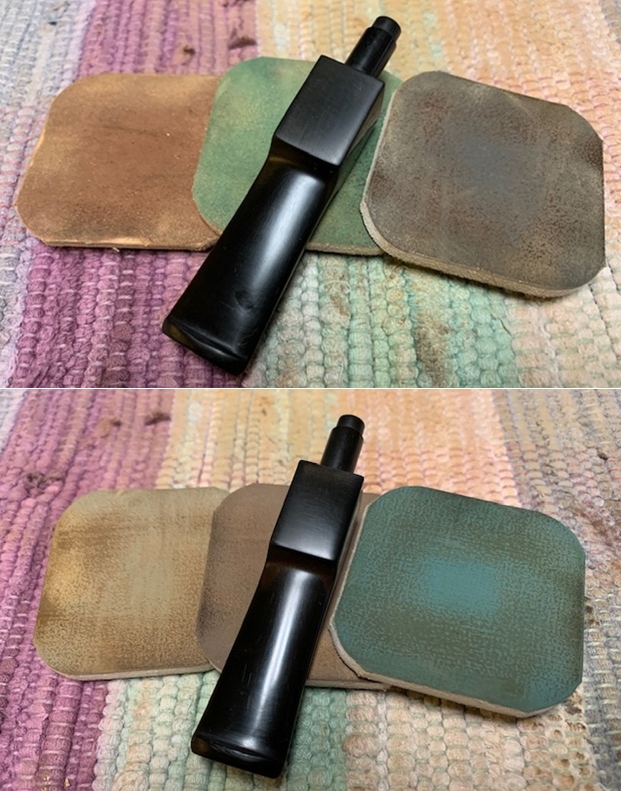
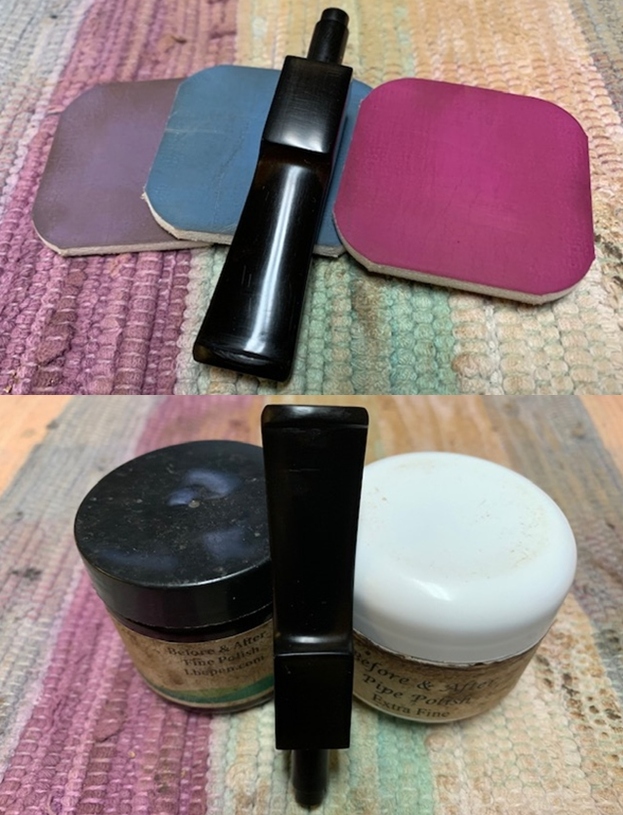
Jeff had done his usual thorough cleanup on the pipe. He reamed the bowl with a PipNet pipe reamer and followed up with a Savinelli Fitsall pipe knife to remove the cake. He scrubbed out the mortise and the airway in the shank and the stem with alcohol, cotton swabs and pipe cleaners. He scrubbed the exterior of the bowl, rim, shank and stem with a tooth brush and Murphy’s Oil Soap to remove the oils and tars on the rim and the grime on the finish of the bowl. He rinsed it under running water. He dried it off with a soft cloth. He cleaned the internals and externals of the stem with alcohol, pipe cleaners and cotton swabs. He soaked the stem in Before & After Deoxidizer and rinsed it off with warm water and cleaned out the airway in the stem with alcohol. The pipe looked very good.   I took a photo of the rim top and stem to show the condition. They cleaned up really well and the top of the rim looked very good. The inner edge of the bowl showed chipping and burn damage on the back inner edge. The vulcanite saddle stem had tooth chatter and deep marks on both sides ahead of the button and on the button edges.  I took a photo of the stamping on the underside of the shank. It read as noted above.  I removed the stem and took a photo of the pipe to give a sense of the whole. It is a well shaped Wide Dublin that looks great. Now it was time to do my work on the pipe. I started by working over the damage from the burn on the inside rim. I used a folded piece of 220 grit sandpaper to give the inner edge a bevel to take care of the burn and clean up the edges of bowl. I polished it with 400 grit wet dry sandpaper. I wiped the bowl down with a damp cloth to remove the sanding dust. (I forgot to take a photo of the cleaned up rim top. The bevel will be very visible in the polishing photos.)I polished the briar with micromesh sanding pads – wet sanding with 1500-12000 grit pads and wiped down the bowl after each sanding pad. I rubbed the bowl and shank down with Before & After Restoration Balm. I worked it into the surface of the sandblast bowl sides and shank with my fingertips to clean, enliven and protect the briar. I let the balm sit for a little while and then buffed with a cotton cloth to raise the shine. The Balm did its magic and the grain stood out. I set the bowl aside and turned my attention to the stem. I painted the stem with the flame of a Bic lighter to raise the tooth dents in the vulcanite. I filled in the dents with black super glue to repair them. Once the repairs had cured I recut the button and smoothed out the repairs with a needle file.    I used 220 grit sandpaper to smooth out the tooth chatter and marks and blend them into the stem surface. I started the polishing with 400 grit wet dry sandpaper.  I scrubbed off the remaining oxidation with Soft Scrub All Purpose Cleaner. I polished the vulcanite stem with micromesh sanding pads – 1500-12000 grit pads. I wiped it down with Obsidian Oil after each sanding pad. I touched up the stamping on the top of saddle with Rub’n Buff Antique Gold. I pushed it into the stamping and buffed it off with a cotton pad.I used Before & After Pipe Polish – both Fine and Extra Fine to further polish the stem. The photo below shows the polished stem.This beautifully grained Preben Holm Traditional Celebration Wide Dublin with a fancy vulcanite saddle stem is a great looking pipe now that it has been restored. The rich Antique Shell coloured finish came alive with the polishing and waxing. The dimensions of the rustication really popped. I put the stem back on the bowl and carefully buffed the pipe with Blue Diamond on the buffing wheel using a light touch on the briar. I gave the bowl multiple coats of Conservator’s Wax and the stem multiple coats of carnauba wax on the buffing wheel. I buffed the pipe with a clean buffing pad to raise the shine. I hand buffed the pipe with a microfiber cloth to deepen the shine. The finished PH Traditional Celebration is a beauty and fits nicely in the hand and looks very good. Give the finished pipe a look in the photos below. The dimensions of the pipe are Length: 6 ½ inches, Height: 2 inches, Outside diameter of the bowl: 2 inches, Chamber diameter: 7/8 of an inch. Thanks for reading this blog and my reflections on the pipe while I worked on it. There are many more to come!

Cleaning up a Savinelli Made Antique Shell 515 Panel Billiard


Blog by Steve Laug

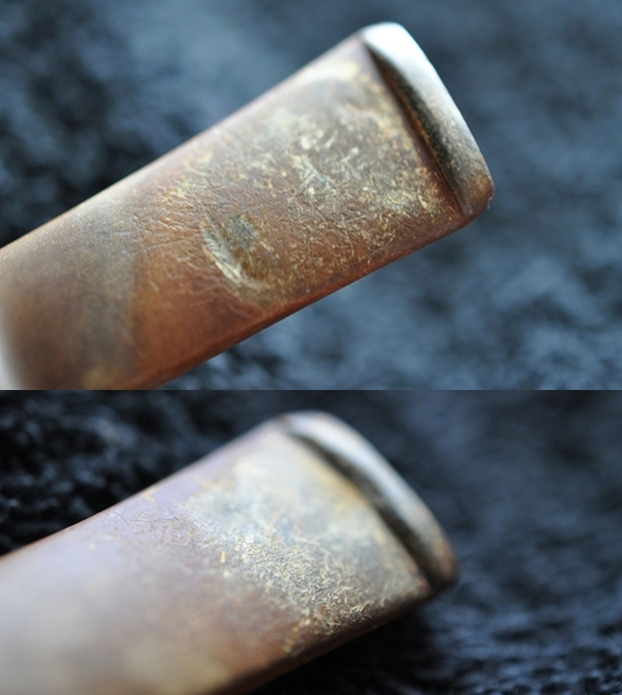
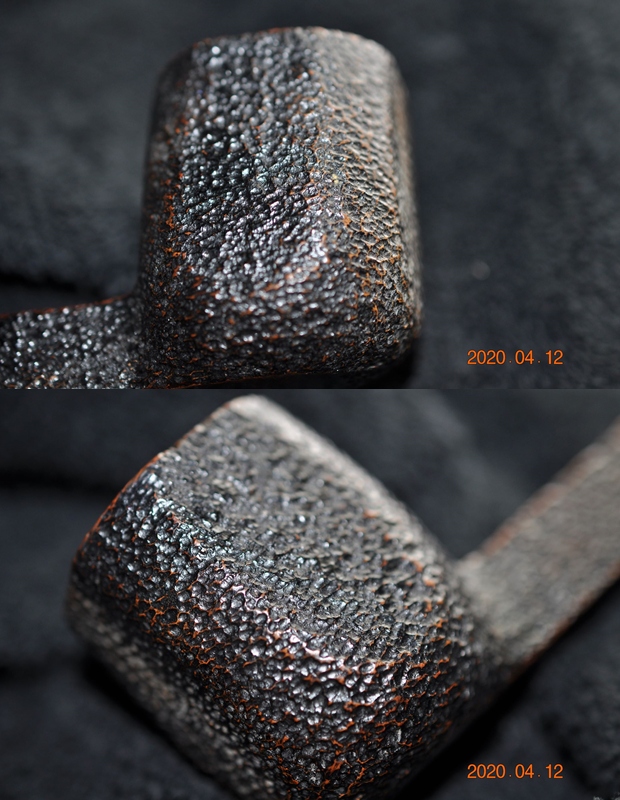
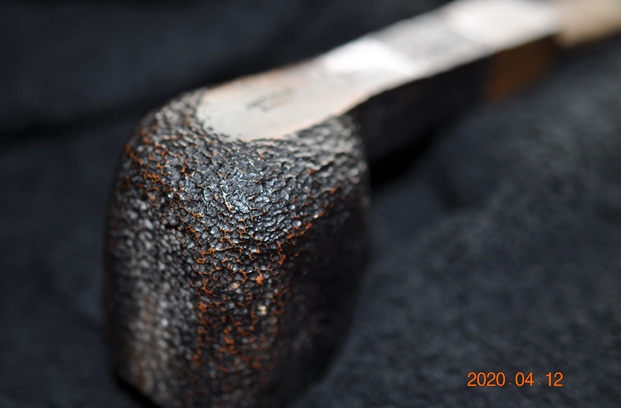
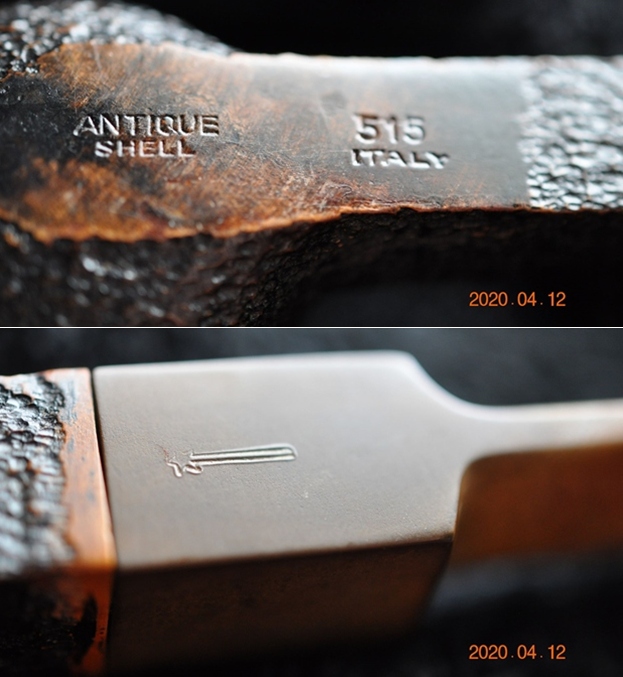
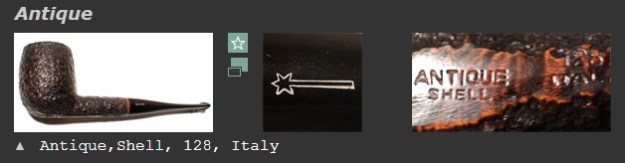
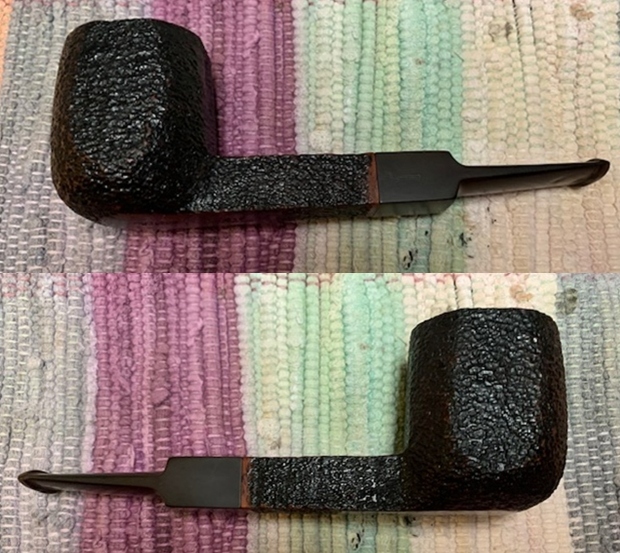
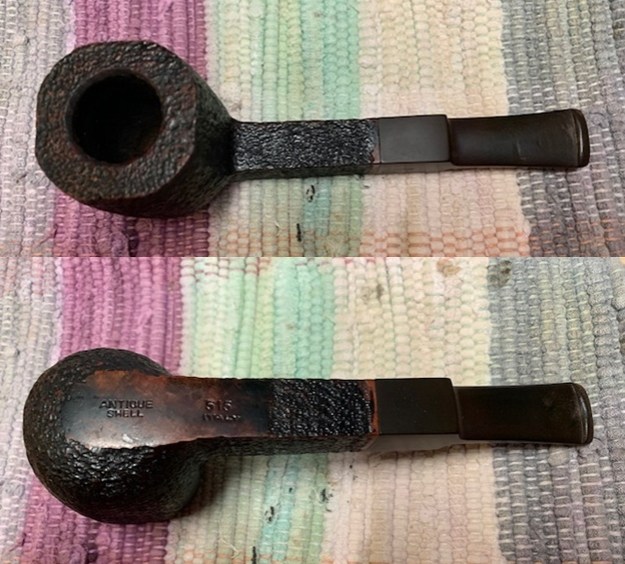
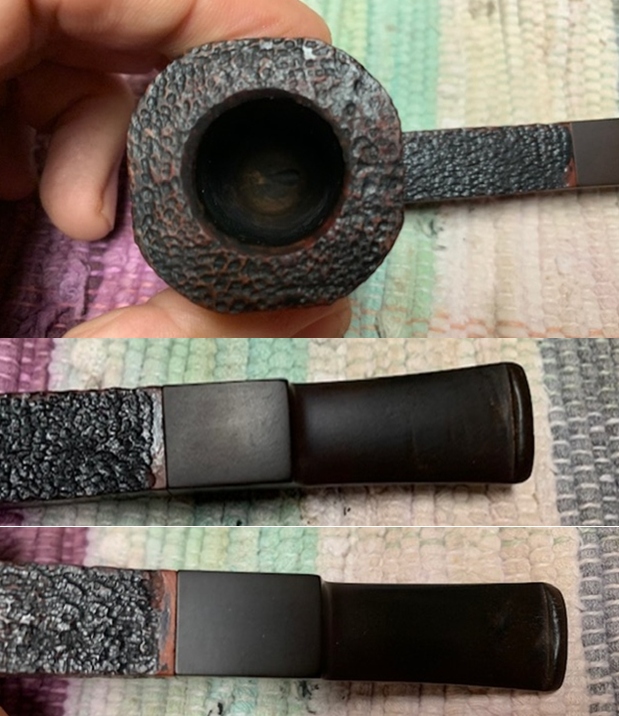
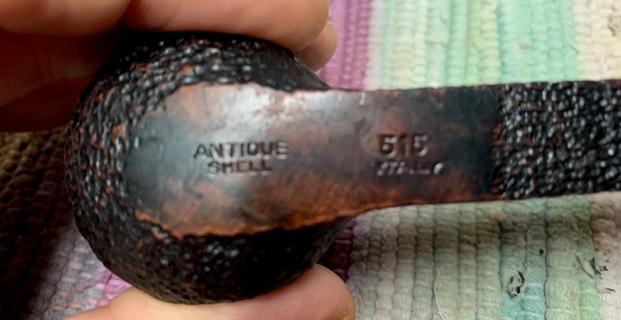
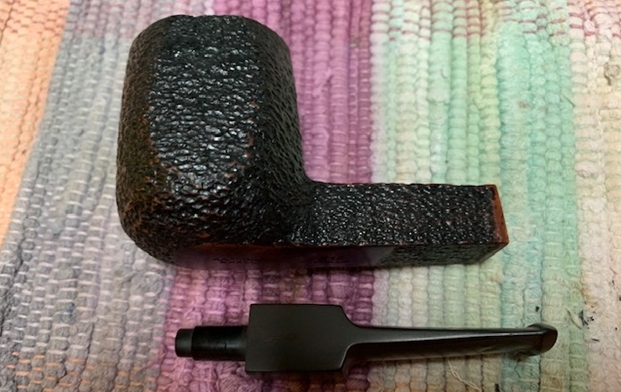
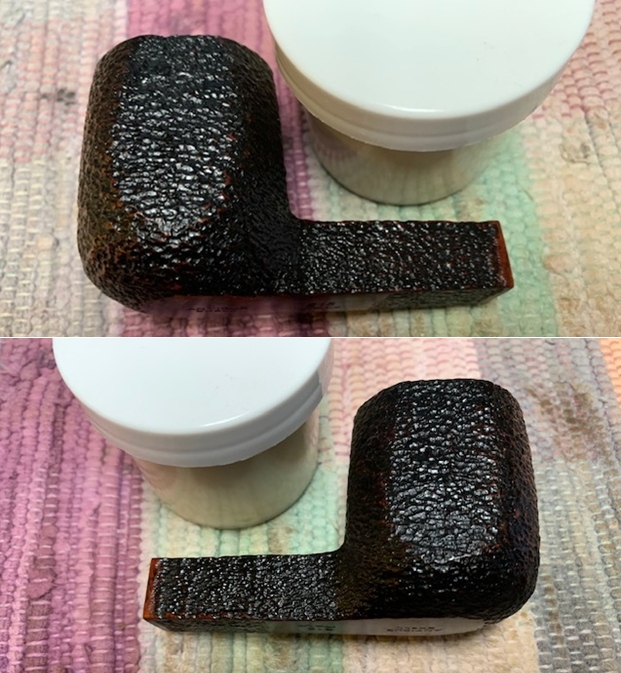
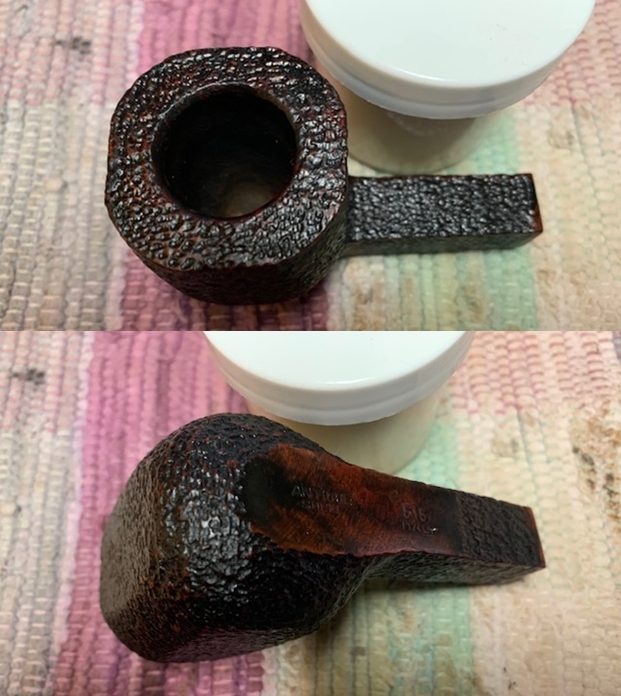
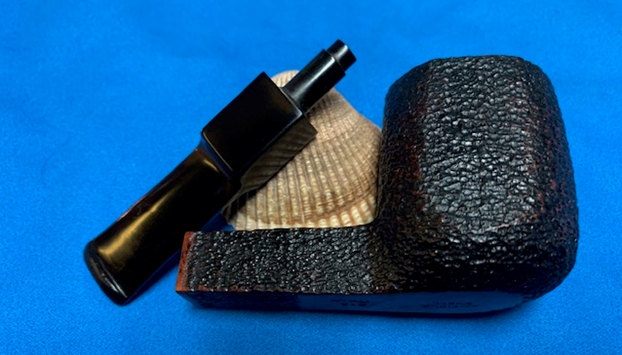
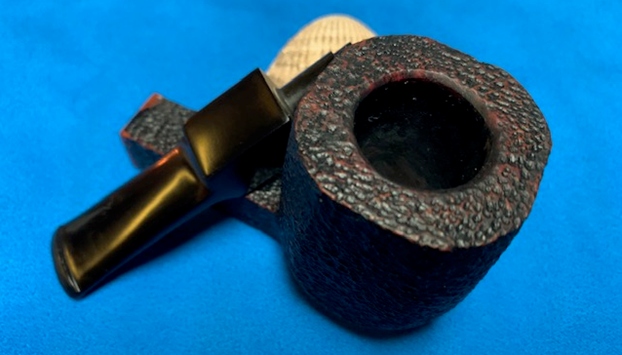
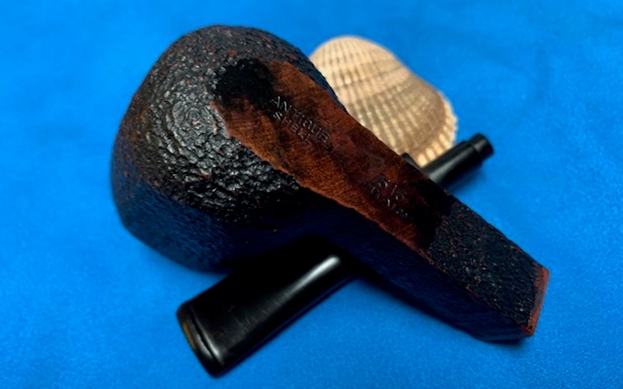
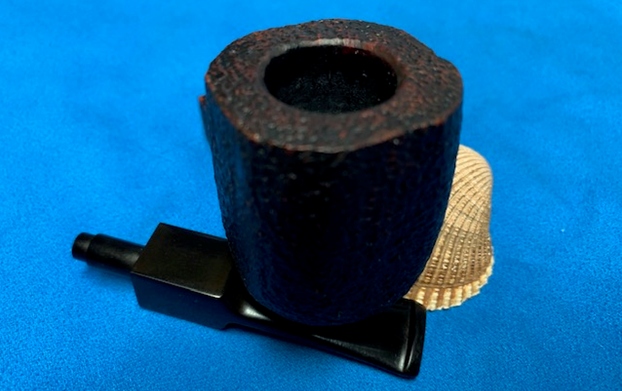
The next pipe on the work table came to us from and online auction from Ohio, USA. It is a rusticated Panel Billiard with a vulcanite saddle stem and a tight, unique rustication around the bowl. It has a brown and black finish that highlights the details of the rustication. I have worked on several Antique Shell pipes from Savinelli over the years and have always found the fit and finish very well done. This pipe is stamped on the flat underside of the heel and shank and reads Antique [over] Shell followed by the shape number 515 [over] Italy. The square, saddle vulcanite stem was oxidized, calcified and had tooth marks and chatter on both sides of the stem near the button. The pipe looks to be in decent condition under the grime. Jeff took photos of the pipe before he started his cleanup. He took photos of the rim top to show the cake and the dust in the rustication on the top. It is another dirty pipe. He also captured the tooth marks on the top and underside of the stem near the button.    He took photos of the sides and heel of the bowl to show the rustication around the bowl and the amount of grime ground into the surface of the briar.     He took photos of the stamping on the underside of the shank and the shooting star logo on the left side of the stem. It is faint but still present. I turned Pipephil’s section on Savinelli pipes and found the Antique Shell listed there with and an example of the stamping on both the shank and the stem. The stamping matches the one that I am working on (http://www.pipephil.eu/logos/en/logo-savinelli1.html). I turned to Pipedia and looked up the specifics of the Antique Shell line from Savinelli and read through the article. There were several pictures of the stamping but nothing on the details (https://pipedia.org/wiki/Savinelli).

I knew that I was working on a Savinelli Made Panel that had the unique Antique Shell rustication. Now it was time to work on the pipe.

Jeff had done his usual thorough cleanup on the pipe. He reamed the bowl with a PipNet pipe reamer and followed up with a Savinelli Fitsall pipe knife to remove the cake. He scrubbed out the mortise and the airway in the shank and the stem with alcohol, cotton swabs and pipe cleaners. He scrubbed the exterior of the bowl, rim, shank and stem with a tooth brush and Murphy’s Oil Soap to remove the oils and tars on the rim and the grime on the finish of the bowl. He rinsed it under running water. He dried it off with a soft cloth. He cleaned the internals and externals of the stem with alcohol, pipe cleaners and cotton swabs. He soaked the stem in Before & After Deoxidizer and rinsed it off with warm water and cleaned out the airway in the stem with alcohol. The pipe looked very good.   I took a photo of the rim top and stem to show the condition. They cleaned up really well and the top of the rim looked very good. The inner edge of the bowl was in great condition. The vulcanite saddle stem had tooth chatter and marks on both sides ahead of the button and on the button edges.  I took a photo of the stamping on the underside of the shank. It read as noted above.  I removed the stem and took a photo of the pipe to give a sense of the whole. It is a well shaped Panel Billiard that looks great. Now it was time to do my work on the pipe. Since it was clean and looked good I rubbed the bowl and shank down with Before & After Restoration Balm. I worked it into the surface of the sandblast bowl sides and shank with my fingertips and a horsehair shoe brush to clean, enliven and protect the briar. I let the balm sit for a little while and then buffed with a cotton cloth to raise the shine. It helped to give depth to the tight rustication around the bowl.  The final buffing would bring the pipe alive. I set the bowl aside and turned my attention to the stem. I painted the stem with the flame of a Bic lighter to raise the tooth dents in the vulcanite.     I filled in the dents with black super glue to repair them. Once the repairs had cured I recut the button and smoothed out the repairs with a needle file.  I used 220 grit sandpaper to smooth out the tooth chatter and marks and blend them into the stem surface. I started the polishing with 400 grit wet dry sandpaper.  I scrubbed off the remaining oxidation with Soft Scrub All Purpose Cleaner. I polished the vulcanite stem with micromesh sanding pads – 1500-12000 grit pads. I wiped it down with a damp cloth after each sanding pad. I used Before & After Pipe Polish – both Fine and Extra Fine to further polish the stem.      This beautiful tightly rusticated Savinelli Made Antique Shell 515 Panel Billiard with a vulcanite saddle stem is a great looking pipe now that it has been restored. The rich Antique Shell coloured finish came alive with the polishing and waxing. The dimensions of the rustication really popped. I put the stem back on the bowl and carefully buffed the pipe with Blue Diamond on the buffing wheel using a light touch on the briar. I gave the bowl multiple coats of Conservator’s Wax and the stem multiple coats of carnauba wax on the buffing wheel. I buffed the pipe with a clean buffing pad to raise the shine. I hand buffed the pipe with a microfiber cloth to deepen the shine. The finished Antique Shell Panel Billiard is a beauty and fits nicely in the hand and looks very good. Give the finished pipe a look in the photos below. The dimensions of the pipe are Length: 5 ½ inches, Height: 2 inches, Outside diameter of the bowl: 1 ½ inches, Chamber diameter: 7/8 of an inch. If you are interested in adding this pipe to your collection send me a message or an email. Thanks for reading this blog and my reflections on the pipe while I worked on it. There are many more to come!

Restoring a Tiny Bonnie Brier Rhodesian


Blog by Steve Laug

The next pipe on the work table is a tiny little straight Rhodesian with a fancy band on the shank and a vulcanite stem. The pipe reminds me of a small size Salesman’s pipe that was carried as a sample by pipe salesmen. It has a brown smooth finish that highlights the grain around the bowl sides and shank. When I first took the pipe out of the box to work on it this morning I was surprised by how small of a pipe it really was. It is stamped on the left side of the shank and reads Bonnie in an arch [over] Imported [over] Brier arched below it.  The tiny pipe had definitely been smoked and the stem had tooth marks in the vulcanite. The finish was very good around the bowl sides but the rim top had some darkening. There was a lot of grime ground into the bowl and in the rings around the cap. The bowl was heavily caked and there was a lava coat on the top of the rim. The inner edge of the bowl was covered with thick lava but it appeared to me that there was damage and burning around the edges. The vulcanite taper stem was oxidized and had tooth marks and chatter on both sides near the button. The tiny pipe had promise but it was very dirty. Jeff took photos of the pipe before he started his cleanup work. He took photos of the rim top and bowl to give a clear picture of the thickness of the cake and the condition of the rim top and edges. To me it is unbelievable that a pipe this tiny was smoked this much! The pipe is only 3 ½ inches long and 1 inch tall. He also took photos of the top and underside of the stem to show the horrible condition of the chatter and tooth marks.   Jeff took photos of the sides and heel of the bowl to give a picture of what the briar around the pipe looked like. There is some interesting grain under the grime and nicks on the bowl sides. Jeff took a photo of the stamping on the side of the shank. It read as noted above.  I turned Pipephil’s section on Bonnie Brier Pipes to see if I could get a sense of the brand before I started working on it (http://www.pipephil.eu/logos/en/logo-b6.html). These are all regular sized pipes while the one on the table is a mini!I turned to Pipedia and looked up the specifics on the Bonnie Brier pipes (https://pipedia.org/wiki/Bonnie_Brier).

Bonnie Brier is a trademark of Finsbury Products, Inc. of Elmsford, NY. The trademark was registered in November of 1976, and expired in August of 1997. The pipes are signed “Bonnie Brier” in script with the name of the model line underneath and “Imported Briar” below. There are several model lines with different makers marks on the stem or shank: Matterhorn (a crown), Standard, Highlands (script “H”), Interlude (stylized “JB” in an oval) and Willow Ridge (script “W R”).

I knew that the tiny Bonnie Brier Imported Rhodesian pipe I was working was made between 1976-1997. I probably would not get much closer than that for a date on the pipe. It may well have been a salesman’s pipe that was carried as a sample of the brand carried by salesmen. Now it was time to work on the pipe.

Since Jeff follows the same pattern of work in his cleanup we do not include photos but rather just a simple summary. Jeff reamed the bowl with a Savinelli Fitsall pipe knife to remove the cake. He scrubbed out the mortise and the airway in the shank and the stem with alcohol, cotton swabs and pipe cleaners. He scrubbed the exterior of the bowl, rim, shank and stem with a tooth brush and Murphy’s Oil Soap to remove the oils and tars on the rim and the grime on the finish of the bowl. He rinsed it under running water. He dried it off with a soft cloth. He cleaned the internals and externals of the stem with alcohol, pipe cleaners and cotton swabs. The stem was clean and you could clearly see the tooth marks on the top and underside. I took photos of what the pipe looked like when I brought to my worktable. The bowl and rim top cleaned up really well. The edges look good with just a few nicks on inner edge. The rim top has some darkening and nicks in the surface. The small short vulcanite stem surface looked very good with light tooth chatter and marks on both sides ahead of the button.  I took a photo of the stamping on the left and underside of the shank. It read as noted above.  I removed the stem and took a photo of the pipe to give a sense of the whole. It is a well shaped Rhodesian that is proportionally well done.Now it was time to do my work on the pipe. I cleaned up the inner edge of the bowl and gave it a slight bevel to minimize the damage.     I polished the briar with micromesh sanding pads. I wet sanded it with 1500-12000 grit pads and wiped it down after each pad with a damp cloth. I decided to leave the nicks and pits in the bowl as part of the story of the pipe. I rubbed the bowl and shank down with Before & After Restoration Balm. I worked it into the surface of the bowl sides and shank with my fingertips to clean, enliven and protect the briar. I let the balm sit for a little while and then buffed with a cotton cloth to raise the shine. It helped to give depth to the stain around the bowl.  The final buffing would bring the pipe alive. I polished the band with a jeweler’s cloth to remove the remaining oxidation that was on the metal.     I set the bowl aside and turned my attention to the stem. I filled in the deep tooth marks with black super glue and set the stem aside to let the repairs cure.    I used 220 grit sandpaper to smooth out the repairs on the surface and the tooth chatter and marks and blend them into the stem surface. I started the polishing with 400 grit wet dry sandpaper. I polished the acrylic stem with micromesh sanding pads – 1500-12000 grit pads. I wiped it down with a damp cloth after each sanding pad. I used Before & After Pipe Polish – both Fine and Extra Fine to further polish the stem.     This tiny, well constructed Bonnie Brier Imported Rhodesian with a black and gold band on the shank and the taper vulcanite stem is a great looking pipe now that it has been restored. I was able to minimize damages on the edge of the bowl and rim. The rich brown stain came alive with the polishing and waxing. I put the stem back on the bowl and carefully buffed the pipe with Blue Diamond on the buffing wheel using a light touch on the briar. I gave the bowl and the stem multiple coats of carnauba wax on the buffing wheel. I buffed the pipe with a clean buffing pad to raise the shine. I hand buffed the pipe with a microfiber cloth to deepen the shine. The finished Mini Rhodesian Salesman Pipe is a beauty and looks very good for a tiny pipe. Give the finished pipe a look in the photos below. The dimensions of the pipe are Length: 3 ½ inches, Height: 1 inch, Outside diameter of the bowl: 1 inch, Chamber diameter: ½ inch. If you are interested in adding this pipe to your collection send me a message or an email. Thanks for reading this blog and my reflections on the pipe while I worked on it. There are many more to come!

Breathing Life into a Talamona Romana Large Billiard


Blog by Steve Laug

The next pipe on the work table came to us from a seller in Troy, Michigan on 01/06/19. It has been around waiting to be worked on. Jeff did the original photographs of the pipe in on January 18, 2019. It is a large billiard with an acrylic stem and some nice grain around the bowl. It has a rich cherry red finish that is transparent enough that you can see the grain. The stamping is the clear and readable. It is stamped on the left side of the shank and reads the Talamona [over] Romana. On the underside of the shank it is stamped Made In Italy. The finish was very good around the bowl sides but the rim top is rough. There was a lot of grime ground into the bowl and some darkening around the sides of the bowl. There was some damage on the rim top where it was nicked and dented. The bowl was heavily caked and there was a lava coat on the top of the rim. The inner edge of the bowl was covered with thick lava but it appeared to me that there was damage and burning around the edges. The black, taper acrylic stem was a mess. There were tooth marks and chatter on both sides and damage on the button surface. The stem had red dot in a white circle insert on the top side of the taper. The pipe had promise but it was very dirty. Jeff took photos of the pipe before he started his cleanup work. He took photos of the rim top and bowl to give a clear picture of the thickness of the cake and the condition of the rim top and edges. You can see the damage on the crowned top and edges of the bowl. He also took photos of the top and underside of the stem to show the horrible condition of the chatter and tooth marks.    Jeff took photos of the sides and heel of the bowl to give a picture of what the briar around the pipe looked like. There is some interesting grain under the grime and heavy scratching of the bowl sides. There are a few small fills that also evident. The third photo shows the burn mark toward the front bottom of the bowl.   Jeff took photos of the stamping on the sides of the shank. It read as noted above.     I searched on Pipephil for the brand and found the stamping and logo on a similar looking pipe (http://www.pipephil.eu/logos/en/logo-t2.html). It gave me information on the carver – Cesare Talamona. It is fascinating information as this is not a brand that I have worked on before. The last pipe in the photo before is the same as the one I am working on – a Talamona Romana, Made in Italy. The logo on this pipe is the same as the third pipe in the photo below.Artisan: Cesare Talamona is the son of Cornelio Talamona who founded the brand in 1929 in Oltrona di Gavirate (Varese). Most of Talamona pipes have a 9mm filter. The business closed down in December 2000 after Cesare’s wife had passed away. See also (second): Caesar

I turned to Pipedia for information on the brand (https://pipedia.org/wiki/Talamona). I quote the article below.

Those weren’t good times in Italy when Cornelio Talamona, a carpenter by trade, began to manufacture pipes in his bottega in 1929 to earn an additional income.

When his son Cesare left school in 1945 at the age of 15, times were worse. There was neither a place for an apprenticement nor another job to be found in the destitute and war-torn country. And Cesare felt no desire to a continuing school attendance which moreover would have costed money. So the father, beset by worries, decided the boy might lend him a helping hand in the workshop where at that time in priority furniture pieces of the indispensable kind were made – and repaired above all. And then… Time would tell.

Gradually Italy recovered from the consequences of the war – above all thanks to enormous aid by the United States. Cesare Talamona remained in the workshop and became pipe maker. And Talamona Pipes made their way first to some important pipe shops in northern Italy where they gained a considerable good reputation for the small brand. This helped a lot to sell pipes in Germany since the later 1960’s as well, where the circle of customers admittedly remained manageable but affectionate due to a very good quality at moderate prices. Almost all of these pipes were made for 9mm filter.

In fact, Cesare Talamona never became one of the real great names of Italian pipe making. Though during the best years, in the 1980’s, there were even some auxiliary crafts, and also Cesare’s son and his two daughters earned their livelihood for a while in the family business. On the 31st of December 2000, the firm was closed officially. The main reason was that Cesare’s wife had passed away. But even though Cesare Talamona came back to the old workshop often, where he gladly made pipes for good friends and casual visitors. “As long as heart and hands still tag along” as he used to say.

I knew that the pipe I was working came from Cesare Talamona between the 1980s and the closure of the shop in 2000. While most of his pipes were made for a 9mm filter the one I am working does not have a filter tenon. The pipe is a well made briar with shiny red coat. Now it was time to work on the pipe.

Since Jeff follows the same pattern of work in his cleanup we do not include photos but rather just a simple summary. Jeff reamed the bowl with a PipNet pipe reamer and followed up with a Savinelli Fitsall pipe knife to remove the cake. He scrubbed out the mortise and the airway in the shank and the stem with alcohol, cotton swabs and pipe cleaners. He scrubbed the exterior of the bowl, rim, shank and stem with a tooth brush and Murphy’s Oil Soap to remove the oils and tars on the rim and the grime on the finish of the bowl. He rinsed it under running water. He dried it off with a soft cloth. He cleaned the internals and externals of the stem with alcohol, pipe cleaners and cotton swabs. The stem was clean and you could clearly see the damage on the top and underside. I took photos of what the pipe looked like when I brought to my worktable. The bowl and rim top cleaned up really well leaving the nicks and scratches on the crown visible. The inner edge of the bowl was rough and had some burn damage. The stem surface looked very good the tooth chatter and marks on both sides ahead of the button and on the button surface very visible.     I took a photo of the stamping on the left and underside of the shank. It read as noted above.   I removed the stem and took a photo of the pipe to give a sense of the whole. It is a well shaped tall Brandy shape that looks elegant.Now it was time to do my work on the pipe. To minimize many of the nicks and scratches on the sides, bottom and top of the bowl I steamed them out. I heat a butter knife on our gas range and use a damp cloth to cover the nicks around the bowl. I heat the knife until it hot and then place it over the cloth. I creates steam which lifts many of the scratches in the briar. I was able to remove many of them. The few that remain are a part of this pipe’s journey. I cleaned up the inside edge of the bowl with a folded piece of 220 grit sandpaper to give it a slight bevel and bring it back to round and remove the burn marks.The third photo below show the stemed dents and the repaired edge of the bowl. I rubbed the bowl and shank down with Before & After Restoration Balm. I worked it into the surface of the bowl sides and shank with my fingertips to clean, enliven and protect the briar. I let the balm sit for a little while and then buffed with a cotton cloth to raise the shine.  It helped to blend the stain into the rest of the bowl.  The final buffing would bring the pipe alive.  I set the bowl aside and turned my attention to the stem. I filled in the tooth marks on the topside and the underside of the stem with black super glue. I also rebuilt the button surface on both sides.  Once the repairs cured I used a needle file to flatten the repairs and recut the button. I used 220 grit sandpaper to smooth out the repairs further and blend them into the stem surface. I started the polishing with 400 grit wet dry sandpaper.    I polished the acrylic stem with micromesh sanding pads – 1500-12000 grit pads. I wiped it down with a damp cloth after each sanding pad. I used Before & After Pipe Polish – both Fine and Extra Fine to further polish the stem.     This classic Italian Made Talamona Romana Cherry Red Billiard with a black acrylic stem is a great looking pipe now that it has been restored. I was able to remove and minimize the scratches around the bowl and rim. I gave a bevel to the inside edge of the bowl to remove the burn damage and out of round bowl. The rich red finish came alive with the polishing and waxing. The grain really popped. I put the stem back on the bowl and carefully buffed the pipe with Blue Diamond on the buffing wheel using a light touch on the briar. I gave the bowl and the stem multiple coats of carnauba wax on the buffing wheel and followed that by buffing the entire pipe with a clean buffing pad. I hand buffed the pipe with a microfiber cloth to deepen the shine. The finished Talamona Romana Billiard is a beauty and fits nicely in the hand and looks very good. Give the finished pipe a look in the photos below. The dimensions of the pipe are Length: 5 ¾ inches, Height: 2 inches, Outside diameter of the bowl: 1 ¾ inches, Chamber diameter: 7/8 of an inch. If you are interested in adding this pipe to your collection send me a message or an email. Thanks for reading this blog and my reflections on the pipe while I worked on it. There are many more to come!

Breathing Life into a Birkdale Custom Sandblast Billiard


Blog by Steve Laug

The next pipe on the table came to me from a reader of the blog in Eastern Canada. He contacted me about repairing his first pipe and in the meantime picked up a rack and the fellow he bought it from threw in this pipe as well. It is a very nice looking sandblast Billiard with great grain showing through the deep blast finish. The finish is quite nice with a classic English look to the pipe. The bowl had a light cake lining the walls though the rim top was clean and undamaged. The bottom of the bowl was still raw briar showing that it had not been smoked much. The exterior of the pipe was dusty but otherwise clean. The pipe is stamped on the underside of the shank and reads Birkdale [over] Custom. That was followed by rugby ball shape Made in England COM stamp that is normal on Comoy’s Made pipes. The stamping is clear and readable on the pipe. The stem was dirty, calcified and lightly oxidized. There were light tooth marks and chatter on the stem near the button on both sides and some on the surface of the button as well. There was a hole in the left side of the taper stem where a spot/dot had originally been found. I took photos of the pipe before I worked on it.  I took photos of the rim top to show the light cake in the bowl and the relatively clean rim top. There was some wear on the finish on the shank end that would need to be worked on. The stem was in relatively good condition with light tooth chatter and marks on the top and underside near the button. The oxidation was minimal as it is very high quality vulcanite.  The stamping on the underside of the shank read as noted above. The photo shows that they are quite readable.I took a photo of the pipe with the stem removed to show the overall look of stem, tenon and profile of the pipe. It is a great looking pipe. You can also see the missing dot on the left side.I turned first to Pipephil’s site as it is always a quick source of information on any brand (http://www.pipephil.eu/logos/en/logo-comoy.html). I looked for the Birkdale brand and could not find anything. On a hunch about the COM stamp I turned to the section on Comoy’s as noted in the link above. In that section I found what I was looking for. I quote:

Made in London (in oval) England. Note the rugby ball shape of the “Made in London” stamping which is usually in a circle from 1950.

That helped me know that the maker of this pipe was probably Comoy’s and the Made in London Rugby shaped stamp made me assume that the pipe was made prior to 1950.

I turned to a previous blog that I wrote https://rebornpipes.com/2013/10/12/refurbed-birkdale-canadian-made-in-london-england-shape-296/

I have not heard of the Birkdale brand so I Googled it on the net to see what I could find out about it. There was not much there in terms of solid information. There were numerous posts on various forums requesting information. The information on the brand showed some confusion. From Pipedia Birkdale is a brand of the German pipe company named Wolsdorff. In turn Pipephil pegs Wolsdorff as a chain of tobacconists that had their pipes made by different German companies like Design Berlin and Oldenkott. However, the one I found has the made in London England stamping that removes the German connection. Something about the shape and shape number made me do a search in the Comoy’s shape and number charts available online. I found that the 296 shape for Comoy’s is an oval shanked Canadian, exactly like this one. Thus it appears that the pipe was made by Comoy’s. I am wondering if the Birkdale (which is a region in England) is not one of a line of English regionally named pipes made by Comoy’s.

Thus the Birkdale that I worked on and restored in 2013 also lead me to conclude that that earlier pipe was made by Comoy’s in much the same manner I have concluded with this one. The difference is that this one does not have a shape number. If you are reading this and can shed some light on the brand please leave a message in the comments.

Now it was time to work on the pipe. I started my work on it by reaming the bowl. I reamed it with a Savinelli Fitsall Pipe Knife and then sanded the inside of the bowl with 220 grit sandpaper wrapped around a piece of dowel. I cleaned the shank out with alcohol, cotton swabs and pipe cleaners. There was some thick tars on the walls on the walls of the shank. I scraped it with a pen knife before cleaning it with alcohol. I touched up the stain on the pipe to match the previous colours – I used a Walnut and a Mahogany Stain Pen to blend the colours. The finished bowl looked very good. I rubbed the briar down with Before & After Restoration Balm. I worked it into the briar with my fingertips. The product works to clean, enliven and preserve the briar. I let it sit for 10 minutes while I worked on the stem. After the time passed I buffed it with a cotton cloth to deepen the shine. The grain came alive with the balm.   I decided to address the missing dot on the left side of the stem first. I used a piece of acrylic knitting needle to make the  dot. I used a Dremel and sanding drum to strip down the excess material on the needle end. I used a file to take off the last bit of material so that the peg fit in the hole. I clipped off the piece from the needle with a pair of pliers.I put a drop of clear superglue in the hole and pressed the peg into the hole. Once the glue set I used the Dremel and sanding drum to take down the excess material to the approximate height of the stem. I sanded the rest of the excess off with 220 grit sandpaper to blend it into the surface of the stem.I sanded the stem with 220 grit sandpaper to further blend dot into the stem surface and remove the tooth chatter and marks near the button. I started polishing the stem with 400 grit wet dry sandpaper.  I polished the stem with micromesh sanding pads – 1500-12000 grit pads. I wiped it down with Obsidian Oil after each sanding pad. I used Before & After Pipe Polish – both Fine and Extra Fine to further polish the stem.      This Birkdale Custom Sandblast Billiard is a great looking pipe. The sandblast finish and contrasting black and oxblood stains around the bowl sides and shank make the grain just pop. The finish on the pipe is in excellent condition and the contrasting stains work well to give some contrast to the polished black vulcanite taper stem. The light blue/ivory coloured dot on left side of the stem worked very well and looked very good. The pipe is really quite eye-catching. I put the stem back on the bowl and buffed the pipe with Blue Diamond on the buffing wheel, carefully avoiding the stamping on the shank. I gave the bowl and the stem multiple coats of carnauba wax on the buffing wheel and followed that by buffing it with a clean buffing pad. I hand buffed the pipe with a microfiber cloth to deepen the shine. The finished Birkdale Custom Billiard is quite nice and feels great in the hand. Give the finished pipe a look in the photos below. I can only tell you that like the other pipes I am working that it is much prettier in person than the photos capture. The dimensions of the pipe are Length: 5 ½ inches, Height: 2 inches, Outside diameter of the bowl: 1 ¼ inches, Chamber diameter: 7/8 of an inch. Thanks for walking through the restoration with me as I worked over another interesting pipe. This Birkdale is almost certainly made by Comoy’s and will be heading back to the fellow in Eastern Canada once I finish his other pipe. I am looking forward to what he thinks of this beauty. Thanks for your time.

Beautification for an American Made Bertram Washington DC Grade 30 Zulu


Blog by Steve Laug

The next pipe on the work table came to me from one of our estate purchases. Between us we pick up quite a few pipes for restoration. I try to work them into the restoration queue so that I can keep them moving. We picked up over 120 Bertram pipes from an estate that a fellow on the east coast of the US was selling. This next one is from that estate – a beautifully grained Zulu Grade 30 Bertram with a tapered vulcanite stem. The pipe is stamped on the left side side near the bowl with the Grade 30 number. On the top side it is stamped Bertrams [over] Washington D.C. centered on the shank. The finish had a lot of grime ground into the smooth finish on the bowl and some darkening around the sides of the bowl. The bowl was caked with an overflowing lava coat on the top of the rim, heavier toward the back of the bowl. The edges looked okay other than some potential burn damage on the back inner edge. The stem was lightly oxidized, dirty and had light tooth chatter and marks on the top and underside near the button. There were not markings or a logo on the taper stem. Like the rest of the Bertrams in this lot the pipe had promise but it was very dirty. Jeff took photos of the pipe before he started his cleanup work. He took photos of the rim top and bowl to give a clear picture of the thickness of the cake and the lava on the rim top. The lava was thicker toward the back of the rim and there were remnants of tobacco on the walls of the thickly caked bowl. He also took photos of the top and underside of the stem to show the chatter and tooth marks. Otherwise the stem is quite clean. Jeff took photos of the sides and heel of the bowl to give a picture of what the briar around the pipe looked like. There is some stunning grain under the grime.   He took photos of the stamping on the top and underside of the shank. It reads as noted above and is clear and readable. The grade number is 30.     As I have worked on Bertrams I have written on the brand and have included the following information. If you have read it in past blogs, you can skip over it. If you have not, I have included the link to Bertram history and information. I would recommend that if you don’t know much about them take some time to read the background. I include a link to the write up on Pipedia (http://pipedia.org/wiki/Bertram). Bertram pipes were based out of Washington DC. They were popular among famous politicians and celebrities of the time. They made many products for them from FDR’s cigarette holders to Joseph Stalin’s favorite pipe. They were considered some of the best America had to offer till they finally closed their doors in the 70s. Bertram graded their pipes by 10s and sometimes with a 5 added (15, 25, 55 etc.), the higher the grade the better. Above 60s are uncommon and 80-90s are quite rare. I have worked on one 120 Grade billiard. I have several blogs that I have written on rebornpipes that give some history and background to Bertram pipes. (https://rebornpipes.com/2015/06/16/an-easy-restoration-of-a-bertram-grade-60-217-poker/).

I have included the following link to give a bit of historical information on the pipe company. It is a well written article that gives a glimpse of the heart of the company. http://www.streetsofwashington.com/2012/01/bertrams-pipe-shop-on-14th-street.html#

From this information I learned that all of these Bertrams were made before the closure of the shop in the 1970s. This Bertram Zulu has a stunning a mix of grain around the bowl. This pipe has a 30 Grade stamp on it which I am sure explains the quality of the briar. There are a few small fills in the shank. But like many of these Bertrams the Grading system is a mystery to me.

Jeff had cleaned up the pipe with his usual penchant for thoroughness. He reamed the pipe with a PipNet Pipe Reamer and cleaned up the remnants with a Savinelli Fitsall Pipe Knife.  He scrubbed the bowl with undiluted Murphy’s Oil Soap with a tooth brush. He rinsed it under running warm water to remove the soap and grime. He cleaned out the inside of the shank and the airway in the stem with alcohol, cotton swabs and pipe cleaners. He soaked the stem in Before & After Deoxidizer and rinsed it off with warm water. I took photos of the pipe once I received it. The rim top looked very good. The inner edge of the rim had some damage on the back side and there was darkening on the top of the rim at the back. The stem surface looked very good with a few small tooth marks and chatter on both sides near the button.   I took photos of the stamping on the shank. The Bertram Washington DC is on the topside mid shank. On the left side of the shank it is stamped with the Grade 30 number.  I removed the stem and took a photo of the pipe to give a sense of the whole. The stem is tapered and narrow.I started my work on the pipe by reworking the inside edge of the bowl to clean up the burn damage on the back of the bowl with a folded piece of 220 grit sandpaper.Now it was time to do my work on the pipe. I polished the bowl and the rim top, sides and shank with micromesh sanding pads – wet sanding with 1500-12000 grit pads and wiping it down after each pad with a damp cloth.    I rubbed the bowl and shank down with Before & After Restoration Balm. I worked it into the surface of the bowl sides and shank with my fingertips to clean, enliven and protect the briar. I let the balm sit for a little while and then buffed with a cotton cloth to raise the shine. I sanded out the tooth marks with 220 grit sandpaper and started polishing it with 400 grit wet dry sandpaper.    I set the bowl aside and turned to work on the stem. It was in very good condition so I polished the vulcanite stem with micromesh sanding pads – 1500-12000 grit pads. I wiped it down with a damp cloth after each sanding pad. I used Before & After Pipe Polish – both Fine and Extra Fine to further polish the stem.   This Bertram Washington DC Grade 30 Zulu with a vulcanite taper stem is a great looking pipe now that it has been restored. I put the stem back on the bowl and carefully buffed the pipe with Blue Diamond on the buffing wheel using a light touch on the briar. I gave the bowl and the stem multiple coats of carnauba wax on the buffing wheel and followed that by buffing the entire pipe with a clean buffing pad. I hand buffed the pipe with a microfiber cloth to deepen the shine. The finished Bertram 30 Zulu fits nicely in the hand and feels great. Give the finished pipe a look in the photos below. The dimensions of the pipe are Length: 6 inches, Height: 1 ¾ inches, Outside diameter of the bowl: 1 ½ inches, Chamber diameter: ¾ of an inch. If you are interested in adding this pipe to your collection send me a message or an email. Thanks for reading this blog and my reflections on the pipe while I worked on it. There are many more to come!

Refurbishing An Interesting “Royal Oak” # 207 Apple


Blog by Paresh

I love classic shaped pipes and one such pipe is now on my work table. It’s a classic tapered stem Apple with an interesting rustication style on the stummel surface. I feel that the stummel was subjected to shallow rustication making for an interesting finish to the stummel surface. The first thought that came to my mind was that this pipe was British, what with the classic shape, nomenclature and the twin bore tapered stem that pointed me in that direction. The unique finish on the stummel, quality of the twin bore stem and the briar all oozed quality.

The pipe is a classic Apple shaped sitter with nice rusticated stummel that feels tactile in the hand. This pipe is stamped on the bottom smooth surface of the shank at the foot “ROYAL OAK” in block capital letters followed with shape code # 207. The stampings are crisp and clear. The high quality vulcanite twin bore tapered stem is bears the logo of two white bars on the left side towards the tenon end. The second white bar stamping has faded and is only about discernible.  I searched rebornpipes to see if I could find any information on this pipe, as I invariably do, to save time in digging out information about the brand. But this time around, though I came up with many brands/ lines of pipes that started with ROYAL, there was nothing on ROYAL OAK!!

My next go to site is pipedia.org and sure enough, I found what I had been looking for. The Royal Oak finds a mention under Savinelli! That did come as a surprise as all along till this point, I was thinking this pipe had to have a British connection. I visited Savinelli page on pipedia.org and went through the entire information on the brand. Along the way, I picked up snippets of information that pertains to the pipe on my table that I have reproduced below.

https://pipedia.org/wiki/Savinelli

1876 was a year of breakthroughs: Thomas Edison patented the mimeograph, Julius Wolff-Eastport canned sardines for the first time, Alexander Graham Bell made the first telephone call,

Pyotr Ilyich Tchaikovsky completed Swan Lake, Melville Bissel patented the first carpet sweeper, Mark Twain published Tom Sawyer, and in Milan, Italy, Achille Savinelli opened one of the first shops exclusively focused on tobacco and smoking accessories.

It may not have been obvious in 1876, but Achille Savinelli’s commitment to briar pipes would prove to be visionary.

He soon began designing his own pipes (different from the styling we associate with Savinelli today) and arranged their manufacture by local pipemakers in the Varese district of north-west Italy. The pipes became so popular that some were exhibited at the 1881 Esposizione Industriale Italiana (Italian Industrial Exposition)—the precursor to today’s Milan Fair, one of the largest trade fairs in the world.

Achille Sr. spent 14 years cultivating the company and building a strong customer base before passing the reigns to his son, Carlo, who ran the store for the next 50 years.

The store’s success kept Carlo and his wife occupied during business hours, leaving their son, Achille, to his own devices. Much like his father, and his grandfather before him, his “own devices,” as it turned out, were pipes.

As the Second World War began to sweep across Europe, however, Achille Jr.’s experimentation was cut short: he left his beloved workshop for five years of military service, and the experience provided him a new perspective on the role of Italy in the world marketplace. At the time the best-selling pipes in Italy were made abroad, despite the country’s steadfast reputation for producing the finest quality briar. There were Italian pipe makers, make no mistake, but these workshops and factories seemed to focus on maintaining high production numbers rather than on the quality of the product.

He knew it would take more than sheer customer loyalty and rapport to shift the pipe making reputation of his country. It would take a superior product, with a unique aesthetic and the capability to withstand high levels of production without sacrificing quality, to shatter the mold. With this in mind, he decided not to return to his father’s shop. He needed to make his own pipes.

With his two best friends, Amleto Pomé and Mario Vettoruzzo, he assembled a team of fifteen employees to start a new business in the Varese region—the same area of northwest Italy in which his grandfather, Achille Sr., commissioned his own designs more than 60 years before.

Savinelli Pipes began production in 1948 and, although the pipes were of a superior quality and unique in their aesthetic, the brand wasn’t an immediate success.

Aesthetics

Savinelli’s aesthetic is unique. When Achille Jr. first started the company, the best-selling pipes in Italy were made abroad, mostly in England and France. Rather than trying to generate an entirely new style, he capitalized on this trend by following a classical approach to shaping similar to the English style, only tweaking the proportions slightly to produce designs that at once could both satisfy customers looking for classical shapes and be readily recognizable as a Savinelli. As such, a number of designs within Savinelli’s lineup hold closer to this tradition than others. The 207 straight Apple and the 106 straight Billiard both feature classical lines and shank and stem proportions, with just a touch of extra visual weight lent to the bowl.

Savinelli made sub-brands, seconds & order productions

  • Riviera– Made for the international market only in the 9mm version
  • Roley– Vest pocket pipe; almost identic to “Rolex” by Brebbia
  • Roma
  • Royal Oak– Distributed in US

I visited pipephil.eu to find if there was any other additional information on this sub-brand from Savinelli. There is no additional information on this site other than that the same two bar logo is also found on Bent Bob’s and King’s Cross pipe, both Savinelli sub-brands. Here is the link to the web page.

http://www.pipephil.eu/logos/en/motifs/mo-nbarres.html#2b

From the above, it is safe to assume that this pipe was made during the era of Achille Jr. for the American markets. This, then, is definitely an older pipe to come out of Savinelli Pipe Factory!!

With the provenance of this pipe established, I move ahead with my visual inspection of the pipe.

Initial Visual Inspection
The interestingly rusticated tapered stem sitter is covered in dirt, dust and grime. There is a decent layer of cake in the chamber and the flow of air through the mortise is not very smooth and full. The twin bore stem is heavily oxidized and the bite zone is peppered with deep bite marks and tooth chatter on both the surfaces. Here is how the pipe appears as it sits on my work table.Detailed Inspection Of The Pipe And Observations
The bowl is a nicely round typical Apple shape with a slight narrow at the rim with a depth of about 1 2/3 inches. The chamber has an even layer of medium cake. The rusticated rim top surface is covered in lava overflow and dirt and grime from previous usage and subsequent storage. The inner and outer rim is in pristine condition. The condition of the inner walls of the chamber can be commented upon after the cake has been taken down to the bare briar. The chamber has strong smells from the old tobaccos. The draught hole is dead center and at the bottom of the chamber and that makes me believe that it should smoke smooth. The stummel all around appears solid to the touch and hence I do not foresee any serious damage to the walls in the form of burnout/ deep heat fissures/ lines or pits. I may have to resort to the salt and alcohol treatment of the chamber if the ghost smells are not reduced after the cake has been removed and the shank internals are thoroughly cleaned. As is commonly seen on rusticated or sandblasted pipes with some serious age on them, the crevices in such surfaces are always filled with dust, dirt, oils, tars and grime from all the years of smoking and storage. This one is no exception to this observation. The grooves of the rusticated stummel surface are filled with dust while the smooth bottom shank which bears the stamping is covered in dust and grime. The fact that the grooved patterns are dusty and filled with dirt is accentuated more due to the light brown and black hues on the stummel and the shank. The briar is looking lifeless and bone dry and has taken on dirty grey hues. I need to be careful while cleaning the shank bottom surface to preserve the stampings on this pipe. Thorough cleaning and rising under warm water of the stummel surface should highlight the beauty of the shallow blasticated patterns.  The mortise shows accumulation of oils, tars and gunk and the air flow is not full and smooth. The high quality twin bore tapered vulcanite stem is so heavily oxidized that it appears brownish green in color! Some minor tooth chatter and deep bite marks are seen on both surfaces of the stem. This issue should not be a major headache to address. The lip edge on both sides has bite marks and would need to be reconstructed and reshaped. The tenon has accumulated ash and oils/ tars that have dried out on the inside as well as on the outside. The twin orifice has calcium deposits which will have to be cleaned. The tooth chatter and the bite marks will be raised to the surface by heating and the deeper tooth indentations will be filled using charcoal and CA superglue mix. The Process
I started the restoration of this pipe by first reaming the chamber with with my fabricated knife to remove the carbon deposits. Once the cake was scraped back to the bare briar, I used a 150 grit sand paper followed by 220 grit sand paper to remove all the traces of remaining cake and also to smooth out the inner walls of the chamber surface. Finally, to remove the residual carbon dust, I wiped the chamber with a cotton pad wetted with 99.9% pure isopropyl alcohol. The chamber walls are sans any damage. The smells from the chamber have greatly reduced. The walls are nice and stout and should provide a cool smoke.   This was followed by cleaning the mortise with pipe cleaners and shank brush dipped in isopropyl alcohol. I scraped the walls of the mortise with my dental tool to remove the dried oils and tars. The mortise was not very dirty and I further clean it with anti-oil dish washing detergent and shank brush. This helps me in saving a heap of pipe cleaners, which is a very precious commodity here in India. This further eliminated trace of old smells from previous usage, however, I must admit that I was still not very happy with the internal cleaning of the stummel and shank. With the bowl internals clean, I move to clean the exterior of the stummel. I generously applied Murphy’s oil soap with a hard bristled tooth brush and scrubbed the stummel and rim top with the soap. I washed the stummel under running warm water with anti oil dish washing detergent till the stummel surface was clean and dried it using paper towels and soft cotton cloth. I deliberately cleaned the rusticated rim top with a bristled brass wired brush and set the stummel aside to dry out naturally. I simultaneously cleaned the shank internals with the detergent and hard bristled shank brush. The stummel surface has cleaned up nicely with the intricate rusticated patterns on full display. The brown hues of the raised portions of the rustications contrast beautifully with the black of the rest of the stummel. These brown hues will darken considerably once the stummel briar is rehydrated and rejuvenated using the balm and subsequent wax polishing. The ghosting is completely eliminated and the pipe now smells fresh and clean. A closer examination of the stummel revealed the reason for this pipe to be designated as a sub brand/ seconds of Savinelli. There is a fill on the right side of the stummel (encircled in yellow), right at the bowl and shank junction which was revealed once the stummel surface was thoroughly cleaned.   The fill had loosened up and there was a necessity to refresh the fill. With my sharp dental tool, I gouged out the old fill and cleaned the area with isopropyl alcohol on a cotton swab. I filled the gouged out spot with a mix of briar dust and superglue. I was ultra careful not to allow the mix from spilling over the stampings on the bottom smooth surface of the shank. I set the stummel aside for the fill to cure.   With the stummel fill set aside for curing, I turned to address the stem issues. Using a lighter, I flamed the surface of the stem. This helped in raising some of the tooth chatter and bite marks to the surface as vulcanite has a property to regain its original shape on heating. I used a 220 grit sand paper to sand the stem and removed all the oxidation from the surface. This step further reduced the tooth chatter and bite marks present on the stem. I wiped the stem with Murphy’s Oil soap on a cotton swab. This helps in cleaning the stem surface while removing the loosened oxidation. The remaining deeper tooth chatter and bite marks would be addressed subsequently.  I addressed the deeper tooth chatter and bite marks by filling them up with a mix of activated charcoal and CA superglue. I applied a slightly thick layer over the lip which I will later sand down to create a defined edge. Once I had applied the mix, I set it aside to cure overnight. Once the fill has hardened, I shall file and sand the fills to match the surface of the stem and sharpen the button edges on either surface. By next afternoon, the stummel fill had hardened nicely. I used the edge of a flat head needle file to sand the fill and match it to the rest of the stummel surface. With a folded piece of 180 grit sandpaper, I further sand the fill to achieve a perfect blending of the fill with the rest of the stummel surface.Next, I rubbed a small quantity of “Before and After Restoration Balm” in to the briar with my finger tips, working it deep in to the rustications and let it rest for a few minutes. I generously rubbed the balm in to the rim top surface. The balm almost immediately works its magic and the briar now has a nice vibrant appearance with the beautiful rusticated patterns displayed in their complete splendor. The contrast of the dark browns of the raised rustications with the dark black of the rest of the stummel adds an interesting dimension to the appearance of the stummel which may be insufficiently described in words and be rather seen in person. I further buffed it with a horse hair brush. With the stummel rejuvenation almost complete, save for the final wax polish, I worked the stem. The fill had cured and with a flat head needle file, I worked on the filling till I had achieved a rough match with the surrounding surface and had sufficiently sharpened the button edges. For a better blending, I further sand the entire stem with 220 followed by 400, 600, 800 and 1000 grit sand paper. This helps to reduce the scratch marks left behind by the more abrasive 220 grit paper. To bring a deep shine to the vulcanite stem, I went through the complete set of micromesh pads, wet sanding with 1500 to 2000 grit sandpapers and dry sanding with 3200 to 12000 grit pads. At the end of micromesh cycle, I polished the stem with “Before and After Fine & Extra Fine” paste. The finished stem is shown below. In my exuberance to complete the restoration and see the finished look of this pipe, I completely forgot to clean the stem internals. I ran a couple of hard bristled / regular pipe cleaners dipped in alcohol. Lucky me, the stem internals were clean and just a couple of cleaners were required freshen up the stem airway.To complete the restoration, I mounted a cotton cloth buffing wheel on to my hand held rotary tool and applied several coats of carnauba wax. I finished the restoration by giving the entire pipe a rigorous hand buffing using a microfiber cloth to raise the shine further and remove any residual wax from in between the rustications. The finished pipe looks amazingly beautiful and is now ready for its long second innings with me. I only wish it could share with me its life story of the past years while I enjoy smoking my favorite Virginia blend in it or maybe an English blend!! The finished pipe is as shown below. P.S. I wish to thank each one for sparing their valuable time to read through this write up while also praying for the health and safety of entire mankind. Stay home…stay safe!!

Replacing The Military Mount Stem Of a Beautiful “Selected Briar” Billiard


Blog by Paresh

I had been procrastinating restoration work on this pipe for long, primarily for want of spares. This was one of my inherited pipes that had its horn stem completely shot!! I had been waiting for a suitable replacement stem, preferably a horn stem and so when I received my stash of around 40 vulcanite and 20 horn stems (a mix of used and new stems), this pipe moved up the queue for refurbishing.

This pipe has an old world charm about it what with its classic billiard shape and military mount horn stem. The stummel has a mix of Bird’s eye grain on the front, back and at the foot of the stummel with cross grains to the sides of the bowl. The shank has beautiful cross grains that run the entire length of the shank. It appears as if these straight grains emanates from the shank end and move up towards the bowl shank junction. It is stamped on the left side of the shank as “SELECTED” in block with letter S being larger than rest of the letters, over “Briar” in artistic hand. The shank end nickel ferrule is stamped as “EP” in a rhombus over three American faux hallmarks. The stampings are crisp and clear. The lack of COM stamp or brand name makes me believe this pipe to be a BASKET PIPE and the faux American hallmarks points to the probability of this pipe being made for the American market. The stamp “EP” stands for ELECTRO PLATED nickel ferrule as I know.

The horn stem points to the vintage of this pipe as being from prior to 1920s when vulcanite rubber gained prominence as a stem material.

The dating of this pipe as prior to 1920s is my guesstimate based primarily due to fitment of a horn stem. Any concrete and substantiated information on this pipe and its dating will be a huge learning for me and fellow readers of rebornpipes!!

Initial Visual Inspection
This pipe has the classic straight Billiard shape with a medium sized bowl. The stummel boasts of a mix of Bird’s eye grain on the front, back and at the foot of the stummel with cross grains to the side of the bowl. The shank has beautiful straight grains all round. The stummel surface is covered in a lot of dust and dirt. There are a couple of fills in the briar but that does not mean that the quality of the briar is sub standard. The carving, hands feel and appearance of the pipe, even in this condition, screams high quality and excellent craftsmanship. There is a decent layer of cake in the chamber. The stem has been cut short before and is heavily damaged with a through hole on one of the stem surface and few deep bite marks in the bite zone. Here is how the pipe appears as it sits on my work table. Detailed Visual Inspection
The chamber has an even layer of thin cake and appears to have been reamed and never smoked thereafter. The smooth rim top surface is scratched and it seems that the rim top has been scrapped to remove overflowed lava. Both the inner and the outer rim edges are beveled and appear sans damage. The condition of the inner walls of the chamber can be commented upon after the cake has been taken down to the bare briar. The chamber odors are mild. The draught hole is dead center and at the bottom of the chamber and that makes me believe that it should great smoke. The stummel appears solid to the touch all around and hence I do not foresee any serious damage to the walls in the form of burnout/ deep heat fissures/ lines or pits. To address the damage to the rim top, I shall top the surface on 220 grit sand paper. The reaming and subsequent cleaning of the chamber and mortise should completely eliminate the ghost smells from the chamber.The smooth stummel surface has taken on a layer of aged patina, through which one can make out the beautiful mix of Bird’s eye grain on the sides and at the foot of the stummel with cross grains to the front and back of the bowl. The shank displays tightly packed lovely cross grains that run the entire length. There are two fills in the entire stummel (encircled in yellow), one on the right side and another in the shank, adjacent to the stamping and close to the edge of the ferrule. The vintage of the pipe and years of uncared for storage has added layers of grime and dust over the stummel surface giving the briar a lifeless and bone dry look. Thorough cleaning of the stummel surface and rinsing it under warm water should highlight the grain patterns while preserving the patina. I shall refresh the fills with a mix of briar dust and superglue. The fill near the stampings on the shank will need to be worked on very carefully, if I have to preserve the stamping and which I always ensure!! It will be easy job if the ferrule can be separated from the shank end. The mortise shows accumulation of oils, tars and gunk and will need to be cleaned up. However, I have to admit that it is not as clogged as I am used to on my grandfather’s pipes. The horn stem in military mount style is completely shot!! You name an issue that a restorer is likely to come across in a stem, it is present and how!! Though personally I feel that every stem is repairable to an acceptable standard, however, in this case I feel that a stem replacement is in order to improve both the aesthetics as well as functionality of this pipe. Have a look at the pictures below to get an idea of the issues that this stem brought to the table…The Process
The first step in this restoration was to identify a suitable stem that would replace the old and chewed up horn stem. I FaceTimed with Steve and we went through the lot of horn stems that I had received. We shortlisted a straight military mount style specimen of brand new horn stem with a round orifice. It would suit the pipe both functionally and aesthetically. However, it did not have a taper and the slight belly swell that the original horn stem had. We ended the conversation with a few tips that Steve gave to help me work through this project. On a hunch, I got the slightly bent vulcanite stem that I had earmarked for another project, an early 1900s BEN WADE, and checked it out against the stummel. The extreme flare at the slot end, the taper and the size made me reconsider the horn stem that Steve and I had shortlisted. This vulcanite stem had the Castello like military mount stem and it really looked fantastic. I shared the pictures (shown below) of all the three stems, including the original and the vulcanite stem with Steve and promptly received the characteristic response from Steve, “Ohhh! The vulcanite stem looks like it was made for this pipe…I would definitely go with the vulcanite”. Decision made, the slightly bent vulcanite stem would be the one replacing the horn stem. I am definitely being ambitious to achieve Castello like shape to the stem, but there is no harm in trying!! The replacement vulcanite stem too came with its own set of damages. The stem was deeply oxidized with heavy and deep tooth indentations in the bite zone over the upper stem surface. The lower stem surface had a large chunk of vulcanite chewed off from the bite zone, including the button. The button edge on the upper stem surface is also deformed with heavy tooth indentations. The tenon has been unevenly sawed off, definitely an amateurish job, but it would save me some work nevertheless!! The stem would need to be straightened out first. The bite zone and buttons on either surfaces will have to be reconstructed and reshaped. Thereafter, the issue of seating of the stem in to the mortise will have to be dealt with. Before progressing to stem repairs proper, I decided to straighten out the stem first. I inserted a pipe cleaner through the stem prior to heating as the pipe cleaner prevents the collapse of the air way. With my heat gun, I gently heat the stem till it was pliable. I gently pressed the stem against the flat table surface and held it in place till the stem had sufficiently cooled and retained the straightened shape. I further cool it down under running cold water and set the straight shape. This heating also raised the tooth chatter and bite marks to the surface in the bite zone. The stem has been perfectly straightened out and some of the tooth chatter has been raised to the surface. The quality of vulcanite on this stem is top class.Next I inserted a triangulated index card covered in scotch tape in to the slot. The tape prevents the mix of superglue and charcoal from sticking to the index card/ seeping in to the air way and blocking it. I mixed superglue and activated charcoal powder and generously applied it over the bite zone, including over the buttons, on either surfaces of the stem and set it aside to cure. Once the fill has hardened, I shall file and sand the fills to match the surface of the stem and sharpen the button edges on either surface. I have been using CA wood superglue and this glue hardens immediately and allowed me only a few seconds of application whereas the all purpose CA superglue allowed me enough time to get an even spread over the damaged surface.   While the stem fills and repairs were curing, I worked on the stummel by reaming the chamber with size 2 PipNet reamer head. With my fabricated knife, I further scraped the chamber walls to remove the remaining carbon deposits. Once the cake was reamed back to the bare briar, I used a 150 grit sand paper followed by 220 grit sand paper to remove all the traces of remaining cake and also to smooth out the inner walls of the chamber surface. Finally, to remove the residual carbon dust, I wiped the chamber with a cotton pad wetted with 99.9% pure isopropyl alcohol. The chamber walls are sans any damage. The outer and inner rim edge is in great shape. The rim top surface itself is peppered with dents/ dings and scratches which will be addressed by topping. The ghost smells are greatly reduced and may be eliminated after the shank/ mortise are thoroughly cleaned. This was followed by cleaning the mortise with cue tips, pipe cleaners and shank brush dipped in isopropyl alcohol. I scraped the walls of the mortise with my dental tool to remove the dried oils and tars. The mortise was pretty clean and it did not take too much effort and pipe cleaners to get it nice and clean.  With the bowl internals clean, I move to clean the exterior of the stummel. I used a hard bristled tooth brush and Murphy’s Oil soap to scrub the stummel and rim top. For this stummel cleaning, l I used Murphy’s Oil soap as I wanted to preserve the old patina that had developed on the stummel and was not sure how the Briar cleaner product would affect it. After the scrub with oil soap, I washed the stummel under running warm water with anti oil dish washing detergent till the stummel surface was clean and dried it using paper towels and soft cotton cloth. I simultaneously cleaned the shank internals with the detergent and hard bristled shank brush and set the stummel aside to dry out naturally. The stummel surface has cleaned up nicely with the beautiful grain patterns on full display. The ghost smells are completely eliminated and the pipe now smells fresh, odorless and clean. The shank air way is nice and open. I am sure that the pipe will turn out to be a fantastic smoker with a full wide and open drew. I also noticed that the shank has a distinct taper towards the walls of the mortise. I prefer to have my tenon as close to the walls of the mortise as possible to ensure minimum gap between the air openings and the taper on this pipe means that the military mount stem tenon end will have to be shaped so. Next I addressed the issues of the two fills in the stummel surface. With a sharp dental tool, I gouged out the fill to the right side and one at edge of the ferrule on the left side of the shank. I covered the stampings on the left side of the shank with a scotch tape to prevent the briar dust and superglue glue mix from spreading over and ruining the stampings. Using the layering method, I filled these gouges with a mix of briar dust and CA superglue till the mound of the mix was slightly above the rest of the stummel surface. This helps in a better blending of the fill with the rest of the stummel surface while sanding and reduces the scratches caused by the use of a needle file as you have a correct perspective of the sanding that is required. I set the stummel aside for the fills to cure. While the stummel fills were set aside to cure, the next afternoon, I worked on the stem fills which had cured completely. With a flat head needle file, I worked on the filling till I had achieved a rough match with the surrounding surface and had sufficiently sharpened the button edges. I further sand the fills with a piece of 180 grit sand paper to achieve a better match. I used a slot file to even out the horizontal slot edges and widen it a bit. The reconstructed button over the lower surface needed to be refilled to make the button and the slot end face even. I spread the mix of charcoal and superglue over the button edge and slot end face on either sides again and set the stem aside for the refill to cure. With further stem repairs being on hold, I turned back to the stummel repairs. Using a flat head needle file, I sand the fill till I had achieved a rough match with the surrounding stummel surface. I sand the entire stummel with a piece of 220 grit sand paper to further blend in the fills with the stummel surface. I topped the rim top surface on a piece of 220 grit sand paper, checking frequently for the progress being made as I hate to loose briar estate any more than absolutely necessary. The scratches over the rim top have now been completely addressed. The inner rim edge bevel appeared to be slightly uneven at the front and at the back end of the rim top (encircled in blue) and I decided to freshen and even out the bevel. With a folded piece of a 220 grit sand paper pinched between my thumb and forefinger, I create a slight bevel on the inner edge of the rim top surface. I am careful so as not to alter the profile of the stummel by excessive topping or creation of the bevel. I am pretty pleased with the appearance of the rim top and edges at this stage. The following pictures show the progress being made and improvements to the inner and outer rim edges. With the stummel repairs almost complete, save for the micromesh and wax polish, I worked the stem. The fill had cured and with a flat head needle file I sand the fills and reshape the buttons. I further sand the fill and buttons with a folded piece of 220 grit sand paper. I am pretty happy with the way the stem repairs have shaped up and also the buttons now have a nice crisp edge to them.   I followed up the repairs to the bite zone by addressing the issues at the tenon end of the stem. I sand the tenon end over a piece of 180 grit sandpaper to a smooth and even face.  I marked the approximate length of the mortise over the stem from the tenon end with permanent marker. This would give me a reference point from where I would need to turn the tenon. I mounted a 150 grit sanding drum on to my hand held rotary tool and sand the tenon end. While sanding the tenon end, I always had the profile of the Castello stem at the back of my mind. I checked for the seating of the stem in to the mortise frequently and stopped once I had an approximate seating. I fine tuned the seating by further sanding of the tenon end with a piece of 220 grit sandpaper. When I checked the seating, I realized with a cringe that there is a substantial vertical gap (indicated with yellow arrows) between the stem and the shank end on either surface while the sides are a perfect fit. Another FaceTime consultation with Steve and we both reached a conclusion that there was no option but to rebuild the upper and lower stem surface afresh to cover the gap between the stem and shank end since other shortlisted stems would not do justice to the pipe’s complete appearance. So what followed was a tedious, laborious and time consuming process of filling with a mix of activated charcoal & superglue, curing, sanding, checking the seating and repeating the process till I achieved a snug fit of the stem in to the mortise. I have explained the entire process in just two lines, but in reality it took me 4 complete days to achieve the desired results. The pictures below will give the readers an idea of the process that was involved. At this stage of restoration, I had achieved a rough seating of the stem in to the  mortise and discerning Readers would have noticed minor gaps between the stem and shank end. I too had observed this gap but am not perturbed by this as this issue will be addressed when I fine tune the seating by sanding with higher grit sandpapers. Also, if the issue persists, I can always resort to rebuilding and readjusting as necessary.    Thereafter, again began the process of fine tuning the seating of the stem in to the mortise by sanding with 320, 600, 800 and 1000 grit sandpapers. The technique that I used is very simple; sand one side, check the seating and if the seating is not snug, sand the relevant side and continue to do so till I achieved a snug airtight fit. The closer I came to the perfect fit, the higher grit sand paper I used. A lot of patient and diligent work of 7 hours, I reached the point where I felt “no more sanding… this is the perfect seating!!”. My mantra “LESS IS MORE” was also playing at the back of my mind. I had simultaneously sanded the entire stem surface through all the above mentioned grit sand papers. I was very pleased with my efforts as I had achieved a perfect snug seating of the stem in to the mortise while being able to maintain the semblance of a Castello like stem!!To bring a deep shine to the vulcanite stem, I went through the complete set of micromesh pads, wet sanding with 1500 to 12000 grit sandpapers. I wiped the stem with moist cloth after each pad and rubbed it down with Extra Virgin Olive oil to rejuvenate the vulcanite. At the end of micromesh cycle, I polished the stem with “Before and After Fine & Extra Fine” paste. The finished stem is shown below.  For the readers to get a perspective of the stem transformation I am including the pictures below of the stem before the modifications to fit the shank were started. The gentle and seamless flare to the stem at the tenon end on both surfaces looks cool, akin to a Whale back!To check and verify the correctness of the alignment of the stem airway, the tenon opening, shank/ mortise airway and finally through the draught hole, I did the PIPE CLEANER test.  The pipe cleaner passed through cleanly and without any obstruction from the slot end right through the draught hole.With the stem repairs, transformations and micromesh polishing complete, I turned my attention back to the stummel which was yet to be polished with the micromesh grit pads. I wet sand the entire stummel with 1500 to 12000 grit micromesh pads, wiping frequently with a moist cloth to check the progress. I really like the looks of the stummel at this point in restoration. The grain and the clean lines of this piece of briar is really appreciable. The few scratches that were noticed over the stummel surface too have been addressed at this stage. Next, I rubbed a small quantity of “Before and After Restoration Balm” deep in to the briar with my finger tips and let it rest for a few minutes. The balm almost immediately works its magic and the briar now has a nice vibrant appearance with the beautiful grain patterns displayed in their complete splendor. I further buffed it with a horse hair brush. The contrast of the dark browns of the Bird’s eye and cross grains with the natural patina of the rest of the stummel adds an interesting dimension to the appearance of the stummel. I have now reached the homestretch in this restoration project. To complete the restoration, I mount a cotton cloth buffing wheel on to my hand held rotary tool and polished the stummel and stem with Blue Diamond compound. This compound helps to remove the minor scratch marks that remain from the sanding.    I mounted another cotton buffing wheel that I have earmarked for carnauba wax and applied several coats of the wax. I finished the restoration by giving the entire pipe a rigorous hand buffing using a microfiber cloth to raise the shine further. With a jeweler’s cloth, I cleaned the nickel ferrule to a nice deep shine. The finished pipe looks amazingly beautiful and is ready to join my collection. I only wish it could share with me its life story of the past years while I enjoy smoking my favorite Virginia blend in it or maybe an English blend or maybe just keep admiring it!! Big thank you to all the readers who have joined me on this path by reading this write up as I restored and completed this project.
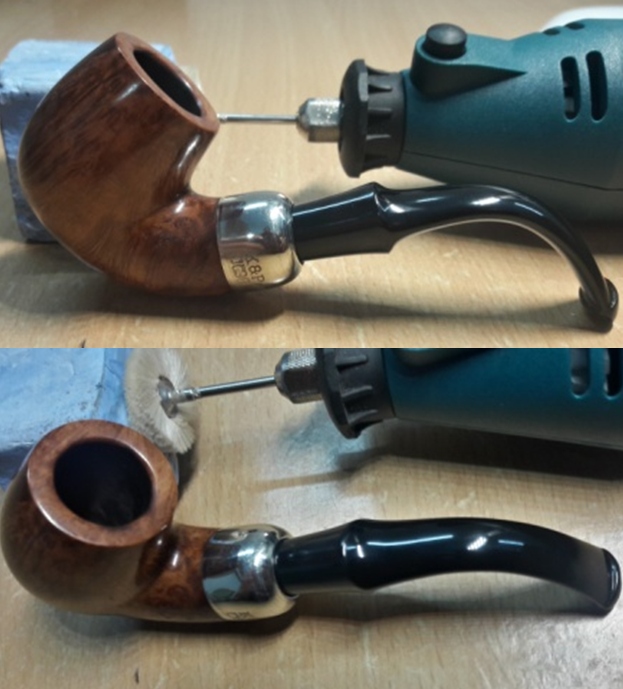
Restoring a Worn and Tired Cesare Suprema 2 Brandy 111


Blog by Steve Laug

The next pipe on the work table came to us from an antique store in Houston, Texas in Nov. 2019 when Jeff was there for his eldest son’s wedding. It has been around waiting to be worked on. Jeff did the original photographs of the pipe in December 2019. It is a straight Brandy with an acrylic stem and some nice grain around the bowl. The stamping is the clear and readable. It is stamped on the left side of the shank and reads the Cesare [over] Suprema 2. On the underside of the shank it is stamped with the shape number 111. The finish was rough with a lot scratches and nicks in the briar. There was a small burn mark on the lower right side of the bowl toward the front where the pipe obviously had been laid against a hot ash in an ashtray. There was a lot of grime ground into the bowl and some darkening around the sides of the bowl. There was some damage on the crowned rim top where the finish was worn off and scratched. The bowl was heavily caked and there was a light lava coat on the scratched top of the rim. Surprisingly the inner edge of the bowl looked quite good under the grime. The black, taper acrylic stem was a mess. There were tooth marks and chatter on both sides and damage on the button surface. The stem had grey acrylic insert on the top side of the taper. The pipe had promise but it was very dirty. Jeff took photos of the pipe before he started his cleanup work. He took photos of the rim top and bowl to give a clear picture of the thickness of the cake and the condition of the rim top and edges. You can see the damage on the crowned top and edges of the bowl. He also took photos of the top and underside of the stem to show the horrible condition of the chatter and tooth marks. Jeff took photos of the sides and heel of the bowl to give a picture of what the briar around the pipe looked like. There is some interesting grain under the grime and heavy scratching of the bowl sides. There are a few small fills that also evident. The third photo shows the burn mark toward the front bottom of the bowl.     Jeff took photos of the stamping on the left and underside of the shank. It read as noted above. I searched on Pipephil for the brand and found the stamping and logo on a similar looking pipe. There is a listing at the bottom of the screen capture of a Suprema 4 with the same Cesare signature on the shank side (http://www.pipephil.eu/logos/en/logo-c3.html). It also confirmed a faint memory that I had about a connection to Barontini.I turned to Pipedia for information on the brand (https://pipedia.org/wiki/Barontini,_Cesare). I had seen the connection on Pipephil with Barontini so it was not surprising to see that the maker was Cesare Barontini. I quote from the site:
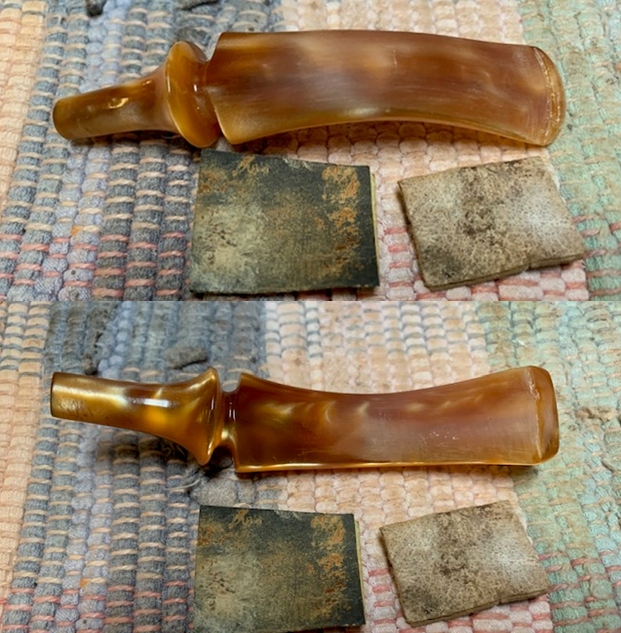
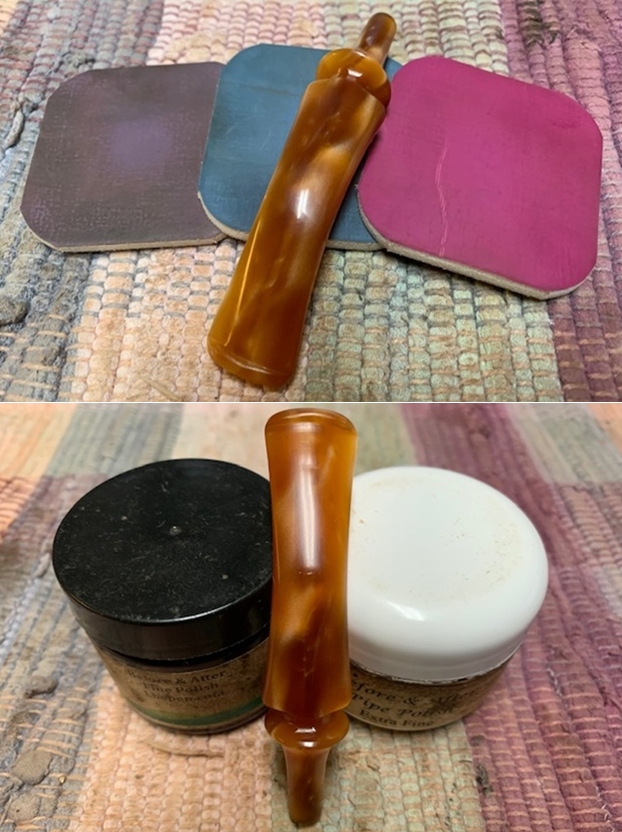
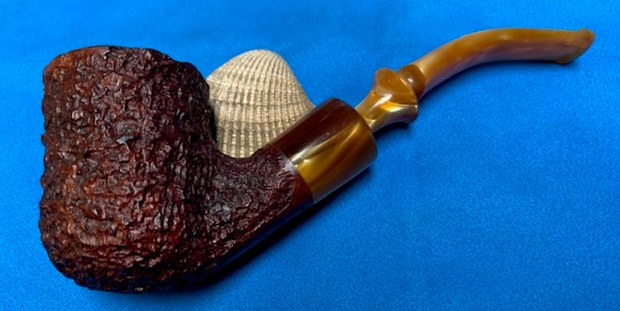
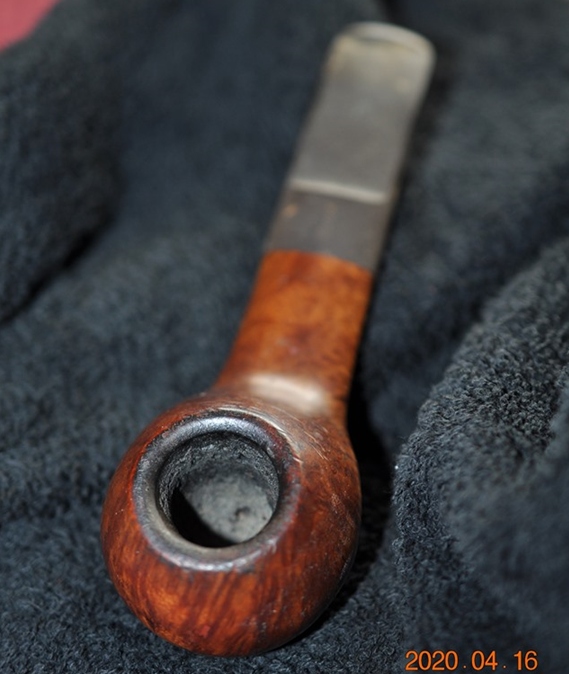
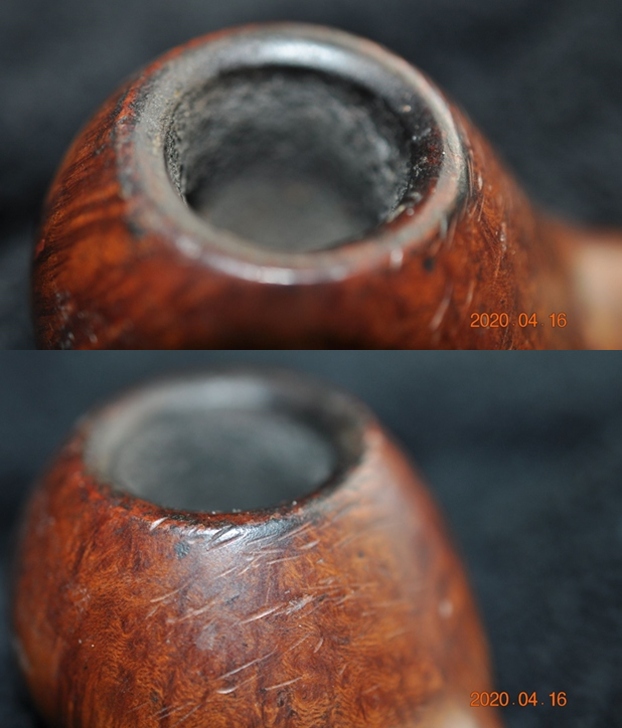
In 1890 Turildo Barontini opened a factory for the production of briar. In 1925 his son Bruno began to produce the first pipes. Cesare Barontini, son of Bruno, started direction of the factory in 1955, and still runs it together with his daughters Barbara and Silvia.

There was also a list of the Barontini sub-brands and seconds. I am including them below because of the many recognizable brands listed.

Aldo Velani, Cesare, L’artigiana, Stuart, Cortina. See also Barontini, Ilio, Cesare’s cousin.

I knew that the pipe I was working came from Cesare Barontini and the Barontini Factory in Italy. Now it was time to work on the pipe itself.

Since Jeff follows the same pattern of work in his cleanup we do not include photos but rather just a simple summary. Jeff reamed the bowl with a PipNet pipe reamer and followed up with a Savinelli Fitsall pipe knife to remove the cake. He scrubbed out the mortise and the airway in the shank and the stem with alcohol, cotton swabs and pipe cleaners. He scrubbed the exterior of the bowl, rim, shank and stem with a tooth brush and Murphy’s Oil Soap to remove the oils and tars on the rim and the grime on the finish of the bowl. He rinsed it under running water. He dried it off with a soft cloth. He was able to remove much of the varnish coat from the rim top and you could see the damages to the front edge of the rim. He cleaned the internals and externals of the stem with alcohol, pipe cleaners and cotton swabs. The stem was clean and you could clearly see the damage on the top and underside. I took photos of what the pipe looked like when I brought to my worktable. The bowl and rim top cleaned up really well leaving the nicks and scratches on the crown visible. The finish was worn off the rim top so it was rough to touch. The inner and outer edges of the bowl were surprisingly smooth. The stem surface looked very good the tooth chatter and marks on both sides ahead of the button very visible.       I took a photo of the stamping on the left and underside of the shank. It read as noted above.  I removed the stem and took a photo of the pipe to give a sense of the whole. It is a well shaped tall Brandy shape that looks elegant.Now it was time to do my work on the pipe. To minimize many of the nicks and scratches on the sides, bottom and top of the bowl I steamed them out. I heat a butter knife on our gas range and use a damp cloth to cover the nicks around the bowl. I heat the knife until it hot and then place it over the cloth. I creates steam which lifts many of the scratches in the briar. I was able to remove many of them. The few that remain are a part of this pipe’s journey. I polished the bowl and the rim top, sides and shank with micromesh sanding pads – wet sanding with 1500-12000 grit pads and wiping it down after each pad with a damp cloth. I carefully avoided the stamping on the top and underside of the shank so as not to damage the stamping. I rubbed the bowl and shank down with Before & After Restoration Balm. I worked it into the surface of the bowl sides and shank with my fingertips to clean, enliven and protect the briar. I let the balm sit for a little while and then buffed with a cotton cloth to raise the shine.  It helped to blend the stain into the rest of the bowl.  The final buffing would bring the pipe alive.  I set the bowl aside and turned my attention to the stem. I filled in the tooth marks on the topside and the underside of the stem with black super glue. I also rebuilt the button surface on both sides.Once the repairs cured I used a needle file to flatten the repairs and recut the button. I used 220 grit sandpaper to smooth out the repairs further and blend them into the stem surface. I started the polishing with 400 grit wet dry sandpaper.   I polished the acrylic stem with micromesh sanding pads – 1500-12000 grit pads. I wiped it down with a damp cloth after each sanding pad. I used Before & After Pipe Polish – both Fine and Extra Fine to further polish the stem.        This well made, classic Cesare Suprema 2 Tall Brandy with a black acrylic stem is a great looking pipe now that it has been restored. I was able to remove and minimize the scratches around the bowl and rim. The rich brown finish came alive with the polishing and waxing. The grain really popped. I put the stem back on the bowl and carefully buffed the pipe with Blue Diamond on the buffing wheel using a light touch on the briar. I gave the bowl and the stem multiple coats of carnauba wax on the buffing wheel and followed that by buffing the entire pipe with a clean buffing pad. I hand buffed the pipe with a microfiber cloth to deepen the shine. The finished Cesare Brandy is a beauty and fits nicely in the hand and looks very good. Give the finished pipe a look in the photos below. The dimensions of the pipe are Length: 6 inches, Height: 2 ¼ inches, Outside diameter of the bowl: 1 ¼ inches, Chamber diameter: ¾ of an inch. If you are interested in adding this pipe to your collection send me a message or an email. Thanks for reading this blog and my reflections on the pipe while I worked on it. There are many more to come!