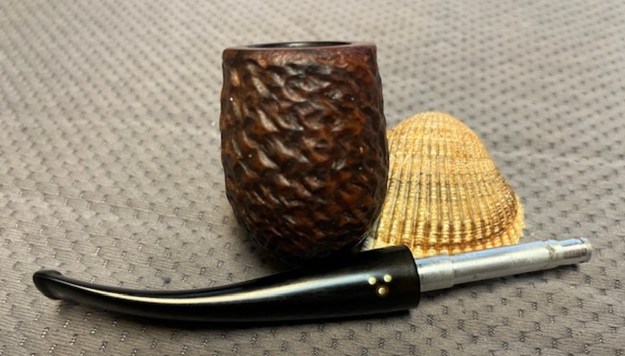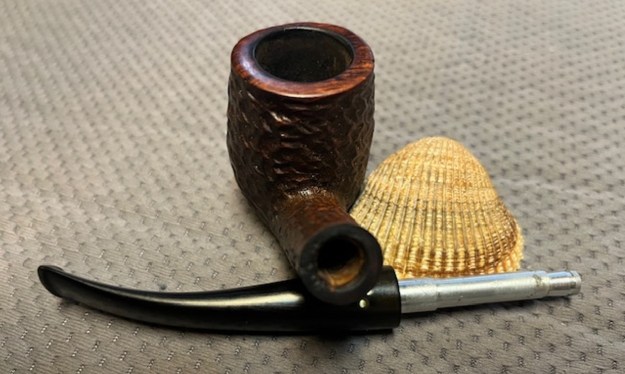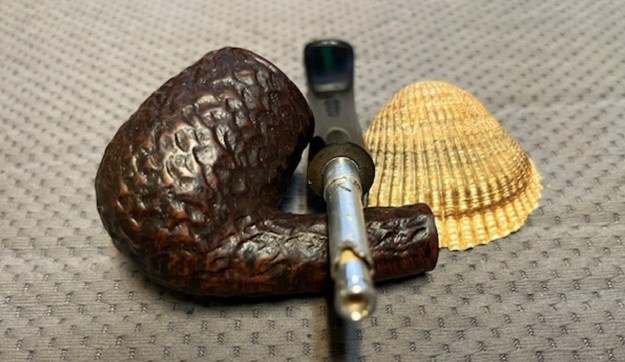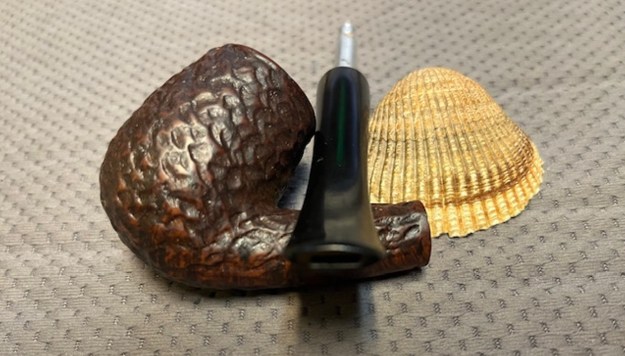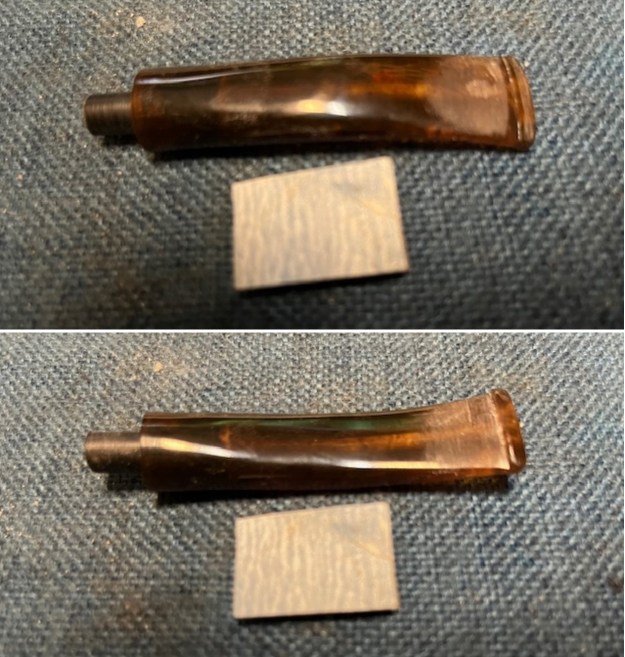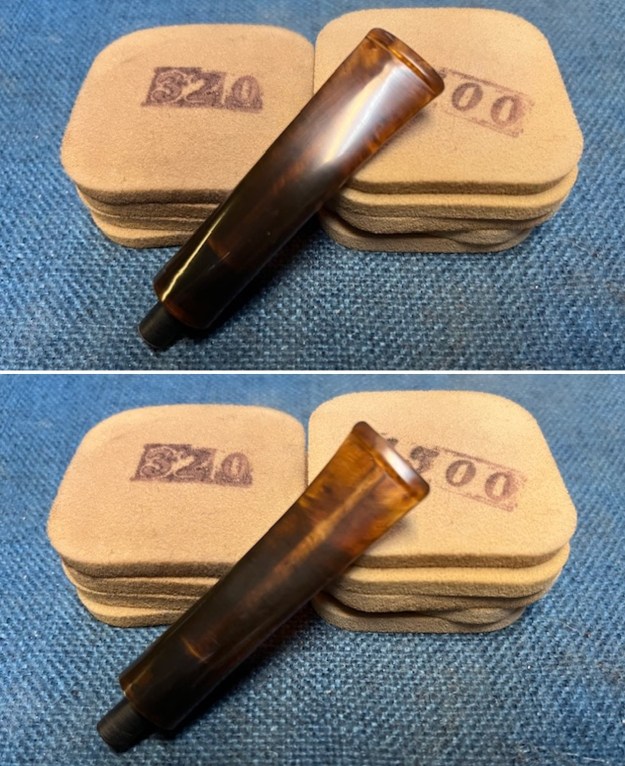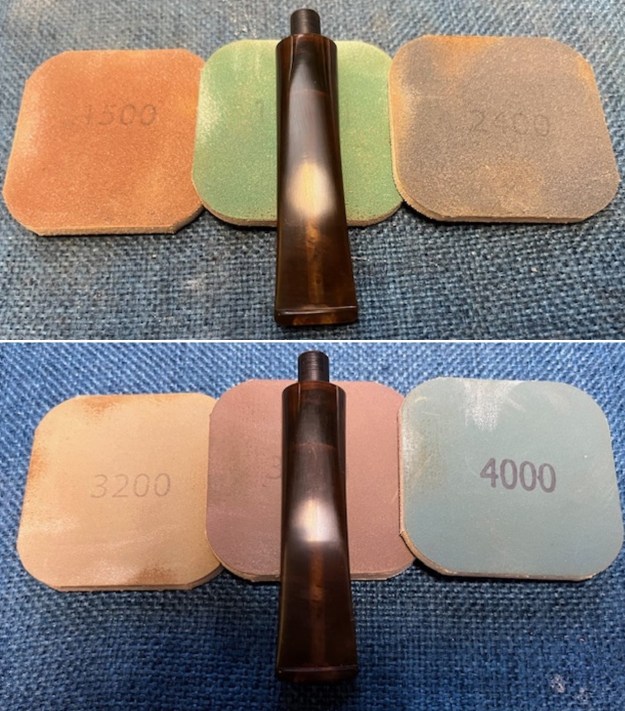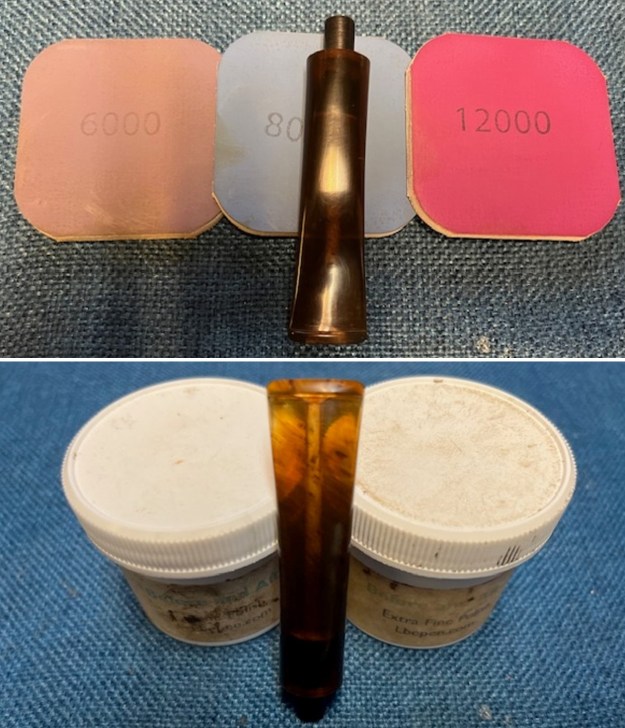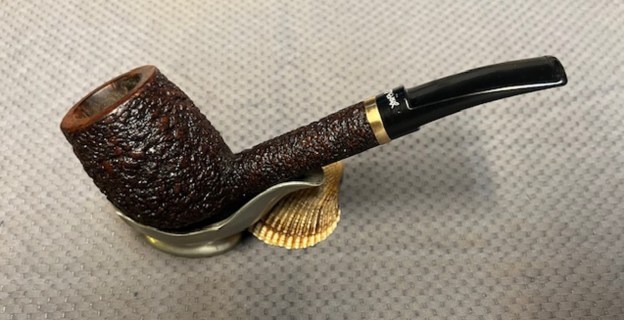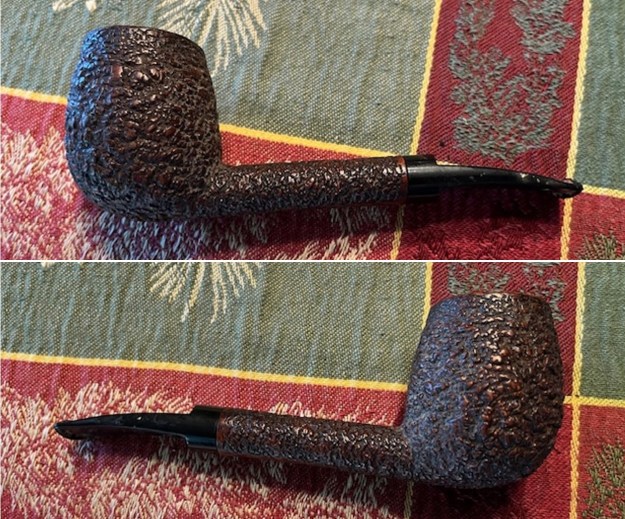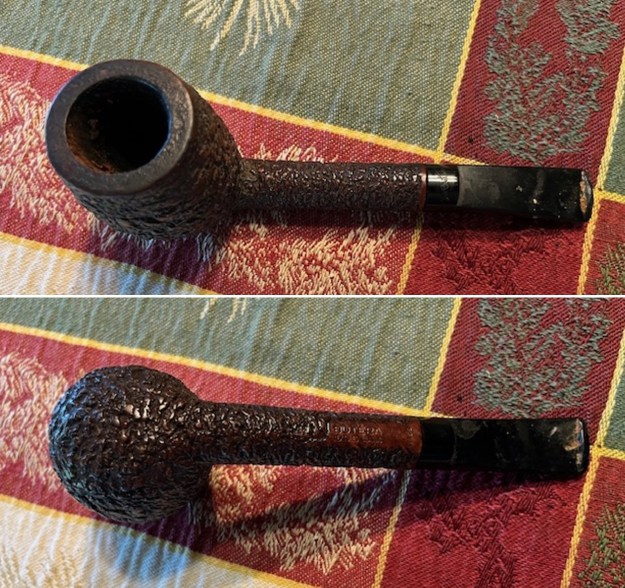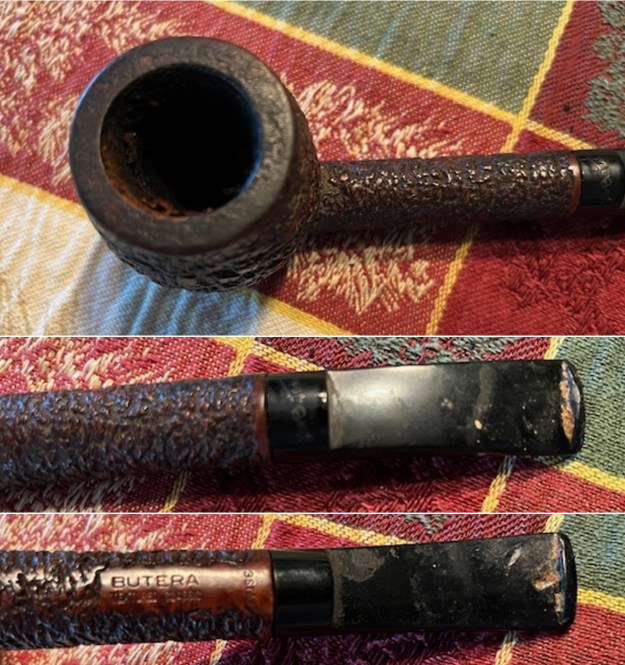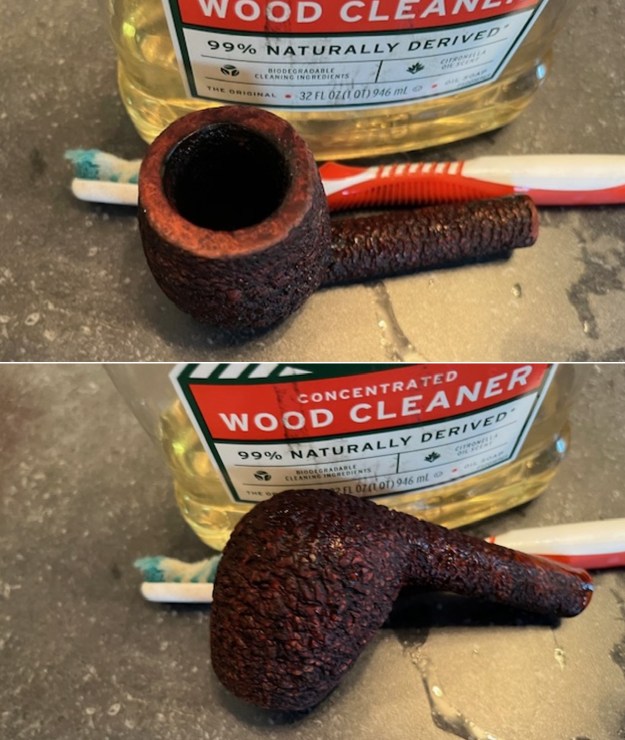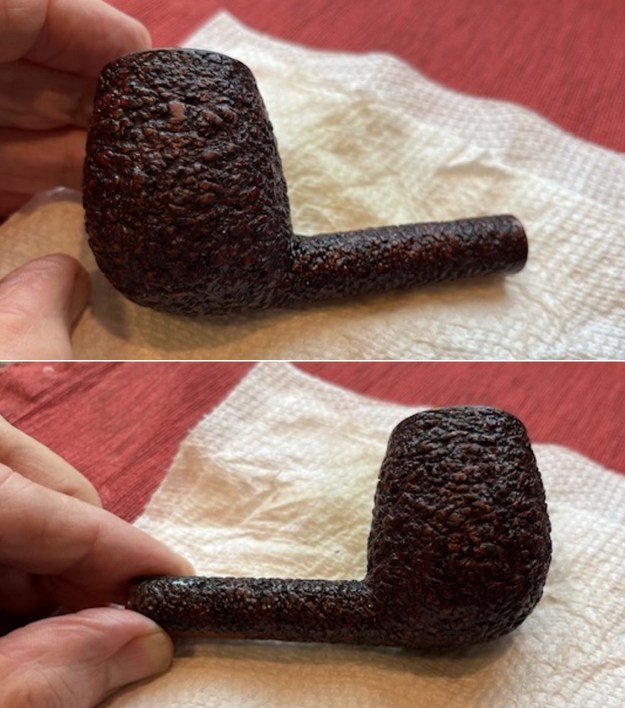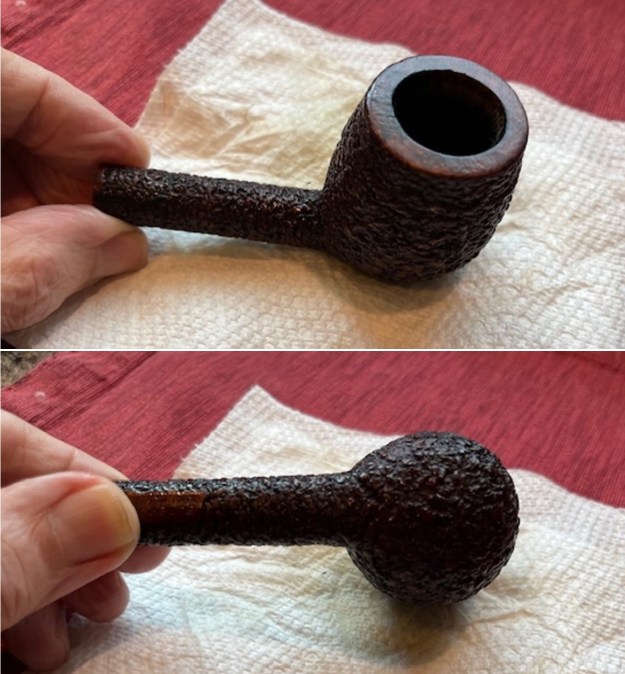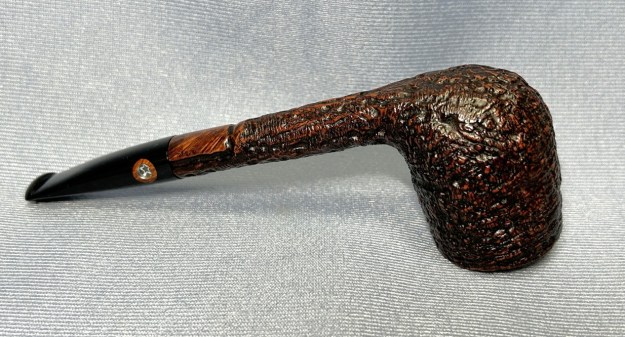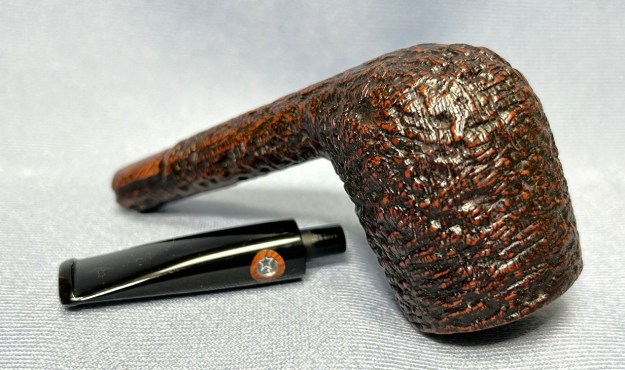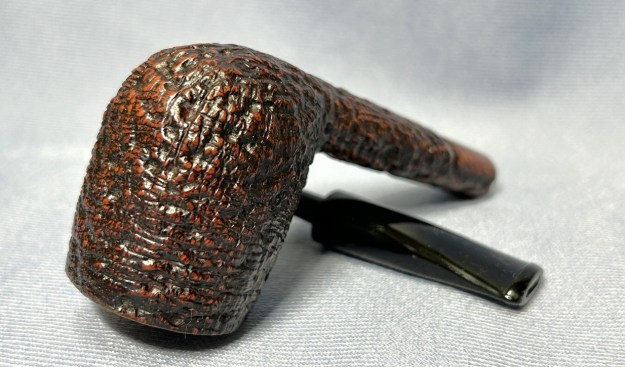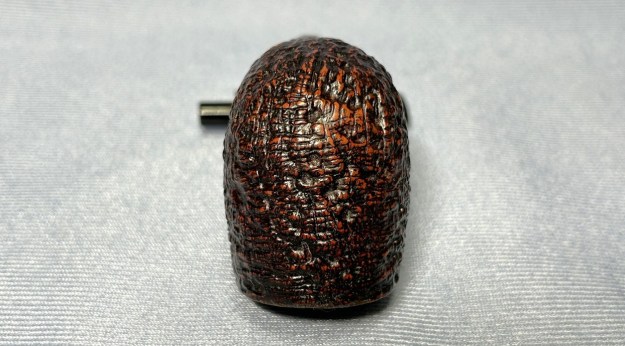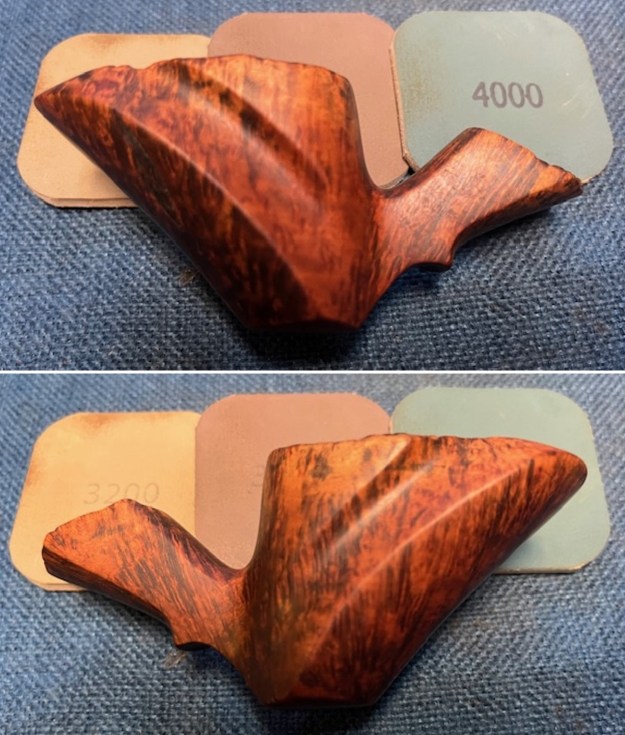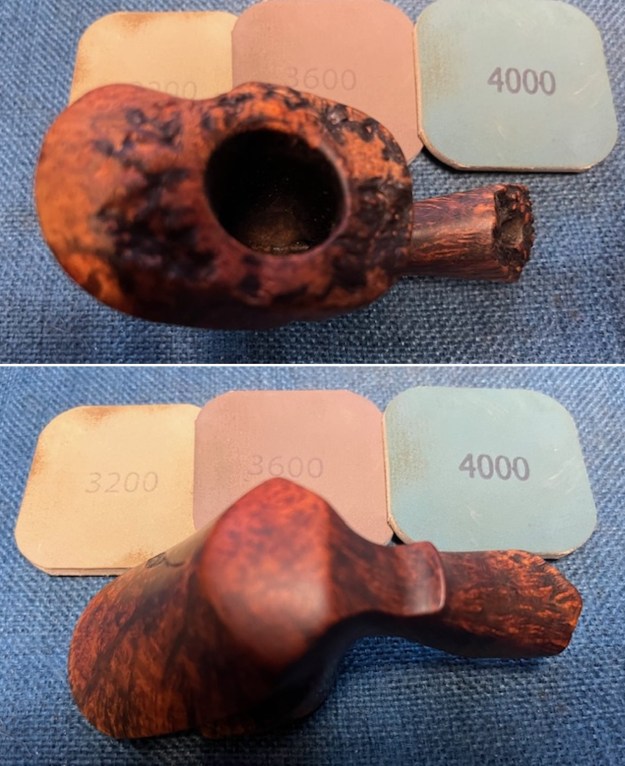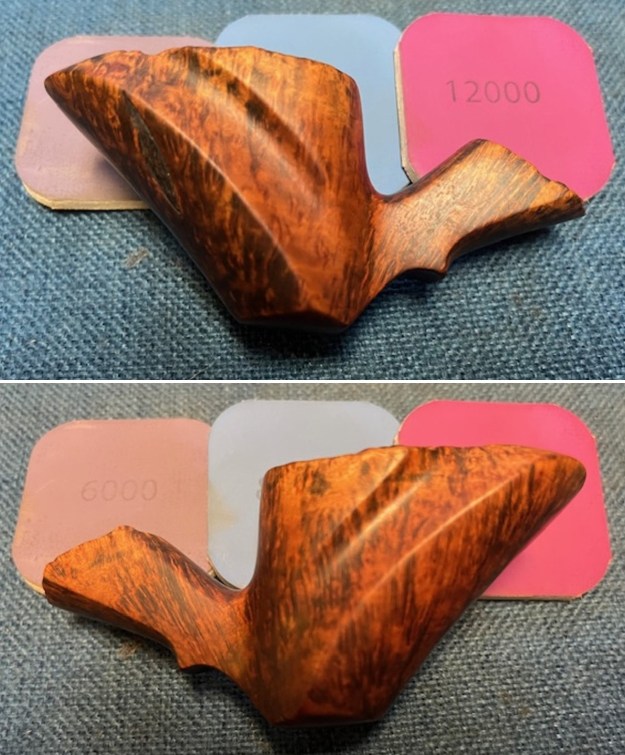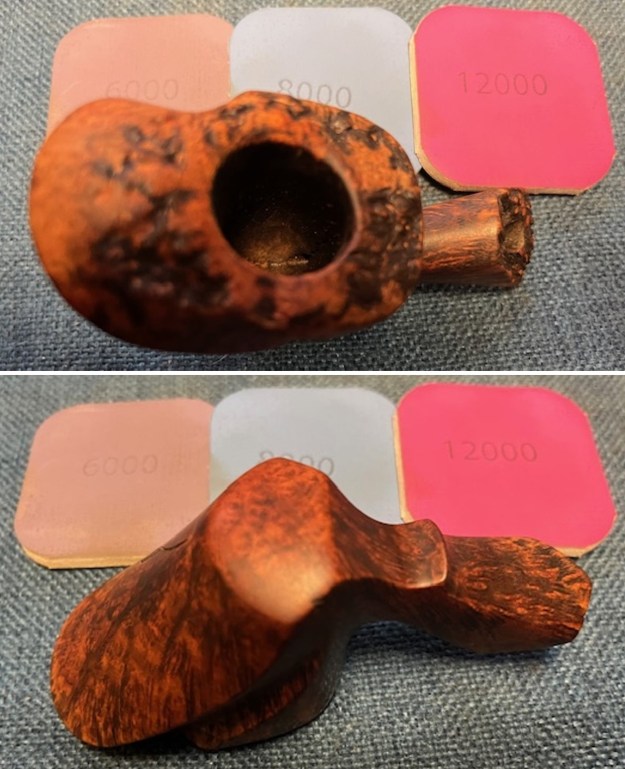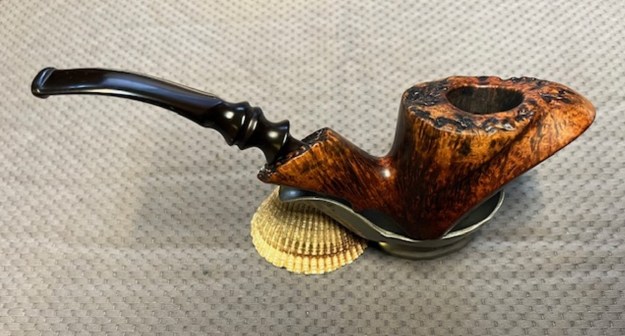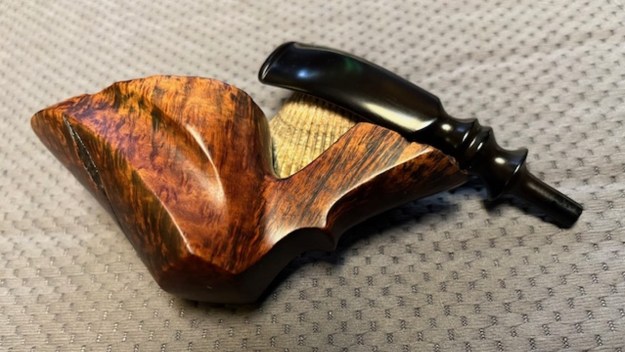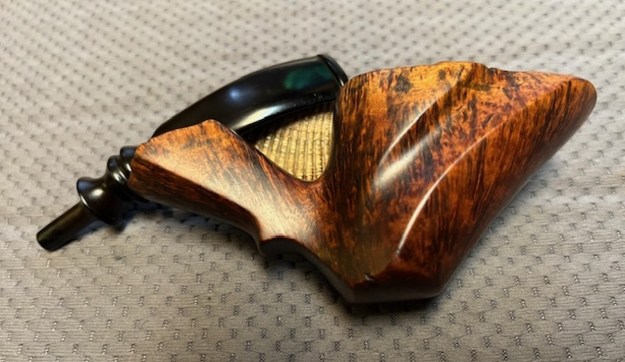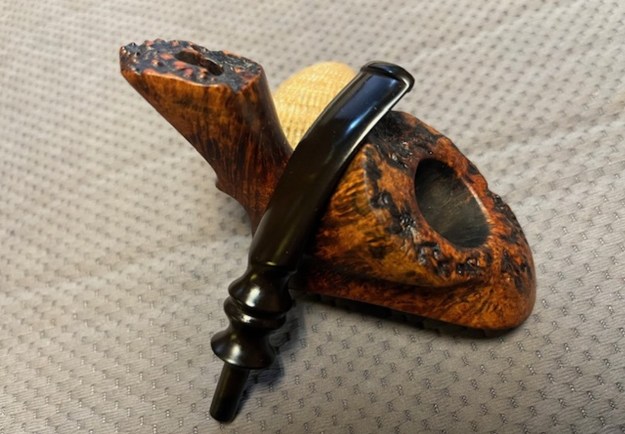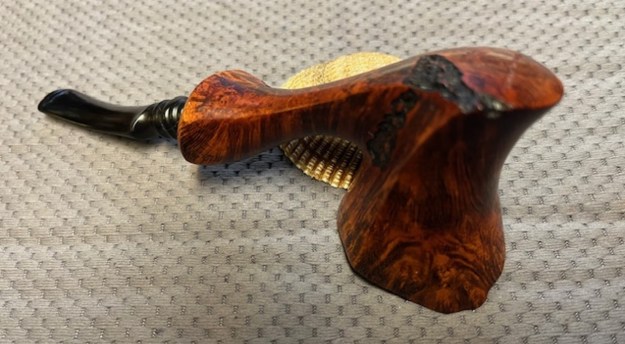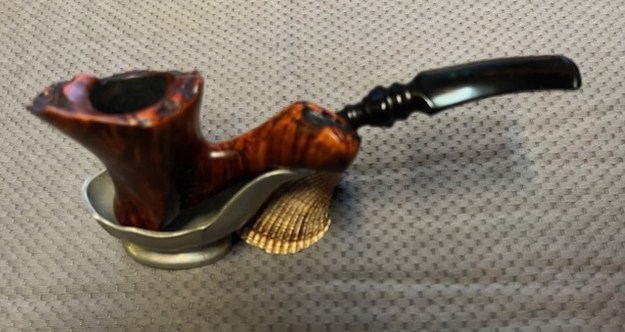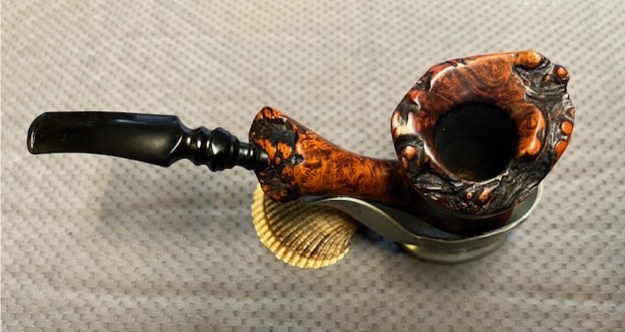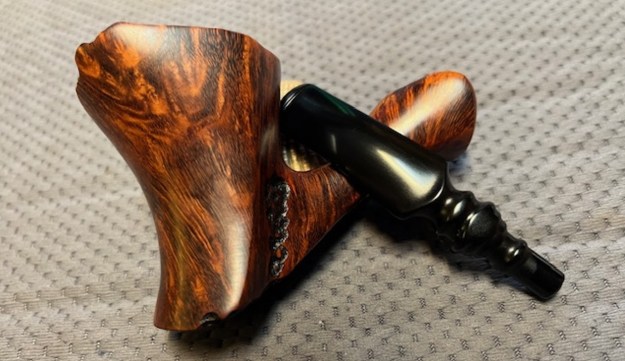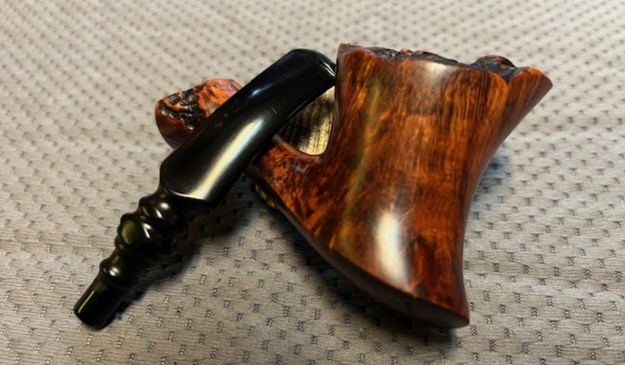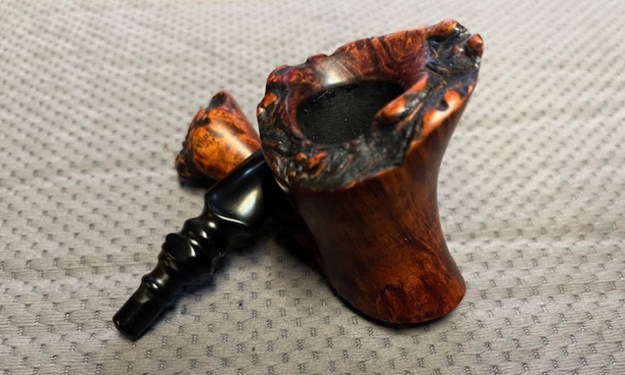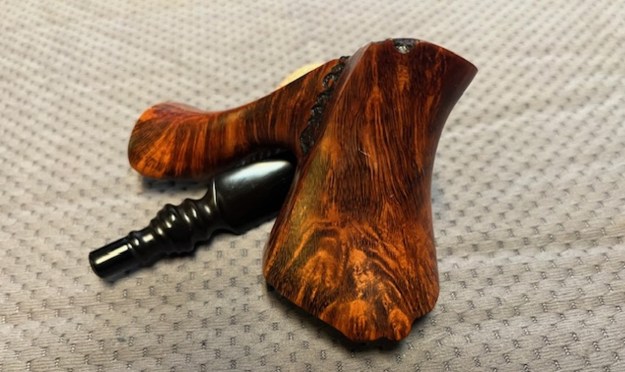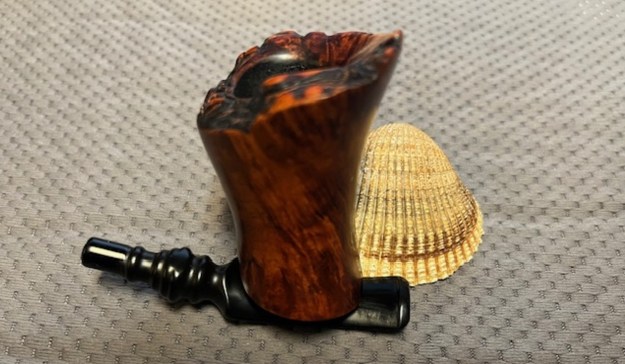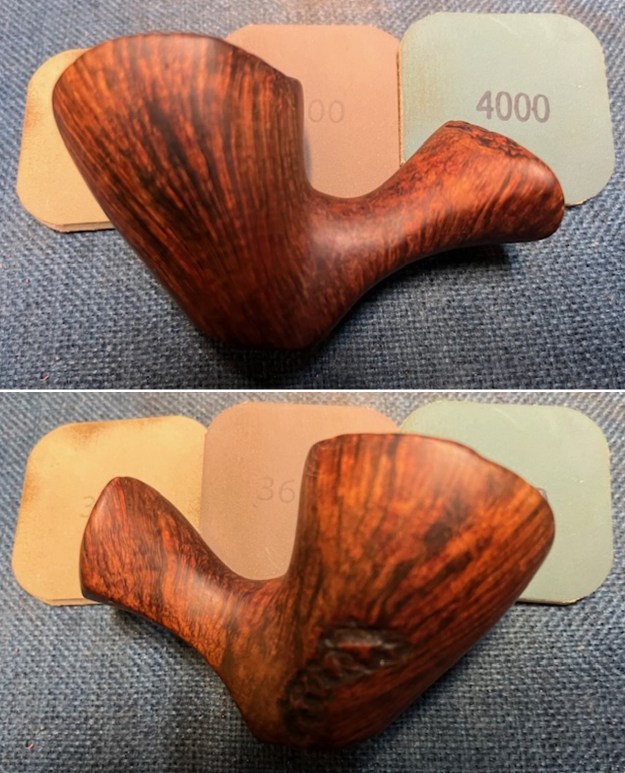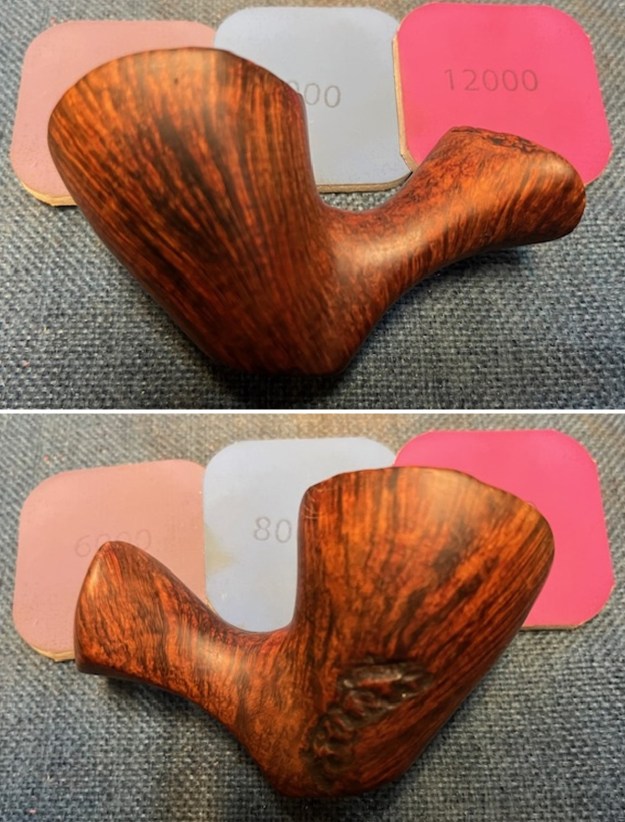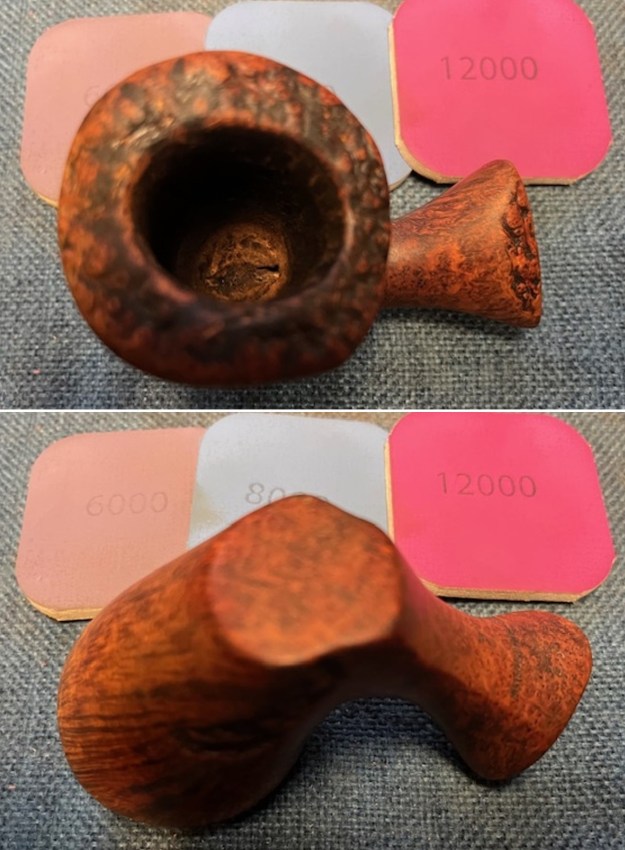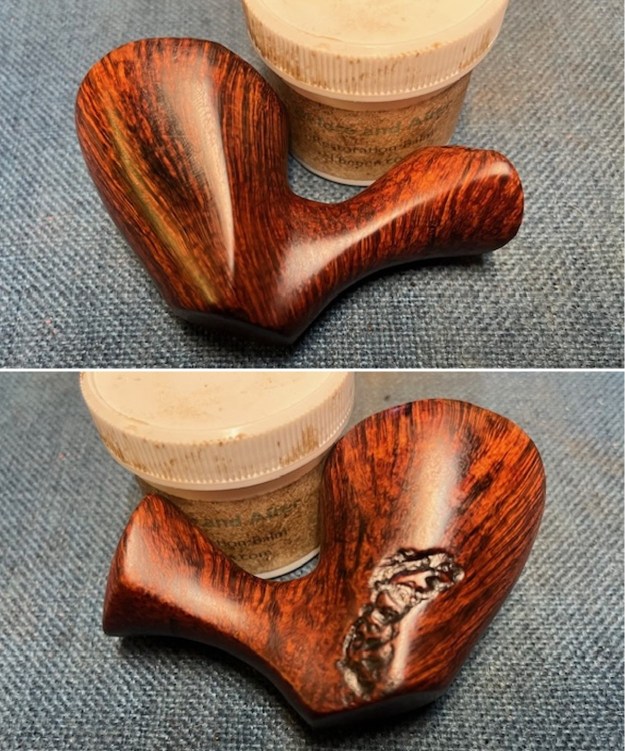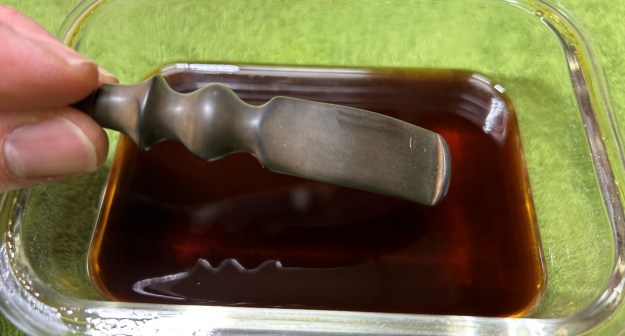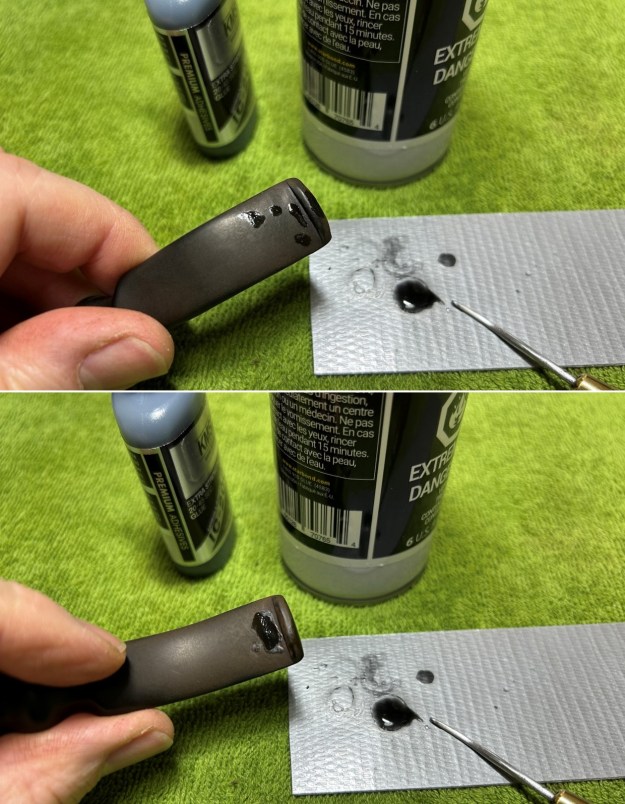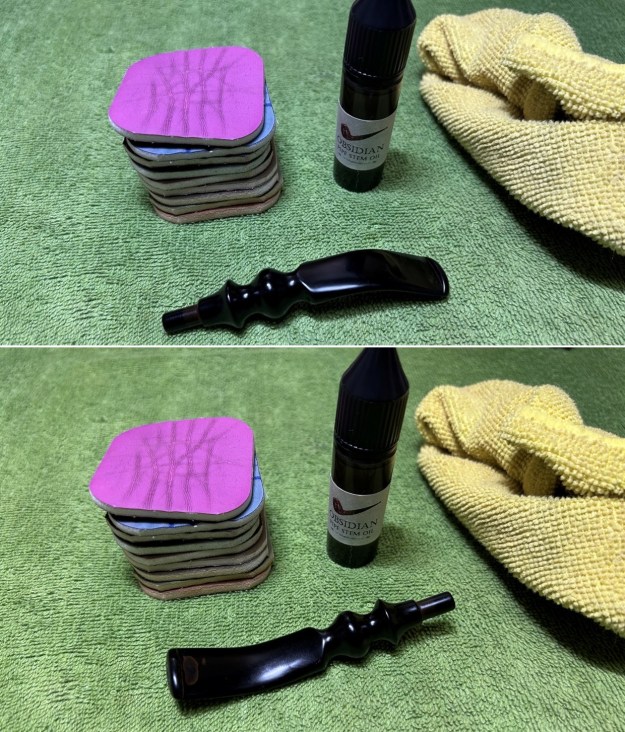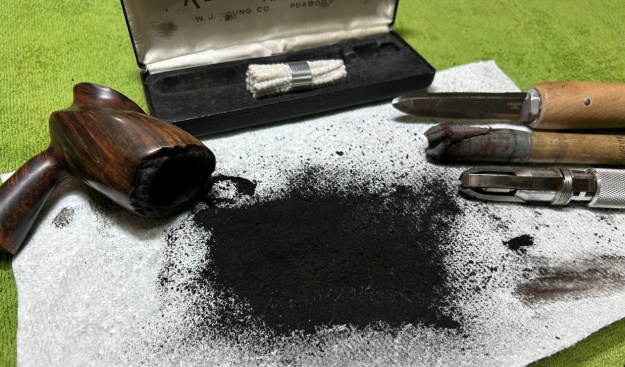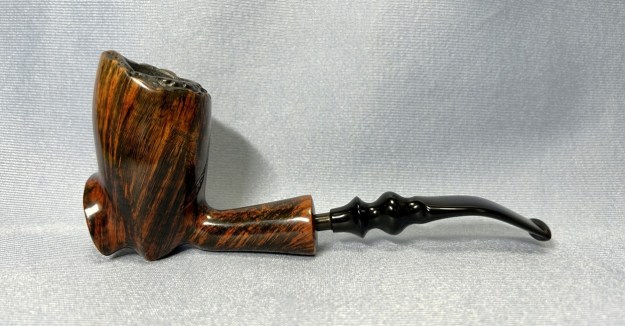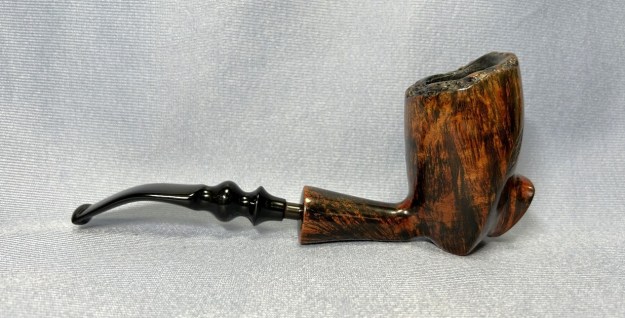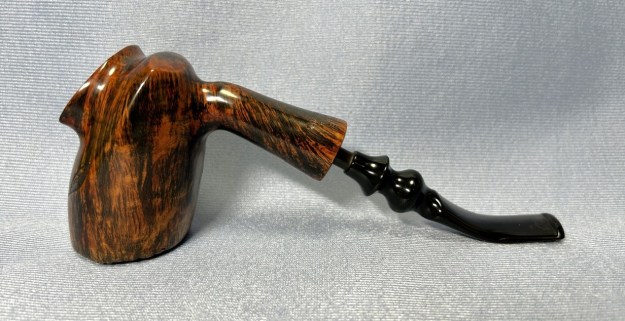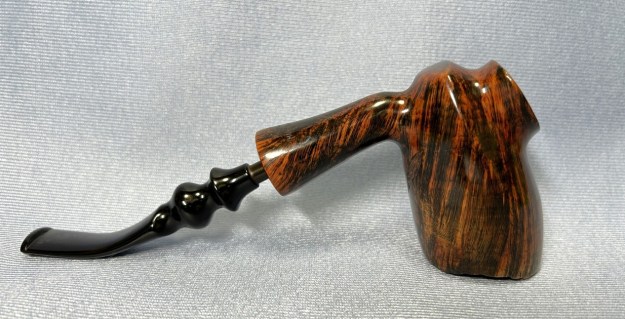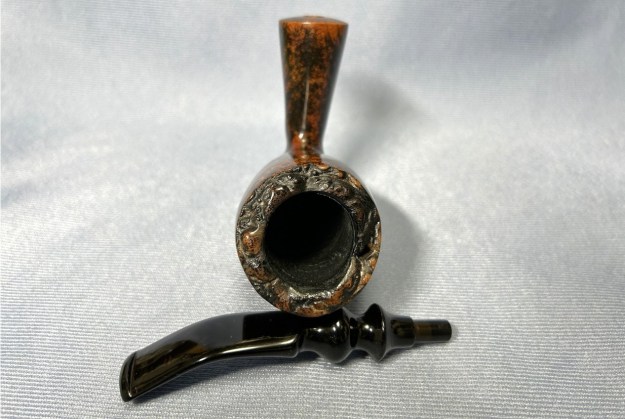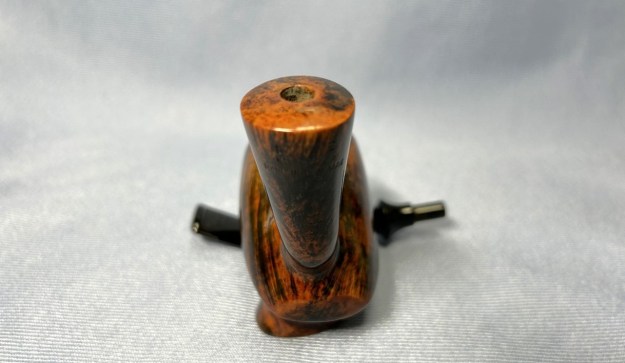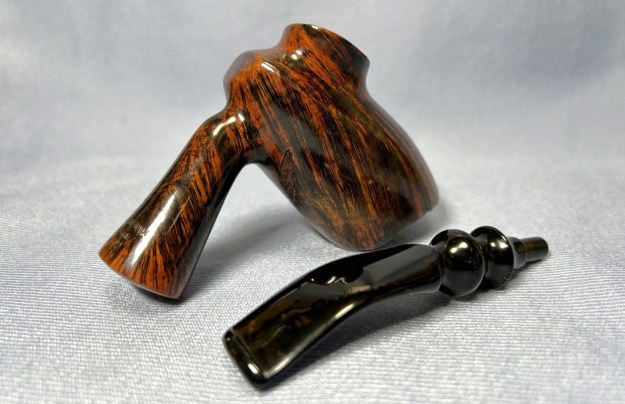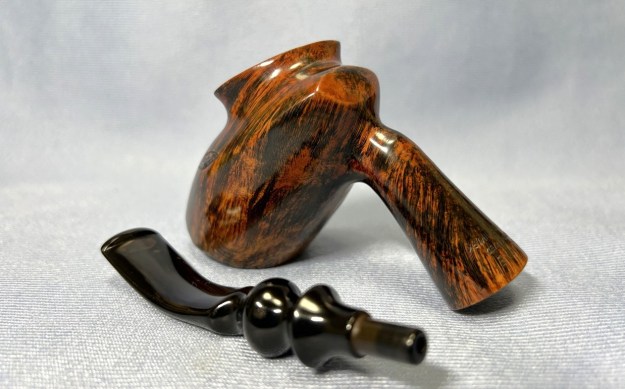
Tag Archives: removing tooth marks

A Long and Smooth Canadian by Mark Tinsky


by Kenneth Lieblich

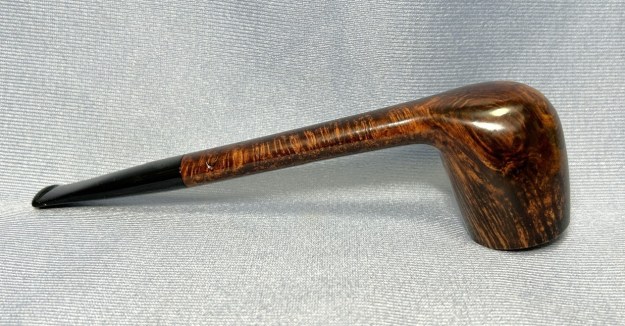
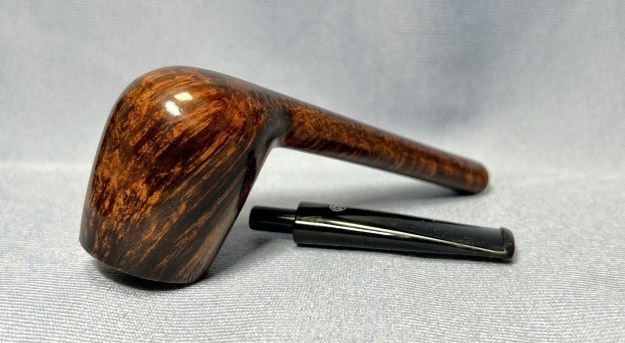
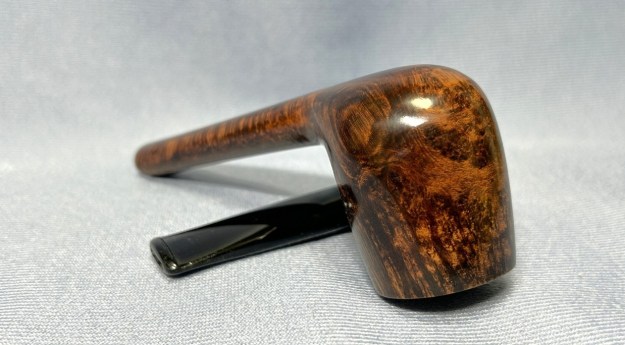
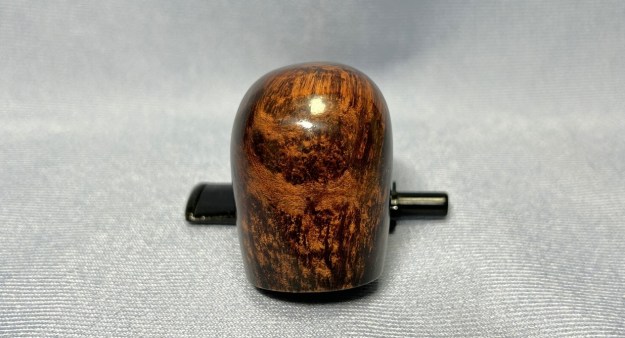
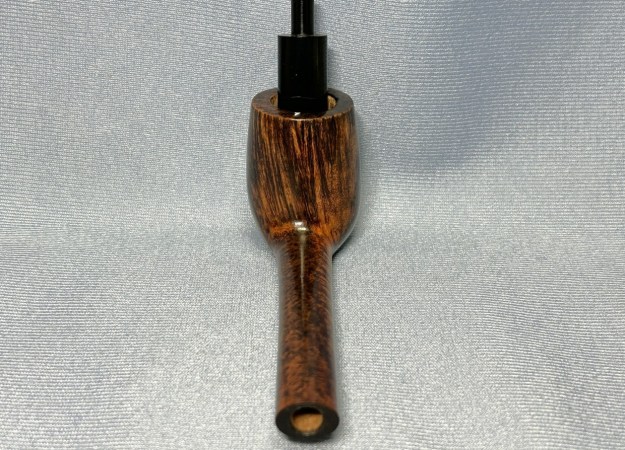
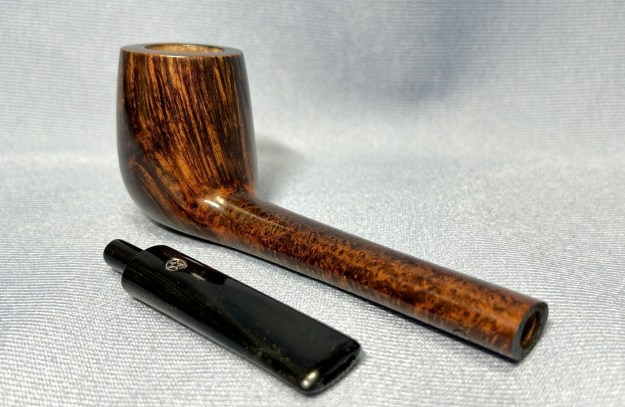
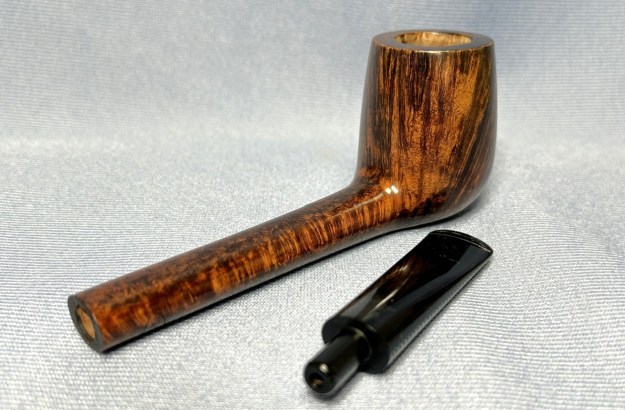
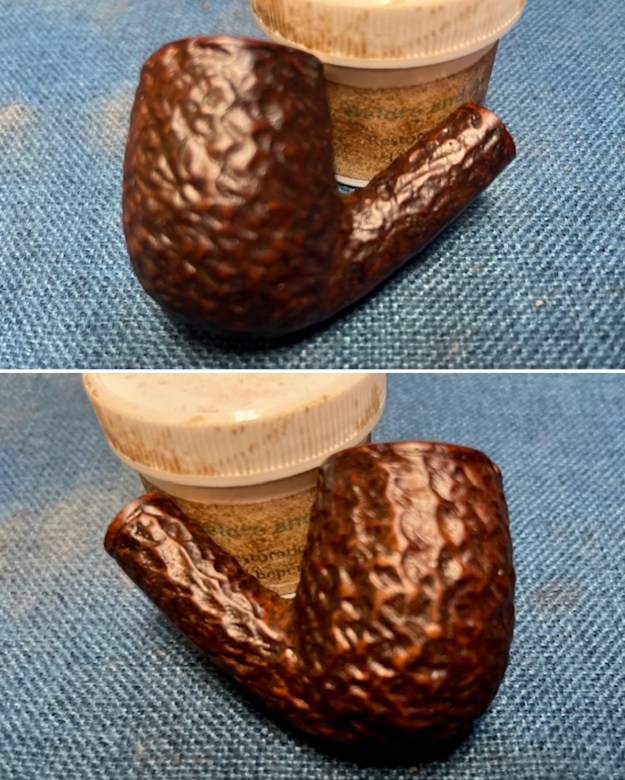
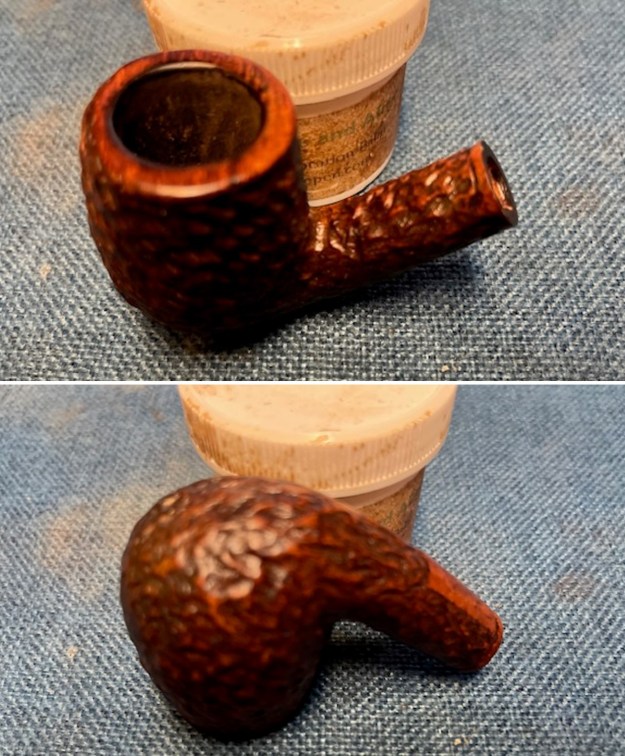
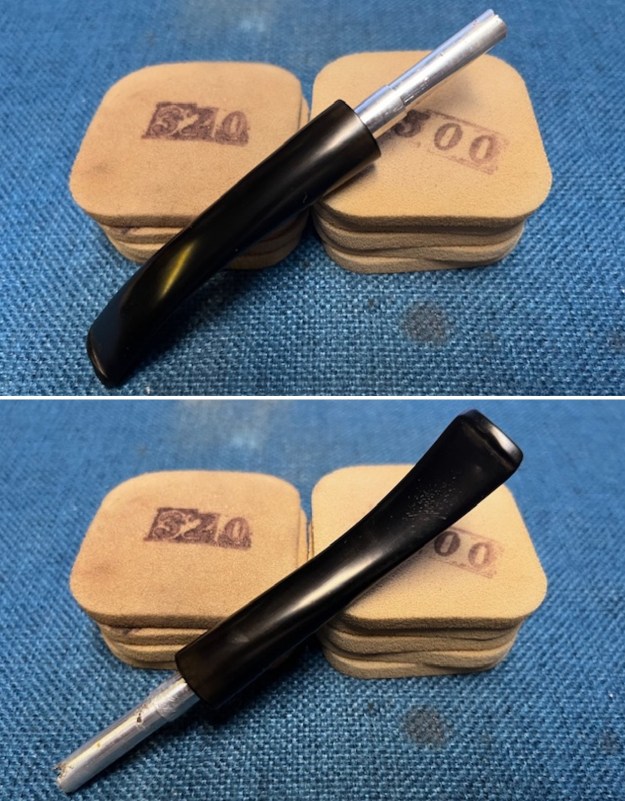
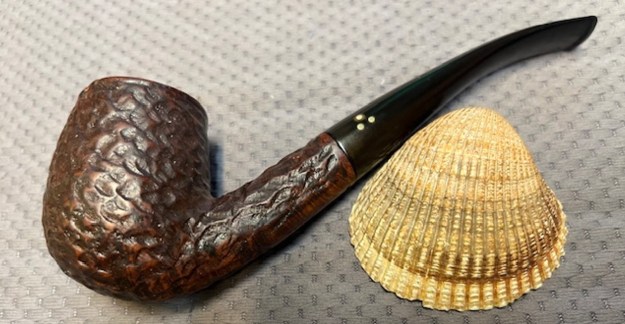
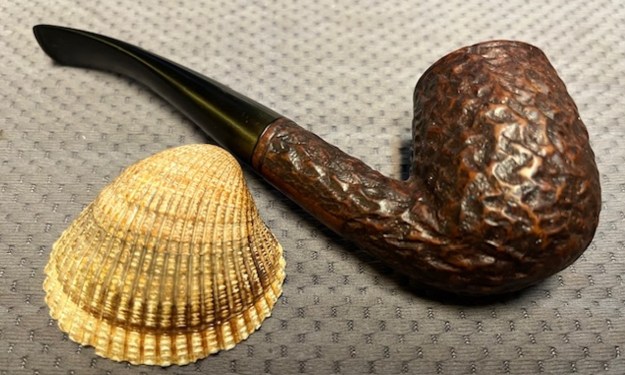
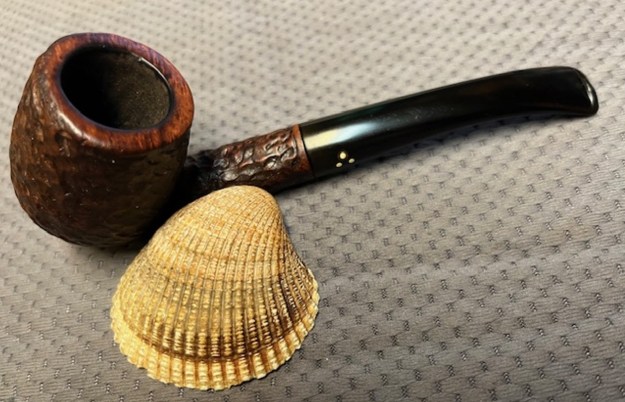
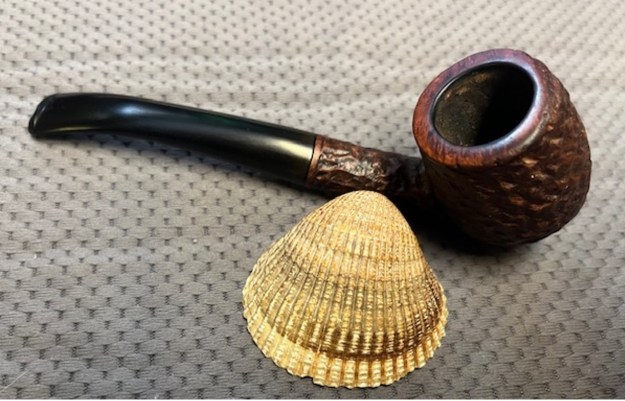
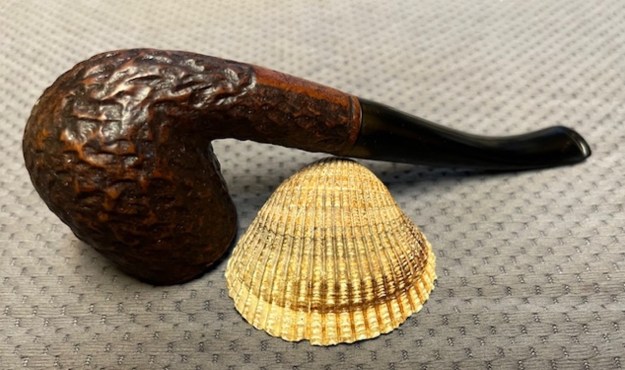
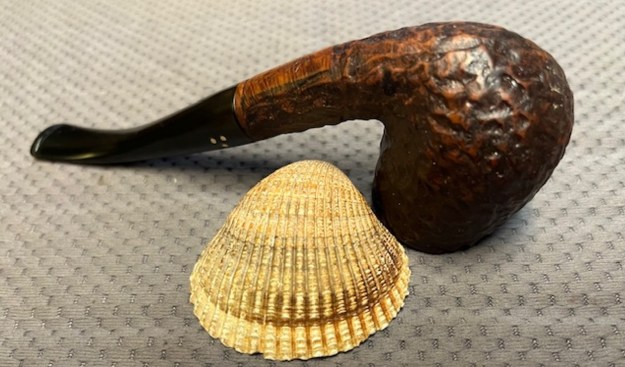
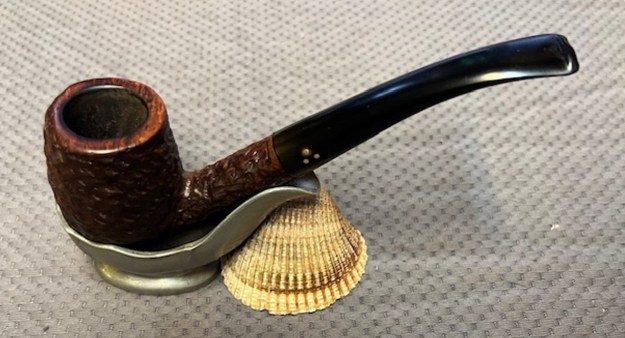
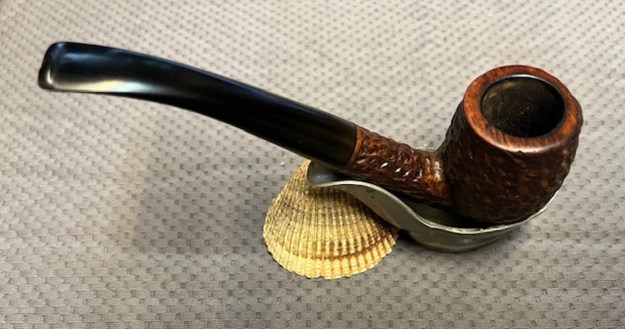
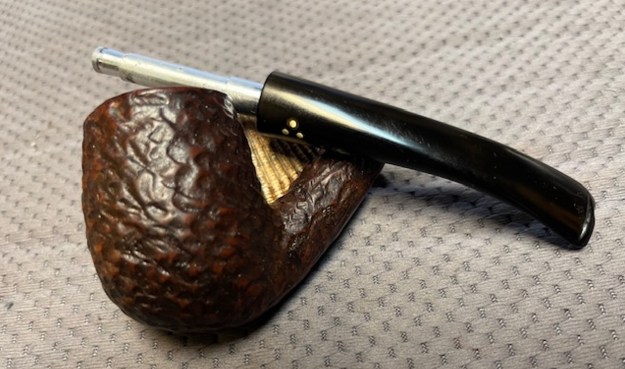
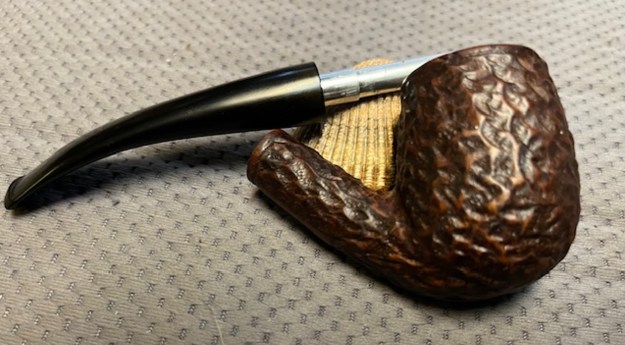
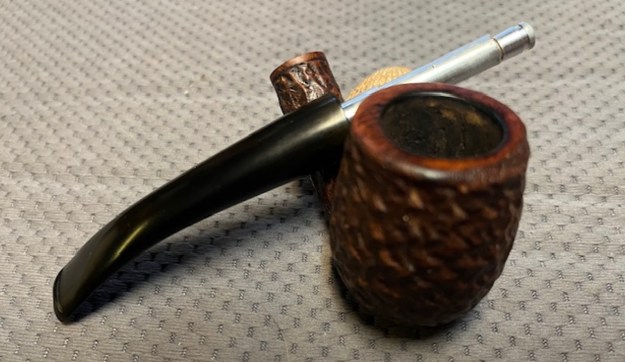
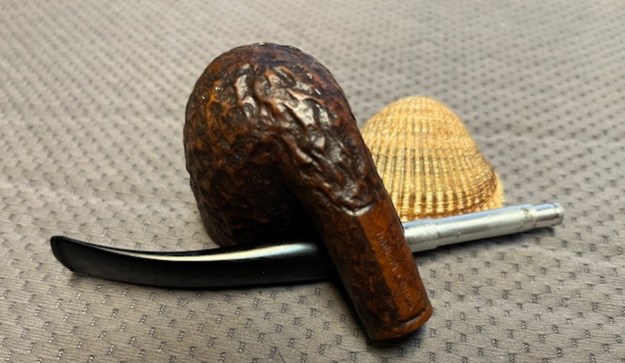
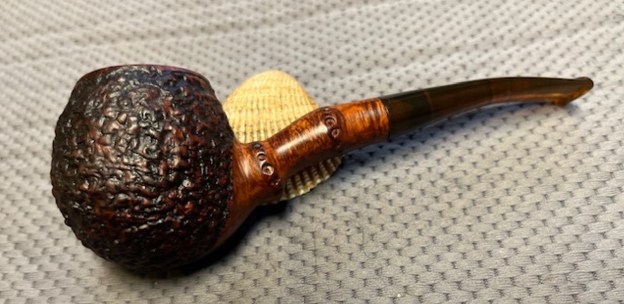
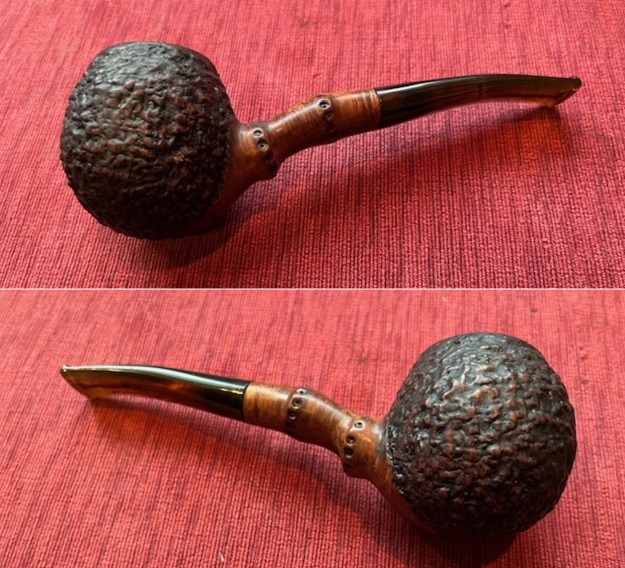
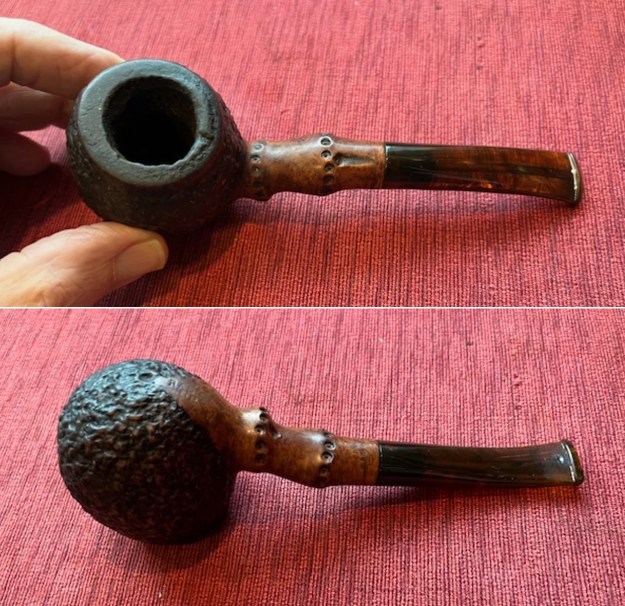
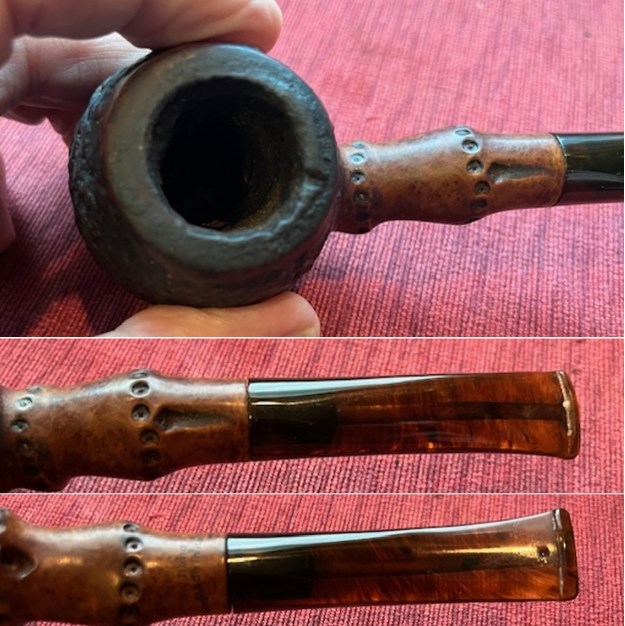
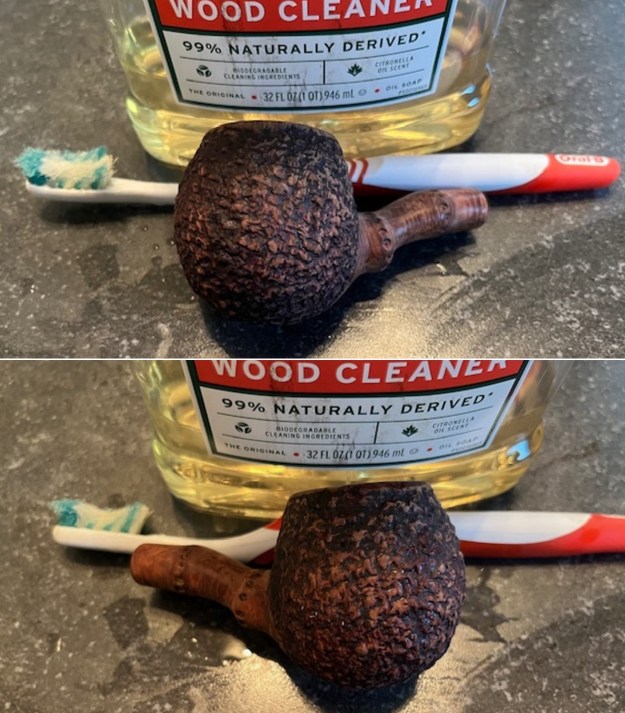
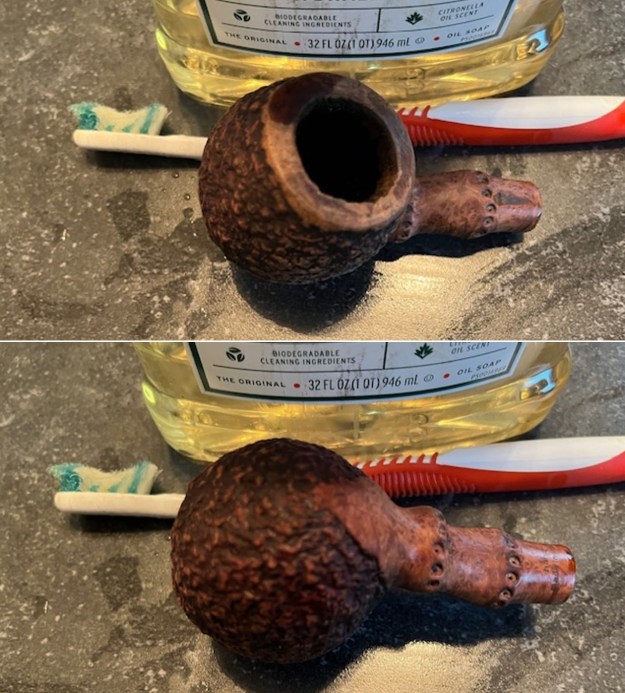
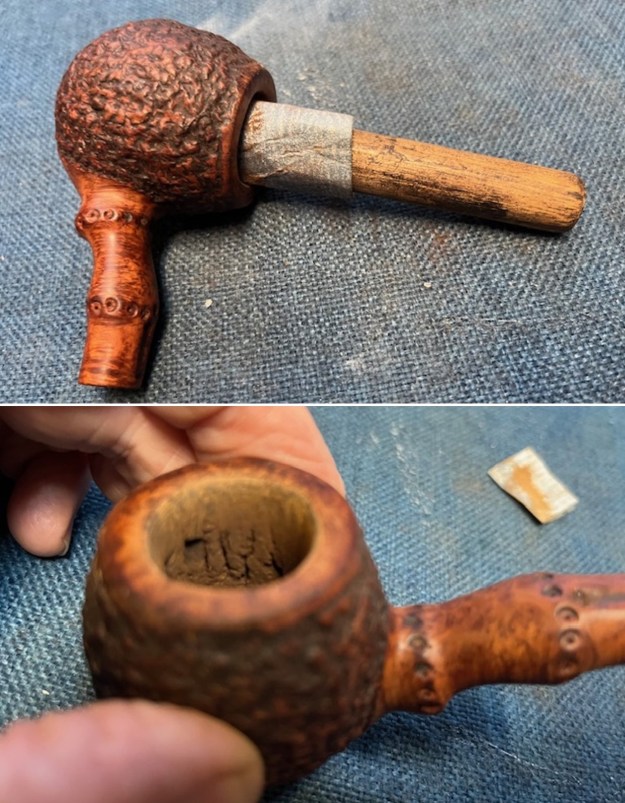
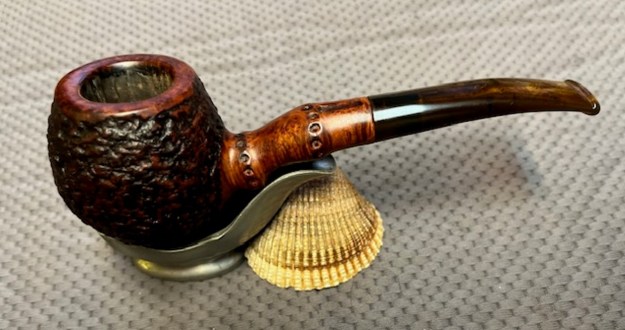
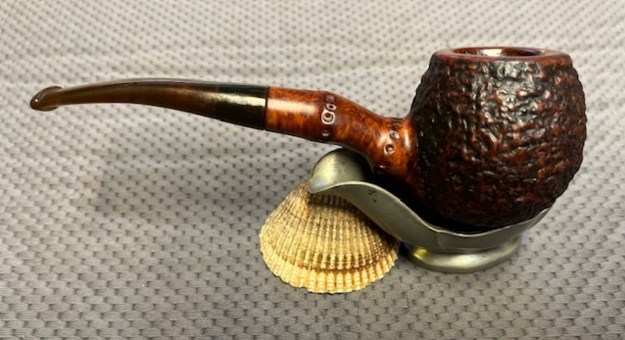
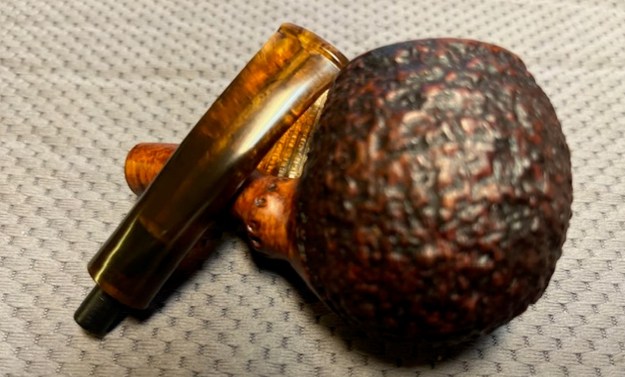
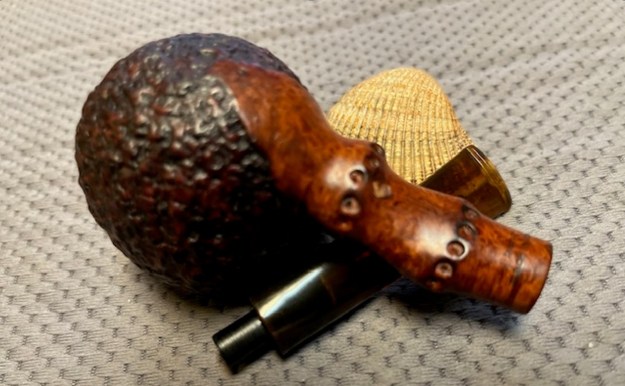
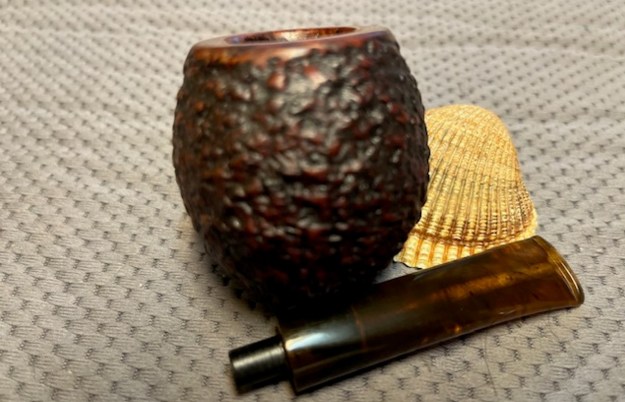
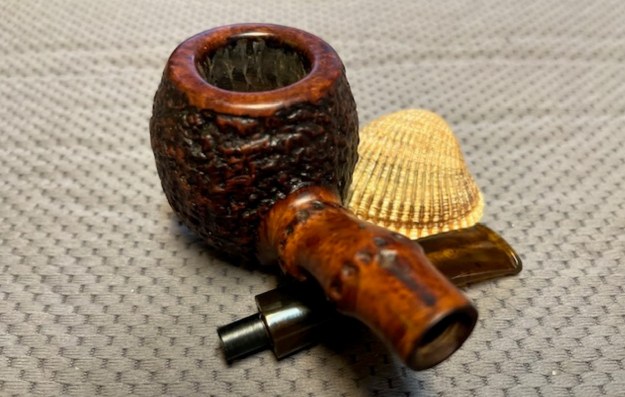
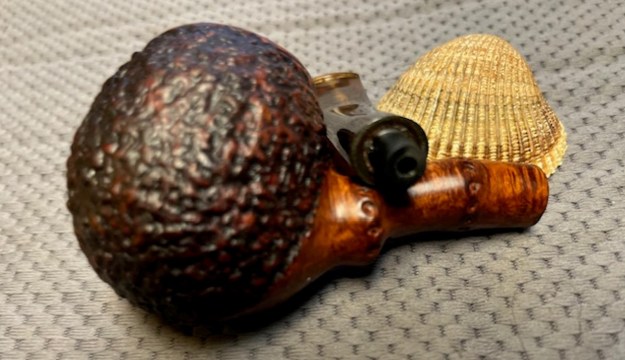
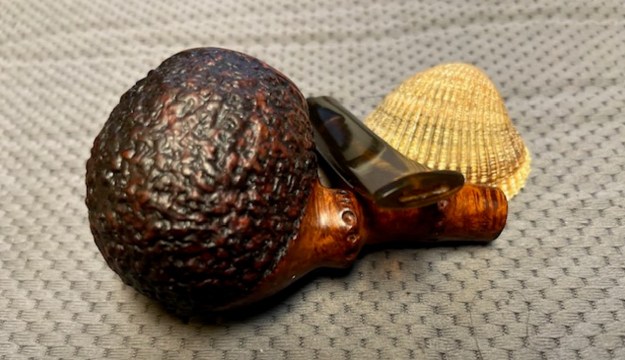
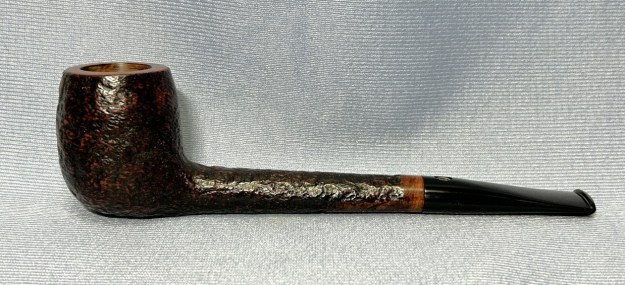
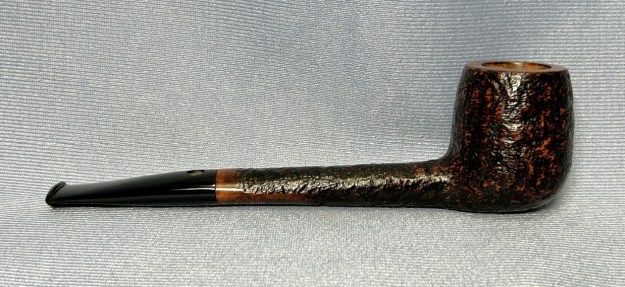
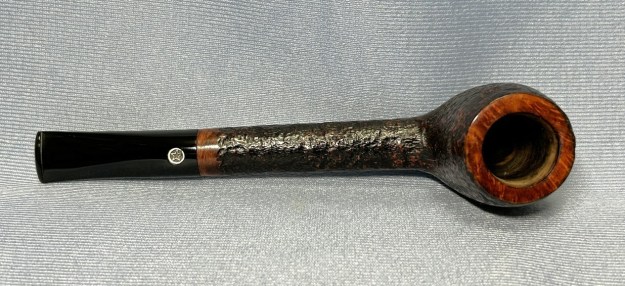
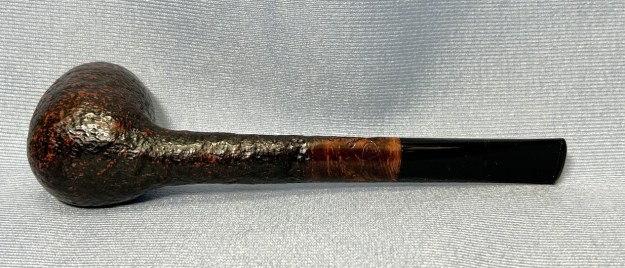
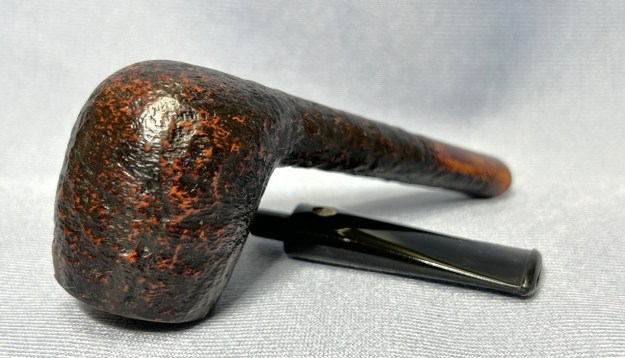
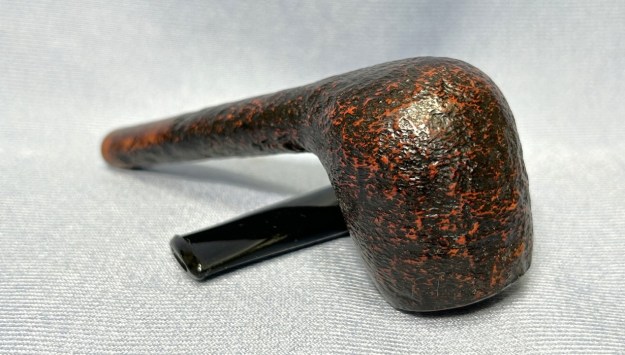
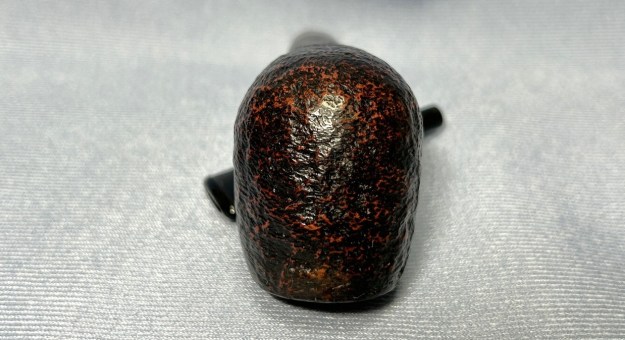
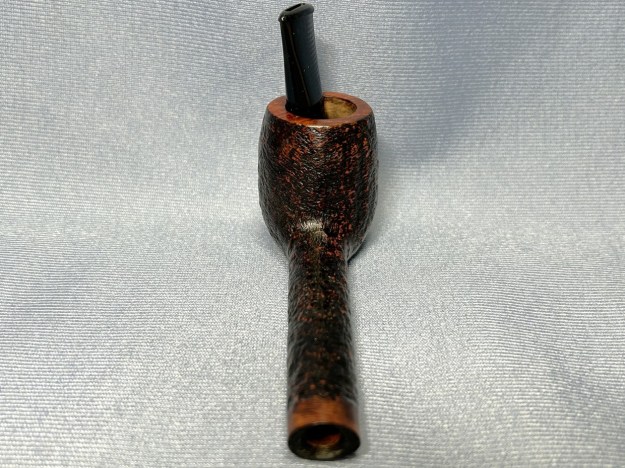
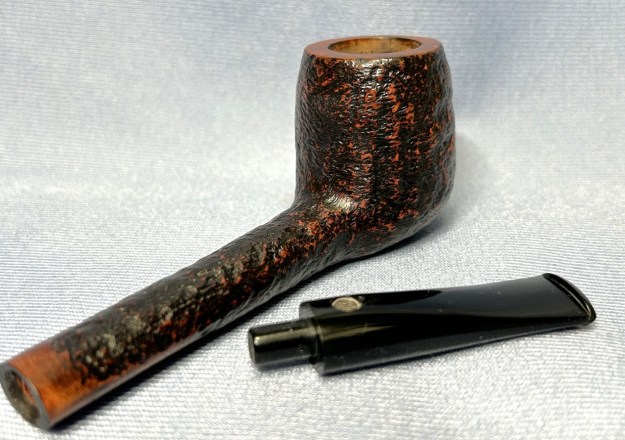
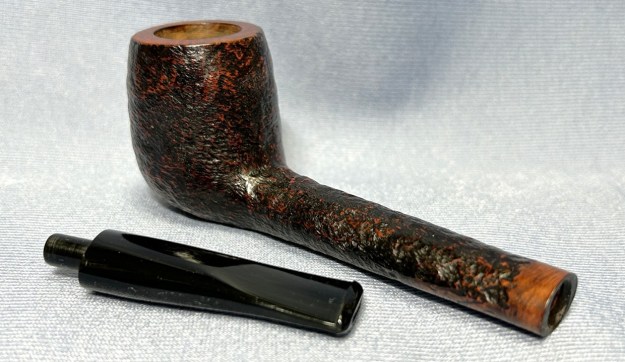
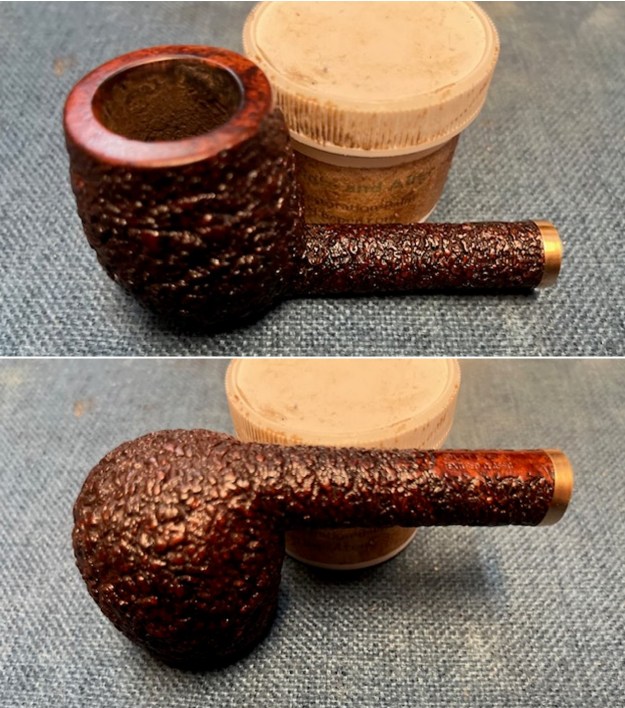
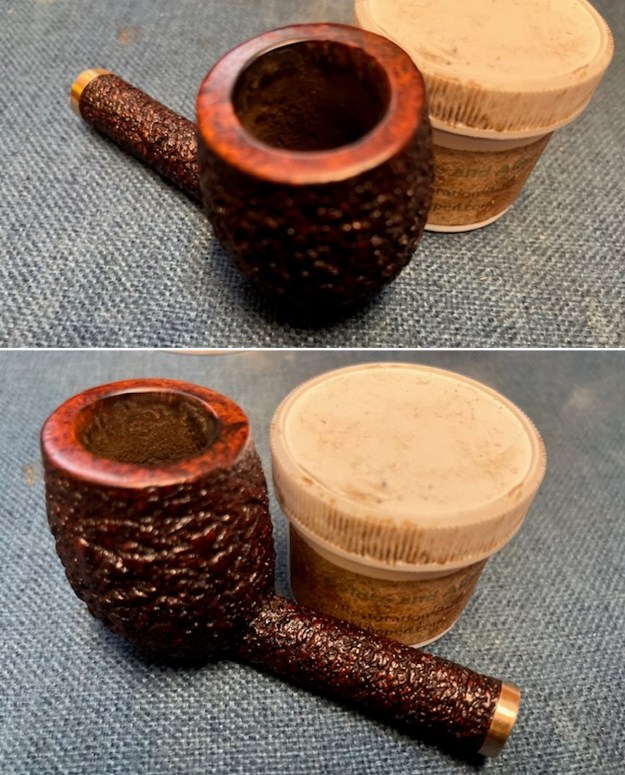
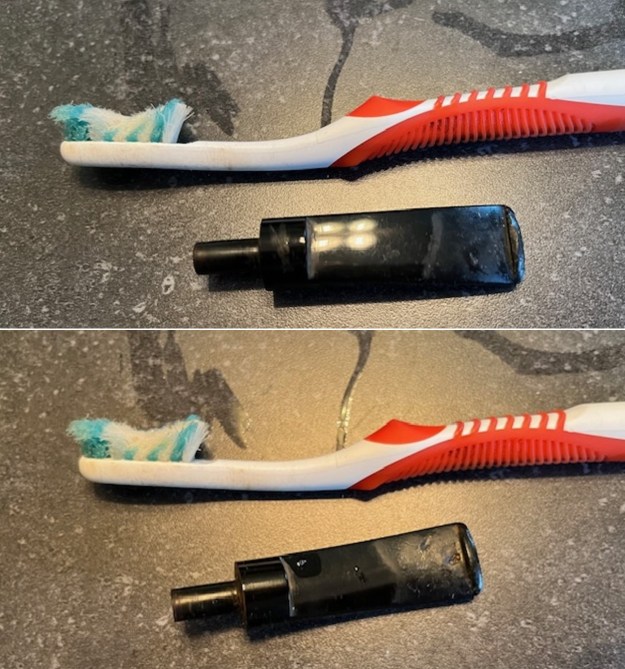
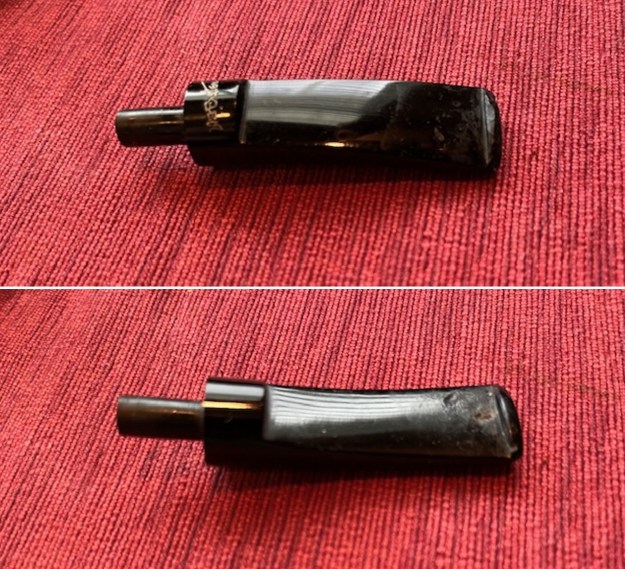
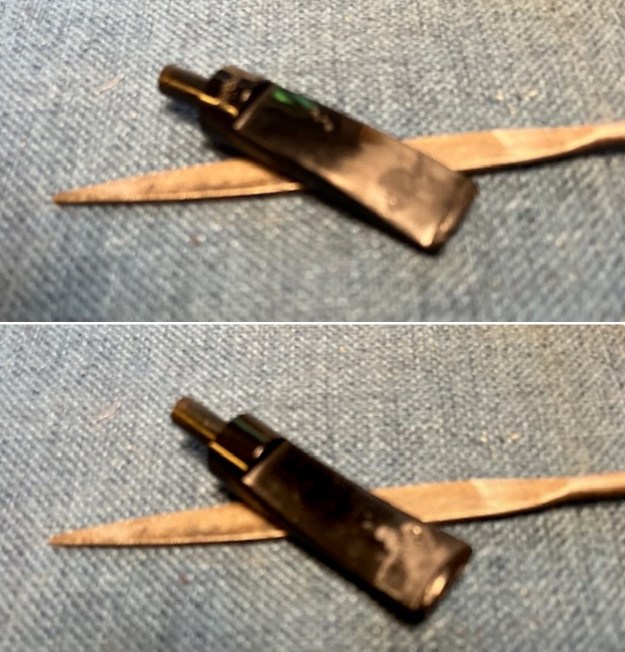
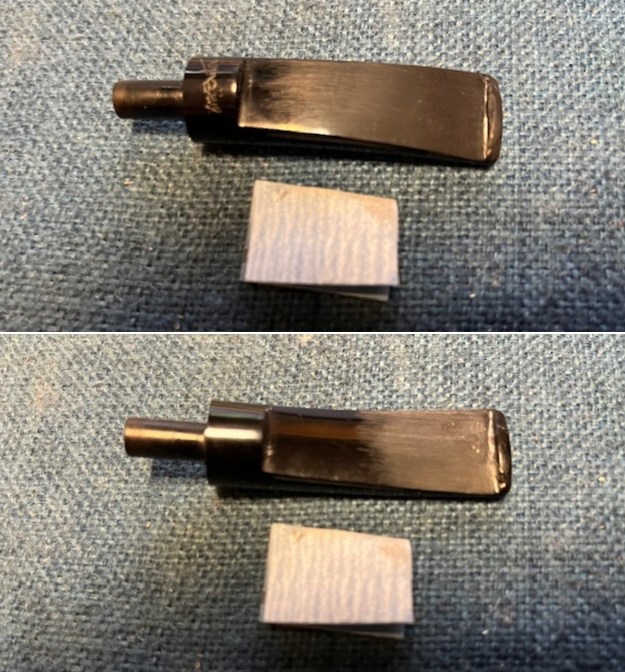
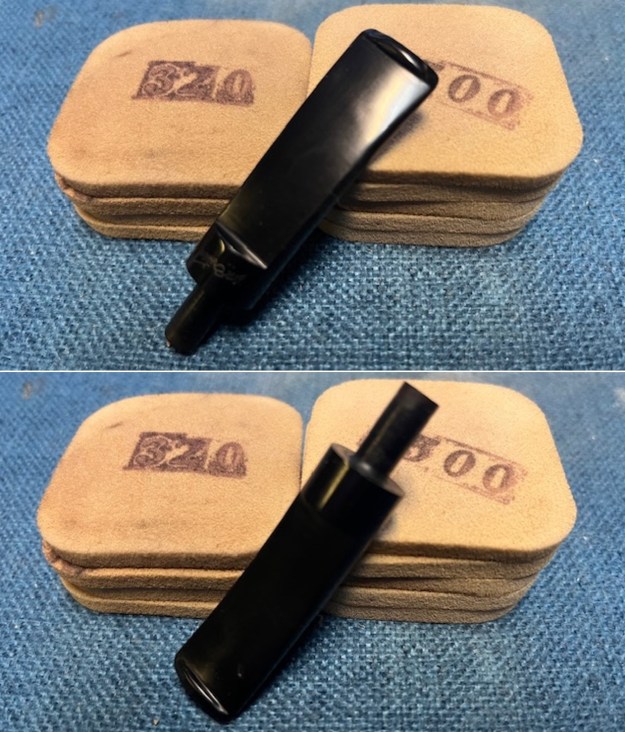
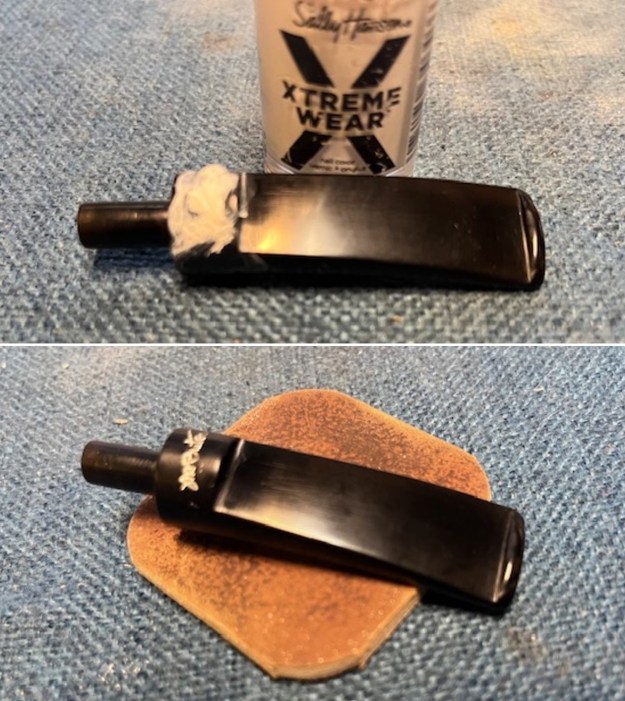
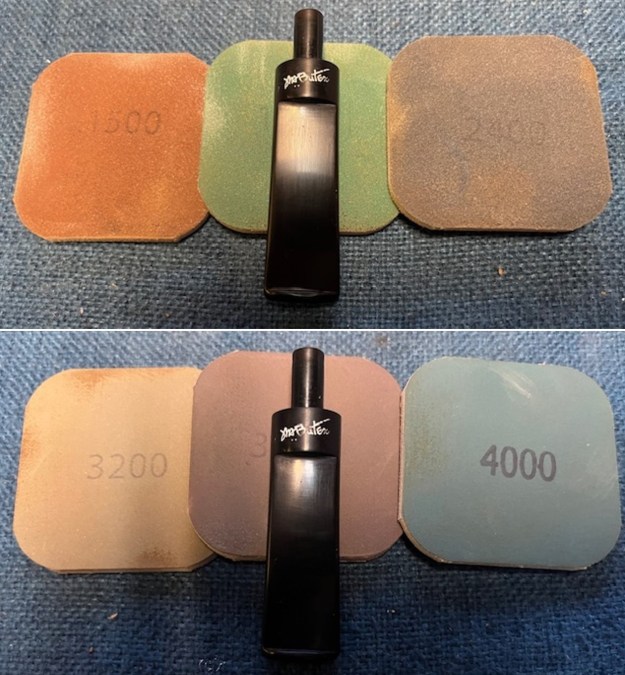
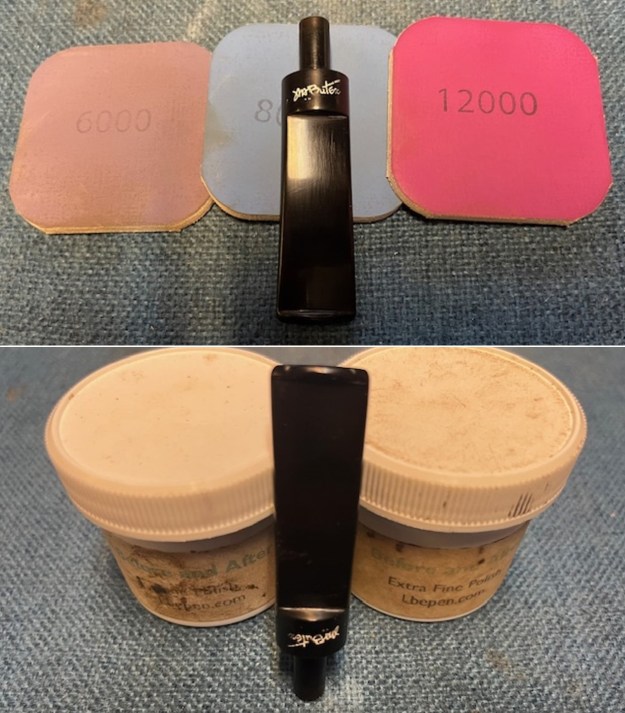
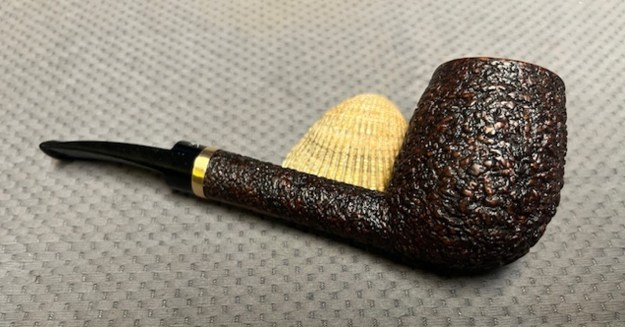
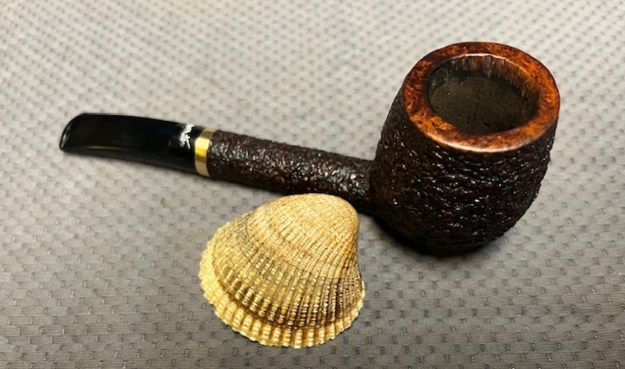
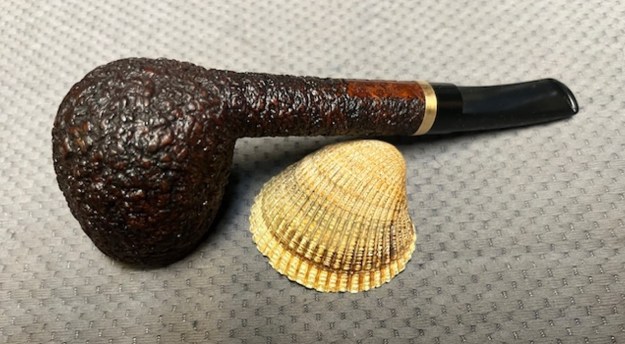
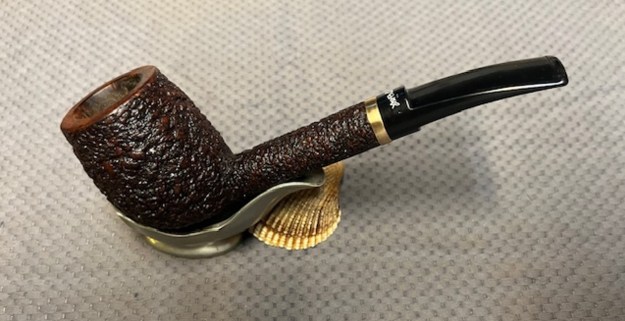
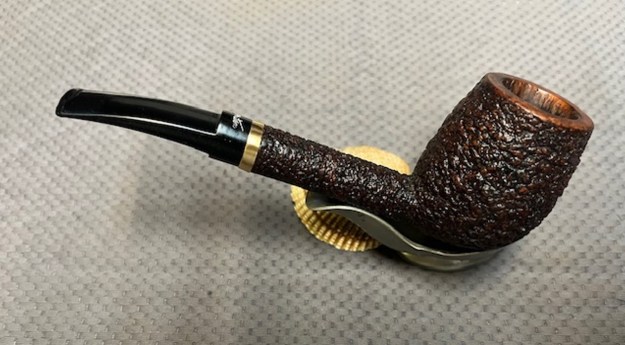
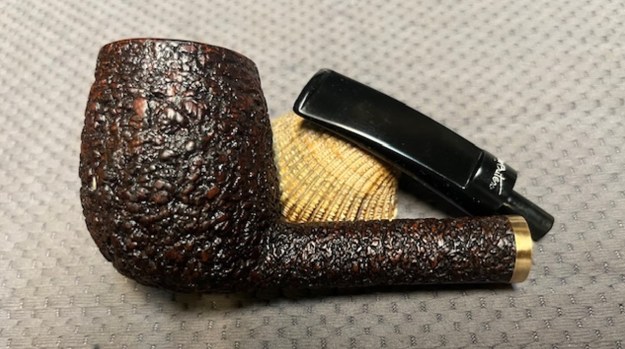
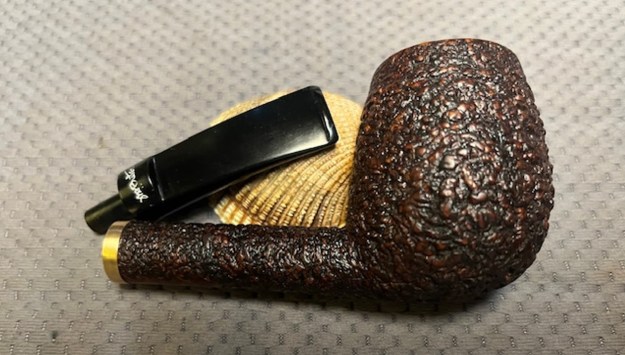
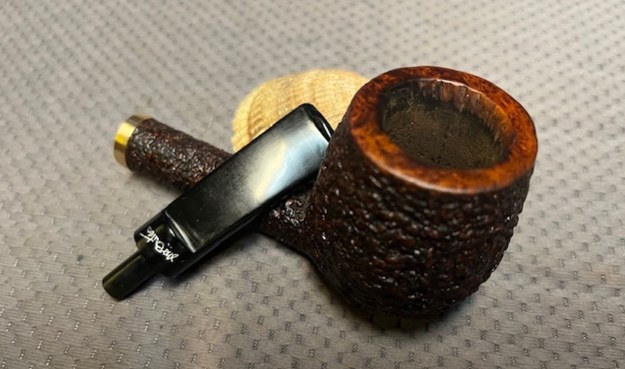
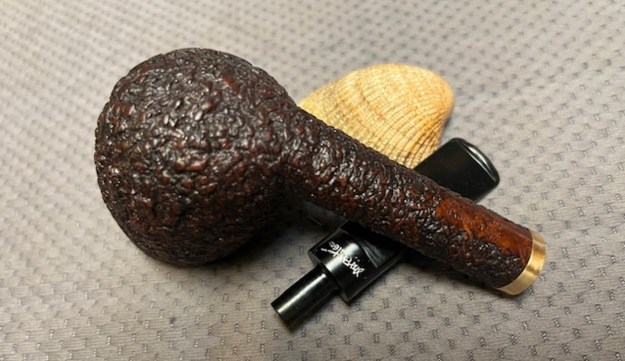
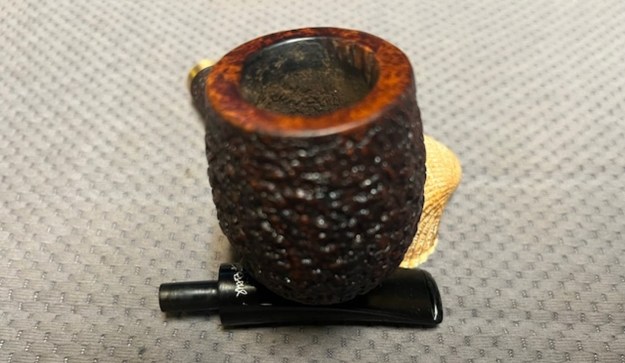
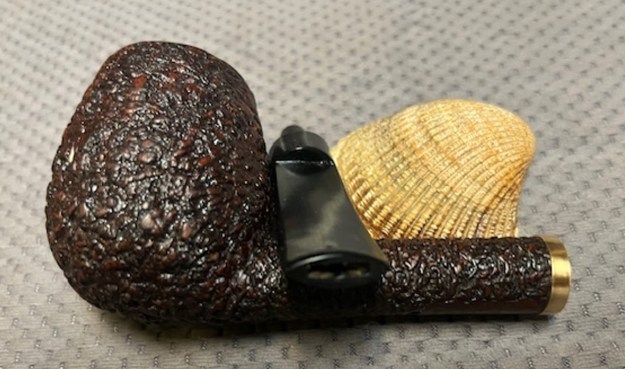
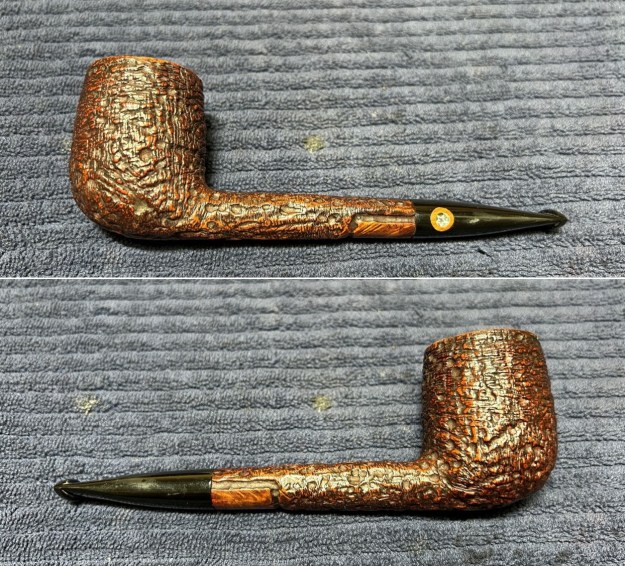
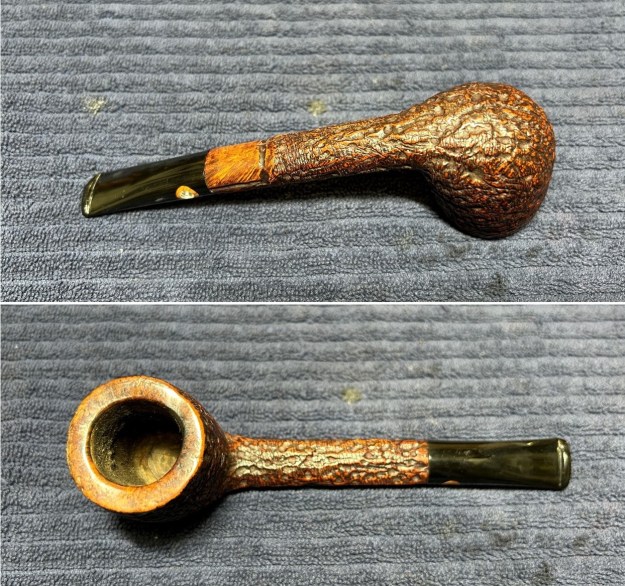
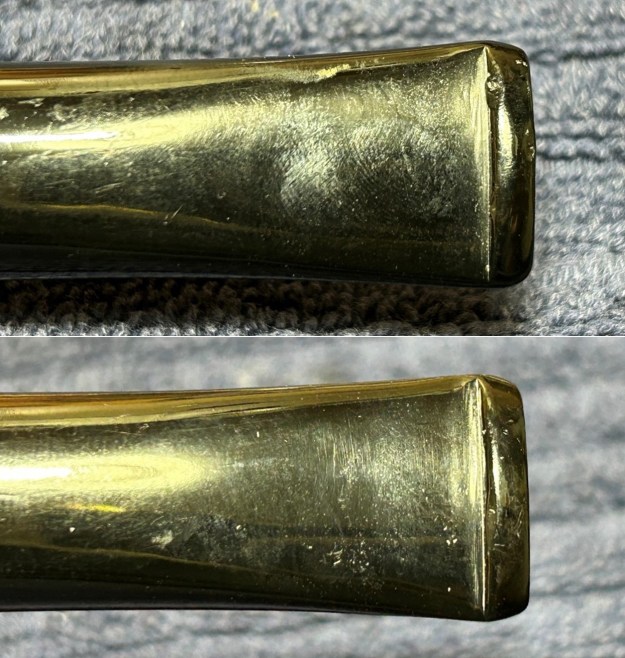
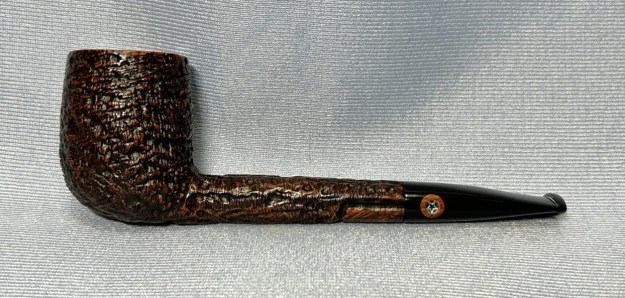
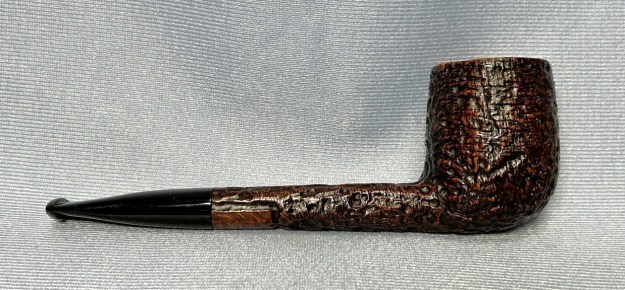
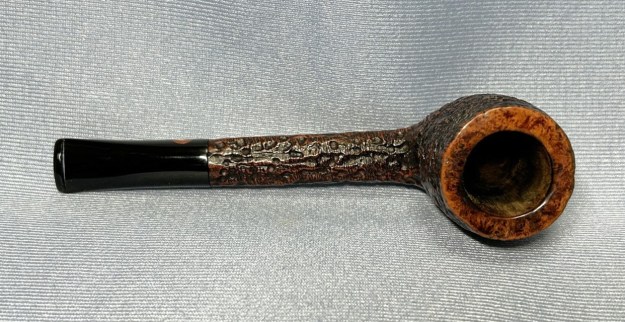
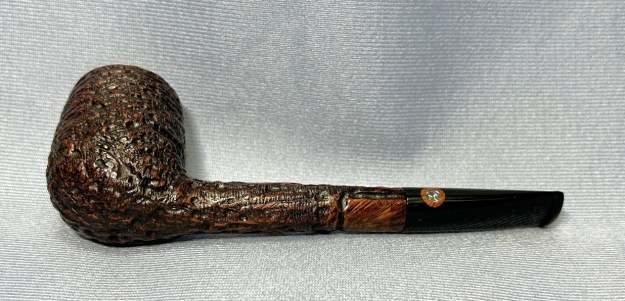
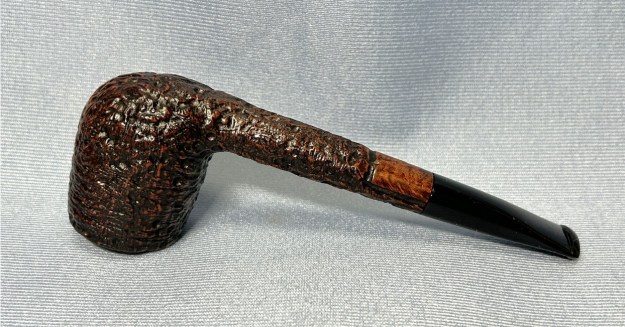
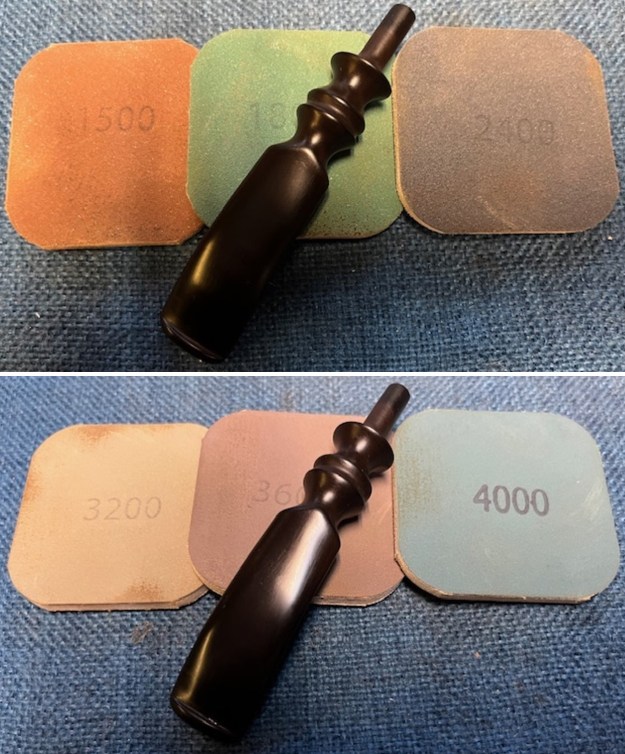
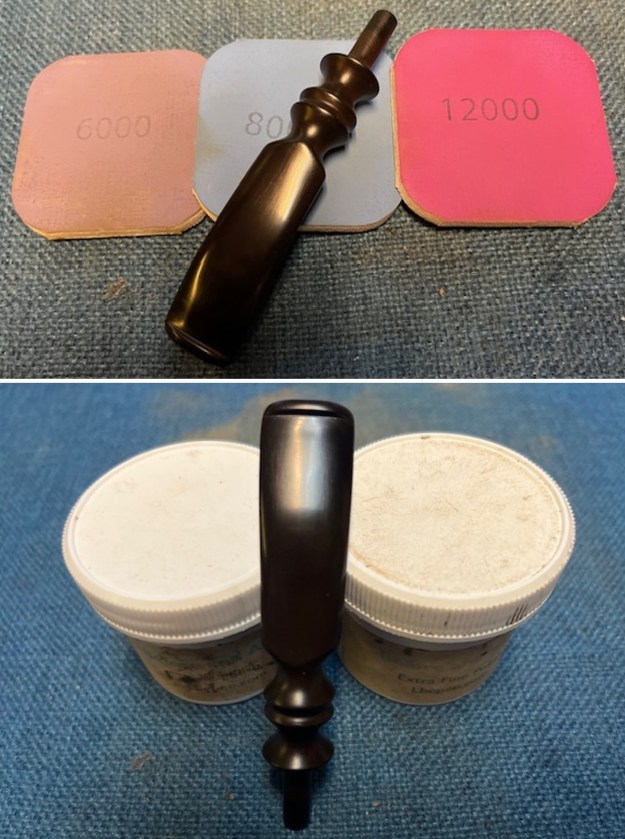
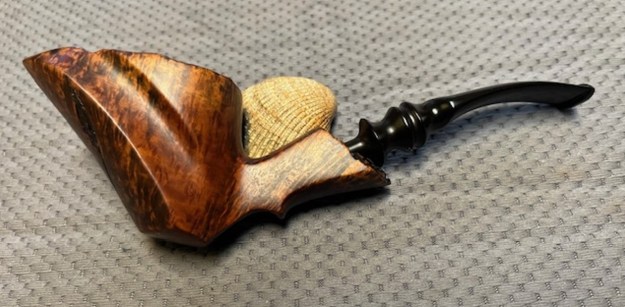
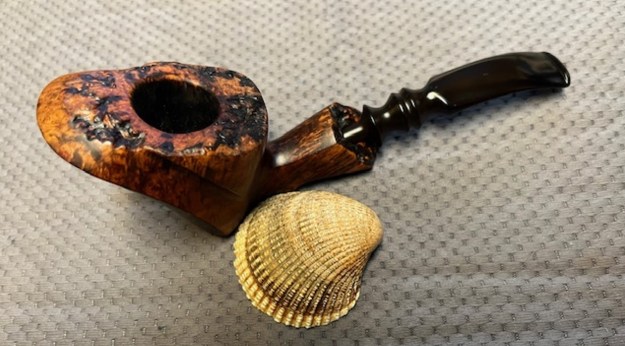
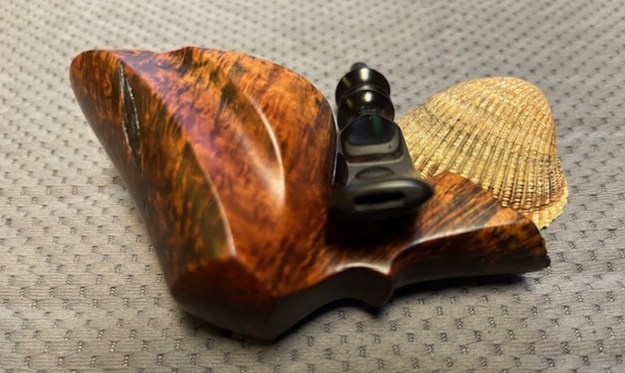
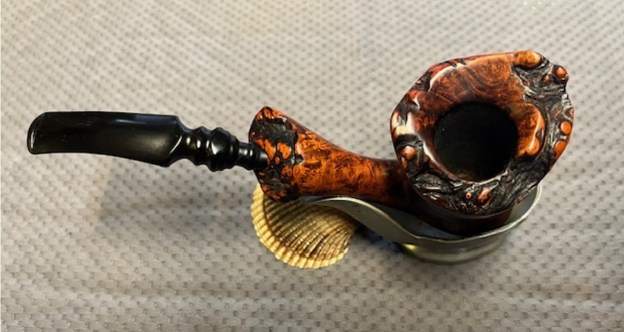
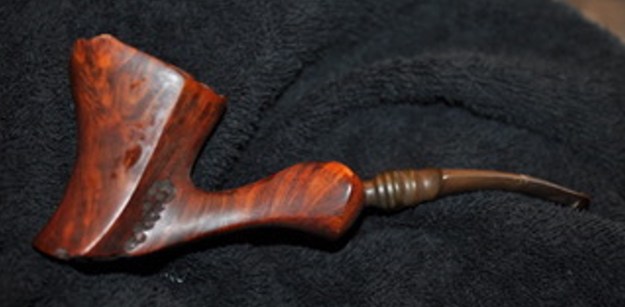
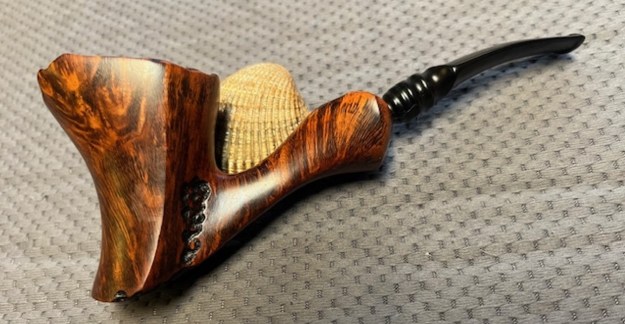
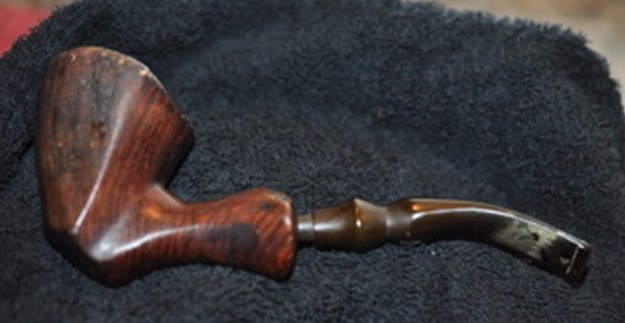
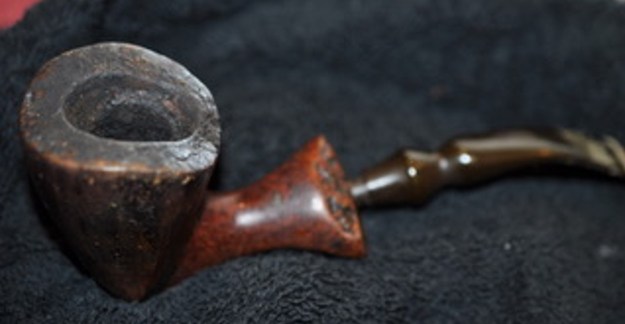
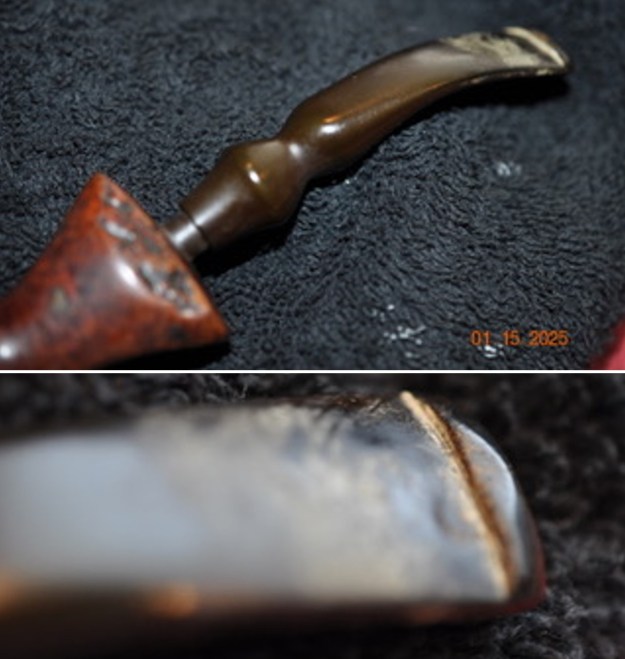
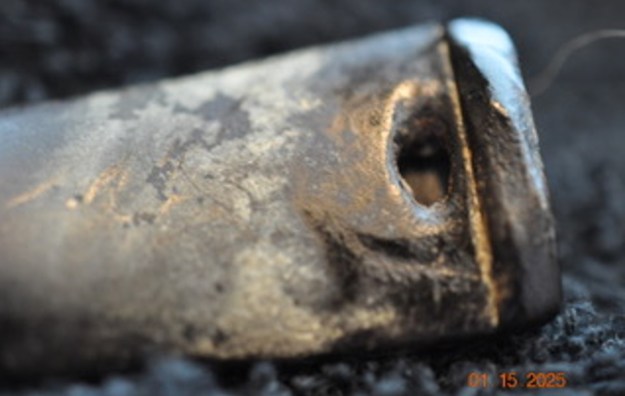
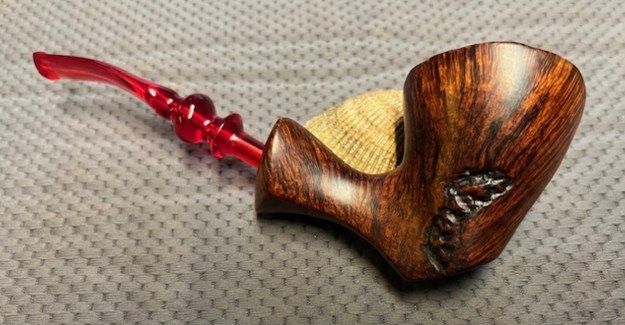
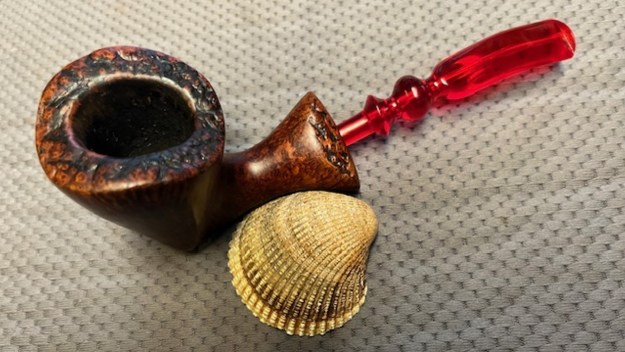
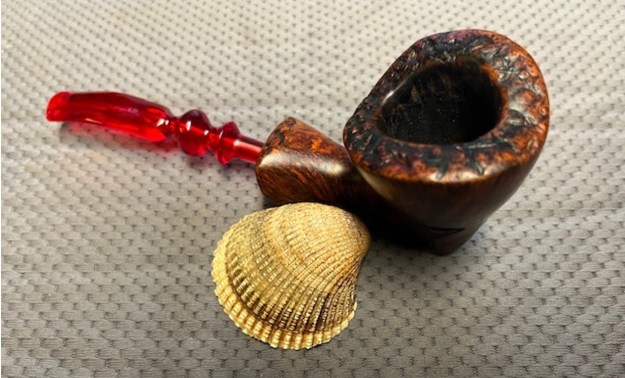
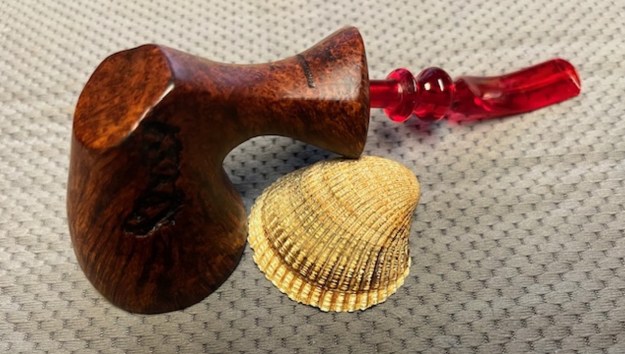
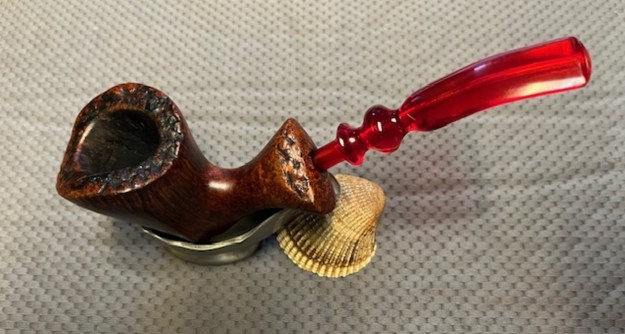
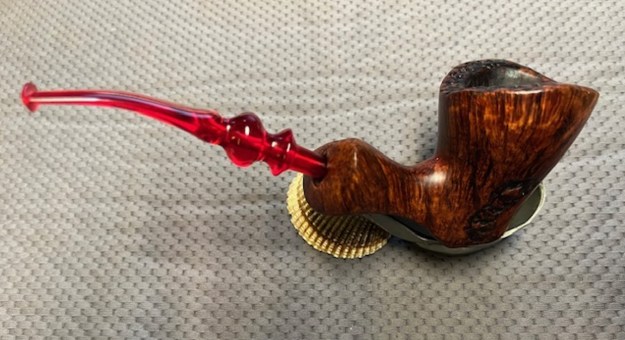
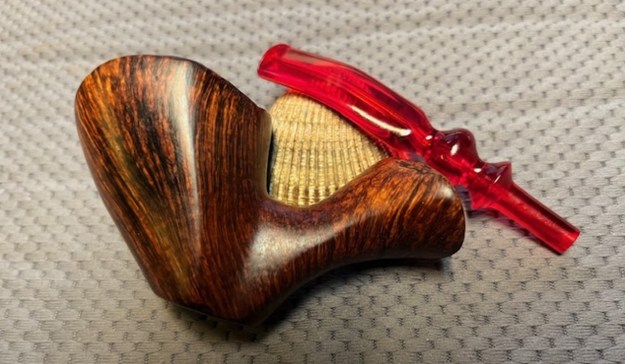
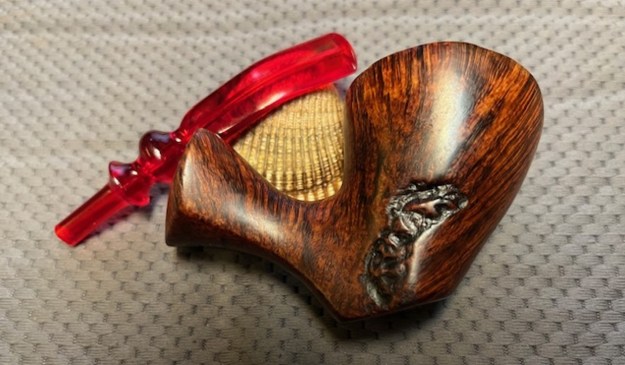
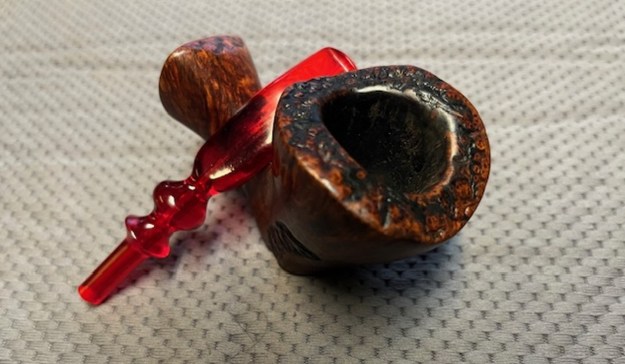
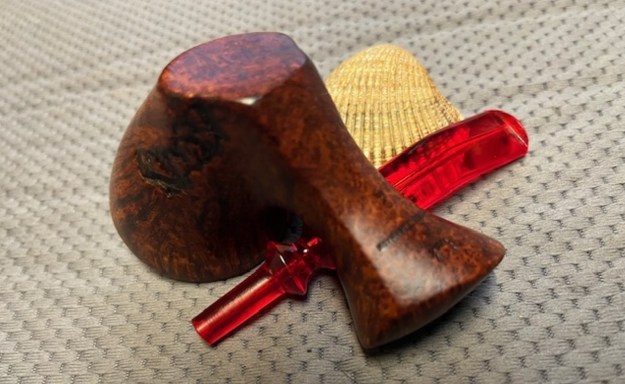
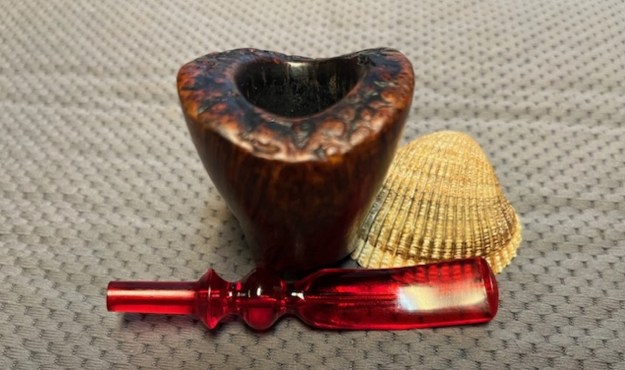
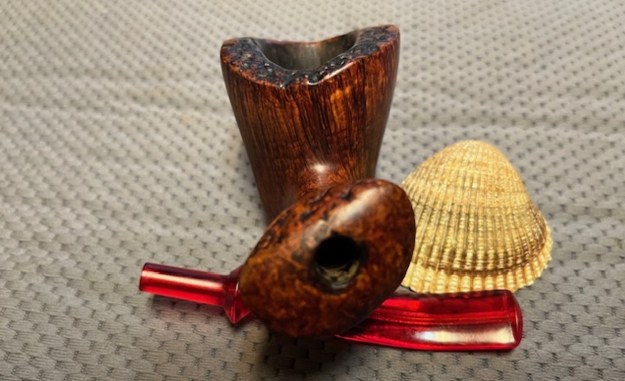
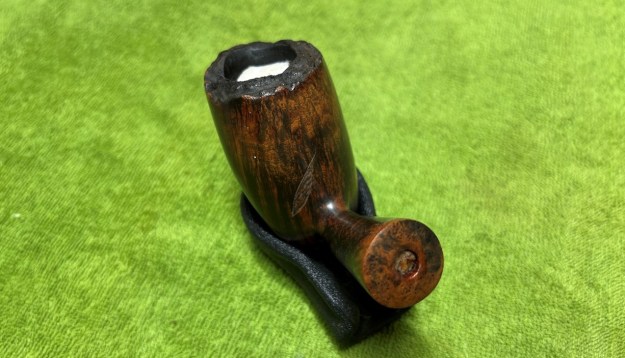
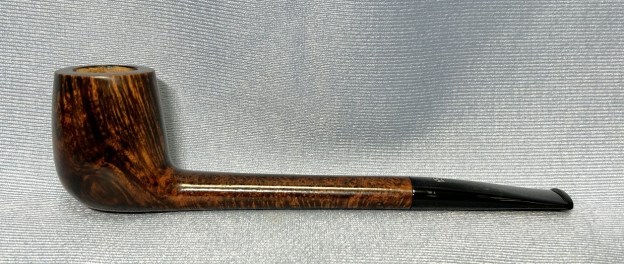
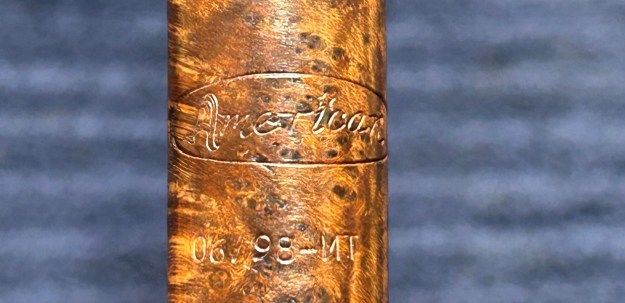
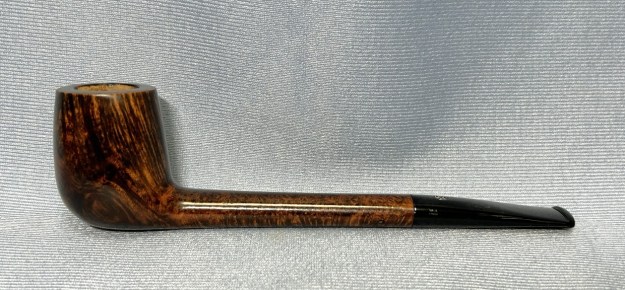
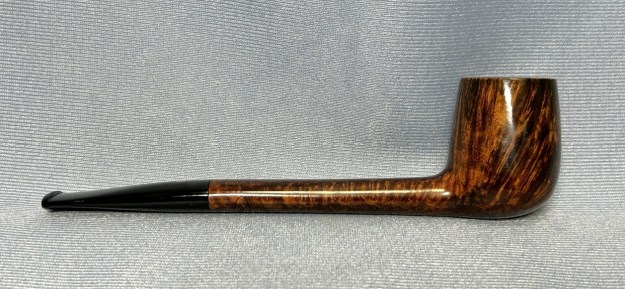
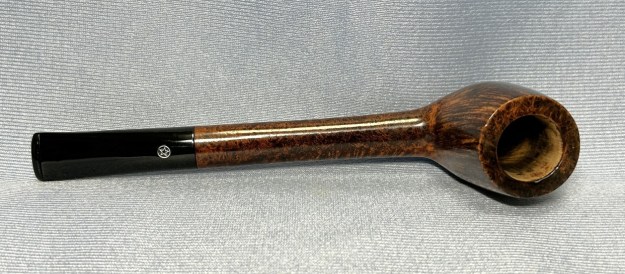
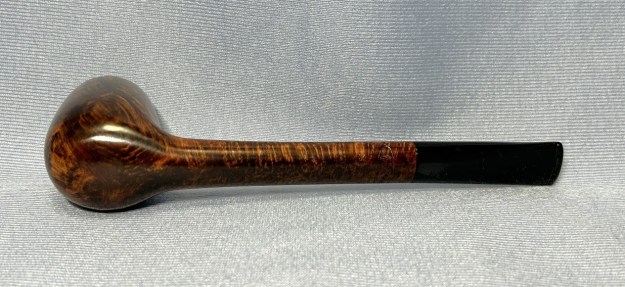
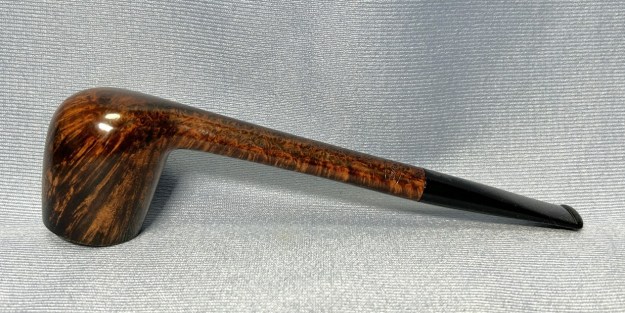
Recently, I was given the opportunity to purchase a small group of pipes by master pipemaker, Mark Tinsky. How could I say no? The answer, of course, is that I could not and I happily acquired them. There are some real beauties here and I am going to restore them all and then turn them over to you. Interestingly, all of the pipes are in the Canadian family of pipe shapes. I’m sure you’ll enjoy seeing them, and here is a link to the first one and the second one, in case you missed them. Let’s move on to the third pipe. This is a beautiful Canadian – well-proportioned bowl with a looooong, oval shank and a handsome taper stem made from acrylic. It’s even longer than the first two Tinsky pipes I worked on. It has a deep, rich brown colour to it and a lovely, smooth surface. There is a charming star logo on the top of the stem. Under the shank are the markings and they read: American [over] 06/98-MT. This tells us that the pipe was made in June 1998 by Mark Tinsky himself.As I’m sure you know, Mark Tinsky is one of the great names in American pipe making. He is best summed up in this quotation from Erwin Van Hove:
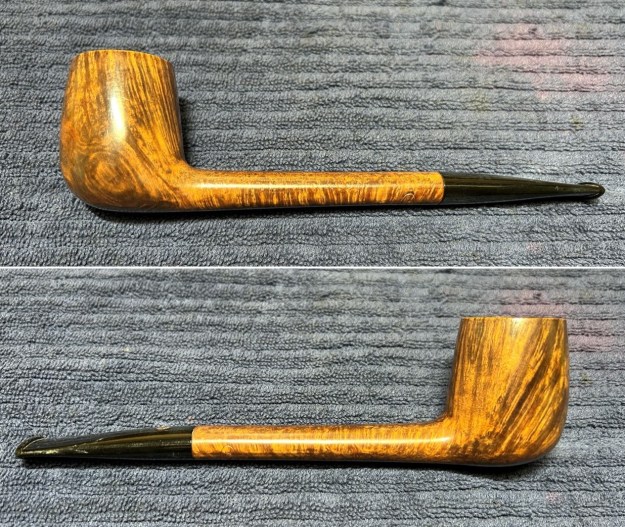
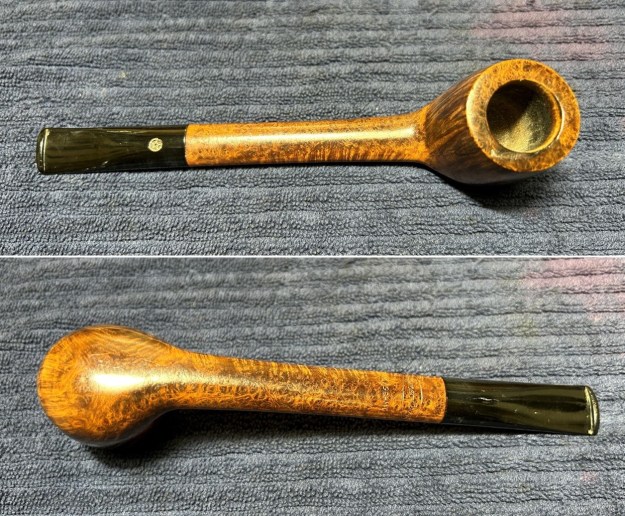
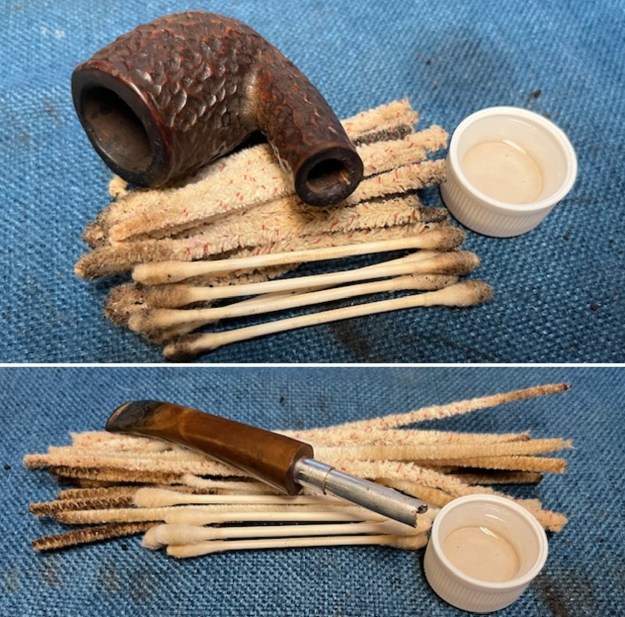
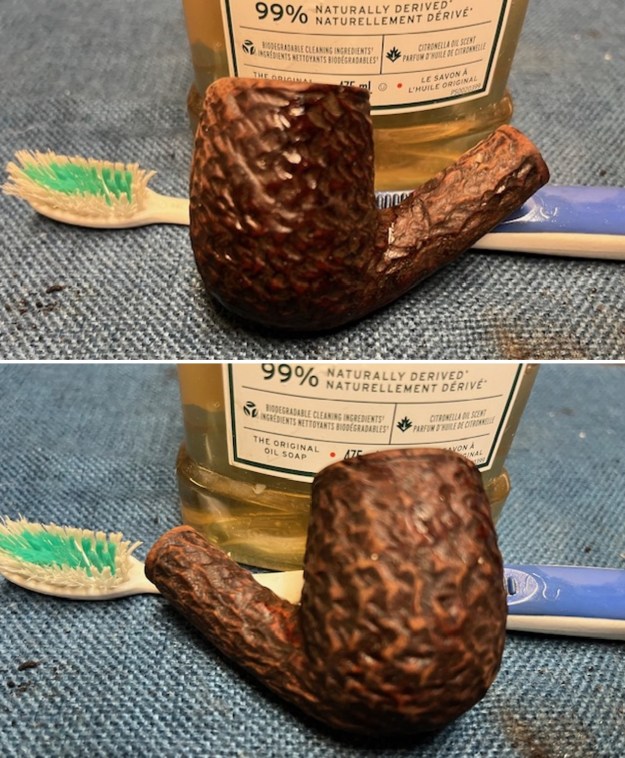
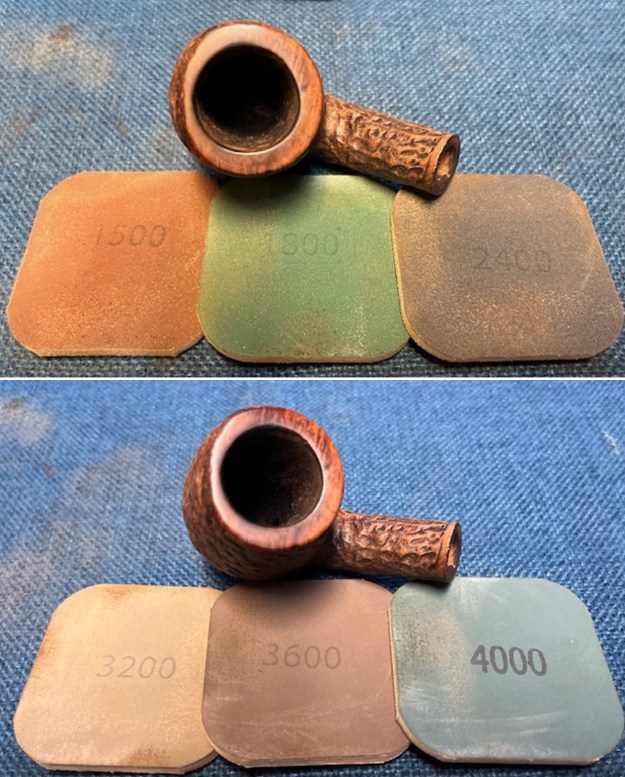
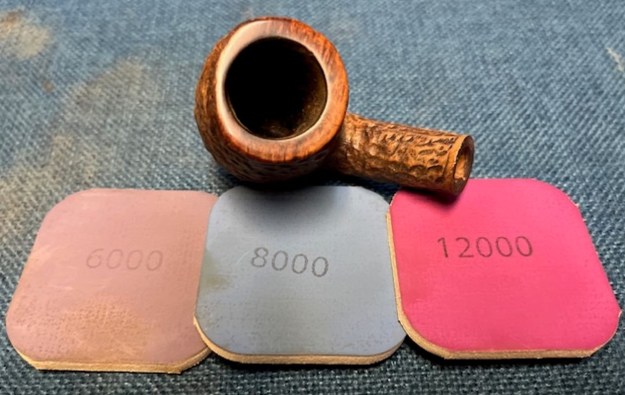
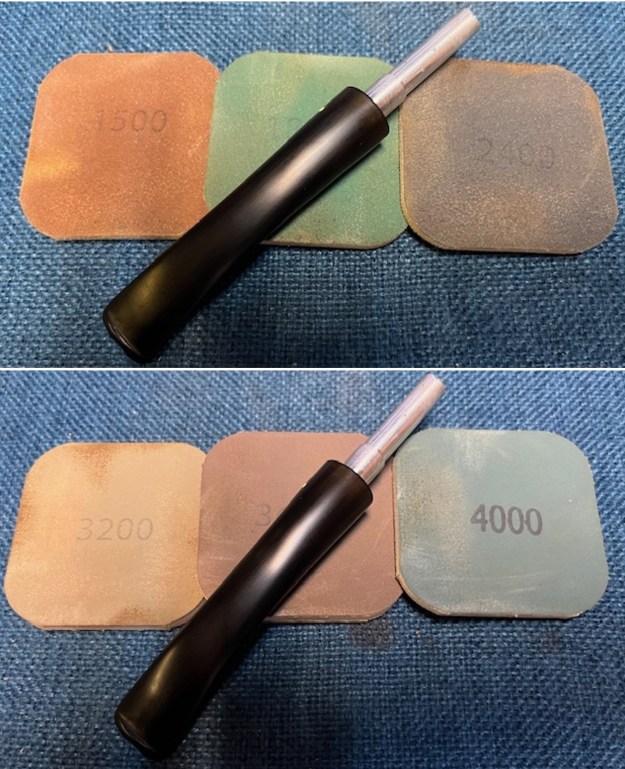
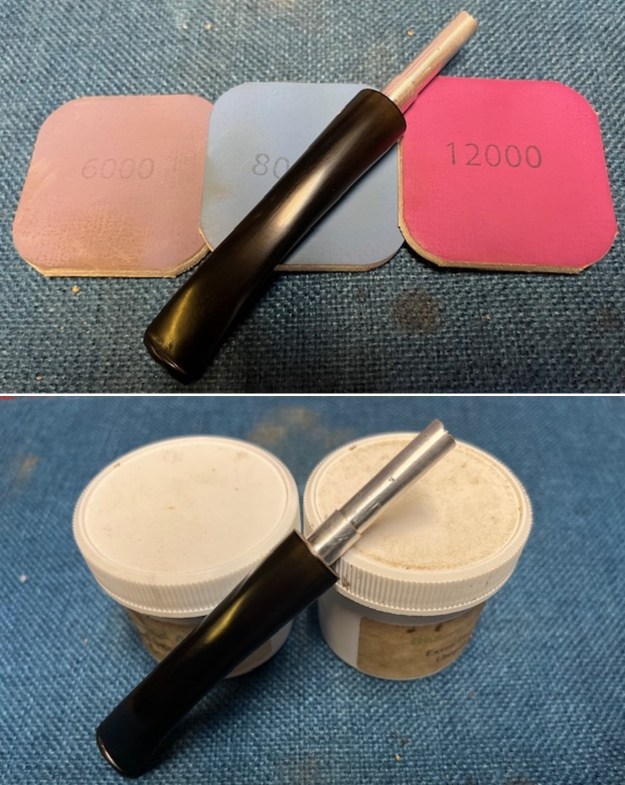
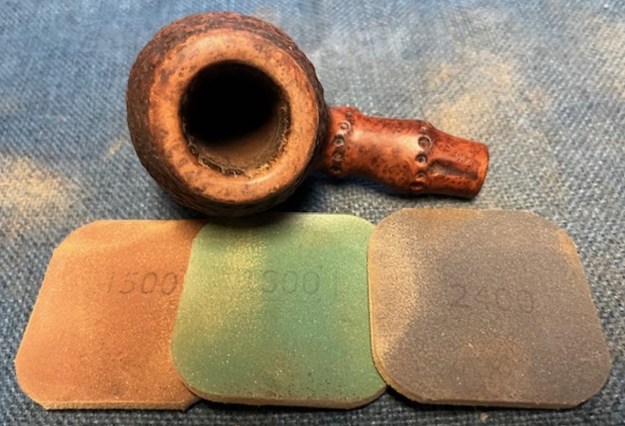
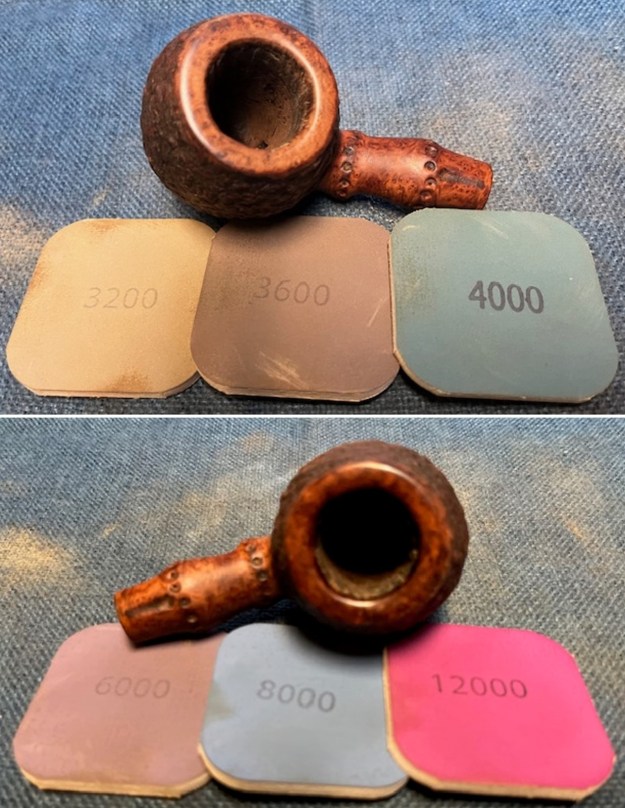
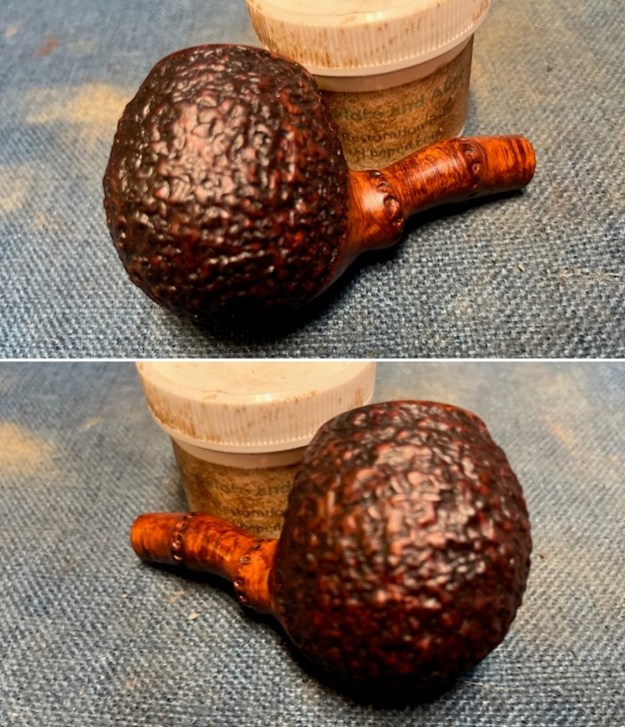
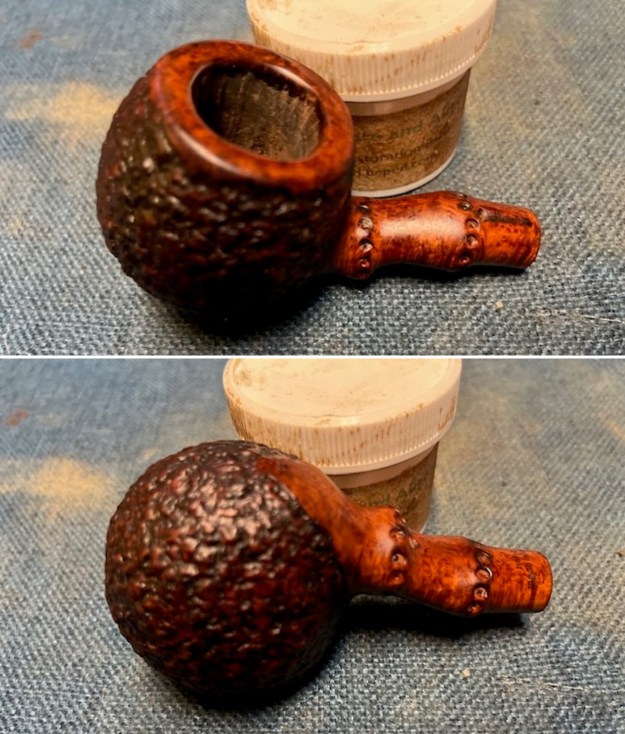
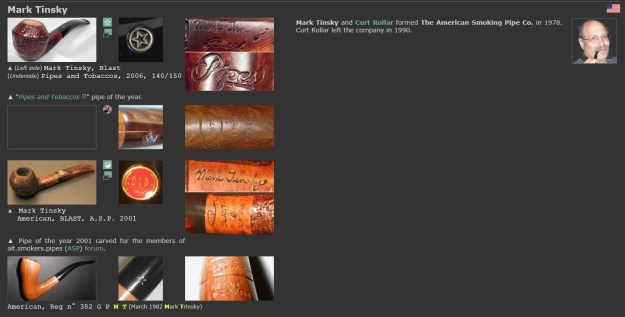
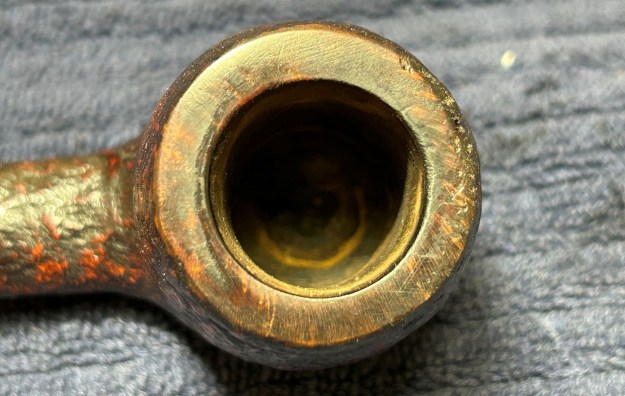
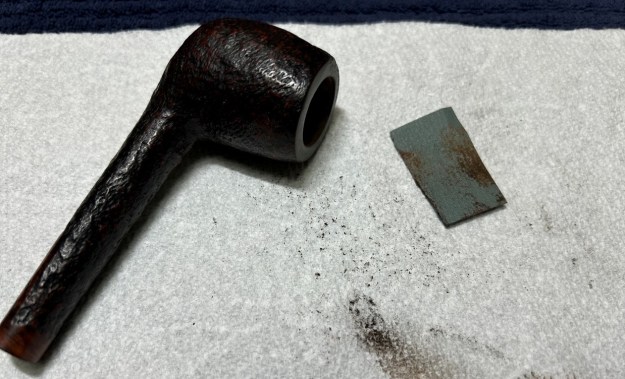
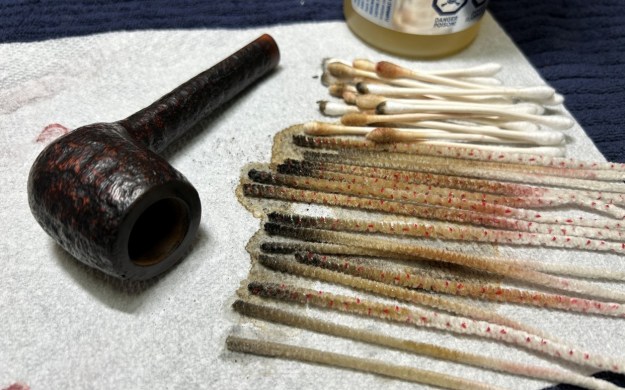
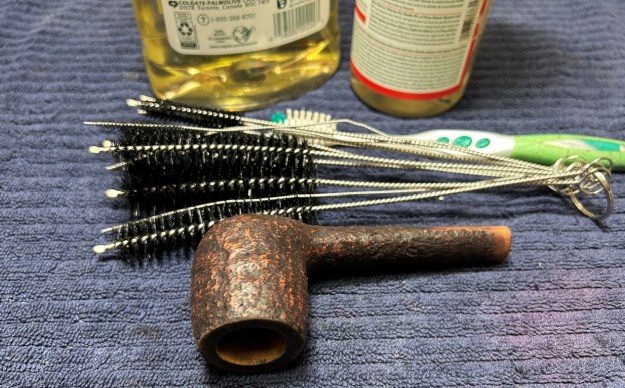
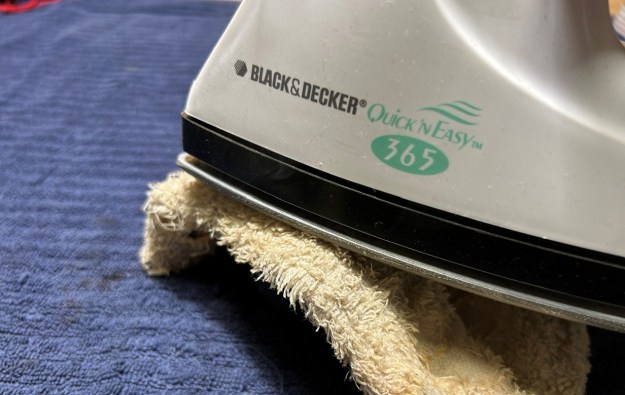
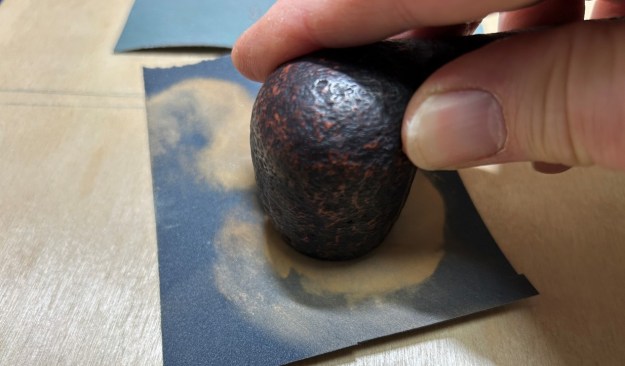
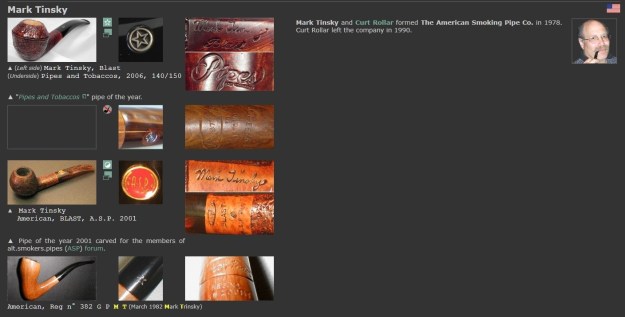
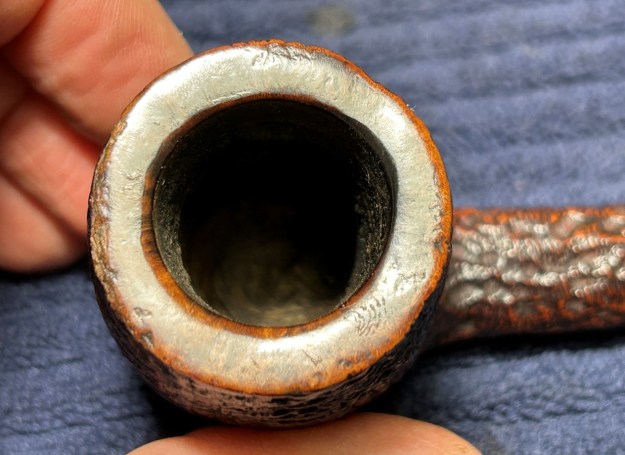
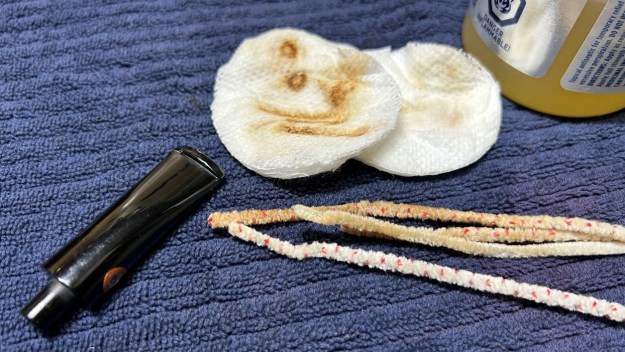
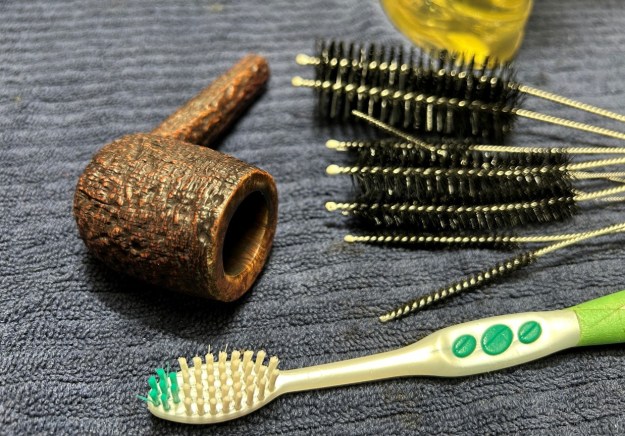
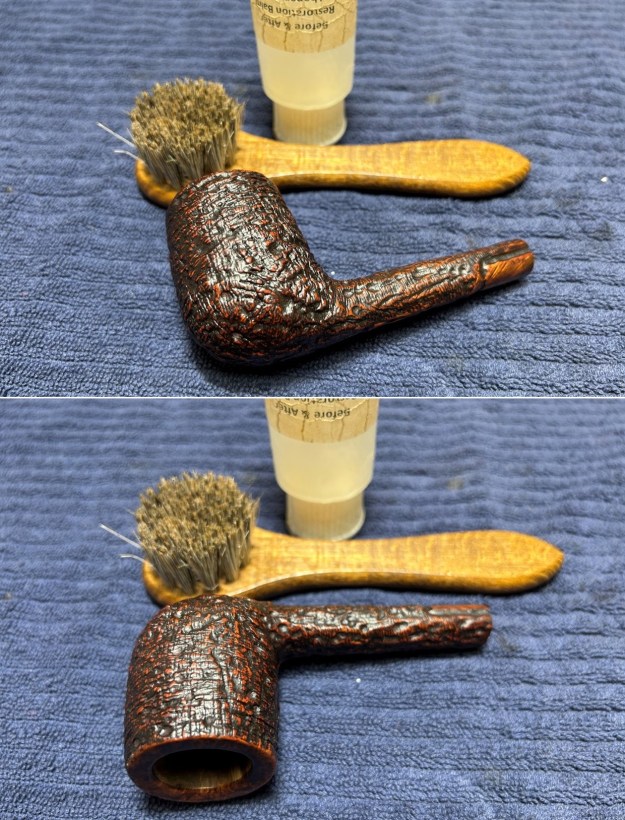
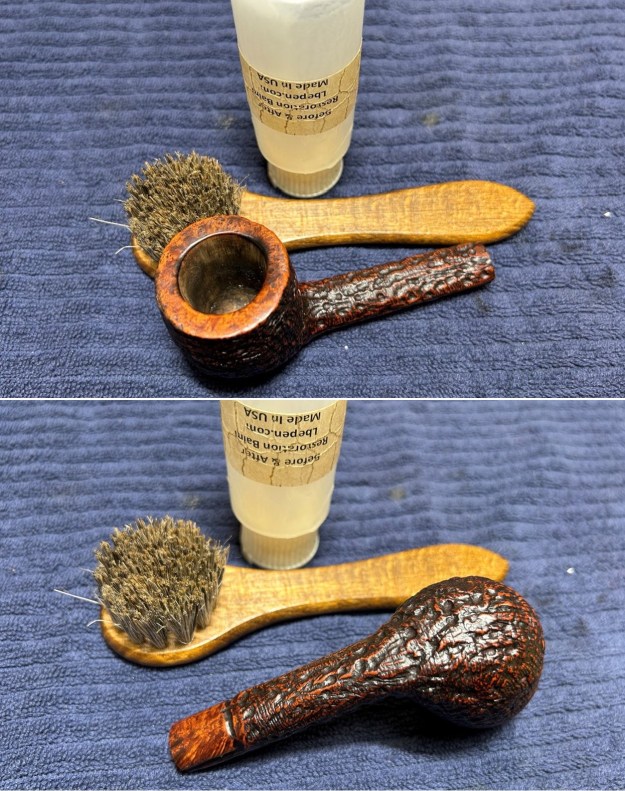
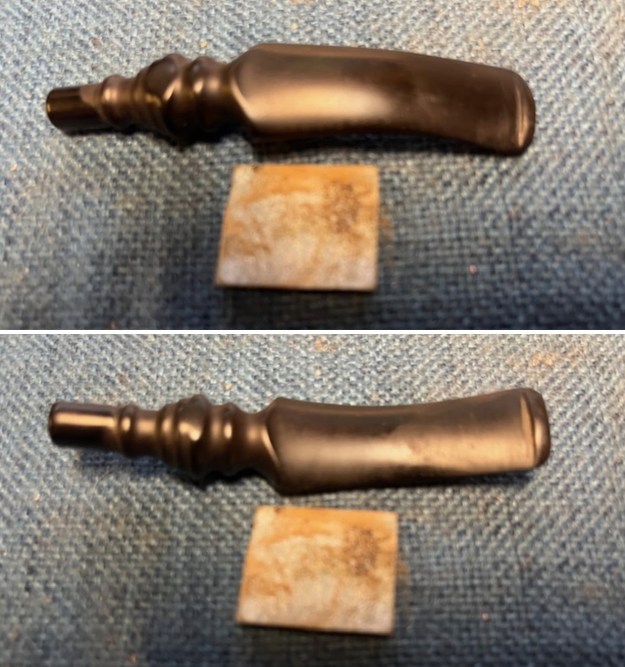
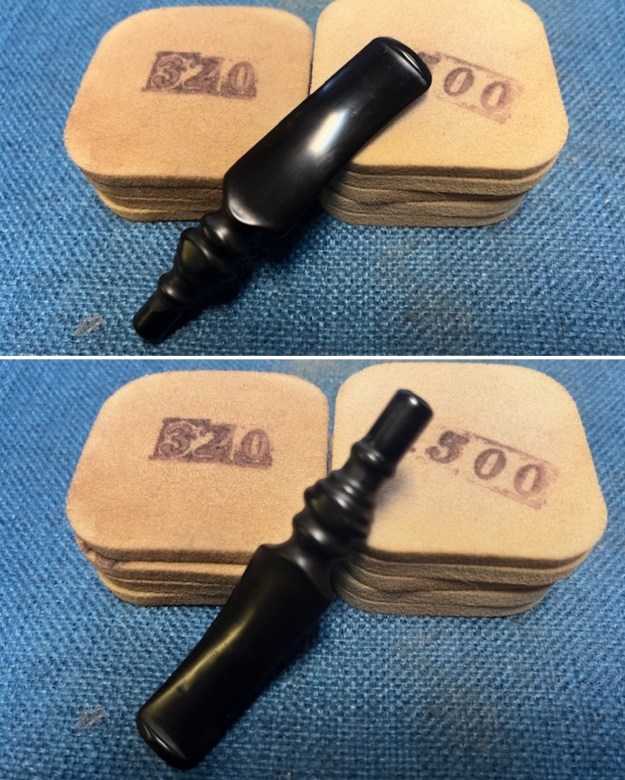
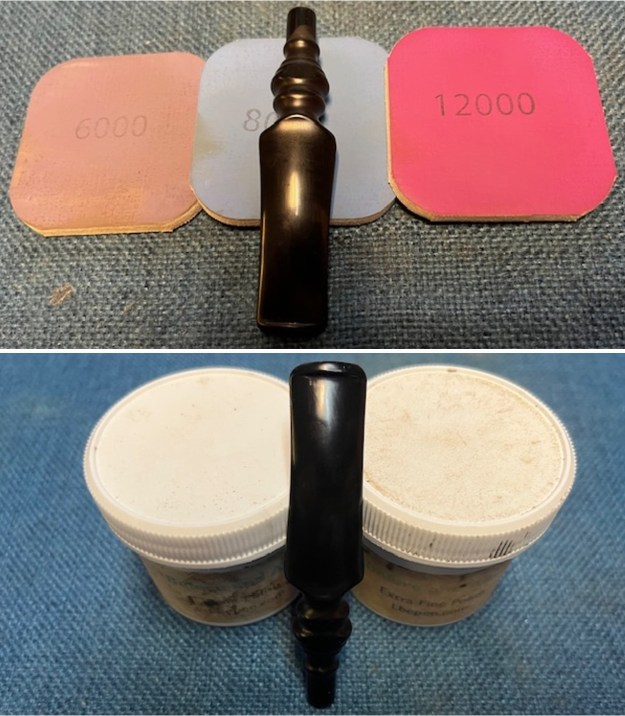
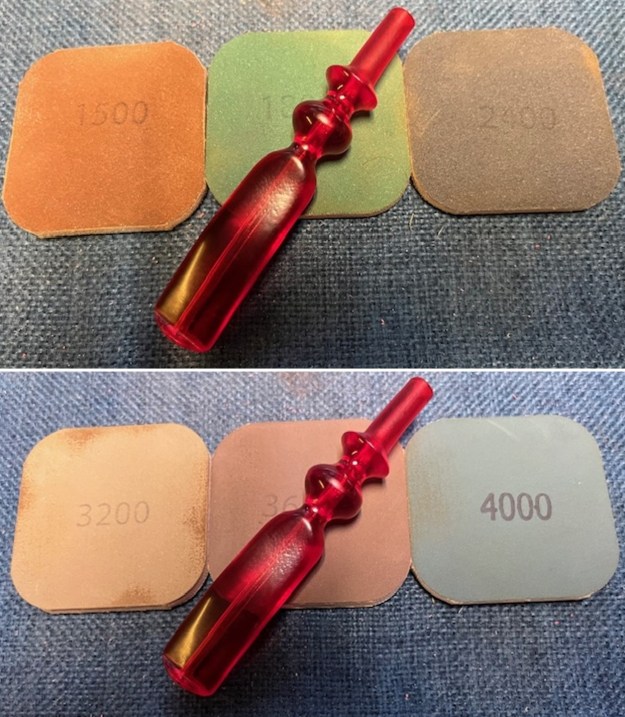
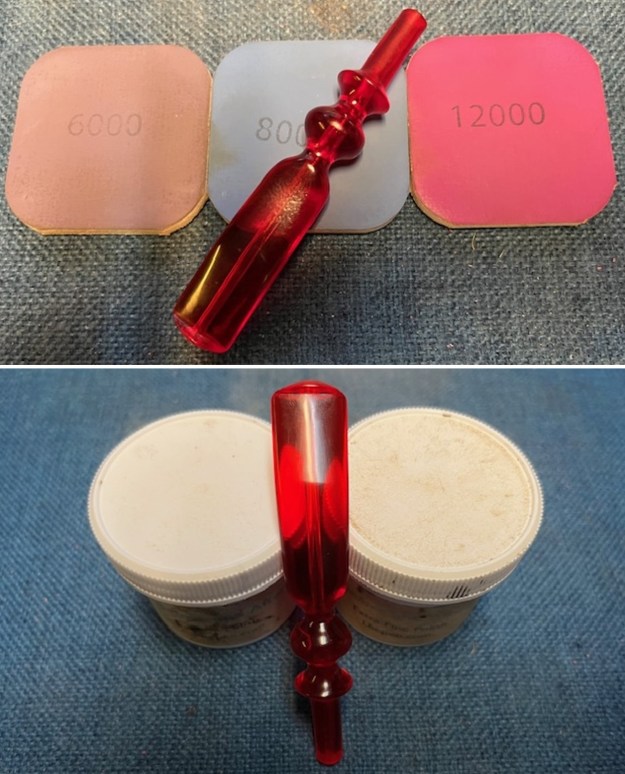
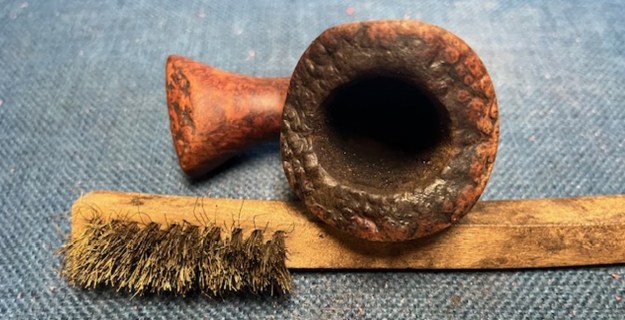
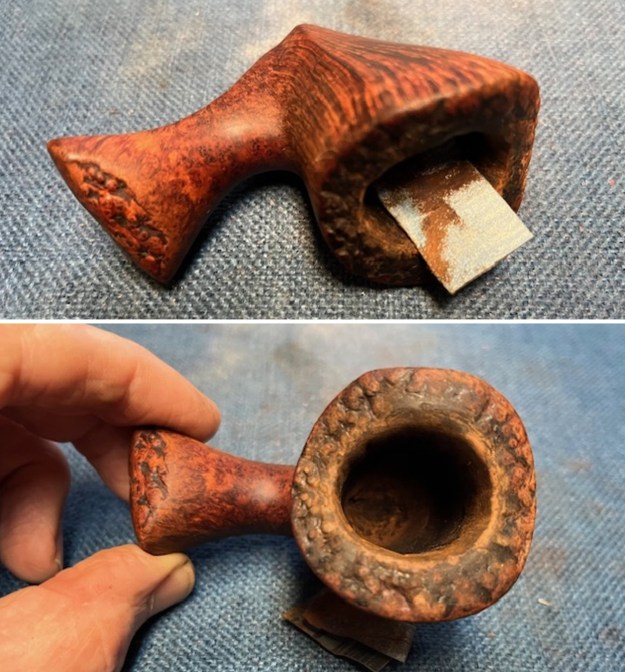
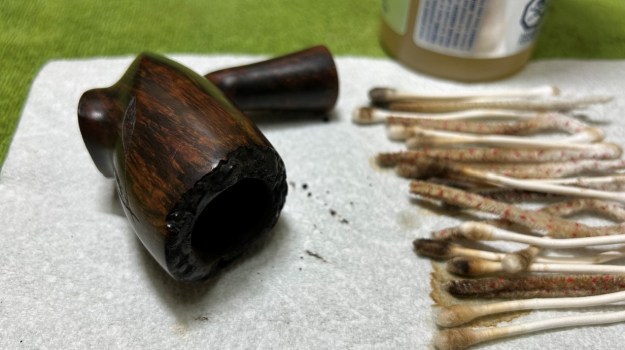
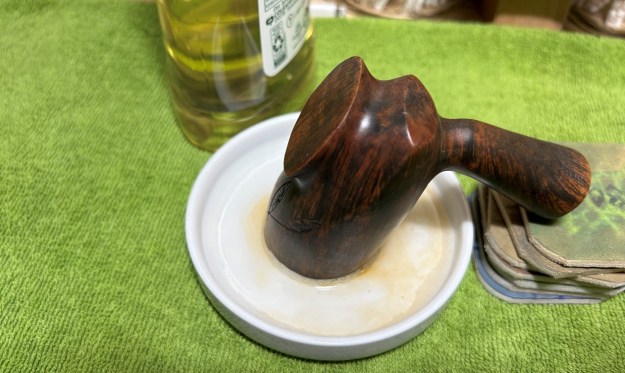
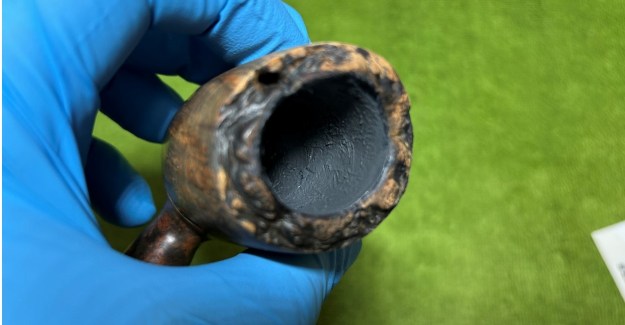
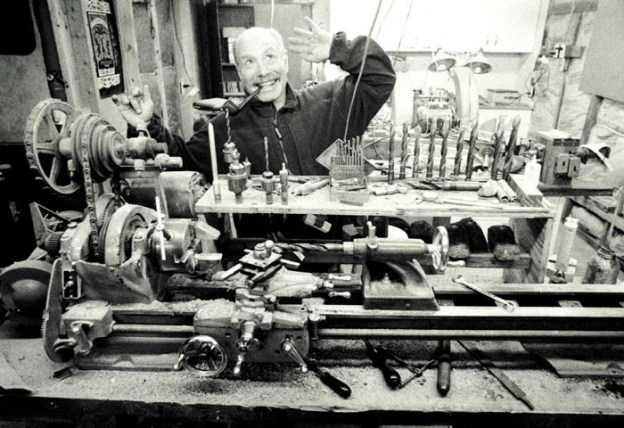
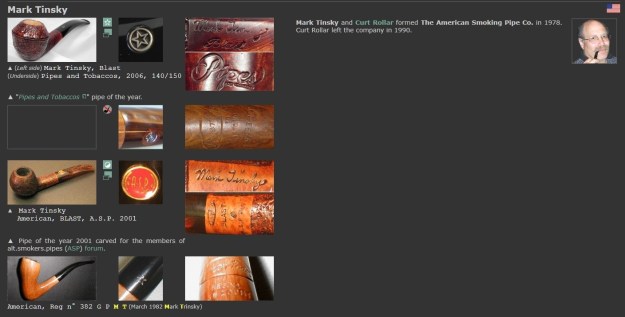
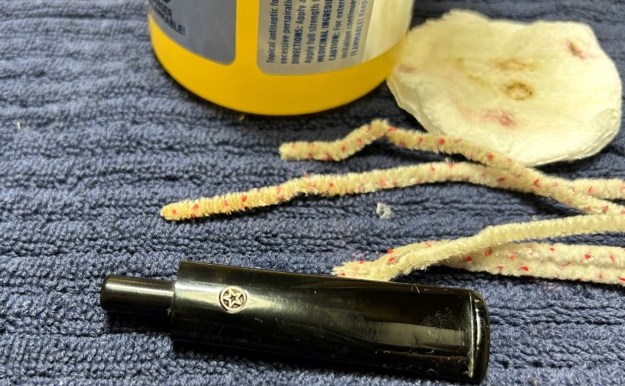
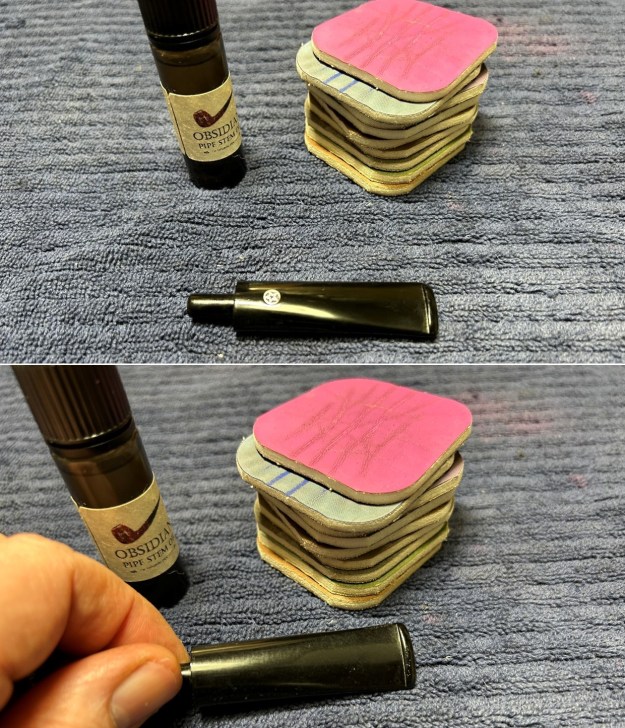
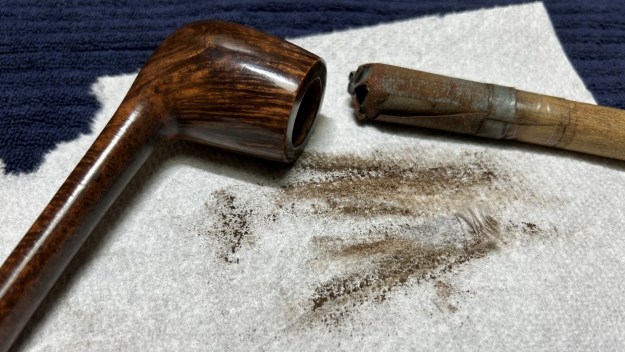
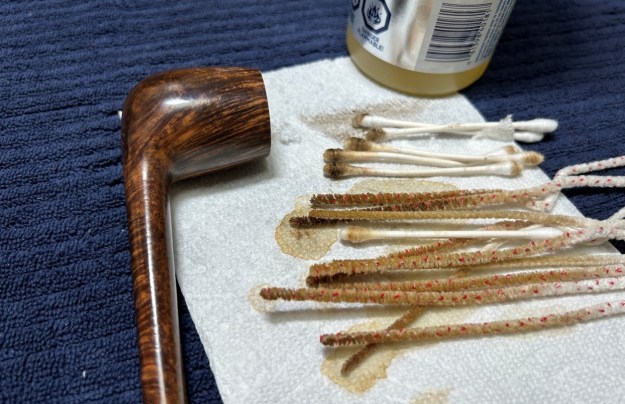
His more than reasonable prices, and his good-natured personality, have made Mark [Tinsky] the favorite of many Americans. It is difficult to find an amateur who does not possess at least one pipe made by the American Smoking Pipe Company, that Tinsky founded in 1978 with his friend Curt Rollar. In 1990, after the departure of his associate, Tinsky continued on by himself building a solid reputation using quality briar from Greece and stem blanks imported from Italy, offering collectors a vast assortment of models and finishes. In short, his pipes are beautiful and well-made pieces that produce a taste beyond reproach. Neither off-the-shelf nor haute couture, they are solid hand mades for an affordable price.There is a wonderful and extensive article on Tinsky, Rollar, and the American Smoking Pipe Company at Pipedia. I highly recommend reading it here. You can also visit his website: http://www.amsmoke.com/. There’s also a small blurb about him at Pipephil:This pipe was in generally very nice shape – there were a few nicks on the rim – but that didn’t require too much work. The stem was also in good shape – only very light wear.I used oil soap on a few cotton rounds and wiped down the stem to provide an initial cleaning before moving on to the next steps. The primary cleaning came next. I disinfected the inside of the stem with both pipe cleaners and cotton swabs dipped in lemon-infused 99% isopropyl alcohol. I scrubbed thoroughly to make sure the interior was very clean.Following that, I used all nine of the micromesh sanding pads (1,500 through 12,000 grit) to sand out flaws, even out the acrylic, and provide gentle polishing of the finished surface. I also applied pipe-stem oil while using the last five micromesh pads. There was a wonderful, deep black shine to the stem when I was done.I moved straight on to the stummel. The first step was to ream out the bowl – that is to say, remove all the cake inside the bowl. This accomplished a couple of things. First (and most obviously), it cleaned the bowl and provided a refurbished chamber for future smoking. Second, when the old cake was removed, I could inspect the interior walls of the bowl and determine if there was damage or not. I used a piece of sandpaper taped to a wooden dowel. This ensured that the debris was removed – and it was very clean inside.I then cleaned the stummel with both pipe cleaners and cotton swabs dipped in lemon-infused 99% isopropyl alcohol. It took quite a bit of cotton to get clean.To tidy up the briar, I also wiped down the outside with some oil soap on cotton rounds and used a toothbrush in the crevices. This did a good job of cleaning any latent dirt on the surface of the briar. The last step of the cleaning process was to scour the inside of the stummel with some soap and tube brushes. This was the culmination of a lot of hard work in getting the pipe clean.Having completed that, I was able to address the nicks on the rim. I dug out my iron and a damp cotton flannel cloth. By laying the cloth over the affected areas and applying the iron to it, the hot and moist steam can cause the wood to swell slightly and return to shape. This worked superbly well.I used all nine micromesh pads (1,500 through 12,000 grit) to sand the whole stummel. This sanding minimizes flaws in the briar and provides a beautiful smoothness to the wood. I rubbed some LBE Before & After Restoration Balm into the briar and let it sit for 30 minutes or so. The balm moisturizes the wood and gives a beautiful depth to the briar. I then buffed the stummel with a microfibre cloth. For the final step, I took the pipe to my bench polisher and carefully buffed it – first with a blue diamond compound, then with three coats of carnauba wax. This procedure makes the pipe look its best – the stummel sings and the stem glows.
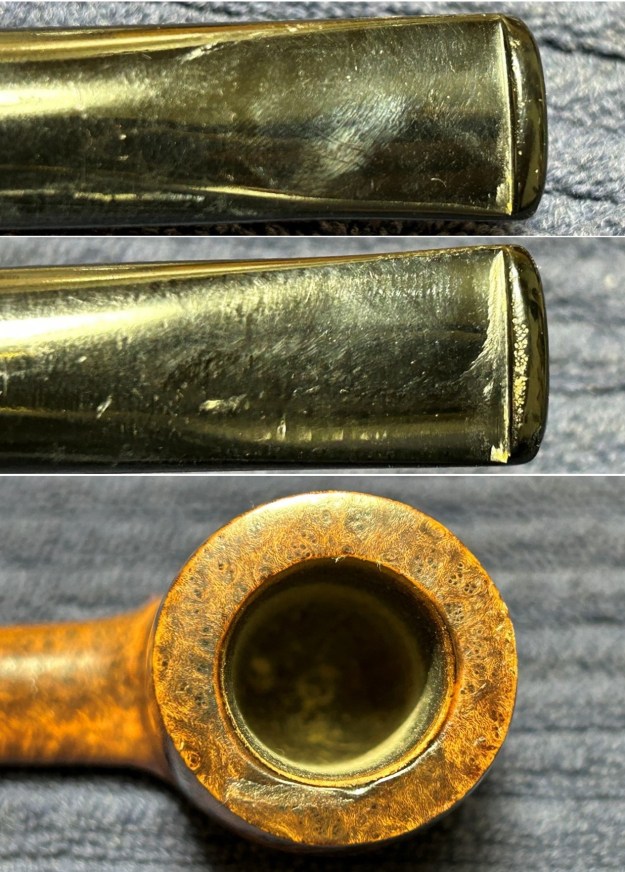
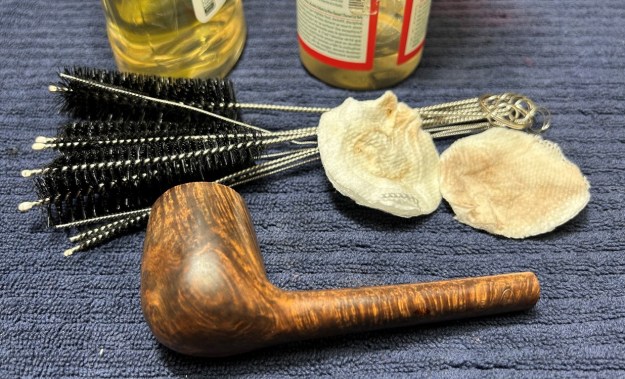
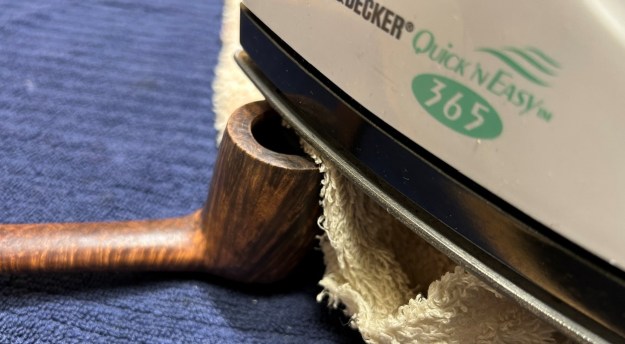
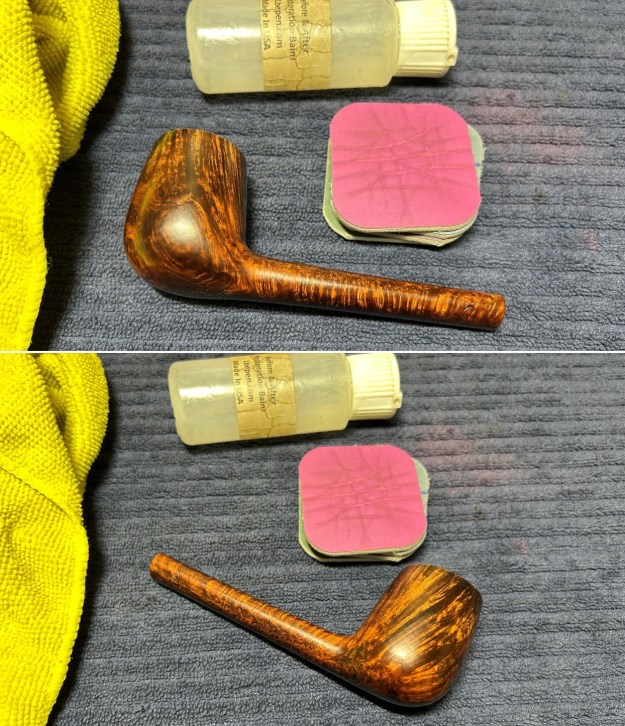
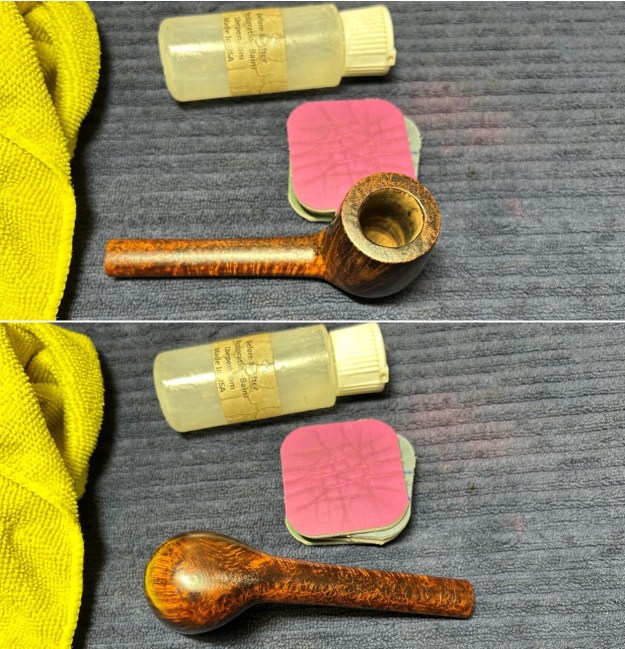
All done! This Mark Tinsky 06-98 smooth Canadian looks fantastic again and is ready to be enjoyed by its next owner. I am pleased to announce that this pipe is for sale! If you are interested in acquiring it for your collection, please have a look in the ‘American’ section of the store here on Steve’s website. You can also email me directly at kenneth@knightsofthepipe.com. The approximate dimensions of the pipe are as follows: length 7 in. (178 mm); height 1⅞ in. (49 mm); bowl diameter 1½ in. (38 mm); chamber diameter ¾ in. (20 mm). The weight of the pipe is 1¾ oz. (51 g). I hope you enjoyed reading the story of this pipe’s restoration as much as I enjoyed restoring it. If you are interested in more of my work, please follow me here on Steve’s website or send me an email. Thank you very much for reading and, as always, I welcome and encourage your comments.
Clearing and Restoring a Clogged Brigham Made in Canada Bent Billiard


by Steve Laug

The next pipe on the table was one that the local pipe shop contacted me about repairing. I have included the email from the shop regarding this pipe. I quote:

Good evening Steve! Hope all is well. I’ve got yet another pipe here in need of your expertise! It’s a beautiful hundred year old (according to our client) Brigham 3 dot with something stuck in the stem. I included a few photos showing the issue and some of the more unique features of the pipe. If you’re available in the next little while, would it be possible to drop by? Cheers, Joe.

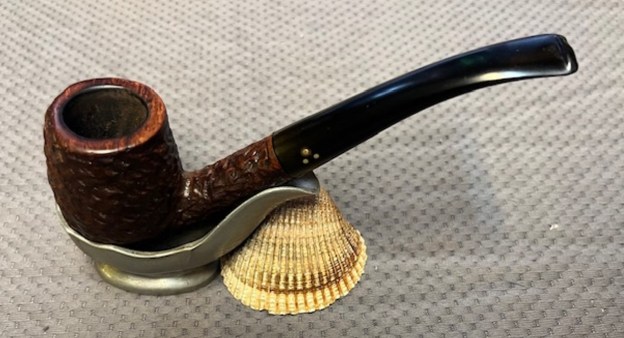
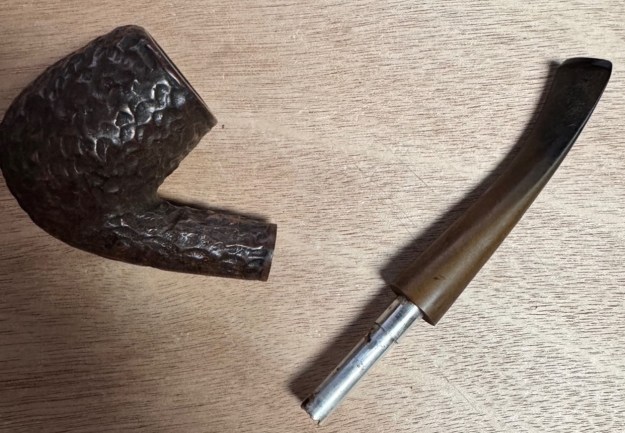
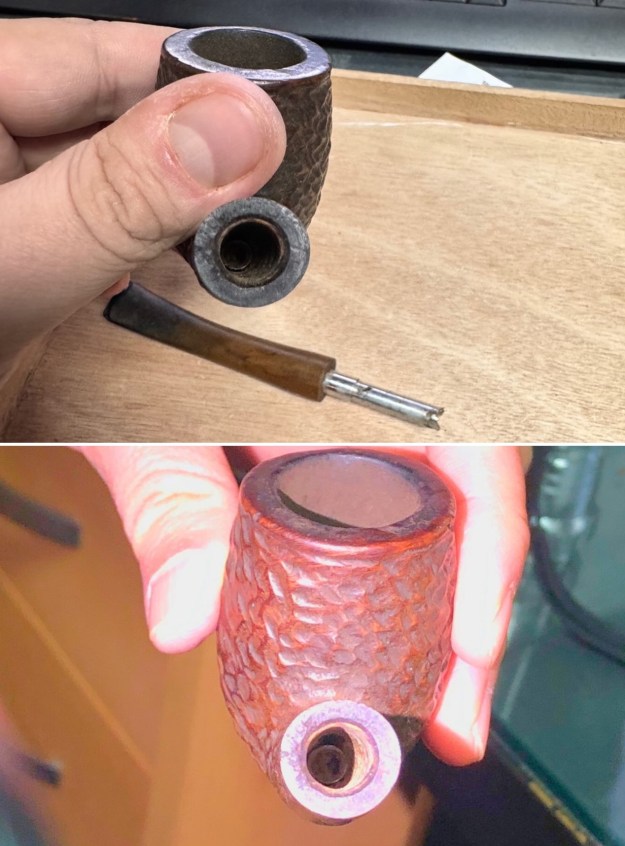
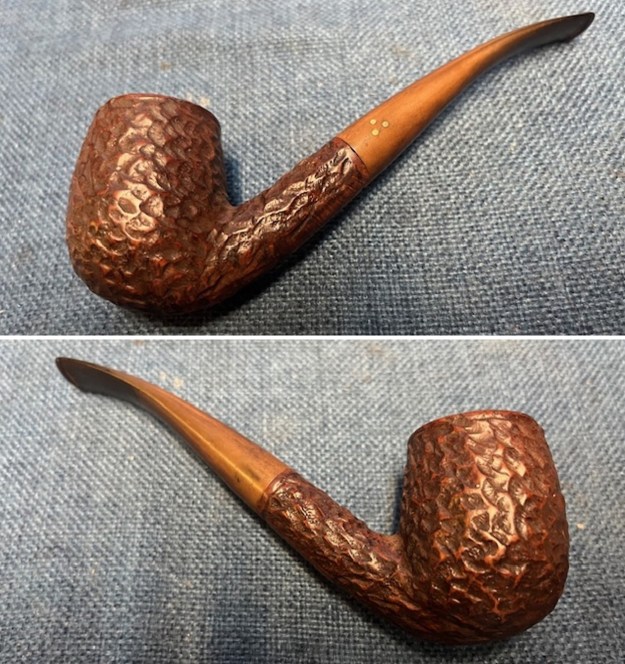
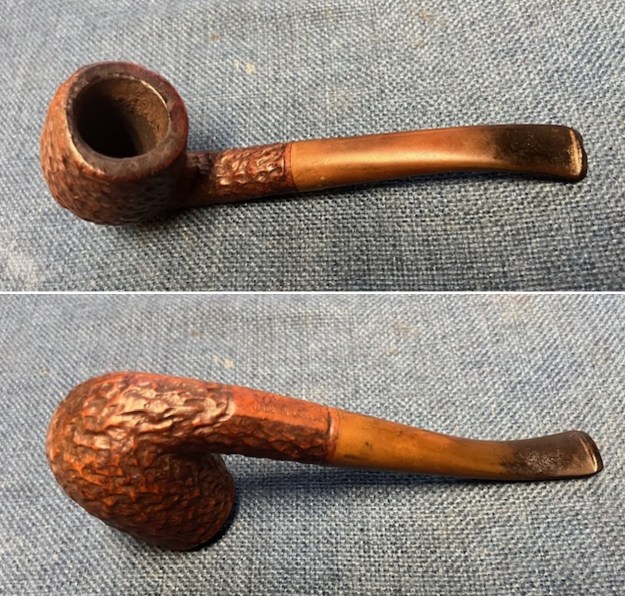
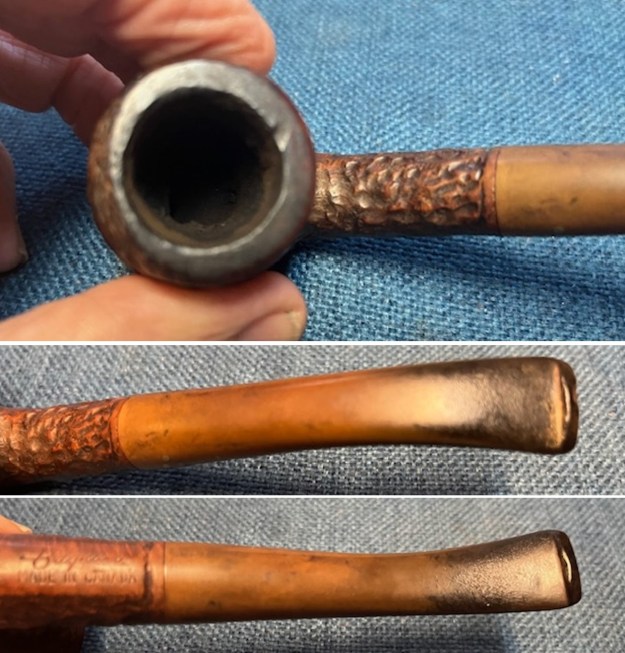
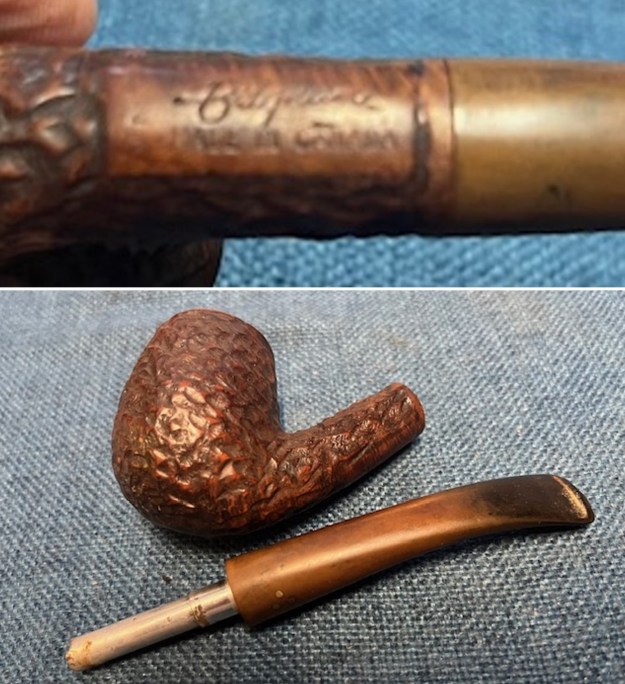
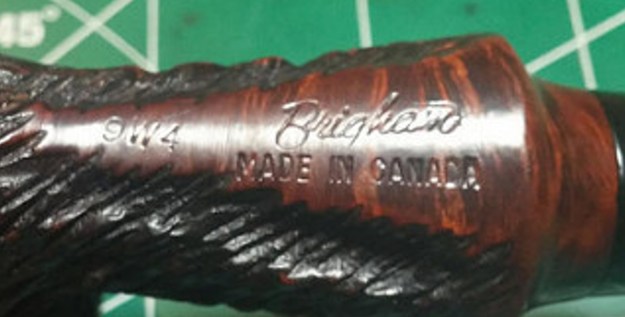
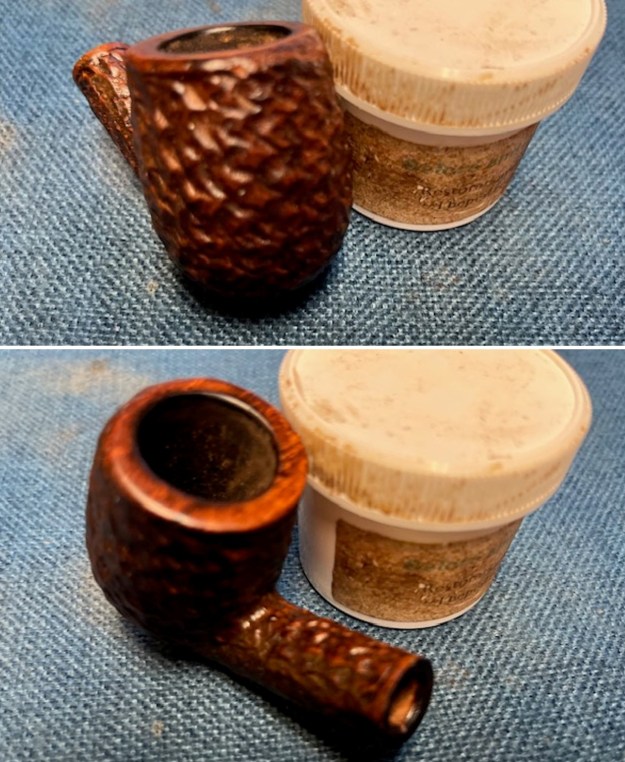
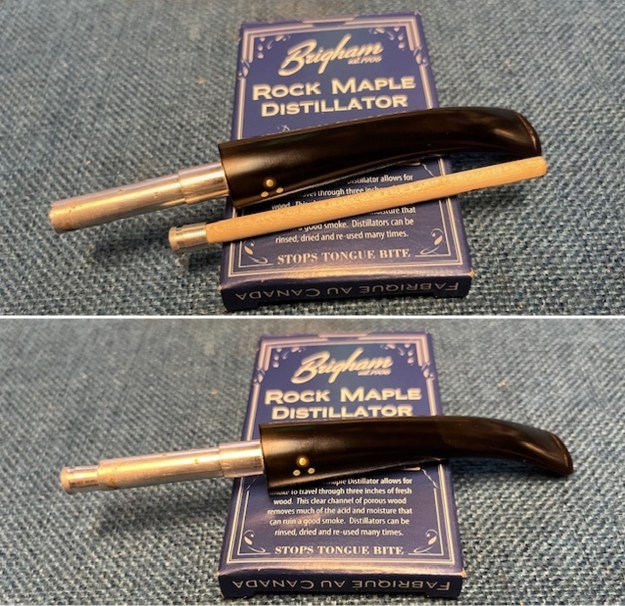
He included the following photos of the pipe. The third photo shows the item stuck in the shank. From the photo it appears to be the metal end of the Brigham Rock Maple Distillator. I have seen this happen before when the aluminum breaks off the wooden distillator. I could also see some corrosion to the aluminum tenon that held the distillator. I let Joe know that once I returned from my visit to my Father in the US I would let him know. Today, Joe dropped pipe by for my work. It was stamped on the underside of the shank and read 323 [followed by] Brigham [over] Made in Canada. The 323 was the shape number of the pipe. The style of the stamping would also help me identify when the pipe was made. The rusticated finish was classic Brigham. There was a thick cake in the bowl and some lava on the rim top. The rim top also had some nicks in the top and the front edge was damaged from knocking the pipe out against a hard surface. The bowl was slightly out of round. The clog in the shank did not allow the shank to be cleaned of the tars and oils and it was very dirty. The stem was oxidized and had tooth marks and chatter on both sides ahead of the button. The end of the metal tenon was also corroded and damaged. I would need to either smooth it out or replace the stem if I could. It had three brass dots on the left side of the taper. I took photos of the pipe before I worked on the pipe. I took close up photos of the bowl and rim top to show the condition of the bowl and damage to the rim edge as well as the cake and lava overflowing onto the rim top. I also took close up photos of the stem to show its condition as mentioned above.I took a photo of the stamping on the underside of the shank and it is very clear and readable. I took the stem off the shank and took a photo of the pipe to show the overall look of the pipe.For the needed background I am including the information from Pipedia on Brigham pipes. It is a great read in terms of the history of the brand (https://pipedia.org/wiki/Brigham_Pipes). Charles Lemon (Dadspipes) has written book on the history of the brand. This article is a good summary. I have included it below.

Roy Brigham, after serving an apprenticeship under an Austrian pipesmith, started his own pipe repair shop in Toronto, in 1906. By 1918 the business had grown to include five other craftsmen and had developed a reputation across Canada for the high quality of workmanship. After repairing many different brands of pipes over the years, Roy noted certain recurring complaints by pipe smokers, the most common referred to as “tongue bite”. Tongue bite is a burning sensation on the smoker’s tongue, previously thought to be due to the heat of the smoke (i.e. a “hot smoking pipe”).

He soon began manufacturing his own pipes, which were lightweight, yet featured a more rugged construction, strengthening the weak points observed in other pipes. The problem of tongue bite intrigued him, and he decided to make overcoming it a future goal.

About 1938, Roy’s son Herb joined him to assist in the business. The business barely survived the great depression because pipes were considered to be a luxury, not a necessity, and selling pipes was difficult indeed. In approximately 1937 [1], after some experimentation, Roy and Herb discovered that tongue bite was in fact a form of mild chemical burn to the tongue, caused by tars and acids in the smoke. They found that by filtering the smoke, it was possible to retain the flavour of the tobacco and yet remove these impurities and thereby stop the tongue bite.

Just as Thomas Edison had searched far and wide for the perfect material from which to make the first electric light bulb filaments, Roy & Herb began experimenting with many materials, both common and exotic, in the quest for the perfect pipe filter. Results varied wildly. Most of the materials didn’t work at all and some actually imparted their own flavour into the smoke. They eventually found just two materials that were satisfactory in pipes: bamboo and rock maple. As bamboo was obviously not as readily available, rock maple then became the logical choice.

They were able to manufacture a replaceable hollow wooden tube made from rock maple dowelling, which when inserted into a specially made pipe, caused absolutely no restriction to the draw of the pipe, yet extracted many of the impurities which had caused tongue bite. The result was indeed a truly better smoking pipe…

I then turned to a second article by Charles Lemon called, “A Closer Look at the Dots, Dates, and Markings of Brigham Pipes” to be able to pin down the time frame that the pipe was made in and to help interpret the stampings and shape number on the pipe. Here is the link to his article (https://pipedia.org/wiki/Brigham_Pipes_%E2%80%93_A_Closer_Look_at_Dots,_Dates_and_Markings). I quote the pertinent information below to establish the date on the pipe.

Around the late 1960s or early 1970s, at the beginning of what I’ve called the Canadian Era (roughly 1970 – 1980), the stampings changed again as Brigham moved to modernize its logo. Pipes are stamped with the 3-digit shape number and “Brigham” over “Made in Canada”. Note these two variants of this stamping.

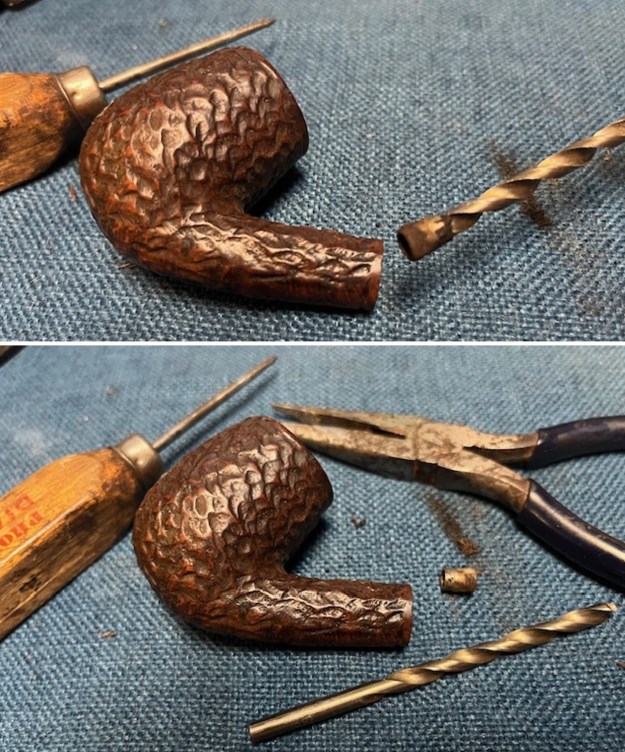
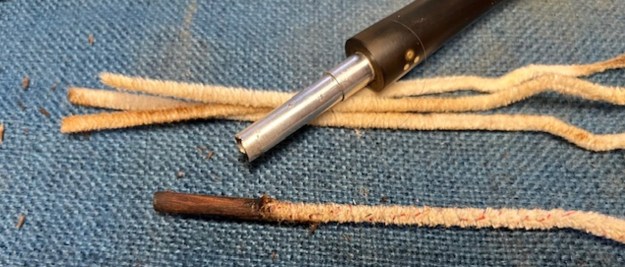
The stamping on the one I am working on is like that shown in the photo below. From the information above I know that the pipe I am working on was made between the late 1960s and the 1980s which makes the pipe approximately 45-65 years old. Now it was time to work on the pipe. I decided to pull the metal blockage in the shank end. I knew it was broken off the Hard Maple Distillator. I tried to pull the metal piece with an ice pick and it was too tight in the shank to come out that easily! Always seems to be the case for me. I used drill bit slightly larger than the airway in the metal piece. I carefully turned it into the metal with a cordless drill. Once it bit I was able to pull it free from the shank. It is shown on the end of the drill bit in the first photo below and free of the bit in the second photo below.I reamed the bowl with a PipNet reamer. I used the first and second cutting heads and took the cake back to bare briar. I cleaned up the reaming with a Savinelli Fitsall Pipe Knife and removed all the remnants of the cake. I scraped the rim top with the flat edge of the blade at the same time and removed most of the thick lava build up. I sanded the walls of the bowl with a piece of dowel wrapped in 220 grit sandpaper. The walls look very good at this point in the process. I cleaned out the shank, the airway and the deep mortise with alcohol, cotton swabs, hard bristle and soft bristle pipe cleaners. It was a very dirty pipe which just meant that it had really been enjoyed and used. I cleaned the inside of the aluminum tenon and the airway in the stem with alcohol, cotton swabs and pipe cleaners in the same way as I did the shank. It was clogged with debris and there was no airflow. It took some work with a paper clip but eventually it opened up so I could clean it well.I scrubbed the exterior of the bowl and shank with a tooth brush and undiluted Murphy’s Oil Soap. I scrubbed the lava on the rim top and overflow on the outside of the bowl with the soap. I rinsed the briar with warm water to remove the grime and debris of the scrubbing. It looked significantly better after the scrubbing. I cleaned up the inner edge of the rim and the rim top with a folded piece of 220 grit sandpaper. I removed the darkening as much as possible and smoothed out the top of the rim. I lightly topped the bowl on a topping board with 220 grit sandpaper to smooth out the damage on the top and minimize the damage on the front outer edge. I sanded the rim top with 320-3500 grit sanding pads to remove the marks, scratches and darkening and to help shrink and minimize the damage on the front outer edge of the bowl. I used an oak stain pen to blend the top colour into the finished colour of the bowl once polished. It looks a bit darker at this point but it will match very well.I polished it with micromesh sanding pads – dry sanding it with 1200-15000 grit pads. I wiped the bowl down with a damp cloth after each sanding pad. It began to look very good. While the damage on the front of the bowl is visible, in person it is less so. I rubbed the bowl and shank down with Before & After Restoration Balm to deep clean the finish on the bowl and shank. The product works to clean, enliven and protect the briar. I worked it in with my fingers to get it into the briar. I used a horsehair shoe brush to work it into the rustication around the bowl and shank. I let it sit for 10 minutes then I wiped it off and buffed it with a soft cloth. The briar really began to have a rich shine. I took some photos of the bowl at this point to mark the progress in the restoration. It is a beautiful bowl. I set the bowl aside and turned my attention to the stem. I scrubbed the oxidation on the stem with Soft Scrub cleanser and was able to remove a large amount of it. Even after cleaning the inside of the stem the airflow was still quite restricted. I had a hunch the other end of the hard Maple Distillator was stuck in the stem. It made sense. I worked on it with the wire and some bristle pipe cleaners and finally the piece of maple came free and the stem was open as it should have been.I sanded the area around the button edge and the remaining oxidation with a folded piece of 220 grit sandpaper. Progress was happening!I sanded the surface of the vulcanite with the 2 x 2 inch sanding pads. I dry sanded with each pad between the grits 320-3500. I worked on the surface until I had removed all of the oxidation and the stem started to really shine.I polished the stem with micromesh sanding pads – dry sanding with 1500-12000 grit pads. I wiped the stem down after each sanding pad with Obsidian Oil. I polished the stem with Before & After Pipe Stem Polish – both Fine and Extra Fine. I gave it a coat of Obsidian Pipe Stem Oil. It works to protect the stem from oxidizing. I set it aside to dry. I refit the damaged aluminum tenon with the new Brigham Rock Maple Distillator. It is a unique and cool smoking experience.The final steps in my process involve using the buffer. I buffed the bowl and stem with Blue Diamond to polish out the light scratches in the briar and the vulcanite. I gave the bowl and the stem multiple coats of carnauba wax. I have found that I can get a deeper shine if I follow up the wax buff with a buff with a clean buffing pad. It works to raise the shine and then I hand buff with a microfiber cloth to deepen the shine. It is always fun for me to see what the polished bowl looks like with the polished stem. It really is a nice pipe. The smooth tall bowl sides and the rusticated blaze on the left shank side looks great with the yellow acrylic stem. The Brigham 323 Bent Billiard with a vulcanite taper stem feels great in my hand. It is a well-balanced pipe. Have a look at it with the photos below. The dimensions are Length: 5 ½ inches, Height: 2 inches, Outside diameter of the bowl: 1 ¼ inches, Chamber diameter: ¾ of an inch. The weight of the pipe is 1.62 ounces/46 grams. It is a beautiful pipe that I will soon be sending back to the local shop to give back to the owner. It is obviously one that he enjoys.

As always, I encourage your questions and comments as you read the blog. Thanks to each of you who are reading this blog. Remember we are not pipe owners; we are pipe men and women who hold our pipes in trust until they pass on into the trust of those who follow us.

Breathing Life into a Radice Rind Hawkbill with a Faux Bamboo Shank


by Steve Laug

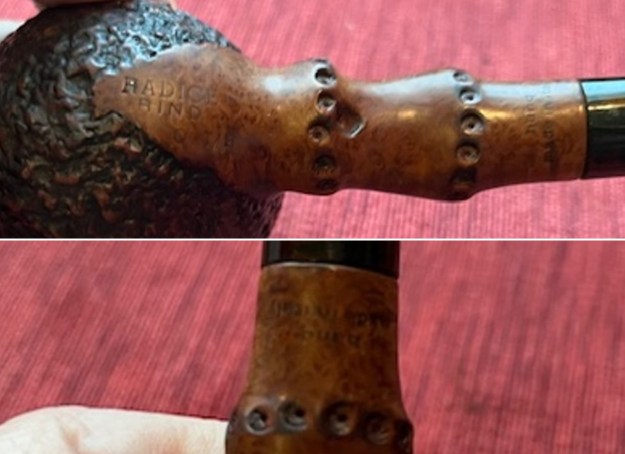
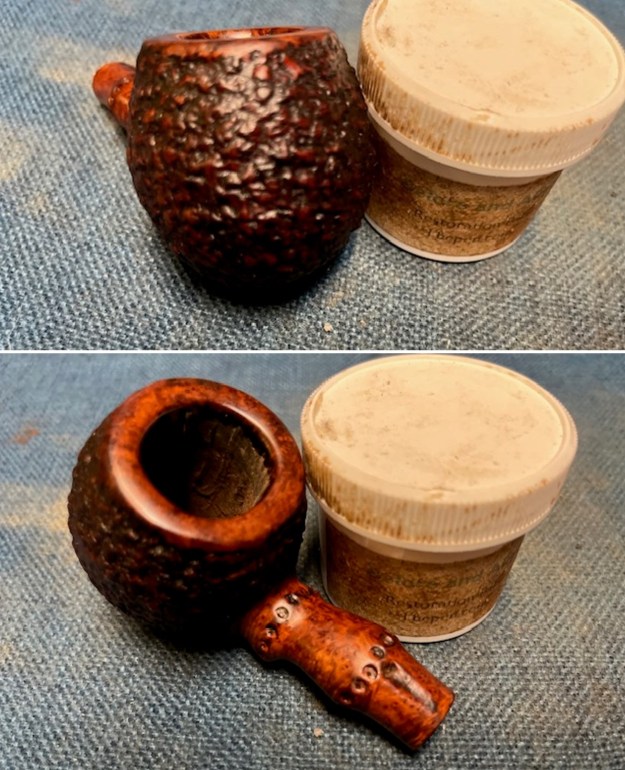
The next pipe is one I also worked on while I was at Jeff’s place in Idaho. I brought it home to finish it. We picked the pipe up from a seller in Macon, Georgia, USA on 03/08/2025. I would call the pipe a Hawkbill shaped pipe with a faux bamboo shank and amber acrylic taper stem. It is stamped on the heel of the bowl and reads Radice [over] Rind [over] 0 T/B. Against the shank end it is stamped hand [0ver] made in Italy. The “Bamboo” shank has the nodules and grooves well carved into the briar. The bowl had a heavy cake and a thick coat of lava on the rim top. The finish was dirty and dusty in the valleys of the rustication and the nodules of the “Bamboo” shank. The shank was black, tarry and oily. The acrylic amber stem sat well against the shank. It was dirty with oil and tar in the airway from the tenon to the button. There were deep tooth marks and chatter on both sides ahead of the button. There was no logo or identifying marks on the stem. I took some photos of the pipe before I started my work on it. I took a photo of the bowl and rim top to show the cake in the bowl. The rim top had a thick coat of lava overflowing on top with some possible damage around the top and inner edge. I took photos of the top and underside of the stem showing the tooth marks and chatter on the acrylic taper stem surface.The stamping is very clear and readable in the photo below. It reads as noted above. I removed the stem from the shank and took a photo of the parts to show the parts of the pipe. The finish on the pipe is very worn and tired looking. I started my search on the brand by looking on Pipephil’s site to see if there was any information on the Radice Rind line (http://www.pipephil.eu/logos/en/logo-r1.html). The line was not included there but there was some information in the side bar on the dating of the pipes. It was helpful as the pipe in hand is stamped Hand Made in Italy.

Dating: From 2009 and beside the stamp “Hand Made in Italy” a 2 digit number indicates the manufacture year since the brand’s foundation (1980). (32=2012). Production: ~ 1800 pipes/year. See also: Caminetto, Luciano

I turned to Pipedia to the article on Radice pipes and the birth and development of the brand (https://pipedia.org/wiki/Radice). I have included the information that I found there below.

Luigi Radice, born 1939, took a piece of briar in his hands for the first time in 1961, when he was employed at Carlo Scotti’s Castello in nearby Cantu.

After lengthy experience, he founded, together with Peppino Ascorti, the famous “Pipa del Baffo”, the “Caminetto” which through 1974 and 1975 made wealth with the precious cooperation of Gianni Davoli, Milanese distributor.

In 1980 Luigi undertook a new adventure, founding his own brand: the Pipa Radice. From the beginning his son, Gianluca, joined the workshop, together with Luigi’s father, Paolo Radice, who helped in some basic steps of production.

Only later my brother and I started working together with our father, trying to learn the secrets and the mastery to be able to create a pipe which could join artisanal estrus(?) to functionality.

We have always trusted the professionalism of Italian briar cutters to obtain the raw material. We season the briar in our workshop for at least three years. We believe that it is enough to produce a perfect pipe.

Our shaping is pretty diversified. A distinguishing feature is the use of various options, like the faux-bamboo shank or silver band or save-rim, hand engraved by Luigi.

About pipes for completely dedicated collectors, we would like to mention the several variations of pieces made using buffalo, moufflon, deer or roe horn.

The creative idea and the study of the technical side, lead us to invent pipes with a twin bore mouthpiece, coupled with a special production of oil cured pipes, taking inspiration from old English skills.

We have recently introduced the use of ebonite(vulcanite) mouthpieces, to satisfy the requests of our fellow pipesmokers.

Radice is a pipe which is continually evolving, keeping alive the treasured experience of 50 years of pipemaking of our father Luigi.

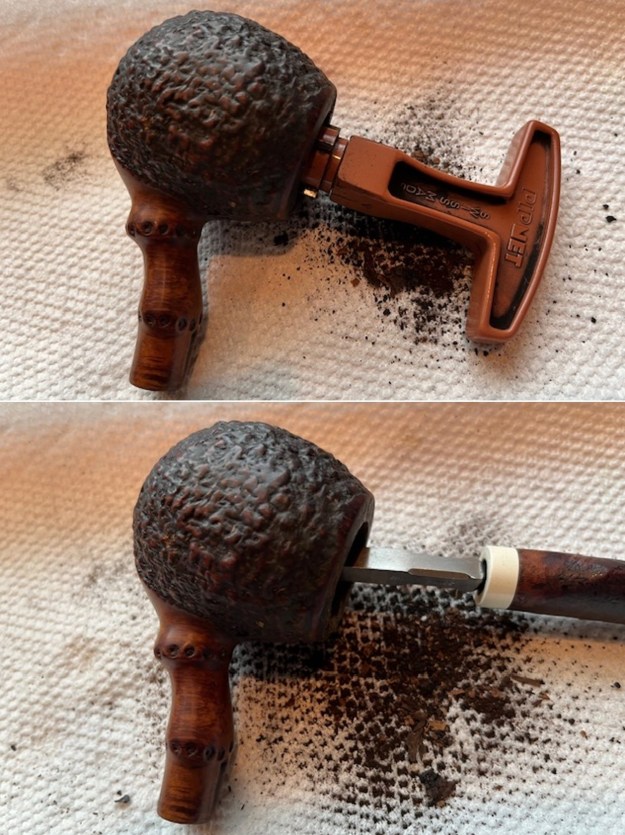
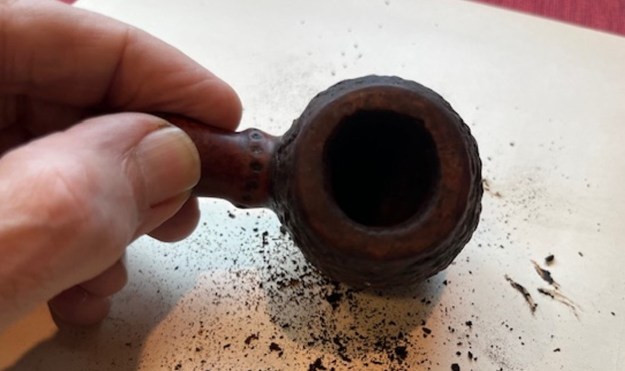
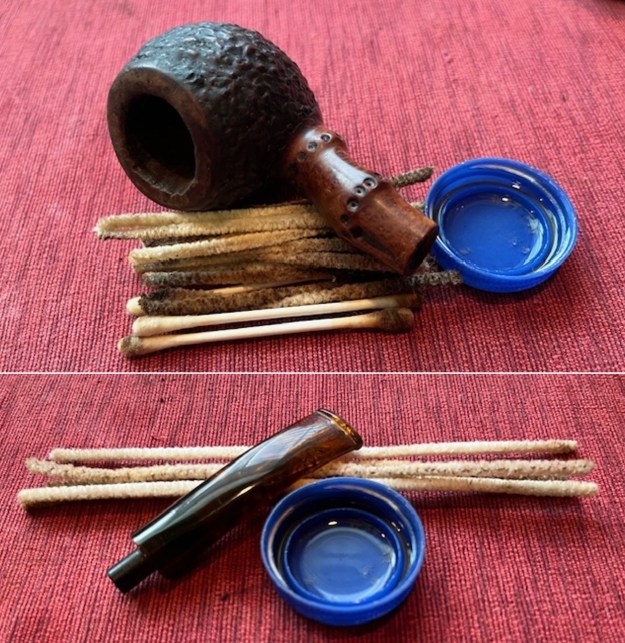
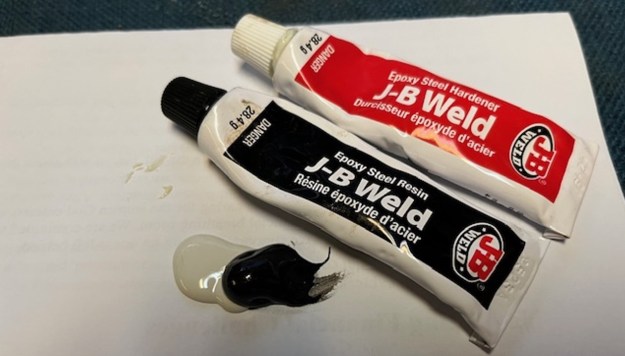
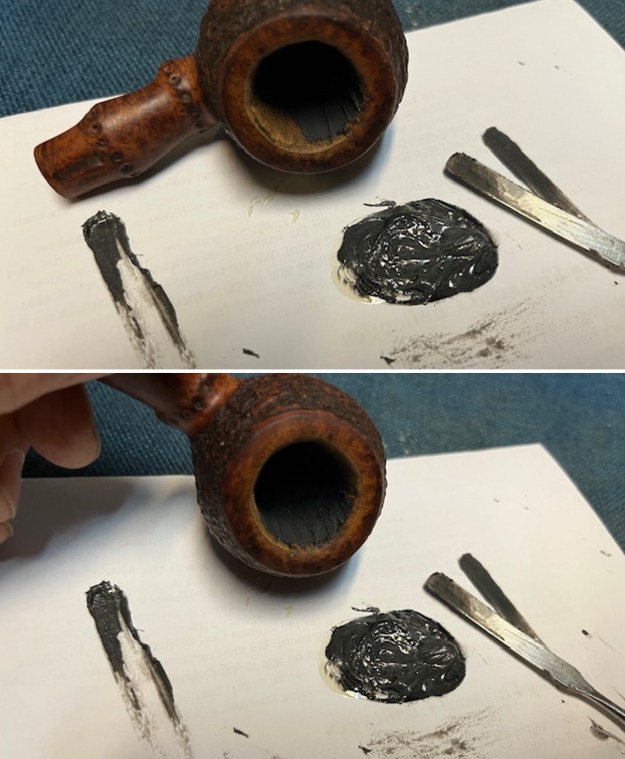
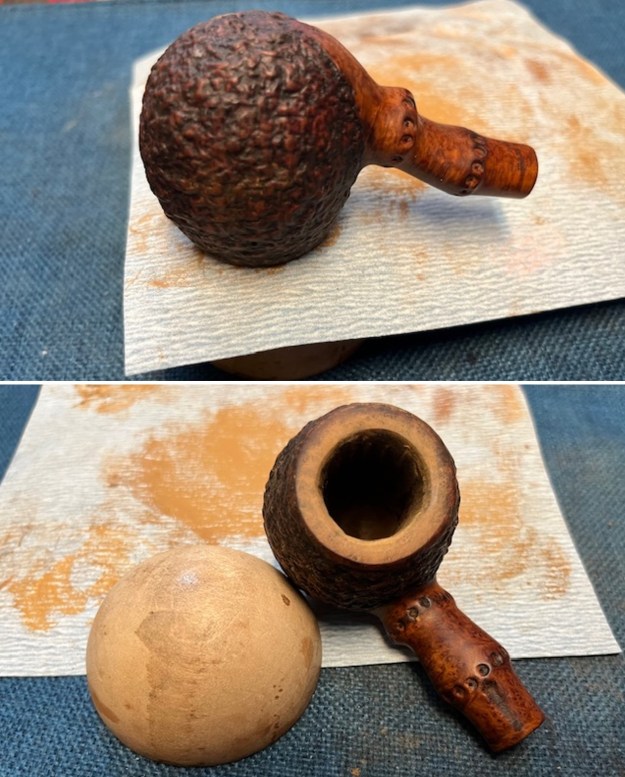
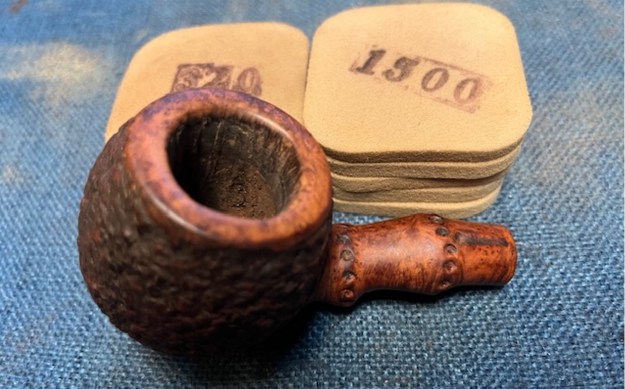
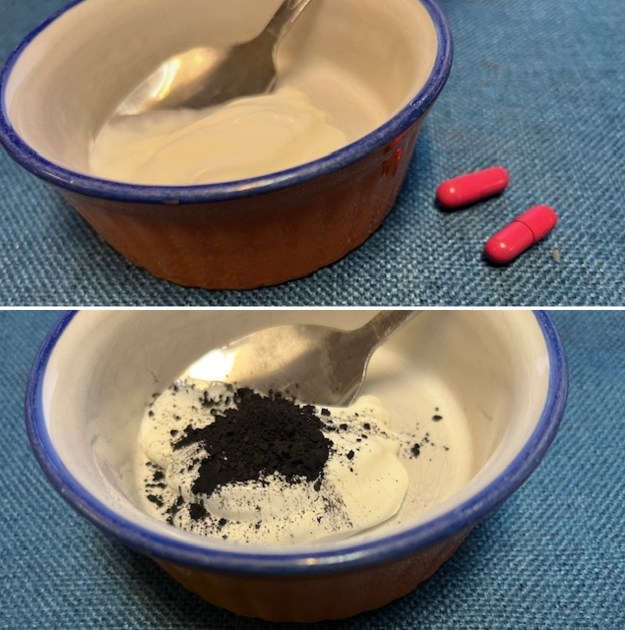
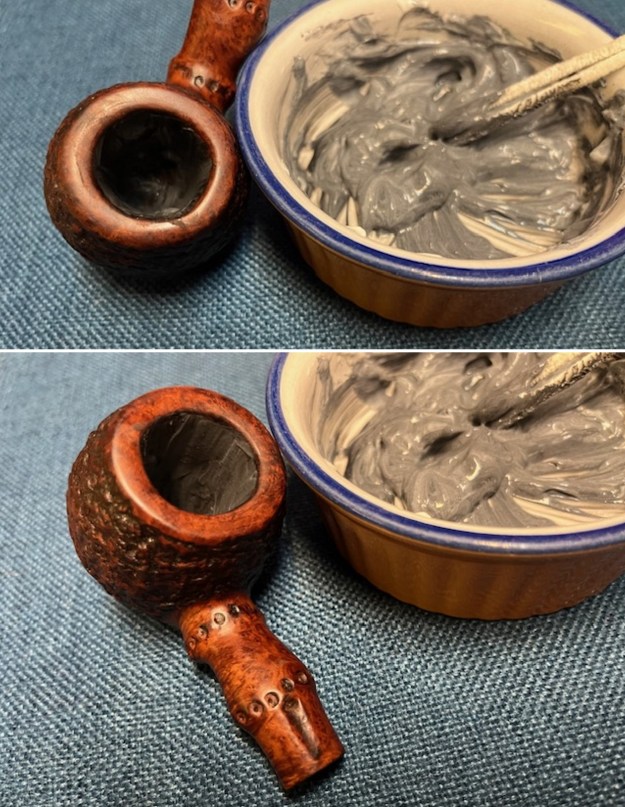
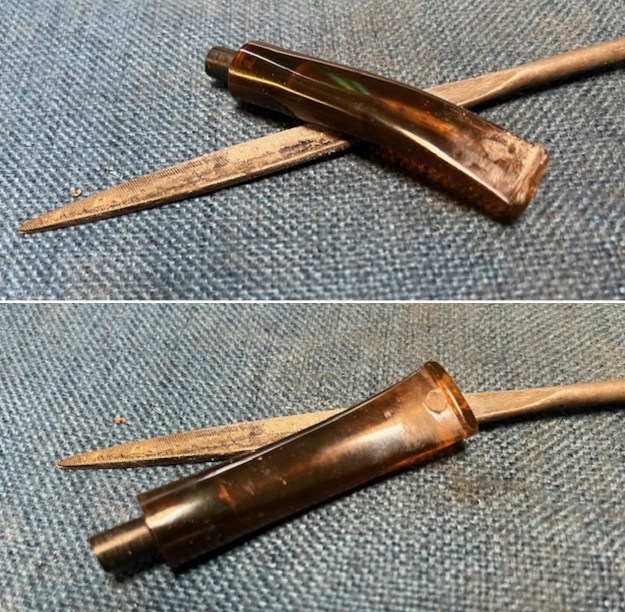
Now it was time to work on the pipe. I started my work on the pipe by reaming it with a PipNet pipe reamer and cleaning up the reaming with a Savinelli Fitsall Pipe Knife. I scraped the lava built up on the rim top with a small blade. It looked much better after the clean up. I cleaned out the inside of the shank and the airway in the stem with alcohol, pipe cleaners and cotton swabs. I removed the tars and oils with the cleaners and the alcohol. I scrubbed the rusticated surface of the bowl and shank with a tooth brush and undiluted Murphy’s Oil Soap to remove the debris and dust in the depths of the rustication. I rinsed it with warm water. I dried off the briar with a soft cloth. It looked very good at this point in the process. I sanded the walls of the bowl with a piece of 220 grit sandpaper wrapped around a piece of dowel. I smoothed out the walls and noticed that there were some deep gouges in the walls of the bowl. They were no burn marks or damage just deep gouges. I cleaned up the bowl walls and then mixed a batch of JB Weld and pressed it into the gouges in the walls of the bowl with a dental spatula. Once the repairs had cured I sanded the spots smooth again with the sandpaper and dowel. It looks much better. I would later coat it with a bowl coating after the repairs had cured several days. I used a folded piece of 220 grit sandpaper to work on the rim top and the inner edge of the bowl. I also used a wooden sphere and piece of sandpaper to reshape the inside edge of the bowl and bring it back to round. Once finished I smoothed the edge some more with the sandpaper to give the rim top a slight bevel on the inner edge. I sanded the rim top and edge with 320-3500 grit 2 x 2 inch sanding pads to remove the scratches and marks in the surface.I polished the rim top with 1500-12000 grit micromesh sanding pads to give it a deep shine.I wiped it down after each sanding pad. I worked some Before & After Restoration Balm into the surface of the briar with my fingertips and a horsehair shoe brush to clean, enliven and protect it. I let the balm sit for a little while and then buffed with a cotton cloth to raise the shine. The photos show the bowl at this point in the restoration process. After I finished polishing the pipe and rubbed it down with Before & After Balm. I checked to see that the repairs had cured. They were hard and I sanded the walls once again and wiped it down to clean it. I mixed a batch of bowl coating using charcoal powder and sour cream. I mixed it until the mixture was black/grey. It was a solid colour. I applied it to the repaired bowl walls with a folded pipe cleaner. I set it aside to cure. Now back to the stem. I filled in the deep tooth marks in the acrylic with a clear CA glue. Once the repairs cured I used a small file to flatten the against the surface and clean up the sharp edge of the button. I sanded the repaired areas with a folded piece of 220 grit sandpaper to further flatten and blend them into the surface. I sanded the stem further with 2×2 inch sanding pads to smooth out the stem surface. I wiped it down with a damp cloth after each sanding pad. I took photos of the stem after the sanding.I polished the stem with micromesh sanding pads – wet sanding with 1500-12000 grit sanding pads. I wiped it down after each sanding pad with some Obsidian Oil. I finished polishing it with Before & After Pipe Stem Polish – both Fine and Extra Fine and buffed it off with a cotton cloth. This Radice Rind 0 T/B Hand Made in Italy Hawkbill with an amber acrylic taper stem is a great looking pipe now that it has been restored. The beautiful rusticated finish really works well with the shape and the polished finish is stunning. The carved bamboo style shank and smooth rim top work well with the pipes. I put the stem back on the bowl and carefully buffed the smooth portions of the bowl and the stem with Blue Diamond on the buffing wheel. I gave the bowl multiple coats of Conservator’s Wax and the stem multiple coats of carnauba wax on the buffing wheel and followed that by buffing the entire pipe with a clean buffing pad. I hand buffed the pipe with a microfiber cloth to deepen the shine. The finished Radice Rind Hawkbill fits nicely in the hand and feels great. Give the finished pipe a look in the photos below. The dimensions of the pipe are Length: 6 inches, Height: 2 inches, Outside diameter of the bowl: 1 ½ inches, Chamber diameter: 7/8 of an inch. The weight of the pipe is 74 grams /2.61 ounces. I will be adding this to the rebornpipes store in the Italian Pipemakers Section soon. If you would like to add it to your collection let me know by email or message. Thanks for reading this blog and my reflections on the pipe while I worked on it.

As always, I encourage your questions and comments as you read the blog. Thanks to each of you who are reading this blog. Remember we are not pipe owners; we are pipe men and women who hold our pipes in trust until they pass on into the trust of those who follow us.

A Blast-from-the-Past Pipe by Mark Tinsky


by Kenneth Lieblich

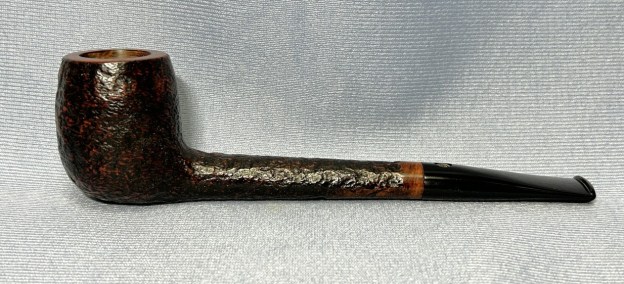
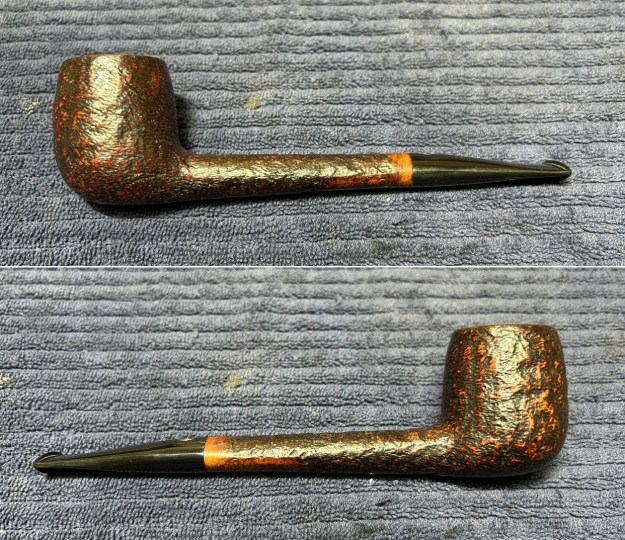
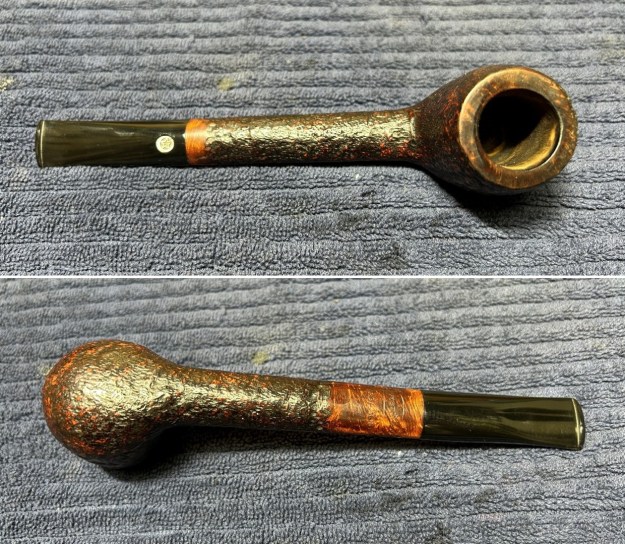
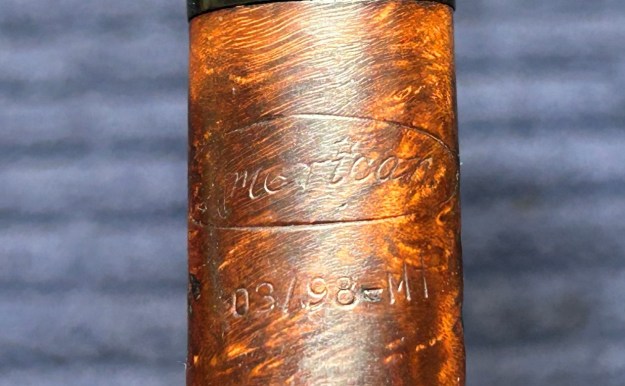
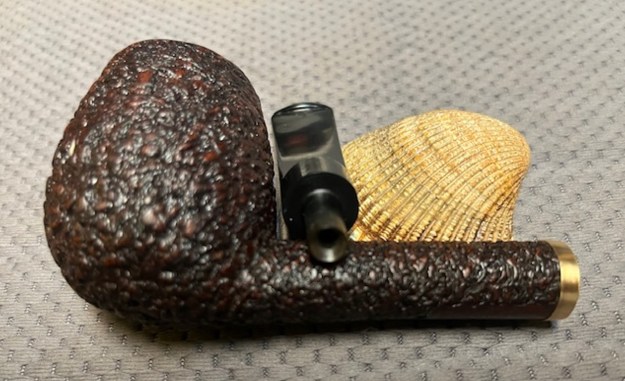
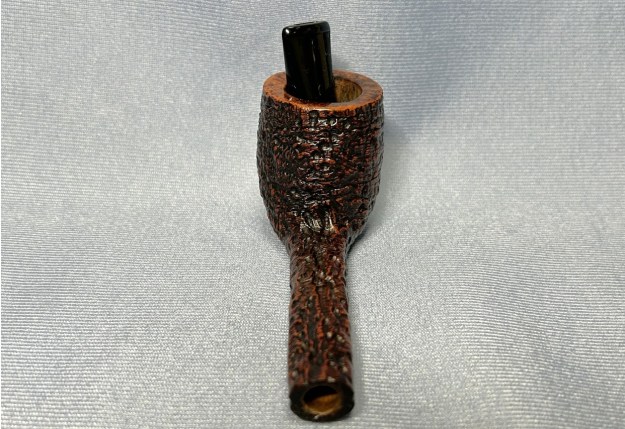
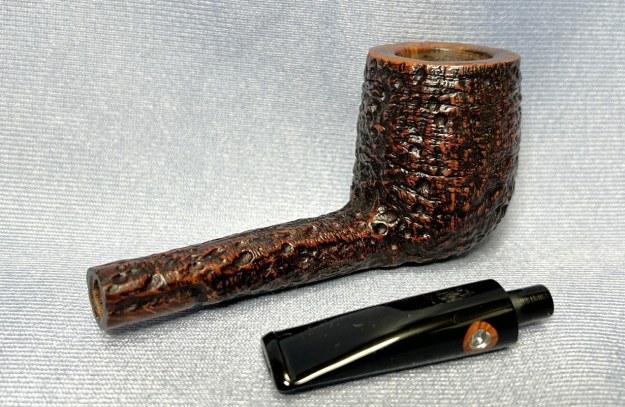
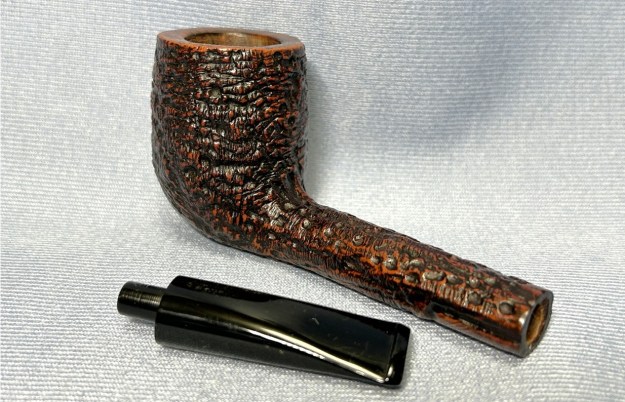
Recently, I was given the opportunity to purchase a small group of pipes by master pipemaker, Mark Tinsky. How could I say no? The answer, of course, is that I could not and I happily acquired them. There are some real beauties here and I am going to restore them all and then turn them over to you. Interestingly, all of the pipes are in the Canadian family of pipe shapes. I’m sure you’ll enjoy seeing them, and here is a link to the first one in case you missed it. Let’s move on to the second pipe. This is a beautiful Canadian – well-proportioned bowl with a long, oval shank and a handsome taper stem made from acrylic. It’s a bit longer than the first one I worked on. It has a nice sandblast that as a wonderful, leathery feel to it. It’s obviously not made of leather, but the texture is really satisfying. There is a lovely star logo on the top of the stem. Under the shank are the markings and they read: American [over] 03/98-MT. This tells us that the pipe was made in March 1998 by Mark Tinsky himself.As I’m sure you know, Mark Tinsky is one of the great names in American pipe making. He is best summed up in this quotation from Erwin Van Hove:

His more than reasonable prices, and his good-natured personality, have made Mark [Tinsky] the favorite of many Americans. It is difficult to find an amateur who does not possess at least one pipe made by the American Smoking Pipe Company, that Tinsky founded in 1978 with his friend Curt Rollar. In 1990, after the departure of his associate, Tinsky continued on by himself building a solid reputation using quality briar from Greece and stem blanks imported from Italy, offering collectors a vast assortment of models and finishes. In short, his pipes are beautiful and well-made pieces that produce a taste beyond reproach. Neither off-the-shelf nor haute couture, they are solid hand mades for an affordable price.There is a wonderful and extensive article on Tinsky, Rollar, and the American Smoking Pipe Company at Pipedia. I highly recommend reading it here. You can also visit his website: http://www.amsmoke.com/. There’s also a small blurb about him at Pipephil:This pipe was in generally very nice shape – there were a few nicks on the rim – but that didn’t require too much work. In fact, the stem didn’t require any work from me at all! When I got this pipe, the stem was nowhere to be seen – there was only a stummel. So, I sent the pipe to Mark Tinsky and had him fashion a new stem for this pipe. The new stem is a perfect match from the man himself.I moved straight on to the stummel. The first step was to ream out the bowl – that is to say, remove all the cake inside the bowl. This accomplished a couple of things. First (and most obviously), it cleaned the bowl and provided a refurbished chamber for future smoking. Second, when the old cake was removed, I could inspect the interior walls of the bowl and determine if there was damage or not. I used a pipe knife and a piece of sandpaper taped to a wooden dowel. Collectively, these ensured that all the debris was removed – but it was very clean inside.I then cleaned the stummel with both pipe cleaners and cotton swabs dipped in lemon-infused 99% isopropyl alcohol. It took quite a while and much cotton to get clean.To tidy up the briar, I also wiped down the outside with some oil soap on cotton rounds and used a toothbrush in the crevices. This did a good job of cleaning any latent dirt on the surface of the briar. The last step of the cleaning process was to scour the inside of the stummel with some soap and tube brushes. This was the culmination of a lot of hard work in getting the pipe clean.Having completed that, I was able to address the nicks on the rim. I dug out my iron and a damp cotton flannel cloth. By laying the cloth over the affected areas and applying the iron to it, the hot and moist steam can cause the wood to swell slightly and return to shape. There was some significant improvement! Not everything was removed, but most of it was. I also gave it a light topping on my topping board to finish off the rim. I used all nine micromesh pads (1,500 through 12,000 grit) to sand the smooth rim and the smooth part of the shank. This sanding minimizes flaws in the briar and provides a beautiful smoothness to the wood. I rubbed some LBE Before & After Restoration Balm into the briar and let it sit for 30 minutes or so. The balm moisturizes the wood and gives a beautiful depth to the briar. I then buffed the stummel with a microfibre cloth. For the final step, I took the pipe to my bench polisher and carefully buffed it with three coats of conservator’s wax. This procedure makes the pipe look its best – the stummel sings and the stem glows.

All done! This Mark Tinsky 03-98 sandblasted Canadian looks fantastic again and is ready to be enjoyed by its next owner. I am pleased to announce that this pipe is for sale! If you are interested in acquiring it for your collection, please have a look in the ‘American’ section of the store here on Steve’s website. You can also email me directly at kenneth@knightsofthepipe.com. The approximate dimensions of the pipe are as follows: length 6¼ in. (170 mm); height 1⅞ in. (48 mm); bowl diameter 1½ in. (38 mm); chamber diameter ¾ in. (20 mm). The weight of the pipe is 1¾ oz. (52 g). I hope you enjoyed reading the story of this pipe’s restoration as much as I enjoyed restoring it. If you are interested in more of my work, please follow me here on Steve’s website or send me an email. Thank you very much for reading and, as always, I welcome and encourage your comments.
Discovery of a Bucket List Pipe – a Mike Butera Textured Classic Billiard


by Steve Laug

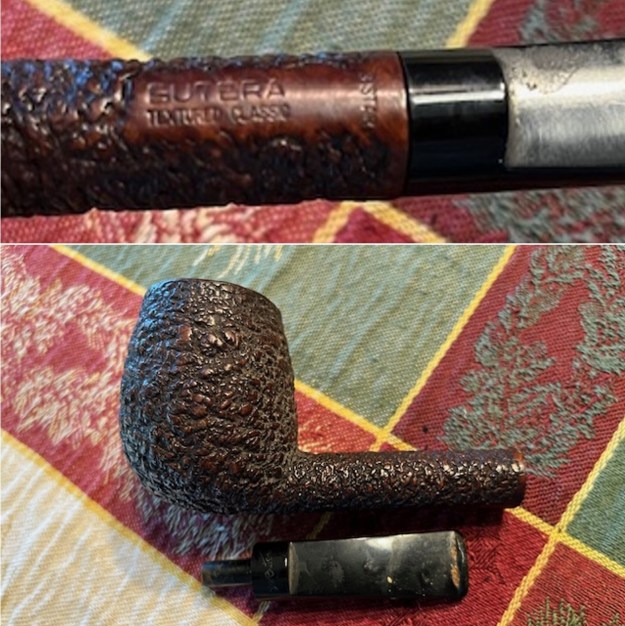
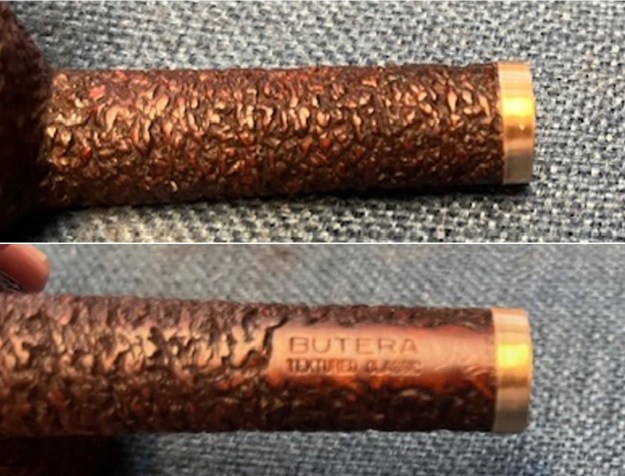
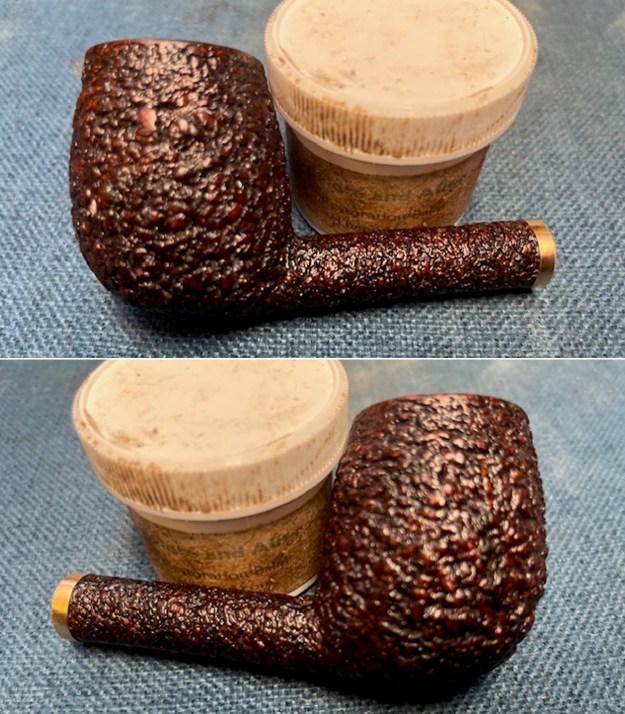
While I was in Idaho with Jeff I worked on a few pipes that caught my eye. The first one I chose to work on is made by a pipemaker I have had on my Bucket List of pipes I wanted work on and potentially own. We picked the pipe up from a seller in Macon, Georgia, USA on 03/08/2025. I would call the pipe a Billiard shaped pipe with a slightly bent acrylic saddle stem. It is stamped on the underside of the shank and reads Butera [over] Textured Classic. Against the shank end it is stamped 3 Star. From the heavy cake in the bowl and the thick lava coated rim top I could tell the previous owner loved aromatic tobaccos. The top of the shank had a small ½ inch crack on the right side from the end toward to the bowl. The finish was heavily rusticated almost with  a similar style rustication as a Castello Sea Rock. The finish was dirty and dusty in the valleys of the rustication. The shank was black, tarry and oily. The stem sat well against the cracked shank. It was dirty with calcification and some with thick oil and tar in the airway from the tenon to the button. There were deep tooth marks and chatter on both sides ahead of the button. The top side of the saddle stem bore the M. Butera signature in faded white. I took some photos of the pipe before I started my work on it. I took a photo of the bowl and rim top to show the cake in the bowl. The rim top had a thick coat of lava overflowing on top with damage around the top and inner edge. I took photos of the top and underside of the stem showing the tooth marks and calcification on the acrylic saddle stem surface.The stamping is very clear and readable in the photo below. It reads as noted above. I removed the stem from the shank and took a photo of the parts to show the parts of the pipe. The finish on the pipe is very worn and tired looking. The signature on the top of the saddle stem is hidden under the grime and debris on the surface.I have been keeping an eye out for a Mike Butera carved pipe for a very long time. I believe that I met Mike at the Chicago Pipe Show many years ago and was struck by the beauty of the pipes that he carved. I was not in the position to purchase one then as I had already spent my budget. It was one of those times that you go home regretting not taking the plunge. Now some 25-30 years ago we found one that caught my attention. I was glad to be visiting in Idaho with Jeff and was able to see it firsthand. The above photos really don’t capture the depth and beauty of the rustication and the shape. I decided to start working on it at Jeff’s.

Before I started my work on the pipe I looked up some details on Mike Butera’s pipes. I turned first to Pipephil’s site to get a quick summary (http://www.pipephil.eu/logos/en/logo-b8.html). I have included a screen capture of the section on the brand as well as the sidebar information. The pipe I am working on is stamped like the first one in the photo below. The info below the first photo gives a date of carving for the pipe. The embossed signature on the stem was done in the mid 1980s.Artisan: Mike Butera started making pipes in the early 1980s and attended his first pipe show as pipemaker in 1985. But his responsibilities at the head of a large tobacco distribution company kept him more and more out of the workshop since 2005. Production 1997: ~150 pipes/year. Production 2007: a few pipes/year.

From there I turned to Pipedia (https://pipedia.org/wiki/Butera) to read the article there on the brand. It is a short article and well worth the time to read. I learned much from the article regarding the pipes he made. I also remembered that I have smoked several tins of Butera pipe tobacco over the years. I quote the article below.

Mike Butera, courtesy TobaccoDays.com

Michael Butera’s pipes are very hard to find these days because of minimal current production and high collector appeal. His pipes are still Butera’s first love, but the responsibilities of owning large pipe tobacco distribution company and a very successful line of premium cigars kept him out of the workshop more than he would like during his active tobacco and cigar business years. Twenty+ years ago, at his peak pipe production, he was making 150 to 200 pipes a year and traveling to Italy regularly to select the best briar. Now, even though he has sold his pipe tobacco business and his cigar distribution, he makes only a few pipes for several repeat customers and for a couple of pipe Shows each year in his extensive garage workshop at his Houston home. You can continue to see him at the Chicago Show where he exhibits his latest pipes and some of his vast collection and where he leads the Pipemaking Seminar with Lee Von Erck before the Show. Along with Lee he is considered the Dean of American Pipemakers. Butera had a great deal to do with the training of Michael Frey, Steve Weiner, Larry Roush and Premal Chheda.

Often referred to as America’s greatest pipemaker, Butera won awards for his pipes on a regular basis. At the first pipe show he ever attended as a pipemaker, in 1985, he won the Best Standard Shape award. He won awards every year he actively presented pipes at Pipe Collectors International shows – nine straight years. His pipes have achieved legendary status, coveted by collectors and commanding impressive prices. He attained this level of respect through a simple philosophy: “I will not market anything that doesn’t represent the best, to my own taste, in its category.”

In an article, called Go West, which originally appeared in the French Pipe Mag, Erwin Van Hove has this to say about the dramatic influence Mike Butera has had on the American Pipe making scene:

“At the end of the 70s and the beginning of the 80s, a comet blazed across the heavens of the American pipe universe. Mike Butera, an American insurance broker and passionate pipe smoker, an admirer of the technical perfection and of the aesthetics of the famous Italian and Danish pipe makers, made a pilgrimage to the Mecca of pipe design. He travelled throughout Europe, visiting among others one of the most prestigious carvers of that time, Baldo Baldi. During those travels he became friends with Carlo Scotti, the owner of the most famous Italian brand, Castello. He studied their techniques as well as the refined aesthetics of their creations.”

“Mike Butera had found his vocation. After returning to the United States not only did he enter the cigar and tobacco trade, he also started to carve pipes. He did so meticulously, with the soul of a perfectionist. Straight away he won a competition for pipe makers, amazing colleagues and connoisseurs alike by the quality of his work. This had never been seen before! An American was able to produce pipes that could rival European high grades, pipes that were beautiful and presented an execution and finish that were beyond reproach. The era of the ugly and monstrous freehands was over. The genuine American high grade had been born. From then on, the American pipe makers had a role model, a point of reference. More than just an admired carver, Mike Butera became a living legend. All passionate pipe lovers knew his name and his reputation, but those who had the privilege of smoking a Butera were few. Being an overworked businessman, he produced only a few pipes a year. His creations are therefore, even to this day, prized collectable pieces that sell for exorbitant prices.”

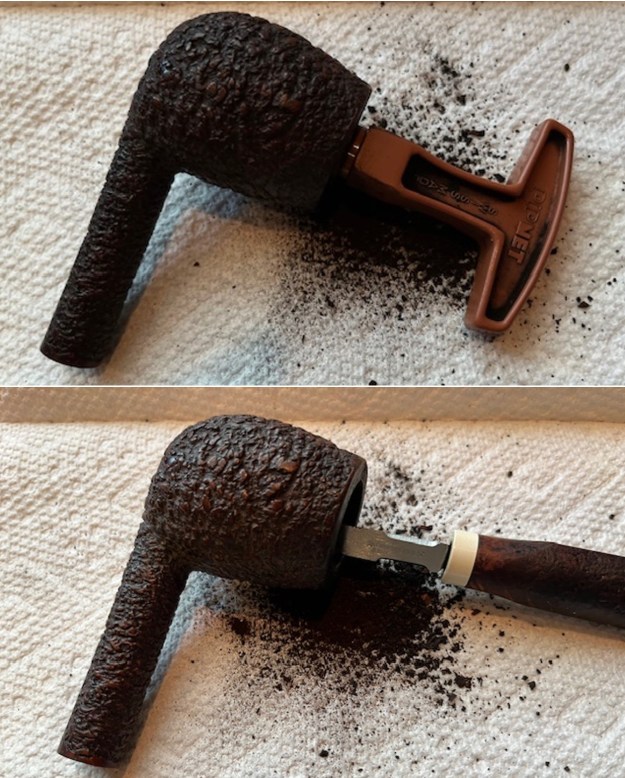
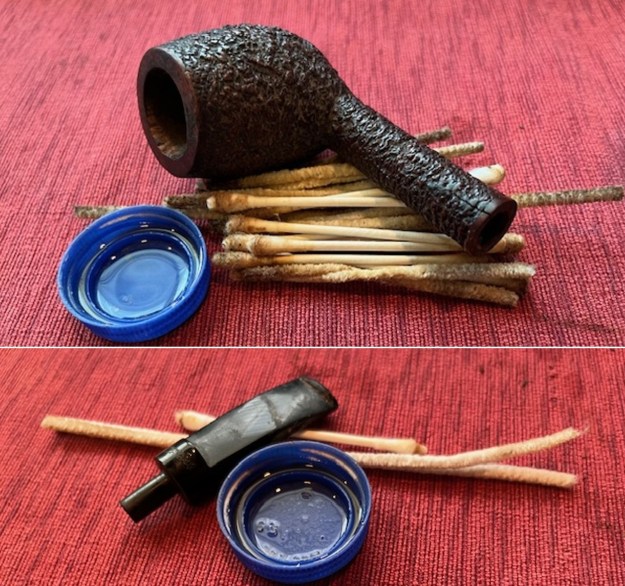
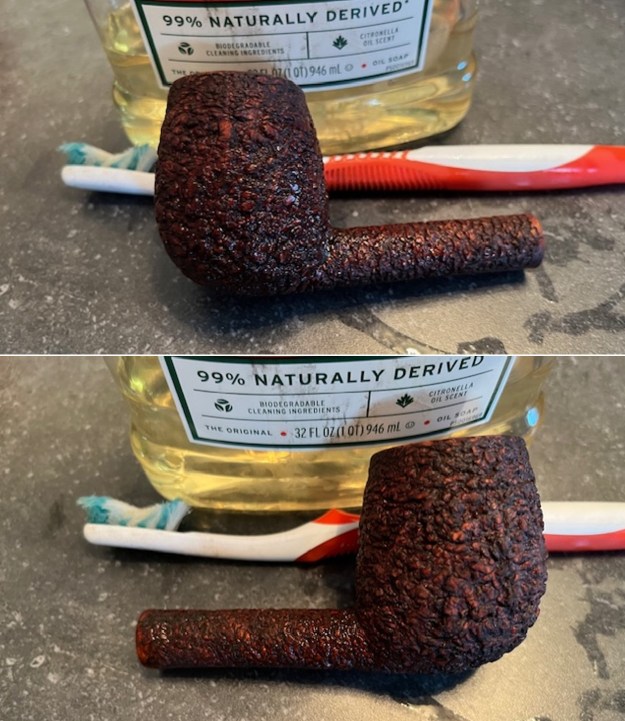
I started my work on the pipe by reaming it with a PipNet pipe reamer and cleaning up the reaming with a Savinelli Fitsall Pipe Knife. I scraped the lava built up on the rim top with a small blade. It looked much better after the clean up. I cleaned out the inside of the shank and the airway in the stem with alcohol, pipe cleaners and cotton swabs. I removed the tars and oils with the cleaners and the alcohol. The first photo shows the crack on the right top side of the shank.I scrubbed the rusticated surface of the bowl and shank with a tooth brush and undiluted Murphy’s Oil Soap to remove the debris and dust in the depths of the rustication. I rinsed it with warm water. I dried off the briar with a soft cloth. It looked very good at this point in the process. I wiped the bowl down with EVO (extra virgin olive oil) and a paper towel to enliven the depths and heights of the rustication. It really took on depth and contrast between the surfaces of the finish. Once I got home I would rub it down with Before & After Restoration Balm. I took a photo of the crack in the shank. It is on the right side of the shank toward the top. It is fairly wide open. I will need to band it to do the repair.I set the pipe aside until I returned to Canada. The first afternoon home, I chose a thin brass band to bind the shank together. I reduced the depth of the band on a topping board. I used a tooth pick to put some clear CA glue in the cracked then quickly pressed the band onto the shank end. It touches the 3 Star stamp on the underside of the shank but it truly brought the crack together. I sanded the walls of the bowl with a piece of 220 grit sandpaper wrapped around a piece of dowel. I smoothed out the walls and they looked very good and smooth once finished. It looked very good. I worked some Before & After Restoration Balm into the surface of the briar with my fingertips and a horsehair shoe brush to clean, enliven and protect it. I let the balm sit for a little while and then buffed with a cotton cloth to raise the shine. The photos show the bowl at this point in the restoration process. Now back to the stem. I cleaned it with a tooth brush and Soft Scrub cleaner. I worked over the surface to remove the debris on the surface. I rinsed it with warm water to remove the soap and debris. I took photos of the stem after the clean up. It looked very good. I filled in the tooth marks on the top and the underside of the acrylic stem with black CA glue. Once the repairs cured I used a file to flatten them into the surface. I sanded it with 220 grit sandpaper. I sanded the stem further with 2×2 inch sanding pads to smooth out the stem surface. I wiped it down with a damp cloth after each sanding pad. I took photos of the stem after the sanding.I touched up the stamping on the top of the saddle stem with white acrylic fingernail polish. I worked it into the stamp with a tooth pick. Once it had cured I scraped off the excess and then sanded it with a 1500 grit sanding pad. It looked much better.I polished the stem with micromesh sanding pads – wet sanding with 1500-12000 grit sanding pads. I wiped it down after each sanding pad with some Obsidian Oil. I finished polishing it with Before & After Pipe Stem Polish – both Fine and Extra Fine and buffed it off with a cotton cloth. This is a beautiful Butera Textured Classic 3 Star Billiard with an acrylic saddle stem. The thin brass band works for me and is a pleasant break between shank and the stem. It has a great look and feel. The shape of the bowl, the heavily rusticated Sea Rock style finish and the cut of the briar work well together to give the bowl a very tactile feel in the hand. I polished stem and the bowl with Blue Diamond polish on the buffing wheel. I gave the bowl and the stem multiple coats of carnauba wax. I buffed the pipe with a clean buffing pad to raise the shine. I hand buffed it with a microfiber cloth to deepen the shine. The Mike Butera Textured Classic 3 Star Billiard polished up pretty nicely. The finish took on life with the buffing. The rich stains work well with the polished acrylic stem. The finished pipe has a rich look that is quite catching. Have a look at it with the photos below. The shape, finish and flow of the pipe and stem are very well done. The dimensions are Length: 6 inches, Height: 2 inches, Outside diameter of the bowl: 1 3/8 inches, Chamber diameter: 7/8 of an inch. The weight of the pipe is 2.12 ounces/60 grams. It is a beautiful pipe. I will be loading it with a rich Virginia tobacco and enjoying it on my porch on the weekend. Thanks for walking with me through the restoration.

A Terrific American-Canadian Pipe from Mark Tinsky


by Kenneth Lieblich

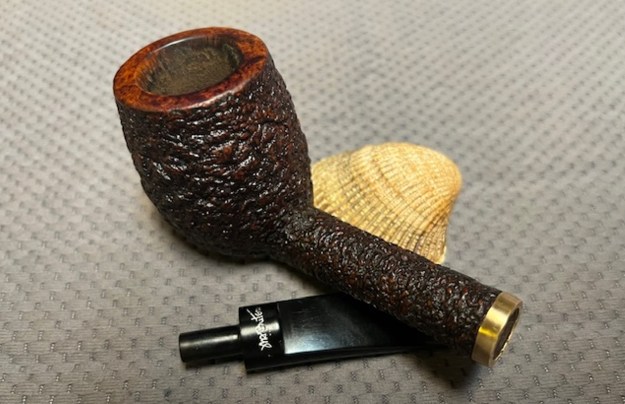
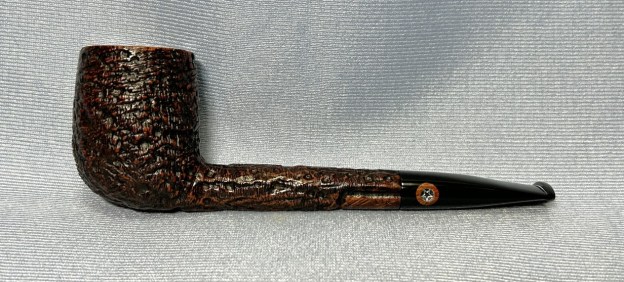
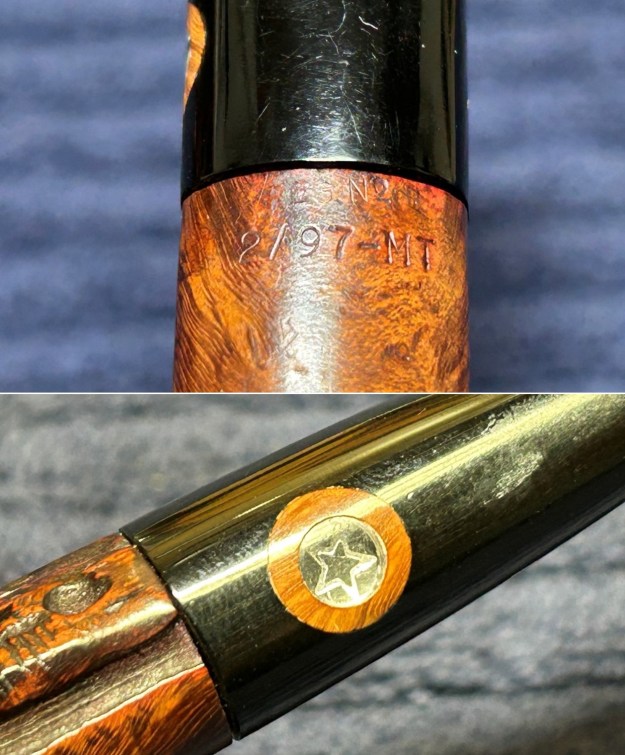
Recently, I was given the opportunity to purchase a small group of pipes by master pipemaker, Mark Tinsky. How could I say no? The answer, of course, is that I could not and I happily acquired them. There are some real beauties here and I am going to restore them all and then turn them over to you. Interestingly, all of the pipes are of the Canadian family of pipe shapes. I’m sure you’ll enjoy seeing them, so – in no particular order – let’s get started with the first one. This is a beautiful Canadian – well-proportioned bowl with a long, oval shank and a handsome taper stem made from acrylic. It has a finish that Steve calls ‘blasticated’ – sort of a hybrid of sandblasted and rusticated. There is a lovely star logo on the side of the stem, encircled with inlaid briar. Under the shank are the markings and they read: Reg. No. [over] 2/97-MT. This tells us that the pipe was made in February 1997 by Mark Tinsky himself.As I’m sure you know, Mark Tinsky is one of the great names in American pipe making. He is best summed up in this quotation from Erwin Van Hove:

His more than reasonable prices, and his good-natured personality, have made Mark [Tinsky] the favorite of many Americans. It is difficult to find an amateur who does not possess at least one pipe made by the American Smoking Pipe Company, that Tinsky founded in 1978 with his friend Curt Rollar. In 1990, after the departure of his associate, Tinsky continued on by himself building a solid reputation using quality briar from Greece and stem blanks imported from Italy, offering collectors a vast assortment of models and finishes. In short, his pipes are beautiful and well-made pieces that produce a taste beyond reproach. Neither off-the-shelf nor haute couture, they are solid hand mades for an affordable price.There is a wonderful and extensive article on Tinsky, Rollar, and the American Smoking Pipe Company at Pipedia. I highly recommend reading it here. You can also visit his website: http://www.amsmoke.com/. There’s also a small blurb about him at Pipephil:This pipe was in generally very nice shape and didn’t require too much work. I used oil soap on a few cotton rounds and wiped down the stem to provide an initial cleaning before moving on to the next steps. The primary cleaning came next. I disinfected the inside of the stem with both pipe cleaners and cotton swabs dipped in lemon-infused 99% isopropyl alcohol. I scrubbed thoroughly to make sure the interior was very clean.As the stem was now clean and dry, I set about fixing the marks and dents in the acrylic. This was done by filling those divots with black cyanoacrylate adhesive, impregnated with carbon and rubber. I left this to cure and moved on.The penultimate step for the stem is sanding. First, with my set of needle files, I reduced the bulk of the cyanoacrylate repairs. I removed the excess adhesive as near to the surface as possible, without cutting into the acrylic. Following that, I used all nine of the micromesh sanding pads (1,500 through 12,000 grit) to sand out flaws, even out the acrylic, and provide gentle polishing of the finished surface. I also applied pipe-stem oil while using the last five micromesh pads. There was a wonderful, deep black shine to the stem when I was done.As the stem was (nearly) complete, I moved on to the stummel. The first step was to ream out the bowl – that is to say, remove all the cake inside the bowl. This accomplished a couple of things. First (and most obviously), it cleaned the bowl and provided a refurbished chamber for future smoking. Second, when the old cake was removed, I could inspect the interior walls of the bowl and determine if there was damage or not. I used a pipe knife and a piece of sandpaper taped to a wooden dowel. Collectively, these ensured that all the debris was removed.Similar to the stem, I then cleaned the stummel with both pipe cleaners and cotton swabs dipped in lemon-infused 99% isopropyl alcohol. It took quite a while and much cotton to get clean.To tidy up the briar, I also wiped down the outside with some oil soap on cotton rounds and used a toothbrush in the crevices. This did a good job of cleaning any latent dirt on the surface of the briar. The last step of the cleaning process was to scour the inside of the stummel with some soap and tube brushes. This was the culmination of a lot of hard work in getting the pipe clean.I used all nine micromesh pads (1,500 through 12,000 grit) to sand the smooth rim and the smooth part of the shank. This sanding minimizes flaws in the briar and provides a beautiful smoothness to the wood. I rubbed some LBE Before & After Restoration Balm into the briar and let it sit for 30 minutes or so. The balm moisturizes the wood and gives a beautiful depth to the briar. I then buffed the stummel with a microfibre cloth. For the final step, I took the pipe to my bench polisher and carefully buffed it with three coats of conservator’s wax. This procedure makes the pipe look its best – the stummel sings and the stem glows.

All done! This Mark Tinsky 02-97 Canadian looks fantastic again and is ready to be enjoyed by its next owner. I am pleased to announce that this pipe is for sale! If you are interested in acquiring it for your collection, please have a look in the ‘American’ section of the store here on Steve’s website. You can also email me directly at kenneth@knightsofthepipe.com. The approximate dimensions of the pipe are as follows: length 6⅛ in. (156 mm); height 2 in. (52 mm); bowl diameter 1⅝ in. (41 mm); chamber diameter ⅞ in. (23 mm). The weight of the pipe is 1¾ oz. (54 g). I hope you enjoyed reading the story of this pipe’s restoration as much as I enjoyed restoring it. If you are interested in more of my work, please follow me here on Steve’s website or send me an email. Thank you very much for reading and, as always, I welcome and encourage your comments.
Reborn Soren Hand Carved Made in Denmark Freehand Sitter


by Steve Laug

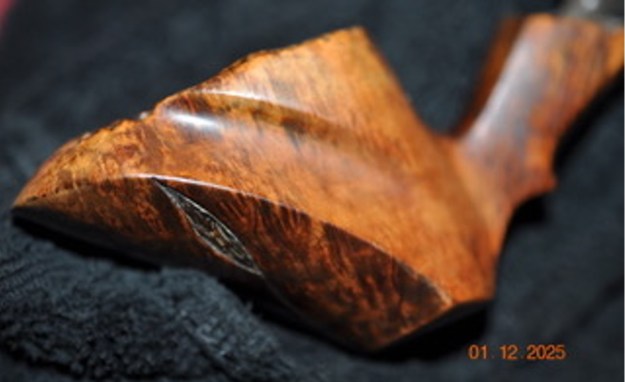
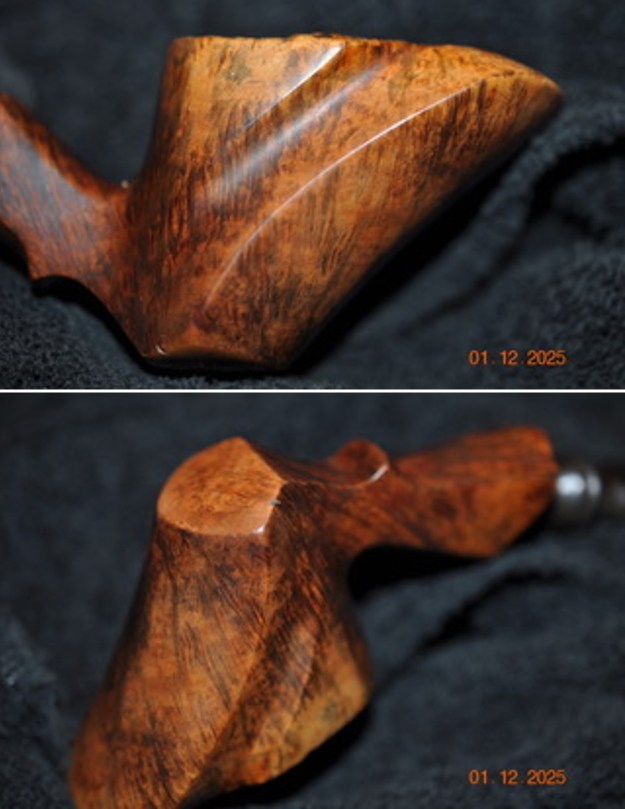
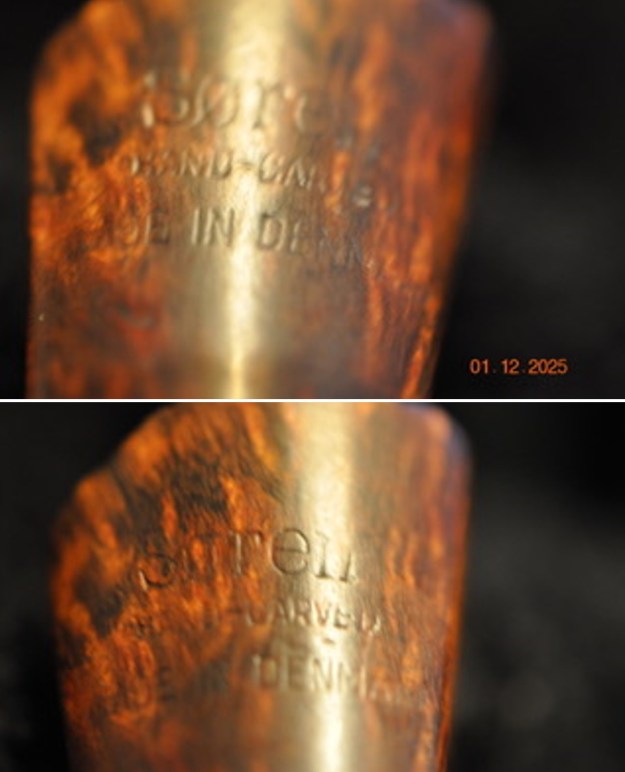
This particular Freehand pipe was purchased from seller in Holden Barr, Missouri, USA on 04/20/2021. It really is a Freehand pipe that combines a plateau rim top and shank end with a flat bottom making it a sitter. The bowl is smooth with fluted sides and a few carved feathers on the bowl sides. It is stamped on the underside of the shank and reads Soren [over] Hand-Carved [over] Made in Denmark. The finish is dirty but does not hide the beautiful grain around the bowl and shank. There is a vulcanite shank extension. The pipe had a moderate cake in the bowl some light lava on the rim top and inner edge of the bowl. There is some dust in some of the plateau. There was grime ground into the finish and dust and debris in the carved feathers and the plateau valleys. The fancy vulcanite saddle stem was oxidized and had light tooth marks and chatter on both sides near the button. Jeff took photos of the pipe before he started his work on it. Jeff took photos of the rim top and the stem to show the condition of the pipe when we received it. You can see the moderate cake in the bowl and the dust and lava in the plateau rim top and inner edge of the bowl. The turned vulcanite stem was oxidized, dirty and had light chatter and tooth marks on both sides near the button. He took photos of the sides and the heel to give an idea of the shape and the condition of the briar around the bowl. It really is a uniquely shaped pipe with the fluted sides on the bowl. The next photos Jeff took shows the stamping on the underside of the shank. It is clear but faint in spots and read as noted above.I went to a previous Soren restoration blog and reread what I had written to reconnect the dots for me https://rebornpipes.com/2016/09/12/repairing-and-rejuvenating-a-soren-danish-freehand/. I quote from that blog post:

I looked up the brand on Pipephil (http://www.pipephil.eu/logos/en/logo-s10.html) and found that the brand was carved by Søren Refbjerg Rasmussen. Pipes that he made for the European market were mostly stamped “Refbjerg” while those made for the US market were stamped “Soren”. Thus, I knew that one I was working on was imported into the US market.

I was once again working on a pipe made by Soren Refbjerg Rasmussen for the US market as it was stamped Soren. I continued to do reading on another of my go to websites, Pipedia. Here is the link for the article there. https://pipedia.org/wiki/Refbjerg. I quote some of the more pertinent information.

Søren Refbjerg Rasmussen founded a company in 1969, which employed an average of 8 – 12 craftsmen in the 1970’s. The semi-freehands they produced were traded under his prename Søren. Rasmussen himself finished only the very best pipes. So, his way of pipemaking closely resembled the ways of Preben Holm, Karl Erik Ottendahl or Erik Nørding. Altogether more than 1,000,000 pipes were sold.

From that I knew that the pipe in my hands came from the 1970s. It bears the Soren signature stamp which also says that it was made for sale in the American pipe market. Armed with that information I turned my attention to restoring the pipe.

Jeff had cleaned up the pipe following his normal cleaning process. In short, he cleaned up the reaming with a Savinelli Fitsall Pipe Knife.  He scrubbed the bowl with undiluted Murphy’s Oil Soap with a tooth brush. He worked over the lava and debris on the plateau rim top and shank end and was able to remove it. He rinsed it under running warm water to remove the soap and grime. He cleaned out the inside of the shank and the airway in the stem with alcohol, cotton swabs, shank brushes and pipe cleaners. He scrubbed the stem with Soft Scrub and cotton pads to remove the debris and oils on the stem. He soaked it in Briarville’s Pipe Stem Deoxidizer. He rinsed it with warm water and dried it off. The pipe looked very good and I was excited to start working on it. I took pictures of the pipe to show how it looked when I brought it to the worktable. I took some photos of the rim top and stem to show the condition of them both when the pipe arrived. It looked very good. The stem had some light chatter and tooth marks ahead of the button on both sides. I took a photo of the stamping on the heel of the bowl. It is readable and in great condition. I removed the stem from the shank and took a photo of the pipe to show the look of the pipe.I sanded the darkening on the smooth portions of the rim top and the bevelled inner edge of the bowl with a folded piece of 220 grit sandpaper to remove it. The process worked very well and the rim top looked much better.I touched up the valleys in the plateau with a black Sharpie pen to match the other valleys in the finish. It looked very good with the touch up. I polished the smooth portions of the bowl and the high points in the rustication and plateau with micromesh sanding pads – dry sanding with 1500-12000 grit pads. I wiped the briar down after each pad with a damp cloth. The bowl is starting to look very good. I worked some Before & After Restoration Balm into the surface of the briar with my fingertips and into the plateau rim top and shank end with a horsehair shoe brush to clean, enliven and protect it. I let the balm sit for a little while and then buffed with a cotton cloth to raise the shine. The photos show the bowl at this point in the restoration process. I set the bowl aside and turned my attention to the stem. I sanded it with 320-3500 grit sanding pads. I wiped the stem down with an Obsidian Oil cloth after each sanding pad. Once I was finished it looked much better.I polished the stem with micromesh sanding pads – wet sanding with 1500-12000 grit sanding pads. I wiped it down after each sanding pad with some Obsidian Oil. I finished polishing it with Before & After Pipe Stem Polish – both Fine and Extra Fine and buffed it off with a cotton cloth. This is a beautiful Soren Hand Carved Freehand with a fancy saddle stem. It has a great look and feel. The shape of the bowl, the mix of plateau, smooth and rusticated finishes and the cut of the briar work well to highlight the grain around the bowl sides. I polished stem and the bowl with Blue Diamond polish on the buffing wheel. I gave the bowl and the stem multiple coats of carnauba wax. I buffed the pipe with a clean buffing pad to raise the shine. I hand buffed it with a microfiber cloth to deepen the shine. The Soren Hand Carved Freehand polished up pretty nicely. The grain took on life with the buffing. The rich stains work well with the polished vulcanite stem. The finished pipe has a rich look that is quite catching. Have a look at it with the photos below. The shape, finish and flow of the pipe and stem are very well done. The dimensions are Length: 6 ½ inches, Height: 2 ¼ inches, Outside diameter of the bowl: 2 ½ inches x 1 ½ inches, Chamber diameter: ¾ of an inch. The weight of the pipe is 2.15 ounces/61 grams. It is a beautiful pipe. I will be putting it on the rebornpipes store shortly in the Danish Pipemakers Section if you are interested in adding it to your collection. Thanks for walking with me through the restoration.

New Life for someone’s obvious favourite Jobey Dansk Handmade in Denmark 2 Freehand


by Steve Laug

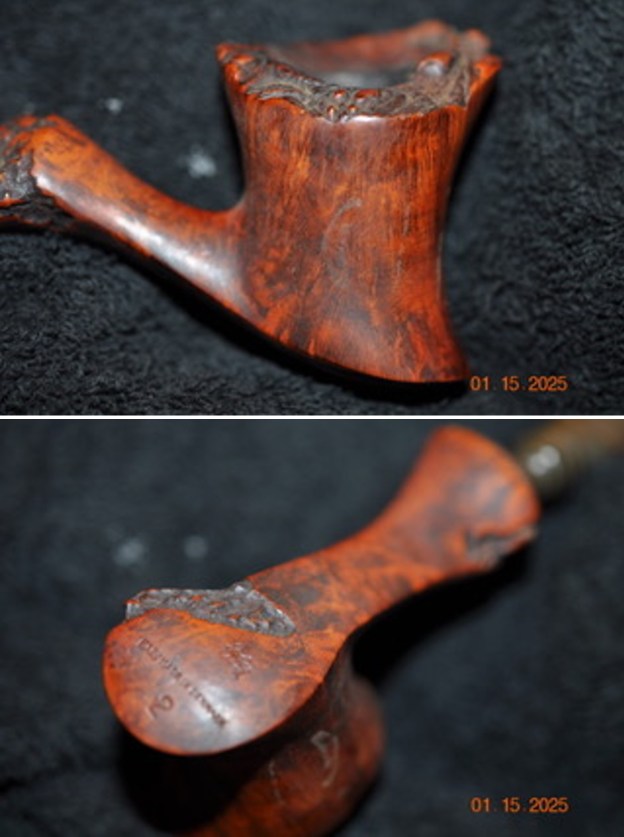
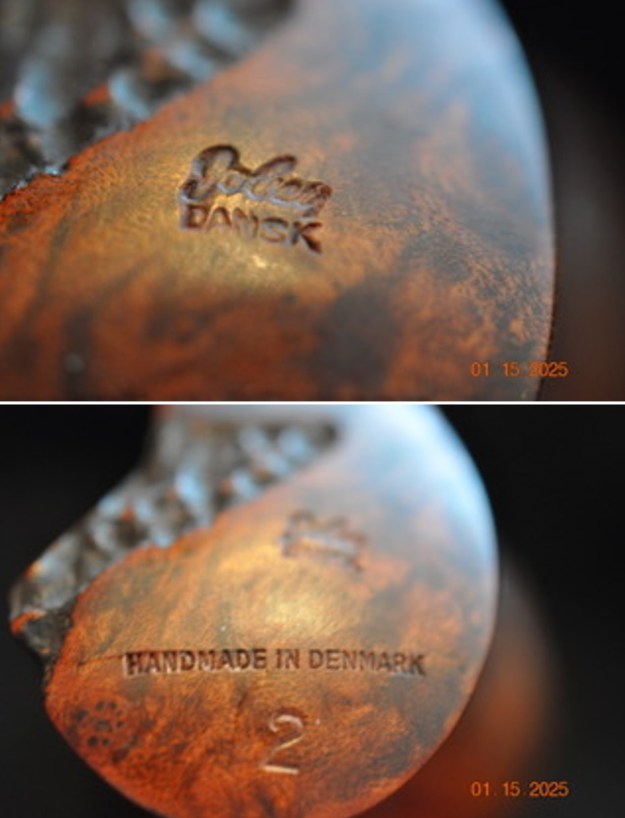
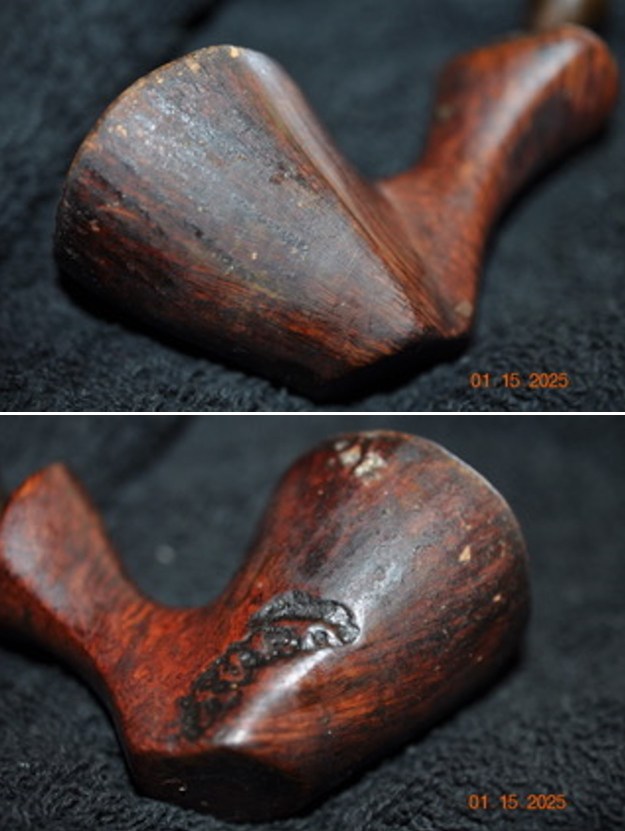
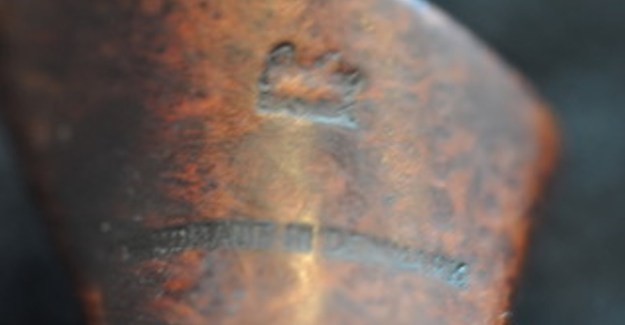
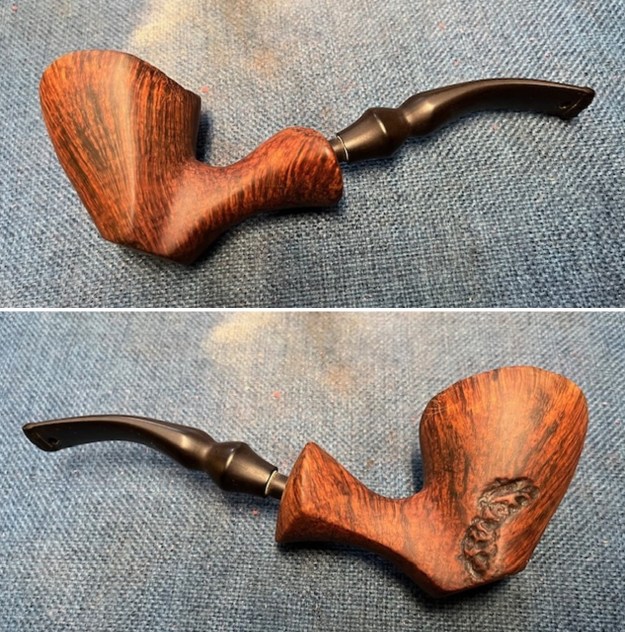
My brother Jeff picked up another Jobey Dansk 2 Freehand pipe on April 12, 2024 from a seller in Saint Cloud, Florida, USA. It had really unique shape and some nice grain with spot carvings around the bowl and shank. There was some plateau on the top of the rim and on the end of the shank. There was a rustication on the left side of the bowl and on the heel of the bowl. I have worked on enough of these to know that were Danish Freehand pipes were carved by Karl Erik Ottendahl. This one was stamped on the heel of the bowl and read Jobey in script [over] Dansk [over] Handmade in Denmark [over] 2. The finish on this pipe was very dirty with dust filing in the plateau top. There was some lava and darkening on the top as well. The bowl had a thick cake. There were oils and grime ground into the finish of the bowl and the shank. The fancy vulcanite stem fit the well. The stem was oxidized, calcified and there were light bite marks and chatter on both sides of the stem ahead of the button. Jeff took of the pipe to show the overall condition of the bowl and stem. He took close up photos of the bowl and rim top from different angles to show the condition of the bowl and the plateau finish. You can see the thick cake in the bowl and the darkening and lava build up on the plateau rim top and edges of the bowl. The next photos show the condition of the vulcanite stem which is oxidized and calcified. You can see the light chatter and tooth marks on the surface of both sides ahead of the button. He took photos of the sides and heel of the bowl to show the lay of the grain and the oils and dust in the finish around the pipe. It is a nice piece of briar with a unique shape and patches of rustication on the bottom left side of the bowl toward the heel and the heel itself. Jeff took a photo of the stamping on the underside of the shank to capture it. It was clear and read Jobey Dansk at the top. Under that it read Handmade in Denmark. Underneath that it is stamped with a number 2I have included the information that the pipes were carved by a Danish carver known as Karl Erik. I looked up the Jobey listing on Pipedia (https://pipedia.org/wiki/Jobey) and found the following information. I quote a portion of the article that is pertinent as follows.

English – American – Danish – French… Information about the brand Jobey are only to be found in form of smithereens…

Probably established in England around 1920(?) the brand hiked into the USA later. In the course of time owner, distributor and manufacturer changed repeatedly. As far as known:

George Yale Pipes & Tobacco, New York (1942)

Norwalk Pipe Co., New York (1949)

Arlington Briar Pipes Corp., Brooklyn (when?)

Hollco International, New York (1969).

Weber Pipe Co., Jersey City, NJ (1970’s)

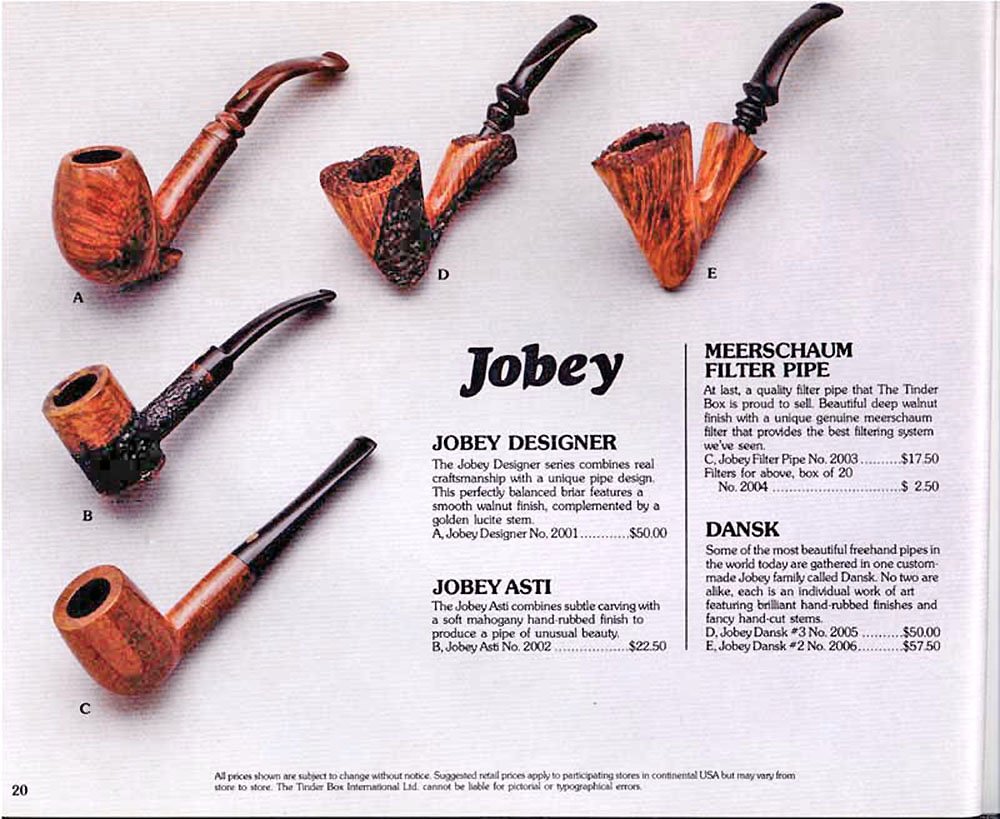
The Tinder Box, (1970’s – 80’s).

Throughout decades Jobey pipes were mainly sold in the USA, Canada and England but remained almost unknown in continental Europe. The bulk of Jobeys was predominantly made according to classical patterns and mainly in the lower to middle price range. The predominant judgment of the pipe smokers reads: “A well-made pipe for the price.” So there is hardly anything very special or exciting about Jobey pipes although a flyer from ca. 1970 assures: “The briar root Jobey insists upon for its peer of pipes is left untouched to grow, harden and sweeten for 100 years. […]Jobey uses only the heart of this century old briar and only one out of 500 bowls turned measures up to the rigid Jobey specifications.” 99.80% of cull… that makes the layman marveling!

Yet then there are partially really exciting Freehands mainly in the seventies, that Jobey – Weber owned back then – bought from Danish pipe genius Karl Erik Ottendahl. These pipes were offered as Jobey Dansk – ’70’s pure! (BTW waning sales caused Ottendahl to discontinue exports to the United States in 1987.)

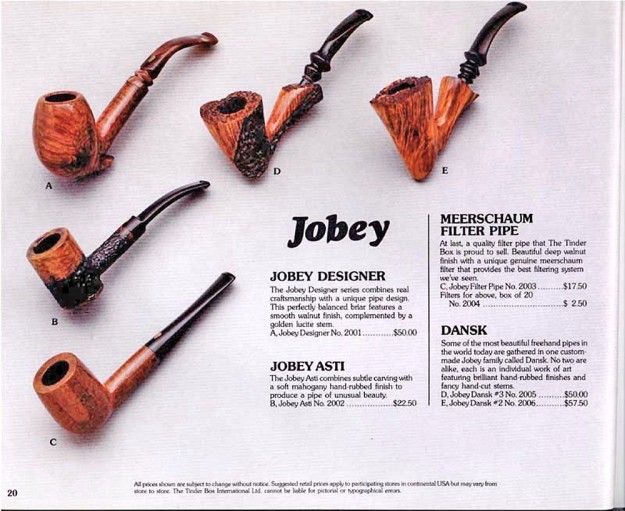
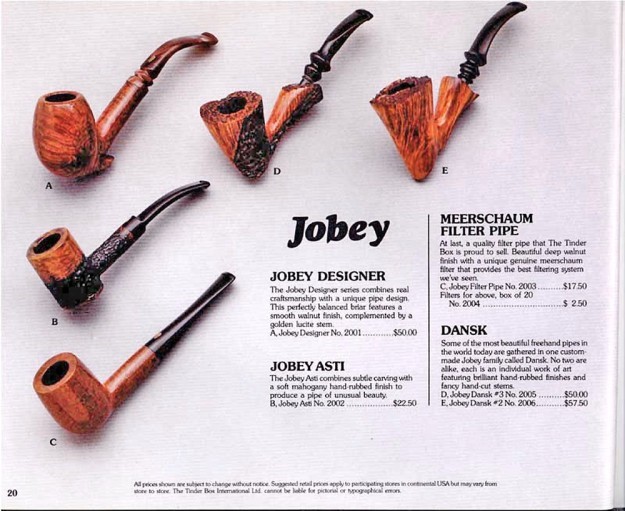
There was also an interesting Tinderbox catalogue page, provided courtesy of Doug Valitchka, that includes a note about the Jobey Dansk (https://pipedia.org/images/7/7a/Jobey1979.jpg).From that information I confirmed that the pipe that I was working on was carved by Karl Erik Ottendahl. There were some similarities to the Karl Erik pipes that I have worked on in the past. The dating of the pipe line in the 70s fits well with the pipe I have in hand.

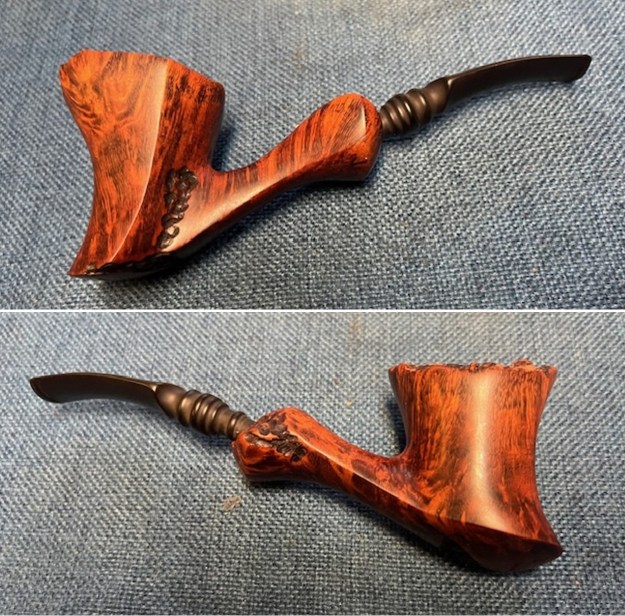
Now it was time to work on the pipe on my end. When I received it, Jeff had once again done an amazing job cleaning the pipe. He reamed it with a PipNet pipe reamer and got rid of the cake. He cleaned up the reaming with a Savinelli Fitsall Pipe Knife so that we could see the walls of the bowl and assess for damage. It was in good condition. He cleaned the internals of the shank and stem with cotton swabs, pipe cleaners, shank brushes and alcohol. He scrubbed the exterior with undiluted Murphy’s Oil Soap and a tooth brush. He rinsed the pipe under warm water. He dried it off with a cloth and then let it air dry. The stem was scrubbed with Soft Scrub and soaked in Briarville’s Stem Deoxidizer. It came out looking clean but the hole in the stem called for a replacement once again. The finish on the bowl and the rim top cleaned up nicely. I took pictures of the pipe to show how it looked when I brought it to the worktable. I took some photos of the rim top and stem to show the condition of them both when the pipe arrived. It looked very good. The stem had some light chatter and tooth marks ahead of the button on both sides. I took a photo of the stamping on the heel of the bowl. It is readable and in great condition.   I removed the stem from the shank and took a photo of the pipe to show the look of the pipe.I sanded the darkening on the smooth portions of the rim top and the bevelled inner edge of the bowl with a folded piece of 220 grit sandpaper to remove it. The process worked very well and the rim top looked much better.I touched up the valleys in the plateau with a black Sharpie pen to match the other valleys in the finish. It looked very good with the touch up.I polished the smooth portions of the bowl and the high points in the rustication and plateau with micromesh sanding pads – dry sanding with 1500-12000 grit pads. I wiped the briar down after each pad with a damp cloth. The bowl is starting to look very good. I worked some Before & After Restoration Balm into the surface of the briar with my fingertips and into the plateau rim top and shank end with a horsehair shoe brush to clean, enliven and protect it. I let the balm sit for a little while and then buffed with a cotton cloth to raise the shine. The photos show the bowl at this point in the restoration process. I set the bowl aside and turned my attention to the stem. I “painted” the stem with a lighter flame and then filled in the remaining tooth damage with black rubberized CA glue. I set it aside to let the repair cure. Once cured, I flattened out the repairs with a flat file and then sanded it with 220 grit sandpaper to blend it into the surface of the surrounding vulcanite. I sanded the stem with 320-3500 grit sanding pads. I wiped the stem down with an Obsidian Oil cloth after each sanding pad. Once I was finished it looked much better.I polished the stem with micromesh sanding pads – wet sanding with 1500-12000 grit sanding pads. I wiped it down after each sanding pad with some Obsidian Oil. I finished polishing it with Before & After Pipe Stem Polish – both Fine and Extra Fine and buffed it off with a cotton cloth. This is a beautiful Jobey Dansk 2 Handmade Freehand by Karl Erik with a fancy, turned, vulcanite stem. It has a great look and feel. The shape fits well in the hand with the curve of the bowl and shank junction a perfect fit for the thumb around the bowl when held. I polished stem and the bowl with Blue Diamond polish on the buffing wheel. I gave the plateau on the rim top and shank end multiple coats of Conservator’s Wax. I gave the bowl and the stem multiple coats of carnauba wax. I buffed the pipe with a clean buffing pad to raise the shine. I hand buffed it with a microfiber cloth to deepen the shine. The pipe polished up pretty nicely. The rich combination of browns and black in the smooth finishes and the plateau areas took on life with the buffing. The rich colour of the briar works well with the polished vulcanite stem. I like the grain and finished look of this Jobey Dansk 2 pipe. Have a look at it with the photos below. The shape, finish and flow of the pipe and stem are very well done. The dimensions are Length: 6  inches, Height: 2 ¼ inches, Outside diameter of the bowl: 1 ½ wide, Chamber diameter: 7/8  of an inch. The weight of the pipe is 43 grams/1.52 ounces. This Danish Freehand is a real beauty. Thanks for walking through the restoration with me as I worked over another beautiful pipe. This one will be going on the rebornpipes store in the Danish Pipe Making Section shortly if you would like to add it to your collection. Thanks for your time.

Resurrecting a tired and much loved Jobey Dansk 2 Freehand Sitter


by Steve Laug

My brother Jeff picked up another Jobey Dansk Freehand pipe on December 17, 2020 from a seller in Cramerton, North Carolina, USA. It had really unique shape and some nice grain with spot carvings around the bowl and shank. There was some plateau on the top of the rim and on the end of the shank. There was a rustication on the right side of the bowl toward the heel of the bowl. I have worked on enough of these to know that were Danish Freehand pipes were carved by Karl Erik. This one was stamped on the underside of the shank end and read Jobey in script [over] Dansk [over] Handmade in Denmark. There was a faint 2 stamped below the Handmade stamp. The finish on this pipe was very dirty with dust and thick lava filing in the plateau top. The bowl had a very thick cake. There were oils and grime ground into the finish of the bowl and the grime was quite thick on the shank and sides. I am pretty sure that the vulcanite stem was a replacement. The fit to the shank was not good and there were tooth marks both sides of the stem at the button. There was a large bite through on the underside of the stem ahead of the button. Jeff took of the pipe to show the overall condition of the bowl and stem. He took close up photos of the bowl and rim top from different angles to show the condition of the partial plateau finish. You can see the thick cake in the bowl and the heavy lava build up on the plateau rim top that almost fills in the valleys. It is hard to know if there is damage or if the lava protected it. The bowl has a thick cake that lining the walls and overflowing into lava. The next photos show the condition of the vulcanite stem which is oxidized and calcified. You can see the tooth marks and damage both on the surface of both sides ahead of the button. He took photos of the sides and heel of the bowl to show the lay of the grain and the heavy oils and build up around the pipe. It is a nice piece of briar with a unique and a patch of rustication on the bottom right side of the bowl toward the heel. Jeff took a photo of the stamping on the underside of the shank to capture it. It was clear and read Jobey Dansk at the top. Under that it read Handmade in Denmark. Underneath that it is stamped with a number 2. The stamping on the 2 is very faint. I wanted to look at who had carved the Jobey Dansk line to confirm some suspicions I had about it. I had a feeling that the pipes were carved by a Danish carver known as Karl Erik. I looked up the Jobey listing on Pipedia (https://pipedia.org/wiki/Jobey) and found the following information. I quote a portion of the article that is pertinent as follows.

English – American – Danish – French… Information about the brand Jobey are only to be found in form of smithereens…

Probably established in England around 1920(?) the brand hiked into the USA later. In the course of time owner, distributor and manufacturer changed repeatedly. As far as known:

George Yale Pipes & Tobacco, New York (1942)

Norwalk Pipe Co., New York (1949)

Arlington Briar Pipes Corp., Brooklyn (when?)

Hollco International, New York (1969).

Weber Pipe Co., Jersey City, NJ (1970’s)

The Tinder Box, (1970’s – 80’s).

Throughout decades Jobey pipes were mainly sold in the USA, Canada and England but remained almost unknown in continental Europe. The bulk of Jobeys was predominantly made according to classical patterns and mainly in the lower to middle price range. The predominant judgment of the pipe smokers reads: “A well-made pipe for the price.” So there is hardly anything very special or exciting about Jobey pipes although a flyer from ca. 1970 assures: “The briar root Jobey insists upon for its peer of pipes is left untouched to grow, harden and sweeten for 100 years. […]Jobey uses only the heart of this century old briar and only one out of 500 bowls turned measures up to the rigid Jobey specifications.” 99.80% of cull… that makes the layman marveling!

Yet then there are partially really exciting Freehands mainly in the seventies, that Jobey – Weber owned back then – bought from Danish pipe genius Karl Erik Ottendahl. These pipes were offered as Jobey Dansk – ’70’s pure! (BTW waning sales caused Ottendahl to discontinue exports to the United States in 1987.)

There was also an interesting Tinderbox catalogue page, provided courtesy of Doug Valitchka, that includes a note about the Jobey Dansk (https://pipedia.org/images/7/7a/Jobey1979.jpg).From that information I confirmed that the pipe that I was working on was carved by Karl Erik Ottendahl. There were some similarities to the Karl Erik pipes that I have worked on in the past. The dating of the pipe line in the 70s fits well with the pipe I have in hand.

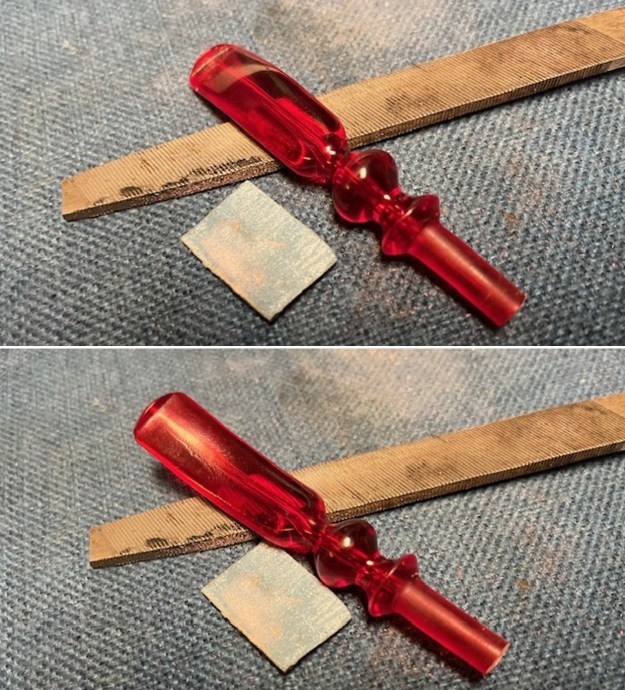
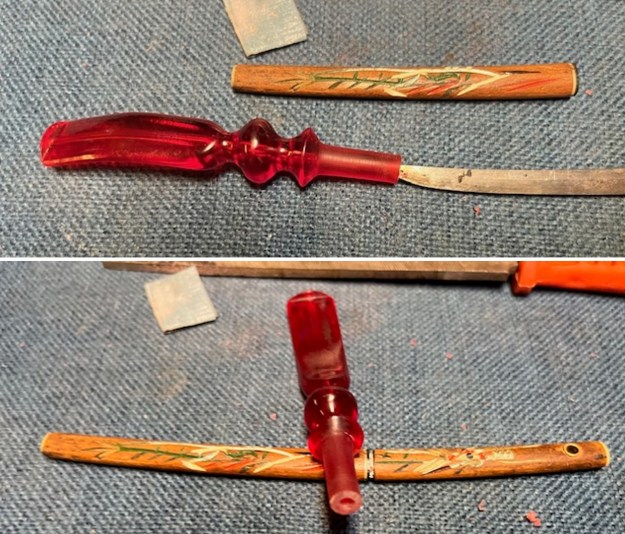
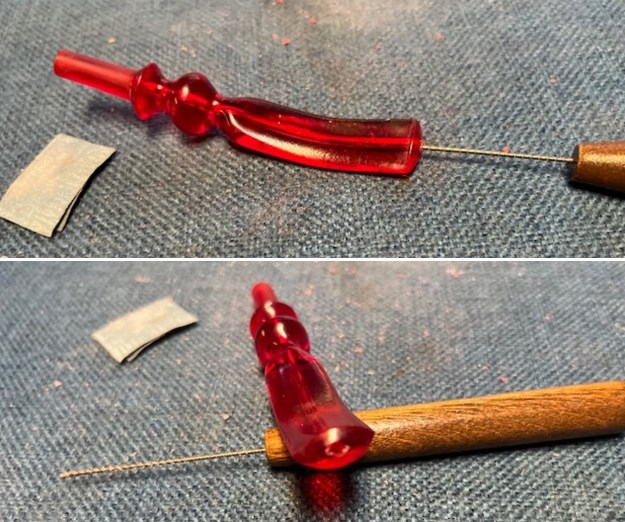
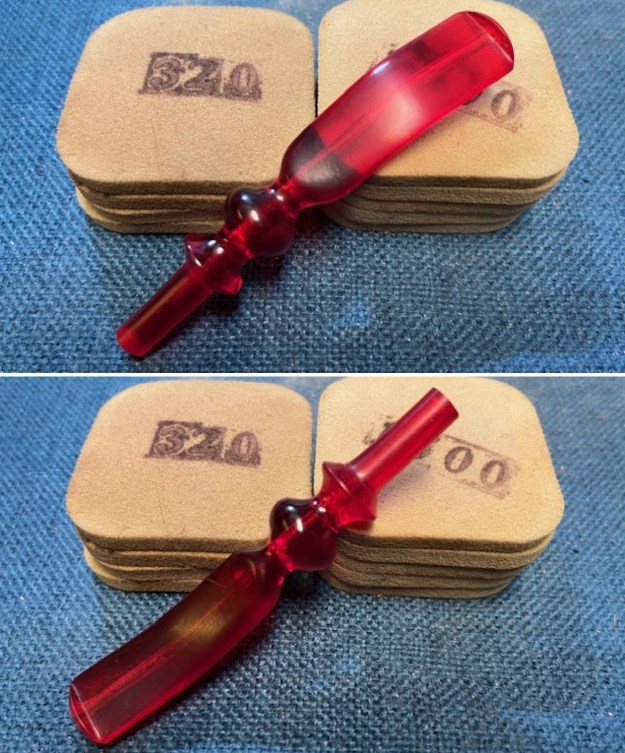
Now it was time to work on the pipe on my end. When I received it, Jeff had once again done an amazing job cleaning the pipe. He reamed it with a PipNet pipe reamer and got rid of the cake. He cleaned up the reaming with a Savinelli Fitsall Pipe Knife so that we could see the walls of the bowl and assess for damage. It was in good condition. He cleaned the internals of the shank and stem with cotton swabs, pipe cleaners, shank brushes and alcohol. He scrubbed the exterior with undiluted Murphy’s Oil Soap and a tooth brush. He rinsed the pipe under warm water. He dried it off with a cloth and then let it air dry. The stem was scrubbed with Soft Scrub and soaked in Briarville’s Stem Deoxidizer. It came out looking clean but the hole in the stem called for a replacement once again. The finish on the bowl and the rim top cleaned up nicely. I took pictures of the pipe to show how it looked when I brought it to the worktable. I took some photos of the rim top and stem to show the condition of them both when the pipe arrived. Overall it looked good. There is some darkening and debris on the top of the bowl. The stem had some deep tooth marks ahead of the button on the topside and a large bite through on the underside ahead of the button. I took a photo of the stamping on the underside of the shank. It is readable and in great condition.   I removed the stem from the shank and took a photo of the pipe to show the look of the pipe.I decided to start my work on the pipe by finding a new stem for the pipe. I went through my stems and found a nice acrylic saddle stem in a ruby colour. The tenon was quite long and would need to be shortened to match the drilling in the shank. I would need to shorten it by about a ¼ inch. I would also need to reduce the diameter of the tenon to get a proper fit in the shank but I think once the bowl was finished the stem would really look good. I took some photos of the bowl and the replacement stem.I took some photos of the bowl with stem to give a sense of what the combination would look like. The colour looks quite amazing with the straight grain around the bowl and shank. I started on fitting the stem to the shank. I used my Dremel and sanding drum to start the process of reducing the diameter and finished the work with a file and sandpaper. I used a sharp pen knife chamfer the airway in the tenon end. The slight funnel really helps focus the smoke up the stem to the mouth.I used a small pottery saw to open up the single hole in button and begin to shape it in the form of a football. I further shaped it with a round and an oval file. I smoothed it out with a folded piece of sandpaper. I sanded the stem with 320-3500 grit sanding pads. I wiped the stem down with an Obsidian Oil cloth after each sanding pad. Once I was finished it looked much better.I polished the stem with micromesh sanding pads – wet sanding with 1500-12000 grit sanding pads. I wiped it down after each sanding pad with some Obsidian Oil. I finished polishing it with Before & After Pipe Stem Polish – both Fine and Extra Fine and buffed it off with a cotton cloth. I set the stem aside and worked on the bowl. I worked over the plateau finish with a brass bristle wire brush to knock of the debris in the valley and low spots of the finish. It looked better.I moved from cleaning up the plateau to dealing with the darkening and damage to the inner edge of the rim. I used a folded piece of 220 grit sandpaper to work and smooth it out. It looked better when I had finished. I sanded the bowl with 320-3500 grit sanding pads. I wiped the briar down with a damp cloth after each sanding pad to remove the debris. It started to look very good. I polished the bowl with micromesh sanding pads – dry sanding with 1500-12000 grit pads. I wiped the briar down after each pad with a damp cloth. The bowl is starting to look very good. I worked some Before & After Restoration Balm into the surface of the briar with my fingertips and into the plateau rim top and shank end with a horsehair shoe brush to clean, enliven and protect it. I let the balm sit for a little while and then buffed with a cotton cloth to raise the shine. The photos show the bowl at this point in the restoration process. This is a beautiful Jobey Dansk Handmade Freehand by Karl Erik with a fancy, turned, ruby acrylic stem. It has a great look and feel. The shape fits well in the hand with the curve of the bowl and shank junction a perfect fit for the thumb around the bowl when held. I polished stem and the bowl with Blue Diamond polish on the buffing wheel. I gave the plateau on the rim top and shank end multiple coats of Conservator’s Wax. I gave the bowl and the stem multiple coats of carnauba wax. I buffed the pipe with a clean buffing pad to raise the shine. I hand buffed it with a microfiber cloth to deepen the shine. The pipe polished up pretty nicely. The rich combination of browns and black in the smooth finishes and the plateau areas took on life with the buffing. The rich colour of the briar works well with the polished ruby acrylic stem. I like the grain and finished look of this Jobey Dansk pipe. Have a look at it with the photos below. The shape, finish and flow of the pipe and stem are very well done. The dimensions are Length: 6 ½ inches, Height: 2 ¼ inches, Outside diameter of the bowl: 1 ¾ wide, Chamber diameter: 1  inch. The weight of the pipe is 57 grams/1.98 ounces. This Danish Freehand is a real beauty. Thanks for walking through the restoration with me as I worked over another beautiful pipe. This one will be going on the rebornpipes store in the Danish Pipe Making Section shortly if you would like to add it to your collection. Thanks for your time.

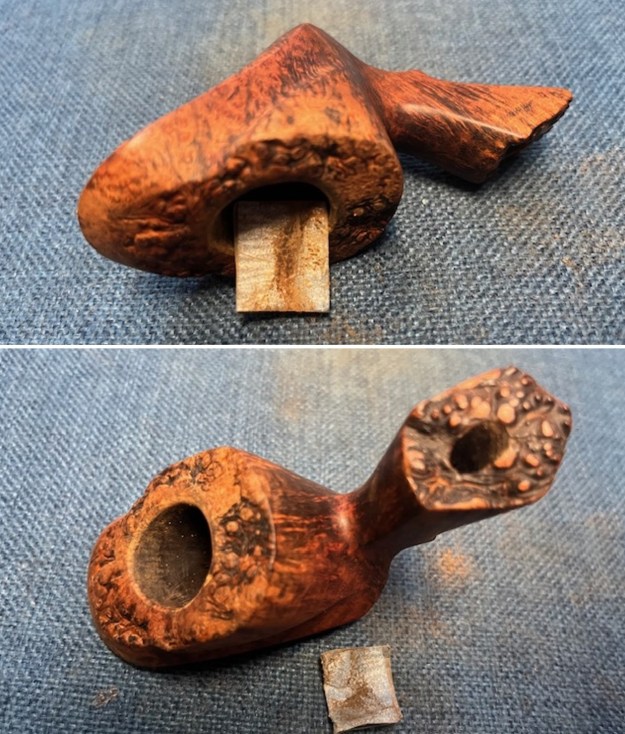
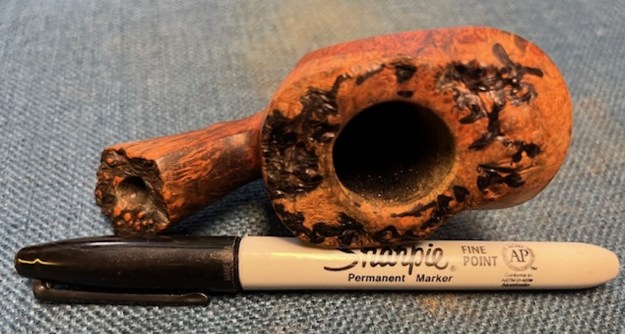
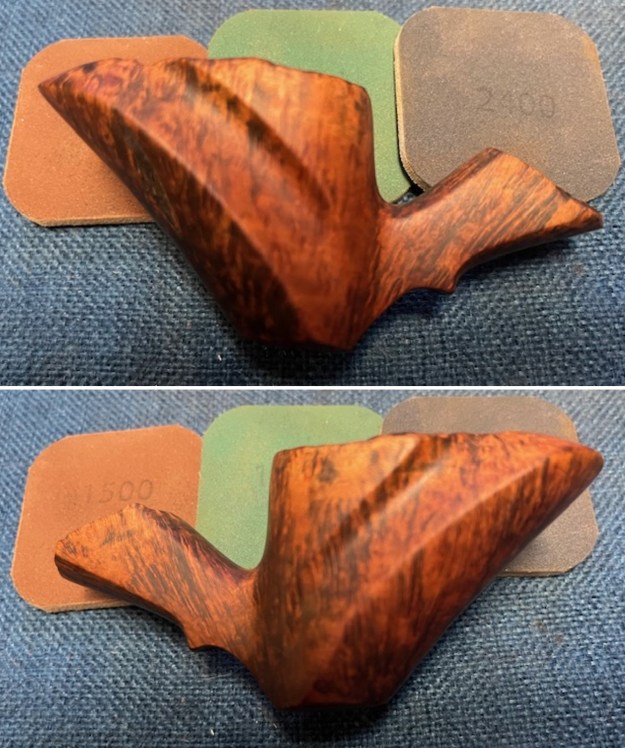
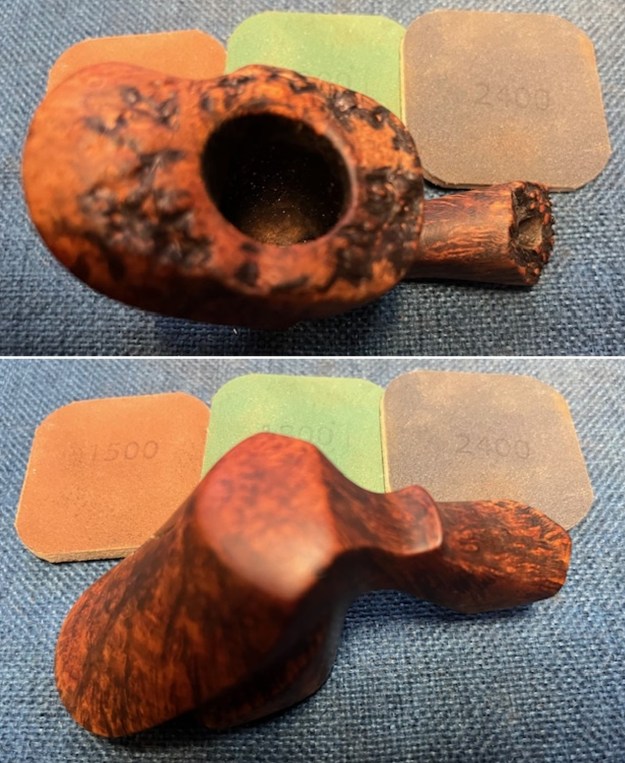
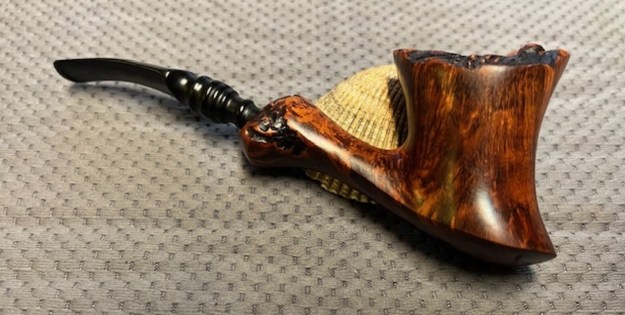
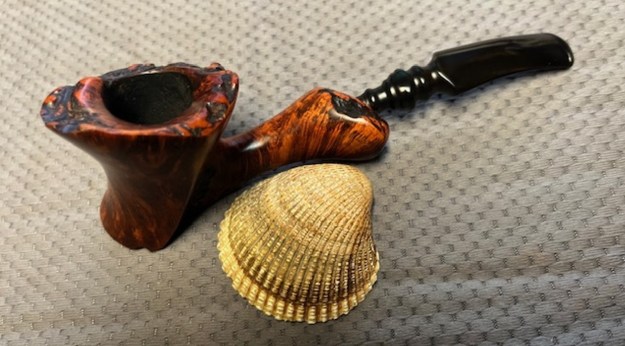
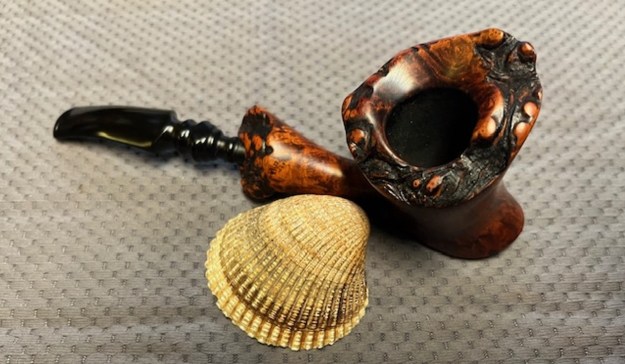
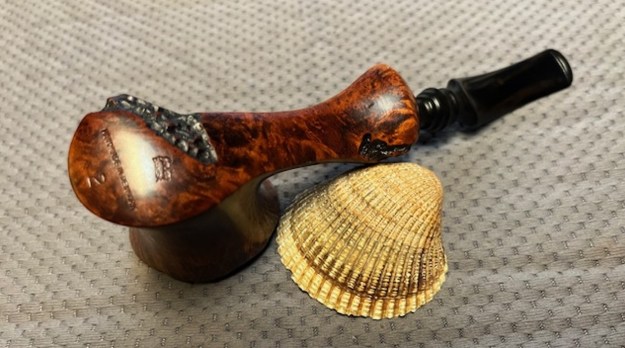
You’ve Come a Long Way, Baby!


by Kenneth Lieblich

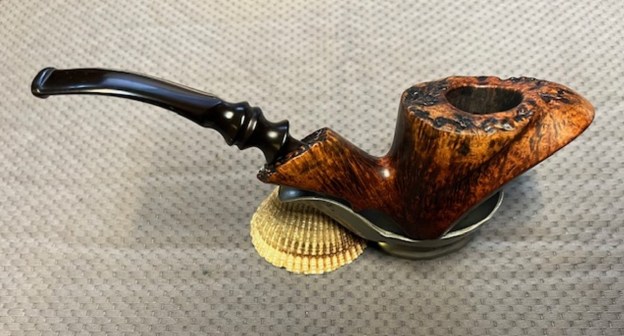
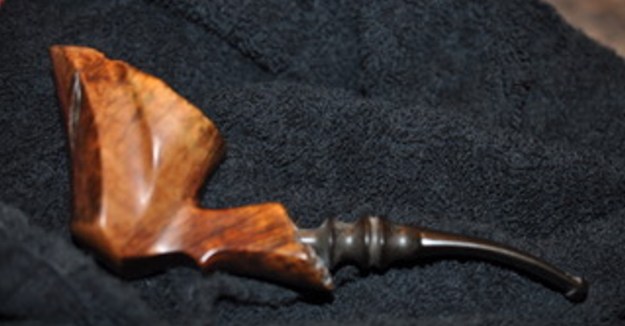
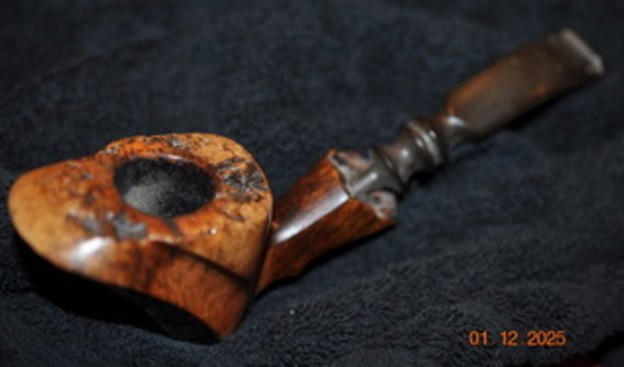
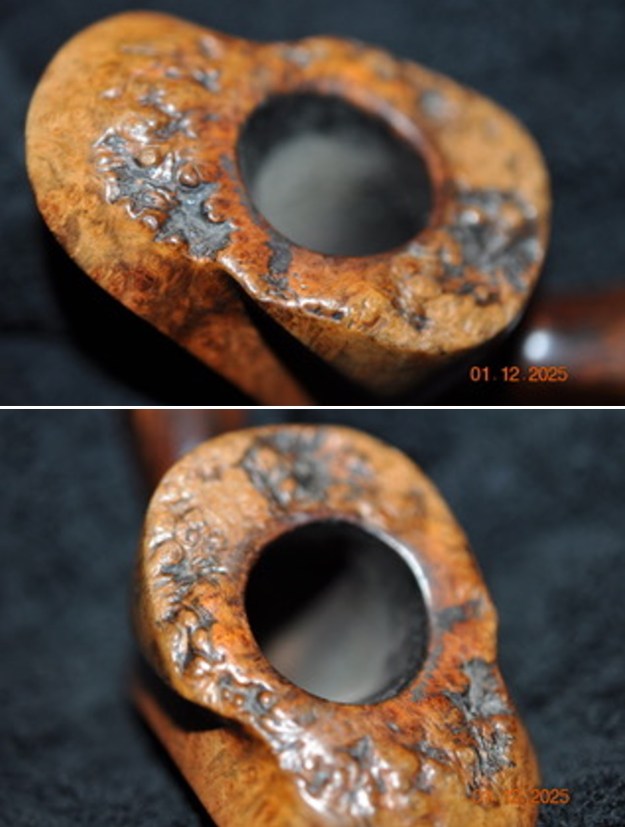
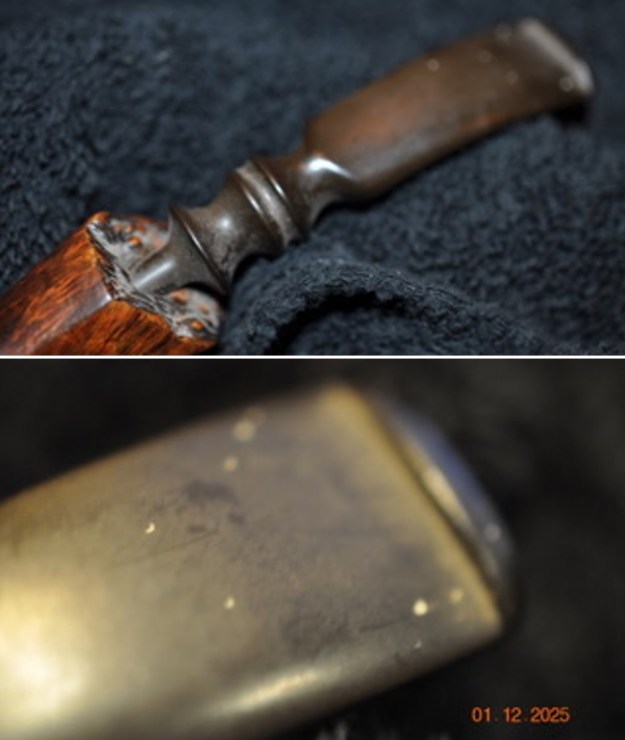
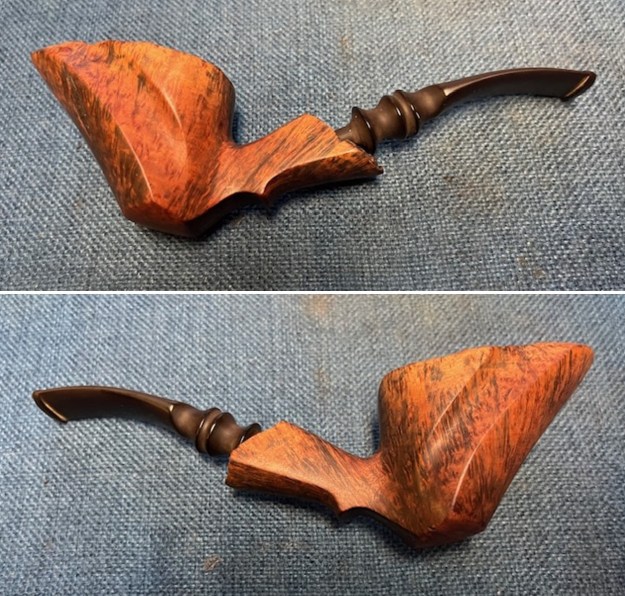
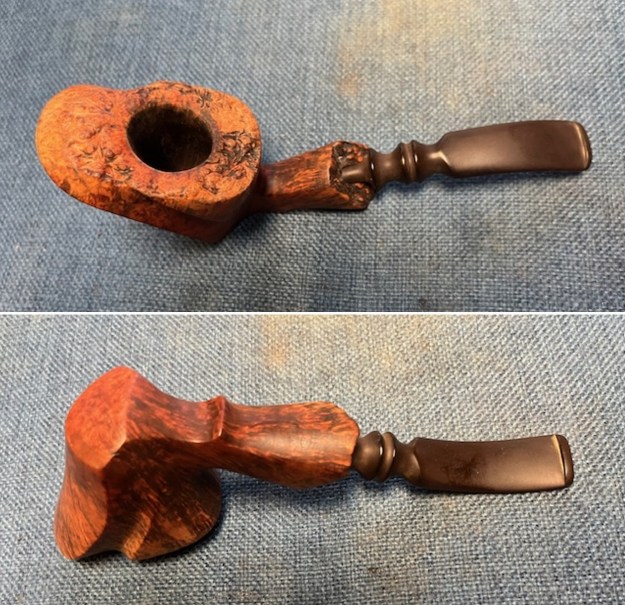
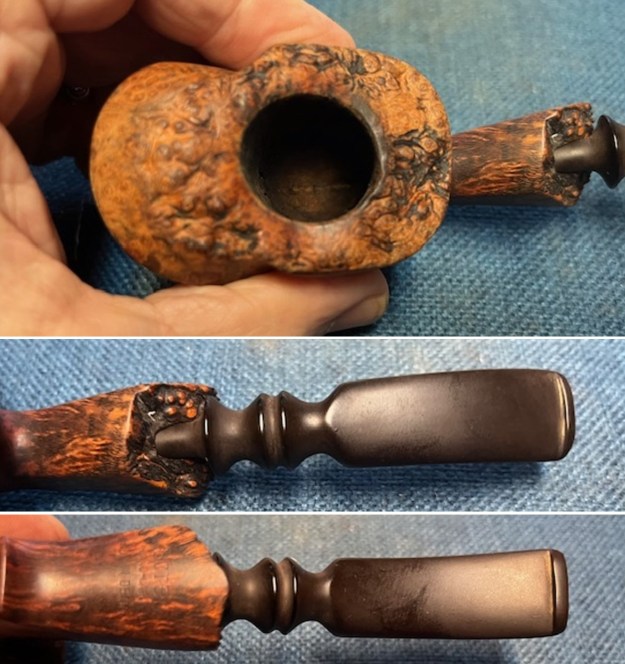
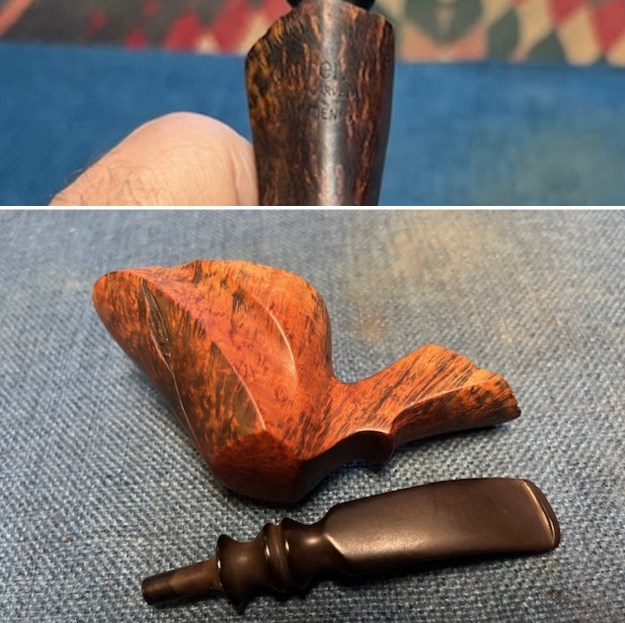
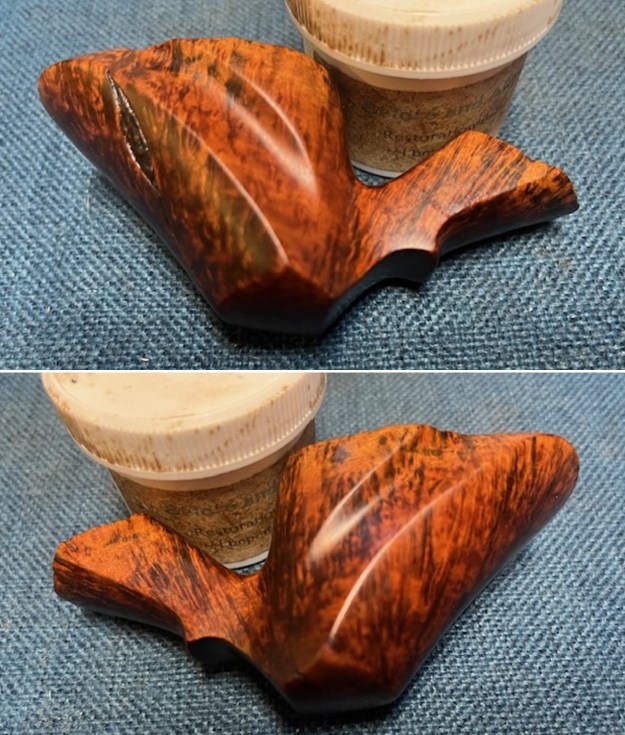
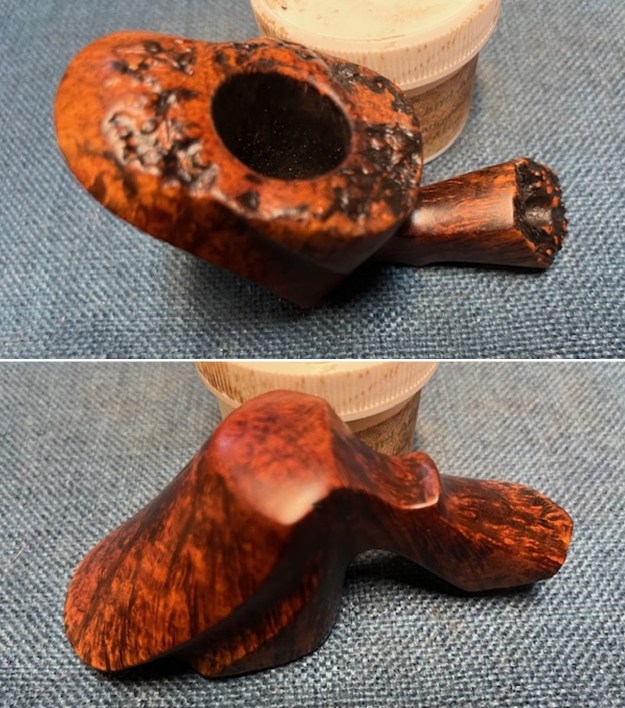
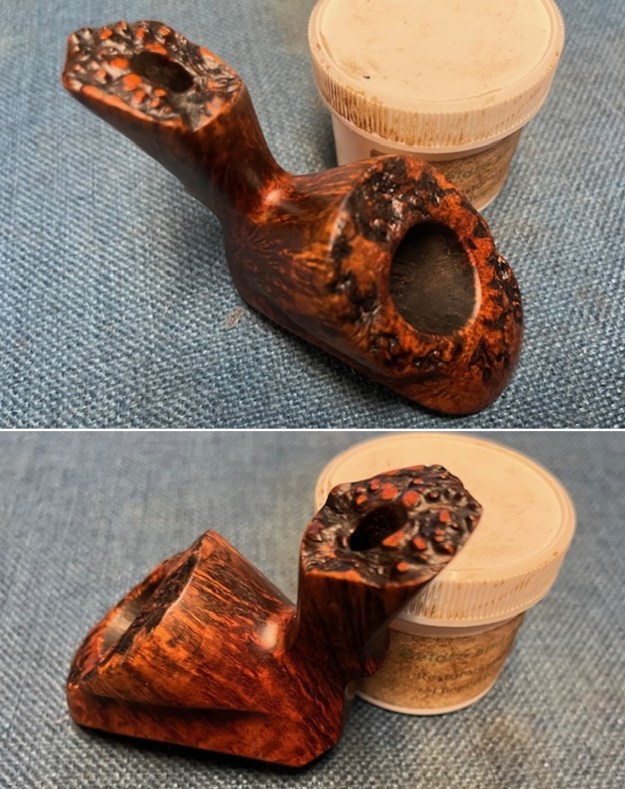
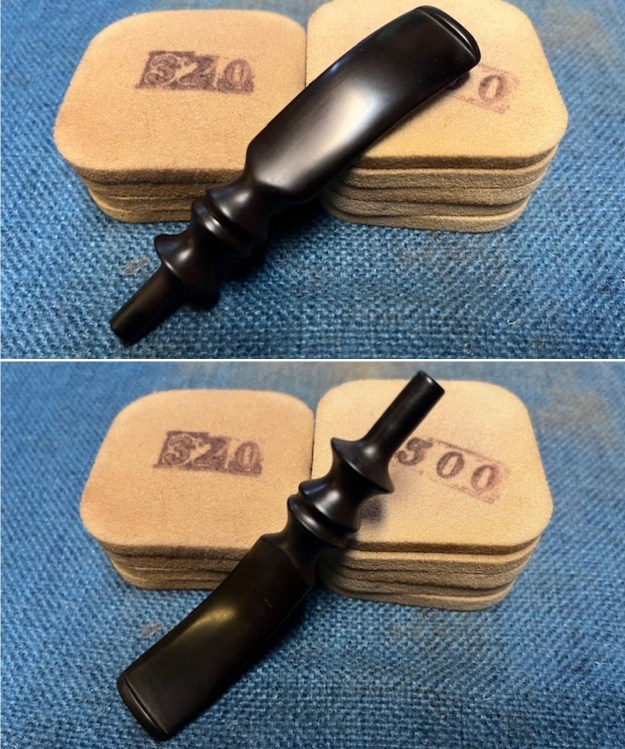
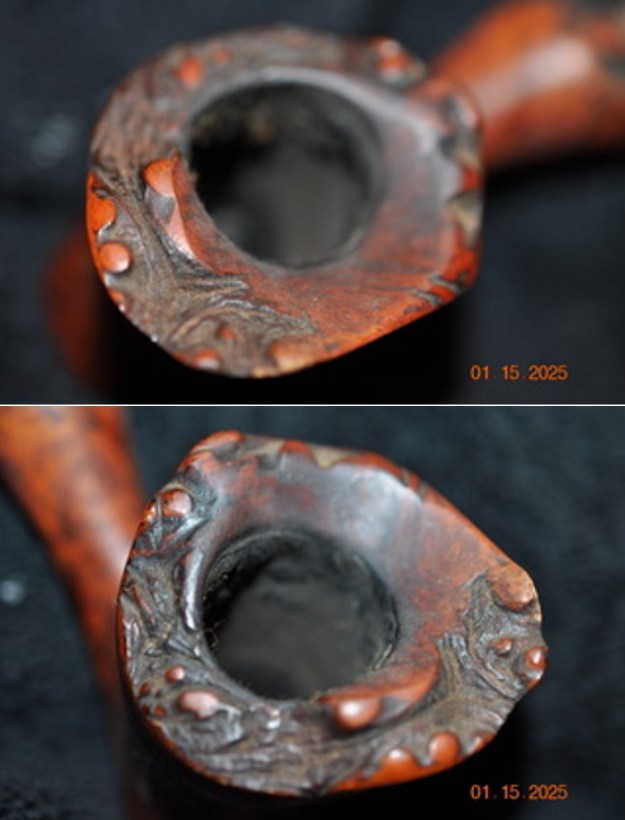
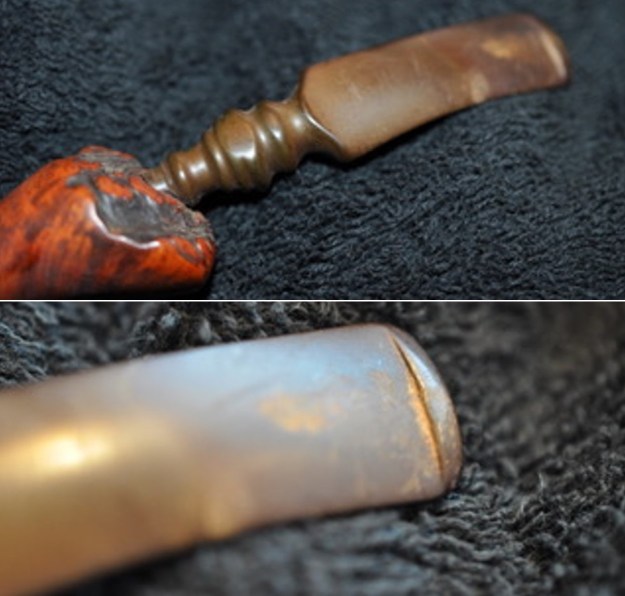
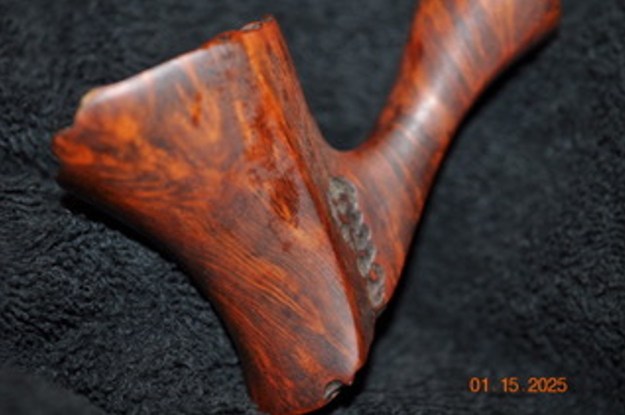
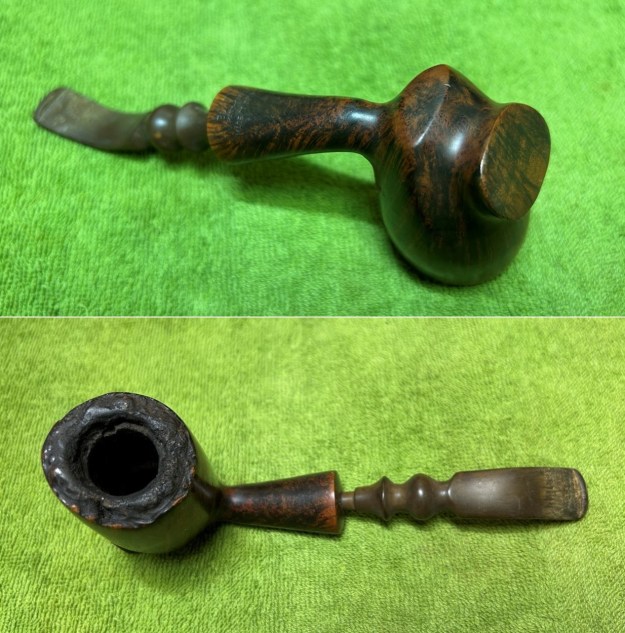
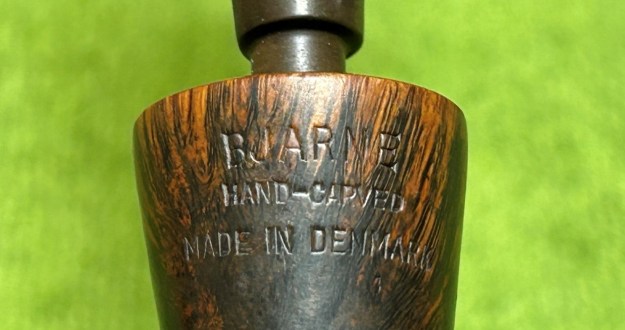
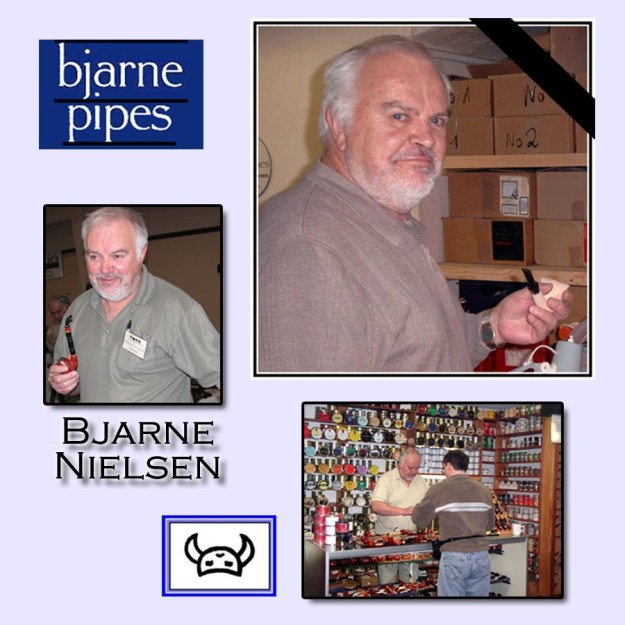
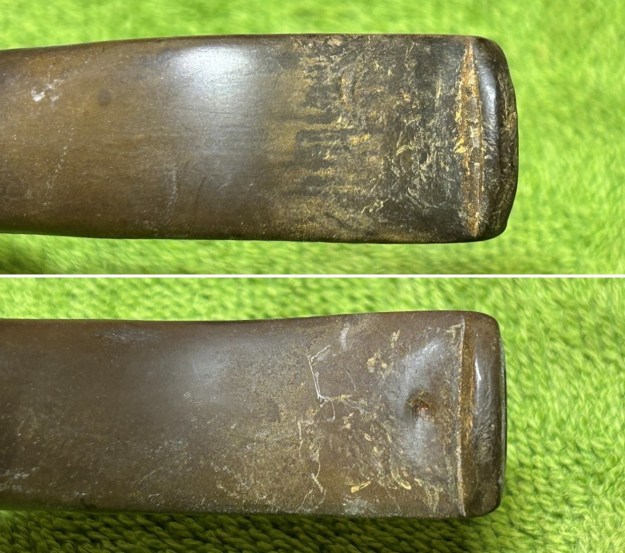
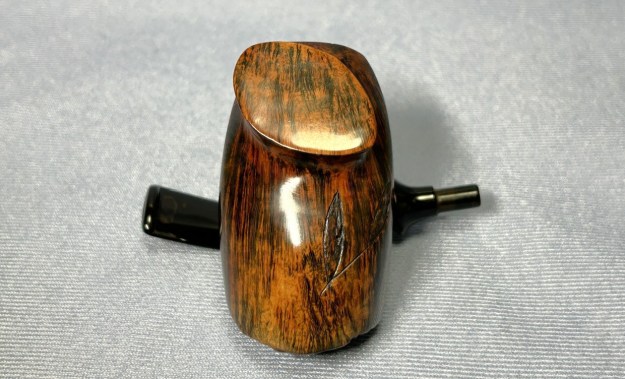
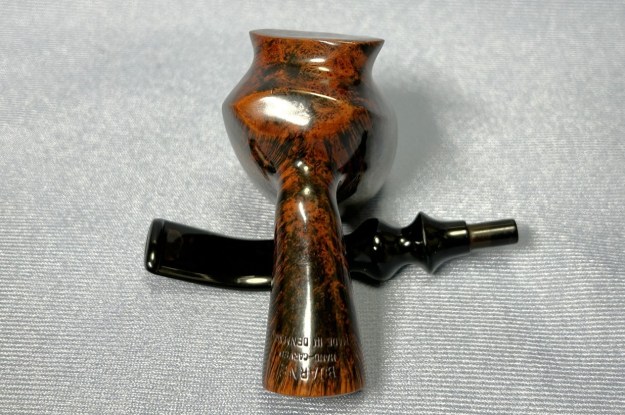
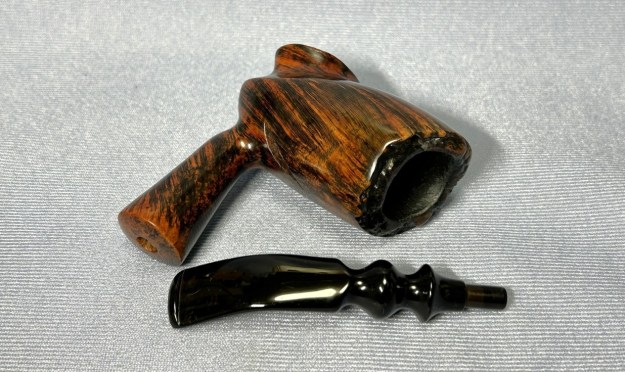
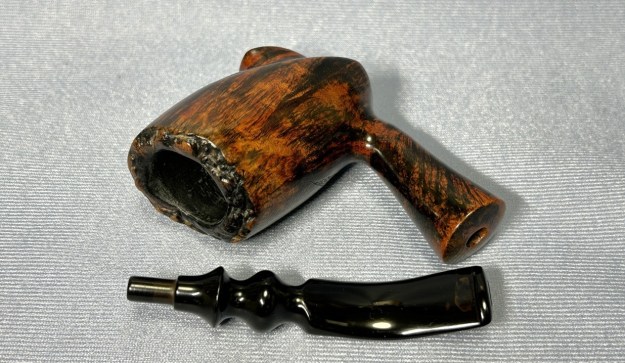
Hold on to your hats, folks – you’re in for a wild ride of pipe restoration. This amazing pipe has had quite a life, and its latest chapter includes coming into my possession. This is a Bjarne Hand-Carved freehand sitter from one of the great characters of the Danish pipe industry, Bjarne Nielsen. This pipe found its way to me through an auction and I was immediately besotted. It is a wonderful piece of briar, with a spacious bowl, and a charming, bent vulcanite stem. It’s a beauty and really makes an impression. Underneath the shank, the following words are engraved: Bjarne [over] Hand-Carved [over] Made in Denmark. There is no logo on the stem. Given the absence of a logo, I suspect that this is an older Bjarne pipe.Pipedia has a good article on Bjarne Nielsen and I recommend reading it here. For now, here is a part of that biography:

Bjarne Nielsen was born in 1941, and started smoking a pipe when he was 16 years old, and he also made some pipes for his own use at that time. He liked the pipes and made some more, giving some away as presents to friends. At the University of Copenhagen he obtained an MBA degree and found work at the Danish Ministry of Foreign Affairs where he helped Danish companies that were exporting their products establish contacts in foreign countries. That was in the 1960’s when the high demand for Danish freehand pipes started, so Bjarne was often asked if he knew of any companies that could sell those types of pipes. But all those companies had their order-books filled, so Bjarne always had to give a negative answer. One day he decided to send some pictures of his own pipes, and the response was overwhelming. He was asked how many pipes he could make and how quickly he could deliver them, and at once Bjarne had order for more pipes than he could make. What had been a relaxing hobby now became much more than that.

With a demanding job it was hard to find time to make pipes in that quantity, and Bjarne had to choose. His dream had always been to have a company of his own, and if he wanted fo fulfill that dream, now was the time to do it. But to leave a promising career, in which he probably would have become a Danish ambassador in some foreign country, was indeed a big step to take. “Many thought I was crazy”, Bjarne says, “and one of them was my wife. But she supported my decision anyway.”

He made that decision in 1973, and became a fulltime pipemaker. But he soon realized that it was impossible for one person to handle all of it–he could not make a lot of pipes, sell them and collect money for them all by himself. So he decided to find some pipemakers to help him. In those days Preben Holm was one of the biggest makers of fancy pipes, and he employed a great number of pipemakers. But not all of them were happy to work for Preben,m so Bjarne recruited a few of those.

During the first years all of Bjarne’s pipes were sold in the USA, but at the end of the 1970s he visited the pipe show in Frankfurt and found that there was a market for his there as well. However, he found that the Germans wanted a completely different style of pipes–pipes in traditional shapes. So if he wanted to be successful there, he had to add a completely new line to his production. “It was not easy, we learned it the hard way,” Bjarne says. But they certainly succeeded, and for a number of years Germany became the top-selling market for Bjarne’s pipes.Let’s take a closer look at this pipe’s condition. It was obvious right away that this was a terrific pipe – but, boy, was it dirty. The stem was heavily chewed, with some significant dents in the vulcanite. There was a lot of calcification and oxidation. The stem will be fine in the end – it’ll just take some hard work. Similarly, the stummel needed help. The briar was dirty and tired. The rim was coated in lava, and the bowl was full of cake. I just needed to uncover the beauty of this baby. Let’s get on with it. To begin, I used a disposable lighter and ‘painted’ the stem with its flame. The gentle heat of the flame can cause the dents in the vulcanite of the stem to expand back into shape. In this case, it worked quite well and I got some lift in the dents. Not perfect, but definitely some improvement. The stem’s calcification was quite substantial. I used an old butter knife and gently scraped some of the thicker accretion off. Doing this now helps later in removing the oxidation. I used oil soap on a few cotton rounds and wiped down the stem to provide an initial cleaning of filth before moving on to the next steps.The primary cleaning came next. I disinfected the inside of the stem with pipe cleaners dipped in lemon-infused 99% isopropyl alcohol. I scrubbed thoroughly to make sure the interior was very clean. I used a good numbers of pipe cleaners.The goal of the next step is the removal (or minimization) of oxidation. Going to my sink, I used cream cleanser, cotton rounds, and a toothbrush, and scoured the stem to remove as much surface oxidation as possible. As the photos show, the result was a hideous, brownish mess – but better off the stem than on it.Once the stem was reasonably clean, I soaked it overnight in some Briarville Stem Oxidation Remover. This solution works to draw oxidation in the stem to the surface of the vulcanite. This is a major aid and an important step in ensuring a clean stem. The following day, I drew out the stem from its bath and scrubbed the lingering fluid with a toothbrush. Due to the severity of the oxidation, I then repeated the scrubbing with the cream cleanser for maximum effect. This really helped a lot.As the stem was now clean and dry, I set about fixing the marks and dents in the vulcanite. This was done by filling those divots with black cyanoacrylate adhesive, impregnated with carbon and rubber. I left this to cure and moved on.The penultimate step for the stem is sanding. First, with my set of needle files, I reduced the bulk of the cyanoacrylate repairs. I removed the excess adhesive as near to the surface as possible, without cutting into the vulcanite. Following that, I used all nine of the micromesh sanding pads (1,500 through 12,000 grit) to sand out flaws, even out the vulcanite, and provide gentle polishing of the finished surface. I also applied pipe-stem oil while using the last five micromesh pads. There was a wonderful, deep black shine to the stem when I was done.As the stem was (nearly) complete, I moved on to the stummel. The first step was to ream out the bowl – that is to say, remove all the cake inside the bowl. This accomplished a couple of things. First (and most obviously), it cleaned the bowl and provided a refurbished chamber for future smoking. Second, when the old cake was removed, I could inspect the interior walls of the bowl and determine if there was damage or not. I used a reamer, a pipe knife, and a piece of sandpaper taped to a wooden dowel. Collectively, these ensured that all the debris was removed. However, it was clear that there were a few heat fissures inside the bowl that would need to be repaired. It’s difficult to tell from the photo below, but the quantity of debris removed was enormous. It must have been a well-loved pipe!Similar to the stem, I then cleaned the stummel with both pipe cleaners and cotton swabs dipped in lemon-infused 99% isopropyl alcohol. With a pipe this dirty, it took quite a while and much cotton to get clean.I then decided to ‘de-ghost’ the pipe – that is to say, exorcize the remaining filth from the briar. I filled the bowl and the shank with cotton balls, then saturated them with 99% isopropyl alcohol. I let the stummel sit overnight. This caused the remaining oils, tars and smells to leach out into the cotton.My next step was to remove the lava on the rim. For this, I normally take a piece of machine steel and gently scrape the lava away. However, a jackhammer would have been more appropriate in this case! Instead, I soaked the rim in some oil soap and this softened things up enough for me to scrub the debris off with a nylon-bristle brush. To tidy up the briar, I also wiped down the outside with some oil soap on cotton rounds and used a toothbrush in the crevices. This did a good job of cleaning any latent dirt on the surface of the briar. The last step of the cleaning process was to scour the inside of the stummel with some soap and tube brushes. This was the culmination of a lot of hard work in getting the pipe clean. Additionally, there was a minuscule line on the bottom of the stummel. It was so small, in fact, that I couldn’t really determine if this was a craze line in the briar or just a little scratch. Just to be on the safe side, I applied a tiny bit of clear cyanoacrylate adhesive and sanded it down.To address the heat fissures inside the bowl, I used an epoxy adhesive that is extremely hard, resistant to high temperatures, and completely inert when cured. It worked superbly. I gently filled the affected area with the epoxy and let it cure for a full 24 hours. The next day, I roughened up the epoxy’s surface with 220-grit sandpaper for the next step. I thinly coated the inside of the bowl with a mixture of my wife’s homemade yogurt and activated charcoal. Once hardened, this provides a good, faintly rough surface for a new cake to build.I used all nine micromesh pads (1,500 through 12,000 grit) to sand the outside of the stummel and finish it off. This sanding minimizes flaws in the briar and provides a beautiful smoothness to the wood. I rubbed some LBE Before & After Restoration Balm into the briar and let it sit for 30 minutes or so. The balm moisturizes the wood and gives a beautiful depth to the briar. I then buffed the stummel with a microfibre cloth. For the final step, I took the pipe to my bench polisher and carefully buffed it – first with a blue diamond compound, then with three coats of carnauba wax. This procedure makes the pipe look its best – the stummel sings and the stem glows. You can now see why I called this article ‘You’ve Come a Long Way, Baby!’All done! This Bjarne Hand-Carved freehand sitter looks fantastic again and is ready to be enjoyed by its next owner. I am pleased to announce that this pipe is for sale! If you are interested in acquiring it for your collection, please have a look in the ‘Danish’ section of the store here on Steve’s website. You can also email me directly at kenneth@knightsofthepipe.com. The approximate dimensions of the pipe are as follows: length 6¾ in. (175 mm); height 3 in. (75 mm); bowl diameter 1¾ in. (44 mm); chamber diameter 1 in. (25 mm). The weight of the pipe is 2½ oz. (74 g). I hope you enjoyed reading the story of this pipe’s restoration as much as I enjoyed restoring it. If you are interested in more of my work, please follow me here on Steve’s website or send me an email. Thank you very much for reading and, as always, I welcome and encourage your comments.