Tag Archives: Oxidation

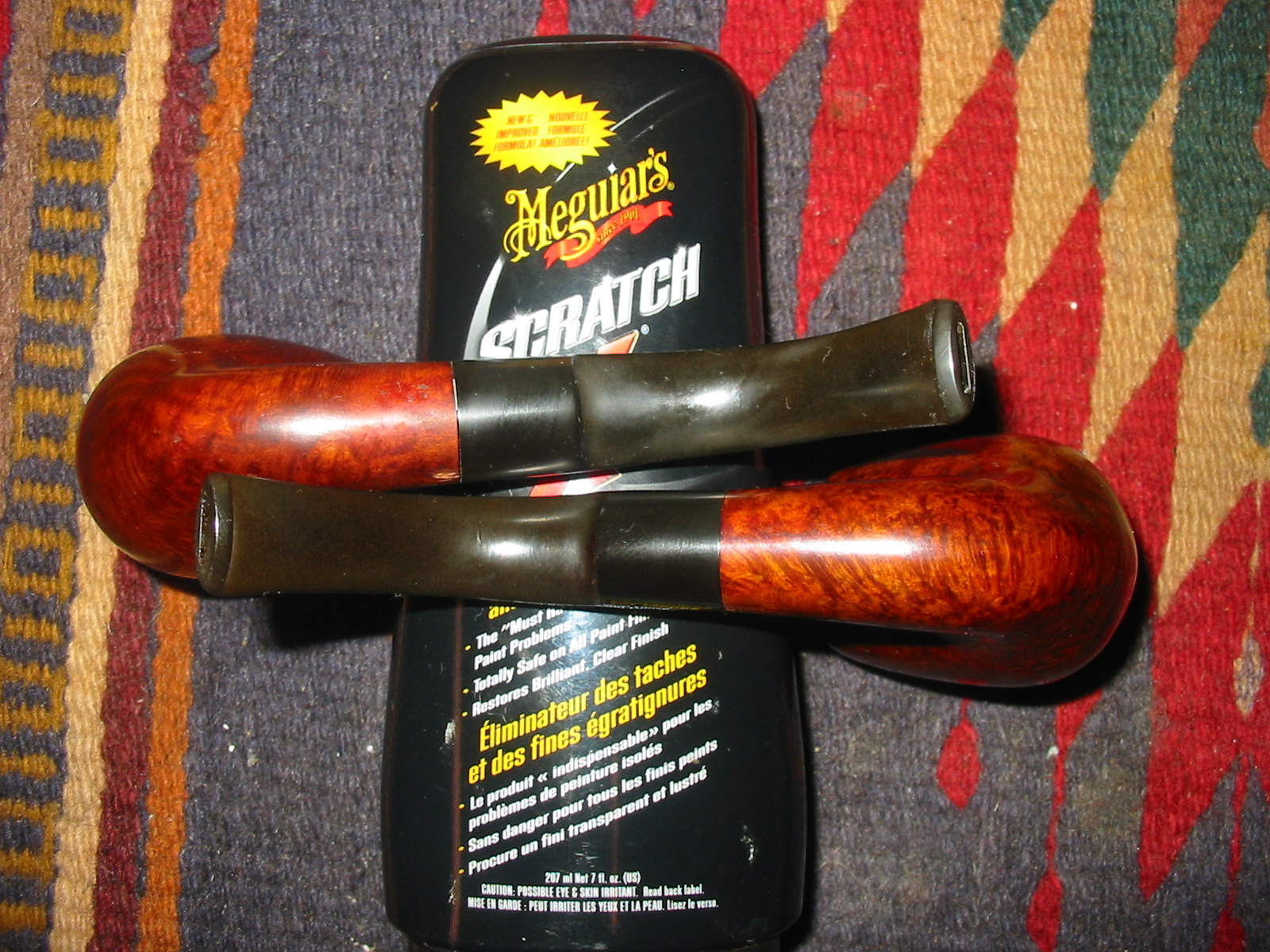
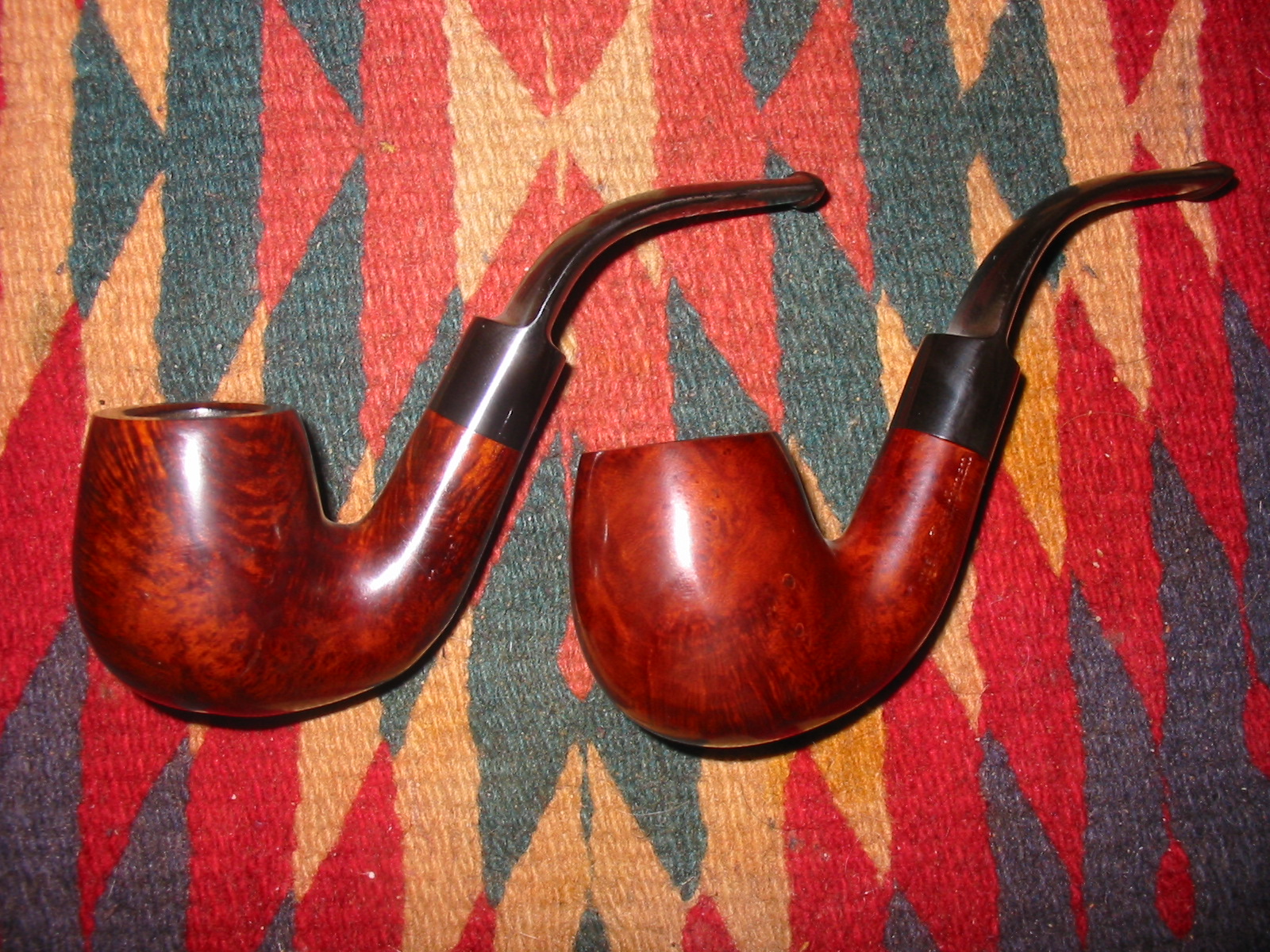
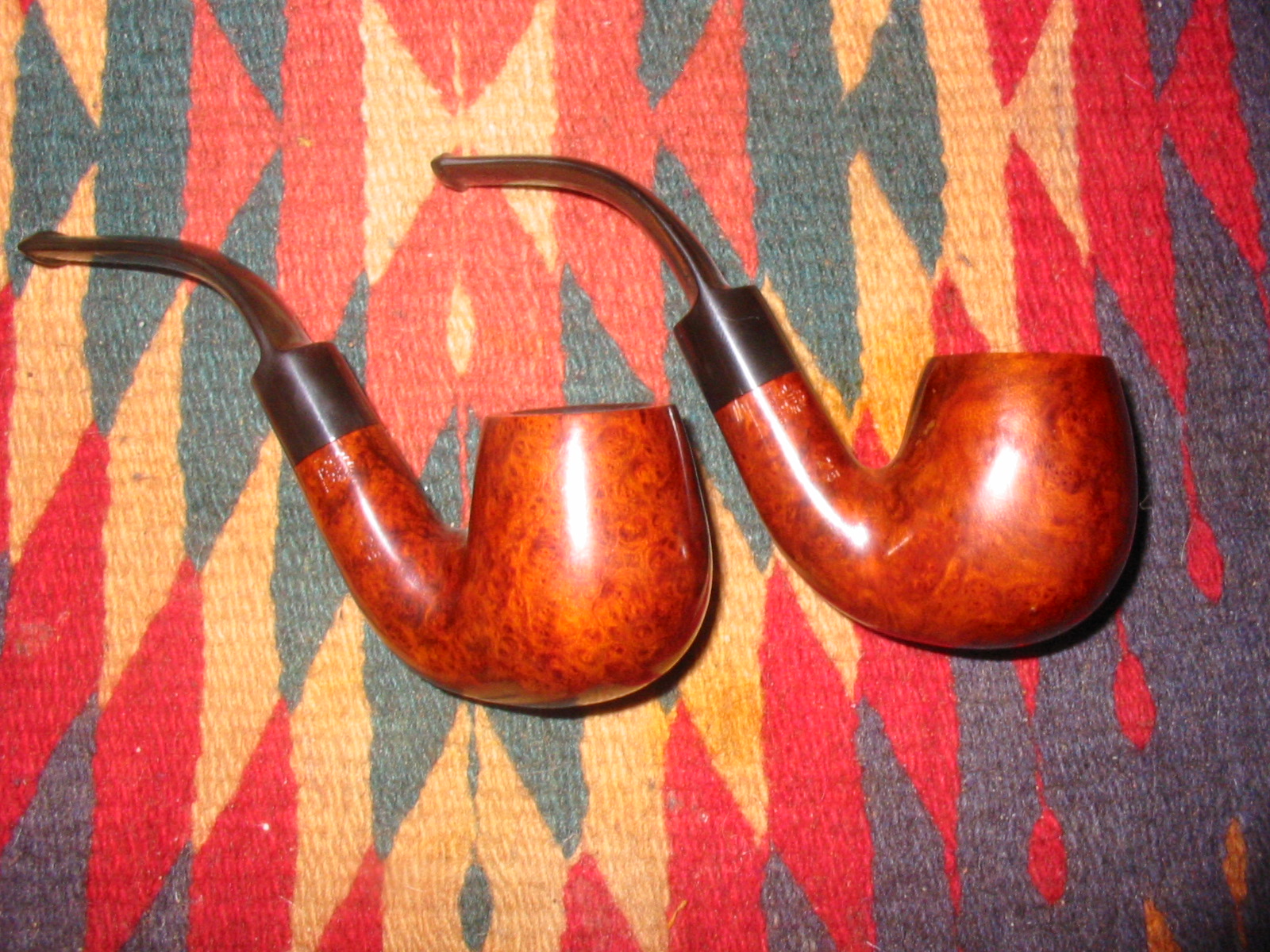
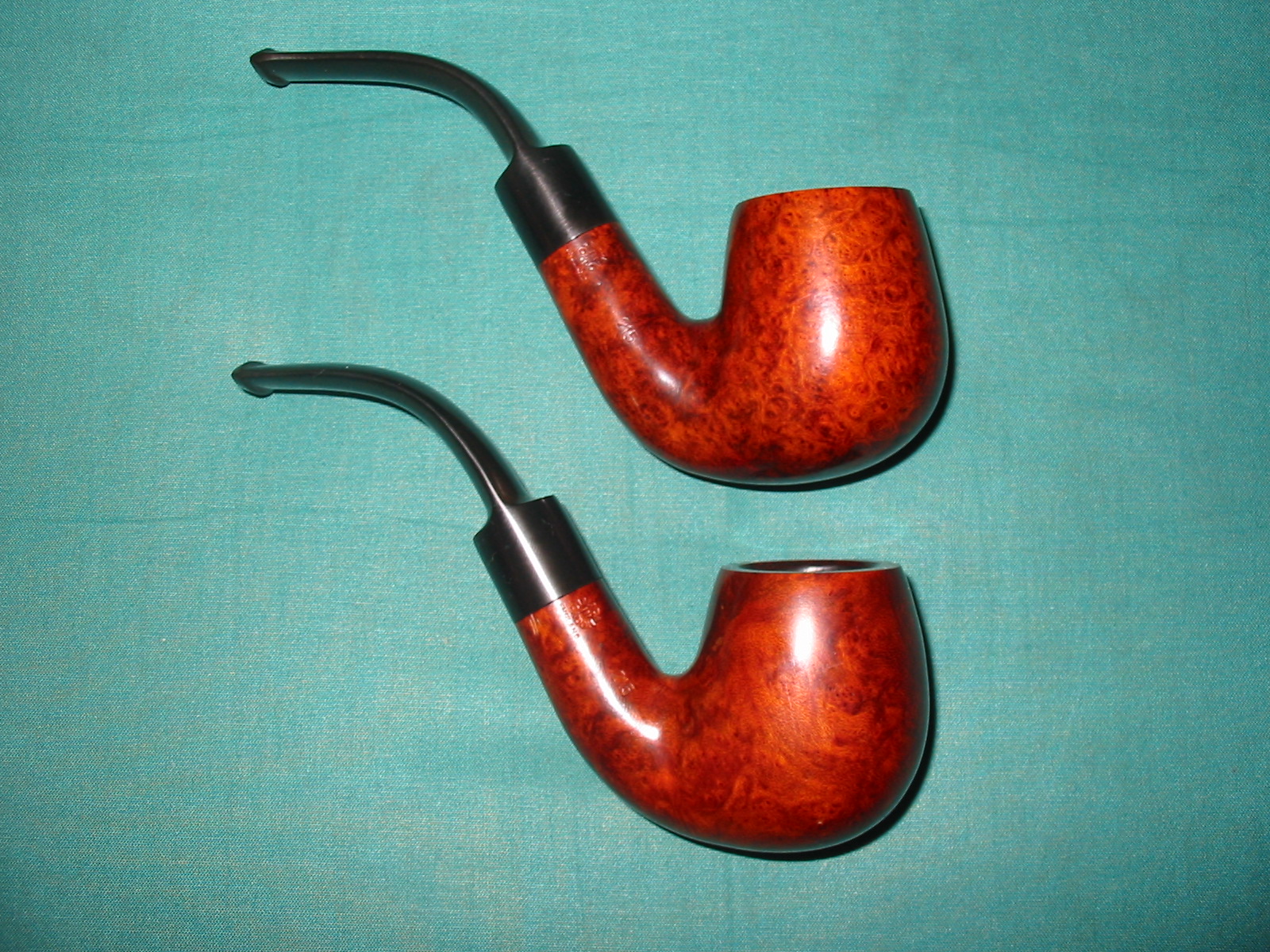
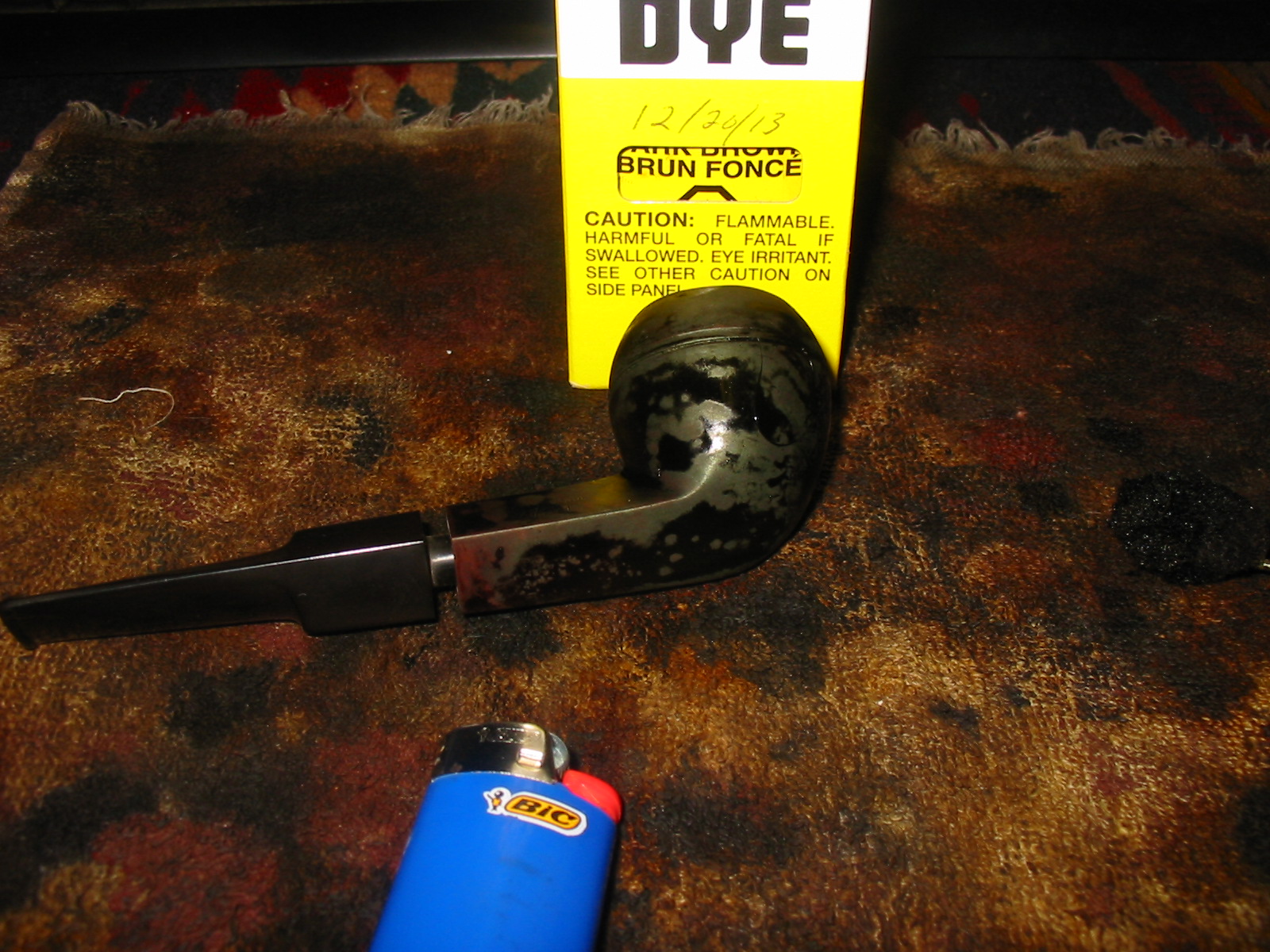
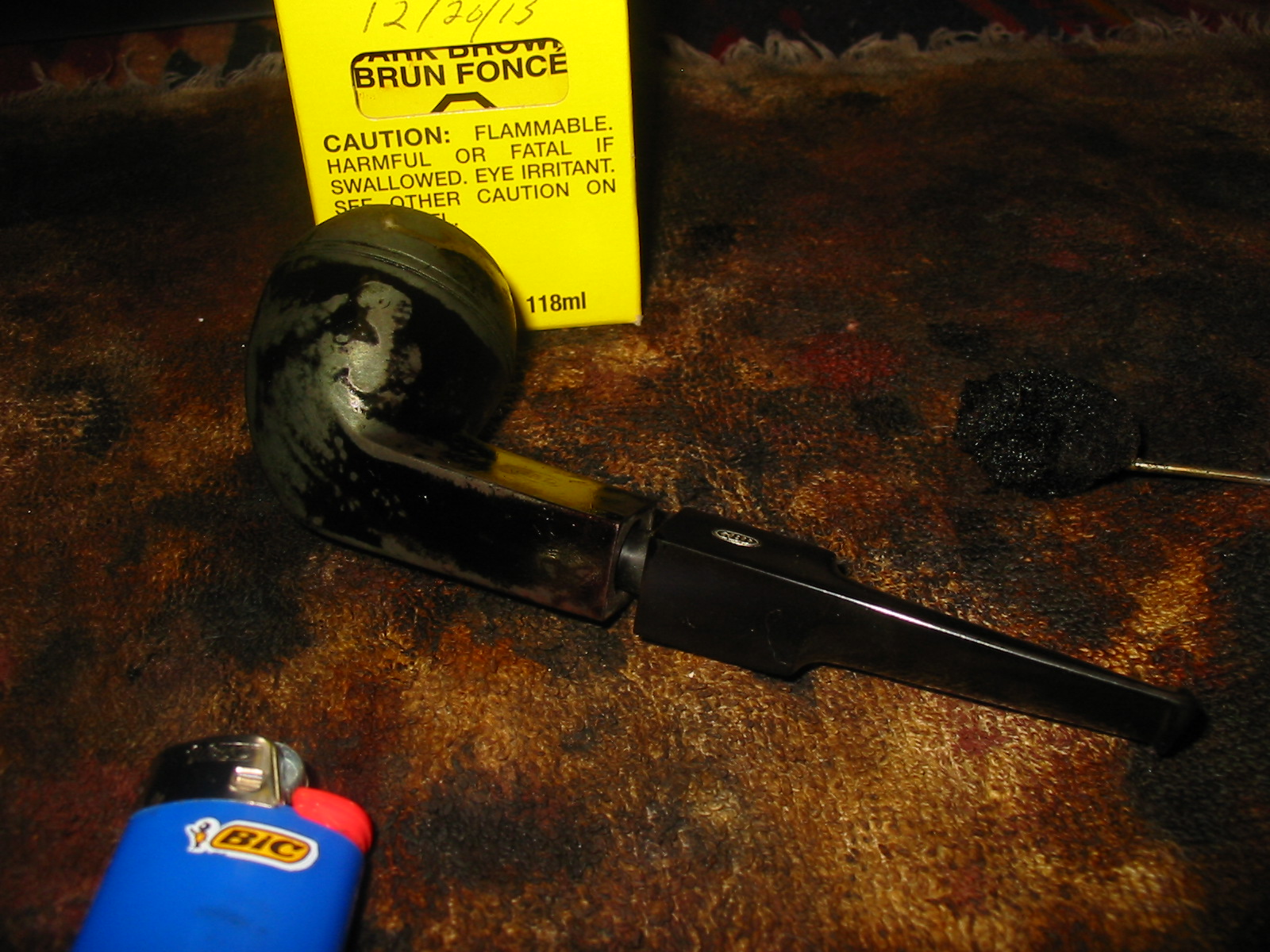
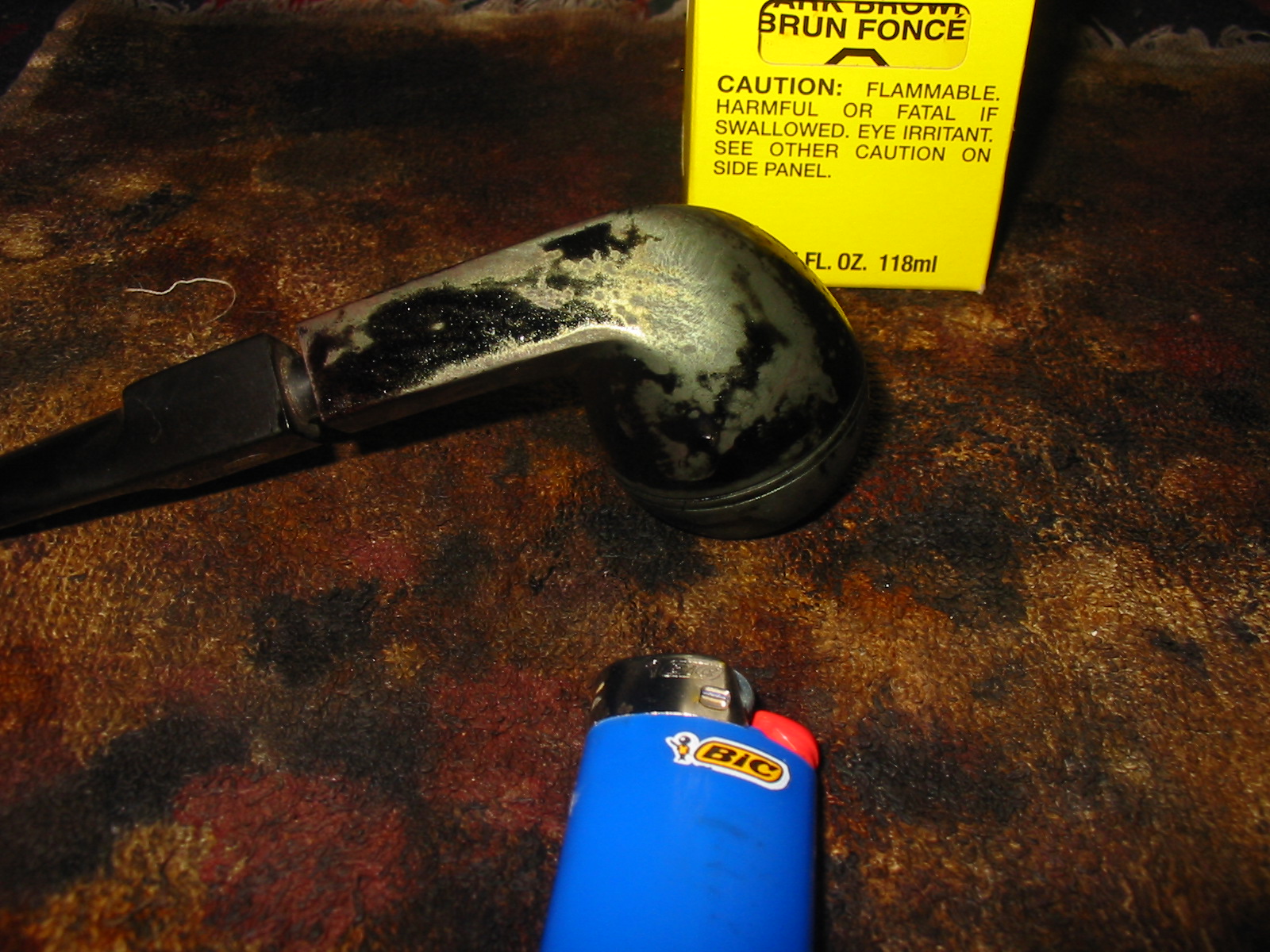
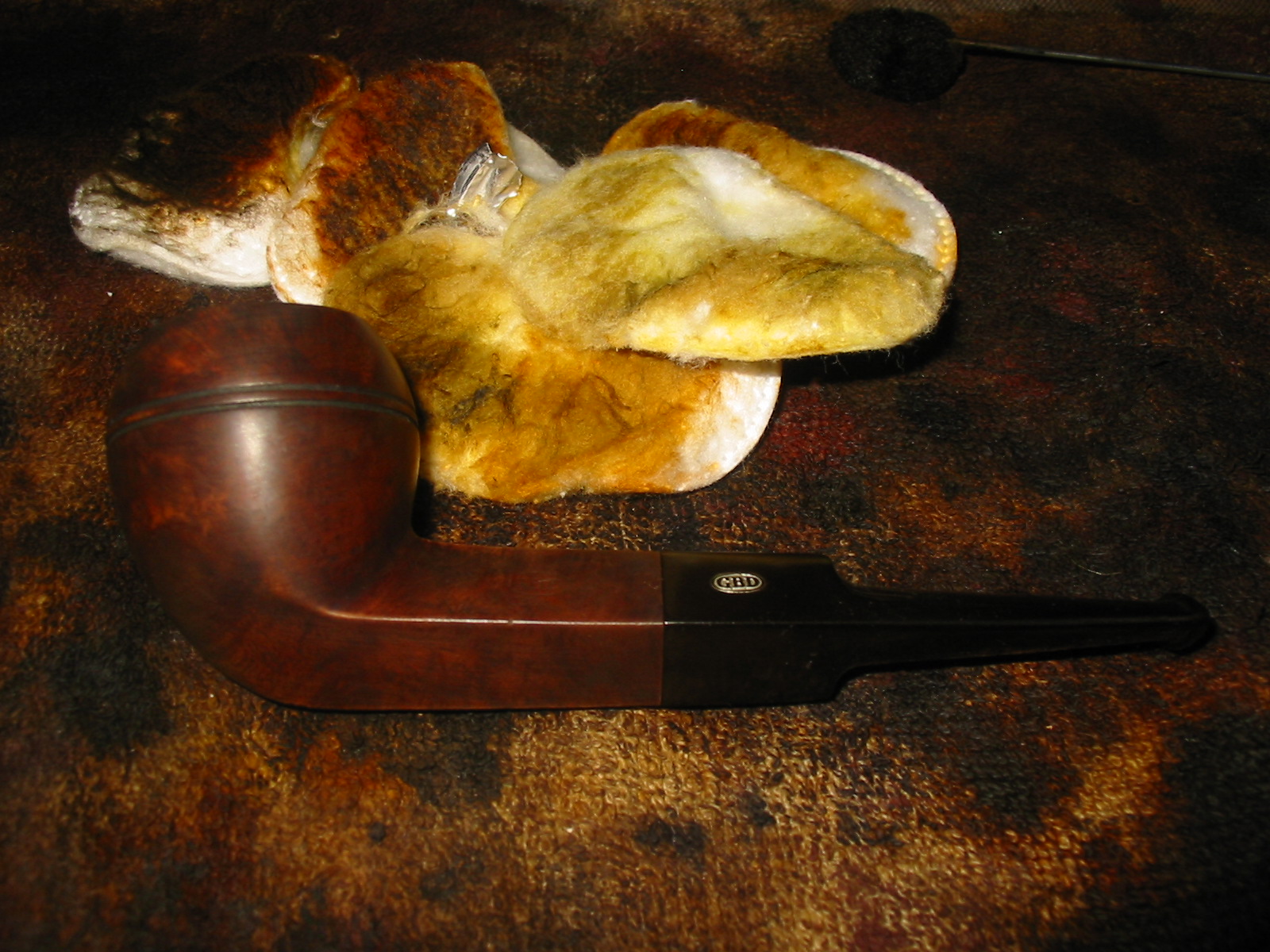
James Upshall Bark (Unsmoked) Restoration


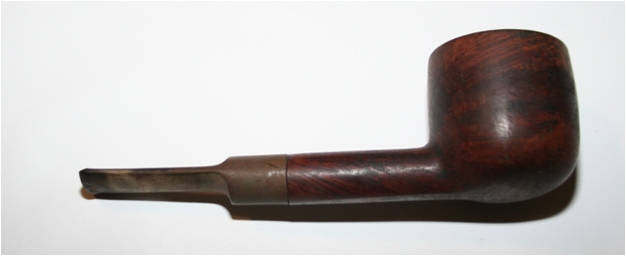
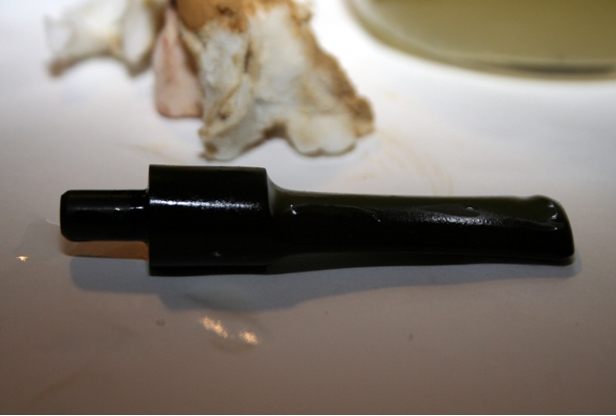
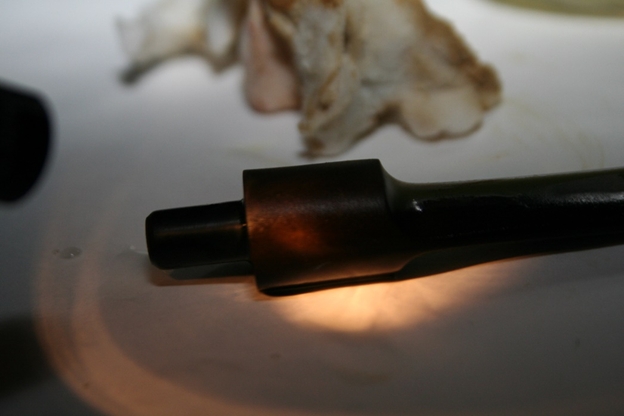
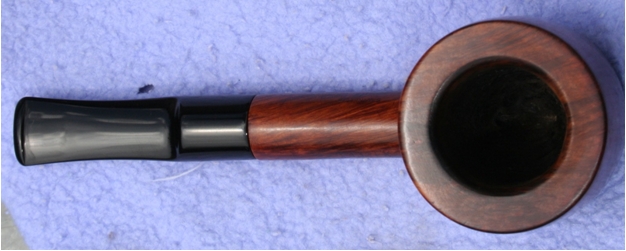
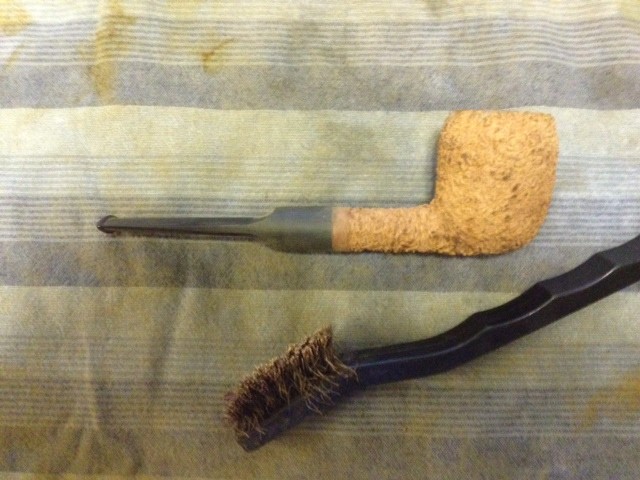
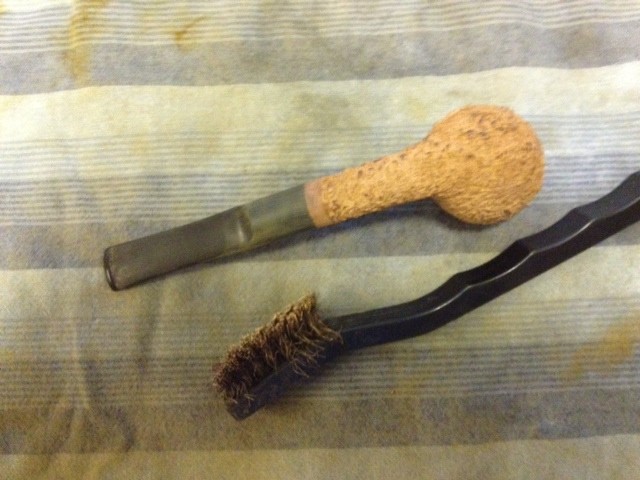
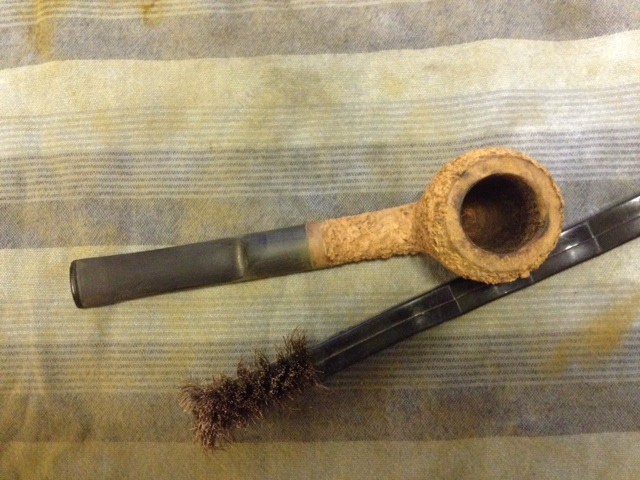
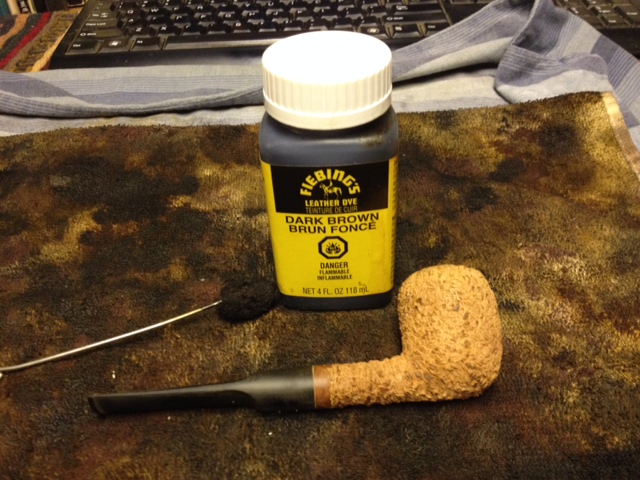
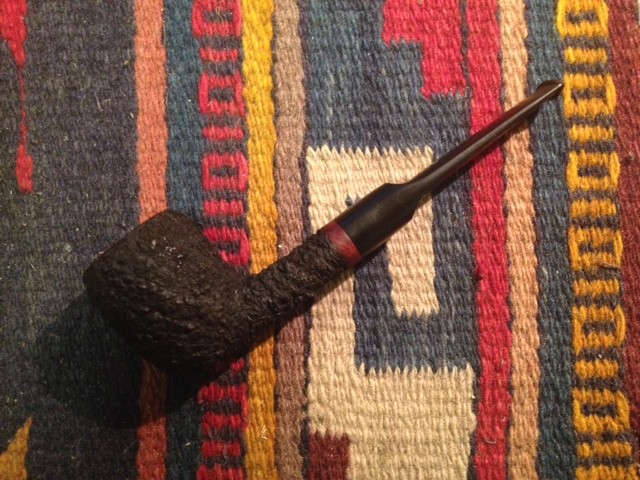
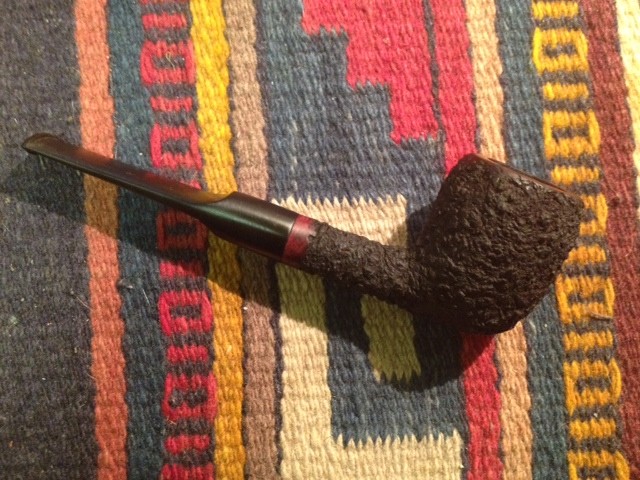
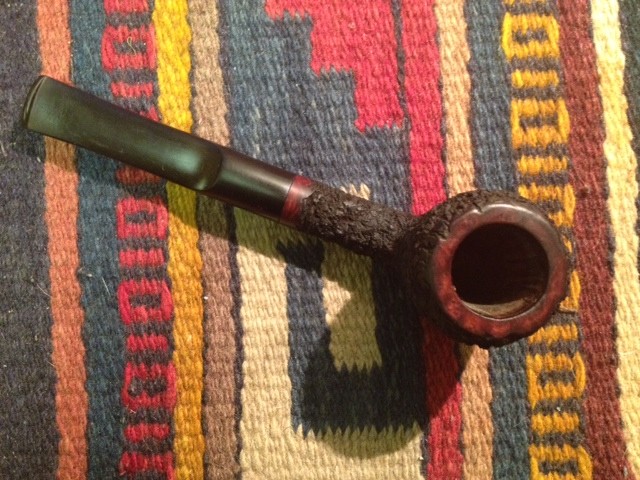
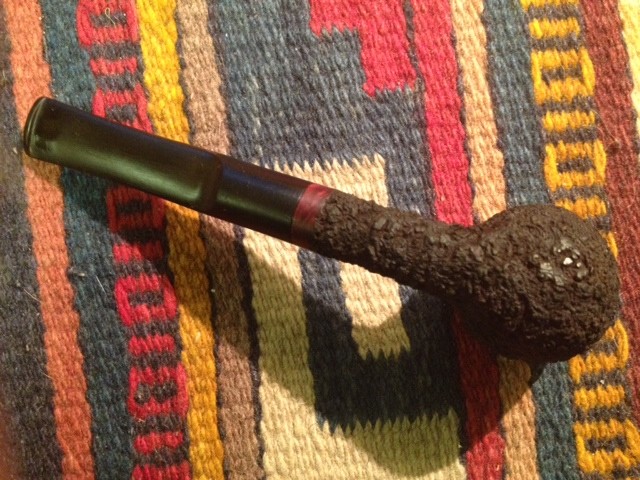
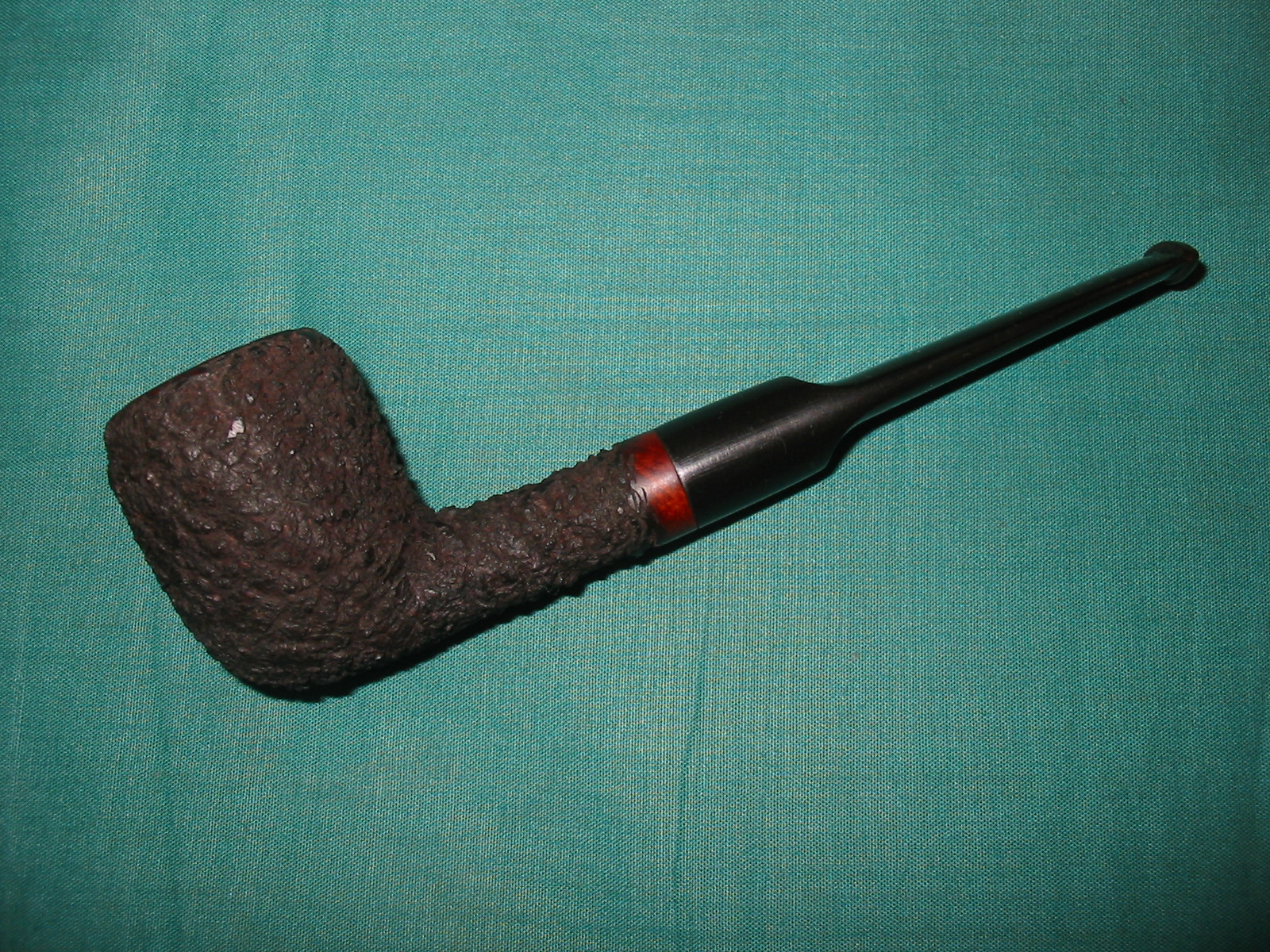
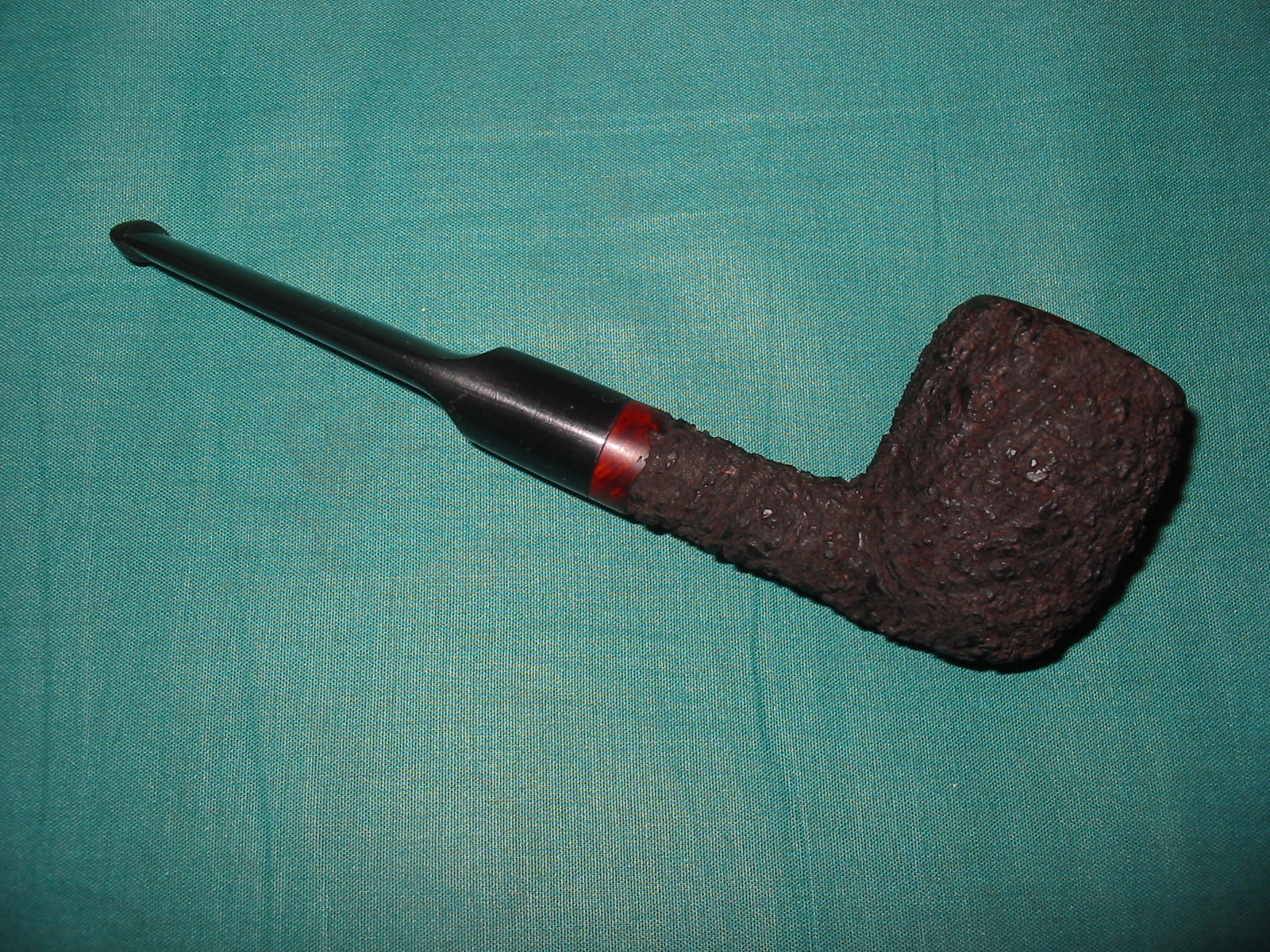
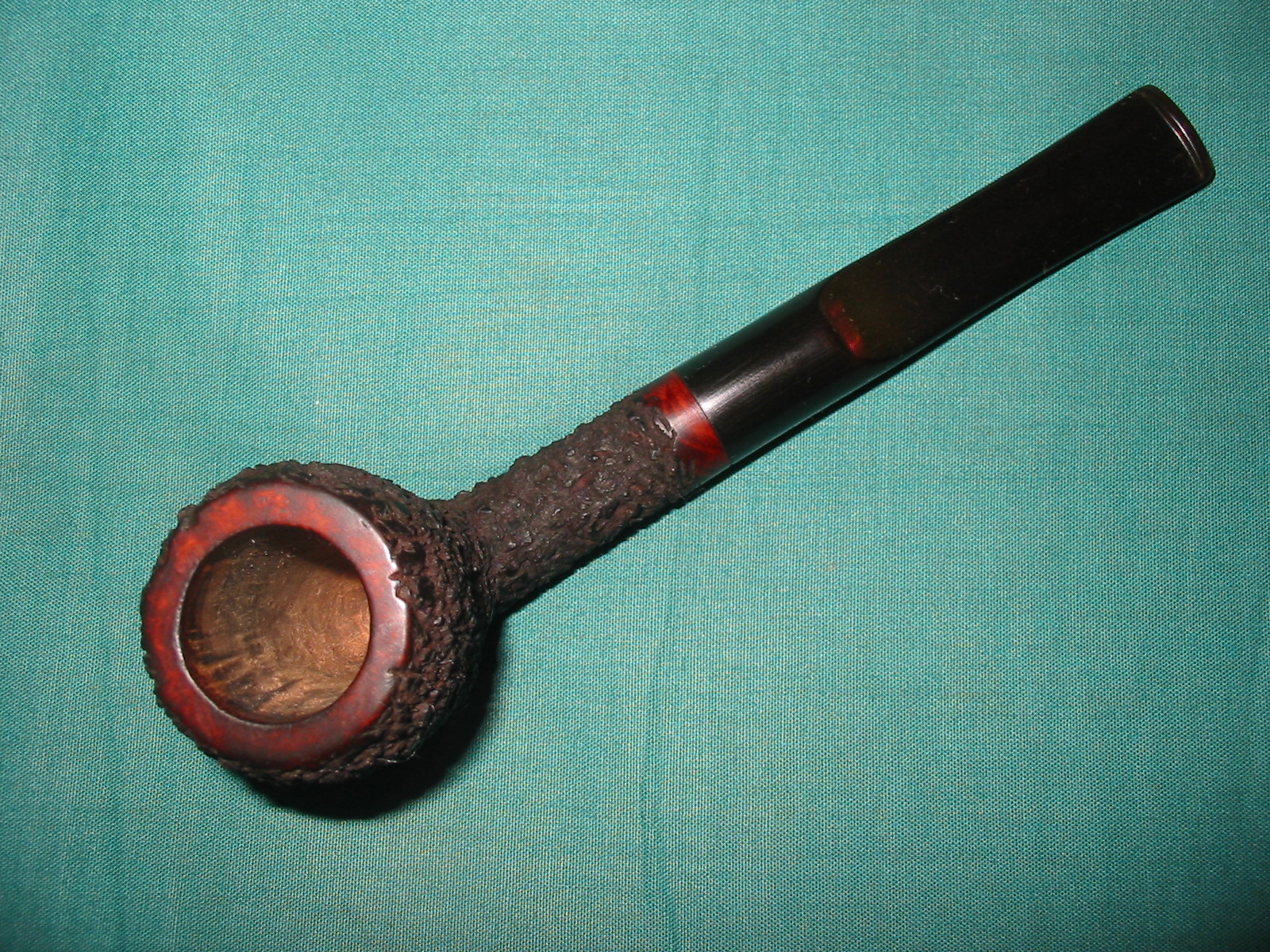
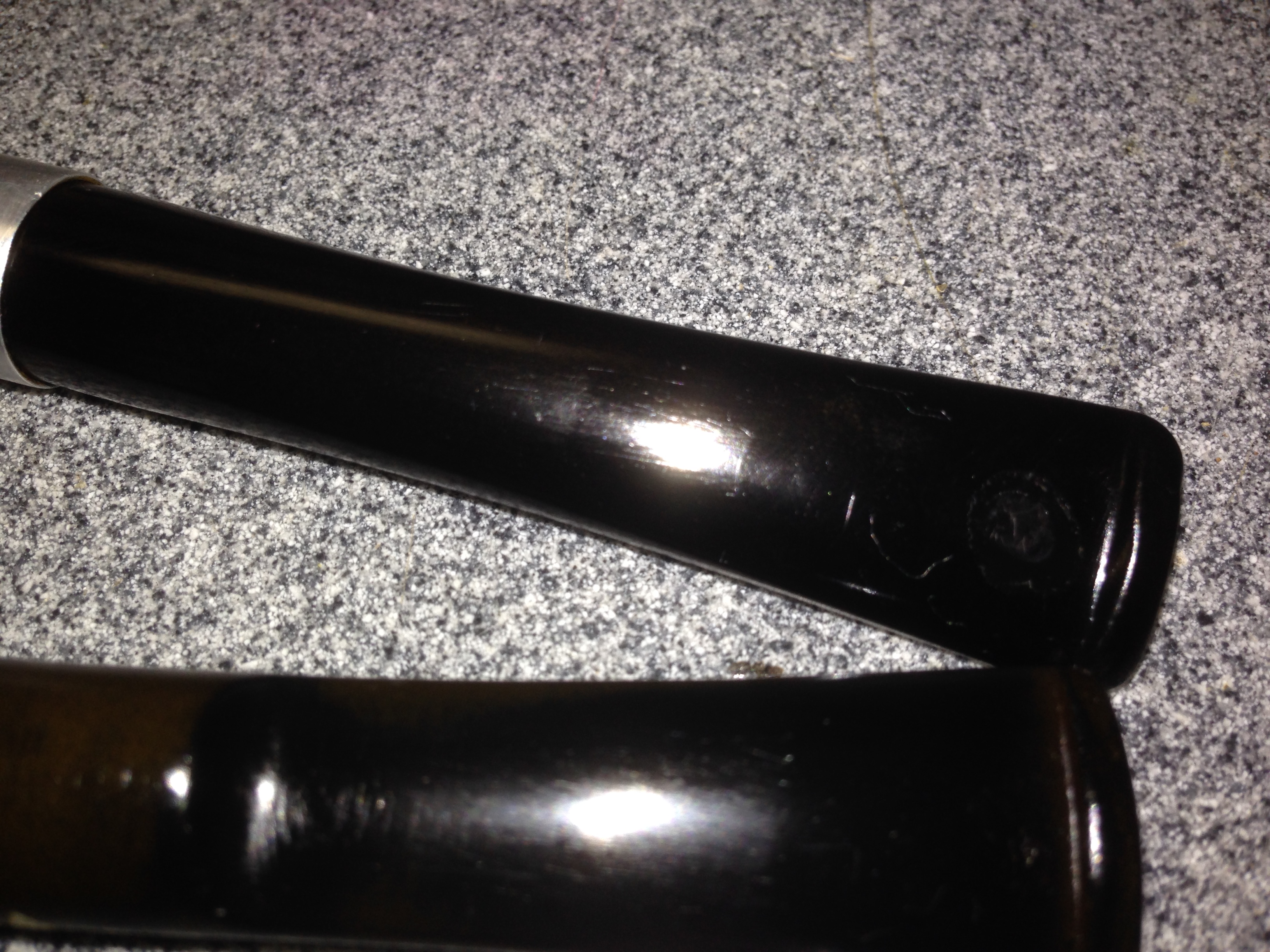
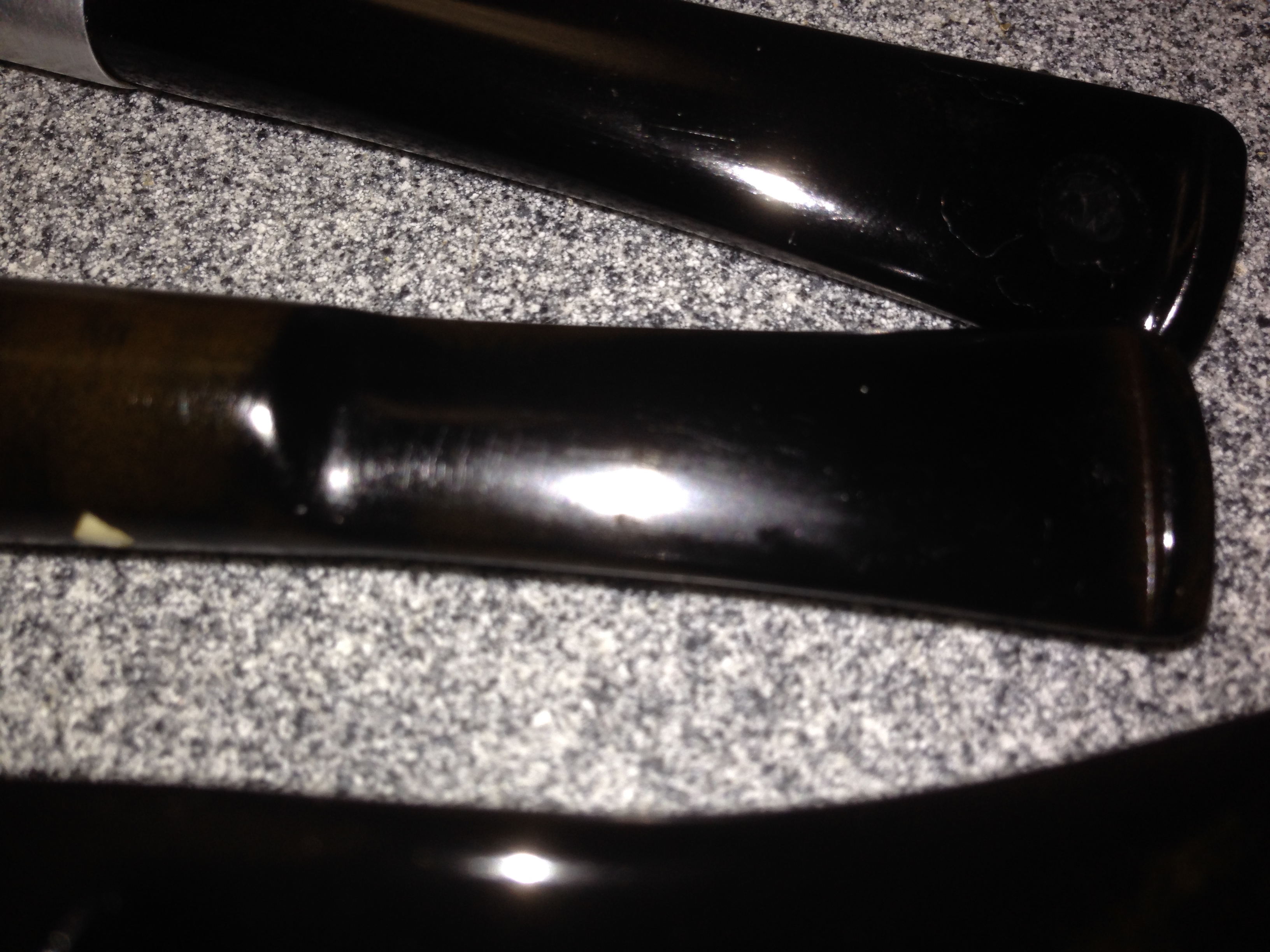
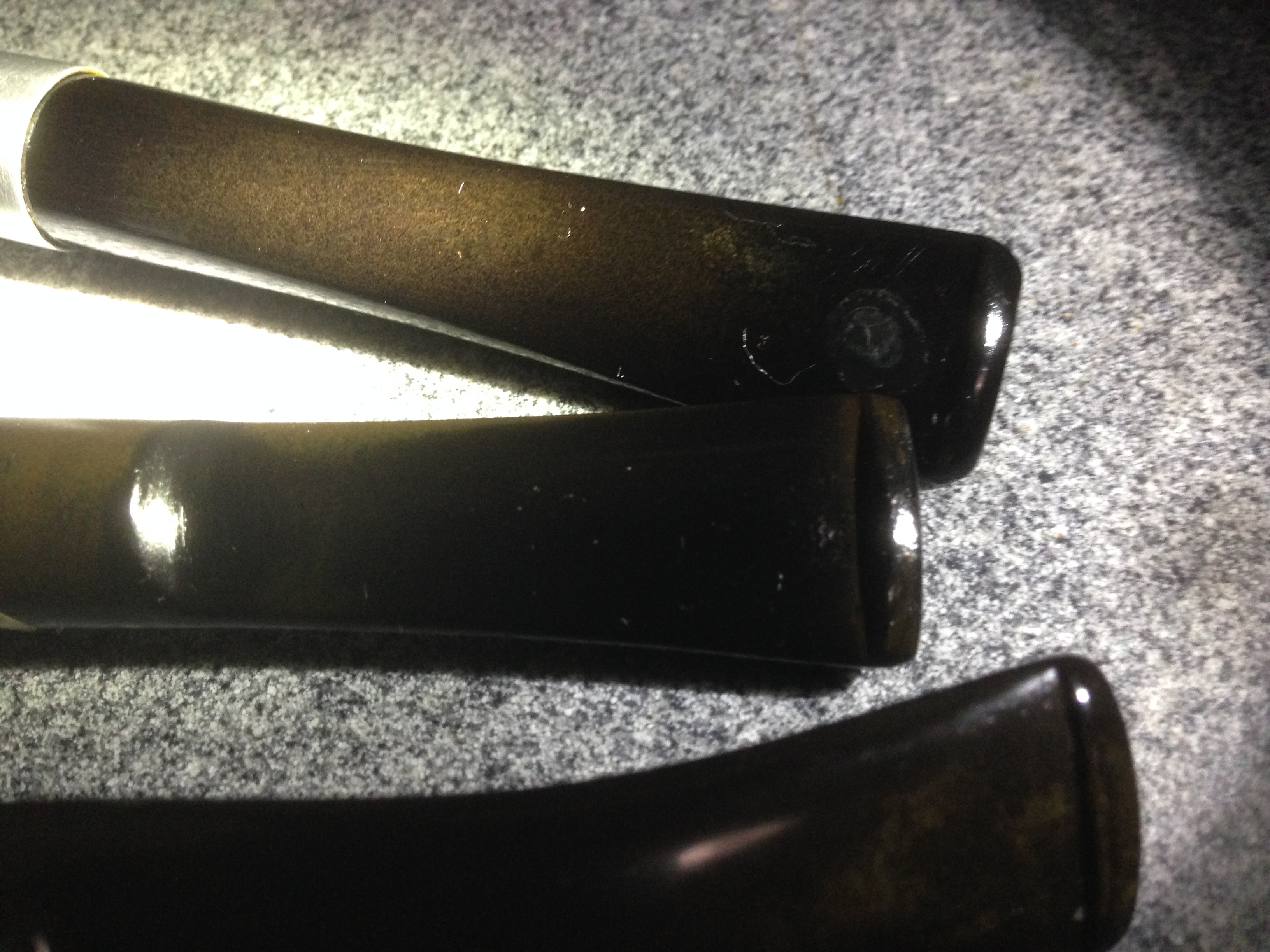
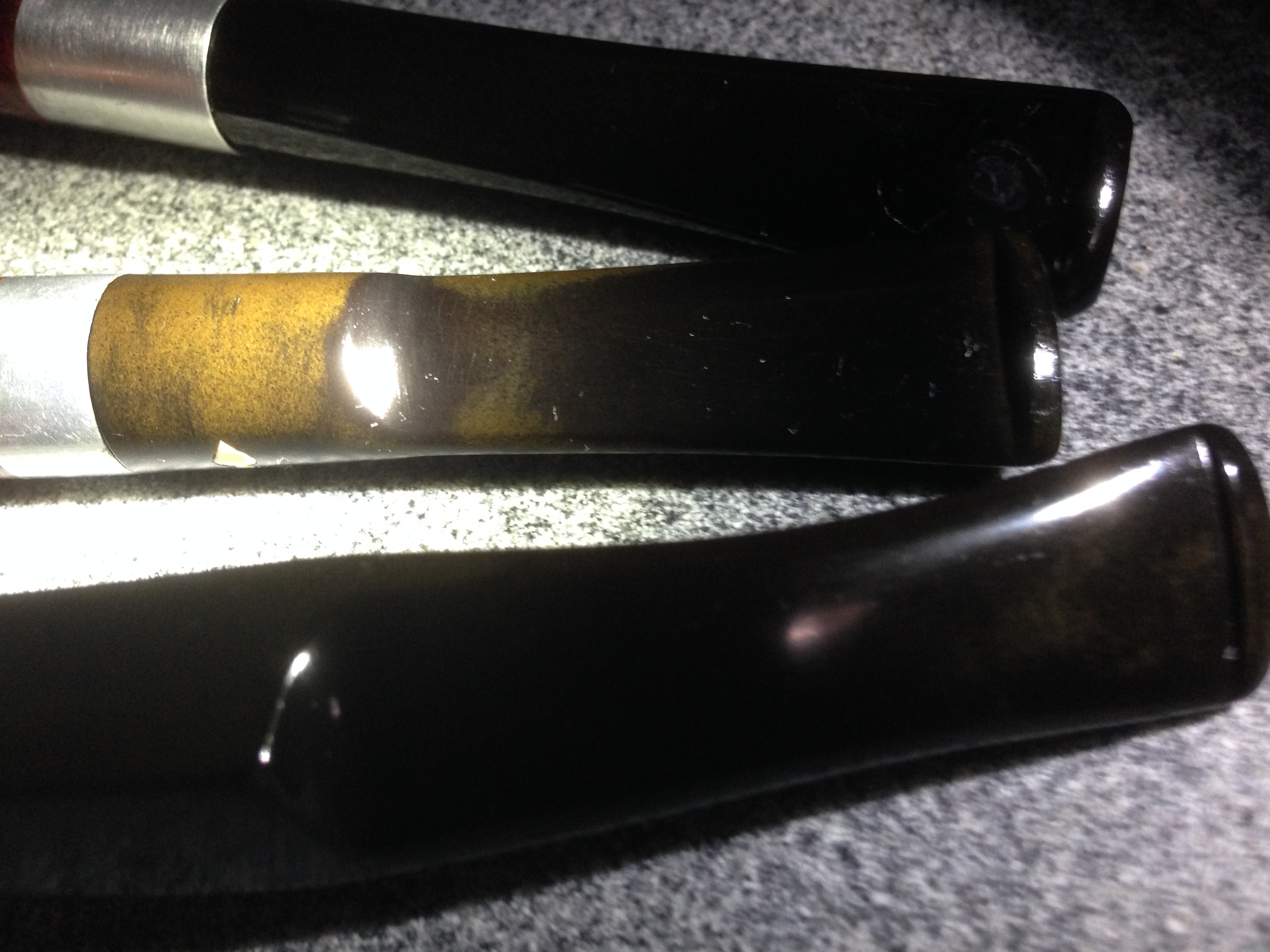
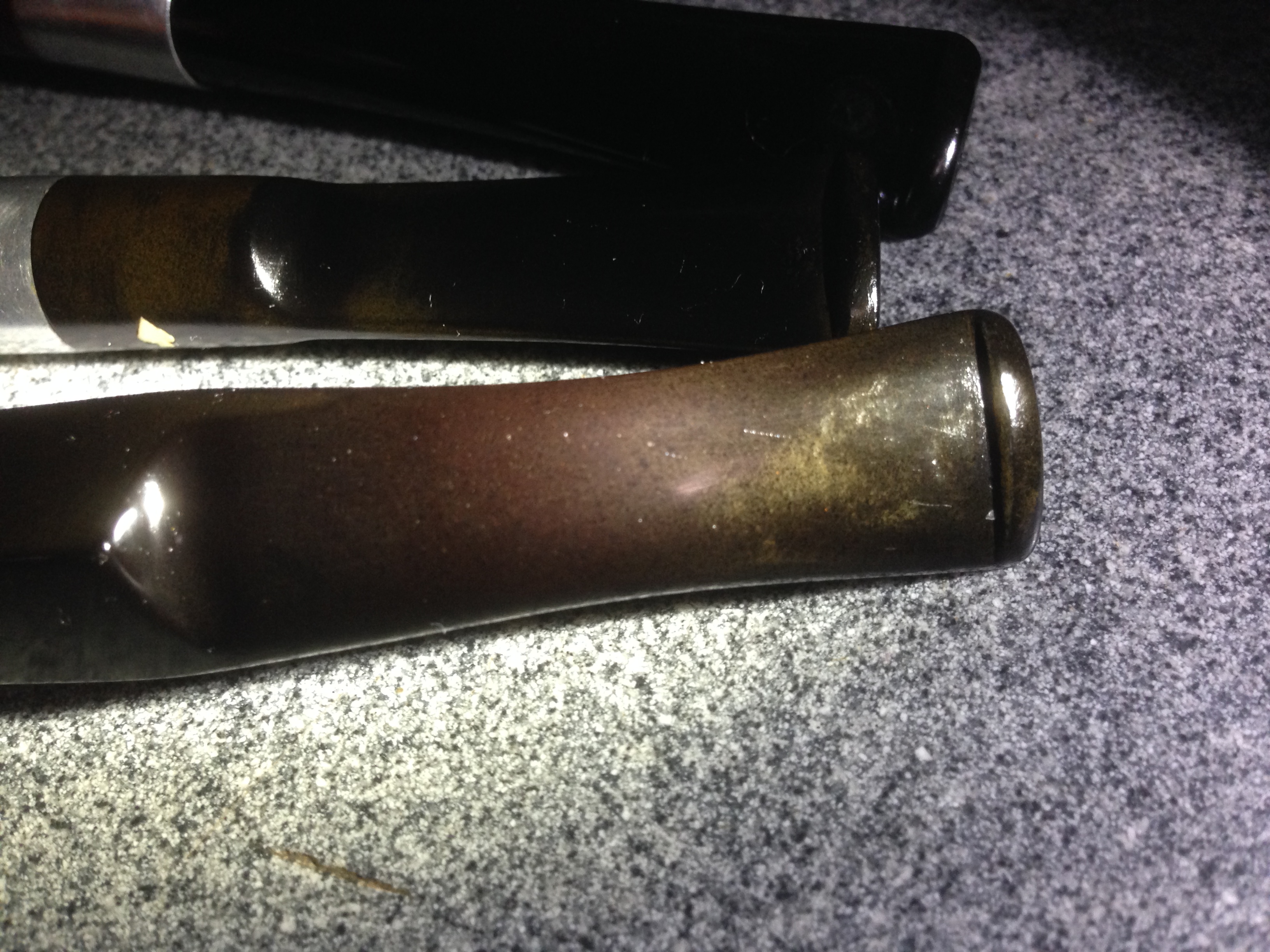
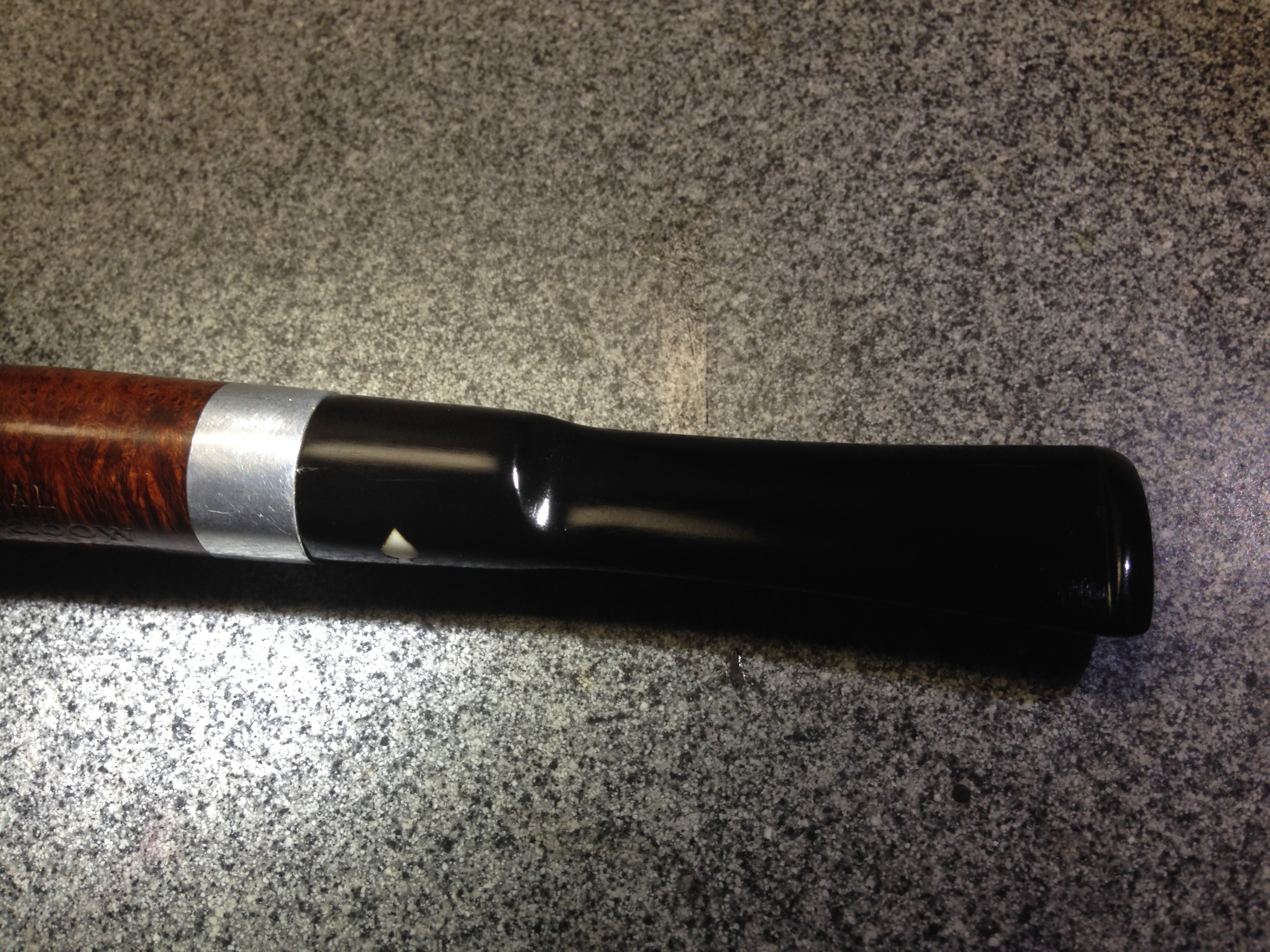
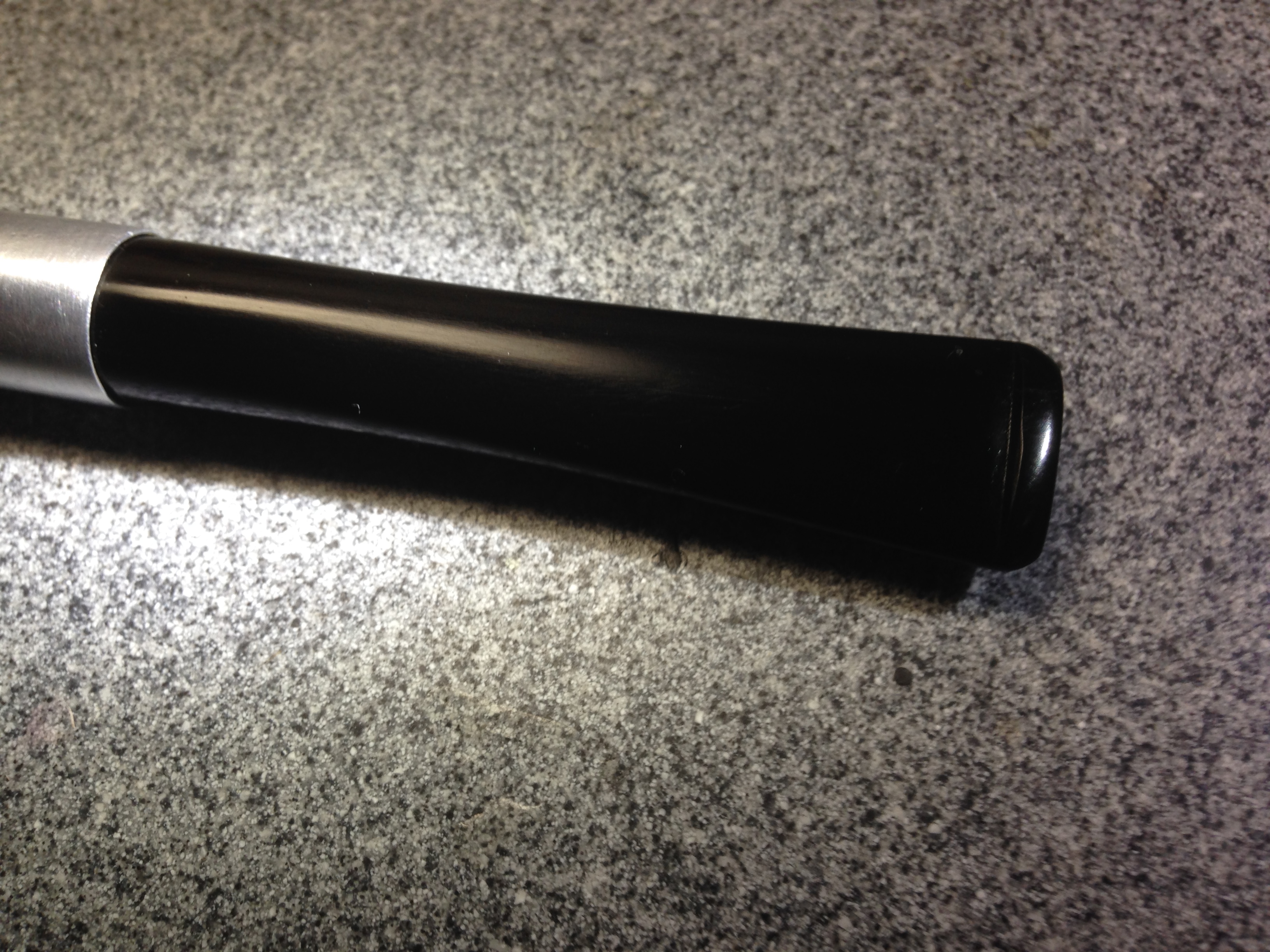
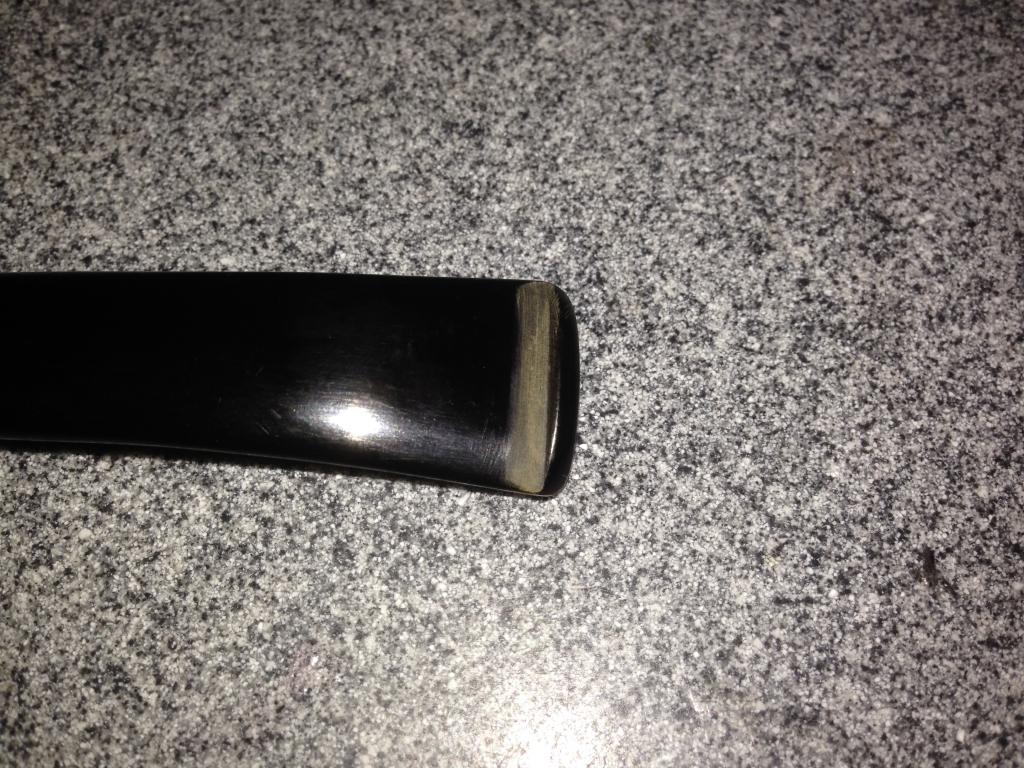
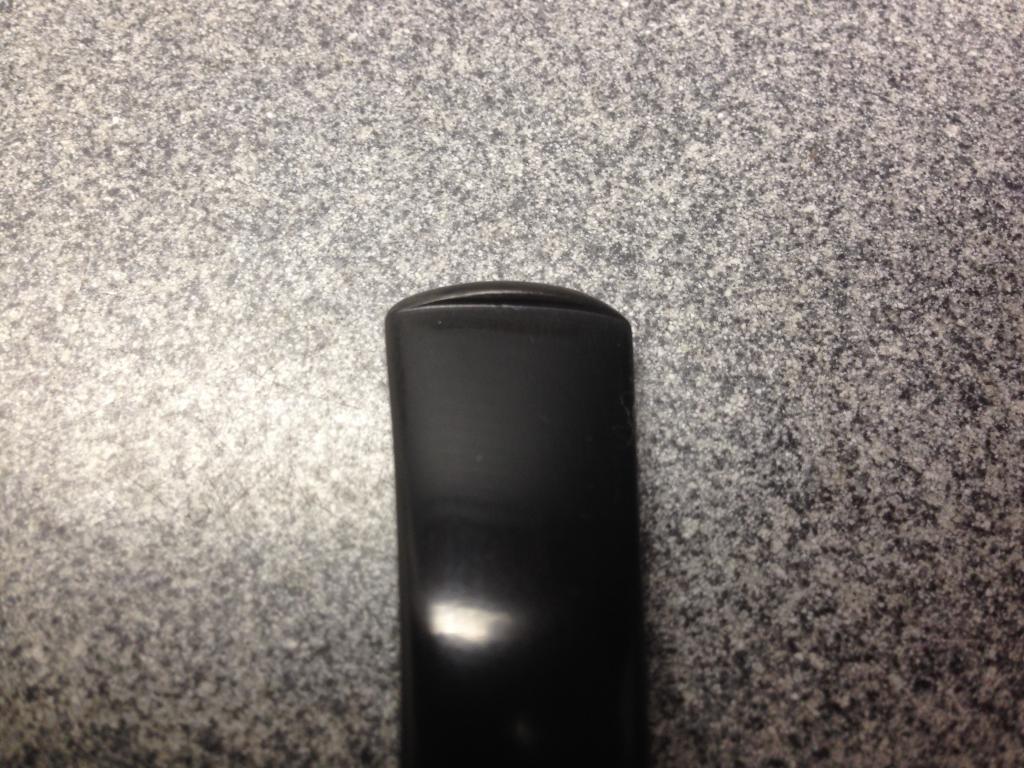
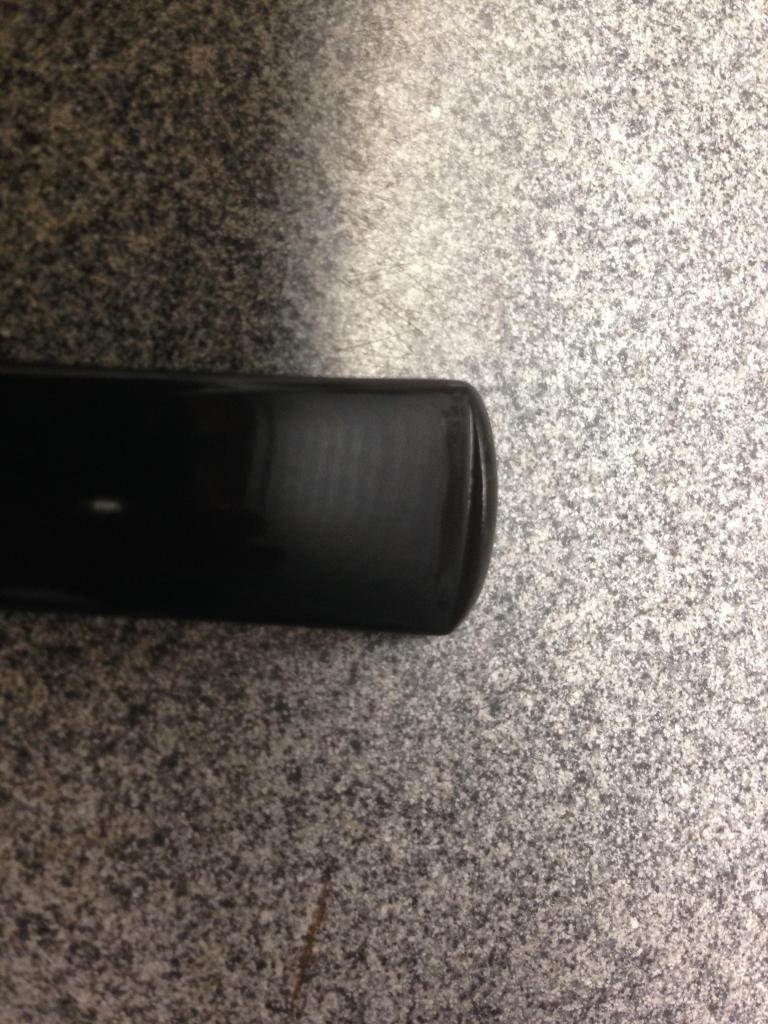
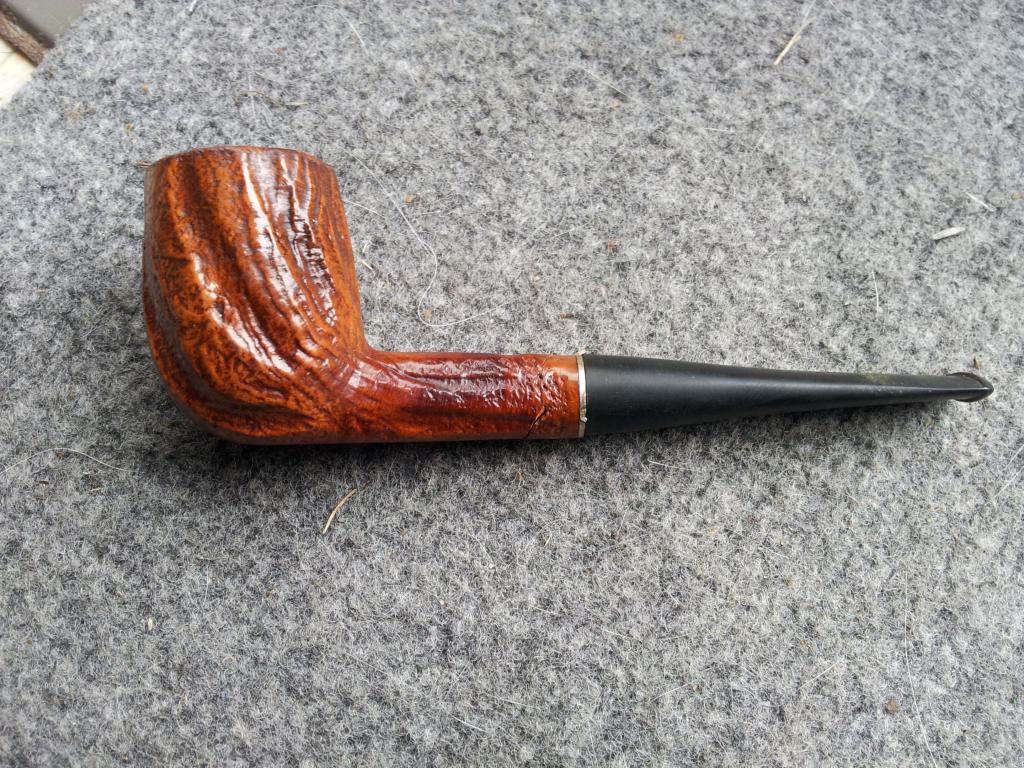
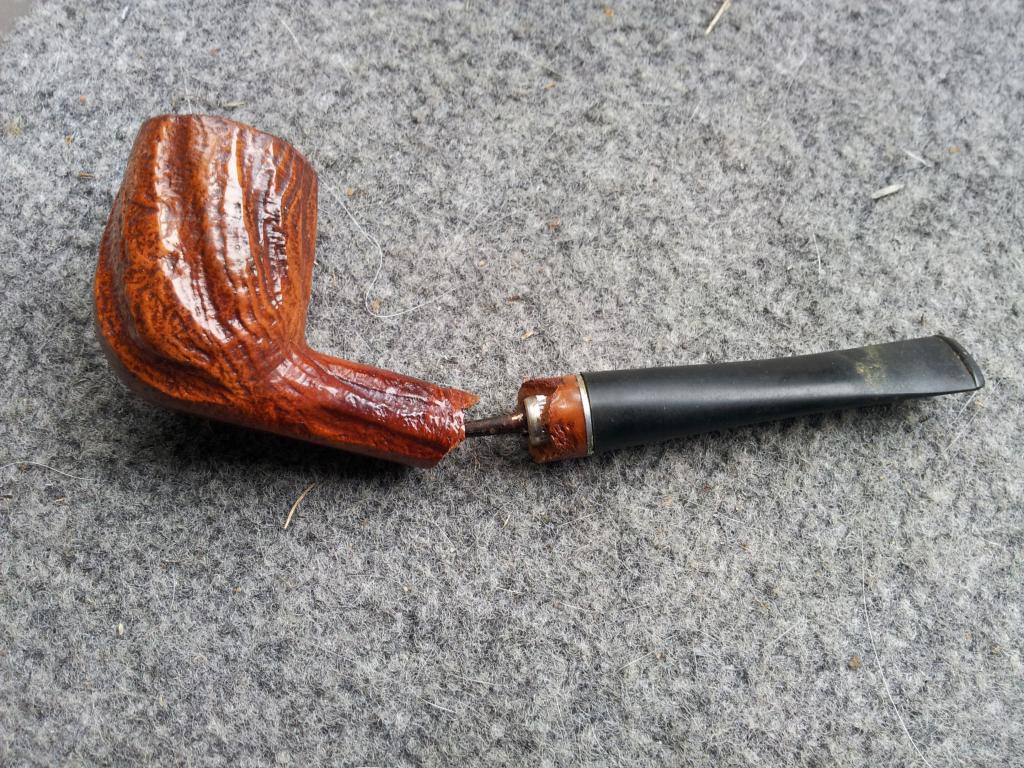
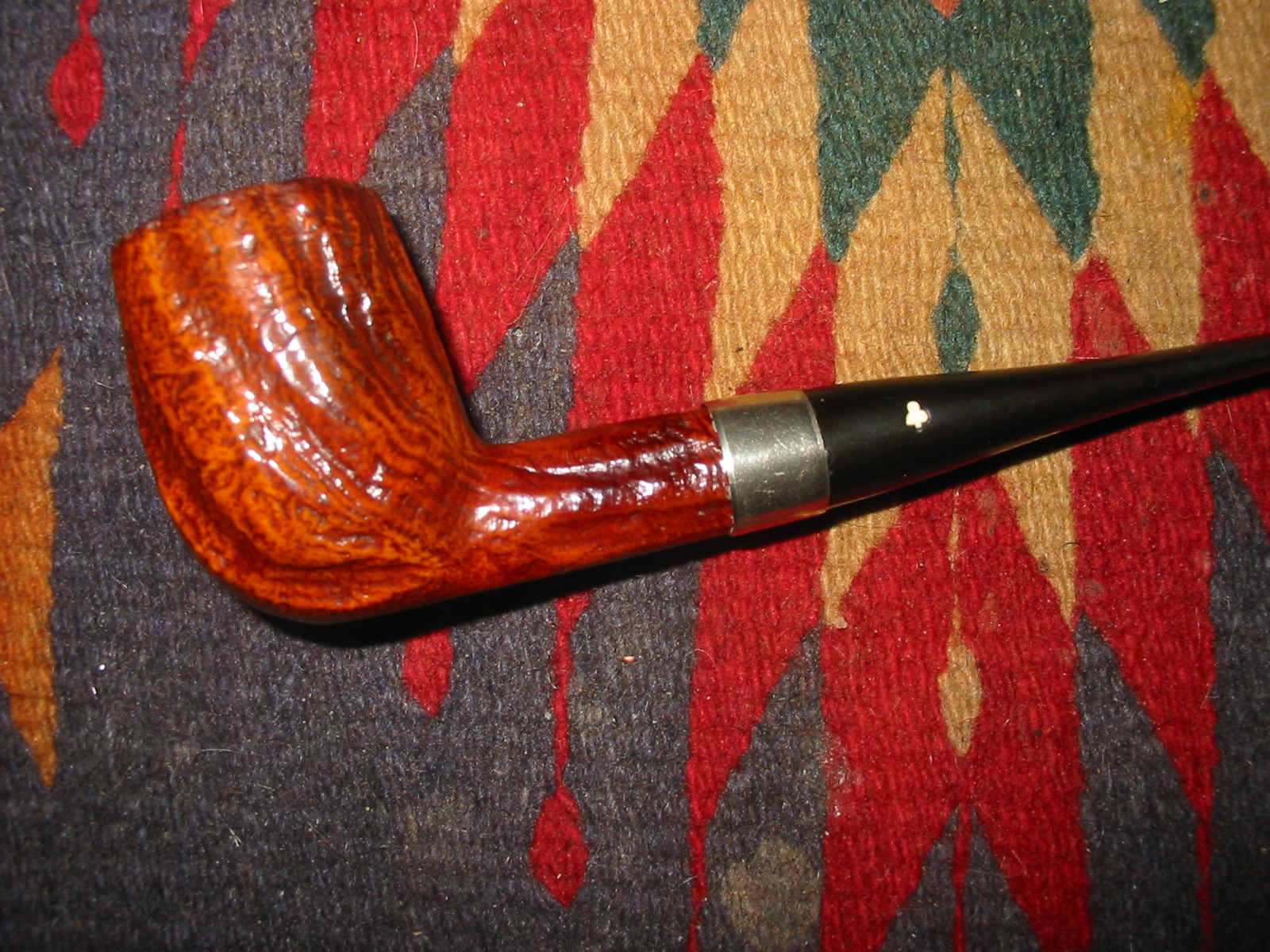
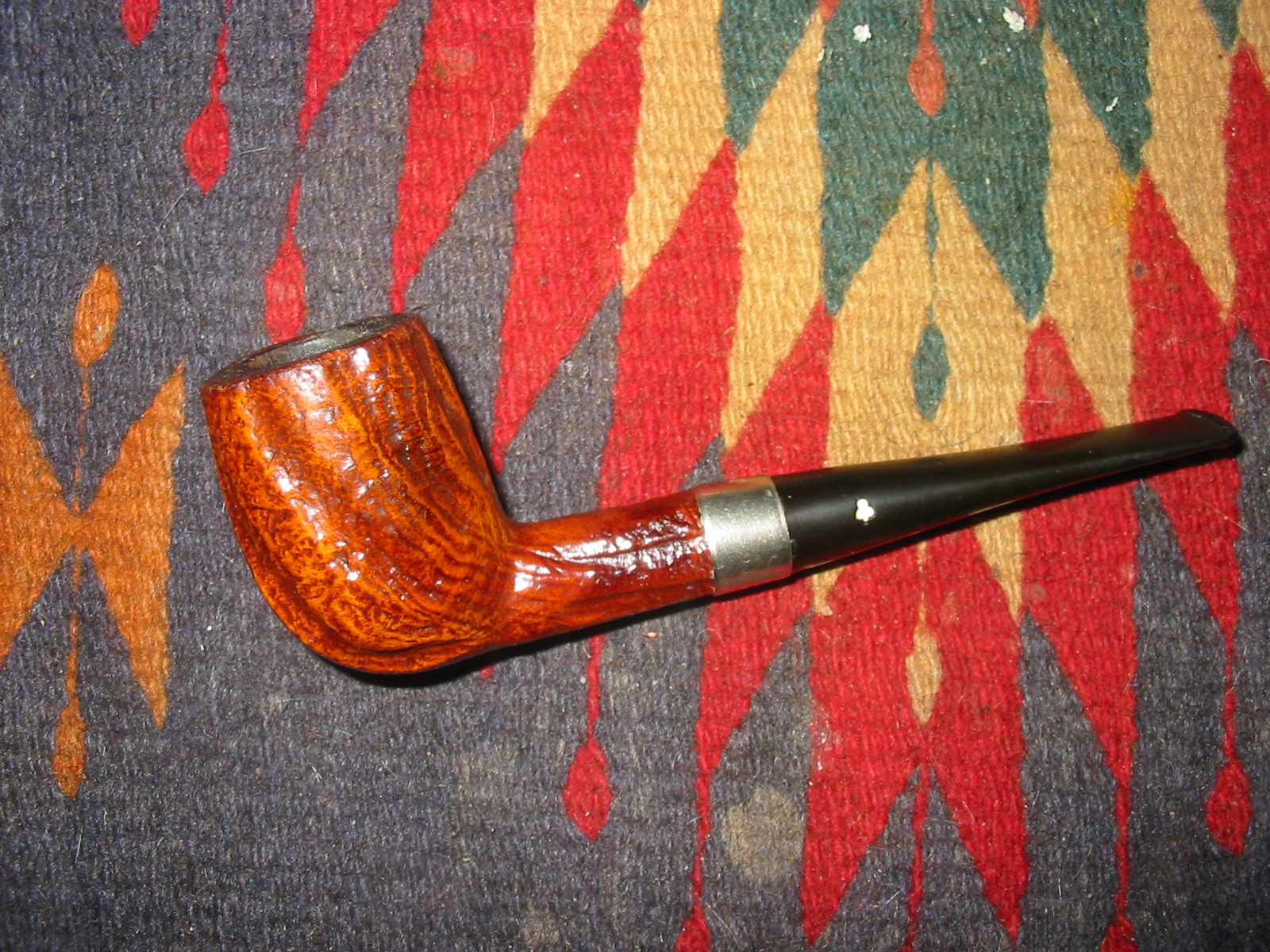
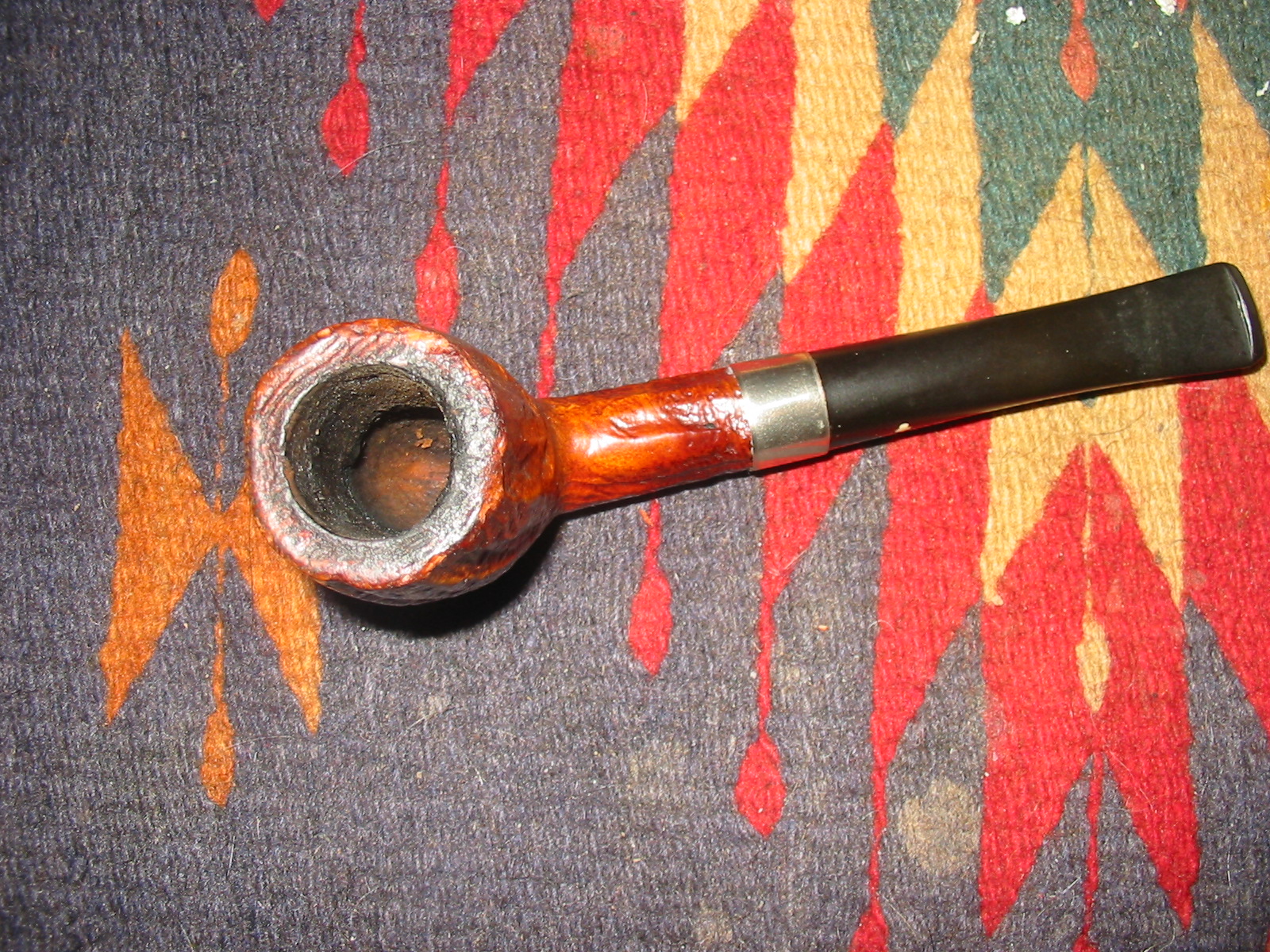
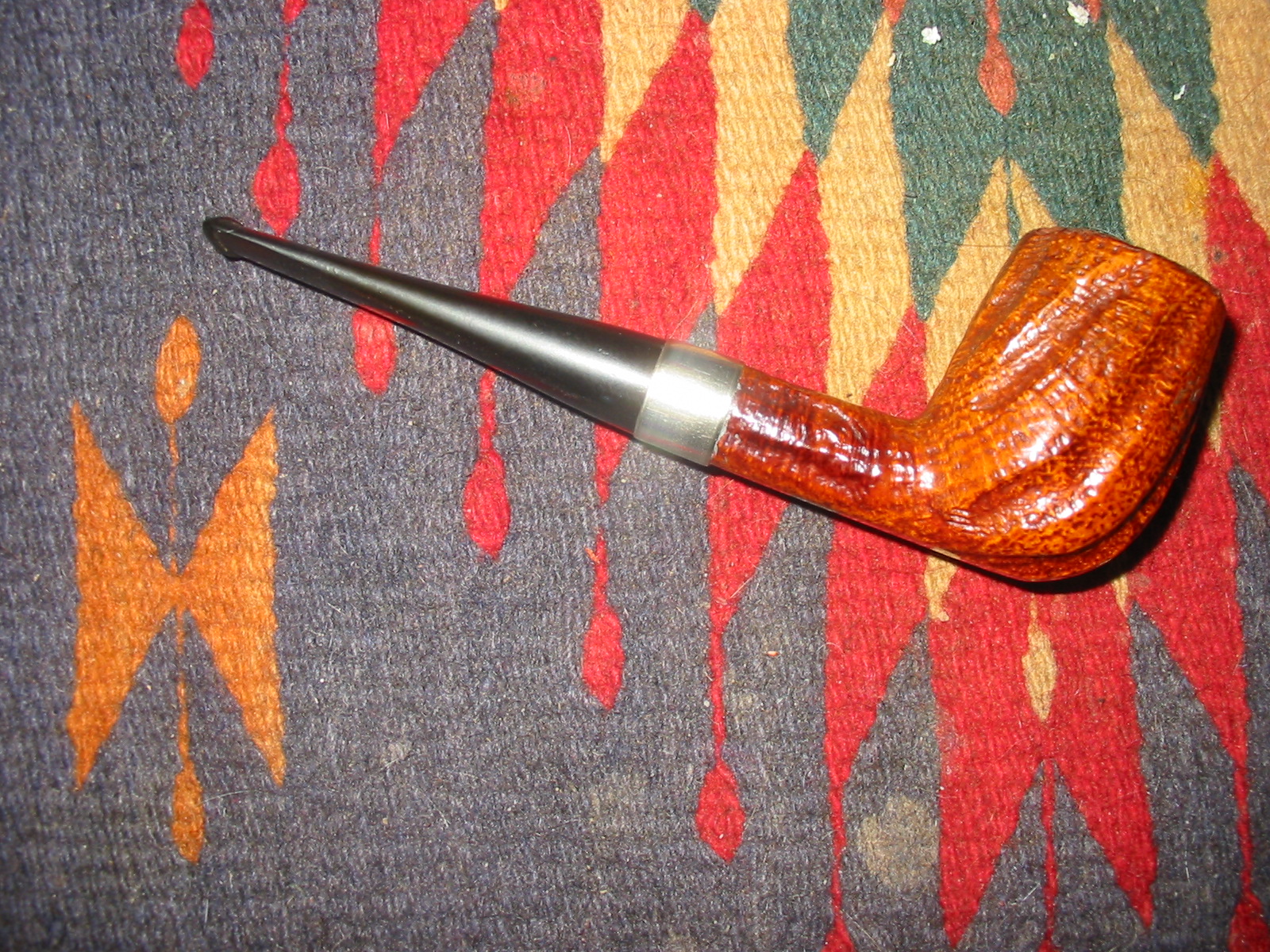
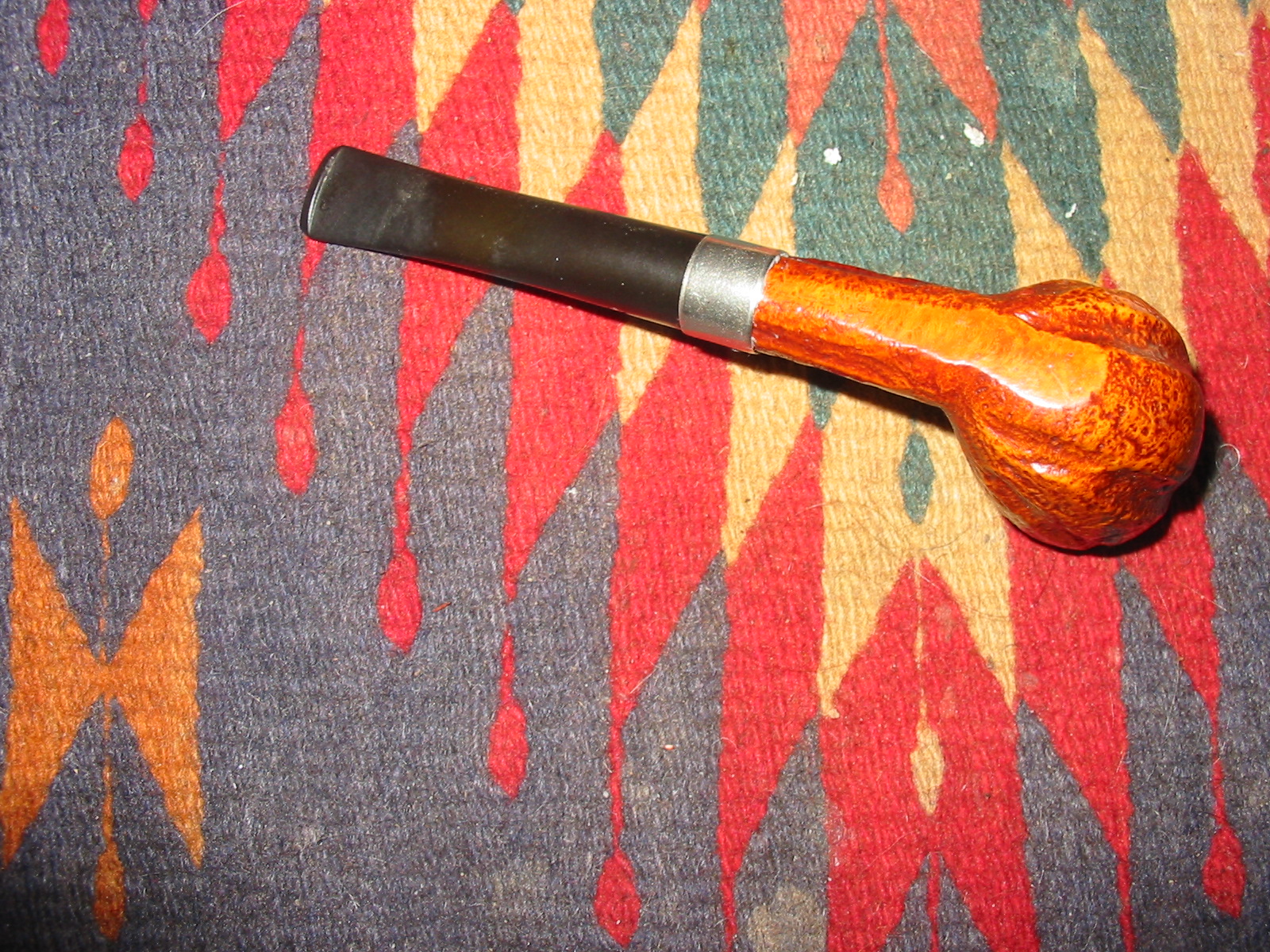
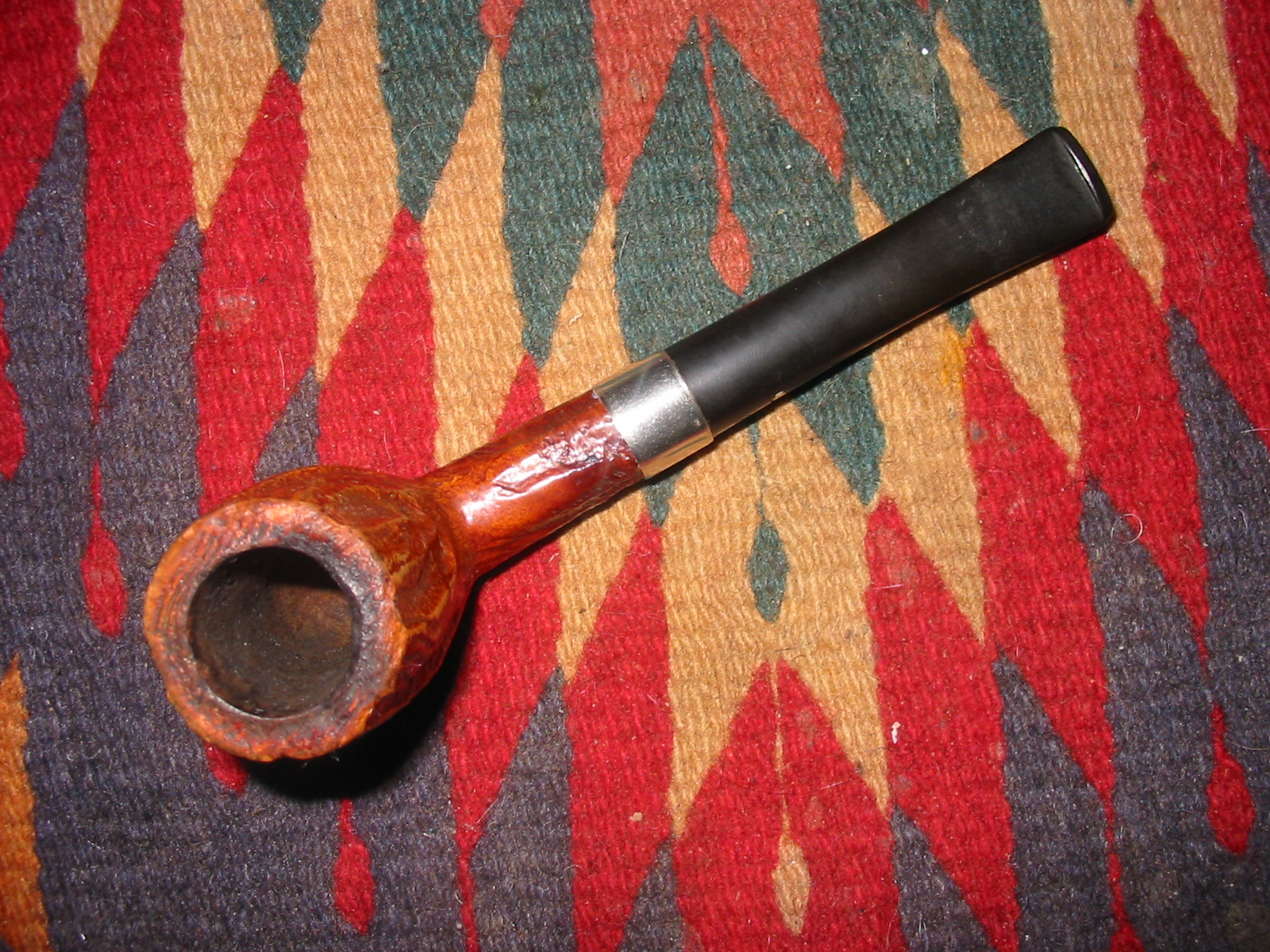
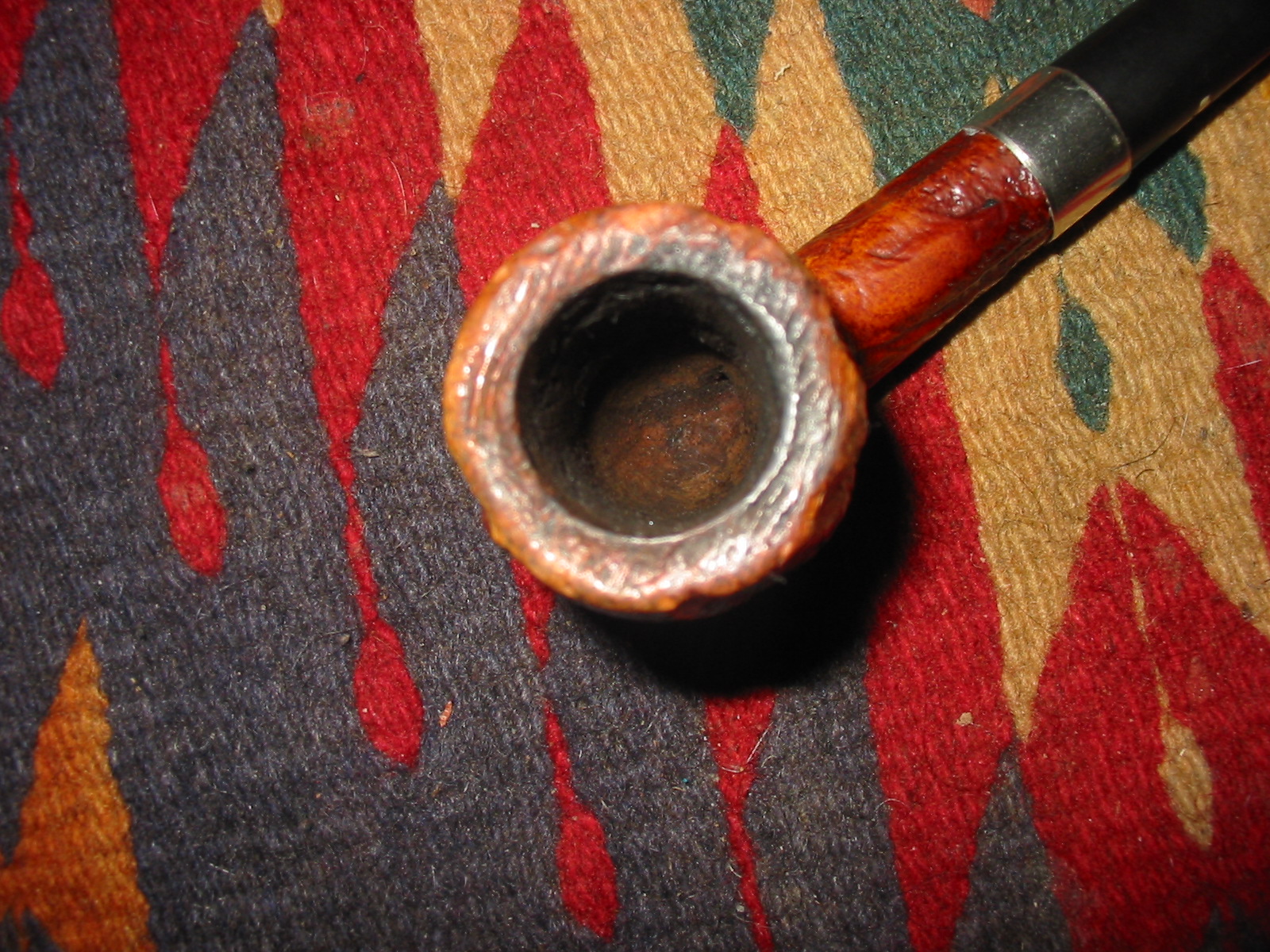
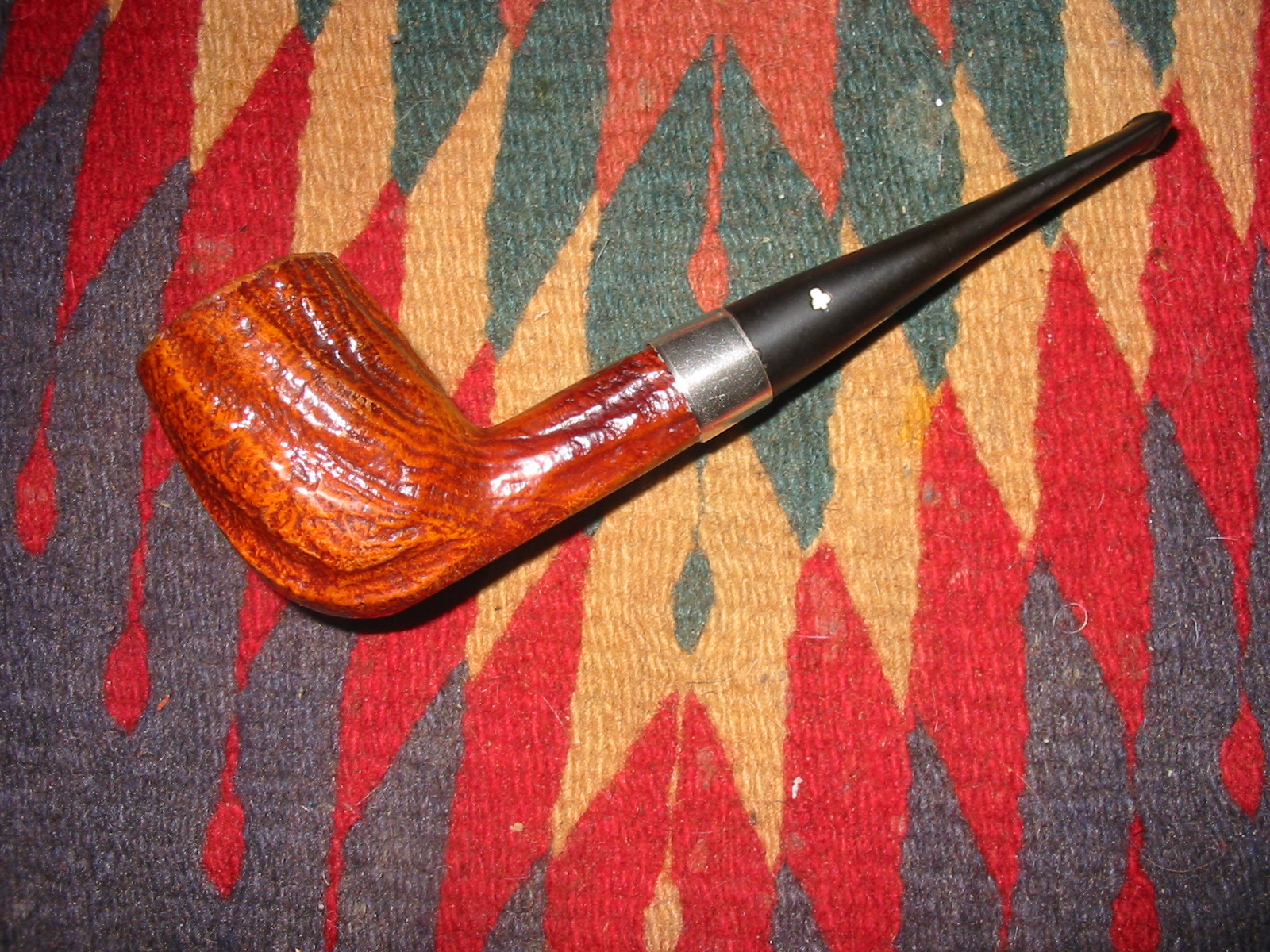
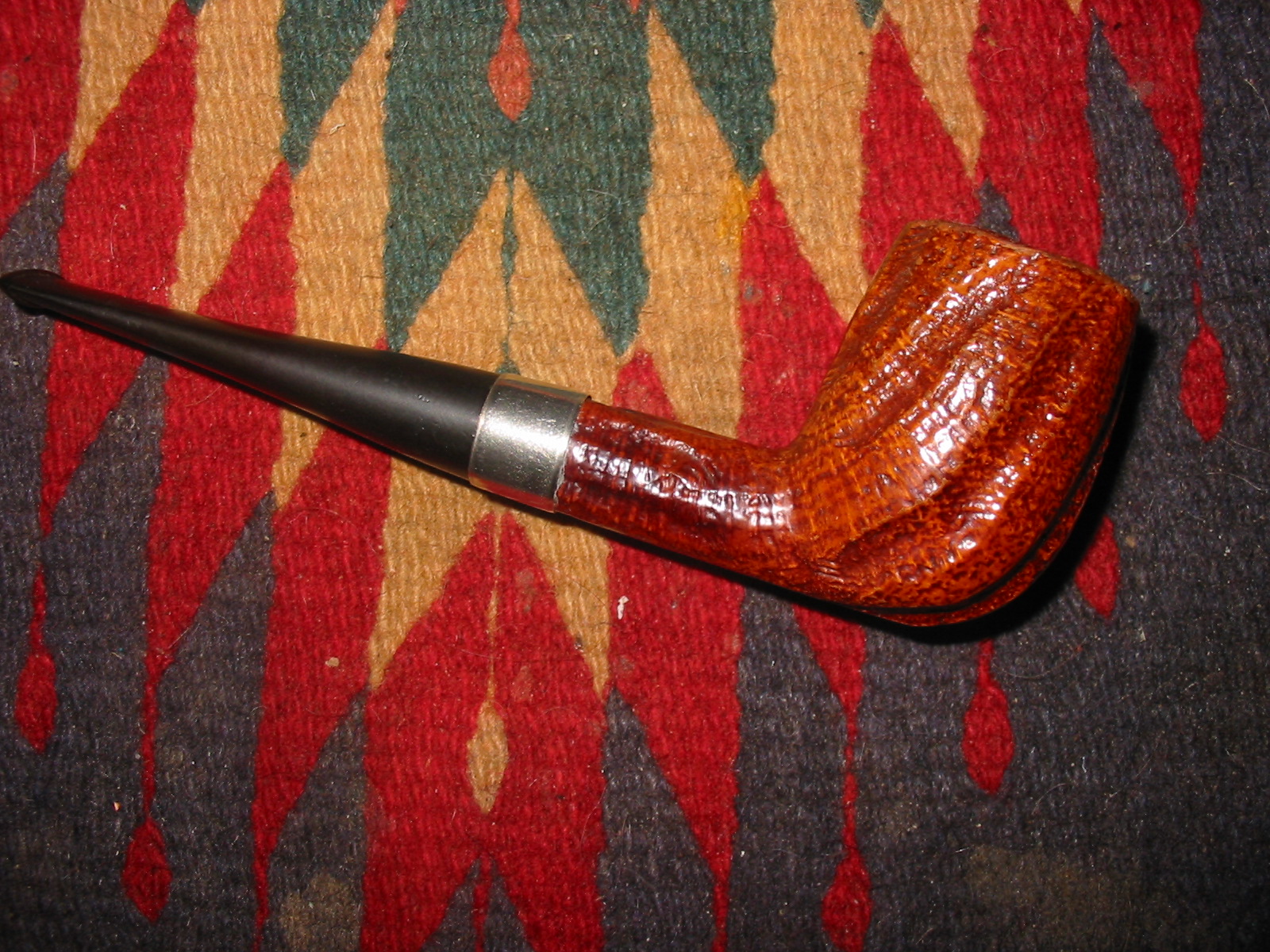
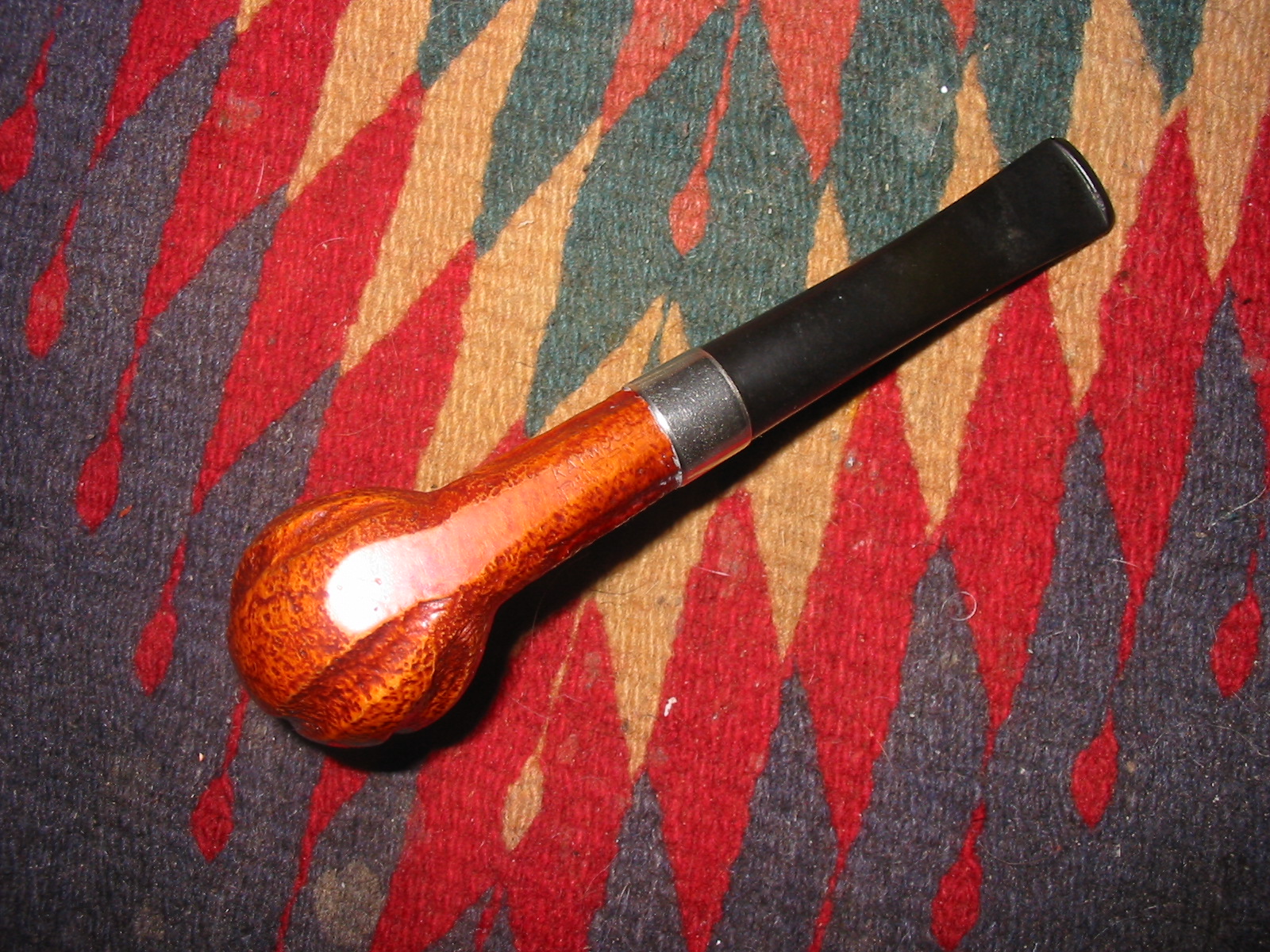
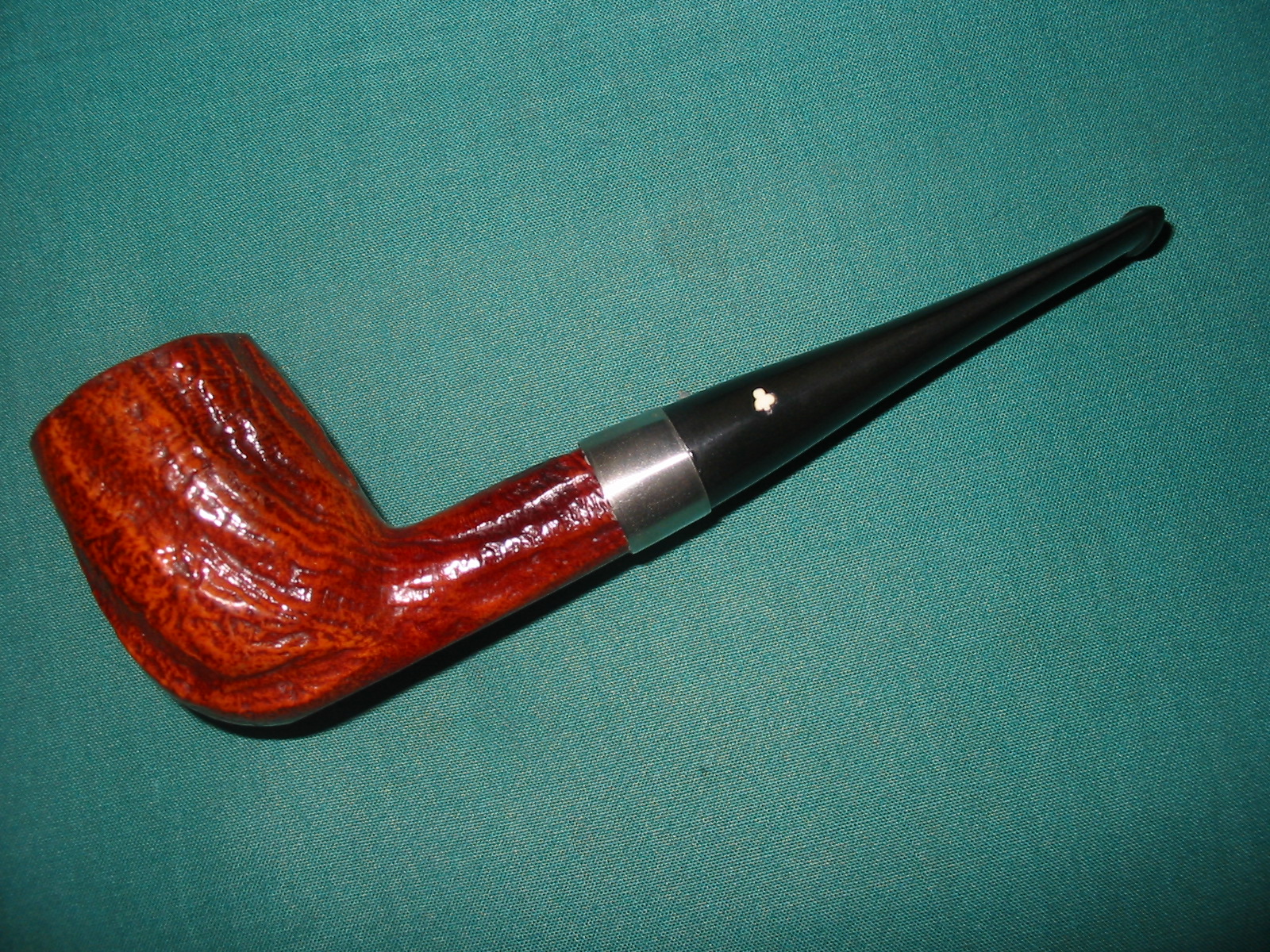
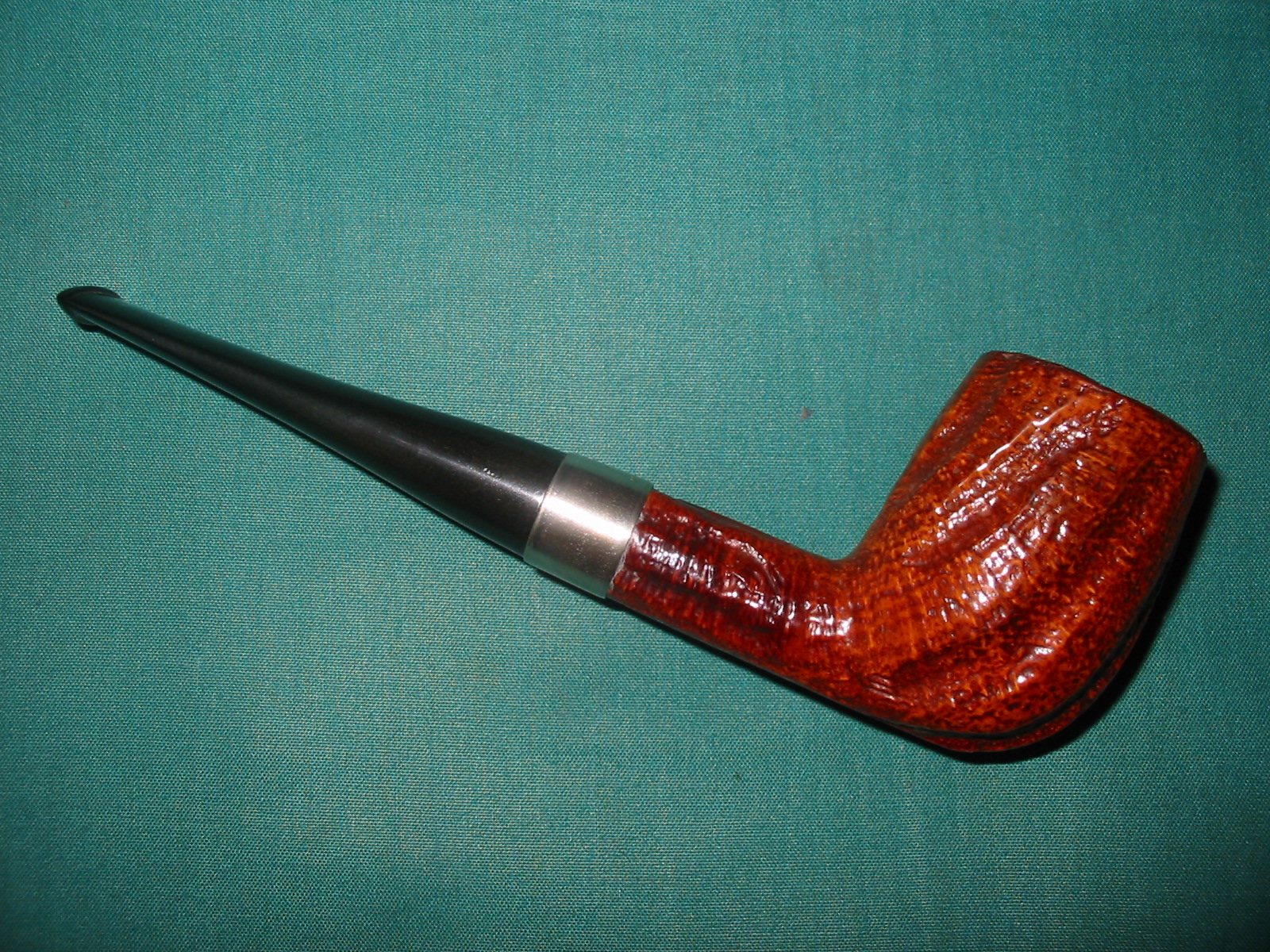
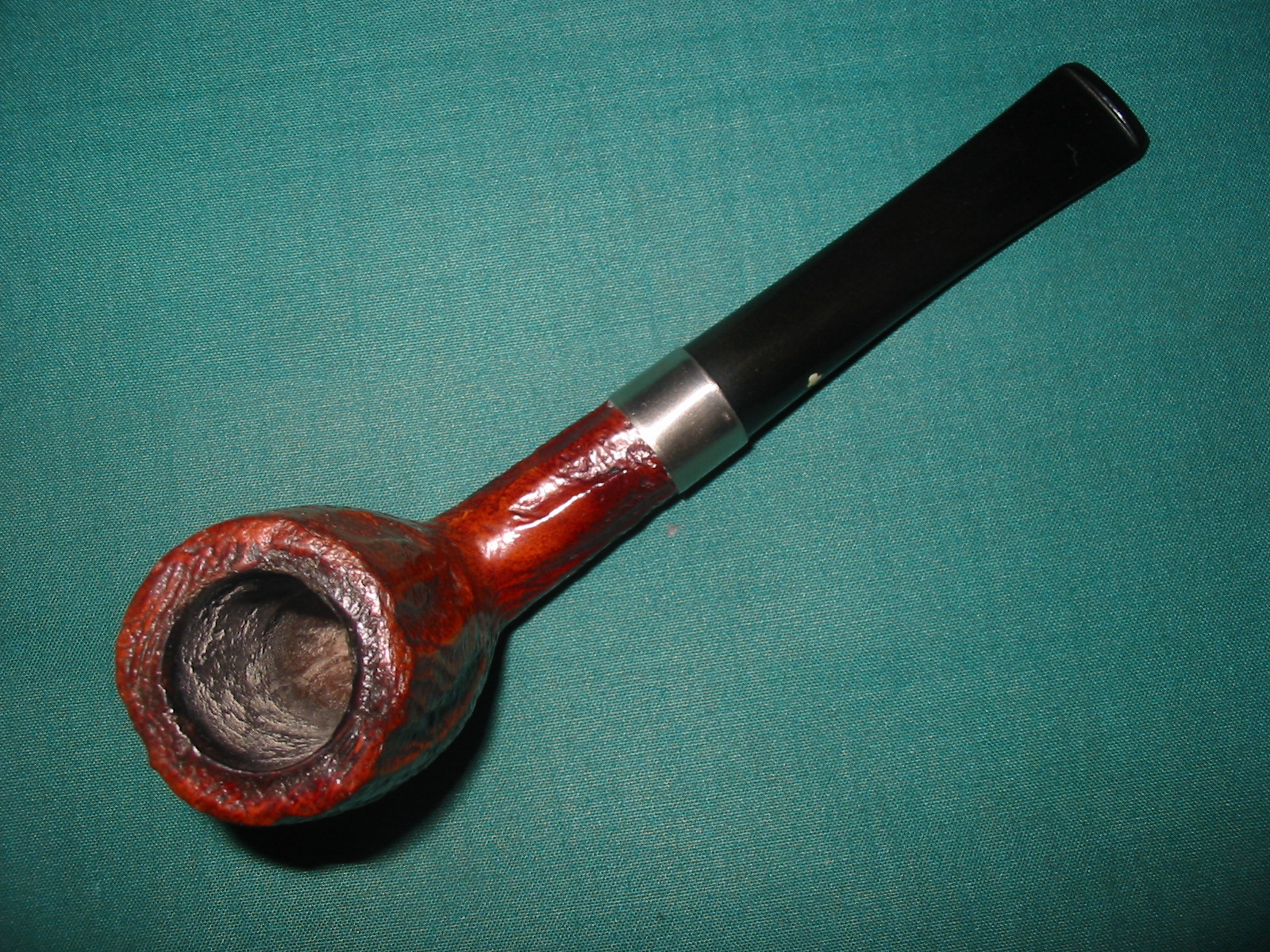
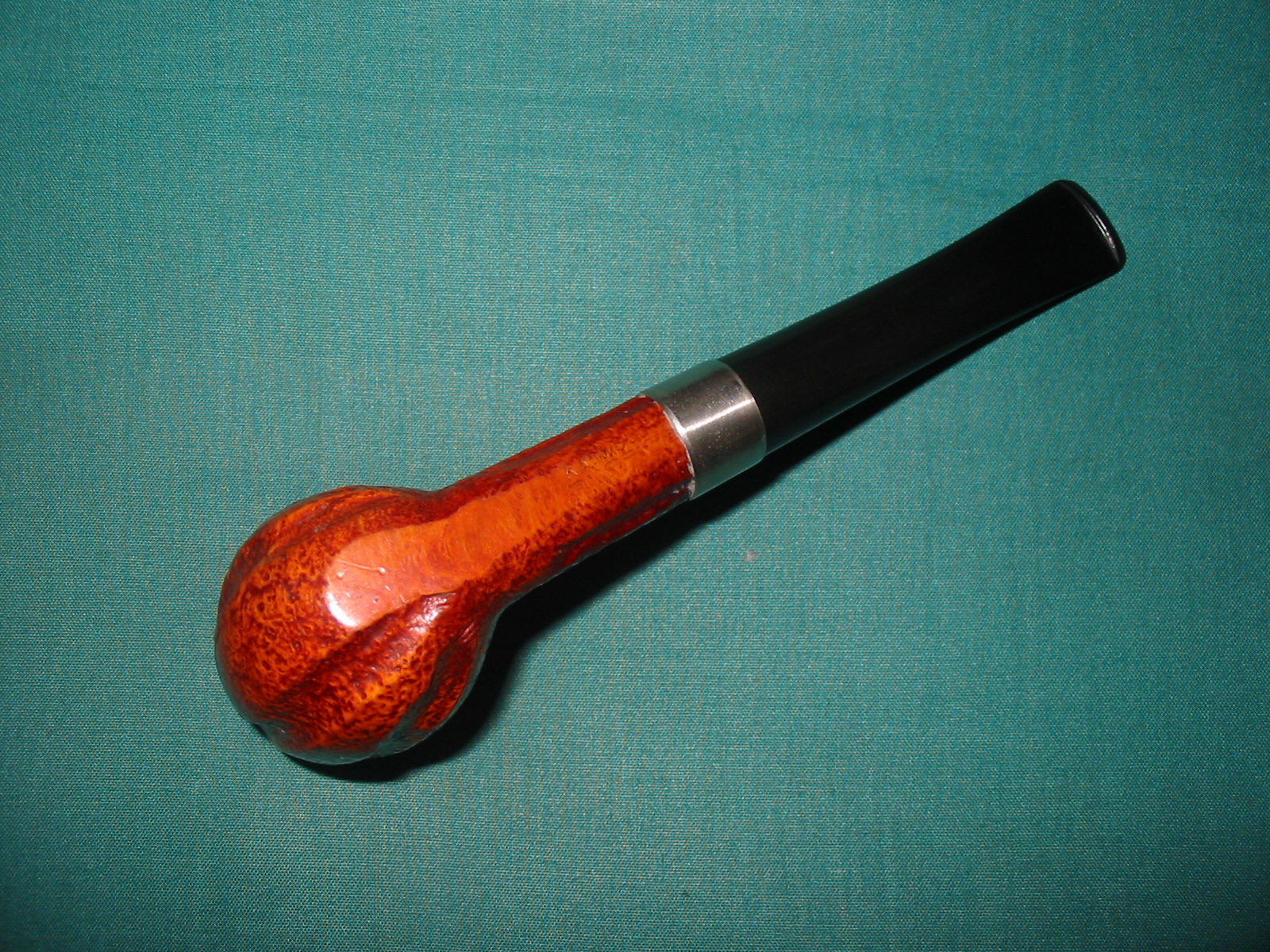
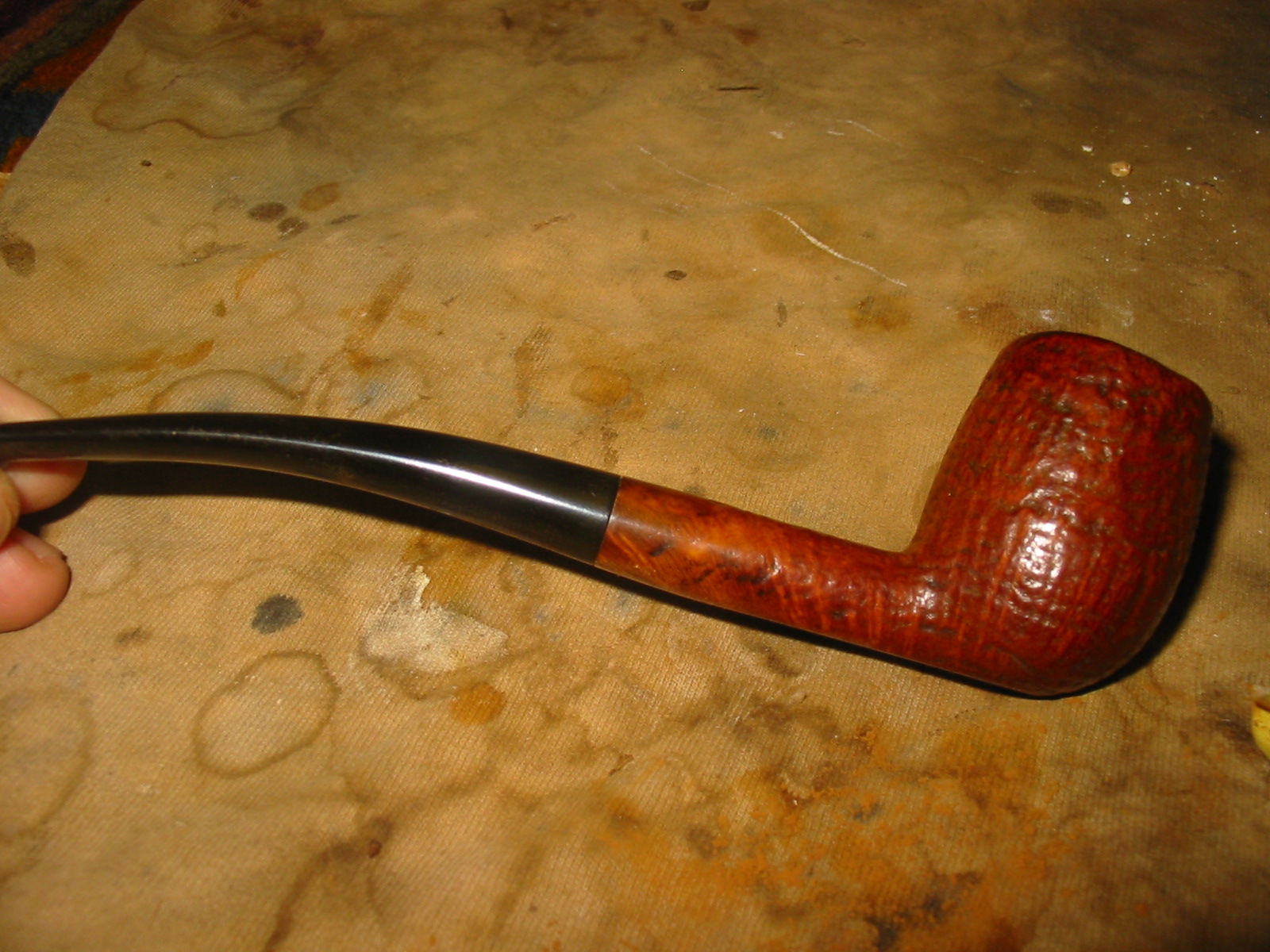
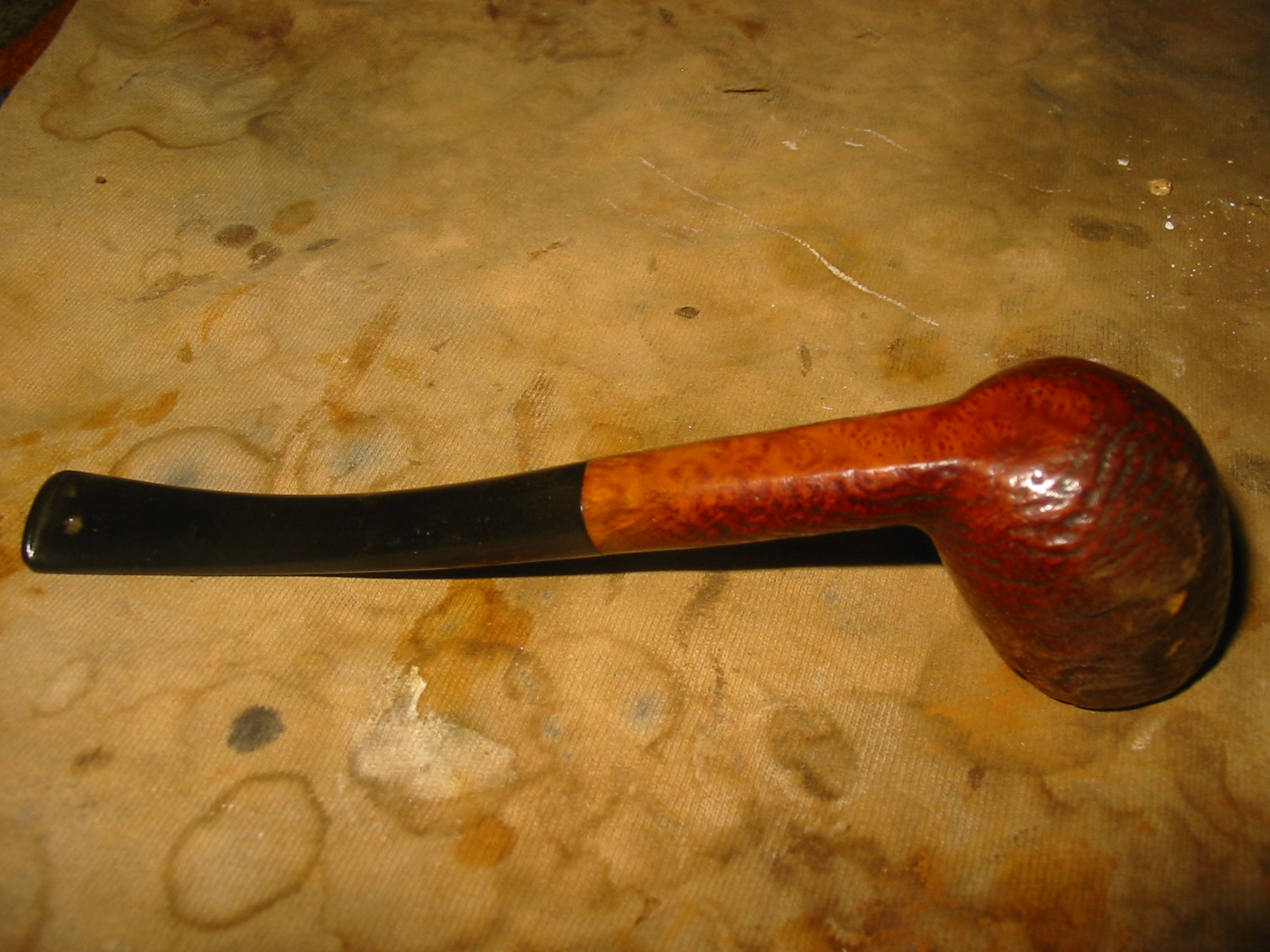
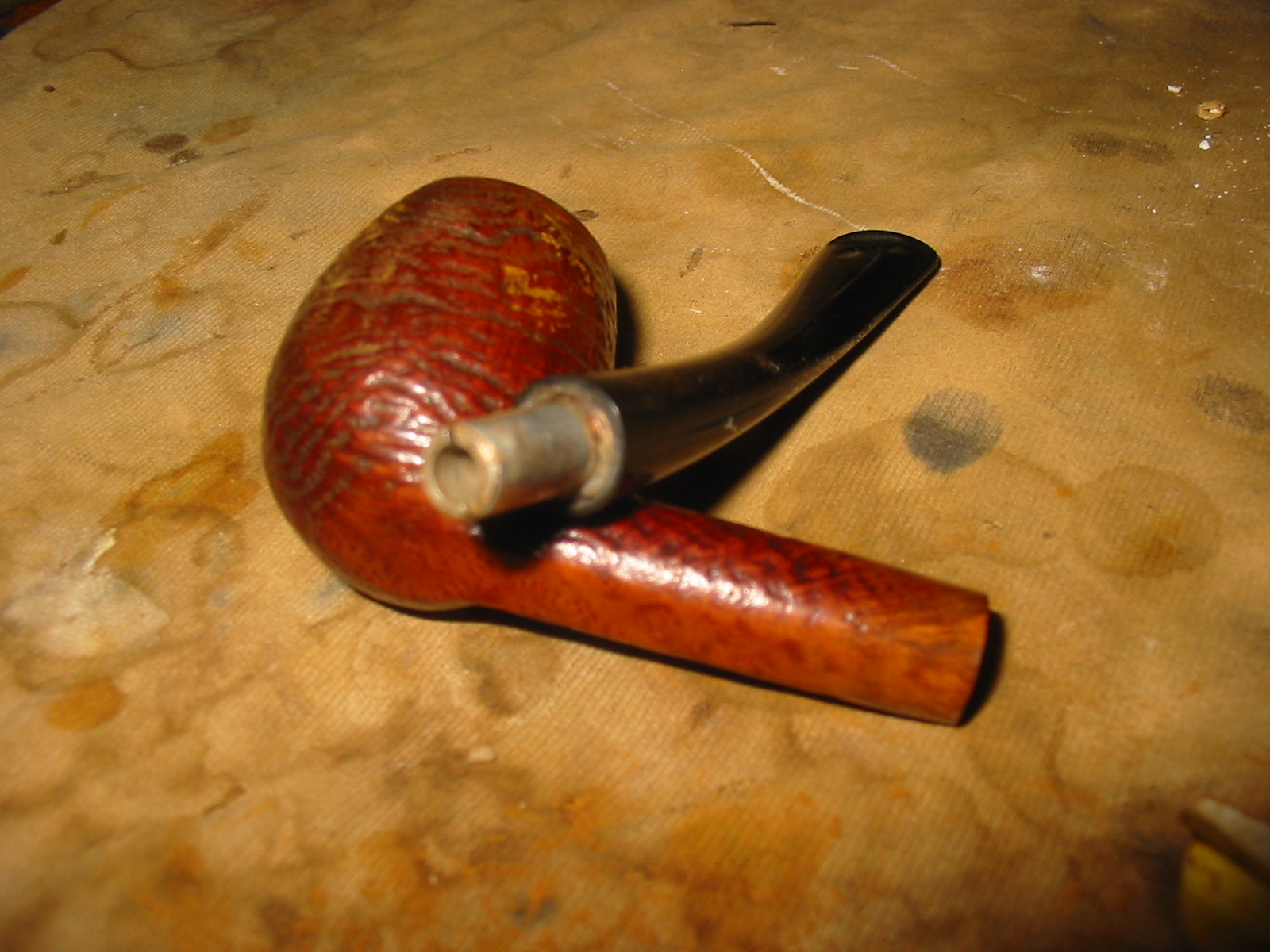
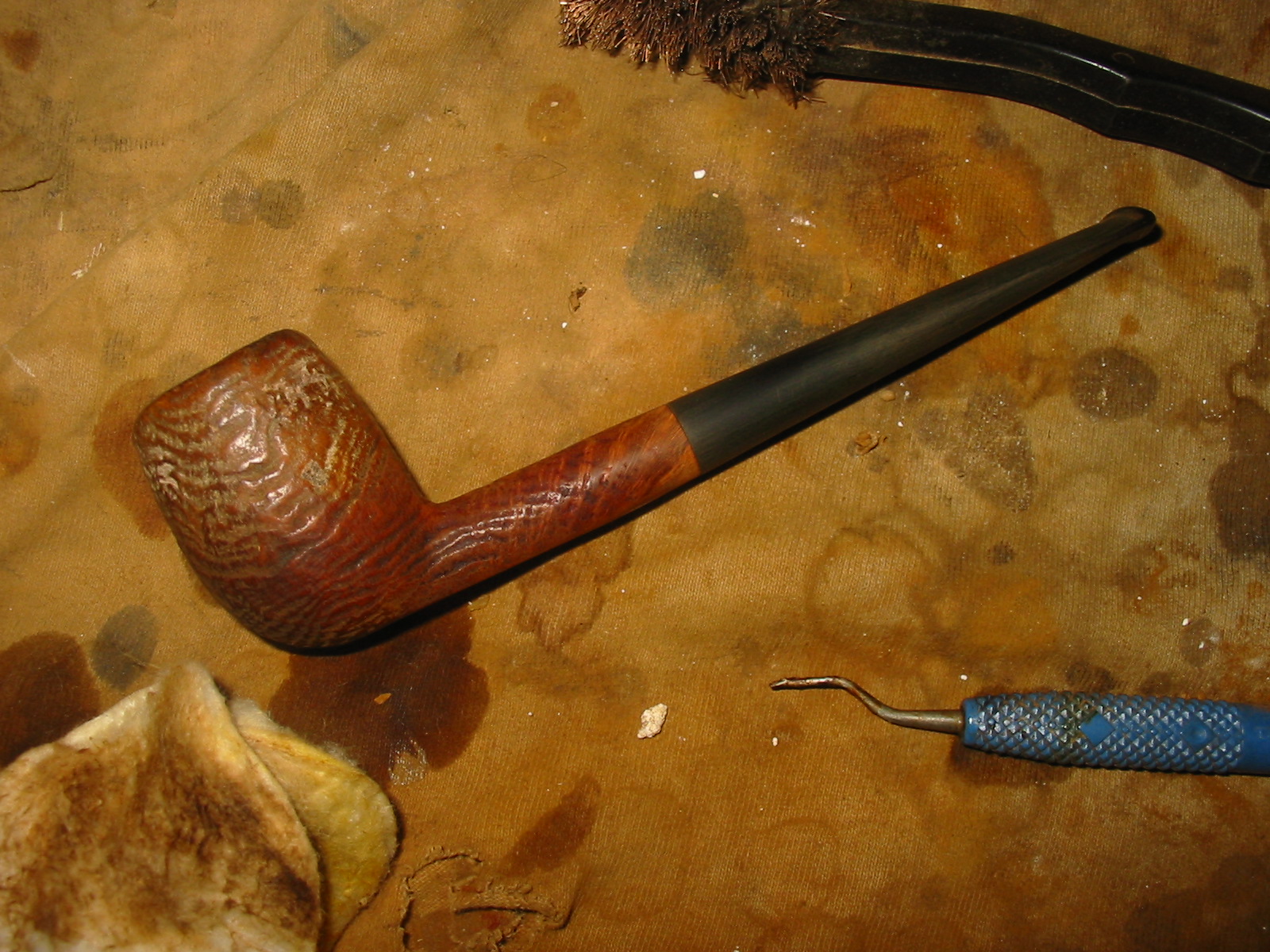
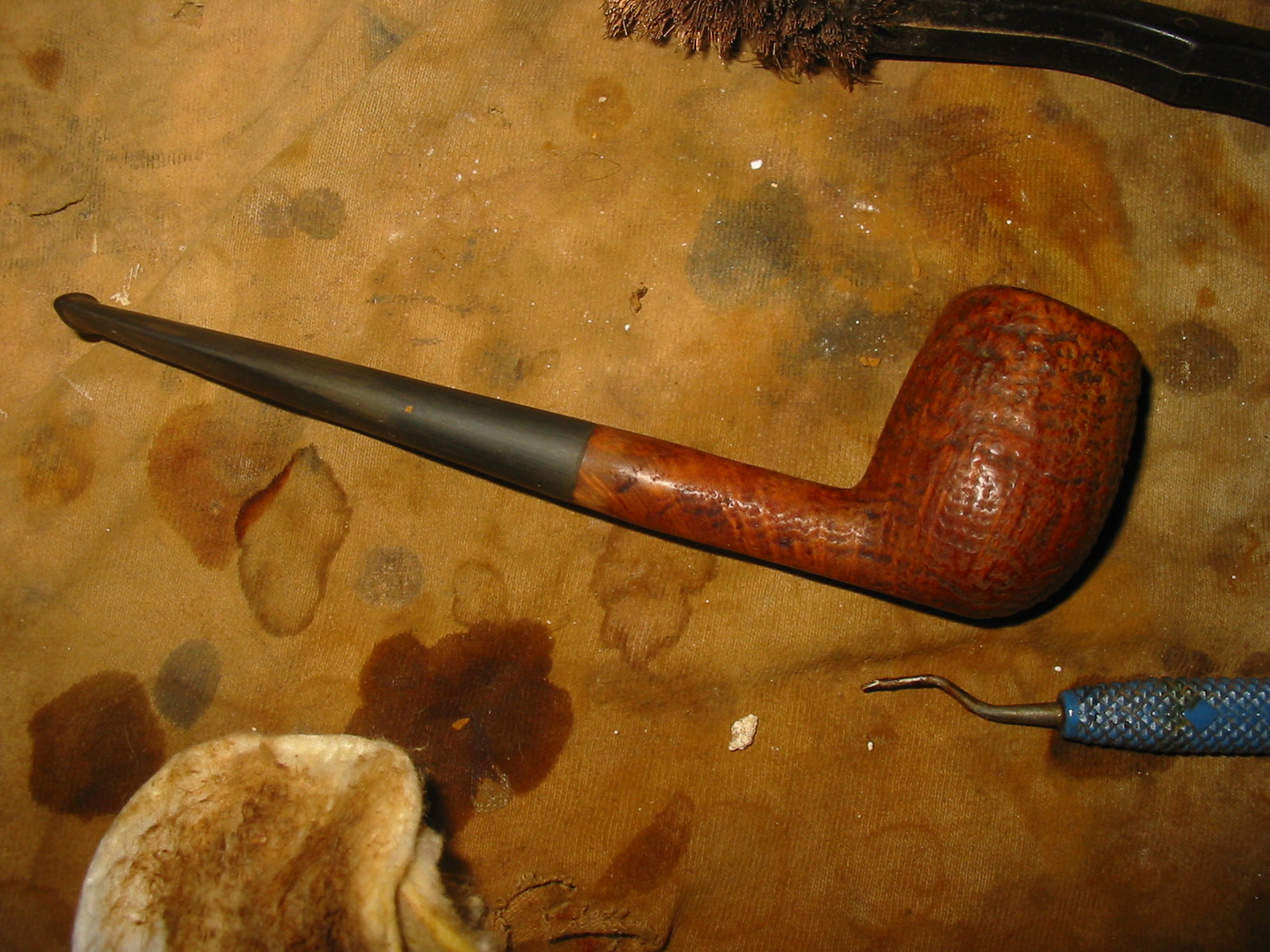
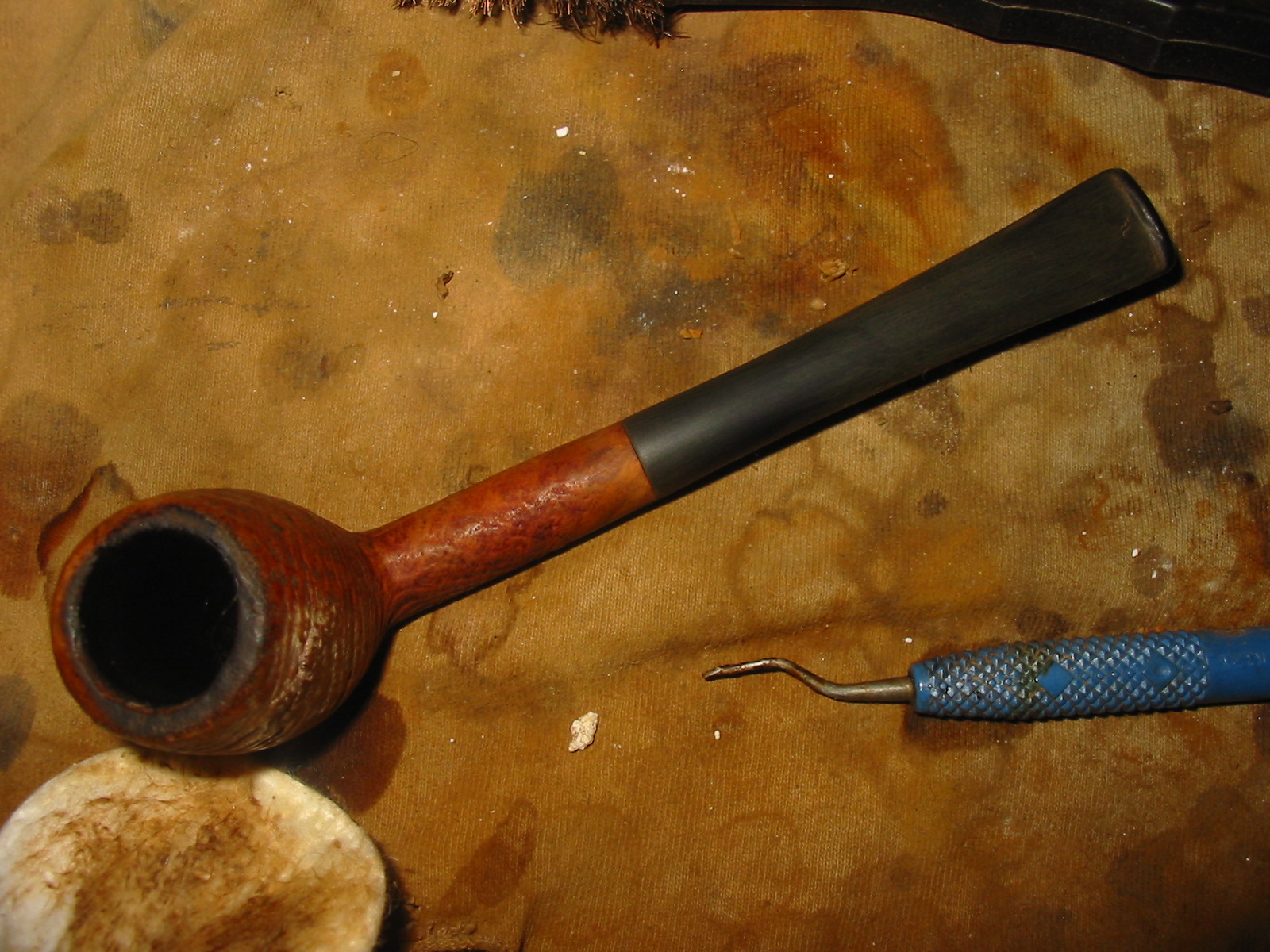
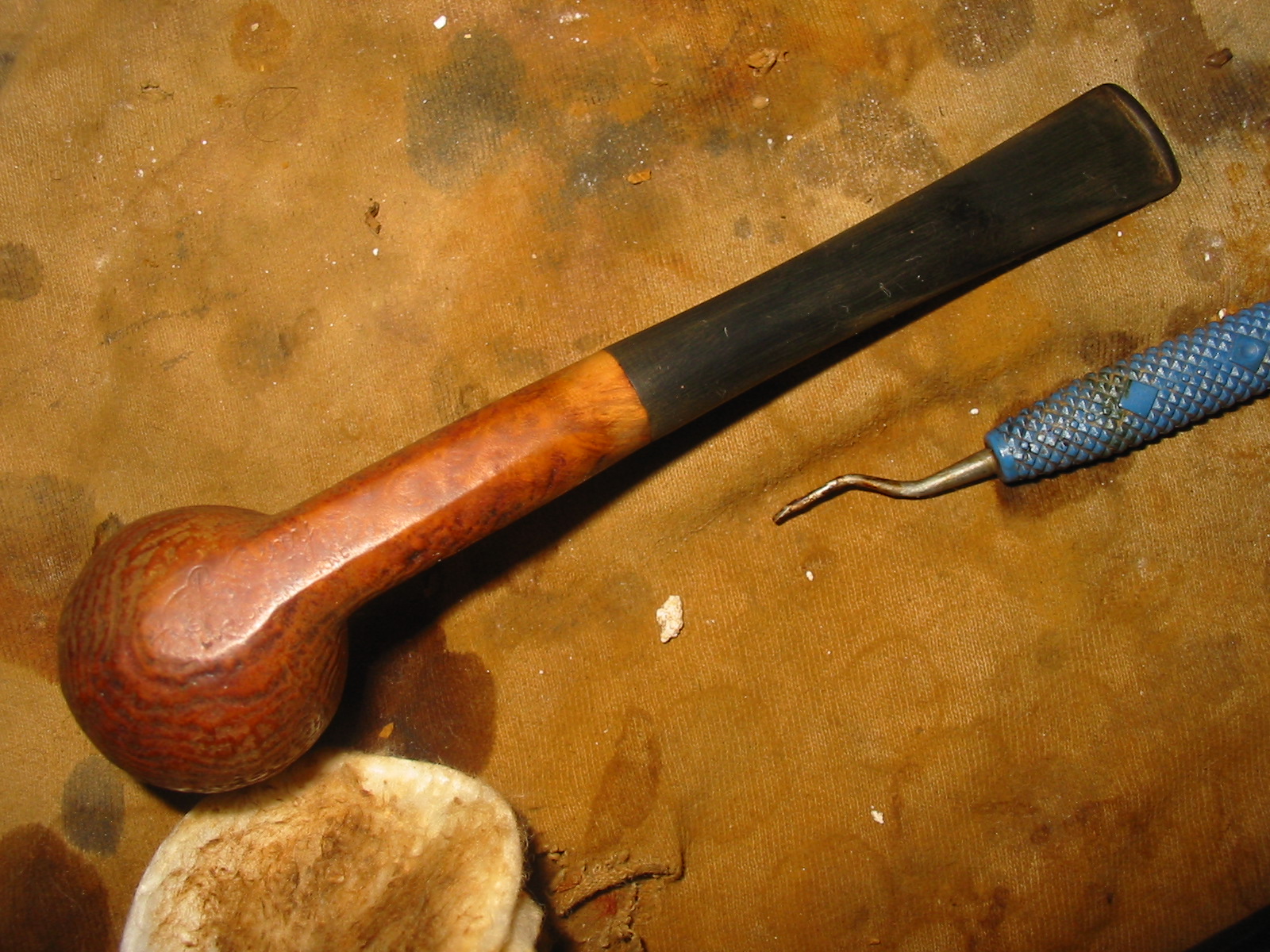
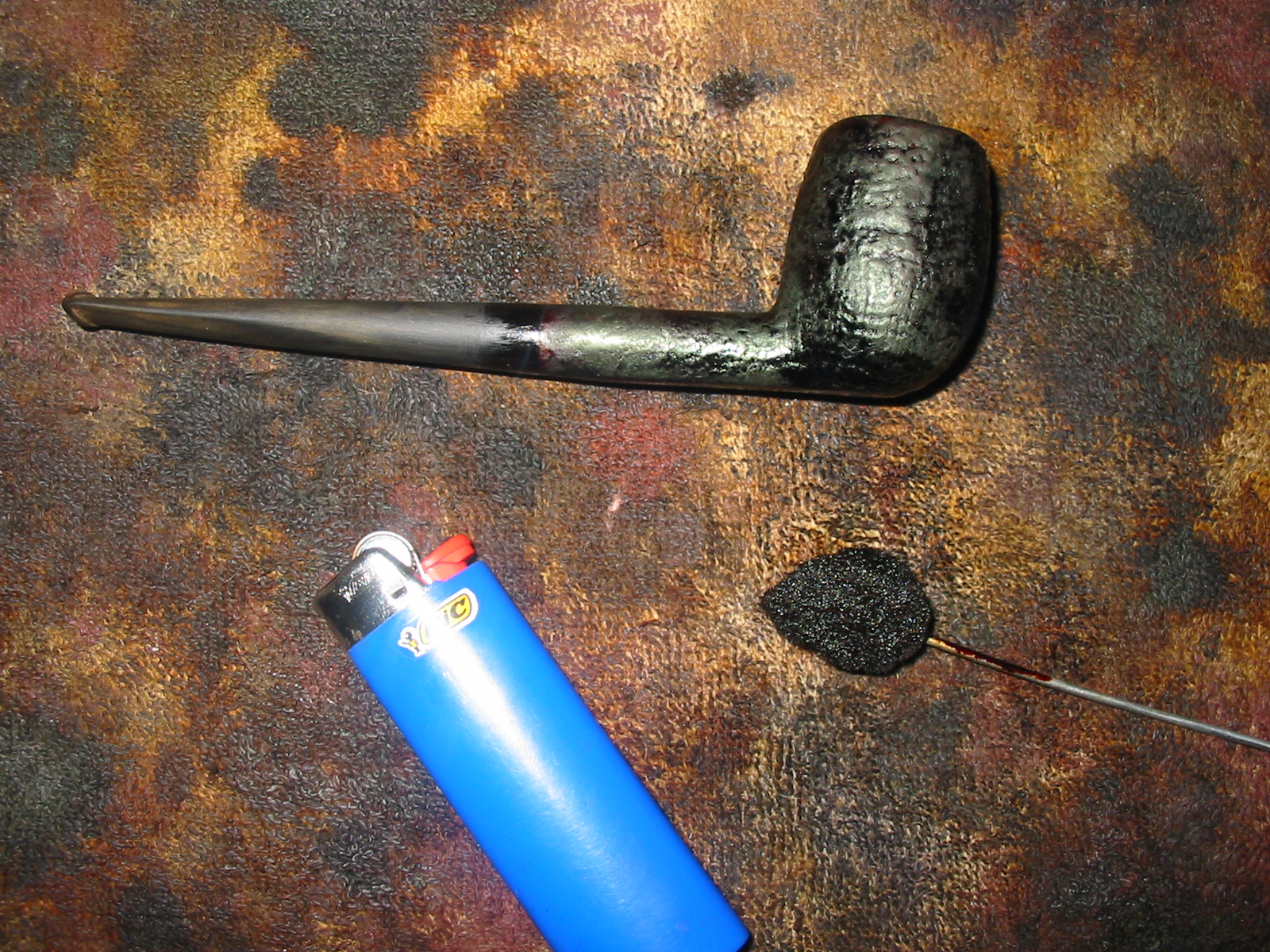
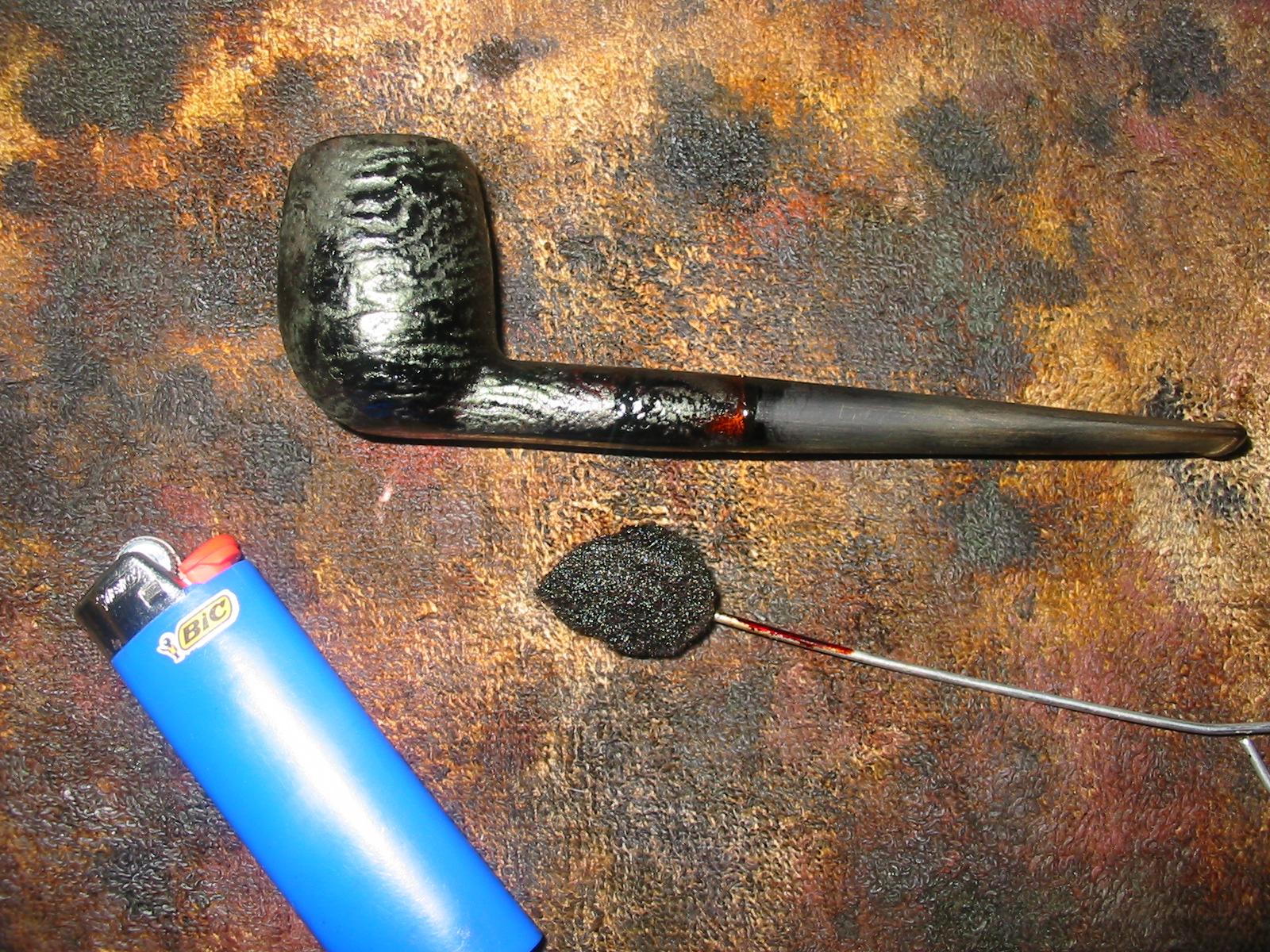
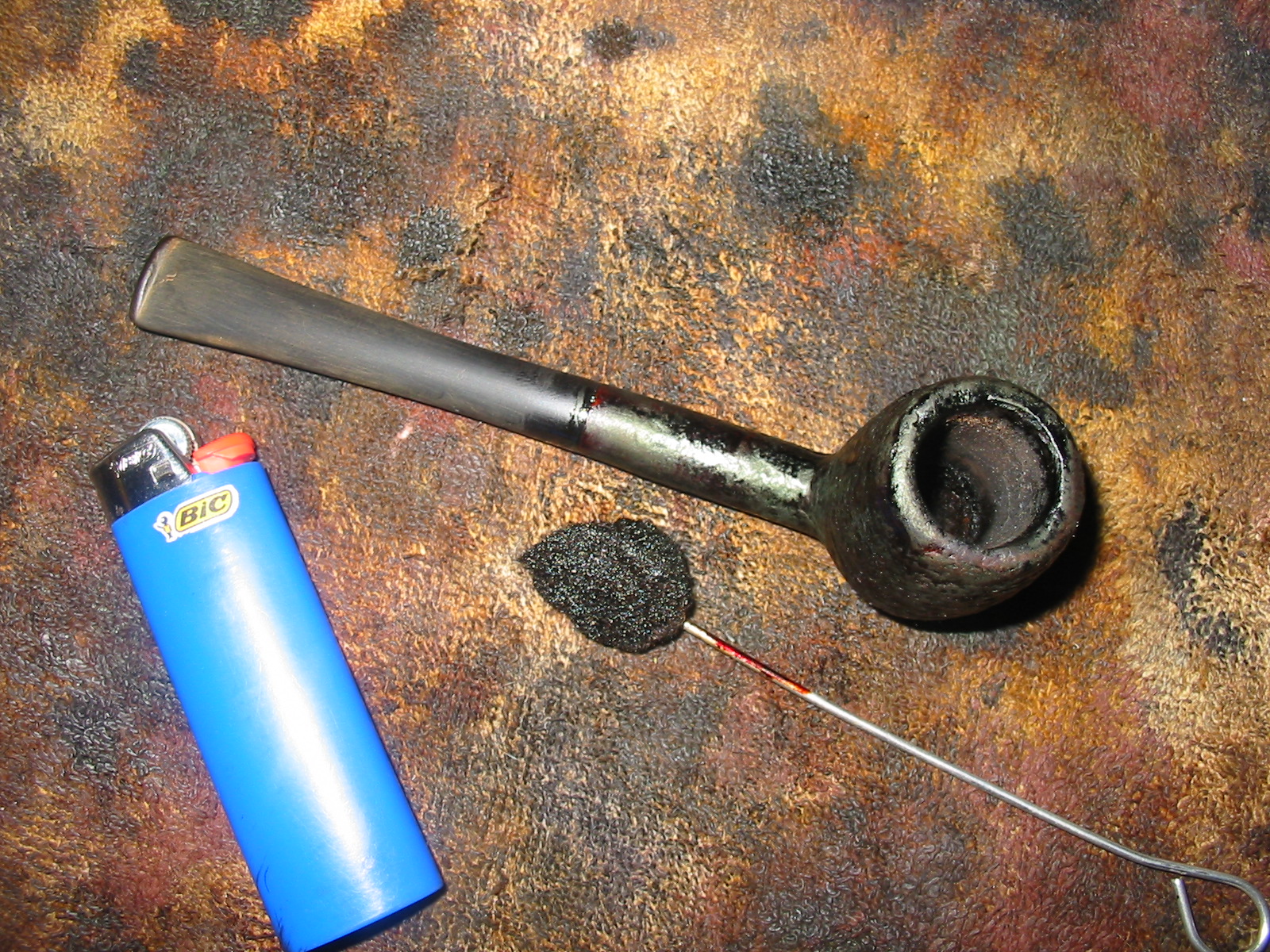
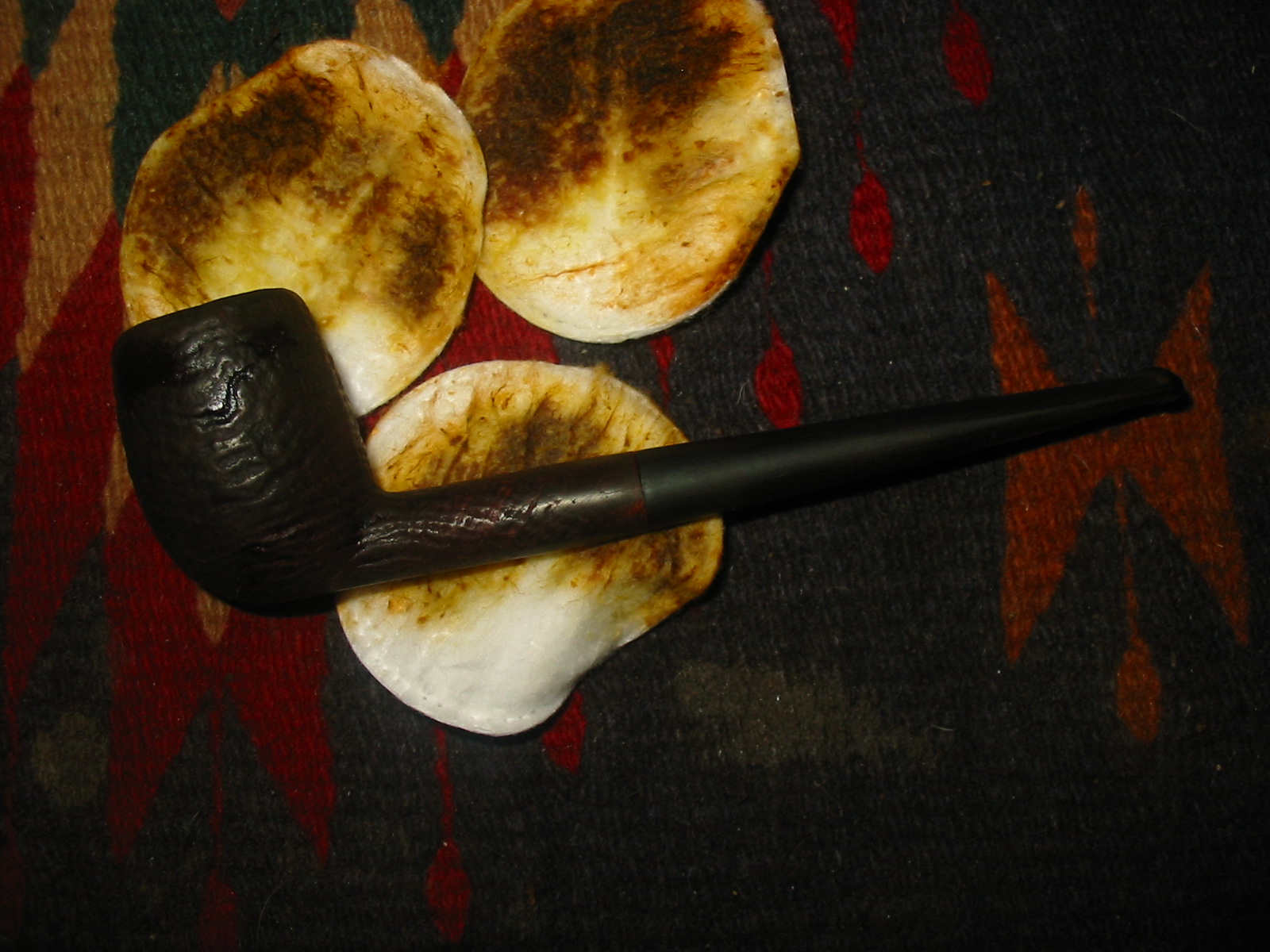
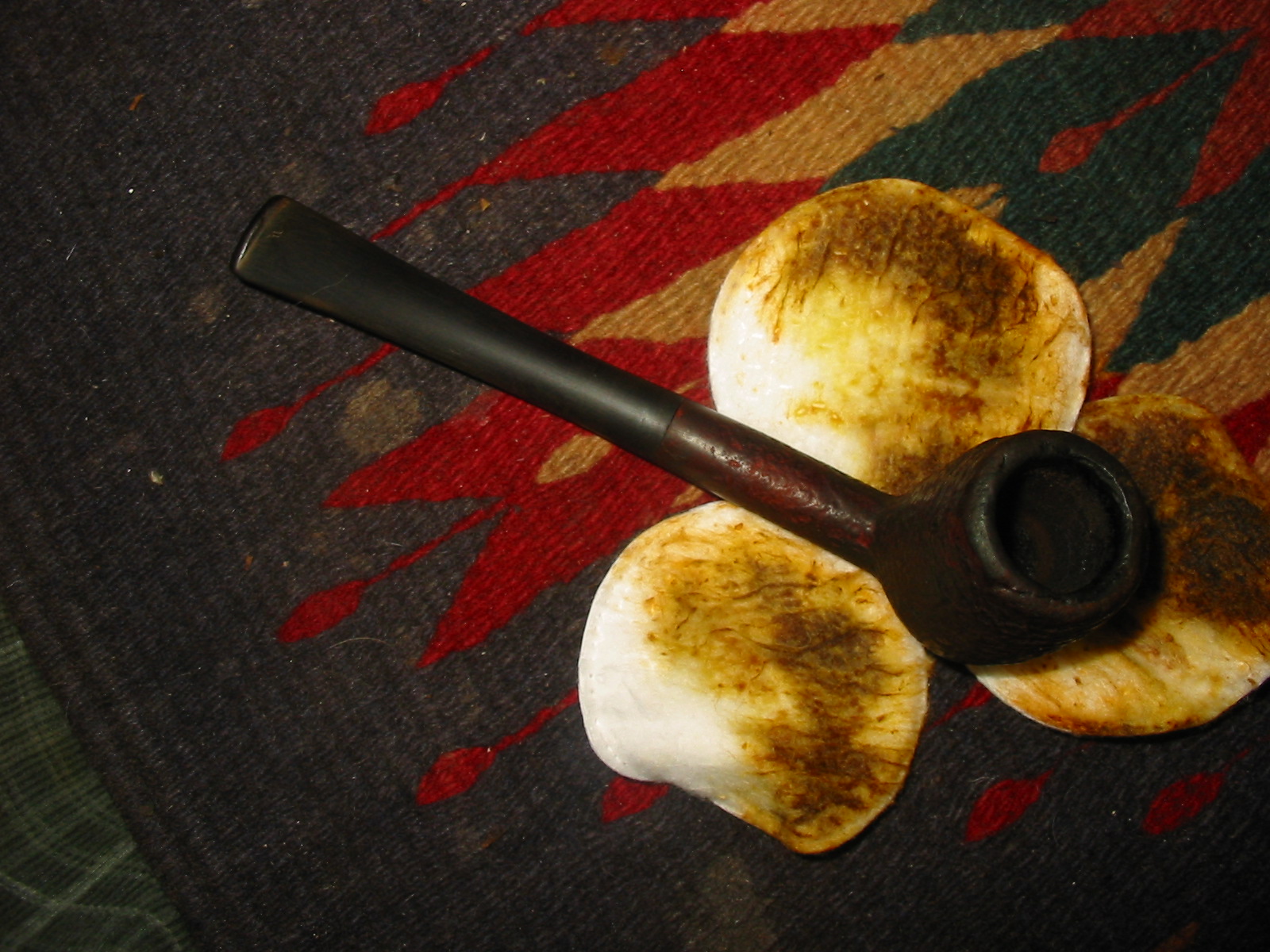
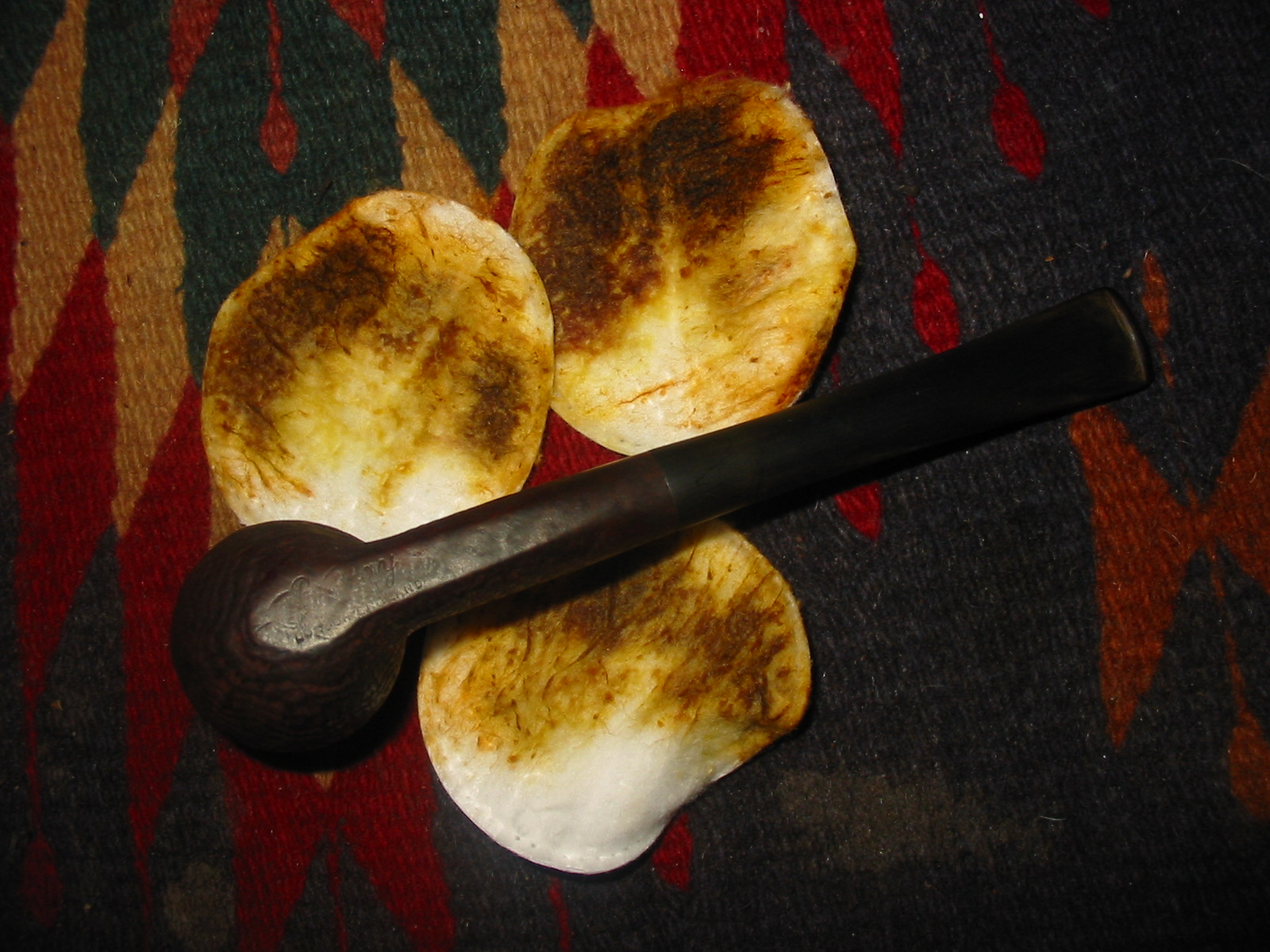
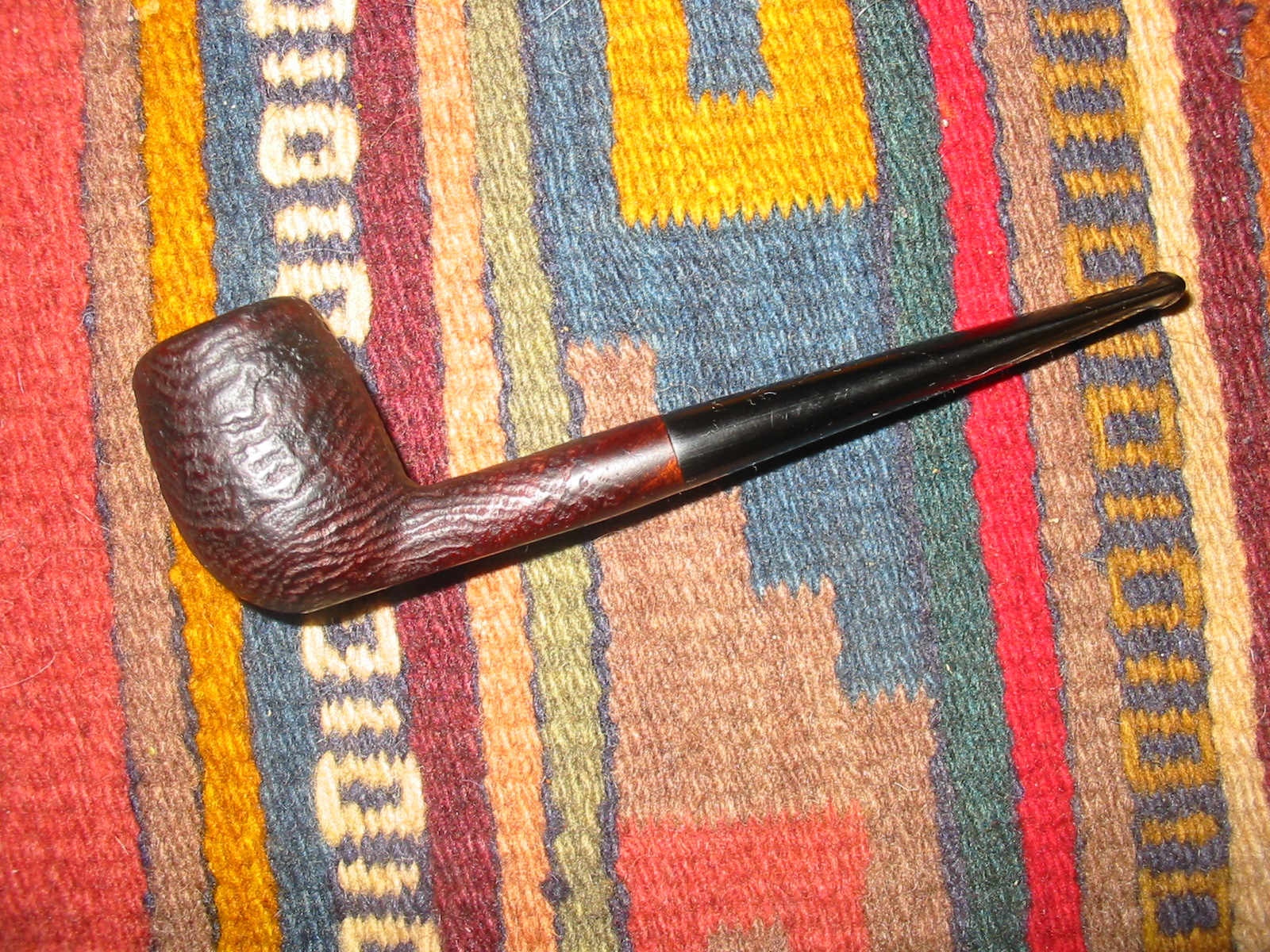
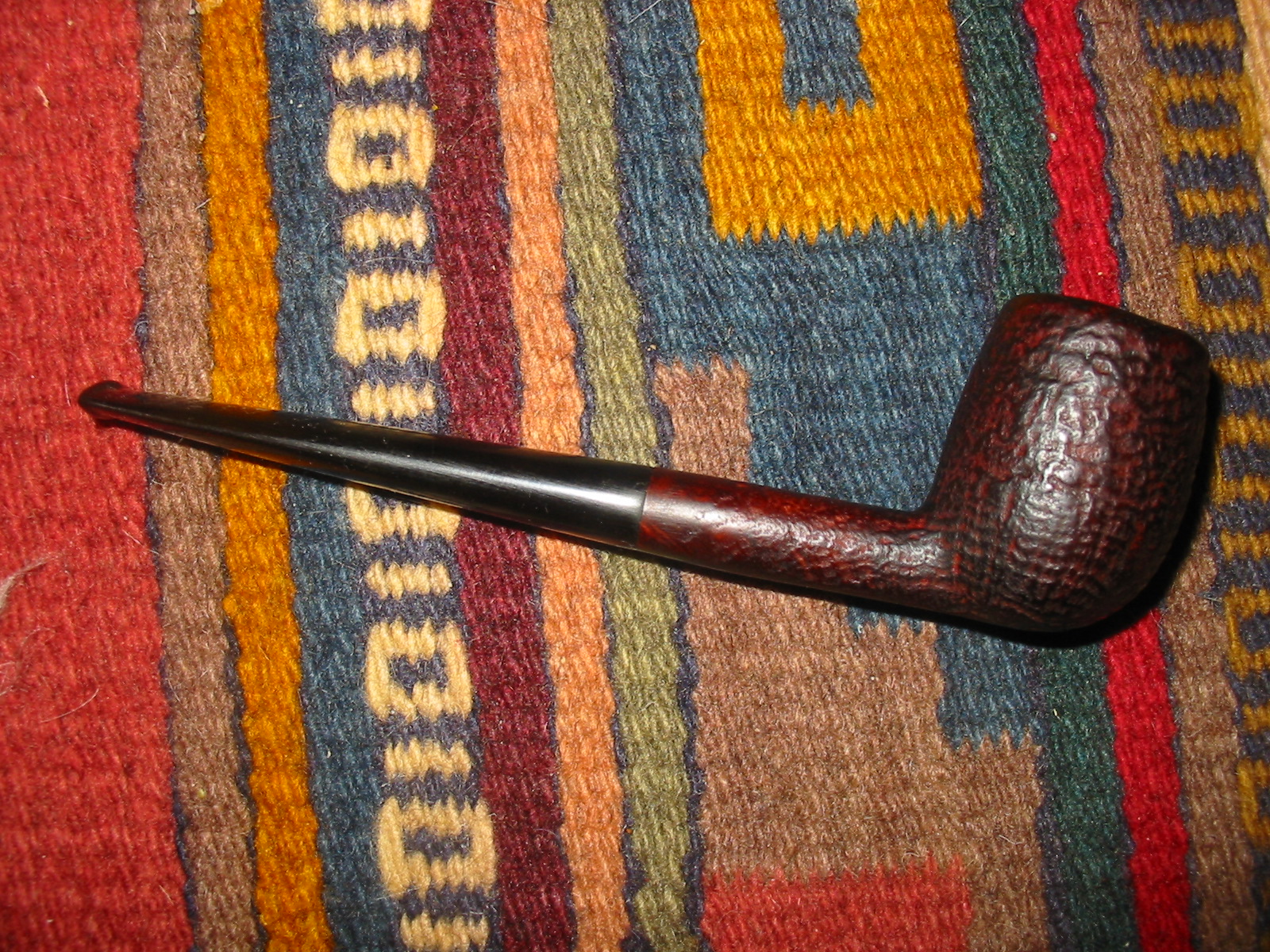
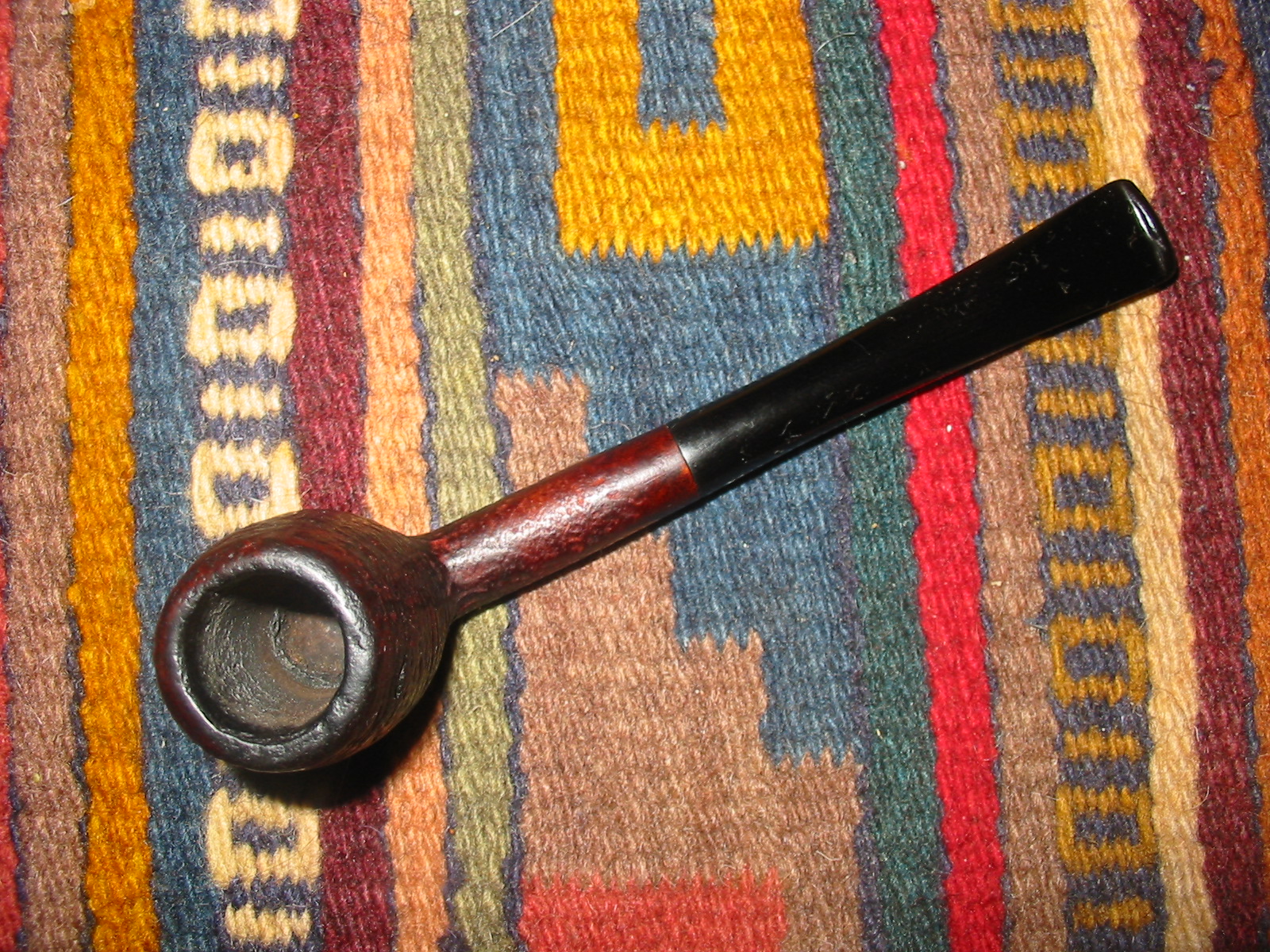
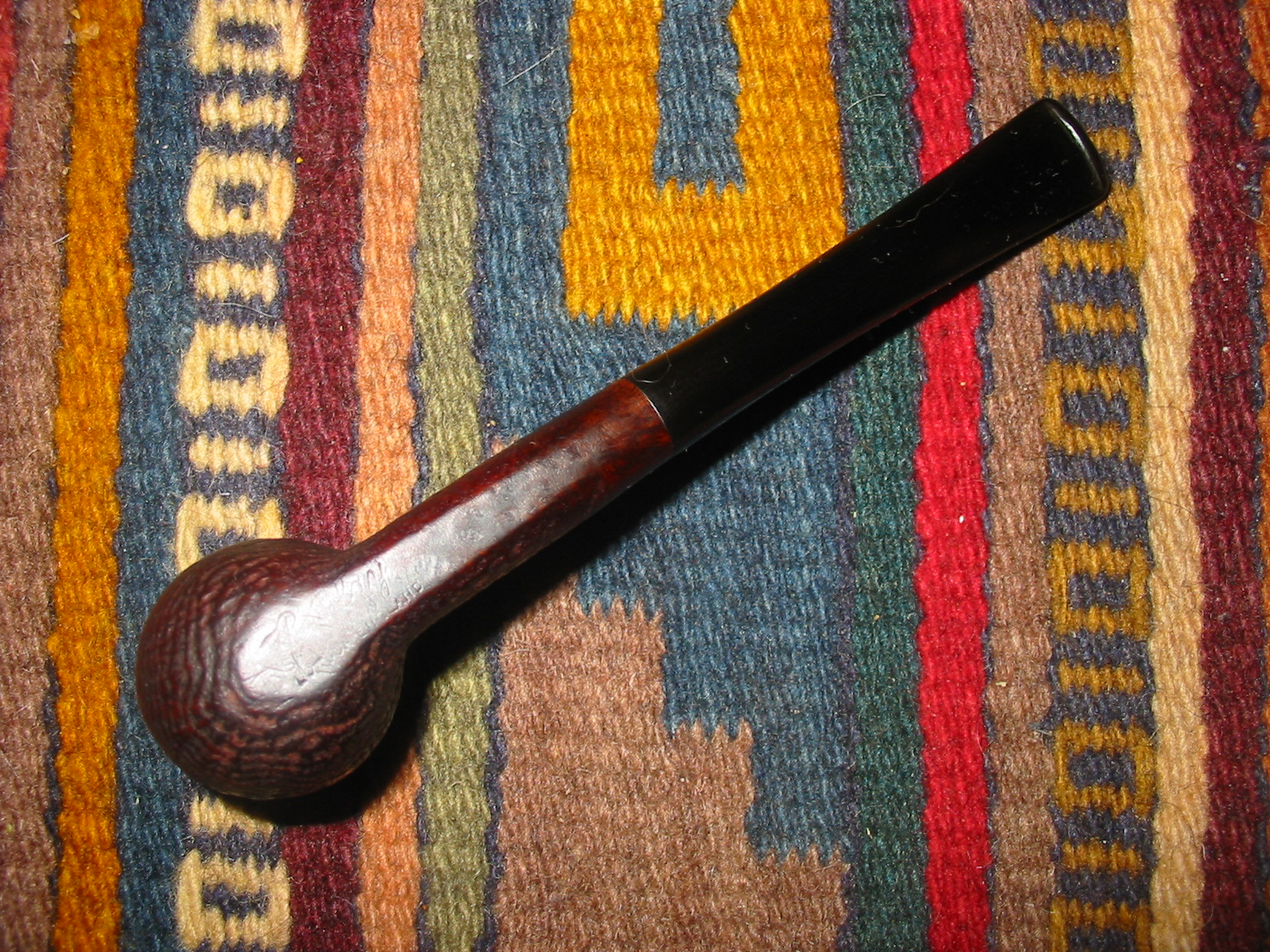
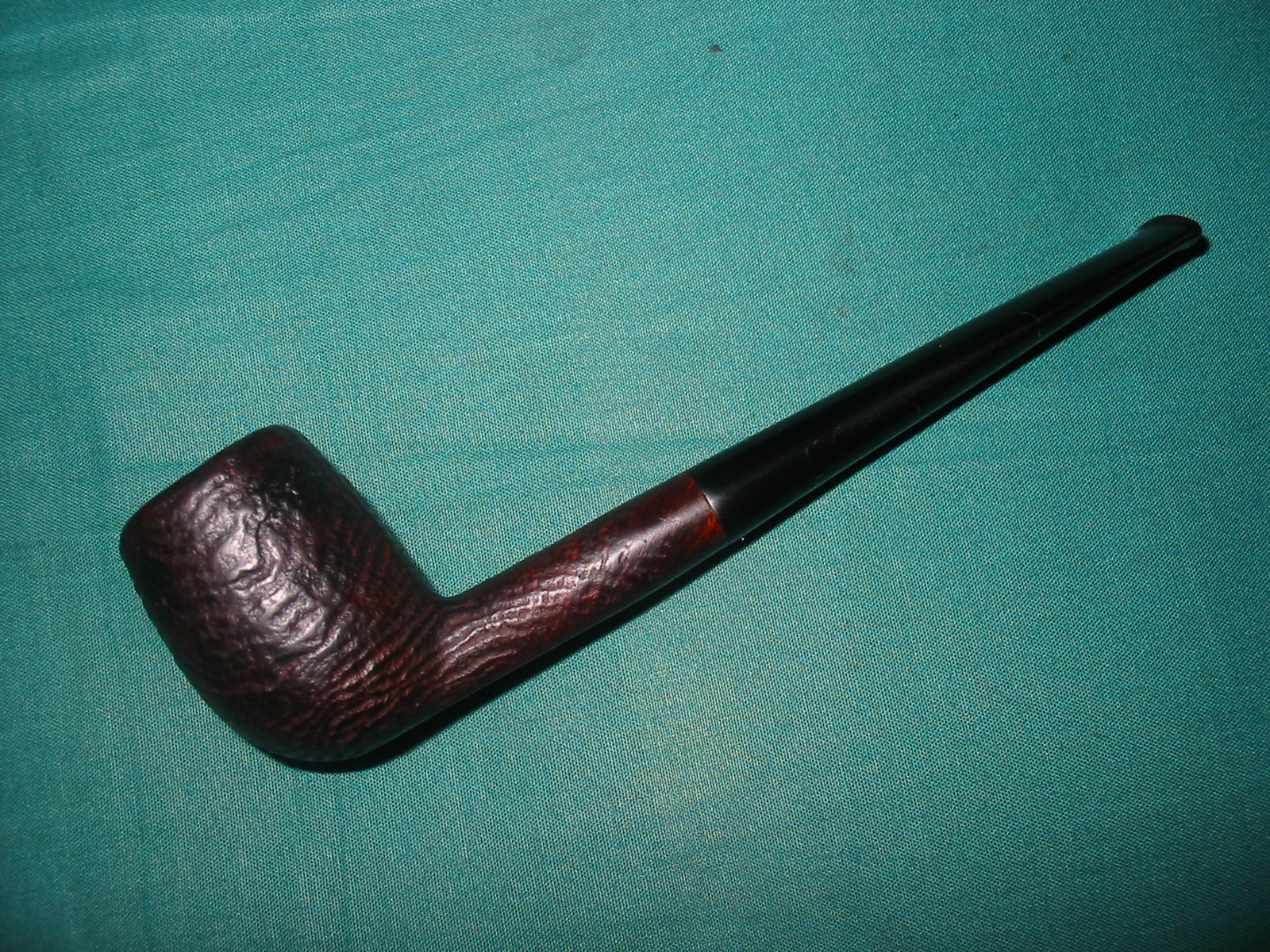
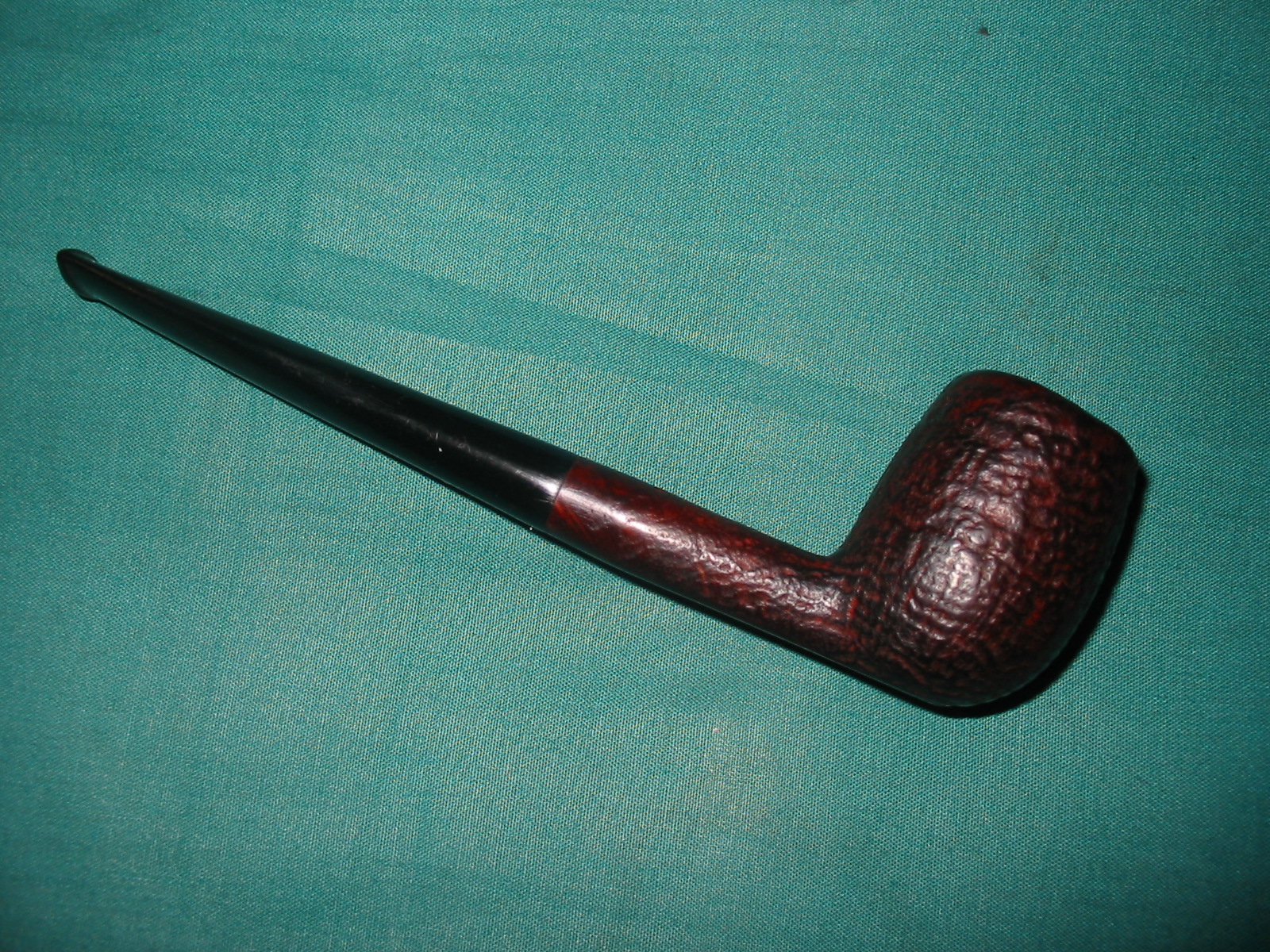
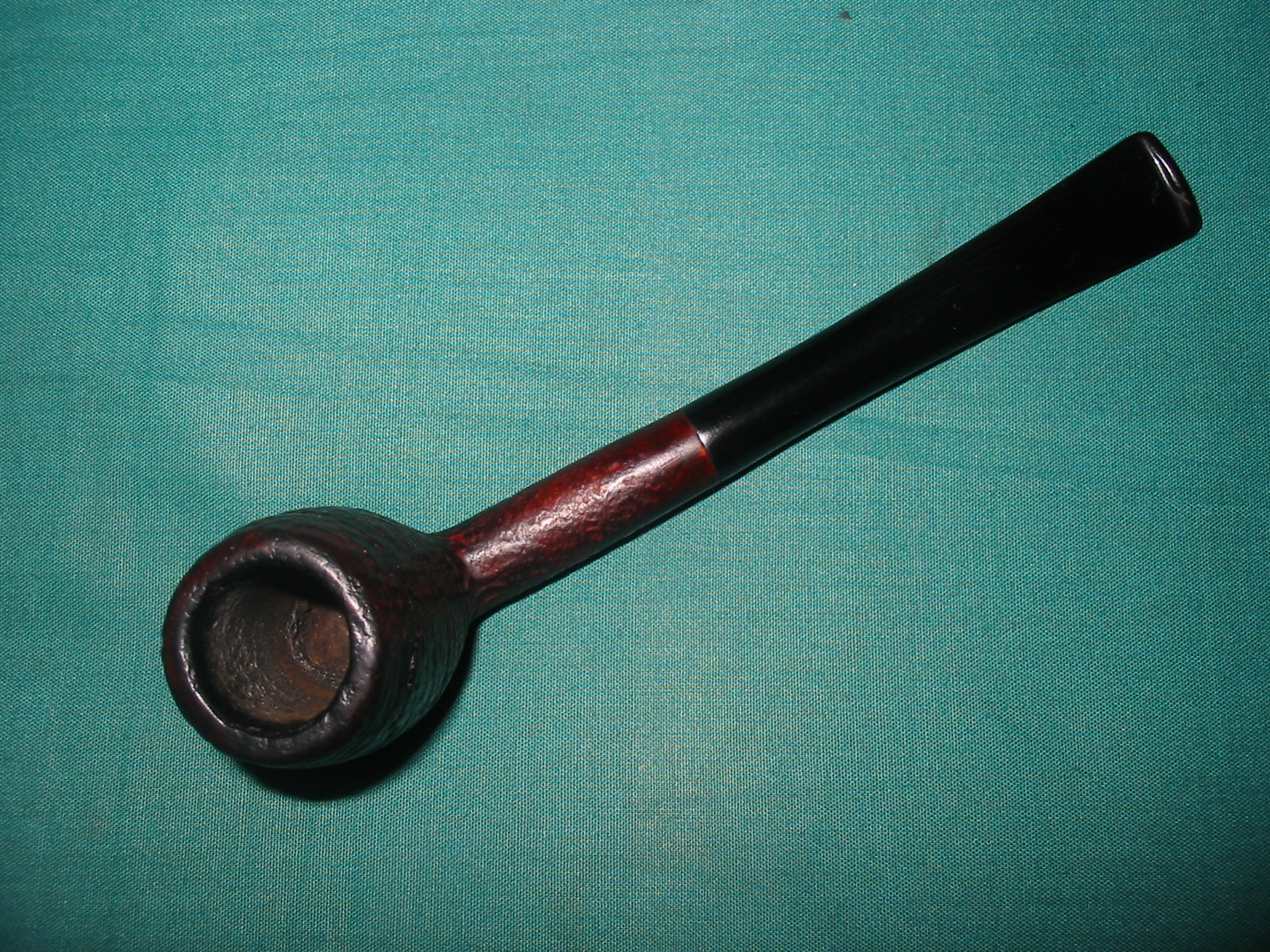
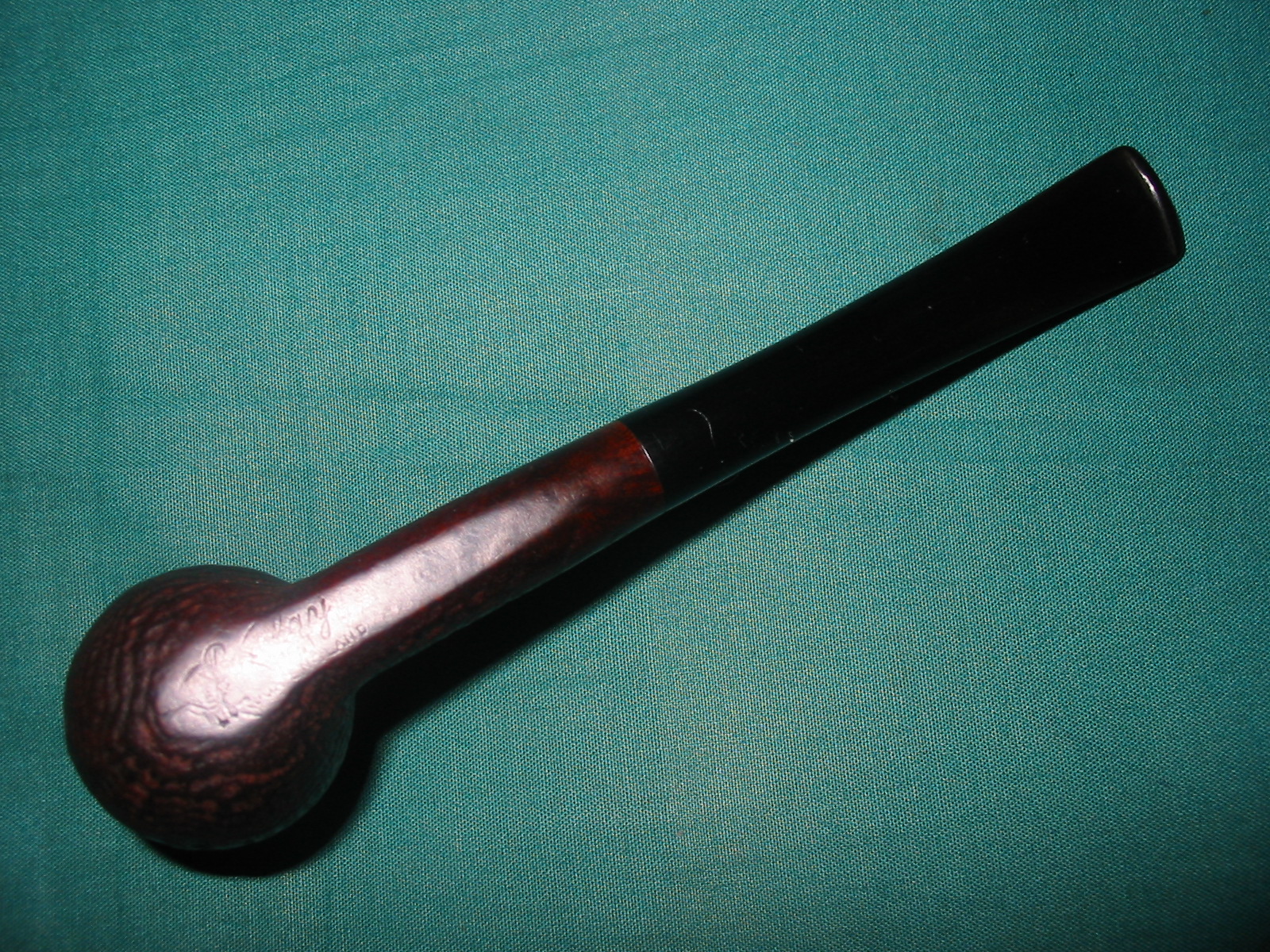
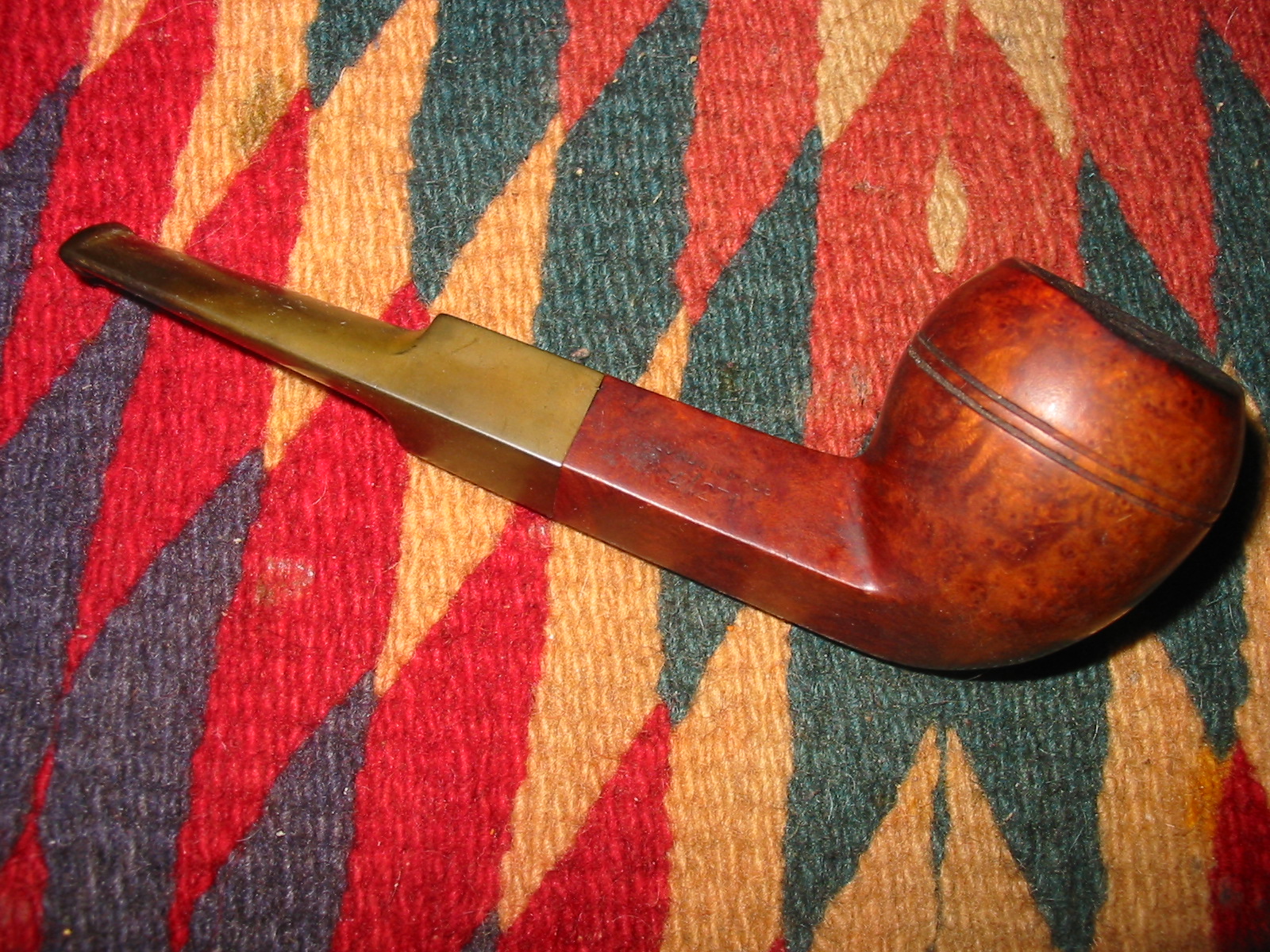
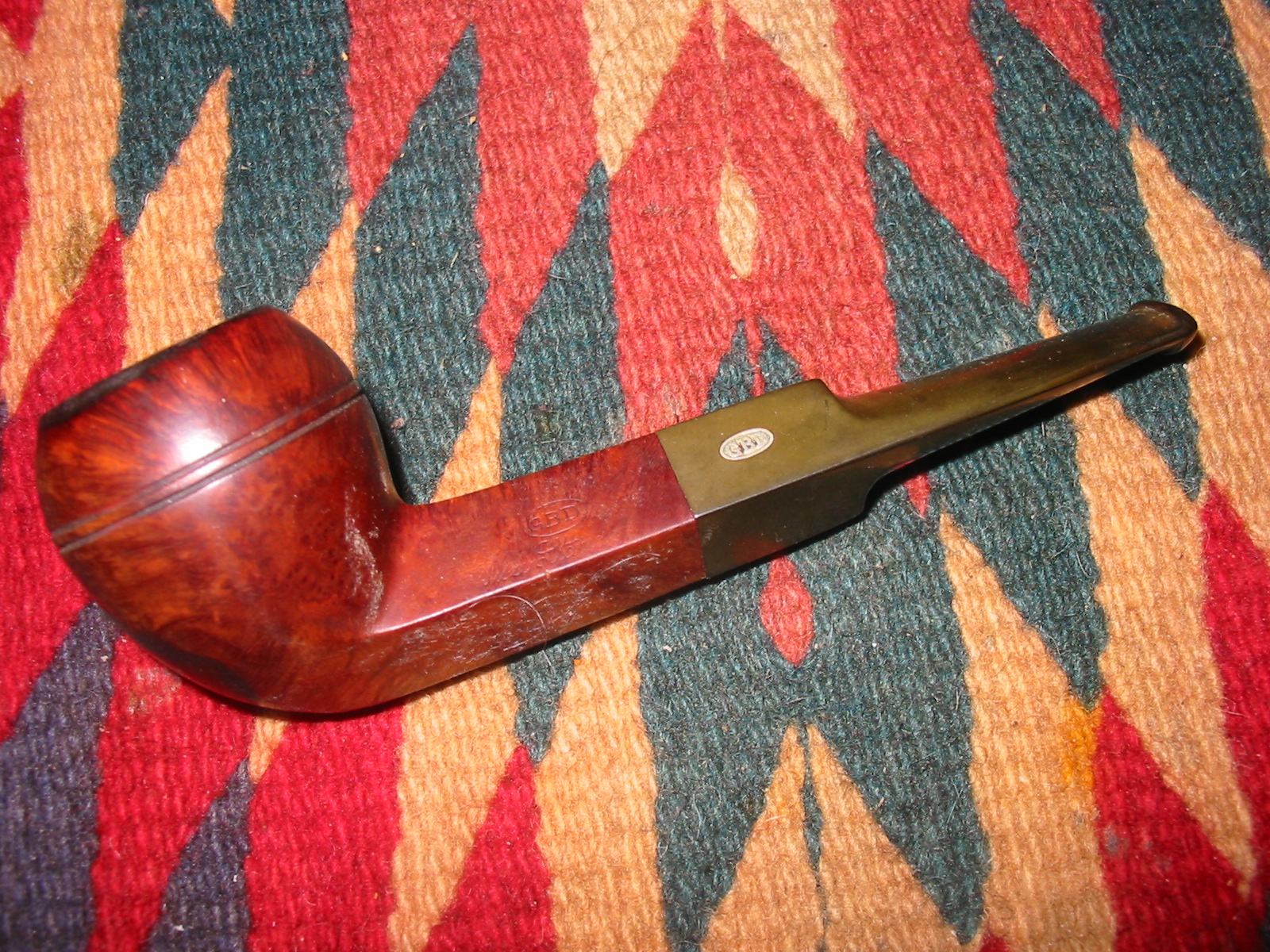
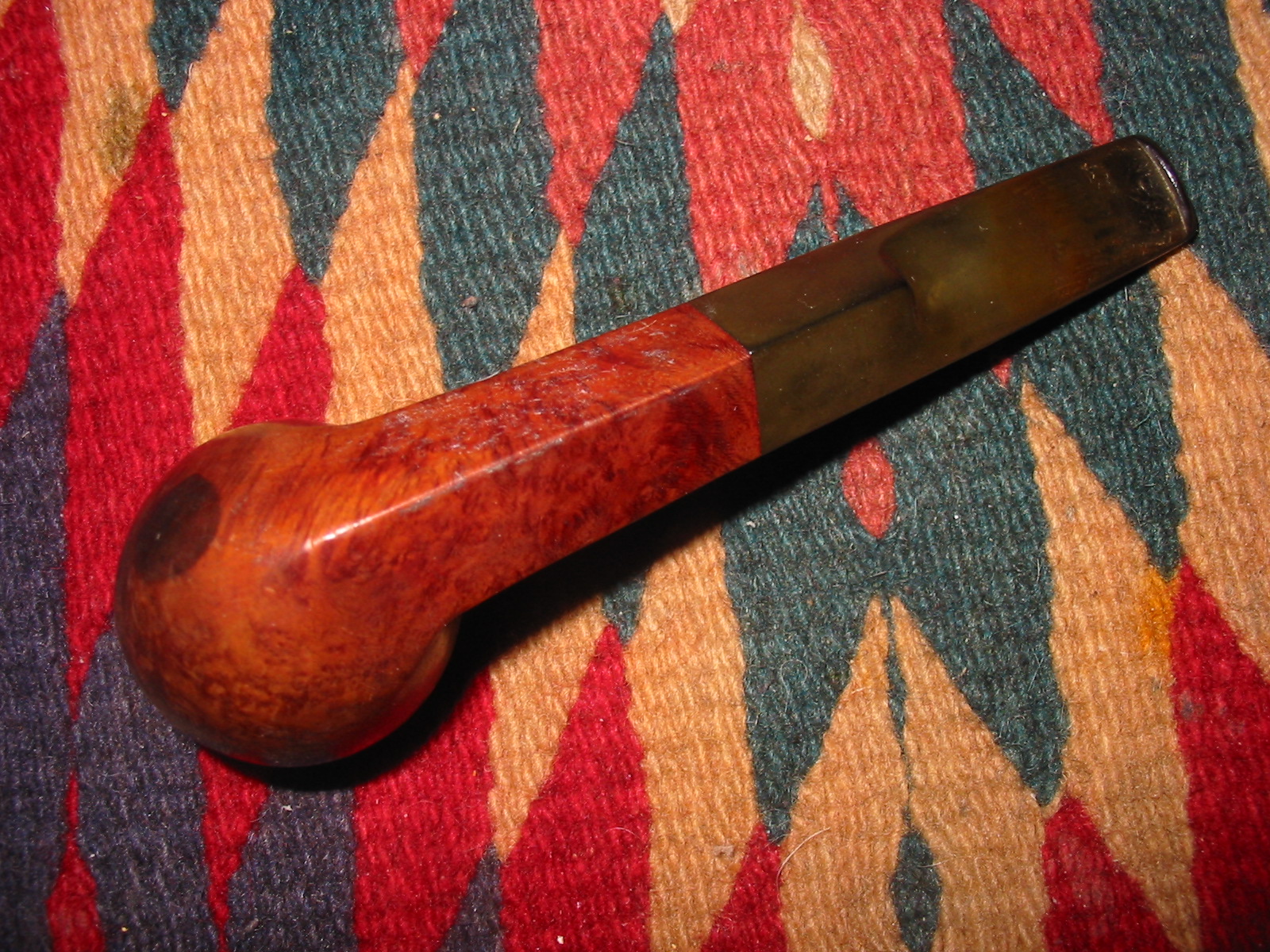
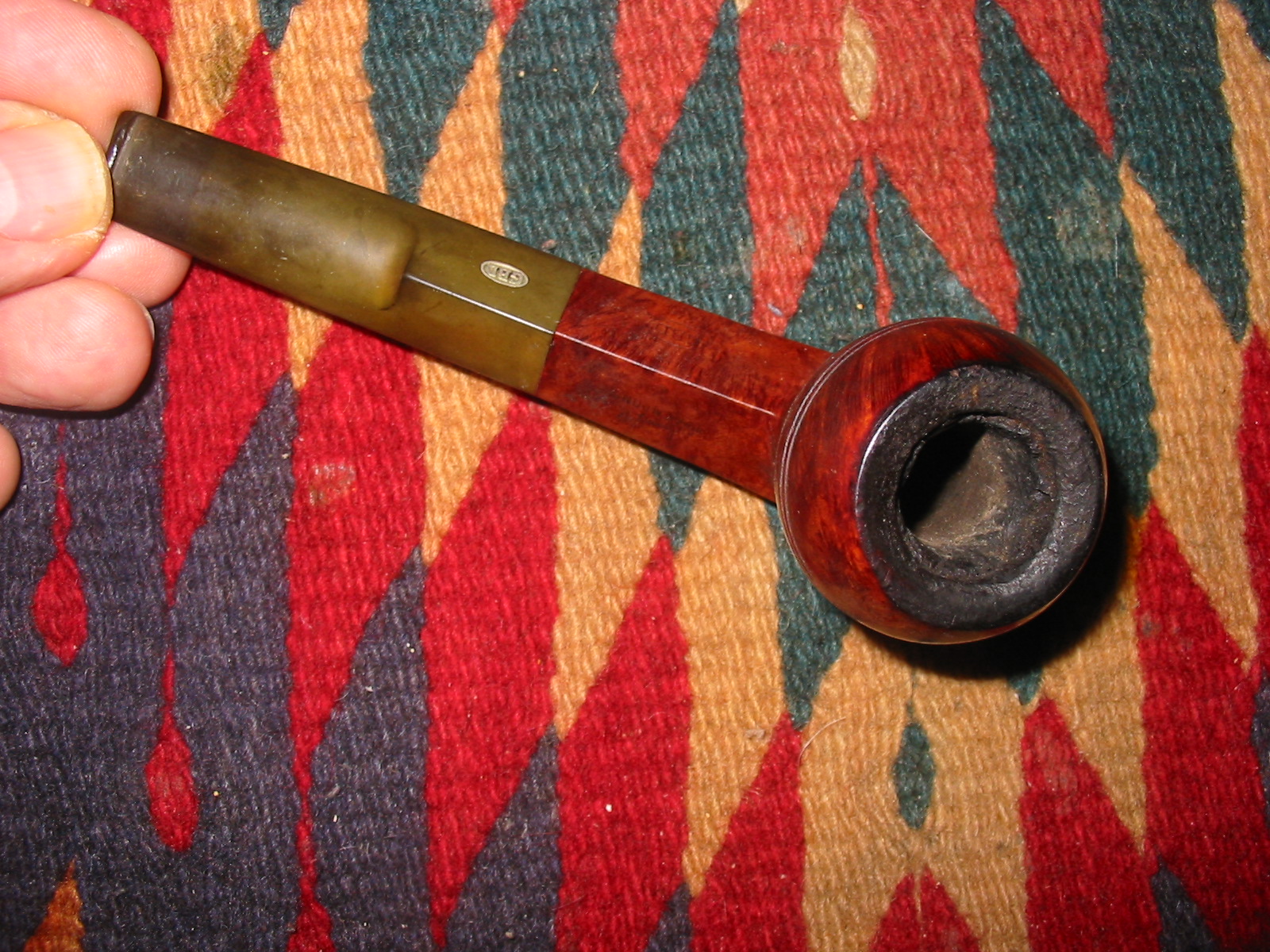
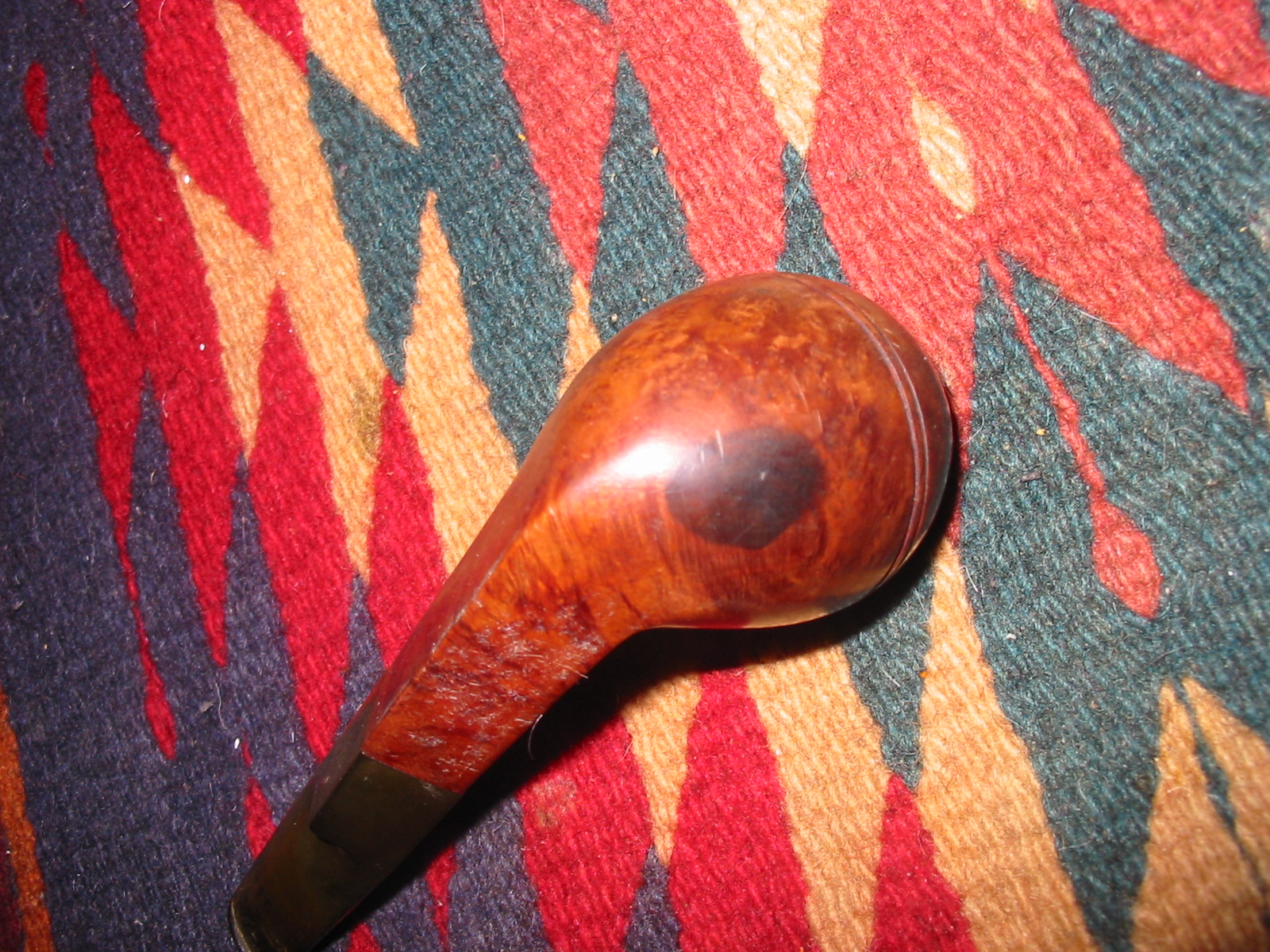
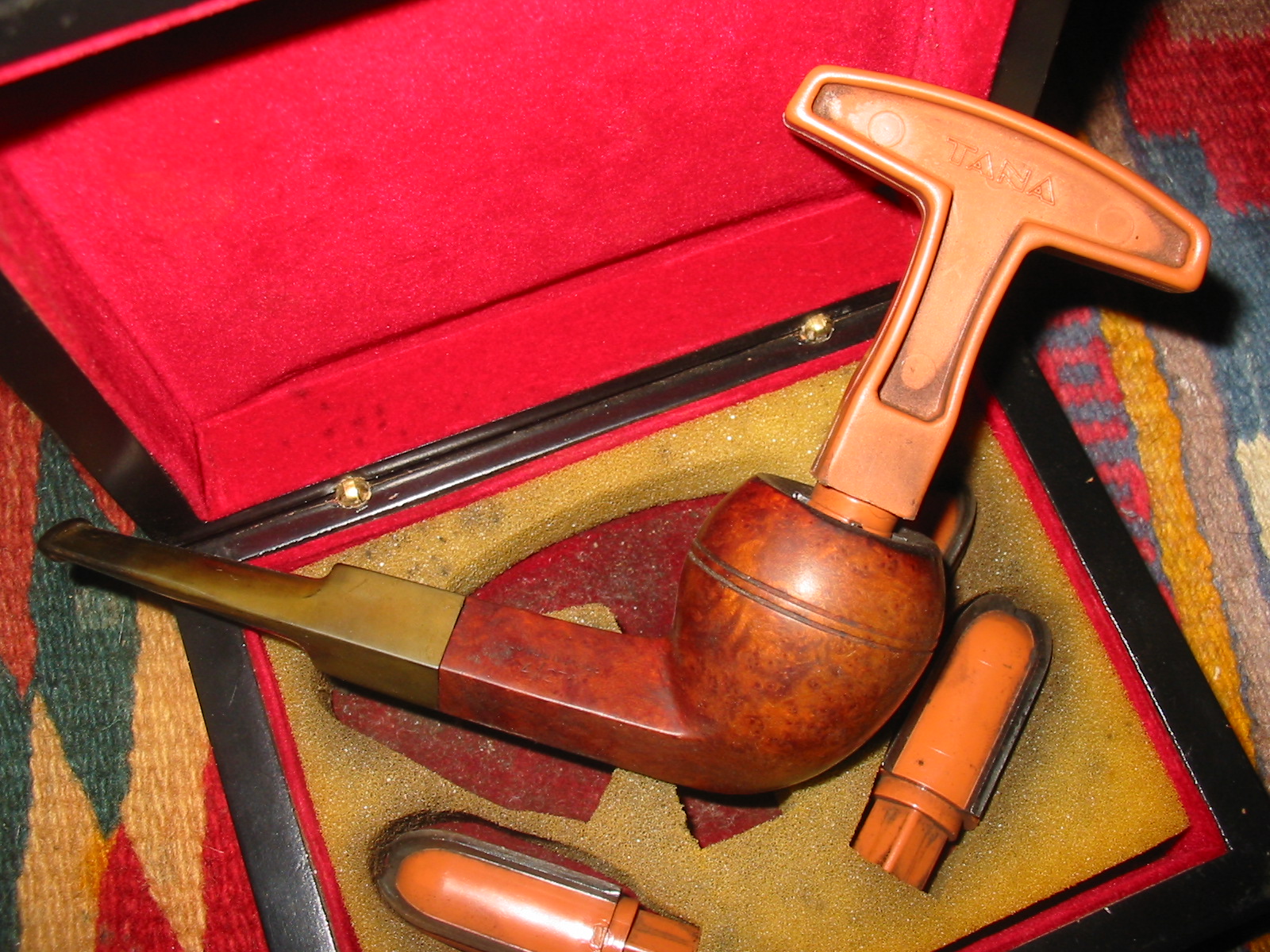
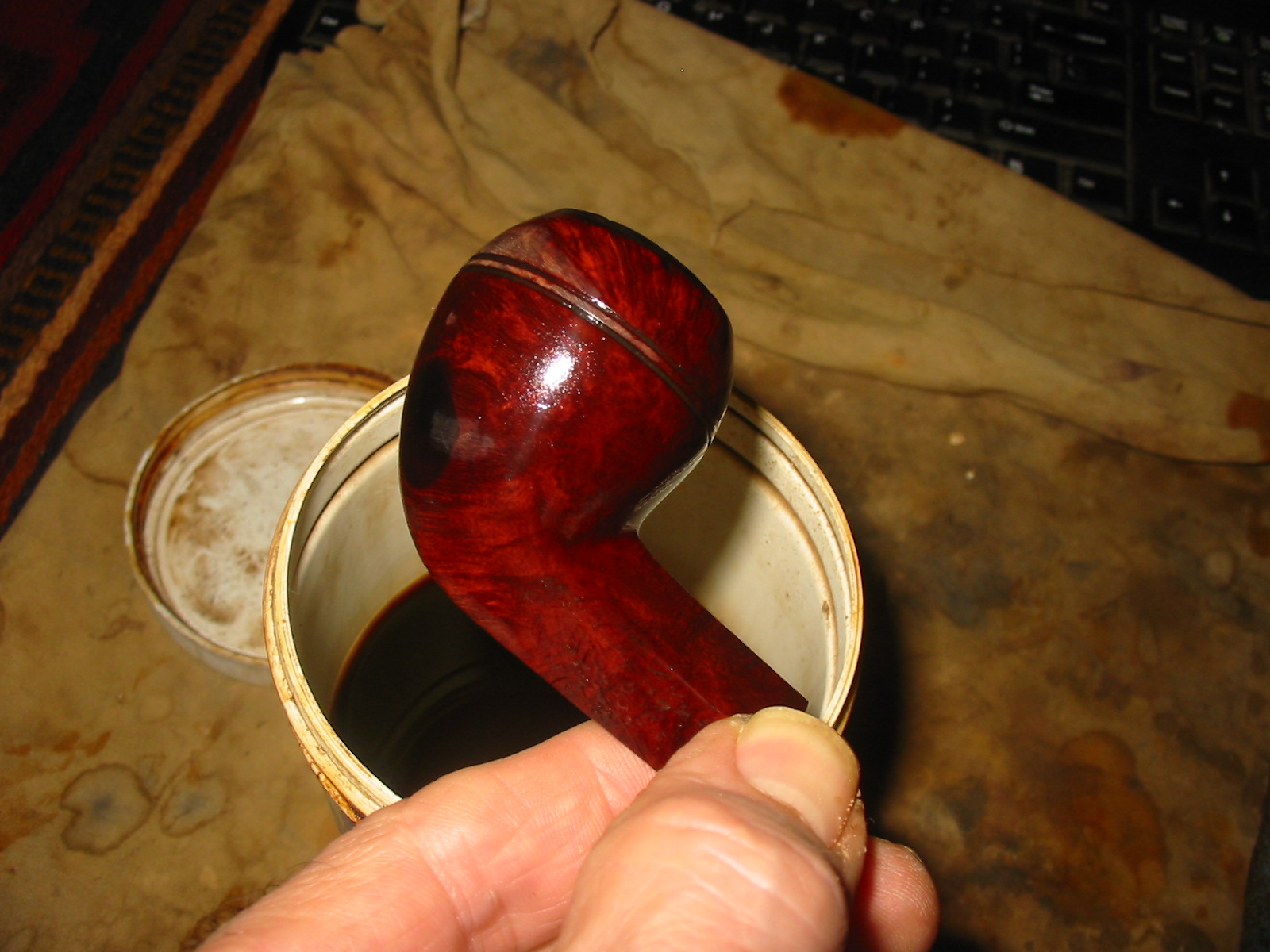
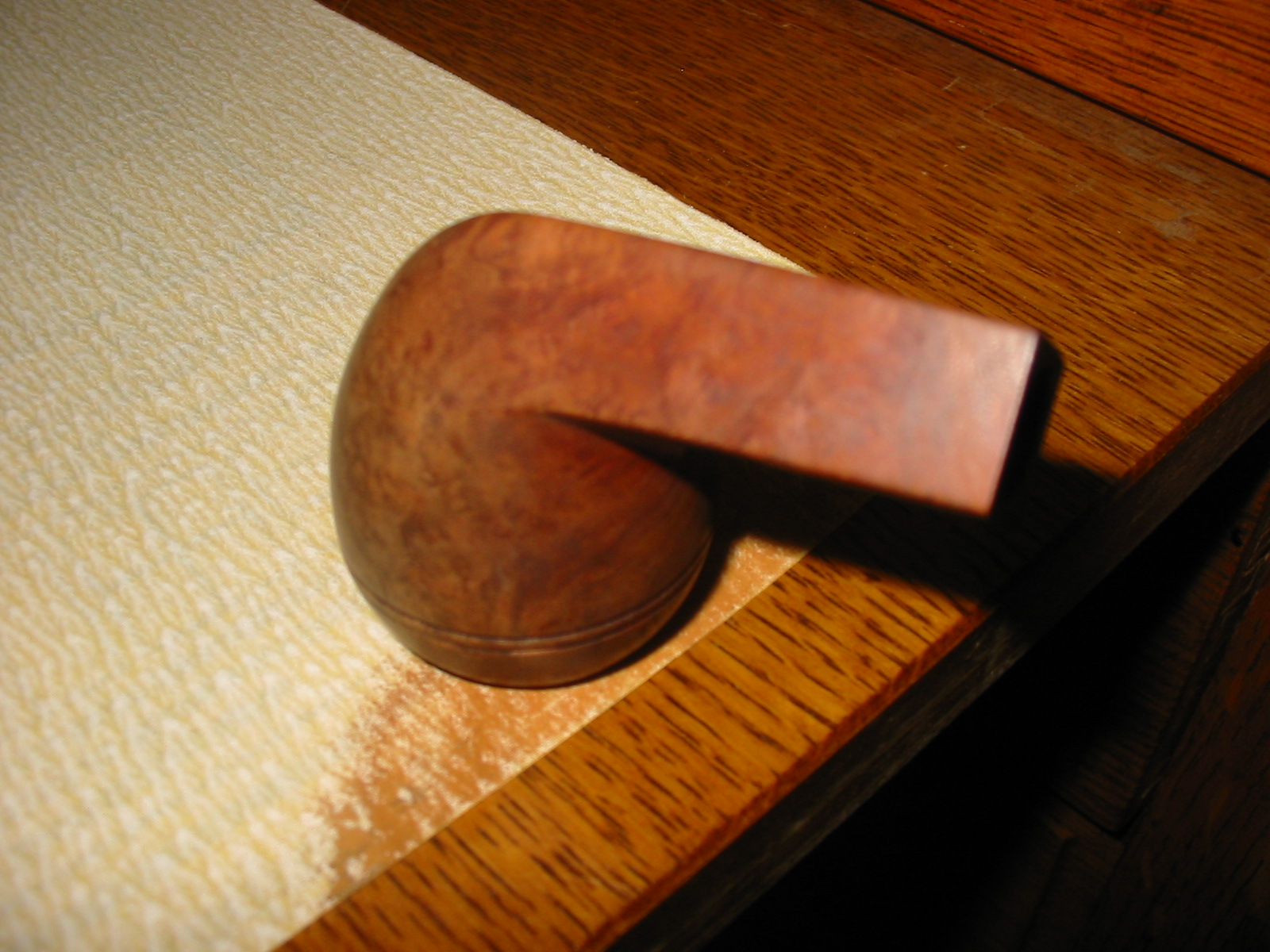
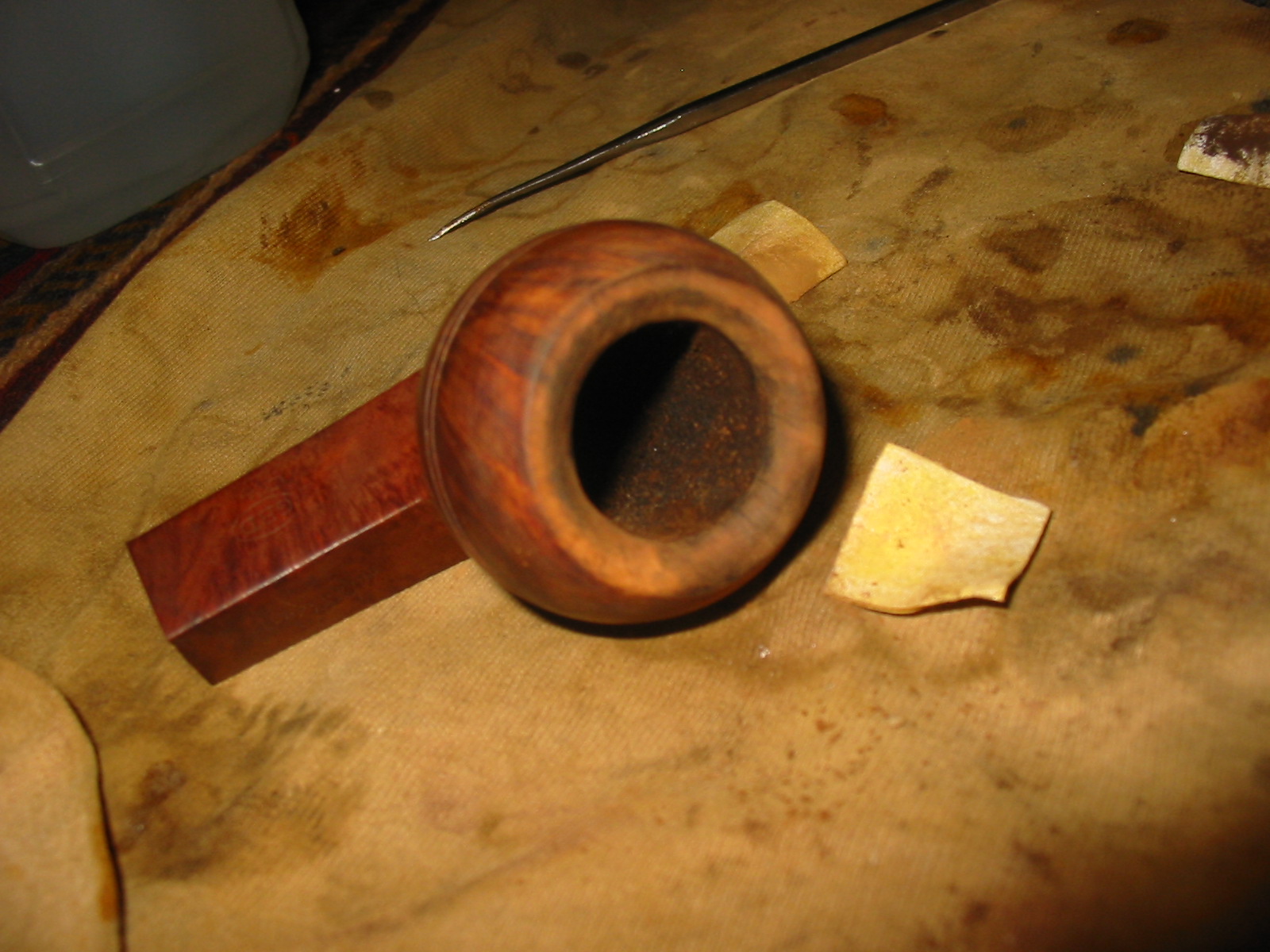
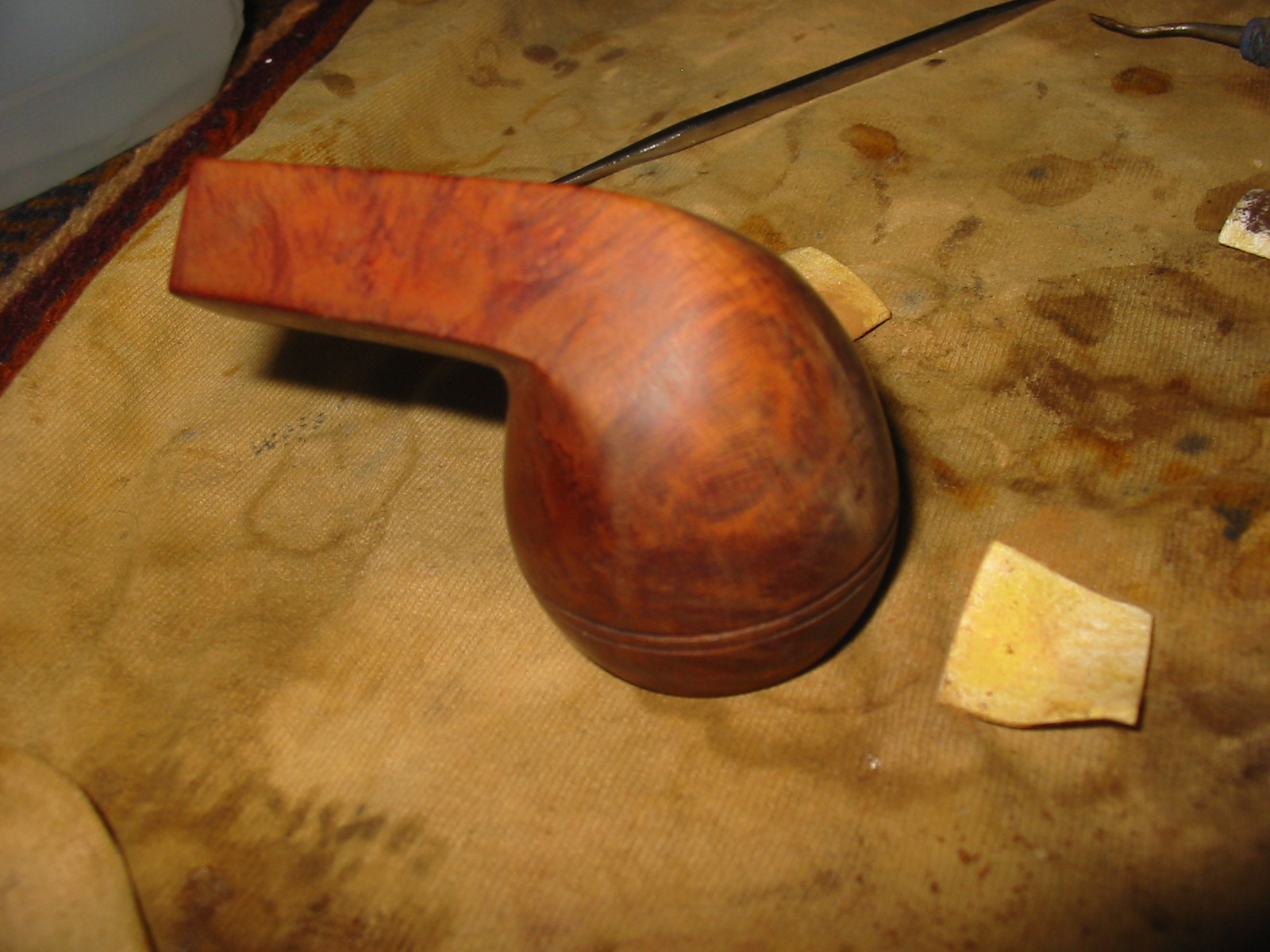
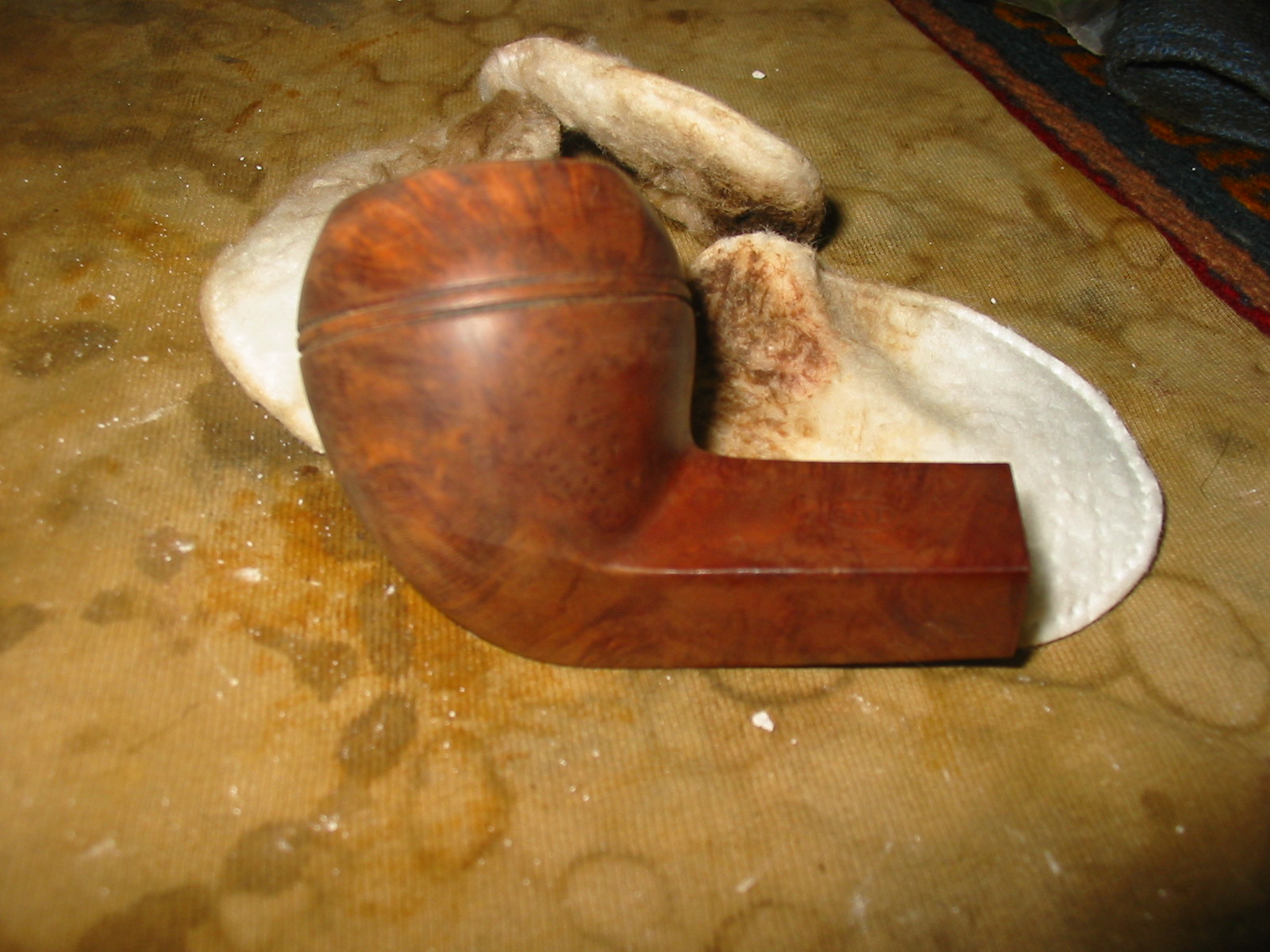
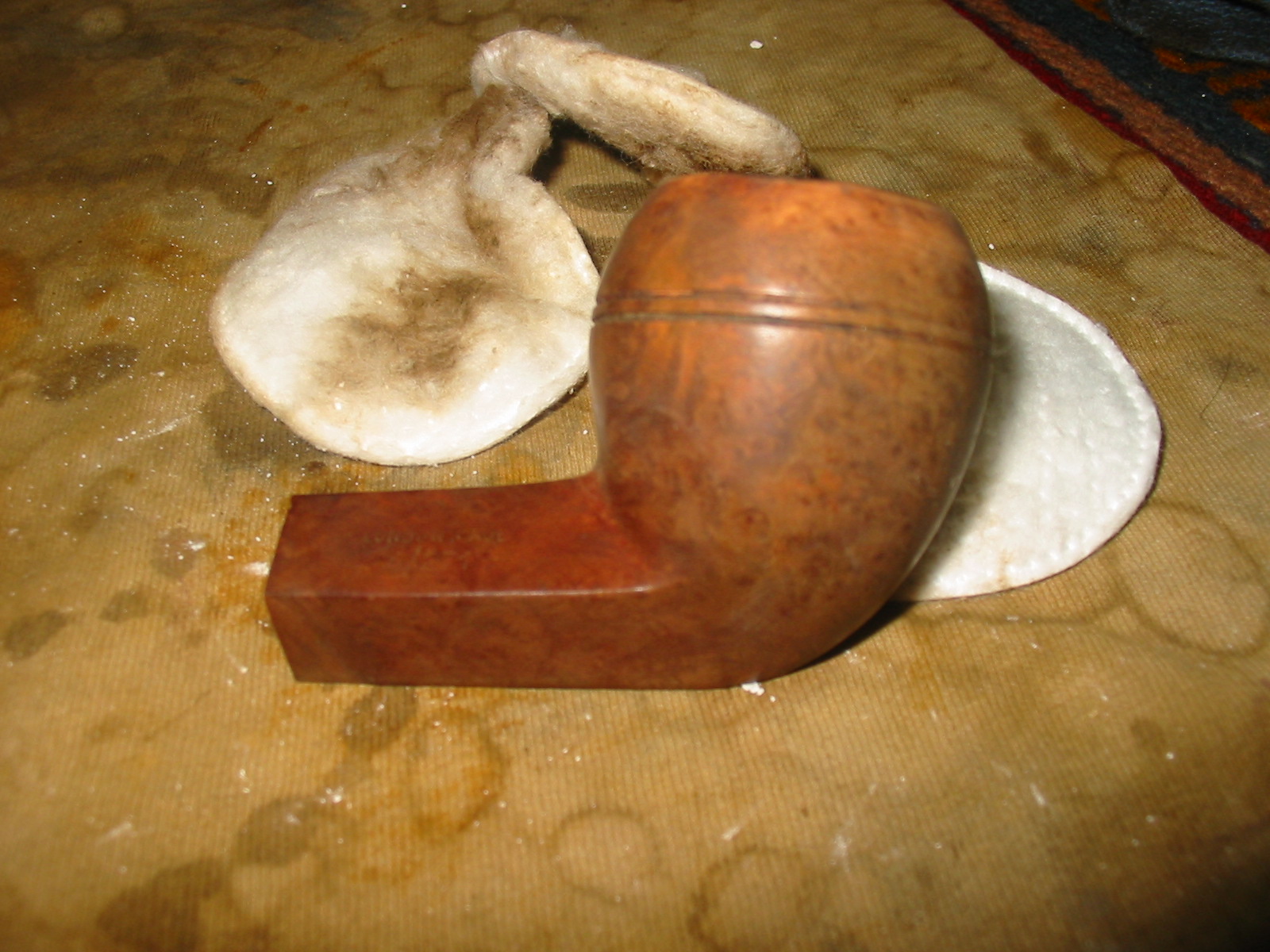
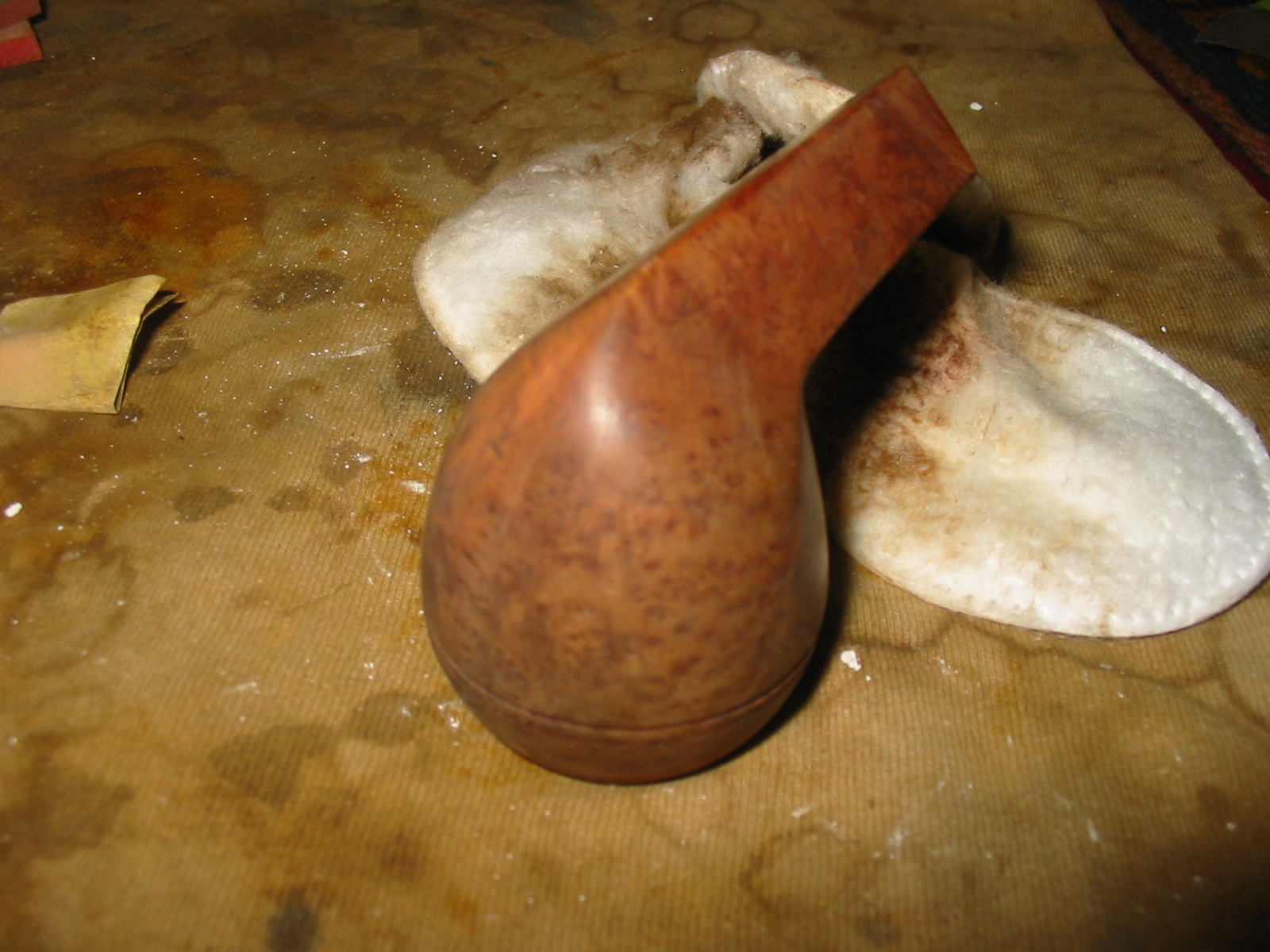
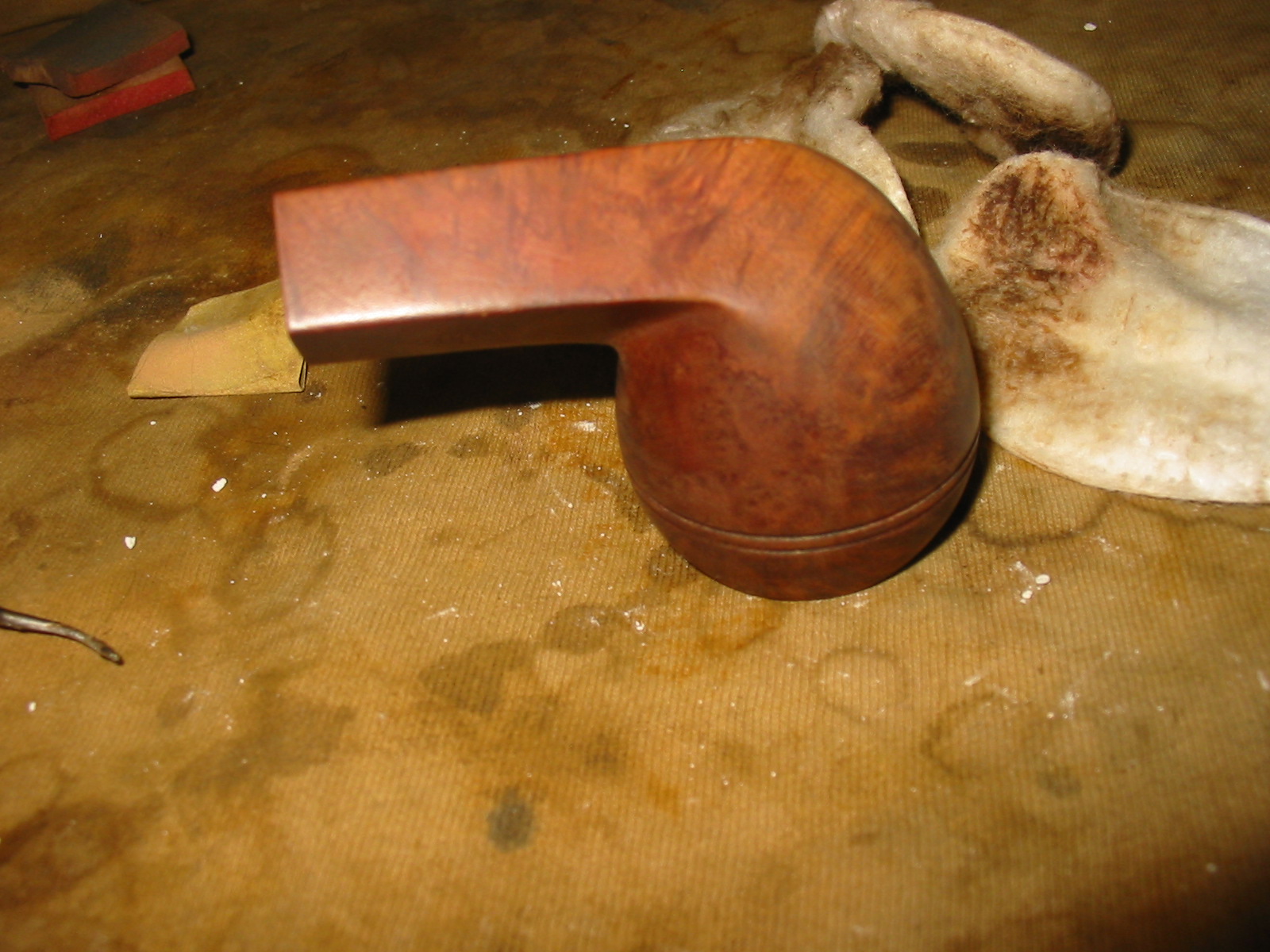
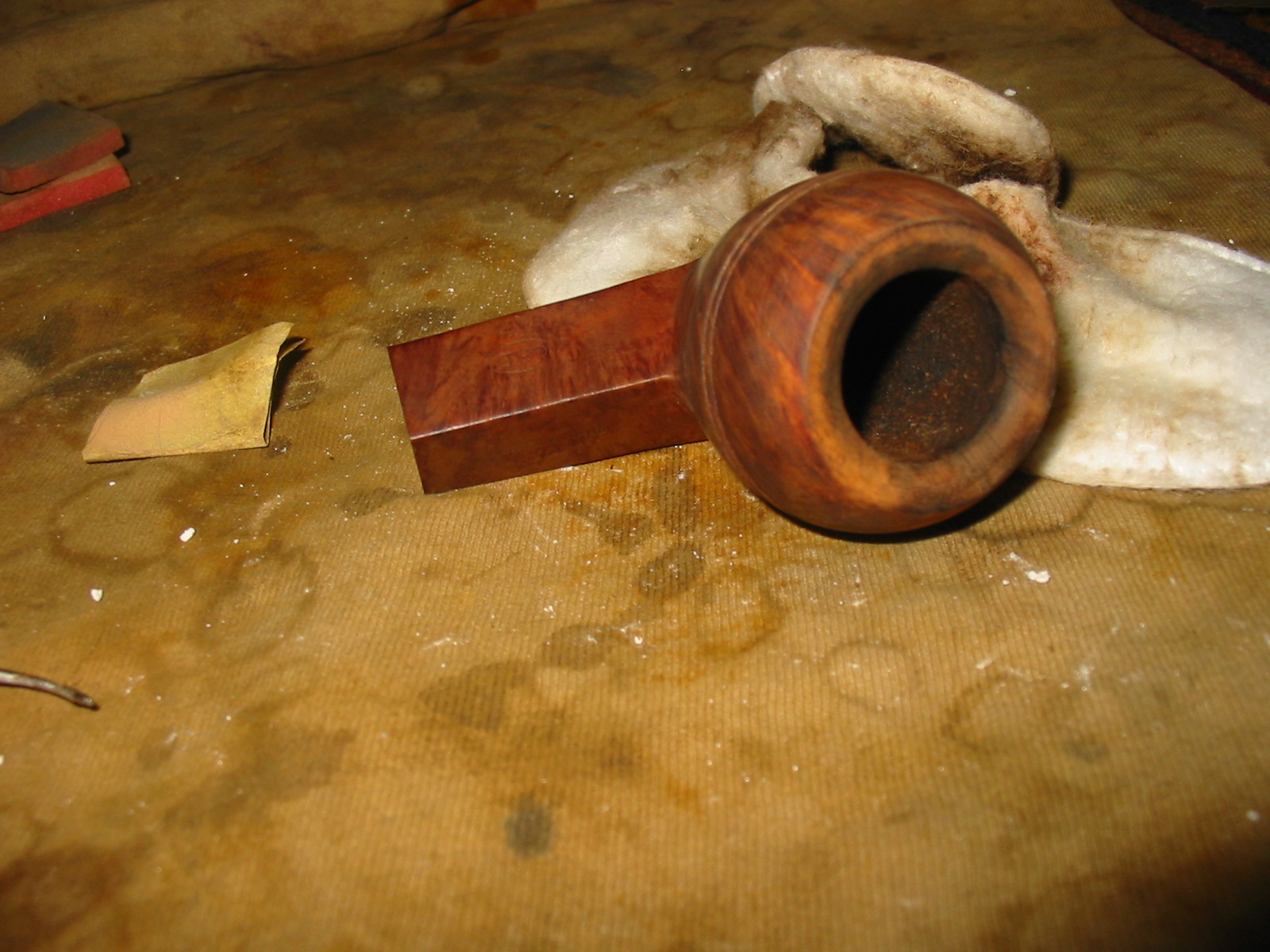
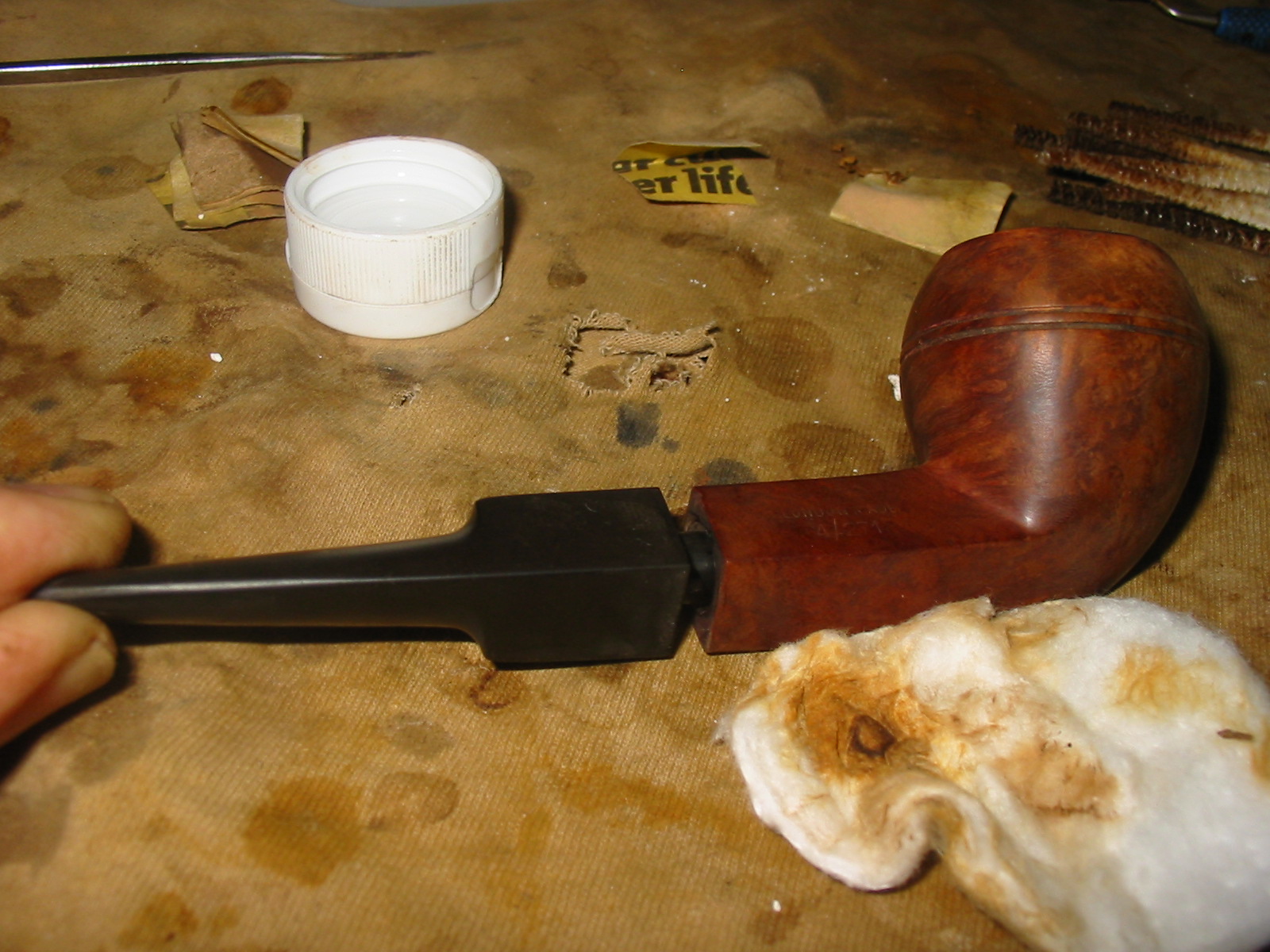
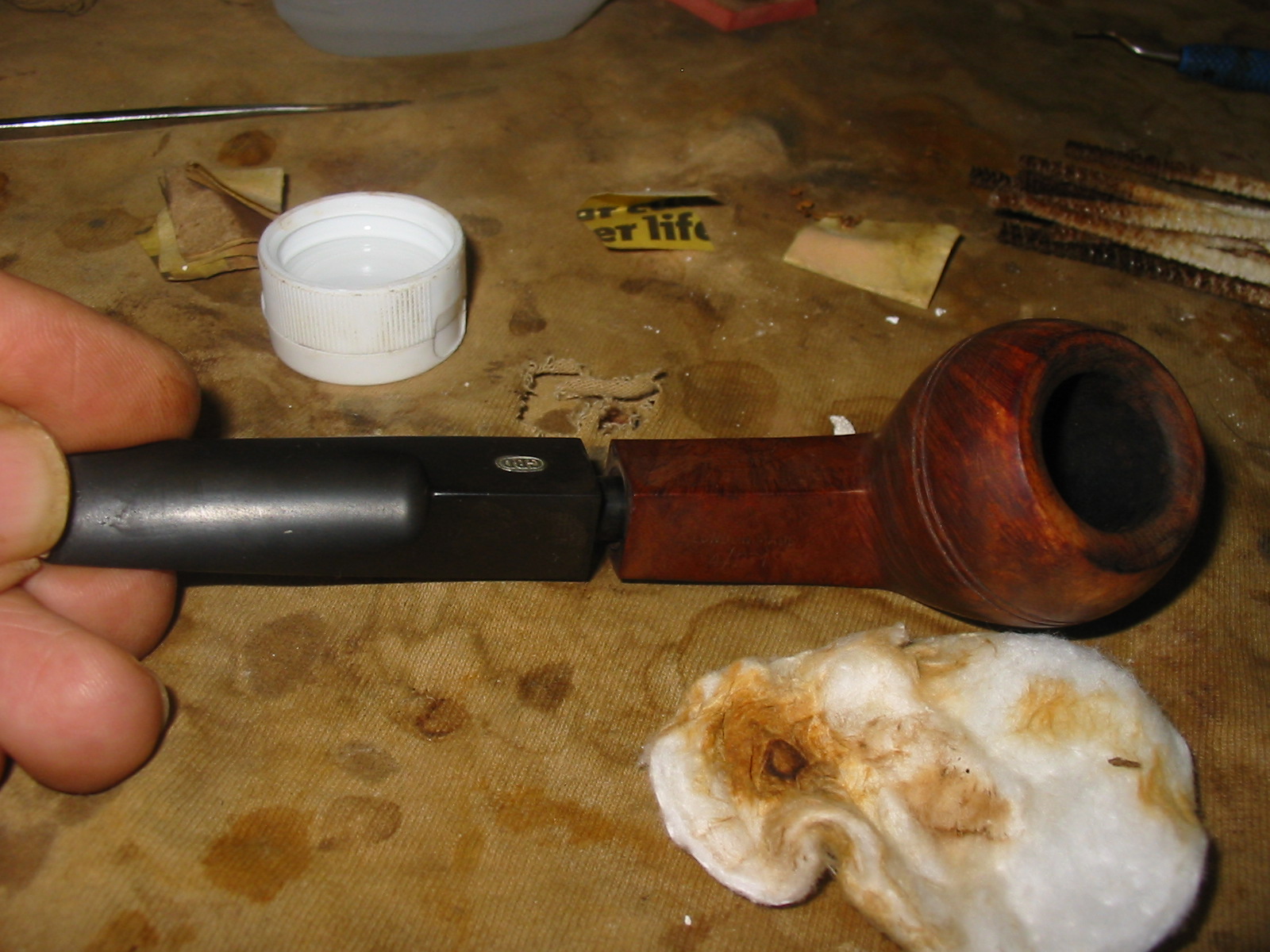
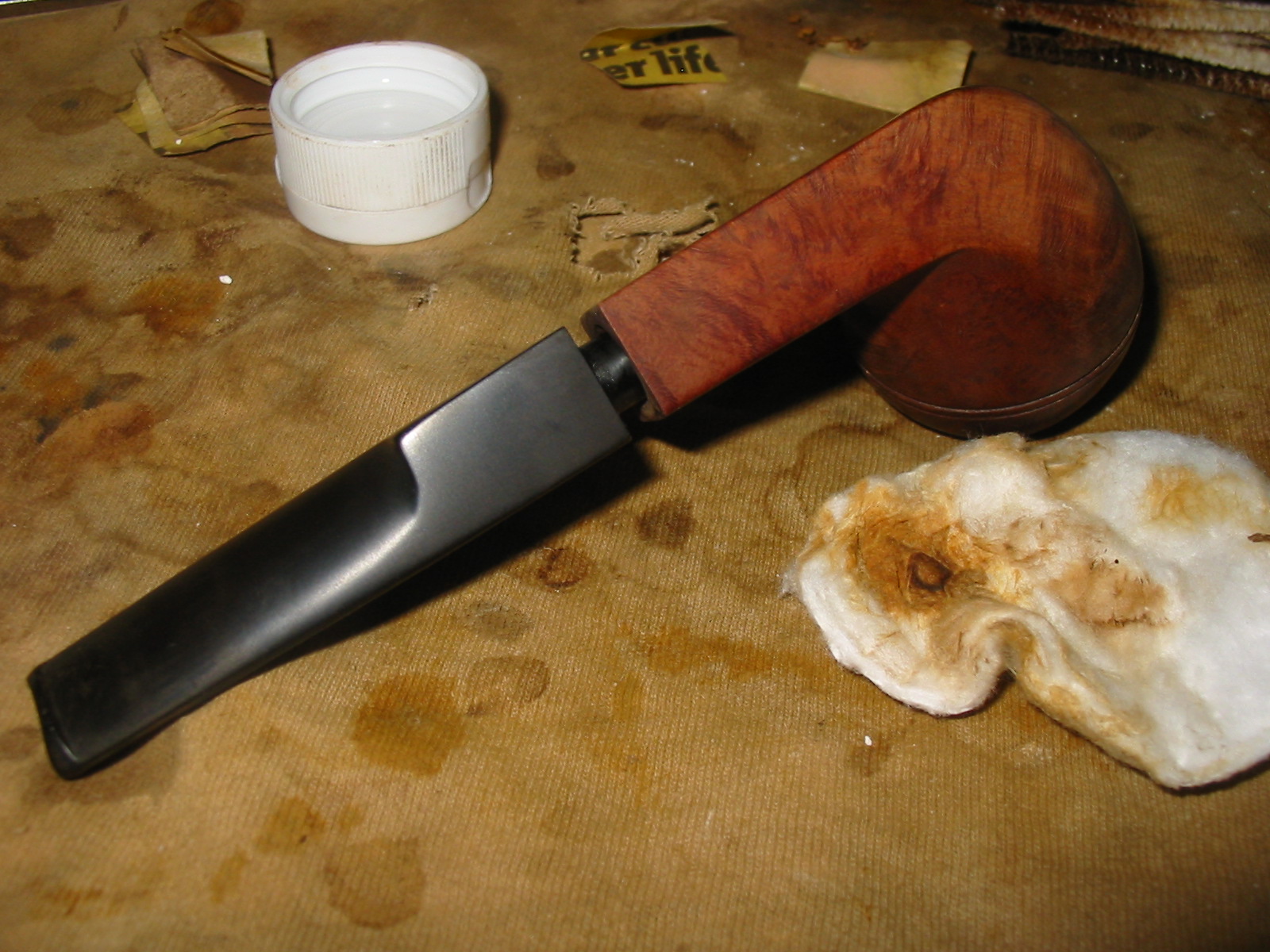
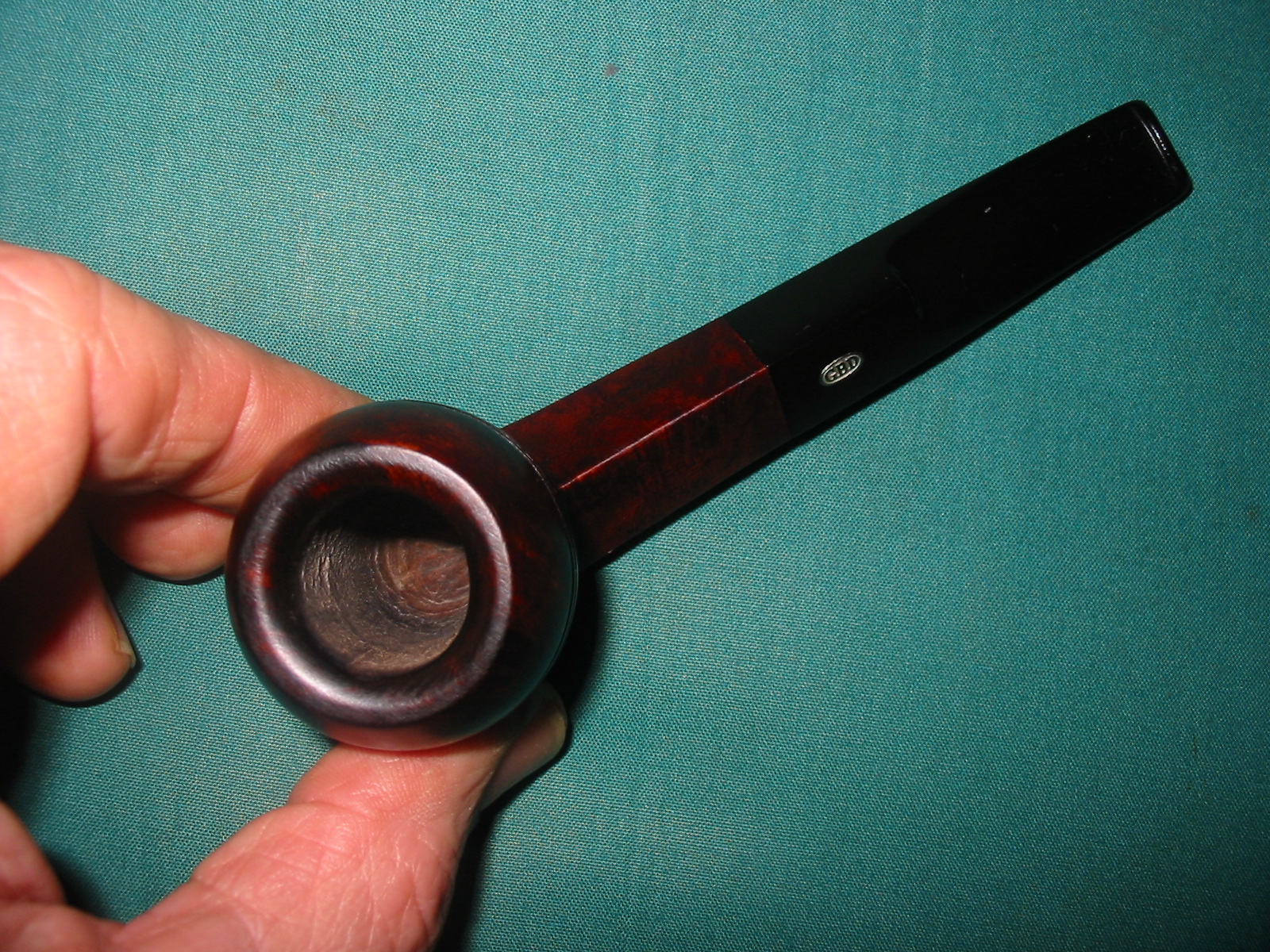
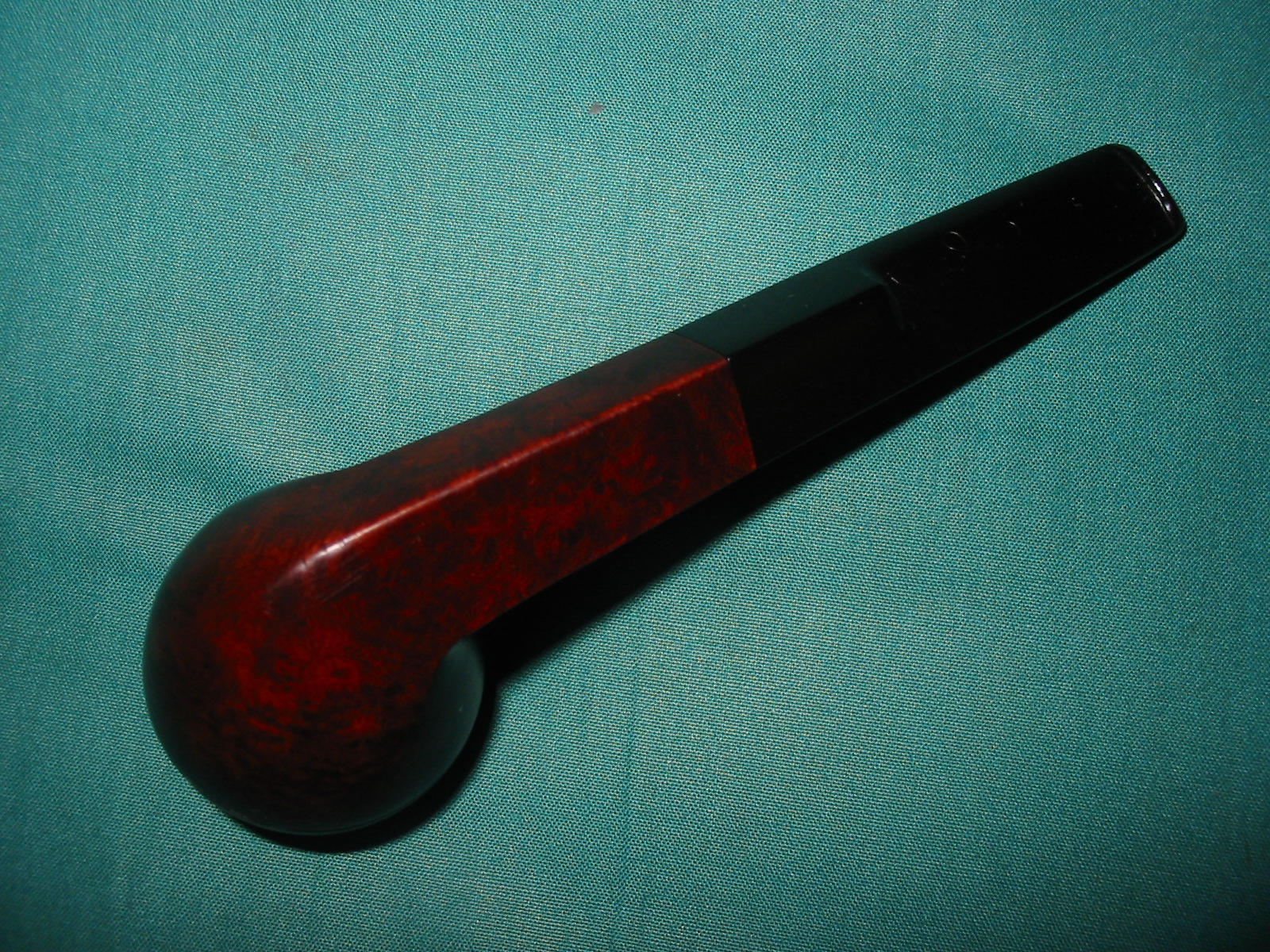
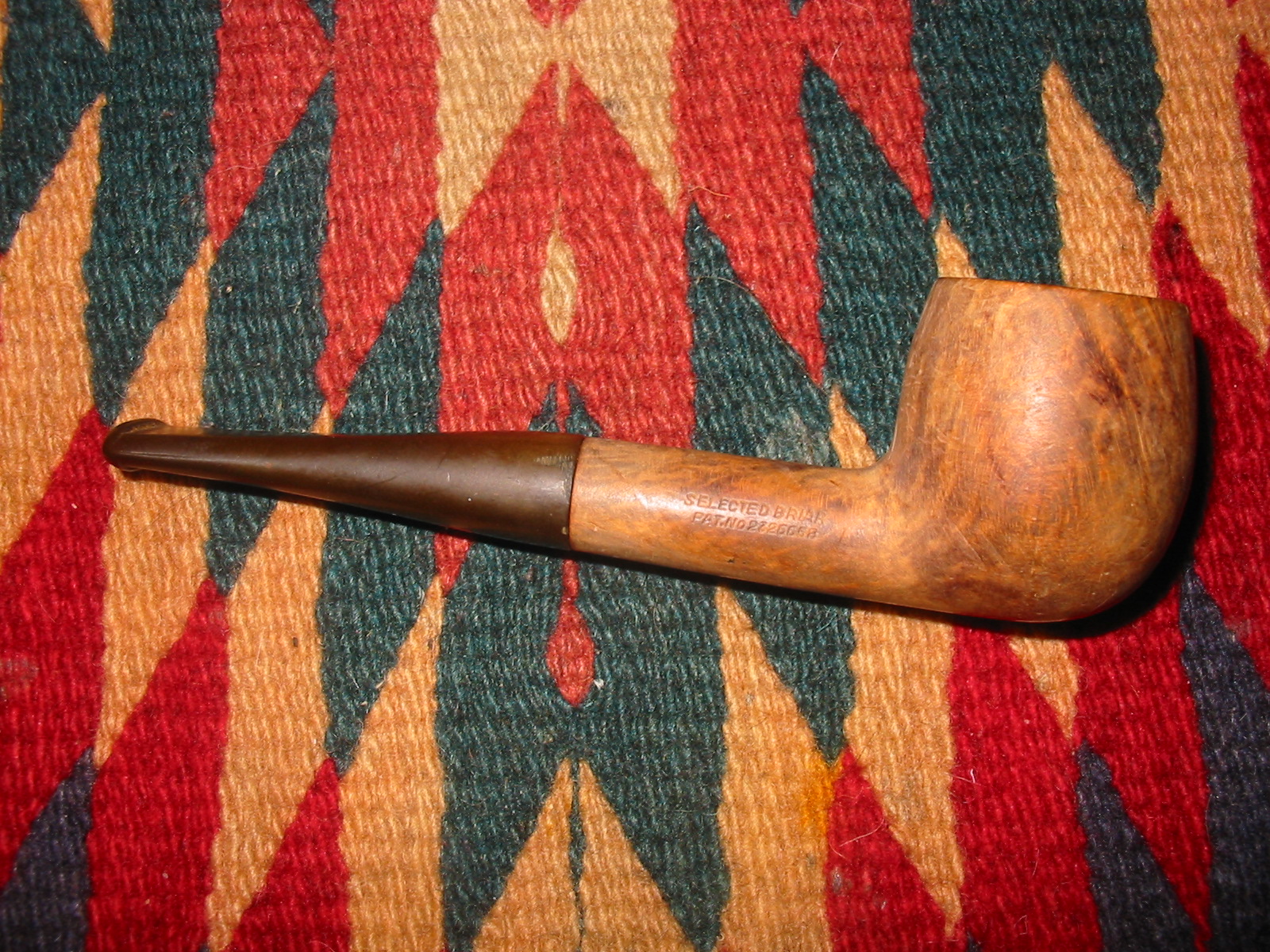
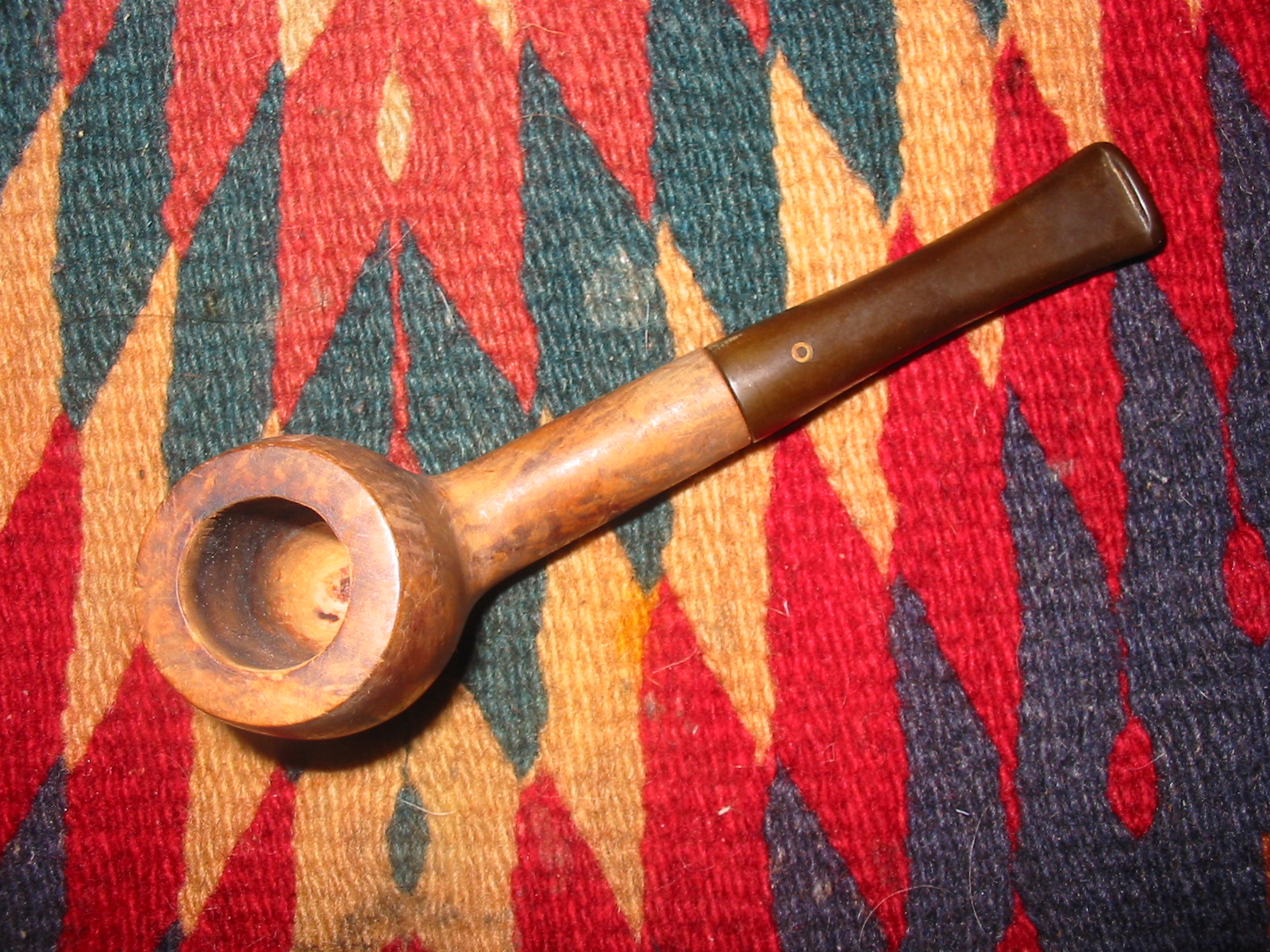
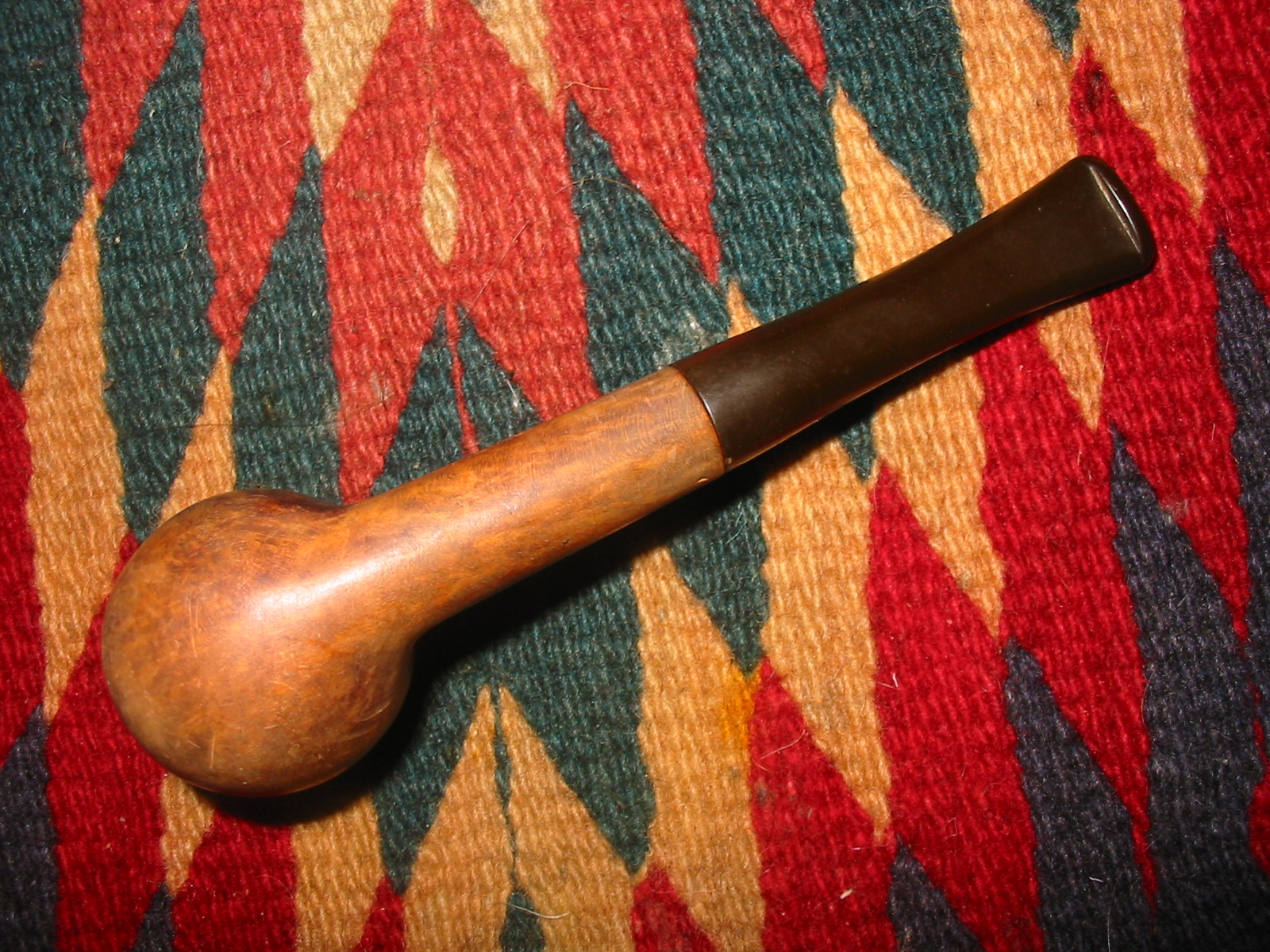
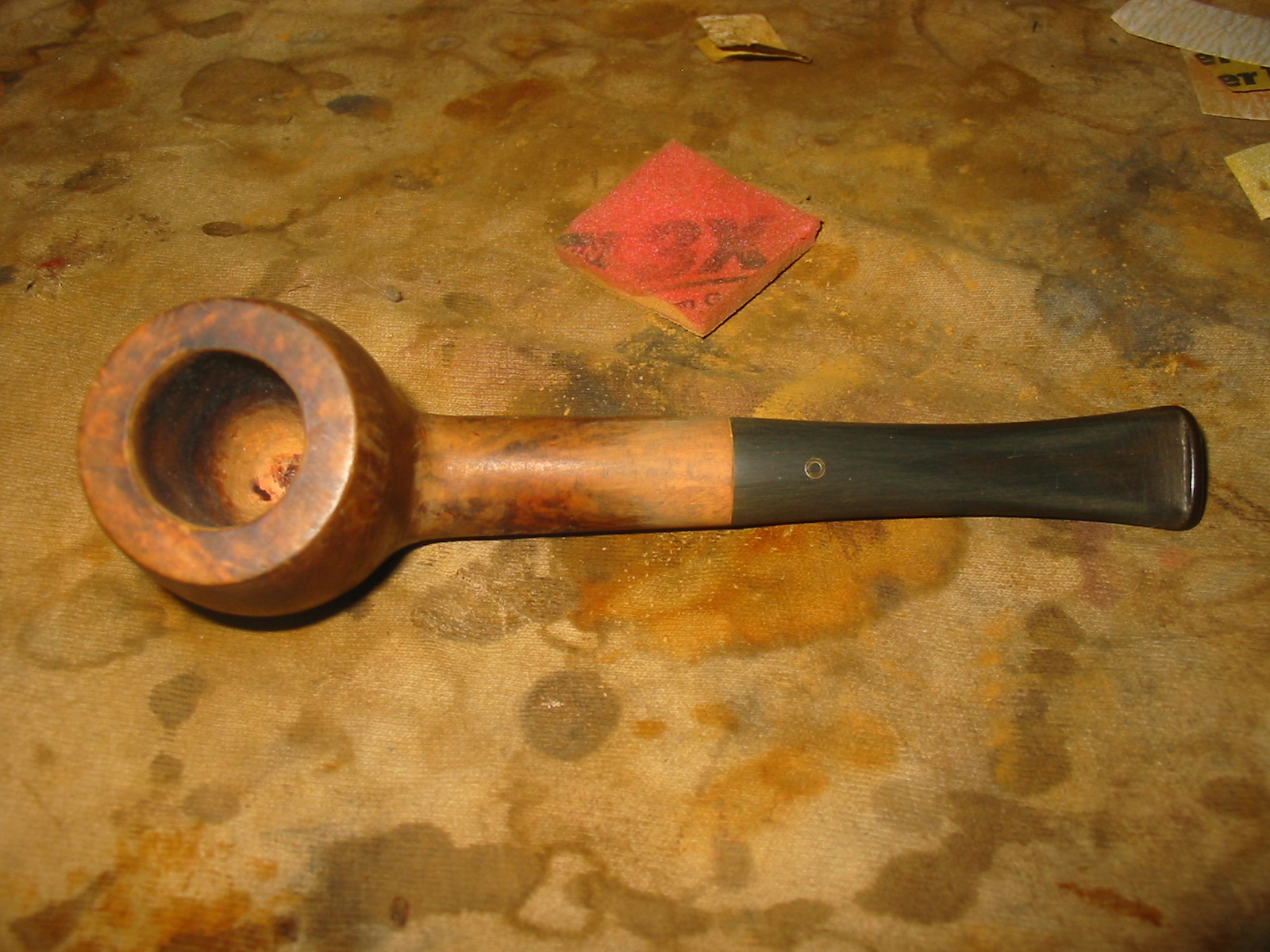
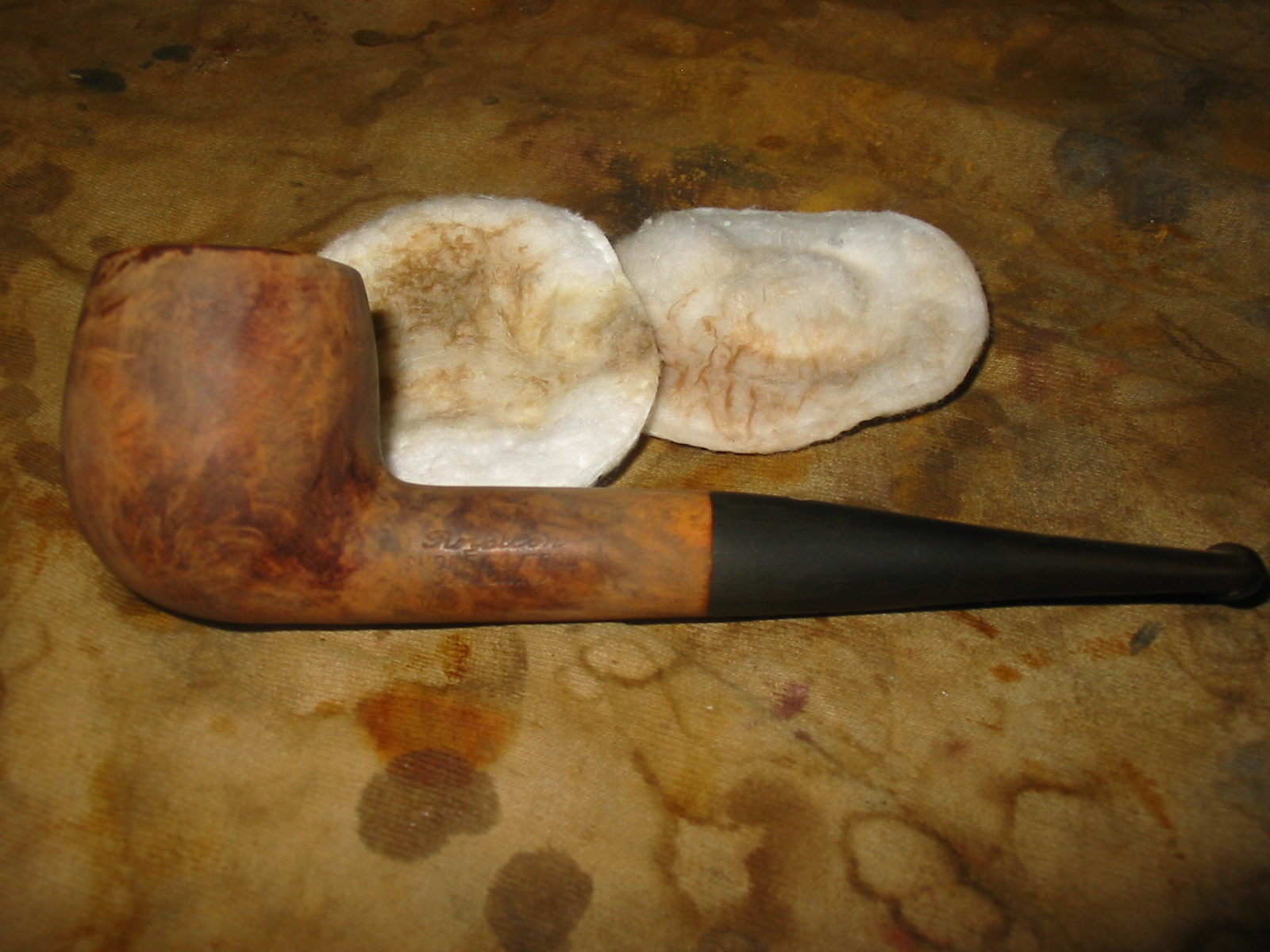
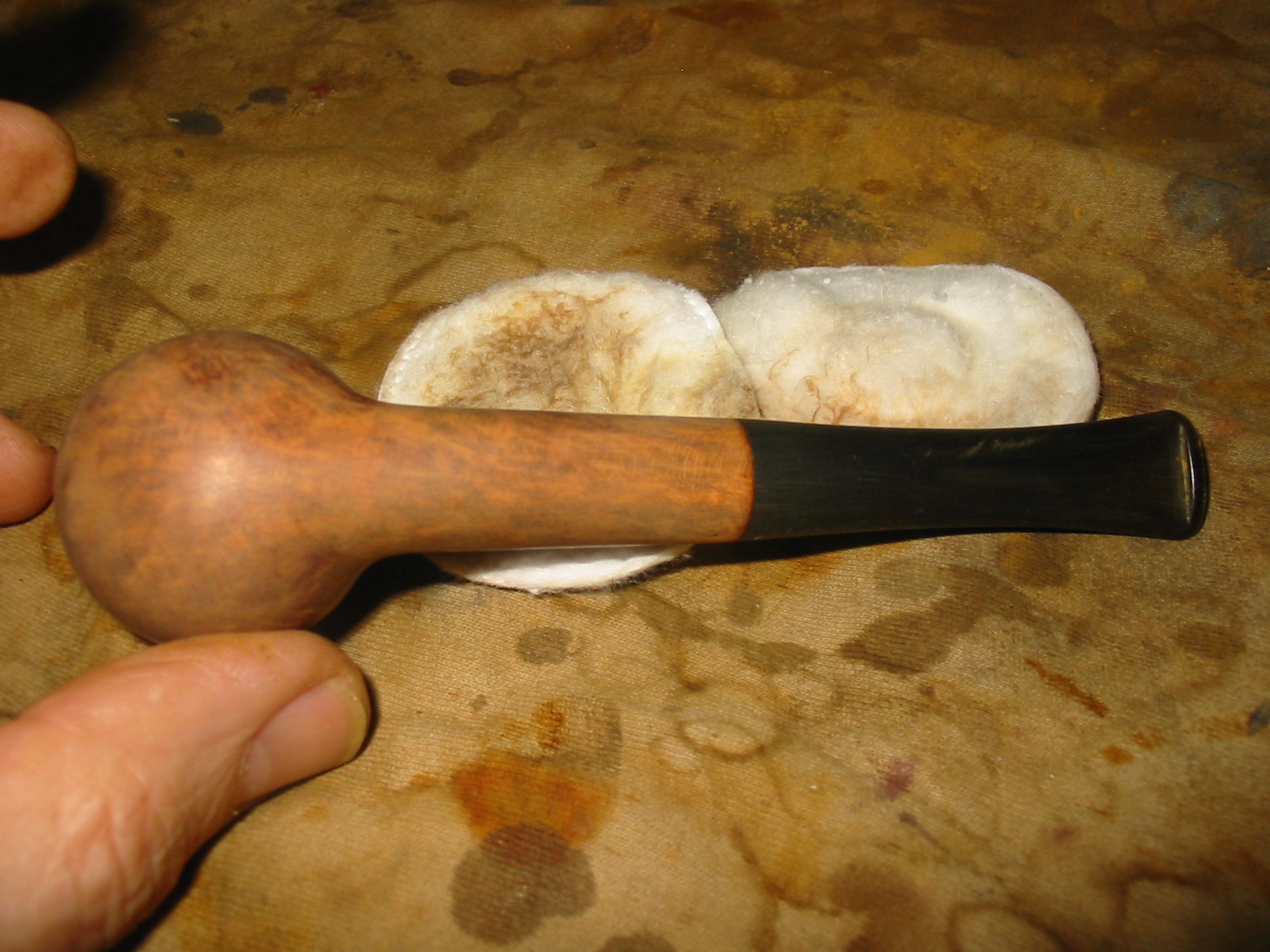
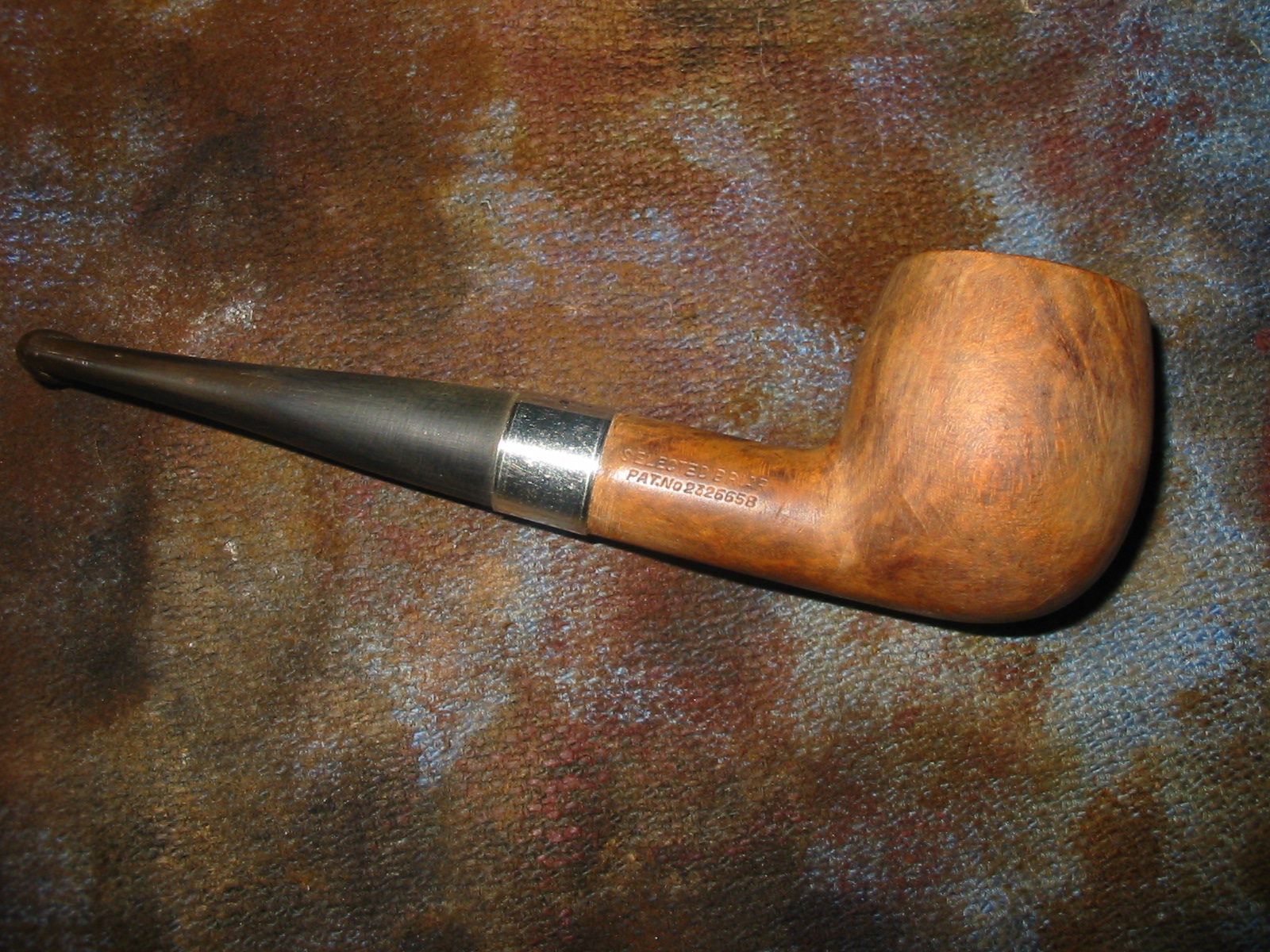
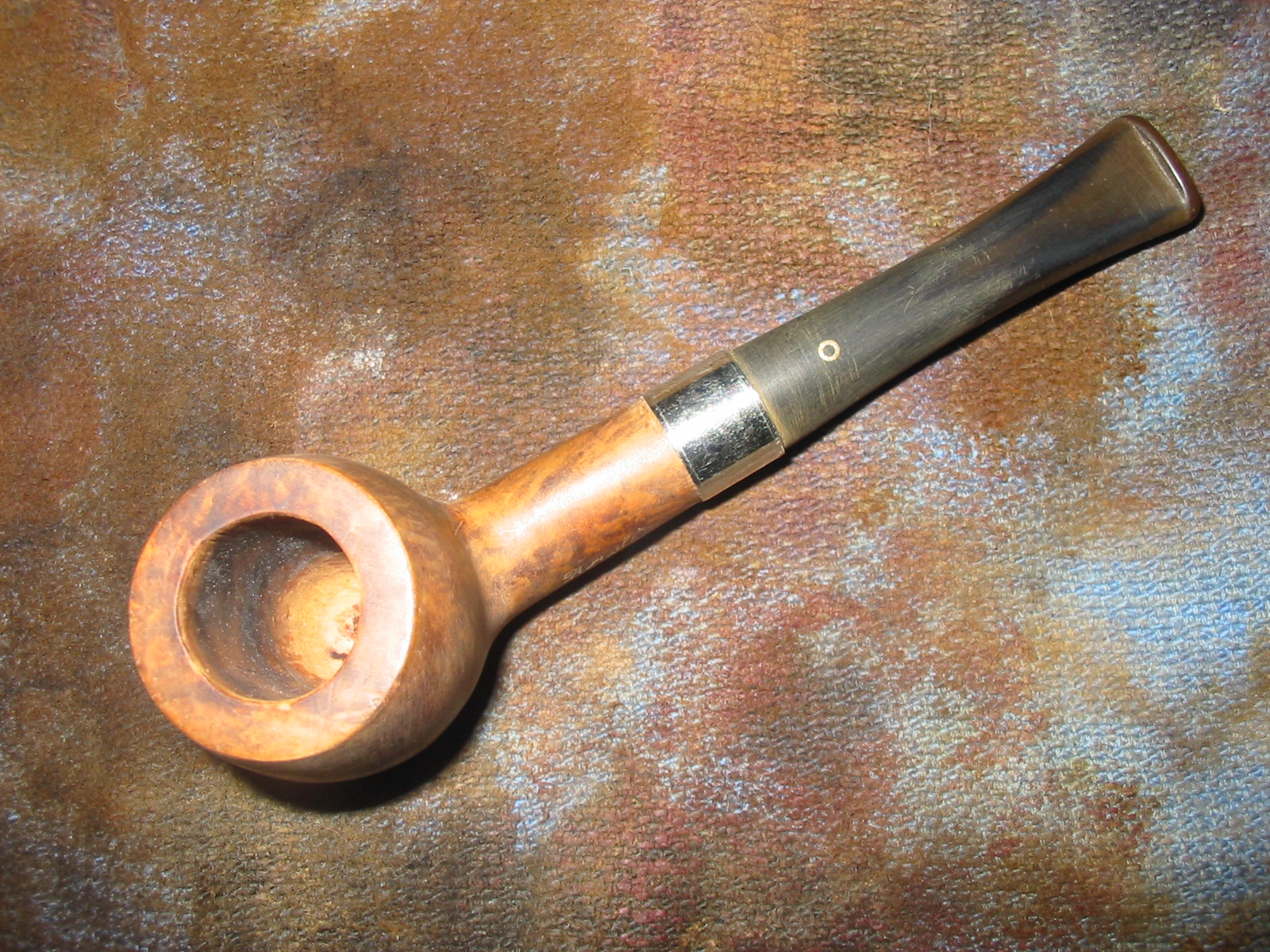
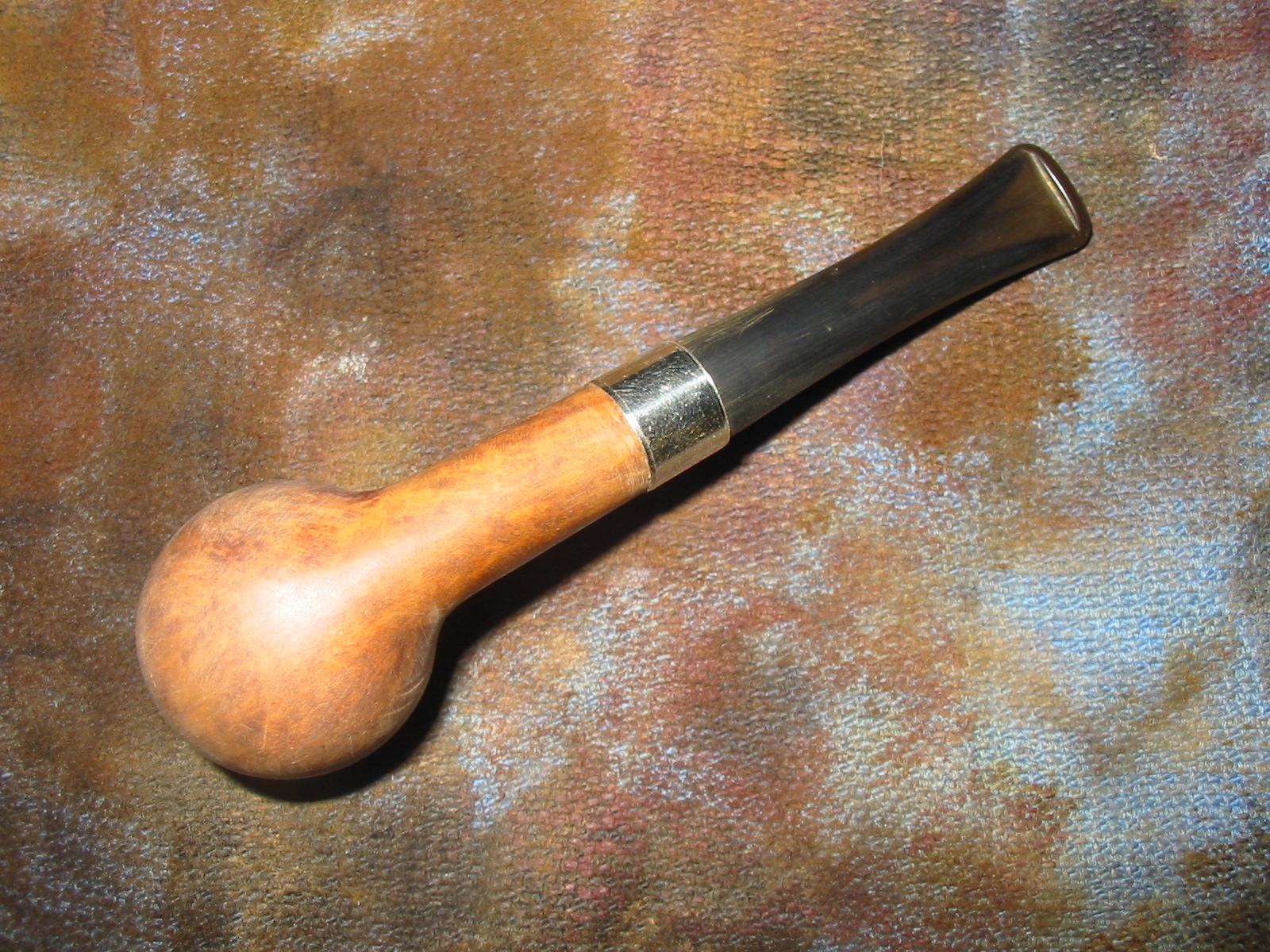
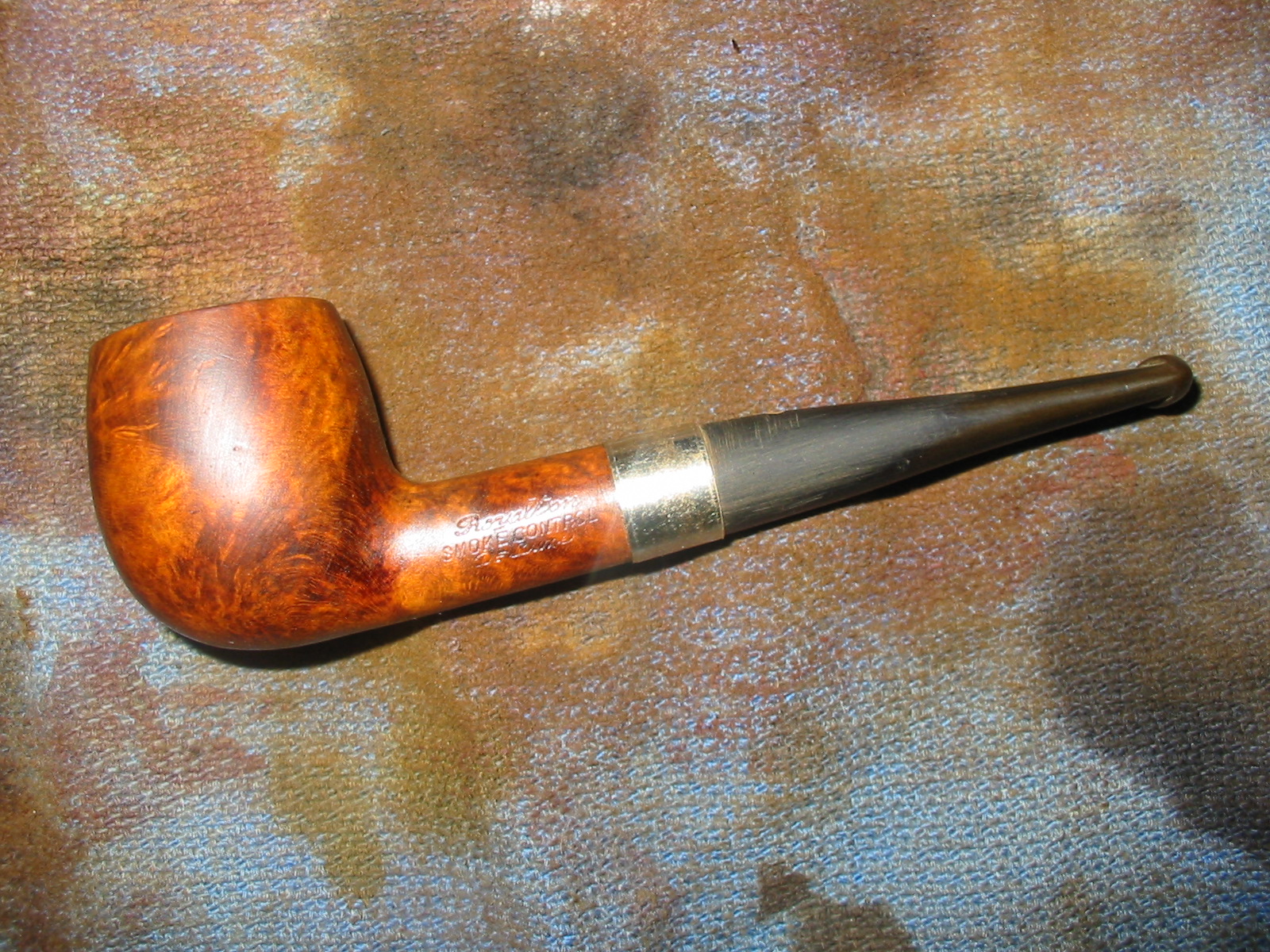
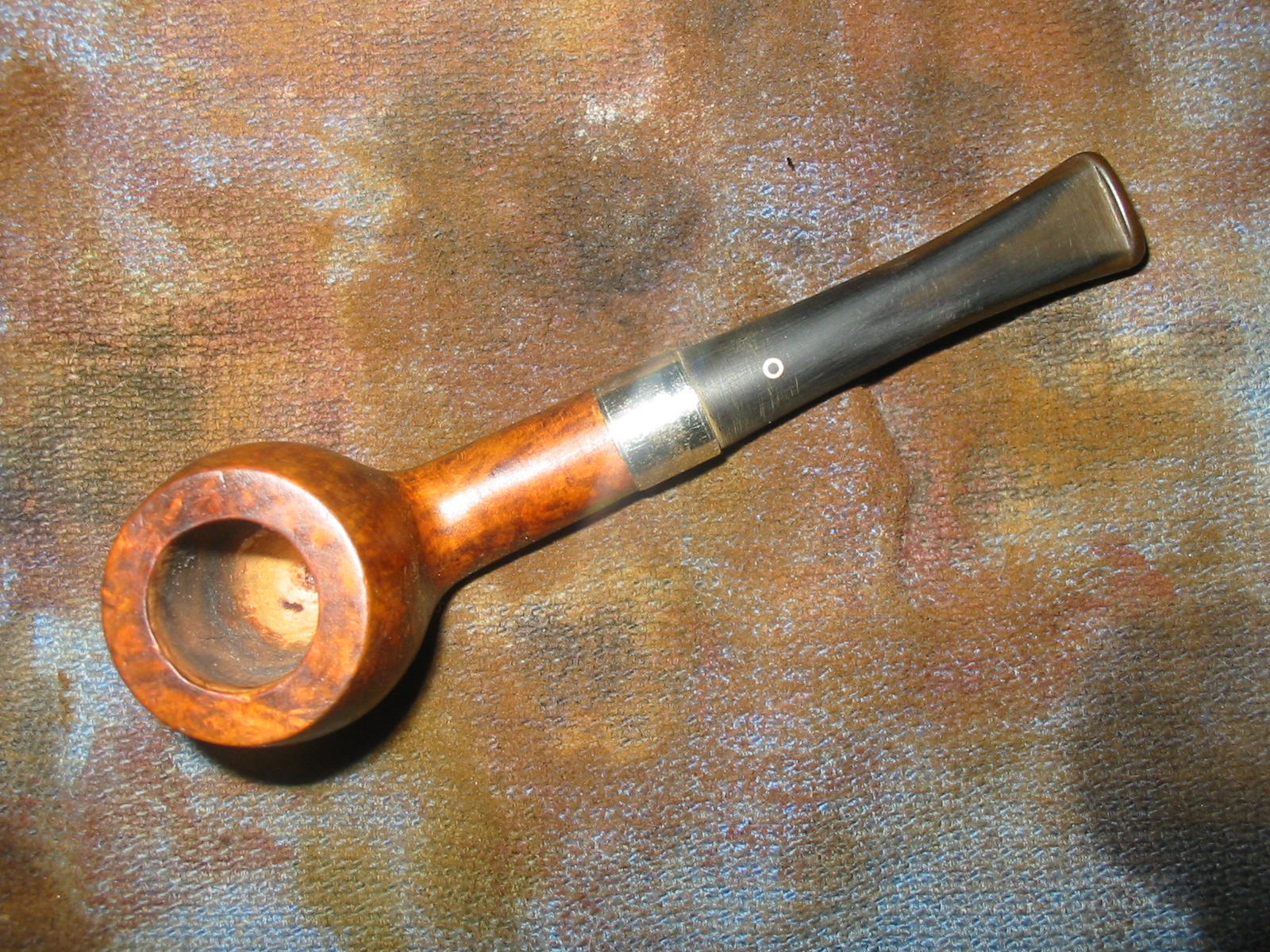
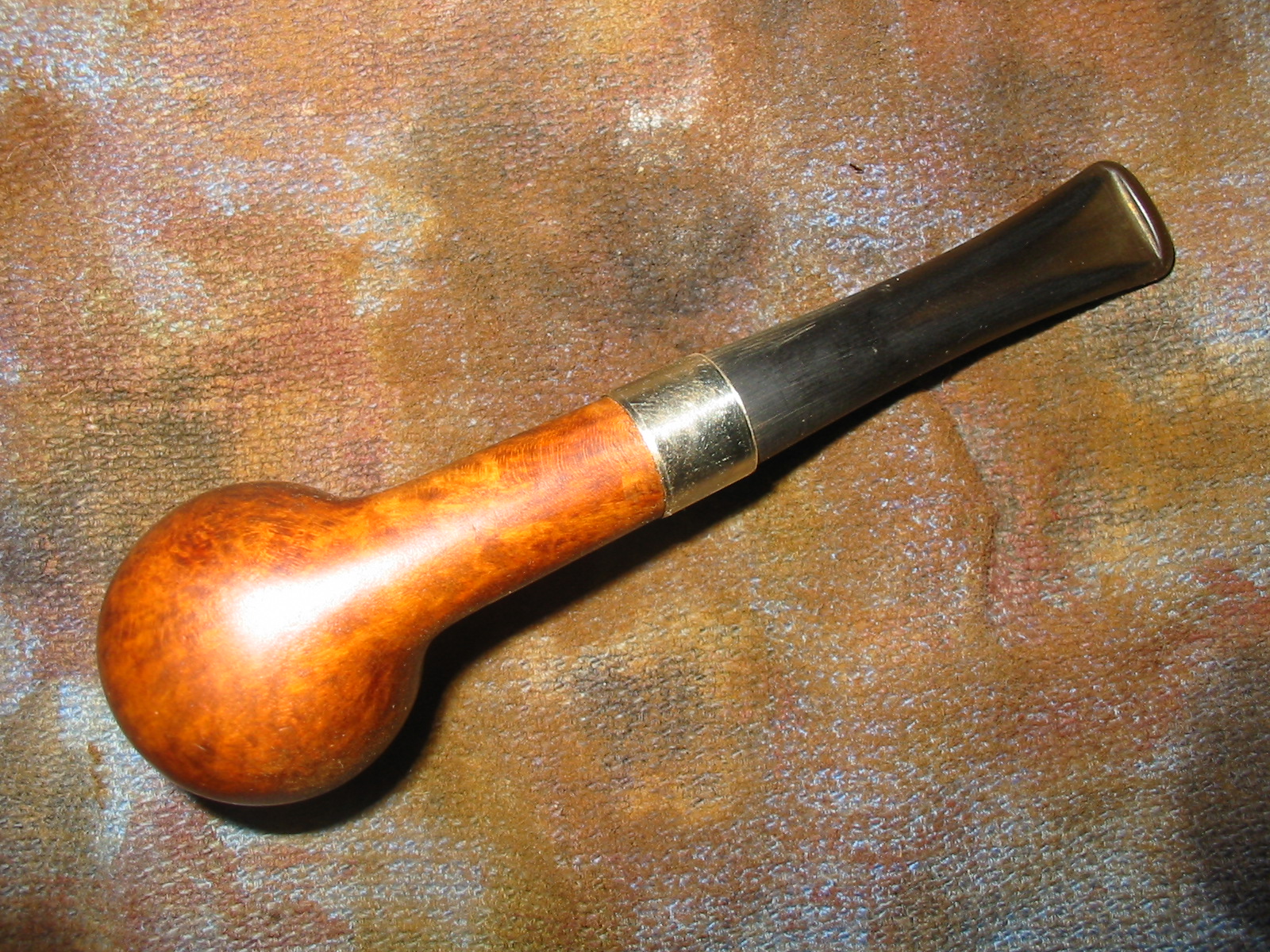
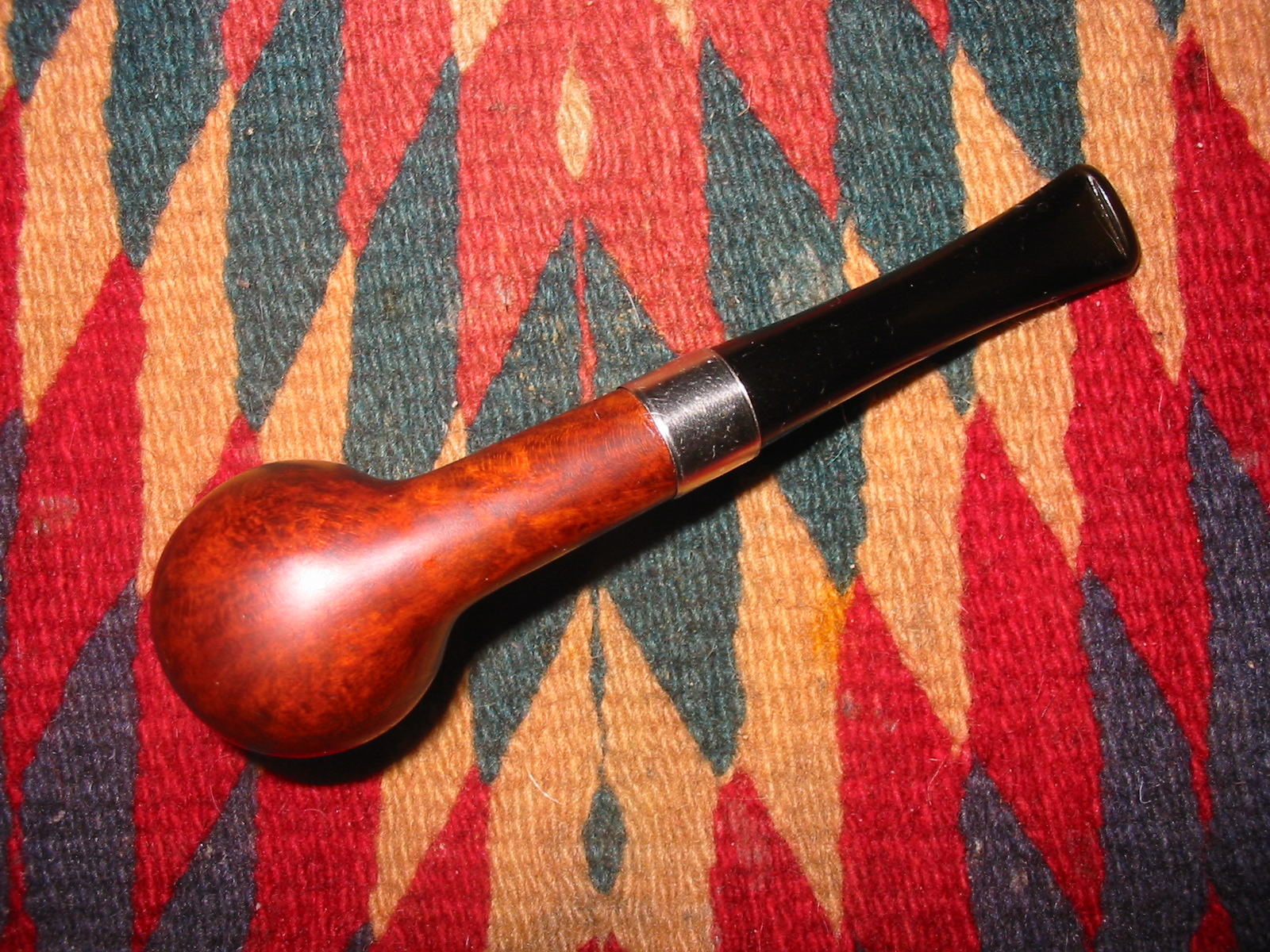
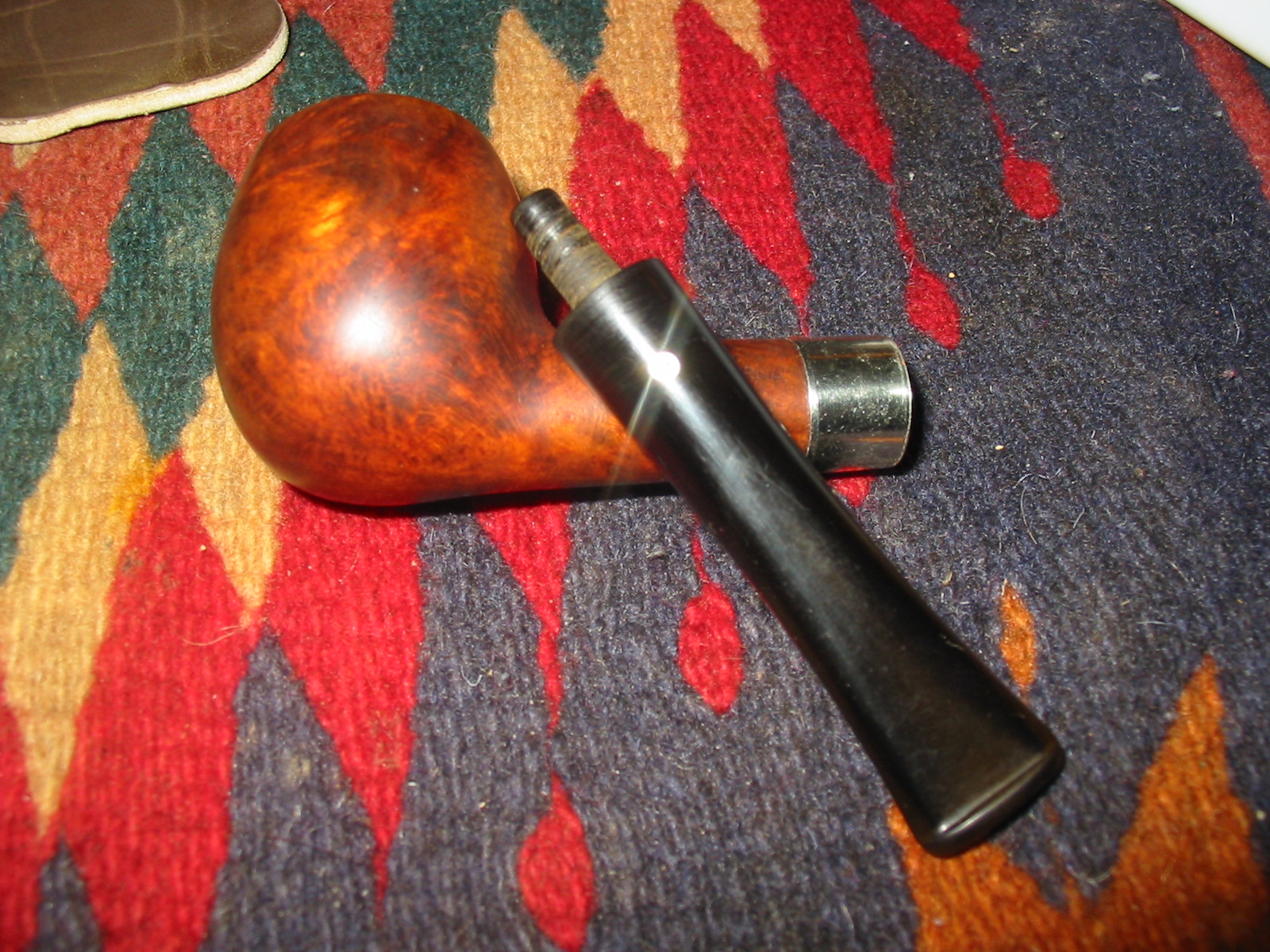
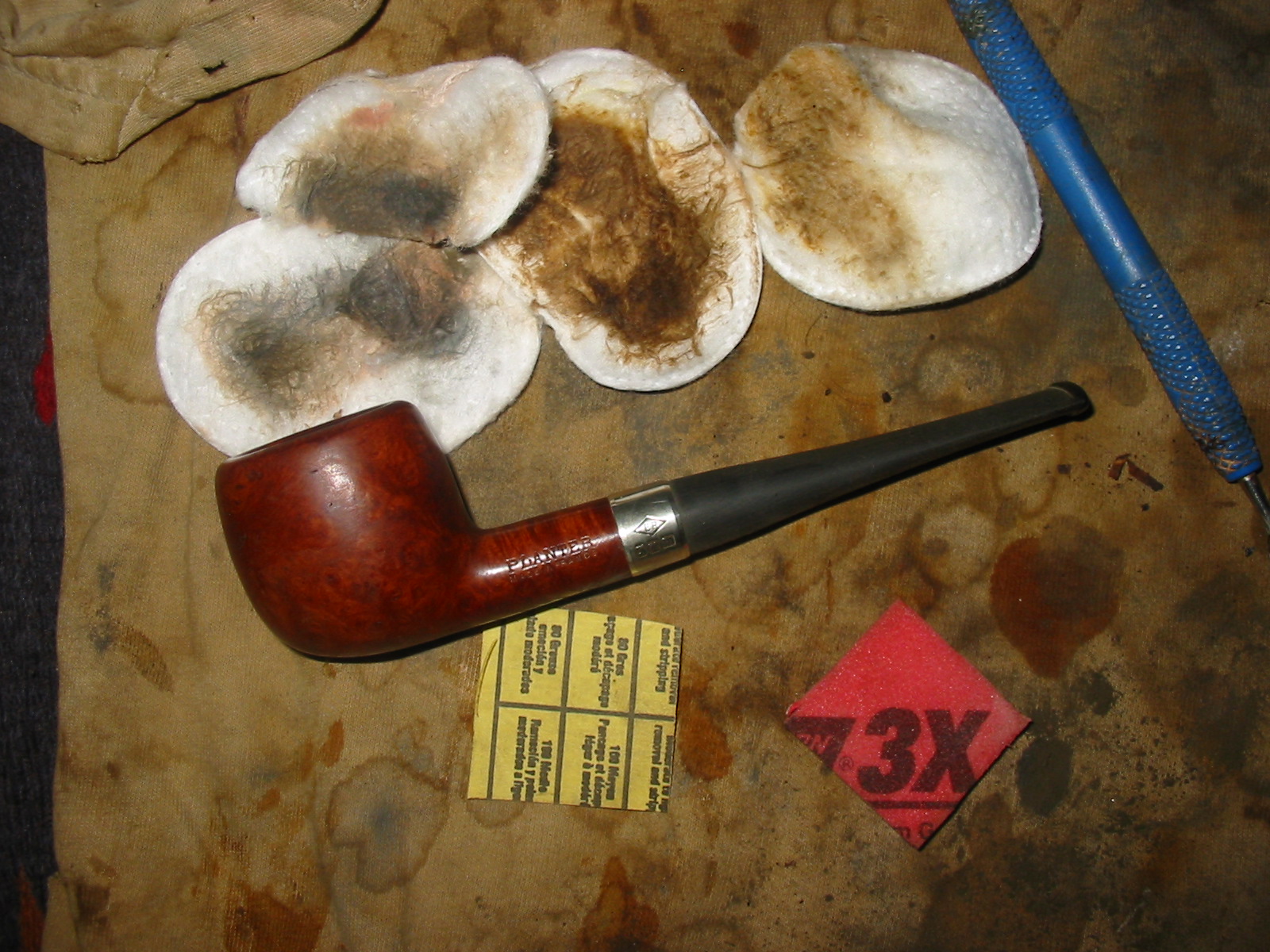
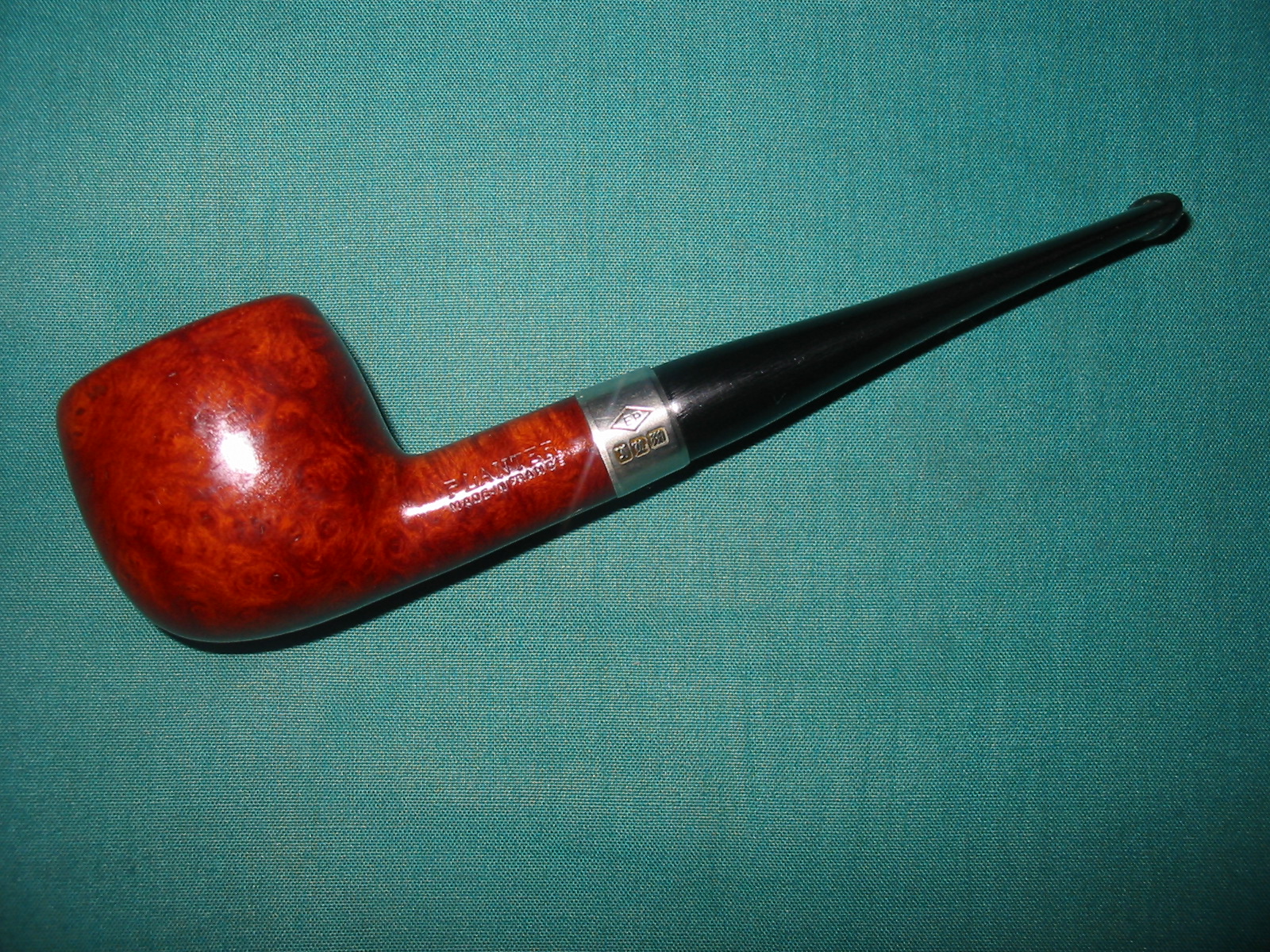
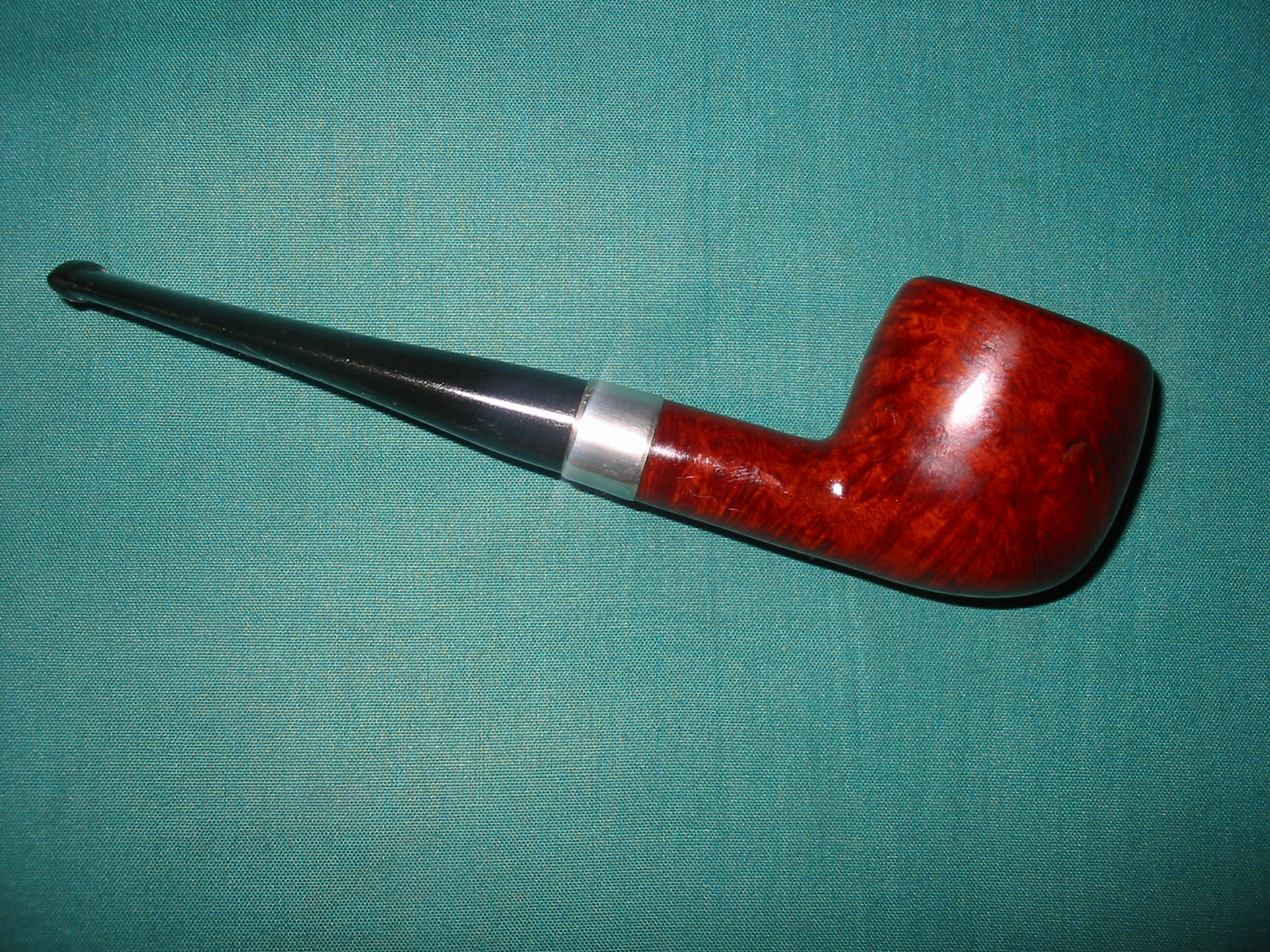
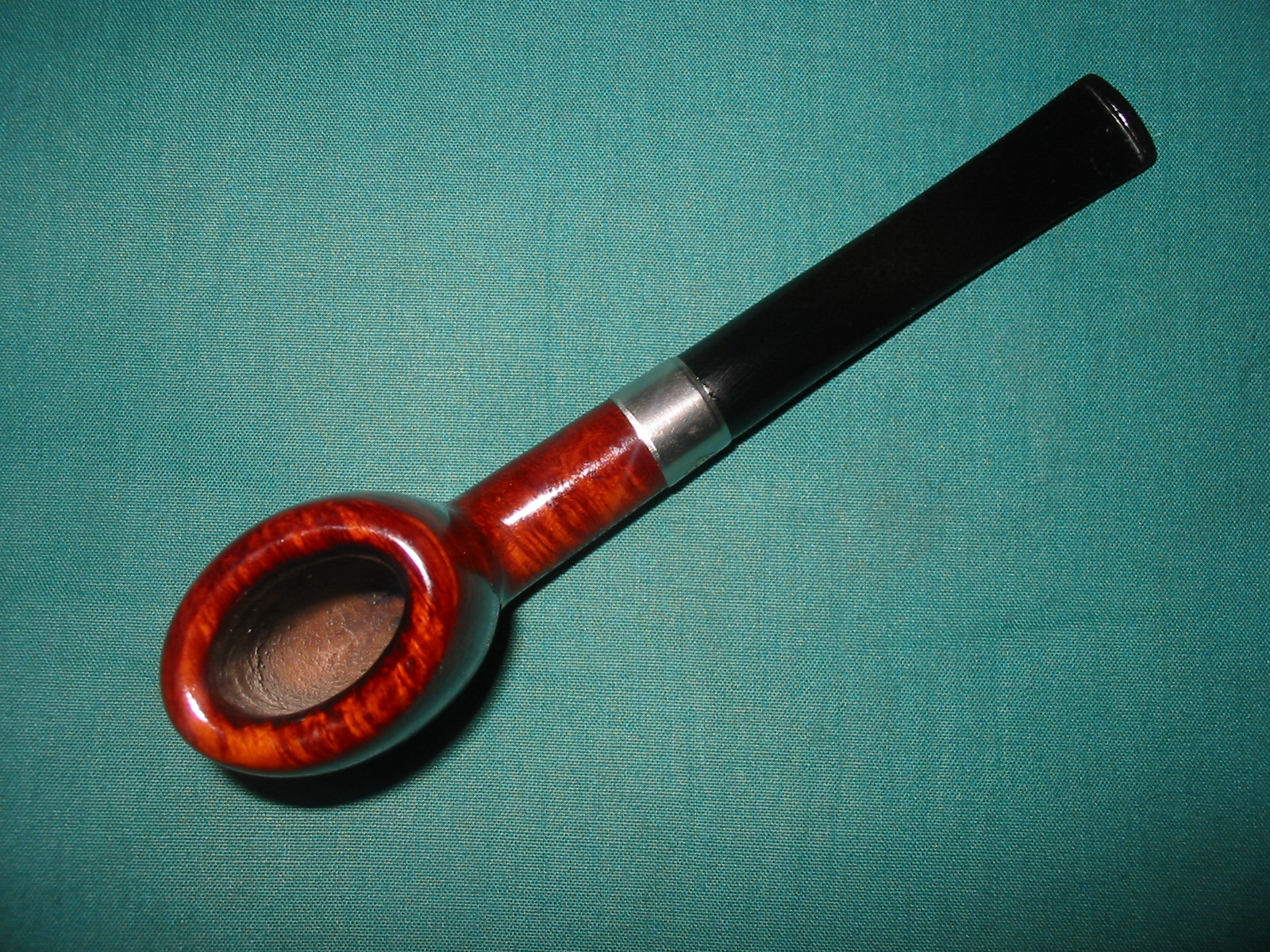
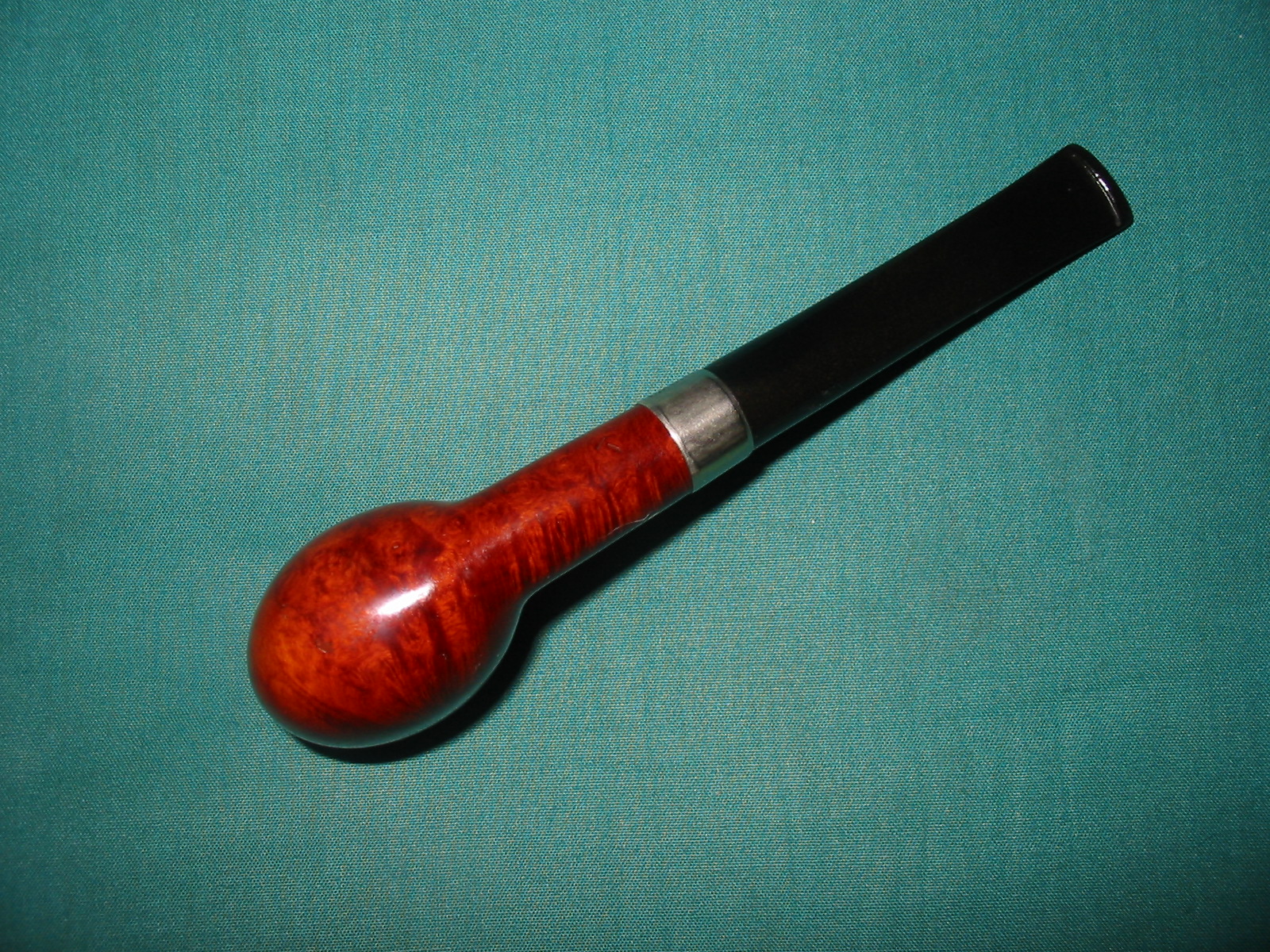
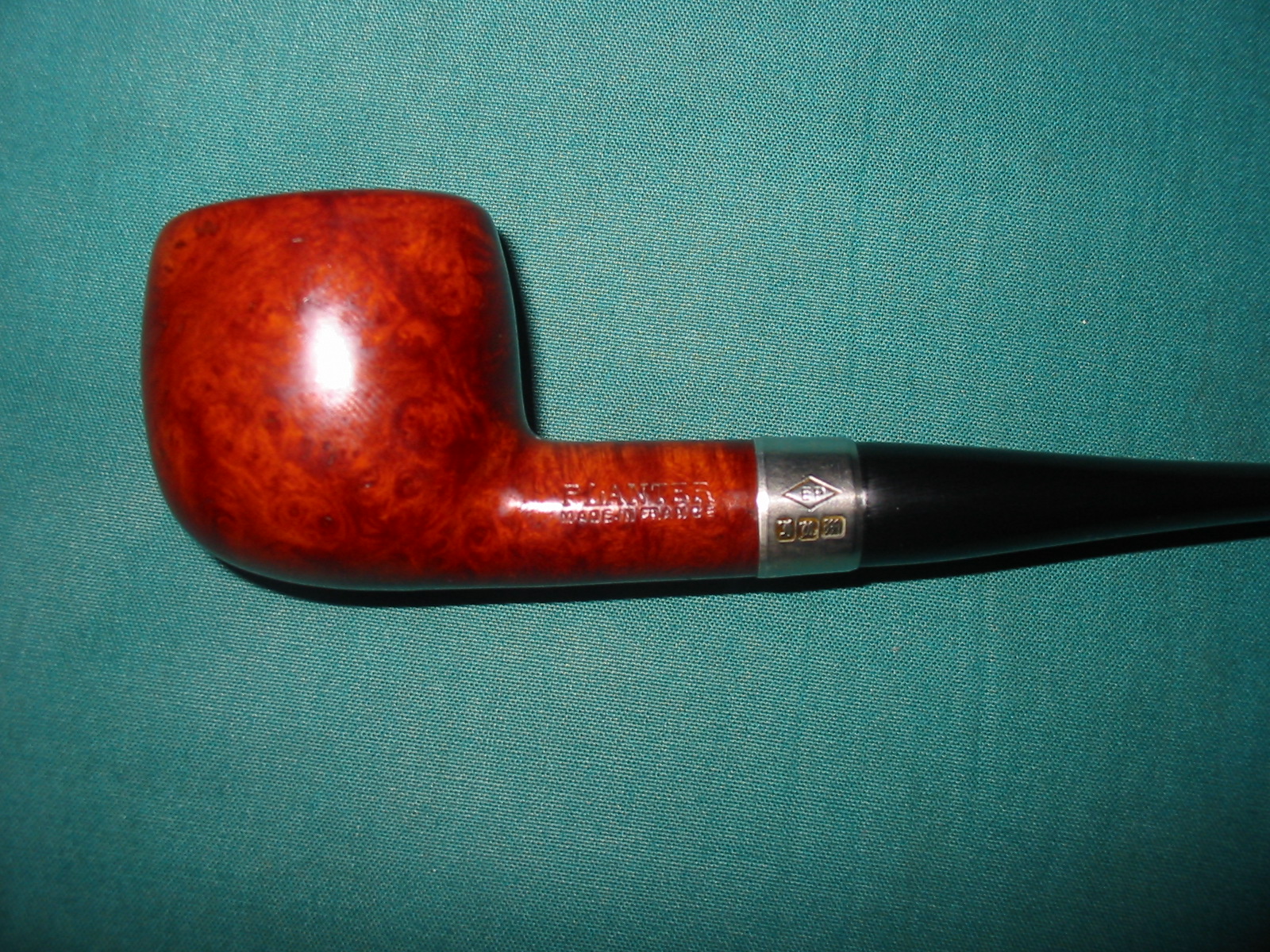
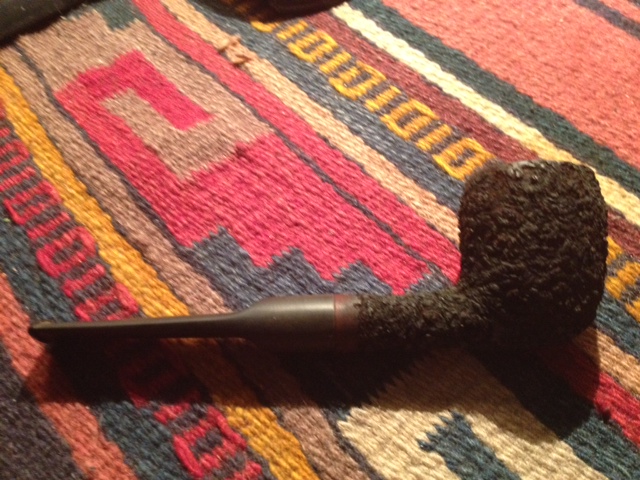
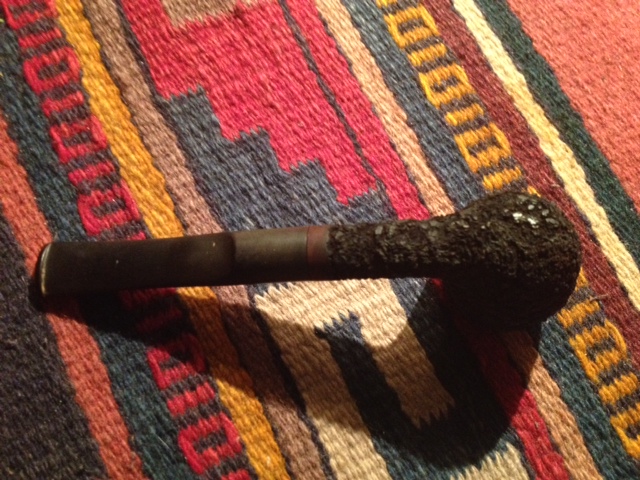
As my screen name for this blog implies, I’m a pretty big James Upshall fan. To this point, all of my Upshalls are smooth pipes of the various grades (P, S, B and ungraded). This pipe, my 8th Upshall, was advertised as “unsmoked”. The Ebay pictures were lousy, but the price was right and the seller took refunds, so I rolled the dice. I was pleasantly surprised with a beautiful Bark finish pipe and in perfect, unsmoked condition. Of course the stem was oxidized, which proved to be more stubborn than it appeared.

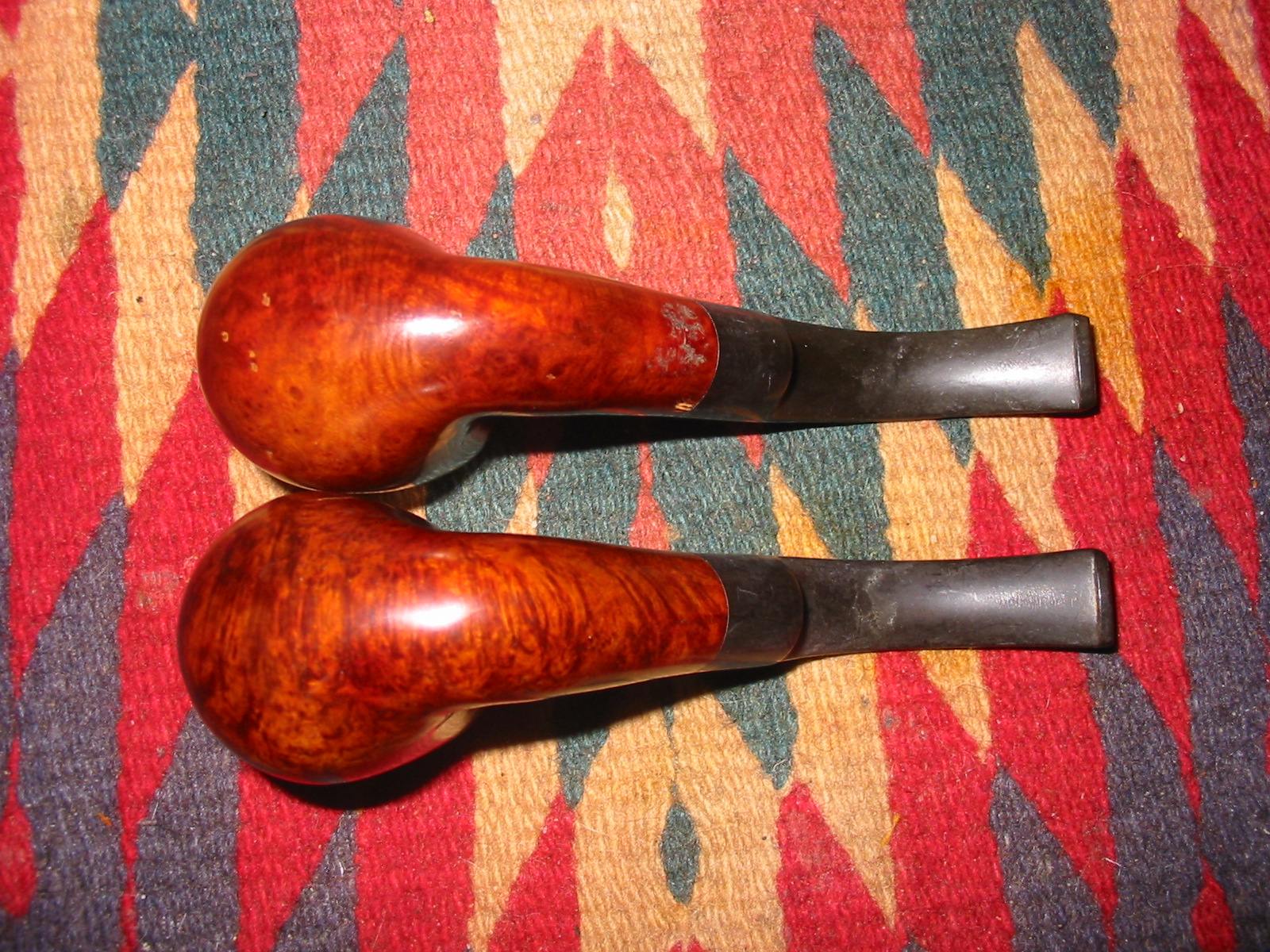
James_Upshall_Bark_Before (1)

James_Upshall_Bark_Before

James_Upshall_Bark_Before (3)

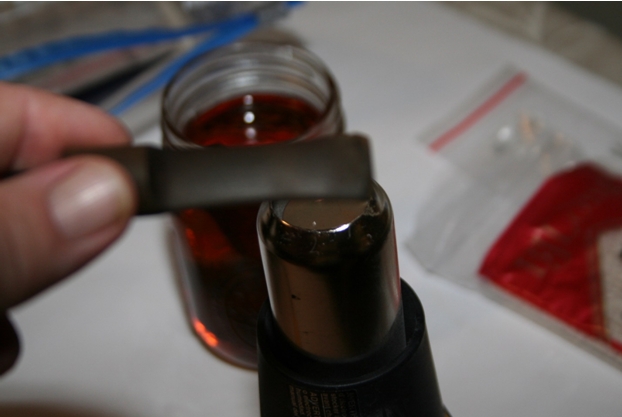
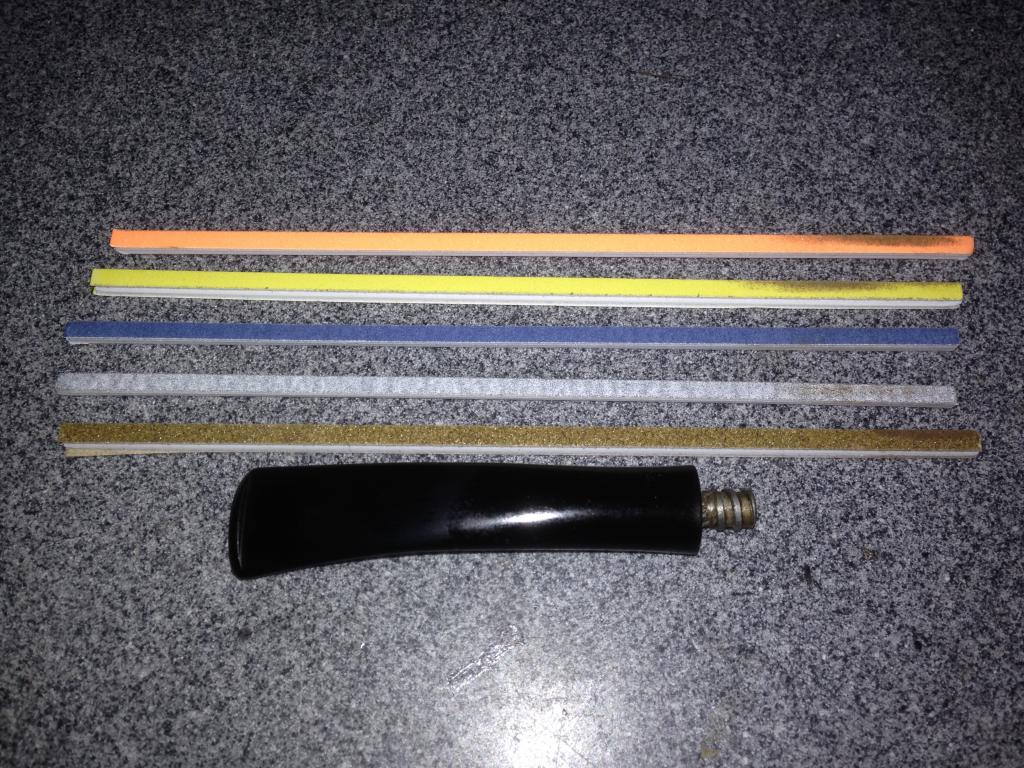
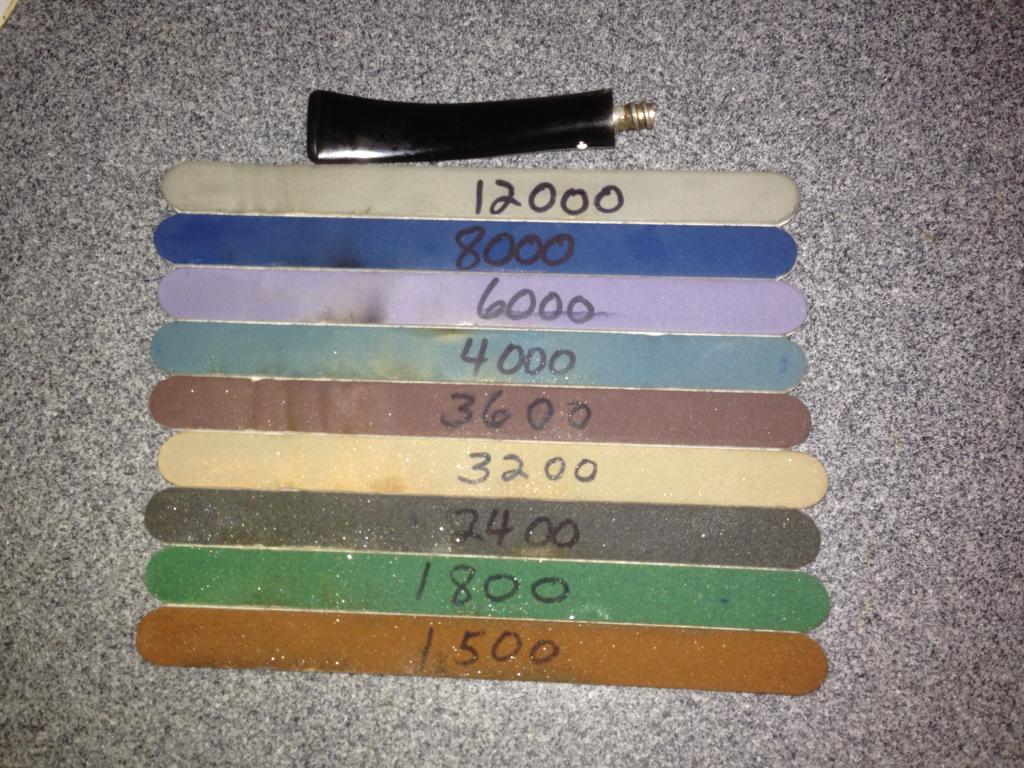
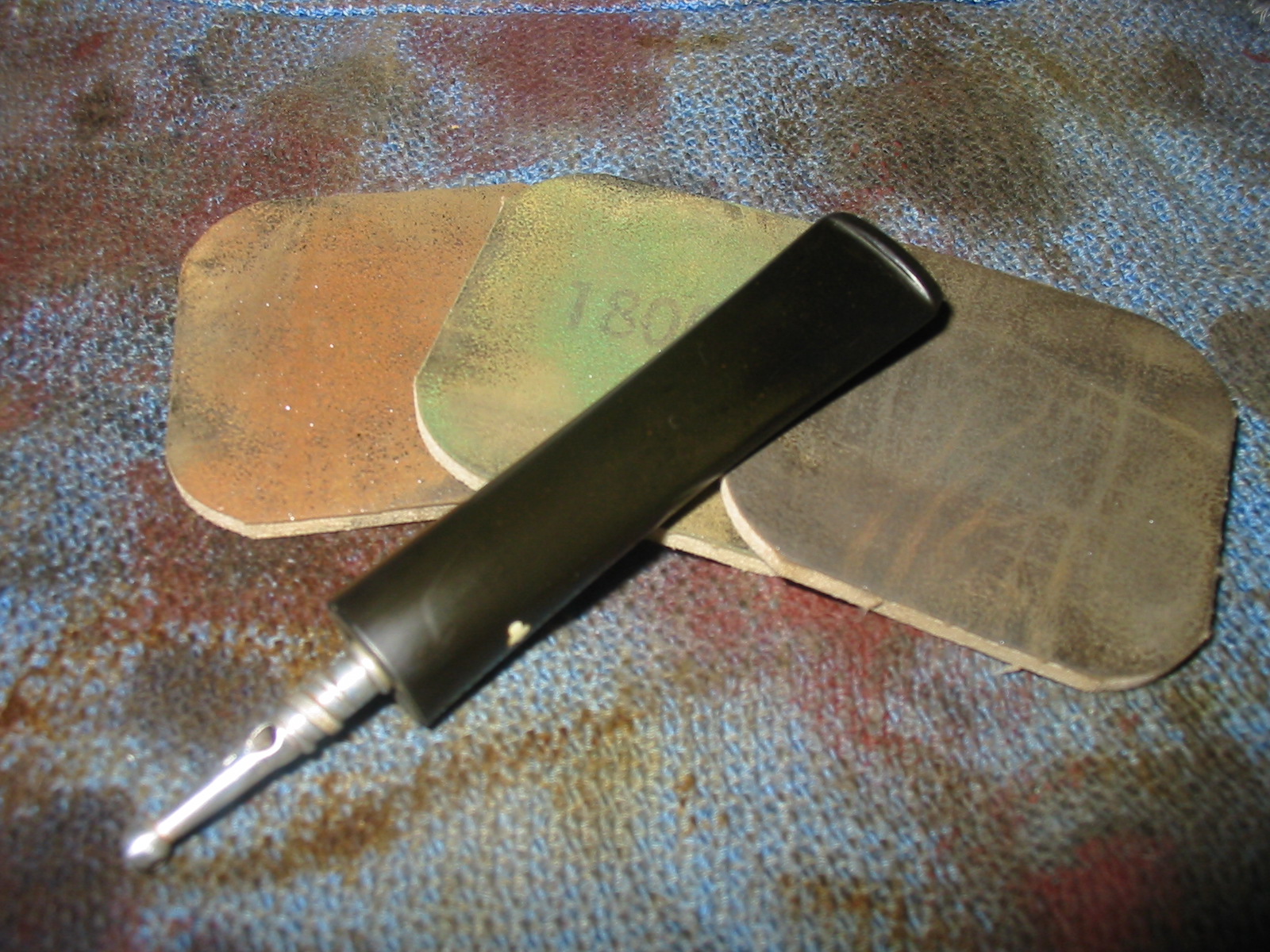
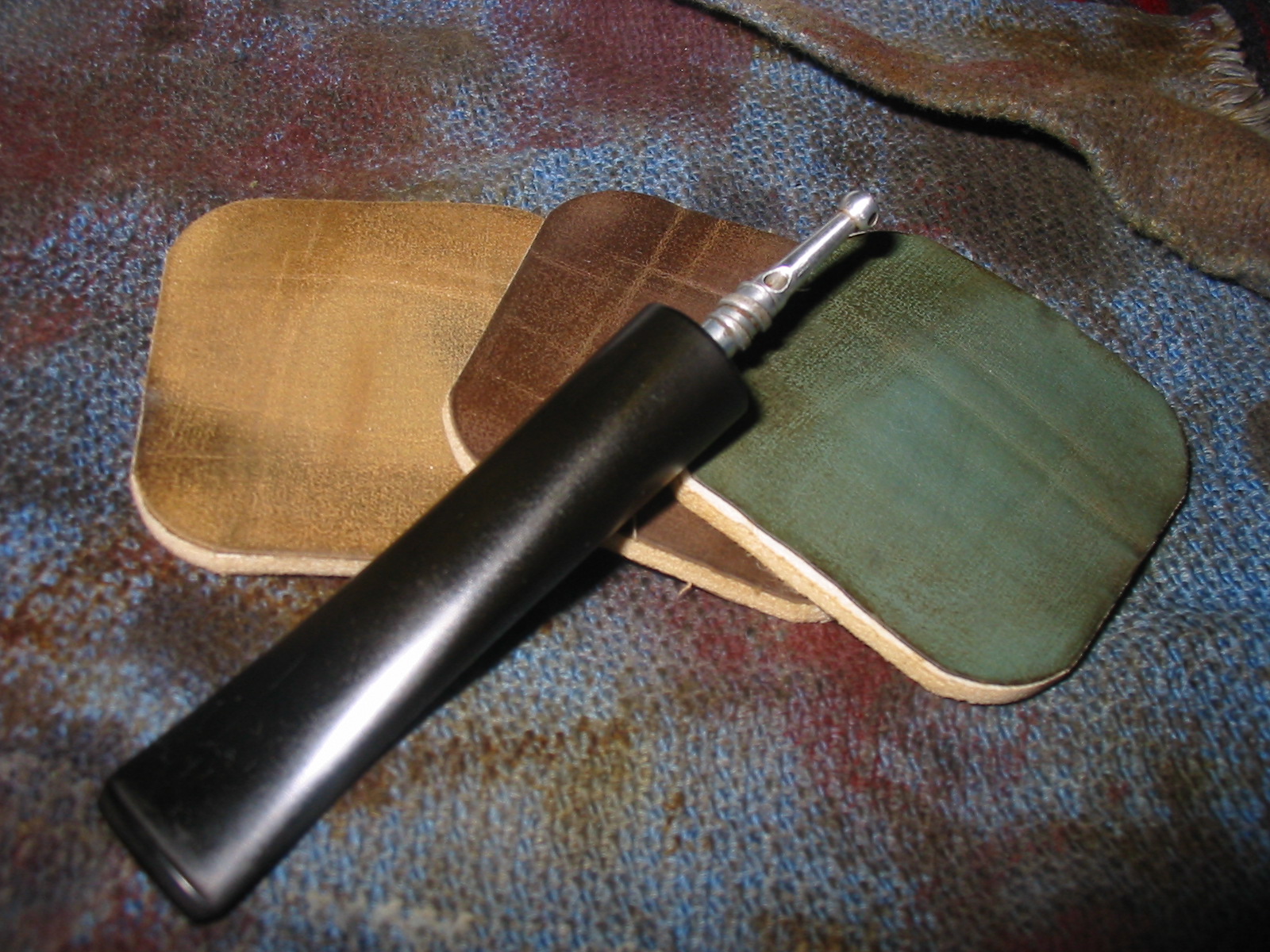
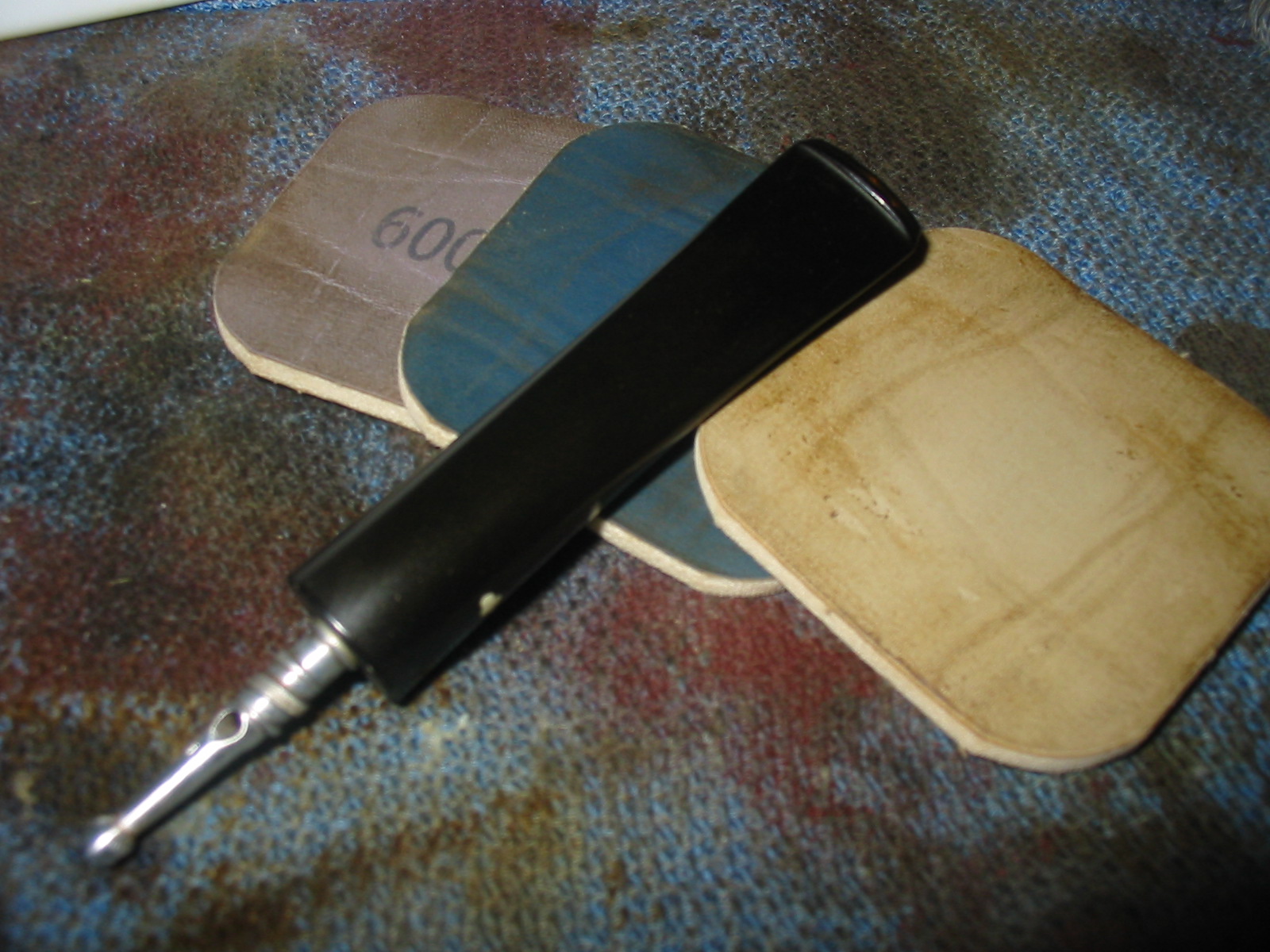
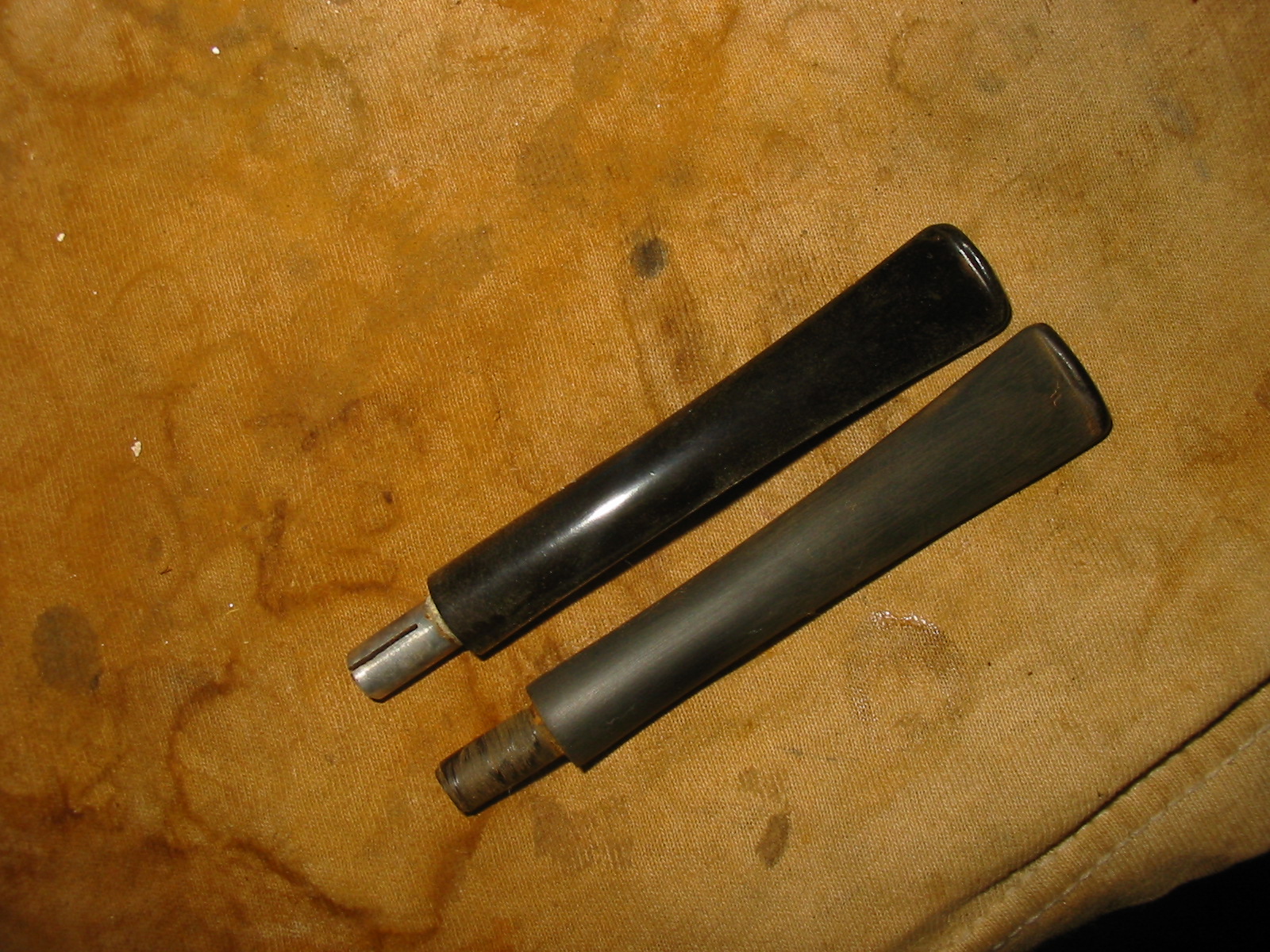
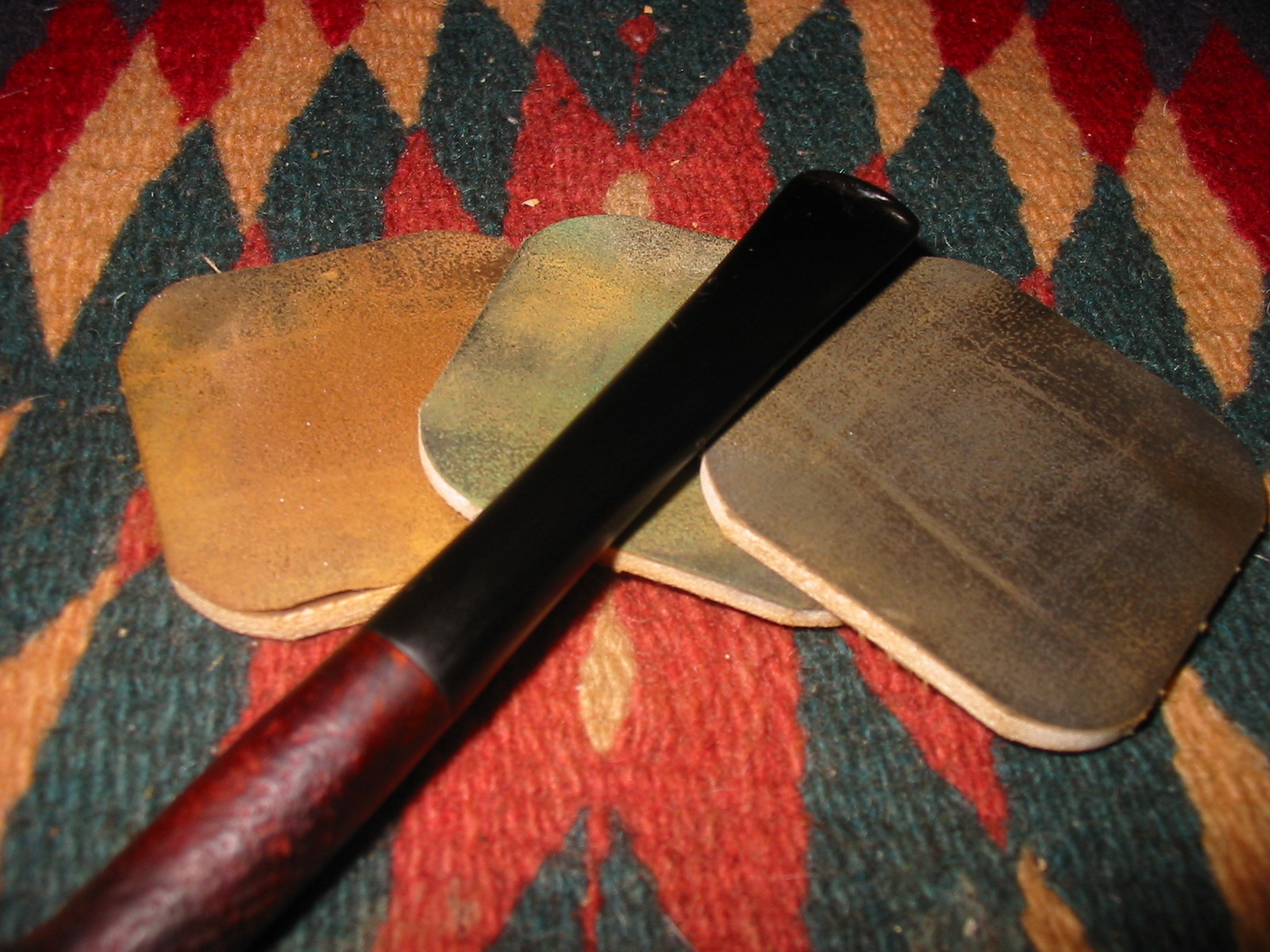
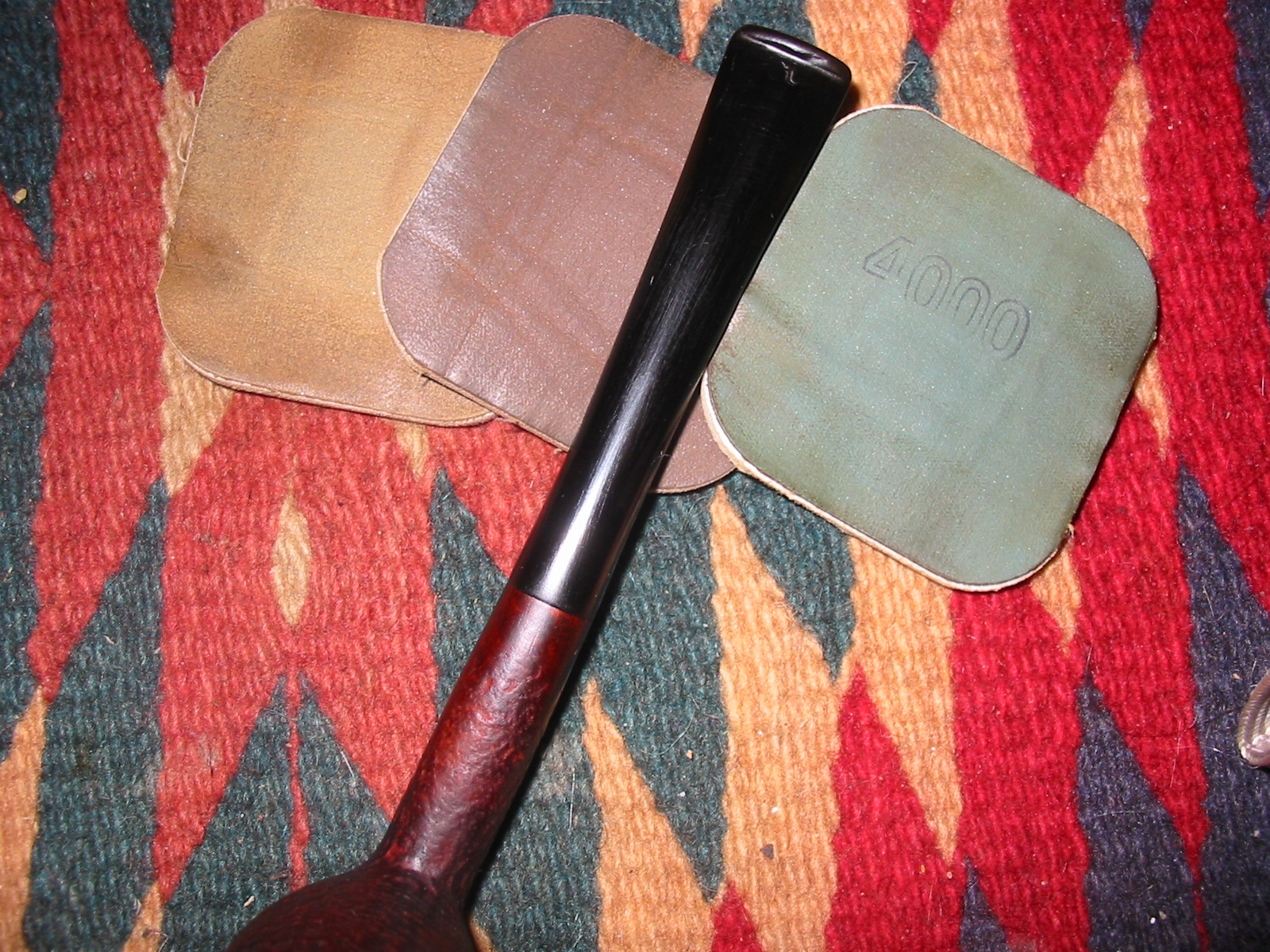
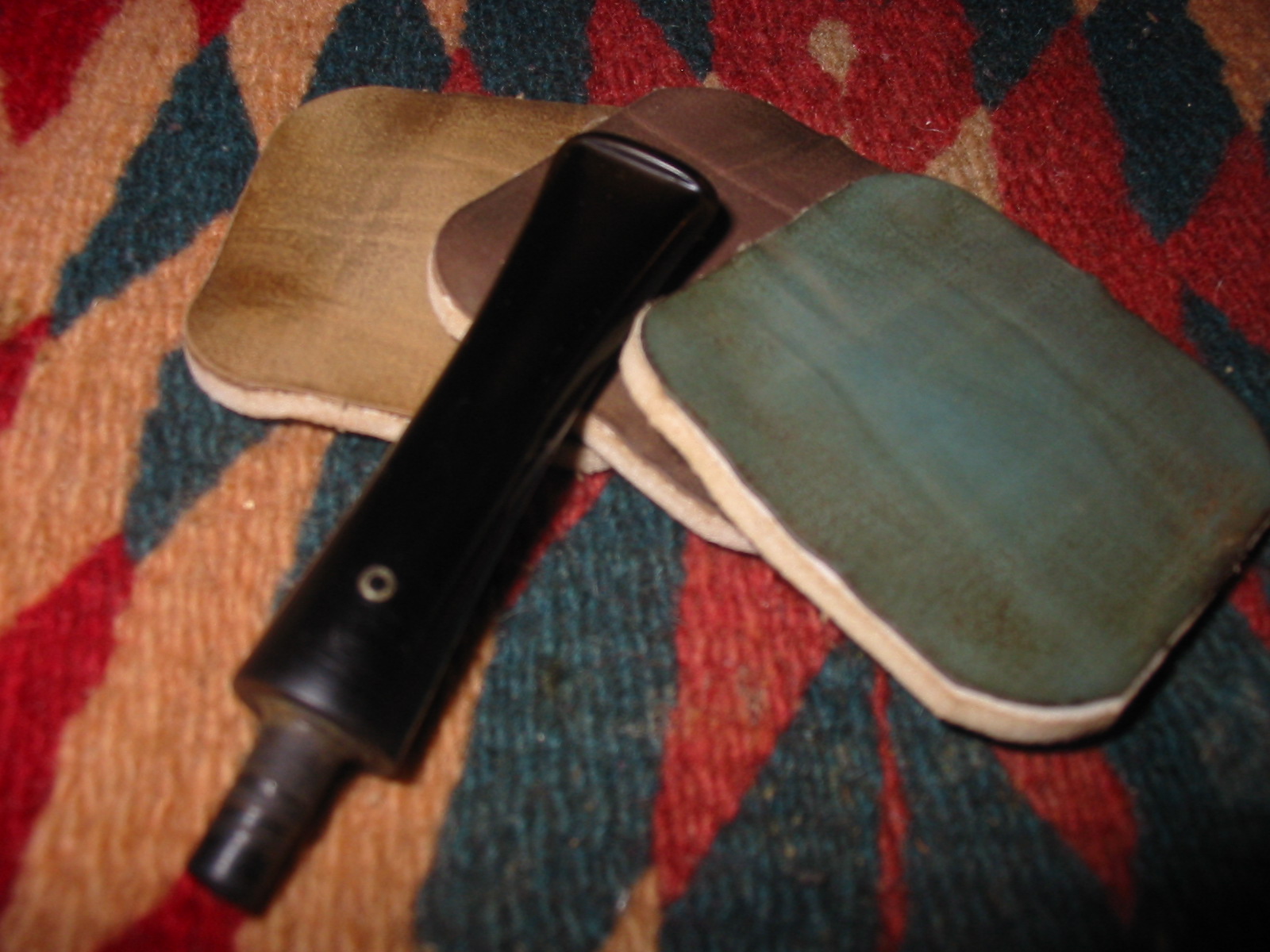
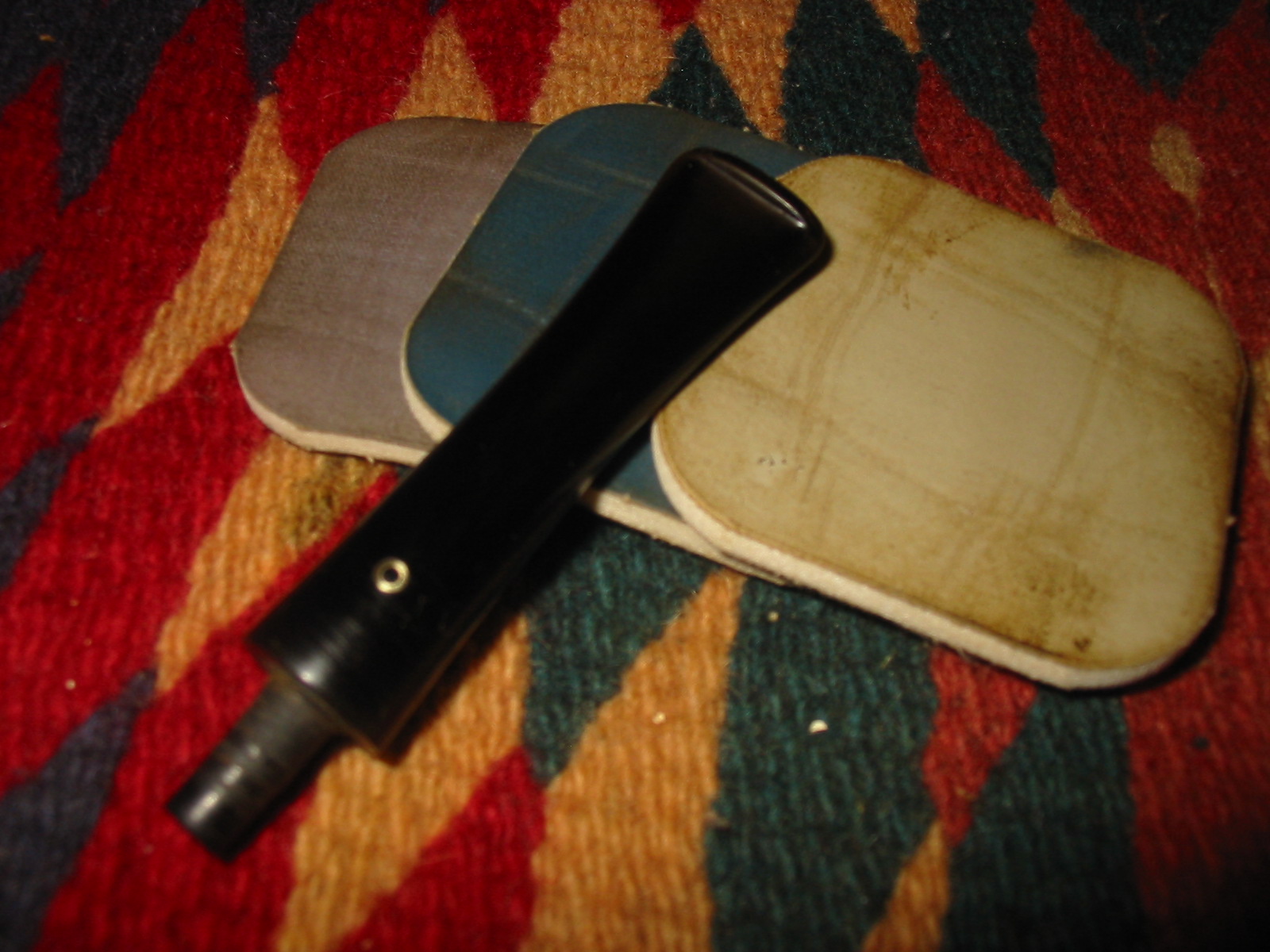
I didn’t want to soften or damage any of the stem edges on the saddle stem, so I started with a relatively fine, 2000 grit wet paper. I used a combination of popsicle stick and small, flat needle file to get the oxidation out of the creases. That took considerable effort, but I’m pleased with the results. I followed next with 8000 and 12000 grades of micromesh, also utilizing the sticks. Working around the small, stamped logo, was challenging. The stem was then buffed with white diamond and then plastic polish.

I worked in some Halycon II wax on the bowl, which was in mint condition. I used an old toothbrush to work the wax into the rough finish and then buffed it with a clean cloth.

I’m very excited to smoke this one, as it is my first unsmoked James Upshall. I’ve handled other Bark finish Upshalls in the past and some of the stem work was not to my liking. This one looks to have a good grade of vulacanite and has the feel I’m accustomed to on my polished Upshalls. The button is particularly appealing and has perfect mouth feel. I’m not a real clencher, so smaller profile buttons are to my liking. The Bark finish feels superb in my hand and it is a bit similar to the Sea Rock on my Castello. After the Rhodesian and Bulldog shapes, the classic Bent Billiard is next on my preferred shapes list.

I have several large Upshalls in my collection and I’m focusing on obtaining only smaller pipes now. Fortunately, this one isn’t too far out of my comfort zone at 60 grams. It is also about the same size as my Castello 4k pipe (also a bent billiard).

James_Upshall_Bark_Gallery (6)

James_Upshall_Bark_Gallery (1)

James_Upshall_Bark_Gallery (2)

James_Upshall_Bark_Gallery (3)

James_Upshall_Blasted - SAMPLE

Topping a Badly Damaged Georg Jensen Bent Billiard


Blog by Steve Laug

In the process of going through the box of pipes for the Vancouver Pipe Club to put back the ones I had worked on, I found another that really needed attention. I just could not leave it in the box as the damage looked awful and I knew it could look so much better. It is an oddly shaped bent billiard to me but it had a quaint quality about it that I liked. It is stamped Georg Jensen over Made in Denmark Pipes on the left side and Zenta on the right side. On the underside of the shank it is stamped 525. I am assuming that is a shape number. The stem was oxidized around the shank. The bowl had been coated with varnish – even over the grit on the surface. There were also finger prints in the varnish. The worst part of the pipe was the rim. It was worn down on the front side and the varnish had covered the rough surface of the beat up briar. It was also burned on the back inner edge of the rim and onto the rim surface. The inner edge of the rim was also damaged and nicked and gouged out of round. The stem had one tooth mark on the topside near the button.
IMG_4431

IMG_4433

IMG_4434

IMG_4435

I have included the next two close-up photos to show the rim damage. The front edge is very worn, the back inner edge is burned and the inner edge of the rim is clearly gouged and marked. Fortunately the damage did not extend deeply into the bowl was limited to the top 1/8th inch of the bowl top. The bowl had also been coated with a black rubbery bowl coating. I chose to leave it as the bowl also had some gouges in the bottom from the knife that someone used to ream the bowl.
IMG_4436

IMG_4437

I set up my board and sandpaper that I use for topping pipe bowls and sanded the top of the rim. This one was a little tricky in that the front slope was lower than the rest of the rim. I worked the back half of the rim first to bring the height down to the same place as the highest portion of the front slope. Once I had that done it was an easy matter to proceed with topping the rest of the rim. I worked until I had removed the burn damage and the rough front edge and had a flat, smooth and rim with an even circumference.
IMG_4438

I wiped the bowl down with acetone on cotton pads to remove the varnish coat and the rest of the finish so that I could blend in the stain on the freshly topped rim with the rest of the pipe.
IMG_4439

IMG_4440

IMG_4441

IMG_4443

I used MinWax Red Mahogany stain to restain the pipe. I rubbed it on and then wiped it off several times until I had the even coverage I wanted on the bowl. I had buffed it with a cotton cloth to give it a slight shine and get a feel for the overall look of the stain on the bowl. I retouched the stain on the rim to darken it slightly. I lightly buffed the bowl with White Diamond and gave it an initial coat of carnauba wax.
IMG_4444

IMG_4445

IMG_4446

IMG_4447

The tooth mark on the top of the stem needed to be heated to lift it as much as possible and then I used some superglue to finish the repair. I sanded it with 220 grit sandpaper to feather it into the surface of the stem. I followed that with a medium and fine grit sanding sponge. I finished the stem with my usual array of micromesh sanding pads – wetsanding with 1500-2400 grit pads and dry sanding with 3200-12,000 grit pads. I rubbed the stem down with Obsidian Oil and then buffed the pipe with White Diamond. I gave it multiple coats of carnauba wax to finish. The completed pipe is shown in the photos below. I also included a photo of the top of the rim to show the repair. The pipe is now ready to join the rest of the ones heading to the Vancouver Pipe Club. It should provide years of service to the pipeman who takes it home.
IMG_4450

IMG_4451

IMG_4452

IMG_4453

IMG_4454

Reworking a Peterson’s Kildare X105


I picked up this old pipe primarily for the shape. It has the chunky look I like in a pipe. The bowl has some nice grain on it and that was attractive as well. The stamping was too faint to read in the shop but when I got home with a bright light and a loupe I was able to see the stamping more clearly – though it is very faint. The left side of the shank says Peterson’s over Kildare and the right side says Made in England and the shape number of X105 (at least that is what the stamping of the number looks like). The pipe was in decent shape and would clean up quite nicely. The finish was not too bad though the previous restorer had given it a coat of varnish or something that was quite heavy. There were finger prints still in the varnish coat. The bowl was reamed and clean and the shank quite clean. The rim had some buildup that had been varnished over which gave it a damaged appearance. The stem seems like a replacement but I cannot be sure as the fit is very well done. It was in great shape with minimal oxidation and slight pitting on the surface of the vulcanite. There were not any tooth marks or chatter.
IMG_4342

IMG_4343

IMG_4344

I decided to remove the varnish coat (it seems like I have had to do that a lot lately with the pipes I am reworking for the pipe club). I wiped down the bowl with acetone and cotton pads until I had removed the varnish and the stain. I scrubbed the rim with the acetone and pads as well to remove the buildup under the varnish. It came of quite easily and turned out to be undamaged. There was a slight darkening of the rim on the left side toward the front but no damage to the area.
IMG_4345

IMG_4346

IMG_4347

IMG_4349

While I was working on it I remembered that I had picked up a Peterson sterling silver band that would probably fit this pipe very well. I dug it out of my box of bands and gave it a try on the shank. It fit perfectly on the shank. I like the look of the bling and the added perk of it being a Peterson stamped sterling silver band was bonus!
IMG_4350

IMG_4351

IMG_4352

I put wood glue on the shank to anchor the band (no repairs were necessary and the band was purely adornment) and pressed the band into place. I rotated it so that the Peterson engraving was on the top of the shank.
IMG_4353

I stained the bowl with MinWax Medium Walnut and Red Mahogany stain to get a reddish brown tint to the briar. I rubbed it on the pipe and then off again. I did the same with both colours. When it was dry I hand buffed it with a soft cotton cloth.
IMG_4357

IMG_4358

IMG_4359

IMG_4360

The stem was lightly oxidized and slightly pitted so I decided to work it over with the micromesh sanding pads. I used the usual method I have developed as a habit over the years and wet sanded with 1500-2400 grit pads and dry sanded with 3200-12,000 grit pads. I buffed the stem with White Diamond and rubbed in some Obsidian Oil to preserve the vulcanite.
IMG_4362

IMG_4363

IMG_4364

When the stem was done I reinserted it into the shank and buffed the entire pipe with White Diamond. I avoided buffing the silver as I find that it darkens the wheels and also the wood and vulcanite on both sides of the band. So once I had finished buffing the pipe I gave it multiple coats of carnauba wax and then buffed it with a clean flannel buff. I took it back to the work table and polished the silver band with a jeweler’s cloth and then applied some wax on the band to slow down the oxidation of the silver. The finished pipe is pictured below. I also have included a picture of the finished rim to show the cleanup results. The pipe is cleaned and ready to be smoked. The addition of the silver band worked well in my opinion and I like the finished look of the old timer quite a bit.
IMG_4365

IMG_4366

IMG_4367

IMG_4368

IMG_4369

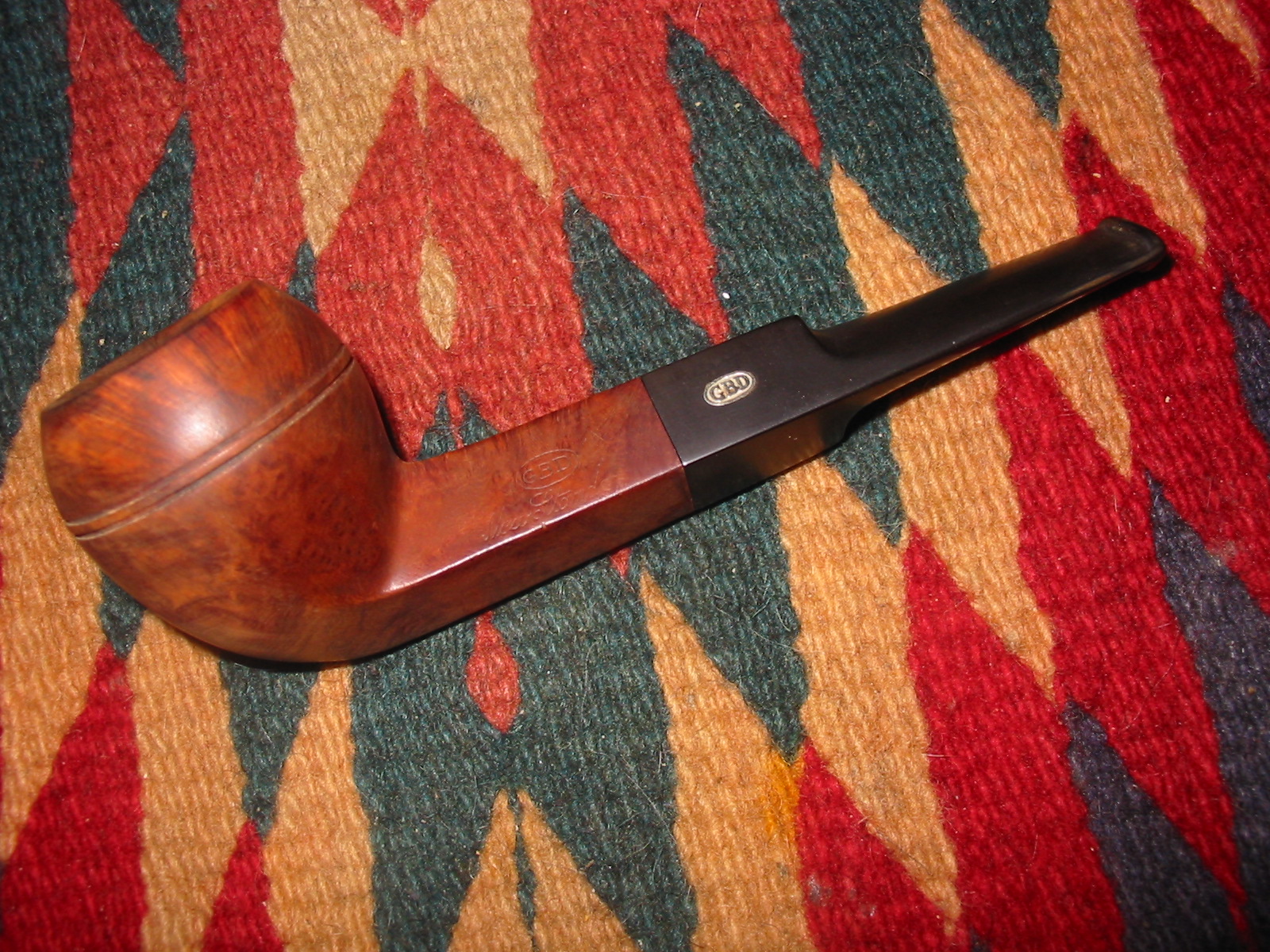
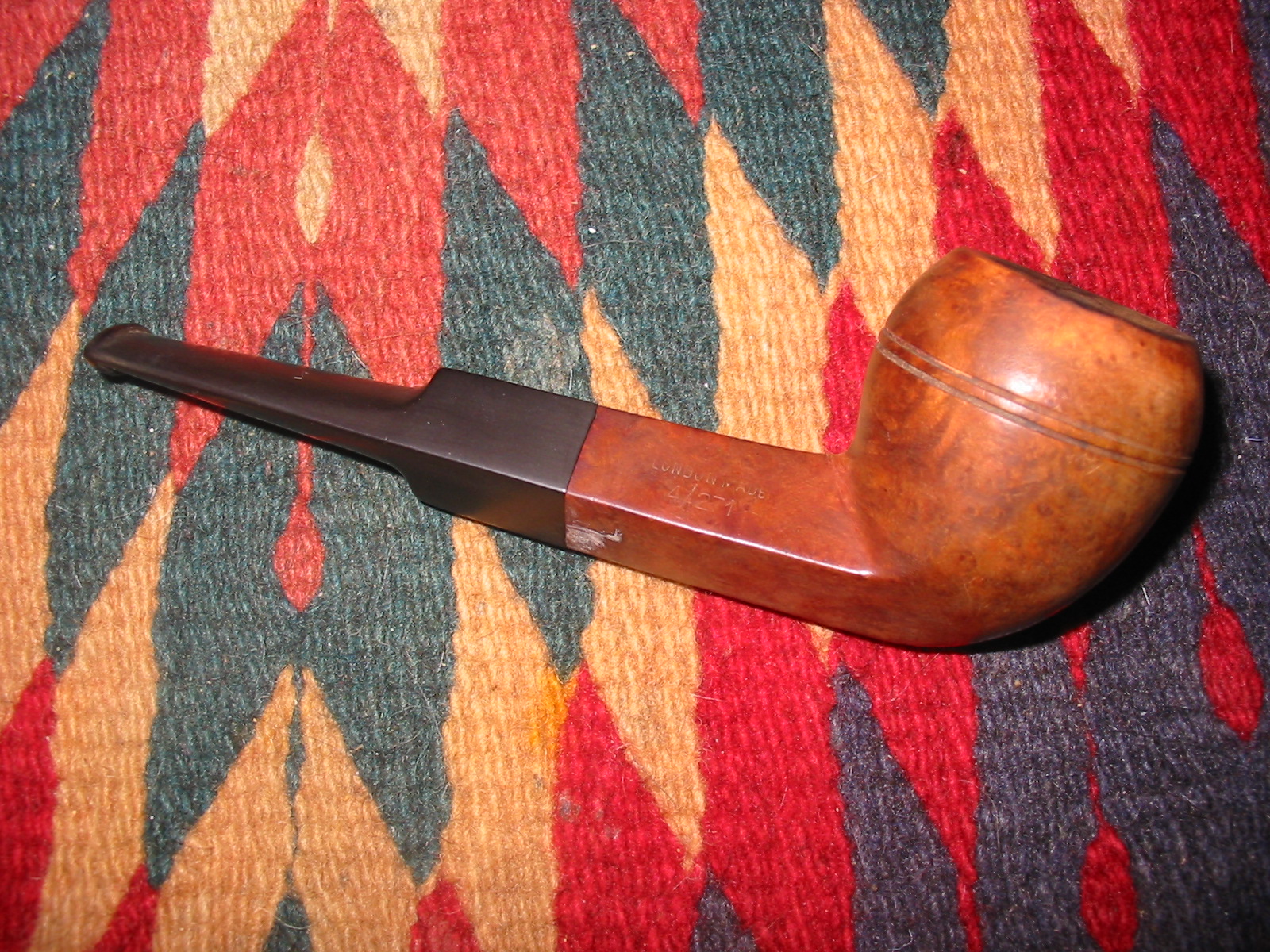
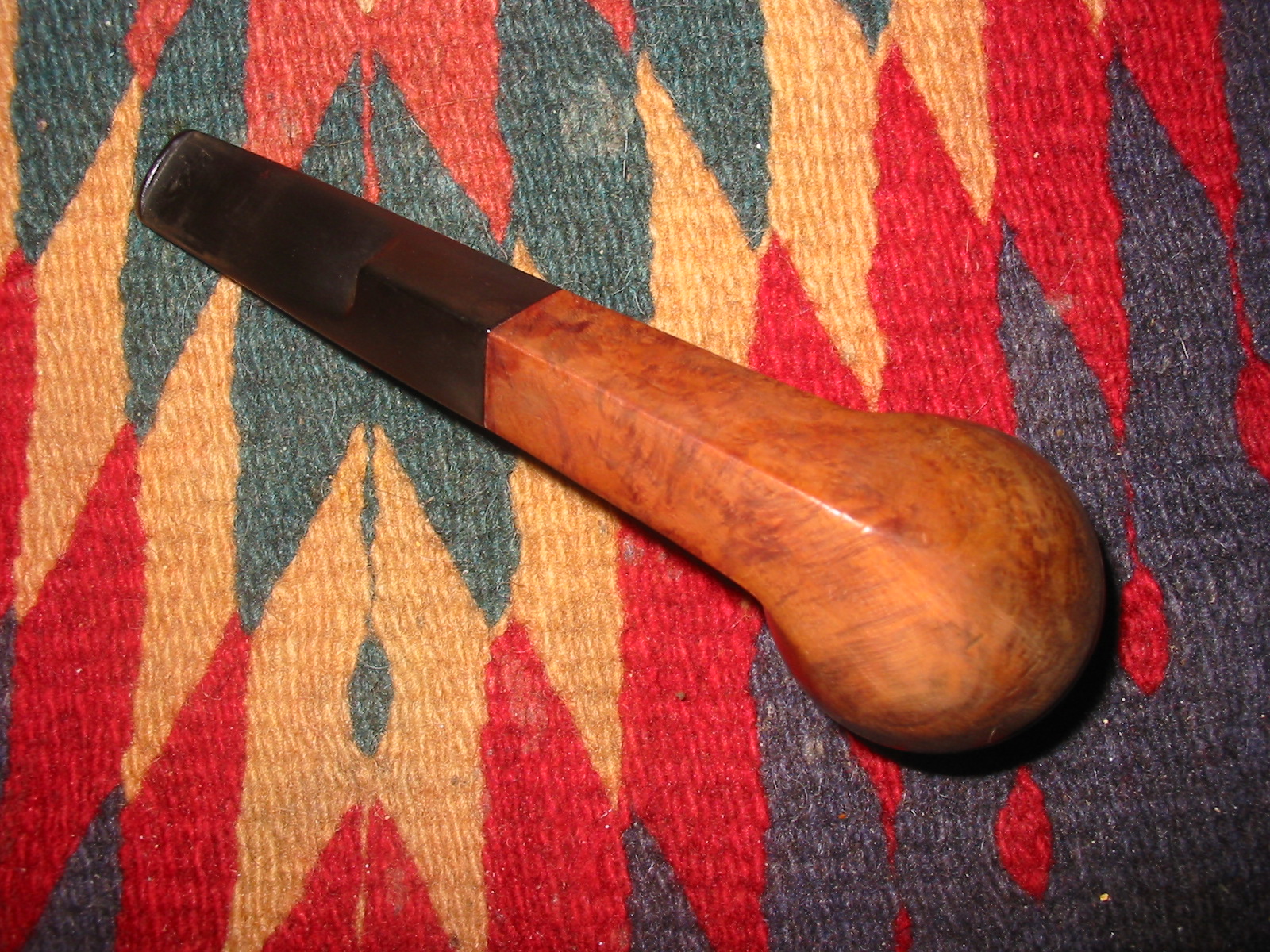
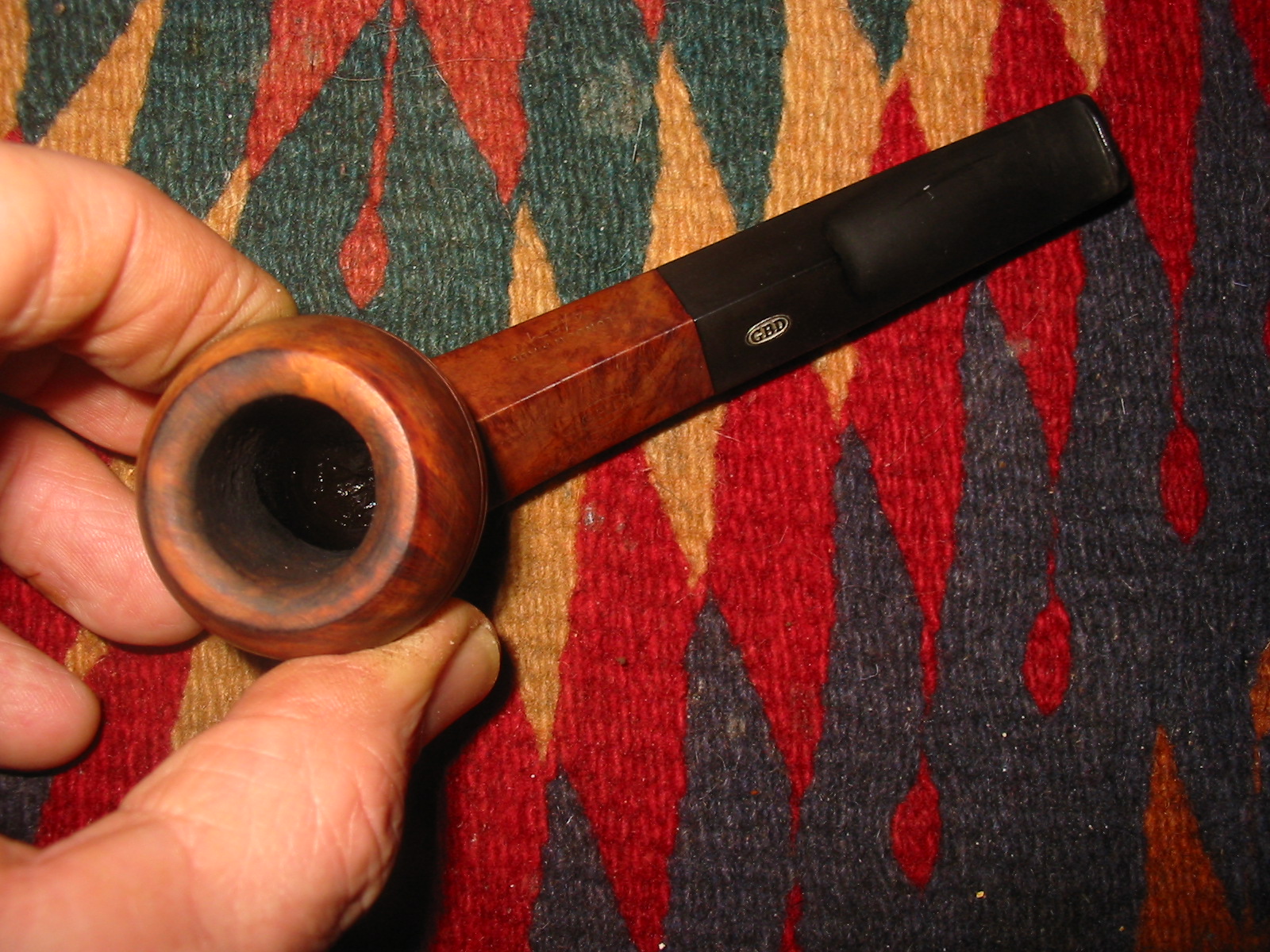
A Renovation of a Good Companion London Made Billiard


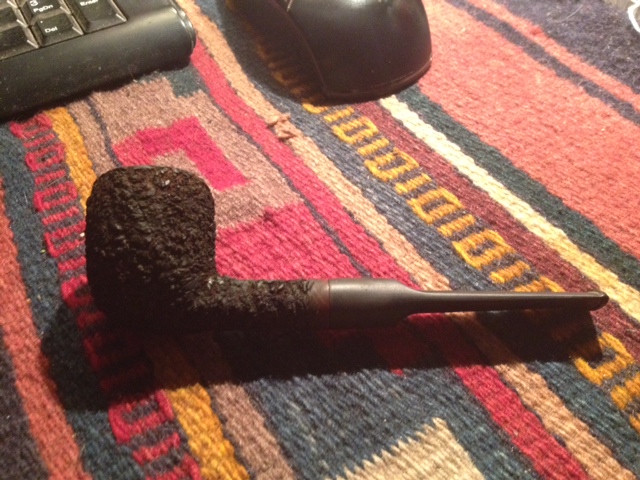
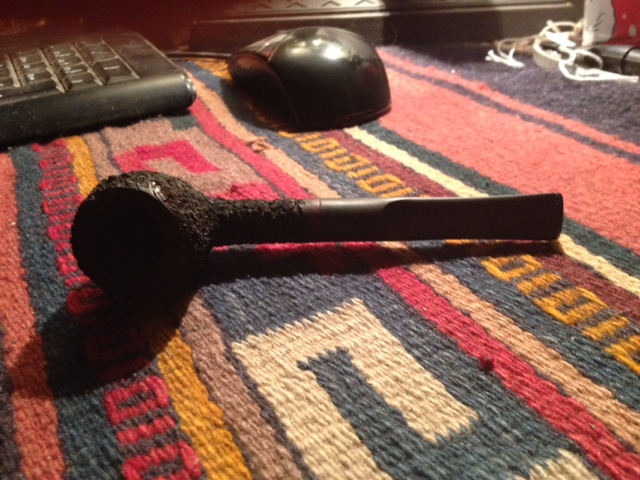
My wife and I went out for lunch on Saturday and there was an antique shop across the street from the restaurant. After eating we brave torrential downpours and ran across the street check out a shop we had not visited before. We looked through the various display cases and I found the pipe below along with a chewed up Yello-Bole billiard. The pipe was a small group 3 sized billiard. The finish was a dark brown stain on a sandblasted pipe. The left side had great grain pattern and showed deep grooves. The right side was a tight birdseye grain and the blast was shallow and close. The shank was rusticated to look like a sandblast. The stem had a slight bend but seemed be from sitting in the heat rather than intention. There was a bite through on the top surface of the stem that was large enough that it could not have been patched. The rim was originally smooth and beveled inward but the bevel had been damaged and needed to be reshaped and cleaned up. The stamping on the pipe is what ultimately made me spend the $10 to make the pipe mine. It read Good Companion over London Made on the underside of the shank. I just finished reading a new book by Mark Irwin called Pipe Companions. In it he wrote of the relationship between the pipe and the pipeman. I think it was a great coincidence to walk into a pipe stamped Good Companion. I wanted to clean it up and make it my own.
IMG_4177

IMG_4178

When I got home from the visit to the shop I took the pipe apart. The stem had a large spiral stinger apparatus in the tenon. The stem itself was badly chewed. I found a new stem for the pipe in my can of stems and worked on the tenon to make the tapered stem fit the shank.
IMG_4263

IMG_4264

IMG_4265

I pushed the newly fitted stem into the shank to have a look at the shape with a taper stem. I liked the overall look of the pipe with the new stem. I sanded the stem to remove the calcification and the oxidation on it. I also worked on the fit of the stem to the shank. I wanted the transition to be smooth and seamless. I took the stem in and out several times while I worked on it. The last time I pushed it into the shank there was a crack! I don’t know if that has happened to you but when it happens there is a sick feeling in the pit of my stomach. Here the pipe was almost ready to refinish and the stem fit well and then crack. The frustration at that moment is high level. I laid the pipe down and had a coffee while I thought about my next steps.
IMG_4266

IMG_4268

IMG_4269

IMG_4270

I went through the box of nickel bands that I have here and I did not have any the correct size for the shank. All of them were either too huge or too small. I did remember however that I had some brass plumbing pressure fitting pieces that would make a great band on the pipe and create a totally different look on this old pipe. Before fitting the band I worked on the bevel of the inner edge of the rim. I used a folded piece of sandpaper to smooth out the rim damage and reshape the bevel.
IMG_4271

IMG_4272

I used a Dremel and sanding drum to sand back the shank so that the band could be pressure fit against the cracked shank. I took back the rustication until the finish was gone and the shank area was smooth. When the band fit tightly on the shank I heated the brass band with a heat gun and then pressed it into place on the shank.
IMG_4273

IMG_4274

IMG_4276

IMG_4278

I pressed the band into place on the shank and then hand sanded the area in front of the band smooth so that I could rework the taper of the shank and the finish to match the rest of the pipe.
IMG_4279

IMG_4280

IMG_4281

IMG_4283

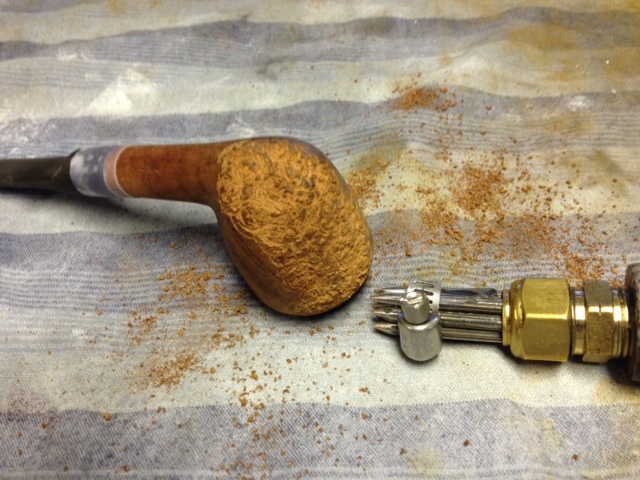
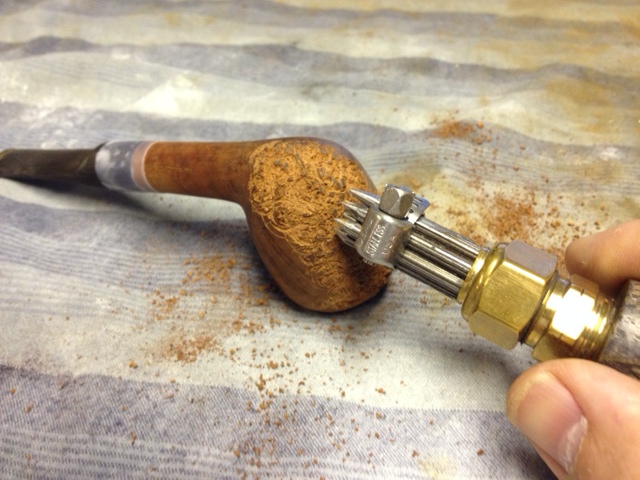
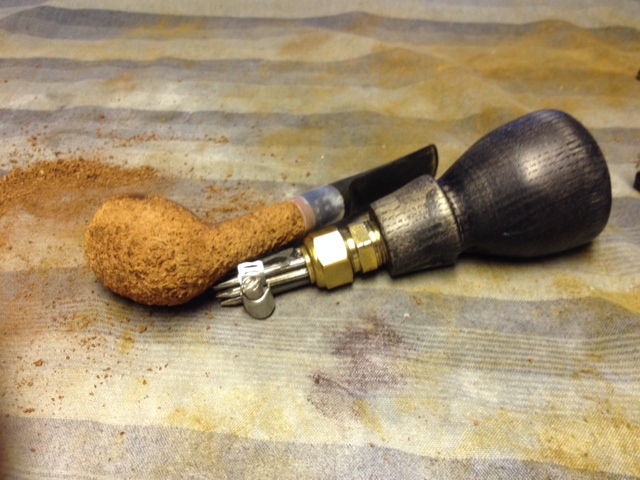
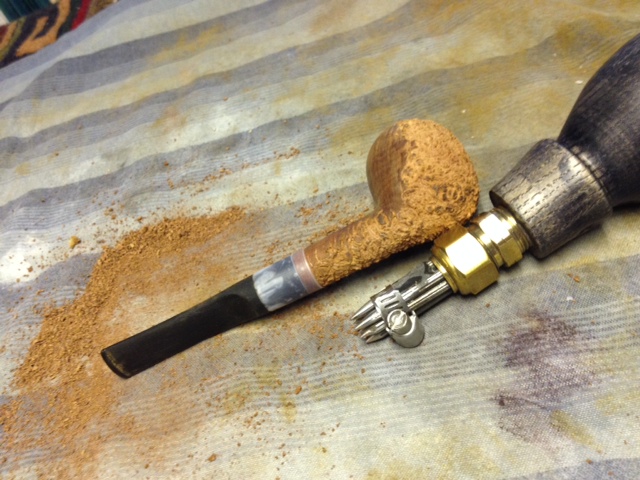
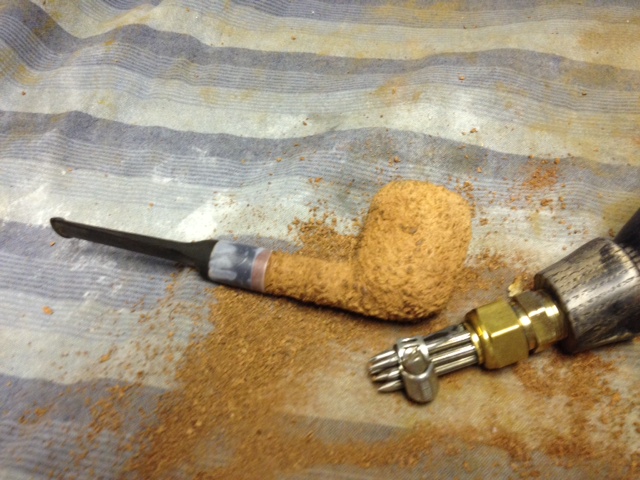
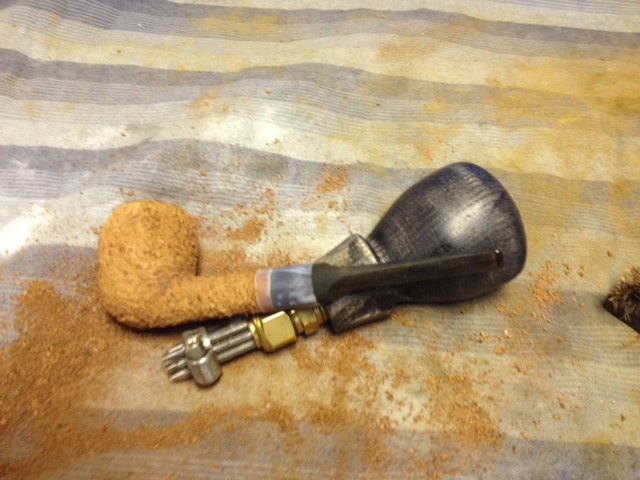
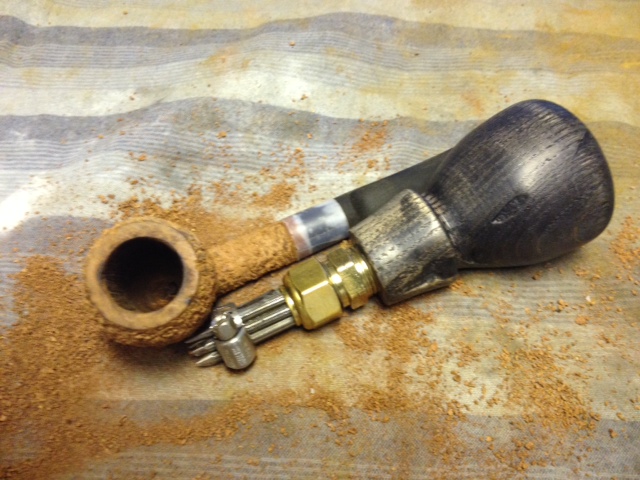
I used the two Dremel diamond cutting heads pictured below to rusticate the finish on the shank. I used the cylinder first and then the ball. I worked it into the briar to make the smooth area match the rest of the bowl.
IMG_4284

IMG_4285

IMG_4287

After rusticating the shank I stained it with a dark brown aniline stain and flamed it to set it deep within the grain. I stained the rest of the pipe as well and the rim with multiple coats of the dark brown.
IMG_4288

IMG_4289

IMG_4290

IMG_4291

Once the stain was dry on the bowl I hand buffed it with a cotton cloth and then stained it a second time with MinWax Red Mahogany stain. I rubbed it on and then rubbed it off. I repeated the process until I had the colour that I wanted.
IMG_4293

IMG_4294

IMG_4295

IMG_4296

I buffed the bowl on with White Diamond and to evenly distribute the stain coat and give the pipe a rich shine. When I had finished I worked on the stem with 220 grit sandpaper, a medium grit sanding sponge and micromesh sanding pads. I used my usual array – wet sanding with the 1500-2400 grit pads and dry sanding with the 3200-12,000 grit pads. I rubbed down the stem with Obsidian Oil and rubbed it into the vulcanite.
IMG_4297

IMG_4298

IMG_4299

I sanded the bevel on the bowl and the brass band on the shank with the 1500-2400 grit micromesh pads.
IMG_4300

IMG_4301

IMG_4302

I buffed the pipe with White Diamond and then gave the stem multiple coats of carnauba wax. I used Halcyon II wax on the sandblast finish of the bowl. I buffed the pipe with a clean flannel buff. I have to say though I would have liked to keep the pipe unbanded and pristine, the crack that happened in the shank made me try something a little different. I actually like the finished look of the pipe with the brass band. The combination of the two stains give the blast finish depth that changes with different lighting and the tapered stem adds some panache to this Good Companion.
IMG_4309

IMG_4310

IMG_4311

IMG_4312

IMG_4313

Looking at the photos I decided to do a bit more work shaping the brass band. I sanded the band with 220 grit sandpaper to remove the ridges in the brass. I followed that by sanding with a medium and fine grit sanding sponge. I finished sanding the band with micromesh sanding pads from 1500-3200 grit polish it.
IMG_4314

IMG_4315

IMG_4316

IMG_4317

IMG_4318

IMG_4319

With the band finished I will give the pipe another buff to polish the handling that it received working over the stem.

First Experience Refurbishing – Working on Granddad’s Pipes – Cody Huey


I am following Cody on Twitter and yesterday when he posted the final picture in the article on the before and after on these pipes and a teaser on where they came from I wanted to know the whole story. I wrote and asked him if he would be willing to write-up the story and the refurb for rebornpipes. He quickly replied and soon sent the piece below. I am happy to have Cody write for the blog. Some of you will remember the name with the Moustache Man tamper piece I wrote a while ago. You can read about it at the link below. https://rebornpipes.wordpress.com/2013/11/22/a-review-a-cody-huey-moustache-men-pipe-tamper/ Cody has posted his contact information after the blog post. Have a look at his website store for the tampers he carves. Thanks Cody for being willing to write this up for us. It is great to have you here. Without further ado here is the article.

My wife and I were visiting her grandparents the other day. They are at the age where they are starting to hand down the precious items that they have collected over the years. As my wife and her mom were going through the rooms looking at figurines, paintings, and other things, I hear from the other room “Cody smokes a pipe”. My ears perked up then I was called to the front room. I heard, “Hey, take a look at these” as two full racks of old used pipes were sat down in front of me. I was told “take whatever you like, I won’t be smoking them anymore.” I was informed that all of these pipes are at least 50 years old and most of them were purchased at a smoke shop across from the University of Texas in Austin, TX. I asked if I could take all of them and was granted permission.
IMG_2468

IMG_2467

When I arrived home I started to go through all of them reading the names. GBD, Dr. Grabow, Rocky W. Germany, Aldo Velani, Penthouse (I thought that was a magazine huh who knew), Irwin’s, one meerschaum, and one Peterson. I started examining them closely to see how much work would be needed. I found that three had holes bitten through the stems but other than that some teeth marks, heavy amount of cake, and even heavier oxidation on the stems. My first thought was of all the people I have met that do restorations and how much it would cost to get these restored but, being the go getter that I am that thought quickly left my mind.
IMG_2470

IMG_2469

I then started to consume as much information as I could about restoring pipes. Reading tons of articles, many on this site, watching video after video, and digesting every piece of data I could get. After about 24 hours of nonstop information gathering I decided that I wanted to try to do this myself with very minimal materials. I would start with three pipes. The Materials used were as follows, a pocket knife, Oxy clean, bristled pipe cleaners, isopropyl alcohol, kosher salt, q-tips, my 6″ grinder converted into a buffer, Tripoli, carnauba wax, a polishing cloth, and some good ol’ elbow grease (which seems to be missing from a lot of people’s toolboxes these days but that’s a story for a different time).
IMG_2461

I started with the bowls and a pocket knife. I scraped all of the cake out being careful not to go all the way down to bare wood. I also used the knife to ever so lightly (and I mean ever so lightly) scrap the char from the rims of the bowls. I then used the pipe cleaners dipped in alcohol to clear out the draft holes. Next was the q-tips dipped in alcohol to clean out the tobacco chamber. This took quite some time but I was very persistent with it.
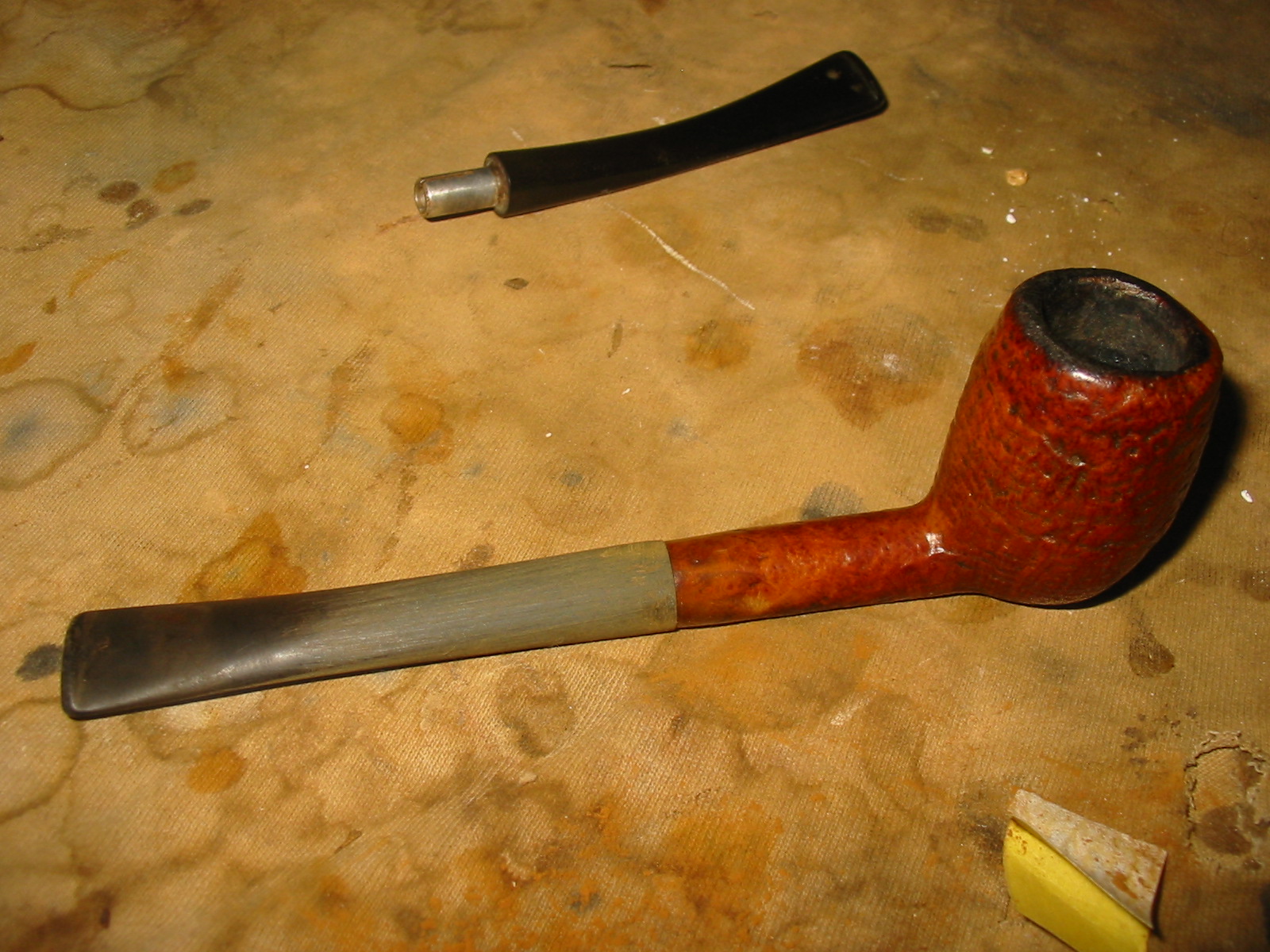
I then proceeded to the salt treatment. Typical treatment, fill the bowls with salt, not packing it but keeping it loose, then dropping the alcohol in. I sat the bowls in a dish with rice to keep them at the right angle and let them sit for 24 hours. I ended up doing 2 salt treatments when it was all said and done just to get more of the nastiness out of the chamber.
IMG_2464

IMG_2482

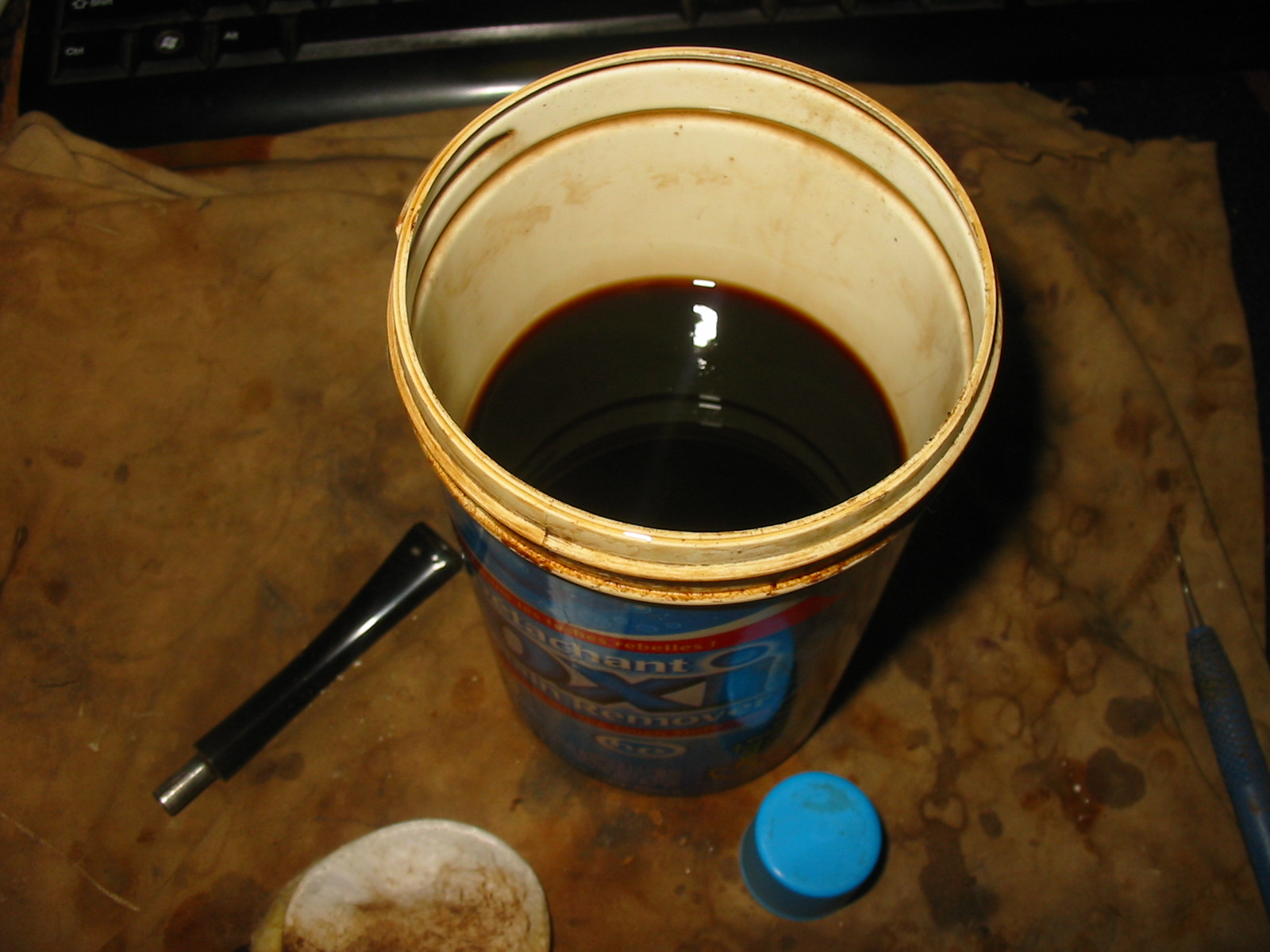
Next were the stems. Now when I say these stems had some oxidation I’m not kidding. These things were brown as a milk chocolate candy bar. I gathered a bowl, mixed in the oxy clean and proceeded to let the stems sit over night. The next morning I took them out of the dark beer colored water to discover that one stem was completely black now, one was a lighter shade of brown, and the last was half and half. I rinsed them off with water and rubbed them down with my handy cotton handkerchief (never leave home without it). I then started the second round of oxy clean concoction. I let these soak for about six hours and again the water changed colors but this time more of a light beer color. The black stem was still black, the dark brown was a lighter shade now, and the half and half was all black except for a small band of greenish brown at the base.

I took them out, repeated the steps as before and proceeded with the third round. I let them soak overnight this time and when I awoke, the water was almost as clear as when I began. The stems looked pretty much like they did after the second round of oxy so I proceeded to the next step, buffing. This is the part where I had to scratch my head a bit and figure out what exactly I was going to use to buff these stems with. I rummaged through my toolbox pulling out every kind of polishing compound and wax I could find.
IMG_2484

Most everything I read is that white diamond polishing compound is the best but I didn’t have any and I wasn’t willing to order some and wait. Maybe next time. So I laid out all that I had. Dremel tool red polishing compound, the little yellow bar that comes with my Flexcut carving knives, and Tripoli. Wait Tripoli where the heck did I get Tripoli….oh yea it came with my waxes from Pimo. As far as waxes I had bees-wax and carnauba wax. I decided on Tripoli and carnauba wax.

I first started with the Tripoli. This stuff took all the brown and green off and put quite the shine on them. It took some time, going very slowly, trying to get into all the nooks and crannies but worked very well. Then it was on to the carnauba wax. Now this is where the real shine came on. I started with just the stems then attached the pipes and buffed the pipe in its entirety. The last step was just to give them a wipe down with the polishing cloth (which came from my high school days as a trumpet player) and that was it.
IMG_2492

IMG_2491

I was absolutely blown away with the outcome. These pipes are once again beautiful. I will give them many years of care and I know they will return the favor. If I could leave you with one thing to remember from this it would be that just because something looks run down and used up it might not be. With a little love, some patience, and whole lot of elbow grease you can bring it back to life, have fun doing it, and learn a whole slew of lessons in the process. If you have any questions I would love to help in any way that I can and I know Steve feels the same way. Take care and have a great day.
IMG_2493

Cody Huey
http://www.codyhuey.com
codyjhuey@gmail.com

Topping and Refinishing an Evident Super Billiard


This is yet another of the pipes from the lot of Vancouver Pipe Club pipes that I have been working on. This is not a brand that I have ever heard of and I cannot find any information on the web regarding it. If anyone reading this has any information on the brand please leave a comment and give us a few clues. The pipe is stamped on the left side of the shank Evident in script over Super in block print. On the right side of the shank it is stamped Old Briar. On the underside of the shank next to the stem it is stamped 760. The finish was covered with the standard varnish and the bowl coated with the black rubberized bowl coating. The rim was in very rough shape – the inner bevel was in good shape with minor nicks to it but the outer edge of the bowl had been hammered all around the top. There was also spillage from the bowl coating on the side of the bowl on the back and right side. The stem was clean other than some very minimal tooth chatter near the button. It seems to have a light stamp on the left side – the letters J.T.
IMG_4146

IMG_4147

IMG_4148

IMG_4149

I took some close up photos of the rim and edges of the bowl before and during the time I was topping it to give a clear picture of the damage that had been done to this pipe. The first photo below is a close up of the rim. It was an absolute mess and the edges of the bowl was hammered and broken.
IMG_4150

I set up my topping board and sandpaper and began the process of topping the bowl. I took some photos after I first started to show clearly the edge damage.
IMG_4153

IMG_4154

IMG_4155

IMG_4156

I topped the bowl until the majority of the rim damage was gone. I then used a folded piece of sandpaper to re-bevel the inner edge of the rim. I used a sanding block to smooth out the rough edges that remained after topping the bowl. I decided that if I were to top the bowl to totally remove all of the damage it would change the profile too dramatically so I took the majority of the damage down and then lightly rounded the outer edge of the bowl with the sanding block.
IMG_4157

I wiped the bowl down with acetone on cotton pads to remove the varnish, bowl coating spillage and old stain. I reamed the pipe with the PipNet reamer to remove the black bowl coating and cleaned up the inside of the bowl with some Everclear.
IMG_4158

IMG_4159

IMG_4160

IMG_4161

As mentioned before I have been using a MinWax Medium Walnut stain as it is quick and easy to use on these pipes that I am working through for the club. It does a great job, the colour matches the old original stain quite well and it is a simple application – rub on and off. Each successive coat adds depth and richness to the final colour.
IMG_4162

IMG_4163

IMG_4164

IMG_4165

I sanded the tooth chatter on the stem to remove it and sanded it with micromesh sanding pads to polish the stem. I took the pipe to the buffer and buffed the bowl and stem with red Tripoli and then White Diamond. Once I had finished I rubbed the stem down with Obsidian Oil and rubbed it into the vulcanite. I buffed the stem and bowl one last time with White Diamond and then gave it multiple coats of carnauba wax. I finished with a soft flannel buff on the wheel. The finished pipe is shown in the photos below. It is ready to join the other finished pipes in the box of pipes for the Pipe Club. I look forward to seeing what they do with the lot.
IMG_4167

IMG_4169

IMG_4170

IMG_4171

Reworking a Poorly Done Topping Job on a Bulldog of Unknown Make


This poor old bulldog came in the pipes that were donated to the Vancouver Pipe Club and I decided to work on it and see if I could repair some of the damage that had been done when someone tried to top it in the past. The rim looked as if whoever topped it tried to do it by hand and not on a flat board. Because of that the surface of the rim was wavy with high and low spots and the outer edge was lower than the inner edge in several places. The top was also at a slight angle as the sanding had not been done on a flat surface.

The first two photos below show the damage to the rim from the side profile. Note the wavy surface of the rim. The third photo shows some damage on the underside of the stem next to the button and the fourth photo shows the rim from the top view. In that photo the bowl appears to be seriously out of round and the front edge seems thinner than the rest of the bowl. This is a bit of an illusion due to the poorly executed sanding on the rim. The way the bowl had been sanded left the front of the bowl lower than the back of the bowl thus creating the appearance of a thin wall. The stamping on it had been buffed out on the left side of the shank and on the right side I could still see very faintly London England over 403S. I am uncertain of the maker. I checked the Comoy’s shape number chart, the GBD and the Orlik shape number charts and there is no such number. Perhaps other may have some idea of the maker.
IMG_3999

IMG_4000

IMG_4001

IMG_4002

I took a two close up photos of the top of the rim to show the damage more clearly. There was also significant burn damage to the front inner edge of the rim. Fortunately this damage was only surface and a retopping would take care of most of it.
IMG_4004

IMG_4005

I also took a close up photo of the end of the stem next to the button to show the tooth marks on the underside next to the button.
IMG_4006

I set up my topping board and sandpaper to work on the rim and repair the damage. It took care to keep the high point of the bowl flat against the surface of the paper and sand until the rim flattened out. This took more time than usual as I had to continually check to see if the rounded spots, low dips and angle sanding of the rim surface were being removed. I also wanted to remove the burn damage as much as possible. The next five photos show the process and the results of the sanding. The profile views show the repair of the outer edge to a flat straight surface with a sharp edge. The top view shows the more even distribution of the thickness of the wall and the removed burned area on the front of the bowl.
IMG_4008

IMG_4010

IMG_4011

IMG_4014

I wiped the bowl down with acetone on cotton pads to remove the varnish and the remaining finish on the bowl so that it would be easier to match the colour of the bowl and the newly topped rim.
IMG_4015

IMG_4016

IMG_4017

IMG_4018

I sanded the rim with a fine grit sandpaper and wet sanded with a 1500 grit micromesh sanding pad to remove scratches and prepare the rim for staining. I stained the bowl and rim with MinWax Medium Walnut Stain and rubbed it on to the pipe and rubbed it off until I had achieved the colour and coverage that I wanted.
IMG_4019

IMG_4020

IMG_4021

IMG_4022

I sanded the damaged areas on the topside and the underside of the stem near the button to remove the tooth marks. I started with 220 grit sandpaper and then a medium grit sanding sponge to repair the tooth damage.
IMG_4023

IMG_4024

The mark on the underside was deep and once I had sanded and cleaned it I put a drop of super glue on it to build up the divot. Once it was dry I sanded it again with 220 grit sandpaper and the sanding sponge to blend it into the surface of the stem.
IMG_4027

IMG_4029

IMG_4030

I used my usual array of micromesh sanding pads to polish the stem repair – wet sanding with 1500-2400 grit sanding pads and then dry sanding with 3200-12,000 grit pads. I buffed the stem with red Tripoli and White Diamond and then rubbed it down with Obsidian Oil. When it was dry I rubbed the stem down and reinserted it in the pipe.
IMG_4031

IMG_4033

IMG_4036

I buffed the pipe and stem with White Diamond and then gave it multiple coats of carnauba wax. I finished the buffing with a clean flannel buff to give it a shine. The finished pipe is pictured below. It is ready to go back to the Pipe Club and will make someone a nice pipe.
IMG_4038

IMG_4039

IMG_4040

IMG_4041

Comoy’s St. James Shape 62 Restored


This oddly shaped Comoy’s came to me in a lot that was donated years ago to the Vancouver Pipe Club. It has been sitting for a long time needing a bit of care to bring it back to life before going to the Club to be sold or given away. It is stamped on the top of the shank, St. James in an arc over London Made in a straight line. On the underside of the shank it is stamped Made in England by Comoy’s followed by 62. The finish was rough on this one; the top of the rim had been beaten against something hard and had damaged the outer edge to the point that it was no longer sharp. The inner edge of the rim was not too bad but the bowl had been coated with a black rubbery bowl coating that was grim. There was one rather large fill on the right side of the bowl near the shank/bowl junction. The stem had some oxidation next to the button and some small tooth chatter there as well. The stem also had one silver bar inset in the vulcanite on the left side. It is not a logo that I have come to associate with Comoy’s but rather with Savinelli. I am not certain the stem is original. Perhaps someone here can shed some light on the stem logo and this particular line of Made in England by Comoy’s Pipes.
IMG_3960

IMG_3961

IMG_3962

I decided to top the bowl and try to repair the outer rim damage. It was truly a mess. In the next photos you will see the set up for topping and also several photos of the bowl rim as I began to sand it out. The sanding dust stuck to the bowl coating.
IMG_3963

IMG_3964

IMG_3966

IMG_3967

IMG_3969

IMG_3971

IMG_3972

When I finally got the topping done to the point where the rim was more smooth and crisp I also sanded the outer edge to minimize some of the deeper chips and rough areas that I left because I did not want to top too much of the bowl. I then cleaned out the bowl and the shank and wiped the bowl down with acetone on cotton pads to remove the varnish coat that had been put on the bowl. I reamed out the bowl coating with a PipNet reamer as I wanted to remove the sticky black substance and wanted to see what the walls of the bowl looked like underneath the ooze.
IMG_3973

IMG_3974

IMG_3976

IMG_3977

I sanded the bowl and rim with a medium grit sanding sponge and then with a 1500 grit micromesh sanding pad to remove the scratching that was present under the finish and that left behind by the sanding sponge. I wiped it down a final time with acetone on a cotton pad to clean and prepare it for restaining.
IMG_3978

IMG_3981

IMG_3982

IMG_3983

I used a black permanent marker to bring grain lines into the fill area and minimize the way it stood out. In the second photo you can see the effect of the marker and stain on the fill near the bowl/shank junction. Previously it had stood out and now it was muted. I restained the bowl with MinWax Medium Walnut stain. I rubbed it on with a cotton pad and wiped it off with a cloth and repeated the process until the stain had given the bowl a good coverage. I sanded the oxidation and tooth marks near the button on the top and the bottom of the stem with the medium grit sanding sponge.
IMG_3985

IMG_3986

IMG_3987

IMG_3988

I took the next photo to show the improvement to the damaged rim and the clean edges that were now present. The stain did a great job in bringing out the grain on the rim. It follows the pattern of the grain on the shank.
IMG_3989

I buffed the stem with red Tripoli and then sanded it with my usual array of micromesh sanding pads – wet sanding with 1200-2400 grit pads and dry sanding with 3200-12,000 grit pads. I buffed the stem with White Diamond and rubbed in a coating of Obsidian Oil to protect against further oxidation.
IMG_3990

IMG_3991

IMG_3992

I buffed the pipe with White Diamond and then gave it multiple coats of carnauba wax. I finished by buffing it with a soft flannel buff. The finished pipe is shown below. Soon it will go the Pipe Club for their benefit.
IMG_3993

IMG_3994

IMG_3997

IMG_3998

Refinishing and Reworking the Rim on a Comoy’s London Pride.


I looked up some information regarding this line of Comoy’s on the internet as I was not familiar with its placement in the ranks of Comoy’s lines. There I found that Comoy’s introduced the London Pride as the second grade to the Blue Riband around the same time to meet the American demand for a lighter finish. It was priced in 1943 at $25 and in 1965 at $25, then in 1979 at $95. It was described as having a natural amber coloring and tending to be Birdseye/Cross-Grained pattern pipes. At the time this pipe was made it was the next-to-top-of-the-line. The original stem had a three-piece “C” logo and this one did not have that. Judging from that fact, the shape of the tenon and the stem shape I am confident that it is a replacement stem. The stampings on the left side of the shank are “Comoy’s in block script over London Pride” and on the right side the stamping is worn. The shape number is near the bowl shank junction on the right and reads 292. The next four photos show the pipe as it was when I brought it to the work table.
Comoys1

Comoys2

Comoys3

Comoys4

The pipe was in fair condition. The stamping was faint, the finish had a thick coat of varnish over it and the rim was heavily damaged. The previous refurbishing had rounded the inner and outer rim removing the characteristic bevel on the inner rim and the sharp out edge. The stem was a replacement and the person who had replaced the stem sanded the shank down to fit the new stem. Fortunately they had not taken off too much of the briar. It was visible from the lines of the pipe and from the lightening of the area around the shank/stem junction. I have included the next photo to show the rim damage that needed to be addressed.
Comoys5

I topped the bowl on a flat board and sandpaper to remove the rounded inner and outer edges. I removed only enough to clean up and sharpen the outer edges and reduce the inner rounding to a slight bevel. I also sanded the inner edge with a folded piece of sandpaper to redo the bevel. I sanded the top and the bevel with a medium grit sanding sponge and also with a 1500 grit micromesh sanding pad to remove the scratches.
Comoys6

Comoys7

Comoys8

I wiped down the bowl with acetone on a cotton pad to remove the varnish coat and the remaining stain on the pipe. I find it easier to match the new rim colour if the bowl is also clean and the stain removed as much as possible.
Comoys9

Comoys10

Comoys11

I stained the bowl and rim with Minwax Medium Walnut stain which brought the colour as close as I could to the photos I found of the original colour of the London Pride line. I applied the stain and hand buffed the pipe.
Comoys12

Comoys13

Comoys14

Comoys15

I probably should have cleaned the inside earlier in the process but I did not bother until this point as it was quite clean. I scrubbed out the bowl with a cotton swab and Everclear as this bowl did not have the same black bowl coating as some of the others from this box of English pipes. The shank and the stem were not too dirty and it only took a few cotton swabs and pipe cleaners to bring it back to clean.
Comoys16

The stem was in great shape so I did not need to remove tooth marks or dents. It was also quite clean so I rubbed it down with some Obsidian Oil and then took the pipe to the buffer and buffed it with White Diamond. I gave the bowl and stem multiple coats of carnauba wax and buffed to a shine with a clean flannel buff. The finished pipe is shown in the photos below. It turned out to be a beautiful pipe – the combination of cross grain and birdseye matches the description I had found on the web regarding this line of Comoy’s pipes. It is ready to serve the next season of its life.
Comoys17

Comoys18

Comoys19

Comoys20

Reworking an Orlik De Luxe L23 Billiard


Blog by Steve Laug

This is the second pipe from box of English pipes that my daughters found when cleaning out our storage room under the front porch (interior room). It is stamped Orlik De Luxe over Made in England on the left side of the shank and L23 on the right side of the shank. It looked as if it had been refurbished by the same gent who did the Orlik Canadian I reworked. This one also had a varnish coat on the bowl that made it shiny. Underneath the varnish the finish was spotty. The outer and inner edge of the rim was damaged and there were deep grooves on the surface of the rim. The tarry buildup had not been totally removed before the finish coat of varnish was put in place. The inside of the bowl had been painted with a bowl coating that was black. The stem appears to be a replacement but it was better craftsmanship than the previous one. The stem itself was clean but had scratches. The interior of the pipe and stem were filthy.

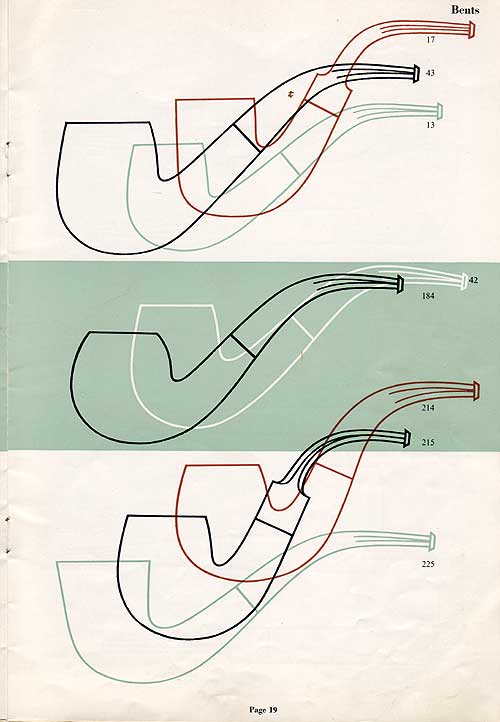
I have little experience with Orlik pipes so the numbering system was a mystery to me. I did a bit of research and found out that the shape numbers remain consistent throughout the various lines of Orlik pipes. The only difference is found in the letter that precedes the number. In the case of the two pipes that I have now worked on each had the letter “L” before the shape number. The letter signifies the line of pipes within the Orlik family that is in hand. The L stands for the Orlik De Luxe line. I have included the chart below that gives the various lines of Orlik pipes. I have also included the shape chart for Large Billiards that shows the L23. The one I have is similar to the one in the picture though I am certain that mine has a replacement stem as it has a different taper to the stem.
orl24

orl4

The first three photos below show what the pipe looked like when I brought it to the work table. The issues that I noted above are clearly visible from these photos. The stamping on the pipe is faint but readable on the left side. The number stamp on the right side is in better condition.
IMG_3901

IMG_3902

IMG_3903

In the photo above the tars that were left on the rim before the varnish are visible by my thumb and also my forefinger. The bowl would need to be topped. I have included the next two close-up photos of the rim to show the condition it was in when I started the rework of this pipe and to explain why I was going to top the bowl. The inner edge of the rim had significant damage and showed signs of being hit against something to empty the bowl. The outer edge had similar damage and was badly pitted on the back and the front of the bowl.
IMG_3907

IMG_3908

I set up the sandpaper on the flat board that I use for topping and topped the bowl until the rim and the edges were once again sharp and clean. I did not have to remove very much of the briar but what I removed took off the damaged outer edges of the rim and reduced the appearance of damage to the inner edge. I sanded around the inner edge with a folded piece of sandpaper to smooth out the inside. The newly topped bowl is visible in the second photo below.
IMG_3910

IMG_3911

I used a lot of pipe cleaners and cotton swabs to remove the black tars and oils that had not been cleaned out for quite a while. This is only the second pipe that I have cleaned up that came from this chap and I have to say I am not impressed at this point. These were sold in a shop as estates that had been refurbished and were ready to smoke. I wiped down the bowl with acetone on cotton pads to remove the varnish coat before I restained the bowl. I used a black permanent marker to carry the grain lines through the two fills on the left side of the bowl. The briar was actually quite nice under the varnish coat.
IMG_3912

IMG_3913

IMG_3914

IMG_3915

I wiped the bowl down a final time with acetone and then gave it a coat of MinWax Medium Walnut stain. I rubbed it into the bowl and then wiped it off with a soft cotton towel. It really brought the grain to life on this old pipe.
IMG_3916

IMG_3917

IMG_3918

IMG_3919

The stem had scratches from the sandpaper that had been used on it previously and a slight bit of tooth chatter near the button that had been buffed over. I sanded it with a medium grit sanding sponge and then with the usual array of micromesh sanding pads – wet sanding with the 1500-2400 grit pads and dry sanding with 3200-12,000 grit pads. I took the pipe and stem to the buffer and buffed the entirety with White Diamond, being careful around the faint stamping on the left side of the shank. I rubbed the stem down with Obsidian Oil and hand buffed it when it was dry.
IMG_3920

IMG_3921

IMG_3922

I buffed the finished pipe with White Diamond and then gave it multiple coats of carnauba wax. I finished buffing with a clean flannel buff to give the pipe a shine. The photos below show the reworked pipe, cleaned and ready for its inaugural bowl.
IMG_3923

IMG_3924

IMG_3925

IMG_3926