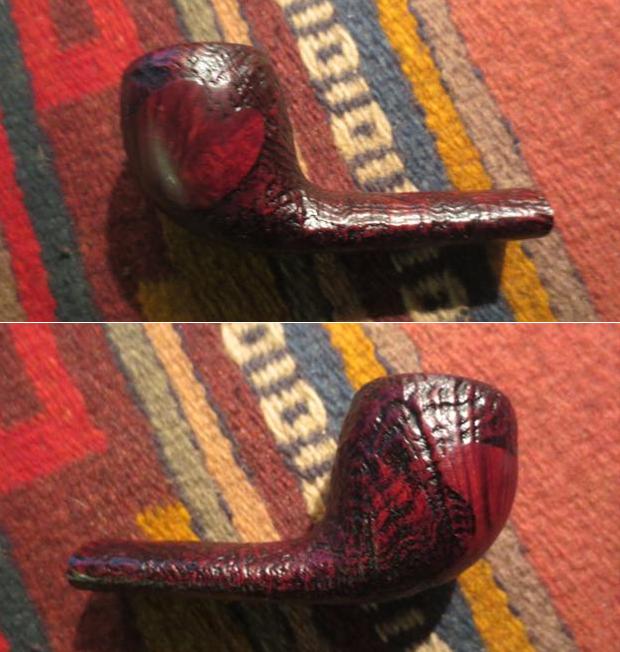
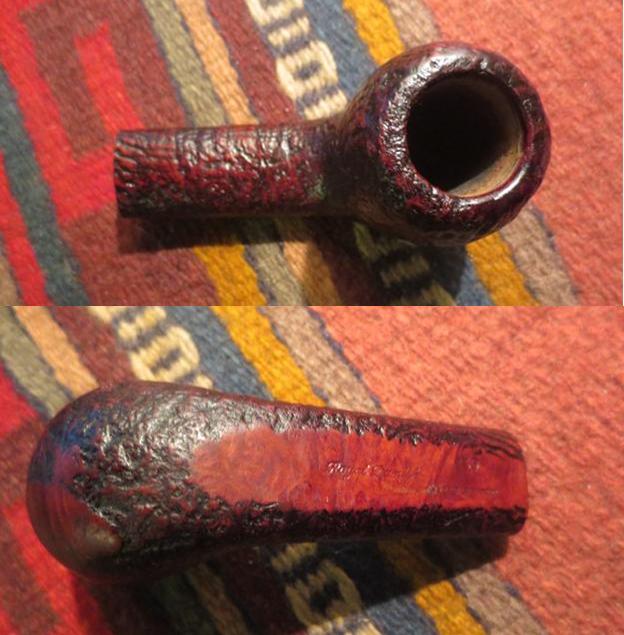
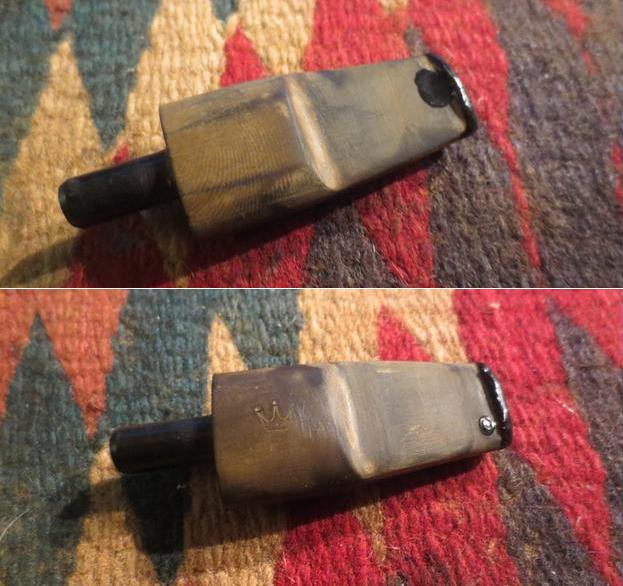
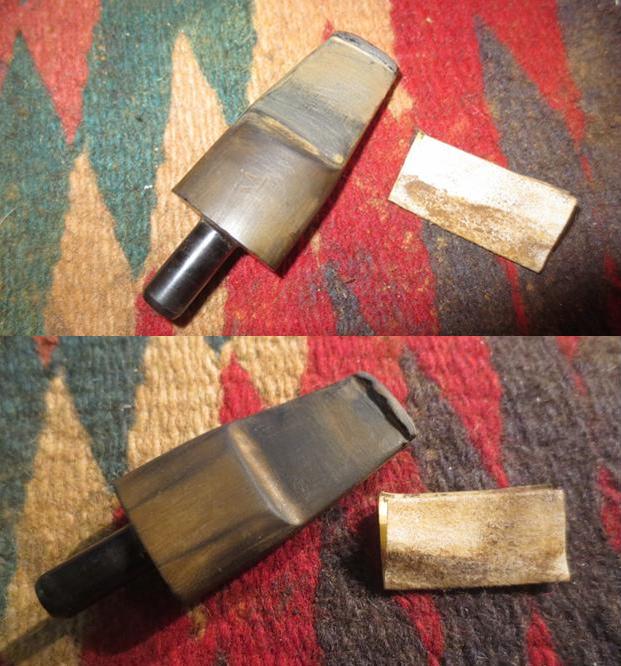
Tag Archives: Oxidation

I love Savinelli Tortuga Pipes & the Tortoise Shell Lucite Stem


Blog by Steve Laug

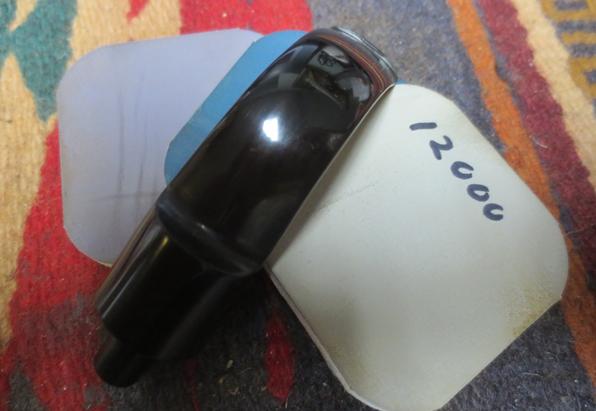
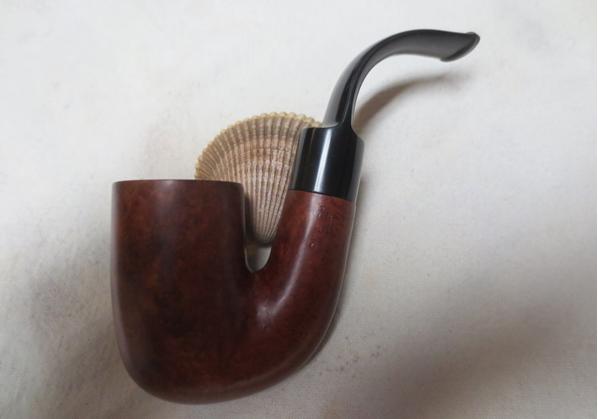
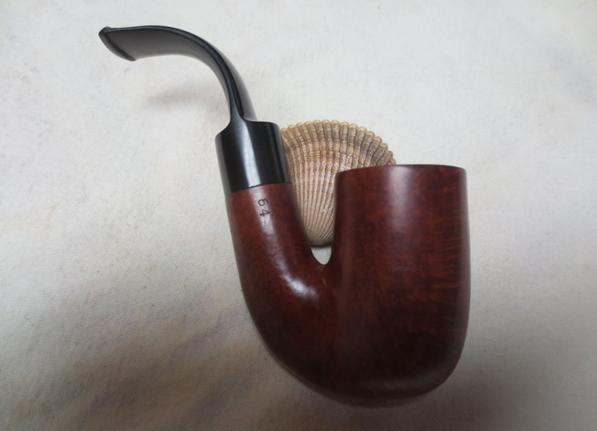
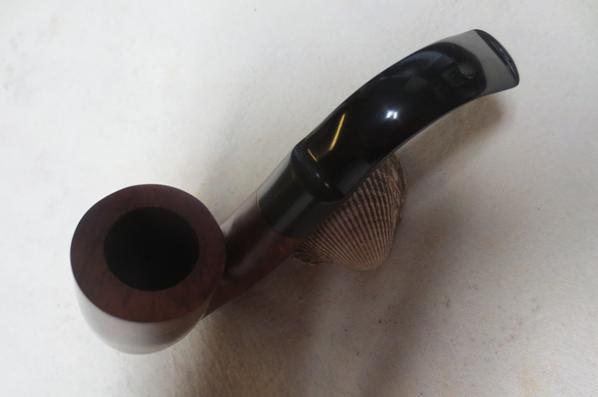
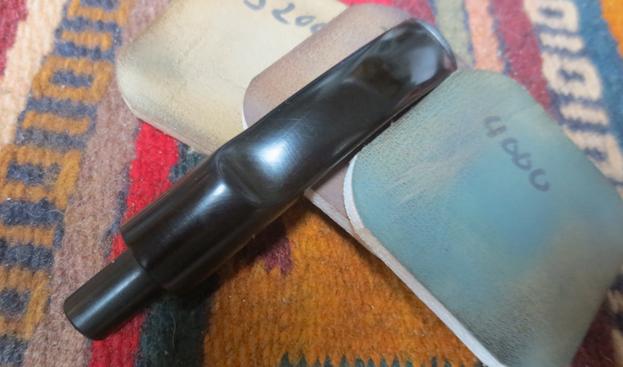
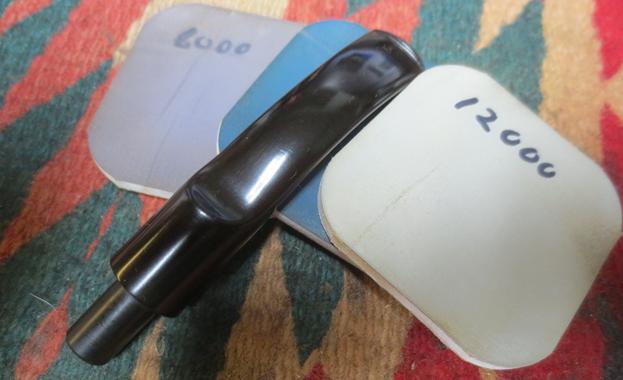
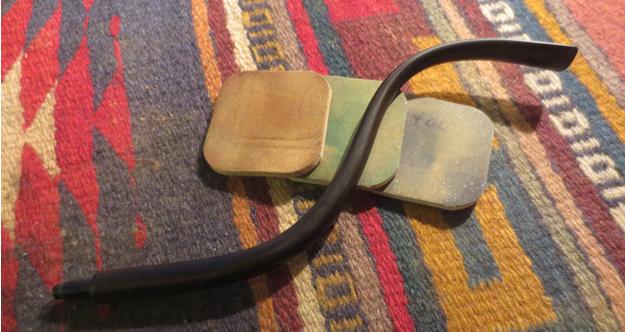
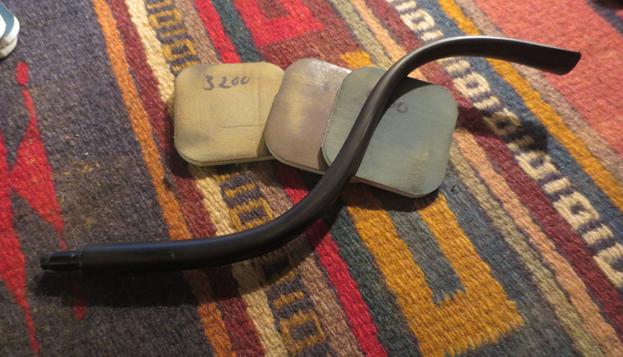
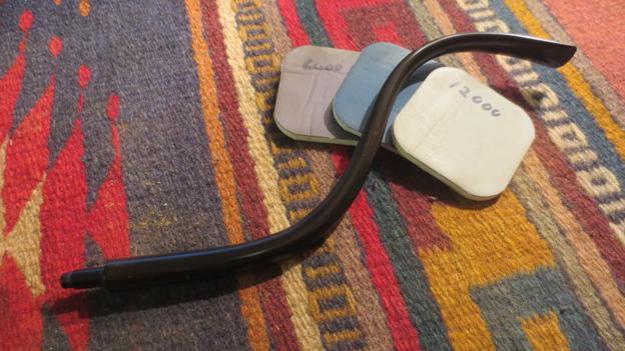
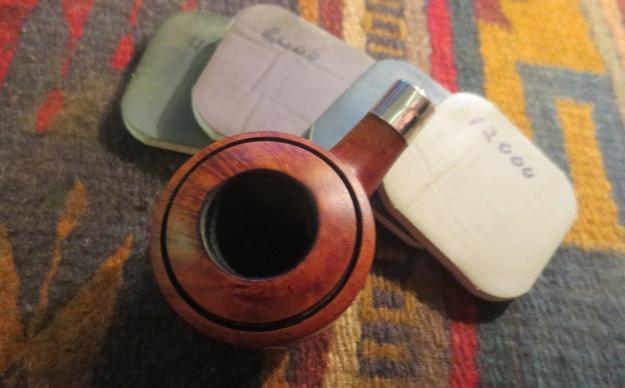
The Savinelli Tortuga line is an interesting looking line of pipes. It comes with a tortoise shell Lucite stem that has an amber looking stem. The mottled browns, golds and yellows of the stem shimmer in the light when they are polished. The pipes are aptly named for the look of an animal they convey. Tortuga is the Spanish or Catalan word for Tortoise and it shows in the design of these striking pipes. The pipe that I am working on at the moment is one of those beauties. It is stamped Savinelli over Tortuga on the left side of the shank and on the right it is stamped with a Savinelli Shield followed by the shape number 114KS over Italy. In the photos from the eBay seller the pipe appeared to be in decent shape. The finish was darkened with grime and the rim had some darkening and tars on the top but the inner and outer edges of the bowl appeared to be in great shape. There was a light cake in the bowl. The stem looked good as well (what could be seen in the photos as they were cut off at the button). There appeared to be a stamp of some sort on top of the stem. I assumed that it was the standard Savinelli S shield. From the pictures it appeared that the tenon was white. Over all, the pipe looked to be in decent shape and since the pipes are now discontinued they are no longer available.tort1Each briar of this series sported not only a tortoiseshell-patterned stem, but also a domed, shell-like cap with a foam-rubber stopper. The purpose of the stopper was to preserve an unfinished smoke which one wishes to pick up again to finish later The domed lid on this bowl had long since disappeared with this pipe. In fact I have never seen one over the many I have cleaned up that came with the matching lid. I found a picture on the web that showed the pipe with a lid on the bowl.tort2My brother cleaned up the externals and did a light cleaning on the internals of the pipe. He was able to remove the grime in the finish and broke through the light varnish coat on the bowl. When it arrived in Vancouver it was in decent shape. The finish appeared a bit mottled from the cleaning but the rim was very clean. The bowl had been reamed and cleaned. The stem looked good but had some light tooth chatter at the button on the top and underside. The Savinelli logo of the S within the shield was stamped on the top of the saddle stem in gold. It was in great shape. When I removed the stem I saw that it was set up the Savinelli unique 6mm filter system. In the shank/stem a bore of 6mm was drilled to hold a triangular piece of balsa wood. This lightweight piece of wood is extremely porous and absorbs tar and nicotine from the smoke. The tenon was white Delrin. The tenon was stained, but otherwise clean.tort3 tort4I took some close up photos of the rim and the stem to show the condition. This pipe was in excellent shape other than wear and tear to the finish. The stem shows the light tooth chatter in the photos below.tort5I started my work by removing the rest of the varnish coat and the spotty top finish on the bowl. I wiped it down with acetone on cotton pads and was able to smooth out the finish. The nice oxblood stain looked more even once the pipe had been wiped down. Once it was polished the finish would look great.tort6 tort7After I wiped it down I took some photos of the stamping on the shank. You can see the name on the left side of the shank. It is very clearly stamped and there are no issues with the stamping there. On the right side the stamp is very readable however, the Italy stamping is faint at the beginning of the word and the middle of the shape number is lighter than the rest of the stamping.tort8Because of the wide diameter of the mortise I used a dental spatula to scrape out the hardened tars in that area. I cleaned the mortise and the airway in the shank and stem with alcohol, cotton swabs and pipe cleaners. I cleaned out the 6mm tenon with cotton swabs and alcohol and scrubbed the stained area on the end.tort9The tooth chatter was not deep so I decided to work on it with the micromesh sanding pads. I wet sanded it with 1500-2400 grit pads and was able to remove the chatter. I polished it with 3200-12000 grit pads to get the shine back on the stem.tort10 tort11 tort12I rubbed the bowl down with a light coat of olive oil and let it dry. I buffed the pipe with Blue Diamond on the buffing wheel and worked on some of the remaining scratches on the stem edges. I was able to polish those out. I buffed the bowl and worked on the rim edges and top to smooth out any marks that remained in those spots. There were a few small nicks in the bowl and most of them disappeared in the buffing. I gave the pipe multiple coats of carnauba wax and buffed it with a clean buffing pad to raise the shine. It is important to take this step in the buffing process as it really adds to the shine of the pipe. I finished by hand buffing it with a microfibre cloth. The finished pipe is shown in the photos below. This one will also end up on the rebornpipes store when I get a chance. I will include a 6mm balsa wood filter for it. It is a beautiful pipe that would make a nice addition to any pipe man’s rack. If you are interested contact me via email at slaug@uniserve.com or through messenger on Facebook. Thanks for looking.tort13 tort14 tort15 tort16 tort17 tort18 tort19 tort20


 An easy restore on a smooth Jobey Extra Underslung Pipe


Blog by Steve Laug

I think that the shape of this one is what caught my brother’s eye when he saw this Jobey. He has introduced me to some neat looking Jobey’s that have great grain, shape and stem work. The Jobey Link tenon system is a breeze to replace and repair as it screws into the shank and is pressure fit into the stem. This one has some great grain on it all the way around – birdseye on the sides and cross grain on the front, back and the top and bottom of the shank. It was in decent shape with just a few dings in the left side of the bowl. The rim was lightly tarred and the cake in the bowl was not very thick. The finish was faded in spots. The stem was in great shape other than the usual tooth chatter on the top and underside near the button. There were no deep tooth marks. The link system was undamaged.  extra1 extra2The next two close up photos show the stamping and the condition of the rim. The stamping is simply Jobey in script over Extra. The E on Extra is faint. The Jobey medallion on the stem is in great shape. The inner edge of the rim shows some buildup of tars and oils.extra3As usual my brother cleaned up the pipe before sending it to me. I am getting spoiled as he is doing a lot of the hard clean up. He reamed the bowl with the PipNet reamer and scrubbed the exterior with Murphy’s Oil Soap and a soft tooth brush. He rinsed of the soap with running water. He cleaned out the airway in the stem and the shank and the mortise with cotton swabs, pipe cleaners and alcohol. When it arrived in Vancouver I took the following photos.extra4 extra5The next photo shows the bowl and the rim after he had cleaned it up. It was in excellent shape.extra6The next two photos show the tooth chatter on the stem and a light oxidation that was over the surface of the stem.extra7I tried to steam the dents out of the side of the bowl with a damp cloth and a hot knife and was able to lift quite a few. There were three of them with rough edges that I lifted some but was not able to smooth them out with steam. I used some drops of clear super glue to fill in the spots on the bowl side. Once the glue dried I sanded it with 220 grit sandpaper and then with 1500-4000 grit micromesh sanding pads.extra8I restained the areas on the bowl that had lightened from sanding with a combination of light, medium and dark stain pens and a little bit of black Sharpie pen. I gave the entire bowl several coats of dark brown aniline stain mixed 50/50 with isopropyl alcohol. I flamed it and repeated the process until I had an even coverage. I set the bowl aside to dry. I was sure that I would need to do some more touch ups to blend the stain well but I wanted the stain to set.extra9 extra11 extra12I sanded the tooth chatter off the stem with 220 grit sandpaper and was able to smooth out all of the tooth marks.extra10I polished the stem with micromesh sanding pads – wet sanding with 1500-2400 grit pads and dry sanding with 3200-12000 grit pads. I rubbed the stem down with Obsidian Oil after each set of three pads. After the final rub down I let the stem dry.extra13 extra14 extra15I buffed the pipe with Blue Diamond after the stain had cured and gave it multiple coats of carnauba wax. I buffed it with a clean buffing pad to raise the shine and then by hand with a microfiber cloth to deepen the shine. The pipe is really a beauty and the stain and shine make the grain stand out. This one will also be going on the store so if you are interested in adding it to your collection let me know via email, message or a comment on the blog. Thanks for looking.extra16 extra17 extra18 extra19 extra20 extra21 extra22 extra23

A Bleak Looking Royal Danish with an indistinguishable shape number


Blog by Steve Laug

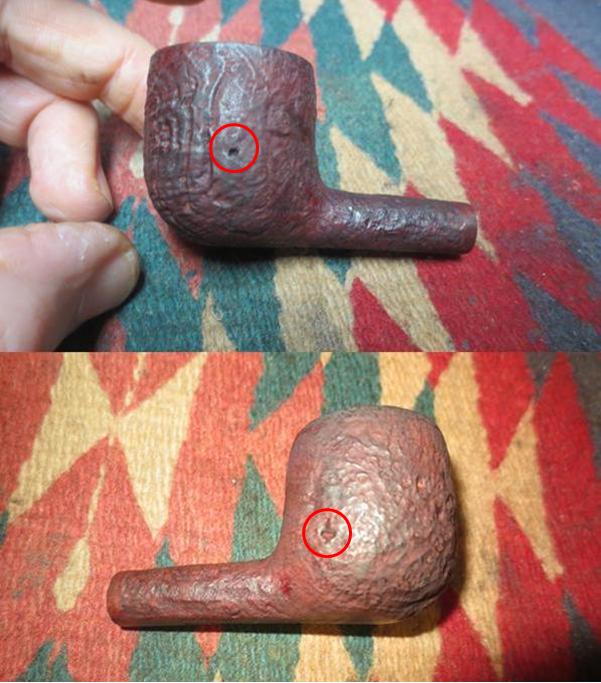
My brother Jeff found this old pipe either on eBay or in his travels and picked it up. He sent me photos of the pipe when he received it. It looked pretty bleak to me but there was some promise in the interesting shape of the pipe and the grain that was visible in the photos. There were also some dark spots on the sides of the bowl that I wondered about as I looked at the photos. The finish was very dirty and underneath the grime it was gone. There were some burn marks around the top of the bowl. The bowl was lightly caked but very dirty. The stem was lightly pitted and oxidized but there were no tooth marks or chatter on the stem.dan1 dan2My brother cleaned the pipe really well and the grime and remnants of the finish were all gone by the time I received the pipe. I took some photos of the pipe before I started to work on it. The dark spots on the sides of the bowl are visible in the photos below. The damage to the rim is also visible. There are some nicks in the top of the bowl and some burned areas that will need to be addressed. He cleaned out the airway in the shank and the stem as well as the mortise area. I noticed however that there was a slight ledge in the mortise that was hard and made me wonder what was happening there.dan3 dan4I took a close up photo of the bowl to show the extent of the damage to the inner edge of the rim and the rim top. The bowl was quite out of round and the burn marks though not deep were prevalent in the briar. I took some close up photos of the stem as well to show the condition they were in when I started the clean up.dan5I topped the bowl on the topping board with 220 grit sandpaper until all of the damage was removed.dan6I sanded the inside of the bowl and the inner edge of the rim with a tube of sandpaper until the edge was smooth and round.dan7I sanded the top of the rim with micromesh sanding pads – wet sanding with 1500-2400 grit pads and dry sanding with 3200-12000 grit pads. The rim took on a shine.dan10I wiped the bowl down with acetone on a cotton pad to remove the remaining debris and worked on the dark areas. The dark areas turned out to be fills and the darkening occurred around the edges of the fills.dan8 dan9I warmed the briar and then stained it with a dark brown aniline stain mixed 50/50 with isopropyl alcohol. I flamed the stain to set it in the briar and then repeated the process until the coverage on the bowl was good.dan11I hand buffed the bowl with a microfiber cloth to see what the coverage looked like particularly over the filled areas. The photos below show the pipe at this point in the process. The putty spots are visible in the first two photos. I have circled them in red to make them clear. Both fills were solid and tight but had a red overtone that stood out.dan12The top of the rim came out looking really good. The burned spots and damage to the rim top and inner edge have been minimized.dan13I recleaned the interior of the shank using the dental spatula to scrape away the hardened tars and oils. I scrubbed it with pipe cleaners, cotton swabs and alcohol until it was clean. I cleaned up the airway in the stem with bristle cleaners and was able to remove the last of the tars.dan14The stem fit against the shank with a slight gap on the right side. I heated the tenon with a Bic lighter and while it was still soft held it straight in the shank until it cooled.dan15On the underside of the shank next to the stem there was a chipped area where the briar was missing from the shank. I cleaned out that area and filled it in with clear super glue and briar dust. Once it dried I sanded it smooth with 220 grit sandpaper and then polished it with 1500-4000 grit micromesh sanding pads. I used a dark brown stain pen to touch up the sanded area.dan16I sanded the stem with 220 grit sandpaper to smooth out the pits and roughness. I polished it with micromesh sanding pads. I wet sanded it with 1500-2400 grit pads and dry sanded it with 3200-12000 grit pads. I rubbed the stem down with Obsidian Oil between each set of three pads. After the final rubdown I let the stem dry.dan17 dan17a dan18I used a black Sharpie Pen to draw “grain” lines through the fills and used the dark brown stain pen to blend the pen lines into the body of the pipe. I buffed the pipe and stem with Blue Diamond polish on the buffing wheel to finish cleaning up the small remnants of oxidation. I gave it several coats of carnauba wax and buffed it with a clean buffing pad. I hand buffed it with a microfibre cloth. The finished pipe is shown in the photos below. Thanks for looking.dan19 dan20 dan21 dan22 dan23 dan24 dan25 dan26


This BBB Tiger Grain Bulldog was in rough shape


Blog by Steve Laug

I have always liked older BBB pipes. I used to buy them on eBay when no one was hunting for them for almost nothing. The prices they are today they are generally untouchable for me. Once in a while though one slips under the radar. This Tiger Grain with a Lucite stem was one my brother caught in his ongoing prowl of eBay. He got it for a decent price. It is either a newer BBB or it has a replacement stem on it. My thinking tends toward the previous – a newer pipe from when Cadogan took over the line. The pipe is stamped on the left side of the shank with BBB in a Diamond and underneath it reads Tiger Grain. The right side of the shank reads London England and the number 4. The next two photos show the condition of the pipe when it arrived in Idaho. The bowl finish on the bowl was dirty and there were rough spots. The rim had burn marks on the outer and inner edges on the front side. The beveled rim was thickly caked with the overflow from the cake in the bowl. The Lucite stem had tooth marks and was covered with sticky debris. The airway in the stem was darkened with tars and oils. The mix of bright yellows, white and greys looked good underneath the grime. The dark black/brown airway stood out like a sore. With the exterior that dirty I could only guess that the inside was also very dirty.bbb1My brother once again did the major clean up on this pipe. He reamed the bowl with a PipNet reamer and took the cake back to bare briar. He scrubbed the exterior with Murphy’s Oil Soap to remove all of the grime and grit. He was able to scrub away much of the rim build up and the surface of the stem. He scrubbed the internals with pipe cleaners and cotton swabs. When the pipe arrived in Vancouver it was pretty clean. I took the following photos of the pipe before I began to work on it.bbb2 bbb3I took a close up photo of the rim to show the small amount of cake on the rim and the burn marks on the front of the pipe on both the inner and outer edge of the rim. I circled the burned spot with a red circle in the photo below.bbb4There was a red tone to the briar. I rubbed it down with a light coat of olive oil and brought out the red. I wanted to see what the bowl and rim looked like when it had been oiled.bbb5I sanded the rim and bevel with a folded piece of 220 grit sandpaper to remove the remaining cake and clean up the bevel on the rim. When I finished the rim was clean but it still showed the burn marks and the inner bevel on the rim was also darkened.bbb6I decided to top the bowl on the topping board to remove the damaged rim top and the burn marks. I sanded it until the rim top was smooth and the outer edge was clean.bbb7I polished the topped bowl with micromesh sanding pads – wet sanding with 1500-2400 grit pads and dry sanding with 3200-12000 grit pads. When I finished the rim was smooth and polished.bbb8I worked on the mortise and shank with pipe cleaners, cotton swabs and alcohol. I used a dental spatula to scrape out the mortise. Once I was finished cleaning it the shank and airway was clean. I also scrubbed out the airway in the stem with pipe cleaners and alcohol. I used bristle pipe cleaners- both thin and thicker to scrub out the tars and dark stains.bbb9 bbb10I sanded out the tooth marks on the top and underside of the stem to remove them and blend them into the surface of the Lucite.bbb11aI polished the stem with micromesh sanding pads – wet sanding it with 1500-2400 grit pads and dry sanding it with 3200-12000 grit pads. I wiped it down with a damp cloth between each grit of micromesh pads.bbb12 bbb13 bbb14I buffed the pipe and stem with Blue Diamond on the buffing wheel to polish the pipe. I carefully avoided the stamping. I gave the bowl and stem several coats of carnauba wax and buffed it with a clean buffing pad. I hand buffed it with a microfibre cloth to deepen the shine. The finished pipe is shown in the photo below. It is a nice looking pipe. The bowl and rings are in perfect shape. The new rim top looks like it has always been there. Thanks for looking.bbb15 bbb16 bbb17 bbb18 bbb19 bbb20 bbb21 bbb22

A unique old WDC Turin Rustic Volcano


Blog by Steve Laug

When I saw this one on eBay I sent a message to my brother and asked him to bid on it. He did and we got it. I love the rustication on the Turin Rustic series. It is rough and yet dignified at the same time. The seller billed it as restored/refurbished and clean. By and large that was true. The shank and the inside of the stem were very clean. The rim had been knocked about a bit and the inner edge of the rim was rough and uneven. The bowl had been reamed. The stem was polished though there were deep tooth marks on the top and underside of the stem next to the button.demuth1 demuth2My brother took the above photos and the following ones before he cleaned the pipe. You can see the damage to the rim top and the inner edge in the next photo. The second photo shows the stamping on the left side of the shank.demuth3Though I knew a bit about the WDC pipe maker and the William Demuth Company I thought it might be good to review the history before I started restoring the pipe. I googled the Turin Rustic to see what I could find. It immediately referred me to a post on the Kaywoodie Forum that in turn was an excerpt from pipedia.org. Here is the link.

http://kaywoodie.myfreeforum.org/archive/w.d.c.-master-list__o_t__t_191.html

William Demuth, a native of Germany, entered the United States at the age of 16 as a penniless immigrant. After a series of odd jobs he found work as a clerk in the import business of a tobacco tradesman in New York City. In 1862 William established his own company. The William Demuth Company specialized in pipes, smoker’s requisites, cigar-store figures, canes and other carved objects.

The Demuth Company is probably well known for the famous trademark, WDC in an inverted equilateral triangle. William commissioned the figurative meerschaum Presidential series, 29 precision-carved likenesses of John Adams, the second president of the United States (1797-1801) to Herbert Hoover, the 30th president (1929-1933), and “Columbus Landing in America,” a 32-inch-long centennial meerschaum masterpiece that took two years to complete and was exhibited at the World’s Columbian Exposition in Chicago in 1893.

The Presidential series was the result of Demuth’s friendship with President James A. Garfield, a connoisseur of meerschaum pipes. Demuth presented two pipes to Garfield at his inauguration in 1881, one in his likeness, the other in the likeness of the President’s wife. Later, Demuth arranged for another figurative matching the others to be added to the collection as each new president acceded to the White House, terminating with President Hoover.

In 1897 Ferdinand Feuerbach joined the Demuth Company and by 1903 had become the production manager. Feuerbach is credited with developing Demuth’s popular Royal Demuth and Hesson Guard Milano pipelines. He left in 1919, when Sam Frank Sr. needed an experienced pipe man to run his pipe factory, located at 168 Southern Blvd., in the Bronx. Feuerbach and Frank had been close friends since Frank started his own business in 1900 and was closely associated with the sales staff of WDC, selling their line of pipes.

In early 1937, the City of New York notified S.M. Frank & Co. of their intent to take by eminent domain, part of the land on which the companies pipe factory was located. This was being done to widen two of the adjacent streets. As a result of this, Frank entered into negotiations to purchase the Wm. Demuth Co.’s pipe factory in the Richmond Hill section of Queens. It was agreed upon that Demuth would become a subsidiary of S.M. Frank and all pipe production of the two companies would be moved to Demuth factory. New Corporate offices were located at 133 Fifth Avenue, NYC.

Demuth pipes continued to be made at the Richmond Hill plant till December 31. 1972. Then the Wm. Demuth Company met its official end as a subsidiary company by liquidation. Demuth’s mainstay pipe, the Wellington continued to be offered in the S.M. Frank catalog until 1976. In the mid-80’s, the Wellington even made a brief return as a direct to the consumer offer.

When the pipe arrived from Idaho it was quite clean and ready to work on. I took some photos of it before I started.demuth5 demuth6The next photo shows the rim and the damage to the surface. There were a lot of dents and dings as well as some roughness on the right side toward the front of the bowl. The inner edges was also worn and rough.demuth7The next photos show the condition of the stem – it had some deep tooth marks on the top and underside that are visible in the photo below.demuth8I “painted” the surface of the vulcanite with the flame of a Bic lighter to lift the dents and I was able to raise all but one of them completely. Even the worst one on the underside came up so that is only needed a little patch. The rest of them I was able to sand smooth with 220 grit sandpaper.demuth9I cleaned the sanded area on the underside of the stem with alcohol and then filled in the remaining tooth mark with a spot of clear super glue. Once it dried I sanded it smooth with 220 grit sandpaper and blended it into the surface of the stem.demuth10I rolled a piece of sandpaper and sanded out the inside of the bowl and the inner edge of the rim to smooth out the damage.demuth12

I touched up the rough spots on the inner edge with a piece of 220 grit sandpaper and smoothed out the edge until it was back in round. In the photo below you can see the damage to the top and outside edge of the bowl toward the front. It looked like it had been knocked out on concrete.demuth13I decided to lightly top the bowl on the topping board with 220 grit sandpaper until the rim top was smooth and clean of damage.demuth13aI sanded the rim top with micromesh sanding pads from 1500-12000 grit until the surface of the rim was clean and smoothly polished.demuth13bI used a light brown stain pen and touched up the rim top. The next four pictures show the bowl after I had rubbed it down with a light coat of olive oil. I love the rustication on the bowl sides and bottom. It really is a unique pattern.demuth13c demuth13dI polished the stem with micromesh sanding pads – wet sanding with 1500-2400 grit pads and dry sanding with 3200-12000 grit pads. I rubbed the stem down with Obsidian Oil after each set of three pads. After the final rub down I set the stem aside to dry.demuth14 demuth15 demuth16

I buffed the bowl and stem with Blue Diamond on the buffing wheel. I gave the stem multiple coats of carnauba wax and buffed it with a clean buffing pad to raise the shine. I hand wax the bowl with Conservator’s Wax and buffed it with a clean buffing pad. The finished pipe is shown in the photos below. The finish shines and the pipe belies its age. It is a beauty. Thanks for looking.demuth17 demuth18 demuth19 demuth20 demuth21 demuth22 demuth23 demuth24 demuth25


Cleaning up a Long Shanked Jeantet Lumberman


Blog by Steve Laug

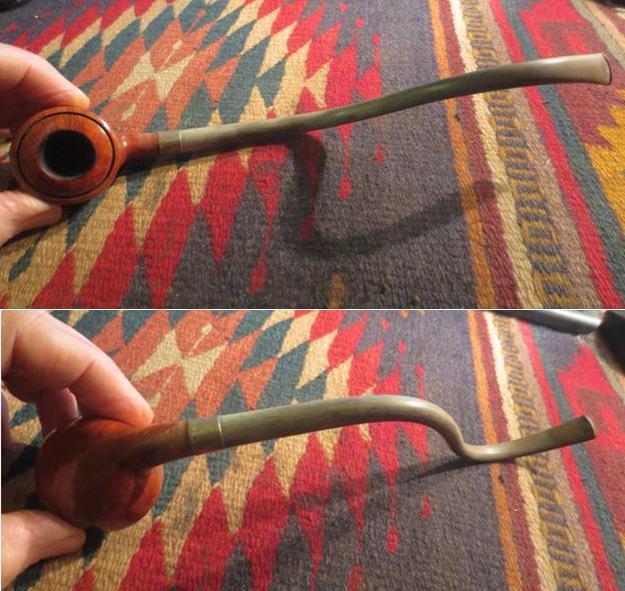
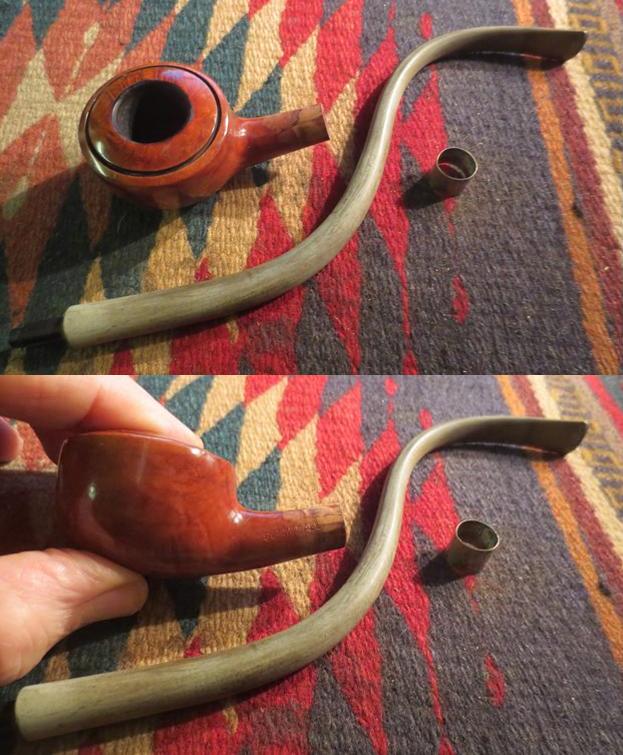
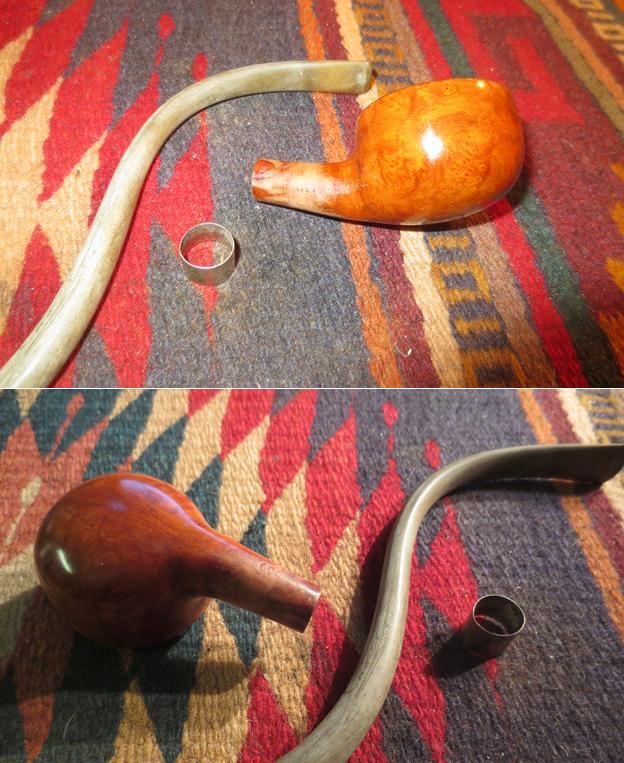
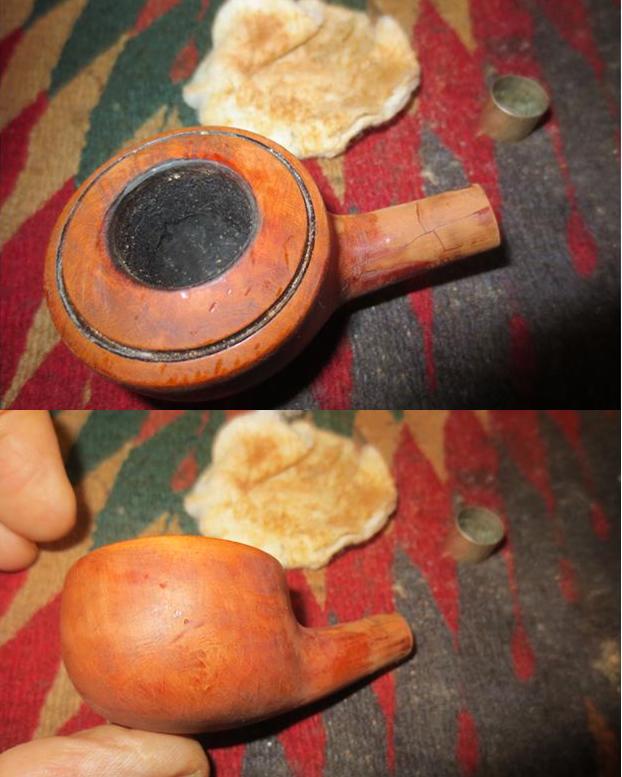
This lightly sandblasted long shank Canadian is stamped Jeantet over Lumberman on the underside of the shank. The tortoise-shell Lucite stem is stamped with a J in a circle on top of the freehand style stem and on the underside it is stamped Hand Cut and France. The shank extension is made of acrylic made to look like faux bone. The mortise is lined with a brass insert to stabilise the shank extension. The tenon is Delrin. The fit in the shank is snug and clean. The slot in the stem was dirty with a black buildup in the edges and the Y-shaped opening. The shank smelled dirty and strongly of aromatic tobacco. The finish was dirty but looked to be in good condition under the grime. There was a large nick in the right side of the bowl half way down the side. It was rough to the touch. The rim was tarry and dirty but underneath it was smooth. The inner and outer edge of the rim looked in good condition. There was a light cake in the bowl. It is a big pipe – 8 inches long, 2 inches tall, bowl is 1 ¾ inch deep, the bowl diameter is ¾ inch.jean1I have had a few older Jeantet pipes over the years but never one that was quite like this one. It is truly a beautiful piece of workmanship. I looked up information on two of my go to websites for information. The first was pipehphil’s Logos and stamping site. There I found that the Jeantet Company joined the Cuty-Fort Enterprises group (Chacom, Ropp, Vuillard, Jean Lacroix…) in 1992. In 2010 it dropped out and the brand isn’t part of the group any more. The label once again is owned by the Jeantet family (Dominique Jeantet). The production of pipes is currently discontinued. Dominique Jeantet retired in 2000. http://www.pipephil.eu/logos/en/logo-jeantet.html

The second site I looked on was Pipedia (https://pipedia.org/wiki/Paul_Jeantet_SA). There I found information from a book by José Manuel Lopes’ entitled Pipes, Artisans and Trademarks. Since I have the book here I went and read it first hand in the book. Here is what I found there.

Paul Jeantet SA (formerly Ebonite Co. is a French factory in Saint-Claude, and the name and business of the business man who in 1912 began making vulcanite stems for the pipe industry. Coming from a family of pipe makers (see Jeantet), Paul started using ebonite for the stems.

Paul Jeantet SA factory (1905 Saint-Claude), from the Jeantet Website: At one point the company was producing 35 million stems a year, and is still one of the few to produce ebonite stems in Europe.

From the Jeantet website: Founded in 1905 by Paul JEANTET, our company is being progressing in the field of rubber compound. Since the 70´s, JEANTET élastomères has been controlling the both processes of over molding and adhesion rubber / metal. Our manufacture is set in a 7000 m2 block, based in Saint-Claude, France. We are at one hour far from Geneva and one hour and a half far from Lyon. From prototype to mass production, JEANTET élastomères, certified ISO 9001, guarantee you availability and speed answers to all your asks of quotation.

Today, our group includes three companies specializing in vulcanized and thermoplastic elastomers : JEANTET élastomères, IXEMER ans PERROT. We are at your disposal for the creation and the development of innovating solutions. In 2014, the Group JEANTET took back the clientele of the Swiss company DUFOUR industries, what consolidates an important presence on the Swiss market of parts in Elastomers. (The Lopes’ book included the following contact information for the brand.

Contact Information:
JEANTET élastomères
Website: http://www.jeantet.com
6 Faubourg des Moulins
39200 SAINT-CLAUDE
Phone: +33 (0)3 84 45 79 00
E-mail: jeantet@jeantet.com

When the pipe arrived in Vancouver in a lot of pipes that Jeff sent me it caught my eye. It is a beautiful pipe. I took the next four photos to show the condition of the pipe when I started working on it.jean2 jean3I took a close up photo of the bowl and the rim. You can see the light cake in the bowl and the overflow on the back and the right side of the rim top. Underneath it looks like there is some good-looking grain.jean4I sanded the rim clean and took off the burned areas on the rim top with 220 grit sandpaper. I followed that by sanding the rim with 1500-4000 grit micromesh sanding pads. I wiped it down with alcohol and then used a light and a medium brown stain pen to touch up the rim to match the rest of the bowl.jean5I rolled a piece of sandpaper and sanded the inside of the bowl and the inner edge of the rim to clean up the damage left behind by the burns.jean6I waxed the bowl and shank with Conservator’s Wax and buffed it with a shoe brush to give it a shine.jean7I cleaned out the inside of the mortise, the airway in the shank and the stem with pipe cleaners, cotton swabs and alcohol until it was clean.jean8I polished the tortoise coloured Lucite stem with micromesh sanding pads – wet sanding with 1500-2400 grit and dry sanding with 3200-12000 grit pads. I wiped the stem down with a damp cloth to remove the grit and grime.jean10 jean11 jean12I buffed the pipe with Blue Diamond on the buffing wheel to polish the stem and the rim. I buffed the bowl and stem with carnauba wax and buffed it with a clean buffing pad to raise the shine. I hand buffed it with a microfibre cloth to deepen the shine. The finished pipe is shown in the photos below. It is a beautiful pipe and one I have not seen before. There is something about it that draws the eye. For a pipe this large it is well-balanced and proportionally works well. Thanks for looking.jean13 jean14 jean15 jean16 jean17 jean18 jean19 jean20

New Life for a Danish Made Don Regular Author 34


Blog by Steve Laug

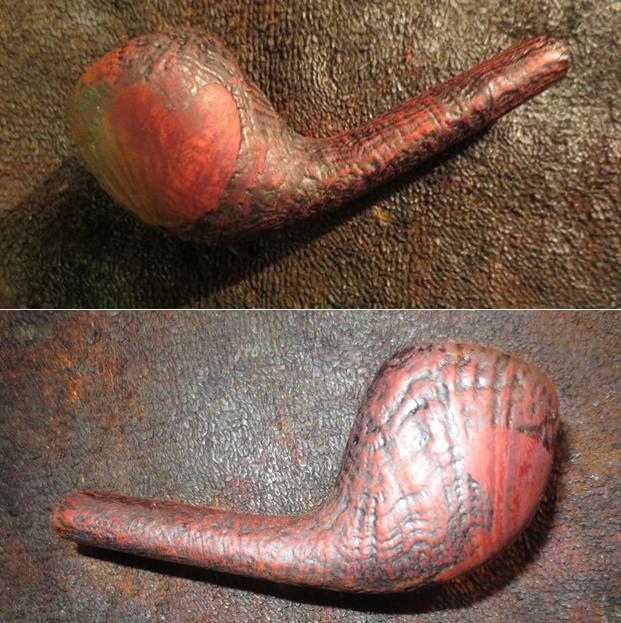
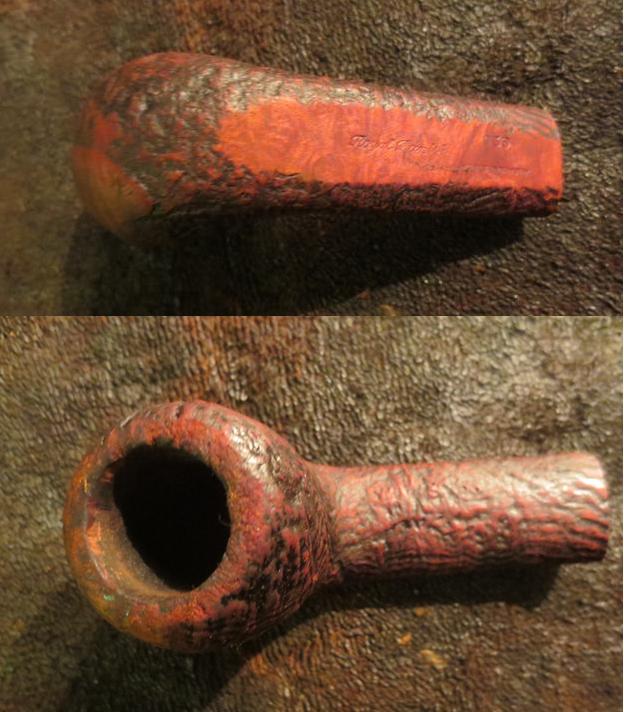
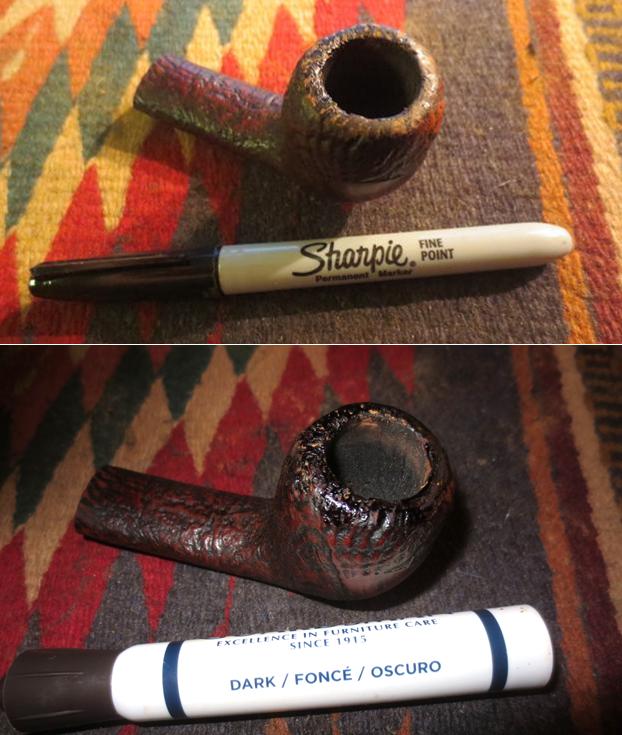
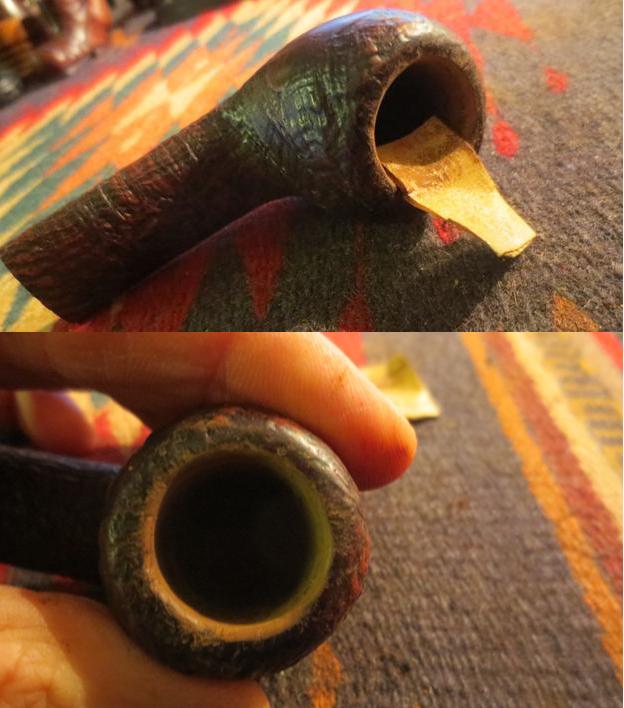
The next pipe on the work table is a nice little author shaped pipe that was stamped Don Regular next to Made in Denmark and the shape number 34. The finish on the briar was quite clean on the sides, shank and bottom of the bowl. The rim was thickly caked with tars and oils and the bowl had a thick cake. The stem was in good shape with some tooth chatter on the underside of the stem next to the button. There were no tooth marks or gouges in the stem surface. The button was in excellent condition. The D stamping on the stem was readable but light in some places along the tails of the D. The next two photos show the pipe as it was when my brother received it from the eBay seller.don2 don3He took the next three close up photos to show the condition of the bowl and rim, the stamping on the smooth portion on the underside of the shank and the stem logo.don5don4I had not seen a Don Regular pipe before so I did a bit of digging to see what I could find. I found a note on Pipedia that it may have been a Bari sub brand but it was unsubstantiated. I did some more digging and found that the pipephil website verified that the Don was a second brand to Bari pipes and was made by them.

Here is what the link on pipedon1phil said: Brand founded by Viggo Nielsen in 1950 and sold to Van Eicken Tobaccos in 1978. At this time Age Bogelund managed Bari’s production. The company has been bought in 1993 by Helmer Thomsen. Bari’s second lines: Don, Proctushttp://www.pipephil.eu/logos/en/logo-d7.html.

My brother scrubbed the exterior of the pipe with a tooth brush and Murphy’s Oil Soap under running water. He dried off the pipe. He cleaned out the internals of the pipe with pipe cleaners and cotton swabs. He also cleaned off the stem. The next four photos show what the pipe looked like when it arrived in Vancouver.don6 don7I took a close up photo of the rim as well. My brother had gotten a lot of the tars and oils off the rim but there was still some deep in the grooves of the sandblast. There as a light cake around the inside of the bowl rim.don8I scrubbed the rim with a brass bristle tire brush until all of the grime came free of the rim. I scrubbed it back and forth until the ridges and grooves were clean and free of debris and tars. I wiped it down with alcohol until it was clean. I rubbed the bowl down with a light coat of olive oil and buffed the bowl with a shoe brush. The following four photos show the pipe at this point in the process.don9 don10I hand painted the white back into the D on the stem using a small paint brush and acrylic white paint. I scraped off the excess paint. There were some scratches around the D that also took paint so I would need to work on it some more.don11I polished the stem with micromesh sanding pads – wet sanding with 1500-2400 grit pads. I worked on the area around the D to try to clean up the letter. I dry sanded with 3200-12000 grit pads and rubbed the stem down with Obsidian Oil between each set of three pads. I set the stem aside to dry.don12 don13 don14I buffed the stem with Blue Diamond and worked on the area around the D to see if I could minimize the scratches. I was able to reduce the scratches around the D and improve the overall look of the stamping. I gave the bowl several coats of Conservator’s Wax and buffed the bowl and stem with a clean buffing pad to give it a shine. The finished pipe is shown in the photos below. The sandblast and the contrast stain work well together. It is a beautiful old pipe. Thanks for looking.don15 don16 don17 don18 don19 don20 don21 don22
 

Enlivening an interesting Bonnie Brier Interlude Prince


Blog by Steve Laug

My brother Jeff picked up this interesting pipe on eBay and sent it my way. He has a real knack for finding unusual and interesting pipes. This one is stamped Bonnie Brier in script and underneath that is stamped Interlude over Imported Briar. The bowl was carved with lines and leaf patterns on the sides. The smooth left side of the shank bears the stamping mentioned above. The finish was not too bad but a bit spotty. Some nice grain on the briar shines through the mottled finish. The stem is not vulcanite or even Bakelite. It is far softer than that. I am not sure what the material is it may be a plastic derivative of some sort. The bowl was lightly caked and the rim had some overflow of tars that darkened it. The stem has a JB logo stamped on the side in gold. The stem is over bent and the angle hangs the bowl so that the tobacco falls out. The stem looked like it had a dark stripe of oil in the airway and the slot in the button was really darkened from the tars.brier1Jeff took some close up photos of the rim, the bowl bottom and the stamping on the shank and stem. The rim shows the tars and oils on the back side of the top. There is a light cake on the inside of the bowl. The underside of the bowl has well carved lines that are cleanly laid out on the briar. The stamping on the shank gives a clear view of the stamping and the JB on the stem.brier2 brier3 brier4 brier5I was unfamiliar with the Bonnie Brier brand and the circle JB logo.so I looked it up on the internet. I found a notation on Pipedia. There I found the following information. First the link: https://pipedia.org/wiki/Bonnie_Brier Bonnie Brier is a trademark of Finsbury Products, Inc. of Elmsford, NY. The trademark was registered in November of 1976, and expired in August of 1997. The pipes are signed “Bonnie Briar” in script with the name of the model line underneath and “Imported Briar” below. There are several model lines with different makers’ marks on the stem or shank: Matterhorn (a crown), Standard, Highlands (script “H”), Interlude (stylized “JB” in an oval) and Willow Ridge (script “W R”).

I also looked obrier6n Pipephil’s site (www.pipephil.eu) and found the photo to the left of the stamping on the shank of an Interlude. It has the same stamping as the one I am working on. The circled JB is also the same.

My brother scrubbed the externals of the bowl and shank with a tooth brush and Murphy’s Oil Soap. He scrubbed it under running water and the grime and finish came off the bowl. The rim because cleaner but still needed some more work. He also cleaned the inside of the shank and the airway in the stem. The next four photos show the pipe as it was when it arrived in Vancouver.brier7 brier8I took a close up photo of the rim as it looked when I got it and also a photo of the stamping on the stem.brier9I stained the bowl with some Cherry stain in Danish Oil. I put a cork in the bowl and rubbed the stain on to the bowl with a cotton pad. I put the cork in a candle holder and let the bowl dry.brier10I heated the stem in boiling water to straighten out the bend. I wanted to correct the overbend in the stem. There was a small trough in the underside of the stem. I filled it in with clear super glue.brier11I sanded the repaired spot with 220 grit sandpaper until it was smooth and it blended into the surface of the stem.brier12I polished the stem with micromesh sanding pads – wet sanding with 1500-2400 grit sanding pads and dry sanded it with 3200-12000 grit pads. I rubbed it down with Obsidian Oil between each set of three pads. I set it aside to dry.brier13 brier14 brier15I applied several coats of Conservator’s Wax to the bowl and hand buffed it with a shoe brush.brier16I lightly buffed the stem and the bowl with Blue Diamond and gave it multiple coats of carnauba wax. I buffed it with a clean buffing pad to raise the shine. I hand buffed it with a microfibre cloth. The finished pipe is shown in the photos below. It turned out pretty well. Thanks for looking.brier17 brier18 brier19 brier20 brier21 brier22 brier23 brier24

Restoring Sheen and Glory to a GBD New Standard 9447 Billiard


Blog by Steve Laug

My brother picked up this GBD New Standard 9447 billiard somewhere along the way in his pipe hunting or on Ebay. The finish was in rough shape. There was some sticky surface finish on the bowl and the stain was blotchy. The bowl had a thick cake that was hard. It overflowed over the top of the beveled rim. The stem was in decent shape with no tooth marks. My brother took the following five photos before he did the cleanup of the pipe.gbd1He took some close-up photos of the bowl, the stamping and the GBD roundel in the stem. The first photo shows the rim damage and the thick cake in the bowl. The cake was hard and gritty. The overflow onto the rim was also thick and hid the bevel. The stamping on the left side of the shank was faint but I could read it with a loop and it said GBD in an oval with New Standard stamped below that. The roundel on the stem was in excellent condition.gbd2 gbd3 gbd4My brother reamed the bowl with a PipNet reamer and took the bowl back to bare briar. He scrubbed the externals with a tooth brush and Murphy’s Oil Soap and was able to remove the finish. The cake on the rim came off well. The finished stripped off to bare briar. He scrubbed the internals as well. The stem cleaned up nicely. The next photos show what the pipe looked like when it arrived in Vancouver.gbd5 gbd6The stem had some oxidation but there were no tooth marks or tooth chatter on the surface of the stem.gbd7In the photo below you can see that some of the finish on the rim did not come off with his scrubbing.gbd8I scrubbed off the surface of the bowl with acetone on cotton pads. I worked on the rim top to remove more of the hard cake that remained.gbd9 gbd10I sanded the rim with 220 grit sandpaper and scrubbed it some more with the acetone and I was able to remove all of the buildup and the stain from the rim.gbd11I ran a pipe cleaner through the stem and it came out clean. I ran it through the airway to the bowl and rand some cotton swabs in the mortise. There were some ridges in the shank so I used a dental spatula to scrape out the inside of the mortise walls. I then scrubbed it again with alcohol, cotton swabs and pipe cleaners until the internals were clean.gbd12I wiped down the surface of the bowl with alcohol and then gave it several coats of Cherry stain in Danish Oil. I set the bowl aside to dry. The photos below show the new stain and the colour of the bowl once I was finished.gbd13I hand buffed the bowl with a microfibre cloth and gave it multiple coats of Conservator’s Wax. I buffed it with a clean buffing pad to raise the shine. The photos below show the bowl.gbd14 gbd15I polished the stem with micromesh sanding pads – wet sanding it with 1500-2400 grit pads and dry sanding it with 3200-12000 grit pads. I rubbed the stem down with Obsidian Oil after each set of three pads. After the last pad I set the stem aside to dry.gbd16 gbd17 gbd18I buffed the bowl and stem with Blue Diamond on the wheel and then gave the bowl and stem multiple coats of carnauba wax. I gave the pipe several coats of carnauba wax and buffed it with a clean buffing pad. I hand buffed the pipe with a microfibre cloth to raise the shine. The finished pipe is shown in the photos below. It is a beautiful thick shanked pipe that is great in the hand. It should be a great smoking machine. The pipe will make a great addition for someone’s pipe rack. It is available if any of you wish to pick it up. Send me an email at slaug@uniserve.com or a message on Facebook and we can work out a deal.gbd19 gbd20 gbd21 gbd22 gbd23 gbd24 gbd25 gbd26

New Life for a Savinelli Estella 604KS Oom Paul


Blog by Steve Laug

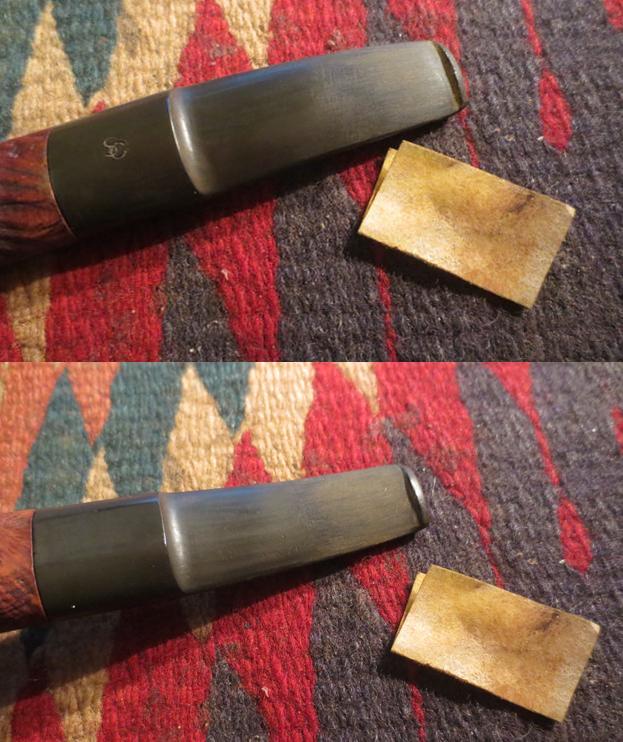
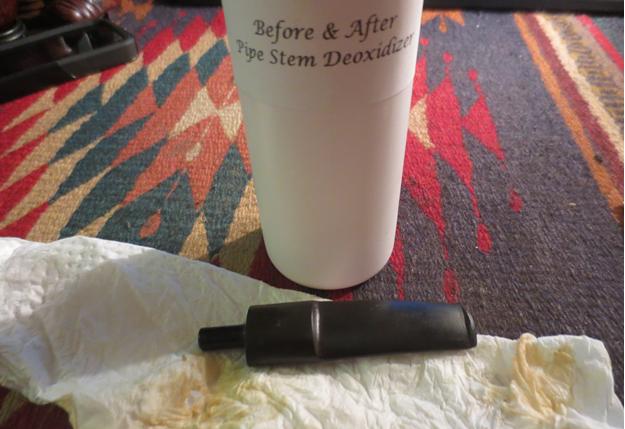
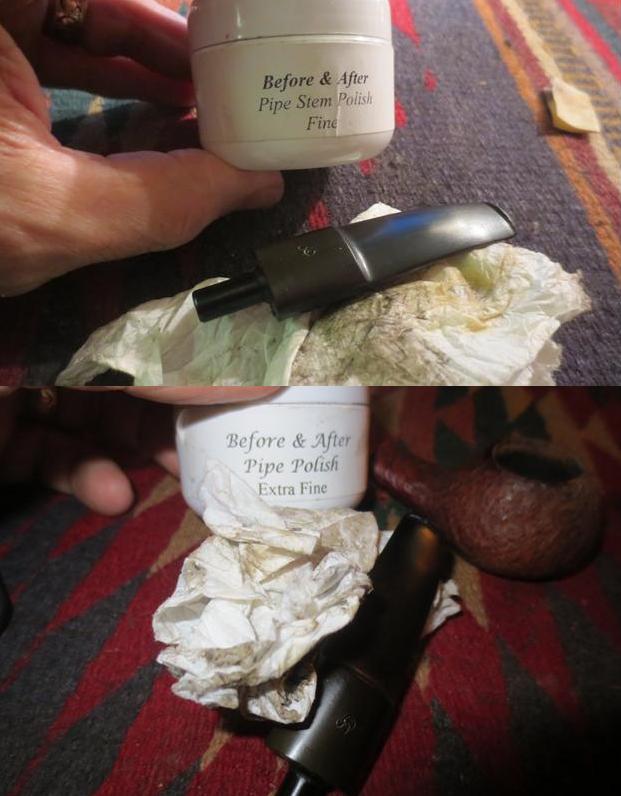
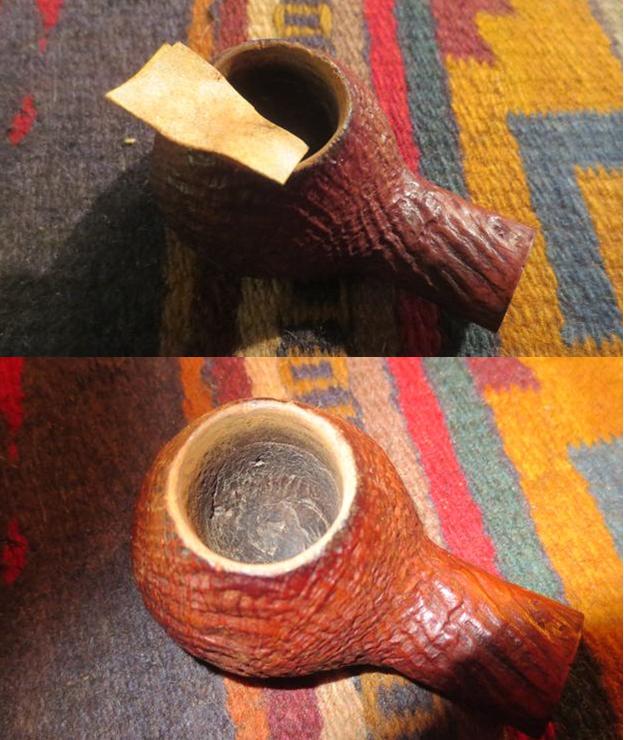
I have always liked the rough rustic finish on the Estella pipes by Savinelli. The texture of the sandblast and the ridges and whorls are a great tactile part of the pipe. This pipe is one that my brother picked up. The finish was dirty and there were some chips and wear around the rim of the bowl. The cake in the bowl and the dust and grime made this look dull but there was a beauty underneath. The stem had no tooth marks and a little chatter and calcification. There was a light oxidation on the stem. The seven photos below are ones my brother took before he cleaned up the pipe.estella1 estella2The next three photos are close up pictures of parts of the pipe. The first one shows the rim and the cake in the bowl. The cake is quite thick. The second photo shows the chips and damage to the outer edge of the rim. The third shows the stamping on the smooth bowl bottom. The final photos show the stem and its condition before the cleaning.estella3 estella4 estella5 estella6My brother Jeff reamed and cleaned the pipe before sending it to me. He scrubbed the bowl exterior with Murphy’s Oil Soap and a tooth brush under running water. He cleaned the internals with pipe cleaners and cotton swabs. When the pipe arrived it was in great condition and clean. It was ready for me to restore. The oxidation on the stem came to the surface when he was cleaning it.estella7 estella8The bowl was clean and the rim was also cleaned off. All of the grooves and ridges were clean and there were no tars or oils on the rim. The stain was lightened on the rim and the end of the shank.estella9I took some photos of the stem to show the condition – no tooth marks and other than oxidation it was in great shape.estella10I wiped down the edge of the rim with alcohol on cotton swabs to remove any remaining dust and debris and touched up the stain on the rim, rim edge and shank end with a combination of black Sharpie pen and a dark brown stain pen.estella11 estella12The stem was an easy clean up. I polished the stem with micromesh sanding pads – wetsanding it with 1500-2400 grit sanding pads and dry sanding it with 3200-12000 grit pads. I rubbed the stem down with Obsidian Oil between each set of three pads. After final rubdown I set the stem aside to dry.estella13 estella14 estella15I rubbed the bowl down with a light coat of olive oil and then gave it multiple coats of Conservator’s Wax. I buffed it with a clean buffing pad and by hand with a microfibre cloth. The photos below show the bowl after buffing.estella16I gave the stem multiple coats of carnauba wax and then buffed the pipe with a clean buffing pad to raise the shine. I hand buffed it again with the microfibre cloth. The photos below show the finished pipe. It is a beauty in its cleaned up condition. This one is available if anyone wants to add it to their rack. Just email me at slaug@uniserve.com or send a private message and it can be yours. Thanks for looking.estella17 estella18 estella19 estella20 estella21 estella22 estella23 estella24